


Skip to content
Savory canapés
Featured recipe

Savory canapés

Bread rounds baked in a muffin tray into crisp little baskets, filled with a gently spiced mixture of corn, potato, carrot and coconut. Topped with crushed crisps and dots of red, green and tamarind chutney, they make a pretty party starter.

Read more 1 views

What to eat today?

Around the world

Today's trip: Persian

A new country every day, from every cuisine on the site.

Persian

Shir berenj

Rose water rice pudding 70 minMore from Persian (181) →

This week's collection

Kid-friendly dinners
756 recipes · a new collection every Monday

Coming up

All occasions →

Latest recipes

MateYerba mate tea

Mate is less a drink than a ritual in Argentina, Uruguay and Paraguay: a gourd (also called a mate) packed with yerba mate leaves, a metal straw called a bombilla, and a thermos of hot water passed around friends, family and coworkers, from the parks of Buenos Aires to long bus rides across Patagonia. One person, the cebador, pours and drinks first, then refills and passes it on. It's grassy, bitter and gently stimulating; sweet versions add sugar. Chef's tip: never use boiling water; at about 75–80 °C the yerba stays fresh for many rounds instead of 'burning' and turning bitter.

by KrazyBadal 0 views

Martabak manisThick sweet pancake

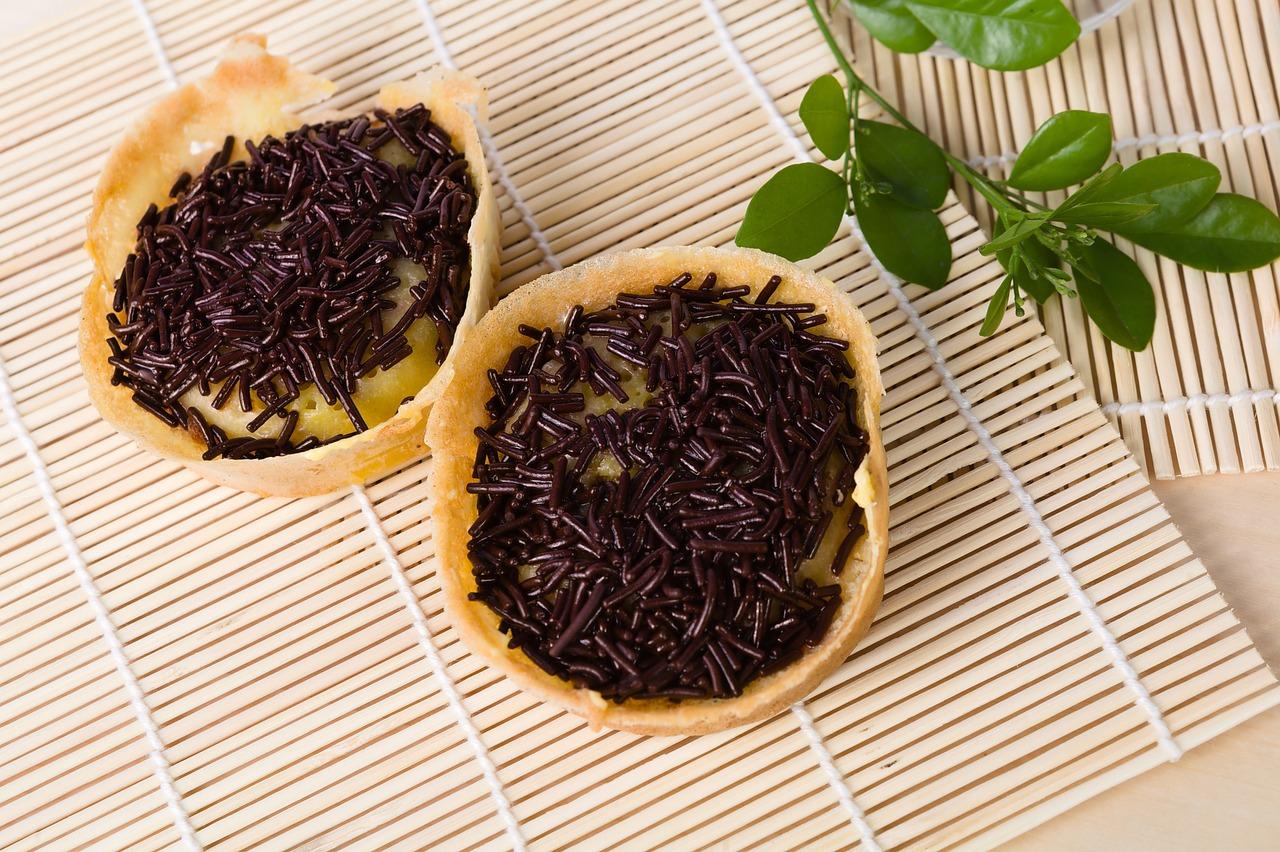
After dark, martabak manis stalls all over Indonesia fire up their heavy iron pans, and a queue forms for one thick, spongy pancake cooked until its top is pocked with holes, then slathered with butter and folded over chocolate sprinkles, crushed peanuts, sugar and condensed milk. It's often called terang bulan, "bright moon", and is said to have come from Bangka island before spreading through Java. It's sold by the box to share with family. Chef's tip: let the bubbles form and stay open before you add the sugar and cover the pan — that open honeycomb is what soaks up the butter.

by KrazyBadal 0 views

Maraq digaagChicken and vegetable stew

Maraq digaag is the gentle chicken stew Somali mothers make on ordinary weekdays, and the one people ask for when they are unwell: chicken simmered with potato, carrot, tomato and green pepper in a light broth fragrant with xawaash and garlic. It is served with rice, canjeero or bread for dipping. The mistake is boiling it hard, which makes the chicken stringy; keep it at a lazy simmer. Chef's tip: stir in chopped coriander and a little lemon at the end to lift the broth.

by KrazyBadal 0 views

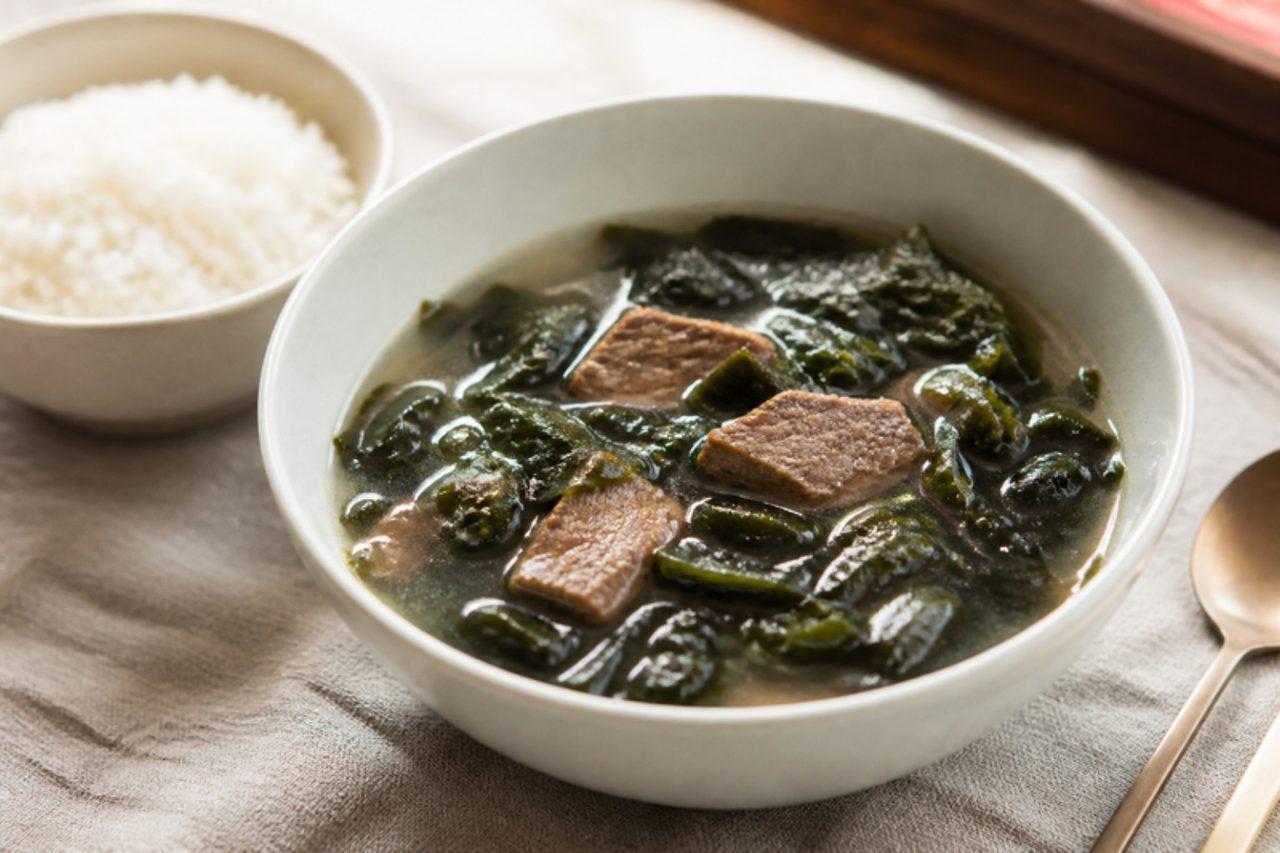
Miyeok guk with beefSeaweed soup with beef

Ask someone in Korea what they ate on their birthday morning and the answer is usually miyeok guk. The same soup is given to new mothers for weeks after a birth, as the seaweed is rich in iodine, calcium and iron. Some students avoid it on exam days, because slippery seaweed is said to make you 'slip' in the test. The broth is clear and mild, made with brisket fried in sesame oil and seasoned with soup soy sauce. Chef's tip: squeeze the soaked seaweed hard and fry it with the beef for a few minutes; it gives the broth a rounder, nutty taste.

by KrazyBadal 0 views

MizeriaCucumber salad with soured cream

Mizeria is the cool, creamy cucumber salad that sits beside Sunday dinner in Polish homes from May to September, especially next to young potatoes sprinkled with dill. Thin slices of cucumber are dressed in soured cream with dill, a pinch of sugar and a little lemon or vinegar, so it is fresh, tangy and slightly sweet. Legend links the name to Queen Bona Sforza longing for Italy, but in practice it is simply summer on a plate. Chef's tip: slice the cucumbers paper-thin on a mandoline or the slicing side of a box grater; thick slices never soak up the dressing.

by KrazyBadal 0 views

BaiVegetable and bamboo shoot stew

Bai is the everyday dish of Mizoram, cooked in Aizawl homes almost daily: a stew of greens such as mustard leaves or pumpkin leaves, bamboo shoot, pumpkin and beans, boiled in water with a pinch of soda (traditionally 'chingal', an ash-filtered alkali) that softens the greens. It has almost no oil and little spice, and often a spoonful of pork fat goes in; this vegetarian version leaves it out and adds a little more ginger. Bai is light, green and soothing, eaten with rice and a chilli dip. Chef's tip: add the soda with the greens, not before, and only a pinch; too much turns the stew slimy.

by KrazyBadal 0 views

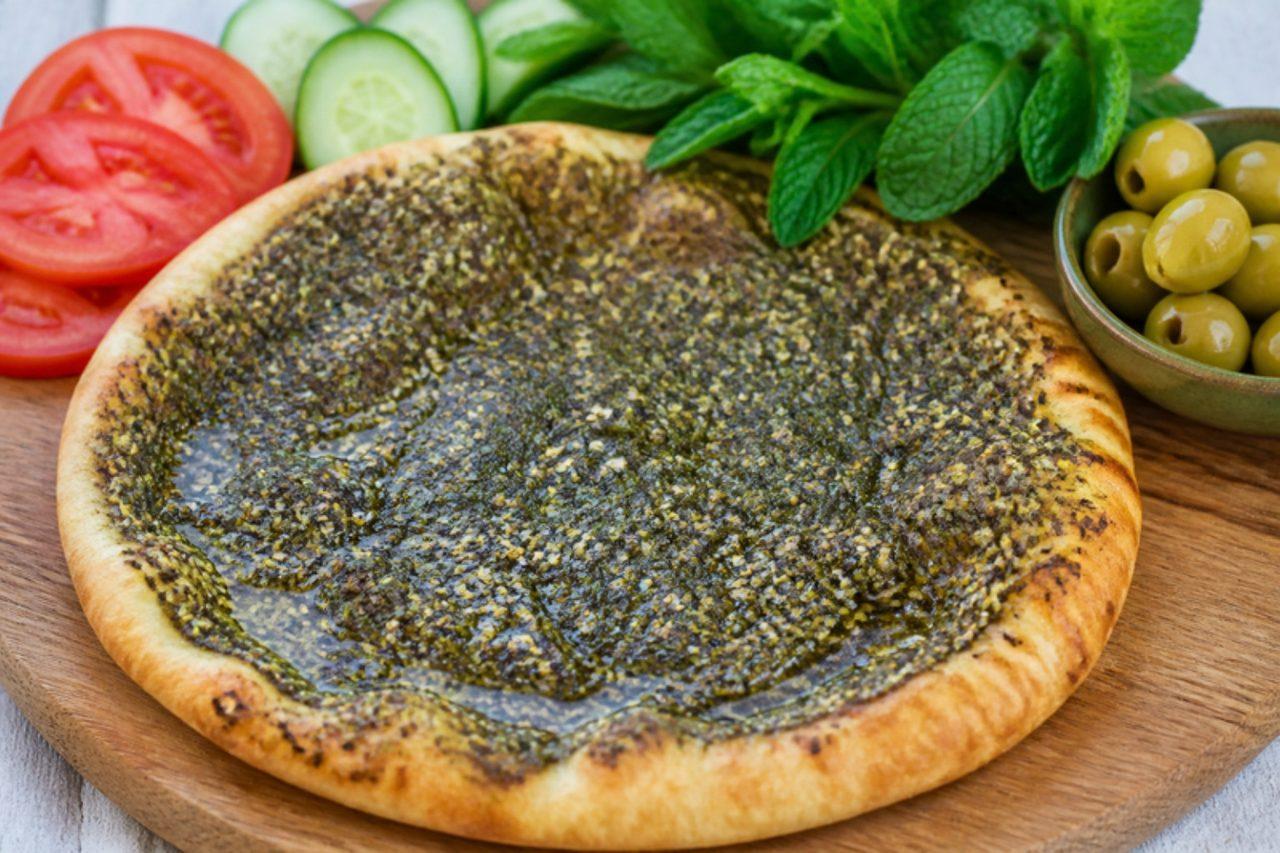
Man'oushe za'atarZa'atar flatbread

Ask anyone from Beirut what breakfast is and the answer is often man'oushe bi za'atar: a round of soft dough pressed with fingertips, spread with a paste of za'atar and olive oil and baked in the corner bakery's hot oven, then folded in paper and eaten on the way to school or work. At home it is rolled around sliced tomato, cucumber, olives and fresh mint. The most common mistake is too little oil in the topping, which leaves the za'atar dry and dusty, or baking it too long so the herbs scorch and turn bitter; the paste should be loose and spreadable and the bread pulled out once the rim is just golden. Chef's tip: get the oven and tray properly hot, at its highest setting for 20 minutes, so the dough puffs and blisters before the topping has time to burn.

by KrazyBadal 0 views

Man'oushe jibnehCheese flatbread

On the street corners of Beirut and Tripoli the cheese man'oushe, bi jibneh, is the one children queue for: the same soft bakery dough as the za'atar kind but covered with salty white akkawi cheese mixed with stretchy mozzarella and a scatter of nigella seeds, baked until the cheese bubbles and freckles brown. It is a weekend breakfast and an after-school snack, eaten folded with a few slices of tomato and a sprig of mint. Akkawi is very salty, and the usual mistake is to use it straight from the packet, which makes the bread almost inedible; soak it first. Check the label for a vegetarian (microbial) rennet; many supermarket mozzarellas and some halloumis use it, and halloumi works if you can't find akkawi. Chef's tip: grate the cheese coarsely and keep a 1 cm bare rim, so the edge puffs up into a crisp border that holds the melted cheese in.

by KrazyBadal 0 views

Manok pansohBamboo-cooked chicken

Iban longhouses in Sarawak cook manok pansoh for Gawai, the harvest festival at the start of June: chicken pieces packed into lengths of fresh bamboo with lemongrass, ginger, shallots and tapioca leaves, plugged with leaves and leaned over an open fire. No stock or water goes in; the chicken steams in its own juices, which turn into a clear, herby broth that tastes faintly of green bamboo. At home a lidded casserole wrapped in banana leaf gets you very close. Serve it with plain rice, and with the broth spooned over. Chef's tip: bruise the lemongrass and ginger hard with a pestle before packing; with no added liquid, crushed aromatics are what flavour the juices.

by KrazyBadal 0 views

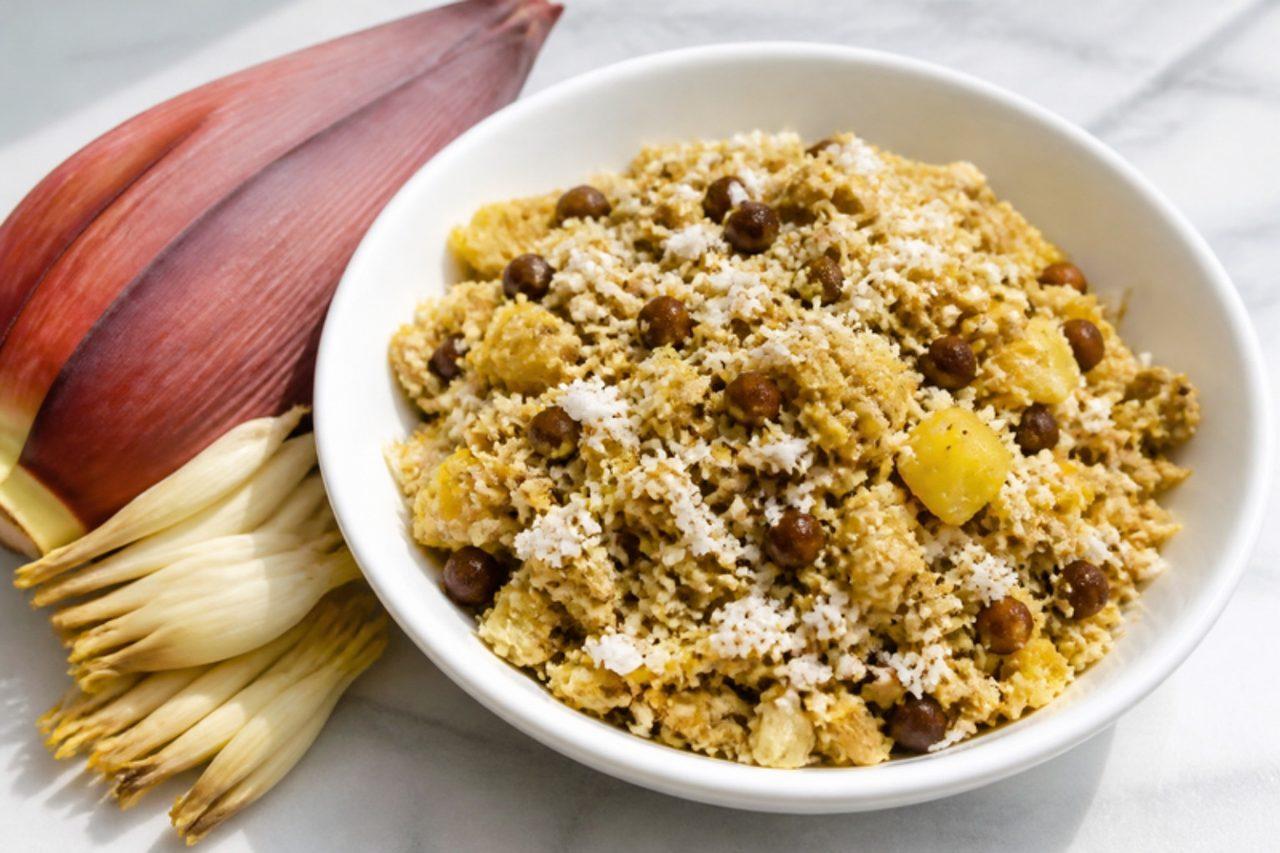
Mochar ghontoBanana flower and potato curry

Mochar ghonto is a labour of love from Bengali home kitchens: the florets of a banana flower are cleaned one by one, boiled and then cooked down with potato, grated coconut, ginger and cumin into a soft, dry, faintly sweet ghonto. It is served at weekend lunches and to guests, with rice and a little dal, and grandmothers judge a cook by it. The flavour is earthy, a little like artichoke, lifted at the end with ghee and freshly ground garam masala. Chef's tip: oil your hands before cleaning the flower, or the sticky sap stains your fingers black.

by KrazyBadal 0 views

MangúMashed green plantain

Mangú is breakfast across the Dominican Republic, from Santo Domingo's colmados to farm kitchens in the Cibao valley: green plantains boiled until soft, then mashed smooth with butter and a splash of cold water and crowned with red onions softened in vinegar. It is creamy, mild and salty, with the sharp pink onions cutting through. At home it's usually served as los tres golpes, with fried salami, fried cheese and fried eggs; this vegetarian plate keeps the queso frito and the eggs. Chef's tip: mash with cold water rather than the cooking water; cold water makes the mash smoother and lighter, the trick every Dominican grandmother swears by.

by KrazyBadal 0 views

Mango pomelo sagoMango, pomelo and sago dessert

Yeung chi gam lo was created in a Hong Kong restaurant in the 1980s and quickly became the city's favourite summer dessert, served in dessert shops late into the night. It's half drink, half pudding: puréed ripe mango mixed with coconut and evaporated milk, studded with chewy sago pearls, mango cubes and juicy pomelo. Chef's tip: rinse the cooked sago under cold water until it stops feeling slimy; this keeps each pearl separate and the dessert clean-tasting.

by KrazyBadal 0 views

Mangalorean kori rottiCoconut chicken curry

Kori rotti belongs to the Bunt community of Mangalore and Udupi, where it is cooked for weddings, the Aati festival and Sunday lunches. Kori is chicken, simmered in a thin, red coconut-milk gravy built on roasted Byadgi chillies; rotti are paper-thin dried rice wafers, bought in stacks and crumbled into the plate just before the curry goes over. They soften at the edges and stay crunchy in the middle. Chef's tip: pour the curry over the rotti only at the table; left to sit, the wafers turn to mush.

by KrazyBadal 0 views

Mangalore bunsSweet banana puris

Despite the name, Mangalore buns are not baked at all: they are thick, soft puris made from a dough of overripe bananas, sugar, yogurt and flour, left for hours to turn slightly tangy, then deep-fried until they balloon. Every Udupi restaurant in coastal Karnataka has them on the breakfast board, served with coconut chutney and sambar, and children love them on their own. They are lightly sweet with a hint of cumin and a soft, bready inside. Chef's tip: use bananas with black-flecked skins; underripe bananas give a dense, pale bun that won't brown.

by KrazyBadal 0 views

MofongoMashed fried plantain

In Puerto Rico mofongo is the dish people drive out to the kioskos of Piñones and the roadside fondas of Arecibo for: green plantain fried in chunks, then pounded while hot in a wooden pilón with raw garlic and good olive oil until it holds together in a rough, crusty dome. The outside stays a little crisp, the inside is soft, starchy and fiercely garlicky. Most places pound in chicharrón (pork crackling); this garlic-oil version is the main one here, and the crackling is a note at the end for meat eaters. Serve it with a small bowl of hot caldo to spoon over, or with stewed beans or a tomato sofrito sauce. Chef's tip: warm the garlic in the olive oil only until it smells sweet, never until it browns, so the mofongo tastes of fresh garlic rather than bitter toast.

by KrazyBadal 0 views

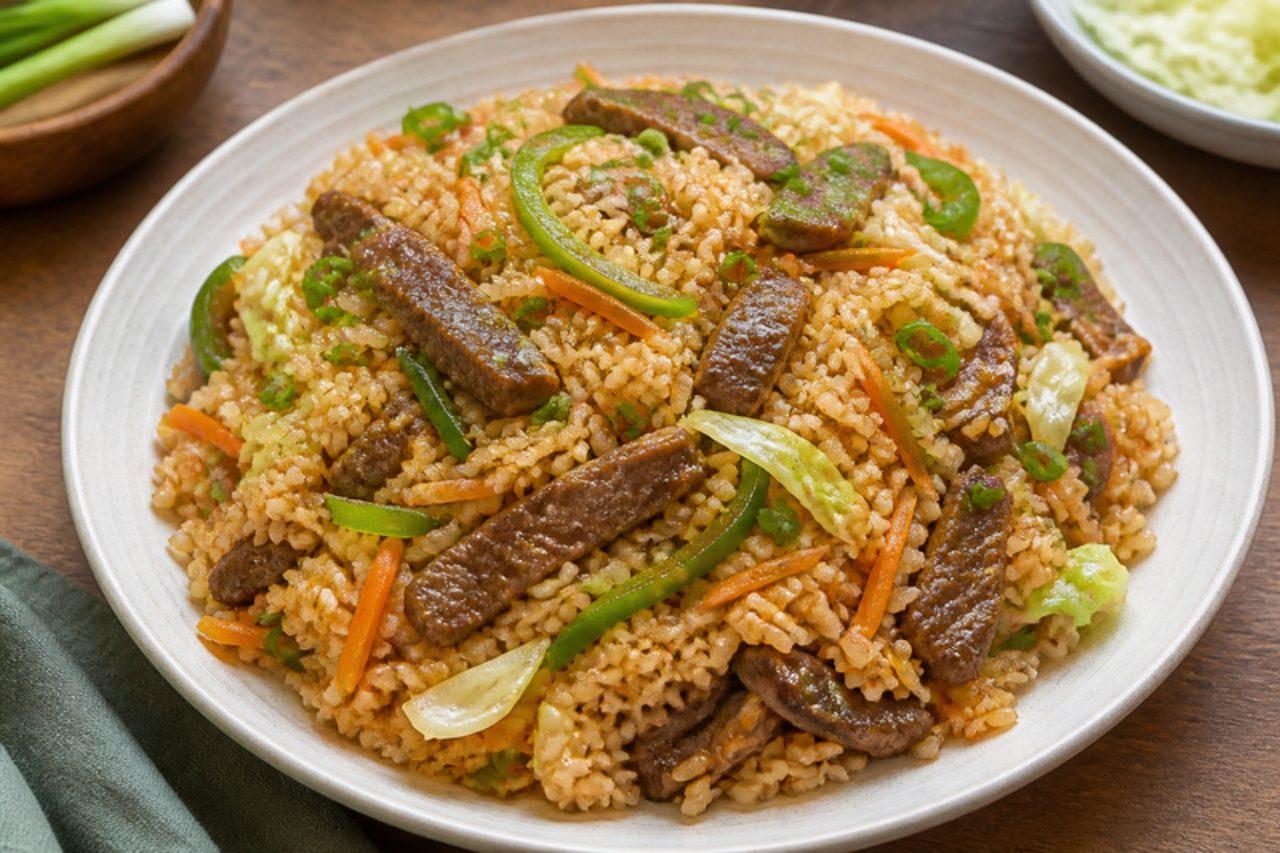
Budaatai khuurgaFried rice with beef

Budaatai khuurga is the fried rice of Ulaanbaatar's guanz, the small canteens where office workers and students eat lunch: day-old rice tossed in a hot pan with strips of beef or mutton, carrot, onion, peppers and a splash of soy. It is quick, filling and often served with a fried egg and pickled cabbage salad. The mistake is using freshly cooked warm rice, which clumps; cold, cooked rice fries into separate grains. Chef's tip: cook rice the day before and keep it covered in the fridge, which is also the safe way to store it.

by KrazyBadal 0 views

Mandua ki rotiFinger millet flatbread

Mandua, or finger millet, is the grain that hill farmers in Uttarakhand have relied on for generations, and its roti is the staple of a pahadi winter kitchen. The rotis come out dark brown, slightly sweet and earthy, and they are eaten hot from the tawa with a spoon of ghee, kafuli or a bowl of chainsoo, sometimes with jaggery on the side. With no gluten to hold it together the dough is fragile, so cooks pat it out between wet palms rather than rolling it. Chef's tip: knead the dough in two small batches with hot water; millet dough dries and cracks quickly, so the second batch stays fresh while you cook the first.

by KrazyBadal 0 views

Mamri (mandazi)Coconut cardamom doughnuts

Mamri, better known as mandazi, are lightly sweet East African fried breads made with coconut milk and cardamom. They puff up golden and hollow and are soft inside. Serve warm with pigeon peas in coconut milk (mbaazi) for a classic Zanzibar breakfast, or with tea.

by KrazyBadal 0 views

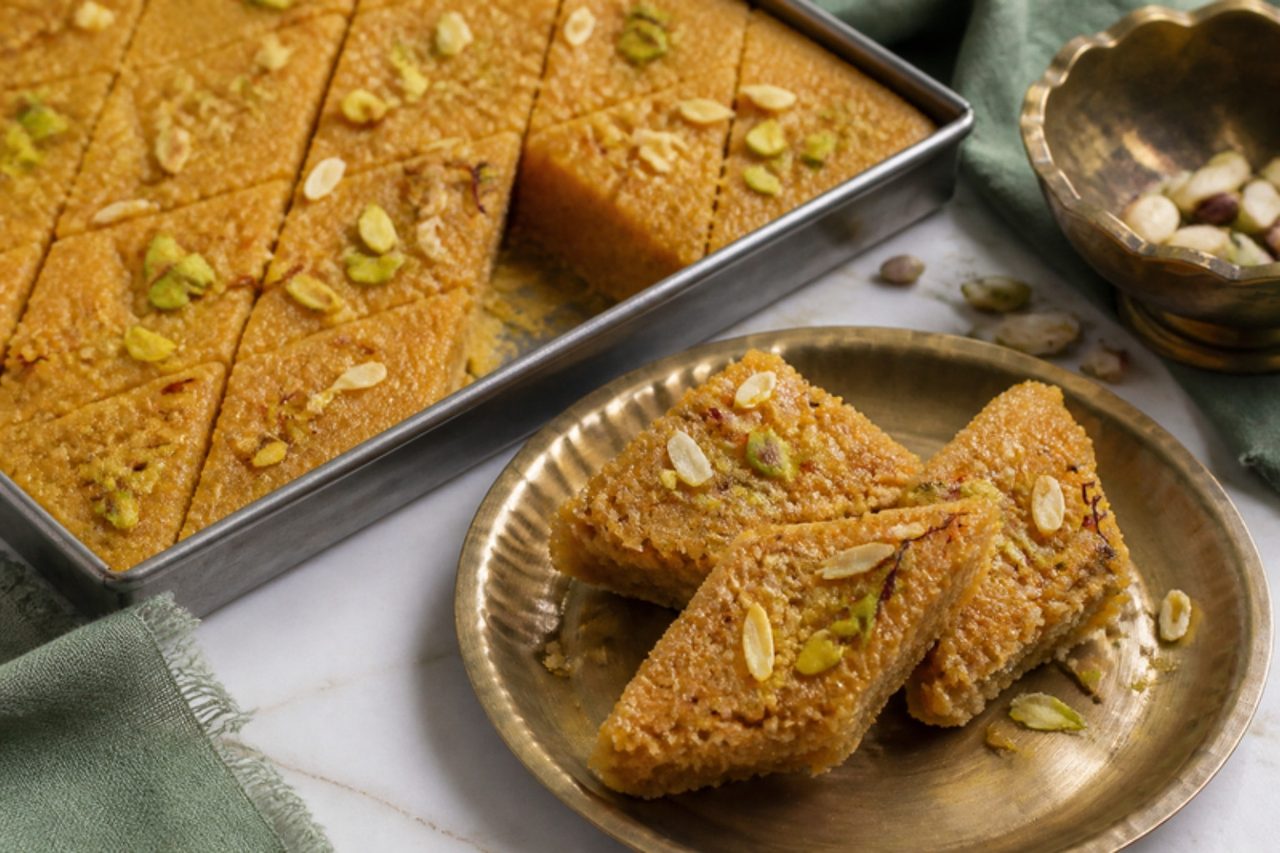
Mohan thaalGram flour fudge

Mohan thaal, named after Krishna, is offered at temples on Janmashtami and fills sweet boxes at Diwali in both Rajasthan and Gujarat. It is coarse gram flour roasted in ghee until it turns golden and smells like roasted nuts, then set with cardamom syrup into a grainy, fudge-like slab and cut into diamonds. The texture comes from a step called dhabo: rubbing ghee and milk into the flour, then sieving it into tiny granules before roasting. The mistake most cooks make is cooking the syrup too long; the fudge sets rock-hard and crumbles when cut. Chef's tip: take the syrup off the heat at a firm one-and-a-half string stage, and stop stirring when the mixture pulls away from the pan's sides in one mass.

by KrazyBadal 0 views

Maple-glazed salmon

On Canada's Pacific coast, from Vancouver to Haida Gwaii, wild salmon is the fish of summer and autumn, and a glaze of maple syrup from the east brings two Canadian staples together on one plate. The fillets are brushed with maple syrup, mustard, soy and garlic and roasted until just cooked, with a sticky, glossy top; serve them with rice, new potatoes or a green salad. Many British Columbians cook it on a soaked cedar plank on the barbecue for a smoky flavour. The mistake is overcooking salmon until it is dry and chalky; take it out when it just flakes. Chef's tip: line the tray with baking paper, as the maple glaze burns onto a bare tin.

by KrazyBadal 0 views

Mambazha pulisseryRipe mango yogurt curry

Mambazha pulissery appears in Kerala kitchens in April and May, when small, fragrant village mangoes fall from the trees, and it is often on the Vishu sadya. Whole small ripe mangoes, or chunks of bigger ones, are simmered with jaggery and chilli until syrupy, then loosened with a coconut-cumin paste and lightly soured yogurt. Unlike kalan, it stays thin and pourable: sweet, tangy and mildly hot, with the fenugreek tempering on top. Pour it over rice, with a thoran on the side. Chef's tip: use very ripe, slightly fibrous mangoes; firm ones make it sour and the sweetness never comes through.

by KrazyBadal 0 views

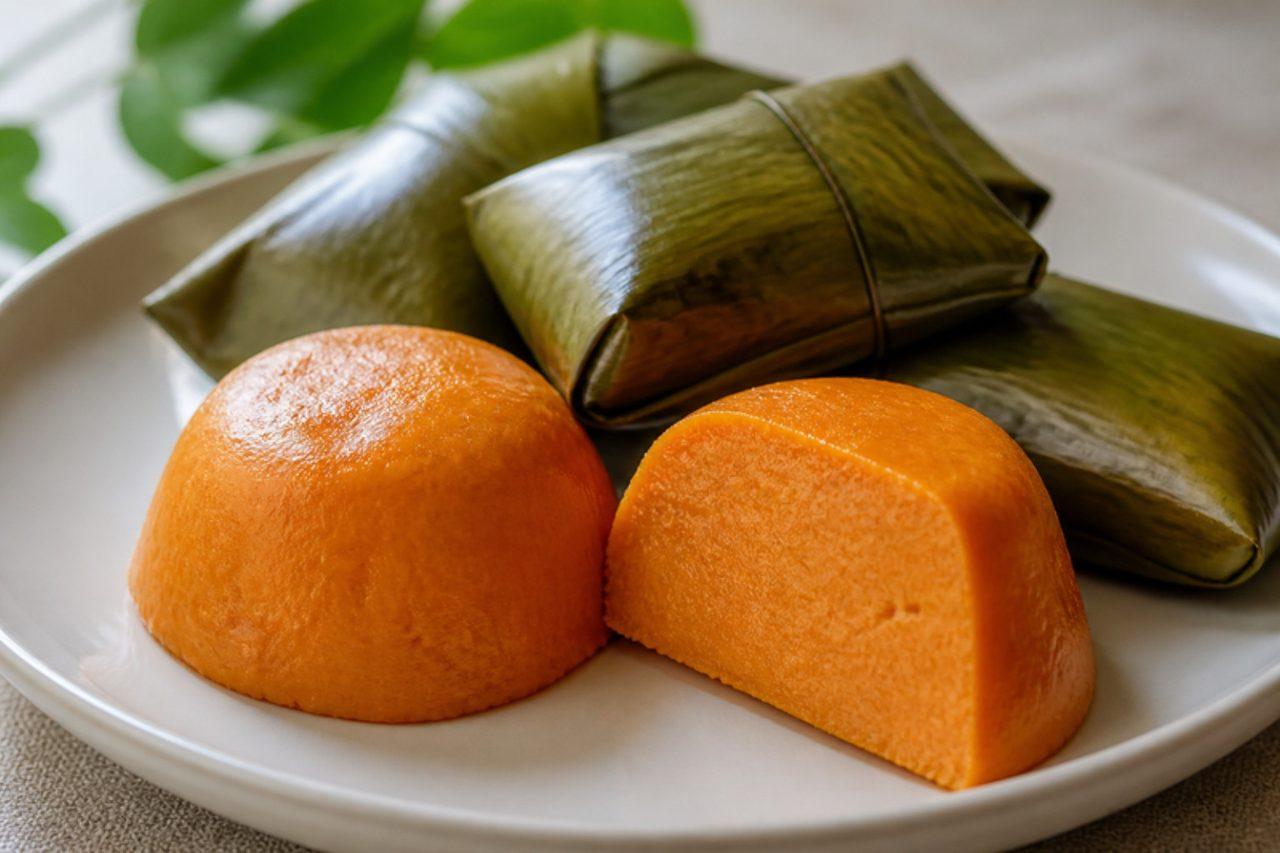
Moi moiSteamed bean pudding

Moi moi (also written moin moin) is the soft, savoury bean pudding of Yorubaland that turns up at every Lagos party beside jollof, and in lunchboxes and on Sunday breakfast plates with ogi or custard. Peeled black-eyed beans are blended with red pepper, onion and oil, then steamed until set and sliceable, like a light, spicy terrine. Traditionally it is wrapped in broad uma (thaumatococcus) leaves; ramekins or foil cups work at home. Party versions often hide boiled egg or fish inside; this one is fully plant-based. Chef's tip: the batter should drop thickly from a spoon, like a cake batter; too runny and the moi moi never firms up.

by KrazyBadal 0 views

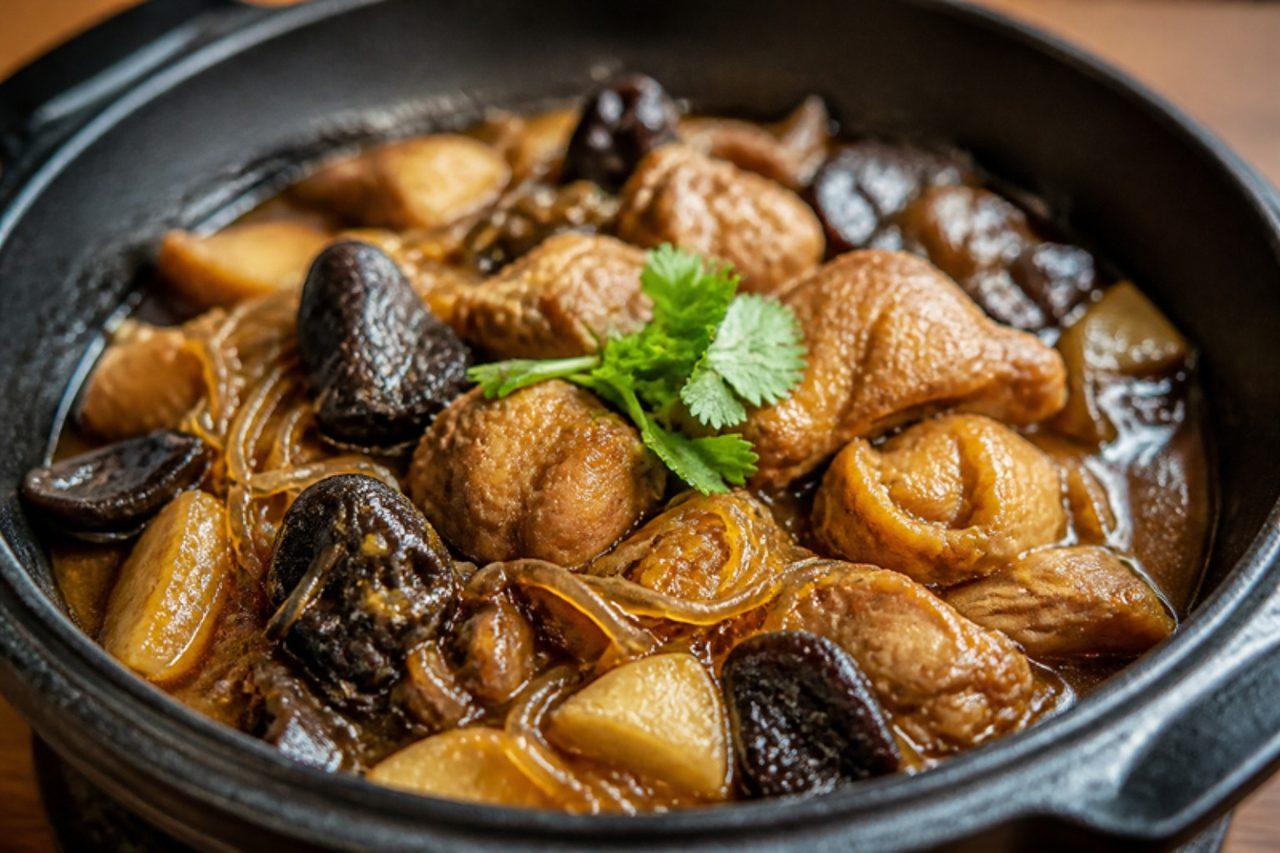
Dongbei stewed chicken with mushrooms

Ask anyone from Heilongjiang what their grandmother cooked when guests arrived and this is the likely answer: a farmyard chicken stewed in a big iron pot with dried hazel mushrooms gathered from the forests of the Greater Khingan range. The mushrooms give a deep, woodsy flavour to a dark, lightly sweet soy gravy, and glass noodles go in at the end to drink up the juices. Bone-in chicken keeps it rich and tender. Serve in big bowls with steamed rice or cornbread, and a crunchy cabbage salad on the side. Chef's tip: let the soaking water from the mushrooms settle, then pour it gently into the pot and leave the grit behind.

by KrazyBadal 0 views

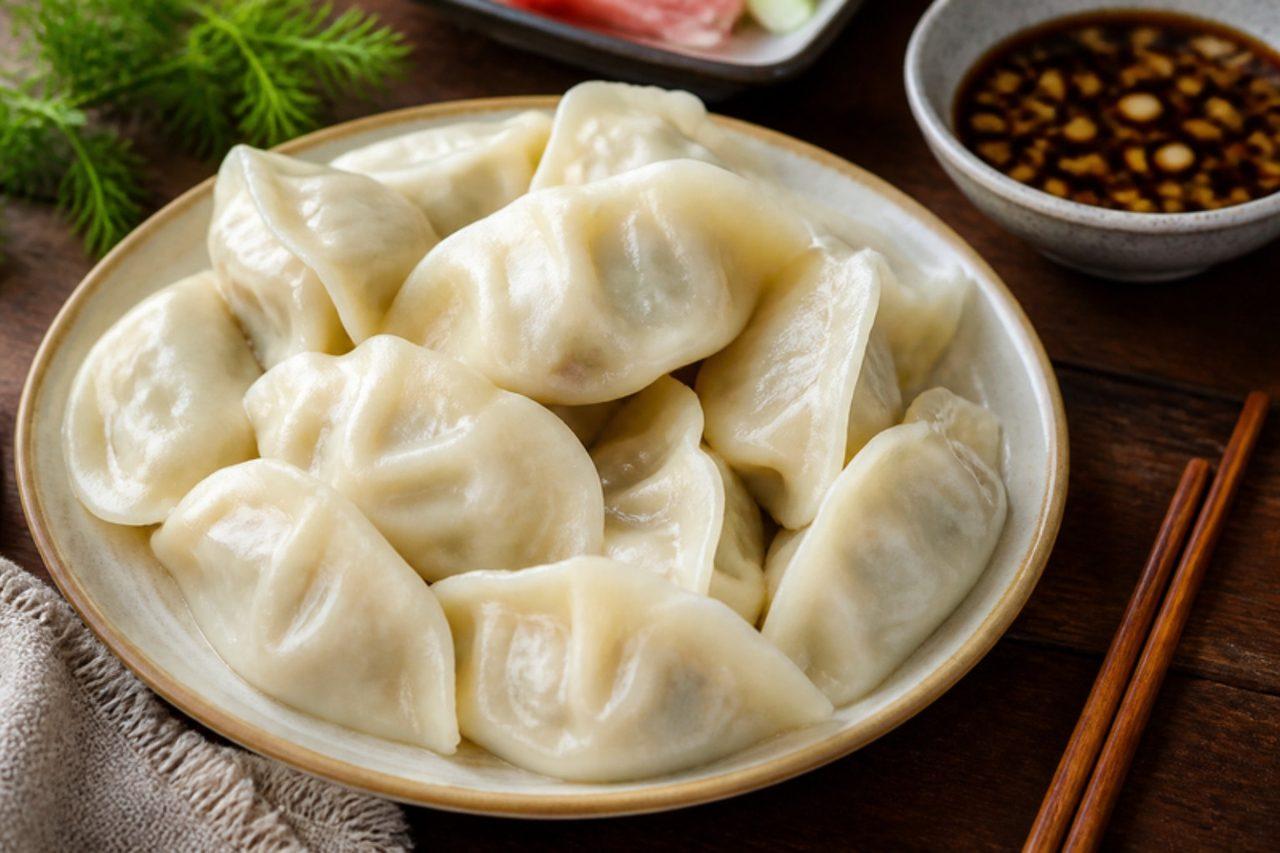
Pork and pickled cabbage dumplings

These are the dumplings north-eastern families make together on New Year's Eve and on any snowy Sunday, with the whole household rolling, filling and boiling around the kitchen table. Tangy fermented cabbage, chopped fine and squeezed dry, is mixed with fatty pork and sizzling Sichuan-pepper oil, so the filling is juicy, sour and warmly numbing at the same time. The wrappers are slightly thick and chewy, the way Dongbei cooks like them. Pile them on a plate and serve with black vinegar, garlic and a spoon of chilli oil; a bowl of the cooking water to drink afterwards is a northern habit. Chef's tip: pour the hot pepper oil straight onto the spring onions in the filling; the sizzle releases their fragrance into every dumpling.

by KrazyBadal 0 views

MămăligăCornmeal mush

Mămăligă is the golden cornmeal staple of the Romanian countryside, from the hill villages of Oltenia to the farms of Maramureș, where it was once eaten more often than bread. It is cooked in water until thick enough to hold a spoon upright, turned out onto a wooden board and cut with a thread, then eaten hot with crumbled salty brânză and a cold spoon of smântână (soured cream). Unlike Ukrainian banosh, which is cooked in sour cream, mămăligă is plain cornmeal and water; the richness goes on top. It sits beside stews such as tocăniță or under a fried egg for supper. Chef's tip: rain the cornmeal in through your fingers while whisking, and keep stirring from the bottom; dumping it in at once is the classic mistake that leaves raw, gritty lumps.

by KrazyBadal 0 views

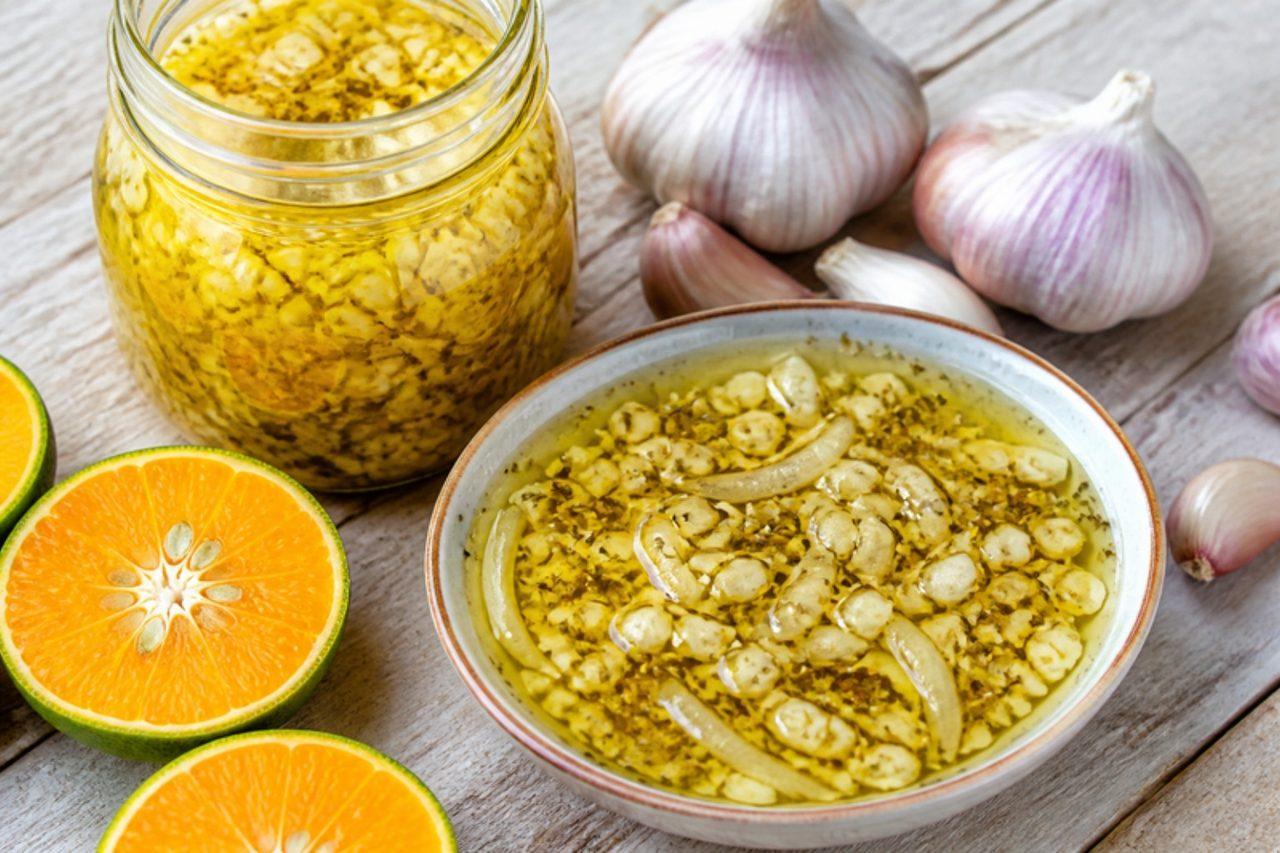
Mojo criolloSour orange and garlic sauce

Mojo criollo is the raw sauce Cuban cooks keep in a jar by the stove: sour orange juice from the naranja agria tree, pounded garlic, cumin, oregano and olive oil. On the island it marinates whatever goes on the grill and is spooned over tostones, boiled malanga and roast vegetables; vegetarians use it to marinate tofu, mushrooms or thick slices of squash. It is sharp, garlicky and bright. Chef's tip: pound the garlic to a paste with the salt rather than chopping it; the salt helps it break down so the sauce tastes round, not harsh.

by KrazyBadal 0 views

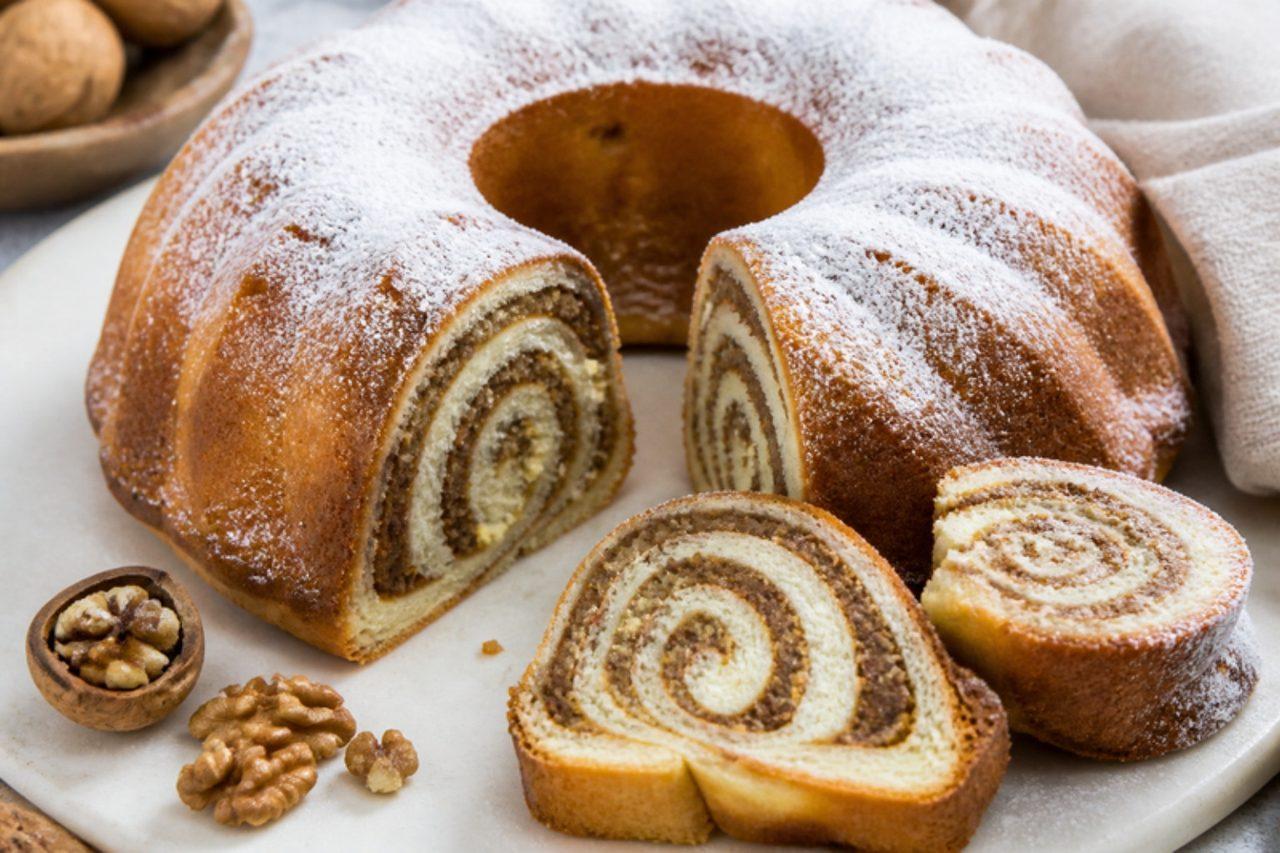
PoticaWalnut and honey spiral cake

No Slovenian Easter or Christmas table is complete without potica, a yeasted dough rolled thin around a honeyed walnut filling and baked in a fluted ring mould called a potičnik. When sliced, each piece shows a tight spiral of pale dough and dark nuts. Families in Ljubljana and across Carniola argue about the best filling, but walnut with honey is the classic one, eaten with coffee from Christmas morning until the tin is empty. Unlike a braided Romanian cozonac, the beauty is all in the thin, even swirl. Chef's tip: spread the filling no thicker than the dough and roll it up tightly; a loose roll or a thick layer leaves a gap between dough and filling once baked, the most common potica fault.

210 minBalkanBaking
by KrazyBadal 0 views

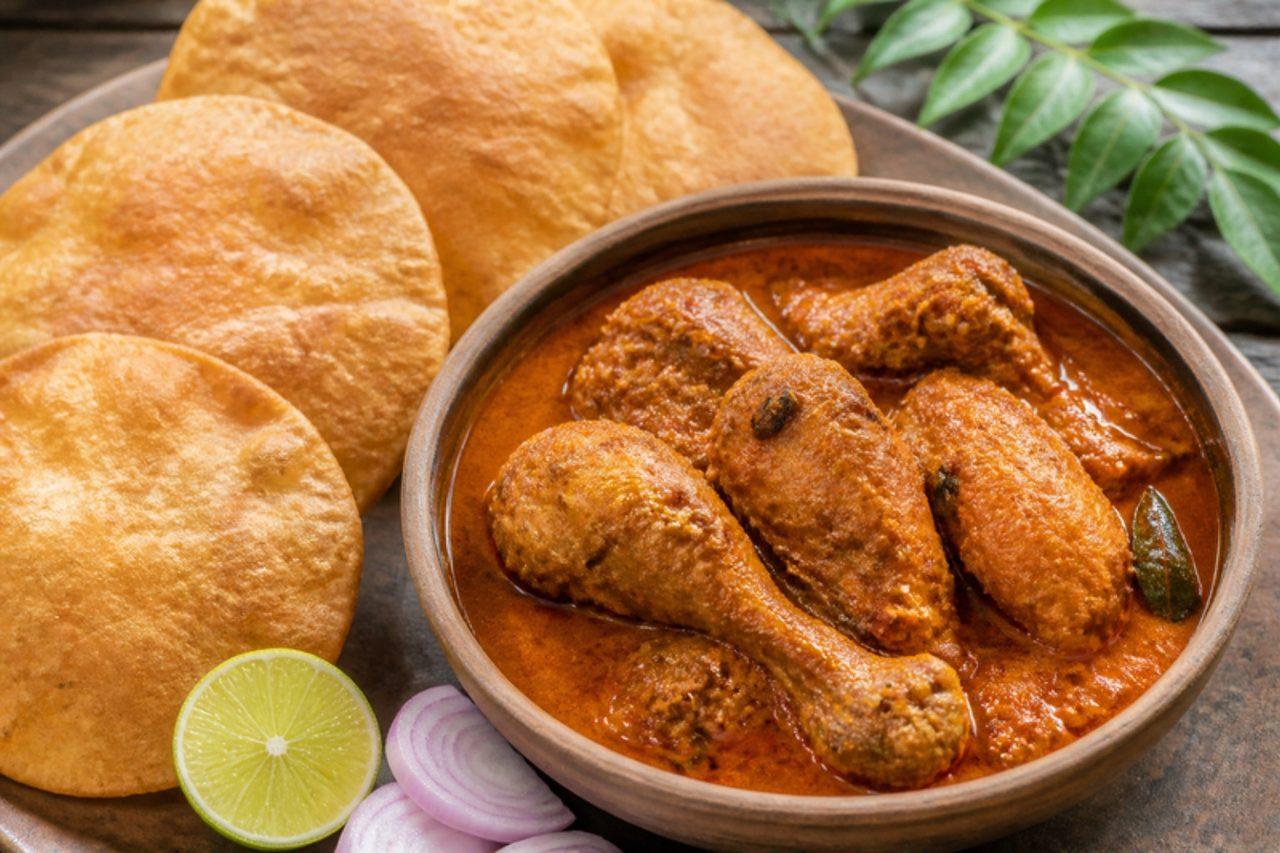
Malvani kombdi vadeChicken curry with puffed bread

Along the Malvan coast of Sindhudurg, kombdi vade is what families cook for a festive Sunday or for guests arriving by the morning bus from Mumbai. Kombdi is chicken, simmered in a gravy of roasted coconut and Malvani masala; vade are rice-flour breads fragrant with fennel that puff like balloons in hot oil. You tear the vade, dunk them in the curry and finish with a squeeze of lime and raw onion. Chef's tip: pat the vade on an oiled sheet of plastic or banana leaf rather than rolling them, and slide them into the oil straight away; thin, even discs puff best.

by KrazyBadal 0 views

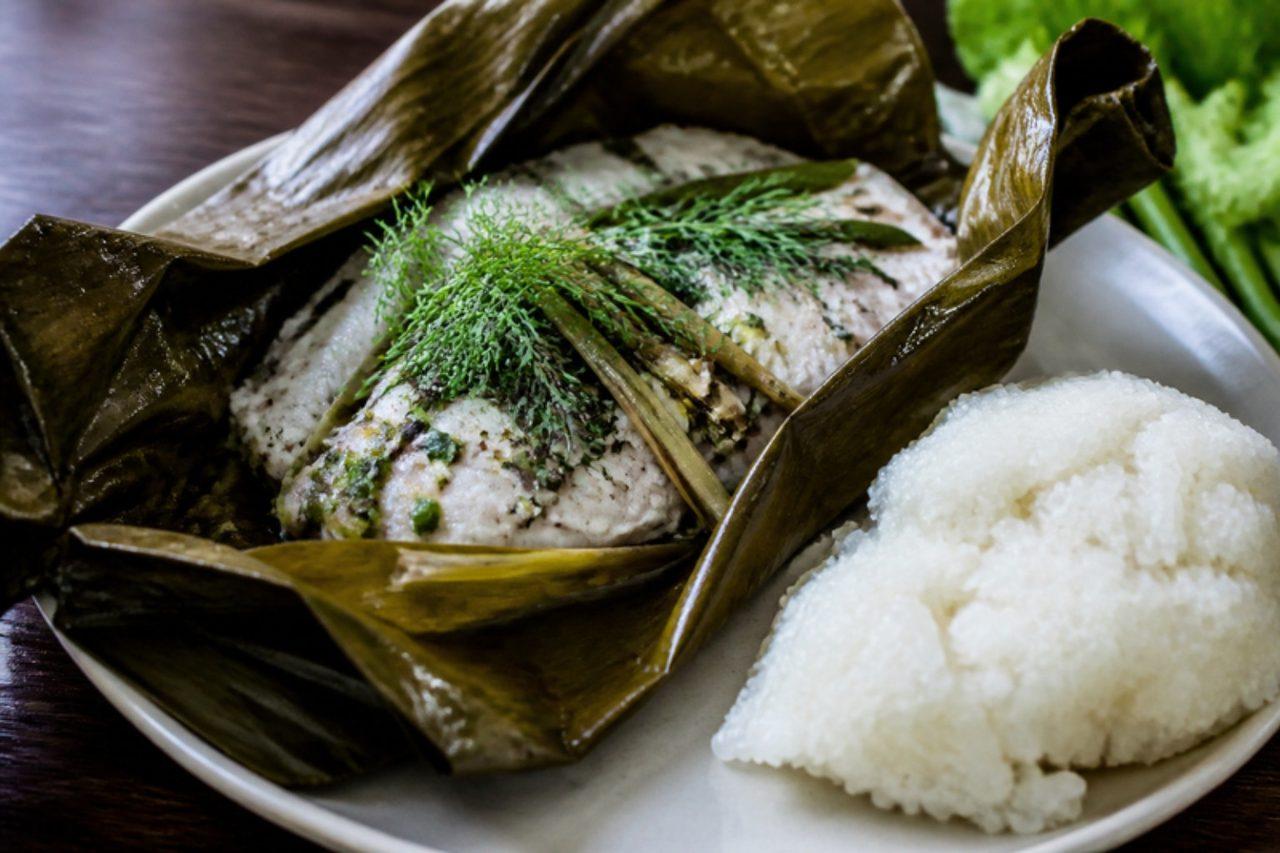
Mok paHerb fish steamed in banana leaf

Mok pa is cooked all over Laos, from Vientiane's riverside markets to village kitchens near the Mekong, where freshwater fish is the everyday protein. Chunks of white fish are mixed with a paste of lemongrass, shallot, garlic and chilli, a handful of dill and lime leaves and a spoon of sticky rice flour, then wrapped in banana leaf parcels and steamed until set and fragrant. Eat it with sticky rice and raw vegetables. Chef's tip: soften the banana leaves by passing them briefly over a flame or into hot water; they fold without cracking.

55 minLaoFishGluten free
by KrazyBadal 0 views

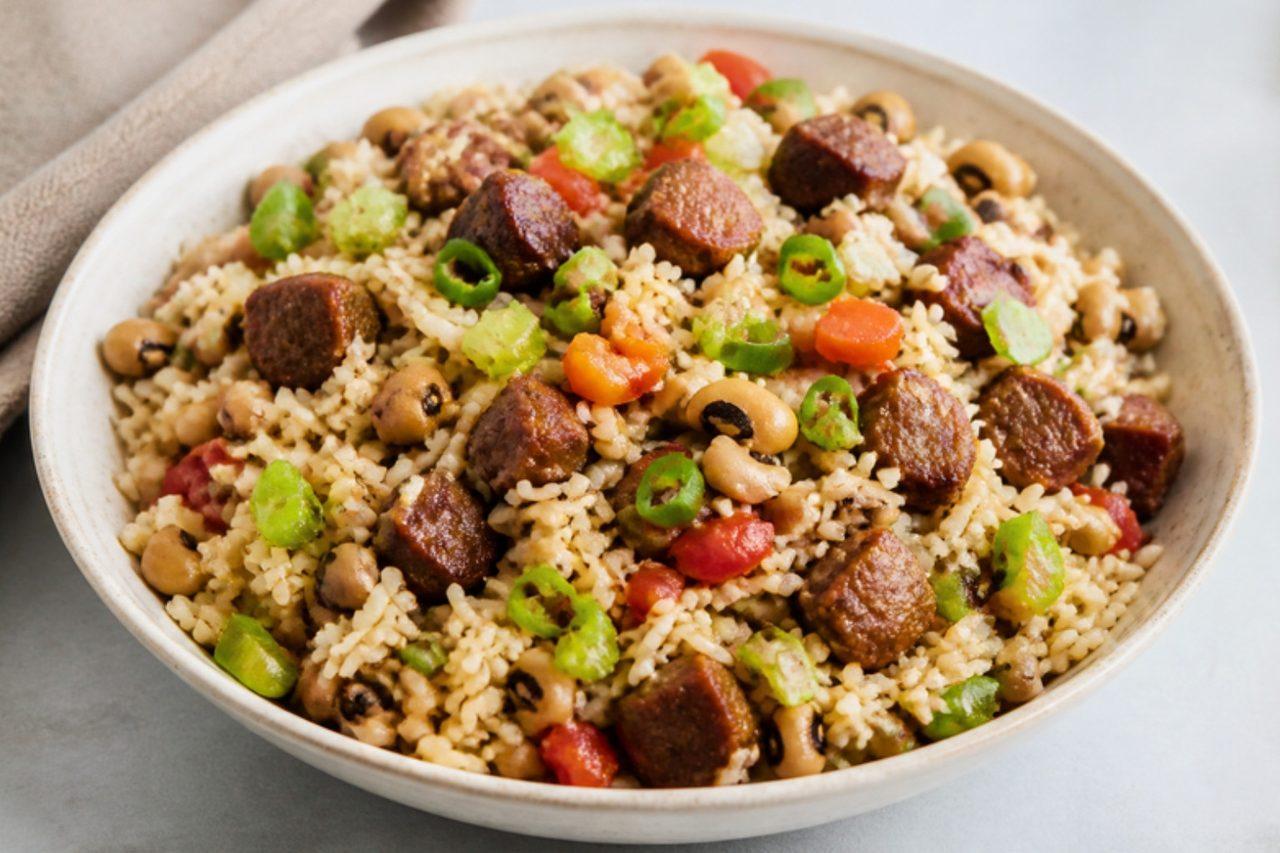
Moksi alesiMixed rice with salted meat

Moksi alesi, "mixed rice" in Sranan Tongo, is a weekday one-pot from Paramaribo's Creole kitchens: rice cooked with salted meat or salt fish, black-eyed beans, coconut milk, onion, celery and hot pepper, until the grains are soft and full of flavour. It is cooked when there's little time but a full pot is needed. This version uses salted pork; it contains pork. The mistake is not soaking the salted meat, which makes the rice far too salty; soak it, then boil it first. Chef's tip: smoked turkey or salt beef works in place of pork.

by KrazyBadal 0 views

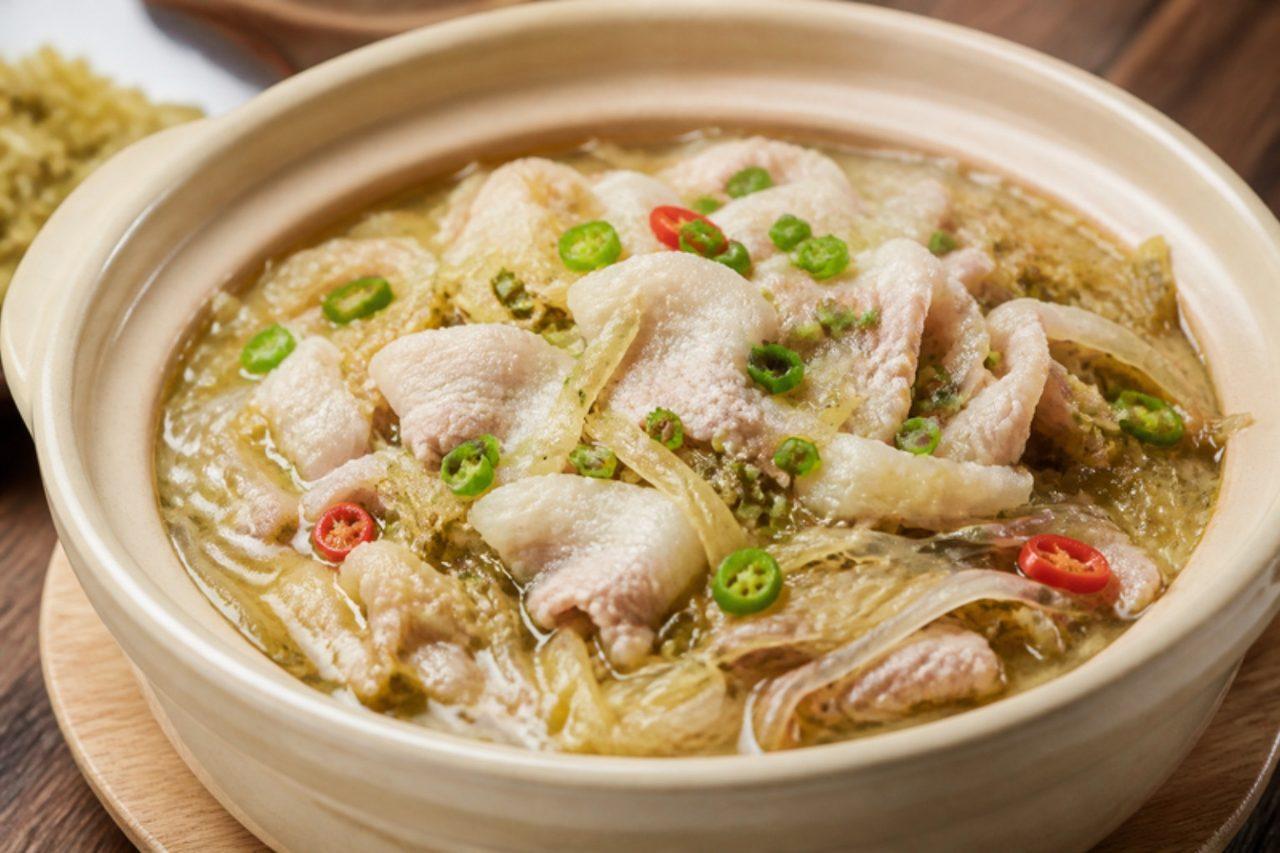
Suan cai pork stew

Across north-east China, autumn means packing crocks with salted napa cabbage to ferment through the long winter, and this hearty stew is the reward. Thin slices of boiled pork belly lie in a pale broth with shreds of sour cabbage and slippery glass noodles; the tang cuts the richness, and the broth tastes both clean and deeply savoury. It is everyday winter family food in Harbin and Shenyang, often served in a clay pot at the centre of the table with rice and a garlic-soy dip for the pork. Chef's tip: let the boiled pork cool for 15 minutes before slicing; warm belly crumbles, slightly cooled belly cuts into neat, thin slices.

by KrazyBadal 0 views

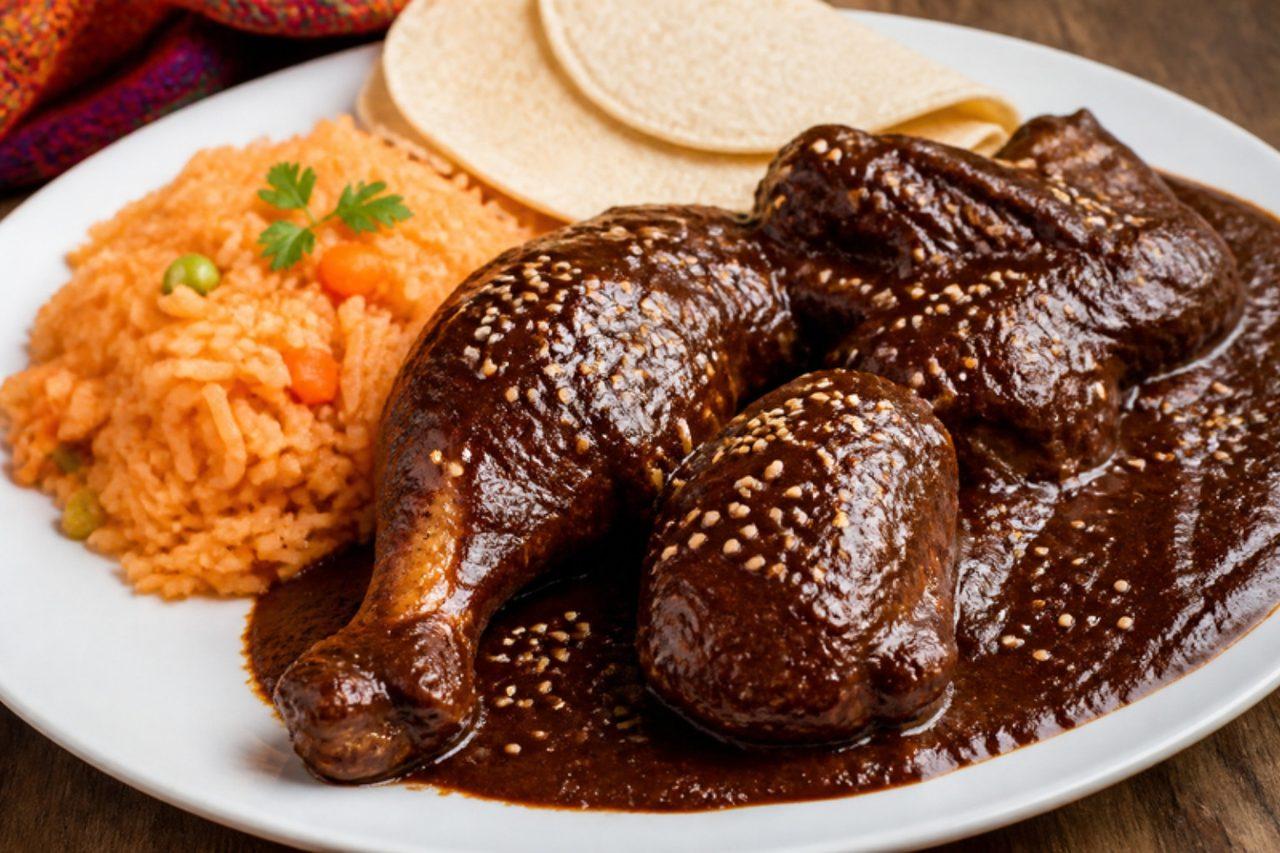
Mole poblano with chickenChicken in chocolate chilli sauce

In the city of Puebla, mole poblano is the dish for weddings, baptisms and saints' days, and families often make it together over a whole afternoon. Three dried chillies (mulato, ancho and pasilla) are fried and ground with almonds, peanuts, sesame, raisins, spices, toasted tortilla and a little chocolate into a sauce that is deep, glossy and only gently sweet. It is spooned over poached chicken and scattered with sesame, with Mexican rice and warm tortillas to mop it up. Making it a day ahead lets the flavours settle. Chef's tip: fry the blended sauce in hot fat before adding stock; that sizzling stage is what turns it from a purée into mole.

by KrazyBadal 0 views

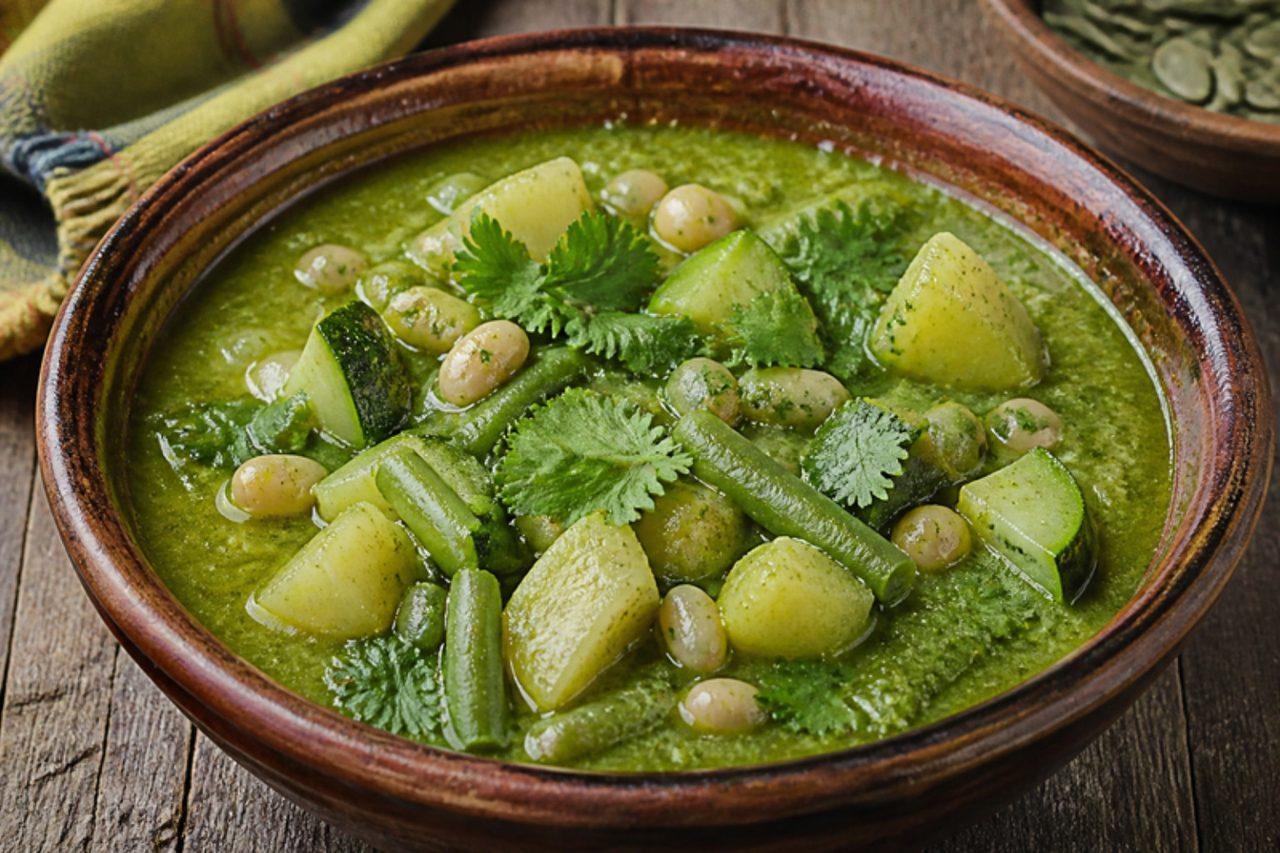
Mole verde with vegetablesGreen mole with vegetables

Mole verde is the brightest of Oaxaca's seven moles: instead of dried chillies and chocolate it is built from tomatillos, fresh green chillies and a fistful of herbs (hoja santa, epazote, parsley) and thickened with masa or pumpkin seeds. In Oaxaca it is often cooked with white beans and vegetables, which is how we make it here, with potatoes, courgette, green beans and chayote. The sauce is tangy, herbal and silky, and goes with white rice or warm corn tortillas. It is vegan as long as you use vegetable stock. Chef's tip: blend the raw herbs in at the very end, off the heat; cooked any longer they turn grey and lose their fresh perfume.

by KrazyBadal 0 views

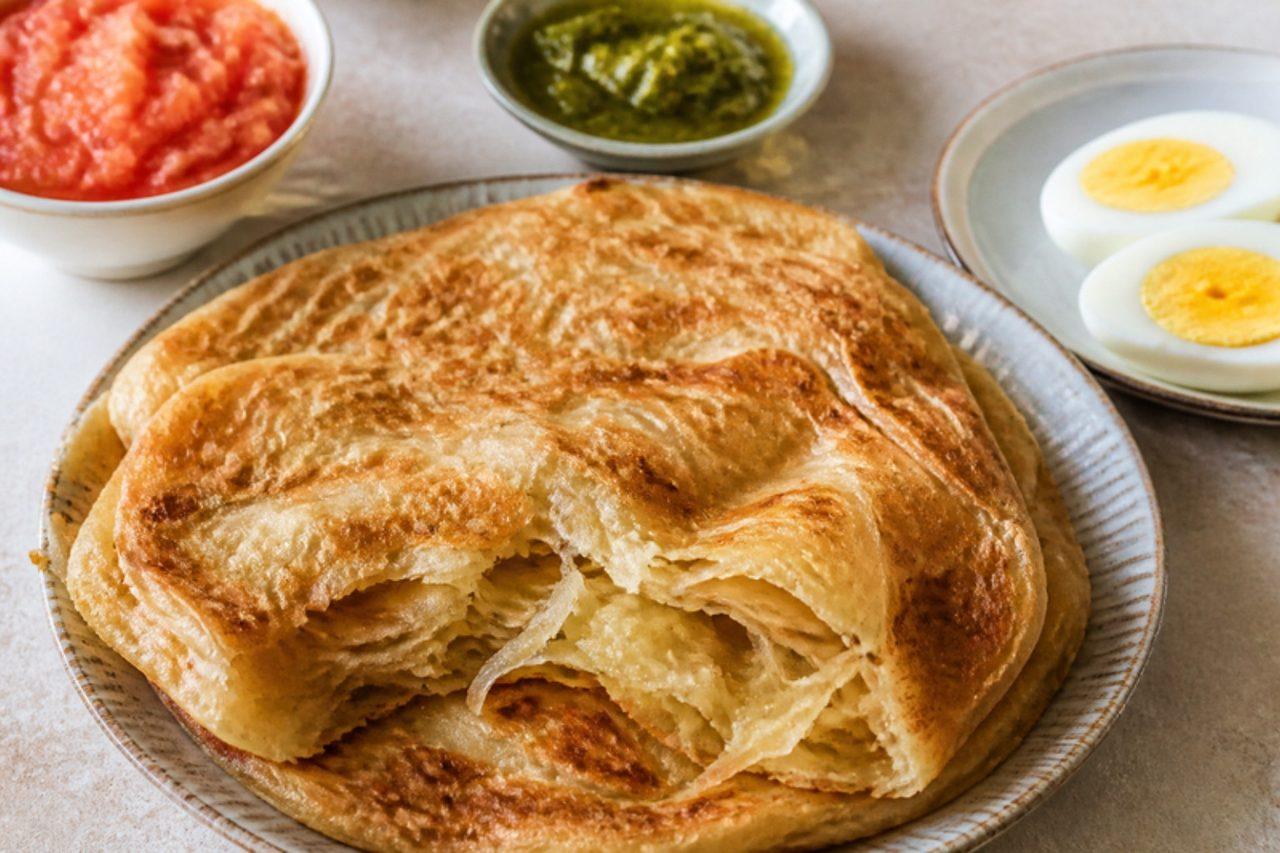
MalawachFlaky fried flatbread

Malawach is the Yemenite Jewish flatbread that turned into an Israeli freezer staple: round, buttery layers fried in a pan until they shatter, eaten for breakfast or a late supper with sweet-sour grated tomato, zhug and a hard-boiled egg. In Israel almost everyone buys the frozen rounds from the supermarket and fries them in minutes, the way this recipe does; the dough is the same rolled, butter-layered dough as jachnun, just fried instead of baked. Some families sprinkle sugar or drizzle honey for a sweet version. Chef's tip: fry the frozen rounds straight from the freezer; thawed ones turn sticky and lose their layers.

by KrazyBadal 0 views

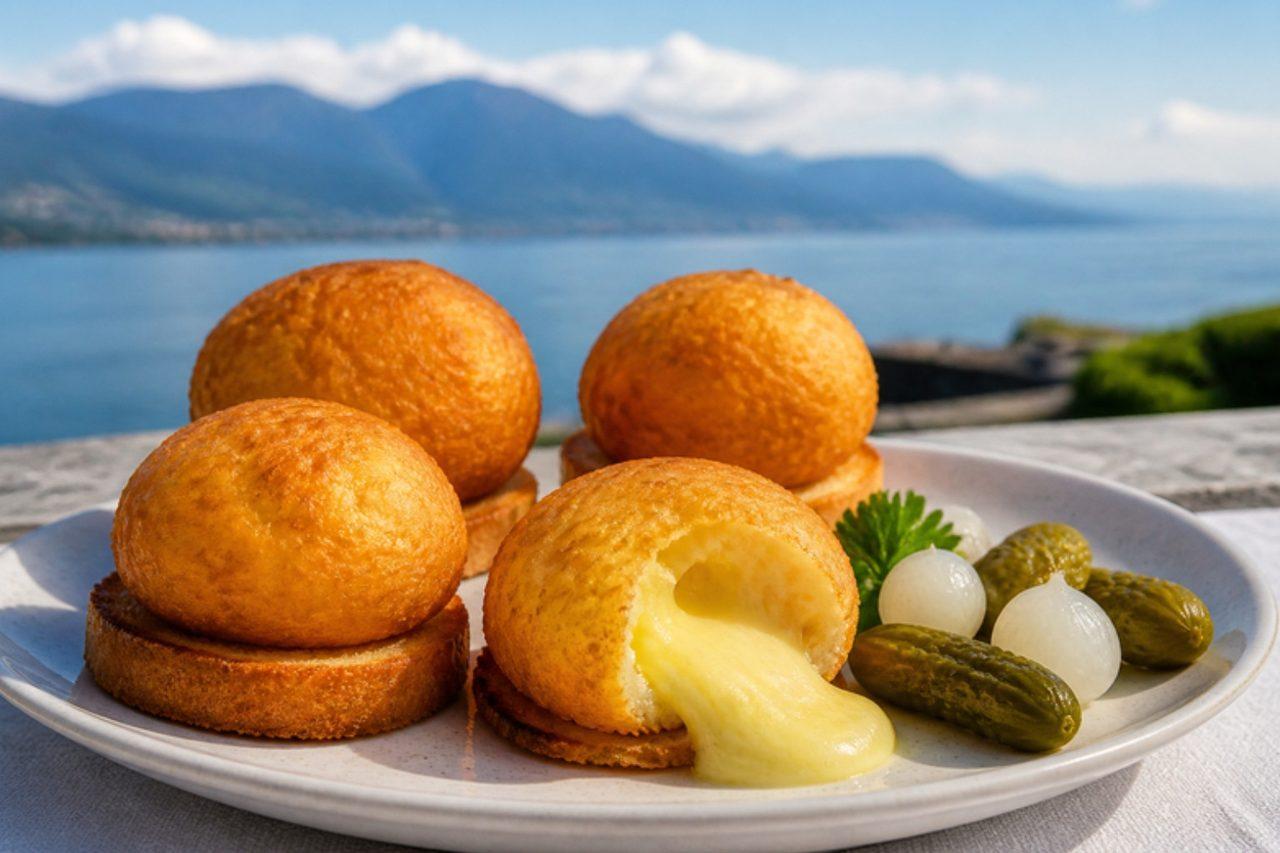
MalakoffCheese fritters

In the wine villages of La Côte above Lake Geneva, especially Vinzel, Bursins and Luins, a malakoff is a dome of Gruyère bound with egg and white wine, set on a round of bread and deep-fried until puffed and golden. The name is said to come from Swiss soldiers who fought at the siege of the Malakoff fort in the Crimean War and brought a taste for cheese fritters home. Locals eat them at village festivals and in pinte-style wine taverns with a glass of chilled Chasselas, cornichons and pickled onions. The crust shatters to a molten, gently stringy inside that tastes of wine and nutmeg. Use Gruyère made with vegetarian rennet. Chef's tip: press the cheese mixture firmly into a tall dome over the bread and chill it for 20 minutes before frying; it holds its shape in the hot oil instead of spreading.

by KrazyBadal 0 views

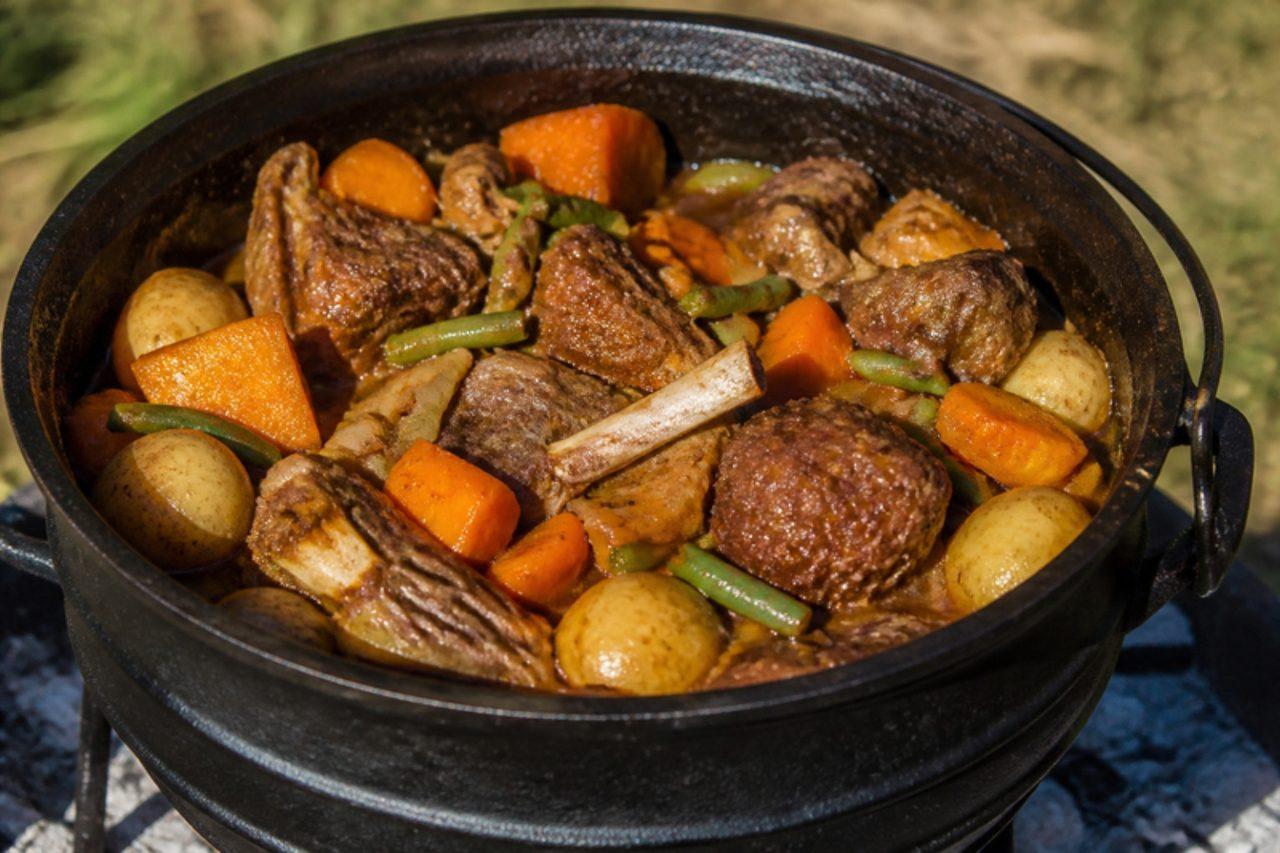
Lamb potjiekosLamb and vegetable stew

Potjiekos is the long, sociable cook of South African weekends: a cast-iron three-legged pot (potjie) sits over a small fire for hours while friends talk around it, and the rule is that once the layers are in, nobody stirs. The lamb is browned at the bottom, then potatoes, carrots, butternut, green beans and mushrooms are stacked on top so the hardest vegetables are nearest the heat. A heavy casserole on the hob or in the oven works just as well. Some cooks add a glass of red wine or beer; this version uses stock only, and you may swap 150 ml of it for wine if you like. The mistake is stirring the pot, which turns the neat layers into mush. Chef's tip: add only a little liquid; the vegetables give off their own juice as they steam.

by KrazyBadal 0 views

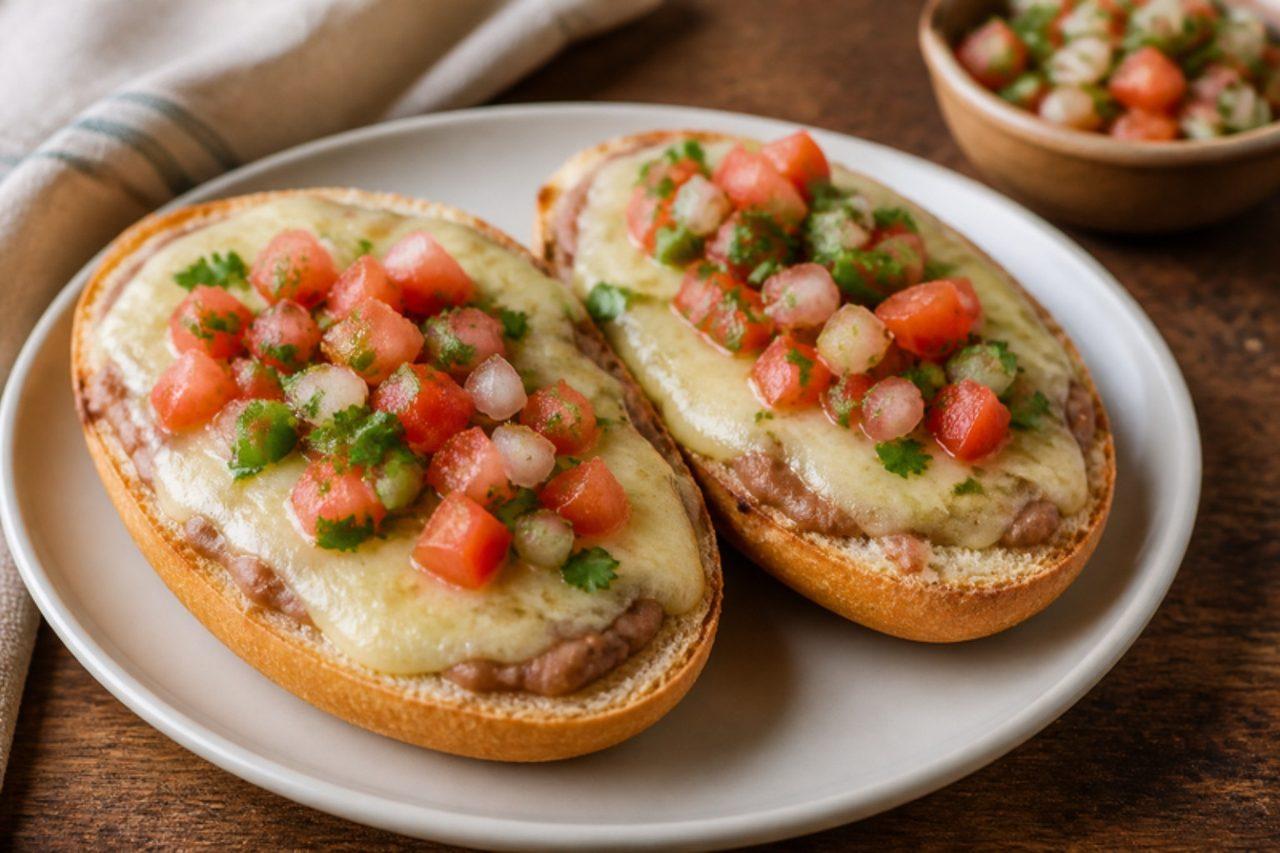
MolletesOpen bean and cheese rolls

Molletes are a favourite cheap breakfast and after-school snack across Mexico, especially in Mexico City cafés: a bolillo (a crusty, oval white roll) split, buttered and toasted, spread with refried beans, covered with cheese and grilled until bubbling, then topped with fresh pico de gallo. They are crunchy, creamy and gooey, and children love them. Use crusty white rolls or short pieces of baguette if you can't get bolillos, and a mild melting cheese made with vegetarian rennet, such as mild cheddar, mozzarella or Oaxaca cheese. Chef's tip: toast the buttered rolls before adding the beans, so the bread stays crisp underneath instead of going soggy.

by KrazyBadal 0 views

Pouding chômeurCake baked in maple syrup

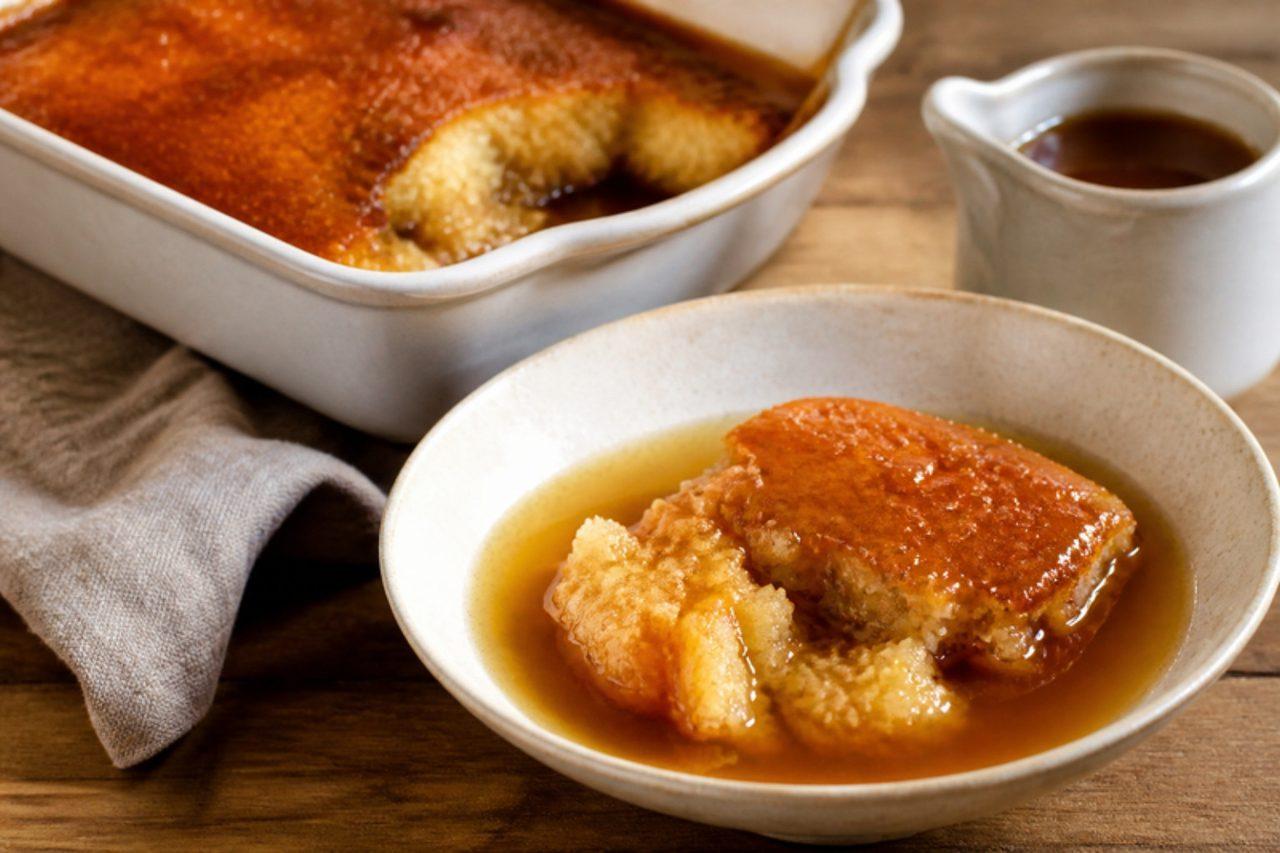
Pouding chômeur ('unemployed person's pudding') was created in Québec during the Depression of the 1930s, from the cheapest ingredients: flour, sugar, a little butter and hot syrup. As it bakes, the light batter rises through the syrup, which settles underneath as a rich caramel sauce. Today it's made with maple syrup and is a fixture of Québec sugar shacks (cabanes à sucre) in March and April, and of family Sunday dinners. Serve warm with vanilla ice cream. Chef's tip: pour the syrup on boiling hot and spoon the batter over in blobs; never stir them together.

by KrazyBadal 0 views

MolokhiaJute leaf soup

Molokhia is one of the oldest dishes on the Egyptian table, eaten across the country from Alexandria to Upper Egypt, usually at a family lunch with white rice and torn baladi bread. The finely minced leaves of the jute plant cook in stock in minutes into a bright green, gently slippery soup; at the end a ta'leya of garlic and ground coriander fried in oil is poured in with a loud hiss. Most families cook it with chicken or rabbit broth, but a well-flavoured vegetable stock makes a lovely, light vegan version. Frozen minced molokhia from Middle Eastern grocers is what most Cairo cooks use too. Chef's tip: some cooks take a sharp breath (the shahqa) as the ta'leya goes in; joke or not, the point is to pour it in while the garlic is still sizzling hot.

by KrazyBadal 0 views

Kalua pork

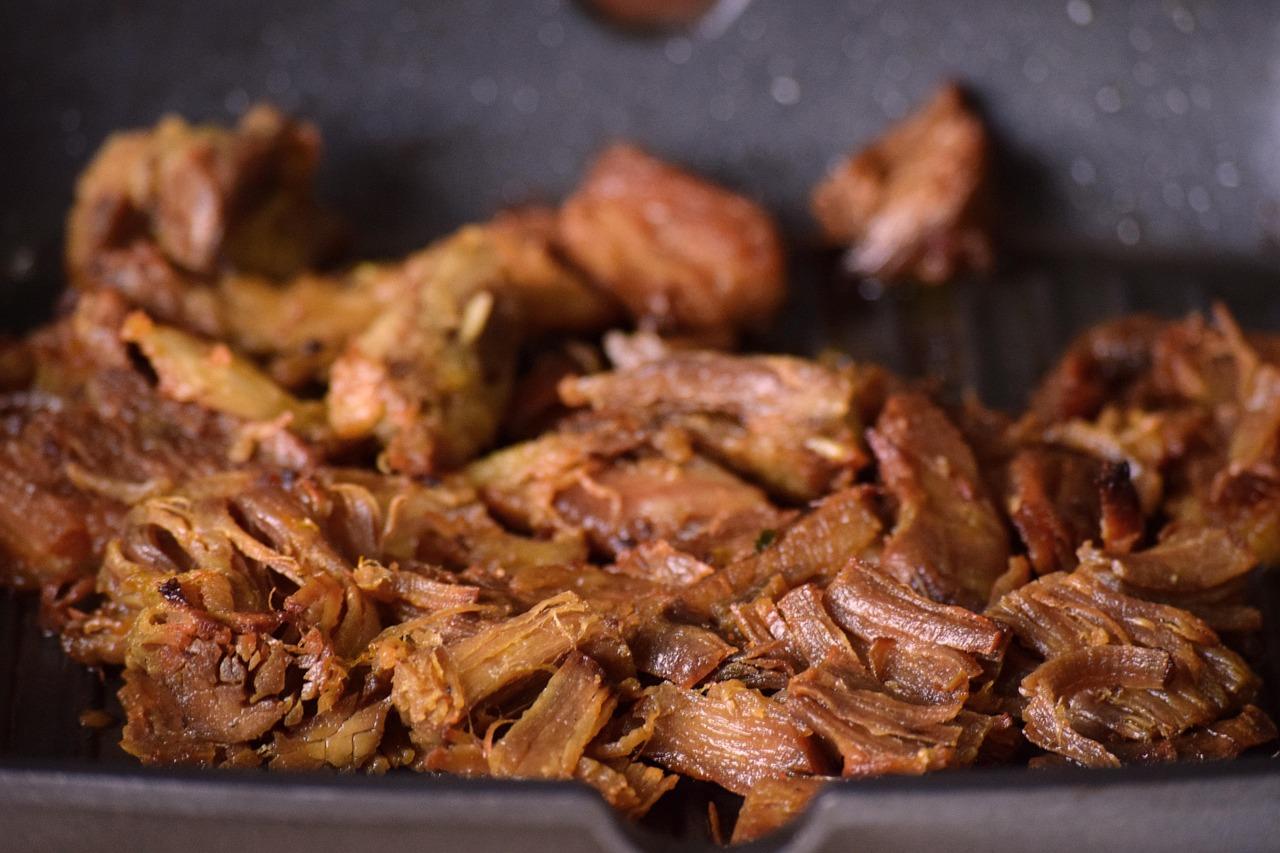
Kalua pig is the heart of a Hawaiian lū'au: a whole pig wrapped in ti and banana leaves and cooked all day in an imu, an underground oven, until it falls apart, smoky and salty. This dish contains pork. Families across O'ahu and the other islands make this simpler version at home with pork shoulder, coarse sea salt and a little liquid smoke, wrapped and slow-roasted. It is served with rice, poi or cabbage, or in sliders. The mistake is using fine table salt in the same amount; it makes the pork far too salty, so use coarse sea salt. Chef's tip: stir a little of the cooking juice back into the shredded pork so it stays moist.

by KrazyBadal 0 views

Malabar parottaLayered flatbread

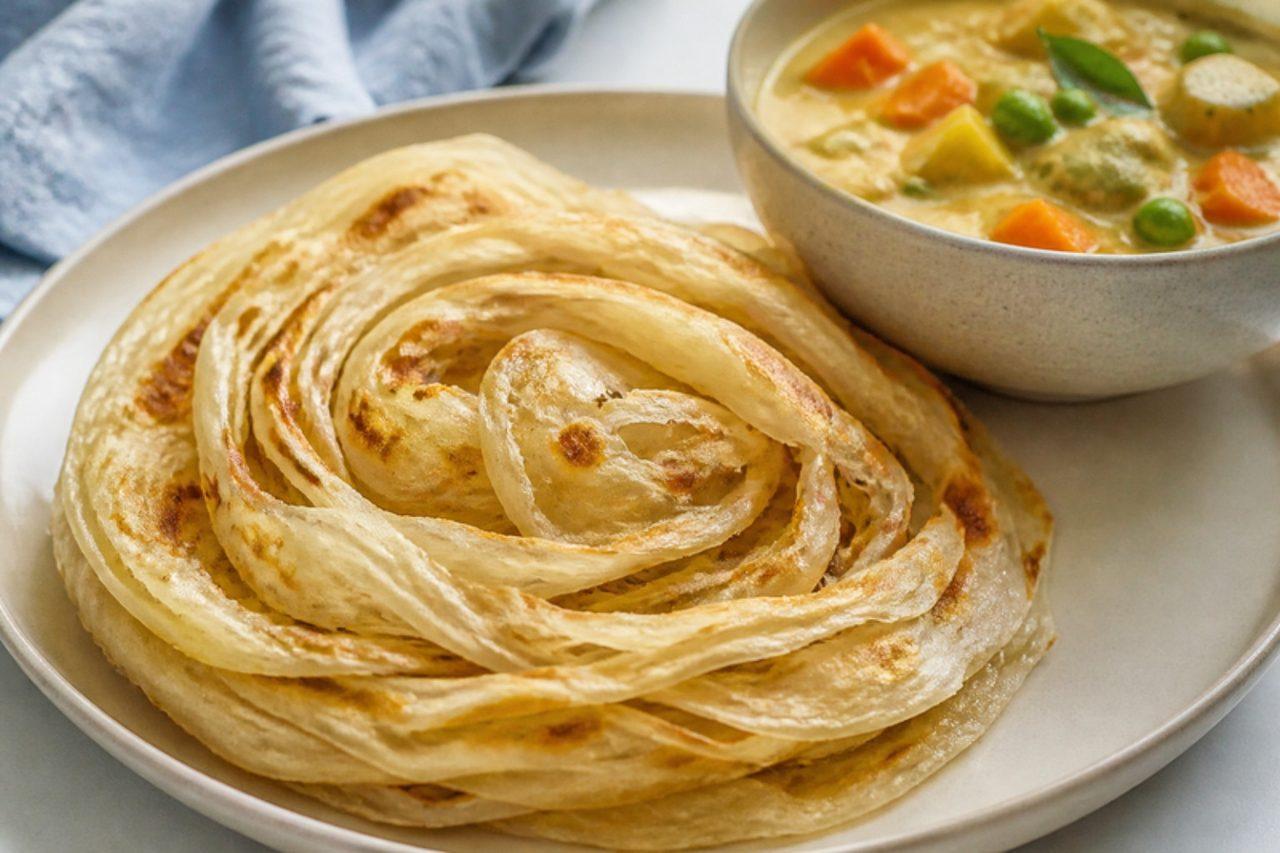
Malabar parotta came from the hotels and tea stalls of Malabar in north Kerala and is now made all over the state, where parotta men slap and stretch dough on oiled marble counters late into the night. The soft dough is stretched paper-thin, pleated, coiled like a snail and griddled, then clapped between the hands so the layers pull apart into flaky ribbons. Eat it torn into vegetable kurma or a spicy black chickpea curry. Chef's tip: give the dough its full rest; well-rested dough stretches thin without tearing, which makes the layers.

by KrazyBadal 0 views

Makrout el louzIced almond diamonds

Makrout el louz are the elegant almond sweets of Algiers and Constantine, piled on silver trays for weddings, Eid and engagement visits. Unlike fried, date-filled makroudh, they are baked: a paste of ground almonds, sugar, egg and lemon zest is cut into diamonds, baked pale, then dipped in a light syrup and rolled in icing sugar so they look frosted. Chef's tip: bake them only until firm and barely coloured underneath; brown edges harden and stop the syrup soaking in.

by KrazyBadal 0 views

MakroudhDate-filled semolina pastries

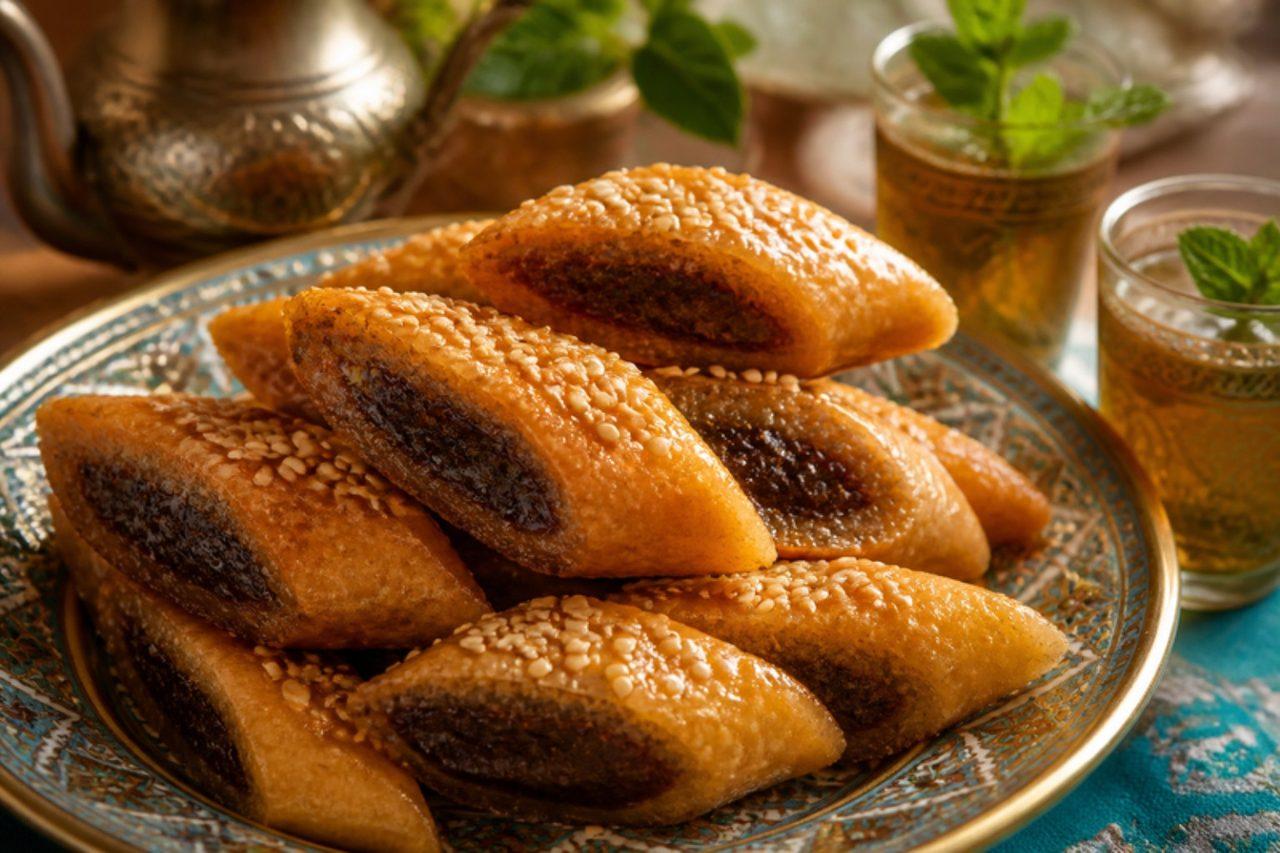
Makroudh is the sweet that Kairouan is famous for; the old holy city in central Tunisia sells it in boxes from shops around the medina, and it is made at home for Eid and weddings across the country. A soft dough of semolina and olive oil is wrapped around a roll of date paste scented with cinnamon and orange blossom, cut into diamonds, fried and dipped in syrup. Chef's tip: rest the semolina dough for an hour after mixing; the grains need time to drink the oil and water, or the makroudh cracks in the oil.

by KrazyBadal 0 views

MakowiecPoppy seed roll

Makowiec is the poppy seed roll that sits on almost every Polish Christmas Eve and Easter table; in Silesia and Lesser Poland poppy seeds stand for plenty in the year ahead. A soft, buttery yeast dough is rolled around a thick, black, honey-sweet filling of ground poppy seeds with raisins, walnuts and candied orange peel, then baked and glazed so each slice shows a tight spiral. It takes time, but the process is calm and the roll keeps for days. Chef's tip: grind the soaked poppy seeds two or three times, until they look grey and pasty; whole or once-ground seeds give a gritty filling that falls out of the slices.

135 minPolishBaking
by KrazyBadal 0 views

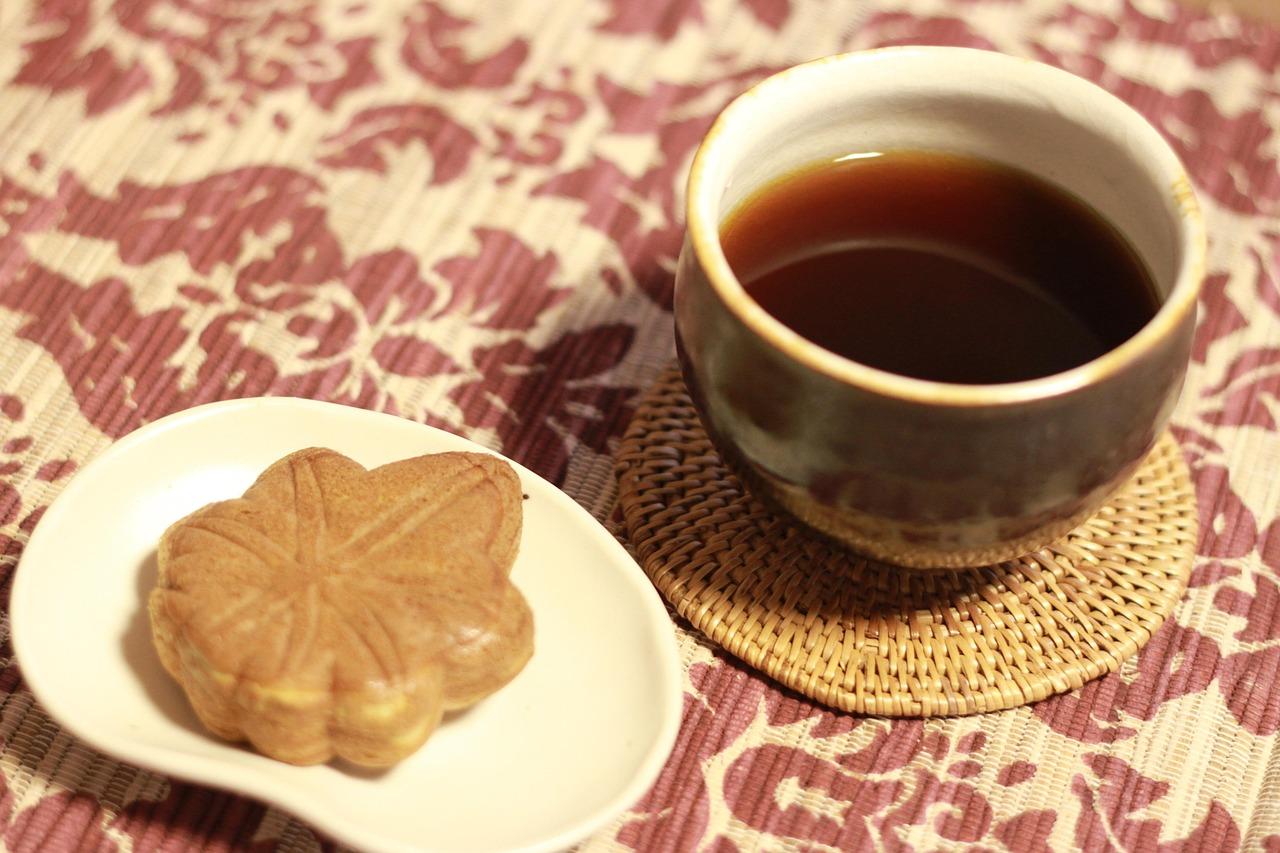
Momiji manjuMaple leaf sponge cakes

Momiji manju are the souvenir of Miyajima, the sacred island off Hiroshima famous for its floating red torii gate and its maple trees, which turn scarlet each November. A confectioner there first baked them around 1906, and today shops along the island's main street still turn them out of iron moulds while visitors watch. The cake is a soft, honey-scented sponge, the filling smooth red bean paste. Tokyo's Asakusa sells a near twin, ningyo-yaki, baked in the shapes of dolls and temple lanterns; this recipe makes both, depending on your mould. Serve with green tea. Chef's tip: rest the batter for 30 minutes before baking. The flour hydrates, the bubbles settle and the cakes come out smooth and evenly brown.

by KrazyBadal 0 views

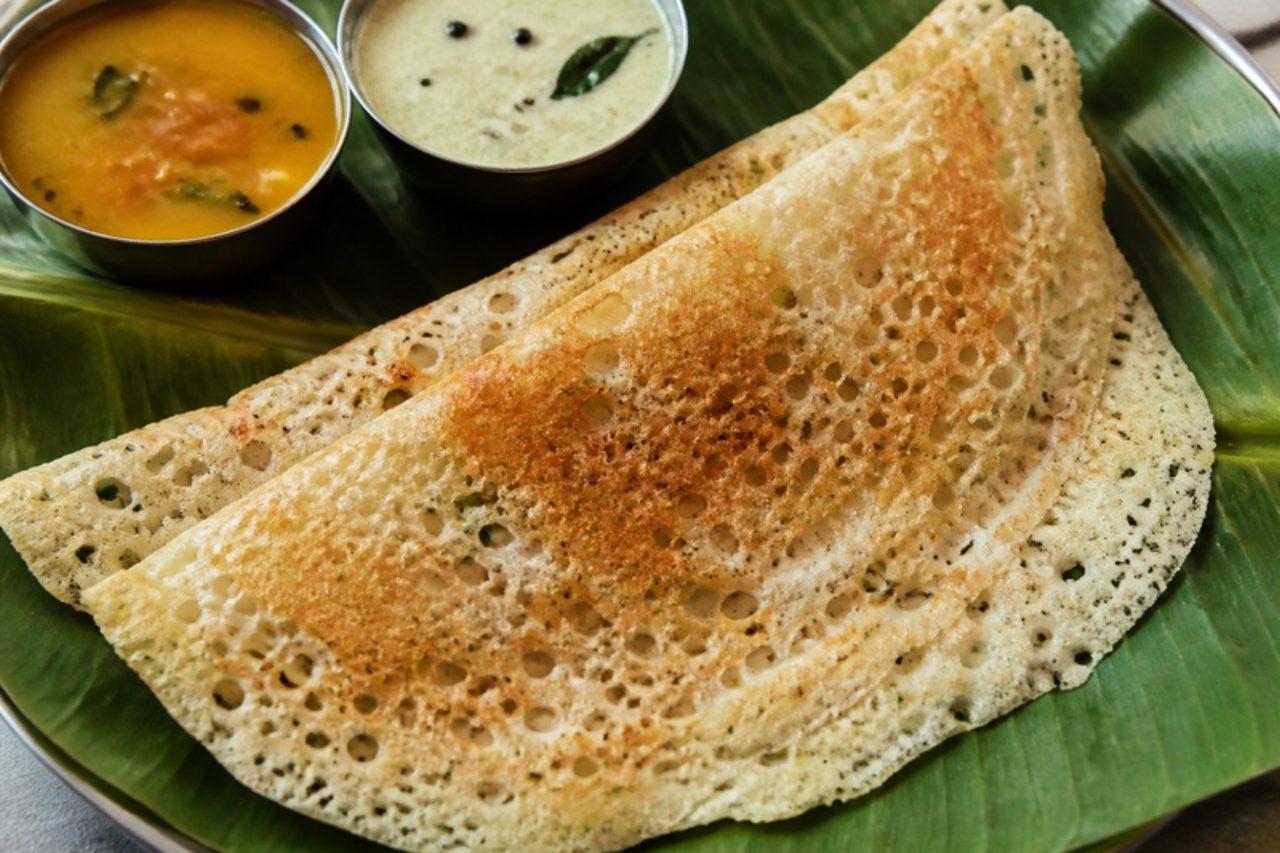
Rava dosaCrisp semolina crêpes

Rava dosa is the instant dosa of Karnataka's Udupi restaurants: a thin, pourable batter of semolina and rice flour, studded with cumin, cracked pepper, ginger and curry leaves, poured onto a very hot griddle so it sets into a crisp, holey lace. There's no soaking or fermenting, so it's the dosa to make when the craving strikes. Serve straight from the pan with coconut chutney and sambar. Because it contains semolina it's not gluten free. Chef's tip: the batter must be watery, thinner than single cream; pour it from a height onto the pan instead of spreading it, and stir the bowl before every dosa because the semolina sinks.

by KrazyBadal 0 views

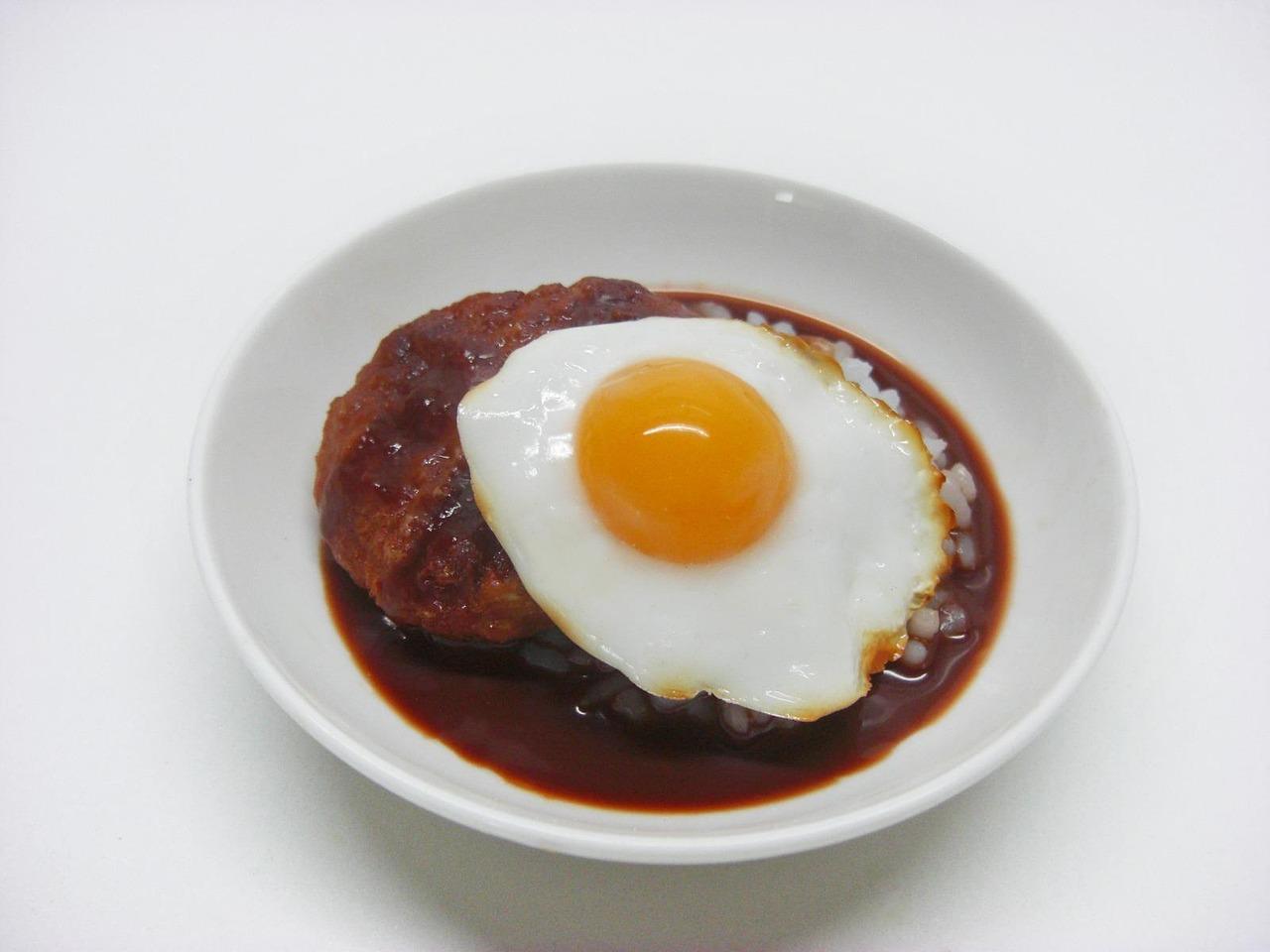
Loco moco

Loco moco was first served in 1949 at the Lincoln Grill in Hilo, on Hawai'i's Big Island, as a cheap, filling meal for teenagers, and it is still the plate-lunch classic across the islands: white rice topped with a beef burger patty, a fried egg and a generous ladle of brown gravy. People eat it for breakfast, lunch or late at night with a scoop of macaroni salad. The mistake is a thin, floury gravy; cook the flour in the beef fat until it browns before adding the stock. Chef's tip: press a dimple into the centre of each patty so it stays flat as it cooks.

by KrazyBadal 0 views

Rooh Afza sherbetRose syrup drink

During Ramadan almost every household in Pakistan breaks the fast at sunset with a jug of this bright red sherbet on the table, from Karachi apartments to village courtyards in Punjab. It is made with the herbal rose syrup sold as Rooh Afza (any rose sherbet syrup works), stirred into ice-cold water with a squeeze of lemon and a spoonful of swollen basil seeds (tukh malanga) that are said to cool the body after a long, hot day without water. Some families make it with cold milk instead, which turns it pink and creamy. The mistake people make is adding the basil seeds dry; they clump into hard lumps, so soak them first. Chef's tip: chill the water and syrup well before mixing so you need less ice and the sherbet does not taste watered down.

by KrazyBadal 0 views

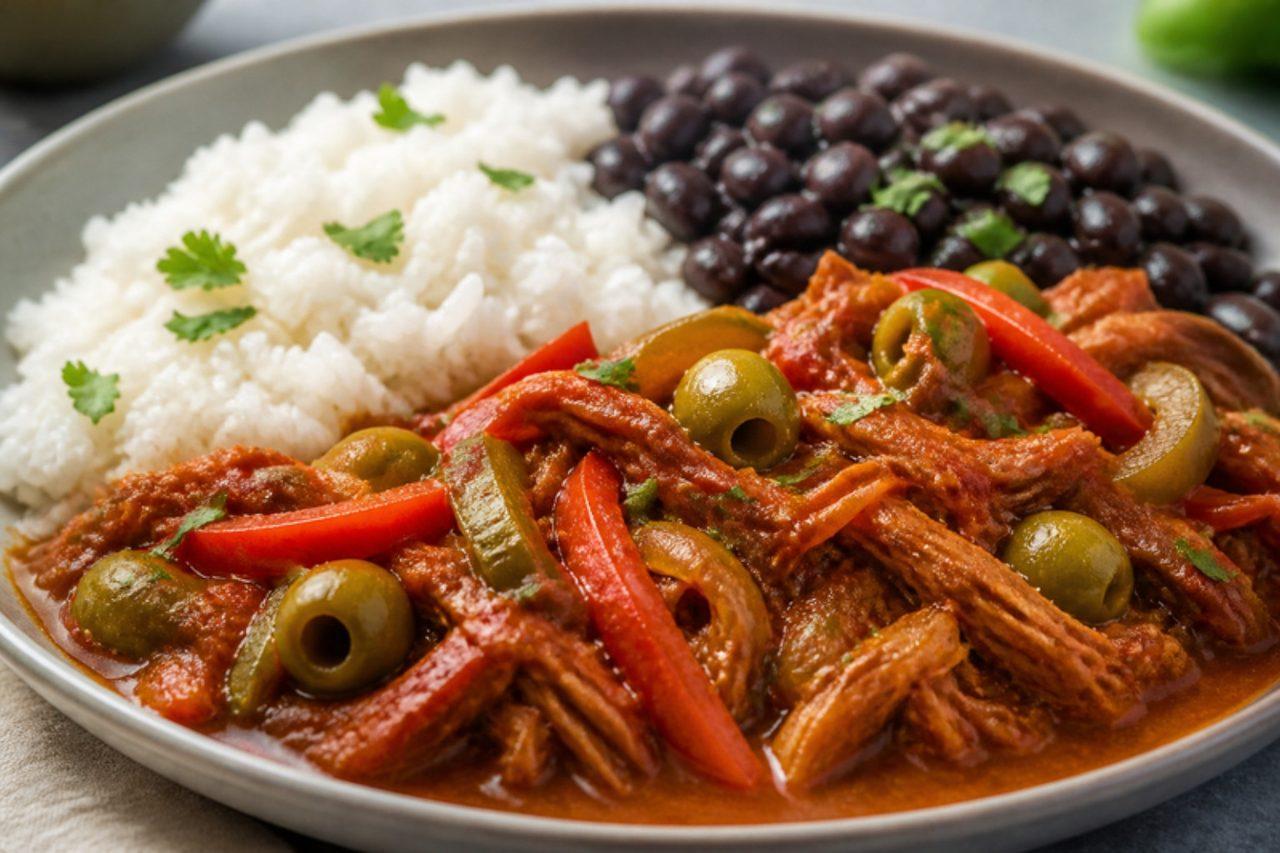
Ropa viejaShredded beef stew

Ropa vieja means 'old clothes', after the ragged strands the beef falls into, and it is the dish Cubans name first when asked about home cooking. Families in Havana and Camagüey make a big pot on a weekend: flank steak is simmered until soft, pulled into threads and then stewed again in a sofrito of peppers, onion, tomato, cumin and green olives. It is eaten with white rice, black beans and fried ripe plantain, and it tastes even better reheated the next day. The common mistake is cutting the beef across the grain before cooking; leave it whole so it shreds into long strands. Chef's tip: keep the cooking liquid from the first simmer and use it instead of water in the sauce, because it carries most of the beefy flavour.

190 minCubanMeatGluten free
by KrazyBadal 0 views

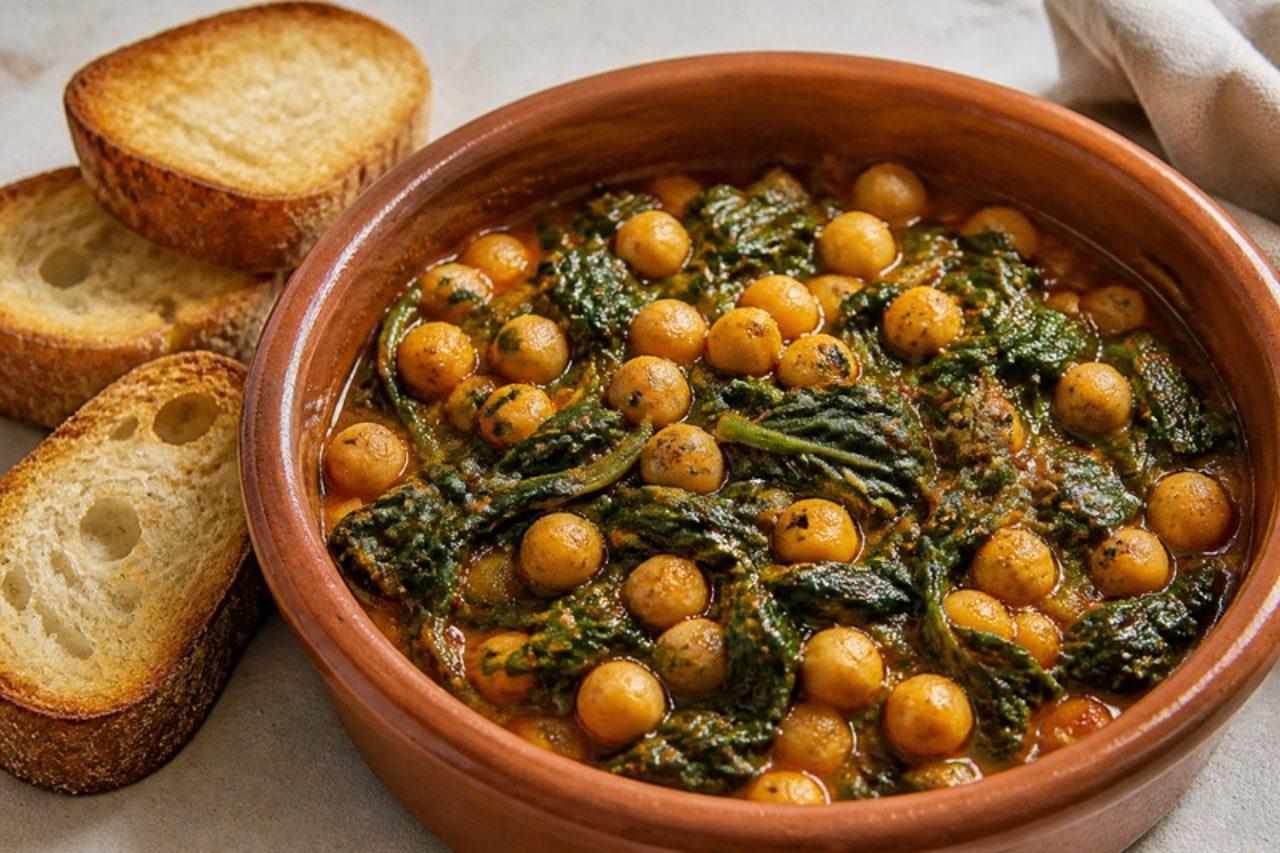
Espinacas con garbanzosSpinach and chickpeas

Espinacas con garbanzos is one of the great tapas of Seville, served in little earthenware dishes in the bars around the cathedral and the Triana market. It carries the city's Moorish past in its spices: cumin, smoked paprika and a little vinegar, with a sauce thickened by a paste of garlic and bread fried in olive oil, the old Andalusian trick called a majado. Earthy chickpeas, soft spinach and a sauce rich enough to mop up with bread make it a filling vegan supper too. It is traditional in Seville during Lent. Chef's tip: pound the fried bread and garlic with the spices and vinegar into a thick paste before it goes into the pan; this majado is what gives the dish its smoky, velvety sauce, so don't skip it.

by KrazyBadal 0 views

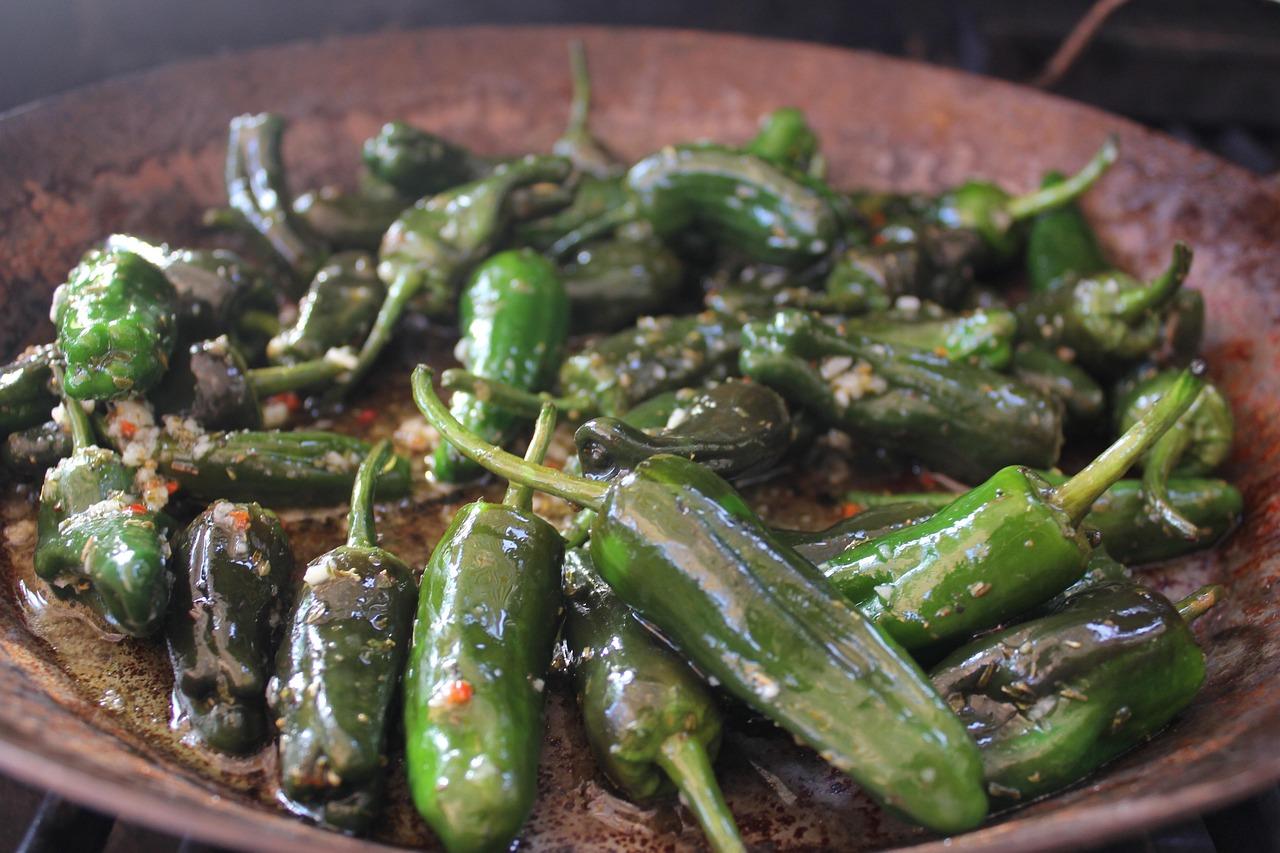
Pimientos de PadrónBlistered green peppers

Pimientos de Padrón come from Herbón, near the town of Padrón in Galicia, where they are fried whole in olive oil and showered with coarse salt. They are small, thin-skinned and mostly mild and grassy, but the Galician saying goes 'os pementos de Padrón, uns pican e outros non' (some are hot and some are not): roughly one in ten has a real kick, which is half the fun. They take five minutes and make the perfect tapa with a cold drink, tortilla or bread. Chef's tip: get the oil properly hot and leave the peppers alone for the first minute so the skins blister and puff; stewing them in lukewarm oil makes them soft and khaki instead of bright and blistered.

by KrazyBadal 0 views

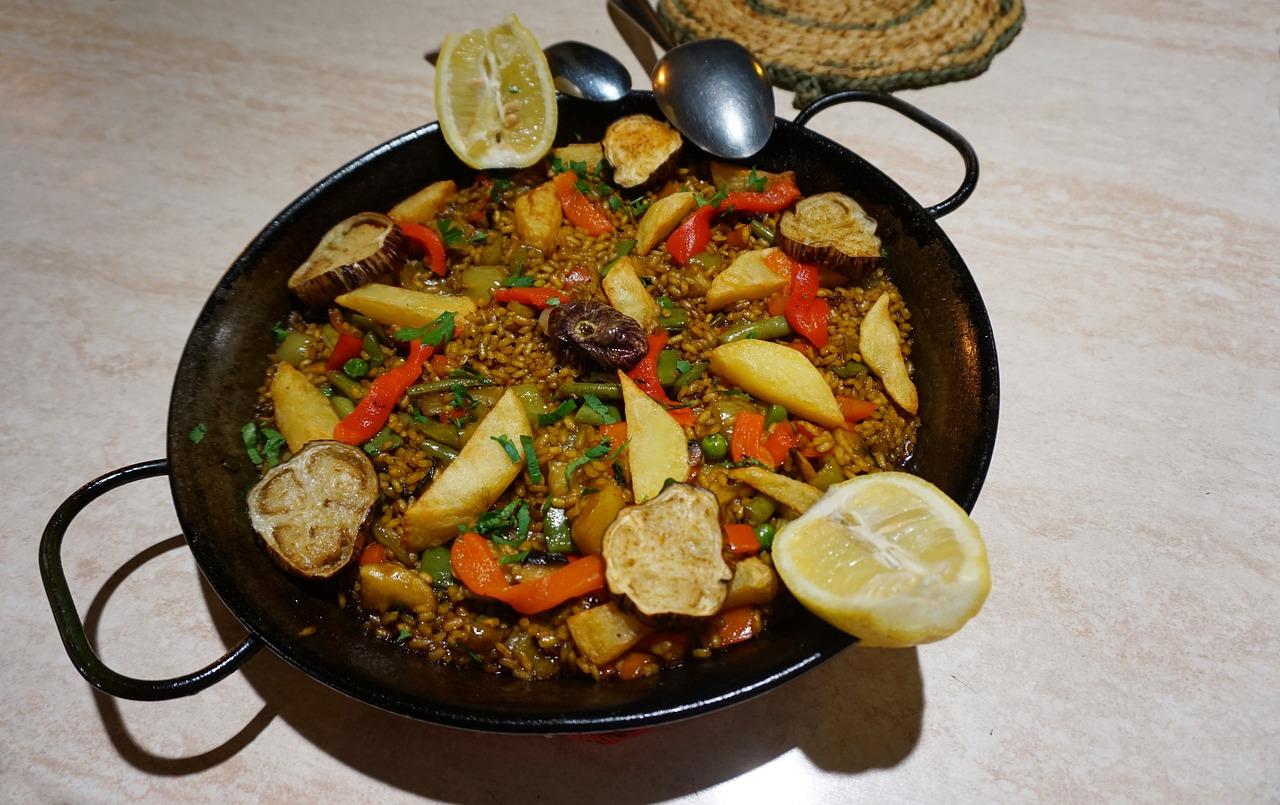
Paella de verdurasVegetable paella

Paella comes from the rice fields around the Albufera lagoon south of Valencia, where it was cooked over orange-wood fires in a wide, shallow pan. Valencians are strict about it: short round rice, saffron, sweet pimentón, flat green beans (ferraúra) and big white garrofó beans, and never any stirring once the rice is in. This all-vegetable paella keeps those rules and adds artichokes and red pepper, as the market gardeners of the Huerta do in spring. It is cooked and served in the same pan, straight onto the table. Chef's tip: listen for the socarrat at the end. Turn up the heat for the last 1–2 minutes until the rice crackles and smells toasty; that caramelised crust on the bottom is the best part of any paella.

by KrazyBadal 0 views

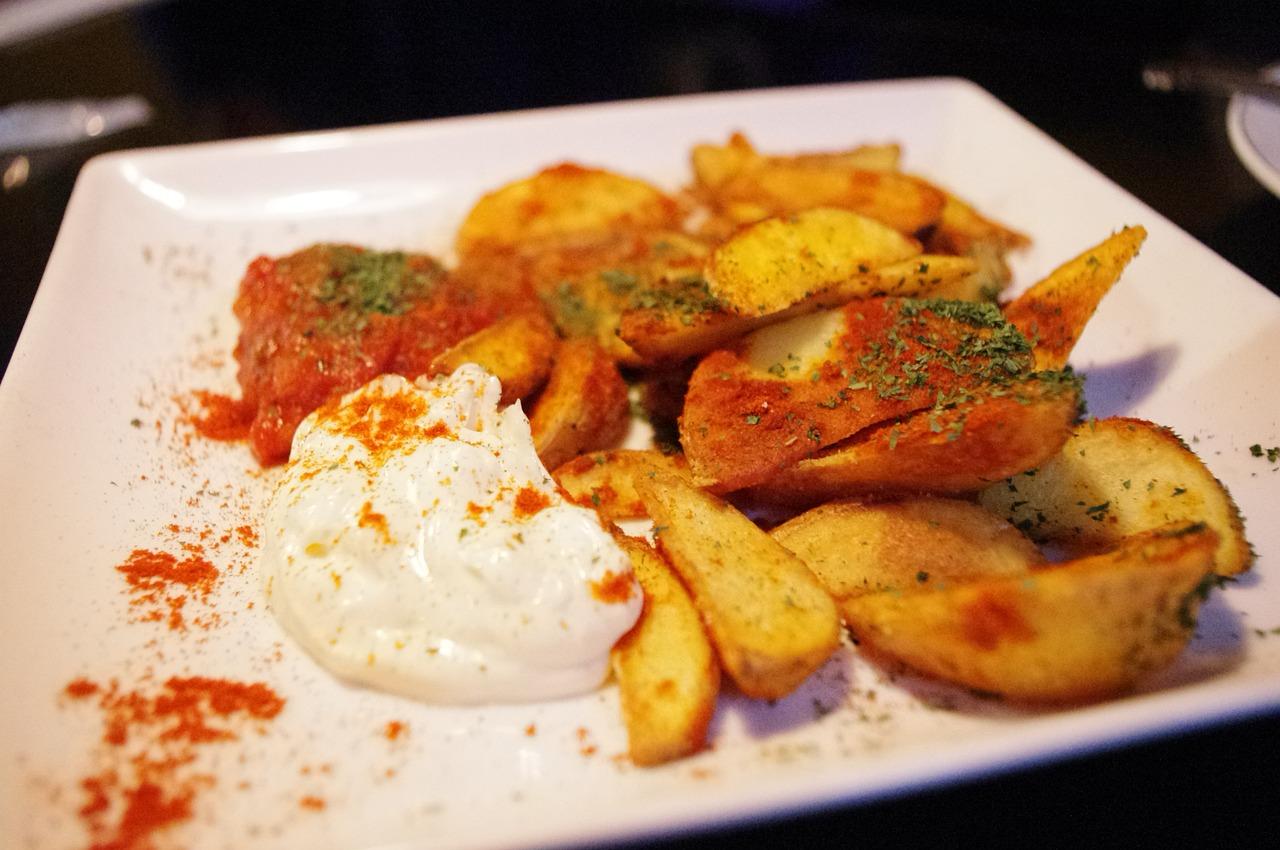
Patatas bravasFried potatoes with paprika sauce

Patatas bravas are Madrid's favourite bar snack: chunky potatoes fried until crisp outside and fluffy inside, then splashed with a brick-red sauce of olive oil, pimentón and a little stock. In Madrid the sauce is not ketchup or tomato sauce but a smooth, smoky paprika sauce with a kick; in Barcelona and Valencia you often get it with a spoon of alioli as well. This home version is fried twice for crunch and keeps the heat moderate so children can join in; add more hot paprika for the grown-ups. Serve with cold drinks, tortilla and pimientos de Padrón for a tapas spread. Chef's tip: take the pan off the heat before adding the pimentón; paprika burns in seconds and turns bitter, and that bitterness is the most common reason homemade bravas sauce tastes wrong.

by KrazyBadal 0 views

Pan con tomateTomato rubbed toast

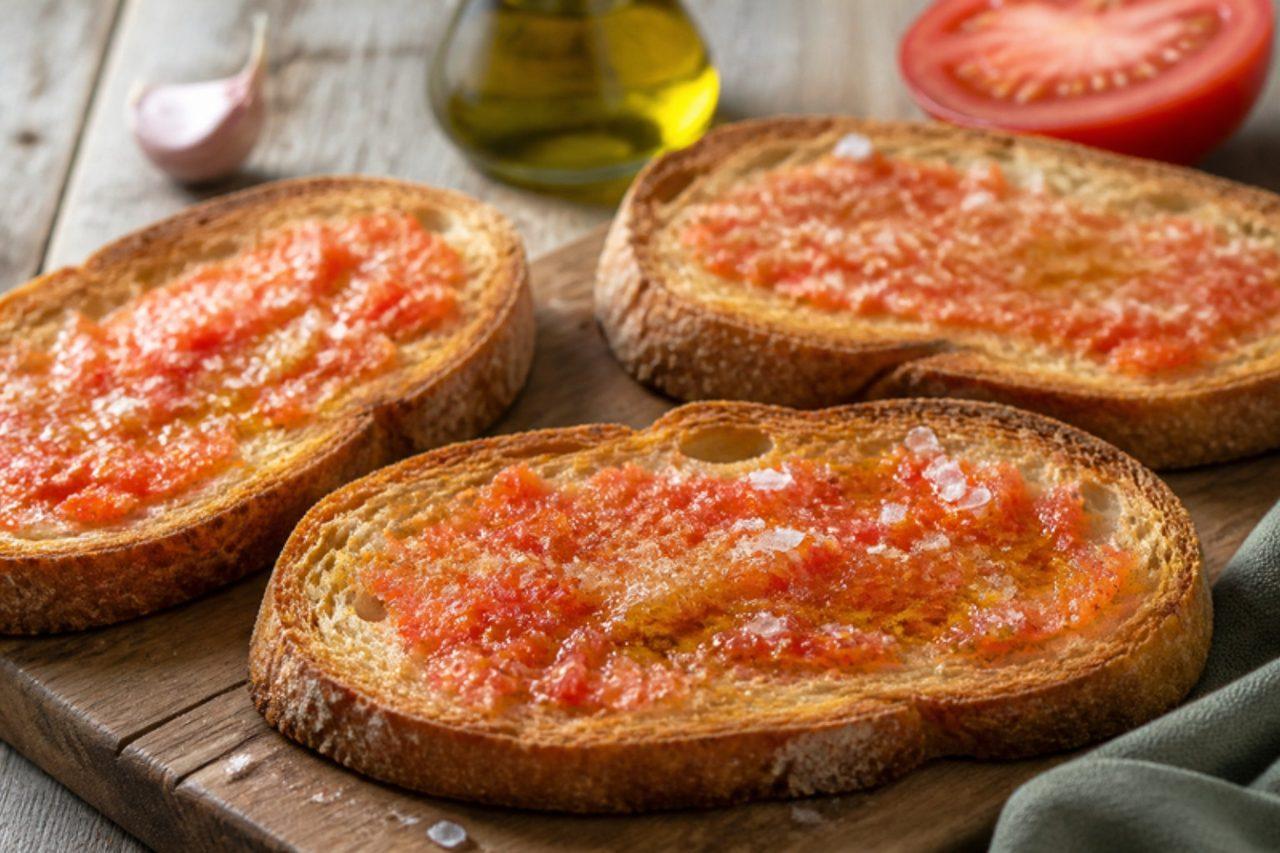
Pa amb tomàquet (pan con tomate in Spanish) is the everyday bread of Catalonia: toasted country bread rubbed with garlic and a cut ripe tomato, drizzled with good olive oil and sprinkled with salt. Catalans eat it at breakfast, as a side to grilled vegetables or with a slice of tortilla, and it is so basic to the table that it is rarely even listed on menus. With so few ingredients the quality of each one matters: the ripest tomatoes, a rustic open-crumbed loaf and fruity extra virgin olive oil. Chef's tip: in Catalonia they use small, juicy 'tomàquets de penjar', hanging tomatoes; at home choose the ripest, softest vine tomatoes you can find and rub them in hard until only the skin is left in your hand.

by KrazyBadal 0 views

Pisto manchegoPepper, courgette and tomato stew

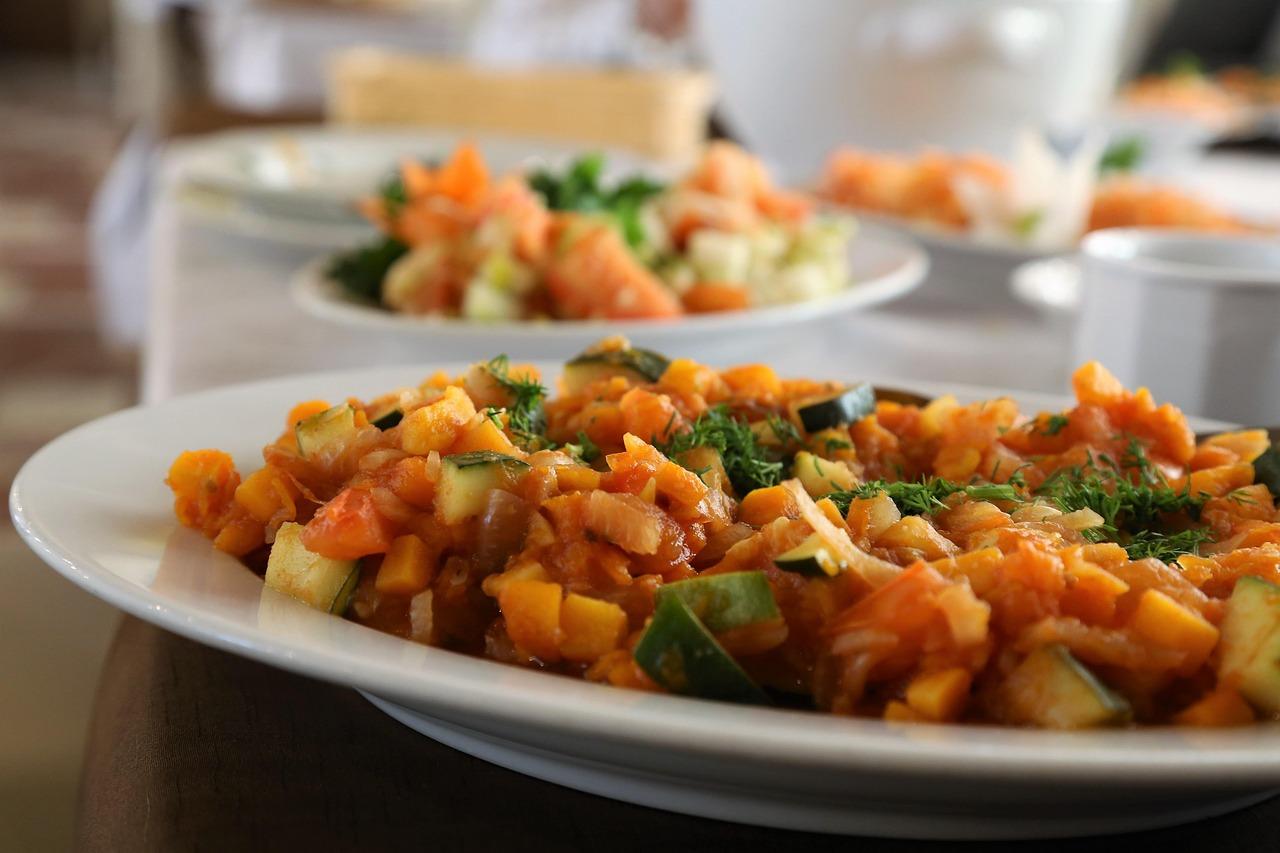
Pisto manchego is the summer vegetable stew of La Mancha, the high plains of Don Quixote country: onions, green and red peppers and courgette cooked slowly in olive oil, then simmered with fresh tomato until soft, sweet and jammy. Spain's answer to ratatouille is humbler and softer, with the vegetables cooked one after another rather than all at once. In La Mancha it is eaten with bread and very often topped with a fried egg; it is also served alongside rice or potatoes, or cold the next day as a tapa. Chef's tip: be patient with the onion and peppers; give them a full 15–20 minutes over a low heat until really soft and sweet before the tomato goes in, because that slow start is where pisto gets its deep, mellow flavour.

by KrazyBadal 0 views

Morning glory with garlicGarlic stir-fried water spinach

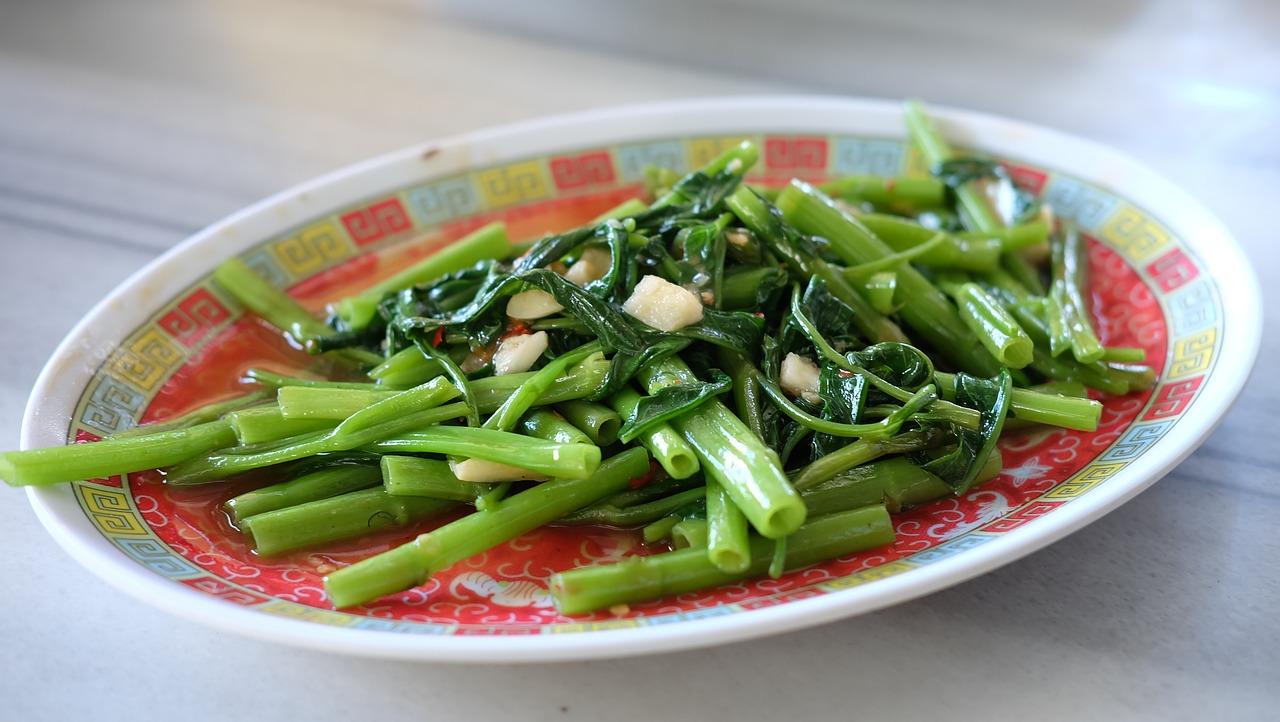
Rau muống, water spinach or morning glory, is the everyday green of Vietnam, and a plate of it stir-fried with garlic sits on family tables everywhere, from Hanoi rice-shops to Saigon street stalls. Done well, the hollow stems stay crunchy and bright green and the leaves silky, with a strong hit of garlic. Look for it in Asian grocers as water spinach or ong choy. This version is seasoned with soy sauce instead of fish sauce. Chef's tip: blanch the greens for 30 seconds and plunge them into iced water, as Hanoi cooks do, then stir-fry over the highest heat for barely a minute; they stay vivid green and never go soggy.

by KrazyBadal 0 views

Flan de huevoBaked egg custard

Flan de huevo is the most common dessert in Spain: on the menú del día in every town, from Galicia to the Canary Islands, and made at home for Sunday lunch. It is simply eggs, milk and sugar, flavoured with a little lemon zest and vanilla, baked gently in a water bath over a layer of dark caramel. When it's turned out, the caramel becomes a glossy sauce running down the sides. Spanish flan is firmer and more eggy than French crème caramel, and it slices cleanly. Chef's tip: bake it slowly in a water bath and stop when the centre still wobbles slightly like jelly; overbaking leaves little holes and a grainy texture, the sign of a flan cooked too hot or too long.

by KrazyBadal 0 views

Vegetable phoVegetable rice noodle soup

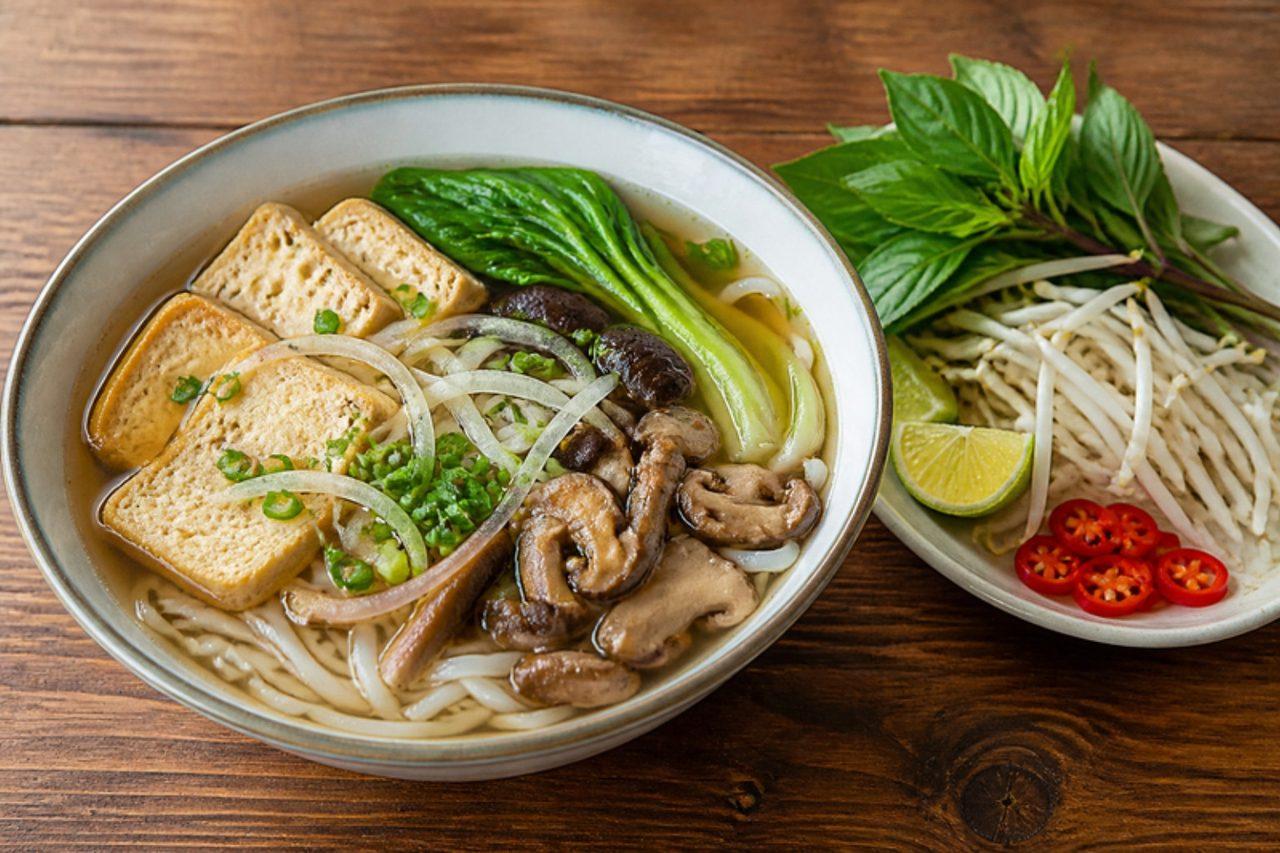
Pho began in the north, around Hanoi and Nam Định, and is now eaten all over Vietnam, often for breakfast. Phở chay is the Buddhist vegetarian version served in temple kitchens and chay restaurants: the deep, clear broth comes from charred onion and ginger, toasted star anise, cinnamon and cloves, simmered with daikon, carrot, sweetcorn and dried shiitake instead of beef bones. Silky flat rice noodles, golden tofu and mushrooms go in the bowl, and everyone adds their own bean sprouts, Thai basil, lime and chilli at the table. Chef's tip: char the onion and ginger until properly blackened in patches and toast the spices in a dry pan until they smell like warm Christmas cake; that smoky, perfumed base is what makes the broth taste like pho and not vegetable soup.

by KrazyBadal 0 views

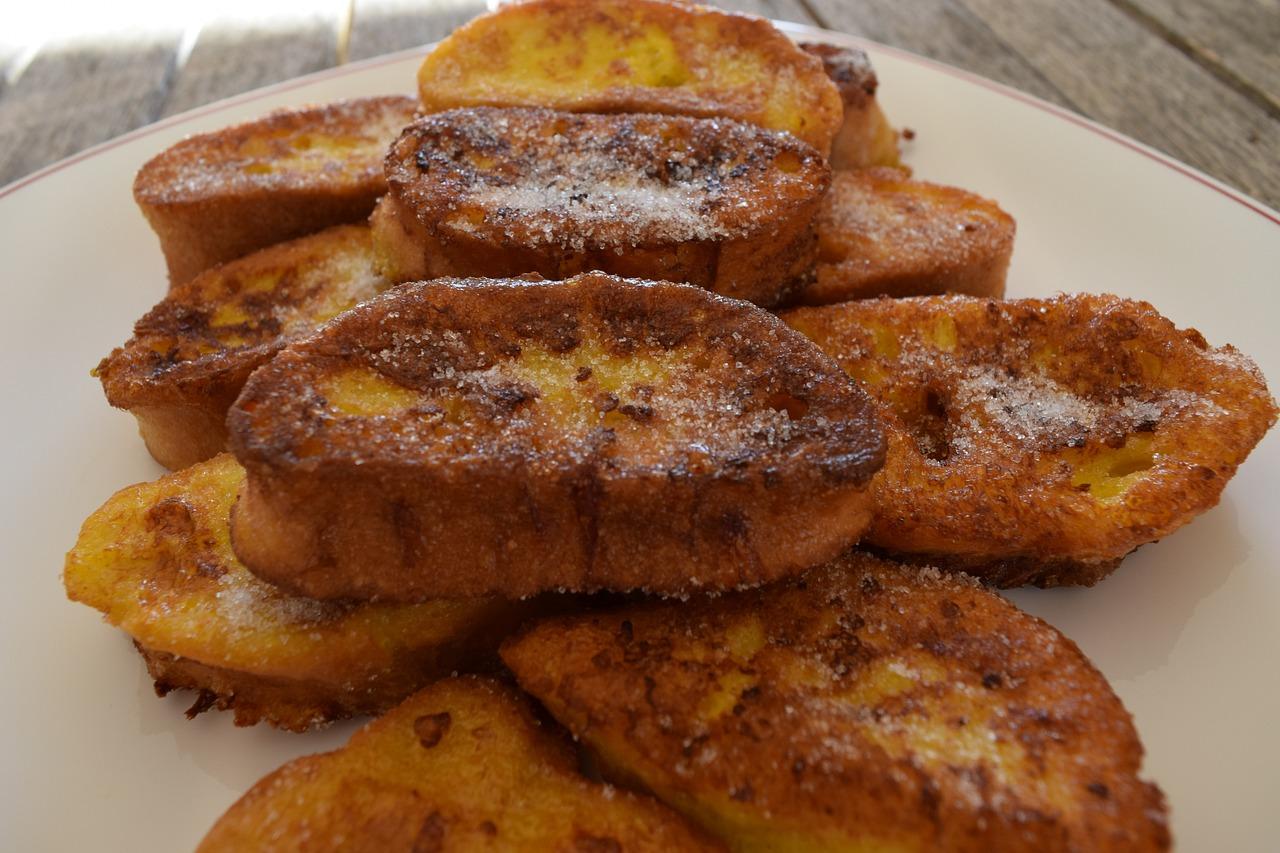
TorrijasCinnamon fried bread

Torrijas are the Easter sweet of Spain, eaten all over the country during Semana Santa and especially in Madrid and Andalusia, where bakeries pile them in their windows. Thick slices of day-old bread are soaked in milk infused with cinnamon and lemon peel, dipped in beaten egg, fried in olive oil and rolled in cinnamon sugar. They were born as a way to use up stale bread during Lent, and they are crisp outside and soft and custardy inside, like a richer, crunchier French toast. Eat them warm or cold, the next day they are even more set and sweet. Chef's tip: use a dense day-old loaf (a Spanish 'pan de torrijas' or a firm baguette) cut 2–3 cm thick, and soak just until saturated; fresh, airy bread falls apart and fries greasy.

by KrazyBadal 0 views

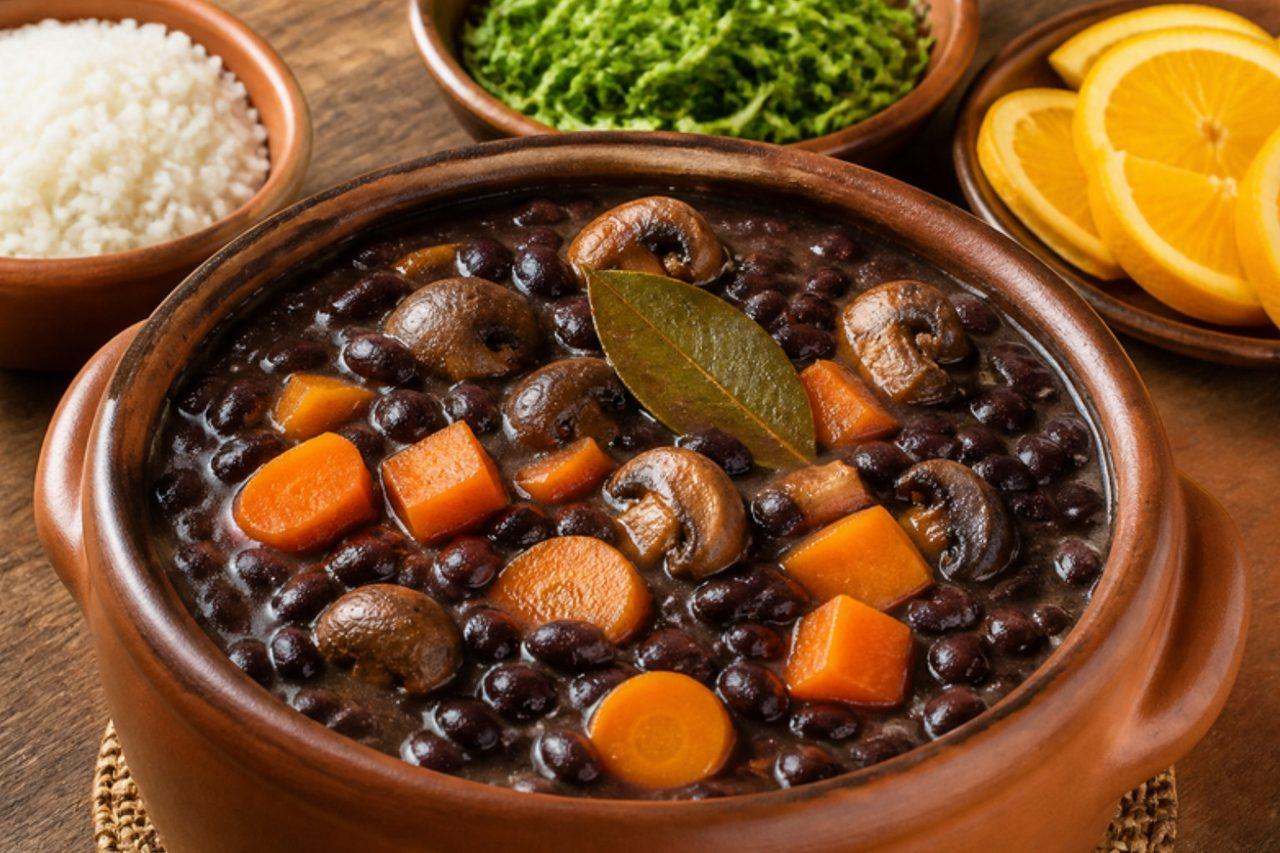
Vegetarian feijoadaSmoky black bean stew

Feijoada is Brazil's national dish, the slow black bean stew that Rio de Janeiro and the rest of the country eat for long Saturday lunches. The classic version is loaded with smoked pork; this feijoada vegetariana gets its depth from well-browned mushrooms, smoked paprika and bay instead, with sweet potato melting into the dark, glossy broth. Serve it the proper way: white rice, couve à mineira, farofa and slices of orange to cut the richness. Chef's tip: once the beans are tender, mash a ladleful against the side of the pot and stir it back in. That's how Brazilian cooks get the thick, velvety caldo that coats the rice, rather than a thin soup.

by KrazyBadal 0 views

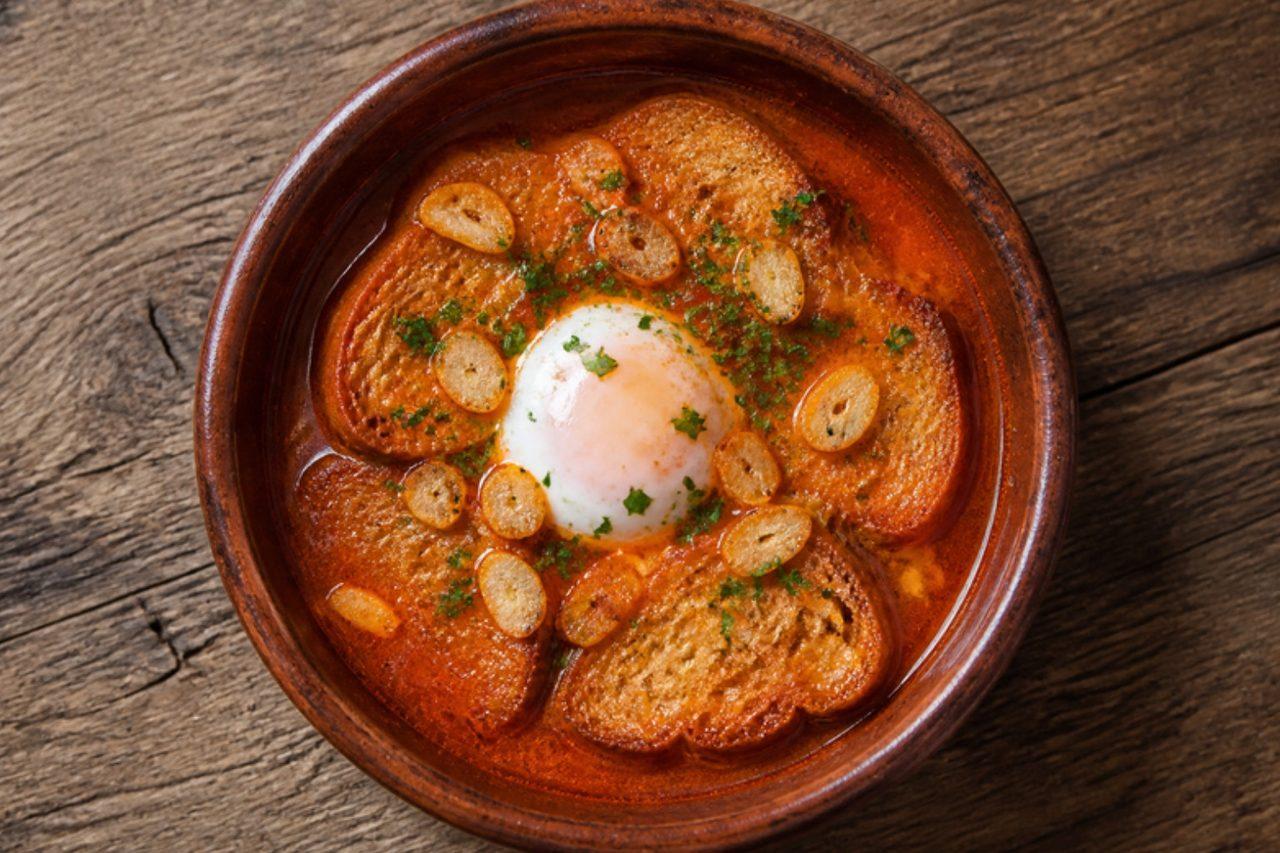
Sopa de ajoGarlic and bread soup

Sopa de ajo, also called sopa castellana, is the warming winter soup of Castile and León, from Segovia to Burgos: stale bread fried in olive oil with lots of garlic and smoky pimentón, simmered in stock and finished with eggs poached right in the soup. It was shepherds' and farmers' food, made from what was always in the kitchen, and is still eaten after a cold night out or on Ash Wednesday. Castilian cooks often add cured ham; this vegetarian version gets its depth from smoked pimentón and a good vegetable stock. Serve it in earthenware bowls, piping hot. Chef's tip: use bread that is truly stale and dry, and toast it in the garlicky oil until golden before adding the stock; fresh bread turns to mush, while toasted stale bread swells but keeps a little texture.

by KrazyBadal 0 views

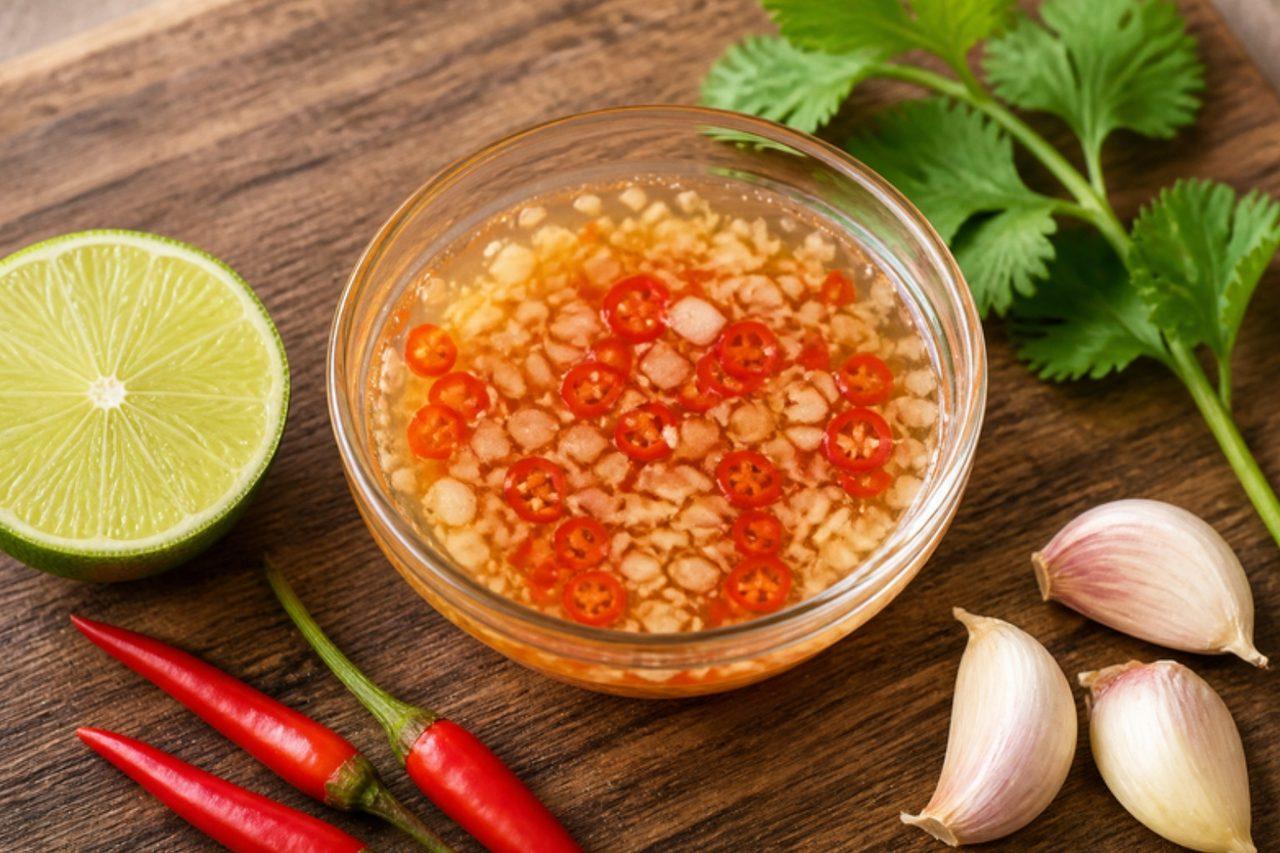
Vegan nuoc chamSweet and sour dipping sauce

Nước chấm is the dipping sauce that goes with almost everything in Vietnam: spring rolls, bánh xèo, noodle salads and broken rice. Buddhist vegetarian cooks, all over the country, make it without fish sauce, using light soy sauce and a little coconut water for the deep, rounded taste. It should be thin, clear and pale amber, with flecks of garlic and chilli floating on top. Chef's tip: dissolve the sugar in the warm water first, then add the lime and soy, and stir in the garlic and chilli last, pounded with a pinch of sugar, so they float on the surface instead of sinking.

by KrazyBadal 1 views

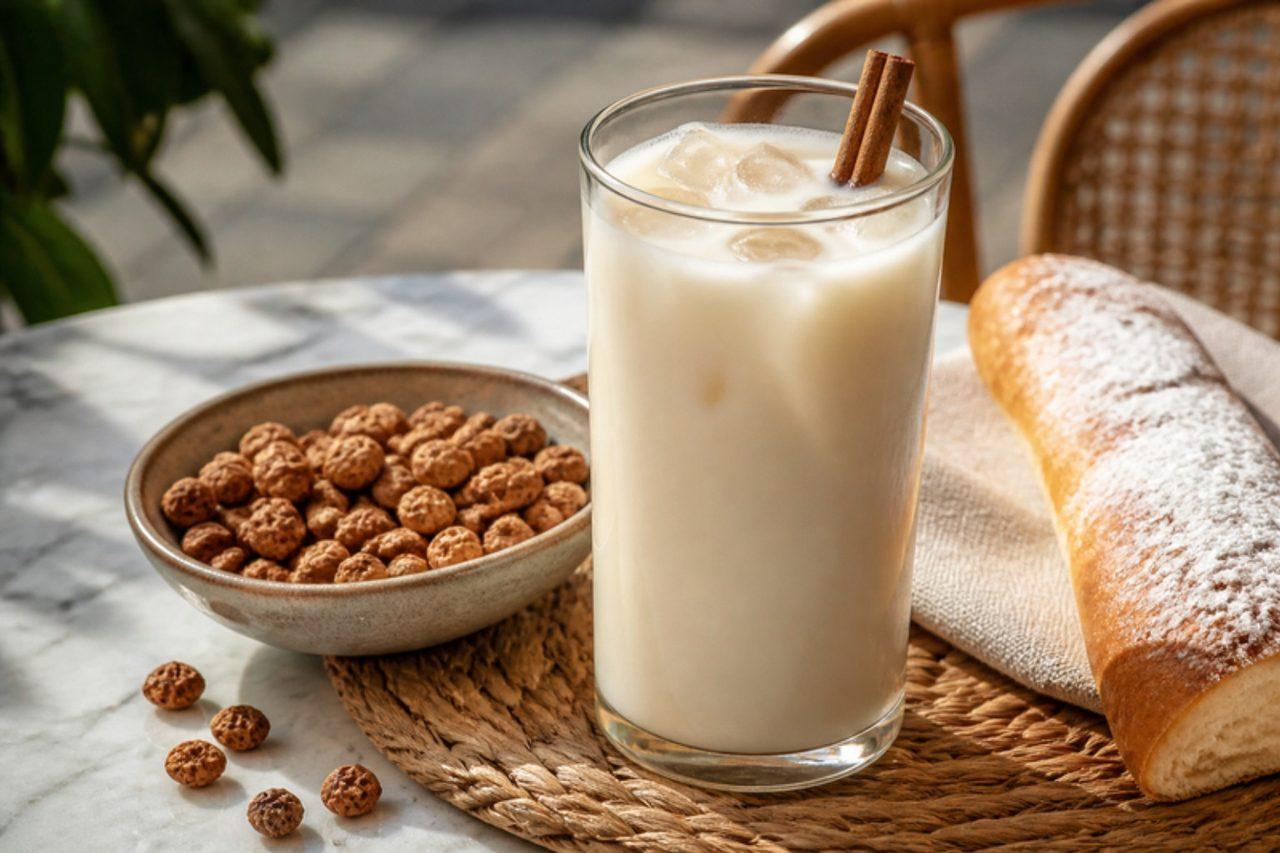
Horchata de chufaTiger nut milk

Horchata de chufa is the drink of Valencia's summer, sold ice-cold in the city's horchaterías with long, soft fartons pastries for dipping. It is made from chufas, or tiger nuts: small wrinkled tubers grown around the village of Alboraya just north of Valencia, which have their own protected designation of origin. Soaked, ground with water, strained and sweetened, they give a creamy, nutty, naturally dairy-free milk with a hint of cinnamon. Valencians drink it very cold, or half-frozen as 'granizada'. Chef's tip: soak the tiger nuts for a full 24 hours and change the water once; they must be plump and soft enough to blend into a fine pulp, or the horchata will be thin and taste of raw starch.

by KrazyBadal 1 views

Showing 63 of 10,569 recipes

Show more recipes

Page 1,096 of 1,175