


Skip to content
Karachi halwa
Featured recipe

Karachi halwa

Cornflour halwa

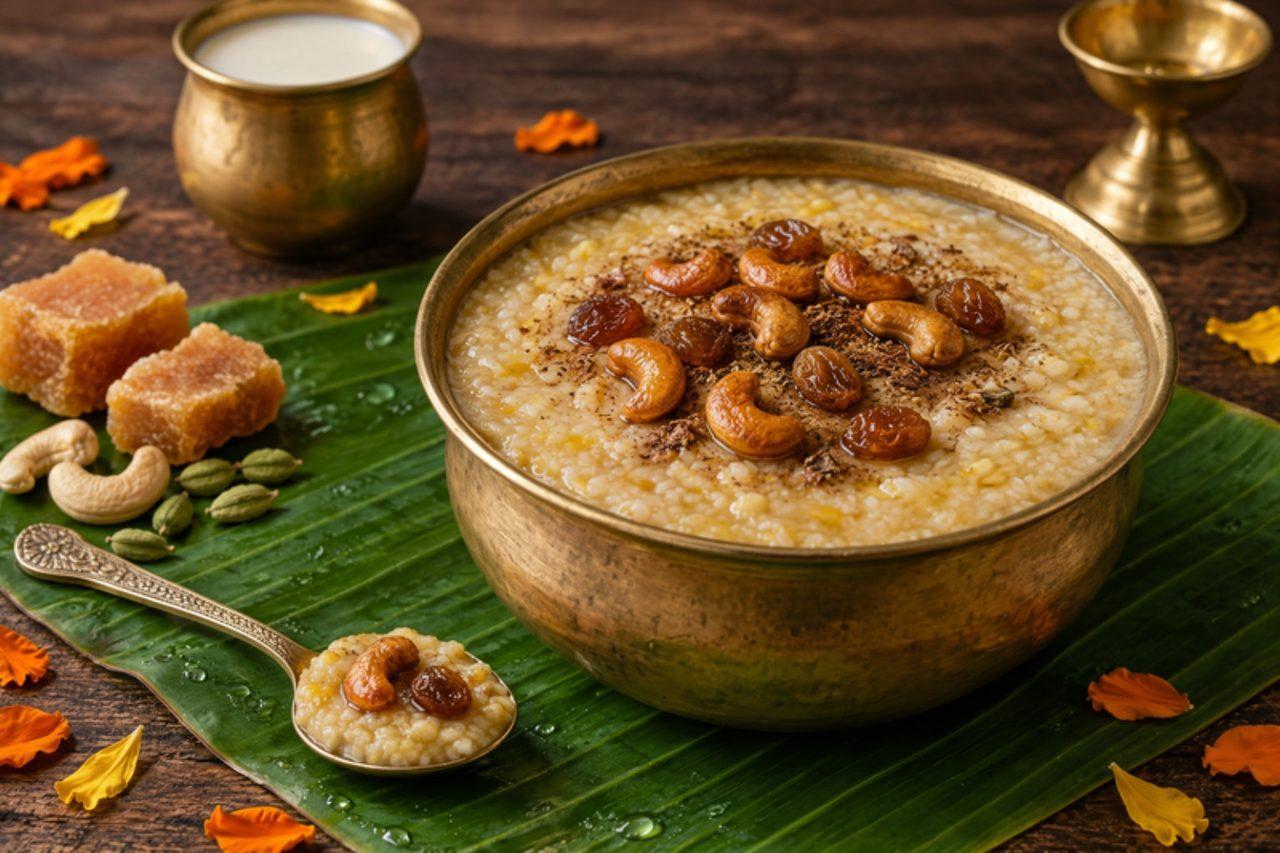
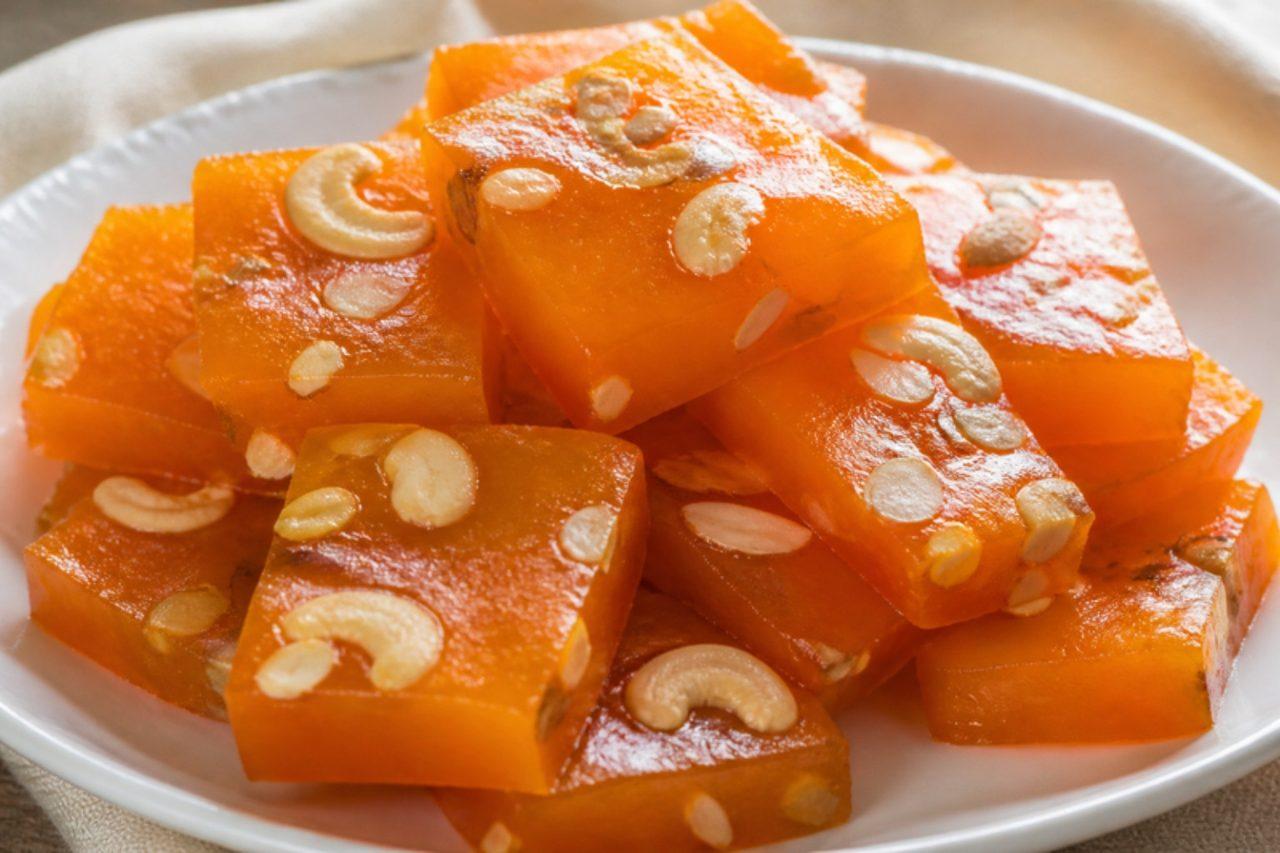
Glassy, jewel-bright and chewy like a Turkish delight with more bite, Karachi halwa is the sweet that the city's mithai shops on Saddar and Tariq Road stack in orange, green and red slabs studded with cashews and melon seeds, and it travels well as a gift to family abroad. It is made from cornflour cooked with sugar syrup and lemon until it turns clear, then fed with ghee spoon by spoon until it shines and pulls away from the pan in one elastic mass. Across the border it is called Bombay halwa, and in Pakistan it is a staple for weddings, Eid and Diwali sweet boxes from the Hindu shops of Sindh. Lots of cooks lose their nerve and stop before the halwa has absorbed all the ghee and turned translucent, and it sets cloudy and sticky. Chef's tip: work the halwa with a flat wooden spatula and add the ghee only when the previous spoonful has disappeared; when the ghee starts to leak back out, it is done.

Read more 0 views

What to eat today?

Around the world

Today's trip: Persian

A new country every day, from every cuisine on the site.

Persian

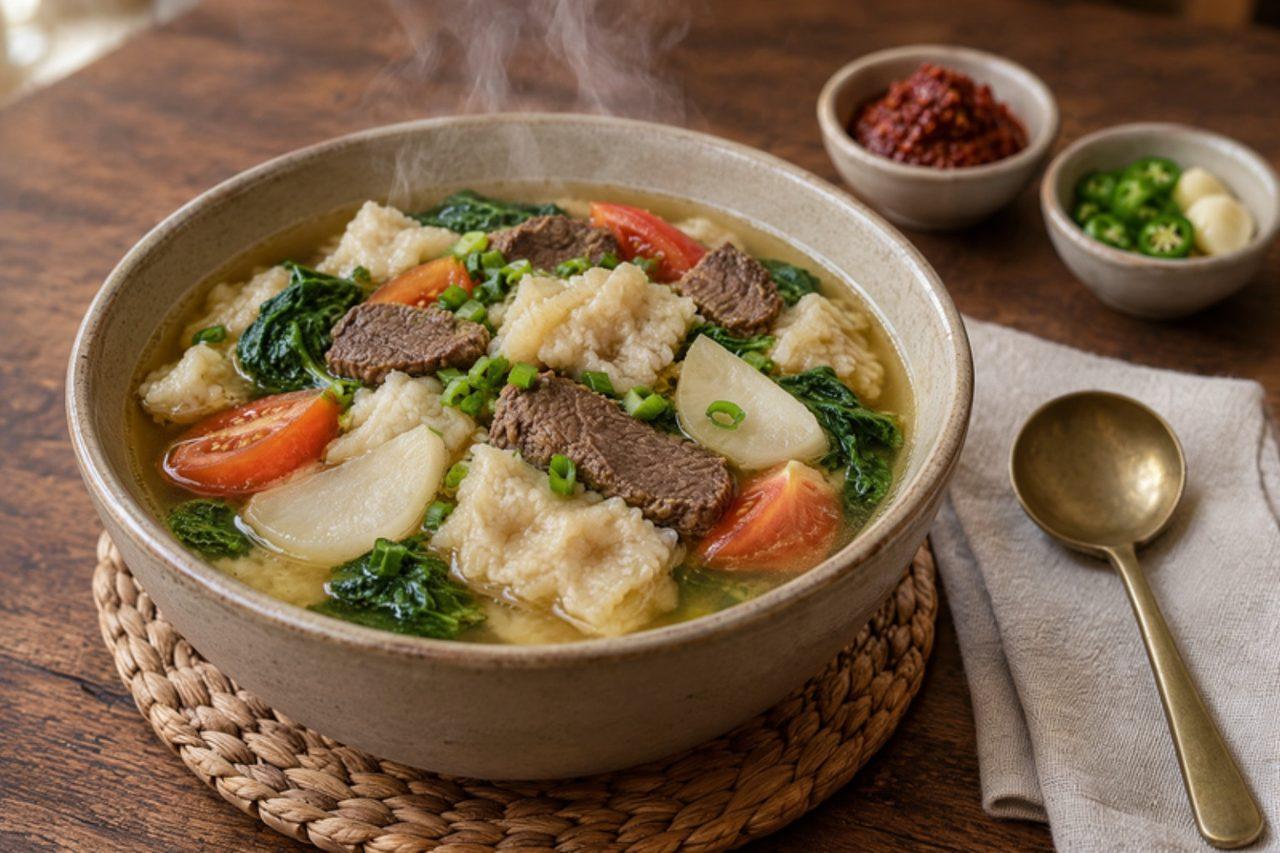
Ash-e shalgham

Turnip and rice soup 65 minMore from Persian (131) →

This week's collection

Kid-friendly dinners
537 recipes · a new collection every Monday

Latest recipes

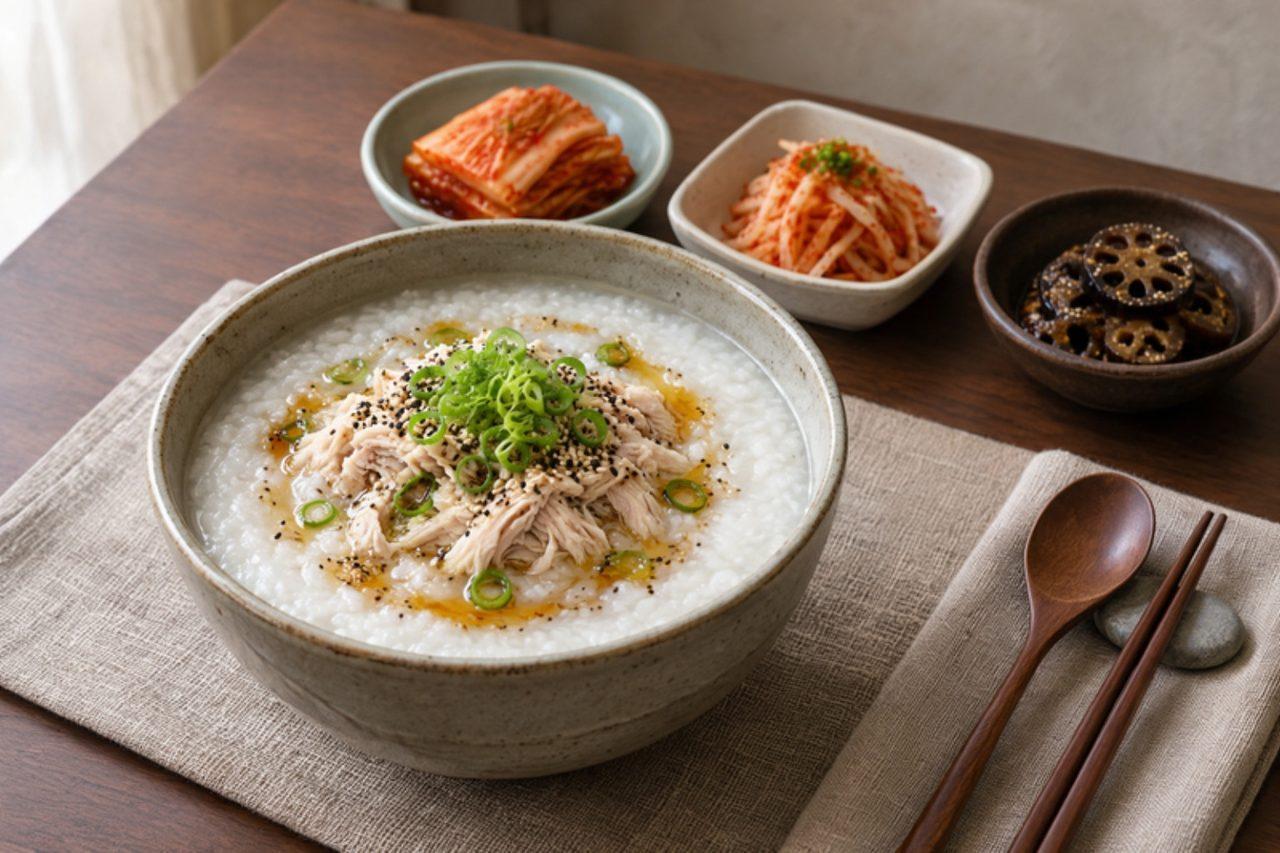
DakjukChicken and rice porridge

All over Korea, dakjuk is the bowl a mother makes on a cold morning or when someone is under the weather: chicken simmered with garlic and ginger, the meat pulled into shreds, and soaked rice cooked down in the broth until it turns into a soft, savoury porridge finished with sesame oil. It is eaten for breakfast or as a gentle lunch, with a little kimchi on the side. The usual mistake is boiling the chicken hard, which clouds the broth and toughens the meat; keep it at a lazy simmer. Chef's tip: fry the soaked rice in sesame oil for two minutes before the broth goes in, so the grains toast lightly and the porridge tastes nutty rather than flat.

by KrazyBadal 1 views

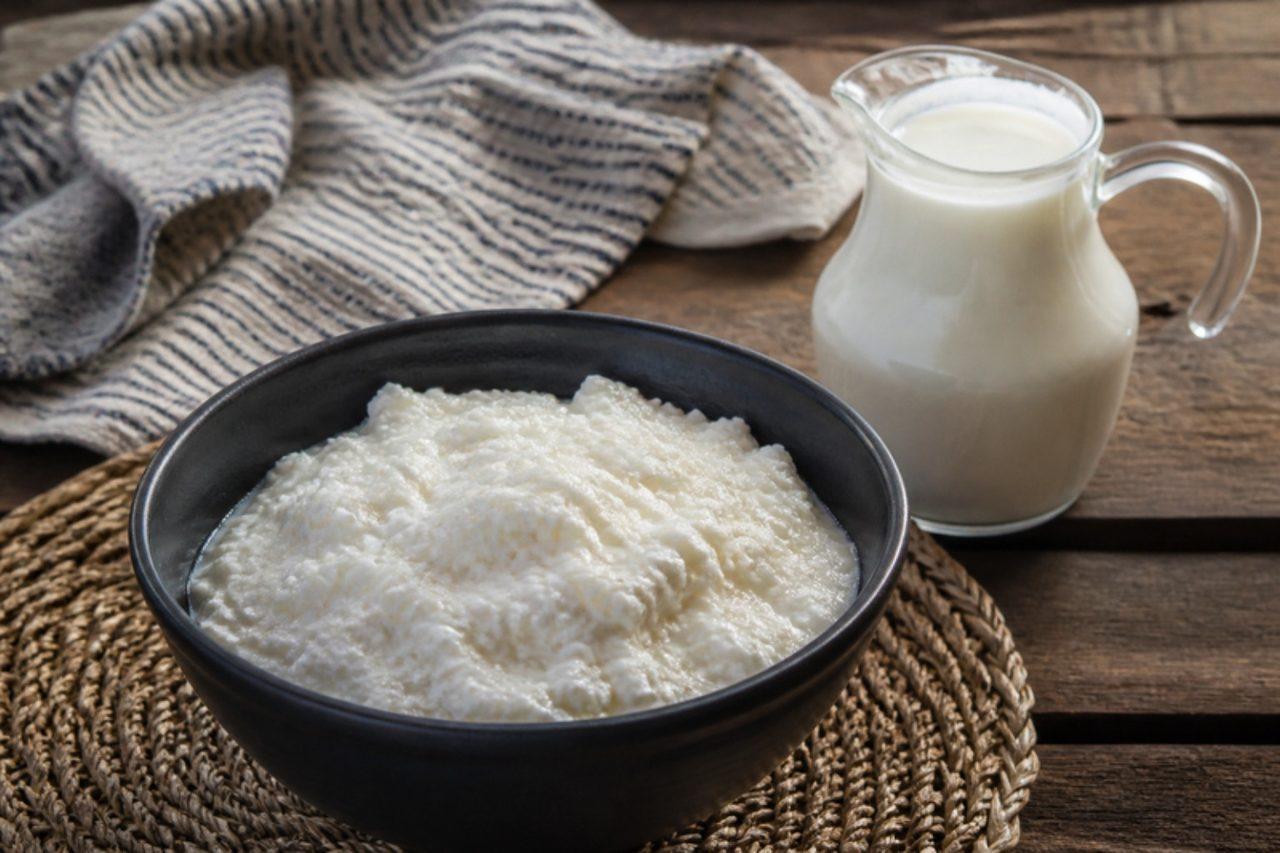
AmasiFermented milk with crumbly pap

Thick, tangy amasi was once soured in calabashes in Zulu and Xhosa homesteads, and it is still the drink-cum-meal that many South Africans crave on a hot afternoon, poured over crumbly pap as umvubo. At home it is easy and safe with pasteurised full-fat milk and a spoon of live cultured buttermilk as the starter; never use raw milk. Expect something like a pourable, sharper yoghurt with soft curds, cooling against the dry, crumbly maize. The common mistake is fermenting somewhere too warm, which makes the milk separate into watery whey and rubbery lumps. Chef's tip: once it has set, chill it for a few hours before eating; the cold firms the curd and rounds out the sourness.

by KrazyBadal 1 views

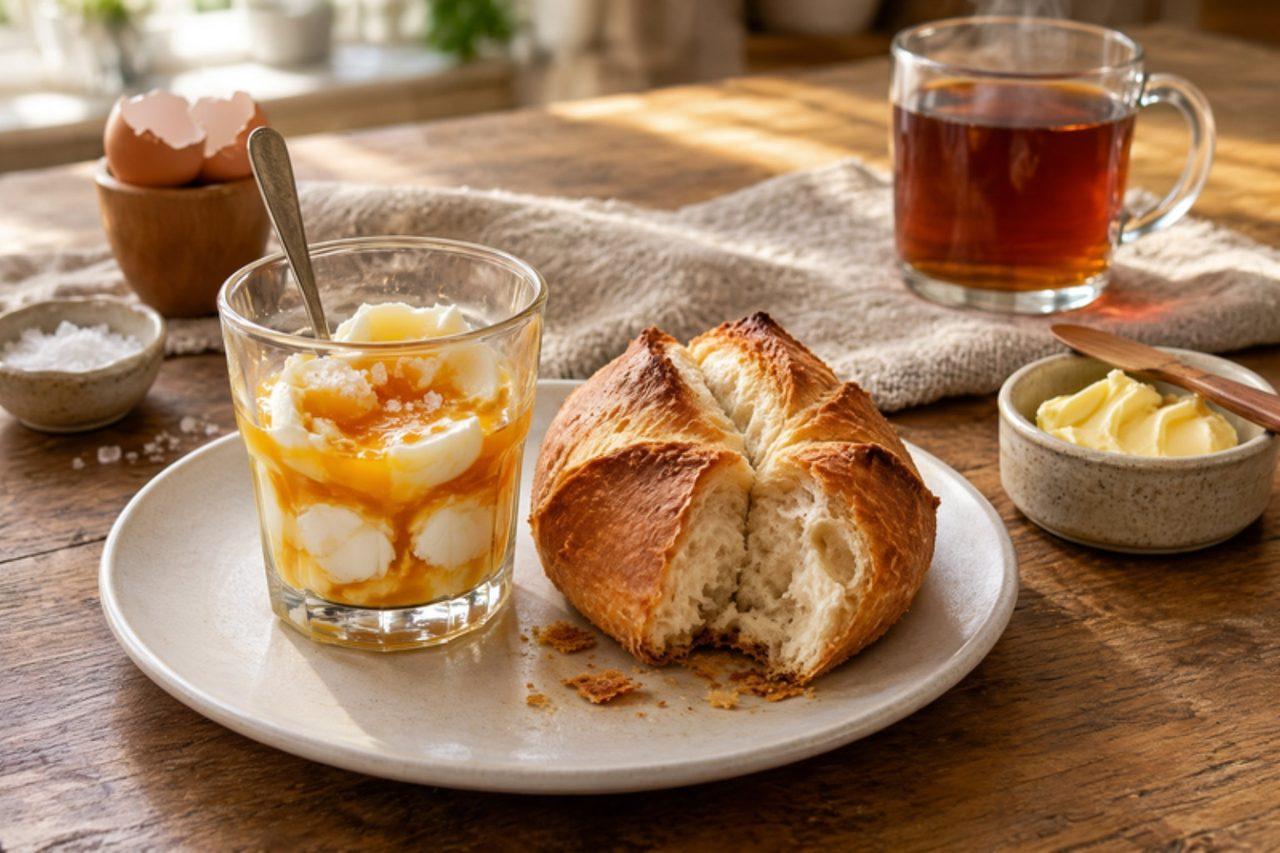
Huevos a la copaSoft-boiled eggs in a glass

In Chilean homes, huevos a la copa are a weekday breakfast and a sick-day comfort: eggs boiled until the whites are just set and the yolks still runny, then scooped out of their shells into a small glass (the copa), broken up with a spoon, salted and eaten with warm marraqueta for dipping. The common mistake is timing from cold water, which makes the result unpredictable; lower the eggs into water that is already boiling. Runny yolks are not suitable for pregnant people, young children, older or vulnerable people; for them, boil the eggs for 9–10 minutes until fully set. If you need it gluten free, serve with gluten-free bread. Chef's tip: a tiny knob of butter stirred into the hot egg in the glass makes it silky.

by KrazyBadal 1 views

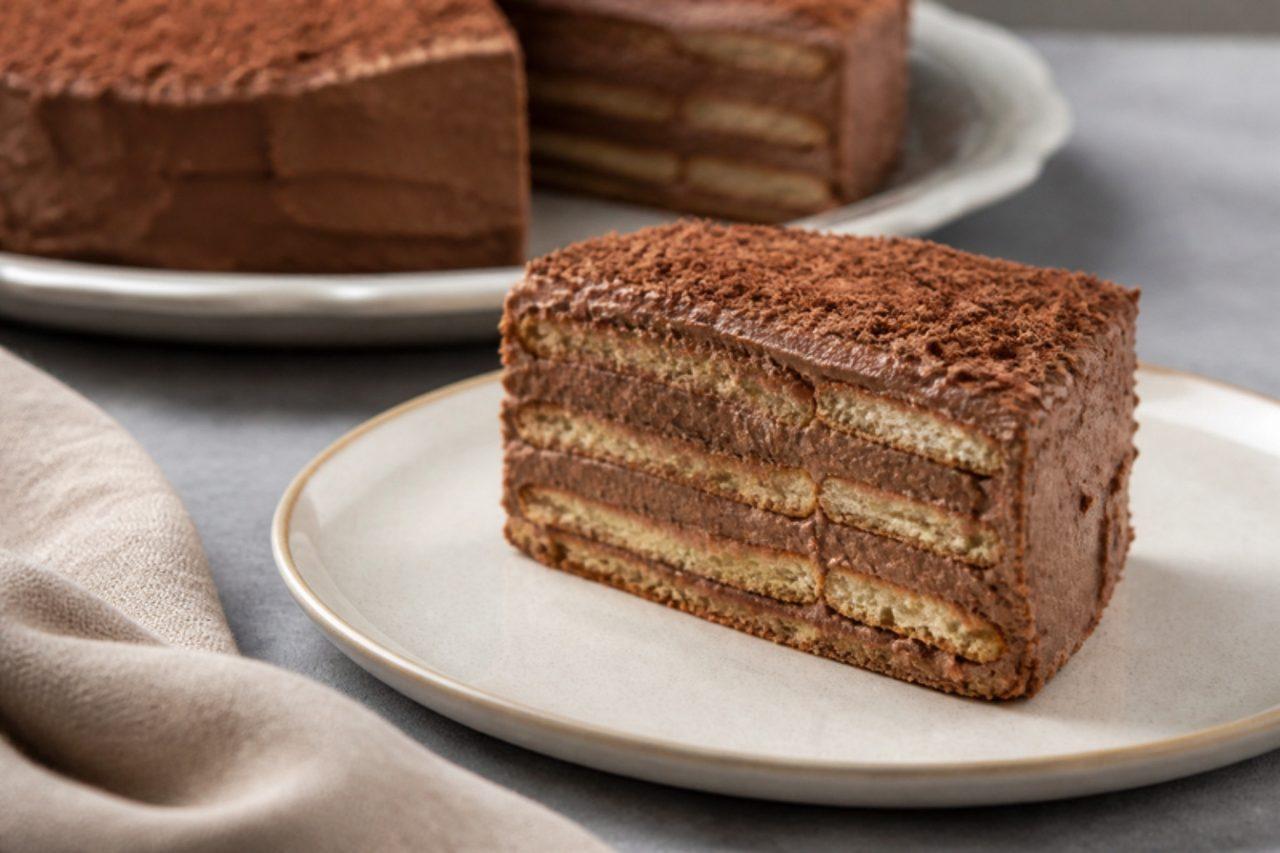
Marquesa de chocolateNo-bake chocolate icebox cake

In Caracas homes the marquesa is the cake you make for a birthday when nobody wants to switch on the oven: plain tea biscuits dipped in vanilla milk and stacked with a rich chocolate cream, then chilled until it slices like a torte. Older recipes fold in raw egg yolks; this one uses whipped cream instead, so it is safe for everyone. The usual mistake is soaking the biscuits too long, so the cake slumps. Chef's tip: dip each biscuit for one second, then let the cream do the softening overnight.

by KrazyBadal 0 views

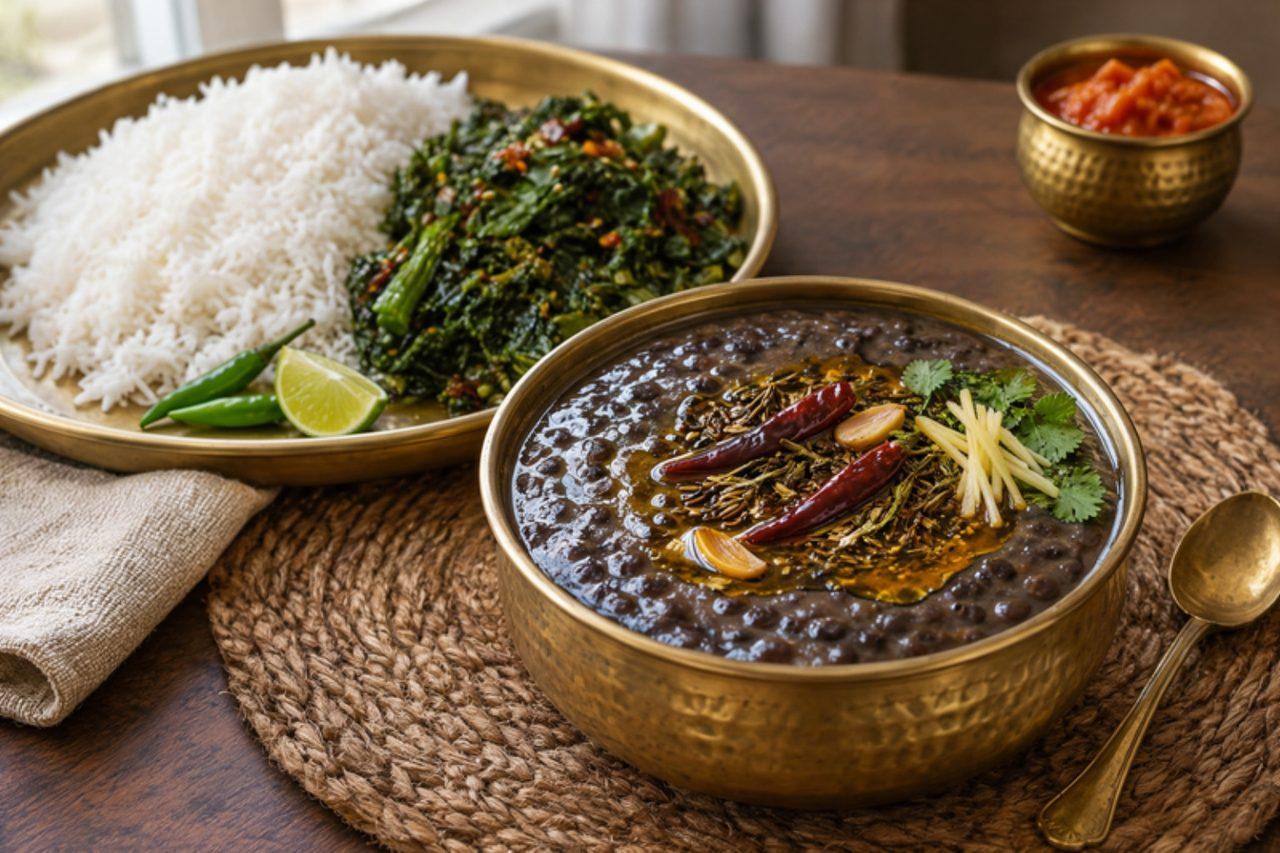
Mas ko dalBlack lentil dal

Mas ko dal, made from whole black urad, is the thick, dark dal of the Nepali hills, cooked in heavy pots in Kathmandu, Gorkha and the Newar towns, especially on cold days and for festival meals. Slow cooking makes it creamy and earthy, and the tempering of jimbu, garlic and cumin in hot mustard oil gives it the scent of the Himalaya. Eat with rice, roti or dhido. Suitable as part of a balanced diet, it is high in protein and fibre: about 250 kcal and 30 g carbohydrate per portion; brown rice or millet dhido suits it well. The usual mistake is not soaking the lentils, which leaves them hard and the dal thin; soak them overnight. Chef's tip: simmer the dal with a few ginger slices and mash it lightly with a wooden spoon at the end for the classic thick texture.

by KrazyBadal 0 views

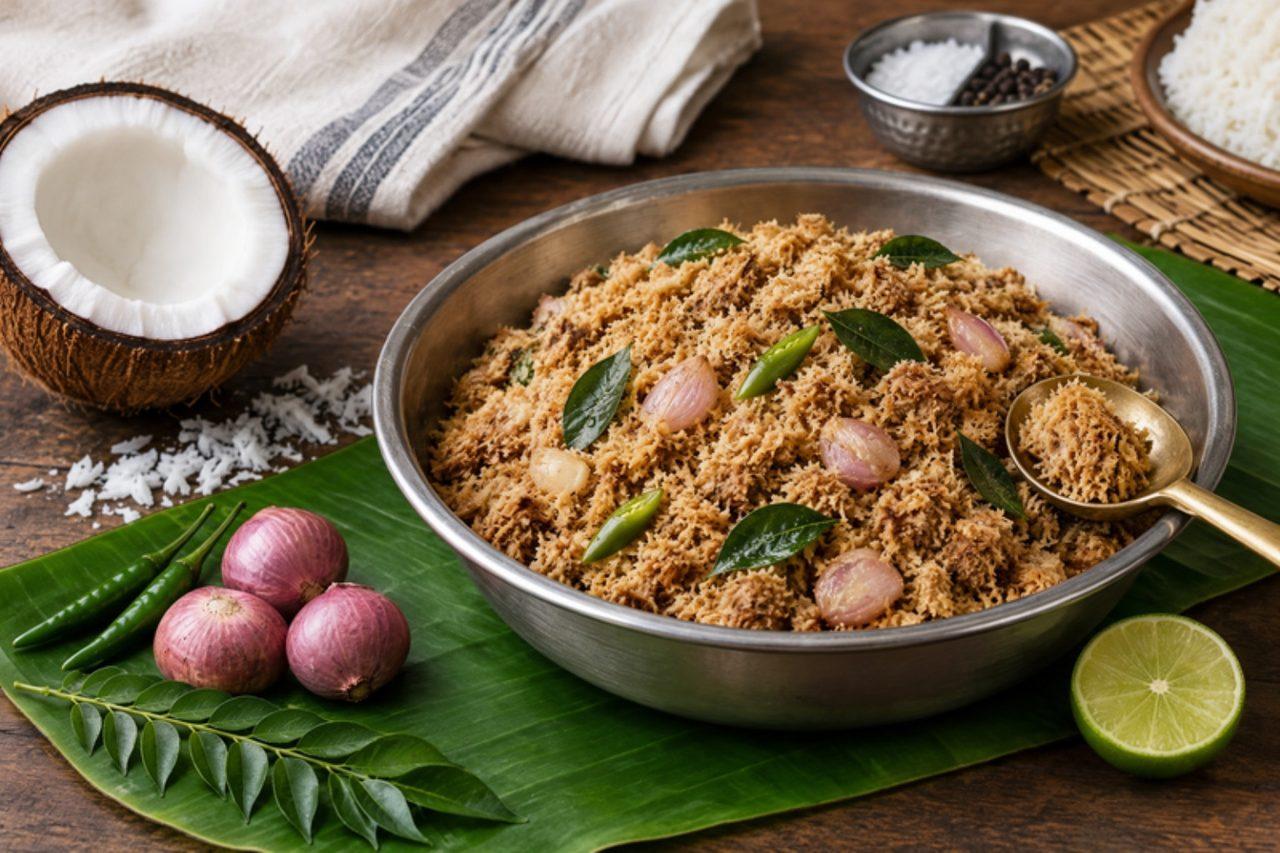
Mas podichathuDry-fried flaked tuna

Tuna is the backbone of Lakshadweep cooking, and mas podichathu is how island families turn a piece of cooked tuna into a dry, fluffy side for rice, a filling for parotta, or a quick lunch with black tea. The fish is poached, flaked by hand and fried with shallots, green chilli, ginger, curry leaves and lots of grated coconut until each strand is separate and toasty. Traditionally it is made with mas, the islands' smoked and sun-dried tuna; fresh tuna is easier to find. The common mistake is mashing the fish into a paste; flake it with your fingers into long shreds. Fish is done when it is opaque and flakes easily before you start frying. Chef's tip: squeeze the poached fish gently in a cloth so it fries crisp instead of steaming.

40 minIndianFishGluten free
by KrazyBadal 0 views

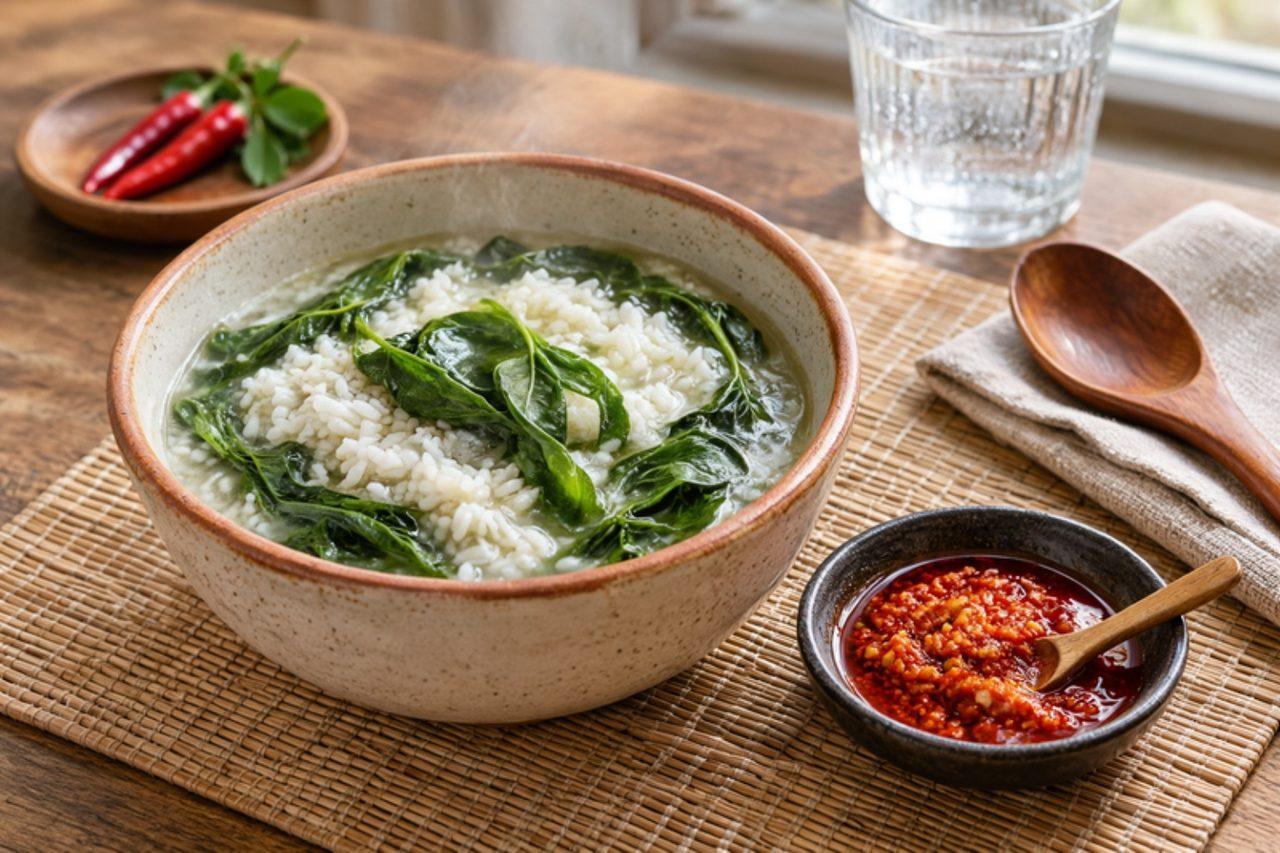
Vary sosoaRice soup with greens

In Antananarivo and across the highlands, the day starts with a bowl of vary sosoa: rice cooked with plenty of water until the grains are soft and loose in their milky cooking liquid, wetter than plain rice but not as smooth as congee. Stalls serve it with kitoza (dried meat), eggs or a spoon of fiery sakay; this vegan version tops it with garlicky greens and homemade sakay chilli paste. The common mistake is stirring it like risotto, which makes it gluey; stir only now and then. Chef's tip: make the sakay the day before; the ginger and chilli mellow overnight in the oil.

by KrazyBadal 0 views

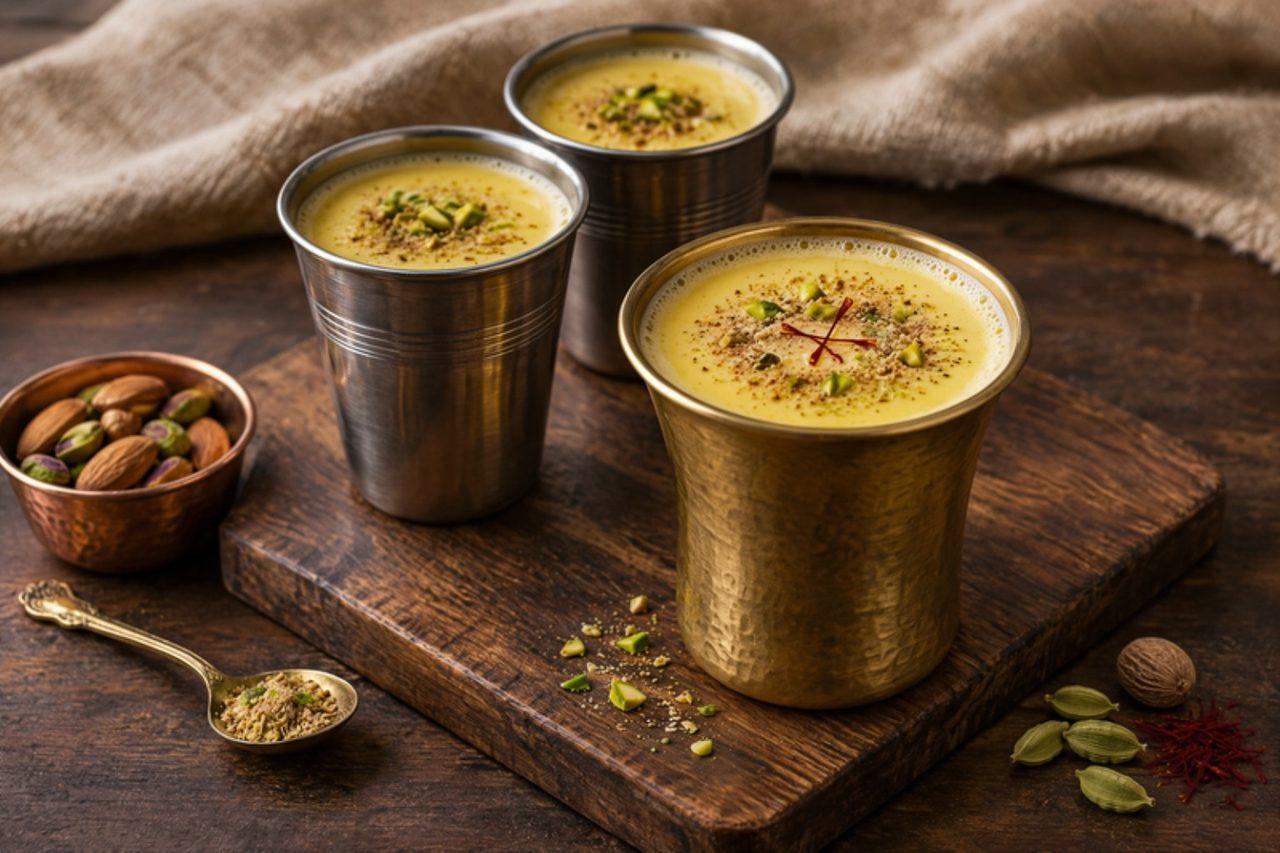
Masala doodhSaffron nut milk

Late evening at Ahmedabad's Manek Chowk, milk sellers pour masala doodh from a height between two brass pots to cool and froth it, and on Sharad Purnima families set a pot of it under the full moon before drinking it chilled. It is richer and more fragrant than plain badam milk: a home-ground masala of almonds, pistachios, cardamom, nutmeg and a little black pepper is stirred into milk reduced with saffron and sugar. The common mistake is boiling it hard after the nut masala goes in, which makes it catch and taste scorched. Chef's tip: grind a jar of the masala in one go and keep it in the fridge; two teaspoons turn any glass of milk into a treat.

by KrazyBadal 0 views

BahoSteamed beef, plantain and cassava

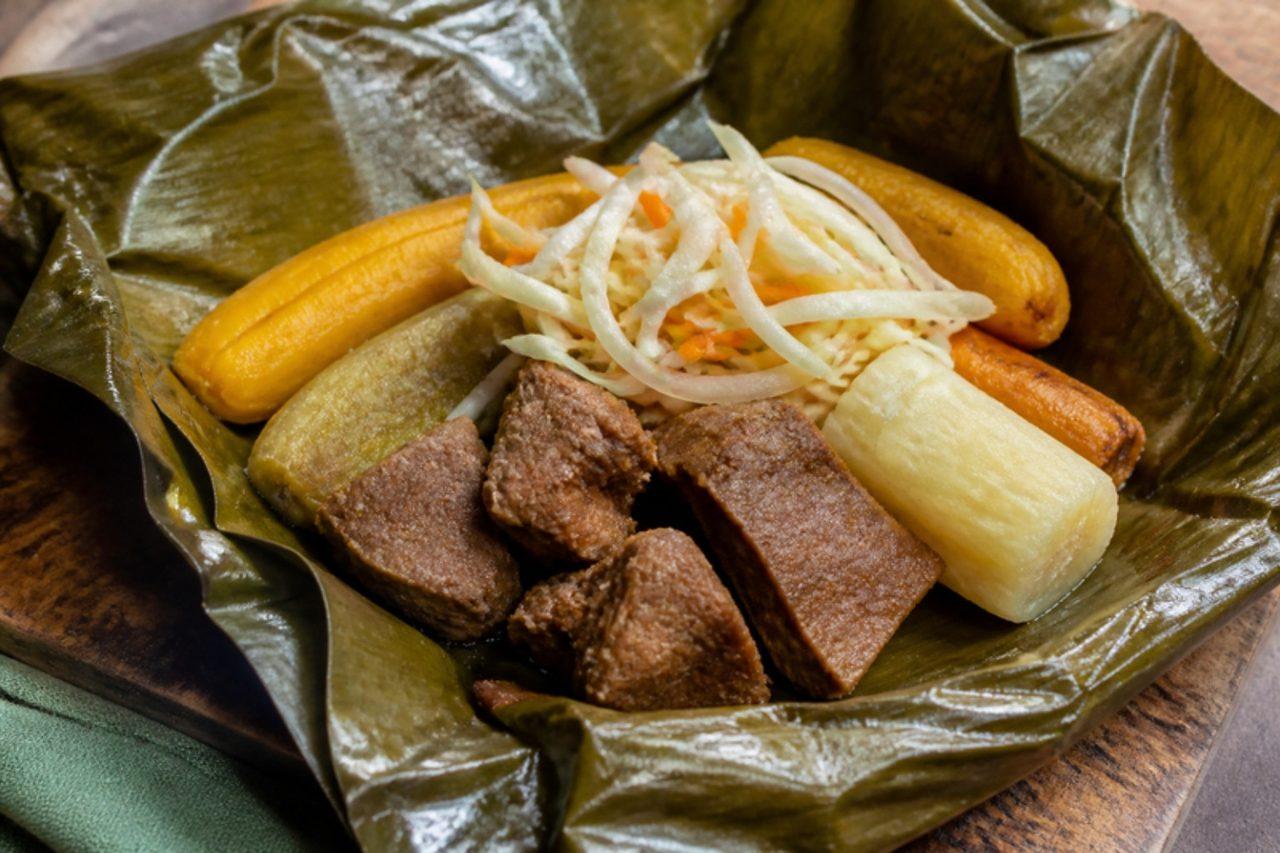
Baho, also spelled vaho, is the dish Nicaraguan families plan a Sunday around, especially in Granada and Managua: beef marinated overnight in sour orange and garlic, then steamed for hours in a big pot lined with banana leaves on a bed of green plantain, ripe plantain and cassava. Everything comes out tender and fragrant with the leaves, and it is served with a crunchy, vinegary cabbage salad to cut through the richness. Marinate the beef in the fridge, never at room temperature. The mistake that ruins it is letting the pot boil dry, which scorches the leaves and the plantain at the bottom; top up the water every hour. Chef's tip: keep a few banana leaves back to tuck over the top, so the steam stays trapped inside the parcel.

by KrazyBadal 0 views

MaślankaChilled buttermilk

Maślanka, the tangy liquid left after churning butter, is sold in cartons all over Poland and drunk ice-cold with breakfast, with boiled new potatoes in summer, or blended with fruit for children. On its own it is thin, sour and refreshing; with strawberries and a spoon of sugar it becomes a light pink breakfast smoothie. The mistake is buying "buttermilk" that is really thickened yoghurt drink with added flavourings; look for plain cultured buttermilk with nothing else on the label. Chef's tip: chill the glasses as well as the buttermilk, and blend for no more than 20 seconds so it stays light and doesn't separate.

by KrazyBadal 0 views

Nasi liwet SoloCoconut rice with shredded chicken

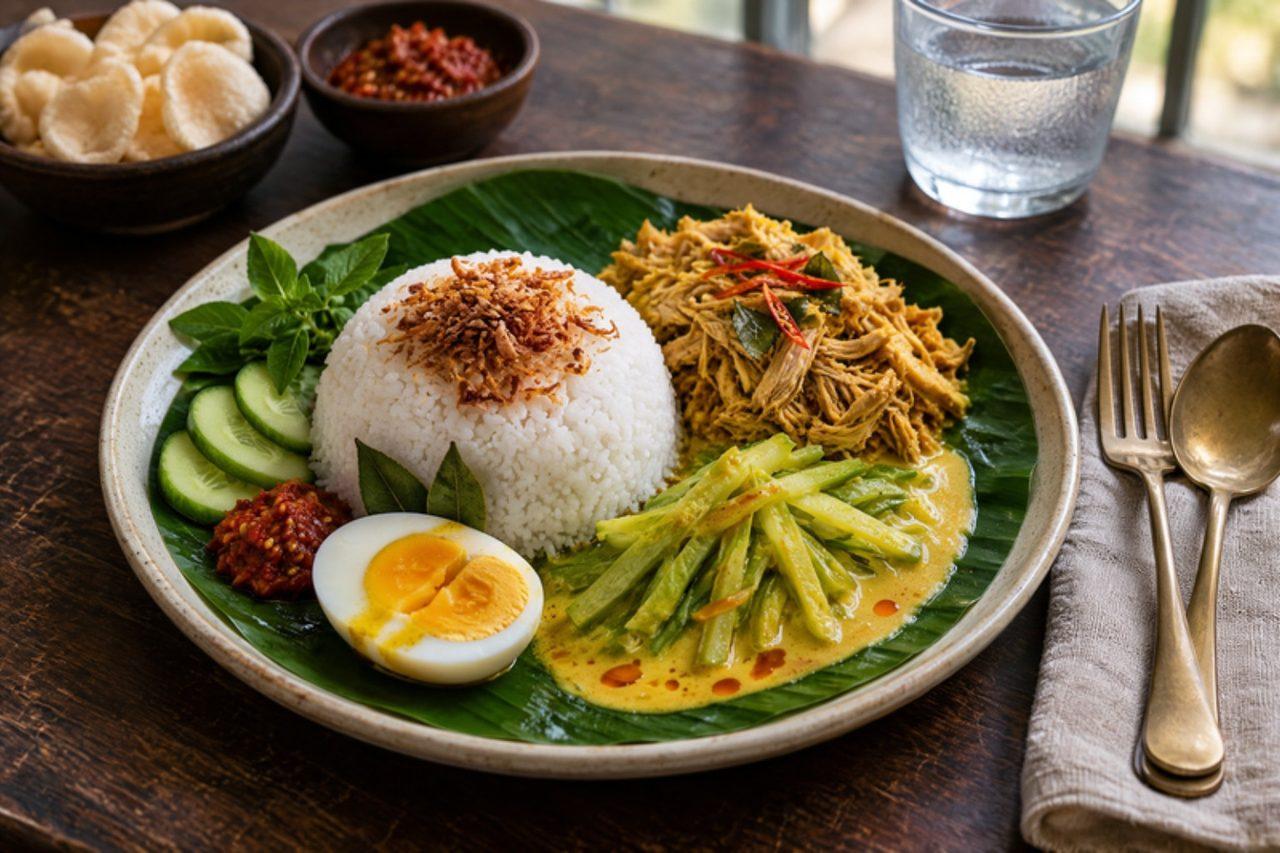
In Solo (Surakarta), Central Java, nasi liwet sellers set out at dawn with baskets of rice cooked in coconut milk and fragrant salam leaves, served on a banana leaf with shredded chicken, a mild chayote stew in coconut gravy (sayur labu siam) and a hard-boiled egg, all topped with a spoon of thick coconut cream called areh. It is a soft, gentle, savoury breakfast. The usual mistake is boiling the coconut rice too fast, which scorches the bottom before the grains are soft. Chef's tip: once the liquid is absorbed, finish the rice on the lowest heat with a clean tea towel under the lid so it steams fluffy, not wet.

by KrazyBadal 0 views

Mate de muñaAndean mint tea

Muña is the minty shrub that grows wild on the slopes around Cusco, Puno and the Sacred Valley, and highland cooks reach for it after a heavy meal of chicharrón or when visitors are struggling with the altitude. Market herb sellers sell it in fresh bunches, and hotels and homes leave it in a flask for anyone coming in from the cold evenings. Steeped simply in hot water, it smells somewhere between spearmint, oregano and pennyroyal, with a cooling, slightly peppery taste and a pale green-gold colour. It is traditionally drunk to settle the stomach. The usual mistake is boiling the leaves hard for a long time, which turns the tea brown and bitter. Pour water just off the boil over the sprigs, cover, and let it steep. It is ready when the cup is pale gold and the aroma rises as soon as you lift the lid. Outside Peru, look for dried muña in Latin shops; failing that, use mostly spearmint with a little fresh oregano. Muña is strong: avoid large amounts in pregnancy, and check with a doctor if you take regular medication. Chef's tip: cover the cup while it steeps so the scented oils stay in the tea.

by KrazyBadal 0 views

Pain maisonCrusty bread rolls

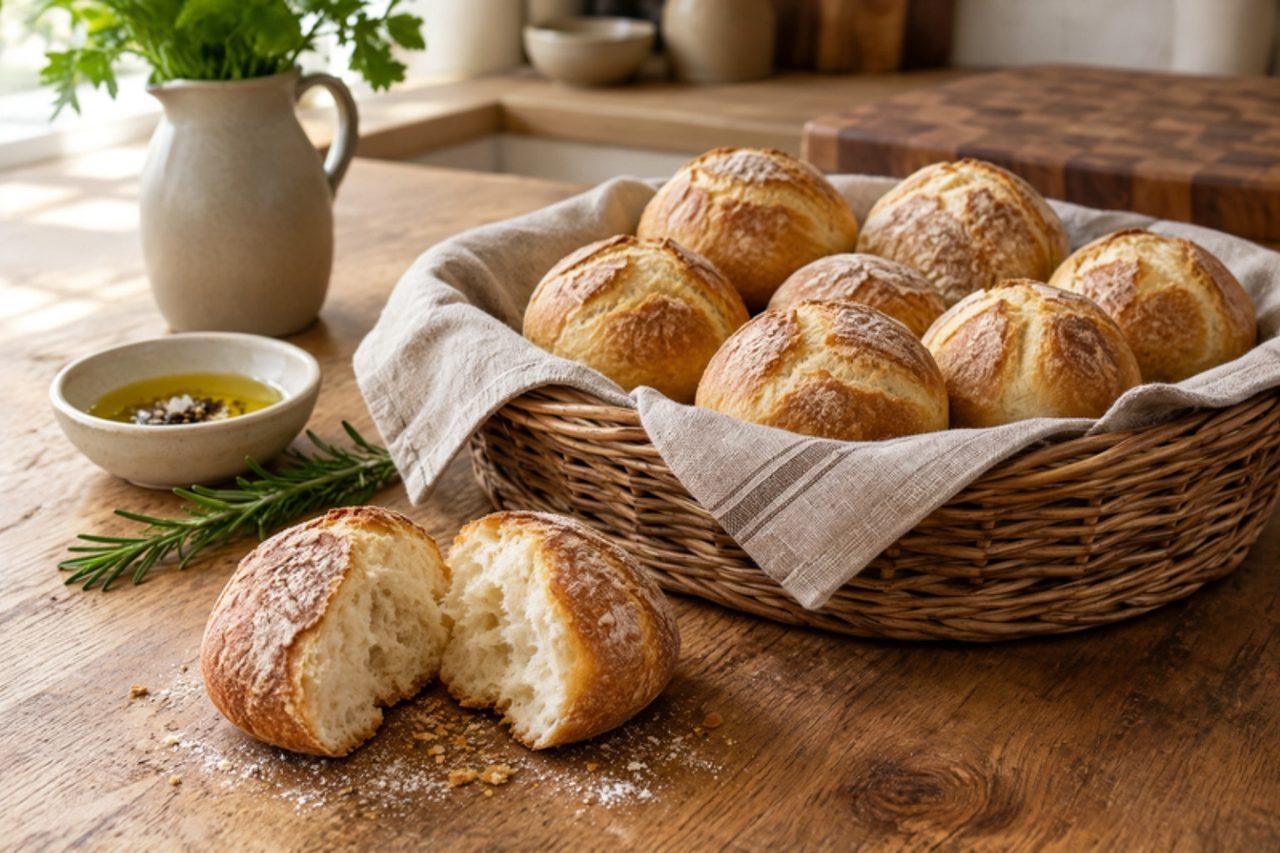
Every morning in Port Louis, Mahébourg and Rose-Hill, the boulangerie or a man on a bicycle delivers bags of pain maison: small, round white rolls with a thin, crackly crust and soft middle, split and filled with butter and cheese, with chilli-spiked gâteaux piments, or with leftover curry. They're a simple lean dough baked very hot. The common mistake is under-baking because they look golden early; give them the full time so the crust stays crisp after cooling. Chef's tip: spray the oven walls with water as the rolls go in; the burst of steam makes the shiny, cracked crust.

by KrazyBadal 0 views

Bred songeBraised taro leaves

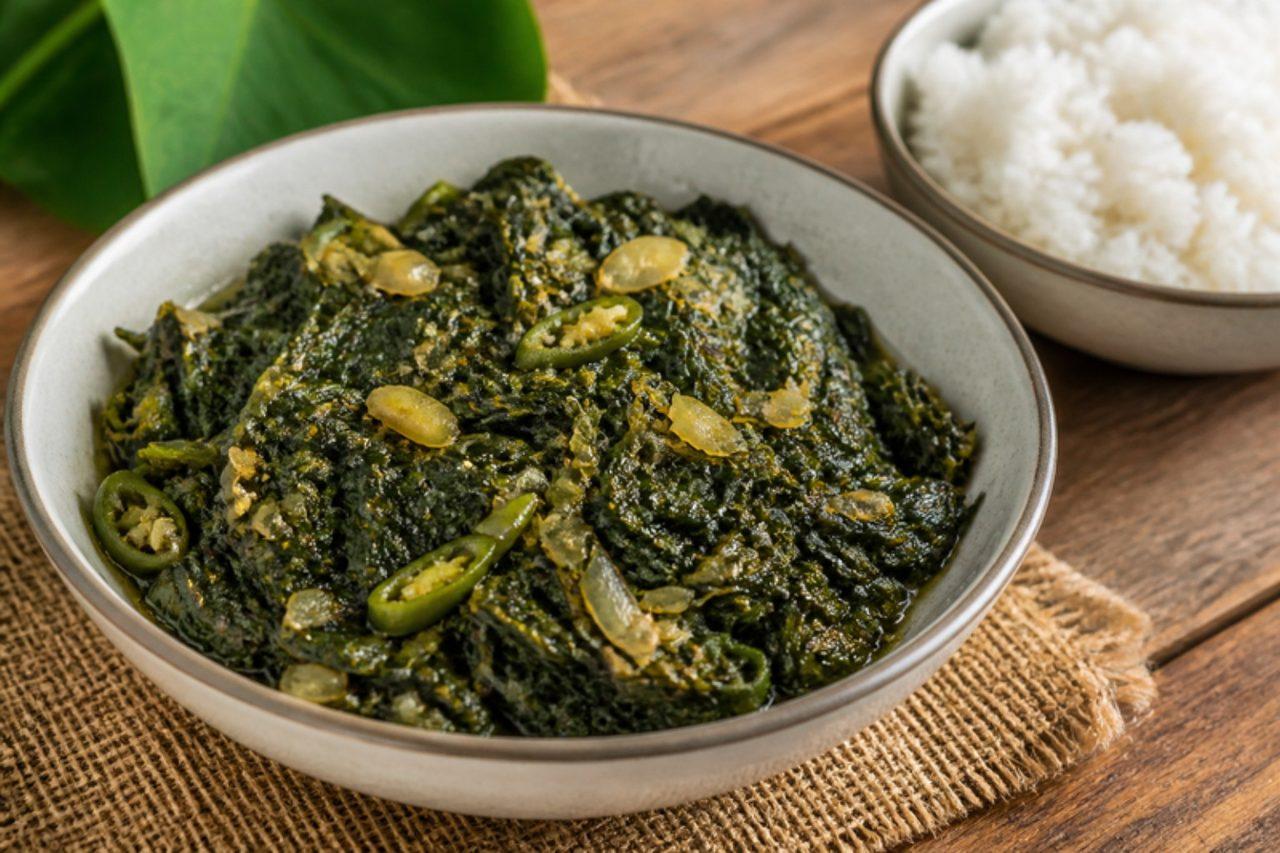
Songe is the island's name for the taro plant, and its big heart-shaped leaves end up in many Creole and Indo-Mauritian kitchens on a weekday night, braised down into a dark, silky tangle that tastes somewhere between spinach and artichoke. Buy the leaves from an Indian or Asian grocer, where they are sold as arbi or patra leaves; never pick them wild. Raw taro leaves contain needle-like crystals that make the mouth and throat prickle, and the commonest mistake is pulling them off the heat too soon, so they are blanched first and then cooked until completely soft, with a little tamarind to help. Spoon it next to rice, dholl and a fresh chatini, or tuck it into a farata. Chef's tip: taste a small piece before serving; if you feel even a faint scratch at the back of the throat, cover the pan and give it another five minutes.

by KrazyBadal 0 views

Gâteau arouilleTaro fritters

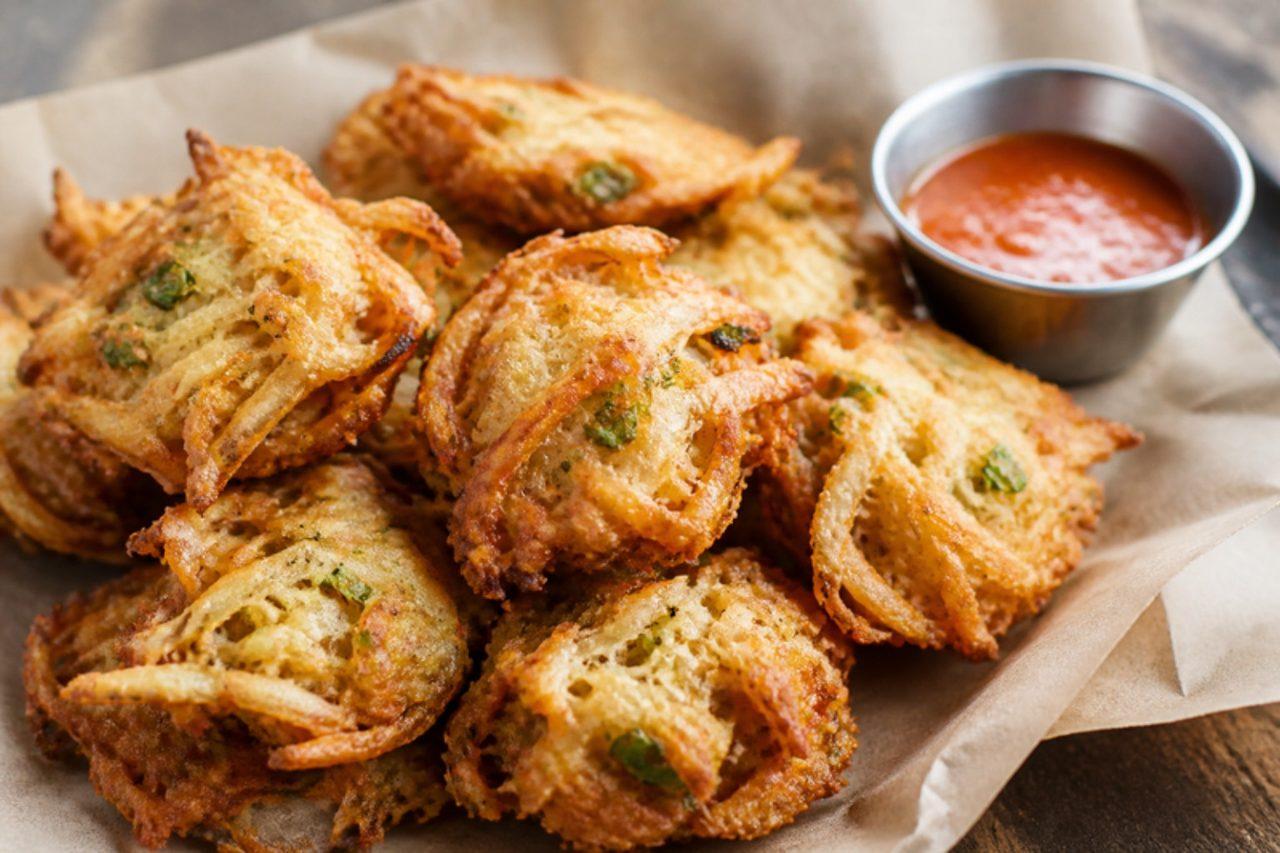
Glass cases on street carts outside bus stations from Curepipe to Port Louis are piled with fritters, and the craggy, golden gâteau arouille is the one with the shaggy edges and the soft, almost creamy middle. Grated taro (arouille, also sold as eddo or dasheen) is bound with a spoon of rice flour, spring onion and chilli, then dropped into hot oil, where the strands turn crunchy. They are eaten warm from a paper bag with a dab of chilli paste or a coconut chatini, often as an afternoon snack. Taro must be cooked right through, as raw taro irritates the mouth; the common mistake is oil that is too hot, which browns the outside while the centre stays raw and gluey. Chef's tip: wear gloves or oil your hands before grating, because raw taro makes the skin itch for an hour.

by KrazyBadal 0 views

Glaçon râpéShaved ice with syrups

On a hot Sunday at Flic en Flac or Mon Choisy, families queue at the glaçon râpé man, who shaves a block of ice into a cup, then pours over bright red and green syrups and, if you ask, a thick ribbon of sweetened condensed milk. The ice should be fluffy and dry like fresh snow, so the syrup sinks in and streaks the colours together, and the condensed milk turns the bottom of the cup into a sweet, milky slush. A home blender makes a fine version if the ice is very cold; the common mistake is using ice straight from a bag that has half-thawed, which turns to watery slush. Chef's tip: put the cups and the blender jug in the freezer for 20 minutes first, then pulse in short bursts rather than running the motor.

by KrazyBadal 0 views

Bajre ki raabdiFermented pearl millet buttermilk porridge

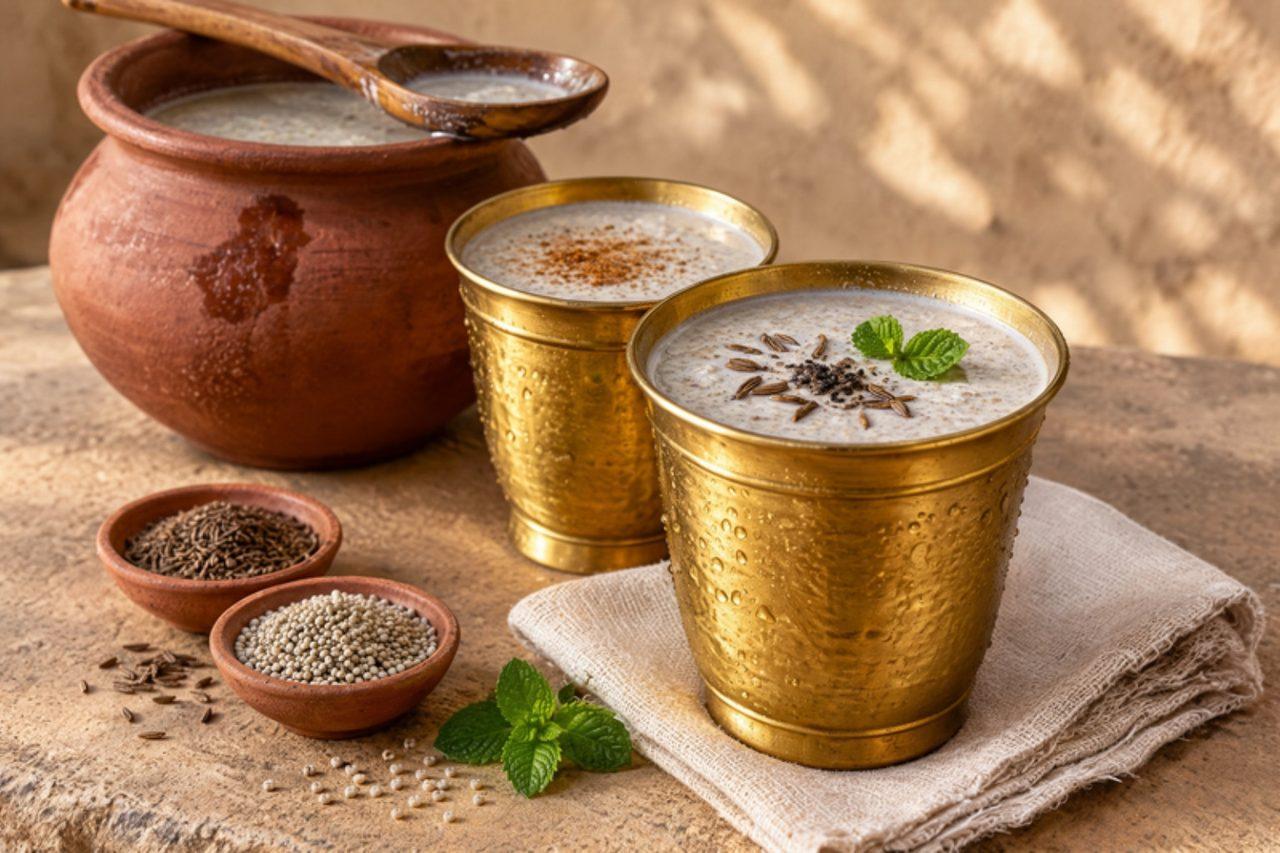
In the villages of Haryana and the Rajasthan border, raabdi is drunk at midday in May and June to keep cool in the fields. Pearl-millet flour is stirred into buttermilk and left to ferment for a few hours, then cooked slowly until thick, cooled in a clay pot and thinned with more buttermilk and salt. It tastes tangy and earthy, a little like a savoury porridge you can drink. Ferment at warm room temperature (25–32 °C) for 4–6 hours: it should smell pleasantly sour with a few bubbles. Throw it away if you see pink, black or furry mould or it smells rotten or of nail varnish. The common mistake is cooking on high heat, which scorches the millet and leaves raw lumps. Chef's tip: keep the cooked raabdi in the fridge and drink it within 2 days, thinning each glass to taste.

by KrazyBadal 0 views

Mava ni boiFish-shaped milk sweets

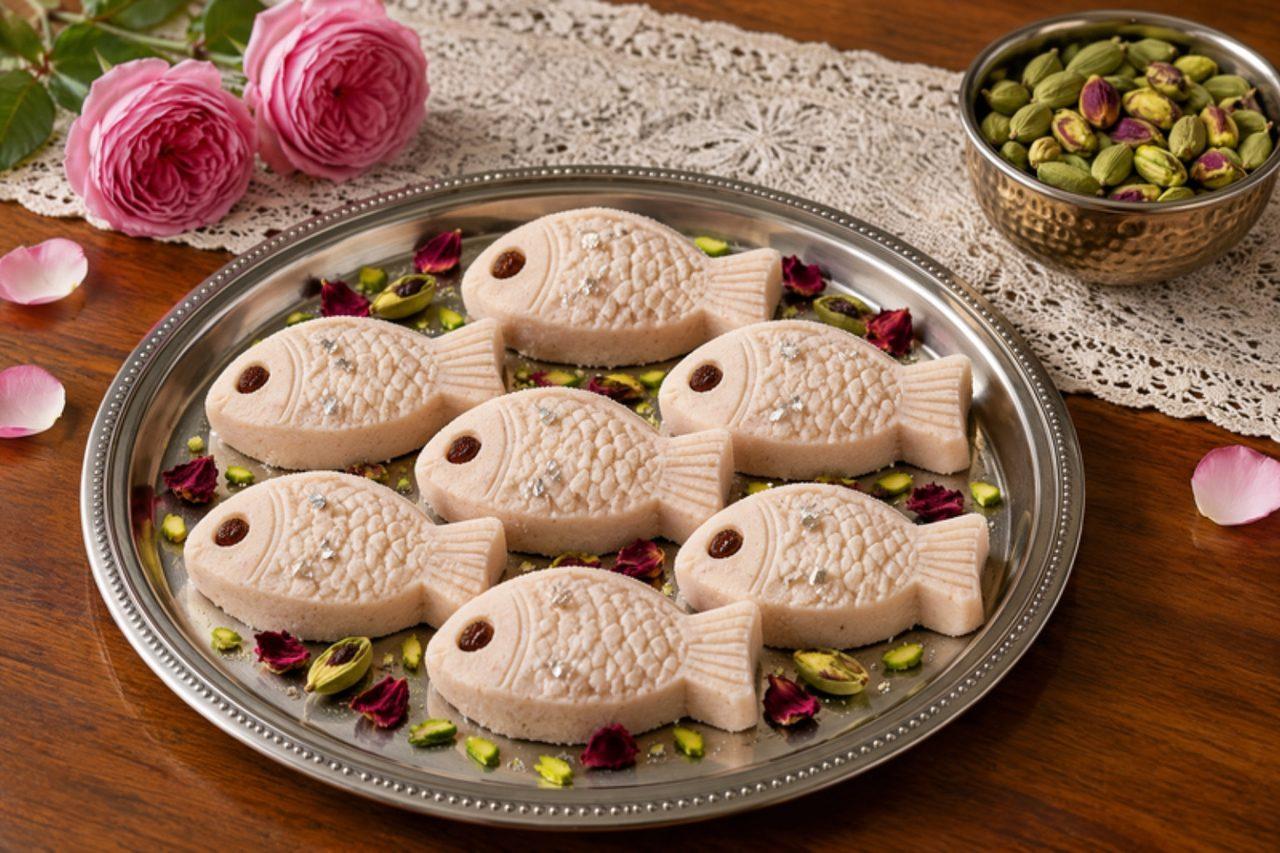
At Parsi weddings and navjotes in Surat, Navsari and Mumbai, the boi, a fish, is a symbol of good luck, and a tray of small pink mawa fish travels with the sagan gifts. There is no fish in them at all: they are a simple sweet of fresh mawa cooked with sugar, tinted the palest pink and pressed into carved fish moulds, with a raisin or a silver ball for the eye. The common mistake is cooking the mawa too long, so it turns crumbly and cracks in the mould instead of taking a clean imprint. Chef's tip: lightly grease the mould with ghee and dust it with a pinch of icing sugar so each fish slips out with sharp scales and fins.

by KrazyBadal 0 views

MbaipyCheesy polenta

Mbaipy (say 'mbai-PU') is Guaraní country cooking at its plainest: coarse corn flour stirred into milk and onion fried in oil until it thickens into a soft, spoonable porridge, finished with cubes of fresh cheese that melt into strings. In the Paraguayan countryside it is a cheap winter supper; cooks often stir in shredded chicken to make mbaipy so'o, but this is the meat-free version eaten on fasting days and in plenty of homes. Queso Paraguay is made with animal rennet, so use a vegetarian mozzarella or fresh cheese if you need to. The usual mistake is tipping the corn flour in all at once, which makes lumps that never cook out. Chef's tip: let it sit, covered, off the heat for five minutes before serving; it firms up slightly and the corn swells fully.

by KrazyBadal 0 views

Mee sotongFried noodles with squid

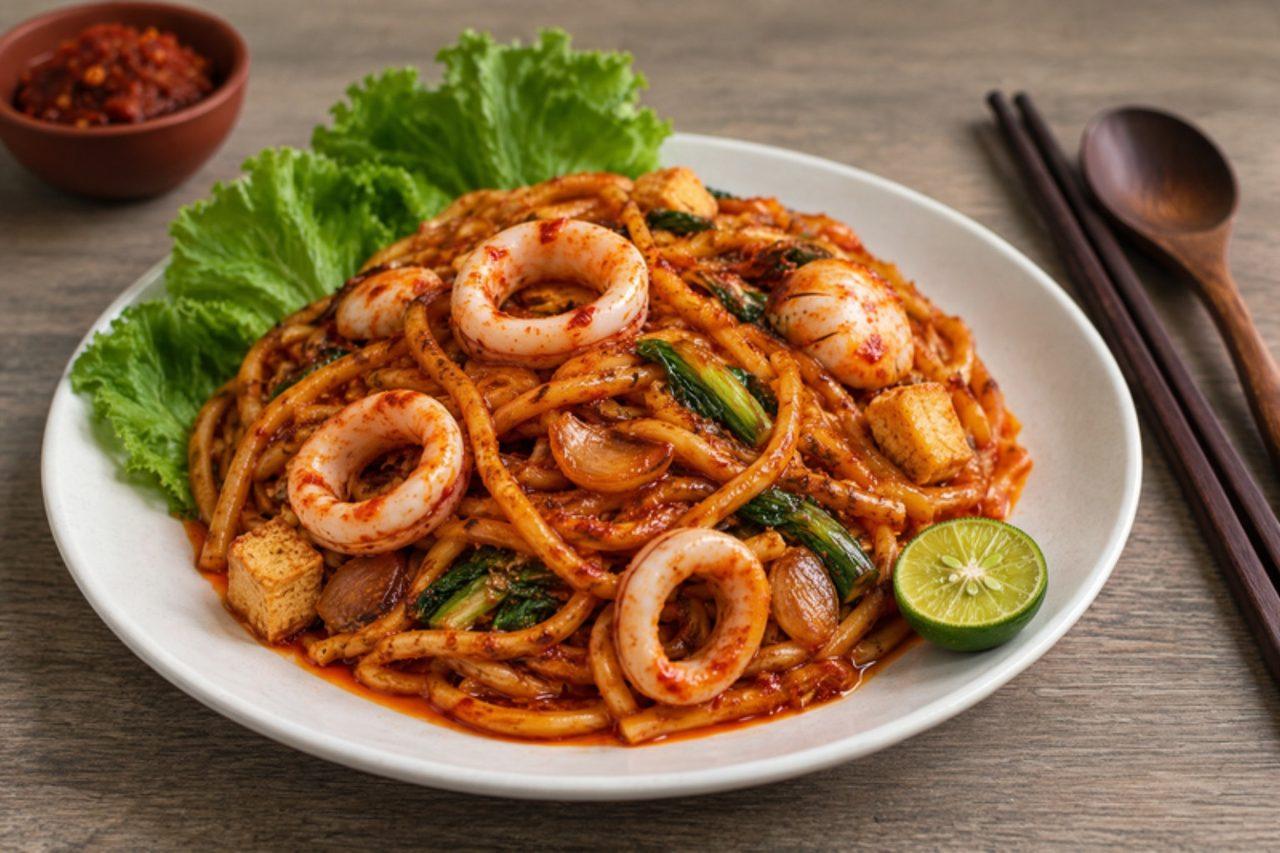
Mee sotong is the dish people queue for at the Esplanade hawker stalls by Padang Kota in George Town, eaten in the evening breeze off the sea. Thick yellow noodles are fried in a deep red paste of dried chillies, shallots and garlic cooked down with tomato ketchup, sugar and tamarind until sweet, smoky and spicy, then tossed with tender squid in its own red sauce and a few bean sprouts. Chef's tip: fry the chilli paste patiently until the oil separates and it darkens; raw paste tastes harsh and flat.

by KrazyBadal 0 views

MelkkosCinnamon milk pudding

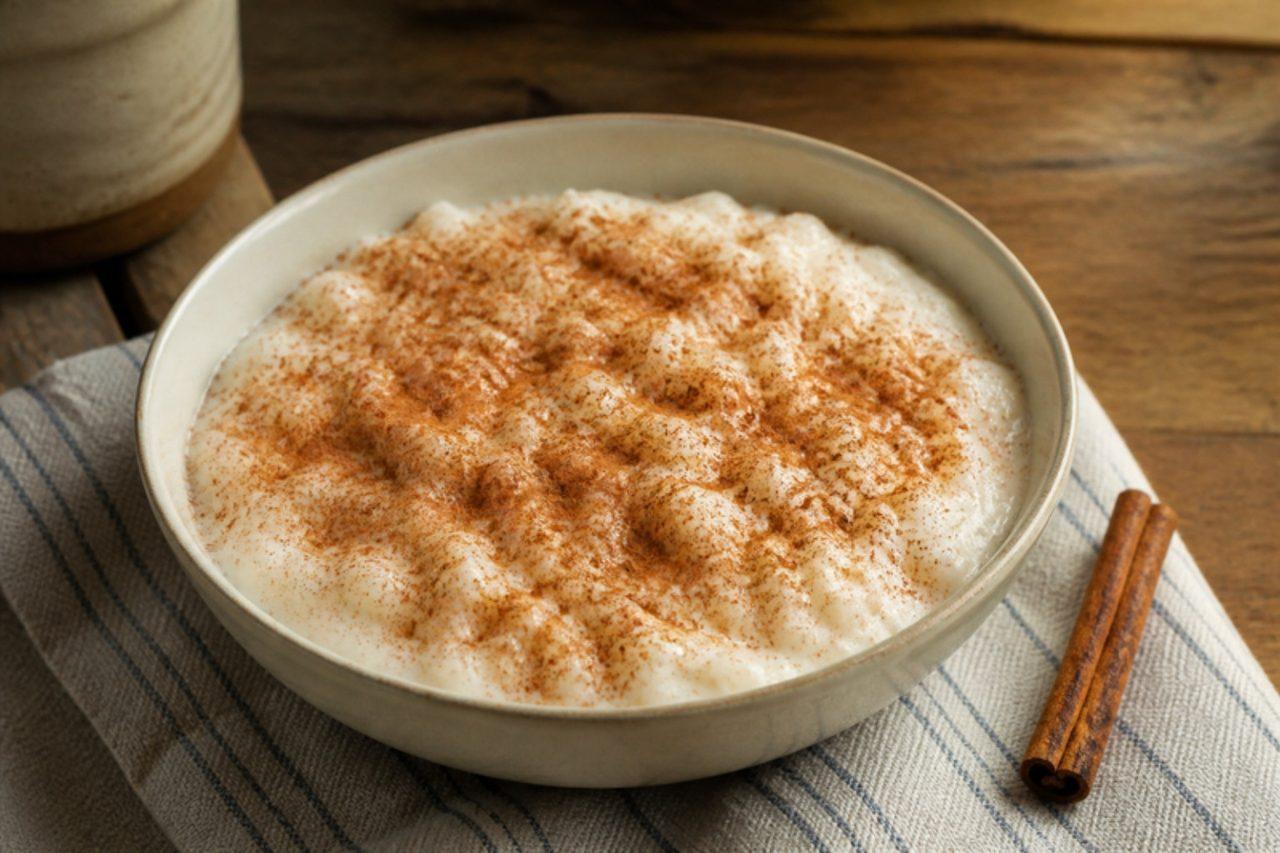
Ask a Karoo grandmother what supper was on a cold winter night on the farm and melkkos often comes up: a pot of hot milk thickened with little crumbs of flour and butter, ladled into bowls and dusted heavily with cinnamon sugar. It was the cheap, filling meal made when the cow was milking well, eaten as a pudding or as the whole evening meal with a slice of bread. The texture is soft and slightly lumpy, like a loose rice pudding, with tiny tender dumplings scattered through a silky, faintly sweet milk scented with cinnamon stick. Too much heat is the thing to avoid: milk catches quickly on the base of the pot and a scorched taste runs right through it. Chef's tip: rub the butter into the flour until it feels like coarse breadcrumbs with a few pea-sized bits, because those bigger bits become the best little dumplings.

by KrazyBadal 0 views

Menthi avakayaFenugreek mango pickle

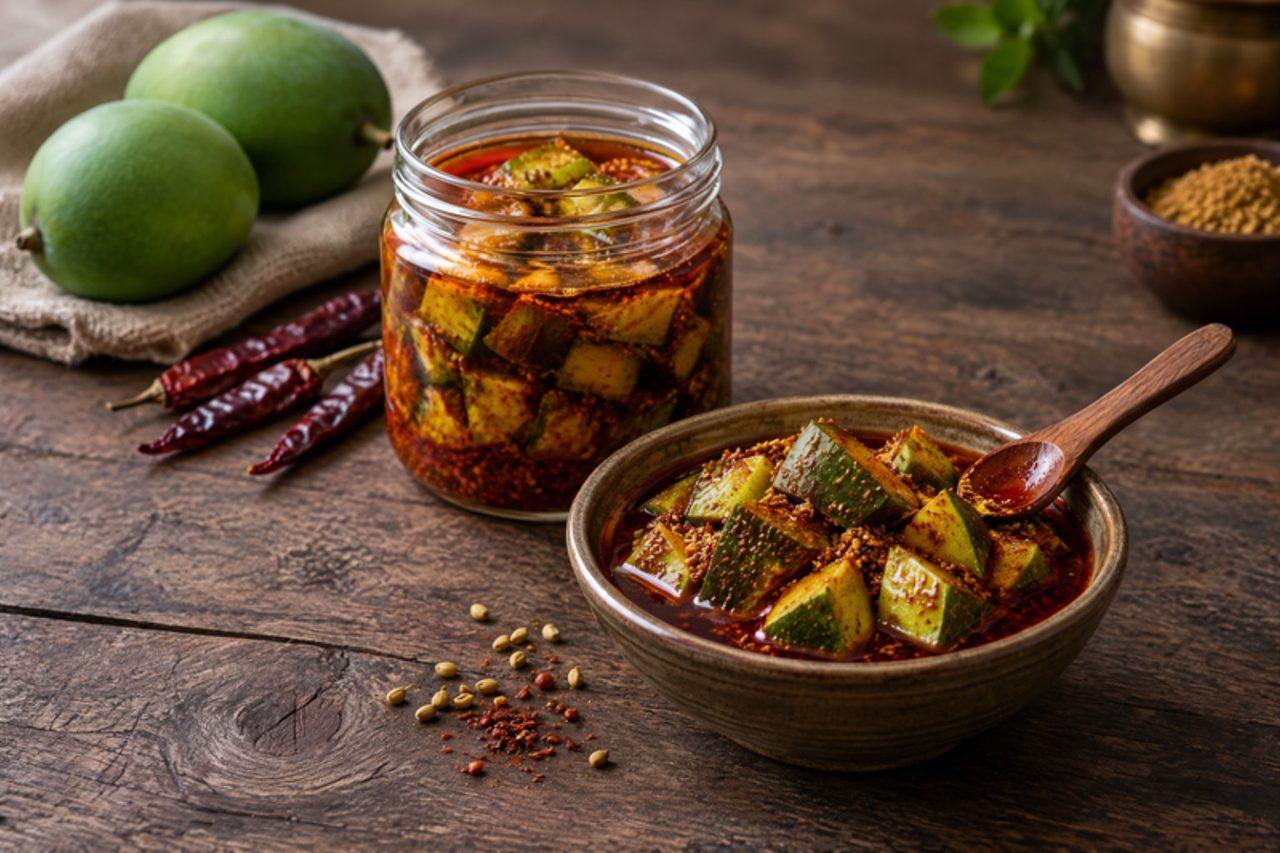
In East Godavari kitchens menthi avakaya is the mango pickle for people who love bitterness: instead of a mustard-heavy masala, it is built on fenugreek seeds roasted until golden and ground, with red chilli, salt and a tempering of mustard seeds and asafoetida in gingelly oil. Families make it in the hottest weeks of May, when the mangoes are at their sourest, and it is traditionally eaten through the summer with hot rice, ghee and a dal. The fenugreek gives a toasty, almost maple-like aroma and a pleasant bitter edge that sits against the sour mango and the chilli heat. The salt is about 9% of the mango weight, and the pickle keeps for a year under oil in a dry jar. Common mistake: roasting the fenugreek too dark; it turns acrid, and that bitterness spreads through the whole jar. Roast it slowly until golden and fragrant, then let it cool before grinding. It is ready after two or three days, when the mango has darkened, the fenugreek smell has mellowed and oil sits on top. Chef's tip: grind the fenugreek only when completely cold, or it turns pasty and clumps.

by KrazyBadal 0 views

Merluzzo e patate for babiesCod and potato mash for babies

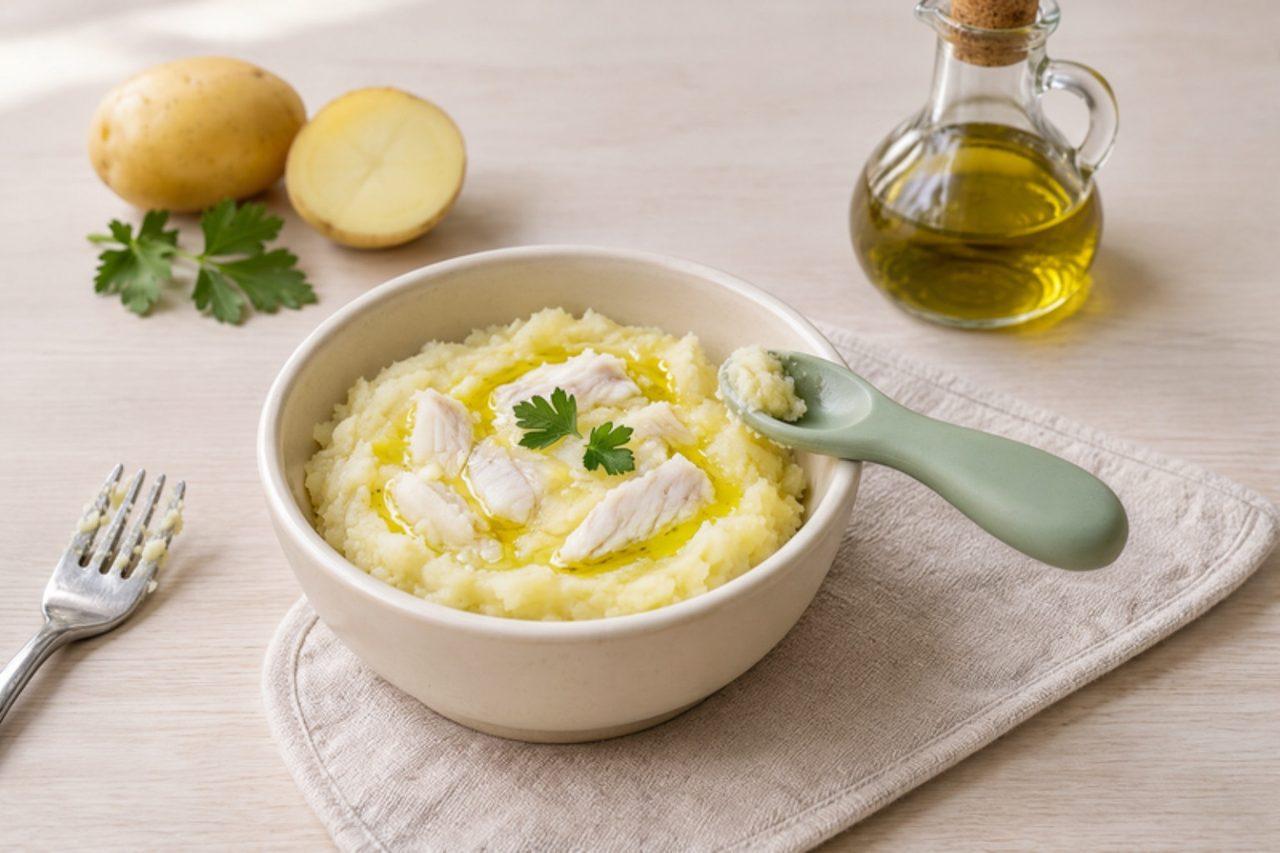
In Italy, fish is part of the svezzamento (weaning) plan from early on, and merluzzo con patate schiacciate, steamed white fish with crushed potato, is the lunch many Italian grandmothers make for babies from Milan to Palermo once they move on to soft lumps at around nine months. A spoon of good extra virgin olive oil replaces butter and salt, and the result is soft, mild and comforting. It contains fish and is free of milk, egg, gluten, nuts, soya and sesame. Chef's tip: steam the fish on top of the potatoes in the same basket for the last few minutes; one pan, and the fish never dries out.

by KrazyBadal 0 views

Mermelada de ruibarboRhubarb jam

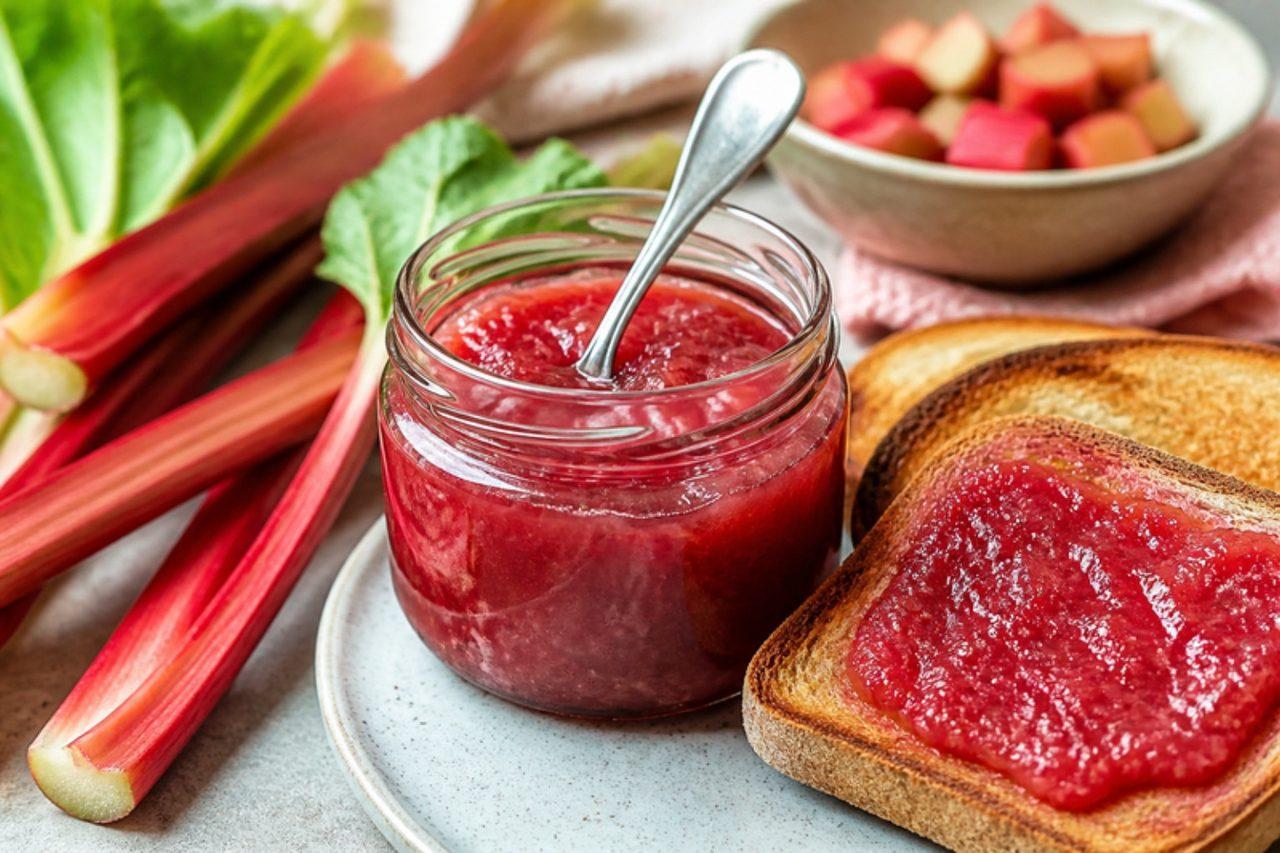
Rhubarb thrives in the cold, wet gardens of Aysén, around Coyhaique and Puerto Aysén, where it was planted by settler families and now grows almost wild beside the houses. Every summer the stalks go into big pots of jam, spread on warm sopaipillas or homemade bread at once (teatime) and given to visitors in jars. Use only the stalks: rhubarb leaves are poisonous and must be thrown away. The mistake most people make is boiling the jam too long, which turns it dull brown and stiff. Chef's tip: leave the chopped rhubarb in the sugar overnight; it releases its juice, so the jam cooks faster and keeps a pink colour and soft pieces.

by KrazyBadal 0 views

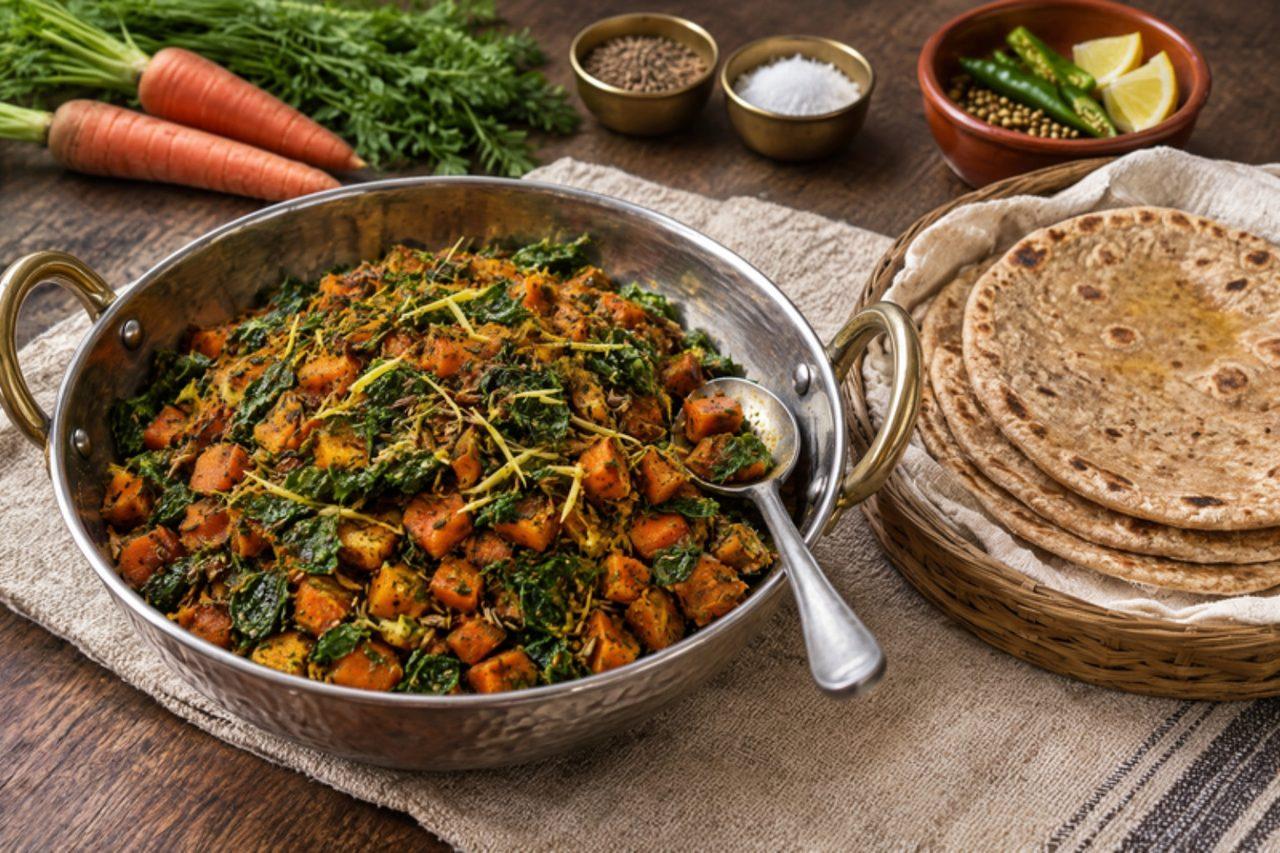
Methi gajarCarrots with fenugreek leaves

When the long red Delhi carrots and bunches of fresh methi fill the winter markets of Haryana and Punjab, this quick dry sabzi turns up beside every plate of rotis and dal. The slight bitterness of the fenugreek leaves and the sweetness of the carrots balance each other, helped along by a pinch of sugar and a squeeze of lemon. It takes about 25 minutes. The common mistake is adding the methi too early, which makes it bitter and dark. Chef's tip: rub the chopped methi with a little salt and squeeze it after 10 minutes; this tames the bitterness without losing the fragrance.

by KrazyBadal 0 views

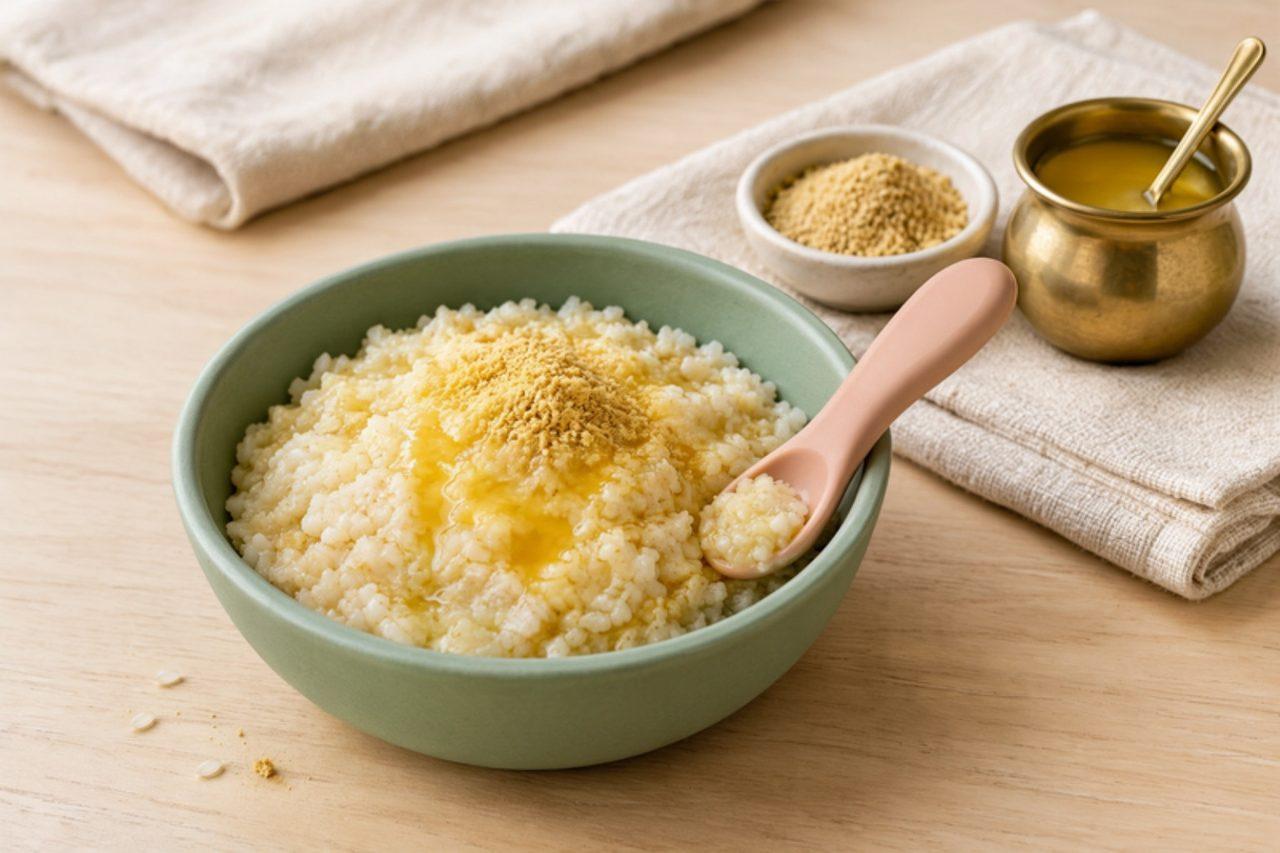
Metkut bhaatRice with lentil powder and ghee

Ask anyone who grew up in Pune or Mumbai's Dadar about their first proper meal and many will say metkut bhaat: soft hot rice, a spoon of melted ghee and a sprinkle of metkut, a roasted powder of chana dal, urad dal and rice with turmeric and cumin. It is the bowl grandmothers make on lazy evenings and for toddlers from 12 months, nutty, savoury and gentle without any chilli. Shop metkut usually contains salt and asafoetida (which often has wheat), so this recipe roasts a small salt-free batch at home. It contains milk (ghee); the home-made powder has no gluten, egg, nuts or soya. Chef's tip: roast the dals slowly until they smell like popcorn; pale dal gives a raw, floury powder.

by KrazyBadal 0 views

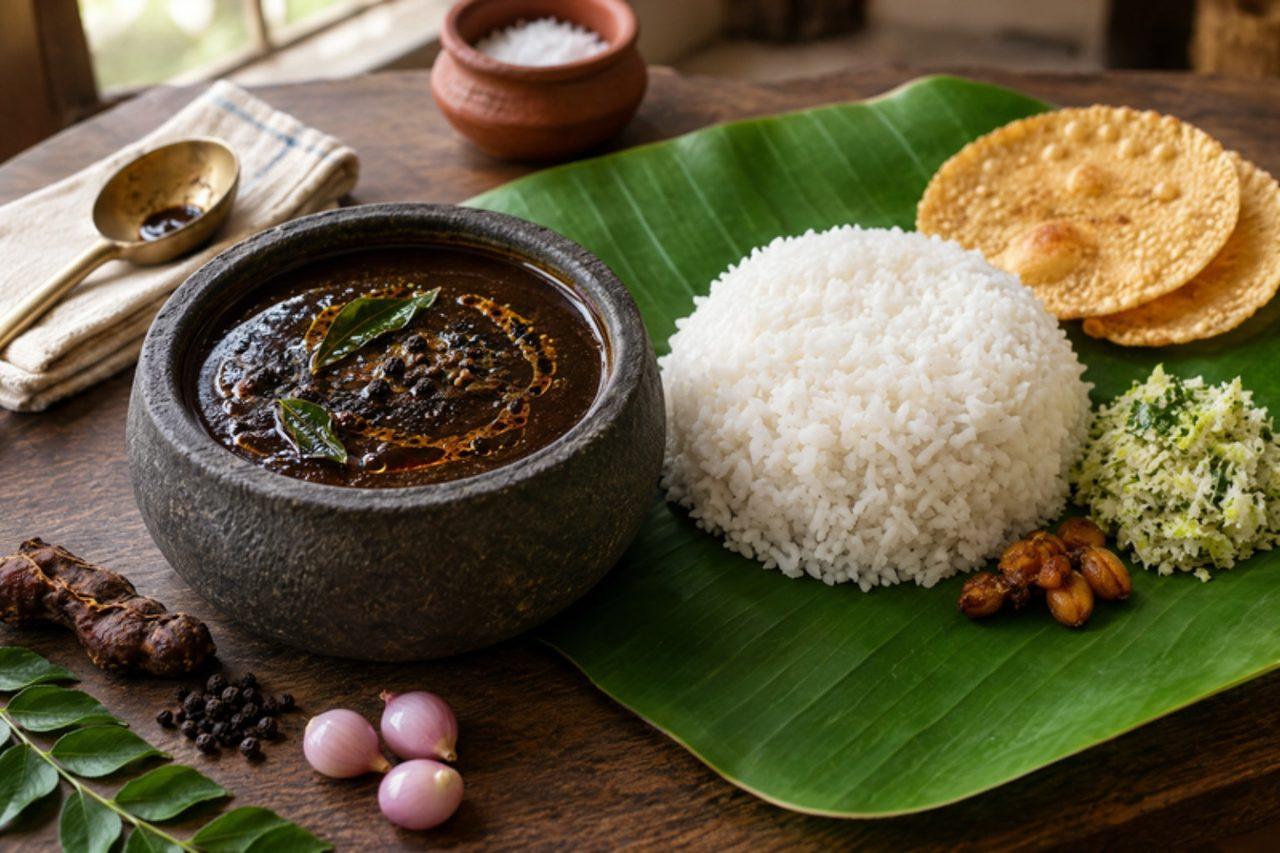
Milagu kuzhambuBlack pepper tamarind gravy

Milagu kuzhambu is the Tamil Brahmin travel curry: a dark, peppery tamarind gravy cooked down in sesame oil until thick, packed in a steel tin for train journeys and pilgrimages because it keeps for days without spoiling. At home it is mixed into hot rice with a spoon of ghee, on rainy days or when someone has a cold, and eaten with a plain poriyal or appalam. A little goes a long way: it is sharp, hot and slightly sweet. The usual mistake is pulling it off the heat too soon; it must reduce until the oil floats on top, or it tastes raw and won't keep. Store it covered in the fridge for up to 5 days and always use a dry spoon. Chef's tip: roast the pepper and lentils on a low heat until you smell them, not until they darken, because burnt pepper turns the whole pot bitter.

by KrazyBadal 0 views

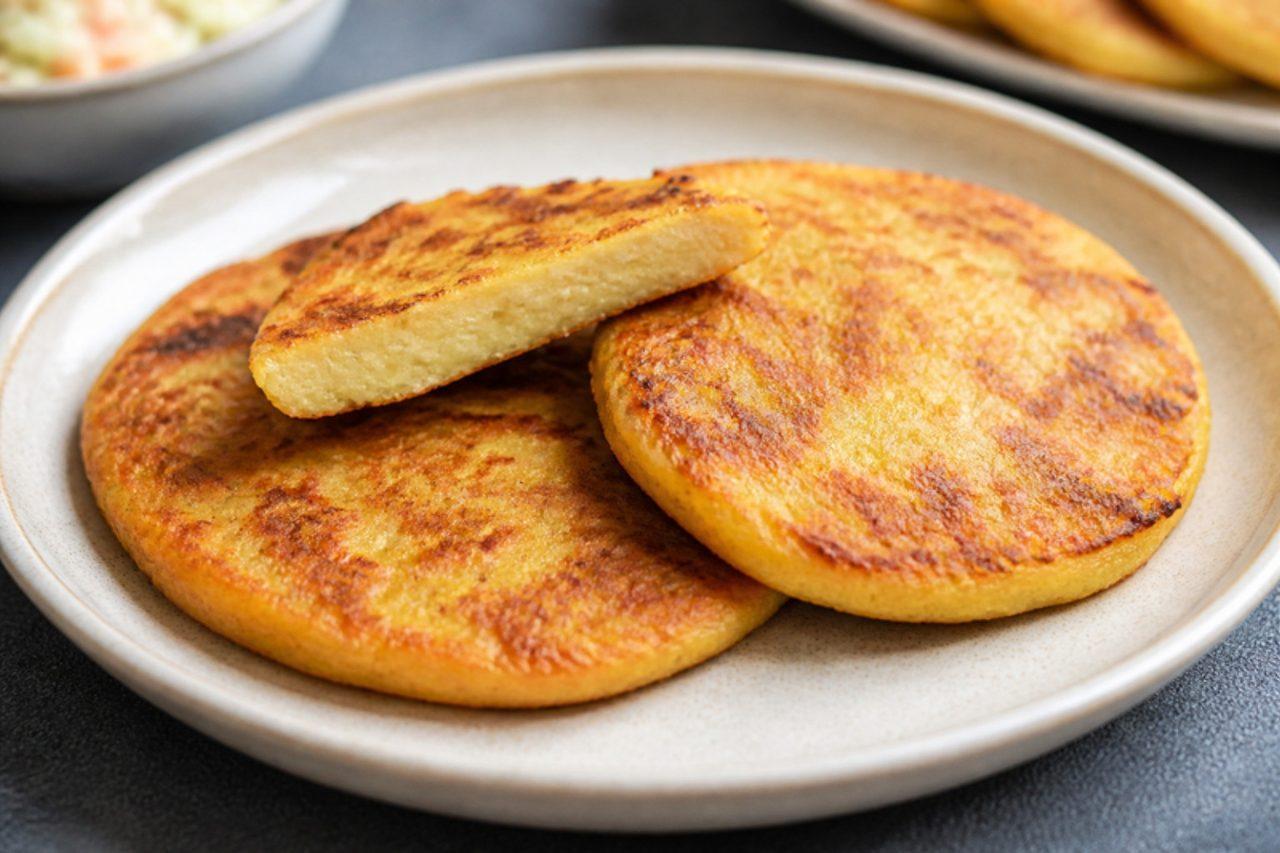
MilcaoPotato bread

On Chiloé, where potatoes have been grown for thousands of years, milcao is the bread that comes with almost everything: it is buried in the curanto pit, boiled in broth, or pan-fried until crusty and eaten with honey or sugar in the afternoon. The dough is half grated raw potato and half mashed boiled potato. Islanders often press pork crackling into it; this version is plain and vegan. Forgetting to squeeze the raw potato is the mistake that makes milcaos fall apart in the pan. Chef's tip: let the squeezed potato juice stand for 5 minutes, pour off the water and scrape the white starch from the bottom of the bowl back into the dough; it is the glue that holds milcao together.

by KrazyBadal 0 views

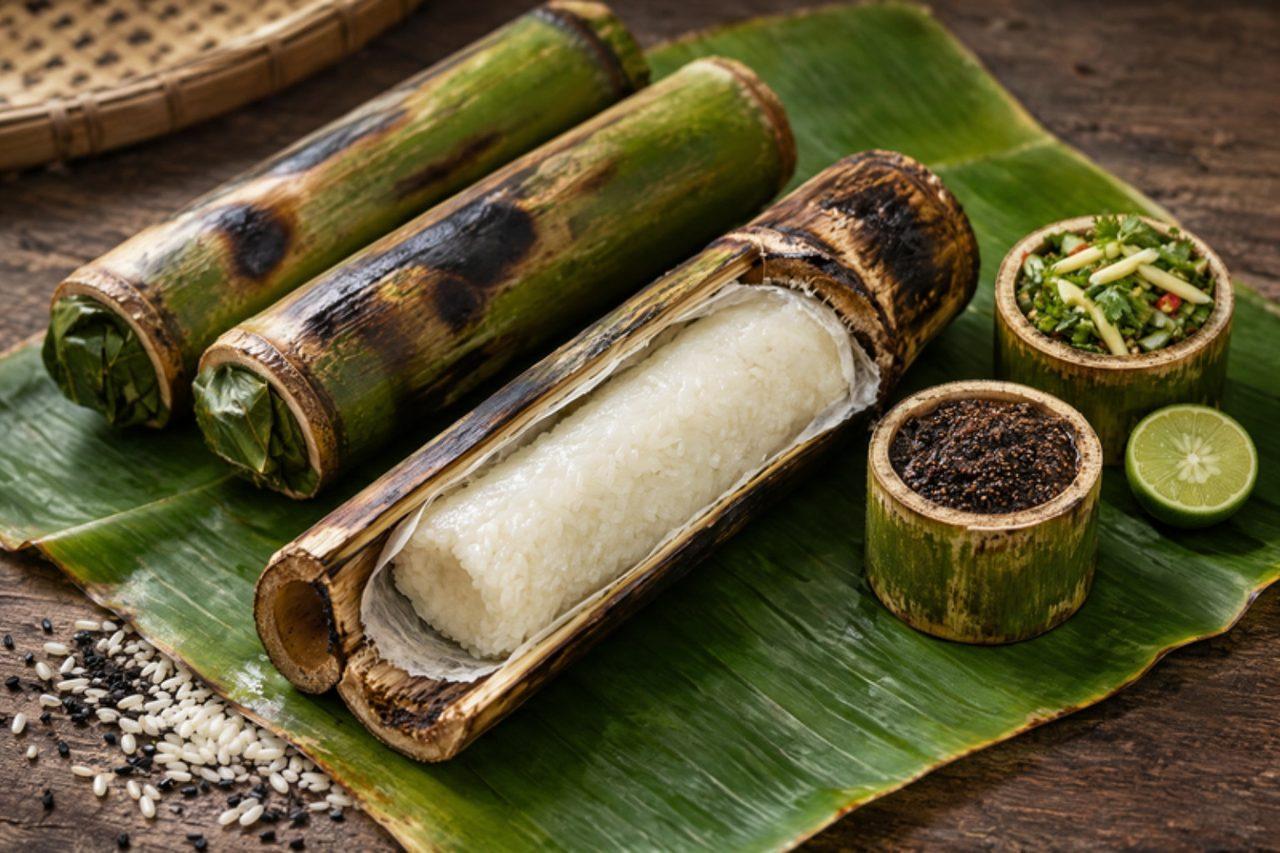
Minil songaBamboo-roasted sticky rice

The Garo of western Meghalaya make minil songa for festivals, hunting trips and family picnics, packing soaked sticky rice into lengths of green bamboo and roasting them in the embers until the rice comes out fragrant, firm and faintly smoky. At home, a hot oven or a grill gives a very good result. The mistake to avoid is sealing the bamboo too tightly: steam must escape. Chef's tip: if you have no bamboo, roll the rice in a double layer of banana leaf and foil.

by KrazyBadal 0 views

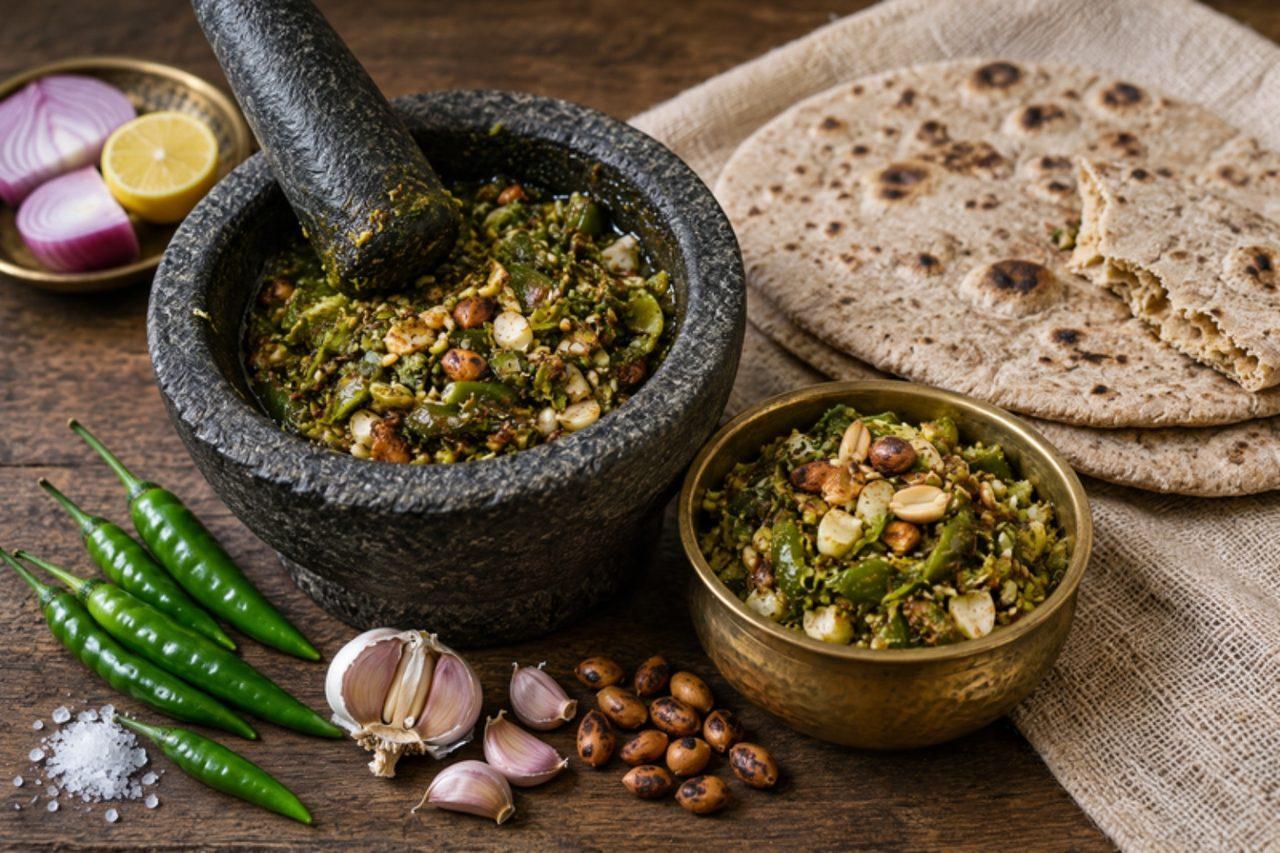
Mirchi thechaPounded chilli, garlic and peanut relish

Thecha is the fiery pounded chilli relish of rural Maharashtra, from the Desh villages around Satara and Kolhapur, eaten with jowar bhakri and a raw onion at a farmhand's lunch and now a fixture of Pune's Marathi restaurants. Green chillies and garlic are blistered in a pan, then crushed with peanuts in a stone mortar. The common mistake is blending it smooth in a mixer; thecha should be coarse and rustic, so pound it or pulse briefly. Chef's tip: wear gloves or oil your fingers when handling this many chillies, and wash the pan straight away.

by KrazyBadal 0 views

Mishri mawaSweet milk flakes

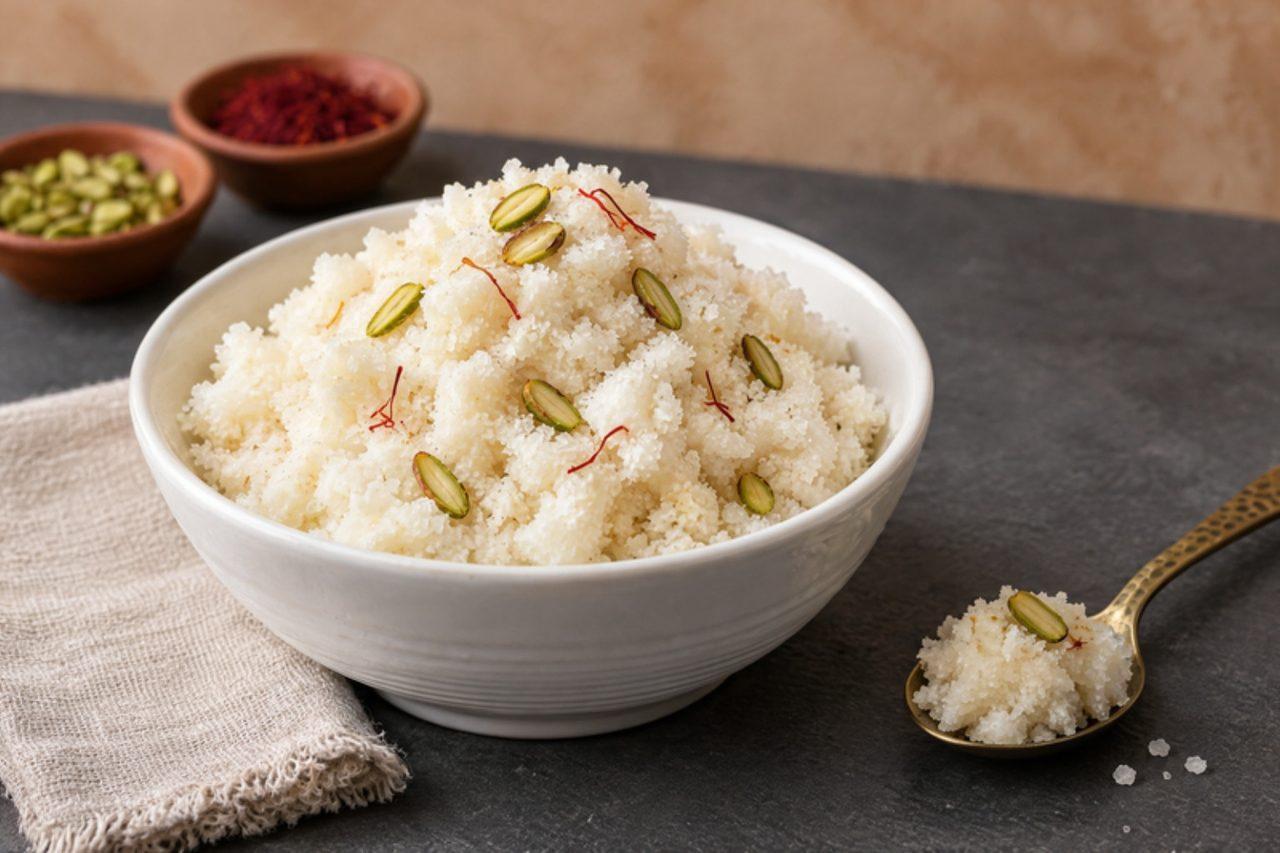
Mishri mawa is the pride of Jaipur's old sweet shops near Johari Bazaar: full-fat milk boiled down slowly with sugar and a little alum until it splits into tiny, sparkling grains, then set loosely so it breaks into soft flakes that melt on the tongue. It is bought for Diwali, weddings and when guests arrive from far away. Unlike kalakand, it is very white and only lightly set, with saffron and cardamom. The common mistake is letting the milk catch at the bottom; even a little scorching turns it beige and smoky. Chef's tip: use a wide, heavy pan and scrape the base and sides with a flat spatula every minute once the milk has halved.

by KrazyBadal 0 views

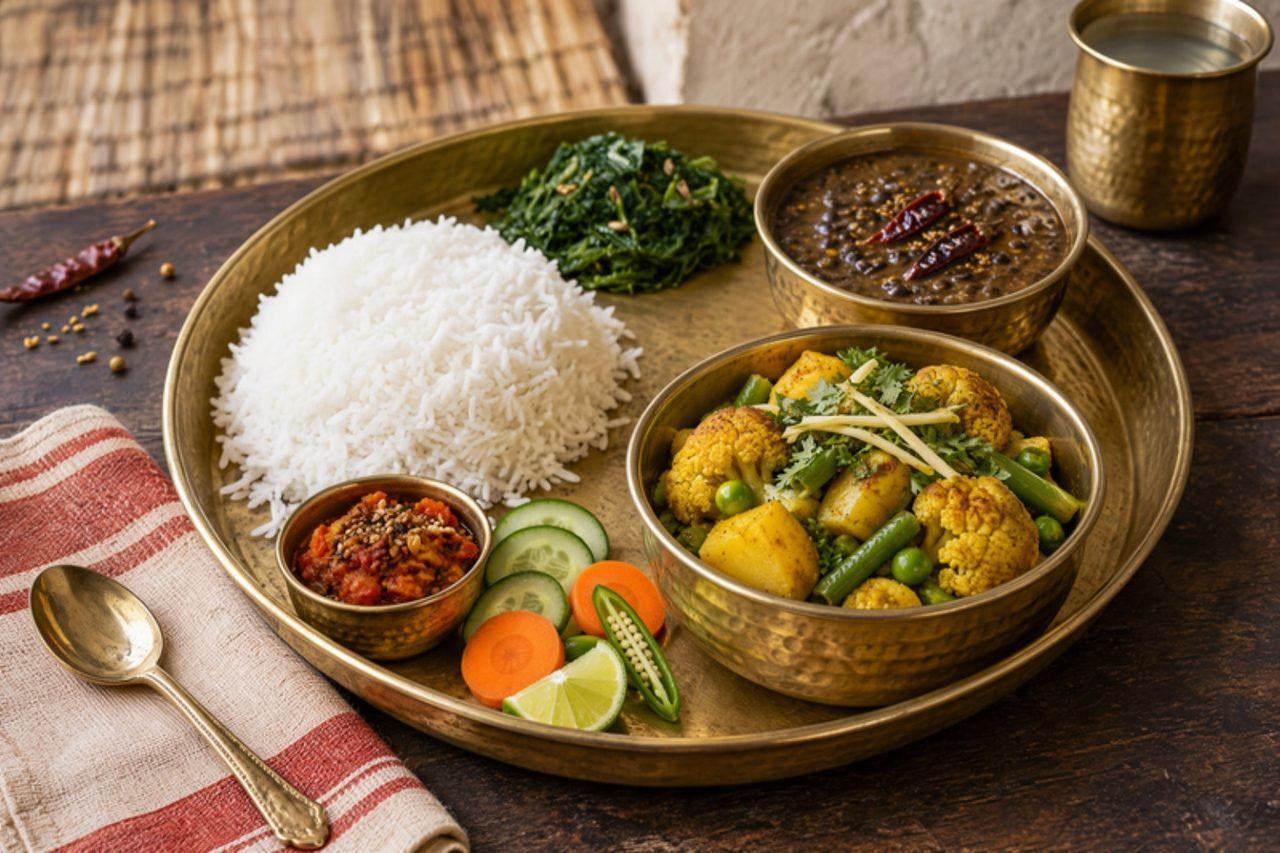
Mismas tarkariMixed vegetable curry

Mismas means 'mixed up', and this is the vegetable dish that fills the second bowl of almost every Nepali dal-bhat, from Terai farmhouses to Kathmandu flats. Potato, cauliflower, green beans and peas are cooked together in one pan with turmeric, cumin and a dark fenugreek-seed tempering, then softened with tomato until everything is tender but still holds its shape. The usual mistake is putting all the vegetables in at once: cauliflower and peas turn to mush before the potatoes are done, so start the potatoes first. Chef's tip: a pinch of jimbu or a few crushed timur grains in the tempering gives the authentic Himalayan aroma.

by KrazyBadal 0 views

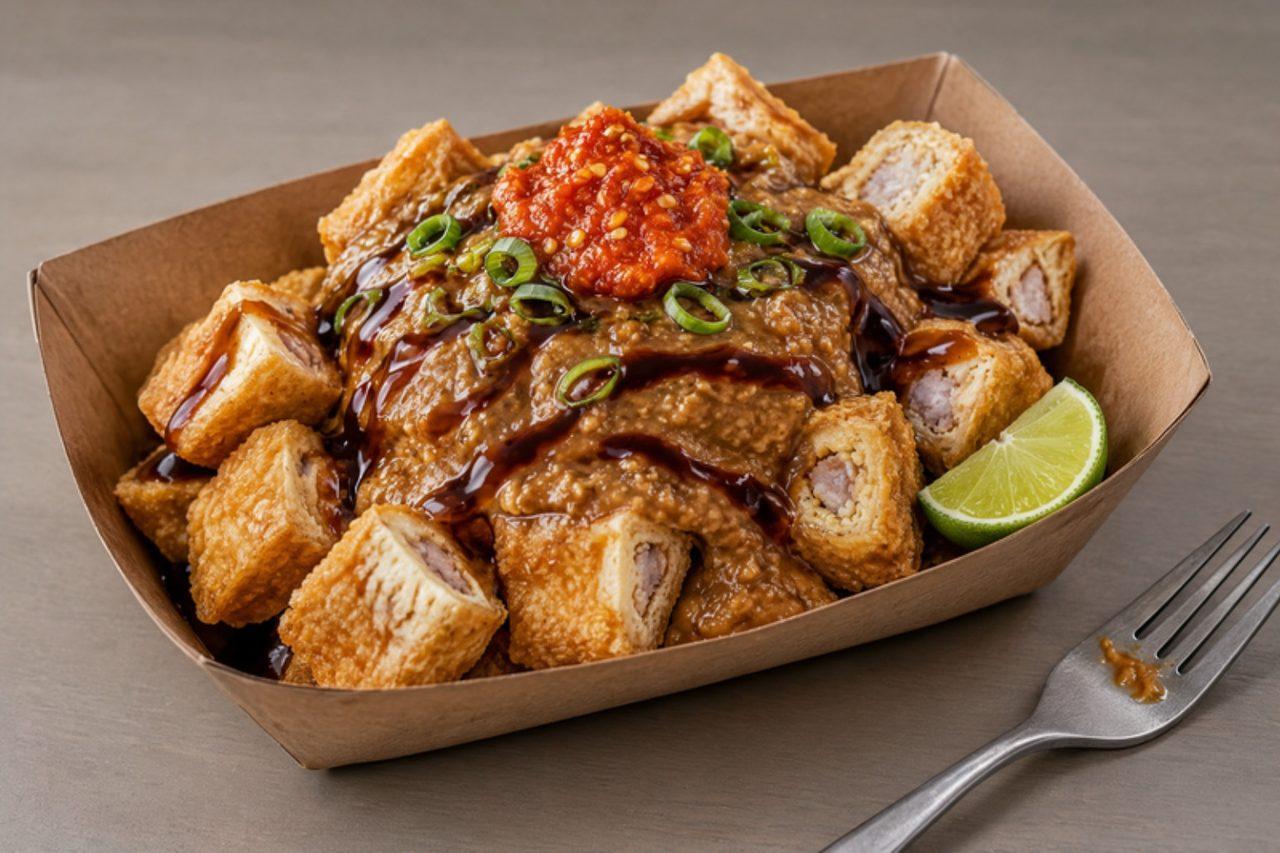
BatagorFried fish dumplings with peanut sauce

Batagor, short for bakso tahu goreng (fried fish-ball tofu), is the crunchy cousin of siomay and a favourite after-school snack sold from glass-sided carts outside Jakarta's schools and along Jalan Pecenongan's evening food strip. Tofu squares and wonton skins are stuffed with a mackerel and tapioca paste and deep-fried until golden and crackly, then snipped up and covered in a spicy peanut sauce, kecap manis and lime. The contrast of crisp skin and soft, bouncy fish is the whole point. Contains fish, peanuts, soy, egg and wheat. Chef's tip: fry the tofu side with the fish paste facing down first; it seals the filling so it doesn't puff away from the tofu.

by KrazyBadal 0 views

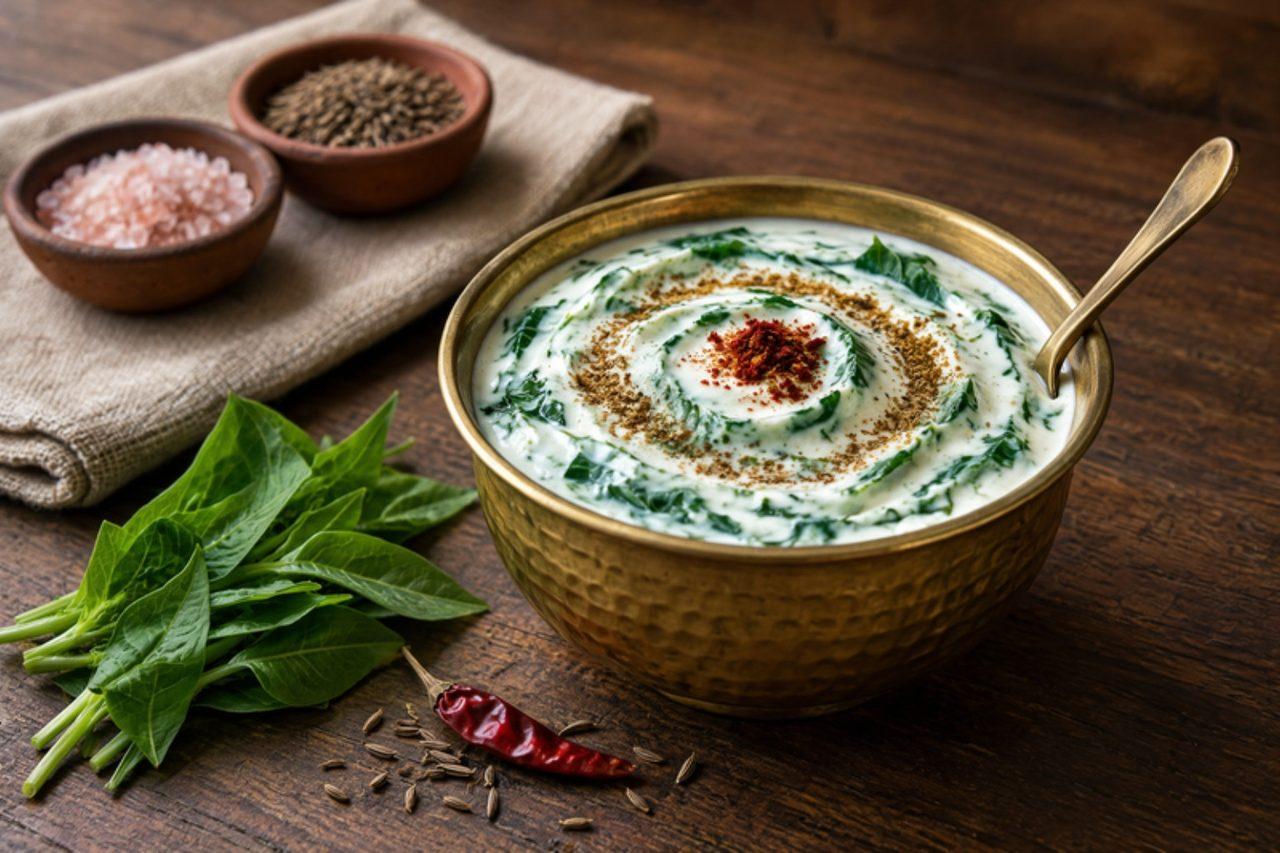
Bathua raitaChenopodium leaf yogurt

Bathua (chenopodium or lamb's quarters) grows wild in the wheat fields of western Uttar Pradesh and Haryana in winter, and from December to February families blanch it and stir it into yogurt as a cooling raita beside paratha, dal or bajra roti. The leaves are boiled briefly, chopped and folded into whisked yogurt with roasted cumin, black salt and a little green chilli, so it tastes earthy, tangy and fresh. It is suitable as part of a balanced diet. About 90 kcal and 7 g carbohydrate per portion. The usual mistake is adding the greens while they are still hot or wet, which makes the yogurt thin and grainy; squeeze them dry and cool them first. Chef's tip: grind half the blanched leaves to a paste so the raita turns an even pale green.

by KrazyBadal 0 views

Batido de mameyMamey milkshake

In Havana and all over the island, the cafeteria counter has a blender that never stops, turning out batidos of mango, guanábana, papaya and the favourite of all, mamey. The fruit has a rough brown skin and a soft, salmon-red flesh that tastes like sweet potato, pumpkin pie, almond and apricot at once, and blended with cold milk it makes a shake so thick it is almost a dessert. It is drunk mid-afternoon on hot days, at breakfast with toast, or at a kid's birthday party; Miami's Cuban cafés keep the tradition alive with frozen pulp. The common mistake is using a hard mamey, which tastes starchy and slightly bitter; the fruit must give like a ripe avocado when pressed and show deep red flesh when you scratch the skin with a fingernail. The batido is ready when it is smooth, pumpkin-orange and pours slowly in a thick ribbon. Frozen mamey pulp from Latin American shops is a good substitute; reduce the ice because the pulp is already cold. Chef's tip: a pinch of salt and a drop of vanilla bring out mamey's almond notes.

by KrazyBadal 0 views

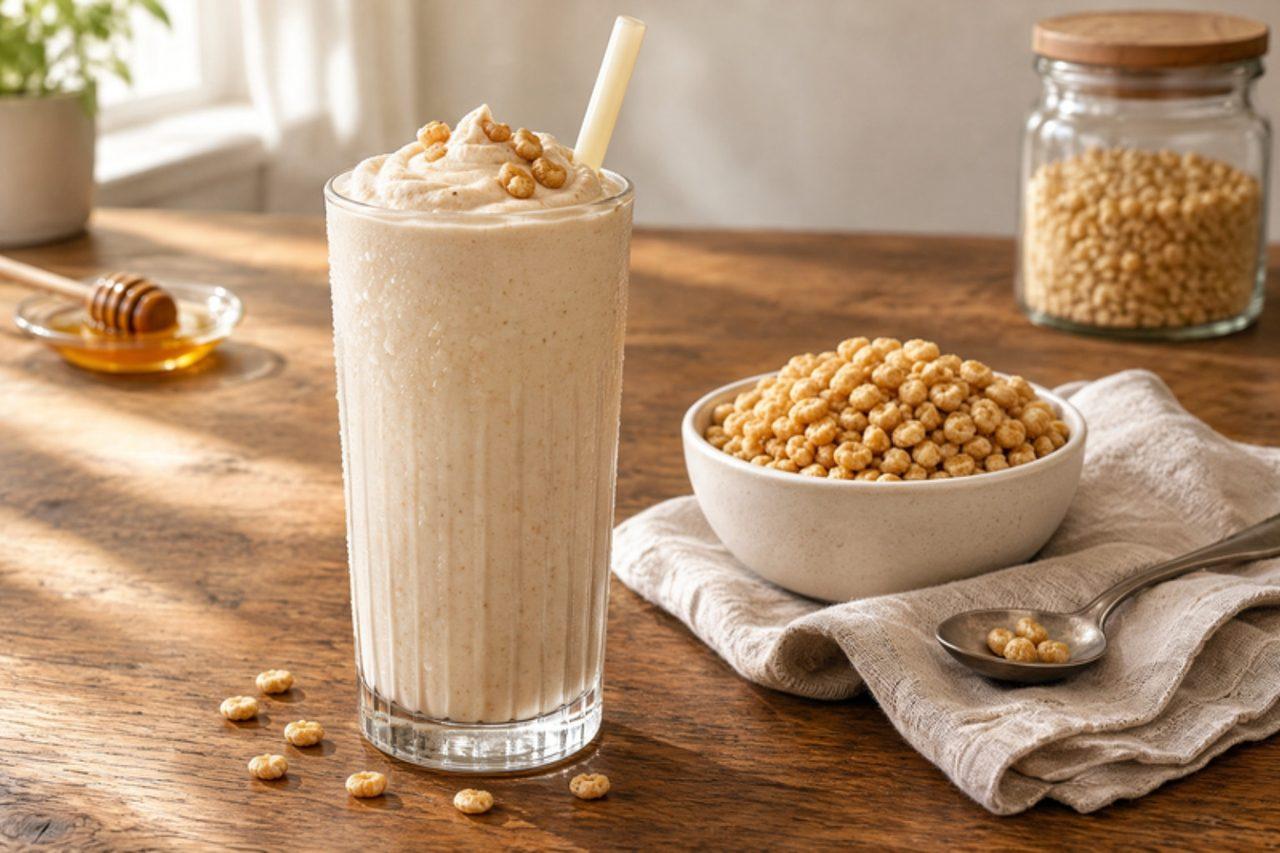
Batido de trigoPuffed wheat shake

Havana cafeterías and Miami ventanitas blend this for breakfast on the run: puffed wheat, cold milk, sugar and ice whizzed into a thick, frothy shake that tastes like a malted milk with toasted cereal. It is one of the most loved Cuban batidos, and quick to make at home. The common mistake is using sweetened, honey-coated cereal, which makes it cloying; plain puffed wheat lets the toasty grain flavour come through. Chef's tip: blend the puffed wheat with half the milk first until completely smooth, then add the ice, so you don't get soggy flecks of cereal.

by KrazyBadal 0 views

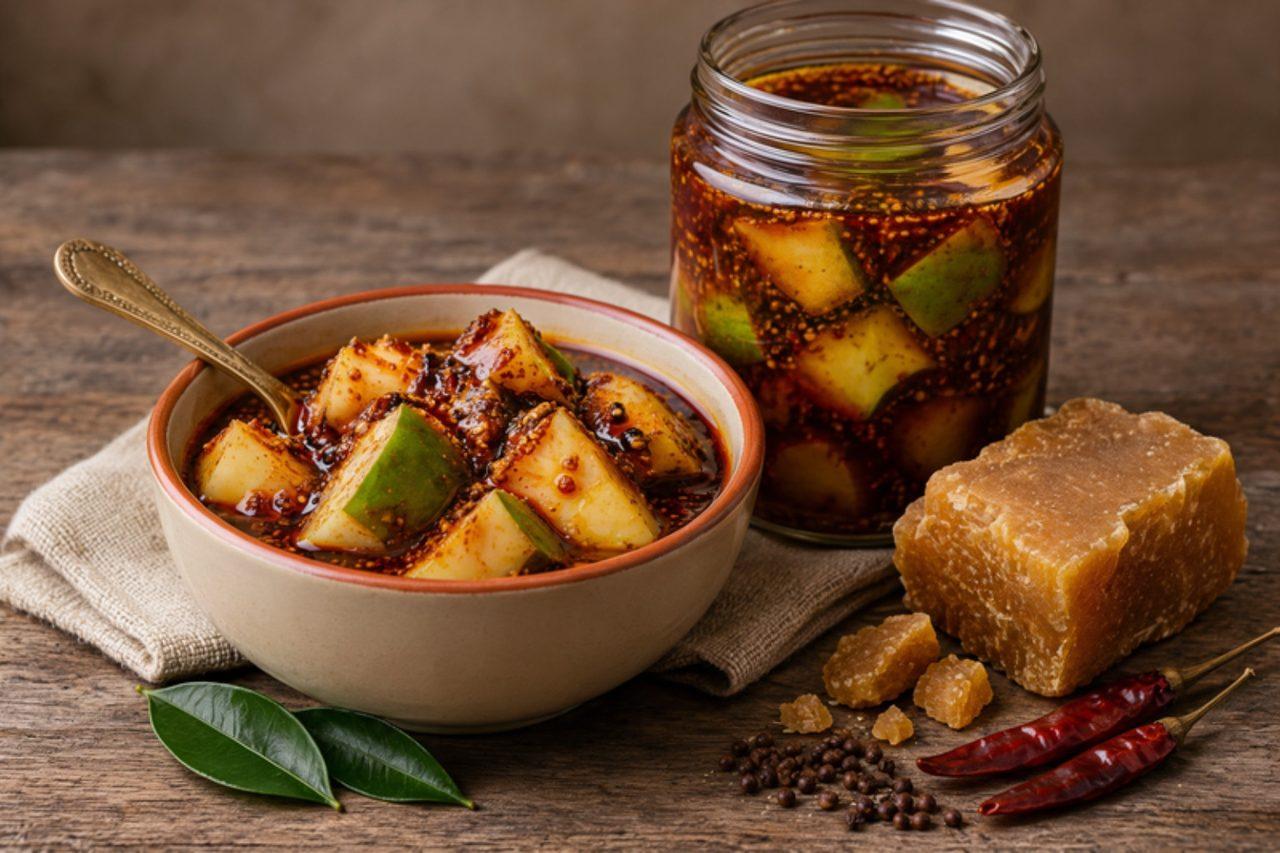
Bellam avakayaSweet raw mango pickle

In the Godavari districts of coastal Andhra, the same May afternoon that produces a jar of fiery avakaya usually produces a second jar of bellam avakaya for the children and anyone who likes it sweet. The mangoes are hacked into chunks with their skin and the hard shell of the stone still attached, then tossed with chilli, mustard powder, salt and plenty of grated jaggery. Over three or four days the jaggery melts into a dark, glossy syrup that clings to every piece. It tastes sweet first, then the mustard catches the nose and the chilli warms the back of the throat; the mango stays firm and sour. Eat it with pesarattu, dosa, chapati or curd rice. The salt is about 8% of the mango weight and the fruit is acidic, so it keeps all year under oil in a dry jar. Common mistake: cutting the mangoes wet or leaving sap and water on them; any moisture invites mould, so dry each piece with a cloth. It is ready when no jaggery grains remain and a film of oil rises to the top. Chef's tip: wipe off the milky sap at the stalk end before cutting; it stings the skin and tastes bitter.

by KrazyBadal 0 views

Bellam paramannamRice and moong dal jaggery pudding

Bellam paramannam is the naivedyam of Telangana and Andhra homes, cooked for Sankranti, Ugadi, Varalakshmi Vratam and almost any puja, a soft rice-and-moong pudding sweetened with jaggery and glossed with ghee. Its colour is a warm caramel and its taste deeper than a sugar kheer. The classic mistake is adding jaggery to milk that is still on a high boil, which can split it; take the pot off the heat, let it stop bubbling, then stir the jaggery in. Chef's tip: roast the moong dal in a spoon of ghee until it smells toasty before cooking; it gives the paramannam its homely flavour.

by KrazyBadal 0 views

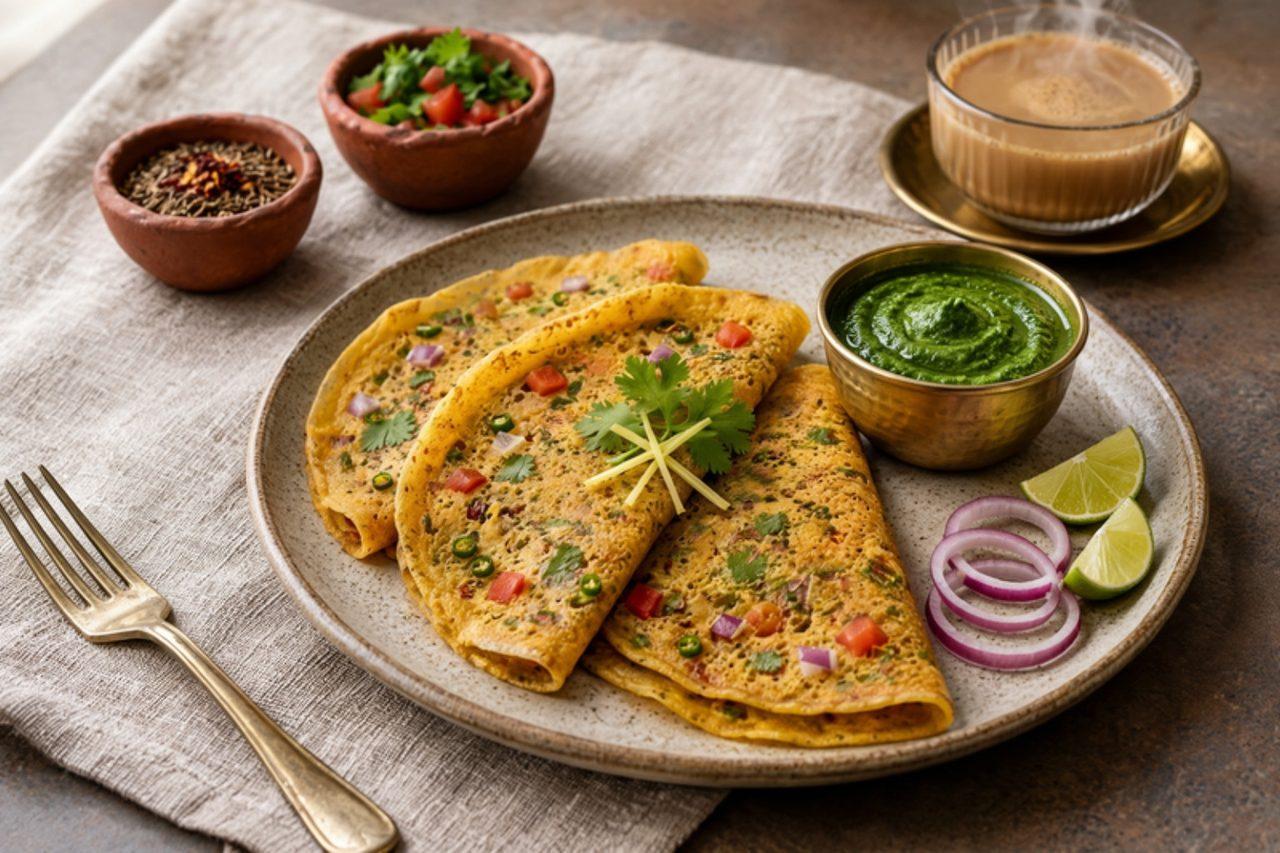
Besan chillaGram flour pancakes

Across North India, besan chilla is the answer when the tiffin needs packing in fifteen minutes: a pourable gram flour batter studded with onion, tomato, chilli and coriander, cooked thin on a tawa, then rolled up with chutney or ketchup. It is naturally egg-free and filling. The common mistake is a thick batter, which gives a heavy, raw-tasting pancake; it should flow like single cream. Chef's tip: spread the batter with the back of a ladle in quick circles from the centre outward, and cover the pan for the first minute so the top steams set.

by KrazyBadal 0 views

BettarazukeSweet koji-cured daikon

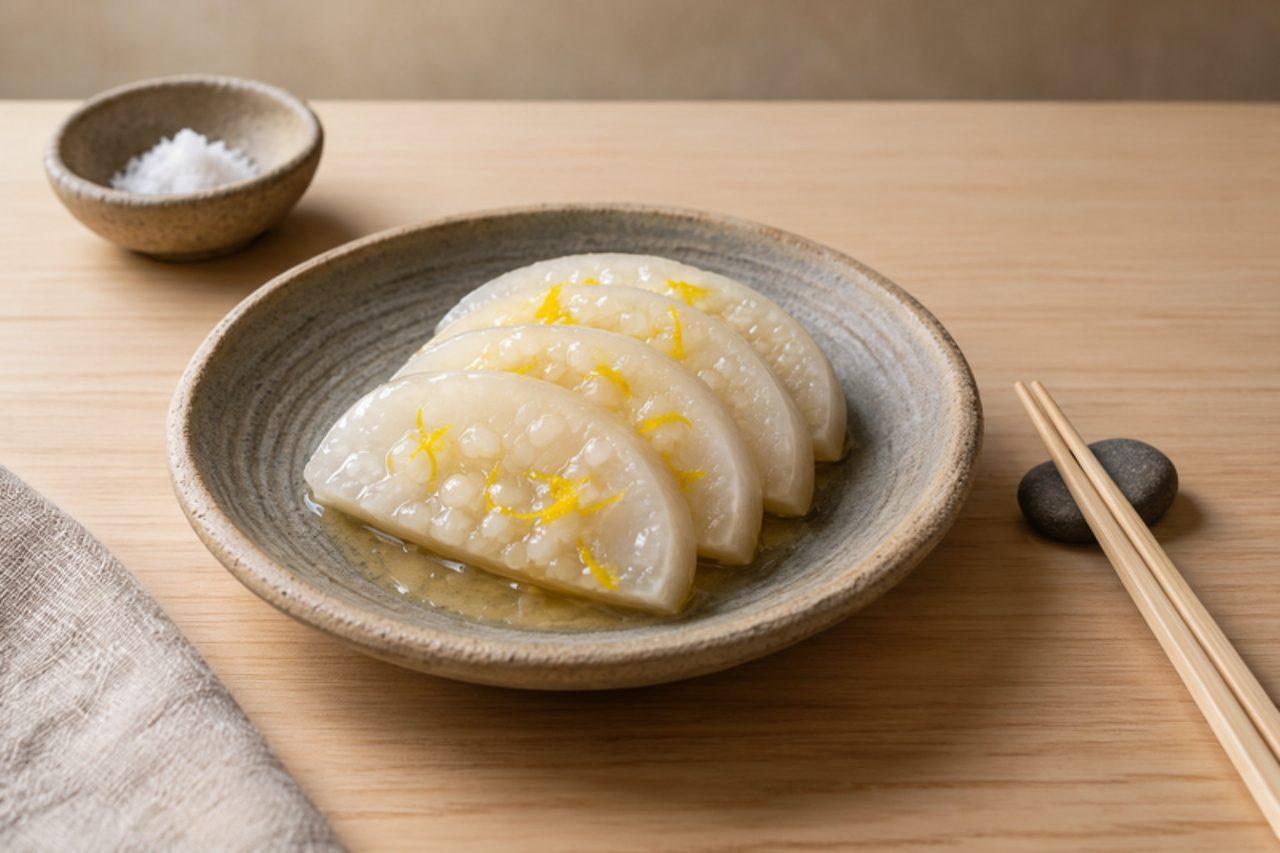
Every 19 and 20 October, the lanes around Takarada Ebisu Shrine in Nihonbashi fill with stalls for the Bettara-ichi, Tokyo's old pickle fair, where vendors hold up whole daikon dripping with rice koji and passers-by try not to get 'bettari', sticky. The pickle has been an Edo favourite since the 1700s: daikon salted, then buried in amazake, the sweet porridge that koji makes from rice. It tastes mild, sweet and fresh, with a clean crunch and a faint fermented, sake-lees perfume, which makes it a favourite with children and a pause between salty dishes. Bettarazuke is low in salt and acid, so it lives in the fridge from start to finish. The common mistake is adding the daikon while the amazake is still warm: it cooks the surface and softens the crunch, so cool it fully. It is ready when the daikon is translucent at the edges, juicy, and the koji coating tastes sweet with a light tang. Chef's tip: make the amazake in a rice cooker on keep-warm with the lid ajar and a cloth over it, so it holds about 60 °C; a thermometer helps the first time.

by KrazyBadal 0 views

Bhopali mutton pasandeMarinated mutton escalopes

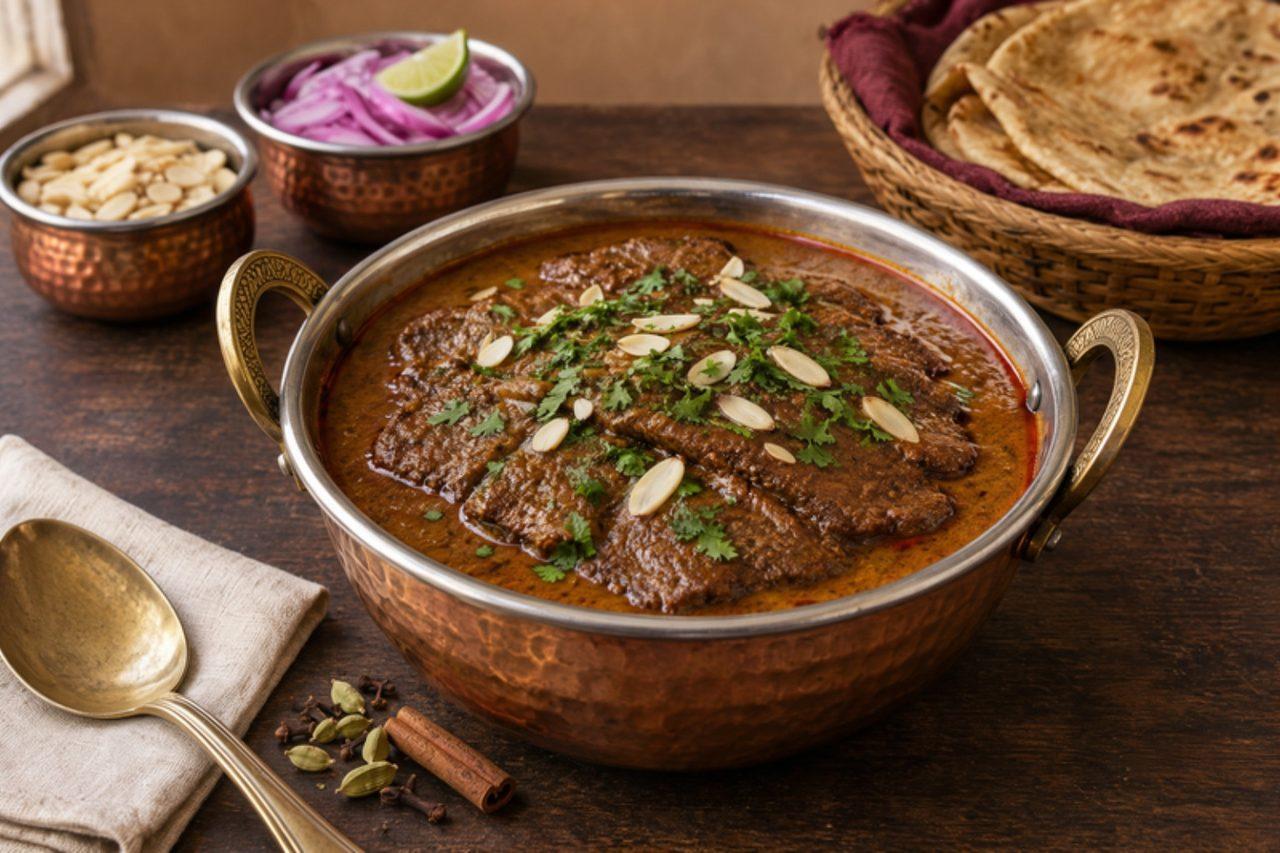
Pasande come from the Nawabi kitchens of Bhopal, where boneless leg of mutton is cut into thin slices and beaten flat, then marinated in yogurt, raw papaya, ground fried onion and spices and cooked low until meltingly tender. They are made for Eid, weddings and dawats and eaten with sheermal or rotis. This dish contains mutton: marinate it in the fridge and cook it until the meat reaches 71 °C and is fork-tender. The common mistake is cooking on high heat, which seizes the thin slices and toughens them. Chef's tip: beat the slices between cling film with a rolling pin to an even 5 mm; even thickness means every piece is tender at the same time.

100 minIndianMeatGluten free
by KrazyBadal 0 views

Bhure chawalRice with ghee and sugar

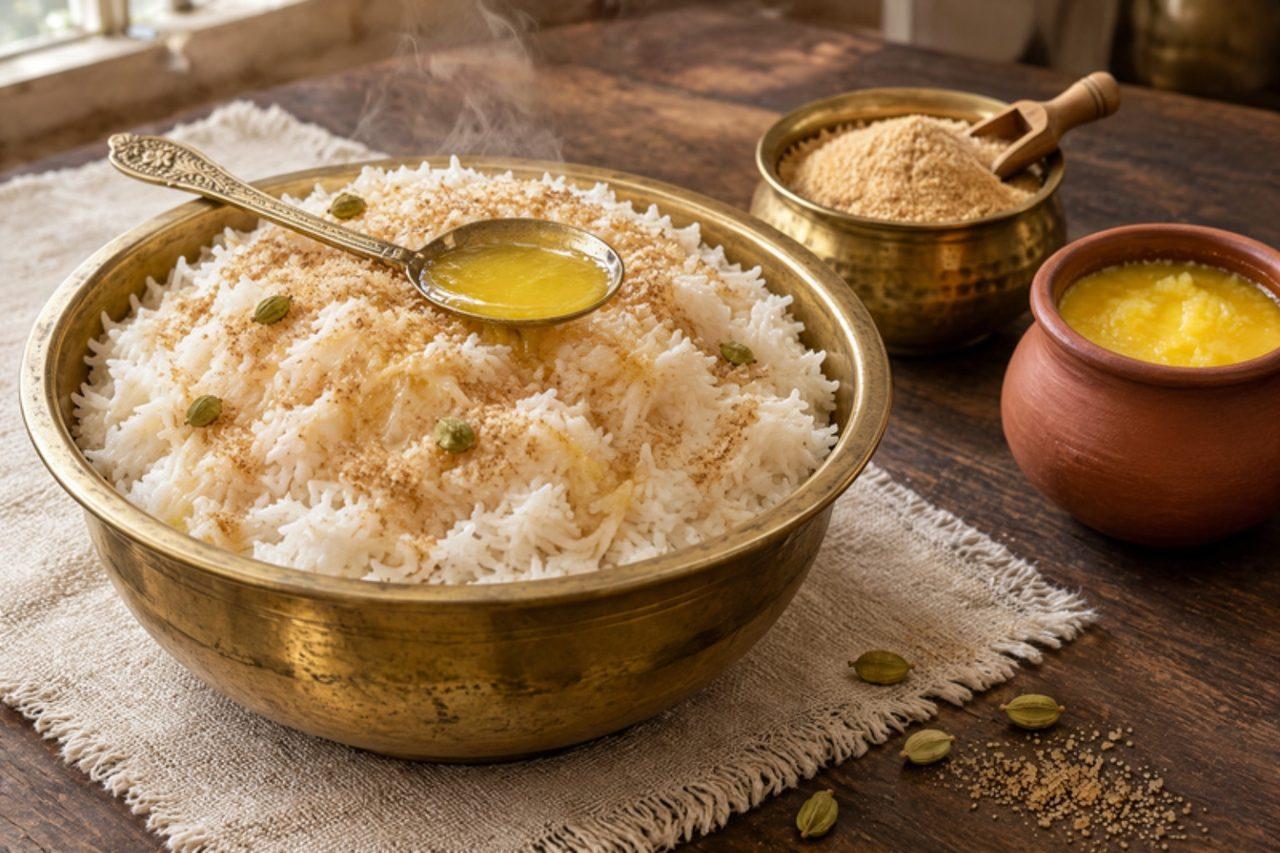
Bhure chawal is about as simple as Haryanvi village cooking gets: steaming rice tossed with plenty of desi ghee and bura, the fine, fluffy sugar sold in Haryana, and sometimes a few chopped nuts. It is the treat grandmothers make after the evening milking, at a new daughter-in-law's first meal, or on cold nights when something sweet is needed fast. Use fragrant, well-cooked rice and good ghee, as there is nothing to hide behind. The common mistake is adding the sugar to lukewarm rice, so it stays gritty instead of melting into the ghee. Chef's tip: no bura? Blitz ordinary sugar to a powder and add a pinch of cardamom.

by KrazyBadal 0 views

Bilahi chutneySweet-sour tomato chutney

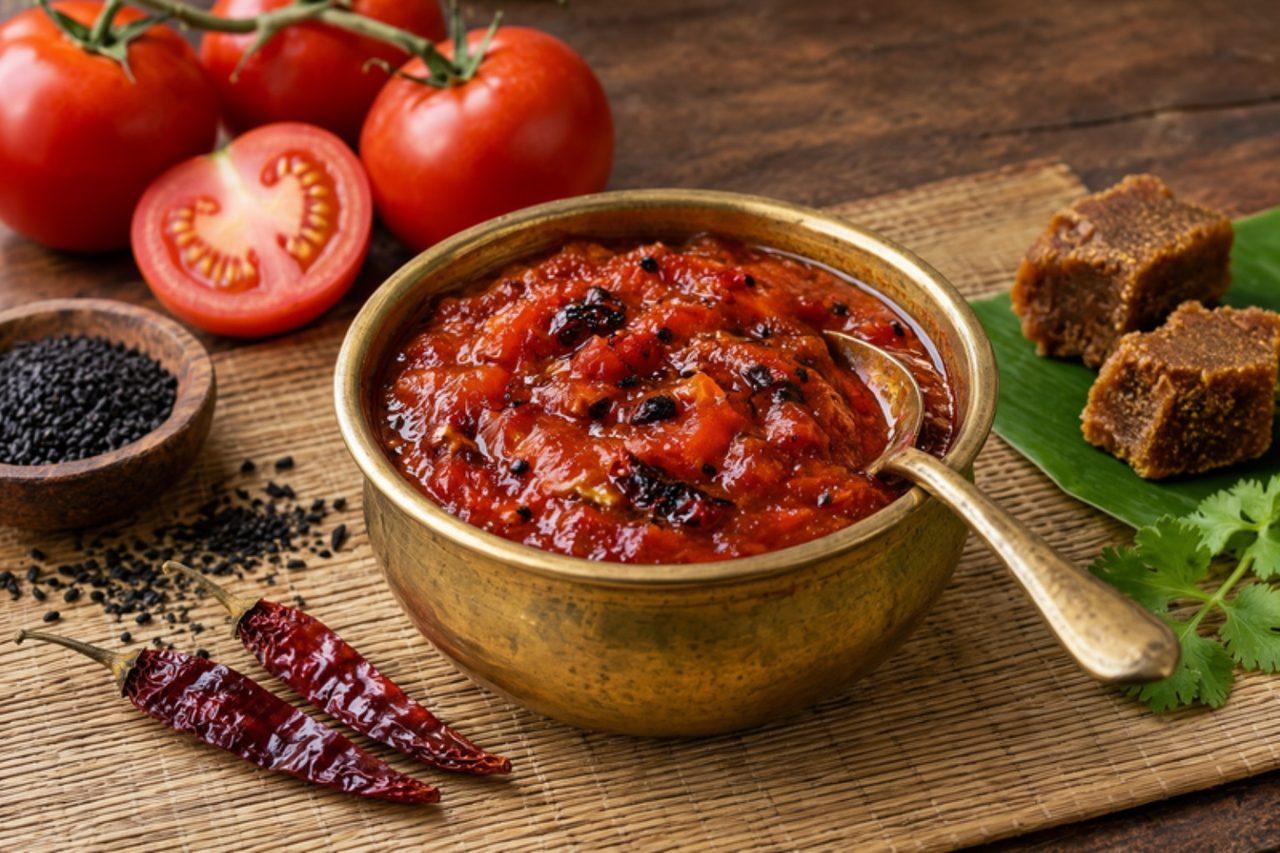
Bilahi is the Assamese word for tomato, and this glossy red chutney, sweet with jaggery and warmed with nigella and dried chilli, closes a festive Assamese meal, especially at weddings and on Bihu, as the sweet-sour last course before curd and sweets. Everyday cooks in Jorhat and Guwahati make a quick batch in winter when tomatoes are cheap. The mistake to avoid is adding the jaggery too early, which scorches before the tomatoes have broken down. Chef's tip: a few dates or raisins added with the jaggery give the chutney a deeper, jammy sweetness.

by KrazyBadal 0 views

BinatogBoiled hominy with coconut

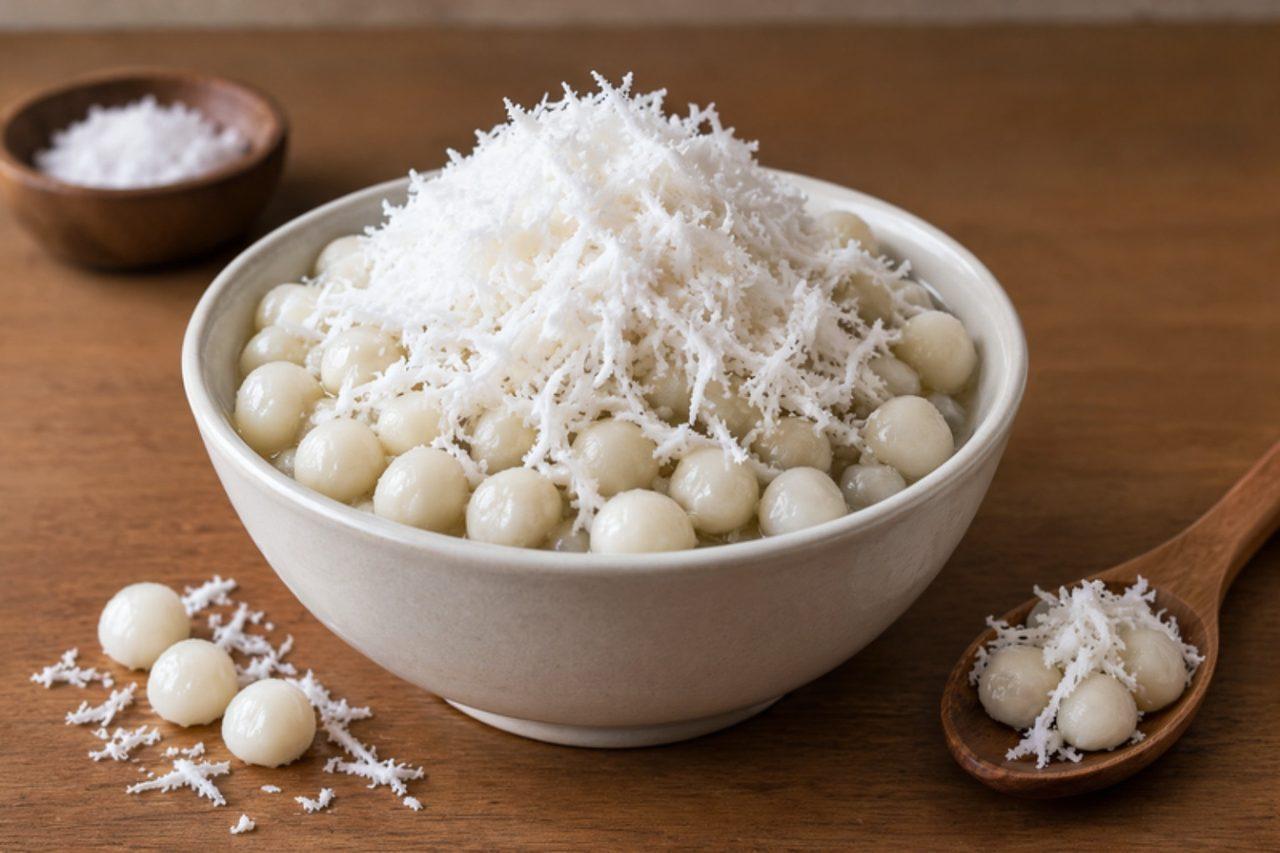
Binatog is an afternoon snack sold from bicycle carts that ring their way through the side streets of Manila, especially around Tondo and Sampaloc, the vendor scooping steaming white corn from a big tin can into small cups. The kernels are plump, chewy and nutty, piled with snowy grated coconut and finished with salt or sugar to taste, so everyone gets it the way they like. It is simple, filling and naturally vegan. Dried white hominy (pozole corn) has already been treated with lime, which gives the chewy, popped kernels; if you can only find canned hominy, rinse it and warm it for 10 minutes instead. Chef's tip: keep the kernels at a gentle simmer; a hard boil splits them before they become tender.

by KrazyBadal 0 views

Passionfruit sponge

The passionfruit sponge is the star of the Australian country show cake table and every Sunday afternoon tea, made from the vines that cover back fences from Sydney to the Sunshine Coast. Two airy, fatless sponges are filled with whipped cream and topped with a tangy passionfruit icing. A common mistake is knocking the air out when folding in the flour; use a light hand and a big metal spoon. Chef's tip: beat the eggs and sugar for a full 8–10 minutes until thick enough to hold a trail.

by KrazyBadal 0 views

BlatjangDried apricot chutney

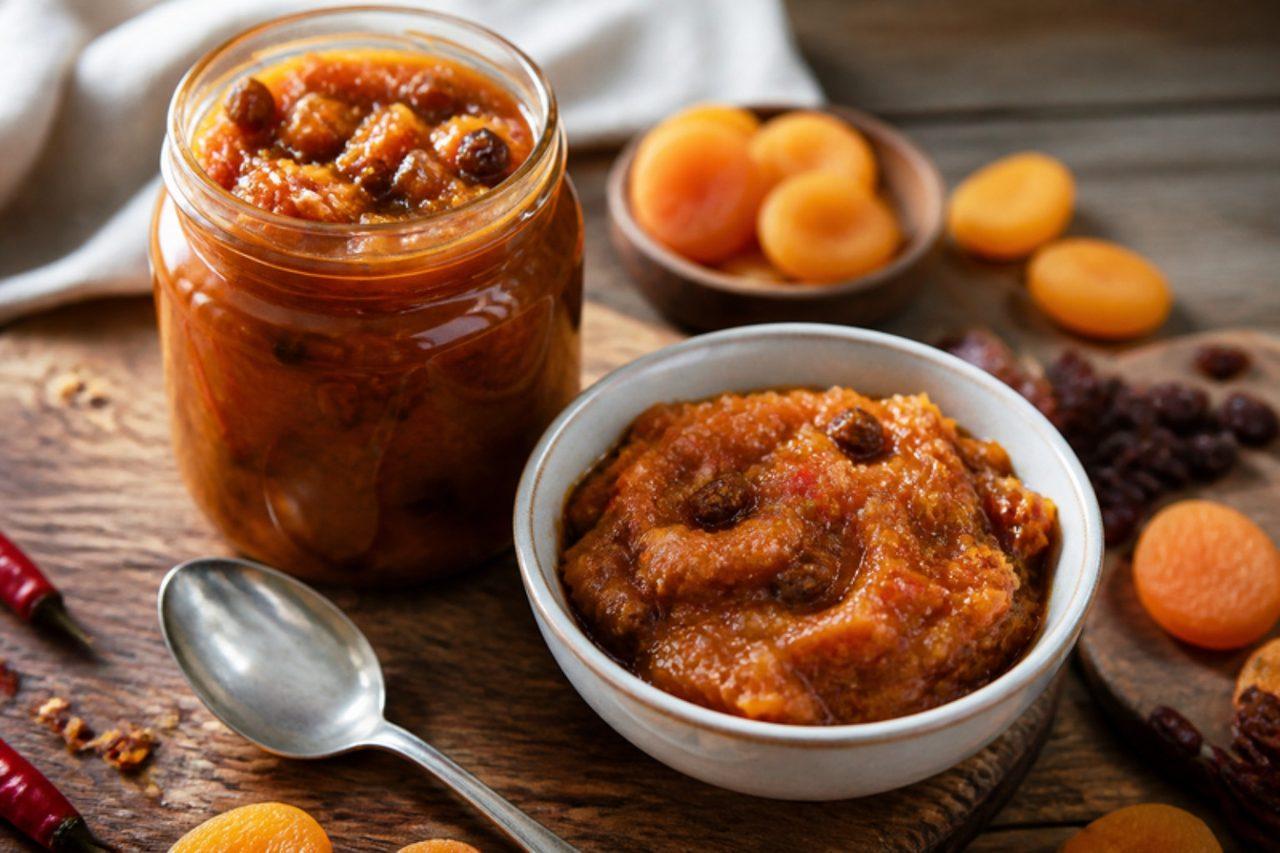
Bo-Kaap households keep a jar of blatjang beside the salt, because a spoonful goes next to almost everything: bobotie, a bowl of curry and rice, cheese on toast, a braaied mielie. Dried apricots are simmered down in vinegar with onion, ginger, garlic and red chilli until the fruit collapses into a thick, glossy, burnt-orange paste that is sweet first, then sour, then warm at the back of the throat. Some aunties keep it chunky, others push it through a sieve until it is as smooth as a sauce; both are right. The usual mistake is to take it off the heat while it still looks loose in the pot, which leaves a runny chutney that weeps in the jar. Chef's tip: soak the apricots overnight in the vinegar and they break down in half the time, with a cleaner, brighter fruit flavour.

by KrazyBadal 0 views

Frozen Christmas pudding

In the heat of an Australian December, many families swap the steamed pudding for a frozen one, ice cream packed with fruit, nuts and chocolate and set in a pudding basin so it still looks the part on the Christmas table in Brisbane or Perth. It is made days ahead and turned out just before serving. A common mistake is letting the ice cream melt too much while mixing, which makes it icy when refrozen; soften it only until stirrable. Chef's tip: soak the fruit in orange juice the night before so it stays soft when frozen.

by KrazyBadal 0 views

Bohar bhajiFlower bud curry

For a few weeks each spring, Raipur's markets sell small heaps of bohar, the young buds of the lasoda (Cordia) tree, and they are one of the most prized and pricey vegetables in Chhattisgarh. Cooked with onion, chilli and a spoon of curd, they have a pleasant, slightly sticky bite and an earthy taste, and families eat them with rice and dal for as long as the season lasts. People often skip the boiling step; without it the buds stay gummy and slightly bitter. Chef's tip: if you cannot find bohar, the same masala works with tender lasoda (gunda) fruit from Indian grocers, which is the same tree.

by KrazyBadal 0 views

BostongurkaSweet cucumber relish

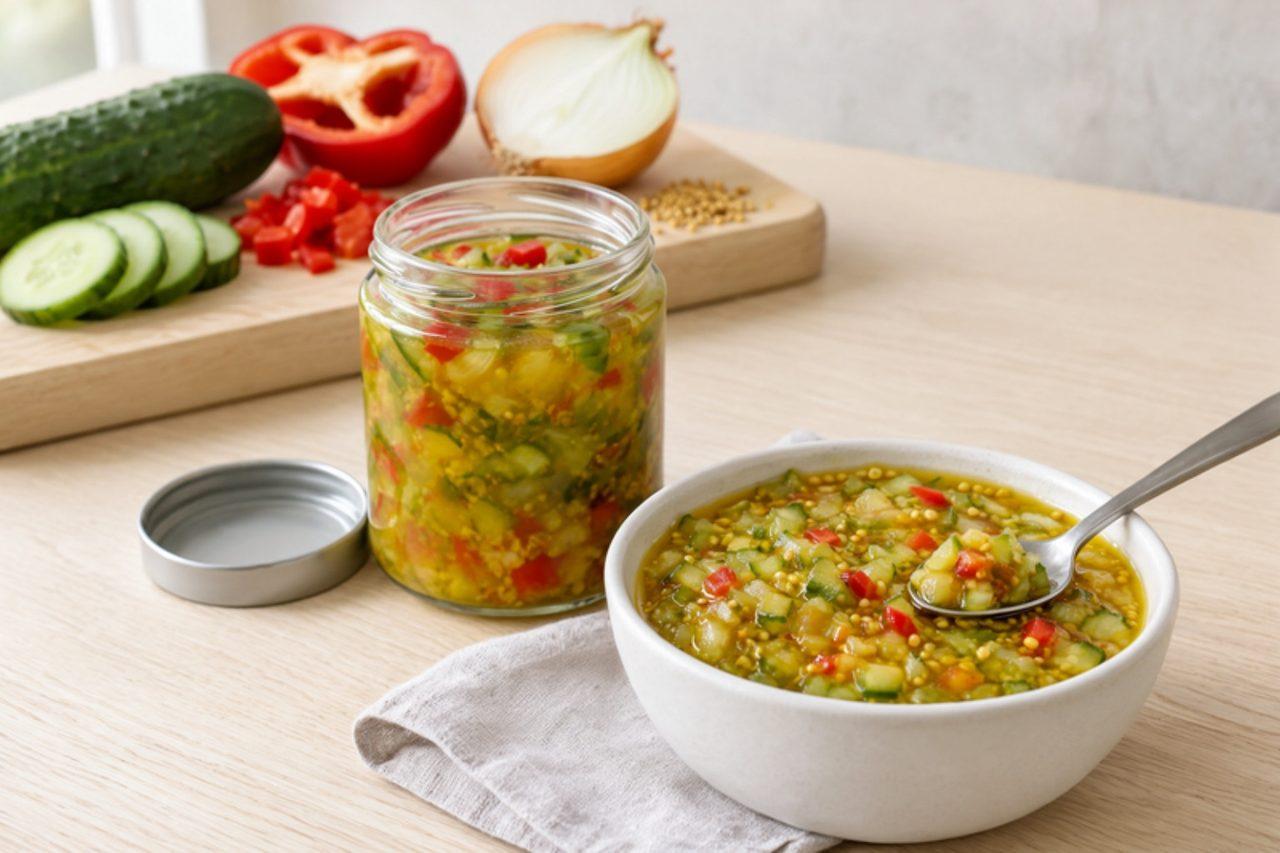
Every Swedish korvkiosk, from Stockholm's Södermalm to the ferry ports of Gothenburg, offers bostongurka in a squeeze bottle, and most Swedes still put it on their grillkorv with mustard, ketchup and crispy fried onions. Families make their own in August and September, when cucumbers are cheap at the farm stands, and spoon it onto hot dogs at summer barbecues, beside meatballs, into potato salad and onto cheese sandwiches all winter. It is a fine-chopped relish: sweet and sour, golden-yellow from turmeric, with crunch from the cucumber and the soft warmth of mustard seed. Common mistake: skipping the overnight salting; without it the cucumber leaks water and the relish turns soupy and dull. Squeeze the vegetables hard before cooking. It is ready when the vegetables are just tender but still crunchy and the liquid has thickened enough to cling to them. Chef's tip: chop by hand or pulse very briefly in a processor; a purée loses the crunch that makes it bostongurka.

by KrazyBadal 0 views

Bogobe jwa lerotseSorghum and melon porridge

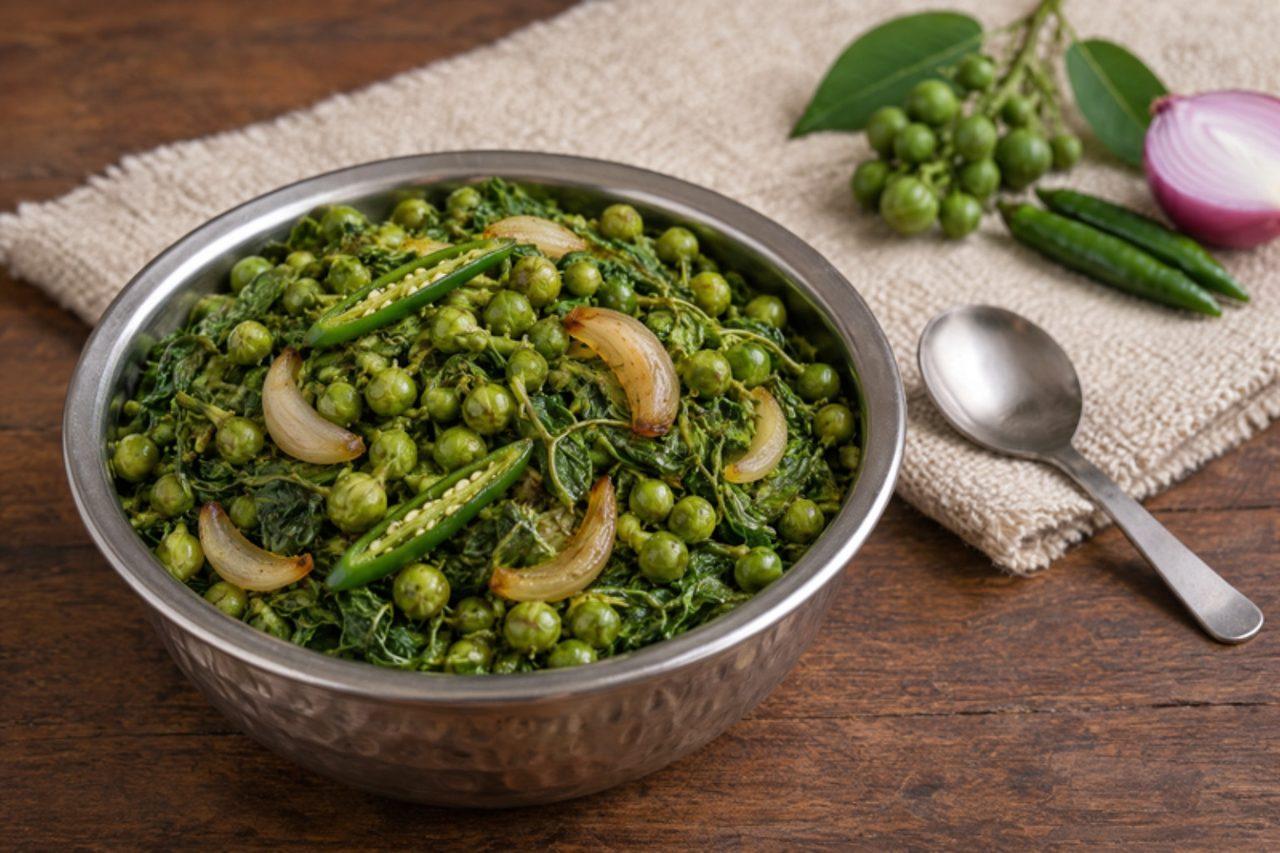
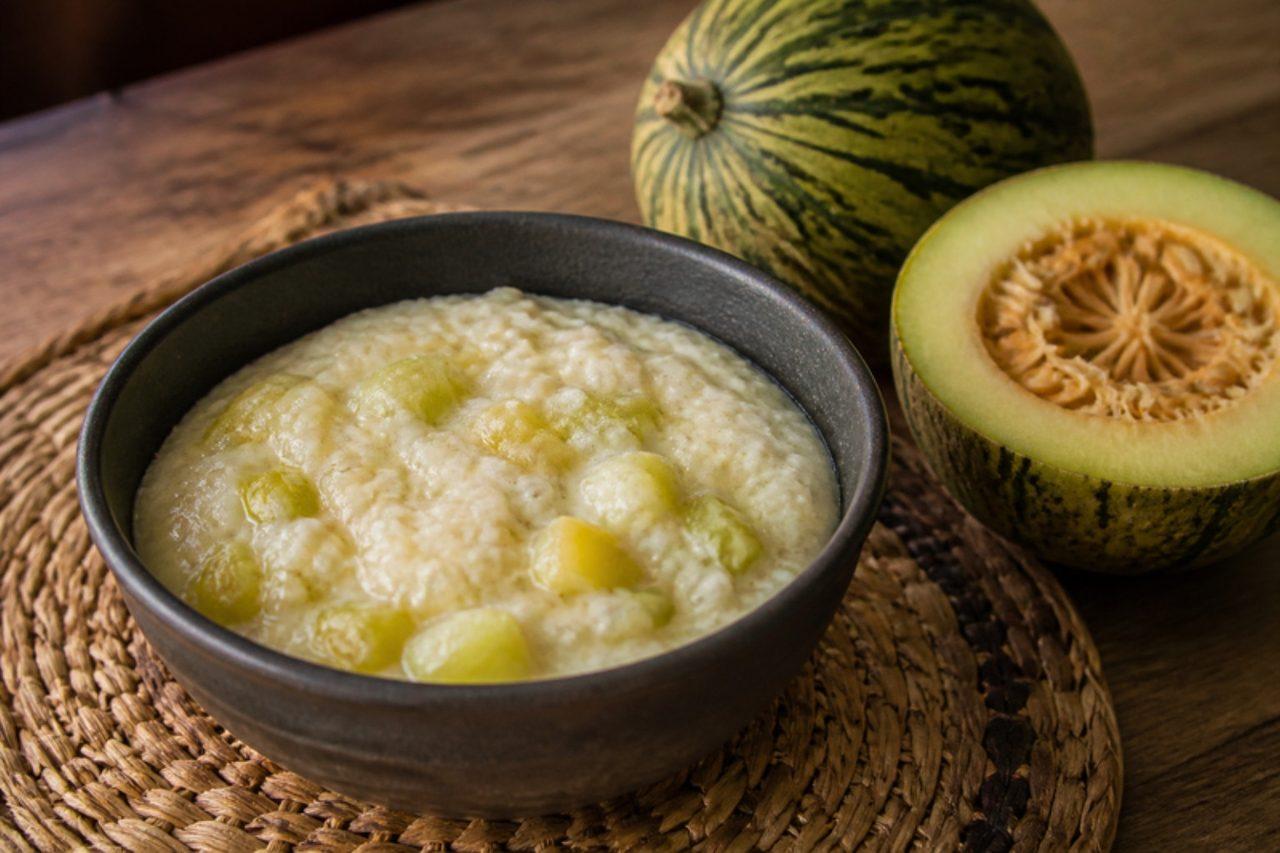
When the lerotse melons ripen on the lands around Serowe and Mahalapye after the summer rains, households stir their pale flesh into the evening pot of sorghum, and the porridge turns soft, smooth and quietly sweet. Lerotse is a hard-skinned field melon, closer to a mild marrow than a dessert melon, so it melts into the bogobe and gives it a light, fresh taste against the sour, nutty grain. It is eaten as a side with seswaa, beans or morogo, or on its own for supper with a sprinkle of sugar. Outside Botswana, look for lerotse at African grocers; otherwise a firm cooking melon or a winter melon gives a very close result. Chef's tip: the mistake people make is dumping the sorghum in at once, which gives lumps; rain it in slowly while you whisk.

by KrazyBadal 0 views

LaphingCold starch sheet noodles

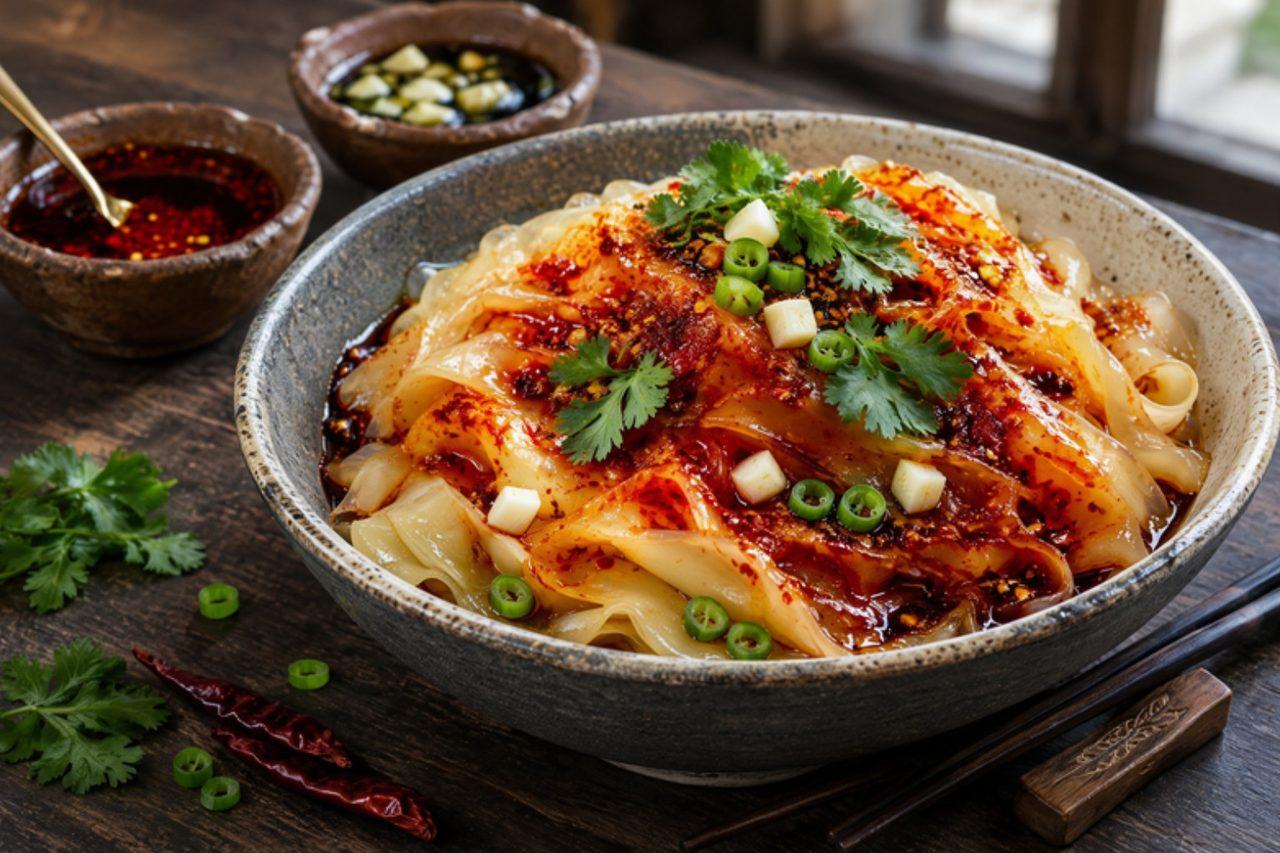
Laphing came to Kathmandu with Tibetan families, and the alleys around the great stupa at Boudha are full of tiny stalls selling it every afternoon, to monks, students and office workers alike. Flour dough is washed in water to separate the starch from the gluten; the starch is steamed into thin, jelly-like sheets and the gluten into a spongy filling, then everything is rolled up and drowned in fiery chilli oil, garlic water, soy sauce and vinegar. It is cold, slippery, chewy and very hot. Contains wheat (gluten) and soya. Chef's tip: steam each sheet no thicker than 3 mm; thick layers set rubbery instead of silky.

by KrazyBadal 0 views

ThenthukHand-pulled noodle soup

In the Tibetan restaurants around Boudha stupa in Kathmandu, thenthuk is what people order on cold evenings and winter mornings: pieces of dough are pulled flat and pinched straight into a light broth with mutton or buffalo, tomato, radish and spinach. The noodles are thick, soft and slightly uneven, and the soup is gentle and warming, with a little soy and spring onion. This home version uses mutton or lamb. Contains wheat and soya. Chef's tip: pull the dough so thin you can almost see your fingers through it; thick pieces stay doughy in the middle.

by KrazyBadal 0 views

BrudetFisherman's fish stew

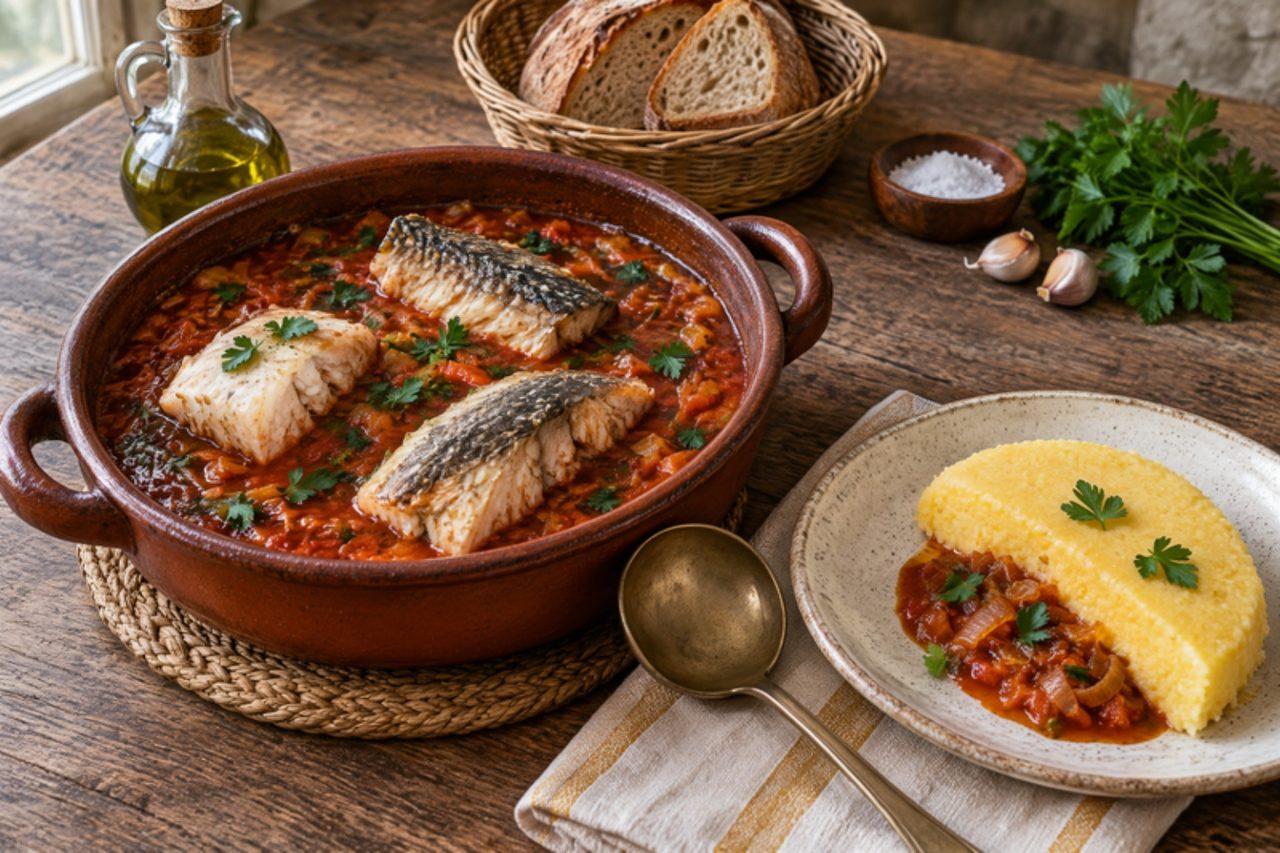
Brudet (or brodetto) is the fisherman's stew of the Dalmatian coast and islands, cooked in Split, Hvar and Korčula with whatever the morning's catch brings, and eaten for Friday lunch and summer suppers. Thick fish steaks on the bone stew slowly in olive oil with onion, garlic, tomato and a dash of wine vinegar, and the pot is shaken, never stirred. It is high in protein and suitable as part of a balanced diet; polenta is the classic partner, but grilled courgettes, chard or a small portion of soft polenta keep the carbohydrate down. About 330 kcal and 10 g carbohydrate per portion. The usual mistake is stirring with a spoon, which breaks the fish into shreds. Chef's tip: use at least three kinds of fish, mixing firm and softer ones, for a deeper broth.

60 minBalkanFishGluten free
by KrazyBadal 0 views

Mofo menakelyRice flour doughnuts

Ring-shaped and no wider than a teacup, mofo menakely are fried in wide pans of oil at dawn on the street corners of Antananarivo and Antsirabe, then sold by the bagful to people heading for the bus. Rice flour gives them a crisp, slightly sandy shell and a chewy, faintly sour crumb from the slow rise, and they are only lightly sweet, which is why the Highlands dunk them in sugary coffee. Wheat flour helps the dough hold its shape; a few cooks go all rice and shape with wet hands. Expect the batter-like dough to feel too soft at first: adding more flour to make it handleable is a mistake that leaves them dense. Chef's tip: shape each ring straight into the hot oil from a wet palm, poking the hole with a wet finger, rather than trying to roll the dough on a board.

by KrazyBadal 0 views

Showing 54 of 7,762 recipes

Show more recipes

Page 116 of 863