


Skip to content
Hyderabadi chicken dum biryani
Featured recipe

Hyderabadi chicken dum biryani

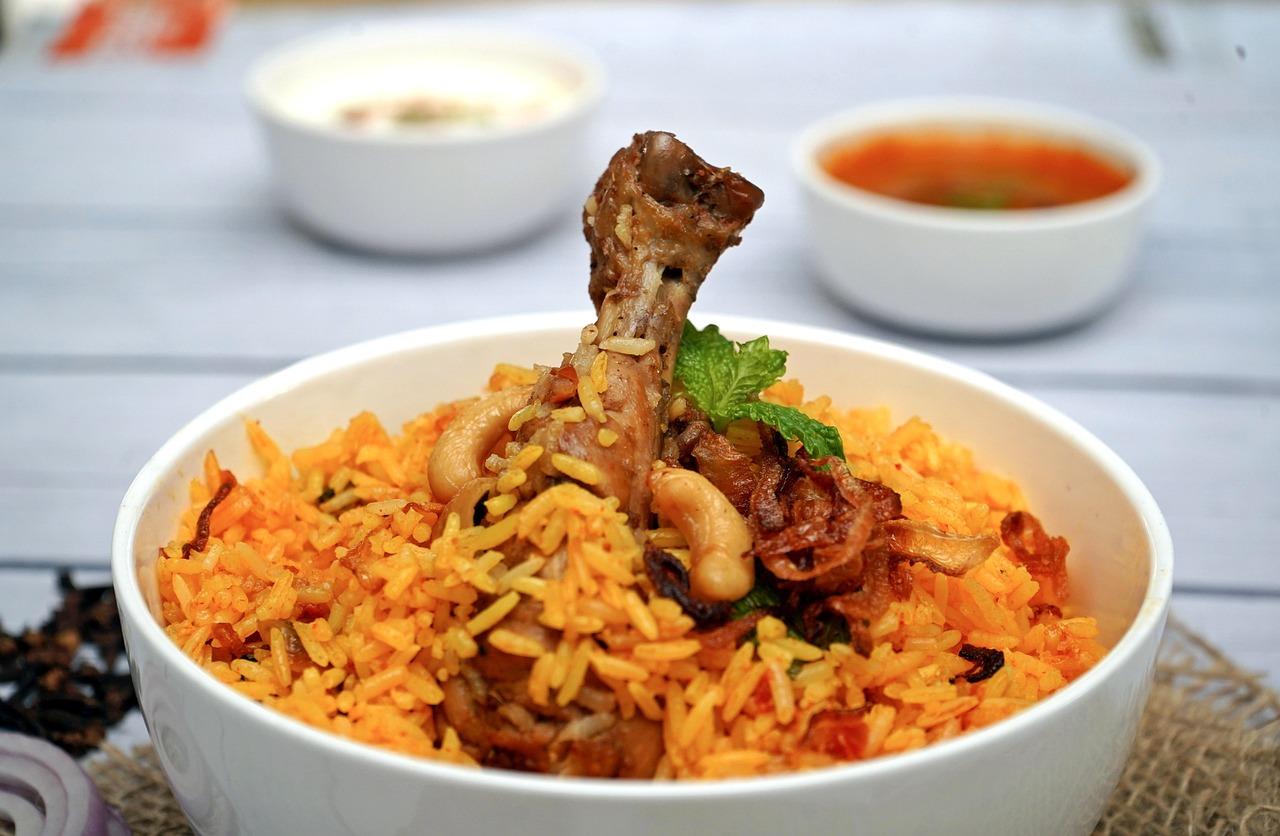
Hyderabad's biryani grew up in the kitchens of the Nizams, and the kacchi style is its proudest form: the chicken goes into the pot raw, in a thick yogurt, mint and fried-onion marinade, and cooks only in the steam trapped under part-cooked basmati. In the old city it is wedding and Eid food, ordered in huge copper deghs, and at home it's the Sunday showpiece, served with mirchi ka salan and a cooling raita. Because the meat cooks without being stirred, small bone-in thigh and drumstick pieces work best. Chef's tip: marinate overnight in the fridge — the yogurt tenderises the chicken and the flavours go right to the bone.

Read more 1 views

What to eat today?

Around the world

Today's trip: Persian

A new country every day, from every cuisine on the site.

Persian

Shir berenj

Rose water rice pudding 70 minMore from Persian (181) →

This week's collection

Kid-friendly dinners
750 recipes · a new collection every Monday

Coming up

All occasions →

Latest recipes

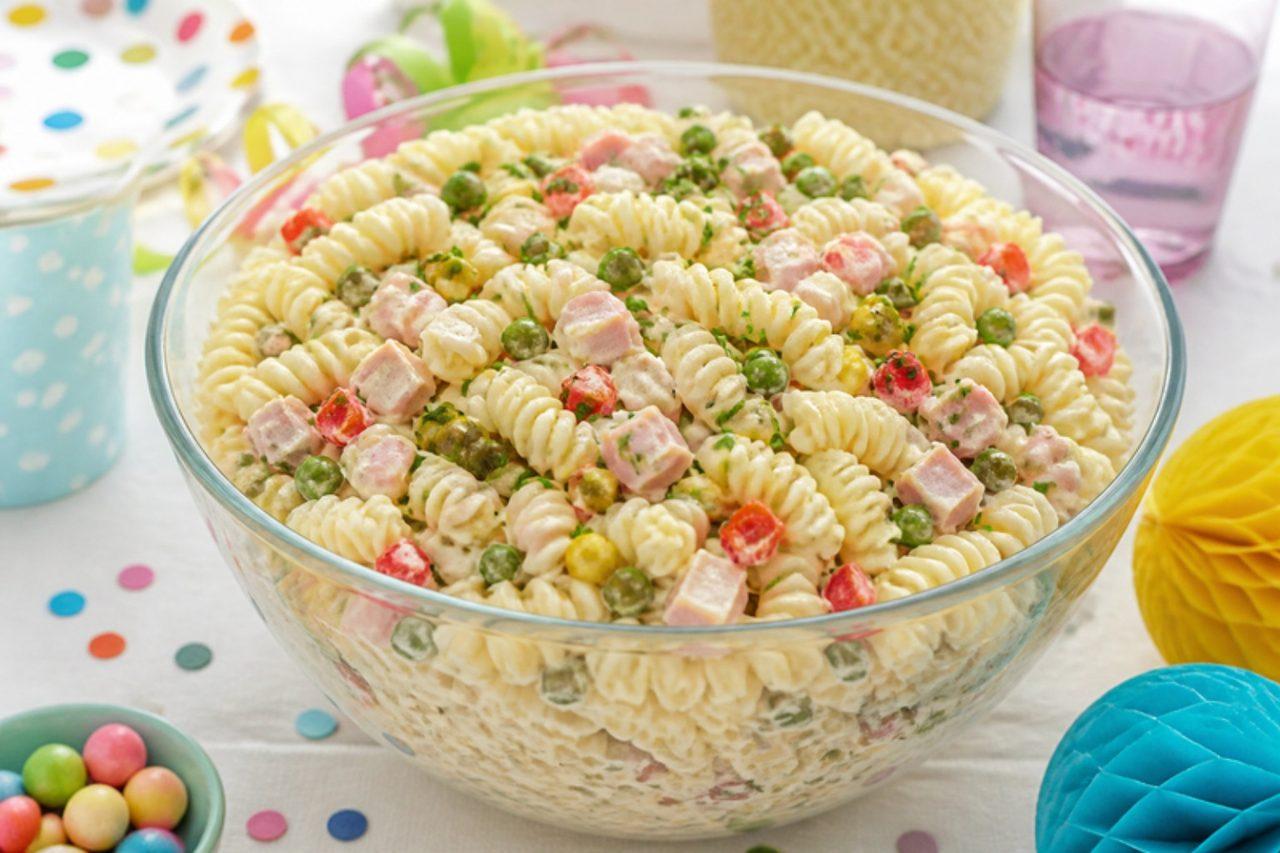
German party pasta salad (Nudelsalat)

In Germany a big bowl of Nudelsalat is the backbone of a Kindergeburtstag, a summer barbecue or a school outing: short pasta, ham, peas, sweetcorn and chopped gherkins bound in a mayonnaise and yoghurt dressing, made the evening before so the flavours settle. This version lightens the dressing with yoghurt and gherkin brine. It contains gluten, egg (mayonnaise) and milk. Chef's tip: dress the pasta while it is still slightly warm, then add a splash more dressing just before serving, because the pasta drinks it overnight.

by KrazyBadal 0 views

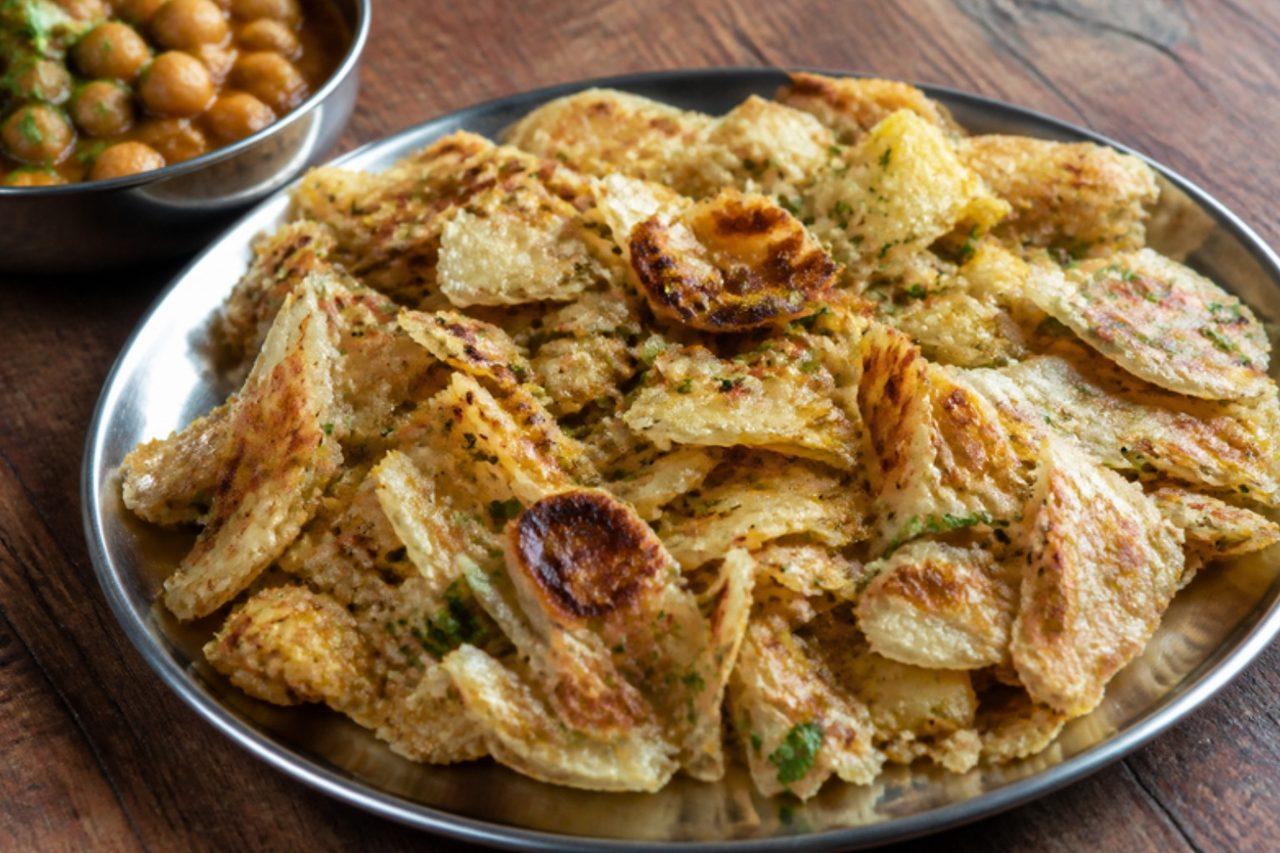
Chur chur naanCrushed flaky stuffed naan

Amritsar's dhabas around the Golden Temple are famous for this one: a layered, potato-and-paneer stuffed naan that the cook slaps out of the tandoor and then crushes between both palms (chur chur means crumbled) so the flaky layers break apart and soak up a spoonful of ghee. It arrives crisp at the edges, soft and buttery inside, with spiced filling showing through the cracks, and is eaten for lunch with chole, a bowl of dal makhani and a glass of lassi. At home a very hot oven and a preheated tray stand in for the tandoor. The usual slip is skipping the ghee between the coils; without it the dough fuses and there are no layers to crush. Chef's tip: crush the naan the moment it leaves the oven, wrapped in a clean tea towel so your hands are protected; once it cools it cracks instead of flaking.

by KrazyBadal 0 views

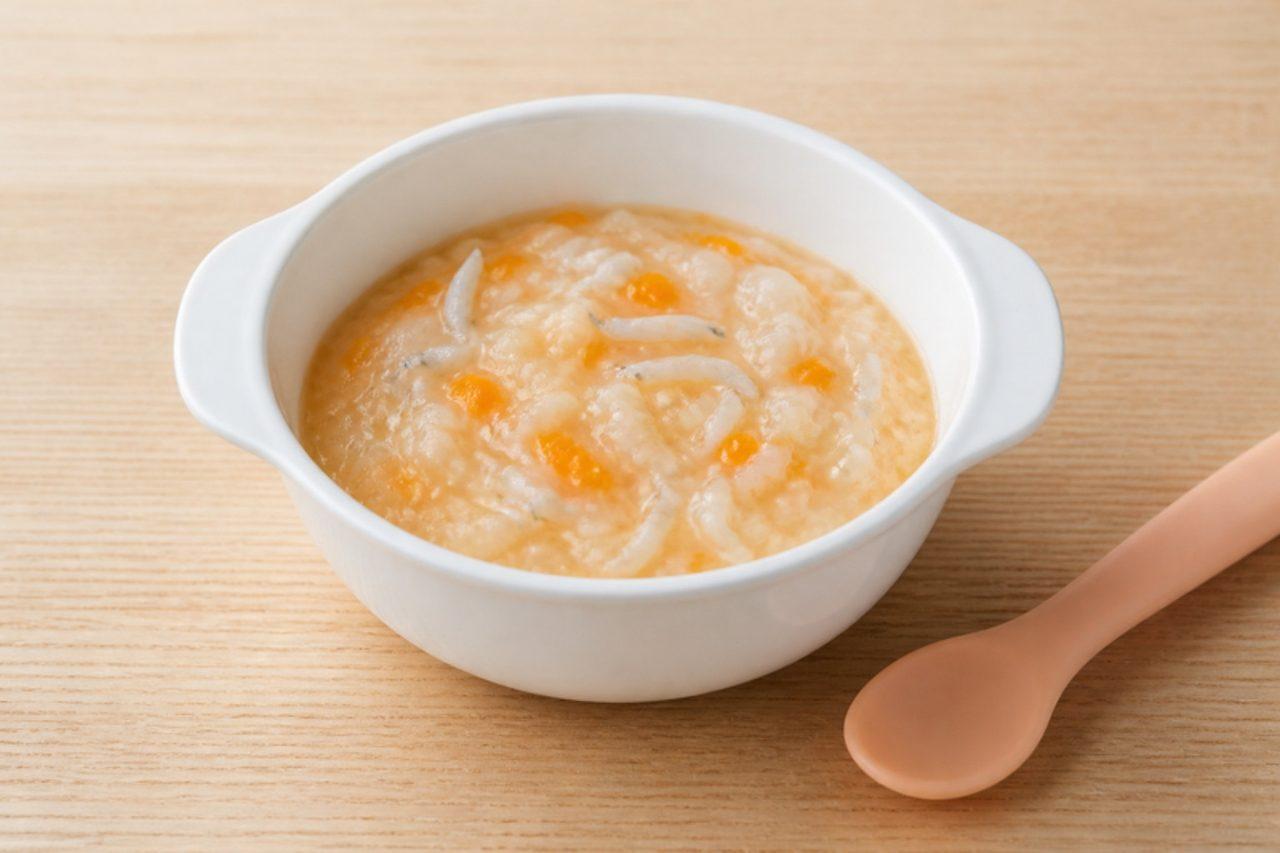
Shirasu-gayu (whitebait rice porridge)

Shirasu, the tiny, tender young sardines and anchovies sold boiled in Japanese supermarkets, are one of the first fish many Japanese babies try, stirred into soft rice porridge from around seven to nine months. Because shop shirasu are cooked in salted water, parents always pour boiling water over them first to wash the salt out. The porridge is mild and creamy with a faint taste of the sea and sweet carrot. It contains fish; there is no milk, egg, gluten, nuts, soya or sesame. Chef's tip: use only the smallest shirasu, under 3 cm, whose bones are soft as the flesh; pick out any larger fish.

by KrazyBadal 0 views

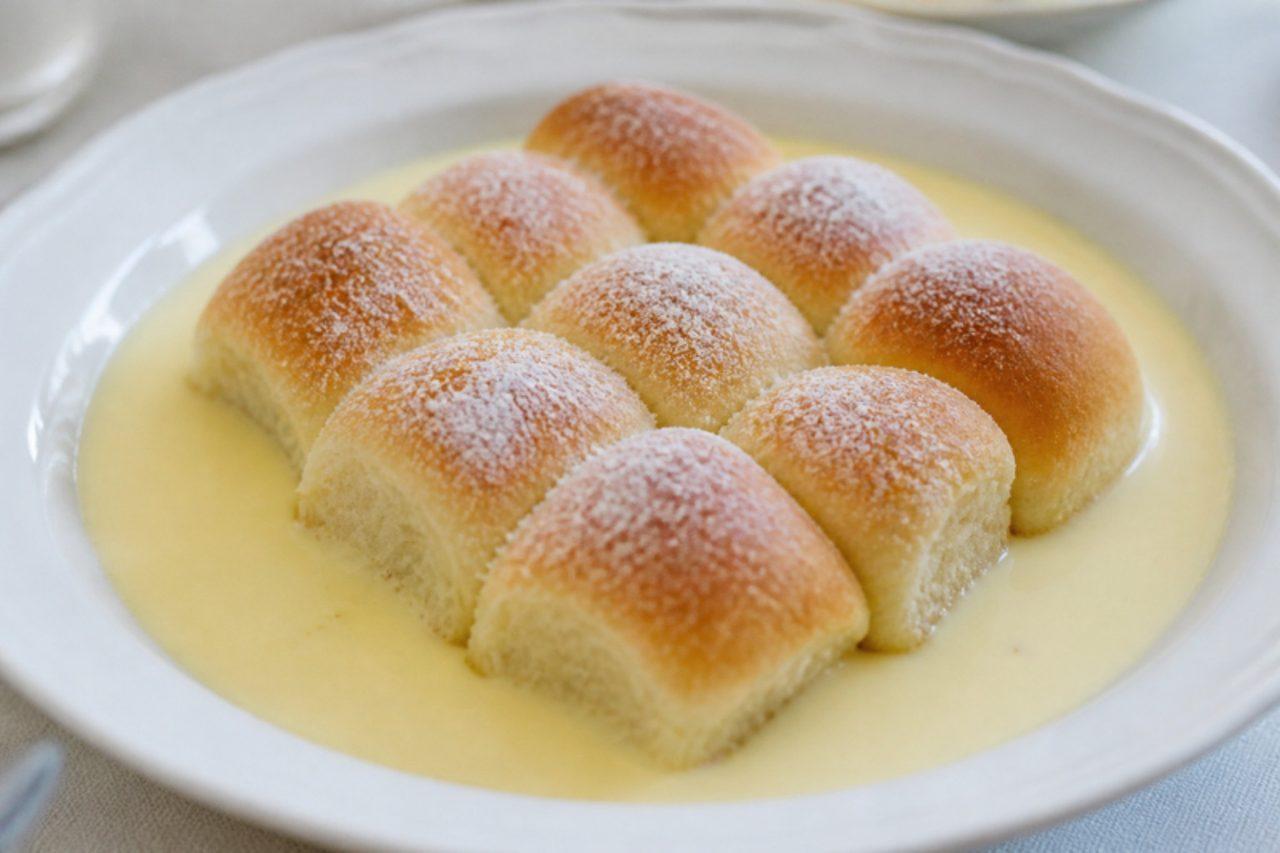
Buchtičky se šodó (tiny buns in vanilla custard)

Ask anyone who went to school in Czechia or Slovakia about the canteen, and buchtičky se šodó comes up with a smile: a bowl of tiny, soft, buttery yeast buns baked close together and pulled apart, sitting in warm vanilla custard. Families make it at home as a sweet main course or afternoon treat, especially in winter. The custard here is lightly sweetened. It contains gluten, milk and egg. Chef's tip: brush the buns with melted butter before they go into the tin, so they pull apart cleanly after baking.

by KrazyBadal 0 views

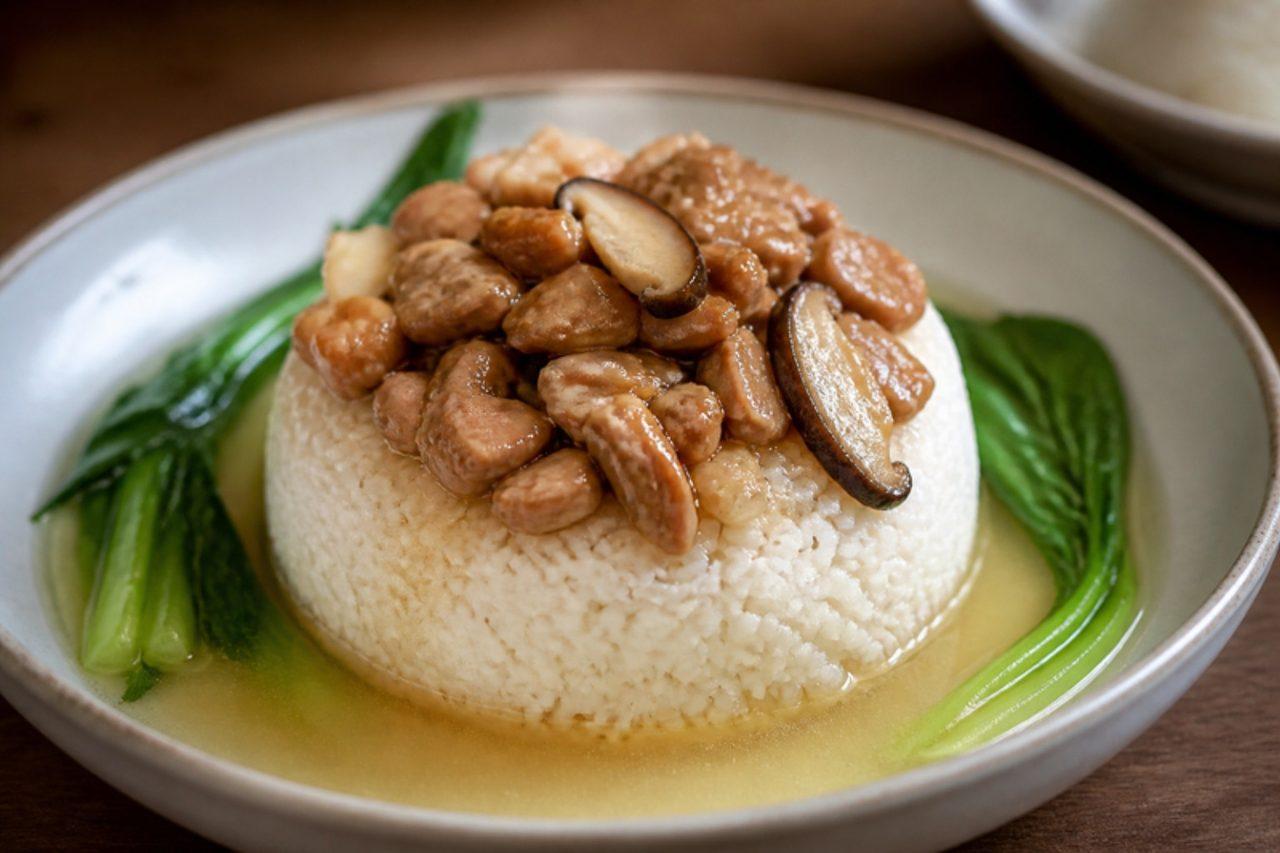
Nasi tim ayam for toddlersSteamed chicken and mushroom rice

Nasi tim ayam comes from the Chinese-Indonesian kitchens of Java, and is the meal many Indonesian children eat when they first move on from porridge: rice steamed slowly in a bowl over diced chicken and mushrooms until very soft, then turned out like a little dome. For toddlers the seasoning is just garlic, ginger, a few drops of sesame oil and a little low-salt soy sauce. It contains soya and gluten (soy sauce) and sesame. Chef's tip: use no-salt stock in the rice; it soaks up the flavour of the chicken as it steams.

by KrazyBadal 0 views

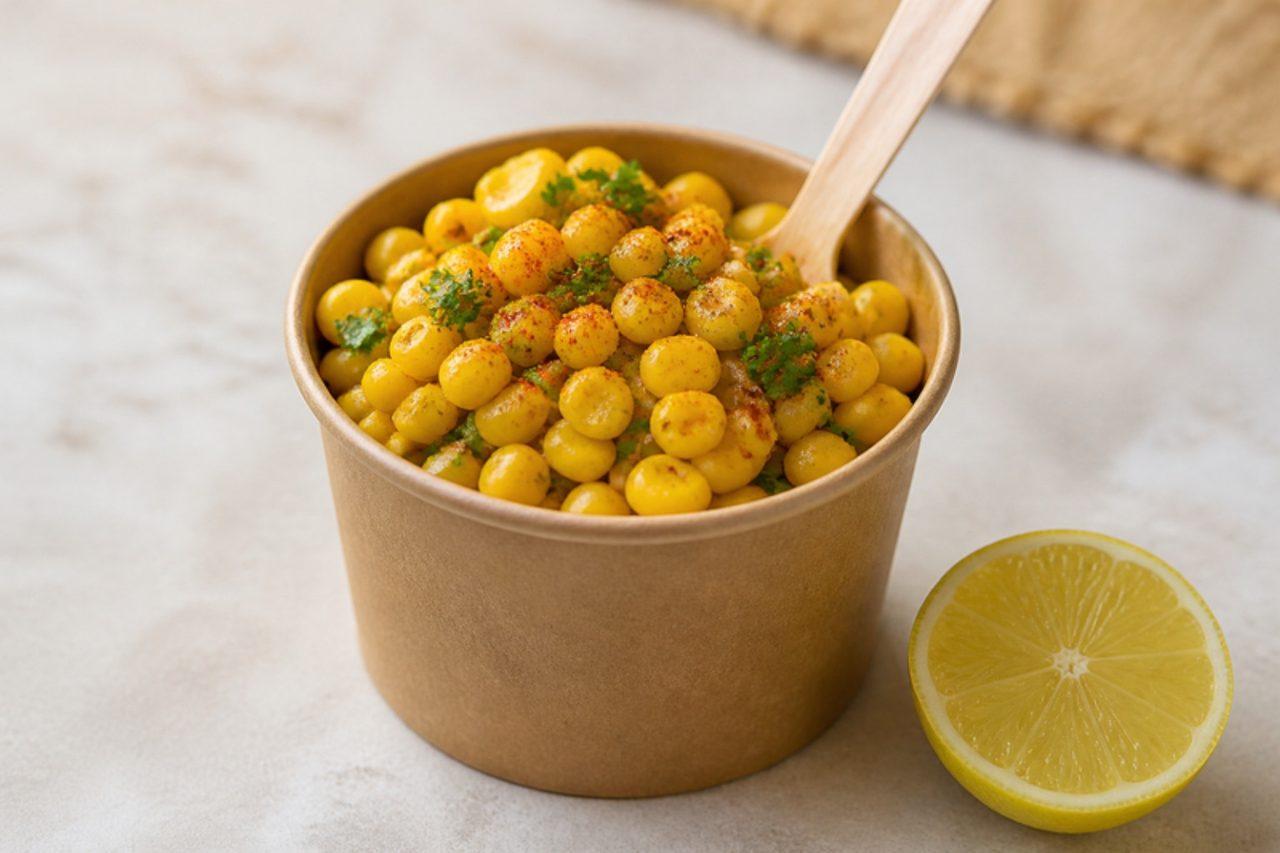
Masala corn cup

In Mumbai and other Indian cities, cups of hot masala corn are sold at beaches, cinema halls and outside tuition classes, and children grab them after school as an easy, savoury snack. Steamed sweetcorn kernels are tossed with butter, a squeeze of lemon and tangy chaat masala, with a little chilli for older children. It is quick and naturally sweet. It contains milk (butter). Chef's tip: add the lemon only at the very end, off the heat, so it stays bright and doesn't make the butter split.

by KrazyBadal 0 views

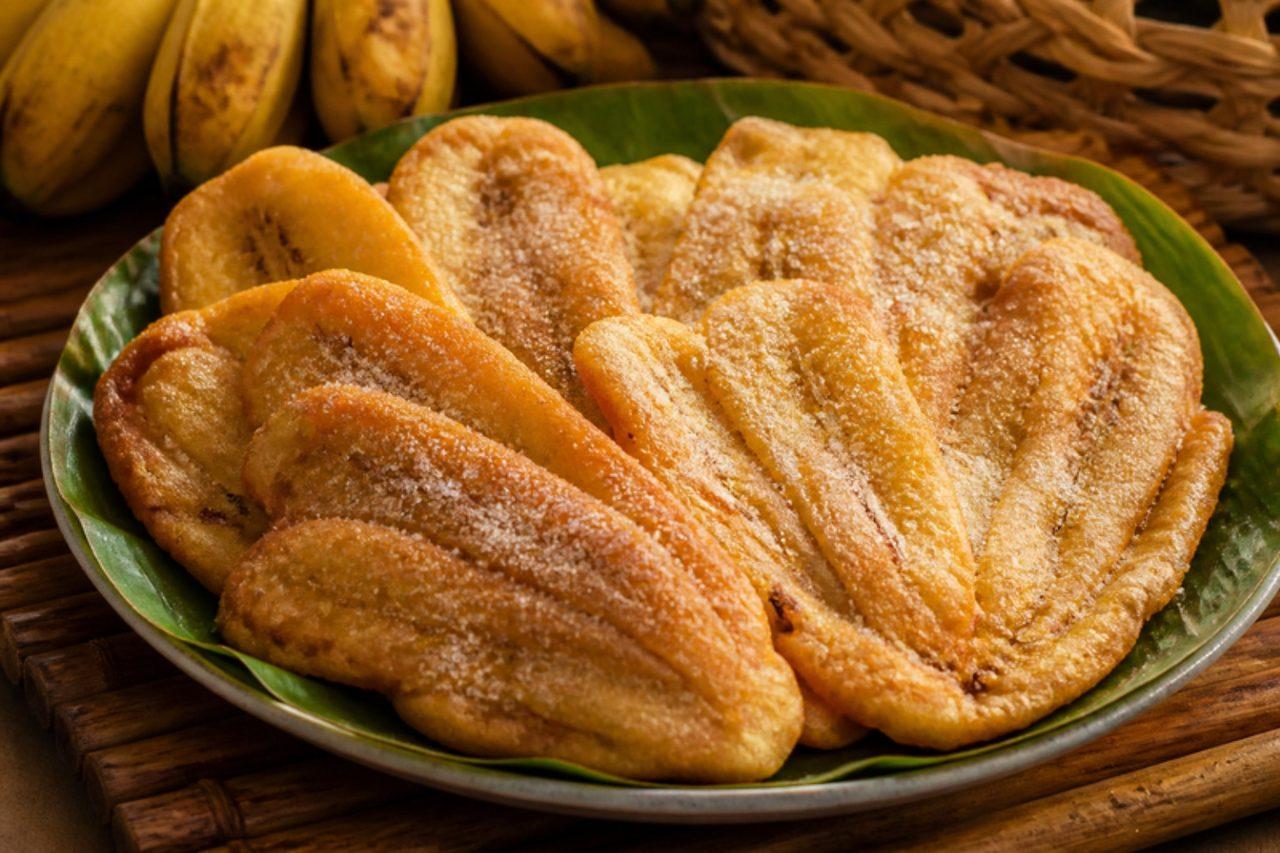
Maruya (Filipino banana fritters)

Maruya is classic Filipino merienda: in barrios from Luzon to Mindanao, saba bananas are sliced into fans, dipped in batter and fried for the children's afternoon snack. Outside is crisp and lacy, inside the banana turns soft, sticky and tangy-sweet. A light dusting of sugar is enough because the fruit is sweet. It contains gluten, milk and egg. Saba bananas can be found in Asian shops; firm, just-ripe plantains work too. Chef's tip: choose bananas that are yellow with a few brown spots; under-ripe saba stays starchy, overripe falls apart in the oil.

by KrazyBadal 0 views

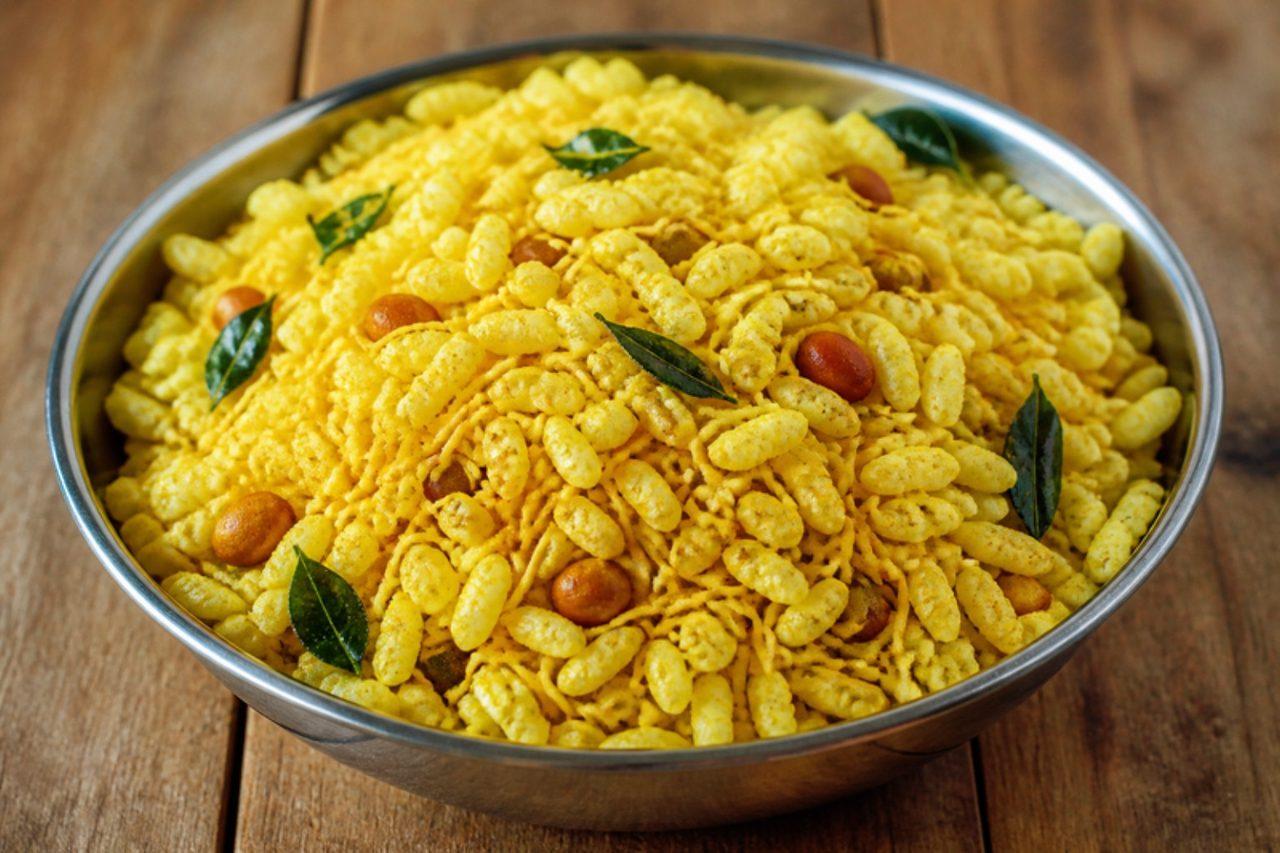
Sev mamraPuffed rice snack mix

In Gujarati homes from Ahmedabad to Surat, a big steel tin of sev mamra is always ready for children coming home from school, unexpected guests and train journeys. Puffed rice is tossed in a little hot oil with turmeric, curry leaves and peanuts until crisp, then mixed with fine gram-flour sev for a savoury, mildly tangy crunch. A pinch of sugar is traditional; it is optional here. It contains peanuts. Whole peanuts are a choking risk for under-5s, so leave them out or crush them for little ones. Chef's tip: warm the puffed rice in the pan for a few minutes first; even slightly stale mamra turns crisp again.

by KrazyBadal 0 views

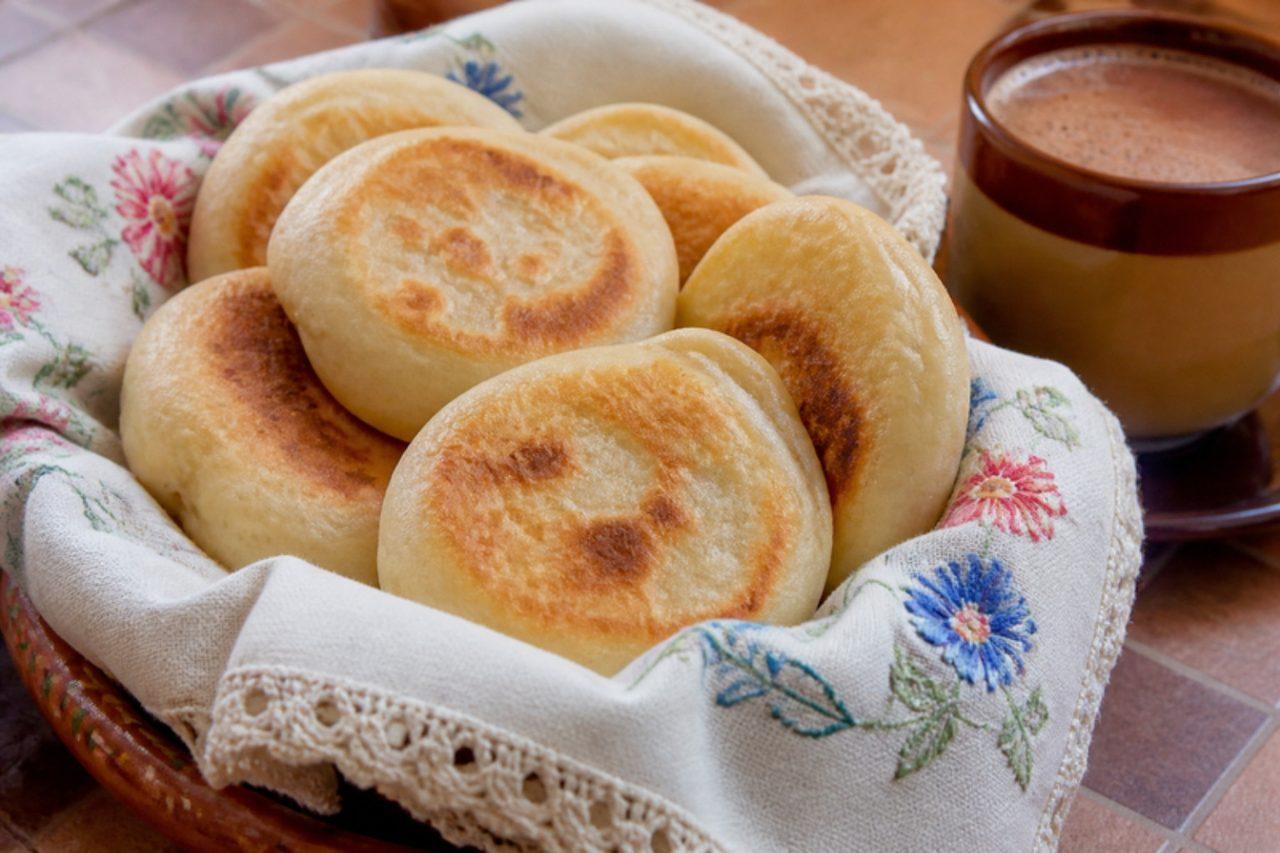
Gorditas de nataSweet cream griddle cakes

In central Mexico, from Mexico City markets to kitchens in Hidalgo and Puebla, gorditas de nata were traditionally made with the thick skin of cream (nata) skimmed from boiled milk, and grandmothers still cook them on the comal for an afternoon merienda with hot chocolate or milky coffee. They are soft and cakey inside with a lightly crisp, golden face, somewhere between a scone and a pancake. Double cream stands in for nata here. They contain gluten, milk and egg. Chef's tip: keep the comal on a low-medium heat; these brown quickly because of the cream and sugar.

by KrazyBadal 0 views

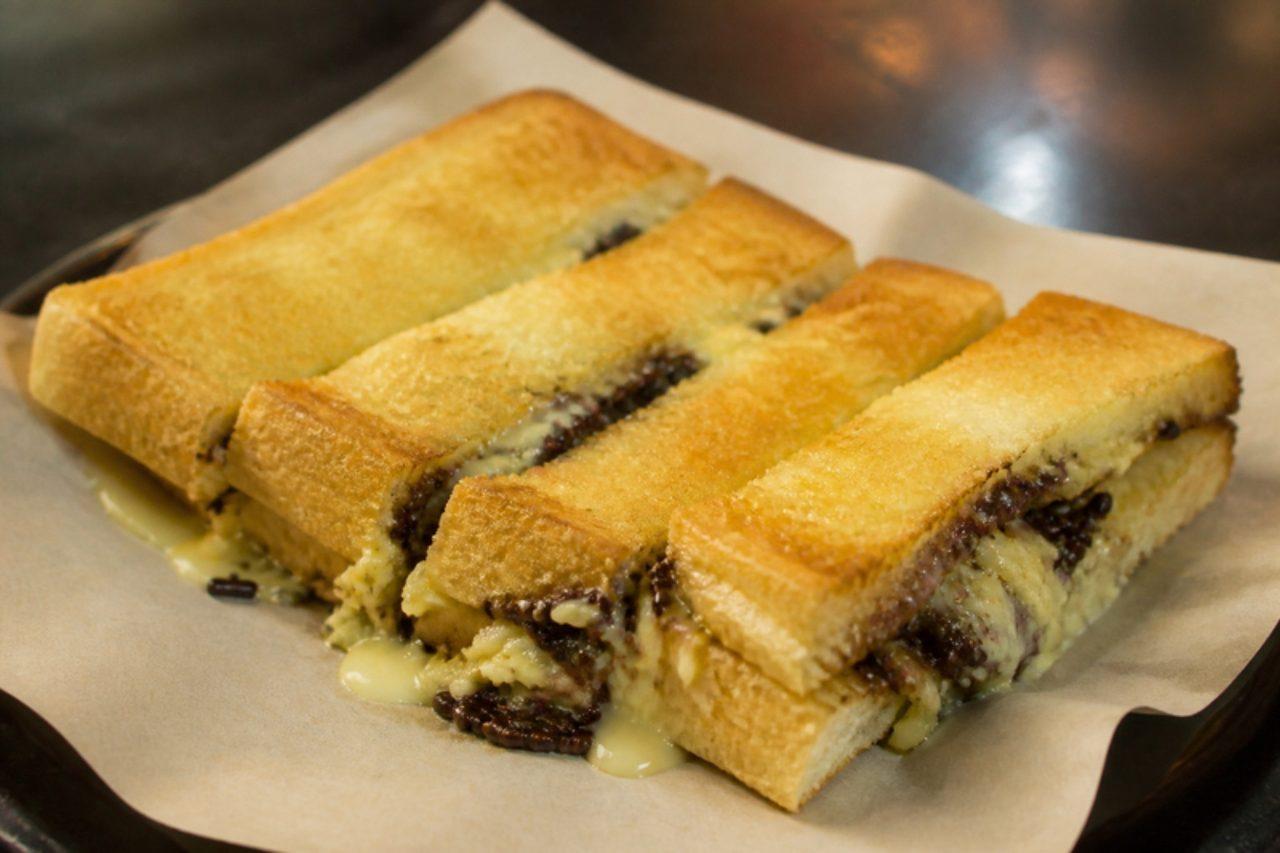
Roti bakar (Indonesian toasted bread)

Roti bakar stalls light up street corners all over Indonesia from late afternoon, and children from Jakarta to Surabaya beg for the classic filling of chocolate sprinkles with grated cheese, an unlikely pairing that works. Thick slices of soft bread are spread with butter, toasted on a hot plate until crisp and golden, filled and cut into fingers. Traditional versions add a lot of condensed milk; here it is an optional drizzle. It contains gluten and milk (and may contain soya in the chocolate). Chef's tip: press the bread flat with a spatula as it toasts so the filling melts into it.

by KrazyBadal 0 views

Vitamina de banana (Brazilian banana smoothie)

In Brazil a smoothie is a vitamina, and vitamina de banana is what parents from São Paulo to Recife whizz up for breakfast or when children get home from school hungry. Ripe banana, cold milk and a spoonful of oats make a thick, naturally sweet drink that fills a gap until dinner, so no sugar is needed. It contains milk and gluten (oats, unless labelled gluten free). Chef's tip: use bananas with brown freckles on the skin; they are sweeter and blend creamier than green-tipped ones.

by KrazyBadal 0 views

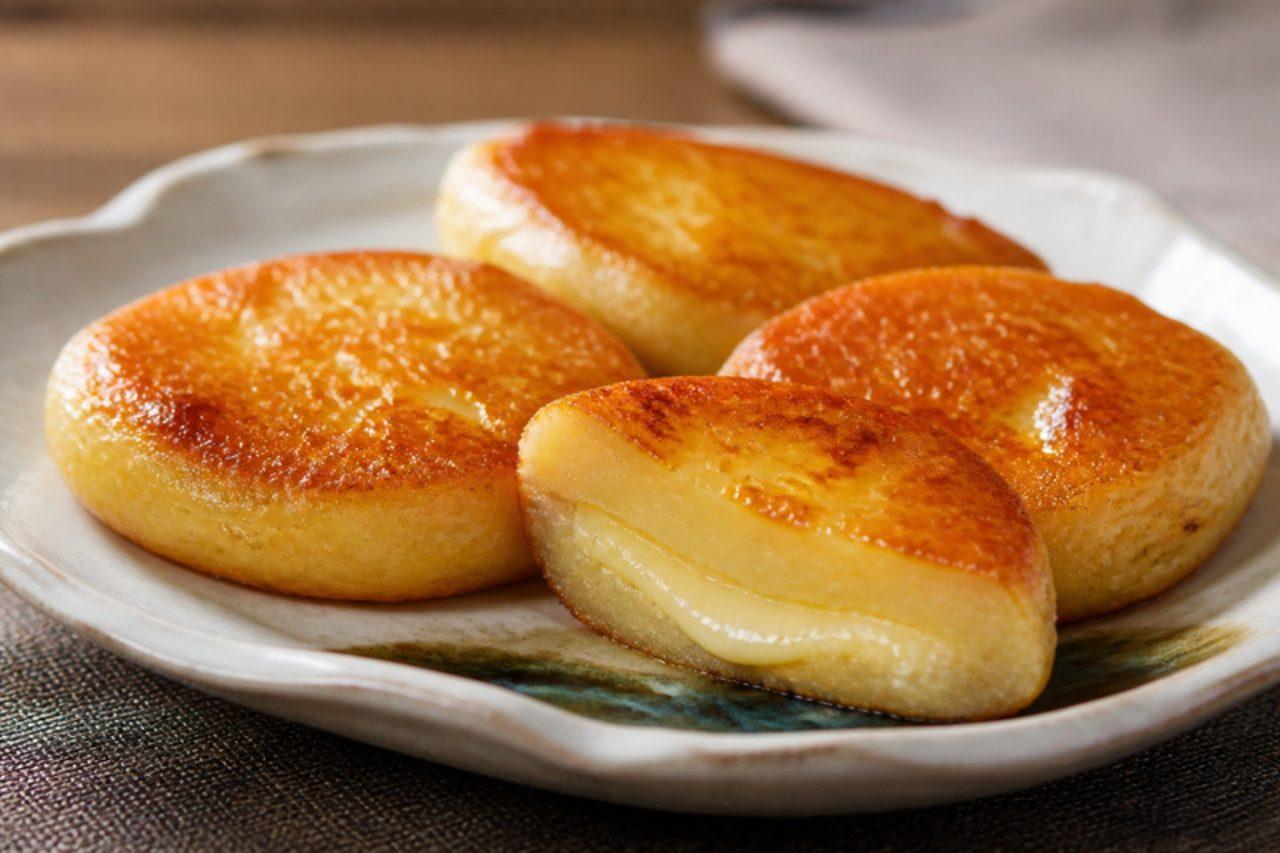
Imo mochi (Hokkaido potato mochi)

On Hokkaido, Japan's great potato island, imo mochi are what grandparents make from leftover boiled potatoes when the children come in from school or the ski slopes. Mashed potato is kneaded with potato starch into a smooth, stretchy dough, shaped into thick discs and fried until crisp outside and pleasantly chewy within, then glazed in a little butter, soy and sugar. A cube of cheese hidden inside is a popular children's twist. It contains milk, soya and gluten (soy sauce). Chef's tip: mash the potatoes while they are still hot; cold potato turns gluey and the patties crack.

by KrazyBadal 0 views

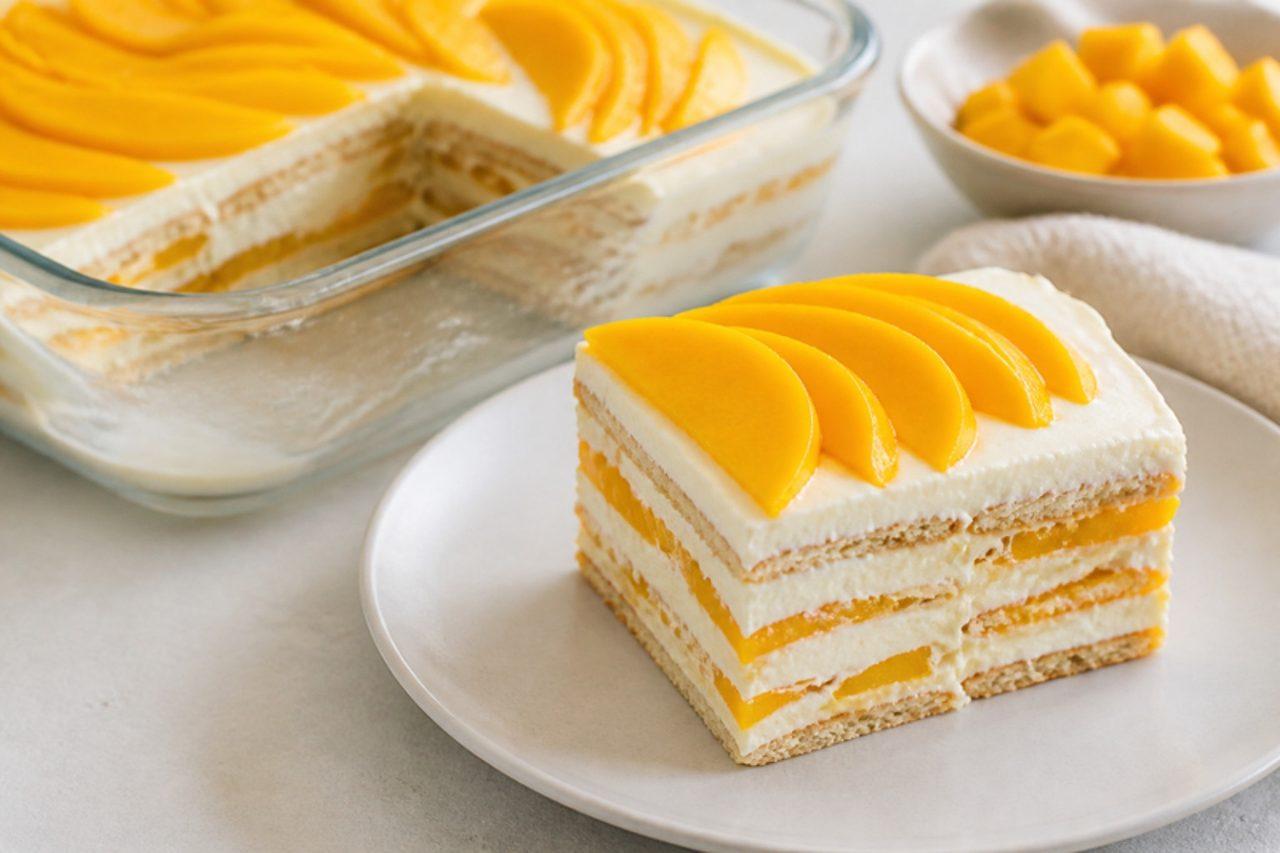
Mango floatMango icebox cake

Mango float is the no-bake party cake of the Philippines, made in a big dish for birthdays, graduations and fiestas when Philippine mangoes are at their sweetest. Layers of crackers soften overnight in sweet cream until they slice like cake, with ripe mango in every forkful. Older children can assemble it themselves. It contains milk and gluten. Chef's tip: use mangoes that are fully ripe and fragrant but still firm enough to slice neatly; stringy, sour mangoes spoil it.

by KrazyBadal 0 views

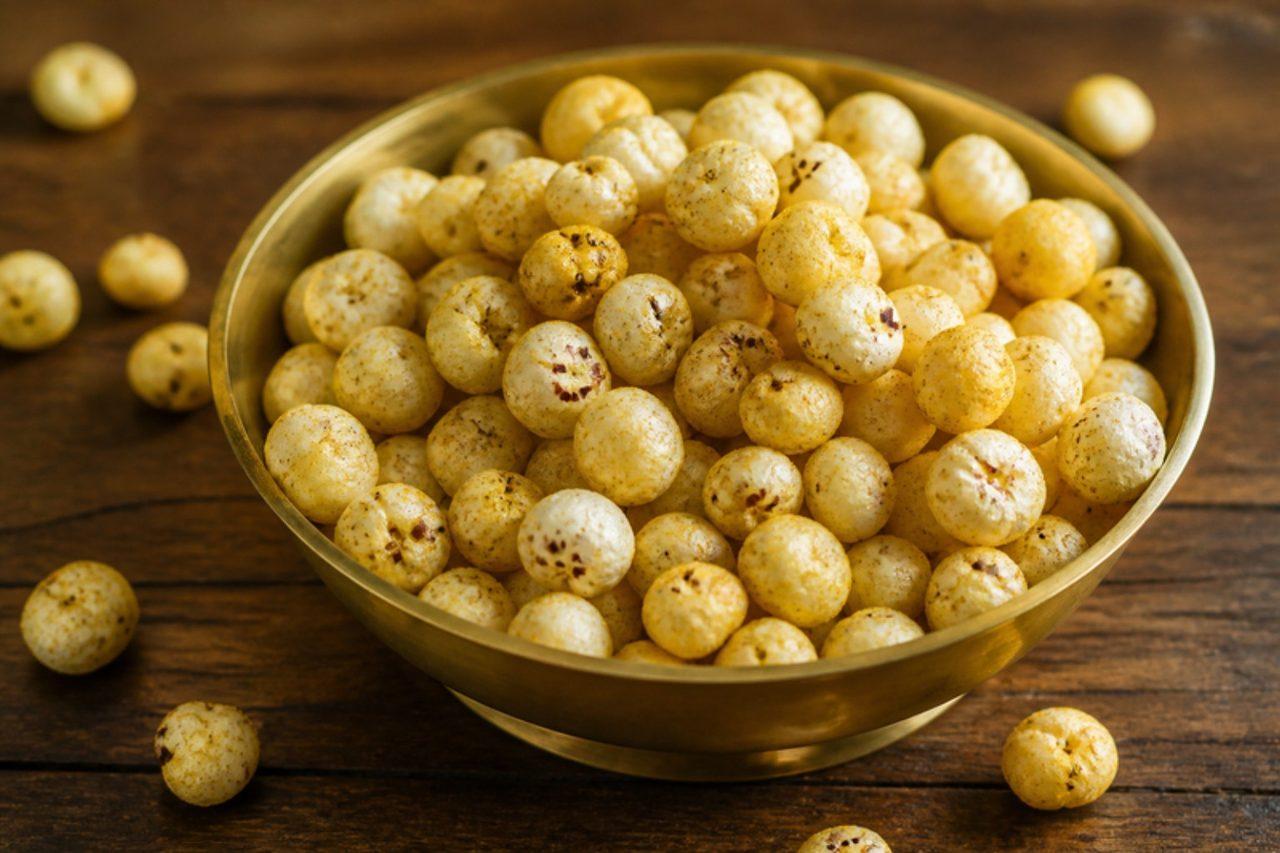
Roasted makhana (crunchy fox nuts)

Across North India, a jar of roasted makhana sits on the kitchen shelf for after-school munching, Navratri fasting days and evening cricket on television. The puffed lotus seeds turn from soft to crisp and light in a few minutes of slow roasting in ghee, like a nutty, savoury popcorn. Rock salt and pepper keep it suitable for fasting; turmeric or chaat masala are everyday variations. It contains milk (ghee). Whole makhana are a choking risk for under-5s, so crush them for little ones. Chef's tip: test one before you season: it should snap with a clean crunch, not bend.

by KrazyBadal 0 views

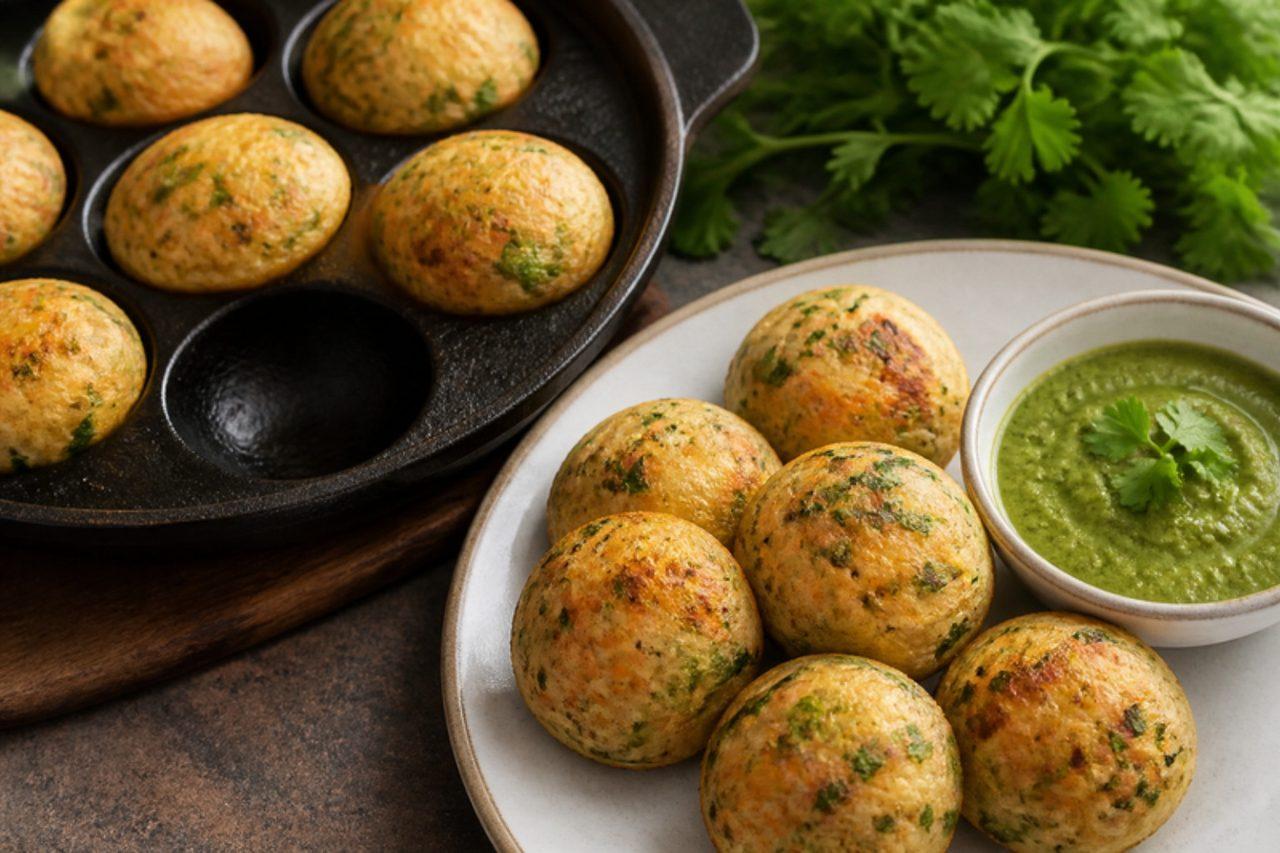
Rava appe (semolina vegetable dumplings)

Across Karnataka and Maharashtra, rava appe is a weekday trick for a quick breakfast or a lunchbox that comes back empty: semolina and yoghurt batter, studded with carrot, pepper and coriander, is cooked in a round-holed appe pan until the balls are crisp outside and soft inside, using only a little oil. Children eat them with a mild green chutney or ketchup. They contain gluten (semolina) and milk (yoghurt). Chef's tip: stir in the bicarbonate of soda only when the pan is hot and you are ready to cook, or the batter loses its lift.

by KrazyBadal 0 views

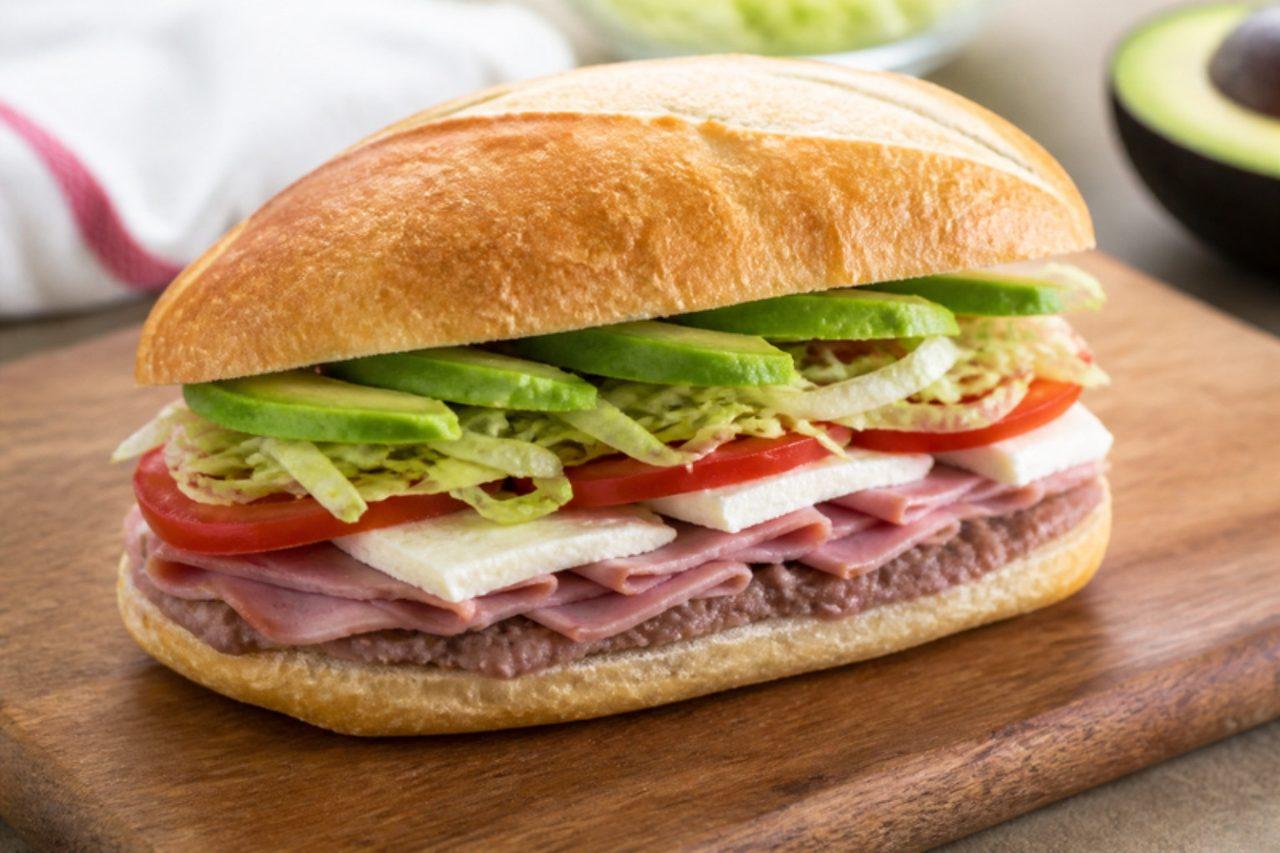
Torta de jamón (Mexican ham sandwich)

The torta de jamón is the classic recreo (school break) sandwich across Mexico, sold at school gates and made at home before the morning rush: a crusty bolillo roll, toasted on the griddle, spread with refried beans, then layered with ham, fresh cheese, avocado and tomato. Grown-ups add pickled jalapeños. It contains gluten (wheat), milk and egg (mayonnaise). Chef's tip: spread the beans right to the edges of the bottom half; they act as a barrier so tomato juice doesn't soak the bread.

by KrazyBadal 0 views

Pumpkin congee for babies (cháo bí đỏ)

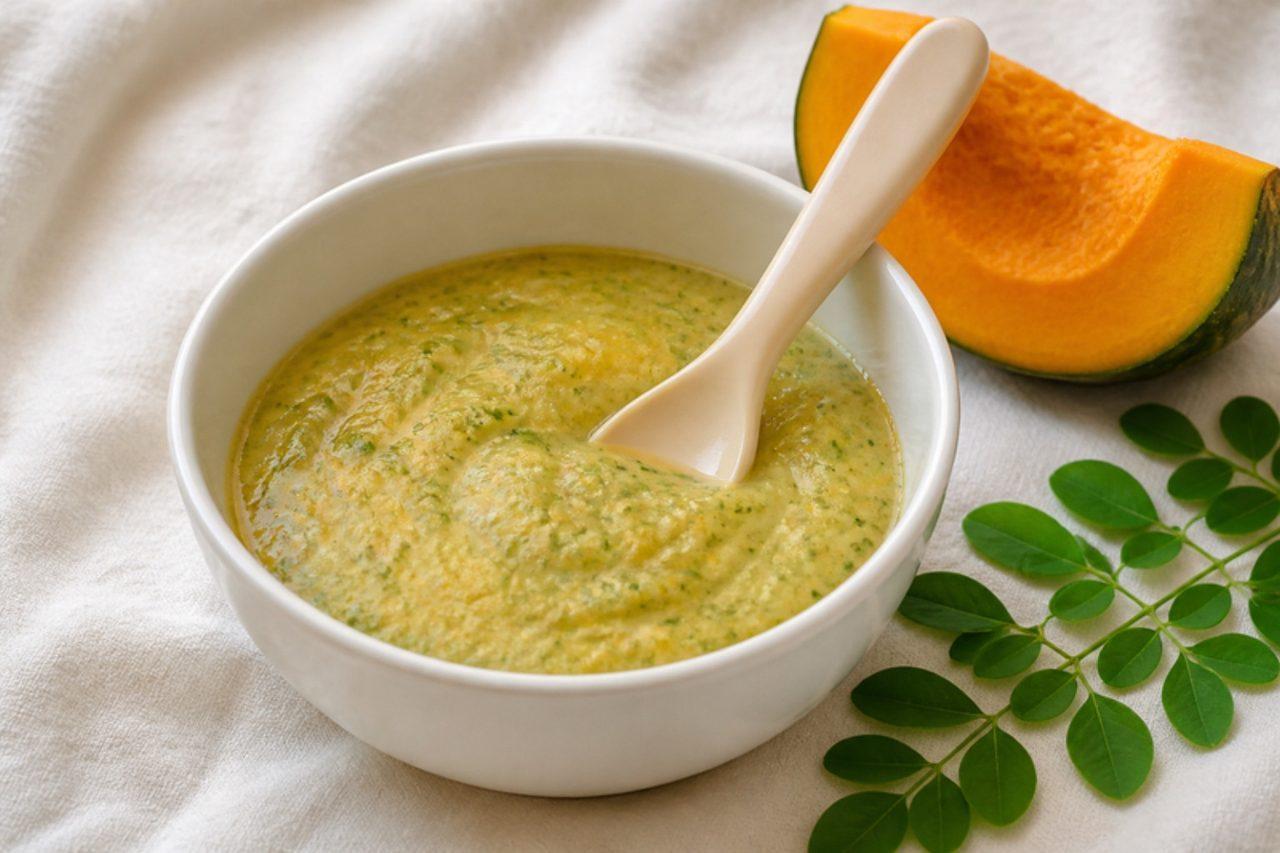
Vietnamese grandmothers often make a baby's early bowls of cháo with bí đỏ, the dense orange pumpkin sold in every market from Hà Nội to Cần Thơ. The rice is lightly toasted before simmering, a Vietnamese habit that gives the congee a faint nutty smell, and the pumpkin melts into it, turning it bright gold and naturally sweet. It is a weekday lunch for babies from six months, made without the fish sauce the rest of the family would add. No common allergens are in it (milk, egg, gluten, peanut, tree nuts, soya, sesame, fish). Chef's tip: choose a dry, dense pumpkin such as kabocha; watery squash makes a thin, bland congee.

by KrazyBadal 0 views

Lugaw for babies with squash and malunggay

In the Philippines, lugaw is the porridge every household turns to, and for babies it is cooked plain and extra soft, without the patis (fish sauce) or salt the family adds. Mothers often stir in mashed kalabasa, the orange squash from the market, and a few malunggay (moringa) leaves picked from the backyard tree, giving a sweet, gently green bowl for lunch or merienda. A slice of ginger in the pot is traditional and adds warmth. It has none of the common allergens (milk, egg, gluten, peanut, tree nuts, soya, sesame, fish). Chef's tip: strip malunggay leaves from their stalks completely; the little stems stay tough even after long cooking.

by KrazyBadal 0 views

Bai zhuo xiaPoached prawns

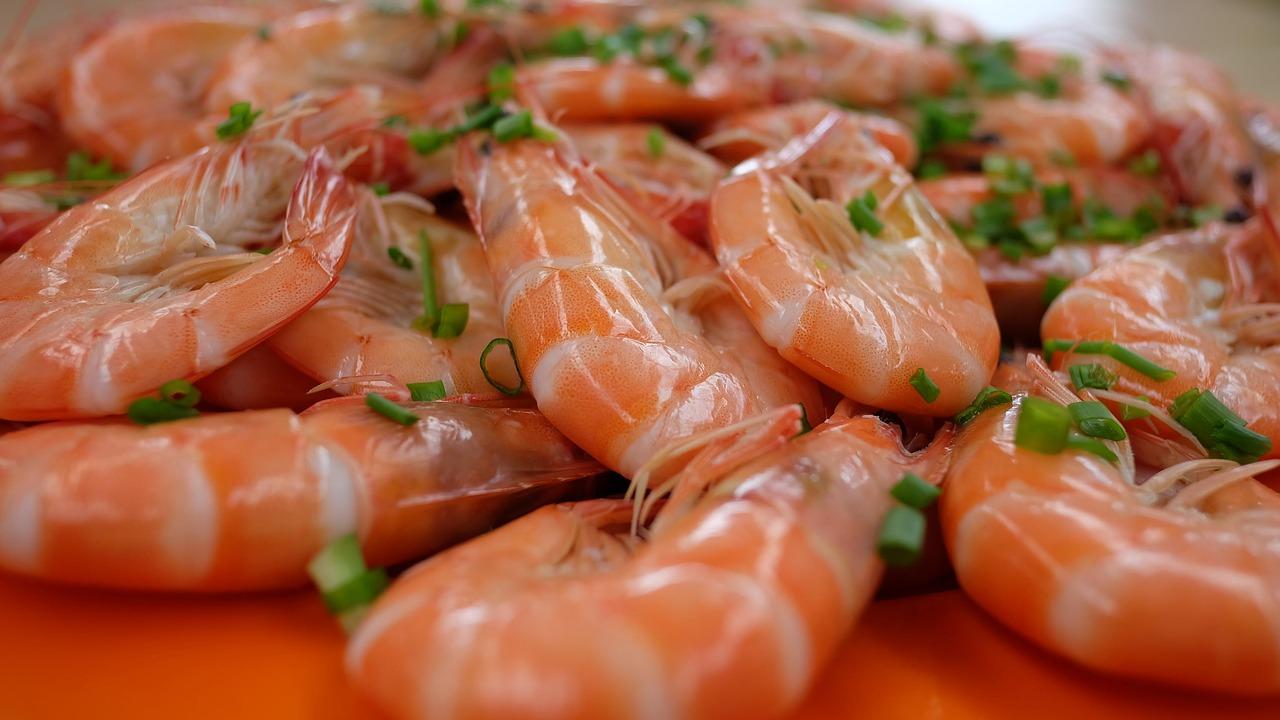
Bai zhuo, "plain poaching", is how Cantonese cooks treat seafood they think is too good to sauce, and a plate of whole poached prawns is on the table at almost every family dinner and wedding banquet in Guangzhou and Shunde. The prawns are dropped into boiling water with ginger and spring onion for barely two minutes, then peeled at the table and dipped in a sizzling sauce of soy, chilli and spring onion. They are sweet, springy and very light. A portion is about 130 kcal. In Guangdong the prawns are often bought live; this recipe uses fresh or thawed raw shell-on prawns. Discard any that smell of ammonia, have black heads or slimy, soft shells. The common mistake is overcooking, which makes them rubbery and hard to peel; take them out the moment they curl and turn pink. Chef's tip: plunge the cooked prawns into iced water for 30 seconds; the flesh firms up and shrinks slightly from the shell, so they peel easily.

by KrazyBadal 0 views

Idiyappam with coconut milk

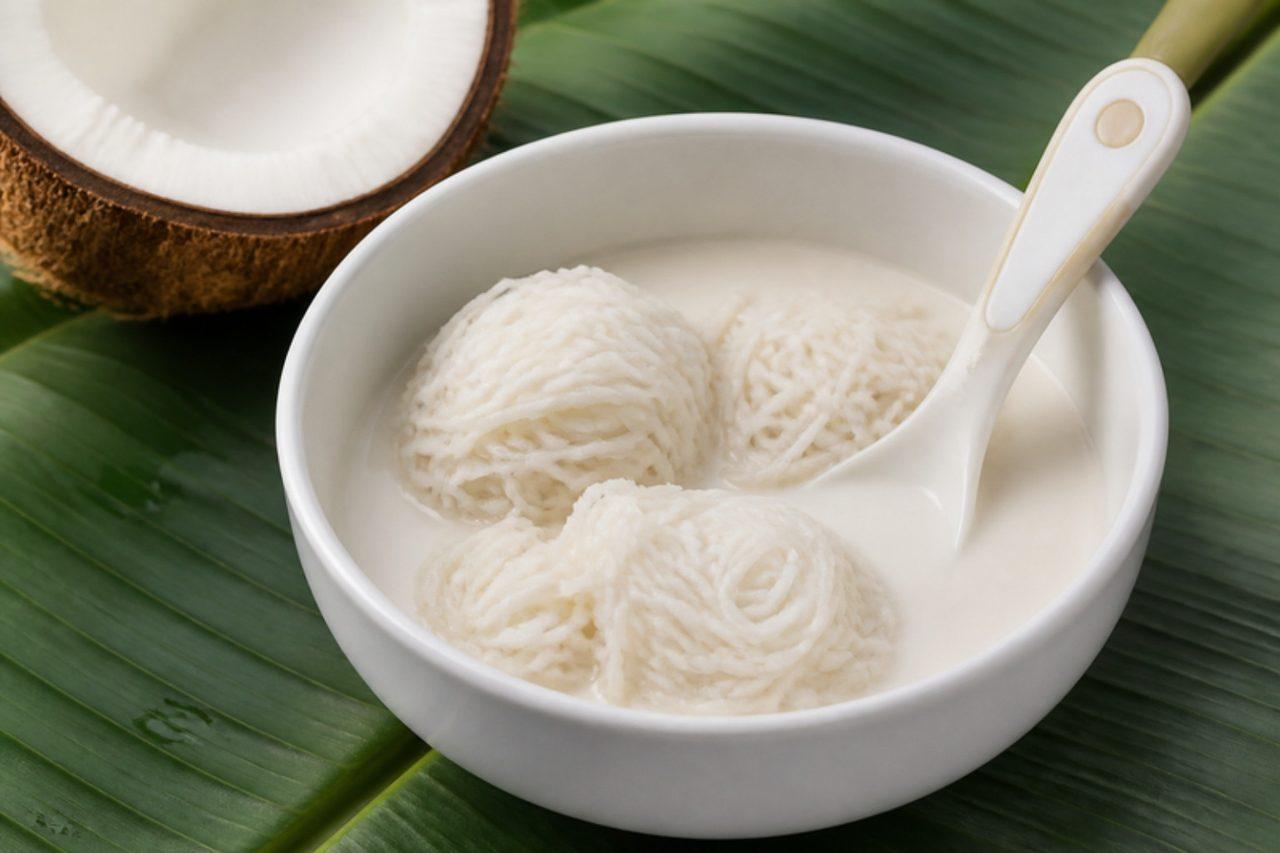
Idiyappam, lacy nests of rice noodles pressed and steamed, is a breakfast across Kerala and Tamil Nadu, and soaked in fresh coconut milk it is one of the first 'proper' foods many South Indian babies eat, from about nine months. The strands are soft, a little springy and taste of sweet coconut. Grown-ups add salt to the dough and children over one often have a little jaggery stirred into the coconut milk; for babies both are left out. It has none of the common allergens (milk, egg, gluten, peanut, tree nuts, soya, sesame, fish), though coconut can rarely cause a reaction. Chef's tip: the water must be at a rolling boil when it hits the flour, or the dough is crumbly and won't press.

by KrazyBadal 0 views

Xihu niurou gengMinced beef and tofu soup

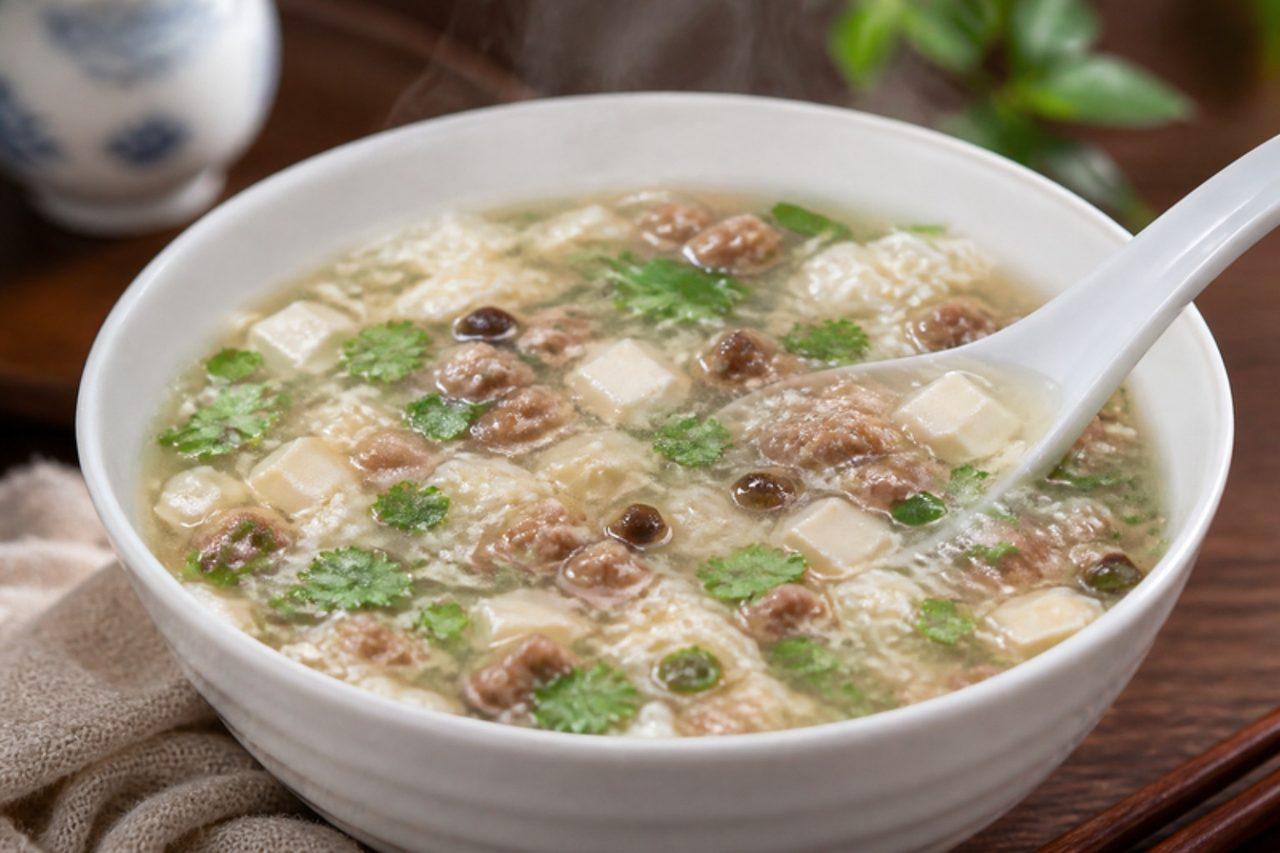
Named after Hangzhou's West Lake, this soup was once on every banquet menu in Zhejiang and is now a favourite in Cantonese restaurants too: finely chopped beef, soft tofu and mushrooms in a broth thickened until silky, with egg white drifted in like mist on the lake and a handful of coriander at the end. It is light, warming and eaten as a starter. Eggs, soy and wheat (in soy sauce) are the allergens. A bowl is about 170 kcal. The common mistake is adding the beef in a clump, so it boils into hard lumps; mix it with a little water first and stir as it goes in. Chef's tip: turn off the heat before you add the egg white and pour it in a thin stream; it sets in delicate white wisps instead of rubbery bits.

by KrazyBadal 0 views

Japanese hotcakes

Hotcakes are the tall, perfectly round pancakes of Japanese kissaten coffee shops and Sunday family breakfasts, and many children ask for them as an after-school treat too. They are thicker and more cake-like than Western pancakes, with an even golden surface and a soft, springy crumb. This batter is only lightly sweetened, so the butter and syrup on top do the work. It contains gluten, milk and egg. Chef's tip: cook them over a low heat with a lid on, so they rise high and cook through before the outside darkens.

by KrazyBadal 0 views

Graham balls

Graham balls are often the first sweet a Filipino child makes, usually for a class party or a cousin's birthday: crushed graham crackers kneaded with condensed milk into a dough, wrapped round a mini marshmallow and rolled in more crumbs, then set in paper cases in the fridge. They need no oven, just clean hands. They contain gluten and milk, and marshmallows usually contain gelatine, so they are not vegetarian unless you use gelatine-free marshmallows or a vegetarian gelling agent version. Graham crackers can be swapped for digestive biscuits. Chef's tip: chill the mixture for 20 minutes before rolling and it stops sticking to your palms.

by KrazyBadal 0 views

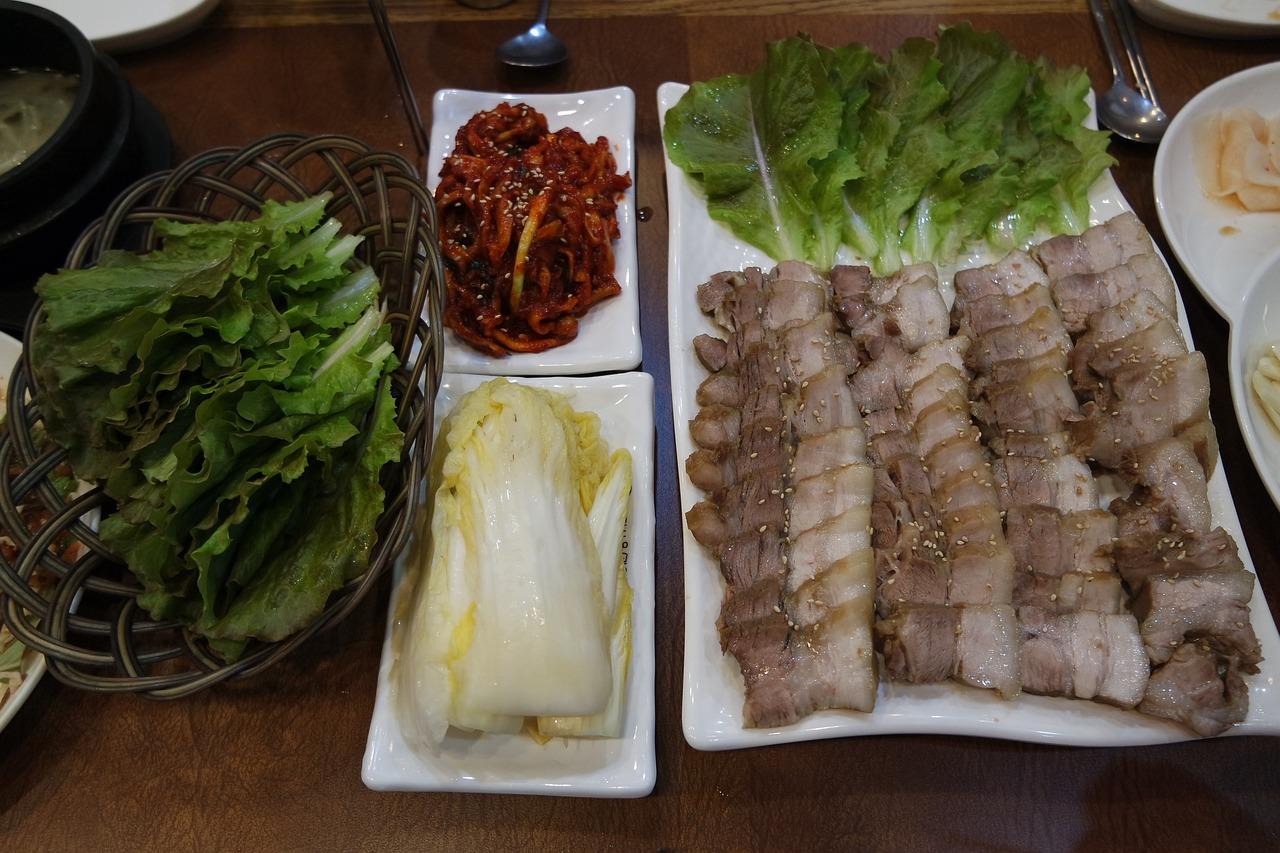
BossamBoiled pork wraps

Bossam started as the dish Korean families made on kimjang day in November, when the whole street gathered to make the winter's kimchi: a slab of pork belly was boiled while everyone worked, sliced and wrapped in the salted cabbage leaves with the fresh, spicy radish filling. Today Seoul's bossam restaurants around Jangchung-dong serve it all year, and it is a favourite takeaway. This is a pork dish, and pork belly is rich, so it is not a low-calorie choice: about 450 kcal a portion. Boiling the pork in water with doenjang, onion, garlic and ginger renders out much of the fat and leaves it tender with no smell. The most common mistake is slicing it hot; rest it for 10 minutes or it falls apart. Chef's tip: let the pork cool in the broth for 10 minutes before lifting it out; it stays much juicier.

90 minKoreanMeat
by KrazyBadal 0 views

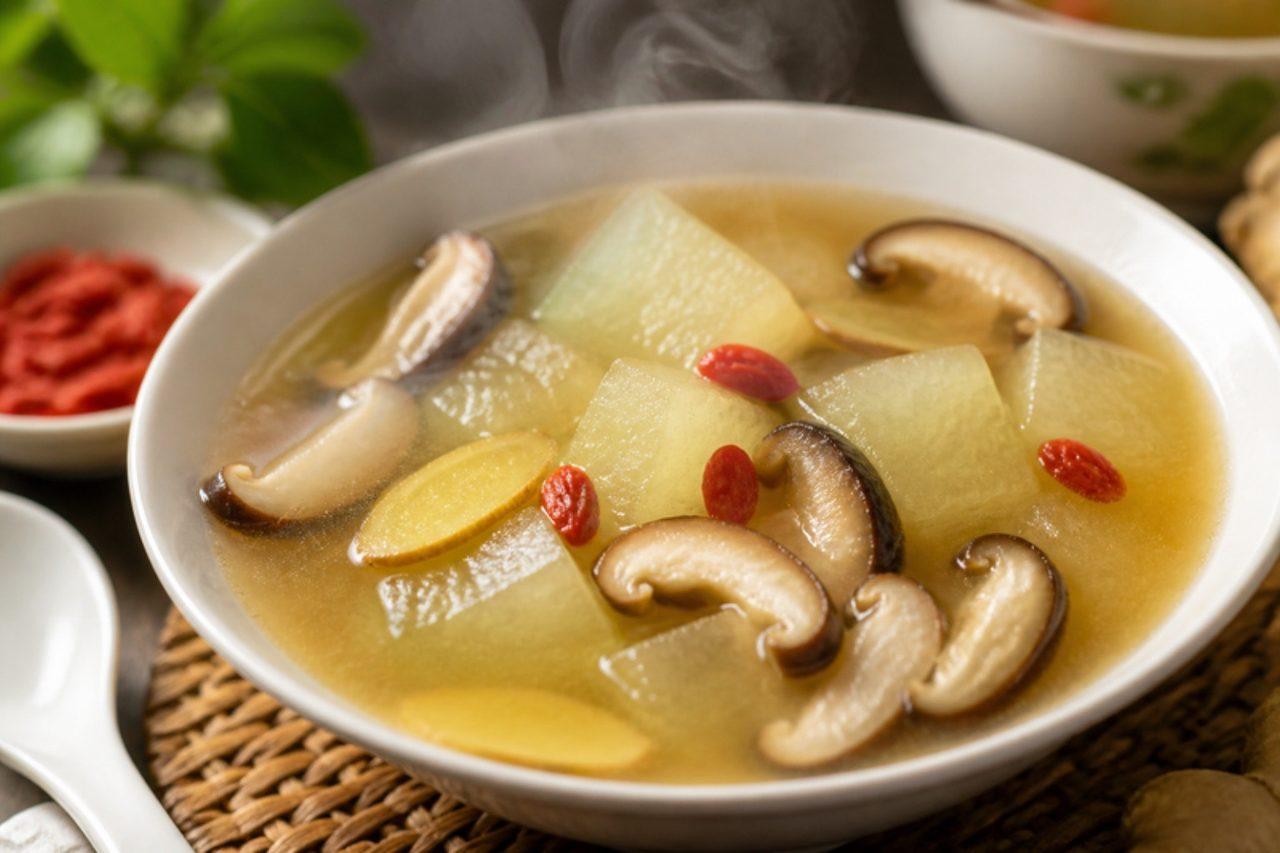
Dong gua tangWinter melon soup

In the sticky summers of Guangzhou and Hong Kong, a big pot of winter melon soup is on the stove in many homes: slabs of the pale green gourd simmered until translucent and almost melting, in a clear broth. Cantonese families believe it cools the body and drains the "dampness" of the season. Usually it is made with pork ribs or dried shrimp; this version uses dried shiitake and ginger for a deep, savoury vegetarian broth, seasoned only with salt and white pepper. A bowl is about 40 kcal. The common mistake is cutting the melon too thin, so it disintegrates; cut it into 2 cm slabs and simmer gently. Chef's tip: keep the soaking water from the mushrooms and add it to the pot; it is full of flavour.

by KrazyBadal 0 views

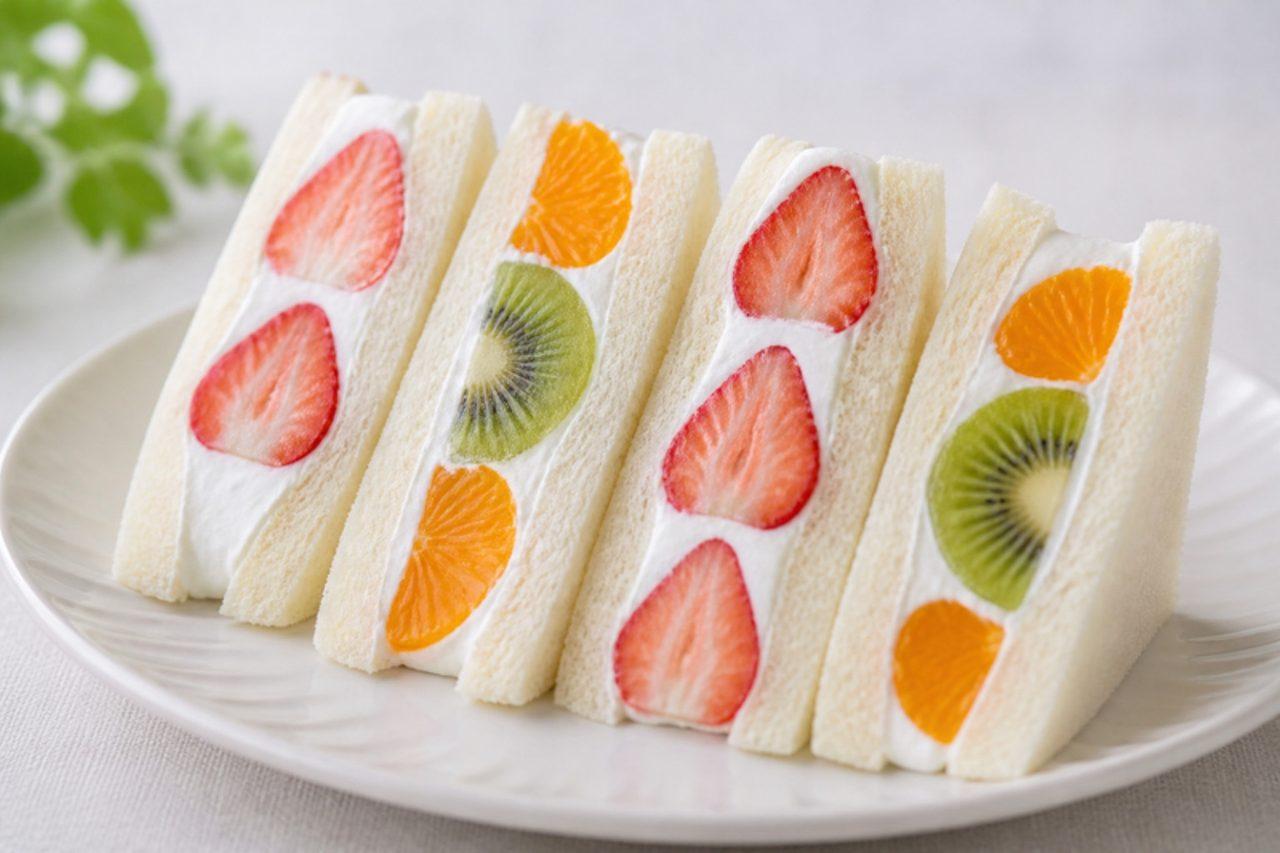
Fruit sando

Japanese fruit sandwiches started in the fruit parlours of Tokyo and are now sold in every convenience store, but they are just as much a home treat for a sunny weekend or a special after-school snack. Pillowy crustless bread holds a thick layer of barely sweetened whipped cream and whole pieces of fruit arranged so that each cut reveals a neat pattern. It contains gluten and milk (and often egg, in milk bread). Chef's tip: plan the cut before you arrange the fruit, laying the strawberries along the diagonal line you will slice through.

by KrazyBadal 0 views

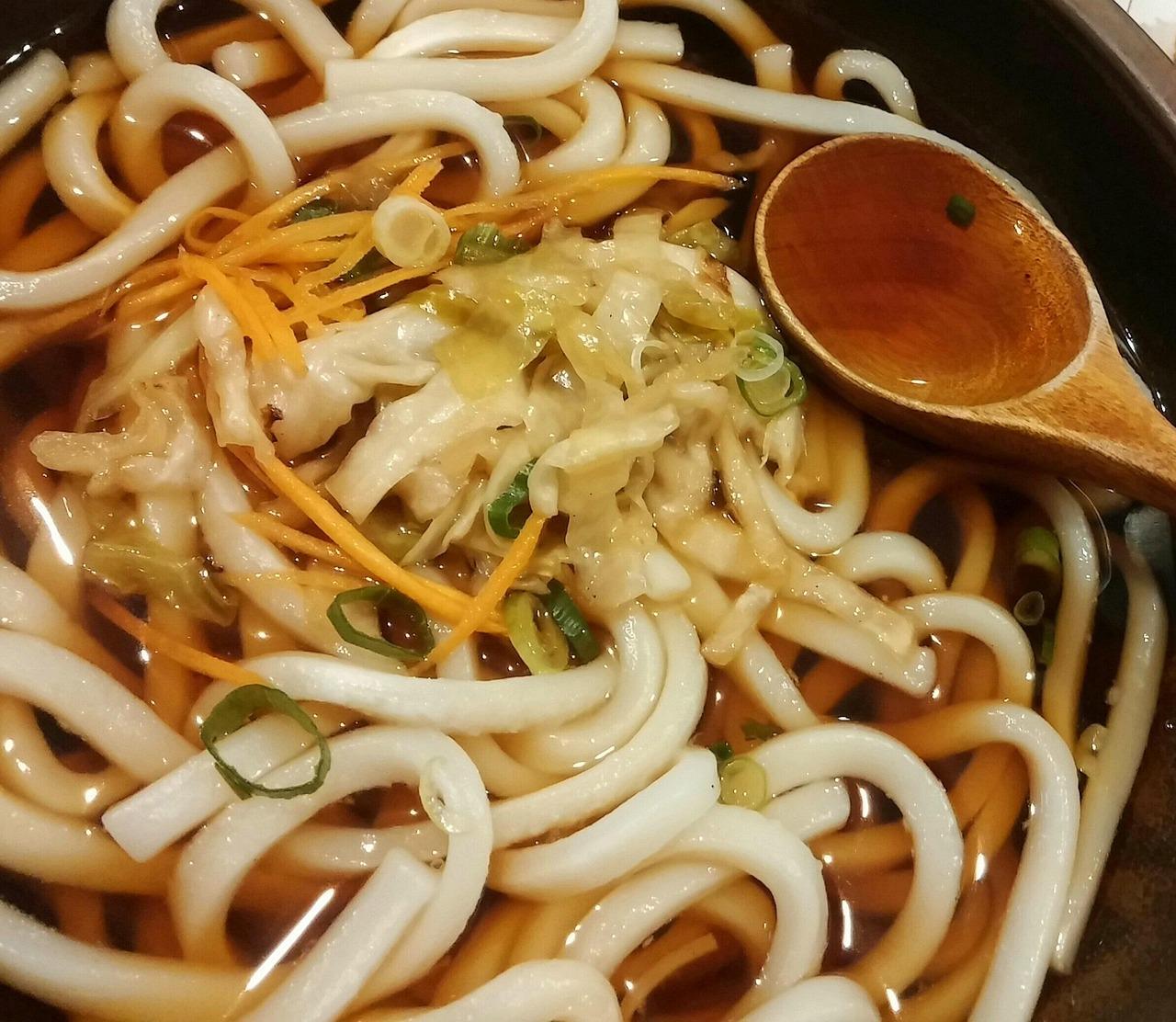
Kutakuta udon (soft-simmered baby udon)

Japanese parents call this kutakuta udon, 'floppy udon': thick wheat noodles simmered far longer than usual until they are soft enough to squash between two fingers, then chopped short for babies who are learning to chew, usually from around seven to nine months. The broth is a light kombu stock with sweet grated carrot and daikon and no soy sauce at all, so it tastes gentle and clean. It contains gluten (wheat); the other common allergens (milk, egg, peanut, tree nuts, soya, sesame, fish) are not in it. Chef's tip: kombu is rich in iodine, so use only a small piece, soak it briefly and lift it out before the broth boils.

by KrazyBadal 0 views

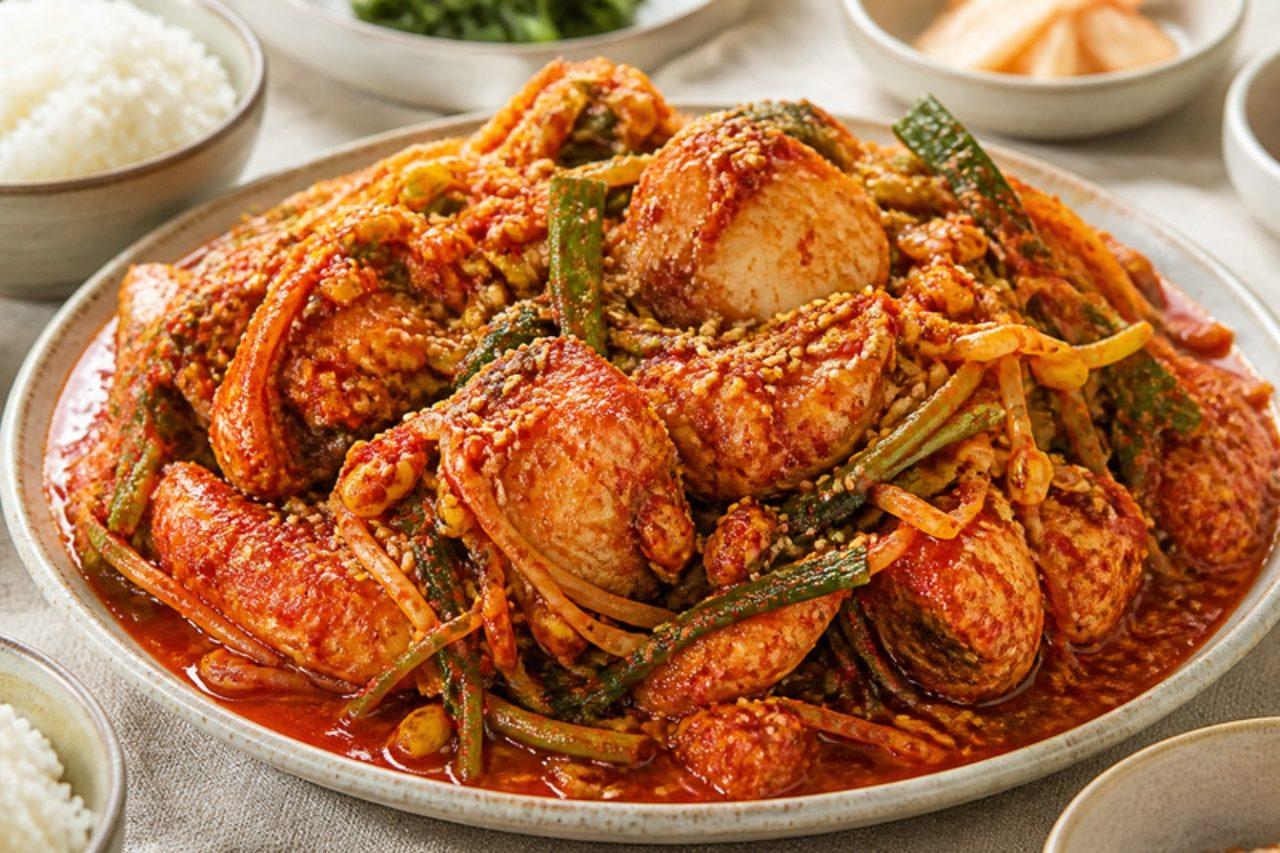
AgujjimSpicy steamed monkfish

Agu-jjim was invented in the 1960s in the port of Masan in South Gyeongsang, where fishermen's taverns started braising the ugly monkfish they used to throw back, and Masan's "agu-jjim street" is still full of restaurants serving it on huge platters to share. Chunks of firm monkfish are cooked with a mountain of crunchy soybean sprouts and minari in a fiery gochugaru sauce, thickened with starch until glossy. It is spicy, juicy and low in fat. A portion is about 240 kcal. The common mistake is cooking the bean sprouts too long; they should stay crisp, so add them only for the last few minutes. Chef's tip: steam the monkfish before saucing; it releases a lot of water, which you pour off so the sauce stays thick and red.

45 minKoreanFishSpicy
by KrazyBadal 0 views

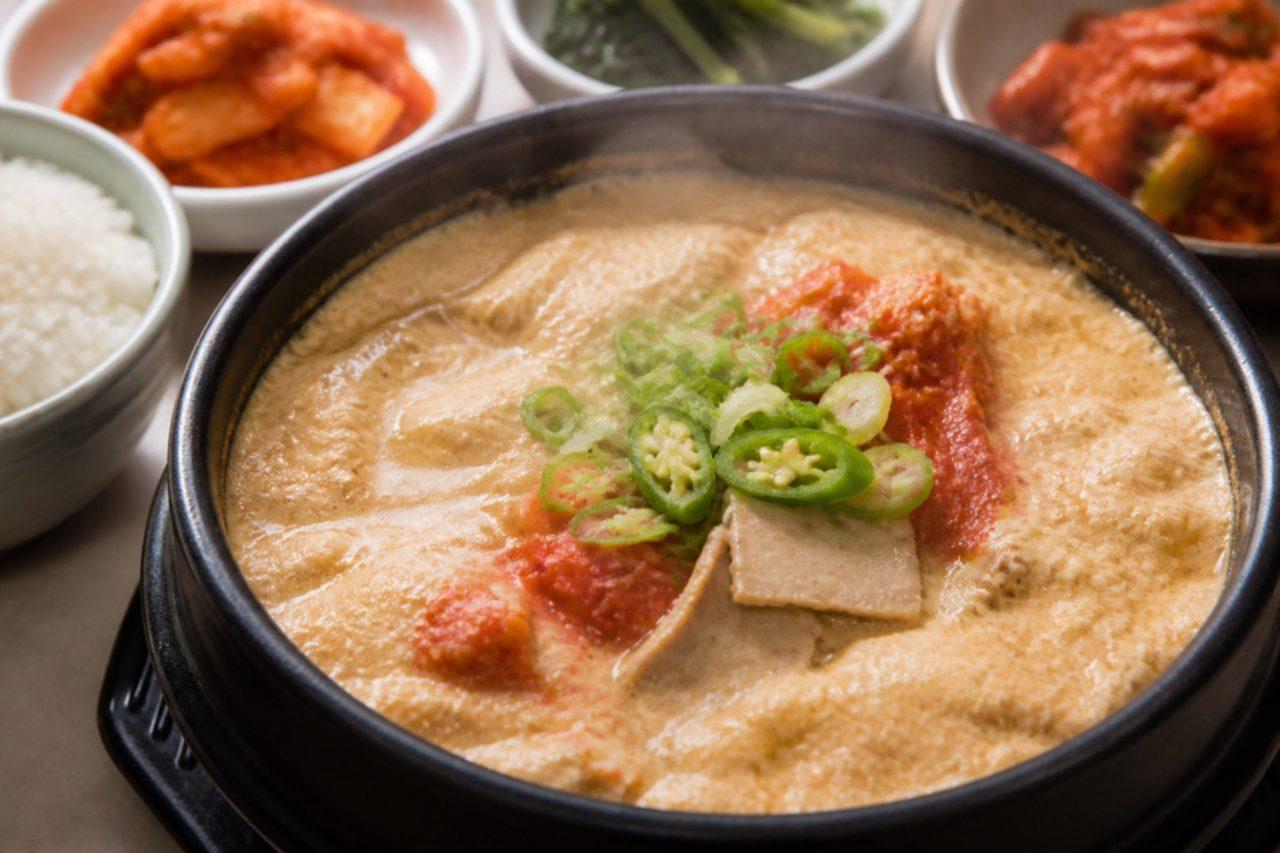
Kongbiji jjigaeSoybean pulp stew

Kongbiji jjigae is the rustic winter stew of Korean farmhouses, once made with the soy pulp left from tofu-making and now with soaked soybeans blended into a creamy, nutty paste: it is simmered with sour kimchi and a little pork belly until thick, and eaten with rice in Gyeonggi and Chungcheong homes when the weather turns cold. It is filling, mildly spicy and full of protein. This recipe contains pork. A portion is about 290 kcal. Soak the soybeans overnight first (not counted). The most common mistake is stirring the stew once the bean paste goes in; it should be left to bubble gently so the beans set into soft curds on top. Chef's tip: use well-aged, sour kimchi; fresh kimchi tastes flat against the rich beans.

by KrazyBadal 0 views

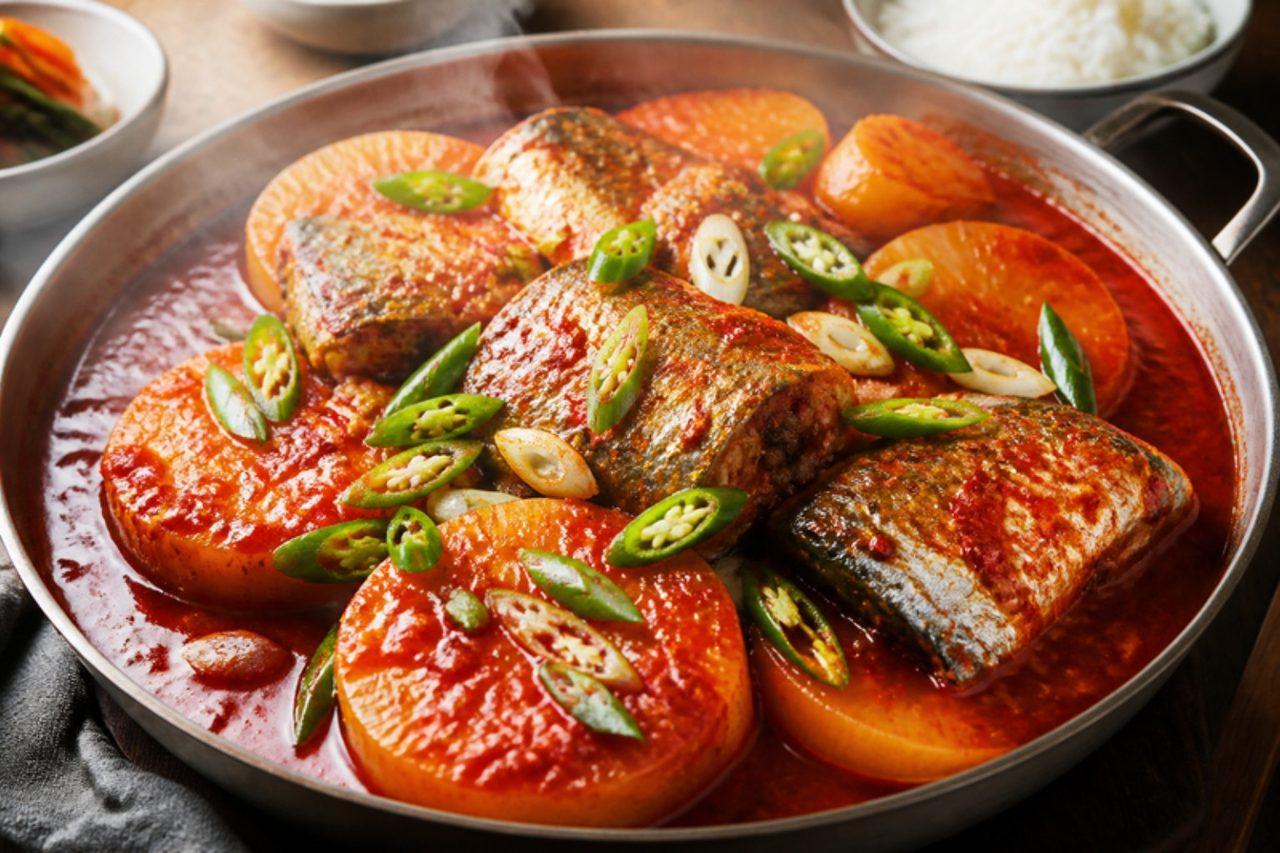
Galchi jorimBraised hairtail with radish

On Jeju island, the silvery hairtail caught on long lines at night by boats off Seogwipo is the pride of the local restaurants, and galchi-jorim is how islanders eat it most: pieces of the long, thin fish braised over thick slices of radish and potato in a bright red sauce of gochugaru, soy and garlic until the radish soaks up all the flavour. It is spicy, sweet and savoury and eaten with lots of rice. A portion is about 260 kcal. Hairtail has a soft, fine flesh and fine bones that lift away when cooked. The common mistake is stirring the pot, which breaks the delicate fish; spoon the sauce over instead. Chef's tip: put the radish on the bottom of the pan and the fish on top; the radish protects the fish from the heat and drinks up the sauce.

40 minKoreanFishSpicy
by KrazyBadal 0 views

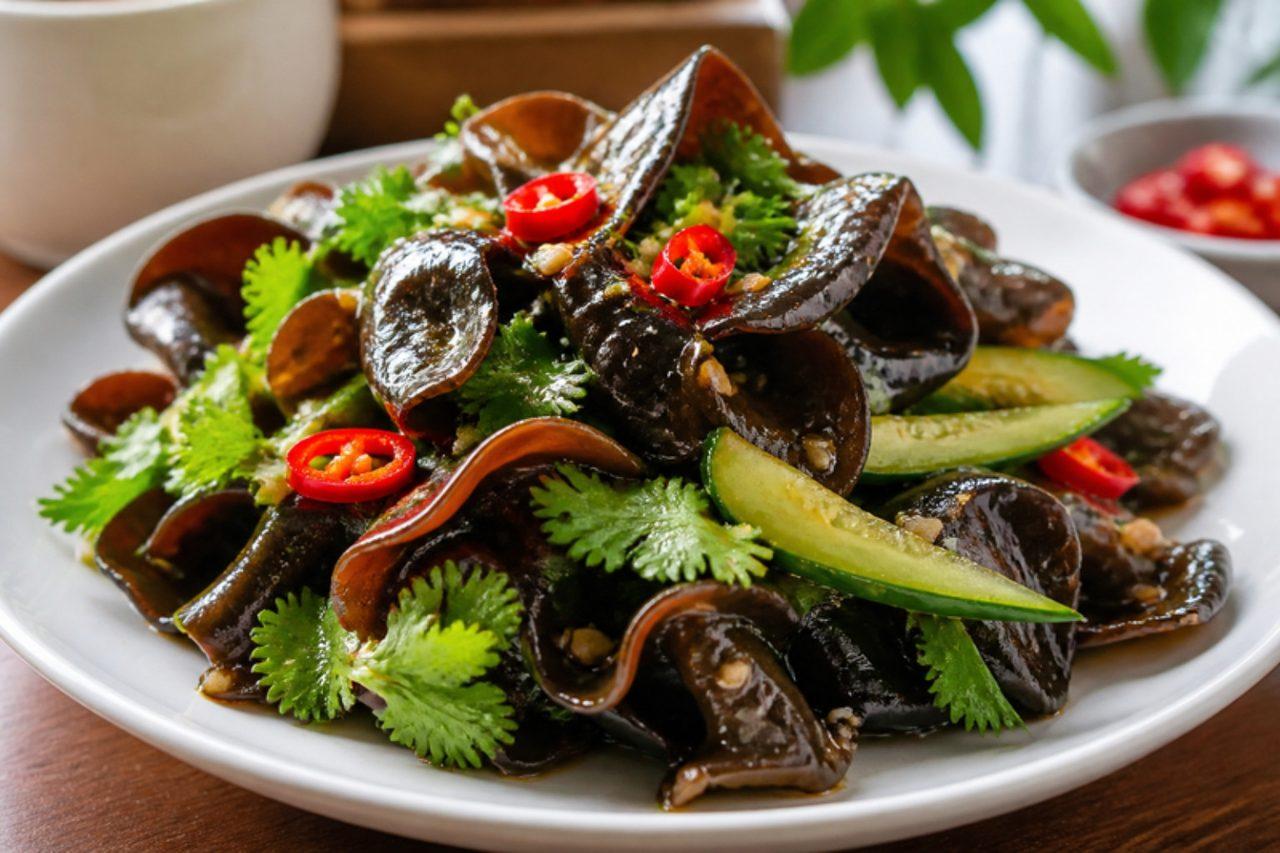
Liangban mu'erWood ear mushroom salad

Every noodle shop and dumpling house in Beijing and Harbin has a fridge of liangcai, the cold dishes ordered alongside the main meal, and liangban mu'er is one of the most popular: black wood ear fungus, which grows wild in the northeastern forests, blanched and tossed with black vinegar, garlic, chilli and coriander. It has almost no taste of its own but a lovely crunchy, bouncy bite, and it soaks up the tangy dressing. A portion is about 60 kcal. The common mistake is soaking the dried fungus in hot water to save time; it comes out limp. Use warm water for 15 minutes, or cold water for an hour, for the best crunch. Chef's tip: plunge the blanched fungus straight into iced water; it firms up and stays snappy.

by KrazyBadal 0 views

Dubu buchim tofu fingers

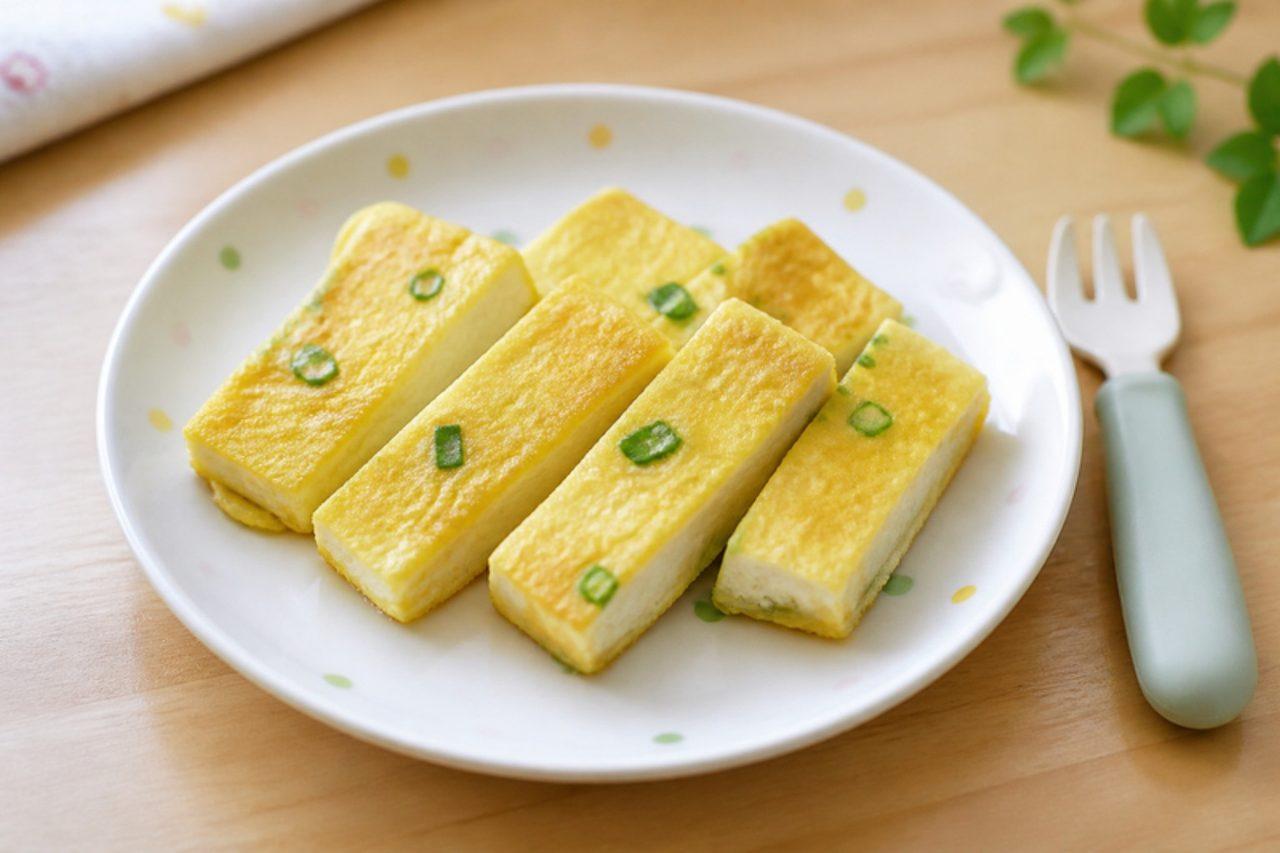
Dubu buchim, slices of tofu dipped in beaten egg and fried until golden, is an everyday Korean banchan, and families cut it into fingers for babies from about nine months to hold and gum. The outside is lightly crisp and the inside custard-soft, with a mild, nutty flavour. For babies it is made without salt, soy sauce or the usual sesame-soy dip; older children and adults can add the dip at the table. It contains soya and egg. Chef's tip: press the tofu well first, so it fries rather than steams and the egg coating sticks.

by KrazyBadal 0 views

Nyumen (hot somen for toddlers)

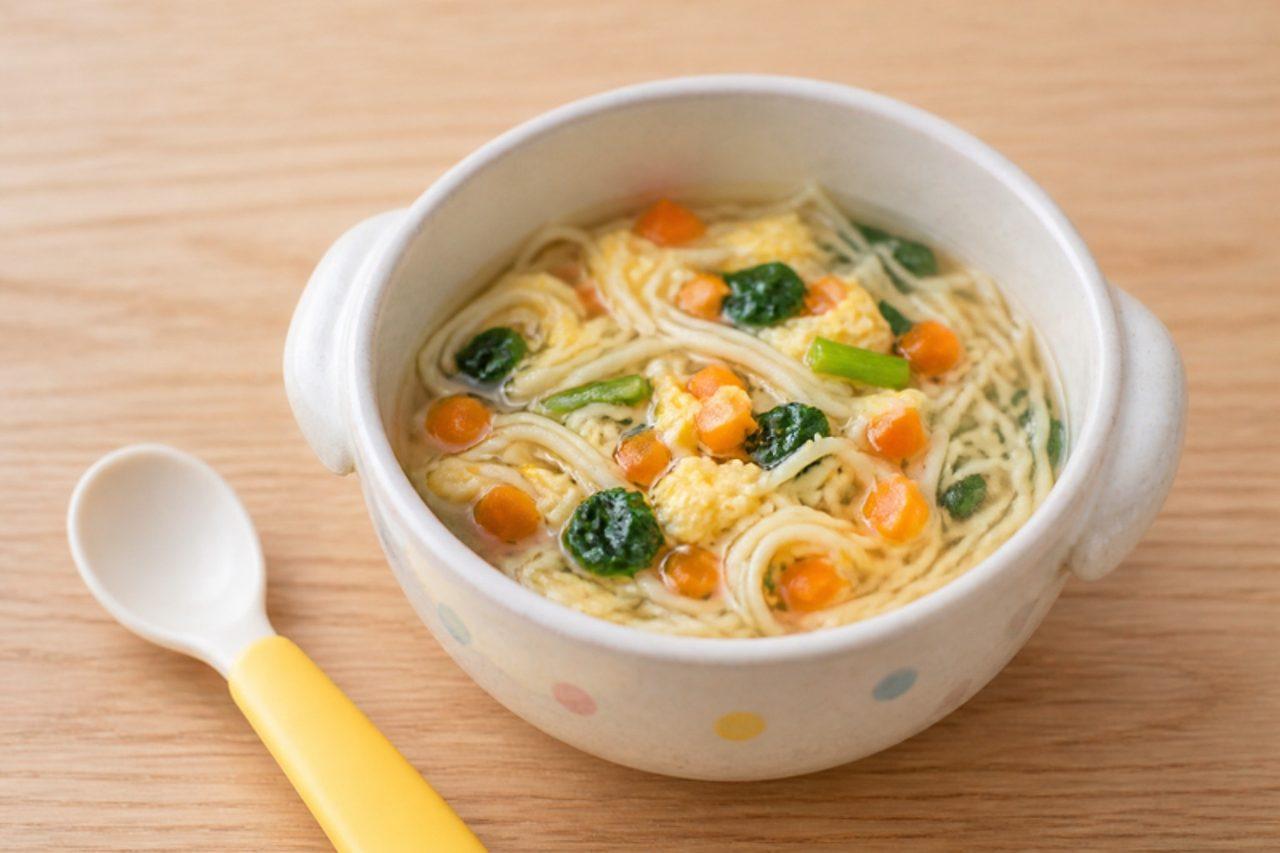
Nyumen is the hot, winter way of eating thin somen noodles, loved in Nara and across the Kansai region, and with its gentle broth it is a classic supper for small children and anyone feeling poorly. Fine noodles, soft carrot and spinach and silky ribbons of egg sit in a light stock of kombu and dried shiitake, seasoned for toddlers with only a few drops of low-salt soy sauce. It contains gluten (wheat), egg and soya. Chef's tip: somen dough is salted, so always boil and rinse the noodles separately rather than cooking them in the broth.

by KrazyBadal 0 views

Œuf et mouillettes (egg and soldiers for toddlers)

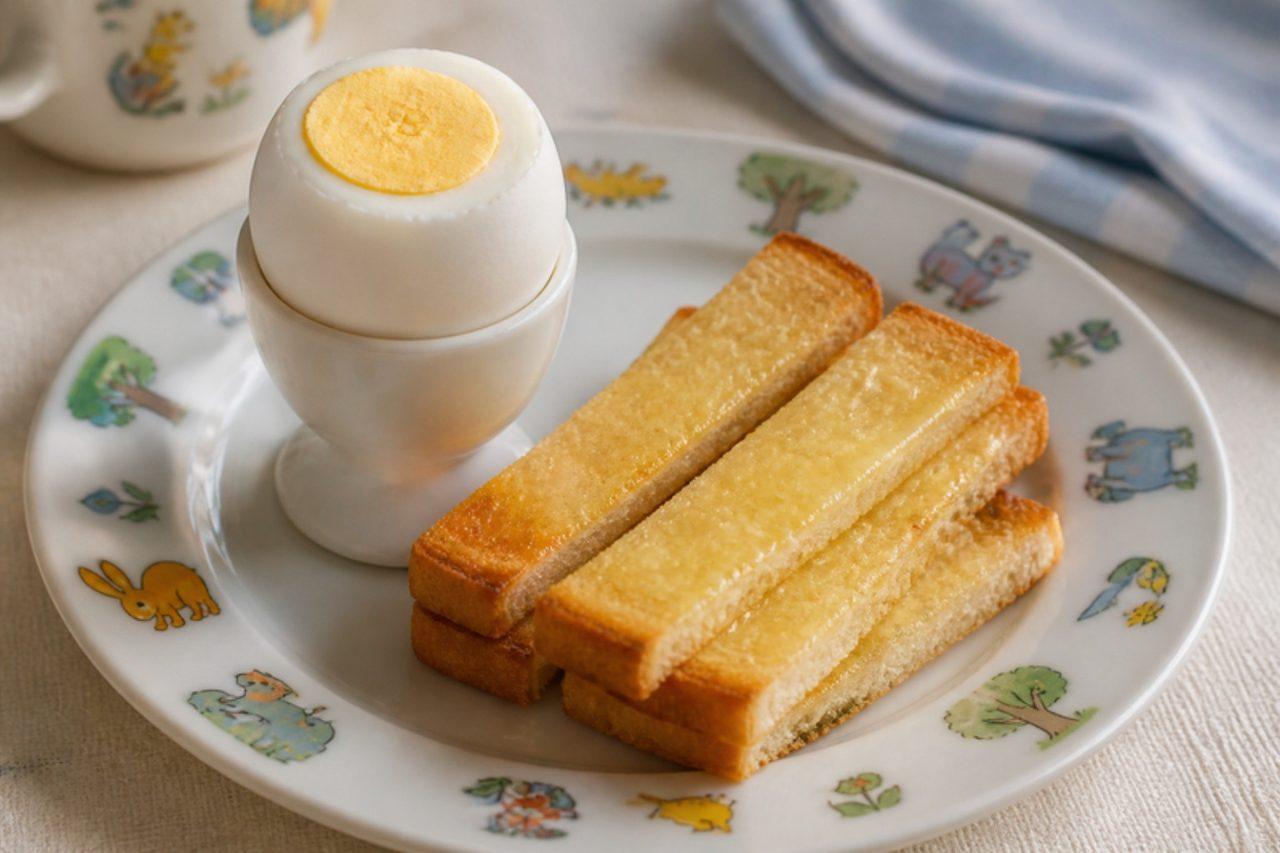
In France, l'œuf à la coque with mouillettes, buttered bread fingers, is the gentle supper or Sunday breakfast every child knows. For babies and toddlers the egg is boiled a little longer, until the white is firm and the yolk is set but still soft and fudgy, so little ones can scoop and spread it rather than dip into a runny centre. It contains egg, gluten (wheat) and milk (butter). Chef's tip: start with eggs at room temperature so they don't crack in the hot water, and lower them in gently on a spoon.

by KrazyBadal 0 views

Välling (Swedish oat and milk drink)

Välling, a thin gruel of cereal and milk, has been the Swedish child's bedtime drink for generations, and many families still make their own for toddlers once they move on to cow's milk at around a year old. It is smooth, warm and lightly oaty, with no added sugar or honey. It contains milk and gluten (oats are often processed with wheat; use certified gluten-free oats if needed); there is no egg, nuts, soya, sesame or fish. Chef's tip: blend the oats to a fine flour first, so the drink is silky and flows easily from a beaker.

by KrazyBadal 0 views

Cilok (Sundanese tapioca balls with peanut sauce)

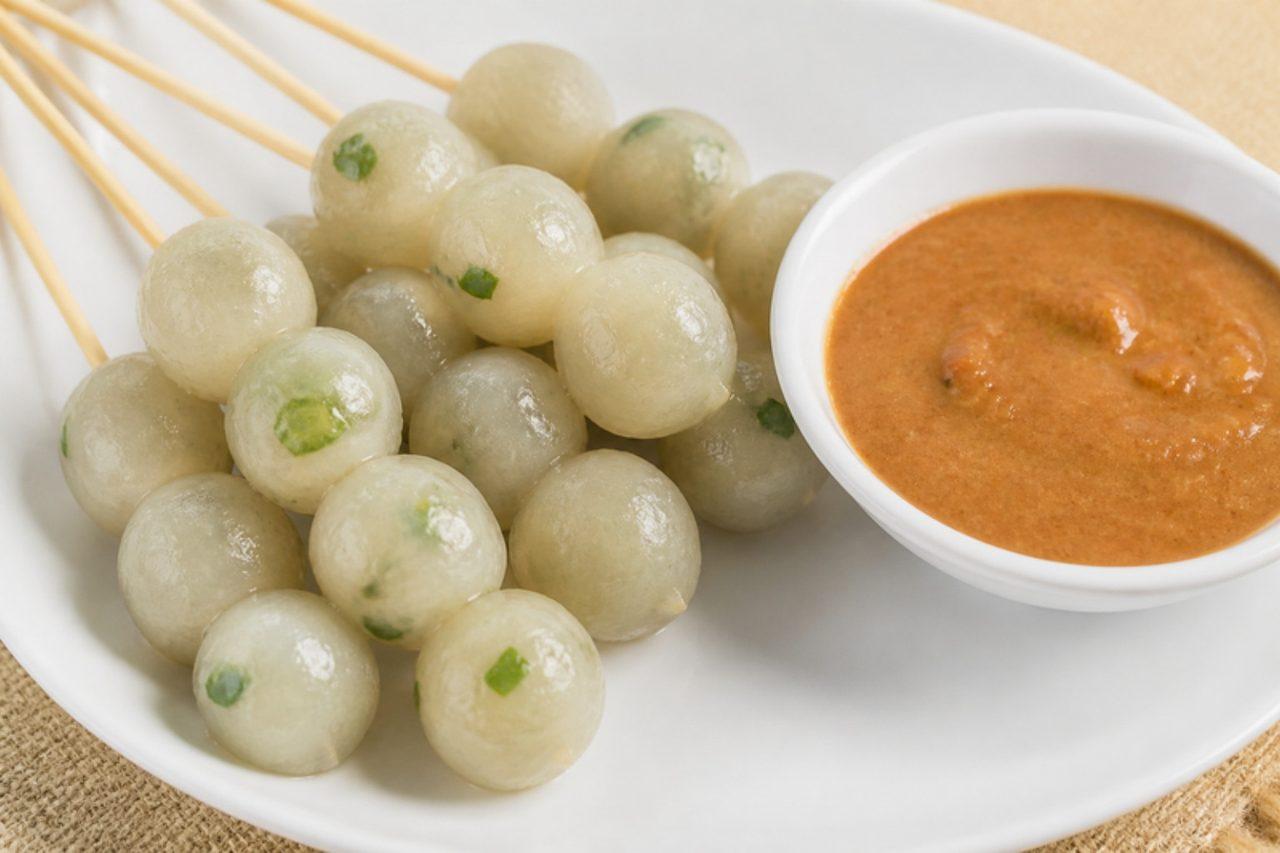
Cilok comes from Bandung in West Java, where its name is short for 'aci dicolok', tapioca you stab with a stick, and vendors sell it outside schools from steaming carts. The little balls are chewy and bouncy with garlic and spring onion through them, dunked in a thick peanut sauce that is sweet, savoury and only gently spicy for children. It contains peanuts, soya and gluten (sweet soy sauce). Chef's tip: pour boiling water onto part of the starch first; that scalded paste is what keeps cilok soft and stretchy instead of hard.

by KrazyBadal 0 views

Liangban haidai siShredded kelp salad

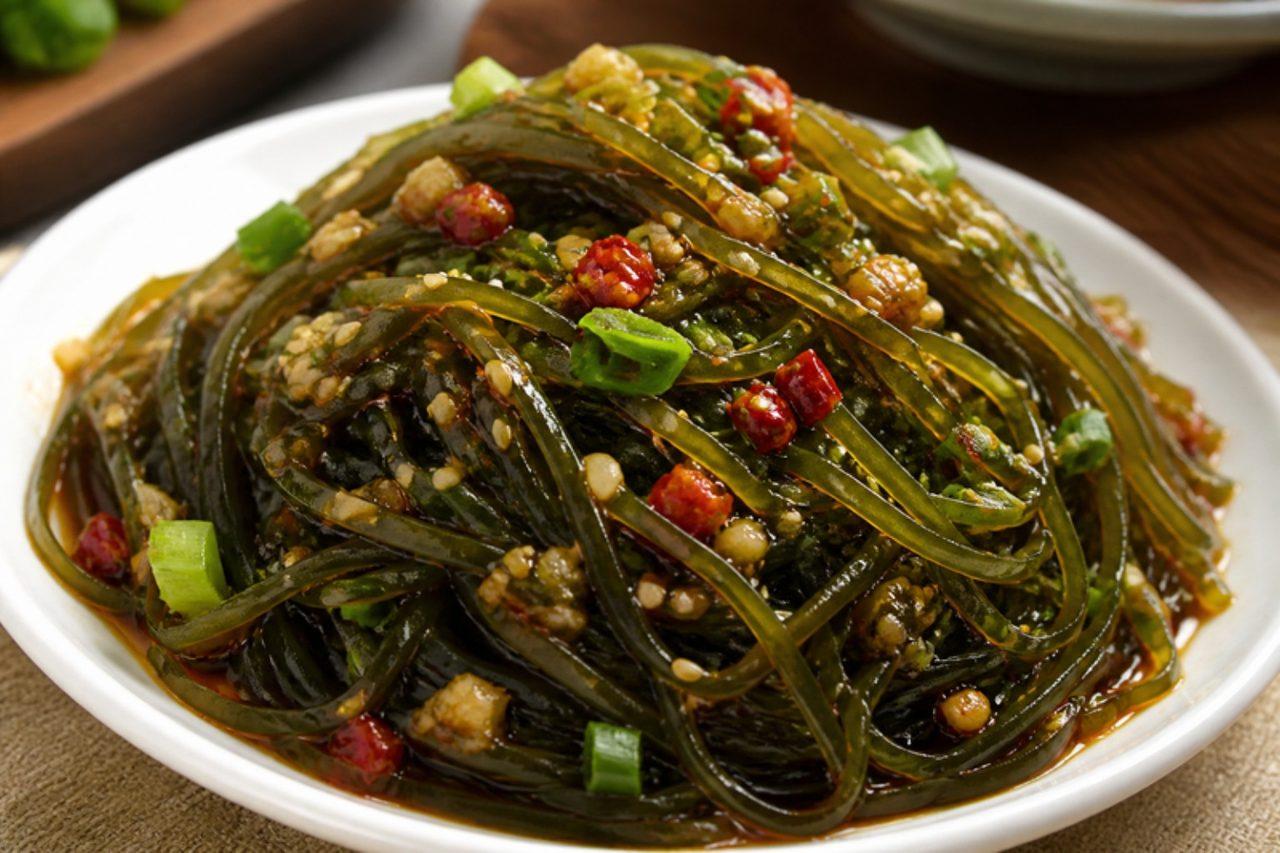
Kelp is farmed in huge quantities along the coast of Shandong and Liaoning, and liangban haidai si is the cheap, crunchy cold dish served in every northern canteen, street stall and home: long, thin strands of kelp blanched and dressed in garlic, vinegar, soy, sugar and chilli oil. It is salty-sour, a little spicy and tastes of the sea, and it goes with dumplings, noodles or a bowl of congee. A portion is about 55 kcal. The common mistake is not rinsing the kelp well; it is coated in a salty, slippery film that must be washed off before blanching. Chef's tip: add a few drops of vinegar to the blanching water; it keeps the kelp bright green and crisp.

by KrazyBadal 0 views

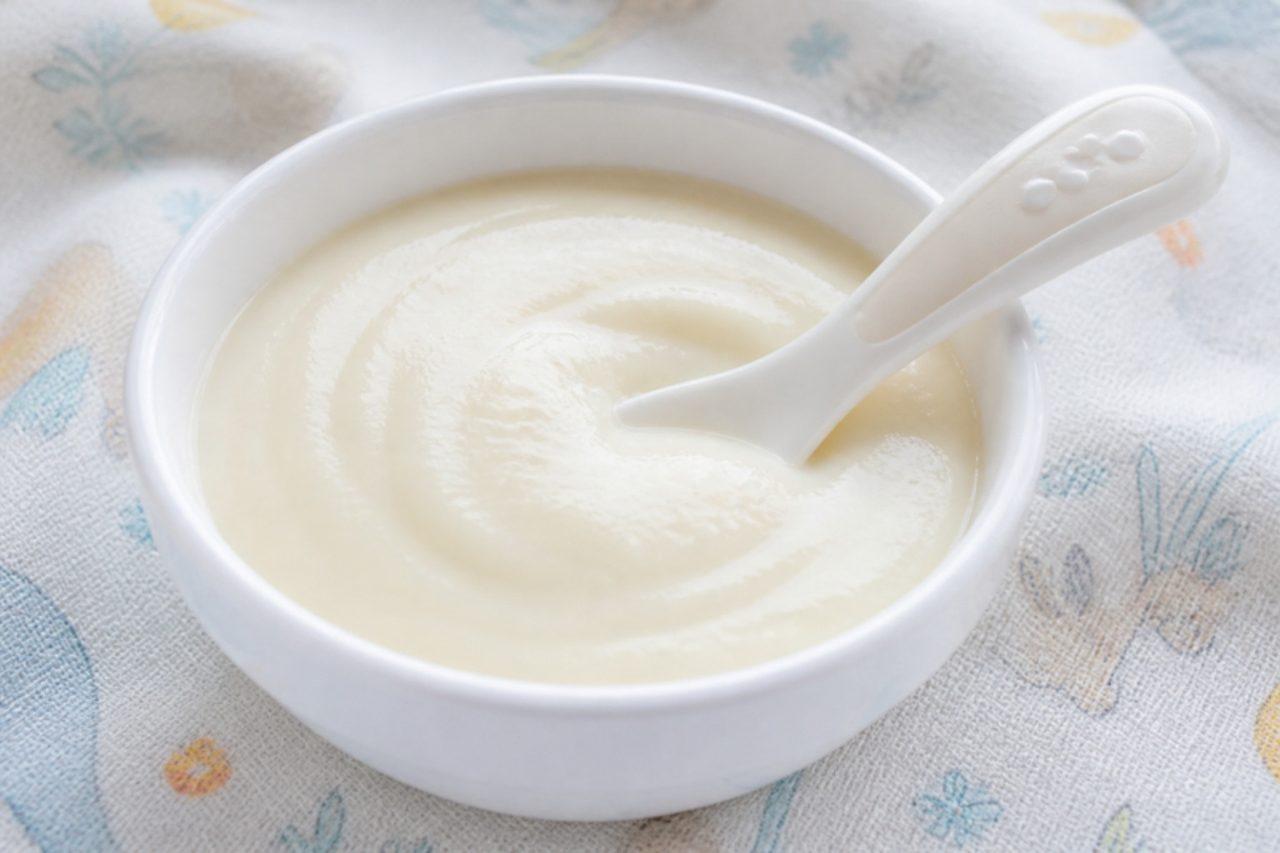
Bouillie (French baby cereal porridge)

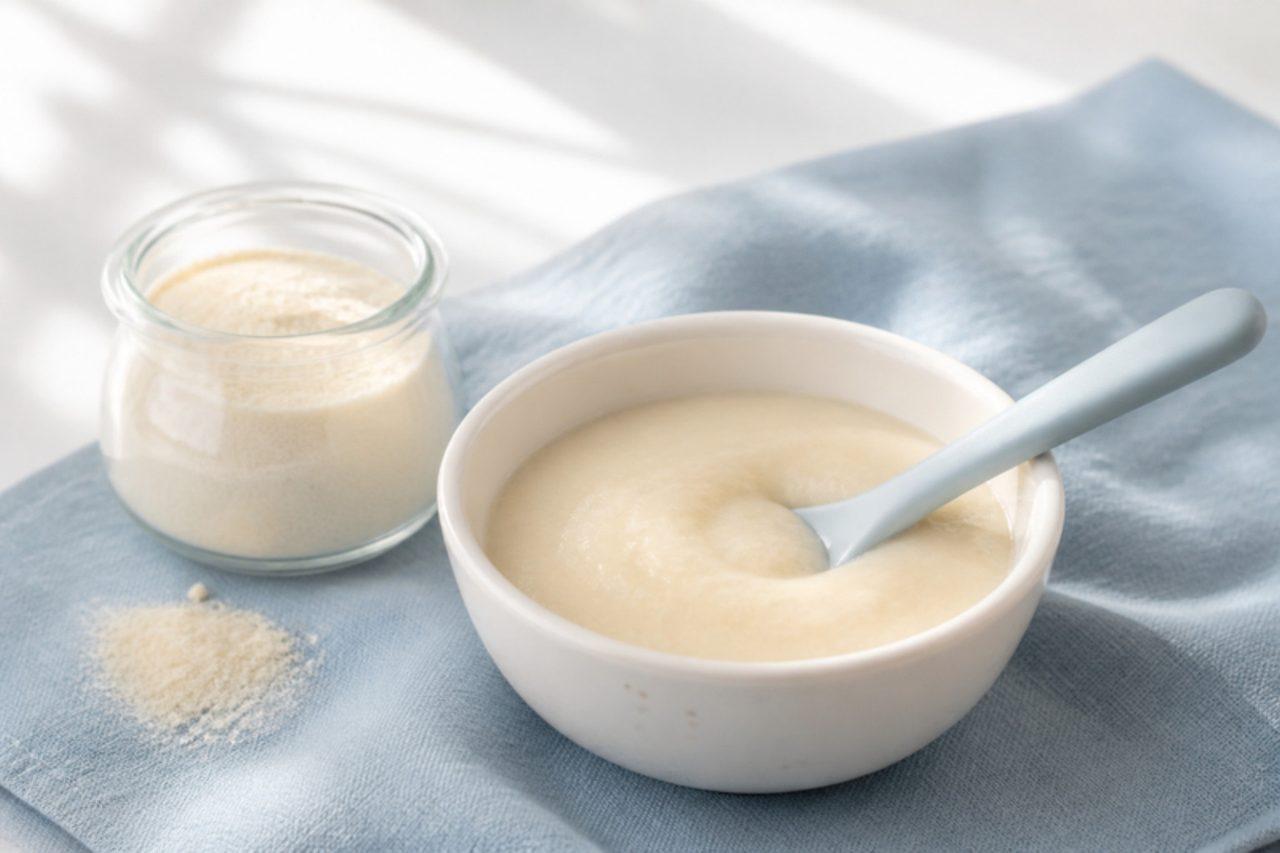
In France, la bouillie is the warm cereal porridge that joins a baby's morning or evening milk at around six months. It is simply the baby's usual milk, breast milk or formula, thickened with plain infant cereal or fine oat or rice flour, and given from a spoon, or thinner from a bottle as many French families do at bedtime. It is creamy and mild. It contains milk from the formula, and gluten if you use oat or wheat cereal; there is no egg, nuts, soya, sesame or fish. Chef's tip: choose a cereal with no added sugar or flavourings; you can add a spoon of fruit purée for sweetness later.

by KrazyBadal 0 views

Matpakke (Norwegian packed lunch)

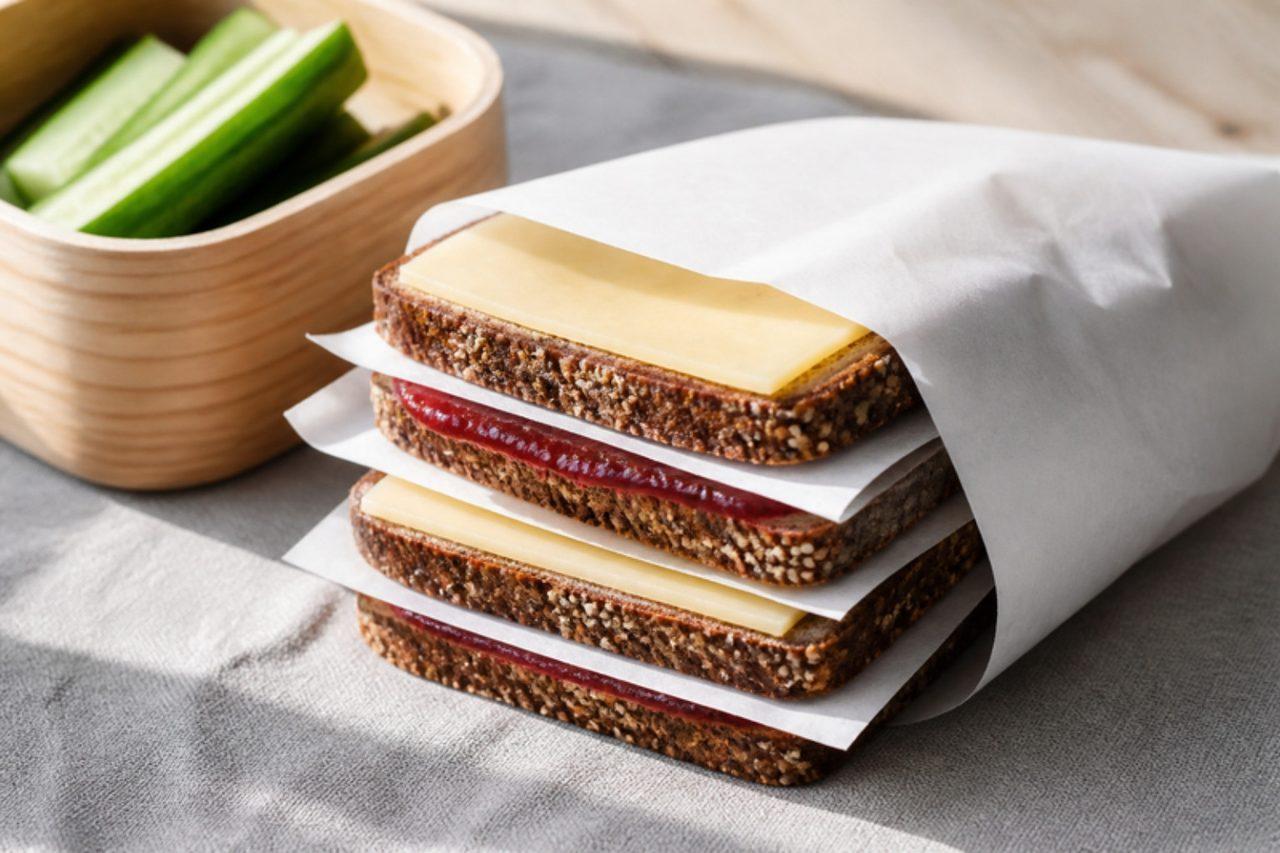
Nearly every Norwegian child carries a matpakke to school: slices of wholemeal bread, each with one simple topping, stacked with sheets of sandwich paper in between and wrapped in a neat parcel. Yellow cheese, sweet caramel-like brown cheese (brunost) and jam are the classics, with cucumber or pepper sticks on the side; liver paste is the meaty favourite. It is plain, filling and built to survive a school bag. It contains gluten (wheat) and milk. Chef's tip: keep wet toppings like tomato out of the stack; they make the bread soggy by lunchtime.

by KrazyBadal 0 views

Mashed nam wa banana (kluay nam wa bod)

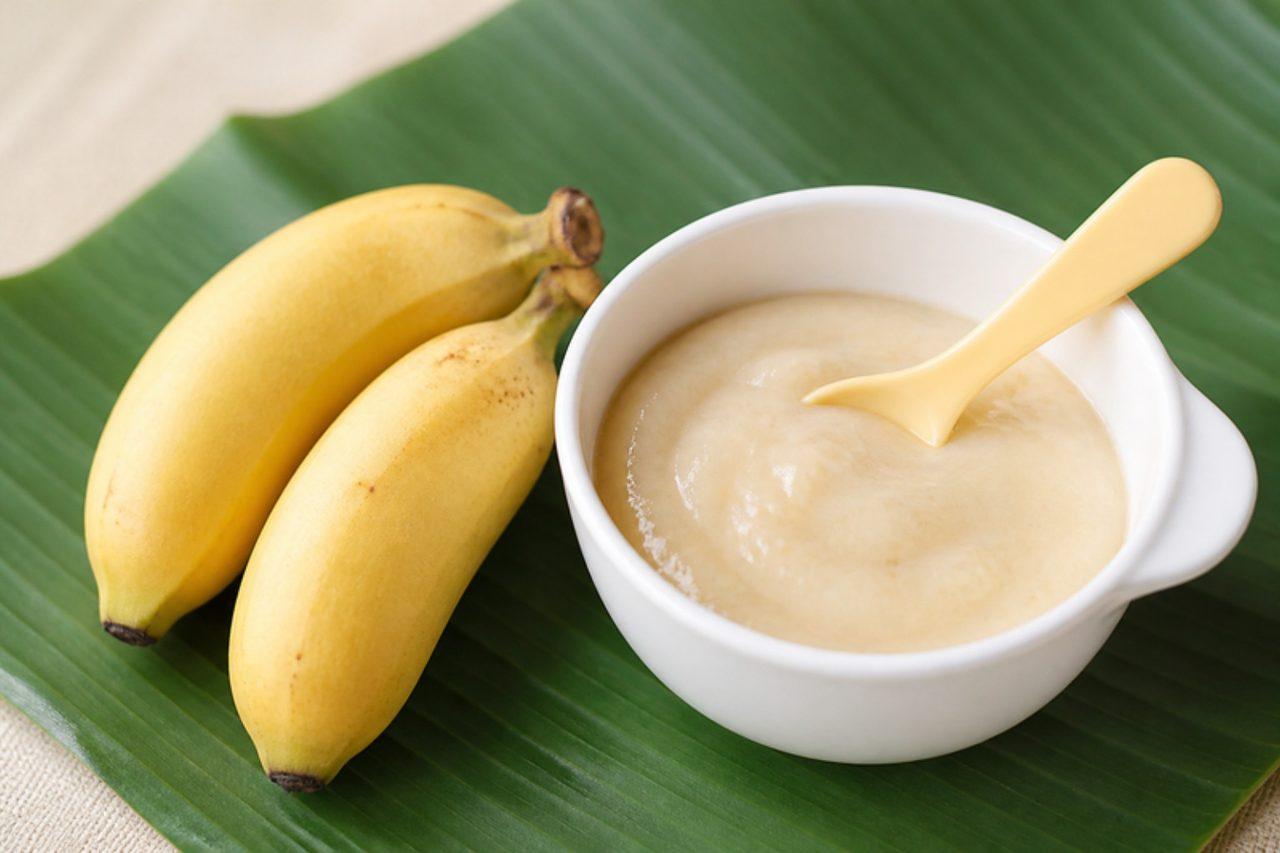
Ask a Thai grandmother about first foods and she will talk about kluay nam wa, the short, plump banana that grows in nearly every garden in Thailand. Ripe ones are steamed, which softens the slightly astringent edge, then scraped and mashed for a baby's first taste, often in the afternoon. It is sweet, creamy and needs nothing added. There are no common allergens (milk, egg, gluten, peanut, tree nuts, soya, sesame, fish). If you can't find nam wa, use a small, very ripe ordinary banana. Chef's tip: steam the banana in its skin; it keeps the flesh moist and stops it browning.

by KrazyBadal 0 views

Mingau de maisena (cornflour milk porridge)

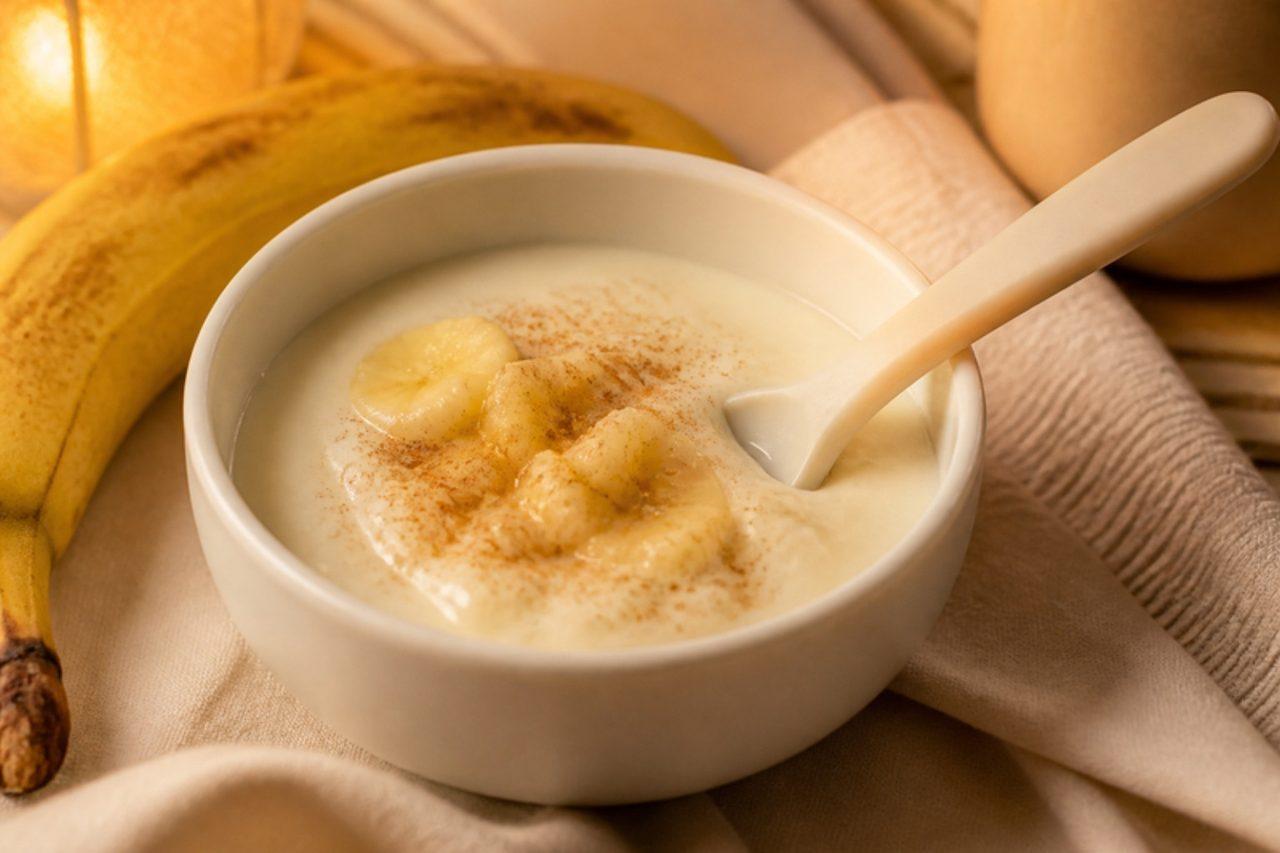
In homes across Brazil, a little bowl of mingau de maisena is the classic supper before bed: milk stirred with cornflour over a low heat until it turns smooth and spoonable, like a thin custard. Grandmothers usually add sugar and cinnamon, but for babies from nine months the sweetness comes from mashed ripe banana instead. It contains milk (cow's milk is fine cooked into food from this age); it has no gluten, egg, nuts, soya, sesame or fish. Chef's tip: mix the cornflour into cold milk before heating, never into hot milk, or it forms lumps at once.

by KrazyBadal 0 views

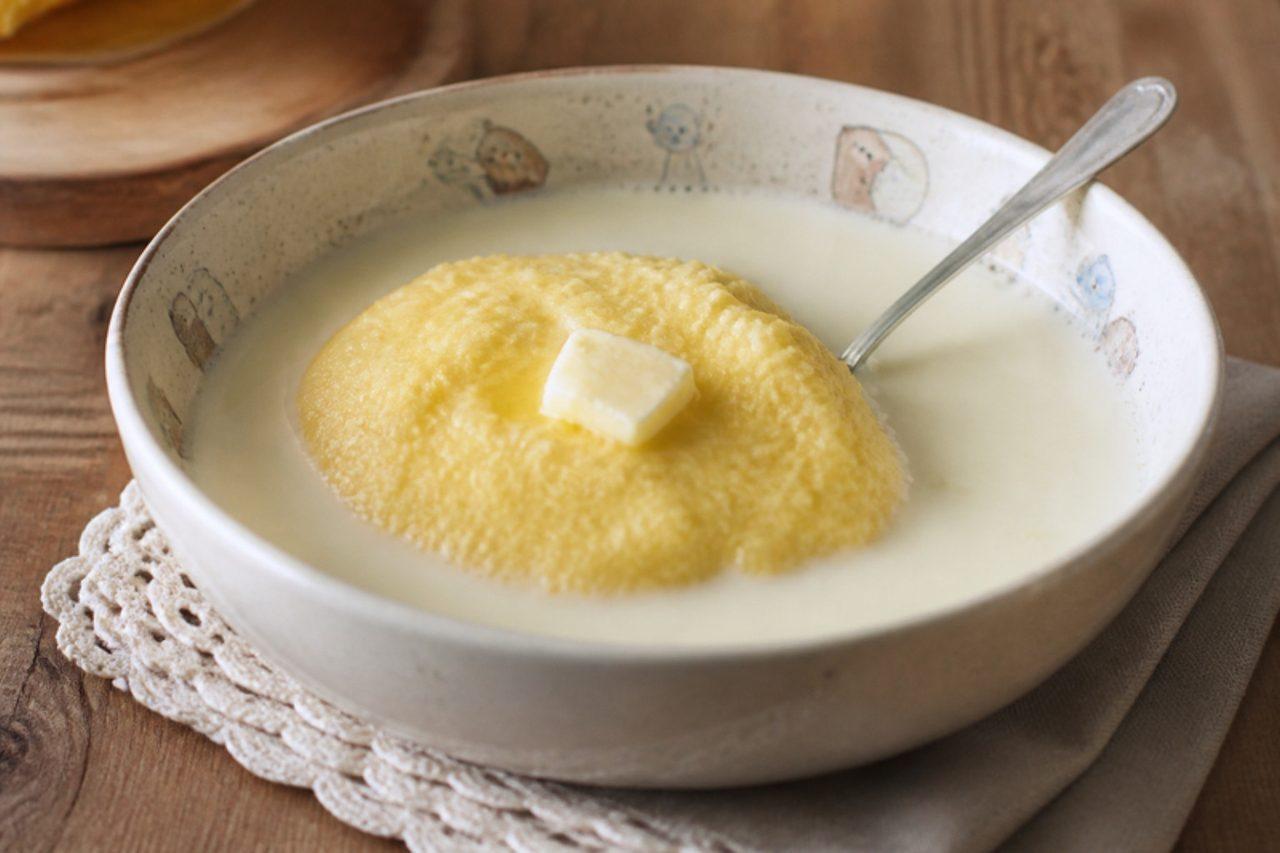
Polenta e lattePolenta in milk

In farmhouses across Lombardy and the Veneto, the polenta left over from lunch was cut into pieces at night and dropped into bowls of warm milk for the children, and polenta e latte is still remembered fondly as a cosy winter supper. Freshly made polenta works just as well: soft, golden and comforting, with the milk soaking into it. It contains milk; it has no gluten, egg, nuts, soya, sesame or fish. Chef's tip: whisk the polenta into the water in a thin stream, like rain, to keep it smooth.

by KrazyBadal 0 views

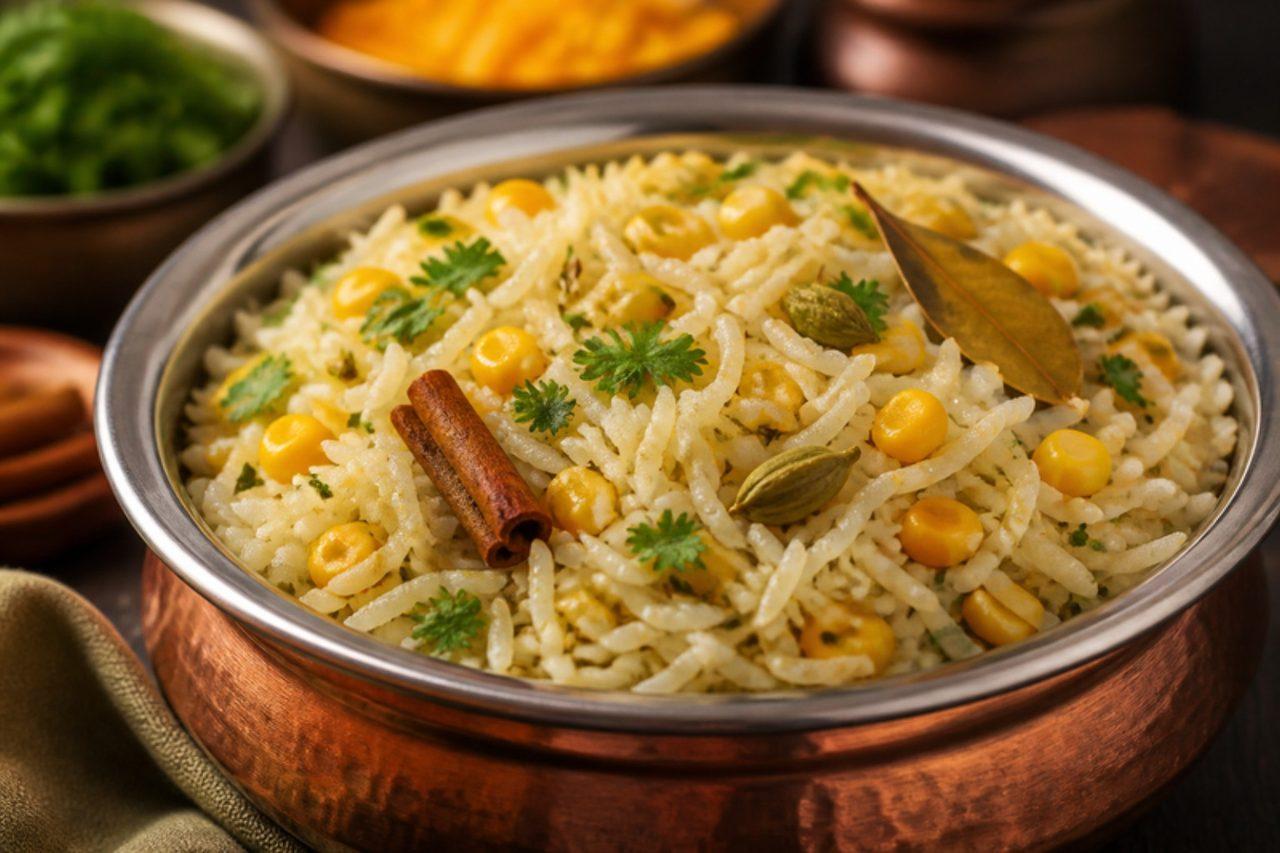
Sweetcorn pulao

Sweetcorn pulao is a modern city favourite in India, from Pune to Delhi, cooked on school nights and packed into the next day's tiffin: fluffy basmati with juicy corn, gently perfumed with cumin, bay and cardamom, mild enough for the youngest at the table. Serve it with raita or a simple dal. It contains milk (ghee); use oil for a dairy-free version. Chef's tip: once the lid is on, don't stir; stirring breaks the grains and makes the pulao sticky.

by KrazyBadal 0 views

Ssal mieum (Korean first rice gruel)

In Korean homes the weaning journey, called iyusik, begins with ssal mieum, a gruel so thin it is almost a drink. The rice is soaked, blended raw with water and then stirred over a low flame, which gives a finer, silkier result than boiling whole grains. Families offer it at around six months, a spoonful in the morning, before moving on to thicker juk with vegetables a few weeks later. It contains none of the common allergens: no milk, egg, gluten, peanut, tree nuts, soya, sesame or fish. Chef's tip: grind the soaked rice with only part of the water first; a thick slurry blends smoother than a watery one.

by KrazyBadal 0 views

Fereni for babies (Persian rice-milk porridge)

Fereni is one of the oldest Persian sweets, and in Iranian homes it is also a baby's first spoon food: rice flour cooked slowly in milk until it is soft, pale and silky. Mothers often make it for breakfast or for a winter afternoon. For babies under one it is served plain; older children get the rosewater, a little sugar and a dusting of cinnamon that the family enjoys. It contains milk; there is no egg, gluten, nuts, soya, sesame or fish. Chef's tip: stir with a whisk for the first few minutes, then switch to a spatula so you can scrape the bottom of the pan.

by KrazyBadal 0 views

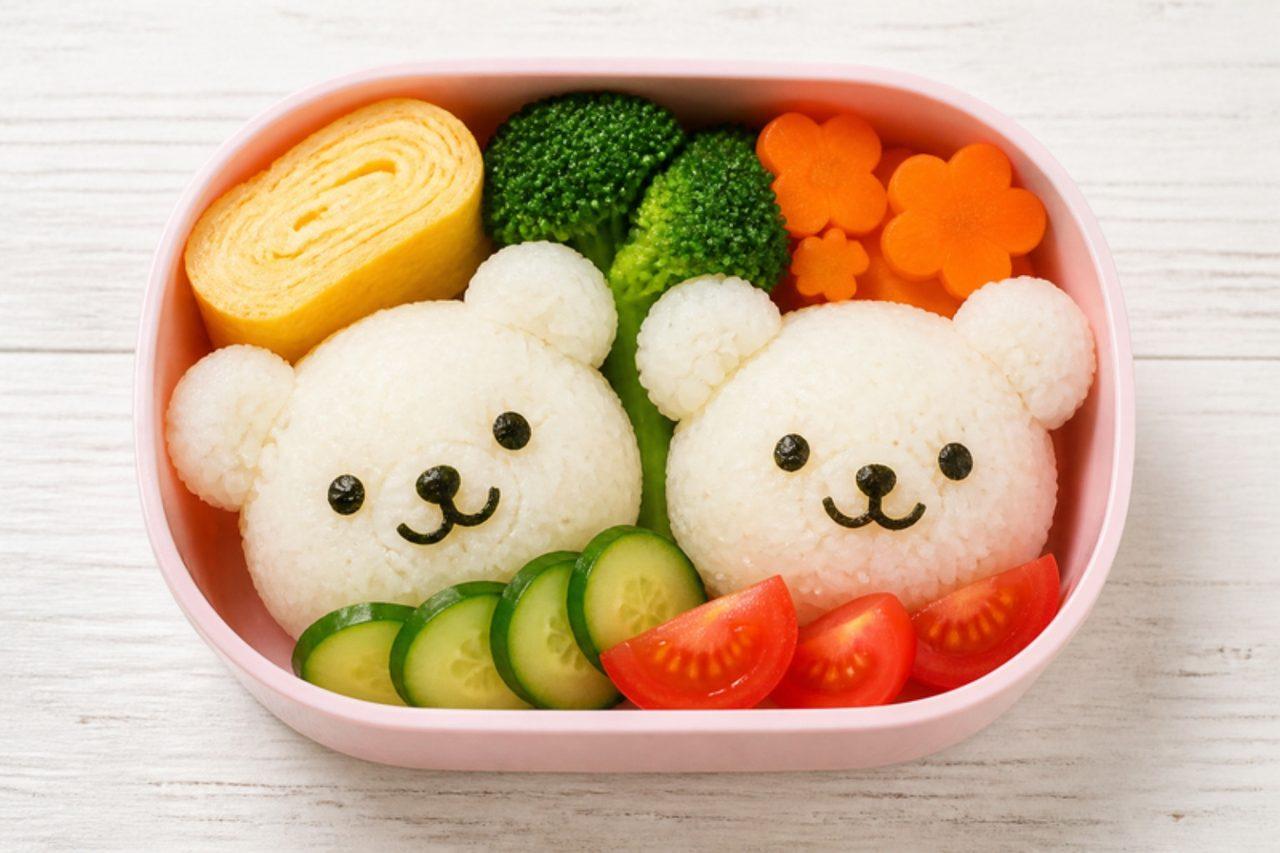
Character bento (kyaraben)

All over Japan, parents of nursery and primary-school children make kyaraben, 'character bento', for school trips, sports days and the first lunches of term: rice is pressed into a little bear, nori is snipped into eyes and a smile, and the gaps are filled with omelette, broccoli and tomato. It is mild and simply seasoned, eaten cold at room temperature by midday, and the fun is in the opening of the lid. Many families add a cut-out sausage or a piece of fried chicken; this version keeps it vegetarian. Chef's tip: cut the nori features first and keep them on a dry plate, then press them on with a damp chopstick at the very end so they don't curl.

by KrazyBadal 0 views

Rice atole for babies (atole de arroz)

Atole is the warm, thick drink Mexicans have sipped since before the conquest, and in many homes the first version a baby tastes is atole de arroz, ground rice cooked with a stick of true cinnamon. For grown-ups it is sweetened with piloncillo and drunk at breakfast or on cold evenings around Día de Muertos; for babies the sugar stays out and it is thickened enough to eat from a spoon. It contains milk; there is no egg, gluten, nuts, soya, sesame or fish. Chef's tip: grind the rice yourself in a spice grinder; shop-bought rice flour works, but freshly ground rice tastes sweeter.

by KrazyBadal 0 views

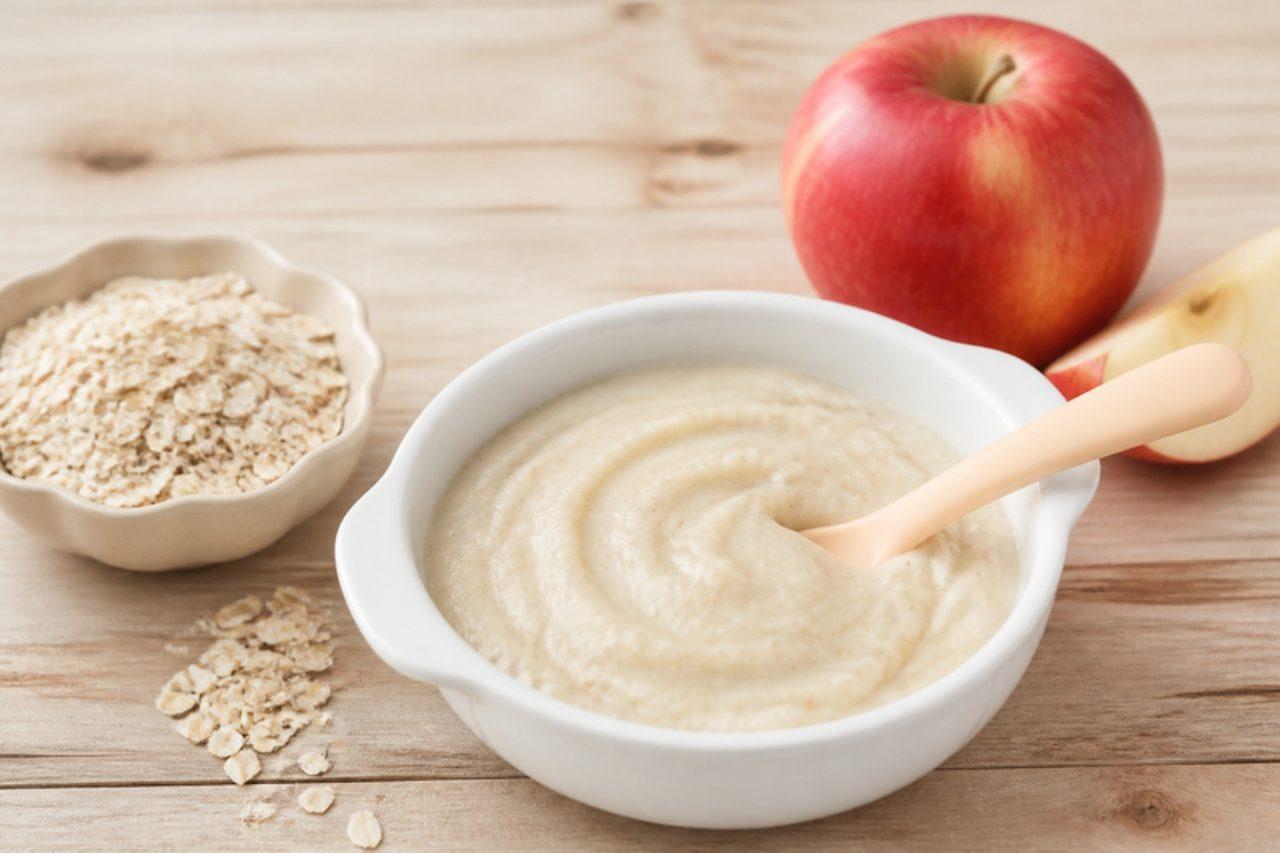
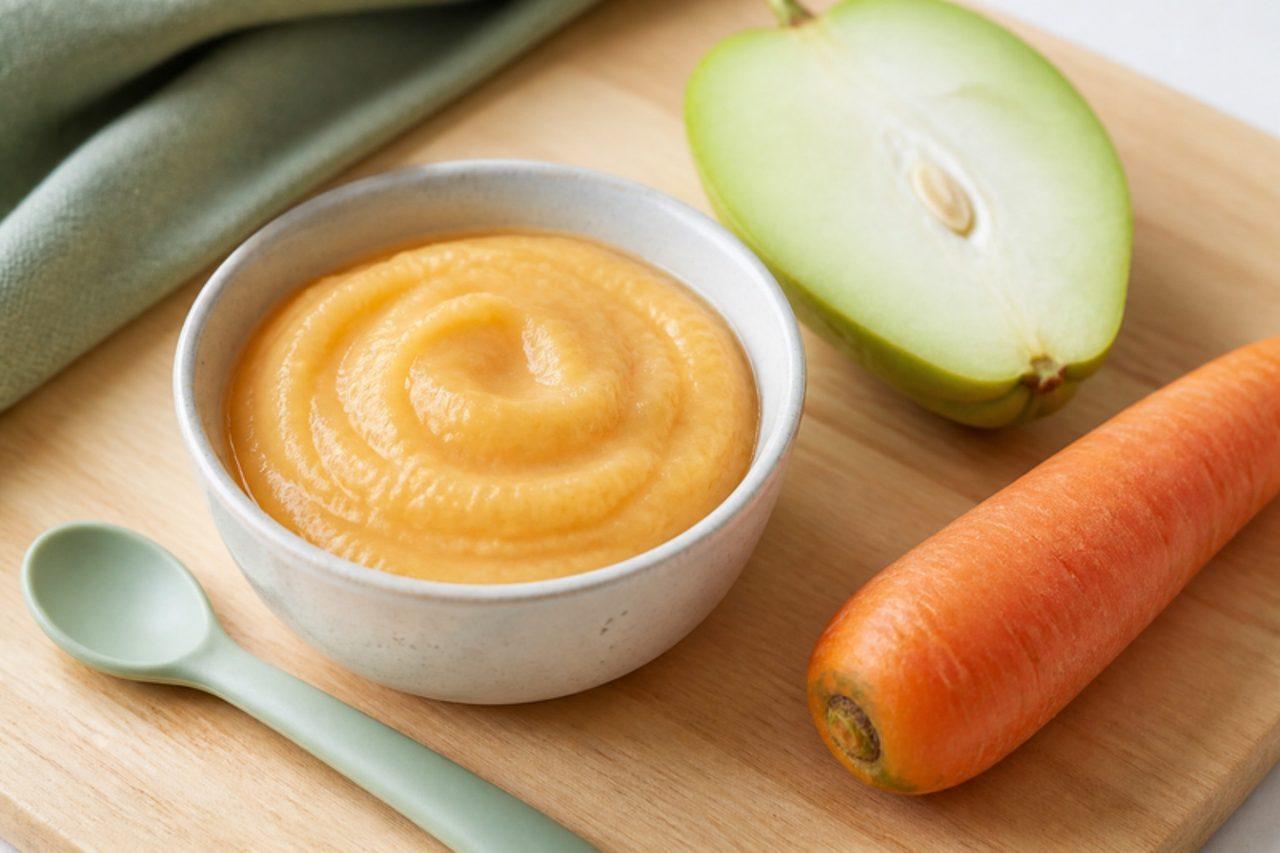
Fruit and cereal mash (Obst-Getreide-Brei)

German weaning follows a well-known plan: a vegetable lunch first, then a milk and cereal evening meal, and finally an afternoon Obst-Getreide-Brei, a dairy-free mash of cooked cereal flakes and fruit, usually from around seven months. Fine oat or millet flakes are simmered in water, then stirred into stewed apple or pear with a spoon of rapeseed oil, which German paediatric advice recommends for healthy fats. It is fruity, smooth and naturally sweet. It contains gluten if made with oats (use millet flakes for gluten free); there is no milk, egg, nuts, soya, sesame or fish. Chef's tip: stew the fruit in a little water rather than using juice, which adds sugar.

by KrazyBadal 0 views

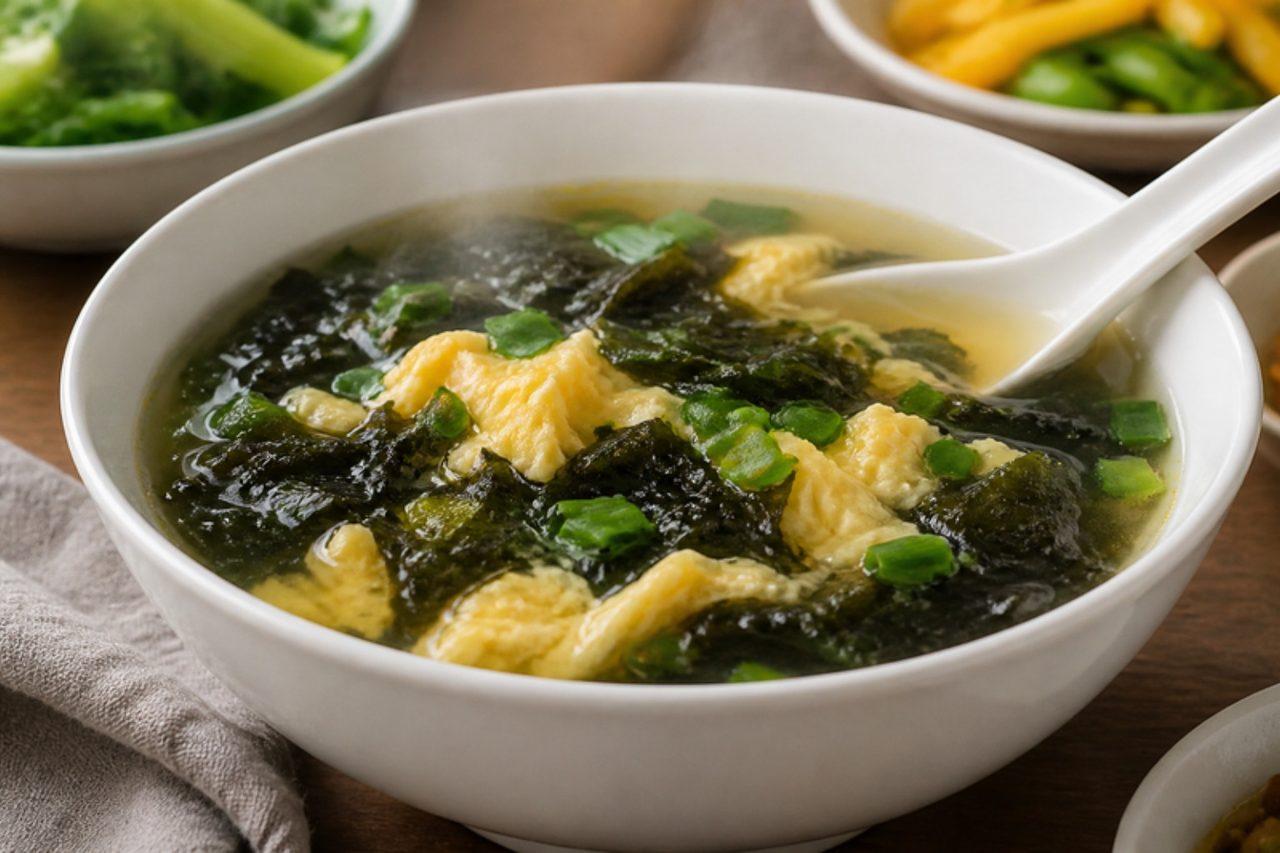
Zicai dan hua tangSeaweed egg drop soup

Zicai dan hua tang is the soup that a busy Chinese home cook can make while the rice is cooking: dried laver seaweed, which dissolves into silky dark green ribbons, and egg swirled into simmering water seasoned with a little soy, white pepper and sesame oil. It is on canteen trays in every Chinese university and on family tables across the country. Many cooks add a few dried shrimp; this vegetarian version leaves them out and uses a pinch of mushroom powder or vegetable stock instead. Eggs are an allergen. A bowl is about 50 kcal. The common mistake is stirring as soon as the egg goes in, which makes it cloudy; wait 10 seconds so it sets into flowers. Chef's tip: tear the seaweed into the bowls, not the pot, and pour the hot soup over; it stays tender and doesn't overcook.

by KrazyBadal 0 views

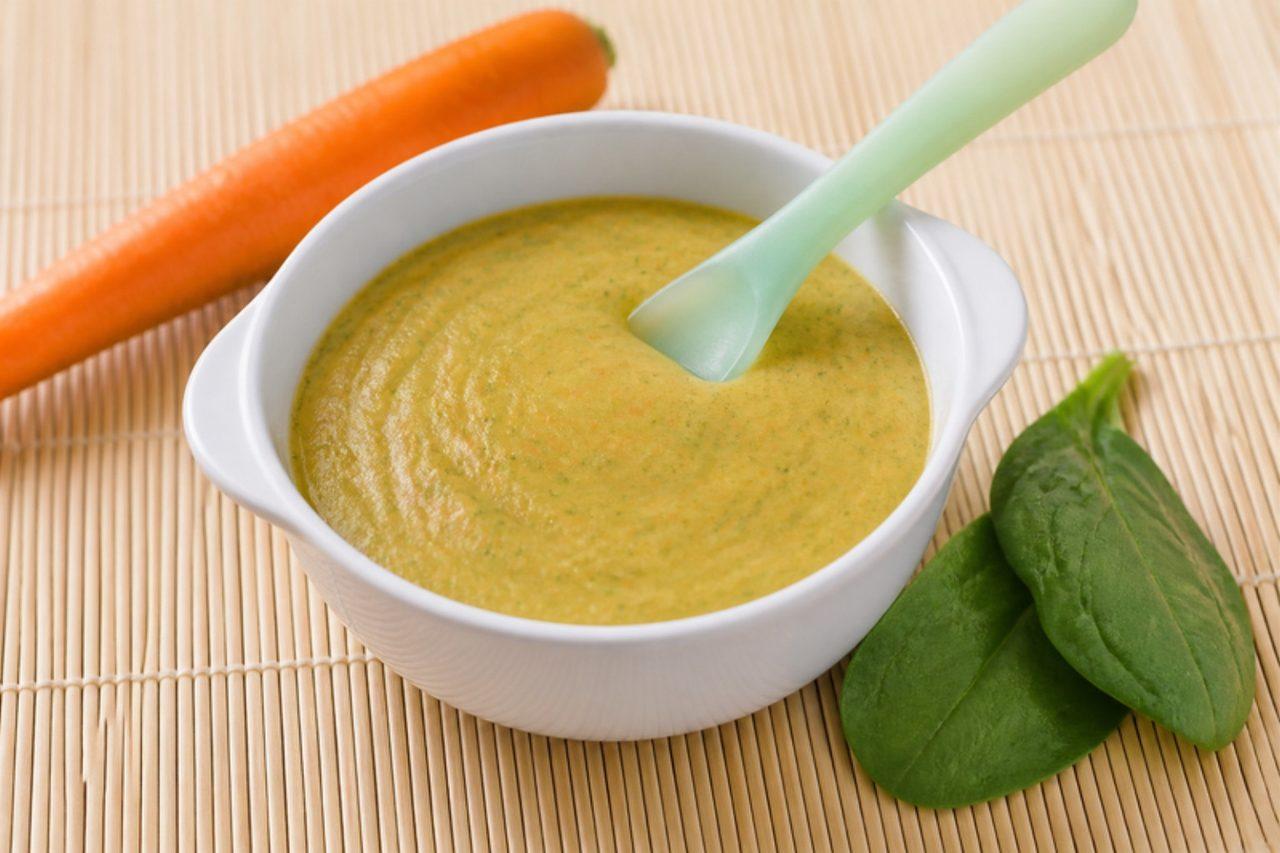
Bubur saring (sieved rice and vegetable porridge)

Indonesian parents call a baby's first solids MPASI, and the first stage is bubur saring: rice porridge cooked with vegetables and pressed through a sieve until velvety. Across Java it is often made each morning in a small pot and given at lunchtime, with a daun salam (Indonesian bay leaf) for a gentle scent. Carrot gives it colour and sweetness, spinach a soft green flavour. There are no common allergens in it (milk, egg, gluten, peanut, tree nuts, soya, sesame, fish). Chef's tip: add the spinach only in the last few minutes, so it stays green and doesn't turn the porridge grey.

by KrazyBadal 0 views

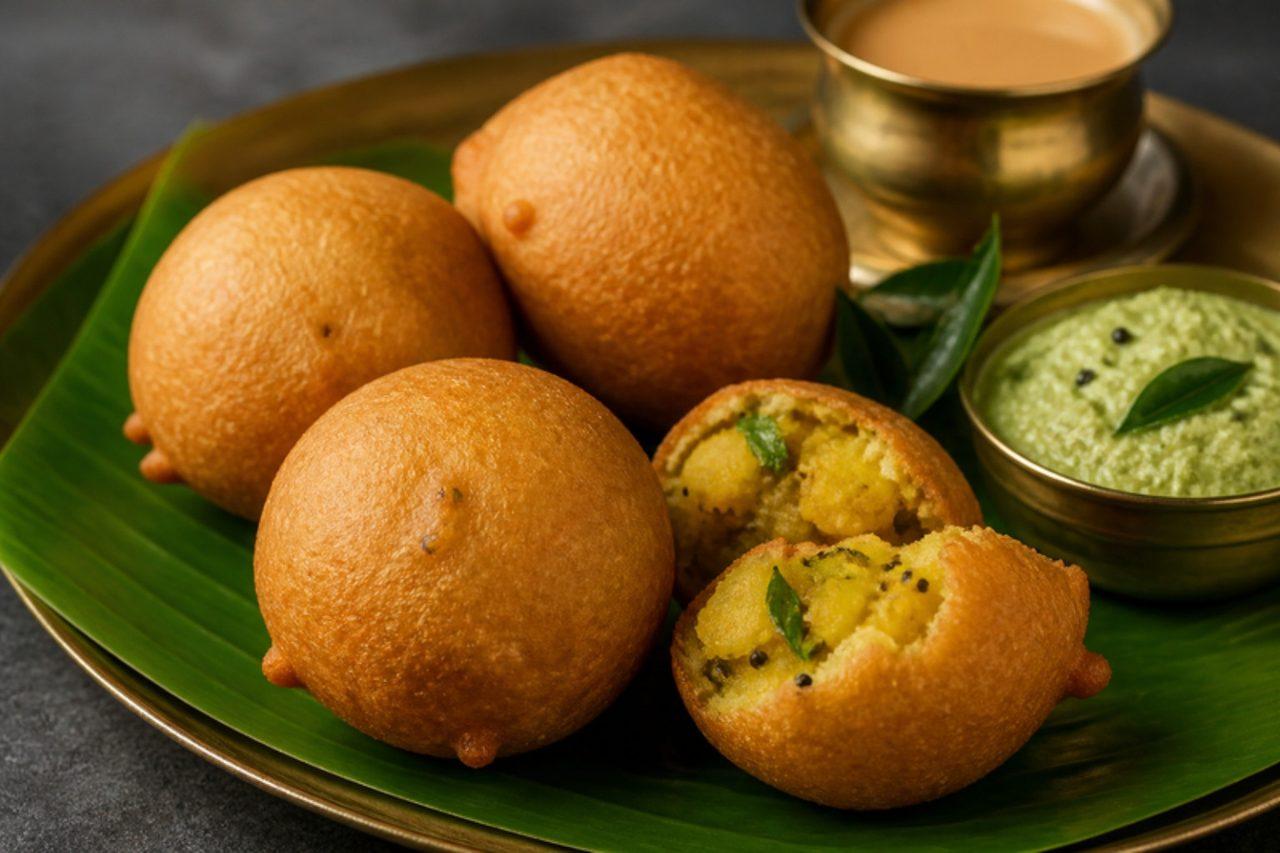
Aloo bondaPotato fritters

In Karnataka and across South India, aloo bonda are fried at home on rainy afternoons and sold in every darshini café, and children come home from school to a plate of them with coconut chutney and tea for the grown-ups. Soft potato with mustard seeds, curry leaves and ginger is wrapped in a golden, crisp gram-flour coat. For children, the green chilli can be cut right back. Gram flour is gluten free, but asafoetida often contains wheat, so check the label. Chef's tip: the batter should coat a spoon thickly, like pancake batter; too thin and it slides off the potato in the oil.

by KrazyBadal 0 views

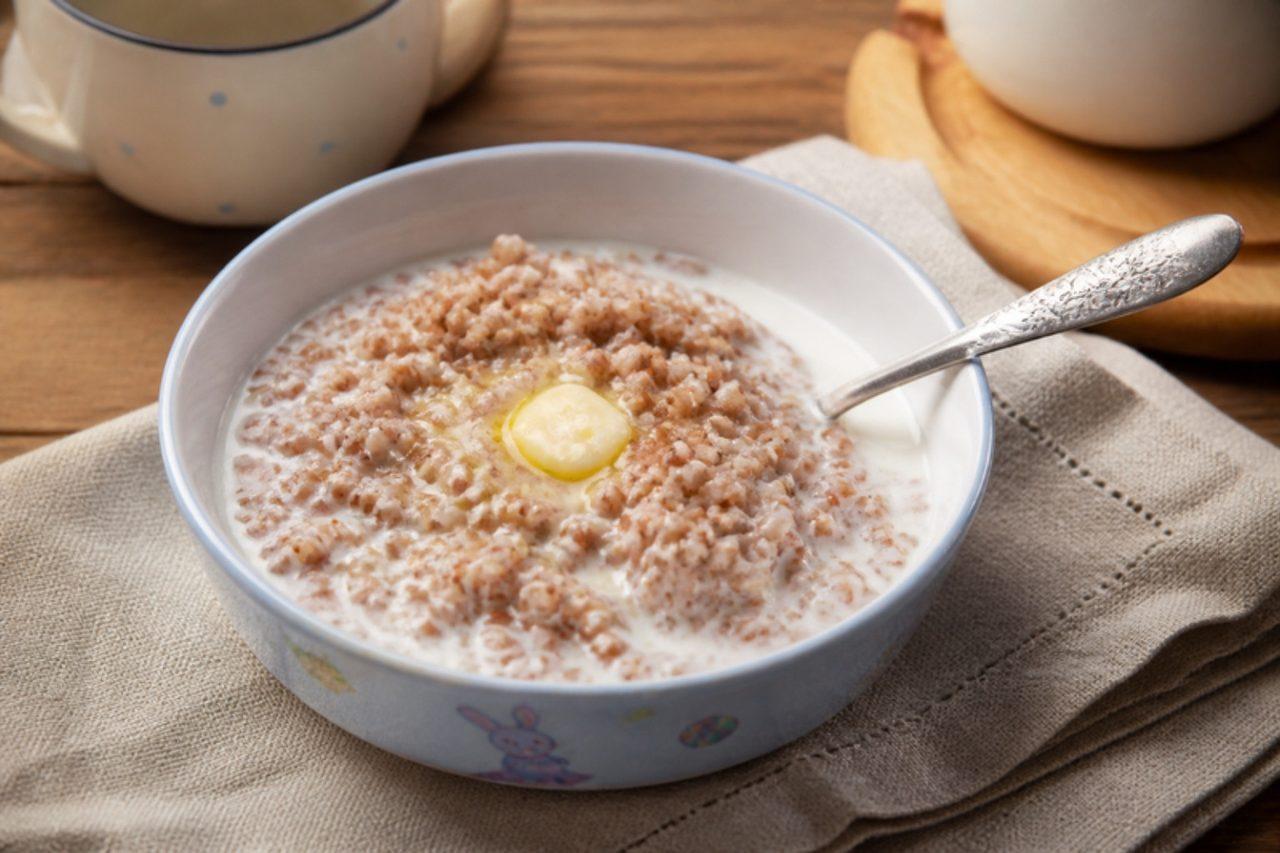
Grechka s molokom (buckwheat with milk)

Grechka s molokom, buckwheat groats cooked soft and served in a bowl of warm milk with a little butter, is the breakfast or light supper that generations of Russian children have eaten at home and in nursery school. The groats are earthy and nutty and the milk makes them gentle and sweet-tasting, without any sugar. Buckwheat is naturally gluten free (despite its name); the dish contains milk and has no egg, nuts, soya, sesame or fish. Chef's tip: use toasted buckwheat (the brown kind sold for kasha), which has the rounder, nuttier flavour.

by KrazyBadal 0 views

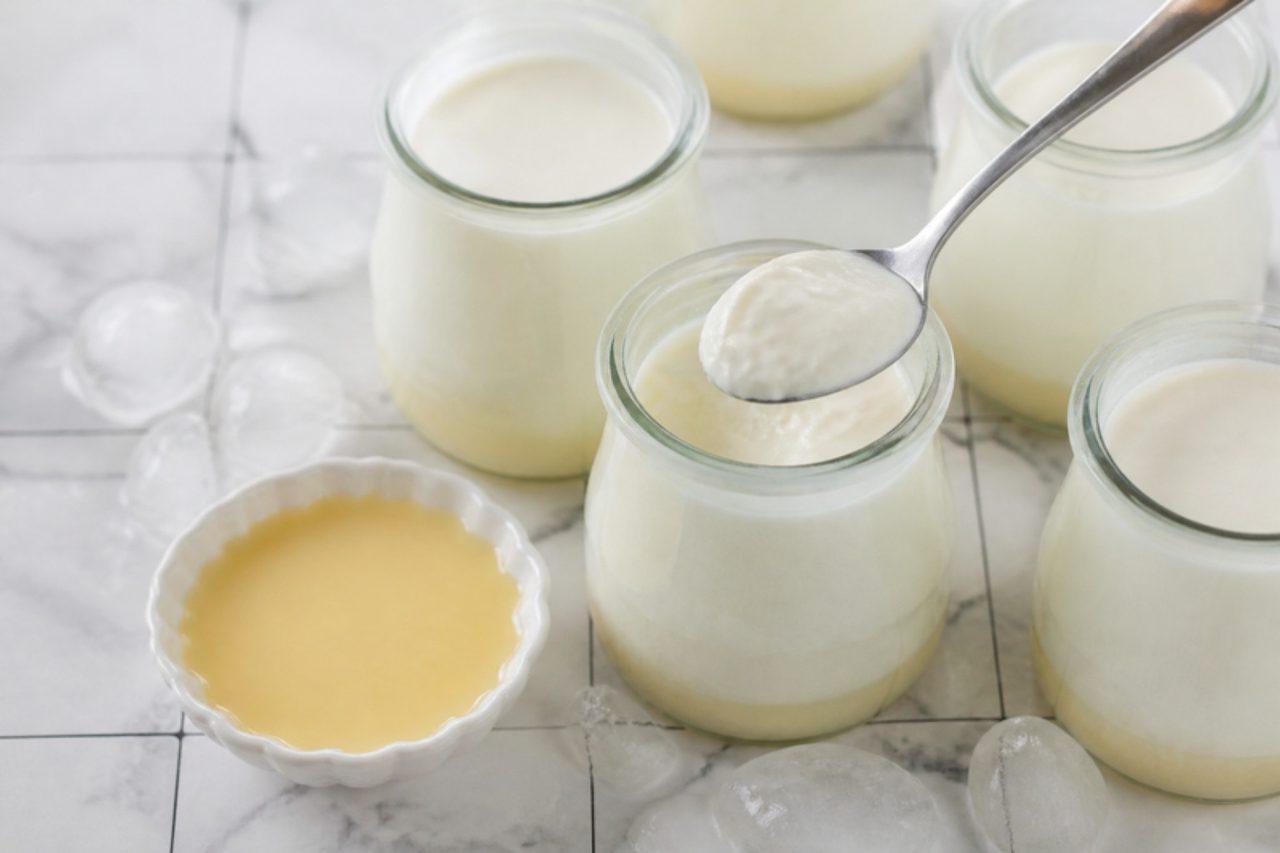
Sữa chua (Vietnamese set yogurt)

In Vietnamese homes, sữa chua is made in a row of small jars and kept in the fridge or freezer, and children in Hanoi and Saigon eat it after school straight from the cup, sometimes frozen hard like ice cream. The condensed milk gives it a mild caramel sweetness and a smooth, firm set that is less sharp than plain yogurt. It is sweetened, so this version uses less condensed milk than the street-stall kind. It contains milk. Chef's tip: keep the milk at blood heat, about 43 °C; hotter kills the yogurt culture and cooler sets slowly and sour.
by KrazyBadal 0 views

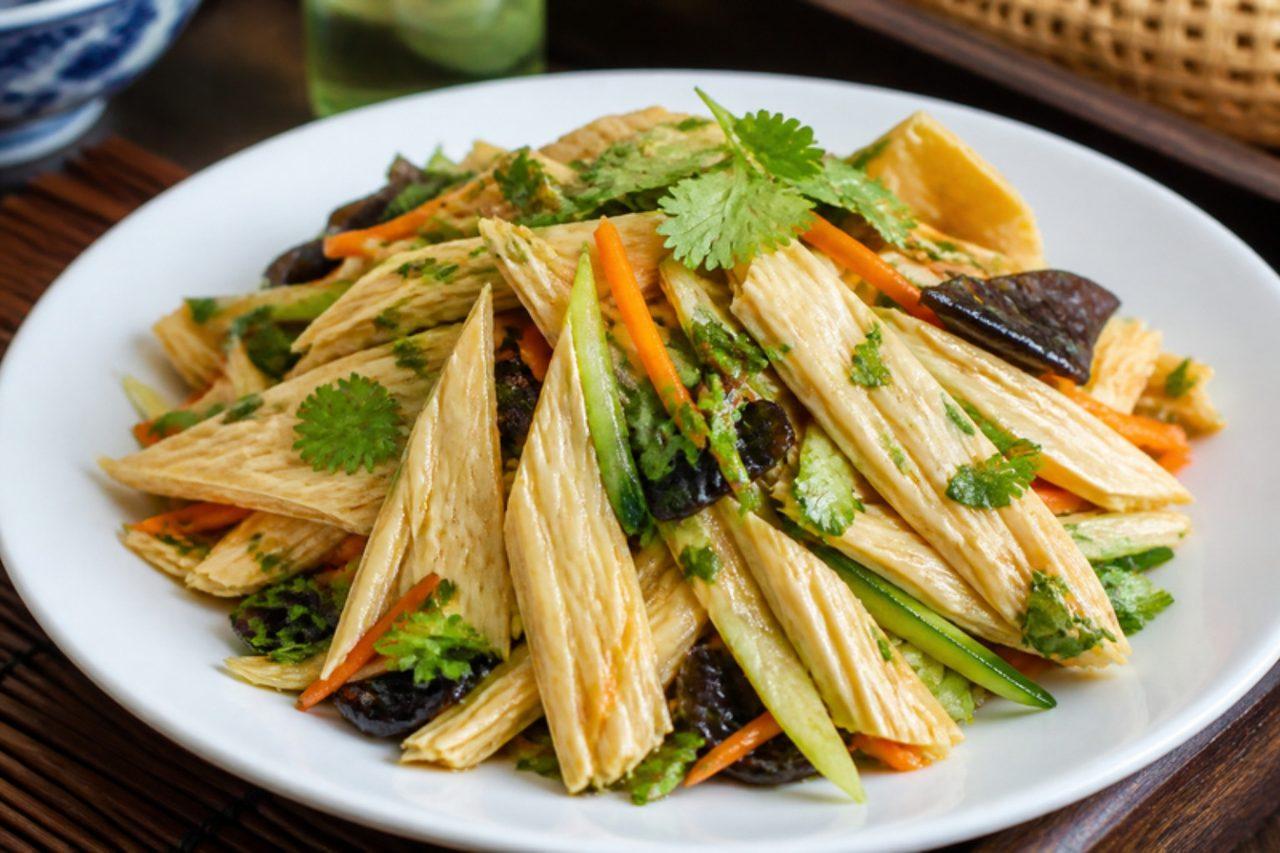
Liangban fuzhuTofu skin and cucumber salad

Fuzhu, the dried sticks made from the skin that forms on simmering soy milk, are a pantry staple in Guangxi and Sichuan and in Buddhist vegetarian kitchens across China. Soaked until soft and chewy, they are tossed in this cold dish with cucumber, carrot and wood ear in a dressing of garlic, vinegar and sesame oil, served in summer with rice or noodles. It is high in protein and very satisfying. A portion is about 170 kcal. Soak the fuzhu in cold water for 2–3 hours or overnight, not counted in the times. The common mistake is soaking in hot water, which leaves the outside mushy and the centre hard. Chef's tip: blanch the soaked sticks briefly; it cleans off the beany taste and makes them softer and juicier.

by KrazyBadal 0 views

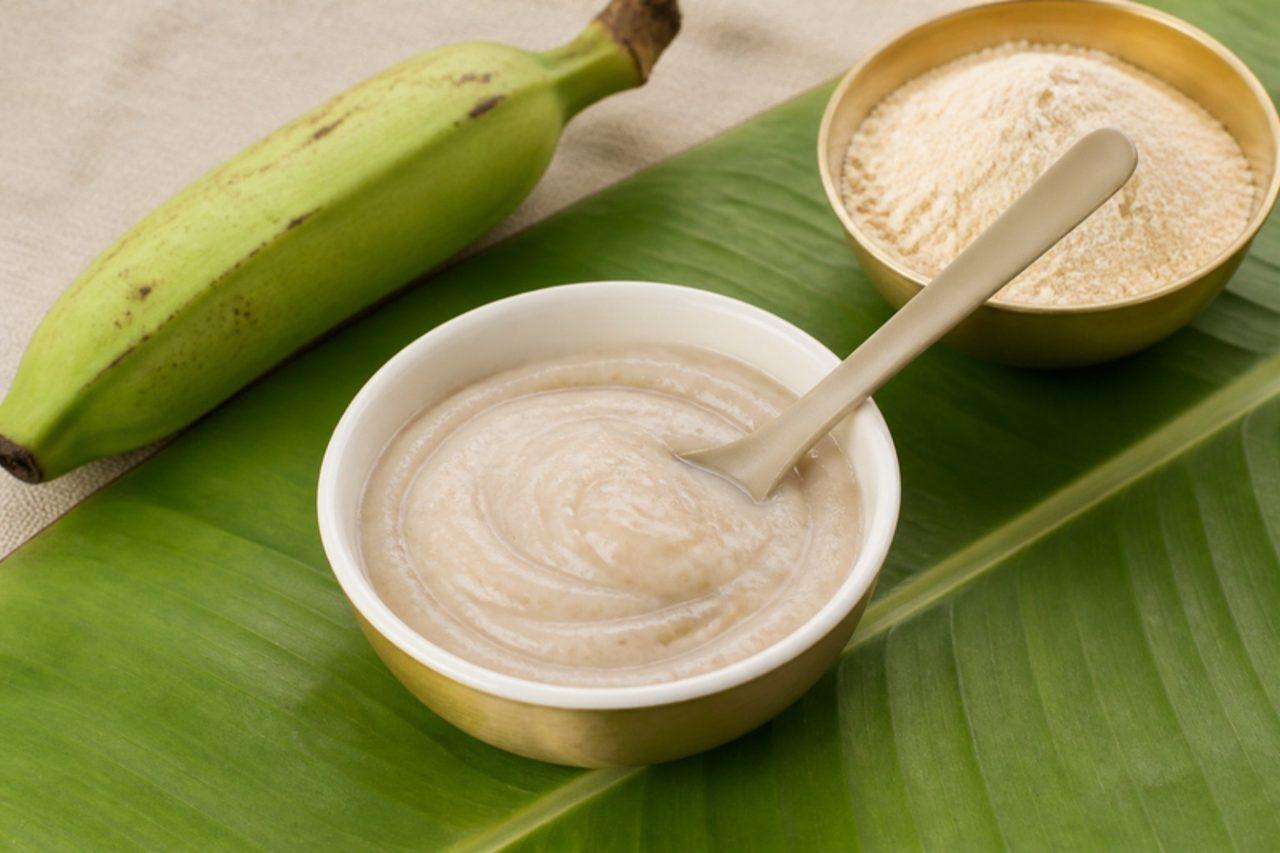
Nendran banana powder kurukku (ethakka podi kurukku)

In Kerala, families dry slices of raw nendran banana in the sun, grind them to a cream-coloured flour and cook it into kurukku, a smooth, thick porridge that has been a baby's first food in the state for generations. It is usually given mid-morning, and grandmothers often keep a jar of home-made ethakka podi for each new grandchild. It tastes gently sweet and slightly earthy. It contains none of the common allergens (milk, egg, gluten, peanut, tree nuts, soya, sesame, fish). Chef's tip: to make the powder at home, peel raw nendran bananas, slice them thinly, dry them in a low oven or the sun until brittle, then grind and sieve.

by KrazyBadal 0 views

Papinha salgada (Brazilian savoury baby mash)

When Brazilian babies reach six months, the papinha salgada, or 'savoury little mash', becomes their main lunch, served at the same time the family eats rice and beans. Each vegetable is mashed separately with a fork rather than blended, so the baby learns their different colours and tastes, and the warm broth from the family's unseasoned bean pot is spooned over the top. It is soft, earthy and mild. It contains none of the common allergens (milk, egg, gluten, peanut, tree nuts, soya, sesame, fish). Chef's tip: lift out a ladle of bean broth before you add salt, garlic or bacon to the family's pot.

by KrazyBadal 0 views

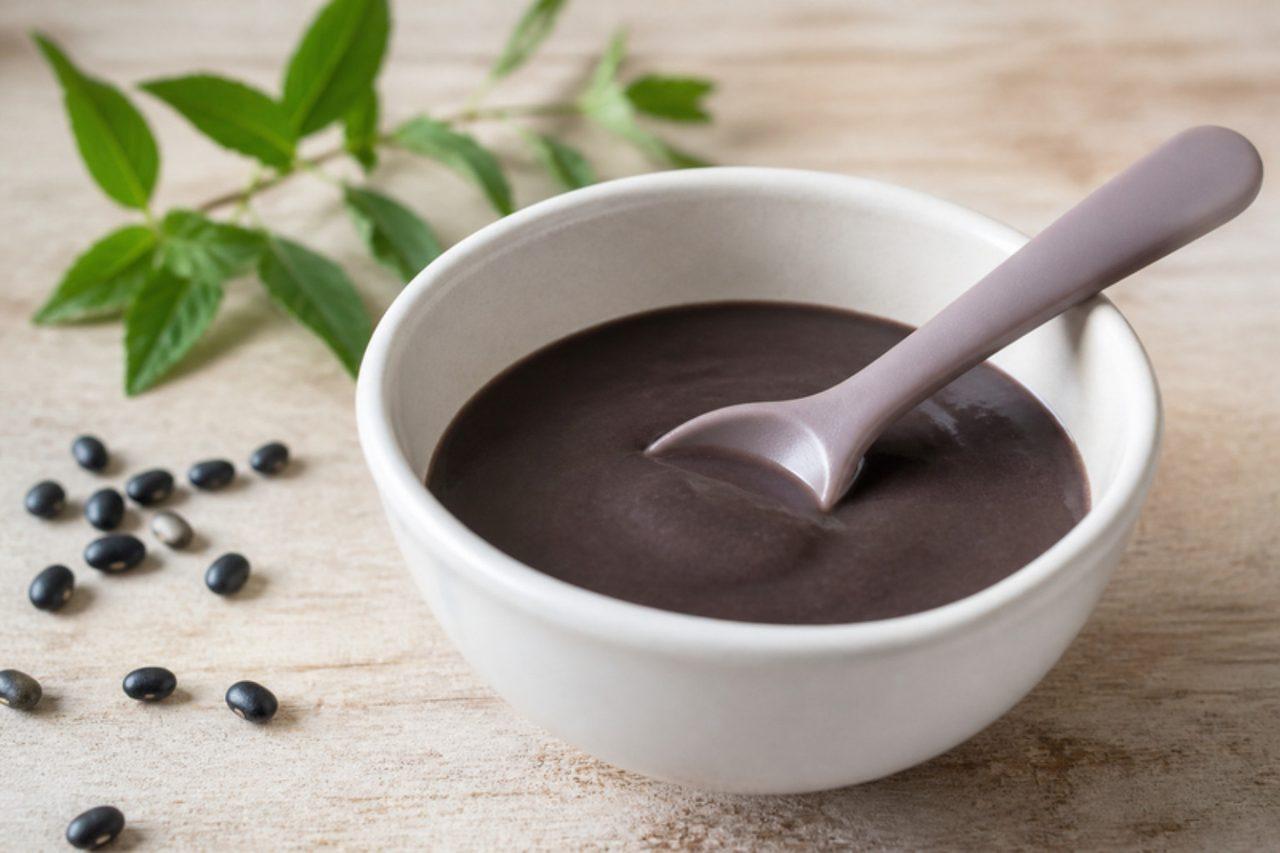
Bean broth for babies (caldito de frijol)

Mexican families nearly always have a pot of frijoles de la olla on the stove, and before the salt goes in a cup of caldito is set aside for the baby. Black or pinto beans are cooked slowly with a piece of onion until they collapse; the broth is offered first on its own and, a week or two later, thickened with the sieved bean flesh into a smooth, earthy purée. Families from Oaxaca to Monterrey give it at midday, the time of the main meal. It has none of the common allergens (milk, egg, gluten, peanut, tree nuts, soya, sesame, fish). Chef's tip: soak the beans overnight and change the water; they cook more evenly and are easier on small tummies.

130 minMexicanSoupsVeganGluten free
by KrazyBadal 0 views

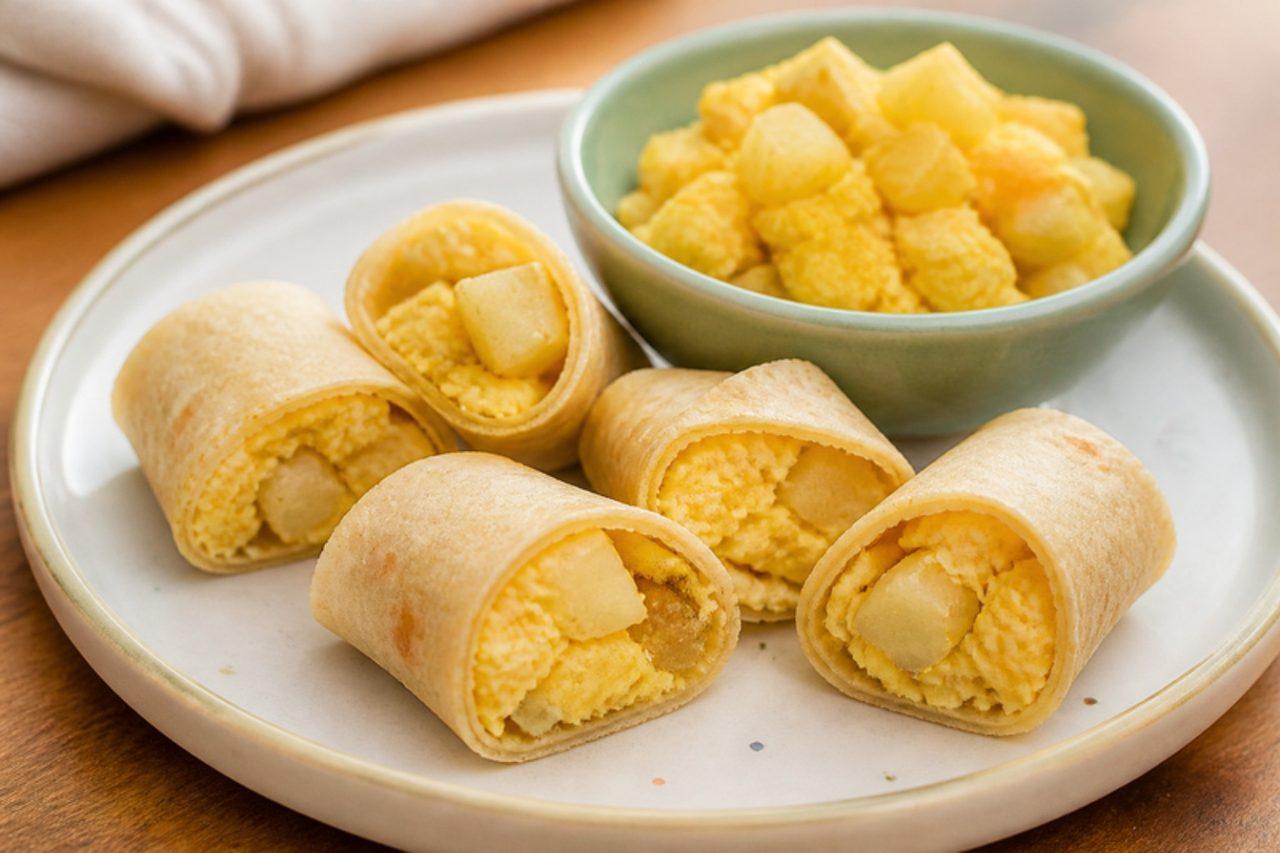
Huevo con papa toddler tacos

Huevo con papa is a breakfast and supper standby in kitchens all over Mexico: small cubes of potato fried until tender, then scrambled with egg and rolled into warm tortillas. Mild, soft and easy to hold, it is a favourite for toddlers from a year old, and the grown-ups add salsa to their own. It contains egg; made with 100% corn tortillas it has no gluten, and it has no milk, nuts, soya, sesame or fish. Chef's tip: cut the potato into small 1 cm cubes and cover the pan for the first few minutes, so it steams tender before it browns.

by KrazyBadal 0 views

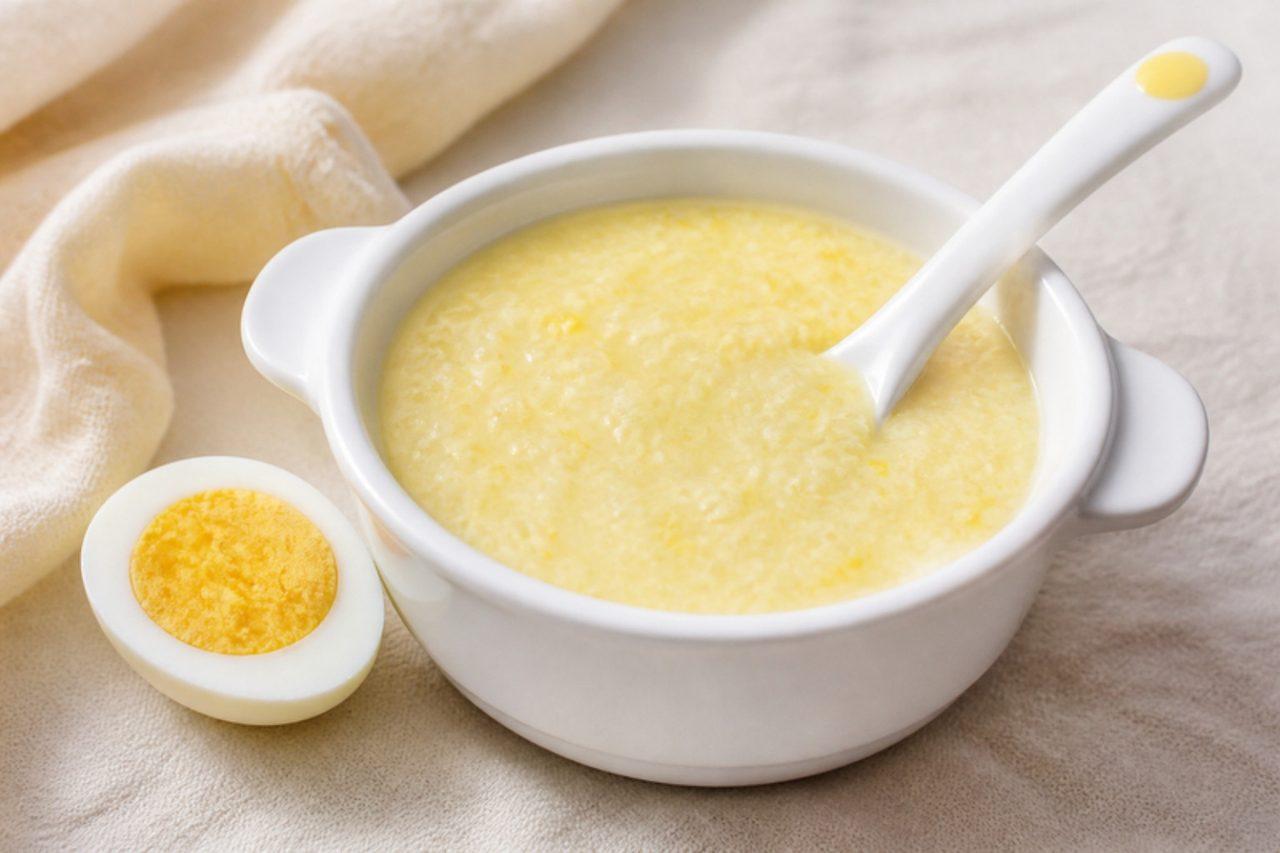
Egg yolk congee for babies (dàn huáng zhōu)

Across China, egg yolk congee is one of the first protein foods a baby is given, often as a light supper once plain rice paste is going down well. A fully hard-boiled yolk is crumbled and mashed into soft, unsalted congee, turning it pale gold and creamy. It contains egg; there is no milk, gluten, peanut, tree nuts, soya, sesame or fish. Many families start with a quarter of a yolk and build up over a few days. Chef's tip: plunge the boiled egg straight into cold water; it stops a grey ring forming and the yolk crumbles more easily.

by KrazyBadal 0 views

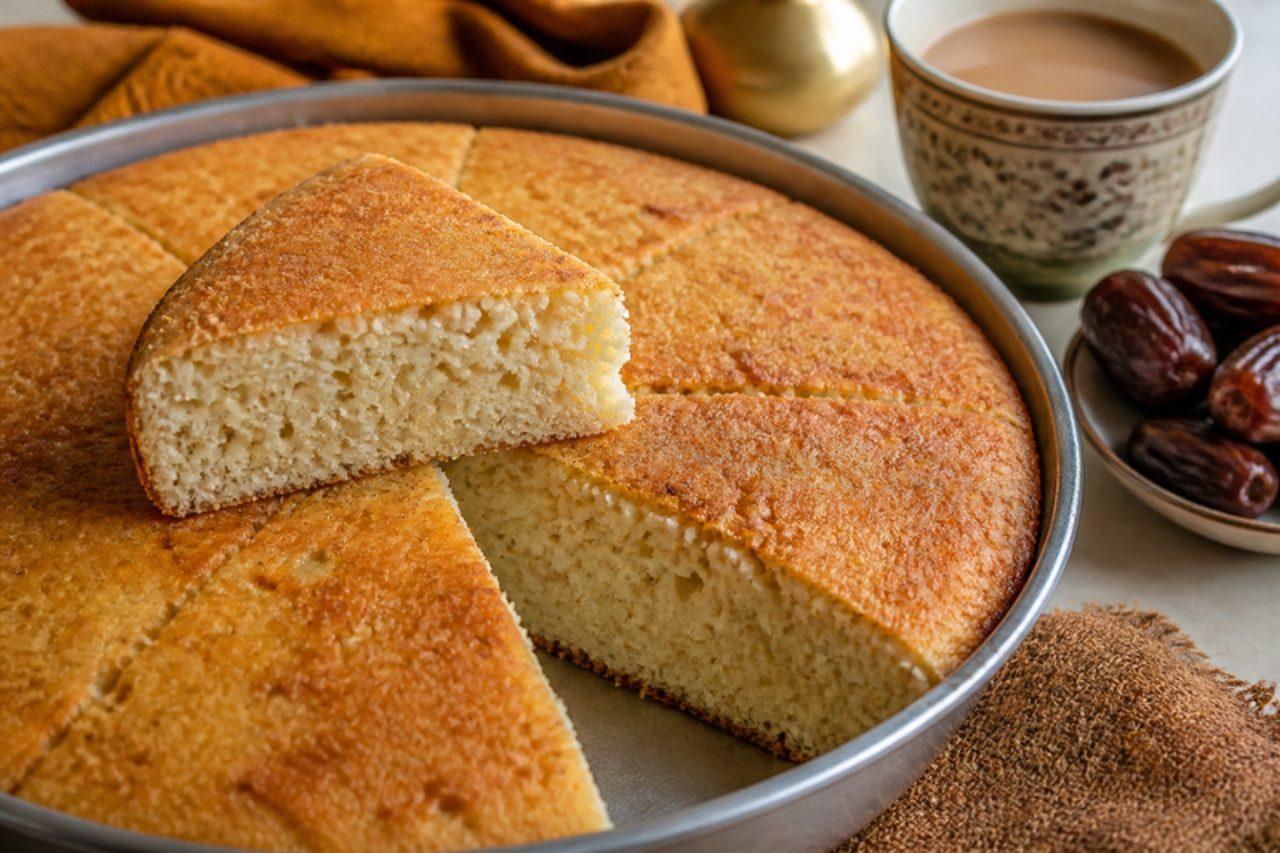
Mkate wa siniaCoconut and rice tray cake

Ramadan evenings in Stone Town and Mombasa bring out trays of mkate wa sinia, cut into wedges and set out for iftar beside spiced chai and dates. Soaked rice is blended with coconut milk, sugar, cardamom and yeast into a pourable batter (hence its other name, mkate wa kumimina, 'poured bread'), left to bubble, then baked in a round metal tray called a sinia. Inside it is spongy and full of holes like a crumpet; the top and base turn golden and slightly chewy. It contains no egg, dairy or wheat. Under-blending is what ruins it: a gritty batter bakes into a sandy cake, so blend until a drop rubbed between your fingers feels completely smooth. Chef's tip: add a couple of spoonfuls of cooked rice to the blender, the way coastal cooks do; it makes the crumb softer and more springy.

by KrazyBadal 0 views

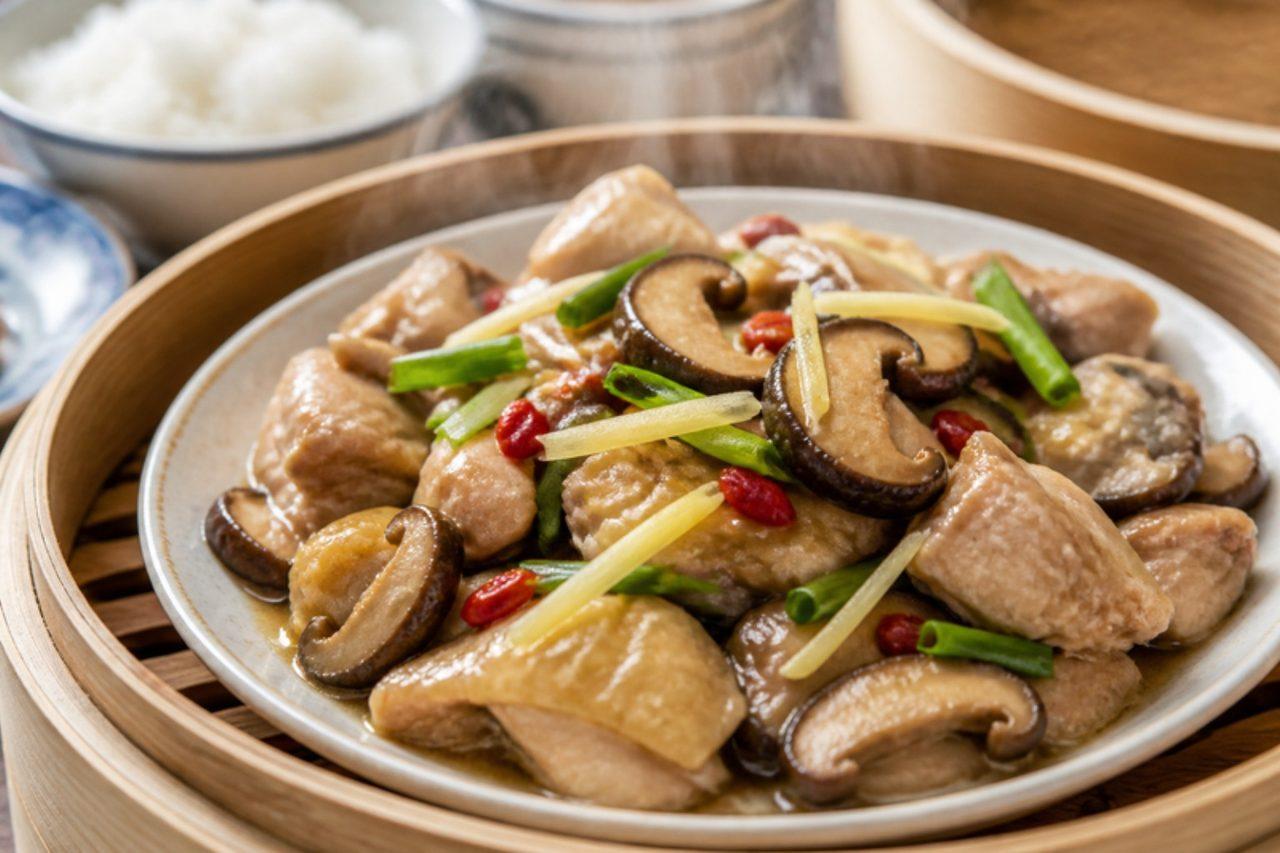
Steamed chicken with shiitake

Steamed chicken with mushrooms is one of the dishes Cantonese grandmothers in Guangzhou and Hong Kong put on the dinner table on a weeknight, steamed on a plate over the rice pot so the juices drip into a little puddle of sauce: bite-sized pieces of chicken thigh marinated with soy, ginger and cornflour, scattered with soaked shiitake and steamed until tender and glossy. It is light, savoury and clean-tasting, with rice and a green vegetable. A portion is about 240 kcal. Marinate in the fridge. The most common mistake is piling the chicken up in a deep bowl; spread it in one layer on a plate so it cooks evenly. Chef's tip: the cornflour in the marinade is the secret; it protects the chicken and turns the steaming juices into a silky sauce.

by KrazyBadal 0 views

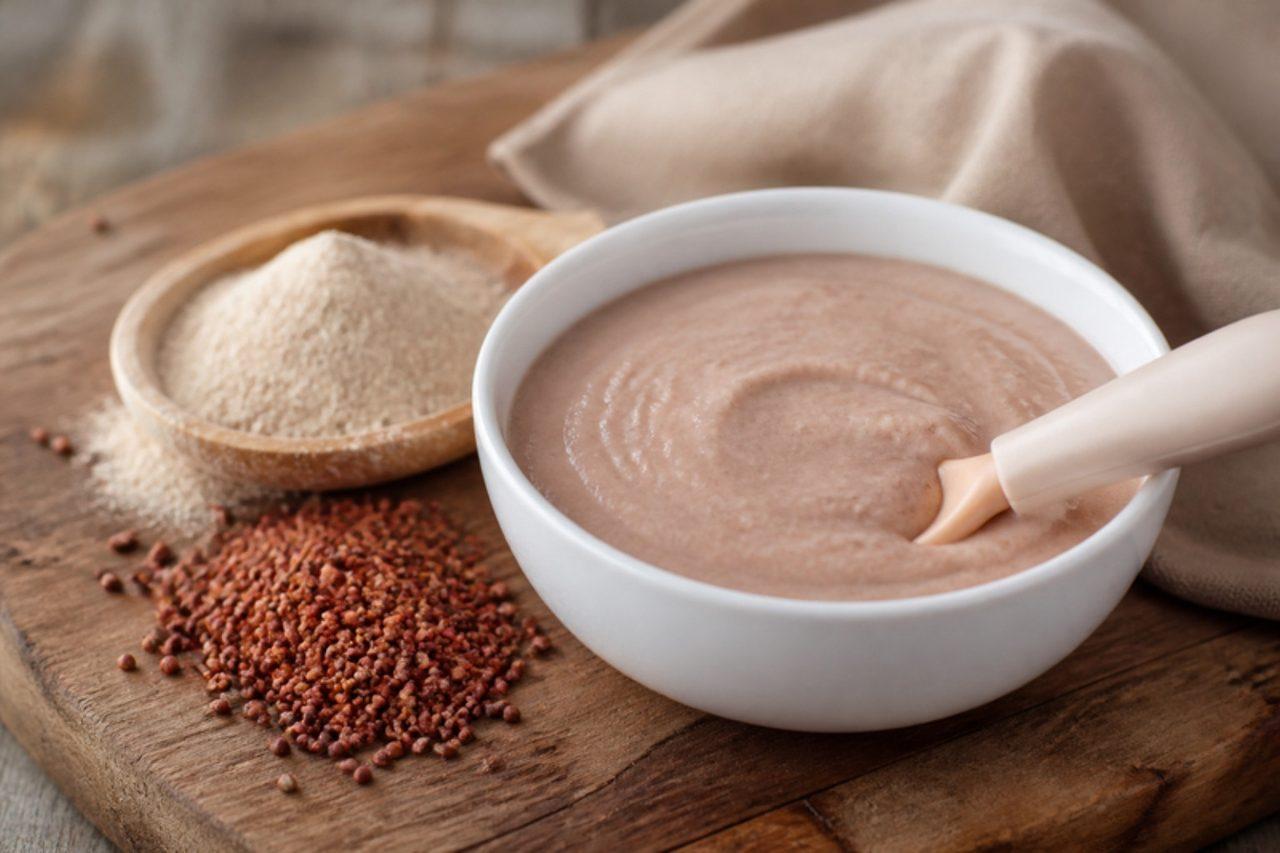
Mabele porridge for babies

Mabele, sorghum meal, has fed families across South Africa, Botswana and Lesotho for centuries, and a smooth, soft version is a traditional first porridge for babies, especially in Sotho and Tswana homes where the grown-ups eat it for breakfast. It is a warm pinkish-brown, with a faintly nutty, slightly sour taste. For under-ones it is cooked plain, without the sugar older children like. Sorghum is naturally gluten free, and the porridge contains none of the common allergens (milk, egg, gluten, peanut, tree nuts, soya, sesame, fish). Chef's tip: mix the meal into cold water first; poured straight into boiling water, it forms lumps that never cook through.

by KrazyBadal 0 views

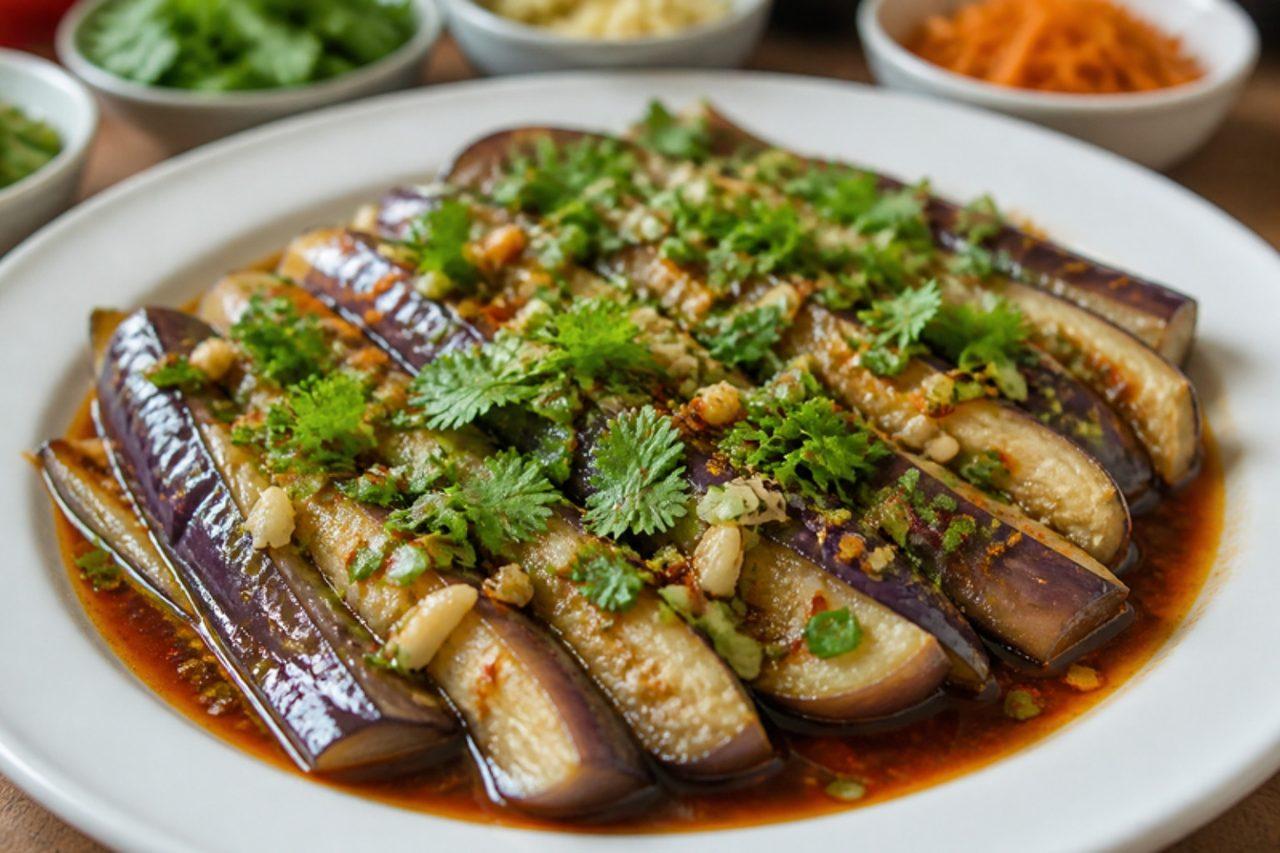
Garlic steamed eggplant

Fried eggplant soaks up oil like a sponge; Chinese home cooks in Sichuan and across the north get round it by steaming long purple eggplants until creamy, then pouring over a sharp dressing of pounded raw garlic, soy, black vinegar and a little chilli oil. It is served warm or cool as a summer side with rice or noodles, and it takes almost no oil at all. A portion is about 70 kcal. The common mistake is steaming them whole, which leaves the centres hard; cut them into fingers first so they cook evenly. Chef's tip: steam the strips skin side up; the purple colour stays brighter and the flesh doesn't go grey.

by KrazyBadal 0 views

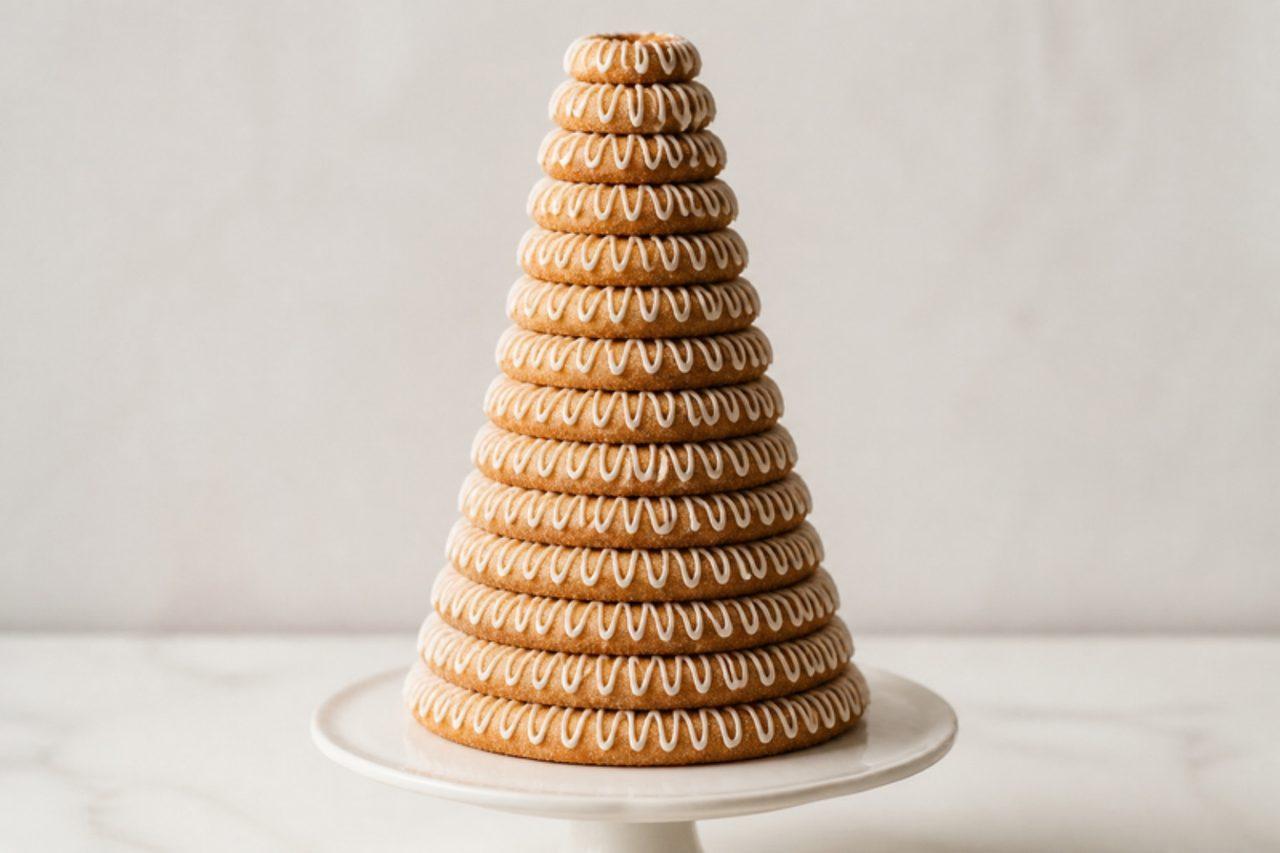
KransekakeAlmond ring tower cake

A kransekake towers over the table at Norwegian and Danish weddings, christenings, Christmas and the 17 May national day in Norway: eighteen rings of chewy almond paste, each a little smaller than the last, stacked and laced with zigzags of white icing, often decorated with little flags. Guests break off rings from the bottom; the outside is crisp and the inside soft and marzipan-like. It is naturally gluten free, made only of almonds, icing sugar and egg whites. Baking the rings until hard is the most common mistake; take them out when they are just pale gold, so they stay chewy. If you have no kransekake tins, shape ropes and join them into rings over circles drawn on baking paper. Chef's tip: grind the almonds with some of the icing sugar and rest the dough overnight in the fridge; it becomes much easier to roll and the rings keep their shape.

by KrazyBadal 0 views

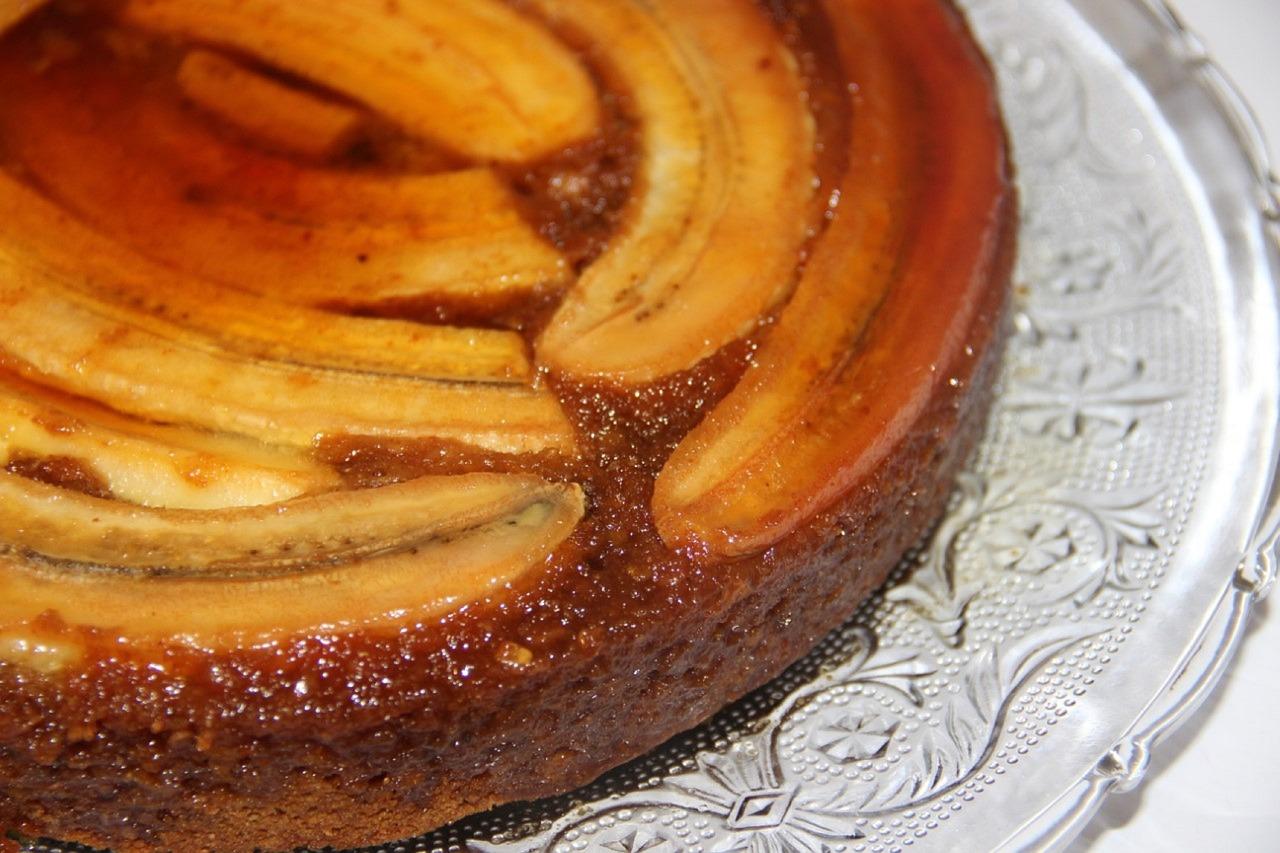
Bolo de bananaUpside-down banana cake

Ask a Brazilian what was on the table for café da tarde as a child and the answer is often this: a soft cake turned out of its tin with a glossy layer of caramelised banana and cinnamon on top, eaten with a small strong coffee. Home cooks make it with overripe bananas from the fruit bowl, and many mix the batter in a blender. The crumb is light and moist, the top sticky and fragrant. Eggless versions exist, but this one uses eggs for a springier cake. Cooking the caramel too far is the usual slip: once it goes past amber it turns bitter, so pull the pan off the heat while it is still the colour of honey. Chef's tip: cut the bananas lengthwise rather than into rounds; long slices lie flat in neat rows and don't slide when you turn the cake out.

by KrazyBadal 0 views

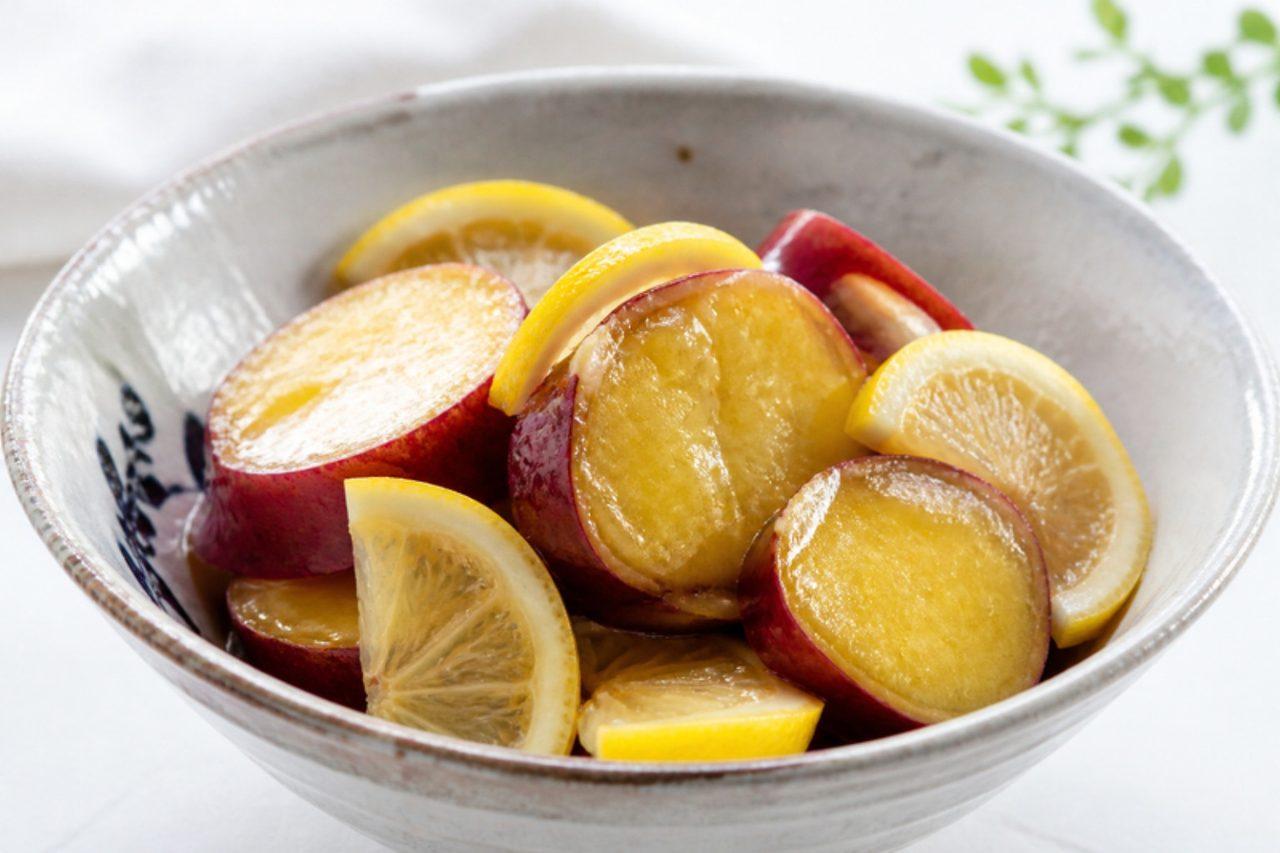
Sweet potato simmered with lemon (satsumaimo no lemon-ni)

Satsumaimo no lemon-ni is an autumn favourite in Japanese homes, when sweet potatoes are at their best and bento boxes need a splash of colour. Rounds of purple-skinned sweet potato are gently poached with lemon slices and just a spoonful of sugar until tender and glossy, tasting of honeyed potato with a fresh citrus edge. It is eaten cold, so it is a natural make-ahead for packed lunches, and it contains none of the common allergens. Chef's tip: keep the skins on; the purple ring against the yellow flesh is what makes it look so pretty in a box.

by KrazyBadal 0 views

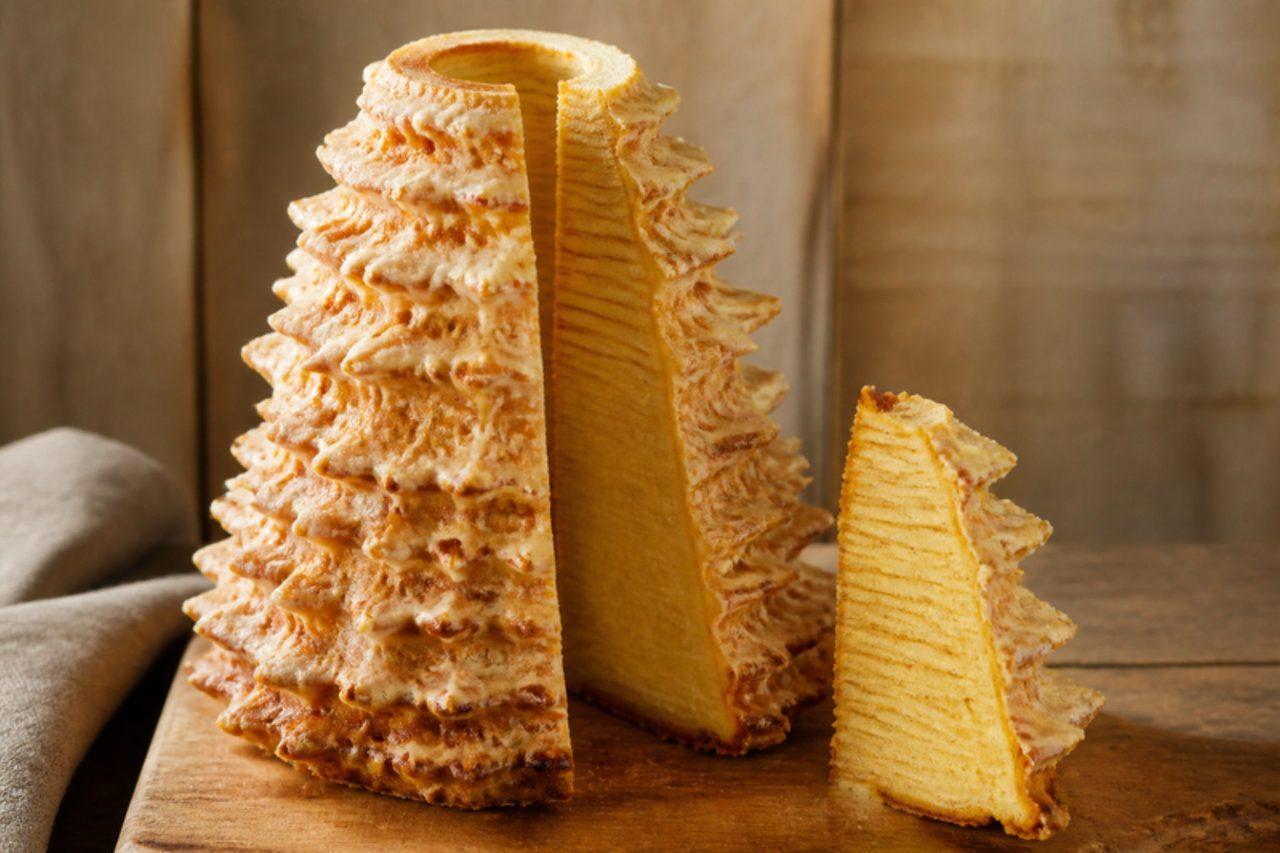
Gâteau à la brocheSpit cake

At weddings and village fairs in the Aveyron and the Pyrenees, gâteau à la broche is a performance: a wooden cone turns on a spit in front of a wood fire while a cook ladles batter over it, layer after layer, for hours. The drips set into the spiky ridges that make the tall, hollow cake look like a fir tree. Slices have thin golden rings, a soft, buttery, eggy crumb and a scent of orange-flower water; it is eaten at the end of the feast with sweet wine for the adults or coffee. Older recipes use rum where this one uses orange-flower water and lemon, and at home a foil-wrapped rolling pin turned under a hot grill does the job of the spit. Pouring too much batter at once is the easy mistake: thick layers stay raw inside, so ladle thinly and let each one colour. Chef's tip: keep the batter at room temperature and stir it each time; cold batter clings badly and drips off in sheets.

140 minFrenchBaking
by KrazyBadal 0 views

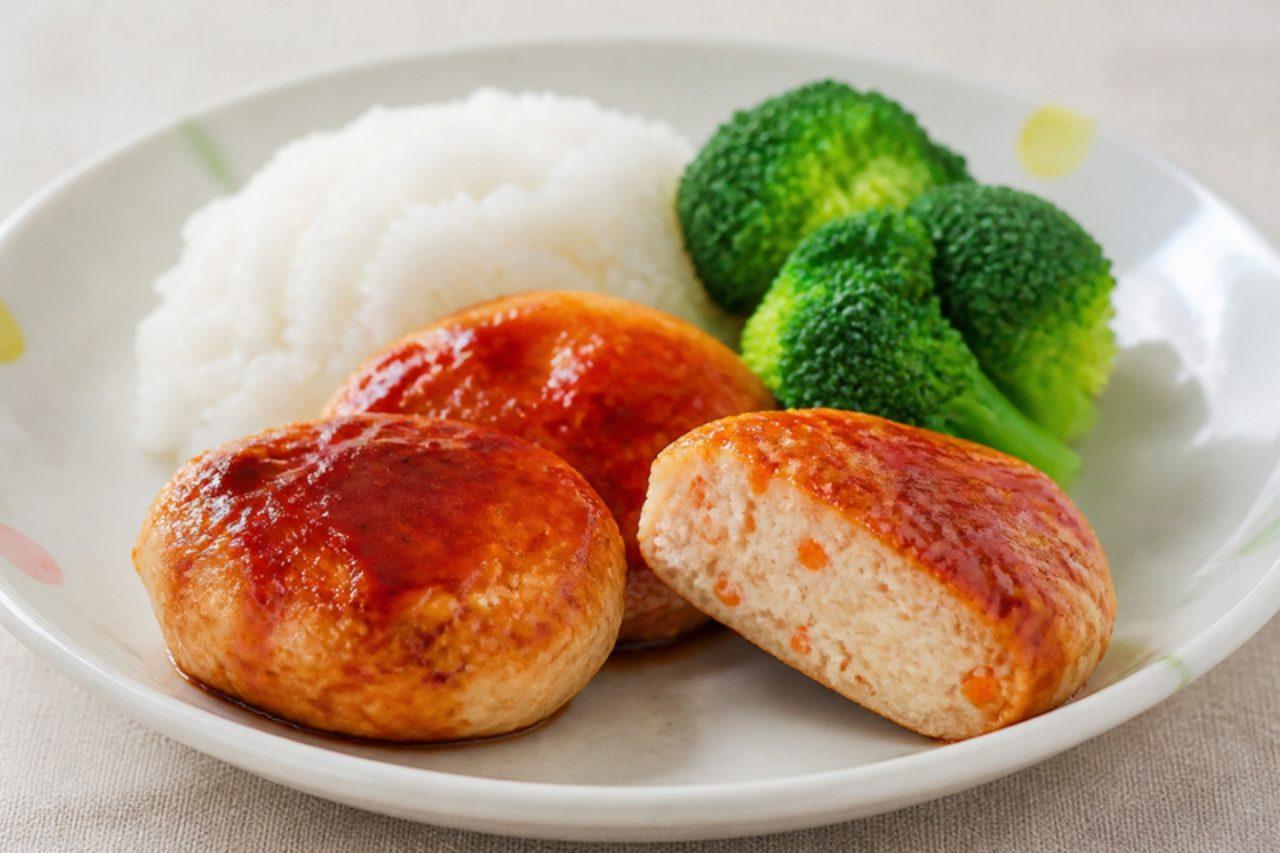
Tofu and chicken hamburg patties for toddlers

Tofu hambāgu is the lighter, softer cousin of the Japanese hamburg steak, and mixed with minced chicken and grated carrot it is one of the most popular toddler dinners in Japan, from a year old. The patties are tender and juicy, almost like a soft meatball, glazed with a mild tomato sauce made mostly of passata with just a spoon of ketchup. It contains soya (tofu), egg and gluten (breadcrumbs). Chef's tip: wrap the tofu in kitchen paper and press it for 15 minutes; wet tofu makes patties that fall apart in the pan.

by KrazyBadal 0 views

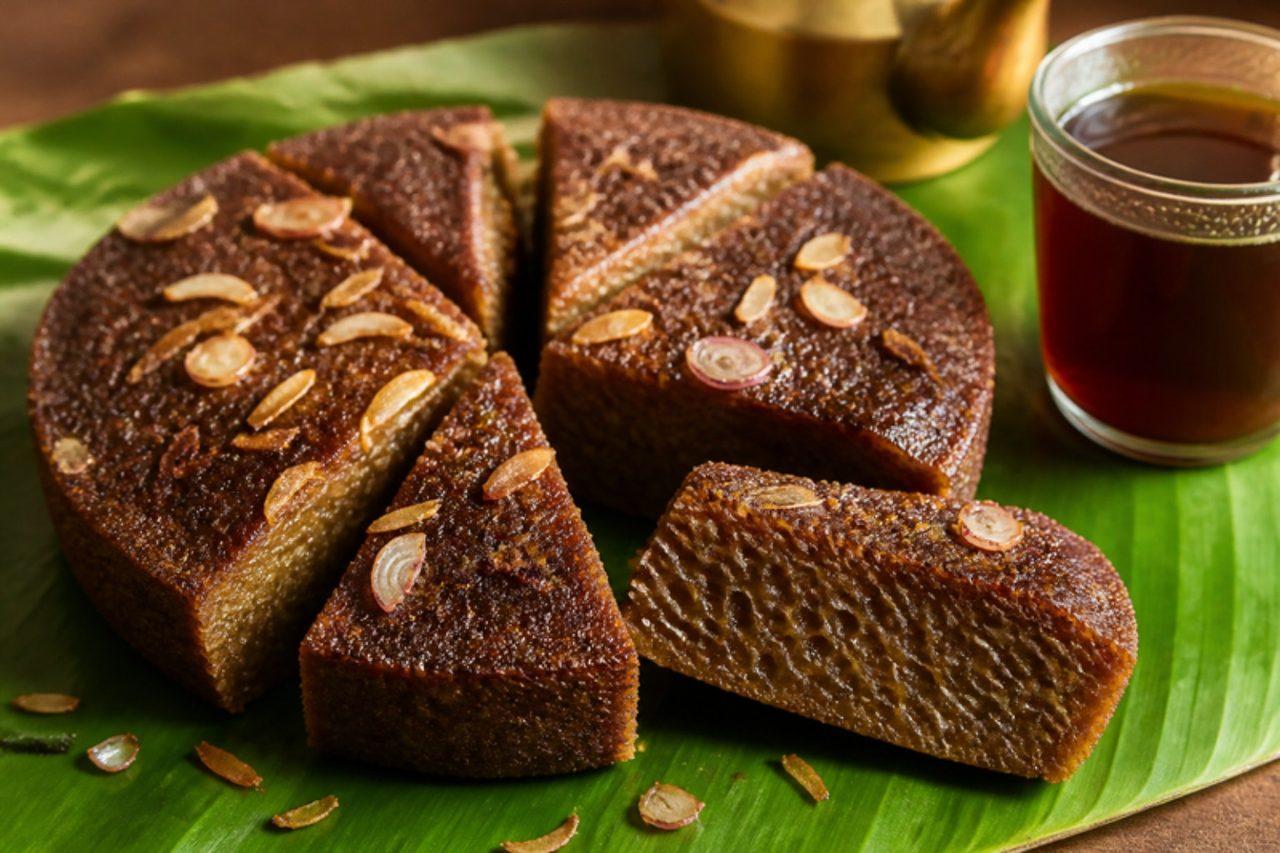
KalathappamRice and jaggery cake

Kalathappam takes its name from the kalam, the heavy clay or metal pot it was once cooked in over a wood fire with embers heaped on the lid. In Malabar homes from Kozhikode to Kannur it appears at tea after the Ramadan fast and for family visits, cut into wedges and eaten warm with black tea. Soaked rice is ground with a little cooked rice and jaggery syrup, so the cake is naturally eggless and gluten free; ghee-fried coconut slivers and sliced shallots give it a crisp, savoury top and a sweet, chewy, gently bubbled middle. Grind the batter as smooth as you can: a gritty batter is the usual reason it turns out dense and sandy. Here it starts on the hob and finishes in the oven, which gives the heat from above that the embers once did. Chef's tip: let the shallots go only to light gold in the ghee; they keep cooking in the oven and turn bitter if they are already brown.

250 minIndianBakingGluten free
by KrazyBadal 0 views

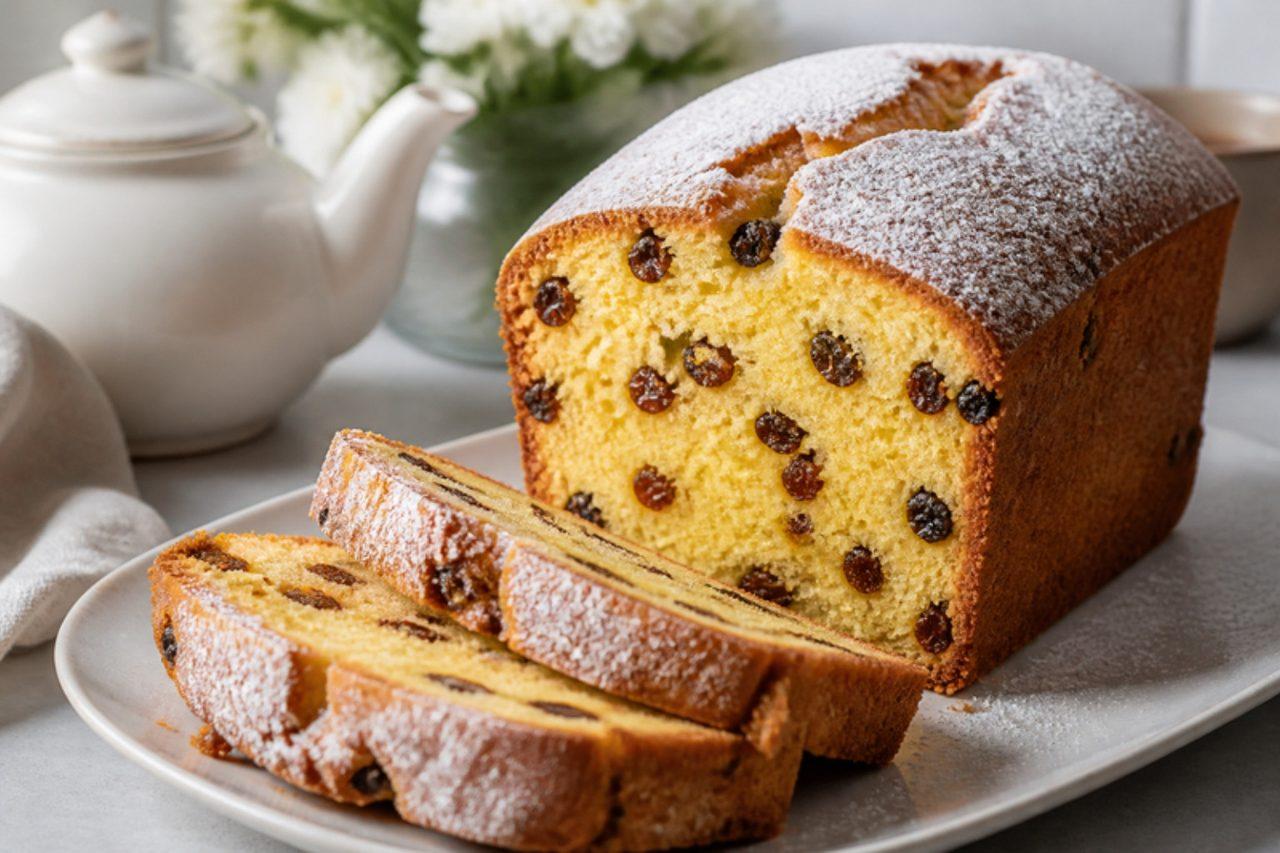
Stolichny keksRaisin loaf cake

Stolichny keks, the 'capital city' cake, was made to a fixed state recipe in Soviet bakeries and sold in waxed paper in every Moscow grocery: a tall, buttery loaf with a cracked top, a fine yellow crumb and so many raisins that each slice is studded with them. People still bake it at home for New Year and for guests, and it keeps well for a week, wrapped, next to the teapot. Some cooks plump the raisins in brandy or cognac; this recipe soaks them in hot water and lemon juice instead, and a spoonful of brandy can go into the soak if you like. Under-creamed butter is the usual problem: the cake comes out heavy and greasy, so beat the butter and icing sugar until really pale. Chef's tip: dry the soaked raisins on a towel and roll them in flour; wet raisins all sink to the bottom.

by KrazyBadal 0 views

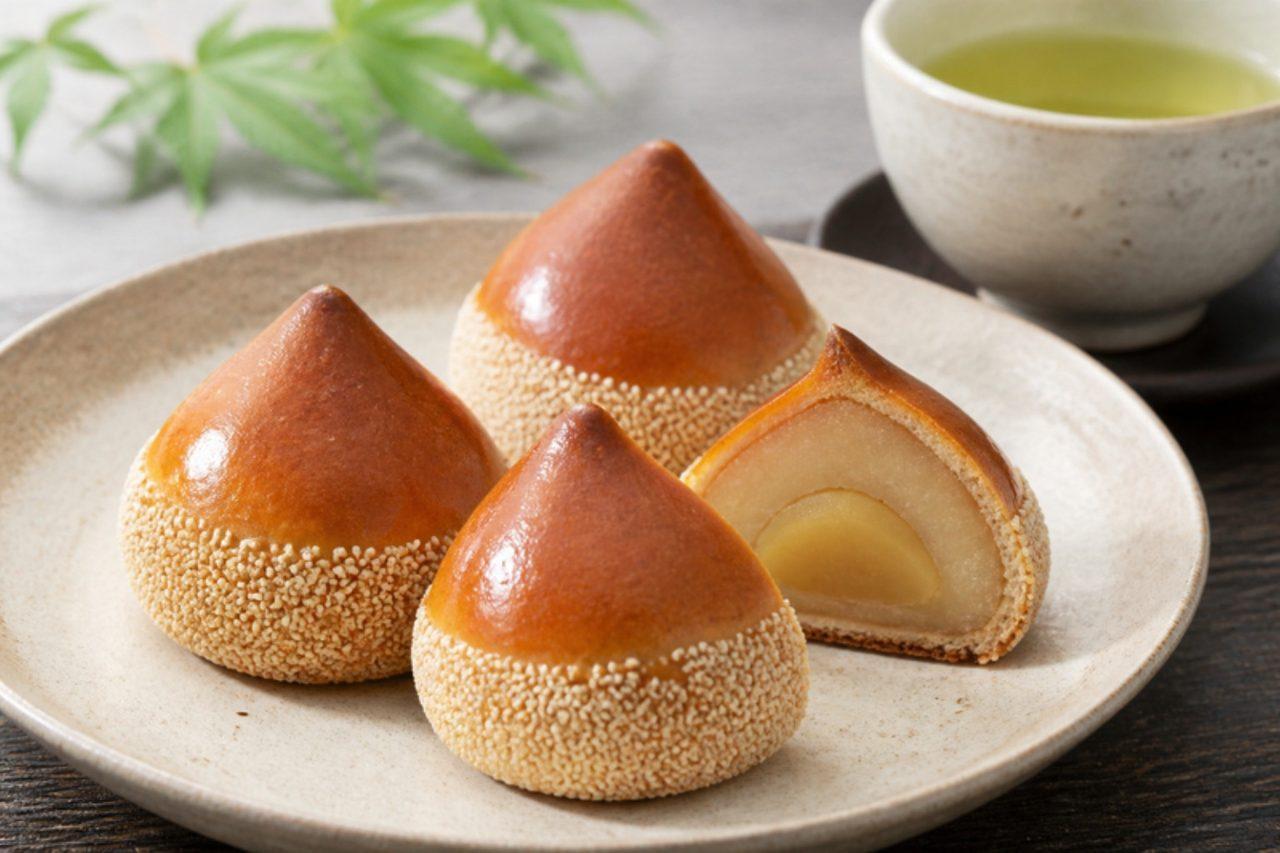
Kuri manjuChestnut buns

Made to look like a chestnut, kuri manju (栗まんじゅう) is one of Japan's favourite baked wagashi, a little teardrop of tender, cake-like dough wrapped around sweet white bean paste studded with candied chestnut. The top is glazed twice with egg yolk until it bakes a glossy chestnut brown, and the flat base is dipped in poppy seeds to mimic the pale bottom of a real chestnut. Japanese confectioners sell them all year, but they are most popular in autumn, given as gifts and eaten with green tea. Freshly baked, the dough is slightly firm; after a day in a tin the moisture from the filling softens it, so they are even better the next day. Glazing only once is an easy mistake: the first coat soaks in and looks patchy, so brush, bake briefly and brush again. Chef's tip: dust your hands well with flour as you wrap; this dough is soft and sticky, and handling it with floured fingers is the only way to keep the shell thin and even.

by KrazyBadal 0 views

Torta di meleApple cake

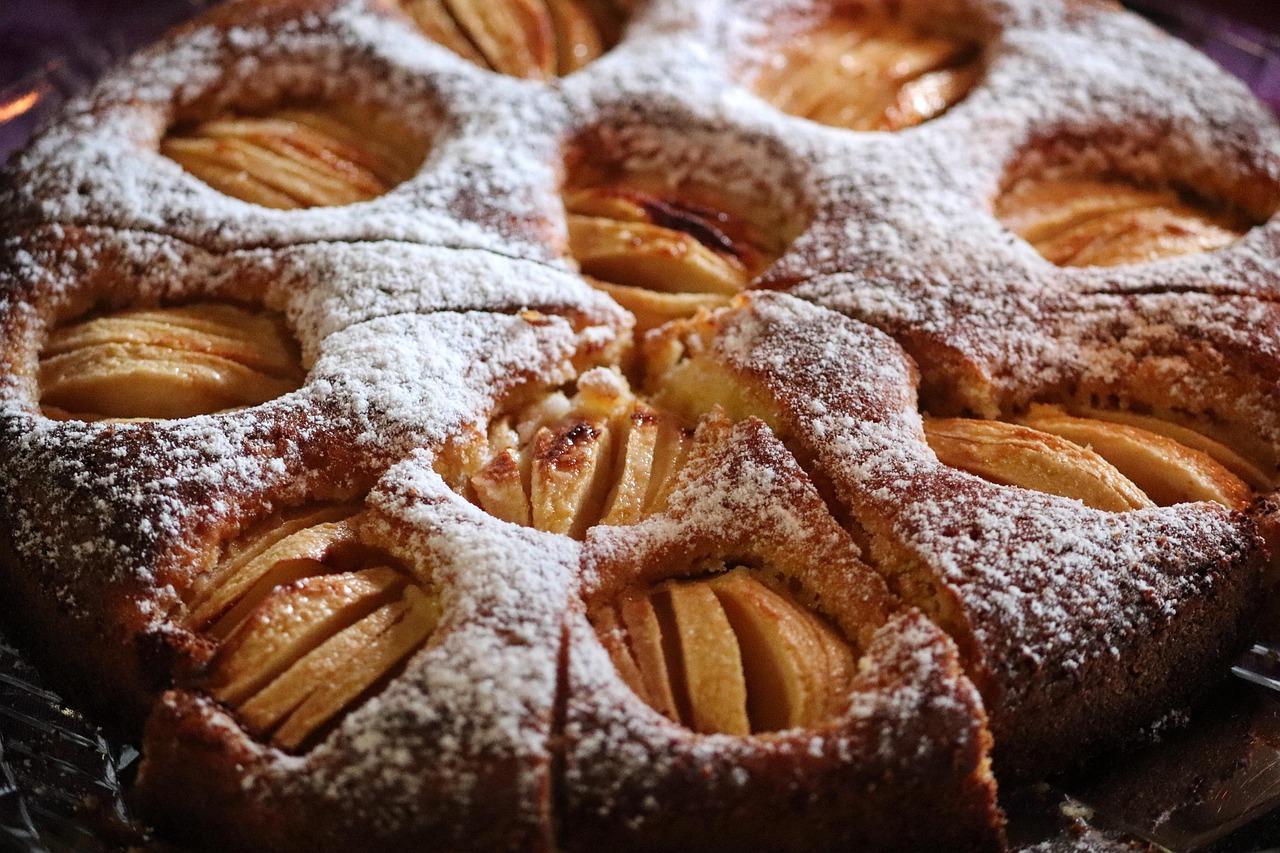
Ask anyone in Trentino, Emilia or Piedmont for their nonna's torta di mele and they will describe much the same thing: a plain, lemon-scented batter with thin apple slices sunk all through it and fanned over the top, baked in a round tin on a Sunday and finished at breakfast the next morning with caffè latte. It is soft, moist and only lightly sweet, the apples almost melting into custardy pockets. A slice also makes a good after-school snack. Thick wedges of apple are the usual mistake: they stay hard while the batter overcooks, so slice them 3–4 mm thin. Chef's tip: hold back the prettiest slices for the top and brush them with a little melted butter and sugar, so they caramelise at the edges.

by KrazyBadal 0 views

OntbijtkoekSpiced rye breakfast cake

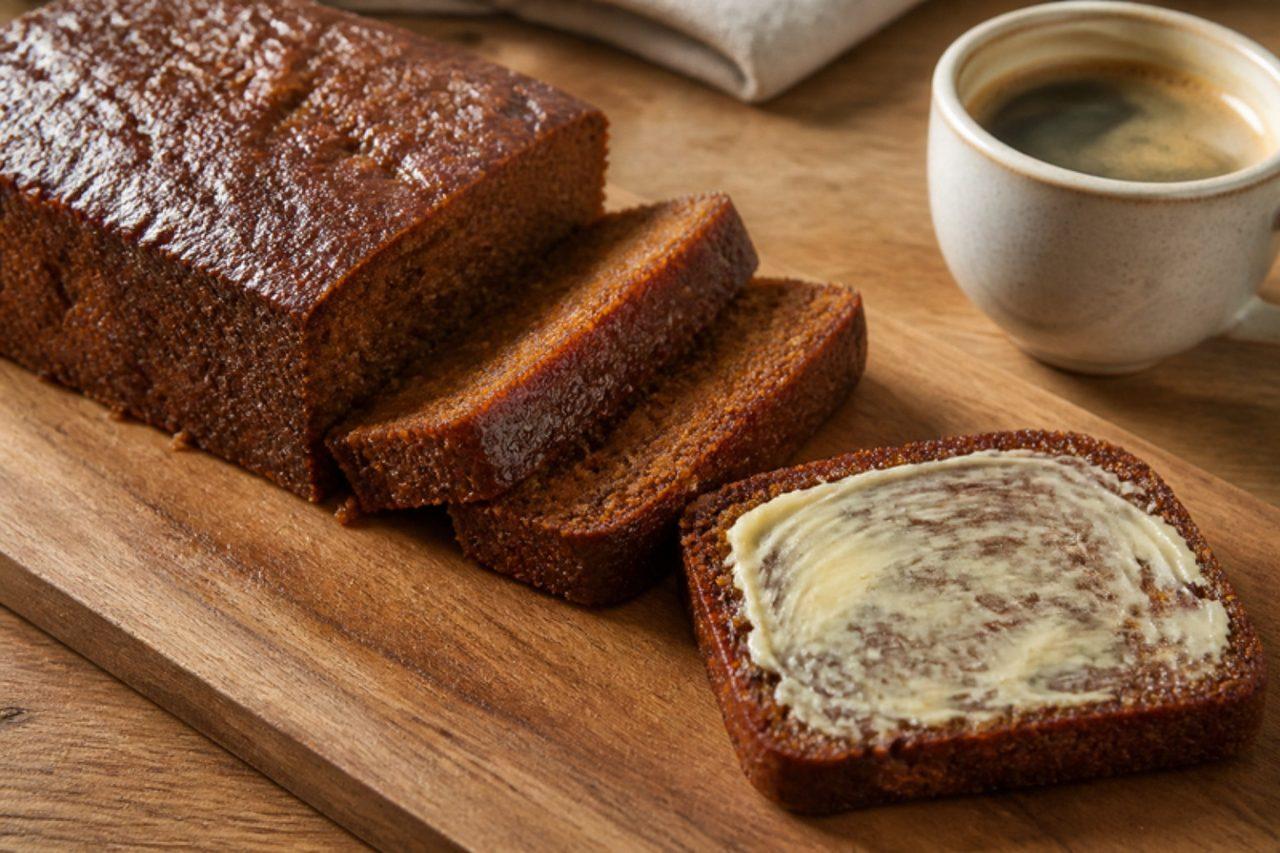
Ontbijtkoek means 'breakfast cake', and in Friesland and Groningen, where the best-loved versions come from, a thick slice spread with butter is still a normal start to the day or a mid-morning snack with coffee. The loaf is dark, sticky and springy, made with rye flour and syrup and scented with the Dutch spice mix koekkruiden: cinnamon, cloves, ginger, nutmeg and cardamom. It contains no egg and no butter in the batter, and it gets better after a day or two wrapped up. Baking it too hot is the usual mistake; the outside goes bitter before the middle sets, so bake it low and slow. Chef's tip: wrap the loaf in cling film while it is still slightly warm and leave it overnight; it softens into the classic tacky, chewy crust.

by KrazyBadal 0 views

CroquemboucheCaramel-bound choux puff tower

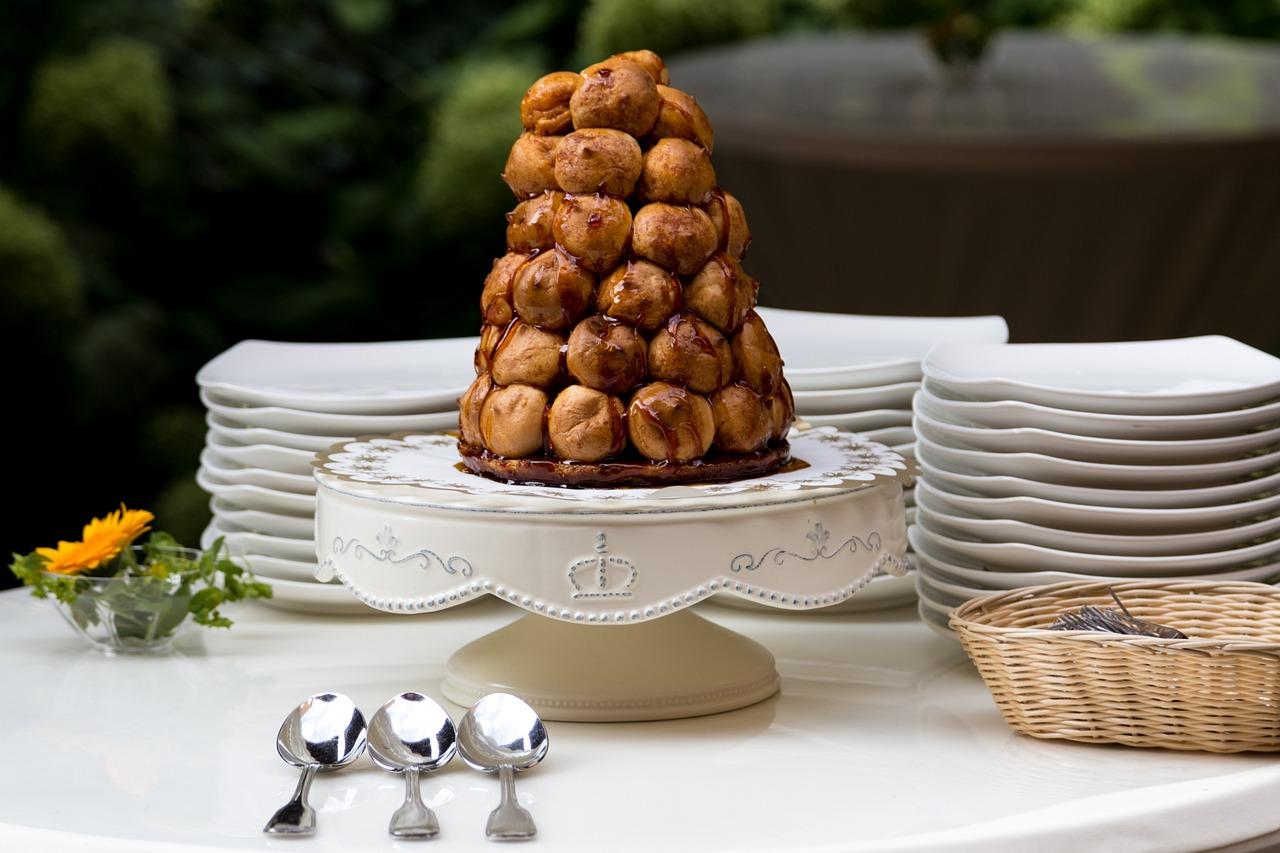
At a French wedding, christening or first communion, the croquembouche ('crunch in the mouth') arrives at the end of the meal: a tall cone of choux puffs filled with vanilla pastry cream, stuck together with amber caramel and wrapped in spun sugar threads. Guests crack puffs off with a knife or the back of a spoon, so each bite is crisp caramel, light pastry and cold, smooth cream. Pâtissiers often flavour the cream with orange liqueur; it is written here with vanilla only, and you can add 2 tablespoons of liqueur to the cooled cream. Underbaked choux is the classic mistake, because pale puffs go soft and collapse under the weight, so bake them until they are deep golden and dry inside; and since hot caramel burns badly, keep a bowl of iced water beside you and work with care. Chef's tip: build the tower on the day, no more than 4 hours before serving; the caramel softens in the fridge and humid air.

210 minFrenchBaking
by KrazyBadal 0 views

Nan-e khameiCream puffs

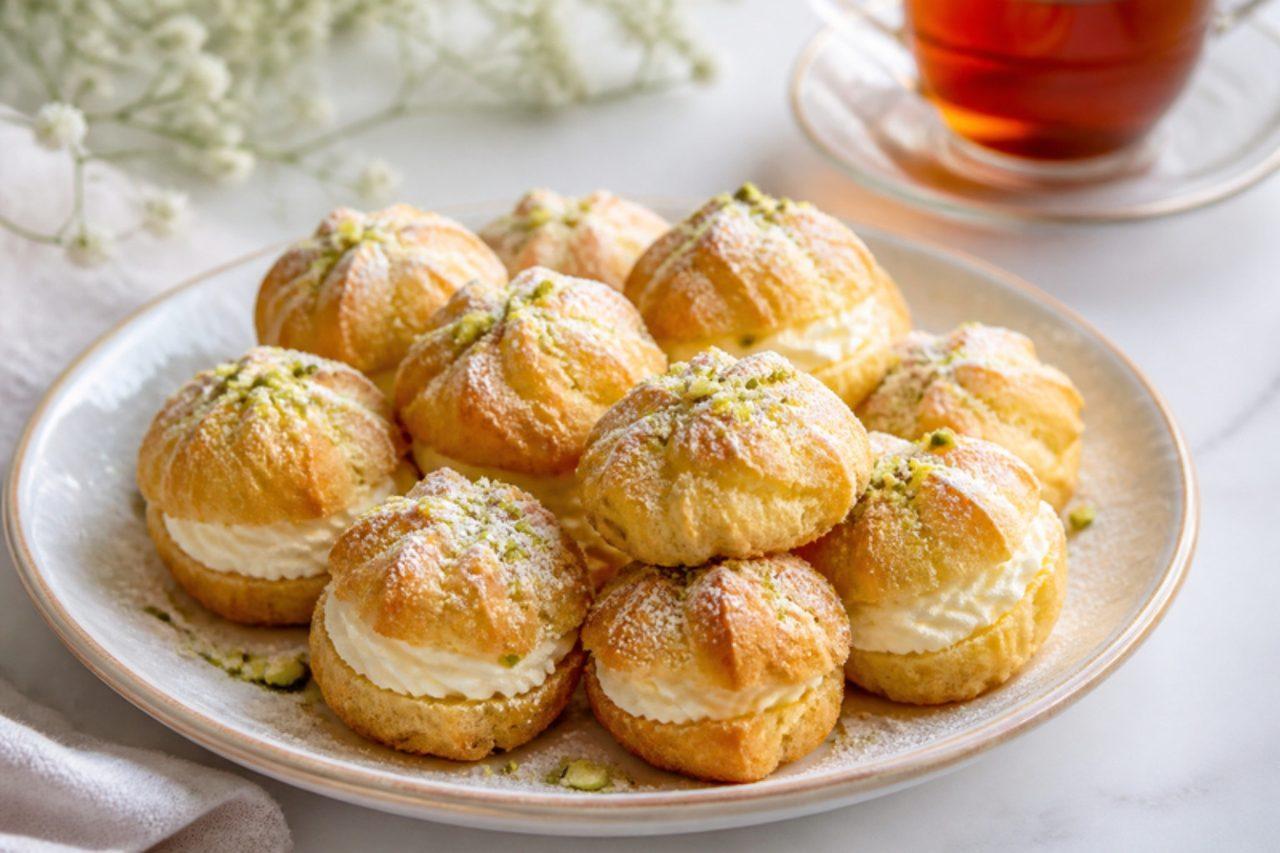
Tehran's pastry shops, the qanadi on every busy street, sell nan-e khamei by the boxful: small golden choux puffs split and filled with softly whipped cream, dusted with icing sugar. Families buy a box to take when visiting relatives, for birthdays and above all for the Nowruz new-year table, and they are eaten with glasses of black tea. The shells are crisp and hollow, the cream barely sweet and sometimes lifted with a drop of rose water, and a few chopped pistachios on top add colour. Filling them too early is the usual mistake, as the cream softens the shells within hours, so fill them shortly before serving. Chef's tip: whip the cream in a chilled bowl and stop at soft peaks with a little hold; it pipes smoothly and doesn't turn grainy.

by KrazyBadal 0 views

BoterkoekButter cake

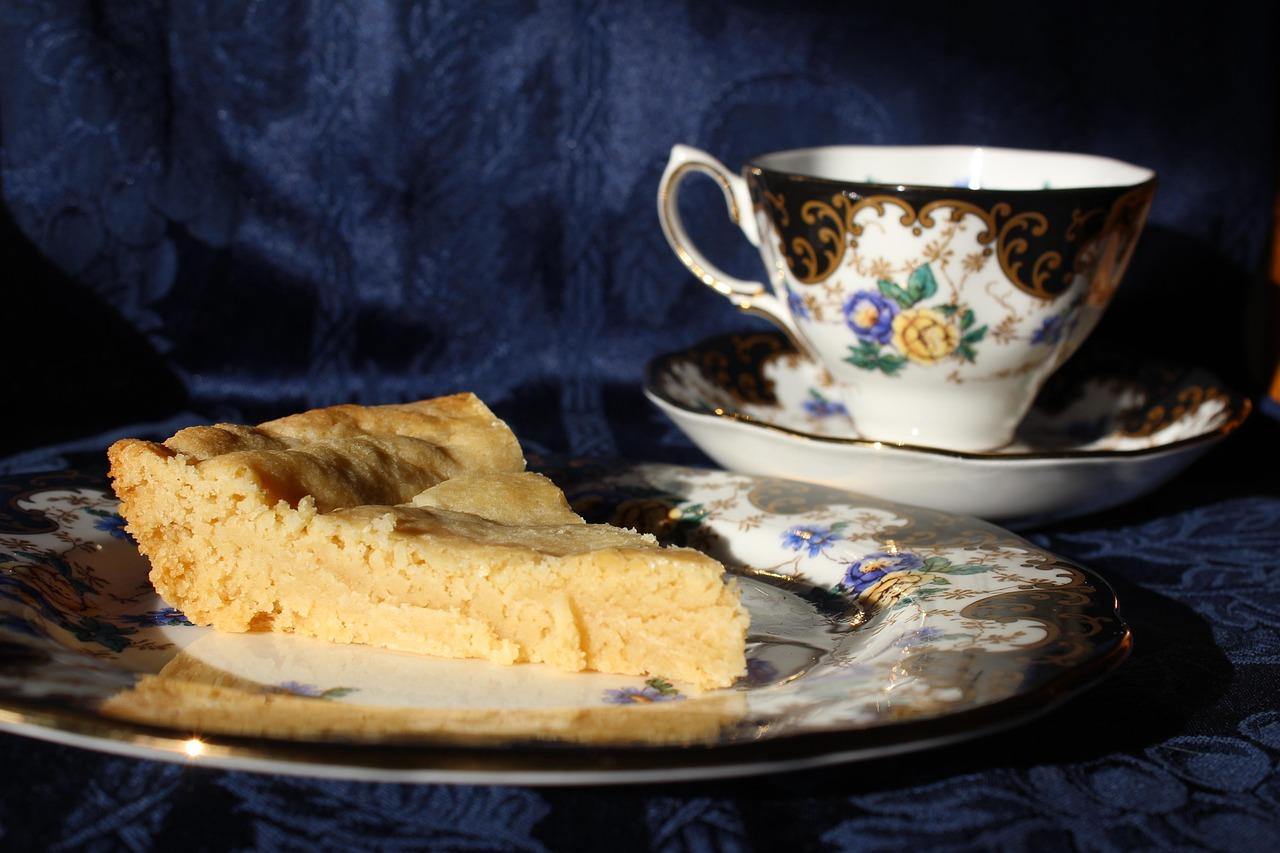
Boterkoek sits on the counter of almost every Dutch bakker, from Amsterdam to small towns in Brabant: a round, flat butter cake, scored in a criss-cross on top, glossy with glaze, dense and fudgy in the middle and crisp at the edges. It is cut into small wedges, because it is rich, and eaten with a cup of coffee at elf uur, the eleven o'clock break, or offered to visitors. The dough itself has no egg; only the top is brushed with beaten egg for shine (milk works too, though the colour is paler). Overbaking is the classic mistake: it should come out golden but still soft in the centre, so it sets fudgy, not dry. Chef's tip: use salted butter, or add the pinch of salt; it is what stops boterkoek tasting merely sweet.

by KrazyBadal 0 views

South Tyrolean buckwheat torte

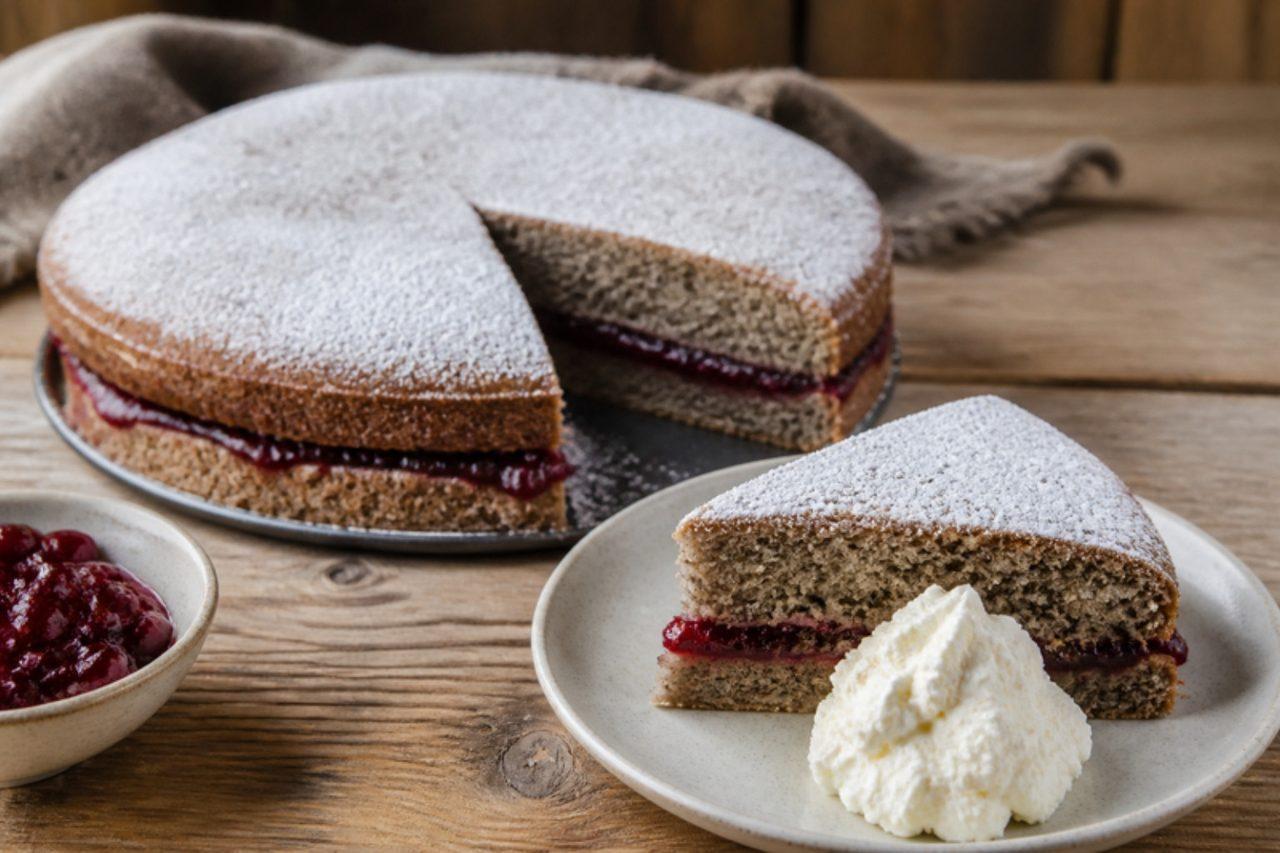
Buckwheat once grew on the terraces of the Vinschgau and Pustertal valleys, and Buchweizentorte, also called torta di grano saraceno, is what South Tyrolean farmhouse kitchens made of it: an earthy grey-brown almond sponge, split and filled with sharp red lingonberry jam. Mountain huts above Merano and Bolzano still serve wedges of it with a cloud of whipped cream after a hike, and it is naturally free of wheat flour. The crumb is tender and nutty, the jam cutting the richness. Overbeating after the flour goes in is the common mistake, as it knocks the air out of the whites and the cake stays flat and dense; fold lightly. Chef's tip: leave the torte a day before splitting it; the crumb firms up, it cuts cleanly and the jam soaks in evenly.

by KrazyBadal 0 views

KorovaiCeremonial wedding bread

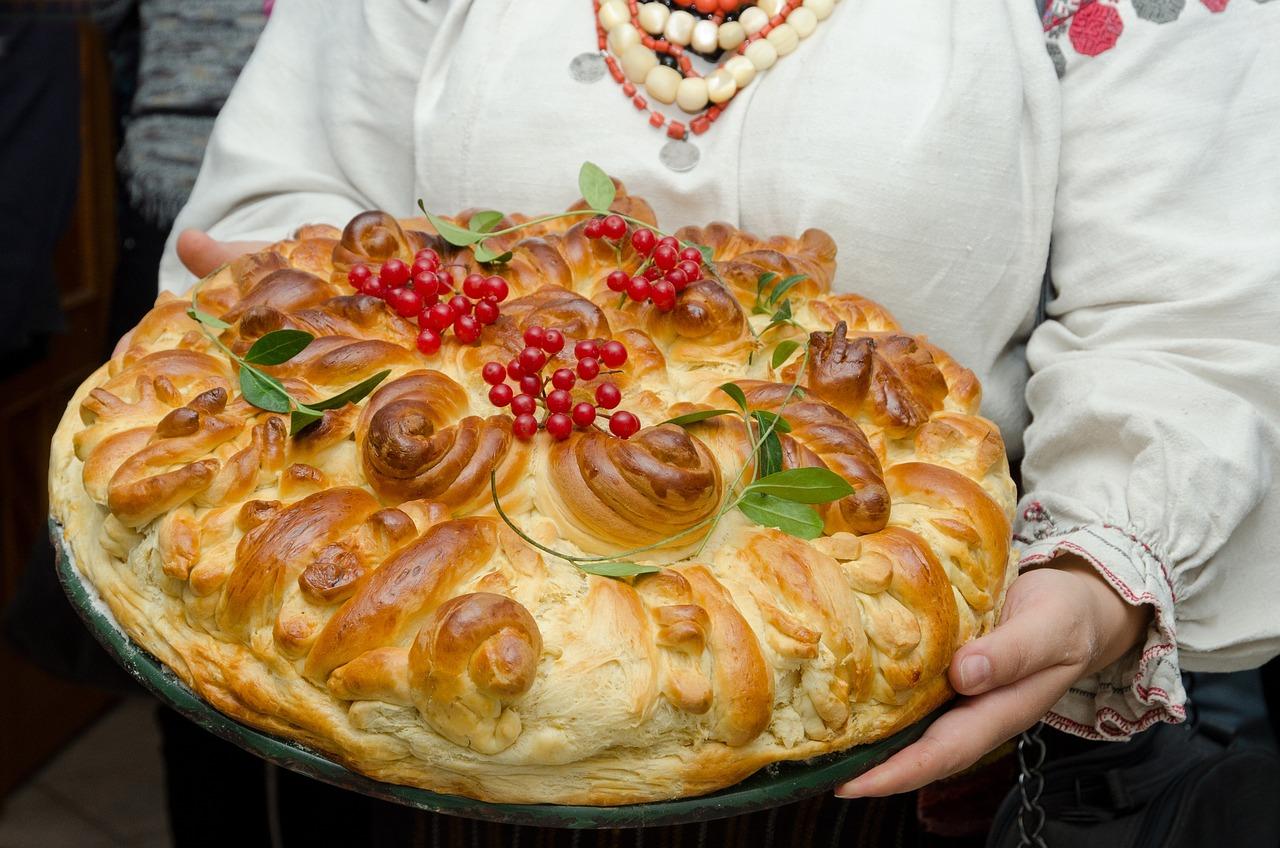
A Ukrainian wedding once began days ahead, when married women of the village gathered to bake the korovai and sang over the dough. The finished bread is a great round loaf ringed with a braid and covered in dough pine cones, flowers and pairs of birds for the couple, often finished with sprigs of greenery and red guelder-rose berries. It is carried in on an embroidered rushnyk cloth, and at the end of the feast it is cut and shared with every guest. The crumb is soft and lightly sweet, good with honey, butter or tea the next morning. Expect it to take a whole afternoon. The trap is using the same soft dough for the decorations: they puff up and lose their shape, so firm up that portion with extra flour. Chef's tip: stick each decoration on with a dab of water and press it in a little, then chill the decorated loaf for 10 minutes before baking so the details stay crisp.

by KrazyBadal 0 views

Korean garlic cream cheese bread

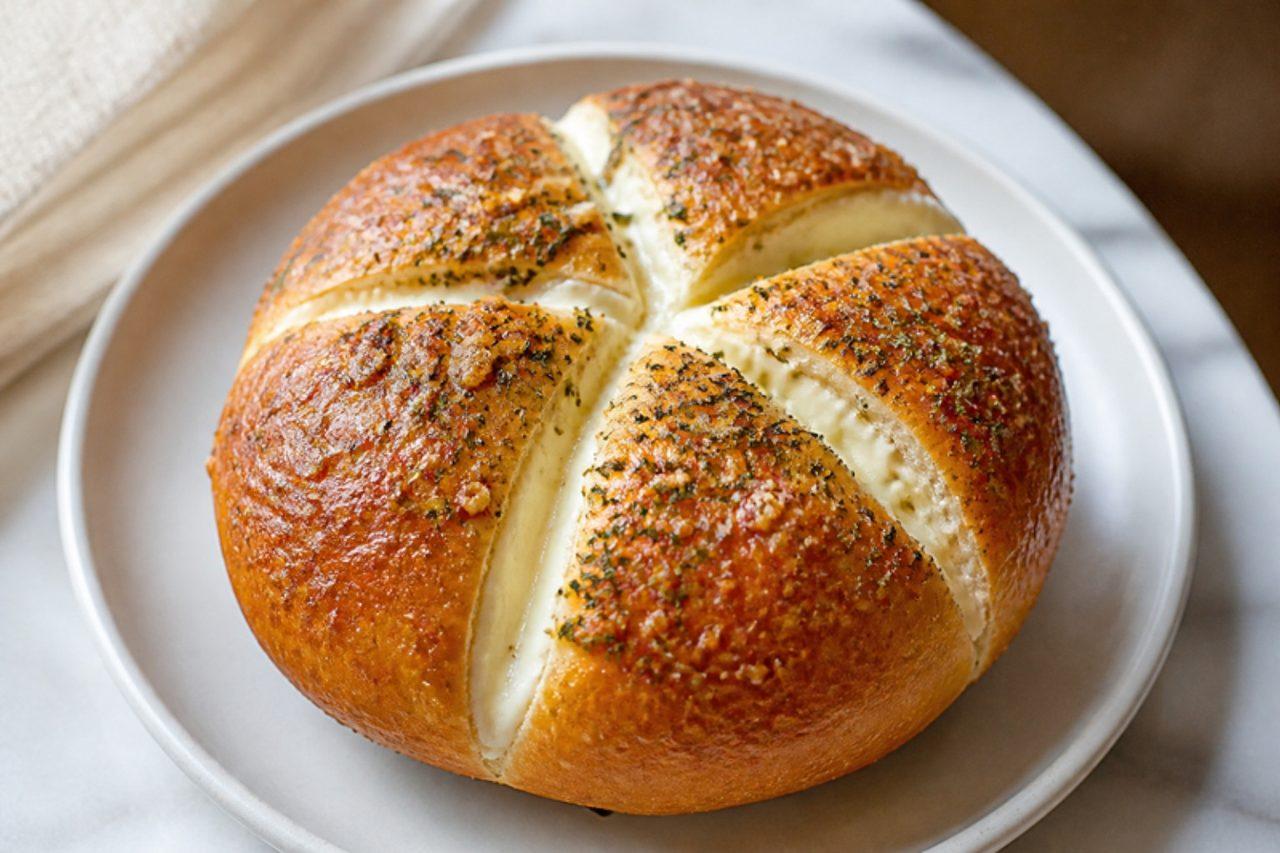
Gangneung, the seaside city on Korea's east coast, made this bun famous: its name, yukjjok maneul-ppang (육쪽마늘빵), means 'six-clove garlic bread', because each round loaf is cut into six wedges like a bulb of garlic. The cuts are piped full of sweet cream cheese, then the whole bun is dunked in a garlicky butter custard and baked again, so it comes out crisp and golden on top, soft and rich inside, sweet, salty and savoury in one bite. Tourists queue for it at market stalls and cafés, and it is now a Korean café favourite eaten with iced americano. The most common slip is cutting right through the base; the wedges then fall apart in the garlic bath, so stop about 1 cm short. Chef's tip: bake and cool the buns a day ahead, or use day-old buns; firm, cooled bread slices cleanly and soaks up the garlic butter without going soggy.

by KrazyBadal 0 views

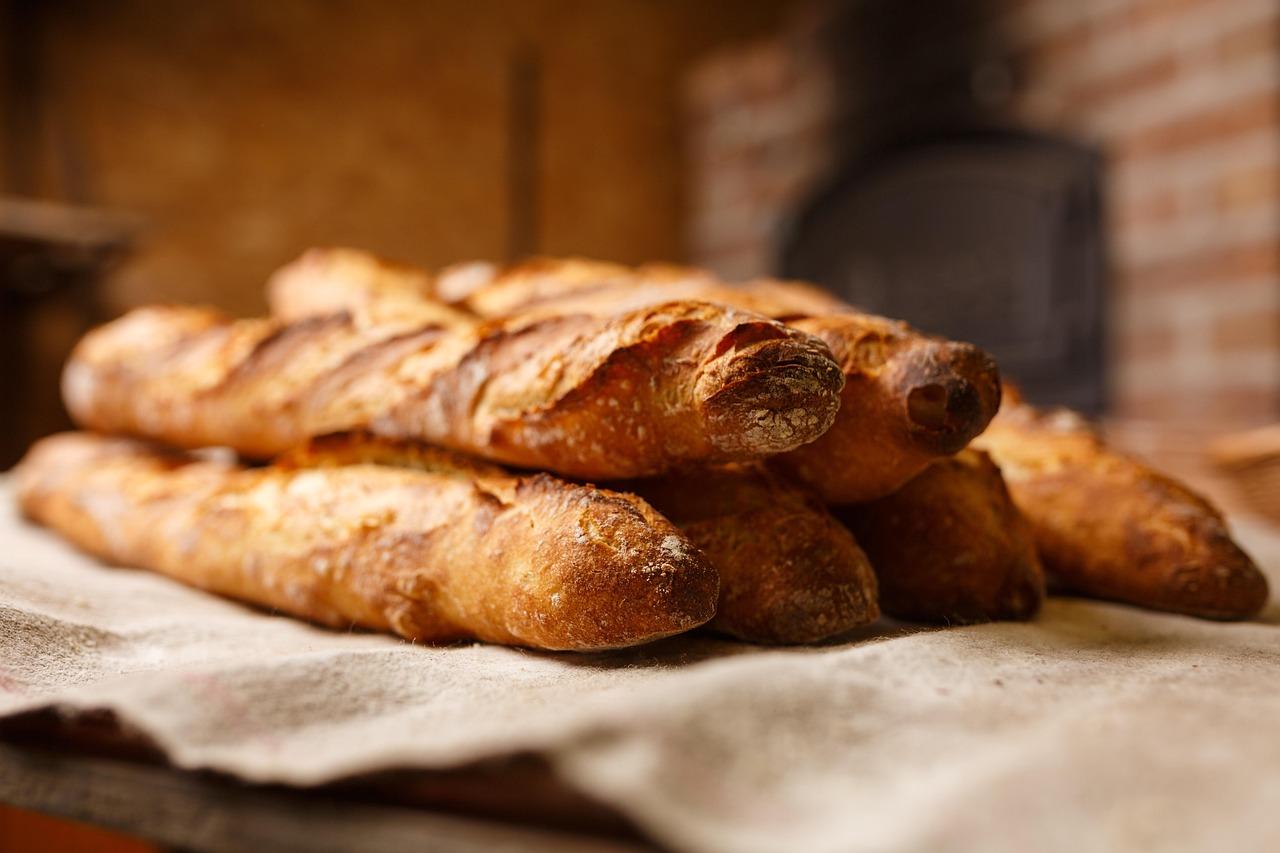
Baguette

Four ingredients and nothing else: since a 1993 decree, a loaf sold in France as a baguette de tradition may contain only flour, water, salt and leavening. Parisians buy one or two a day, warm from the boulangerie, and the end of the loaf rarely makes it home uneaten. A good one has a thin, shattering, deep golden crust, an open, creamy crumb and a faint nutty sweetness from a long, slow rise. Tear it for butter and jam at breakfast, split it for a jambon-beurre or a cheese sandwich, or put it on the table with soup, salad and a cheese board. Shaping is where most home bakers go wrong: pressing all the air out while rolling the dough long gives a tight, cottony crumb, so handle it lightly and let the bench rest do the work. Chef's tip: cut the slashes almost lengthways, at a shallow angle with the blade nearly flat, and overlap each one by a third; straight-down, crosswise cuts just open into flat scars instead of the raised 'ears' you want.

by KrazyBadal 0 views

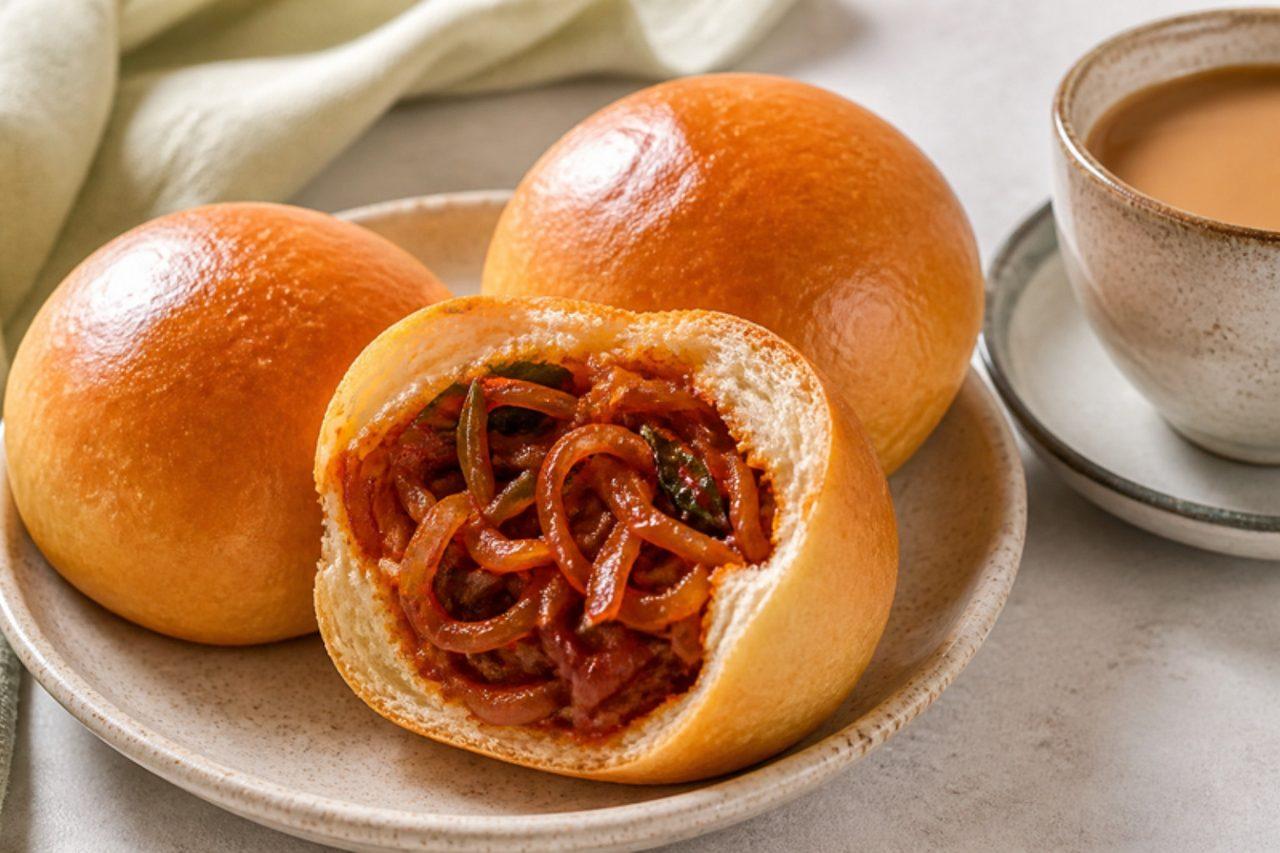
Seeni sambol bunsOnion relish stuffed buns

Listen for the tinkling tune of a bakery three-wheeler in any Sri Lankan town around four o'clock, and there will be seeni sambol buns on its glass shelves. These soft, slightly sweet buns are filled with seeni sambol, a dark, jammy relish of onions slowly caramelised with chilli, curry leaves, cinnamon and tamarind, so each bite is sweet, sour and fiery at once. They are one of the island's favourite 'short eats', eaten with a cup of sweet milk tea at work, on train journeys or after school. Seeni sambol is usually made with Maldive fish flakes; this vegetarian version leaves them out and leans on a little extra tamarind for depth. A wet, still-warm filling is the commonest cause of soggy, split buns, so cook the onions until almost dry and cool them completely. Chef's tip: make the sambol a day ahead; it keeps for a week in the fridge and its flavour deepens overnight.

by KrazyBadal 0 views

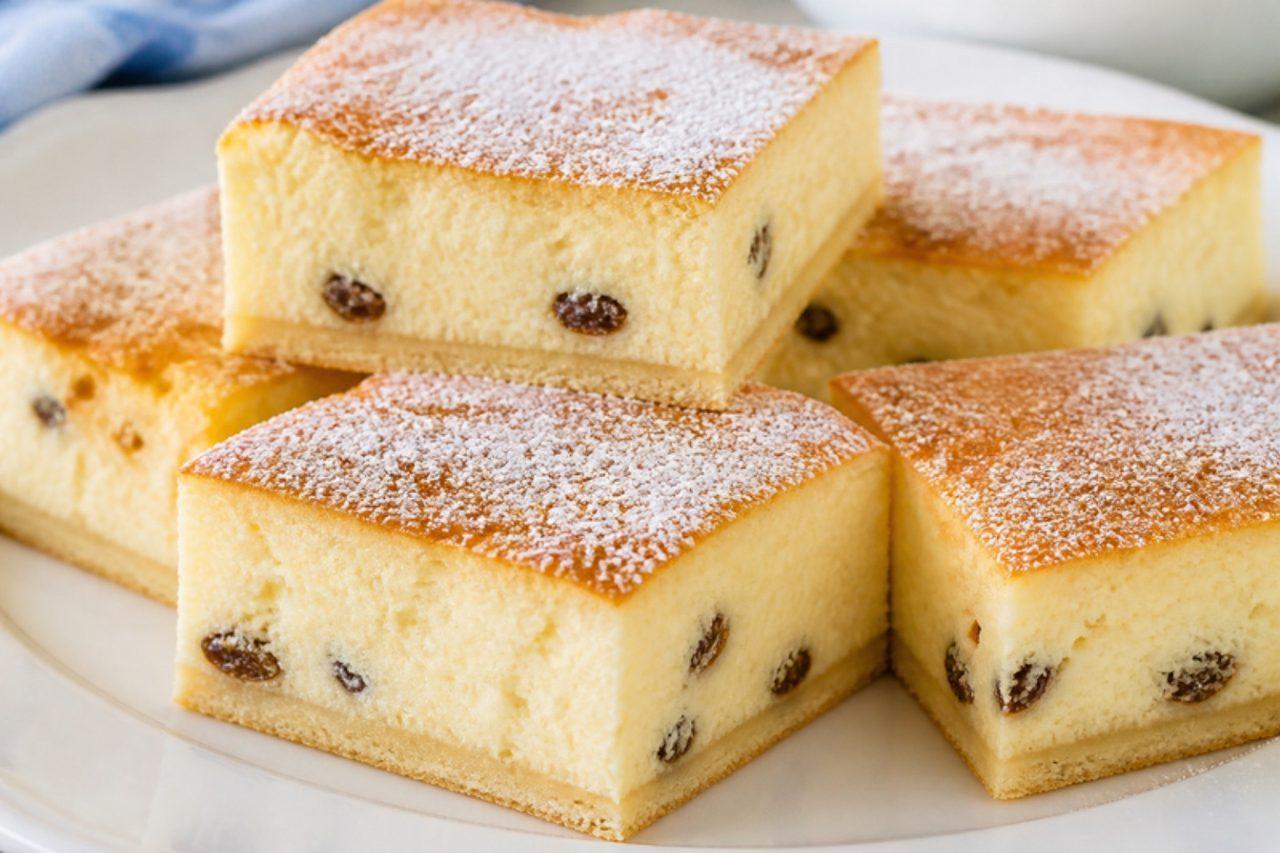
Túrós lepénySweet curd cheese sheet cake

Hungarians use túró, a dry, crumbly fresh curd cheese, the way other cooks use cream, and túrós lepény is one of its homeliest outings: a thin short pastry base, a deep layer of lemony sweetened curd with raisins, baked in a tray and cut into squares for afternoon coffee, a picnic at Lake Balaton or the school lunch box. The filling is light and tangy rather than dense like a cheesecake, because the egg whites are whipped and folded in. Wet curd is the classic mistake; it weeps and the base goes soggy, so press the cheese through a sieve and use farmer's cheese or well-drained quark if you can't find túró. Chef's tip: take the lepény out while the very centre still has a slight wobble; it sets as it cools and stays creamy instead of cracking.

by KrazyBadal 0 views

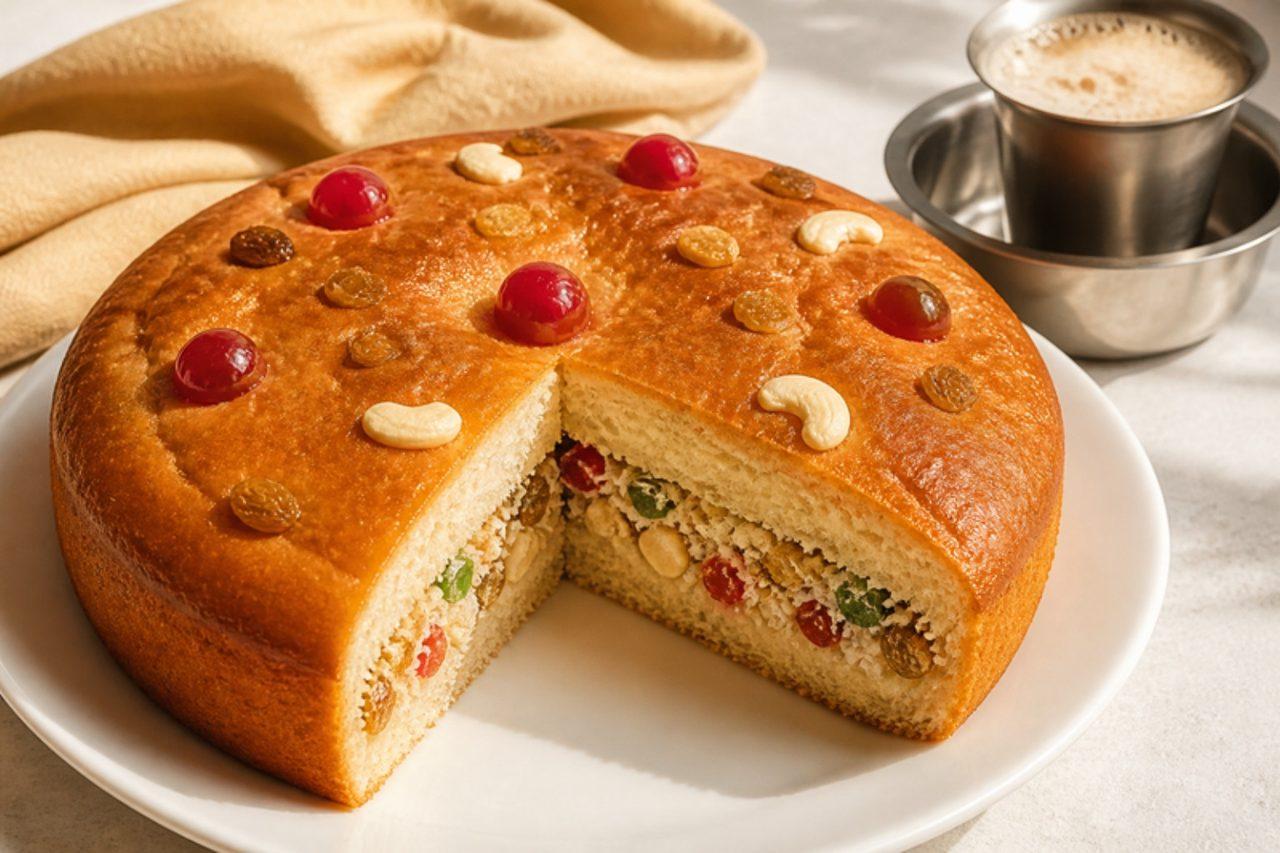
DilkhushCoconut and candied fruit stuffed bread

Teatime at an Iyengar bakery in Bengaluru or Mangaluru means dilkhush ("happy heart") stacked in wedges beside the khara buns: a soft, sweet bread round with a thick layer of grated coconut, sugar, tutti-frutti and cashews baked inside it. The dough in these bakeries is usually eggless, so the crumb is light and milky rather than rich, and the filling stays moist and chewy. Eat a wedge with a small glass of filter coffee or masala chai, or pack it for a school snack. The usual mistake is to pile the filling to the very edge; leave a clear 2 cm rim or the seal splits and the coconut toasts black on the tray. Chef's tip: squeeze a little milk into dry desiccated coconut before mixing the filling, so it tastes closer to fresh coconut and does not steal moisture from the bread.

by KrazyBadal 0 views

Fen zheng rouSteamed pork in rice powder

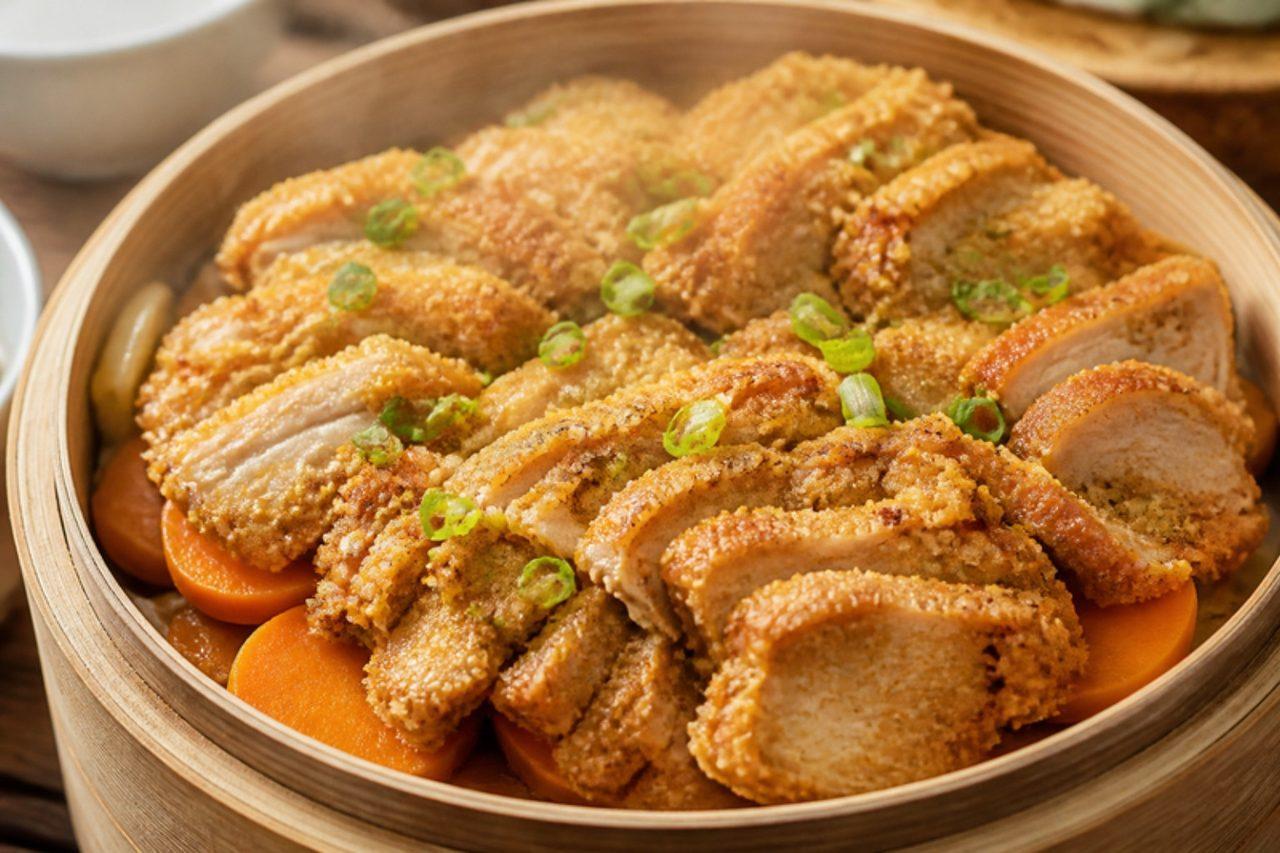
In Wuhan and Chengdu, fen zheng rou comes to the table in the small bamboo steamer it was cooked in, at banquets and at family dinners in autumn: thick slices of pork belly marinated with fermented bean paste, soy and spices, rolled in coarse rice powder toasted with star anise and Sichuan pepper, then steamed for an hour over sweet potato until the meat is meltingly tender and the rice coating soft and fragrant. This is a pork dish, and a rich one; it was in the healthy group only because it is steamed, not fried. A portion is about 420 kcal. Marinate in the fridge. The common mistake is grinding the rice too fine; it should be like coarse couscous, or it turns into paste. Chef's tip: toast the rice slowly until golden before grinding; that nutty, toasty smell is the whole flavour of the dish.

by KrazyBadal 0 views

Anpan

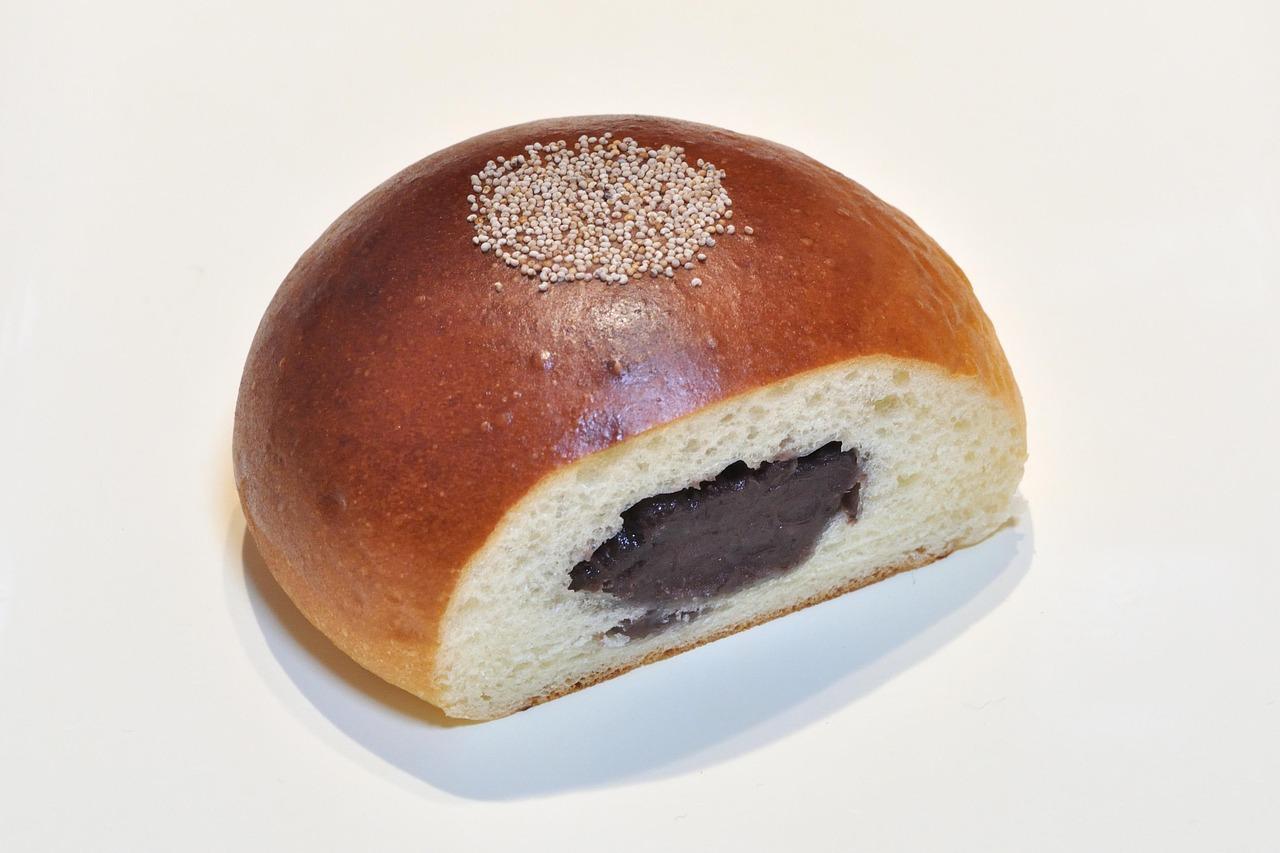
Tokyo's Ginza district gave Japan its first sweet bun in 1874, when a bakery there wrapped Western-style bread dough around azuki bean paste, the filling of traditional wagashi; a version topped with a salted cherry blossom was presented to the Emperor Meiji the following year. Anpan (あんパン) is still sold in every Japanese bakery and convenience store, eaten with green tea or milk as an afternoon snack and packed in school bags. The bread is soft, faintly sweet and shiny brown, wrapped round a thick layer of smooth, earthy-sweet red bean paste, with sesame seeds or a pink blossom pressed into a dimple on top. A paste that is too soft is the usual cause of trouble: it oozes out of the seam and leaves a hollow bun, so use a stiff koshian you can roll into balls. Chef's tip: roll the filling into balls and freeze them for 15 minutes before wrapping; firm balls are far easier to enclose neatly and keep the dough an even thickness all round.

by KrazyBadal 0 views

Soboro-ppangPeanut streusel buns

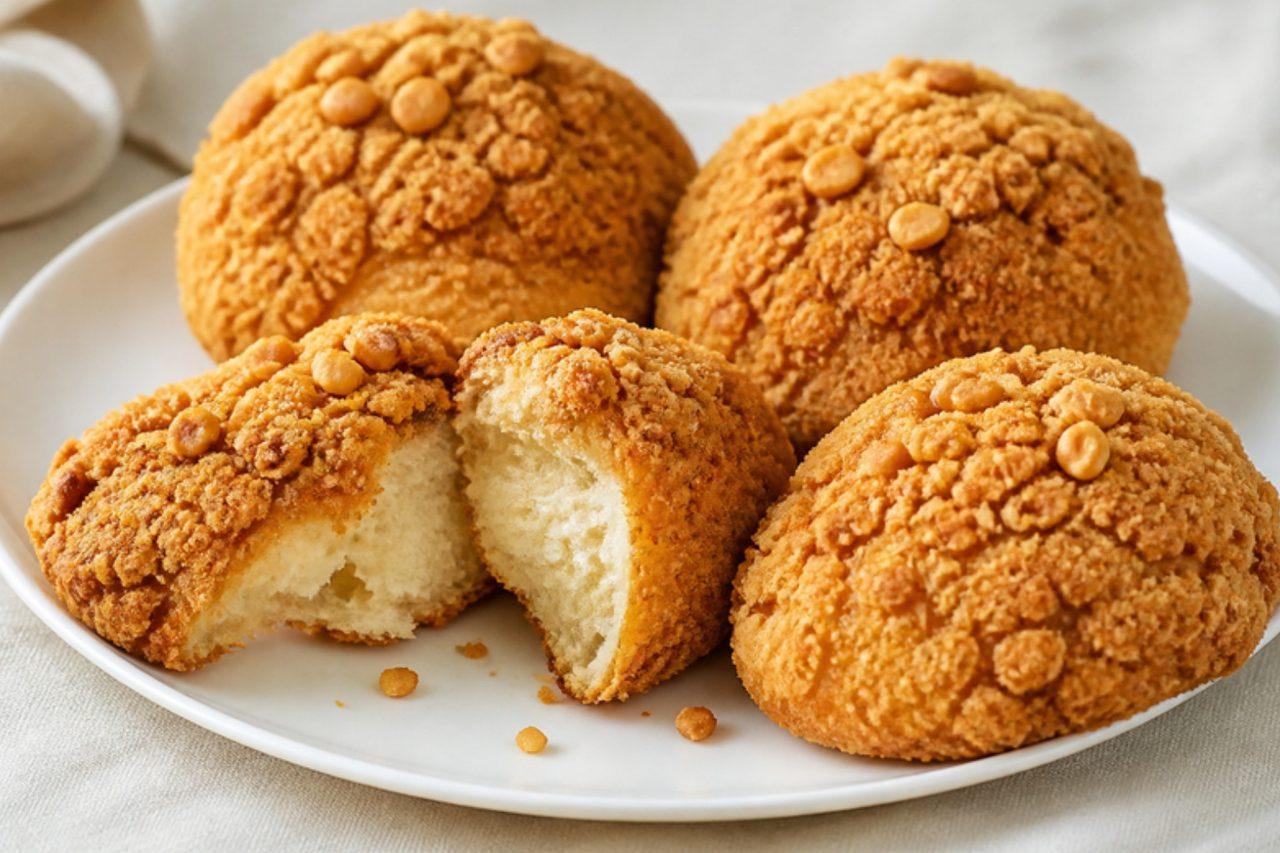
'Soboro' describes something crumbled, and that is exactly what covers these buns: a craggy, peanut-scented streusel that bakes into a sweet, sandy crust over soft milk bread. Soboro-ppang (소보로빵) has been a fixture of Korean neighbourhood bakeries since the 1960s and is still one of the cheapest, most loved buns on the shelf, bought by students after school and eaten with a carton of banana or plain milk. The contrast is the point, crunchy and buttery on top, fluffy and lightly sweet inside. Some bakeries fill them with red bean paste or custard; this is the plain classic. Beating the streusel into a smooth paste is a common mistake, as it melts into a flat lid in the oven, so rub it only into clumpy crumbs and keep it cold. Chef's tip: brush the tops of the dough balls with milk and press them firmly, top down, into a bowl of crumbs; a thick, even coat sticks better than crumbs scattered on afterwards. They contain peanuts.

by KrazyBadal 0 views

Gyeongju breadRed bean pastries

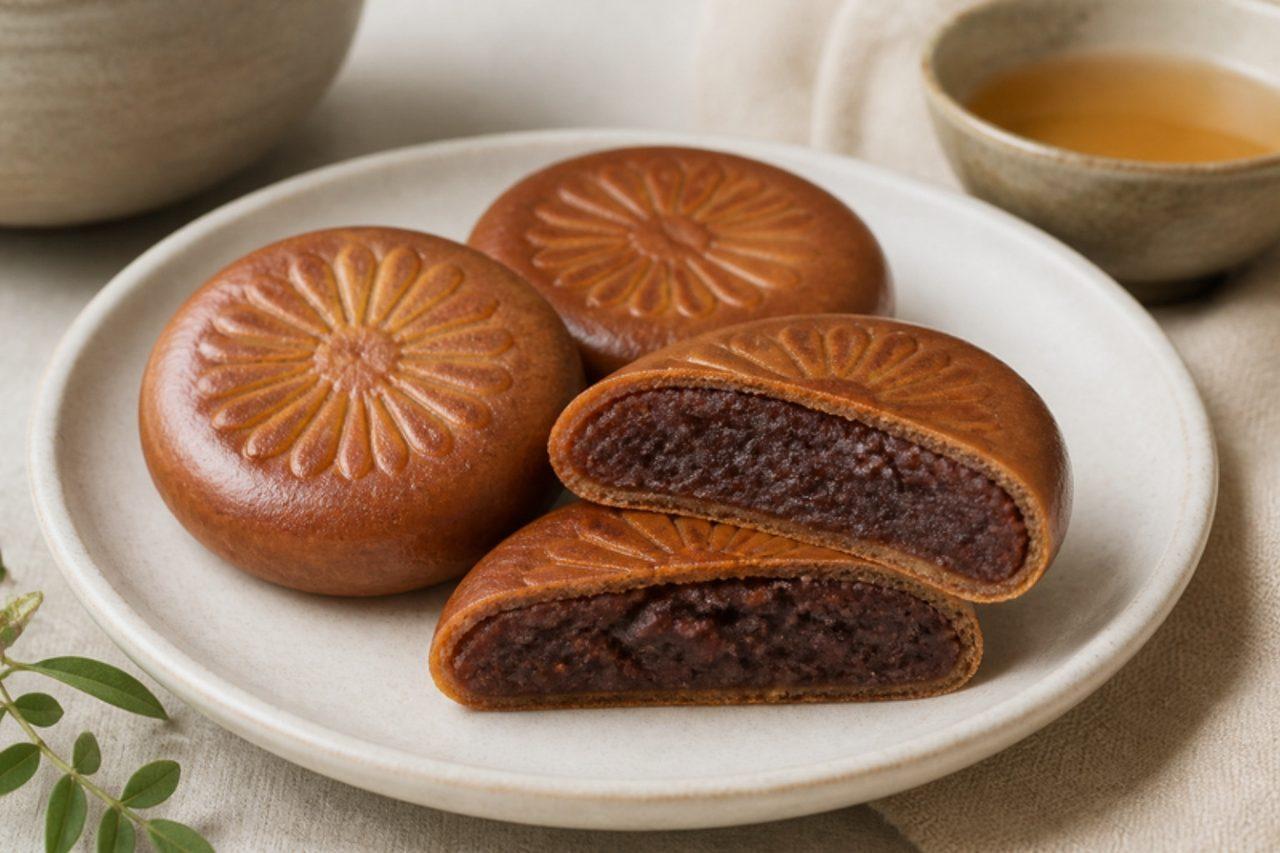
Near the grassy royal tombs of Gyeongju, the ancient Silla capital, a baker in Hwangnam-dong began making these small round pastries in 1939, and the city's shops have sold them by the boxful ever since. Gyeongju bread (황남빵, also called Gyeongju-ppang) is mostly filling: a generous ball of coarse red bean paste in a skin so thin it looks painted on, stamped with a flower pattern and glazed until shiny brown. It tastes gently sweet and nutty, soft and moist rather than bready, and it is the souvenir every visitor carries home, eaten with barley tea or green tea. The usual mistake is a dough shell that is too thick, which bakes into a cookie and hides the bean flavour; aim for roughly one part dough to two and a half parts filling. Chef's tip: press the pattern in with a small cookie stamp or the back of a citrus press dipped in flour, while the buns are cold and firm, so the design stays sharp.

by KrazyBadal 0 views

Nigerian fruit cake

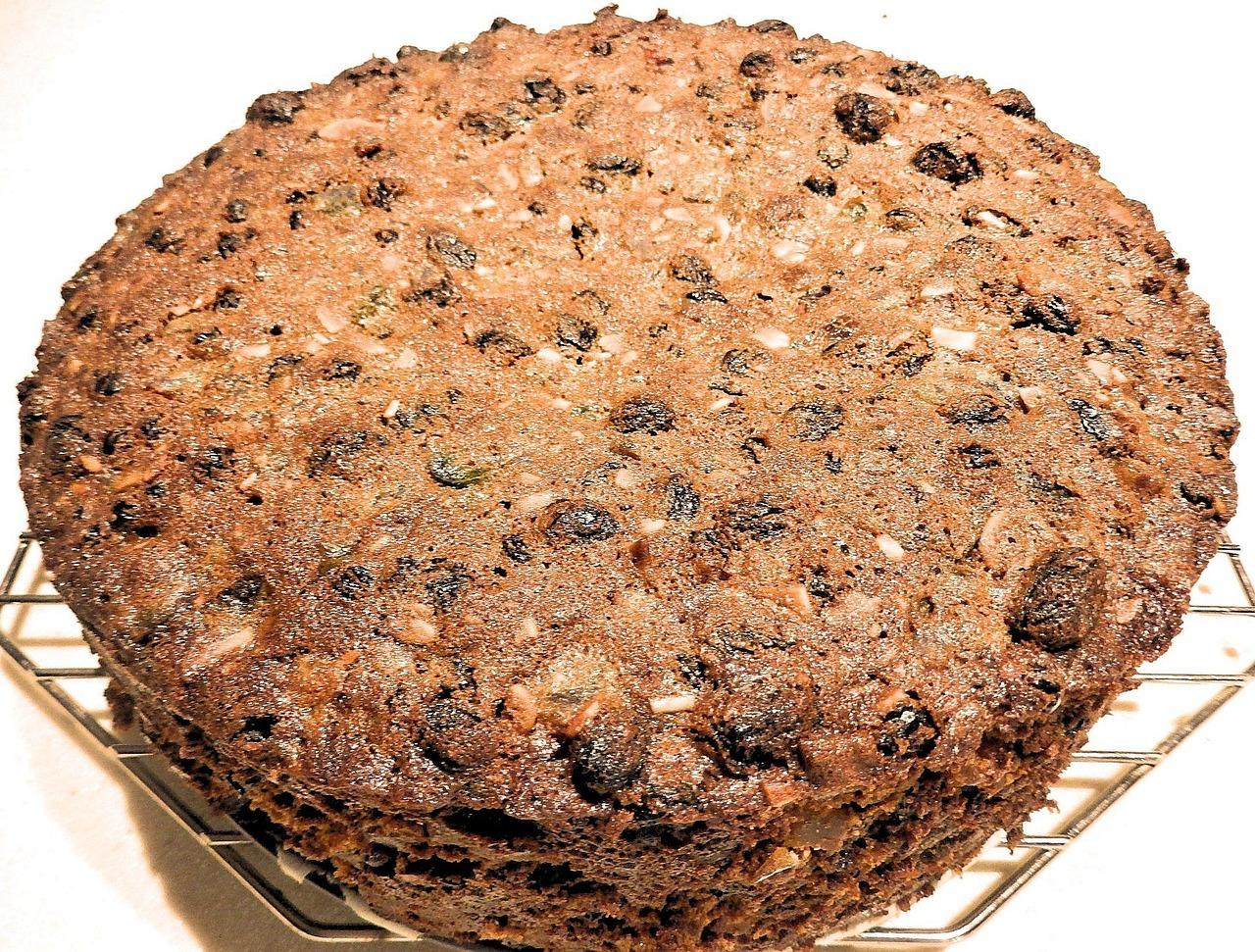
No Lagos wedding or Christmas table feels complete without a dark, heavy fruit cake, often stacked in tiers and covered in icing, with slices wrapped in napkins for guests to take home. The crumb is dense and moist, coloured almost black with browning (burnt-sugar caramel), and packed with raisins, currants and cherries warmed by nutmeg and mixed spice. Many families soak the fruit for weeks in brandy, stout or red wine; this version plumps it in orange juice instead, with a spirit given only as an option. Serve thin slices with tea, or ice it for a celebration. Bake it hot and fast and you get the classic failure: a cracked, burnt crust over a raw, sunken middle, so keep the oven low. Chef's tip: wrap a double band of brown paper around the outside of the tin and tie it with string; it slows the edges so the middle catches up.

by KrazyBadal 0 views

Mawa cakeCardamom khoya butter cake

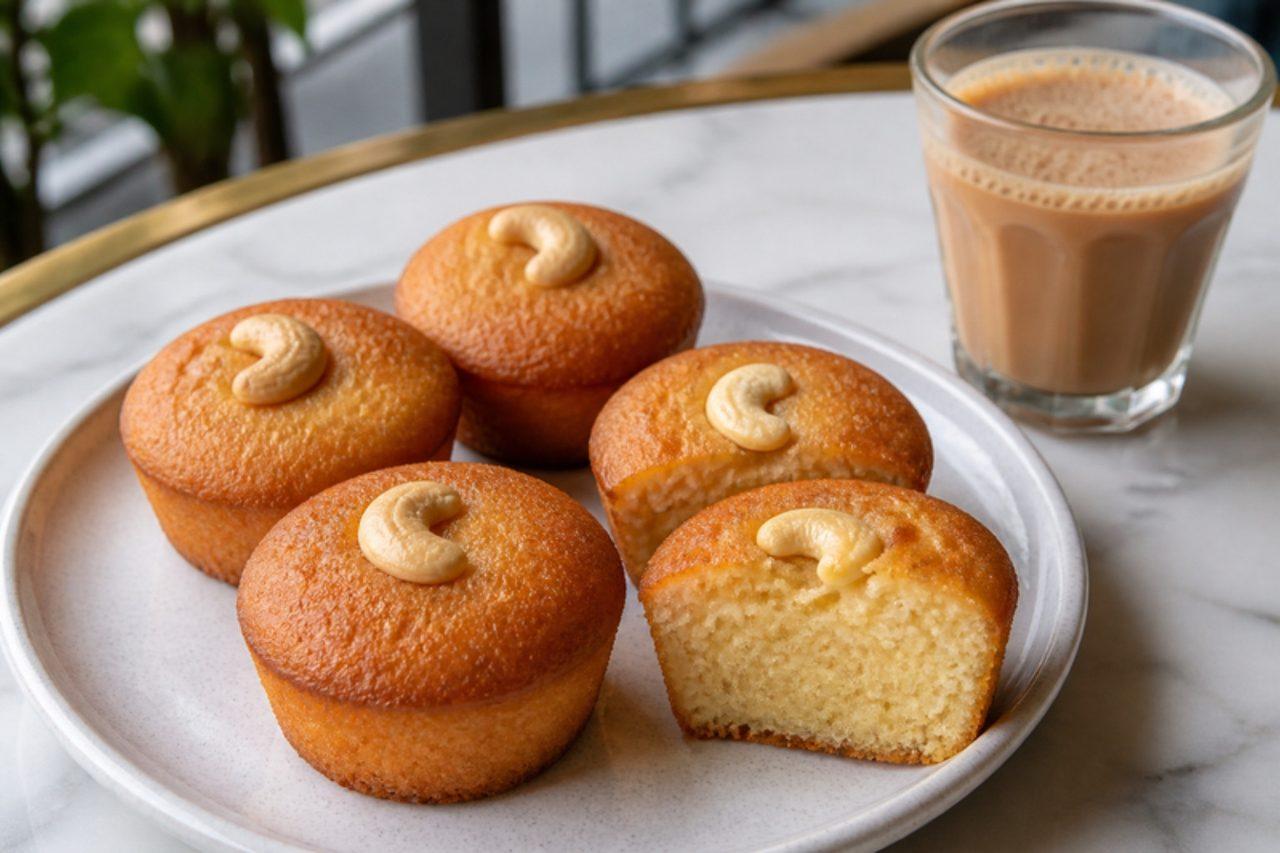
Walk into an old Irani café in Mumbai or Pune at teatime and the glass jars on the counter will hold squat, golden mawa cakes, each crowned with a single cashew. The crumb is close and buttery, heavy with milky khoya and perfumed with cardamom, somewhere between a pound cake and a barfi. Locals dunk a slice in cutting chai or eat it with a bun maska on the side. This version uses eggs, as the classic bakeries do; eggless versions swap the eggs for yogurt or condensed milk and are just as popular. The usual slip is adding the khoya in hard lumps, which leave greasy pockets in the cake, so grate it and rub it smooth before it meets the butter. Chef's tip: warm the cardamom seeds in a dry pan for a minute before grinding; the aroma doubles and carries right through the bake.

by KrazyBadal 0 views

Placek ze śliwkamiPlum and crumble yeast cake

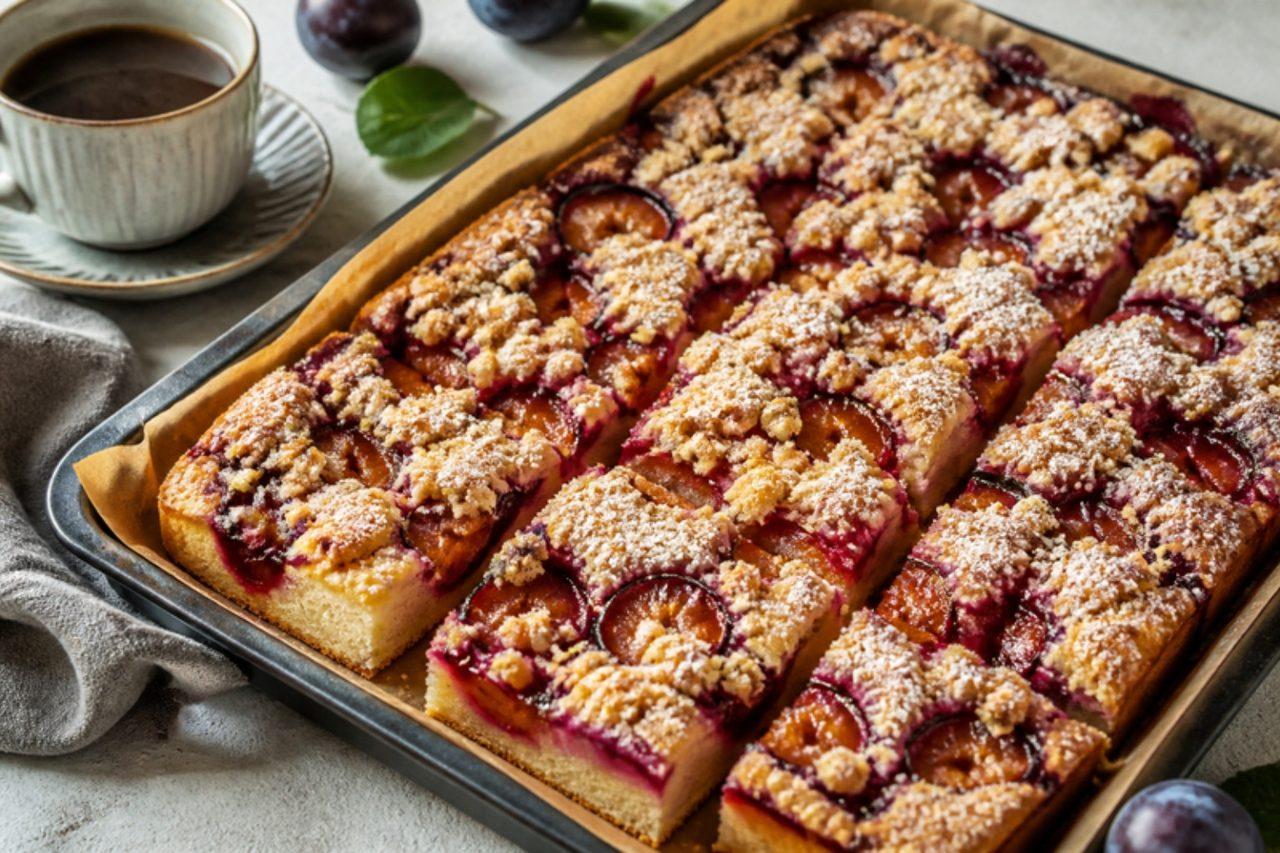
When the węgierki plums ripen in late August, Polish grandmothers from Kraków to Gdańsk bake placek ze śliwkami on the big oven tray and cut it into squares for Sunday coffee or for the neighbours. Under a buttery kruszonka crumble the plums melt into jammy, sharp pools on a soft, slightly sweet yeast dough. It is best on the day, still faintly warm, with a mug of coffee or a dollop of whipped cream. Laying the plums skin side down is the classic mistake: the juice floods the dough and leaves it raw, so set them cut side up and close together. Chef's tip: toss the plum halves with a spoonful of semolina or breadcrumbs before arranging; it soaks up the juice and keeps the base light.

150 minPolishBaking
by KrazyBadal 0 views

Showing 90 of 10,495 recipes

Page 148 of 1,167