


Skip to content
Bossam kimchi
Featured recipe

Bossam kimchi

Wrapped cabbage kimchi

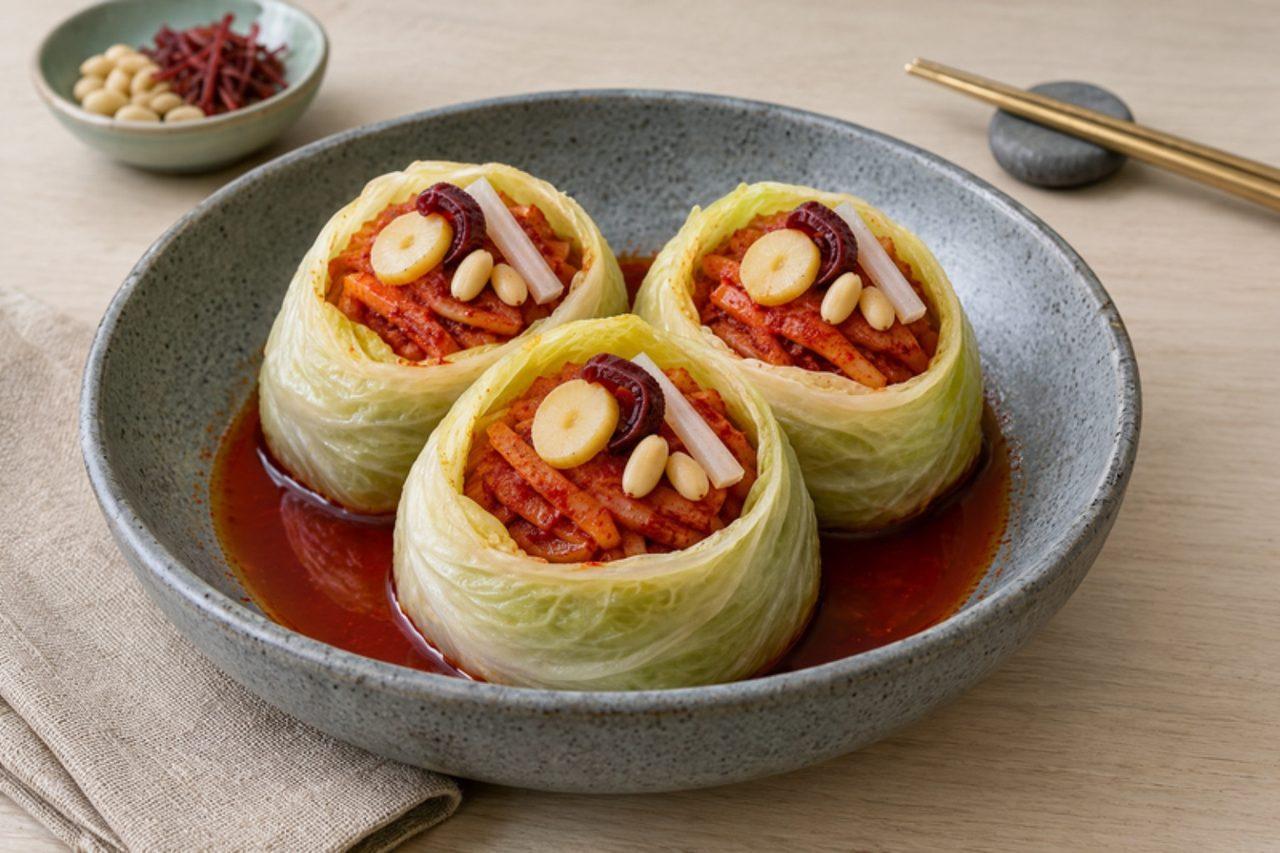
Bossam kimchi comes from Gaeseong, the old Goryeo capital just north of today's border, and it is the kimchi families make with special care at kimjang time in late November and set out for Seollal guests. Instead of rubbing seasoning into whole cabbage halves, the inner leaves are folded around a rich filling of radish, Korean pear, chestnut, jujube, pine nuts and herbs, then wrapped in large outer leaves like a gift. Unwrapped at the table, it is crisp, juicy and sweet from the pear, with mellow chilli heat and the savoury depth of salted shrimp. Traditional versions add raw oysters; here they are optional. Raw oysters are not safe for pregnant people, babies, older people or anyone with weak immunity, so leave them out for those guests or for any kimchi you mean to keep beyond 3 days. The common mistake is under-rinsing the cabbage, which makes every parcel too salty; rinse three times and taste a stem. It is ready after 3–4 days in the fridge, when the juice turns pleasantly sour and slightly fizzy. Chef's tip: tie each parcel with a blanched scallion if the leaves won't stay closed.

Read more 0 views

What to eat today?

Around the world

Today's trip: Paraguayan

A new country every day, from every cuisine on the site.

Paraguayan

Chipa

Cheese bread rings 50 minMore from Paraguayan (27) →

This week's collection

Kid-friendly dinners
537 recipes · a new collection every Monday

Latest recipes

Bogobe jwa lerotseSorghum and melon porridge

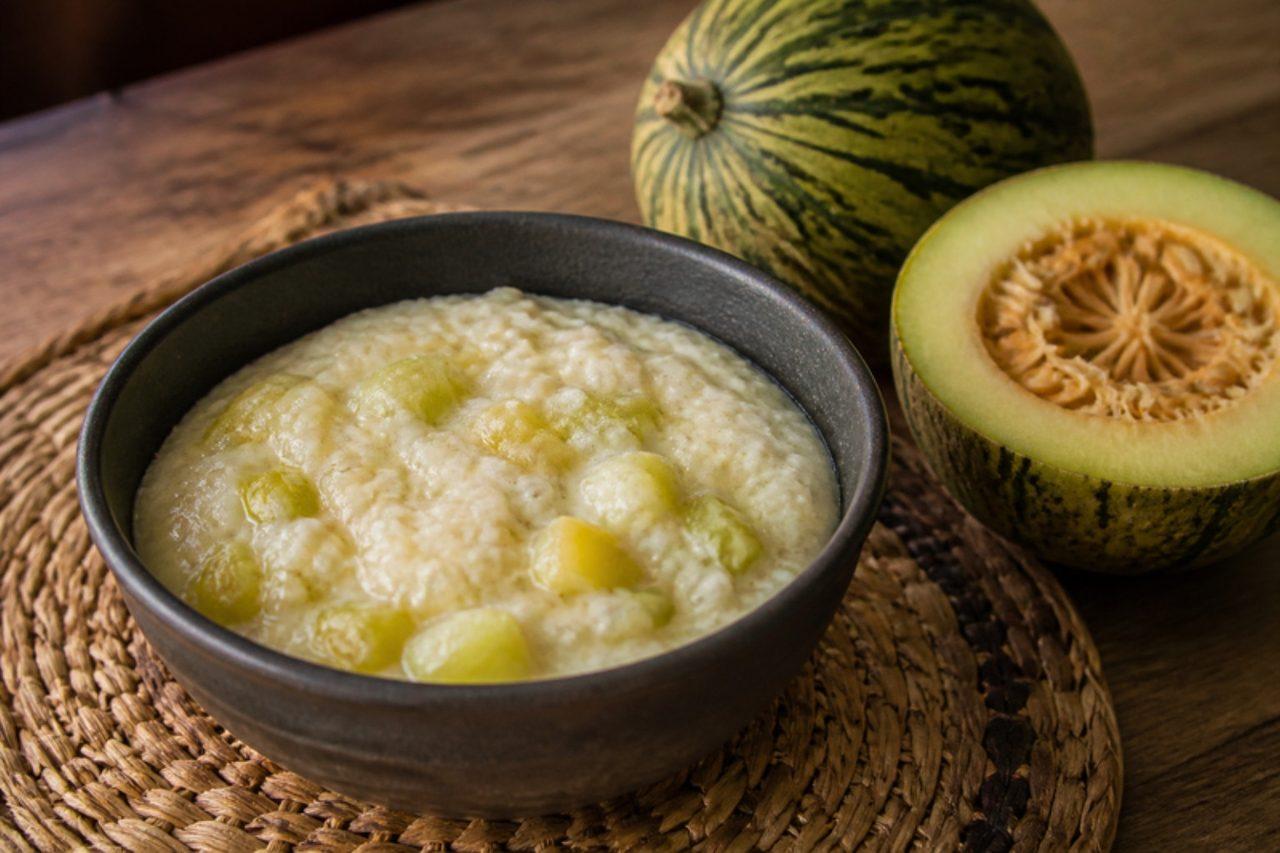
When the lerotse melons ripen on the lands around Serowe and Mahalapye after the summer rains, households stir their pale flesh into the evening pot of sorghum, and the porridge turns soft, smooth and quietly sweet. Lerotse is a hard-skinned field melon, closer to a mild marrow than a dessert melon, so it melts into the bogobe and gives it a light, fresh taste against the sour, nutty grain. It is eaten as a side with seswaa, beans or morogo, or on its own for supper with a sprinkle of sugar. Outside Botswana, look for lerotse at African grocers; otherwise a firm cooking melon or a winter melon gives a very close result. Chef's tip: the mistake people make is dumping the sorghum in at once, which gives lumps; rain it in slowly while you whisk.

by KrazyBadal 0 views

Chikuwa isobe-ageSeaweed-battered fish cake

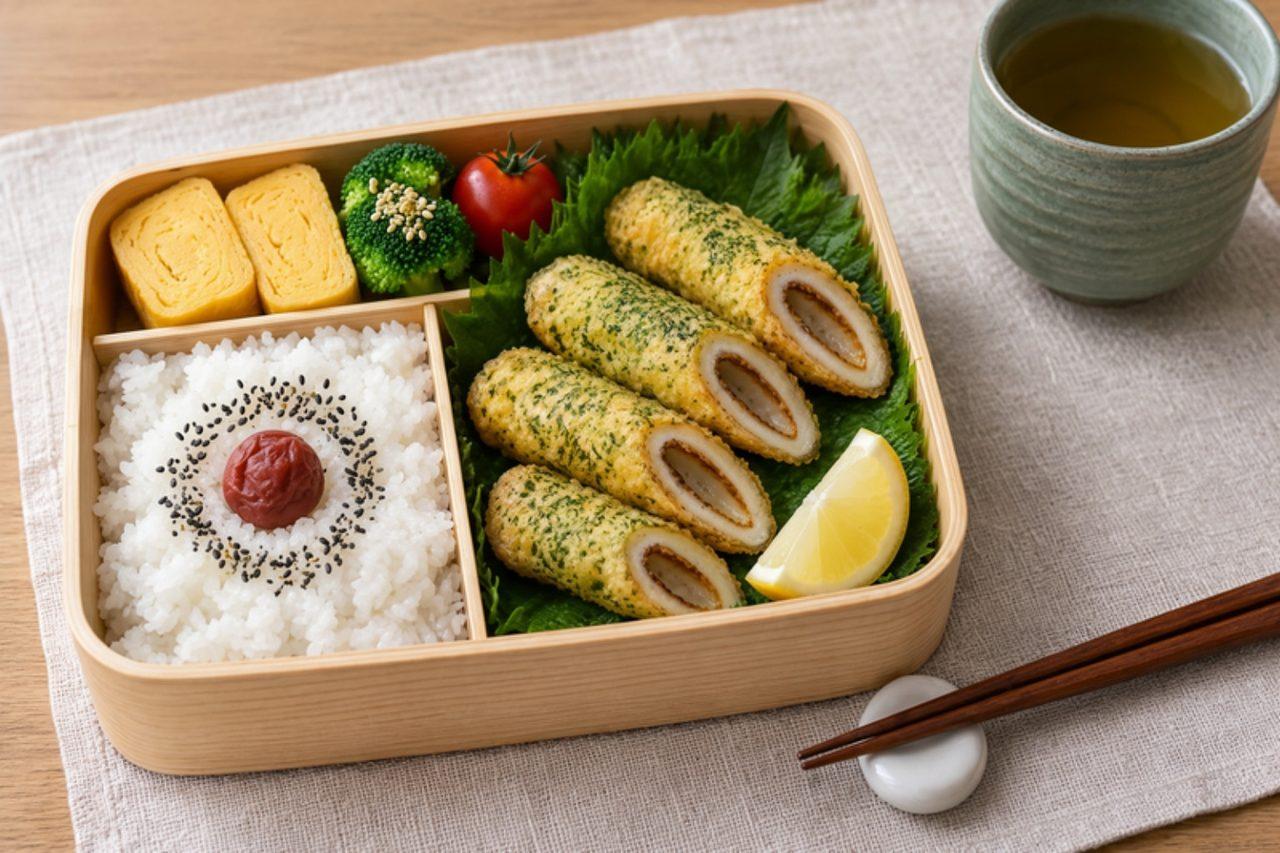
Isobe-age, "fried in the style of the rocky shore", means anything coated in a batter speckled with green aonori seaweed, and chikuwa isobe-age is the one every Japanese parent tucks into a bento: tubes of chikuwa fish cake fried until puffed and crisp. It is just as good cold and takes ten minutes. The common mistake is a thick batter, which turns bready; it should be like single cream. Chef's tip: dust the chikuwa with a little flour before dipping, so the batter clings and does not slide off in the oil.

by KrazyBadal 0 views

MutakuraBeans, cowpeas and maize

Mutakura is old Zimbabwean country food, cooked in rural Mashonaland after harvest from the store of dried beans, cowpeas, groundnuts and maize kernels, and eaten as a filling lunch or snack, often at gatherings and ceremonies. Everything is soaked, boiled for hours until tender, then simply seasoned with salt, so the beans are creamy, the maize chewy and the groundnuts soft and rich. Suitable as part of a balanced diet. About 340 kcal and 45 g carbohydrate per portion. The usual mistake is cooking everything together from the start: the maize needs a long head start, and the dried red beans must be boiled hard for 10 minutes to be safe. A pressure cooker cuts the maize time to about 40 minutes. Chef's tip: soak everything overnight in separate bowls; the maize and groundnuts need it most.

by KrazyBadal 0 views

Yansoon (anise tea)

Every Cairo ahwa has yansoon on its menu, chalked up next to tea and helba, and in Egyptian homes it is the drink of evenings, colds and upset stomachs. It is made with green aniseed, often from Upper Egypt, simmered briefly and sweetened. People reach for it after a feast at Eid, during winter coughs, or simply at night because it is caffeine-free and traditionally drunk to calm and help sleep. It is pale gold and sweet, with a soft liquorice scent and a slightly peppery warmth at the end. Many Egyptian mothers give a weak version to infants, but herbal teas are not suitable for babies under six months; ask your doctor first. The common mistake is boiling the seeds for too long, which makes the tea cloudy and bitter: crush them lightly, boil for only a few minutes, then let them steep off the heat. Also do not swap in star anise, a different plant with a harsher taste. It is ready when the liquid is light golden and smells strongly of anise when you lift the lid. Chef's tip: a thin slice of lemon or a few drops of lemon juice brightens the cup without hiding the anise.

by KrazyBadal 0 views

BourrideFish stew with garlic sauce

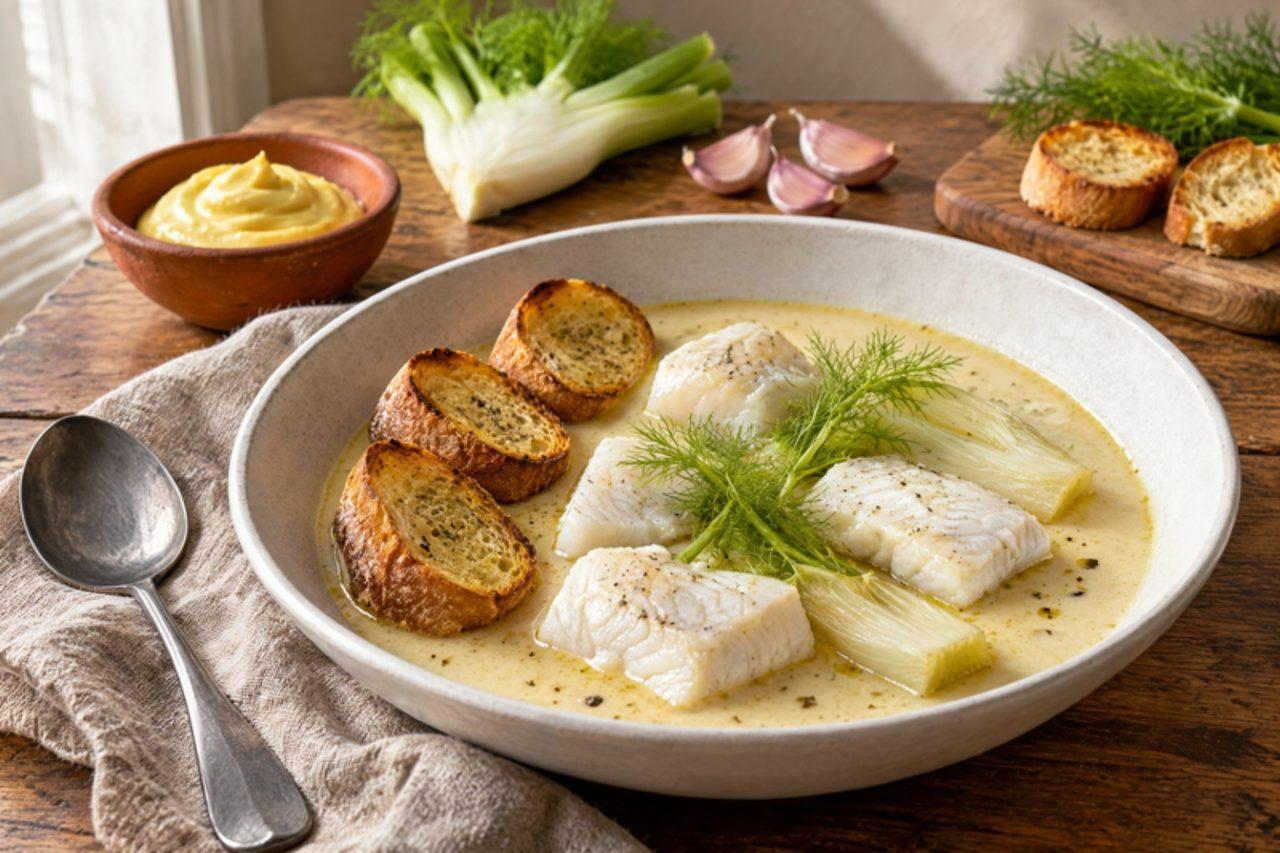
Bourride is the fish stew of Sète and the Provençal coast, a quieter, creamier cousin of bouillabaisse eaten for Friday lunch and summer dinners by the sea. Firm white fish poaches in a broth of fennel, leek, orange peel and thyme, then the broth is thickened with a rich garlic aïoli until it turns silky and pale gold. It is high in protein and suitable as part of a balanced diet; skip the traditional bread or keep it to one thin slice, and serve with steamed greens. About 400 kcal and 8 g carbohydrate per portion. The usual mistake is letting the broth boil after the aïoli goes in, which splits it like scrambled egg. Chef's tip: use pasteurised egg yolks, and stir the broth over a low heat until it coats a spoon and reaches about 72 °C.

50 minFrenchFishGluten free
by KrazyBadal 0 views

Katsu sandoPork cutlet sandwich

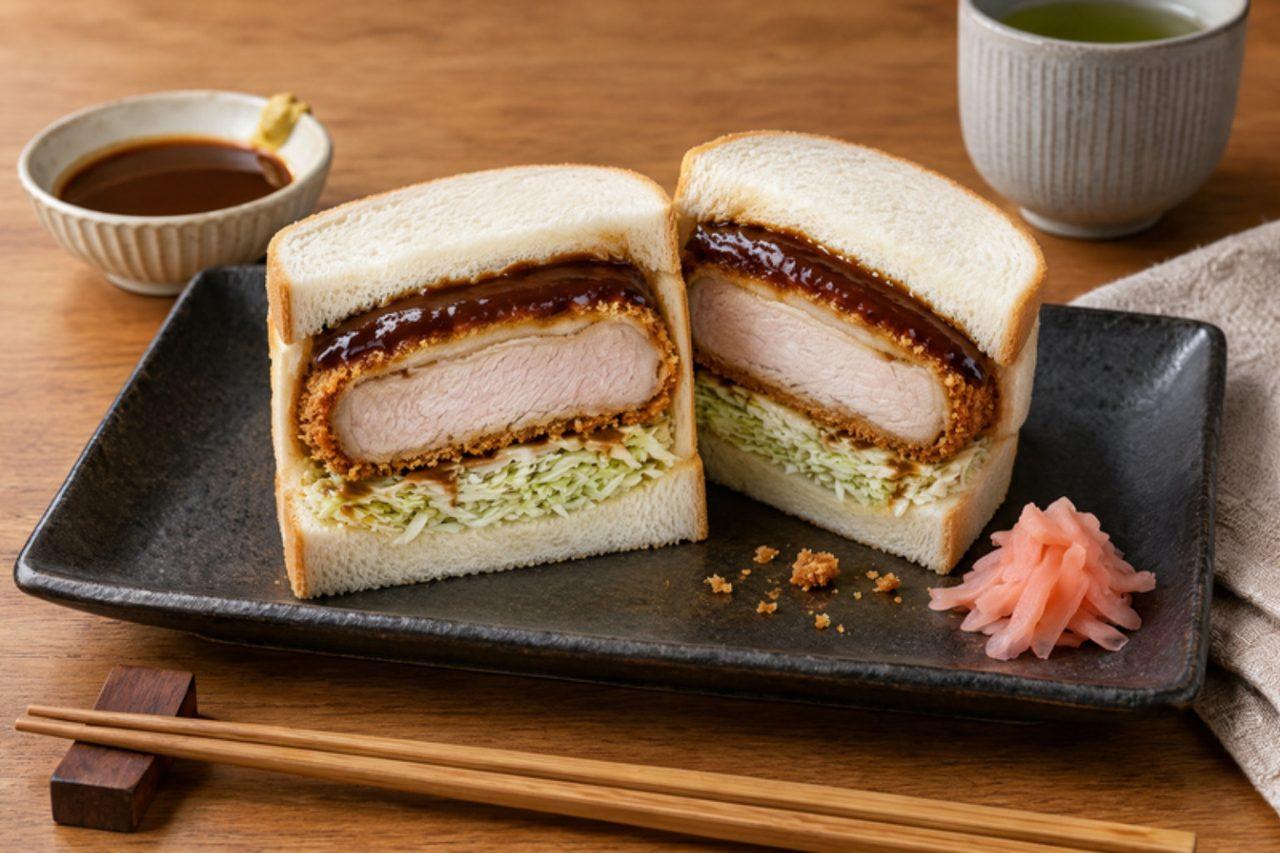
Katsu sando began in Tokyo tonkatsu shops in the 1930s as a cutlet you could carry, and is now a fixture of department-store food halls, train-station kiosks and lunchboxes all over Japan: a crisp panko pork loin cutlet soaked in sweet-sour tonkatsu sauce between pillowy white bread, crusts trimmed off. The common mistake is slicing it while hot, which squashes the bread and makes it soggy; let it rest under a light weight first. Pork loin is a whole cut, so cook it to 63 °C and rest it for 3 minutes. Chef's tip: butter the bread with a little mustard mixed in; it stops the sauce soaking through and adds a gentle kick.

by KrazyBadal 0 views

Cachitos de jamónHam-filled crescent rolls

Every Caracas panadería opens its morning with trays of cachitos: soft, slightly sweet crescent rolls wrapped around finely chopped cooked ham (pork), eaten standing at the counter with a café con leche. Some bakeries add a little bacon or cheese; cheese-only cachitos are a good vegetarian swap. The common mistake is overfilling, so the ham pokes out and burns. Chef's tip: roll each wedge snugly from the wide end and tuck the point underneath so it doesn't unroll as it bakes.

by KrazyBadal 0 views

Bokkeum kimchiStir-fried kimchi with pork belly

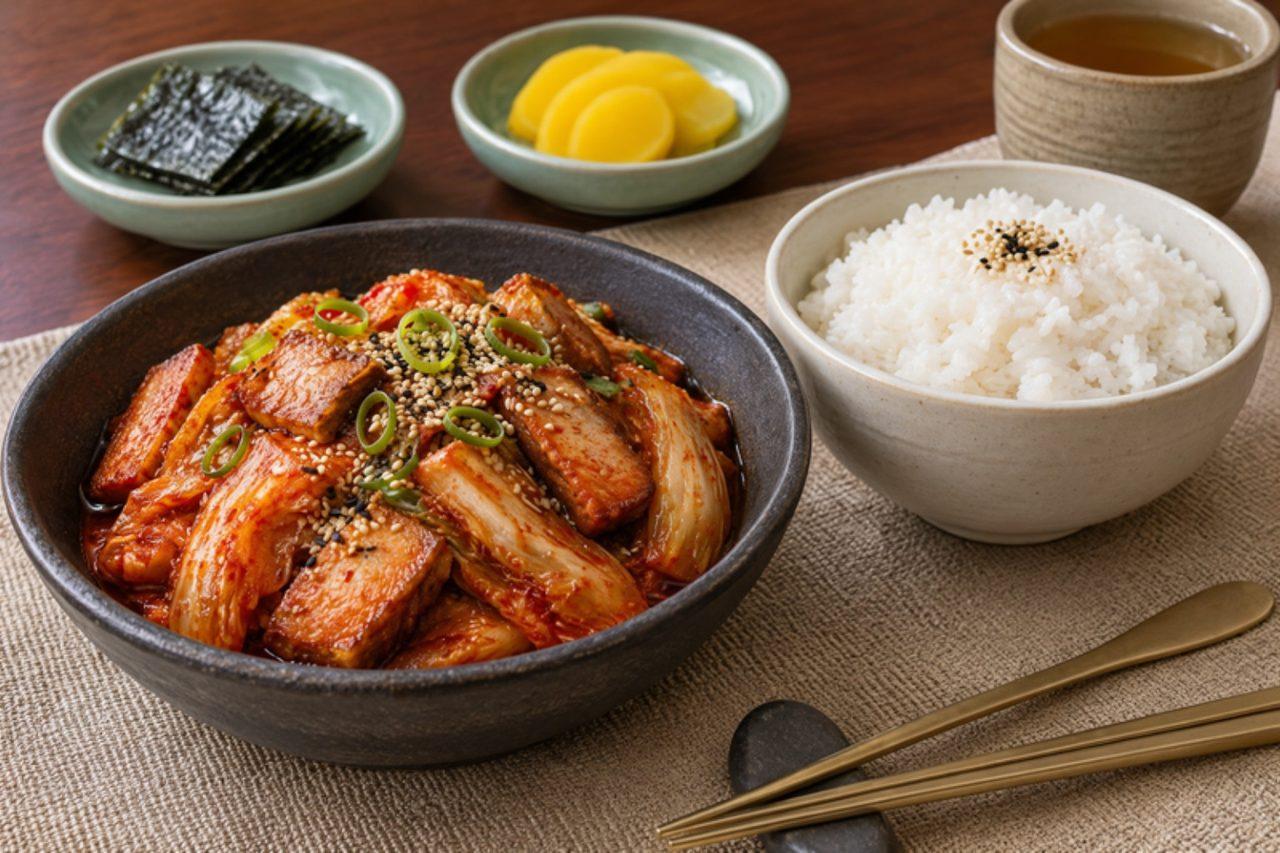
When a jar of kimchi turns very sour in Korean homes, it gets stir-fried with a little sugar and sesame oil, and often with pork belly, into bokkeum kimchi, a deep, mellow side dish that keeps for days and is a favourite in school and office dosirak. For a vegan version, use kimchi made without fish sauce or salted shrimp and leave out the pork. The usual mistake is using fresh, crisp kimchi, which tastes harsh when fried; it needs to be properly sour. Chef's tip: fry the kimchi until the edges just begin to catch and caramelise, which is where the flavour is.

by KrazyBadal 0 views

Caril de caranguejoCoconut crab curry

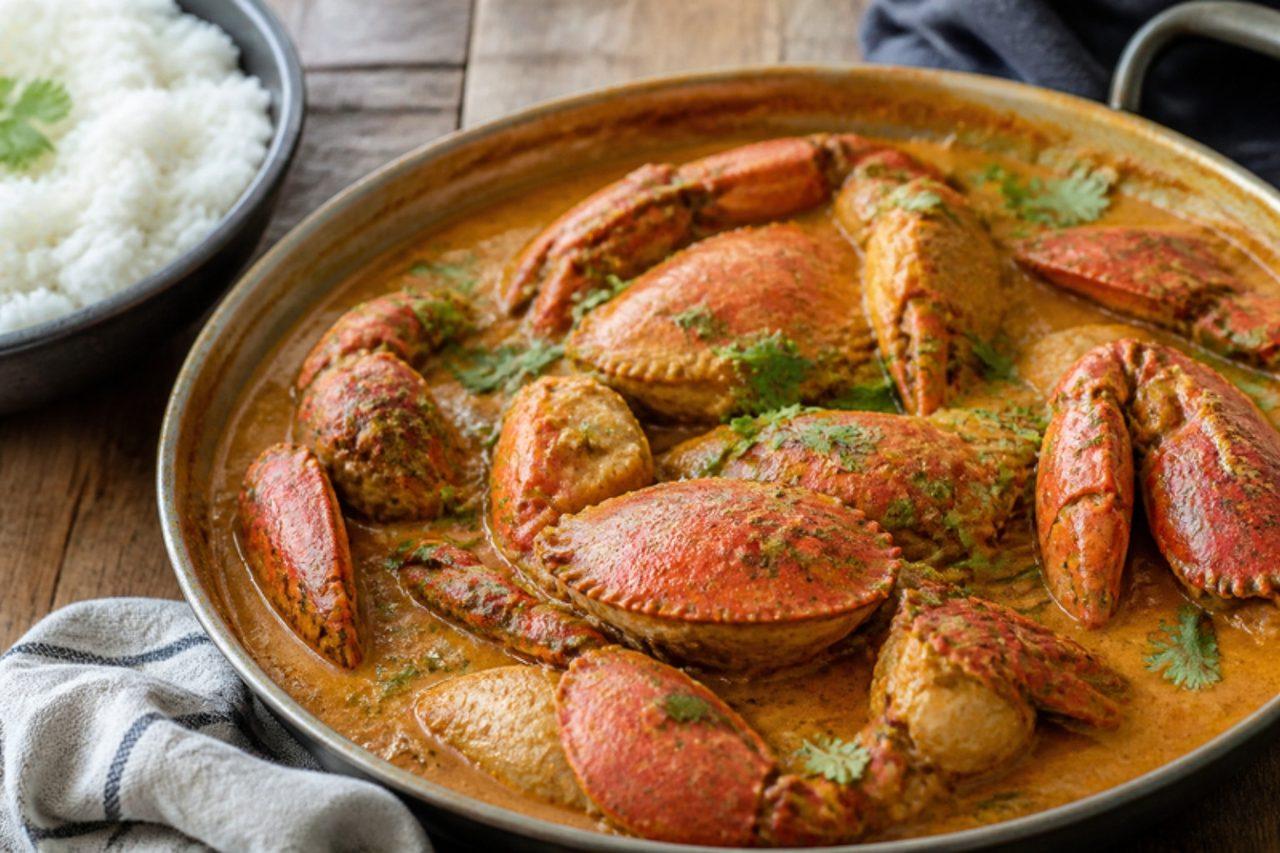
Mud crabs from the mangrove creeks around Inhambane and Maputo Bay end up in this curry at Sunday lunch and on beach-shack menus, and eating it is a happy, messy job with fingers and crackers. The sauce is a gentle Mozambican caril rather than an Indian one: onion, tomato, garlic and a mild curry powder cooked down and finished with coconut milk, so it turns rich, orange and slightly sweet, with crab juices running through it. Serve it with plenty of white rice or xima to mop up the sauce, and lemon wedges on the side. Ask the fishmonger for freshly cooked crabs, cleaned and cracked, or crabs already killed and prepared by them, so there is no live crab to handle at home. Chef's tip: the common mistake is boiling the crab in the sauce for ages, which makes the meat stringy; warm cooked crab through for just a few minutes.

by KrazyBadal 0 views

DakgangjeongSticky glazed fried chicken

Dakgangjeong is the boxed fried chicken of Sokcho's Jungang market on Korea's east coast, carried home by the tub and packed into lunchboxes the next day, because the double-fried pieces in their sticky glaze stay crunchy even when cold. The common mistake is frying only once; the second fry drives out moisture so the crust holds up to the sauce. Chef's tip: coat with potato starch rather than flour, and let the coated chicken sit for 5 minutes so the starch hydrates into a craggy crust.

by KrazyBadal 0 views

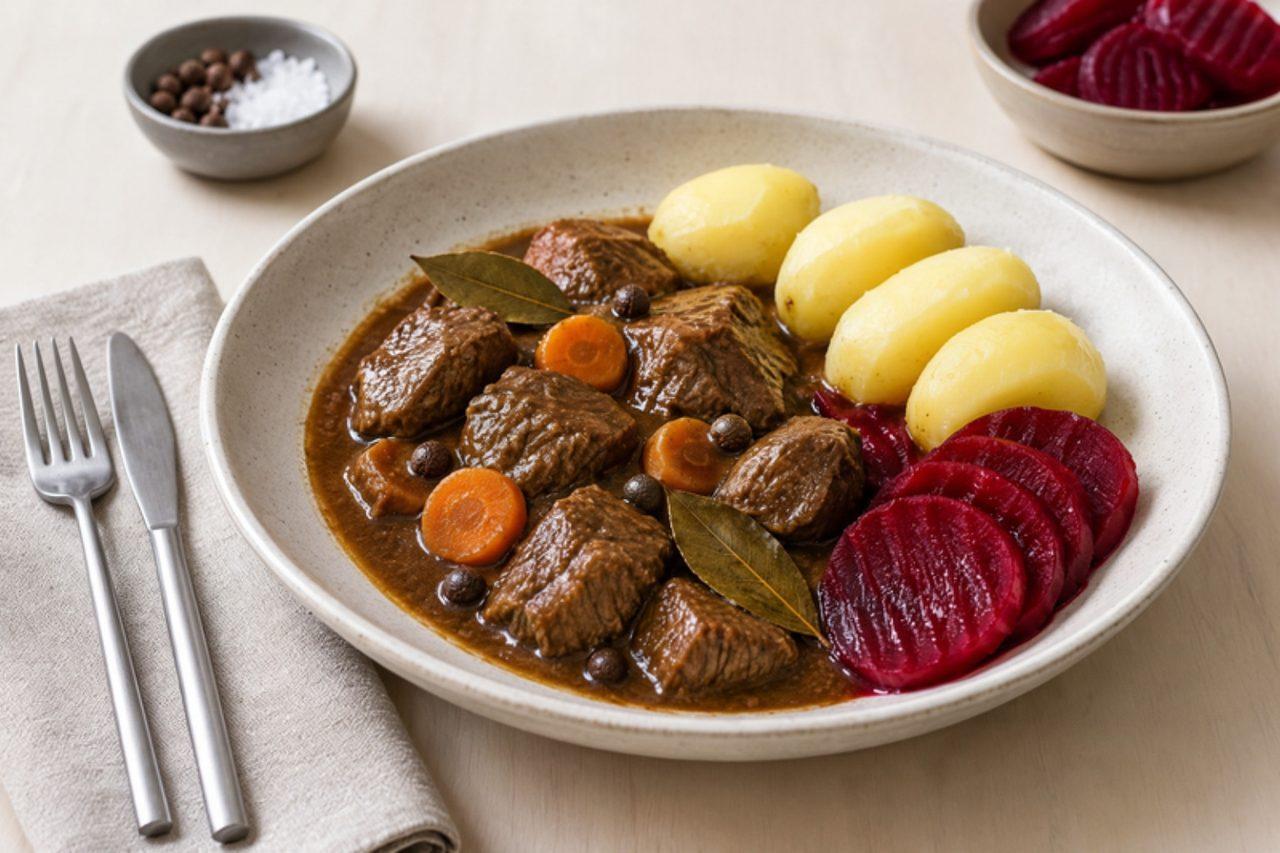
KalopsBeef stew with allspice

Kalops is the Swedish winter stew that fills kitchens from Skåne to Norrland on dark November weekends: chunks of beef chuck simmered slowly with onions, carrots, whole allspice and bay until the sauce turns brown, glossy and lightly peppery. It is always eaten with plain boiled potatoes and a spoonful of sweet pickled beetroot (inlagda rödbetor), whose sharpness cuts the richness. It reheats beautifully, so many families make it a day ahead. The usual mistake is crowding the pan when browning, so the beef steams grey and the sauce never gets its deep colour; brown in batches. Chef's tip: crush half the allspice berries lightly before they go in so the warm clove-like scent reaches the whole pot, but leave the rest whole for a gentler background note.

by KrazyBadal 0 views

Jambon-beurreHam and butter baguette

France sells millions of jambon-beurre every working day: half a crusty baguette, split, spread with good salted butter and filled with thin slices of jambon de Paris, the delicate cooked pork ham. Parisians eat it at the office, on a park bench or on the train. The common mistake is a stingy smear of hard butter; the butter is a filling, not a glue, so spread it soft and generous. Some add cornichons, which purists call a different sandwich. Chef's tip: fold each slice of ham loosely in half rather than laying it flat, so the sandwich is airy and every bite has ham.

by KrazyBadal 0 views

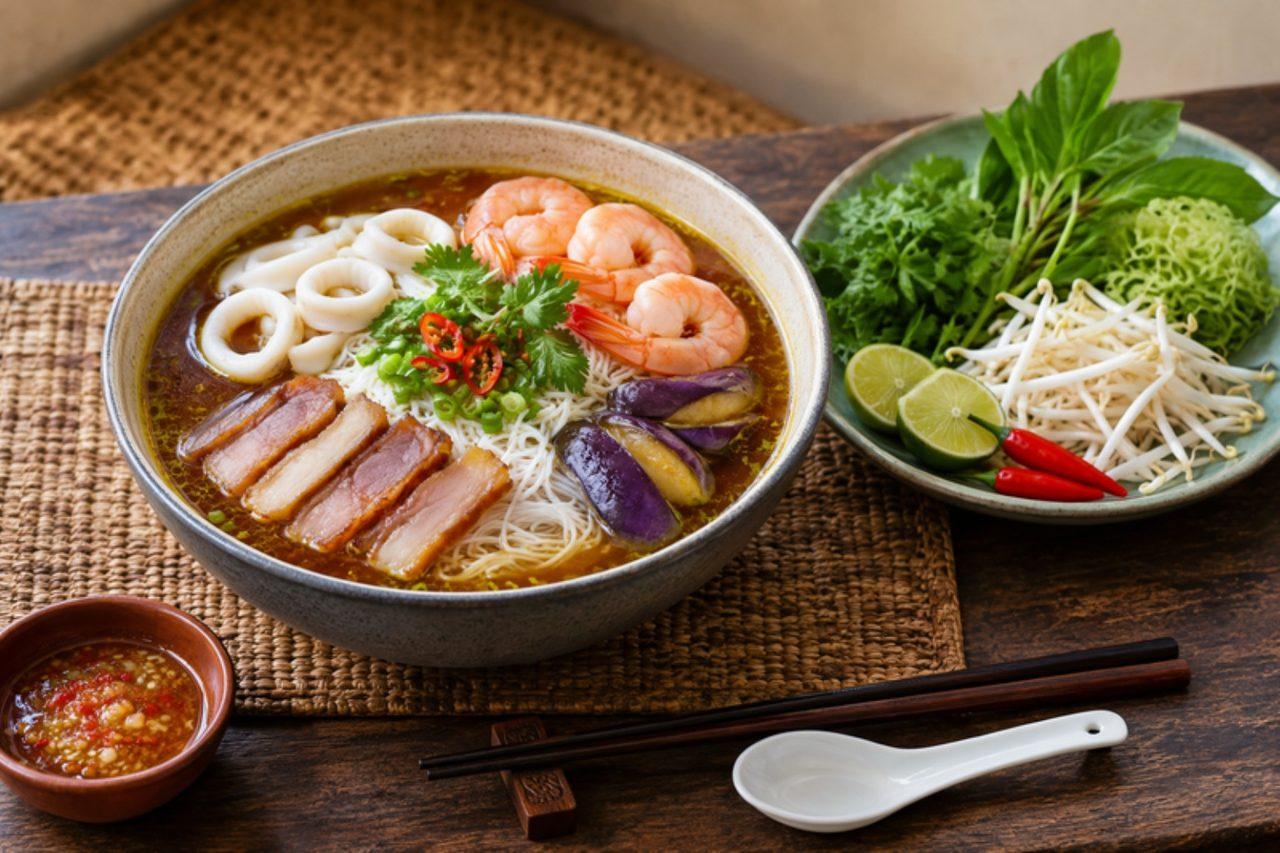
Bún mắmFermented fish noodle soup

Vạn Kiếp Street in Saigon's Bình Thạnh district is lined with stalls serving bún mắm, a noodle soup that came up the river from the Mekong Delta. The broth is built on mắm cá linh or mắm cá sặc, small river fish fermented with salt, simmered until the bones dissolve and strained into a dark, savoury, lemongrass-scented stock. It is loaded with prawns, squid, white fish, slices of boiled pork belly and soft aubergine, and eaten with a mountain of herbs and bean sprouts. Look for jars of mắm at Vietnamese grocers. Chef's tip: strain the fermented fish through a fine sieve, pressing hard; tiny bones make the broth gritty.

by KrazyBadal 0 views

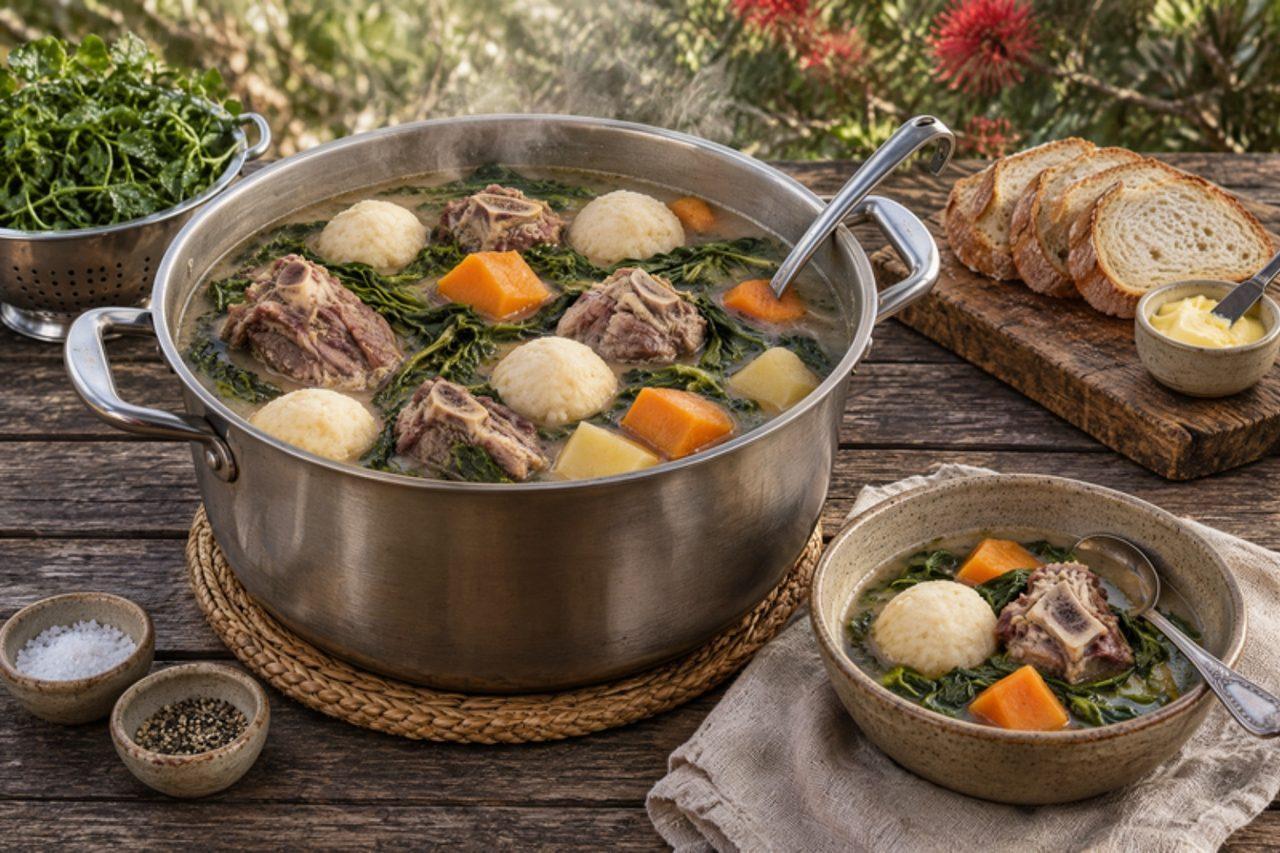
Boil-upPork bones with greens and kumara

Boil-up is the great Māori one-pot of Aotearoa New Zealand, cooked on marae for hui, at whānau gatherings and on cold weeknights everywhere from Northland to the King Country. Pork bones and brisket are boiled for hours until the meat falls away, then potatoes, kūmara and handfuls of watercress or wild pūhā go in, and fluffy flour doughboys steam on top. The broth is drunk alongside, with buttered bread. The usual mistake is letting the doughboys sit in boiling liquid uncovered, which makes them heavy; once in, clamp the lid on and don't peek for 15 minutes. Chef's tip: skim the pot well during the first half hour and the broth stays clear and sweet rather than greasy.

by KrazyBadal 0 views

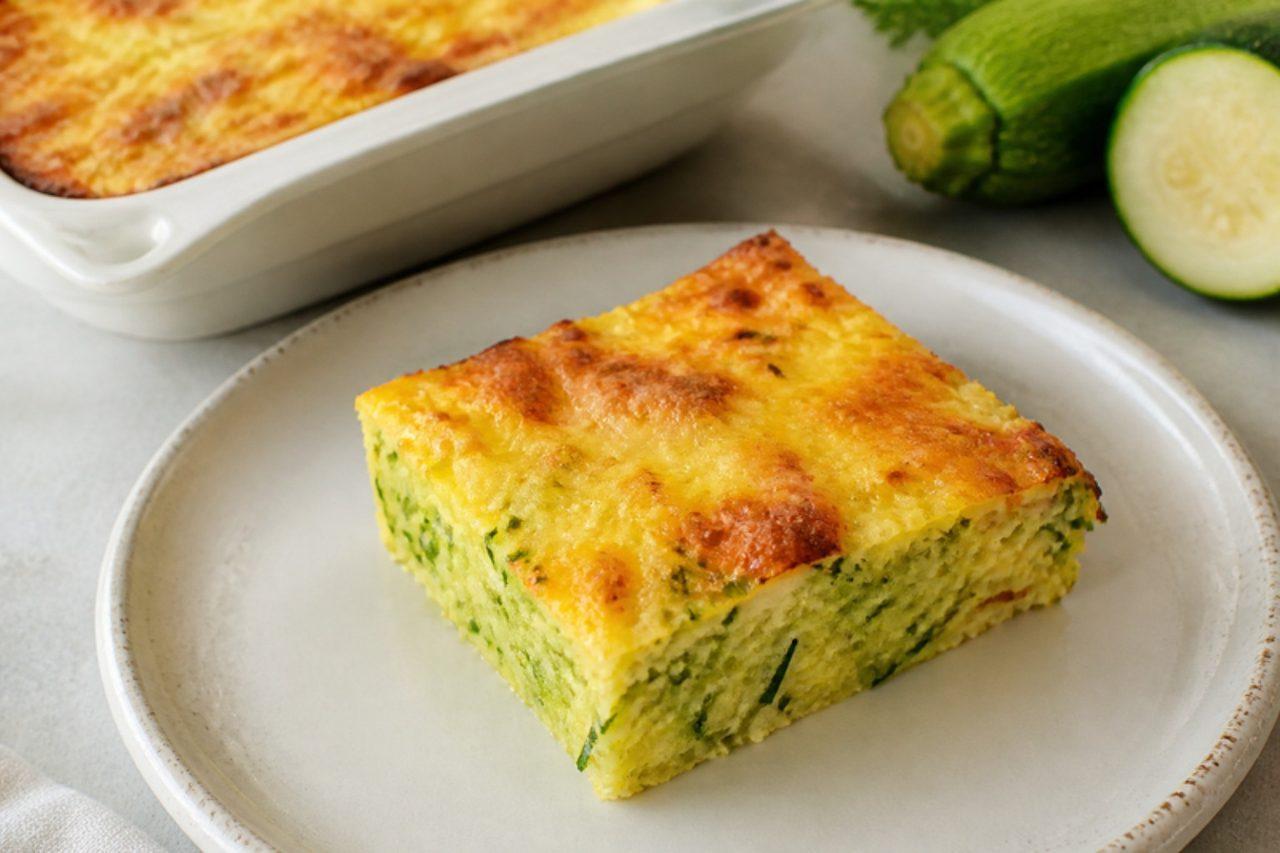
Budín de zapallo italianoBaked courgette pudding

In late summer, when courgettes (zapallo italiano) pile up in Santiago's ferias, home cooks turn them into budín: a soft, savoury bake bound with eggs, milk and cheese, served in squares with rice or a tomato salad for a light weekday lunch. Chileans use mild queso chanco or gouda, which is usually made with animal rennet; choose a cheese marked vegetarian if that matters to you. The big mistake is skipping the draining step: courgettes are mostly water, and a budín made with wet courgette weeps in the dish. Chef's tip: salt the grated courgette, leave it 15 minutes and squeeze it hard in a clean tea towel until it stops dripping.

by KrazyBadal 0 views

Pâté en croûtePork and veal pie in pastry

Lyon's charcuteries display pâté en croûte like jewellery: a tall loaf of crisp, golden pastry wrapped around a coarse terrine of pork and veal. A slice wrapped in paper is a picnic and lunchbox luxury, and the whole loaf is a Sunday project eaten over several days. The common mistake is undercooking it for fear of drying it out: as it is made with minced pork, the centre must reach 71 °C, so use a probe thermometer. The classic farce has a splash of cognac; it's optional here, and apple juice or extra stock is the alcohol-free swap. Chef's tip: chill the filled, unbaked loaf for 30 minutes before baking so the pastry keeps its shape and pattern.

150 minFrenchMeat
by KrazyBadal 0 views

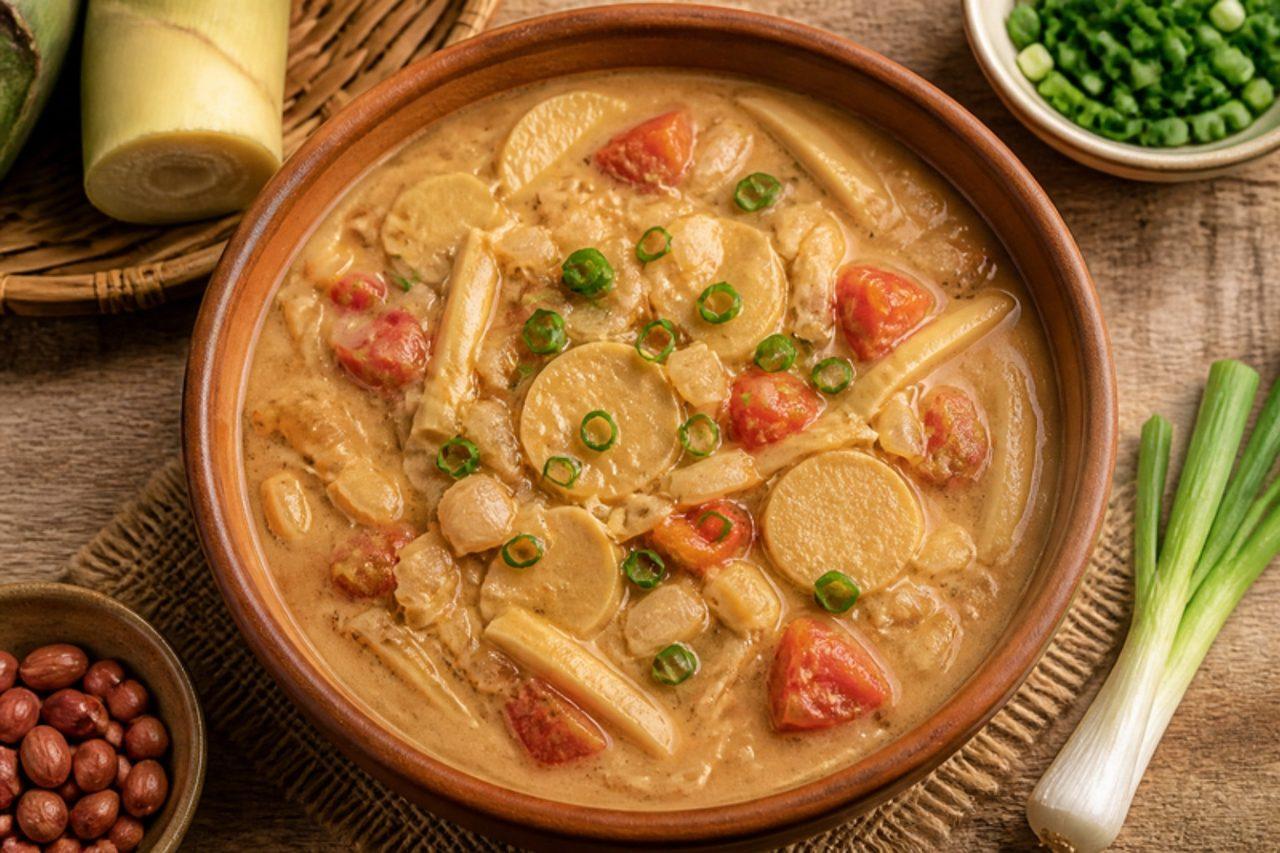
MalewaSmoked bamboo shoots in peanut sauce

On the slopes of Mount Elgon, the Bagisu harvest young bamboo shoots, smoke and dry them, and keep them for months; a pot of malewa is the dish every Mugisu living away from home misses, and it is a must at imbalu circumcision celebrations. Soaked and simmered in a pale, creamy groundnut sauce, the shoots stay slightly chewy and taste smoky, earthy and faintly sweet. Serve with steamed matoke, kalo or posho. Dried smoked malewa is sold in East African grocers and Ugandan shops abroad; if you cannot find it, tinned bamboo shoots with a little smoked paprika give a fair imitation. Chef's tip: do not rush the soak and first boil, as under-soaked shoots stay woody however long they sit in the sauce.

by KrazyBadal 0 views

Aussie salad sandwich

The salad sandwich is the backbone of the Australian lunchbox and the school tuckshop order: soft bread built up with tinned beetroot, grated carrot, tasty cheese, tomato and crisp lettuce, cut into triangles and wrapped in paper. Beetroot is what makes it unmistakably Aussie. The common mistake is laying wet beetroot and tomato straight on bare bread, so by lunchtime it is pink and soggy. Many Cheddar-style "tasty" cheeses use animal rennet; choose one labelled vegetarian. Chef's tip: butter both slices to the edge and put the cheese and lettuce next to the bread, with the wet fillings sealed in the middle.

by KrazyBadal 0 views

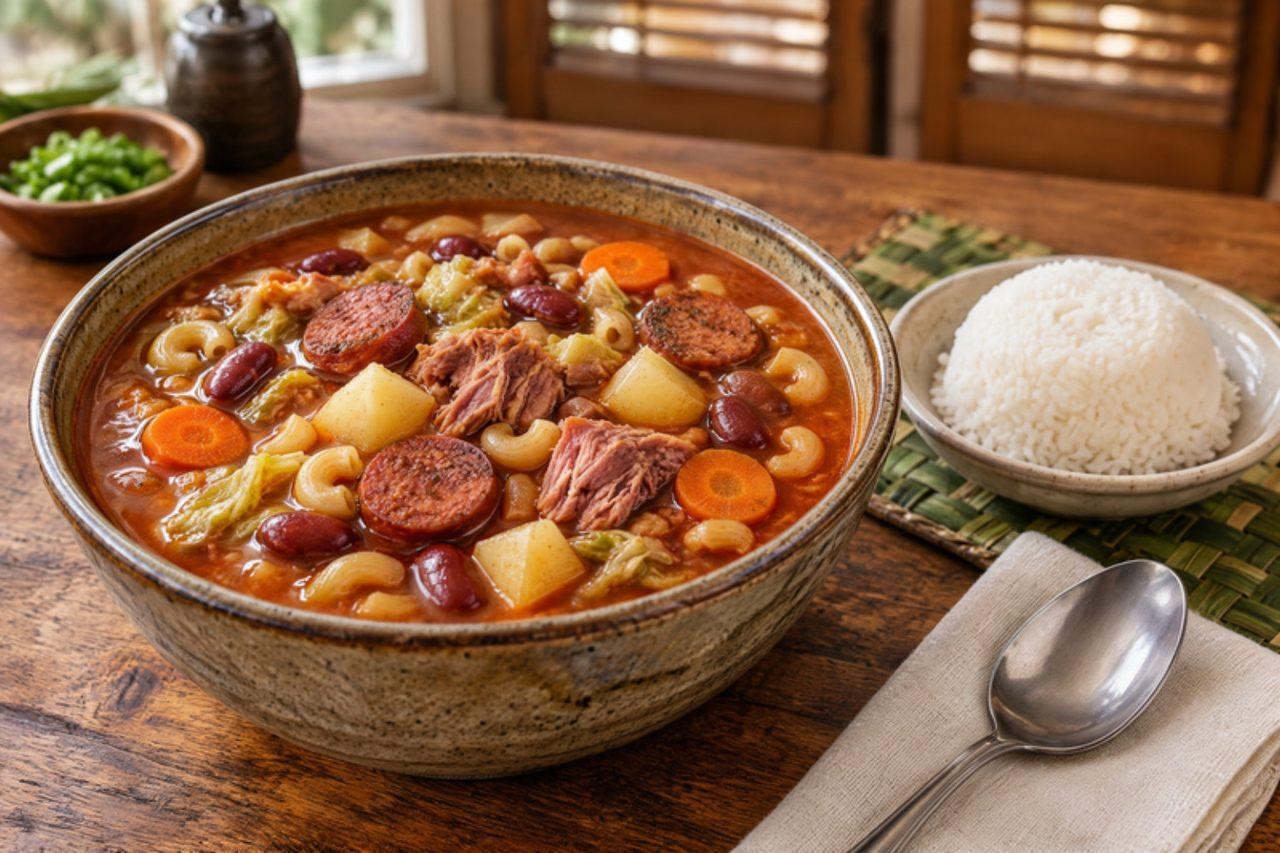
Portuguese bean soup

Portuguese bean soup came to Hawai'i with Madeiran and Azorean plantation workers in the late 1800s and is now an island staple, ladled out at church fundraisers, school lunch counters and Honolulu diners, especially when the trade winds turn cool. Kidney beans, a smoked pork ham hock and spicy Portuguese pork sausage (linguiça) simmer with potato, carrot, cabbage and tomato into a thick, smoky soup. Dried kidney beans must be soaked and then boiled hard for 10 minutes before the long simmer; never put them raw into a slow cooker. The usual mistake is adding the cabbage too early, so it turns grey; it goes in for the last 15 minutes. Slow-cooker option: after the hard boil, cook everything except the cabbage on low for 8 hours. Chef's tip: the soup thickens overnight, so make it a day ahead and loosen with a little water.

by KrazyBadal 0 views

Curried egg sandwich

A school canteen and church-fete favourite across Australia, the curried egg sandwich is soft white or wholemeal bread filled with hard-boiled egg mashed with mayonnaise and a little mild curry powder, often with lettuce or cress. It goes into lunch boxes cut into fingers. The common mistake is mashing the eggs while warm, which turns the mayonnaise oily and the filling runny; let them cool completely. Chef's tip: warm the curry powder in a dry pan for 20 seconds first, and the raw, dusty taste turns sweet and toasty.

by KrazyBadal 0 views

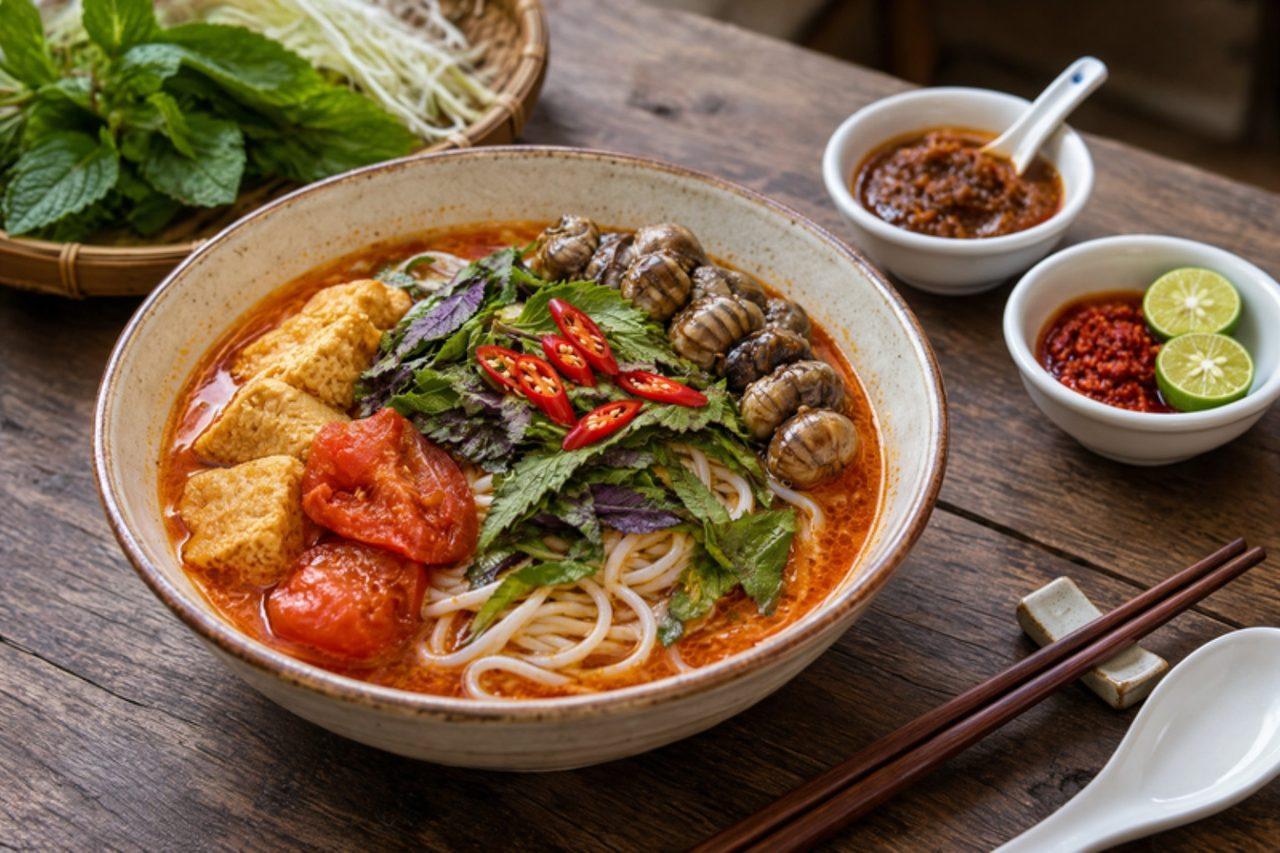
Bún ốcSnail noodle soup

In the lanes around Đồng Xuân Market in Hanoi, bún ốc is a cold-weather lunch for people who love a sharp, sour broth: tomatoes cooked down with the gently fermented rice vinegar called giấm bỗng, a pork-bone stock, golden fried tofu and plenty of tender river snails, served over soft rice noodles with perilla and a spoon of chilli. This home version uses cooked frozen snail meat from Vietnamese or Asian grocers and ordinary rice vinegar. The stock is made from pork bones. Chef's tip: add the snails at the end and just heat them through; long boiling makes them rubbery.

by KrazyBadal 0 views

Tarta de zapallitosCourgette and cheese tart

In Buenos Aires every rotisería sells tartas by the slice, and at home a tarta de zapallitos is baked on Sunday evening so that a wedge can go into the vianda (packed lunch) for school and work all week. Zapallitos are round green courgettes; ordinary courgettes work just as well. The common mistake is adding the courgette raw, which floods the pastry; sauté it until the liquid has cooked away. Argentine queso rallado and many hard cheeses are made with animal rennet, so use a vegetarian hard cheese. Chef's tip: bake the tart on a preheated baking tray so the base crisps before the filling soaks in.

by KrazyBadal 0 views

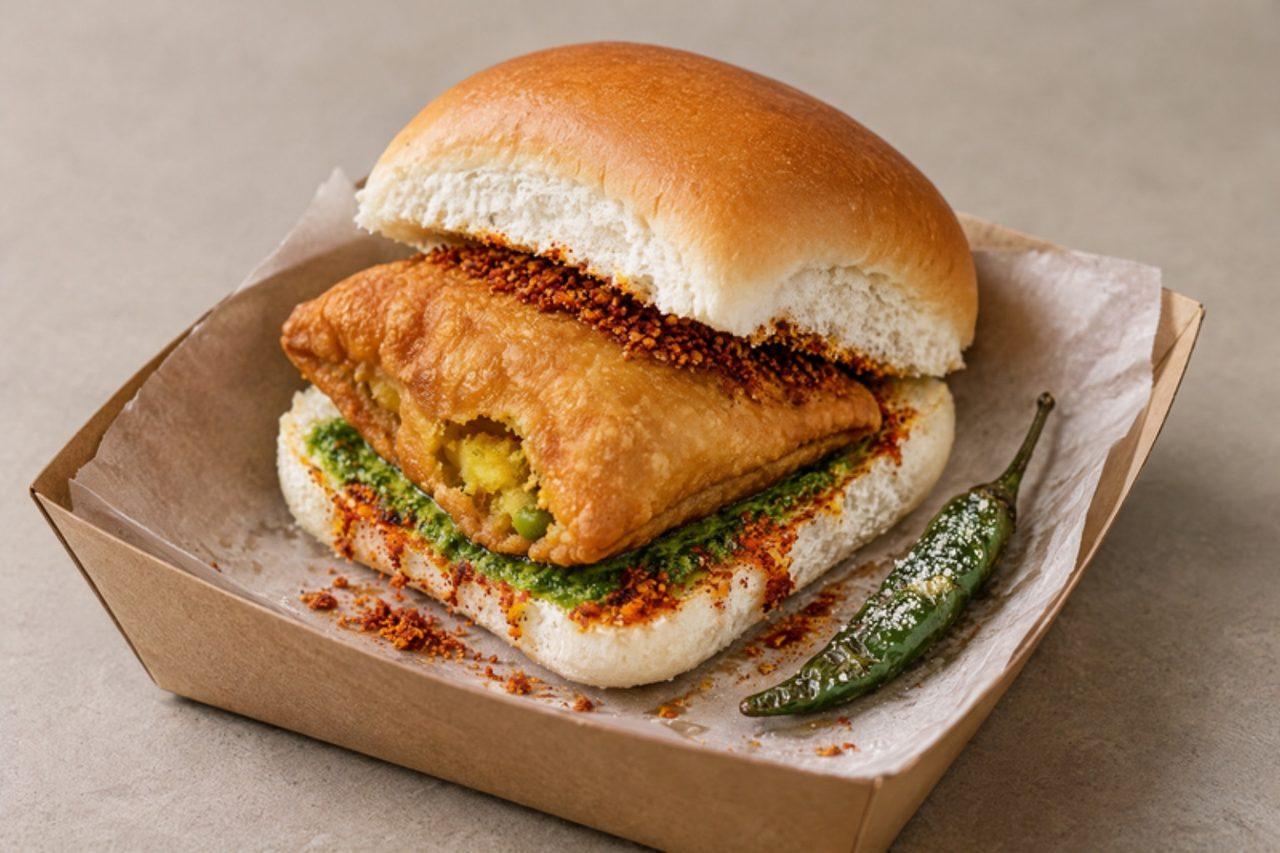
Samosa pavSamosa in a bun

At the steaming kadhais outside Kurla and Ghatkopar stations, and at Sion's famous samosa counters, commuters grab samosa pav on the way to and from the local trains, from breakfast until long after dark. A hot potato samosa is pressed flat inside a soft, split pav with fiery dry garlic chutney and green chutney, and a salted fried green chilli comes on the side. It is filling, cheap, crumbly and hot, and the soft bread soaks up the chutneys. Use dairy-free pav to keep it vegan. Chef's tip: start the samosas in oil that is only warm; slow frying gives the blistered, flaky crust that holds up when squashed.

by KrazyBadal 0 views

Torta de chile rellenoStuffed poblano sandwich

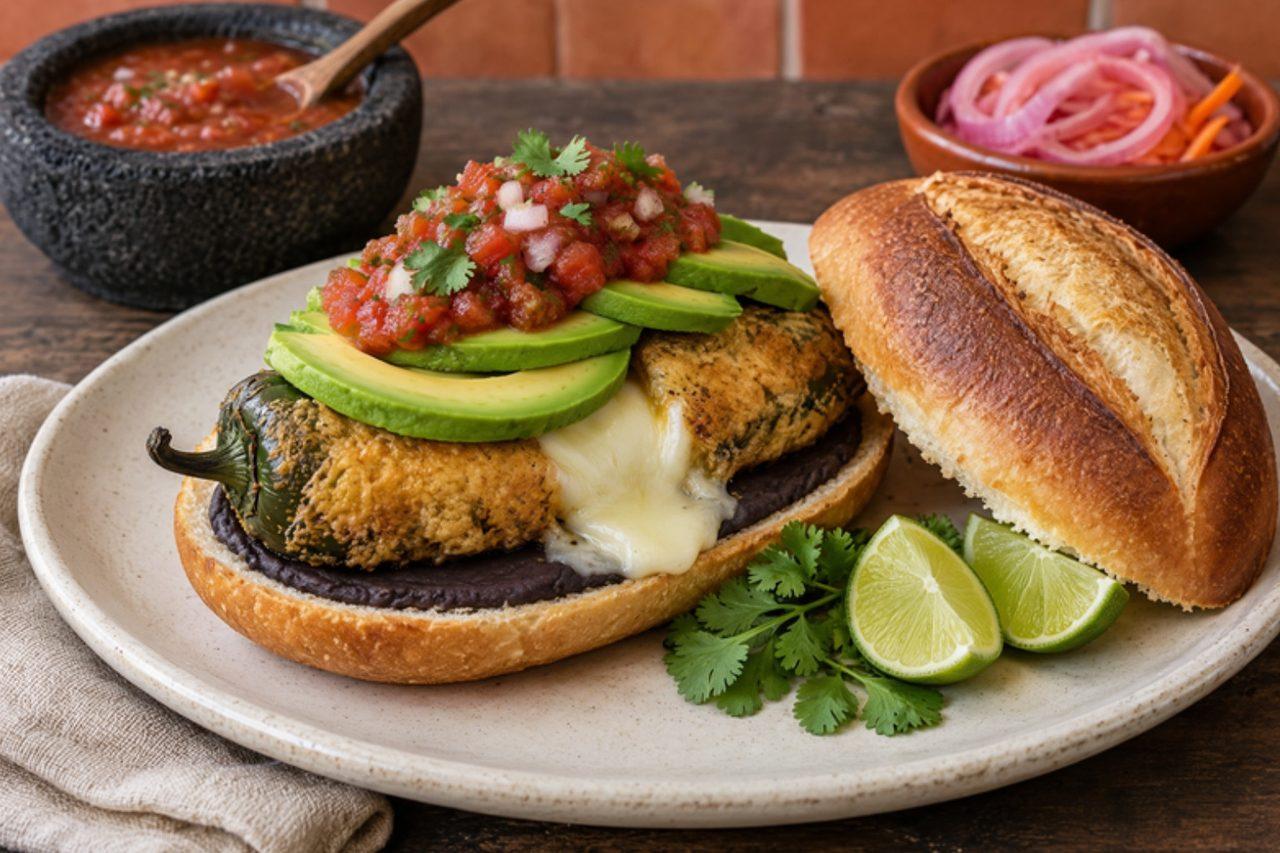
At Mexico City's torta stands and school gates, the chile relleno torta is the meat-free favourite: a whole poblano, roasted, peeled, stuffed with melting cheese, dipped in fluffy egg batter and fried, then pressed into a bolillo spread with refried beans and salsa. People buy them warm mid-morning or wrap them in foil for lunch. The common mistake is frying a wet chile: the batter slides off, so pat it dry and dust it with flour first. Oaxaca cheese and Monterey Jack are often made with animal rennet, so choose a vegetarian melting cheese, and check the refried beans are made without lard. Chef's tip: beat the egg whites to stiff peaks before folding in the yolks; that airy capeado is what makes it puff and stay crisp.

by KrazyBadal 0 views

Buñuelos de algasSea lettuce fritters

On the beaches of Rocha, from La Paloma to Punta del Diablo, vendors walk the sand with baskets of hot buñuelos de algas: puffy, salty fritters speckled green with sea lettuce, eaten with a squeeze of lemon. Use dried sea lettuce or mixed seaweed flakes from a shop, or fresh sea lettuce only from a seller who harvests clean water; never pick it from a harbour or near drains. The usual mistake is frying in oil that isn't hot enough, so the fritters soak it up and turn greasy. Chef's tip: rest the batter for 15 minutes so the seaweed softens and the fritters puff more.

by KrazyBadal 0 views

TsukuneChicken meatball skewers

Tsukune are the minced chicken patties of yakitori bars all over Japan, and squashed into small ovals they are one of the most loved bento fillers, eaten cold at school or the office. Ginger and spring onion keep them fresh, and a glossy soy tare makes them sticky and sweet. The tare uses mirin, a sweet rice wine; most of its alcohol cooks off as it bubbles, and for an alcohol-free glaze use 1 tbsp sugar and 2 tbsp water instead. The common mistake is a loose mix that falls apart in the pan; knead it until sticky. Chef's tip: add a spoon of grated tofu or potato starch to the mince, which keeps the patties juicy even the next day.

by KrazyBadal 0 views

BusecaTripe and white bean stew

Buseca arrived in Montevideo with Italian immigrants from Lombardy and became a classic winter dish of Uruguayan bodegones and family kitchens, eaten on cold June and July days. Honeycomb tripe is simmered until tender, then stewed with white beans, pork chorizo, bacon, peppers, tomato and paprika into a thick, warming stew served with crusty bread. Buy tripe that is already cleaned and blanched (dressed). The usual mistake is undercooking the tripe: it needs a full 2 hours, until it's soft enough to cut with a spoon. Slow-cooker option: after step 4, cook on low for 8 hours. Chef's tip: a little grated lemon zest and parsley stirred in at the end lifts the rich, gelatinous sauce.

by KrazyBadal 0 views

Menchi katsuCrumbed meat patties

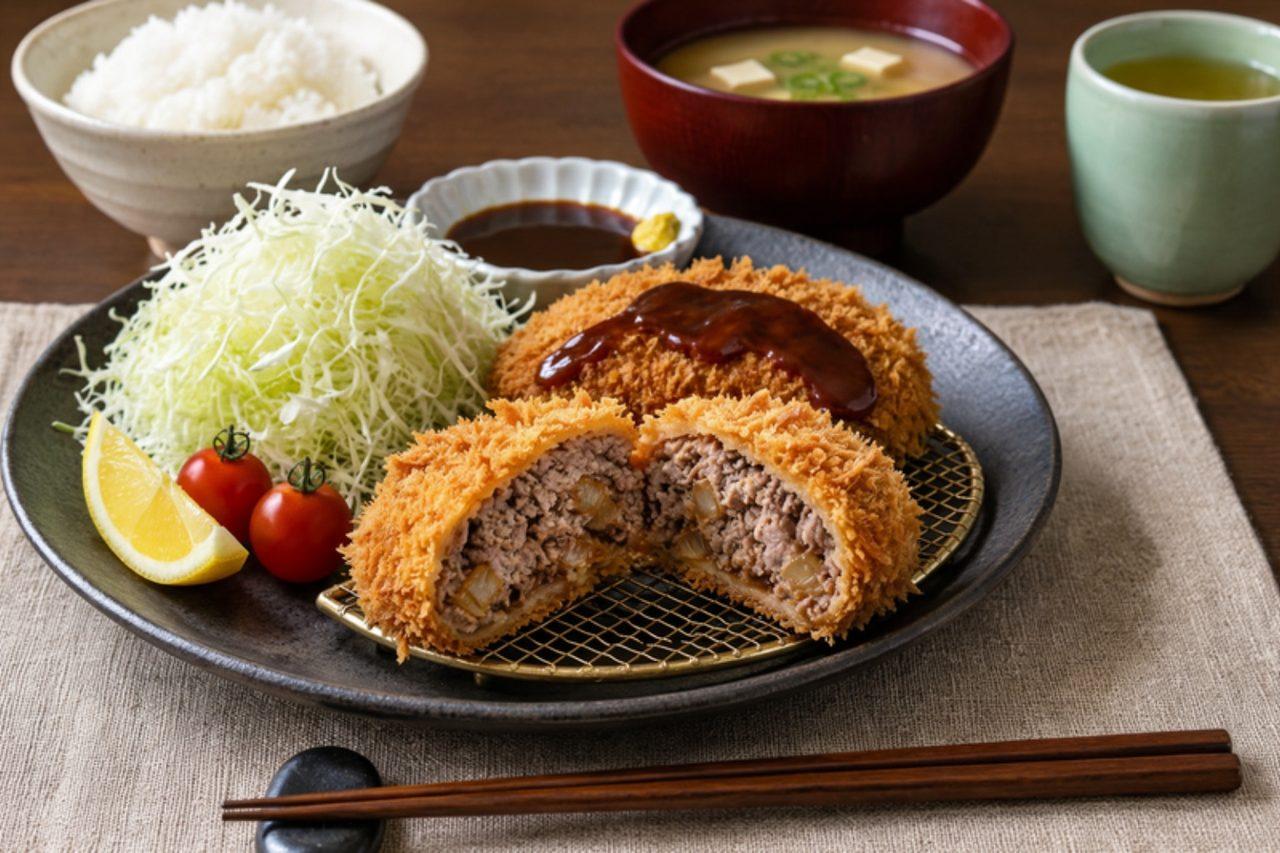
Menchi katsu, a juicy mince patty of beef and pork in a crisp panko coat, is sold hot at Tokyo butchers' shops like the famous ones in Kichijoji and packed cold in bento across Japan, with shredded cabbage and a drizzle of tonkatsu sauce. Sweet fried onion makes the inside tender. The common mistake is frying in oil that is too hot, so the crumb burns before the pork and beef in the middle are cooked. Chef's tip: chill the shaped patties for 20 minutes before crumbing so they keep their shape and stay juicy.

by KrazyBadal 0 views

Burma athoBurmese noodle salad

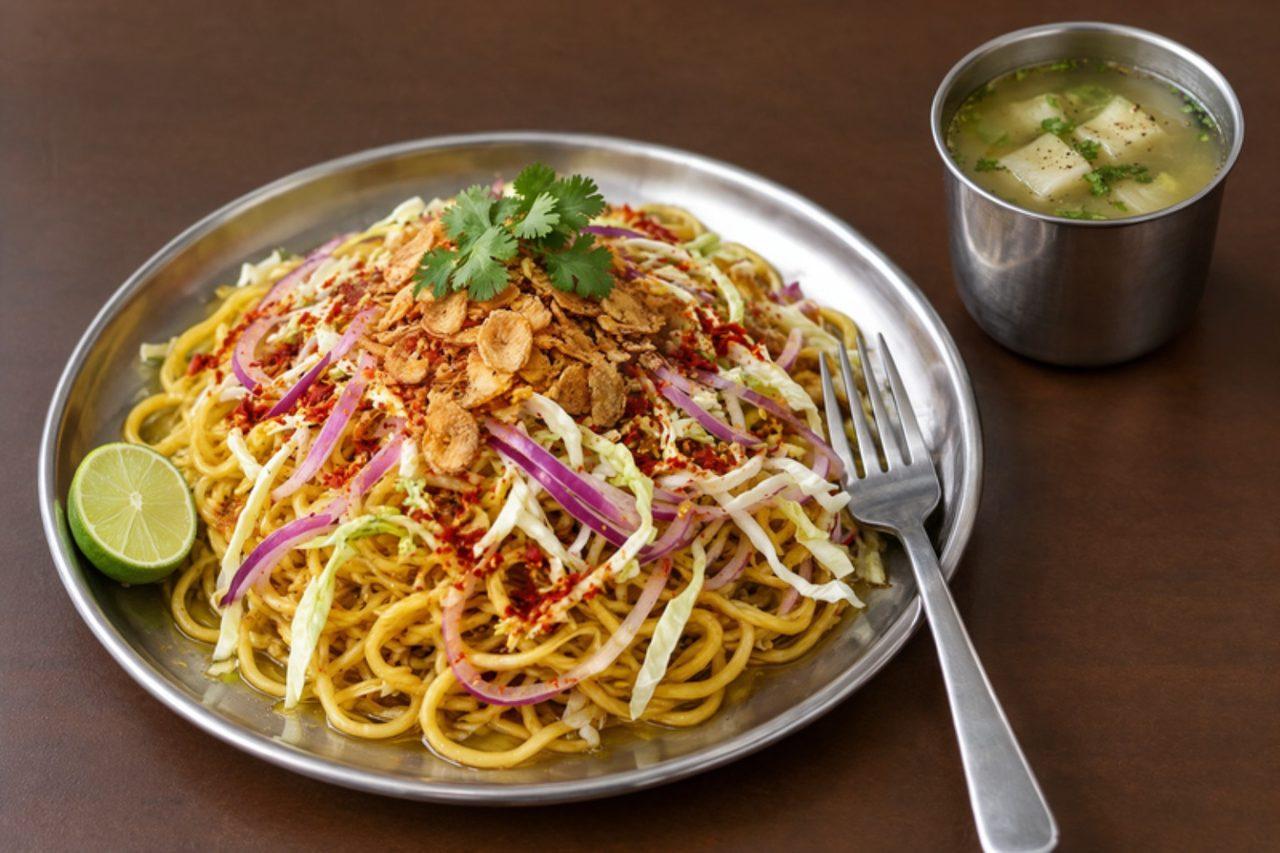
When Tamil families returned from Burma in the 1960s they brought atho with them, and today it is cooked on carts around Burma Bazaar, Parry's Corner and along the roads near the harbour in George Town, busiest at lunch and in the early evening. Cold noodles are mixed by hand with raw cabbage and onion, crisp fried garlic, tamarind, chilli flakes, roasted gram powder and lime, and come with a peppery banana-stem soup on the side. It is sour, hot, crunchy and very moreish. Contains wheat. Chef's tip: fry the garlic slowly until only pale gold; it keeps darkening off the heat and turns bitter if you wait for brown.

by KrazyBadal 0 views

CuchuflíFilled wafer tubes

Cuchuflí are the thin, crisp wafer tubes filled with manjar that vendors sell from baskets on Chilean beaches and outside football stadiums, and that children beg for at the Fiestas Patrias fondas. At home you can bake the wafers yourself and roll them round a wooden spoon handle. The usual mistake is waiting too long to roll them: the wafers set within seconds and crack. Bake only three at a time. Chef's tip: fill them with a piping bag just before serving, or the manjar softens the wafer; dip the ends in melted chocolate if you like.

by KrazyBadal 0 views

Burong isdaFermented fish and rice

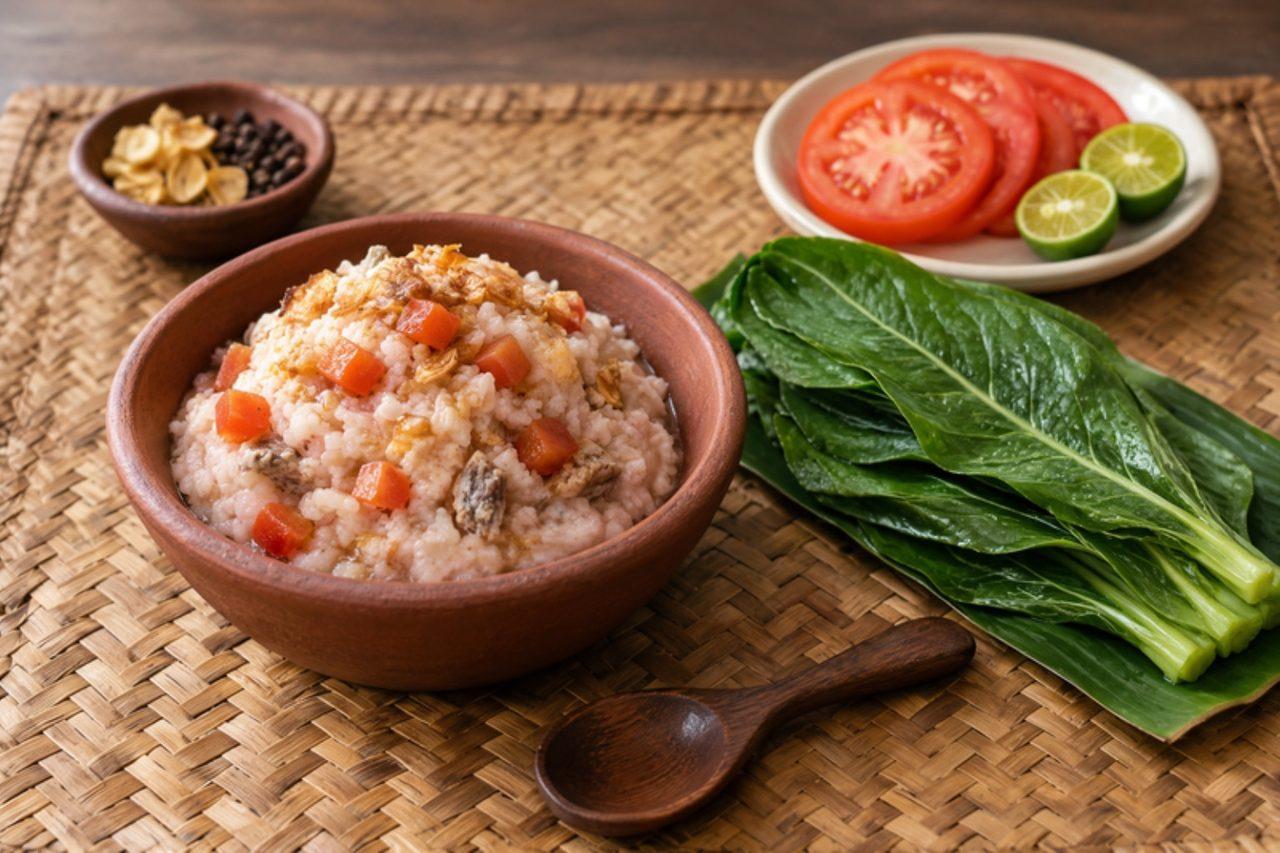
Burong isda is a Kapampangan treasure. In Pampanga, and in neighbouring Bulacan and Tarlac, families make buro in the rainy months when mudfish and tilapia are plentiful, and the sautéed paste is set out at home lunches with fried or grilled fish, steamed okra and eggplant, and blanched mustard leaves (mustasa) to wrap it in. Cooked rice and salted fish ferment together for about a week until the rice has melted into a soft, pinkish porridge and the fish bones soften. Sautéed with garlic, onion and tomato, it becomes creamy, sour, salty and deeply savoury, a little like a cheese spread. Because the fish ferments raw, two rules matter: cure it first in 20% salt, and always cook the buro until bubbling hot before eating; never eat it straight from the jar. Pregnant people, babies, older people and anyone with weak immunity should only eat it freshly cooked, or skip it. Common mistake: packing hot rice, which spoils the ferment; cool it fully. It is ready to cook when it smells pleasantly sour, like sourdough, and the rice is soft. Chef's tip: a teaspoon of angkak (red yeast rice) gives the traditional pink colour.

by KrazyBadal 0 views

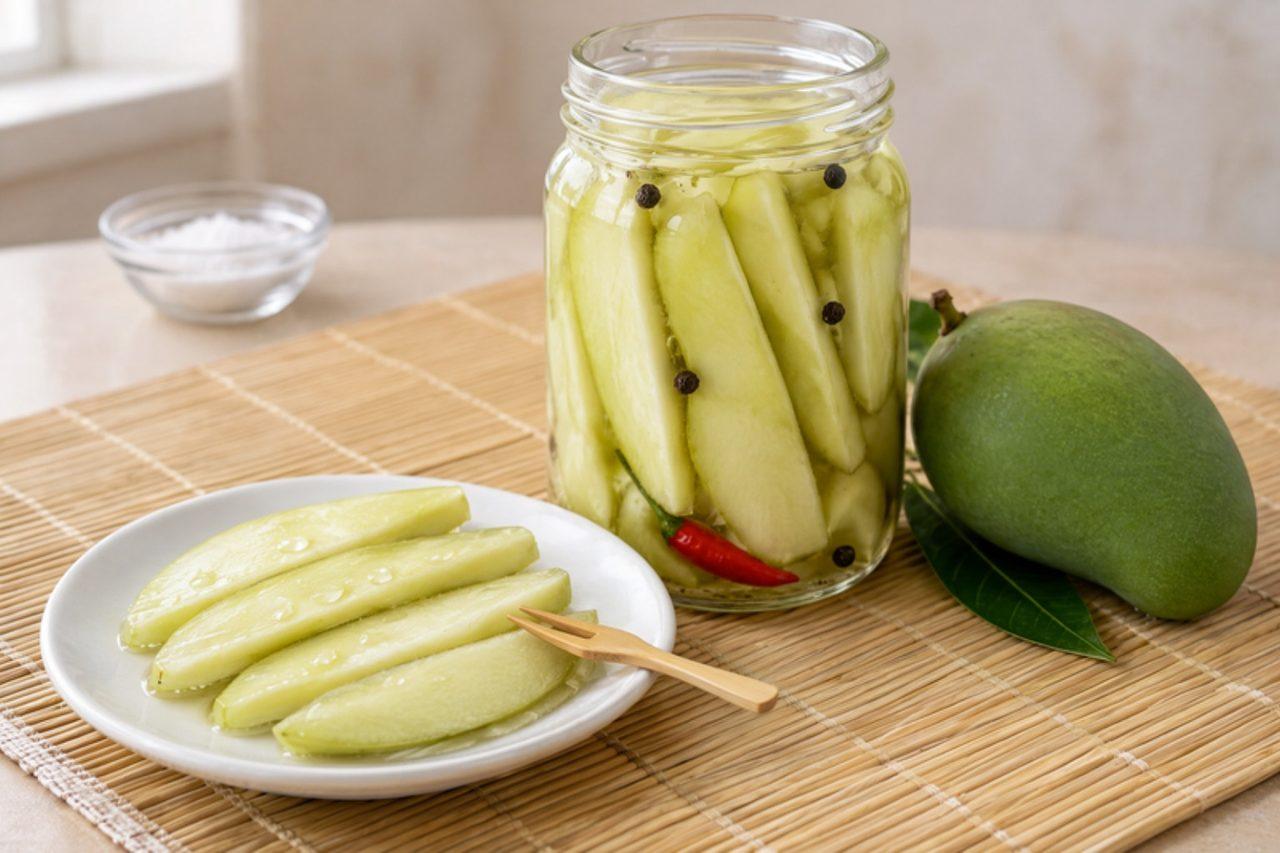
Burong manggaPickled green mango

From Pampanga to Pangasinan, the hot months of March to May bring piles of hard green carabao mangoes to every palengke, and many households slice them into a jar of burong mangga. A week in a sweet salt brine turns the mango from mouth-puckering to bright and juicy: still crunchy, sour at the core, salty-sweet on the outside. It is eaten on the side of inihaw na isda and pritong tilapia, with rice and fried pork at lunch, or as an afternoon merienda straight from the jar, and the brine is sometimes sipped too. Common mistake: using mangoes that have started to ripen; a yellow blush makes the slices go soft and slimy, so choose rock-hard, deep-green fruit. Because the brine has no vinegar it keeps only in the fridge. It is ready when the slices have turned from opaque white to a translucent yellow-green and taste evenly seasoned right through. Chef's tip: let the boiled brine cool completely before pouring, and add a few slices of fresh chilli if you like heat. Outside Asia, use firm green Thai or Indian mangoes from an Asian grocer.

by KrazyBadal 0 views

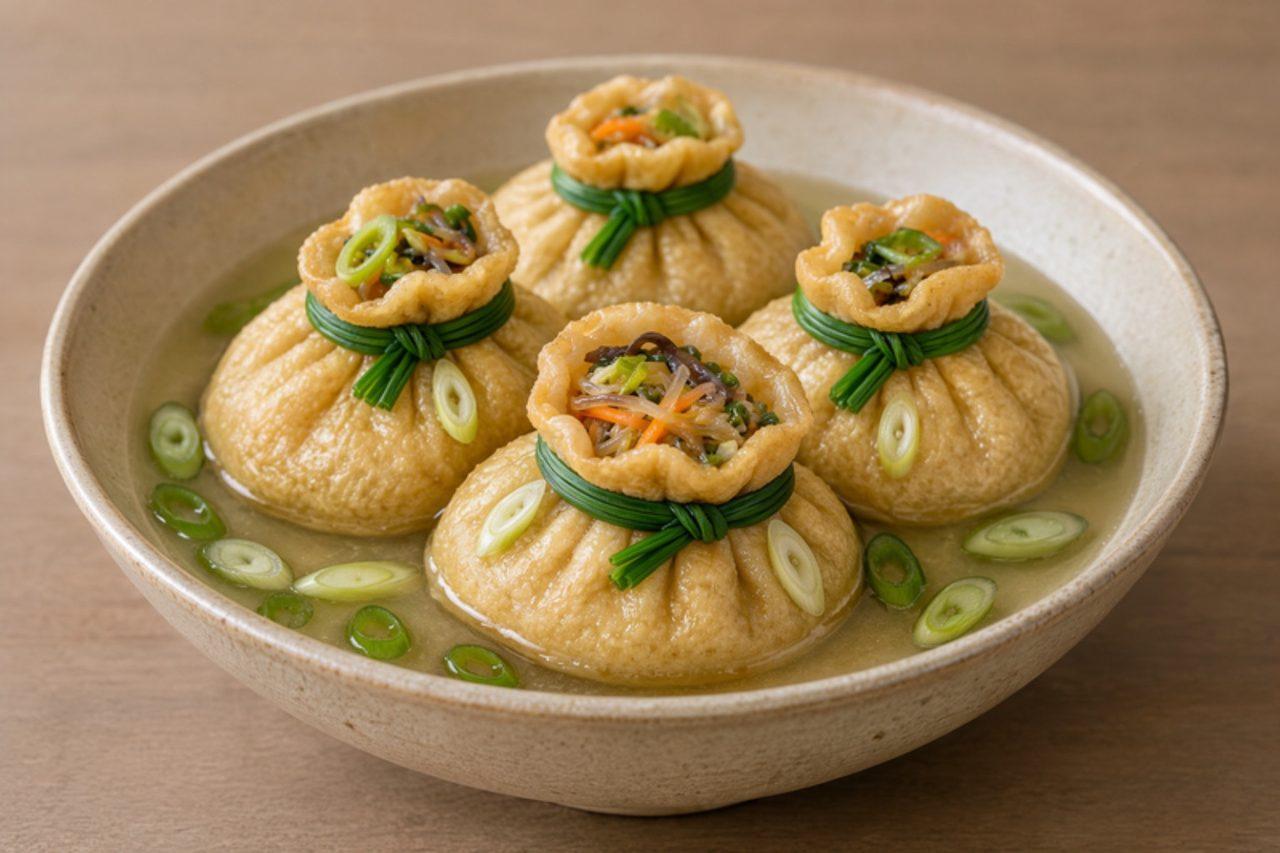
Yubu jumeoniFried tofu pouches with glass noodles

Yubu jumeoni, "tofu pockets", are a Bupyeong Kkangtong Market speciality, said to have been dreamed up by a fish-cake vendor there in the 1980s. Little fried tofu pouches are stuffed with glass noodles and vegetables, tied with a strip of chive like a drawstring purse and left to soak in a steaming pot of anchovy and kelp broth. On cold Busan evenings they are served in a paper cup with a ladle of broth and a dab of soy. Chef's tip: fill the pouches only three-quarters full; they swell as they absorb the broth and split if packed tight.

by KrazyBadal 0 views

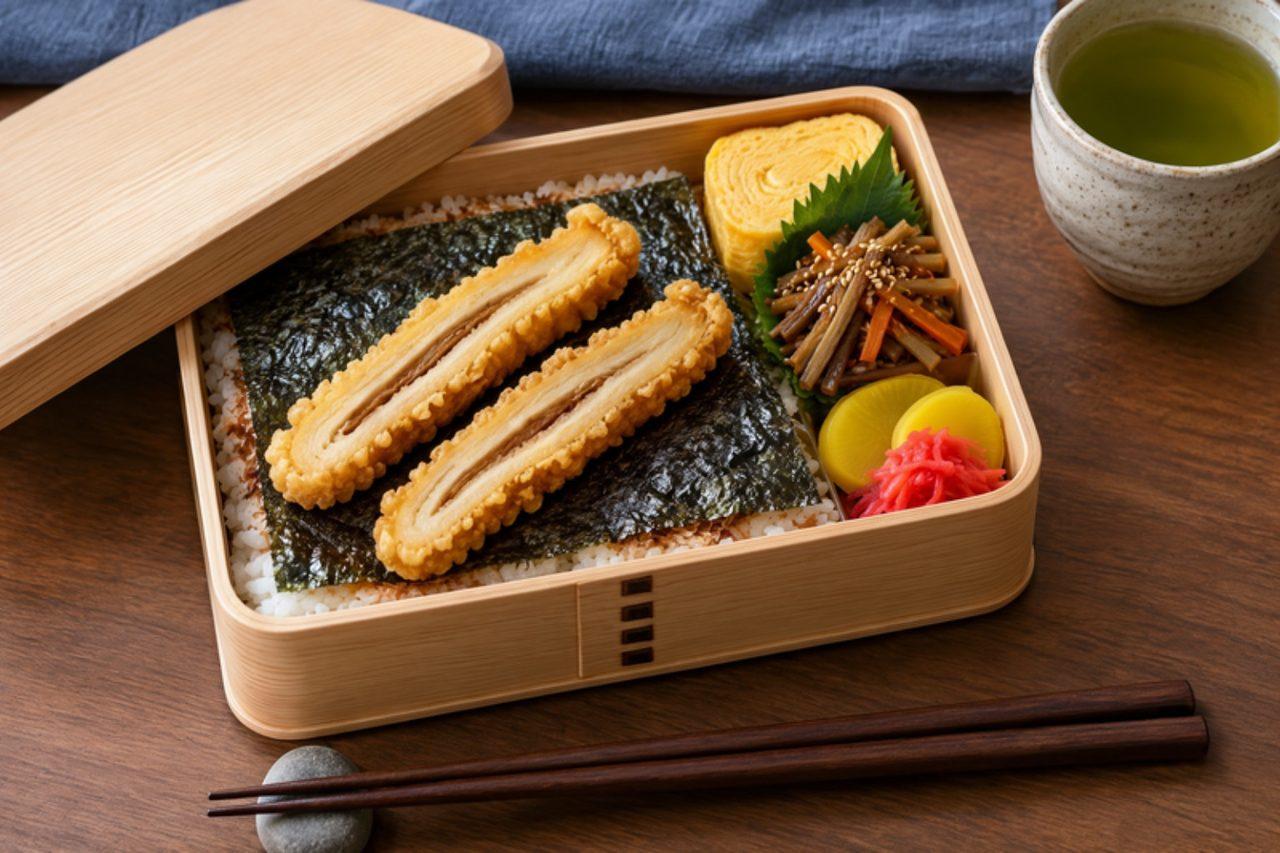
NoribenSeaweed and fish cake bento

Noriben is the humblest and most nostalgic Japanese packed lunch: rice spread with okaka (bonito flakes in soy) and covered with a whole sheet of nori, sometimes twice in layers, then topped with something fried such as chikuwa fish cake or white fish. Convenience stores and bento shops across Japan sell it for a few hundred yen. The usual mistake is laying the nori on steaming rice and closing the lid, which leaves it soggy and torn; let the rice cool a little first. Chef's tip: snip the nori into a few strips before it goes on, so it is easy to bite through with chopsticks.

by KrazyBadal 0 views

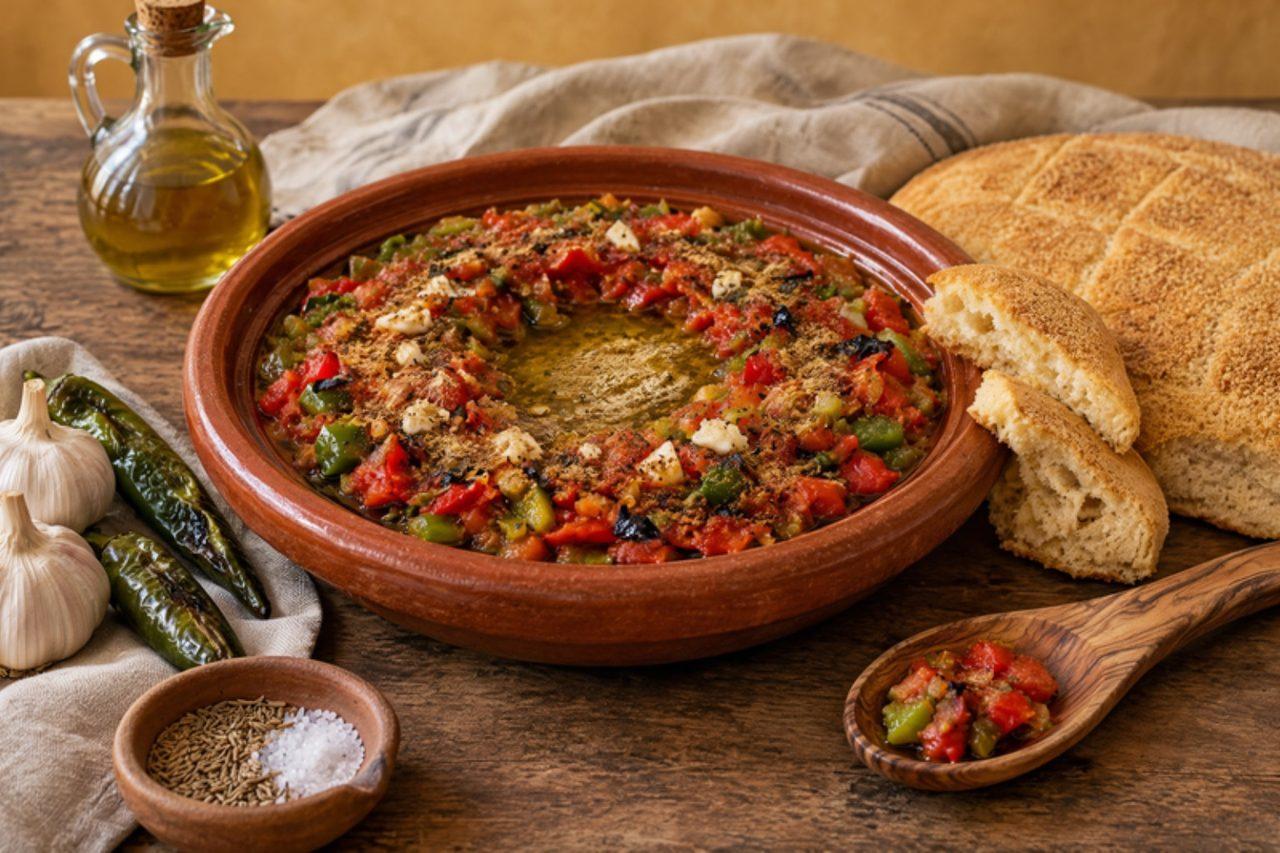
HmissGrilled pepper and tomato salad

Hmiss is an everyday cooked salad from Algiers, Oran and Constantine, made in summer when peppers are cheap, and it is set out with bread at the start of Ramadan iftars and family lunches. Green and red peppers and tomatoes are grilled until charred, peeled, chopped and then cooked briefly with garlic, cumin and plenty of olive oil, so it is smoky, soft and gently spicy. Serve it with bread, beside eggs, or with grilled fish. Suitable as part of a balanced diet. About 120 kcal and 10 g carbohydrate per portion. The usual mistake is chopping it to a purée in a blender: hmiss should keep some texture, so chop by hand. Chef's tip: grill a mild green chilli alongside the peppers for gentle heat without overpowering the sweetness.

by KrazyBadal 0 views

Sharbat-e rivas (rhubarb sherbet)

For a few weeks in spring, after Nowruz, sellers come down from the Alborz foothills, the mountains of Khorasan and Kurdistan with bundles of rivas, the thick-stalked wild rhubarb. People peel and eat the stalks raw with salt, cook them into khoresh, and boil the rest into syrup to keep the taste of the season into summer. Sharbat-e rivas is pink, sharp and refreshing, like sour cherry and green apple together, softened by sugar and lifted by mint. The common mistake is boiling the rhubarb hard and pressing it through the sieve, which makes the syrup cloudy, brownish and stringy; simmer gently and let it drip on its own. Use only the stalks, never the leaves, which are poisonous. The syrup is ready when it is clear, rose-coloured and coats a spoon in a thin film; it keeps for two weeks in a clean bottle in the fridge, and should be thrown away if it fizzes, smells of alcohol or grows mould. Garden rhubarb is a good substitute for rivas; the reddest stalks give the prettiest colour. Chef's tip: a strip of lemon peel in the pot brightens the colour and stops the syrup tasting flat.

by KrazyBadal 0 views

Café chorreadoCloth-filtered coffee

Every Costa Rican grandmother has a chorreador: a small wooden stand holding a cloth bag, the bolsita, over a cup or jug. Hot water is poured through the grounds by hand, a little at a time, and the result is the coffee drunk at breakfast with gallo pinto and again at the afternoon cafecito around three, with a tamal, a slice of pan casero or a rosquilla. The cloth catches the oils and fine grounds, so the cup is clean, bright and smooth, with the soft acidity and caramel sweetness of Tarrazú and Central Valley beans. In the countryside the water is sometimes sweetened with tapa de dulce before it goes through. It is strong coffee, so mind the caffeine late in the day. The common mistake is pouring all the water in at once, which floods the bag and leaves weak, uneven coffee; pour in slow circles, in four or five goes. It is ready when the drips slow to a trickle and the coffee is dark reddish-brown and smells of toasted caramel. Never wash the bag with soap; rinse it in hot water and hang it to dry. Chef's tip: boil a new bag once with a spoonful of coffee before using it, to season the cloth.

by KrazyBadal 0 views

TenmusuPrawn tempura rice balls

Tenmusu, short for tempura musubi, began in Tsu and became a Nagoya speciality: small salted rice balls with a crisp little prawn tempura poking out of the top, wrapped in nori and sold in boxes at Nagoya Station as a travel lunch. The common mistake is wrapping hot, crunchy tempura straight into the rice, so it steams soft; let it cool on a rack first. Use raw prawns that smell of the sea; throw away any that smell of ammonia. Chef's tip: brush the cooled tempura with a quick sweet soy dip before you shape the rice round it, which is the Nagoya secret to its flavour.

by KrazyBadal 0 views

Café guayoyoLong black coffee

In the coffee villages of the Venezuelan Andes, in Trujillo, Mérida and Táchira, the day starts in the dark with a pot of guayoyo, and it never really stops: a cup at breakfast with arepas, one mid-morning, one after lunch, one at the bodega counter in the afternoon. Guayoyo is the opposite of a short, dark negrito: plenty of water through a modest amount of coffee, poured through a colador de tela, a cotton cloth sock on a wire ring. It is light-bodied, mild and clean, closer to tea in strength, with gentle chocolate notes and almost no bitterness, so it is easy to drink cup after cup. It still has caffeine, so count the cups. The common mistake is pouring boiling water onto the grounds, which pulls out bitter flavours; let the kettle rest off the boil for a minute first. Never wash the cloth with soap either, or every cup tastes soapy. The coffee is ready when it runs through amber-brown, clear enough to see the bottom of a white cup. Sweeten with papelón (raw cane sugar) if you like. Chef's tip: keep the rinsed cloth in a jar of water in the fridge between uses so it never smells stale.

by KrazyBadal 0 views

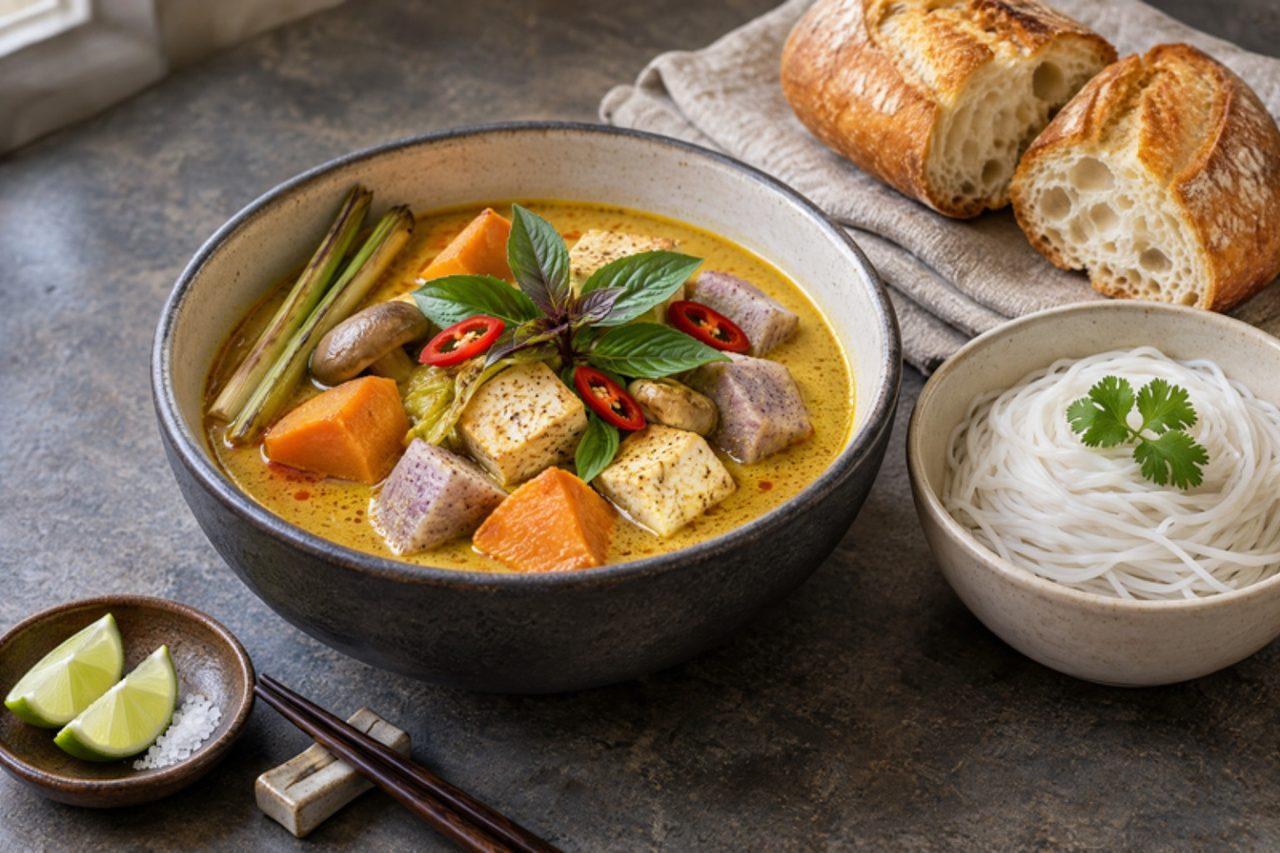
Cà ri chayVegetarian sweet potato curry

Cà ri chay is served at Buddhist temples and vegetarian restaurants across Saigon and the Mekong Delta, and many families cook it at home on rằm days, the first and fifteenth of the lunar month, when they eat no meat. Sweet potato and taro soften into a golden, lemongrass-scented coconut curry with fried tofu and meaty oyster mushrooms; it is mild and fragrant rather than fiery. Mop it up with a crusty baguette, or ladle it over rice vermicelli. The usual mistake is putting all the vegetables in at once: the sweet potato dissolves before the taro is cooked. Chef's tip: fry the taro and sweet potato briefly before simmering, which seals the outside so the chunks hold their shape in the sauce.

by KrazyBadal 0 views

Caffè lecceseEspresso with almond milk over ice

In Lecce and the towns of Salento, summer mornings start at the bar with a caffè in ghiaccio, and the local version, a fairly recent invention now poured everywhere from Otranto to Gallipoli, adds a pour of latte di mandorla: the sweet almond-milk syrup Puglian bakers have made for generations from local almonds. A short glass is filled with ice, the almond syrup goes in, and a hot espresso is poured straight over so it cracks the ice and blends into a pale, cold, nutty coffee. It is sweet without being sticky, with a marzipan aroma and a clean bitter finish. The common mistake is letting the espresso cool before pouring: it no longer melts and mixes with the dense syrup, which then sits at the bottom. Pull the shot and pour it at once, then stir. It is ready when the drink is evenly caramel-coloured and the glass feels icy. Lecce bars serve it from about May to late September, often with a pasticciotto. Espresso means a fair hit of caffeine. Chef's tip: if you can only find unsweetened almond drink, stir 1 tsp of sugar into it first, but real Puglian almond syrup gives the true taste.

by KrazyBadal 0 views

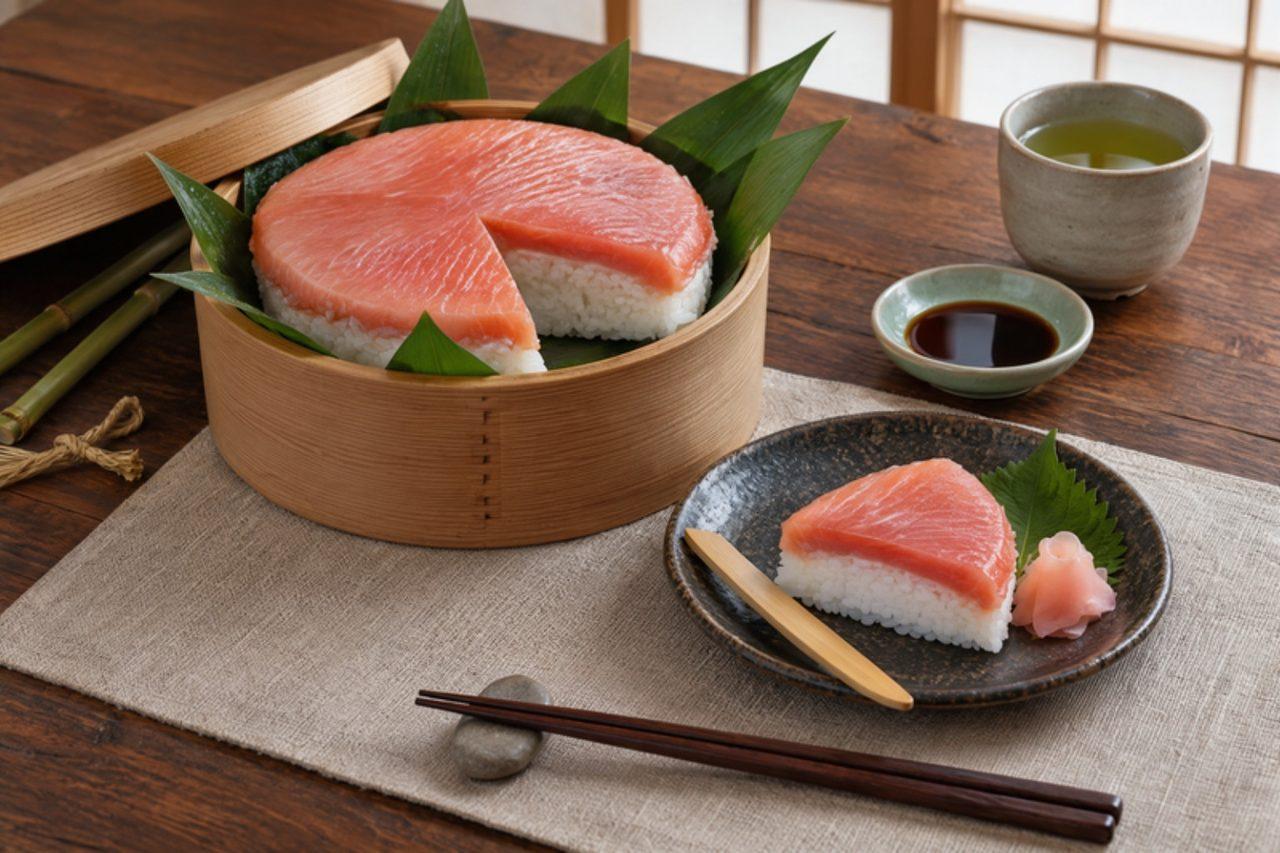
Masu zushiPressed trout sushi

Masu zushi is Toyama's famous ekiben, the boxed lunch sold at the station for the train ride: a round, flat cake of vinegared rice pressed under a layer of salted, vinegar-cured trout and wrapped in bright green bamboo leaves, cut into wedges like a pie. The fish is cured but raw, so use only fish sold as safe to eat raw and previously frozen, and keep everything cold; this version is not for pregnant women, young children or anyone with a weakened immune system. For a safer version, use hot-smoked trout fillet instead, which is fully cooked. The usual mistake is pressing the rice while it is still warm, which turns it mushy; cool it to body temperature first. Chef's tip: press the cake for a full hour under a heavy weight so it slices cleanly, then cut it with a wet knife.

by KrazyBadal 0 views

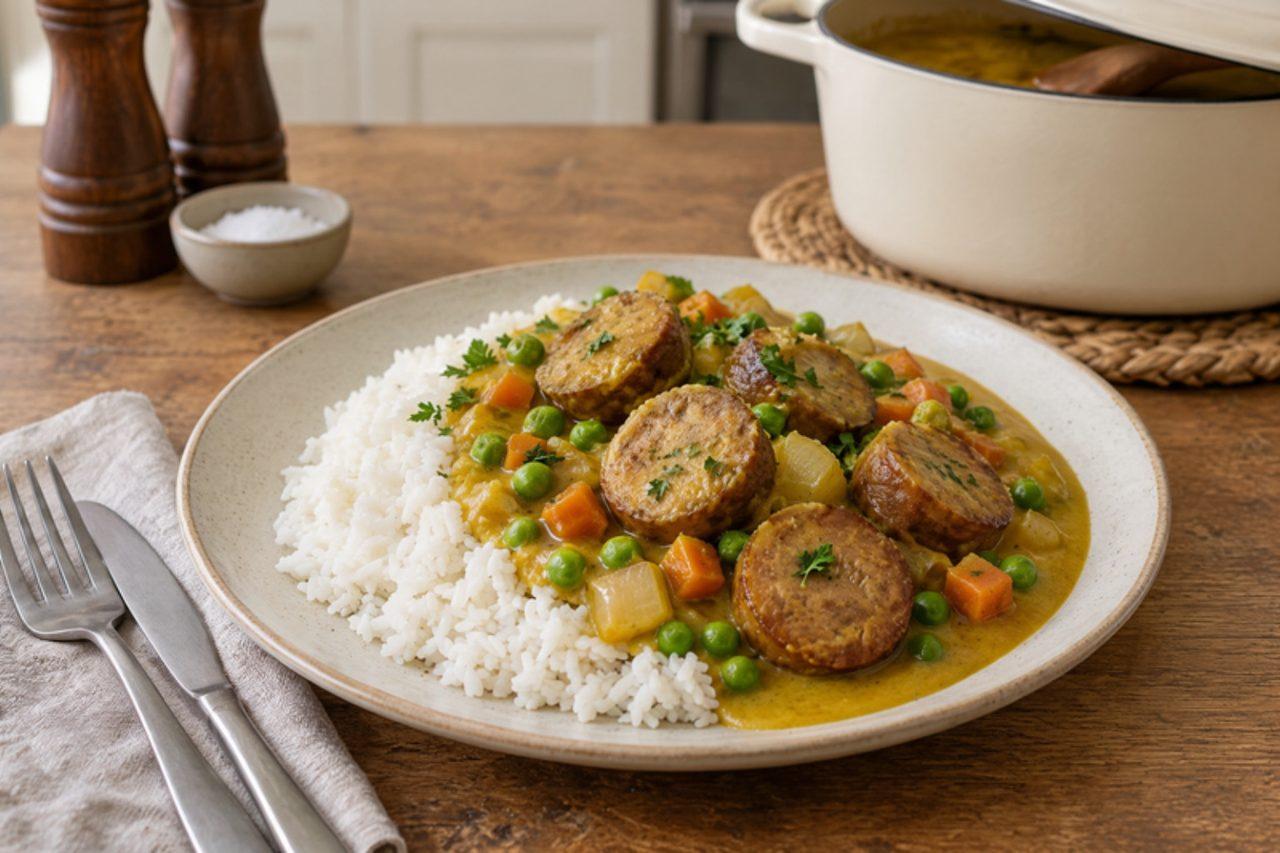
Curried sausages

Curried sausages are pure Australian weeknight comfort, the dish generations of kids came home to in Sydney, Brisbane and country towns alike, usually made with thick beef or pork sausages and a tin of mild curry powder. The sausages are browned, sliced and simmered with onion, carrot, potato and peas in a gentle, slightly sweet curry gravy, then spooned over fluffy rice. The usual mistake is skipping the pre-cook: browning the sausages whole first keeps them juicy and gives the sauce its colour. Sausages, whether beef or pork, must reach 71 °C in the centre. Chef's tip: a grated apple simmered in the sauce is the classic Aussie trick for a rounded sweetness without extra sugar.

by KrazyBadal 0 views

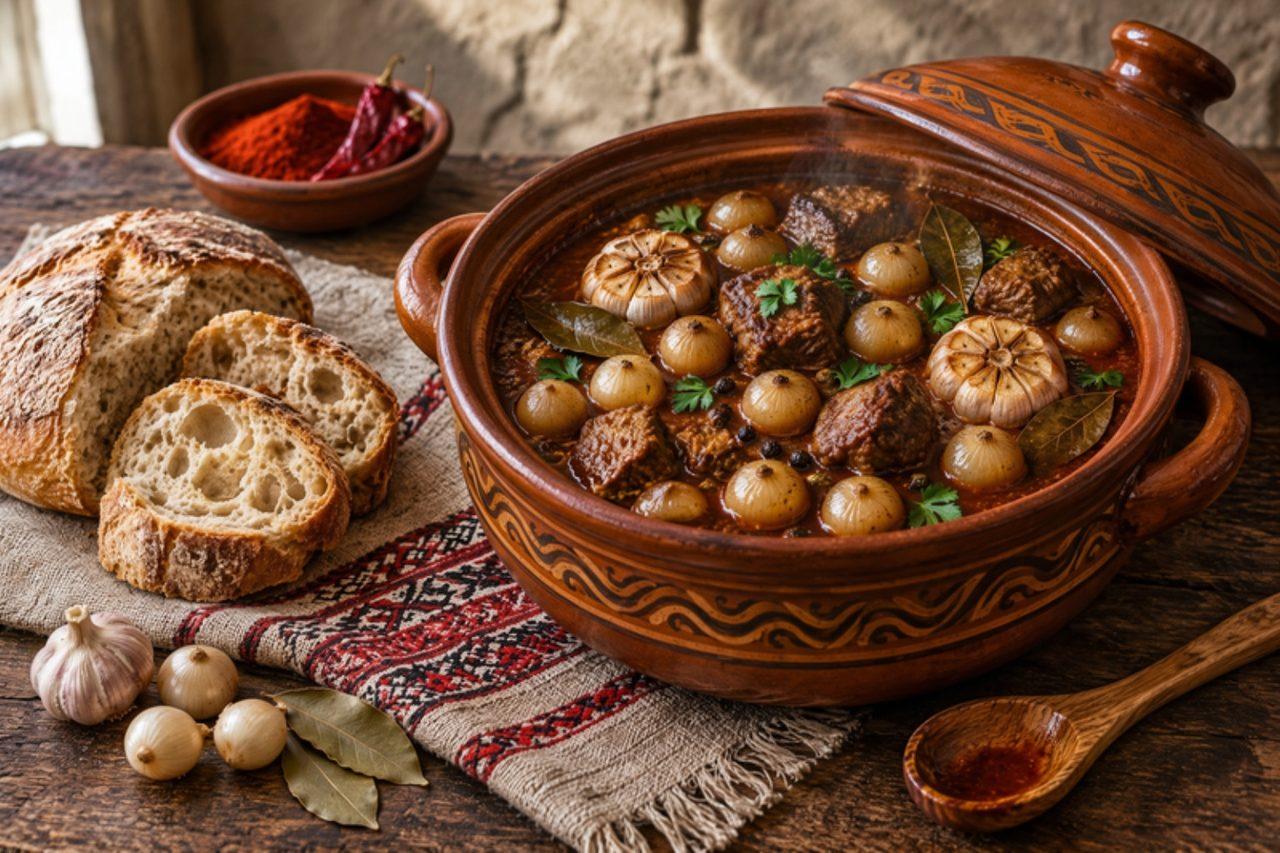
Popska yahniyaBeef and onion stew

Popska yahniya, the 'priest's stew', is cooked across Bulgaria in autumn and winter, often in a clay gyuveche in the oven, and appears at name-day dinners in Plovdiv and Veliko Tarnovo. Beef is braised with a heap of small whole shallot-sized onions, garlic, paprika, red wine and a splash of vinegar until the onions are sweet and jammy and the sauce is glossy. The wine is part of the dish and some alcohol can remain after cooking; for an alcohol-free version use the same amount of beef stock plus 1 extra tablespoon of vinegar. Pork shoulder is a common alternative to beef. The usual mistake is letting the onions break apart: add them after the meat has had an hour, so they hold their shape. Chef's tip: blanch the onions for one minute in boiling water and the skins slip off in seconds.

by KrazyBadal 0 views

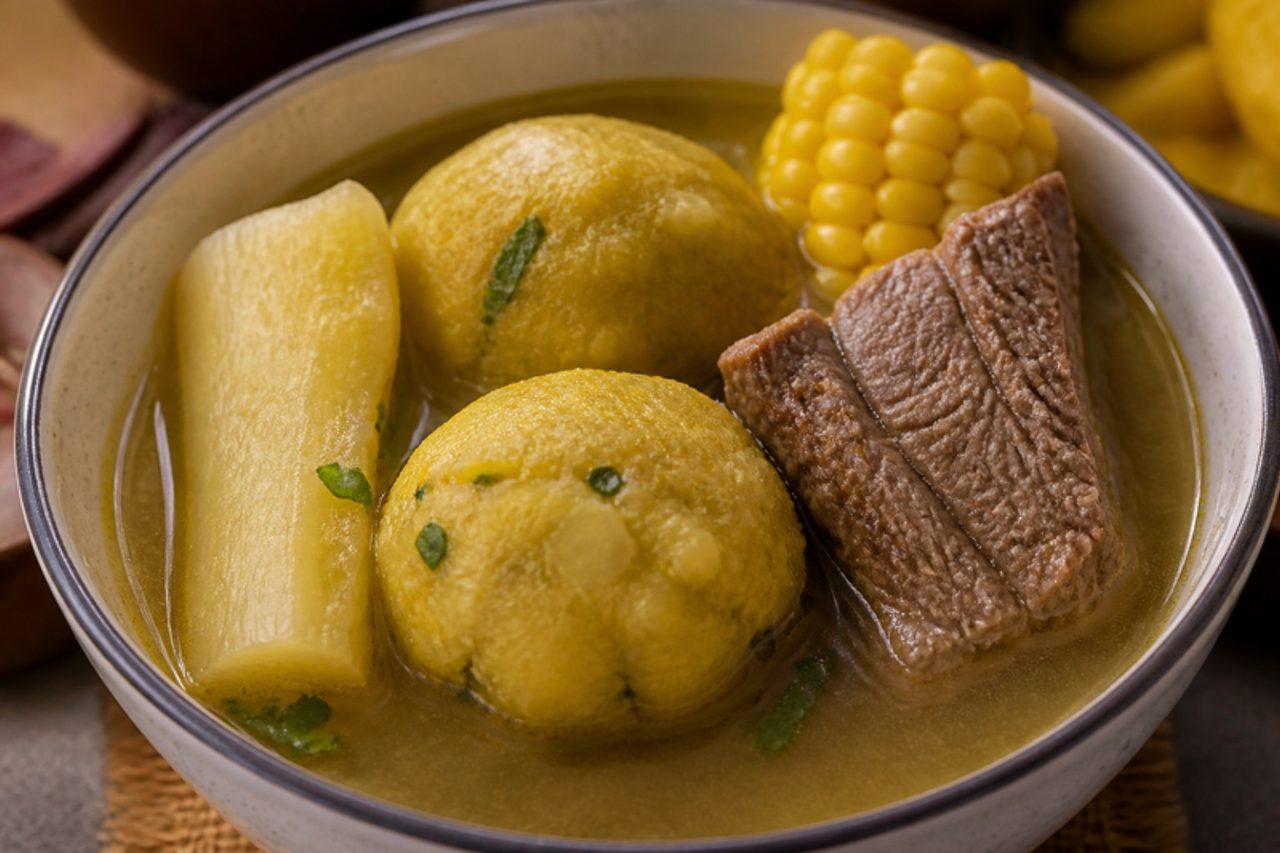
Caldo de bolas de verdeBeef broth with plantain dumplings

Caldo de bolas is the big Sunday soup of Guayaquil and the Guayas coast: a clear beef broth with corn and cassava in which float fist-sized dumplings of green plantain, each stuffed with a savoury filling of beef mince, egg, peas and peanuts. It takes time, so families make it for gatherings and serve it with lime, chilli and rice. Peanuts are an allergen and optional here. The usual mistake is a plantain dough that is too dry, which cracks and falls apart in the broth; it should feel like soft play dough. Cook the mince filling until no pink remains. Chef's tip: mix boiled and raw grated plantain; the raw starch is the glue that holds the bolas together.

160 minAndeanSoupsGluten free
by KrazyBadal 0 views

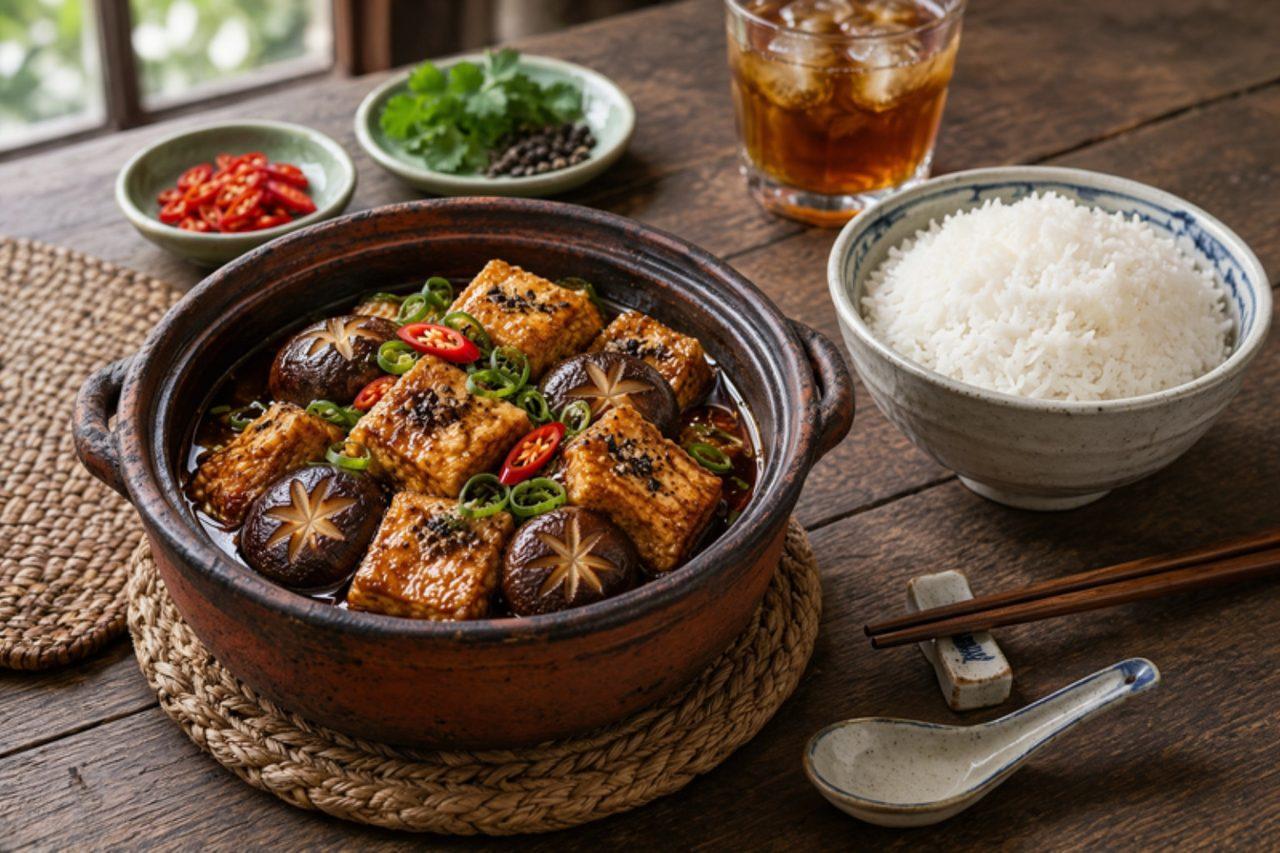
Đậu hũ khoBraised tofu with shiitake

Đậu hũ kho is the vegetarian cousin of the caramel braises (kho) cooked in clay pots all over Vietnam, and in the south it is a standard of Buddhist fasting days and a good companion for a pot of rice through the week. Golden fried tofu and chewy shiitake are braised in a dark caramel, soy sauce and coconut water until the sauce turns sticky, salty-sweet and peppery. Serve with steamed rice, a plate of fresh cucumber and a light soup. The usual mistake is letting the caramel go too dark, which makes the whole dish bitter; stop when it is the colour of strong tea. Chef's tip: coconut water gives a rounder sweetness than plain water, and the braise keeps for 3 days in the fridge.

by KrazyBadal 0 views

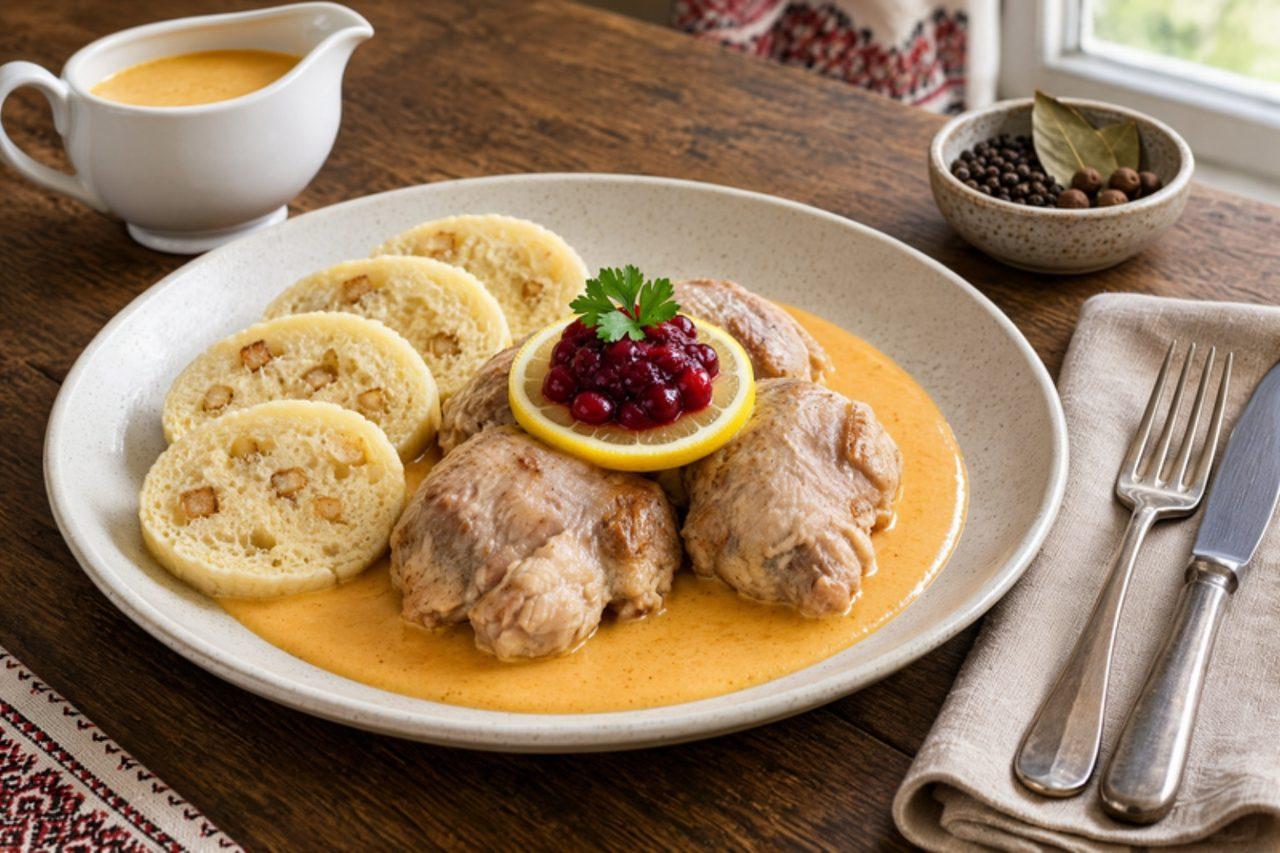
Králík na smetaněRabbit in cream sauce

Králík na smetaně is a Sunday lunch in the Czech countryside, especially in Moravia and South Bohemia, where many families once kept rabbits in the yard. Rabbit pieces are braised with carrot, celeriac, parsley root and onion, then the vegetables are blended into a velvety cream sauce brightened with lemon and a pinch of sugar, much like the famous svíčková. It is served with sliced bread dumplings (houskové knedlíky) and a spoon of cranberry sauce. The usual mistake is boiling the sauce after the cream goes in, which can split it; keep it at a bare simmer. Rabbit is lean, so cook it gently and check that the meat comes easily off the bone. Chef's tip: blend the vegetables until completely smooth and pass them through a sieve for the silky sauce Czech cooks are proud of.

120 minCzechMeat
by KrazyBadal 0 views

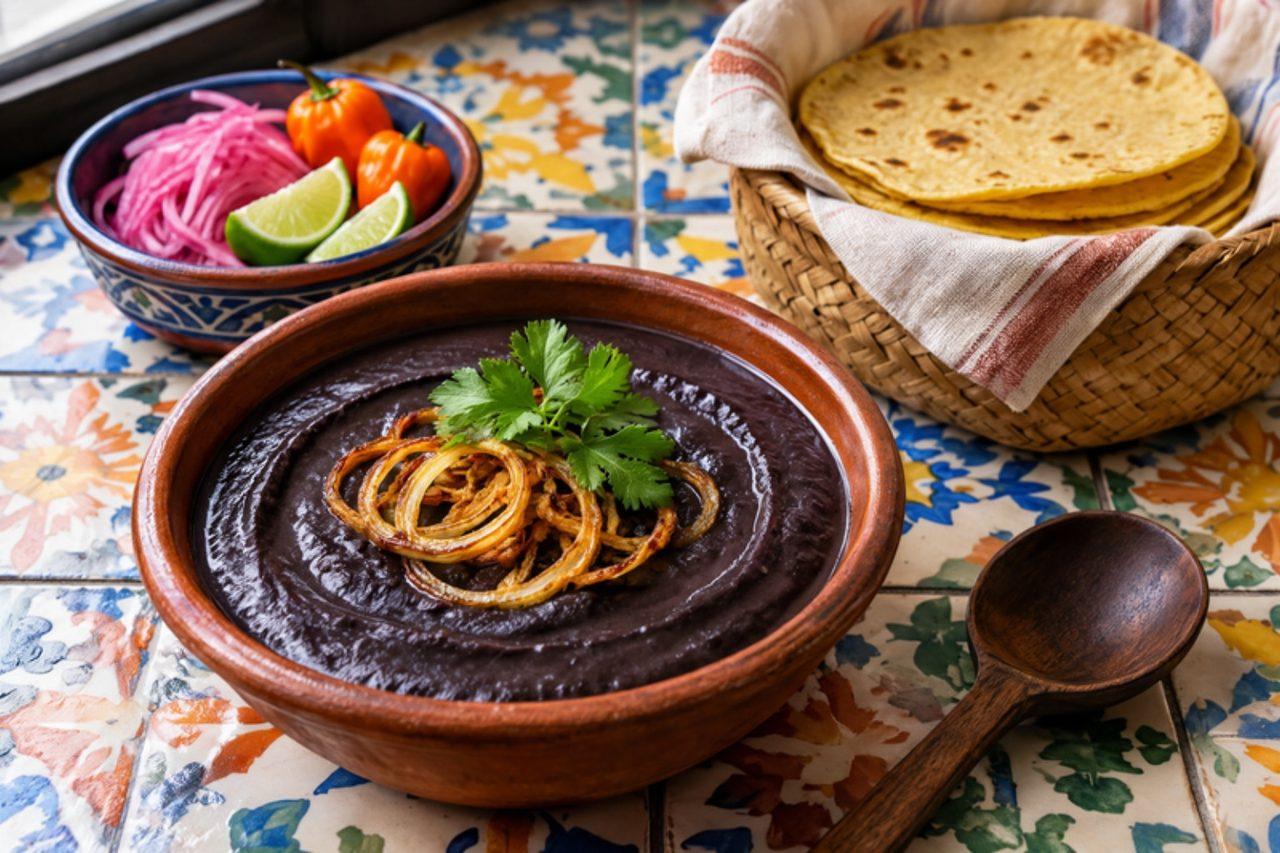
Frijoles coladosStrained black beans

Every cocina económica and family kitchen in Mérida keeps a pot of frijoles colados for the midday meal, the smooth, almost soupy black beans that sit beside cochinita, poc chuc, eggs or simply rice and tortillas across the Yucatán. The beans are cooked soft with epazote, pushed through a sieve, then simmered with onion fried until sweet. Traditionally the onion is fried in pork lard; this version uses oil so it is vegan. The usual mistake is straining beans that are not fully cooked, which gives a gritty, floury purée, so cook them until they crush with no effort. Chef's tip: drop a whole habanero into the simmering purée for 5 minutes for perfume without much heat, then fish it out.

120 minMexicanSidesVeganGluten free
by KrazyBadal 0 views

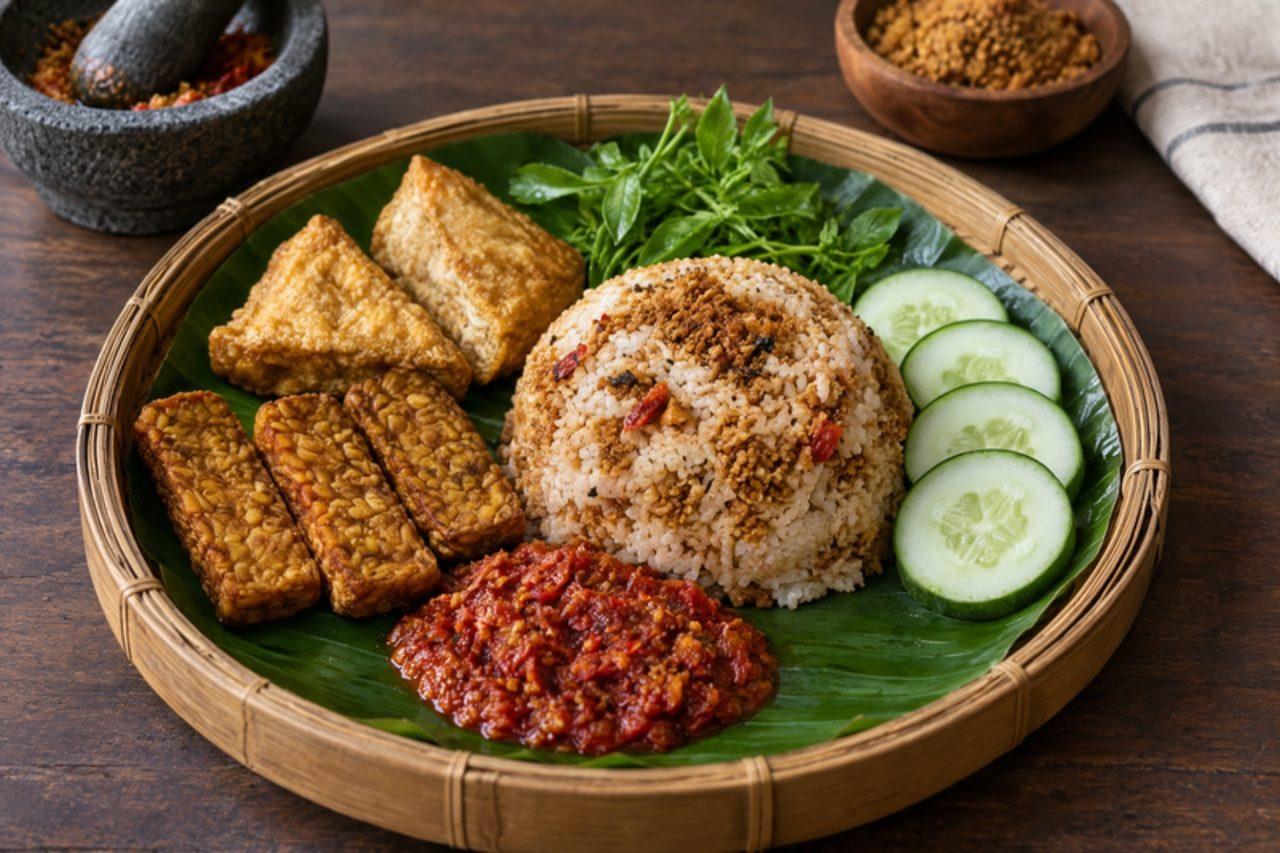
Nasi tutug oncomRice mashed with roasted oncom

In Tasikmalaya, West Java, warung serve nasi tutug oncom from early morning: steaming rice pounded together with toasted oncom, a fermented cake of peanut press-cake with a savoury, nutty, slightly funky taste, plus chilli and kencur. It comes with fried tempeh and tofu, sambal and a pile of raw greens called lalapan. Outside Indonesia oncom can be hard to find; fresh tempeh, crumbled and fried, gives a similar earthy result. The common mistake is mixing oncom into cold rice: the rice must be freshly cooked and hot so it absorbs the oil and aroma. Chef's tip: dry-roast the oncom until crisp at the edges before seasoning, which takes away its raw sourness.

by KrazyBadal 0 views

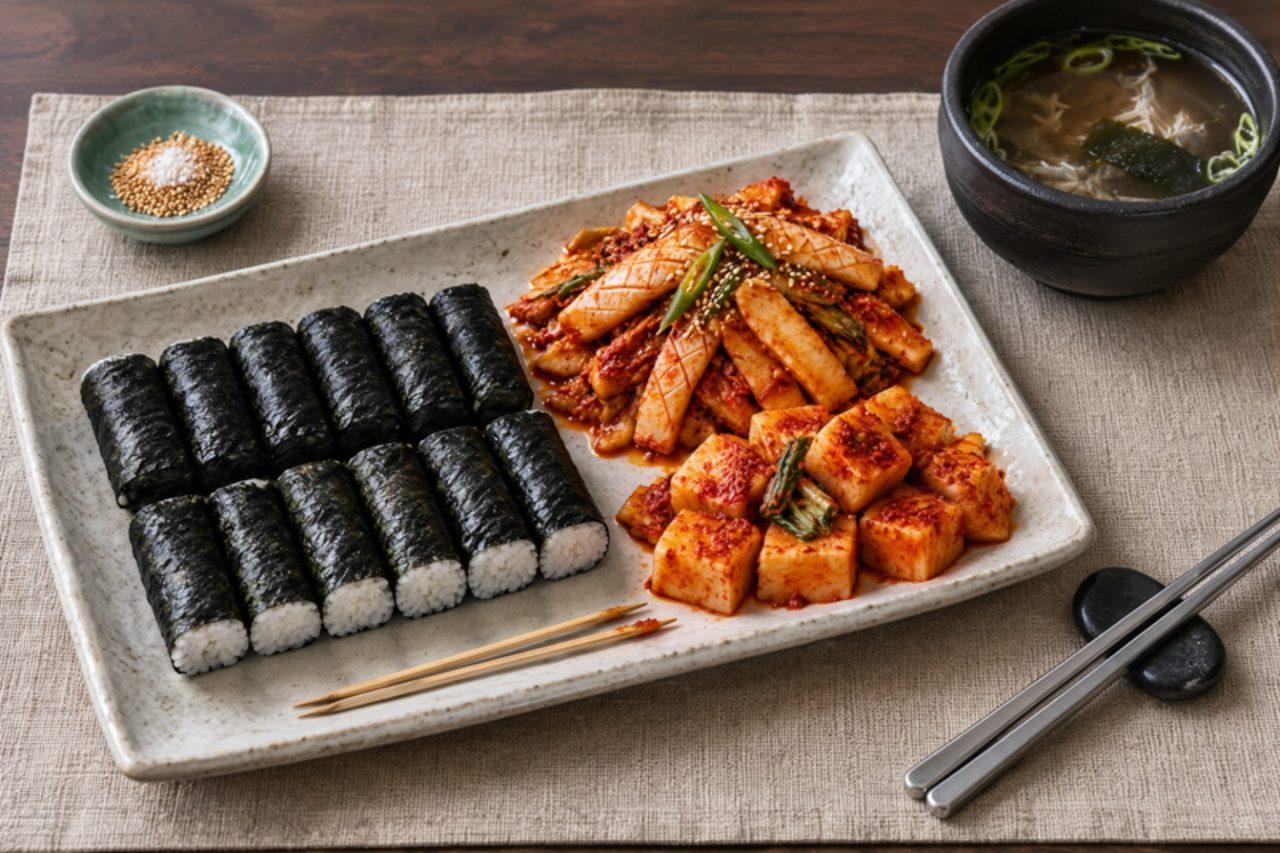
Chungmu gimbapRice rolls with spicy squid

In the harbour town of Tongyeong (once called Chungmu), fishermen's wives made plain rice rolls in laver with the spicy side dishes packed separately, because filled gimbap spoiled in the heat of the boats. Today Chungmu gimbap is a lunchbox and road-trip classic all over Korea: finger-sized rolls eaten with a toothpick, sweet-spicy squid and fish cake, and crunchy radish kimchi. The common mistake is overcooking the squid, which goes rubbery; blanch it just until it turns white and curls. Chef's tip: brush the gim lightly with sesame oil before rolling, which keeps it from going chewy.

by KrazyBadal 0 views

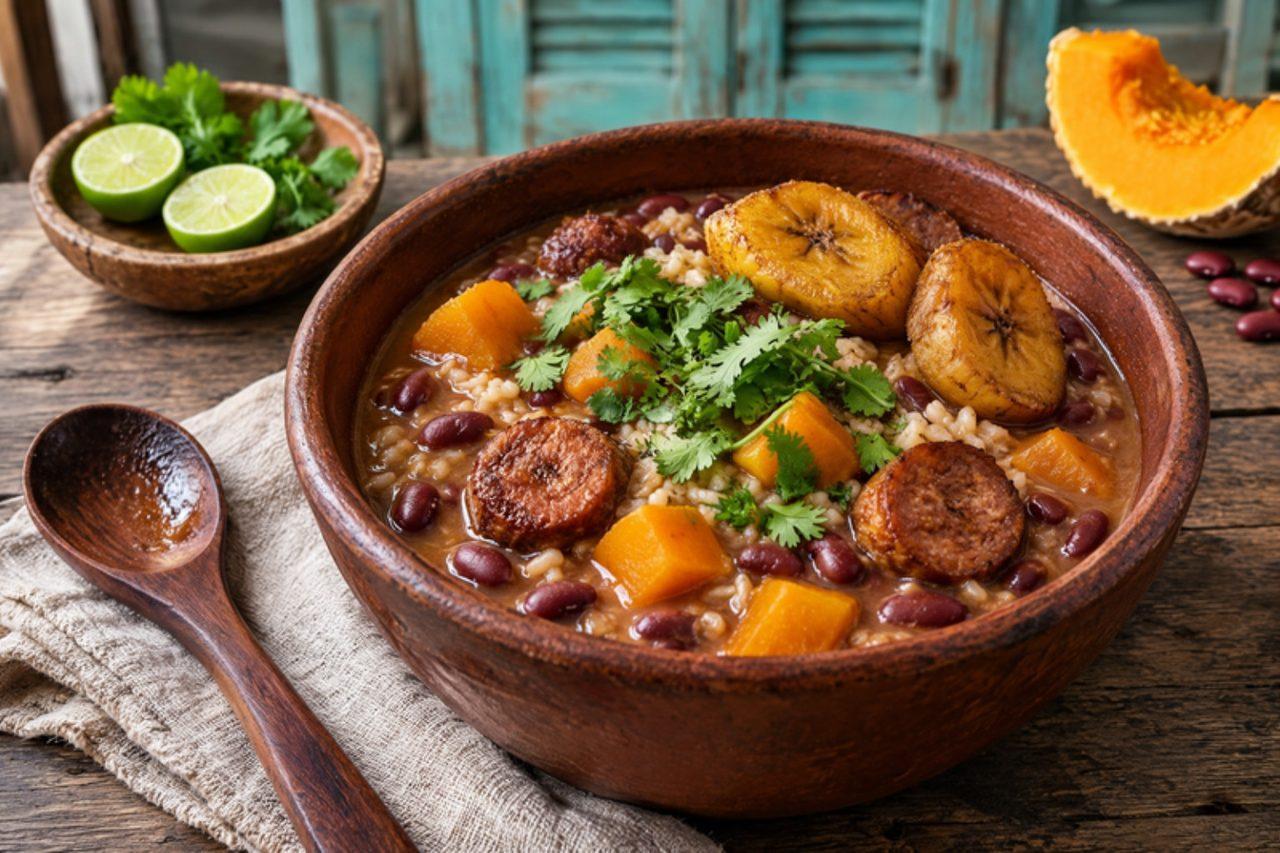
ChapeaRed beans with plantain and sausage

Chapea comes from the countryside of the Cibao and the south of the Dominican Republic, where it is cooked for big Sunday lunches and family gatherings: red beans stewed with auyama squash and ripe plantain, smoky pork longaniza or salami, then rice cooked right in the bean broth until it is soft and creamy, somewhere between a moro and a stew. The sweet plantain melts into the pot and gives the rice a gentle sweetness. Dried red kidney beans must be soaked and then boiled hard for 10 minutes before the gentle simmer, to destroy a natural toxin; tinned beans are already safe. The usual mistake is adding the rice to too little liquid, which leaves it hard; it should be swimming at first. Chef's tip: fry the sofrito until it smells sweet and the oil turns red before the beans go in, as that is where chapea gets its depth.

by KrazyBadal 0 views

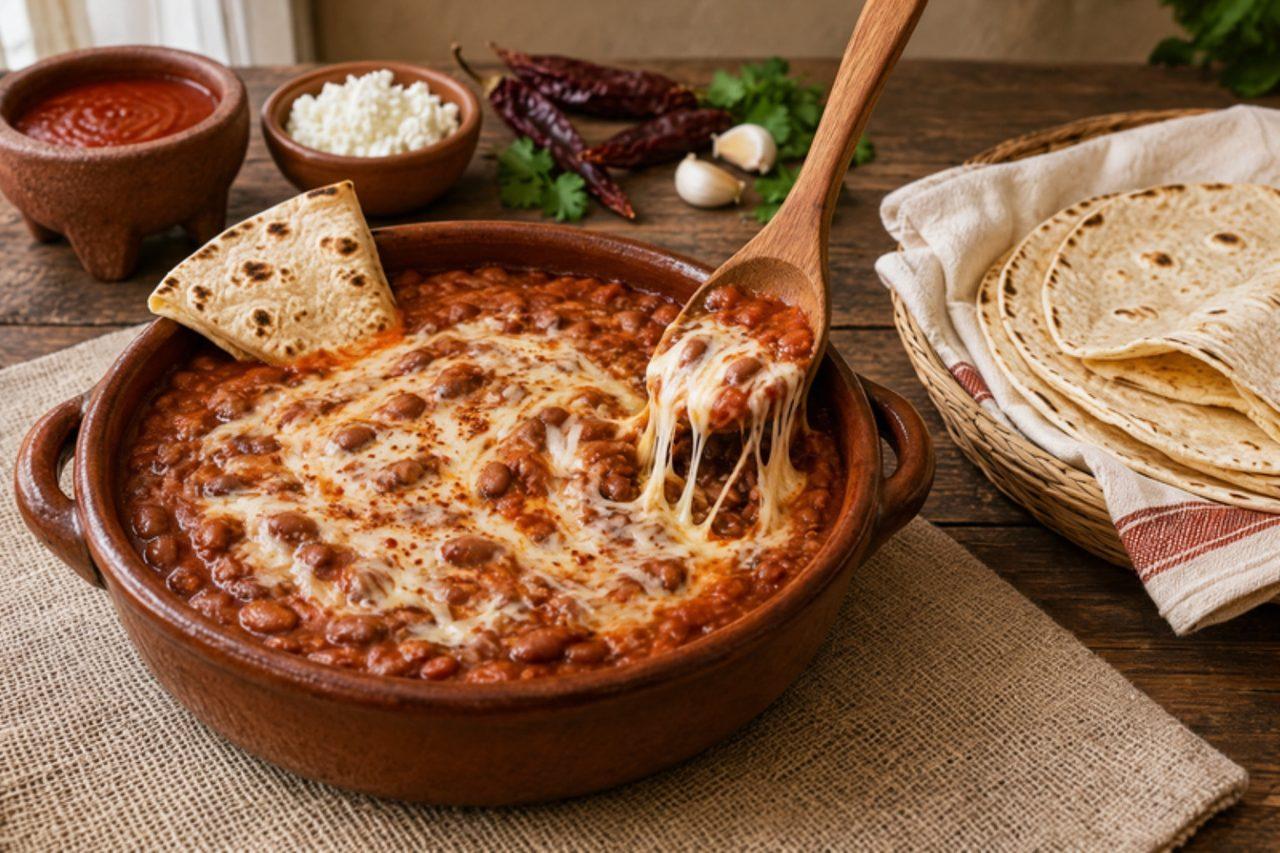
Frijoles maneadosPinto beans with chile and cheese

Frijoles maneados are the rich party beans of Sonora in northern Mexico, cooked for carne asada gatherings, weddings and Sunday lunch, and spooned onto flour tortillas. Soft pinto beans are mashed and beaten (maneados means stirred or worked) with dried red chile colorado, milk and so much melting cheese that the pot pulls into strings. Serve them with flour tortillas, grilled vegetables and a sharp salsa. The usual mistake is adding the cheese while the pot is boiling hard, which makes it go rubbery and oily; take the heat right down first. Chef's tip: Sonoran queso regional or Chihuahua cheese is often made with animal rennet, so for a vegetarian pot choose a vegetarian Monterey Jack-style or mild Cheddar cheese labelled suitable for vegetarians.

by KrazyBadal 0 views

Sharbat-e zaferan (saffron sherbet)

Big steel urns of golden saffron sherbet are poured for guests at Iranian weddings and engagement parties, and the same drink is handed out on the street as nazri during Muharram and at memorial gatherings, when families offer something sweet and cool in the name of the departed. Saffron from Khorasan is ground with a sugar cube, bloomed in a little water and stirred into syrup with rose water and lemon. The result is honey-sweet and floral, with saffron's faint bitterness and hay-like perfume at the end, and a colour that should be a clear, sunny orange-gold. The usual mistake is dropping whole threads straight into cold water, which gives a pale, patchy drink and wastes expensive saffron; grind it first and let it bloom for at least 10 minutes. You know the bloom is ready when the water is a deep red-orange and smells strongly of saffron. Taste before serving: it should be sweet but finish clean, with the lemon just noticeable. Chef's tip: an ice cube placed on the ground saffron and left to melt slowly gives the deepest colour of all, an old Iranian trick.

by KrazyBadal 0 views

Paneer tikka

Paneer tikka is the vegetarian star of Punjabi dhabas and Delhi wedding buffets, and at home it is a weekend starter cooked under the grill or in a hot oven. Thick cubes of paneer, pepper and onion are coated in hung yogurt with ginger, garlic, chaat masala and roasted gram flour, then charred at high heat so the edges blister while the centre stays soft. Paneer set at home with lemon juice or vinegar uses no rennet; if you buy it, check the label. Serve with mint chutney and a big salad instead of naan. It is suitable as part of a balanced diet. About 330 kcal and 10 g carbohydrate per portion. The usual mistake is a runny marinade, which slides off; hang the yogurt for 20 minutes first. Chef's tip: marinate in the fridge for at least 30 minutes, and don't skip a final blast of high heat for the charred spots.

by KrazyBadal 0 views

Camote cueCaramelised fried sweet potato

Camote cue is the three-o'clock merienda of Manila, fried in big woks by vendors on the corners of Quiapo, outside university gates on España Boulevard and along every jeepney route, alongside banana cue. Chunks of sweet potato are fried until tender, then brown sugar is scattered into the hot oil, where it melts and wraps each piece in a glassy, crackly caramel coat. They are threaded onto bamboo sticks and eaten warm, with a soft, sweet, chestnut-like centre. Chef's tip: let the oil cool slightly before adding the sugar; sugar dropped into very hot oil burns and turns bitter in seconds.

by KrazyBadal 0 views

Frango xadrezChicken and pepper stir-fry

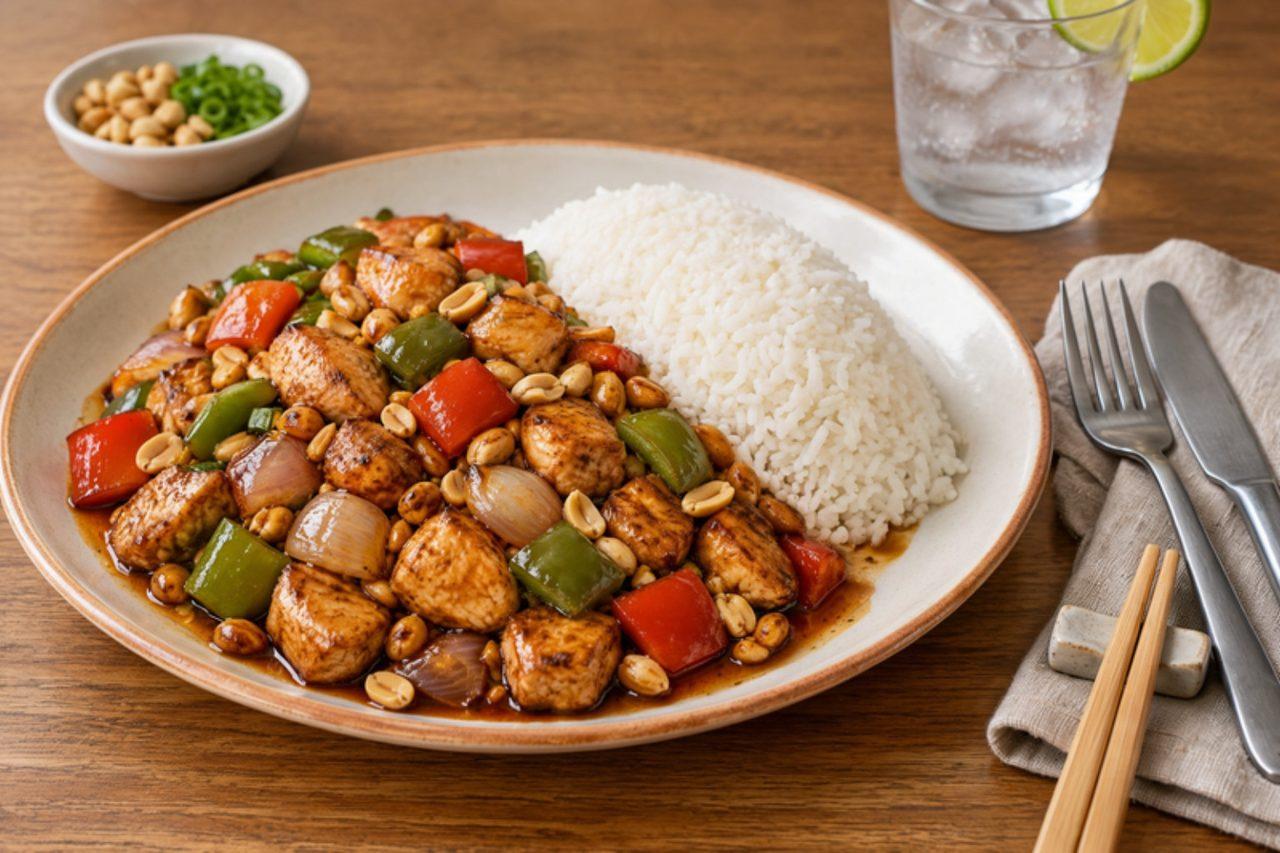
Frango xadrez, "chessboard chicken", was born in São Paulo's Chinese-Brazilian restaurants and named for its neat squares of chicken, pepper and onion. It is now a staple of lunch counters, delivery menus and the home-packed marmita, eaten over white rice. The common mistake is overcrowding the pan, so the chicken stews grey instead of searing; cook it in two batches. Chef's tip: toss the chicken with soy sauce and cornflour 15 minutes ahead; the coating keeps it juicy and thickens the sauce.

by KrazyBadal 0 views

NeureosCoconut and jaggery pastries

No Goan Catholic kuswar, the tray of Christmas sweets sent to neighbours, is complete without neureos, little crimped half-moons of crisp pastry stuffed with fresh coconut cooked down with jaggery, cardamom and a few raisins or cashews. Families gather in the week before Christmas to roll, fill and pinch them by the hundred, and they keep well in a tin until New Year. The common mistake is a wet filling: if the coconut mix is still moist when sealed the pastries burst in the oil, so cook it until it leaves the pan and cool it fully. Chef's tip: use a fluted pastry wheel to trim the edge after crimping, which gives the classic frilly finish and a tighter seal.

by KrazyBadal 0 views

Jinmichae bokkeumGlazed dried squid strips

Jinmichae, shredded seasoned dried squid, is one of the most popular banchan in Korean lunchboxes: chewy, sweet and a little spicy, and it keeps for a week. Children across Korea find it in their dosirak and parents make a big tub on Sunday. The common mistake is glazing it over the heat, which turns the squid hard as wire; mix the strips into the warm sauce off the heat. Chef's tip: soak the squid briefly in water first and squeeze it out, so it stays tender even straight from the fridge.

15 minKoreanFishSpicy
by KrazyBadal 0 views

Gogji razmaKidney beans with turnips

In the Kashmir valley, gogji razma is a winter comfort dish, made in heavy pots when turnips are sweet after the first snow and dried beans from Bhaderwah fill the store. Red kidney beans and turnip chunks simmer in a thin, red gravy flavoured with mustard oil, ground fennel, dried ginger and Kashmiri chilli, without any onion or tomato. Serve with a modest bowl of rice or a millet roti and a green salad. It is suitable as part of a balanced diet. About 300 kcal and 38 g carbohydrate per portion. The usual mistake is slow-cooking dried kidney beans without boiling them hard first; raw kidney beans are unsafe, so soak them overnight and boil hard for 10 minutes before simmering. Chef's tip: add the turnips only when the beans are almost soft, so they keep their shape and sweetness.

by KrazyBadal 0 views

Jitui fanFried chicken leg rice

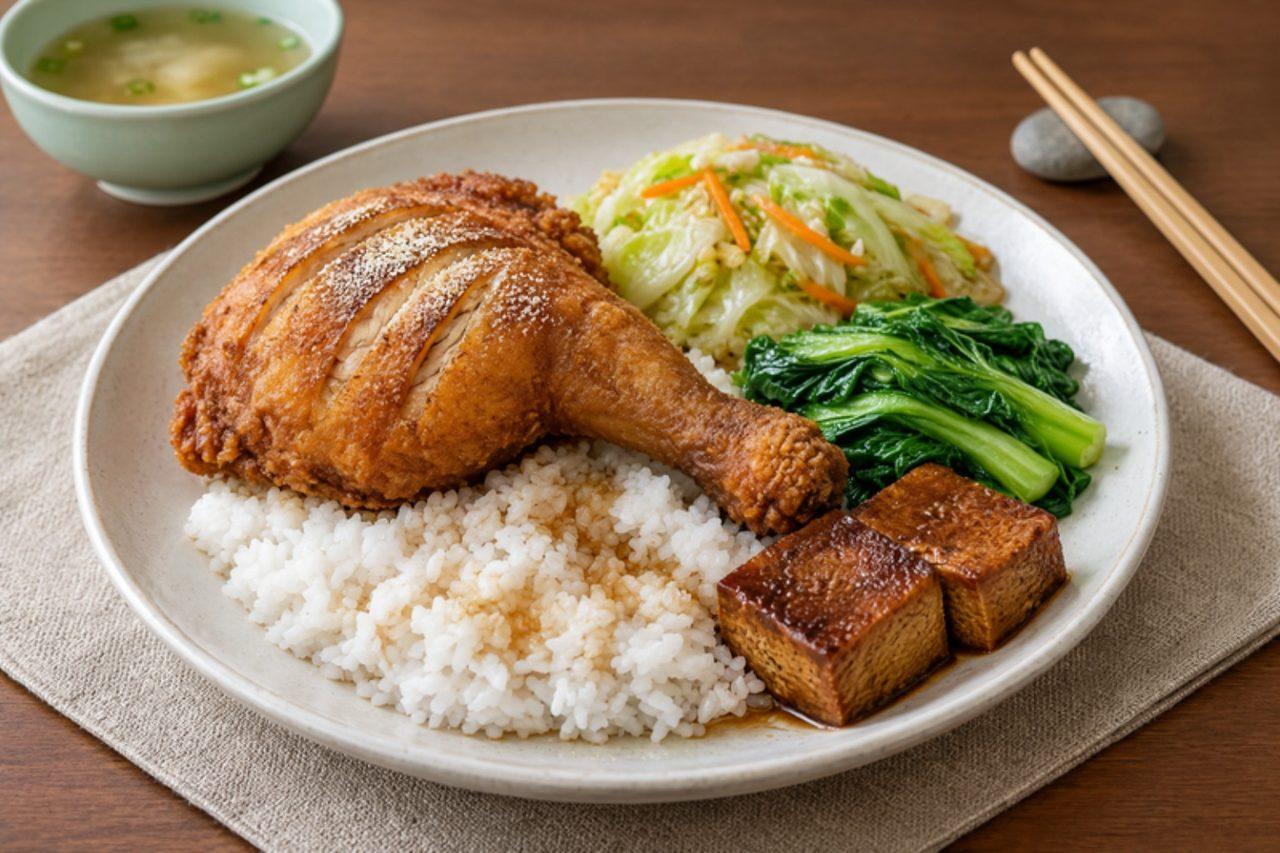
In every Taiwanese town, the biandang shop at lunchtime sells jitui fan: a whole chicken leg marinated in soy, garlic and five-spice, coated in coarse sweet potato starch and fried crisp, laid over rice with three small vegetable sides and a scoop of minced-pork sauce if you ask. Office workers and students carry the paper boxes back to their desks. The common mistake is frying in oil that is too hot, so the coating browns while the meat by the bone stays raw; fry gently, then crisp it at the end. Chef's tip: let the starch-coated legs sit for 5 minutes until the coating looks damp, so it fries into crunchy little pebbles.

by KrazyBadal 0 views

Cape brandy puddingDate and walnut brandy pudding

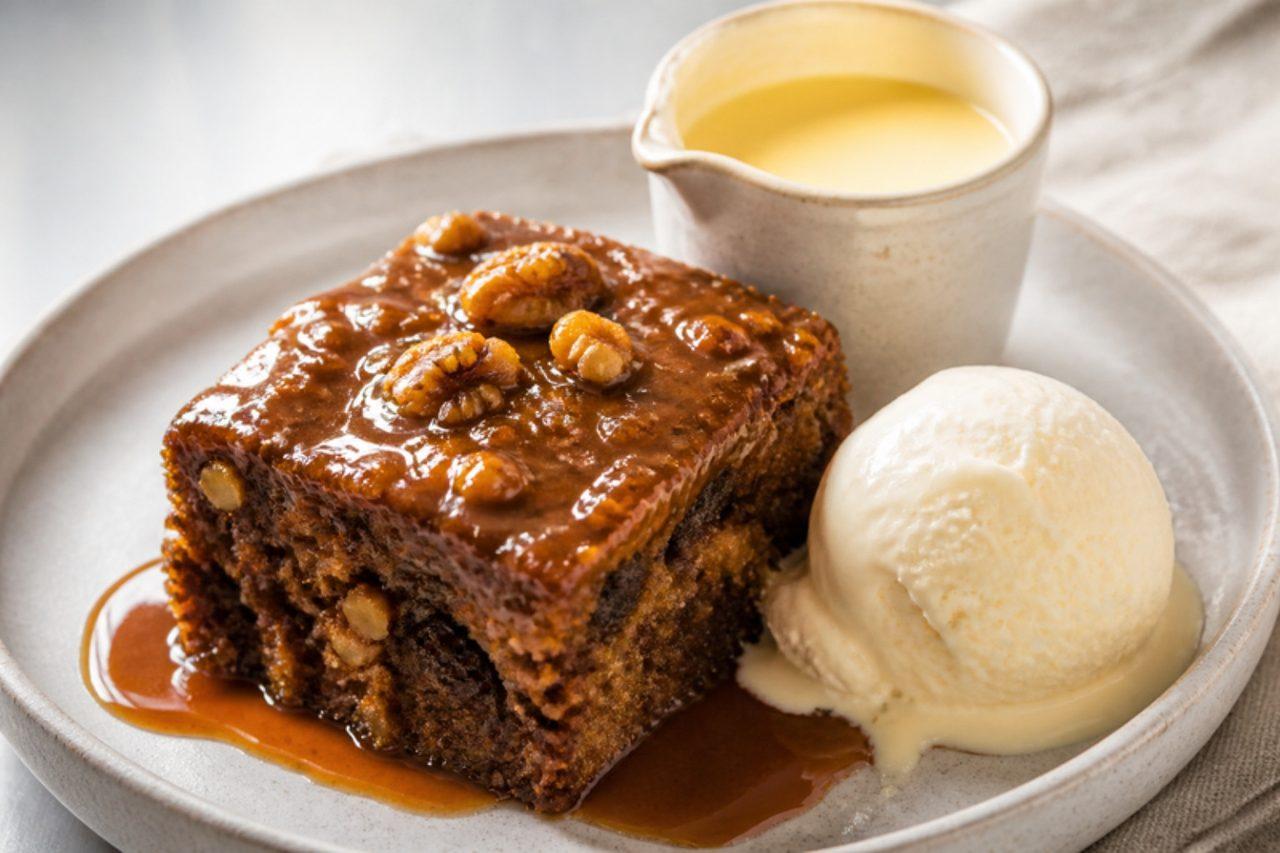
Sometimes called tipsy tart, this baked pudding of dates and walnuts drenched in a hot brandy and butter syrup is what Cape Town and Winelands families bring out for Sunday lunch in winter and for Christmas. It contains brandy, and because the brandy goes into the syrup off the heat most of the alcohol stays, so serve it to adults only; the ingredient note gives an alcohol-free rooibos or orange syrup for everyone else. Expect a dark, sticky, cake-like sponge that is almost wet at the bottom, with crunchy walnuts and a warm caramel and spice flavour, served with custard, cream or vanilla ice cream. The mistake is pouring the syrup over a cooled pudding, which then won't absorb it. Chef's tip: prick the hot pudding all over with a skewer and pour the hot syrup on slowly, letting each ladle sink in before adding the next.

by KrazyBadal 0 views

Bacon and egg pie

No Kiwi picnic, school trip or bach weekend is complete without a bacon and egg pie: flaky puff pastry wrapped around smoky pork bacon, peas and whole eggs that bake into golden rounds you can see when the pie is cut. It is served warm for tea and then sliced cold into lunch boxes the next day. The common mistake is pulling it out when the pastry looks done but the eggs are still runny in the middle; for a picnic pie that will be packed, the eggs must be fully set. Chef's tip: prick each yolk lightly before adding the lid, so the eggs cook evenly and don't bubble up through the pastry.

by KrazyBadal 0 views

Jicai doufu gengShepherd's purse and tofu soup

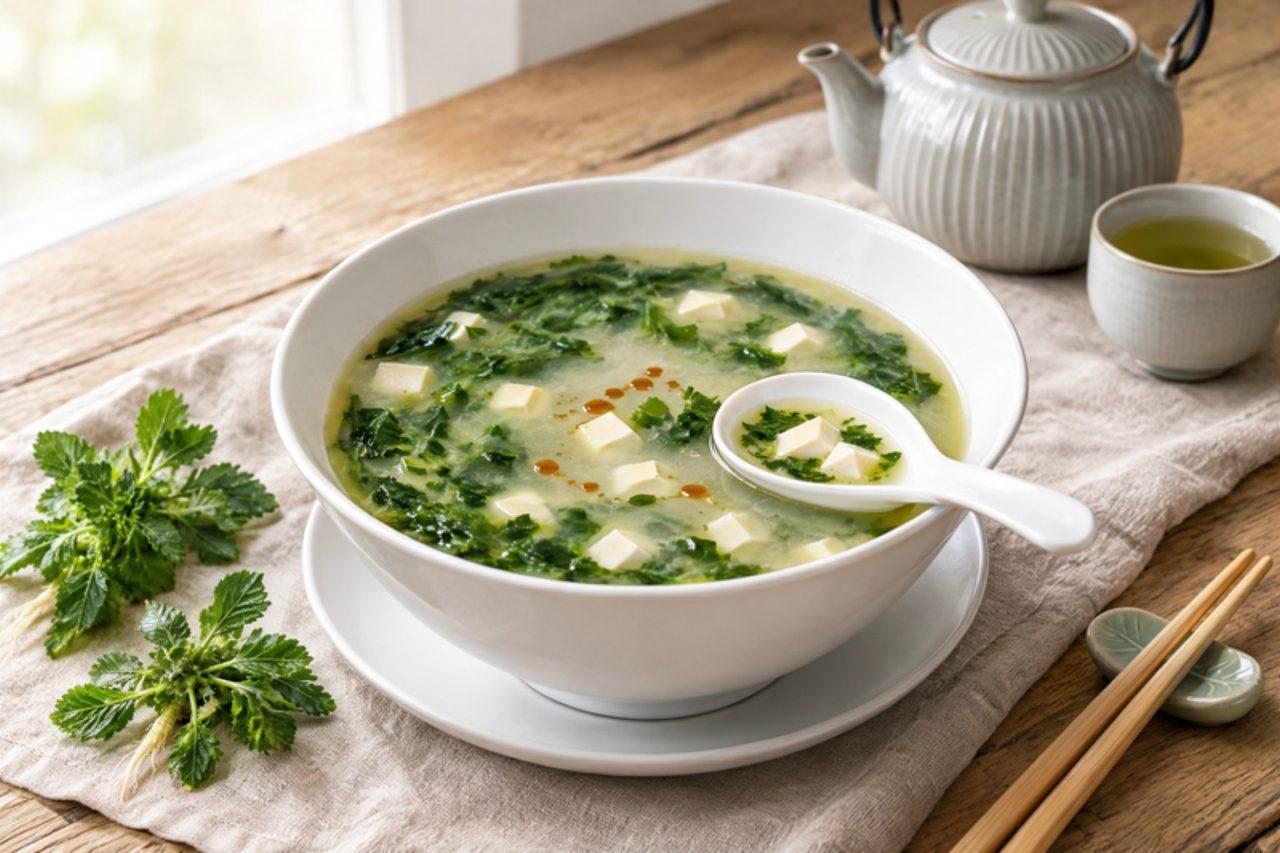
In Shanghai and Jiangsu, shepherd's purse (jicai) is picked from field edges in early spring, and this gentle, lightly thickened soup is one of the first dishes of the season at home and in Shanghainese restaurants. Finely chopped greens and small cubes of soft tofu are simmered in vegetable stock with a few shiitake, then thickened just enough to coat a spoon, giving a soothing, savoury soup with a fresh, grassy taste. Serve it as a starter or with a small bowl of rice. It is suitable as part of a balanced diet. About 110 kcal and 7 g carbohydrate per portion. The usual mistake is adding too much starch, which makes it gluey; it should flow off the spoon. Spinach works if you can't find jicai. Chef's tip: blanch and squeeze the greens before chopping, which keeps the soup bright green instead of murky.

by KrazyBadal 0 views

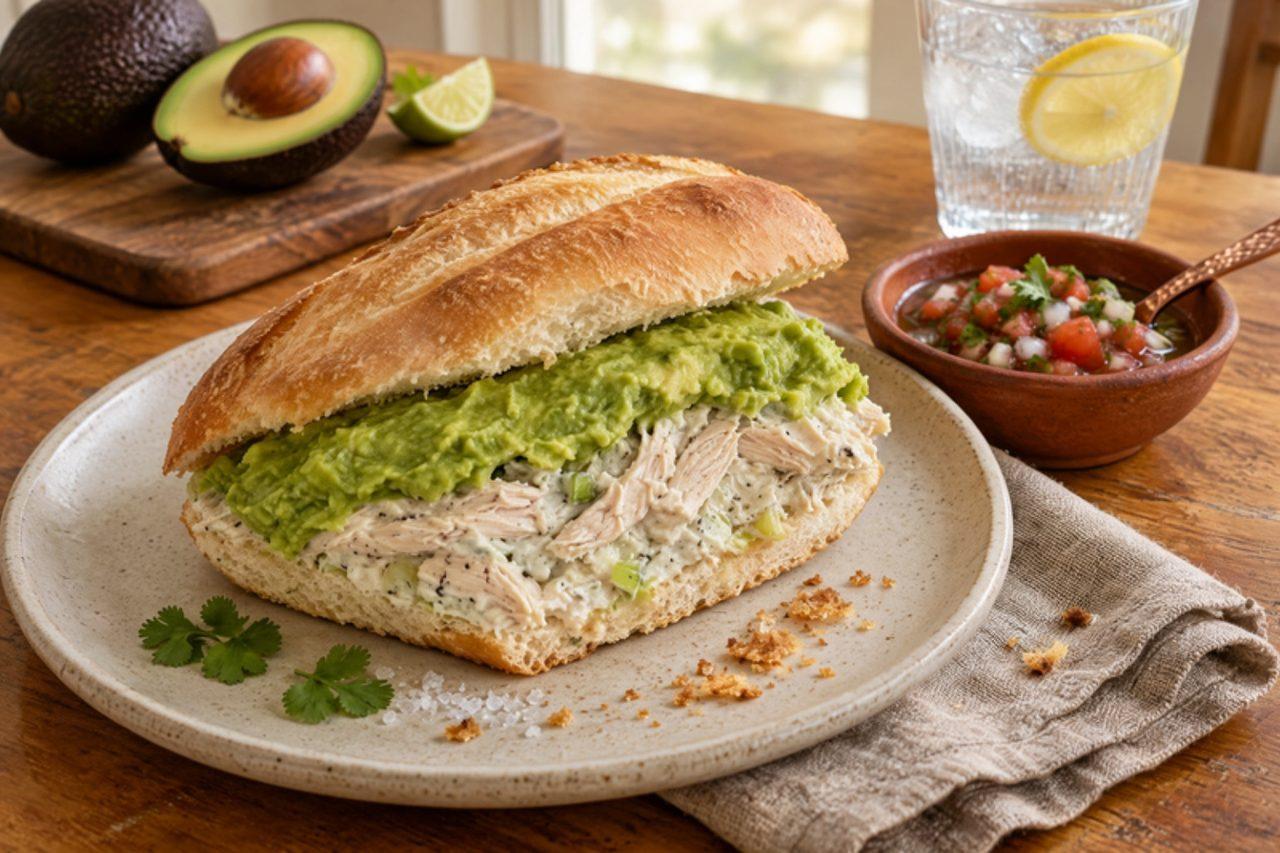
Ave paltaChicken and avocado roll

In Santiago's fuentes de soda and school kiosks, the ave palta is the lunch everyone orders: a soft hallulla or crusty marraqueta roll filled with shredded chicken in mayonnaise (ave mayo) and a thick layer of mashed avocado, palta. Chileans pack it for the office and for long bus journeys. The common mistake is mixing warm chicken with mayonnaise, which turns oily and is a food-safety risk; cool the chicken first. Pack it with an ice pack. Chef's tip: mash the avocado with lemon and salt just before assembling, so it stays green until lunch.

by KrazyBadal 0 views

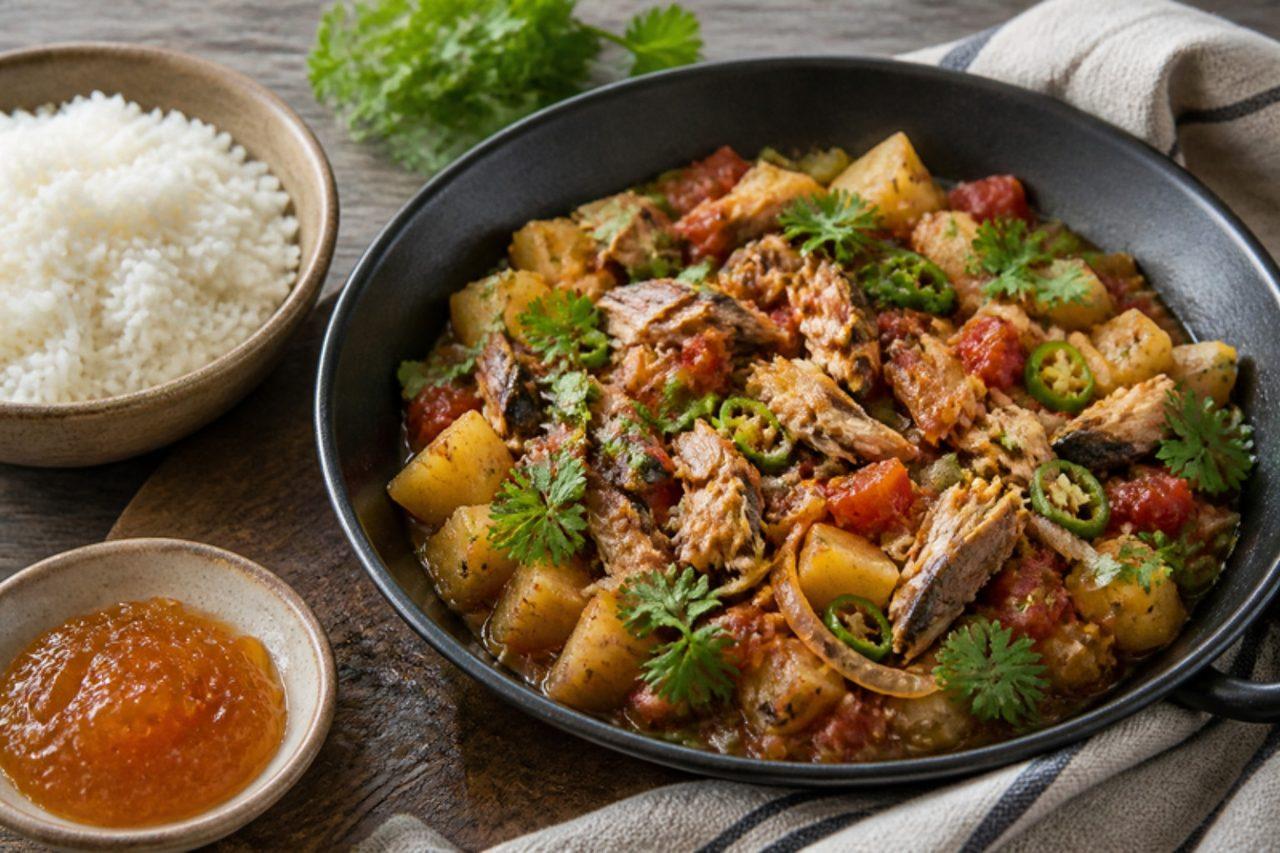
SmoorsnoekBraised smoked snoek with potato

Smoked snoek hangs in the fish shops of Kalk Bay and Muizenberg, and cooks across the Cape Flats turn it into smoorsnoek on a busy weeknight: the fish flaked and ‘smothered’ with onion, potato, tomato and green chilli until it all melts together. It is smoky, salty, a little sweet from the soft onions and gently hot, with enough soft potato to make it a meal. Pile it on white rice with a spoon of fruit chutney or apricot jam on the side, which is how many Cape families like it. Snoek is full of long, fine bones, and missing them is the mistake that spoils the dish, so flake it slowly with your fingers. Outside South Africa, smoked mackerel is the nearest swap. Chef's tip: taste before you add any salt at all; smoked fish brings plenty of its own.

by KrazyBadal 0 views

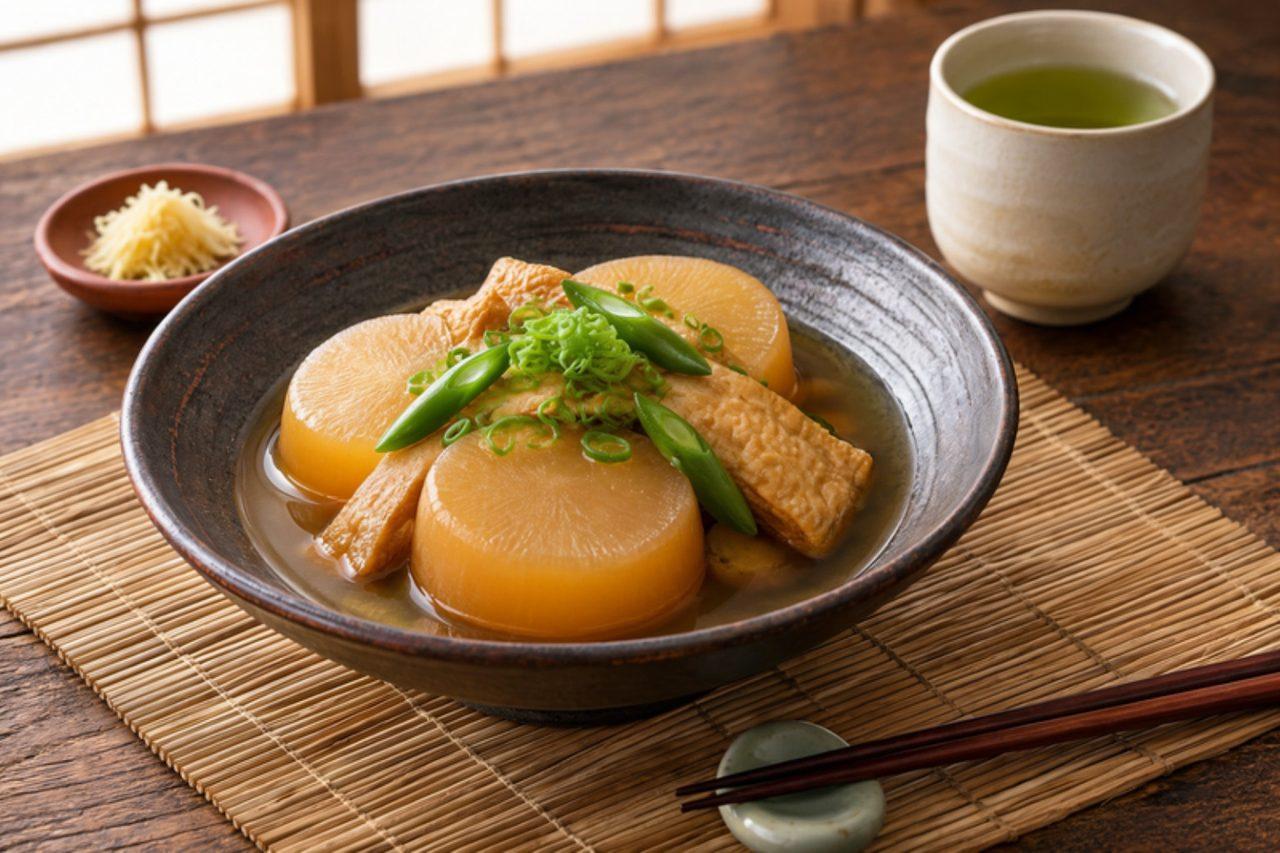
Daikon to aburaage no nimonoSimmered daikon and fried tofu

When winter daikon is fat, sweet and cheap in every Japanese market, home cooks from Hokkaido to Kyushu simmer it with strips of aburaage, the thin fried tofu pouches, as an everyday side for rice and grilled food. The radish turns soft and see-through and drinks up a light soy broth, while the tofu soaks up the rest like a sponge. This version uses a kelp and shiitake dashi instead of bonito, so the whole pot is vegan, and it tastes even better reheated the next day. The usual mistake is boiling it hard: the daikon edges crumble and the broth goes cloudy, so keep it at a lazy simmer under a drop lid. Chef's tip: pour boiling water over the aburaage before cutting it, which rinses off the stale frying oil and lets the broth soak in.

by KrazyBadal 0 views

ChhwelaGrilled chicken with mustard oil

Chhwela (also called choila) is a Newar dish from the Kathmandu Valley, served at festivals, feasts and family gatherings, and today in every bar and snack house as a spicy side. Meat is grilled until smoky, cut small and tossed with a dressing of spices and fenugreek seeds fried in smoking mustard oil, plus raw garlic, ginger, chilli, timur pepper and lime. Buffalo is traditional; this version uses chicken, and lean beef works too. It is high in protein and suitable as part of a balanced diet; eat it with a salad of cucumber and radish rather than a big pile of beaten rice. About 290 kcal and 5 g carbohydrate per portion. The usual mistake is pouring the mustard oil on before it smokes, which leaves a raw, harsh taste. Chef's tip: grill the meat until well charred at the edges, because the smokiness is the point.

by KrazyBadal 0 views

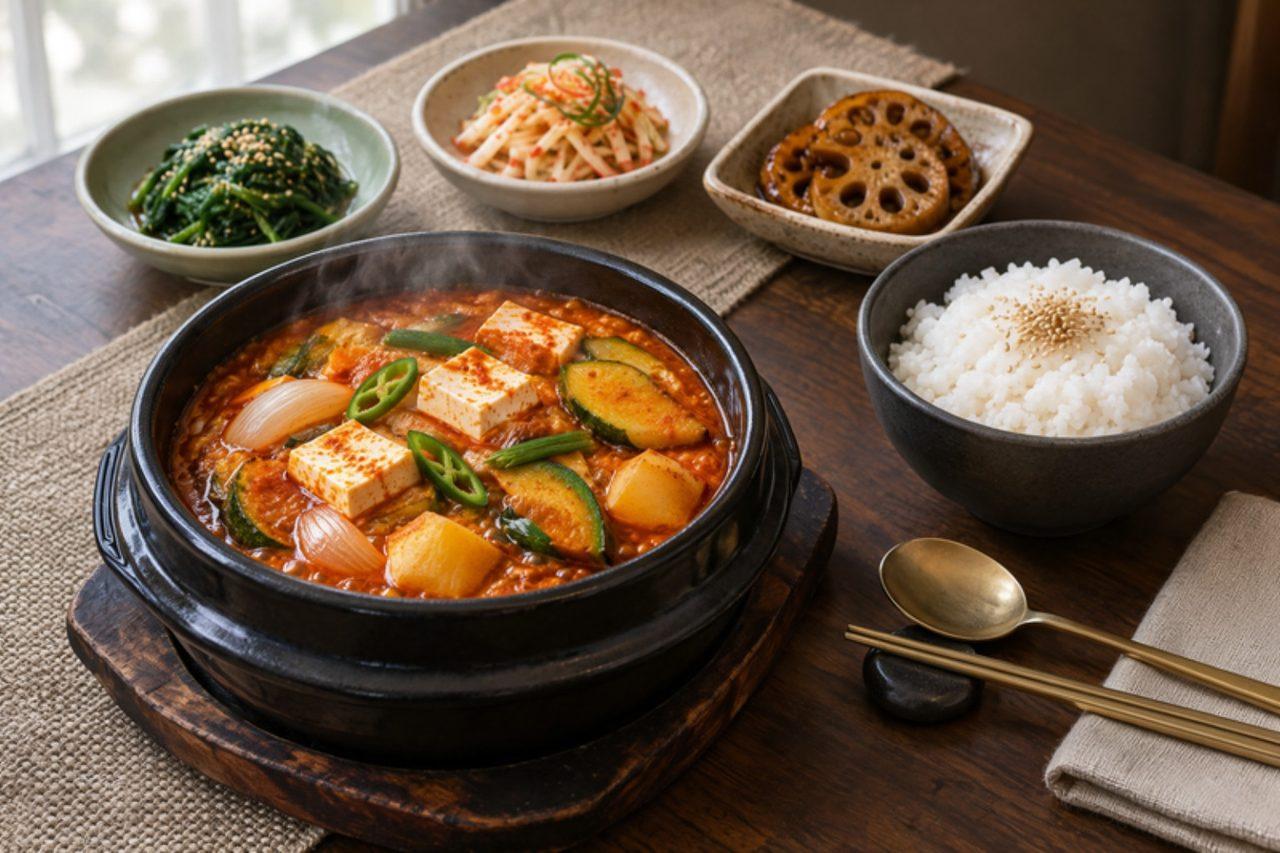
Hobak jjigaeCourgette and tofu stew

Hobak jjigae is the late-summer stew of Korean home kitchens, made when the garden throws up more courgettes (aehobak) than anyone can eat, and it lands on the table in its own pot next to rice and kimchi on any ordinary weeknight. Potato and soft tofu soften in a red, gently spicy broth of gochujang and kelp, and the courgette turns silky without falling apart. Most cooks start with anchovy stock; this one uses dried kelp and shiitake so it stays vegan. The usual mistake is adding the courgette with the potato, which leaves it mushy and grey by the time the potato is cooked. Chef's tip: a final splash of soup soy sauce (guk-ganjang) seasons the broth more deeply than salt without darkening it.

by KrazyBadal 0 views

Ivan-chai (fireweed tea)

Long before Chinese tea reached ordinary villages, peasants around Koporye near St Petersburg, and on through Karelia and the Arkhangelsk forests, were rolling and fermenting the leaves of fireweed, the tall pink-flowered plant that floods clearings every July. Ivan-chai is having a revival now, sold in paper bags at markets and drunk at the dacha in the evening from the samovar, because it has no caffeine and will not keep anyone awake. It brews to a clear amber with a soft, slightly fruity, honey-and-dried-apple taste and almost no bitterness. Granular kinds taste deeper, leaf kinds more floral. The common mistake is brewing it for two or three minutes like black tea; it needs a full 10 minutes in a warmed pot to open up, and it never turns bitter if you leave it longer. It is ready when the liquid is a deep golden-amber and smells of honey and dried fruit. It is traditionally drunk as a calming evening tea; if you are pregnant or on regular medication, check with a doctor before drinking it daily. Chef's tip: the same leaves give a second, lighter pot; just top up with fresh hot water and wait another 10 minutes.

by KrazyBadal 0 views

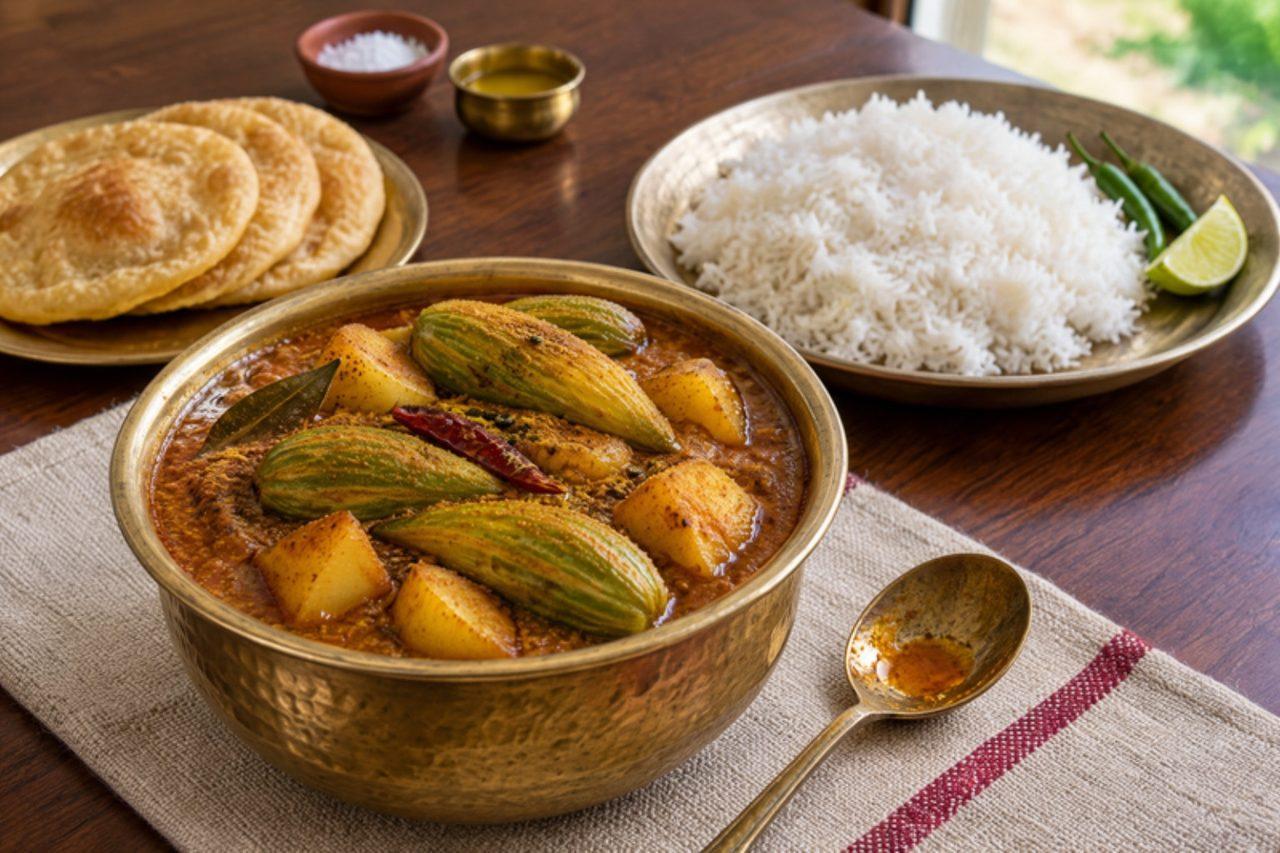
Aloo potoler dalnaPotato and pointed gourd curry

Pointed gourd (potol) floods the markets of Kolkata in summer, and aloo potoler dalna is how most Bengali homes cook it for a weekday lunch or a light Sunday meal. Half-peeled gourds and halved potatoes are fried until golden, then simmered in a loose gravy of ginger, cumin and tomato and finished with ghee and garam masala, so it tastes warm and gently sweet rather than hot. Serve it with rice or luchi. The usual mistake is peeling the gourds completely, which makes them fall apart; scrape off only the waxy skin in stripes. Chef's tip: prick each gourd once with a fork before frying so the gravy can soak into the seeds.

by KrazyBadal 0 views

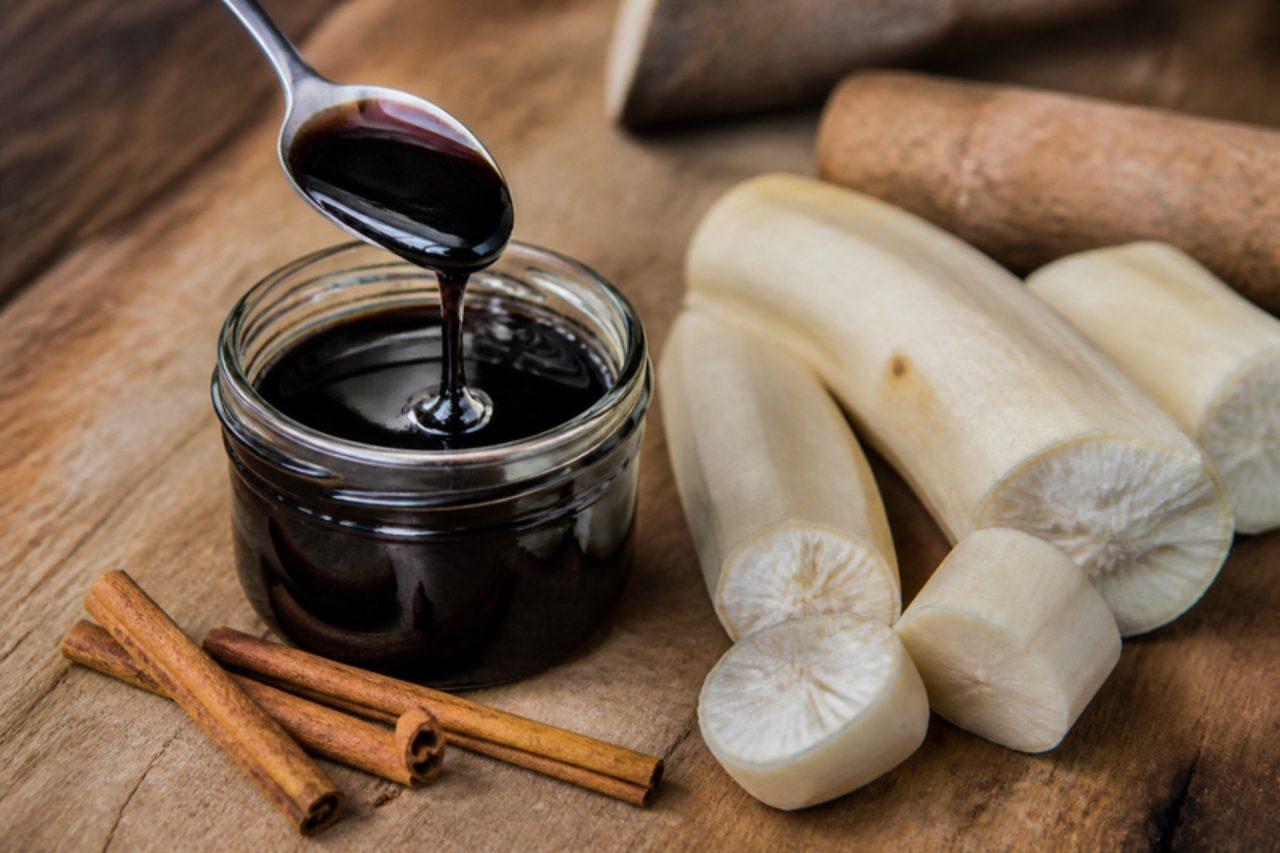
CassareepCassava syrup

Cassareep is what makes Guyana's Christmas pepperpot dark, sweet-savoury and long-keeping, and in Amerindian villages of the Rupununi and along the rivers it is still boiled down from the juice of grated cassava. Traditional cassareep uses bitter cassava, whose raw juice is poisonous until it has been boiled for hours; this home version uses only sweet cassava (the kind sold in shops as yuca), and still boils the juice for a long time, because even sweet cassava must never be eaten raw. A little dark sugar helps it reach the deep colour that slow reduction gives in the villages. The usual mistake is stopping too soon, when it is brown and thin; it should be black and syrupy, like molasses. Chef's tip: take the pan off the heat when it coats a spoon thickly, as it thickens much more as it cools.

by KrazyBadal 0 views

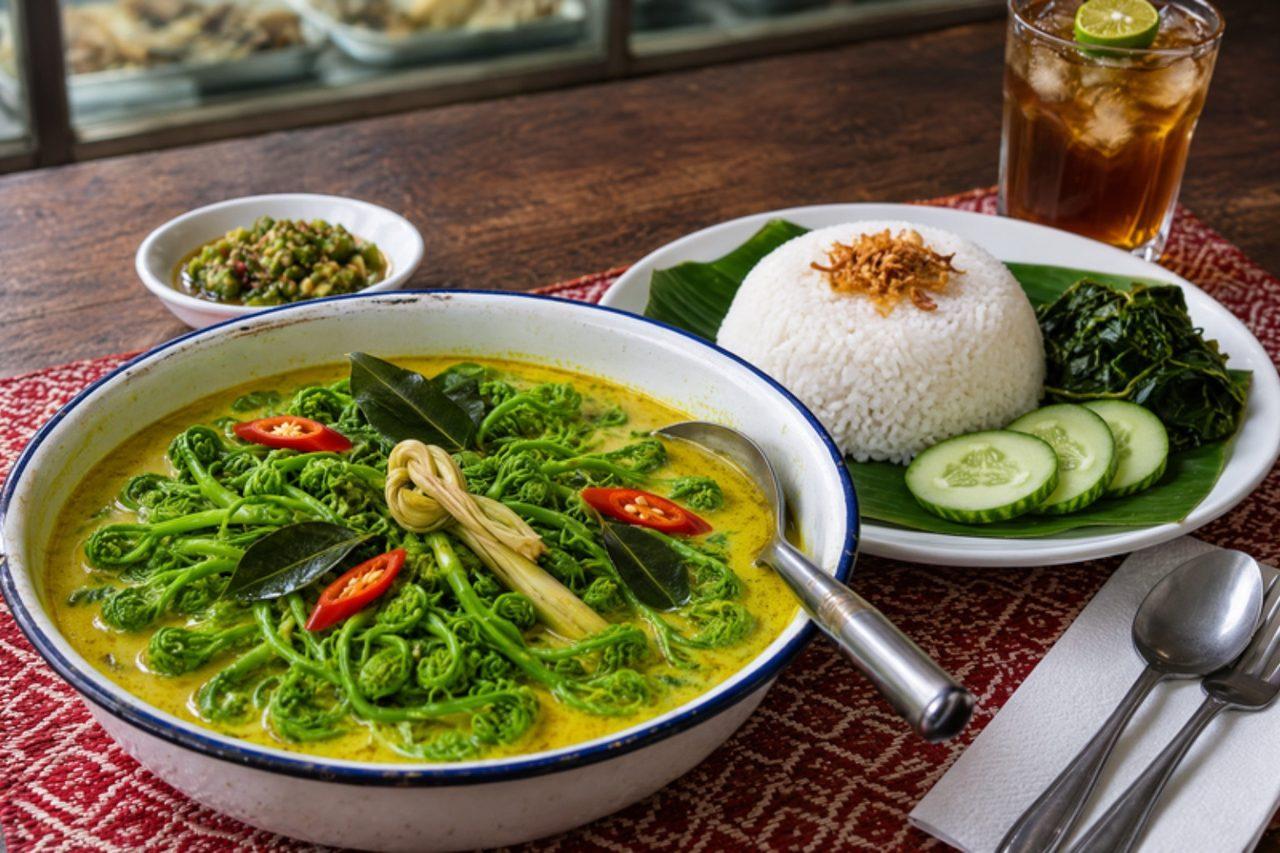
Gulai pakisFern tip coconut curry

Gulai pakis is one of the green dishes on the counter of every Minangkabau rice shop (rumah makan Padang), from Bukittinggi to Jakarta, and it is cooked at home in West Sumatra whenever fern shoots are gathered from the riverbanks. Tender fern tips simmer in a yellow coconut milk sauce of turmeric, galangal, chilli and lime leaves until rich and gently spicy; many cooks add tiny dried shrimp, which this vegan version leaves out. Serve it with rice, sambal and fried tempeh. The usual mistake is boiling the coconut milk hard or covering the pan, which makes it split into curds; stir it often and keep it at a simmer. Chef's tip: always cook fern shoots thoroughly as below, as some ferns are not safe raw or lightly cooked; buy vegetable fern (paku) or fiddleheads sold for eating.

by KrazyBadal 0 views

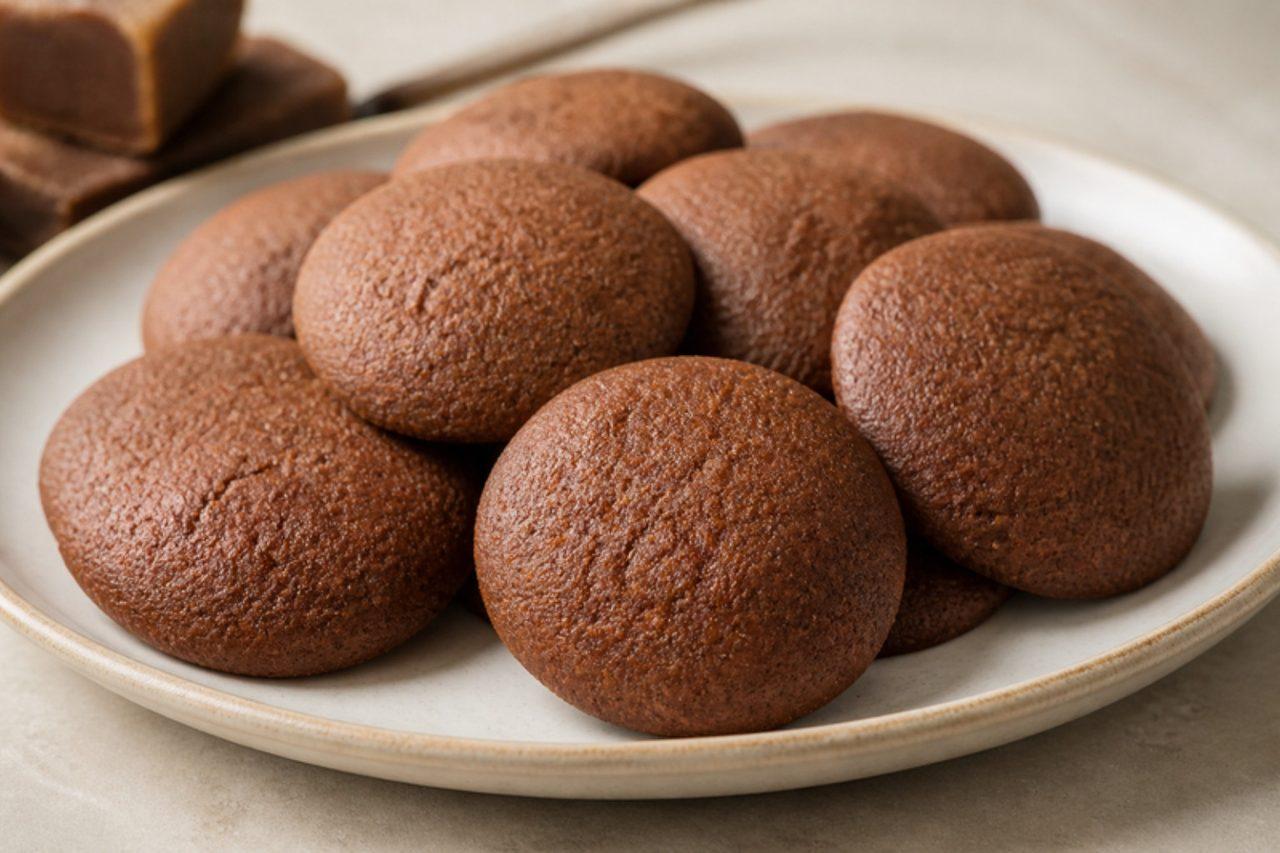
CatalinasChewy panela anise cookies

Catalinas are the big dark cookies stacked in clear bags by the till of every Venezuelan bodega and panadería, eaten as a mid-afternoon snack with a glass of cold milk or a small black coffee. The dough is sweetened with melted panela and perfumed with anise, cinnamon and clove, and they stay soft and chewy for days. The mistake people make is baking until hard; they firm up as they cool. Chef's tip: take them out when they have puffed and the edges just feel set.

by KrazyBadal 0 views

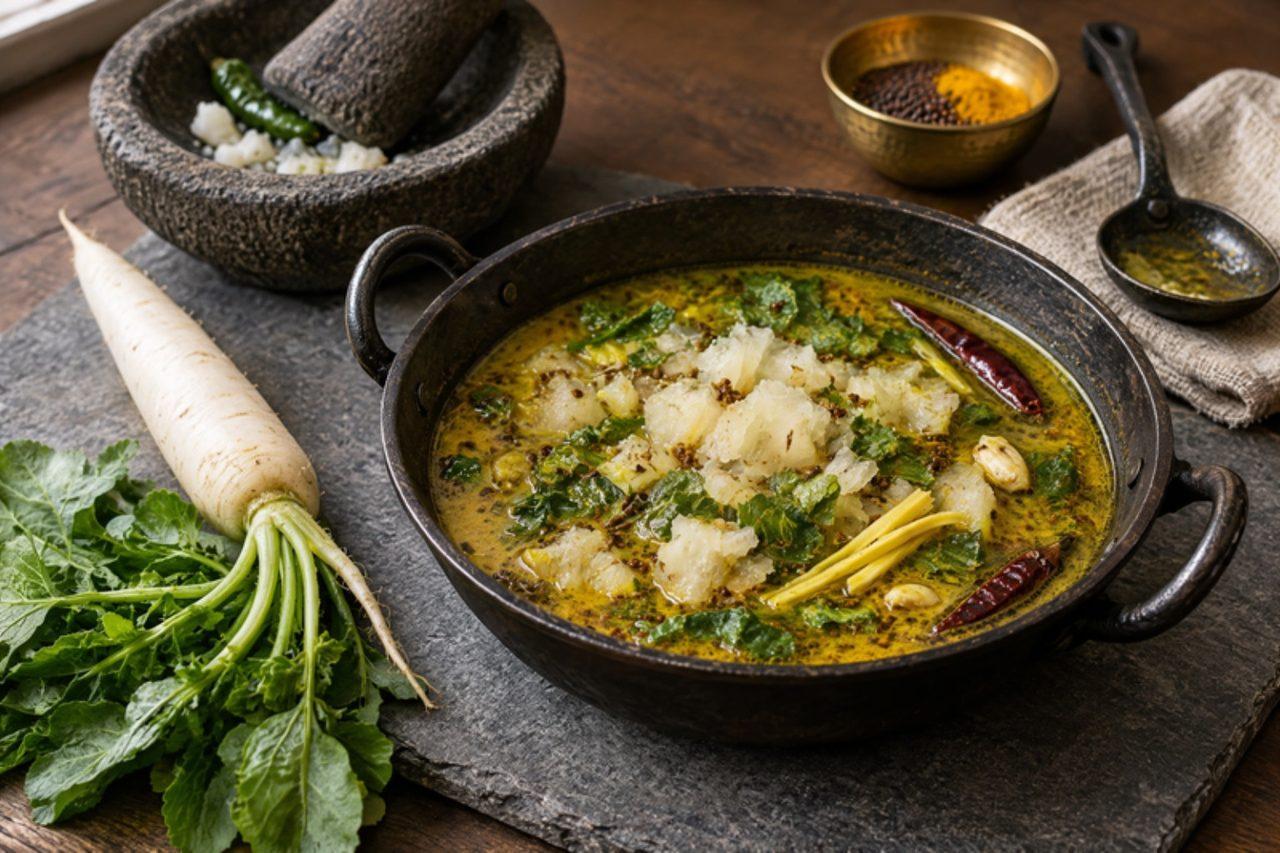
ThechwaniCrushed radish curry

Thechwani is a winter dish from the hill villages of Garhwal, Uttarakhand, cooked when the radishes are fat and sweet. Instead of chopping, the radish (or potato) is bashed with a stone or pestle so it cracks into rough pieces with lots of surface, then simmered in an iron kadhai with mustard oil, jakhya seeds and a little tomato. The broken pieces soak up the spices, and the iron pot darkens the gravy. It is eaten with rice or mandua (finger-millet) roti. Jakhya, a crunchy wild seed, is sold in hill stores; cumin is the swap. The usual mistake is slicing the radish neatly with a knife, which keeps the spices on the outside. Chef's tip: add the radish greens, finely chopped, in the last 5 minutes for colour and a peppery bite.

by KrazyBadal 0 views

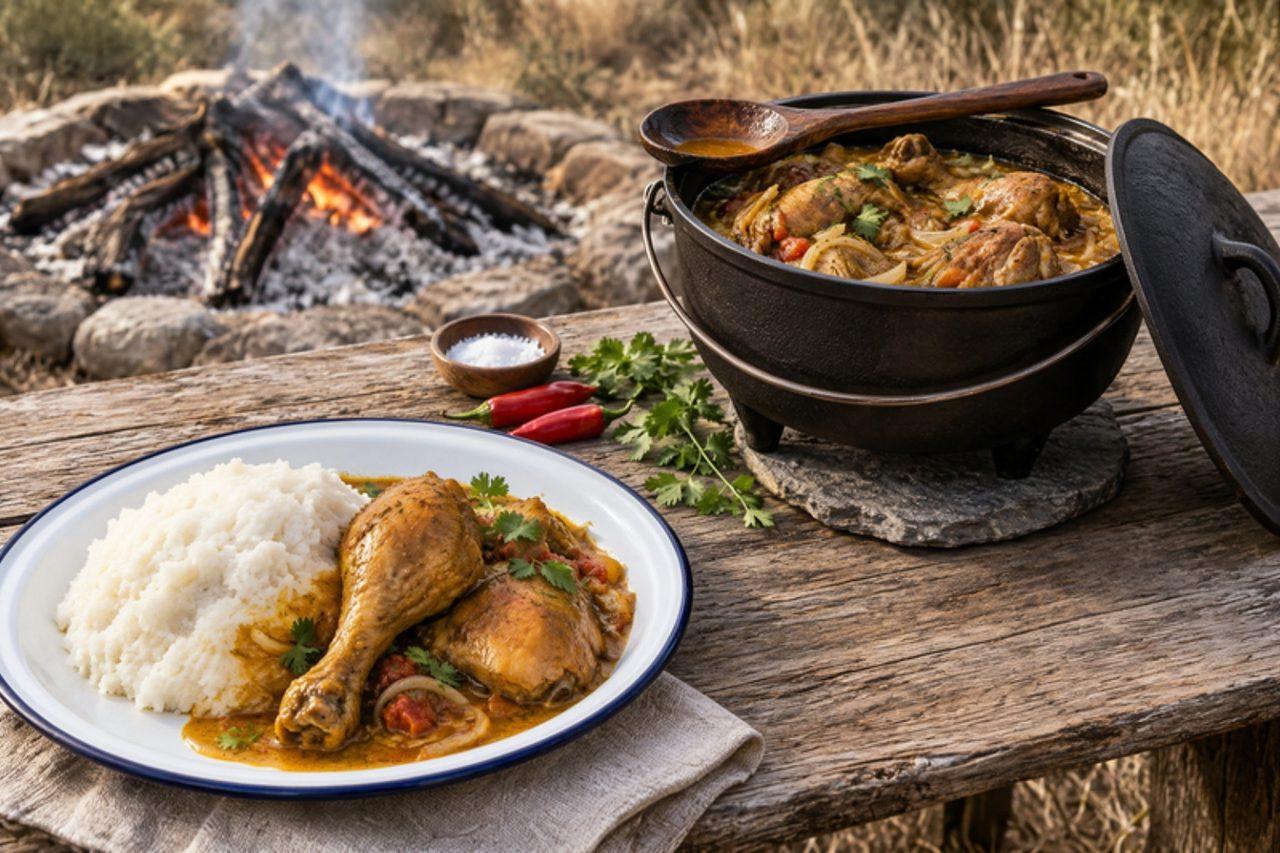
UmleqwaSlow-stewed chicken

Umleqwa is the free-range village chicken of the Eastern Cape and KwaZulu-Natal, cooked for family gatherings, homecomings and Sunday lunch. These birds run free and have firm, flavourful meat that needs long, slow simmering, so the pot bubbles for an hour or two with onion, tomato, garlic, ginger and curry powder until the meat is tender and the gravy rich. It is eaten with pap, dumplings (ujeqe) or rice. The usual mistake is cooking a supermarket chicken for as long; it will fall to shreds, so cook it for about 45 minutes instead. Chef's tip: brown the chicken skin well before adding liquid, because the rendered fat carries the flavour of the gravy.

by KrazyBadal 0 views

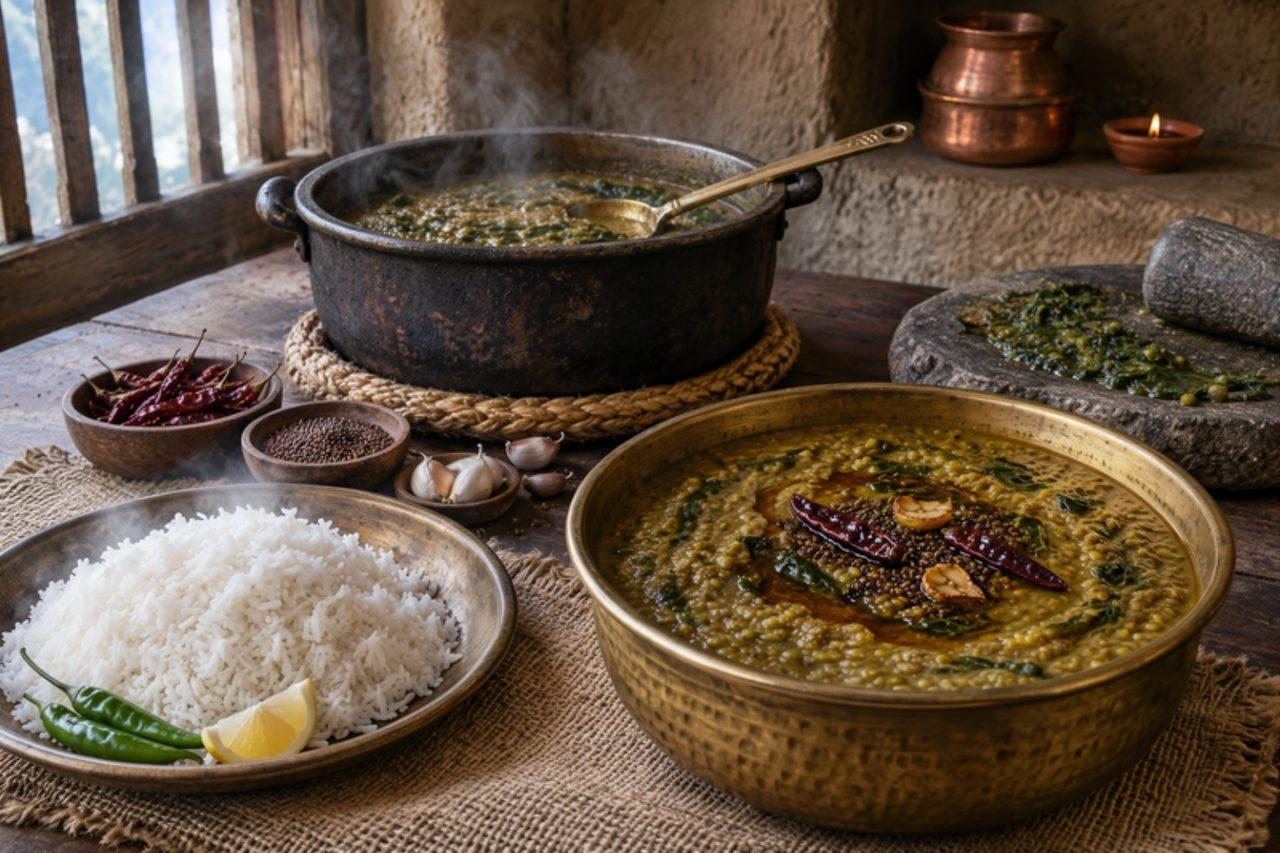
PhaanuGround mixed lentil stew

Phaanu is everyday food in Garhwal's hill villages, from Pauri to Tehri, made on cold days and in large pots for family gatherings. Mixed lentils are soaked overnight, ground to a coarse paste and simmered slowly in an iron pot until the paste turns into a thick, earthy stew, with spinach or other greens and a mustard-oil and jakhya tempering. It is eaten with steamed rice and a little ghee. The usual mistake is adding the paste to the pot and walking away; for the first 10 minutes it must be stirred constantly or it forms lumps and sticks to the bottom. Chef's tip: whisk the lentil paste into cold water before it goes on the heat; it thickens smoothly and never catches.

by KrazyBadal 0 views

Cerasee teaBitter melon vine tea

Cerasee grows wild on fences and roadsides all over Jamaica, a thin vine with lacy leaves, yellow flowers and small warty orange fruit. It is the best known of the island's bush teas: generations of Jamaican children were given a cup at the end of the summer holidays, before going back to school, as a wash-out, and adults still drink it now and then as a cleansing and cooling tonic, or for the skin. The tea is pale green-gold and seriously bitter, with a grassy, slightly vegetal taste; some add sugar or lime. The common mistake is boiling the vine hard for a long time, which makes the tea far harsher than it needs to be. Pour boiling water over it and let it steep instead, and leave out any ripe fruit and seeds. It is ready when the water is light green-gold and smells green and herbal. Do not drink it if you are pregnant, breastfeeding or trying to conceive, do not give it to young children, and check with a doctor if you have diabetes or take medication, as it may lower blood sugar. Chef's tip: dried cerasee from Caribbean shops works well; use a little less.

by KrazyBadal 0 views

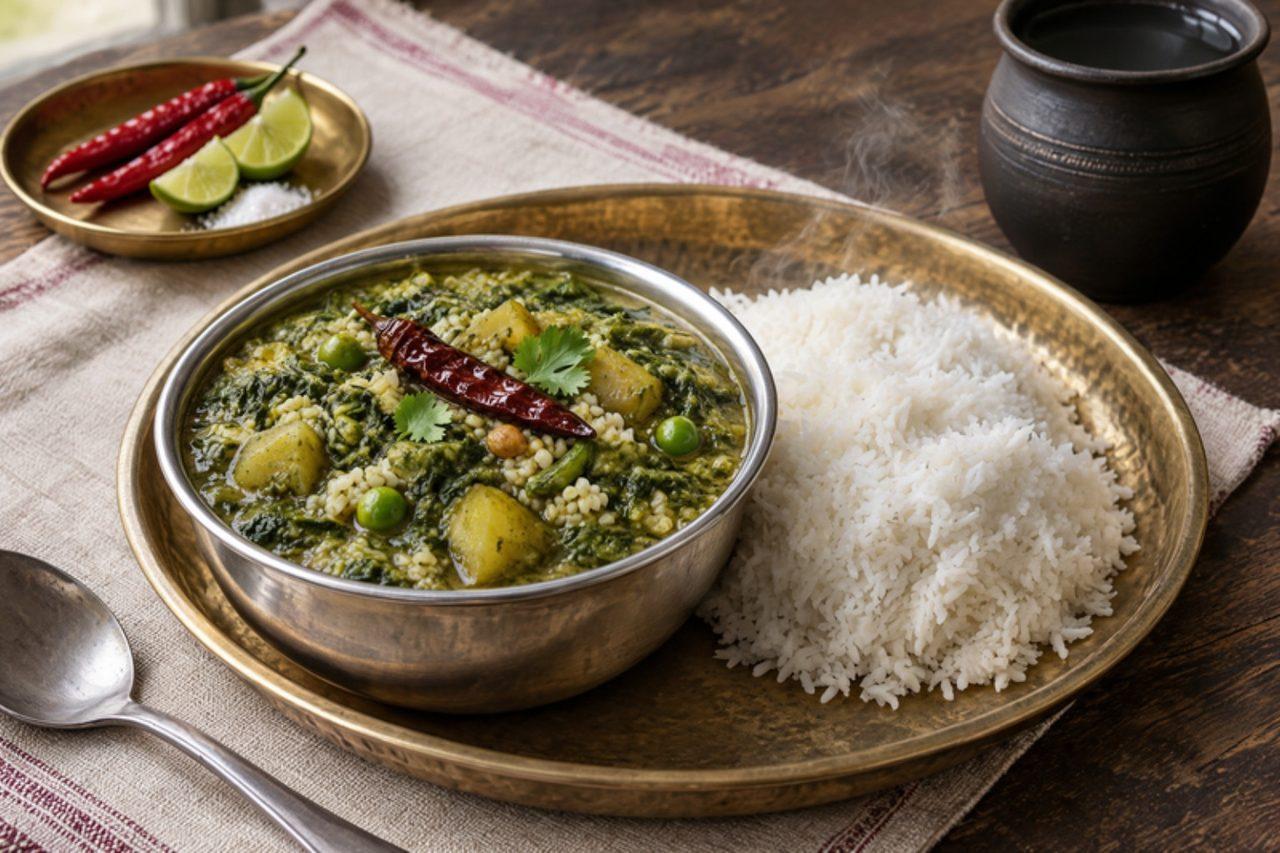
Chagem pombaMustard greens and fermented soybean

Chagem pomba is a thick Meitei stew of mustard leaves and seasonal vegetables, bound with rice flour and flavoured with hawaijar, Manipur's sticky fermented soybean; it is cooked especially for Ningol Chakouba and family gatherings, and eaten with rice. To make hawaijar, keep boiled, drained soybeans wrapped in leaves at 30–40 °C for 3 days until stringy and pungent; discard if black, green or pink mould appears or it smells rotten. The mistake is adding dry rice flour straight to the pot, which forms lumps: whisk it into water first. Chef's tip: bought natto or kinema replaces hawaijar well.

by KrazyBadal 0 views

'O pere e 'o mussoCold boiled pork trotters

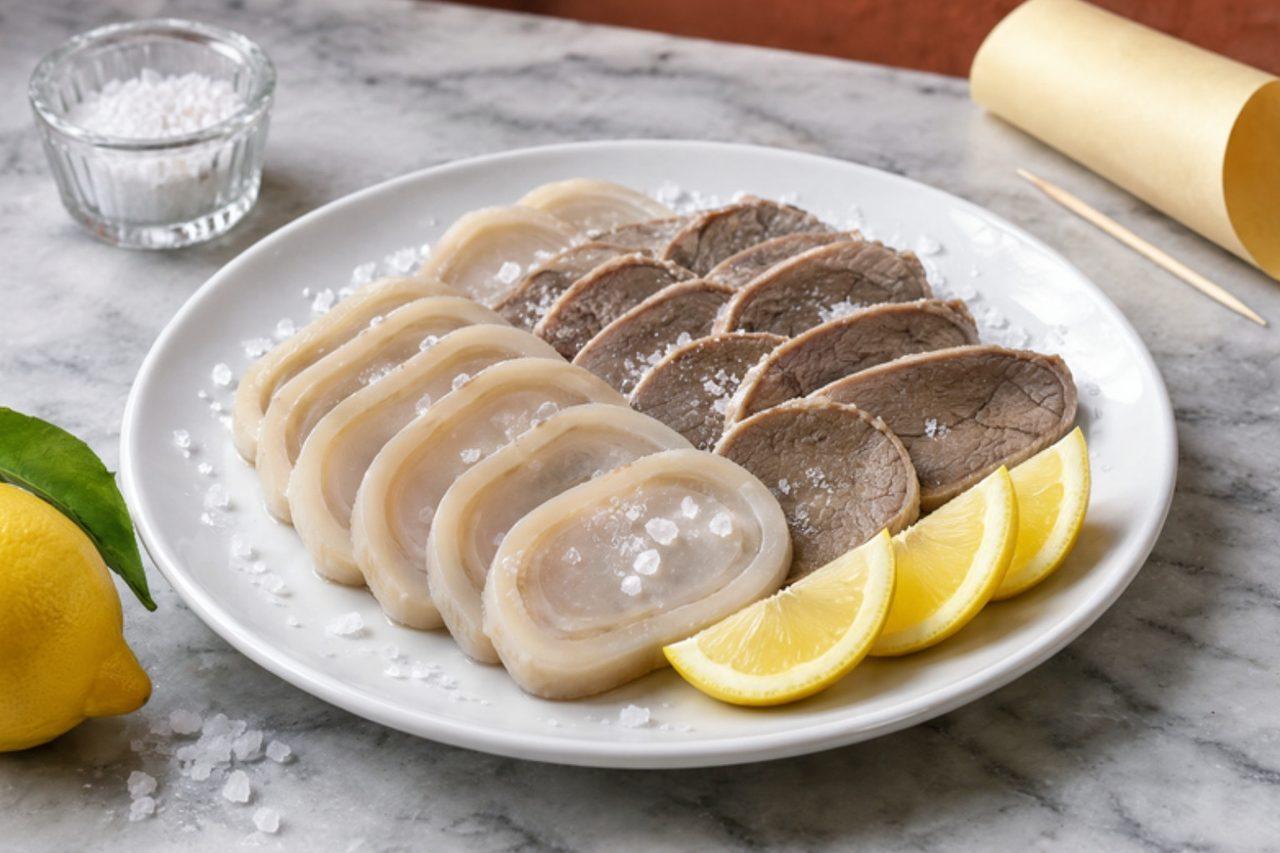
"The foot and the snout" is one of Naples' oldest street foods: pork trotters and veal muzzle, boiled for hours, cooled and sliced, then sold from marble-topped carts in Porta Nolana, the Pignasecca and around Piazza Garibaldi. The vendor dresses each paper plate with coarse salt from a hollowed ox horn and a squeeze of lemon. It is eaten cold, at any hour, often as a snack with a beer or a glass of wine, though lemonade works just as well. The texture is soft and gelatinous with a little chew from the skin. Buy the snout already cleaned and scalded from a butcher. Chef's tip: slice everything while it is fridge-cold and firm; at room temperature the gelatin turns slippery and the slices tear.

210 minItalianMeatGluten free
by KrazyBadal 0 views

KiburuBanana and bean mash

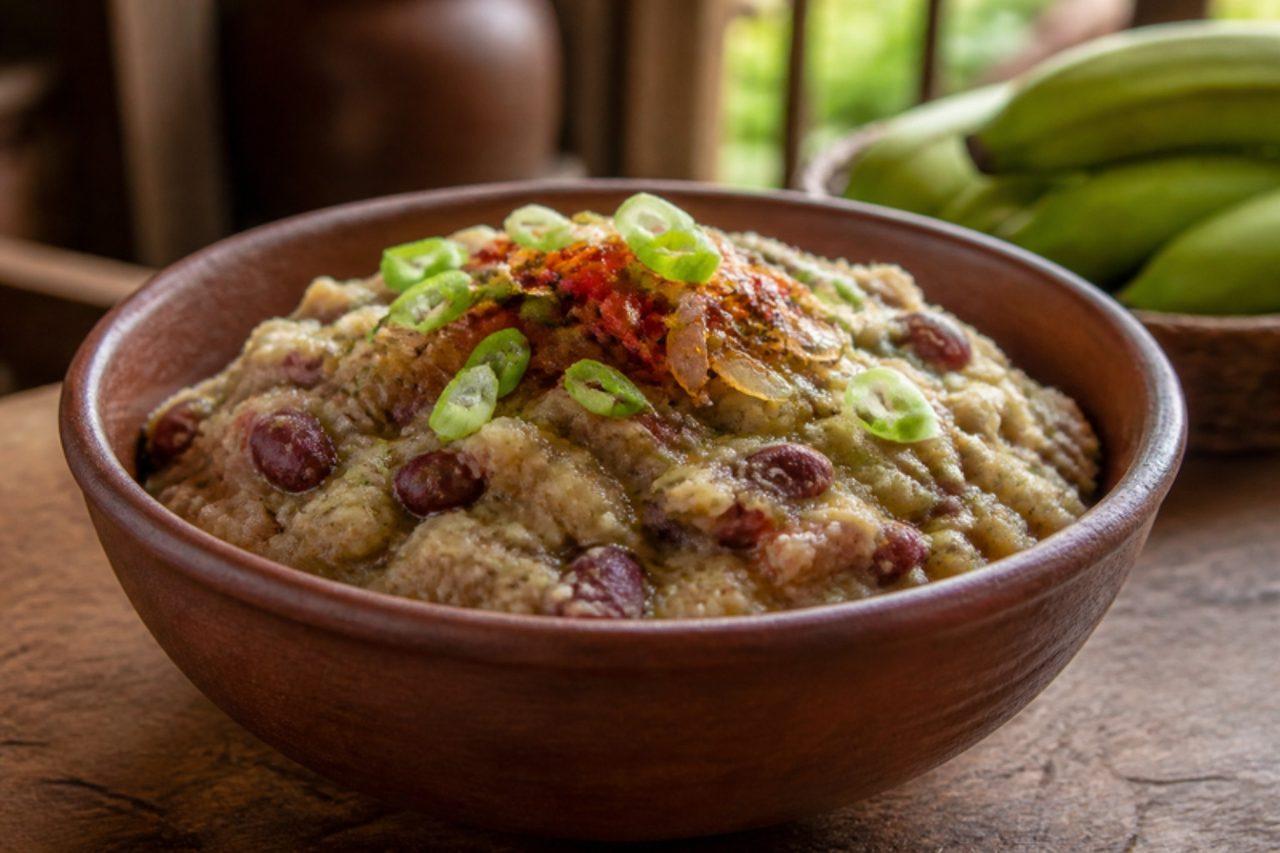
Chagga farms around Moshi and Marangu grow bananas and beans side by side under the coffee bushes, and kiburu brings them together in one pot: green cooking bananas simmered with red beans and onion, then mashed into a thick, rustic, pinkish mound. It is filling everyday food, mild, starchy and savoury, with whole beans still showing through, and it is eaten with a spoonful of tomato-onion relish, a bowl of greens or a mug of sweet milky chai on the side. Red kidney beans must be boiled hard for at least 10 minutes before simmering, because undercooked kidney beans can make you ill. Chef's tip: rub a little oil on your hands before peeling green bananas; the sticky sap stains skin and knives.

by KrazyBadal 0 views

Torta de mil hojasThousand-layer cake

Torta de mil hojas is the cake that turns up at Chilean birthdays, christenings and New Year: ten or more crisp, paper-thin pastry rounds stacked with manjar and chopped walnuts, which soften overnight into a cake that cuts cleanly yet still crunches. It is a labour of love, so families make it a day ahead and keep it cold. The common mistake is assembling and cutting it straight away: it shatters. Let it rest overnight in the fridge. Chef's tip: roll each sheet on its own piece of baking paper and bake it on that paper, so the thin rounds never have to be lifted raw. Walnuts are a tree nut: leave them out for anyone with an allergy.

by KrazyBadal 0 views

Showing 81 of 7,762 recipes

Show more recipes

Page 158 of 863