


Skip to content
Soup joumou
Featured recipe

Soup joumou

Pumpkin soup

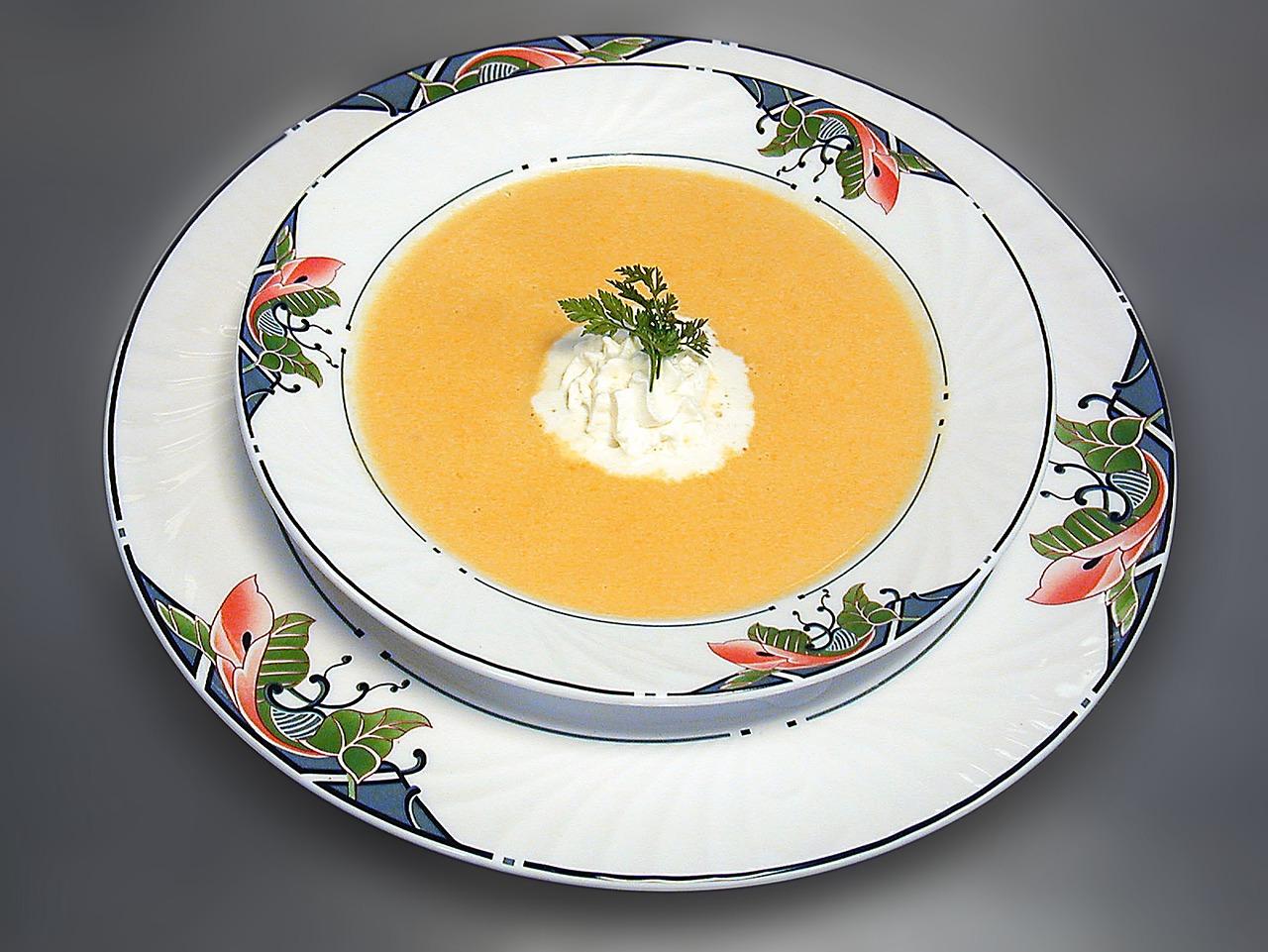
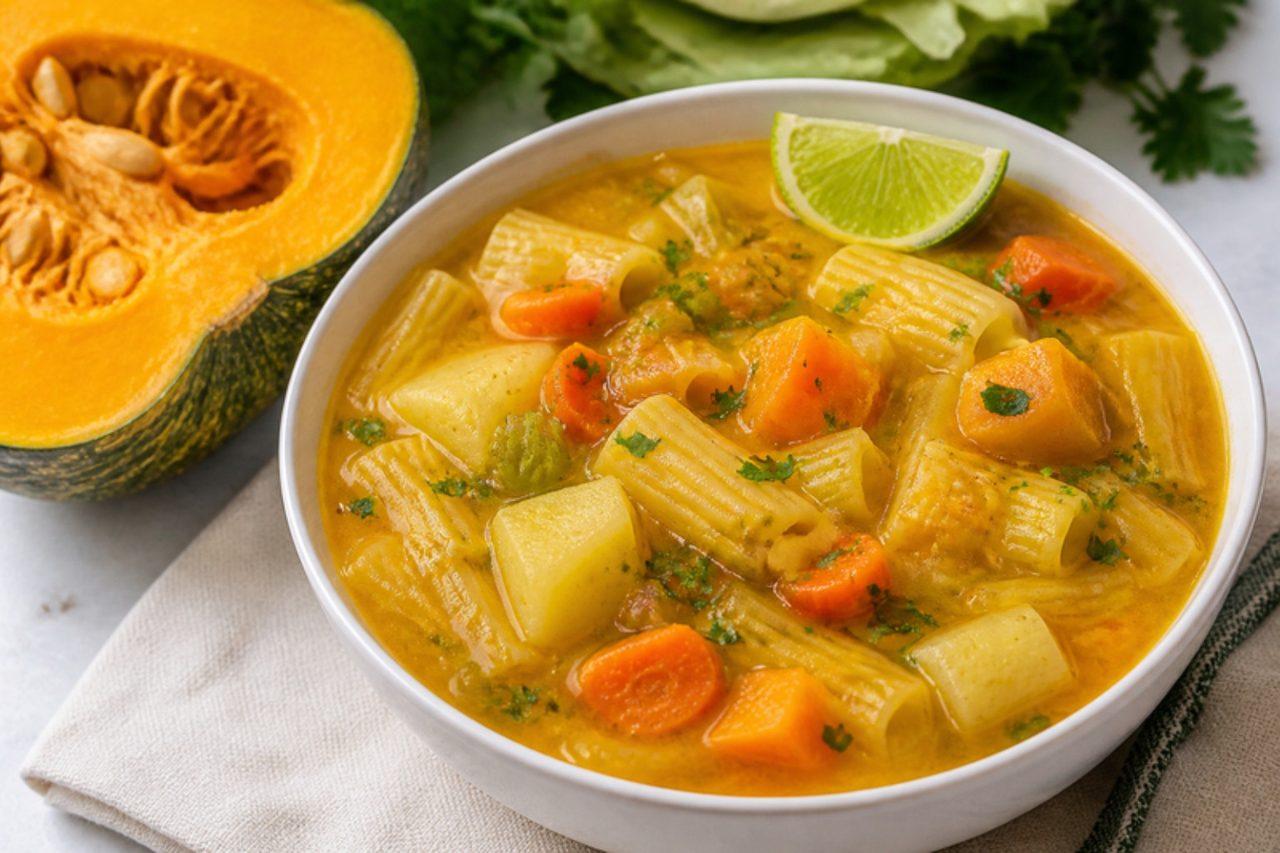
Every 1 January, Haitian families from Port-au-Prince to Brooklyn wake up to soup joumou. It marks independence from France on 1 January 1804: under French rule, enslaved Haitians cooked this pumpkin soup but were forbidden to eat it, so the free people of the new nation made it their own as a dish of freedom. In 2021 it was added to UNESCO's list of the intangible cultural heritage of humanity. The base is a velvety purée of joumou (Caribbean pumpkin) with epis, and in it simmer chunks of carrot, potato, cabbage, celery and turnip, with pasta and a squeeze of lime. It's usually made with beef; this vegetable version is full and golden, rich enough for the day. Chef's tip: roast half the pumpkin before puréeing it; the caramelised edges give the soup the depth that slow-cooked meat usually provides.

Read more 1 views

What to eat today?

Around the world

Today's trip: Persian

A new country every day, from every cuisine on the site.

Persian

Homemade kashk

Fermented yogurt whey 90 minMore from Persian (131) →

This week's collection

Kid-friendly dinners
586 recipes · a new collection every Monday

Coming up

All occasions →

Latest recipes

Maní tostadoRoasted peanuts

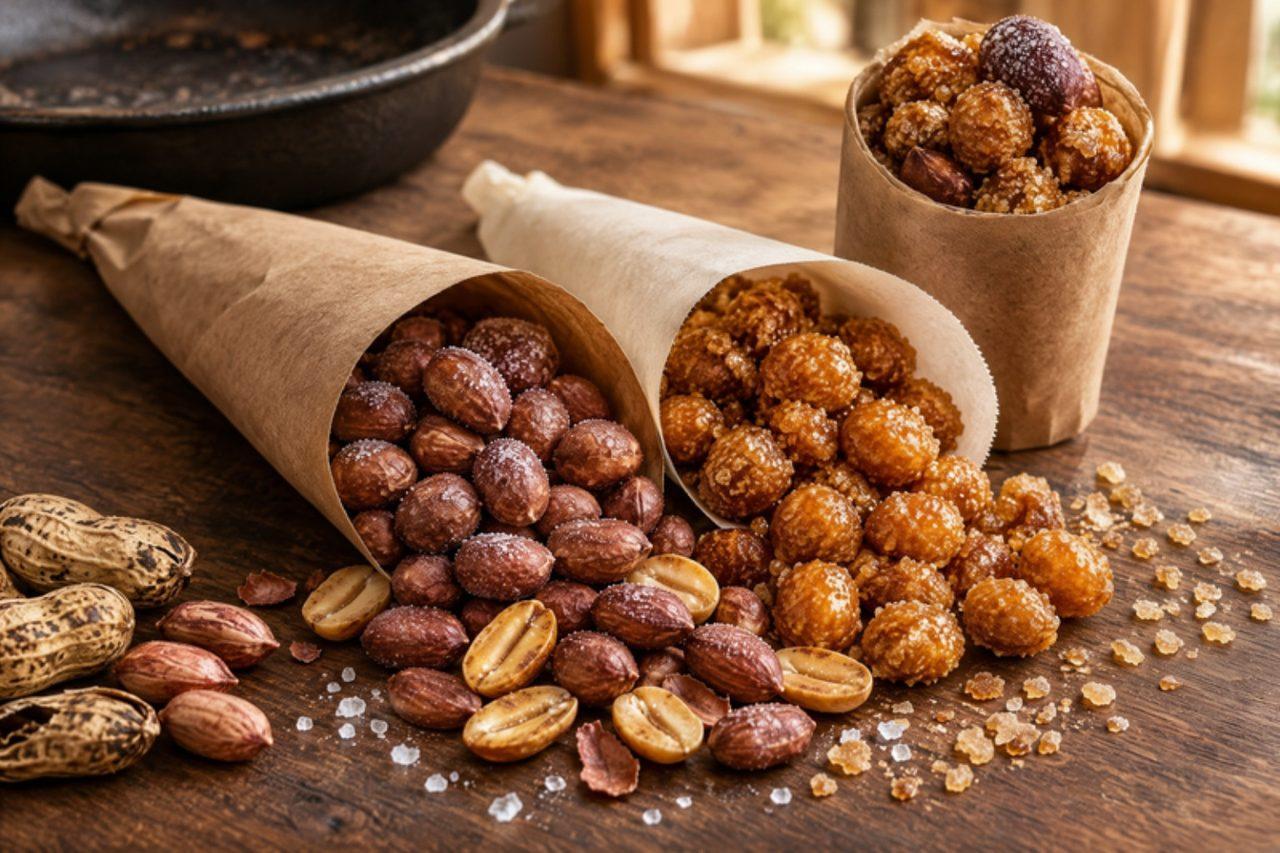
Walk along the Malecón or through Parque Central in Havana at dusk and you will hear the manisero before you see him, calling out "¡Maní!" with a basket of warm peanuts rolled into little paper cones. They are the snack for an evening stroll by the sea wall and for long nights in the stands at the Estadio Latinoamericano. Some vendors sell them simply salted, others glazed in a crunchy coat of sugar, so this recipe gives both. The nuts are toasty and crisp with papery skins that flake off as you eat. They contain peanuts, and whole nuts are a choking risk for children under five. Chef's tip: take the tray out when the nuts look a shade too pale; they keep colouring for a few minutes as they cool.

by KrazyBadal 0 views

A-geiTofu pockets filled with glass noodles

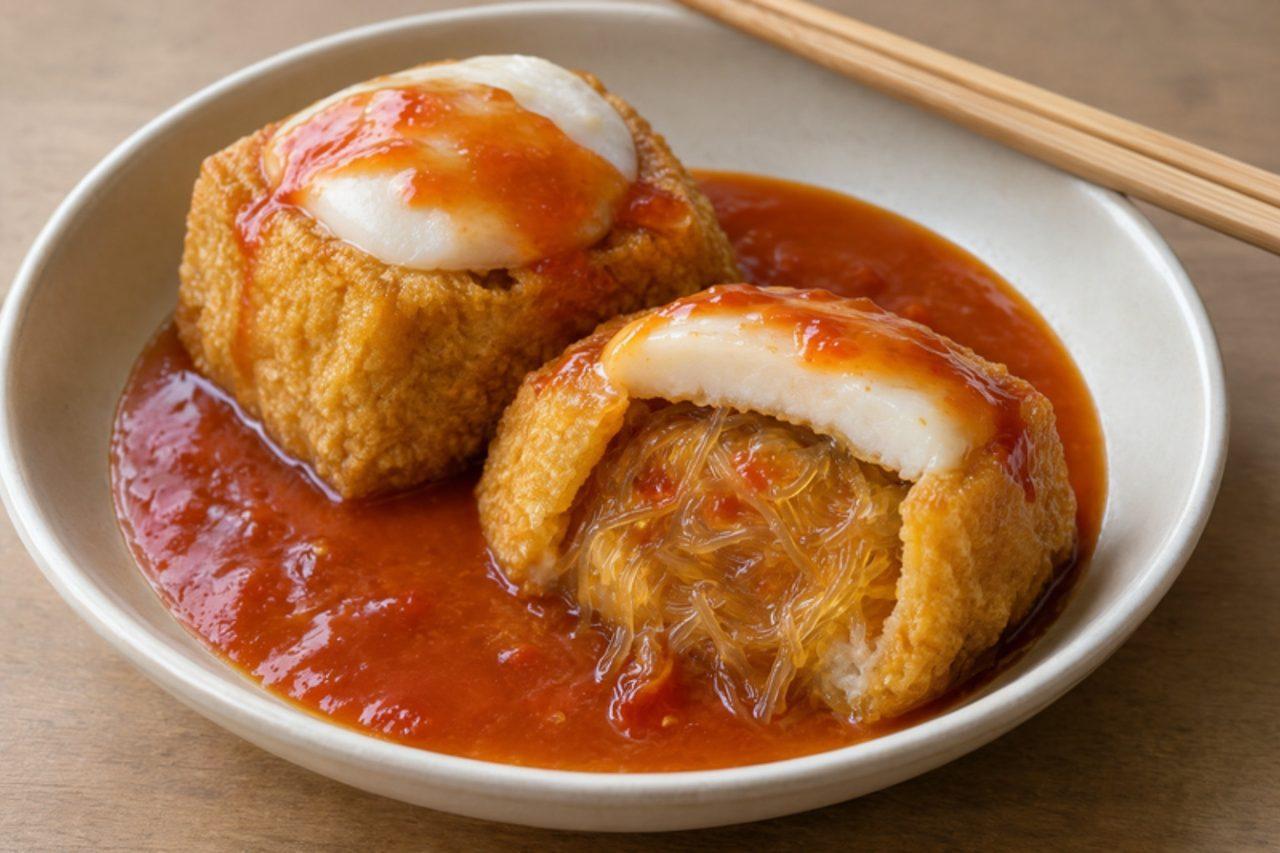
A-gei is the breakfast that people ride the MRT to Tamsui for. On Zhenli Street, below Aletheia University, small shops have been making it since the 1960s: a big square of fried tofu is cut open, stuffed with glass noodles simmered in soy and a light broth, sealed with a cap of fish paste, steamed until set, and served in a pool of sweet chilli sauce, often with a bowl of fish-ball soup. The name comes from the Japanese aburaage, fried tofu. It is soft, savoury and slurpy. Contains soy, fish and wheat. Chef's tip: pack the noodles in firmly; loose filling soaks up the sauce and the pocket collapses.

by KrazyBadal 0 views

Mantuun buuzSteamed bread buns

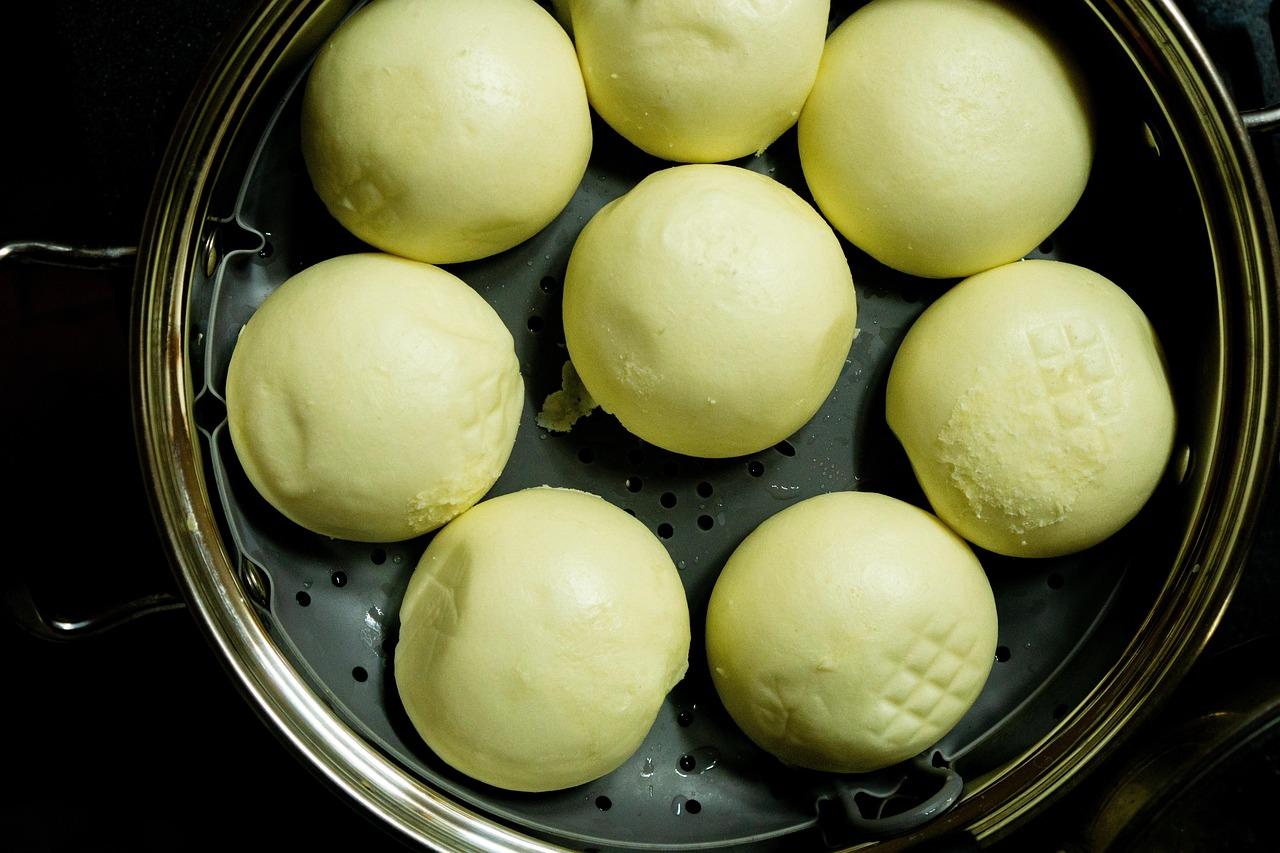
Mantuun buuz are plain steamed buns, cousins of the Chinese mantou, served in Ulaanbaatar homes and canteens alongside meaty stews and stir-fries to soak up the sauce. The yeasted dough is shaped into rounds or rolls and steamed until pillowy and snow-white. They freeze well and reheat in minutes over steam. A common mistake is lifting the lid as soon as the timer goes; leave them 5 minutes off the heat so they don't collapse. Chef's tip: knead until really smooth, which gives a glossy, wrinkle-free surface.

by KrazyBadal 0 views

CuchuflíFilled wafer tubes

Cuchuflí are the thin, crisp wafer tubes filled with manjar that vendors sell from baskets on Chilean beaches and outside football stadiums, and that children beg for at the Fiestas Patrias fondas. At home you can bake the wafers yourself and roll them round a wooden spoon handle. The usual mistake is waiting too long to roll them: the wafers set within seconds and crack. Bake only three at a time. Chef's tip: fill them with a piping bag just before serving, or the manjar softens the wafer; dip the ends in melted chocolate if you like.

by KrazyBadal 0 views

MarraquetaCrusty split bread rolls

Chileans eat more bread than almost anyone, and in Santiago the bread is marraqueta (called pan batido or pan francés in other cities): a crackling, airy roll made of two twin halves, each scored deep so the whole thing breaks into four pieces. It is bought warm from the corner bakery for breakfast and for once, the evening tea, and filled with avocado, cheese or butter. The most common mistake at home is baking without steam: the crust comes out pale and leathery instead of thin and shattering. Chef's tip: press the oiled handle of a wooden spoon right down into each pair of balls, almost to the work surface; a shallow groove disappears as the roll rises.

by KrazyBadal 0 views

Sungnyung (scorched rice tea)

Before electric rice cookers, every Korean pot of rice left a golden crust, nurungji, stuck to the bottom. Rather than waste it, cooks poured in water and simmered it while the family ate, and the warm, cloudy sungnyung was drunk at the end of the meal in place of tea. Older Koreans still describe it as the taste of home, and many Seoul restaurants that cook rice in stone pots finish by pouring water over the crust at the table. It tastes of toasted grain and has a faint natural sweetness, with soft pieces of crust to spoon up at the bottom. Without a stone pot you can make the crust from leftover rice in a frying pan. The common mistake is rushing the crust over high heat: it blackens on the outside and turns the drink bitter while the middle stays soft. Keep the heat low and patient, and aim for even golden-brown. The crust is ready when it lifts away from the pan in one sheet and smells like popcorn; the sungnyung is ready when the water is milky and pale gold. Chef's tip: make extra crust, dry it completely and keep it in a jar, so you can make sungnyung in ten minutes any evening.

by KrazyBadal 0 views

Mas ko dalBlack lentil dal

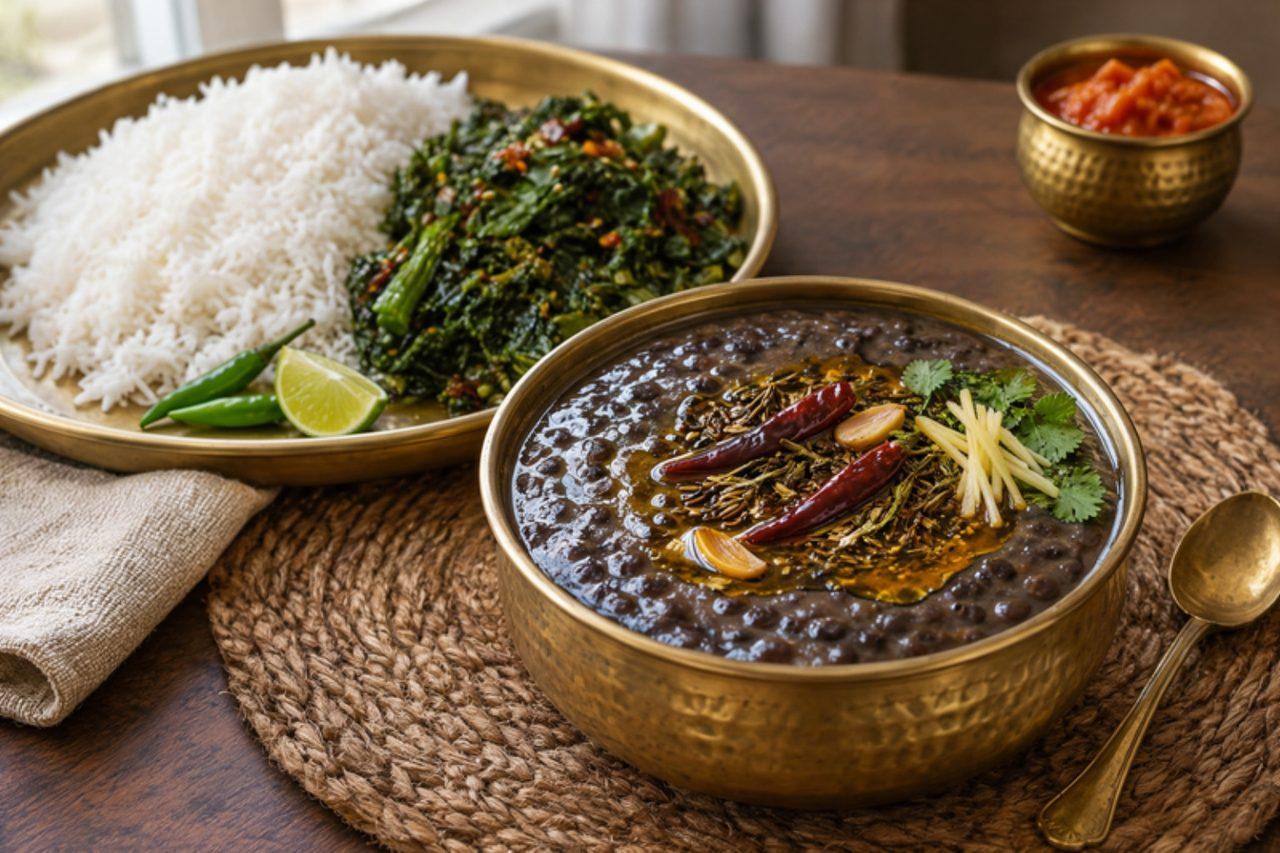
Mas ko dal, made from whole black urad, is the thick, dark dal of the Nepali hills, cooked in heavy pots in Kathmandu, Gorkha and the Newar towns, especially on cold days and for festival meals. Slow cooking makes it creamy and earthy, and the tempering of jimbu, garlic and cumin in hot mustard oil gives it the scent of the Himalaya. Eat with rice, roti or dhido. Suitable as part of a balanced diet, it is high in protein and fibre: about 250 kcal and 30 g carbohydrate per portion; brown rice or millet dhido suits it well. The usual mistake is not soaking the lentils, which leaves them hard and the dal thin; soak them overnight. Chef's tip: simmer the dal with a few ginger slices and mash it lightly with a wooden spoon at the end for the classic thick texture.

by KrazyBadal 0 views

Cabbage paratha

North Indian mothers turn half a cabbage into a stack of parathas for the morning tiffin: the cabbage is grated, salted and squeezed, then seasoned with ginger, chilli and dry spices and rolled inside wholewheat dough. Warm with butter it is a breakfast; rolled and wrapped in foil it travels to school with curd or pickle. The common mistake is skipping the squeeze, so the cabbage weeps through the dough and the parathas tear. Chef's tip: mix the spices into the cabbage only just before stuffing, because the salt keeps drawing out water the longer it sits.

by KrazyBadal 0 views

Passionfruit sponge

The passionfruit sponge is the star of the Australian country show cake table and every Sunday afternoon tea, made from the vines that cover back fences from Sydney to the Sunshine Coast. Two airy, fatless sponges are filled with whipped cream and topped with a tangy passionfruit icing. A common mistake is knocking the air out when folding in the flour; use a light hand and a big metal spoon. Chef's tip: beat the eggs and sugar for a full 8–10 minutes until thick enough to hold a trail.

by KrazyBadal 0 views

Kadha (spiced herbal decoction)

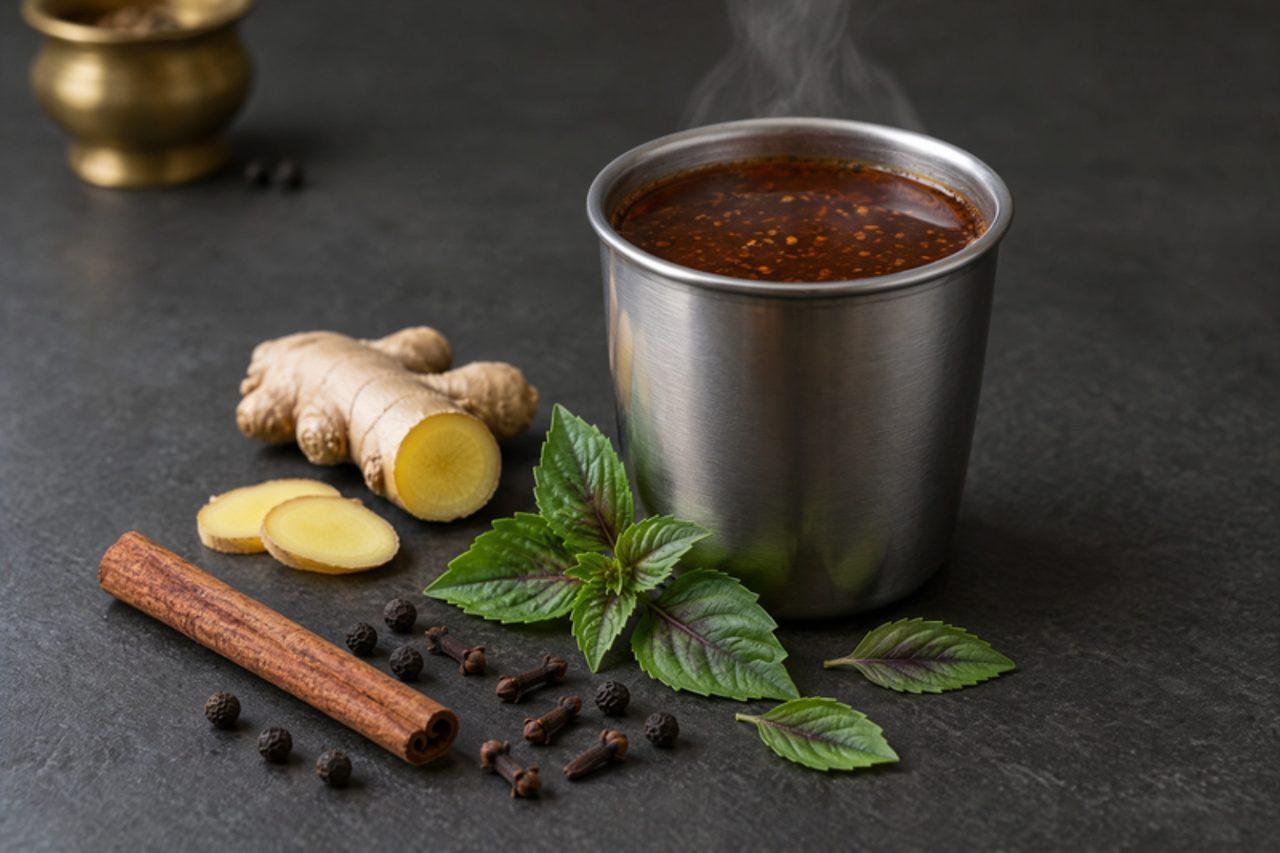
When the fog settles over Delhi, Lucknow and the plains of Uttar Pradesh in December, or whenever the monsoon brings coughs round the house, someone puts a pan of kadha on the stove. Tulsi leaves, ginger, black pepper, cinnamon, cloves and sometimes a little ajwain are boiled hard until the water reduces by half, then sweetened with jaggery and sipped in small cups, morning or night. It is not a gentle tea: it is hot, peppery, clove-numbing and earthy, with a dark amber colour and a sweet edge. It is traditionally drunk for coughs and colds; it does not replace medical care, and anyone who is pregnant, on medication or giving it to small children should keep it mild and check with a doctor. The common mistake is simmering it gently like tea: kadha needs a steady boil so the spices give up their strength and the liquid reduces. It is ready when the volume has halved and the brew is deep amber and pungent. Chef's tip: crush the pepper and cloves just before they go in; whole spices hardly flavour the water in this short time.

by KrazyBadal 0 views

Frozen Christmas pudding

In the heat of an Australian December, many families swap the steamed pudding for a frozen one, ice cream packed with fruit, nuts and chocolate and set in a pudding basin so it still looks the part on the Christmas table in Brisbane or Perth. It is made days ahead and turned out just before serving. A common mistake is letting the ice cream melt too much while mixing, which makes it icy when refrozen; soften it only until stirrable. Chef's tip: soak the fruit in orange juice the night before so it stays soft when frozen.

by KrazyBadal 0 views

Kafae boran (old-style Thai coffee)

Before espresso bars reached Bangkok, coffee in Thailand meant kafae boran from Hainanese-Chinese shophouses and market carts: a dark robusta roast mixed with toasted grains, poured through a long cotton sock called a tung tom and stirred into thick sweetened condensed milk. Uncles still order it hot at 6 am with patongko dough sticks, and in the afternoon heat the same brew is poured over crushed ice and topped with evaporated milk as oliang or kafae yen. The taste is strong, roasty and slightly smoky, sweet and creamy, with a faint caramel-cereal edge from the grains; the iced version is silky and cold. The common mistake is brewing it like filter coffee with too little grounds: once milk and ice go in, it tastes thin. Use plenty, steep it in the sock and pour it through twice. The brew is ready when it is opaque, nearly black and leaves a brown film on a white spoon. It is high in caffeine, so not one for children or late evenings. Chef's tip: rinse the cloth sock in hot water only, never soap, and keep it in a jar of clean water in the fridge between uses so the coffee oils season it.

10 minThaiDrinksGluten free
by KrazyBadal 0 views

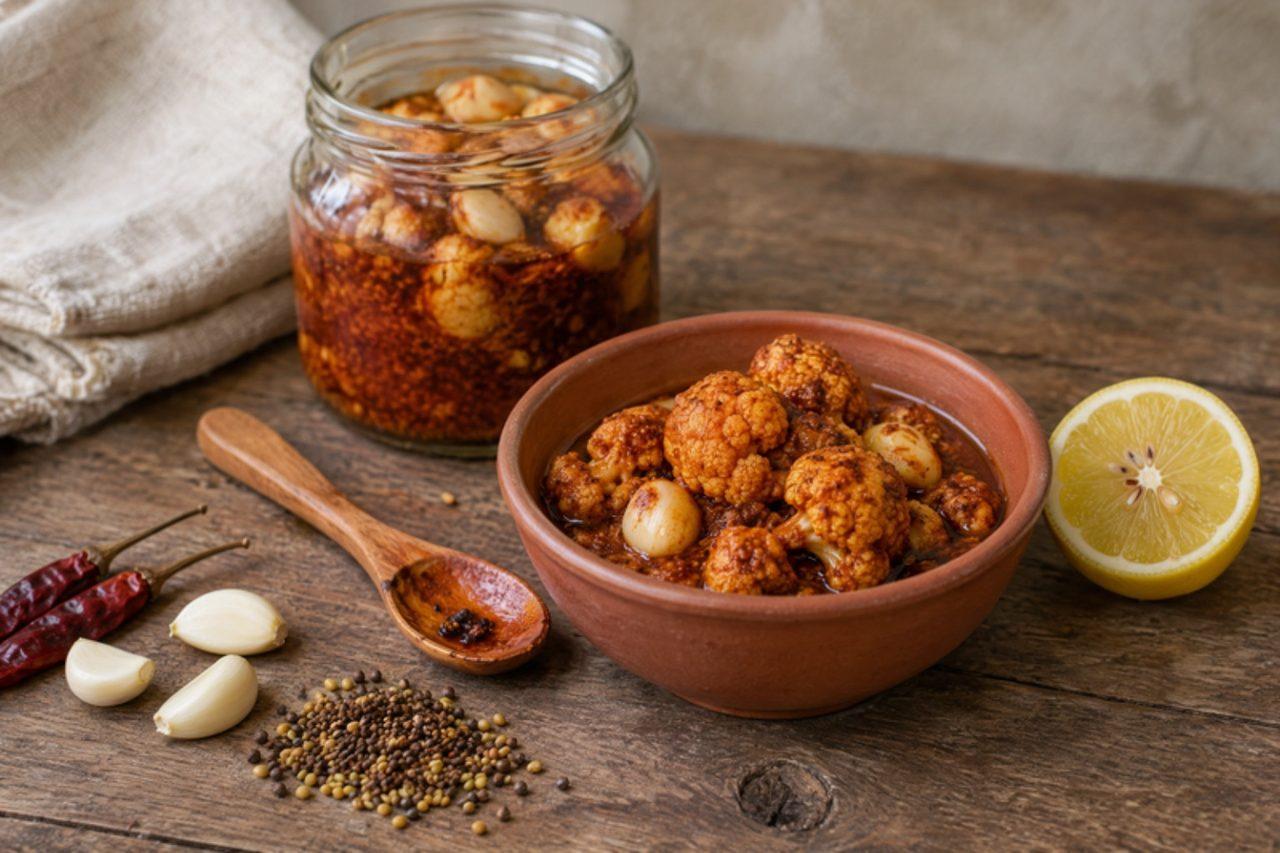
Cauliflower avakayaCauliflower pickle

When the mango jars run low and the Andhra and Telangana winter brings piles of dense white cauliflower to the markets, from December to February, households make a cauliflower avakaya. Lemon juice stands in for the sour mango, and the florets are coated in the same masala of mustard powder, chilli, salt, fenugreek and garlic, tempered with gingelly oil. After two days the florets have soaked up the masala but still crunch; the pickle is hot, nose-tingling and bright with lemon. Serve it with hot rice and ghee, with chapati, or beside a plain dal. Cauliflower is not acidic by itself and this pickle contains raw garlic, so it is always kept in the fridge, with plenty of lemon. Common mistake: packing florets that are still damp; wash them in hot salted water to drive out any insects, then dry them for several hours until no moisture remains. It is ready when the florets taste seasoned to the core and the oil and lemon have formed a glossy red sauce. Chef's tip: cut the florets small, about 2 cm, so the masala can reach the middle.

by KrazyBadal 0 views

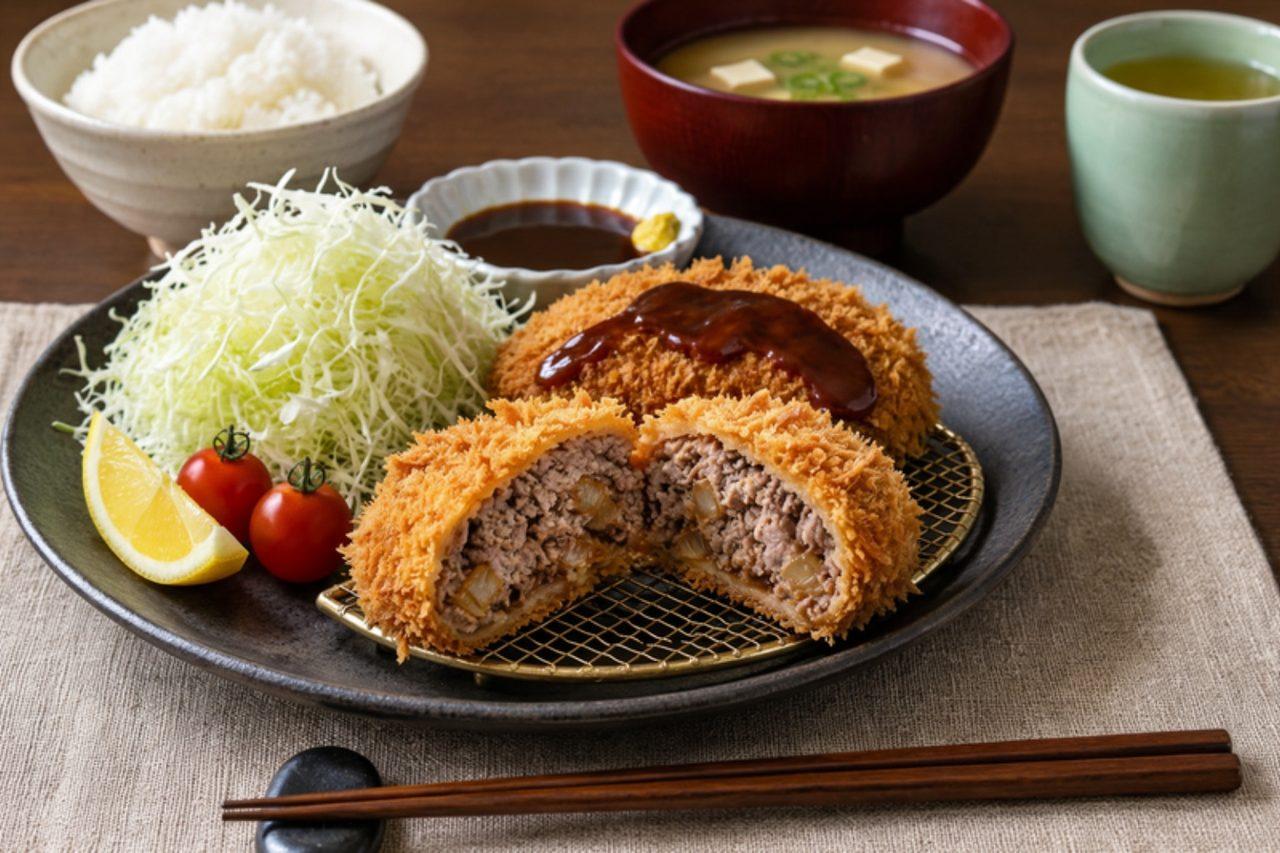
Menchi katsuCrumbed meat patties

Menchi katsu, a juicy mince patty of beef and pork in a crisp panko coat, is sold hot at Tokyo butchers' shops like the famous ones in Kichijoji and packed cold in bento across Japan, with shredded cabbage and a drizzle of tonkatsu sauce. Sweet fried onion makes the inside tender. The common mistake is frying in oil that is too hot, so the crumb burns before the pork and beef in the middle are cooked. Chef's tip: chill the shaped patties for 20 minutes before crumbing so they keep their shape and stay juicy.

by KrazyBadal 0 views

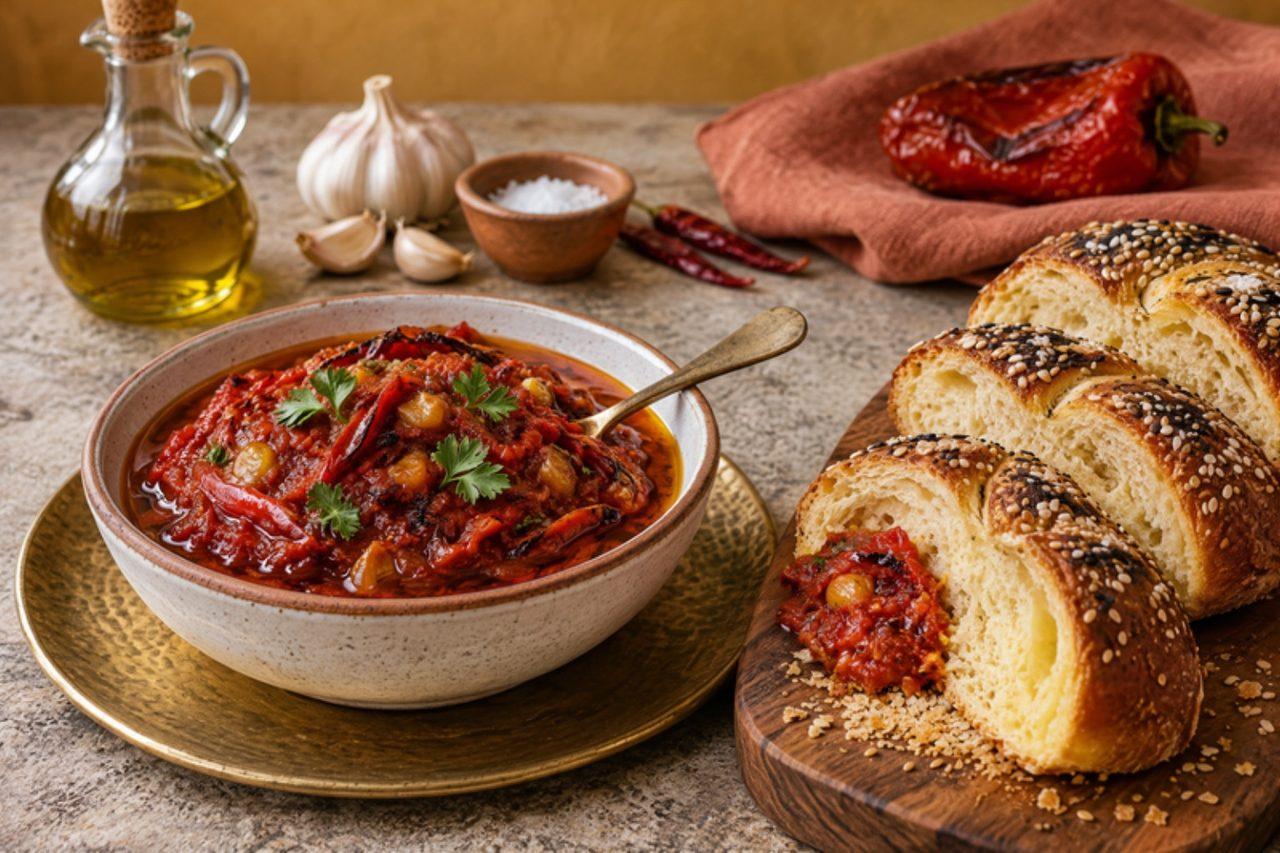
MatbuchaCooked tomato and pepper relish

Matbucha came to Israel with Moroccan Jewish families, and it is on almost every Friday-night and Shabbat table among the salads served with challah, as well as in Jerusalem breakfast spreads. Ripe tomatoes and roasted peppers cook down slowly with garlic, chilli and olive oil for over an hour, until thick, sweet, jammy and spicy. Eat it as a dip, beside eggs or grilled fish, or spooned over beans. Suitable as part of a balanced diet. About 90 kcal and 8 g carbohydrate per portion. The pinch of sugar is optional, and a sweetener works too. The usual mistake is rushing it on high heat: it catches and tastes scorched instead of sweet. Chef's tip: stir more often in the last 20 minutes, when the sauce turns glossy and starts to spit; that's when it's nearly done.

by KrazyBadal 0 views

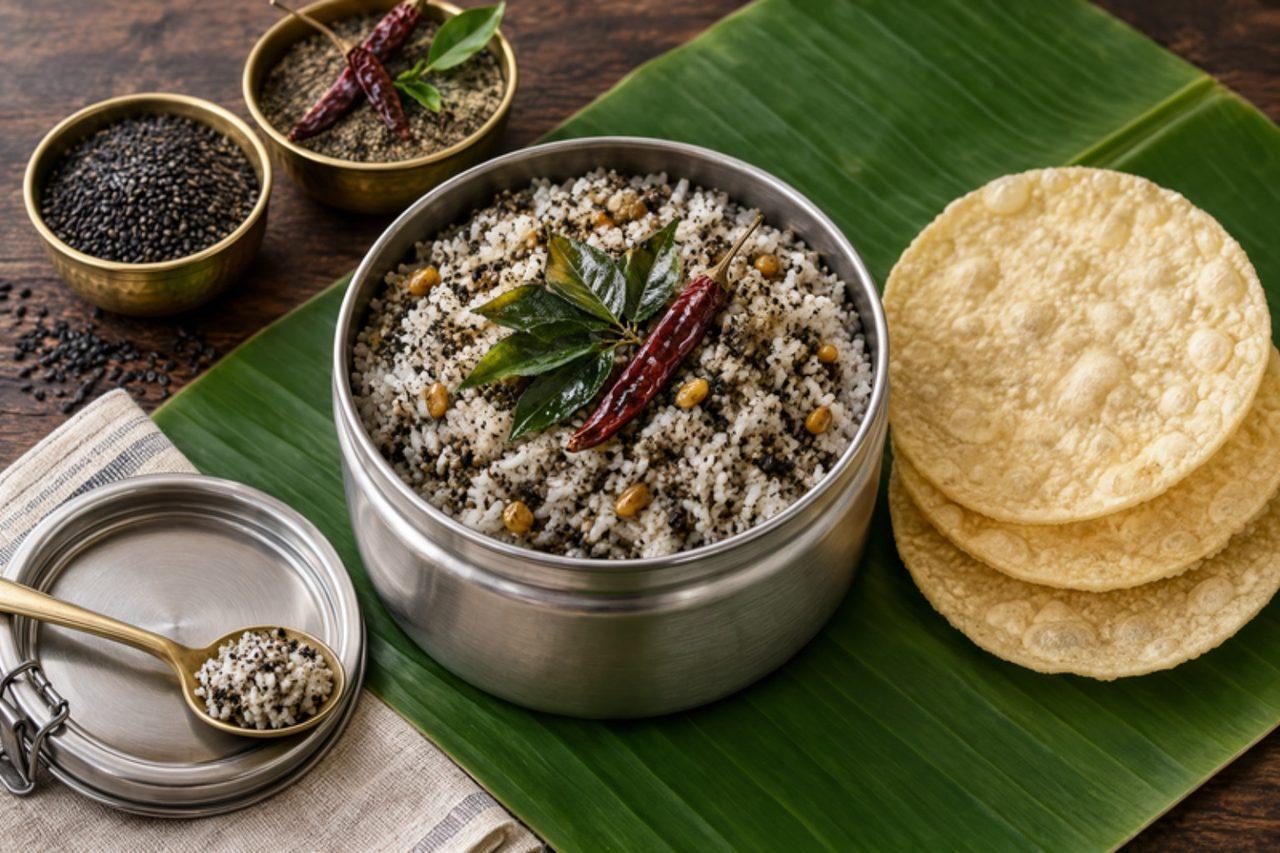
Ellu sadam (sesame rice)

In Tamil homes ellu sadam is cooked on Saturdays and temple days, and it is one of the variety rices that keeps best in a school lunch box, because the dry sesame powder soaks up the oil and does not spoil the way coconut rice can. The powder is roasted from black sesame, urad dal and dried red chillies, ground coarse and tossed through plain rice with a nutty gingelly oil tempering. The usual mistake is roasting the sesame too hard: it turns bitter within seconds, so take it off as soon as it starts to pop and smell toasty. Chef's tip: pound the powder rather than blitzing it to dust, so you keep a little crunch from the dal.

by KrazyBadal 0 views

MazavarooChilli paste

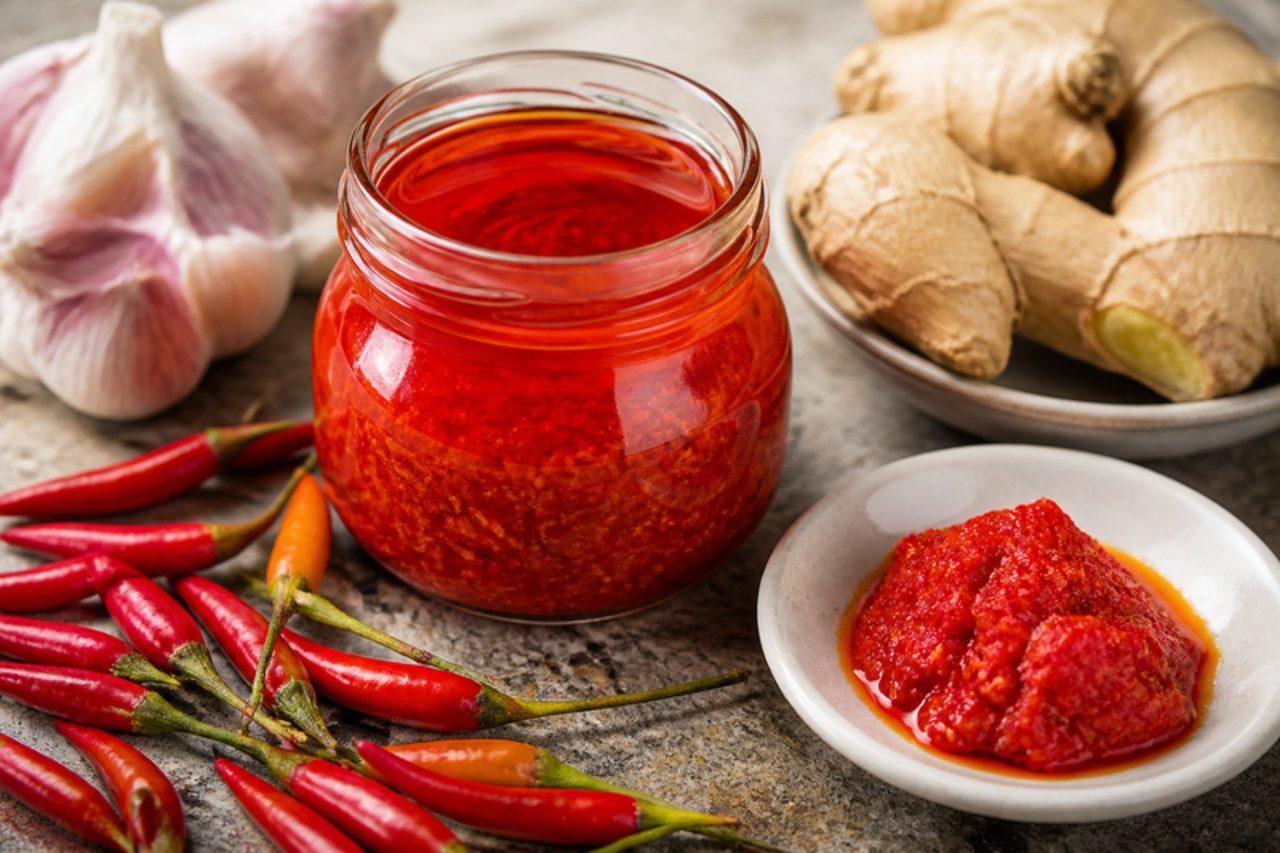
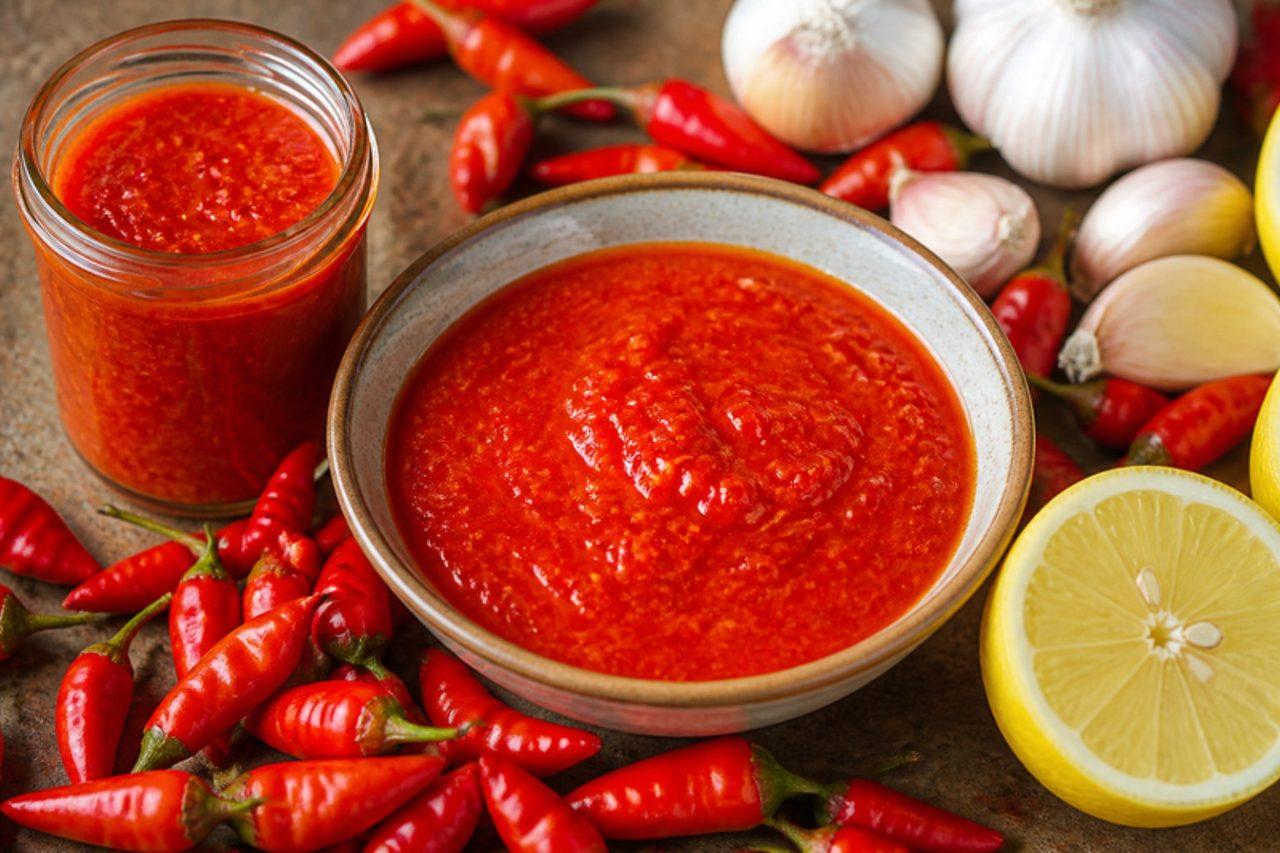
Every Mauritian table has a little jar of something red, and mazavaroo is the fiercest of them: bird's-eye chillies crushed with garlic, ginger and salt, then loosened with oil so it keeps. A pinhead goes on a dholl puri, into a bowl of noodle soup or beside fried snacks from a Port Louis vendor, and a teaspoon is enough to wake up a whole pot of lentils. The flavour is sharp and bright rather than smoky, with a garlicky bite. Wear gloves, and keep your hands away from your eyes; the classic mistake is to blitz it in an open blender and breathe the spray. Chef's tip: this is garlic in oil, so keep it in a clean jar in the fridge with the oil covering the surface and use it within two weeks.

by KrazyBadal 0 views

Misutgaru (multigrain powder drink)

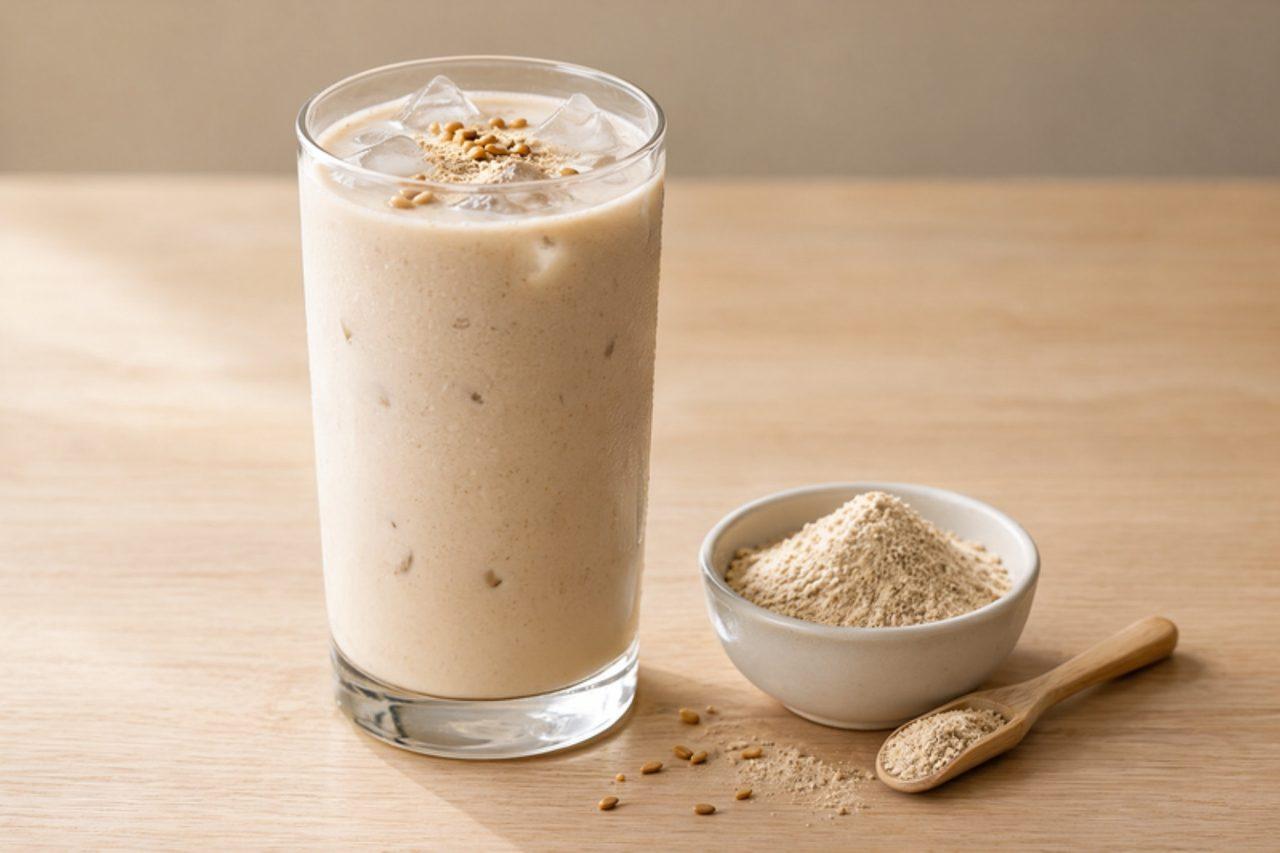
Misutgaru began as travellers' food, a powder of roasted grains that kept for weeks and could be stirred into water on the road. Today it is the drink of Korean summer: mothers shake it with cold milk for breakfast before school, office workers buy it as misutgaru latte from cafés, and farmers drink it at midday in the fields of July. The powder is a mix of roasted barley, glutinous and brown rice, black and yellow soybeans, and sesame, and it tastes of toasted cereal and peanut, lightly sweet, with a thick, creamy body that fills you up like a light meal. The common mistake is tipping the powder into a full glass of milk and stirring: it floats, clumps into dry balls and never fully mixes. Shake it in a jar with a little liquid first, or blend it, then add the rest. It is ready when the drink is smooth, beige and frothy with no dry flecks, and slightly thickened after a minute's rest. Use water or soy milk for a dairy-free version, and note that the barley means it is not gluten free. Chef's tip: a pinch of salt makes the grain flavour taste rounder and less flat.

by KrazyBadal 0 views

Poudine maïsBaked maize pudding

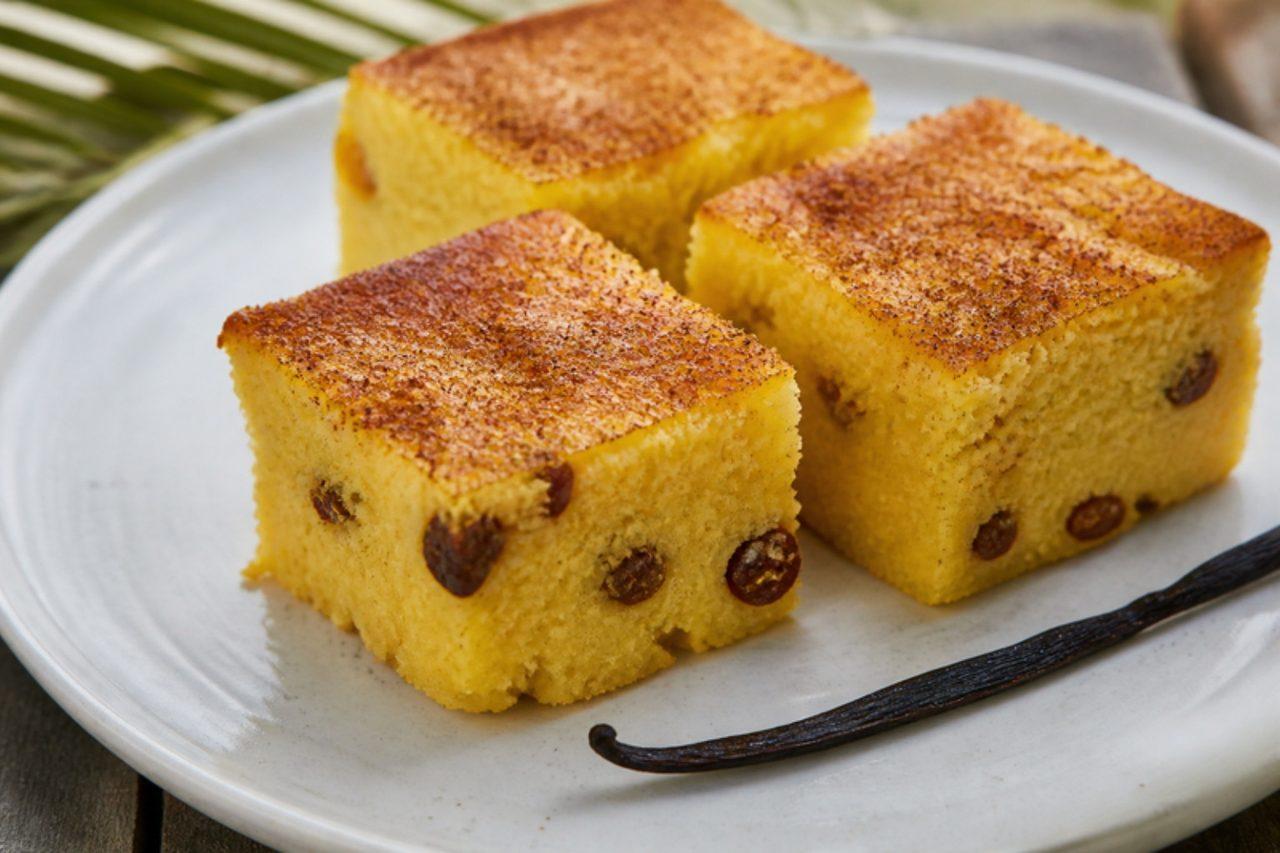
Grandmothers in Mauritius made poudine maïs from whatever the pantry held, which is why it is still sold by the square in snack shops and at village fairs for a few rupees. Fine yellow maize meal is cooked in sweetened vanilla milk until thick, then baked until the top is freckled brown and the inside sets like a soft, sliceable custard with a faint grainy bite. It is eaten at room temperature or cold from the fridge with a cup of tea, never hot. Lumps are the usual problem, and they come from tipping the maize into hot milk all at once. Chef's tip: whisk the maize meal into the milk while it is still cold, then heat it slowly, and the pudding will be perfectly smooth.

by KrazyBadal 0 views

Bissy tea (kola nut tea)

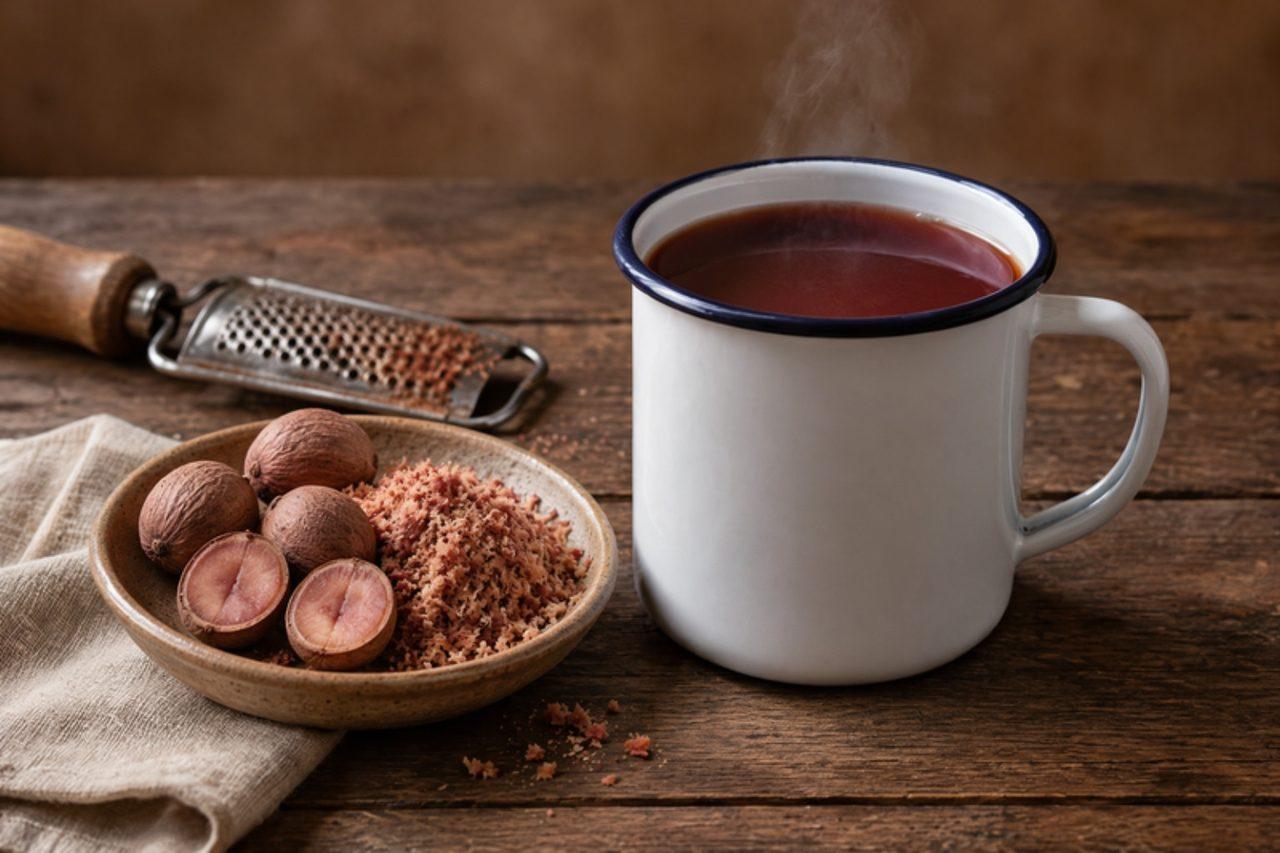
Kola trees came to Jamaica with enslaved West Africans, and the nut, called bissy on the island, has stayed in country medicine ever since. Older people in St Mary, St Elizabeth and the hills of Clarendon still keep a dried bissy in the kitchen and grate some into boiling water when the stomach is upset or after eating something that disagreed with them,. Parched in a dry pan first, the grated nut gives a reddish-brown tea that smells faintly of cocoa and tastes bitter and astringent, softened by plenty of sugar. The common mistake is boiling raw, ungrated nut and expecting much flavour: whole pieces give little. Grate it finely, parch it until it darkens and smells like toasted cocoa, then boil. It is ready when the tea is a deep reddish-brown and coats the tongue with bitterness. Kola nut is very high in caffeine, as strong as a big mug of coffee or more, so drink one cup, not late in the day, and keep it away from children, pregnant people and anyone sensitive to caffeine or with heart trouble. Chef's tip: strain it through a fine cloth; the grated nut leaves a gritty sediment that a sieve lets through.

by KrazyBadal 0 views

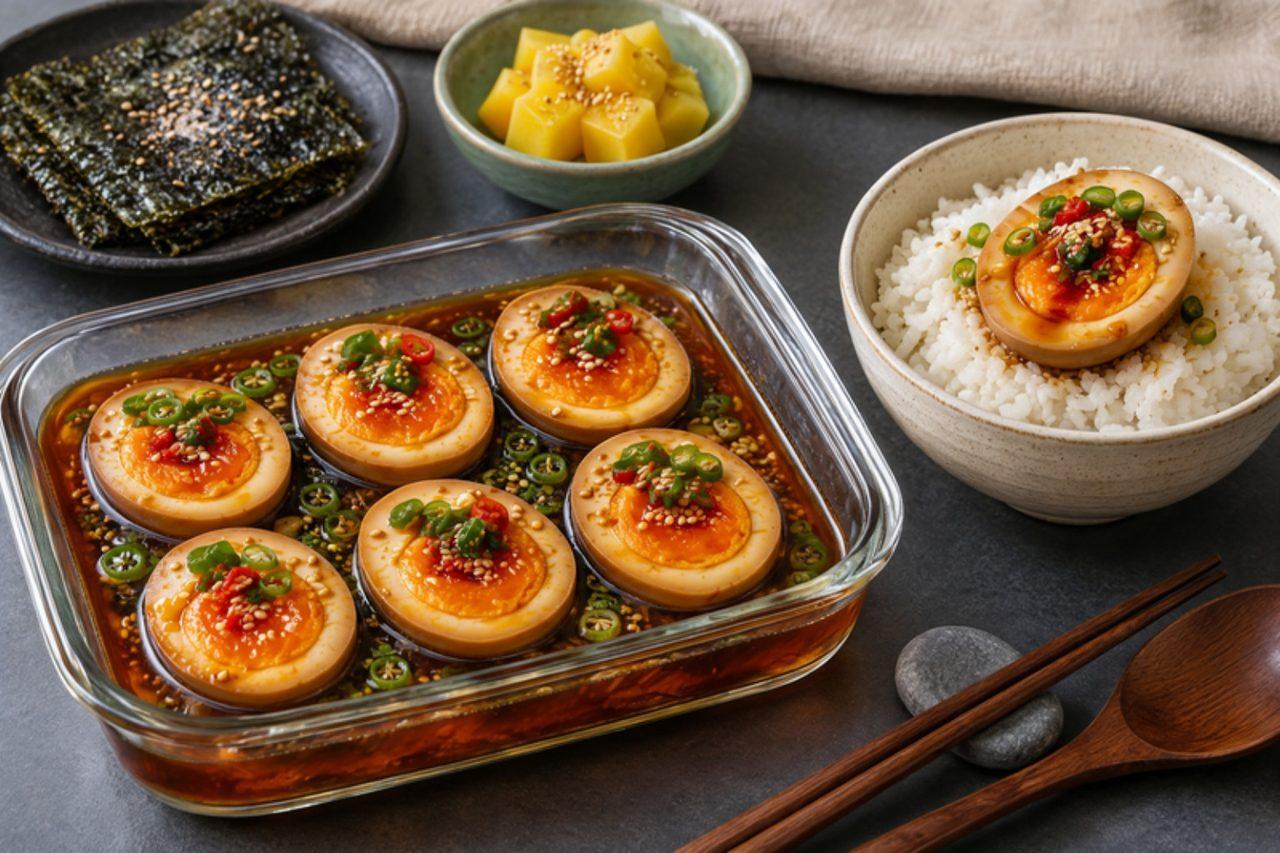
Mayak gyeranMarinated soft-boiled eggs

The name means "addictive eggs", and these soy-marinated eggs with their soft, fudgy yolks went viral in Seoul before landing in lunchboxes across Korea; one egg on a bowl of rice is a whole dosirak. The marinade is loaded with garlic, chilli and spring onion, and is spooned over the rice too. The common mistake is peeling the eggs warm, which tears the soft whites; chill them in iced water first. They need at least 6 hours in the fridge. For pregnant women, young children and anyone with a weakened immune system, boil the eggs for 10 minutes until fully set. Chef's tip: start the eggs straight from the fridge into boiling water and time them exactly, so every yolk sets the same way.

by KrazyBadal 0 views

TsukuneChicken meatball skewers

Tsukune are the minced chicken patties of yakitori bars all over Japan, and squashed into small ovals they are one of the most loved bento fillers, eaten cold at school or the office. Ginger and spring onion keep them fresh, and a glossy soy tare makes them sticky and sweet. The tare uses mirin, a sweet rice wine; most of its alcohol cooks off as it bubbles, and for an alcohol-free glaze use 1 tbsp sugar and 2 tbsp water instead. The common mistake is a loose mix that falls apart in the pan; knead it until sticky. Chef's tip: add a spoon of grated tofu or potato starch to the mince, which keeps the patties juicy even the next day.

by KrazyBadal 0 views

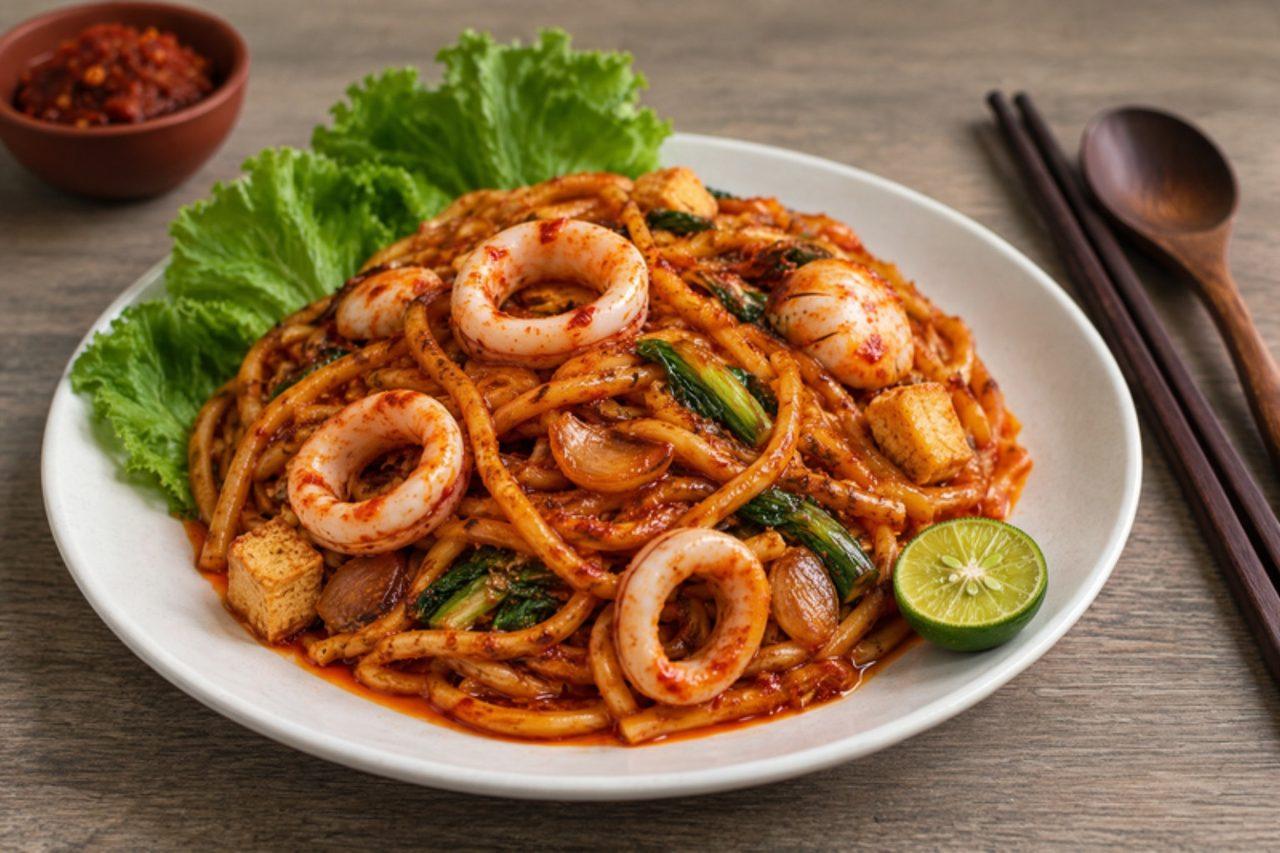
Mee sotongFried noodles with squid

Mee sotong is the dish people queue for at the Esplanade hawker stalls by Padang Kota in George Town, eaten in the evening breeze off the sea. Thick yellow noodles are fried in a deep red paste of dried chillies, shallots and garlic cooked down with tomato ketchup, sugar and tamarind until sweet, smoky and spicy, then tossed with tender squid in its own red sauce and a few bean sprouts. Chef's tip: fry the chilli paste patiently until the oil separates and it darkens; raw paste tastes harsh and flat.

by KrazyBadal 0 views

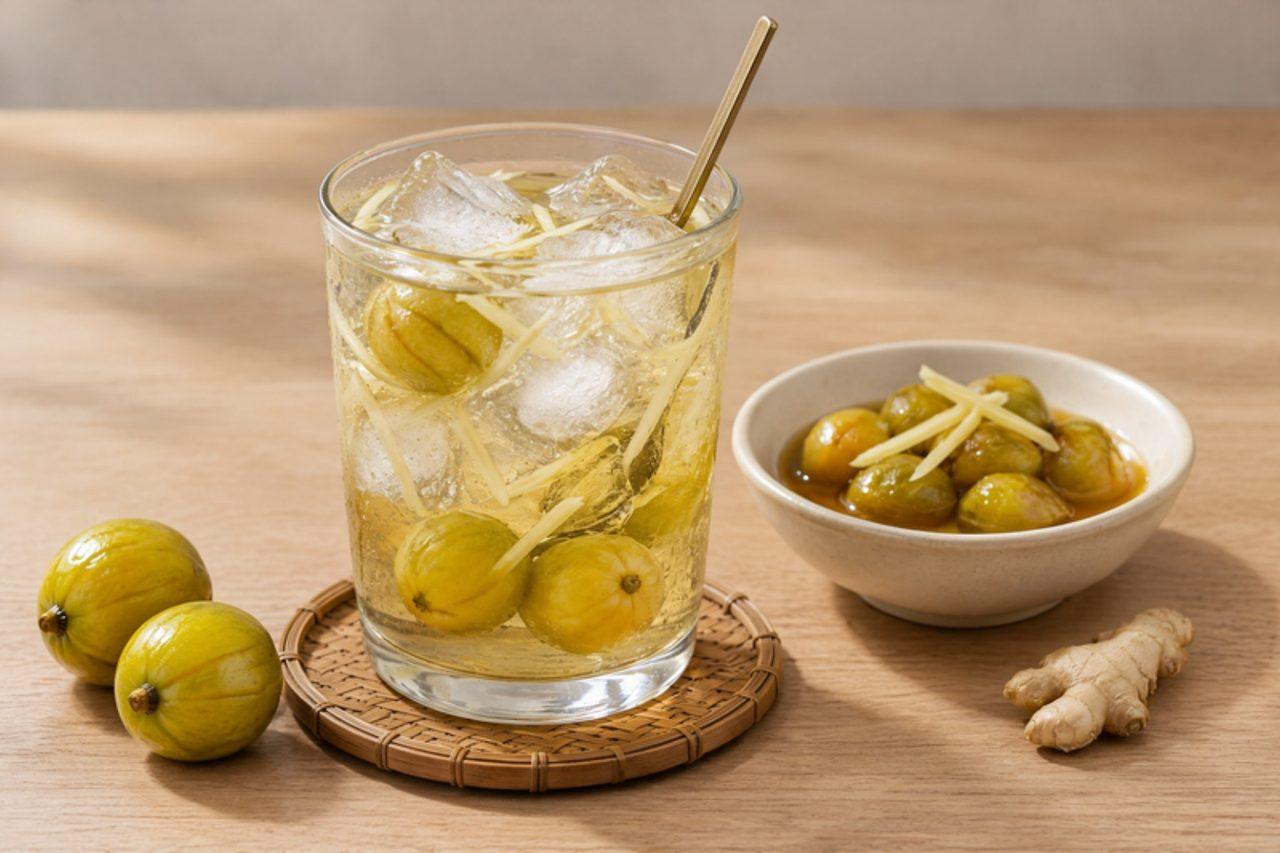
Nước sấu (sấu fruit drink)

When Hanoi's tamarind-like sấu trees drop their small green fruit in May and June, street vendors start selling glasses of nước sấu: a few candied fruits, a ladle of ginger syrup, cold water and crushed ice. Families make big jars to last until the season ends in August. It is sipped with a spoon so you can bite into the crunchy-soft fruit at the bottom. It tastes sour and sweet at once, with a clean ginger warmth and a flavour a little like green mango and plum. Traditional cooks soak the peeled fruit in limewater to keep it crisp; a salt soak works well at home. The common mistake is skipping the blanch and slow syrup: raw fruit stays acrid and the syrup clouds. Blanch the fruit briefly, then cook it gently in sugar until it turns translucent yellow-green and the syrup is clear and glossy. Store it in a sterilised jar in the fridge for up to 2 months with a clean spoon; discard if it fizzes, smells fermented or shows mould. Fresh sấu is rare abroad; look for frozen sấu in Vietnamese shops, or use firm green ambarella. Chef's tip: slash each fruit a few times so the syrup soaks all the way in.

by KrazyBadal 0 views

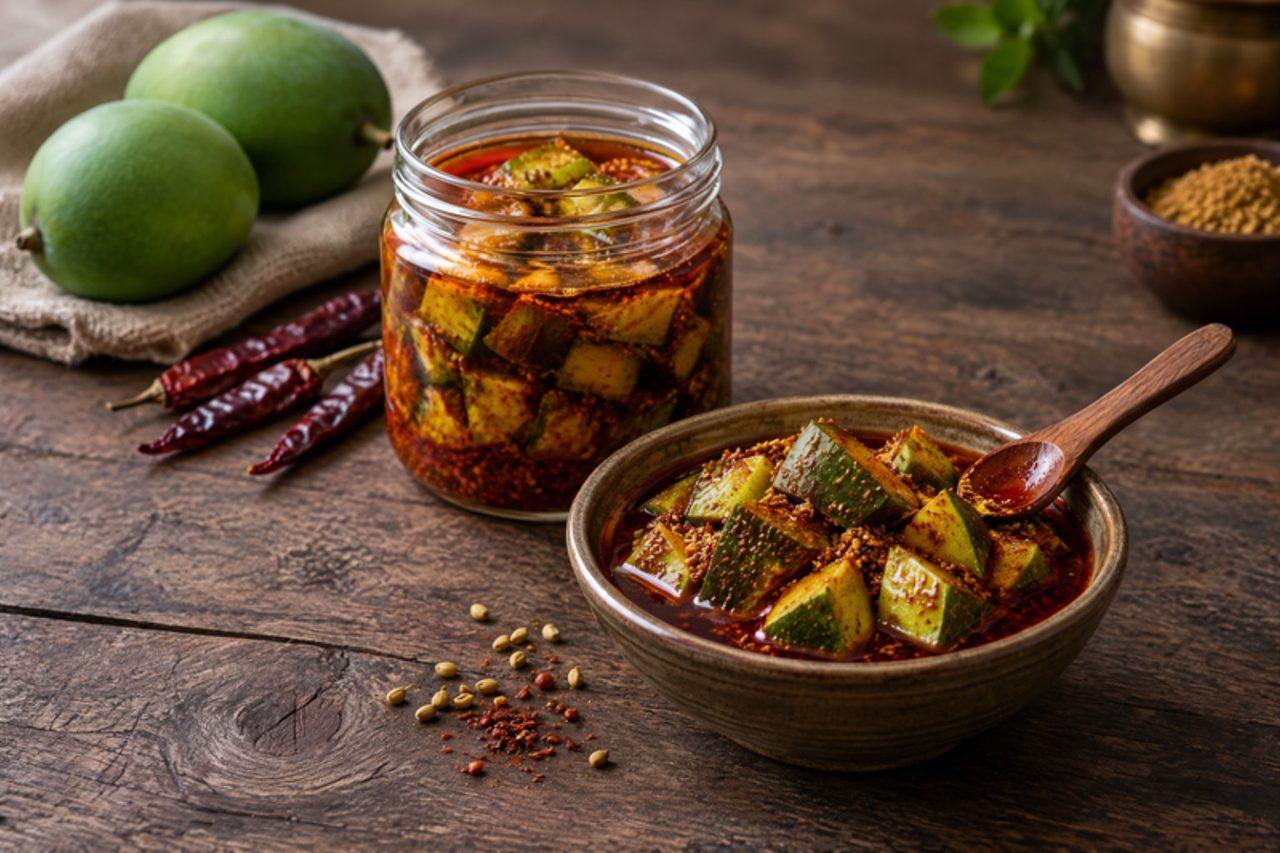
Menthi avakayaFenugreek mango pickle

In East Godavari kitchens menthi avakaya is the mango pickle for people who love bitterness: instead of a mustard-heavy masala, it is built on fenugreek seeds roasted until golden and ground, with red chilli, salt and a tempering of mustard seeds and asafoetida in gingelly oil. Families make it in the hottest weeks of May, when the mangoes are at their sourest, and it is traditionally eaten through the summer with hot rice, ghee and a dal. The fenugreek gives a toasty, almost maple-like aroma and a pleasant bitter edge that sits against the sour mango and the chilli heat. The salt is about 9% of the mango weight, and the pickle keeps for a year under oil in a dry jar. Common mistake: roasting the fenugreek too dark; it turns acrid, and that bitterness spreads through the whole jar. Roast it slowly until golden and fragrant, then let it cool before grinding. It is ready after two or three days, when the mango has darkened, the fenugreek smell has mellowed and oil sits on top. Chef's tip: grind the fenugreek only when completely cold, or it turns pasty and clumps.

by KrazyBadal 0 views

Trà sen (lotus tea)

Every June and July, before sunrise, boats slip between the pink lotus on Hanoi's West Lake to gather flowers for trà sen. The finest lotus tea is made by stripping the tiny white rice-like anthers from hundreds of blooms and layering them with green tea, a labour that makes it one of Vietnam's most expensive gifts, kept for Tết. Families do a simpler version at home: a spoon of Thái Nguyên green tea is tucked into the heart of a fresh flower in the evening, the petals closed and tied, and by morning the leaves have taken on a sweet, creamy, slightly vanilla-like perfume. It is brewed in a small clay pot and drunk in tiny cups in the early morning. The common mistake is brewing with boiling water, which flattens the lotus scent and makes the green tea bitter. Rinse the leaves quickly and brew at 80–85 °C. It is ready when the cup is pale gold and the steam smells of flowers before tea. No fresh lotus? Buy ready-made lotus-scented tea from Vietnamese shops and start at the brewing step. Chef's tip: pick a bud that is just about to open; a fully open bloom has already lost its scent.

by KrazyBadal 0 views

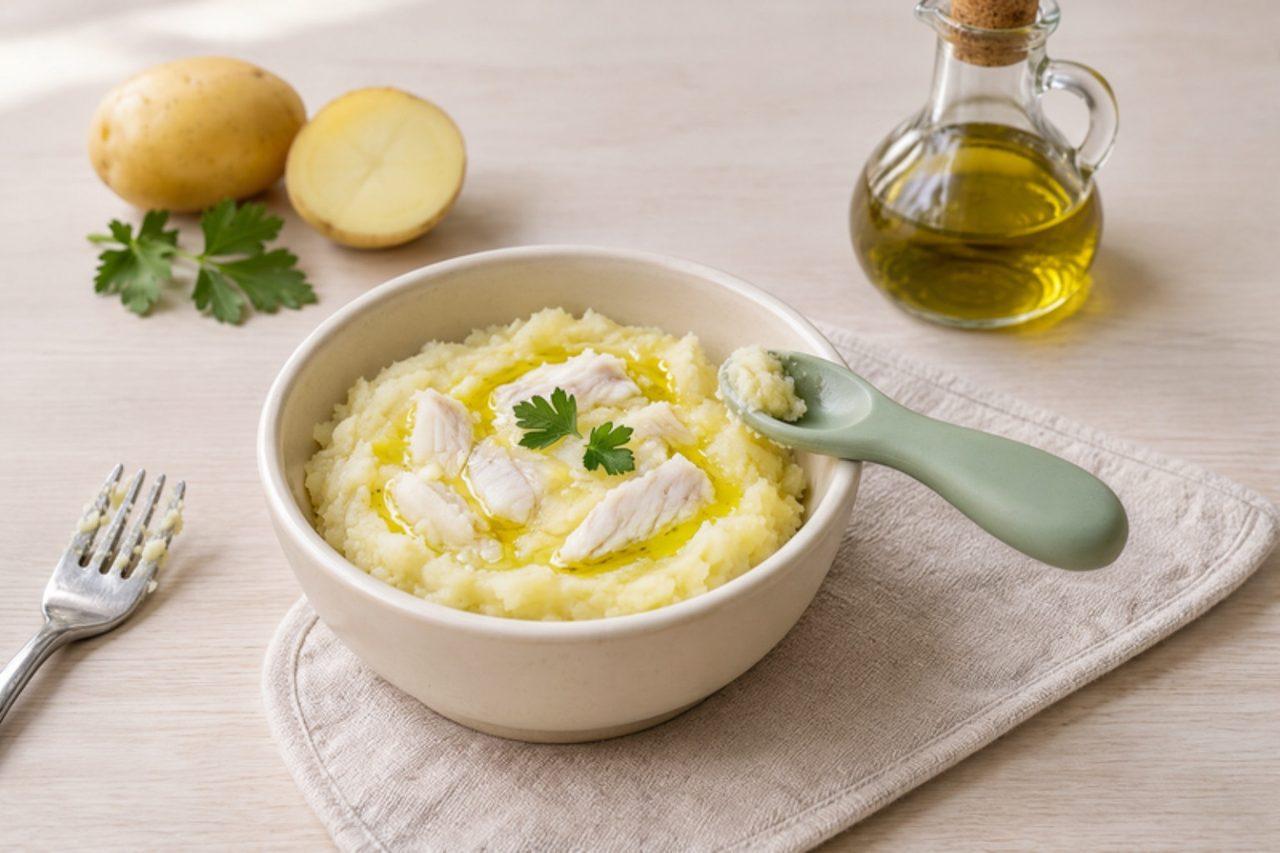
Merluzzo e patate for babiesCod and potato mash for babies

In Italy, fish is part of the svezzamento (weaning) plan from early on, and merluzzo con patate schiacciate, steamed white fish with crushed potato, is the lunch many Italian grandmothers make for babies from Milan to Palermo once they move on to soft lumps at around nine months. A spoon of good extra virgin olive oil replaces butter and salt, and the result is soft, mild and comforting. It contains fish and is free of milk, egg, gluten, nuts, soya and sesame. Chef's tip: steam the fish on top of the potatoes in the same basket for the last few minutes; one pan, and the fish never dries out.

by KrazyBadal 0 views

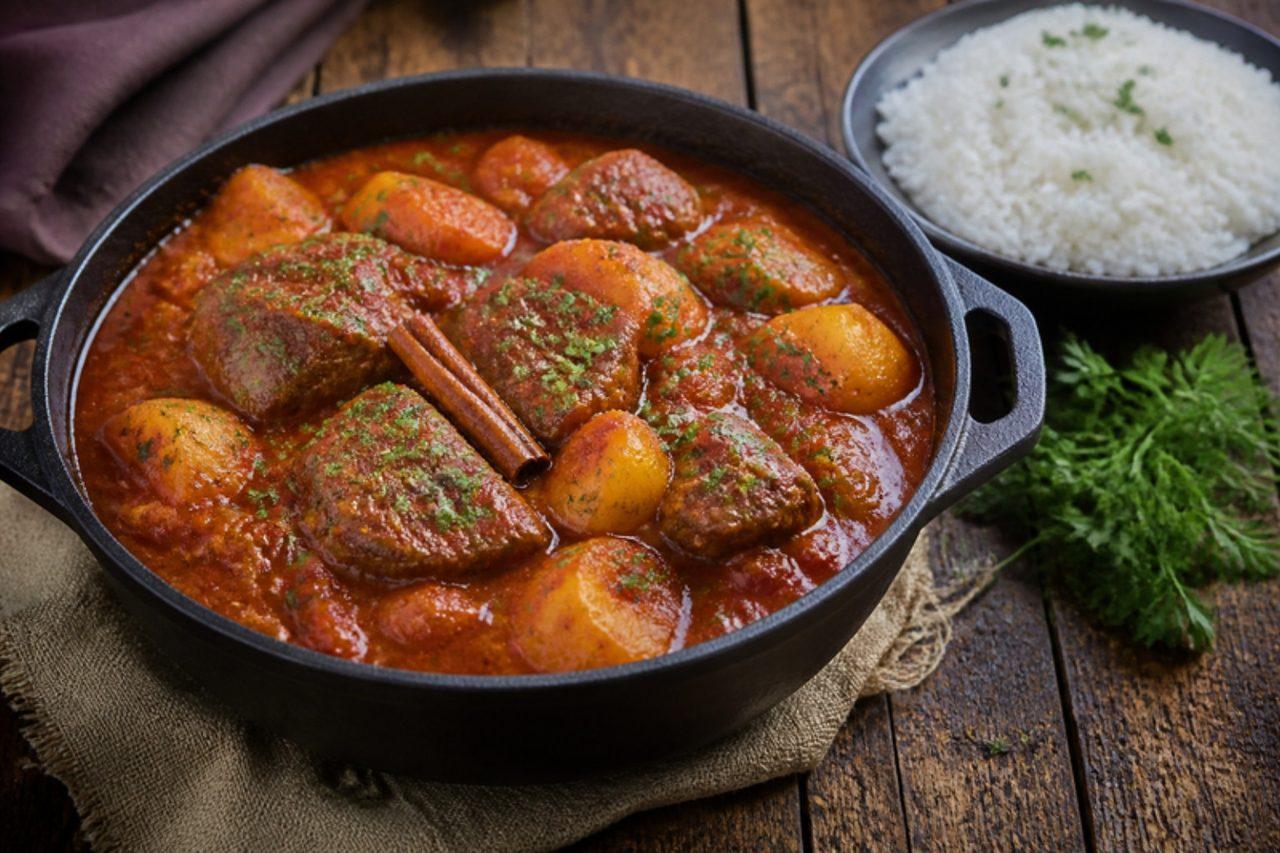
Tomato bredieMutton and tomato stew

Winter Sundays in the Boland and the Cape Flats smell of tamatiebredie: fatty mutton neck left to murmur for two hours with a kilo of ripe tomatoes, a stick of cinnamon, a few cloves and potatoes that soften into the sauce. The tomatoes collapse into a thick, brick-red gravy that is sweet, gently spiced and glossy with mutton fat, and the meat falls from the bone at a nudge. Serve it over plain white rice with a spoonful of fruit chutney or a beetroot salad on the side; like most bredies it tastes even better the next day. Most people drown it in water at the start, which leaves a thin, sour soup, so let the tomatoes provide the liquid and top up only by the splash. Chef's tip: for a meat-free pot, skip the mutton, soften the onions and spices the same way, then simmer two drained 400 g tins of butter beans with the tomatoes and potatoes for 40 minutes.

by KrazyBadal 0 views

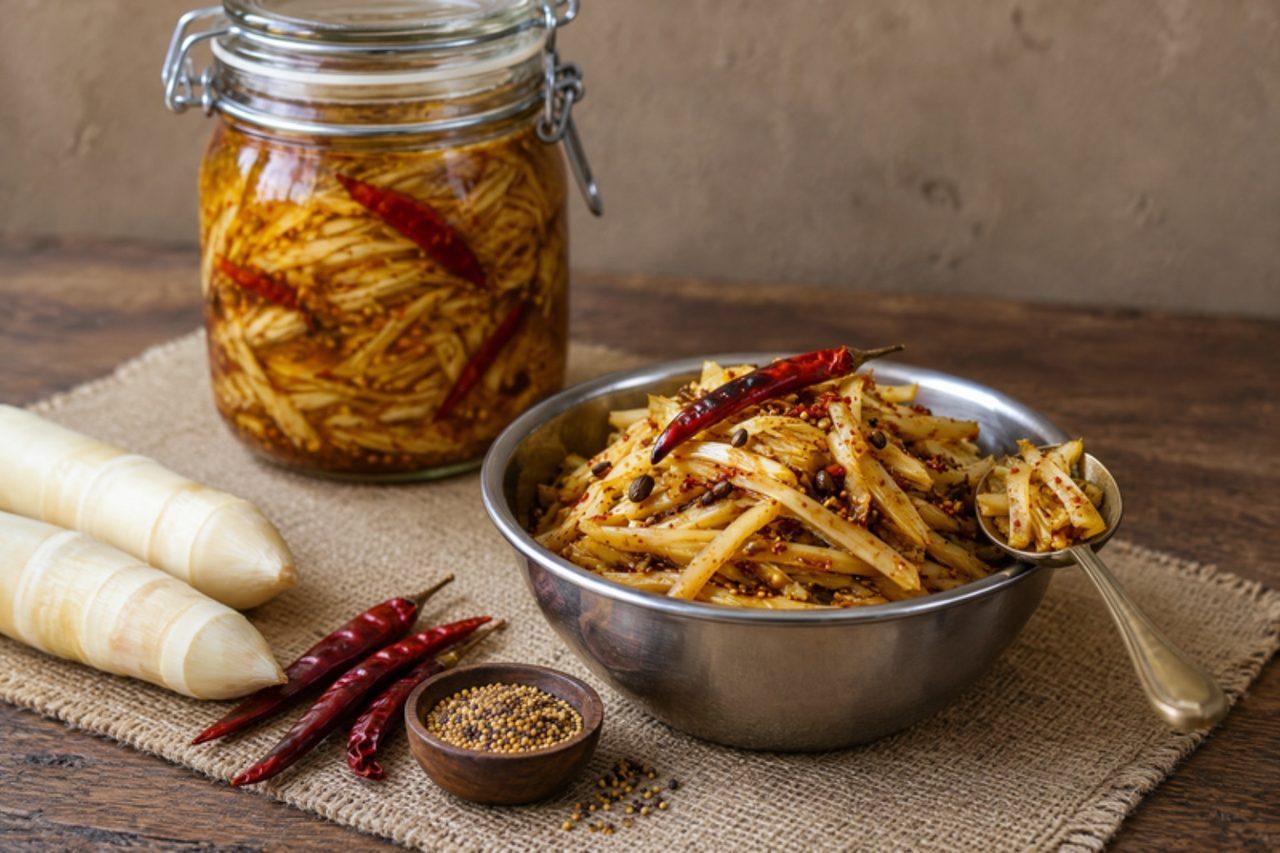
MesuFermented bamboo shoot pickle

Lepcha and Nepali households in Sikkim shred tender bamboo shoots in the monsoon, when they push up fresh, and pack them tightly into glass jars or hollow bamboo to sour for one to two weeks. The finished mesu is eaten as a sharp pickle with rice and dal through the rest of the year. A common mistake is leaving shoots above the brine, which invites mould; press them down hard so the liquid always covers them. Keep the jar at 20–28 °C out of direct sun and taste from day 7: it is ready when pleasantly sour and pale yellow. Discard the batch if you see fuzzy, pink or black mould, if it smells putrid rather than sour, or if the shoots feel slimy. Chef's tip: short of time, buy ready-fermented bamboo shoot from a Northeast or Asian grocer and go straight to the tempering.

by KrazyBadal 0 views

Torta de chile rellenoStuffed poblano sandwich

At Mexico City's torta stands and school gates, the chile relleno torta is the meat-free favourite: a whole poblano, roasted, peeled, stuffed with melting cheese, dipped in fluffy egg batter and fried, then pressed into a bolillo spread with refried beans and salsa. People buy them warm mid-morning or wrap them in foil for lunch. The common mistake is frying a wet chile: the batter slides off, so pat it dry and dust it with flour first. Oaxaca cheese and Monterey Jack are often made with animal rennet, so choose a vegetarian melting cheese, and check the refried beans are made without lard. Chef's tip: beat the egg whites to stiff peaks before folding in the yolks; that airy capeado is what makes it puff and stay crisp.

by KrazyBadal 0 views

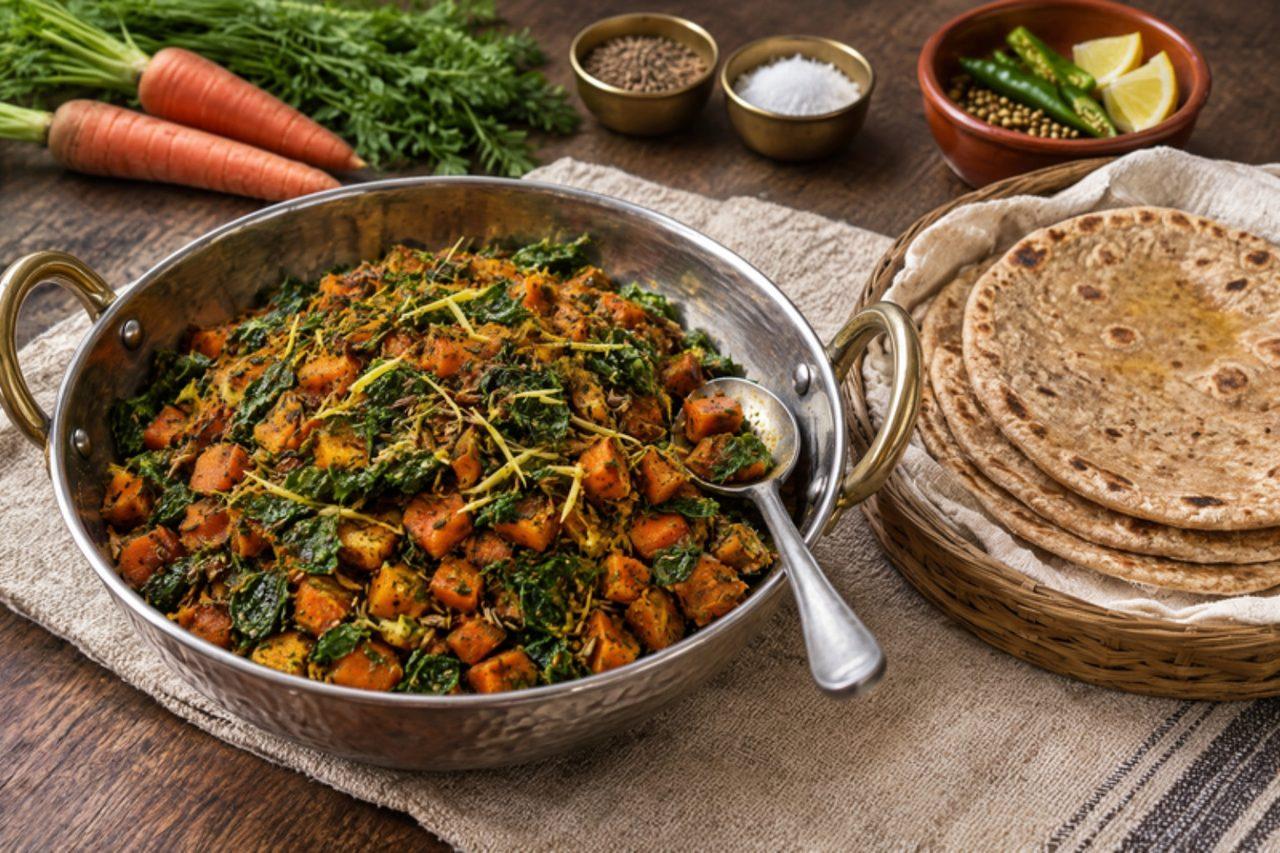
Methi gajarCarrots with fenugreek leaves

When the long red Delhi carrots and bunches of fresh methi fill the winter markets of Haryana and Punjab, this quick dry sabzi turns up beside every plate of rotis and dal. The slight bitterness of the fenugreek leaves and the sweetness of the carrots balance each other, helped along by a pinch of sugar and a squeeze of lemon. It takes about 25 minutes. The common mistake is adding the methi too early, which makes it bitter and dark. Chef's tip: rub the chopped methi with a little salt and squeeze it after 10 minutes; this tames the bitterness without losing the fragrance.

by KrazyBadal 0 views

Kothamalli sadam (coriander rice)

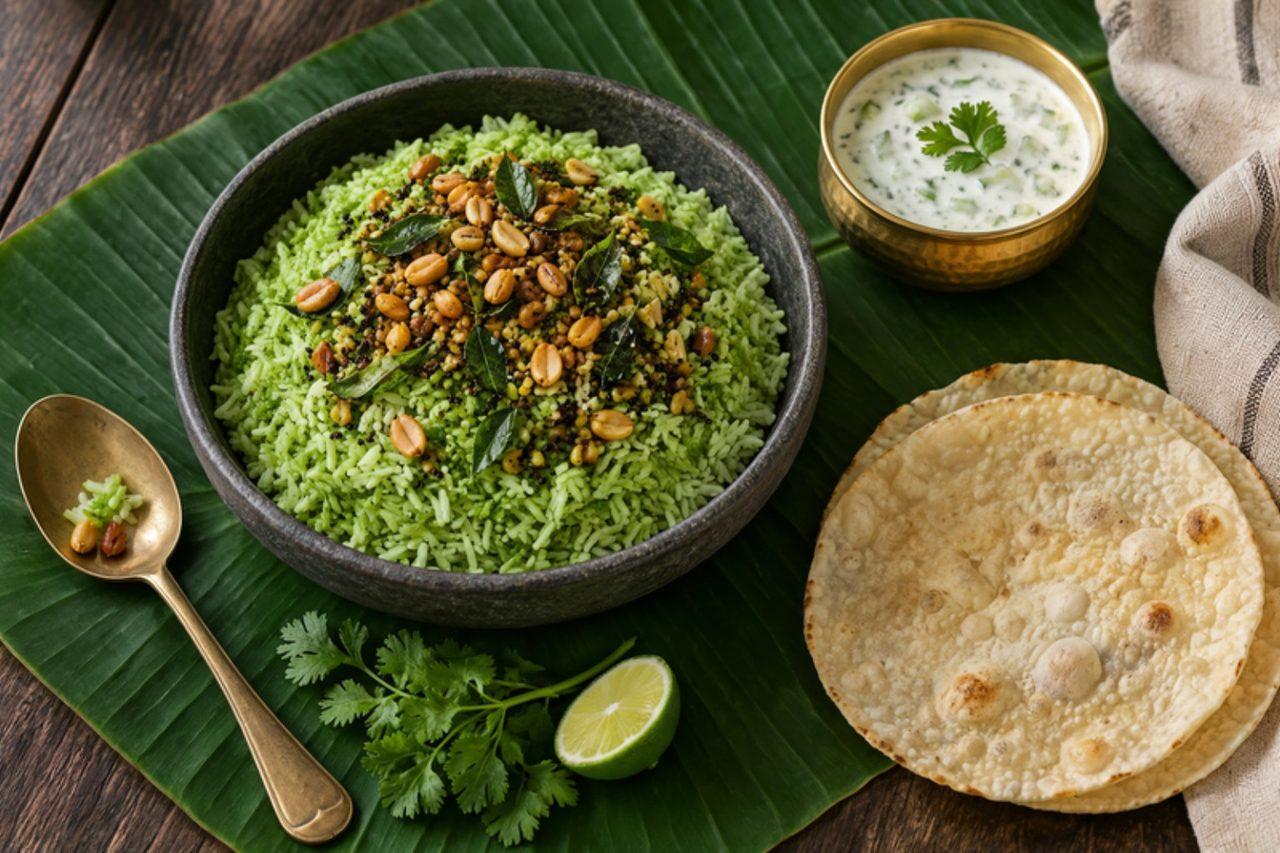
Chennai mothers turn a big bunch of coriander into this bright green rice when they want a lunch box that looks fresh and smells of the market. The leaves and stems are ground with green chilli, coconut, ginger and a little tamarind, then fried in oil until the raw grassy smell goes and the paste turns a deeper green. The mistake is adding the paste and the rice together: the paste stays raw and the rice goes dull and sour. Cook the paste first until it leaves the sides of the pan. Chef's tip: keep the coriander stems; they carry more flavour than the leaves and grind into a smoother paste.

by KrazyBadal 0 views

Bánh khúcCudweed sticky rice dumplings

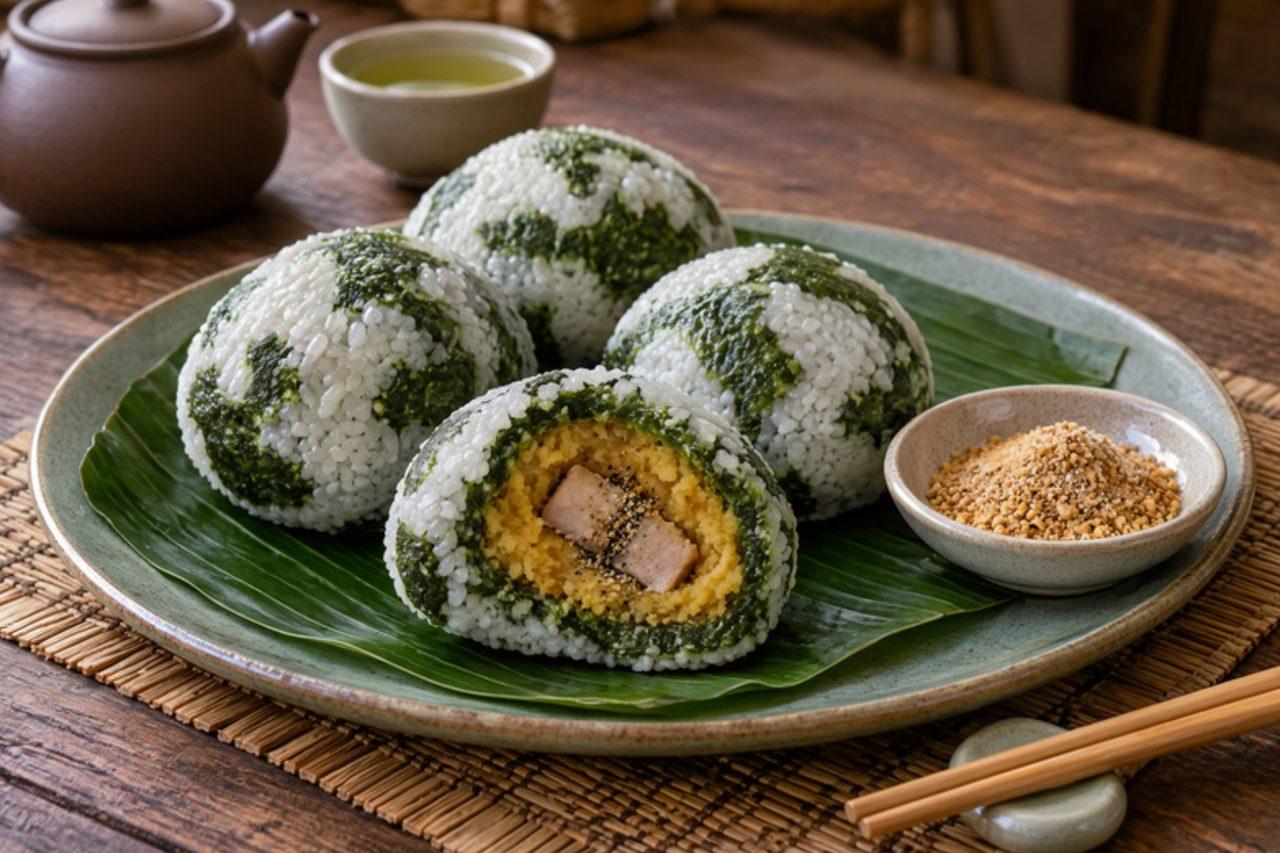
Long before sunrise, vendors walk Hanoi's Old Quarter with steaming baskets, calling out for xôi xéo and bánh khúc. These are soft green dumplings coloured and scented with rau khúc, a grassy, herbal cudweed, wrapped around mung bean paste and peppery pork belly, then rolled in sticky rice grains and steamed until the grains turn glossy. They are eaten hot from a scrap of banana leaf with a pinch of sesame salt, often on a cold winter morning. Look for frozen or dried cudweed at Vietnamese grocers. Chef's tip: keep the green dough thin but even; thick dough cracks and lets the filling escape.

by KrazyBadal 0 views

Tarta de zapallitosCourgette and cheese tart

In Buenos Aires every rotisería sells tartas by the slice, and at home a tarta de zapallitos is baked on Sunday evening so that a wedge can go into the vianda (packed lunch) for school and work all week. Zapallitos are round green courgettes; ordinary courgettes work just as well. The common mistake is adding the courgette raw, which floods the pastry; sauté it until the liquid has cooked away. Argentine queso rallado and many hard cheeses are made with animal rennet, so use a vegetarian hard cheese. Chef's tip: bake the tart on a preheated baking tray so the base crisps before the filling soaks in.

by KrazyBadal 0 views

GambirButtered pan-fried flatbread

Gambir is a flaky, layered flatbread found in Ulaanbaatar canteens and family kitchens, rolled thin, brushed with butter, folded and pan-fried until crisp in spots and tender within. It is eaten for breakfast with milk tea, often with a sprinkle of sugar, or filled with a layer of thick cream called öröm. A common mistake is rolling the dough without resting it, so it springs back; give it 20 minutes. Chef's tip: roll the buttered dough up like a rope, coil it and roll flat again; that's where the layers come from.

by KrazyBadal 0 views

Kuzuyu (hot kudzu drink)

Kuzuyu is what Japanese mothers make when someone has a chill or an upset stomach, and what many people sip on a frosty winter evening, especially in Nara, whose Yoshino mountains have produced the finest hon-kuzu starch for centuries. Kudzu root starch is stirred into water with a little sugar and cooked until the milky liquid suddenly turns clear, glossy and gently thick, somewhere between a hot drink and a soft pudding you drink from the cup. Grated ginger warms it; some families add a spoon of matcha or a squeeze of yuzu. It tastes clean, mildly sweet and comforting, and it is traditionally given to people recovering from colds. The mistake almost everyone makes once is sprinkling kudzu into hot water, where it forms rubbery lumps at once. Always crush it and dissolve it completely in cold water first, then heat it while stirring without stopping. It is ready when there are no white streaks left, the drink is translucent and it coats the back of a spoon. Chef's tip: real hon-kuzu comes in chalky lumps; crush them with the back of a spoon in the cold water and they dissolve in seconds.

by KrazyBadal 0 views

Bandar ladduGram flour and jaggery balls

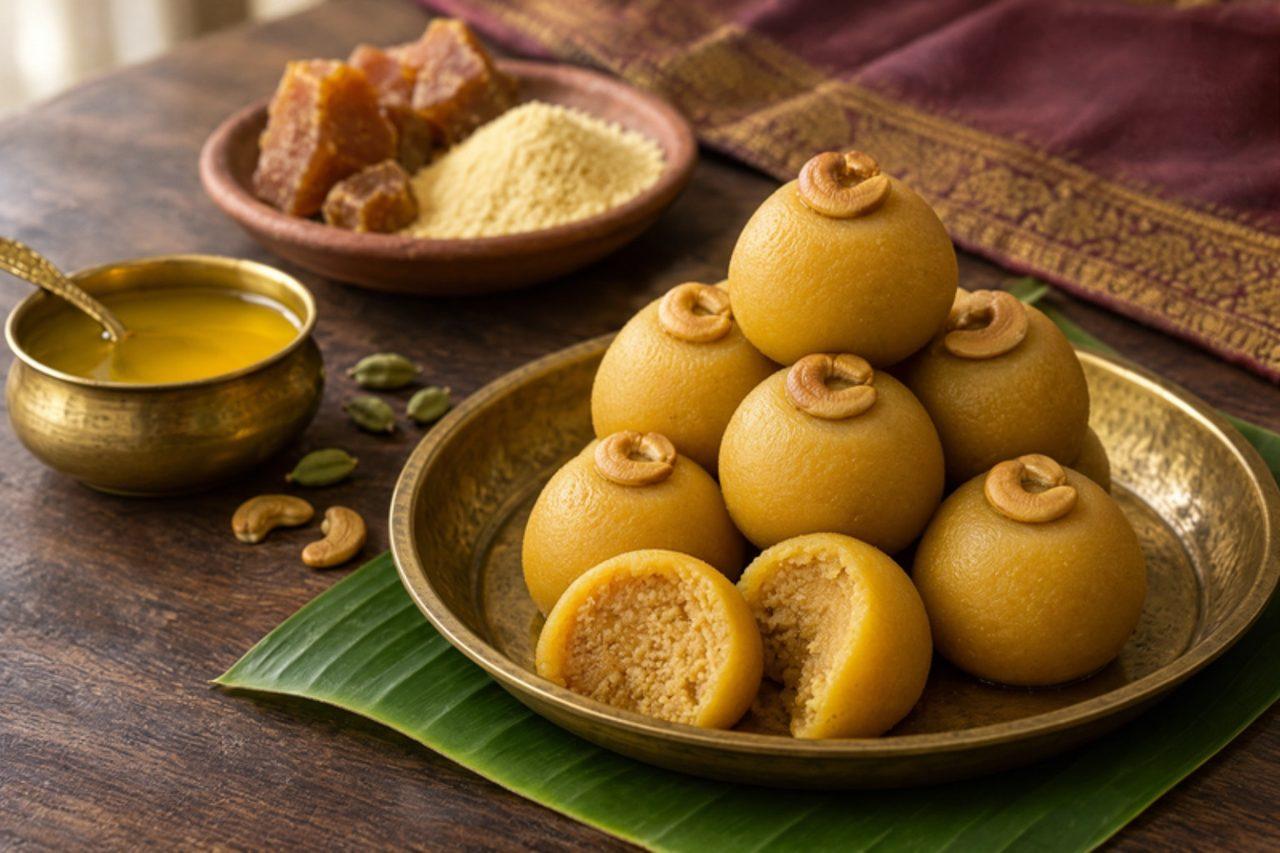
Bandar laddu is named after Bandar, the old name of Machilipatnam on the Andhra coast, and it is the sweet families carry home after a trip there, offer at Sankranti and give at weddings. Gram-flour pearls are fried, then pounded with jaggery syrup and ghee until the mixture turns dense, smooth and fudgy, unlike the grainy besan laddu of the north. The common mistake is not cooking the jaggery syrup far enough: it needs to reach the soft-ball stage, or the laddus slump and turn sticky. Chef's tip: pound the mix while it is still warm, in batches, in a heavy mortar or food processor, until it clumps when pressed.

by KrazyBadal 0 views

Curried egg sandwich

A school canteen and church-fete favourite across Australia, the curried egg sandwich is soft white or wholemeal bread filled with hard-boiled egg mashed with mayonnaise and a little mild curry powder, often with lettuce or cress. It goes into lunch boxes cut into fingers. The common mistake is mashing the eggs while warm, which turns the mayonnaise oily and the filling runny; let them cool completely. Chef's tip: warm the curry powder in a dry pan for 20 seconds first, and the raw, dusty taste turns sweet and toasty.

by KrazyBadal 0 views

Mishri mawaSweet milk flakes

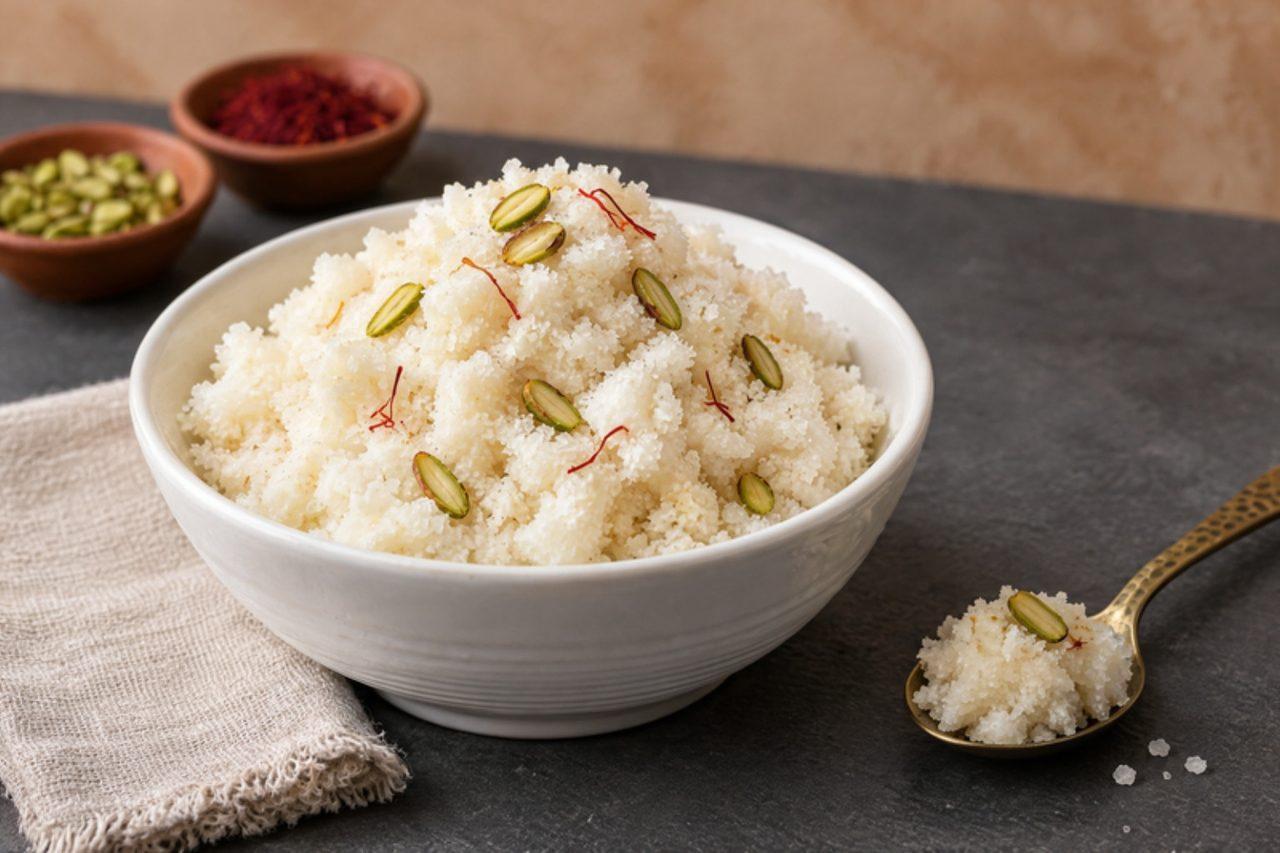
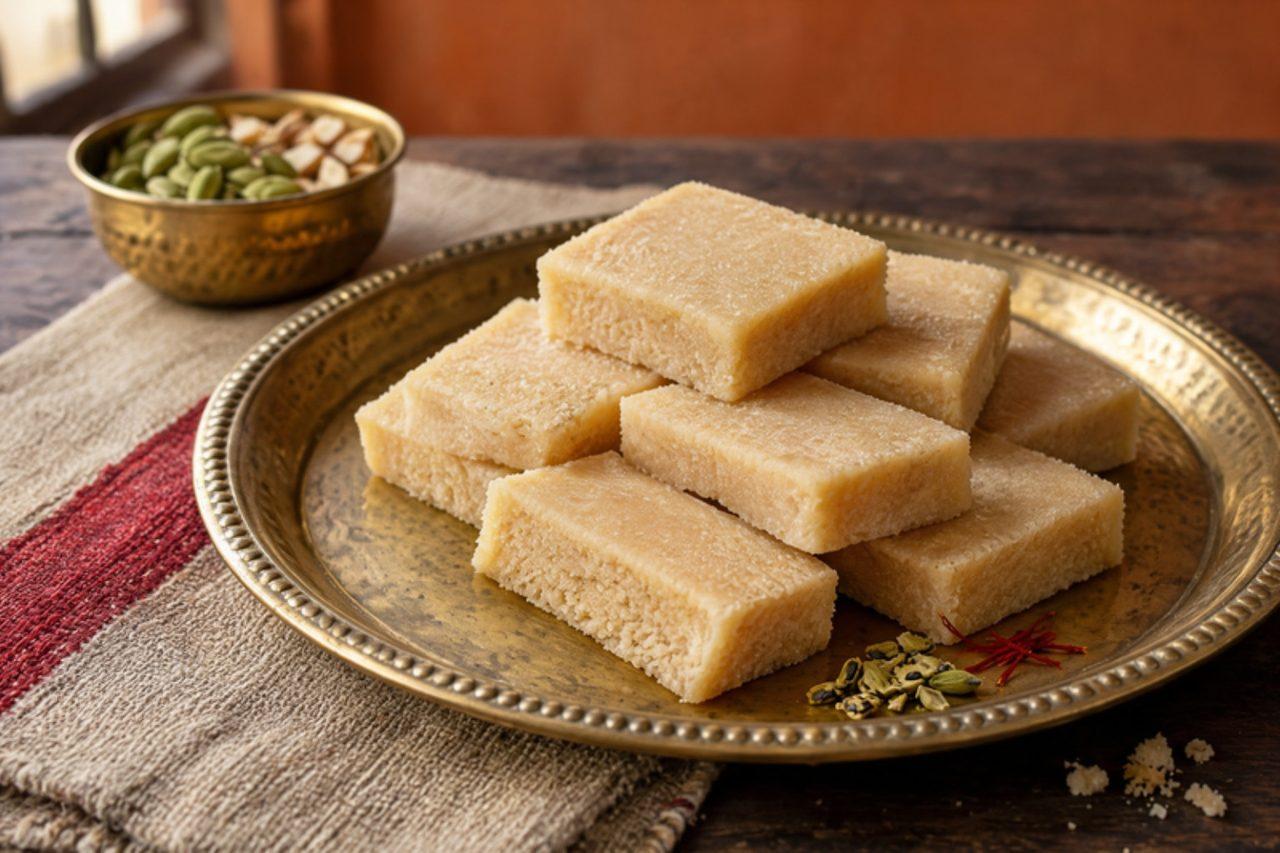
Mishri mawa is the pride of Jaipur's old sweet shops near Johari Bazaar: full-fat milk boiled down slowly with sugar and a little alum until it splits into tiny, sparkling grains, then set loosely so it breaks into soft flakes that melt on the tongue. It is bought for Diwali, weddings and when guests arrive from far away. Unlike kalakand, it is very white and only lightly set, with saffron and cardamom. The common mistake is letting the milk catch at the bottom; even a little scorching turns it beige and smoky. Chef's tip: use a wide, heavy pan and scrape the base and sides with a flat spatula every minute once the milk has halved.

by KrazyBadal 0 views

Aussie salad sandwich

The salad sandwich is the backbone of the Australian lunchbox and the school tuckshop order: soft bread built up with tinned beetroot, grated carrot, tasty cheese, tomato and crisp lettuce, cut into triangles and wrapped in paper. Beetroot is what makes it unmistakably Aussie. The common mistake is laying wet beetroot and tomato straight on bare bread, so by lunchtime it is pink and soggy. Many Cheddar-style "tasty" cheeses use animal rennet; choose one labelled vegetarian. Chef's tip: butter both slices to the edge and put the cheese and lettuce next to the bread, with the wet fillings sealed in the middle.

by KrazyBadal 0 views

Bánh da lợnSteamed layer cake

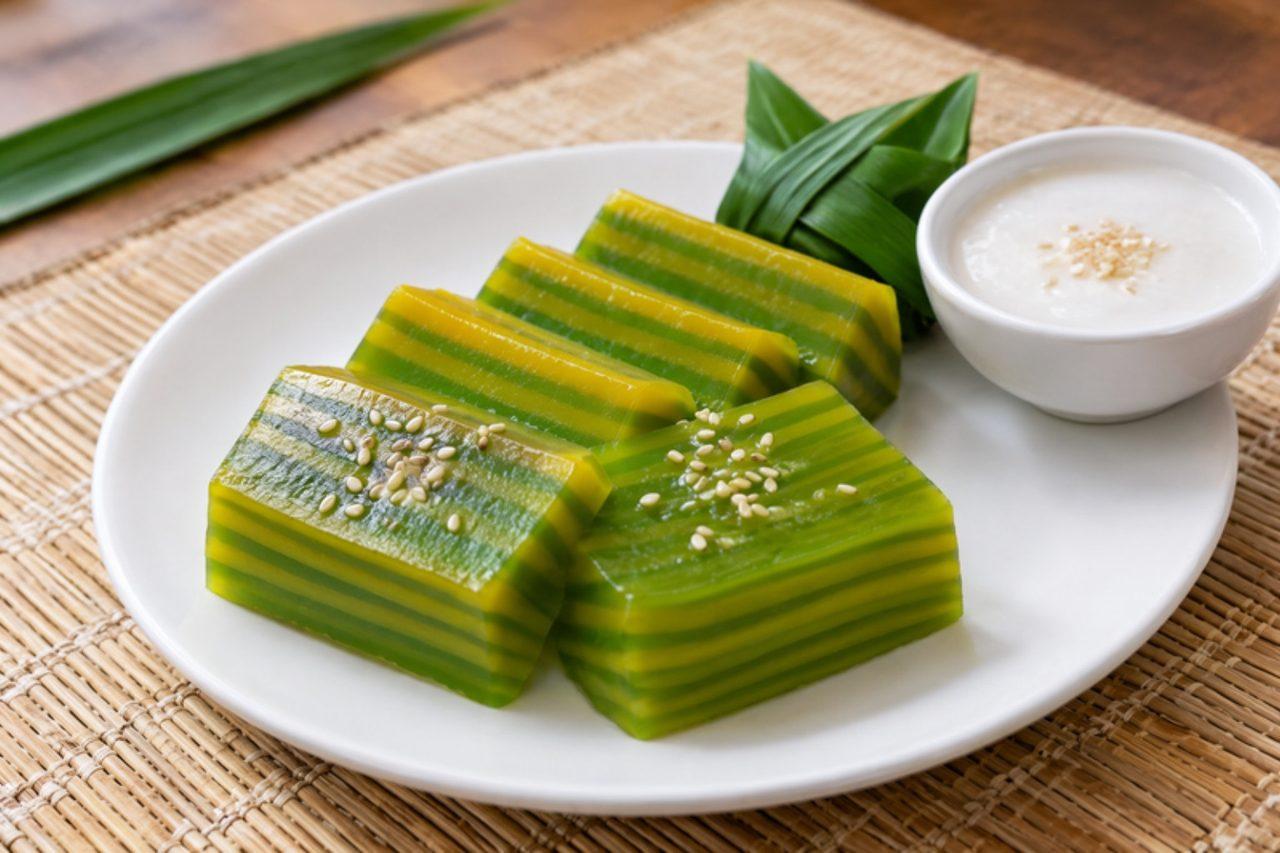
Bánh da lợn is piled up in glistening slabs at the dessert stalls of Bến Thành Market and on the trays of Saigon's afternoon sweet sellers. Thin layers of tapioca and coconut batter are steamed one at a time, alternating fragrant pandan green with nutty mung bean yellow, so every slice shows neat stripes and has a soft, bouncy, slightly springy bite. People peel the layers off one by one, especially children. Chef's tip: let each layer set until it turns translucent before pouring the next, or the colours run into each other.

by KrazyBadal 0 views

Agua de tuna (prickly pear drink)

Late summer is tuna season across the central highlands, from Hidalgo and the Estado de México down to Puebla's Teotihuacán valley, and that is when the big vitroleros in markets and taquerías turn shocking pink. Agua de tuna is just the cactus fruit blended with water, lime and a little sugar, strained, and poured over ice with lunch. Red tunas give a vivid colour and a taste between watermelon and pear; green ones make a paler, more herbal drink. It should be light and thirst-quenching, never syrupy. The commonest mistake is blending too long: the hard seeds crack and the agua turns gritty and slightly bitter. Pulse briefly, just enough to free the pulp, then strain well. It is ready when the liquid runs smooth through the sieve and tastes clearly of fruit with only a lift of lime. Handle unpeeled tunas with tongs or gloves: even 'cleaned' ones keep tiny glochids. Chef's tip: chill the peeled fruit before blending; cold pulp keeps its colour bright and needs less ice to dilute it.

by KrazyBadal 0 views

Mkate mayaiMinced beef and egg pastry

Mkate mayai means "bread egg" in Swahili, though there is no bread in it: a ball of dough is slapped and stretched until you can see through it, laid on a huge oiled griddle, filled with spiced minced beef and beaten egg and folded into a crisp square parcel. It comes from the Swahili coast, where in Mombasa's Old Town the stalls are busiest after iftar during Ramadan, and in Nairobi you will find it frying late into the night on Eastleigh's First Avenue. The outside is flaky and blistered, the inside soft and savoury. It contains wheat and egg. Chef's tip: oil the counter and your hands, not flour; oil lets the dough stretch thin without tearing.

by KrazyBadal 0 views

Maesil-cha (green plum tea)

In early June the hillsides of Gwangyang are picked clean of hard green maesil, and Korean kitchens across the country fill with jars of plums buried in sugar. Over about a hundred days the sugar draws out the fruit's juice and becomes maesil-cheong, a golden syrup that is both a cooking ingredient and a drink. Iced, it is the summer cooler; hot, it is traditionally drunk after a heavy meal for digestion. It tastes bright and tart, like green apple and apricot, rounded by the sugar. The common mistake is putting damp plums or plums with stalks into the jar: water and stalk ends invite mould and unwanted fermentation. Pick out each stalk with a toothpick and dry the fruit completely. The syrup is ready when the plums have shrivelled and float in clear amber liquid. A little foaming early on is normal, but if it smells strongly of alcohol, grows fuzzy mould or turns slimy, discard it. Remove the plums at 100 days, because their stones contain natural compounds best kept out of a long-stored syrup. Chef's tip: use half white and half light brown sugar for a rounder, toffee-edged syrup.

by KrazyBadal 0 views

MocochinchiDried peach and cinnamon drink

Walk through any Bolivian plaza on a warm afternoon and someone will be selling mocochinchi from a big glass jar: a cool, amber drink of sun-dried peaches simmered with cinnamon and cloves, served with a whole wrinkled peach at the bottom of the glass to eat at the end. It is the classic drink with lunch from Cochabamba to Tarija. People often skip the overnight soak, and then the peaches stay leathery and the drink tastes thin. Chef's tip: rub the soaked peaches between your hands under water to clean off dust and loosen the skins, which also releases more flavour.

by KrazyBadal 0 views

CassareepCassava syrup

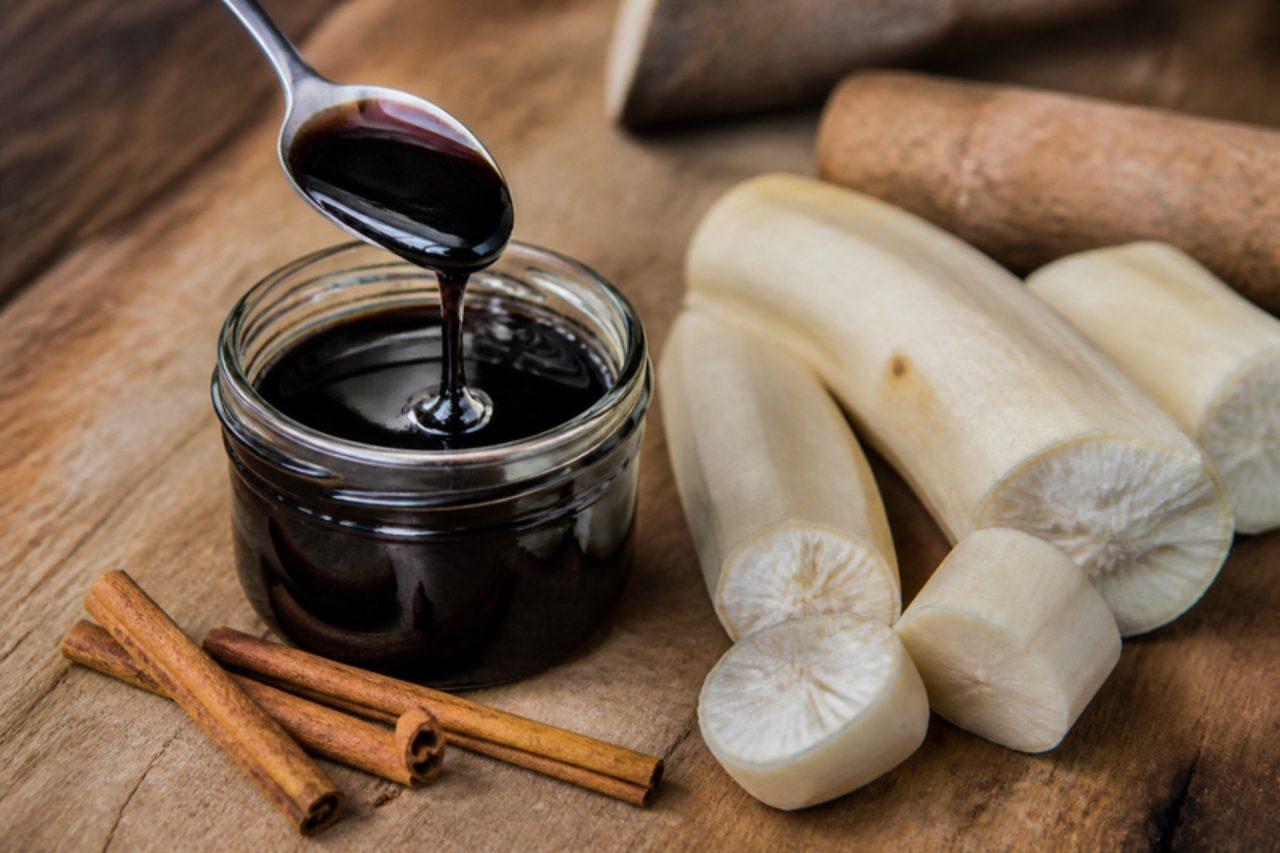
Cassareep is what makes Guyana's Christmas pepperpot dark, sweet-savoury and long-keeping, and in Amerindian villages of the Rupununi and along the rivers it is still boiled down from the juice of grated cassava. Traditional cassareep uses bitter cassava, whose raw juice is poisonous until it has been boiled for hours; this home version uses only sweet cassava (the kind sold in shops as yuca), and still boils the juice for a long time, because even sweet cassava must never be eaten raw. A little dark sugar helps it reach the deep colour that slow reduction gives in the villages. The usual mistake is stopping too soon, when it is brown and thin; it should be black and syrupy, like molasses. Chef's tip: take the pan off the heat when it coats a spoon thickly, as it thickens much more as it cools.

by KrazyBadal 0 views

Mofo ananaGreens fritters

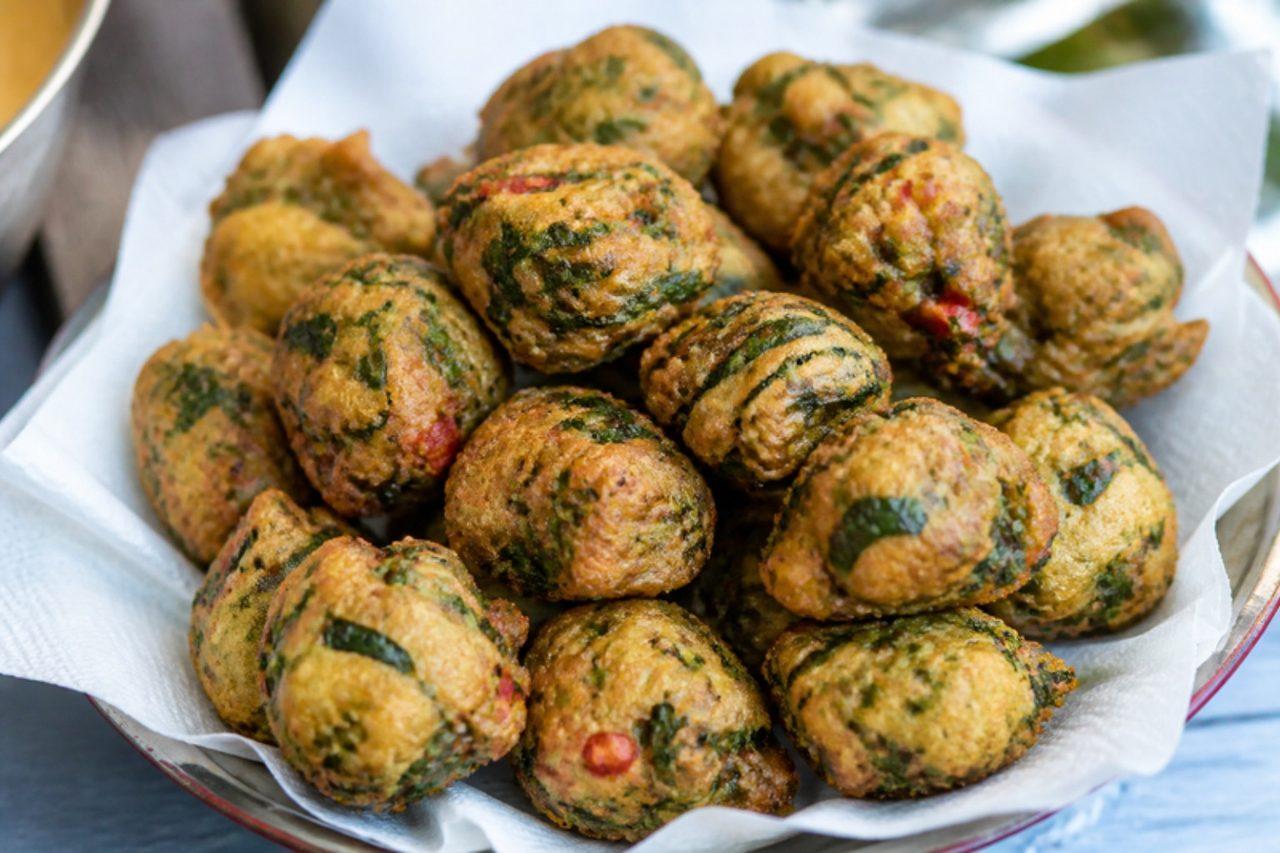
Stalls along Analakely market in central Antananarivo stack mofo anana in paper cones from mid-morning, and they rarely last past lunch. Each fritter is mostly leaves held together with a thin, savoury batter, so the outside fries lacy and crisp while the inside stays soft and grassy, with a lift from spring onion, garlic and chilli. Eat them hot as a snack with a cup of ginger tea, or set a plate of them beside a bowl of broth and some sakay for dipping. The usual mistake is a batter that is too thick: it should only just bind the greens, otherwise you end up with a heavy, doughy pancake. Chef's tip: squeeze the chopped leaves in a clean tea towel before mixing; wet greens spit in the oil and make the fritters soggy.

by KrazyBadal 0 views

RosinbollerCardamom raisin buns

In Norway, rosinboller are what a parent bakes on Sunday so the week's lunch boxes have something sweet, and what fills the tables at every school dugnad and bake sale. The dough is enriched with milk and butter and scented with freshly ground cardamom, and the buns are pulled apart soft and golden. The common mistake is using hot milk: anything above blood heat kills the yeast and the buns stay flat. Chef's tip: crush the cardamom seeds yourself just before mixing; the pre-ground powder loses most of its perfume.

by KrazyBadal 0 views

Bathua raitaChenopodium leaf yogurt

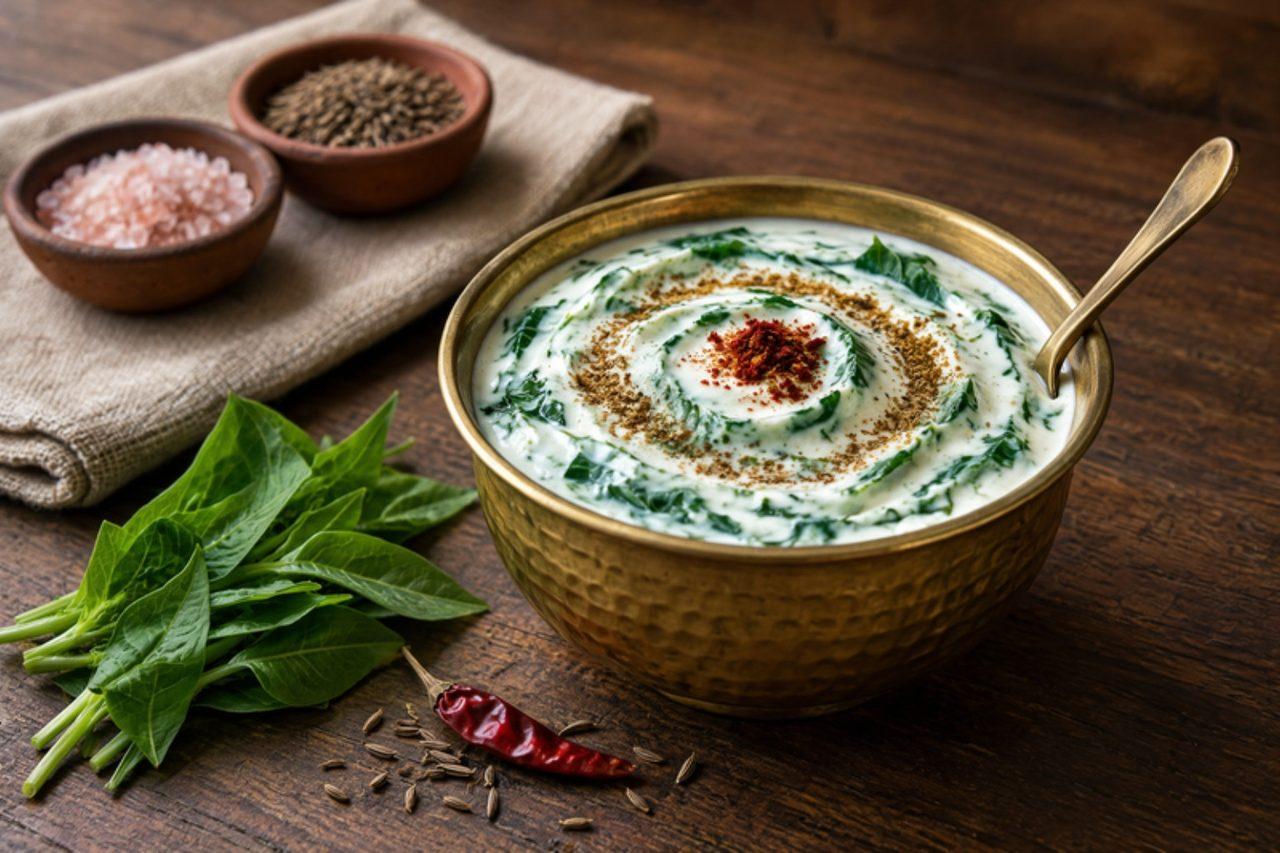
Bathua (chenopodium or lamb's quarters) grows wild in the wheat fields of western Uttar Pradesh and Haryana in winter, and from December to February families blanch it and stir it into yogurt as a cooling raita beside paratha, dal or bajra roti. The leaves are boiled briefly, chopped and folded into whisked yogurt with roasted cumin, black salt and a little green chilli, so it tastes earthy, tangy and fresh. It is suitable as part of a balanced diet. About 90 kcal and 7 g carbohydrate per portion. The usual mistake is adding the greens while they are still hot or wet, which makes the yogurt thin and grainy; squeeze them dry and cool them first. Chef's tip: grind half the blanched leaves to a paste so the raita turns an even pale green.

by KrazyBadal 0 views

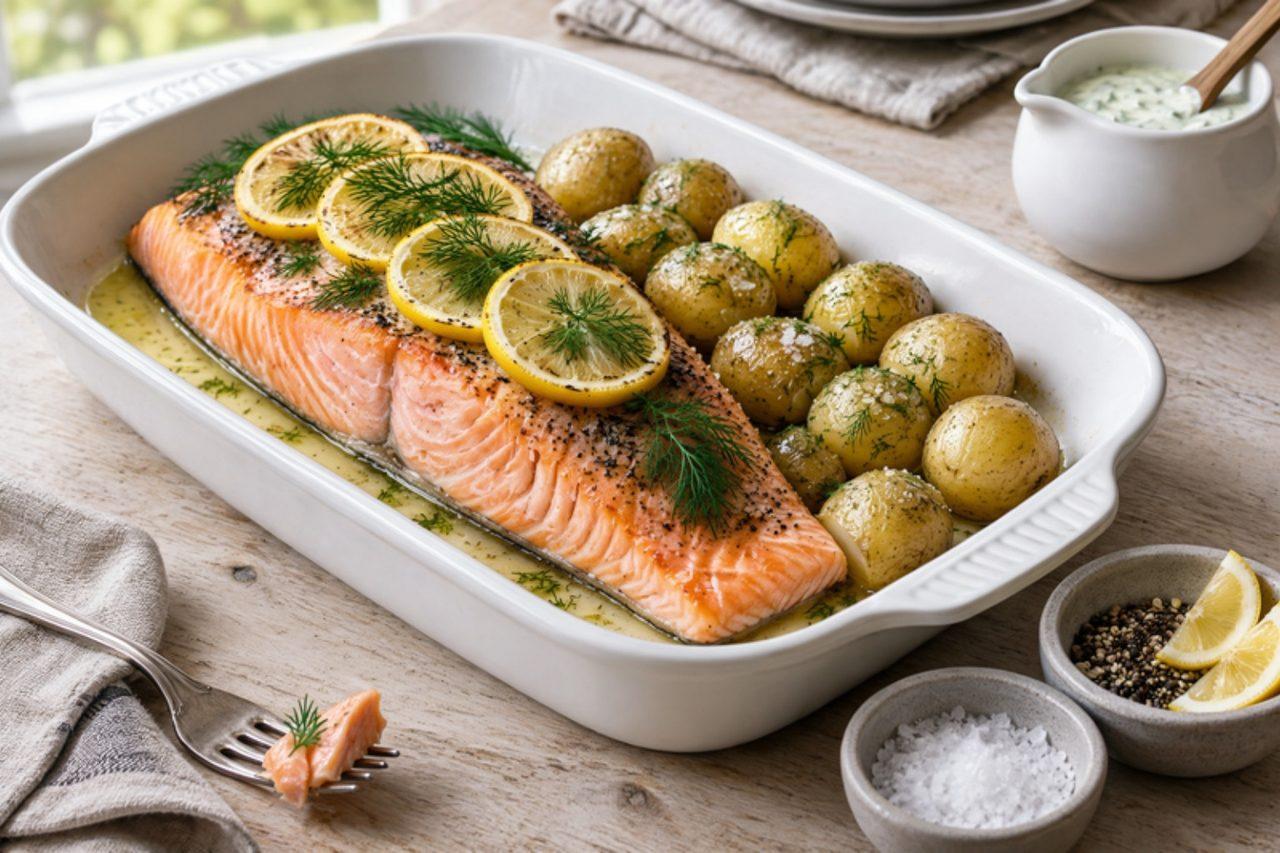
Ugnsbakad laxOven-baked salmon

Ugnsbakad lax is one of Sweden's most common weeknight dinners, made all year round but especially in summer when dill is everywhere, and it is on every school and workplace lunch menu. A thick side of salmon bakes quickly with lemon slices and plenty of dill, staying moist and pink in the centre. Oily fish, high in protein and suitable as part of a balanced diet; serve with a few boiled new potatoes and green beans or a cucumber salad. About 350 kcal and 2 g carbohydrate per portion. The usual mistake is baking it until it is dry and chalky, with white protein seeping out; take it out as soon as it flakes. Chef's tip: salt the salmon 15 minutes before baking so it seasons through and holds its juices.

by KrazyBadal 0 views

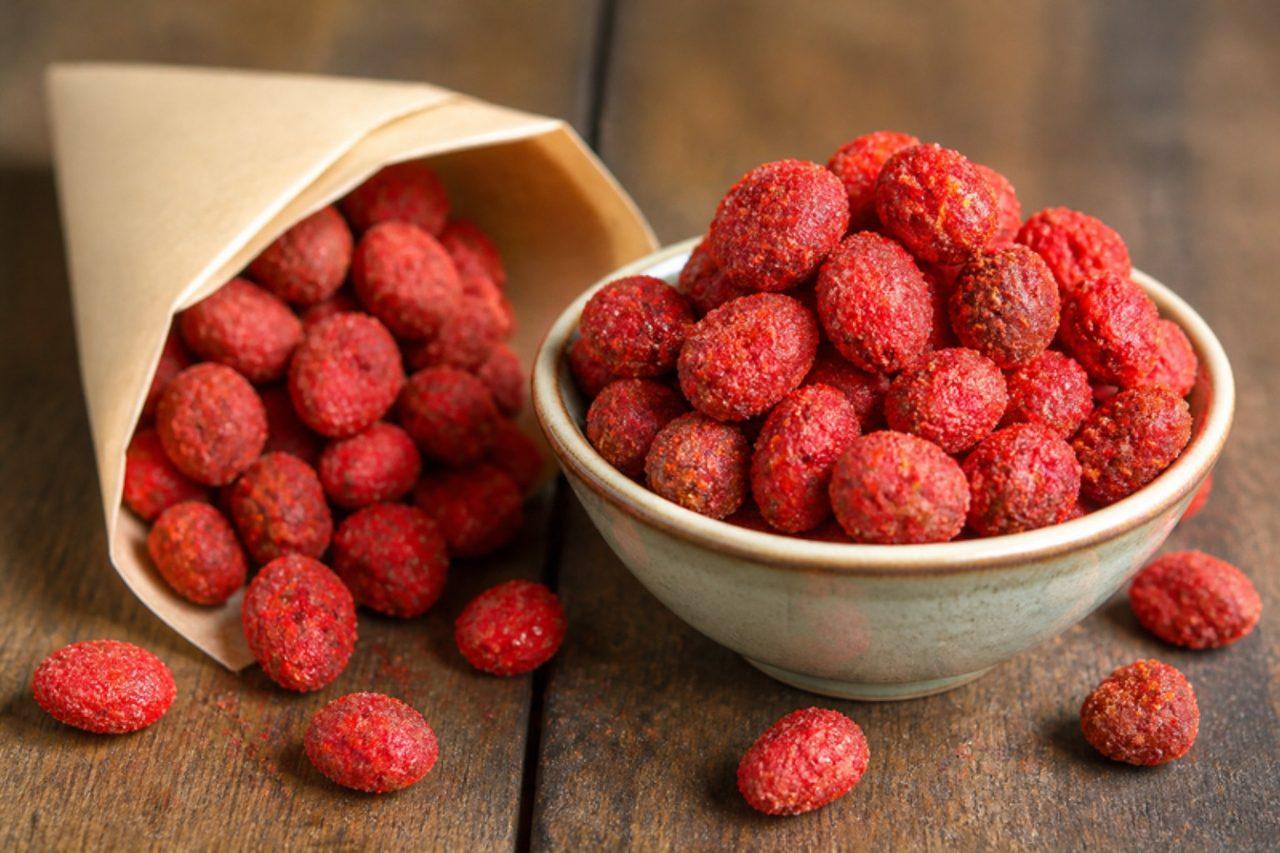
MabuyuCandied baobab seeds

Twist-tied plastic packets of bright red mabuyu hang in every kiosk in Mombasa and Zanzibar, and school children suck on them for hours. Each baobab seed keeps a coat of its own chalky, lemony pulp, and boiling it in sugar syrup with chilli, cardamom and a touch of salt turns that coat into a crunchy, sweet, sour and hot shell. Buy dried baobab seeds with the pulp still on (sold as ubuyu or baobab seed pods at African grocers or online); powder or plain seeds won't work. Suck off the coating and pulp; the hard seed inside is not meant to be chewed and is not safe for small children. Chef's tip: once the seeds are in, keep stirring off the heat until the syrup suddenly turns cloudy and sandy; that is the moment the crust forms.

by KrazyBadal 0 views

Pâté en croûtePork and veal pie in pastry

Lyon's charcuteries display pâté en croûte like jewellery: a tall loaf of crisp, golden pastry wrapped around a coarse terrine of pork and veal. A slice wrapped in paper is a picnic and lunchbox luxury, and the whole loaf is a Sunday project eaten over several days. The common mistake is undercooking it for fear of drying it out: as it is made with minced pork, the centre must reach 71 °C, so use a probe thermometer. The classic farce has a splash of cognac; it's optional here, and apple juice or extra stock is the alcohol-free swap. Chef's tip: chill the filled, unbaked loaf for 30 minutes before baking so the pastry keeps its shape and pattern.

150 minFrenchMeat
by KrazyBadal 0 views

Thambili (king coconut water)

All along Sri Lanka's roads, from Galle Road in Colombo to the highways into Kandy and the beaches of the south coast, vendors stack bright orange king coconuts in pyramids under umbrellas. The thambili is a variety grown on the island for drinking: smaller than a green coconut and sweeter, with a faint saltiness that makes it more refreshing than any bottled drink. It is drunk any time of day in the heat, after a long bus ride, after a cricket match, and given to people recovering from a fever because it is gentle on the stomach. The water is clear, lightly sweet and nutty, and the soft jelly inside is eaten with a spoon made from a slice of the husk. The common mistake is hacking at the side of the nut; the blade glances off and the water spills. Trim the pointed top with downward strokes until a pale circle shows, then pierce it. It is ready to drink when a small hole opens straight into the water without husk fibres. Outside Sri Lanka, young green or Thai coconuts are the nearest substitute. Chef's tip: chill the coconuts for a few hours before opening; the water tastes sweeter cold, and use a heavy knife and a towel, keeping fingers well clear.

by KrazyBadal 0 views

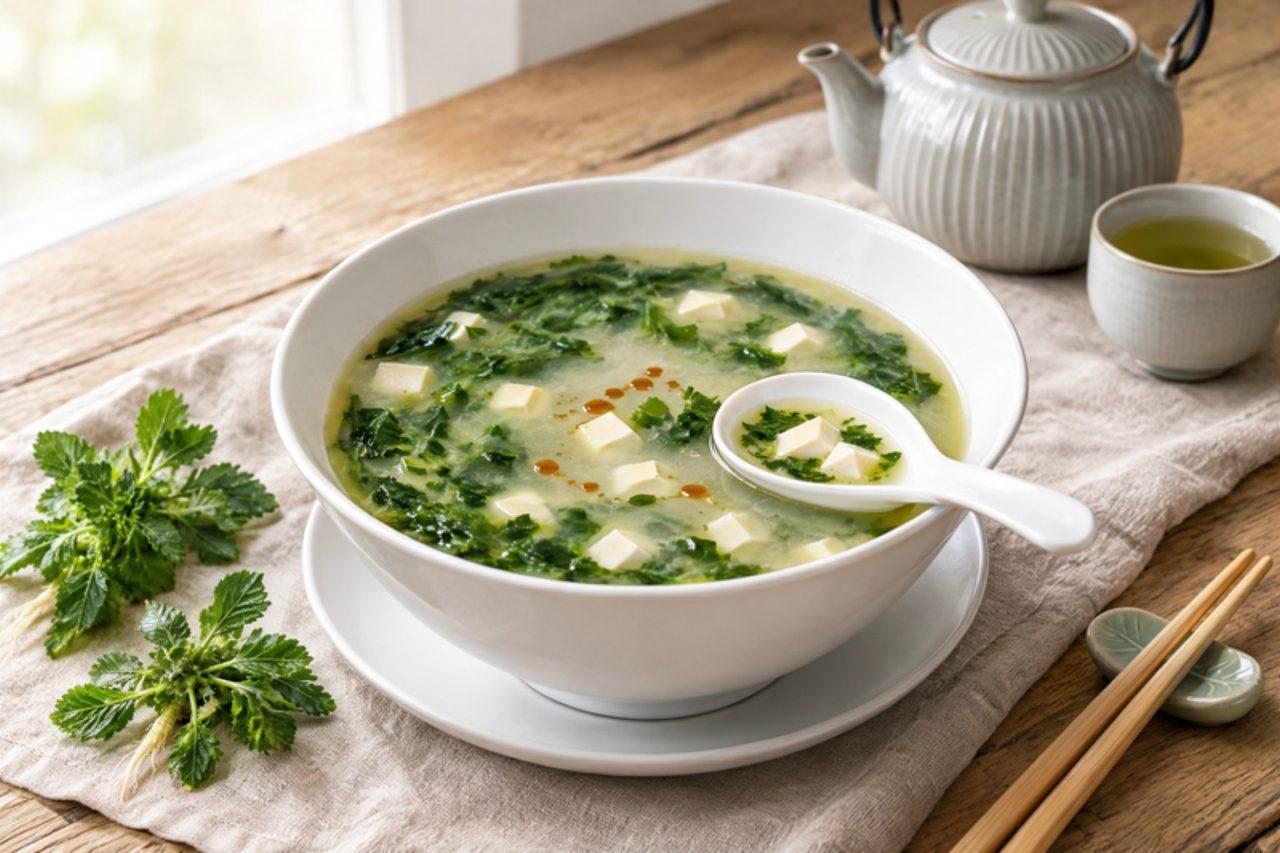
Jicai doufu gengShepherd's purse and tofu soup

In Shanghai and Jiangsu, shepherd's purse (jicai) is picked from field edges in early spring, and this gentle, lightly thickened soup is one of the first dishes of the season at home and in Shanghainese restaurants. Finely chopped greens and small cubes of soft tofu are simmered in vegetable stock with a few shiitake, then thickened just enough to coat a spoon, giving a soothing, savoury soup with a fresh, grassy taste. Serve it as a starter or with a small bowl of rice. It is suitable as part of a balanced diet. About 110 kcal and 7 g carbohydrate per portion. The usual mistake is adding too much starch, which makes it gluey; it should flow off the spoon. Spinach works if you can't find jicai. Chef's tip: blanch and squeeze the greens before chopping, which keeps the soup bright green instead of murky.

by KrazyBadal 0 views

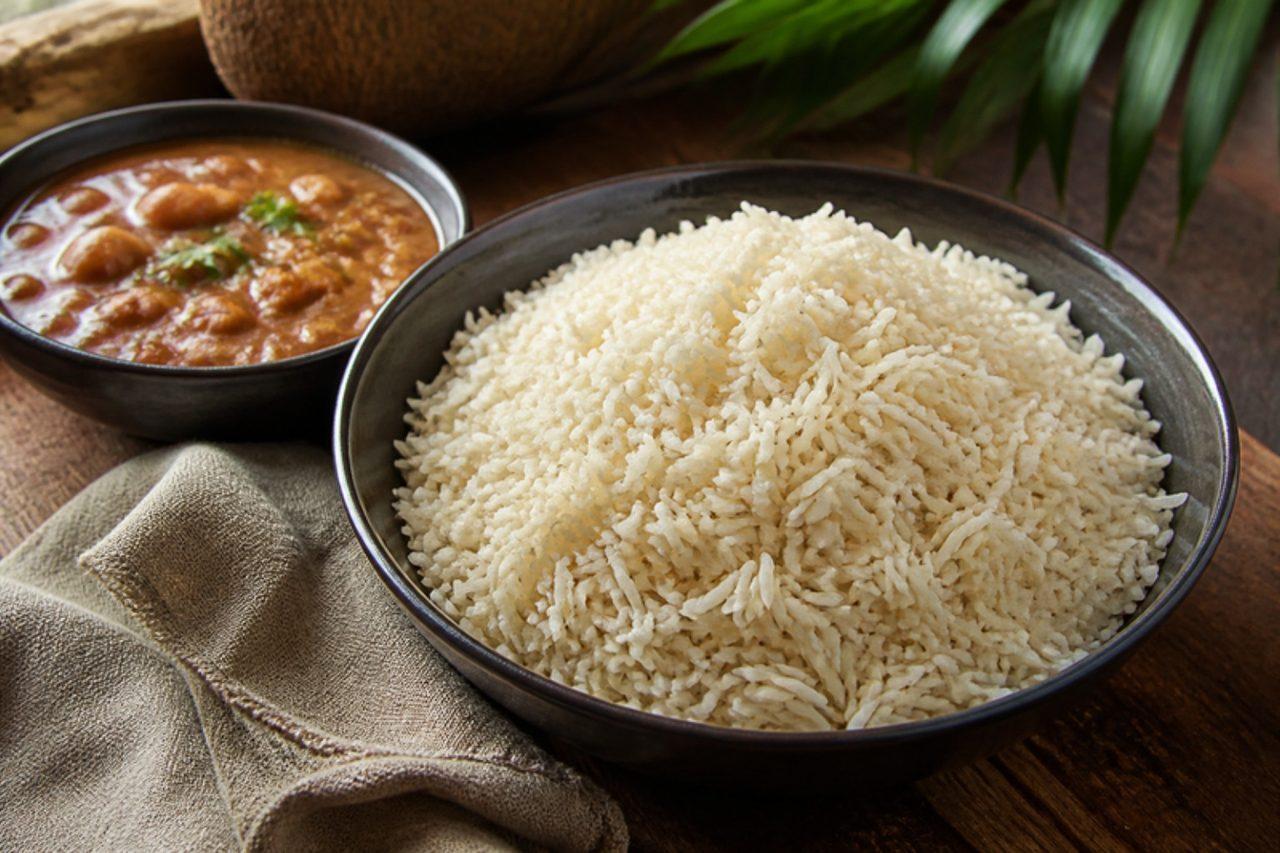
Wali wa naziCoconut rice

Coconut rice sits under almost every coastal plate from Mombasa's Old Town to Malindi, beside bean stews, mchuzi wa samaki or a simple tomato salad. Swahili cooks use two coconut milks: a thin one to cook the grains, and the rich first pressing poured over at the end, so the rice is fluffy, faintly sweet and fragrant rather than greasy. Done right, the bottom of the pot forms ukoko, a golden crust that families argue over. Long-grain pishori or basmati works best, and stirring after the thick milk goes in is the mistake that turns it gluey, so leave it alone. Chef's tip: lift the lid only once, at the end; the trapped steam finishes the grains and sets the crust.

by KrazyBadal 0 views

Jambon-beurreHam and butter baguette

France sells millions of jambon-beurre every working day: half a crusty baguette, split, spread with good salted butter and filled with thin slices of jambon de Paris, the delicate cooked pork ham. Parisians eat it at the office, on a park bench or on the train. The common mistake is a stingy smear of hard butter; the butter is a filling, not a glue, so spread it soft and generous. Some add cornichons, which purists call a different sandwich. Chef's tip: fold each slice of ham loosely in half rather than laying it flat, so the sandwich is airy and every bite has ham.

by KrazyBadal 0 views

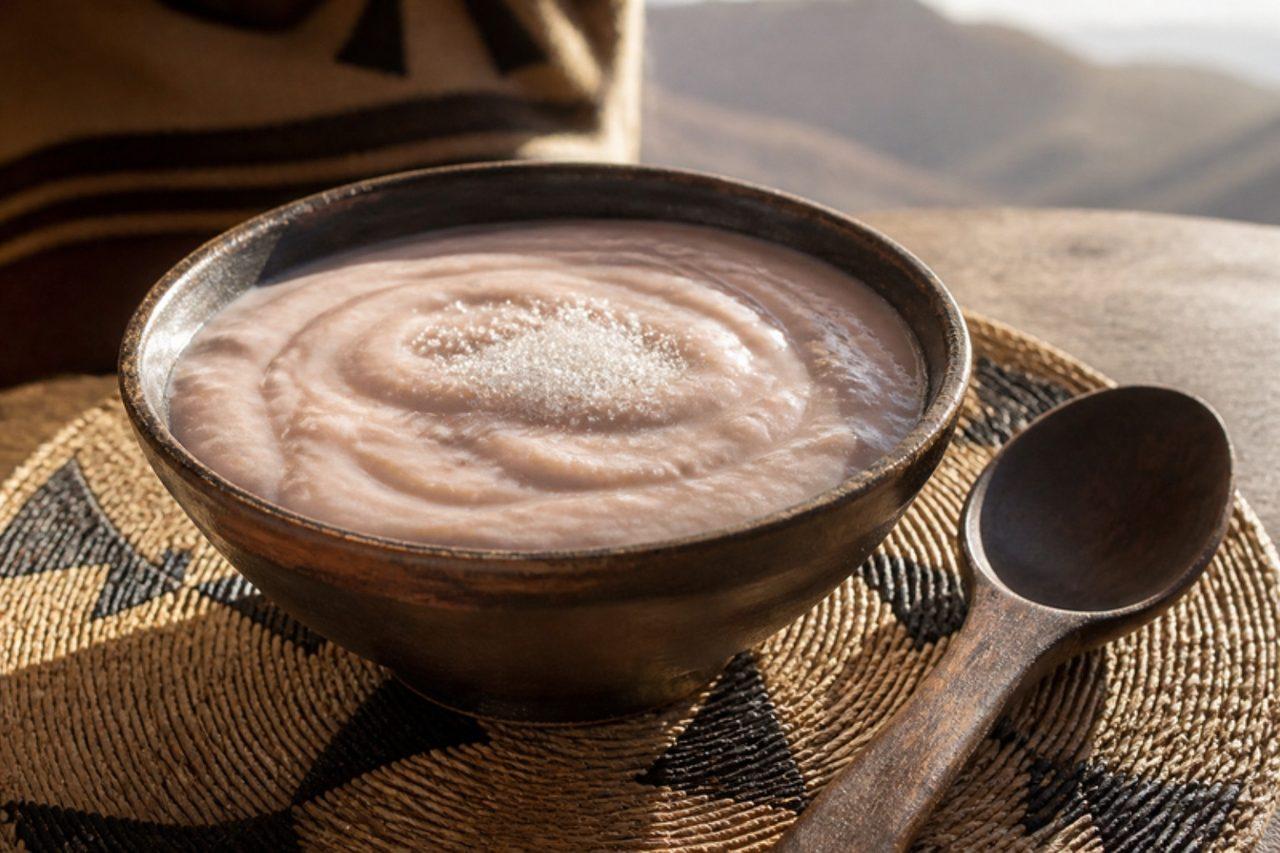
MotohoFermented sorghum porridge

Highland mornings in Lesotho can be bitterly cold, and a mug or bowl of warm motoho, thin enough to sip and pleasantly tangy, is how many Basotho families in Maseru and the mountain villages start the day. Sorghum meal is mixed with warm water and a spoonful of starter from the last batch, left overnight by the stove to sour, then cooked into a smooth, pourable porridge with a yoghurt-like tang and a nutty, toasty flavour. Some sweeten it with sugar; others drink it plain with bread. If you have no starter, make one two days ahead with sorghum and water, as below. Chef's tip: keep the ferment warm but not hot; a pot left right on the stove gets too sour and too thin, so a spot nearby is perfect.

by KrazyBadal 0 views

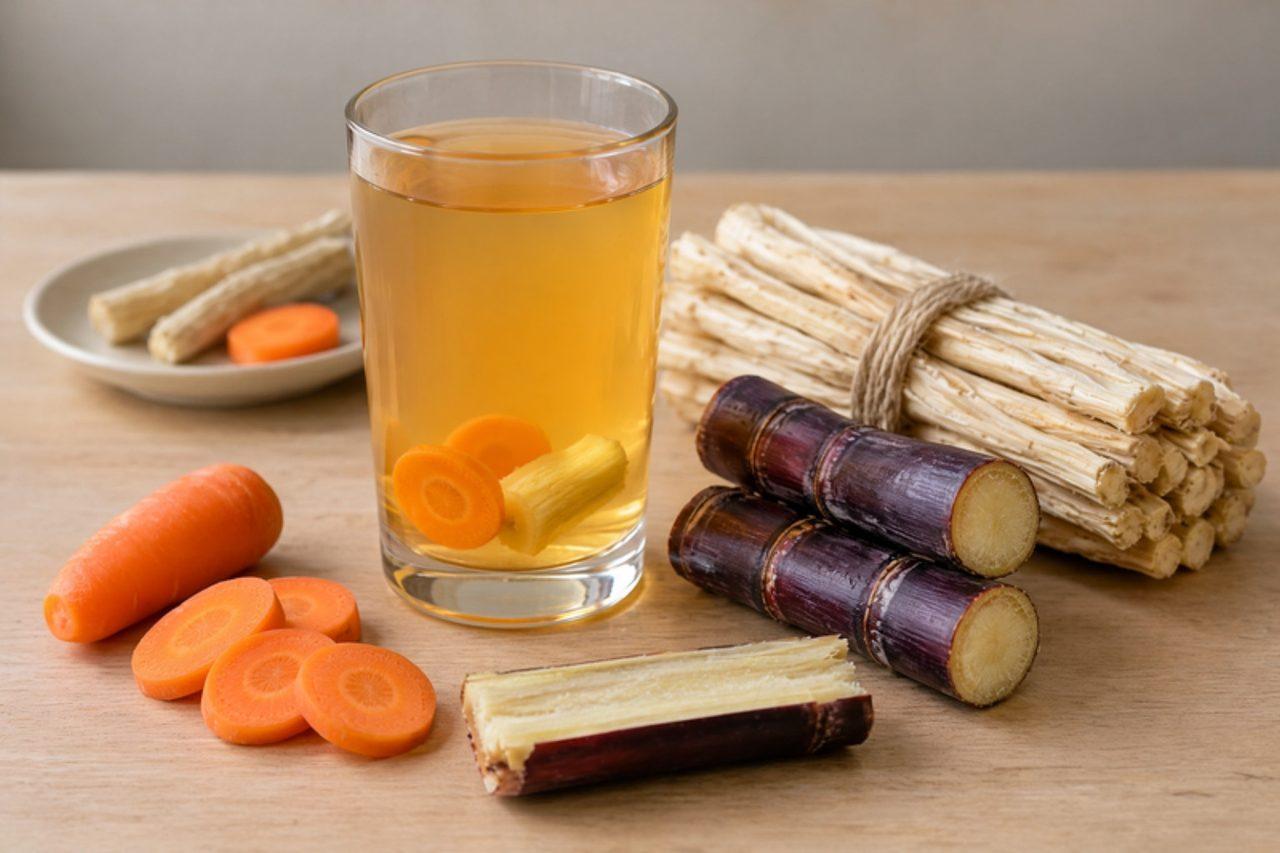
Sugarcane and cogon root drink

Ask a Hong Kong family what they drink at the first hint of a sore throat in autumn, or when the city's spring humidity sets in, and many will say jook je mao gun soi. Lengths of thin green bamboo sugarcane, split open, are simmered with dried cogon grass root and carrots, sometimes with water chestnuts and a few dried corn silks, into a pale amber broth that tastes of sugarcane, sweet carrot and a faint grassiness. It is drunk warm after dinner or chilled from the fridge during the day, and herbal tea shops sell it by the bottle for children who refuse the bitter stuff. The common mistake is skipping the splitting of the cane: whole sticks barely release any sweetness, and you end up adding sugar. Bash each piece with the back of a cleaver until it cracks lengthwise. The drink is ready when the carrots are soft, the liquid is clear and light amber, and it tastes naturally sweet. Bamboo cane and cogon root are sold as soup packs in Chinese grocers; ordinary purple or green sugarcane works too. It is traditionally drunk to 'clear heat', but it is a refreshment, not a cure. Chef's tip: add a few peeled water chestnuts for extra crunch-sweetness.

by KrazyBadal 0 views

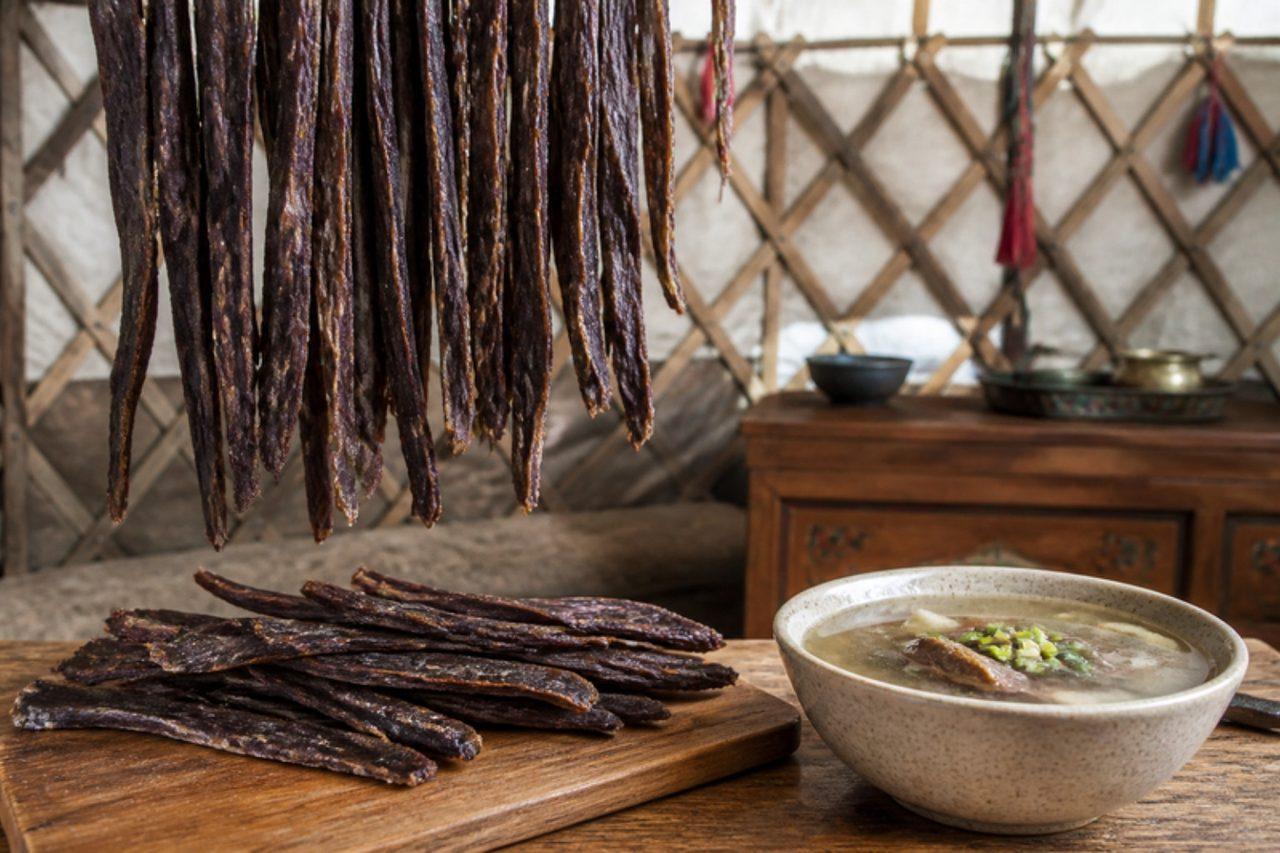
BortsAir-dried beef strips

Borts is the winter-dried meat of Mongolian herding families: in the cold, dry air of late autumn, strips of beef are hung inside the ger until they shrink to hard, dark sticks, then pounded and stored in a bag to last until spring. A handful of borts dropped into hot water makes an instant soup, and nomads carry it on long journeys. In Mongolia it is also made from horse or camel meat; this recipe uses beef. Home kitchens don't have the steppe's freezing dry air, so here the meat is heated to a safe temperature first and dried in a low oven. A common mistake is leaving fat on the strips; fat turns rancid, so trim it all. Chef's tip: slice the meat while half-frozen to get thin, even strips.

by KrazyBadal 0 views

Camote cueCaramelised fried sweet potato

Camote cue is the three-o'clock merienda of Manila, fried in big woks by vendors on the corners of Quiapo, outside university gates on España Boulevard and along every jeepney route, alongside banana cue. Chunks of sweet potato are fried until tender, then brown sugar is scattered into the hot oil, where it melts and wraps each piece in a glassy, crackly caramel coat. They are threaded onto bamboo sticks and eaten warm, with a soft, sweet, chestnut-like centre. Chef's tip: let the oil cool slightly before adding the sugar; sugar dropped into very hot oil burns and turns bitter in seconds.

by KrazyBadal 0 views

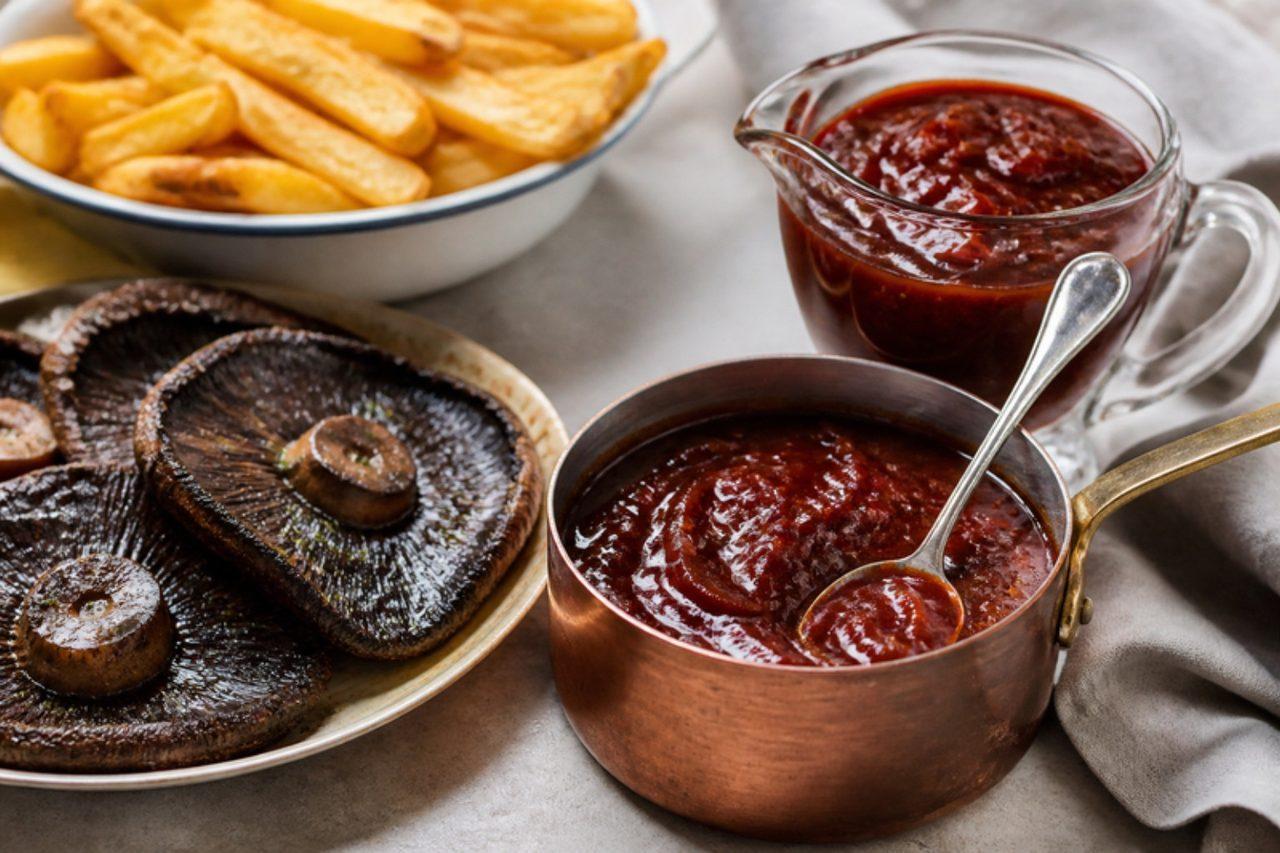
Monkey gland sauceTangy onion and tomato sauce

Despite the alarming name, there are no monkeys in it, and the story most often told is that chefs at a grand Johannesburg hotel in the 1930s cooked it up from bottles in the kitchen for guests who complained about the food. Today it turns up at every steakhouse, roadhouse and braai in the country, poured over burgers, chips and grilled mushrooms. Soft onion and garlic are simmered with tomato, fruit chutney, vinegar and Worcestershire sauce into a glossy, mahogany sauce that is sweet, tangy and gently peppery, ideal with a halloumi steak, a bean burger or a portobello off the braai. Ordinary Worcestershire sauce is made with anchovies, so use vegetarian Worcestershire sauce, and check that the chutney contains no honey to keep it vegan. Boiling it hard is the mistake that catches the sugar and turns it bitter. Chef's tip: a little cracked black pepper at the end gives the steakhouse kick.

by KrazyBadal 0 views

DakgangjeongSticky glazed fried chicken

Dakgangjeong is the boxed fried chicken of Sokcho's Jungang market on Korea's east coast, carried home by the tub and packed into lunchboxes the next day, because the double-fried pieces in their sticky glaze stay crunchy even when cold. The common mistake is frying only once; the second fry drives out moisture so the crust holds up to the sauce. Chef's tip: coat with potato starch rather than flour, and let the coated chicken sit for 5 minutes so the starch hydrates into a craggy crust.

by KrazyBadal 0 views

Moong thalMoong dal flour fudge

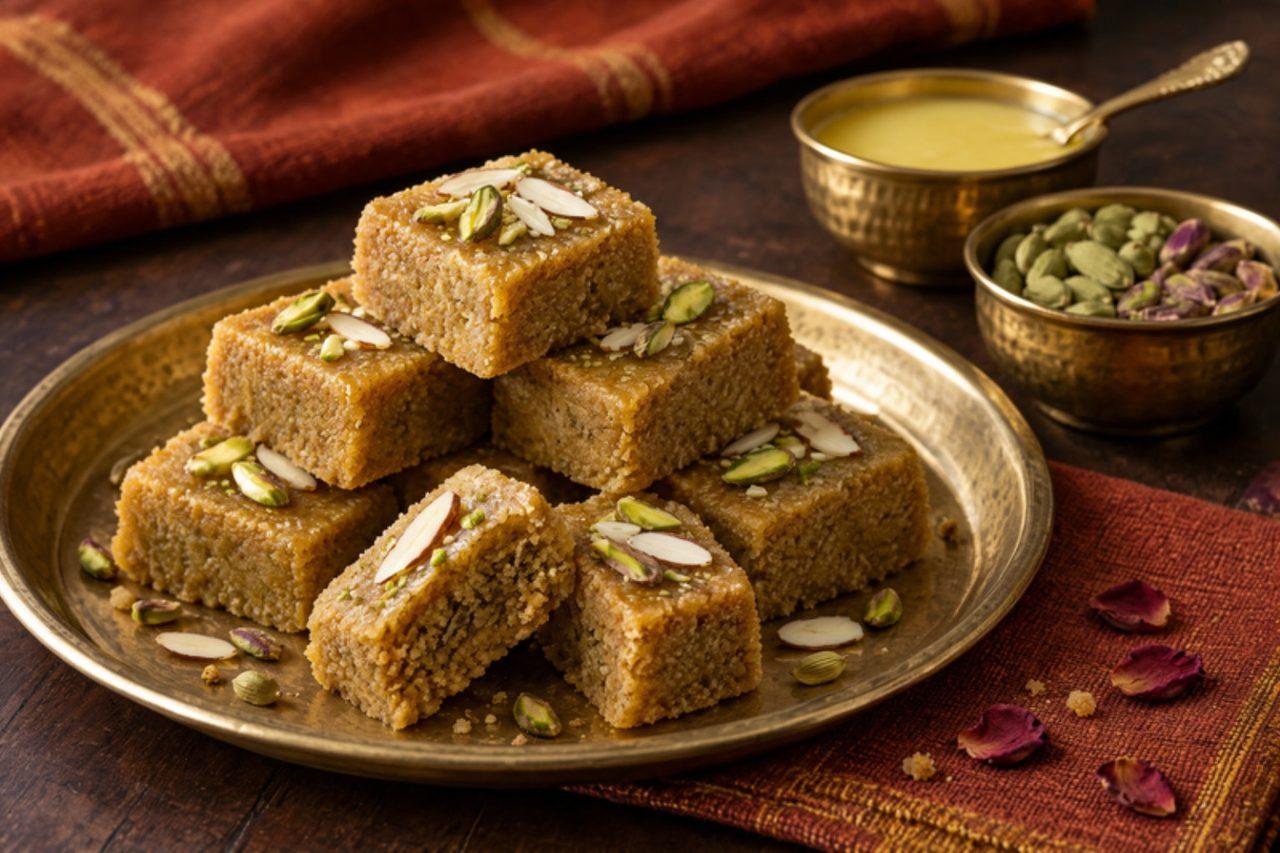
Moong thal is a Diwali tray sweet of Bikaner and Marwari homes, made by roasting coarsely ground moong dal in a generous amount of ghee, then setting it with sugar syrup and mawa and topping with nuts. It is richer and grainier than besan barfi, with a deep, toasty flavour. Marwari families in Kolkata and Mumbai still make it for Diwali boxes. The common mistake is under-roasting the moong, which leaves a raw, beany taste. Chef's tip: roast until the mixture turns light and frothy and the ghee releases from it; that is your sign it is cooked through.

by KrazyBadal 0 views

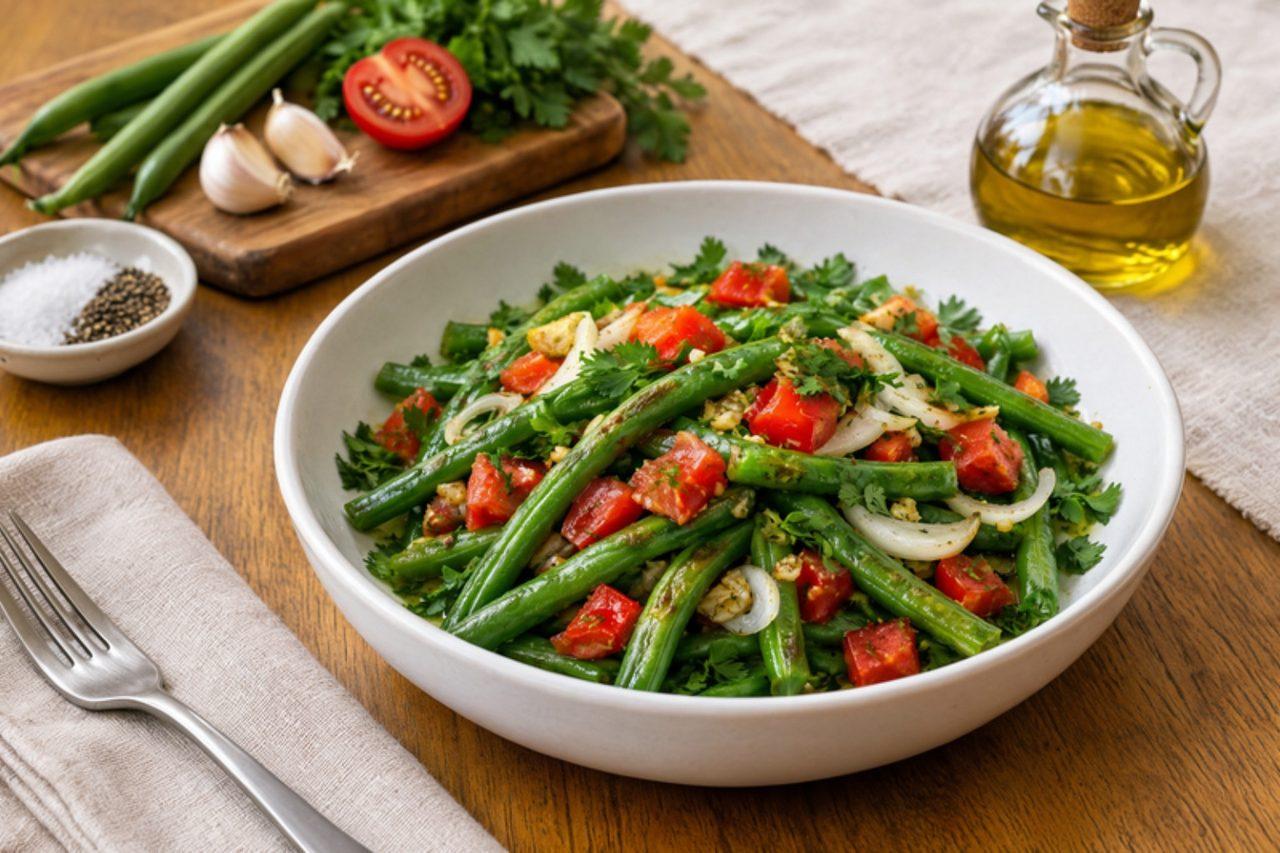
Vagem refogadaSauteed green beans

In São Paulo and Rio, the marmita (lunch tin) that workers carry from home almost always has arroz, feijão, a protein and a simple legume refogado, and green beans cooked with garlic, onion and tomato are one of the most common. Refogar means to sauté gently in oil before the vegetables cook in their own steam. The common mistake is boiling the beans until army-green and floppy; they should stay bright and keep a little snap. Chef's tip: blanch for just 3 minutes, then finish in the pan, so they still taste fresh when reheated at work.

by KrazyBadal 0 views

Batida de cocoCoconut cachaça cocktail

Along the barracas of Salvador's beaches and at the June São João parties across Bahia, batida de coco comes out of the blender in jugs, poured into plastic cups and drunk while the forró plays. It is a drink for adults only that hides its strength well: creamy, cold and sweet like a coconut milkshake, with cachaça warming the finish rather than shouting. The texture should be thick but pourable, pale ivory, with a soft froth on top. The common mistake is blending the ice for too long, which leaves a thin, watery drink that separates into a fatty layer within minutes. Blend the liquids smooth first, then add the ice and pulse only a few times, until the noise from the blender goes quiet and smooth. It is ready when no lumps of ice rattle and the batida coats the side of the glass. Because it tastes so gentle, keep the cups small and drink responsibly. Chef's tip: chill the cachaça, coconut milk and tin of condensed milk overnight, and you will need less ice and get a richer, denser batida.

by KrazyBadal 0 views

Hongzao guiyuan cha (red date and longan tea)

Across southern China, from Fujian to Guangdong, a pot of red dates and dried longan is what mothers and grandmothers put on the stove when the weather turns cold, and it is the classic drink brought to new mothers during zuo yuezi, the month of rest after childbirth. It is also sipped through the winter in the afternoon, or offered to visitors at Lunar New Year because the red dates promise sweetness ahead. The tea is amber-brown, naturally sweet and fruity, with a caramel, smoky depth from the longan and a gentle warmth if you add ginger. The common mistake is simmering whole dates: their skins stay tight and the tea tastes thin. Slit or tear each date so the flesh can give up its sweetness, then simmer slowly. It is ready when the dates are puffed and soft, the longan has swollen and the liquid is the colour of weak tea and tastes of toffee. It is traditionally drunk for comfort and warmth, not as a medicine; it is high in natural sugar, so go easy if you watch your blood sugar, and goji can interact with blood-thinning medicines, so check with a doctor if you take them. Chef's tip: eat the softened fruit from the bottom of the cup with a spoon; nothing is wasted.

by KrazyBadal 0 views

MosbolletjiesAniseed grape buns

Each harvest, wine farms around Paarl and the Boland once used foaming fresh grape must to raise these sweet, tear-apart buns, and some families still bake them every January and dry what is left into rusks for coffee dunking. This home method replaces the must with a starter of pure grape juice, raisins and a little yeast, bubbled overnight; the tiny trace of alcohol the fermentation makes bakes off in the oven. The buns are soft and feathery, gently sweet, scented with aniseed and glazed with a sticky sugar wash. Rushing is the mistake: this dough rises slowly overnight and needs to double properly at each stage, or the buns turn out dense. Chef's tip: use juice with no added preservatives, which stop the starter from fermenting.

by KrazyBadal 0 views

Haldi doodh (turmeric milk)

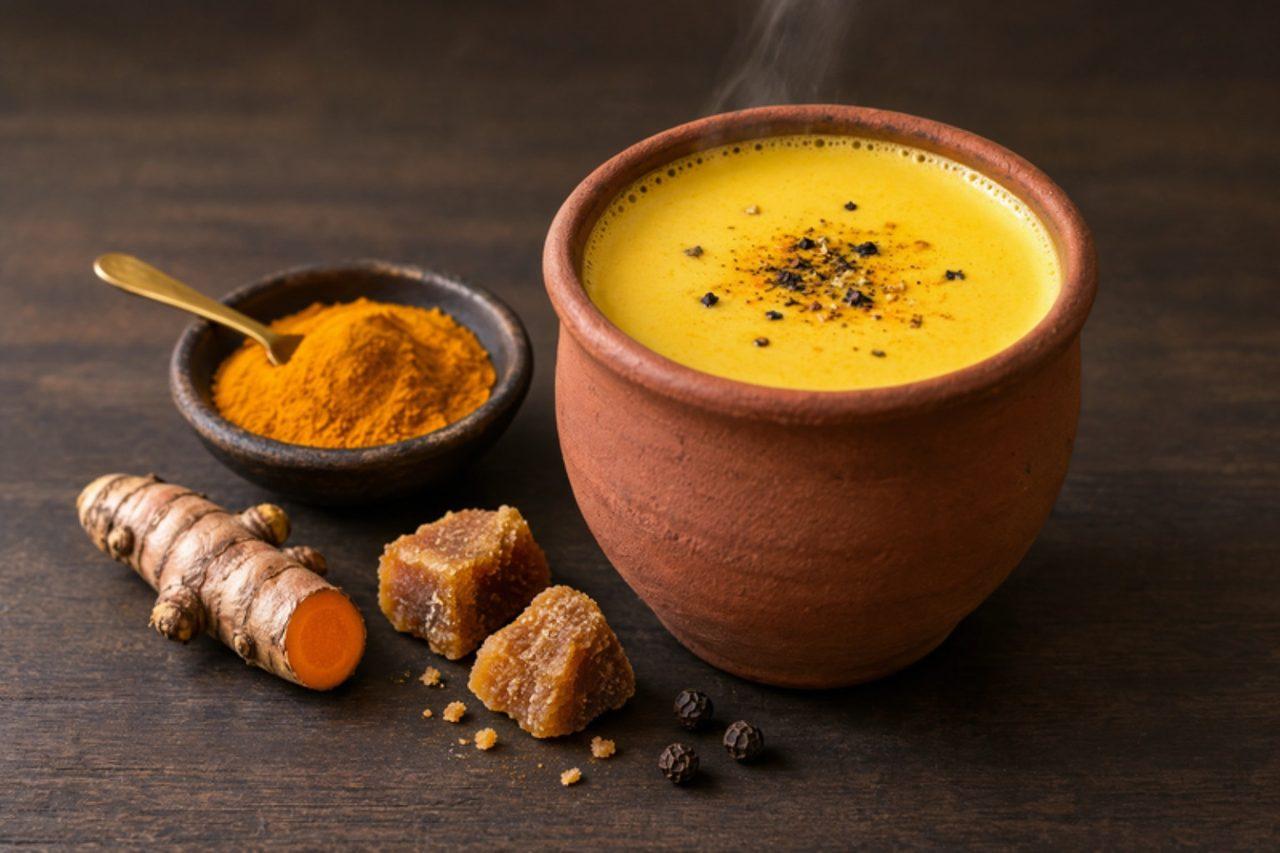
In homes from Punjab to Kerala, a mother or grandmother hands round haldi doodh on cold winter nights, after a fall in the playground or whenever someone starts sniffling; it is drunk at bedtime, steaming, in a steel tumbler. Milk is simmered with turmeric, a few grinds of black pepper and sometimes ginger or cinnamon, then sweetened with jaggery. It is golden, warming and gently earthy, with a soft peppery heat and a slightly grainy feel if the turmeric is fresh-ground. It is traditionally drunk for colds and aches, as a comfort rather than a cure. The common mistake is adding raw turmeric powder to hot milk at the end: it tastes chalky and bitter. Simmer it in the milk for a few minutes so the raw edge cooks out. It is ready when the milk turns an even deep yellow, smells mellow and has a thin skin forming on top. Add jaggery off the heat, as it can curdle boiling milk. Turmeric stains, so use a steel pan. Chef's tip: a teaspoon of ghee stirred in at the end makes it rounder and is how many families make it.

by KrazyBadal 0 views

Batido de lechosaPapaya and orange shake

Lechosa is what Venezuelans call papaya, and on breakfast tables from Valencia to Puerto La Cruz it turns up as a batido beside arepas or empanadas, often blended with the oranges that are piled cheap in every market. It is thick, smooth and sunset-orange, tasting of honeyed papaya and bright citrus, and it fills you up until lunch. Some families blend it with milk instead of juice, which turns it into a creamy merengada. The common mistake with milk is letting it stand: papaya's natural enzyme starts to turn milk bitter within half an hour, so drink it straight away. Another mistake is scraping the seed cavity too hard; the black seeds and their slippery coating make the batido bitter and peppery. It is ready when there are no fibres left, it pours in a thick stream and the colour is an even orange. Choose papaya that is mostly yellow-orange and gives slightly under your thumb; a green-streaked one tastes flat and a little musky. Chef's tip: a few drops of lime juice cut through papaya's musky note and make it taste fresher.

by KrazyBadal 0 views

Bokkeum kimchiStir-fried kimchi with pork belly

When a jar of kimchi turns very sour in Korean homes, it gets stir-fried with a little sugar and sesame oil, and often with pork belly, into bokkeum kimchi, a deep, mellow side dish that keeps for days and is a favourite in school and office dosirak. For a vegan version, use kimchi made without fish sauce or salted shrimp and leave out the pork. The usual mistake is using fresh, crisp kimchi, which tastes harsh when fried; it needs to be properly sour. Chef's tip: fry the kimchi until the edges just begin to catch and caramelise, which is where the flavour is.

by KrazyBadal 0 views

Piri-piri saucePiri-piri chilli sauce

Every barraca on the Costa do Sol in Maputo keeps a bottle of this on the table, and nobody eats grilled prawns, chicken or a bread roll stuffed with chips without a shake of it. Fresh red bird's-eye chillies are blended with raw garlic, lemon juice and oil into a loose, orange-red sauce that is sharp, bright and very hot, with a slow burn that builds after the first bite. A short simmer softens the raw garlic edge and helps it keep in the fridge for two weeks. Spoon it onto grills, seafood, beans, eggs or rice, or loosen it with more oil and use it as a baste. Wear gloves when you trim the chillies and keep your face away from the blender when you open it, because the fumes sting. Chef's tip: leave the seeds in for true Mozambican heat, but pull the green stalks off, as they turn the sauce bitter.

by KrazyBadal 0 views

Yuja-cha (citron tea)

Goheung, on the southern coast of South Jeolla, is Korea's yuja country: in November the groves turn gold and families slice the knobbly citrons for yuja-cheong, the honeyed preserve that becomes tea all winter. From December to March a spoonful in hot water is offered to guests, to students cramming late and to anyone with a scratchy throat, as it is traditionally drunk for colds. The tea is sweet, floral and sharp, with soft, chewy strands of peel that you eat at the end with a spoon. The common mistake is leaving the fruit damp or the pith too thick: wet fruit lets mould in, and thick white pith makes the preserve bitter. Scrub, dry completely and pare away any pith thicker than a few millimetres. The cheong is ready after a day or two, when the sugar has dissolved into a clear, glossy syrup around the peel. Keep it in the fridge for up to three months, always with a dry spoon; throw it away if you see fuzzy mould, smell alcohol or it bubbles. No yuja? Japanese yuzu is the same fruit; otherwise use 2 lemons and 2 mandarins. Chef's tip: soak the seeds in a little of the honey and add that liquid back for a silkier syrup.

by KrazyBadal 0 views

Sandwich grecKebab baguette

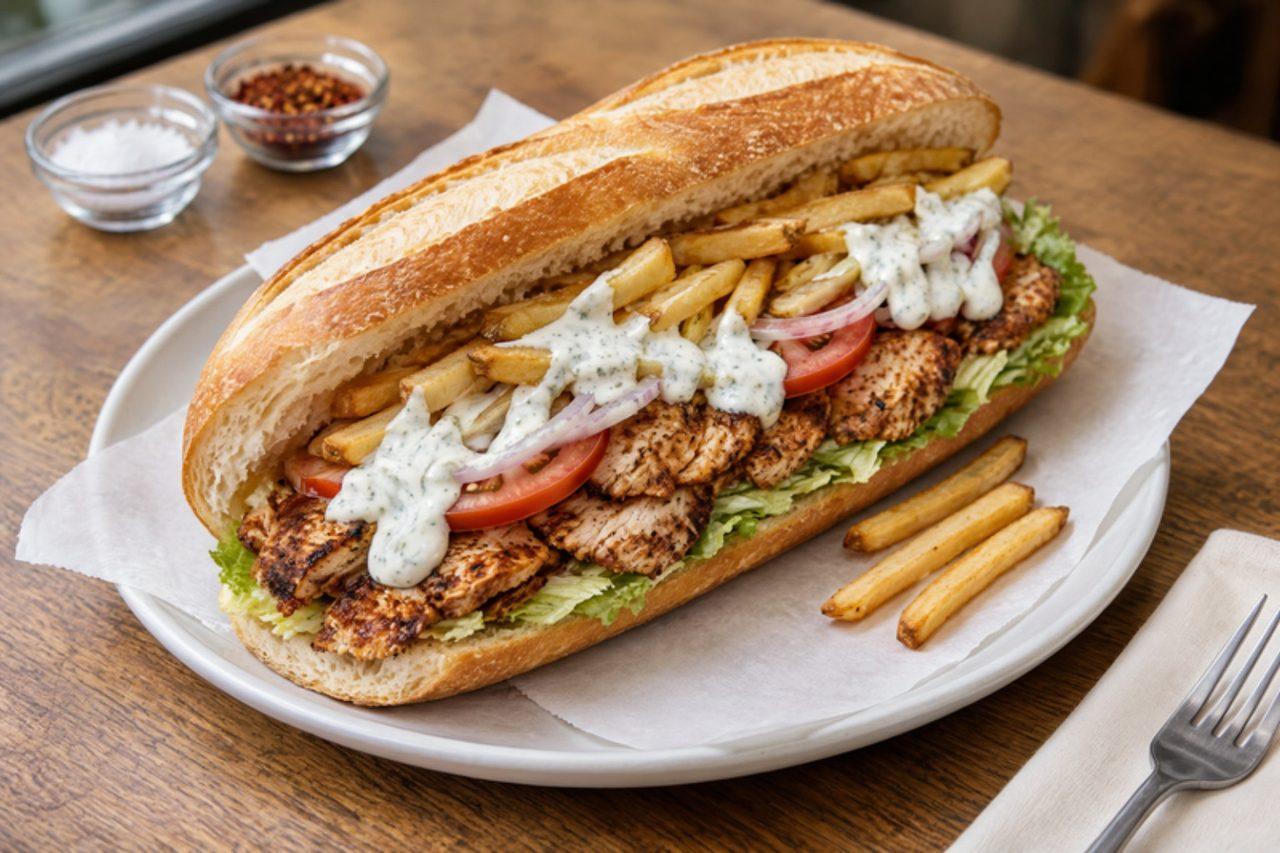
In Paris, a "grec" is the late-night kebab sandwich named after the Greek-run shops that first sold it in the Latin Quarter. On rue de la Huchette and rue Saint-André-des-Arts near Saint-Michel, students queue after a night out for crusty bread or pitta stuffed with meat shaved from a turning spit, lettuce, tomato and onion, a garlicky white sauce, and, the Paris touch, a handful of fries pushed right inside. This home version marinates chicken thighs in spiced yoghurt, sears them hard and slices them thin, with oven fries. It contains milk, egg (in the mayonnaise) and wheat. Chef's tip: slice the meat thinly across the grain after resting; thick chunks don't feel like a grec.

by KrazyBadal 2 views

Teh halia (ginger milk tea)

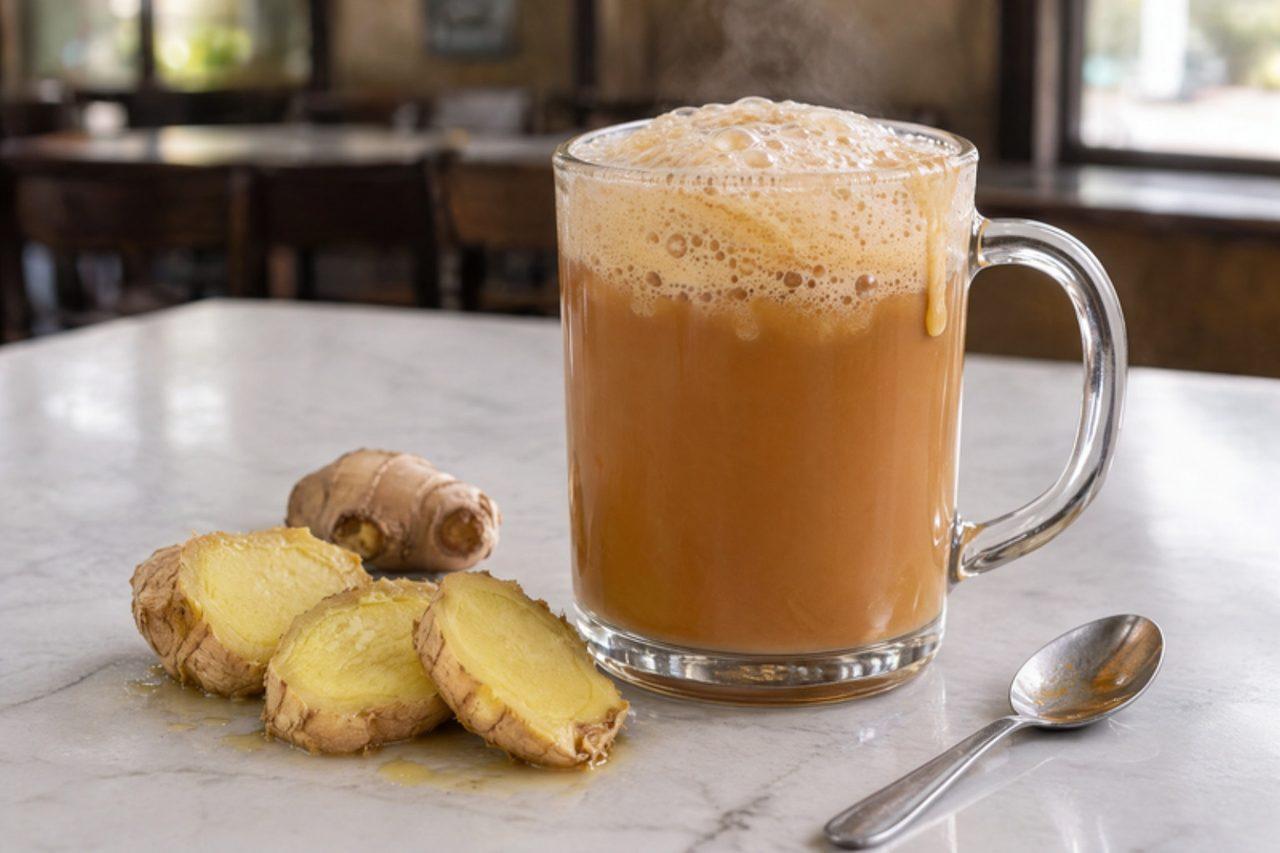
Sit down at any mamak stall in Kuala Lumpur, Penang or Johor Bahru, from breakfast roti canai to the after-football supper at 1 a.m., and someone at the table will order teh halia. It is teh tarik's spicier cousin: dust-fine black tea is boiled with plenty of crushed ginger, mixed with condensed and evaporated milk, then 'pulled' between two mugs from arm's length until a thick froth forms. The result is sweet, creamy and malty, with a ginger heat that catches your throat, most loved on wet monsoon evenings. The common mistake is adding ginger to tea at the end; it then tastes raw and thin. Boil the ginger in the water first for several minutes so the heat goes into the liquid. It is ready when the tea is the colour of milky caramel and a dense froth a few centimetres high sits on top. This contains caffeine, so it is not for children. Chef's tip: practise pulling with water over the sink first, then start low and raise the mug slowly as you pour.

by KrazyBadal 0 views

Bun maskaButtered sweet bun

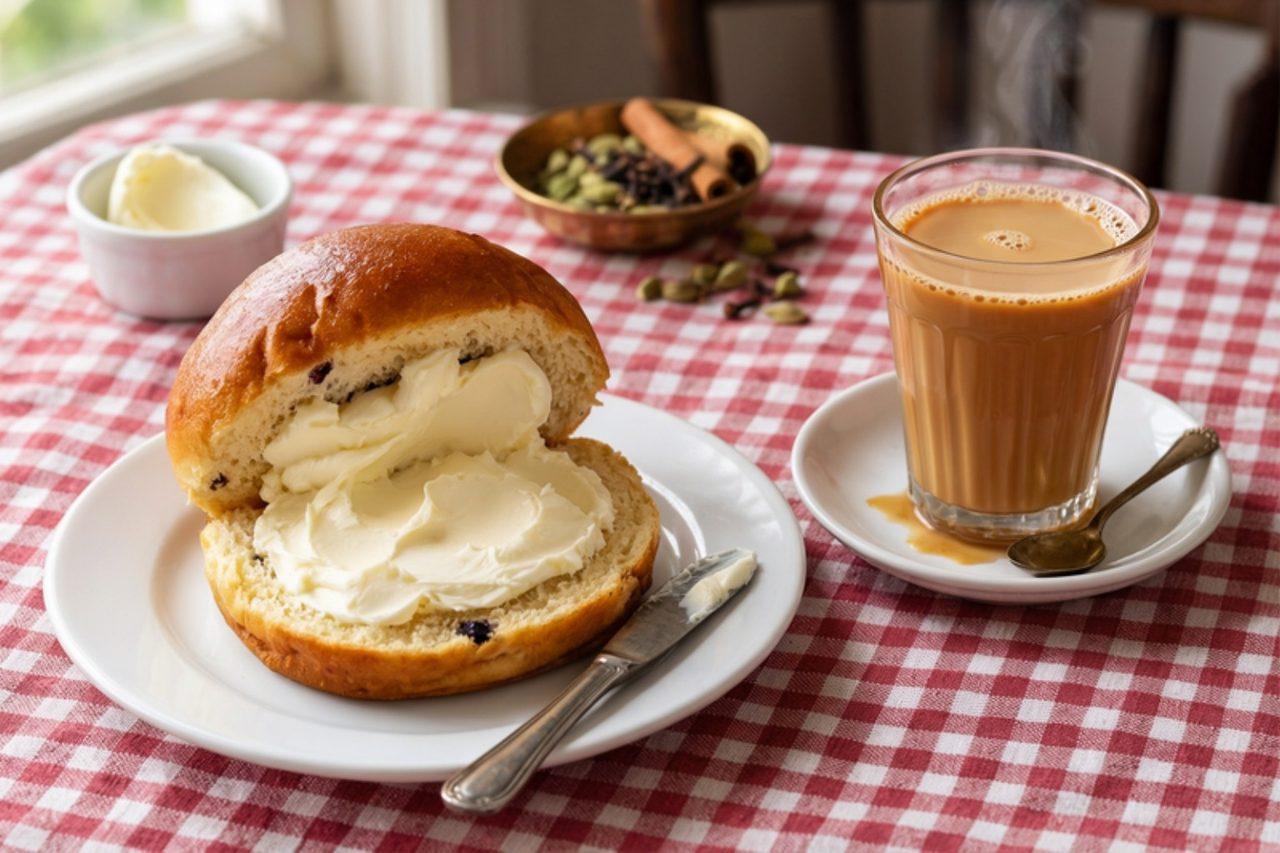
Bun maska belongs to Mumbai's old Irani cafés, the bentwood-chair rooms such as Kyani & Co near Dhobi Talao, where office workers and students start the day with a split, generously buttered sweet bun and a glass of strong milky chai. The bun is pillowy and faintly sweet, the salted butter is spread so thick you see teeth marks, and the whole point is to dip it into the hot tea. Children love it as a weekend breakfast. Chef's tip: let the butter soften at room temperature; cold butter tears the delicate crumb.

by KrazyBadal 0 views

SosatiesCurried lamb and apricot skewers

Bo-Kaap kitchens gave the braai one of its sweetest-sour treats: cubes of lamb soaked overnight in a cooked curry marinade of fried onion, apricot jam, vinegar and lemon leaves, then threaded with plump dried apricots and onion and grilled over coals. Every butchery in the Cape now sells them ready-marinated, yet homemade ones taste brighter and less sugary. Expect tender, slightly charred meat, sticky-sweet apricots and a warm curry tang that begs for yellow rice, a green salad or simply a soft roll. Pouring the marinade over the lamb while it is still warm is a common slip; it starts to cook the surface and the meat turns grainy. Chef's tip: boil the leftover marinade for a few minutes and brush it on in the last minutes of grilling for a glossy glaze.

by KrazyBadal 0 views

Jini dosaCrisp dosa with Schezwan vegetables

Jini dosa was born in the late-night food lane of Ghatkopar, Mumbai's Khau Galli, where dosa men turned the South Indian pancake into a Mumbai-Chinese hybrid. A thin dosa goes on the griddle, then cabbage, onion, capsicum and Schezwan sauce are chopped and spread right on top with the edge of a spatula, cheese melts in, and the whole thing is cut into strips and rolled into little upright cylinders. It is crunchy, spicy, buttery and messy, a favourite after evening college classes. Many cheeses are set with animal rennet, so choose one labelled vegetarian. Chef's tip: get the griddle properly hot before each dosa; a lukewarm tawa makes the batter stick and tear.

by KrazyBadal 0 views

Catuto (mültrün)Pounded wheat cakes

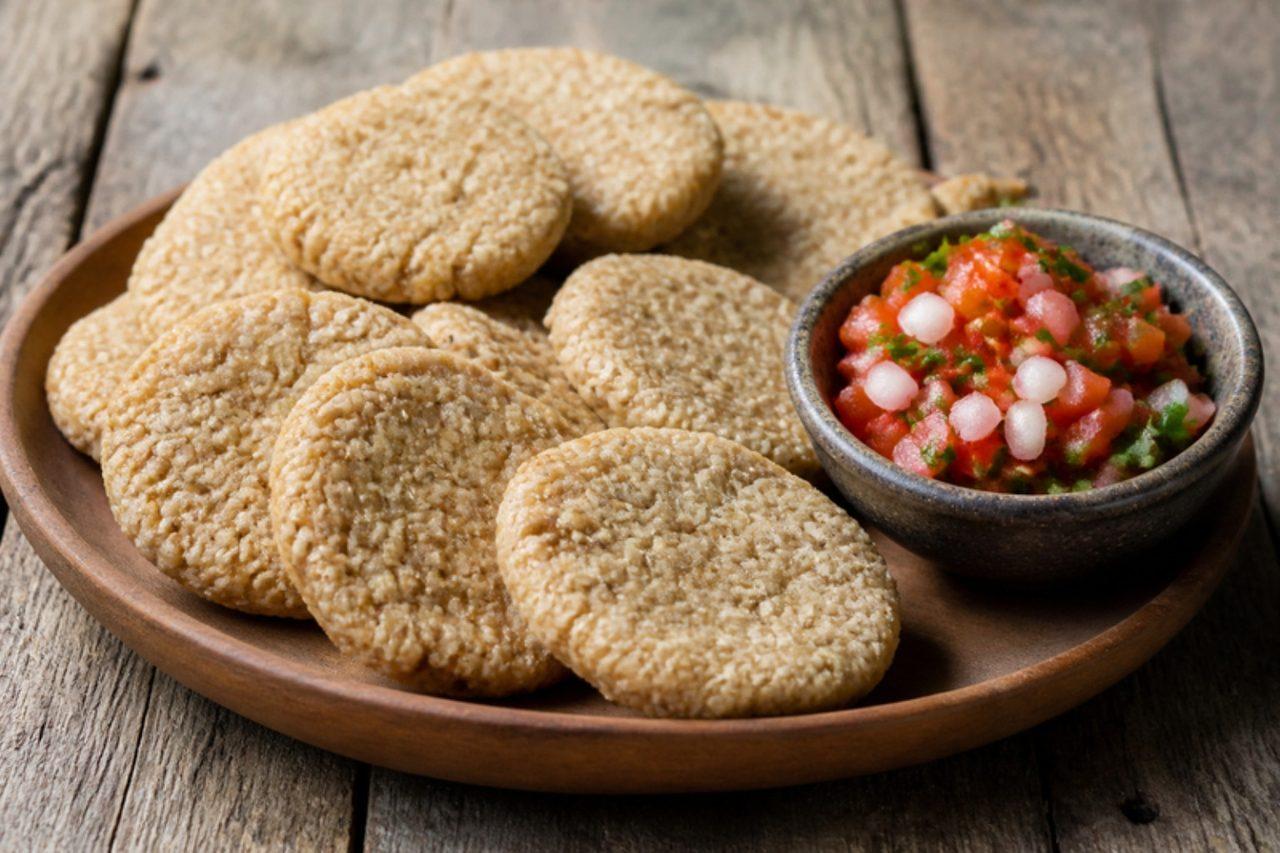
In the Mapuche communities of Araucanía, around Temuco, mültrün (catuto in Spanish) is made by cooking whole wheat grains until soft, then pounding them on a grinding stone into a sticky dough that is shaped into little logs. They are eaten as they come, toasted on the hearth, or dipped in honey or pebre, and they are sold in Temuco's market alongside merkén and piñones. A food processor does the job of the stone. The usual mistake is undercooking the wheat: the paste won't hold together. Chef's tip: shape with wet hands, and flatten the logs slightly before toasting so they crisp on two sides.

by KrazyBadal 0 views

Batido de trigoPuffed wheat shake

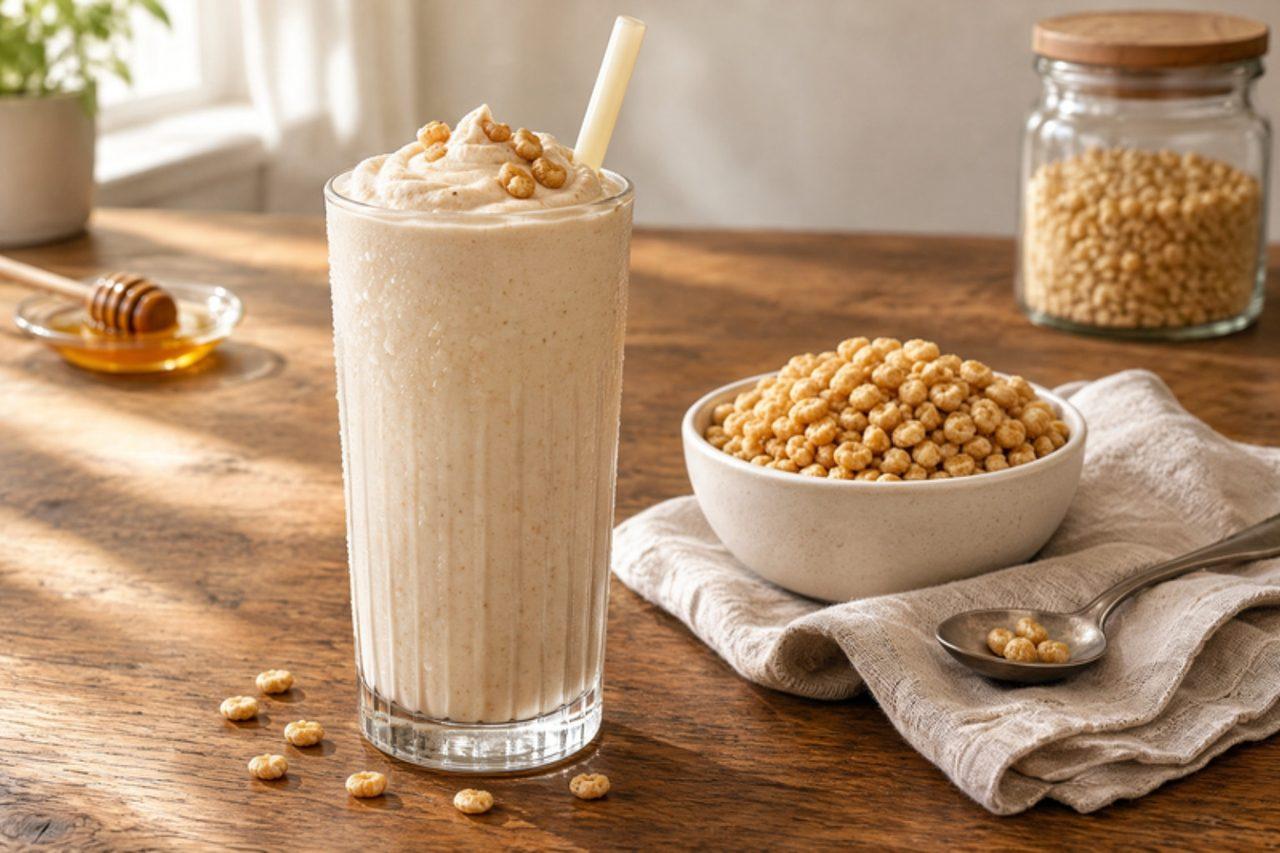
Havana cafeterías and Miami ventanitas blend this for breakfast on the run: puffed wheat, cold milk, sugar and ice whizzed into a thick, frothy shake that tastes like a malted milk with toasted cereal. It is one of the most loved Cuban batidos, and quick to make at home. The common mistake is using sweetened, honey-coated cereal, which makes it cloying; plain puffed wheat lets the toasty grain flavour come through. Chef's tip: blend the puffed wheat with half the milk first until completely smooth, then add the ice, so you don't get soggy flecks of cereal.

by KrazyBadal 0 views

Tōge no kamameshiChicken and mushroom pot rice

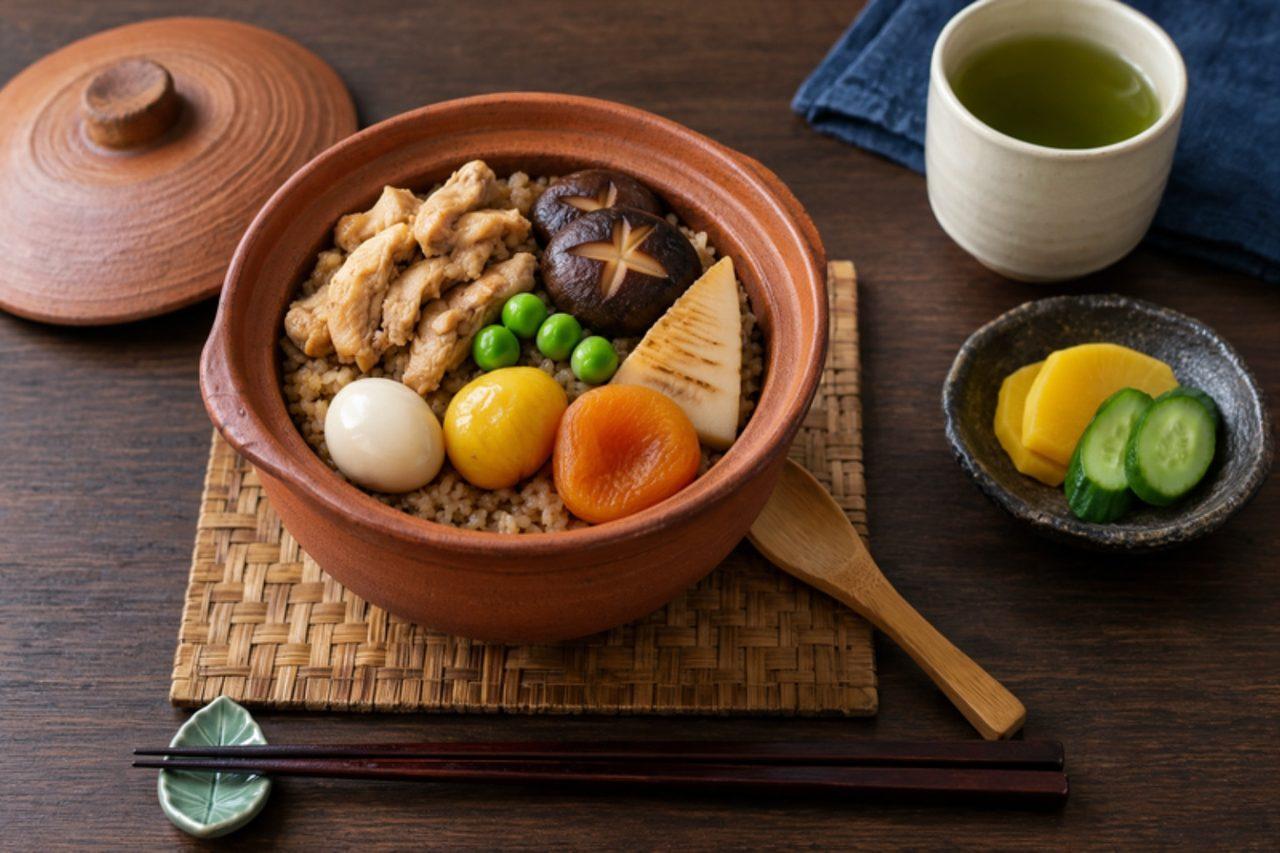
At Yokokawa Station in Gunma, at the foot of the Usui Pass, travellers have bought tōge no kamameshi since 1958: a little clay pot of rice cooked in soy-seasoned dashi and crowded with chicken, shiitake, bamboo shoot, burdock, a sweet chestnut, a dried apricot and a quail egg. It tastes just as good at room temperature on a train. The seasoning includes mirin, a sweet rice wine that bubbles away as it cooks; for alcohol-free, use 1 tbsp sugar instead. The common mistake is lifting the lid while the rice cooks, which lets the steam out and leaves the grains hard. Chef's tip: simmer the chicken and mushrooms first and use that liquid to cook the rice, so every grain tastes of them.

by KrazyBadal 0 views

BelgramiChewy fresh cheese sweet

Belgrami belongs to Udwantnagar in Bihar's Bhojpur district, where sweet makers have cooked it for generations and travellers buy boxes on the way through. Fresh chhena is cooked down with sugar until it firms into a dense, slightly chewy, pale cream block with a gentle caramel note, then cut into pieces. It keeps for days, which makes it a favourite gift at weddings and Chhath. The common mistake is stopping too early: it must cook until the mass pulls into one lump and no longer sticks to the pan, or the pieces stay soft and weep. Chef's tip: use chhena from full-fat cow's milk and hang it for an hour, so it is dry enough to cook down quickly.

by KrazyBadal 0 views

Cerasee teaBitter melon vine tea

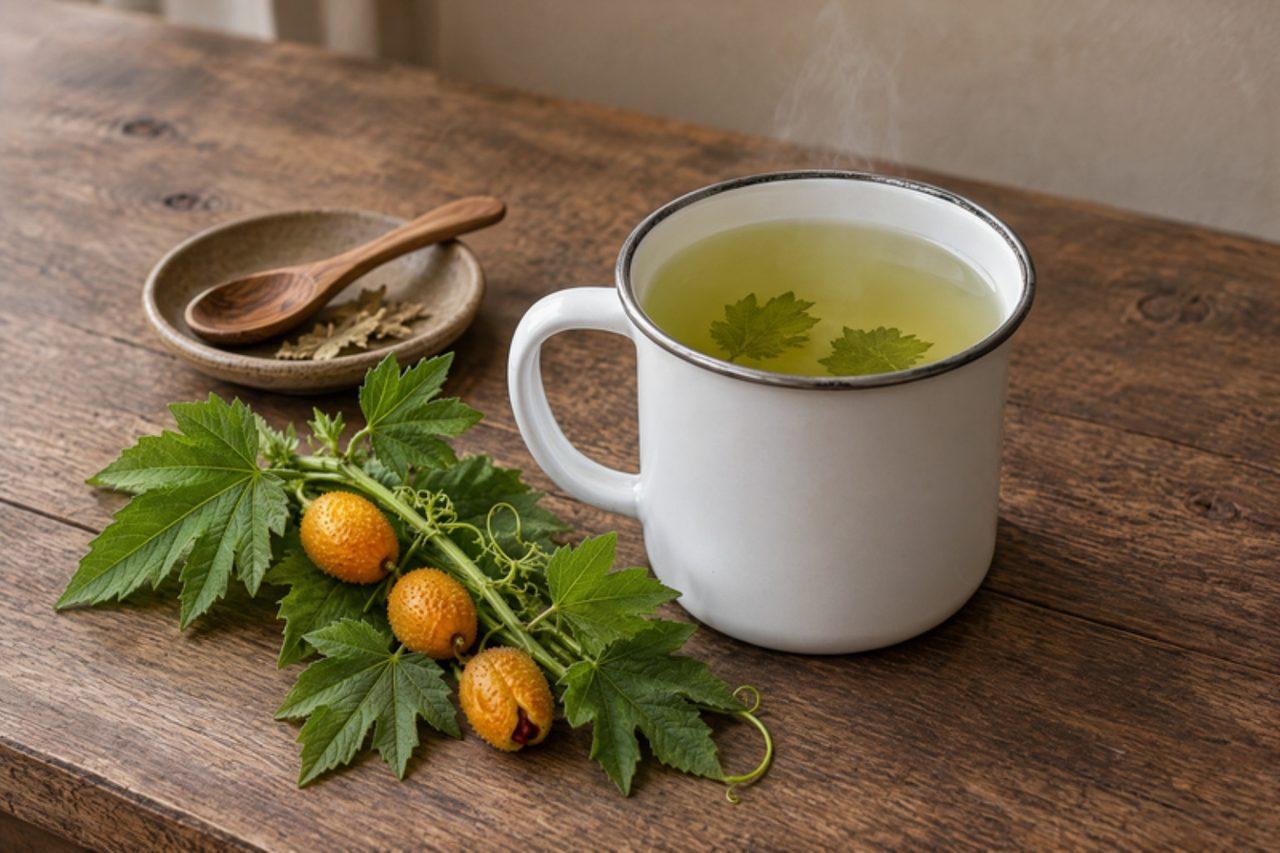
Cerasee grows wild on fences and roadsides all over Jamaica, a thin vine with lacy leaves, yellow flowers and small warty orange fruit. It is the best known of the island's bush teas: generations of Jamaican children were given a cup at the end of the summer holidays, before going back to school, as a wash-out, and adults still drink it now and then as a cleansing and cooling tonic, or for the skin. The tea is pale green-gold and seriously bitter, with a grassy, slightly vegetal taste; some add sugar or lime. The common mistake is boiling the vine hard for a long time, which makes the tea far harsher than it needs to be. Pour boiling water over it and let it steep instead, and leave out any ripe fruit and seeds. It is ready when the water is light green-gold and smells green and herbal. Do not drink it if you are pregnant, breastfeeding or trying to conceive, do not give it to young children, and check with a doctor if you have diabetes or take medication, as it may lower blood sugar. Chef's tip: dried cerasee from Caribbean shops works well; use a little less.

by KrazyBadal 0 views

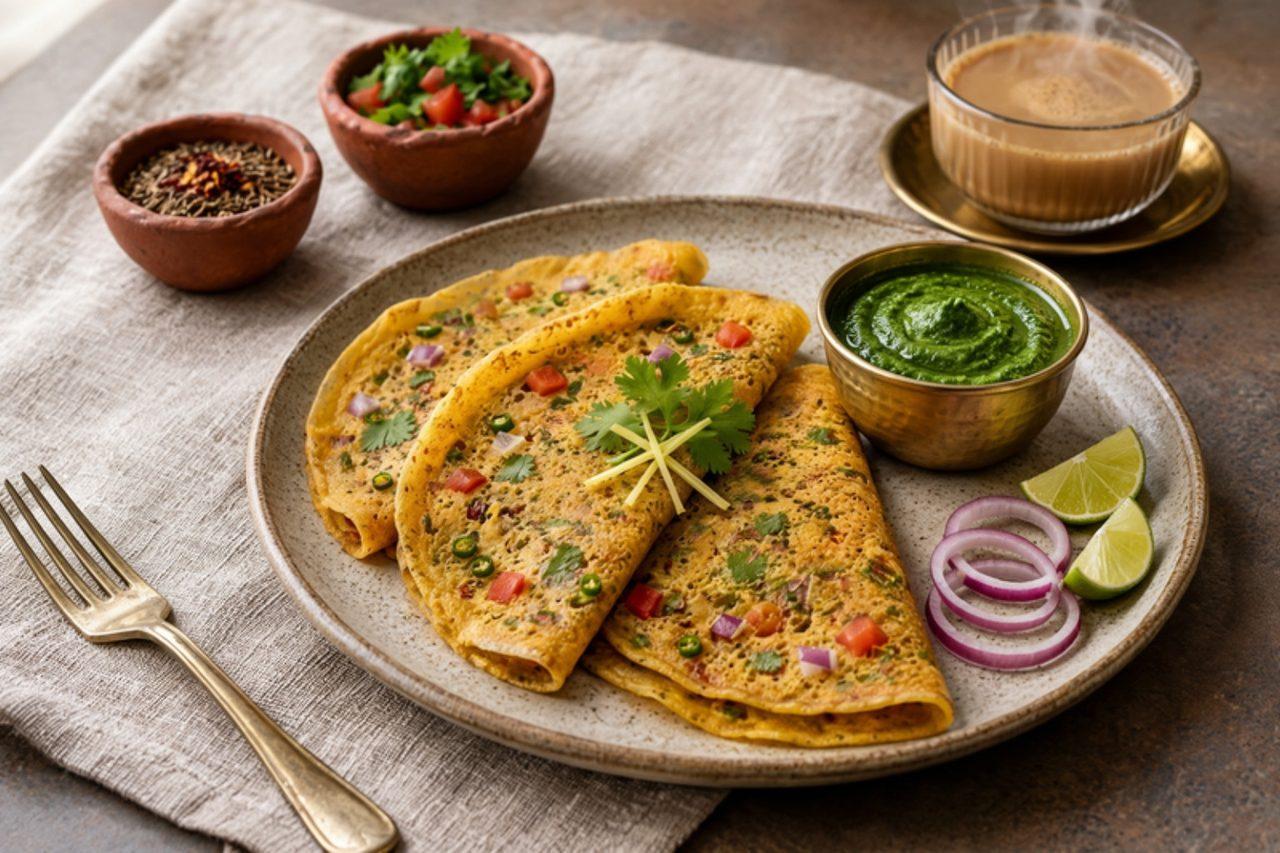
Besan chillaGram flour pancakes

Across North India, besan chilla is the answer when the tiffin needs packing in fifteen minutes: a pourable gram flour batter studded with onion, tomato, chilli and coriander, cooked thin on a tawa, then rolled up with chutney or ketchup. It is naturally egg-free and filling. The common mistake is a thick batter, which gives a heavy, raw-tasting pancake; it should flow like single cream. Chef's tip: spread the batter with the back of a ladle in quick circles from the centre outward, and cover the pan for the first minute so the top steams set.

by KrazyBadal 0 views

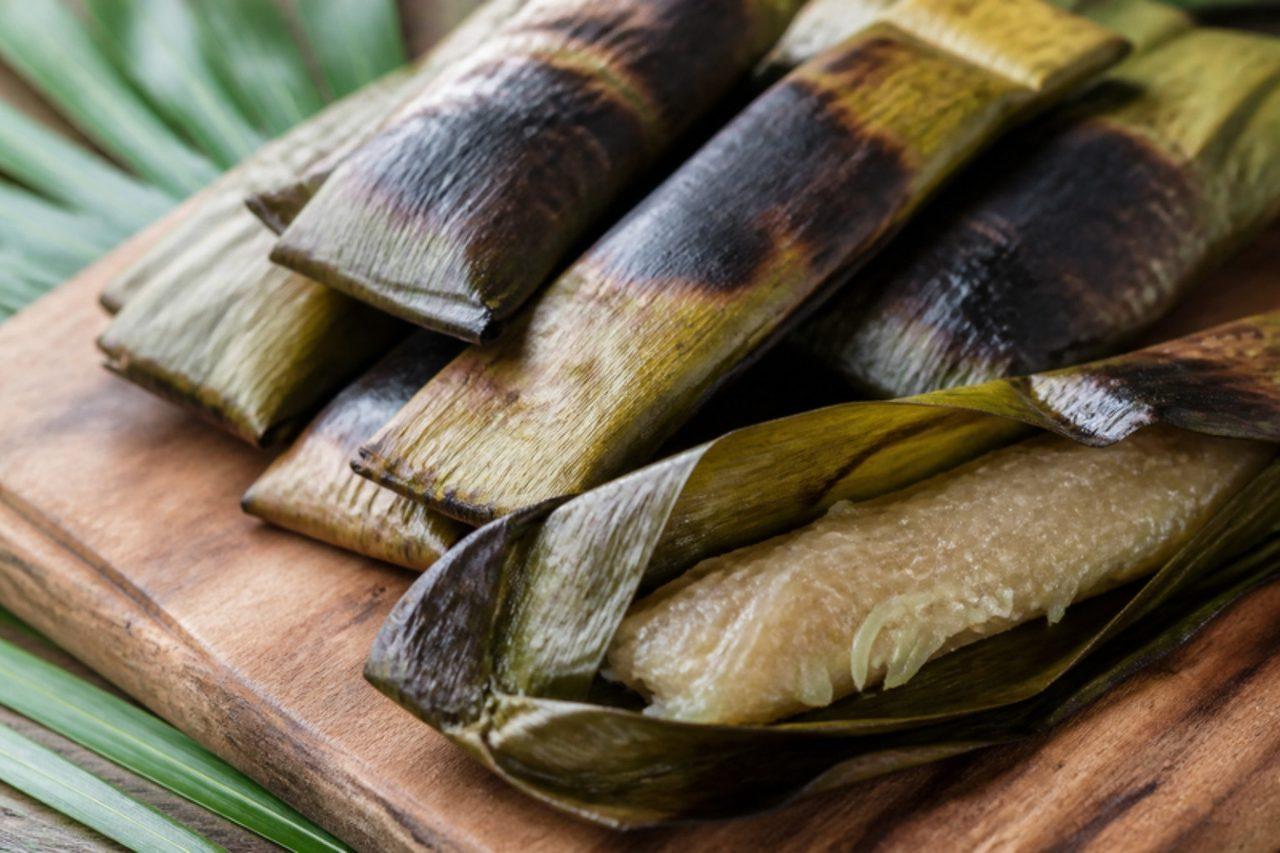
ApigigiGrilled coconut and tapioca parcels

Apigigi are an old Chamorro sweet from Guam and Saipan, made for fiestas and family gatherings: soft young coconut is grated and mixed with tapioca starch and sugar, wrapped in banana leaves and grilled over coals until chewy and lightly charred. They are sticky, mildly sweet and smoky. Grated frozen young coconut and tapioca starch from Asian shops make them easy at home. A common mistake is grilling over a fierce flame; the leaves burn before the centre sets. Chef's tip: steam them first for 15 minutes, then finish on the grill for flavour.

by KrazyBadal 0 views

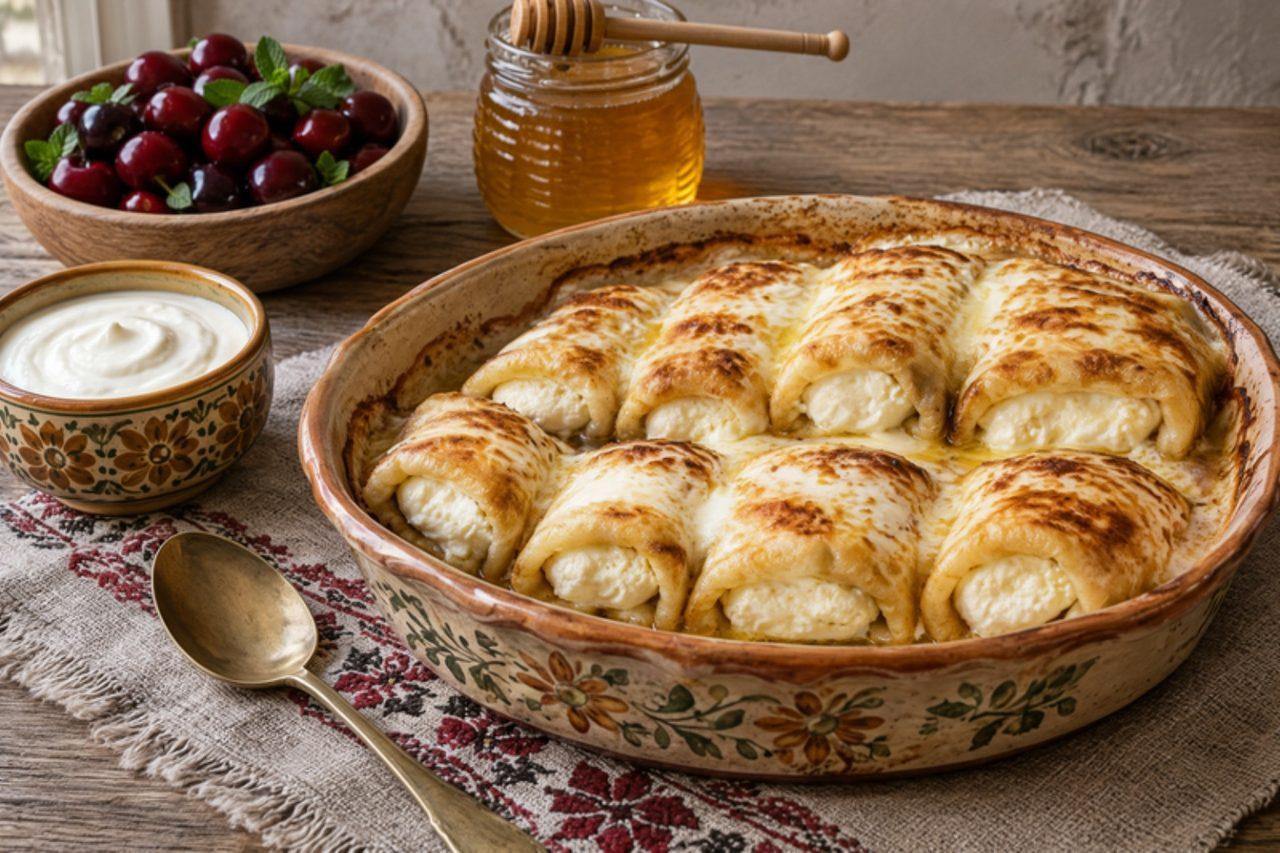
NalysnykyCrepes with sweet curd filling

Nalysnyky are what Ukrainian families make for a slow weekend breakfast or a festive morning: thin crêpes filled with sweet tvorog curd cheese, rolled up, packed into a dish and baked with sour cream and butter until bubbling. The crêpes go soft and custardy where they meet the cream and crisp at the edges. The common mistake is making the crêpes too thick; they should be thin enough to see the pan through, or the rolls become heavy and doughy. Chef's tip: rest the batter for 20 minutes before frying so the flour absorbs the milk and the first crêpe doesn't tear.

by KrazyBadal 0 views

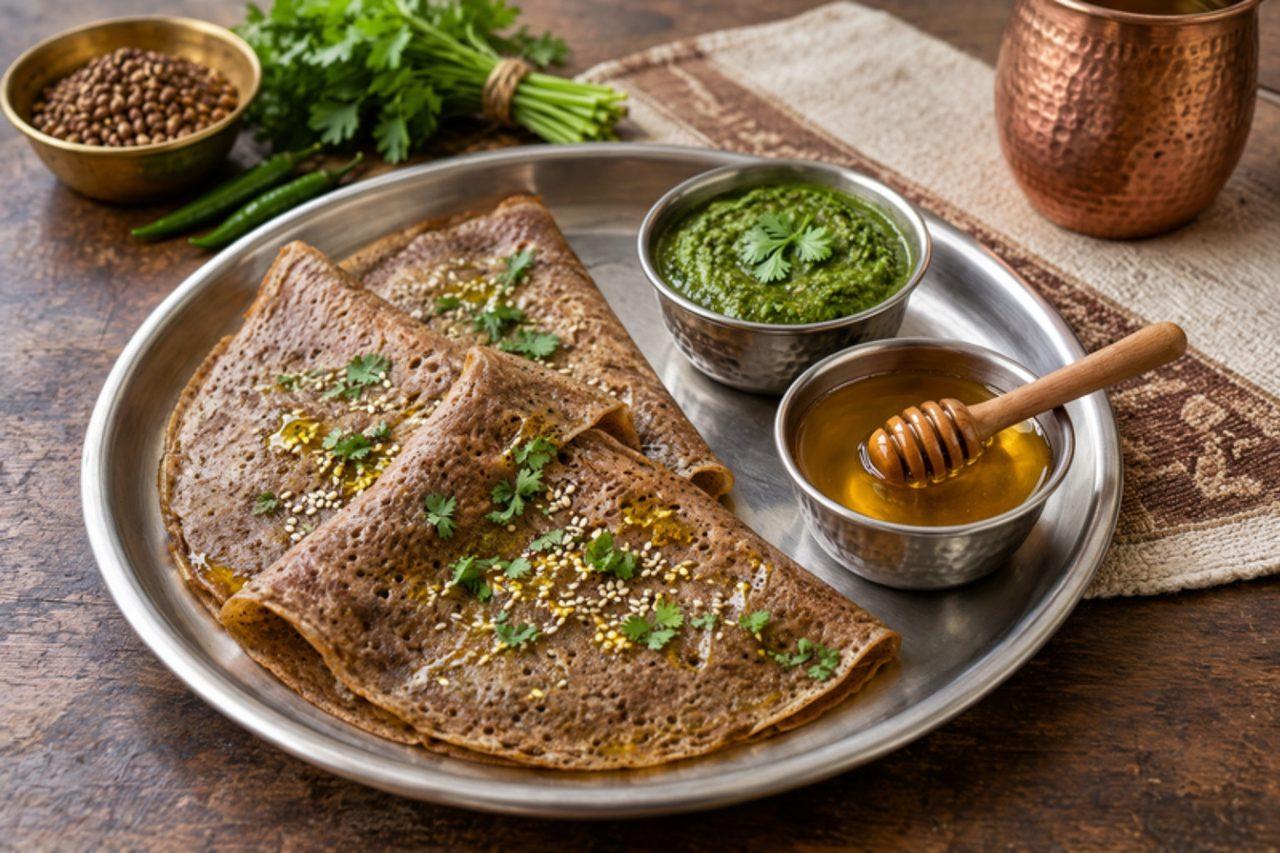
ChilreBuckwheat pancakes

In the upper hills around Shimla and through Kinnaur, buckwheat (kuttu or ogla) grows where wheat struggles, and chilre are its everyday form: thin, lacy pancakes poured on a hot griddle for breakfast or a late-afternoon snack. They are eaten with a sharp mint-and-walnut chutney, or sweet with honey, and are naturally gluten free when made with pure buckwheat. The common mistake is making the batter too thick, so the chilre come out stodgy; it should pour like single cream. Chef's tip: let the batter rest 15 minutes so the buckwheat swells, and wipe the pan with an oiled cloth rather than pouring oil, for even, lacy pancakes.

by KrazyBadal 0 views

OmajowaButter-fried mushrooms

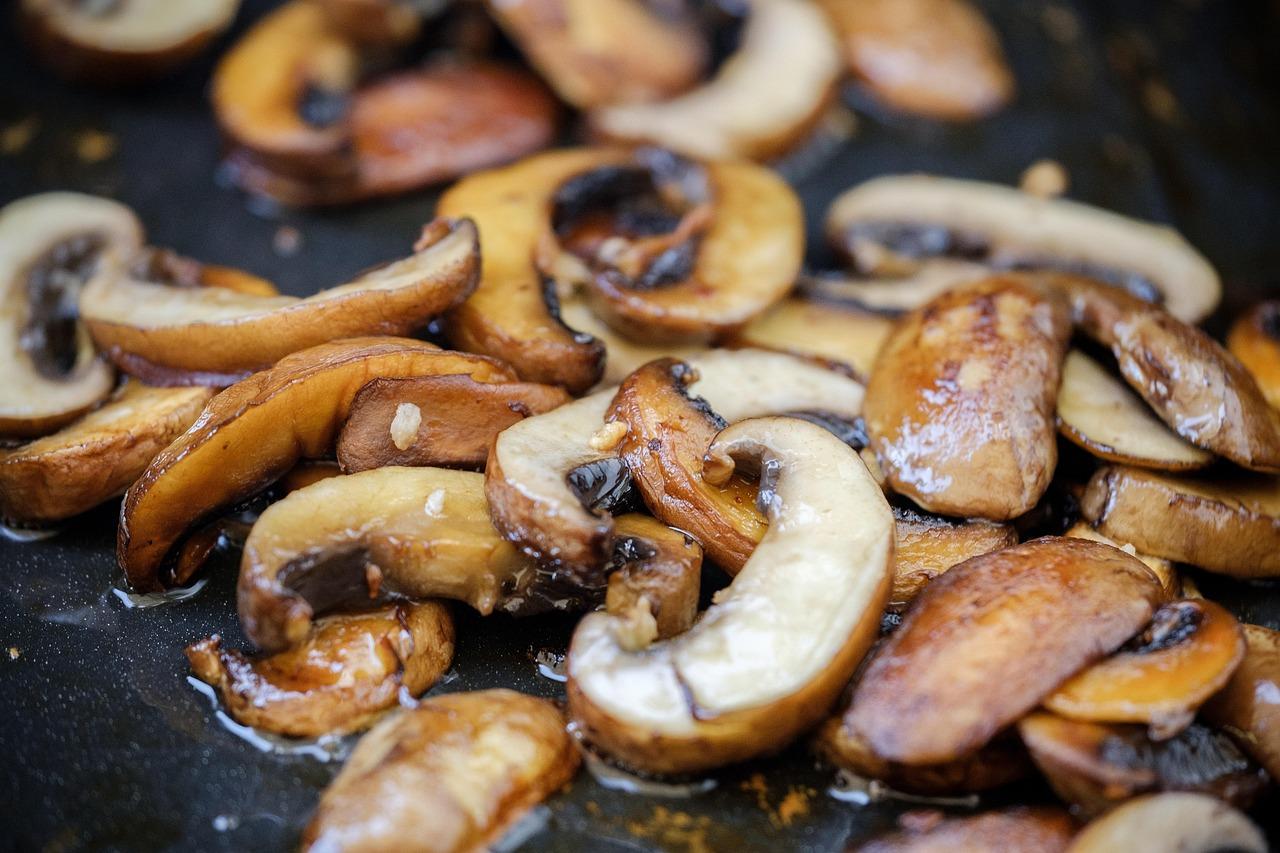
For a few weeks after good summer rains, people sell enormous omajowa caps by the roadside between Okahandja and Otjiwarongo, each one pushed up through the side of a termite mound, and families fry them that evening in butter with nothing more than salt and pepper. They are meaty and firm with a nutty, almost chicken-like richness. Never forage for them or any wild mushroom: here we use shop-bought king oyster and portobello mushrooms, which take the same treatment very well. Pile them onto toast, serve beside pap or eat them straight from the pan. The classic error is crowding the pan, which stews the mushrooms in their own water instead of browning them. Butter is used here, so it is vegetarian but not vegan. Chef's tip: press the slices down with a spatula for the first minute so they sear golden before you season them.

by KrazyBadal 0 views

CortaditoEspresso with steamed milk

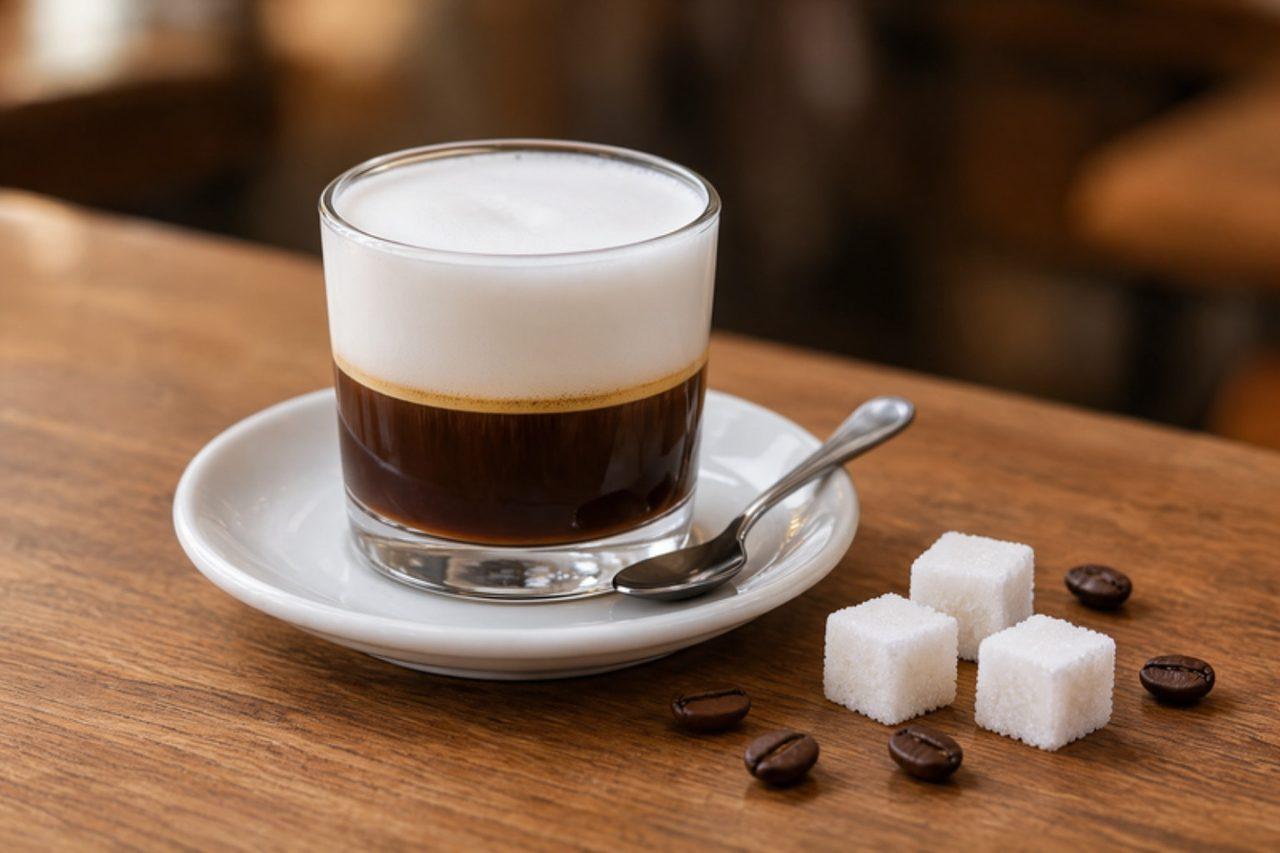
Havana runs on small cups of coffee: a cafecito standing at a ventanita, a colada shared in tiny plastic cups at work, and in the afternoon or with breakfast, a cortadito, which is Cuban coffee cut (cortado) with roughly as much hot milk. The coffee is brewed in a stovetop cafetera, and the first dark drops are whipped hard with sugar into a pale, thick espumita that floats on top of the cup. The result is rich, very sweet and caramel-like, with a velvety milk body and a strong, bitter edge underneath. It is high in caffeine, so it is not one for children. The common mistake is adding sugar to the pot or stirring it in at the end; without the espumita you get a thin, flat drink. Beat the first concentrated coffee with the sugar until it turns light tan and holds soft folds, then pour in the rest. It is ready when a pale foam floats on the cup and the milk has been heated until steaming, with small bubbles around the edge but not boiling. Chef's tip: catch only the first 2–3 teaspoons of coffee for the foam; later coffee is too thin to whip.

by KrazyBadal 0 views

Beni shogaRed pickled ginger

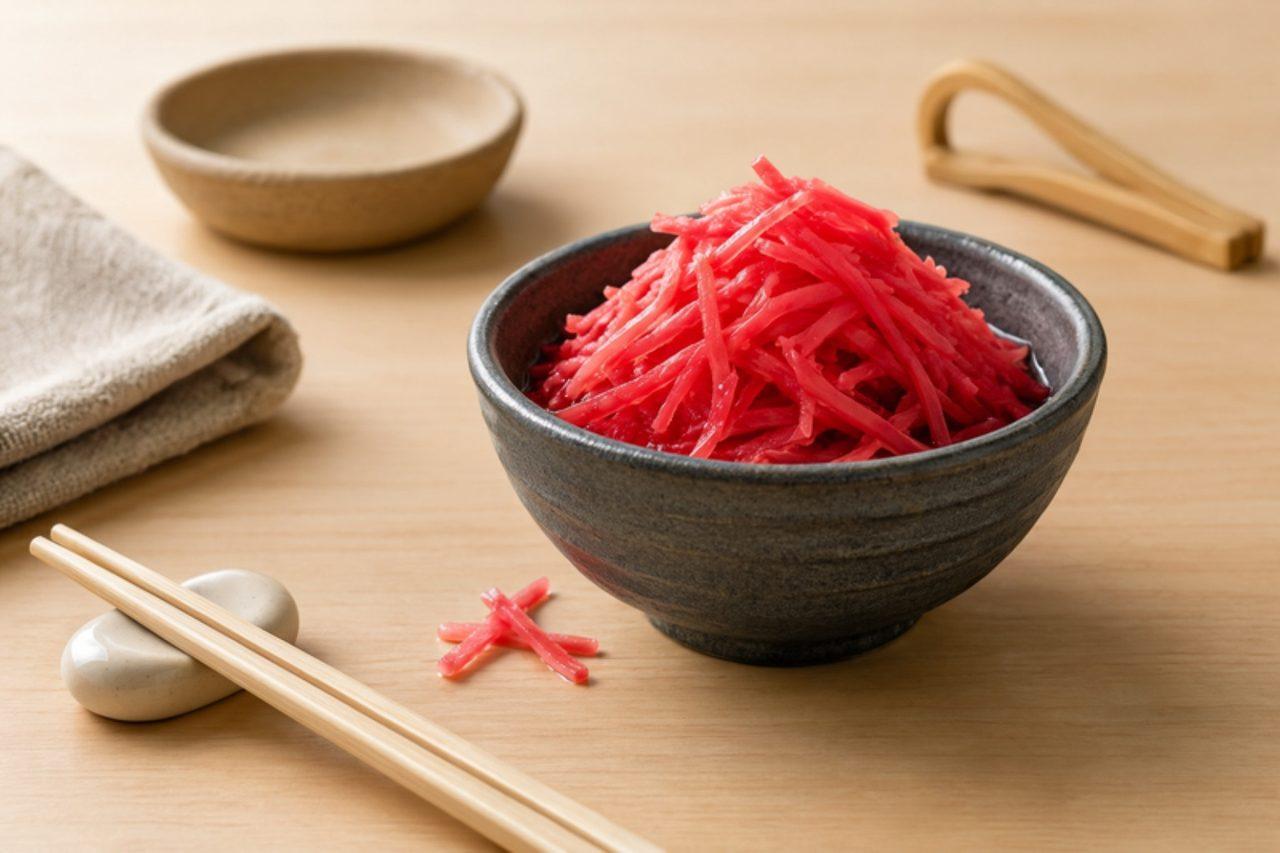
Beni shoga is the bright pink tangle you see on Osaka street food: piled beside yakisoba, scattered on okonomiyaki, folded into takoyaki batter and heaped on a bowl of gyudon at lunchtime. Kansai cooks make it in early summer, when umeboshi plums finish salting and leave behind red umezu, the salty, sour, shiso-coloured plum vinegar that both cures and dyes the ginger. The result is crunchy, sharp and salty, with a clean ginger heat and none of the sweetness of sushi gari. Young summer ginger gives the most tender threads; mature ginger works but is hotter and more fibrous, so cut it thinner. If you cannot find red umezu, use rice vinegar with salt and a slice of raw beetroot for colour (see the note). The common mistake is skipping the salting and drying: wet ginger dilutes the umezu and turns soft and dull. Squeeze it and let it dry so it drinks up the vinegar. It is ready when the threads are evenly rosy right through and taste salty-sour rather than raw. Chef's tip: save the pink vinegar left in the jar; a spoonful in potato salad or rice for onigiri is excellent.

by KrazyBadal 0 views

Kannimanga acharBaby mango pickle

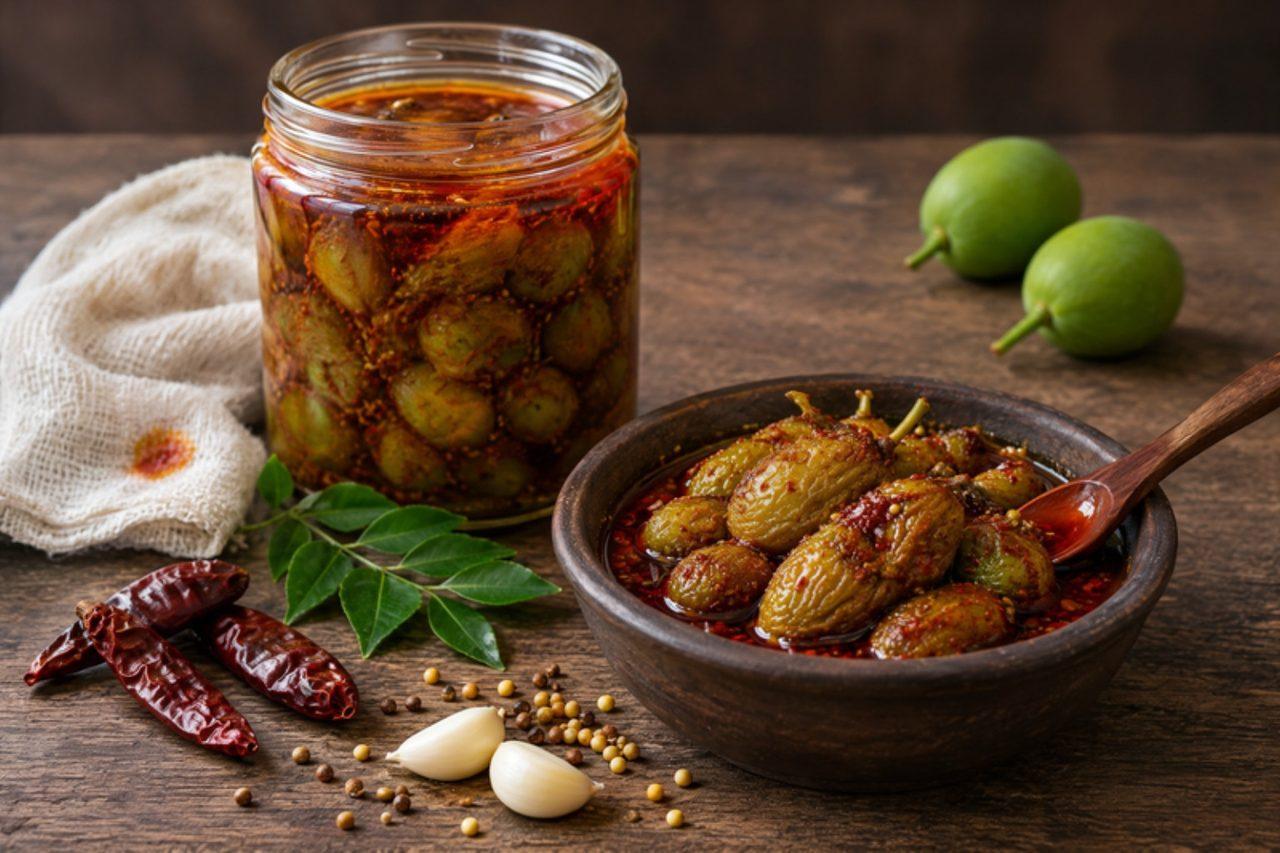
In central Kerala, around Thrissur and Kottayam, families watch the mango trees in January and February and pick the tiniest fruit, no bigger than a thumb joint, before the stone hardens. These kannimanga are salted whole in a tall ceramic bharani, left until shrivelled in their own brine, then mixed with freshly ground raw mustard, Kashmiri chilli and hing and left to mature for three or four weeks. This older, oil-free style keeps the mangoes crunchy and the brine thick, red and sinus-clearing from the raw mustard. The flavour is salty, sour and fiercely pungent; one mango and a spoon of brine is enough for a whole bowl of kanji (rice gruel) or curd rice. The common mistake is using water that has not been boiled and cooled, which brings in microbes and turns the brine slimy. It is ready when the mangoes are wrinkled but crisp and the brine tastes mellow rather than raw. Salt is high, about 20 g per 100 g of mango, and the fruit is very acidic; kept fully submerged in a dry jar it lasts a year in a cool place. Abroad, any tiny, hard green mango with a soft stone works. Chef's tip: keep a short stalk on each mango; it stops brine seeping in and softening the fruit.

by KrazyBadal 0 views

Showing 90 of 8,301 recipes

Page 193 of 923