


Skip to content
Tandoori tinnies
Featured recipe

Tandoori tinnies

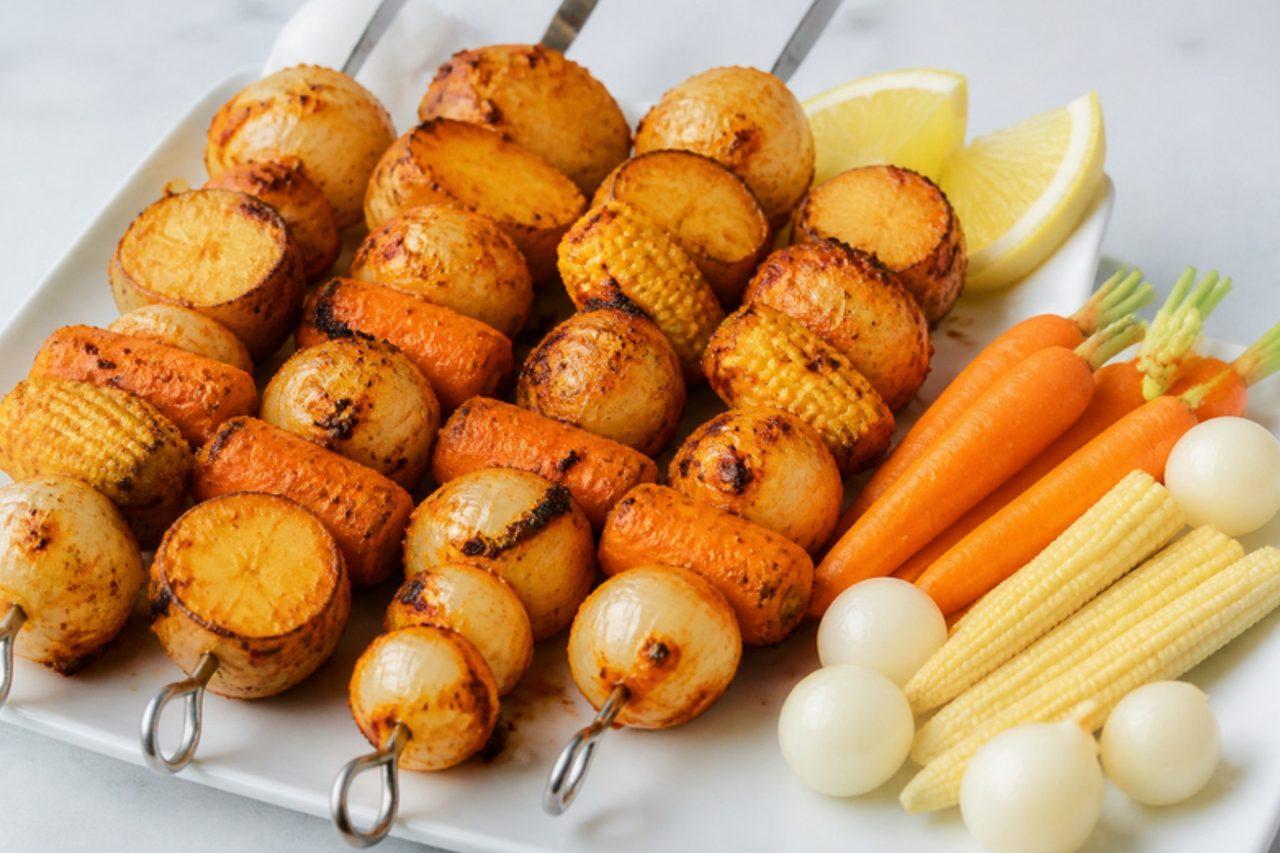
Baby onions, carrots, potatoes and corn par-boiled, coated in a creamy, fiery marinade of red chilli, garlic, ginger, coriander-cumin and dried fenugreek, then grilled on skewers over charcoal until golden. They're small, colourful and bursting with flavour. Serve hot with lemon wedges.

Read more 0 views

What to eat today?

Around the world

Today's trip: Paraguayan

A new country every day, from every cuisine on the site.

This week's collection

Kid-friendly dinners
537 recipes · a new collection every Monday

Latest recipes

Kissel

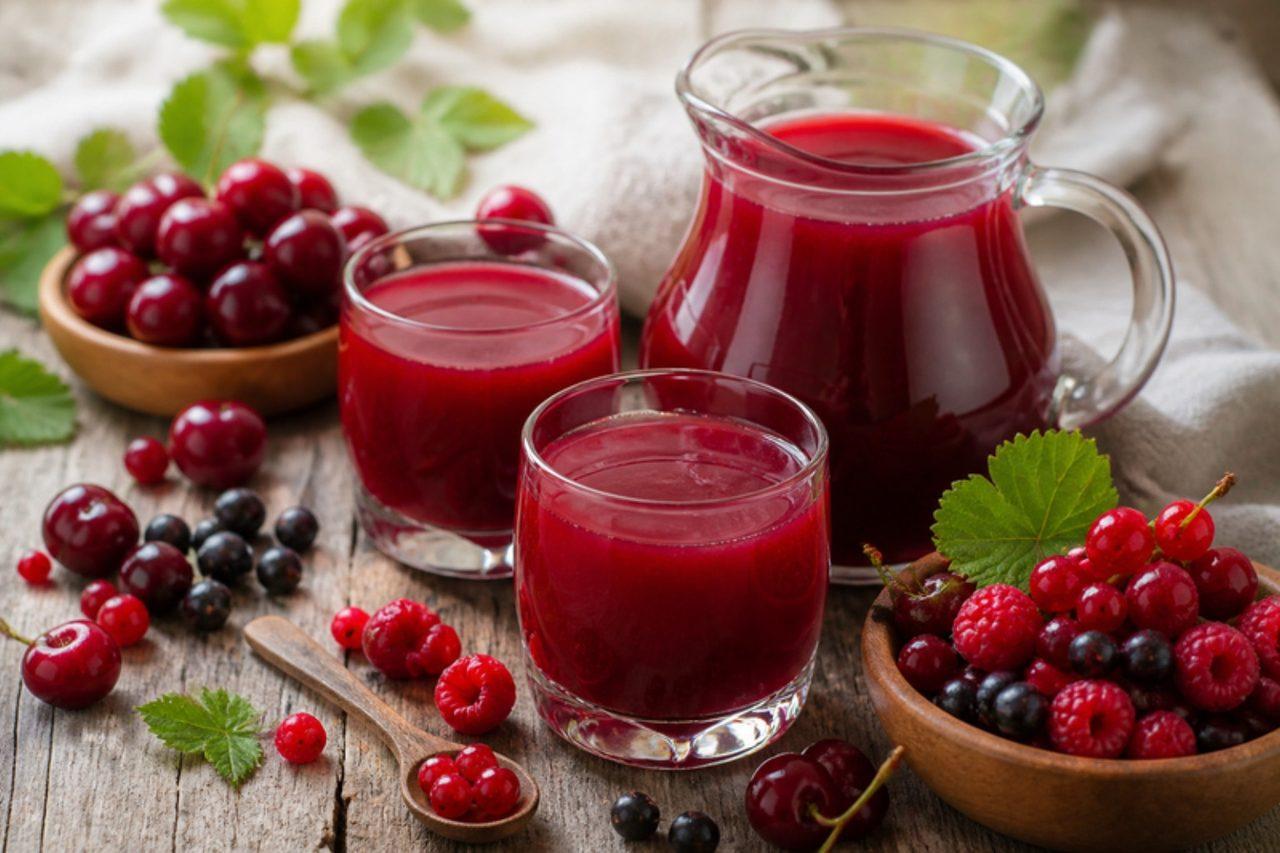
Kissel is the drink of Russian childhoods: a glass of silky, ruby-red berry juice, just thick enough to coat the tongue, poured warm at kindergarten lunch or cold in summer from a jug on the dacha veranda. It is also the old Maslenitsa and wake-table drink, and frozen berries make it possible all year. The flavour is sweet-sharp and fresh, the texture smooth and slightly jelly-like. A common mistake is adding the starch mixture to boiling liquid and letting it bubble for minutes; bring it just back to a simmer, then take it off, or it thins out again and can turn gluey. More starch makes a spoonable dessert kissel. Chef's tip: lay cling film or sprinkle a little sugar on the surface as it cools to stop a skin forming.

by KrazyBadal 0 views

Saramură de pește

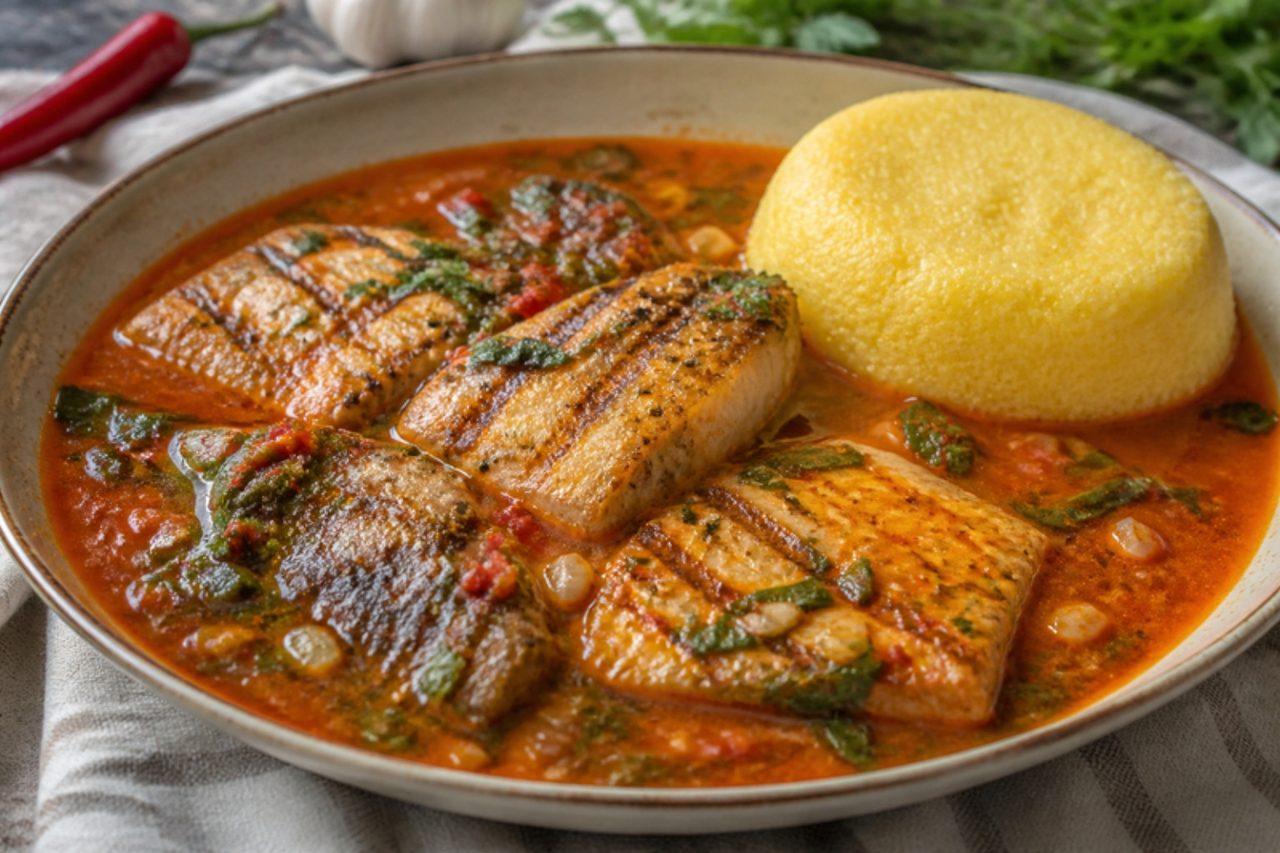
Fishermen in the Danube Delta, from Tulcea down to Sulina, make saramură right on the boat or on the bank: the catch of the morning is grilled over coals, then dropped into a bowl of hot salty broth loaded with garlic, peppers and tomato, where it soaks up the flavour before it is eaten. The fish stays smoky and juicy, the broth is sharp, salty and fiery, and everyone spoons it over a slab of mămăligă. Carp is the usual choice, but catfish, zander or even trout work well. Where it often goes wrong is making the brine too salty: it should taste like well-seasoned soup, not seawater. Chef's tip: grill the fish on a well-oiled, very hot grate and do not move it for the first 4 minutes; it releases cleanly once the skin has crisped.

by KrazyBadal 0 views

Paprenjaci

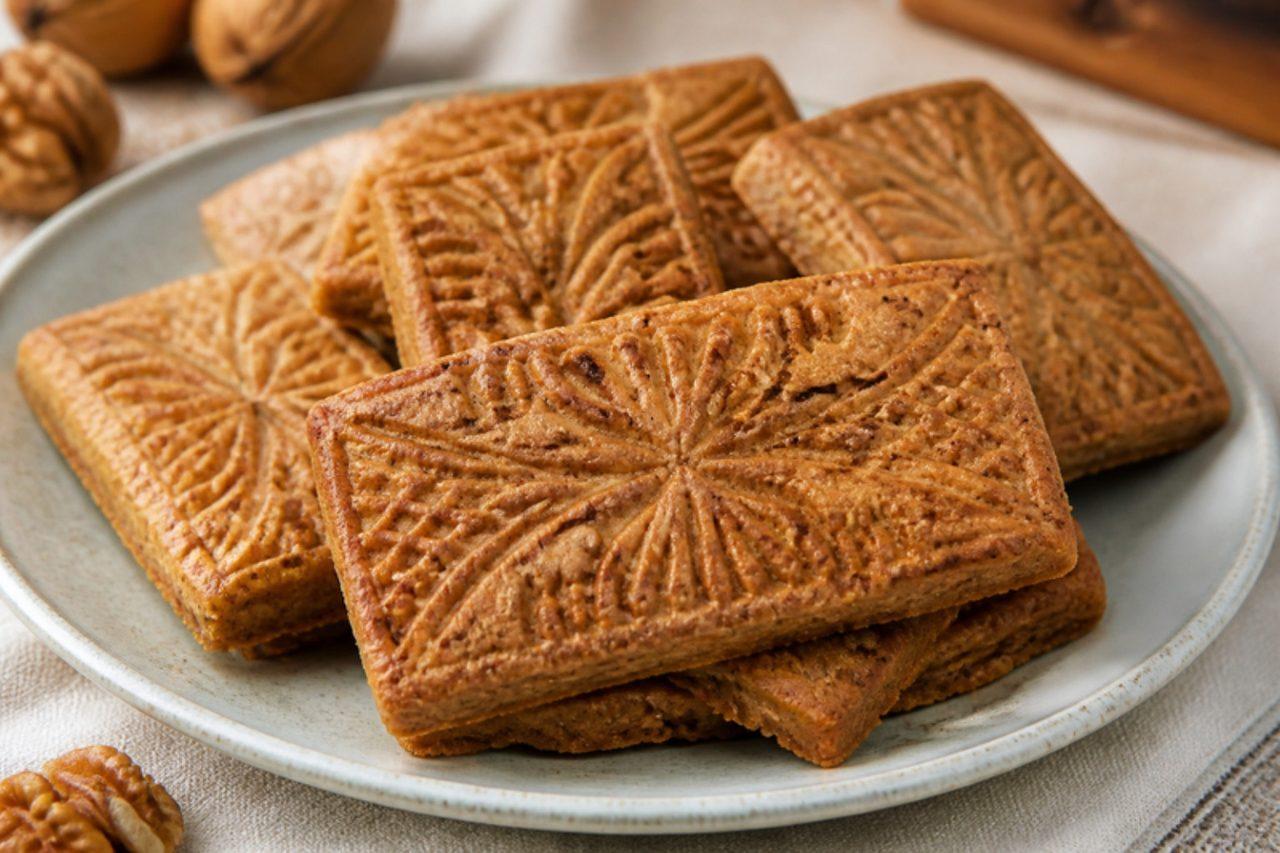
Paprenjaci have been baked in Zagreb and the villages of northern Croatia for centuries, and today they are on the list of Croatian heritage foods, sold at Christmas fairs and as gifts in pretty tins. The dough is sweetened with honey and spiced with cinnamon, cloves and a surprising amount of black pepper, then pressed into carved wooden moulds so each biscuit carries a flower, bird or heart. They are firm at first, with a slow peppery heat behind the honey, and soften after a few days. Serve them with tea, mulled apple juice or coffee. The usual slip is forgetting to flour the mould, so the dough sticks and the pattern tears; dust it every time. Chef's tip: grind the pepper as finely as you can, almost to a powder, so you get warmth in every bite rather than hard specks.

by KrazyBadal 0 views

Svadbarski kupus

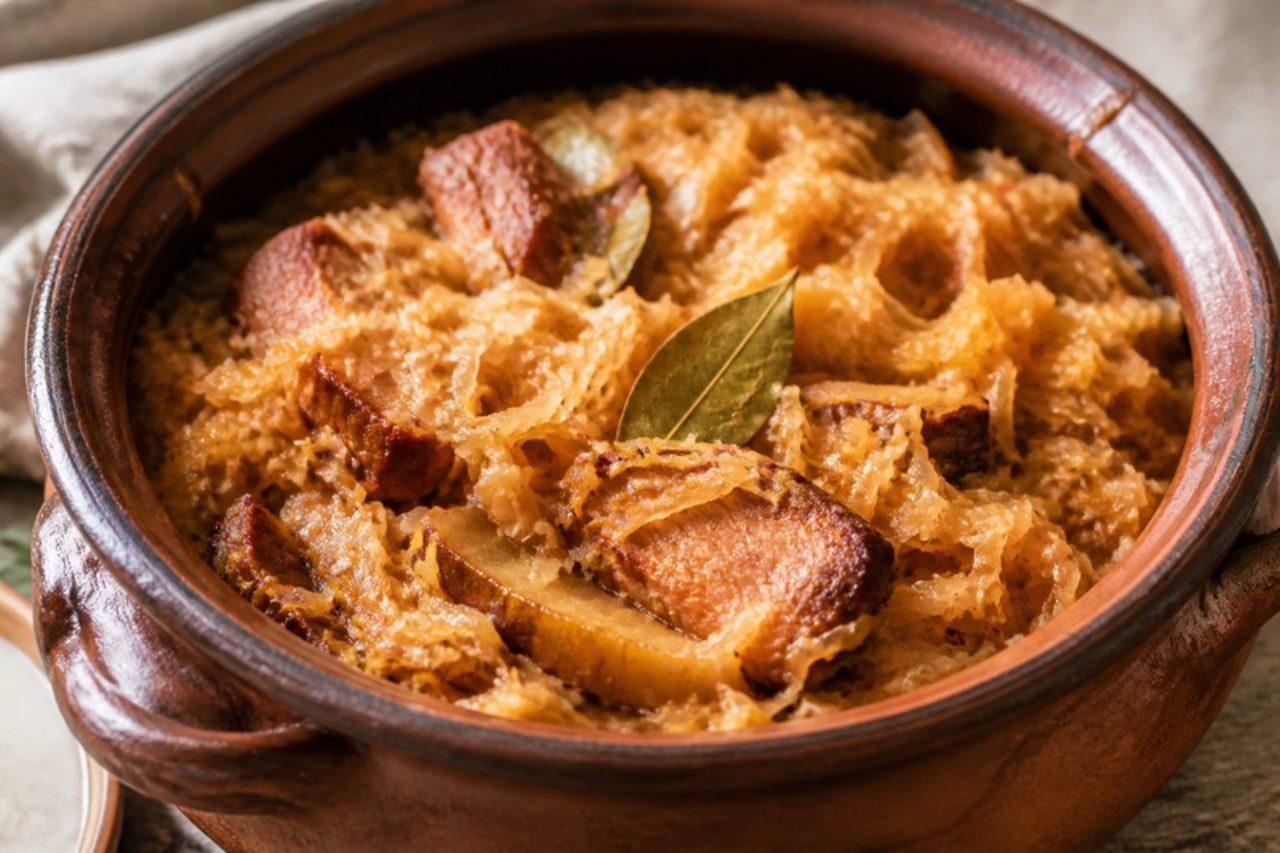
Wedding cabbage is cooked by the cauldron in central Serbia, and the village of Mrčajevci near Čačak holds a whole autumn festival in its honour, with cooks competing over clay pots that have bubbled in the embers since dawn. Sauerkraut is layered with smoked pork ribs, smoked bacon, pork shoulder and beef shin, then left alone for hours until the meat collapses and the cabbage turns soft, smoky and sour-sweet. This version goes into a low oven in a clay pot or heavy casserole. Serve it with bread, hot dried chillies and a glass of cold water. Hurrying it in a hot oven is the commonest error; at 200 °C the kraut dries and the meat tightens, while 150 °C and patience give silky results. Chef's tip: it is even better made a day ahead; cool, refrigerate and reheat covered until bubbling hot all the way through.

360 minBalkanMeatGluten free
by KrazyBadal 0 views

Tochitură

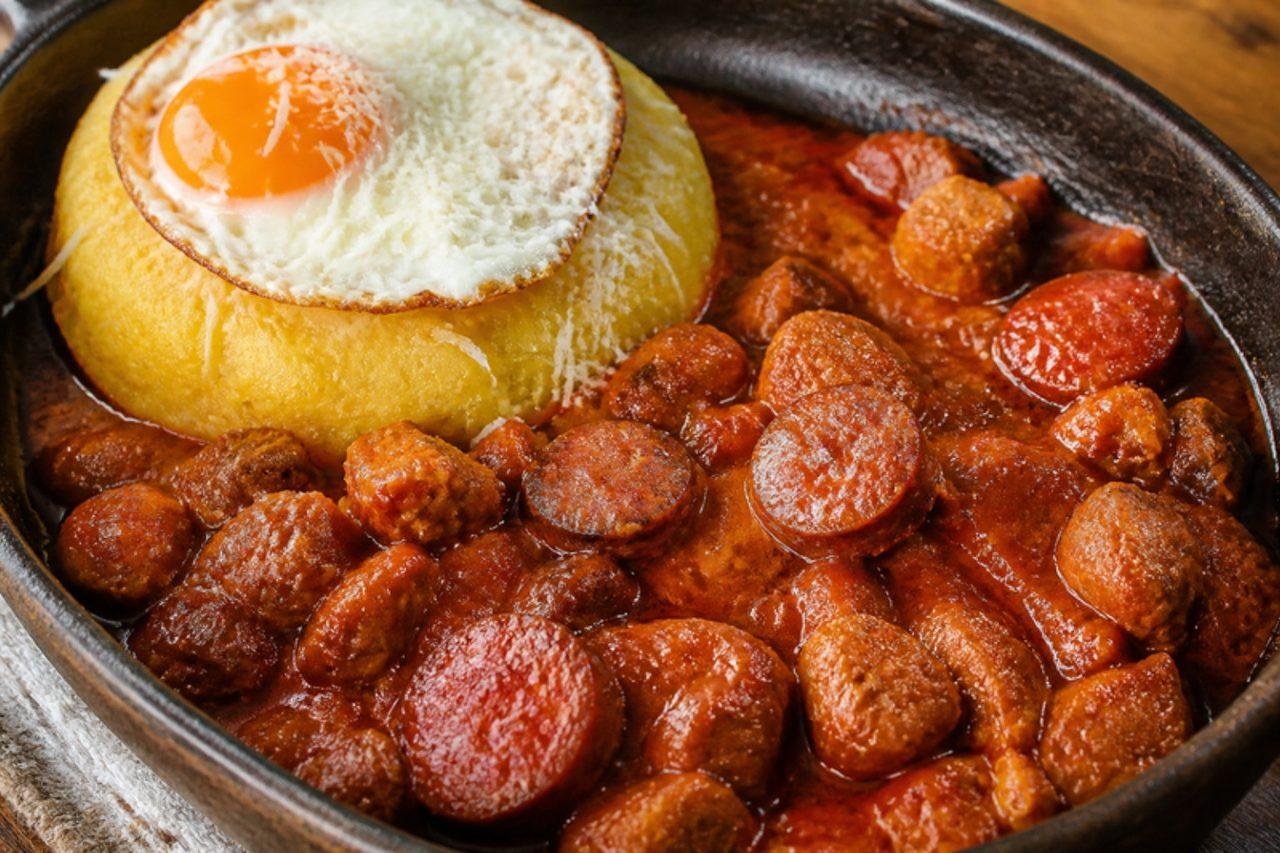
Ask for tochitură in a roadside han near Iași or Piatra Neamț and it arrives as a full plate: cubes of pork shoulder and pork sausage stewed in a garlicky, red-tinged sauce, a hill of mămăligă, a fried egg perched on top and crumbled salty sheep's cheese over everything. It is a dish for cold days and big appetites, rich, peppery and smoky. Traditionally a glass of dry white wine goes into the pan; for an alcohol-free version use the same amount of stock with 1 tablespoon of cider vinegar. The cheese is usually telemea or brânză de burduf. A frequent slip is cooking the pork hard and fast, which leaves it chewy; a gentle simmer turns it tender. Chef's tip: stir a spoon of crushed garlic into the sauce in the last minute only, so it stays fresh and fierce against the rich meat.

by KrazyBadal 0 views

Princesi

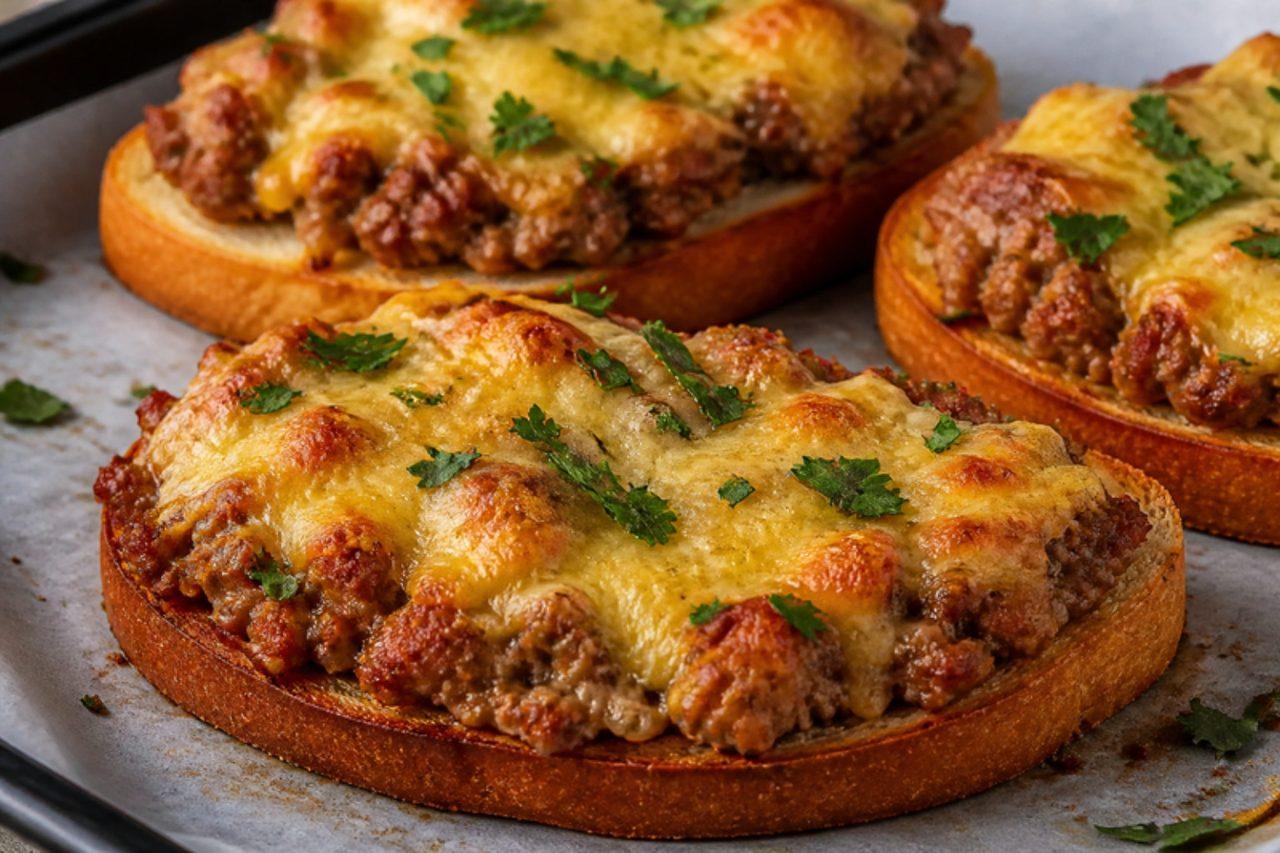
Bulgarian children grow up on princesi, the 'princesses' that parents slide into the oven for a quick Saturday breakfast or a late supper, and Sofia cafés sell them by the plateful. Slices of bread are spread with a thin layer of mince, usually half pork and half beef, seasoned with grated onion, cumin, savory and paprika, then baked until the meat is browned and the bread underneath turns crunchy; grated kashkaval cheese on top is a popular extra. A meat-free version uses egg and white cheese instead. Serve hot with a tomato and cucumber salad or a glass of ayran. Where most people go wrong is spreading the mince too thickly, so the top browns before the meat is cooked through; keep it to about 5 mm. Chef's tip: spread the mince with a wet spoon right to the crust edges, which stops the exposed bread from burning.

by KrazyBadal 0 views

Mitraillette

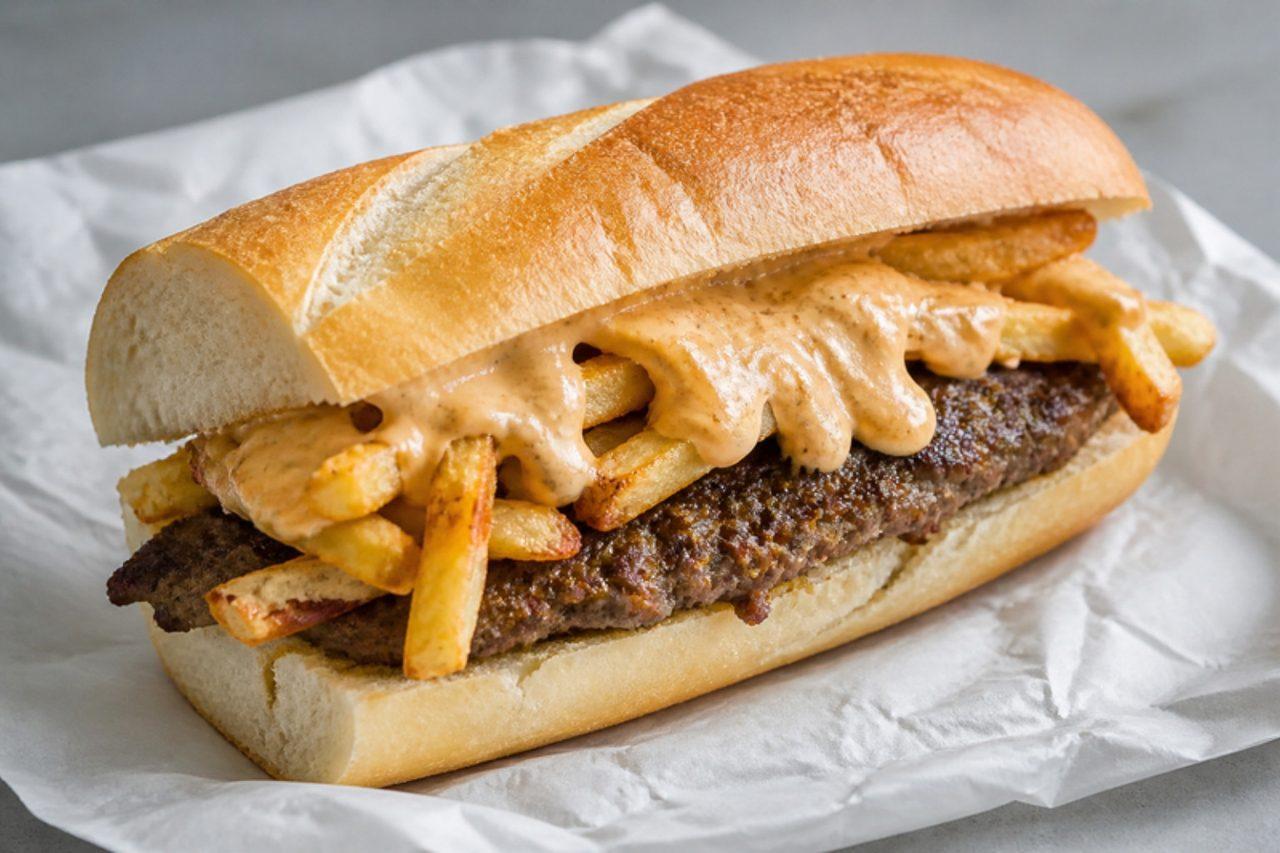
The mitraillette, 'submachine gun', is the overloaded sandwich of Brussels friteries, eaten after football or a night out: half a baguette split and stuffed with a hot meat patty or sausage, a heap of double-fried Belgian fries, lettuce and tomato, and a generous squeeze of sauce, usually andalouse, samurai or mayonnaise. It is messy and huge. This version uses a homemade beef burger. A common mistake is fries that are not crisp, which go soggy in the bread. Chef's tip: fry the chips twice, first at 160 °C until soft, then at 180 °C until golden, the Belgian way. Beef burgers must reach 71 °C in the middle.

by KrazyBadal 0 views

Chäschüechli

Chäschüechli are the small, warm cheese tartlets of central Switzerland, sold in bakeries in Lucerne and Zug and eaten as a quick lunch with a salad or as a snack at a Fasnacht carnival stand: a crisp shortcrust case filled with a savoury custard of grated mountain cheese, cream, egg and a pinch of nutmeg, baked until puffed and golden. A common mistake is filling the cases to the brim; the custard puffs and spills over. Chef's tip: bake them on the lowest shelf so the bases crisp before the filling sets. Gruyère and Appenzeller are made with animal rennet, so choose a vegetarian Swiss-style cheese.

by KrazyBadal 0 views

Kulebyaka

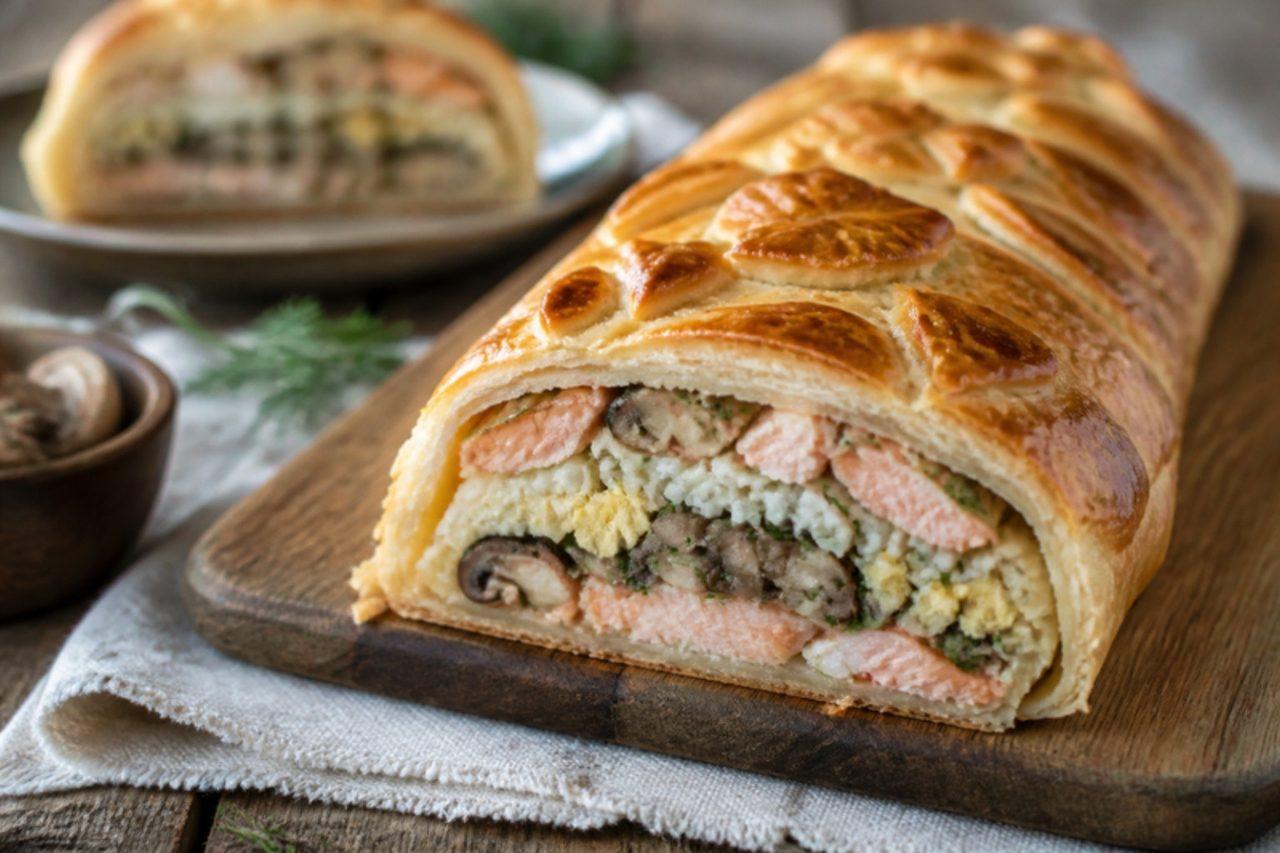
Merchant feasts in old Moscow were judged by their kulebyaka, a long, plaited-top pie cut at the table to show neat stripes of filling, and it still appears at name days, Easter and New Year. Under a golden yeast crust sit layers of dill-scented rice, chopped egg, buttery mushrooms and pink salmon, each one seasoned separately. Slices are eaten warm with melted butter or a cup of clear fish broth. The usual slip is assembling with warm, wet fillings, which steam the base into a soggy mess; cool everything and keep the rice and mushrooms fairly dry. Bake until the salmon at the centre is opaque and reads at least 63 °C. Chef's tip: lay a thin pancake or a sheet of cooked rice under the fish; old cooks used blini as a sponge for the juices.

150 minRussianFish
by KrazyBadal 0 views

Zeamă

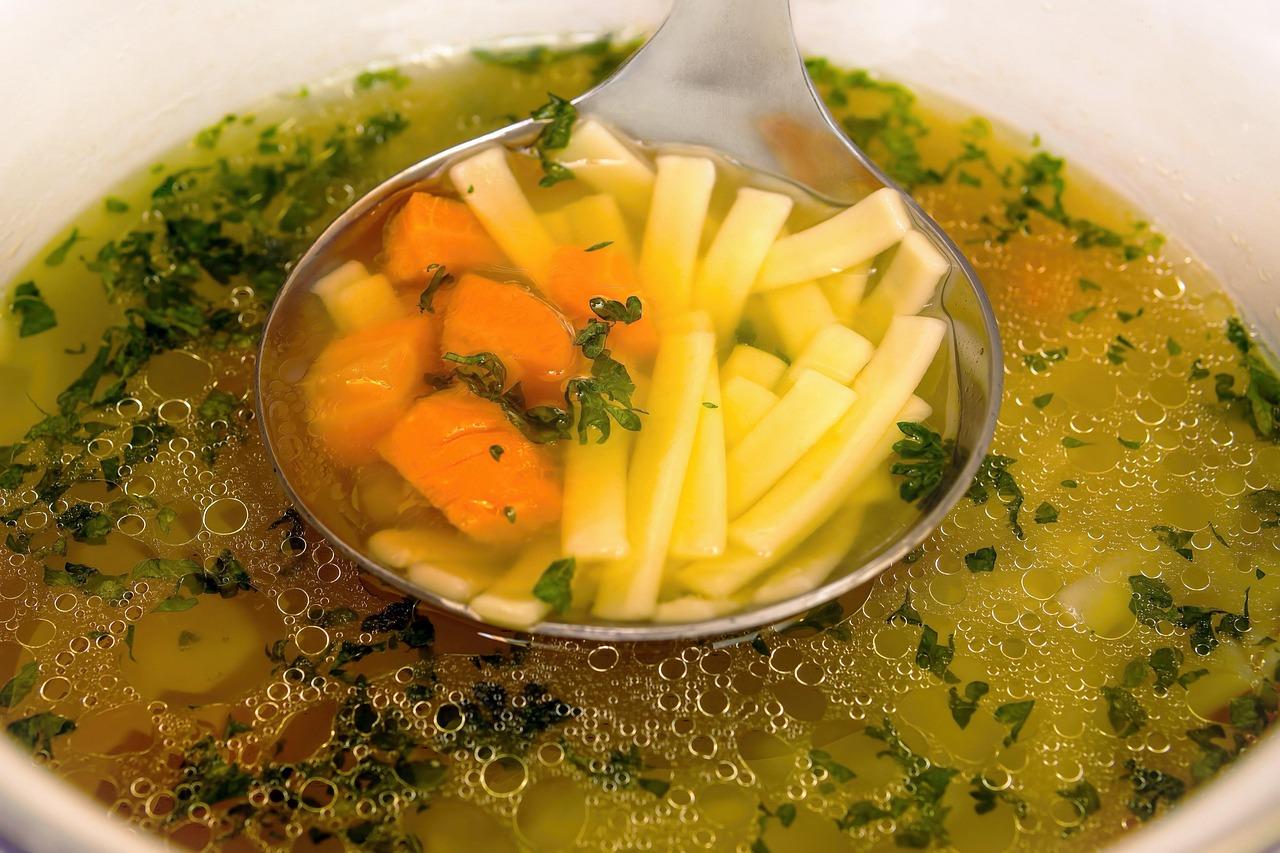
In the Republic of Moldova, zeamă is the soup of weddings, christenings and Sunday lunches, and a pot of it is said to cure everything from a cold to a hangover. A homegrown chicken gives a golden broth, thin homemade egg noodles go in, and it is soured with borș, the fermented wheat-bran liquid sold in bottles at every market from Chișinău to Bălți, then scented with a big bunch of lovage. The taste is clean, bright and tangy, with the green, celery-like note of lovage on top. It is eaten piping hot, often with a raw onion or a hot pepper on the side. A common mistake is cooking the noodles in the broth for too long, which clouds it; boil them only until just tender. Chef's tip: if you cannot find borș, use the juice of 1 lemon instead, adding it at the end and tasting as you go.

by KrazyBadal 0 views

Blini

Maslenitsa, the week of butter before Lent, is when Russia makes blini by the stack: thin, lacy, slightly sour pancakes raised with yeast and fried one after another in a hot pan, each brushed with melted butter. Old Moscow recipes used buckwheat, and a share of it here gives a nutty, earthy flavour and a speckled grey-gold colour. Eat them folded into quarters with sour cream, jam, honey or condensed milk; red caviar is the festive classic, but this version stays vegetarian. The usual slip is a pan that is not hot enough, which makes thick, pale blini that stick; the first one is always a test. A splash of boiling water whisked in at the end gives the lacy holes. Chef's tip: stack the blini on a plate and cover with a bowl as you go; the steam keeps them soft and supple.

by KrazyBadal 0 views

Plachie de pește

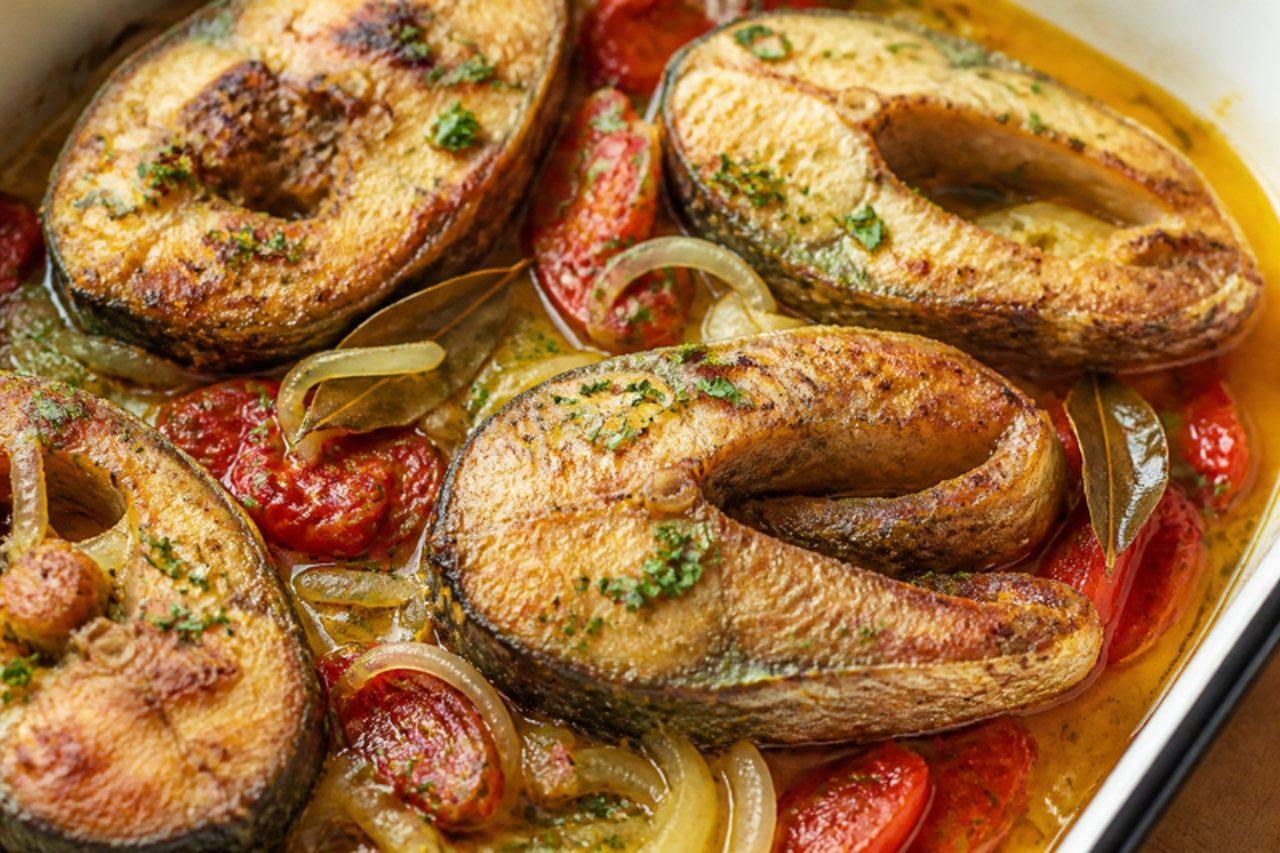
Lent and the feast of the Annunciation, when Orthodox Romanians may eat fish, are the moments for plachie: thick carp steaks laid on a deep bed of slow-cooked onions, covered with tomato and bay, and baked in plenty of oil until the onions turn sweet and jammy. Recipes travel along the Danube from the Delta to Brăila and Galați, and the dish is just as good warm as it is cold the next day. The flavour is mellow and Mediterranean, with the tomato and onion soaking into the rich, mild carp. Serve it with mămăligă or bread to mop up the oil. The usual slip is skimping on the onion stage; they need a good 15 minutes in the pan first, or they stay crunchy under the fish. Chef's tip: lightly score the carp skin and rub it with salt 20 minutes ahead; it firms the flesh and seasons it all the way through.

by KrazyBadal 0 views

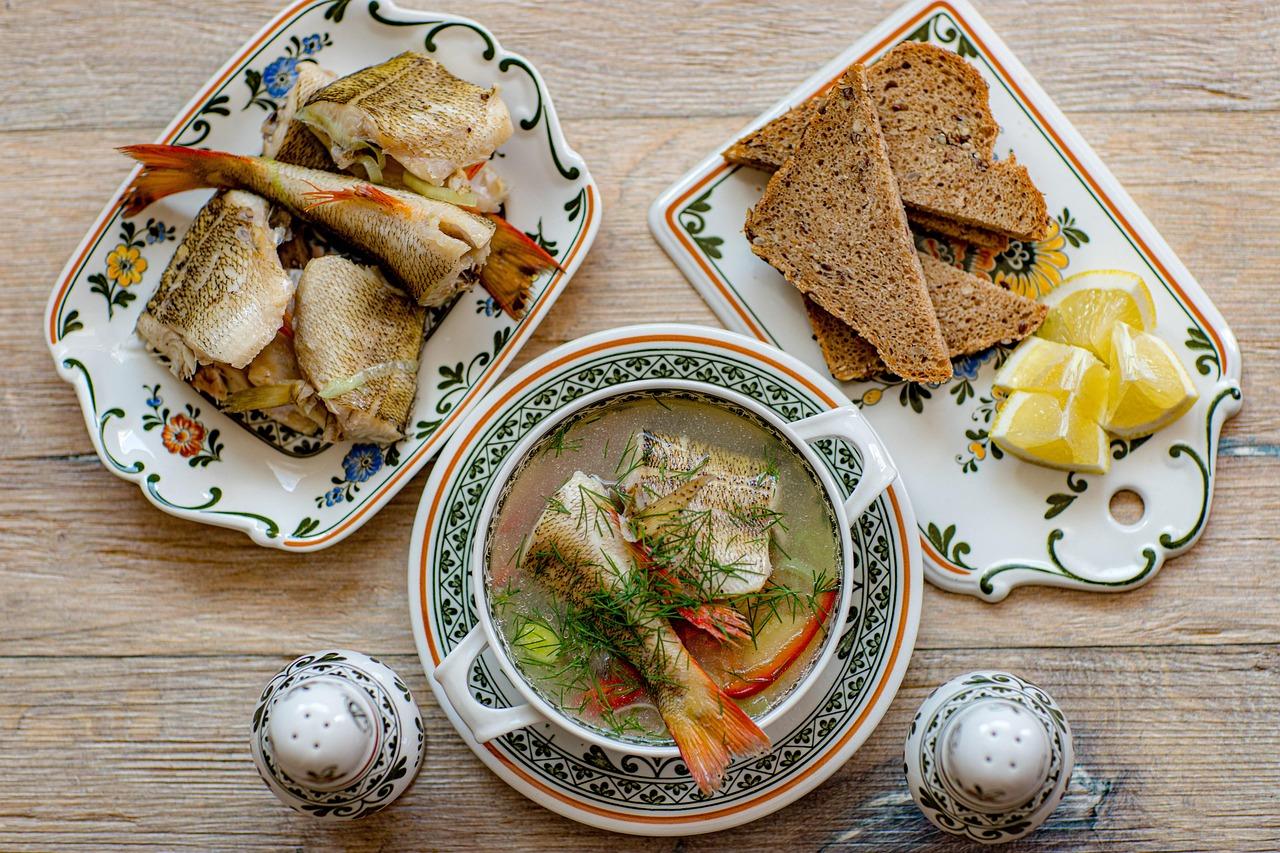
Ciorbă de pește lipovenească

The Lipovans, Russian Old Believers who settled the Danube Delta villages of Jurilovca, Periprava and Mila 23 three centuries ago, cook their fish soup in a cauldron over a fire by the water. A broth is first made from the fish frames and tails with onion and pepper, strained, then the vegetables and thick pieces of several fish go in, usually carp, pike, zander and catfish, so each brings its own texture. The fish is lifted onto a platter and eaten with garlic sauce and mămăligă, while the clear, peppery, tomato-sharp broth is drunk from bowls. Where most cooks go wrong is stirring once the fish is in: it breaks into flakes. Shake the pot instead. Chef's tip: a splash of the cold sauerkraut juice or borș at the end, instead of lemon, gives the sourness Delta cooks prefer.

by KrazyBadal 0 views

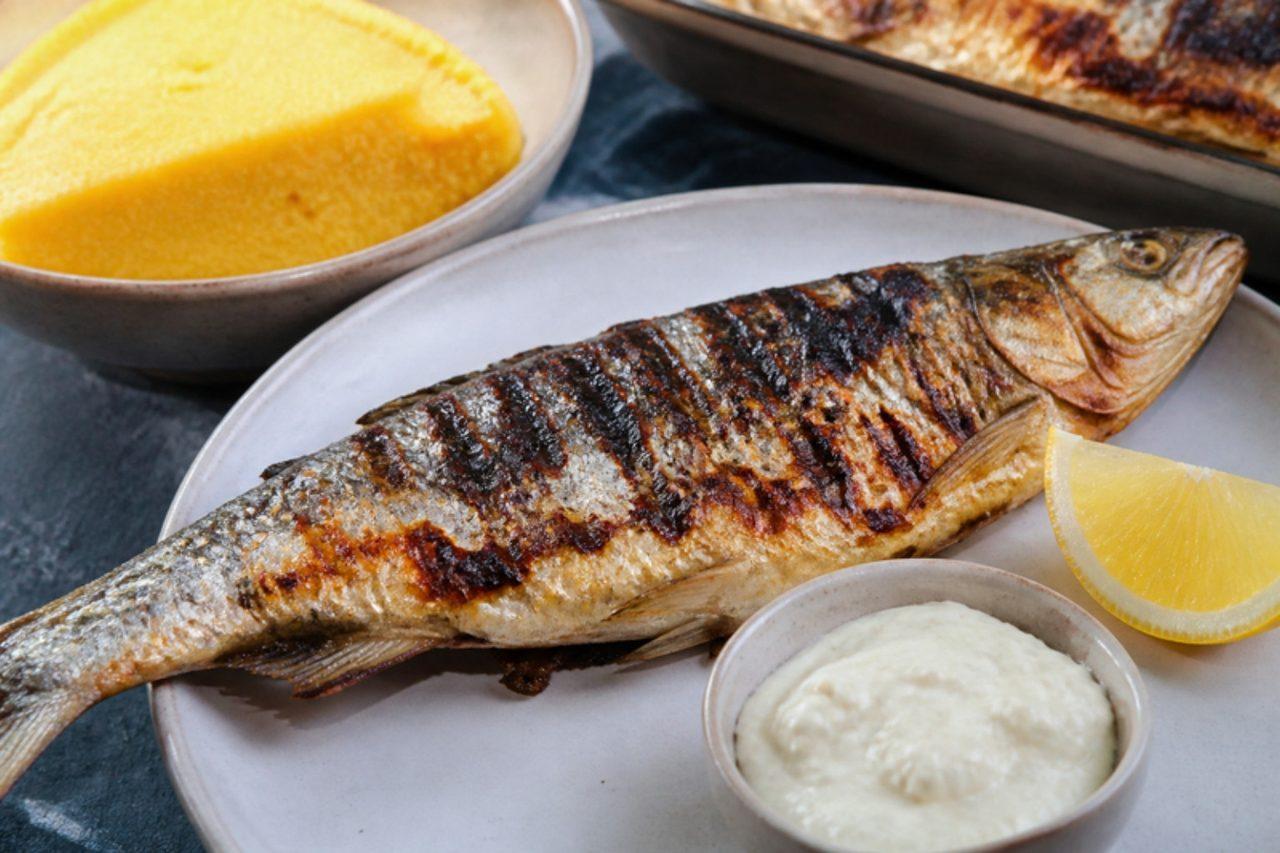
Scrumbie la grătar

Every spring, when the shad swim up the Danube to spawn, the fish markets of Tulcea and Brăila fill with scrumbie, and the smell of it grilling drifts across the riverside terraces through April and May. The fish is oily and full of flavour, so it needs nothing more than salt, a hot grill and a bowl of mujdei, the raw garlic sauce, with soft mămăligă to calm the heat of the garlic. Shad has many fine bones; diners eat it slowly, lifting the flesh off in strips. If you cannot find shad, herring or mackerel are the closest substitutes. The usual slip is turning the fish too early, so the skin tears; wait until it lifts on its own. Chef's tip: slash the sides of the fish every 1.5 cm right down to the bone; the heat gets in and the tiny bones soften.

by KrazyBadal 0 views

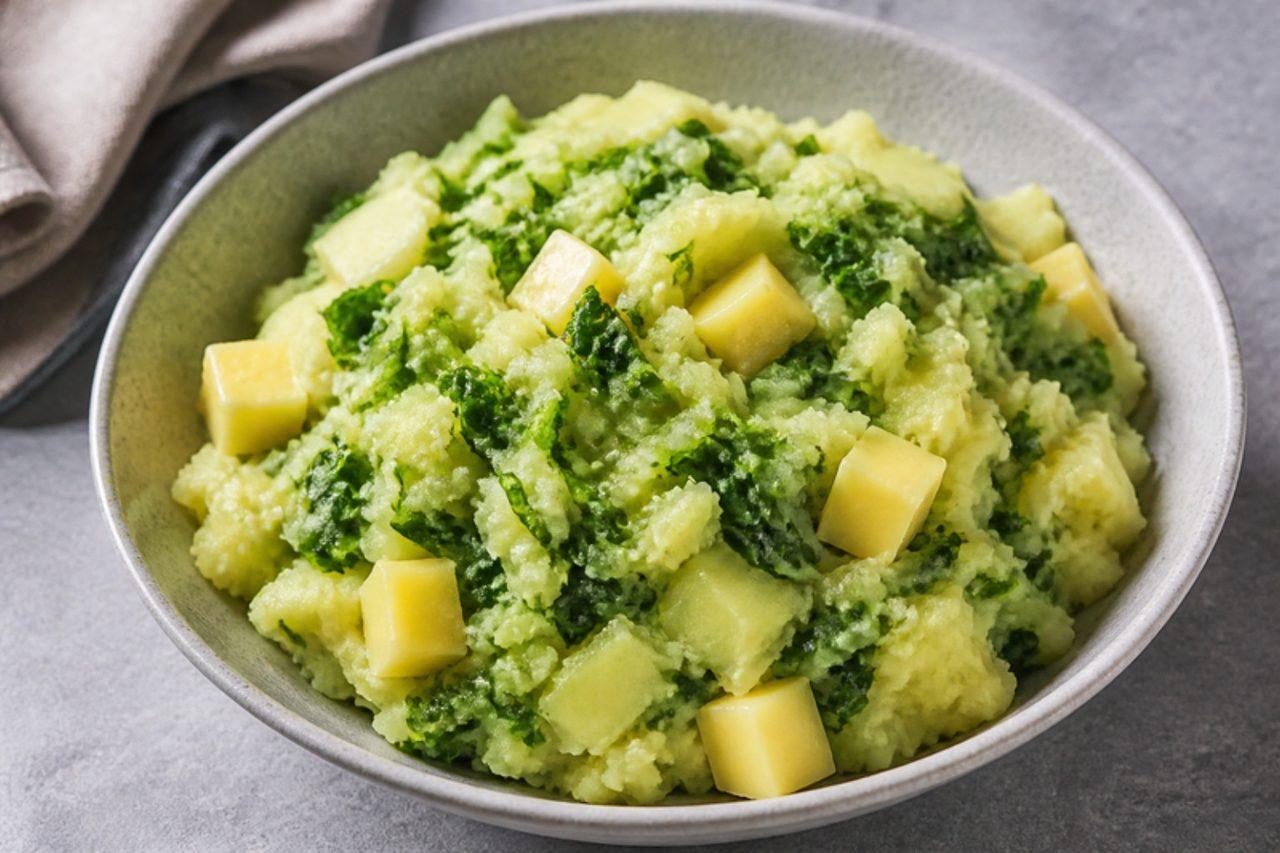
Andijviestamppot

Stamppot, mashed potato stirred with vegetables, is the Dutch winter dinner, and the endive version is a little lighter: raw, finely shredded curly endive is stirred into piping-hot mash, so it wilts slightly but keeps a fresh, bitter crunch, then cubes of aged Gouda are folded in and start to melt. Dutch families eat it with gravy and a smoked sausage; this vegetarian version uses a pool of brown butter. Aged Gouda is usually made with animal rennet, so choose a vegetarian aged Gouda-style cheese. A common mistake is cooking the endive, which turns it soggy and grey. Chef's tip: stir the endive in off the heat at the very last moment.

by KrazyBadal 0 views

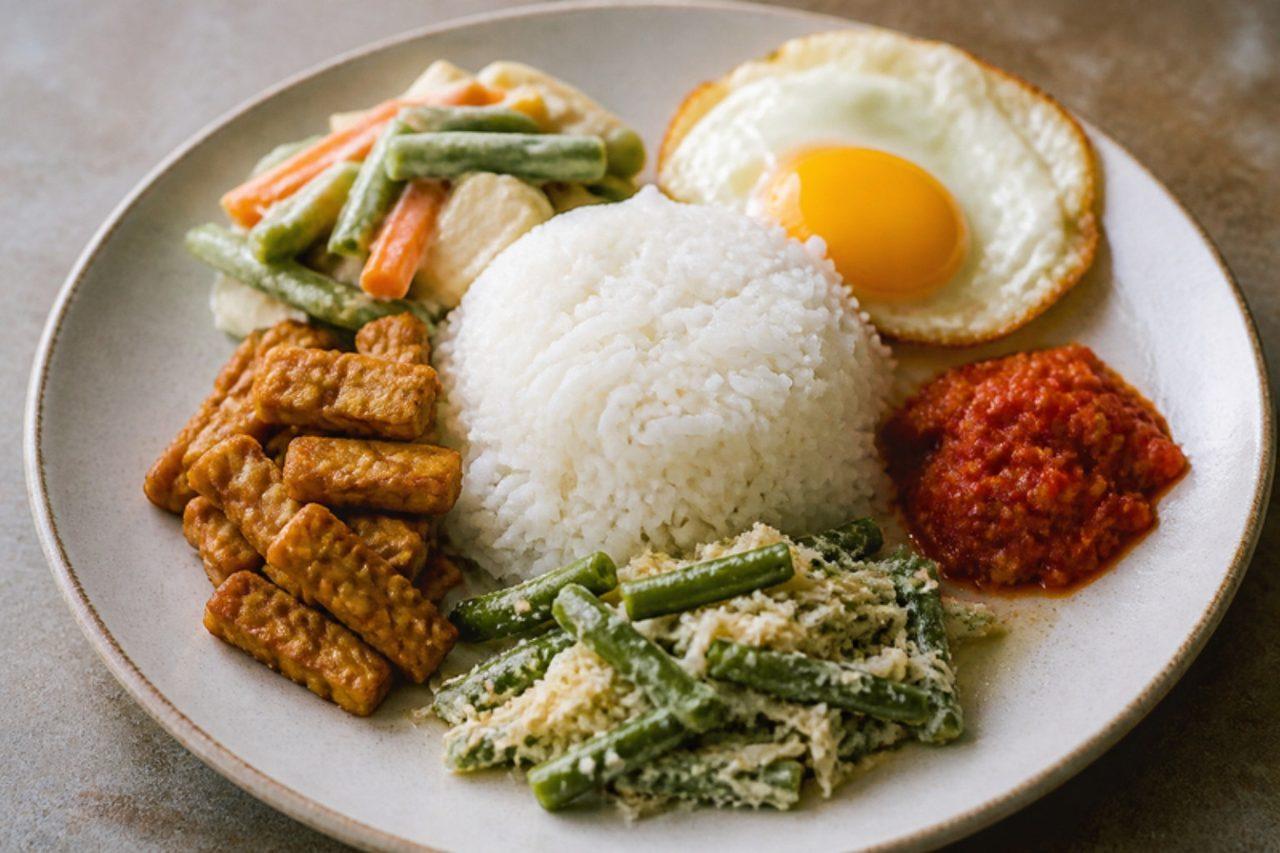
Nasi rames

Nasi rames is a whole Indonesian rijsttafel on one plate, and it is a fixture of Indonesian takeaways (toko) in The Hague and Amsterdam, a legacy of the Indo-Dutch families who came to the Netherlands after 1945: a mound of rice surrounded by small portions of several dishes, such as sweet soy tempeh, vegetables in coconut, a boiled egg in sambal, serundeng and prawn crackers. This version is vegetarian. A common mistake is serving everything at the same temperature from one pan; the point is many small contrasting dishes. Chef's tip: make the serundeng and atjar a day ahead and the plate comes together in 40 minutes. Prawn crackers contain shellfish, so use cassava crackers for a vegetarian plate.

by KrazyBadal 0 views

Tsatsa

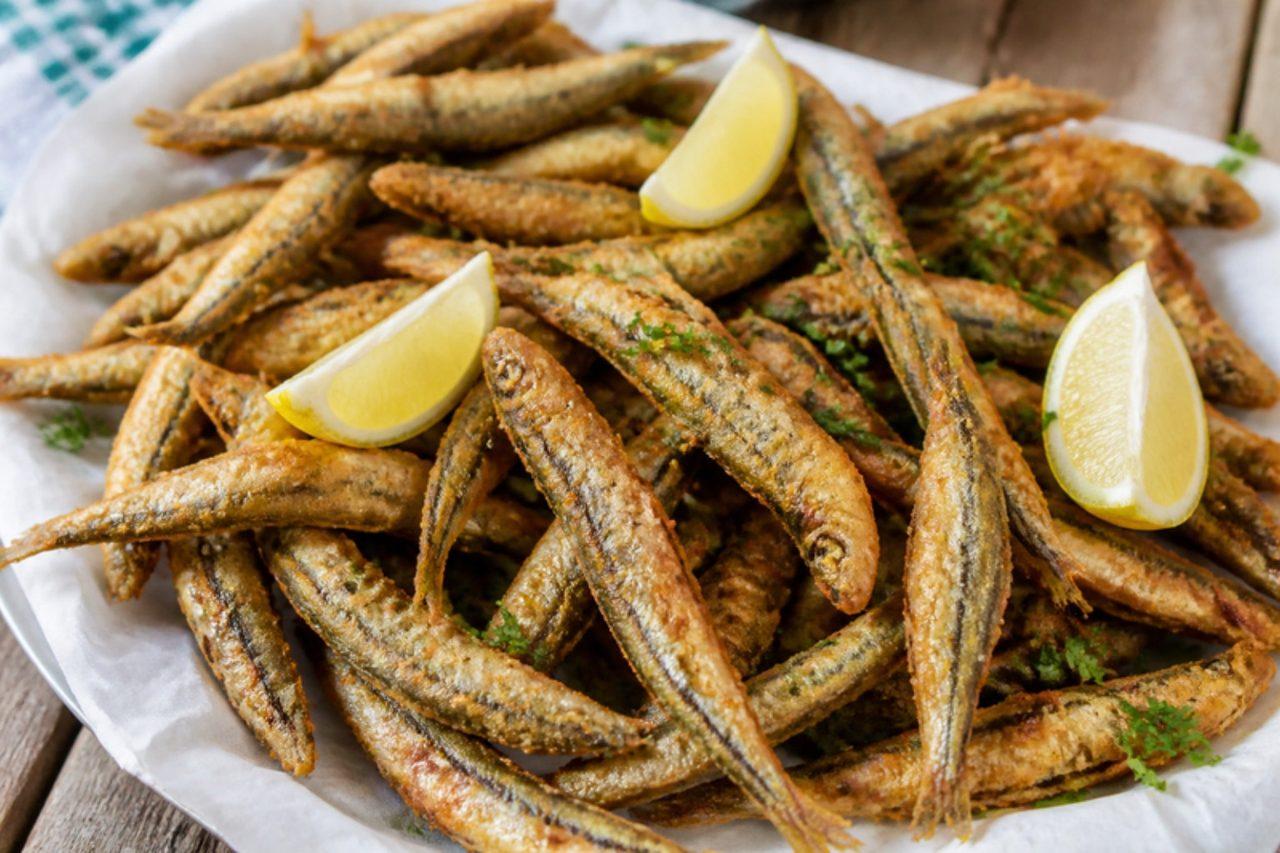
Beach kiosks from Varna to Sozopol sell tsatsa by the paper cone all summer: handfuls of tiny sprats fried so crisp that you eat them head, bones and all, with a squeeze of lemon and a cold glass of ayran. They taste sweet and briny and crunch like the best chips. At home, serve them with lemon wedges, a tomato and cucumber salad and bread. Buy fish that smell of the sea, with bright eyes and firm bodies; frozen sprats work once thawed in the fridge. Where most people go wrong is frying too many at once: the oil cools, the fish stick together and turn greasy. Chef's tip: shake the floured sprats in a sieve before they go in, so only a thin film of flour clings and they fry up lacy and light.

by KrazyBadal 0 views

Kajmak

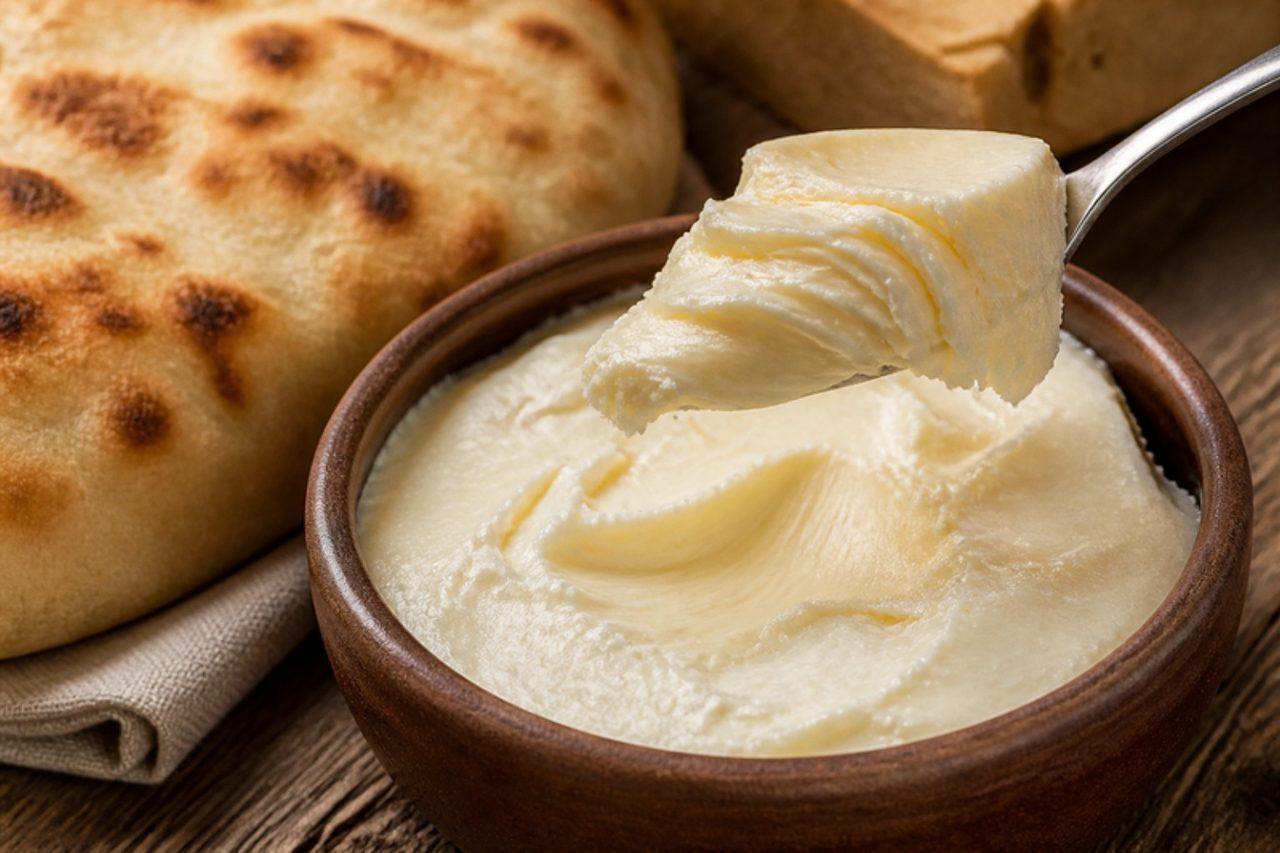
At the Zlatibor and Čačak markets, women sell kajmak from wide tubs, cut in soft ivory folds that taste of cooked milk, butter and a little salt. It is made by slowly heating rich milk, letting it settle in shallow pans and lifting off the thick skin that forms as it cools, then layering those skins with salt. This home version uses pasteurised milk and cream and stays in the fridge throughout; the long-aged, raw-milk kajmak of the villages is not something to copy at home. Spread it on warm lepinja or proja, or stir it into hot potatoes. A common mistake is letting the milk boil: the bubbles tear the skin and you end up with flecks instead of a thick sheet. Chef's tip: keep the skimmed milk left underneath for porridge, proja or pancakes; nothing goes to waste.

1440 minBalkanBasicsGluten free
by KrazyBadal 0 views

Popara

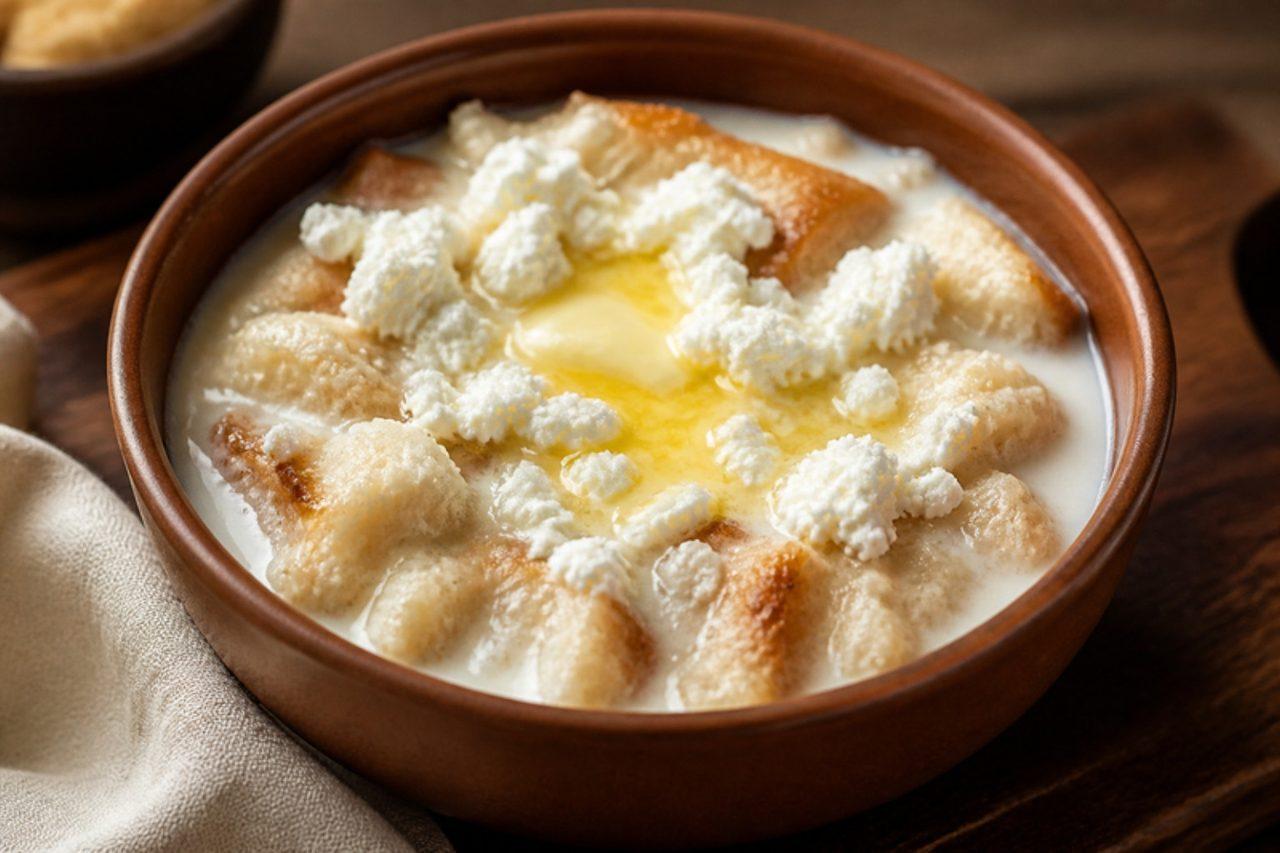
Ask Bulgarians about popara and most will smile about childhood: a bowl of yesterday's bread torn into chunks, scalded with hot milk or sweet tea, then stirred with a knob of butter and a handful of crumbled white cheese. It is what grandmothers in villages from the Balkan Mountains to Sofia made on cold mornings, and what students still cook when the cupboard is empty. Soft, warm, salty and comforting, it should be spoonable but not a soup. Some families make it sweet with sugar instead of cheese. Bulgarian sirene is usually made with animal rennet, so pick a white cheese labelled vegetarian if that matters to you. Where most people go wrong is using soft fresh bread, which dissolves into paste; it must be properly stale and dry. Chef's tip: cover the bowl with a plate for two minutes after pouring the milk, so the bread swells evenly before you stir in the butter.

by KrazyBadal 0 views

Tutmanik

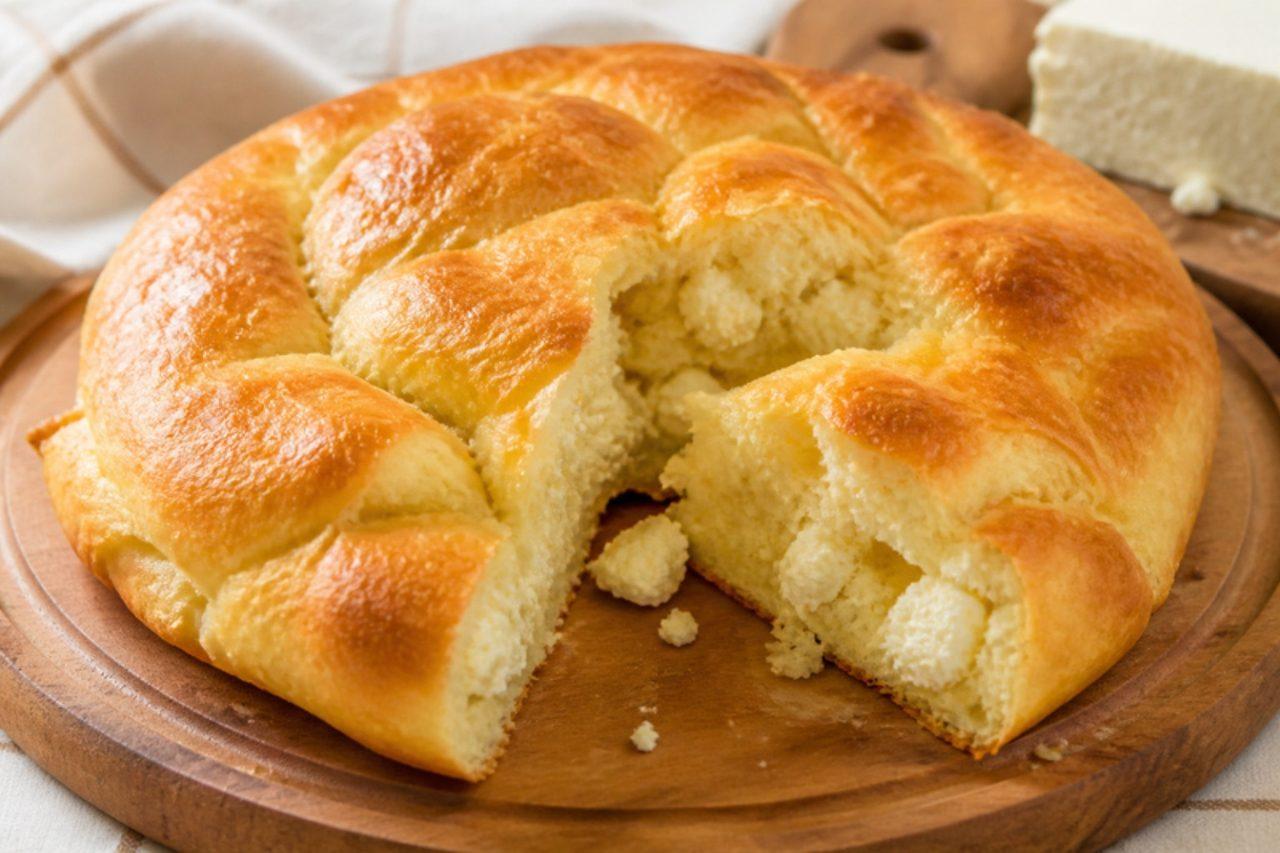
Weddings, christenings and long Sunday lunches in western Bulgaria often begin with a tutmanik on the table, still warm and torn by hand rather than sliced. The yeast dough is enriched with yogurt, eggs and oil, rolled, scattered with crumbled white cheese, folded and baked until it rises tall and golden, with salty pockets of melted cheese running all through the soft crumb. Eat it with a glass of ayran or a bowl of tarator in summer. Sirene is often made with animal rennet, so use a white cheese labelled vegetarian. A common mistake is adding too much flour to a sticky dough; it should stay soft and slightly tacky, or the bread bakes dense. Chef's tip: brush the top with yolk mixed with a spoon of yogurt rather than milk, for the deep, glossy crust Bulgarian bakers aim for.

by KrazyBadal 0 views

Tsarska turshiya

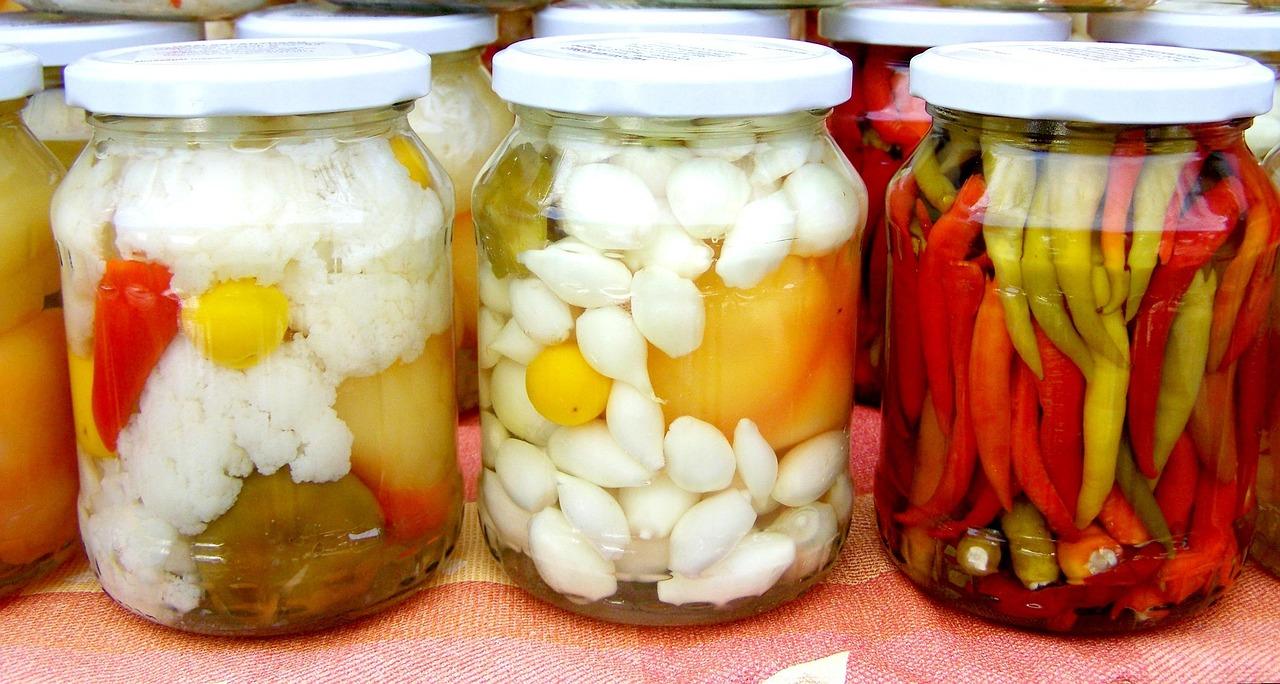
Every autumn Bulgarian balconies fill with jars of turshiya, and the 'royal' one is the prettiest and the most loved: crisp cauliflower florets, carrot rounds, strips of red and green pepper and celery, steeped in a sweet-sour marinade with oil, garlic and peppercorns. It is served with hearty winter stews, with beans and with a glass of something cold at the table in the evening. This version is a fridge pickle, ready in three days and kept chilled, so it needs no sterilising bath. The mistake people make is overcooking the vegetables in the marinade; they should just lose their raw edge and still snap when you bite them. Chef's tip: pack the jars in colour layers, white, orange, red, green, and pour the marinade over while it is hot so the vegetables stay crunchy.

by KrazyBadal 0 views

Katino meze

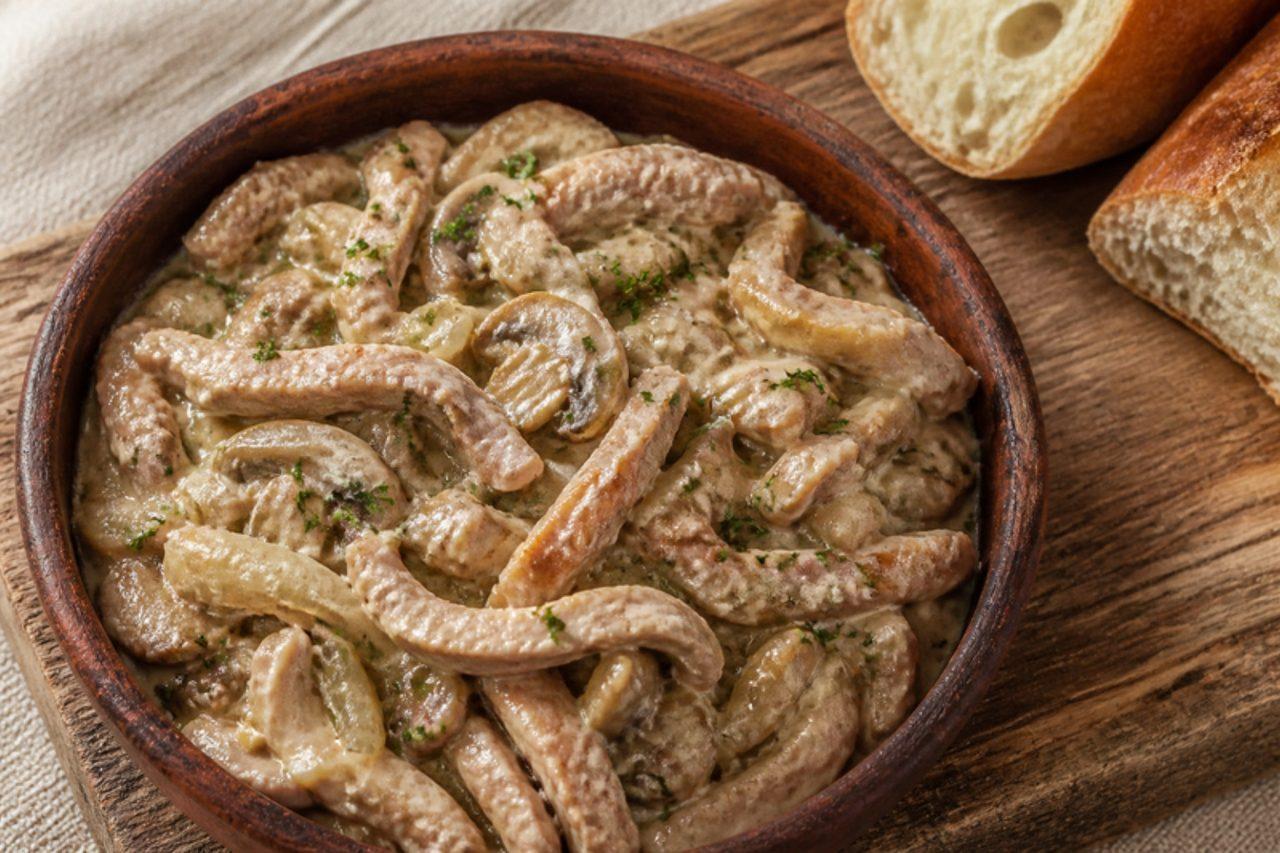
Every Bulgarian mehana, the wood-panelled tavern, has Katino meze on the menu, sizzling in a small clay dish next to a shopska salad, and it is quick enough for a weeknight at home. Thin strips of pork loin are seared, then tossed with mushrooms, onion and pickled gherkin, deglazed with dry white wine and finished with cream, black pepper and a pinch of hot chilli. For an alcohol-free sauce, swap the wine for the same amount of vegetable stock with a teaspoon of white wine vinegar or a splash of white grape juice. Serve with crusty bread or chips. A common mistake is crowding the pan: the pork stews grey instead of browning, so sear it in two batches. Chef's tip: cut the pork across the grain into finger-thin strips while it is half-frozen; it slices neatly and stays tender.

by KrazyBadal 0 views

Cheremsha salad

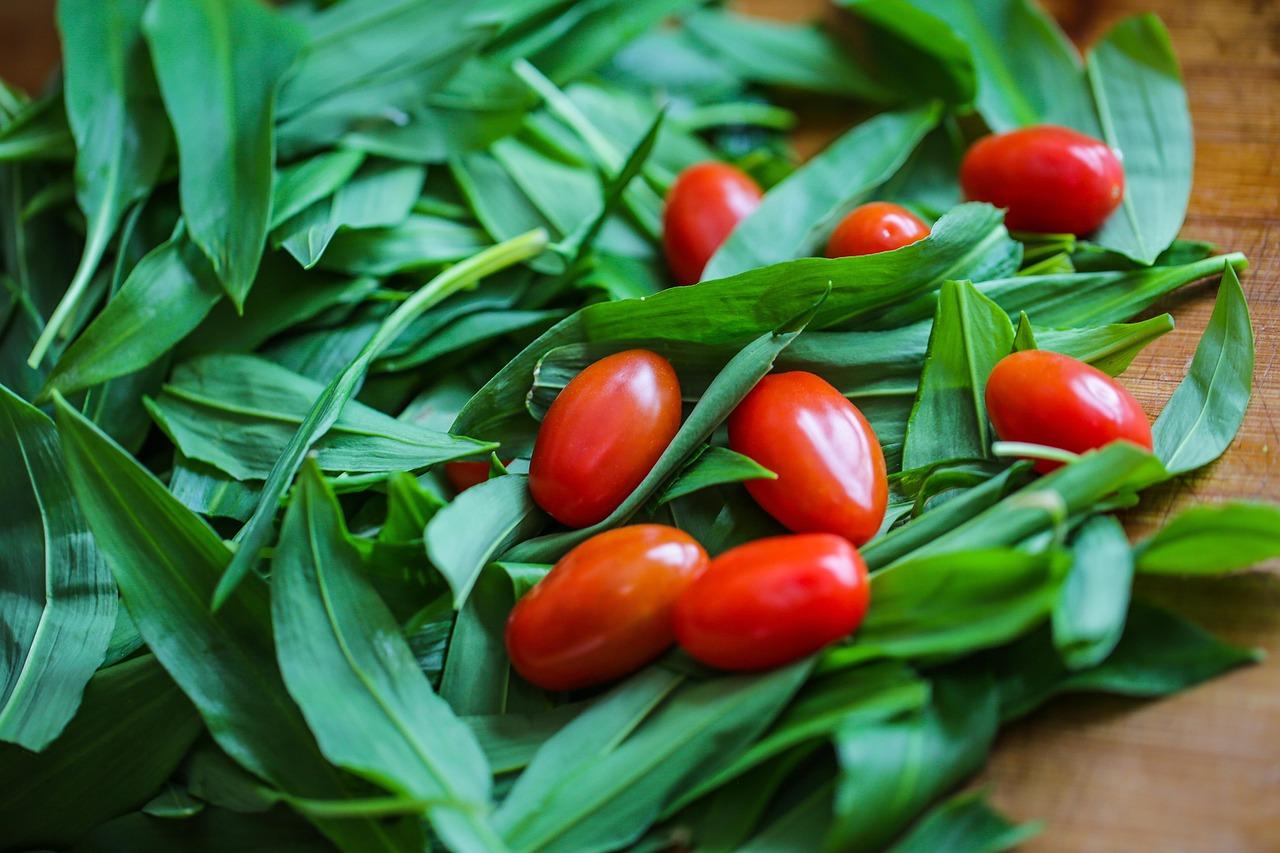
Late April in Novosibirsk and Tomsk brings bunches of cheremsha to every market stall and roadside bucket: the first green vitamins after a long Siberian winter. The broad leaves and juicy stems of wild garlic taste of sweet, mild garlic with a peppery bite, and Siberians eat them simply, chopped with salt and fragrant unrefined sunflower oil, beside boiled potatoes and black bread. Some cooks add chopped egg or sour cream; this vegan version sticks to oil, with cucumber for crunch. Forage only with someone who knows the plant, or buy it: wild garlic has poisonous lookalikes such as lily of the valley, and real leaves smell strongly of garlic when crushed. Where most people go wrong is dressing it too early, so the leaves wilt and weep. Chef's tip: salt the chopped stems first and rub them for a few seconds; it softens their bite and draws out juice that becomes part of the dressing.

by KrazyBadal 0 views

Drob sarma

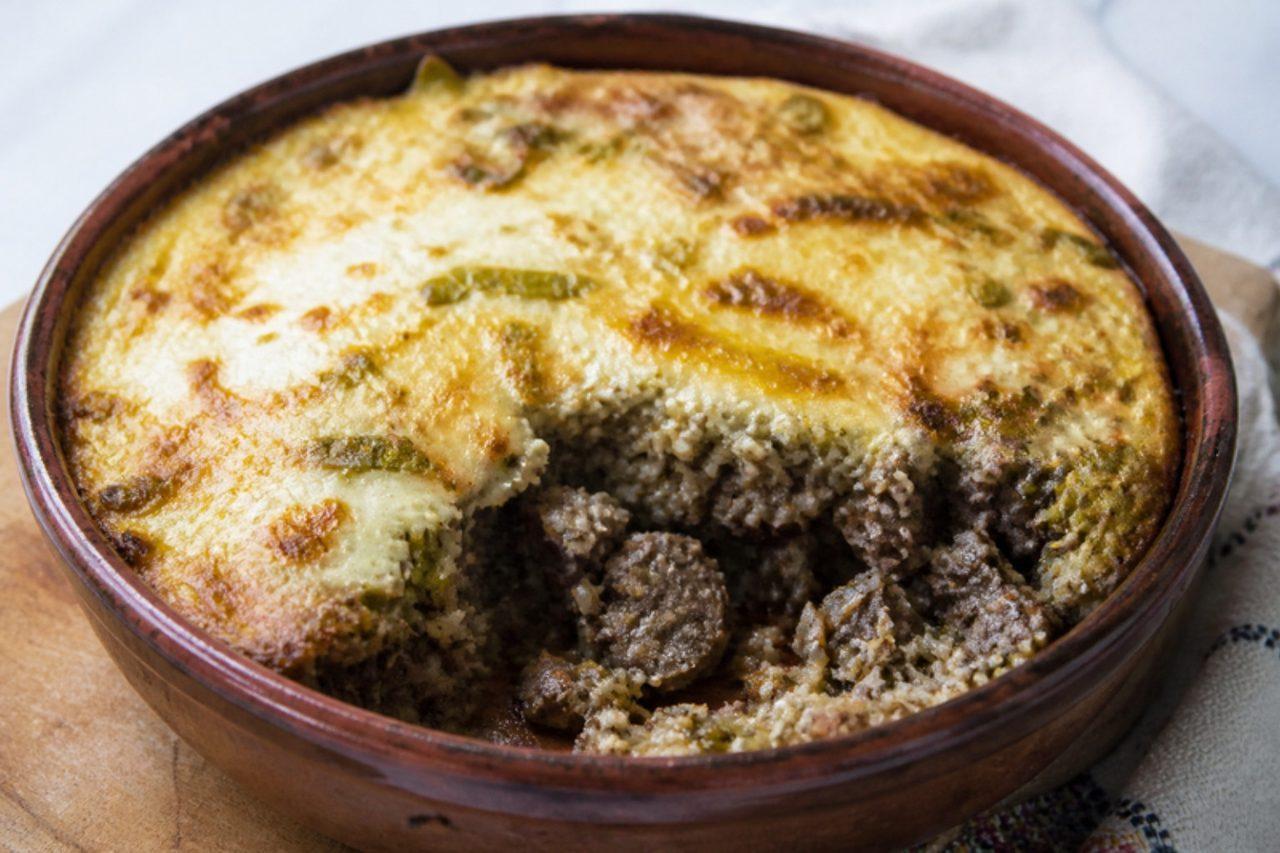
Gergyovden, St George's Day on 6 May, is the great shepherds' feast in Bulgaria, when families roast spring lamb and make sure nothing goes to waste: the liver and heart go into drob sarma, baked alongside the roast and often eaten first. The offal is blanched, chopped small and fried with plenty of spring onion, then baked with rice in stock with dried mint and paprika until the grains are plump; a topping of yogurt beaten with eggs sets into a soft, golden, faintly tangy custard. Serve hot with a lettuce and radish salad. Liver is very high in vitamin A, so pregnant women are usually advised to avoid it. Where most people go wrong is over-frying the liver, which turns it grainy; it only needs to lose its pink before it goes into the oven to finish cooking. Chef's tip: beat thick, full-fat yogurt with the eggs until completely smooth, so the topping puffs evenly.

by KrazyBadal 0 views

Sbiten

Long before tea reached Russia, street sellers wrapped in shawls carried copper urns of sbiten through winter markets, pouring steaming glasses of spiced honey water for traders and coachmen. It comes back every Maslenitsa at fairs in Moscow and Suzdal, drunk beside blini. The taste is warming and sweet, with the bite of ginger, a bitter edge of bay and clove, and a resinous note from St John's wort or mint. Where most people go wrong is boiling the honey hard, which dulls its perfume; simmer the spices first and dissolve the honey off the boil. Honey should not be given to babies under one year old. Chef's tip: make the spiced base ahead and keep it in the fridge, then reheat a glass at a time and finish with a squeeze of lemon.

by KrazyBadal 0 views

Skradinski rižot

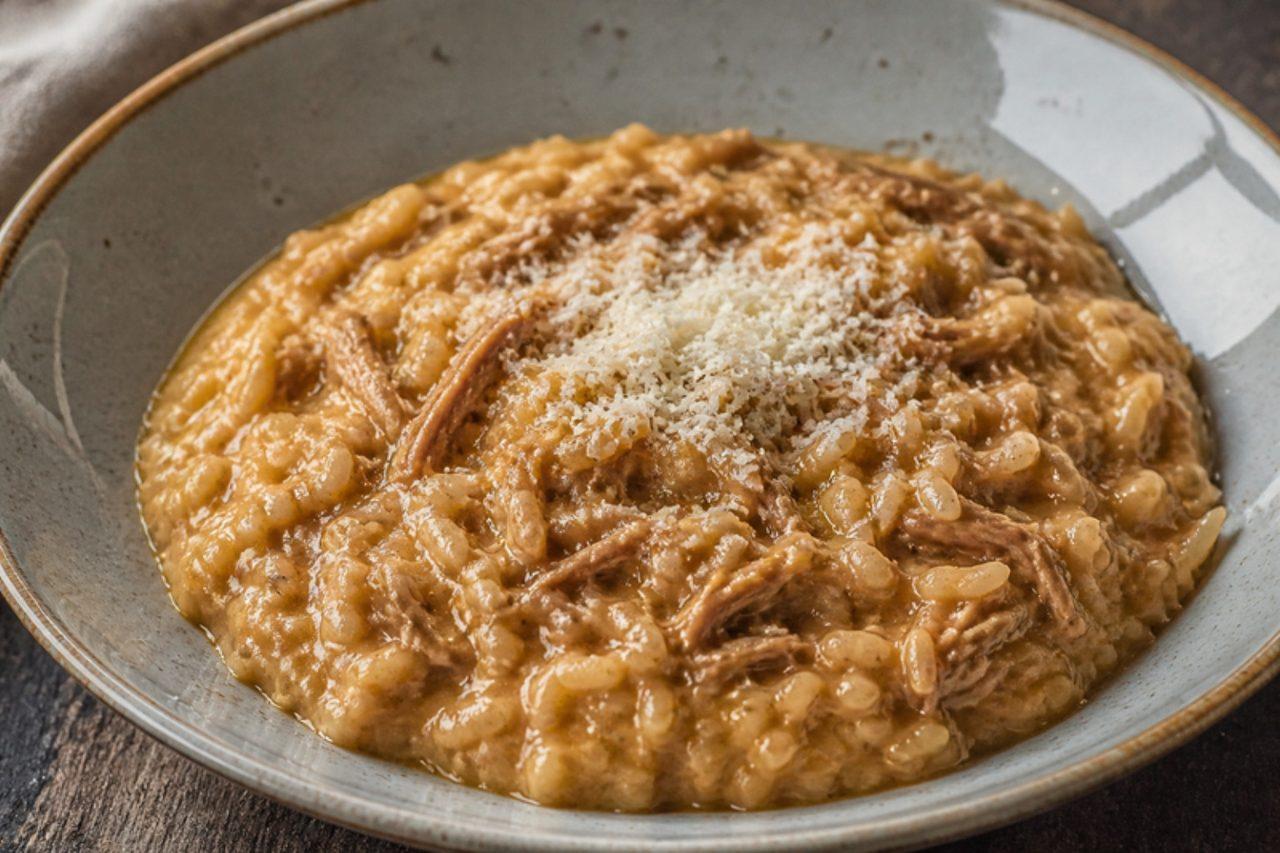
The little Dalmatian town of Skradin, at the mouth of the Krka river in Croatia, makes this risotto once a year in huge pots for its summer festival, and the cooks, traditionally men, stir it for hours. Veal is simmered with onion until it falls into threads, and the rice is then cooked slowly in that rich broth until it nearly melts, so the dish ends up creamy, golden and deeply savoury without a drop of cream. It is served on its own, with grated hard cheese and a glass of something cold. A common mistake is hurrying it on a high heat: the meat must collapse completely before the rice goes in. Chef's tip: shred the veal with two forks right in the pot, it thickens the sauce as it breaks down.

by KrazyBadal 0 views

Kurnik

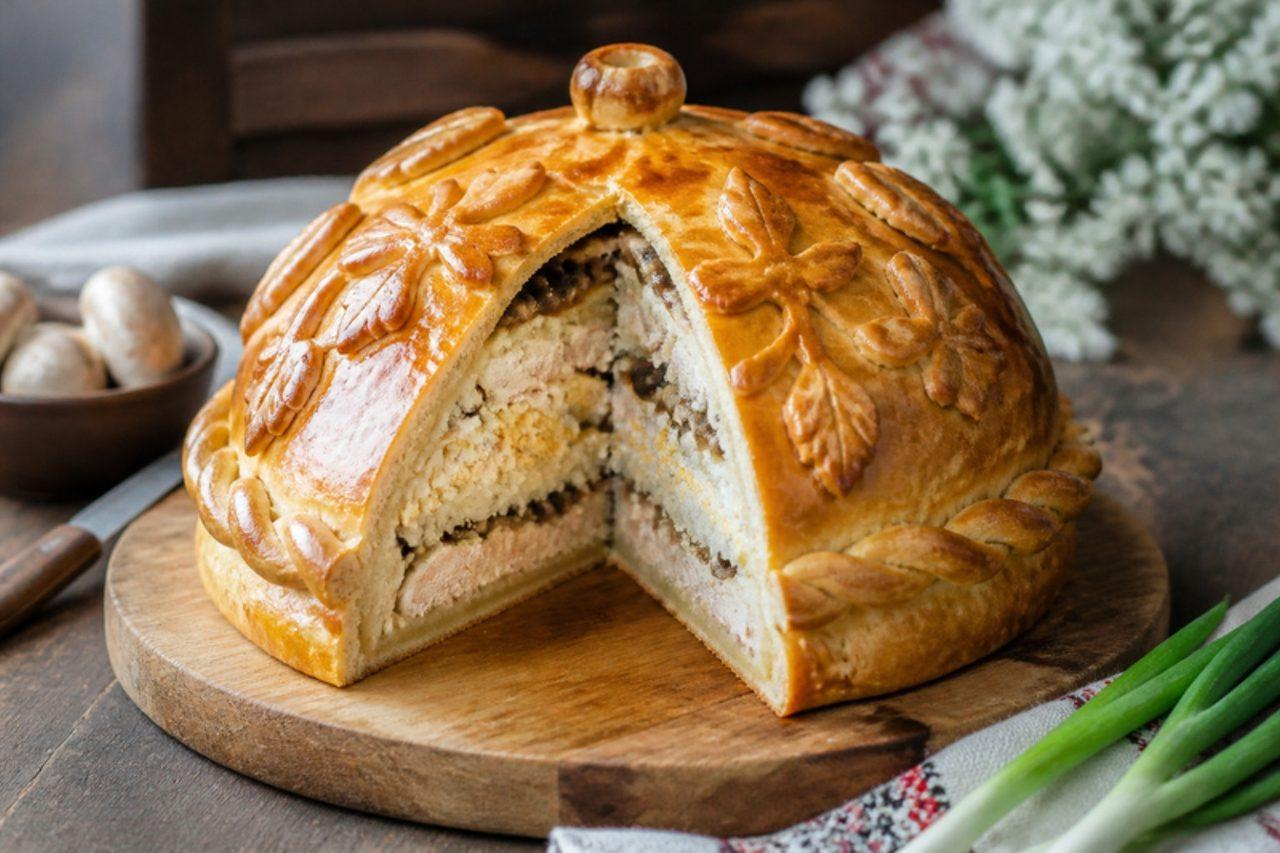
Cossack weddings along the Don and Kuban were not complete without kurnik, the tall "king of pies": a domed short pastry crust packed with layers of chicken, rice and egg and mushrooms, each separated by a thin pancake so the juices stay put. Bride and groom each had a kurnik baked by their families, and it is still made for big birthdays and holidays. The crust is crumbly and rich from sour cream; the inside moist and savoury. A common mistake is skimping on the broth: spooning some of the chicken poaching liquid over each layer keeps the rice from drying out. Poach the chicken until it reaches 74 °C. Chef's tip: make the pancakes and fillings the day before and chill them; the pie then goes together in half an hour.

by KrazyBadal 0 views

Sogan dolma

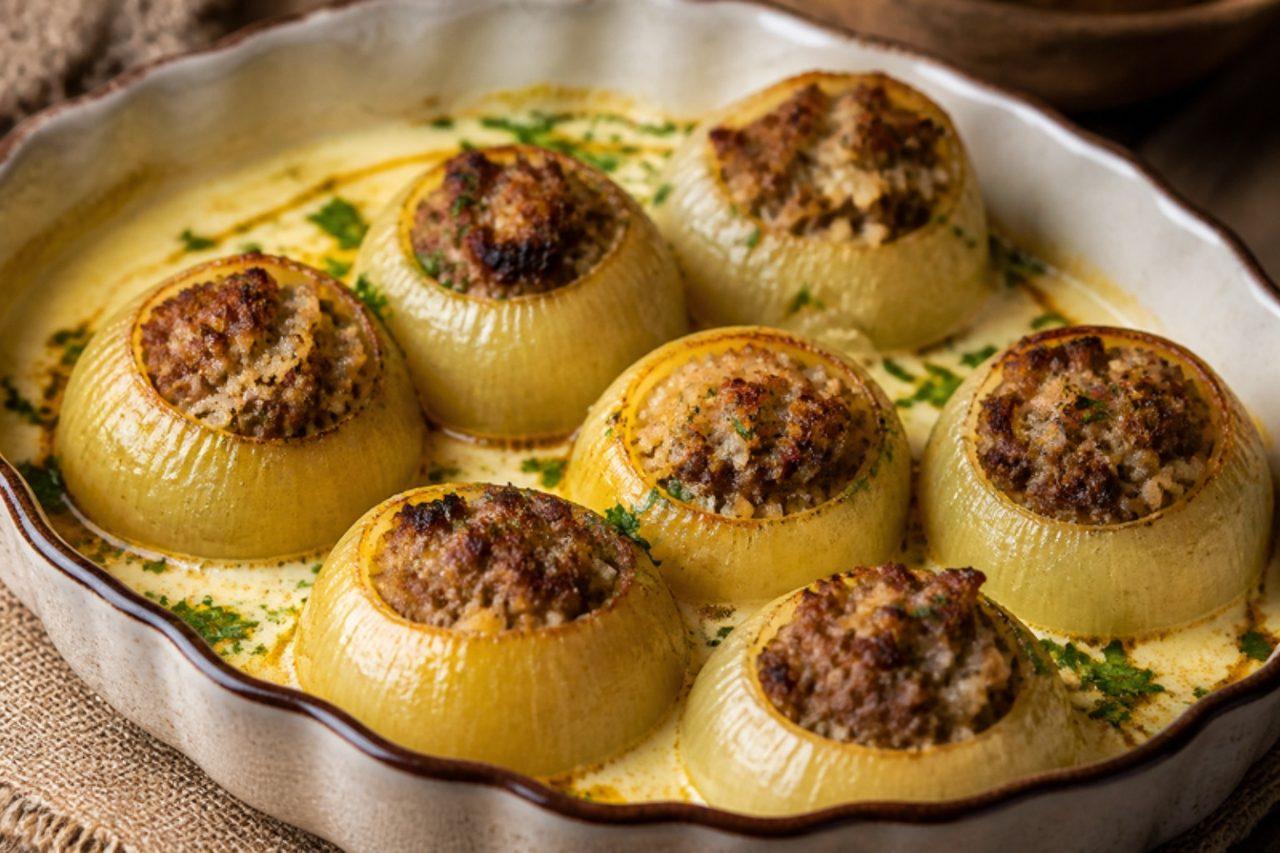
Sarajevo's grandmothers make sogan dolma in summer, when the onions are sweet and juicy: whole onions are blanched, their layers peeled apart, and each shell is filled with spiced beef mince and rice, then baked until soft and caramel-edged and finished with a tangy sour cream sauce. In Bosnia and Herzegovina they are a dish for Ramadan iftar tables and family Sundays, eaten with bread to mop up the sauce. Where most people go wrong is not blanching the onions long enough; the layers tear instead of slipping apart. Chef's tip: chop the small inner hearts you cannot stuff and fry them into the filling, so nothing is wasted.

120 minBalkanMeatGluten free
by KrazyBadal 0 views

Ohridska pastrmka

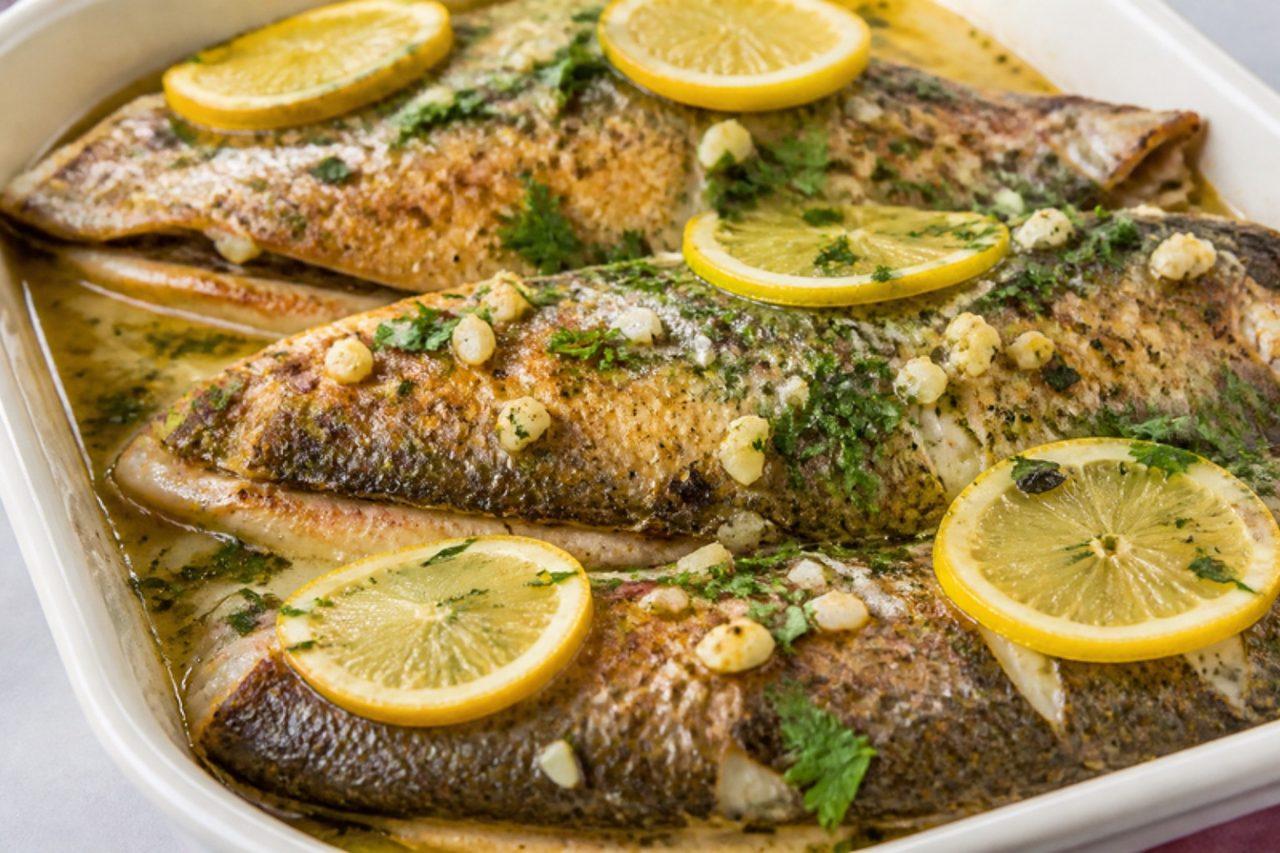
Lakeside restaurants in Ohrid, North Macedonia, are known for trout cooked simply with garlic, parsley and good oil, eaten on a terrace above the water. The famous Ohrid trout itself is now protected and should not be bought, so use farmed rainbow or brown trout fillets: the flesh comes out pink, tender and juicy, with a crisp garlicky crust of breadcrumb-free herbs. Serve with boiled potatoes dressed with oil and a tomato salad. A common mistake is overbaking: trout fillets are thin and go dry in minutes. Chef's tip: mix the garlic and parsley with the oil and a pinch of salt half an hour ahead so the garlic mellows.

25 minBalkanFishGluten free
by KrazyBadal 0 views

Selsko meso

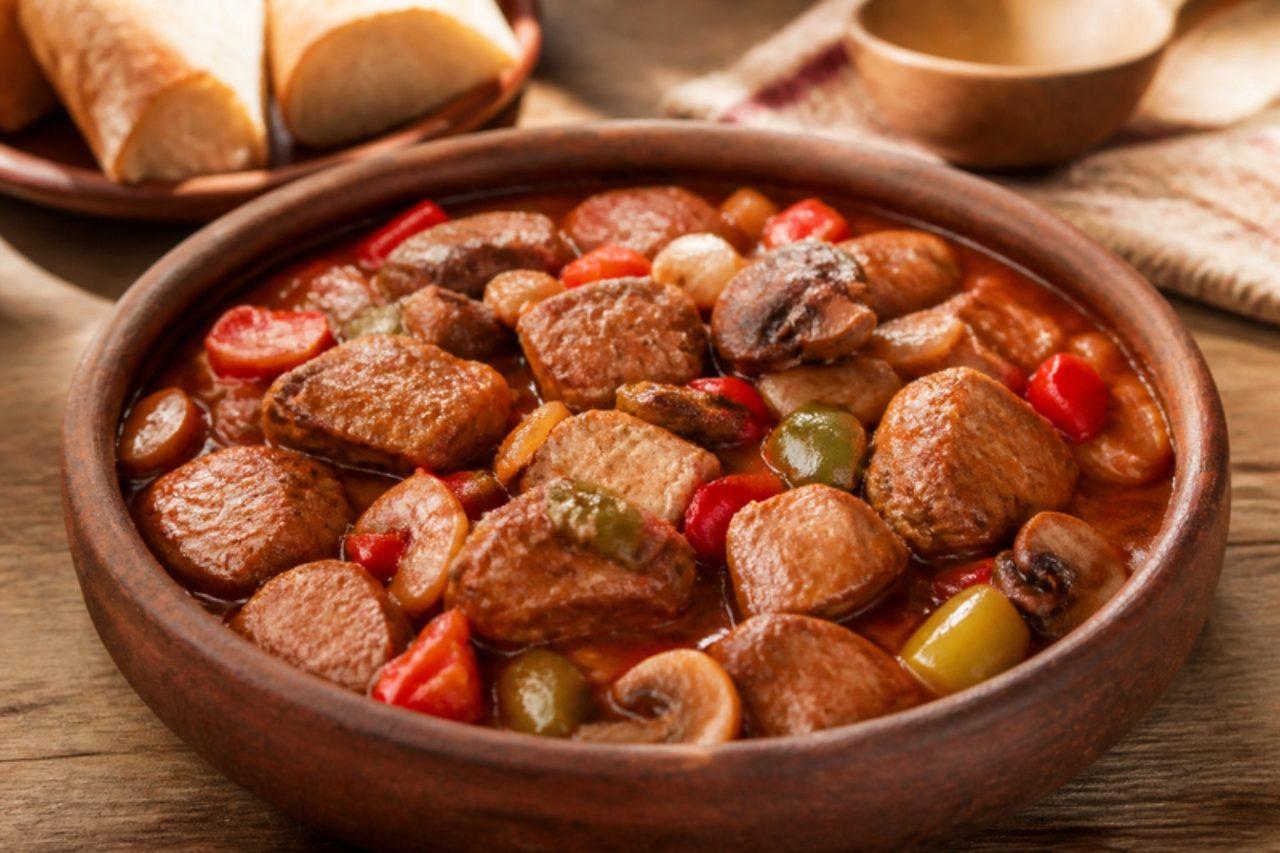
Every mehana, the traditional tavern, in North Macedonia has selsko meso on its menu, brought sizzling to the table in an earthenware pot: chunks of pork browned with onion, mushrooms and peppers, spiced with paprika and baked until the sauce thickens around the meat. It is pork-based, rich and peppery, and is eaten with fresh bread, a shopska salad and a dollop of yogurt for those who take dairy. Where most people go wrong is crowding the pan, so the mushrooms stew grey instead of browning. Chef's tip: fry the mushrooms on their own first in a hot pan until golden, they bring a deep, almost meaty flavour.

90 minBalkanMeatGluten free
by KrazyBadal 0 views

Kystybyy

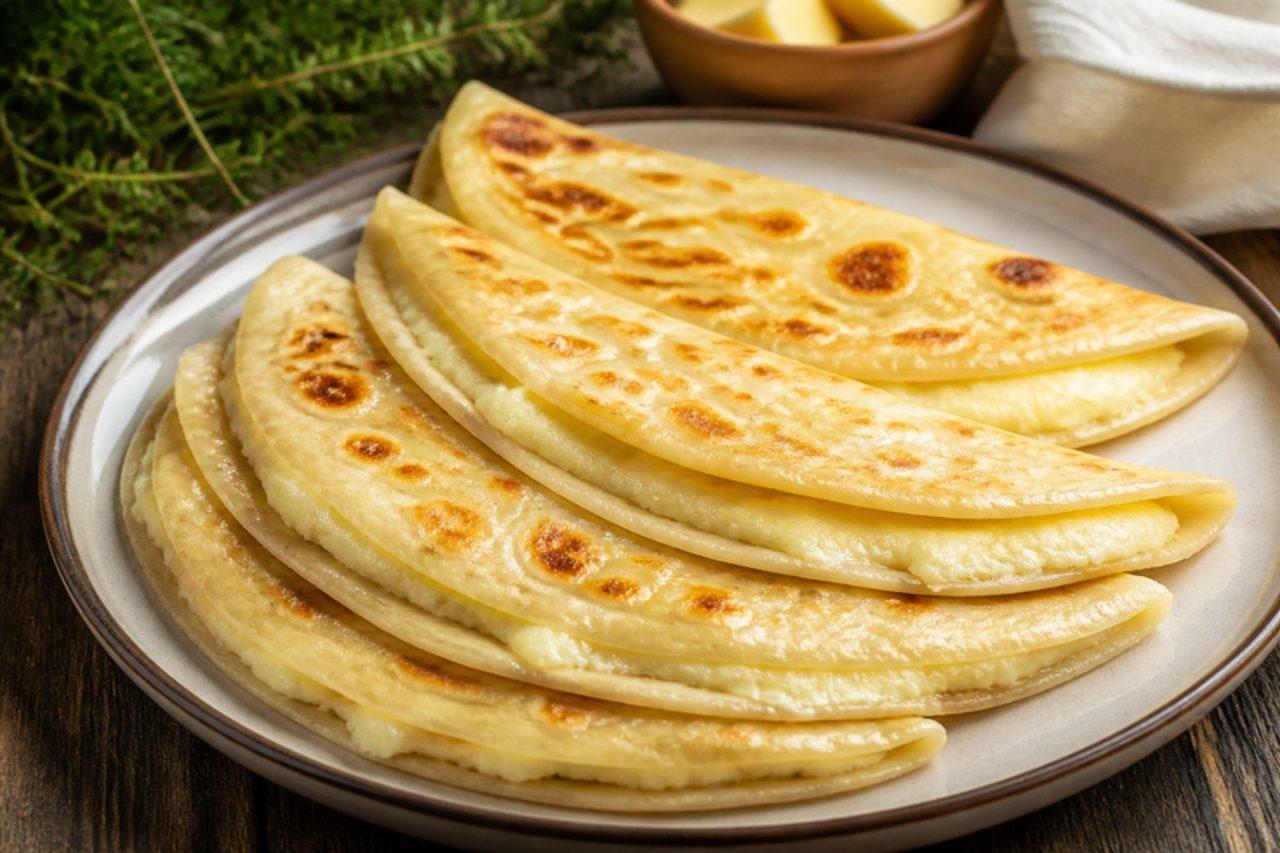
Ask anyone in Kazan what they ate after school and many will say kystybyy, the folded Tatar flatbread sold warm in canteens and kiosks all over Tatarstan. Paper-thin rounds of unleavened dough are dry-cooked in a hot pan, filled while soft with mashed potato whipped with milk, butter and fried onion, folded into a half-moon and brushed with more butter. In older Tatar village kitchens the filling was millet porridge, which works just as well. Serve with tea, a bowl of soup or a glass of katyk, the Tatar soured milk. A common mistake is leaving the cooked flatbreads uncovered; they dry out and crack when folded, so stack them under a towel. Chef's tip: keep the pan dry and hot; 30–40 seconds a side gives brown freckles without stiffening the bread.

by KrazyBadal 0 views

Chakapuli

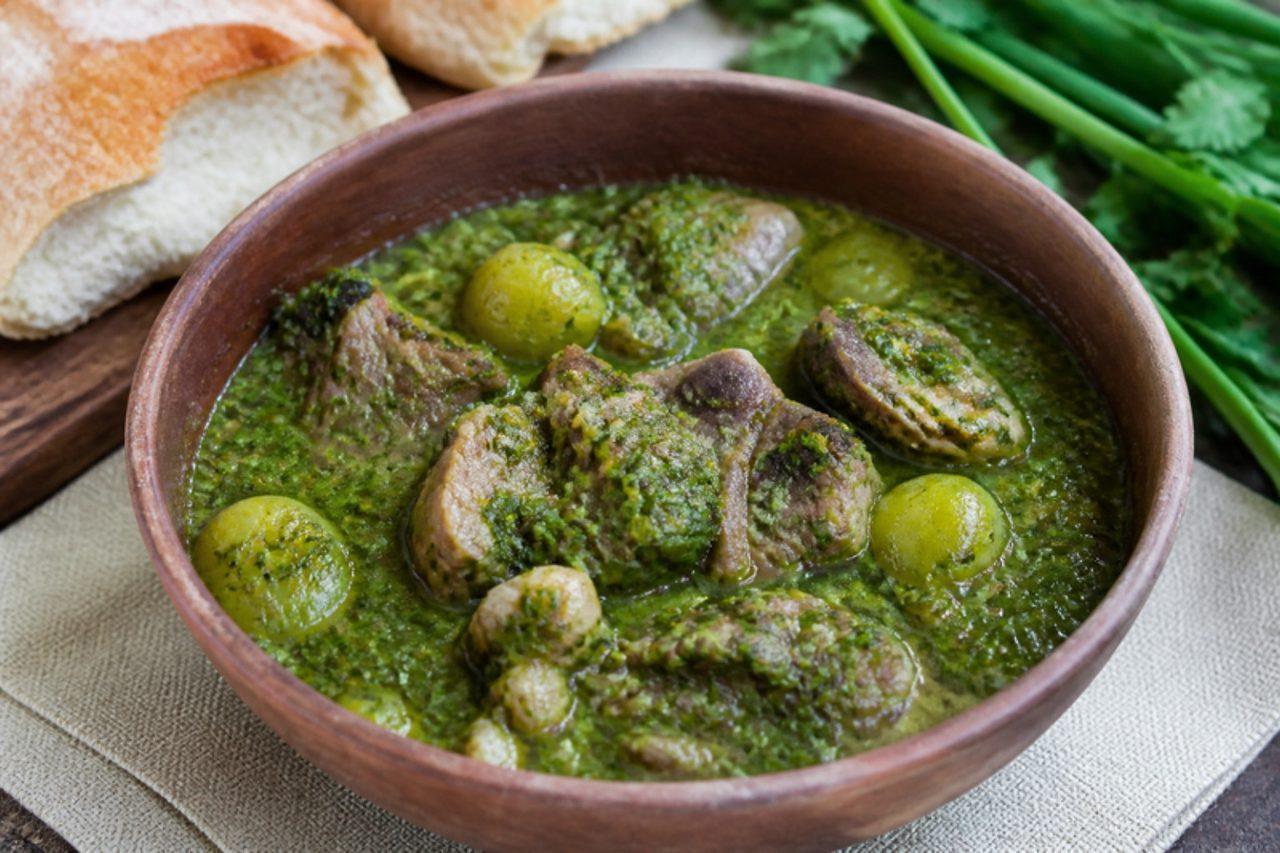
Chakapuli is the Easter dish of Kakheti, cooked when the first tarragon shoots and hard green tkemali plums appear in April: young lamb is stewed in Kakhetian white wine with heaps of tarragon, spring onion and coriander until the broth turns bright green and sour. It is eaten from deep bowls with shoti bread to soak up the juices. The recipe uses white wine, as it is traditionally made; for an alcohol-free pot, use the swap in the ingredient note. A common mistake is putting in all the herbs at the start, which turns them grey; half go in at the end for freshness. Chef's tip: if you can't find sour green plums, a squeeze of lemon and a spoon of tkemali sauce give the same tartness.

120 minGeorgianMeatGluten free
by KrazyBadal 0 views

Gubadia

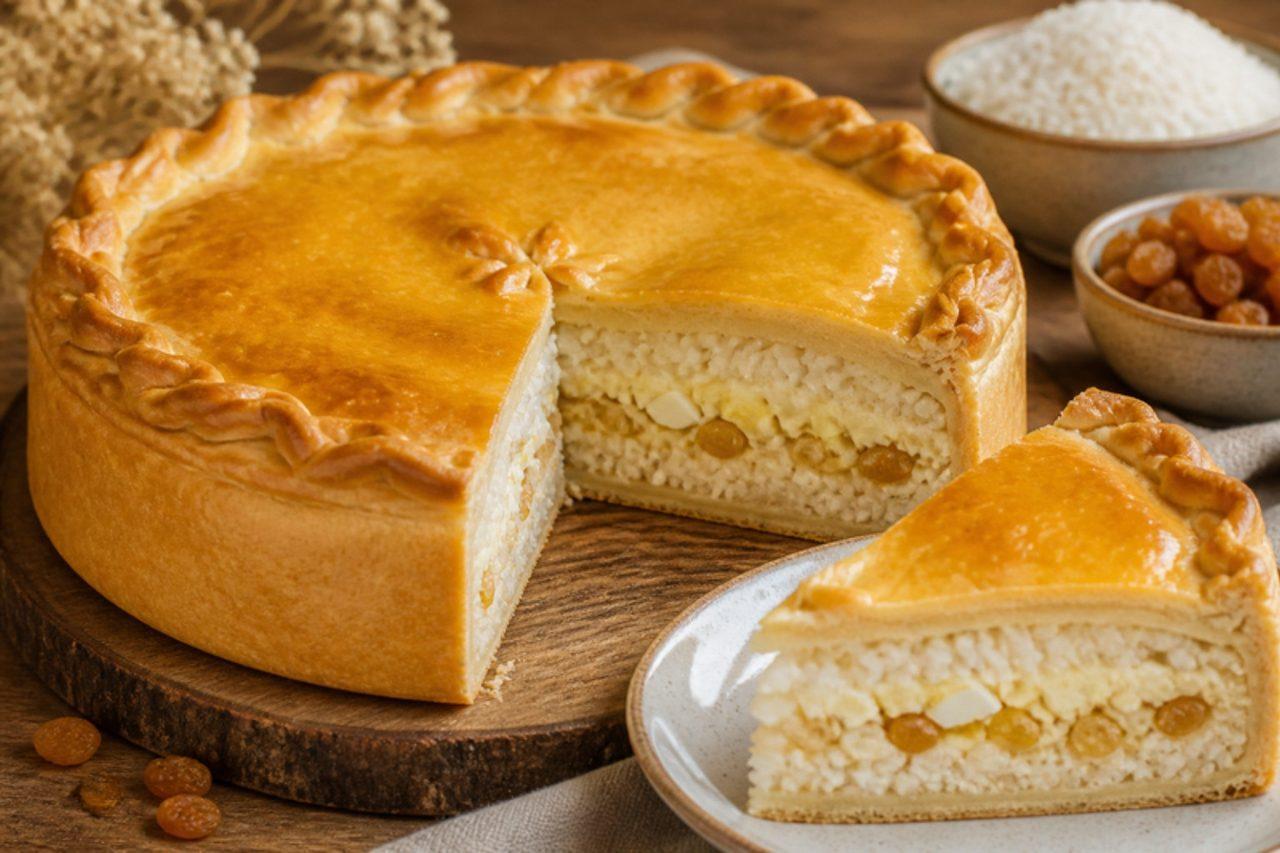
Weddings, Eid and the arrival of honoured guests in Tatarstan call for gubadia, a high round pie that is cut at the table like a cake and served with tea. Inside sit neat layers of buttery rice, kort – Tatar curd cooked down until rosy and fudge-sweet – raisins and chopped hard-boiled egg, under a domed lid of soft yeast dough. Many families add a layer of minced meat with onion; this is the meat-free version, as many sweet tea-table gubadias are. Kort is hard to buy outside the region, so you make it here from tvorog (check the label if you need it rennet-free). Where most people go wrong is a dry pie: every layer needs its share of melted butter. Chef's tip: let the baked pie stand for twenty minutes before cutting so the layers settle and come away in clean wedges.

by KrazyBadal 0 views

Yarma

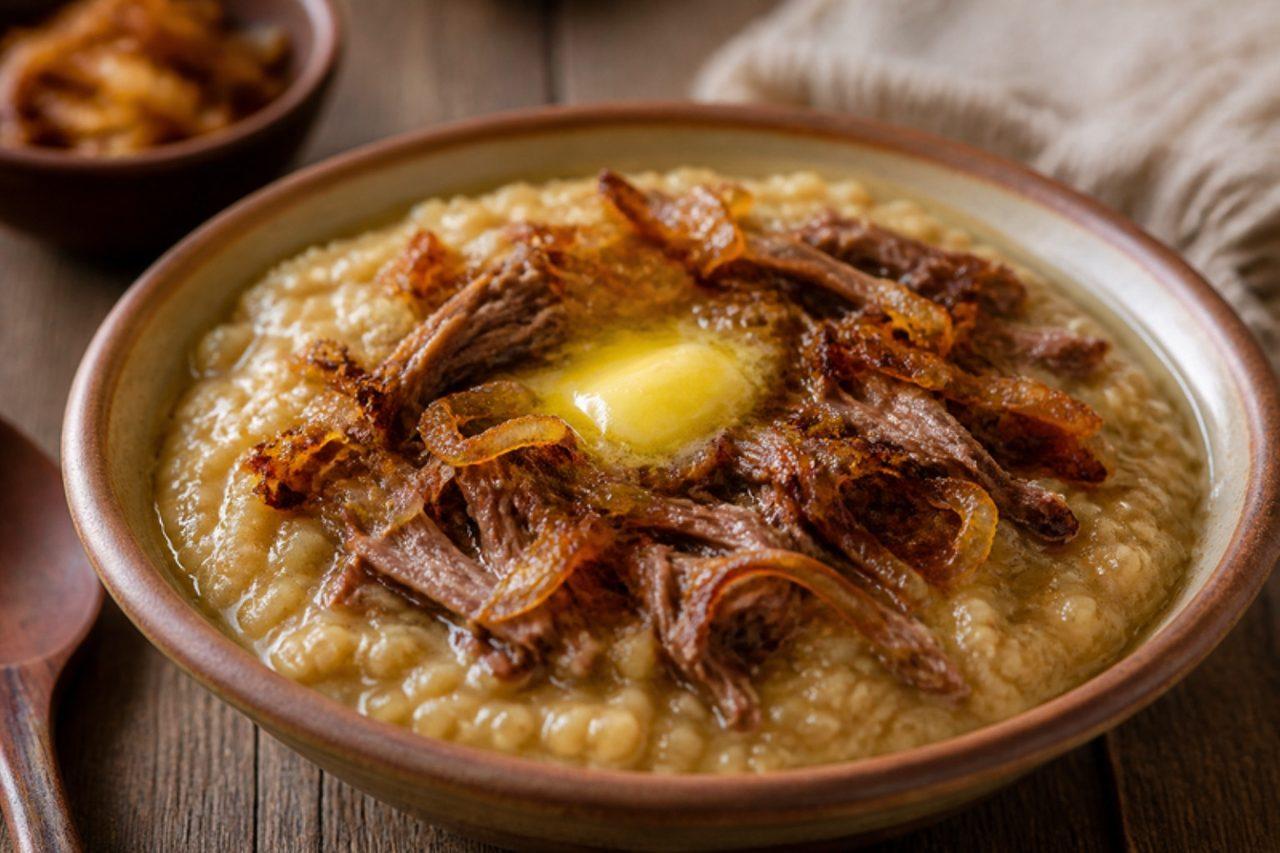
Yarma is a filling porridge of cracked wheat cooked slowly with lamb until the grains break down and the dish turns thick and creamy, a dish of Turkmen homes and of religious gatherings, when it is cooked in huge pots and shared out. It is seasoned simply with salt, pepper and onion fried in butter or fat poured over the top. A common mistake is not stirring enough, which lets the wheat catch on the bottom. Chef's tip: beat the yarma hard with a wooden spoon in the last 15 minutes, so the lamb shreds into the grain and it turns smooth and creamy.

by KrazyBadal 0 views

Pyshki

On Bolshaya Konyushennaya street in St Petersburg a small pyshechnaya has been frying these since the 1950s, and locals will tell you firmly that a pyshka is not a ponchik, the filled Moscow doughnut. They come in a paper bag five or six at a time, so hot that the icing sugar melts at the edges, with a glass of sweet milky coffee from a big urn. The soft, fairly wet yeast dough gives a light, open crumb inside a thin golden shell. The usual slip is oil that is too cool: the rings soak it up and turn heavy, so keep a thermometer in the pan at 175 °C. Chef's tip: set each shaped ring on its own small square of baking paper and lower the paper into the oil with it; the paper slips off after a few seconds and the ring stays perfectly round.

by KrazyBadal 0 views

Jamaican steamed fish

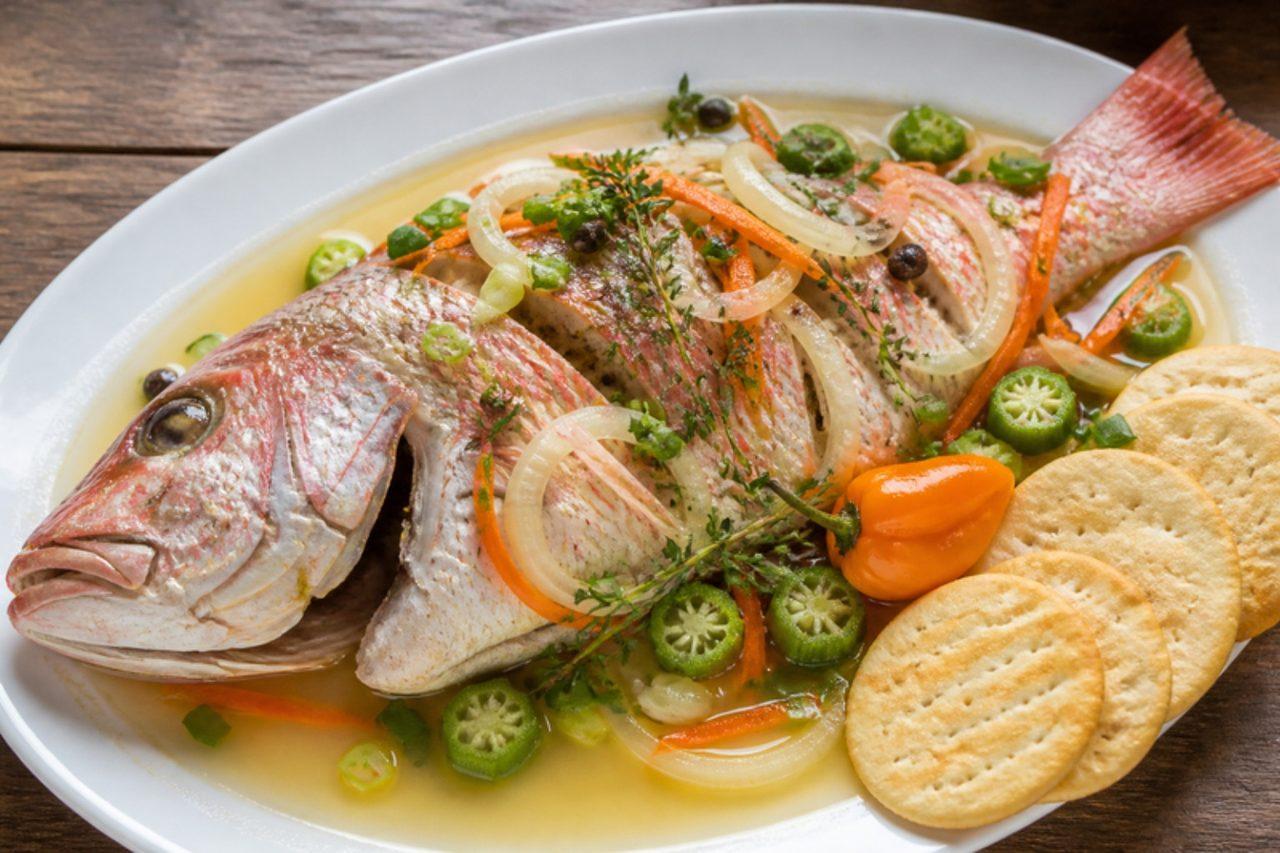
All along the Kingston waterfront, from Port Royal to the Hellshire fish huts, steam fish is ordered by the pound: a whole red snapper scored and cooked gently in a peppery butter broth with okra, carrot, thyme, pimento and broken water crackers that soak up the juices. The fish stays moist and delicate while the vegetables soften into a light, buttery sauce, and it is eaten with bammy or hard food. The common mistake is boiling it hard, which breaks up the flesh; keep it at a gentle simmer under a lid. Chef's tip: lay the okra and carrot under the fish so it steams above the liquid rather than sitting in it.

by KrazyBadal 0 views

Napoleon cake

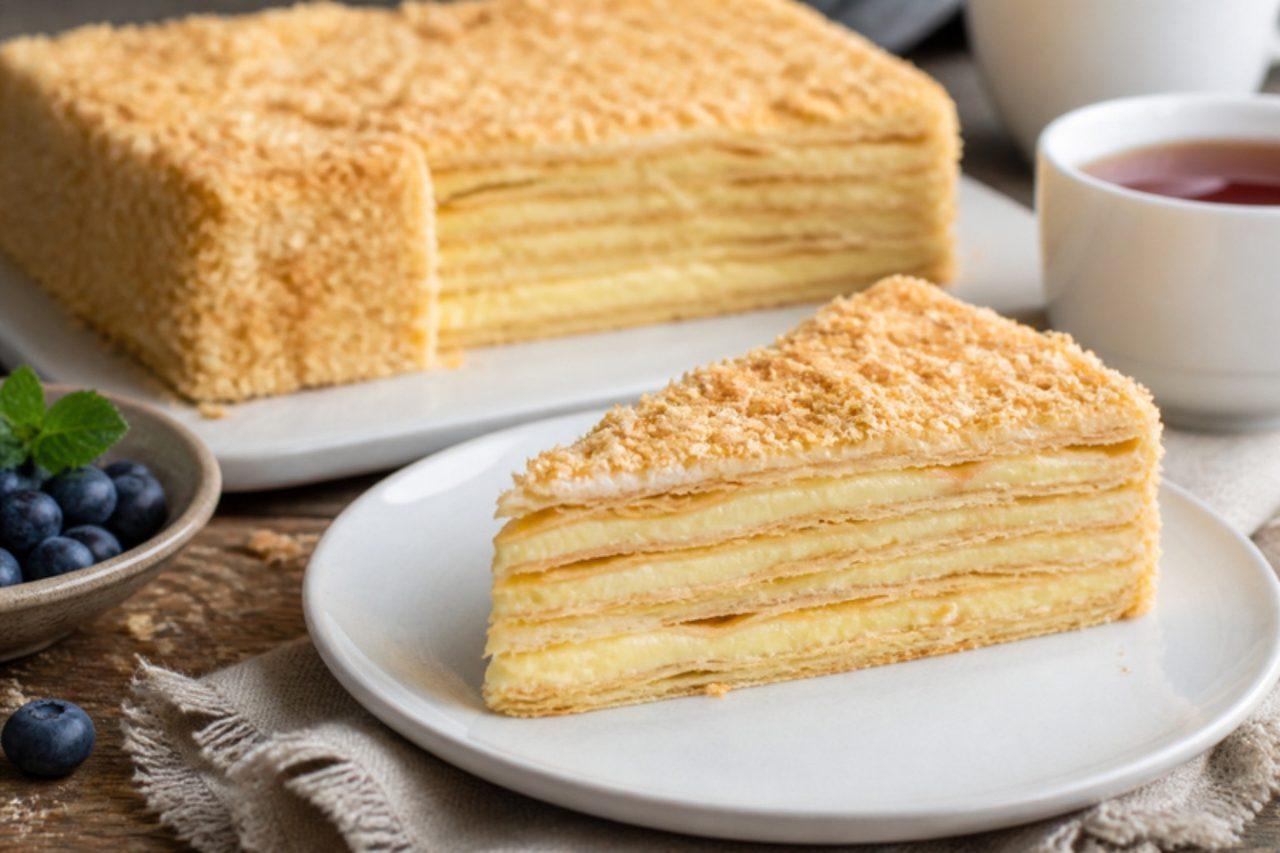
Legend links this cake to 1912, the centenary of Napoleon's retreat from Moscow, when St Petersburg confectioners cut triangular pastries shaped like his hat. By Soviet times it had grown into the tall round cake every family baked for birthdays and New Year's Eve. Eight wafer-thin rounds of quick flaky pastry are stacked with vanilla custard enriched with butter, then left overnight so the layers soften into something between a mille-feuille and a tender sponge; crushed trimmings give the snowy finish. Where most people go wrong is serving it the same day; without the long rest in the fridge it is crisp and dry instead of melting. Chef's tip: roll each piece of pastry straight onto baking paper and trim it around a 24 cm plate before baking, so you never have to lift thin raw dough.

by KrazyBadal 0 views

Inlagd sill

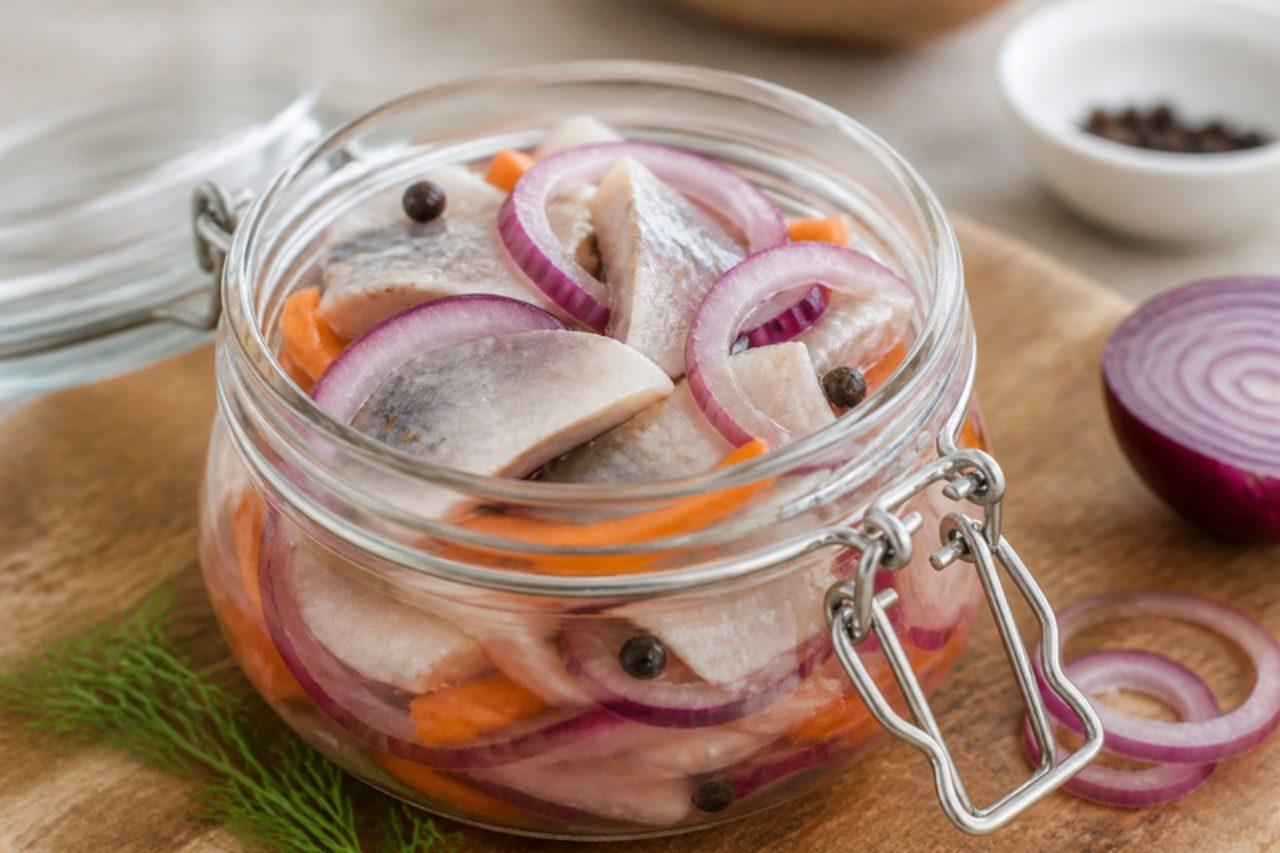
No Swedish midsummer, Easter or Christmas table is without inlagd sill: salt herring fillets soaked to remove the salt, then pickled for at least two days in a sweet, clear brine of vinegar, sugar, onion, carrot, allspice and bay. It is eaten with new potatoes, sour cream, chives and crispbread, and a mustard sauce variant (senapssill) sits beside it. Herring that is pickled, not cooked, is not for pregnant women, young children or anyone with a weakened immune system. Use salt herring that has been frozen, as commercial salt herring is. A common mistake is skipping the soak, which makes the herring far too salty. Chef's tip: taste a corner after soaking; it should be pleasantly salty, like an olive.

by KrazyBadal 0 views

Shangi

From the Urals across to Siberia, shangi turn up on Sunday breakfast tables, at village markets and in the lunch bags of fishermen and hunters. They are flat rounds of soft yeast dough topped, not filled, with a thick swirl of buttery mashed potato beaten with egg, then brushed with sour cream so the top bakes into golden, slightly crisp peaks. Eat them warm with tea, milk or a bowl of mushroom soup. Older northern versions used barley dough or a millet topping, and sweet shangi carry tvorog instead. The usual slip is spreading the potato right to the edge; leave a rim so the dough rises around it like a frame. Chef's tip: brush the baked shangi with melted butter and stack them in a covered pot for ten minutes, which keeps them soft the way Siberians like them.

by KrazyBadal 0 views

Jamaican pumpkin rice

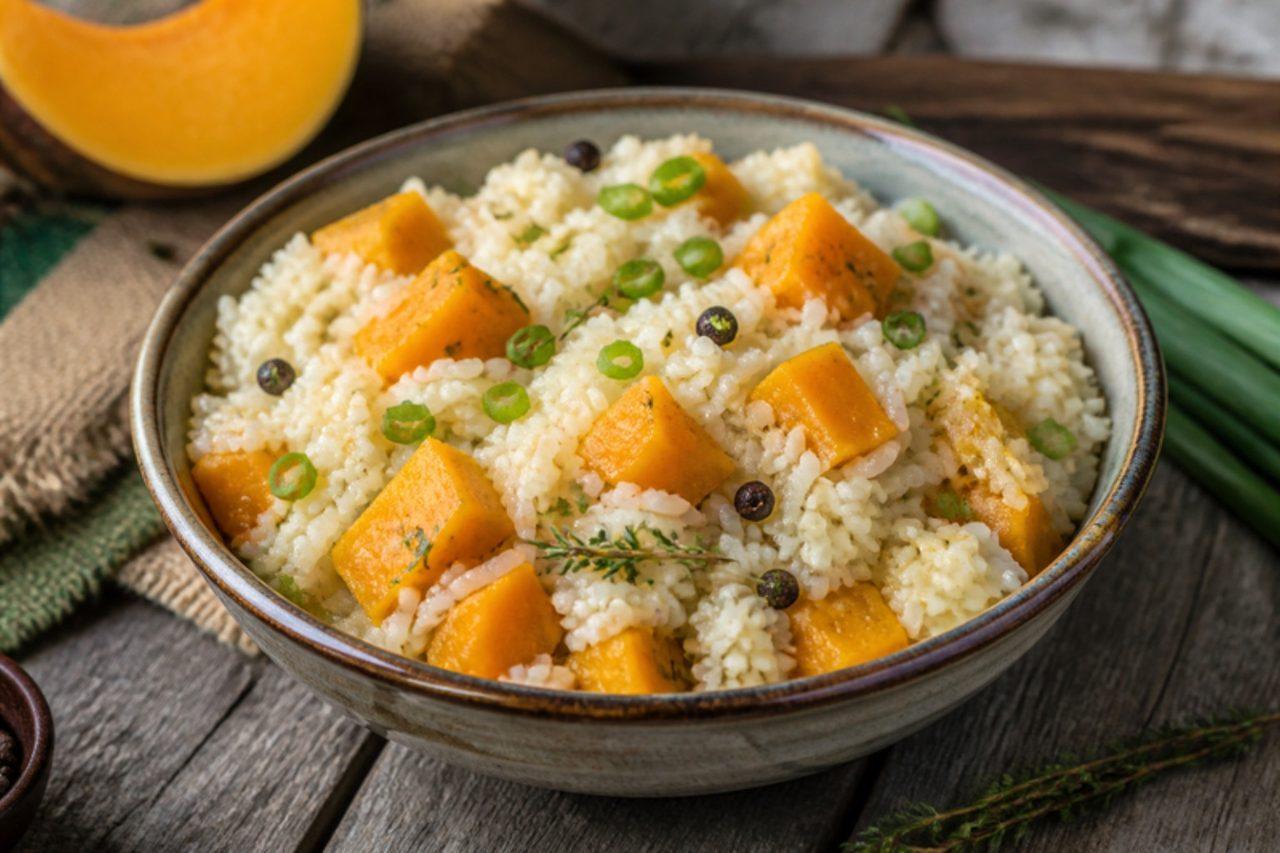
Along the north coast between Montego Bay and Ocho Rios, pumpkin rice turns up beside escovitch fish and steamed vegetables at Sunday lunch, the soft orange squash melting into the grains as they cook. Coconut milk, a sprig of thyme, scallion and a few pimento berries give it a gentle, savoury sweetness, and a whole scotch bonnet adds fragrance without much heat as long as it stays unburst. The common mistake is cutting the pumpkin too small, so it vanishes completely; 2 cm cubes partly melt and partly hold. Serve it with stew peas, jerk tofu or fried plantain. Chef's tip: rinse the rice until the water runs nearly clear, or the starch and pumpkin turn the pot sticky.

by KrazyBadal 0 views

Salted saffron milk caps

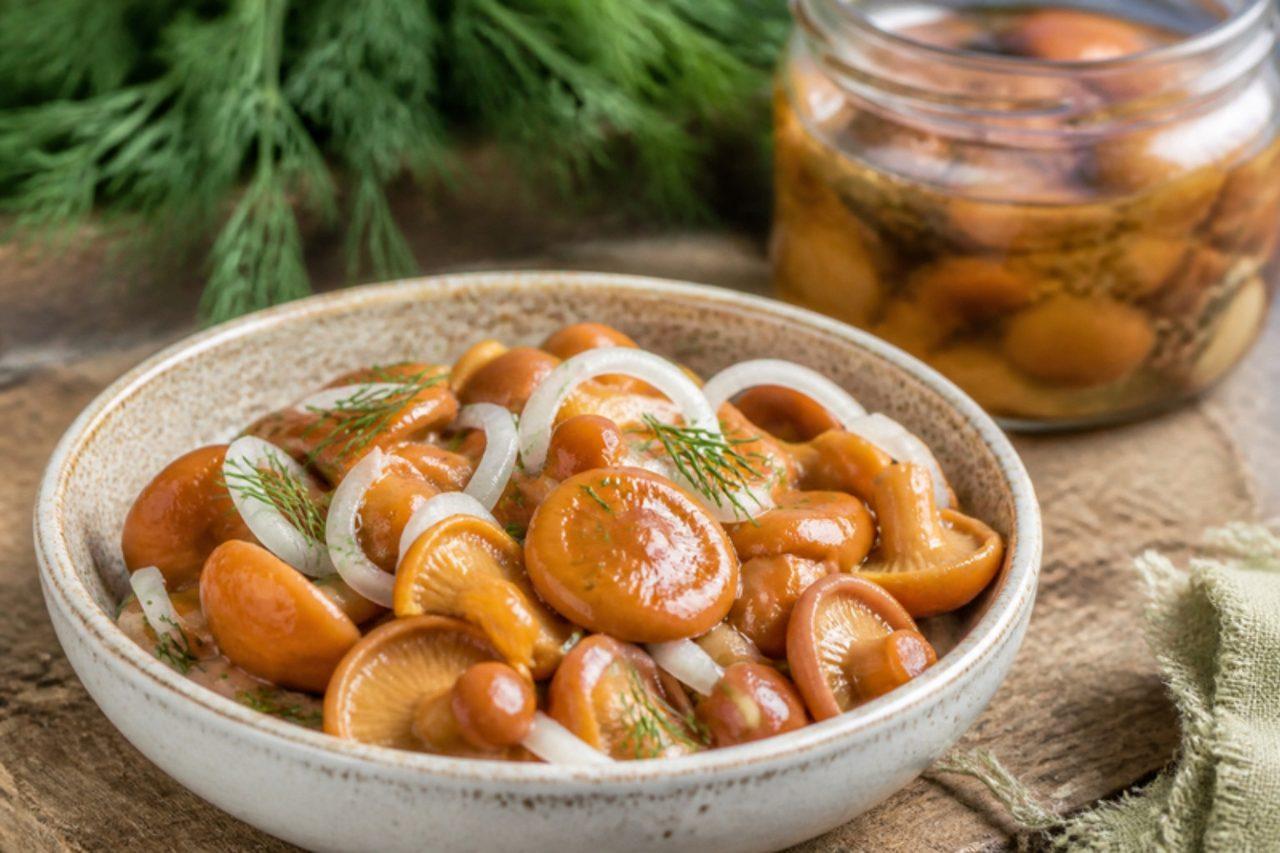
Northern Russians rank ryzhiki, the orange saffron milk caps of the pine woods, above almost every other mushroom, and salted ones from around Arkhangelsk once travelled to the tsar's table. Salted, they keep their bright colour, turn firm and juicy with a clean, resinous taste, and are served with thin onion rings, sunflower oil and hot boiled potatoes; for non-vegans a spoon of sour cream is classic. Old cellars dry-salted them raw for months; this safer fridge version blanches the caps briefly and keeps them in a measured brine in the fridge, ready in about a week. Only use mushrooms identified by an experienced forager or bought from a trusted seller. Where most people go wrong is guessing the salt; too little lets spoilage start, so weigh it. Chef's tip: the caps bruise green where handled, which is normal, so don't worry when the edges darken.

by KrazyBadal 0 views

Bazhe

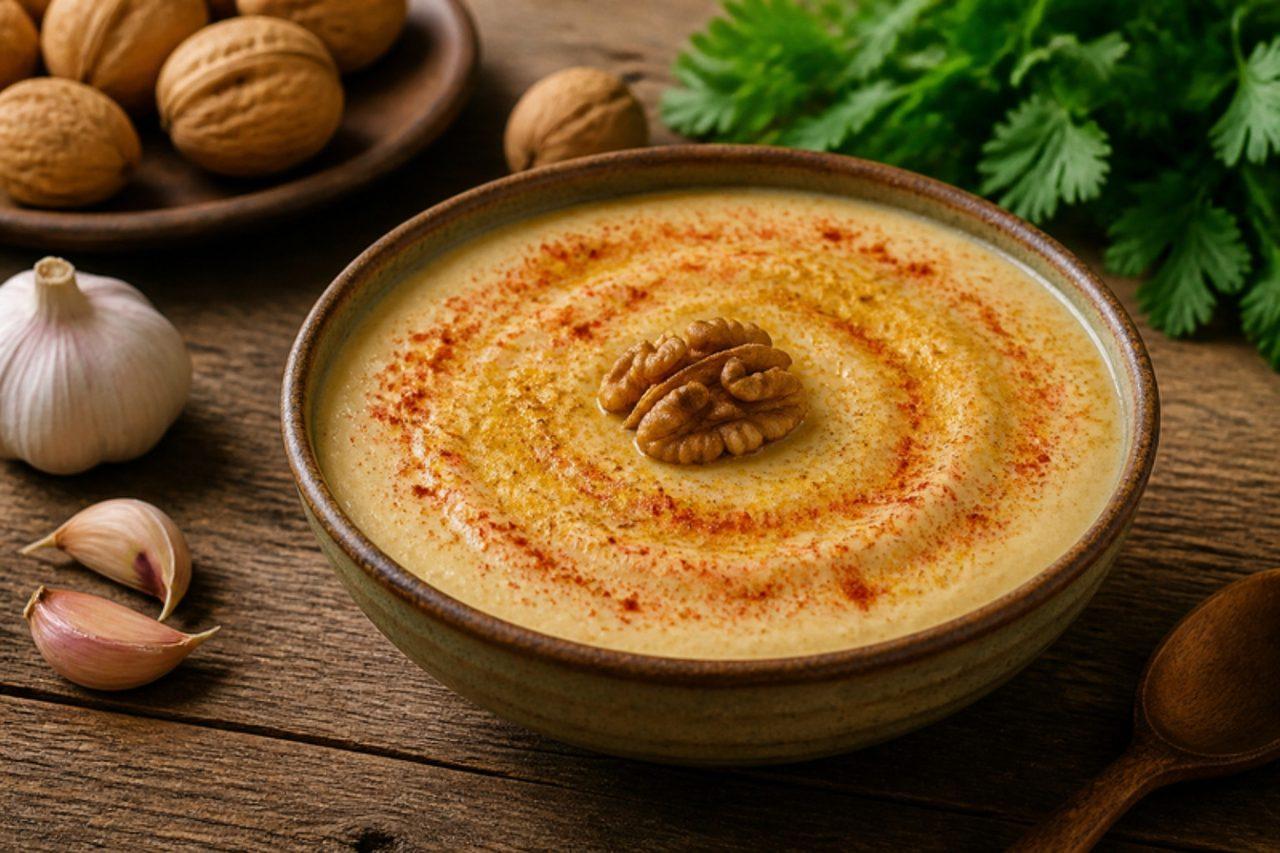
Bazhe is the creamy walnut sauce of Guria, Samegrelo and Imereti, served cold with fried fish, roast chicken, boiled vegetables or a bowl of ghomi; families in Ozurgeti make it in large bowls for New Year. Walnuts are ground until they give up their oil, then let down with water and seasoned with garlic, blue fenugreek, coriander and a sour note until the sauce is pale, smooth and pourable. A common mistake is adding all the water at once; the sauce separates and turns thin and grey. Chef's tip: squeeze out a little walnut oil by kneading the paste with your hand, then drizzle it back over the finished sauce for a glossy, golden finish.

by KrazyBadal 0 views

Semla

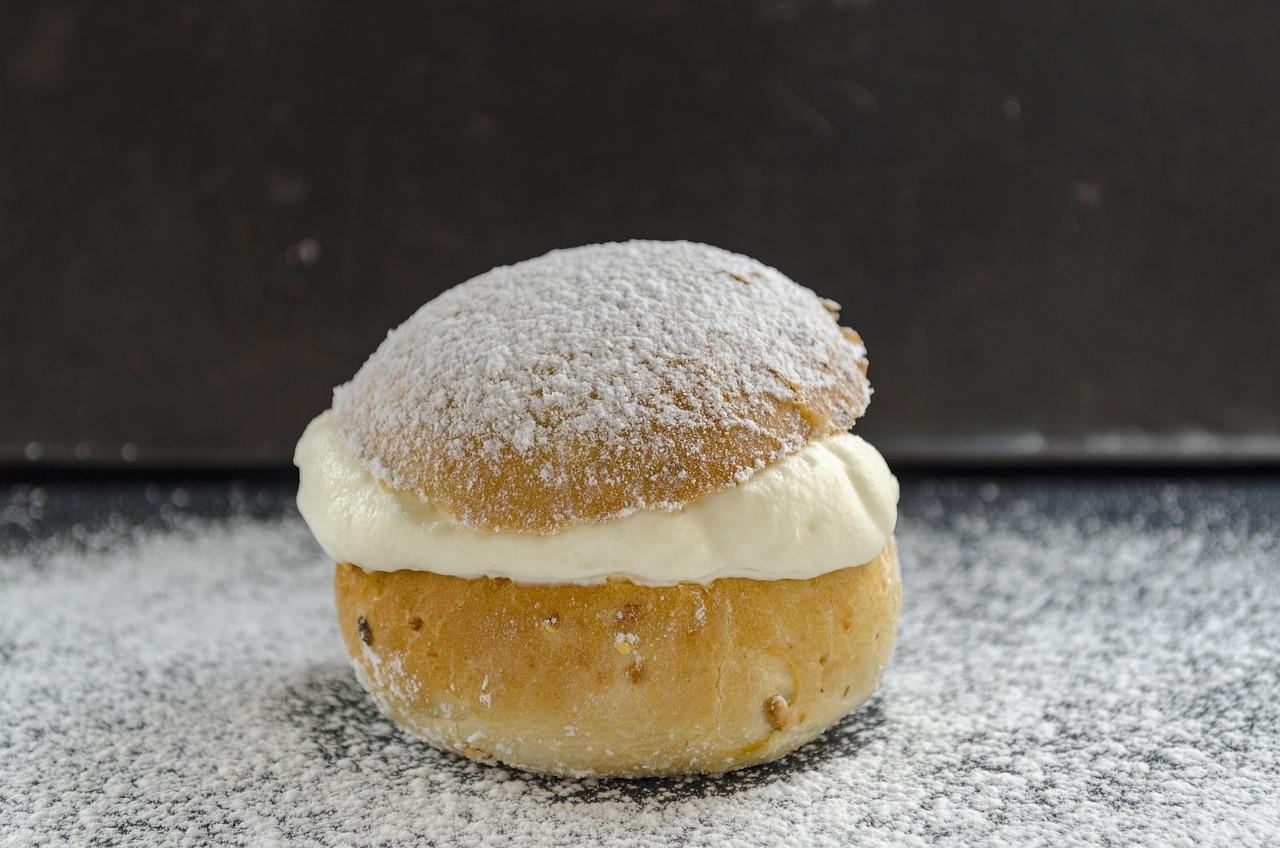
Semlor arrive in Swedish bakeries straight after Christmas and peak on Fettisdagen, Shrove Tuesday, when Stockholm bakeries sell them by the tens of thousands: a soft cardamom bun with its top cut off, the crumb scooped out and mixed with almond paste and milk, then refilled, piled with whipped cream and the 'lid' put back with a dusting of icing sugar. Some eat theirs in a bowl of hot milk, as 'hetvägg'. A common mistake is overbaking the buns, which dries them; they should be soft and pale golden. Chef's tip: grate the almond paste and mix it with the scooped crumb and a splash of milk until it is spreadable but still textured.

by KrazyBadal 0 views

Topik

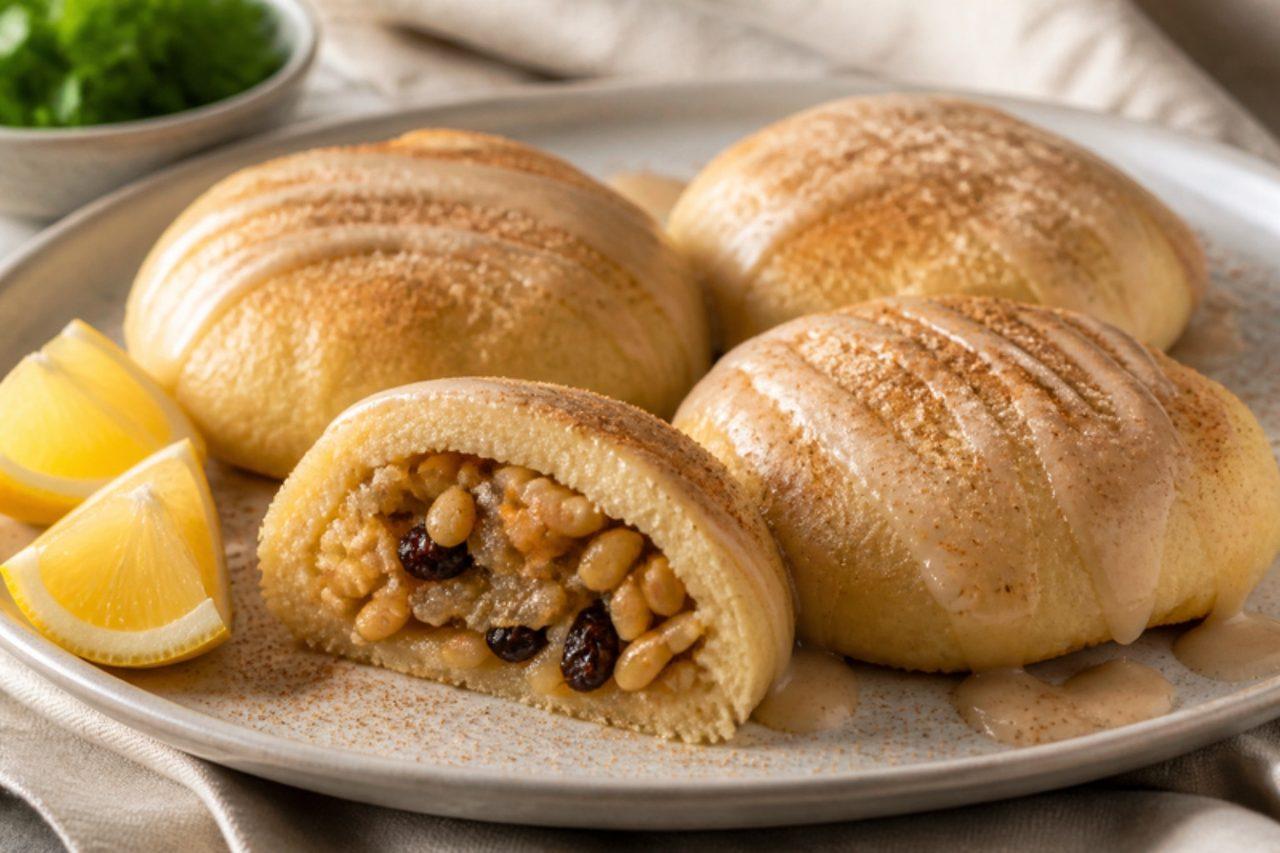
Topik belongs to the Armenian community of Istanbul, where it is still made for Lent and served at Armenian restaurants in Kurtuluş: a smooth shell of mashed chickpeas and potato wrapped around a filling of slow-cooked onions with pine nuts, currants, cinnamon, allspice and tahini, tied in muslin and steamed. It is served cold in slices with lemon and a drizzle of oil. A common mistake is rushing the onions; they must cook down to a sweet, jammy mass, which takes the best part of an hour. Chef's tip: spread the chickpea mash on a damp cloth to wrap it, which makes it easy to roll into a neat ball without cracks.

by KrazyBadal 0 views

Stekt strömming

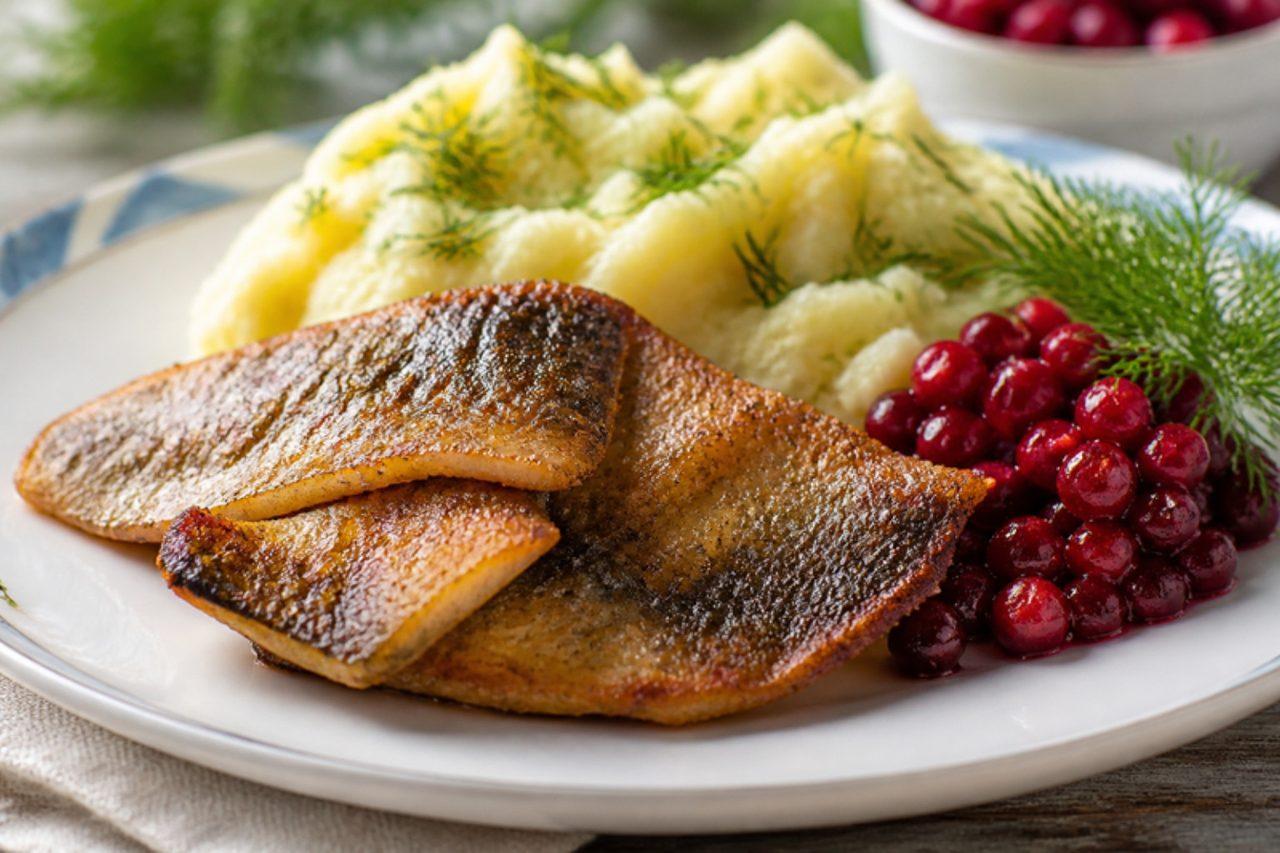
Strömming is the small, silvery Baltic herring of the Stockholm archipelago, and stekt strömming is the city's working lunch: butterflied fillets sandwiched in pairs with butter, dill and mustard, coated in rye flour or breadcrumbs and fried crisp, then served with mashed potato and lingonberries. The best are sold from the green fish vans at Slussen, where they are wrapped in soft flatbread. Use fresh small herring or sprats. A common mistake is frying too many at once, which makes them steam and lose their crust. Chef's tip: press the pairs together firmly so the dill stays inside, and fry in hot butter until the skins crackle. The fish is done when opaque right through.

by KrazyBadal 0 views

Showing 45 of 7,762 recipes

Show more recipes

Page 211 of 863