


Skip to content
Spitzbuben
Featured recipe

Spitzbuben

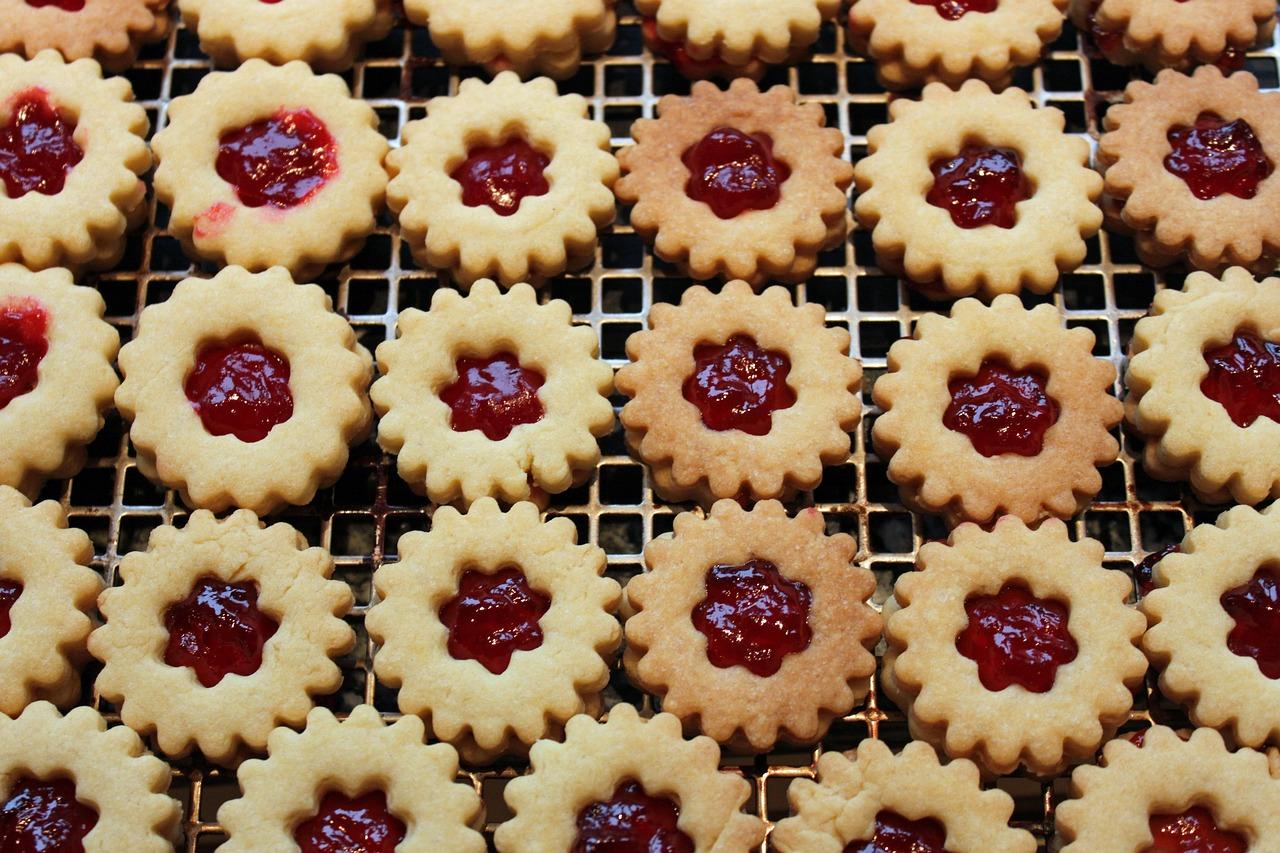
Spitzbuben, 'rascals', are the jam-filled sandwich biscuits Swiss families bake every December: two thin, crumbly butter biscuits, the top one with a little window cut in it, stuck together with raspberry or redcurrant jam so it shines through, and dusted with icing sugar. They are made by the tin-load for Christmas and keep well. A common mistake is rolling the dough too thick, which makes heavy, doughy biscuits. Chef's tip: chill the dough well and roll it 3 mm thick between sheets of baking paper; dust the tops with icing sugar before sandwiching so the jam window stays clean.

Read more 0 views

What to eat today?

Around the world

Today's trip: Moroccan

A new country every day, from every cuisine on the site.

This week's collection

Make-ahead meals
1569 recipes · a new collection every Monday

Latest recipes

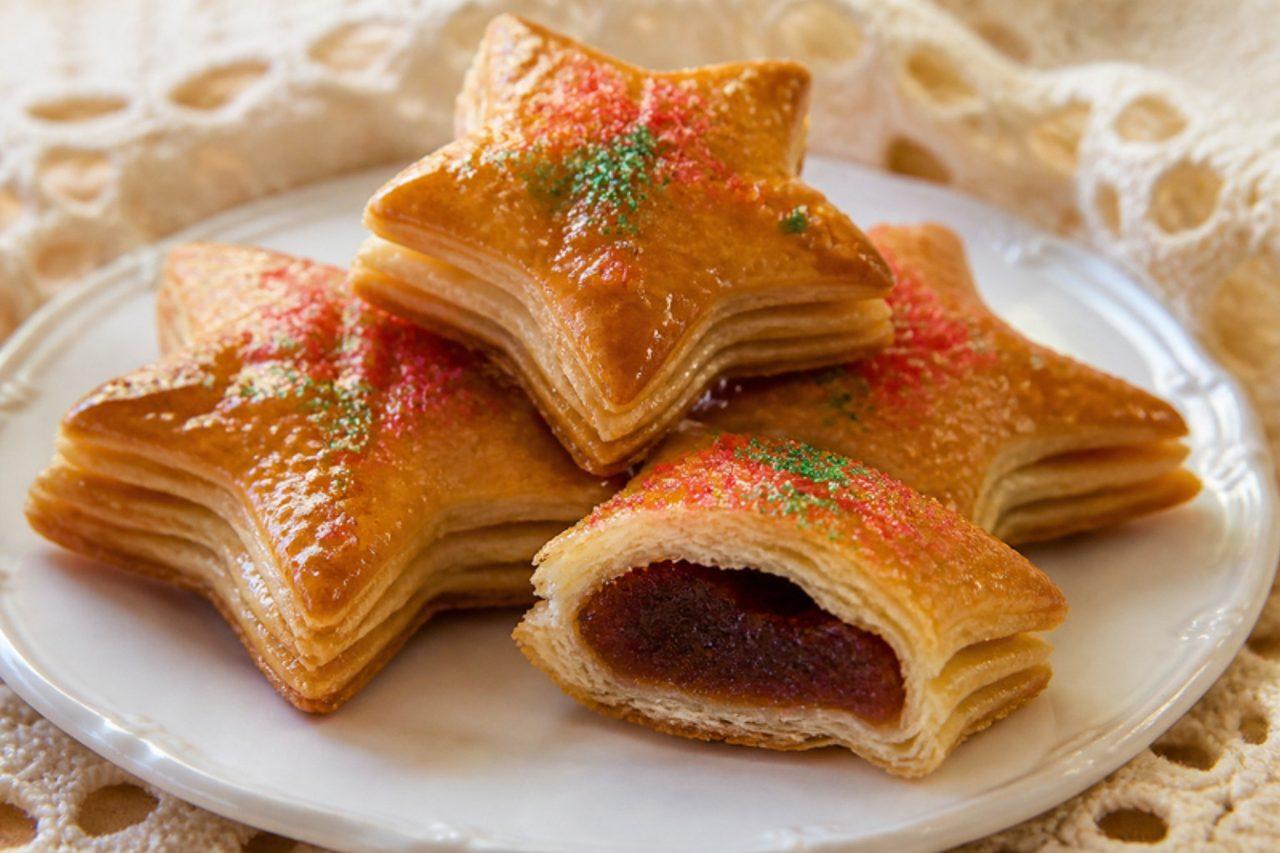
Pastelitos criollos

Every 25 May, when Argentina marks the 1810 revolution, bakeries and school kitchens from Buenos Aires to Tucumán turn out trays of pastelitos: two squares of flaky dough stacked into a star, filled with dulce de membrillo or dulce de batata, fried until the layers fan open and then dipped in syrup. They are eaten warm with mate or hot chocolate, shattering crisp outside and sticky in the middle. Lard is the traditional fat in both the dough and the frying pan; this version uses butter or vegetable shortening for laminating and sunflower oil for frying, so it stays vegetarian. Expect a hard but rewarding job: the dough is folded like a quick puff pastry. Oil that is too hot is the classic error, browning the outside before the inner layers have opened, so keep it around 160 °C. Chef's tip: pinch the four corners of the top square down onto the gaps of the bottom one and press with a wet fingertip, or the star unfolds in the oil and the filling leaks.

by KrazyBadal 0 views

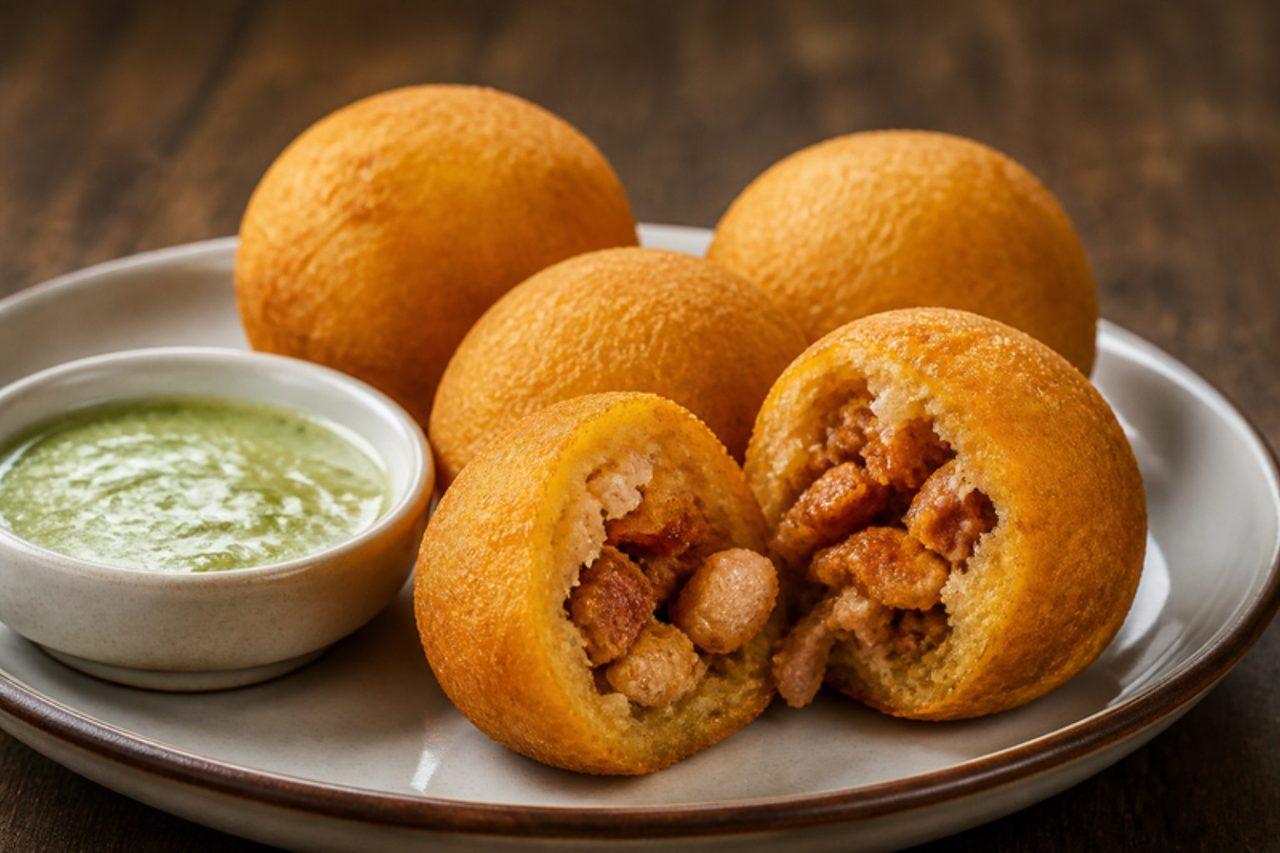
Marranitas

Breakfast stalls along Cali's busy streets and the bakeries of the Valle del Cauca fry marranitas all morning: green plantain, half-fried, pounded while hot and shaped around a nugget of crunchy pork chicharrón, then fried again until crisp and golden. The name means 'little piglets', after the pork inside. The outside shatters, the plantain layer is dense and starchy and the crackling gives a salty, porky crunch in the middle. Eat them hot with a mug of coffee or hot chocolate, or as a snack with ají and hogao for dipping. The plantains must be truly green and hard; yellowing ones turn sweet and sticky and won't hold a crisp shell. Chef's tip: pound the plantain the moment it comes out of the first fry, using a little warm salted water on your hands; once it cools it stiffens and cracks when you shape it.

by KrazyBadal 0 views

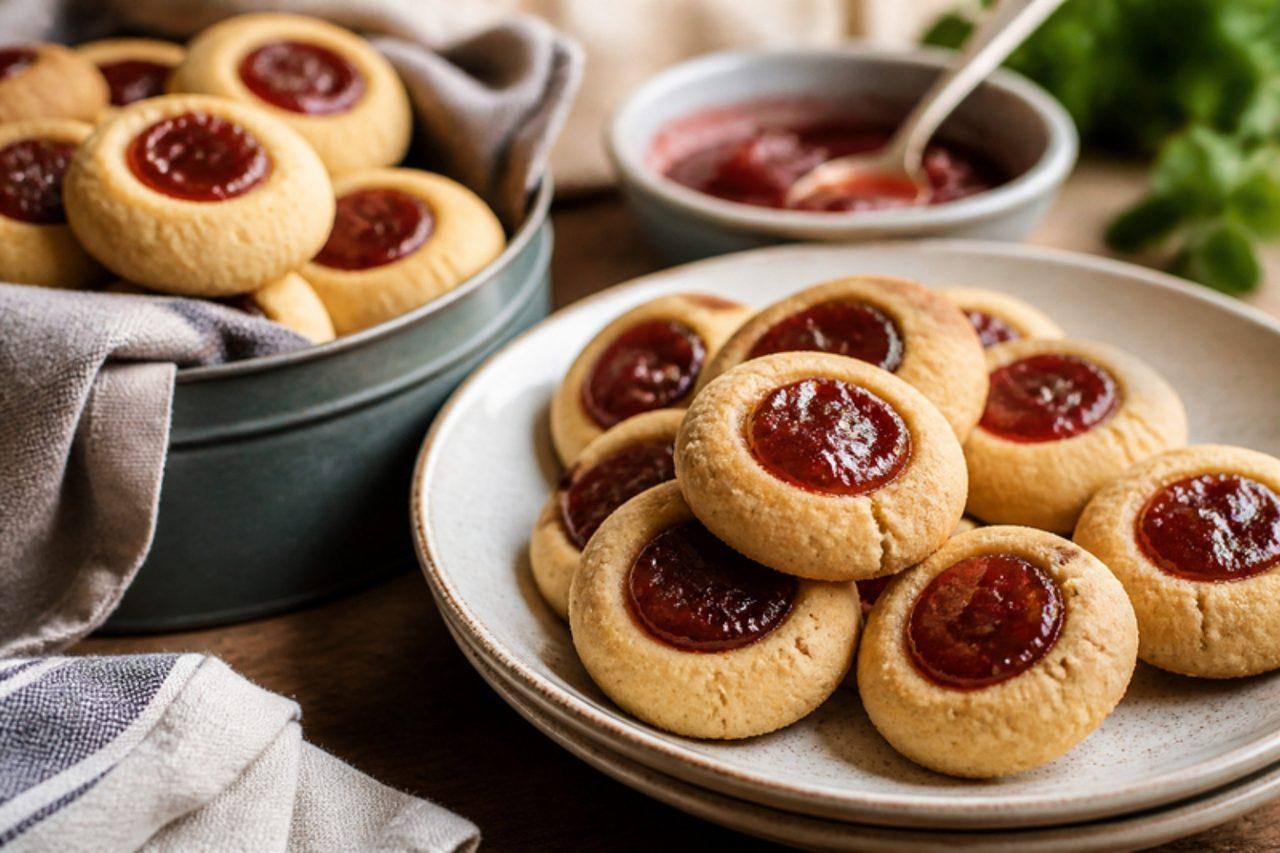
Pepas de membrillo

Pepas are the little round cookies with a jewel of quince jam in the middle that Argentine kiosks sell by the bag and grandmothers keep in a tin for the mate round. They are tender and crumbly, not crisp, with just enough sugar that the tart, dark membrillo stands out. Children love pressing the thumbprint and filling it, which makes them a good first baking job, and they keep for a week in an airtight jar. Kiosk versions are often made with margarine; butter tastes far better. Overbaking is the usual problem: take them out while the tops are still pale and only the bottoms are golden, because they firm up as they cool. Chef's tip: use quince paste softened with a spoonful of hot water and pipe it from a small bag; a spoon leaves smears on the dough that burn.

by KrazyBadal 0 views

Alfajor cordobés

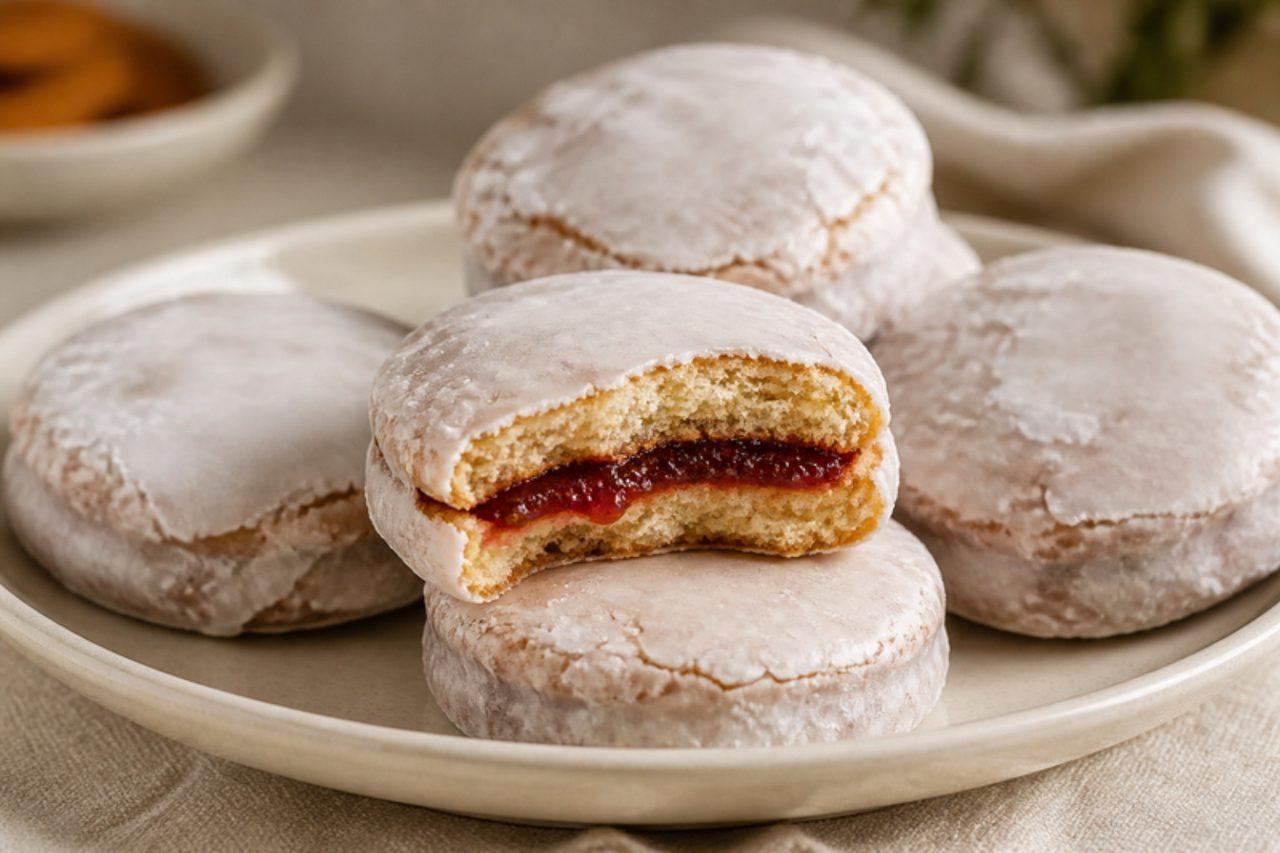
Córdoba's version of the alfajor is the soft one: two tender, slightly spongy honey-scented rounds sandwiched with fruit jam, usually quince or mixed fruit, and coated in a thin sugar glaze that dries to a crackly white shell. They are sold by the dozen in the sierras towns of Villa General Belgrano, La Falda and Capilla del Monte, where tourists buy boxes on the way home from holidays. Expect a gentle crunch, a cakey bite and a tart-sweet centre, best with a cup of coffee or mate. Overworking the dough is where they usually go wrong: knead it like bread and the rounds bake tough and flat, so mix only until it comes together. Quince paste (dulce de membrillo) loosened with water works well if you can't find a soft quince jam. Chef's tip: dry the glazed alfajores for 5 minutes in a barely warm oven; the glaze sets glassy and crackles when you bite.

by KrazyBadal 0 views

Cuajada con melao

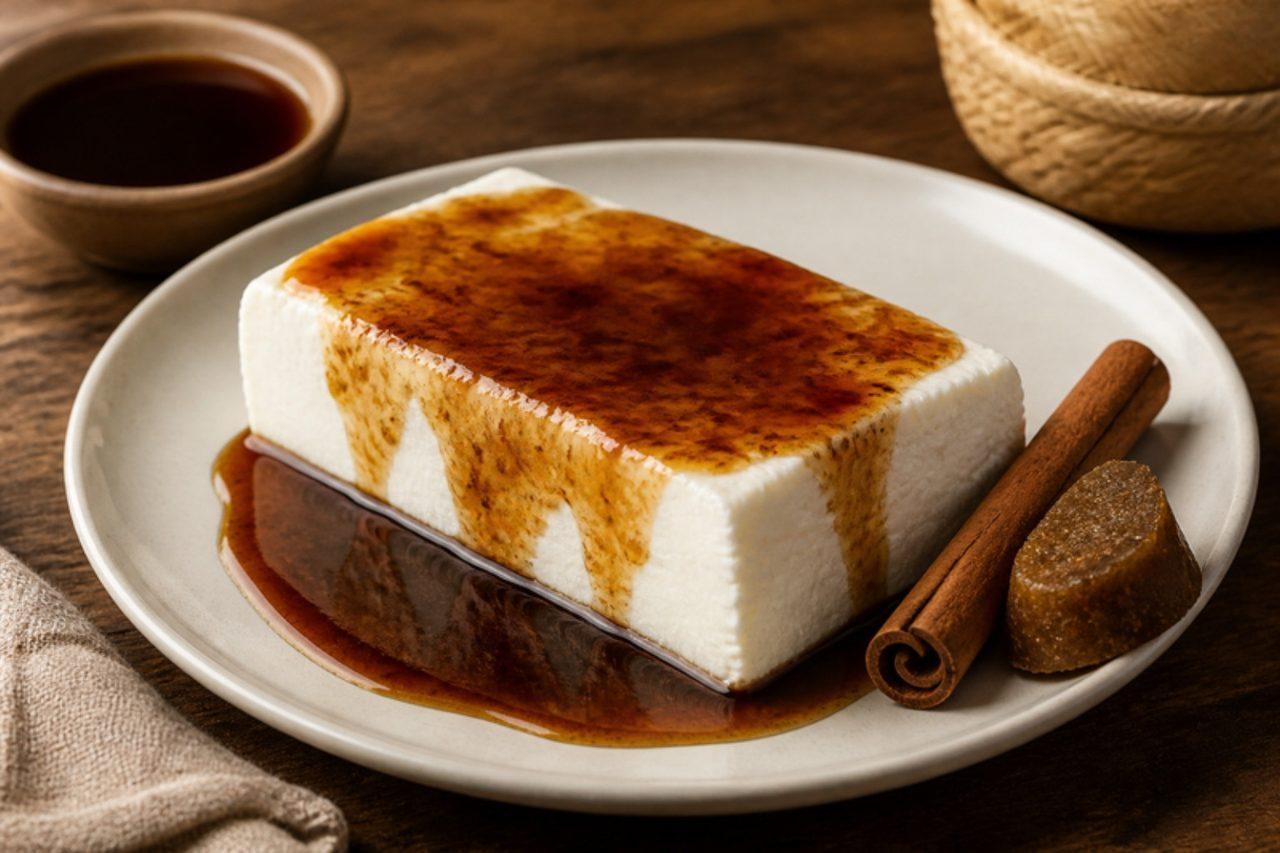
Simplicity is the charm of this Andean dessert: a slab of fresh, milky cuajada, barely salted, with a dark syrup of panela poured over it, still warm. Highland fondas between Bogotá and Boyacá serve it after a lunch of ajiaco or sancocho, and the contrast of cool, squeaky curd with molasses-deep, spiced syrup is the point. Cuajada is set with rennet, traditionally animal; buy a vegetarian curd or fresh ricotta-style cheese, or make cuajada at home with microbial rennet. Panela is unrefined cane sugar; dark muscovado is the closest swap. The mistake is boiling the syrup too long: it turns to toffee as soon as it meets the cold cheese. Take it off when it coats a spoon thinly. Chef's tip: a strip of lime zest in the syrup cuts the sweetness beautifully.

by KrazyBadal 0 views

Mojarra frita

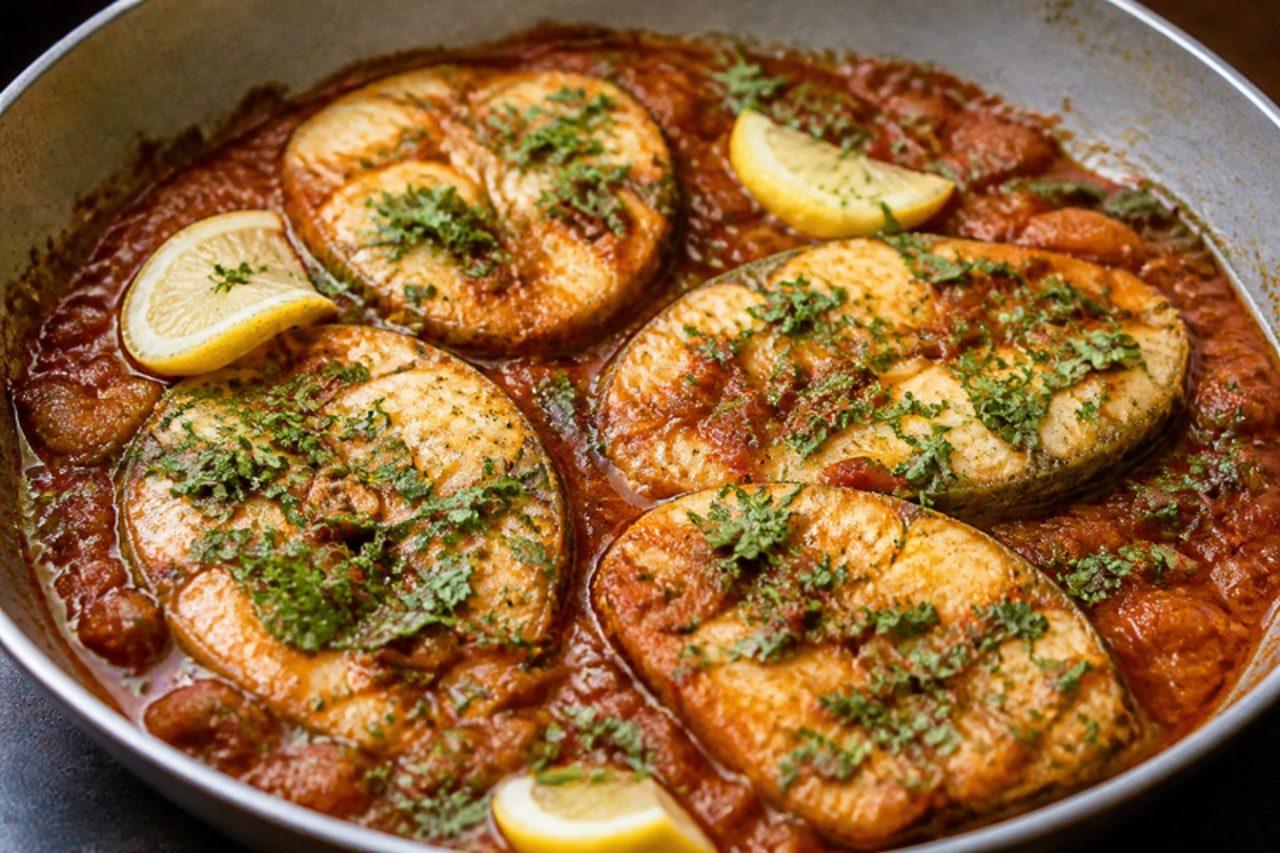
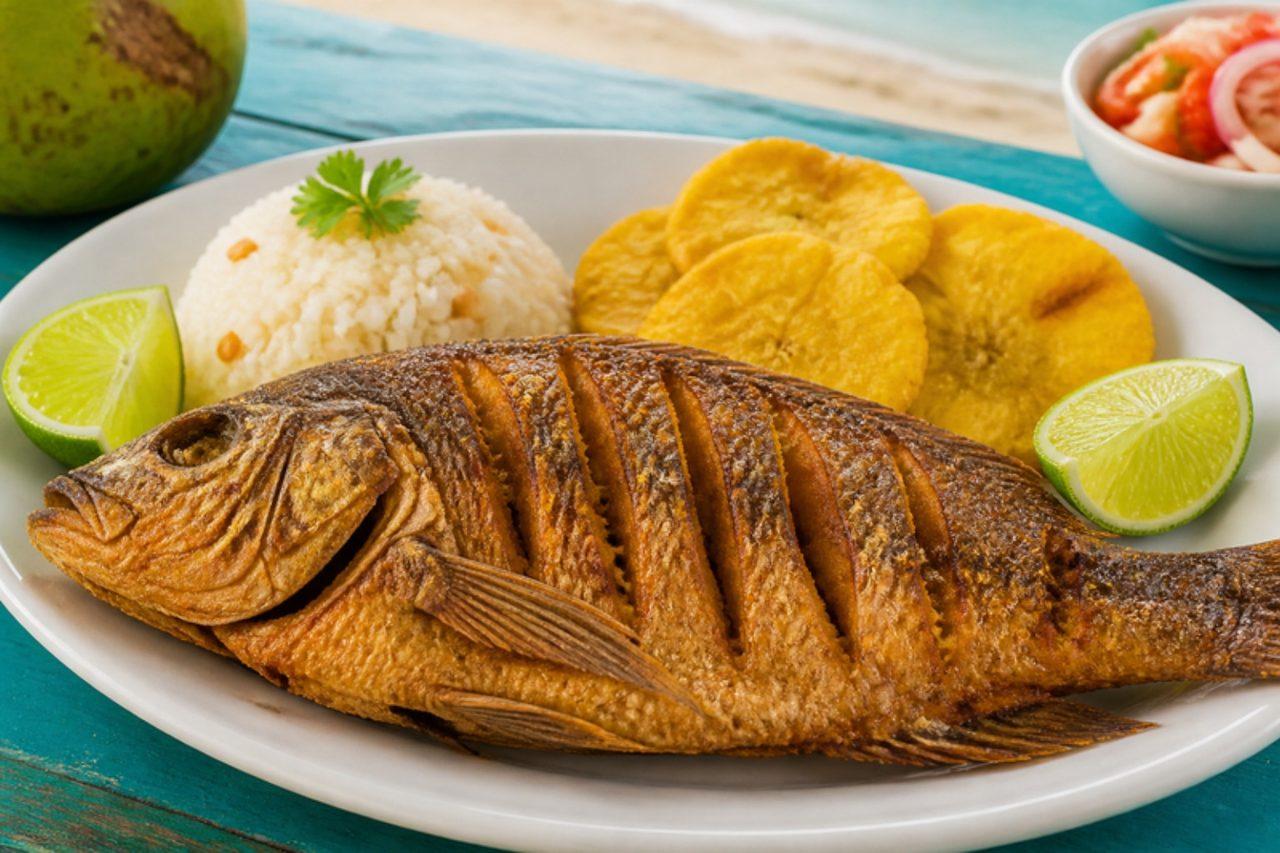
On the beaches of Bocagrande and in the open-air kitchens of La Boquilla outside Cartagena, the lunch plate is a whole mojarra (tilapia) fried until its fins crackle, served with coconut rice, smashed green plantain patacones and a tomato and onion salad with lime. The skin goes shatteringly crisp, the flesh stays sweet and moist, and you eat it with your fingers, pulling meat off the bone. Scoring the sides lets the heat and seasoning reach the thick part near the spine. The mistake to avoid is putting a wet fish into the oil, which spits dangerously and leaves the skin soggy: pat it very dry and dust it lightly. Chef's tip: fry one fish at a time in plenty of oil and don't move it for the first 4 minutes, so the skin sets before you turn it. Serve with arroz con coco for the full Caribbean plate.

by KrazyBadal 0 views

Pan dulce

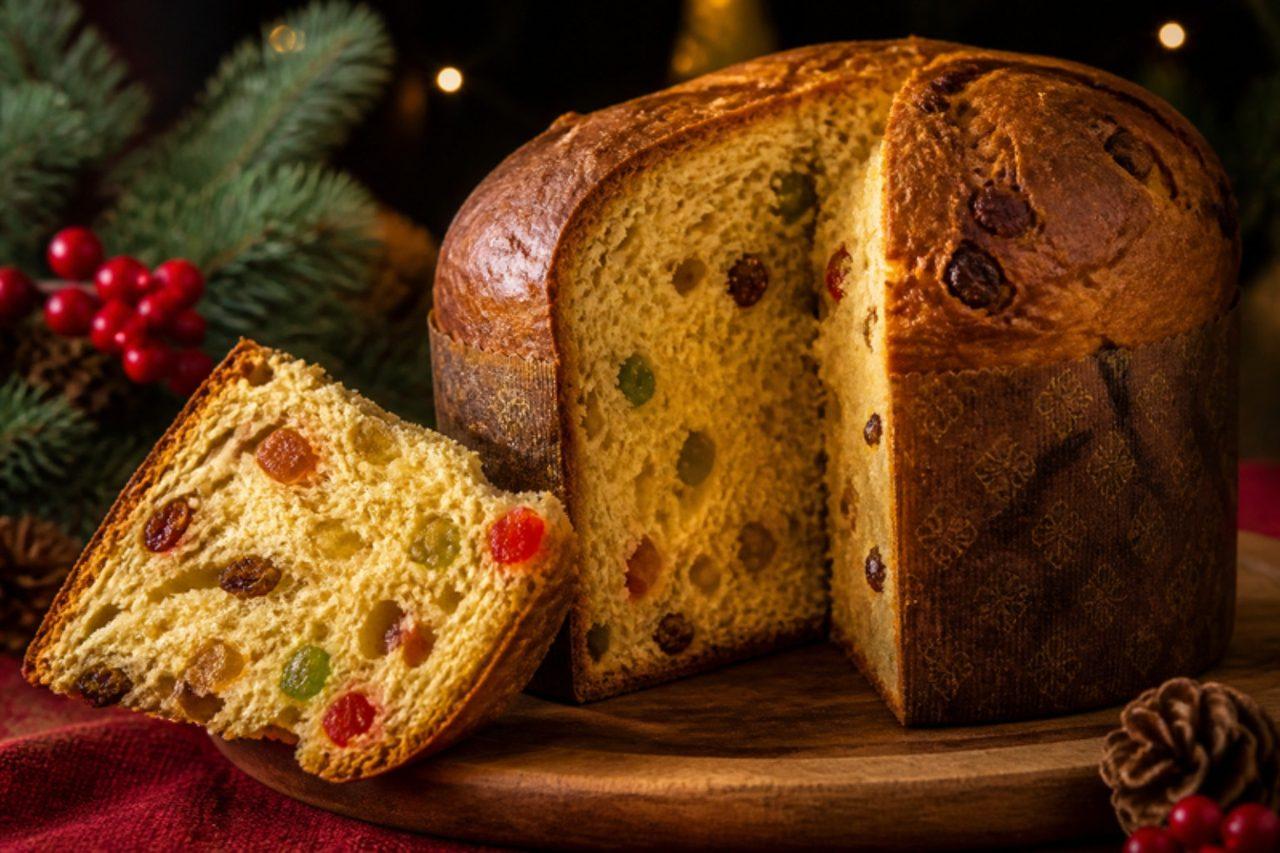
No Argentine Christmas Eve table is complete without a pan dulce, set out at midnight with turrón, nuts and a cold cider for the adults. The bread is the River Plate take on Genoese pandolce and Milanese panettone: a tall, buttery yeast dough scented with orange blossom and lemon, packed with candied fruit, raisins and walnuts. The crumb is closer and moister than panettone, and it keeps for a week wrapped in a cloth. Allow a long day, as the dough has a sponge and two rises. Some bakers soak the fruit in rum or sweet wine; here it is soaked in orange juice, so the bread is alcohol-free. People often add the fruit at the start of kneading, which shreds the gluten and gives a heavy, sunken loaf; work it in only once the dough is silky. Chef's tip: bake it in a tall paper mould or a 16 cm tin lined with a collar of baking paper, and turn it upside down onto a rack for the first 20 minutes of cooling so the top does not sink.

by KrazyBadal 0 views

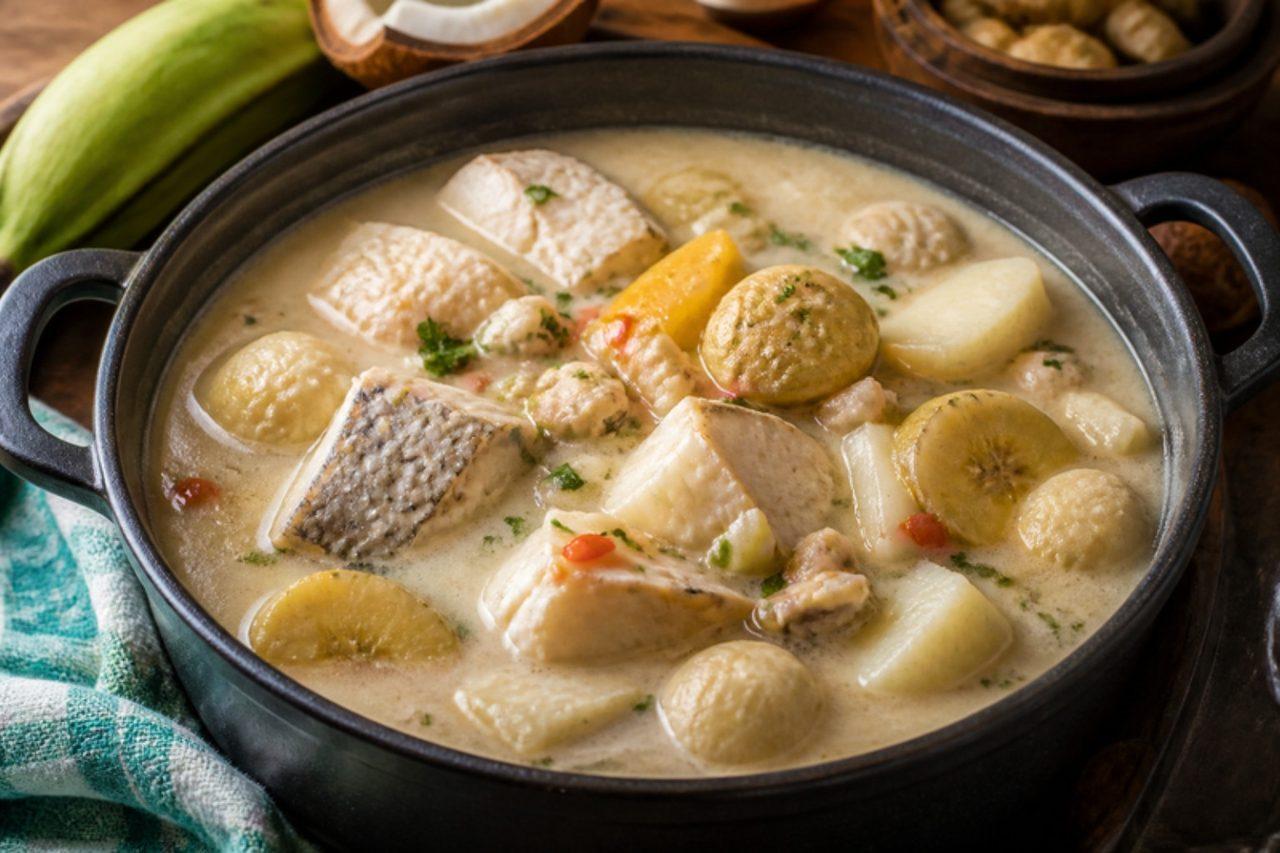
Rondón

The English-speaking Raizal islanders of San Andrés and Providencia call it rundown, and it is cooked for a crowd on weekends and at beach gatherings: coconut milk boiled down until it 'runs down' and starts to release its oil, with cassava, green plantain, breadfruit or sweet potato, flour dumplings, salted pig tail and, on top, fish and conch steamed in the creamy broth. Pork appears as the salted tail, which seasons the pot. The broth is rich, coconut-sweet and herby with thyme, with a perfume of whole Scotch bonnet that gives aroma rather than fire as long as it doesn't burst. Start the day before: the pig tail needs overnight soaking. A common mistake is stirring once the fish goes in, which breaks it up; layer it and let the steam do the work. Chef's tip: queen conch is protected in much of the Caribbean, so buy only legally sourced frozen conch, or swap in large raw prawns added with the fish.

by KrazyBadal 0 views

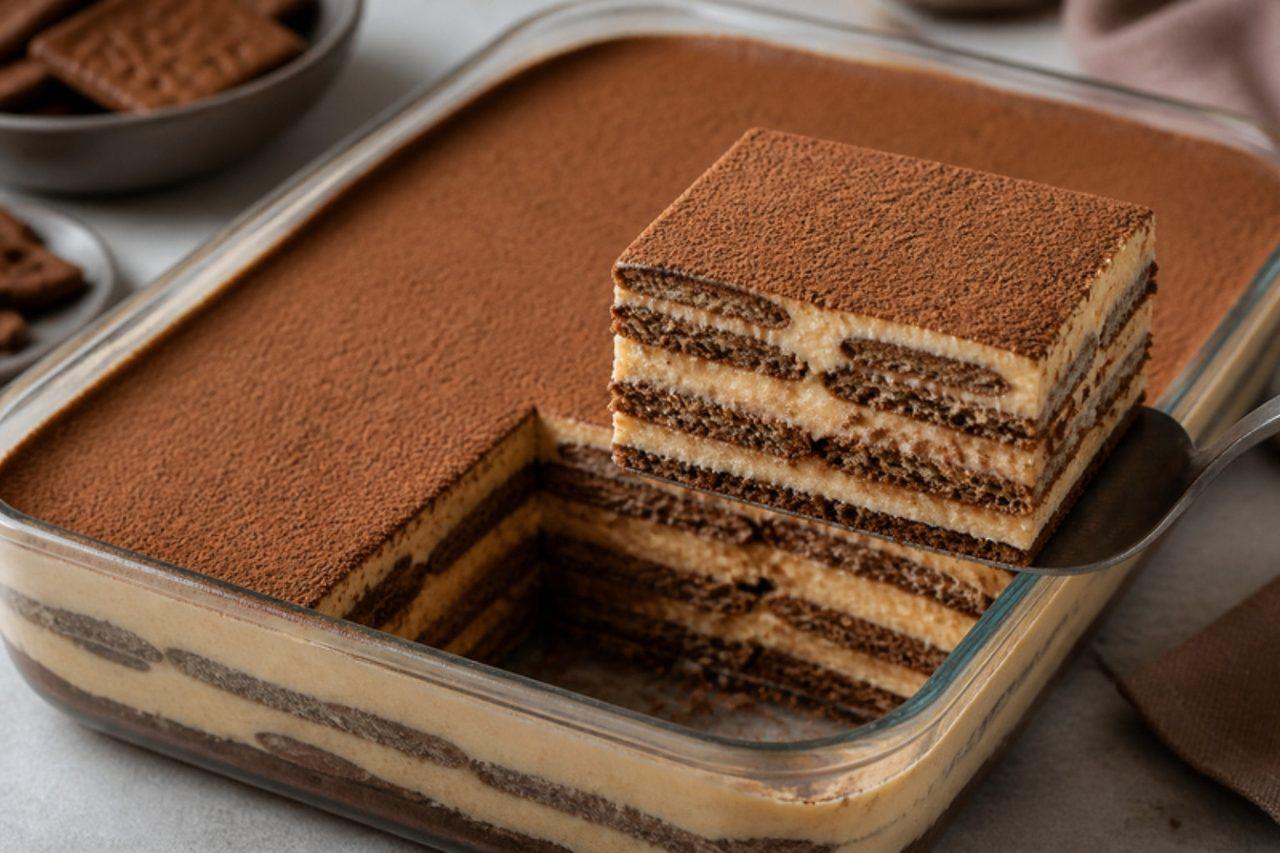
Chocotorta

Born in 1980s Buenos Aires as an advertising idea and adopted by the whole country, chocotorta is the cake children ask for at every birthday and the easiest dessert in the Argentine repertoire. Chocolate biscuits are dipped briefly in milk (adults often use coffee), layered with a cream of dulce de leche beaten with cream cheese, and left overnight until the biscuits turn soft and cake-like. It is rich, sweet and a little tangy, and slices cleanly straight from the fridge. Any plain crisp chocolate biscuit works; rectangular ones make the neatest layers. The mistake to avoid is soaking the biscuits too long: a one-second dip is plenty, or they collapse into mush before you can lay them down. Chef's tip: assemble it a day ahead in a loaf tin lined with cling film; overnight chilling is what turns it from biscuits and cream into cake.

by KrazyBadal 0 views

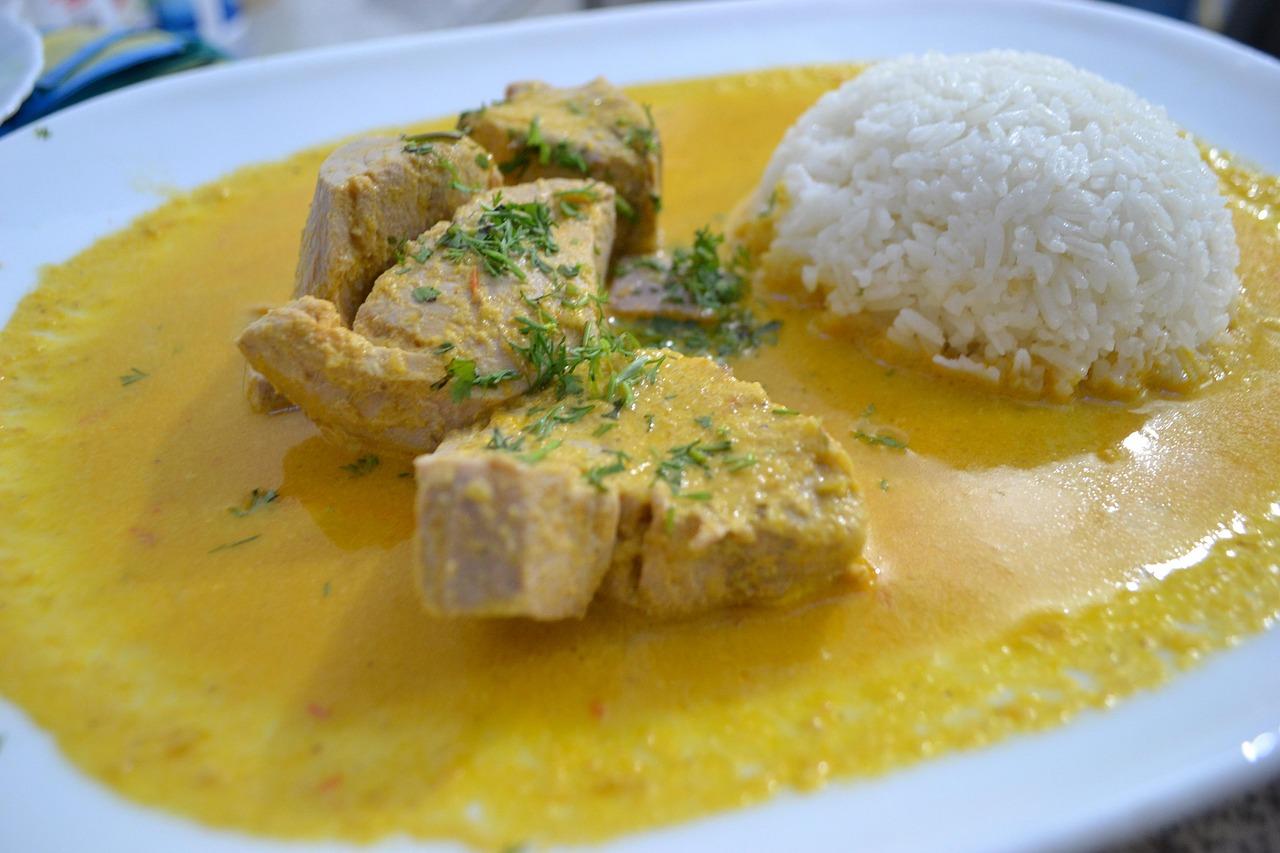
Encocado de pescado

Fishing towns of the Colombian Pacific, from Buenaventura's Pueblo Nuevo market to the stilt houses of Tumaco, cook their catch in coconut milk scraped from fresh coconuts, with a refrito of onion, peppers and garlic and the coast's wild herbs: chillangua (culantro), poleo and oregano cimarrón. Encocado is lighter and more herbal than many coconut stews, mild rather than hot, with the fish just cooked in a creamy, pale-orange sauce. It is eaten at lunch with white or coconut rice and patacones or boiled green plantain. Boiling the coconut milk hard after the fish goes in is the classic error: the sauce splits and the fillets toughen, so keep it at a gentle bubble. Chef's tip: culantro (sawtooth coriander) is sold in Asian and Caribbean shops; if you can't find it, use twice the amount of ordinary coriander plus a few mint leaves to stand in for poleo.

by KrazyBadal 0 views

Pionono de dulce de leche

Pionono is the flat, springy sponge sheet that Argentine supermarkets sell ready-made for party rolls; at home it takes 10 minutes to bake and makes a far lighter roll. The sweet version, filled with dulce de leche and softly whipped cream, is a birthday and Sunday-tea classic in Buenos Aires and Córdoba, cut into spirals that show off the swirl. Savoury piononos rolled around ham, cheese, tomato and mayonnaise are just as common at parties; this one is the sweet, vegetarian kind. The sponge is a fatless, egg-rich batter that relies on air, so whisk the eggs until they hold a trail for several seconds. Most cracked rolls come from letting the sponge cool flat before rolling. Chef's tip: turn the hot sponge out onto a clean tea towel dusted with sugar, peel off the paper and roll it up in the towel while warm, then unroll to fill once cool; it remembers the shape and doesn't split.

by KrazyBadal 0 views

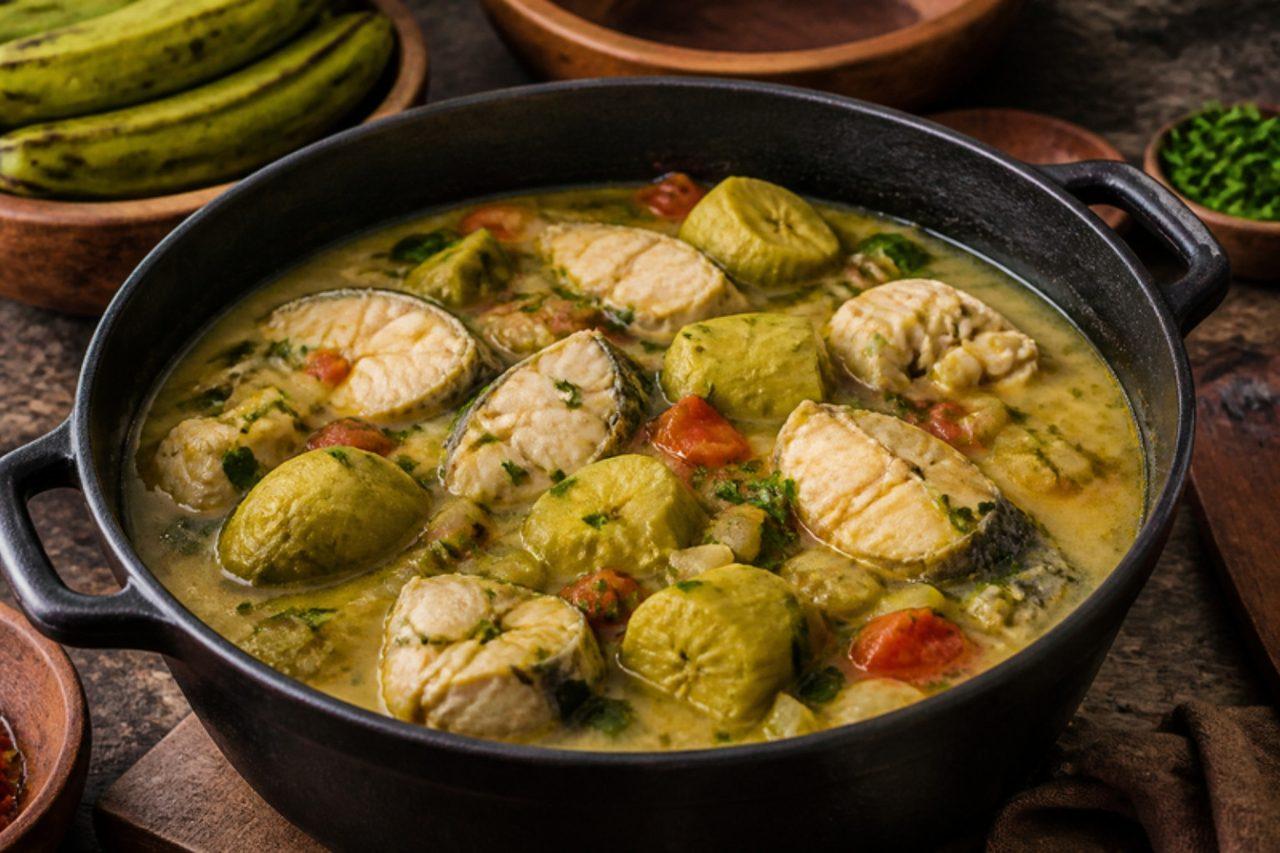
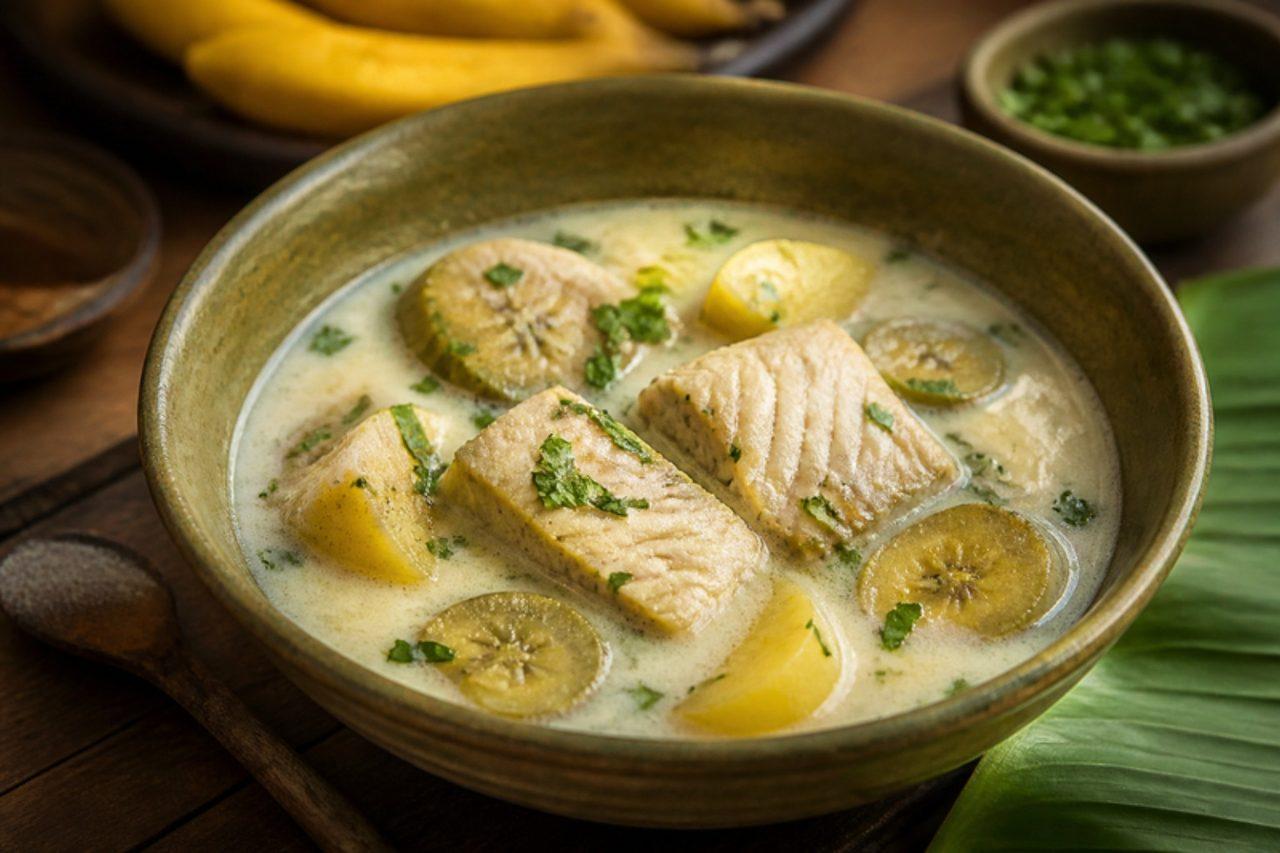
Tapao de pescado

Quibdó's riverside kitchens and the villages along the Atrato and Baudó rivers make tapao, which simply means 'covered': fish and chunks of green plantain cooked in a little water and a refrito of onion, tomato and herbs, with the pot sealed under a plantain leaf and a lid so it all cooks in its own steam. There's no coconut, unlike the Pacific's encocados, so it tastes clean and brothy, of fish and herbs, with the plantain soaking up the juices and thickening them slightly. It's a weekday dish, often made with bocachico or other river fish, and eaten from deep plates with a spoon and fingers. Adding the fish with the plantain from the start is a common slip; the plantain needs a head start or the fish falls apart before the plantain is tender. Chef's tip: if you can find bocachico or another river fish, use it; otherwise sea bream or tilapia steaks with the bone in give the broth the best flavour.

by KrazyBadal 0 views

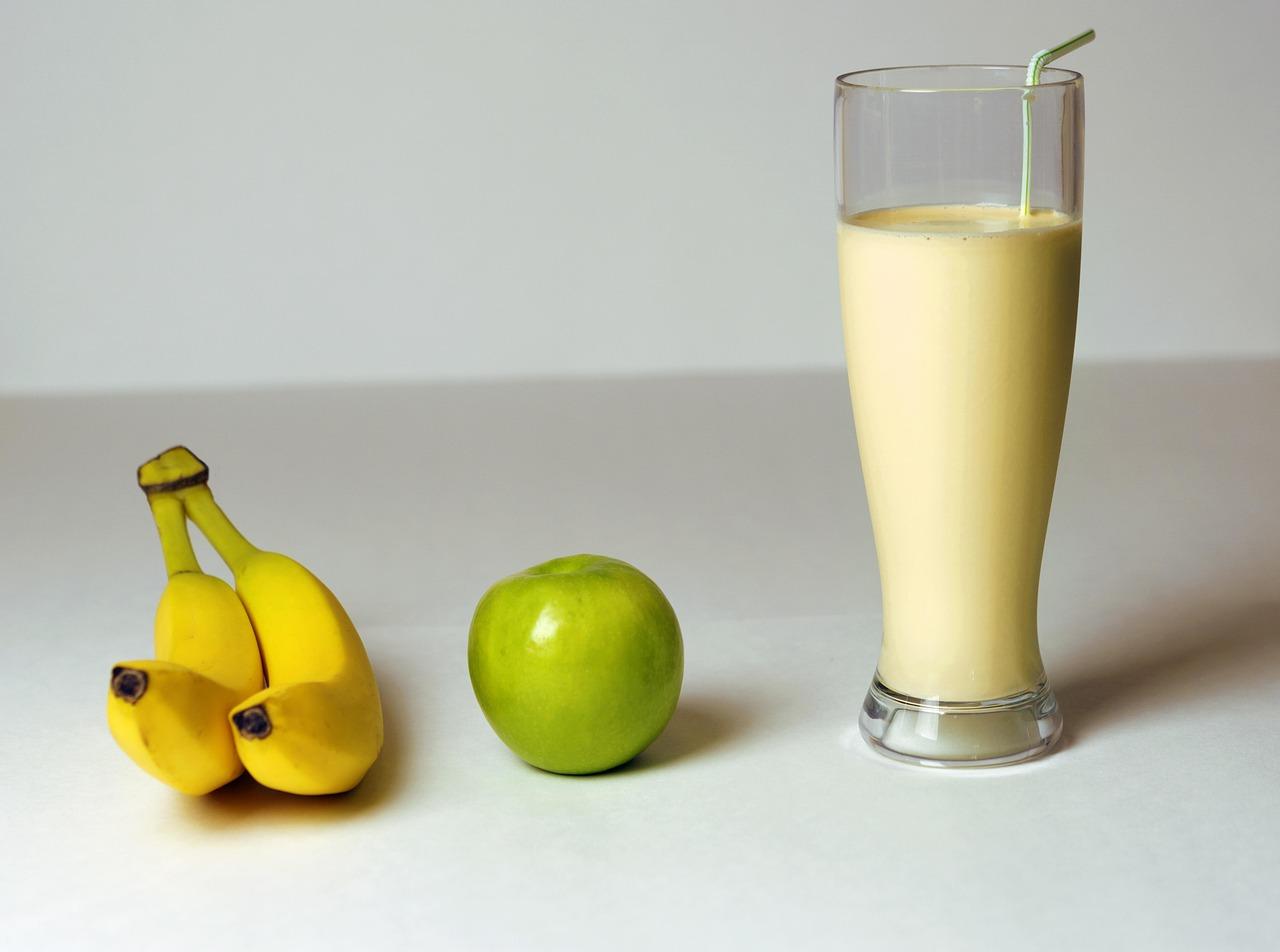
Licuado de banana

Order a licuado in any Argentine café or bar and you will get a tall glass of fruit blended with milk (con leche) or water (con agua), and banana with milk is the one nearly everyone grows up on. It is breakfast for teenagers in a hurry, a merienda with tostados, and the drink parents in Buenos Aires make when the fruit bowl has spotty bananas. It should be thick, cold and smooth, with a light froth, sweet mainly from ripe fruit. Using under-ripe bananas is the mistake: they taste chalky and need lots of sugar, so wait for brown freckles. Chef's tip: slice and freeze the bananas the night before and you can skip the ice; the shake comes out colder and thicker without being watered down.

by KrazyBadal 0 views

Pusandao

Down the Nariño coast, in Tumaco and the river villages towards Ecuador, pusandao is everyday food built from what keeps: salted fish (or salted pork), green plantain, potato and the milk of fresh coconuts. The fish is soaked to draw out the salt, then simmered with the vegetables in a thin coconut broth scented with chillangua, the coast's culantro. Plantain and potato soften and thicken the liquid into something soupy and comforting, salty-sweet and gently herbal; it is eaten for lunch with a squeeze of lime and nothing else needed. Plan on an overnight soak for the fish. The pitfall is boiling the coconut milk from the start, which makes it greasy and grainy; cook the plantain in water first and add the coconut milk for the last few minutes. Chef's tip: salt cod is the easiest substitute for the coast's salted fish; for the pork version, use salted pork ribs soaked overnight and boiled until tender before adding the plantain.

by KrazyBadal 0 views

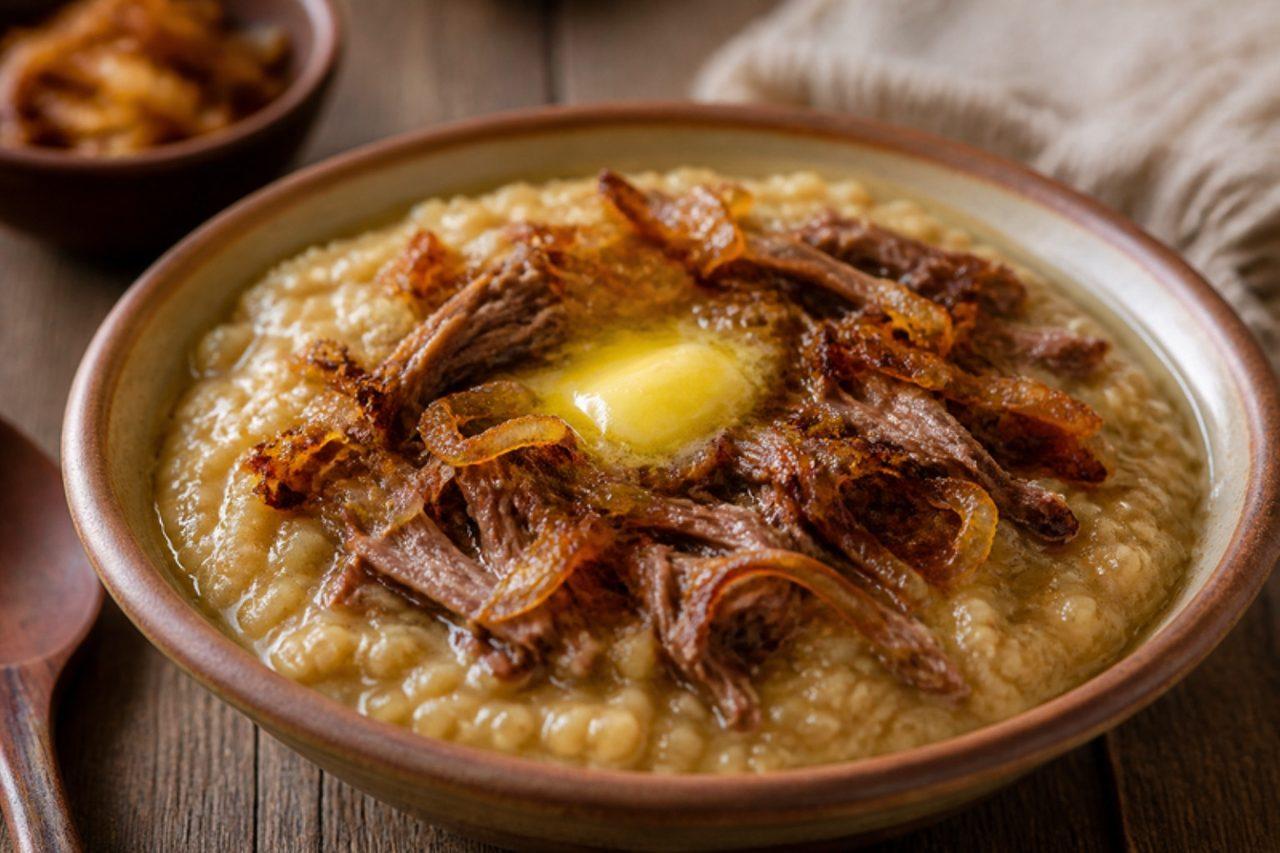
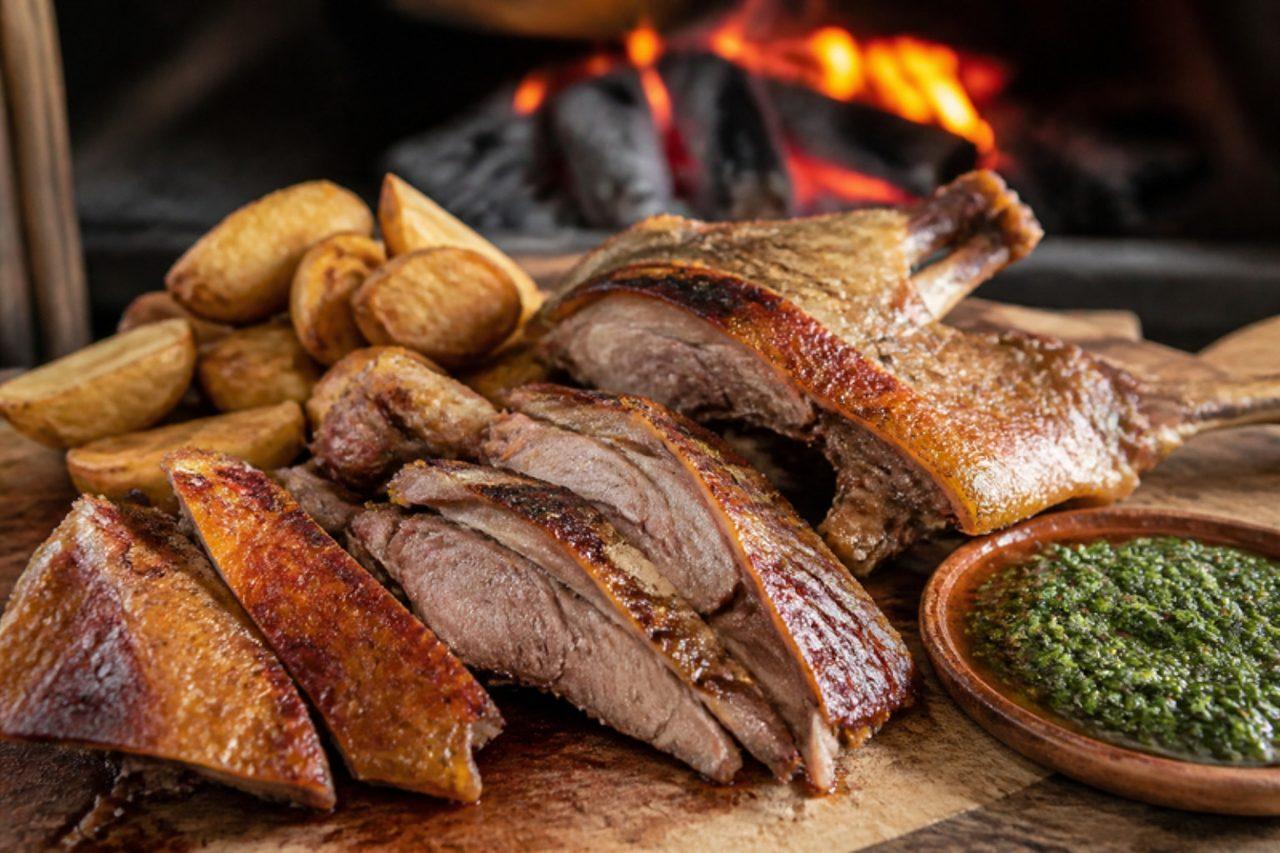
Cordero al asador

Southern Patagonia raises sheep on vast estancias, and when the shearing ends or a fiesta comes round in Santa Cruz or Chubut, a whole lamb goes on the asador: an iron cross pushed into the ground beside a fire of lenga or ñire wood. Lambs fed on wild steppe grasses taste clean and faintly herbal, so the seasoning is only salt and a brine to baste, and the result is crackling skin over meat that falls into juicy strands. Serve with chimichurri, a simple salad and bread. Order a whole lamb of 10–12 kg dressed weight from a butcher. Rushing it with a big flame near the meat is the commonest error; the heat must be steady and gentle. Chef's tip: give it about three hours with the ribs to the fire and only the last hour or so skin side, then check the thickest part of the leg reads at least 63 °C (Patagonian cooks take it to about 70 °C, cooked through).

by KrazyBadal 0 views

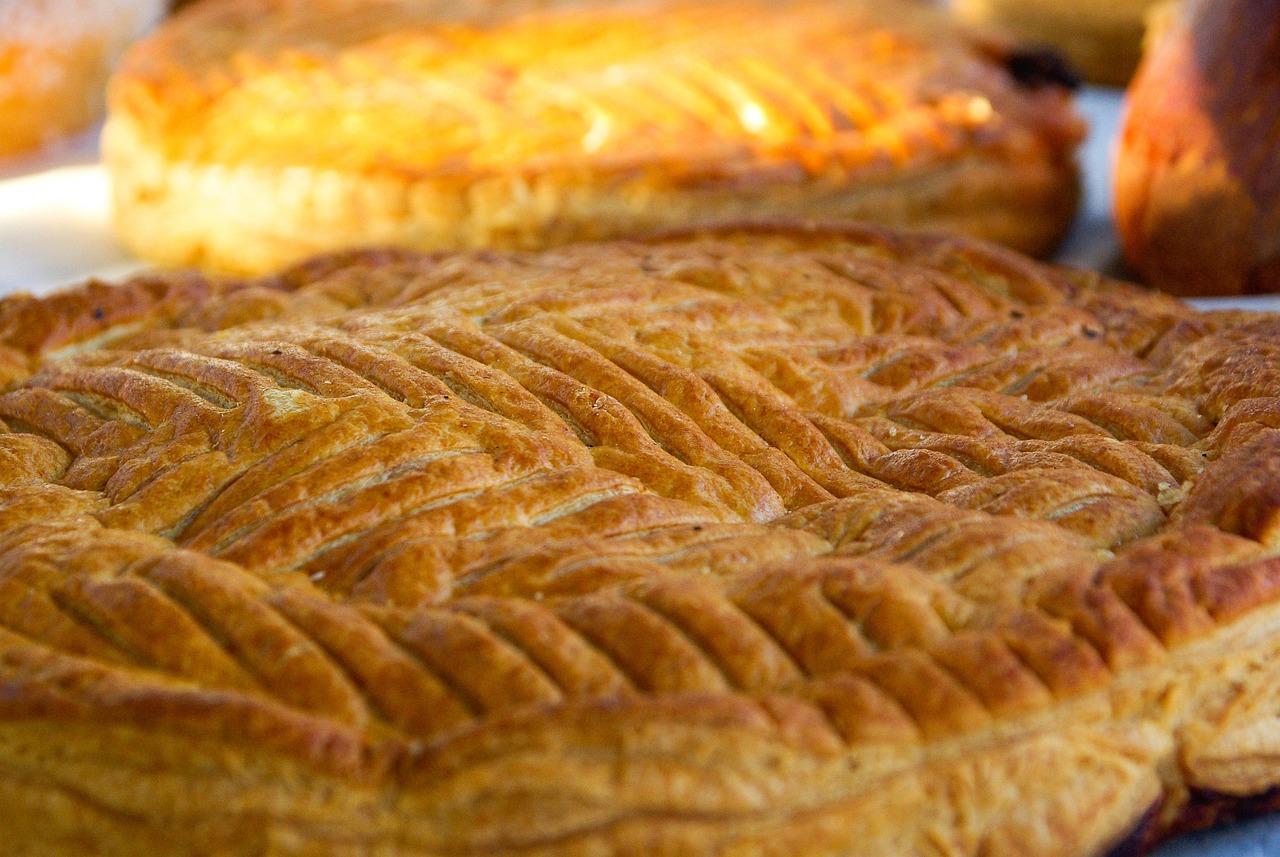
Pithiviers

The small town of Pithiviers, between Orléans and Paris, gave its name to this domed puff-pastry pie filled with almond cream, its top scored in curved lines like the petals of a flower. It is close to the galette des rois that French families share at Epiphany in January, but in Pithiviers it is eaten all year as a Sunday dessert. The almond cream is traditionally flavoured with a spoonful of rum; leave it out and add orange zest or vanilla for an alcohol-free version. All-butter shop puff pastry works well. Chef's tip: chill the assembled pie for 30 minutes before scoring and baking; cold pastry rises tall and the pattern stays crisp.

by KrazyBadal 0 views

Colombian almojábanas

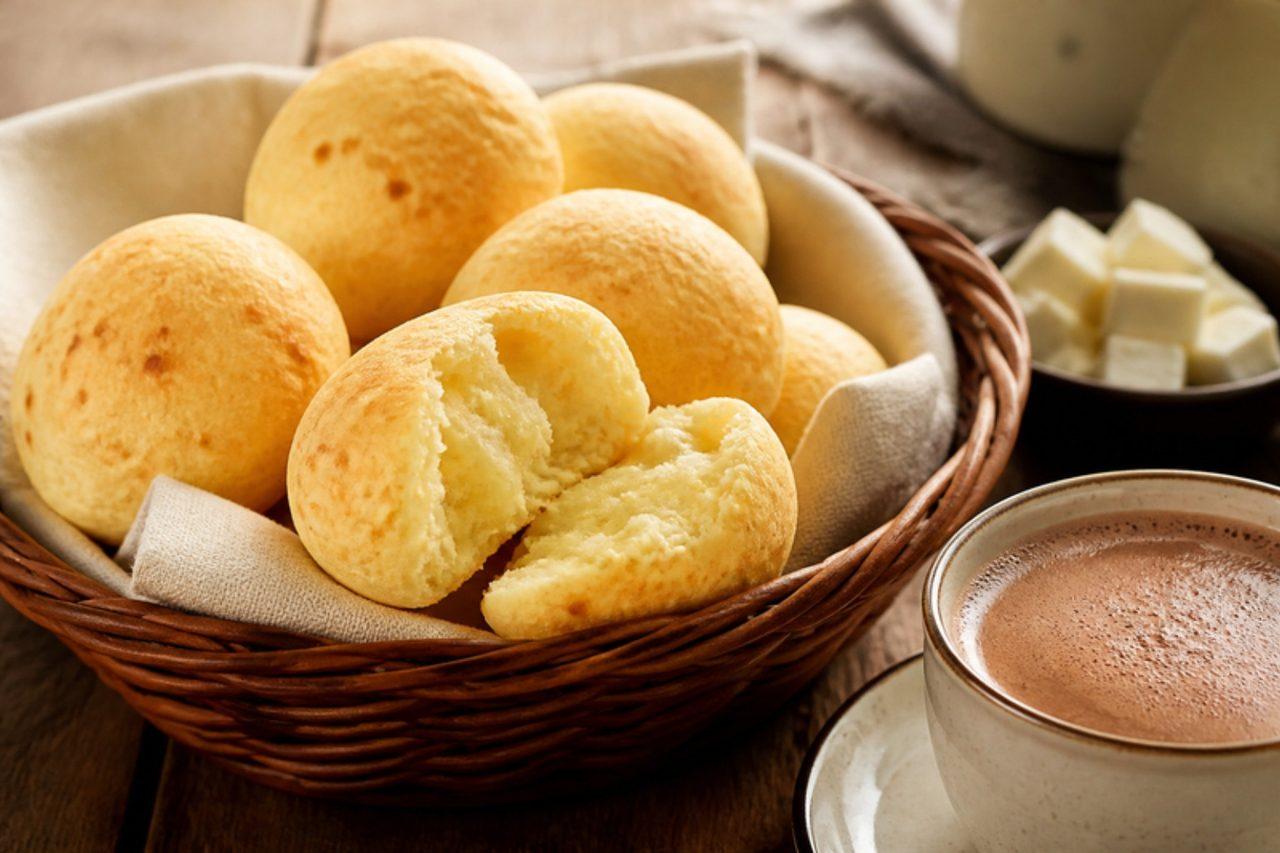
Few Bogotá breakfasts beat a warm almojábana torn open next to a cup of hot chocolate. Bakeries across Cundinamarca and Boyacá, and especially roadside stops near Chía and Sopó, bake these pale, puffy rolls from fresh cuajada and fine corn meal, so they are springy, moist and salty-sweet inside with a thin, lightly browned crust. They are gluten free by nature. Cuajada is curd set with rennet, usually animal-derived; use vegetarian curd or ricotta drained very well. Too much corn meal is the mistake most people make: the almojábanas come out dry and heavy. The dough should feel soft and slightly tacky. Chef's tip: they are best within an hour of baking; reheat leftovers briefly in a hot oven, never the microwave, which makes them rubbery.

by KrazyBadal 0 views

Torta galesa

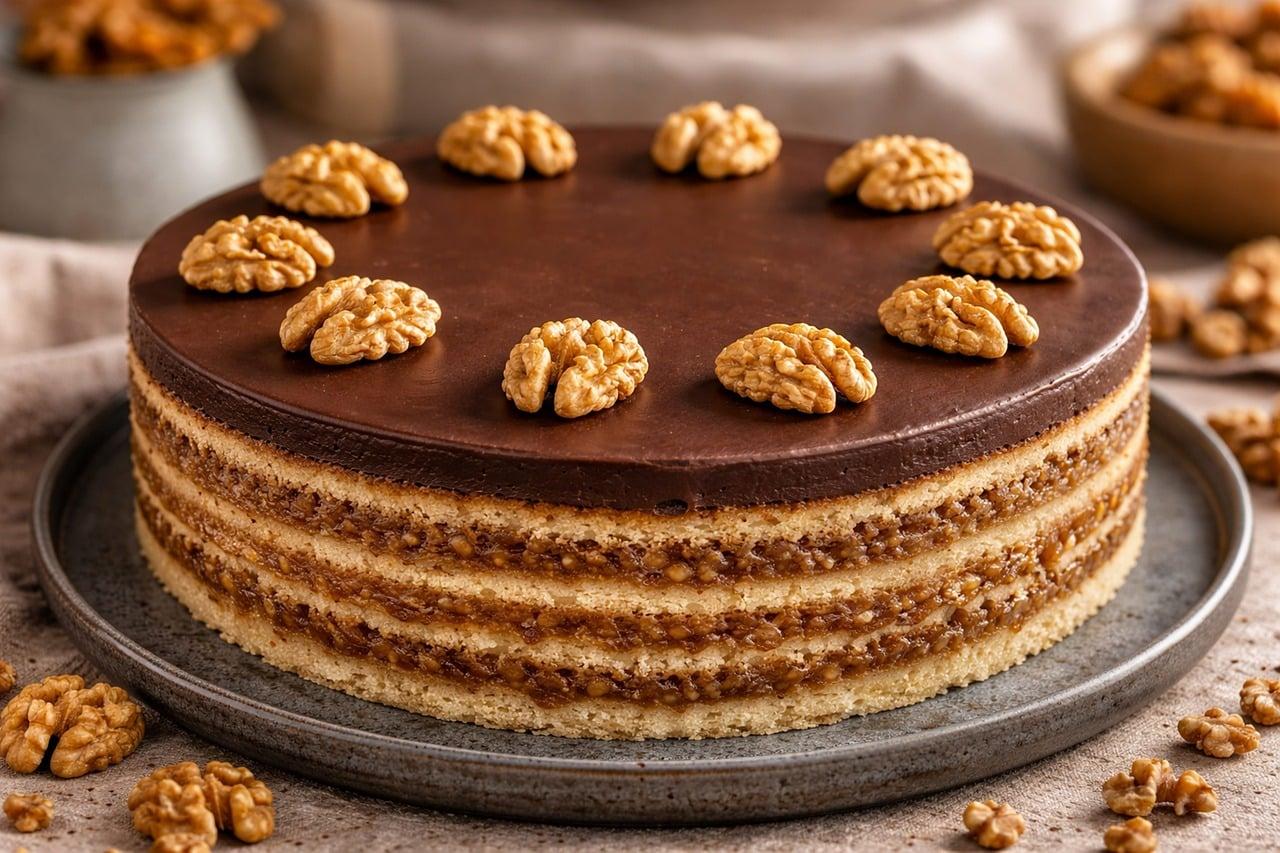
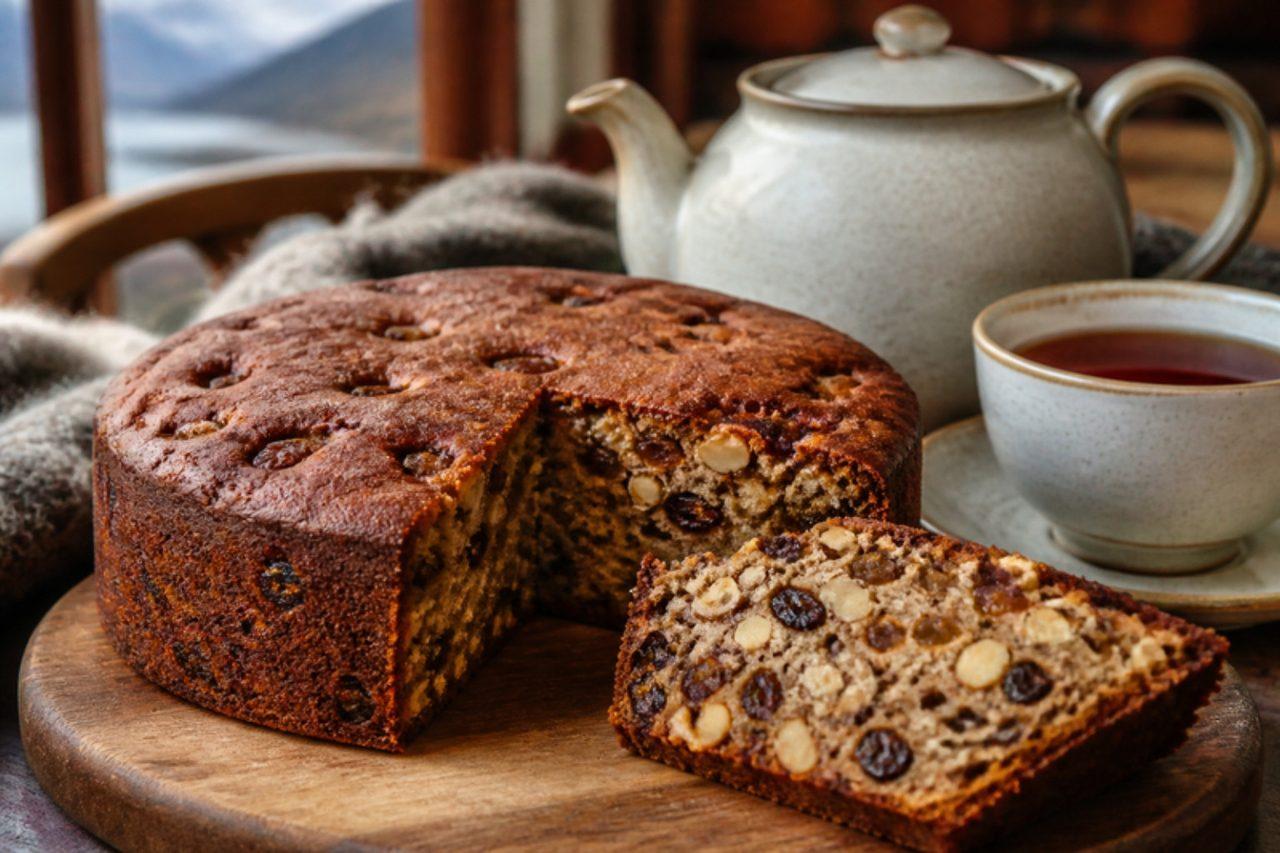
Welsh settlers arrived in the Chubut valley in 1865 and their descendants still serve afternoon tea in Gaiman and Trelew, where the casas de té bring out pots of tea, scones, cream cakes and, always, a slice of torta galesa. It is a dense, almost black fruit cake made with brown sugar and black treacle, studded with raisins, candied peel and walnuts, and it was built to last through long Patagonian winters and journeys across the steppe. The crumb is moist and sticky, rich with spice and caramel. An oven that is too hot is the classic error: the outside chars before the middle is set, so it bakes low and slow under a sheet of paper. There's no alcohol in this version; many cooks brush it with rum after baking, so leave that out or use strong tea. Chef's tip: wrap the cooled cake tightly and wait two or three days before cutting; it turns moister and the flavours deepen.

by KrazyBadal 0 views

Showing 18 of 6,261 recipes

Show more recipes

Page 213 of 696