


Skip to content
Prawn balchão
Featured recipe

Prawn balchão

Sweet-sour prawn pickle curry

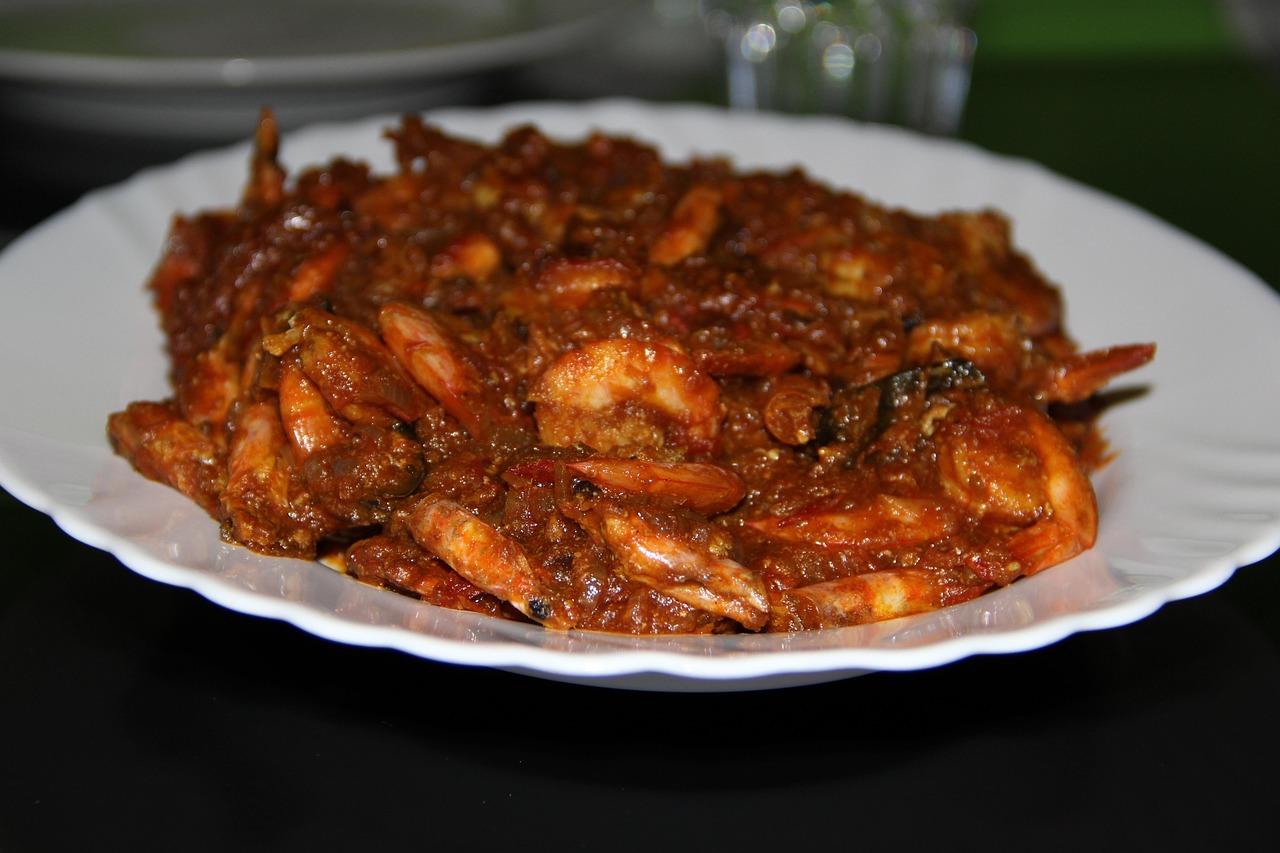
Balchão started as a way to keep the catch from the Goan monsoon season: prawns cooked down in a fierce red masala with vinegar and sugar until they keep like a pickle. In Goan homes a jar sits in the fridge to spoon beside rice and dal, and a fresh batch is served as a main curry on Sundays. Its taste is bold: hot, sharp and sweet all at once. Chef's tip: fry the masala slowly until the oil separates and it turns a deep brick colour; undercooked balchão tastes raw and vinegary.

Read more 0 views

What to eat today?

Around the world

Today's trip: Paraguayan

A new country every day, from every cuisine on the site.

Paraguayan

Chipa

Cheese bread rings 50 minMore from Paraguayan (27) →

This week's collection

Kid-friendly dinners
537 recipes · a new collection every Monday

Latest recipes

Afghan green chutney

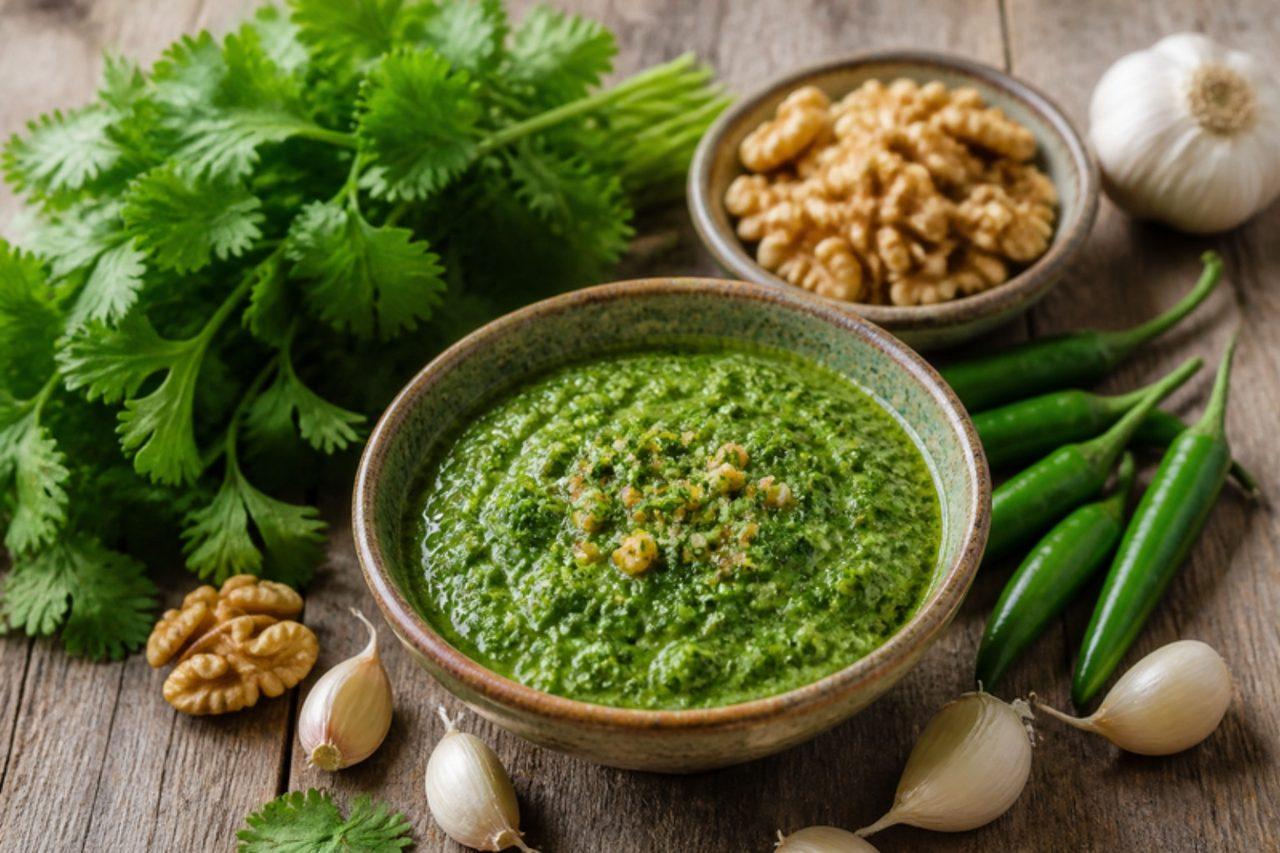
No Afghan table of kebab or palaw feels complete without a little bowl of green chutni, the sharp, fiery relish spooned beside the rice, onto bolani and over grilled meat from Kabul to Kandahar. Unlike many South Asian green chutneys, the Afghan one leans on vinegar rather than lime and is thickened with walnuts, so it is slightly creamy, bright green and properly hot, with a pungent hit of raw garlic. Households make a jar at a time and keep it in the fridge through the week. People often blitz it into a thin juice; pulse it instead so you can still see flecks of leaf and nut. Chef's tip: keep the coriander stalks in, as they have more flavour than the leaves and help the chutney stay green for days.

by KrazyBadal 0 views

Chakma bamboo shoot curry

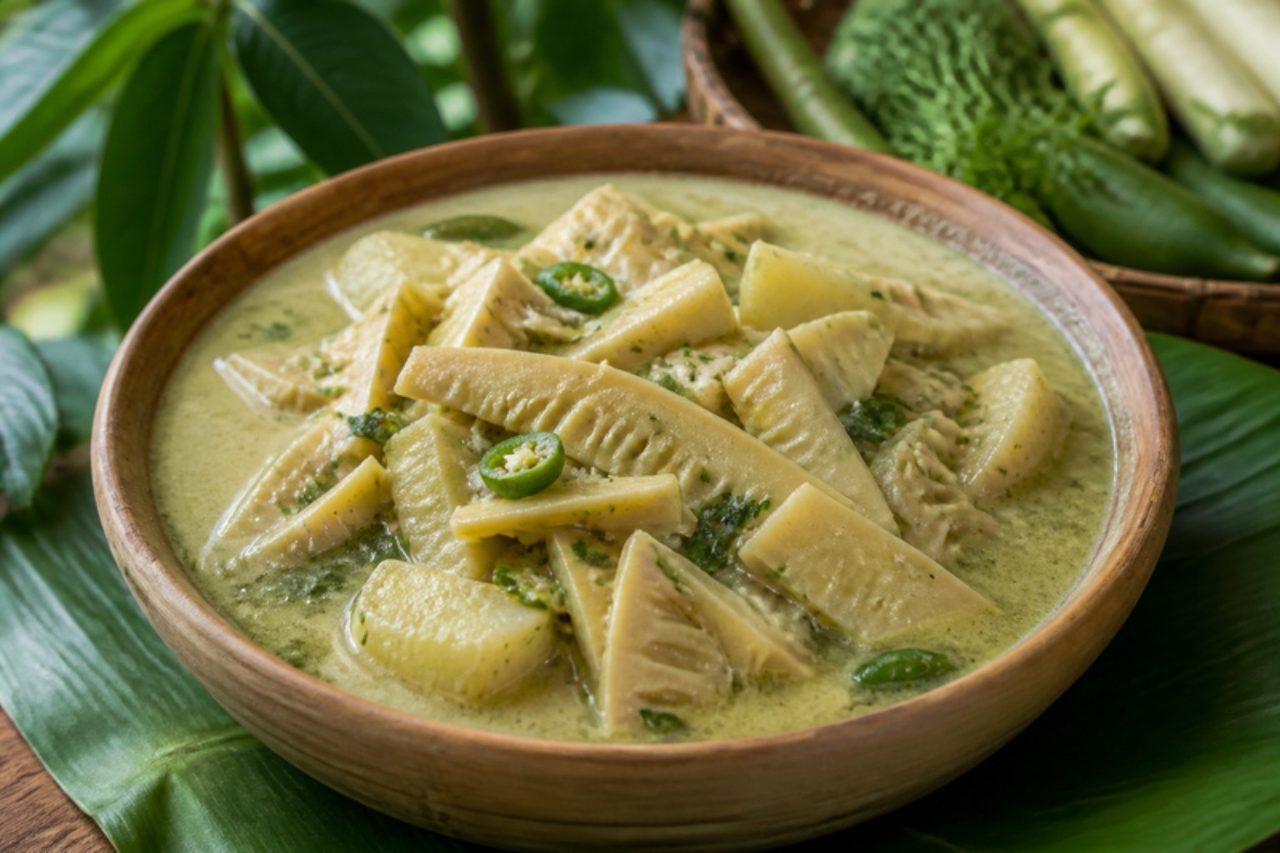
When the monsoon reaches the Chittagong Hill Tracts, young bamboo shoots push up through the forest floor around Rangamati and Bandarban, and Chakma and Marma families cut them for a quick, clean-tasting curry. Hill cooking uses very little oil and few dry spices; the flavour comes from fistfuls of green chilli, garlic and herbs such as culantro (sawtooth coriander), and a spoon of ground rice thickens the broth. At home it is very often cooked with shidol, a fermented dried fish paste, or nappi; this version is fully vegetarian. The shoots are crunchy and faintly sweet, and the curry is eaten with plenty of plain rice. Raw fresh bamboo shoots contain natural toxins, so they must always be boiled first and the water thrown away; skipping that step is the one mistake you cannot make here. Chef's tip: if you use canned or vacuum-packed shoots, rinse and boil them for 5 minutes anyway to freshen their taste.

by KrazyBadal 0 views

Bangladeshi dal puriLentil-filled puri
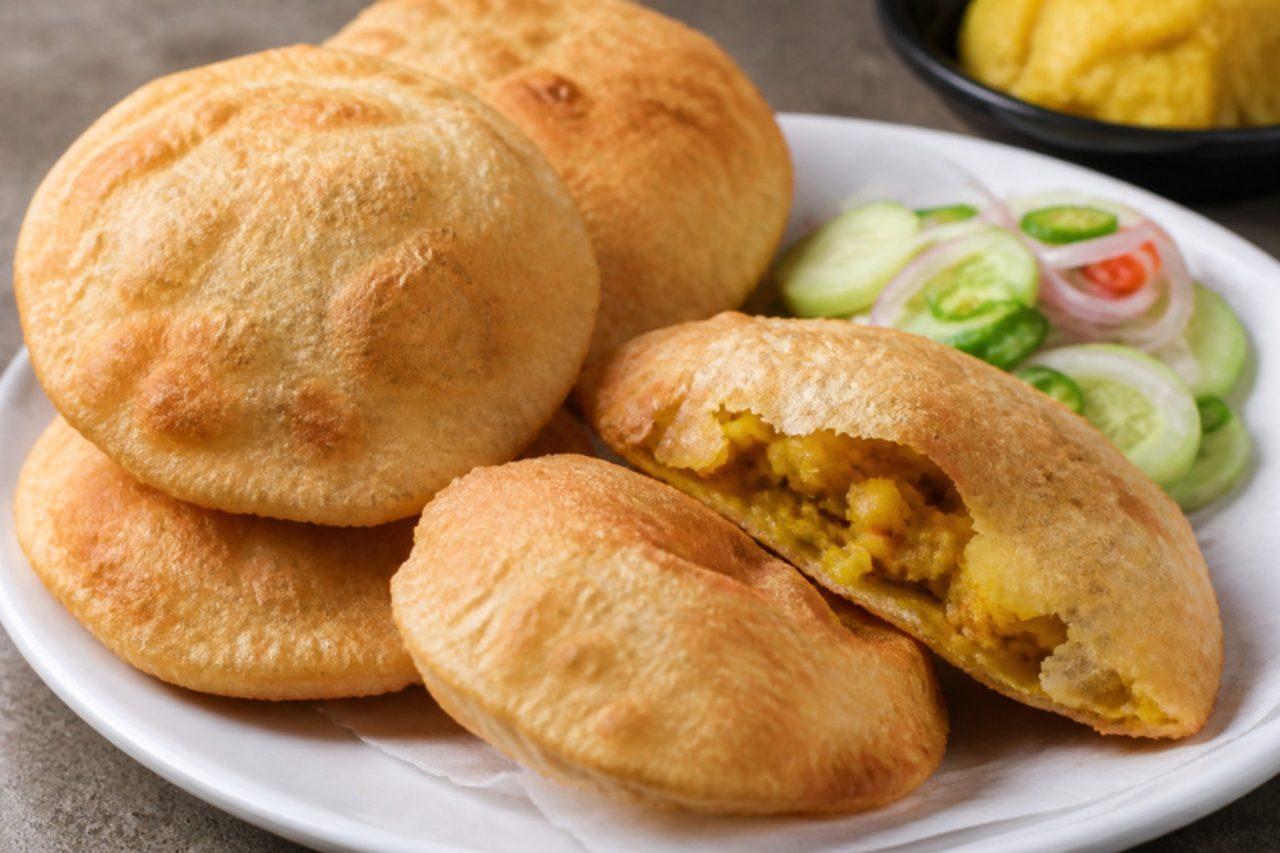
Wherever there is a tea stall in Dhaka, from the Nilkhet book market to the gates of the university, there is a wok of oil and a man rolling dal puri at speed, three or four at a time. These are thin and flat, not puffed, with a seam of dry, cumin-scented red lentil filling that you can see through the blistered skin; they are eaten straight from the wok with a cup of sweet tea, a spoon of tamarind chutney or just a pinch of raw onion and green chilli. Students treat them as lunch and office workers as an afternoon snack. Where people usually go wrong is a filling that is too wet, which bursts through the dough and spits in the oil. Chef's tip: cook the lentils just until they crush, then dry the mash in the pan with the onions until it holds together like crumbly dough.

by KrazyBadal 0 views

Sfiria (cheese croquettes in chicken sauce)

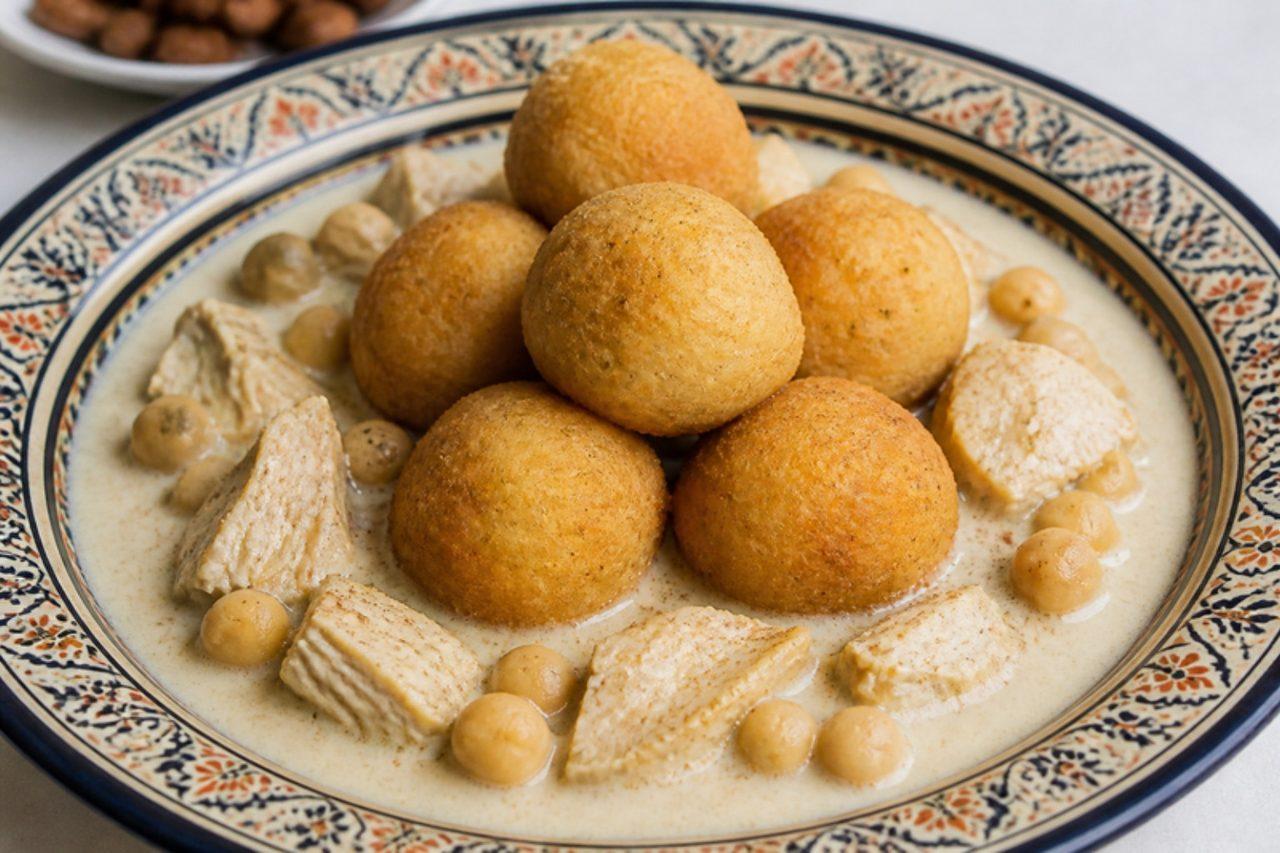
Sfiria belongs to the old bourgeois cooking of Algiers, served on Ramadan evenings and at family celebrations: little croquettes of soaked bread, grated cheese and egg, scented with cinnamon, are fried golden and then laid in a pale chicken and chickpea sauce flavoured with cinnamon and white pepper. The croquettes are light and spongy, soaking up just enough sauce to be juicy, and the dish tastes delicate and faintly sweet. Day-old white bread without crusts gives the best texture. Chef's tip: add the croquettes to the sauce only at the last minute; leaving them to simmer is the common mistake, and they swell, go soggy and fall apart.

by KrazyBadal 0 views

Norwegian heart waffles

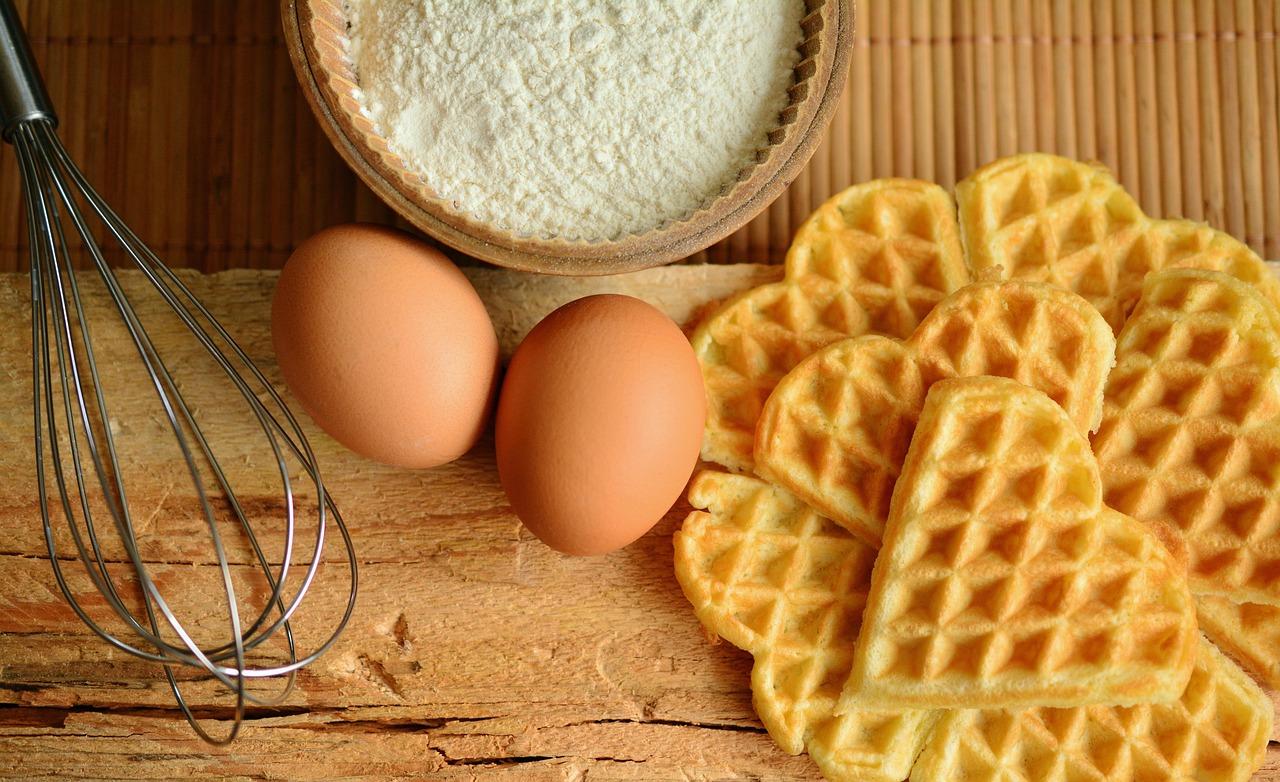
In Norway, waffles are not a breakfast but an everyday treat: thin, soft heart-shaped vafler made with sour cream and cardamom, sold at school fairs and football matches and made at home on Sunday afternoons, eaten folded with strawberry jam and sour cream or brown cheese. Their texture is soft rather than crisp. A common mistake is opening the iron too early, which tears them. Chef's tip: let the batter rest for 30 minutes and brush the iron with butter before each waffle; they lift out whole and golden.

by KrazyBadal 0 views

Chorba beida (Algerian white chicken soup)

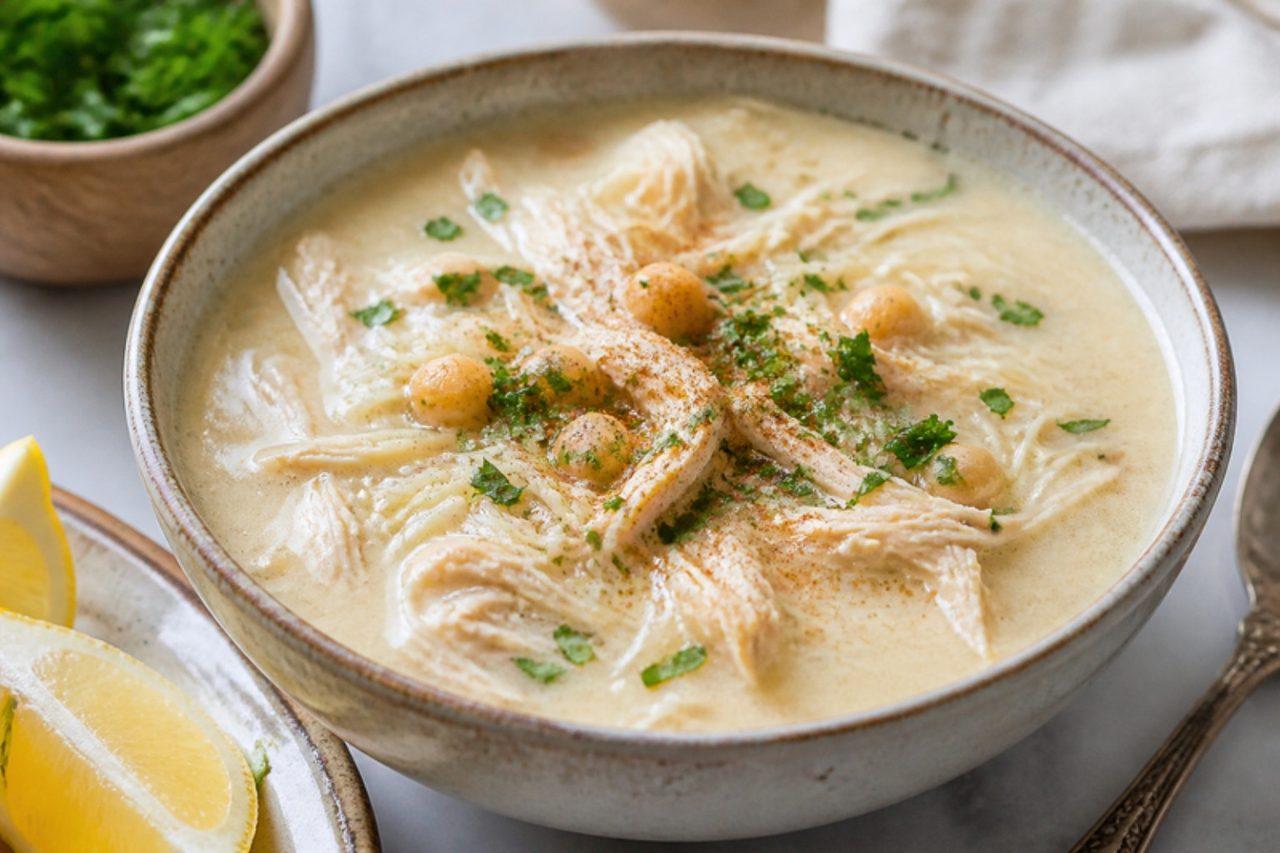
Unlike the red chorba of the rest of the country, the 'white' chorba of Algiers has no tomato at all: chicken, onion and a cinnamon stick are cooked gently in butter, simmered with chickpeas and fine vermicelli, then thickened at the end with egg yolks and lemon. It is a classic of Ramadan tables in the capital, and is also cooked for guests at weddings and family gatherings. The soup is silky and pale gold, mild and comforting, with a soft lemony tang. Serve it with bread and a squeeze of extra lemon. Chef's tip: once the egg yolks are in, never let the soup boil; boiling is the common mistake that curdles it into scrambled threads.

by KrazyBadal 0 views

Polish-style cauliflower

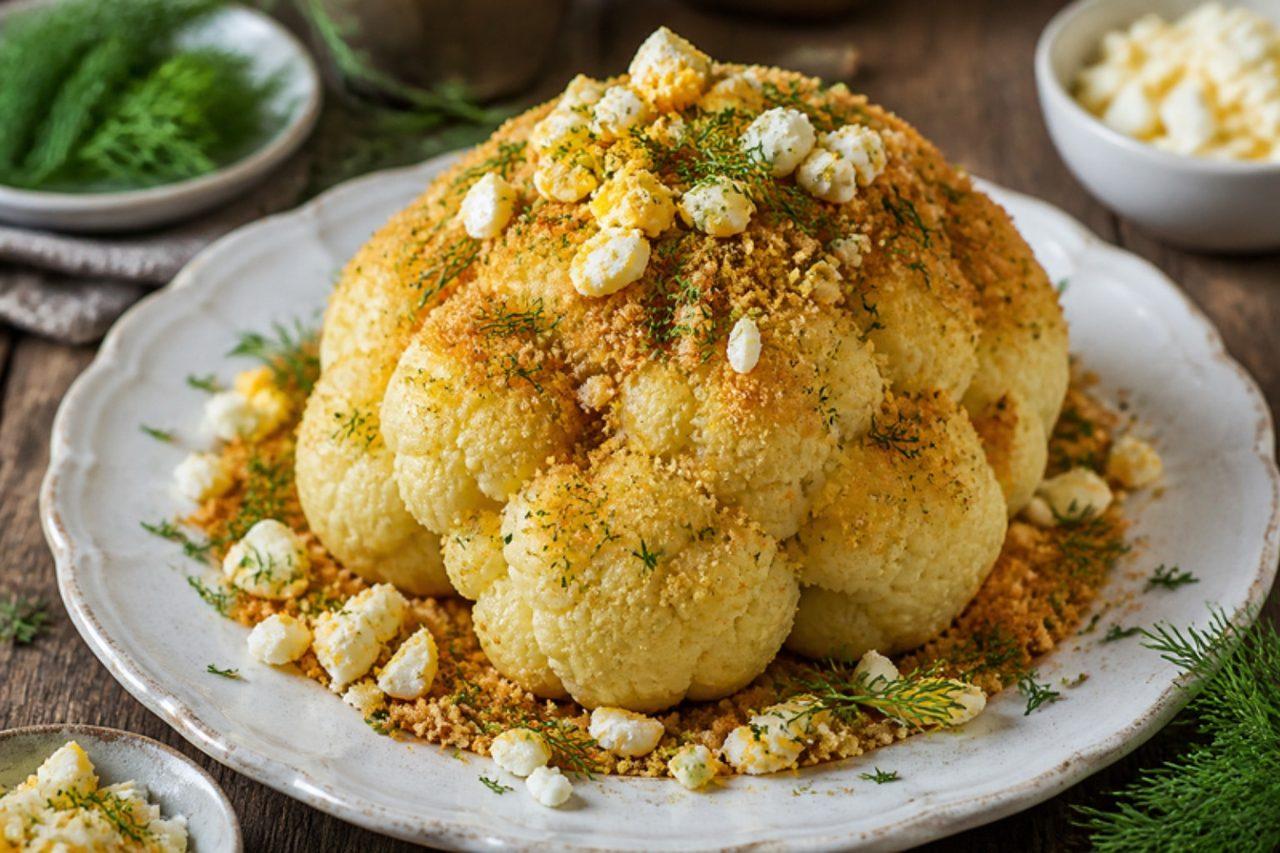
‘Po polsku’ on a Polish menu means one thing: a vegetable topped with crumbs fried in plenty of butter. In Warsaw canteens and on Sunday tables, a whole cauliflower arrives this way next to potatoes and a salad, and children who claim to hate cauliflower eat it happily. The florets are tender and sweet, the crumbs nutty and crisp. A common mistake is boiling the cauliflower until it falls apart; it should keep a slight bite in the stalk. Chef's tip: a pinch of sugar and a splash of milk in the boiling water keep the cauliflower white and sweet.

by KrazyBadal 0 views

Djelbana (Algerian lamb and pea stew)

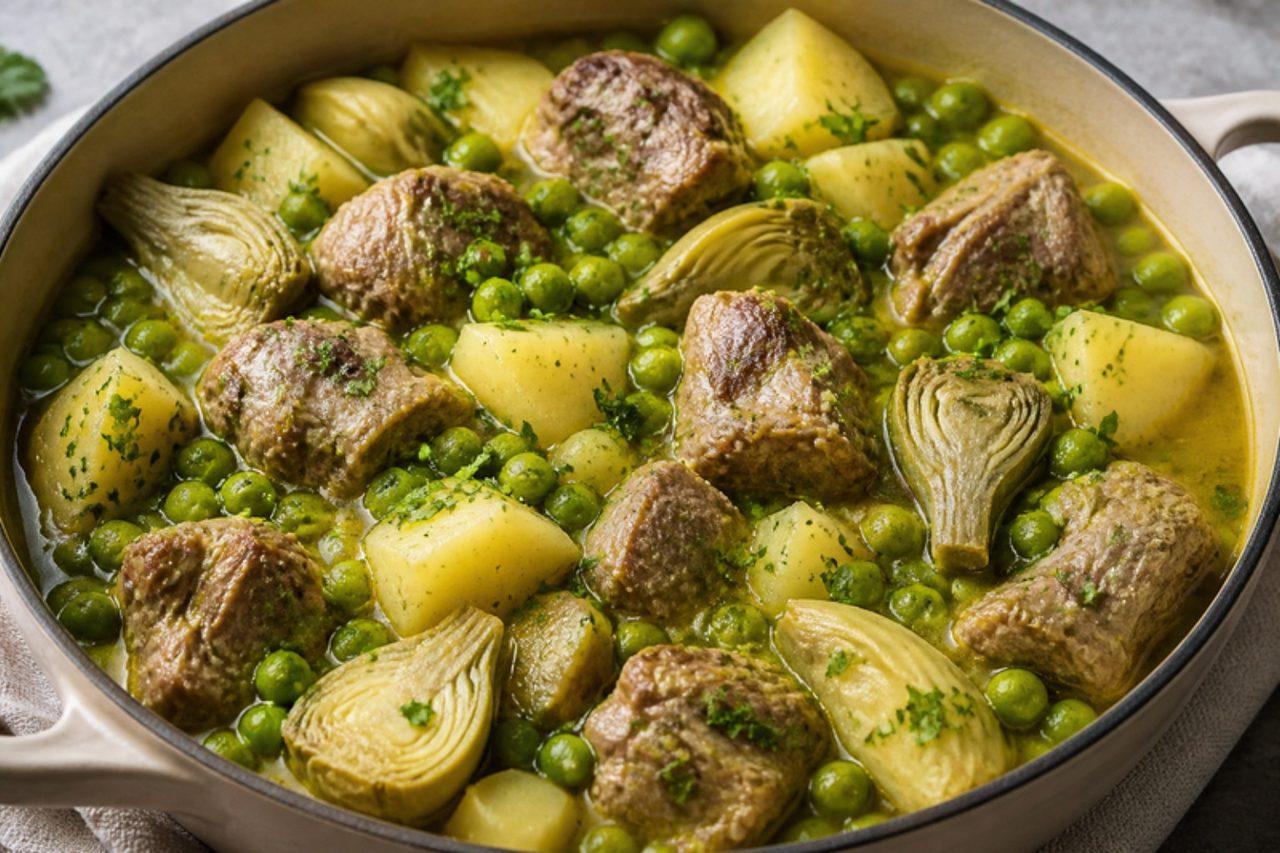
Spring markets in Algiers fill with sacks of fresh peas and violet artichokes, and that is the moment for djelbana, a light, pale stew of lamb, peas, artichoke hearts and potatoes cooked with onion, garlic and a little turmeric, finished with fresh coriander. Families serve it at lunch with plenty of bread to soak up the sauce; on meat-free days it is made the same way without the lamb. It tastes fresh, sweet and gently peppery rather than heavily spiced. Frozen peas and artichoke hearts are fine out of season. Chef's tip: add the peas only for the last 10 minutes; peas put in with the meat are the usual mistake and turn grey and mushy.

by KrazyBadal 0 views

CervelatGrilled sausage

The cervelat, a short, fat, smoked sausage of beef and pork, is called Switzerland's national sausage, and it is what every Swiss child grills on a stick over a campfire on 1 August, National Day, on school trips and on mountain hikes: the ends are cut into a cross so they curl open like a flower as they cook, and it is eaten with bread and mustard. This sausage contains pork. Cervelat is bought ready-cooked and smoked; grilling heats it through and crisps it. A common mistake is grilling over flames, which burns the skin black before the inside is hot. Chef's tip: grill over glowing embers and turn often until the scored ends open out; heat until piping hot, 71 °C.

15 minSwissMeat
by KrazyBadal 0 views

Kogel-mogel

Ask anyone who grew up in a Warsaw block of flats about kogel-mogel and they will remember standing in the kitchen beating yolks and sugar in a mug with a teaspoon, waiting for it to turn pale. It is the simplest Polish treat: thick, mousse-like and very sweet, sometimes with cocoa, eaten from a glass with a spoon or dolloped on fruit. Because the yolks are raw, use pasteurised eggs, which most supermarkets sell as cartons of yolks or as pasteurised whole eggs. Even so, raw eggs are not for pregnant women, young children or anyone with a weakened immune system. The common mistake is stopping too soon; it needs a good 5 minutes of whisking until it doubles and almost all the sugar has dissolved. Chef's tip: use caster sugar, which disappears faster and gives a silkier result.

by KrazyBadal 0 views

Curd and treacle

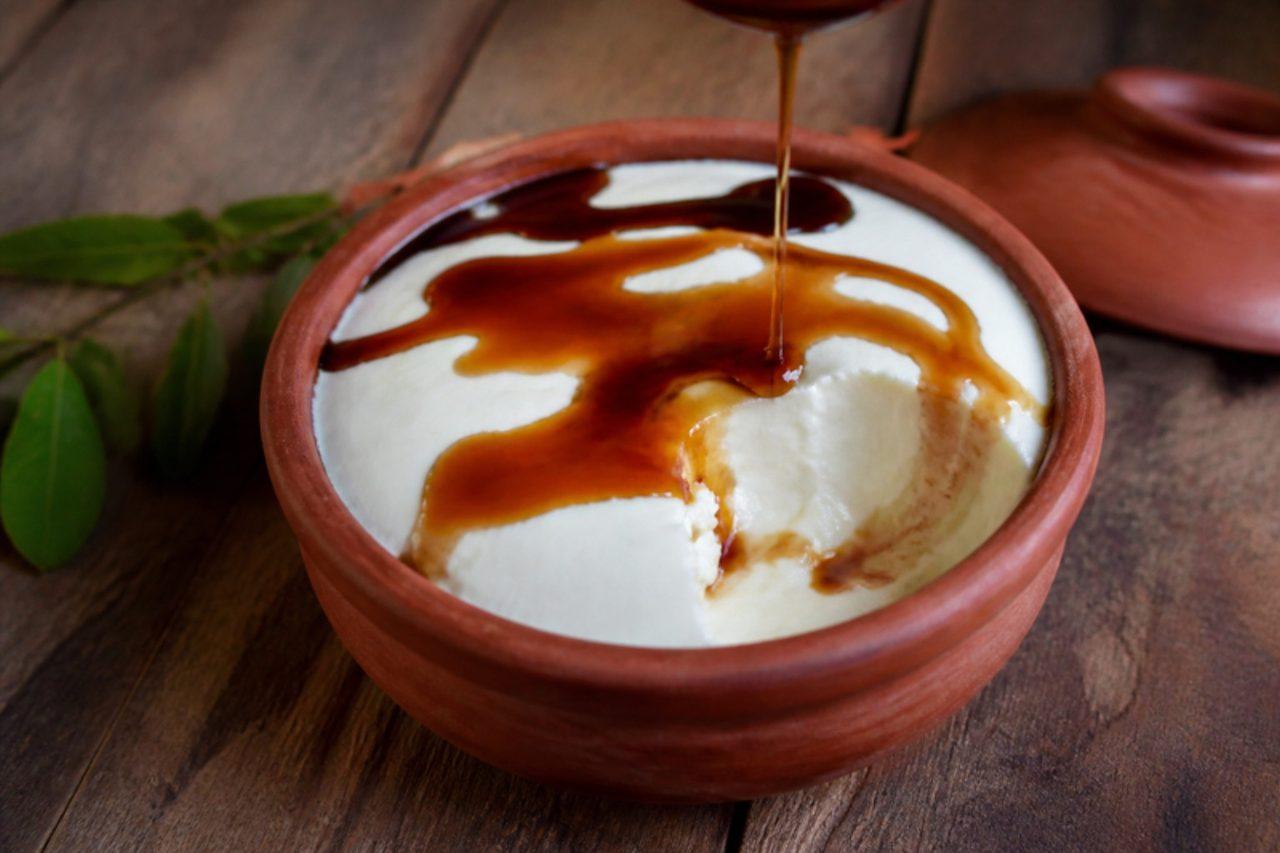
Driving the southern coast road past Tangalle towards Hambantota, you pass stall after stall stacked with round clay chatties of meekiri, the firm, slightly sour curd made from buffalo milk, with bottles of dark kithul treacle hanging beside them. Turned out into a bowl and flooded with treacle, it is the South's great dessert: cool, rich and tangy against the smoky, toffee-like sweetness of the palm syrup, eaten after lunch or as a snack in the heat of the day. Setting it at home is easy with pasteurised buffalo milk or creamy whole cow's milk, a spoon of live curd and a warm spot overnight. The mistake that ruins most first batches is adding the starter while the milk is still too hot, which kills the culture and leaves you with warm milk in the morning. Chef's tip: unglazed clay pots draw out a little whey, which is why traditional curd is so thick; soak them in water and dry them well before using.

by KrazyBadal 0 views

Ayamase (ofada green pepper stew)

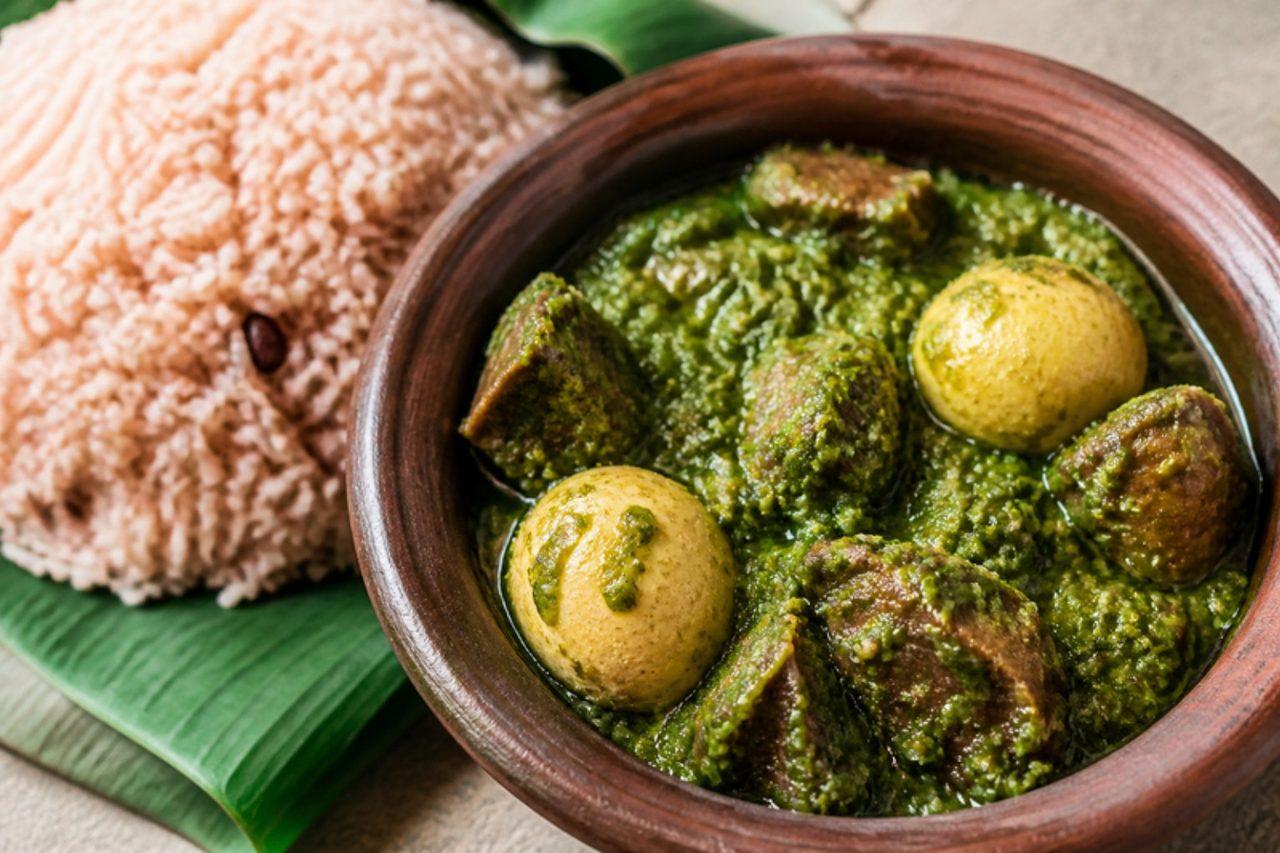
Ofada rice, the short, fragrant local rice from Ogun State, is almost always served in Lagos with ayamase, a stew so green and so hot it is sometimes called designer stew. Green bell peppers and green scotch bonnets are blended coarse, dried out in the pot, then fried in palm oil that has been bleached clear, with plenty of iru for a deep, funky savouriness. Assorted meat (beef, tripe and cow skin) and boiled eggs are folded in. Watery pepper is the mistake that makes it taste sour and raw, so boil the blended pepper dry before it meets the oil. Chef's tip: bleaching palm oil makes heavy smoke; open the windows, keep the lid nearby and never leave the pot.

120 minNigerianMeatGluten freeSpicy
by KrazyBadal 0 views

Sri Lankan vegetable roti

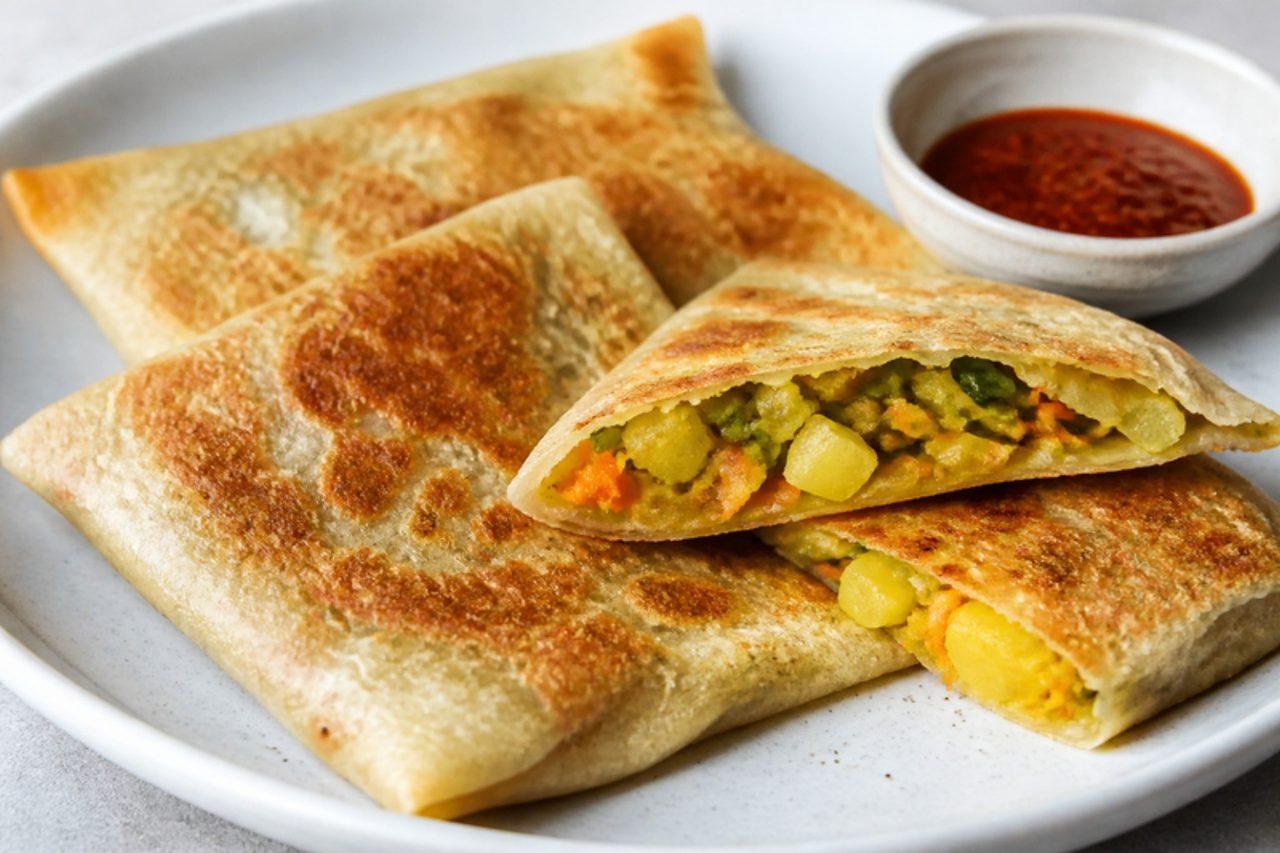
The glass cabinet of every Colombo bakery and railway canteen holds a pile of short eats at teatime, and the neat, golden triangles of vegetable roti are usually the first to go. They are made from godamba dough, oiled and rested until it can be stretched almost transparent, then wrapped around a peppery potato filling with leek, carrot, curry leaves and chilli, and cooked on a hot griddle until crisp and blistered. People eat them hot from the paper bag with a bottle of chilli sauce or a cup of milk tea. Fish and egg roti are just as common; this one is fully vegan. Most first attempts fail because the dough is not rested long enough and springs back when stretched; give it at least two hours under oil, or overnight in the fridge. Chef's tip: make the filling fairly dry and cool it completely before folding, otherwise the steam tears the delicate dough.

by KrazyBadal 0 views

Molasses with tahini

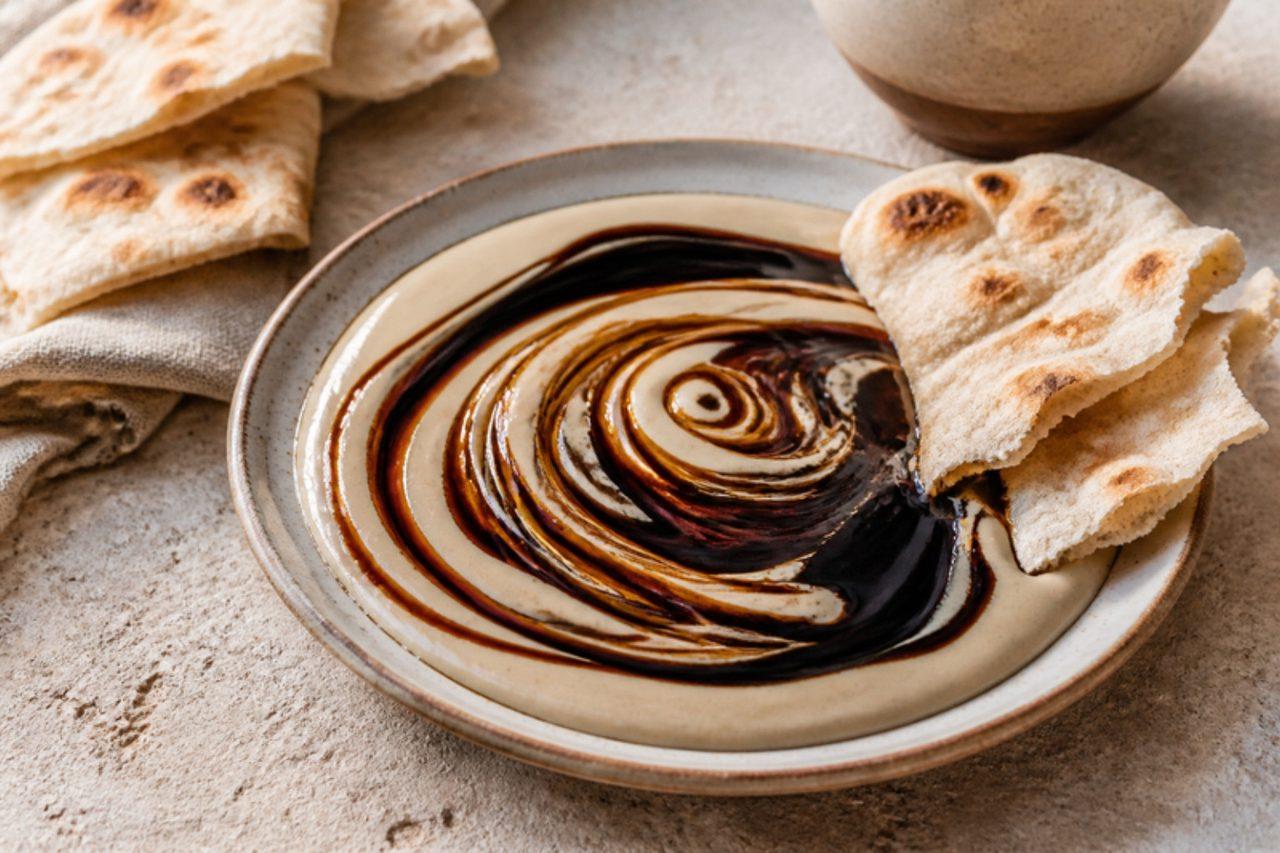
Upper Egypt grows the country's sugarcane, and its dark molasses, asal eswed or black honey, has found its way onto breakfast and supper tables from Aswan to Alexandria. Spooned over tahini and swirled together, it becomes a glossy, bittersweet, nutty dip that children love and grown-ups eat after a light evening meal, scooped up with warm aish baladi or fino. Many families eat it in winter, when they want something warming and filling. A frequent slip is stirring the molasses and tahini together completely; leave them swirled so each bite gets both. Chef's tip: stir the tahini jar thoroughly first; the thick paste at the bottom and the oil on top must be mixed, or the dip comes out stiff and dry.

by KrazyBadal 0 views

Beet kvass

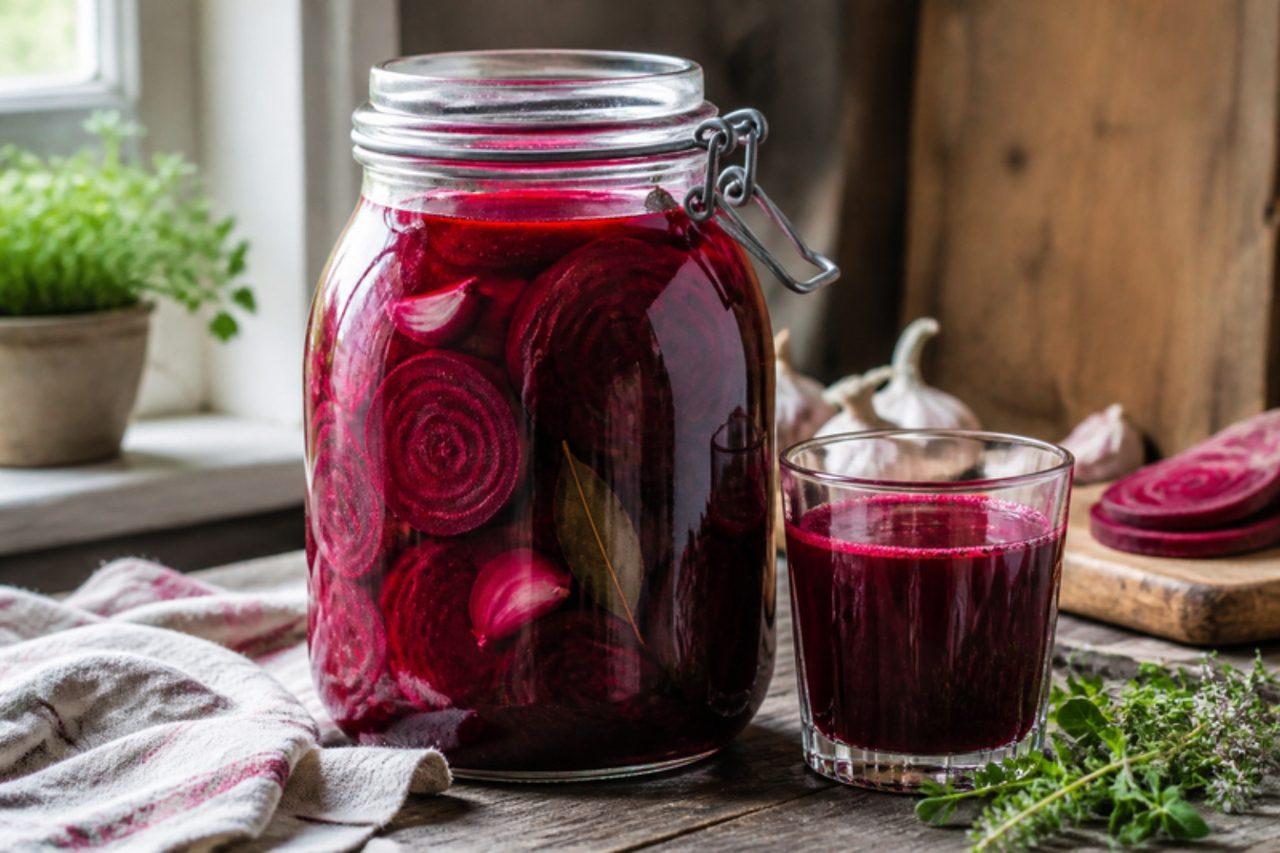
Before lemons and vinegar were easy to buy, Ukrainian cooks soured their borscht with beet kvass, a ruby-red brine made by leaving sliced raw beetroot in salted water for a few days. It is lightly fermented, so it contains no more than a negligible trace of alcohol, and it tastes earthy, salty and pleasantly sharp. In Poltava and Chernihiv villages a jar always stood by the stove; a splash went into the soup pot and a small glass was drunk in the morning as a tonic. Some families add a crust of rye bread to speed things up, which makes it no longer gluten-free. The mistake most people make is leaving the beetroot floating: anything above the brine can grow mould, so keep it weighed down. Discard any batch with fuzzy or coloured mould, a slimy texture or a rotten smell. Chef's tip: a few slices left in the jar from the previous batch start the next one in half the time.

by KrazyBadal 0 views

JoulutorttuPrune jam pastry stars

Joulutortut, the star-shaped Christmas tarts of Finland, appear in every home and café in December, piled on plates with glögi: squares of puff pastry cut at the corners and folded into a pinwheel around a spoon of thick prune jam, baked golden and dusted with icing sugar. A common mistake is using thin, runny jam, which bubbles out and burns. Chef's tip: cook the prune jam until very thick, and press the folded points down firmly with a dab of water so the stars don't spring open in the oven.

by KrazyBadal 0 views

Pickled green tomatoes

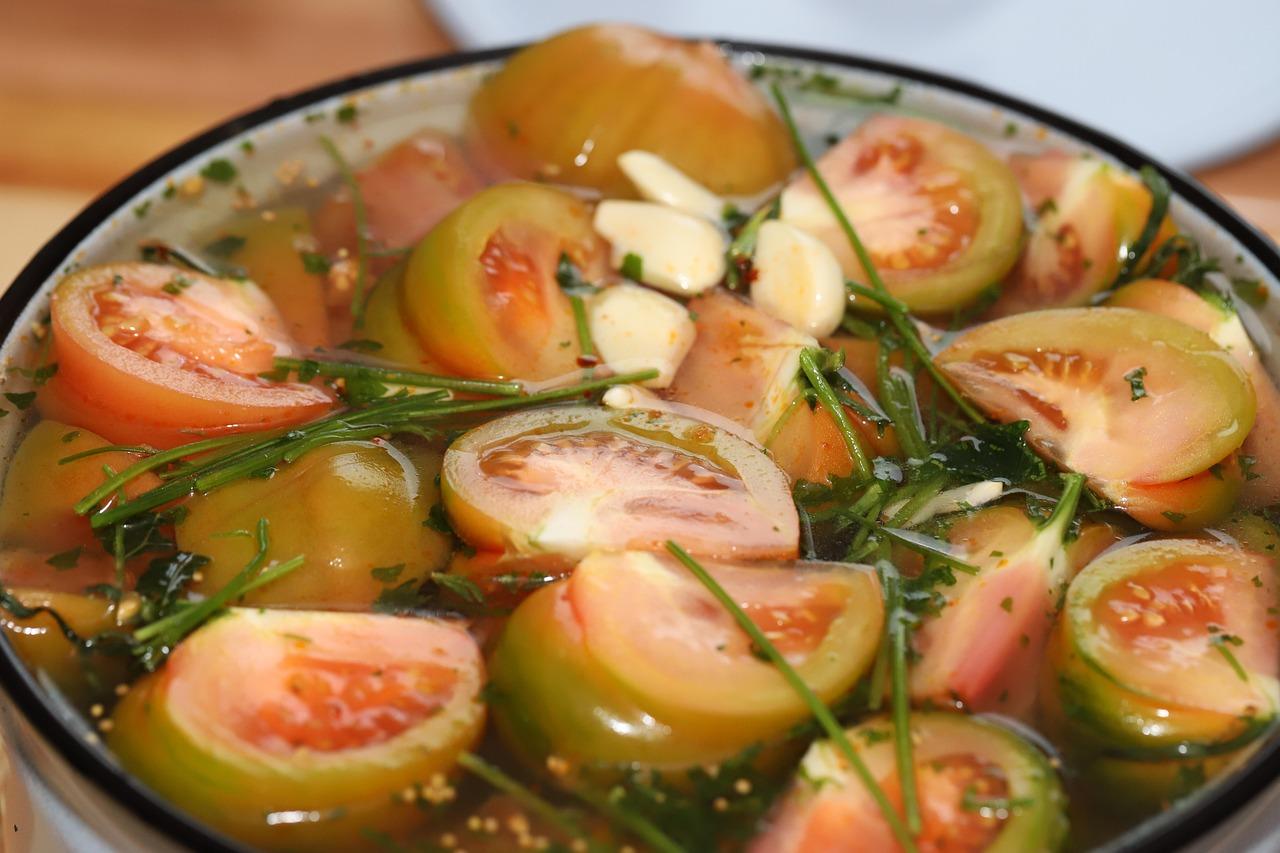
In southern Ukraine the first cold nights of October leave every garden full of hard green tomatoes that will never ripen, and rather than waste them, cooks around Odesa and Kherson slit each one and stuff it with a punchy paste of garlic, dill, parsley and hot chilli. A week in brine turns them sour and fizzy, with a crunch and a slow burn from the chilli. They are the pickle everyone reaches for at the winter table, next to potatoes fried with onions or a bowl of buckwheat. Most people go wrong by cutting the tomatoes right through, so the filling falls out; slice only two-thirds of the way. As with any ferment, keep everything below the brine and discard the jar if it grows fuzzy or coloured mould or smells rotten. Chef's tip: pick tomatoes that are just starting to blush pale; fully hard dark-green ones stay bitter.

by KrazyBadal 0 views

Rouz jerbi (Djerban steamed rice)

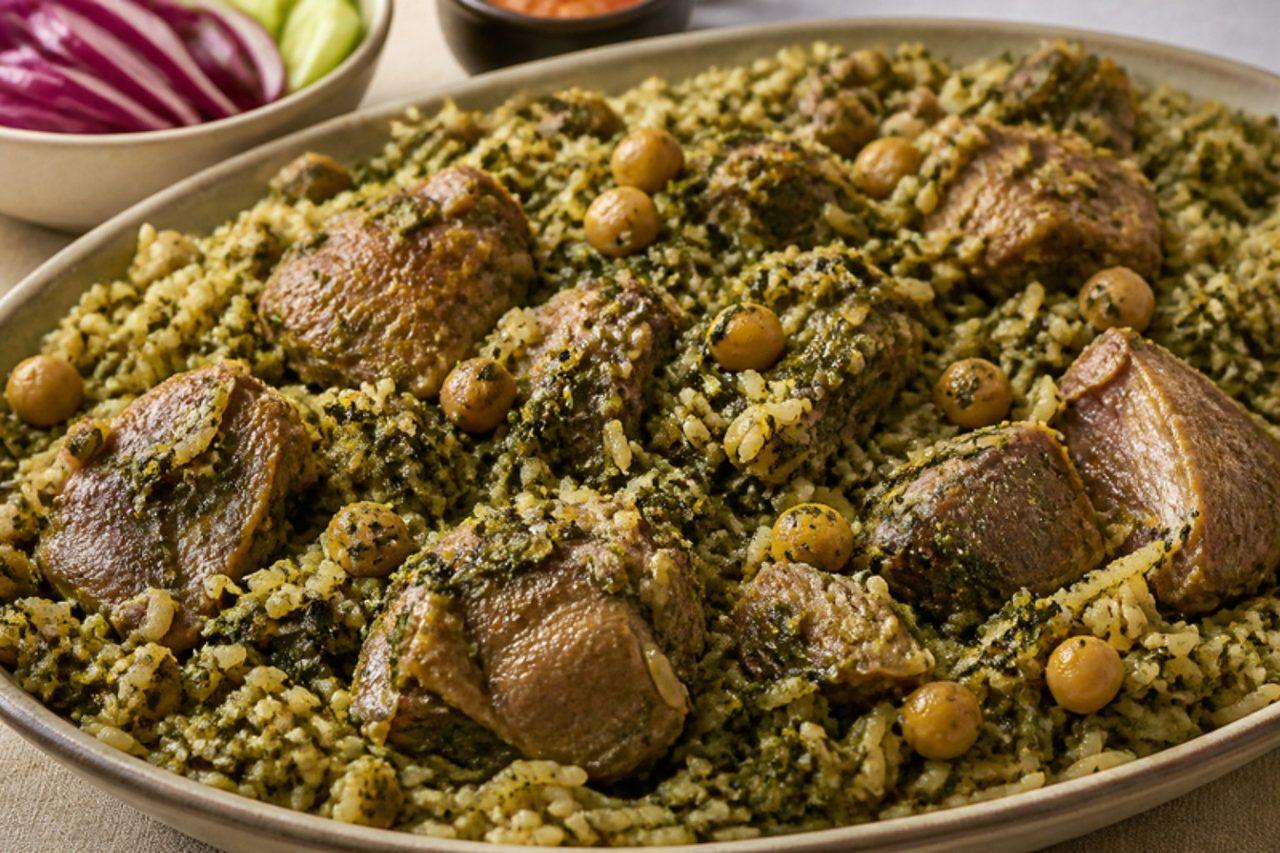
Djerba islanders cook rice the way the rest of Tunisia cooks couscous, in the top of a couscoussier: raw rice is mixed with small pieces of lamb, chopped spinach, a mound of herbs, chickpeas, tomato paste, harissa and spices, then steamed over boiling water until every grain is tender and stained red-gold. Rouz jerbi is a Friday and family-gathering dish on the island, served from one large platter. The rice stays separate and fluffy, the greens melt in, and the lamb picks up the scent of mint and tabil. Chef's tip: stir the rice from the bottom every 20 minutes; leaving it untouched is a common mistake, as the bottom turns soggy while the top stays hard.

by KrazyBadal 0 views

Sri Lankan chicken curry

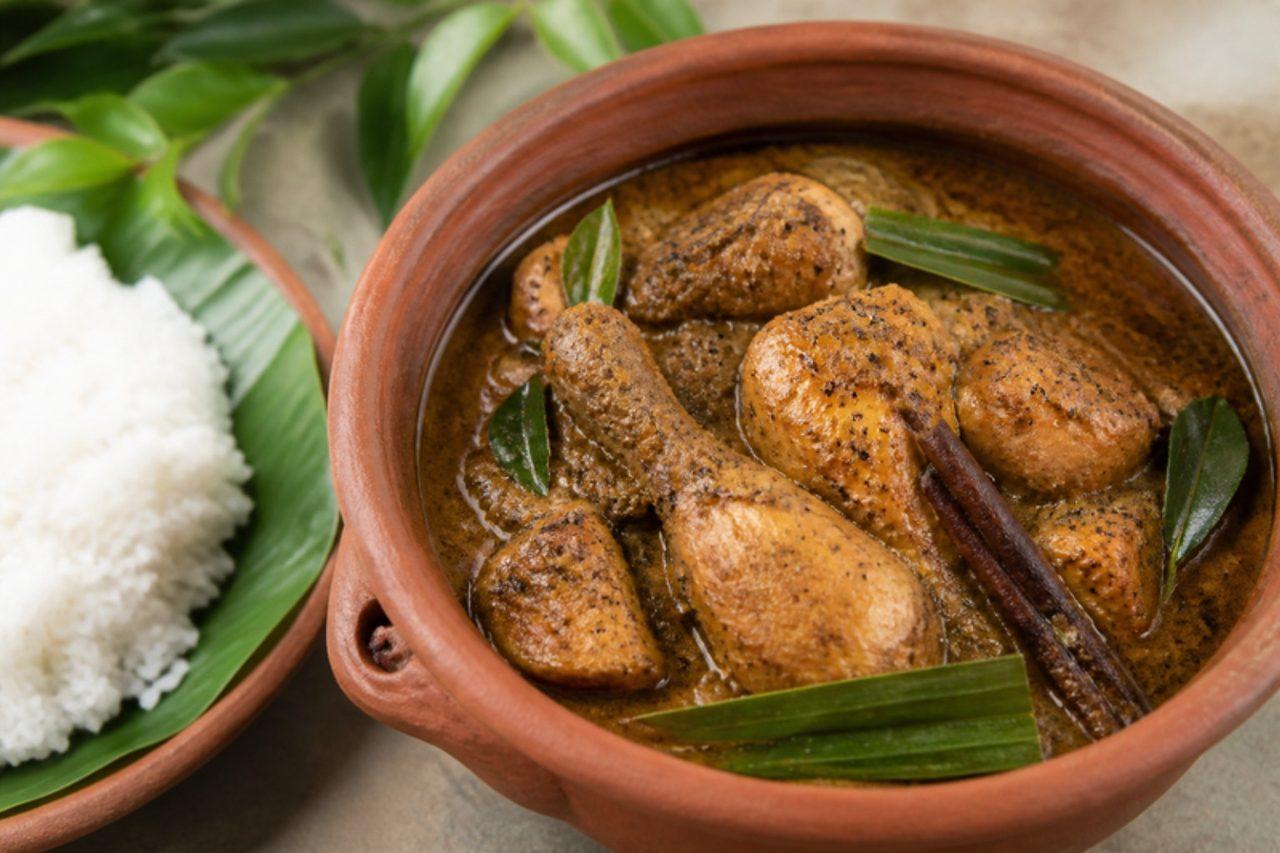
Sunday lunch in a Colombo family home very often means a pot of kukul mas curry, the chicken chopped small on the bone and simmered in a gravy darkened by curry powder that has been roasted until it smells almost like coffee. Pandan leaf, curry leaves, cinnamon bark and cardamom carry the perfume, while coconut milk stirred in towards the end rounds off the chilli heat without making the sauce heavy. It shares the table with red rice, parippu, pol sambol and a green mallung, and whatever is left over tastes even better the next morning with string hoppers. A common slip is using raw, unroasted curry powder, which tastes dusty and flat instead of deep and smoky. Chef's tip: roast the spices for the powder until they are the colour of milk chocolate and grind them while still warm, so the oils release into the powder.

by KrazyBadal 0 views

Chorbet hout (Sfax fish soup)

Along the coast around Sfax, a bowl of chorbet hout often opens the meal at Ramadan iftar, after dates and water: a red, peppery broth of tomato, harissa and caraway, thick with tiny bird's-tongue pasta and flakes of white fish, finished with a squeeze of lemon. Grouper, sea bream or mullet are the local choices, and any firm white fish works. The soup is warming and spicy with a fresh lift from parsley and celery, and goes well with bread and a brik. Chef's tip: poach the fish briefly, lift it out and only return the flakes at the end; leaving it to boil with the pasta is the common mistake, and it breaks into threads.

by KrazyBadal 0 views

Salted saffron milk caps

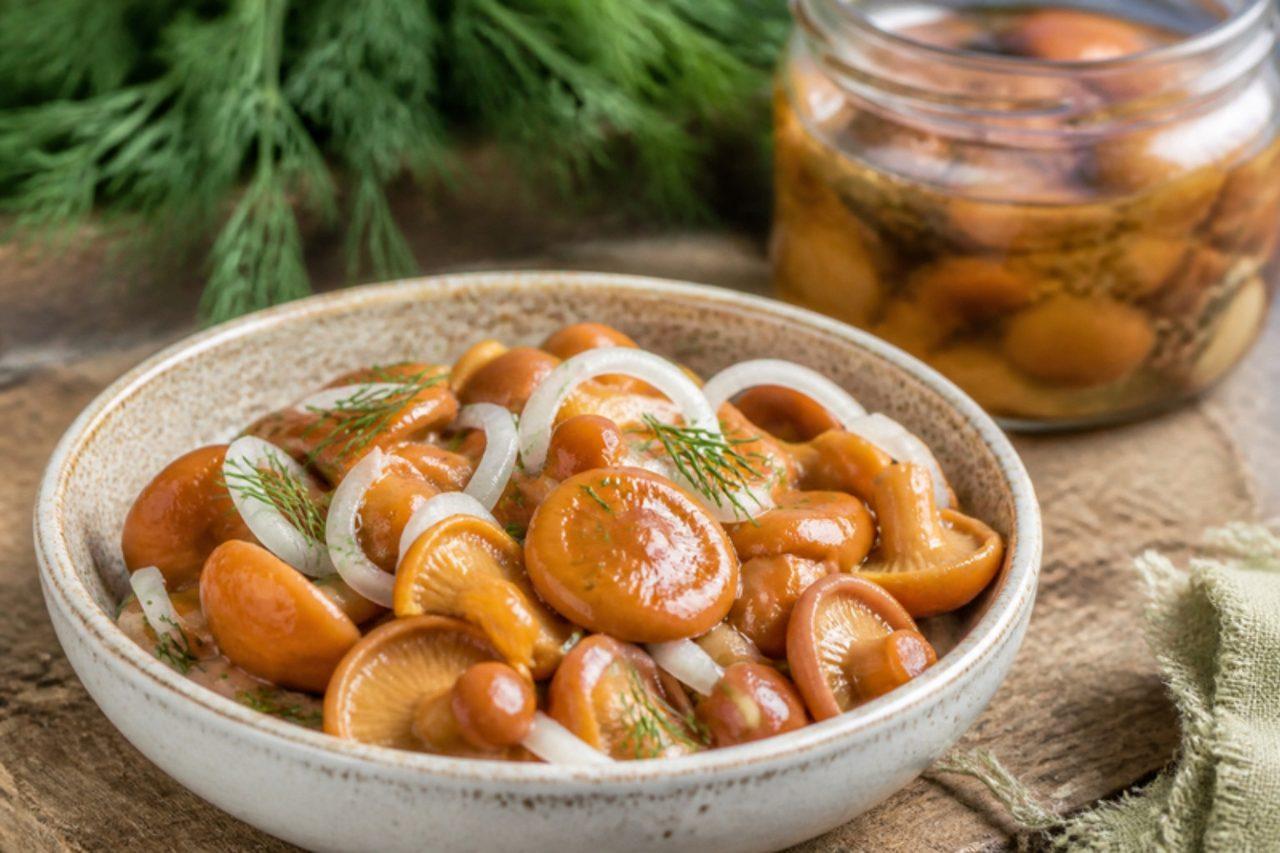
Northern Russians rank ryzhiki, the orange saffron milk caps of the pine woods, above almost every other mushroom, and salted ones from around Arkhangelsk once travelled to the tsar's table. Salted, they keep their bright colour, turn firm and juicy with a clean, resinous taste, and are served with thin onion rings, sunflower oil and hot boiled potatoes; for non-vegans a spoon of sour cream is classic. Old cellars dry-salted them raw for months; this safer fridge version blanches the caps briefly and keeps them in a measured brine in the fridge, ready in about a week. Only use mushrooms identified by an experienced forager or bought from a trusted seller. Where most people go wrong is guessing the salt; too little lets spoilage start, so weigh it. Chef's tip: the caps bruise green where handled, which is normal, so don't worry when the edges darken.

by KrazyBadal 0 views

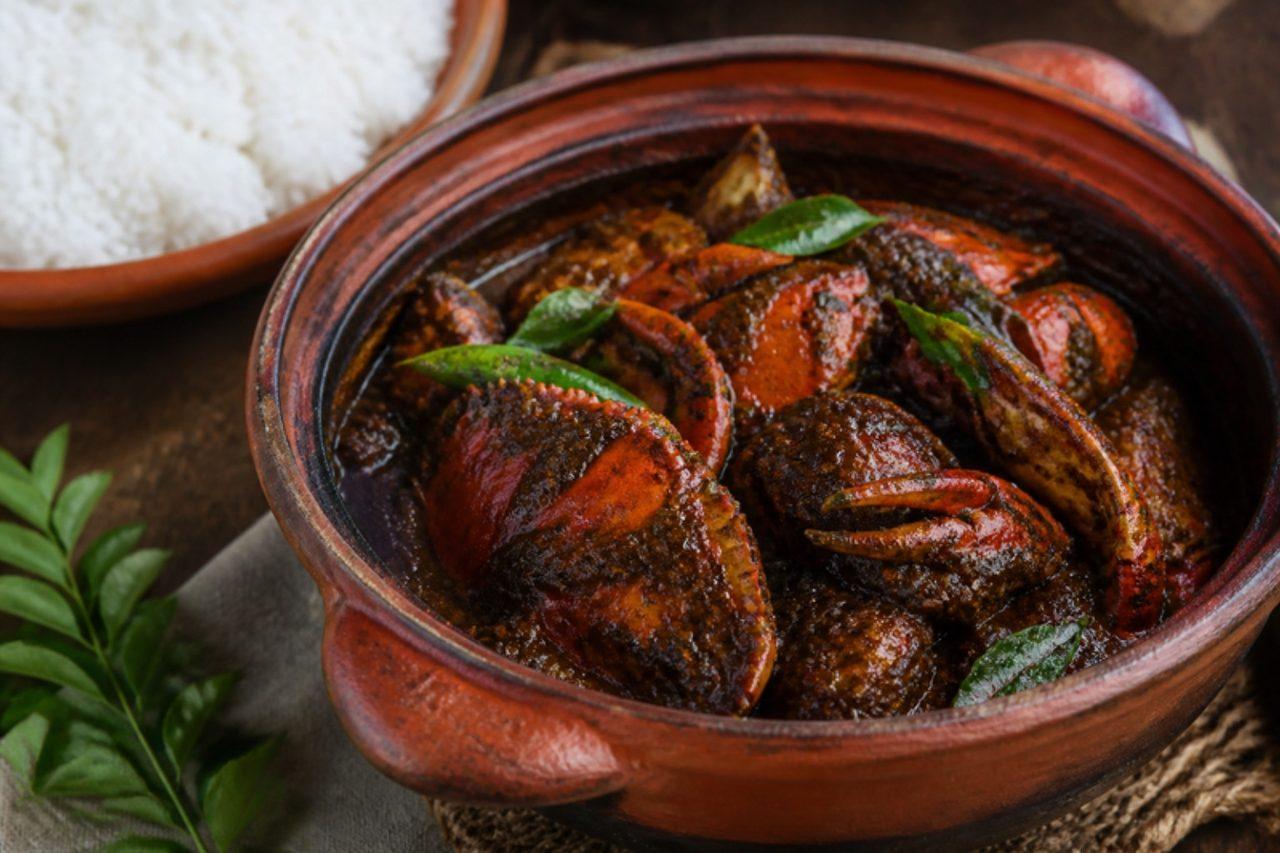
Jaffna crab curry

The shallow lagoons around Jaffna and the islands of Kayts and Delft produce big, sweet mud crabs, and the town's answer to them is a curry so dark and hot that visitors are warned before they order. Jaffna curry powder, heavy with roasted red chilli, coriander and fennel, is fried in sesame oil with onion and garlic, then loosened with tamarind and a little coconut milk so the sauce clings to every crack in the shell. A handful of moringa leaves wilted in at the end adds a grassy note, and the crab is eaten with the hands, sucked from the shell, alongside plain rice or puttu. A frequent misstep is boiling the crab hard for too long, which makes the meat dry and stringy. Chef's tip: crack the claws before cooking so the sauce soaks in and the meat is easy to reach at the table.

by KrazyBadal 0 views

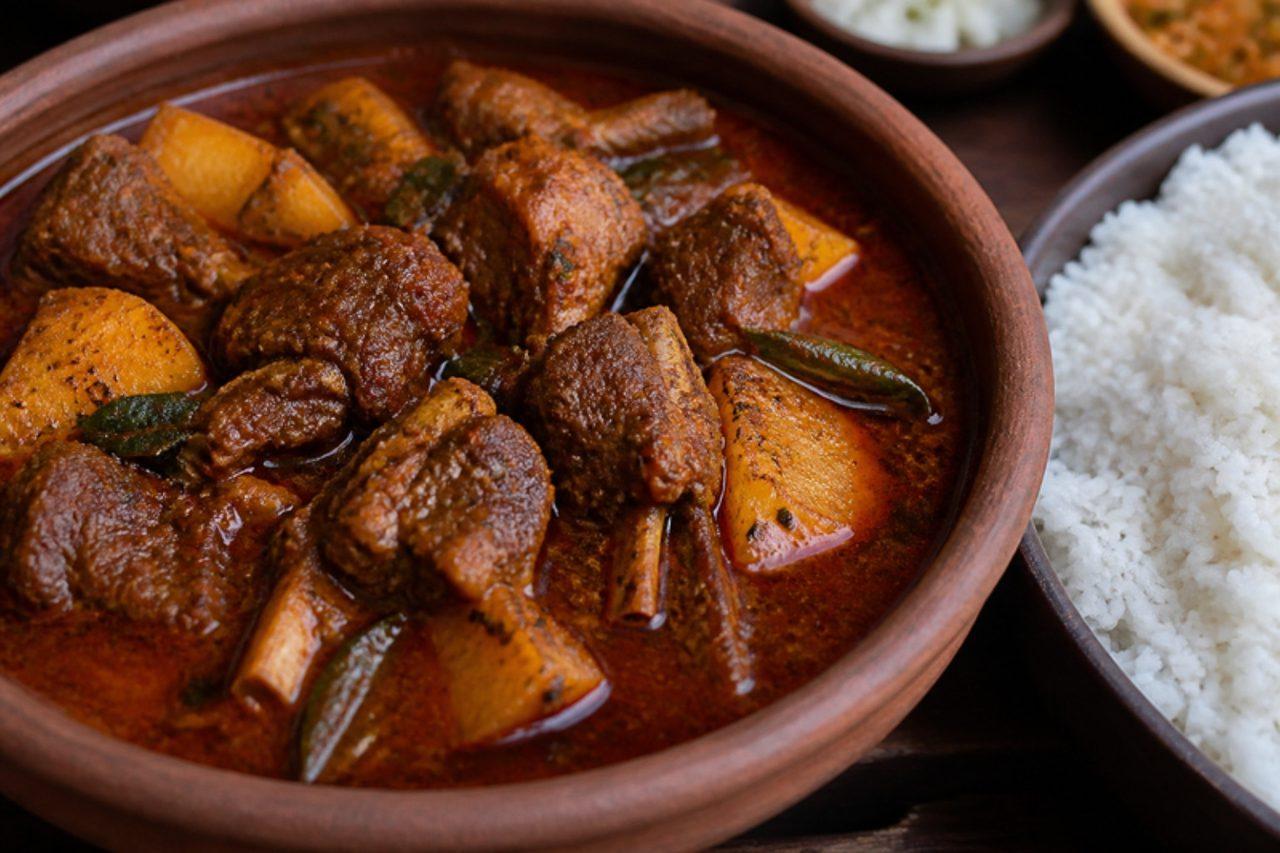
Jaffna goat curry

Goat is the celebration meat of the Tamil north, and a Jaffna aattukkari cooked for a temple feast day, a wedding lunch or a Sunday at home is thick, brick-red and ferociously spicy. The secret is the local curry powder, roasted much darker and hotter than in the south, fried in oil with onion, garlic and fennel until it almost catches, then simmered slowly with the meat until the gravy reduces to a coating. Chunks of potato soak up the sauce, and the whole thing is eaten with rice, idiyappam or Jaffna-style puttu, with a cooling bowl of curd or coconut sambol on the side. The pitfall here is rushing the simmer; goat needs patience and goes chewy if it is cooked hard and fast. Chef's tip: brown the meat well in the spice paste before any liquid goes in, which gives the gravy its deep, almost smoky flavour.

by KrazyBadal 0 views

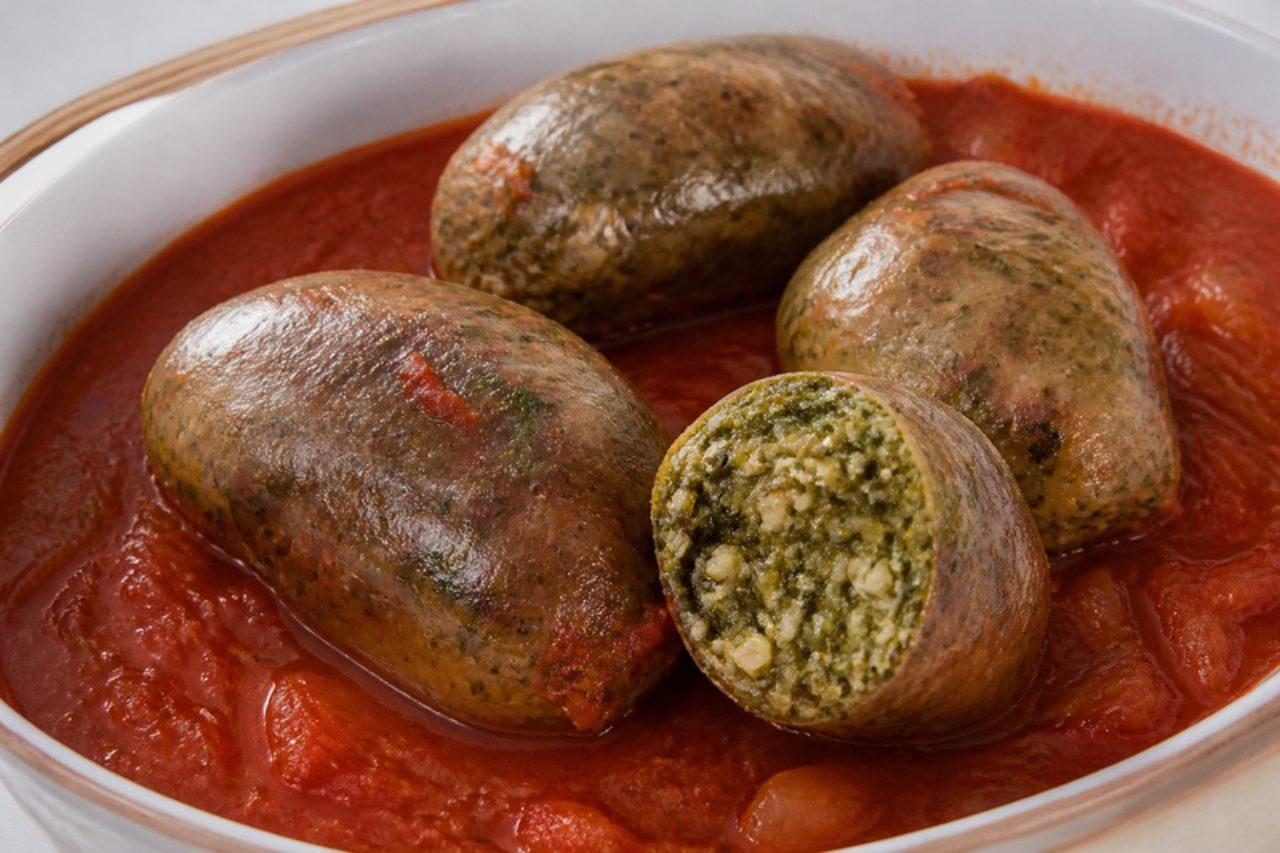
Osban (Tunisian stuffed lamb sausages)

Eid al-Adha in Tunisia means using every part of the sheep, and osban is how the tripe is honoured: cleaned pieces are sewn into pouches and packed with rice, chopped liver and lamb, chard, a big bunch of parsley and coriander, dried mint and harissa, then simmered in a red chickpea sauce and served over couscous. Families all over the country, from Tunis to the south, make a batch and freeze some for later. The filling cooks into a soft, herby, peppery sausage and the tripe turns tender. Buy tripe that the butcher has already cleaned and scalded, or use natural sausage casings for an easier version. Chef's tip: fill the pouches only two-thirds full and prick them with a needle; the rice swells as it cooks, and overstuffed osban burst, which is the most common mistake.

180 minTunisianMeat
by KrazyBadal 0 views

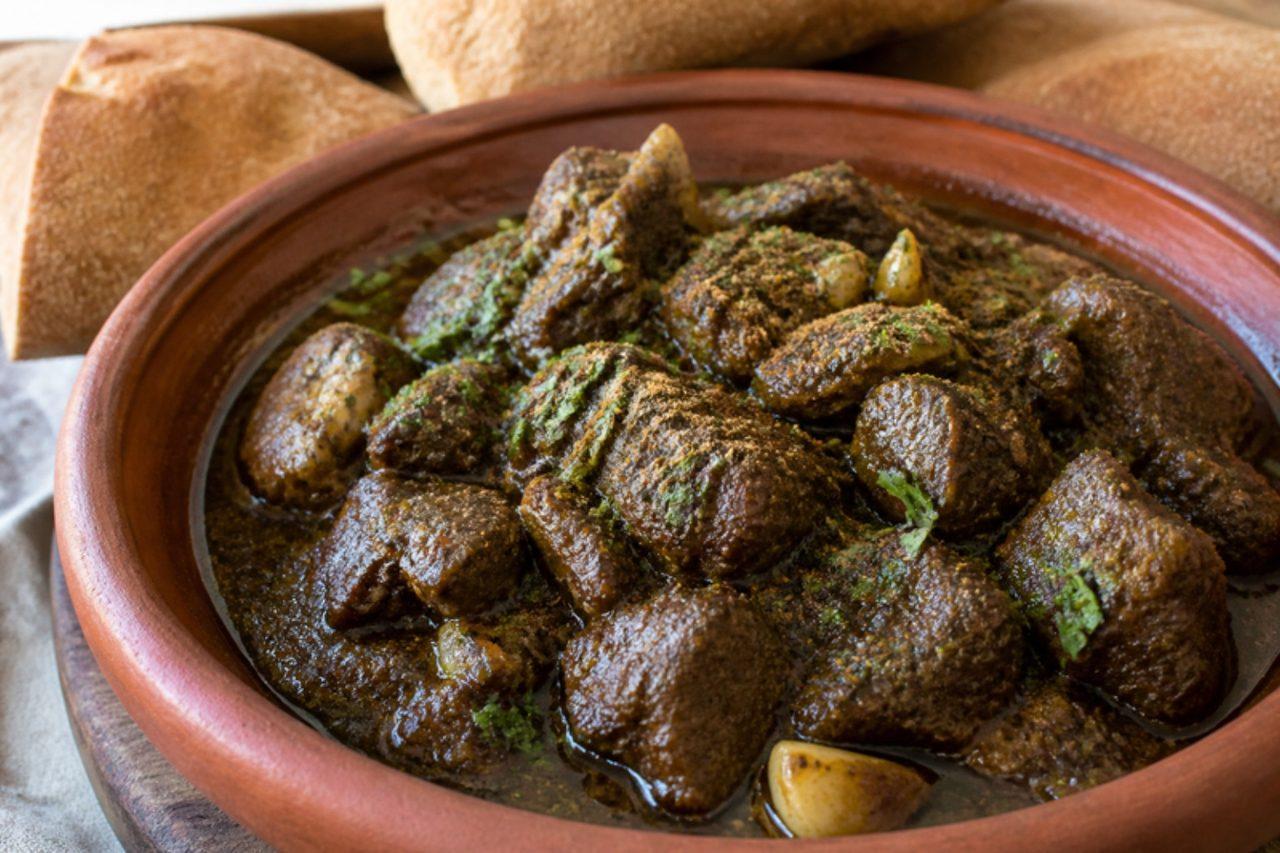
Kammounia (Tunisian cumin beef stew)

Cumin, kammoun in Arabic, gives kammounia its name, and the dish uses it boldly: chunks of beef, or in many Tunis homes lamb's liver, simmer in a thick, dark sauce of garlic, tomato paste and a generous amount of ground cumin until the meat is tender and the sauce clings to it. It is everyday family food in Tunis and Sfax, scooped up with crusty bread or served alongside a salad and olives. The flavour is earthy, warm and garlicky with a gentle heat from harissa. The usual mistake is adding the cumin at the start and frying it hard, which makes it bitter; it goes in once the sauce is simmering. Chef's tip: add half the cumin at the start and the rest in the last 10 minutes; all of it at once risks a flat, slightly bitter sauce, while the late addition keeps the aroma bright.

by KrazyBadal 0 views

Bkaila (Tunisian spinach and beef stew)

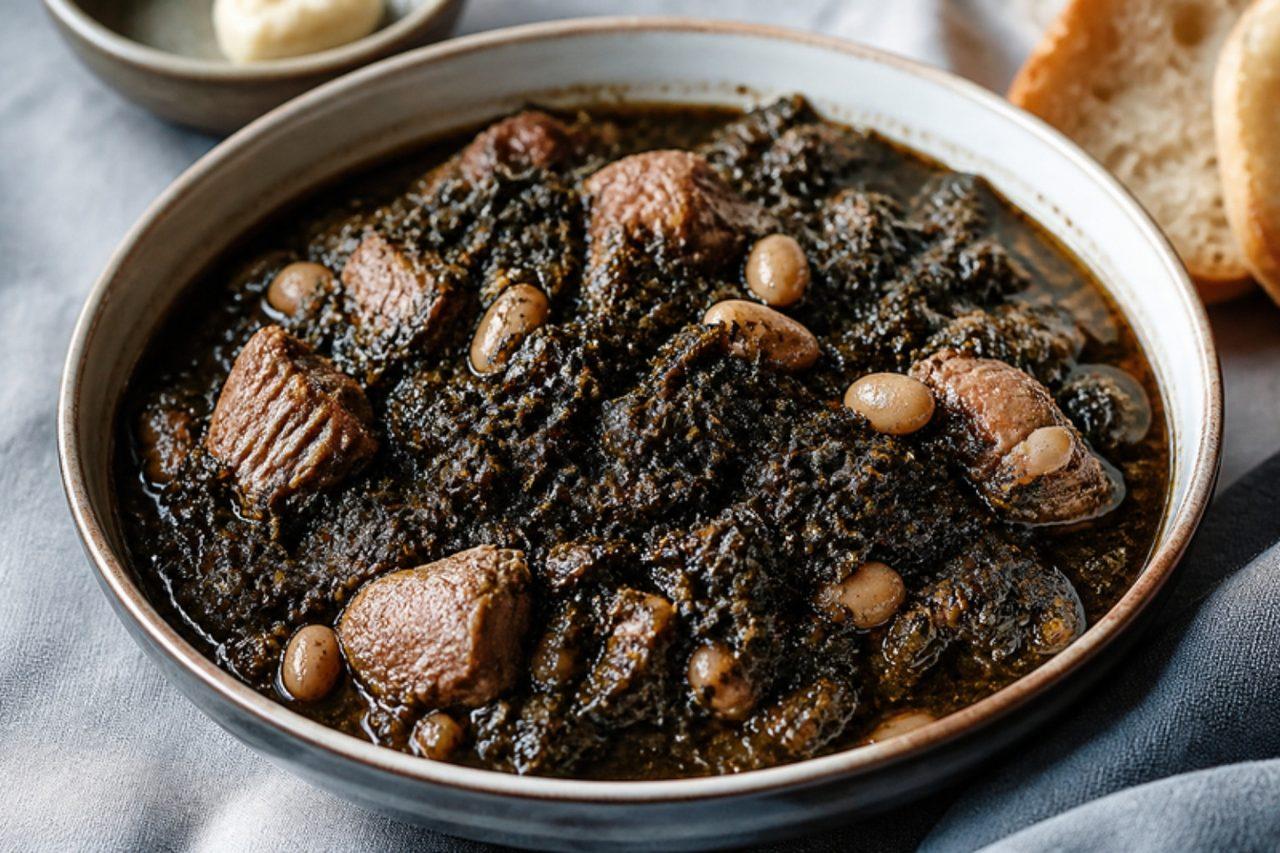
Tunisian Jewish families in Tunis, and those who carried the dish to Paris and Israel, cook bkaila for Rosh Hashanah and for Friday-night dinners: a heap of spinach is fried in olive oil for over an hour, until it shrinks to a dark, almost black, crumbly paste, then simmered for hours with chunks of beef, white beans, garlic and dried mint. The result looks dramatic and tastes deep and earthy, a little like a long-braised green sauce, with tender meat and creamy beans. It is eaten with couscous or bread, and is even better reheated the next day. Start the beans soaking the night before. Chef's tip: fry the spinach over a medium-low heat and stir often; turning up the heat to save time is the classic mistake, scorching the leaves so the whole pot turns bitter.

240 minTunisianMeatGluten free
by KrazyBadal 0 views

Djouzia (walnut and honey nougat)

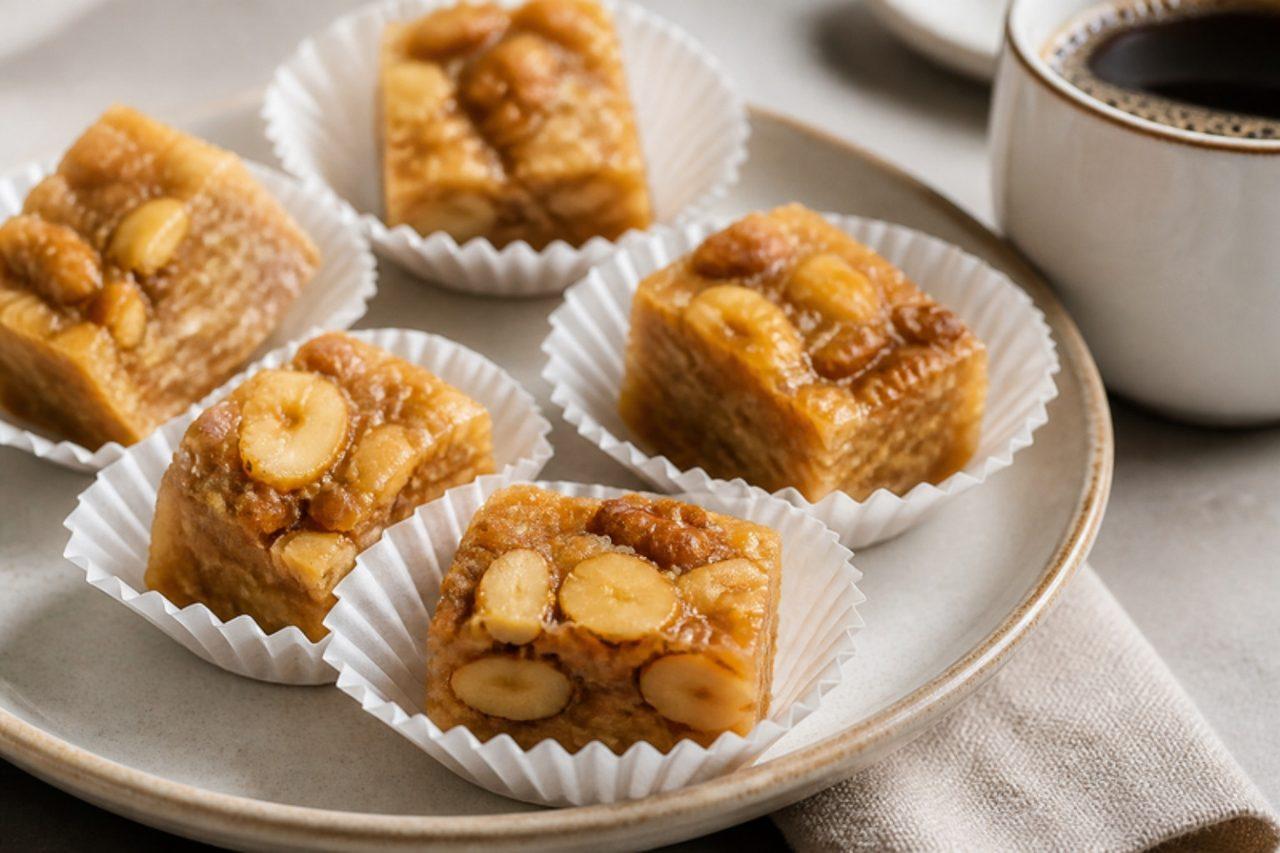
Shops in old Constantine wrap djouzia in twists of paper and sell it by weight, a soft, pale caramel-coloured nougat of honey, whipped egg white and plenty of walnuts. It is chewier and darker than white Provençal nougat, with a deep honey flavour and the slight bitterness of walnut skins. Djouzia is a gift sweet, carried to weddings and offered with coffee to visitors, and keeps for weeks. A sugar thermometer makes it reliable. Chef's tip: cook the honey syrup to 125 °C; syrup that is pulled off too early is the most common mistake, and the nougat stays sticky and will not set enough to cut.

by KrazyBadal 0 views

Showing 27 of 7,762 recipes

Show more recipes

Page 214 of 863