Skip to content
Sakarpada
Featured recipe

Sakarpada

Sweet fried dough diamonds

Sakarpada (shakarpara) are little sweet diamonds of a rich dough made with ghee, milk and sugar, fried until golden and crunchy. They are a Diwali favourite with tea, and the cubes go into bhusu too. They keep for weeks in an air-tight tin.

Read more 1 views

What to eat today?

Around the world

Today's trip: Paraguayan

A new country every day, from every cuisine on the site.

Paraguayan

Chipa

Cheese bread rings 50 minMore from Paraguayan (27) →

This week's collection

Kid-friendly dinners
537 recipes · a new collection every Monday

Latest recipes

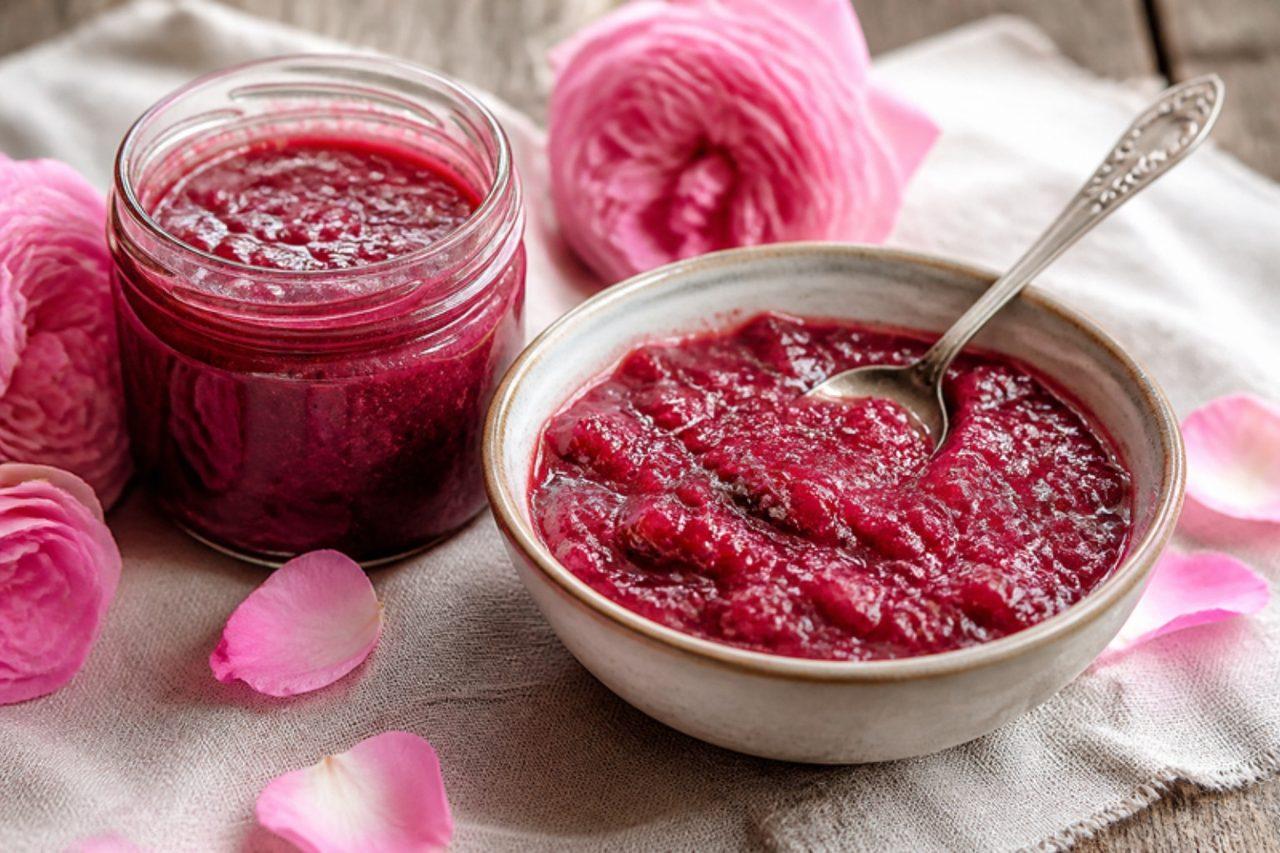
Rose petal jam

Ask a Polish baker what goes inside a proper pączek and the answer is rose jam, not strawberry. In June, families gather the scented pink petals of wild beach roses (Rosa rugosa) from hedges along the Baltic coast and in gardens, then pound them with sugar into a sticky, intensely perfumed paste that keeps for a year. The flavour is floral and sweet with a little sharpness from lemon, lovely in doughnuts, swirled into yoghurt or spread on cheesecake. Pick only from plants that have not been sprayed and away from roads. Where most people go wrong is leaving the bitter white base of the petals on; snip it off. Chef's tip: lemon juice turns dull petals bright magenta, so add it right at the start.

by KrazyBadal 0 views

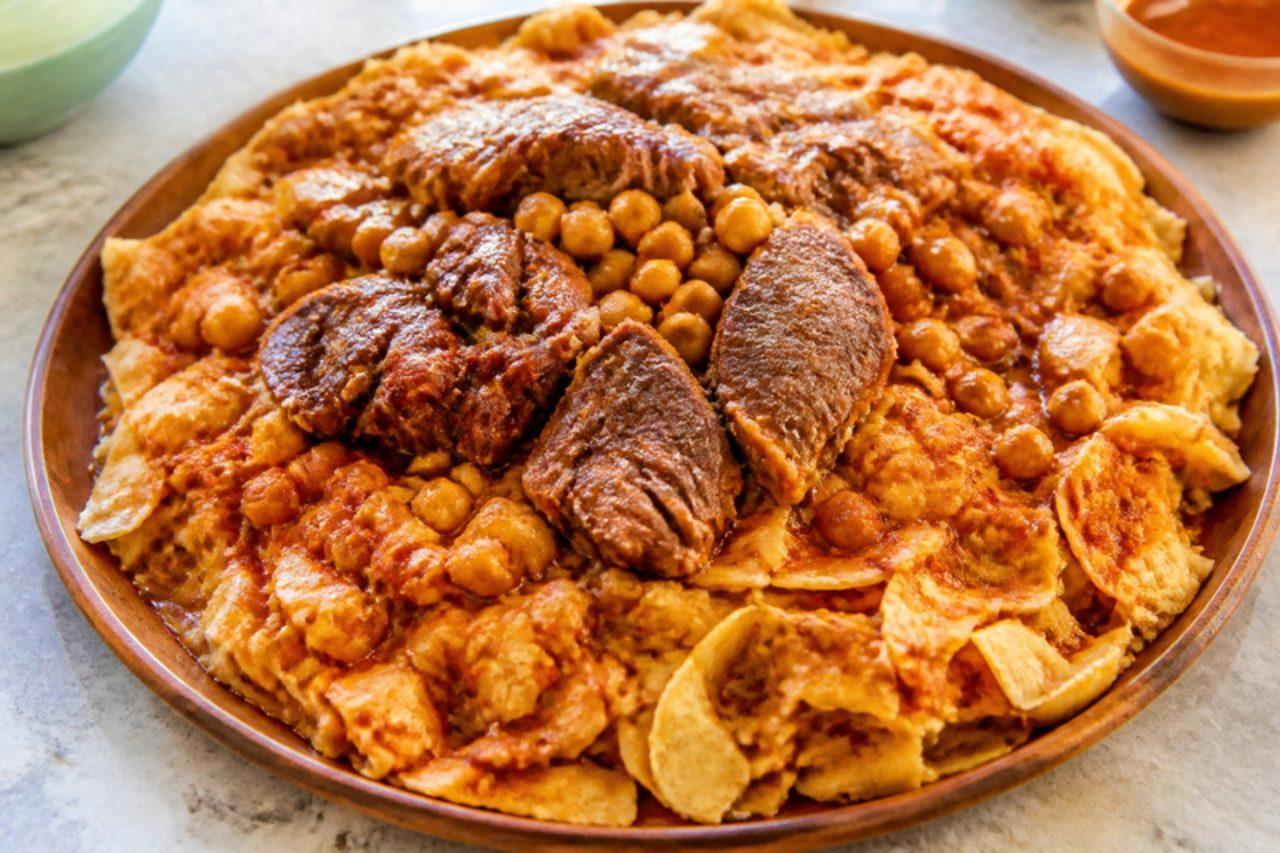
Chakhchoukha (torn flatbread in lamb sauce)

Biskra claims chakhchoukha as its own, though Constantine and the whole east cook it for weddings, Eid and the arrival of guests: sheets of thin rougag are torn into small pieces, softened with steam and soaked in a fiery red sauce of lamb, tomato, chickpeas and whole green chillies, then served from one big wooden or clay dish. The bread turns soft and silky, almost like pasta, and soaks up the peppery, deeply savoury sauce. Use homemade rougag or the dried sheets sold in Algerian shops. Chef's tip: moisten the bread with sauce a ladle at a time and toss between additions; pouring it all over at once is the usual mistake, and the bread turns to paste.

120 minAlgerianMeatSpicy
by KrazyBadal 0 views

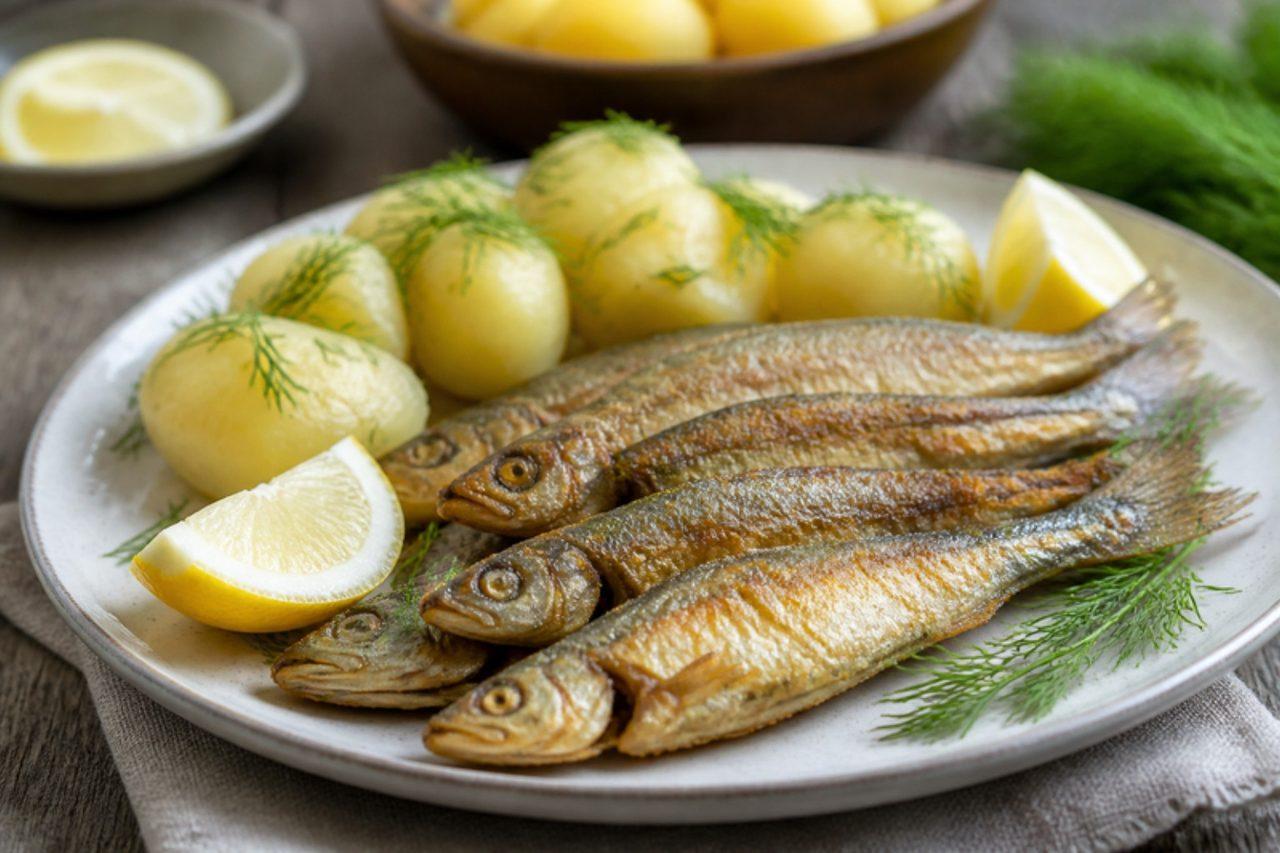
Fried vendace

Sielawa, the small silvery whitefish of the deep Masurian lakes, is a holiday treat in Mikołajki, Giżycko and the lakeside fish huts, sold freshly fried on paper plates with a lemon wedge and a slice of bread. The fish are so slender that, once floured and fried in butter, the fine bones become soft enough to eat and the skin turns golden and crunchy around sweet, delicate flesh. A cold cucumber salad or chips are the usual companions. Overcrowding the pan is the chief error: the fish steam instead of frying and the coating goes pale and soggy. If vendace is hard to find, smelt, small whiting or sprats work the same way. Chef's tip: dry the fish properly before flouring and fry in two batches, adding a little fresh butter and oil each time so it never burns.

25 minPolishFish
by KrazyBadal 0 views

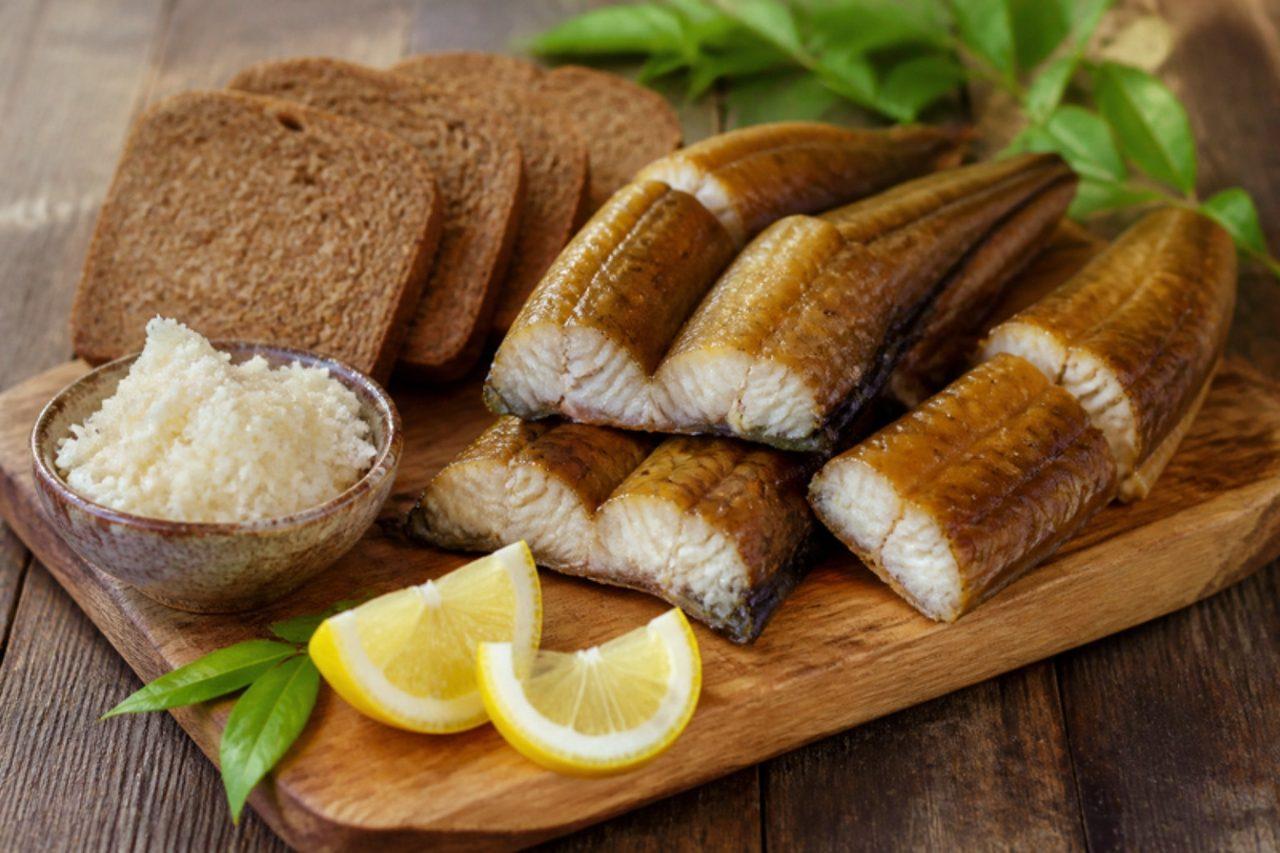
Smoked eel

Fish smokehouses dot the shores of the Great Masurian Lakes, and an eel hot-smoked over alder, golden-skinned and glistening, is the prize of any summer trip to Węgorzewo or Ruciane-Nida. The flesh is rich, soft and smoky-sweet, and it is eaten cold on rye bread with grated horseradish and a squeeze of lemon. European wild eel is endangered, so buy farmed eel from a responsible fishmonger, ready gutted. This is a fully hot-smoked version: the fish is brined in the fridge and cooked through in the smoker. Smoked fish can carry listeria if it is not cooked through or kept cold, so it is not for pregnant women, young children or anyone with a weakened immune system unless reheated until steaming. Many home smokers run the heat too low throughout, which leaves the eel smoky but undercooked. Chef's tip: ready hot-smoked eel from a lakeside smokehouse is the easy route; just serve it well chilled with the same garnishes.

240 minPolishFishGluten free
by KrazyBadal 0 views

Fried Christmas carp

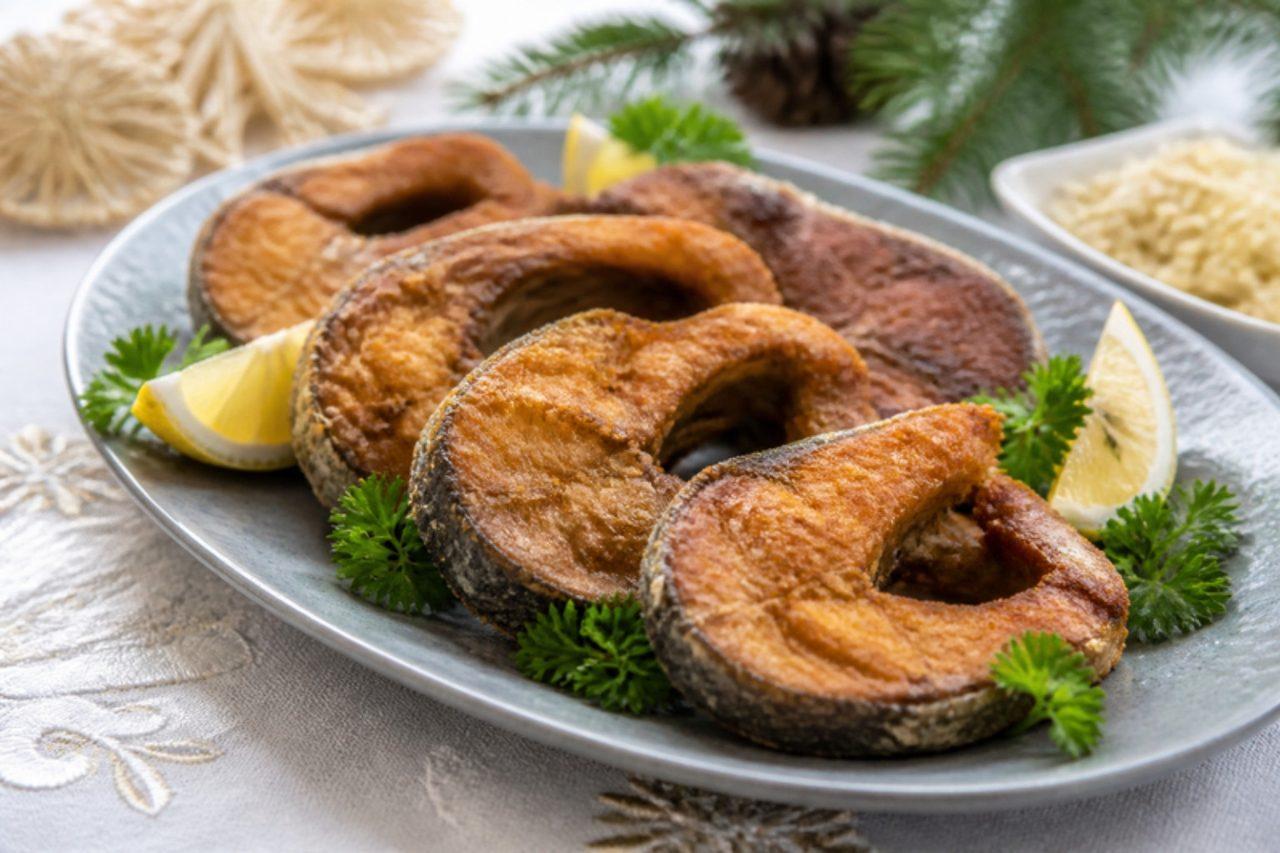
For many Polish families, Wigilia, the meatless Christmas Eve supper, is not complete without fried carp, bought live from market tanks in mid-December or, more often today, cleaned and cut into steaks at the fishmonger. The steaks are salted, floured and fried until the skin crisps and the white flesh turns sweet and juicy. Serve with boiled potatoes, sauerkraut with peas, or simply bread and a lemon wedge, after the beetroot barszcz. Keeping a scale from the Christmas carp in your wallet is said to bring money all year. Carp has a reputation for tasting muddy, and the usual culprit is skipping the salting and resting time. Ask the fishmonger to score the steaks finely so the small Y-shaped bones soften as they fry. Chef's tip: salt the steaks and leave them in the fridge for 20 minutes, then pat completely dry; the flesh firms up and the flour clings in a thin, even crust.

40 minPolishFish
by KrazyBadal 0 views

Easter pâté

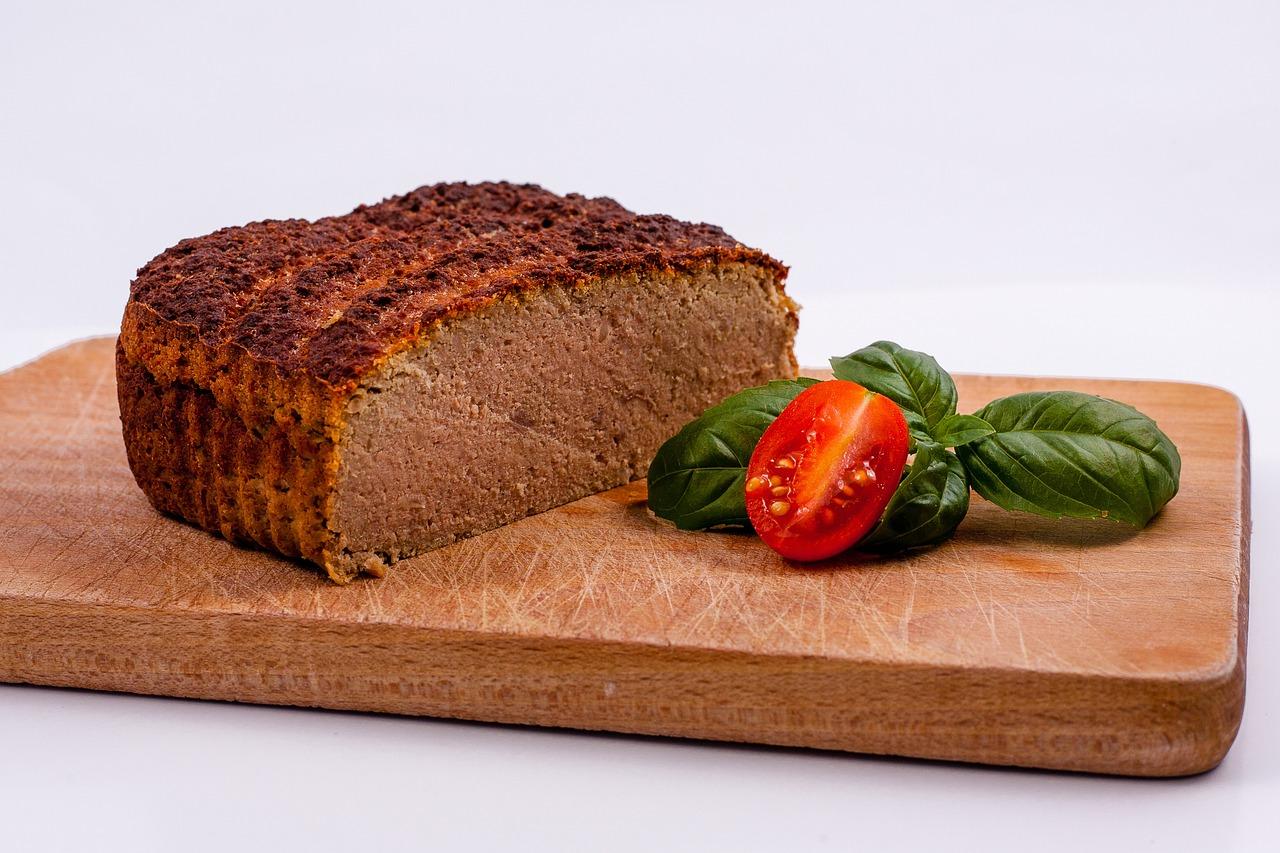
A thick slice of homemade pasztet belongs on the Easter breakfast table after the blessing of the food basket, next to ham, eggs, ćwikła and white sausage. This baked loaf combines pork shoulder, chicken thighs and pork liver, simmered with root vegetables and allspice, minced twice and baked until firm, so it slices cleanly yet stays moist and spreadable. Marjoram and nutmeg give it the classic Polish flavour; serve it cold with horseradish, beetroot relish and pickles. Overbaking dries it out, but underbaking is the bigger risk with poultry and liver, so always check the centre with a thermometer. Bake it two days ahead: it needs to chill overnight to set, and it keeps for five days in the fridge. Chef's tip: save the cooking stock and add it a ladle at a time as you mix; the mixture should be as soft as thick porridge, which keeps the finished loaf juicy.

180 minPolishMeat
by KrazyBadal 0 views

Pumpkin millet porridge

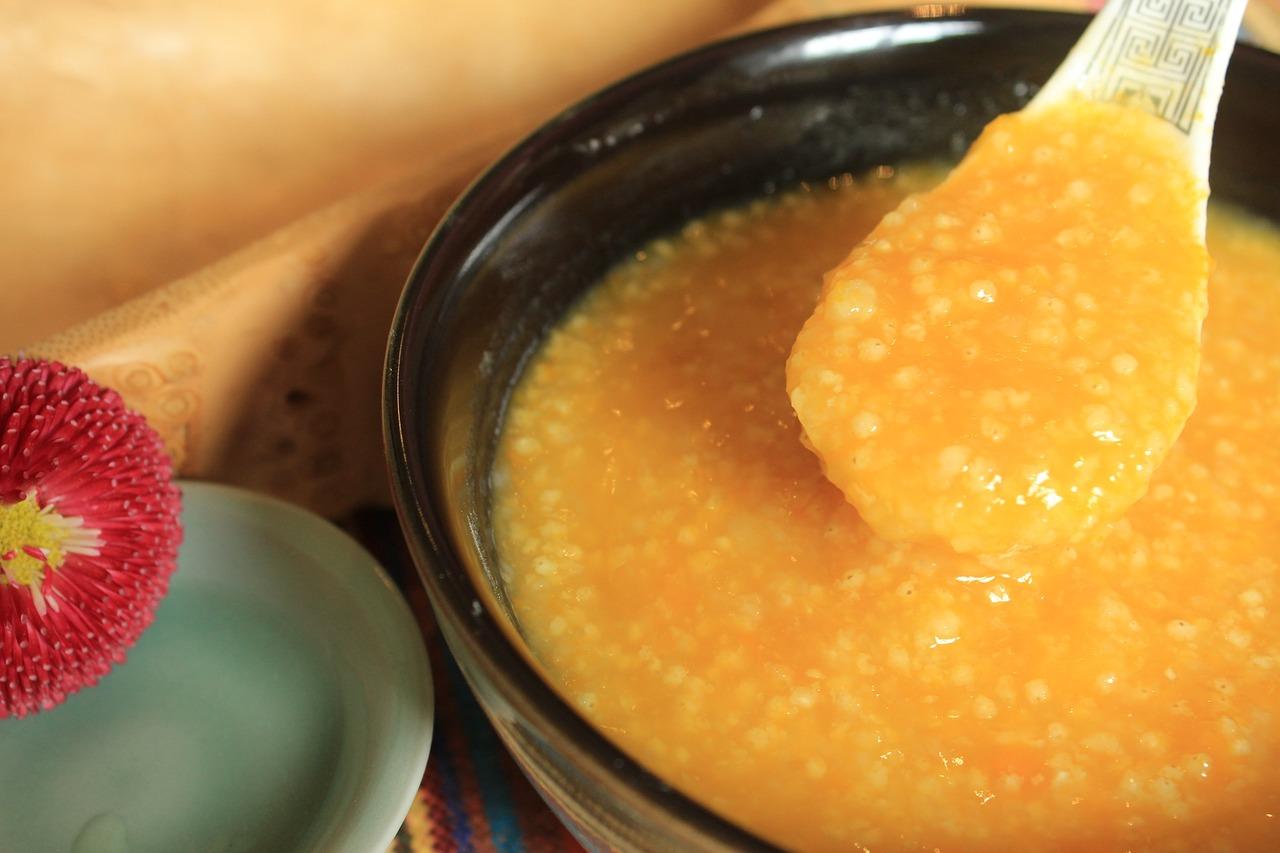
Autumn in central Ukraine means piles of grey-skinned pumpkins in every yard, and the first thing many grandmothers make with them is this golden breakfast porridge. Diced pumpkin is simmered until it collapses, then millet and milk are added and the pot is left to cook down into something thick, creamy and faintly sweet, finished with butter and a spoon of honey. In villages around Cherkasy and Vinnytsia it was once baked for hours in the clay stove; a heavy pan on a low heat gives a very similar result. Serve it hot in deep bowls, with extra honey and a few raisins for children. The usual slip is skipping the rinse: millet carries a bitter dust, and only washing it in several changes of hot water takes it away. Chef's tip: choose a dense, deep-orange pumpkin such as butternut or a Ukrainian 'muscat' type; watery Halloween pumpkins make a thin, pale kasha.

by KrazyBadal 0 views

KålrabistappeMashed swede

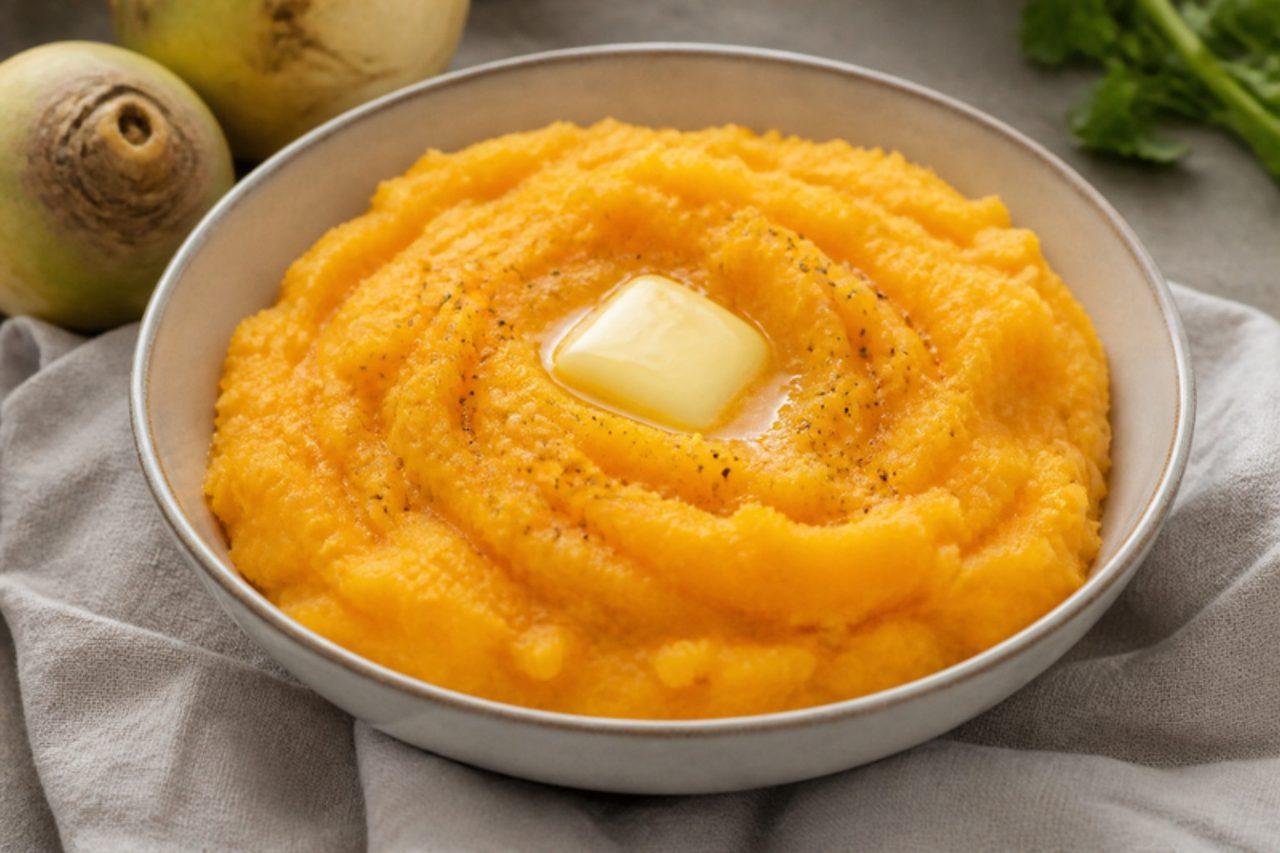
Kålrabistappe is the bright orange mash of swede that sits beside almost every Norwegian winter dinner: with pinnekjøtt lamb ribs at Christmas in western Norway, with raspeballer on Thursdays, with salted meat and sausages. It is simple: swede and a little potato boiled soft and mashed with butter, a splash of the cooking water and nutmeg. A common mistake is mashing it in a blender, which makes it gluey. Chef's tip: let the swede steam dry in the pan for a couple of minutes after draining; the mash stays fluffy, not watery.

by KrazyBadal 0 views

Chbah essafra (almond fritters in lamb sauce)

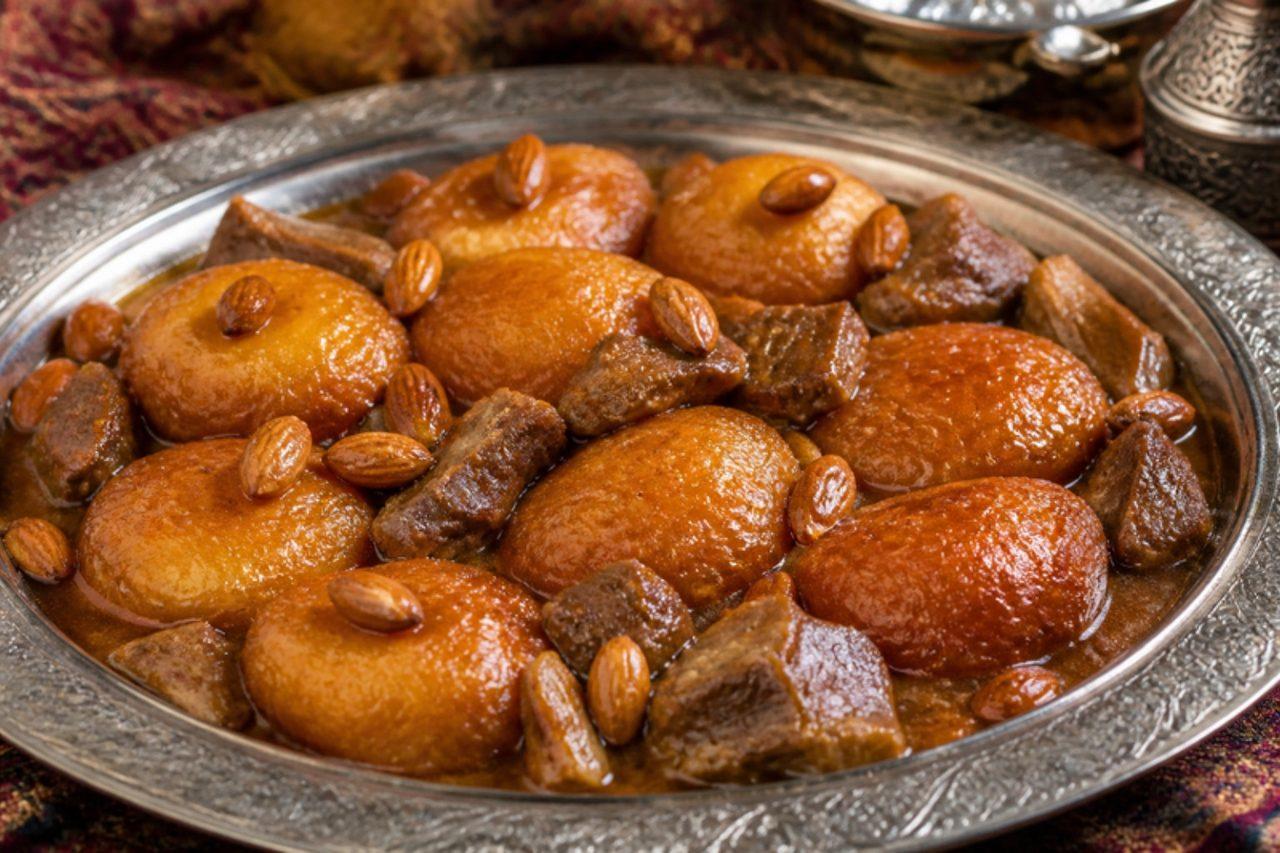
Cooks in Algiers bring out chbah essafra for weddings and grand family dinners, where it is served as the sweet main course: diamonds of almond paste scented with lemon and cinnamon are dipped in egg, fried golden and laid around tender lamb in a pale, buttery sauce sweetened with sugar and orange-blossom water. The contrast of savoury meat and soft, sweet almond is the point, and the dish is rich, so small portions with bread are usual. Chicken can replace the lamb, with a shorter cooking time. Chef's tip: warm the fritters in the sauce only at the table; dropping them into bubbling sauce is a common mistake, and they fall apart.

130 minAlgerianMeat
by KrazyBadal 0 views

Tlitli (Algerian rice-shaped pasta with chicken)

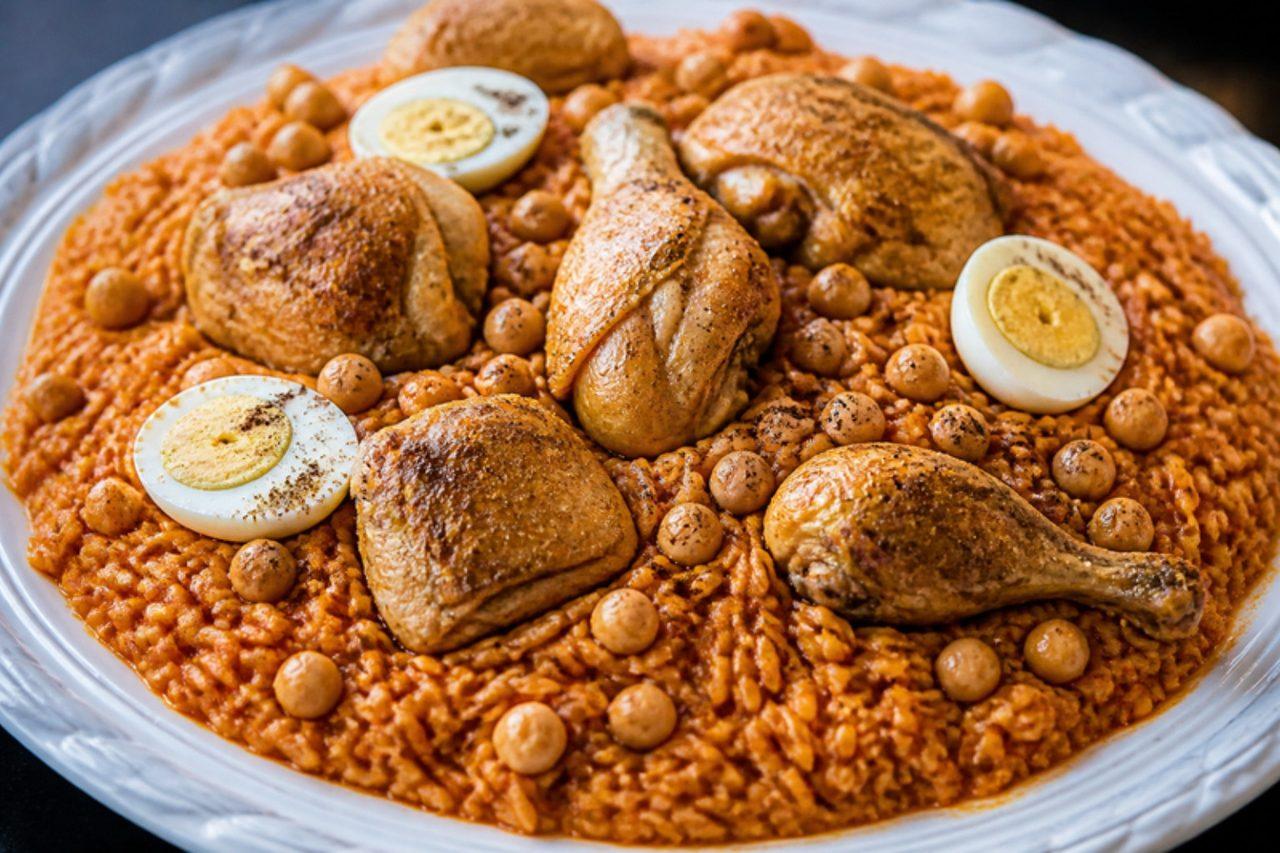
Tlitli is a tiny pasta shaped like grains of rice, once rolled by hand and now sold dried, and in Algiers and Constantine it is cooked for family feasts such as Ennayer, the Amazigh New Year, or the return of a pilgrim. The pasta soaks up a red sauce of chicken, onion, tomato, paprika, cinnamon and chickpeas, and is piled on a platter with the chicken and halved boiled eggs on top. Expect a cosy, gently spiced dish, a bit like a red risotto, with soft pasta and tender chicken. Orzo is a good stand-in if you cannot find tlitli. Chef's tip: toast the pasta in oil before adding sauce; untoasted tlitli tends to clump and turn mushy, a common mistake.

by KrazyBadal 0 views

CervelatGrilled sausage

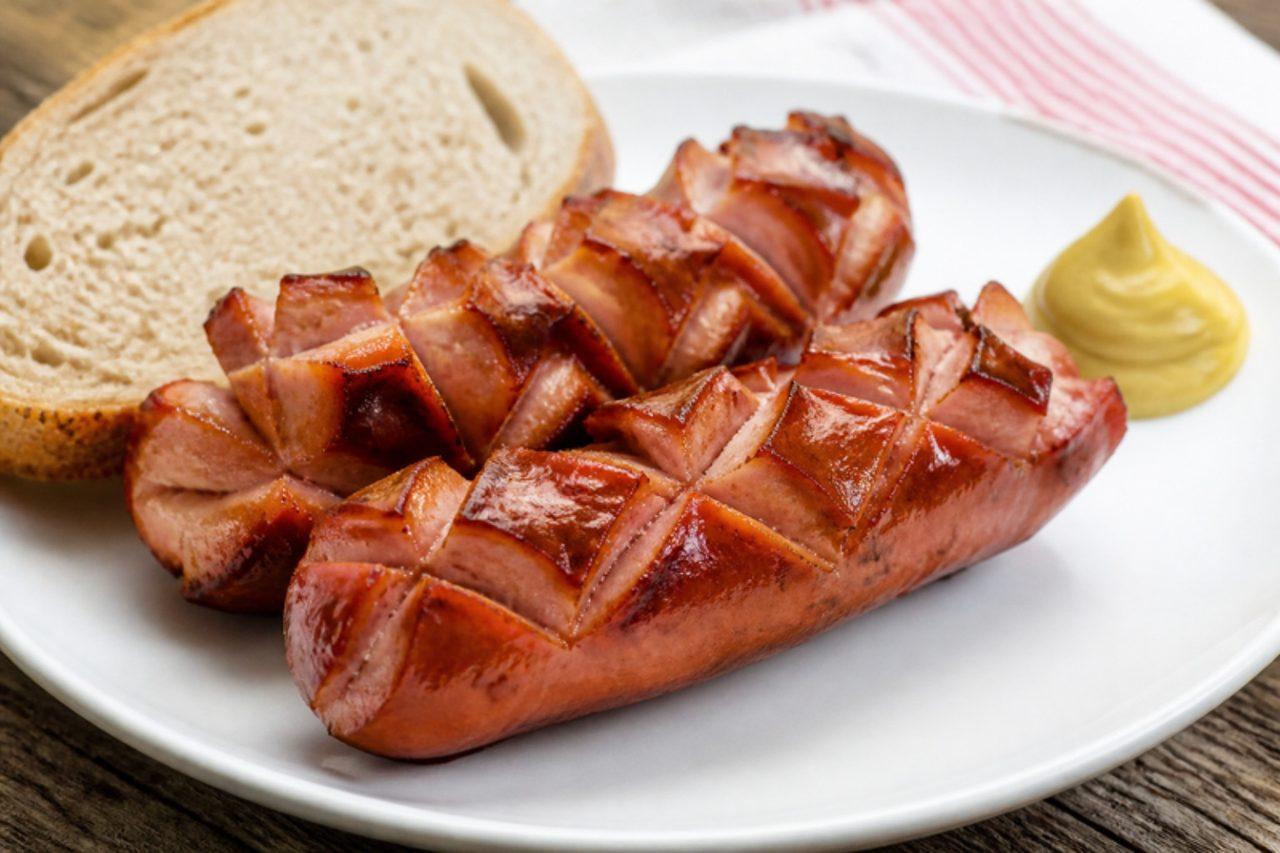
The cervelat, a short, fat, smoked sausage of beef and pork, is called Switzerland's national sausage, and it is what every Swiss child grills on a stick over a campfire on 1 August, National Day, on school trips and on mountain hikes: the ends are cut into a cross so they curl open like a flower as they cook, and it is eaten with bread and mustard. This sausage contains pork. Cervelat is bought ready-cooked and smoked; grilling heats it through and crisps it. A common mistake is grilling over flames, which burns the skin black before the inside is hot. Chef's tip: grill over glowing embers and turn often until the scored ends open out; heat until piping hot, 71 °C.

15 minSwissMeat
by KrazyBadal 0 views

Kalu dodolRice flour and jaggery sweet

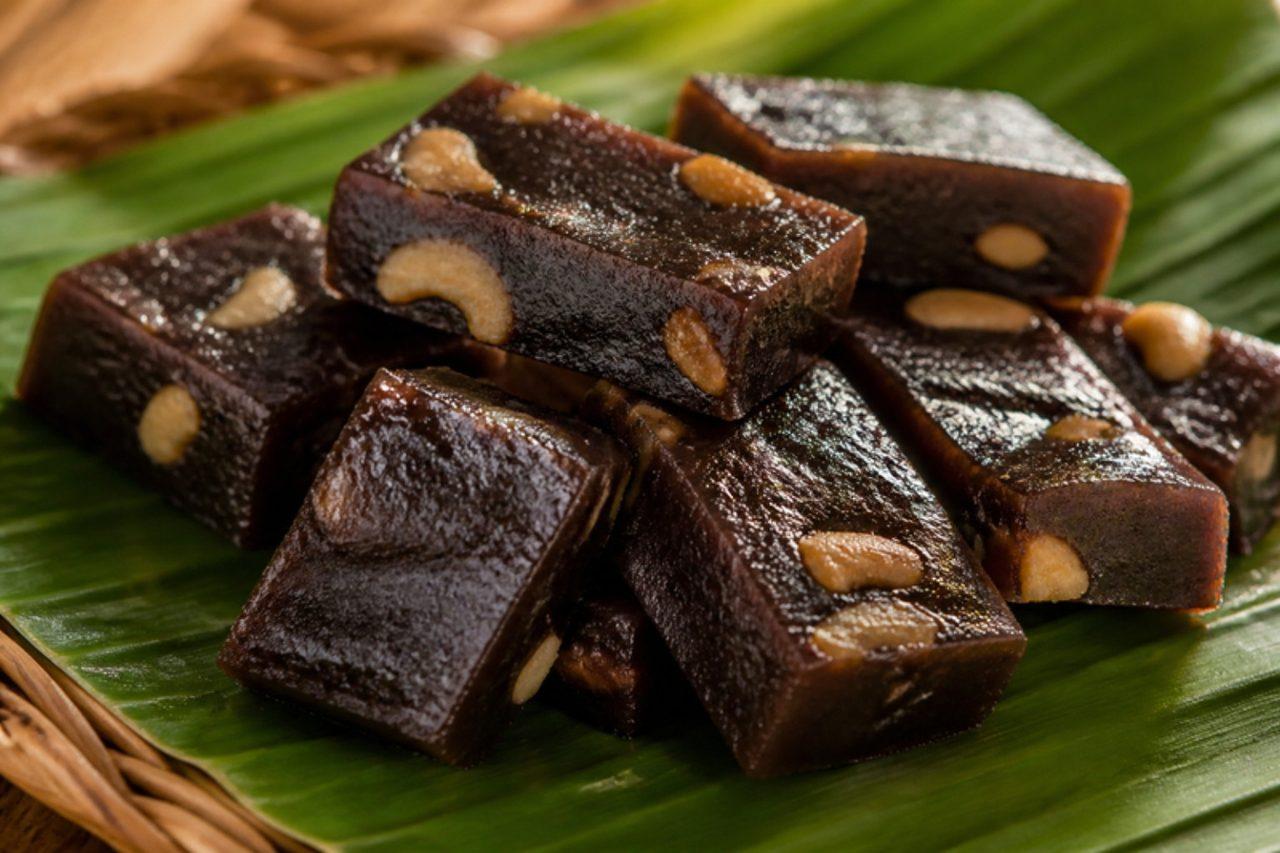
Hambantota and Kalutara both claim the best kalu dodol, and roadside shops in each town sell long, black, glistening slabs wrapped in paper, bought by travellers as gifts for the family back home. The sweet is a test of stamina: coconut milk is cooked down until its oil separates, then rice flour and kithul jaggery are stirred in and the mixture is worked over the heat for two to three hours until it turns dark, glossy and stiff, with cashews and cardamom added at the end. It sets into a chewy, fudgy sweet with a deep caramel and coconut flavour, and is served in thin slices during Avurudu and at weddings. Giving up too early is the one mistake everyone makes once; undercooked dodol stays sticky and grey instead of firm and almost black. Chef's tip: use the widest heavy pan you have and a long wooden spoon, and keep stirring the same direction, scraping the base, so nothing catches.

by KrazyBadal 0 views

Kissel

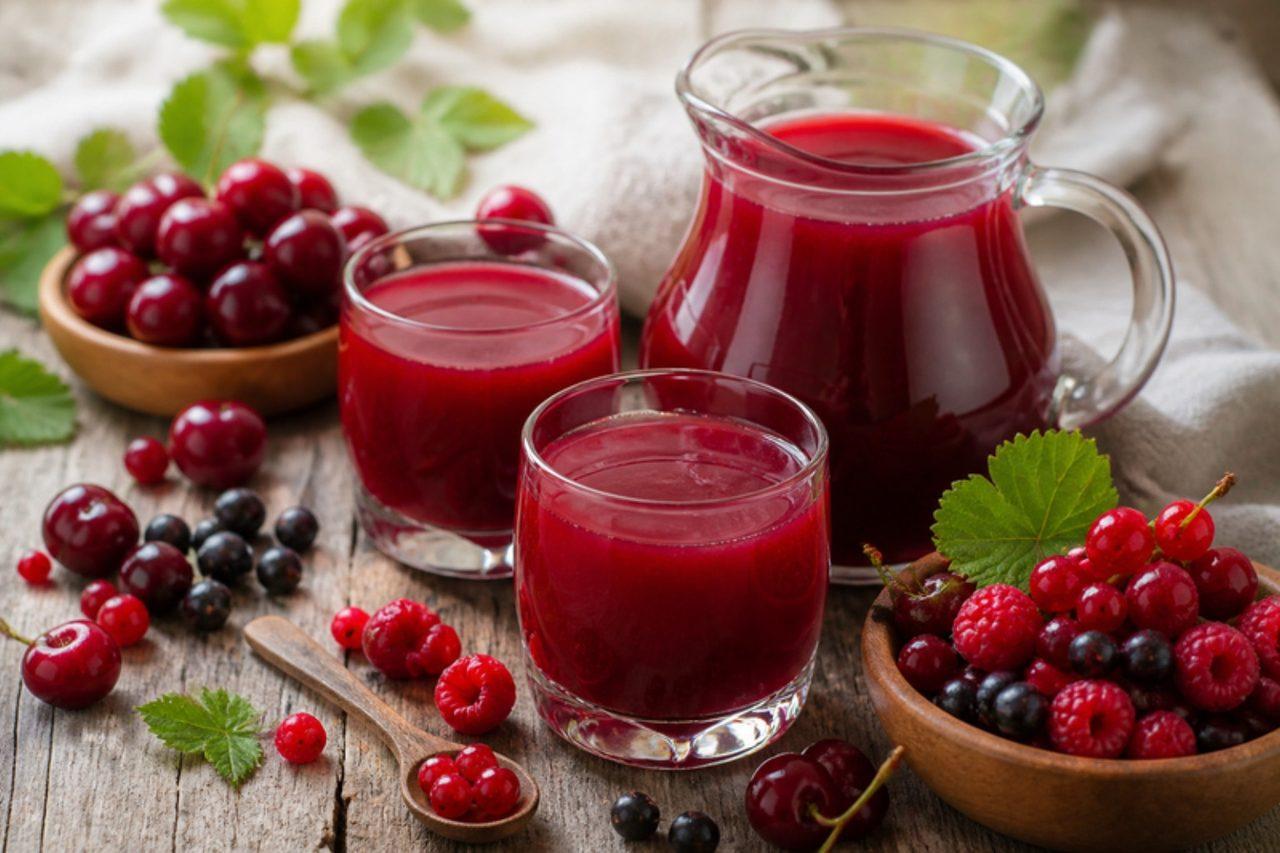
Kissel is the drink of Russian childhoods: a glass of silky, ruby-red berry juice, just thick enough to coat the tongue, poured warm at kindergarten lunch or cold in summer from a jug on the dacha veranda. It is also the old Maslenitsa and wake-table drink, and frozen berries make it possible all year. The flavour is sweet-sharp and fresh, the texture smooth and slightly jelly-like. A common mistake is adding the starch mixture to boiling liquid and letting it bubble for minutes; bring it just back to a simmer, then take it off, or it thins out again and can turn gluey. More starch makes a spoonable dessert kissel. Chef's tip: lay cling film or sprinkle a little sugar on the surface as it cools to stop a skin forming.

by KrazyBadal 0 views

Sfiria (cheese croquettes in chicken sauce)

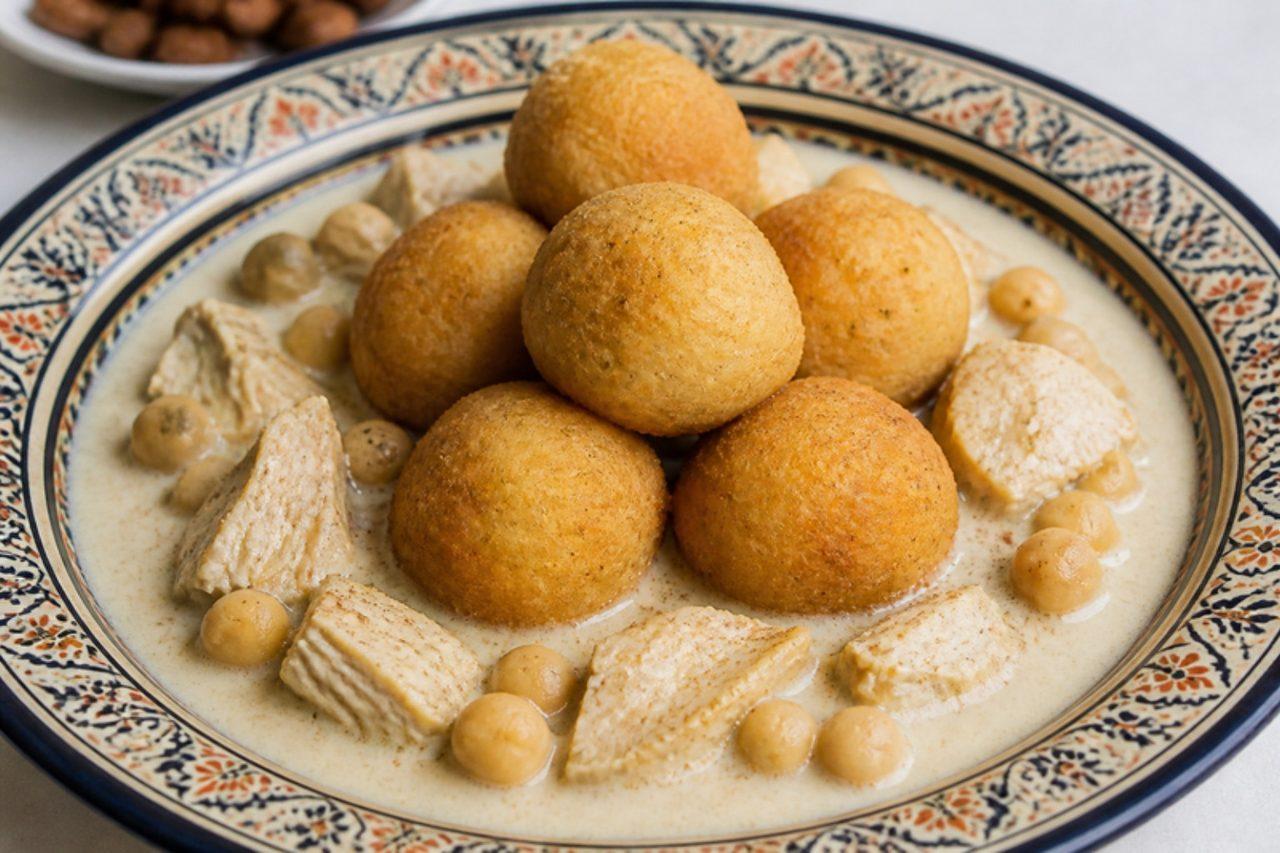
Sfiria belongs to the old bourgeois cooking of Algiers, served on Ramadan evenings and at family celebrations: little croquettes of soaked bread, grated cheese and egg, scented with cinnamon, are fried golden and then laid in a pale chicken and chickpea sauce flavoured with cinnamon and white pepper. The croquettes are light and spongy, soaking up just enough sauce to be juicy, and the dish tastes delicate and faintly sweet. Day-old white bread without crusts gives the best texture. Chef's tip: add the croquettes to the sauce only at the last minute; leaving them to simmer is the common mistake, and they swell, go soggy and fall apart.

by KrazyBadal 0 views

Salted saffron milk caps

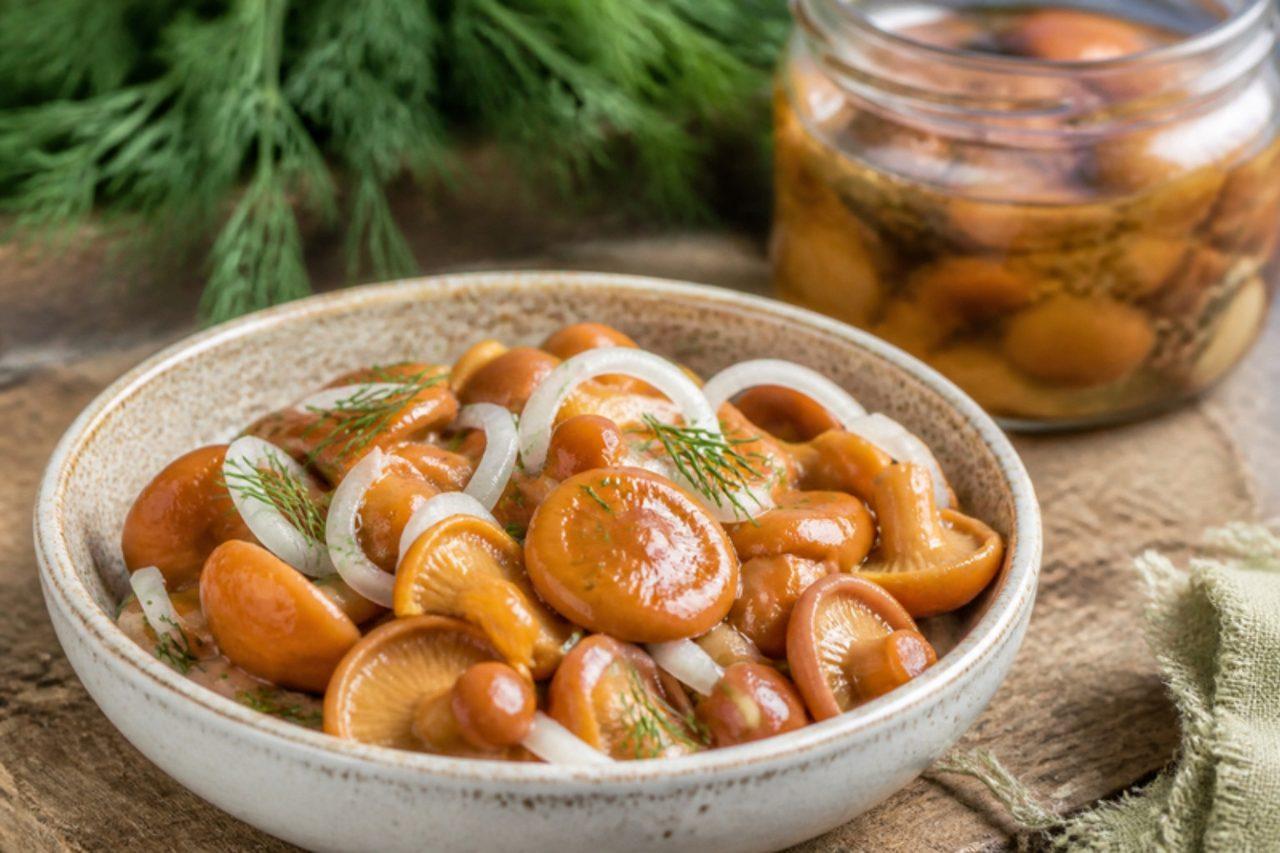
Northern Russians rank ryzhiki, the orange saffron milk caps of the pine woods, above almost every other mushroom, and salted ones from around Arkhangelsk once travelled to the tsar's table. Salted, they keep their bright colour, turn firm and juicy with a clean, resinous taste, and are served with thin onion rings, sunflower oil and hot boiled potatoes; for non-vegans a spoon of sour cream is classic. Old cellars dry-salted them raw for months; this safer fridge version blanches the caps briefly and keeps them in a measured brine in the fridge, ready in about a week. Only use mushrooms identified by an experienced forager or bought from a trusted seller. Where most people go wrong is guessing the salt; too little lets spoilage start, so weigh it. Chef's tip: the caps bruise green where handled, which is normal, so don't worry when the edges darken.

by KrazyBadal 0 views

Chorba beida (Algerian white chicken soup)

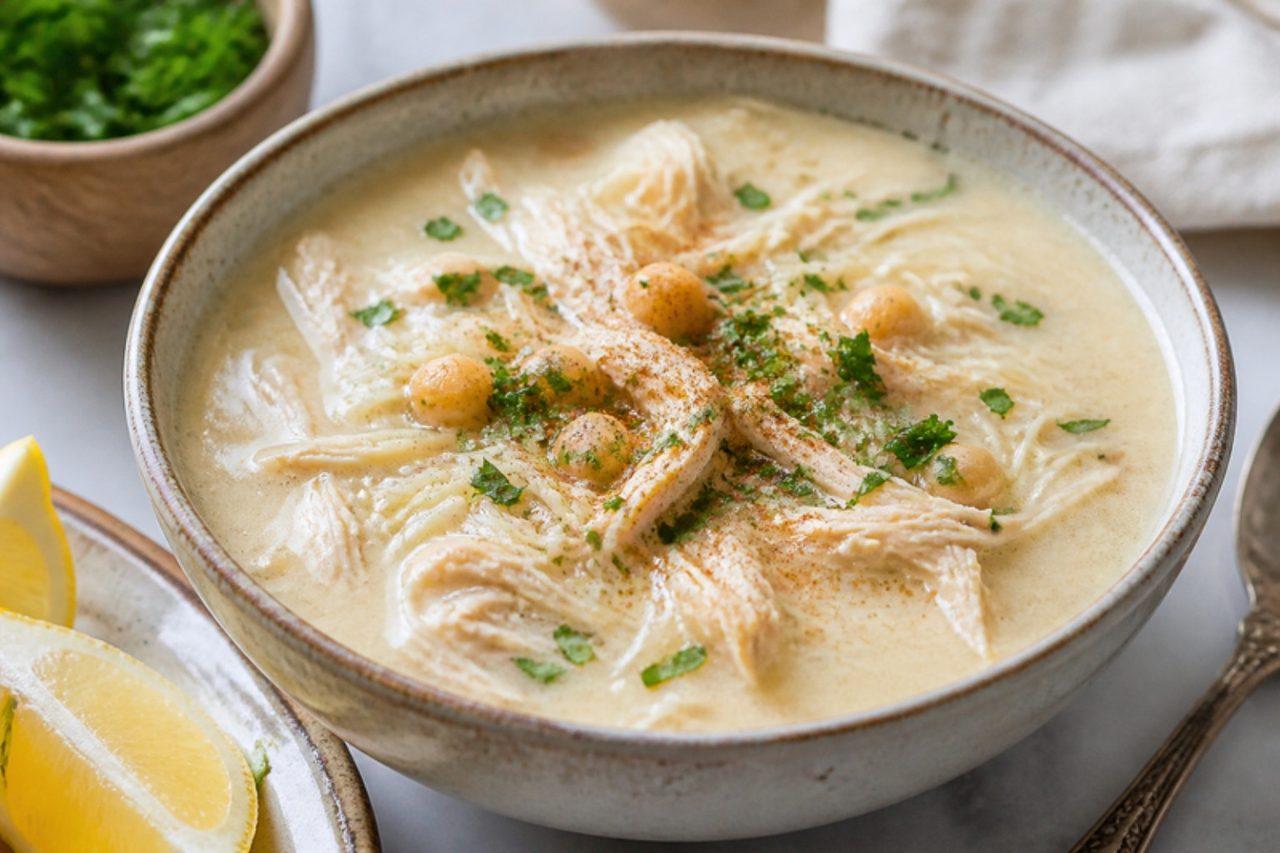
Unlike the red chorba of the rest of the country, the 'white' chorba of Algiers has no tomato at all: chicken, onion and a cinnamon stick are cooked gently in butter, simmered with chickpeas and fine vermicelli, then thickened at the end with egg yolks and lemon. It is a classic of Ramadan tables in the capital, and is also cooked for guests at weddings and family gatherings. The soup is silky and pale gold, mild and comforting, with a soft lemony tang. Serve it with bread and a squeeze of extra lemon. Chef's tip: once the egg yolks are in, never let the soup boil; boiling is the common mistake that curdles it into scrambled threads.

by KrazyBadal 0 views

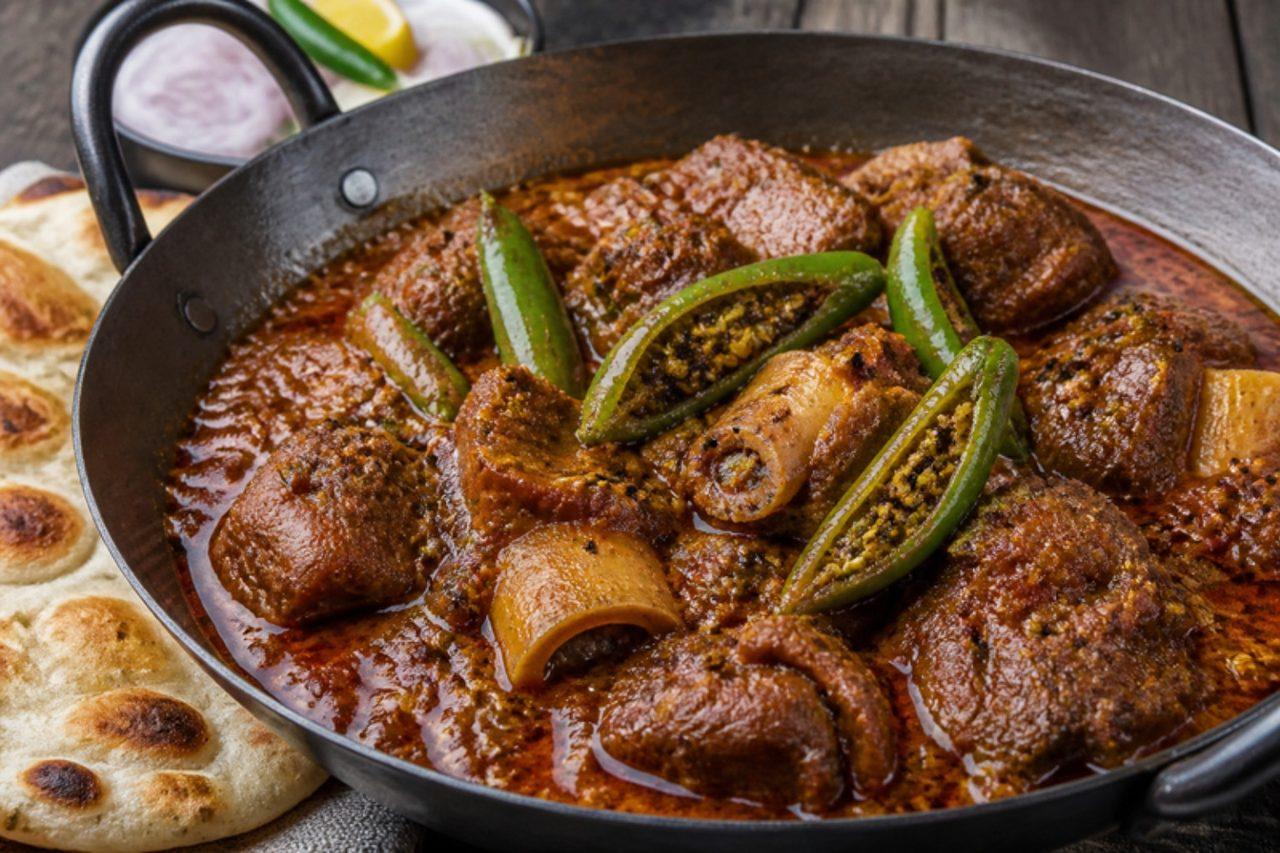
Achar goshtPickle-spiced mutton curry

Sour, hot and pungent, achar gosht borrows its whole flavour from a jar of pickle: fennel, nigella, fenugreek, mustard seed and cumin fried in mustard oil, with lemon and long green chillies stuffed with the same spices. It belongs to the Urdu-speaking kitchens of Karachi and Hyderabad, where it is made for dinner guests and shared at office lunches, and it is eaten with naan or tandoori roti, never with a delicate pulao. The gravy is thick and clings to the meat, glistening with oil. The step people rush is roasting the pickling spices; they must be toasted and coarsely crushed, not used whole, or the curry tastes raw and seedy. Chef's tip: mustard oil gives the true pickle tang; heat it until it smokes, then let it cool for a minute before adding anything, so it loses its harsh edge.

by KrazyBadal 0 views

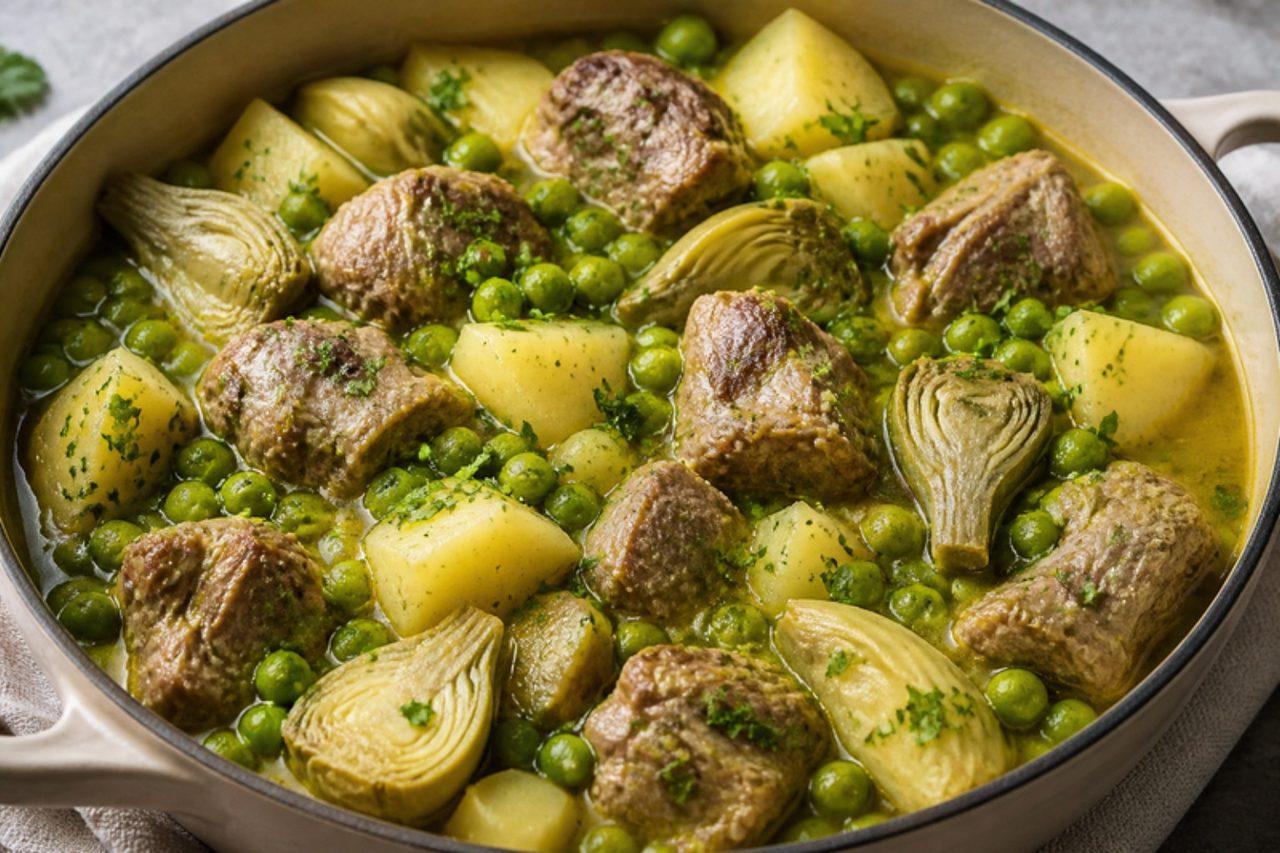
Djelbana (Algerian lamb and pea stew)

Spring markets in Algiers fill with sacks of fresh peas and violet artichokes, and that is the moment for djelbana, a light, pale stew of lamb, peas, artichoke hearts and potatoes cooked with onion, garlic and a little turmeric, finished with fresh coriander. Families serve it at lunch with plenty of bread to soak up the sauce; on meat-free days it is made the same way without the lamb. It tastes fresh, sweet and gently peppery rather than heavily spiced. Frozen peas and artichoke hearts are fine out of season. Chef's tip: add the peas only for the last 10 minutes; peas put in with the meat are the usual mistake and turn grey and mushy.

by KrazyBadal 0 views

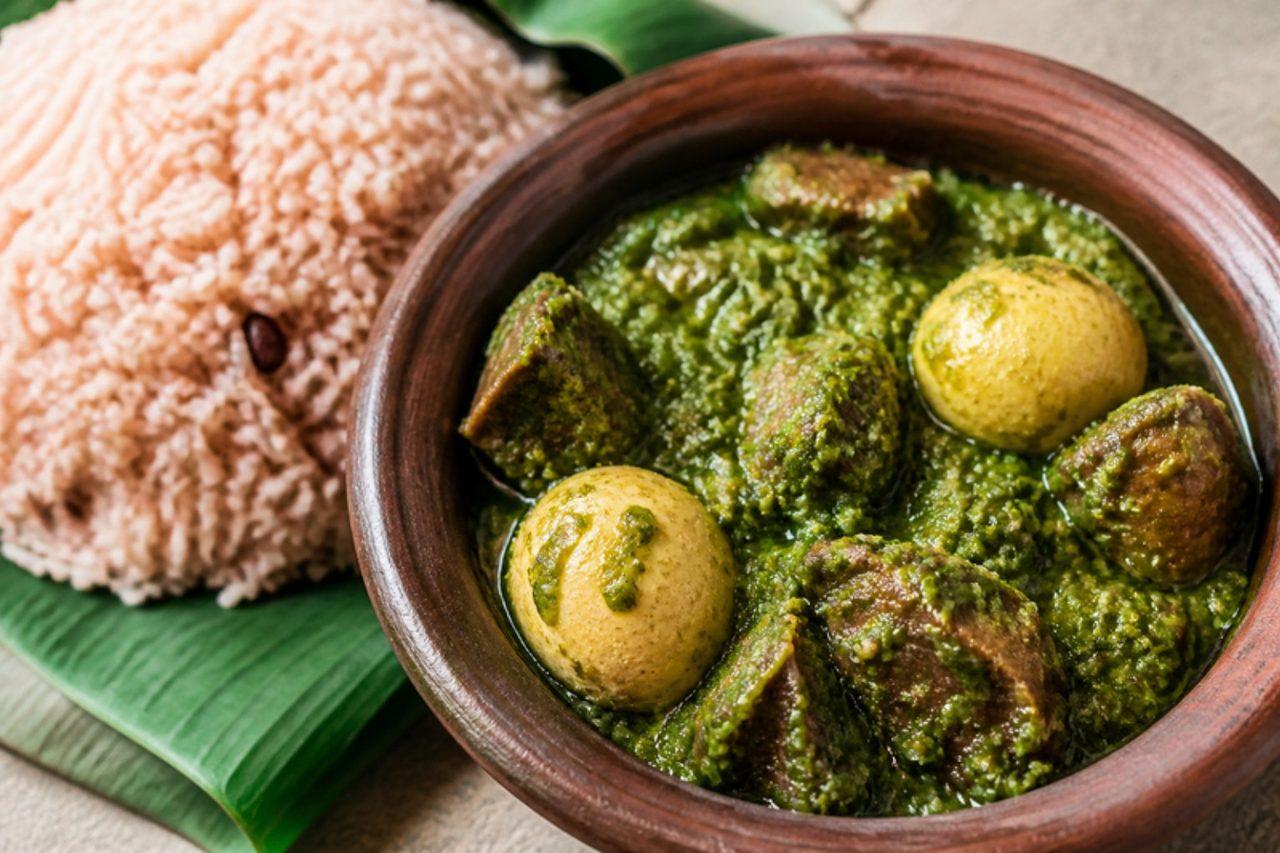
Ayamase (ofada green pepper stew)

Ofada rice, the short, fragrant local rice from Ogun State, is almost always served in Lagos with ayamase, a stew so green and so hot it is sometimes called designer stew. Green bell peppers and green scotch bonnets are blended coarse, dried out in the pot, then fried in palm oil that has been bleached clear, with plenty of iru for a deep, funky savouriness. Assorted meat (beef, tripe and cow skin) and boiled eggs are folded in. Watery pepper is the mistake that makes it taste sour and raw, so boil the blended pepper dry before it meets the oil. Chef's tip: bleaching palm oil makes heavy smoke; open the windows, keep the lid nearby and never leave the pot.

120 minNigerianMeatGluten freeSpicy
by KrazyBadal 0 views

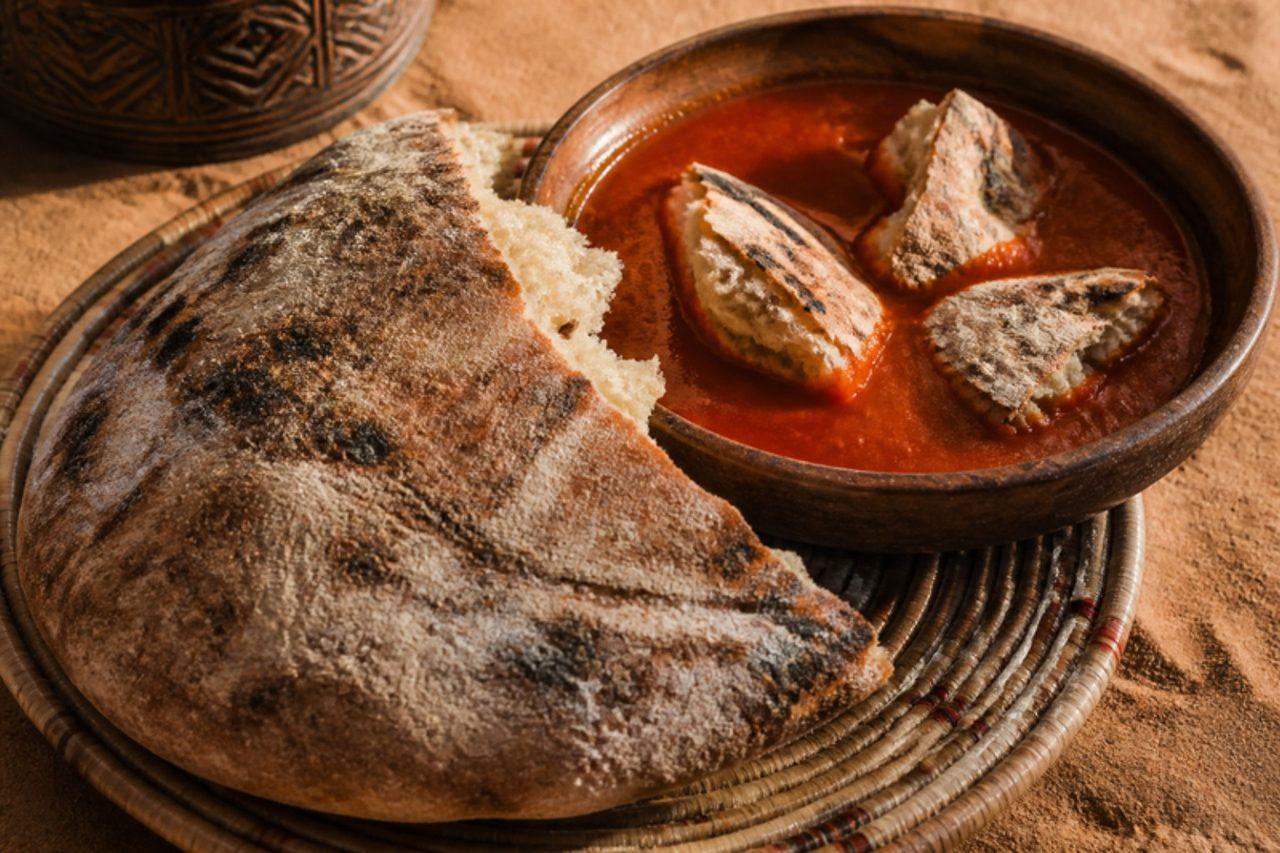
Tagella (Tuareg sand-baked bread)

Out in the Hoggar mountains around Tamanrasset, Tuareg cooks bury a thick disc of dough in sand heated by a wood fire, cover it with embers and dig it up half an hour later with a dense, chewy crumb and a thick crust that is beaten clean of sand. The bread is then broken into pieces and soaked in a spicy tomato and onion sauce, a hearty meal for a camp or a desert evening; meat goes in when there is some, and this is the plain version cooked on ordinary days. At home, a very hot oven with a cast-iron pan gives a similar crust. Expect a filling, rustic dish with a smoky, peppery sauce. A frequent slip is making the dough too dry; it should be soft, or the thick round cracks and stays raw in the middle. Chef's tip: bake the bread until it sounds hollow when knocked, because an underbaked, doughy centre turns to paste in the sauce.

by KrazyBadal 0 views

Kalo jeera bhortaNigella seed mash

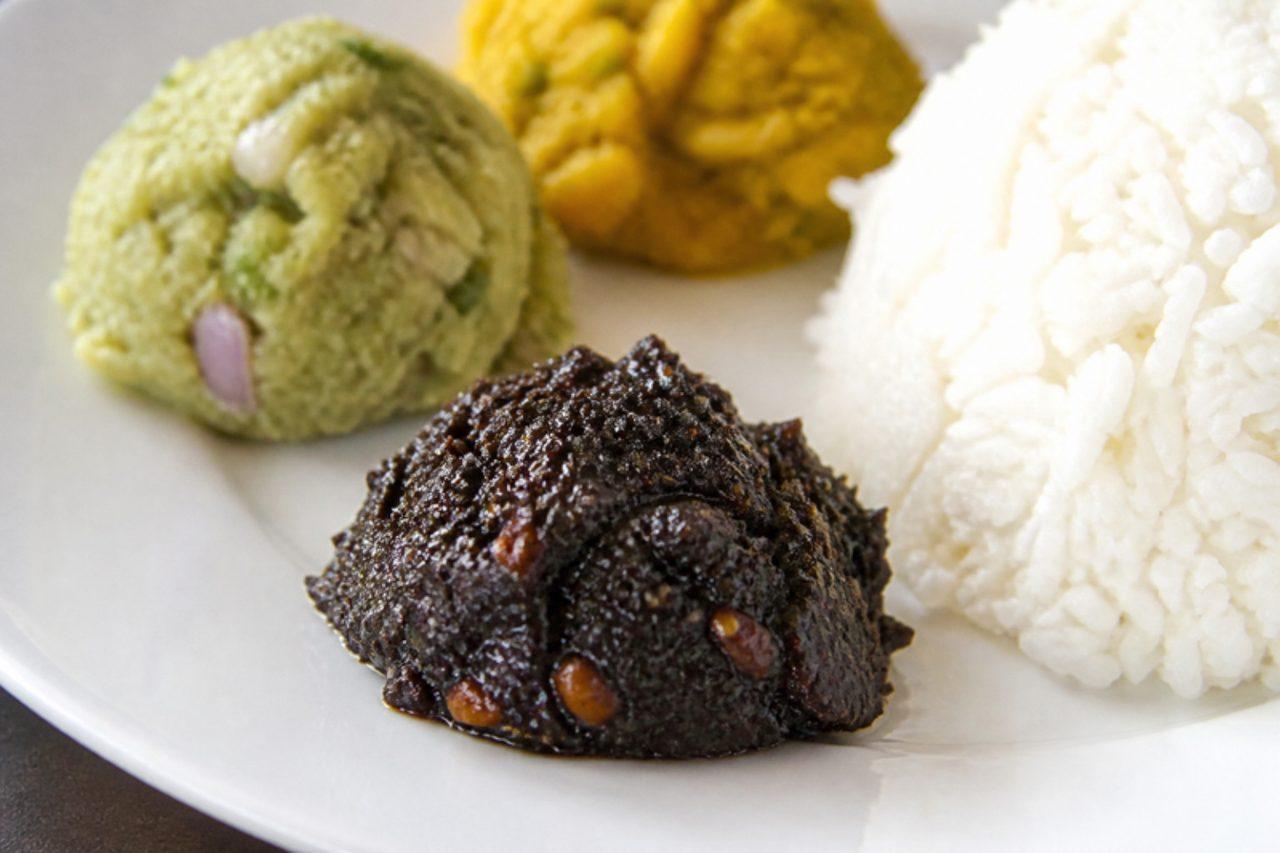
A bhorta lunch spread in a Bangladeshi home always has one tiny, dark mound that people eat a pinch at a time, and that is kalo jeera bhorta. Nigella seeds are toasted until fragrant, then ground on the shil-pata, the stone slab and roller, with garlic, roasted dried chilli, onion and mustard oil into a coarse, almost black paste that is nutty, bitter and fiery all at once. Grandmothers serve it in winter, believing it wards off colds, and a little is mixed into the first handful of hot rice before moving on to fish or dal. Burnt seeds make it acrid, so the trap is toasting over too high a heat; stop as soon as they smell toasty and start to pop. Chef's tip: grind the seeds alone first, then add the garlic and oil, for a smoother paste in a small grinder.

by KrazyBadal 0 views

KamaRoasted grain flour with kefir

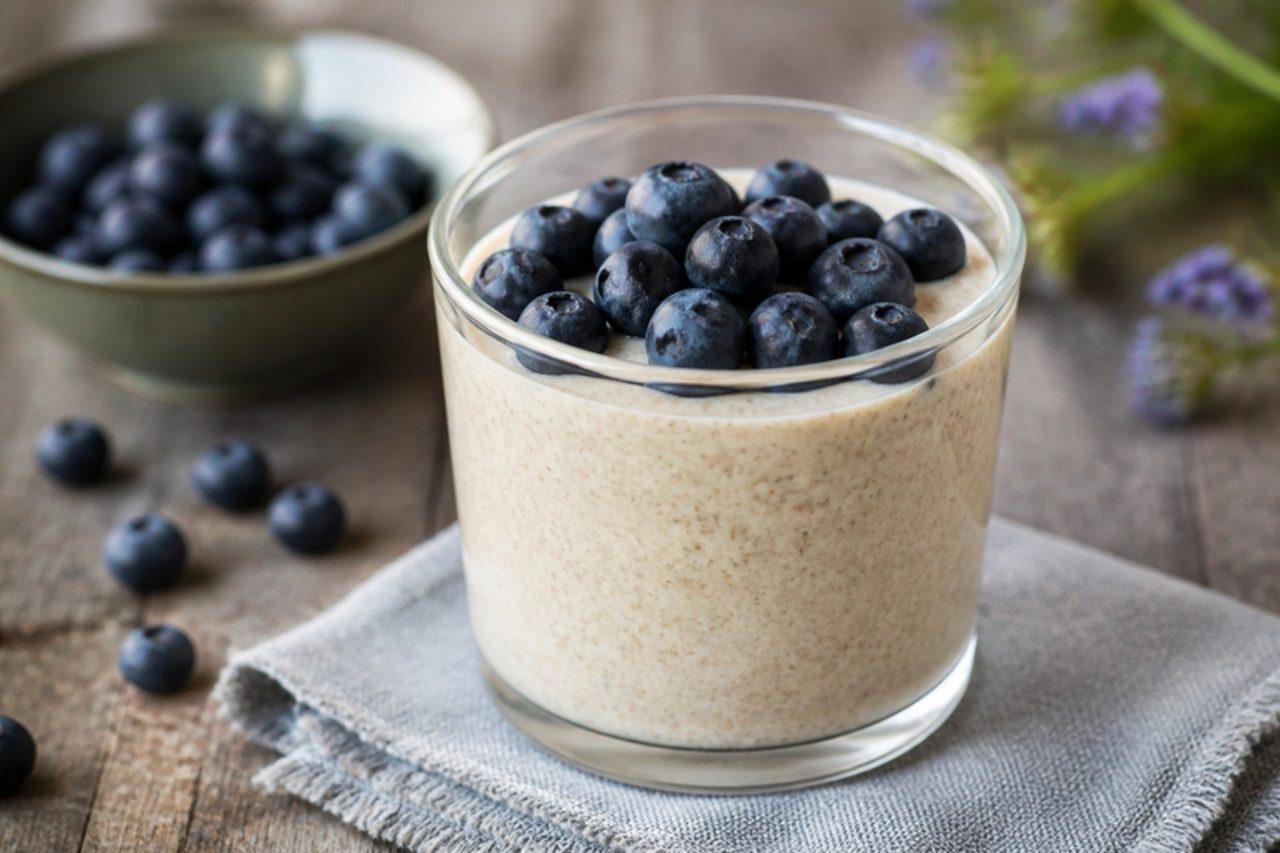
Kama is a uniquely Estonian food: a fine flour of roasted barley, rye, oats and peas, sold in every Tallinn supermarket, stirred into kefir, buttermilk or yogurt with a little sugar or honey and berries. It was once farmers' food for the fields; today it is a fast, filling breakfast and the flavour of Estonian ice creams and sweets. If you can't find kama, roast equal parts barley, rye and oat flour with a little pea flour in a dry pan until nutty. A common mistake is eating it at once; give it a few minutes to thicken. Chef's tip: stir in the kama, leave for 5 minutes, then add the berries, so it thickens like a mousse.

by KrazyBadal 0 views

Mimosa salad

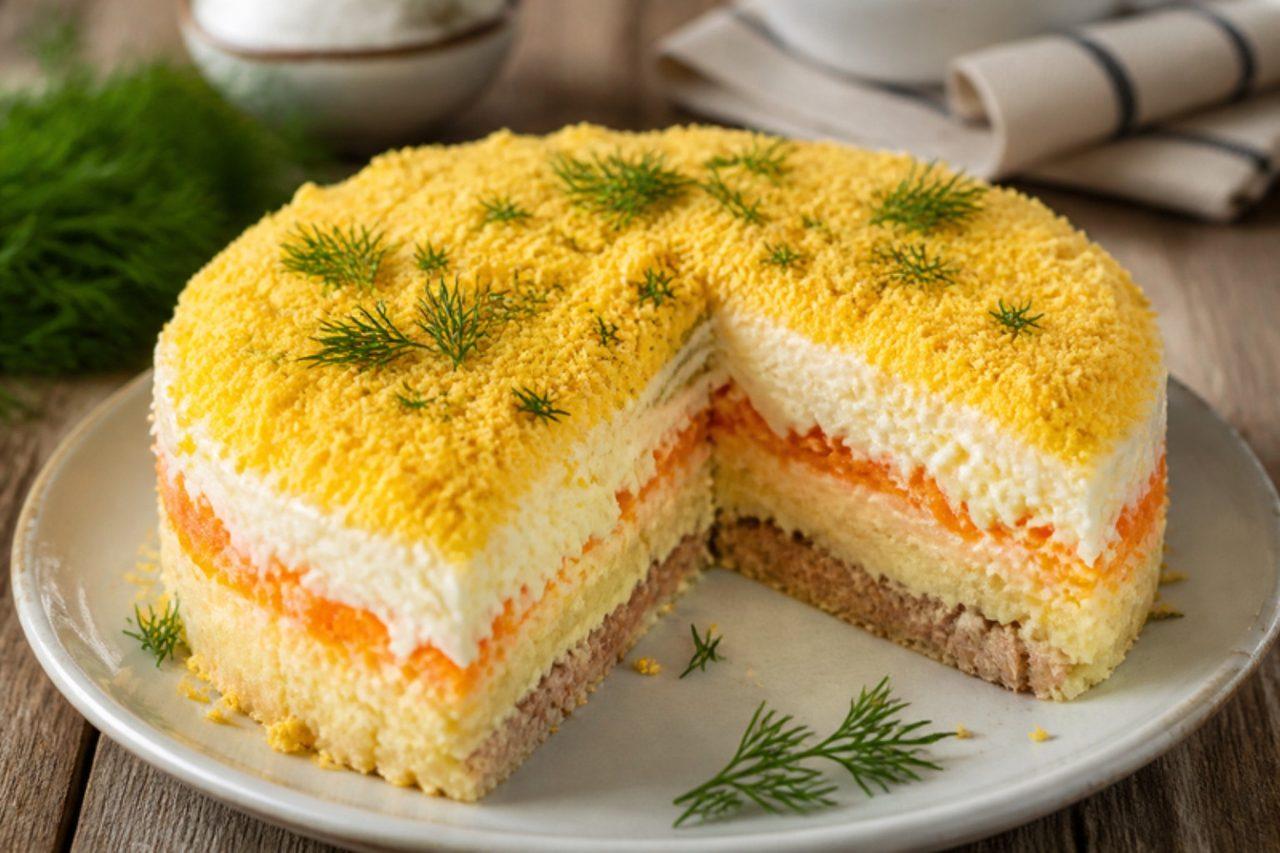
Named for the fluffy yellow mimosa flowers sold on every Moscow street corner for Women's Day on 8 March, this Soviet-era party salad is crowned with a snowfall of grated egg yolk. Underneath are layers of tinned salmon or saury, potato, carrot, onion and egg white, each with a little mayonnaise, so a spoonful is soft, rich and gently fishy. It is made ahead for birthdays and holidays and served chilled. Use shop-bought mayonnaise, which is made with pasteurised egg. A common mistake is mashing the fish with all its oil, which makes the bottom layer soggy. Chef's tip: grate the yolk straight over the salad at the very end, on the finest side of the grater, for the fluffiest flowers.

by KrazyBadal 0 views

Molasses with tahini

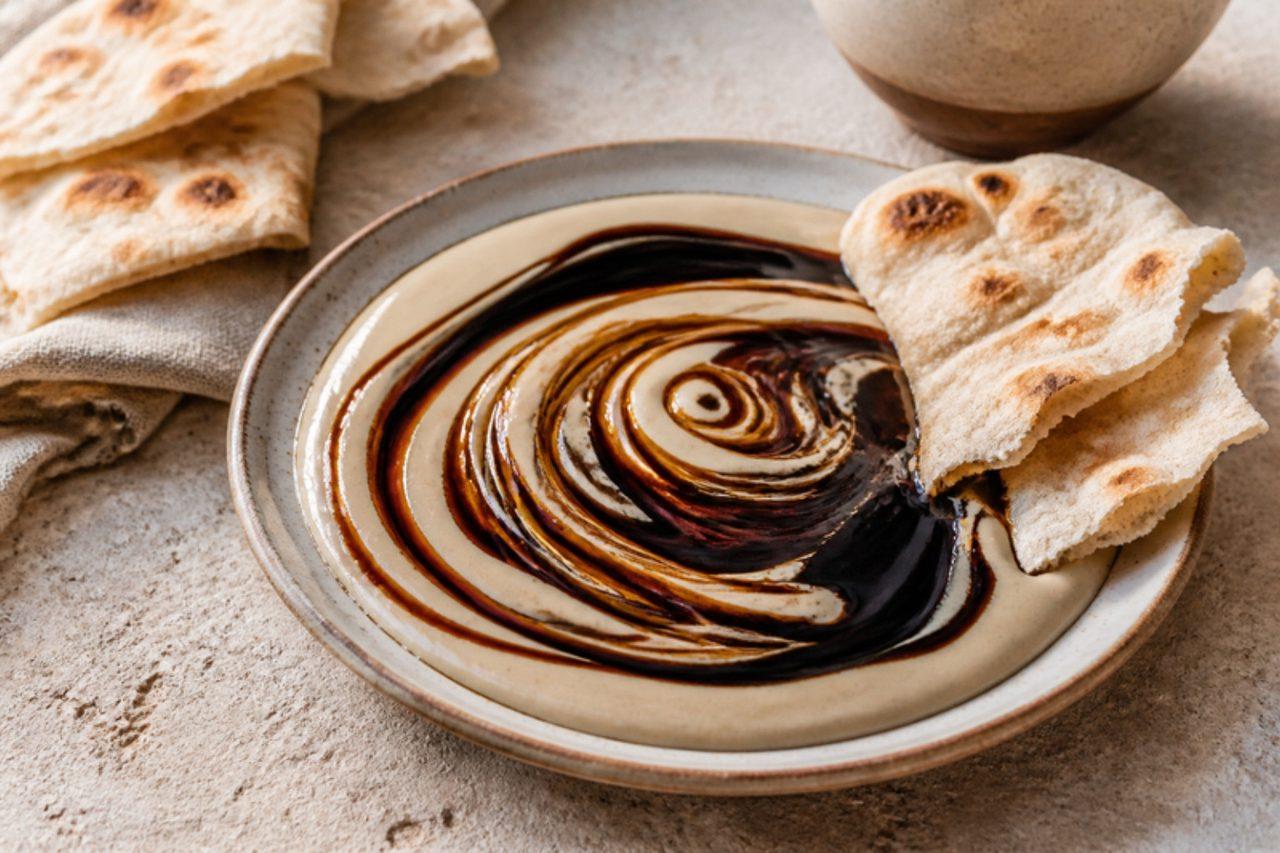
Upper Egypt grows the country's sugarcane, and its dark molasses, asal eswed or black honey, has found its way onto breakfast and supper tables from Aswan to Alexandria. Spooned over tahini and swirled together, it becomes a glossy, bittersweet, nutty dip that children love and grown-ups eat after a light evening meal, scooped up with warm aish baladi or fino. Many families eat it in winter, when they want something warming and filling. A frequent slip is stirring the molasses and tahini together completely; leave them swirled so each bite gets both. Chef's tip: stir the tahini jar thoroughly first; the thick paste at the bottom and the oil on top must be mixed, or the dip comes out stiff and dry.

by KrazyBadal 0 views

Rouz jerbi (Djerban steamed rice)

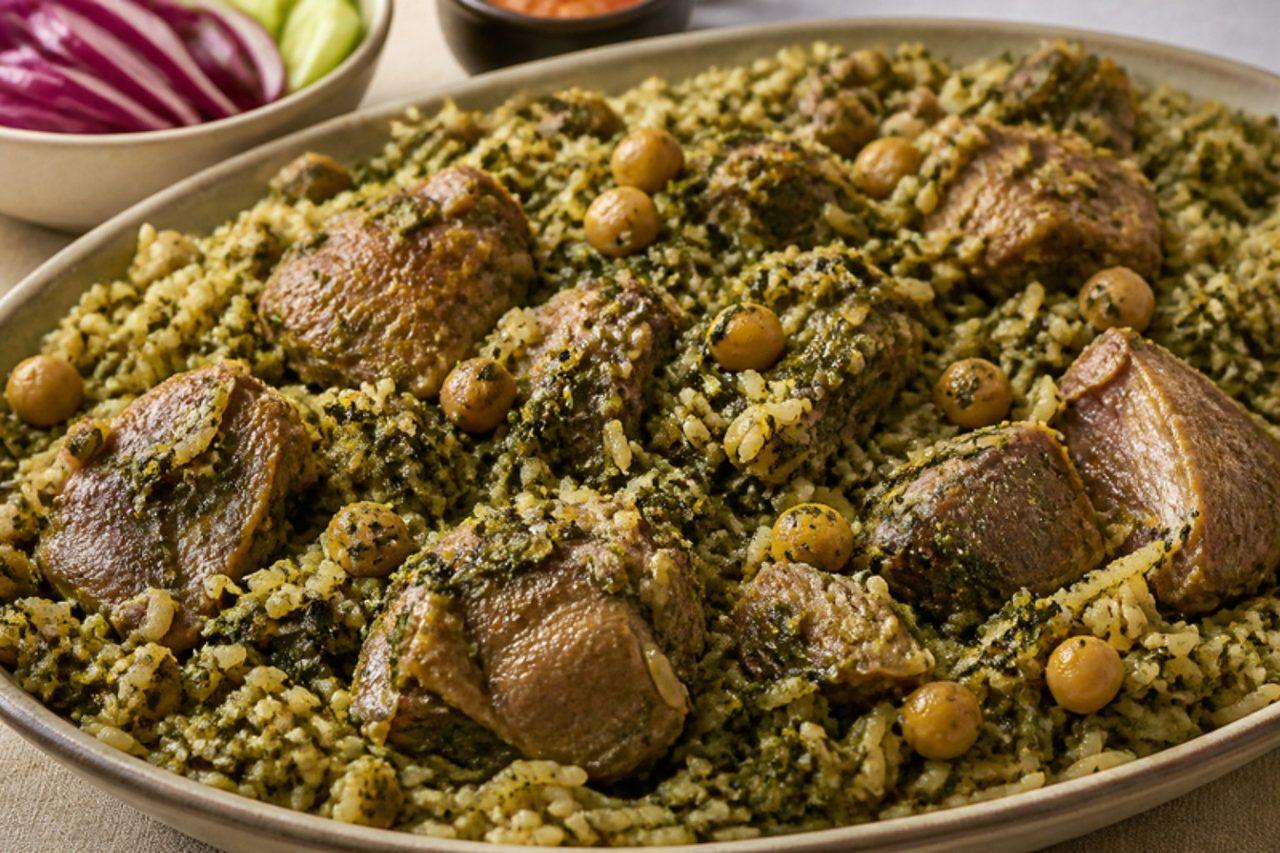
Djerba islanders cook rice the way the rest of Tunisia cooks couscous, in the top of a couscoussier: raw rice is mixed with small pieces of lamb, chopped spinach, a mound of herbs, chickpeas, tomato paste, harissa and spices, then steamed over boiling water until every grain is tender and stained red-gold. Rouz jerbi is a Friday and family-gathering dish on the island, served from one large platter. The rice stays separate and fluffy, the greens melt in, and the lamb picks up the scent of mint and tabil. Chef's tip: stir the rice from the bottom every 20 minutes; leaving it untouched is a common mistake, as the bottom turns soggy while the top stays hard.

by KrazyBadal 0 views

Bergen fish soup

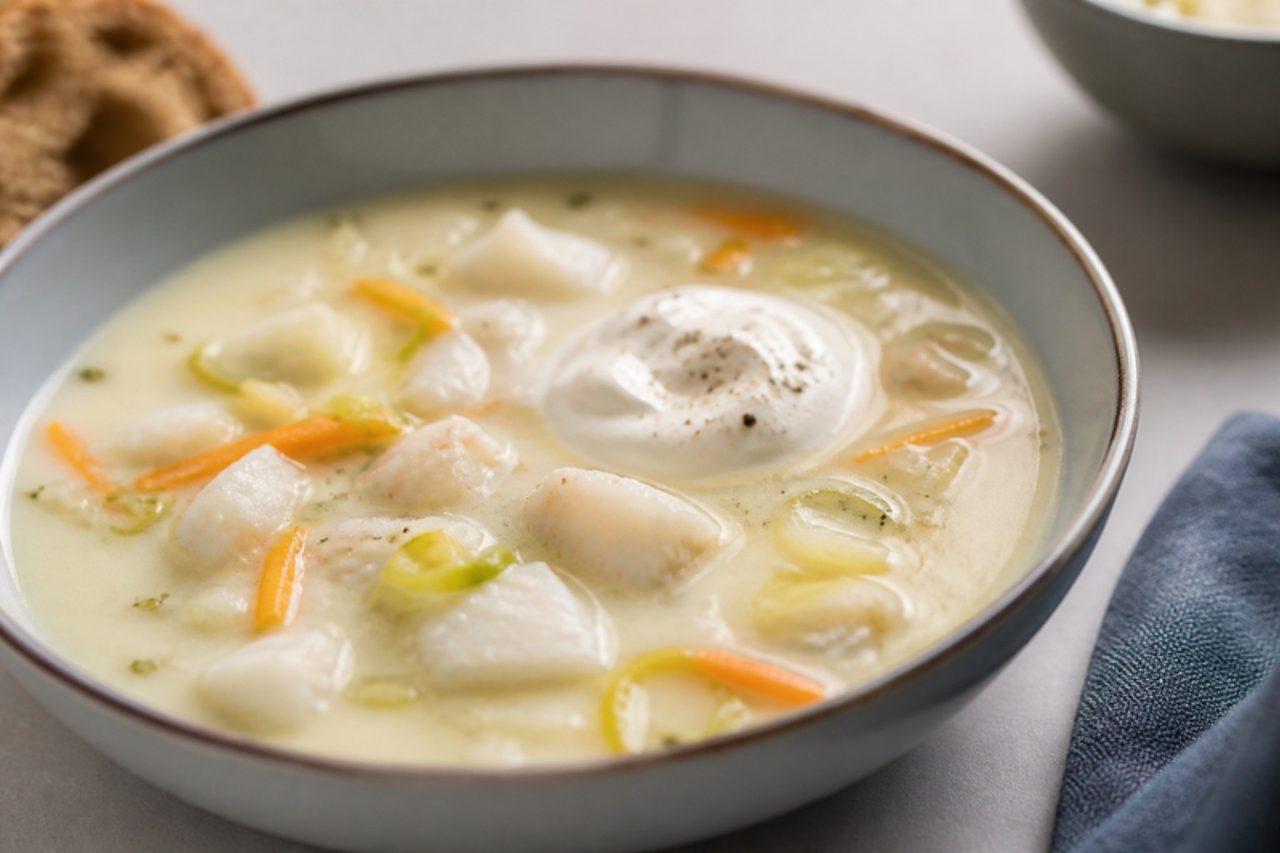
Bergensk fiskesuppe is the soup of Bergen's rainy harbour: a creamy, slightly sweet-sour broth with julienned carrot, leek and celeriac, chunks of white fish and salmon, small fish dumplings and a spoon of sour cream, finished with chives. Bergen families make it on Saturdays, and every restaurant on the Bryggen wharf has its own. A common mistake is boiling the fish, which breaks it up and makes it dry. Chef's tip: add the fish at the end and poach it in barely trembling soup for 3–4 minutes, until just opaque and flaking.

by KrazyBadal 0 views

Chorbet hout (Sfax fish soup)

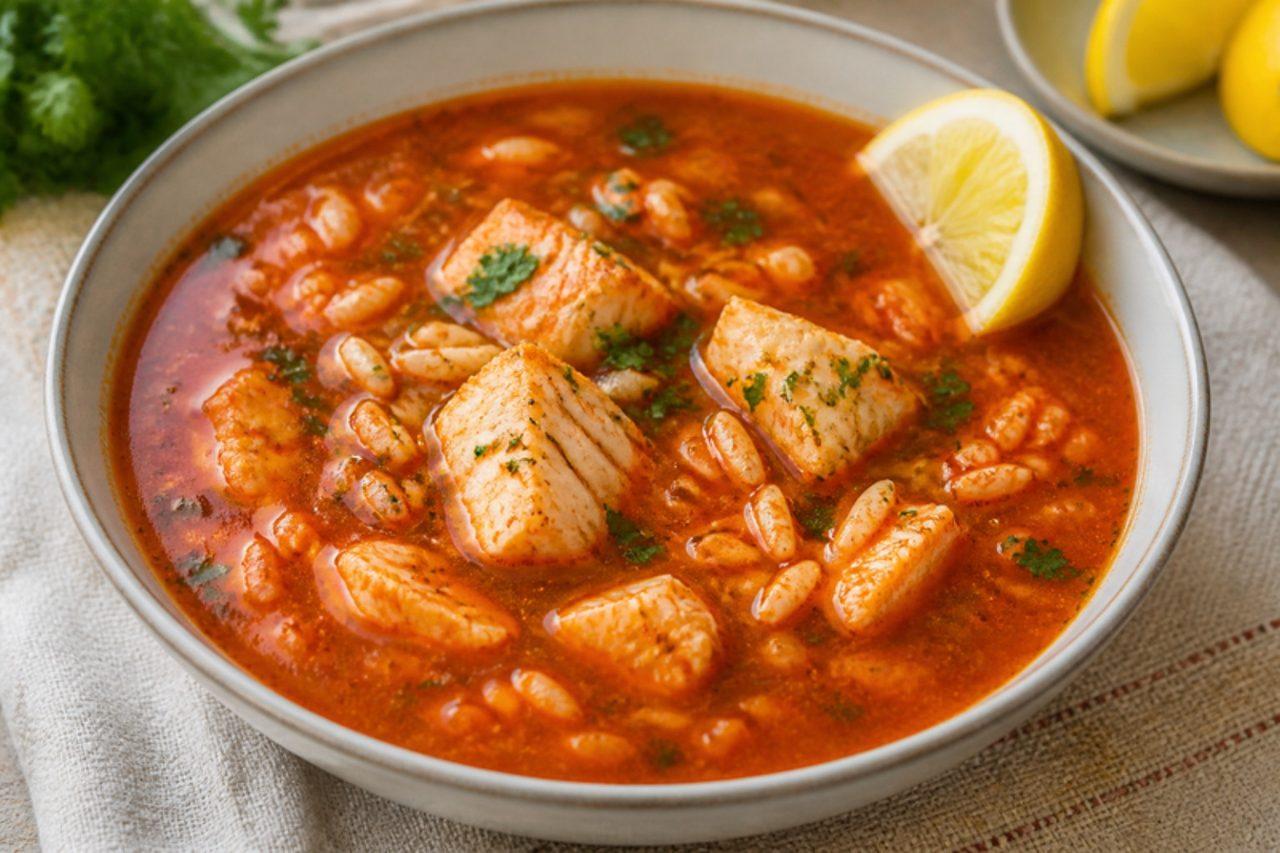
Along the coast around Sfax, a bowl of chorbet hout often opens the meal at Ramadan iftar, after dates and water: a red, peppery broth of tomato, harissa and caraway, thick with tiny bird's-tongue pasta and flakes of white fish, finished with a squeeze of lemon. Grouper, sea bream or mullet are the local choices, and any firm white fish works. The soup is warming and spicy with a fresh lift from parsley and celery, and goes well with bread and a brik. Chef's tip: poach the fish briefly, lift it out and only return the flakes at the end; leaving it to boil with the pasta is the common mistake, and it breaks into threads.

by KrazyBadal 0 views

Osban (Tunisian stuffed lamb sausages)

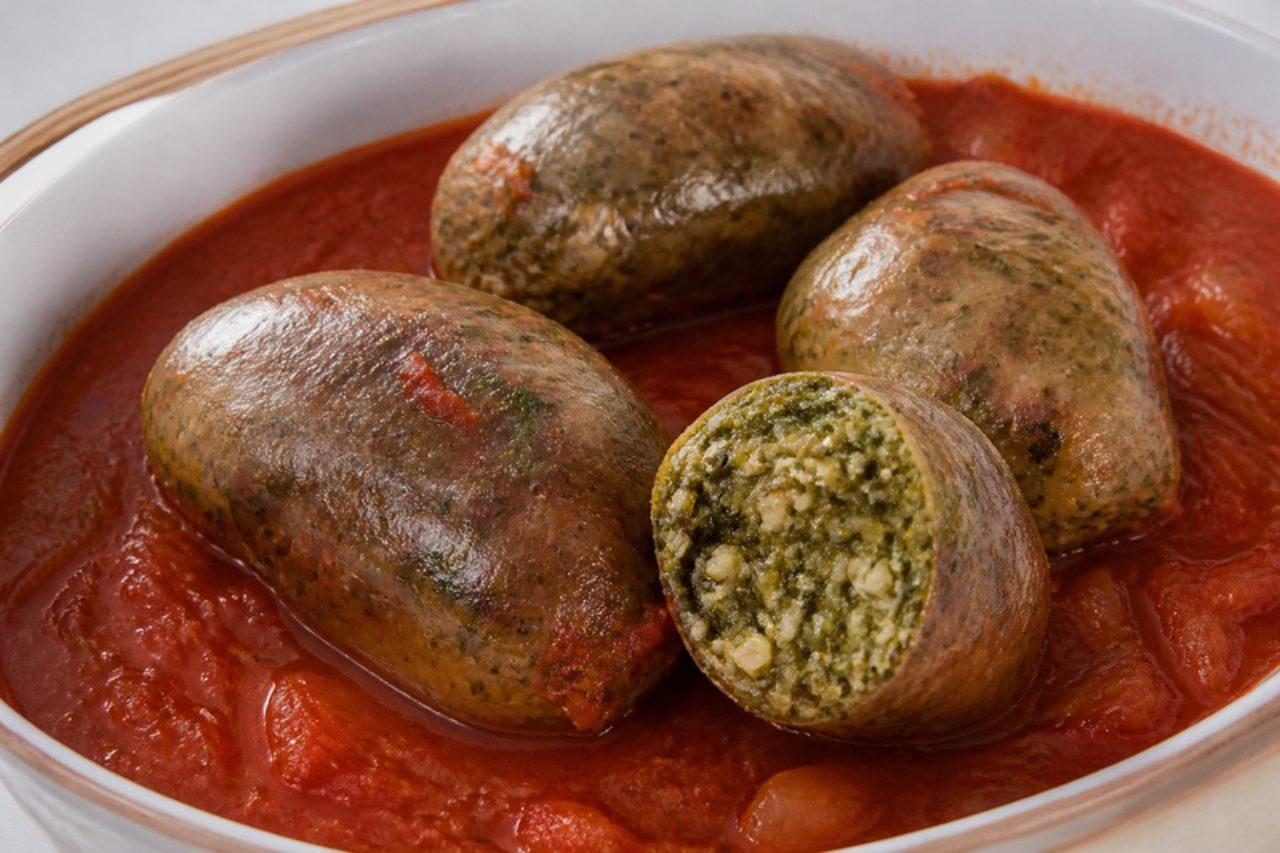
Eid al-Adha in Tunisia means using every part of the sheep, and osban is how the tripe is honoured: cleaned pieces are sewn into pouches and packed with rice, chopped liver and lamb, chard, a big bunch of parsley and coriander, dried mint and harissa, then simmered in a red chickpea sauce and served over couscous. Families all over the country, from Tunis to the south, make a batch and freeze some for later. The filling cooks into a soft, herby, peppery sausage and the tripe turns tender. Buy tripe that the butcher has already cleaned and scalded, or use natural sausage casings for an easier version. Chef's tip: fill the pouches only two-thirds full and prick them with a needle; the rice swells as it cooks, and overstuffed osban burst, which is the most common mistake.

180 minTunisianMeat
by KrazyBadal 0 views

Tamina (roasted semolina with honey)

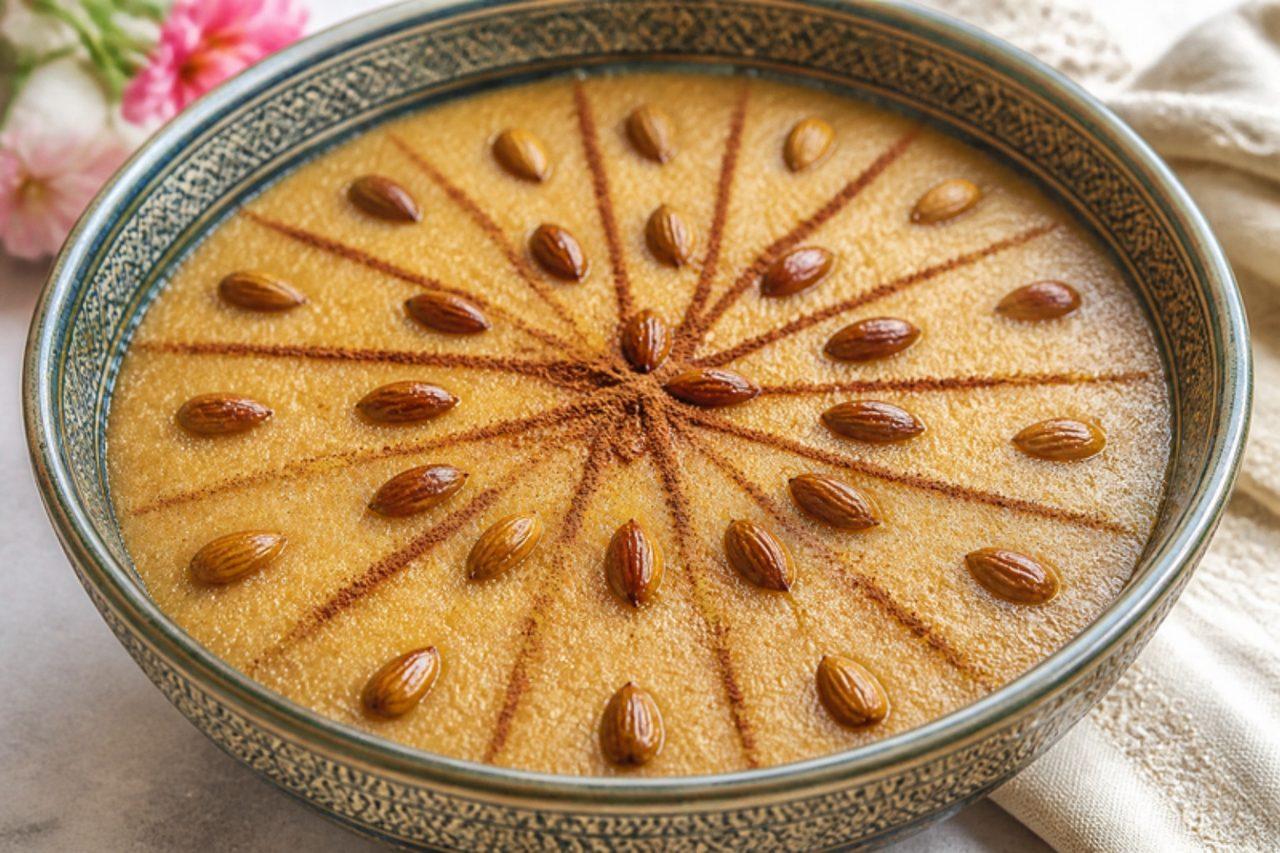
Word of a birth in an Algiers household brings a steady flow of visitors, and each is offered a small dish of tamina with coffee: semolina roasted in a dry pan until it smells like toasted hazelnuts, then bound with melted butter and honey and dusted with cinnamon. It is soft, crumbly and sweet, a little like a spoonable halva, and is said to give strength to the new mother. Tamina is also made for Mawlid and served with tea, with the cinnamon often sifted over in a lattice pattern. Chef's tip: toast the semolina slowly over a medium-low heat and stir without stopping; burnt dark specks make the whole batch bitter and cannot be picked out.

by KrazyBadal 0 views

Kammounia (Tunisian cumin beef stew)

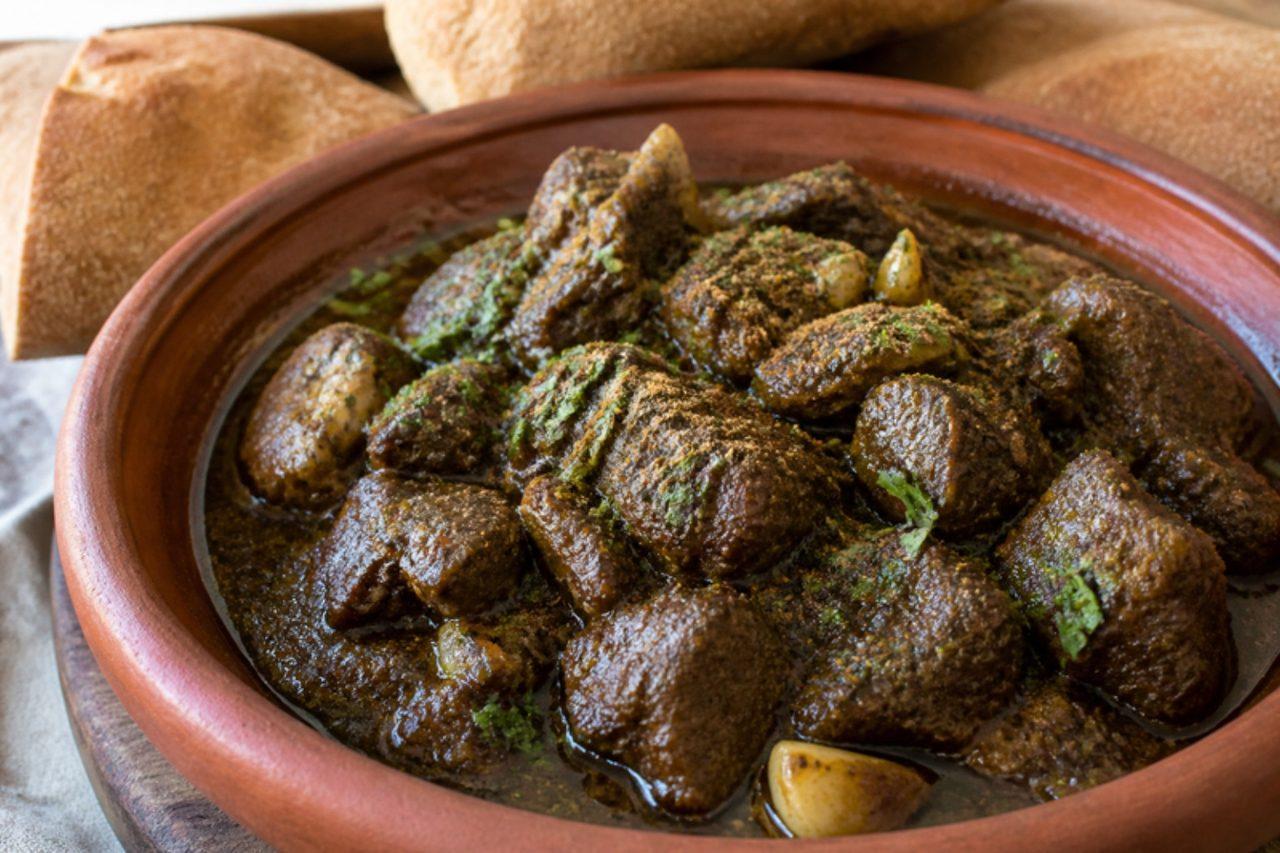
Cumin, kammoun in Arabic, gives kammounia its name, and the dish uses it boldly: chunks of beef, or in many Tunis homes lamb's liver, simmer in a thick, dark sauce of garlic, tomato paste and a generous amount of ground cumin until the meat is tender and the sauce clings to it. It is everyday family food in Tunis and Sfax, scooped up with crusty bread or served alongside a salad and olives. The flavour is earthy, warm and garlicky with a gentle heat from harissa. The usual mistake is adding the cumin at the start and frying it hard, which makes it bitter; it goes in once the sauce is simmering. Chef's tip: add half the cumin at the start and the rest in the last 10 minutes; all of it at once risks a flat, slightly bitter sauce, while the late addition keeps the aroma bright.

by KrazyBadal 0 views

Shoti bread

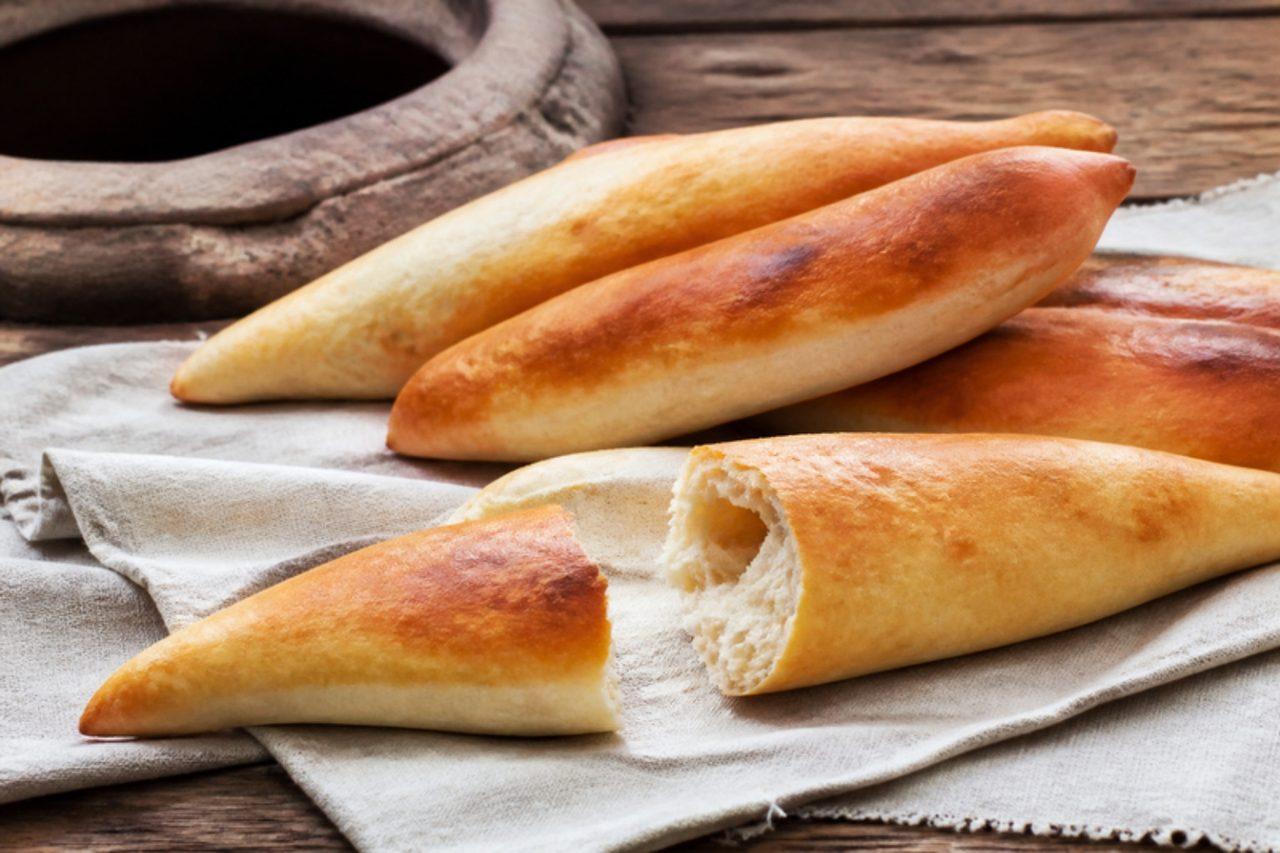
Every Kakhetian village has a bakery where the baker leans into a round, pit-like tone oven and slaps long, pointed loaves onto its hot clay wall; the bread comes out crackly at the tips and soft in the middle, and it is bought warm every morning in Telavi and Sighnaghi. Shoti is just flour, water, yeast and salt, so the shape and the blast of heat do the work. At home a pizza stone or an upturned heavy baking tray, heated for a long time, gives a good copy. A common mistake is a dry, stiff dough; it should be soft enough to stretch into a long canoe without tearing. Chef's tip: spray the oven walls with water as the bread goes in; the burst of steam gives the blistered, glossy crust of the tone.

by KrazyBadal 0 views

Bkaila (Tunisian spinach and beef stew)

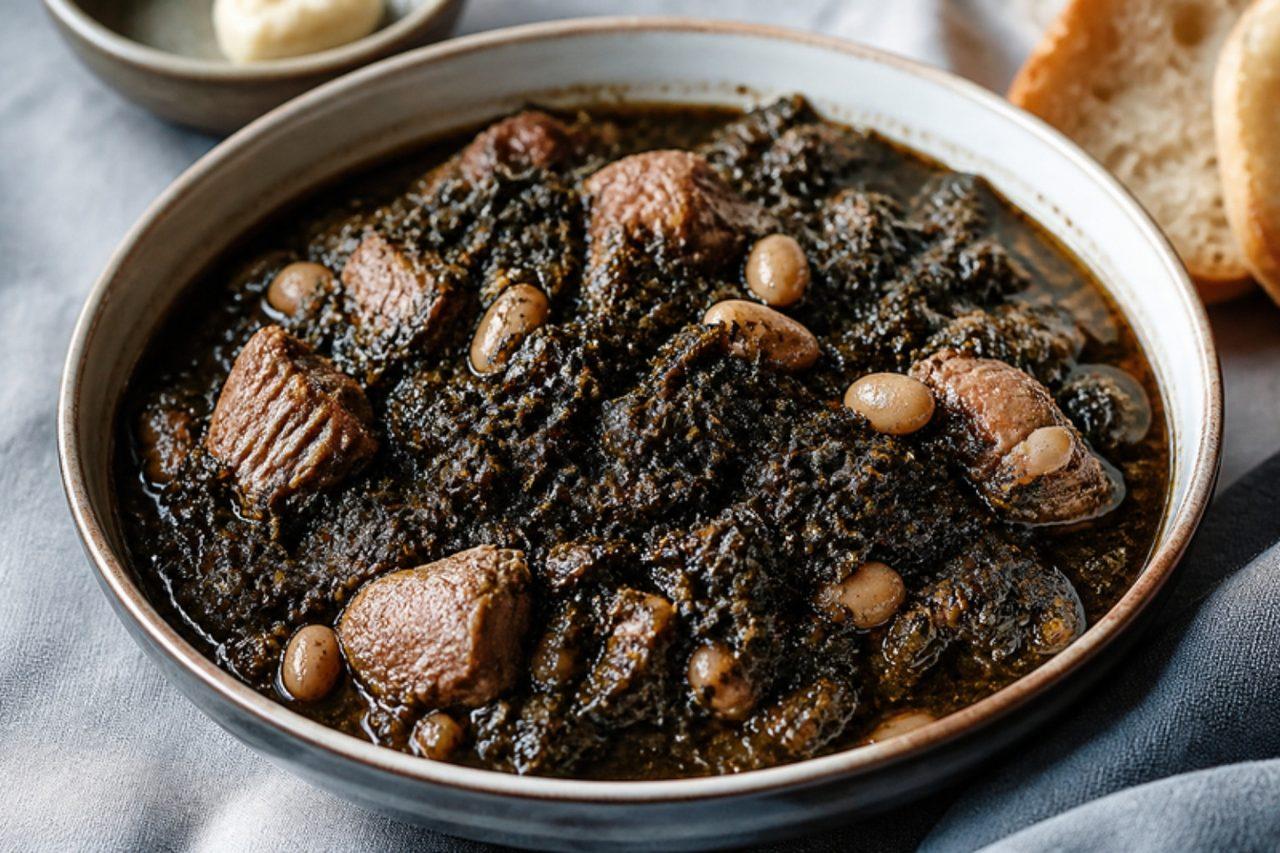
Tunisian Jewish families in Tunis, and those who carried the dish to Paris and Israel, cook bkaila for Rosh Hashanah and for Friday-night dinners: a heap of spinach is fried in olive oil for over an hour, until it shrinks to a dark, almost black, crumbly paste, then simmered for hours with chunks of beef, white beans, garlic and dried mint. The result looks dramatic and tastes deep and earthy, a little like a long-braised green sauce, with tender meat and creamy beans. It is eaten with couscous or bread, and is even better reheated the next day. Start the beans soaking the night before. Chef's tip: fry the spinach over a medium-low heat and stir often; turning up the heat to save time is the classic mistake, scorching the leaves so the whole pot turns bitter.

240 minTunisianMeatGluten free
by KrazyBadal 0 views

KalakukkoFish and pork rye loaf

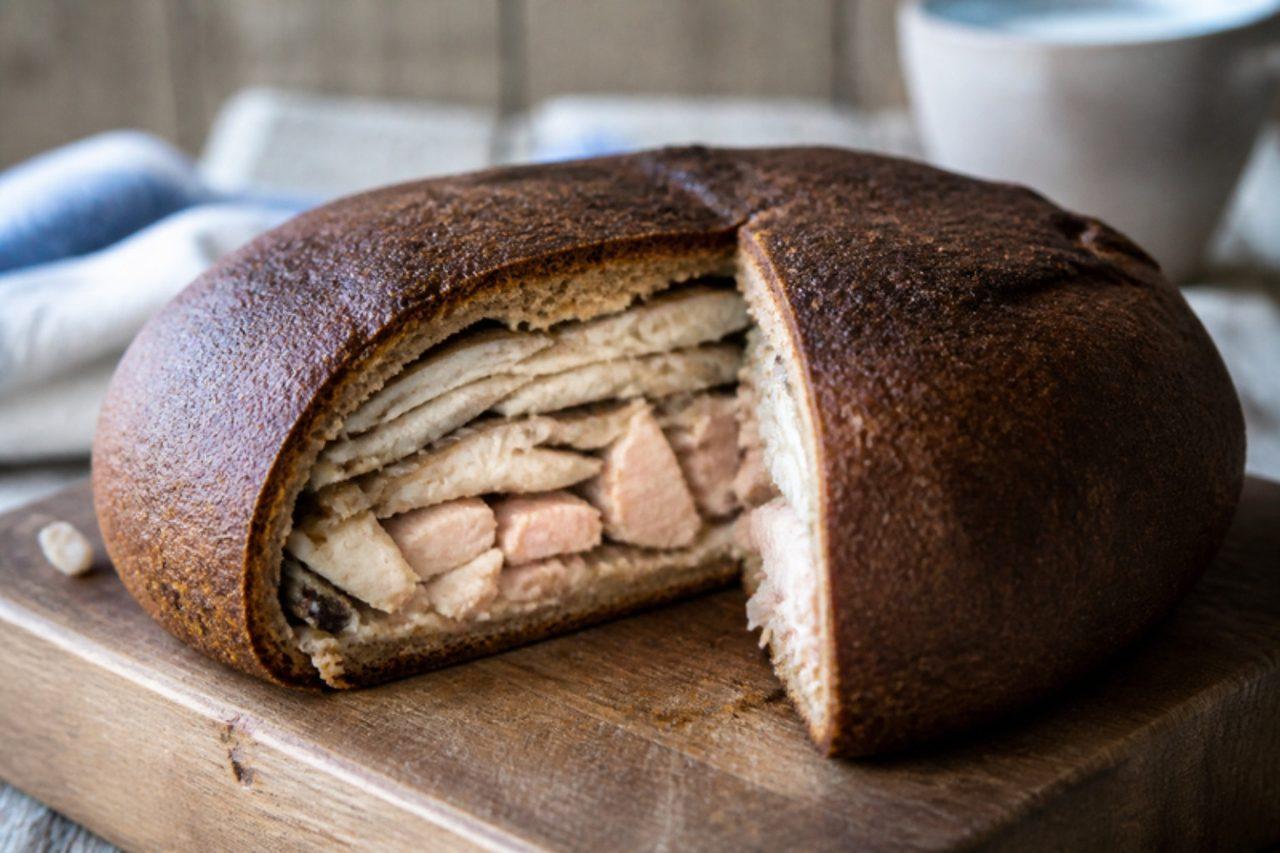
Kalakukko is the travelling food of Savonia in eastern Finland, a speciality of Kuopio's market square: a thick rye crust packed with small whole fish, usually vendace (muikku) or perch, and slices of fatty pork belly, sealed and baked for five or six hours, until the fish bones soften completely and the juices soak the inside of the crust. This dish contains pork. It is cut open like a lid and eaten in slices, crust and all, hot or cold. A common mistake is a crack in the crust, which lets the juices escape and dries out the fish. Chef's tip: patch any cracks with a little rye dough during baking, and wrap the loaf in foil and a towel after baking to rest.

by KrazyBadal 0 views

Jamaican pumpkin rice

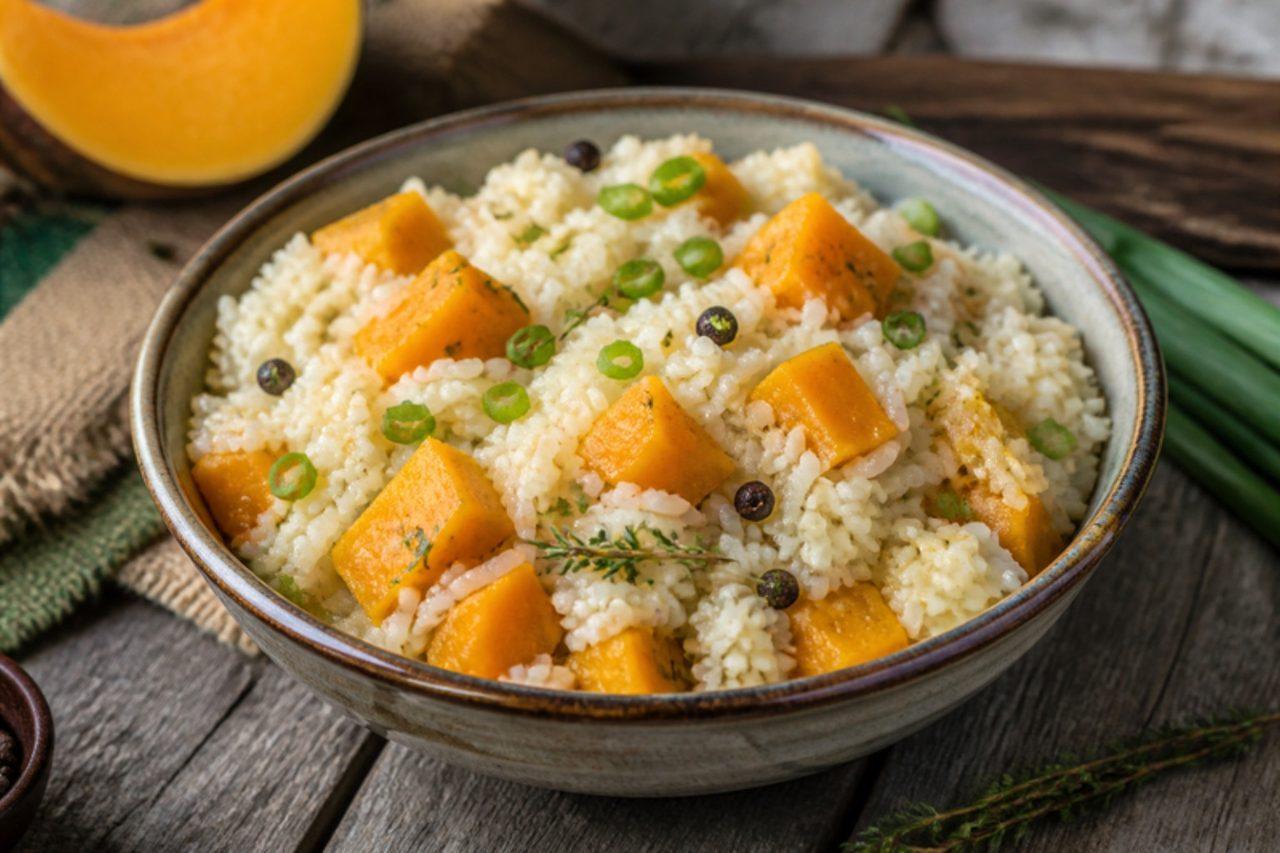
Along the north coast between Montego Bay and Ocho Rios, pumpkin rice turns up beside escovitch fish and steamed vegetables at Sunday lunch, the soft orange squash melting into the grains as they cook. Coconut milk, a sprig of thyme, scallion and a few pimento berries give it a gentle, savoury sweetness, and a whole scotch bonnet adds fragrance without much heat as long as it stays unburst. The common mistake is cutting the pumpkin too small, so it vanishes completely; 2 cm cubes partly melt and partly hold. Serve it with stew peas, jerk tofu or fried plantain. Chef's tip: rinse the rice until the water runs nearly clear, or the starch and pumpkin turn the pot sticky.

by KrazyBadal 0 views

Jamaican gungo pea soup

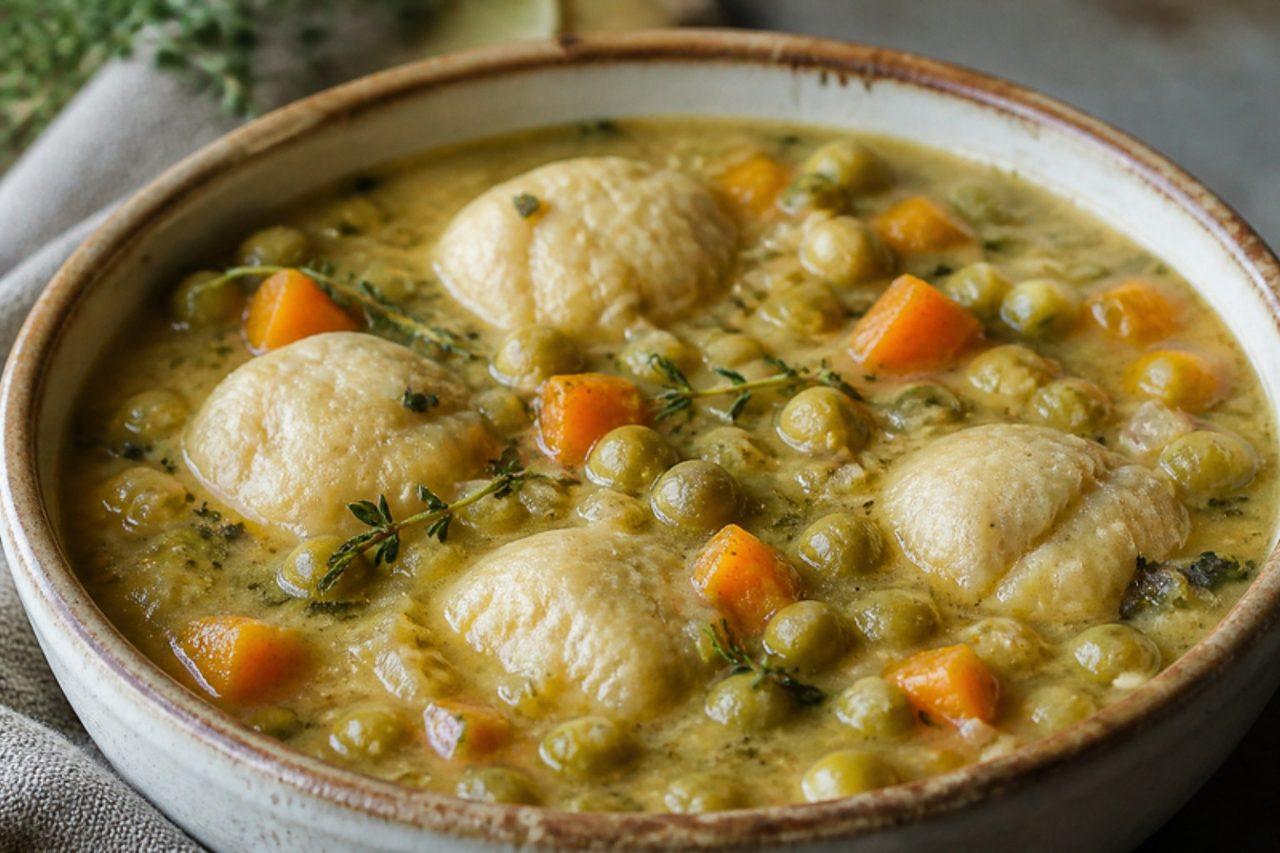
Gungo peas ripen around December, so this soup belongs to the Christmas season in Jamaica, when the same peas also go into the festive rice and peas. Fresh or frozen green pigeon peas give a nutty, earthy broth that coconut milk, thyme and pumpkin turn rich and golden, and flour dumplings make it a meal. A common mistake is boiling the coconut milk hard for the whole time, which makes it split and oily; add it once the peas are soft and keep the pot at a simmer. Dried pigeon peas work too: soak them overnight and allow an extra 40 minutes. Chef's tip: blitz about a quarter of the soup and stir it back in for body while keeping plenty of whole peas.

by KrazyBadal 0 views

Djouzia (walnut and honey nougat)

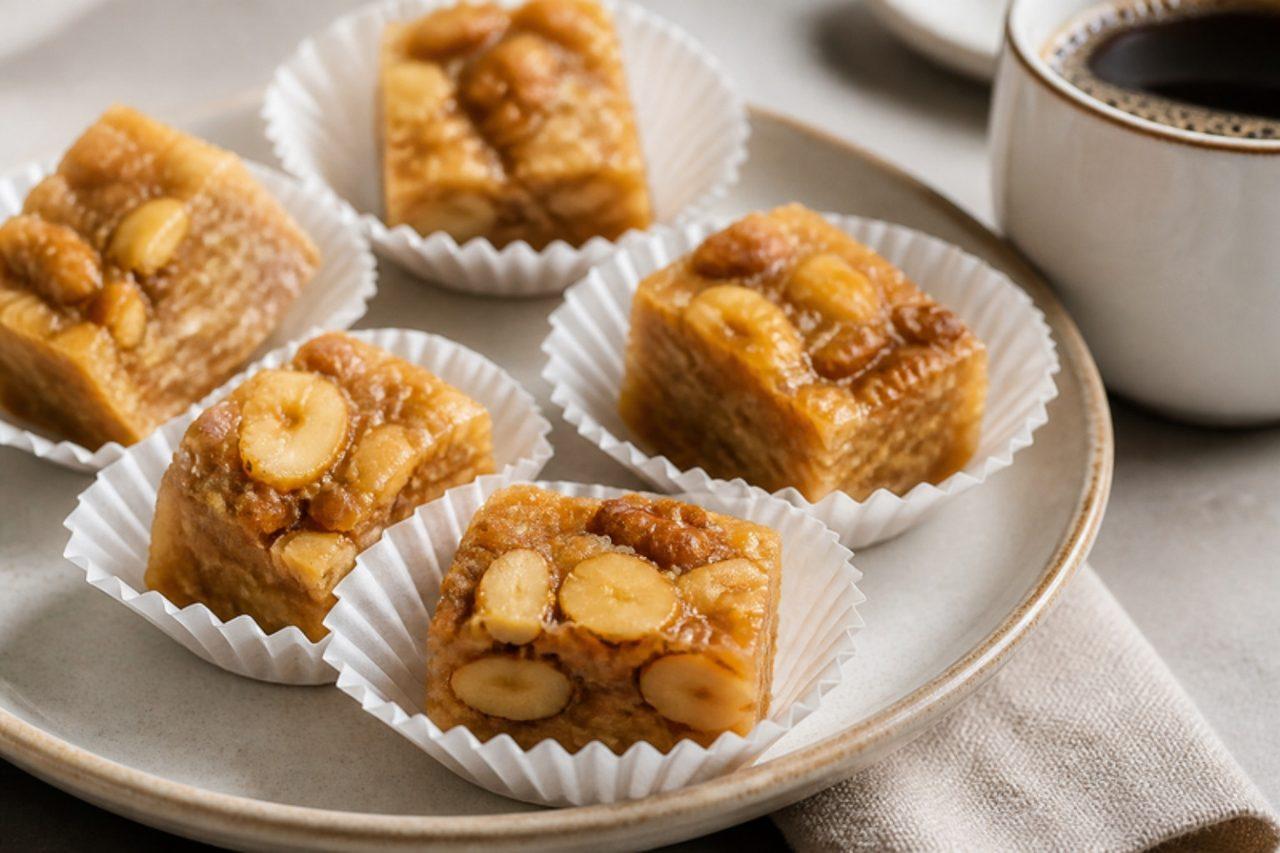
Shops in old Constantine wrap djouzia in twists of paper and sell it by weight, a soft, pale caramel-coloured nougat of honey, whipped egg white and plenty of walnuts. It is chewier and darker than white Provençal nougat, with a deep honey flavour and the slight bitterness of walnut skins. Djouzia is a gift sweet, carried to weddings and offered with coffee to visitors, and keeps for weeks. A sugar thermometer makes it reliable. Chef's tip: cook the honey syrup to 125 °C; syrup that is pulled off too early is the most common mistake, and the nougat stays sticky and will not set enough to cut.

by KrazyBadal 0 views

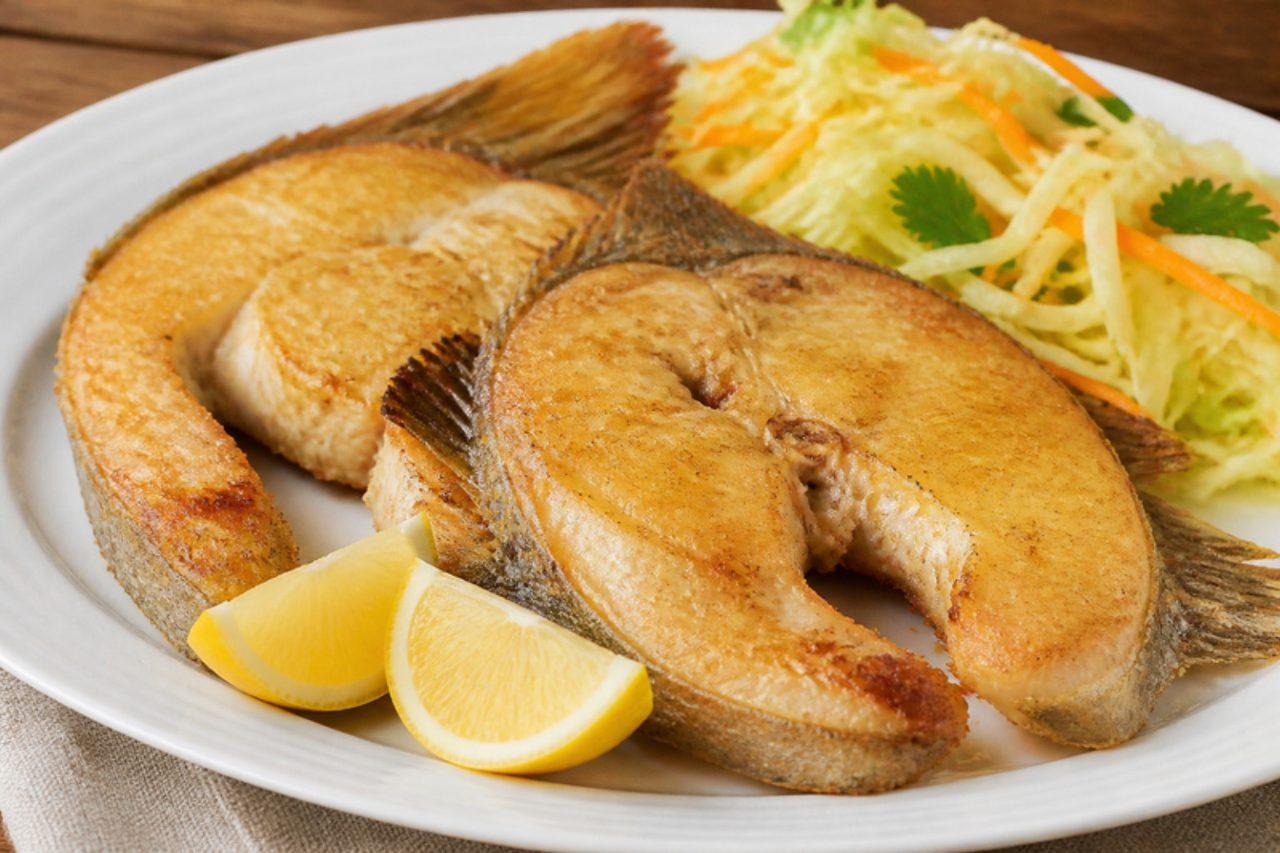
KalkanFried turbot steaks

Turbot season on the Bulgarian Black Sea is short and strictly controlled, so in spring locals in Burgas and Balchik queue at the fish market for kalkan, the flat, diamond-shaped fish with firm, sweet white flesh. Seaside restaurants cut it across the bone into thick steaks, dust them with flour and fry them in sunflower oil until the skin is crisp and the flesh pearly, then serve them simply with lemon and a crunchy salad of shredded cabbage and carrot dressed with vinegar. Brill or halibut steaks work the same way if turbot is out of reach. A common mistake is turning the fish too soon, which tears the crust; leave it until it releases from the pan by itself. Chef's tip: score the dark skin twice so the steaks stay flat and cook evenly.

by KrazyBadal 0 views

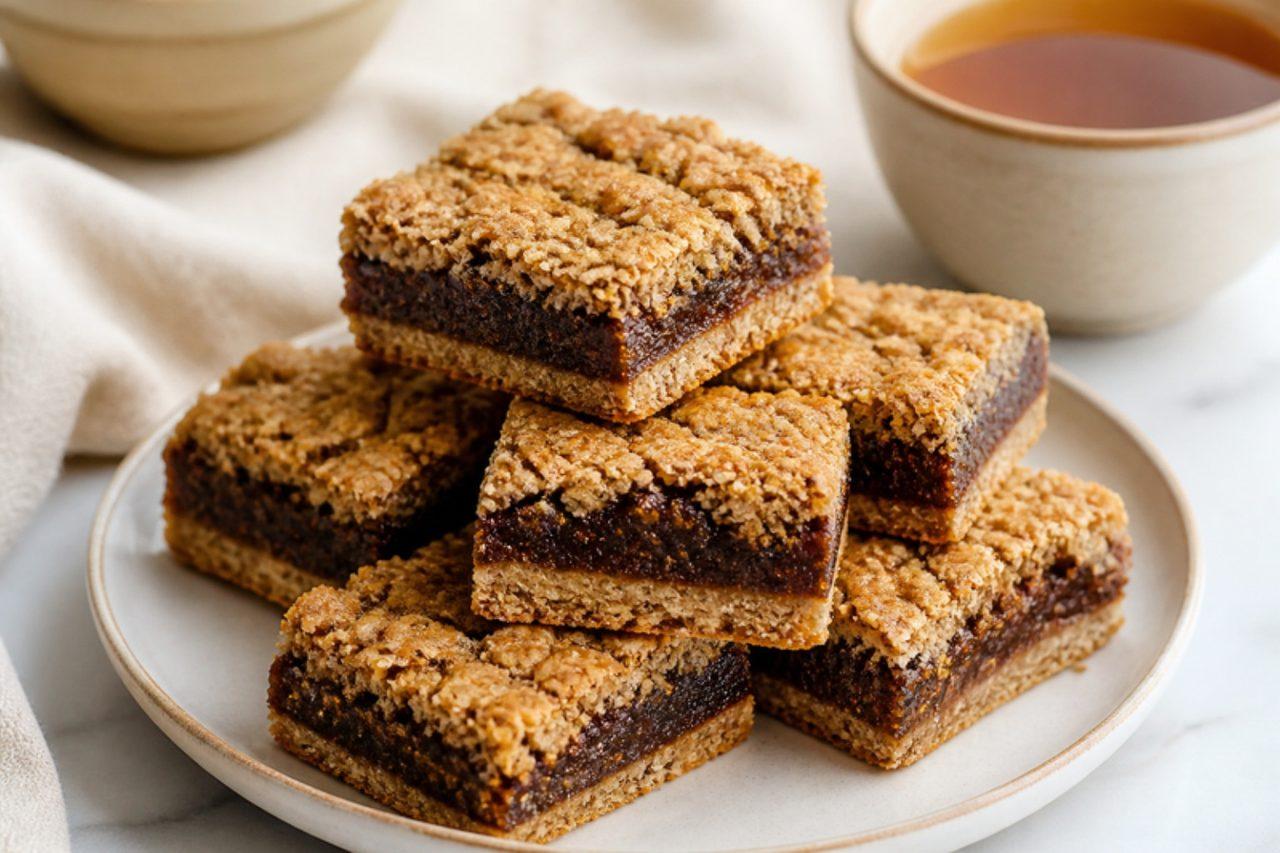
Date squares

Date squares are on the tea table in every Canadian church hall and school bake sale, called carrés aux dattes in Quebec and matrimonial cake in the West. A buttery oat crumble is pressed into a tin, spread with a soft date filling and covered with more crumble, then baked until golden. They keep for days and freeze well. A common mistake is spreading the dates while hot onto loose crumb, which makes the base soggy; press the base firmly. Chef's tip: add a strip of orange zest to the dates for a brighter flavour.

by KrazyBadal 0 views

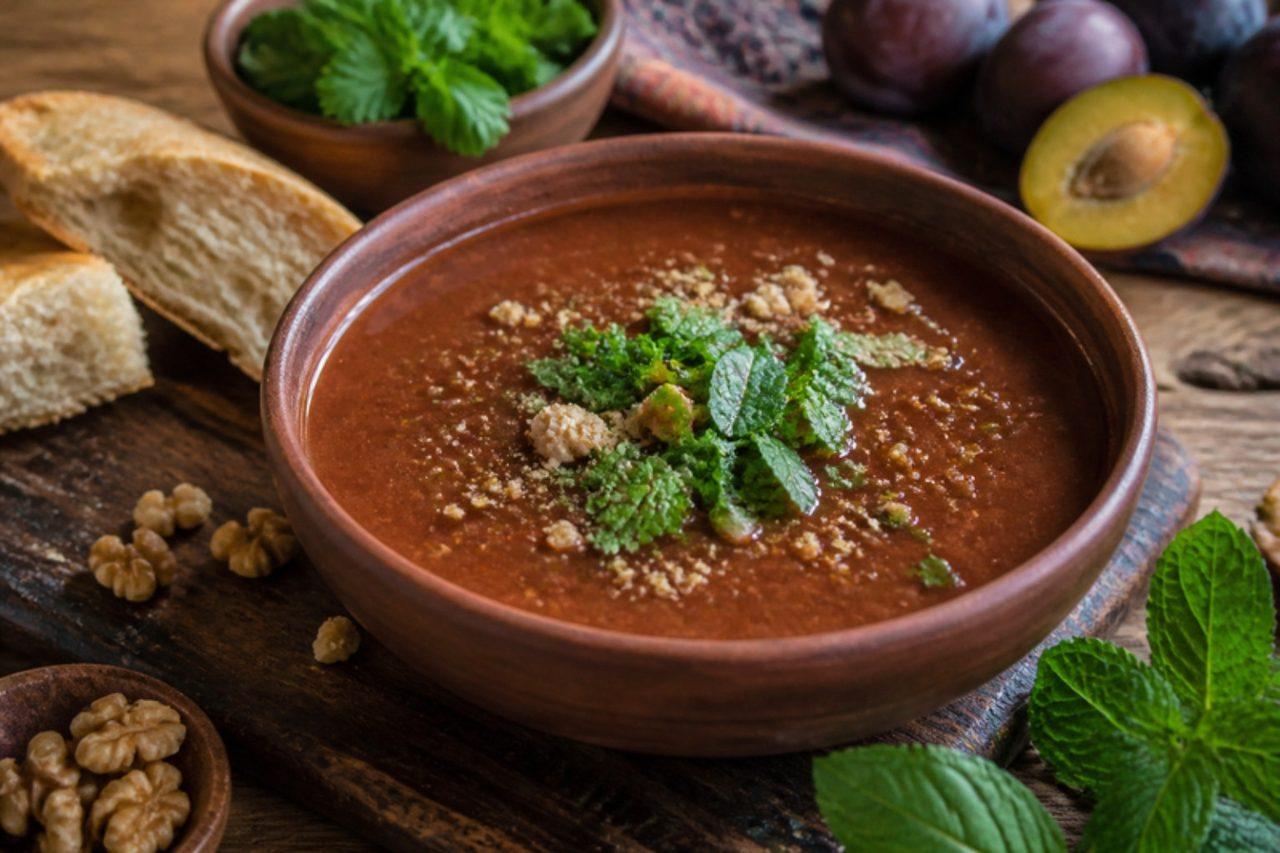
Tklapi soup

Tklapi are thin sheets of plum purée dried on boards in the late-summer sun around Kutaisi, rolled up and hung from rafters for the winter; dissolved in hot water, they turn into a sharp, fruity base for soups and sauces. This Imeretian Lenten soup is made in the cold months when fresh fruit is gone, thickened with walnuts and lifted with coriander, mint and garlic. If you cannot find tklapi, use dried sour plum leather or a mix of tkemali sauce and prunes. A common mistake is boiling the soup hard after the walnuts go in; they turn oily and the soup splits. Chef's tip: soak the tklapi in hot water first and rub it through a sieve, so the soup is smooth and free of stones or skins.

by KrazyBadal 0 views

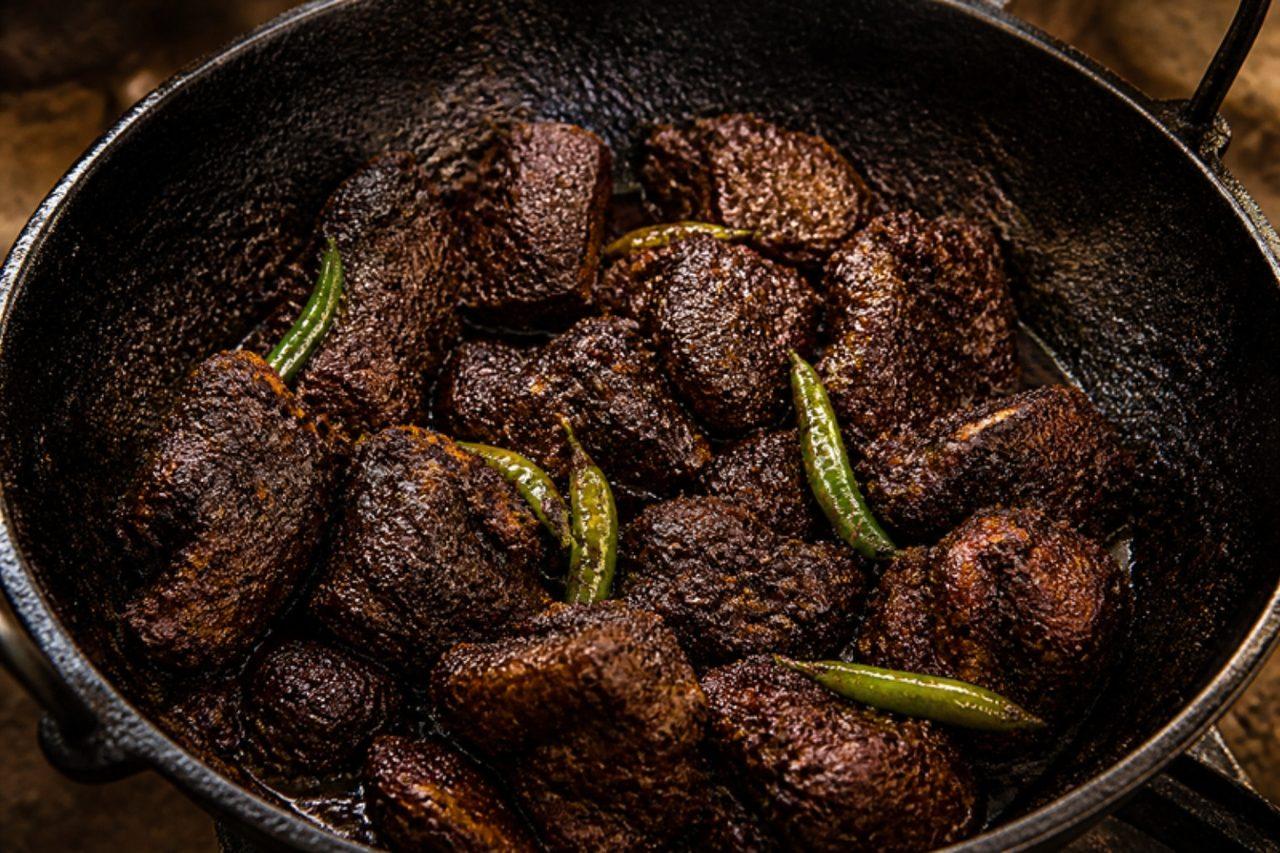
Kala bhunaDark mustard oil beef curry

Kala means black, and that is the colour you are aiming for: Chittagong's kala bhuna is beef that is first cooked with spices until tender and then fried and stirred, patiently, for the best part of an hour until the pieces turn dark brown to nearly black and the masala clings to them like a crust. It is a dish from the port city's wedding and Eid kitchens, now a fixture of Chittagong restaurants in Dhaka, eaten with plain rice, khichuri or rice-flour chitoi ruti. The taste is deep and roasted, sharp with mustard oil, black pepper and a little nutmeg and mace, with no gravy at all. The most common slip is turning up the heat to speed up the blackening, which burns the spices bitter rather than caramelising the meat. Chef's tip: it improves overnight, so make it a day ahead and re-fry it briefly before serving.

by KrazyBadal 0 views

Maple syrup pie

Tarte au sirop d'érable closes many a family meal in Quebec at Easter and through the sugaring season, a cousin of the sugar pie made with real maple syrup. The filling of syrup, cream and egg bakes into a soft, trembling, caramel-brown layer that tastes deeply of maple. Slice it thin; it is rich. A spoonful of crème fraîche or plain whipped cream cuts the sweetness. A common mistake is skipping the blind bake, which leaves a soggy base. Chef's tip: take the pie out while the centre still wobbles like jelly; it sets as it cools and over-baking makes it weep.

by KrazyBadal 0 views

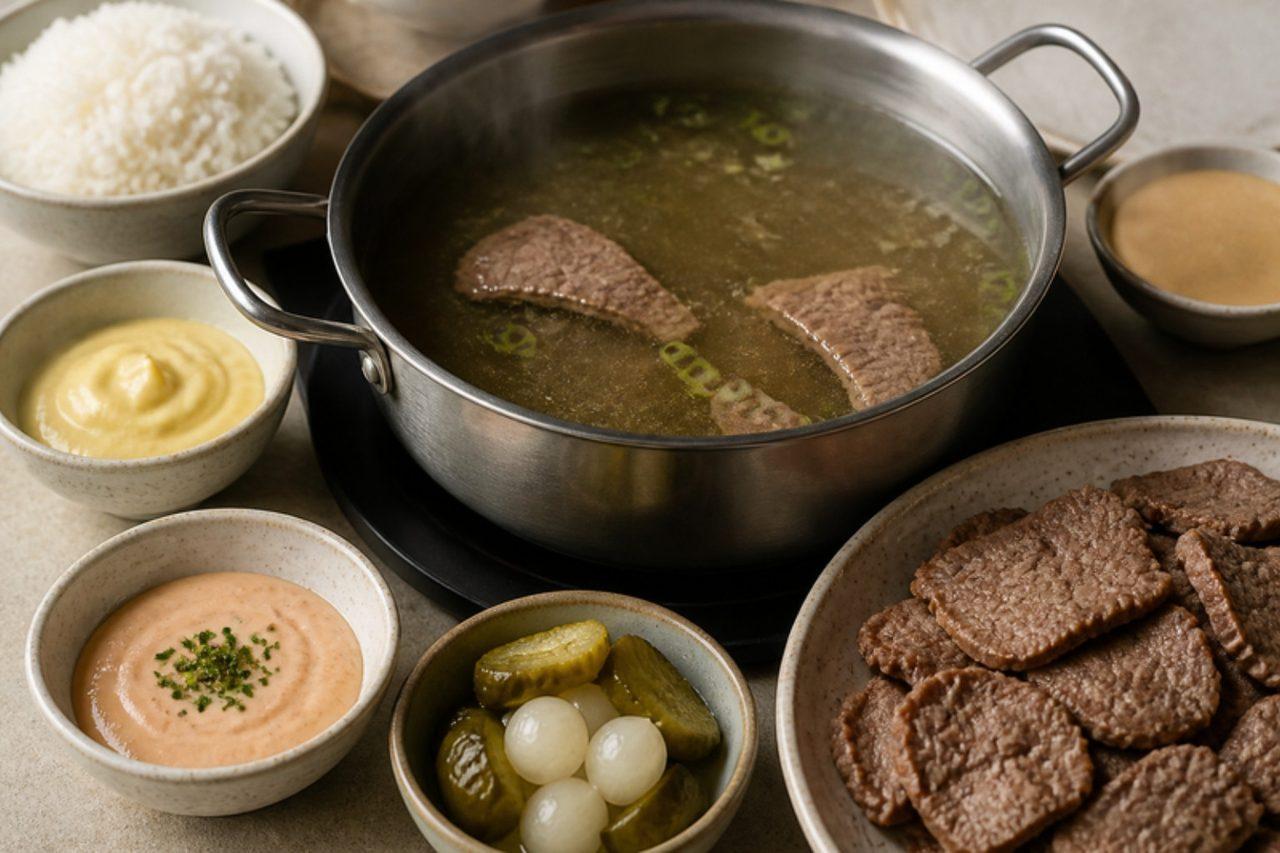
Fondue chinoise

Despite its name, fondue chinoise is a fixture of the Swiss Christmas and New Year table: a pot of simmering broth set on a burner in the middle of the table, into which everyone dips paper-thin slices of beef on long forks, cooks them for a few seconds and eats them with a spread of sauces, rice or potato chips, pickles and salads. It came to Switzerland via travellers to Asia in the 20th century. The broth is often made with white wine; this one uses stock only. A common mistake is slicing the meat thick, which takes too long and tightens. Chef's tip: half-freeze the beef for an hour so it slices paper-thin. Cook each slice until no longer pink, then eat; never use the same fork for raw and cooked meat.

45 minSwissMeat
by KrazyBadal 0 views

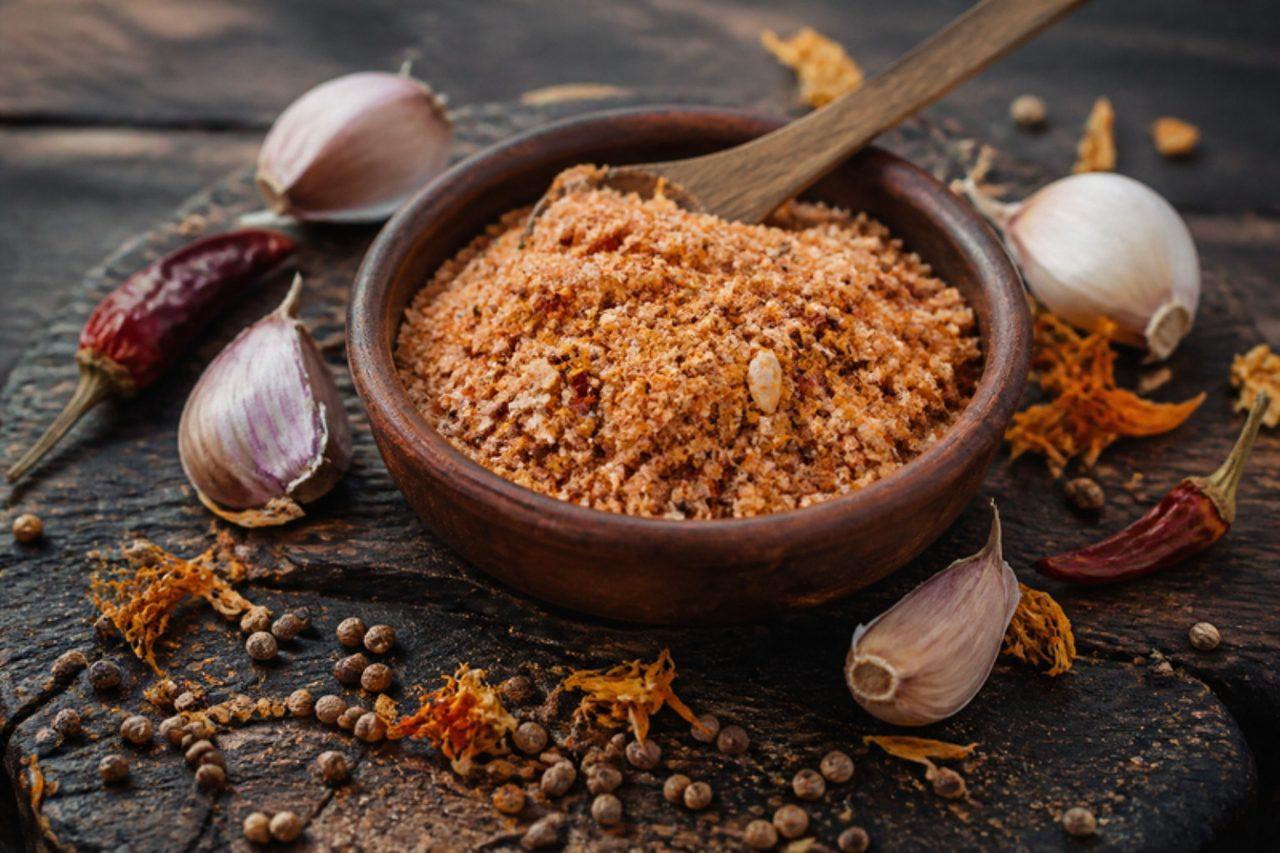
Svanetian salt

In the stone-towered villages of upper Svaneti, salt was precious and families stretched it by grinding it with garlic and the spices that grow on their slopes: blue fenugreek, coriander seed, dried dill seed, marigold and hot pepper. The result is a fragrant, damp, greenish salt that every Svan kitchen keeps in a jar, rubbed on potatoes, stirred into soups or sprinkled on tomatoes and cucumbers. A common mistake is using fine table salt, which turns to paste; coarse salt grinds the garlic and dries it at the same time. Chef's tip: spread the finished salt on a tray and let it dry for a day before jarring, so it keeps for months.

by KrazyBadal 0 views

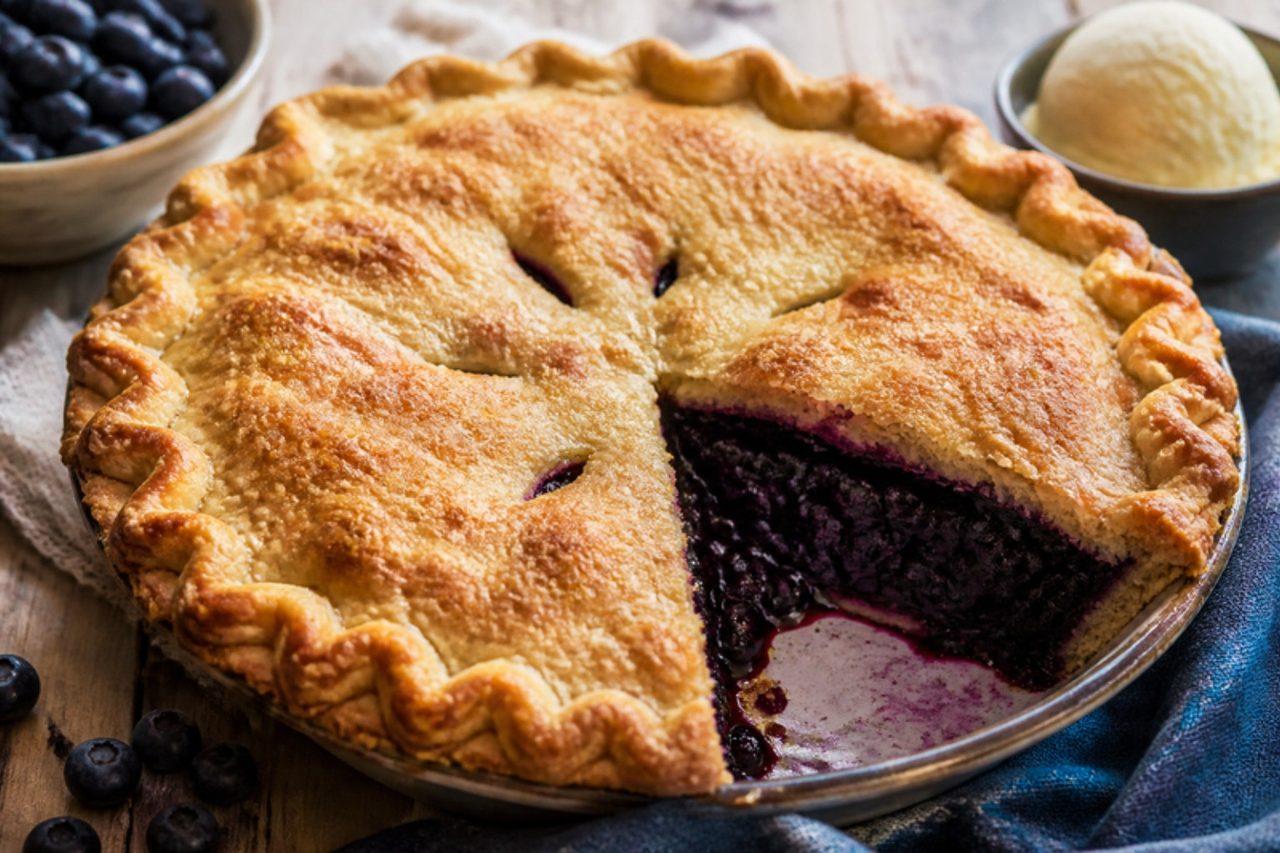
Lac-Saint-Jean blueberry pie

Around Lac-Saint-Jean in Quebec the low wild blueberries ripen in August, and the region is so proud of them that locals are nicknamed bleuets. Every church supper and roadside casse-croûte there sells a deep tarte aux bleuets with a flaky top crust and a dark, jammy filling that holds when sliced. Wild berries are smaller and more intense than cultivated ones and frozen wild berries work well. Serve slightly warm with vanilla ice cream or a jug of cream. A common mistake is skimping on the cornflour, which leaves a soupy filling. Chef's tip: let the pie cool for at least three hours so the juices set; cut it hot and the filling runs all over the plate.

by KrazyBadal 0 views

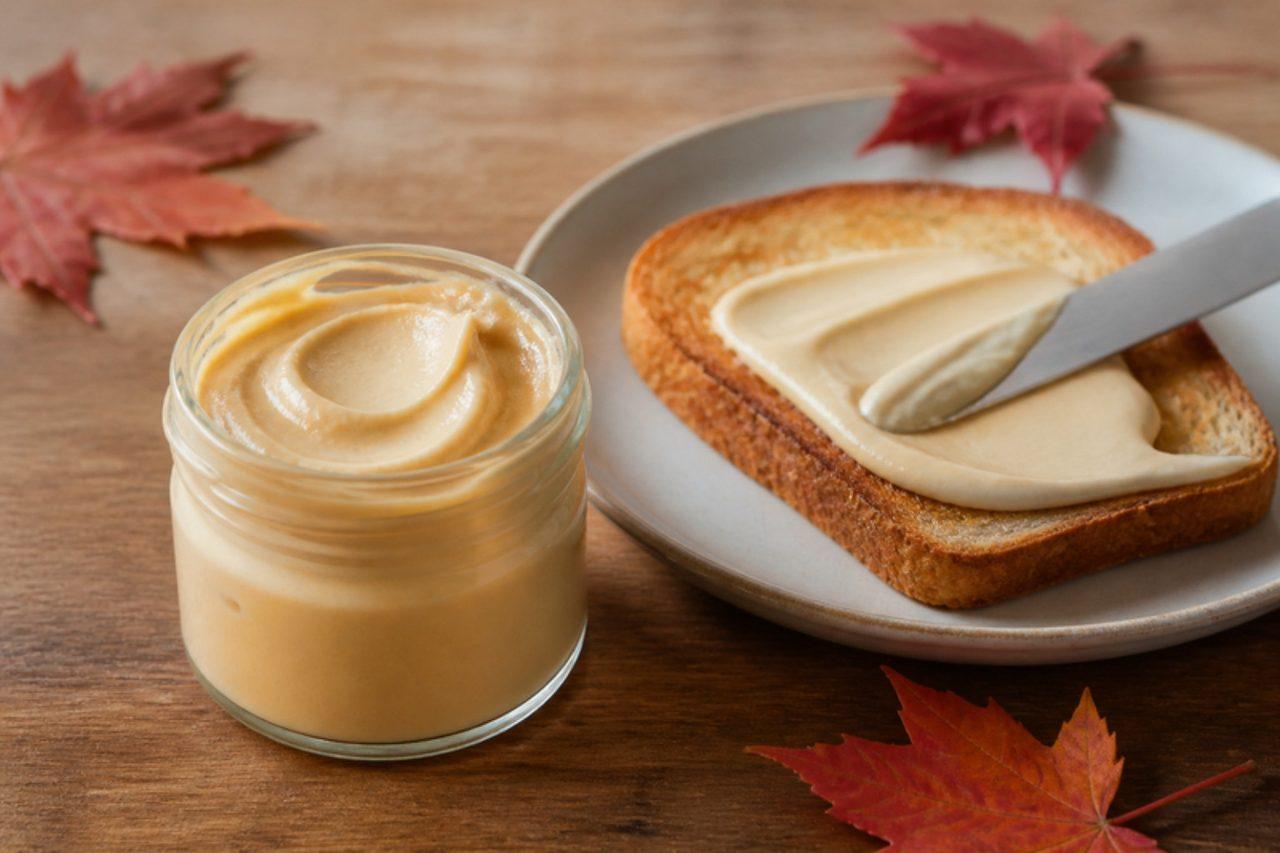
Maple cream

Crème d'érable is sold in little jars in every Quebec market from Jean-Talon to the Beauce farm stands, and despite the name there is no cream in it: pure maple syrup is boiled to the soft-ball stage, cooled without stirring and then beaten until it turns pale and creamy. It is spread on toast, crêpes and warm bagels. Patience and a thermometer are the whole trick. The common mistake is stirring the syrup while it cools, which sets off large grainy crystals instead of a smooth cream. Chef's tip: use a light, golden syrup; dark syrups taste stronger but can stay runny.

by KrazyBadal 0 views

Showing 45 of 7,762 recipes

Show more recipes

Page 220 of 863