


Skip to content
Pain d'épices de Dijon
Featured recipe

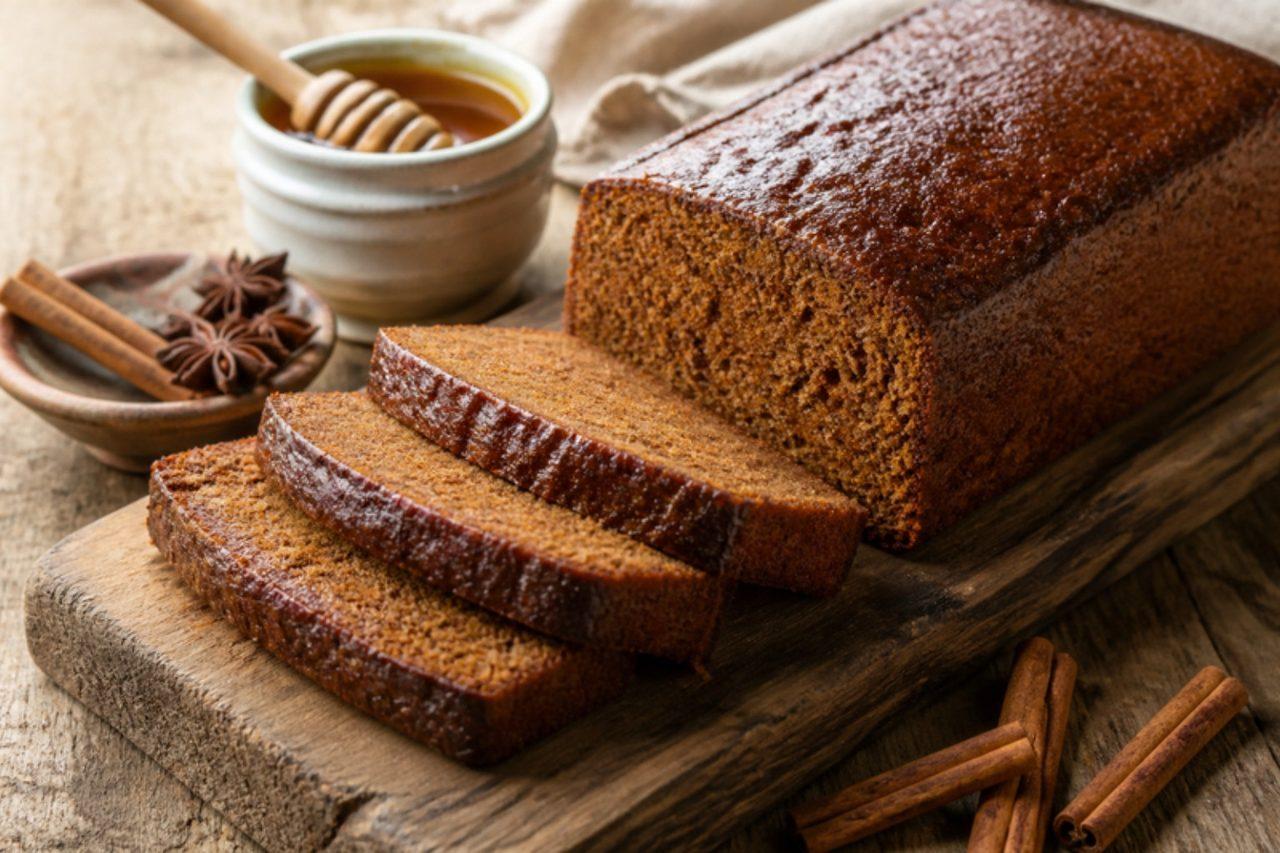
Pain d'épices de Dijon

Honey spice loaf

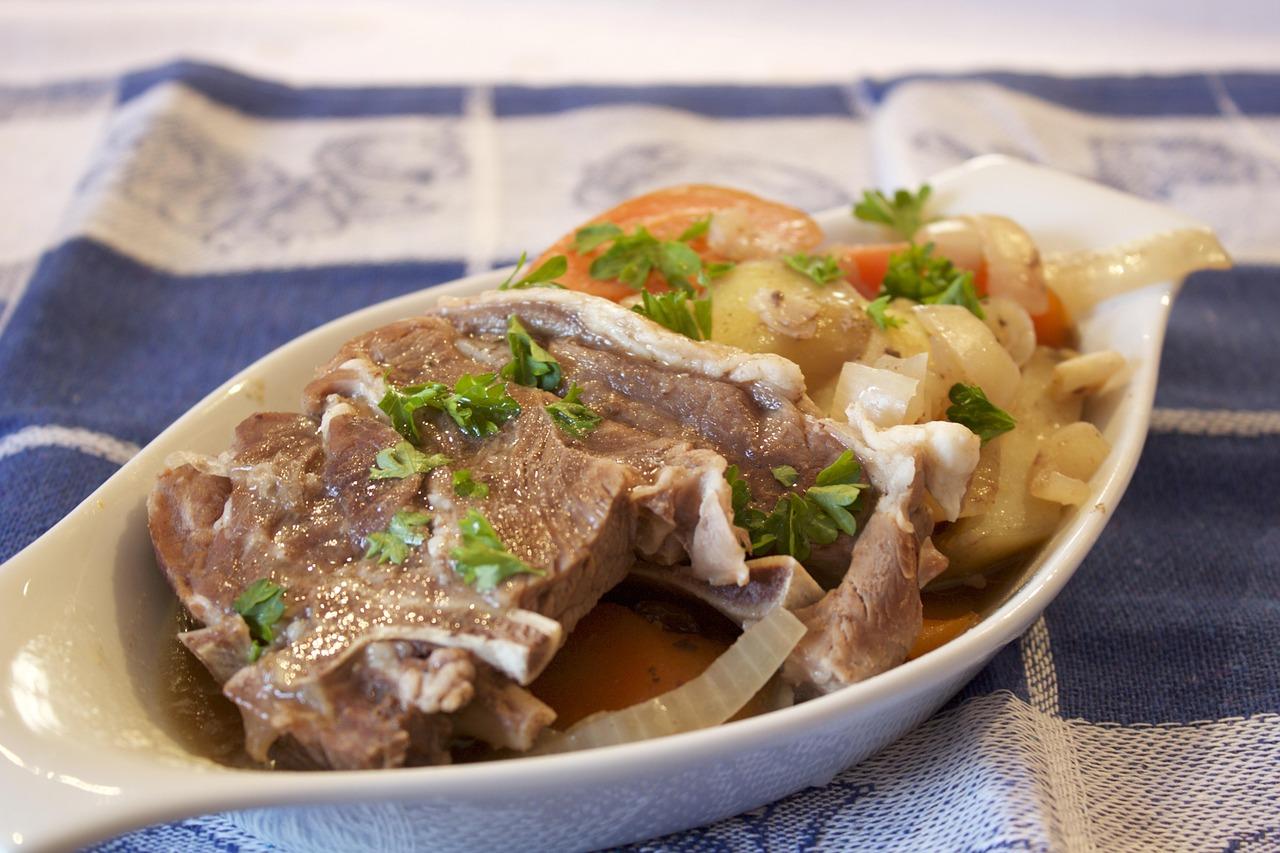
Dijon has been baking pain d'épices since the Middle Ages, and the shops near the old ducal palace still sell it by the slice, plain or glazed with orange. It is a dense, fragrant honey loaf, sold all year but eaten most in December, when Burgundian families toast slices for breakfast, spread them with butter, or serve them with cheese and pears. The Dijon style uses wheat flour and a whole egg, which makes it softer than the rye-flour loaves of Reims. Chef's tip: wrap it and wait a day before cutting; the crumb turns moist and the spices settle and deepen.

Read more 0 views

What to eat today?

Around the world

Today's trip: Paraguayan

A new country every day, from every cuisine on the site.

Paraguayan

Lampreado

Cassava starch cheese fritters 30 minMore from Paraguayan (27) →

This week's collection

Kid-friendly dinners
537 recipes · a new collection every Monday

Latest recipes

Dziriettes (almond flower pastries)

Named after the women of Algiers, dziriettes are the jewels on any wedding or Eid tray: thin, crisp pastry pinched into a flower or crown, filled with a dome of almond paste scented with orange blossom, then baked and soaked in warm honey. They take patience, but the result is delicate and fragrant, with a shatter of pastry giving way to a soft, moist almond centre. Families often make a few hundred over several evenings, together, before a celebration, and serve them with mint tea or coffee. Chef's tip: roll the dough so thin you can almost see the worktop through it; thick pastry is the commonest mistake and turns dziriettes stodgy instead of crisp.

by KrazyBadal 0 views

Griwech (honey-dipped pastry knots)

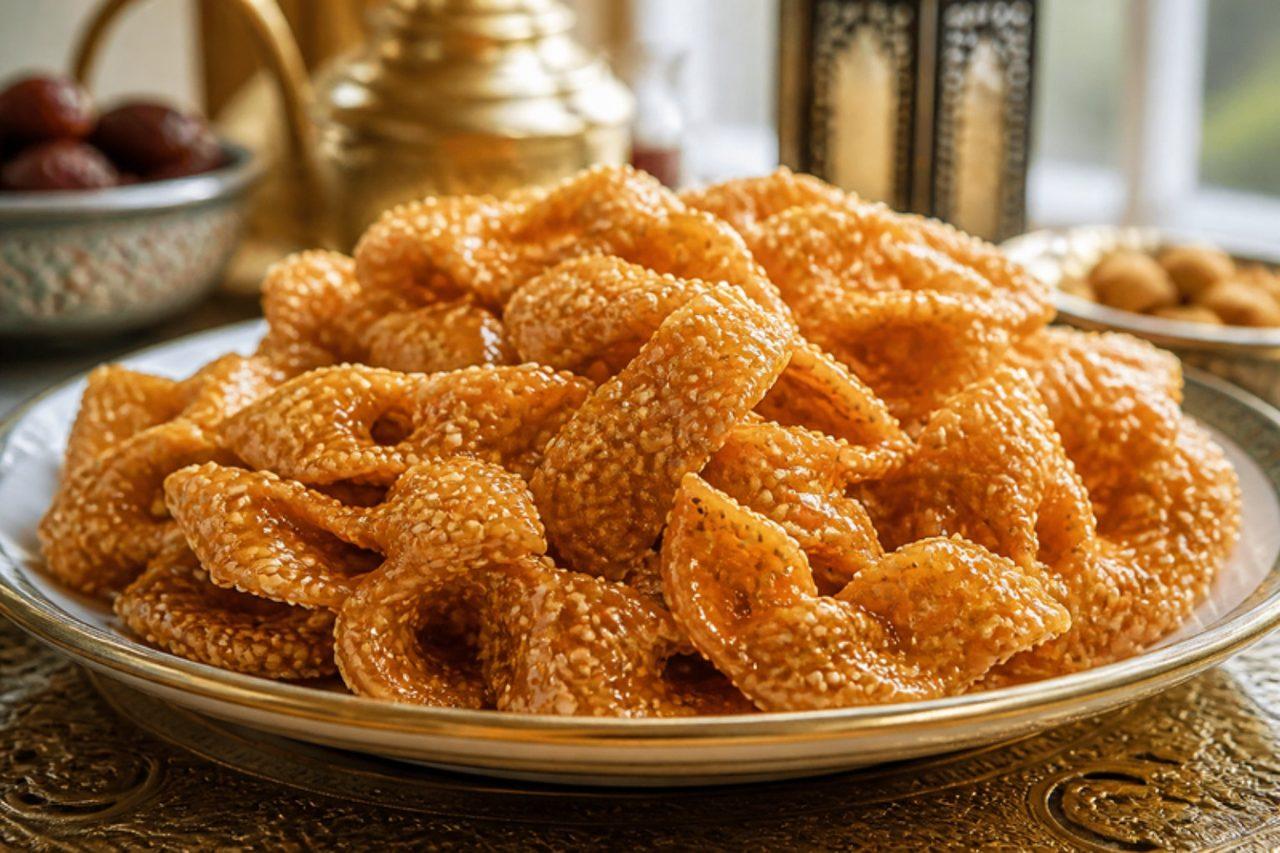
No Ramadan table in Algeria feels complete without a plate of griwech next to the chorba, ready for the sweet craving that follows the fast. Thin sheets of dough are cut into rectangles, slit and twisted into knots, fried until crisp and golden, then plunged into warm honey and scattered with toasted sesame. Each piece snaps cleanly, then melts into a sticky, orange-blossom sweetness. Batches are made days ahead and kept in tins for visitors through the month and on into Eid. Chef's tip: keep the oil at 170 °C; oil that is too hot is the usual mistake, colouring the outside before the layers inside crisp, so the griwech goes soft in the honey.

by KrazyBadal 0 views

Ka'ak nakache (date-filled semolina rings)

Constantine bakers own a special brass tweezer, the nakache, just for decorating these rings: a rope of buttery semolina dough is wrapped round spiced date paste, joined into a circle and pinched along the top into chevrons and leaves. Baked pale, ka'ak nakache is crisp and short outside with a soft, cinnamon and clove scented filling, a classic of Eid trays and of the coffee served to guests in the old city. Without the tweezer, a fork or the back of a small knife makes a good pattern. Chef's tip: let the buttered semolina rest for at least 30 minutes before adding water; skipping the rest is the usual mistake, and the rings crack as you shape them.

by KrazyBadal 0 views

Sevan trout

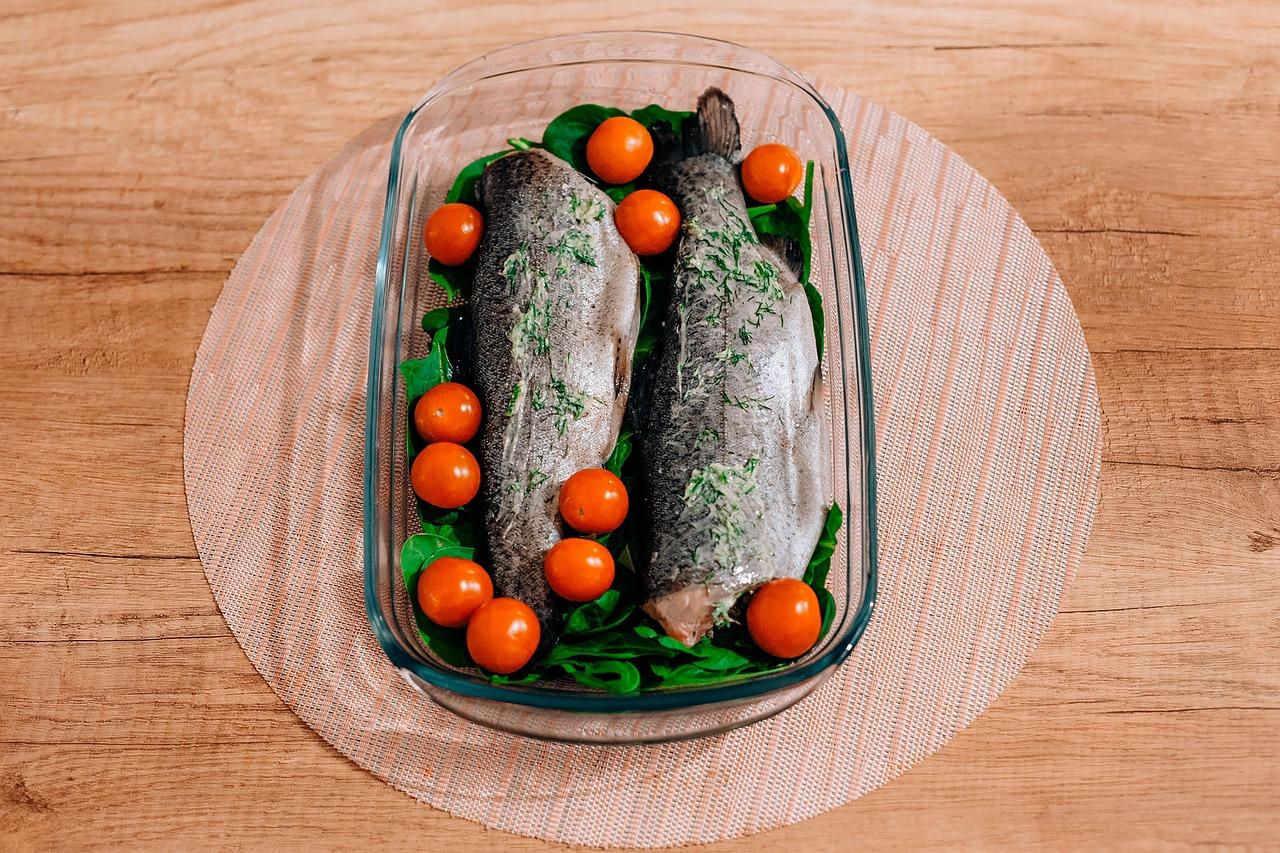
Ishkhan, 'the prince', is the name Armenians give to the trout of Lake Sevan, the vast blue lake high in the mountains north-east of Yerevan, and lakeside restaurants on the Sevan peninsula serve it grilled whole or stuffed with herbs and baked. The native ishkhan is now rare and protected, so the fish served today is farmed trout, cooked the same way: stuffed with tarragon, dill, coriander and garlic, roasted until the skin crisps, with lavash and lemon. A common mistake is wrapping the fish tightly in foil, which steams it soft; leave it uncovered for a crisp skin. Chef's tip: brush the fish with a little tkemali or pomegranate molasses in the last five minutes for a sweet-sour glaze. The fish is done when the flesh is opaque and flakes easily at the backbone.

by KrazyBadal 0 views

Aghroum (Kabyle semolina flatbread)

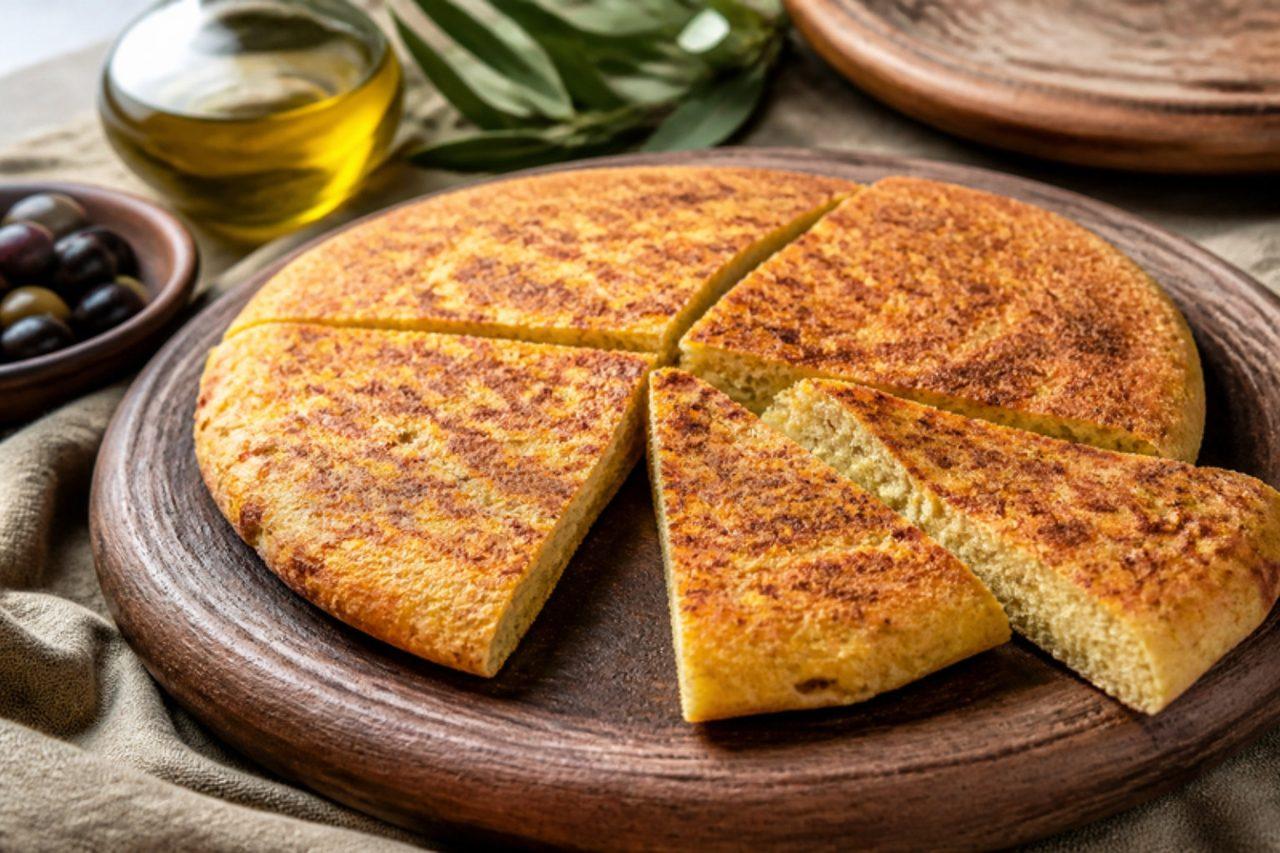
Up in the villages of Kabylie, aghroum is simply the word for bread, and the everyday loaf is a flat, unleavened round of semolina, water, salt and a thread of olive oil, baked on a clay griddle over a low fire. It comes out firm and close-textured, with a crust speckled brown and a faintly sweet, nutty crumb that tastes of the grain. Kabyle families tear it to scoop up olive oil, dried figs and buttermilk at breakfast, or to mop the sauce of a bean or vegetable stew at midday. A heavy cast-iron pan or flat griddle does the job of the clay one at home. Chef's tip: keep the heat at medium-low and turn the bread often; a griddle that is too hot is the usual mistake, leaving a burnt crust around a raw, gummy middle.

by KrazyBadal 0 views

Zviti (pounded pepper and flatbread mash)

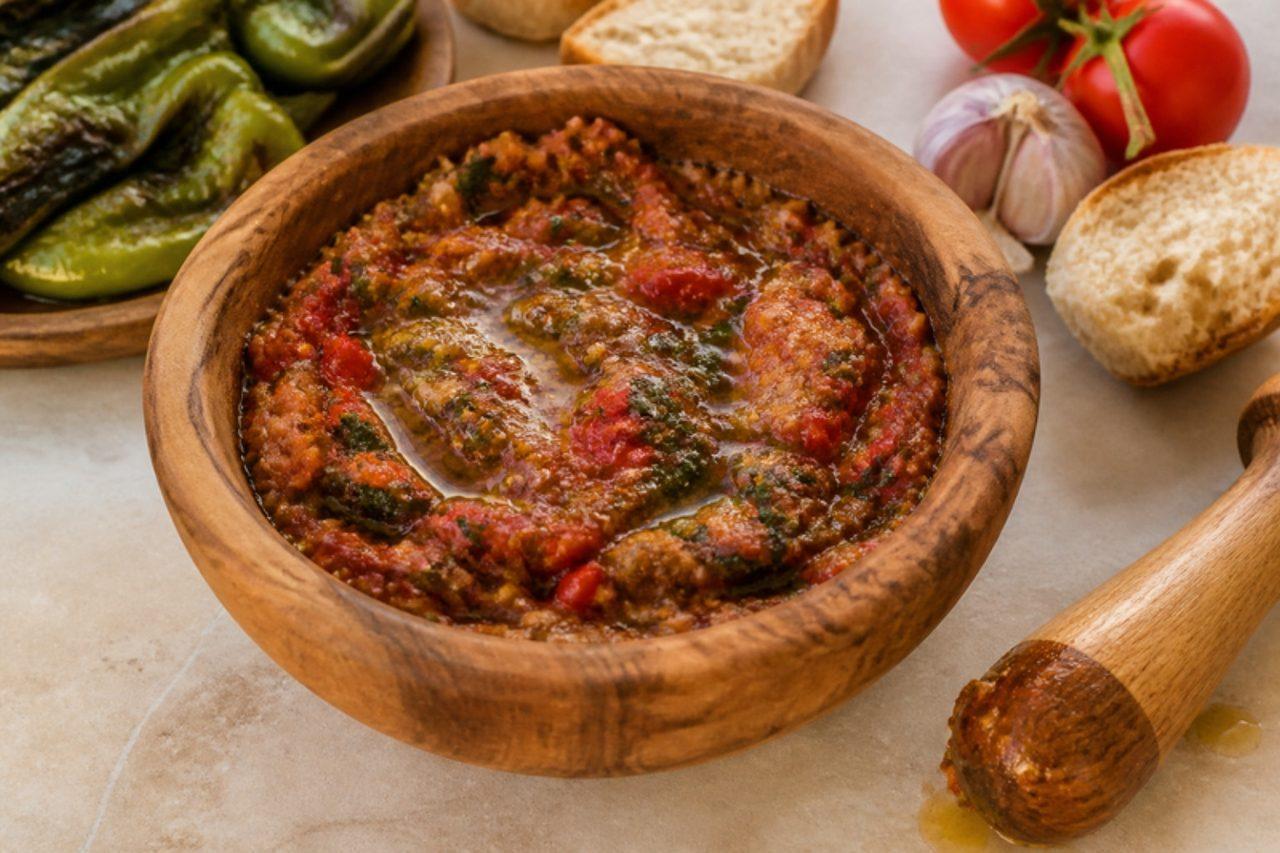
Fire-blistered green chillies, a few tomatoes and a fist of garlic go into a wooden mortar, and the cook in Bou Saâda or M'Sila pounds them with torn flatbread until everything turns into a coarse, hot, smoky mash. Zviti is served straight from that wooden bowl, sometimes in a carved mortar the size of a salad bowl, and eaten by hand with more bread, often on cold evenings in the steppe towns. The flavour is sharp and grassy from the chillies, sweet from the charred tomato and soothed by plenty of olive oil. Choose a mix of hot and milder long chillies to set the heat you like. Don't leave the charred skins on the peppers and tomatoes: they turn the mash bitter and stringy. Chef's tip: pound rather than blend; a food processor whips it into a watery soup, so if you must use one, pulse briefly and add the bread last.

by KrazyBadal 0 views

Rougag (Saharan paper-thin flatbread)

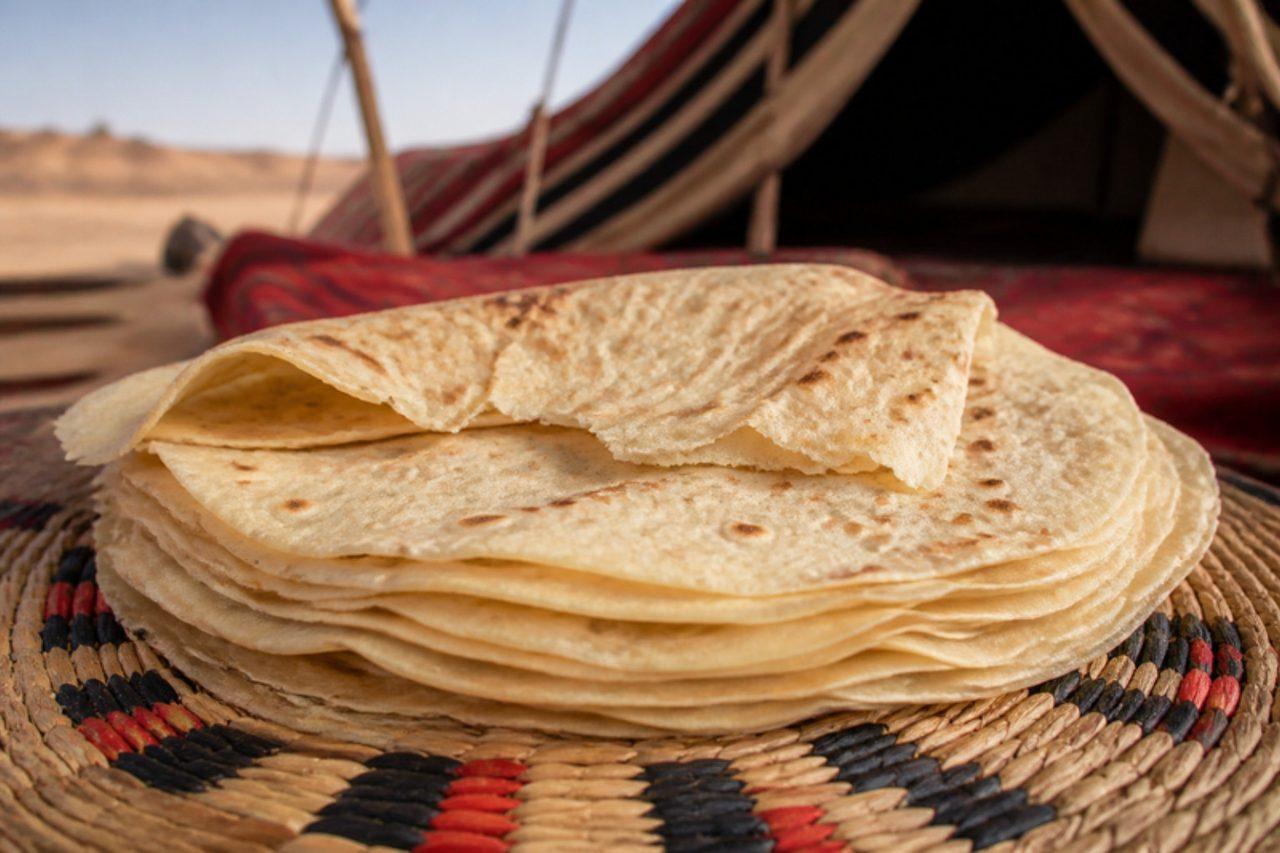
Across the oases of the Algerian Sahara, from Biskra to Ouargla, women spread a soft semolina dough over a domed griddle so thin that light shows through it, then lift the sheet off within a couple of minutes. Rougag is the base of chakhchoukha and rfis, torn into pieces and soaked in sauce, but fresh sheets are also eaten folded around dates or a spoon of stew. Freshly made it is soft and flexible with toasty brown blisters; left to dry, it keeps for weeks in a tin. An upturned wok or a large non-stick pan stands in for the griddle. Chef's tip: oil your hands, not the pan; dough that is not wet enough to stretch is the common mistake, so it should feel almost too sticky to handle.

by KrazyBadal 0 views

Tagella (Tuareg sand-baked bread)

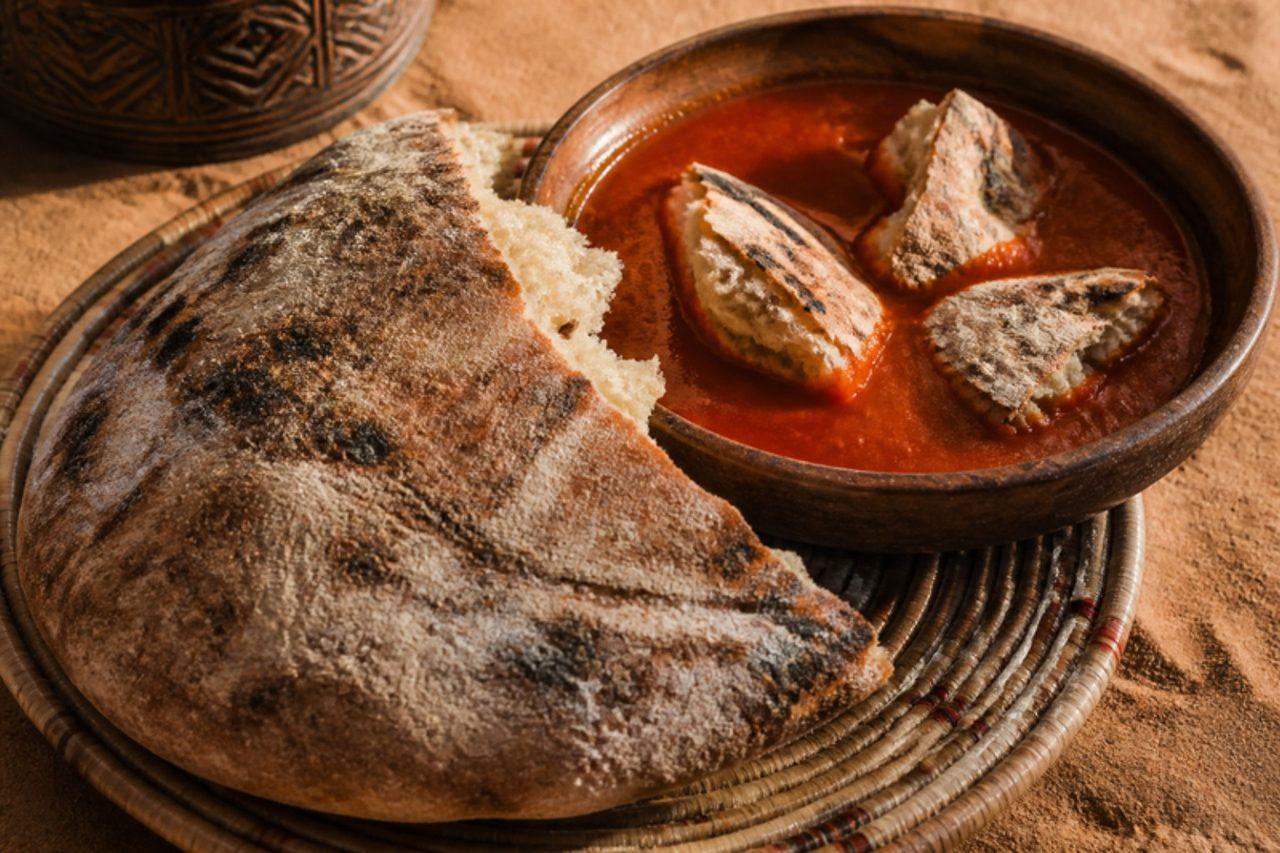
Out in the Hoggar mountains around Tamanrasset, Tuareg cooks bury a thick disc of dough in sand heated by a wood fire, cover it with embers and dig it up half an hour later with a dense, chewy crumb and a thick crust that is beaten clean of sand. The bread is then broken into pieces and soaked in a spicy tomato and onion sauce, a hearty meal for a camp or a desert evening; meat goes in when there is some, and this is the plain version cooked on ordinary days. At home, a very hot oven with a cast-iron pan gives a similar crust. Expect a filling, rustic dish with a smoky, peppery sauce. A frequent slip is making the dough too dry; it should be soft, or the thick round cracks and stays raw in the middle. Chef's tip: bake the bread until it sounds hollow when knocked, because an underbaked, doughy centre turns to paste in the sauce.

by KrazyBadal 0 views

White cherry preserve

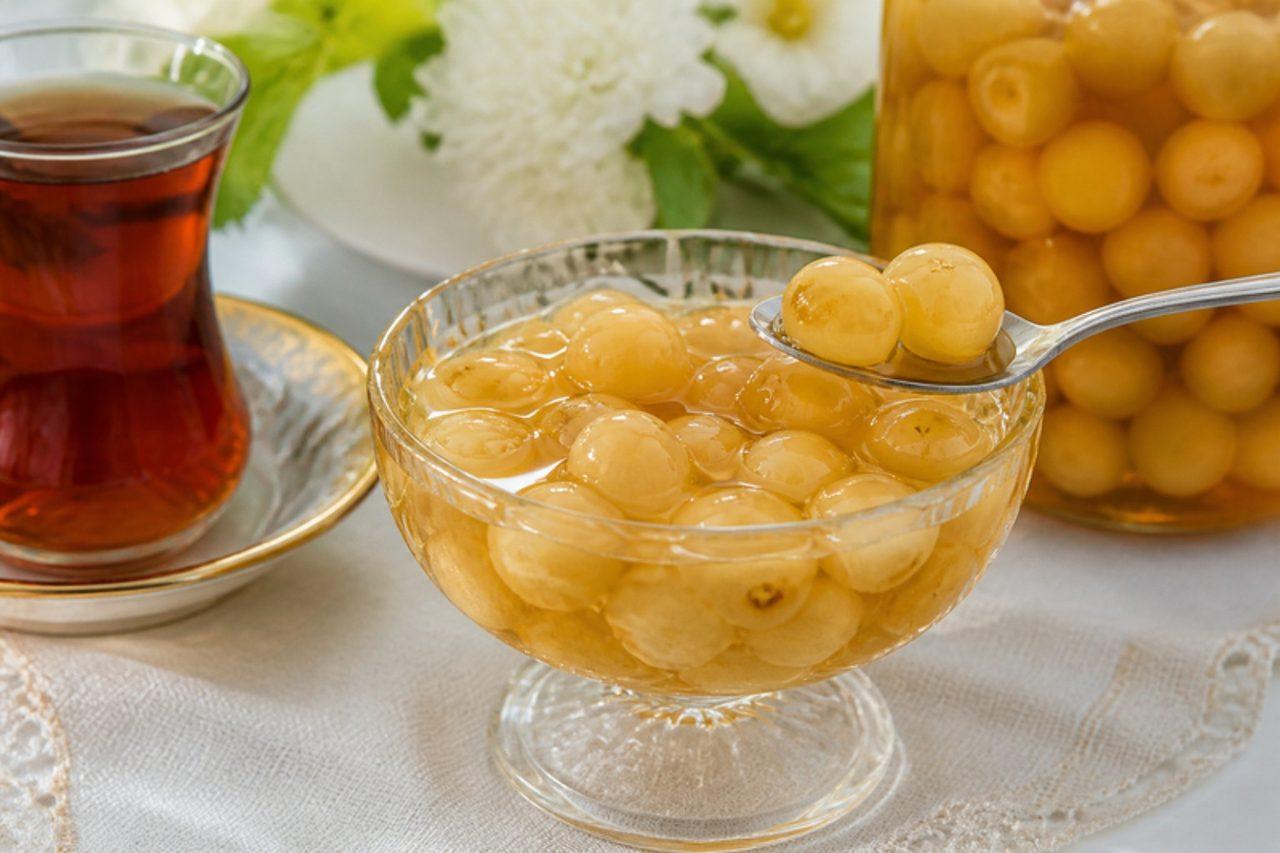
Absheron is famous for its white cherries, pale yellow fruit with a pink blush that ripen in June in the sandy orchards around Mardakan and Shuvalan. Baku families stone them one by one with a hairpin and cook them slowly into a clear golden preserve, sharpened with lemon, which is served in tiny glass bowls (mürəbbə qabı) with black tea; you sip the tea and eat a spoon of cherries between sips. A common mistake is cooking the fruit in one long boil, which shrivels it. Chef's tip: cook in short spells with long rests in between, so the cherries plump up with syrup and stay whole and glossy.

by KrazyBadal 0 views

Chorba beida (Algerian white chicken soup)

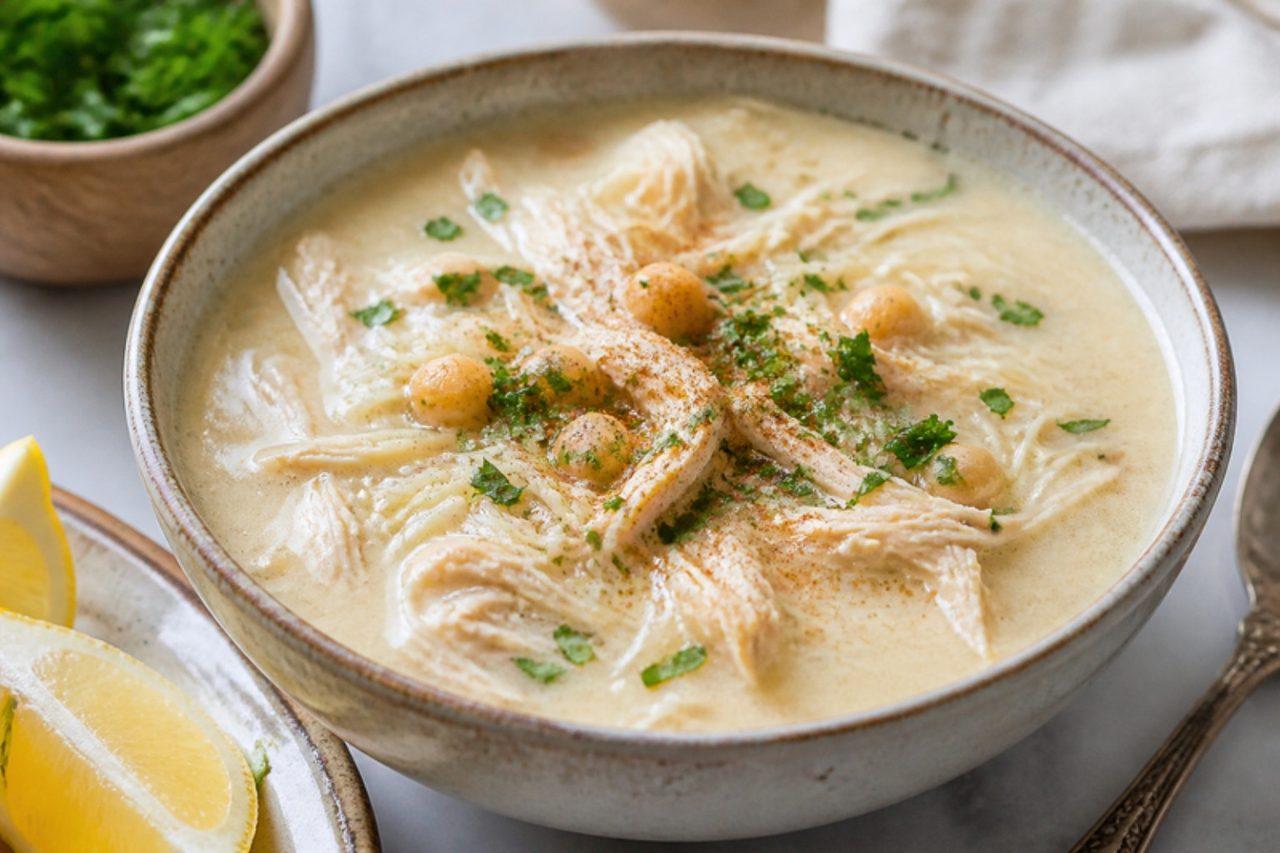
Unlike the red chorba of the rest of the country, the 'white' chorba of Algiers has no tomato at all: chicken, onion and a cinnamon stick are cooked gently in butter, simmered with chickpeas and fine vermicelli, then thickened at the end with egg yolks and lemon. It is a classic of Ramadan tables in the capital, and is also cooked for guests at weddings and family gatherings. The soup is silky and pale gold, mild and comforting, with a soft lemony tang. Serve it with bread and a squeeze of extra lemon. Chef's tip: once the egg yolks are in, never let the soup boil; boiling is the common mistake that curdles it into scrambled threads.

by KrazyBadal 0 views

Khasi ko masuGoat curry

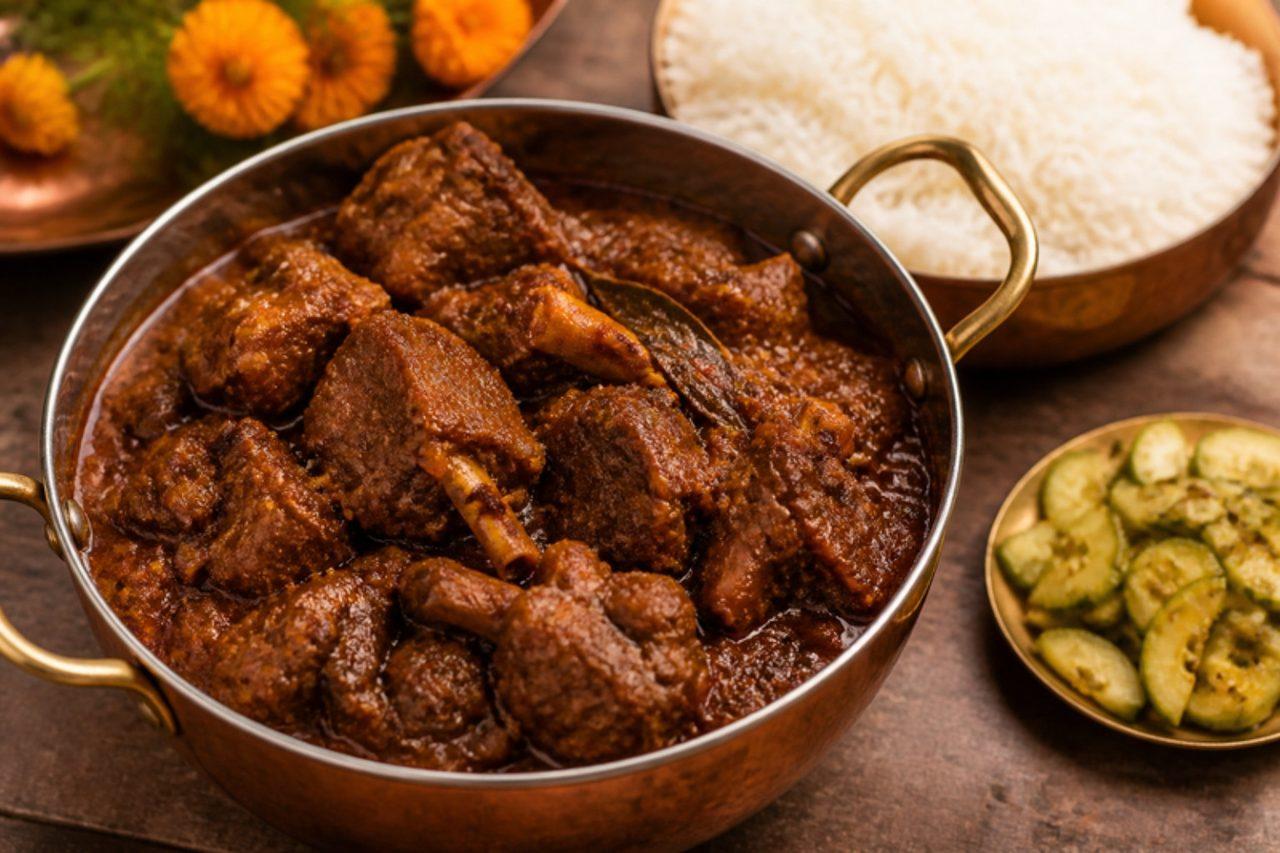
For most Nepali families the tenth day of Dashain, when elders put tika and jamara on younger relatives' foreheads, means a pot of khasi ko masu bubbling in the kitchen, bone-in castrated goat cooked in mustard oil with heaps of onion, ginger and garlic and whole spices until the meat falls from the bone. It is a celebratory but homely curry, with a loose, glossy, deep-red gravy, eaten with plain rice or sel roti and a cucumber achar, and the same curry fills plates at weddings and family visits for weeks after the festival. Use goat or mutton with plenty of bone, since the marrow and connective tissue give the gravy its body. The usual shortcut, rushing the onions, leaves the gravy thin and sharp; they must cook to a deep brown. Chef's tip: a pinch of jimbu, the dried Himalayan herb, added at the end gives the curry its unmistakable hill-country aroma.

by KrazyBadal 0 views

Tamina (roasted semolina with honey)

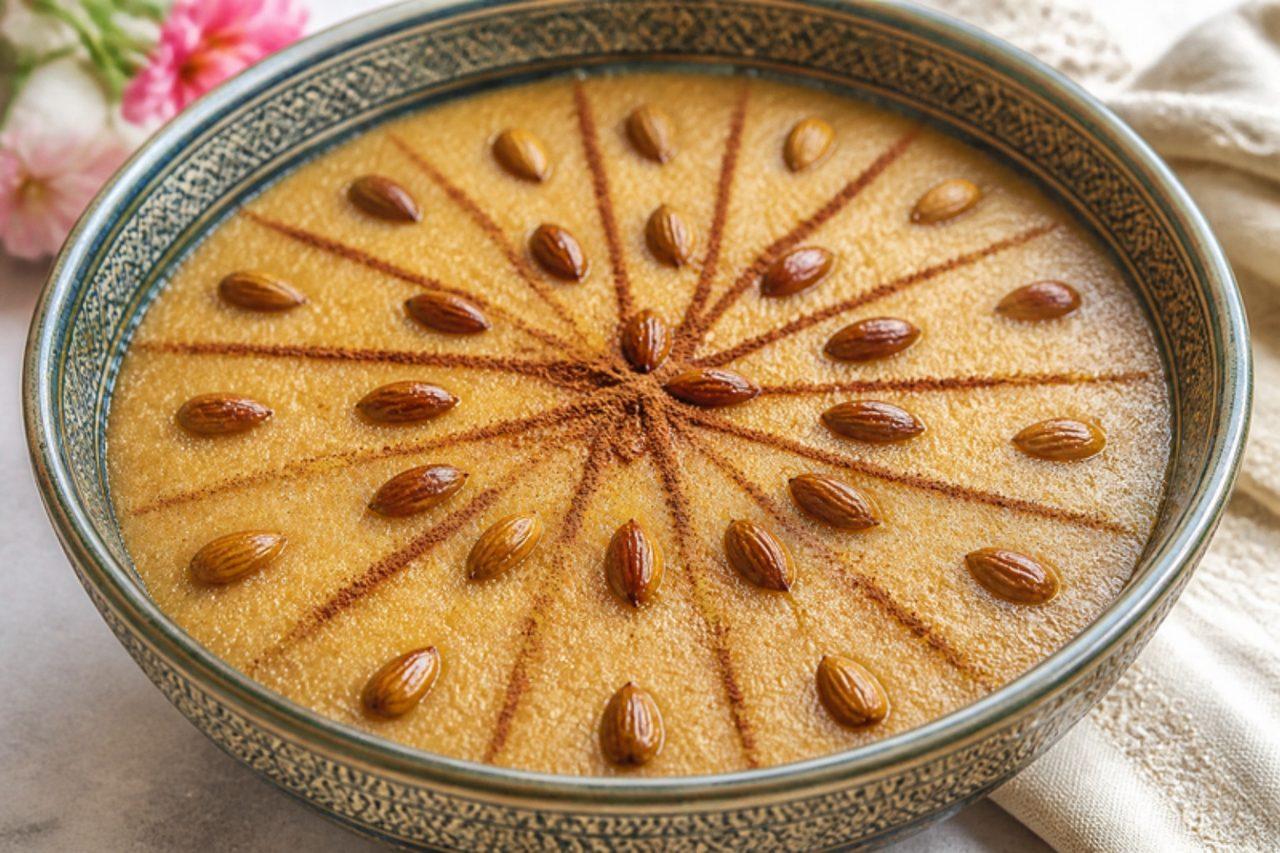
Word of a birth in an Algiers household brings a steady flow of visitors, and each is offered a small dish of tamina with coffee: semolina roasted in a dry pan until it smells like toasted hazelnuts, then bound with melted butter and honey and dusted with cinnamon. It is soft, crumbly and sweet, a little like a spoonable halva, and is said to give strength to the new mother. Tamina is also made for Mawlid and served with tea, with the cinnamon often sifted over in a lattice pattern. Chef's tip: toast the semolina slowly over a medium-low heat and stir without stopping; burnt dark specks make the whole batch bitter and cannot be picked out.

by KrazyBadal 0 views

Jamaican hominy corn porridge

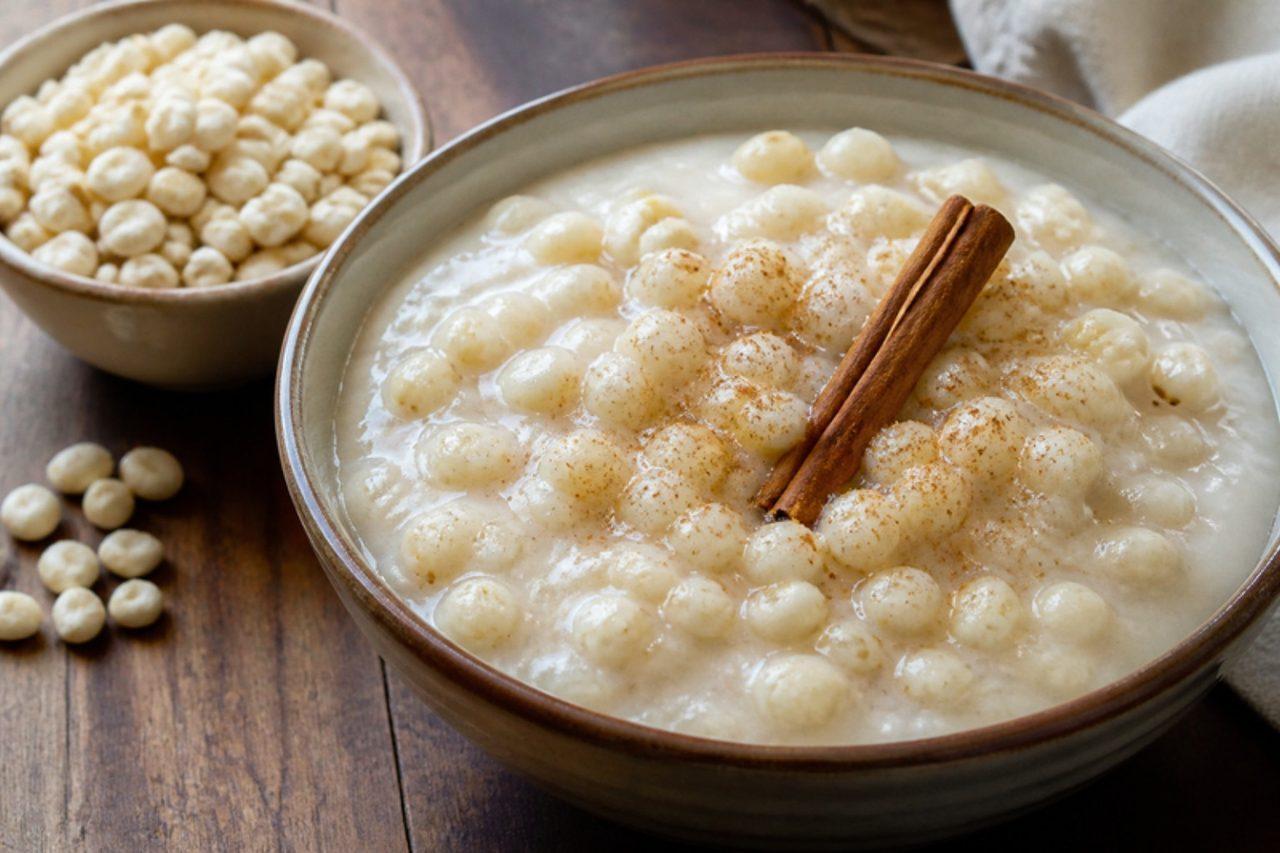
Hominy porridge is a weekend job in Jamaican homes from Spanish Town to Mandeville: the dried, hulled corn kernels need soaking overnight and a long, slow simmer before they burst open, tender and chewy, in a creamy coconut and spice base. The finished porridge is thick and comforting, sweetened with condensed milk and perfumed with cinnamon, nutmeg and vanilla, and it reheats beautifully through the week. The mistake many people make is adding the coconut and milk at the start, where they catch and burn during the long cook; boil the corn in water first. Look for dried white hominy at Caribbean or Latin shops, and remember the overnight soak. Chef's tip: stir in a spoonful of cornmeal or flour mixed with water at the end if you like it thicker, as many Jamaican cooks do.

by KrazyBadal 0 views

Jamaican cornmeal pudding

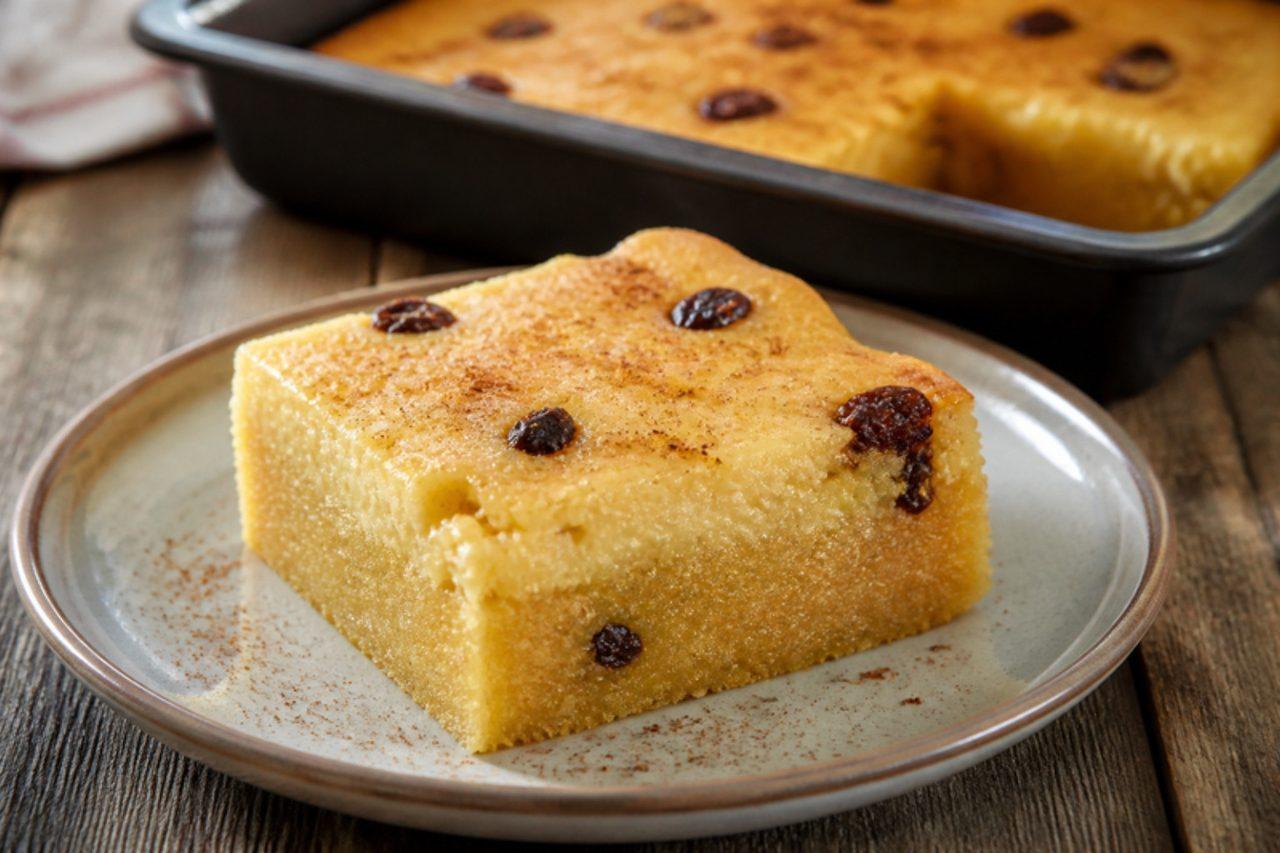
Jamaican cornmeal pudding is the cousin of sweet potato pudding, cheaper and quicker to make, and a fixture at Sunday dinner and church harvest suppers from Kingston to the hills of Manchester. Cornmeal is first cooked on the stove in coconut milk with sugar and nutmeg, then baked until firm, sliceable and caramel-edged, with a thin, soft layer on top. The classic mistake is pouring raw cornmeal straight into hot liquid, which makes lumps; whisk it into cold liquid first. Chef's tip: pour a little extra coconut milk over halfway through baking to get that custardy "hallelujah" top.

by KrazyBadal 0 views

Jamaican jerk pork

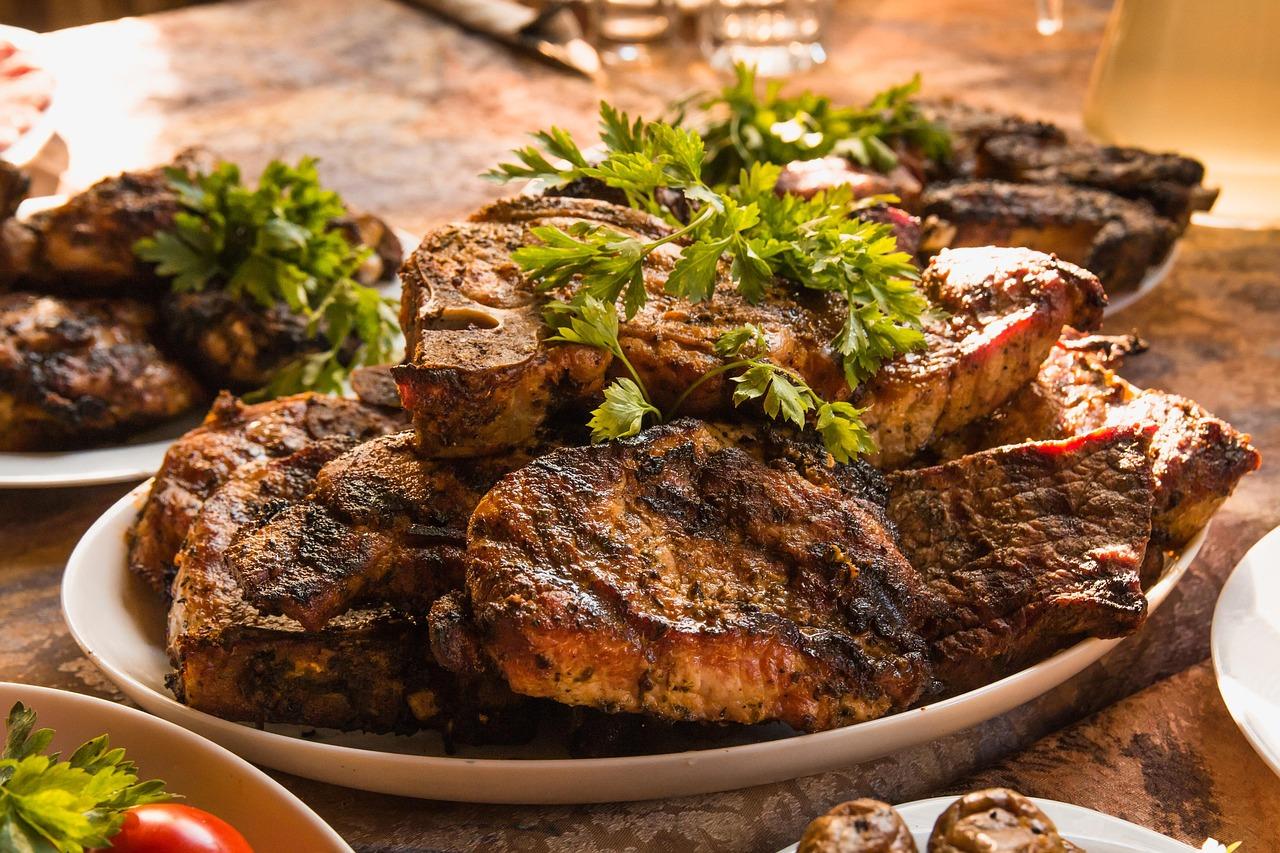
Boston Bay in Portland is where jerk pork was born, and the jerk pits there still slow-smoke pork shoulder over green pimento wood under sheets of zinc until the outside is dark and crusted and the meat is smoky and juicy. This home version uses boneless pork shoulder rubbed with a wet paste of scotch bonnet, pimento, scallion, thyme and ginger, then cooked slowly in a covered barbecue or oven and finished over high heat. The biggest mistake is rushing the marinade; it needs at least 12 hours in the fridge to get into the pork. Cook until the thickest part reaches at least 63 °C, then rest; for tender, chopped jerk like the stalls, keep going to about 85 °C. Chef's tip: throw a handful of soaked allspice berries and bay leaves onto the coals for the smoky pimento flavour of the real pits.

240 minJamaicanMeatGluten freeSpicy
by KrazyBadal 0 views

Djelbana (Algerian lamb and pea stew)

Spring markets in Algiers fill with sacks of fresh peas and violet artichokes, and that is the moment for djelbana, a light, pale stew of lamb, peas, artichoke hearts and potatoes cooked with onion, garlic and a little turmeric, finished with fresh coriander. Families serve it at lunch with plenty of bread to soak up the sauce; on meat-free days it is made the same way without the lamb. It tastes fresh, sweet and gently peppery rather than heavily spiced. Frozen peas and artichoke hearts are fine out of season. Chef's tip: add the peas only for the last 10 minutes; peas put in with the meat are the usual mistake and turn grey and mushy.

by KrazyBadal 0 views

Lao bamboo shoot soup

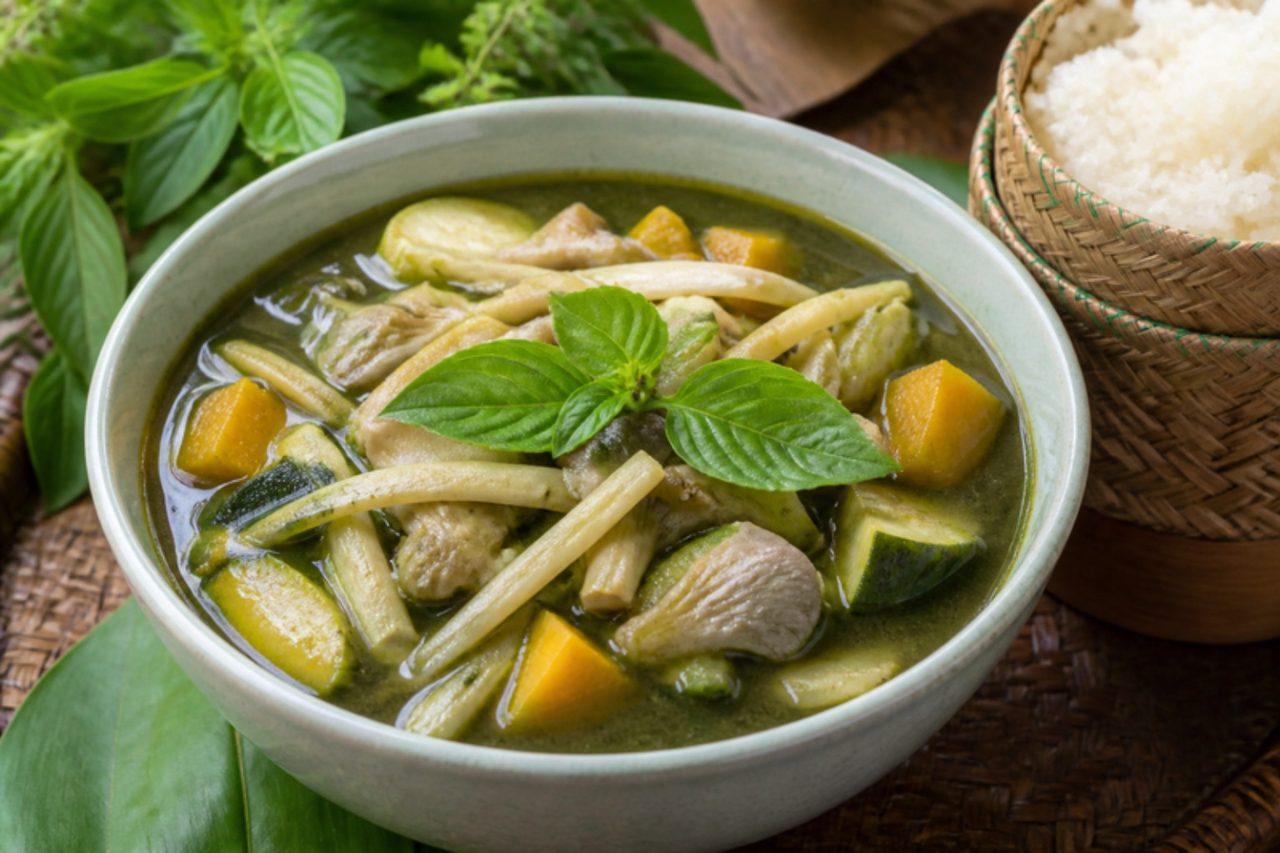
When the rains arrive in June, Vientiane's morning markets fill with pale, freshly dug bamboo shoots, and pots of kaeng nor mai start simmering in kitchens across the city for the family lunch. The broth is a deep olive green, tinted by the juice squeezed from yanang leaves, and thickened with a spoonful of pounded soaked sticky rice so it coats the spoon. Earthy bamboo, sweet pumpkin and slippery mushrooms float in it with lemon basil on top, and a basket of sticky rice and a dish of jeow sit alongside. Skipping the pre-boil of the bamboo is where most cooks go wrong: raw shoots taste bitter and need cooking through to be safe, so always blanch fresh ones and drain. This version leaves out the fermented fish of village kitchens and seasons with salt and tamari. Chef's tip: squeeze the yanang leaves in cold water, never hot, or the broth turns brown and loses its grassy freshness.

60 minLaoSoupsVeganGluten free
by KrazyBadal 0 views

Ayamase (ofada green pepper stew)

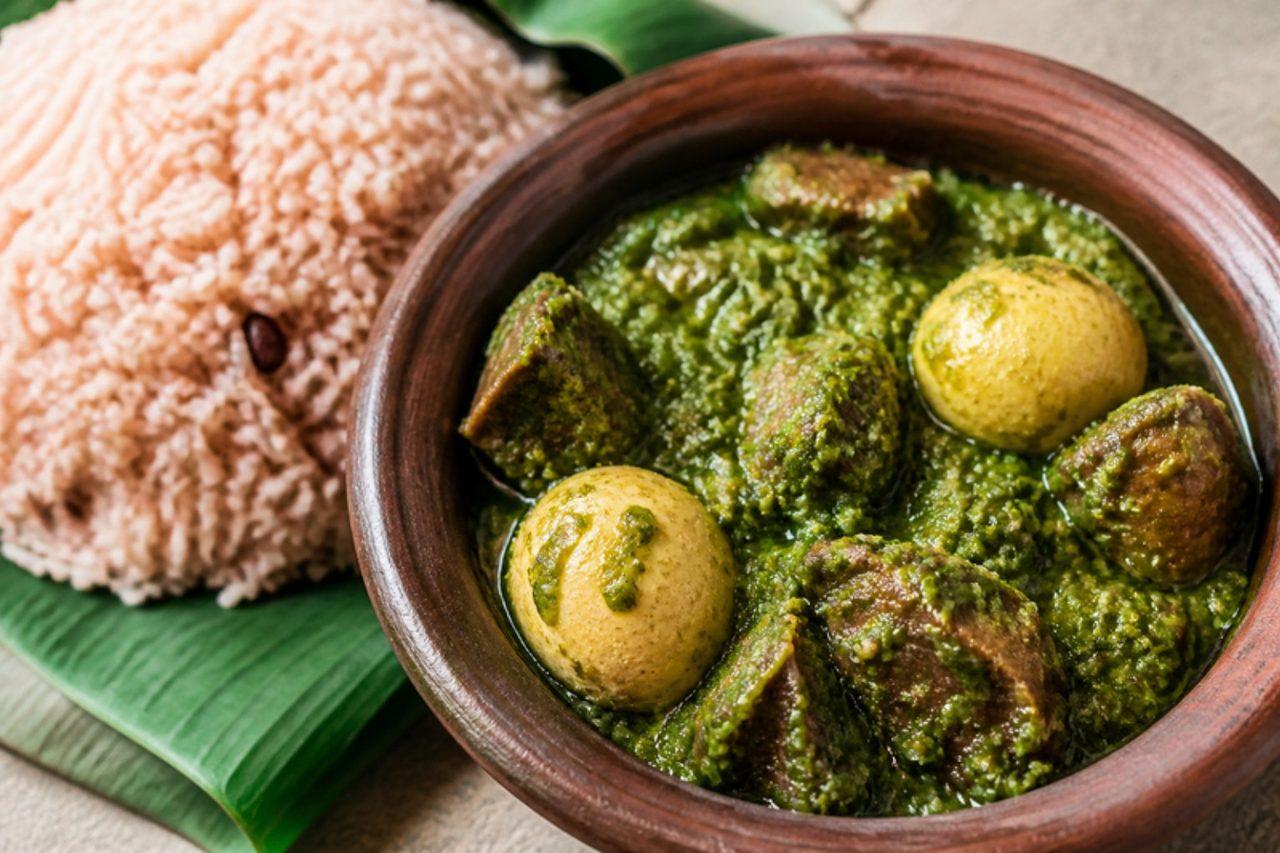
Ofada rice, the short, fragrant local rice from Ogun State, is almost always served in Lagos with ayamase, a stew so green and so hot it is sometimes called designer stew. Green bell peppers and green scotch bonnets are blended coarse, dried out in the pot, then fried in palm oil that has been bleached clear, with plenty of iru for a deep, funky savouriness. Assorted meat (beef, tripe and cow skin) and boiled eggs are folded in. Watery pepper is the mistake that makes it taste sour and raw, so boil the blended pepper dry before it meets the oil. Chef's tip: bleaching palm oil makes heavy smoke; open the windows, keep the lid nearby and never leave the pot.

120 minNigerianMeatGluten freeSpicy
by KrazyBadal 0 views

KharchoBeef, rice and walnut soup

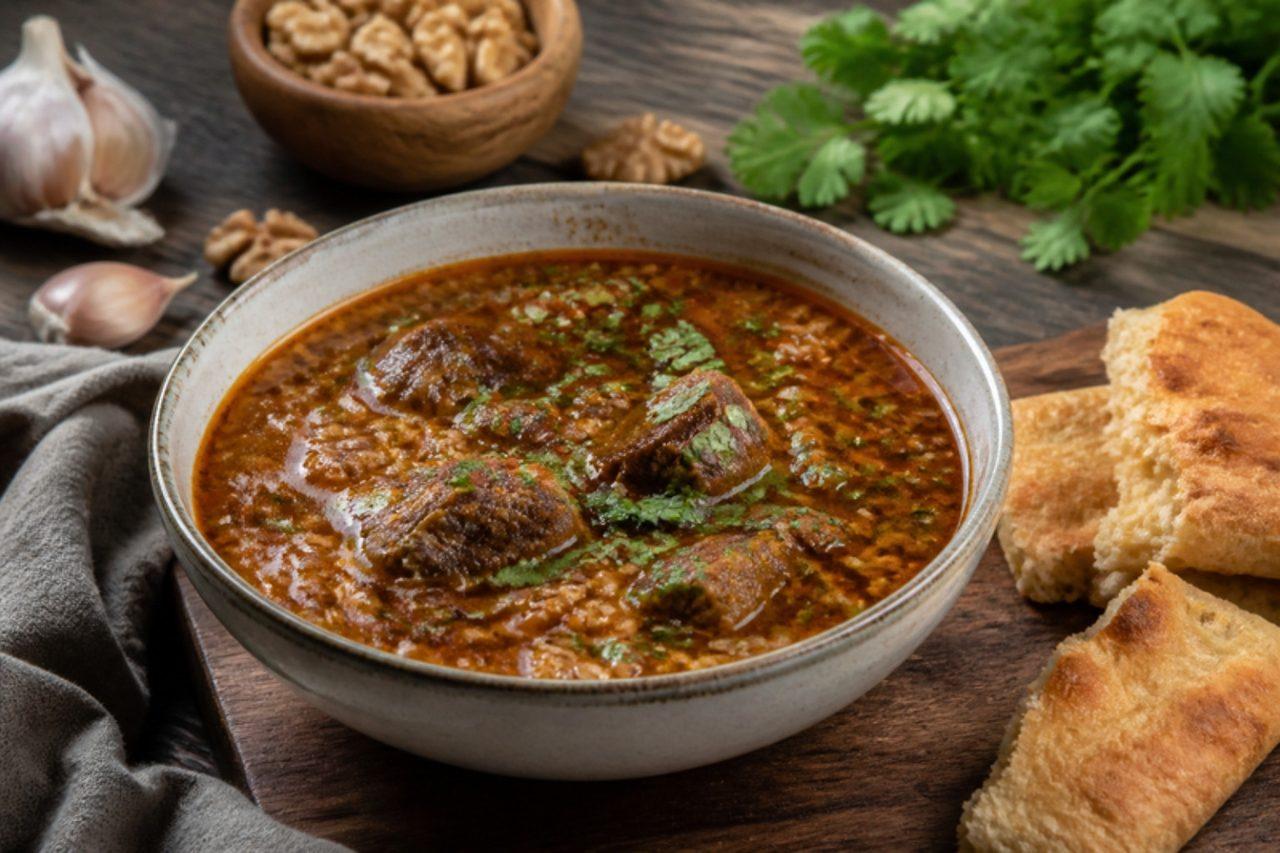
Kharcho is the soup Tbilisi cooks make when the weather turns cold: beef brisket simmered until it falls apart, then thickened with rice and ground walnuts and given its sour, tangy edge by tkemali plum sauce, with khmeli-suneli, garlic and a lot of coriander. It is spooned into deep bowls in old-town cafés and eaten with shoti bread, and it is thick enough to be a whole meal. A common mistake is adding the rice too early, so it swells into porridge and the soup loses its body. Chef's tip: grind the walnuts with garlic and a ladle of hot broth before stirring them in, so they thicken the soup smoothly rather than floating as crumbs.

by KrazyBadal 0 views

Bermuda fish chowder

Bermudians call fish chowder their national dish, and every Sunday brunch and Cup Match picnic has a pot of it: a dark, thick soup made from a long-simmered fish-head stock with tomatoes, vegetables and white fish, seasoned at the table with a splash of black rum and sherry peppers sauce (hot peppers steeped in sherry). This recipe contains alcohol in those optional table seasonings; for an alcohol-free bowl, use a few drops of hot pepper sauce and a little molasses instead. The mistake to avoid is a thin, watery stock; the bones must simmer long enough to give body. Ask your fishmonger for heads and frames from white fish, gills removed. Chef's tip: let the finished chowder rest for 30 minutes before serving; it thickens and the flavours deepen.

by KrazyBadal 0 views

Taiwanese radish omelette

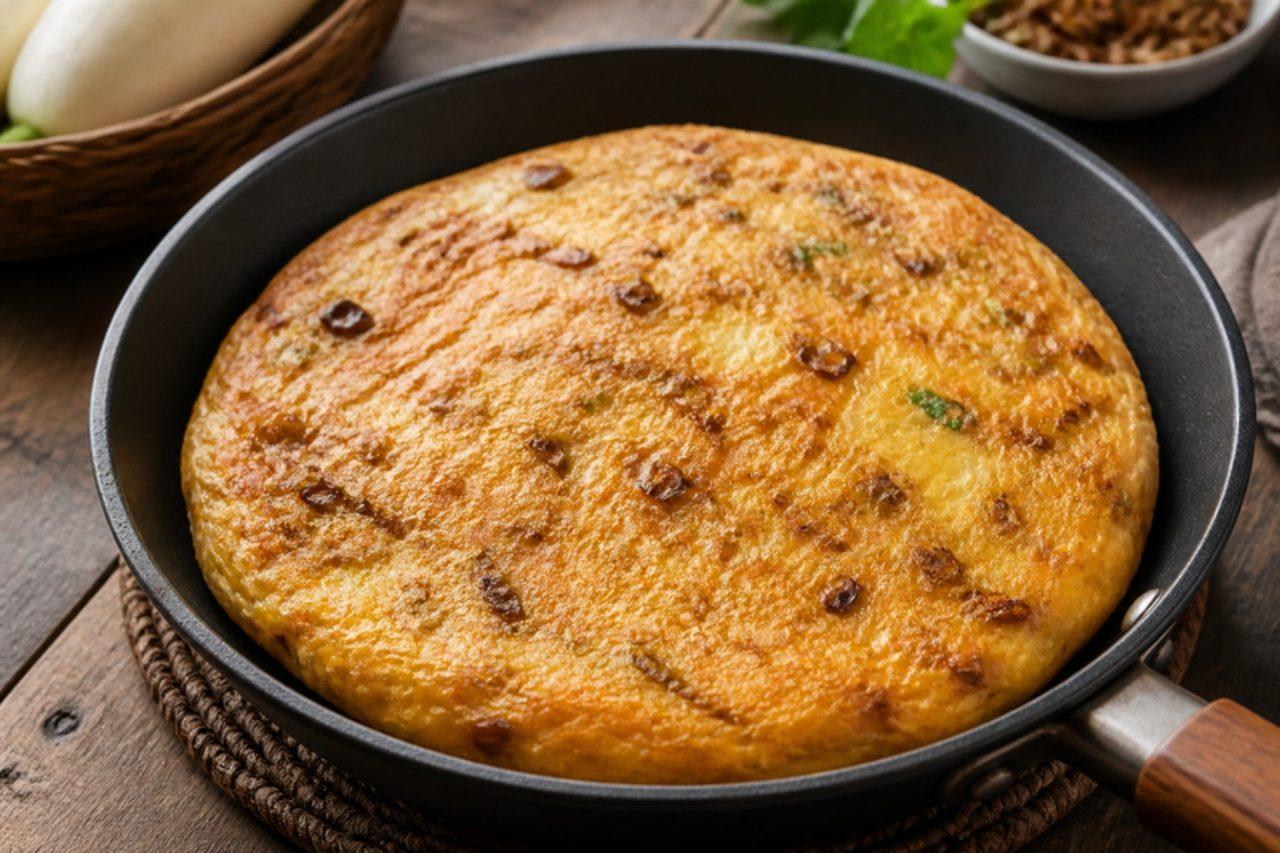
Ask a Taiwanese grandmother what to cook when there's nothing in the fridge and the answer is often this: a few eggs and a handful of preserved radish turned into a thick, golden omelette, cut into wedges and passed round. It's a staple of the rice-and-small-dishes spread at Taipei breakfast shops and late-night congee counters, and it reappears on the stir-fry restaurant table and in home lunchboxes. The chopped radish fries up crunchy and caramel-sweet inside soft, puffy egg, with crisp brown lacy edges. Skipping the rinse is where most go wrong: unrinsed radish makes the omelette far too salty. Chef's tip: dry-fry the radish first until it smells toasty, then use plenty of oil and a hot pan so the egg puffs and the edges frill.

by KrazyBadal 0 views

Molasses with tahini

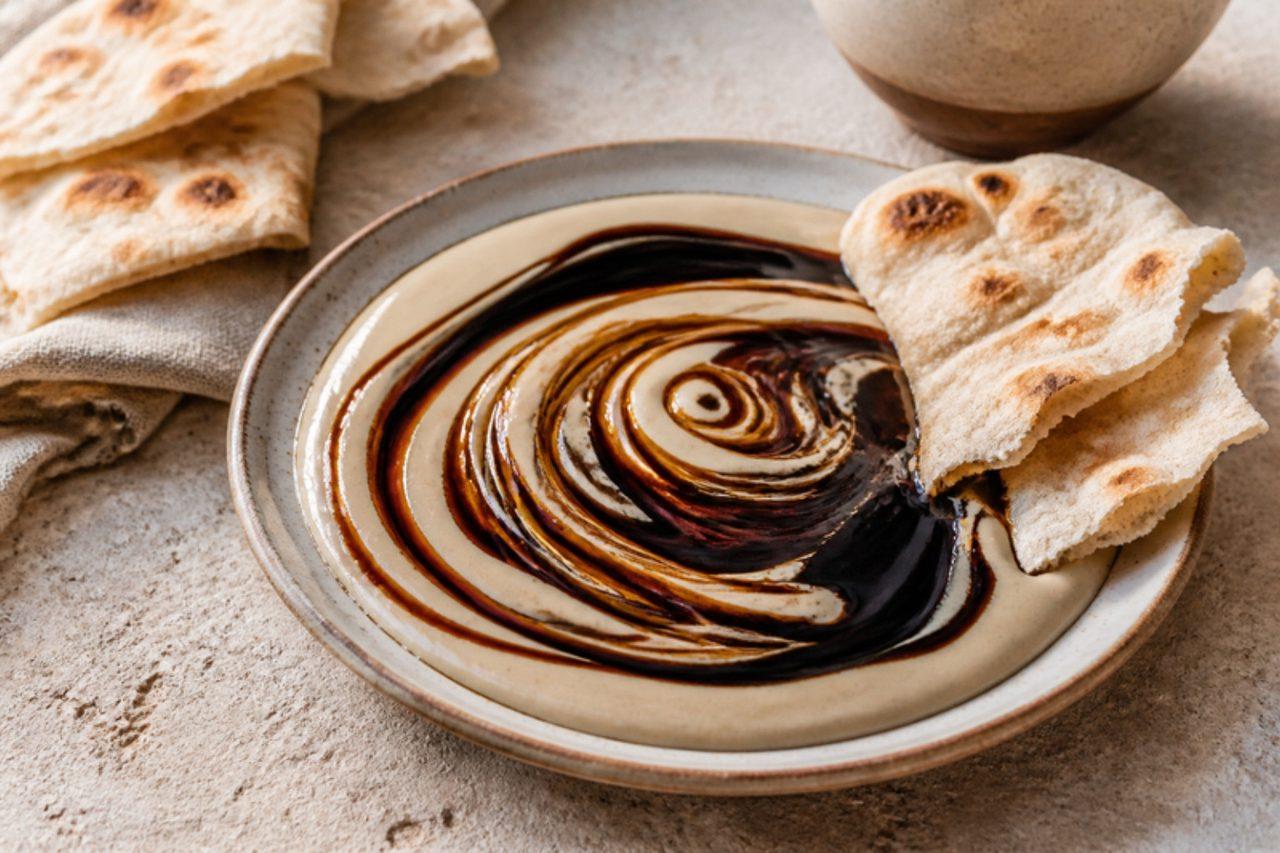
Upper Egypt grows the country's sugarcane, and its dark molasses, asal eswed or black honey, has found its way onto breakfast and supper tables from Aswan to Alexandria. Spooned over tahini and swirled together, it becomes a glossy, bittersweet, nutty dip that children love and grown-ups eat after a light evening meal, scooped up with warm aish baladi or fino. Many families eat it in winter, when they want something warming and filling. A frequent slip is stirring the molasses and tahini together completely; leave them swirled so each bite gets both. Chef's tip: stir the tahini jar thoroughly first; the thick paste at the bottom and the oil on top must be mixed, or the dip comes out stiff and dry.

by KrazyBadal 0 views

Rouz jerbi (Djerban steamed rice)

Djerba islanders cook rice the way the rest of Tunisia cooks couscous, in the top of a couscoussier: raw rice is mixed with small pieces of lamb, chopped spinach, a mound of herbs, chickpeas, tomato paste, harissa and spices, then steamed over boiling water until every grain is tender and stained red-gold. Rouz jerbi is a Friday and family-gathering dish on the island, served from one large platter. The rice stays separate and fluffy, the greens melt in, and the lamb picks up the scent of mint and tabil. Chef's tip: stir the rice from the bottom every 20 minutes; leaving it untouched is a common mistake, as the bottom turns soggy while the top stays hard.

by KrazyBadal 0 views

Burmese pea fried rice

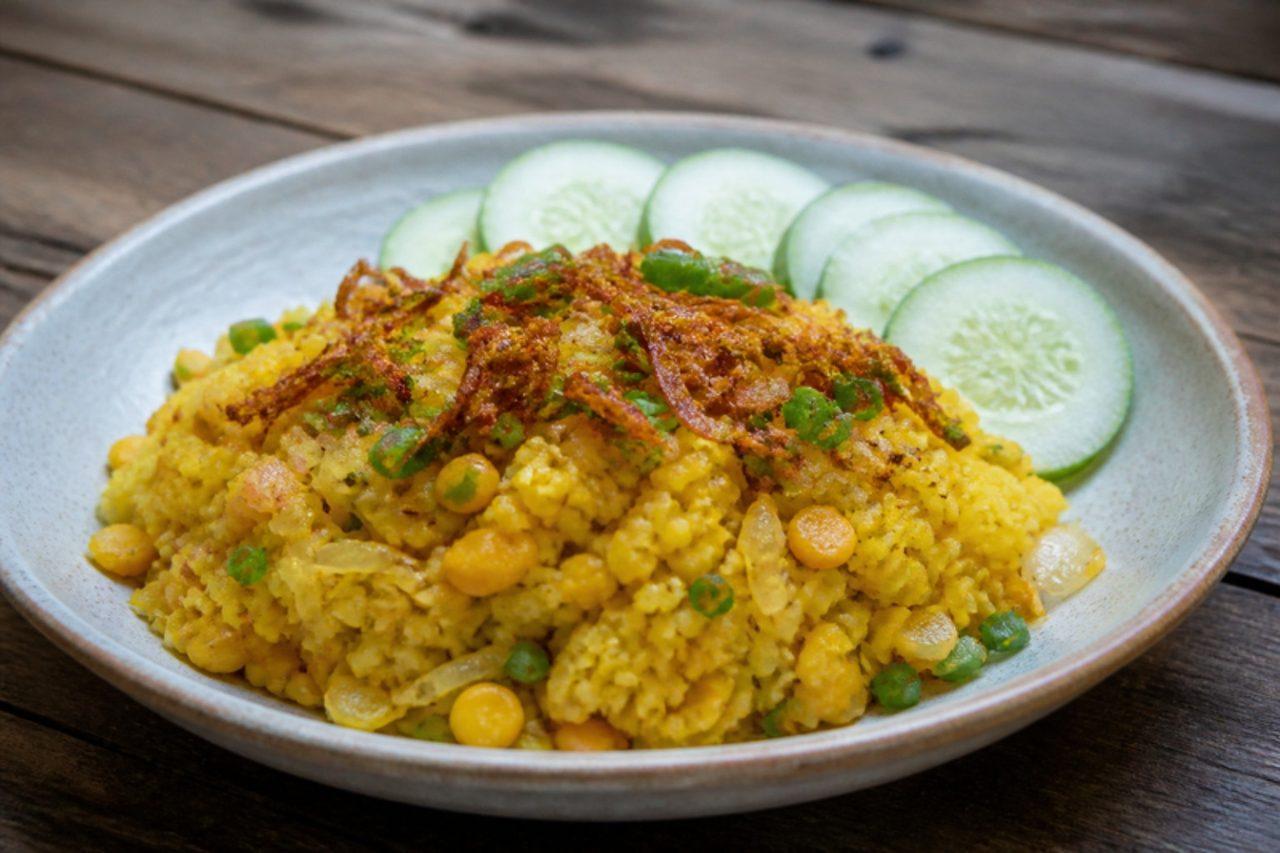
Ask almost anyone from Yangon what they ate for breakfast as a child and the answer is often this: last night's rice, fried in a hot wok with soft boiled peas and plenty of onion, eaten before school with a glass of hot green tea. It is pale, gently savoury and comforting rather than spicy, with the peas bursting creamy against slightly crisp grains of rice. Families add a few slices of cucumber on the side and a spoon of crispy onions, and some cooks toss in a pinch of turmeric for colour. The usual error is using freshly cooked rice, which clumps and steams instead of frying. Chef's tip: crumble the cold rice with damp hands before it goes in the wok, so every grain hits the hot oil separately.

by KrazyBadal 0 views

Burmese pumpkin curry

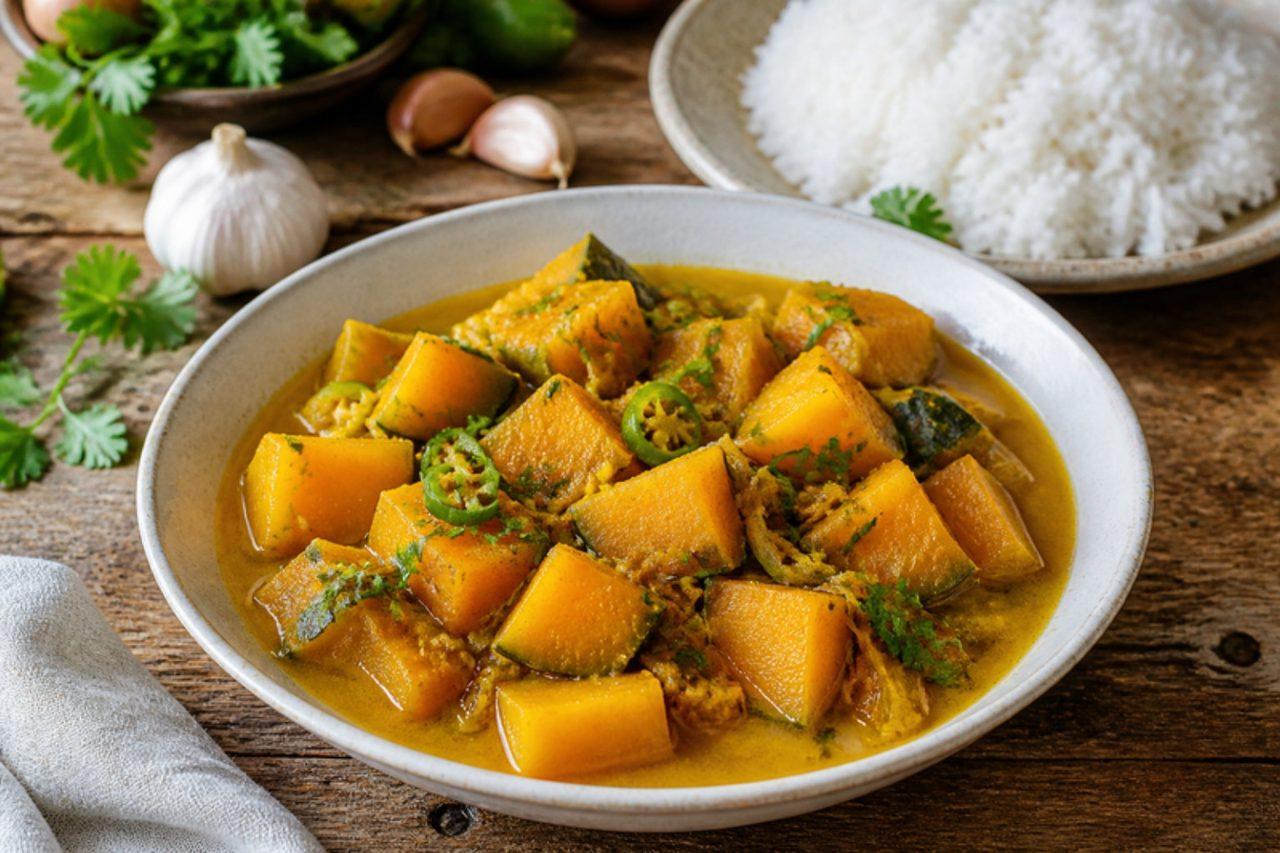
On a weekday lunch table in a Yangon home, this soft orange curry usually sits beside a sour leaf soup, a plate of boiled greens and a mound of plain rice. Wedges of pumpkin are cooked slowly in a pounded paste of onion, garlic and ginger with turmeric and chilli, until the flesh turns tender and glossy and the oil rises to the top, the sign of a well-made Burmese hin. It tastes sweet, gently hot and savoury all at once; many households stir in dried shrimp, but this version keeps it plant-based with a little salt and sugar. Where cooks go wrong is stirring the pot every few minutes: the pumpkin breaks into mash, so shake the pan instead. Chef's tip: leave the skin on a firm, dense pumpkin such as kabocha; it holds the pieces together and softens enough to eat.

by KrazyBadal 0 views

Chorbet hout (Sfax fish soup)

Along the coast around Sfax, a bowl of chorbet hout often opens the meal at Ramadan iftar, after dates and water: a red, peppery broth of tomato, harissa and caraway, thick with tiny bird's-tongue pasta and flakes of white fish, finished with a squeeze of lemon. Grouper, sea bream or mullet are the local choices, and any firm white fish works. The soup is warming and spicy with a fresh lift from parsley and celery, and goes well with bread and a brik. Chef's tip: poach the fish briefly, lift it out and only return the flakes at the end; leaving it to boil with the pasta is the common mistake, and it breaks into threads.

by KrazyBadal 0 views

Osban (Tunisian stuffed lamb sausages)

Eid al-Adha in Tunisia means using every part of the sheep, and osban is how the tripe is honoured: cleaned pieces are sewn into pouches and packed with rice, chopped liver and lamb, chard, a big bunch of parsley and coriander, dried mint and harissa, then simmered in a red chickpea sauce and served over couscous. Families all over the country, from Tunis to the south, make a batch and freeze some for later. The filling cooks into a soft, herby, peppery sausage and the tripe turns tender. Buy tripe that the butcher has already cleaned and scalded, or use natural sausage casings for an easier version. Chef's tip: fill the pouches only two-thirds full and prick them with a needle; the rice swells as it cooks, and overstuffed osban burst, which is the most common mistake.

180 minTunisianMeat
by KrazyBadal 0 views

Kammounia (Tunisian cumin beef stew)

Cumin, kammoun in Arabic, gives kammounia its name, and the dish uses it boldly: chunks of beef, or in many Tunis homes lamb's liver, simmer in a thick, dark sauce of garlic, tomato paste and a generous amount of ground cumin until the meat is tender and the sauce clings to it. It is everyday family food in Tunis and Sfax, scooped up with crusty bread or served alongside a salad and olives. The flavour is earthy, warm and garlicky with a gentle heat from harissa. The usual mistake is adding the cumin at the start and frying it hard, which makes it bitter; it goes in once the sauce is simmering. Chef's tip: add half the cumin at the start and the rest in the last 10 minutes; all of it at once risks a flat, slightly bitter sauce, while the late addition keeps the aroma bright.

by KrazyBadal 0 views

Soy sauce chicken

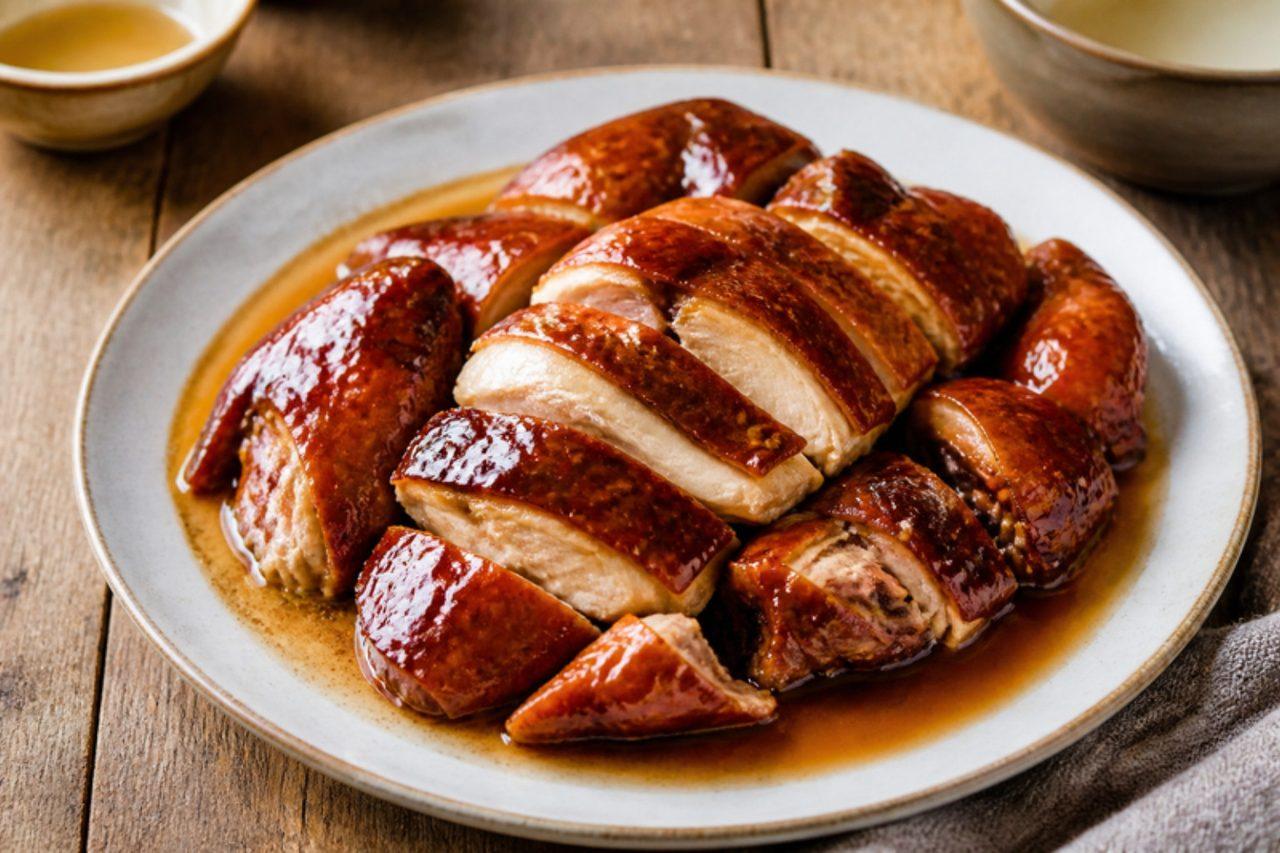
Glossy, chestnut-brown and hung by the neck in siu mei shop windows across Hong Kong, see yau gai is the gentle cousin of roast meats: a whole chicken poached in a fragrant master stock of light and dark soy, rock sugar, star anise, cinnamon and ginger until the skin is lacquered and the meat silky and sweet-savoury. It is chopped onto plates of rice with a ladle of the sauce for a quick lunch, or served at home with blanched greens. Shaoxing rice wine goes into the stock, with an alcohol-free option in the list. Traditional cooks pull the bird while it is still pink at the bone; this recipe does not, and the chicken is cooked to 74 °C in the thickest part of the thigh. The main pitfall is a rolling boil, which tears the skin and toughens the breast; keep the stock barely trembling. Chef's tip: strain and freeze the stock, and it gets deeper every time you reuse it.

by KrazyBadal 0 views

Bkaila (Tunisian spinach and beef stew)

Tunisian Jewish families in Tunis, and those who carried the dish to Paris and Israel, cook bkaila for Rosh Hashanah and for Friday-night dinners: a heap of spinach is fried in olive oil for over an hour, until it shrinks to a dark, almost black, crumbly paste, then simmered for hours with chunks of beef, white beans, garlic and dried mint. The result looks dramatic and tastes deep and earthy, a little like a long-braised green sauce, with tender meat and creamy beans. It is eaten with couscous or bread, and is even better reheated the next day. Start the beans soaking the night before. Chef's tip: fry the spinach over a medium-low heat and stir often; turning up the heat to save time is the classic mistake, scorching the leaves so the whole pot turns bitter.

240 minTunisianMeatGluten free
by KrazyBadal 0 views

Minchi (Macanese minced meat with potatoes)

If one dish says home to Macanese families, the descendants of Portuguese and Chinese Macau, it is minchi: a quick hash of minced beef and pork seasoned with soy sauce, Worcestershire sauce and a touch of sugar, mixed with crisp little cubes of fried potato and crowned with a runny fried egg. It appears on weeknight tables, at Macanese restaurants near Rua do Cunha, and at gatherings of the Macanese community abroad, always with plain white rice. Savoury, slightly sweet and full of crunch, it tastes like the meeting of a Portuguese kitchen and a Cantonese wok. A common error is stirring the potatoes into the meat too early, which makes them soft and floury; fry them separately until crisp and fold them in at the end. Chef's tip: let the mince sit undisturbed for a minute in the hot pan before stirring, so it browns instead of stewing.

by KrazyBadal 0 views

Vegetarian mee rebus

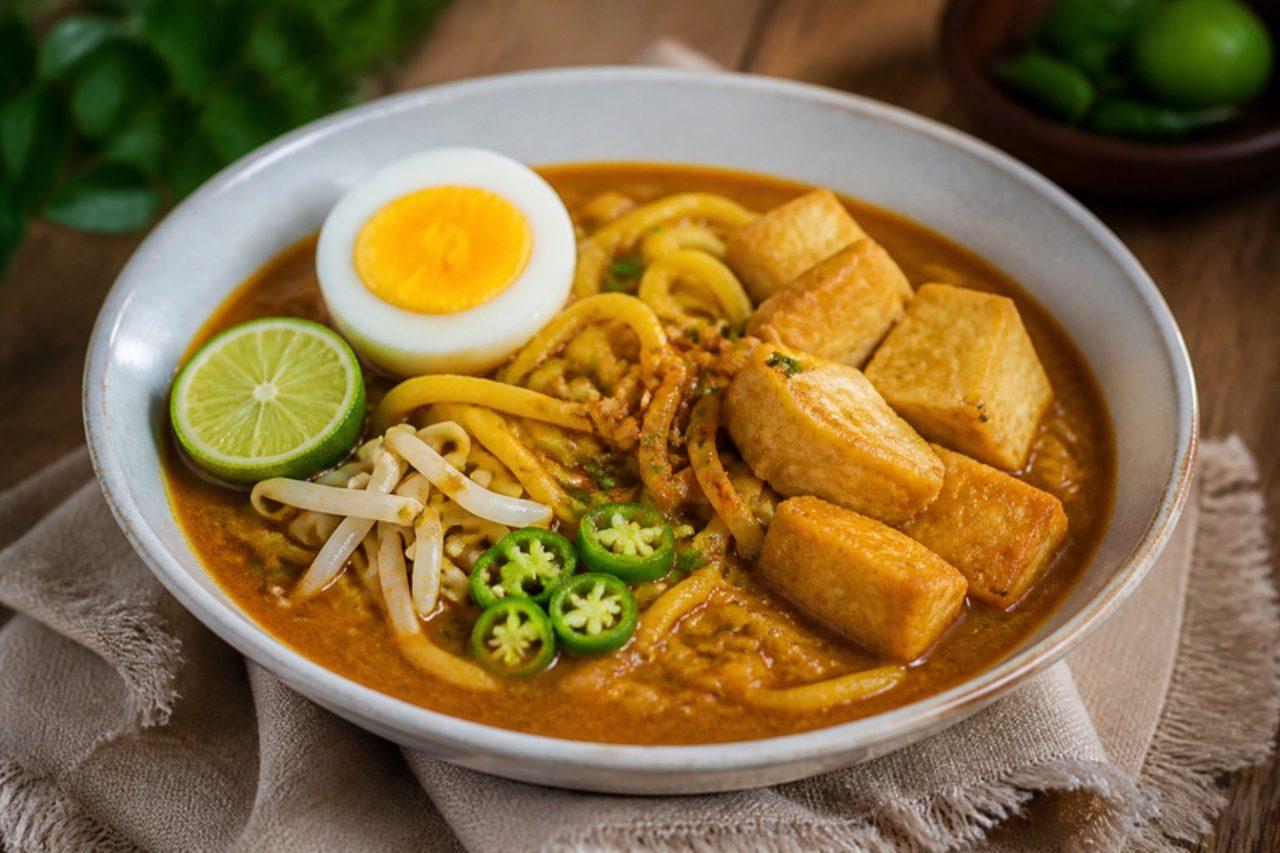
Malay hawker stalls at Geylang Serai and the old Adam Road food centre ladle mee rebus from a vat of thick, reddish-brown gravy that is sweet, gently spiced and earthy, poured over springy yellow noodles and heaped with halved boiled egg, fried tau kwa, bean sprouts, green chilli and a squeeze of calamansi. It is eaten any time, but especially on Hari Raya mornings and as a filling lunch. Many stalls build the gravy on dried shrimp and beef stock; this vegetarian version gets its body from mashed sweet potato, its savoury depth from fermented soybean paste (taucheo) and a well-fried spice paste, and uses vegetable stock. The usual mistake is under-frying the rempah, which leaves the gravy tasting raw and sharp; cook it until the oil separates and turns red. Chef's tip: the gravy thickens as it stands, so keep a kettle of hot stock nearby and loosen it to a pourable, velvety consistency just before serving.

by KrazyBadal 0 views

Singapore prawn noodle soup

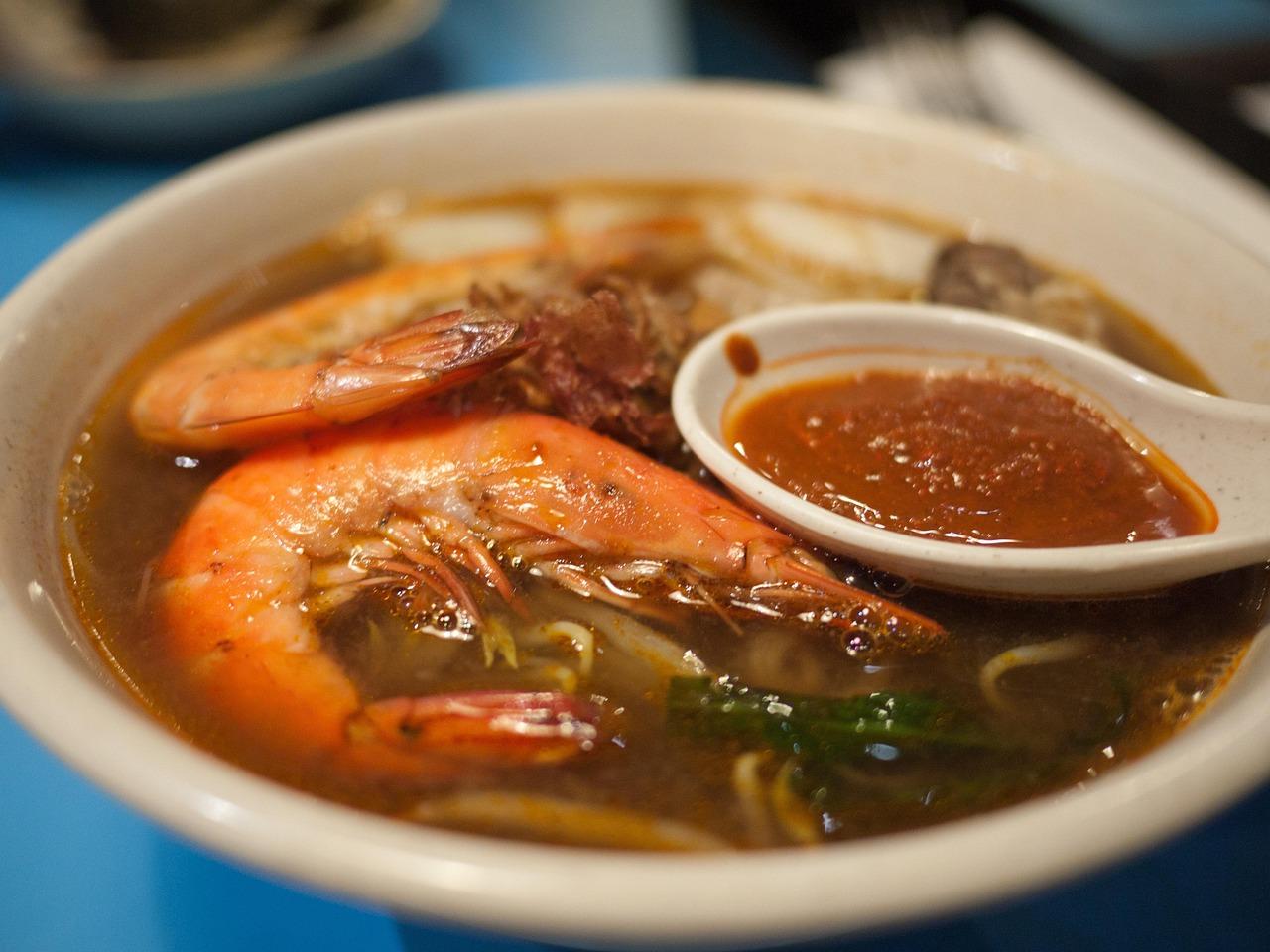
Long before lunch, the big pots at Singapore's prawn mee stalls have been bubbling with fried prawn shells and pork bones, and the regulars from Zion Road to Tiong Bahru arrive with one question: soup or dry? This is the soup version, which is different from the stir-fried Hokkien prawn mee: a sweet, briny, rust-coloured broth poured over yellow noodles and rice vermicelli, topped with halved prawns, tender pork ribs, kangkong and bean sprouts, finished with fried shallots and a dusting of chilli powder. A dish of sliced red chilli in soy sauce sits alongside. The most common mistake is boiling the shells without frying them first, which gives a pale, thin broth; the depth comes from shells toasted in oil until they are deep red and smell like the sea. Chef's tip: freeze prawn shells and heads from other meals over a few weeks so you have a big bag ready for the stock.

by KrazyBadal 0 views

Aloo andayPotato and egg curry

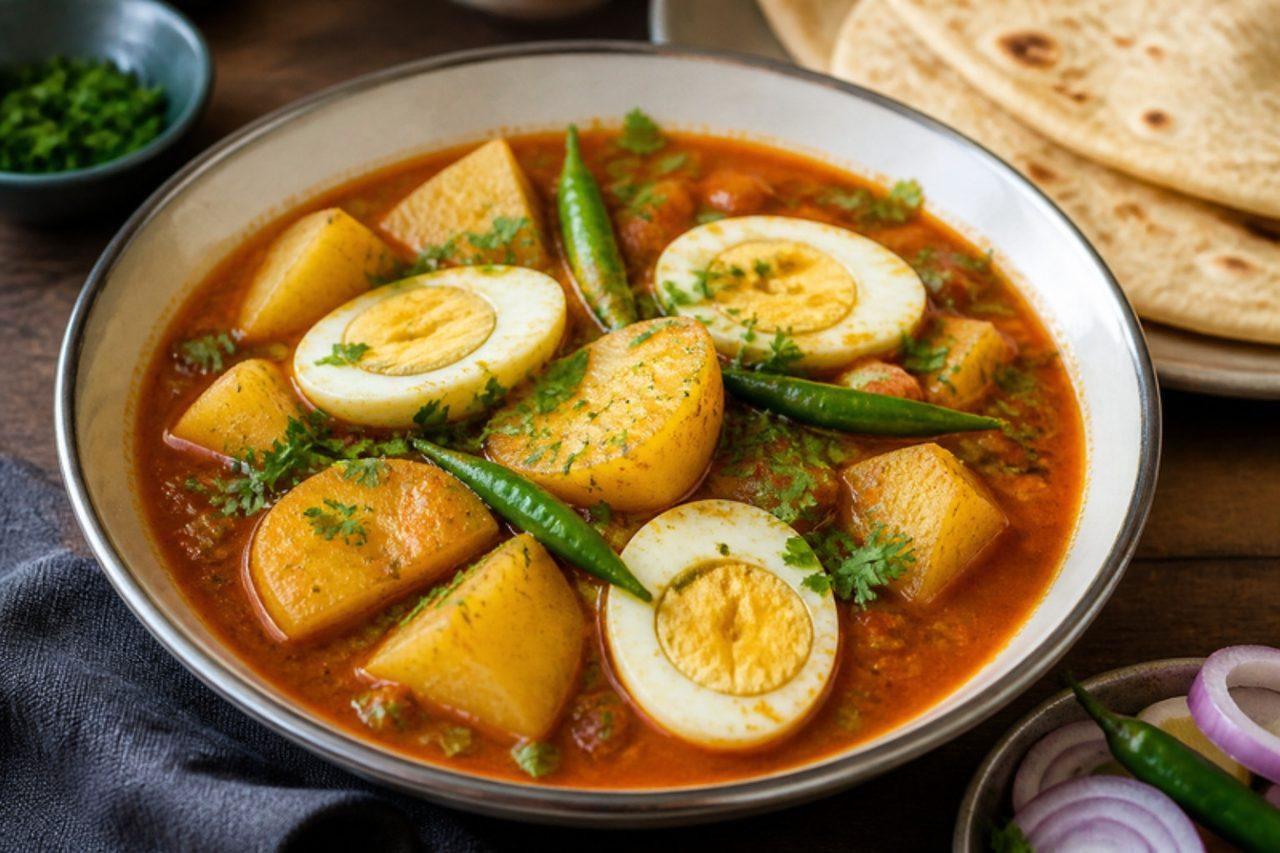
Ask almost anyone who grew up in a Punjabi household in Pakistan what was cooked at the end of the month, when the meat money had run out, and aloo anday will come up with real affection. Halved hard-boiled eggs and chunks of potato sit in a loose, brick-red shorba of browned onion and tomato, thin enough to soak into a chapati and rice alike, with a cut green chilli on top. It is a weeknight and Sunday-brunch dish rather than a guest dish, and children tend to love it. Where it goes wrong is in the masala: if the onions and tomatoes are not fried until the oil separates, the gravy tastes raw and watery however long it simmers. Chef's tip: score the peeled eggs lightly with a knife and fry them in the masala for a minute before the water goes in, so they take on colour and flavour.

by KrazyBadal 0 views

KhashlamaLamb and vegetable stew

Khashlama is a village dish from across Armenia, made in a big pot for family gatherings in Ararat and Kotayk: chunks of lamb on the bone, or beef, layered with onions, tomatoes, peppers and potatoes and cooked slowly with very little liquid, so the meat stews in its own juices and the vegetables soak them up. It is served in deep plates with lavash and lots of fresh herbs. A common mistake is adding water to cover; the result is a soup, not khashlama. Chef's tip: put the lamb on the bottom and the potatoes on top, so the meat browns slightly and the potatoes steam in the juices without breaking.

170 minArmenianMeatGluten free
by KrazyBadal 0 views

Taiwanese sesame oil chicken soup

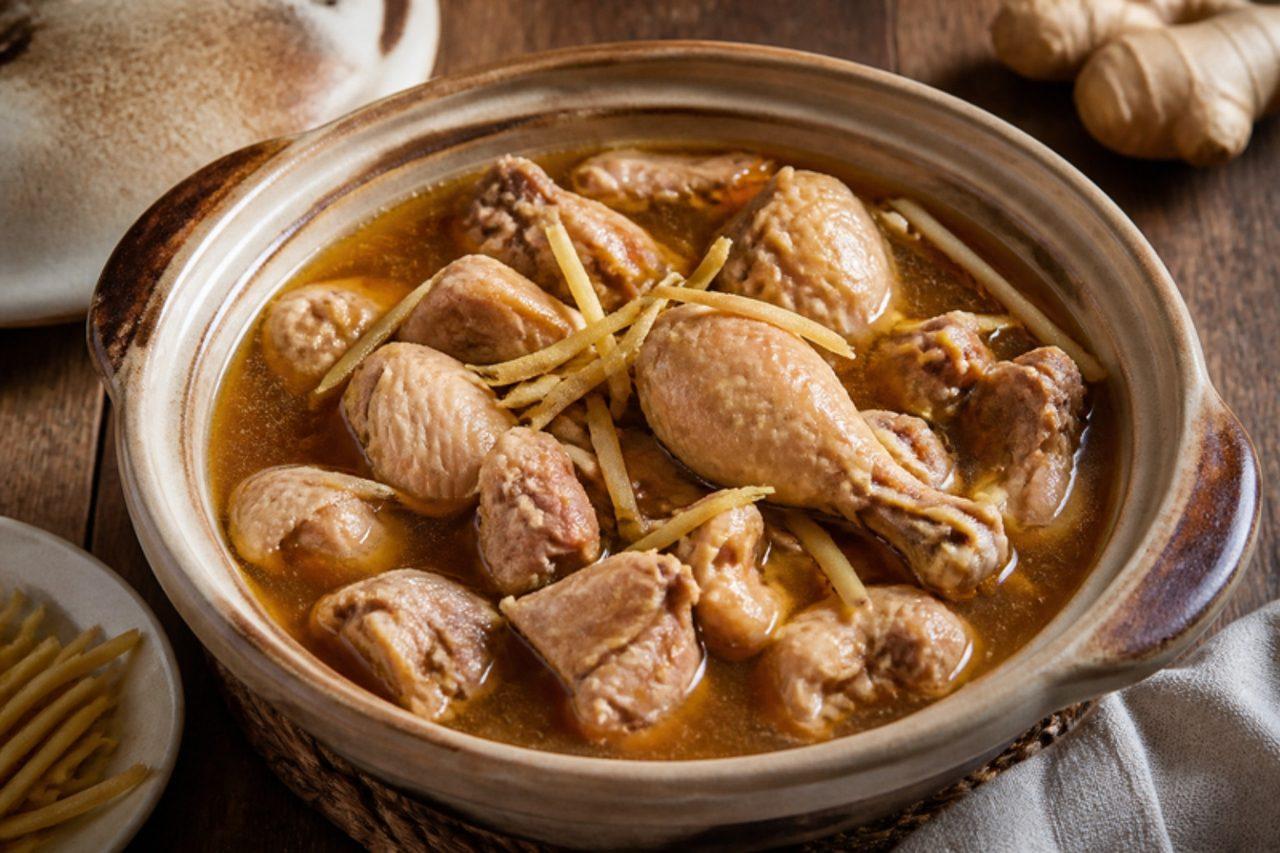
When the first cold fronts reach Taipei, steam rises from clay pots of this at street-corner stalls, and families make it at home for new mothers and anyone run down by winter. Bone-in chicken is browned in dark, toasty black sesame oil with a mound of ginger fried until curled and crisp, then simmered in rice wine for a deeply warming, slightly bitter-sweet broth that is eaten with rice or thin wheat noodles. This soup is traditionally made with plenty of rice wine, and simmering does not cook all the alcohol off; for an alcohol-free pot, use the stock option given with the wine. A common error is heating black sesame oil on a high flame: it scorches quickly and makes the whole soup bitter. Chef's tip: fry the ginger slowly in the oil before the chicken goes in, until the slices curl at the edges and look dry; that is where the soup's warmth comes from.

by KrazyBadal 0 views

Sweet potato ginger soup

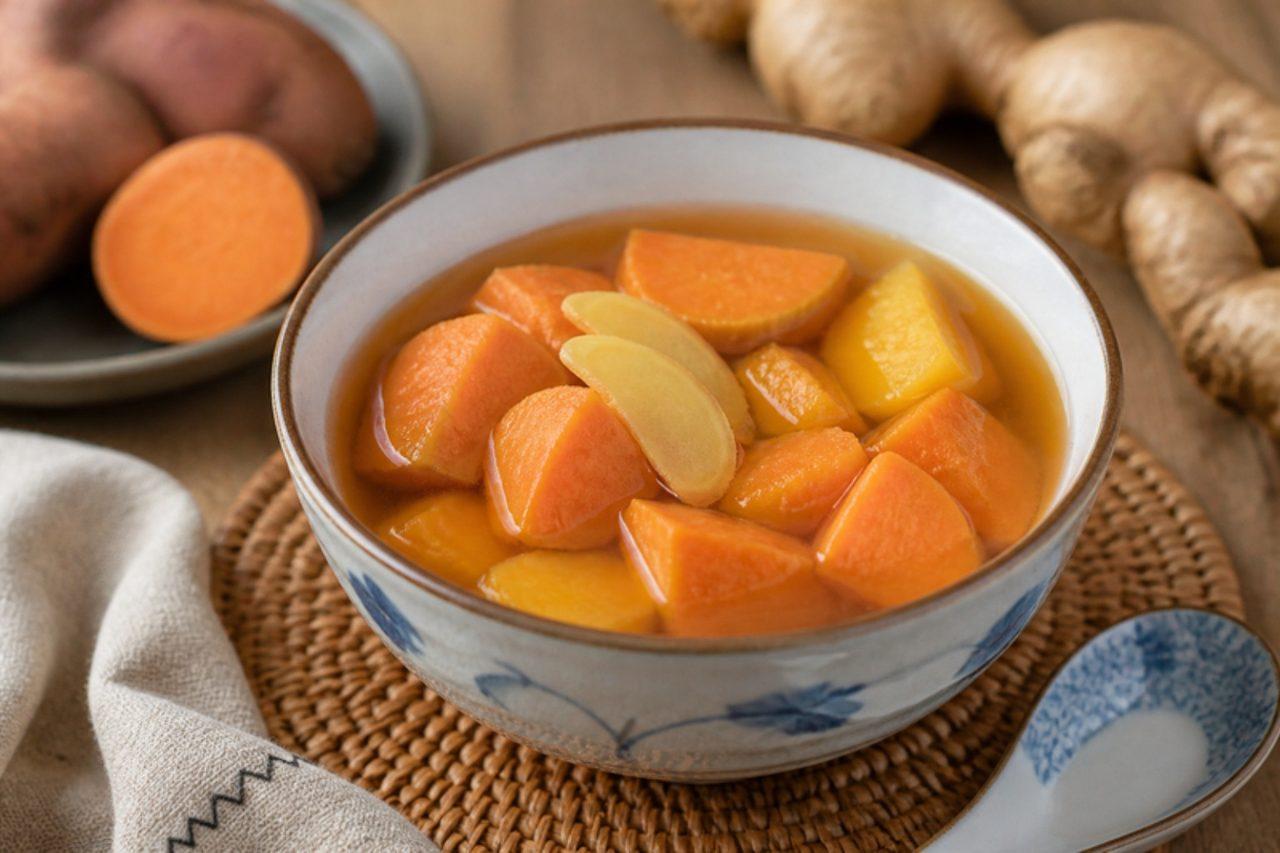
Cheap, warming and ready in under an hour, this is the tong sui Hong Kong families make at home on cold, damp winter nights, ladled out after dinner or before bed rather than ordered in a shop. Chunks of orange, yellow or purple sweet potato turn tender and fudgy in a clear amber syrup made with brown slab sugar and plenty of smashed ginger, so each spoonful is sweet first and then pleasantly hot. Some cooks add a few pitted red dates or a piece of dried tangerine peel. Boiling the sweet potatoes from the start is the usual slip; by the time the ginger has given up its heat, they've collapsed and clouded the syrup. Chef's tip: soak the cut sweet potato in cold water for 10 minutes to rinse off surface starch, and add it only once the ginger broth has simmered for a good 10 minutes.

by KrazyBadal 0 views

KhirshaReduced milk fudge

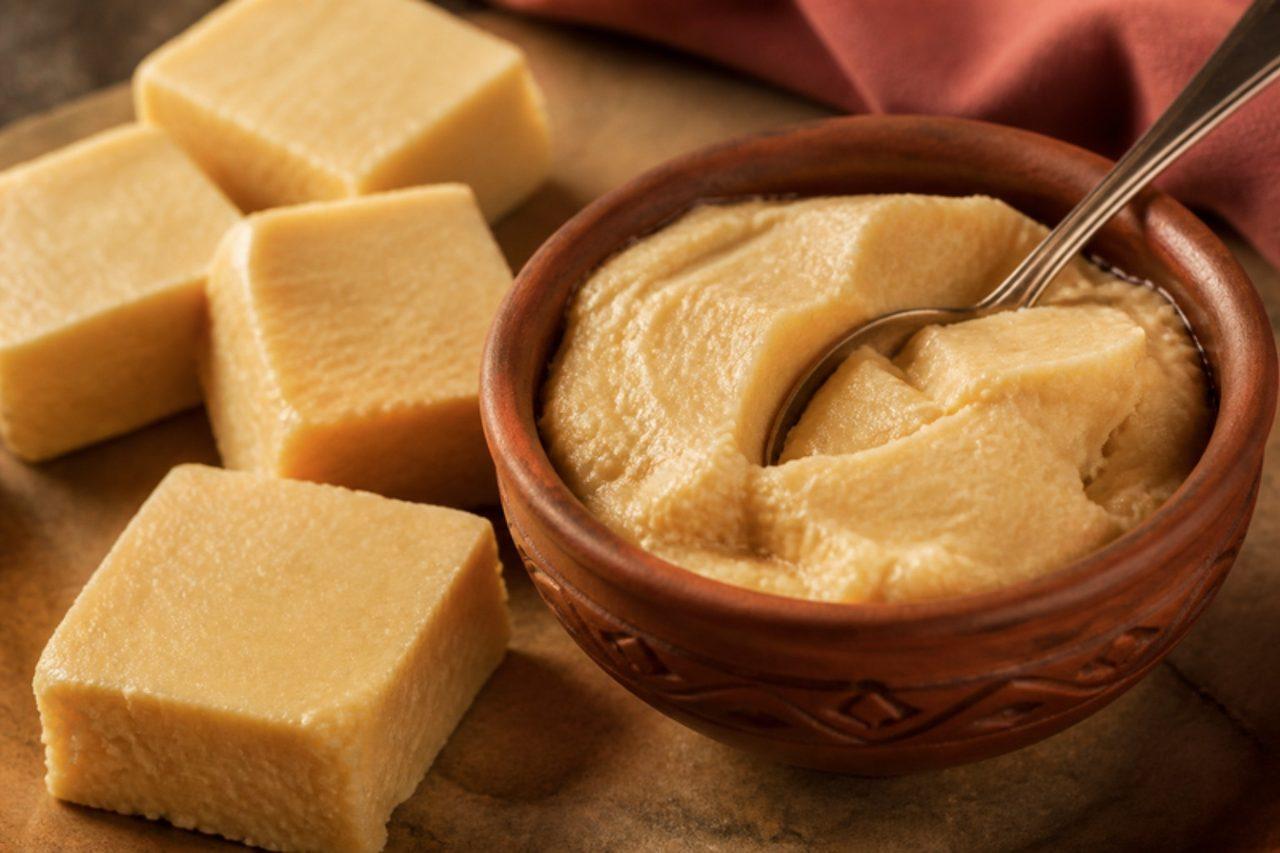
In the dairy belt of Sirajganj and Pabna, where milk is cheap and plentiful, khirsha is made the patient way: milk is boiled in a wide iron karai and stirred for well over an hour until it has reduced to a sixth of its volume and become a thick, pale-caramel paste, then sweetened and cooked a little longer. Sold in clay saucers or pressed into blocks, it tastes of pure cooked milk, sweet and slightly toffee-like, with a fudgy, fine-grained texture. It is eaten on its own, spread on puffed rice, rolled into pithas or packed into the shells of other sweets. Burning the bottom is the classic mishap, which makes the whole batch taste scorched, so stir constantly and scrape the corners once it thickens. Chef's tip: use a wide, heavy pan rather than a deep one; the bigger the surface, the faster the milk reduces.

by KrazyBadal 0 views

Djouzia (walnut and honey nougat)

Shops in old Constantine wrap djouzia in twists of paper and sell it by weight, a soft, pale caramel-coloured nougat of honey, whipped egg white and plenty of walnuts. It is chewier and darker than white Provençal nougat, with a deep honey flavour and the slight bitterness of walnut skins. Djouzia is a gift sweet, carried to weddings and offered with coffee to visitors, and keeps for weeks. A sugar thermometer makes it reliable. Chef's tip: cook the honey syrup to 125 °C; syrup that is pulled off too early is the most common mistake, and the nougat stays sticky and will not set enough to cut.

by KrazyBadal 0 views

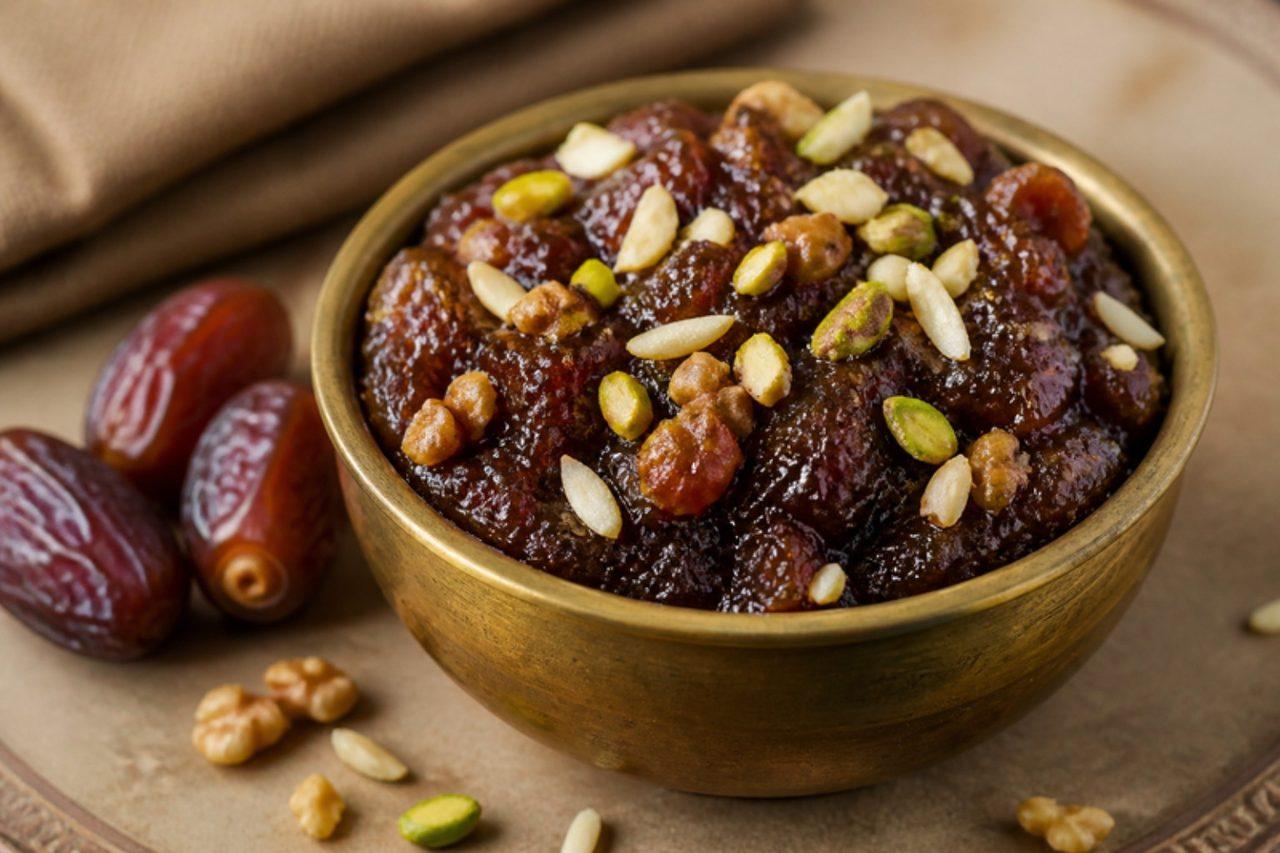
Khajoor ka halwaDate halwa

The oasis towns of Turbat and Panjgur in Makran grow some of Pakistan's finest dates, the soft, honeyed Begum Jangi and Muzawati among them, and after the late-summer harvest households turn the surplus into this rich, fudgy halwa. Dates are softened in warm milk, mashed and cooked down slowly in ghee until the mixture is dark and glossy and comes away from the pan, then finished with almonds, walnuts and cardamom. It needs little or no added sugar, and it is served in small portions at Eid, to new mothers and to guests with green tea. Using dry, hard dates without soaking is where it goes wrong, leaving the halwa lumpy and leathery. Chef's tip: choose soft, moist dates and blend them only briefly after soaking, so a few small pieces remain for texture.

by KrazyBadal 0 views

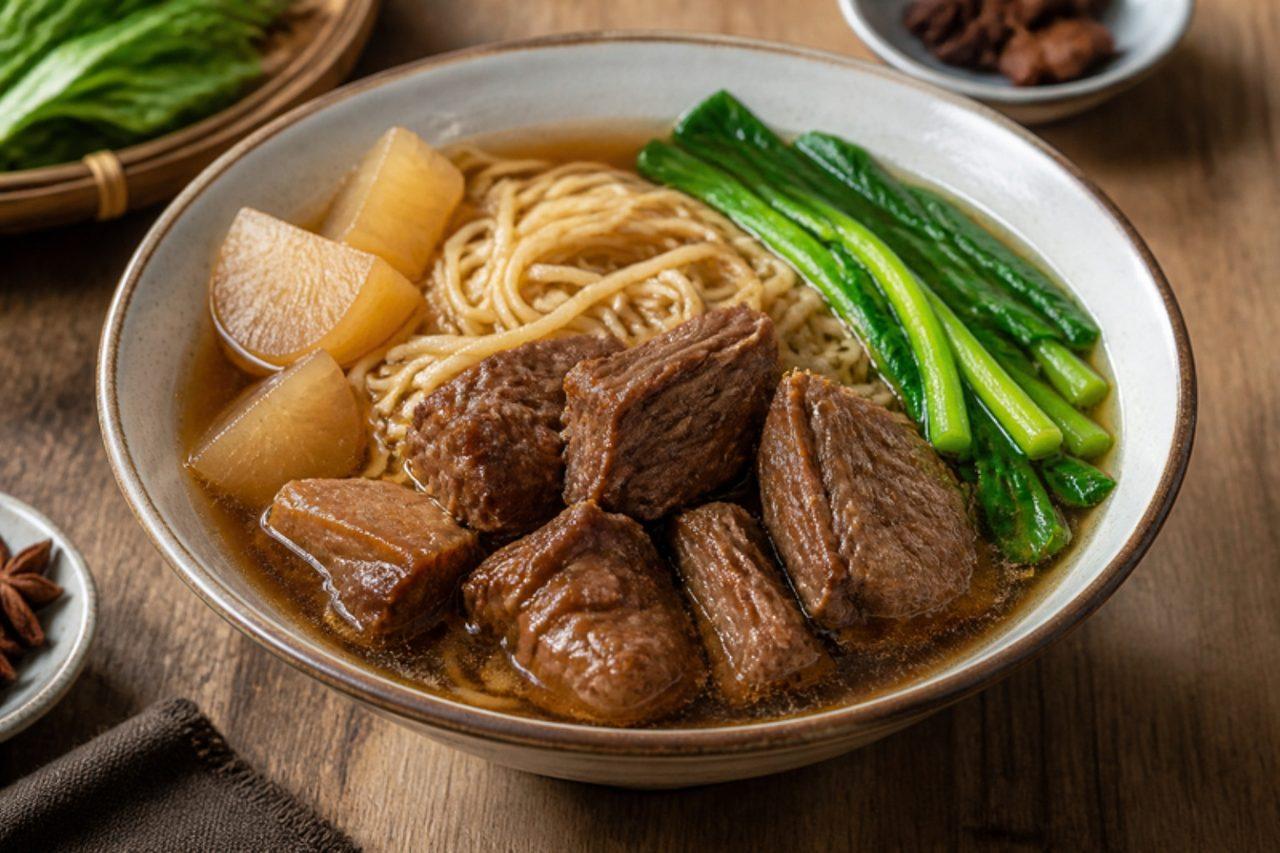
Beef brisket noodles

Queues form outside the brisket shops of Central and Sham Shui Po at lunchtime for a bowl of ngau naam min: wobbly chunks of beef brisket, braised for hours with chu hou paste, star anise, cinnamon and dried tangerine peel until the fat and sinew melt, set over springy egg noodles in a separate, clear, peppery broth with daikon. The braise is dark, sticky and aromatic, the broth light and clean, and you dip between them. A slosh of Shaoxing rice wine goes in the braise; an alcohol-free swap is in the ingredient list. Many home cooks cut the brisket before cooking into small cubes, which then shrink and dry out; braise it in big pieces and cut it afterwards. Chef's tip: the braise is better the next day, so make it ahead, chill it and lift off the fat before reheating.

by KrazyBadal 0 views

Date squares

Date squares are on the tea table in every Canadian church hall and school bake sale, called carrés aux dattes in Quebec and matrimonial cake in the West. A buttery oat crumble is pressed into a tin, spread with a soft date filling and covered with more crumble, then baked until golden. They keep for days and freeze well. A common mistake is spreading the dates while hot onto loose crumb, which makes the base soggy; press the base firmly. Chef's tip: add a strip of orange zest to the dates for a brighter flavour.

by KrazyBadal 0 views

Khajoor shakeDate and almond milkshake

Dates are the first thing on the table when the azan sounds for iftar in Pakistan, and in many homes in Karachi and Islamabad the dates go straight into the blender with cold milk and a handful of soaked almonds, making a thick, caramel-sweet shake that restores energy quickly after a long summer fast. Soft, moist dates such as the Aseel from Khairpur in Sindh give the smoothest result, and the drink needs no added sugar at all. It is also a popular breakfast for children and a quick snack after school. The typical mistake is blending dry, hard dates straight from the packet, which leaves chewy fragments and a gritty shake. Chef's tip: soak the stoned dates and almonds in a little warm milk for 10 minutes first, and blend them to a smooth paste before adding the rest of the cold milk.

by KrazyBadal 0 views

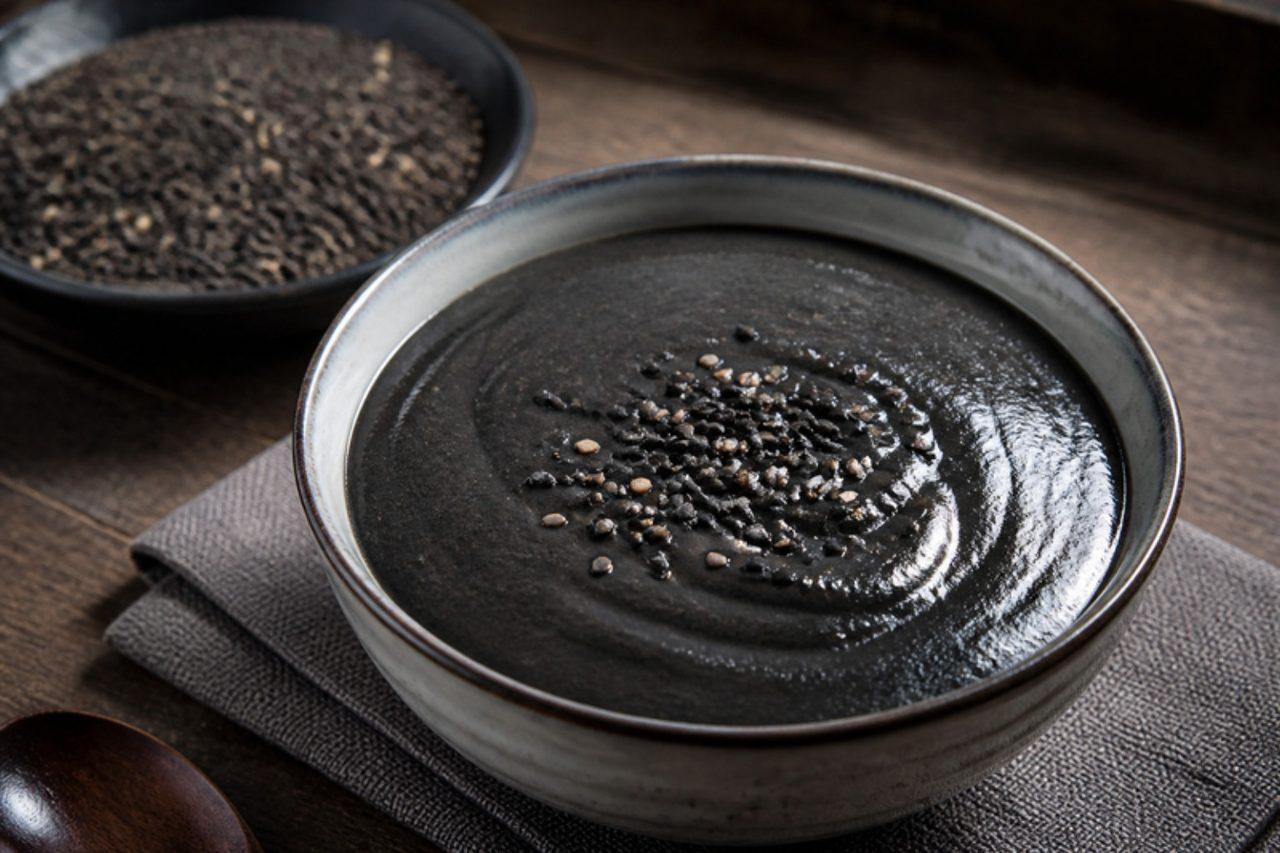
Black sesame soup

Steaming bowls of inky ji ma wu are a staple of Hong Kong dessert shops on cool evenings, eaten after dinner or as a late-night snack on the way home. The soup is thick enough to coat a spoon, nutty and roasted with a faint bitterness that balances the rock sugar, and so smooth it feels like warm velvet. It's often paired half-and-half in one bowl with almond tea or walnut soup, or served with sweet glutinous rice balls. Over-toasting the sesame is the mistake to avoid; once the seeds scorch, the whole pot tastes acrid. Chef's tip: blend the toasted seeds with water for a full two minutes, until no grit is left between your fingers, before it goes into the pan.

by KrazyBadal 0 views

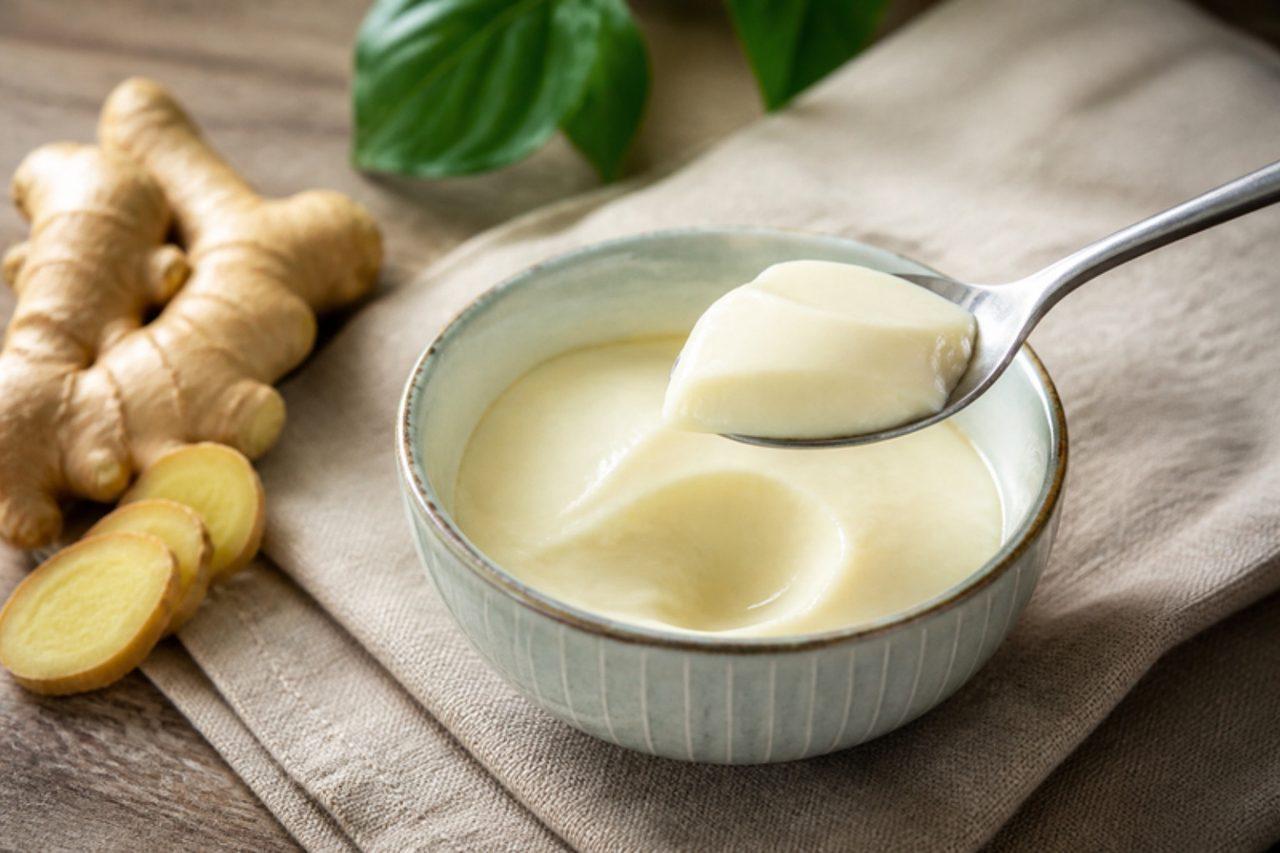
Ginger milk curd

Born in the Pearl River Delta town of Shawan in Panyu, Guangdong, ginger milk curd crossed the border to become a favourite of Hong Kong dessert parlours in Jordan and Causeway Bay, ordered hot on a winter night. There's no setting agent: an enzyme in fresh ginger juice curdles hot milk within minutes into a trembling, spoonable custard that's sweet, creamy and warming, with a peppery ginger kick. It is eaten straight from the bowl while still warm, with nothing alongside. Long-life UHT milk is the classic mistake, since its proteins have been changed by the high heat and it simply won't set; use fresh pasteurised whole cow's milk. Chef's tip: use mature, fibrous ginger rather than young pink-tipped ginger, and heat the milk to 70–75 °C, measured with a thermometer.

by KrazyBadal 0 views

Maple syrup pie

Tarte au sirop d'érable closes many a family meal in Quebec at Easter and through the sugaring season, a cousin of the sugar pie made with real maple syrup. The filling of syrup, cream and egg bakes into a soft, trembling, caramel-brown layer that tastes deeply of maple. Slice it thin; it is rich. A spoonful of crème fraîche or plain whipped cream cuts the sweetness. A common mistake is skipping the blind bake, which leaves a soggy base. Chef's tip: take the pie out while the centre still wobbles like jelly; it sets as it cools and over-baking makes it weep.

by KrazyBadal 0 views

Tainan beef soup

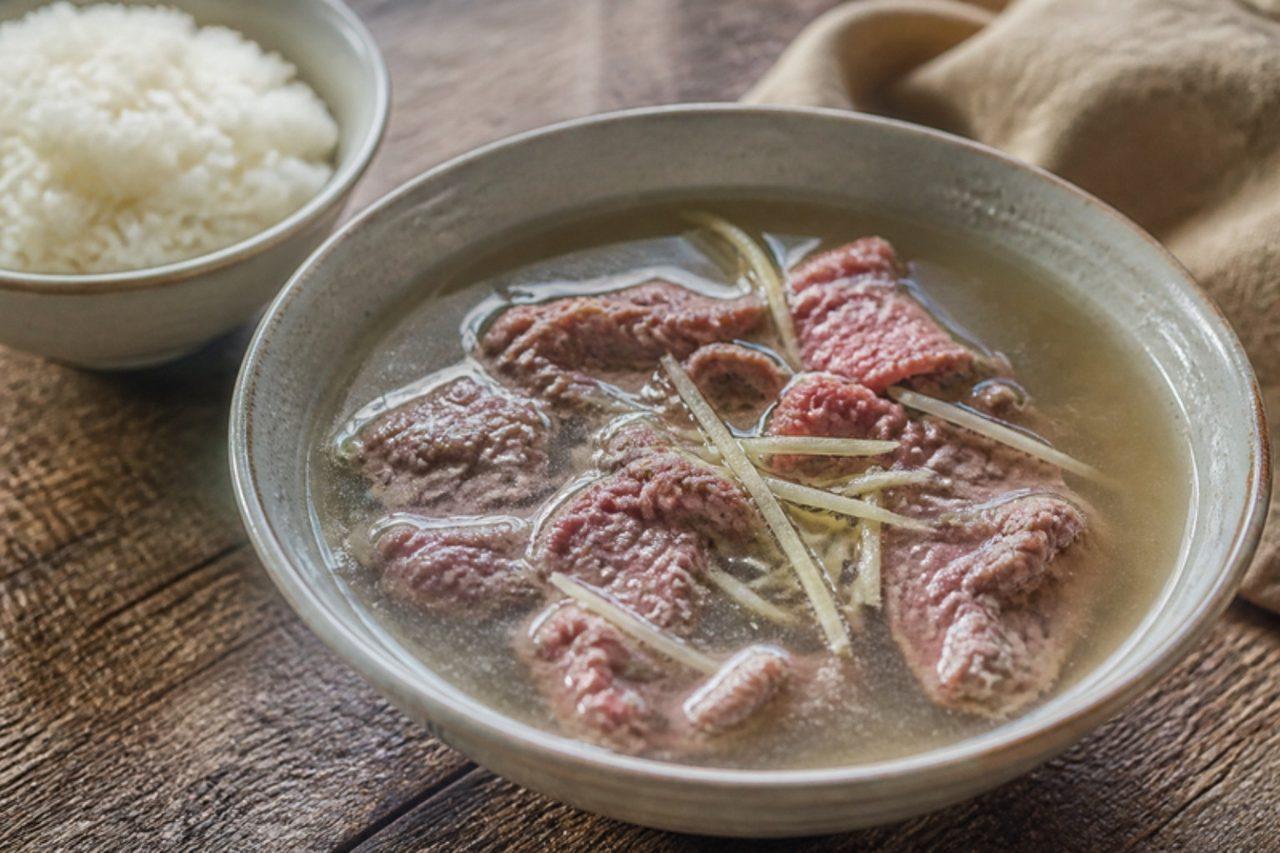
Before dawn in Tainan, workers and night owls fill steamy shops near the slaughterhouse districts for bowls of fresh local beef sliced paper-thin and blanched by a ladle of boiling broth, eaten with rice and a saucer of soy and ginger as a sunrise breakfast. The meat is tender and rosy, the broth clean, sweet and beefy. Traditionally the slices are barely cooked; this recipe gives a safer 30-second dip in simmering broth and a fully cooked option. The pink version is not for pregnant women, young children or anyone with a weakened immune system. People often cut the beef too thick, so it toughens before it cooks through; firm it in the freezer and slice it as thin as you can. Chef's tip: bring the broth to a hard, rolling boil right before every ladle; a broth that has dropped off the boil never cooks the beef evenly.

by KrazyBadal 0 views

KhaginaSpiced scrambled eggs

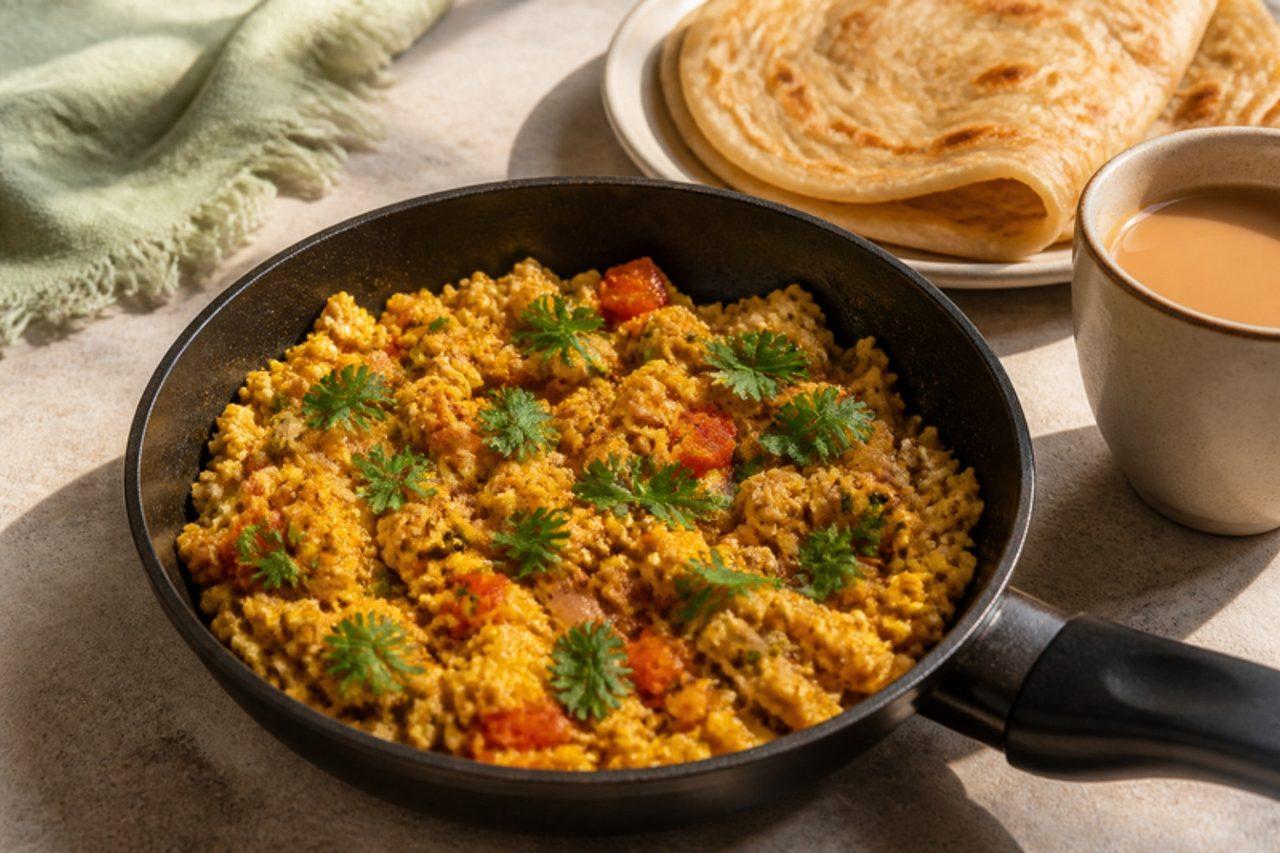
Ask almost any Pakistani what their mother made on a school morning and khagina comes up: eggs beaten with salt and turmeric and stirred into onion, tomato and green chilli softened in oil, served in a heap beside a hot paratha with a cup of doodh patti. It comes from the old Mughal and Hyderabadi kitchens that reached Karachi after Partition, and it differs from a plain scramble in being cooked a little longer, so it sets into soft, moist clumps coloured by the masala rather than staying creamy. It is everyday food in Karachi, Lahore and Peshawar alike, also eaten for a quick supper with chapati. The usual mistake is adding the eggs before the tomato has cooked down, which leaves the dish watery and the eggs rubbery. Chef's tip: take the pan off the heat while the eggs still look slightly glossy but no liquid egg remains, because they keep cooking on the plate.

by KrazyBadal 0 views

Water chestnut cake

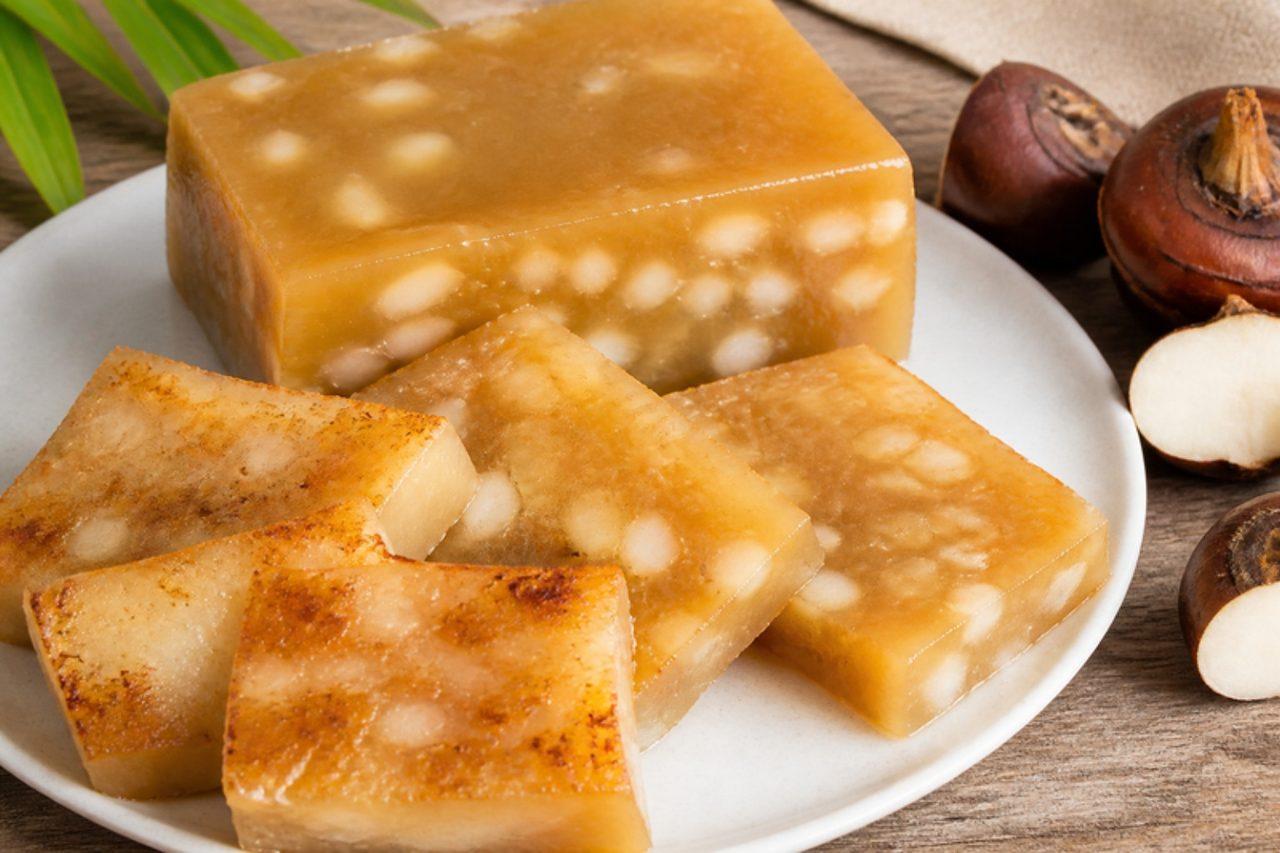
Dim sum halls across Hong Kong lay out amber squares of water chestnut cake on small plates, and every Lunar New Year home kitchens steam a tray to give away to visitors. Set from water chestnut starch and brown slab sugar, the cake is translucent and gently chewy, flecked with pieces of fresh water chestnut that stay crisp and juicy. It is eaten cold and wobbly in summer, or sliced and pan-fried until the outside forms a caramel crust with a soft centre, with a cup of jasmine or oolong tea. A frequent problem is a lumpy, cloudy cake, which comes from pouring the hot syrup into the starch all at once without stirring. Chef's tip: let the cake set completely, ideally overnight in the fridge, before slicing with a knife dipped in water.

by KrazyBadal 0 views

Lac-Saint-Jean blueberry pie

Around Lac-Saint-Jean in Quebec the low wild blueberries ripen in August, and the region is so proud of them that locals are nicknamed bleuets. Every church supper and roadside casse-croûte there sells a deep tarte aux bleuets with a flaky top crust and a dark, jammy filling that holds when sliced. Wild berries are smaller and more intense than cultivated ones and frozen wild berries work well. Serve slightly warm with vanilla ice cream or a jug of cream. A common mistake is skimping on the cornflour, which leaves a soupy filling. Chef's tip: let the pie cool for at least three hours so the juices set; cut it hot and the filling runs all over the plate.

by KrazyBadal 0 views

AnoushabourChristmas wheat pudding

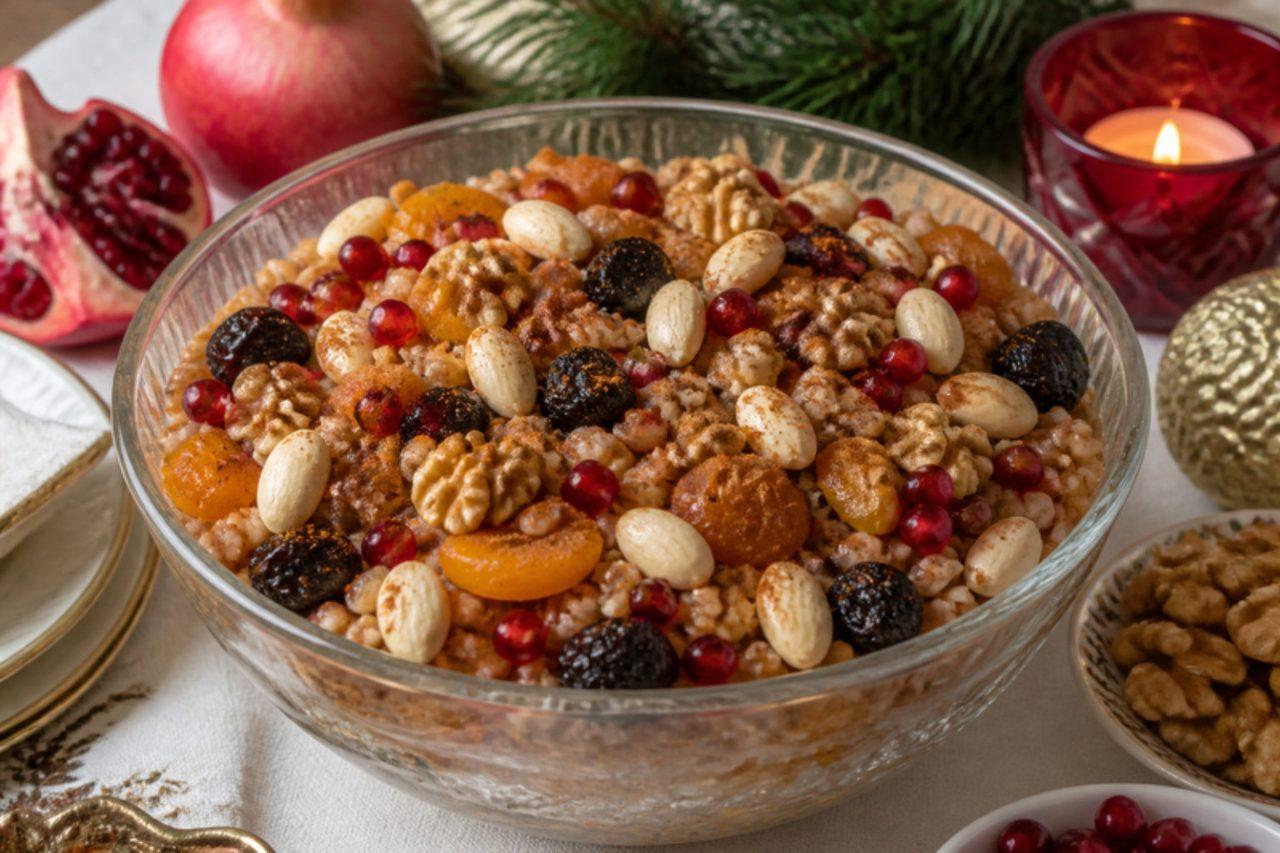
Anoushabour, 'sweet soup', is cooked by Armenian families for New Year and for Christmas, which the Armenian church keeps on 6 January; in Yerevan and diaspora kitchens a big pot is made and bowls are carried to friends. Whole hulled wheat is simmered until creamy, sweetened and filled with apricots, raisins and prunes, then topped with walnuts, almonds, pomegranate and cinnamon. A common mistake is adding the fruit early, which turns it to pulp. Chef's tip: stir in a spoon of rose water at the end and serve the pudding cool; it sets slightly and the flavours come together.

by KrazyBadal 0 views

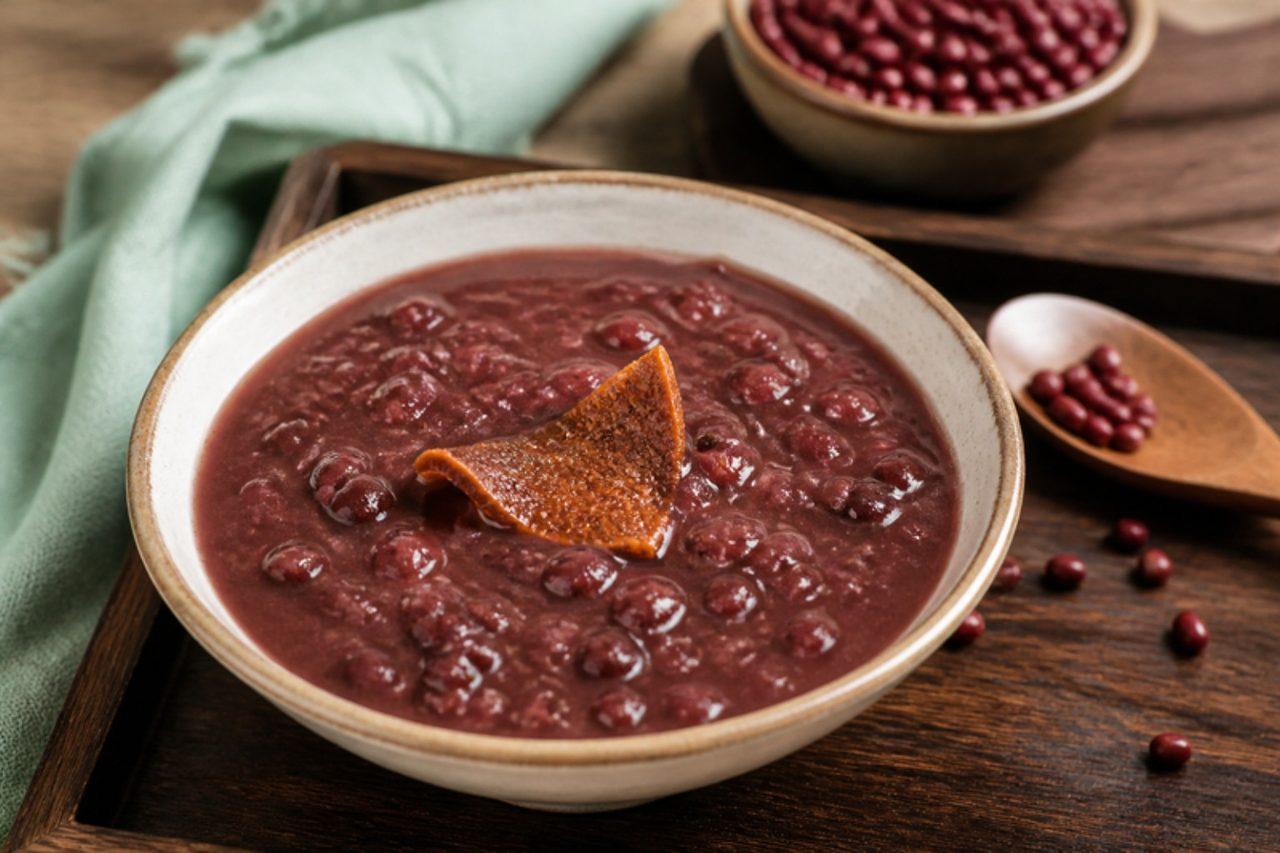
Red bean soup

Hong Kong Cantonese restaurants often send out a small bowl of hung dau sa on the house at the end of a banquet dinner, and dessert shops in Mong Kok serve it hot in winter and chilled with ice in summer. Long simmering breaks the adzuki beans down into a thick, velvety soup, part smooth and part whole beans, scented with the faintly bitter citrus of aged tangerine peel and sweetened with clean-tasting rock sugar. Some add a spoonful of coconut milk, lotus seeds or little glutinous rice balls. Adding the sugar too early is the common misstep, because it keeps the bean skins tough so they never collapse. Chef's tip: soak the beans, then freeze them in their soaking water for a few hours; the ice crystals crack the skins and halve the simmering time.

by KrazyBadal 0 views

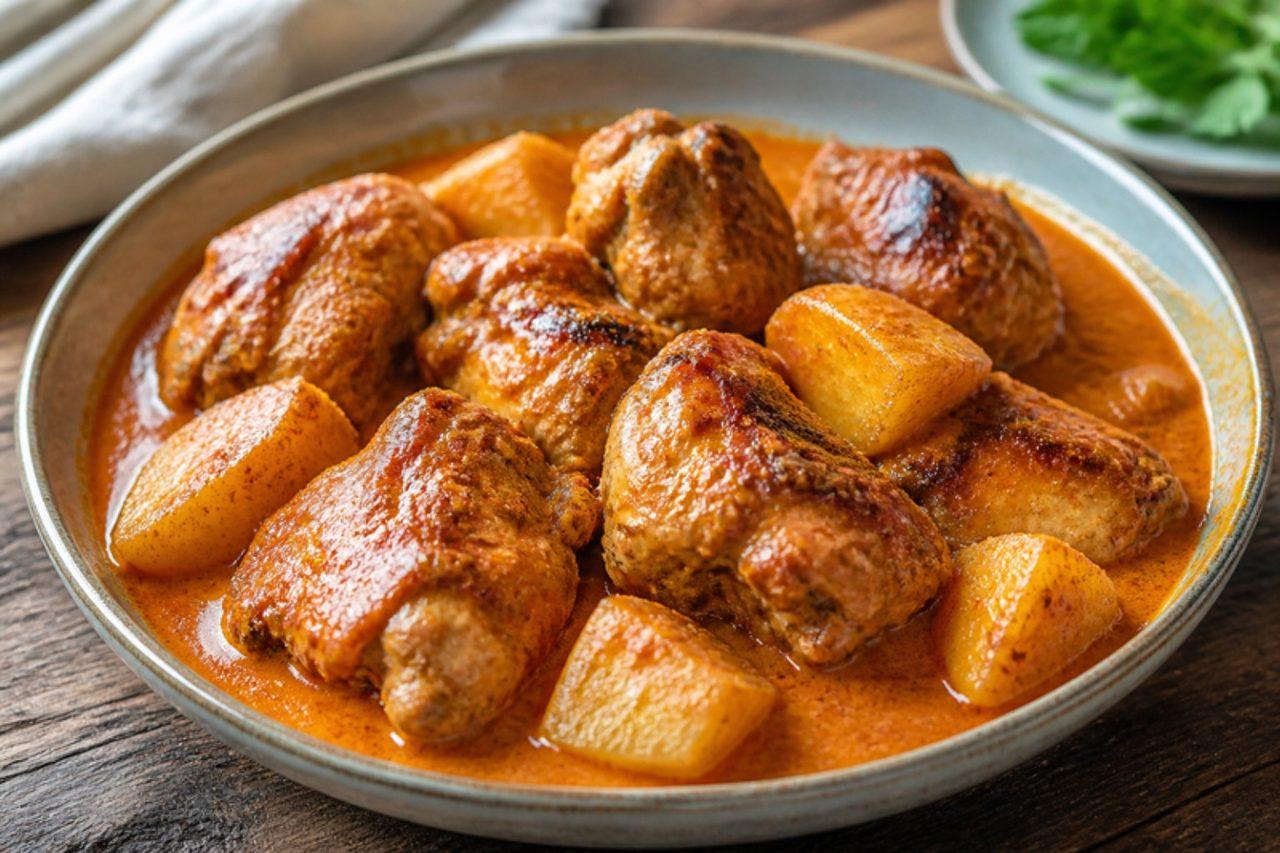
African chicken (Macanese galinha africana)

Macau restaurants have served galinha africana since the 1940s, and the story most often told is that a hotel chef in the city created it from spices that Portuguese sailors brought back from Mozambique and Angola. Today it is a signature at Macanese and Portuguese restaurants from Taipa village to Coloane, eaten at long weekend lunches with rice or crusty bread. Chicken pieces are marinated, grilled until charred, then baked under a thick, brick-coloured sauce of ground peanuts, coconut milk, chilli, paprika, garlic and onion that is rich, nutty and quietly fiery. It is often made with a pale, timid sauce; cook the onion, garlic and paprika slowly until really deep red before the coconut goes in. Chef's tip: marinate the chicken overnight in the fridge so the garlic and chilli reach the bone.

by KrazyBadal 0 views

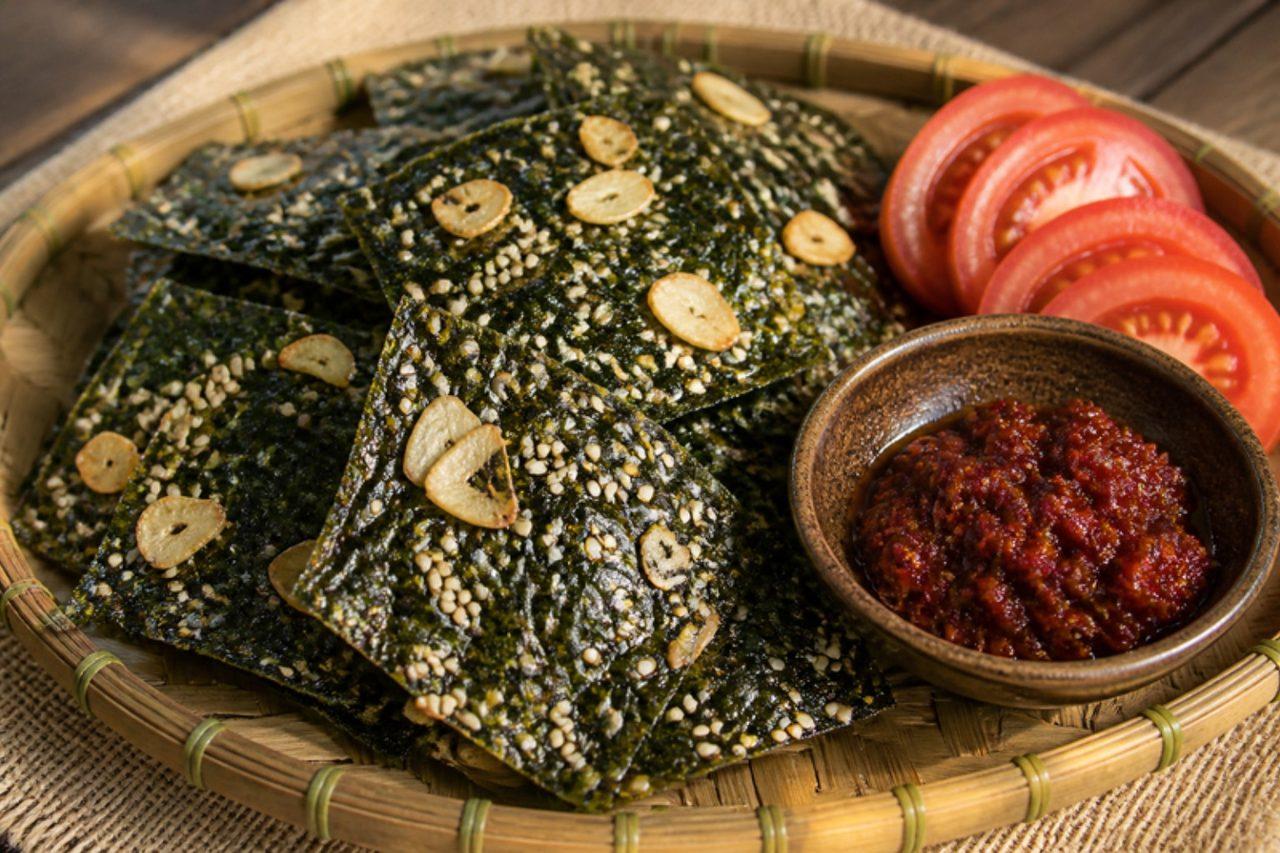
Khai paenCrispy river weed sheets

Along the Mekong and Nam Khan below Luang Prabang, women gather silky green river weed in the dry months, when the water runs low and clear, then press it into thin sheets and dry them in the sun. Those sheets turn up everywhere in town, stacked at the morning market and the night market, and a plate of fried khai paen is a favourite nibble with sticky rice and a pot of jeow bong in the late afternoon. Frying takes seconds: the sheets puff, darken and turn shatteringly crisp, tasting of the river, toasted sesame and garlic, a little like nori but earthier. Buy the sheets dried; outside Laos, look in Southeast Asian grocers, and if you can't find them, nori sheets make a stand-in, though they are thinner, sea-salty rather than freshwater and fry even faster. Leaving a sheet in the oil a moment too long is the classic error, as it goes bitter and brown almost instantly. Chef's tip: cut the sheets into squares with scissors before frying, not after, so they don't crumble into dust.

by KrazyBadal 0 views

Showing 54 of 7,762 recipes

Show more recipes

Page 227 of 863