


Skip to content
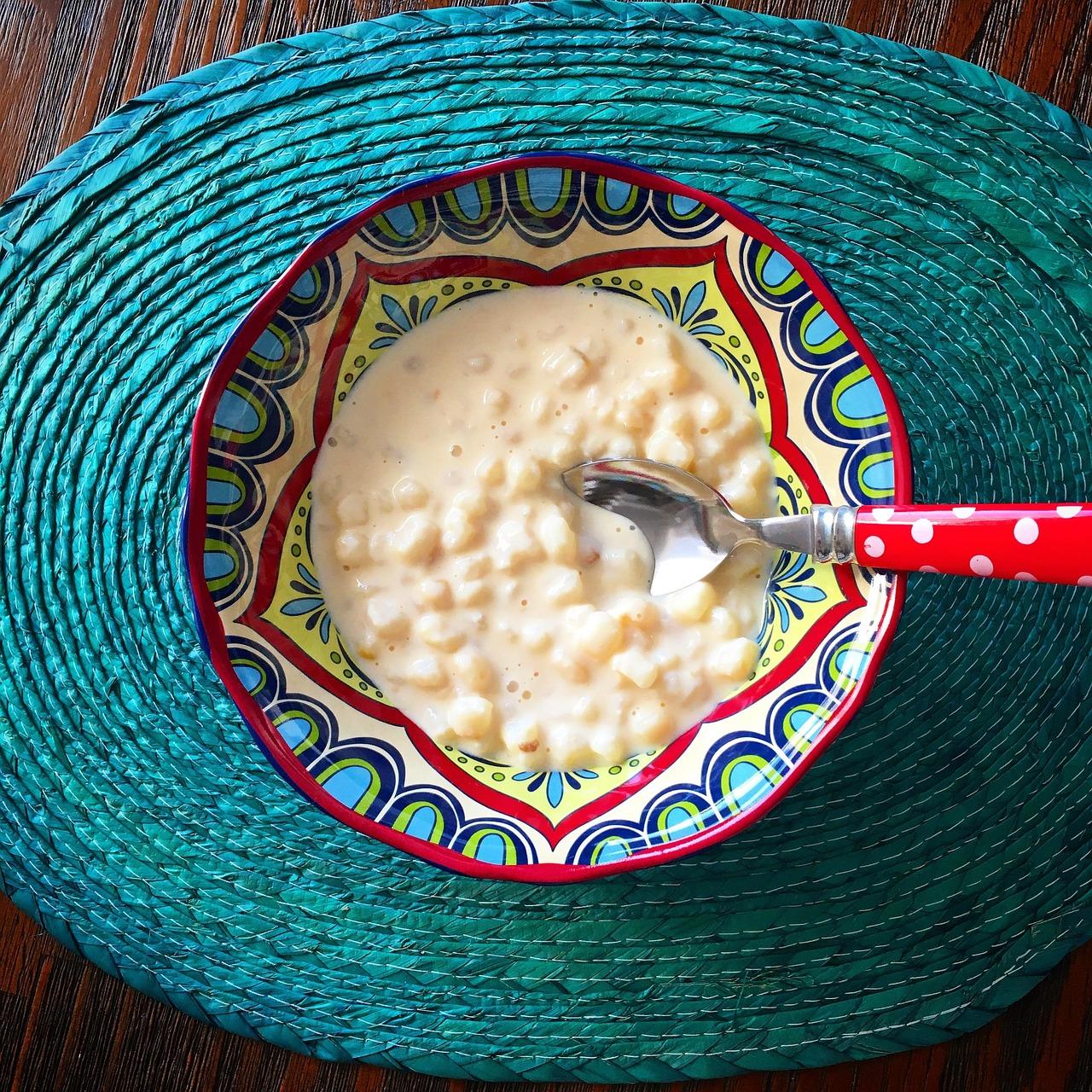
Canjica (mungunzá)
Featured recipe

Canjica (mungunzá)

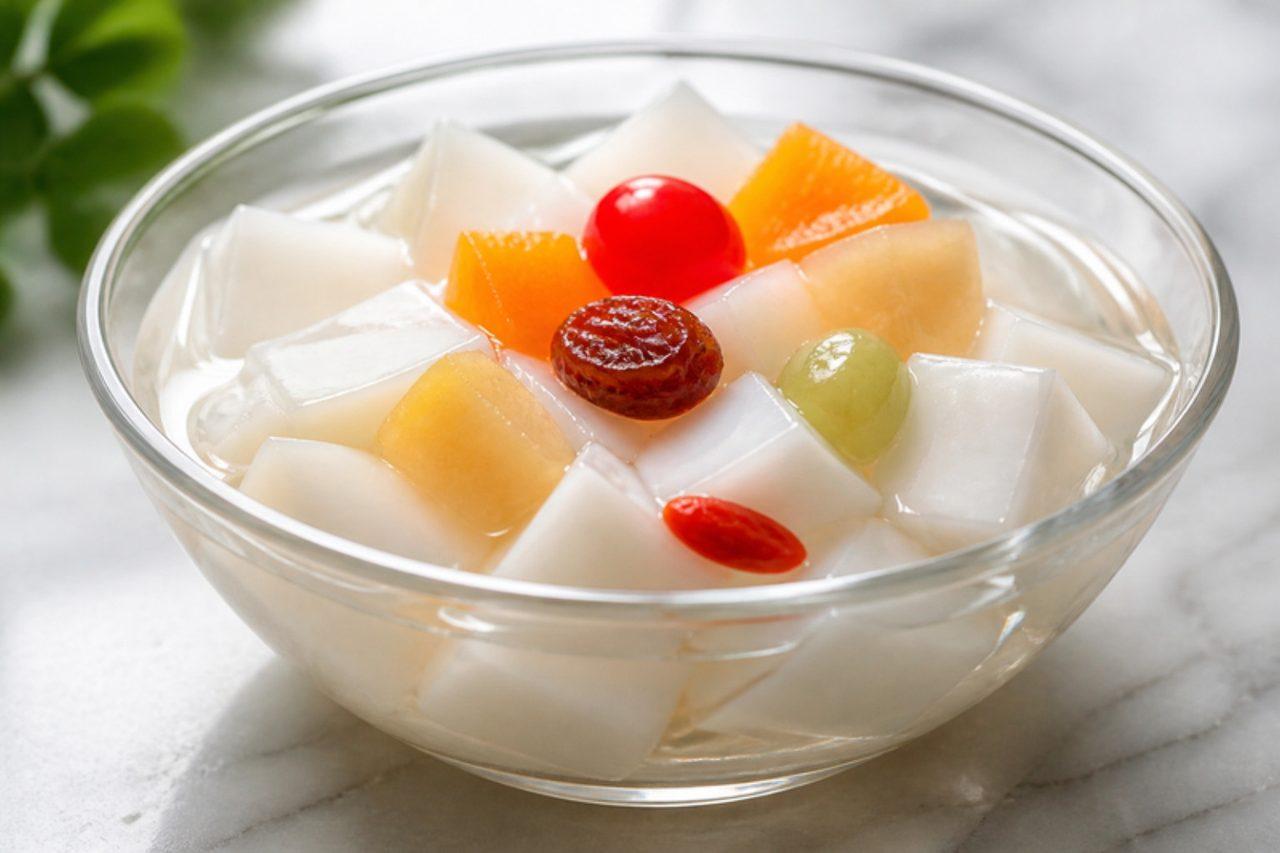
Hominy and coconut milk pudding

Big white corn kernels simmered until tender, then cooked again in milk with coconut and peanuts: canjica is the warming bowl that every festa junina from Porto Alegre to Belém hands out in plastic cups on cold June nights. In the Northeast it goes by mungunzá, and in Bahia and Pernambuco it is often made richer with coconut milk. The kernels stay chewy and whole, the broth turns creamy and smells of cinnamon and clove, and the crushed peanuts add a nutty bite. Look for white hominy sold as canjica or milho para canjica in Brazilian shops; dried white pozole corn works too. It needs overnight soaking, which is not counted in the times. The common mistake is rushing the first boil: if the kernels are not fully soft before the milk goes in, they will never soften afterwards. Chef's tip: a pressure cooker cuts the first cook to 35 minutes and leaves the kernels perfectly tender.

Read more 0 views

What to eat today?

Around the world

Today's trip: Persian

A new country every day, from every cuisine on the site.

Persian

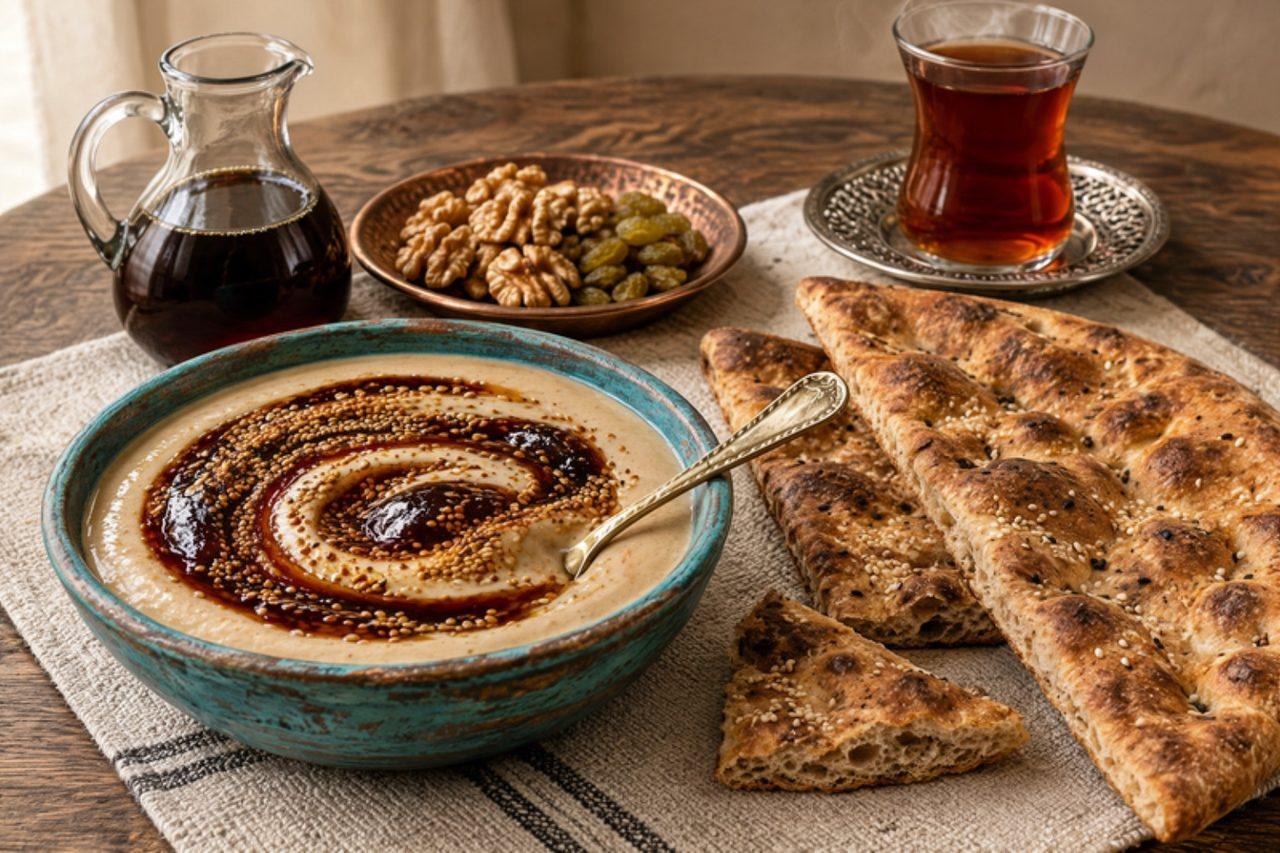
Ardeh shireh

Tahini and grape molasses spread 3 minMore from Persian (131) →

This week's collection

Kid-friendly dinners
612 recipes · a new collection every Monday

Coming up

All occasions →

Latest recipes

Kafae boran (old-style Thai coffee)

Before espresso bars reached Bangkok, coffee in Thailand meant kafae boran from Hainanese-Chinese shophouses and market carts: a dark robusta roast mixed with toasted grains, poured through a long cotton sock called a tung tom and stirred into thick sweetened condensed milk. Uncles still order it hot at 6 am with patongko dough sticks, and in the afternoon heat the same brew is poured over crushed ice and topped with evaporated milk as oliang or kafae yen. The taste is strong, roasty and slightly smoky, sweet and creamy, with a faint caramel-cereal edge from the grains; the iced version is silky and cold. The common mistake is brewing it like filter coffee with too little grounds: once milk and ice go in, it tastes thin. Use plenty, steep it in the sock and pour it through twice. The brew is ready when it is opaque, nearly black and leaves a brown film on a white spoon. It is high in caffeine, so not one for children or late evenings. Chef's tip: rinse the cloth sock in hot water only, never soap, and keep it in a jar of clean water in the fridge between uses so the coffee oils season it.

10 minThaiDrinksGluten free
by KrazyBadal 0 views

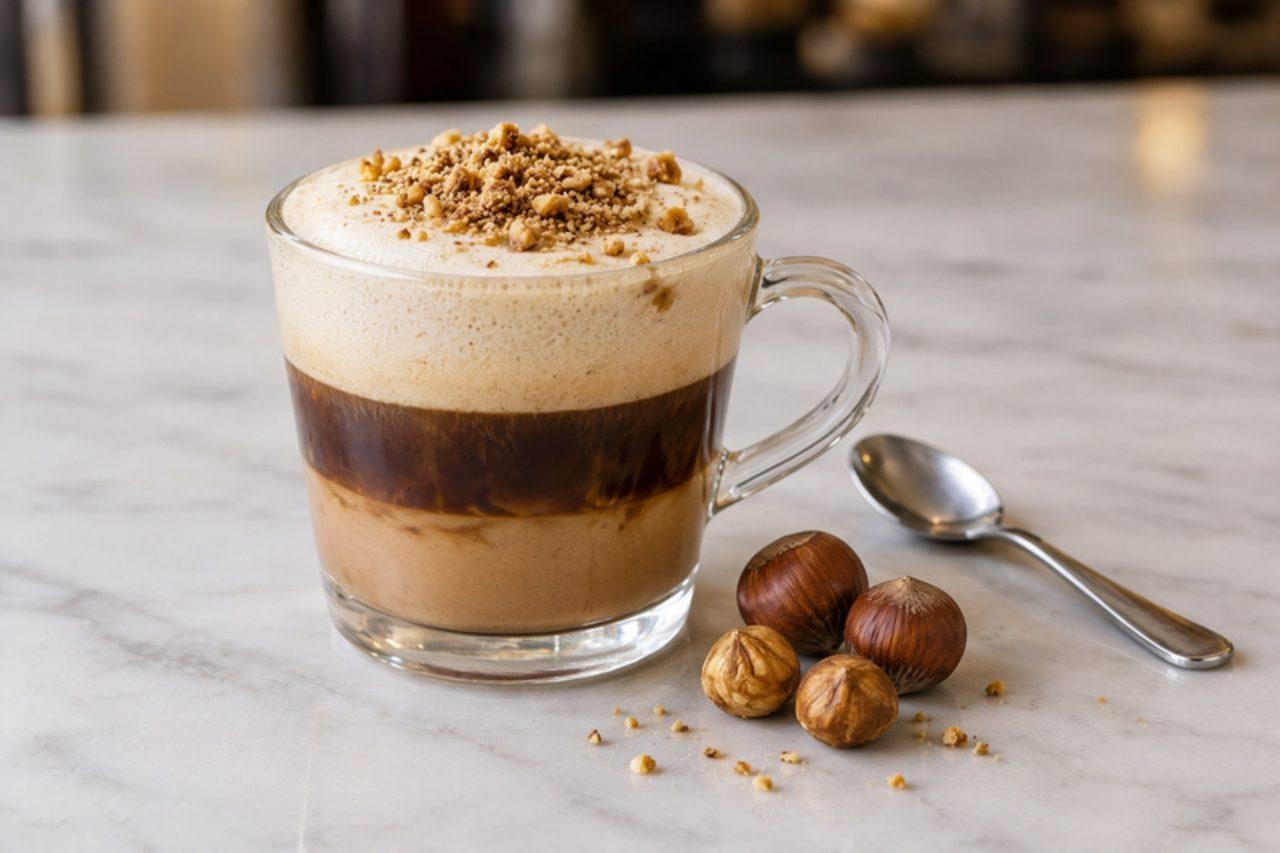
Caffè alla nocciolaEspresso with hazelnut cream

Naples takes its espresso seriously, and its bars along Via Toledo and the Lungomare also serve this richer cousin: a small glass cup smeared with hazelnut cream, a hot ristretto poured in, and a cap of cremina, the pale foam Neapolitans make by beating the first drops of coffee with sugar. It is drunk standing at the counter at mid-morning or after lunch as a little treat, and in summer the same flavours come as a cold crema al caffè. It tastes of roasted hazelnut and dark coffee, sweet and nutty, with a soft, airy foam that melts into the cup. The common mistake is whisking the cremina with too much coffee: it stays liquid and never turns pale. Use just a teaspoon of the first, thick drops and beat hard. It is ready when the foam is light beige, thick and falls from the spoon in ribbons. Espresso means a fair amount of caffeine, so keep this one for grown-ups. Chef's tip: warm the glass under hot water first and swirl the hazelnut cream up the sides; the hot coffee melts it into stripes as it goes in.

by KrazyBadal 0 views

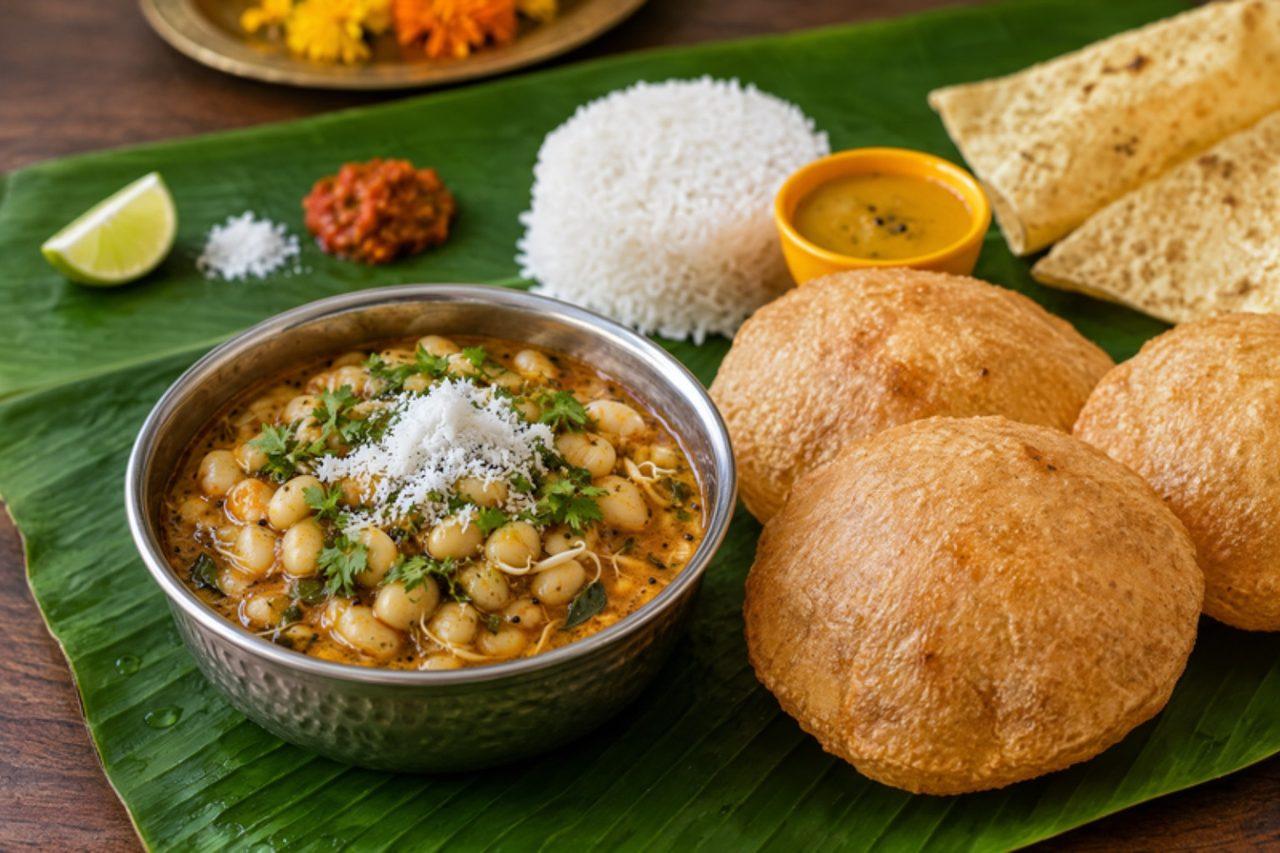
Dalimbi usalSprouted field bean curry

In Konkan and Pune homes, dalimbi usal is a festival dish, cooked for Ganesh Chaturthi, weddings and thread ceremonies and served on the thali beside puran poli and rice. Dalimbi are dried field beans (val) that are soaked, sprouted and peeled; the work takes two days but turns them creamy and sweet. They are simmered gently with fresh coconut, goda masala, kokum and a little jaggery, without onion or garlic. Field beans must always be cooked until fully soft; never eat them raw or half-cooked. The usual mistake is boiling them hard, which bursts the soft peeled beans into mash; keep the simmer gentle. Chef's tip: soak the sprouted beans in warm water for 30 minutes before peeling, and the skins slip off with a pinch.

by KrazyBadal 0 views

DebreceniPaprika pork sausage

Debreceni are long, thin pork sausages seasoned with sweet paprika, garlic and caraway, and they are the standing snack of Budapest's büfé counters: at the Nagyvásárcsarnok, at Christmas markets on Vörösmarty tér and outside the Keleti railway station. The stand heats them on a griddle (or simmers them), then hands them over on a paper plate with a slice of rye bread, a big spoon of mustard and a pile of pickled peppers or gherkins. This home version uses bought debreceni and adds a quick paprika glaze. Chef's tip: simmer them gently before grilling; a hard boil splits the skins and dries the pork.

by KrazyBadal 0 views

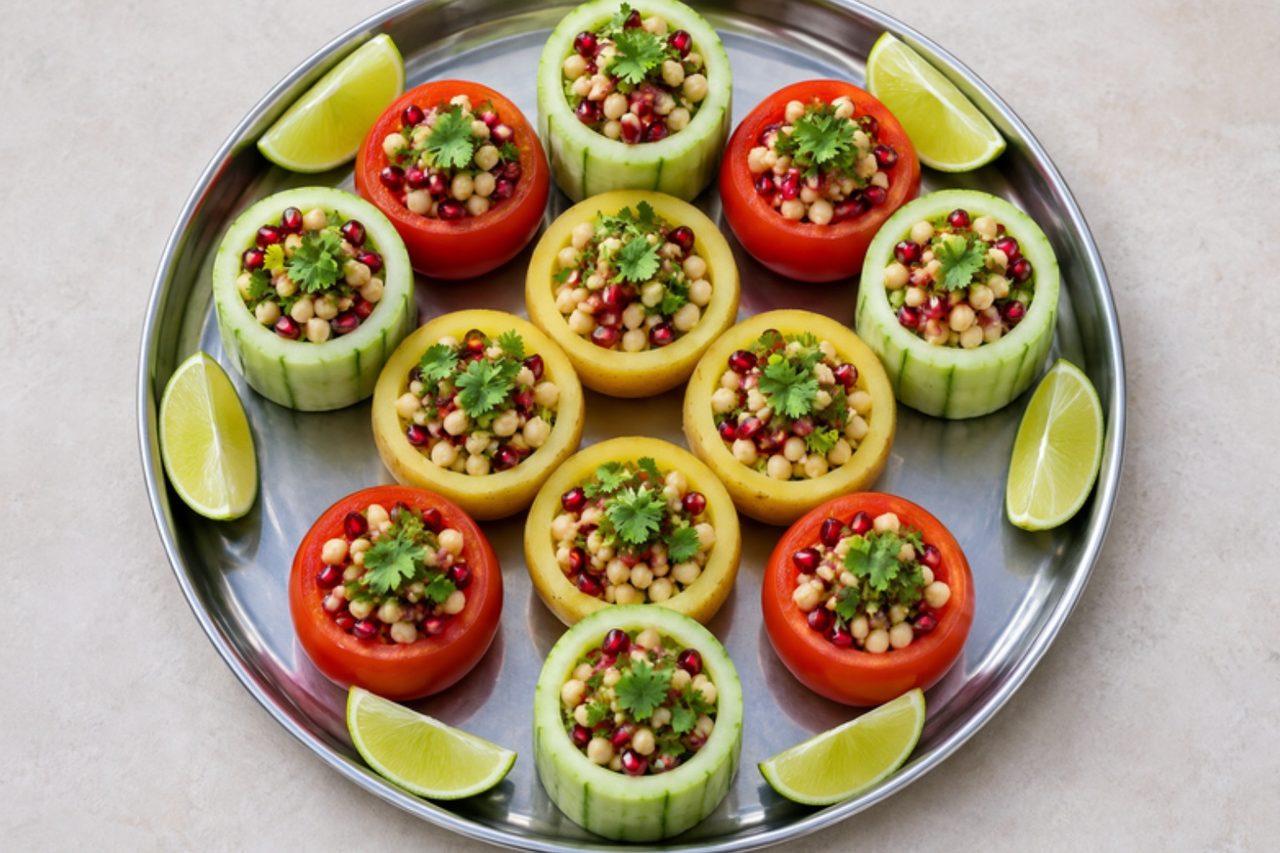
Kulle chaatStuffed cucumber chaat

Kulle chaat comes from the lanes of Chandni Chowk around Chawri Bazar, where a couple of old stalls carve fruit and vegetables into little cups and fill them with chickpeas, pomegranate and lime. It is the cooling chaat of Delhi's scorching summer afternoons: no frying, no yoghurt, just juicy, crunchy cups dusted with chaat masala and black salt. Children love picking them up whole. Chef's tip: season the inside of each empty cup with lime and chaat masala before filling, so every bite is tangy right through.

by KrazyBadal 0 views

Caffè shakeratoShaken iced espresso

When July heat settles over Italian piazzas, bar regulars from Rome to Bologna switch their morning or after-lunch espresso for a shakerato. The barista pulls a fresh shot, tips it into a cocktail shaker with ice and sugar, shakes hard for fifteen seconds and strains it into a chilled martini or wine glass, where it settles into a dark body under a thick, beige, mousse-like crema. It tastes intense and bittersweet, colder and smoother than iced coffee, with a texture almost like a light cream. The common mistake is using too little ice or shaking half-heartedly: the coffee stays warm and the foam collapses within seconds. Fill the shaker at least half full with ice and shake until the metal is too cold to hold comfortably. It is ready when you hear the ice rattle softly and the shaker frosts over, and the pour has a thick foam on top. One shaker holds one double espresso, so it is fairly strong in caffeine. Chef's tip: dissolve the sugar in the hot espresso before adding ice; granulated sugar barely melts once the coffee is cold.

by KrazyBadal 0 views

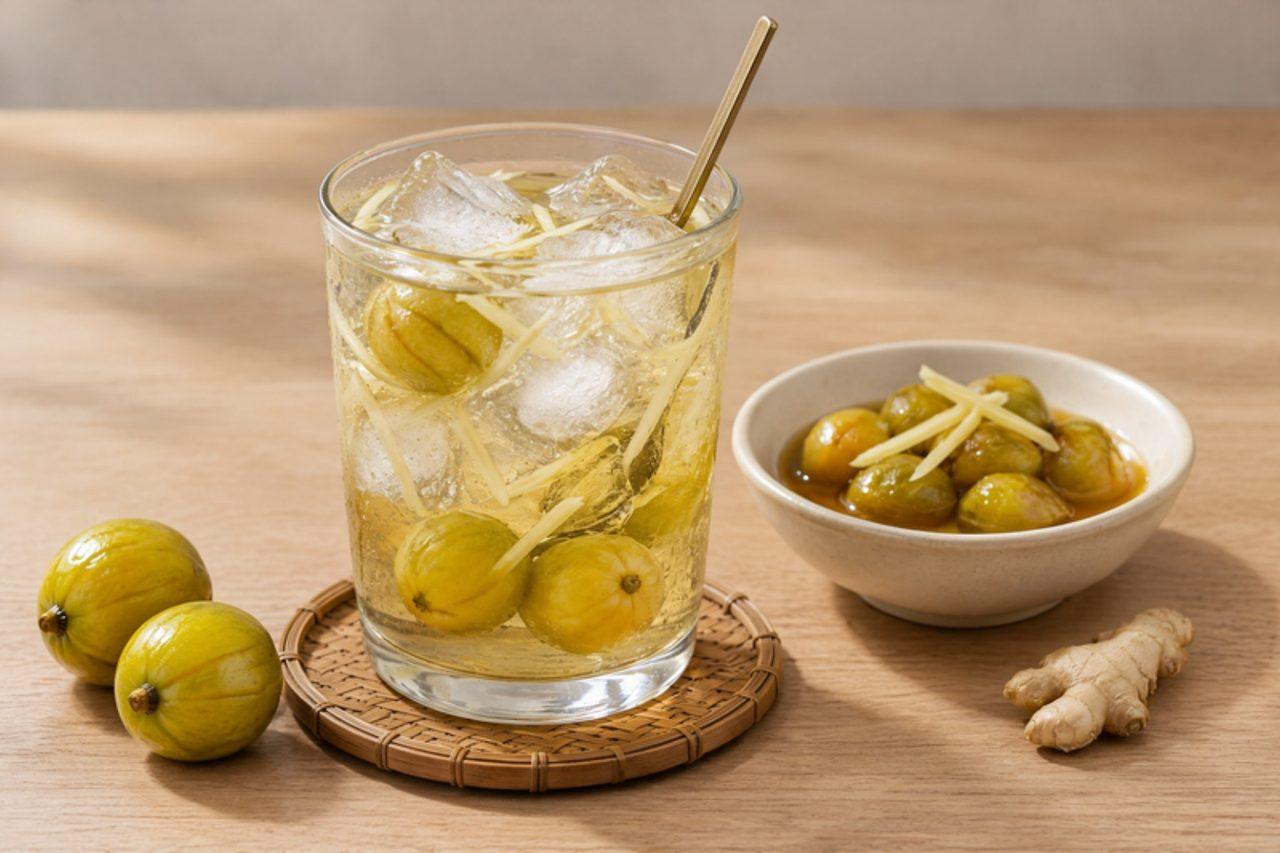
Nước sấu (sấu fruit drink)

When Hanoi's tamarind-like sấu trees drop their small green fruit in May and June, street vendors start selling glasses of nước sấu: a few candied fruits, a ladle of ginger syrup, cold water and crushed ice. Families make big jars to last until the season ends in August. It is sipped with a spoon so you can bite into the crunchy-soft fruit at the bottom. It tastes sour and sweet at once, with a clean ginger warmth and a flavour a little like green mango and plum. Traditional cooks soak the peeled fruit in limewater to keep it crisp; a salt soak works well at home. The common mistake is skipping the blanch and slow syrup: raw fruit stays acrid and the syrup clouds. Blanch the fruit briefly, then cook it gently in sugar until it turns translucent yellow-green and the syrup is clear and glossy. Store it in a sterilised jar in the fridge for up to 2 months with a clean spoon; discard if it fizzes, smells fermented or shows mould. Fresh sấu is rare abroad; look for frozen sấu in Vietnamese shops, or use firm green ambarella. Chef's tip: slash each fruit a few times so the syrup soaks all the way in.

by KrazyBadal 0 views

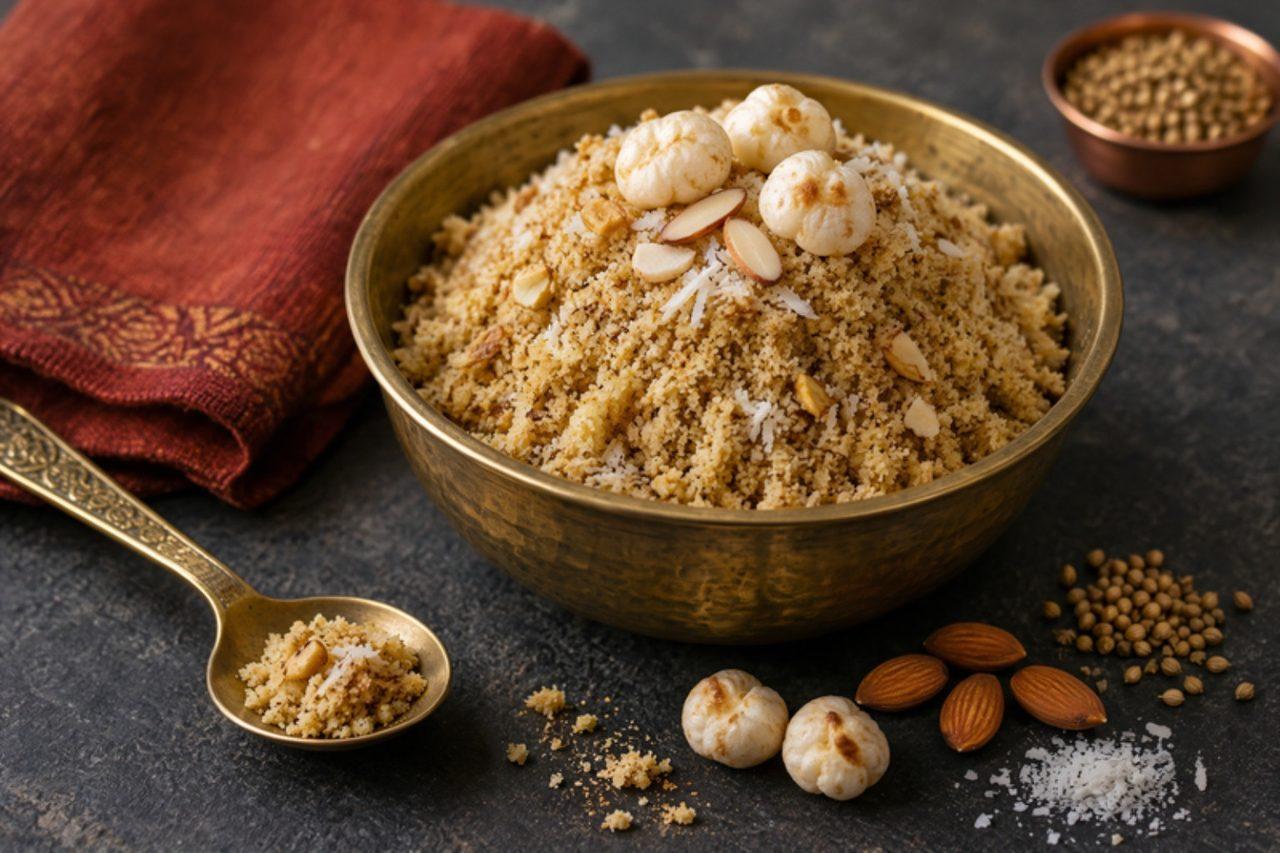
Dhana ni panjiriRoasted coriander and coconut sweet

At midnight on Janmashtami, when Gujarati and Rajasthani families sing to baby Krishna, the prasad handed round is this fragrant panjiri of ground coriander seeds roasted in ghee and mixed with powdered sugar, coconut, makhana and dry fruit. Because it contains no grain, it is also eaten by those who keep the Janmashtami fast. It tastes warm, sweet and surprisingly floral. The common mistake is roasting the coriander powder on high heat; it burns in seconds and turns bitter. Chef's tip: grind the seeds yourself just before roasting, and stop when the kitchen smells like warm citrus, not toast.

by KrazyBadal 0 views

Diabolo mentheMint syrup and lemonade

Ask anyone who grew up in France about diabolo menthe and they will remember sitting on a café terrace after school, or on holiday in Brittany or the Vendée, with a tall glass of startling green fizz and a straw. It is simply sirop de menthe, the sweet mint syrup sold in every French supermarket, topped up with limonade, which in France means a clear, lightly sweet, lemony fizzy drink. Grenadine makes a diabolo grenadine, lemon syrup a diabolo citron. It tastes cool, minty and sweet, like a liquid mint sweet, with a sharp sparkle. The common mistake is pouring the syrup on top of the lemonade: it sinks in a dense layer and you drink plain fizz followed by pure syrup. Put the syrup in the glass first and pour the lemonade down the side so it mixes as it rises. It is ready when the glass is an even mint-green from bottom to top and still fizzing hard. Café ratio is about one part syrup to seven parts lemonade. Chef's tip: for a homemade syrup, steep a big handful of fresh mint in hot sugar syrup for 30 minutes and strain; it will be pale gold-green rather than emerald, and tastes fresher.

by KrazyBadal 0 views

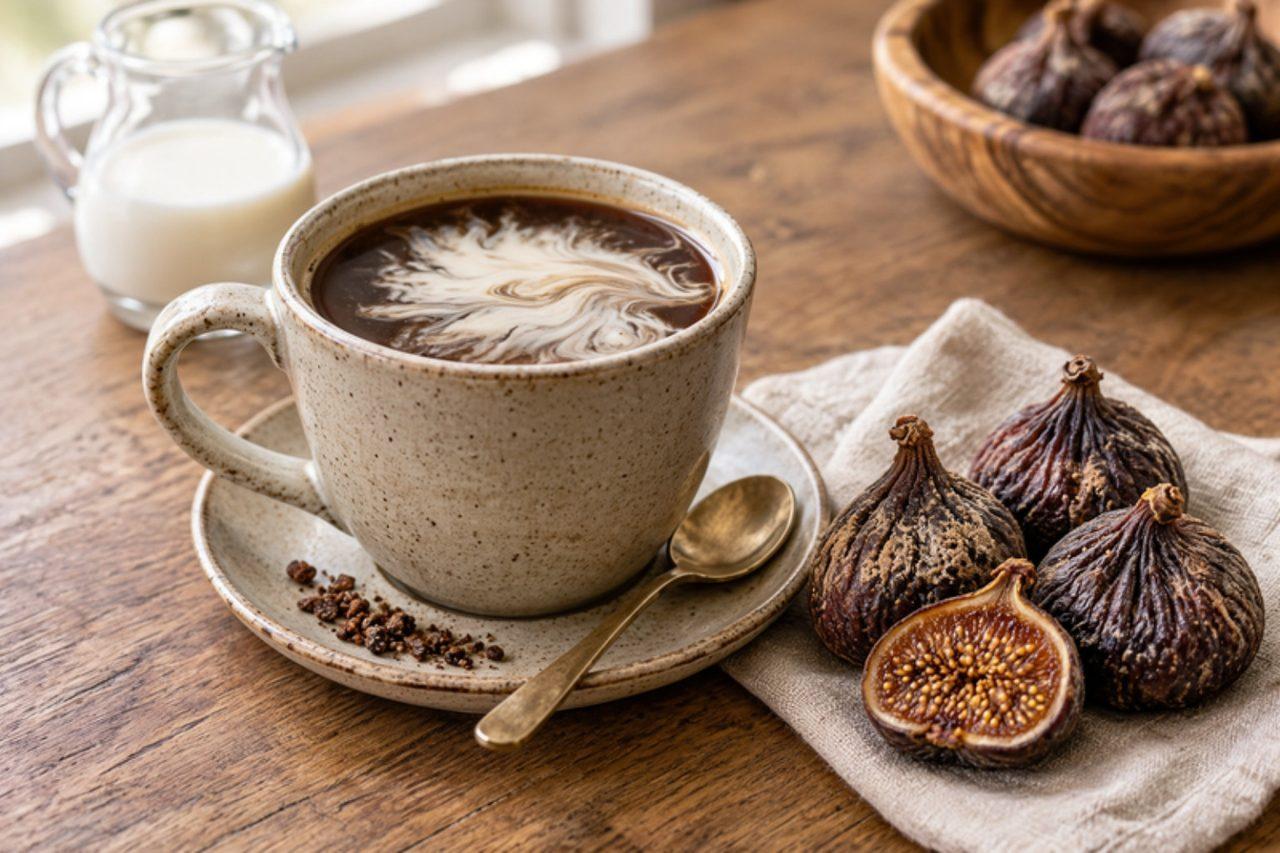
Café de higoFig and grain coffee

In the farmhouses of central Chile, in the Maule and O'Higgins valleys, people have long drunk café de higo: a dark, caffeine-free "coffee" made from dried figs roasted with grains such as barley and wheat, then ground. It's mellow, fruity and slightly caramel-like, and many Chileans still prefer it with milk at breakfast. The fig granules are sold in Chilean and Latin grocers. The common mistake is brewing it like instant coffee, with a quick stir; it's a ground blend, so simmer it briefly and strain. It contains grains, so it is not gluten free. Chef's tip: a strip of orange peel in the pan brings out the fig flavour.

by KrazyBadal 0 views

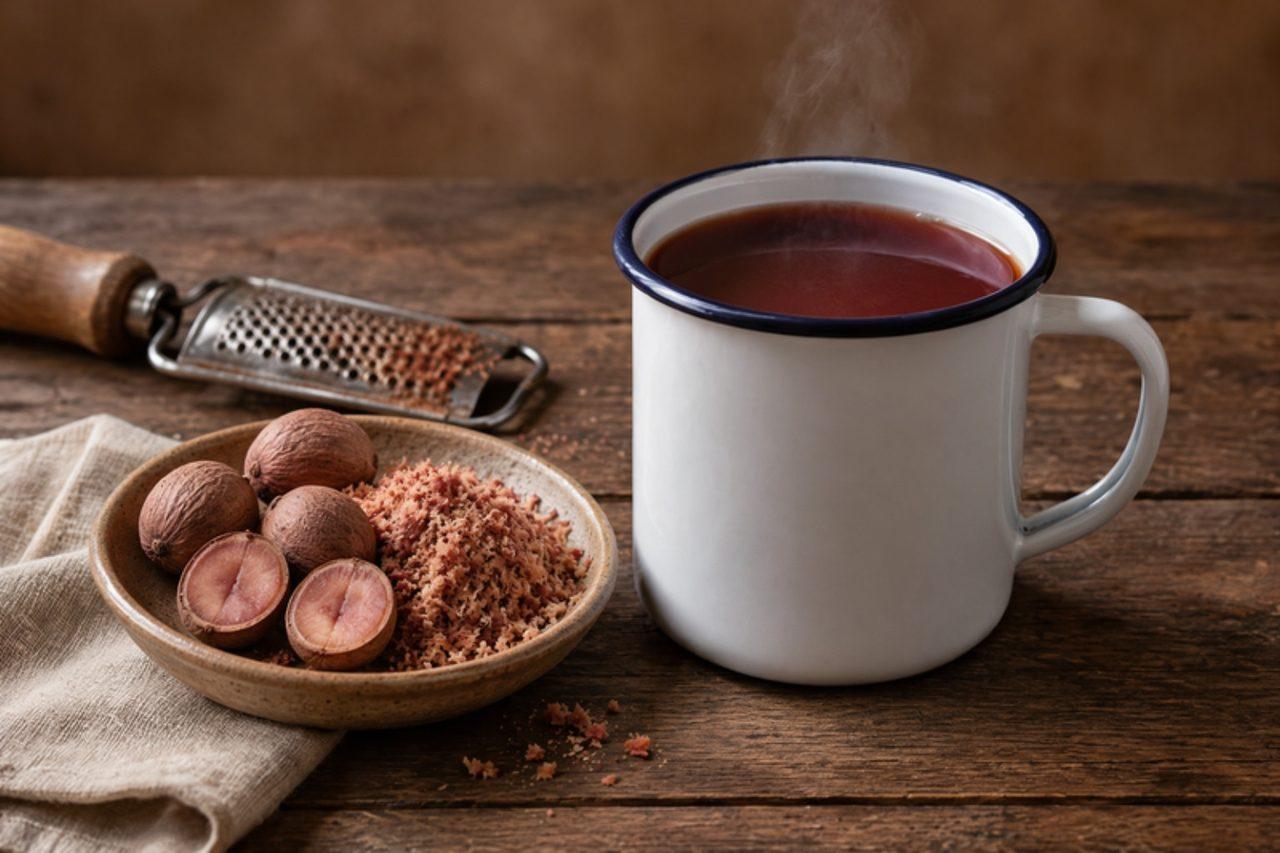
Bissy tea (kola nut tea)

Kola trees came to Jamaica with enslaved West Africans, and the nut, called bissy on the island, has stayed in country medicine ever since. Older people in St Mary, St Elizabeth and the hills of Clarendon still keep a dried bissy in the kitchen and grate some into boiling water when the stomach is upset or after eating something that disagreed with them,. Parched in a dry pan first, the grated nut gives a reddish-brown tea that smells faintly of cocoa and tastes bitter and astringent, softened by plenty of sugar. The common mistake is boiling raw, ungrated nut and expecting much flavour: whole pieces give little. Grate it finely, parch it until it darkens and smells like toasted cocoa, then boil. It is ready when the tea is a deep reddish-brown and coats the tongue with bitterness. Kola nut is very high in caffeine, as strong as a big mug of coffee or more, so drink one cup, not late in the day, and keep it away from children, pregnant people and anyone sensitive to caffeine or with heart trouble. Chef's tip: strain it through a fine cloth; the grated nut leaves a gritty sediment that a sieve lets through.

by KrazyBadal 0 views

Domashnia hirchytsiaHomemade mustard

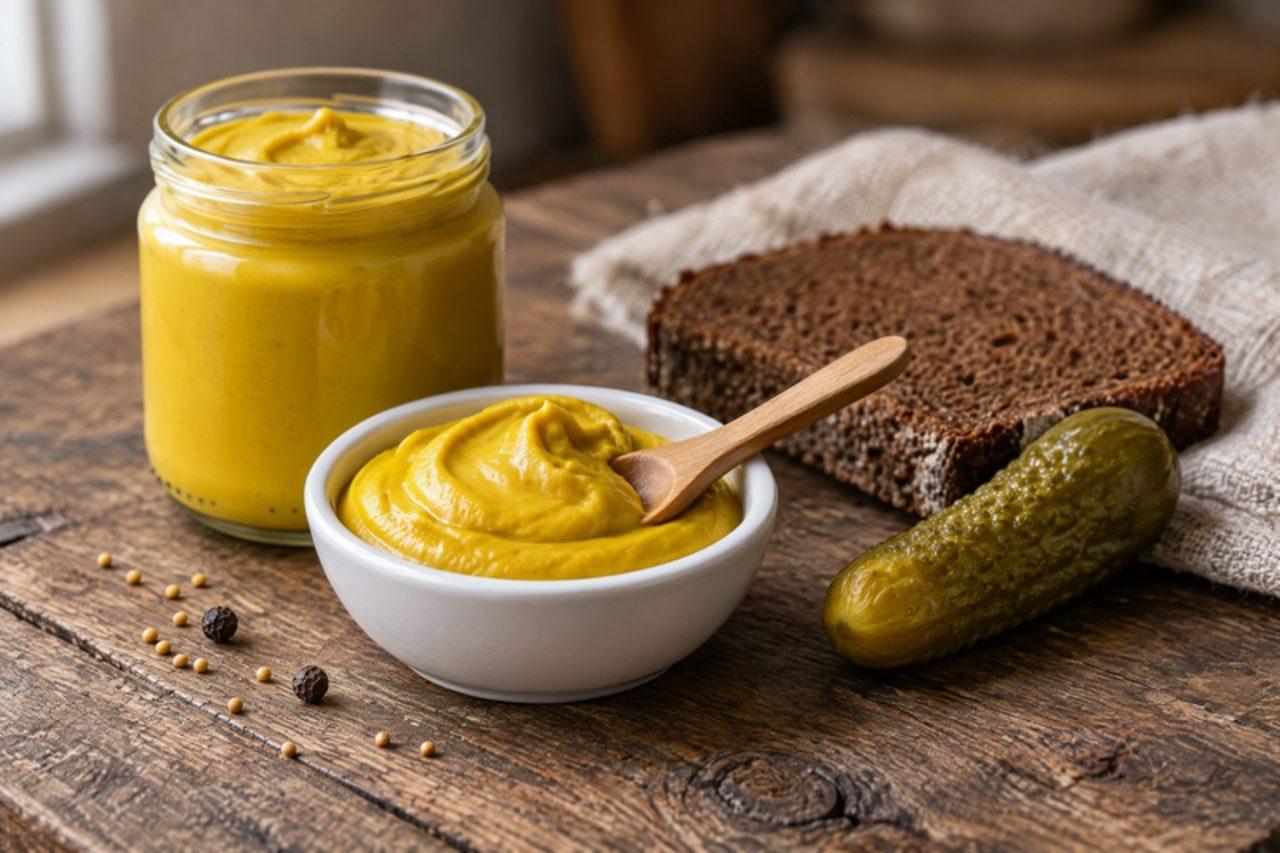
Ask a Ukrainian grandmother from Poltava or Kharkiv what to do with the brine left in the jar once the winter cucumbers are gone, and she will make hirchytsia. Dry mustard powder is mixed with that salty, garlicky, dill-scented brine, a little sugar, oil and vinegar, and after a night's rest it is fierce enough to make your eyes water. It is non-negotiable beside kholodets (meat jelly) at New Year, with salo and rye bread, with boiled sausages and with varenyky, and it is spread thin on bread for a quick snack. The texture is smooth and creamy, the flavour hot, salty and slightly sweet with a whiff of dill and garlic from the brine. Common mistake: using boiling brine; heat kills the enzyme that makes mustard hot, so the brine must be lukewarm or cool. It needs at least 12 hours in the jar for the bitterness to fade. It is ready when the colour has deepened to warm yellow and the first taste makes your nose tingle. Chef's tip: use brine from naturally fermented or vinegar cucumbers; if you have none, mix 150 ml water with 1 tsp salt and 1 tbsp vinegar.

by KrazyBadal 0 views

DomboloSteamed dumplings on vegetable stew

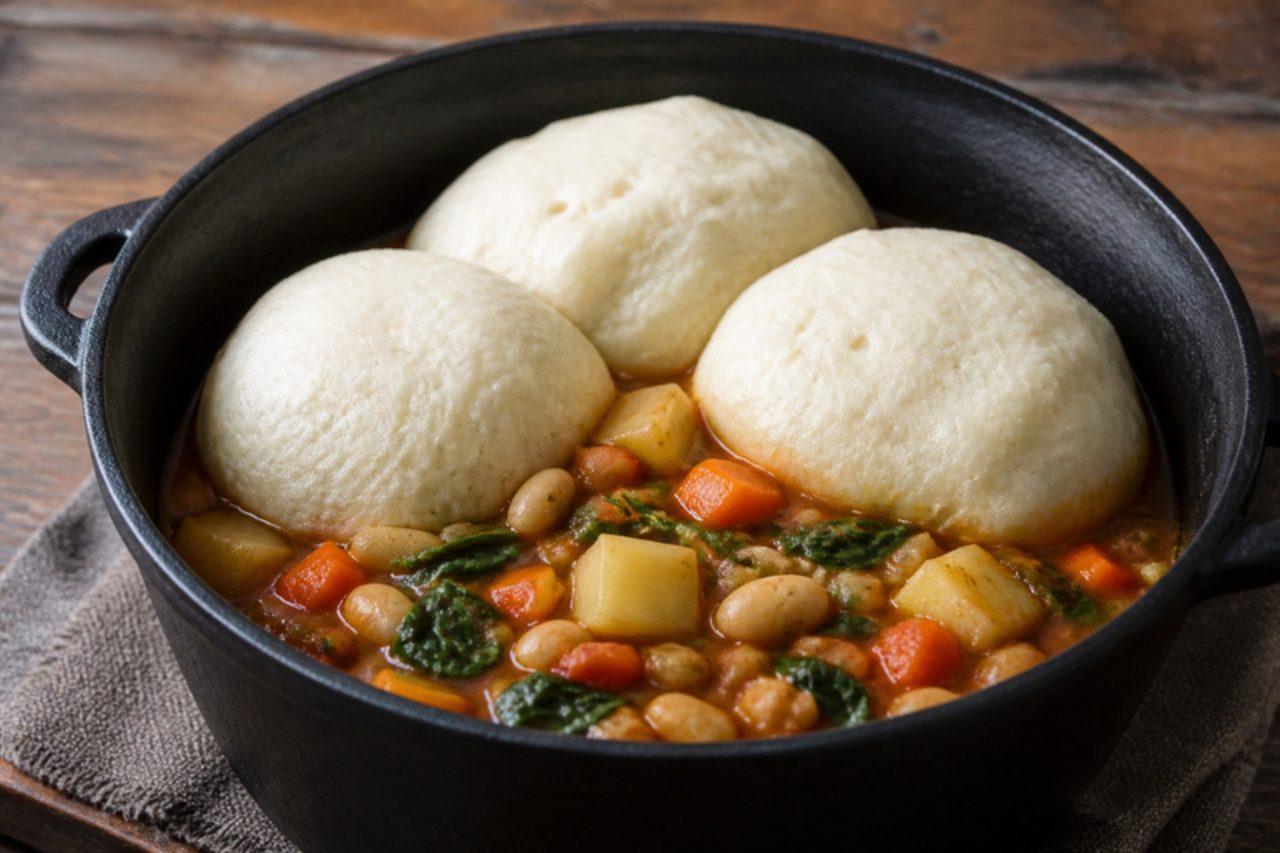
Big, soft rounds of yeasted dough steamed on top of a simmering stew are Sunday food in Durban townships and KwaZulu-Natal homesteads, the same dough that is also steamed whole as an ujeqe loaf for funerals and family gatherings. Here the dumplings sit on a vegetarian stew of sugar beans, carrot, potato and tomato, so they drink up the curry-spiced steam as they puff. They should be pillowy and slightly chewy inside, with a damp, shiny skin rather than a crust. Lifting the lid to peek is the mistake that ruins them: the steam escapes and the dumplings sink and turn stodgy. Chef's tip: make sure the stew is at a steady simmer with plenty of liquid before the dough goes on, or the bottoms will scorch before the tops are cooked.

by KrazyBadal 0 views

Café con lecheCoffee with hot milk

Every morning from Havana to Miami's Little Havana, breakfast is a big cup of café con leche with a length of buttered, pressed Cuban bread (tostada) to dunk in it. A moka pot of dark espresso-style coffee is whipped with sugar into a pale foam, the espumita, and poured into a mug of hot, lightly salted milk. The usual mistake is boiling the milk, which gives it a skin and a cooked taste; heat it only until it steams. Coffee contains caffeine, so this is a grown-up drink; children traditionally get a cup that is mostly milk. Chef's tip: whisk the first few drops of coffee hard with the sugar to a thick paste before adding the rest; that is what makes the creamy espumita on top.

by KrazyBadal 0 views

Teh halia (ginger milk tea)

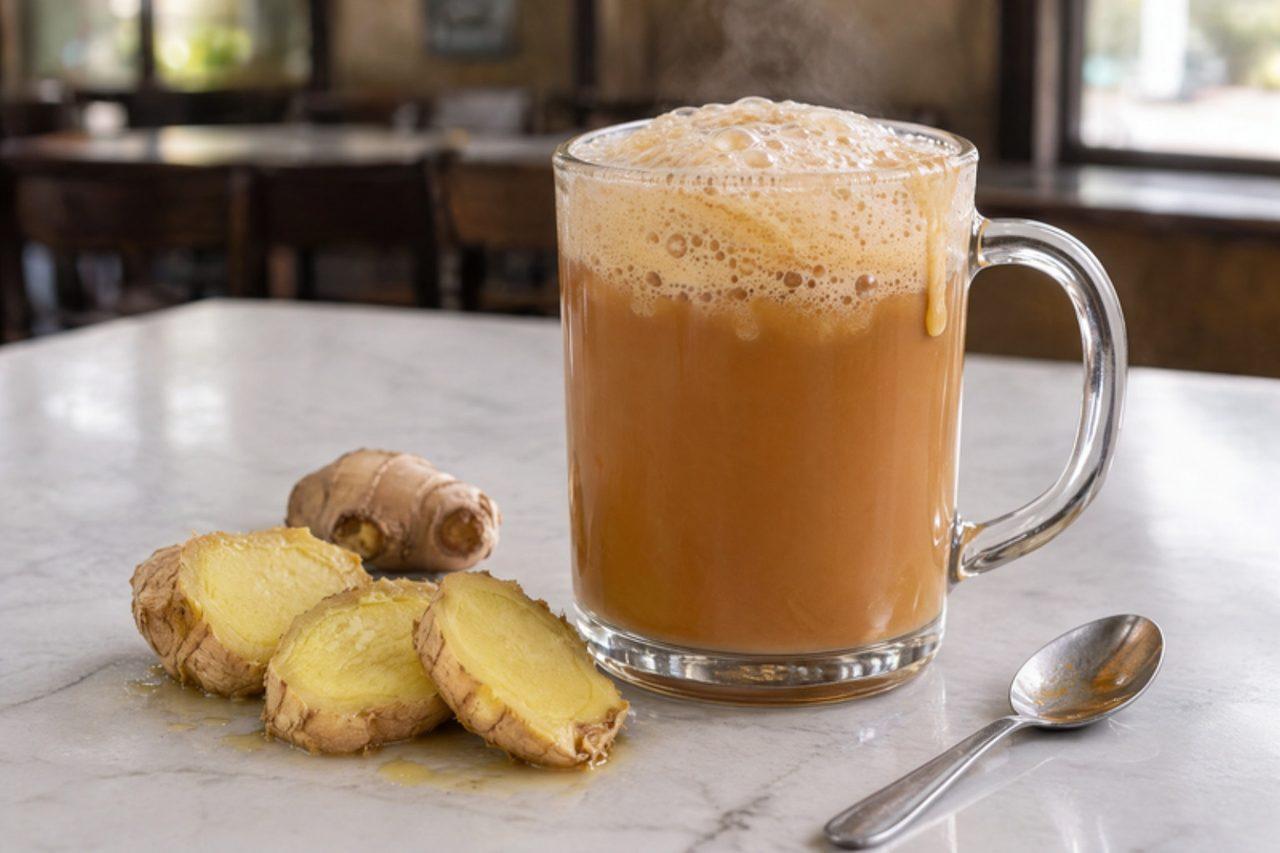
Sit down at any mamak stall in Kuala Lumpur, Penang or Johor Bahru, from breakfast roti canai to the after-football supper at 1 a.m., and someone at the table will order teh halia. It is teh tarik's spicier cousin: dust-fine black tea is boiled with plenty of crushed ginger, mixed with condensed and evaporated milk, then 'pulled' between two mugs from arm's length until a thick froth forms. The result is sweet, creamy and malty, with a ginger heat that catches your throat, most loved on wet monsoon evenings. The common mistake is adding ginger to tea at the end; it then tastes raw and thin. Boil the ginger in the water first for several minutes so the heat goes into the liquid. It is ready when the tea is the colour of milky caramel and a dense froth a few centimetres high sits on top. This contains caffeine, so it is not for children. Chef's tip: practise pulling with water over the sink first, then start low and raise the mug slowly as you pour.

by KrazyBadal 0 views

DroëworsDried coriander beef sausage

Long before road trips had petrol-station snacks, Voortrekker families packed droëwors: thin beef sausage seasoned with roasted coriander, clove and vinegar and dried until it keeps for weeks. Today it hangs in coils in every butchery from Bloemfontein to Bellville, and bags of it go to cricket matches, hikes and the back seat of long drives to the coast. The bite is chewy and slightly crumbly, salty-sour with that toasted coriander warmth. The fat must be beef or lamb, never pork: pork fat goes rancid as it dries, and too much of any fat does the same, so keep it to about a sixth of the mix. This home method cooks the sausage to 71 °C before drying, but it is still not for pregnant women, young children or anyone with a weakened immune system. Chef's tip: use thin sheep casings, and don't twist the sausage into links; a long, even rope dries evenly.

by KrazyBadal 0 views

Dưa giáPickled bean sprouts

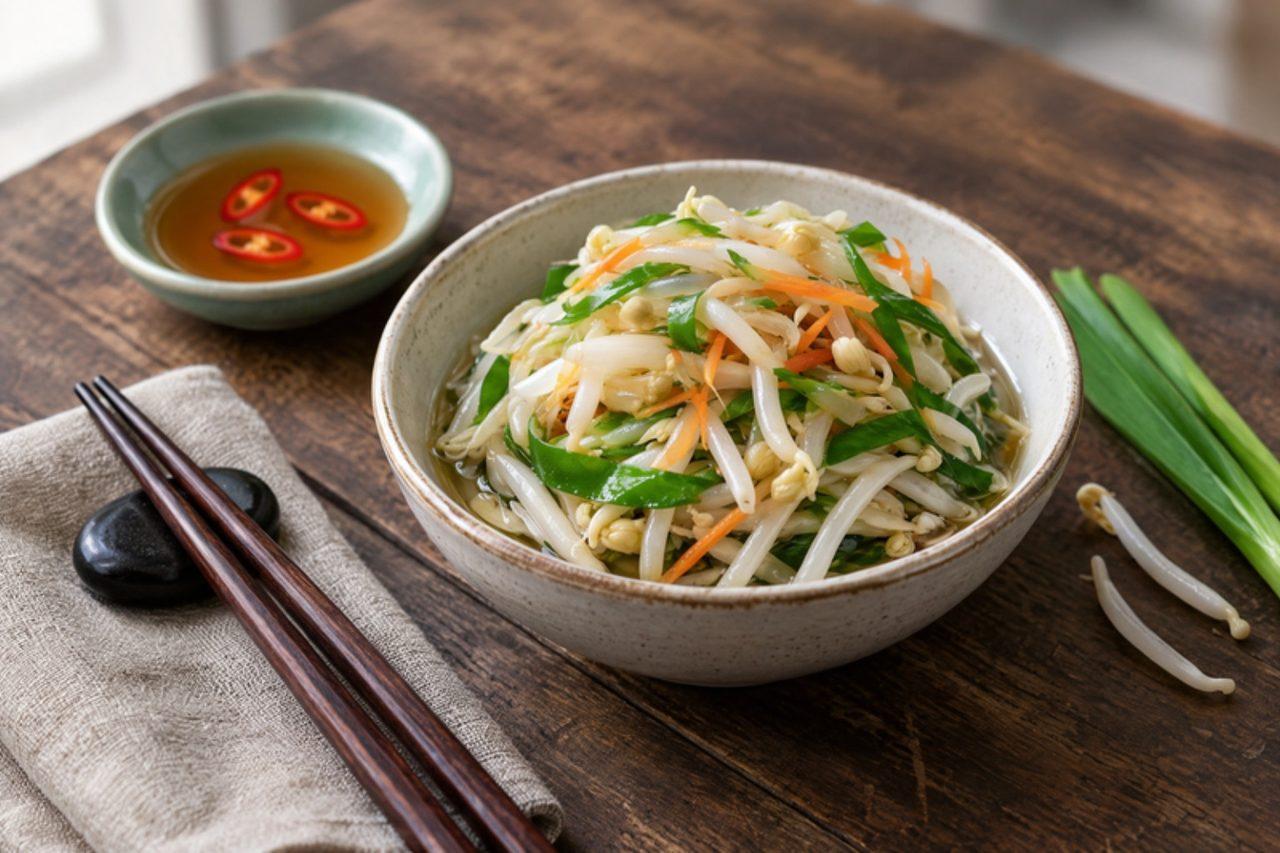
In southern Vietnam, dưa giá appears beside thịt kho trứng, the pork and egg braised in coconut water that every Saigon family cooks for Tết, and beside clay-pot caramel fish the rest of the year. The sprouts and chives sit overnight in a lightly salted, sweetened brine and come out tangy, crisp and squeaky, with a hint of garlic-chive sharpness that cuts straight through the fatty, sweet braises. Some cooks add carrot strips for colour. Raw bean sprouts can carry bacteria, so buy them very fresh and chilled, rinse them well, and pour the brine on hot to scald them lightly; pregnant people, small children, older people and anyone with weak immunity should blanch the sprouts for 30 seconds first. Common mistake: leaving the jar out too long in a warm kitchen, so the sprouts go limp and too sour; once it tastes right, chill it. It is ready when the brine is cloudy and smells pleasantly sour, and the sprouts are translucent but still snap. Chef's tip: pinch the brown root tails off the sprouts; it is fiddly, but they stay crunchier and look neater.

by KrazyBadal 0 views

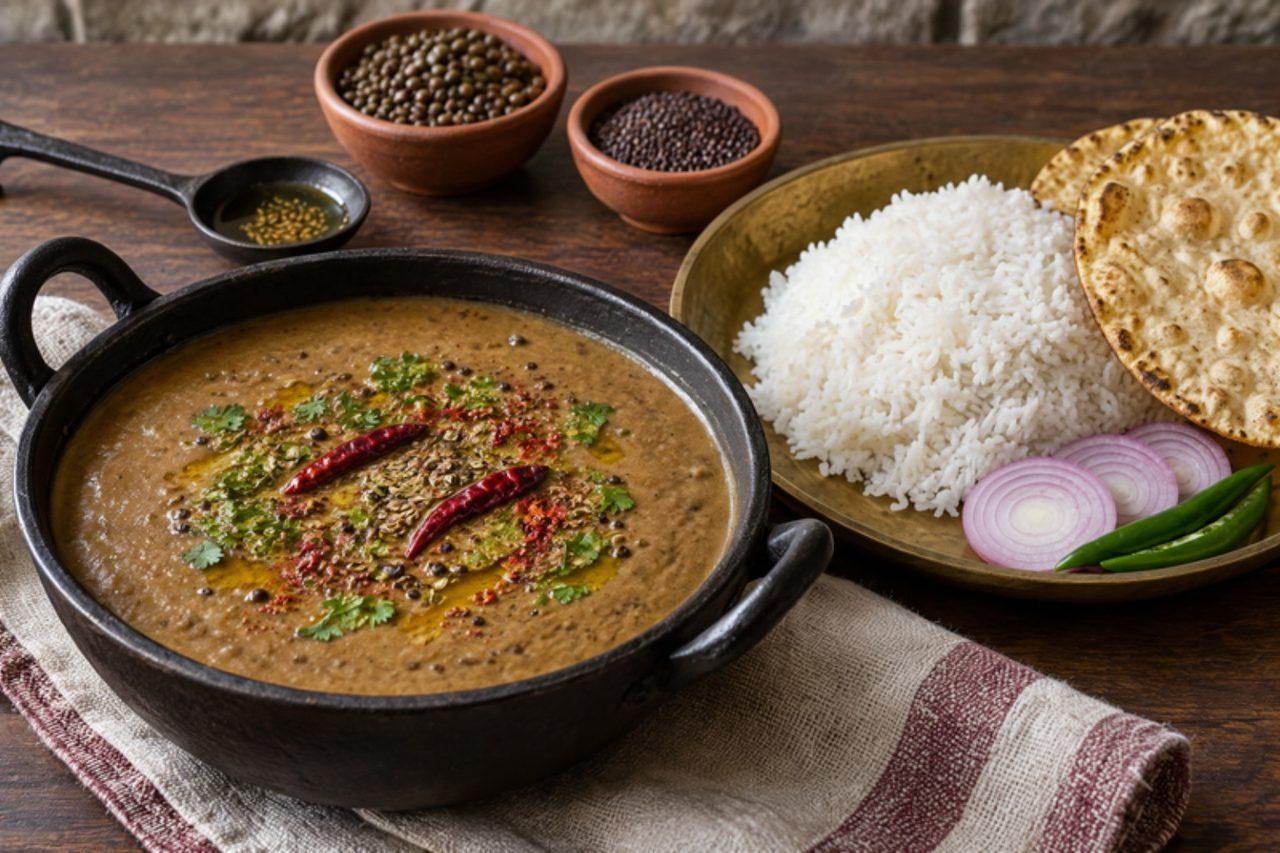
DubukThick lentil curry

Dubuk is a Kumaoni winter staple from the hill villages around Almora and Pithoragarh, where soaked bhatt (black soybean) or gahat is ground on a stone and simmered slowly in an iron kadhai until it turns thick and dark. It is eaten with plain rice on cold evenings, and the iron pot gives it its slightly earthy colour and taste. Toor dal or a mix of toor and urad works well if you cannot find pahadi lentils. The common mistake is grinding the lentils to a fine paste and boiling hard, which makes dubuk gluey; grind coarse and keep the simmer gentle. Chef's tip: stir in a spoon of the rice paste only at the end, and only if the gravy needs body, because the lentils thicken a lot as they stand.

by KrazyBadal 0 views

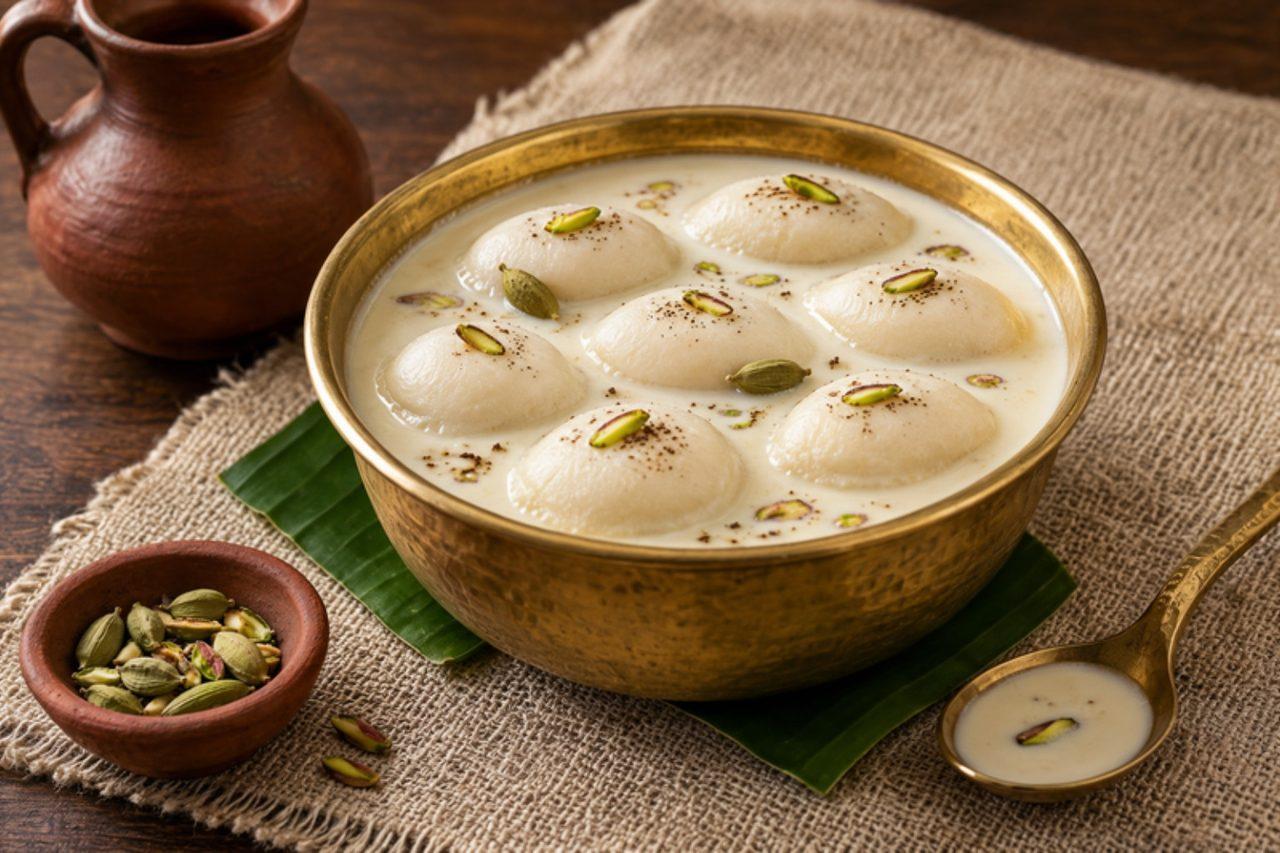
Dudh pithaRice dumplings in milk

Dudh pitha is made in Jharkhand and Bihar for Makar Sankranti, Sohrai and winter evenings, when the new rice is milled: small rice-flour dumplings are stuffed with coconut and jaggery (some families use spiced chana dal instead) and simmered in milk until it thickens around them. It is eaten warm from a bowl with a spoon. The common mistake is adding jaggery straight to boiling milk, which can curdle it; sweeten the milk with sugar and keep the jaggery inside the dumplings. Chef's tip: shape the dumplings while the dough is warm and keep your palms greased, so the edges seal without cracking.

by KrazyBadal 0 views

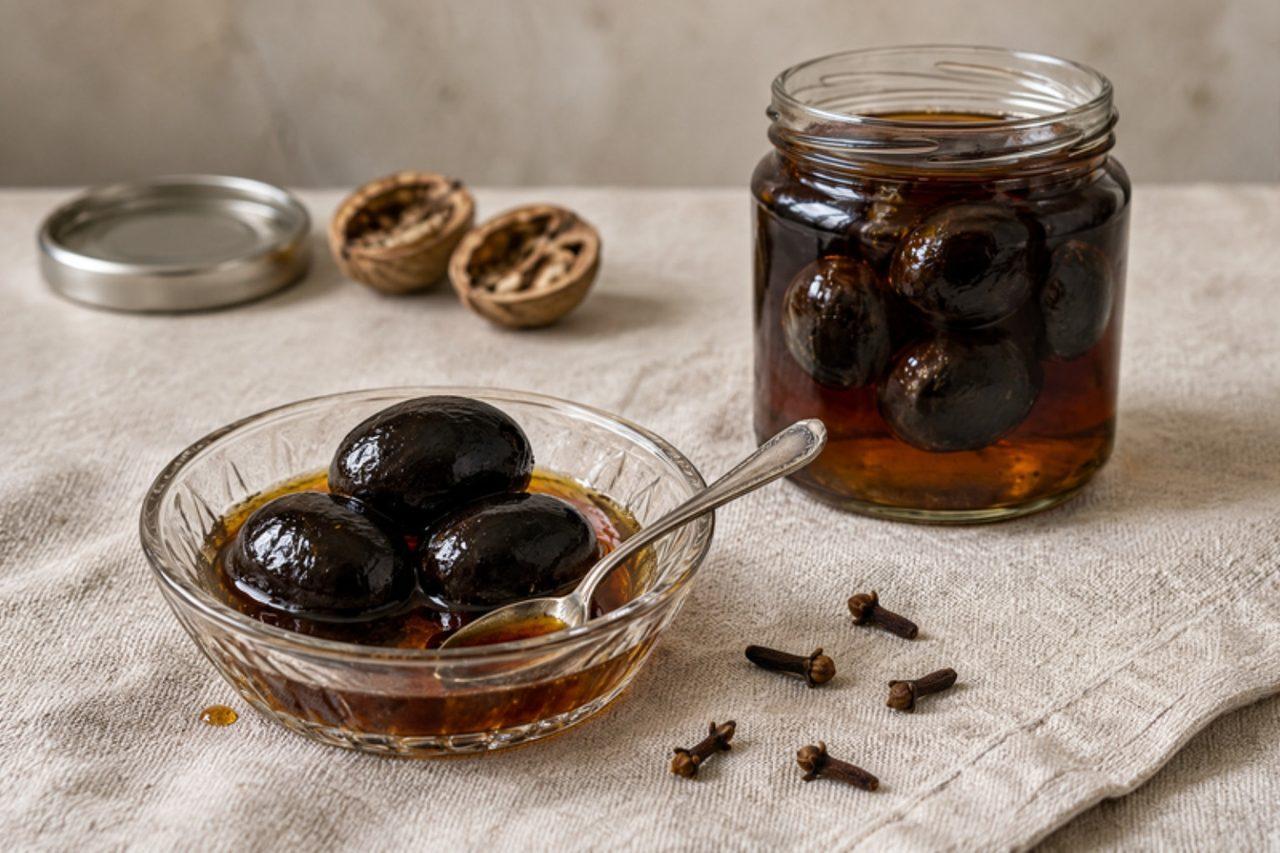
Dulceață de nuci verziCandied green walnuts

Around Sânziene in late June, families in Moldavia and Transylvania climb the walnut trees to gather nuts that are still green and soft, before the shell has begun to form. A week of patient work follows: peeling, pricking and soaking in water changed morning and evening until the harsh bitterness leaches out, then slow simmering in a syrup scented with cloves and lemon until the nuts turn glossy black. The finished dulceață is offered the old way, one walnut on a small glass saucer with a teaspoon and a glass of cold water for a visitor, or with coffee on a winter afternoon. Each nut is tender all the way through with a faint crunch at the heart, tasting of caramel, cloves and something resinous and bittersweet. The decisive mistake is picking too late: if a darning needle no longer slides easily through the centre, the shell is hardening and the nuts will stay woody whatever you do. The syrup is done when a drop holds its shape on a cold plate. Chef's tip: wear gloves for every stage, as green walnut juice stains skin brown-black for days.

by KrazyBadal 0 views

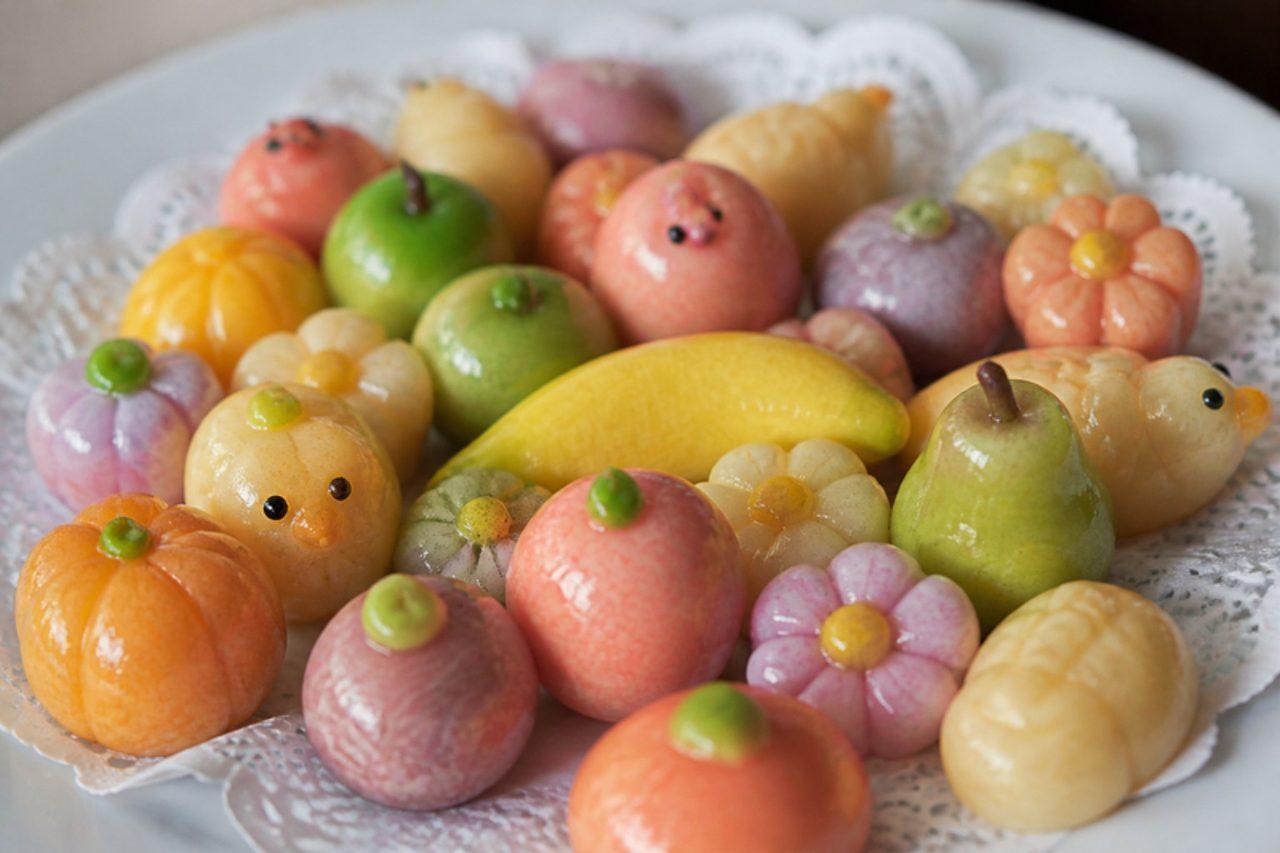
Dulces abrillantadosGlazed milk fudge figures

Walk through the old centre of Mérida and you'll pass windows full of tiny shiny sweets shaped like fruit, flowers and animals: dulces abrillantados, made from milk and sugar cooked down to a fudge, hand-moulded and dipped in syrup that dries to a glassy crust. Families buy boxes to take home from the Andes. They need patience: the shaping is fun, but the milk must be cooked until it truly pulls away from the pan. The common mistake is stopping too early, so the figures flatten. Chef's tip: dust your hands with icing sugar while shaping, and dry the figures overnight before glazing.

by KrazyBadal 0 views

Café guayoyoLong black coffee

In the coffee villages of the Venezuelan Andes, in Trujillo, Mérida and Táchira, the day starts in the dark with a pot of guayoyo, and it never really stops: a cup at breakfast with arepas, one mid-morning, one after lunch, one at the bodega counter in the afternoon. Guayoyo is the opposite of a short, dark negrito: plenty of water through a modest amount of coffee, poured through a colador de tela, a cotton cloth sock on a wire ring. It is light-bodied, mild and clean, closer to tea in strength, with gentle chocolate notes and almost no bitterness, so it is easy to drink cup after cup. It still has caffeine, so count the cups. The common mistake is pouring boiling water onto the grounds, which pulls out bitter flavours; let the kettle rest off the boil for a minute first. Never wash the cloth with soap either, or every cup tastes soapy. The coffee is ready when it runs through amber-brown, clear enough to see the bottom of a white cup. Sweeten with papelón (raw cane sugar) if you like. Chef's tip: keep the rinsed cloth in a jar of water in the fridge between uses so it never smells stale.

by KrazyBadal 0 views

Paneer soda (rose soda)

Every Tamil town once had a soda shop with crates of Codd-neck bottles sealed by a glass marble, and the pop of the marble being pushed down was the sound of a hot afternoon. Paneer here means rose water, not cheese, and paneer soda is rose syrup topped with that sharp local fizz, sold in Madurai, Tiruchi and Coimbatore by the bus stand and at temple festival stalls in Chithirai and Vaikasi, the hottest months. It is sweet and floral at first, then the bubbles and a touch of lime cut through and leave the mouth clean. The mistake most people make is boiling the rose water with the sugar: the scent cooks away and you are left with plain syrup. Make the syrup first, let it cool, and only then stir in the rose water. The syrup is ready when it is clear and slightly thickened, like thin honey, and the finished drink should be rosy pink and still foaming as you hand it over. Chef's tip: chill the syrup, the soda and the glasses well; warm soda loses its fizz the moment it meets the syrup.

by KrazyBadal 0 views

Escabeche de polloChicken in vinegar and carrot

Pollo en escabeche is a home classic in Córdoba and Buenos Aires, a legacy of Spanish preserving that Argentines make on a Saturday to eat cold all week. It comes out of the fridge for a picada before the asado, as a summer lunch with a green salad and crusty bread, or packed for a day in the sierras. Chicken is browned, then gently cooked in oil and vinegar with carrot, onion, red pepper, garlic, bay and black peppercorns, and left to rest at least a day. The meat turns tender and lightly tangy, the carrots keep a little crunch, and the oil carries the flavour of bay and pepper. Because garlic sits in oil, safety matters: the liquid is half strong vinegar (at least 5% acidity, never diluted beyond what the recipe says), and the jar always lives in the fridge, never on the shelf. Eat it within 5 days. The common mistake is letting it boil hard, which makes the chicken dry and stringy; it should barely tremble. It is ready the next day, when the chicken tastes seasoned right through and the oil has turned golden. Chef's tip: take it out 20 minutes before serving so the oil melts back to liquid.

by KrazyBadal 0 views

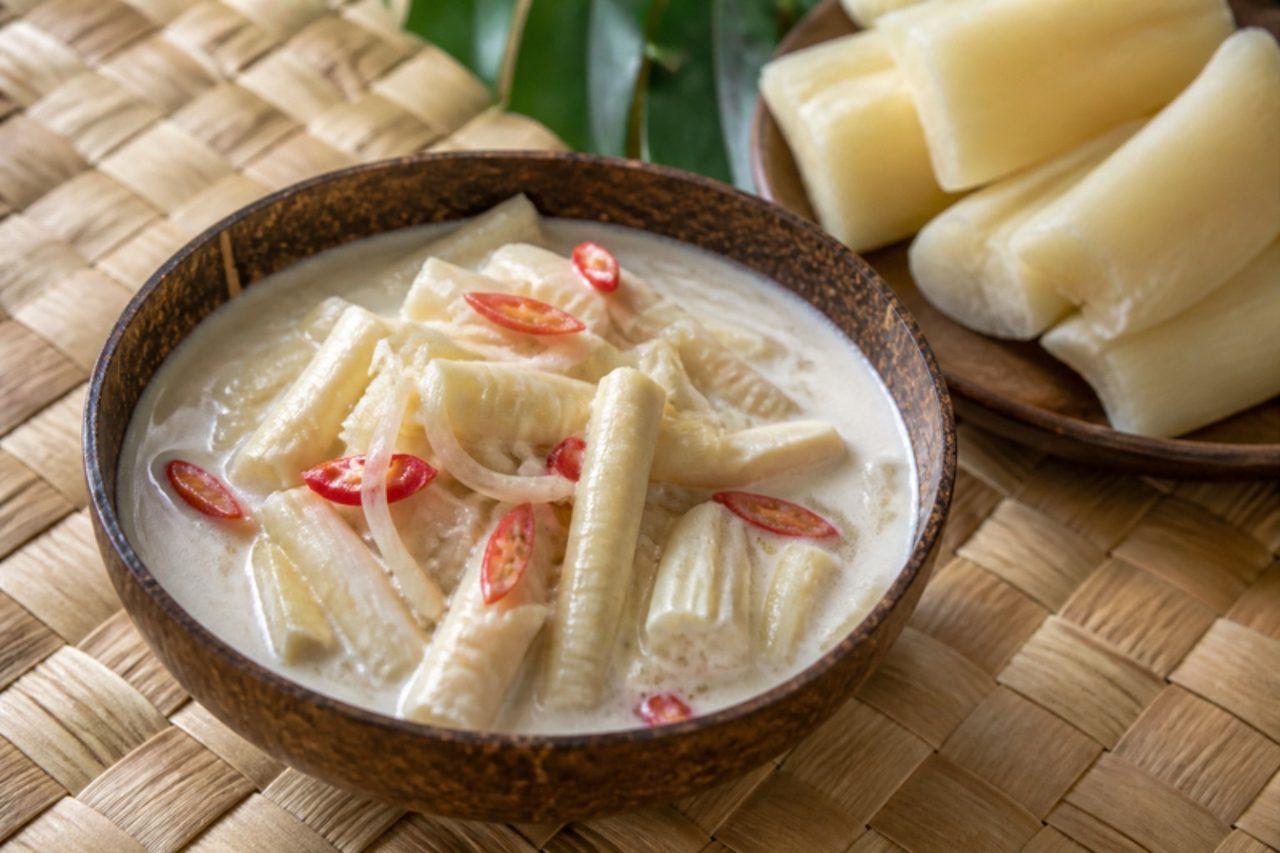
Duruka in coconut milkSugarcane flower in coconut milk

Duruka is the unopened flower of a wild sugarcane that Fijians call Fijian asparagus, in season for a few weeks around April and May when it fills the markets of Suva and Nausori in bundles. Peeled from its husk, it is tender and sweet with a taste between baby corn and asparagus, and the classic iTaukei way is to simmer it in lolo, fresh coconut milk, with onion and chilli. Outside Fiji you'll find it frozen or tinned in Pacific grocery shops; baby corn and asparagus make a fair stand-in. A common mistake is boiling the coconut milk hard, which splits it; keep it at a gentle simmer. Chef's tip: add a squeeze of lemon right at the end to lift the richness.

by KrazyBadal 0 views

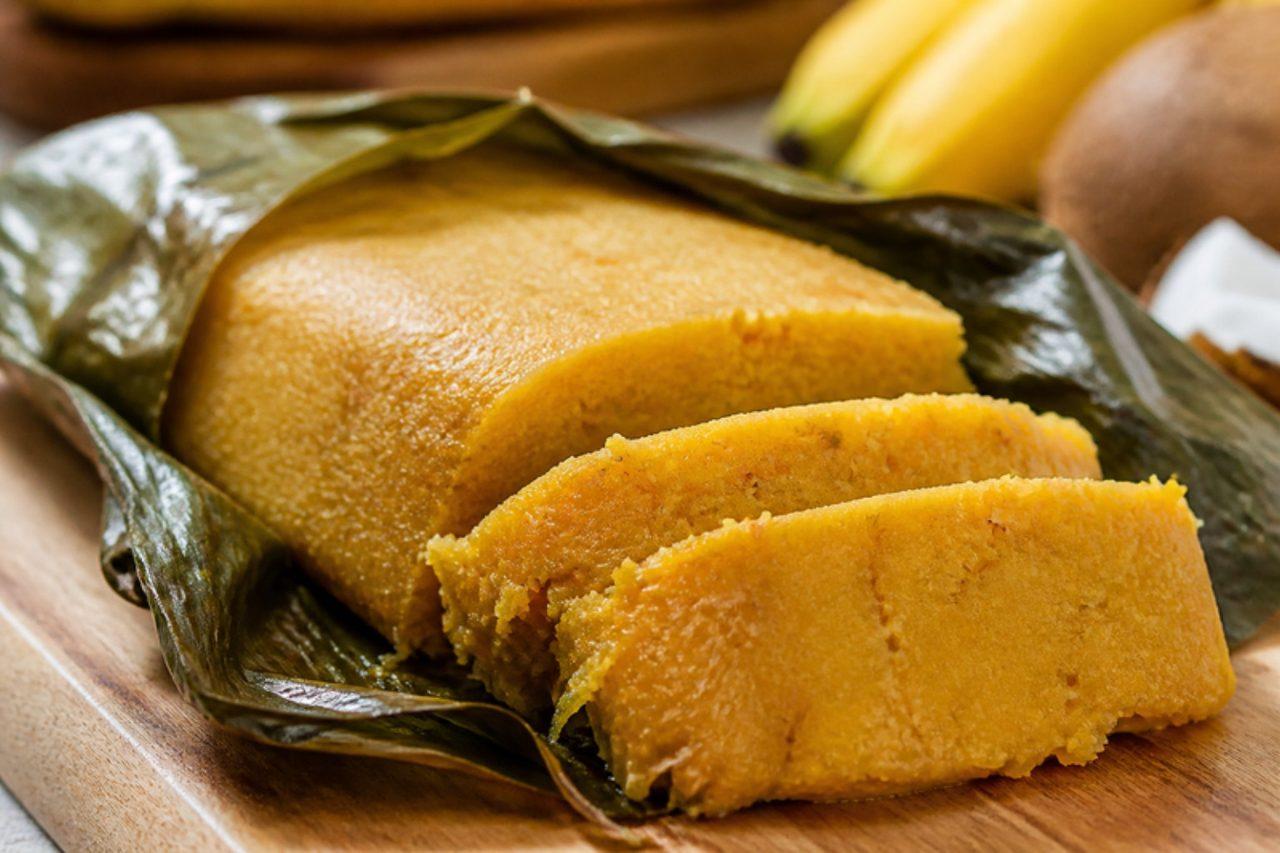
CafungaBanana coconut cake in leaves

Cafunga belongs to Venezuela's eastern coast, in Sucre and the Afro-Venezuelan villages of Barlovento, where ripe bananas, coconut and panela are wrapped in banana leaves and baked until fragrant. It comes out dense and moist, somewhere between a pudding and a cake, and is sold in its leaf at fiestas and village markets. The common mistake is not softening the leaves first, so they crack and leak. Chef's tip: pass each leaf over a gas flame or dip it in boiling water until it turns glossy and pliable.

by KrazyBadal 0 views

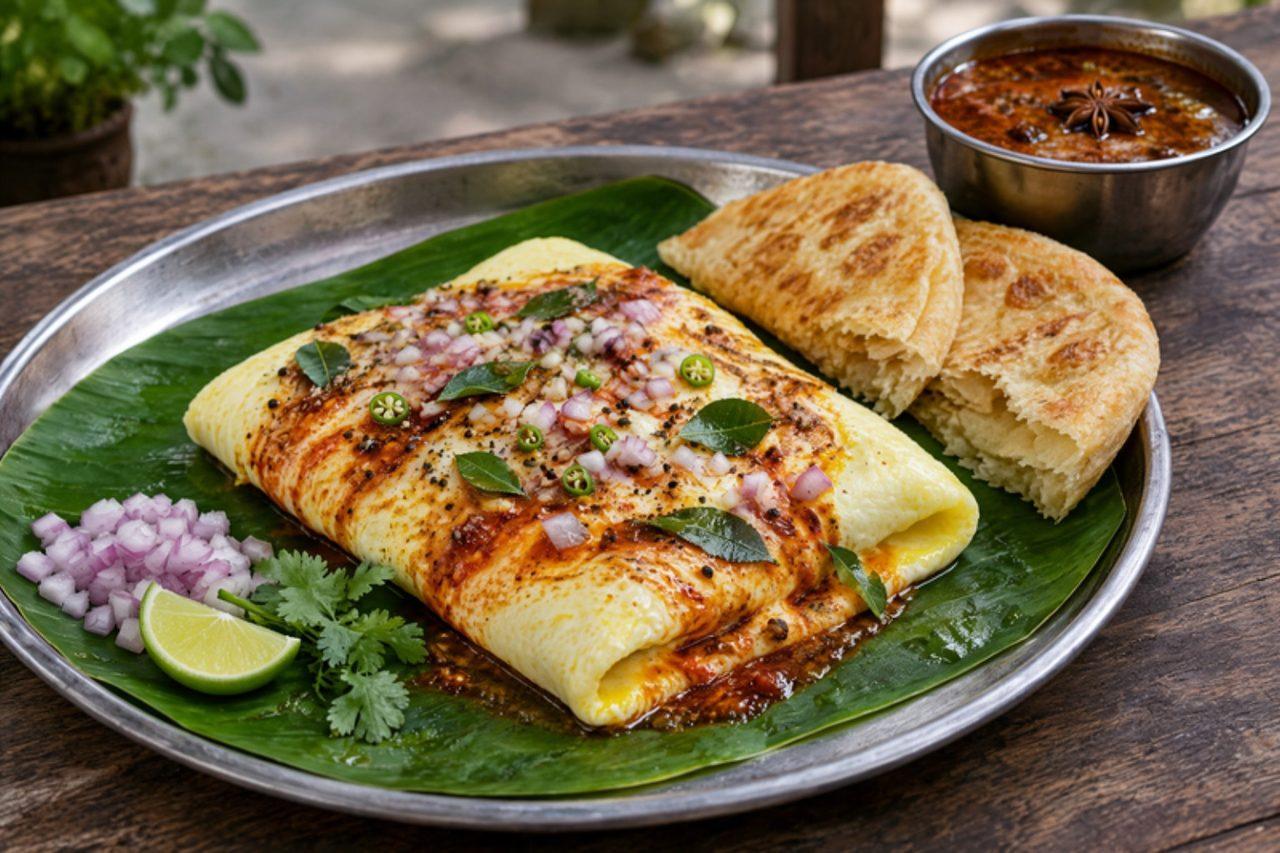
Egg kalakkiSpicy soft-set eggs

Kalakki means 'stirred up', and it was born on the parotta stalls of Madurai; in Chennai you find it late at night at the parotta shops of Triplicane and along Arcot Road, where the cook whisks eggs with a ladle of the house chicken salna and swirls them on the tawa for under a minute. The result is a soft, wobbly fold of egg, rich with spiced gravy, eaten with flaky parotta. The salna here is a quick home version made with chicken stock, so the dish is not vegetarian. Contains egg. The centre is meant to be just set; for pregnant women, young children or anyone with a weakened immune system, cook it until fully firm. Chef's tip: take it off the heat while the top still looks slightly glossy; it keeps setting on the plate.

by KrazyBadal 0 views

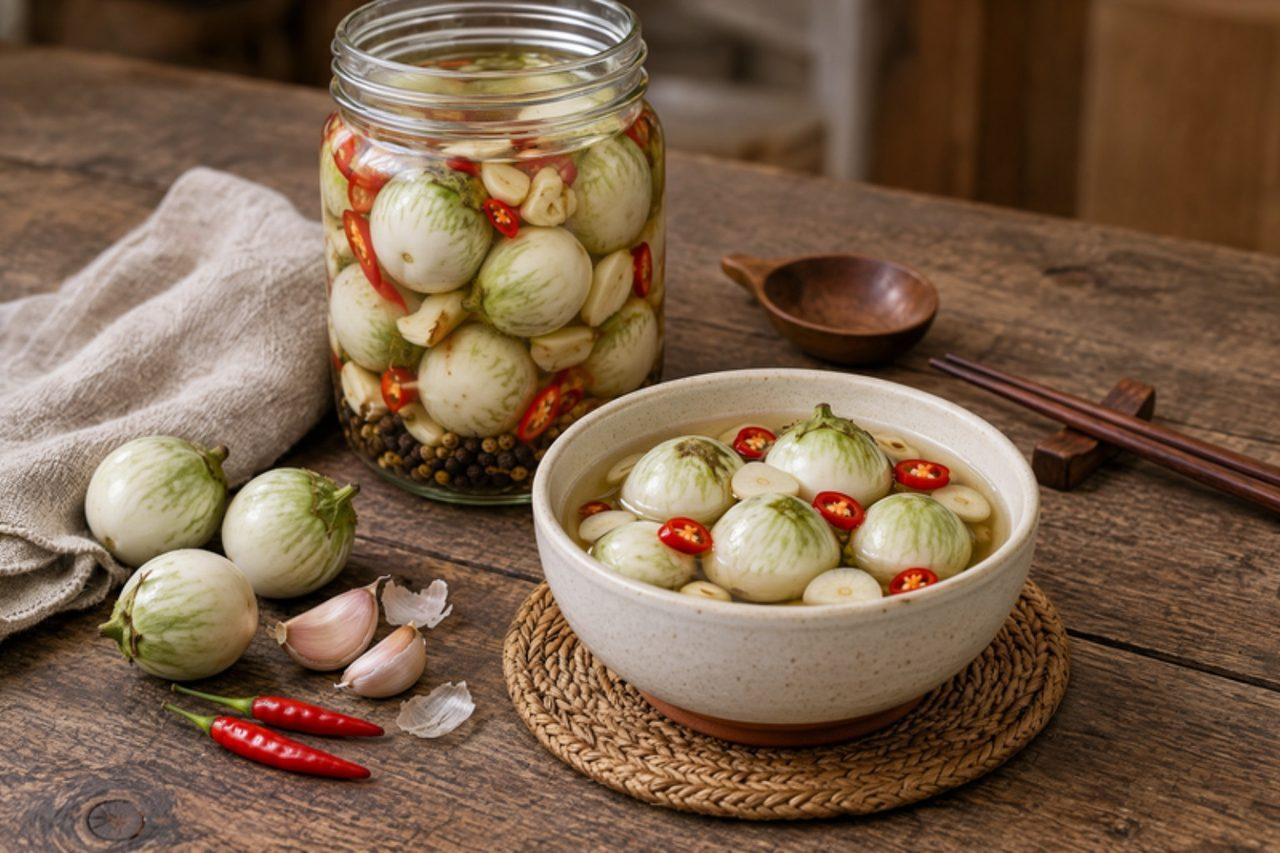
Cà pháo muốiPickled white aubergines

In northern Vietnam, a bowl of cà pháo muối is part of the plain summer meal: boiled water spinach, a light crab and jute-leaf soup, a few slices of braised pork and these small, round, white eggplants, crunched whole or halved with a dab of mắm tôm. Hanoi families pack them into jars in the hot months, when the eggplants are cheapest, with garlic, chilli and a few slices of galangal. After three to five days the skins turn an olive-yellow, the flesh goes creamy-ivory and the taste becomes clean, salty-sour and juicy, with a gentle crunch and no raw bitterness. Abroad, use firm green-and-white Thai eggplants about 3 cm across. Common mistake: letting the eggplants float above the brine; the exposed tops turn black and soft, so weigh them down. They are ready when the brine is cloudy, smells pleasantly sour and a halved eggplant has no white, raw-tasting core. Eat them only once fully soured, and in side-dish amounts. Chef's tip: soaking the cut eggplants in salted water first keeps their flesh pale and draws out bitterness.

by KrazyBadal 0 views

Batates sandwichFrench fries sandwich

Every foul and ta'meya shop in Cairo also sells sandwich batates, a pocket of baladi bread stuffed with hot, salty fries, and it is one of the cheapest and best late-night bites in the city. In Downtown, around Talaat Harb Square and along Champollion Street, the counters stay busy after midnight as cinema crowds and students order them by the handful, with garlicky tahini, crunchy pickled turnip and cucumber and a hit of chilli. Egyptian baladi bread is a wholemeal flatbread; wholemeal pitta is a good stand-in. It contains sesame and wheat. Chef's tip: salt the fries the moment they leave the oil, while they are still glistening, so it sticks.

by KrazyBadal 0 views

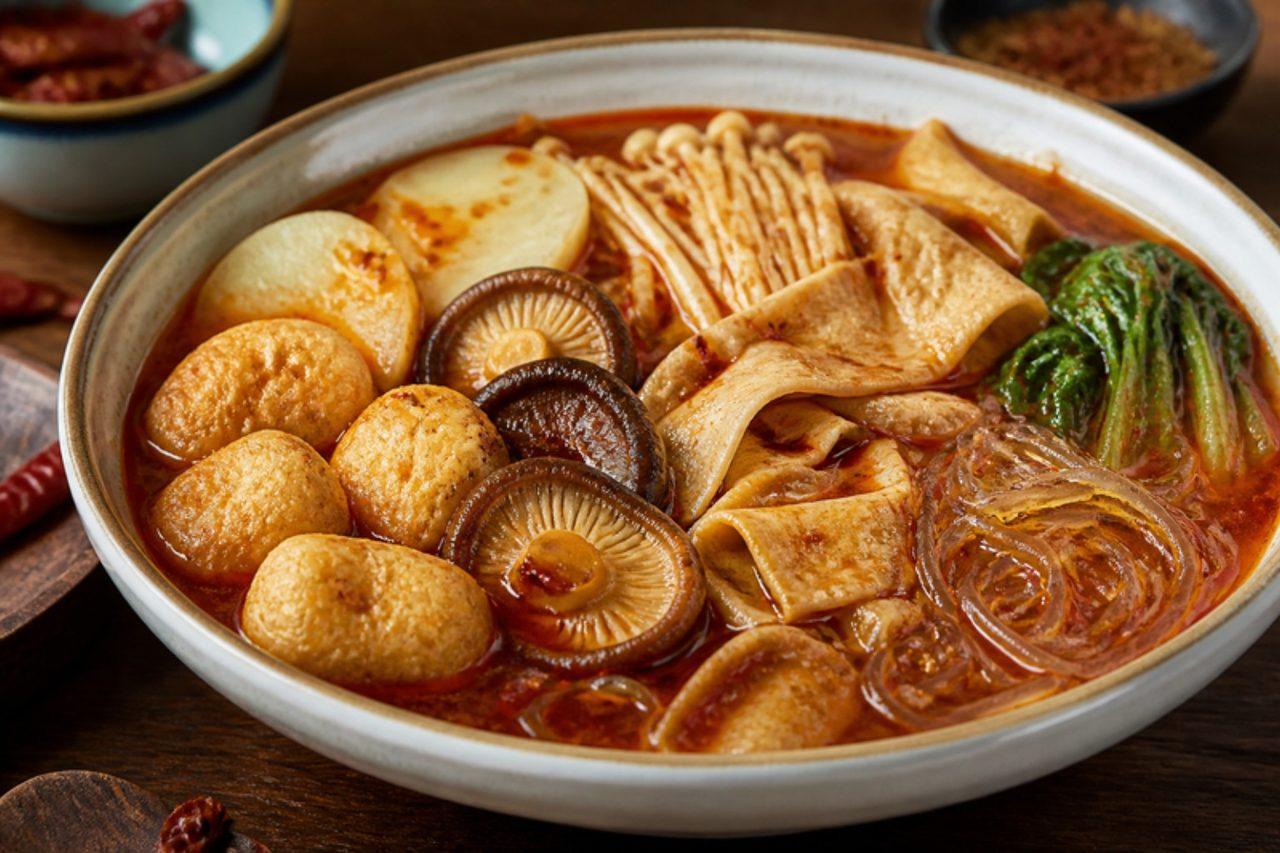
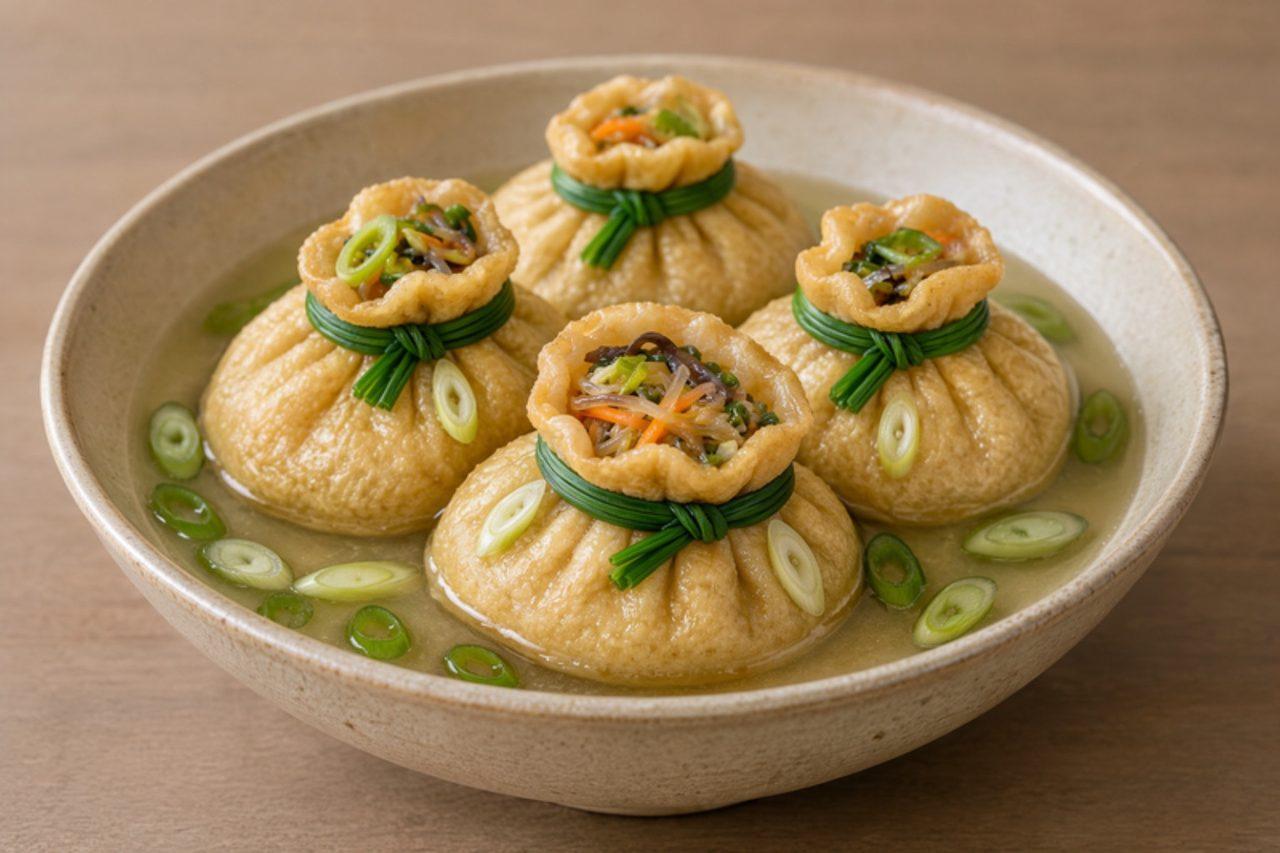
Yubu jumeoniFried tofu pouches with glass noodles

Yubu jumeoni, "tofu pockets", are a Bupyeong Kkangtong Market speciality, said to have been dreamed up by a fish-cake vendor there in the 1980s. Little fried tofu pouches are stuffed with glass noodles and vegetables, tied with a strip of chive like a drawstring purse and left to soak in a steaming pot of anchovy and kelp broth. On cold Busan evenings they are served in a paper cup with a ladle of broth and a dab of soy. Chef's tip: fill the pouches only three-quarters full; they swell as they absorb the broth and split if packed tight.

by KrazyBadal 0 views

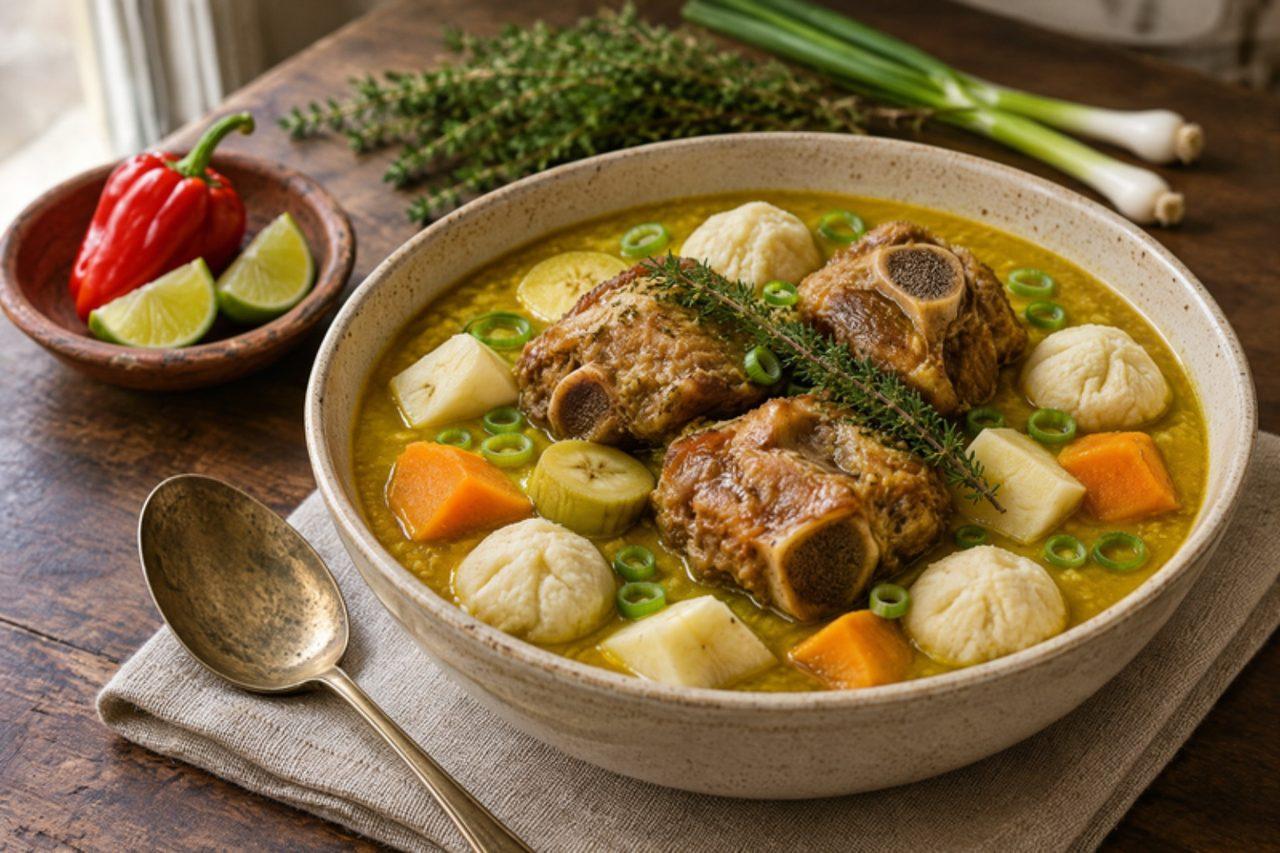
Cowheel soup

In Trinidad and Tobago, cowheel soup is Saturday soup: the big pot people make at home or buy from roadside soup vendors after a fete, believed to set you right again. Cow heel is simmered for hours until gelatinous, then yellow split peas, pumpkin and 'provisions' such as dasheen, cassava, eddoes and green bananas go in, with green seasoning, a whole scotch bonnet for perfume and soft flour dumplings dropped in at the end. The broth turns thick and silky from the collagen and split peas. The usual mistake is bursting the scotch bonnet, which makes the pot fiercely hot; leave it whole and lift it out. A pressure cooker gets the cow heel tender in 50 minutes. Chef's tip: buy cow heel already cut and scraped by the butcher, then scrub it with lime before cooking.

by KrazyBadal 0 views

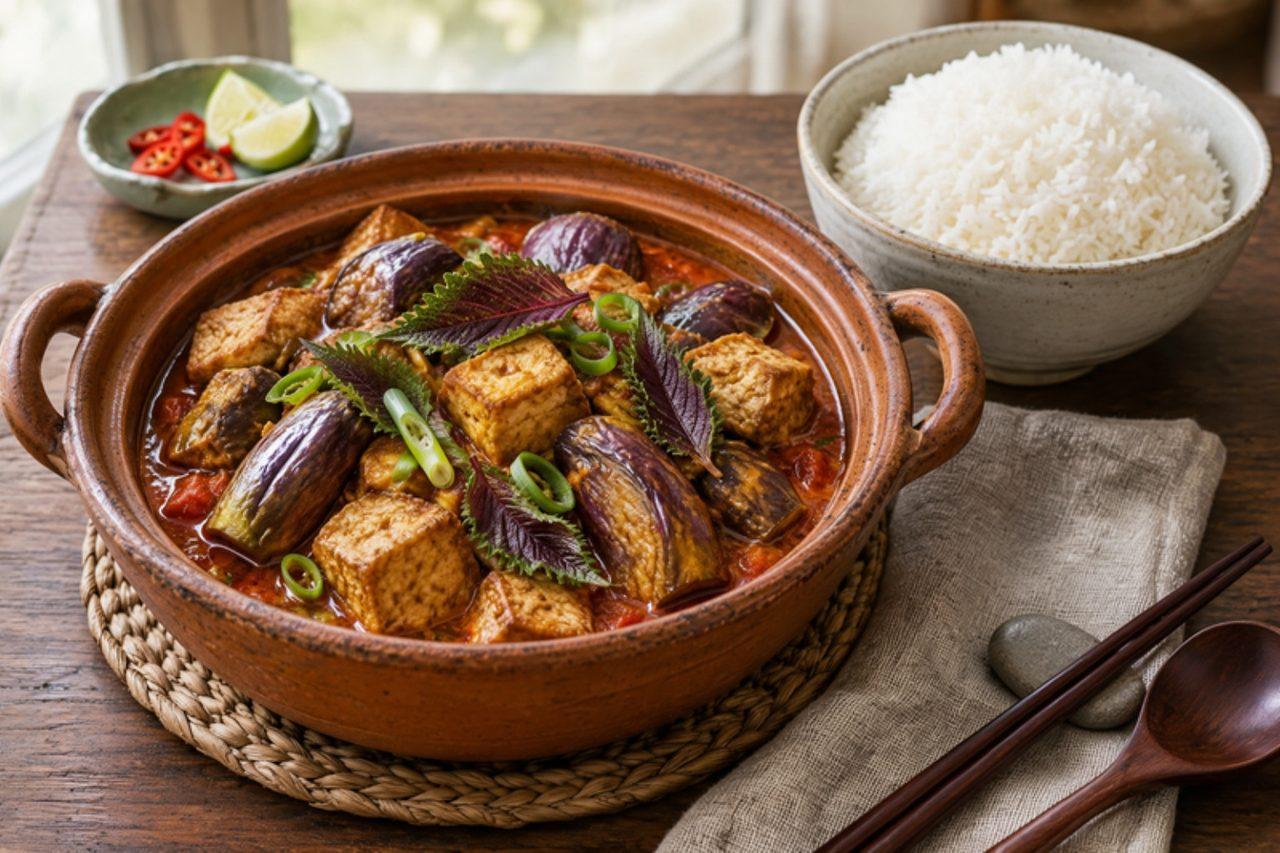
Cà tím om đậuBraised aubergine and tofu

In Hanoi, cà tím om đậu is a humble lunch dish of the old quarter rice shops and home kitchens, especially in the cooler months, and it is traditionally braised with pork and a spoon of fermented shrimp paste. This vegan version keeps the soft, smoky aubergine, golden tofu and sweet-sour tomato sauce, and swaps the shrimp paste for soy sauce, while purple perilla (tía tô) adds its unmistakable minty-anise lift. Serve it with plain rice and a bowl of clear vegetable soup. The usual mistake is crowding the tofu in the pan so it steams instead of frying, leaving it pale and soft. Chef's tip: soak the cut aubergine in lightly salted water with a dash of vinegar for 10 minutes, which stops it browning and keeps it from soaking up too much oil.

by KrazyBadal 0 views

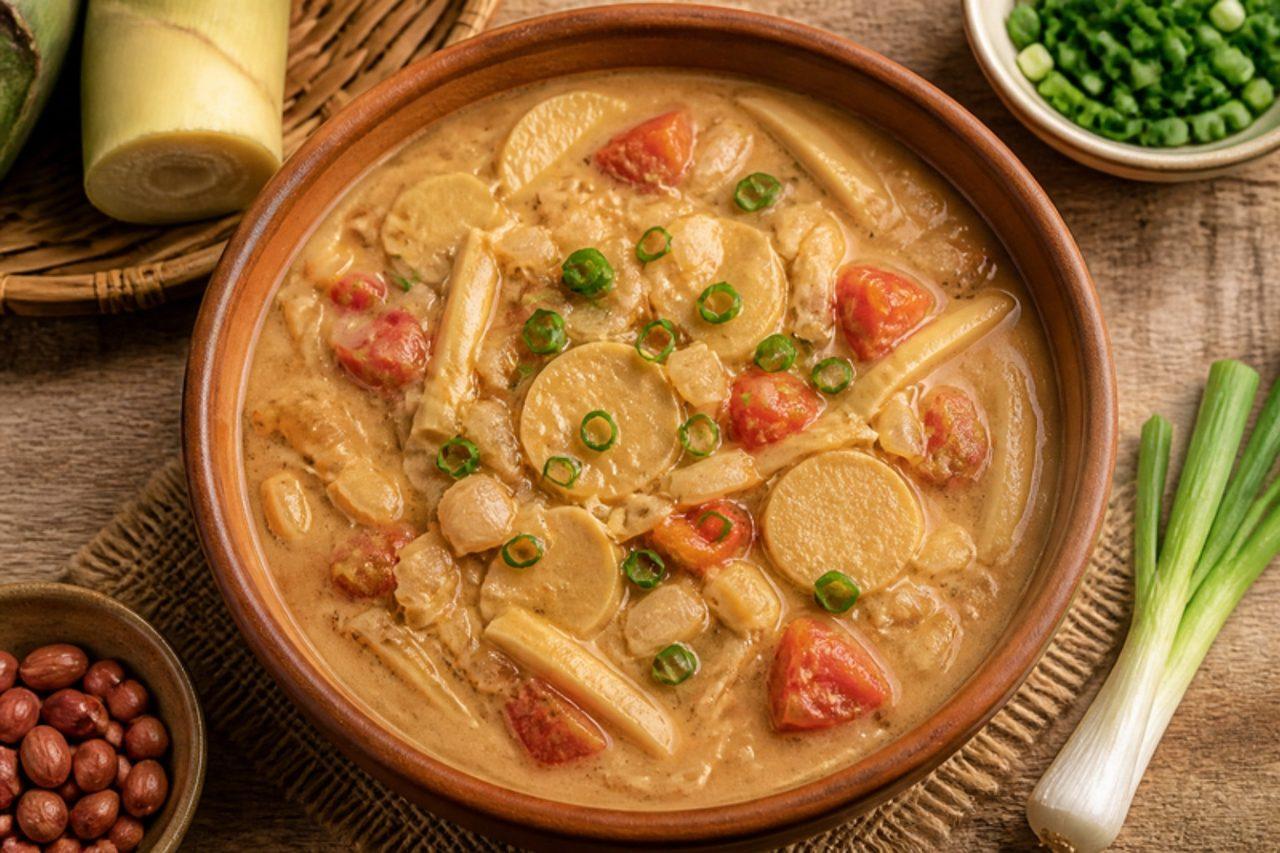
MalewaSmoked bamboo shoots in peanut sauce

On the slopes of Mount Elgon, the Bagisu harvest young bamboo shoots, smoke and dry them, and keep them for months; a pot of malewa is the dish every Mugisu living away from home misses, and it is a must at imbalu circumcision celebrations. Soaked and simmered in a pale, creamy groundnut sauce, the shoots stay slightly chewy and taste smoky, earthy and faintly sweet. Serve with steamed matoke, kalo or posho. Dried smoked malewa is sold in East African grocers and Ugandan shops abroad; if you cannot find it, tinned bamboo shoots with a little smoked paprika give a fair imitation. Chef's tip: do not rush the soak and first boil, as under-soaked shoots stay woody however long they sit in the sauce.

by KrazyBadal 0 views

Dongbei suan caiFermented napa cabbage

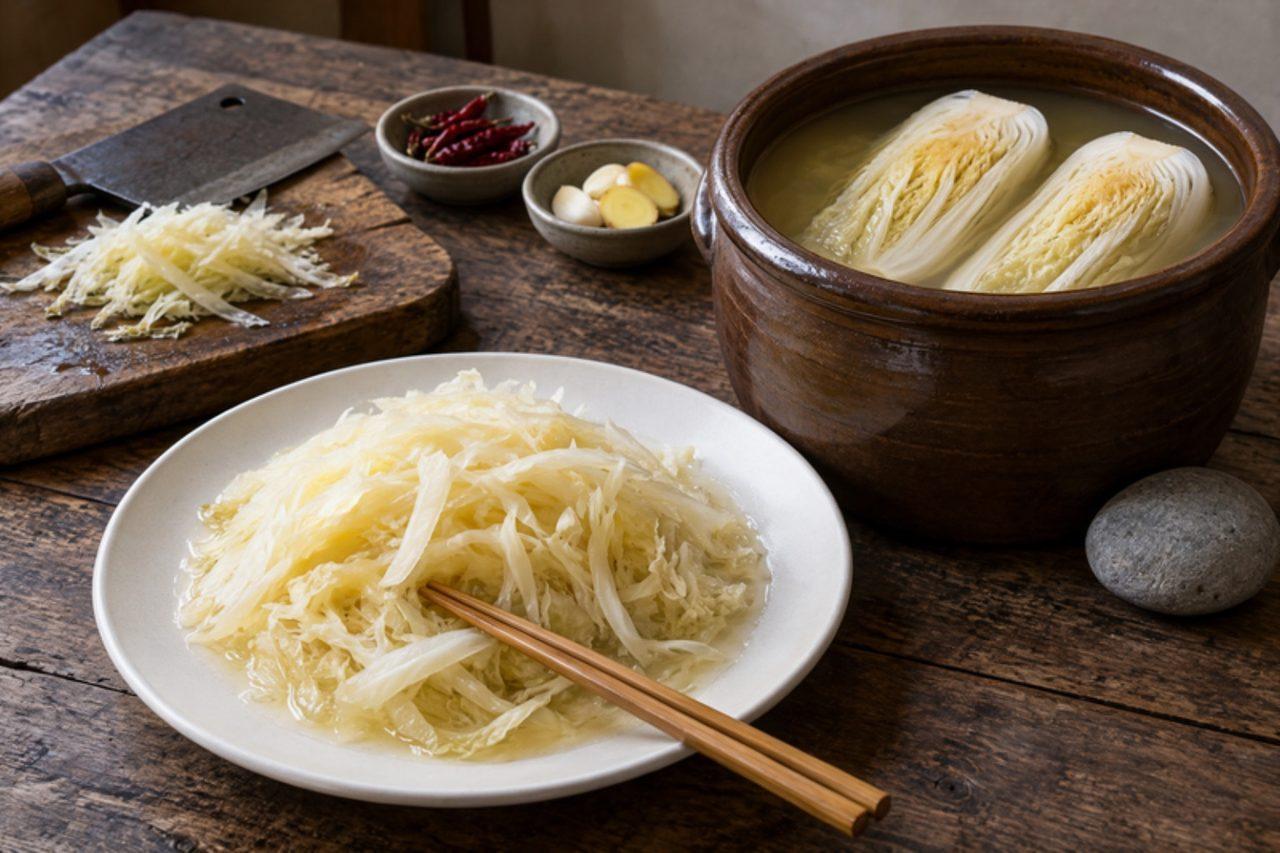
In Harbin, Changchun and Shenyang, late October is when families buy napa cabbage by the cartload, scald it, and pack it head to tail into big glazed crocks on the balcony, weighed down with a smooth river stone. A month later, as winter sets in, it has become suan cai: pale, almost translucent leaves with a clean, lactic sourness and a soft crunch at the rib. It is shredded into suan cai bai rou (sour cabbage with pork belly), stuffed into dumplings for Spring Festival and simmered in hot pots through the long winter. Common mistake: fermenting somewhere warm; above about 20 °C the cabbage softens and can go slimy, so use the coolest spot you have. Normal signs are fine bubbles, a cloudy brine and a sharp sour smell; a flat white film (kahm yeast) can be skimmed off. Fuzzy coloured mould, pink or black patches, or a putrid smell mean discard the lot. Do not eat it before 3 weeks: it is ready when the leaves are uniformly pale yellow-green and taste fully sour. Then keep it in the brine in the fridge for 2 months. Chef's tip: rinse and squeeze the shreds before cooking to soften the sourness.

by KrazyBadal 0 views

Ensalada de gallinaChristmas chicken salad

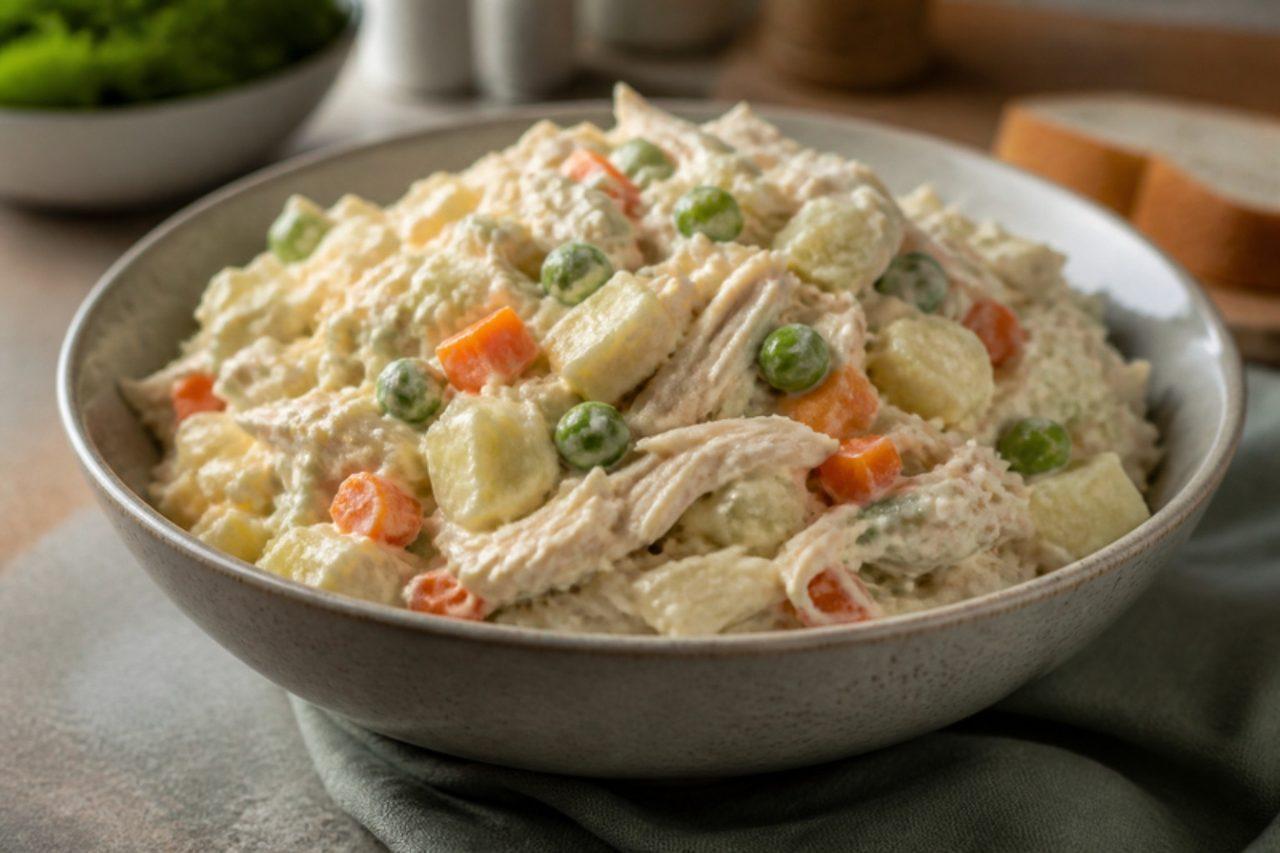
Ensalada de gallina is the creamy salad that sits on every Venezuelan plato navideño, next to hallaca, pan de jamón and dulce de lechosa: poached chicken shredded with diced potato, carrot, peas and crisp apple, bound with mayonnaise and a squeeze of lime. It is made the day before and served cold. Because it combines chicken and mayonnaise, keep it in the fridge and don't leave it out for more than 2 hours. The common mistake is overcooking the potatoes until they turn to mash when dressed. Chef's tip: cook them only until a knife just goes in, and cool them fully before adding the mayonnaise.

by KrazyBadal 0 views

Cachitos de jamónHam-filled crescent rolls

Every Caracas panadería opens its morning with trays of cachitos: soft, slightly sweet crescent rolls wrapped around finely chopped cooked ham (pork), eaten standing at the counter with a café con leche. Some bakeries add a little bacon or cheese; cheese-only cachitos are a good vegetarian swap. The common mistake is overfilling, so the ham pokes out and burns. Chef's tip: roll each wedge snugly from the wide end and tuck the point underneath so it doesn't unroll as it bakes.

by KrazyBadal 0 views

Ensaladang talongGrilled aubergine salad

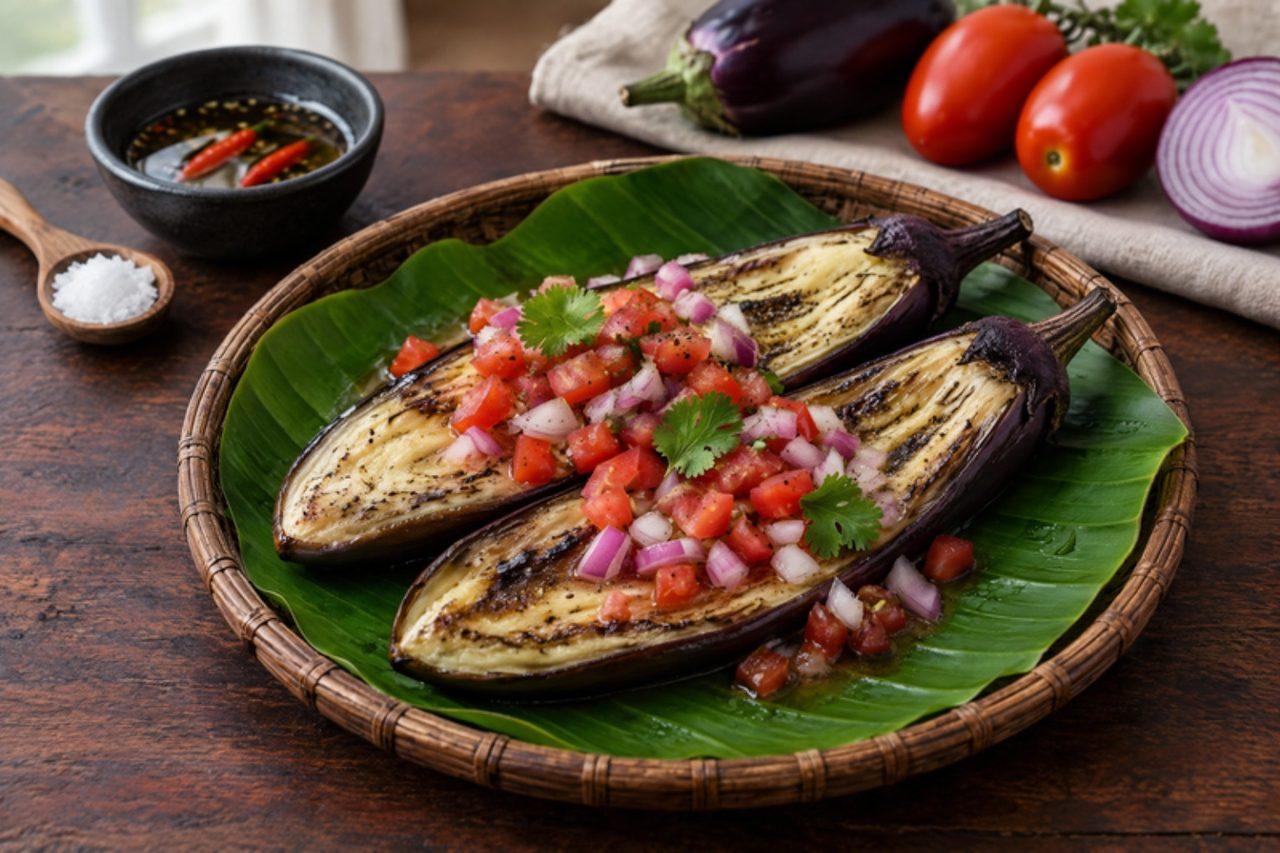
Ensaladang talong is the smoky side salad that sits beside grilled fish or pork at Filipino family lunches, from Pampanga to Davao, and on the table at weekend beach outings. Long Asian eggplants are charred whole until the flesh collapses, then peeled and topped with diced tomato, red onion and a sharp vinegar dressing. This version leaves out the usual fermented shrimp paste so it is vegan. Suitable as part of a balanced diet, it is low in starch: about 70 kcal and 10 g carbohydrate per portion. The usual mistake is pulling the eggplants off the heat too soon; they must be soft right through, or the flesh is spongy and raw. Chef's tip: peel the hot eggplants under a trickle of water with your fingertips to keep the smoky flesh whole.

by KrazyBadal 0 views

Mochai kottai kuzhambuField bean gravy

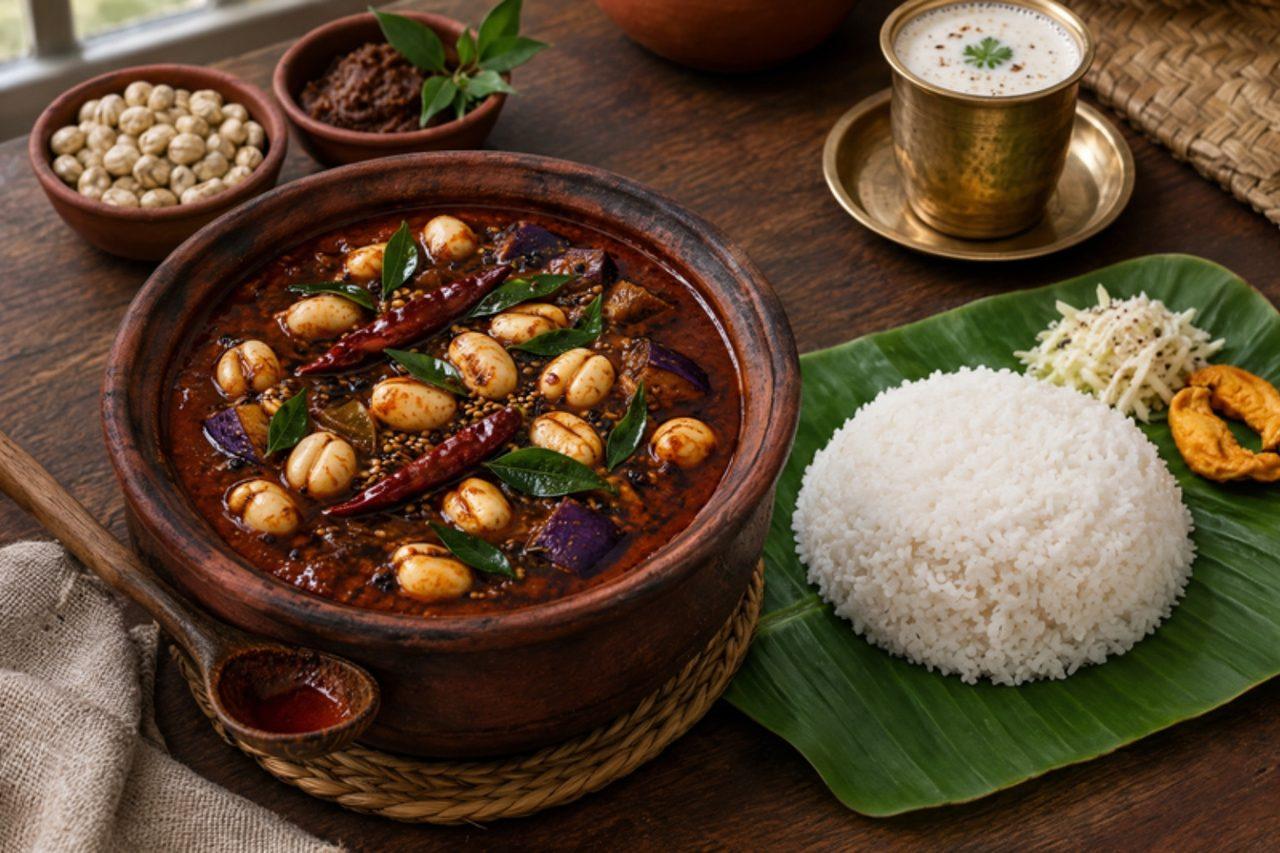
Across Tamil Nadu, from Madurai to Tirunelveli, mochai kottai kuzhambu is a winter and weekend curry: dried field beans and small brinjals stewed in a thick tamarind and sambar-powder gravy with shallots and garlic. It is cooked in a big batch, because everyone agrees it tastes better the next day, and eaten with rice, a spoon of sesame oil and appalam or a simple keerai. The beans turn creamy and the brinjal melts into the sauce. Dried field beans must be soaked and boiled until completely soft; never eat them undercooked. The usual mistake is adding the tamarind before the beans are tender, because acid stops them softening. Slow-cooker: boil the soaked beans hard on the hob for 10 minutes first, then cook everything on low for 6 hours. Chef's tip: fry the brinjal in the oil before the gravy goes in, so it holds its shape instead of dissolving.

by KrazyBadal 0 views

Escabeche de pescadoFried fish in sweet-sour onion sauce

In Lima, escabeche de pescado belongs to the criollo kitchen of the old city: it turns up on Friday lunch menus, on buffet tables, and above all in Lent and Holy Week, when families eat fish and this dish can be made the day before. Fish is fried until golden, then covered in a warm sauce of thick-cut red onion softened in oil with garlic, ají amarillo, ají panca, cumin and vinegar, and left to cool so the flavours soak in. It is served cold or at room temperature with boiled sweet potato, hard-boiled egg and purple botija olives. It tastes tangy, sweet and gently fruity-hot, with crunchy onion over tender fish. The fish here is fully cooked, but because it is a cold seafood dish, pregnant people, babies, older people and anyone with weak immunity should eat it well chilled and within 2 days. Common mistake: stewing the onions until limp; they should only lose their raw bite. It is ready when the sauce has soaked a little into the fish and smells of vinegar and toasted chilli. Chef's tip: use thick fillets of corvina or bonito; thin fillets break under the sauce.

by KrazyBadal 0 views

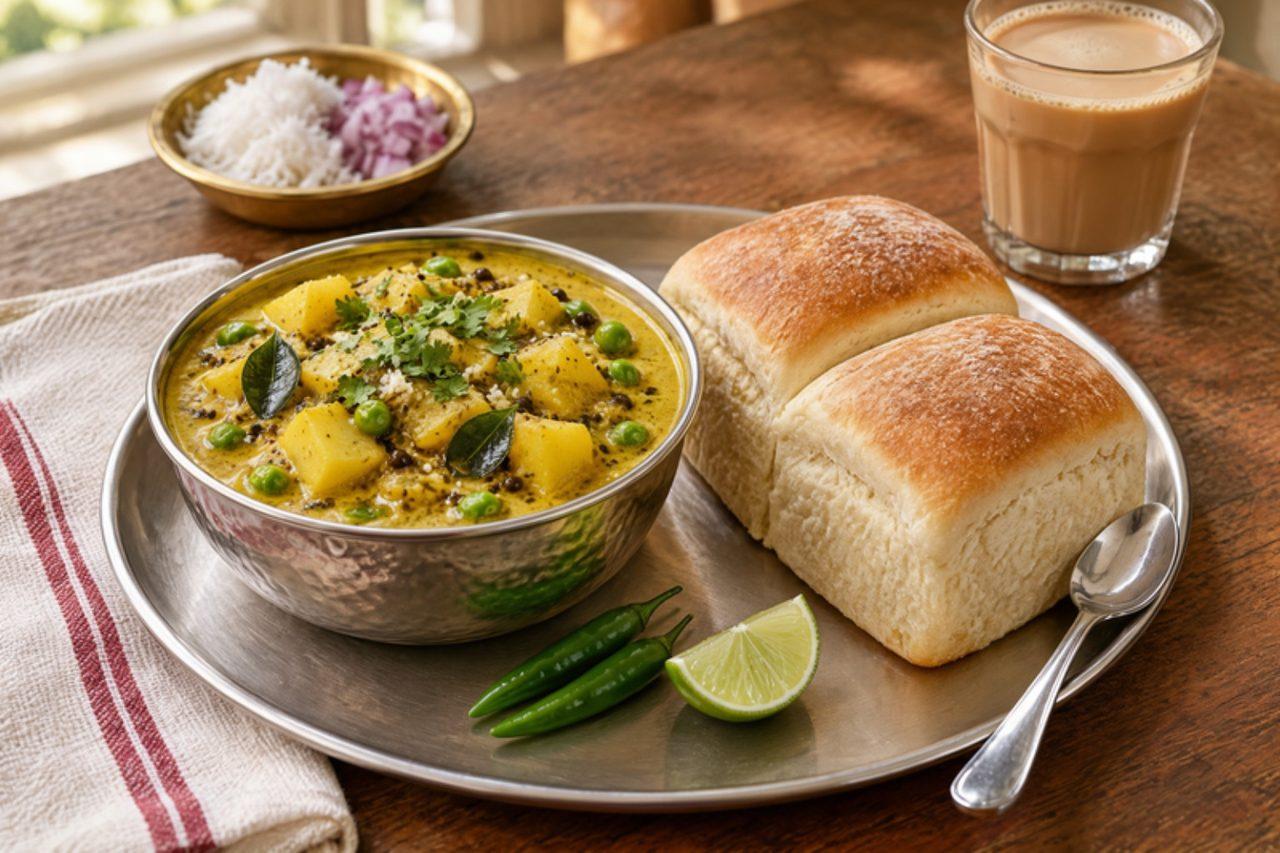
Goan bhaji paoPotato curry with bread rolls

Long before the cafés open their doors, Goan tea shops in Panaji, Mapusa and Margao are ladling out bhaji pao for workers and school children. This is not Mumbai's mashed pav bhaji: the Goan bhaji is a loose curry of potato and dried green peas in a roasted coconut masala, eaten by tearing fresh, soft pao and scooping it up, often with a cup of sweet milky tea. The mistake people make is grinding the coconut raw; it must be roasted until reddish-brown with the onion and spices, or the curry tastes flat. Chef's tip: soak the dried peas overnight and cook them separately until creamy, then they drink up the masala without going mushy.

by KrazyBadal 1 views

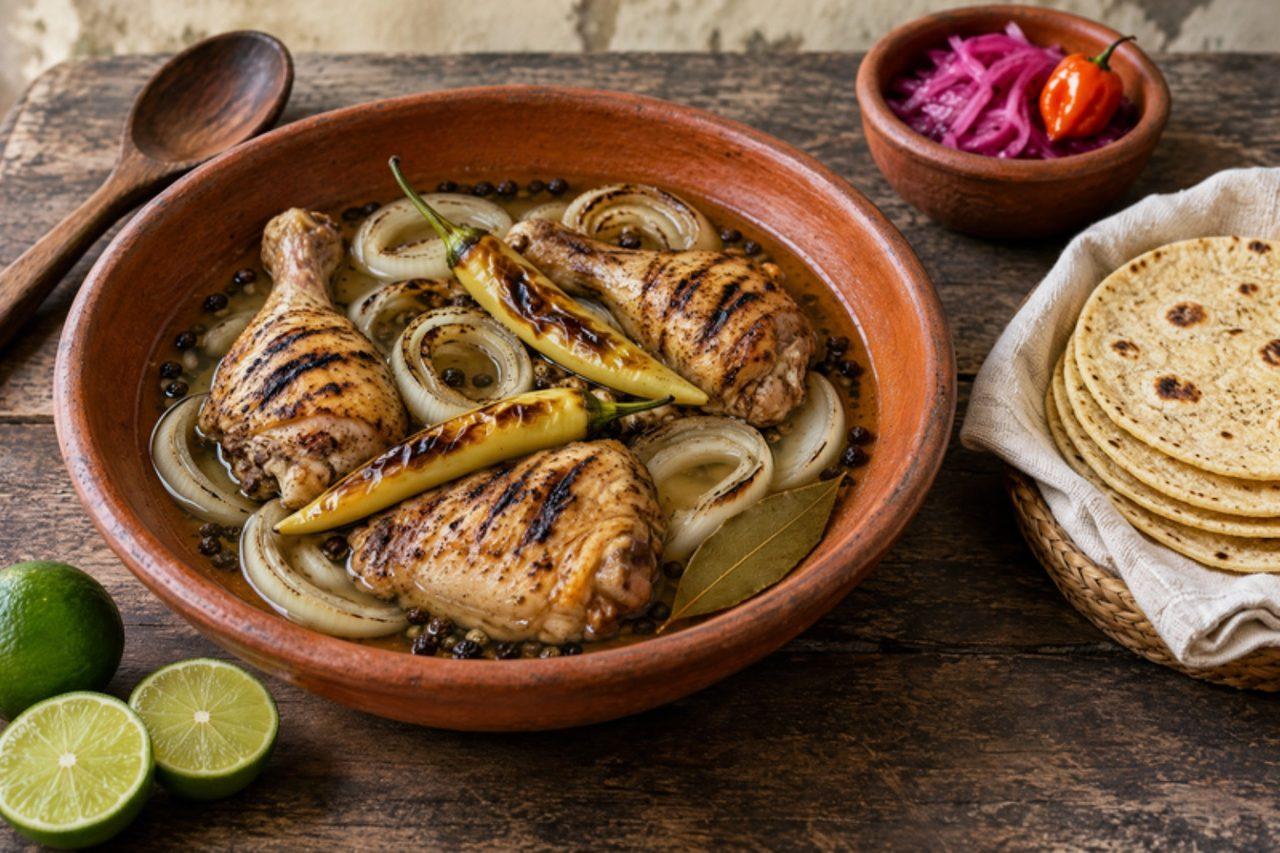
Escabeche orientalGrilled chicken in vinegar broth

Valladolid, in eastern Yucatán, gave this dish its name: oriental means from the east of the peninsula. It is a lunchtime staple of the town's loncherías and family tables, eaten hot in a deep bowl with corn tortillas, especially on weekends and at fiestas, and every cook guards a recado of black pepper, allspice, clove and Yucatecan oregano. The chicken is simmered in a garlicky spiced broth, rubbed with the recado and grilled until smoky, then returned to the broth with charred onions and xcatic chillies sharpened with vinegar. The result is light but bold: a clear, tart, peppery broth, smoky juicy chicken and soft, sweet onion with a gentle chilli heat. Common mistake: boiling the chicken hard, which clouds the broth and makes the meat stringy. Keep it at a lazy simmer. It is ready when the broth is clear and golden, smells of vinegar and allspice, and the onions are soft but still hold a bite. Outside Mexico, use güero, banana or Hungarian wax peppers for xcatic. Chef's tip: char the garlic head until black in patches; that smoky sweetness is the soul of the broth.

by KrazyBadal 0 views

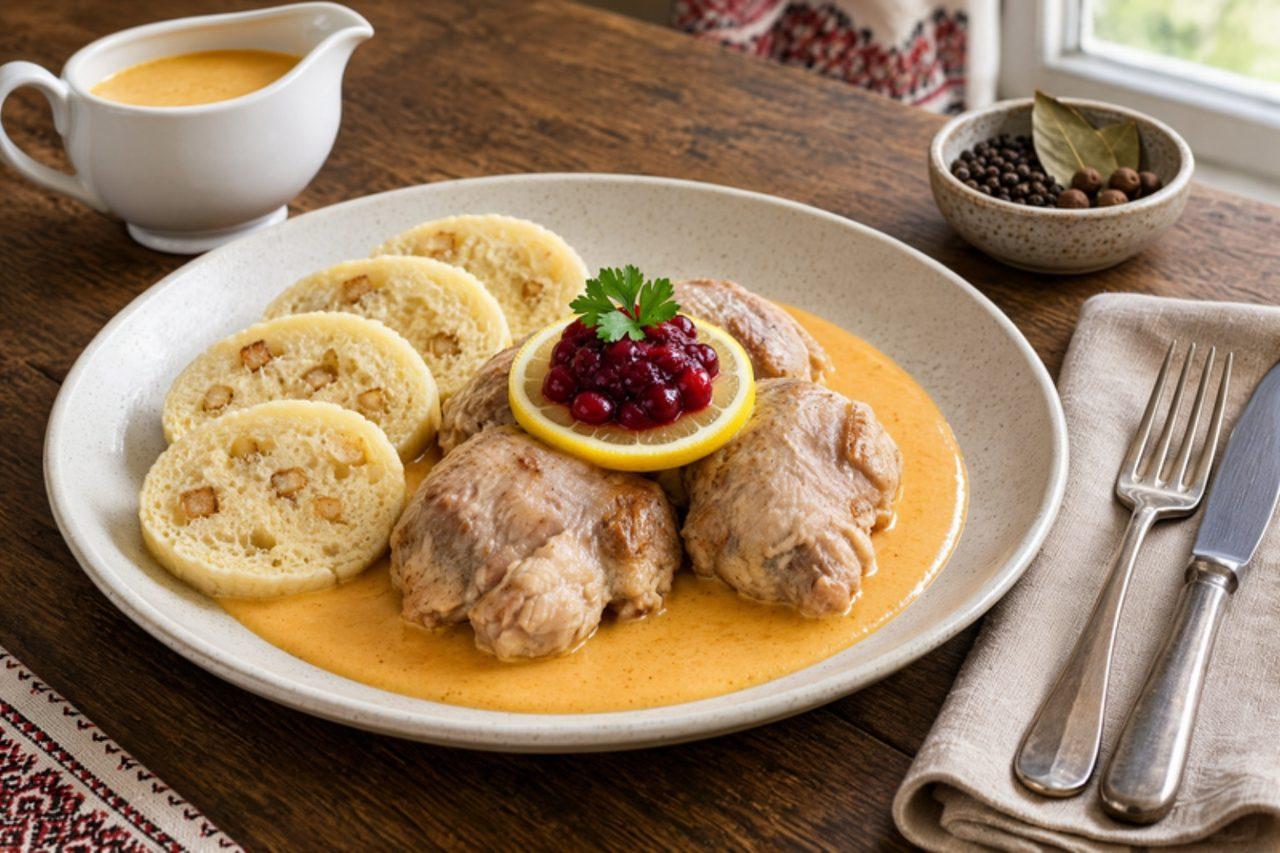
Králík na smetaněRabbit in cream sauce

Králík na smetaně is a Sunday lunch in the Czech countryside, especially in Moravia and South Bohemia, where many families once kept rabbits in the yard. Rabbit pieces are braised with carrot, celeriac, parsley root and onion, then the vegetables are blended into a velvety cream sauce brightened with lemon and a pinch of sugar, much like the famous svíčková. It is served with sliced bread dumplings (houskové knedlíky) and a spoon of cranberry sauce. The usual mistake is boiling the sauce after the cream goes in, which can split it; keep it at a bare simmer. Rabbit is lean, so cook it gently and check that the meat comes easily off the bone. Chef's tip: blend the vegetables until completely smooth and pass them through a sieve for the silky sauce Czech cooks are proud of.

120 minCzechMeat
by KrazyBadal 0 views

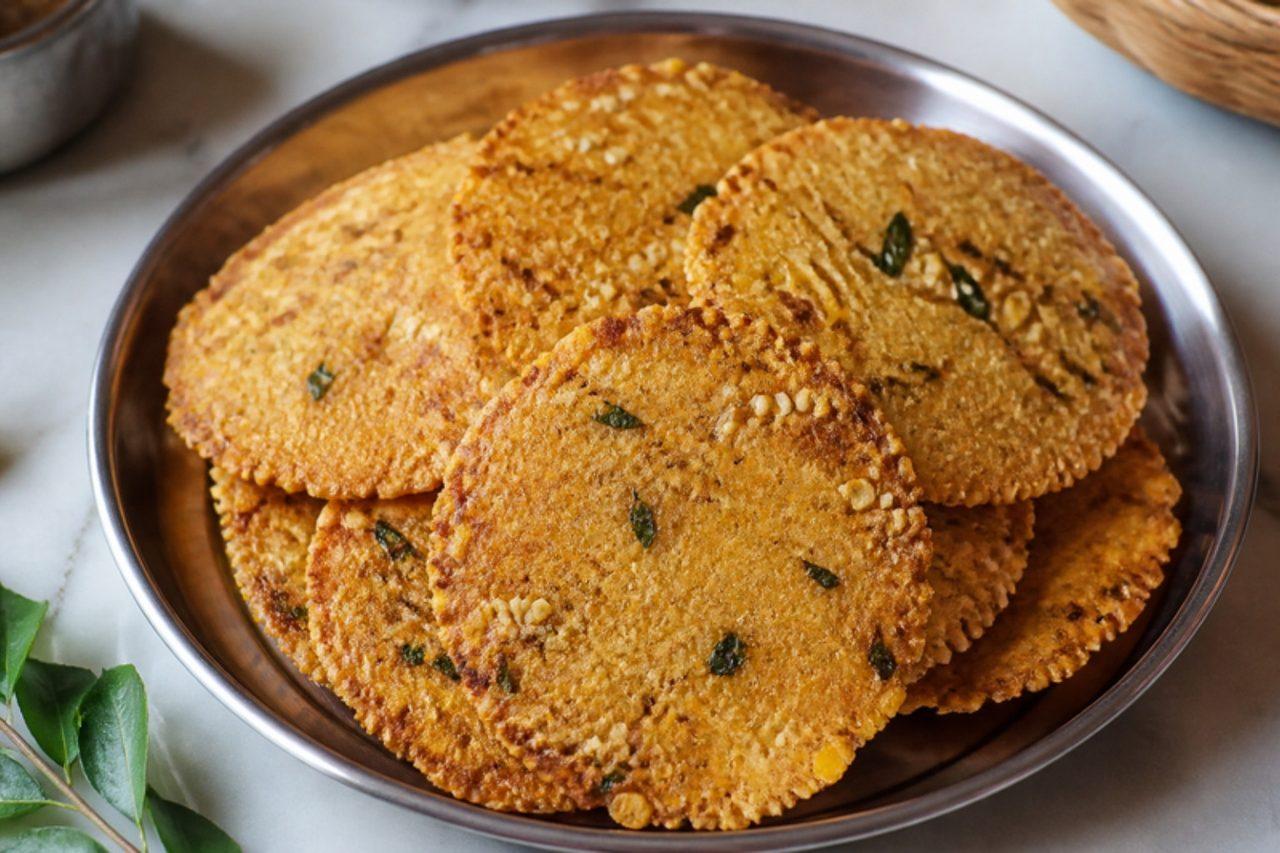
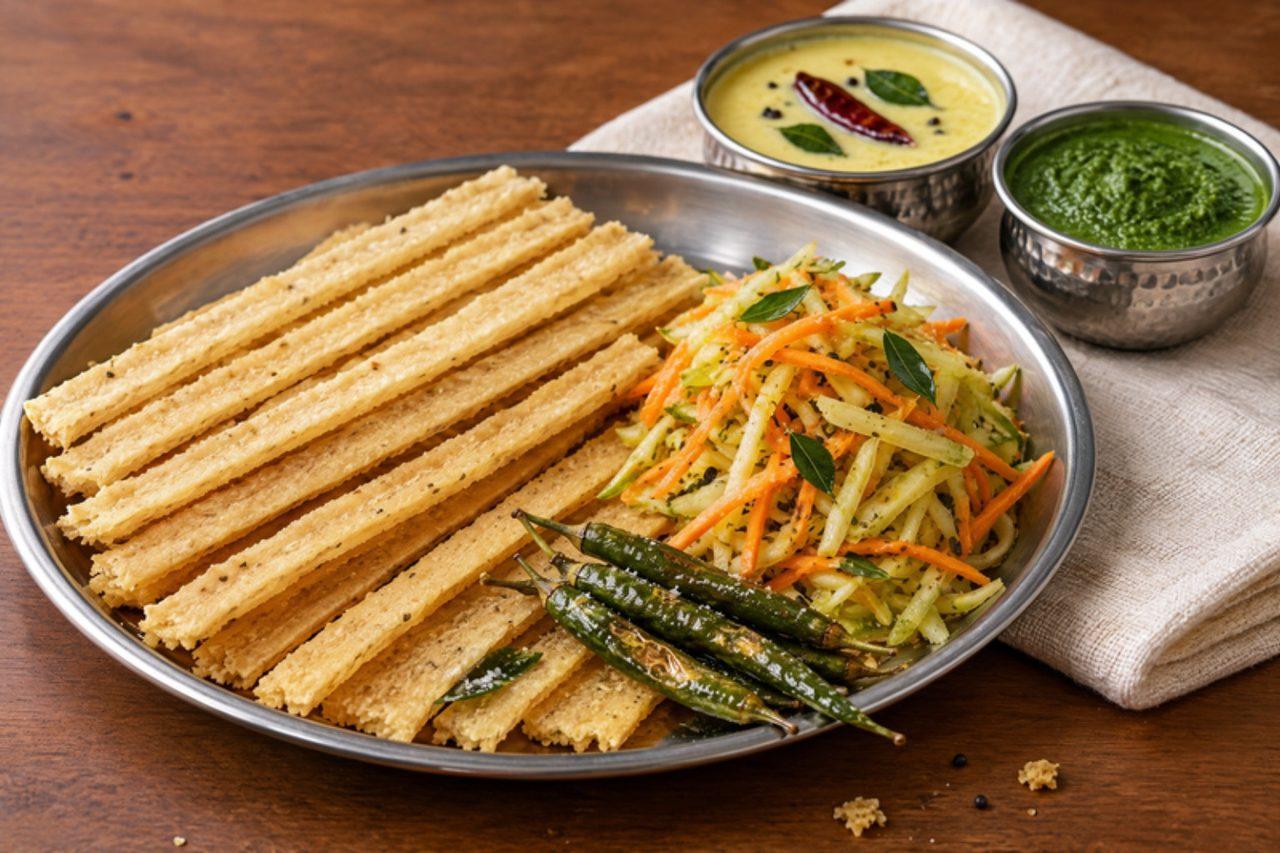
FafdaGram flour strips with papaya salad

On Sunday mornings, and above all on Dussehra, Ahmedabad queues outside its farsan shops for paper parcels of fafda: long, pale-gold strips of gram flour dough, crisp and gently salty with carom, eaten beside hot jalebi, a sour-sweet raw papaya relish called sambharo and whole fried chillies. The real craft is the shaping, done by pushing a little log of dough along a wooden board with the heel of the hand until it stretches into a thin ribbon. Chef's tip: knead the dough with your knuckles for a full 5 minutes until it turns smooth and slightly shiny, or the strips tear as you push them.

by KrazyBadal 0 views

Fèves au lardBaked beans with salt pork

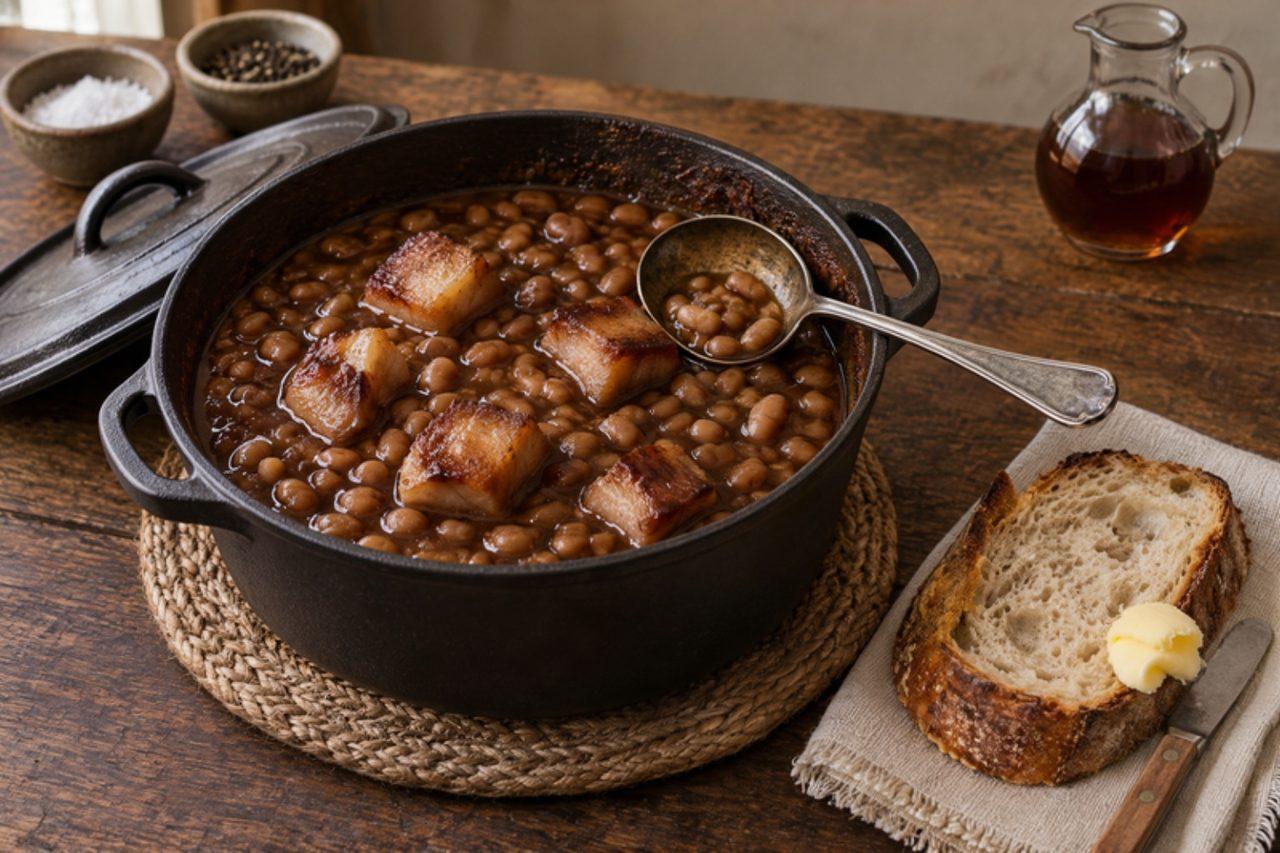
At the cabanes à sucre (sugar shacks) of Quebec's Beauce and Laurentides each spring, and on many Quebec Sunday breakfast tables, fèves au lard come with eggs, toast and a jug of maple syrup: small white navy beans baked very slowly with salt pork, onion, maple syrup and molasses until they're dark, sticky and tender. Salt pork is cured pork belly. Soak the beans overnight first. The common mistake is adding the syrup, molasses and salt at the start of soaking or boiling; sugar and salt stop the skins softening, so par-cook the beans first. For a vegetarian version, leave out the pork and add 3 tbsp olive oil and 1 tsp smoked paprika. Chef's tip: check every hour and top up with hot water just to the surface; beans that dry out on top go hard and never soften.

by KrazyBadal 0 views

Lolo bunsCoconut cream baked buns

Lolo buns are the Sunday treat of Fijian kitchens, made for church lunches and family get-togethers in Lautoka and Suva: soft yeast buns packed into a tin and baked in a bath of sweetened coconut cream (lolo), which soaks into the bottoms and bakes into a sticky, caramel-edged sauce. Everyone pulls one out warm from the tin. A common mistake is pouring the coconut cream on too early; add it just before baking so the buns have risen fully. Chef's tip: use thick, full-fat coconut cream for a rich glaze.

by KrazyBadal 0 views

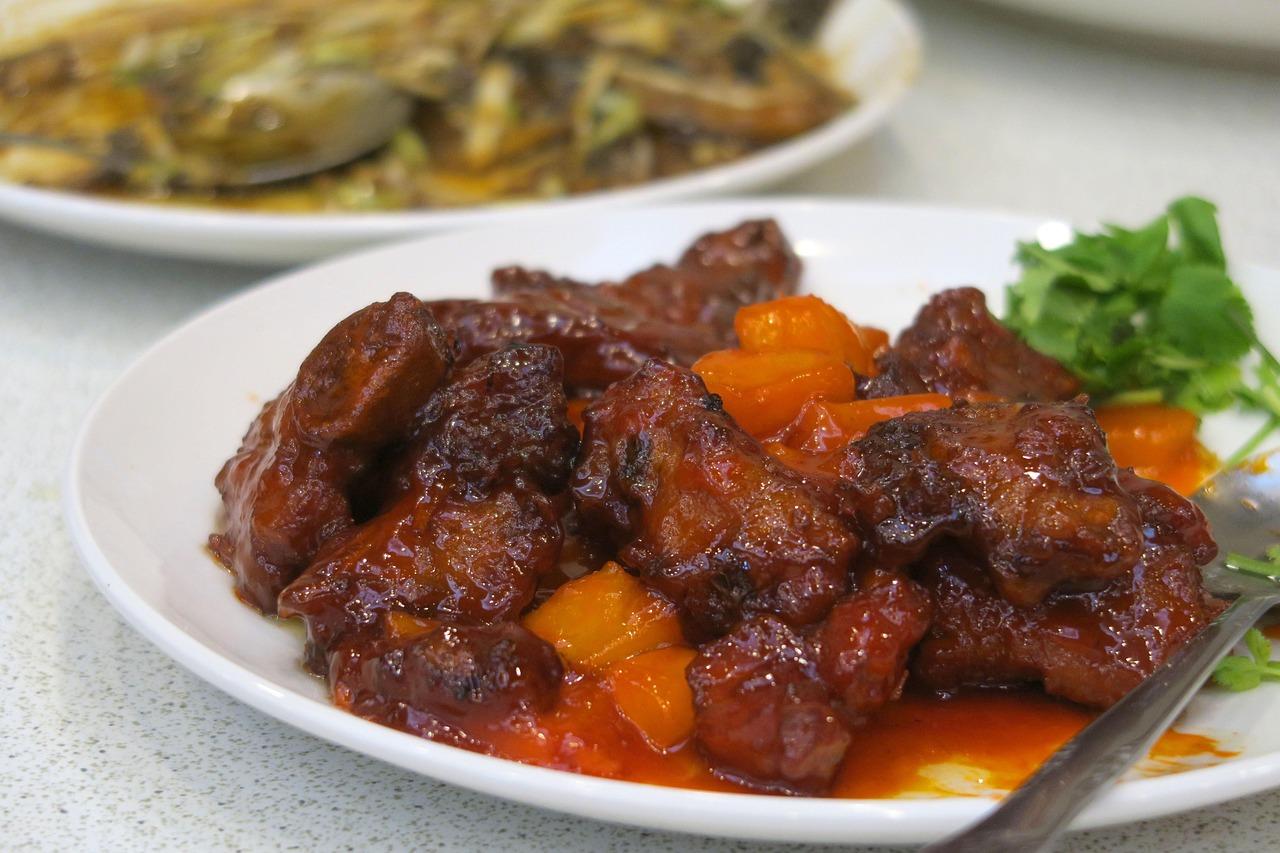
HumbaBraised pork belly

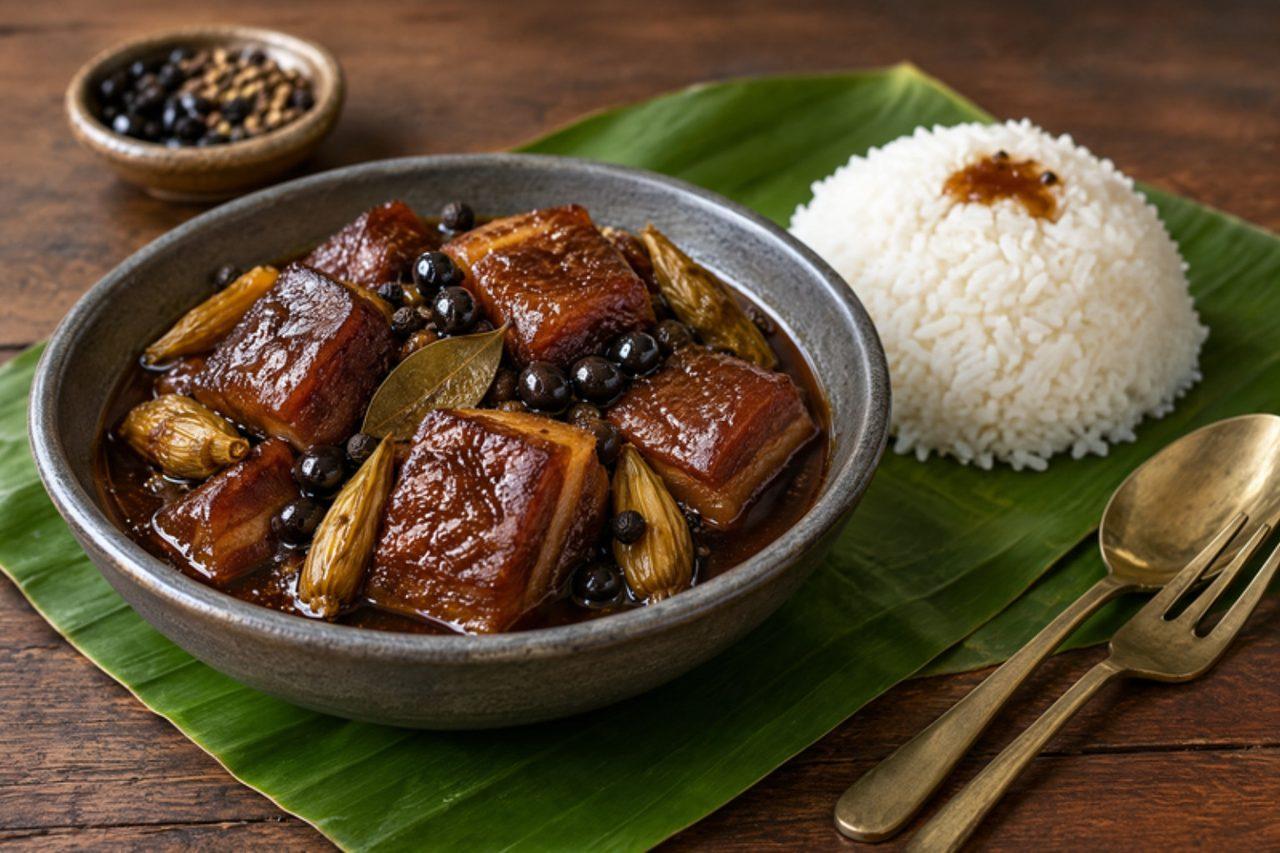
Humba is the sweet, dark braise of the Visayas, cooked in Cebu and Bohol homes for fiestas, birthdays and Sunday lunch. Pork belly simmers in soy sauce, cane vinegar and brown sugar with garlic, bay and peppercorns until the fat turns meltingly soft and the sauce becomes sticky; salted black beans (tausi) and dried lily buds, sold as dried banana blossoms, give it its Visayan character. Eat it with plenty of steamed rice. The usual mistake is stirring as soon as the vinegar goes in: let it boil uncovered for a few minutes first so its raw sharpness cooks off. Pressure-cooker: cook for 35 minutes at high pressure, then reduce the sauce uncovered. Chef's tip: humba tastes even better the next day, when the pork has soaked up the sauce.

130 minFilipinoMeat
by KrazyBadal 0 views

LupisSticky rice with coconut sugar

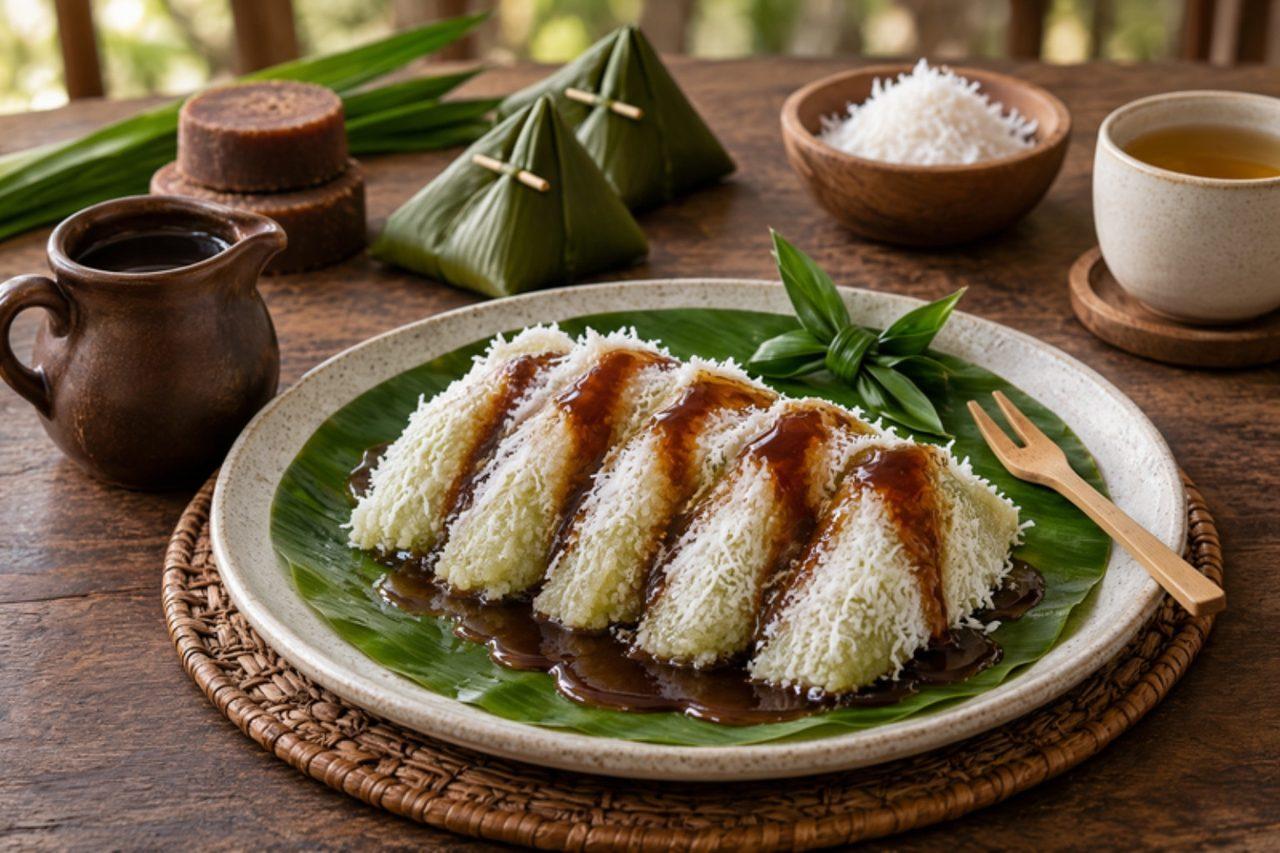
At morning markets across Central and East Java, vendors unwrap banana-leaf triangles of chewy sticky rice, roll them in fresh grated coconut and drench them in dark palm sugar syrup, all served on a square of leaf. Lupis is breakfast and snack at once, eaten with sweet tea. The common mistake is packing the leaves too full: the rice swells as it cooks, so fill each cone only two-thirds, or the parcels split and turn watery. Chef's tip: steam the grated coconut with a pinch of salt for 5 minutes before using it; it keeps longer and the salt sharpens the caramel taste of the syrup.

by KrazyBadal 1 views

Burong isdaFermented fish and rice

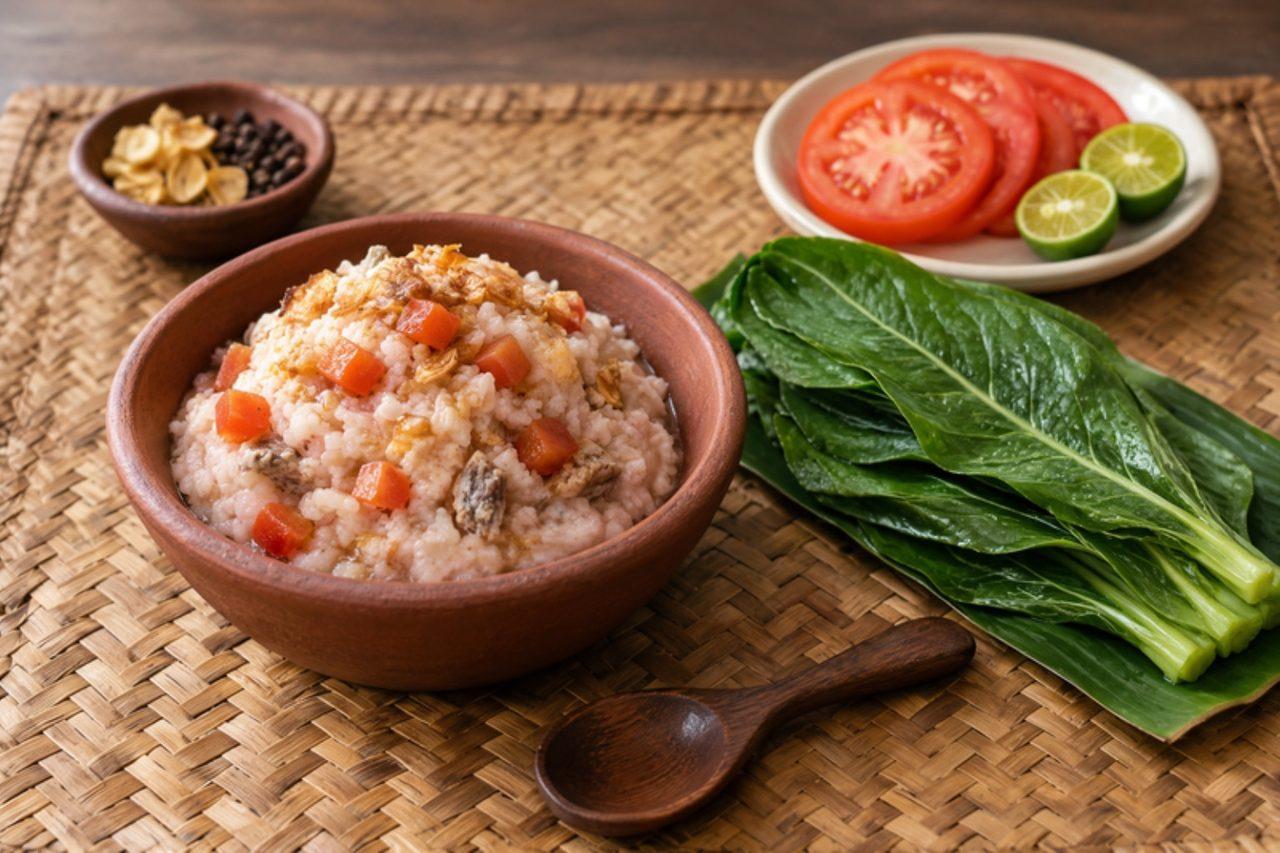
Burong isda is a Kapampangan treasure. In Pampanga, and in neighbouring Bulacan and Tarlac, families make buro in the rainy months when mudfish and tilapia are plentiful, and the sautéed paste is set out at home lunches with fried or grilled fish, steamed okra and eggplant, and blanched mustard leaves (mustasa) to wrap it in. Cooked rice and salted fish ferment together for about a week until the rice has melted into a soft, pinkish porridge and the fish bones soften. Sautéed with garlic, onion and tomato, it becomes creamy, sour, salty and deeply savoury, a little like a cheese spread. Because the fish ferments raw, two rules matter: cure it first in 20% salt, and always cook the buro until bubbling hot before eating; never eat it straight from the jar. Pregnant people, babies, older people and anyone with weak immunity should only eat it freshly cooked, or skip it. Common mistake: packing hot rice, which spoils the ferment; cool it fully. It is ready to cook when it smells pleasantly sour, like sourdough, and the rice is soft. Chef's tip: a teaspoon of angkak (red yeast rice) gives the traditional pink colour.

by KrazyBadal 0 views

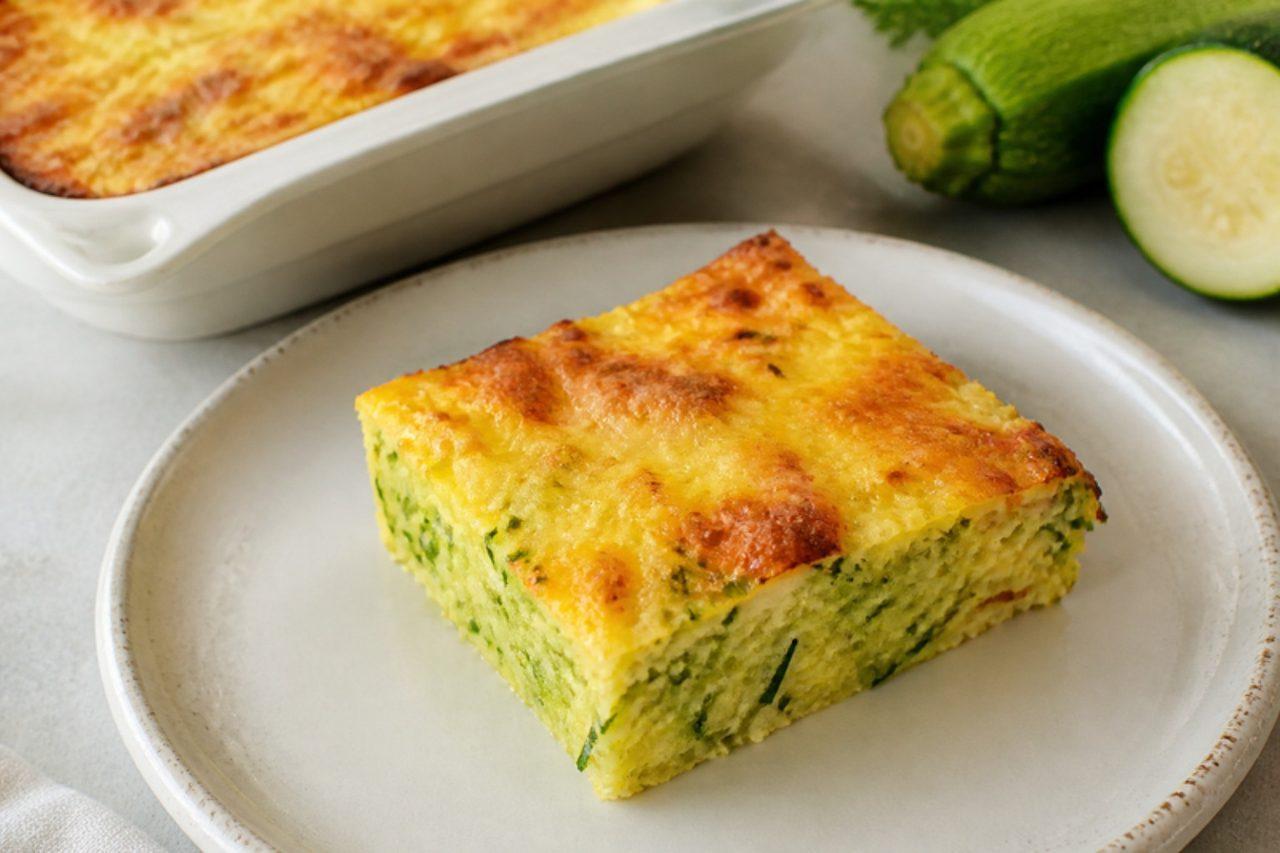
Budín de zapallo italianoBaked courgette pudding

In late summer, when courgettes (zapallo italiano) pile up in Santiago's ferias, home cooks turn them into budín: a soft, savoury bake bound with eggs, milk and cheese, served in squares with rice or a tomato salad for a light weekday lunch. Chileans use mild queso chanco or gouda, which is usually made with animal rennet; choose a cheese marked vegetarian if that matters to you. The big mistake is skipping the draining step: courgettes are mostly water, and a budín made with wet courgette weeps in the dish. Chef's tip: salt the grated courgette, leave it 15 minutes and squeeze it hard in a clean tea towel until it stops dripping.

by KrazyBadal 0 views

Café chorreadoCloth-filtered coffee

Every Costa Rican grandmother has a chorreador: a small wooden stand holding a cloth bag, the bolsita, over a cup or jug. Hot water is poured through the grounds by hand, a little at a time, and the result is the coffee drunk at breakfast with gallo pinto and again at the afternoon cafecito around three, with a tamal, a slice of pan casero or a rosquilla. The cloth catches the oils and fine grounds, so the cup is clean, bright and smooth, with the soft acidity and caramel sweetness of Tarrazú and Central Valley beans. In the countryside the water is sometimes sweetened with tapa de dulce before it goes through. It is strong coffee, so mind the caffeine late in the day. The common mistake is pouring all the water in at once, which floods the bag and leaves weak, uneven coffee; pour in slow circles, in four or five goes. It is ready when the drips slow to a trickle and the coffee is dark reddish-brown and smells of toasted caramel. Never wash the bag with soap; rinse it in hot water and hang it to dry. Chef's tip: boil a new bag once with a spoonful of coffee before using it, to season the cloth.

by KrazyBadal 0 views

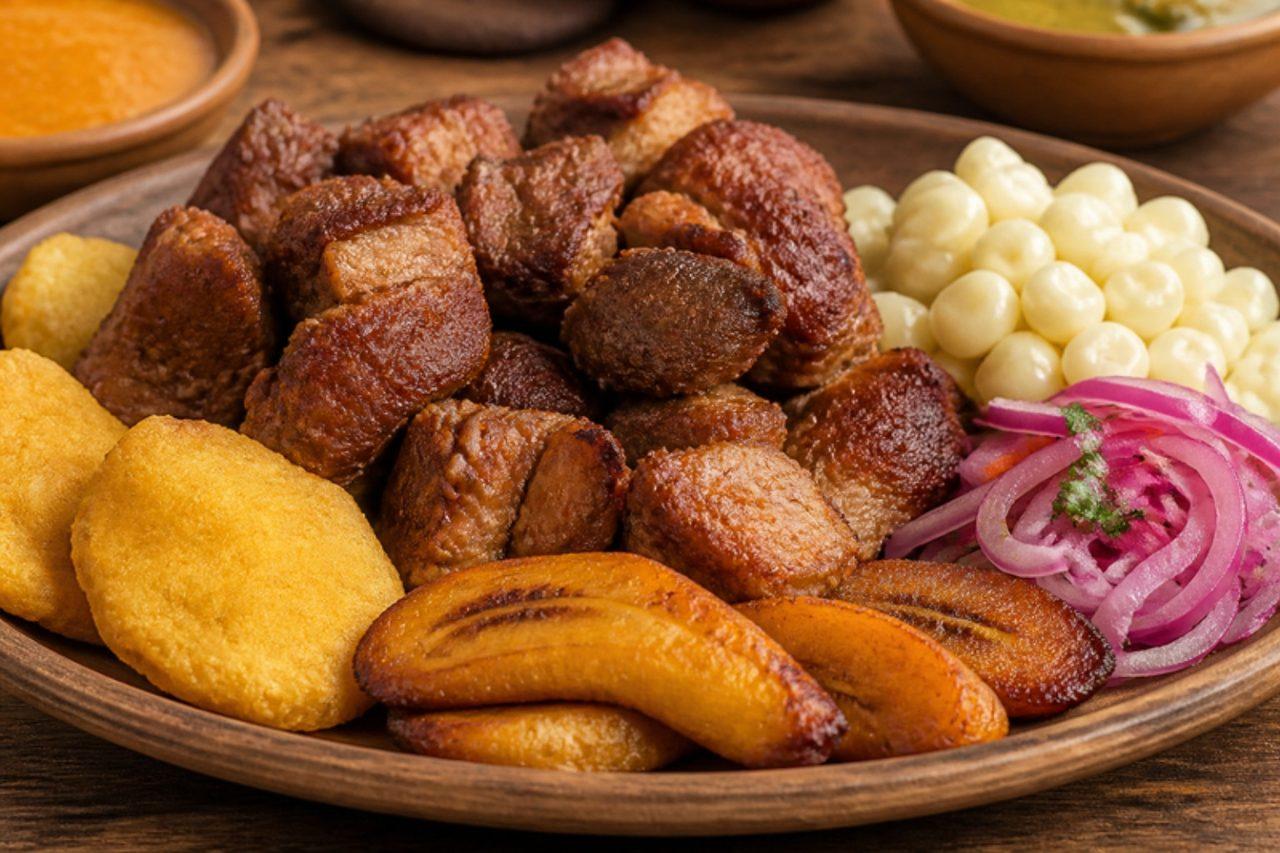
FritadaGarlic and cumin fried pork

Fritada is weekend food all over the Sierra, from roadside stops in Sangolquí to family lunches in Ibarra: chunks of pork shoulder simmered in water with garlic, cumin and orange juice in a wide pan until the water boils away and the meat fries in its own rendered fat, turning sticky and deep golden. It is served with mote, fried ripe plantain, potato cakes and a sharp onion curtido. The usual mistake is using a lean cut and stirring constantly; shoulder with some fat, and patience while it browns, give crisp edges and juicy centres. The pork is cooked well past 71 °C by the time it browns. Chef's tip: use a wide, heavy pan so the liquid evaporates evenly and every piece touches the bottom.

95 minAndeanMeatGluten free
by KrazyBadal 0 views

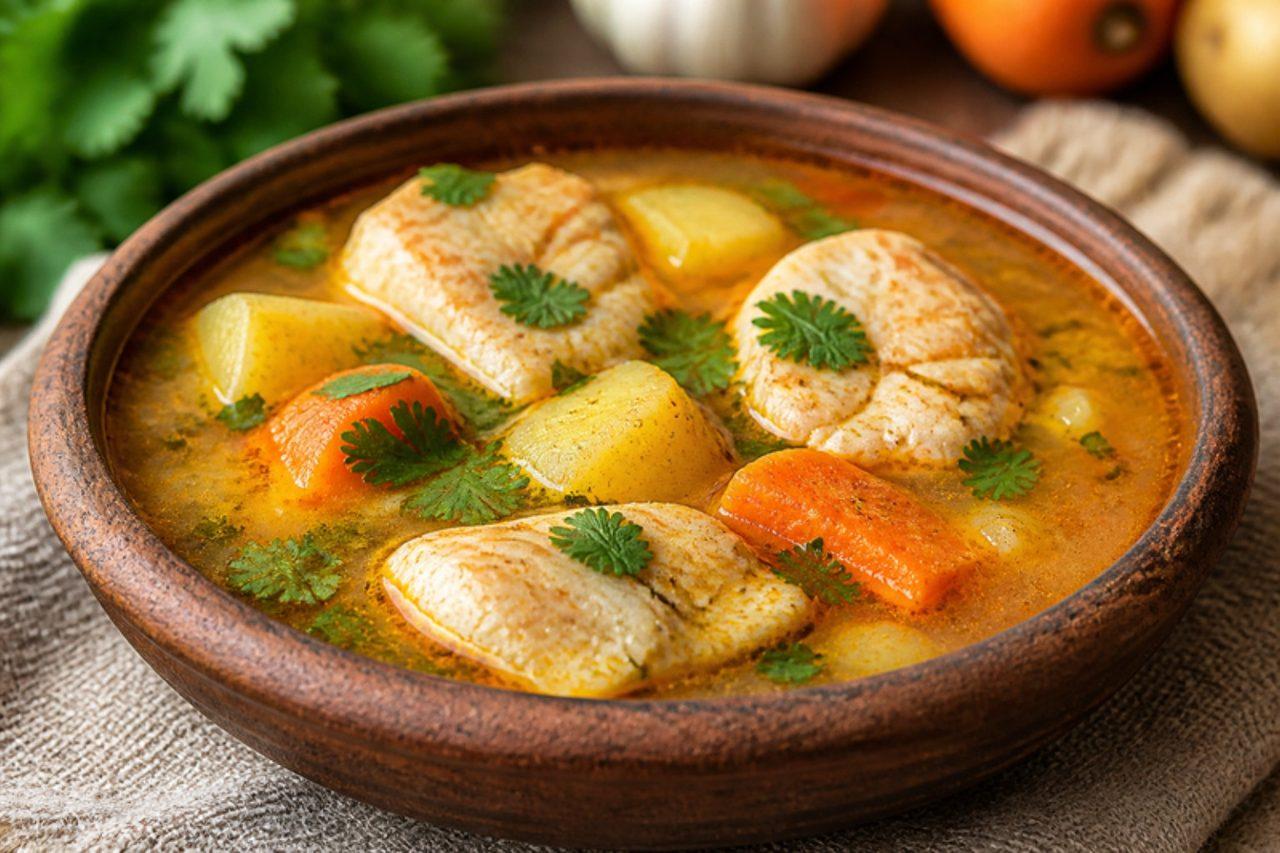
Caldillo de congrioConger eel and potato broth

Caldillo de congrio is the soup of the central coast, from the fish stalls of Valparaíso to the little restaurants of Isla Negra, where Pablo Neruda wrote an ode to it: firm pieces of congrio (a white cusk-eel, not a true eel) poached in a tomato and onion broth with sliced potatoes, finished with a splash of cream and plenty of coriander. Outside Chile, use kingklip, monkfish, ling or thick hake. The common mistake is boiling the fish with the potatoes from the start; it falls to shreds. Add it at the end. Chef's tip: make the broth with the fish bones and trimmings if your fishmonger gives them to you; it doubles the flavour.

by KrazyBadal 0 views

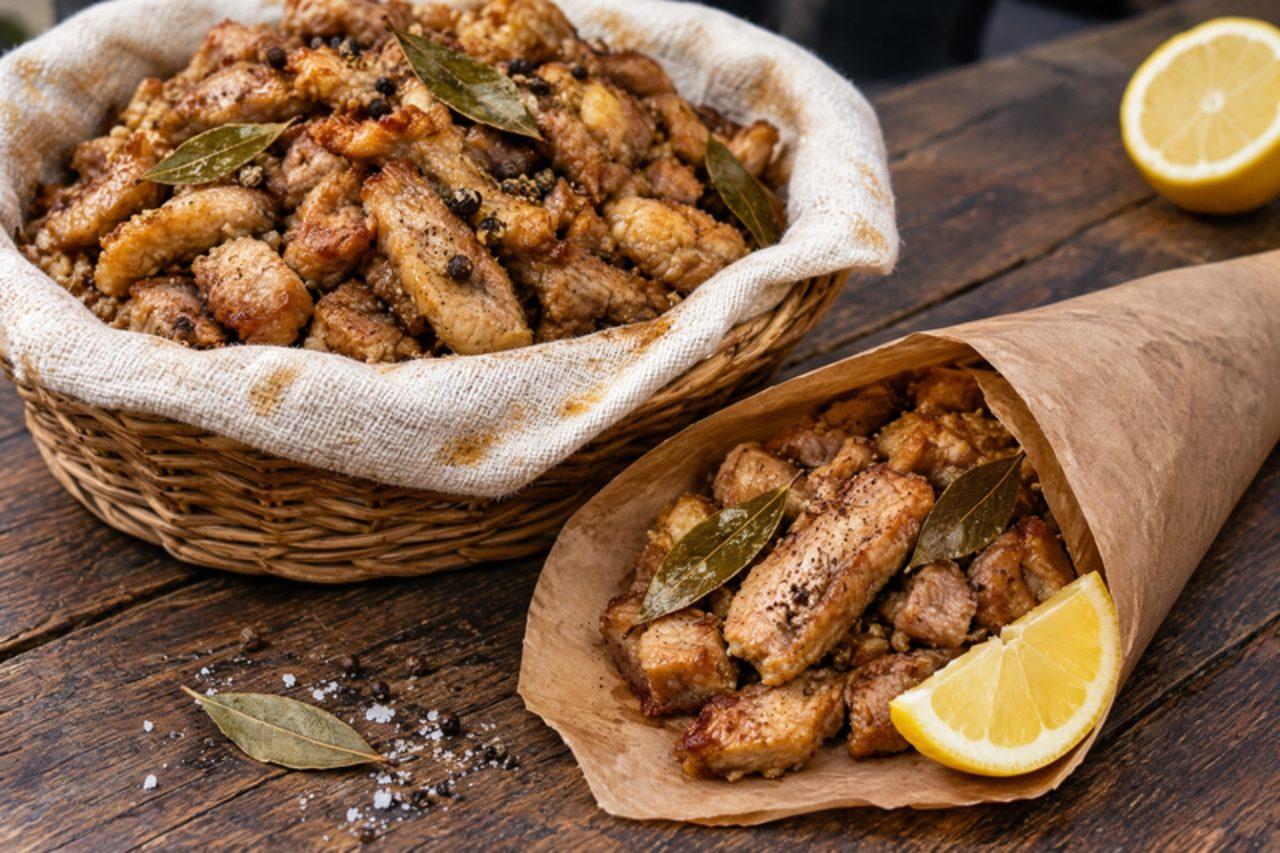
FrittolaFried veal scraps

The frittularu of Palermo carries a wicker basket covered with a cloth, and when you order he reaches in blind and pulls out a handful of frittola: soft, fatty veal trimmings and cartilage that have been boiled, then fried slowly in pork lard with bay leaves and black pepper. You find him at dawn and mid-morning in the Vucciria and Ballarò markets, serving it on paper or in a soft bun with lemon. This home version uses veal brisket and its cartilage, which most butchers will sell. Chef's tip: let the boiled meat dry well before it goes into the lard, so it fries rather than spits and stews.

180 minItalianMeatGluten free
by KrazyBadal 0 views

Pickled fishCurried pickled hake

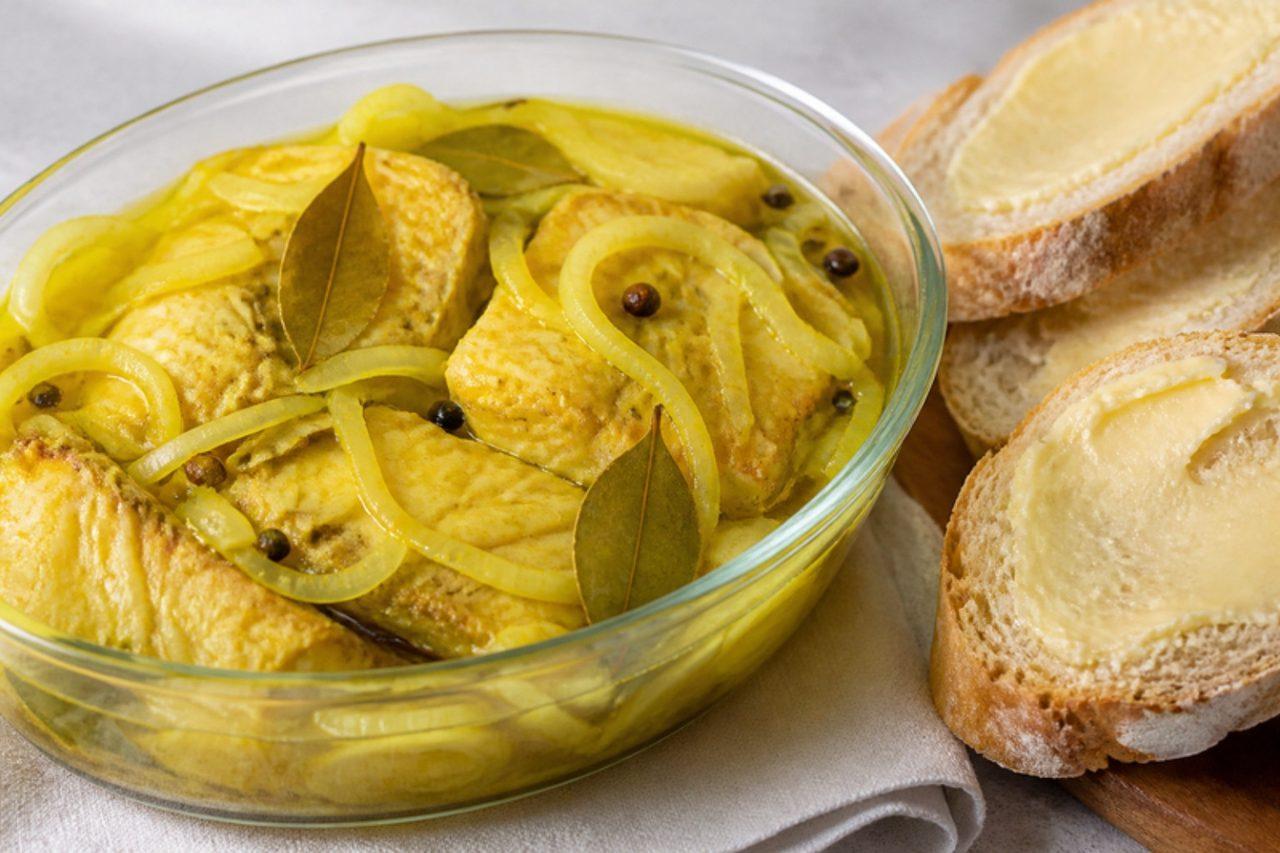
Long before Good Friday, Cape Town kitchens fill with the smell of frying fish and boiling vinegar, because ingelegde vis has to be made two days ahead and is eaten cold over the Easter weekend with hot cross buns or buttered bread. Firm fillets of hake or yellowtail are fried until cooked through, then buried under rings of onion in a bright yellow, curry-scented sweet-and-sour pickle. The fish firms up and soaks up the sauce, and the onions stay slightly crunchy. Cook the onions too long and they turn limp and slimy in the jar, which is the mistake most first attempts make. Chef's tip: let the pickle cool until just warm before pouring it over, so the fried crust stays intact instead of turning to porridge.

by KrazyBadal 0 views

Gaji kimchiStuffed aubergine kimchi

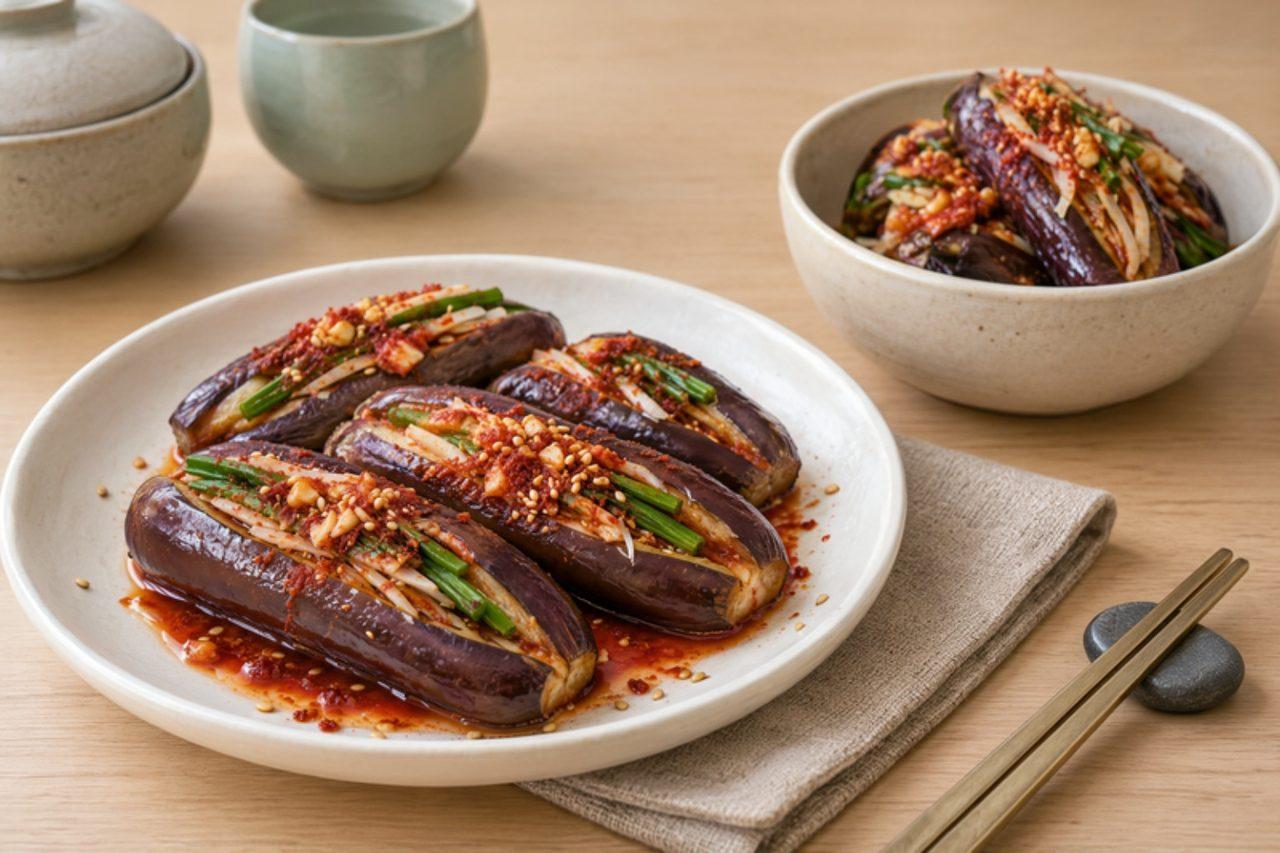
When the long jangma rains end and markets across Korea are heaped with slim purple eggplants in July and August, home cooks turn some of them into gaji kimchi, a short-lived summer kimchi eaten cold beside barley rice, cucumber naengguk or a simple grilled fish. The eggplant is steamed just long enough to soften, then split into a cross and stuffed with garlic chives, shredded radish and a bright chilli dressing seasoned with fish sauce. It is silky and juicy, almost melting, with a crunchy, garlicky centre, and after a day the juices turn gently tangy. The usual mistake is steaming too long: the pieces collapse when you stuff them and go mushy in the jar, so pull them as soon as the skin darkens and the flesh bends but still springs back. It is ready to eat after a few hours, best on day two, when the brine in the box tastes lightly sour and the eggplant has turned deep red at the cuts. For a vegetarian version use tamari in place of fish sauce. Chef's tip: choose slim Korean or Japanese eggplants with few seeds; fat globe eggplants hold too much water.

by KrazyBadal 0 views

Gangaur guneFried dough shapes in syrup

Gangaur, Rajasthan's spring festival for Gauri, is when women fast and pray for their husbands and married daughters receive a sindhara of sweets from home, and gune are always in it. A ghee-rich dough is rolled thin, pleated or pressed into ribbed shapes and fried crisp, then dipped in sugar syrup or jaggery. They are crunchy, flaky and lightly sweet. The common mistake is under-rubbing the ghee into the flour, which makes them hard rather than short and flaky. Chef's tip: rub until the flour holds a clear fist mark when squeezed; that is when the gune will shatter, not crack.

by KrazyBadal 0 views

Garbanzos en dulceChickpeas in spiced syrup

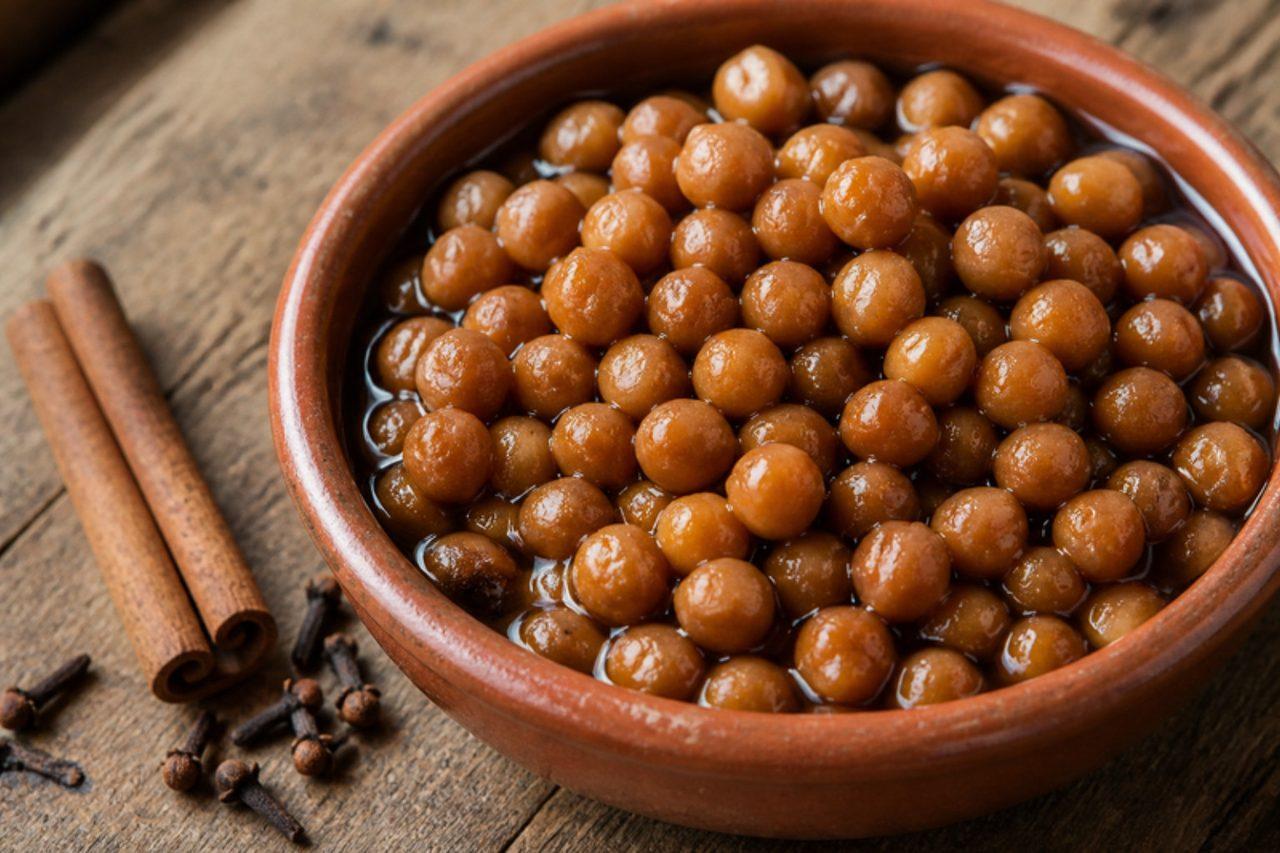
In Antigua Guatemala, where the Semana Santa processions walk over carpets of coloured sawdust, the kitchens fill with sweets in dark panela syrup, and chickpeas are among the first to be made. The peeled garbanzos are cooked tender and then simmered slowly in syrup with cinnamon, allspice and cloves until they turn mahogany and glossy, sweet right through but still holding their shape. They are eaten cold from small bowls, often beside sweet mango or fig preserves. Hurrying the syrup is the usual mistake: boil it hard and the chickpeas stay pale inside and the syrup tastes burnt. Chef's tip: rub off the chickpea skins after the first cooking; it takes ten minutes but lets the syrup soak in and gives a silky bite.

by KrazyBadal 0 views

Chancho en piedraCrushed tomato, garlic and chilli salsa

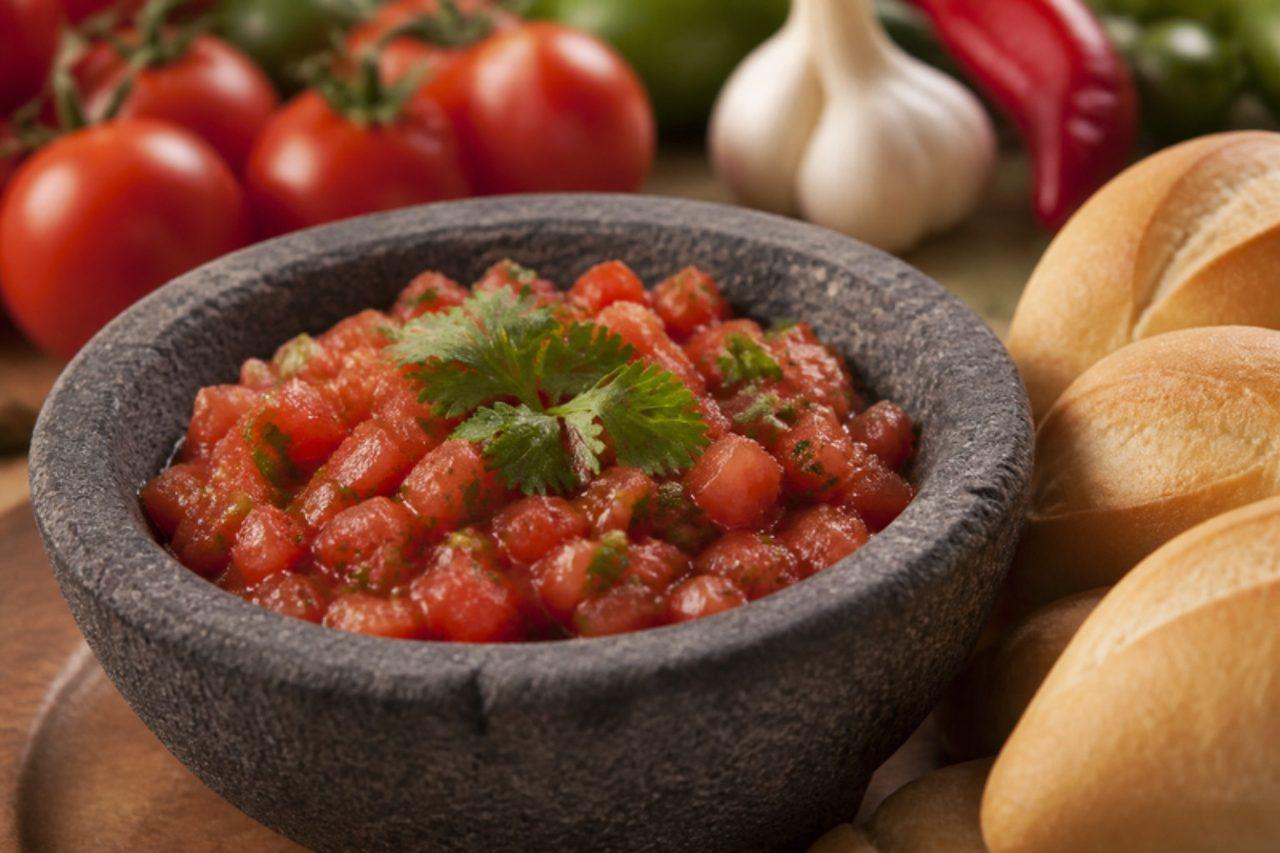
Despite the name, 'pig in stone' has no pork in it. It is a rough salsa of ripe tomato, garlic and chilli crushed in a stone mortar (piedra), and it is on the table at every September fonda during the Fiestas Patrias, with hot sopaipillas, bread straight from the oven or choripán. Blending it smooth in a machine is the classic mistake: it should be rustic and juicy, with small pieces. Chef's tip: pound the garlic, chilli and salt to a paste first, then add the tomatoes; the salt acts as grit and the flavour gets into every bit.

by KrazyBadal 0 views

Nam lamyai (longan drink)

Longan orchards cover the valleys of Chiang Mai and Lamphun, and every August the harvest is smoked and dried in big brick ovens so the fruit lasts all year. That dried lamyai is the base of nam lamyai, sold in plastic bags with a straw at Warorot Market, at roadside stalls on the way to Doi Suthep and in school canteens across the north, especially in the hot season from March to May. It tastes like toffee and smoked honey with a light floral note, and each glass comes with a few plump, chewy longans at the bottom to fish out. The common mistake is boiling the fruit too long with all the sugar at the start: the drink turns syrupy and the longans go mushy. Simmer the fruit first, sweeten at the end and taste before adding everything. It is ready when the liquid is clear amber-brown, the longans have swollen back to roughly their fresh size and the kitchen smells of caramel. It keeps 4 days in a closed jug in the fridge. Chef's tip: a tiny pinch of salt is the street-vendor trick that makes the sweetness taste rounder and brings out the smoky edge.

30 minThaiDrinksVeganGluten free
by KrazyBadal 0 views

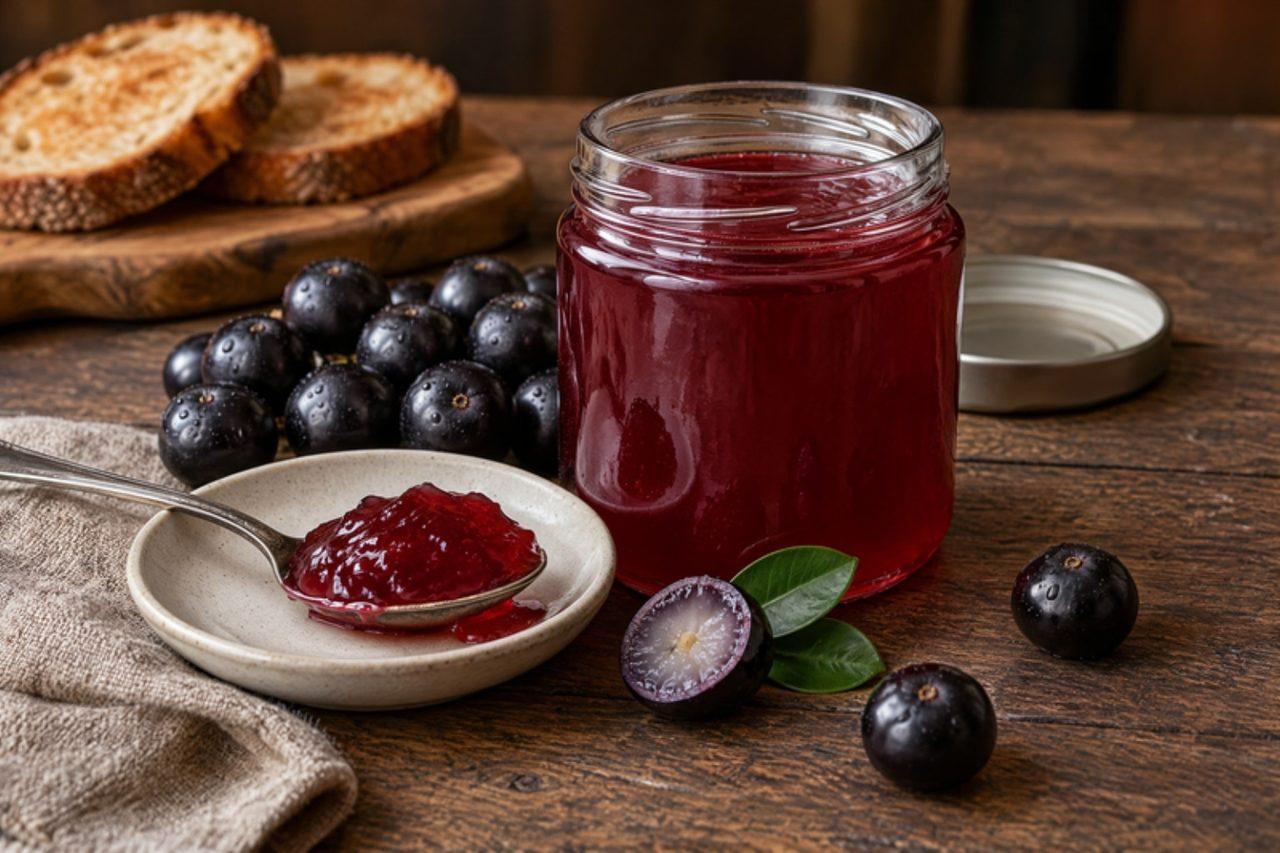
Geleia de jabuticabaJabuticaba jelly

Jabuticabas grow in clusters straight on the trunk of the tree, and in the Minas Gerais spring, from September to November, backyards from Sabará to the south of the state are suddenly covered in shiny black berries. The fruit starts to ferment two or three days after picking, so families turn the glut into jelly, liqueur and syrup; Sabará even celebrates the harvest with a festival. Boiling the berries whole draws colour, tannin and pectin out of the thick skins, so the jelly sets with no added pectin. It is deep ruby-purple, sweet and tart like a dark grape, with a faint astringent edge from the skins. Spread it on pão de queijo or toast, or serve it with fresh white cheese. Abroad, use Concord or other dark, slip-skin grapes, or muscadines. Common mistake: boiling past the setting point; the jelly darkens, turns gummy and the tannins taste bitter, so start testing early. It is ready at 104 °C, or when a drop on a frozen saucer wrinkles when pushed. Chef's tip: let the juice drip through the cloth without squeezing; pressing it makes the jelly cloudy.

by KrazyBadal 0 views

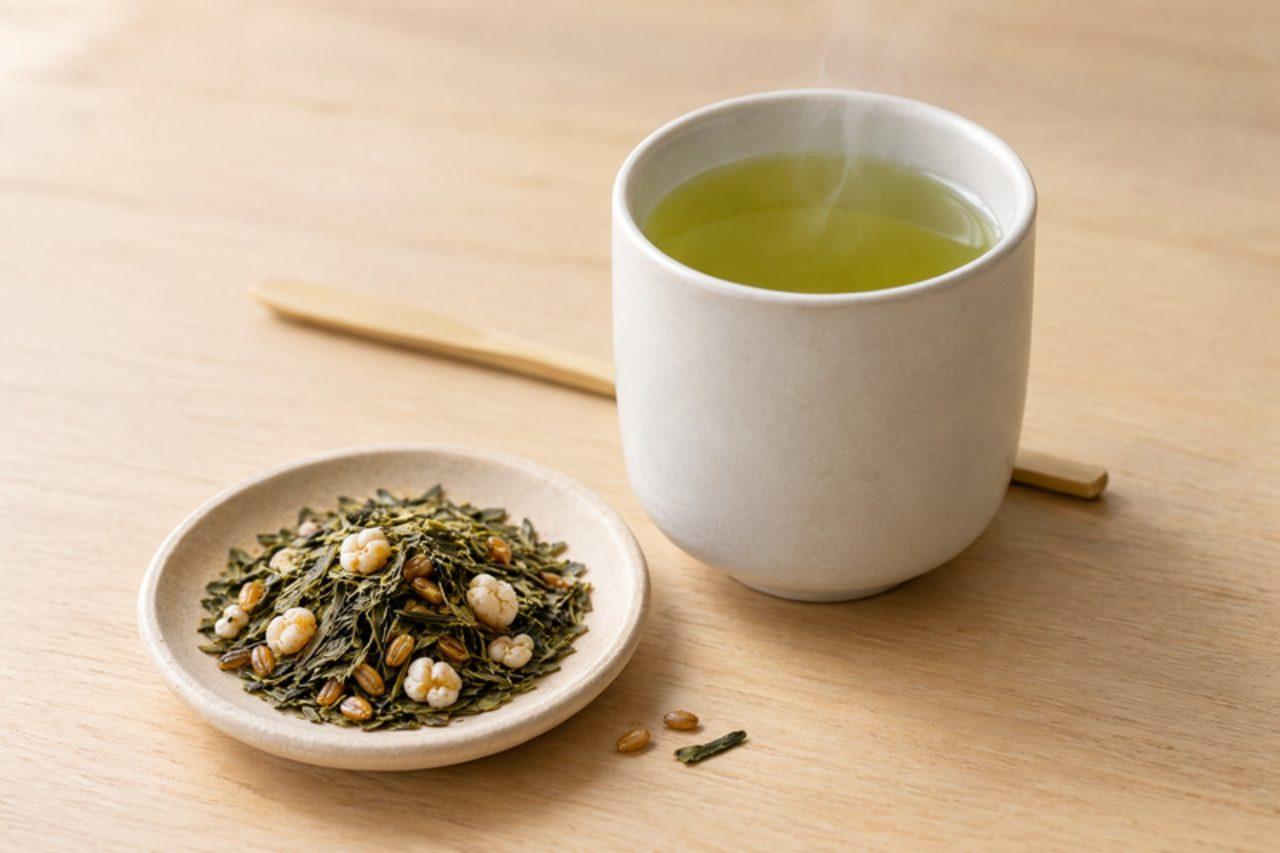
GenmaichaGreen tea with toasted rice

Genmaicha started as a thrifty Japanese blend: toasted rice stretched expensive tea leaves and made the pot go further. It is now loved for itself and turns up everywhere, from office kettles in Tokyo to the free tea at sushi counters and ramen shops, poured all through the meal because its gentle, roasted flavour does not fight with soy or fish. The rice gives a nutty, savoury, almost buttery taste; the green tea adds a light grassy edge. It has about half the caffeine of plain sencha, so many people drink it in the afternoon. The usual mistake is pouring boiling water straight onto it: the green leaves scald and the cup turns bitter while the rice flavour gets lost. Let the kettle sit for a minute or two so the water is around 80–85 °C, and steep for no more than a minute. It is ready when the liquor is pale yellow-green and clear, and the steam smells of popcorn and cut grass. Chef's tip: matcha-iri genmaicha, with powdered matcha dusted over the blend, gives a greener, fuller cup; use it the same way but stir the pot once before pouring.

by KrazyBadal 0 views

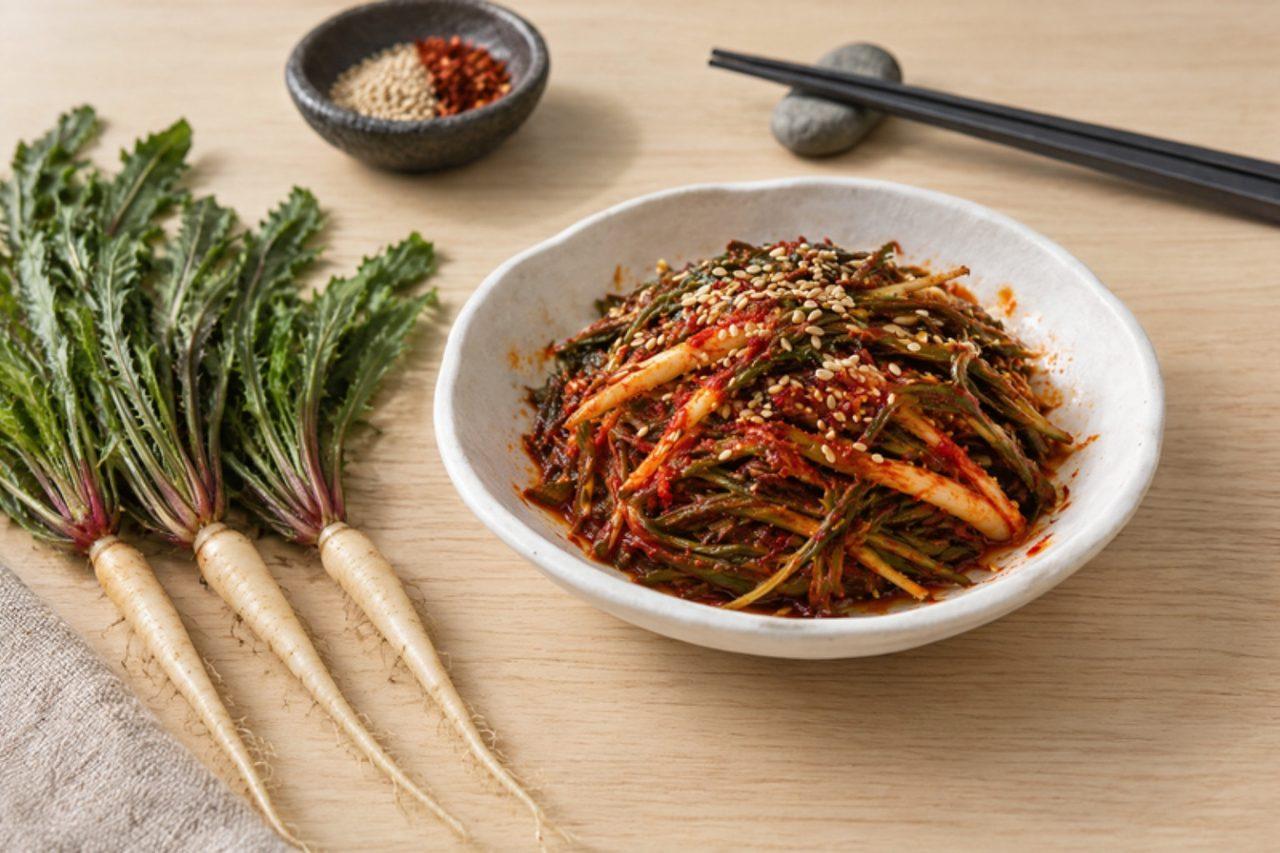
Godeulppaegi kimchiBitter wild lettuce kimchi

In Suncheon and the hills of South Jeolla, godeulppaegi is dug up from fields and banks in late autumn and again in early spring, and the kimchi made from it is a point of local pride, eaten through winter beside rice, grilled fish and pork. The plant is a small wild lettuce with a pale, carrot-like root and leaves full of milky, bitter sap. Soaked in salt water for several days, the bitterness softens to a pleasant, coffee-like edge that pairs with the deep anchovy sauce and sweet, sticky chilli dressing. Chewy roots, tender leaves, sweet, savoury and gently bitter all at once. The common mistake is rushing the soak: the kimchi is then too bitter to enjoy. Change the brine every day and taste a leaf; stop when the bitterness is noticeable but no longer harsh, usually day 3 to 5. Outside Korea, look for it frozen or dried in Korean shops, or use young dandelion plants with their roots. The kimchi is ready after about 2 weeks in the fridge, when the dressing turns glossy and the roots taste mellow and sour-sweet. Chef's tip: twist a few plants into small coils so each serving comes out of the jar neatly.

by KrazyBadal 0 views

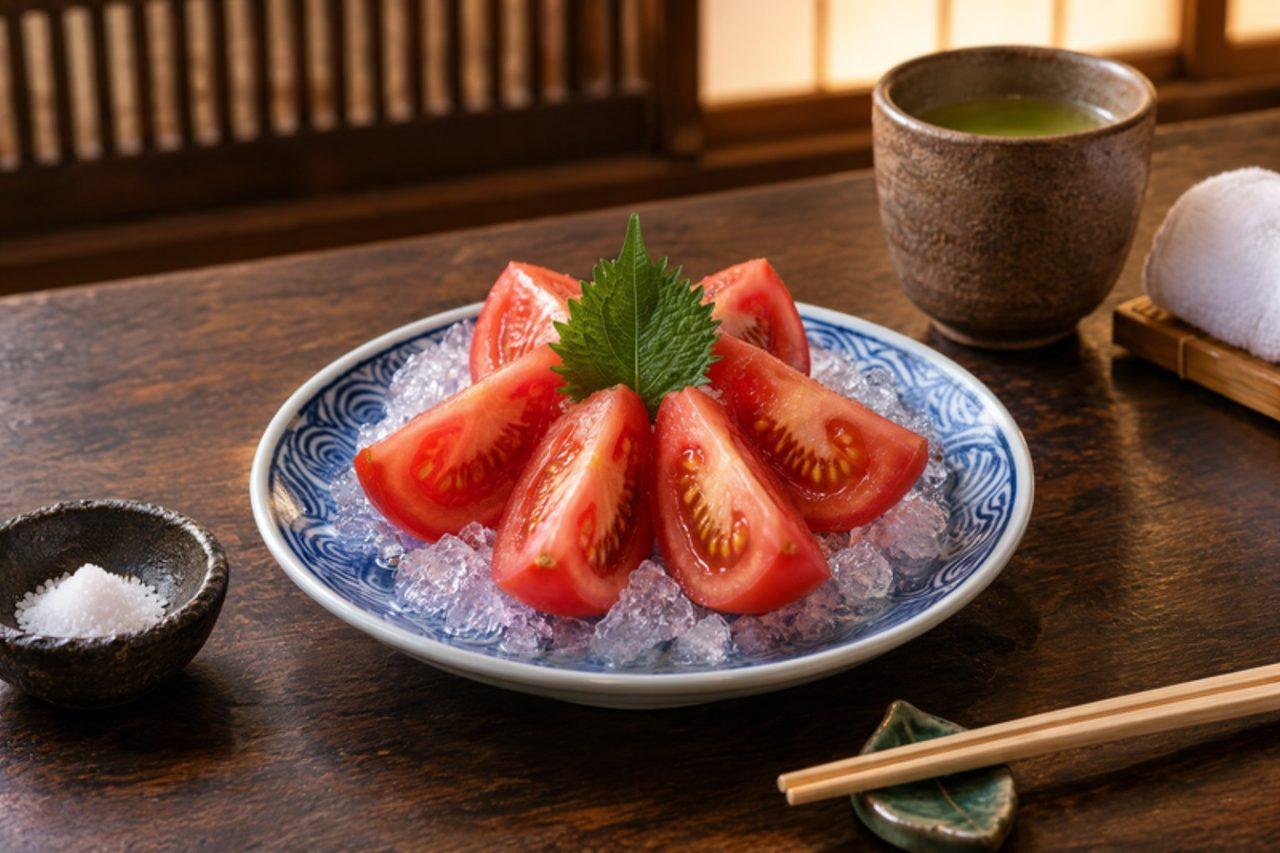
Hiyashi tomatoChilled tomato

Hiyashi tomato is the simplest thing on any Japanese izakaya menu in July and August: ripe tomatoes, chilled until icy, cut into wedges and served on a small plate, sometimes on crushed ice, to cool down a hot evening in Tokyo or Osaka. Many bars sprinkle salt; this home version leaves it out and offers a few drops of rice vinegar and toasted sesame oil instead, so the tomato's own sweetness and acidity do the work. About 0.0 g added salt; roughly 0.03 g per portion occurs naturally in the tomato. The usual mistake is using hard, pale supermarket tomatoes: this dish is only as good as the fruit, so buy deep red ones that smell of tomato at the stalk. Chef's tip: chill the plate as well as the tomatoes, so the wedges stay cold to the last bite.

by KrazyBadal 0 views

Showing 63 of 8,909 recipes

Show more recipes

Page 256 of 990