



Skip to content
Koththamalli
Featured recipe

Koththamalli

Coriander and ginger brew

At the first sniffle, many Sri Lankan mothers put a pot of koththamalli on the stove, and in Colombo offices and up in the damp hill towns during the monsoon you will see people sipping it from steel tumblers instead of tea. Coriander seeds are toasted, cracked and boiled with plenty of ginger until the water turns amber, giving a warm, earthy, slightly citrusy drink with a gentle ginger burn. It is traditionally drunk unsweetened with a piece of kithul or palm jaggery held in the other hand and nibbled between sips, though you can dissolve the jaggery in if you prefer. Grinding the seeds to powder is a mistake, because the drink turns muddy and gritty; they should only be cracked. Chef's tip: toast the coriander just until it darkens a shade and smells like orange peel; that is when the oils are at their best.

Read more 0 views

What to eat today?

Around the world

Today's trip: Persian

A new country every day, from every cuisine on the site.

Persian

Dizi

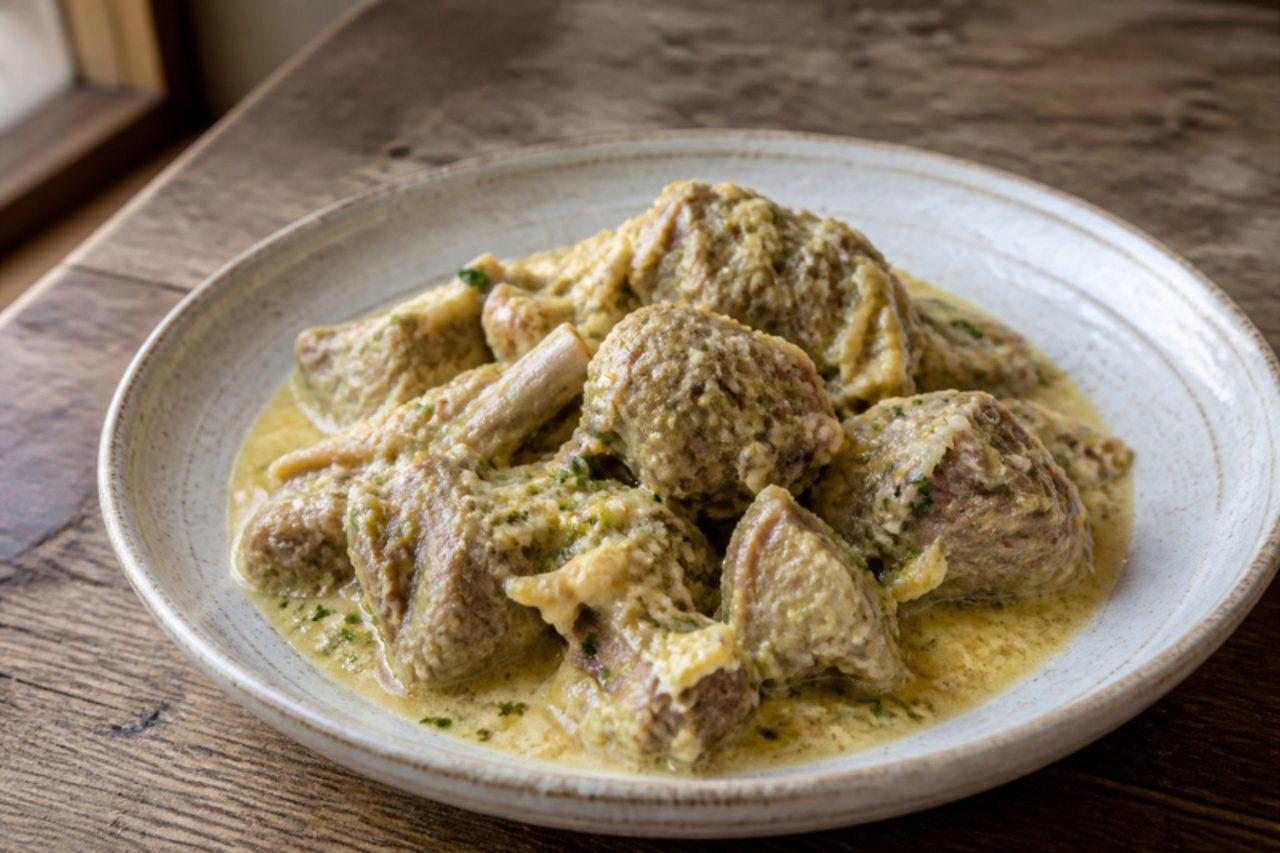
Lamb and chickpea stew 245 minMore from Persian (131) →

This week's collection

Kid-friendly dinners
578 recipes · a new collection every Monday

Latest recipes

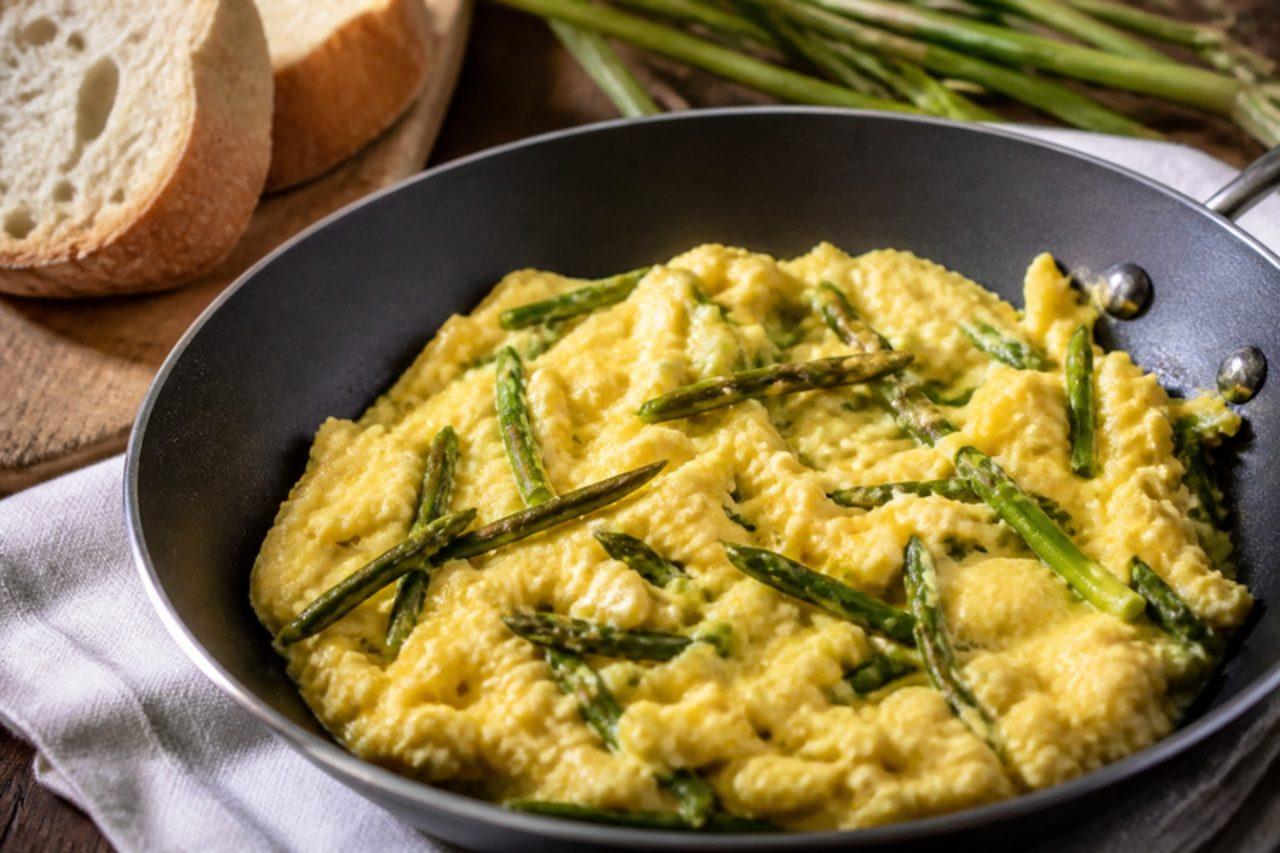
Fritaja sa šparogamaWild asparagus scrambled eggs

Come April, families across Istria and the Kvarner coast of Croatia walk the hedgerows picking thin, dark wild asparagus, and the first bunch nearly always becomes fritaja. Despite the name it is softer than an omelette: the spears are fried in olive oil, then beaten eggs are stirred through until they set in loose, creamy curds. Wild asparagus tastes greener and slightly bitter, which is lovely against the rich egg; thin garden asparagus works if you can't forage. Eat it for breakfast or a light supper with crusty bread and a glass of cold water or fresh juice. The usual slip is cooking the eggs hard and dry; stir gently over a low heat and stop while they still look moist. Chef's tip: snap each spear and keep only the part that breaks cleanly; the woody ends never soften.

by KrazyBadal 0 views

Bolo fiadoLayered pastry and cashew cake

The name comes from Portuguese and means something like spun cake, and among the Burgher families of Colombo and Batticaloa it is the showpiece of the Christmas sweet table, harder work than love cake and saved for special years. Paper-thin sheets of egg-rich dough are stacked in a tin, each brushed with melted butter and scattered with a sweet mixture of cashews, pumpkin preserve, sugar, cardamom and rosewater, then baked until the layers puff and turn crisp and golden. Cut into squares, it flakes at the top and stays tender and sticky inside. Where it usually goes wrong is the dough: sheets rolled too thick bake up bready instead of flaky, so roll until you can almost see the board through them. Pumpkin preserve (puhul dosi) is sold in Sri Lankan grocers; candied winter melon works too. Chef's tip: rest the dough properly, a full 30 minutes, because relaxed gluten lets you roll it far thinner without tearing.

by KrazyBadal 0 views

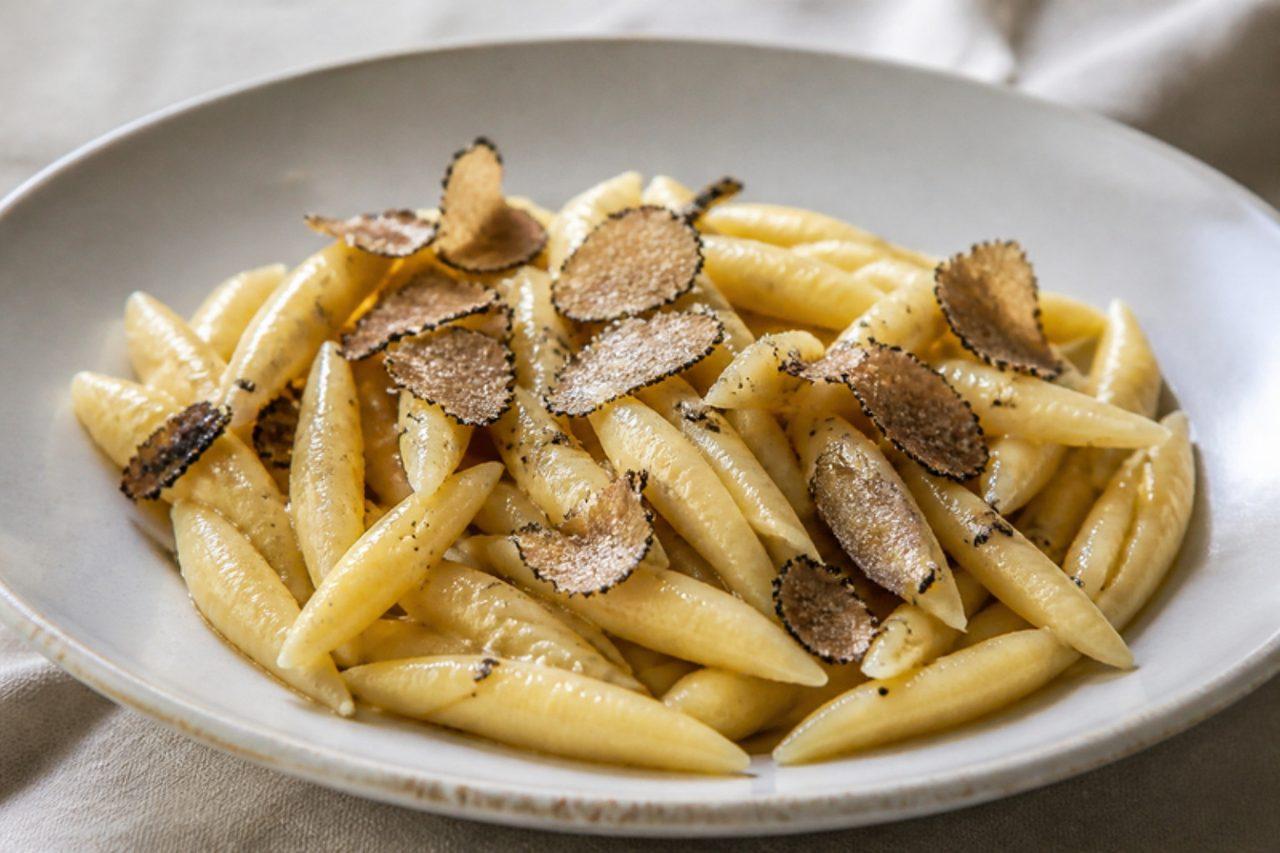
Fuži s tartufimaHand-rolled pasta with truffle

Autumn in the Mirna valley of inland Istria, around Motovun and Buzet, means truffle hunters and dogs in the oak woods and plates of fuži in every village konoba. Fuži are small squares of egg pasta wrapped round a stick into quills, and here they are tossed with butter, a splash of their cooking water and grated truffle, so each one carries a glossy, earthy coat. Fresh black or white truffle is best; a little truffle paste works too, but read the label and avoid products that rely on artificial truffle aroma. The aged hard cheese is often made with animal rennet, so choose a vegetarian hard cheese if you need to. Where most people go wrong is cooking the truffle: heat kills its scent, so add it off the heat. Chef's tip: store the fresh truffle overnight in a closed jar in the fridge with the eggs for the dough; they soak up its perfume through the shell.

by KrazyBadal 0 views

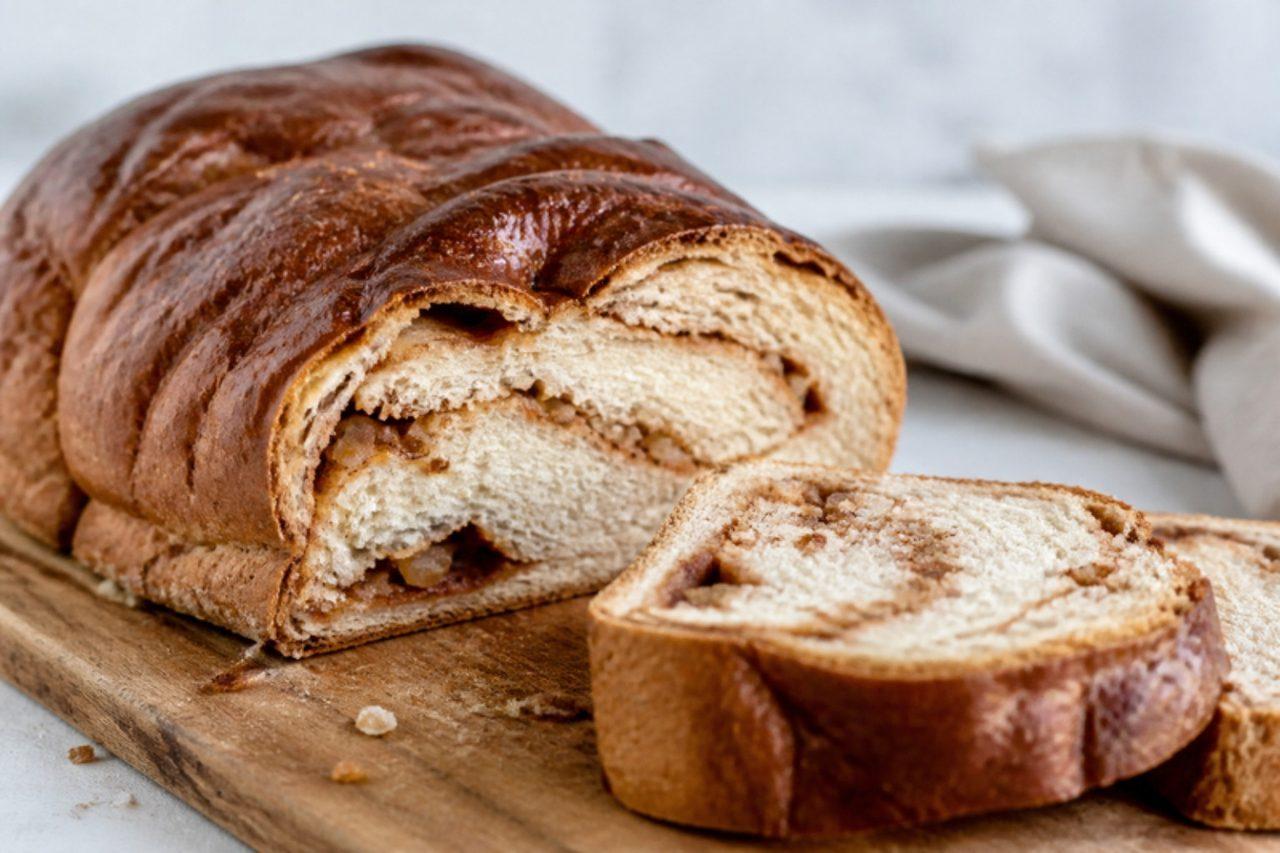
Fries suikerbroodCinnamon sugar bread

Fries suikerbrood, sûkerbôle in Frisian, is the bread Frisian families bring when a baby is born: a soft white loaf filled with large sugar nibs and cinnamon, so that as it bakes the sugar melts into sticky, crunchy pockets. Leeuwarden bakeries sell it every day, sliced and buttered with coffee. A common mistake is using fine sugar, which dissolves completely; it must be the big pearl sugar nibs. Chef's tip: knead in the sugar only at the end and gently, and bake the loaf in a tin so the melting sugar caramelises against the sides.

by KrazyBadal 0 views

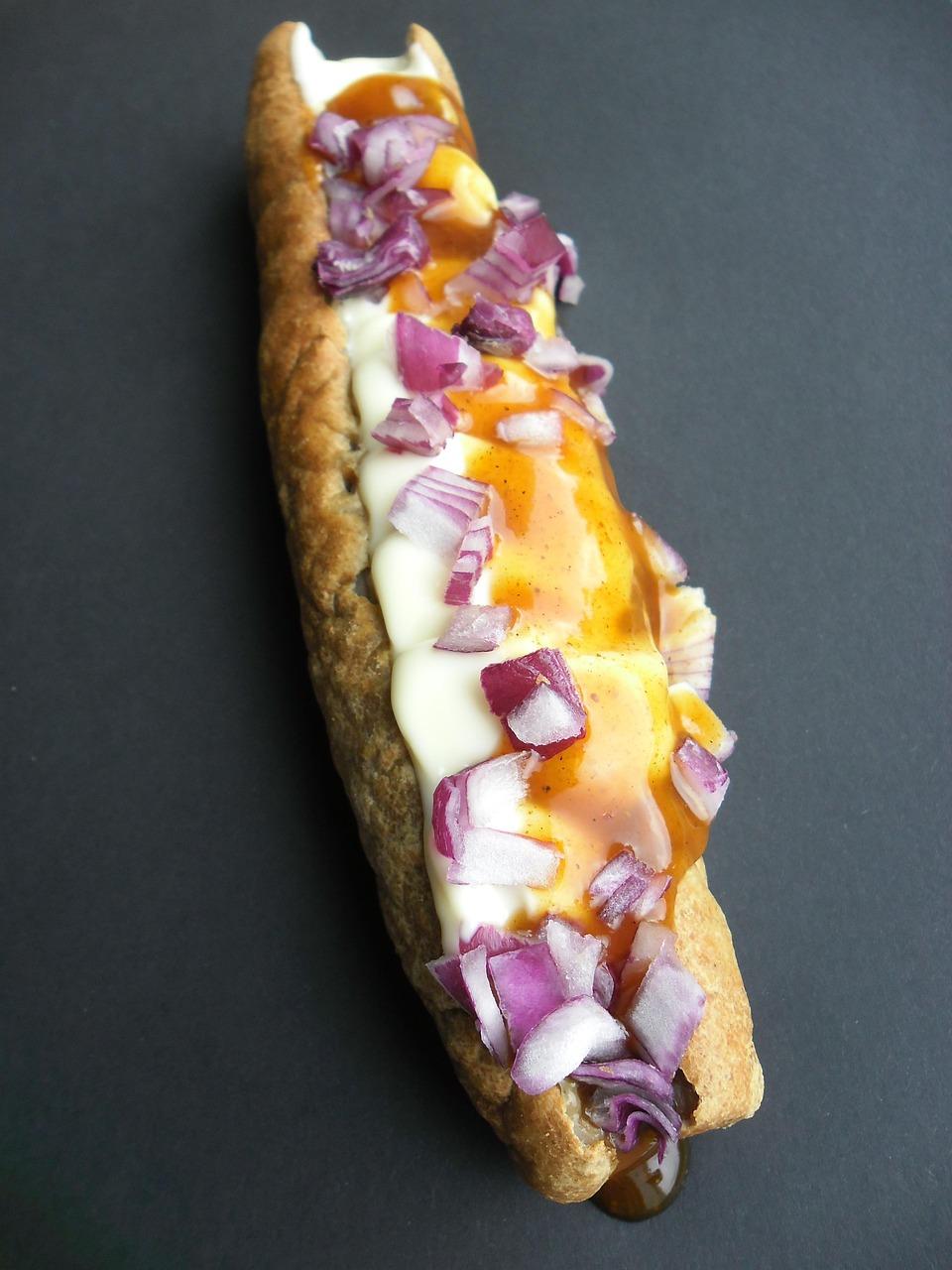
Frikandel speciaalSausage with mayo and onion

The frikandel is the snack-bar sausage of the Netherlands, fried from frozen in every cafetaria and eaten at football matches and after a night out: a long, skinless sausage of finely minced meat, and 'speciaal' means split open and topped with mayonnaise, curry ketchup and raw chopped onion. Factory frikandellen use a mix of meats; this homemade version uses beef and pork mince, so it contains pork. A common mistake is skipping the poaching step, so the sausages break up in the fryer. Chef's tip: roll them in cling film and poach first, then chill; they hold their shape and fry crisp in minutes. Minced meat must reach 71 °C.

by KrazyBadal 0 views

FrikkadelsFried spiced meatballs

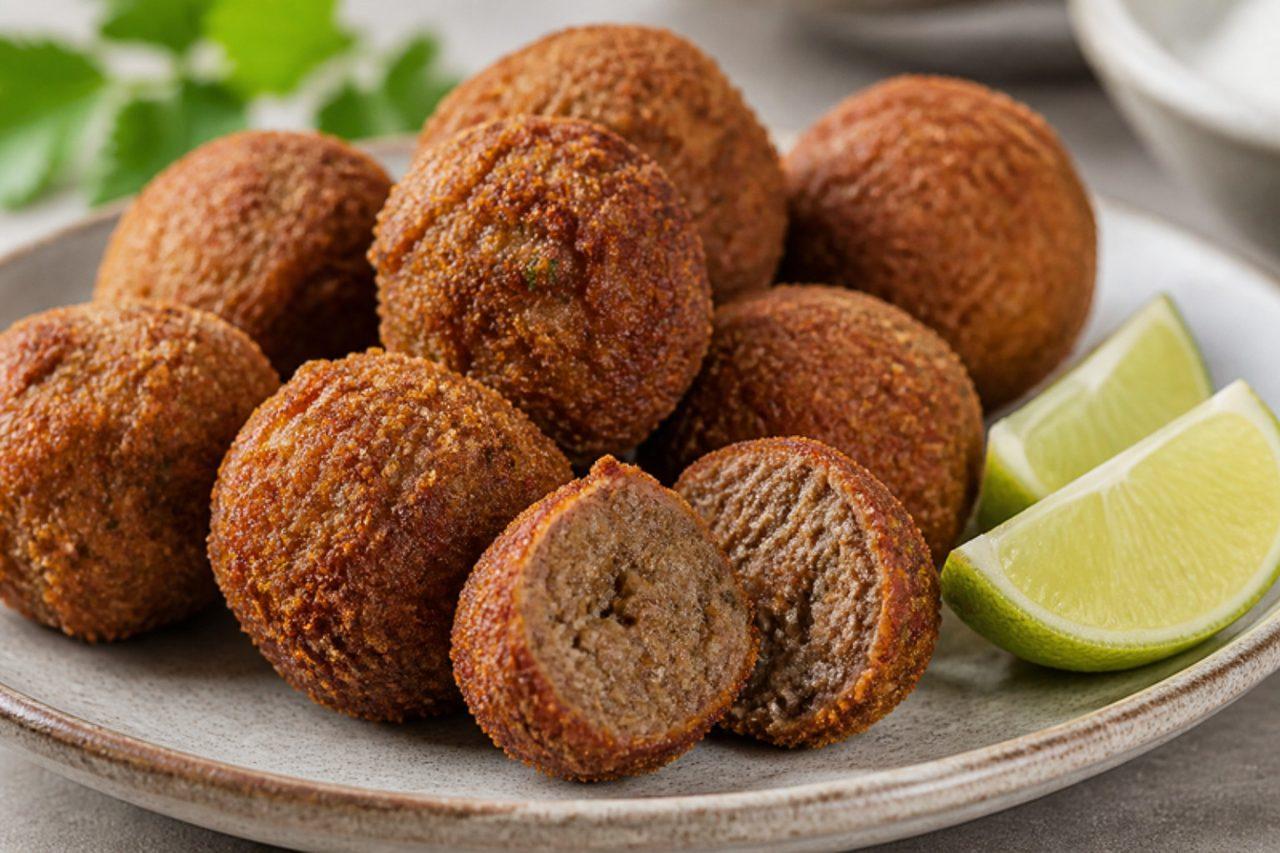
Frikkadels came to Sri Lanka with the Dutch in the 1600s and were reinvented by the Burgher community into small, crumbed, deep-fried meatballs scented with onion, garlic, cinnamon, cloves and dill. They are party food first, piled on platters at Burgher Christmas gatherings, christenings and Colombo club teas, and they are also tucked into lamprais parcels or eaten with a sharp seeni sambol and bread. Good ones are crunchy outside and very juicy within, never dense or dry. The trap to avoid is overworking the mince and skipping the soaked bread, which together make the balls tough. Chef's tip: shape them the size of a walnut and chill them for 30 minutes before crumbing, so the coating sticks and they hold their round shape in the hot oil.

by KrazyBadal 0 views

FyddzhynBeef and onion pie

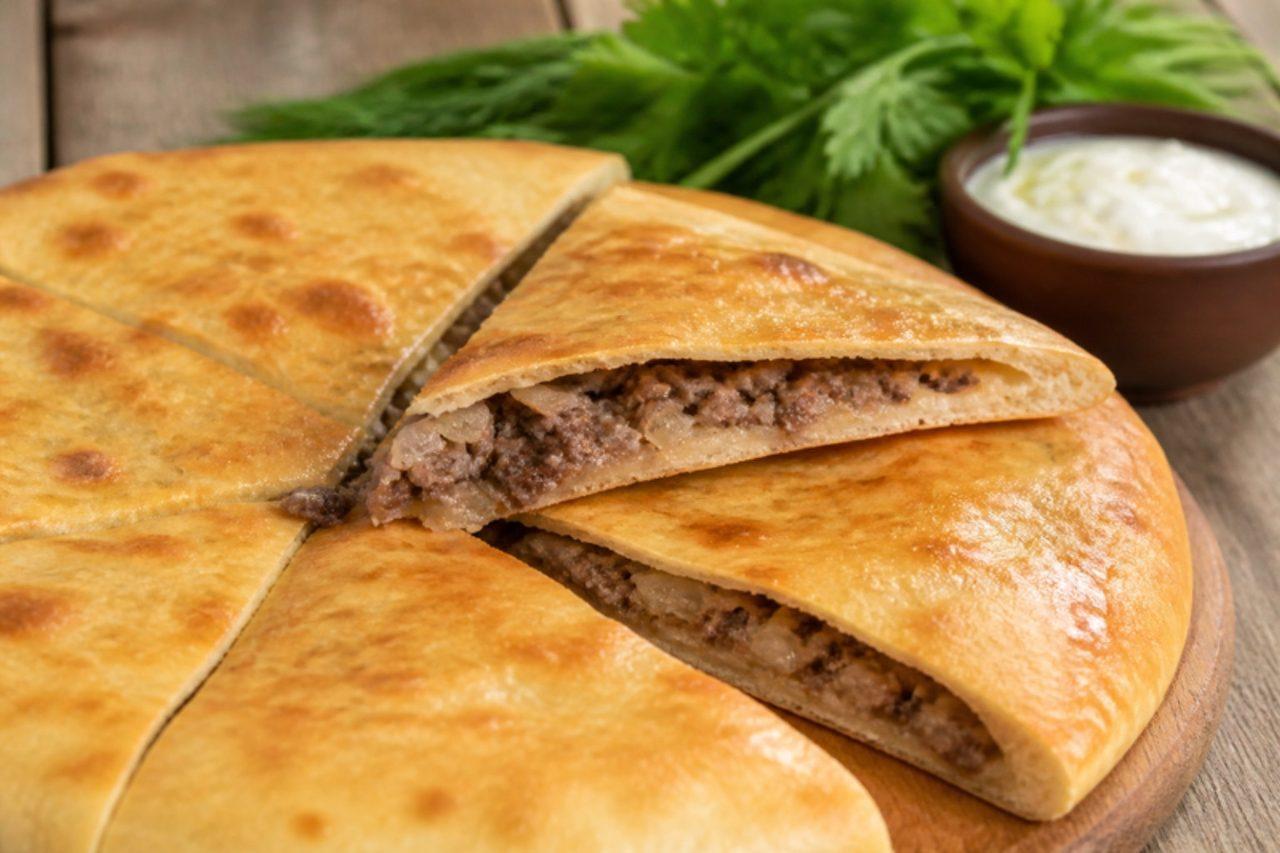
In North Ossetia, pies come in threes, for the sun, earth and sky, and the meat pie in that stack is fyddzhyn: a thin, soft yeast crust wrapped around juicy minced beef, onion, garlic and a little chilli, with a small hole in the middle to let out steam. The Ossetian people serve it at every family gathering and feast, hot and dripping with butter brushed on as it leaves the oven, cut into wedges and eaten with the hands. A common mistake is rolling the crust thick; good fyddzhyn is all filling and the dough should be barely 4 mm. Chef's tip: add a few spoons of cold stock to the mince; it turns to steam in the oven and keeps the filling juicy.

105 minRussianMeat
by KrazyBadal 0 views

GanfanRice with stir-fried beef and peppers

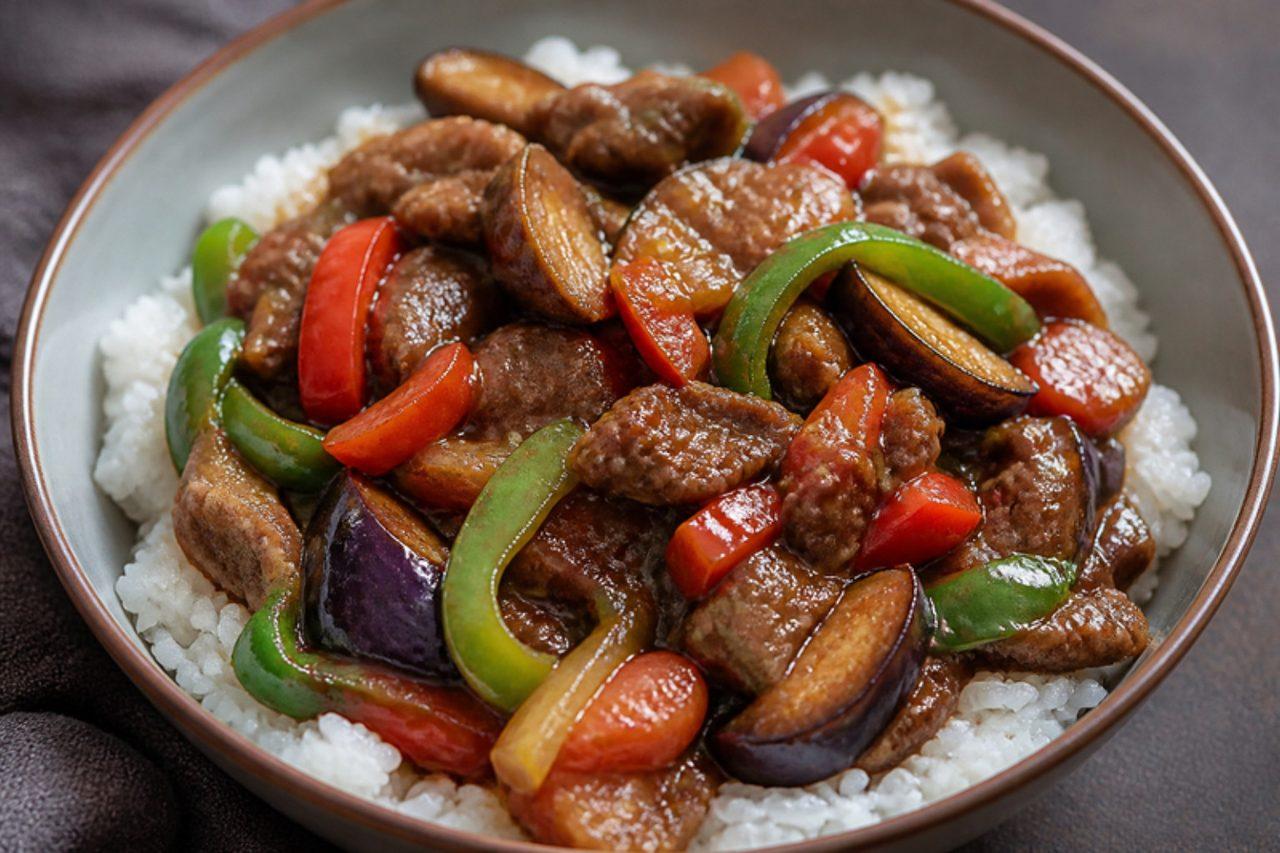
Ganfan is a dish of the Dungan people, Chinese Muslim communities who settled in Kyrgyzstan and Kazakhstan in the 1870s, and it is ordered in every Dungan café in Bishkek and Karakol: a plate of plain rice with a ladle of stew on top, made by stir-frying thin strips of beef or lamb with peppers, aubergine, celery, tomato and garlic, seasoned with soy sauce and vinegar. A common mistake is crowding the wok, which makes the meat grey and watery. Chef's tip: cut the beef into thin strips against the grain and stir-fry it first in small batches over a fierce heat, then return it at the end. No pork is used in Dungan cooking. Beef strips are done when no pink remains.

by KrazyBadal 0 views

FlódniFour-layer poppy seed and fruit pastry

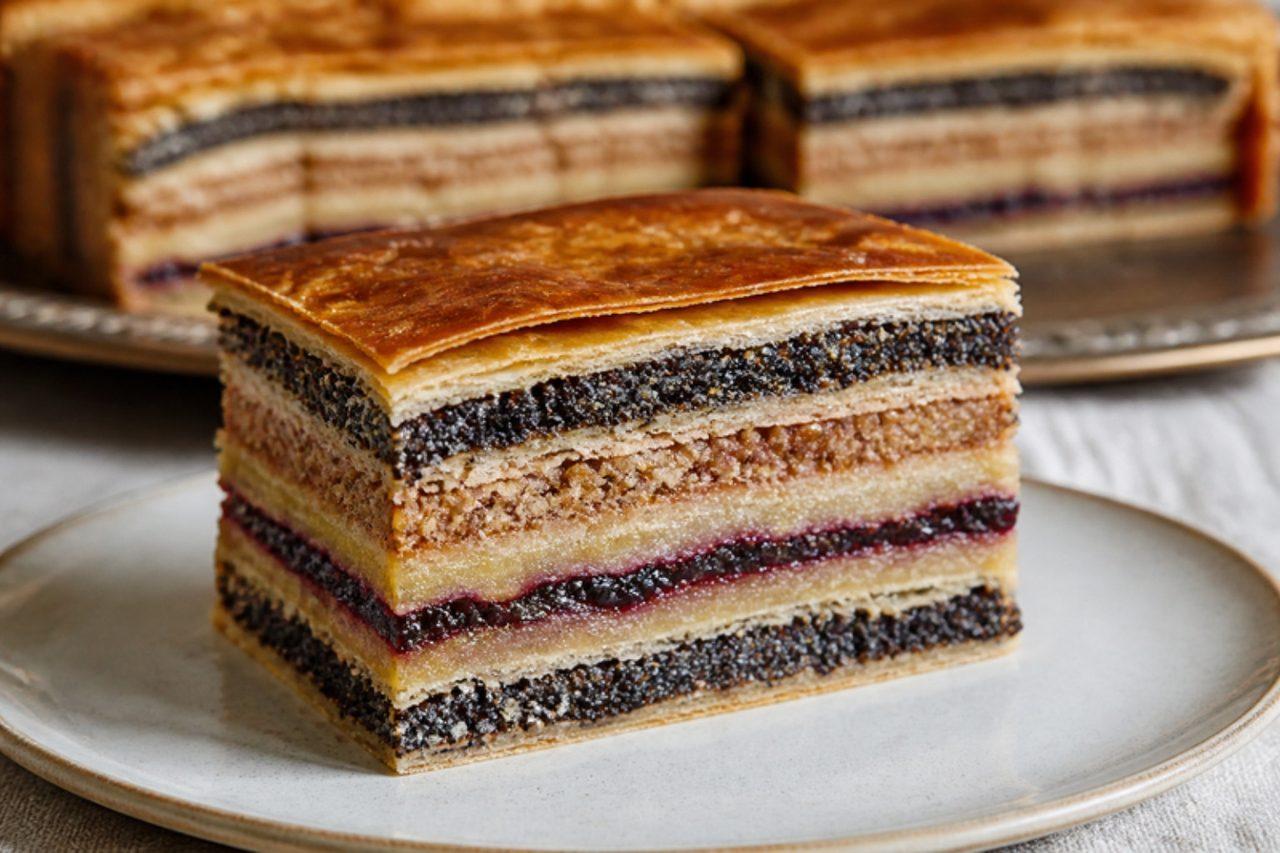
Four stripes of filling, black poppy seed, golden apple, nutty walnut and dark plum jam, stacked between thin sheets of shortcrust: that is flódni, the Hungarian-Jewish pastry of Budapest's old Jewish quarter around Kazinczy and Dob streets. Jewish families bake it for Purim and Hanukkah, and the bakeries of the seventh district sell it by the slab all year. Each cut slice should be moist, dense and not too sweet, best with a glass of tea or black coffee. Many families make the dough with a little sweet white wine and use margarine so it can follow a meat meal; this version keeps it alcohol-free with grape juice, and you can swap the butter for a firm baking margarine to make it dairy-free. The usual slip is rolling the sheets too thick, so the pastry swamps the fillings; each one should be barely 3 mm. Chef's tip: bake it a day ahead and slice it cold with a hot, wet knife, because the layers settle overnight and cut cleanly.

by KrazyBadal 0 views

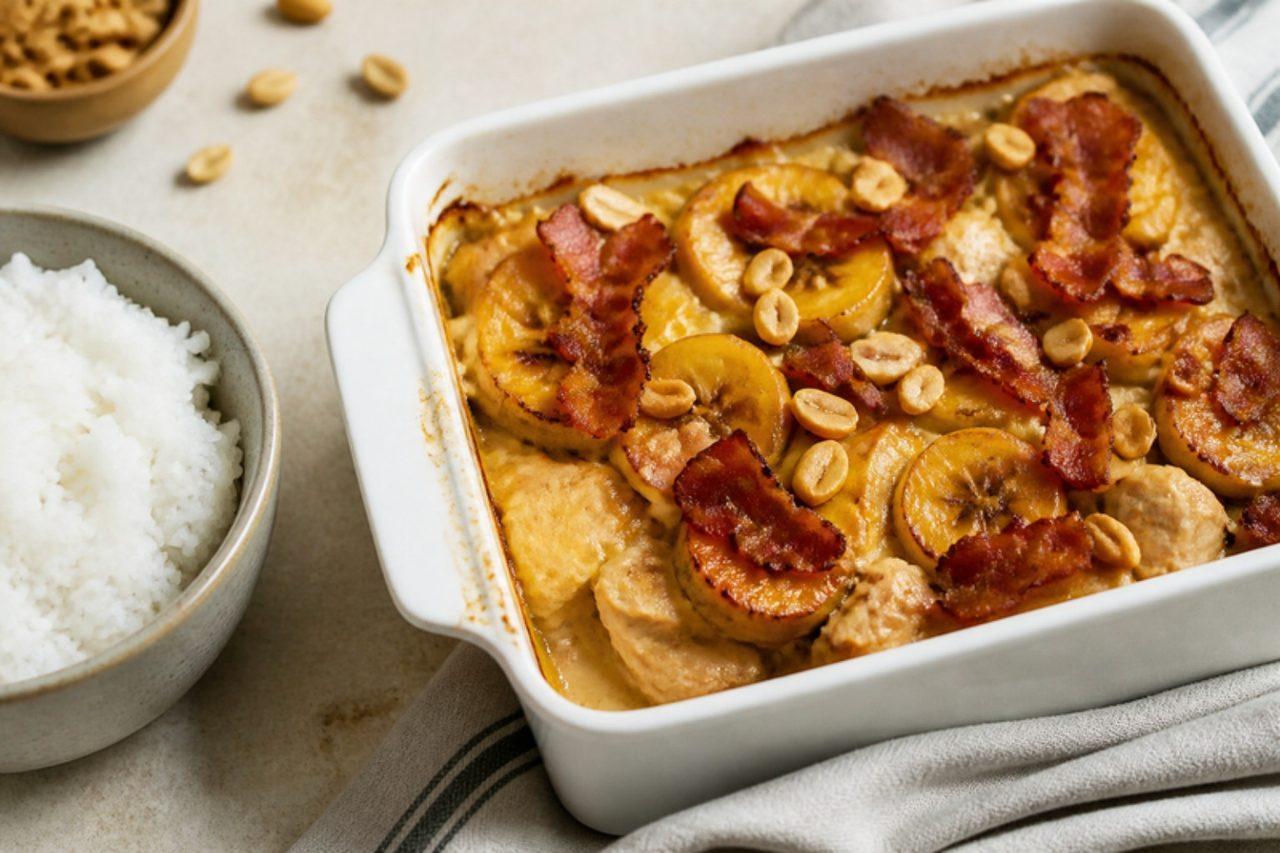
Flygande JacobChicken, banana and bacon bake

Flygande Jacob, 'flying Jacob', was invented in 1976 by Ove Jacobsson, an air-freight worker, and the recipe appeared in a Swedish magazine; within years it was one of the most-made party dishes in Sweden. Cooked chicken is mixed with whipped cream and chilli sauce, layered with sliced banana, baked, then topped with crisp bacon and salted peanuts and served with rice. This dish contains pork, in the bacon. It is sweet, salty and creamy, and gloriously retro. A common mistake is using raw chicken, which leaks juice and makes the sauce thin. Chef's tip: use roast chicken from the day before; it must already be cooked to 74 °C.

by KrazyBadal 0 views

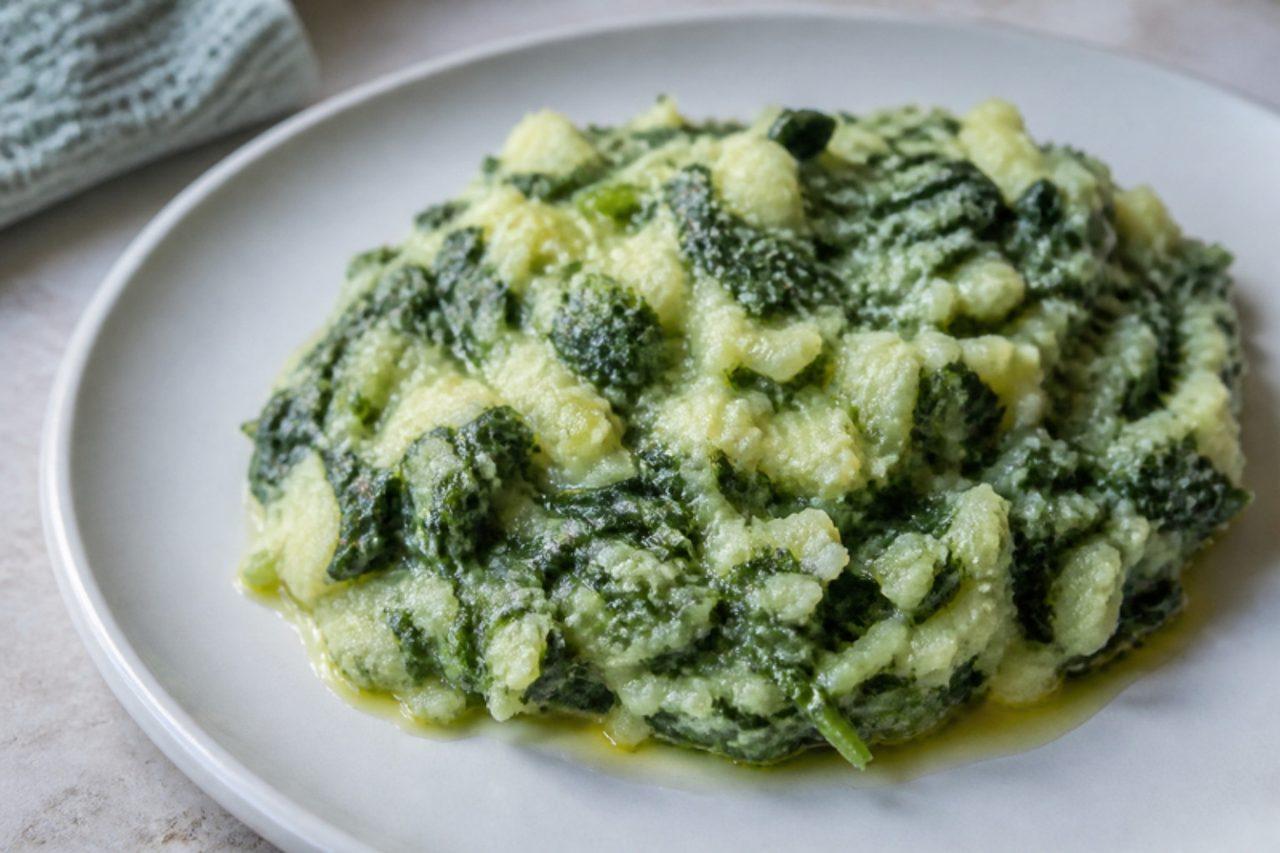
BlitvaSwiss chard and potatoes

Order grilled fish in any konoba along the Dalmatian coast of Croatia, from Zadar down to Dubrovnik, and a heap of blitva usually comes with it. Swiss chard and potatoes are boiled together until soft, then crushed roughly with lots of good olive oil and a little garlic, so the potatoes turn creamy and the chard stays silky and green. It is humble, quick and very good, also with grilled vegetables, eggs or a simple bean dish. The usual slip is not draining well enough, which leaves a watery, grey mush; let everything steam dry in the colander for a minute. Chef's tip: use the best olive oil you have and add a final drizzle at the table, as Dalmatians do, so its peppery taste stays bright.

by KrazyBadal 0 views

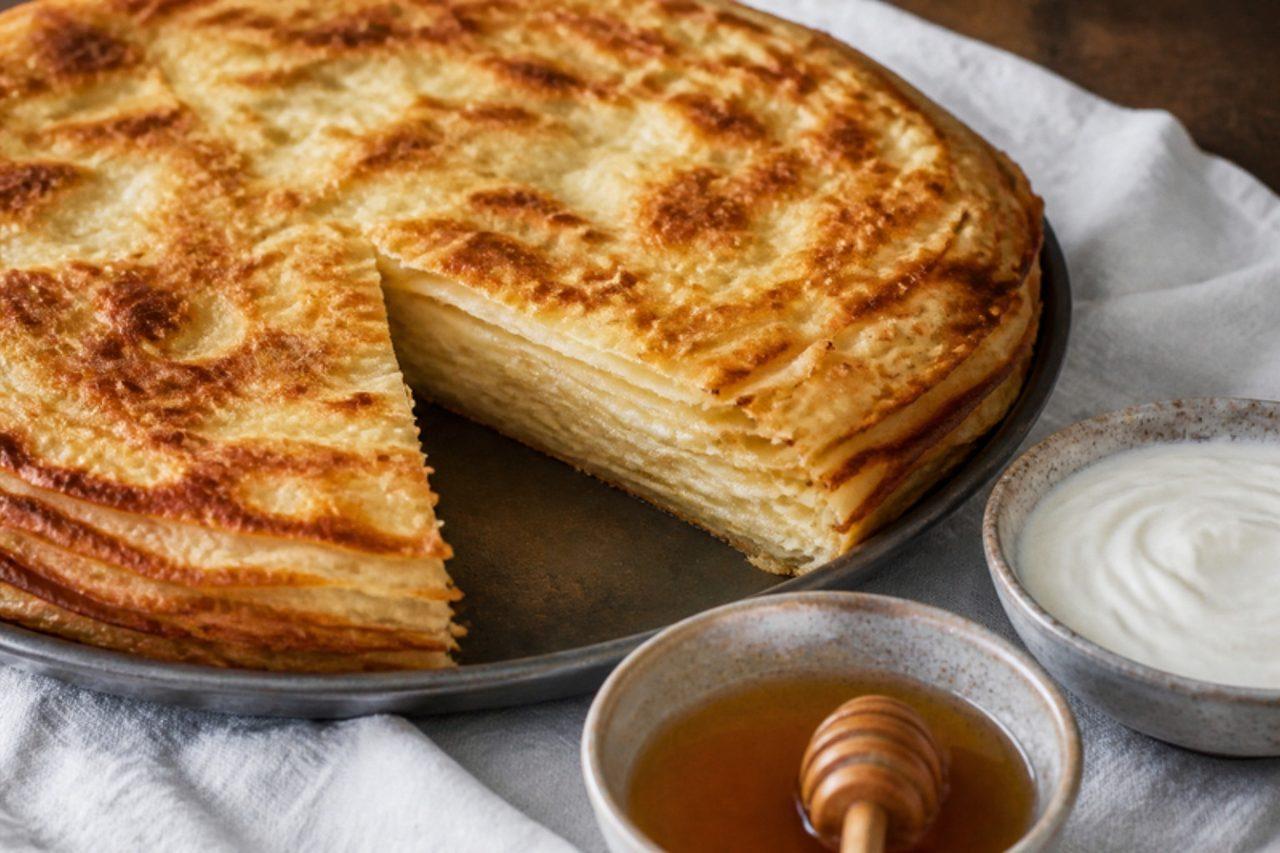
FlijaLayered batter pie

Flija is the dish of long summer afternoons in Kosovo, from the Rugova valley to the villages around Prizren, when friends gather and take turns tending the saç, a domed iron lid heaped with embers. Thin batter is painted onto a round tray in spokes, cooked under the heat, brushed with a mix of sour cream and yogurt, then painted again, until 15 or more layers have built up over a couple of hours. Cut into wedges, it is chewy, buttery and lightly scorched, served with honey, white cheese, pickled peppers or a bowl of yogurt. At home, a very hot oven grill stands in for the saç. The most frequent mistake is crowding the batter: each spoke must leave a finger-wide gap for the next layer to fill, or the pie becomes a thick, gummy pancake. Chef's tip: keep the batter as thin as single cream, and whisk in a spoonful of water whenever it thickens as it stands.

240 minBalkanBaking
by KrazyBadal 0 views

FlødebollerChocolate marshmallow wafer treats

Flødeboller, 'cream buns', are Denmark's favourite party sweet: a soft, fluffy meringue foam piped onto a thin wafer or marzipan base and dipped in dark chocolate, so it bites like a cloud in a crisp shell. Children take them to school on birthdays, and Copenhagen chocolatiers make fancy versions with liquorice or raspberry. This version uses a cooked sugar-syrup meringue, so the egg whites are heated safely. A common mistake is dipping warm foam into chocolate; it melts and slides. Chef's tip: chill the piped foam well, then pour the chocolate over rather than dipping, which is easier and gives a smooth shell. For gluten free, use marzipan bases.

by KrazyBadal 0 views

FogueteFried pastry tubes with pumpkin preserve

Foguete means rocket in Portuguese, and these slim, golden pastry tubes, fried crisp and stuffed with sticky ash-pumpkin preserve, really do look like little fireworks lined up on the Christmas tray of a Portuguese Burgher household. A rich dough of flour, egg, butter and coconut milk is rolled thin, wrapped around metal tubes and fried until blistered, then filled with chopped preserve mixed with cashews, cardamom and rosewater. They shatter when you bite, then give way to a soft, fragrant, honeyed centre, and are eaten with tea through the Christmas week. The trap is frying in oil that is too hot, so the pastry browns before it crisps and goes soft once cool; keep it steady at about 170 °C. Use cannoli tubes, or short lengths of thick, clean wooden dowel. Chef's tip: grease the tubes well and seal each pastry with egg white only along the overlap, never on the tube, or the tubes will be impossible to slide out.

by KrazyBadal 0 views

Bizcocho dominicanoOrange sponge with pineapple filling

Every Dominican birthday in Santo Domingo or Santiago has one: a tall, buttery, orange-scented sponge split and filled with sticky pineapple, then swirled all over with glossy white meringue frosting called suspiro. Traditional suspiro whips hot syrup into raw whites; this version uses a Swiss meringue, heating the whites with sugar to 70 °C so it is safe for everyone, including pregnant women and small children. The common mistake is overbeating the batter after the flour goes in, which makes the famously moist crumb tough. Chef's tip: beat the butter and sugar for a full 8 minutes until almost white; that air is what gives bizcocho its tender, springy texture.

by KrazyBadal 0 views

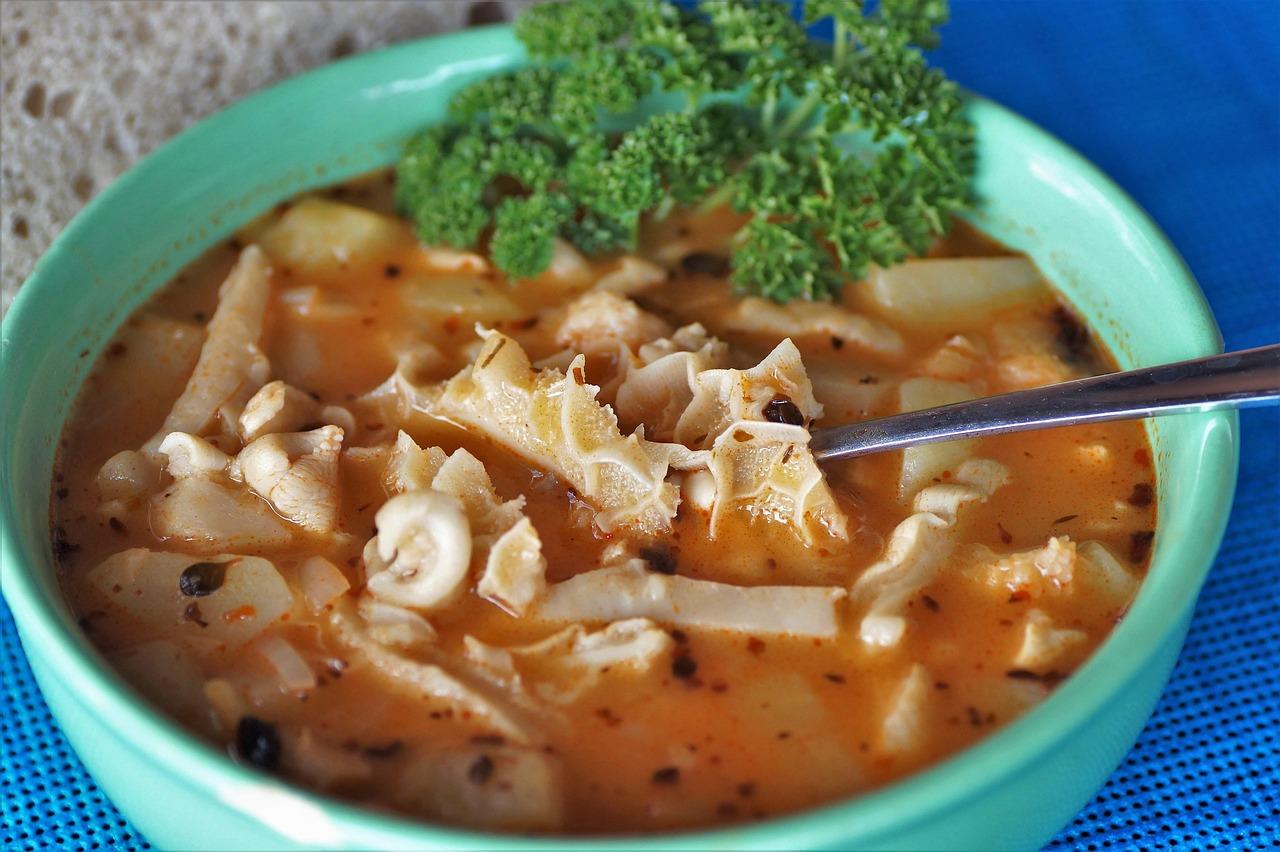
Flaki po warszawskuBeef tripe soup

Warsaw's old milk bars and wedding receptions share one great soup: flaki, a peppery tripe broth scented with marjoram, nutmeg and ginger, served piping hot, traditionally late at night to revive tired guests. The Warsaw version adds tender beef meatballs (pulpety) and plenty of julienned root vegetables, so it is heartier than the plain flaki of other regions. Tripe has a soft, slightly chewy bite and soaks up the warm spices. Buy cleaned, blanched beef tripe from a butcher. A mistake that ruins many pots is skipping the first blanching: without it the soup smells strongly and never tastes clean. Make it a day ahead if you can; it improves overnight. Chef's tip: add the marjoram twice, a spoon during cooking and a generous pinch rubbed between your palms just before serving, which is what gives Warsaw flaki its signature smell.

240 minPolishSoups
by KrazyBadal 0 views

FlæskestegRoast pork with crackling

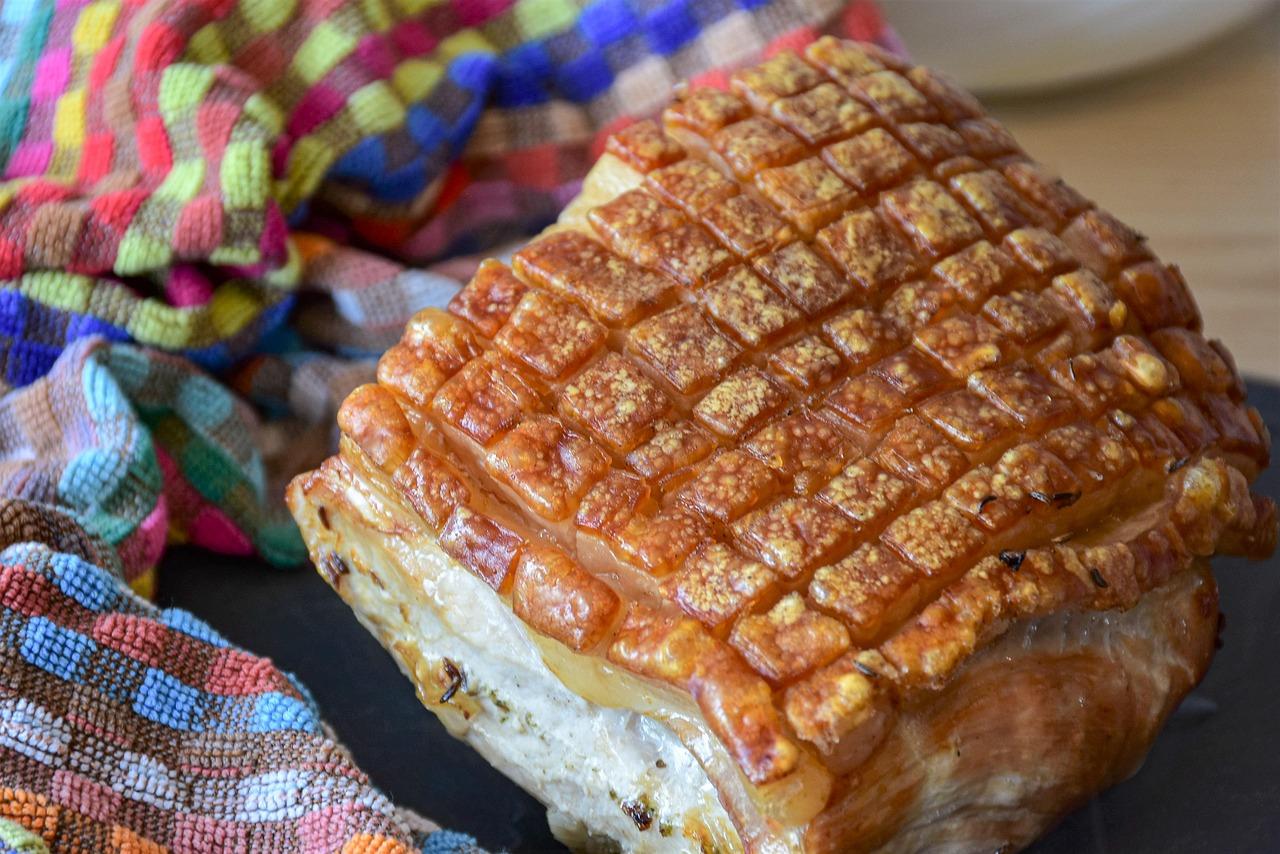
Flæskesteg is the Danish Christmas Eve roast: a pork loin or belly with its rind scored deep, rubbed with salt and bay, and roasted until the crackling puffs into crisp, golden ridges. This is a pork dish. It is served with brunede kartofler, red cabbage, plain boiled potatoes and gravy, and the crackling is the prize everyone fights over. A common mistake is scoring the rind too shallow or not all the way across, so it cracks unevenly. Chef's tip: start the joint rind-down in a little boiling water for 20 minutes, which softens the rind, then turn it up and roast; it crackles evenly. Whole pork joints are safe at 63 °C followed by a 15-minute rest.

by KrazyBadal 0 views

Flamiche dinantaiseStrong cheese tart

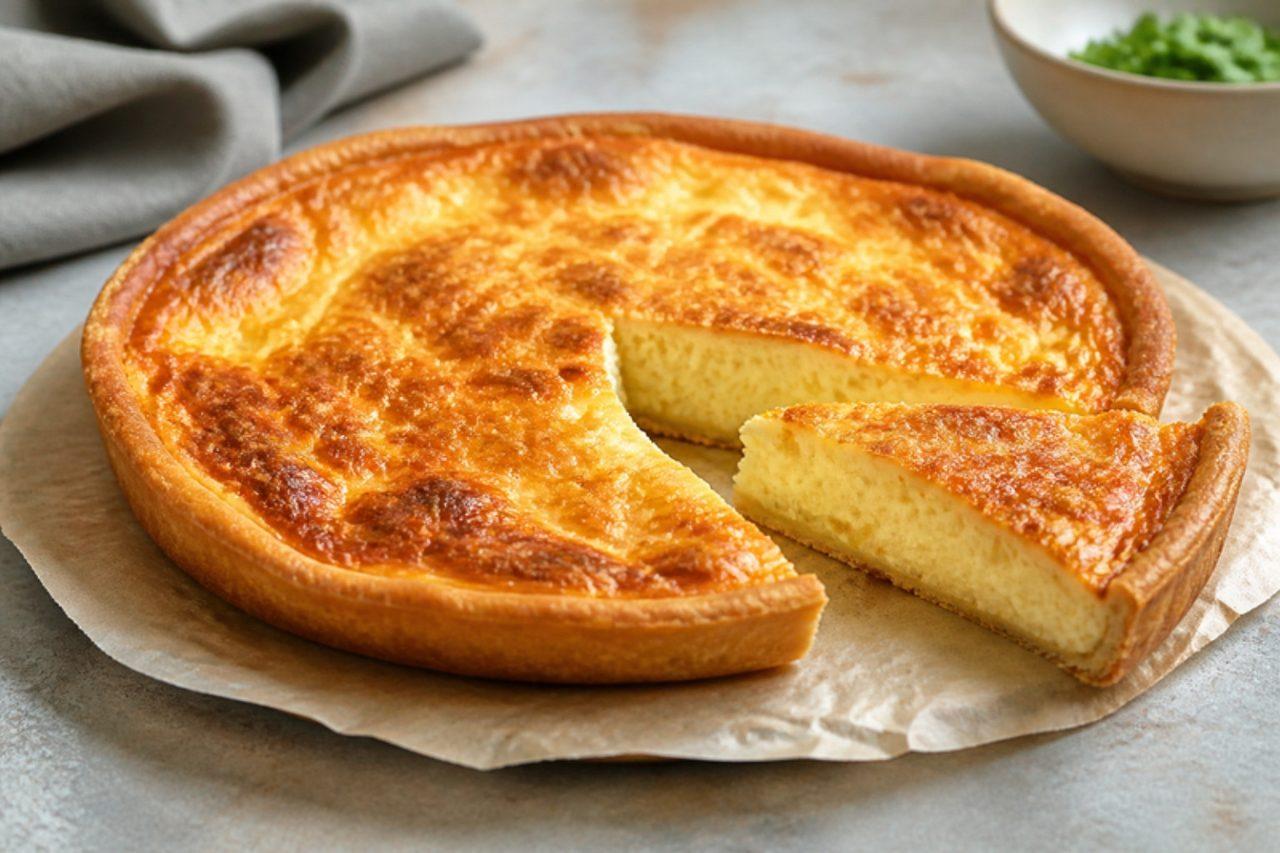
The flamiche of Dinant is eaten only one way: straight from the oven, so hot it burns the fingers, as the townspeople say. It is a rich, wobbly tart of strong fresh boulette or Herve-style cheese beaten with eggs and plenty of butter on a thin yeasted base, and Dinant's 'Confrérie de la Flamiche' still holds an annual tasting. Boulette and Herve cheeses are usually made with animal rennet; a strong vegetarian soft cheese mixed with fromage frais works. A common mistake is letting it cool; it sets and loses its creaminess. Chef's tip: serve it the moment the top puffs and turns golden.

by KrazyBadal 0 views

Biye barir roastSweet wedding-style chicken roast

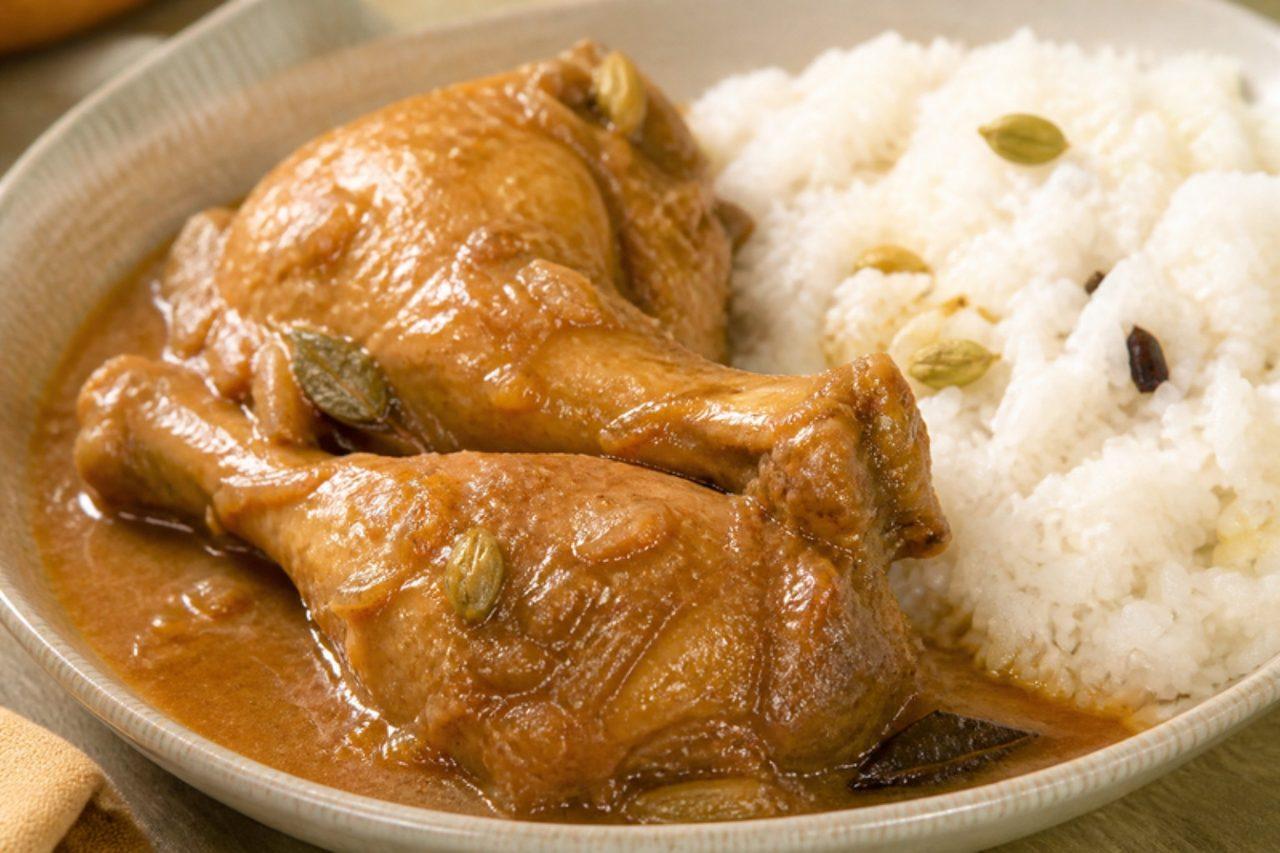
Ask anyone who grew up in Bangladesh what they look forward to at a biye bari, a wedding house, and the chicken roast is near the top, a single fried leg or breast lounging in a thick, sweet-spiced, ghee-glossed gravy beside a mound of polao. The word roast is a bit of a misnomer: the chicken is fried until golden and then simmered in a gravy of onion paste, yoghurt, milk and a little sugar, perfumed with cardamom, mace and kewra, so it tastes rich rather than charred. Children love it because it is mild and gently sweet, with only whole green chillies for warmth. A common error is skipping the frying, which leaves the chicken pale and lets it fall apart in the sauce. Chef's tip: use bone-in thighs and drumsticks with deep slashes, so the gravy gets into the meat during the short simmer.

by KrazyBadal 0 views

FiskekakerWhite fish cakes

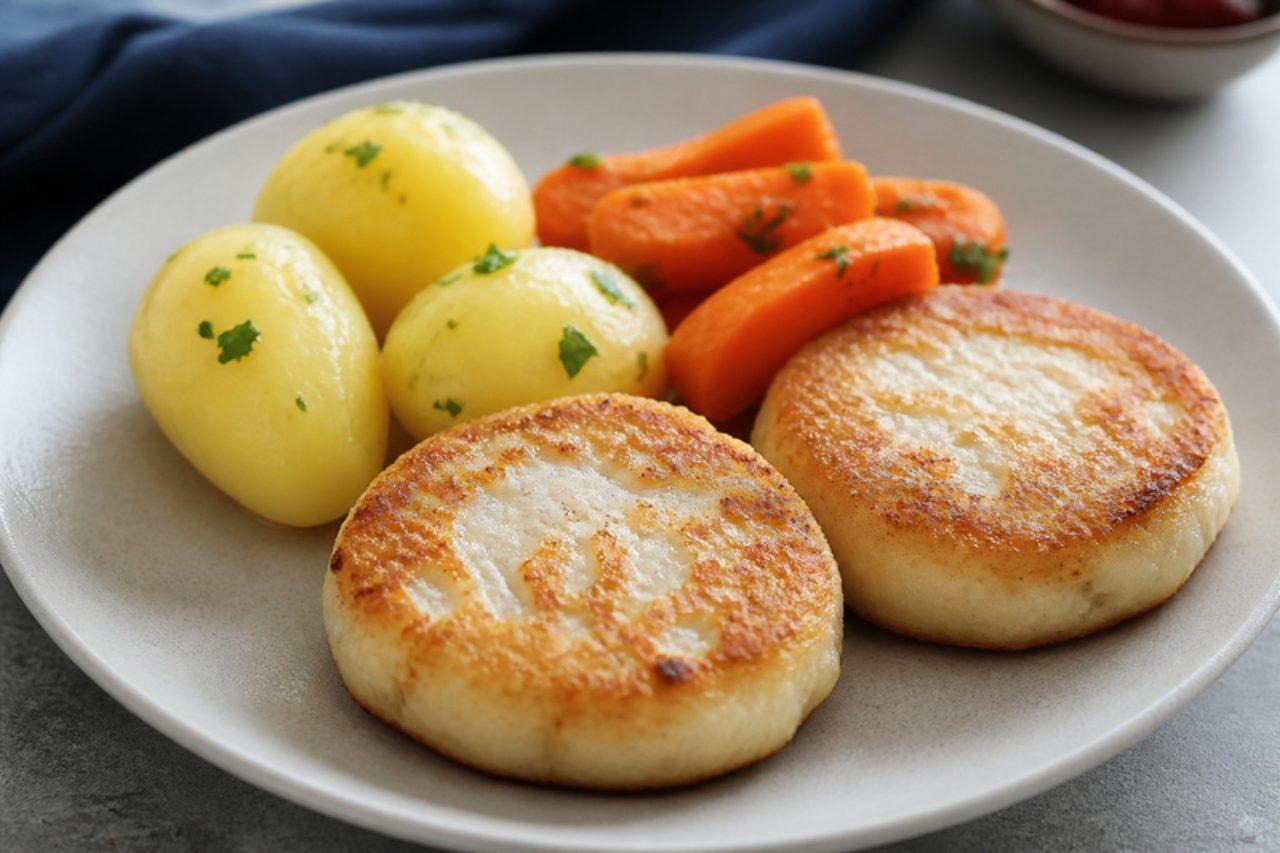
In Bergen, the fishmongers at the harbour fish market sell fresh fiskekaker made that morning: white fish such as haddock or pollock blended with milk, potato starch and nutmeg into a soft, pale paste, shaped into flat cakes and fried in butter. They are served with boiled potatoes, grated raw carrot and a white sauce or melted butter, or cold in a sandwich. A common mistake is adding the milk too fast, which makes the mix loose. Chef's tip: blend the fish with salt first until sticky, then add the cold milk a little at a time, so the cakes come out springy and smooth. They are cooked when firm and opaque in the middle.

by KrazyBadal 0 views

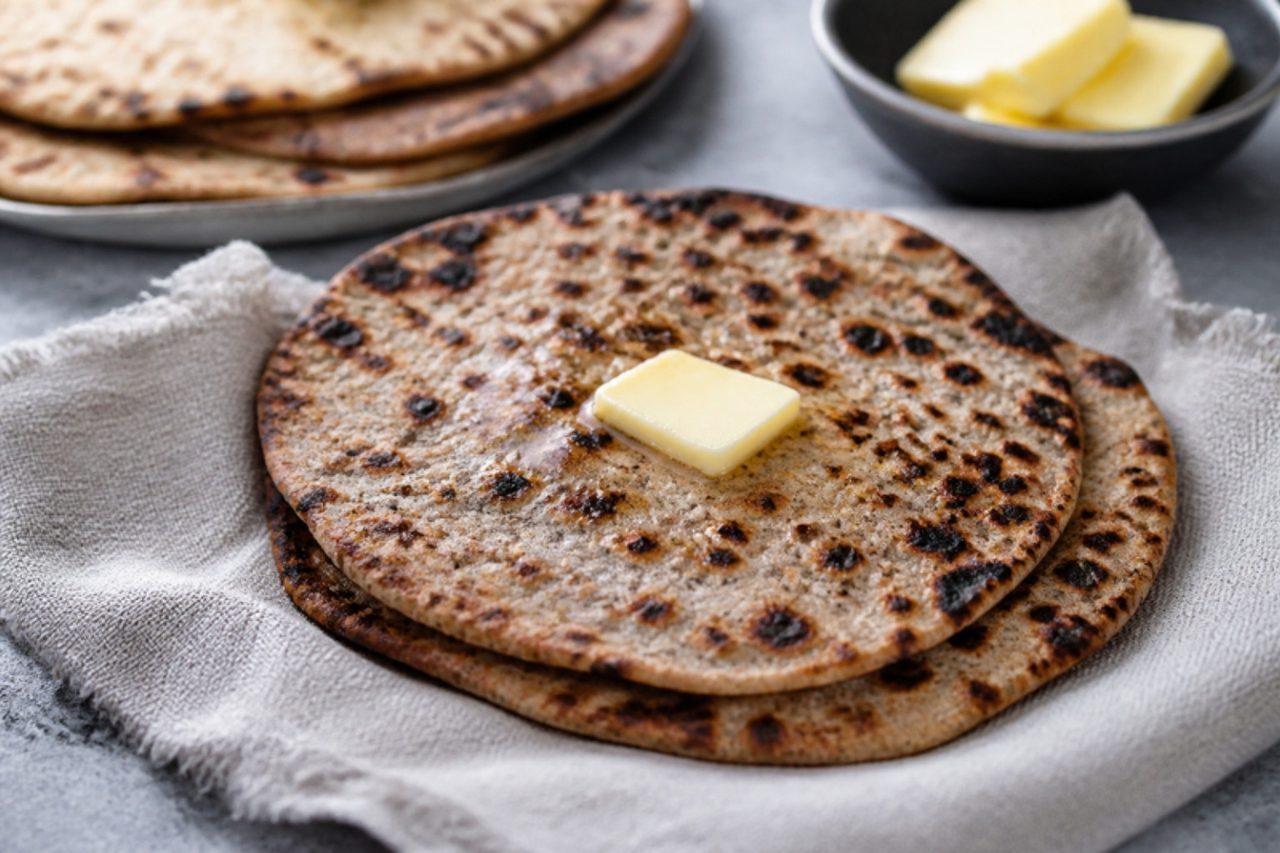
FlatkökurRye flatbread

Flatkökur are round, flat rye breads that Icelanders char straight on the hot plate of the stove, or over a gas flame, until they are speckled black and smoky; they are eaten buttered, with smoked lamb (hangikjöt) or cheese, at every Christmas and confirmation and in lunchboxes all year. The dough is made with boiling water so it is soft and easy to roll. A common mistake is letting the dough cool before rolling; scalded rye dough stiffens and cracks. Chef's tip: roll it while warm and prick all over with a fork so it stays flat as it chars.

by KrazyBadal 0 views

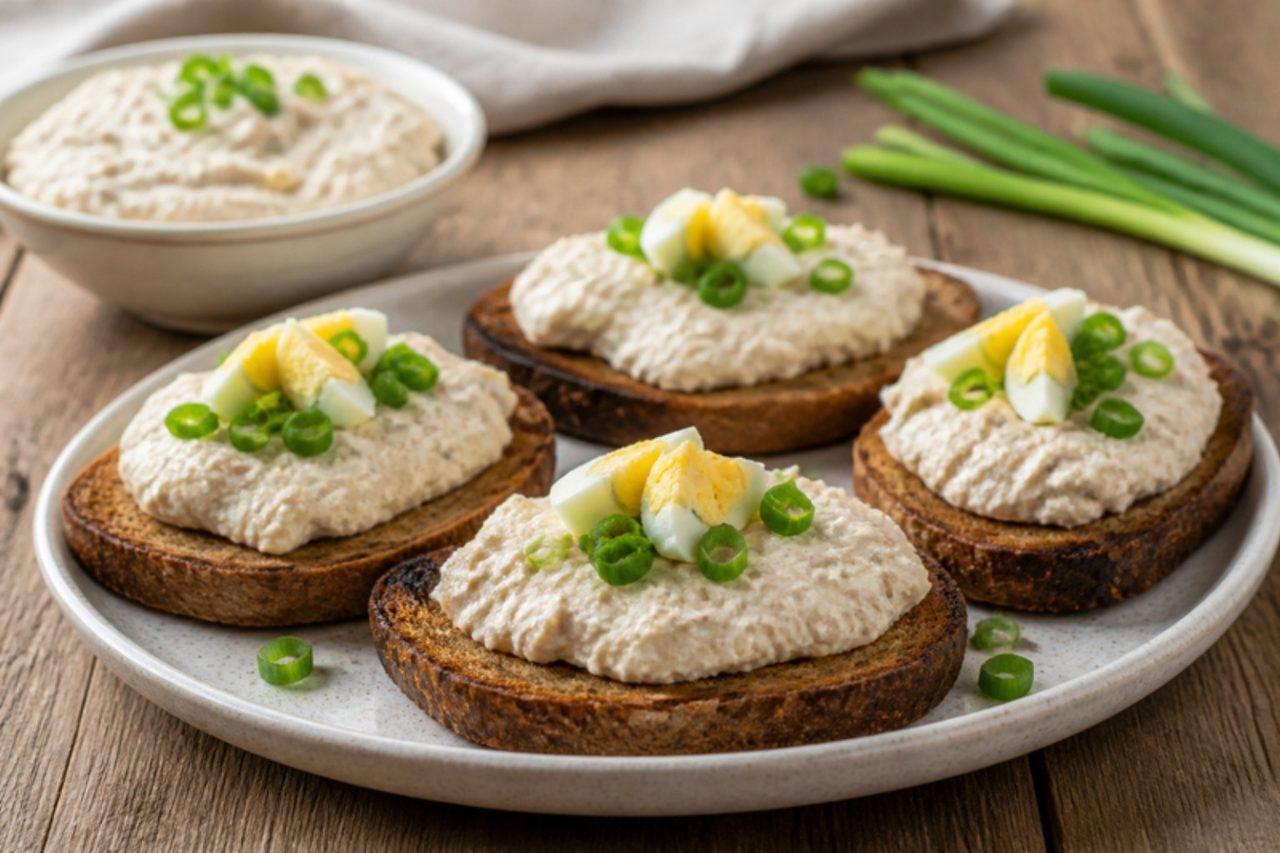
ForshmakChopped herring pâté

Forshmak came to Odesa with its Jewish community and became a citywide favourite, spread on toast at family celebrations, in Moldavanka courtyards and on restaurant zakuska boards. Salted herring is chopped with tart apple, hard-boiled egg, onion and bread soaked in milk, then whipped with soft butter into a pale, creamy pâté that is salty, sweet and gently sharp all at once. Serve it on toasted rye or white bread with spring onion. Herring for forshmak is cured but not cooked, so buy ready-salted fillets from a good fishmonger, commercially prepared or previously frozen, keep everything cold and eat within 2 days; it is not for pregnant women, young children or anyone with a weakened immune system. Blitzing it to a smooth paste is the usual error; Odesa cooks like a little texture. Chef's tip: grate the apple at the last moment and add a squeeze of lemon, so it stays white and fresh.

by KrazyBadal 0 views

BirzFresh honey water

In Gojjam and Gondar, where honey is plentiful, birz is poured for children, for guests who do not drink, and at church feasts and weddings beside the tej. It starts the same way as honey wine, with honey stirred into water, but it is drunk fresh within hours, so it stays sweet, mild and completely alcohol-free. Good, flowery honey is everything here; it should taste like a cool, floral lemonade without the lemon. Because birz is honey and water, it will start to ferment by itself if left warm, so drink it the same day and keep it in the fridge until you pour it. Honey is not suitable for babies under 12 months. Chef's tip: dissolve the honey in a little warm water first; stirred straight into cold water, it sinks to the bottom in a sticky lump.

by KrazyBadal 0 views

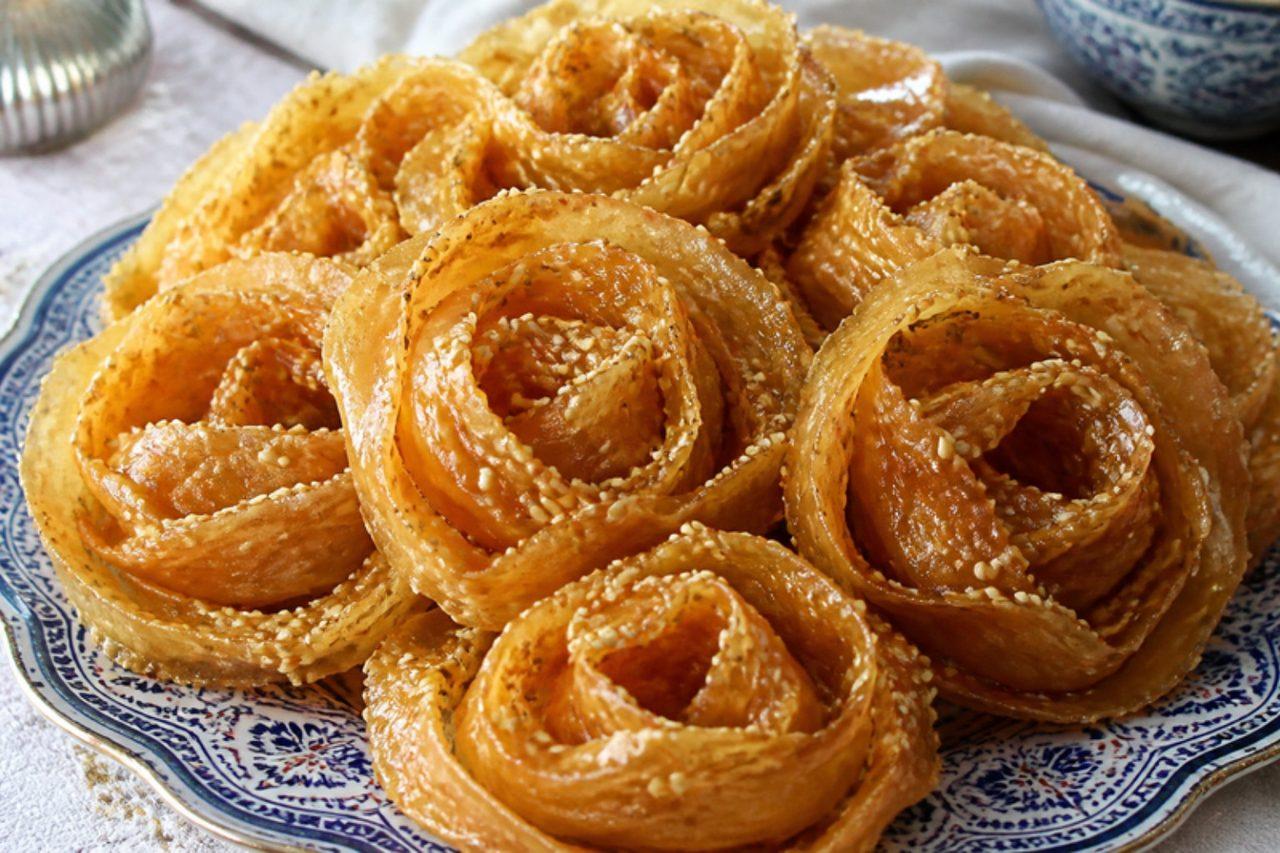
FijuelasHoney-soaked fried dough spirals

Fijuelas are the Hanukkah sweet of Moroccan Jews, also made for weddings and bar mitzvahs, and grandmothers in Netanya and Ashkelon still roll them by the hundred on a fork. Paper-thin strips of egg dough are wound into spirals as they hit the hot oil, puffing into crisp, lacy roses, then dipped in warm honey syrup with orange blossom. They should shatter when bitten and taste of honey rather than grease. The mistake that ruins them is rolling the dough too thick, which makes them chewy and oily; you should almost see the counter through it. Chef's tip: keep the syrup warm and the fried spirals cool, so they absorb a thin glaze and stay crisp for days.

by KrazyBadal 0 views

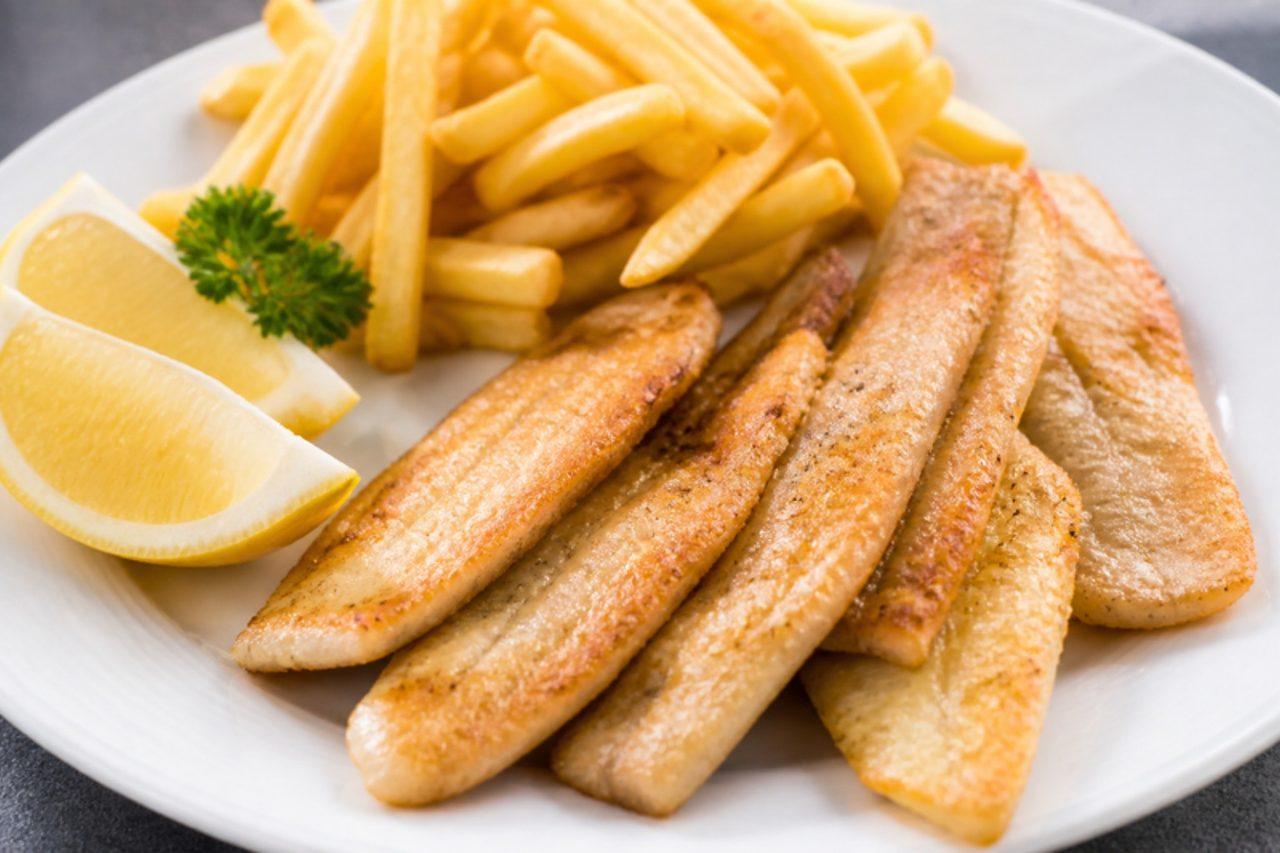
Filets de percheFried perch fillets

Filets de perche are the signature dish of the lakeside restaurants around Lake Geneva, from Geneva to Lausanne and Montreux: small, delicate perch fillets dusted with flour, fried quickly in butter until golden, and served with lemon, tartare sauce, a pile of fries and a green salad on a summer terrace. Lake perch is scarce today; ask for responsibly sourced perch or use small fillets of pike-perch or another delicate white fish. A common mistake is crowding the pan, which steams the thin fillets. Chef's tip: fry in batches in foaming butter for just a minute or so a side; the fish is done when opaque and it flakes.

25 minSwissFish
by KrazyBadal 0 views

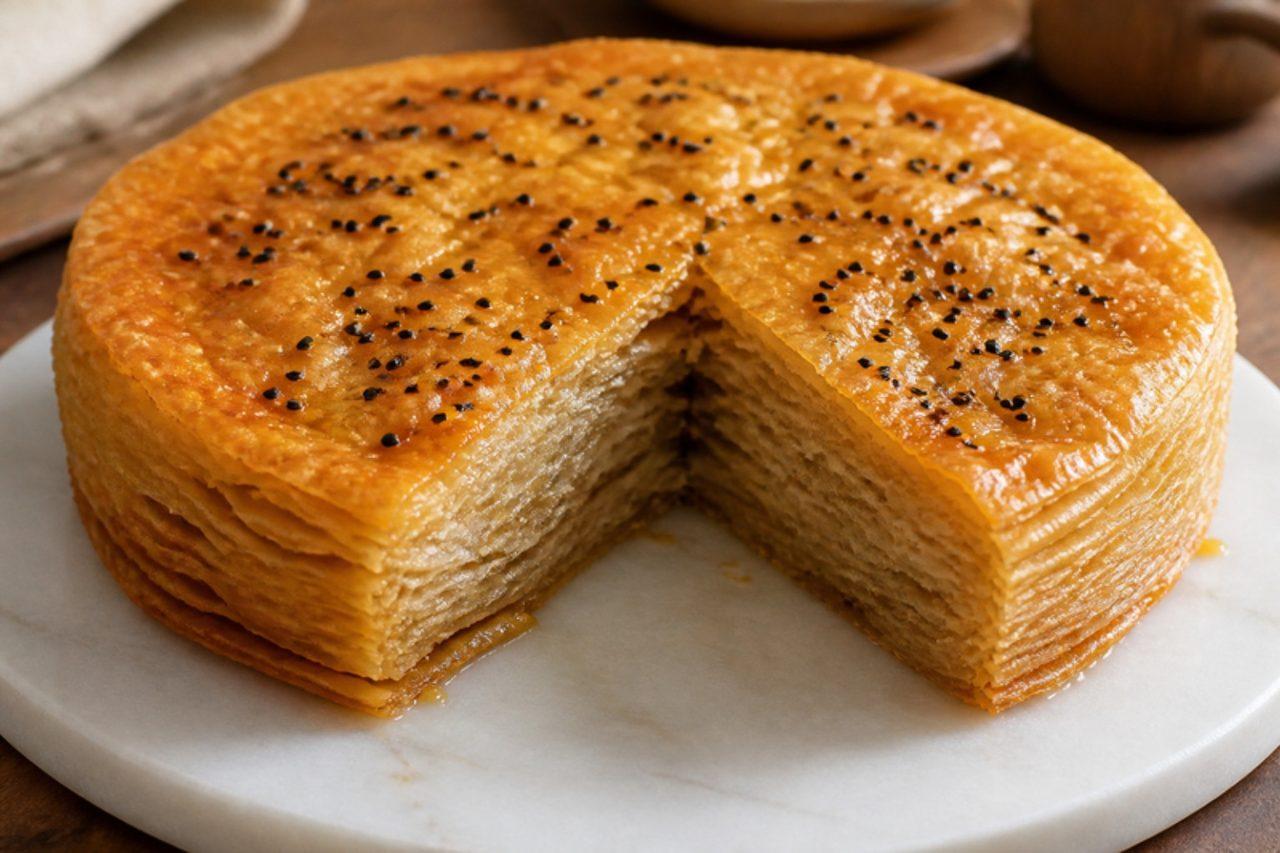
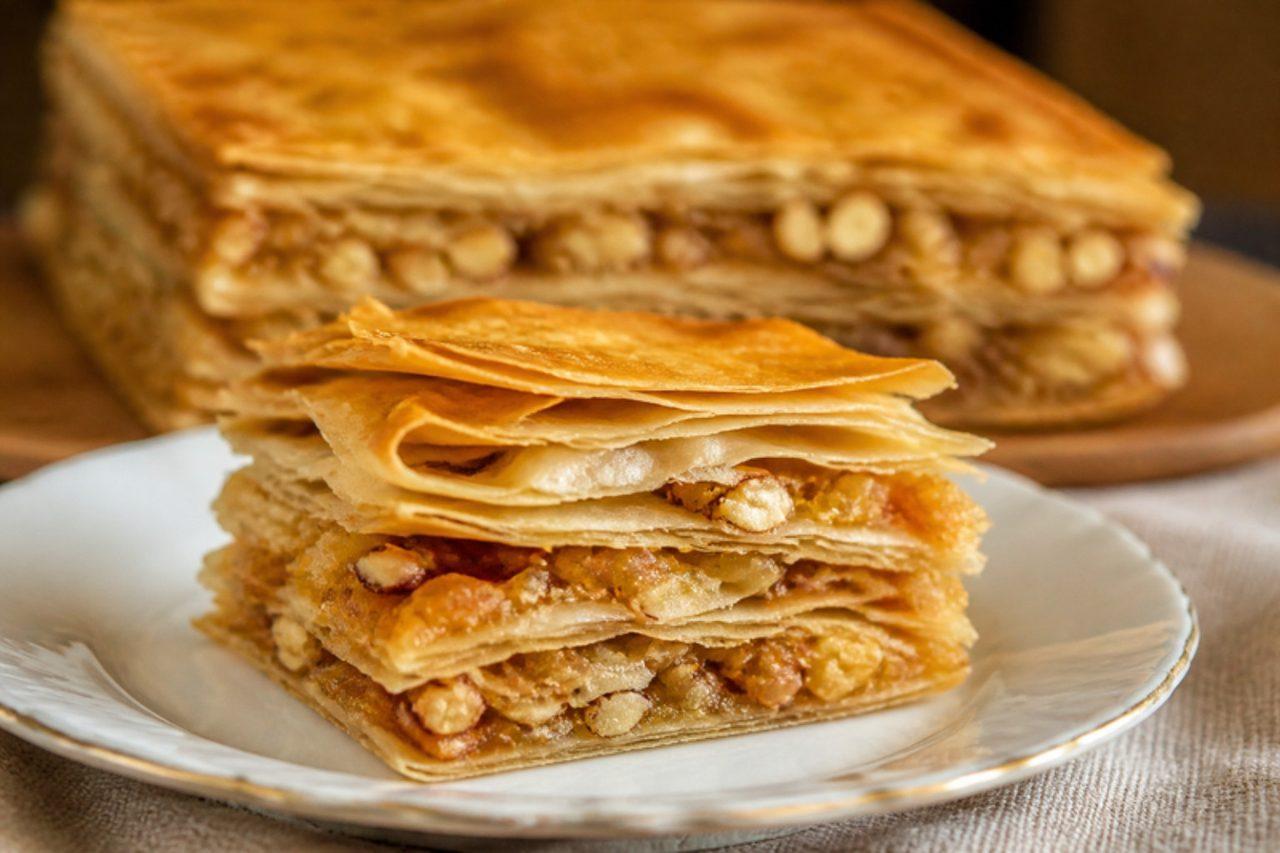
Bint al sahnLayered honey bread

Bint al sahn, 'daughter of the plate', is the grand bread of Sana'a, set in the centre of the table for guests, weddings and Eid and pulled apart with the fingers while it is still warm. Many paper-thin sheets of egg-rich dough are stacked with melted ghee, baked until the top is deep gold and the inside is flaky and soft, then soaked with warm honey and sprinkled with nigella seeds. It is eaten with Yemeni coffee or tea, often as the sweet that opens a big meal. The mistake that ruins it is skimping on the ghee between the layers; without it the sheets fuse into a dense loaf. Chef's tip: roll the first sheets slightly bigger than the rest, so the bottom layers wrap up around the sides and hold the stack together.

by KrazyBadal 0 views

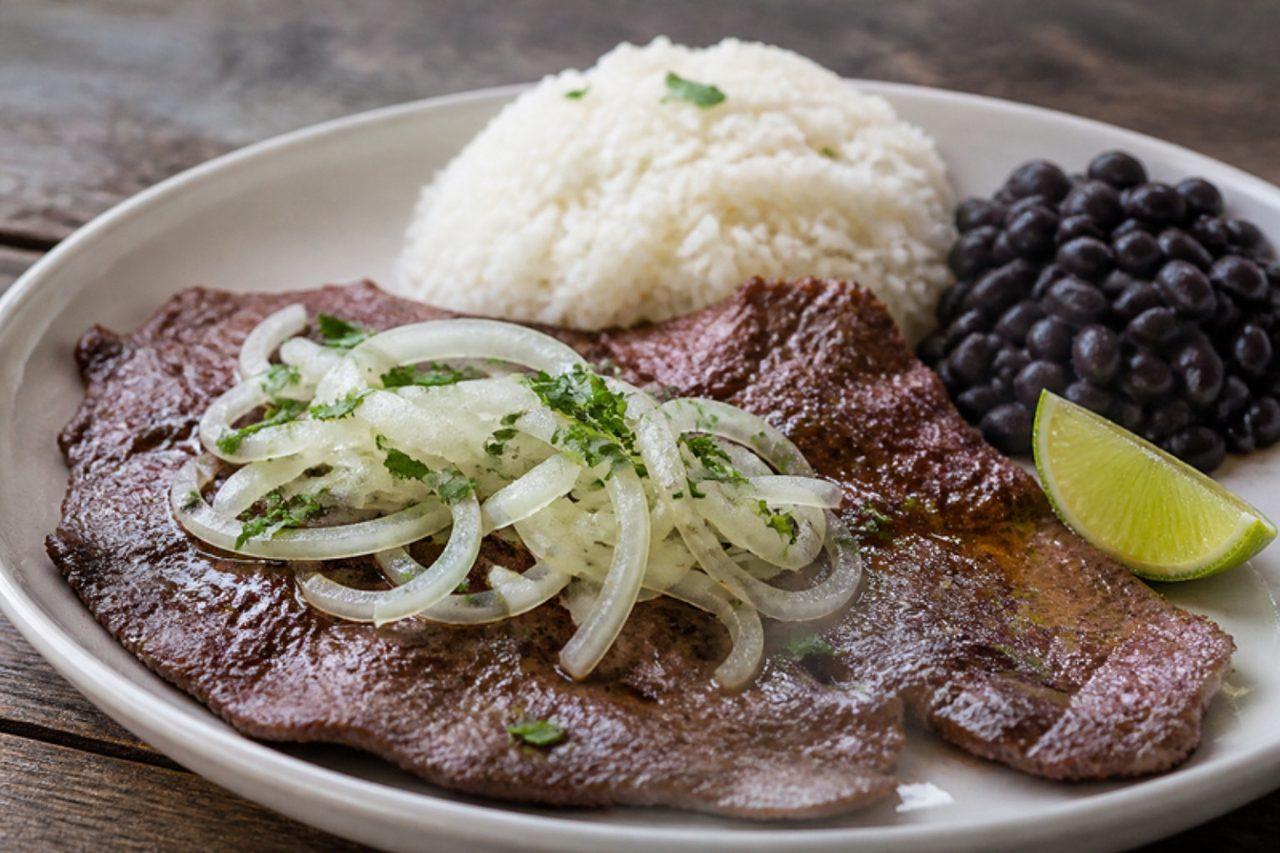
Bistec de palomillaThin steak with lime onion

Palomilla is the everyday steak of Havana lunch counters and Miami's Cuban cafés alike: top sirloin pounded very thin, marinated briefly in lime and garlic, seared in seconds and buried under a pile of raw chopped onion and parsley. It comes with white rice, black beans and fried plantain. The most common mistake is leaving the steak in the lime for hours, which turns the surface grey and mushy; 20 minutes to an hour in the fridge is enough. Beef steak can be cooked to your liking, but it is so thin it is usually cooked through. Chef's tip: get the pan smoking hot and cook one or two steaks at a time, or they stew instead of browning.

25 minCubanMeatGluten free
by KrazyBadal 0 views

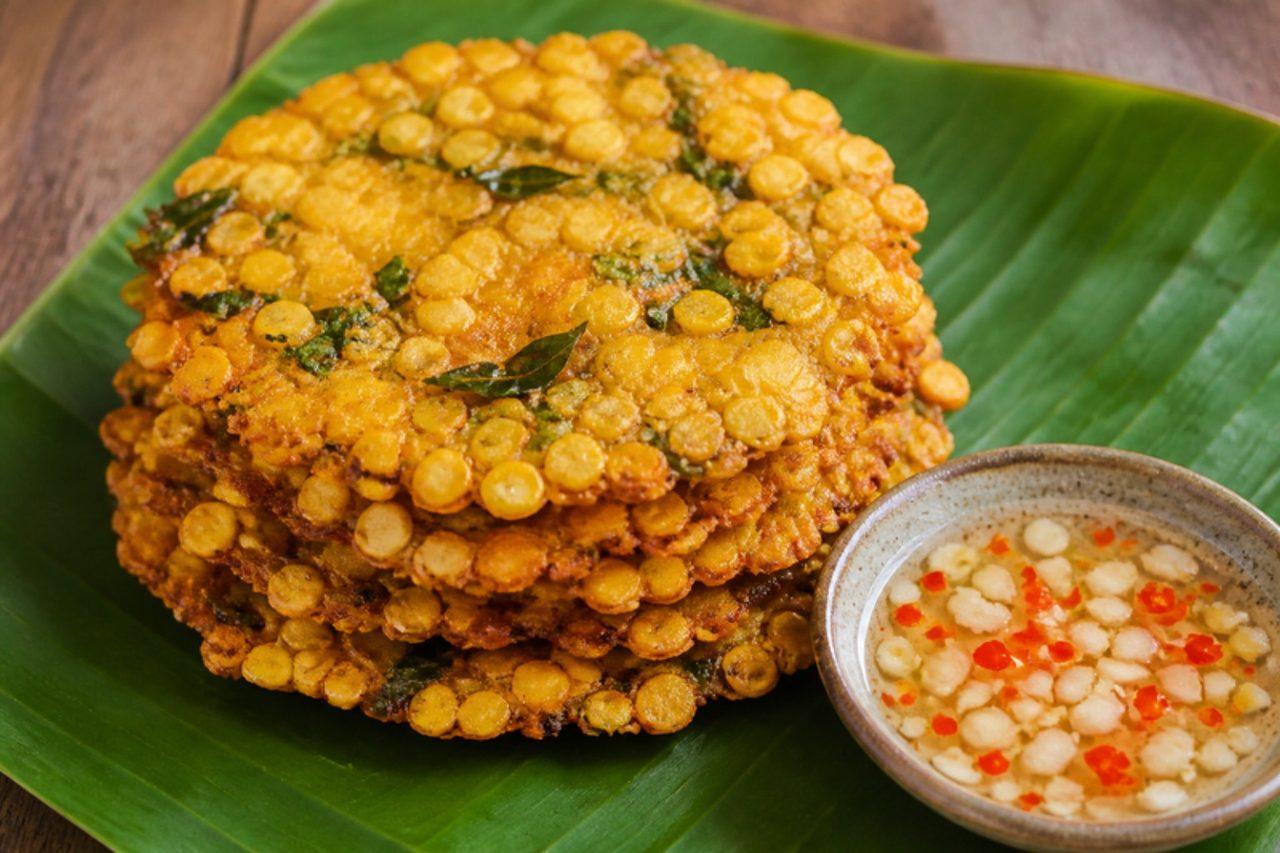
Bayagyaw (split pea fritters)

Every Yangon tea shop worth its sweet milky tea keeps a tray of these by the counter from dawn, and hawkers sell them by the bag at bus stops. Soaked yellow split peas are ground until coarse, mixed with sliced onion, chilli and a spoon of rice flour, then dropped into hot oil as thin, ragged patties that fry up shatteringly crisp at the edges and nutty in the middle. People snap them into bowls of mohinga, crumble them over noodle and rice salads, or eat them plain with a sharp chilli-garlic vinegar. Blending the peas to a smooth paste is the trap: you lose the gritty texture that makes them crunch and the fritters turn dense. Chef's tip: soak the peas the night before, and fry a test fritter first; if it falls apart, stir in another spoon of rice flour.

by KrazyBadal 0 views

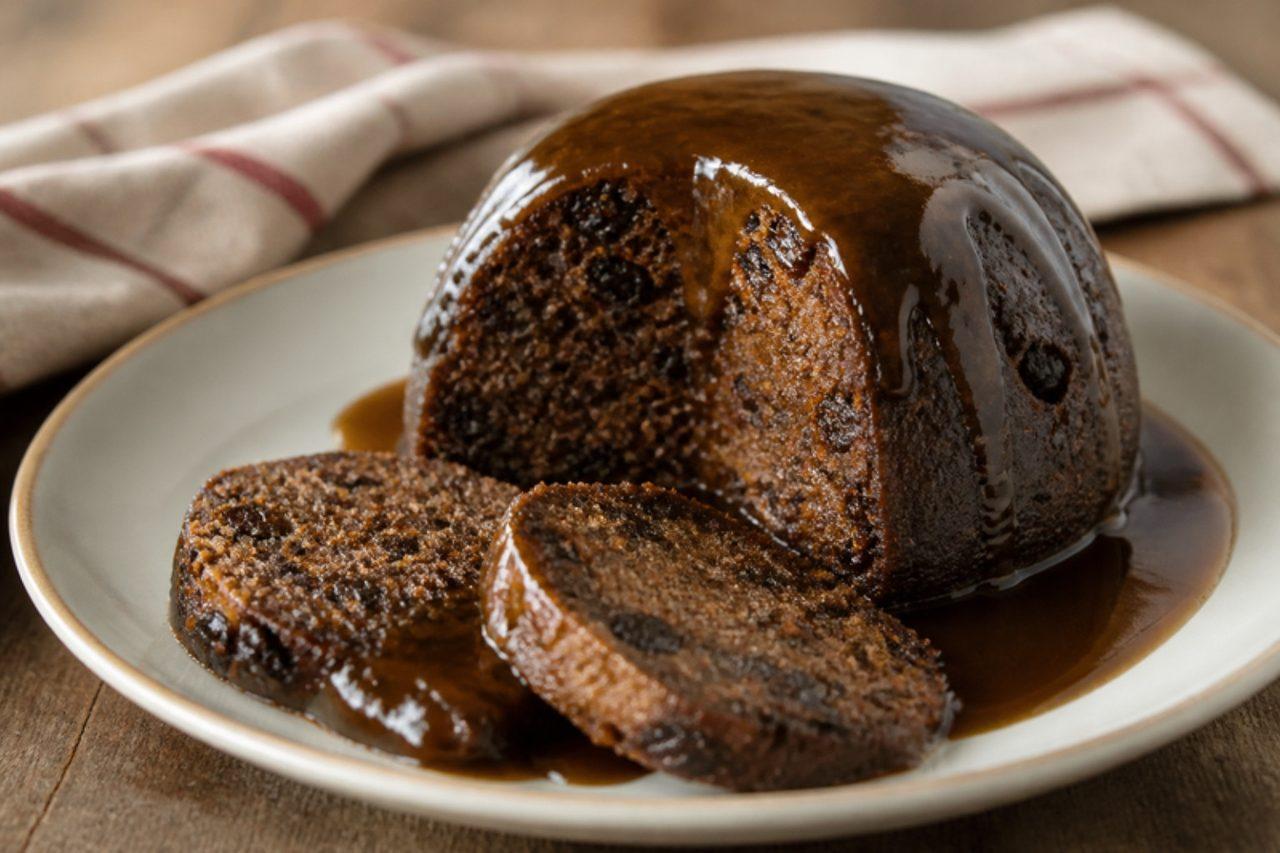
Figgy duffSteamed raisin pudding

Figgy duff is the pudding that boils in its cloth bag alongside a Newfoundland Jiggs dinner on Sundays; in Newfoundland, raisins are called figs. Breadcrumbs, molasses, raisins and spices make a dark, soft, steamed pudding that is cut into thick slices and eaten hot with molasses coady (a butter-molasses sauce) or custard. This home version steams in a pudding basin rather than a cloth. A common mistake is letting the pan boil dry; keep a kettle hot for topping up. Chef's tip: soak the breadcrumbs and raisins first so the pudding is moist all through.

by KrazyBadal 0 views

Bihari kebabPapaya-marinated beef strips

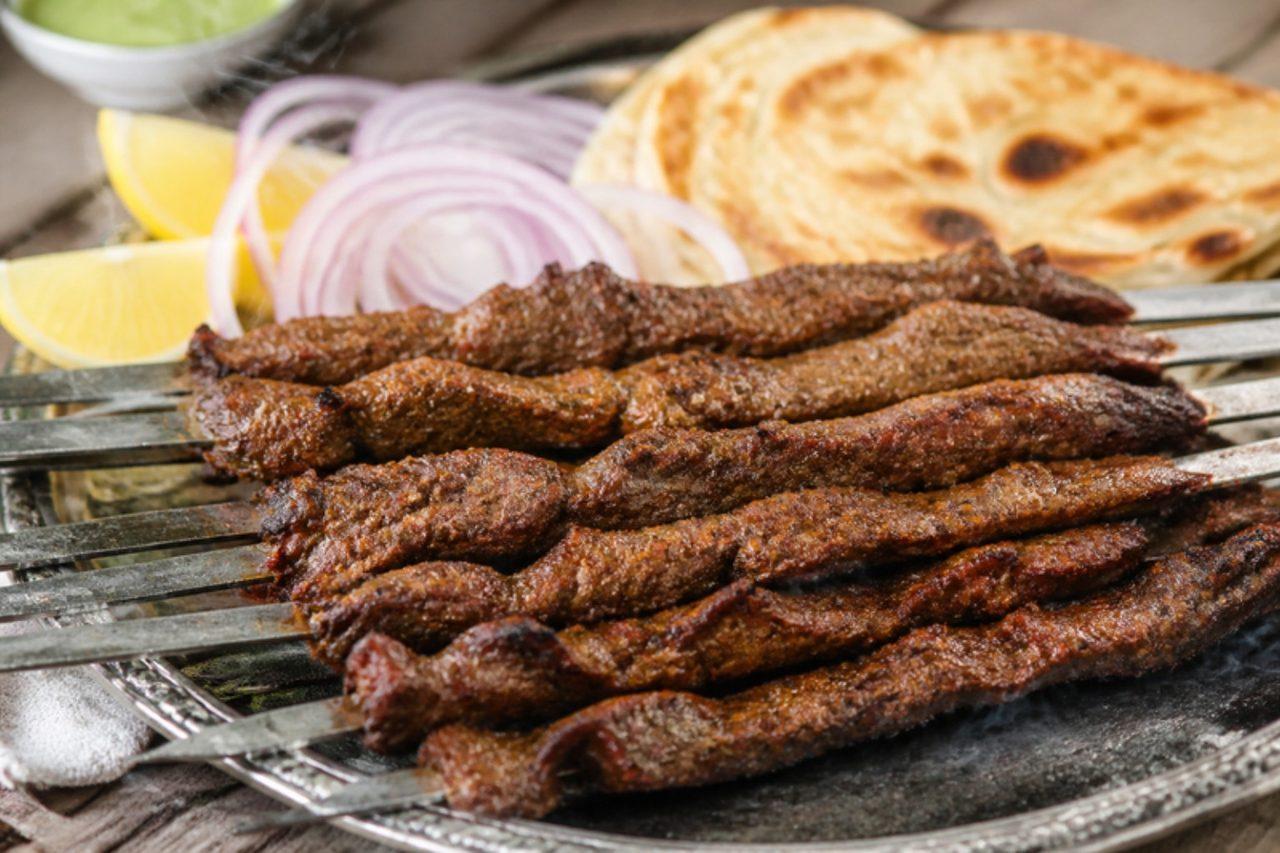
Migrants from Bihar who settled in Karachi after 1947 brought this kebab with them, and it has become one of the city's signature grills, served from the smoky stalls of Burns Road, Hussainabad and Boat Basin. Thin ribbons of beef are beaten flat, marinated with raw papaya paste to tenderise them, mustard oil, browned onion and a heady spice mix, then threaded onto skewers and grilled fast over coals, finished with a puff of charcoal smoke. They are soft enough to pull apart with your fingers and are eaten with paratha, sliced onion and mint chutney. Leaving the papaya on too long is the risk, because it keeps working and turns the meat mushy; four to six hours in the fridge is plenty. Chef's tip: slice the beef while it is half-frozen, across the grain, and you will get even, paper-thin strips with ease.

by KrazyBadal 0 views

Bingka ubiBaked cassava cake

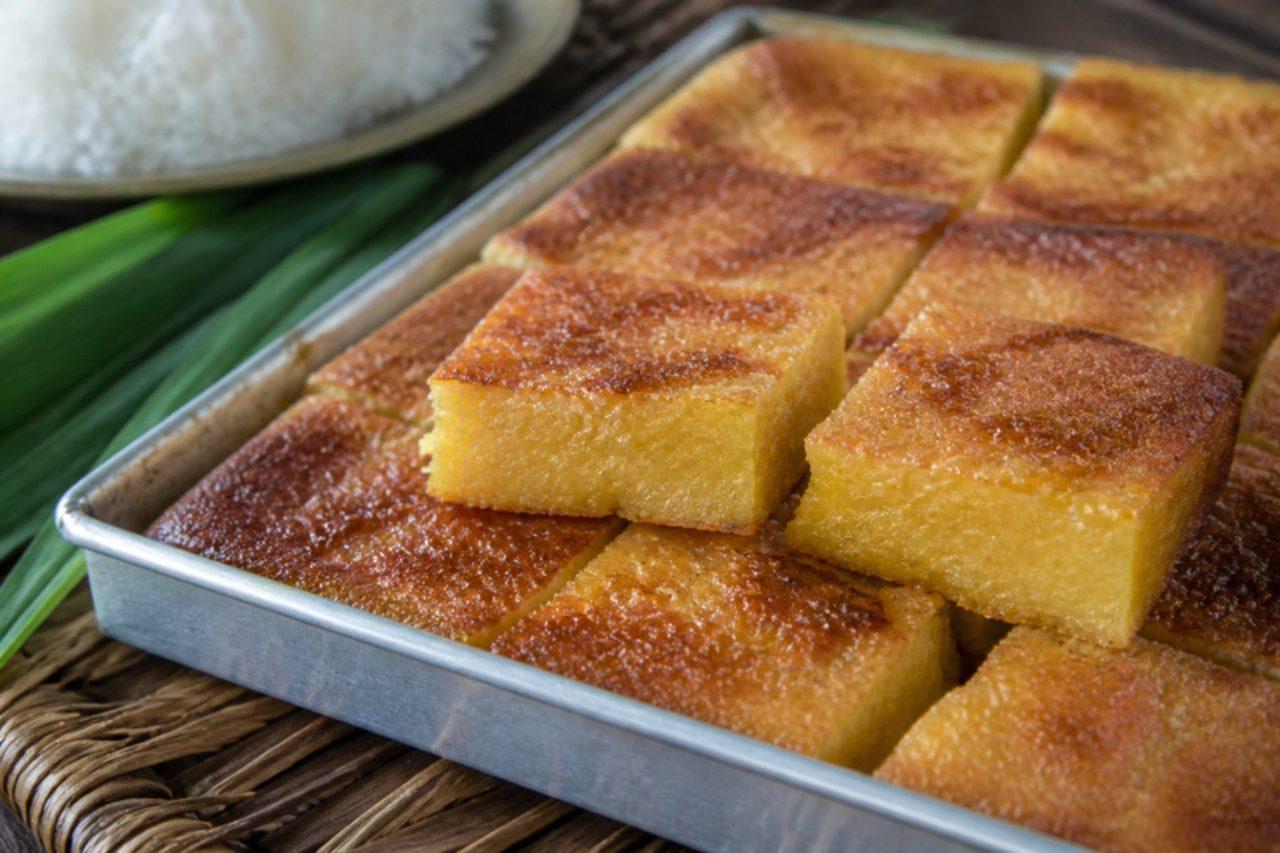
Golden-brown slabs of bingka ubi are cut from big trays at Malay and Peranakan kueh stalls in Singapore and taken home for tea, or baked at home for Hari Raya when there is a crowd to feed. Freshly grated cassava, coconut milk, eggs and sugar bake into a dense, chewy, slightly sticky cake with a custardy centre and a caramelised, almost leathery top, scented with pandan. It needs nothing with it but a cup of strong tea or kopi. Cassava must always be fully cooked and never eaten raw; buy it fresh from a trusted greengrocer, peel off every bit of the thick skin and pink layer, or use frozen grated cassava, which is already prepared. The usual mistake is pressing out all the cassava's liquid and adding too little coconut milk, which bakes it dry and rubbery. Chef's tip: finish under the grill for the last few minutes for the dark, blistered top, then cool fully before cutting so the slices hold.

by KrazyBadal 0 views

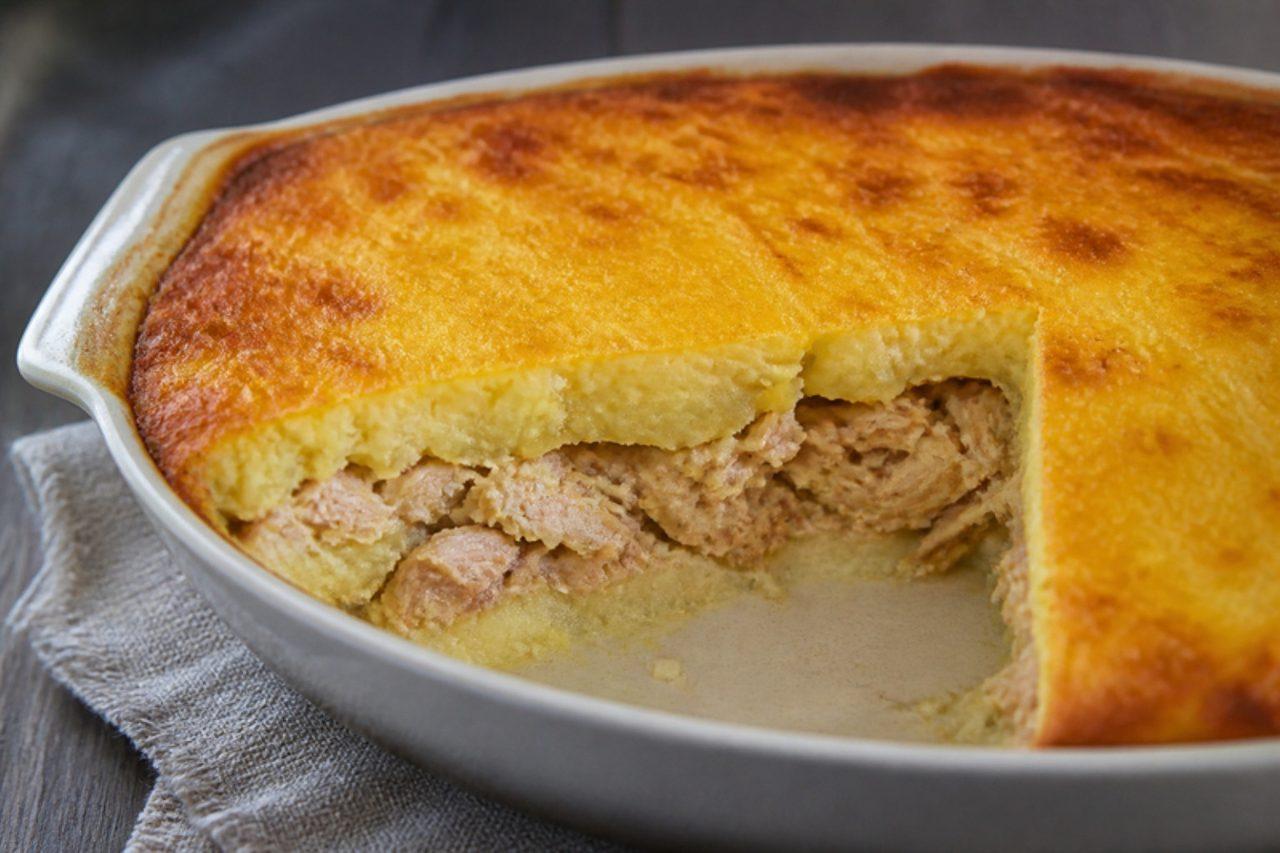
AlivenciCornmeal and cheese cake

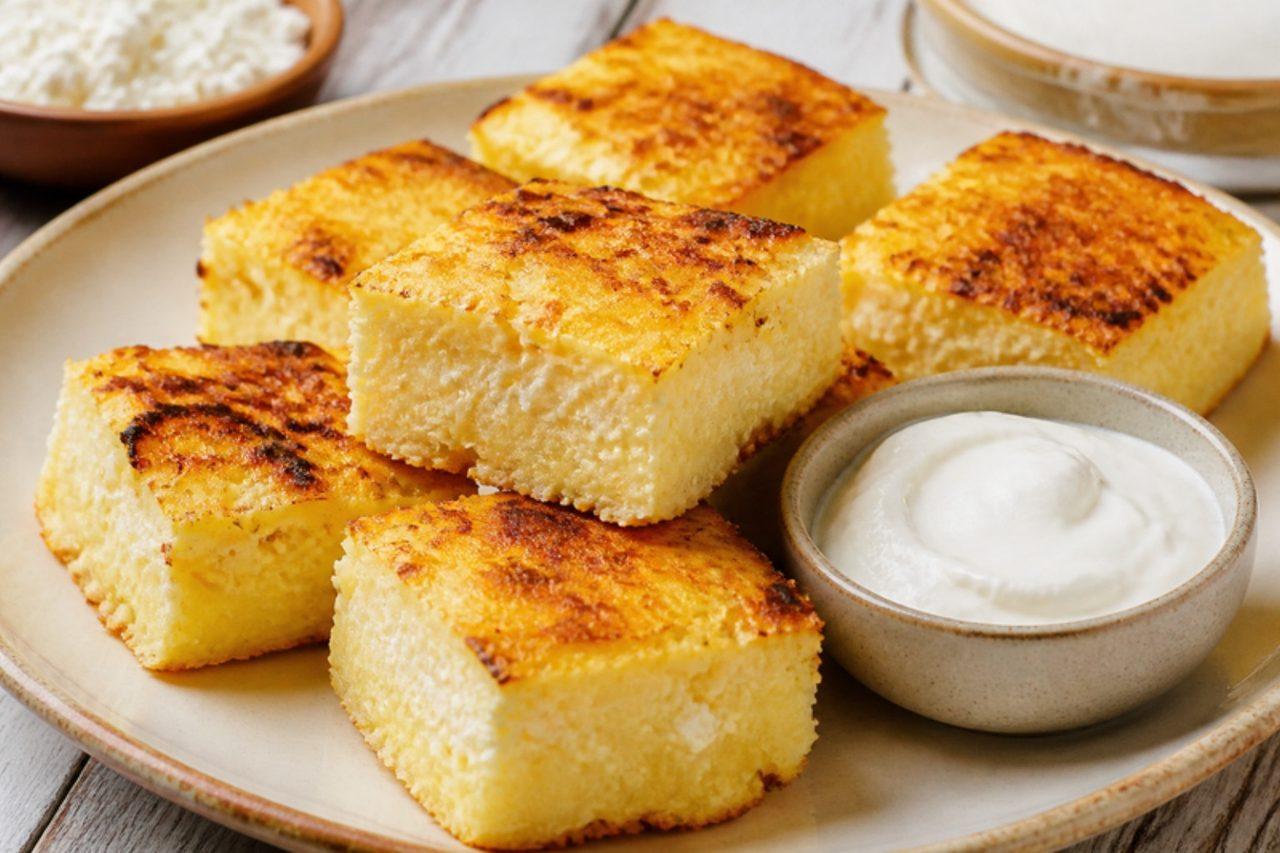
Across the Prut, in villages from Vaslui to the Republic of Moldova, alivenci is what happens when a farmhouse has fresh cheese, sour cream and a sack of cornmeal: a soft, custardy cake baked in a tray and cut into squares while warm. It is lighter than mămăligă and richer than bread, with a tender, slightly crumbly crumb studded with curd, and is eaten for Sunday breakfast or as a side with stews and a dollop of sour cream. Traditional brânză de vaci (cottage-style cheese) is usually made without rennet, but some brands use it, so check the label. Where most people go wrong is using coarse polenta, which stays gritty; fine cornmeal gives the silky texture. Chef's tip: let the batter sit for 15 minutes before baking so the cornmeal hydrates and the cake sets evenly.

by KrazyBadal 0 views

Bistec encebolladoSteak with vinegar onions

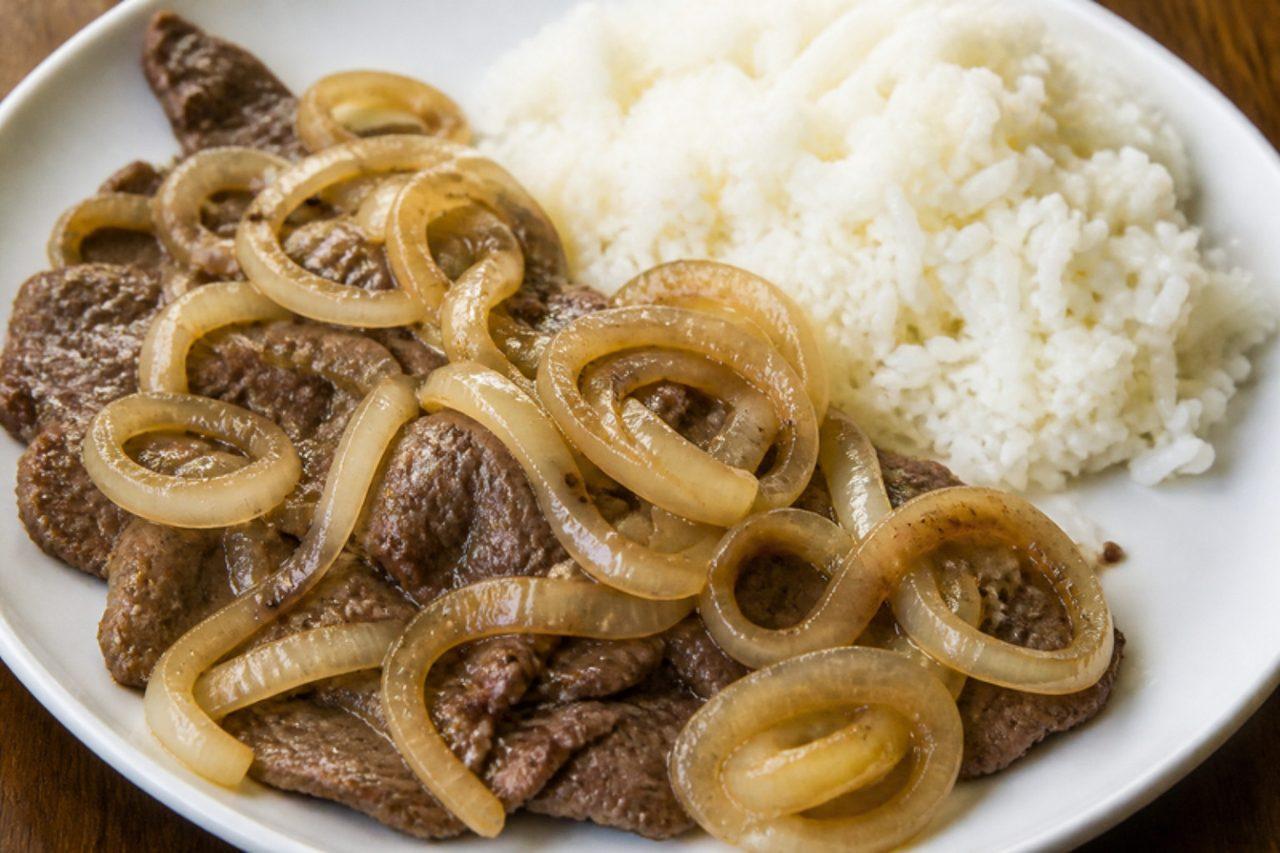
Order bistec encebollado at a lunch counter in Santurce or a comedor in Santiago de los Caballeros and it comes the same way: thin steaks swimming in a heap of soft, sharp onions and a garlicky, vinegar-bright gravy, with white rice, beans and tostones alongside. Thin cuts are marinated in vinegar, garlic and oregano, seared, then braised gently with the onions until tender. The common mistake is boiling the meat hard, which makes thin steak tough; a gentle simmer under a lid keeps it soft. Chef's tip: give the steaks a few gentle pounds with a mallet before marinating so the vinegar can work into them.

by KrazyBadal 0 views

Fini rotiLayered fried sugar bread

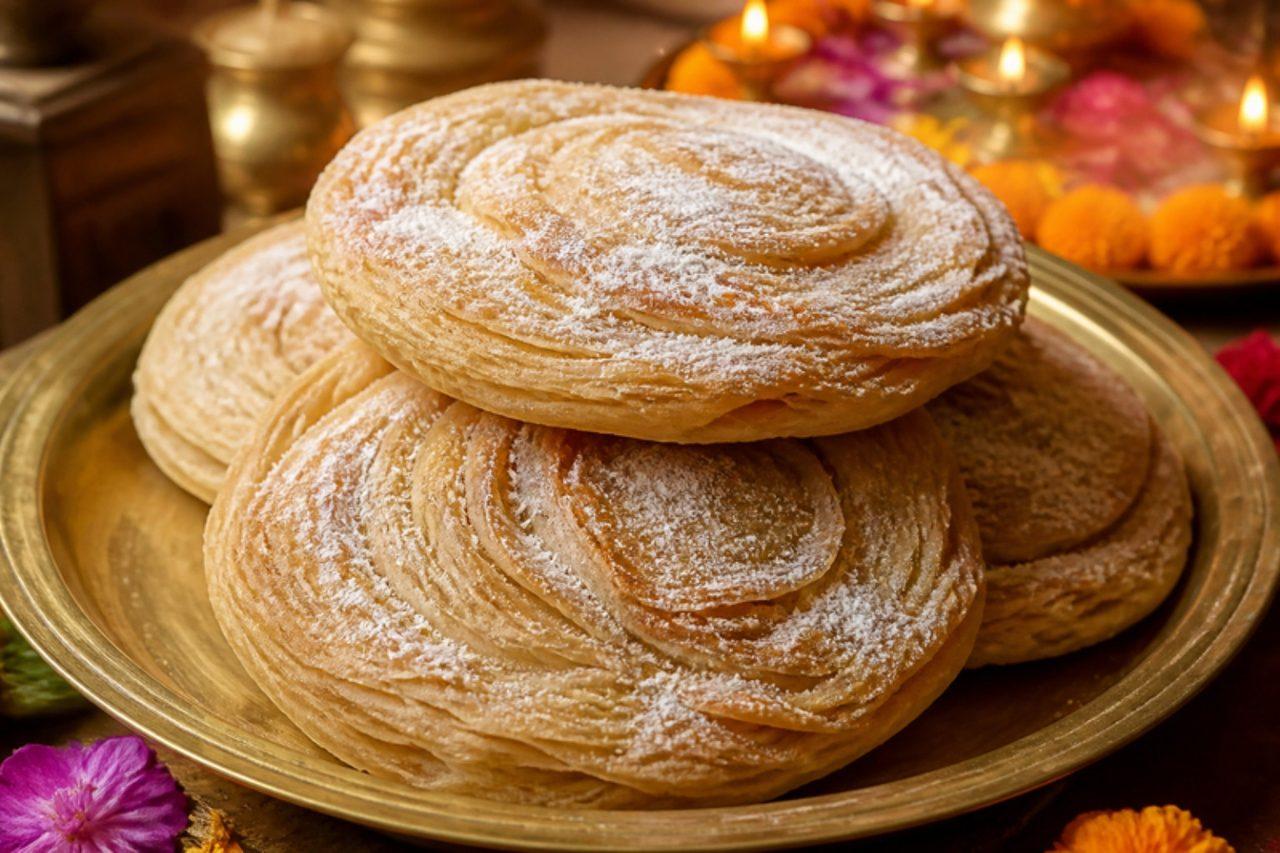
During Tihar, the five-day festival of lights in late autumn, sisters in Kathmandu and Pokhara prepare a basket of treats for Bhai Tika, and fini roti, a crisp round of fried bread made of dozens of paper-thin layers, sits in it beside sel roti, nuts and sweets. A simple dough of flour and ghee is rolled very thin, spread with a paste of ghee and rice flour, rolled into a log and cut, so that each piece fans out in the hot oil into a flaky spiral that shatters at the first bite. It is lightly dusted with sugar, lasts for days in a tin, and is eaten with tea or given to visiting relatives. The layers vanish if you make the paste with melted ghee, which seeps out instead of staying put. Chef's tip: beat the ghee and rice flour together until fluffy and pale like soft butter, and keep the dough cool so the layers stay distinct.

by KrazyBadal 0 views

FrenaShabbat flatbread

In Moroccan-Jewish homes from Ashdod to Kiryat Shmona, frena comes out of the oven on Friday afternoon and sits on the Shabbat table beside a dozen little salads: carrots with cumin, matbucha, beetroot, roasted peppers. The dough is wet and soft, pressed into a pan pooled with olive oil, so the base fries as it bakes and turns crackly while the inside stays airy and chewy. It is torn, never sliced, and dragged through the salads. The usual mistake is adding flour until the dough feels easy to handle; a stiff dough gives a dense, bready frena. Chef's tip: dimple the risen dough hard with oiled fingers right down to the pan, so the oil rises into the pockets and every bite has a crisp edge.

by KrazyBadal 0 views

BidosReindeer stew

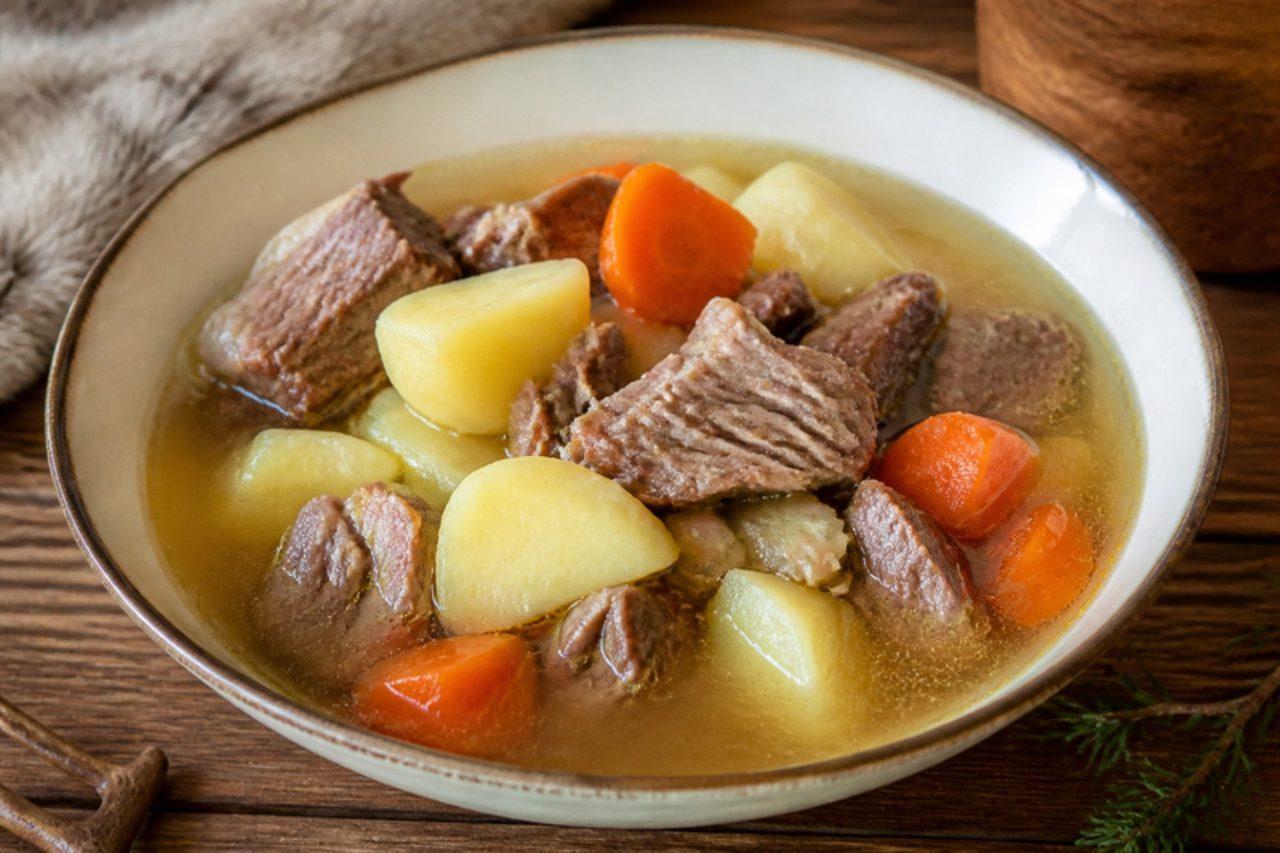
Bidos is the festive stew of the Sámi, the reindeer-herding people of the far north of Norway, Sweden and Finland: reindeer meat simmered slowly in a clear broth with potatoes and carrots, seasoned only with salt and pepper so the gamey meat shines. It is served at Sámi weddings and confirmations, and at Easter festivals in Kautokeino and Karasjok. Reindeer is sold frozen in Nordic shops; beef chuck or venison works too. A common mistake is adding the potatoes at the start, so they fall apart before the meat is tender. Chef's tip: thicken the broth only lightly with a spoon of flour if you like; traditionally it is clear and thin.

by KrazyBadal 0 views

FatirLayered butter flatbread

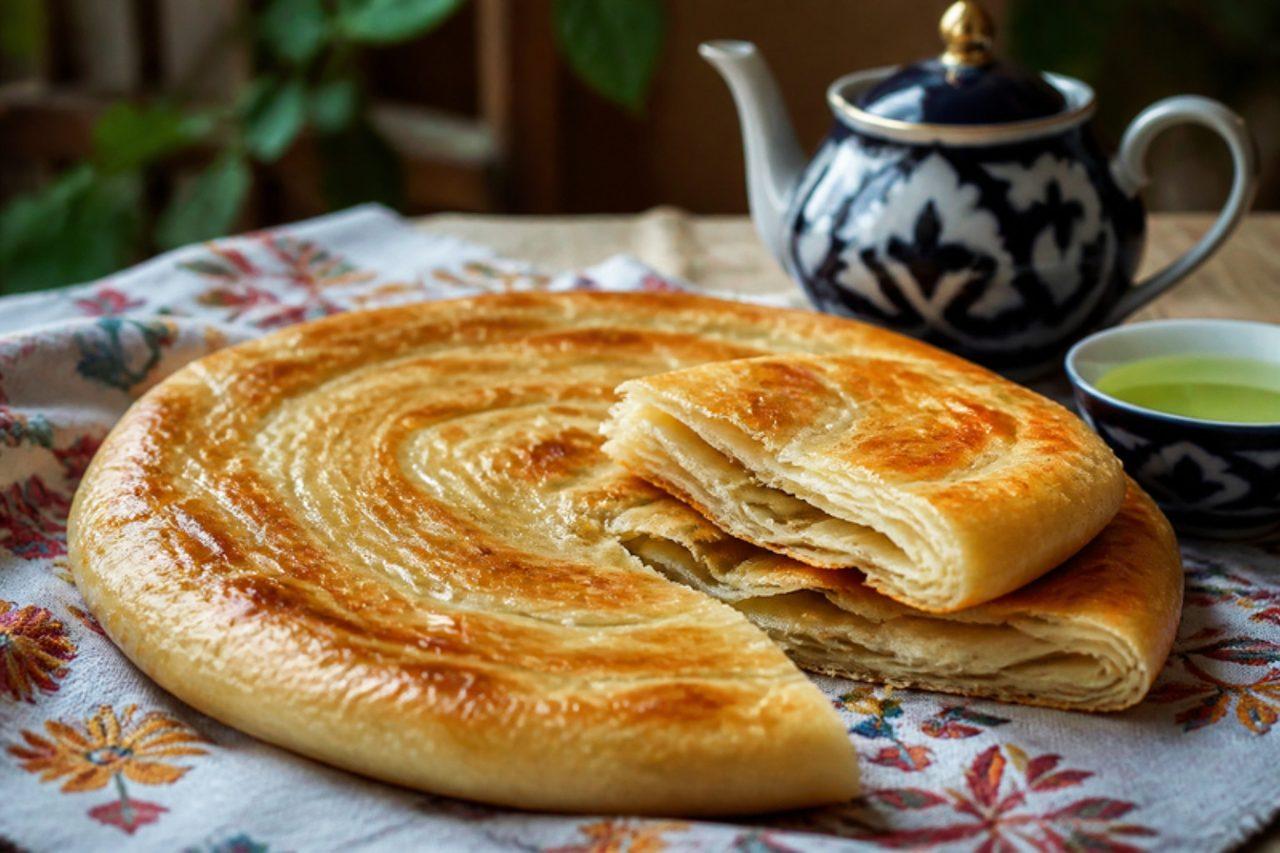
Fatir is the rich, flaky flatbread of Tajik homes and Dushanbe bakeries, made for qurutob, for guests and for festivals: dough rolled thin, spread with butter or ghee, folded and coiled into many layers, then baked against the wall of a tandir until crisp outside and soft and layered inside. It tears into flakes and soaks up sauces beautifully. A common mistake is baking it too slowly, which dries it out; it needs a very hot oven. Chef's tip: brush with ghee as soon as it comes out, then wrap it in a cloth for 5 minutes to soften the crust slightly.

by KrazyBadal 0 views

Fasolka po bretońskuWhite beans in tomato with sausage

Despite its name, nothing about fasolka po bretońsku is French; this is pure Polish canteen and milk-bar food, the thick, brick-red bean stew that has fed Warsaw students, soldiers and hungry families for generations. White beans simmer in tomato with smoked pork sausage, smoked bacon, onion and plenty of marjoram until creamy, smoky and slightly sweet. It is filling enough on its own with a hunk of bread and even better reheated the next day. Under-cooked beans are the most common disappointment; they must be soft right through before the tomato goes in, because acid stops them softening. Soak the dried beans overnight beforehand. Chef's tip: mash a ladle of the cooked beans against the side of the pot before serving to give the sauce its typical velvety body.

90 minPolishMeatGluten free
by KrazyBadal 0 views

FaworkiCrisp fried dough ribbons

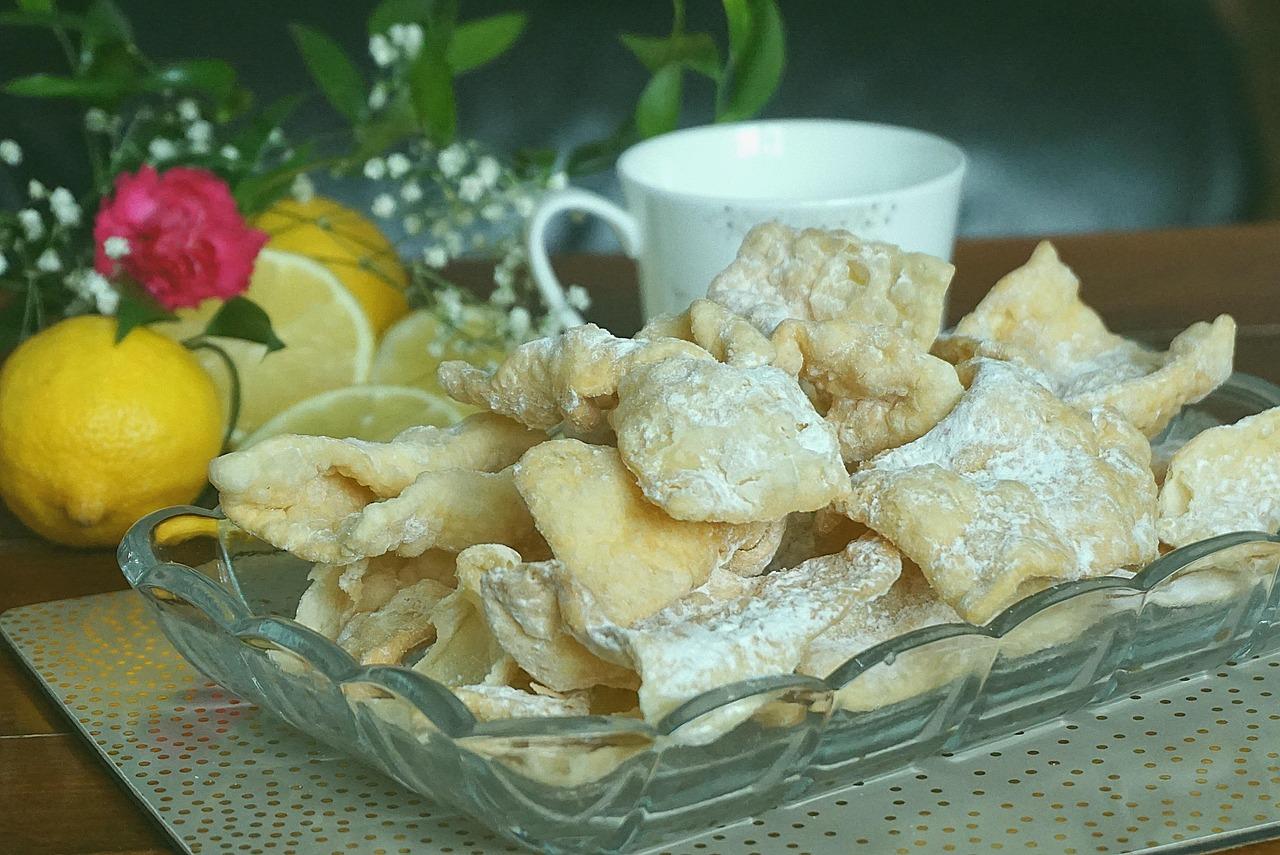
On Fat Thursday, the last Thursday before Lent, Polish queues for pączki are matched only by the piles of faworki, also called chruściki, sold by the bag. They are paper-thin strips of rich egg-yolk and sour-cream dough, each pulled through a slit to make a twist, fried for seconds until they blister and puff into shattering, bubbly shards. Many families add a spoon of spirit to the dough to make them extra crisp; vinegar does the same job alcohol-free and is used here. Where most people go wrong is rolling the dough too thick, which gives chewy biscuits rather than glass-thin crisps. Chef's tip: beat the dough with a rolling pin for 5 minutes before rolling; the air you trap makes the bubbles.

by KrazyBadal 0 views

Bibikhana pithaBaked rice flour and coconut cake

The name means something like a lady's dish, and bibikhana pitha has long been the grand, special-occasion pitha of well-off households in Dhaka, Comilla and Noakhali, made in winter when a son-in-law or important guest is expected. It is closer to a cake than most pithas: rice flour, eggs, milk, grated coconut and date-palm jaggery are beaten together and baked slowly, traditionally in a heavy pan over charcoal with more coals heaped on the lid, until it sets into a dense, moist, caramel-brown cake. It is cut into wedges and served with tea in the afternoon. Baking too hot is the typical slip, so the jaggery burns before the middle sets; a moderate oven and patience give an even colour. Chef's tip: let it cool completely before cutting, as it firms up and slices cleanly only once cold.

by KrazyBadal 0 views

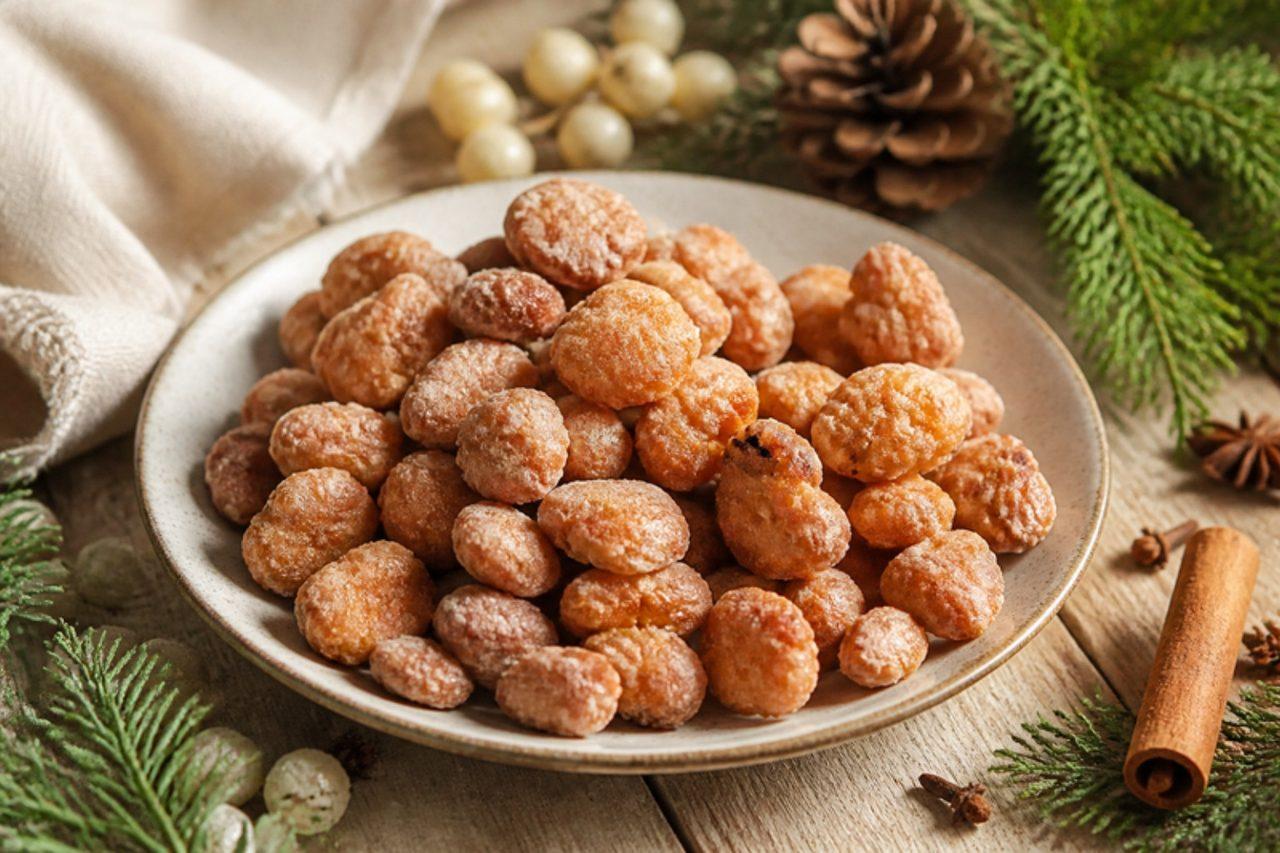
BibikkanCoconut jaggery cake

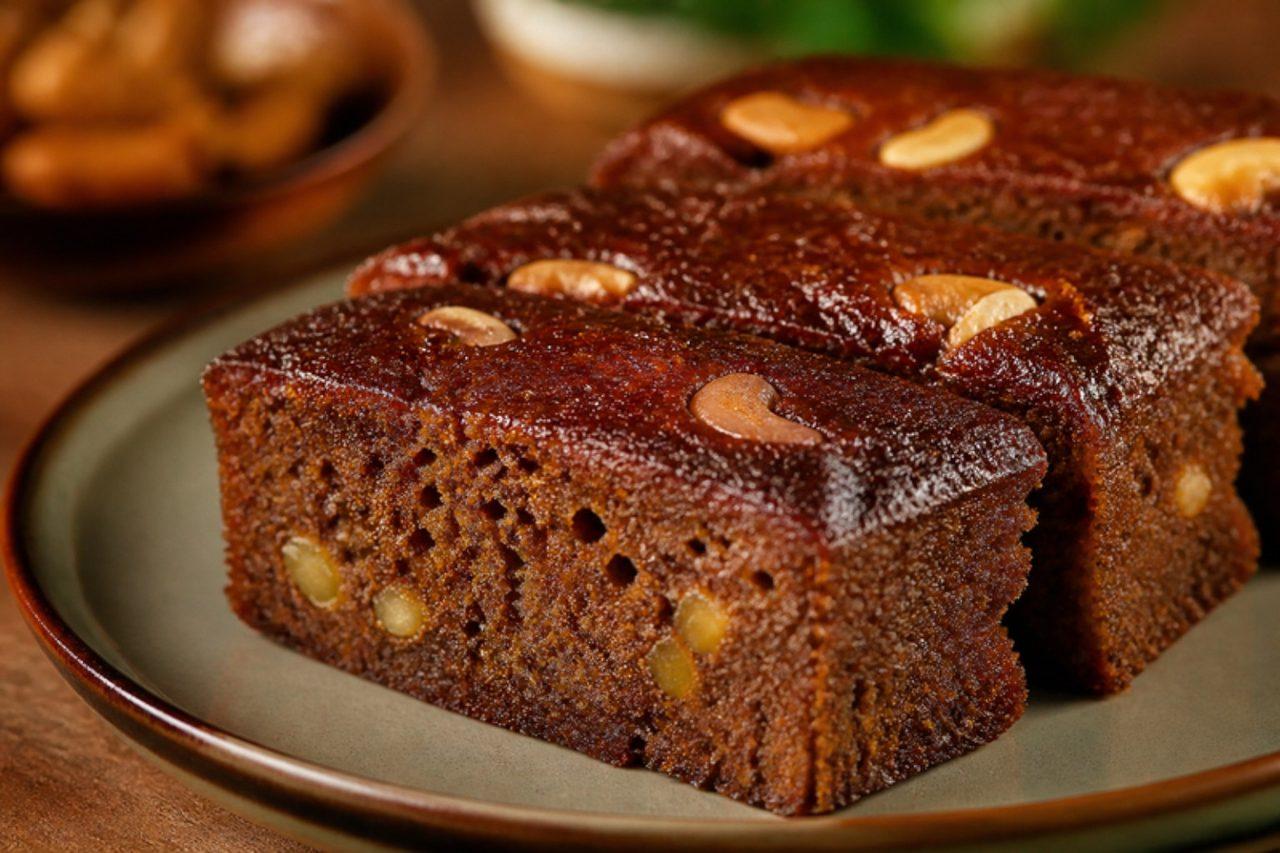
Bibikkan is the darkest, stickiest cake in the Sri Lankan repertoire, baked by Burgher families for Christmas and by Sinhala households for the New Year table, and nobody quite agrees whether its roots lie in Portuguese or local kitchens. Freshly grated coconut is first cooked in melted kithul jaggery, then mixed with roasted semolina, flour, eggs, cashews, raisins, chopped ginger preserve and a mix of cinnamon, cardamom, nutmeg and cloves, and baked until almost black on the outside. The crumb is moist, heavy and chewy with coconut, with a deep treacle sweetness and a warm, spiced finish, and slices are served with tea. Baking it too hot is where it often goes wrong, as the jaggery burns before the middle sets, so keep the oven moderate and cover it if the top darkens early. Chef's tip: cook the coconut in the jaggery until it looks thick and sticky before mixing; that is what gives bibikkan its fudgy texture.

by KrazyBadal 0 views

BichakPumpkin-filled half-moon pastries

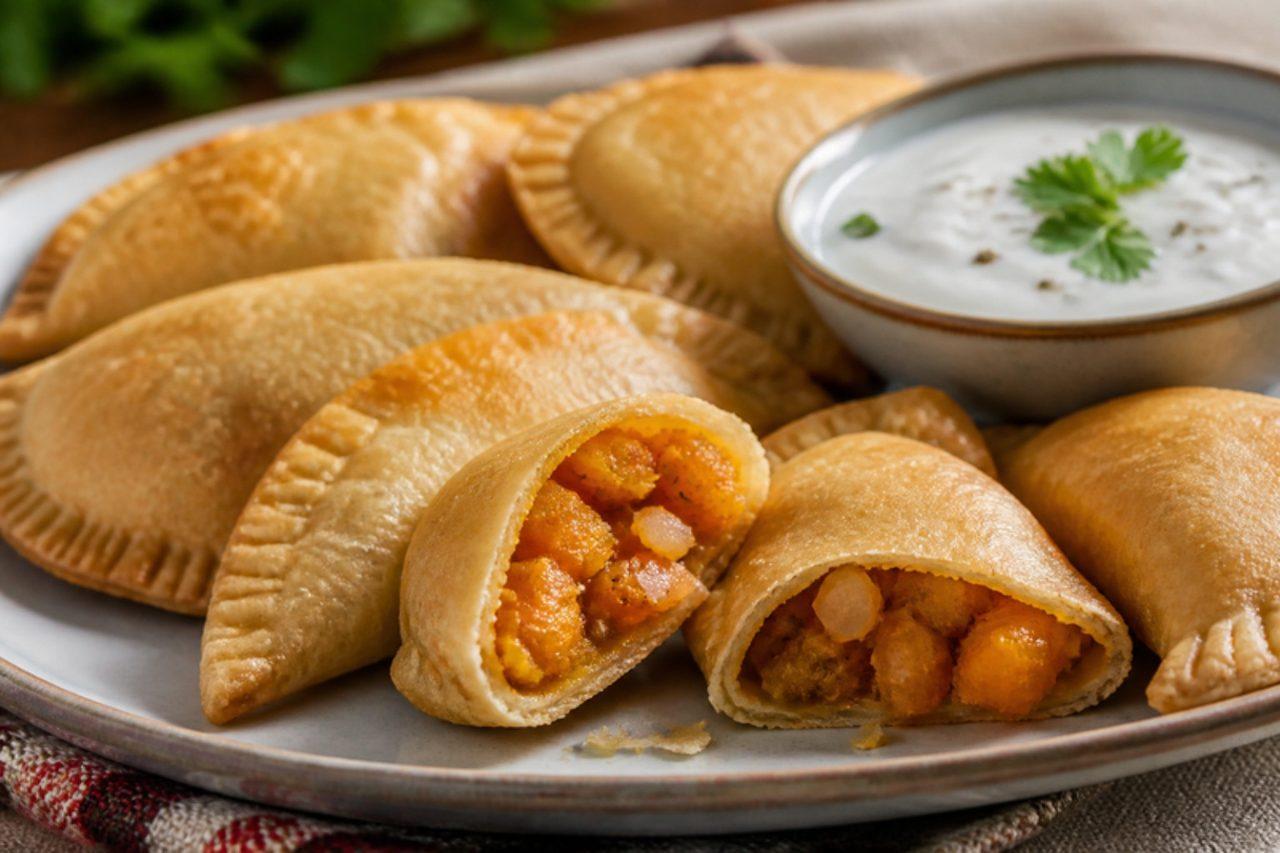
Across northern Afghanistan, around Mazar, Kunduz and Shibirghan, the autumn pumpkin harvest is turned into bichak, plump half-moon pastries that show the region's Uzbek and Turkmen neighbours in their name and shape. A soft, thin wheat dough wraps a filling of grated pumpkin and onion seasoned only with salt, black pepper and a little chilli, which bakes into something sweet, savoury and juicy, best eaten warm with a glass of tea or alongside a bowl of yogurt. Some families bake them, others fry them in a wok of oil; this version bakes them. The filling must not be wet, or the bottoms go soggy and the seams burst, so squeeze the grated pumpkin hard before mixing. Chef's tip: grate the onion finely too, so it melts into the pumpkin instead of staying in crunchy pieces.

by KrazyBadal 0 views

FarfelEgg pasta pilaf with onions

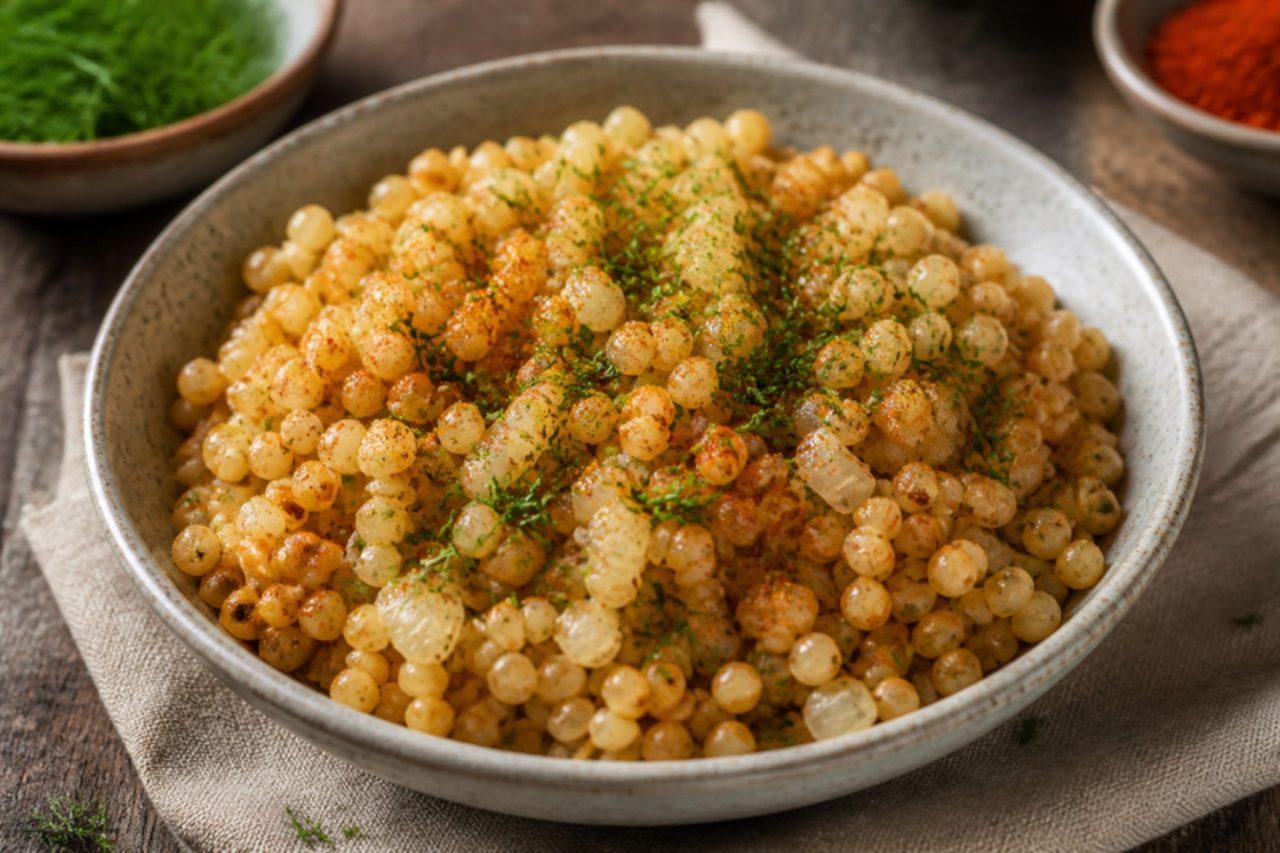
Farfel, little barley-sized pellets of egg pasta, are what many Ashkenazi grandmothers in Israel cook instead of rice, especially on Friday nights alongside soup and roast vegetables. Toasted in oil until golden, then simmered in stock with soft onion, they turn out fluffy and separate with a gentle nutty taste, a bit like a tiny pasta pilaf. This version uses vegetable stock, so it is vegetarian and dairy free. Serve it as a side or stir through mushrooms for a light supper. A common mistake is adding too much stock, which makes the pellets swell into a sticky mass. Chef's tip: toast the farfel until it smells like toast and is evenly amber before any liquid goes in.

by KrazyBadal 0 views

FendishaSweet or salted popcorn

Popcorn might seem an odd companion to coffee, but at an Ethiopian buna ceremony a heaped tray of fendisha is as expected as the incense and the little cups. The hostess pops it while the coffee boils, and it is eaten in small handfuls between the three rounds of coffee. Some families like it plain with a pinch of salt, others scatter sugar over it while it is still hot so it catches in the crevices; both are made here. It is crisp, light and best within an hour or two. Whole popcorn is a choking risk for children under five, so serve them something else. Chef's tip: leave the lid slightly ajar while it pops so the steam escapes; trapped steam is what makes popcorn chewy.

by KrazyBadal 0 views

Bhindi goshtMutton and okra curry

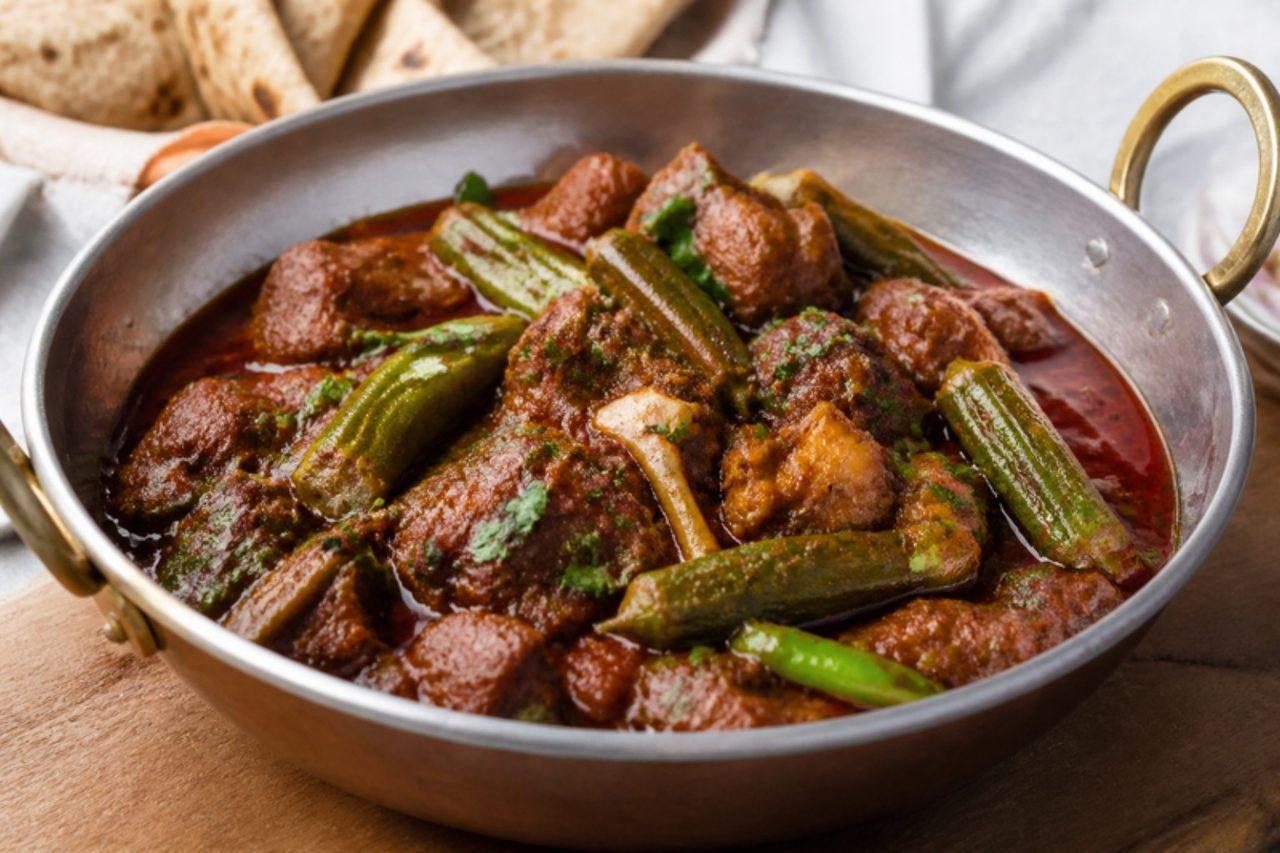
Summer in Punjab means okra in every bazaar, and the moment small, tender pods appear, households start making bhindi gosht for lunch: a dry-ish mutton curry with whole fried okra folded through at the end, tasting of tomato, green chilli and a little dried mango. It is eaten with chapati and a bowl of plain yogurt or raita on the side, and leftovers are even better packed in a tiffin the next day. The okra should be tender and bright, not slimy. That stringy texture comes from washing the okra and cutting it while wet, so wash and dry it completely before you trim it. Chef's tip: fry the okra separately until its edges blister, then add it to the meat only in the last ten minutes; it keeps its shape and the gravy stays clean.

by KrazyBadal 0 views

Bhuga chawalBrown onion rice

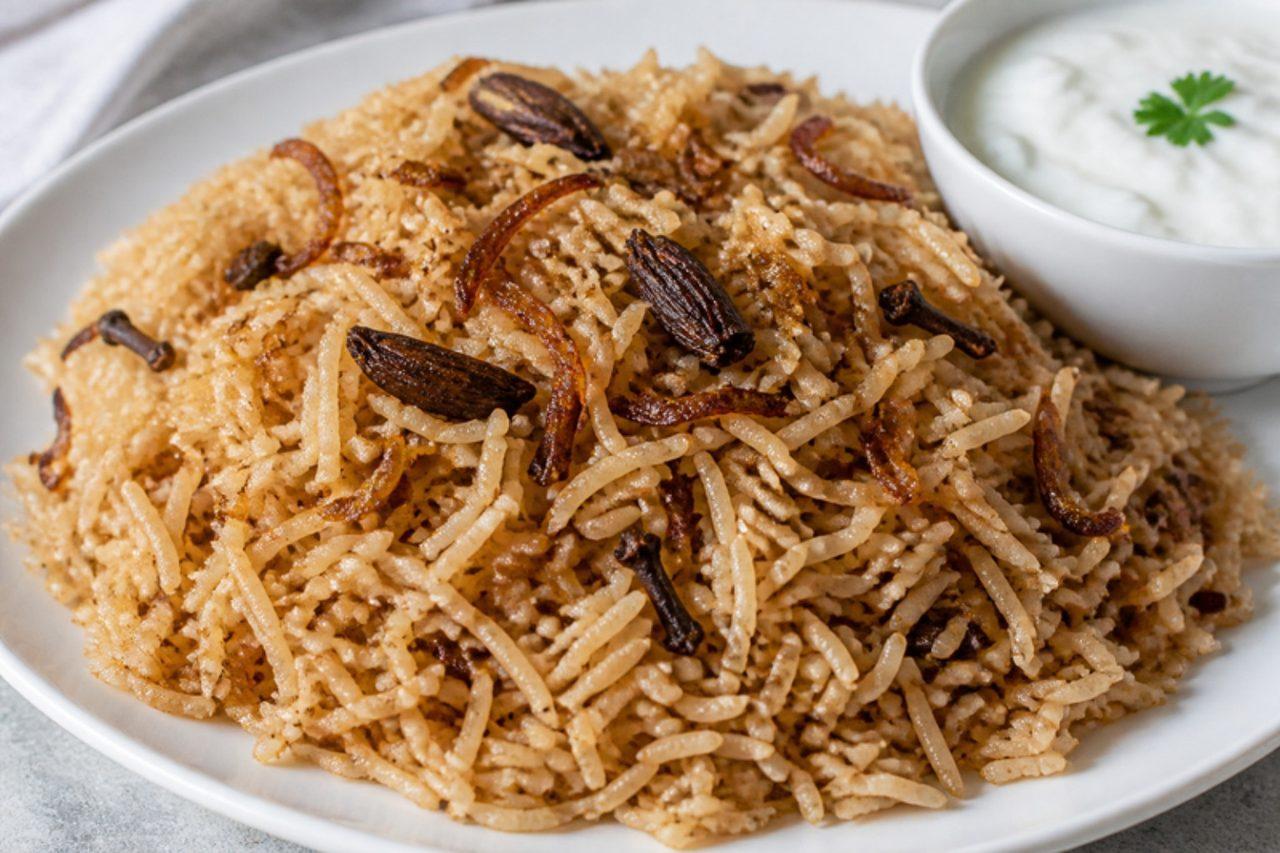
Bhuga means fried, and in this everyday Sindhi rice it is the onions that are fried, slowly and patiently, until they are a deep mahogany brown, so the cooking water and then every grain turn a warm tan colour with a sweet, almost smoky flavour. In Karachi and Sukkur homes it is the rice that goes with Sindhi kadhi on a Friday, or with sai bhaji, the green dal and spinach stew, and a crisp aloo tuk or papad on the side. It is simple enough for a weeknight and good enough for guests. Burnt onions are the trap: there is only a short moment between dark brown and bitter black. Chef's tip: once the onions start to colour, lower the heat and stir constantly, and add the water the moment they reach the shade of strong tea.

by KrazyBadal 0 views

Bhee patataLotus stem and potato curry

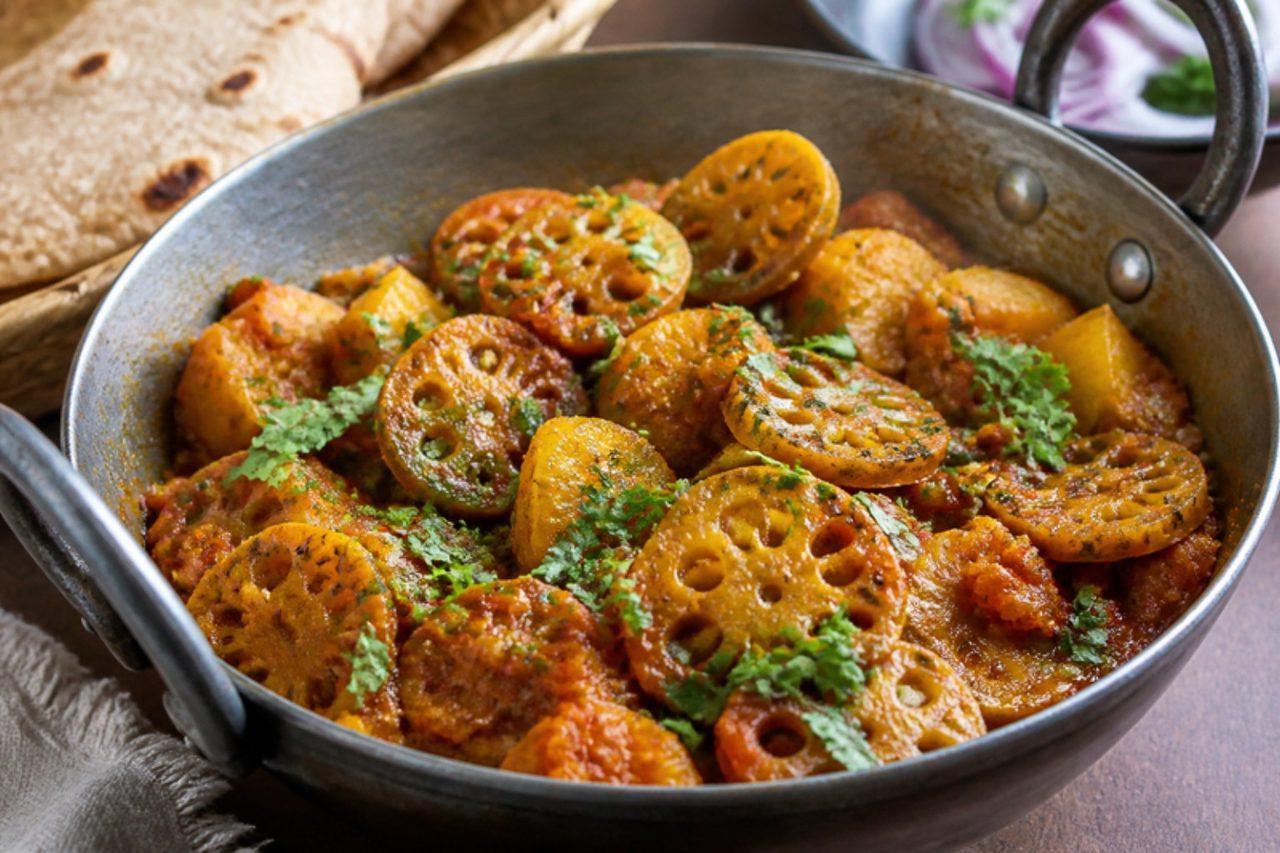
Sindhis have a particular love of bhee, the lotus stems that come up from the lakes and canals around Manchhar and Keenjhar, and bhee patata is the most loved way of cooking them at home in Karachi and Hyderabad. Cut on the slant, the stems show their lacy, many-holed cross-section and keep a pleasing crunch even after a long simmer, while the potato pieces go soft and soak up a thick masala of browned onion, tomato and coriander. It is a Sunday lunch dish served with phulka or with plain rice and a bowl of yogurt. Mud trapped in the hollow channels is the usual problem and it makes the curry gritty. Chef's tip: slice the stems first and then wash every piece under running water, poking out any dark patches with a skewer, before you par-boil them.

by KrazyBadal 0 views

Bhatmas sadekoRoasted soybean salad

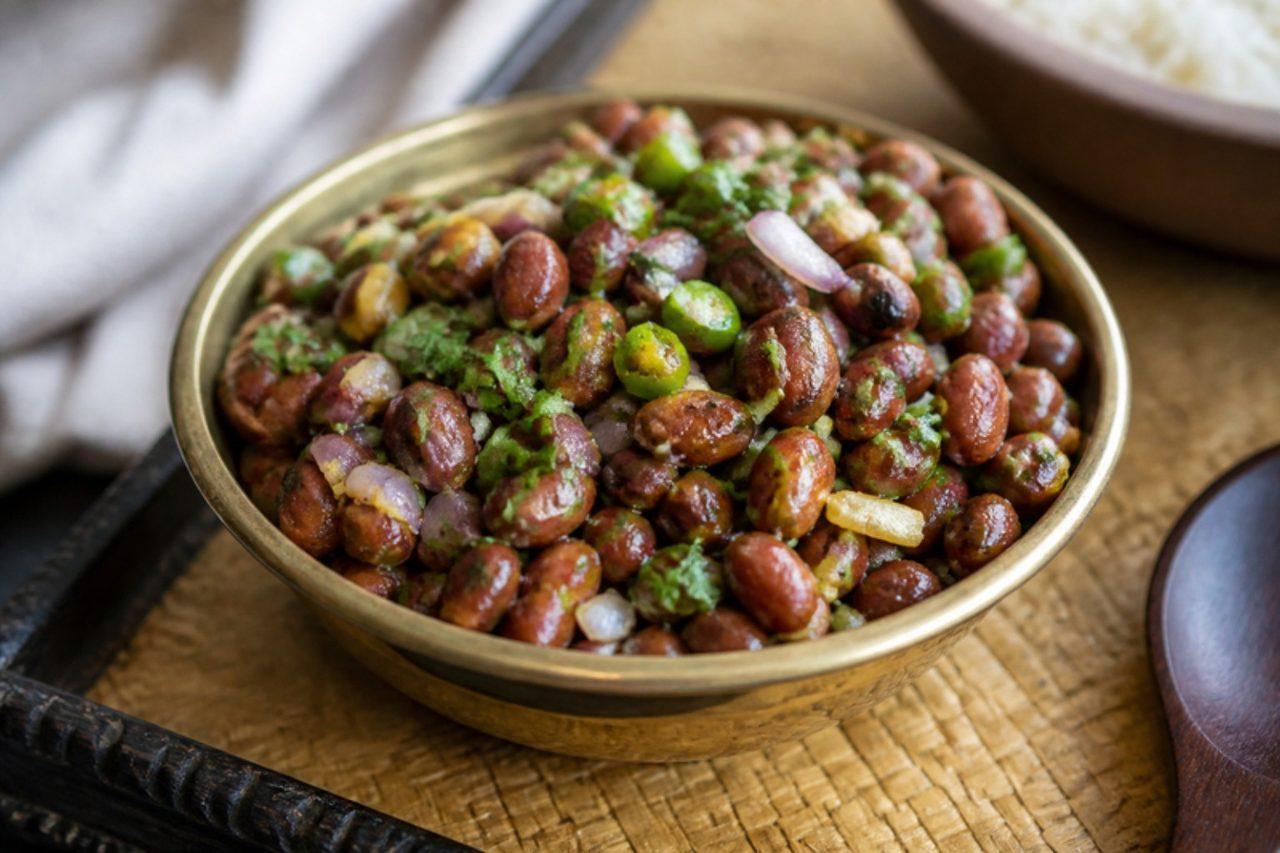
Sadeko means marinated, and in Kathmandu it is the word for the punchy little salads served in khaja ghar snack houses and at family gatherings during Dashain and Tihar card games. The soybean version is the cheapest and one of the best: dried soybeans roasted in a dry pan until they crack and turn nutty, then tossed while warm with red onion, green chilli, ginger, garlic, coriander, lemon and a spoonful of pungent raw mustard oil. It is crunchy, sharp and hot, eaten by the handful with beaten rice (chiura) or as a side to a dal bhat plate. The pitfall here is under-roasting the beans, which leaves them hard and grassy rather than crisp. Chef's tip: roast the beans until they split their skins and smell like popcorn, then rub off and blow away the loose skins before dressing them.

by KrazyBadal 0 views

Falsa sherbetFalsa berry drink

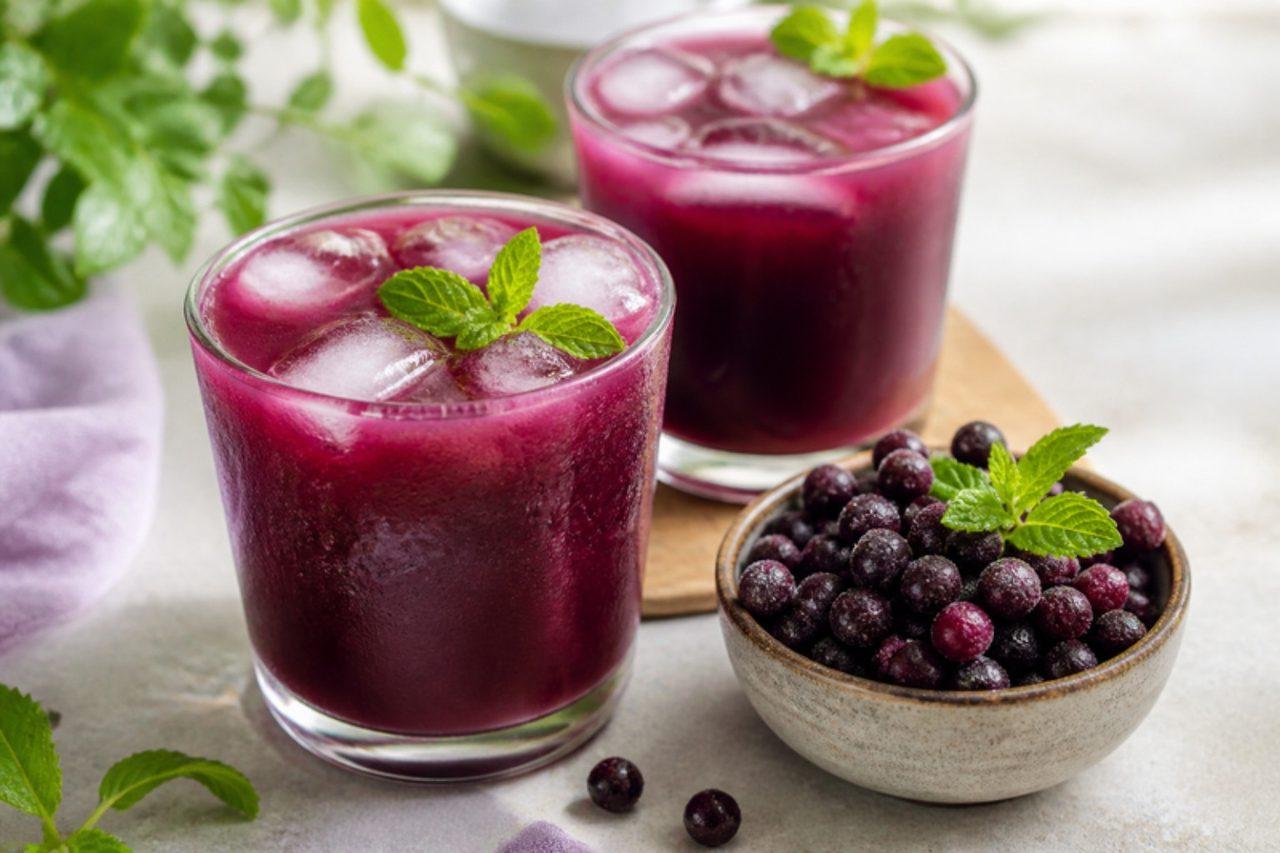
For a few short weeks in May and June, Punjabi fruit sellers from Multan to Lahore pile their carts with falsa, tiny purple-black berries with a big seed and a sweet-sour, grape-like flavour, and roadside stalls crush them in big jugs of iced water with sugar and a pinch of black salt. The sherbet is a striking magenta, tart and salty-sweet, and people swear by it as a cooler against the loo, the scorching summer wind; it is also a favourite at iftar when Ramadan falls in summer. Outside Pakistan look for frozen falsa in South Asian grocers, or use blackcurrants, which give a similar colour and sharpness. A common slip is blending the berries hard, which cracks the seeds and turns the drink bitter. Chef's tip: just rub the berries with the sugar and a little water by hand or pulse very briefly, then strain, so you get all the juice and colour and none of the bitterness.

by KrazyBadal 0 views

Fever grass teaLemongrass and ginger tea

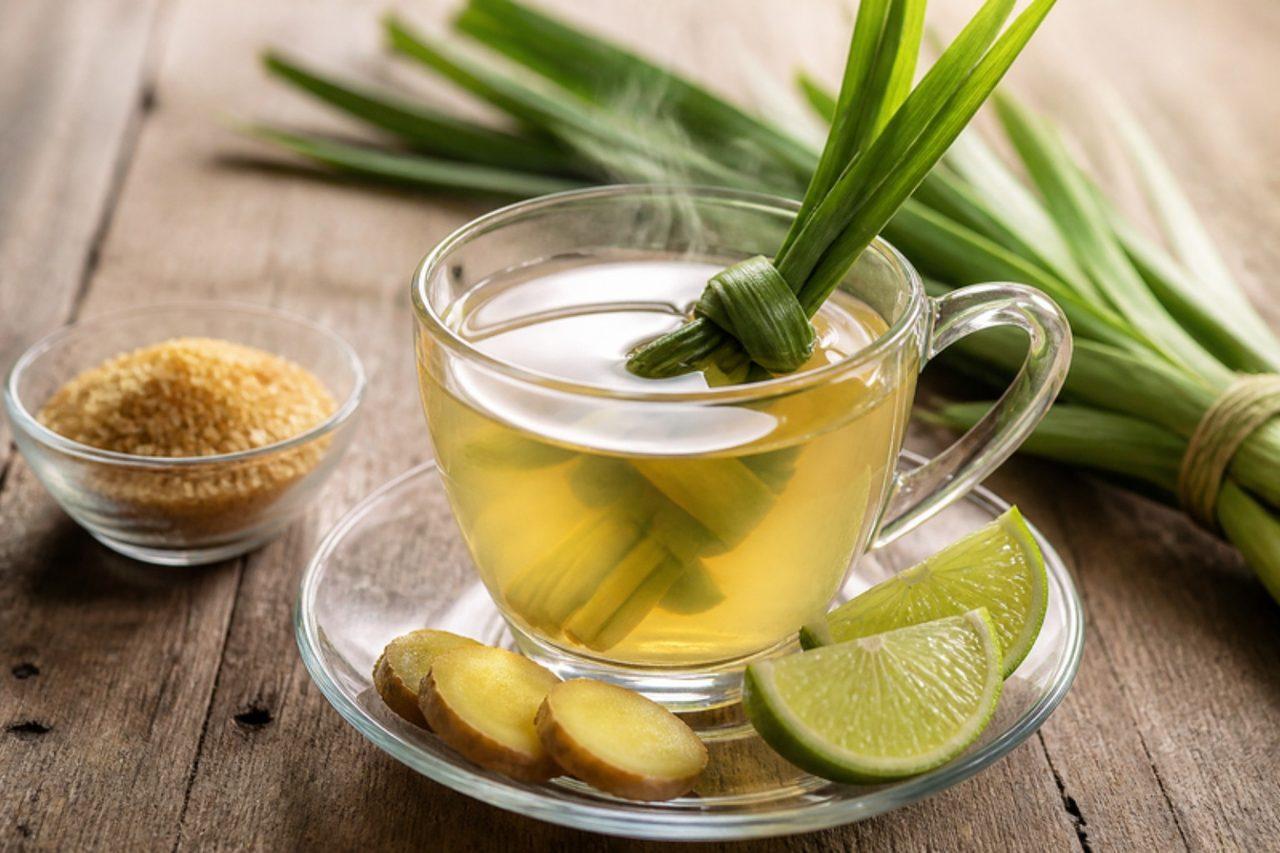
In Jamaican country yards a clump of fever grass, the local name for lemongrass, grows by the kitchen door, and a handful steeped in boiling water is the old remedy for colds, aches and restless nights. Brewed with fresh ginger, it is lemony, gently peppery and soothing, and is drunk hot, sweetened with a little brown sugar. The mistake people make is using the stalks whole, which gives a weak tea; bruise and cut them to release the oils. Chef's tip: tie long leaves in a knot before you add them, as country cooks do, so they are easy to lift out.

by KrazyBadal 0 views

HangikjötSmoked lamb with white sauce

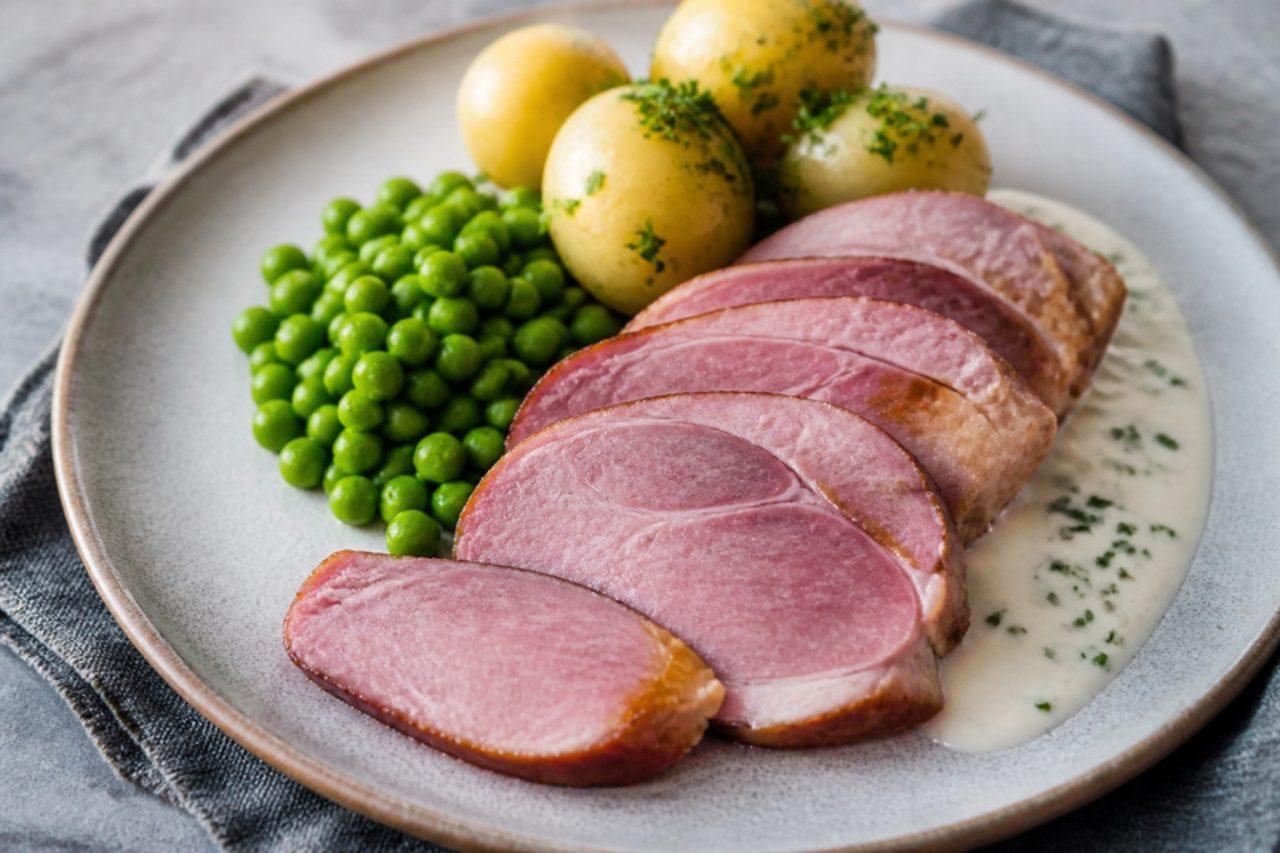
Hangikjöt, 'hung meat', is the Icelandic Christmas Day dinner: lamb or mutton smoked over birch or dried sheep dung, then simmered slowly and served hot or cold with potatoes in white sauce (uppstúfur), green peas, red cabbage and laufabrauð or flatkökur. Icelanders buy it ready-smoked in December; it is cooked at home. A common mistake is boiling it hard, which toughens the meat and makes it too salty. Chef's tip: let it cool in its cooking water; the meat stays juicy and absorbs back some of the flavour.

by KrazyBadal 0 views

BezarSpice blend

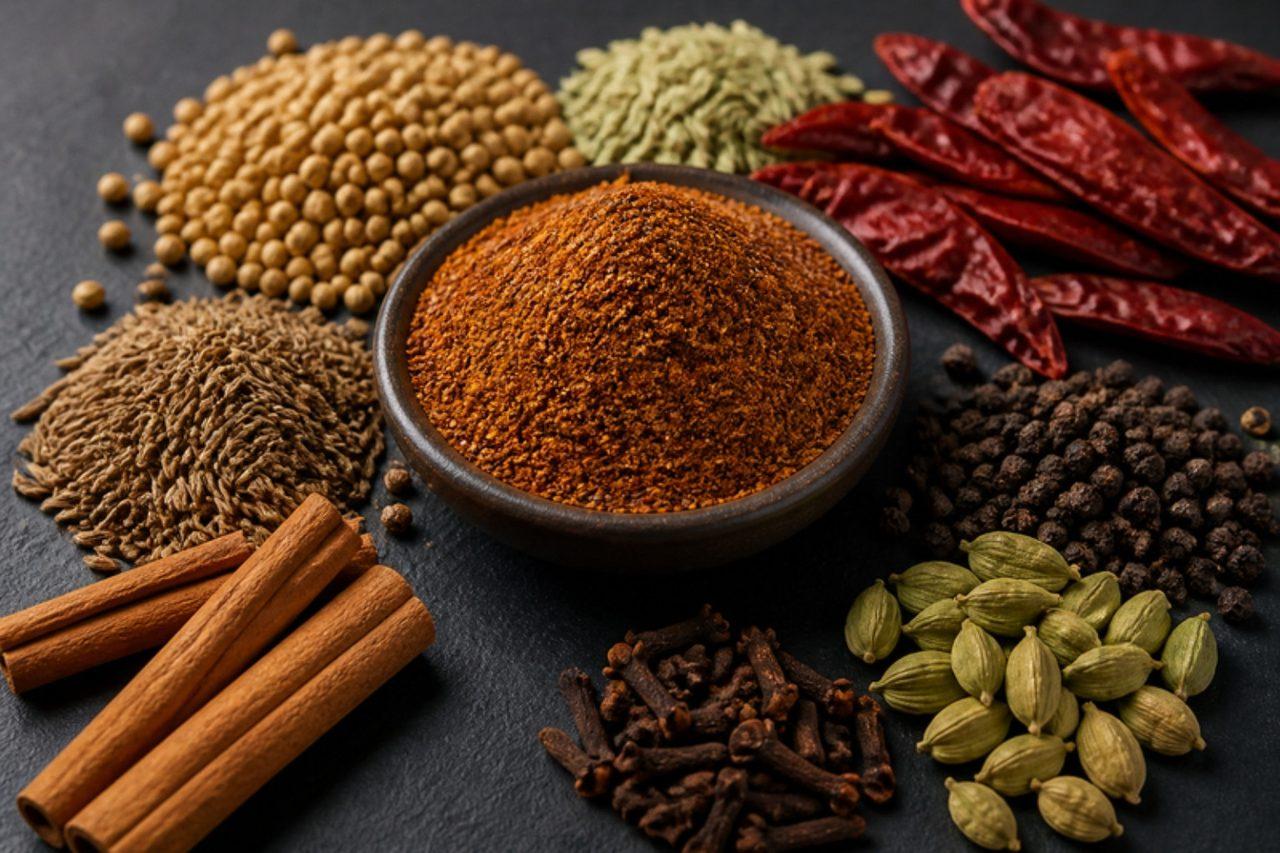
Every Emirati kitchen keeps a jar of bezar, and many families in Dubai and Al Ain still roast and grind their own each winter to last the year. It is the warm, earthy backbone of machboos, saloona, harees and grilled fish, built mainly on coriander and cumin with fennel, a little chilli heat, cinnamon and plenty of turmeric for colour. Toasting the whole spices first gives it a deeper, nuttier taste than any ready-mixed powder. The common slip is toasting everything together on a high heat, so the small seeds burn while the coriander is still raw. Chef's tip: stir the turmeric and ground ginger in after grinding, never into the hot pan, or they turn bitter.

by KrazyBadal 0 views

EtoMashed yam with palm oil

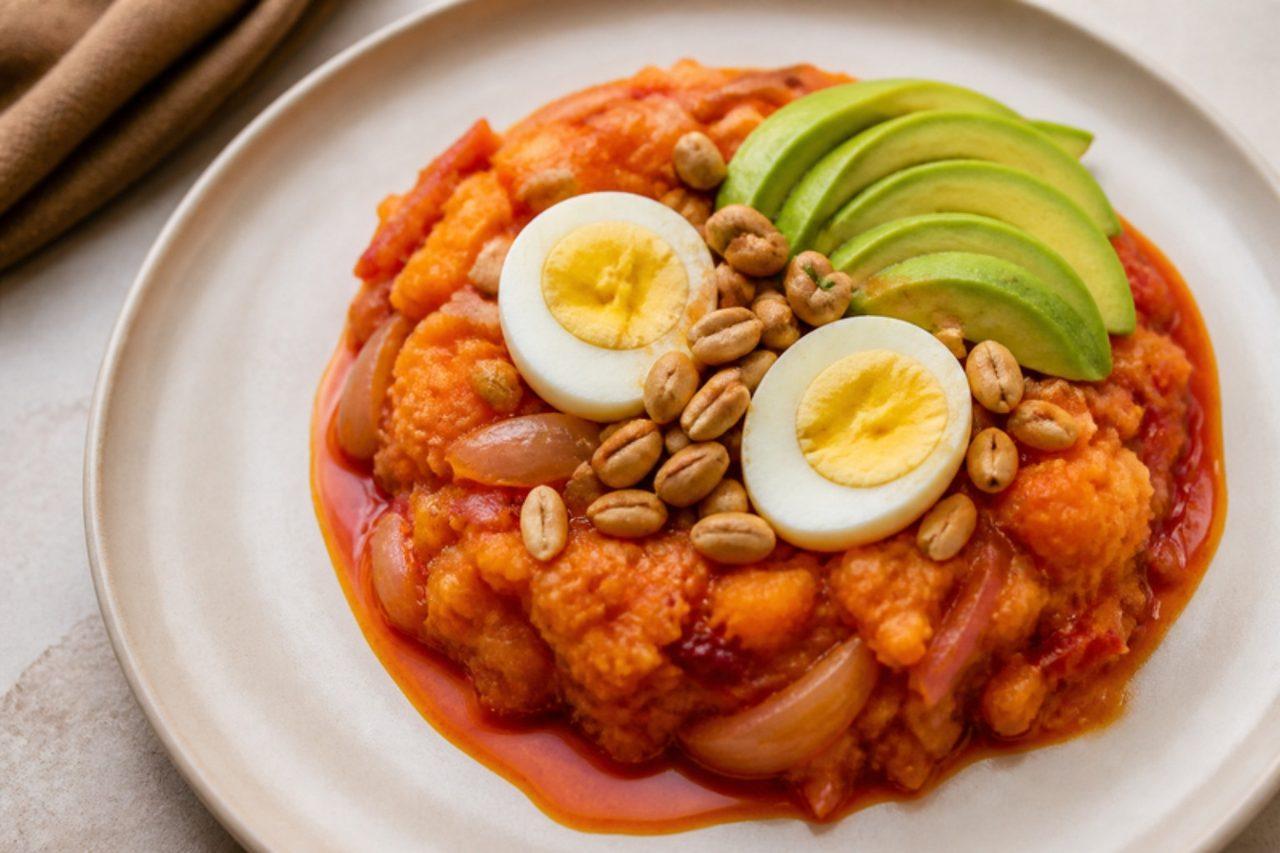
Eto is a dish for marking occasions among the Akan, made on birthdays and celebration mornings, when boiled yam (or plantain) is mashed in an earthenware asanka bowl with red palm oil, raw onion and a little pepper until it turns golden and fragrant. It is served in a mound with halved boiled eggs, slices of ripe avocado and a handful of roasted groundnuts, so every mouthful is soft, buttery and crunchy at once. It is filling, simple and very good. Avoid mashing the yam to a smooth purée; eto should keep a rough, crushed texture. Chef's tip: mash the yam while it is steaming hot and add the oil at the same time, because cold yam goes gluey and will not absorb the oil evenly.

by KrazyBadal 0 views

Berner PlatteSmoked meats and sauerkraut platter

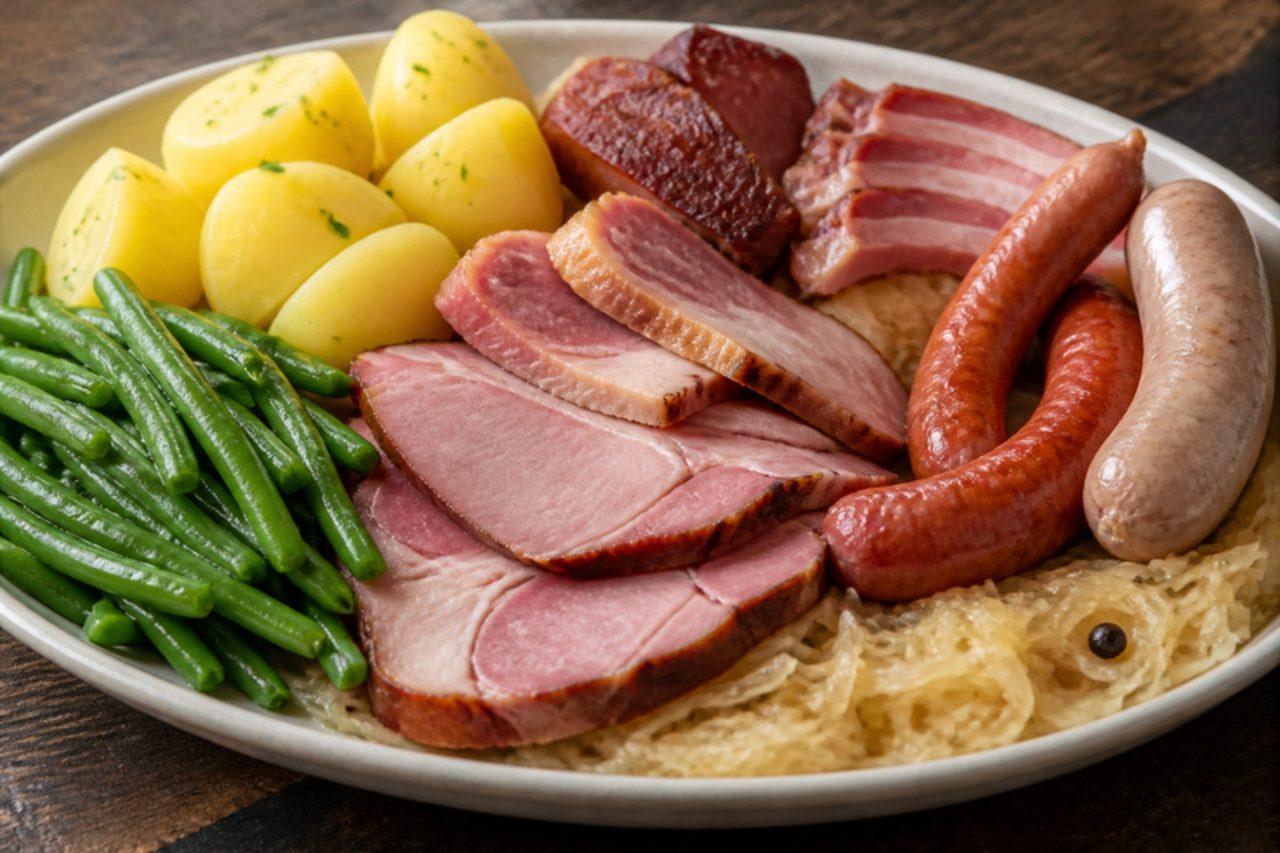
The Berner Platte is Bern's great feast platter, said to celebrate the victory over the French at Neuenegg in 1798, and it is still served in the old taverns under the arcades of Bern's old town, especially in autumn and winter: a heap of smoked pork belly, smoked pork shoulder, tongue, beef, Bernese sausages and marrow bones, laid over sauerkraut, dried green beans and boiled potatoes. This dish contains pork. A common mistake is boiling everything together for the same time; the sausages split and the beef is still tough. Chef's tip: cook each meat for its own time in the same pot, adding the sausages only for the last 20 minutes at a gentle simmer. Whole pork cuts must reach 63 °C and sausages 71 °C.

180 minSwissMeatGluten free
by KrazyBadal 0 views

EscavècheCold fried fish in vinegar jelly

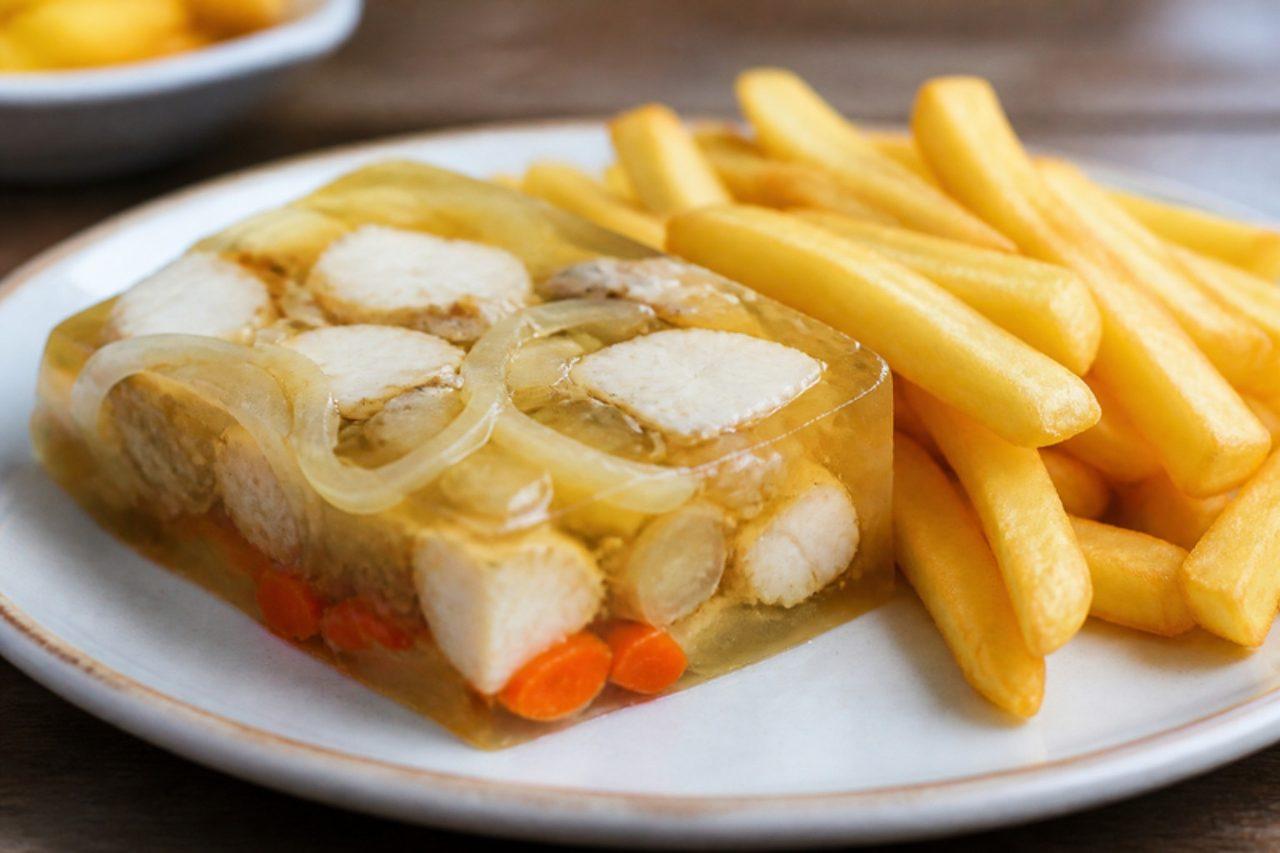
Escavèche is a speciality of the Chimay and Couvin area in southern Wallonia, a legacy of Spanish rule in the 16th century: fish fillets, traditionally eel or pike, fried and then covered with a hot marinade of vinegar, onion, thyme and bay that sets into a clear, tangy jelly as it cools. It is eaten cold, sliced, with crisp fries, in the brasseries of the Botte du Hainaut. A common mistake is not cooking the fish through before it goes into the marinade; cold marinade does not cook it. Chef's tip: let it set for at least 12 hours in the fridge; the vinegar mellows and the jelly firms. The fish should be opaque and flaking before marinating.

by KrazyBadal 0 views

BhakkaSteamed rice cakes

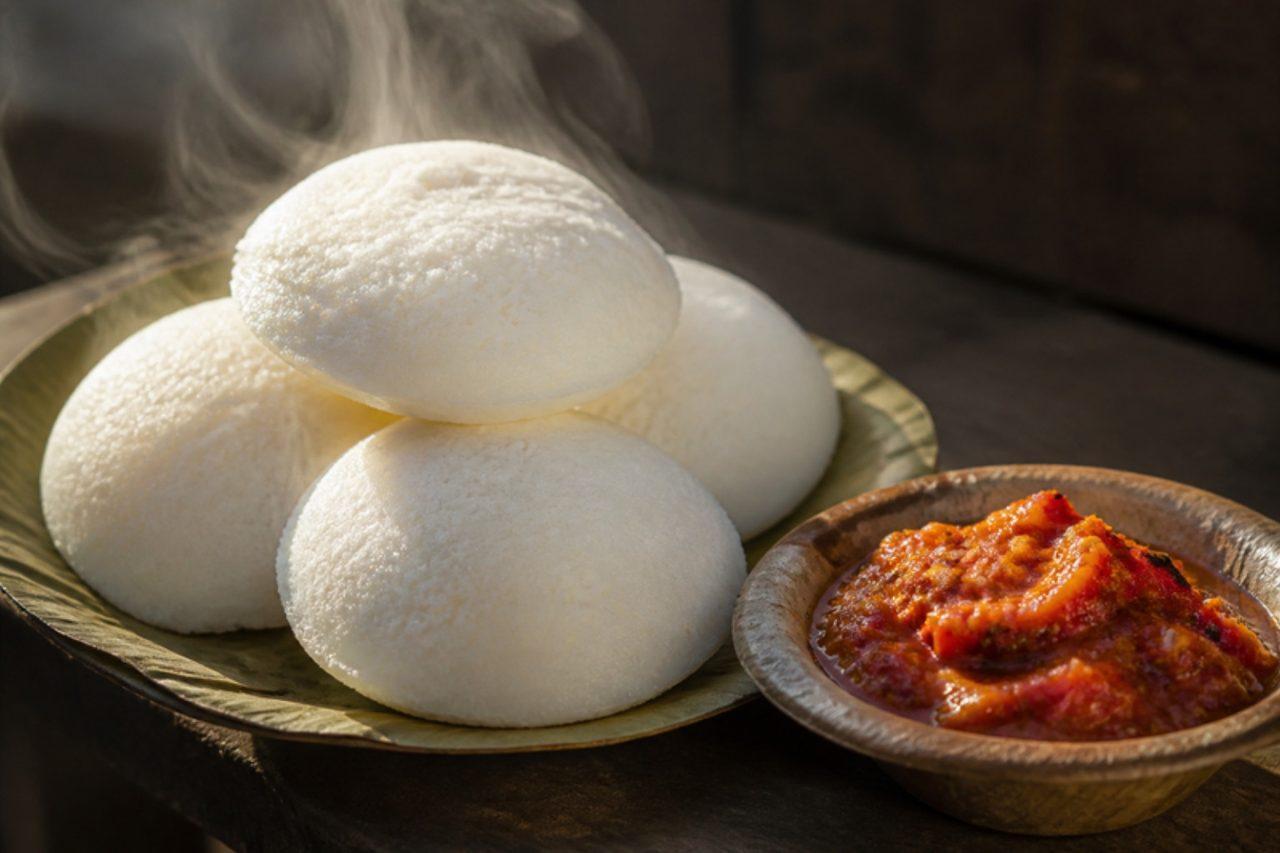
On foggy December mornings in Biratnagar, Itahari and the bazaars of Jhapa and Morang, street sellers sit behind a smoking clay pot turning out bhakka one at a time, little round cakes of damp, freshly ground rice flour steamed in a cloth-covered bowl over boiling water. Each one is light and crumbly, almost like a soft rice sponge, and slightly sweet, and it is eaten straight away, broken up and dipped into a hot, garlicky tomato achar. It is a Tharu and Madhesi winter favourite that has become everyone's breakfast in the eastern Terai. Many first attempts fail because the flour is too fine and dry, so it packs into a hard puck. Chef's tip: grind soaked rice coarsely at home and keep it just damp enough to clump when squeezed, then sprinkle it loosely into the bowl without pressing.

by KrazyBadal 0 views

FafernuchyHoney and carrot Christmas cookies

Old Masurian and Warmian households baked fafernuchy weeks before Christmas and kept them in tins, where they slowly mellowed; children found them in their stockings and on the Christmas plate. They are small, hard, pebble-like biscuits, sweetened with honey and given a gentle colour and moisture from finely grated carrot, with a little spice in some homes. Expect a proper crunch, made for dunking in tea. A common mistake is expecting them to be soft straight from the oven; they are meant to be firm and soften only a little in the tin. Chef's tip: grate the carrot on the finest side of the grater so the dough stays smooth and holds its shape.

by KrazyBadal 0 views

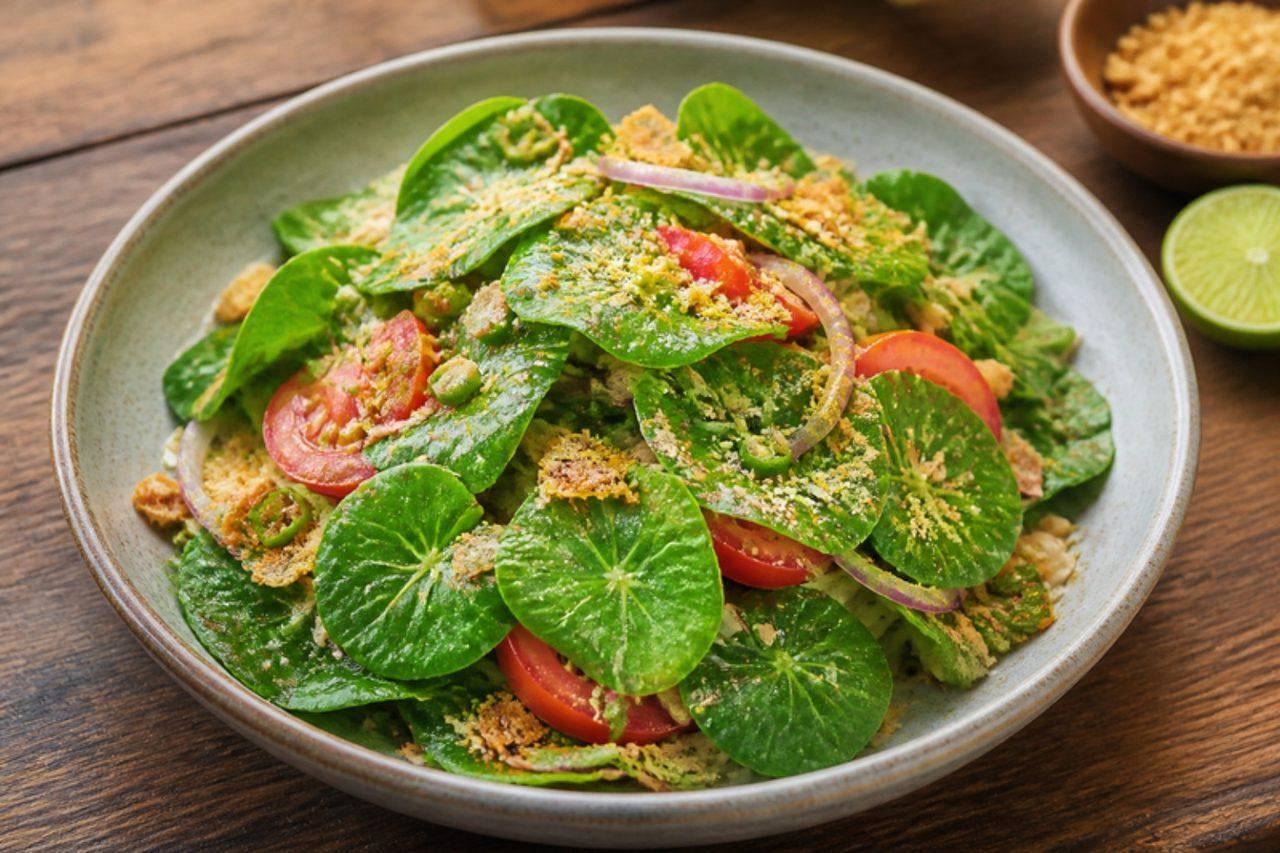
Burmese pennywort salad

Myin khwa, 'horse's hoof', is the Burmese name for pennywort, after the shape of its round leaves, and Mandalay grandmothers swear by a plate of it to cool the body during the hot months before the monsoon. The fresh leaves are slightly bitter and grassy, a little like watercress, and they are tossed by hand with toasted chickpea flour, crushed peanuts, crunchy fried garlic and its oil, lime juice, tomato and sliced onion. The salad is served as a side to rich curries, where its clean sourness cuts through the oil. Wet leaves ruin it: the dressing slides off and turns watery, so dry them completely after washing. Chef's tip: look for pennywort sold as gotu kola at Asian and Sri Lankan grocers; young watercress makes a fair stand-in.

by KrazyBadal 0 views

ErgoSoured milk

Cattle-keeping families across rural Ethiopia leave fresh milk to thicken in smoked clay pots or gourds, and the result, ergo, is tangier and looser than yoghurt, somewhere between set buttermilk and a soft curd. It is spooned beside a spicy kitfo or wat to calm the heat, eaten for breakfast with bread, or drunk as it is on hot afternoons. The traditional way relies on raw milk souring by itself, which is not safe to copy at home; this version uses pasteurised whole milk with a spoon of live buttermilk or yoghurt as the starter, so the right bacteria do the work. Allow about 24 hours at room temperature for it to set. Chef's tip: keep it somewhere steady at 22–26 °C; too cool and it barely thickens, too warm and it separates into whey and lumps.

by KrazyBadal 0 views

Bermuda cassava pieCassava pie with chicken and pork

No Bermudian Christmas table is complete without cassava pie, a dense, golden, faintly sweet bake of grated cassava, eggs, butter, sugar and nutmeg layered around a filling of stewed chicken and pork. Families compare recipes and argue over sweetness; it is served in slices with the turkey on Christmas Day and eaten cold for days after. The pork here is boneless pork shoulder, stewed with the chicken until tender. The common mistake is underbaking: the cassava must set firm and brown deeply, or it is gluey in the middle. Use frozen grated cassava, squeezed dry. Chef's tip: make the filling the day before; cold meat is easier to layer and the stock gels into a juicy middle.

by KrazyBadal 0 views

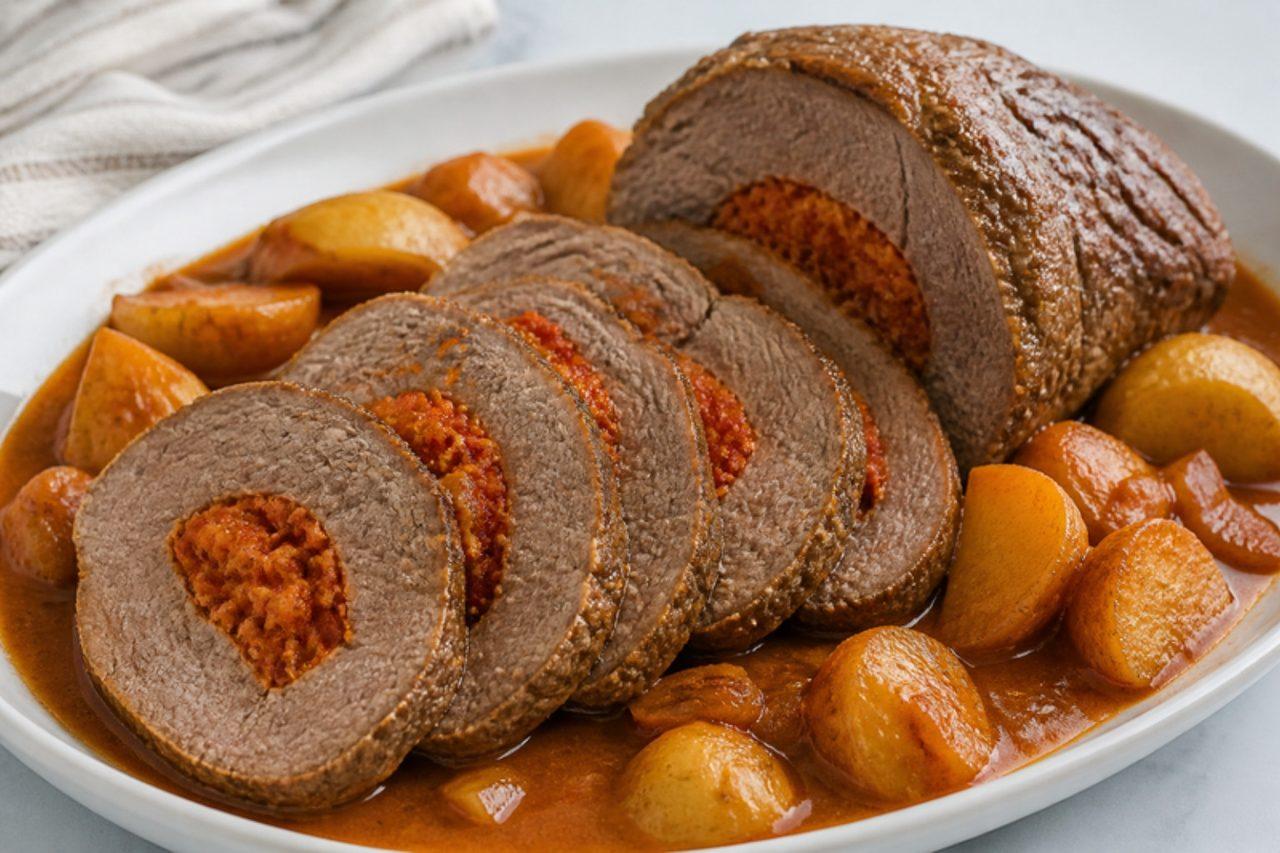
BolicheChorizo-stuffed beef pot roast

Boliche is a Sunday and holiday centrepiece in Havana: an eye-of-round beef joint with a tunnel cut through the middle, stuffed with pork chorizo, then browned and braised slowly in tomato, onion, pepper, sour orange and dry white or red wine until it slices like butter. Potatoes go into the pot for the last hour to soak up the sauce. The wine is simmered for hours, though a little alcohol may remain; use extra stock with a spoon of vinegar for an alcohol-free version. The common mistake is rushing the braise, which leaves this lean cut tough, so keep the pot at a bare simmer. Chef's tip: chill the cooked roast in its sauce, then slice it cold and reheat the slices in the sauce; you get neat rounds with the chorizo in the centre.

210 minCubanMeatGluten free
by KrazyBadal 0 views

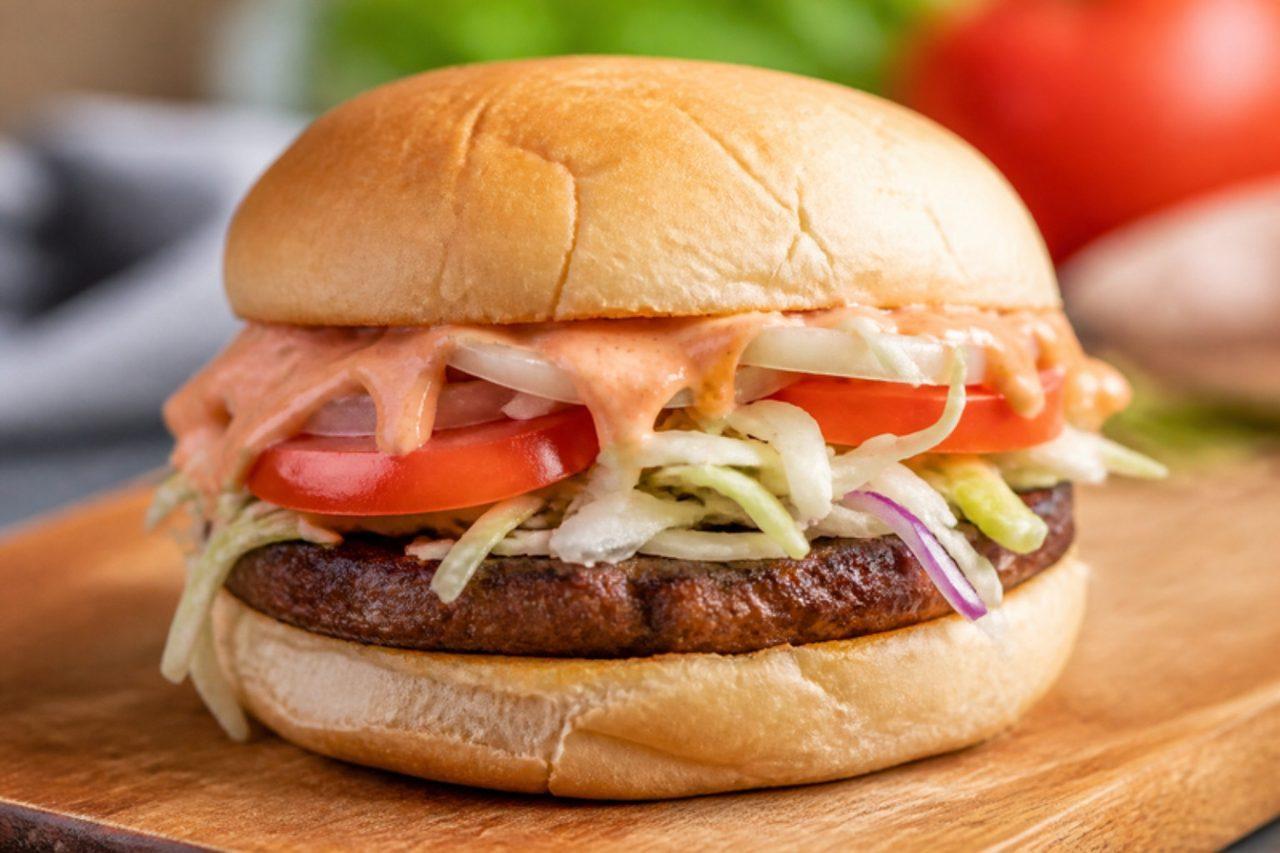
Dominican chimi burgerBurger with cabbage and mayo-ketchup

After dark in Santo Domingo, chimichurri carts (the "chimi" trucks) fire up griddles on street corners and sell these big, messy burgers into the small hours. A garlicky, oregano-seasoned beef patty, sometimes mixed with pork, is griddled and piled into a soft roll with lots of shredded cabbage, onion, tomato and the pink mayo-ketchup sauce. The common mistake is pressing the patty while it cooks, squeezing out the juices; flip it once and leave it. Cook the mince to 71 °C in the centre. Chef's tip: dress the shredded cabbage with a little of the sauce and lime first, so it softens slightly and stays in the bun.

by KrazyBadal 0 views

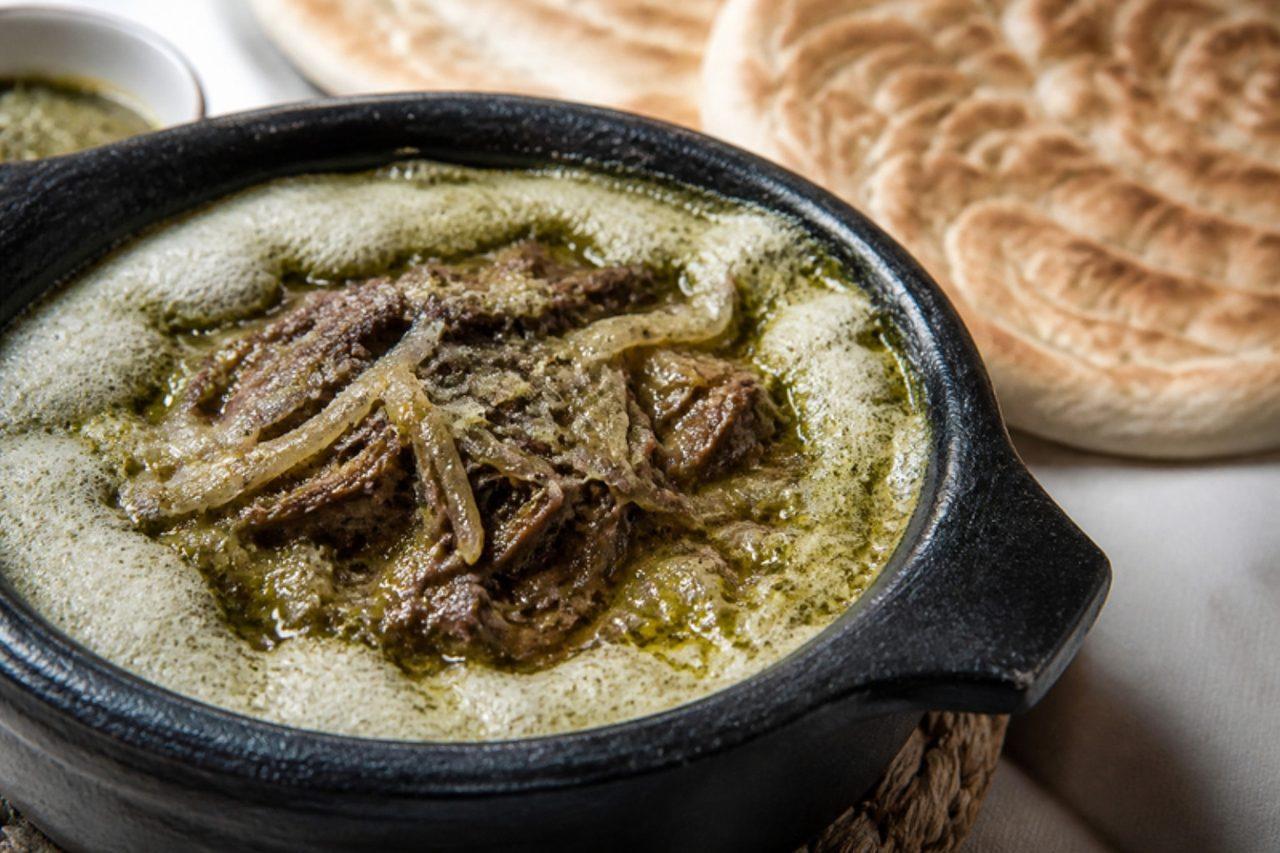
FahsaShredded lamb stew with fenugreek

Fahsa is the lunch of Sana'a, Yemen: in the old city's restaurants it arrives volcanically hot in a black stone pot called a madara, still bubbling, with a cap of whipped fenugreek on top and a stack of flatbread for scooping. Lamb is slow-cooked until it shreds, then fried hard with its thick broth, tomato and hawaij, so it is meatier and drier than saltah, the broth-based cousin already on this site. The fenugreek froth adds a bitter, savoury edge against the rich meat. The usual mistake is serving it lukewarm: fahsa should still be spitting when it reaches the table. Chef's tip: heat a small cast-iron pan in the oven while you cook, then finish the fahsa in it for that sizzling stone-pot effect.

by KrazyBadal 0 views

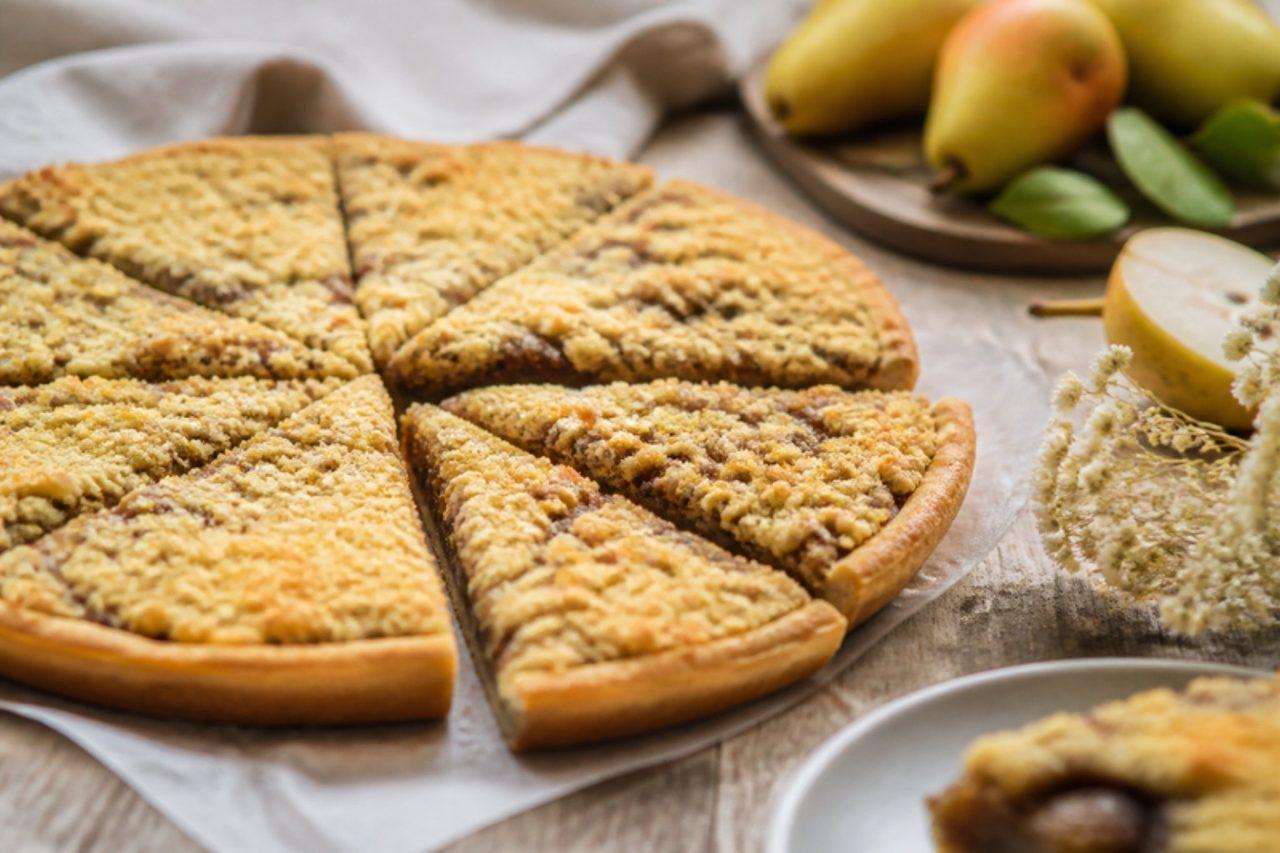
FrgályYeast tarts with pear or cheese

At weddings and church fairs in Moravian Wallachia, in the hills around Rožnov and Vsetín, tables are stacked with frgály: yeast tarts as wide as a dinner plate, rolled so thin the filling seems to sit on a crisp, chewy disc. The classic toppings are dried pear mixed with plum butter, sweet tvaroh (Czech quark), or poppy seed, all scattered with a buttery crumble. This recipe makes four, two with each of the first two fillings. Tvaroh is usually set without rennet, but some brands use it, so check the label. The usual slip is leaving the dough thick in the middle, which makes a bready tart; roll right to the edge, about 3 mm thick. Chef's tip: bake on the lowest oven shelf on a hot tray, so the base browns before the filling dries.

150 minCzechBaking
by KrazyBadal 0 views

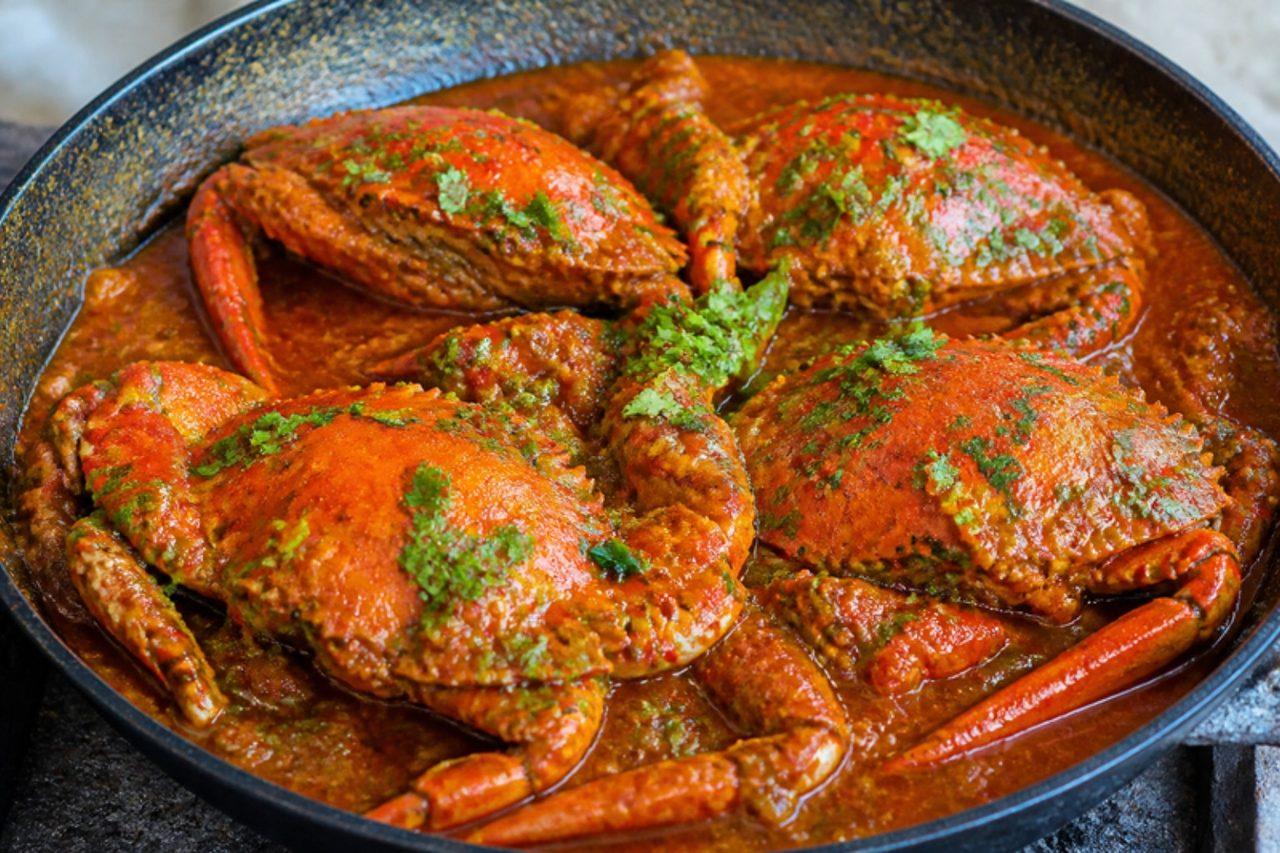
Ago glainCrab in tomato pepper sauce

Cotonou sits between the sea and the Nokoué lagoon, and its crabs, ago in Fon, are cooked whole in a thick tomato, onion and pepper sauce for weekend lunches and family gatherings. Ago glain is gloriously messy: you crack the shells with your fingers and teeth, suck out the sweet meat and mop up the sauce with amiwo, akassa or white rice. The sauce is bright, gingery and hot, and the shells give it a deep seafood flavour. Live crabs need careful handling, so buy them from a fishmonger you trust, cook them the same day and keep them chilled until then; ready-cleaned or ready-cooked crab is fine too. The usual mistake is overcooking the crab once it is in the sauce, which makes the meat dry and stringy. Chef's tip: crack the claws before they go into the pot so the sauce seeps in and they cook evenly.

by KrazyBadal 0 views

AkpanFermented corn drink

Street sellers in Cotonou and Porto-Novo keep akpan in cool boxes, ladled into cups or tied plastic bags as a mid-afternoon pick-me-up. The base is fermented maize starch cooked into a thick pap, then left to sour further until it tastes like a mild, slightly yeasty yoghurt; cold milk and sugar loosen it into a creamy drink you can sip or eat with a spoon. It is refreshing, tangy and filling, and many people treat it as a light meal on hot days. Budget a day for the second souring, though the hands-on time is under half an hour, and always use pasteurised milk and keep the finished drink in the fridge. Don't let the fermented base sit at room temperature for longer than stated; past that it sours too far. Chef's tip: sieve the slurry before cooking; any maize husk left in makes the drink gritty.

by KrazyBadal 0 views

Bela biscuitTwice-baked tea biscuit

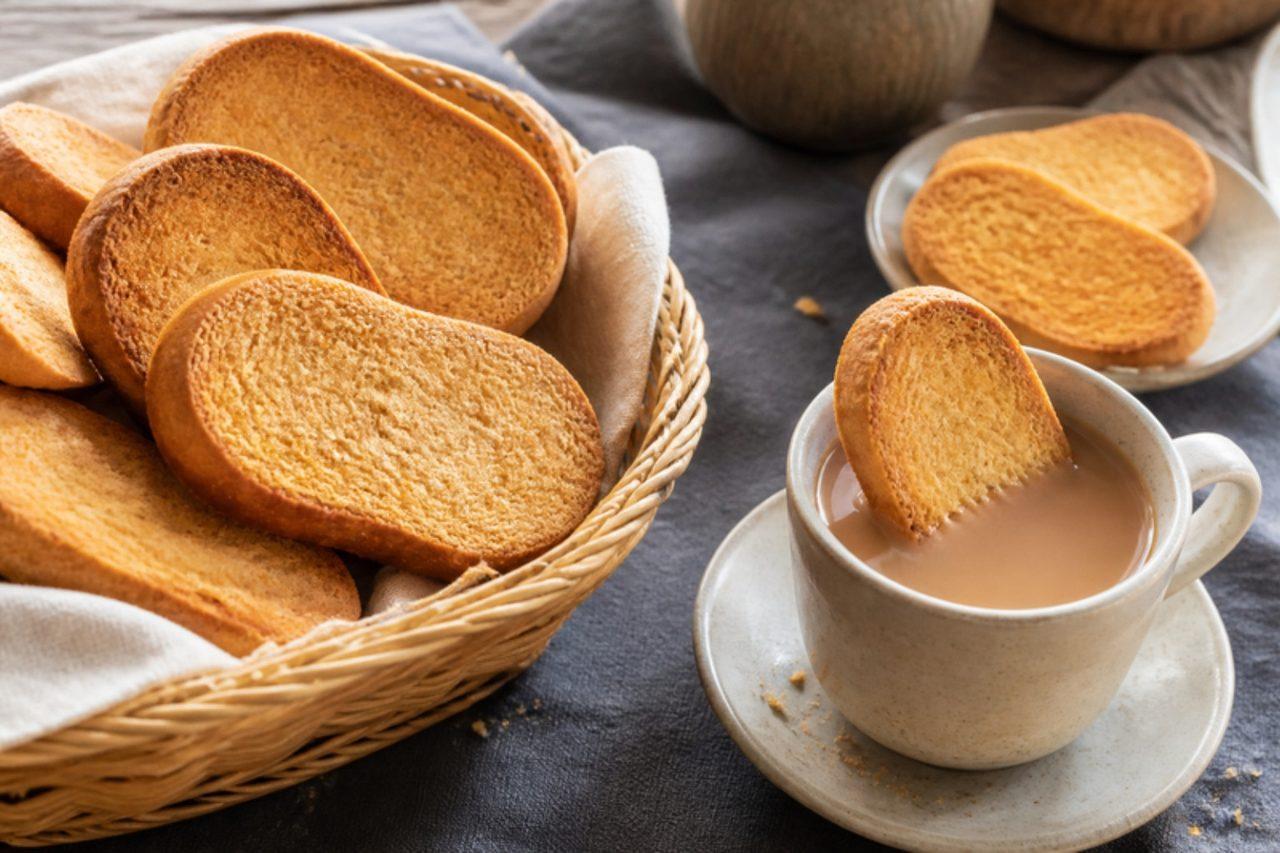
Old Chittagong bakeries, some of them in the Chandanpura area for well over a century, still fire their wood ovens for bela biscuit, a pale oval rusk so hard it cracks rather than snaps. It starts as a lightly sweet, enriched yeast dough that is baked once like a bun and then dried for a long time in a cooling oven until crisp right through. In Chittagong homes it comes out at teatime and when guests arrive, and the whole point is the dunk: a few seconds in hot milky tea and it softens into something like buttery bread. The classic slip is pulling the biscuits from the second bake too soon; they feel firm while warm but go chewy overnight if the centre is still damp. Chef's tip: break one open after drying; if the middle is pale and soft, give the tray another 20 minutes.

by KrazyBadal 0 views

Begova čorbaChicken and okra soup

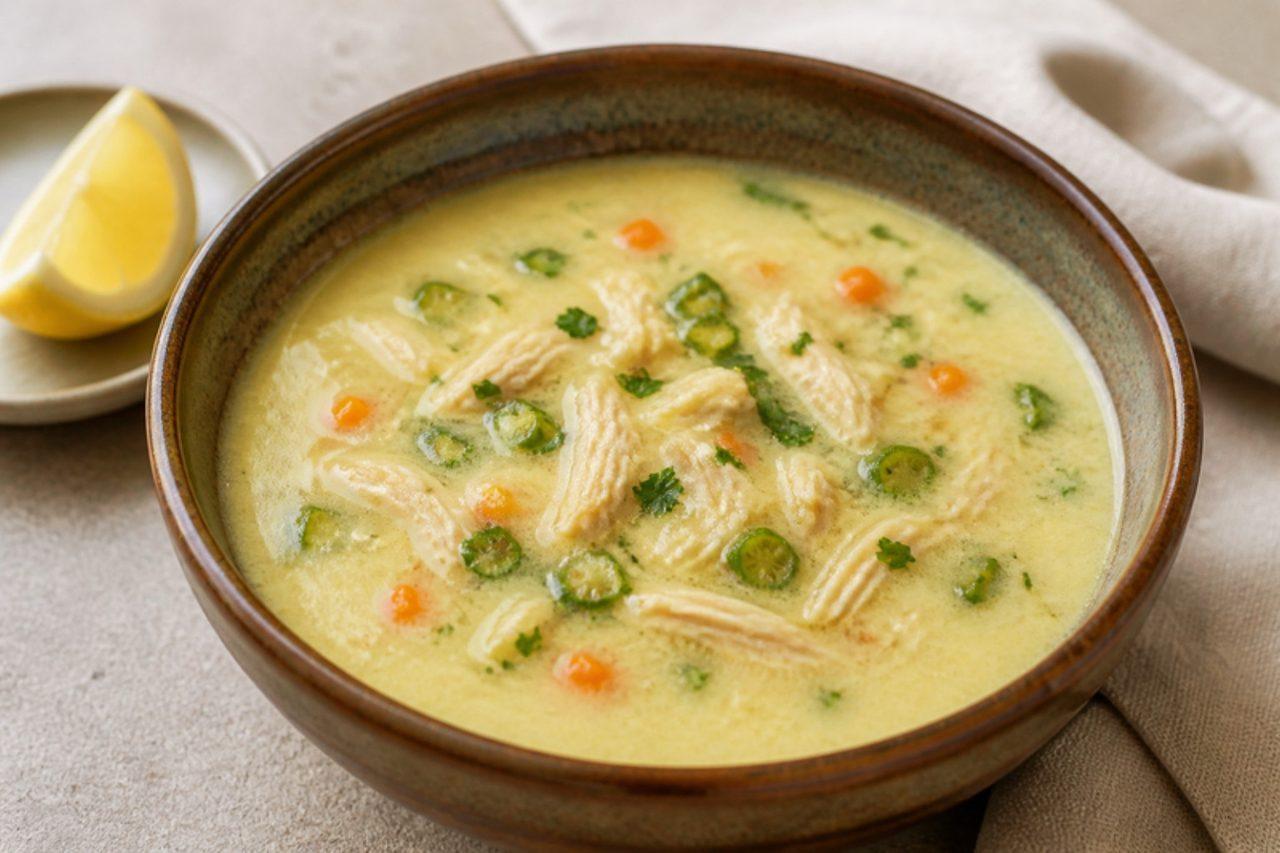
Fit for an Ottoman bey, this velvety soup is the opening course of special dinners in Sarajevo and across Bosnia and Herzegovina, ladled out at weddings, Bajram tables and in the old aščinice, the canteens of the Baščaršija bazaar. Chicken simmers with carrot, celeriac and parsley root, and small okra pods go in to give a gentle, silky body; at the end, egg yolks and sour cream turn it creamy and pale gold, with a sharp lift from lemon. A common mistake is pouring the yolks straight into boiling soup, where they scramble: warm them with a little broth first. Chef's tip: dried okra, if you can find it in a Turkish shop, is traditional and less slimy; soak it in water with a splash of vinegar.

by KrazyBadal 0 views

Espageti ayisyenSpaghetti with hot dogs

In Haiti, spaghetti is a breakfast food, and Saturday mornings in many homes start with a big pan of espageti: thin pasta tossed with sliced hot dogs fried in epis, tomato paste and a little hot pepper, often eaten with a boiled egg or a slice of avocado. It is quick, salty, savoury and loved by children. The mistake to avoid is boiling the pasta fully, then frying; it turns mushy, so cook it just short of done. Fry the hot dogs until piping hot all through (71 °C), as with any sausage. Chef's tip: save a cup of the pasta water; a splash of it turns the tomato and epis into a glossy coating.

by KrazyBadal 0 views

BazheWalnut sauce

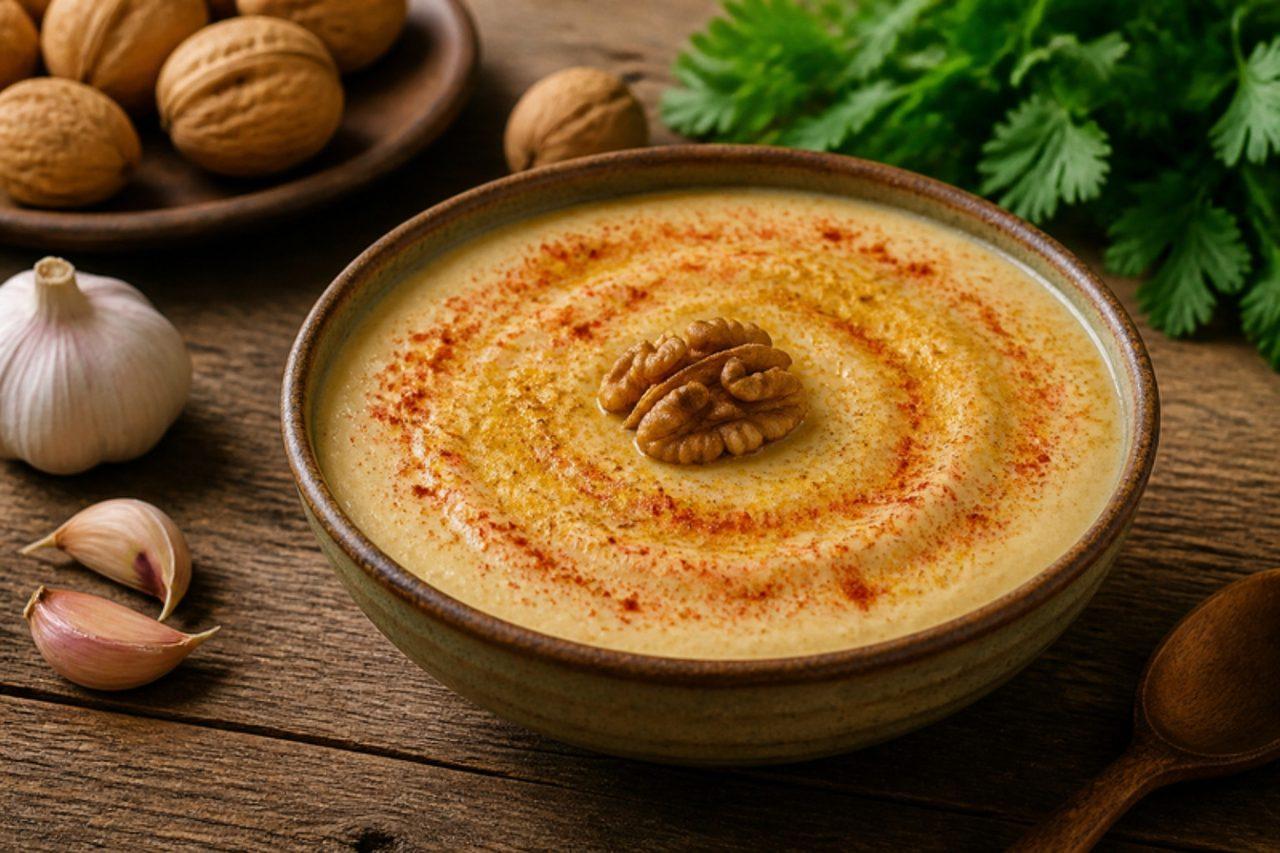
Bazhe is the creamy walnut sauce of Guria, Samegrelo and Imereti, served cold with fried fish, roast chicken, boiled vegetables or a bowl of ghomi; families in Ozurgeti make it in large bowls for New Year. Walnuts are ground until they give up their oil, then let down with water and seasoned with garlic, blue fenugreek, coriander and a sour note until the sauce is pale, smooth and pourable. A common mistake is adding all the water at once; the sauce separates and turns thin and grey. Chef's tip: squeeze out a little walnut oil by kneading the paste with your hand, then drizzle it back over the finished sauce for a glossy, golden finish.

by KrazyBadal 0 views

Enchilado de camaronesShrimp in Creole tomato sauce

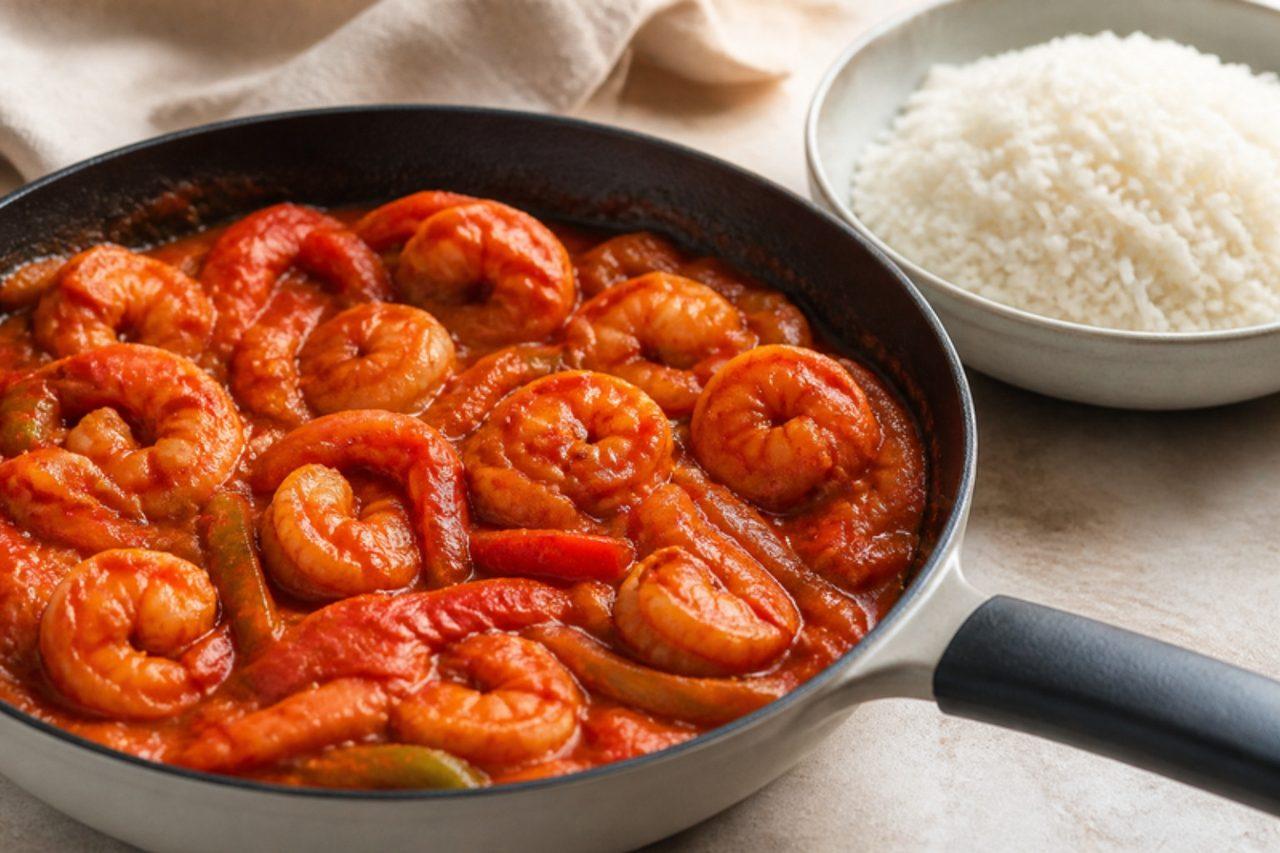
Despite the name, Cuban enchilado isn't fiery: it is shrimp cooked in a red Creole sauce of tomato, sweet pepper, onion, garlic and a splash of dry white wine, the way it is served in seaside restaurants from Havana's Malecón to Varadero. It goes over white rice with a side of tostones. The wine is simmered for several minutes, but for an alcohol-free sauce use fish stock with a squeeze of lime instead. The common mistake is adding the shrimp too early so they turn rubbery; they need only 3 or 4 minutes at the end. Chef's tip: simmer the shrimp shells in the wine for 10 minutes and strain it into the sauce; it doubles the seafood flavour.

40 minCubanFishGluten free
by KrazyBadal 0 views

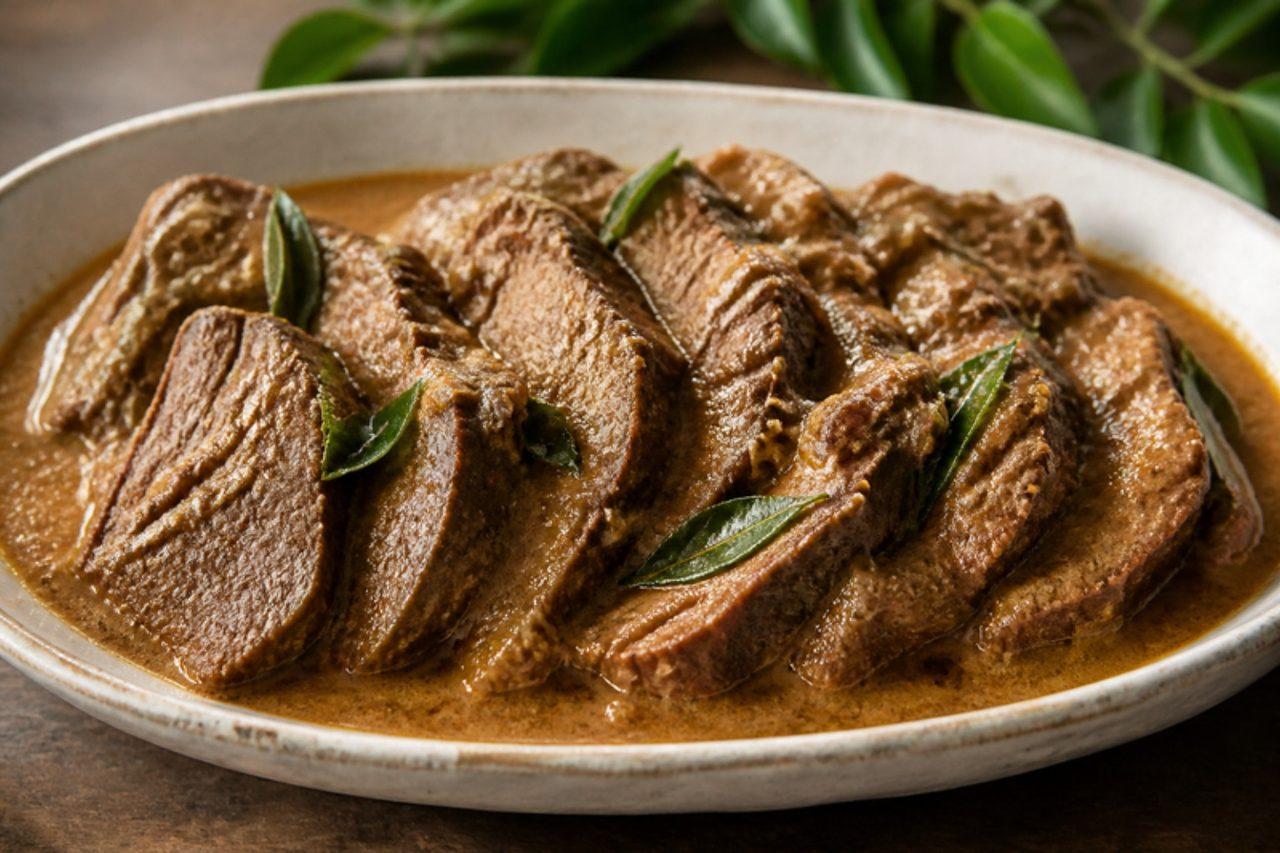
Beef smooreSpiced coconut milk beef roast

Smoore takes its name from the Dutch smoren, to braise, and in Burgher homes from Colombo to Galle it is the centrepiece for Christmas lunch or a big family Sunday: a whole joint of beef pierced, marinated in vinegar and spice, then simmered for hours in coconut milk with lemongrass, pandan and a spoonful of lime pickle. The pickle is the signature, adding a salty, bitter-sour sparkle that keeps the rich gravy lively. The joint is sliced at the table and served with yellow rice, a cucumber salad and plenty of the sauce. The biggest risk is letting the coconut milk boil fiercely for hours, which makes it split and greasy. Chef's tip: once the joint is browned, keep the pot at the barest shiver of a simmer, and turn the meat every half-hour so it cooks evenly.

by KrazyBadal 0 views

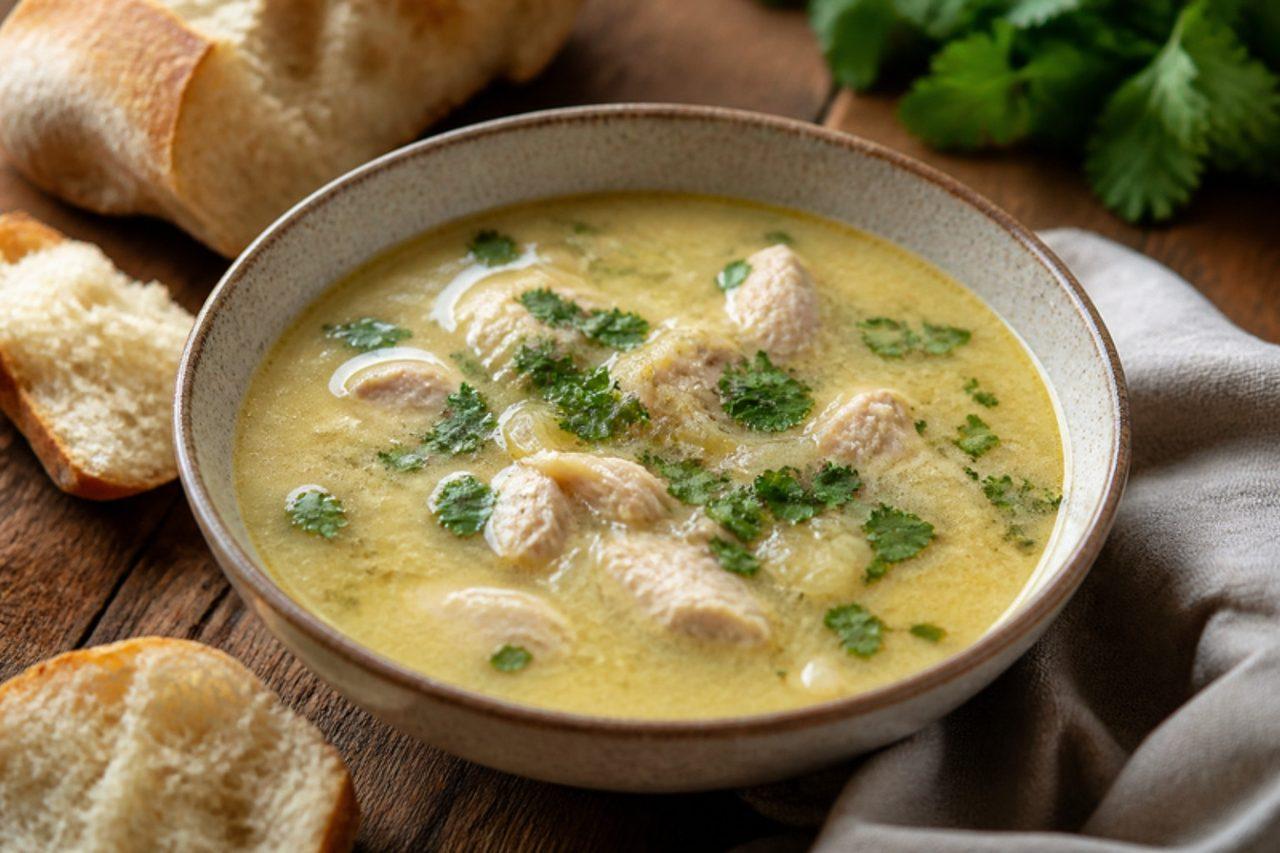
ChikhirtmaChicken and egg yolk soup

Chikhirtma is Tbilisi's comfort soup, the bowl you are given when you are ill or after a long night at a supra: a golden chicken broth with a lot of slowly fried onion, thickened with flour-free egg yolks beaten with a little vinegar, so it turns silky and pale and tastes gently sour. Coriander and a pinch of saffron or marigold finish it. A common mistake is pouring the yolks into boiling broth, which scrambles them into threads. Chef's tip: temper the yolks with a few ladles of hot broth first and keep the soup below a simmer once they go in; it thickens like custard. Chicken must reach 74 °C before you shred it.

by KrazyBadal 0 views

AmiwoRed tomato cornmeal

Fon cooks in southern Benin make amiwo for weddings, christenings and big Sunday tables, and you will find it at celebrations across the border in Lomé too. Maize meal is cooked straight into a well-fried tomato, onion and pepper base until it becomes a thick, brick-red paste that is savoury, slightly sweet and full of tomato. Most often it arrives with fried chicken; this meat-free version uses vegetable stock and comes with fried ripe plantain and an extra spoonful of tomato sauce. Chef's tip: hold back a ladle of the tomato base before adding the cornmeal and spoon it over each portion to serve.

by KrazyBadal 0 views

ChebabSaffron yeast pancakes

Chebab are the thick, spongy pancakes that Emirati families make for breakfast in Dubai, Ras Al Khaimah and Al Ain, especially on Fridays and through Ramadan for suhoor. The batter is yeasted, so the pancakes rise in the pan and come out holey and soft like a crumpet, tinted yellow with saffron and scented with cardamom. They are served stacked with date syrup poured over and a spoonful of fresh chami or cream cheese on the side. Flipping too early is the classic error: wait until the top is covered in bubbles and looks dry at the edges, or the pancake tears. Chef's tip: leave the batter to rise until it is properly bubbly; a lazy batter gives flat, heavy chebab.

by KrazyBadal 0 views

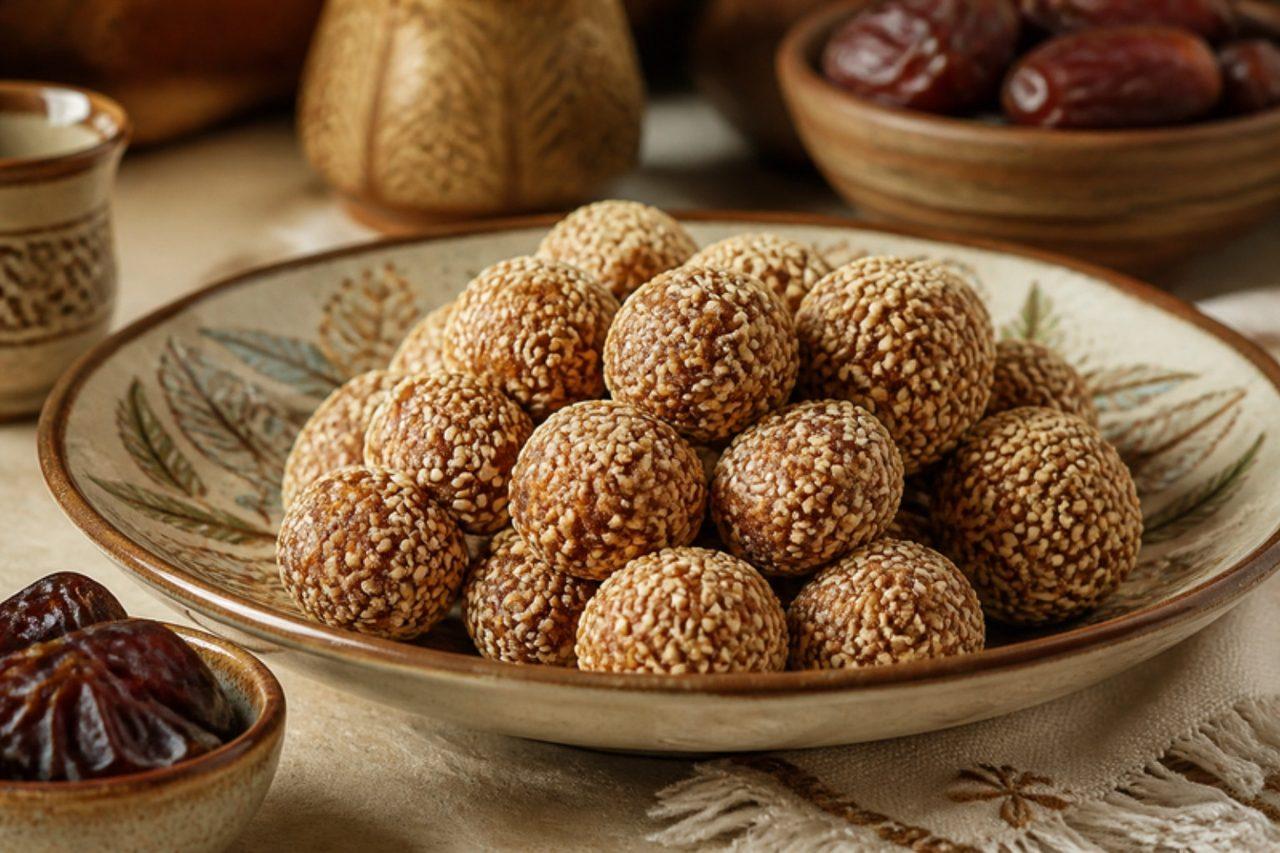
BathithToasted flour and date bites

Bathith is an old Bedouin travel sweet from the United Arab Emirates, made from things that keep in the desert: flour toasted dark, dates and ghee, kneaded together into crumbly bites. Today it is served in Emirati homes with gahwa in the afternoon or put out at Ramadan, and it tastes of caramel, toasted nuts and warm cardamom, with a texture somewhere between shortbread crumble and fudge. It keeps well for a week in a tin. Under-toasting the flour is the mistake most often made: it must go a deep golden brown, or the bites taste pasty. Chef's tip: use the softest dates you can find and warm them with the ghee; they melt into a paste and bind the flour without extra fat.

by KrazyBadal 0 views

KhabeesaSaffron toasted flour sweet

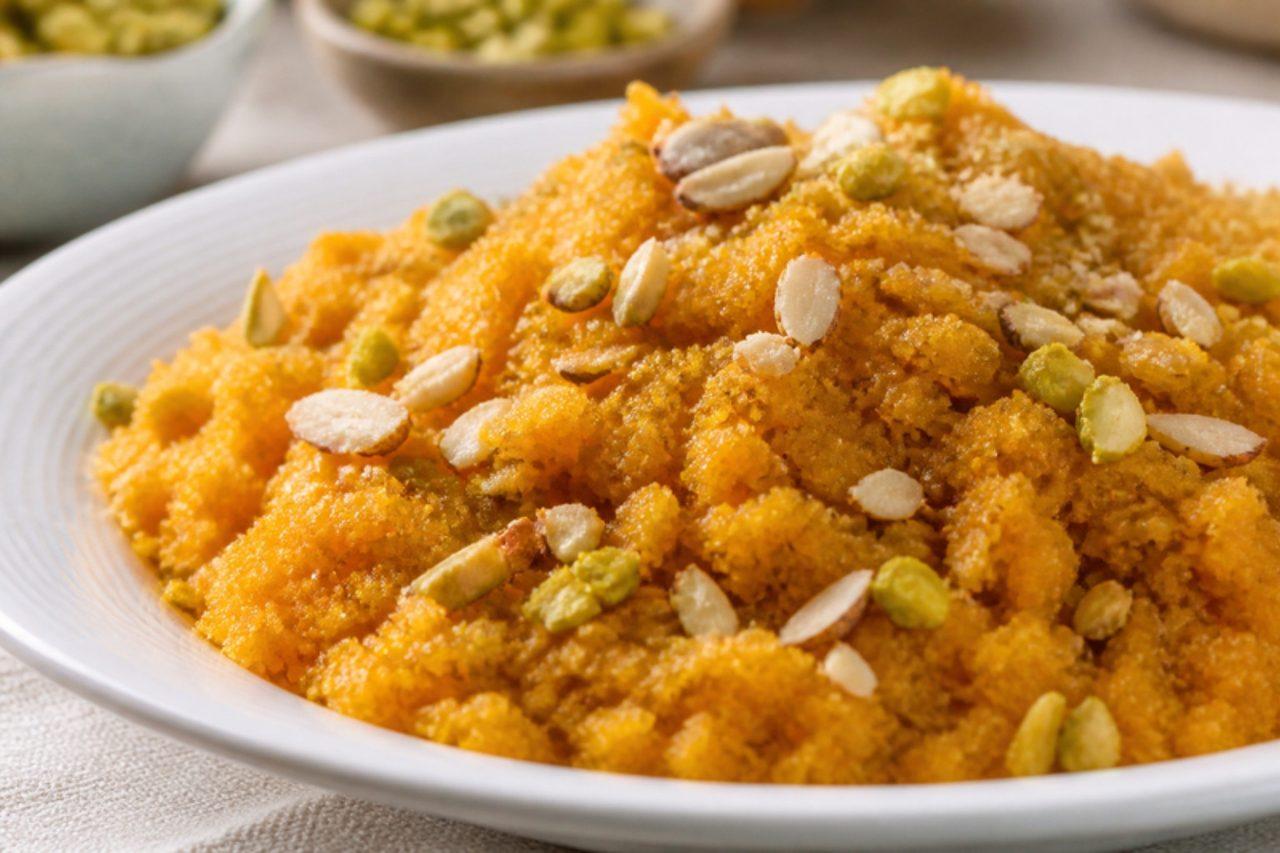
Khabeesa is made in Emirati and Qatari kitchens for Eid mornings, new babies and Ramadan nights: flour toasted until golden, then cooked with saffron syrup and ghee until it turns into fragrant, crumbly clusters, a bit like a soft, buttery halwa that breaks apart. It is served in a small bowl on the coffee tray, eaten with a spoon or the fingers, and its aroma of saffron, cardamom and rosewater fills the house. The mistake to avoid is pouring in the syrup all at once, which makes lumps that never break up. Chef's tip: keep pressing and turning the mixture against the pan once the ghee goes in; that is what forms the little golden crumbs.

by KrazyBadal 0 views

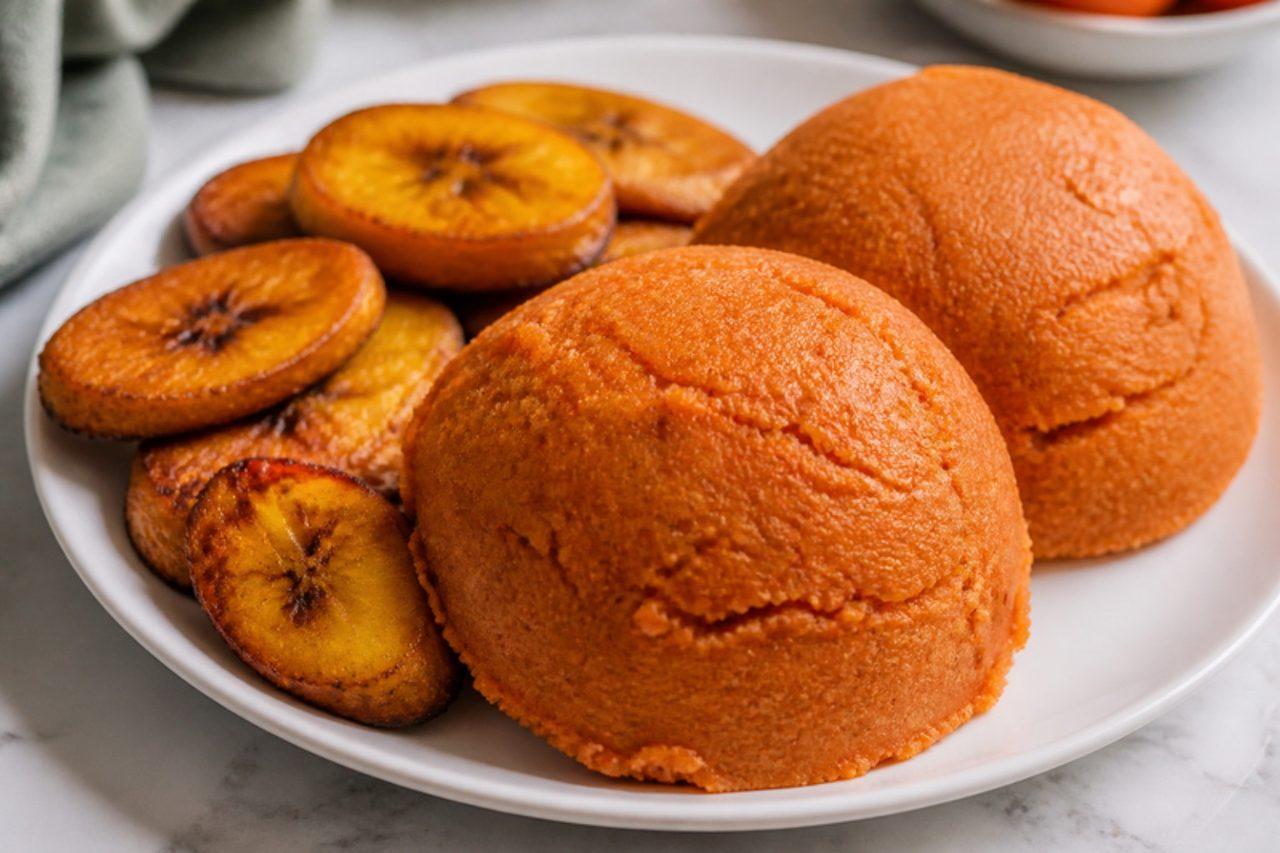
PinonGari in tomato and onion sauce

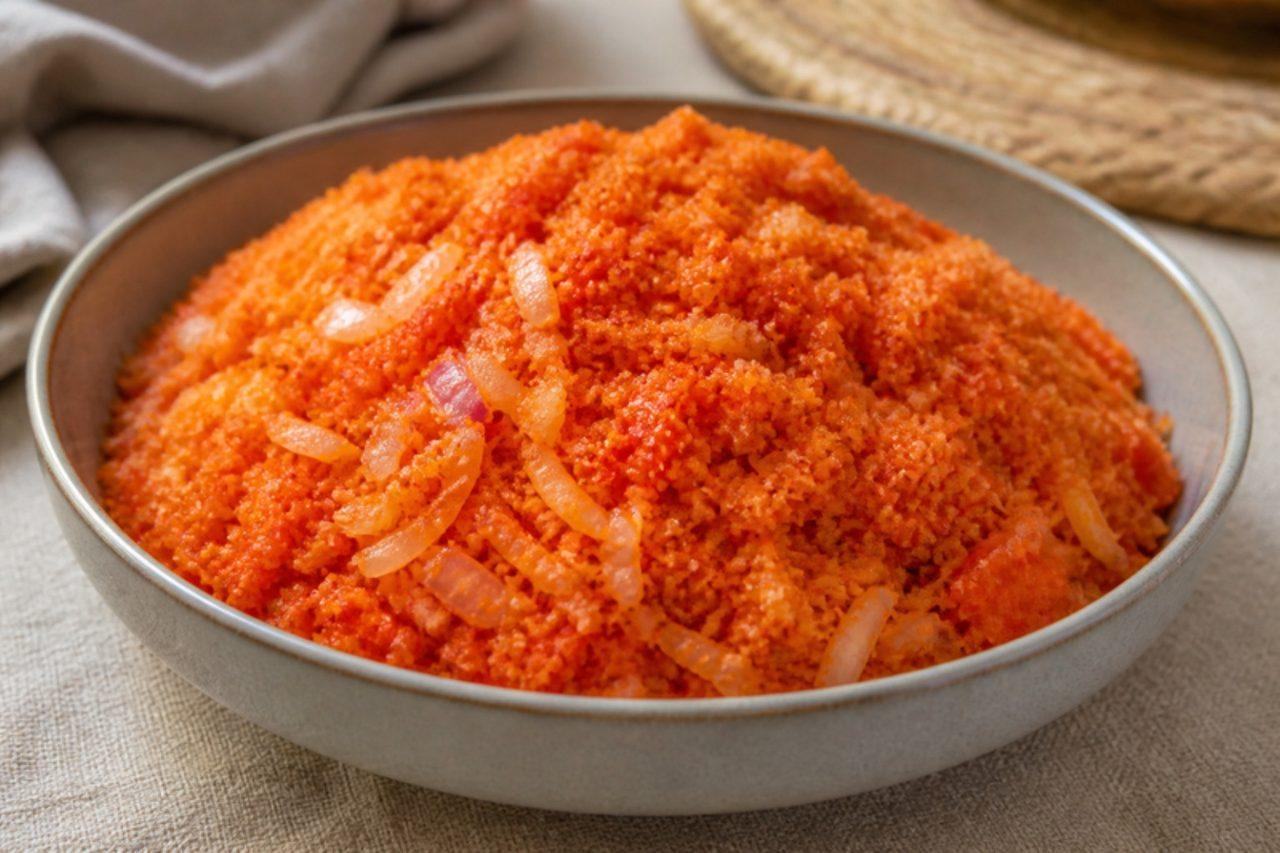
On a busy weeknight in Cotonou or Porto-Novo, pinon (also spelled piron) is the answer: gari, the toasted cassava granules every Beninese kitchen keeps on hand, stirred into a hot tomato and onion sauce until it swells into a soft, fluffy, orange mound. Ready in about twenty minutes, it is savoury and tangy from the fermented cassava, with a kick of pepper. People eat it with fried fish or grilled chicken; this meat-free plate pairs it with a pot of beans in red oil or fried plantain. Chef's tip: lower the heat before adding the gari and sprinkle it in gradually, stirring all the time, so every grain absorbs the sauce evenly.

by KrazyBadal 0 views

EleshChicken and potato pies

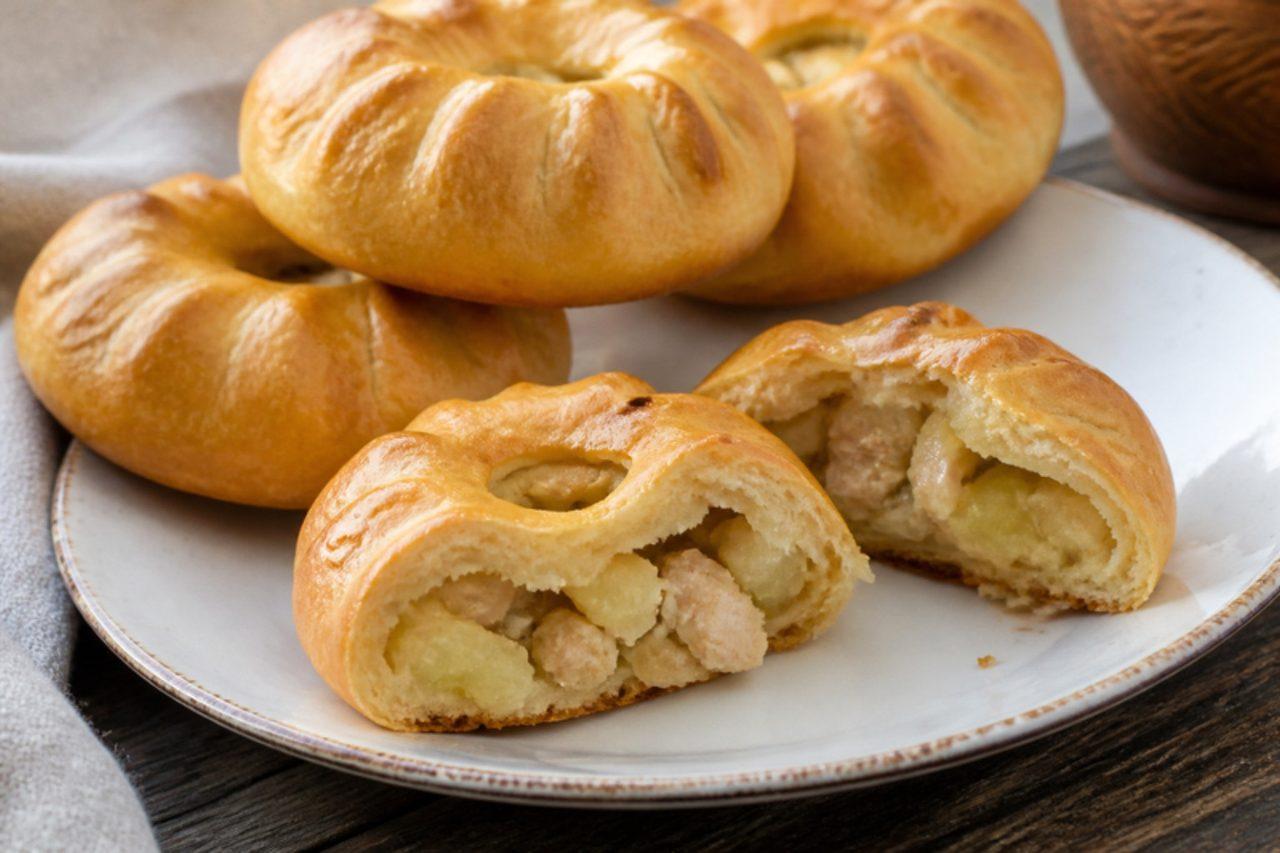
At Tatar weddings in the villages east of Kazan, elesh come to the table early, little pleated pies about the size of a fist, each filled with chopped chicken and potato and baked until the tops glow. The meat goes in raw with onion and butter, so it cooks in its own juices inside the sealed pastry and stays moist; a spoon of broth is added through a tiny vent halfway through. The pastry is rich with butter and sour cream and goes soft under a cloth after baking. A common mistake is leaving the chicken in big chunks; cut it small or the potato is done long before the meat. Chef's tip: use thigh rather than breast, it stays juicy through the long bake.

by KrazyBadal 0 views

KhameerDate and fennel bread

In homes across the United Arab Emirates, from Abu Dhabi to the old quarters of Sharjah, khameer is the bread that comes out on a weekend morning, still warm, next to a pot of karak or cardamom coffee. Mashed dates sweeten the dough just a little, while fennel and saffron give it a gentle, perfumed warmth, and the rounds are cooked on a dry pan so they stay pillow-soft with freckled brown faces. Split them and fill with soft white cheese, a drizzle of date syrup or honey, or a fried egg. The usual mistake is cooking them over a fierce heat: the outside darkens long before the thick middle is done, so keep the flame moderate and be patient. Chef's tip: press the risen rounds flat with your fingertips just before they go in the pan; the dimples stop them doming and help them cook evenly.

by KrazyBadal 0 views

BataSoft sticky rice

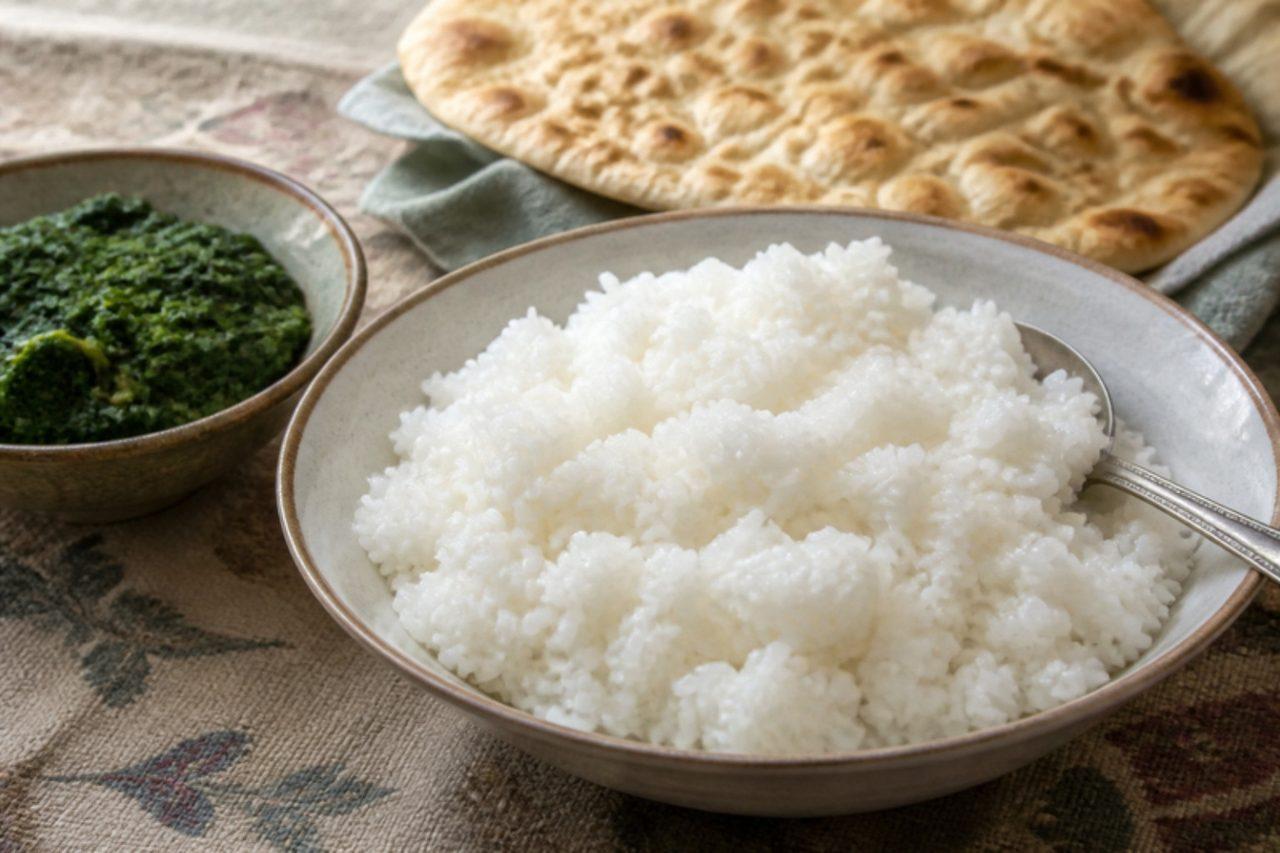
Long-grain palaw gets the glory at weddings, but on ordinary days in Herat and Kabul it is often bata that comes to the table: short-grain rice cooked until the grains burst and cling together in a glossy, gently salted mass. Its job is to sit beside something saucy, typically a qorma or sabzi, the dark, garlicky spinach, and to soak up every bit of it; children often eat it with just a spoonful of yogurt. It needs no spices at all. Rice that is drained or rinsed until the water runs clear will never go properly sticky, so rinse it once and cook it in a measured amount of water. Chef's tip: finish it under a lid wrapped in a tea towel on the lowest heat, which catches the drips of steam and keeps the top soft instead of wet.

by KrazyBadal 0 views

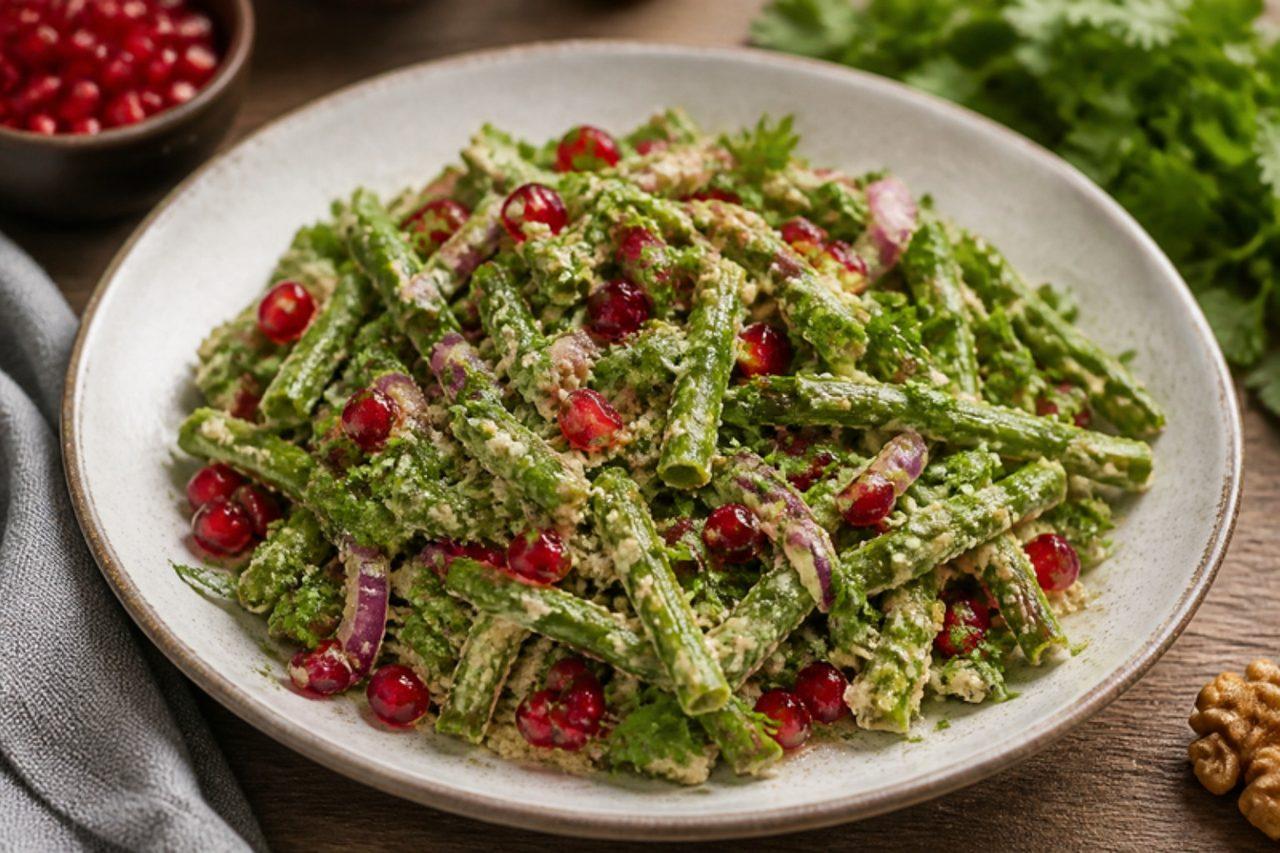
EkalaSpring greens in walnut paste

For a few weeks each April, Imeretian market women in Kutaisi sell tight bundles of ekala, the young shoots of wild smilax that climb through hedges and forest edges. They are blanched, chopped and pounded with walnuts, garlic and spices into a pkhali-style salad for the Lenten and Easter table, with a nutty, slightly bitter, asparagus-like taste. Outside Georgia, the tender tips of asparagus or green beans make a good stand-in. A common mistake is over-boiling the shoots; they lose their snap and turn khaki. Chef's tip: let the walnut paste sit on the greens for an hour before serving, so the garlic mellows and the flavours knit together.

by KrazyBadal 0 views

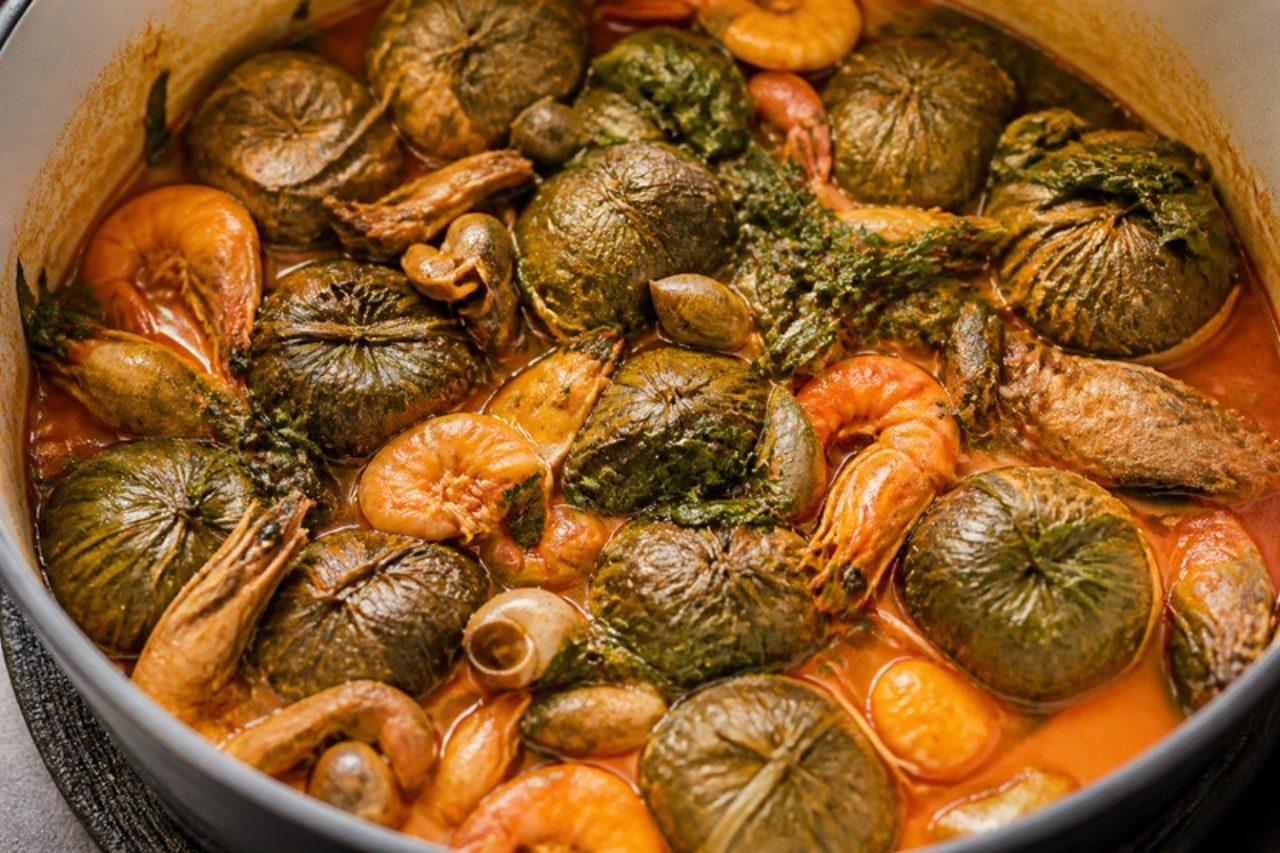
Ekpang nkukwoGrated cocoyam and plantain parcels

Patience is the main ingredient of ekpang nkukwo, a festive dish of the Efik and Ibibio of Calabar and Akwa Ibom. Grated cocoyam and unripe plantain are rolled into little leaf parcels, stacked in a pot and cooked slowly in a broth of palm oil, periwinkles, prawns, smoked fish and pepper until the parcels set into soft, sliceable rolls in a thick, orange sauce. It is a meal in itself, often made for Christmas and family gatherings. Cocoyam leaves are traditional; large spinach or chard leaves work if you blanch them first. Raw cocoyam can itch the skin, so wear gloves to grate it, and cook the dish fully. Chef's tip: do not stir until the parcels have cooked for at least 25 minutes, or they will unroll and dissolve into the broth.

120 minNigerianFishGluten free
by KrazyBadal 0 views

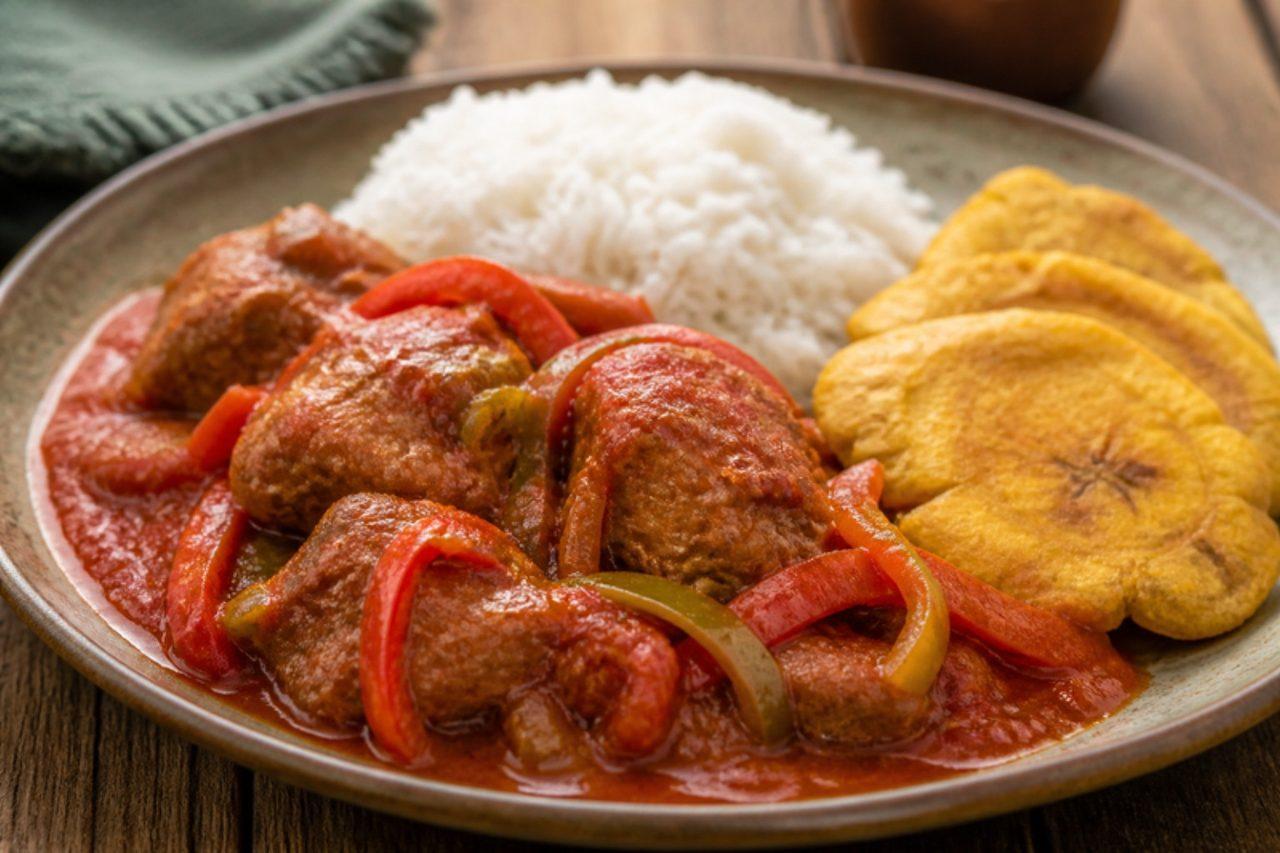
Chilindrón de chivoGoat stew with tomato and peppers

In Oriente, the eastern provinces around Santiago and Holguín, chilindrón de chivo is the dish for a farm celebration: goat marinated in sour orange and garlic, then stewed in a thick sauce of tomato, sweet peppers, cumin, oregano and dry wine until it is tender enough to pull from the bone. It is served with congrí or white rice and yuca. The wine is cooked for a long time; for an alcohol-free stew use stock with a tablespoon of vinegar. Goat is lean and becomes stringy if boiled hard, which is the most common mistake, so keep it at a gentle bubble. Chef's tip: marinate overnight in the fridge; it softens the strong goat flavour and seasons the meat to the bone.

190 minCubanMeatGluten free
by KrazyBadal 0 views

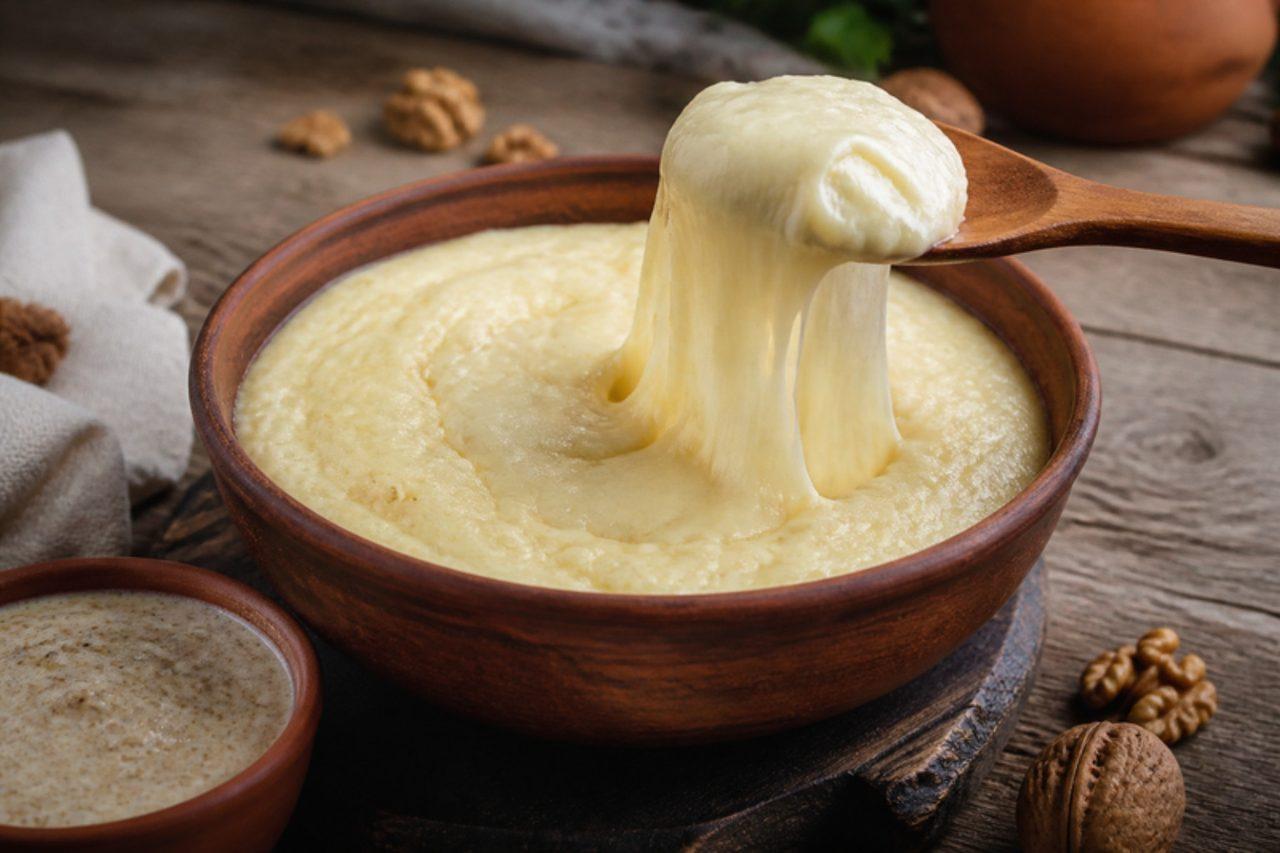
ElarjiCornmeal and cheese porridge

Elarji is the pride of Zugdidi and the rest of Samegrelo, where cornmeal is the everyday staple; the porridge is cooked until thick, then beaten with so much grated sulguni that it pulls up in long, glossy strings as you serve it. It goes to the table hot, with a bowl of bazhe walnut sauce or spicy ajika, and Mingrelians judge a cook by how long the cheese stretches. A common mistake is adding the cheese while the porridge is still loose; it sinks and goes rubbery instead of weaving through. Chef's tip: use a strong wooden spoon and beat hard in one direction as the cheese melts, which is what builds the stretch. Most sulguni is made with animal rennet, so look for a vegetarian one or use low-moisture mozzarella.

by KrazyBadal 0 views

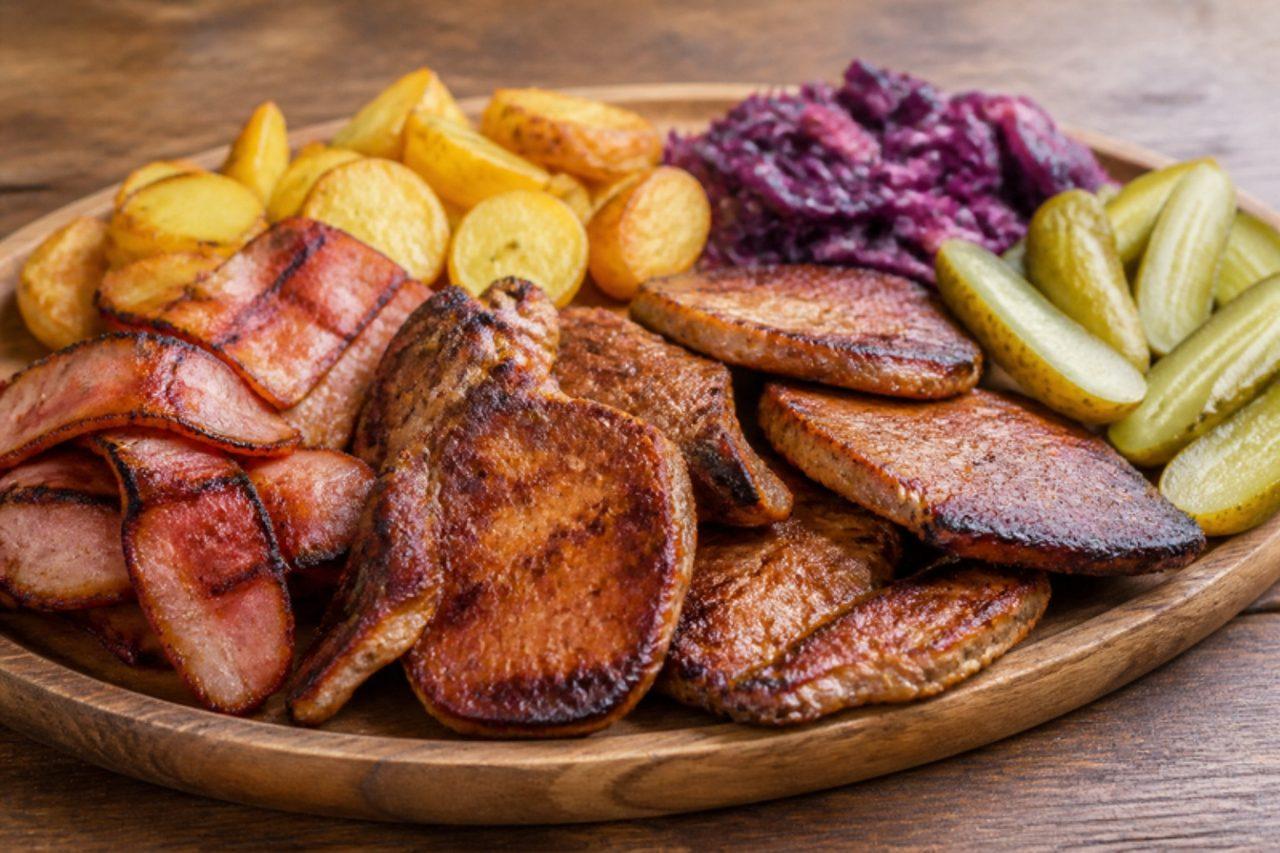
Erdélyi fatányérosMixed grill platter

The name means 'wooden plate', and that is how this Transylvanian-Hungarian feast is brought to the table in Cluj and Târgu Mureș restaurants: a big board heaped with fried potatoes and topped with grilled pork chops, veal escalopes and crisp smoked bacon, surrounded by pickled cucumbers, peppers and red cabbage. It is meant for sharing, two or four people picking from one board, and it smells of garlic, marjoram and smoke. The pork and bacon make this very much a pork dish, balanced by the sharp pickles. Where people most often go wrong is grilling everything at once; cook the bacon first and use its fat for the meat, so nothing dries out while waiting. Chef's tip: score the edge of each pork chop through the fat every 2 cm; it stops the chops curling up in the pan and cooking unevenly.

by KrazyBadal 0 views

SobiaRice and coconut milk drink

Before the sunset call to prayer in Ramadan, juice shops in Cairo's old quarters fill plastic bags and jugs with sobia for families to carry home, and it is one of the classic drinks for breaking the fast. It is milky white, sweet and smooth, with a gentle coconut flavour and a light body from the rice that makes it filling after a long day without food. This version simmers the rice-coconut milk briefly so it is safe to keep for a day or two in the fridge. Allow an hour for soaking the rice. The common mistake is not straining well, which leaves the drink gritty; push it through muslin. Chef's tip: chill it for at least 3 hours, because sobia tastes flat unless it is ice-cold.

by KrazyBadal 0 views

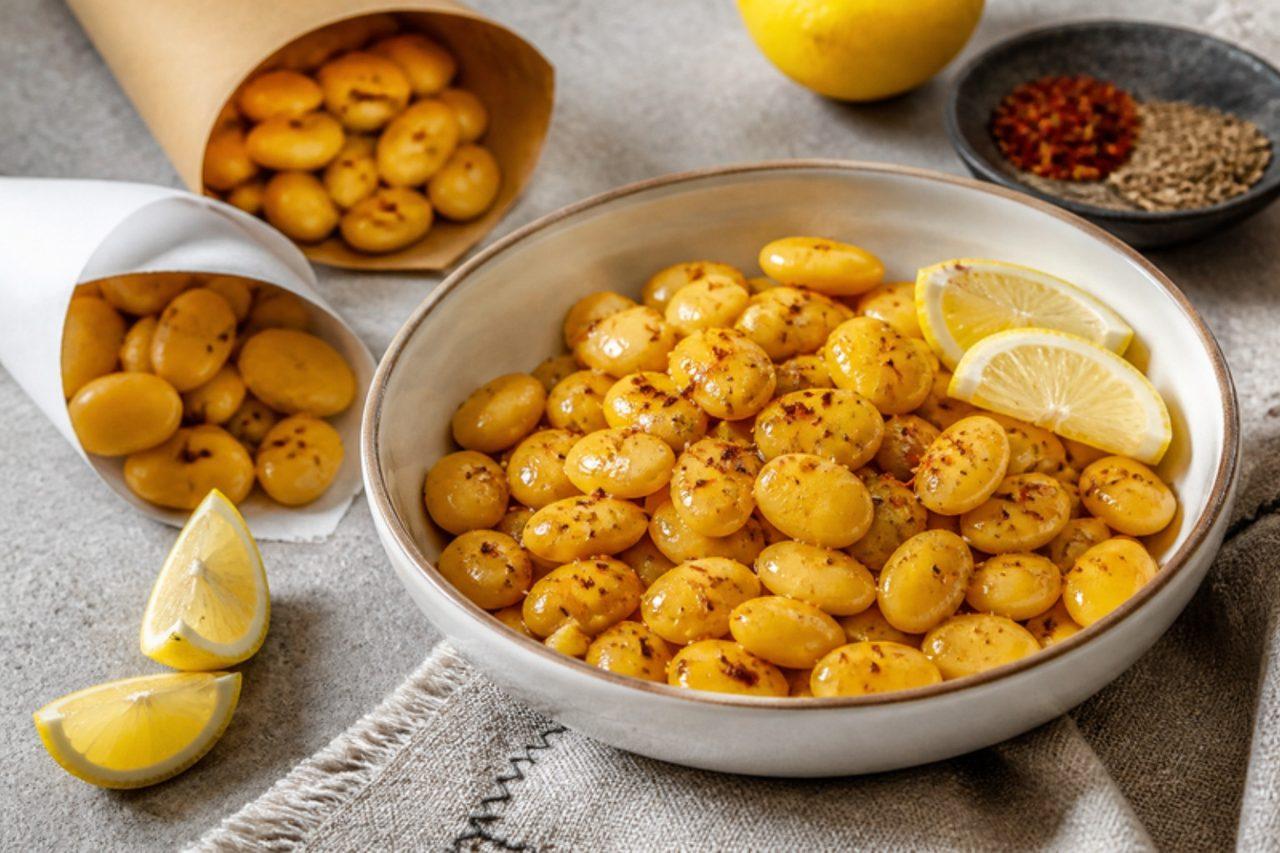
TermesBrined lupin beans

Termes sellers push their carts along the Nile corniche and outside schools and mosques, scooping the plump yellow beans into paper cones, especially around Sham el-Nessim in spring. You nip the skin with your teeth and pop out the firm, salty, nutty bean, with lemon, cumin and chilli on top. Dried lupins are naturally very bitter and must be soaked, cooked and then soaked again for about a week before they are safe to eat, so the hands-on time is short but the process is long. Never skip the debittering: badly prepared lupins can cause poisoning, so taste one before serving and keep soaking if any bitterness remains. Lupin is also a common allergen, especially for people allergic to peanuts. Chef's tip: once debittered, store them in salted water in the fridge, where they keep for two weeks.

by KrazyBadal 0 views

Barbadine punchGranadilla milk drink

Barbadine, the giant granadilla, grows on vines over backyard fences across Trinidad and turns up at Sunday lunch blended into a pale, creamy punch. The fruit's soft white flesh and the perfumed seed pulp inside are both used, giving a gentle passion-fruit flavour that milk, nutmeg and a little sugar round out. It is alcohol-free and made for the whole family. A frequent mistake is blending the seeds hard, which cracks them and turns the drink gritty and bitter: pulse the pulp briefly and strain it. Chef's tip: if you can't find barbadine, use the pulp of 6 passion fruit plus 200 g peeled honeydew melon for a similar taste.

by KrazyBadal 0 views

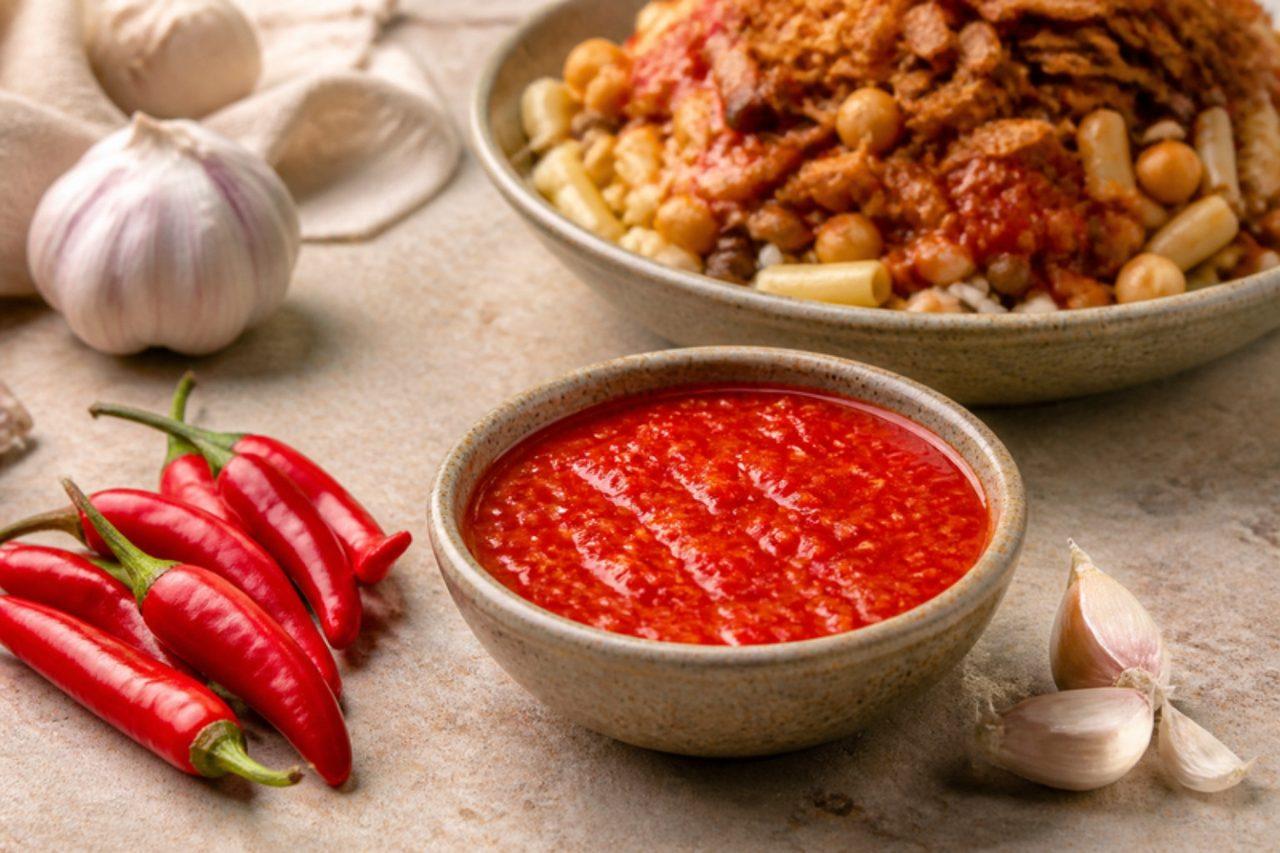
Egyptian shattaFresh red chilli sauce

Squeeze bottles of shatta stand on the tables of every koshari shop in downtown Cairo, and diners shake in as much as they dare along with the garlic vinegar. The Egyptian version is a fresh, bright, loose sauce of red chillies blended with garlic, vinegar, cumin and a little oil, quite unlike the dried-chilli shata of Sudan. It goes with ful, falafel, lentil soup, roast potatoes and almost any sandwich. Wear gloves when handling the chillies and keep your hands away from your eyes; capsaicin on the fingers is the classic mistake, and it lasts for hours. Chef's tip: a brief simmer after blending takes the raw edge off the garlic and lets the sauce keep for two weeks in the fridge.

by KrazyBadal 0 views

Showing 90 of 8,120 recipes

Page 266 of 903