


Skip to content
Alani
Featured recipe

Alani

Walnut-stuffed dried peaches

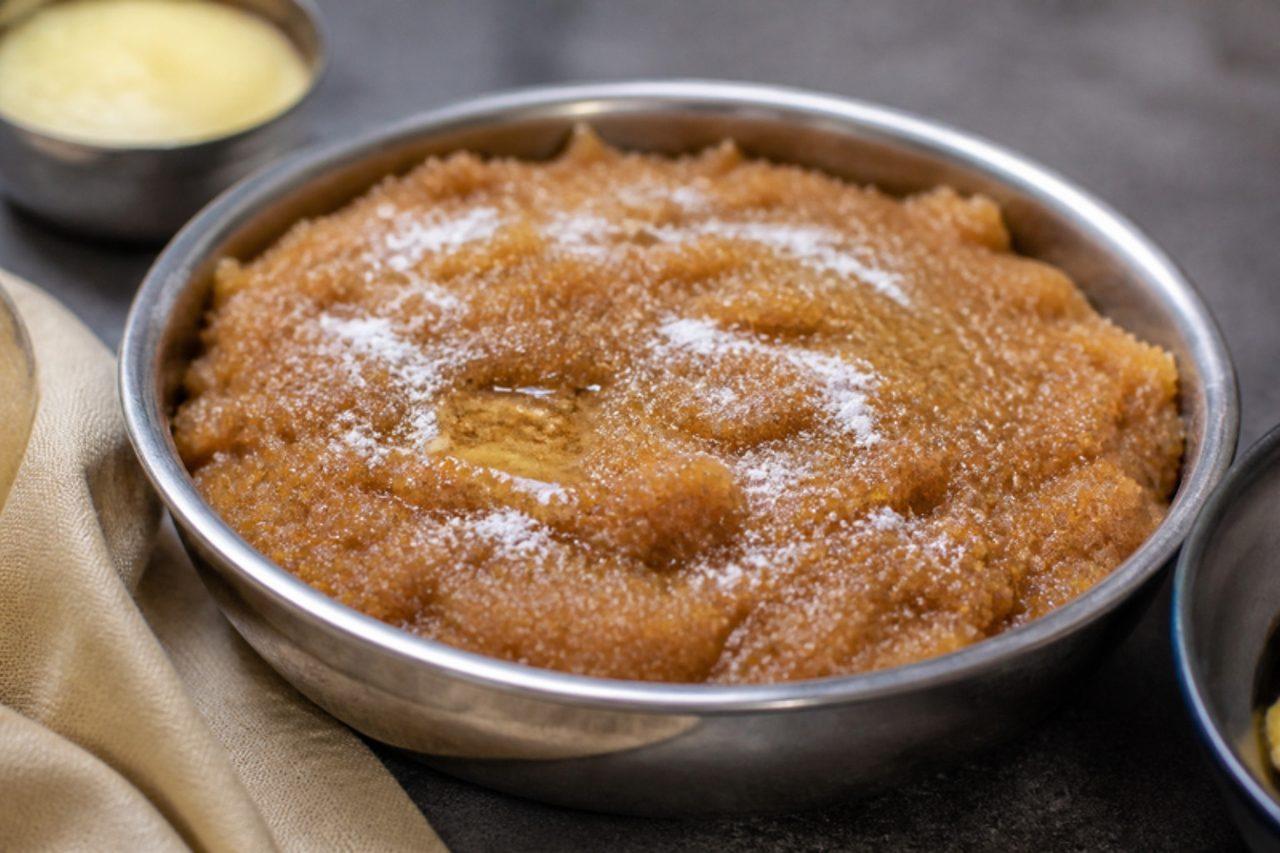
Every autumn in the Ararat Valley, the orchards below Mount Ararat produce more peaches than can be eaten fresh, so families split them, dry them in the sun and then stuff them with a mixture of crushed walnuts and sugar, pressing them closed again. The finished alani are sold on strings at Yerevan's covered market and given as gifts at New Year, chewy, sweet and nutty. At home, start with good soft dried peaches. A common mistake is using very dry, leathery fruit, which cracks when you open it. Chef's tip: steam the peaches for 2 minutes first, so they turn soft and pliable and close neatly around the filling.

Read more 0 views

What to eat today?

Around the world

Today's trip: Persian

A new country every day, from every cuisine on the site.

Persian

Lubia pokhte

Spiced pinto beans 120 minMore from Persian (131) →

This week's collection

Kid-friendly dinners
541 recipes · a new collection every Monday

Latest recipes

AkpessiPlantain and yam pottage

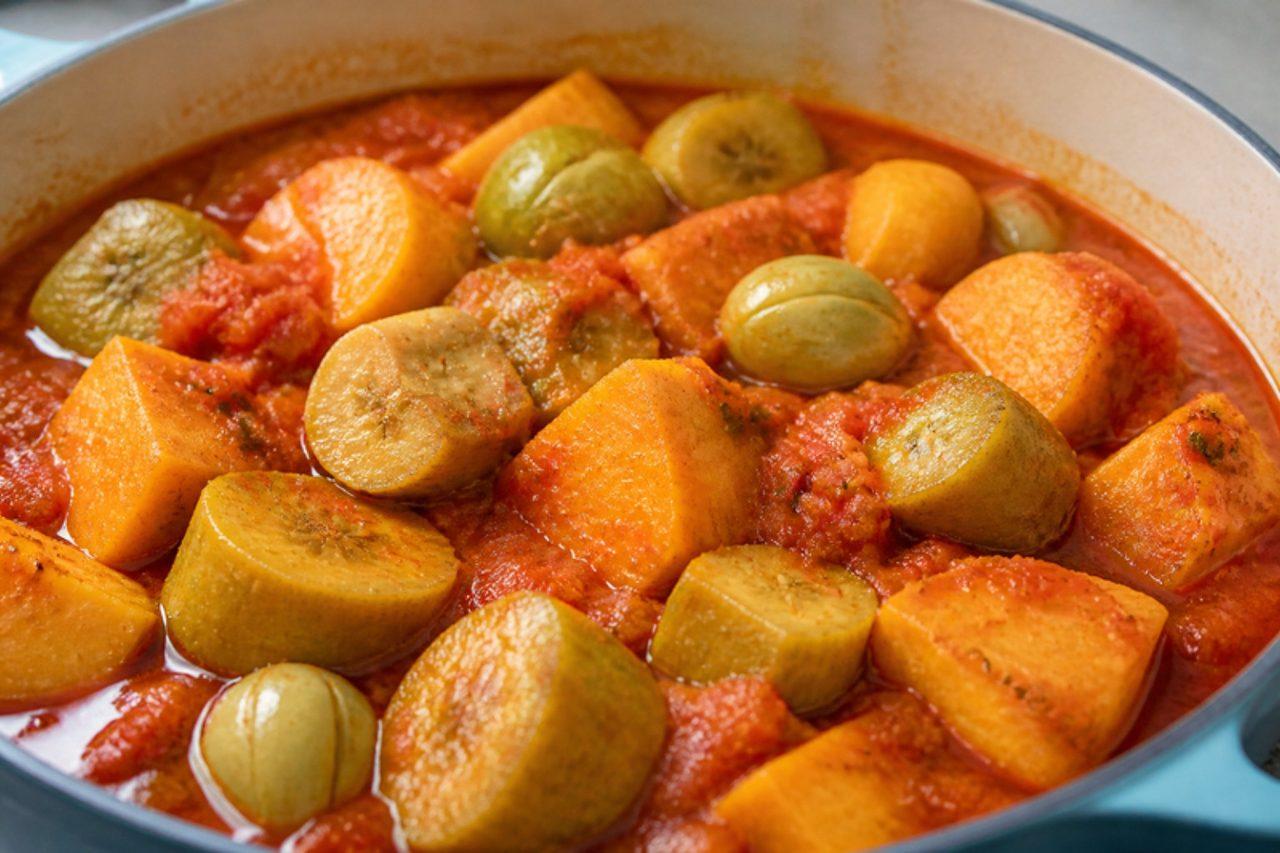
Around Bouaké and Yamoussoukro, akpessi is what Baoulé families cook when they want a filling one-pot meal with little fuss: chunks of green plantain and yam simmered right in a red palm oil and tomato sauce until tender. A few pieces are crushed into the liquid at the end, so the sauce turns thick and clings to everything. It is often made with smoked fish; this version keeps it meat-free, with soft garden eggs folded through for body. Expect an earthy, gently starchy dish with heat from the pepper, good with sliced avocado on the side. The usual mistake is stirring too much, which turns the whole pot to mush instead of leaving soft chunks. Chef's tip: oil your hands before peeling green plantains; the sticky sap washes off far more easily.

by KrazyBadal 0 views

AttoukpouSteamed fermented cassava balls

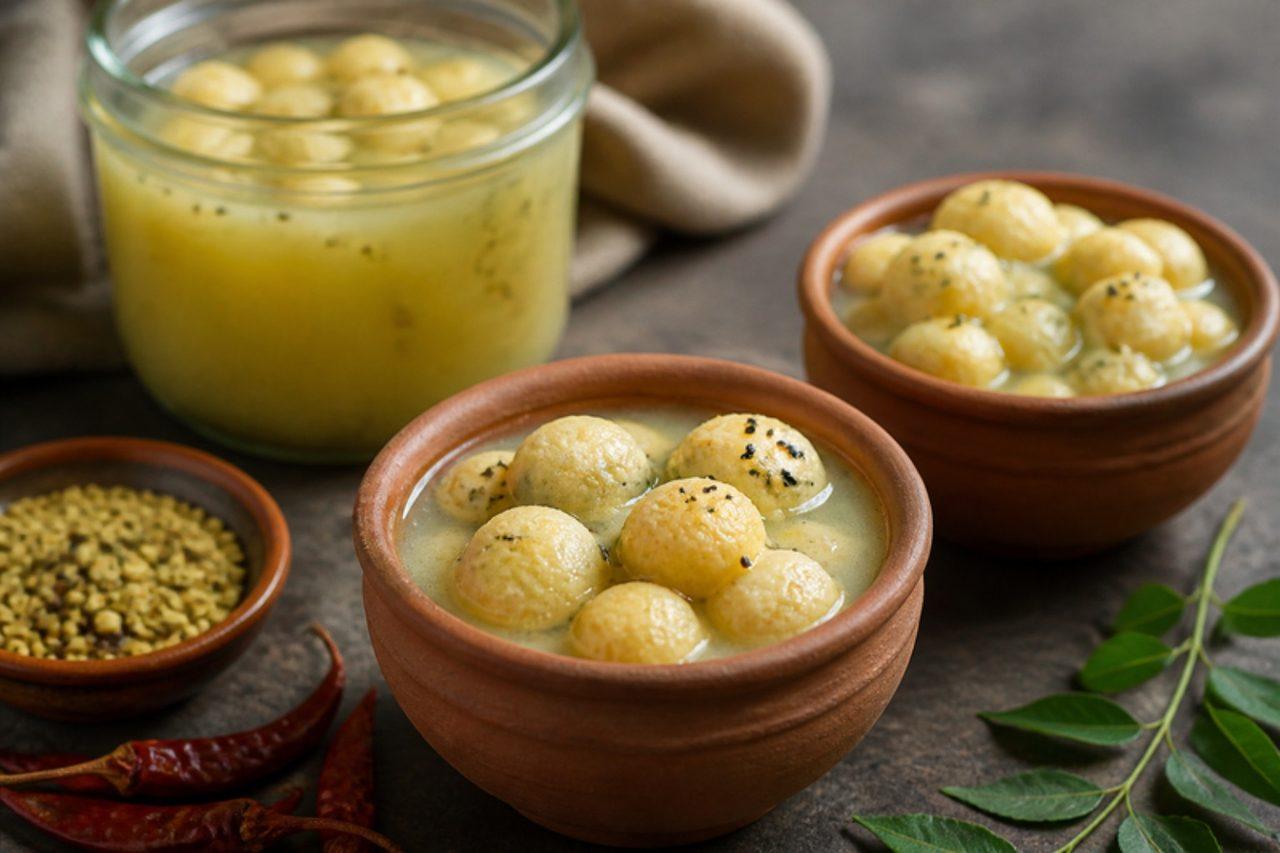
Along the lagoons east and west of Abidjan, Ebrié and Attié cooks turn soured cassava dough into attoukpou, a soft steamed paste that is gentler and less stretchy than placali. The crumbled dough is steamed until it turns translucent, then pounded with a little hot water into smooth, pillowy balls with a light sourness. It is served at home and at village gatherings with palm-nut sauce, a light pepper soup or aubergine sauce, and it soaks up gravy beautifully. Ready-made fermented cassava dough from an African grocer saves days of work. Avoid packing the dough tightly into the steamer; it needs space for the steam to move through. Chef's tip: crumble the dough very finely before steaming; big lumps stay chalky in the middle however long they cook.

by KrazyBadal 0 views

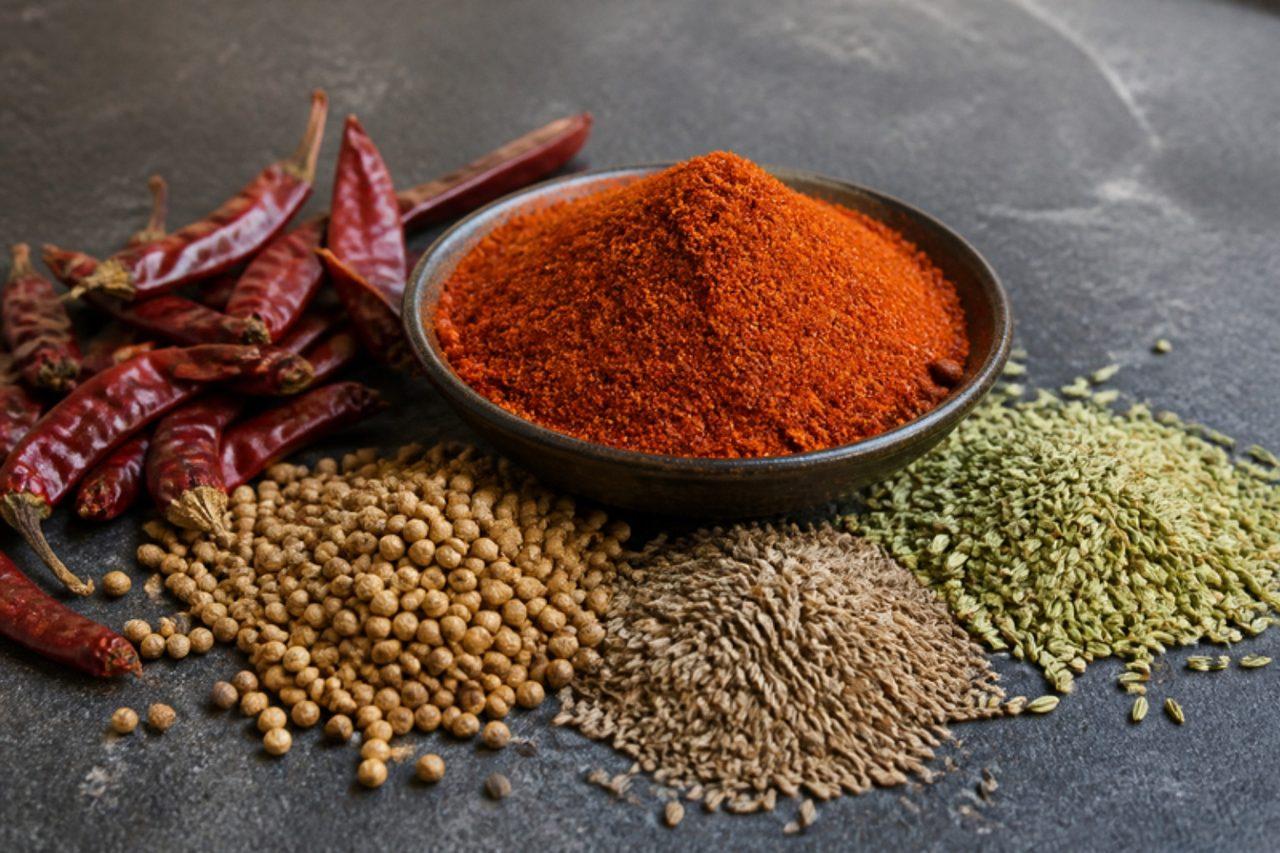
Jaffna curry powderRoasted chilli curry powder

Jaffna families once made their year's supply of curry powder in one go, drying the spices on mats in the hard northern sun before carrying them to the local mill, and many Tamil households abroad still have a jar sent from home. It is far hotter and redder than the dark roasted curry powder of the Sinhala south, built on a big weight of dried red chillies with coriander, cumin, fennel, black pepper and a little fenugreek, plus crisp curry leaves and turmeric. This is what gives Jaffna crab curry, aubergine kulambu and odiyal kool their brick-red colour and their kick. Grinding the spices while they are still warm is the common error; the steam makes the powder clump and spoil quickly, so let everything cool on a plate first. Chef's tip: roast each spice separately, because the chillies and coriander need several minutes but fenugreek burns and goes bitter in under one.

by KrazyBadal 0 views

Jamaican Irish moss drinkSea moss drink

Sold chilled in bottles by roadside vendors and in Kingston juice bars, Jamaican Irish moss is a thick, creamy drink made from dried sea moss boiled down until it releases its natural jelly. Blended with milk, nutmeg, cinnamon and vanilla, it tastes like a cool, spiced milkshake and is often drunk as a pick-me-up. The usual mistake is skipping the soak and rinse, which leaves a sandy, fishy taste. Chef's tip: the gel thickens a lot in the fridge, so blend it a little thinner than you want and chill it before judging.

by KrazyBadal 0 views

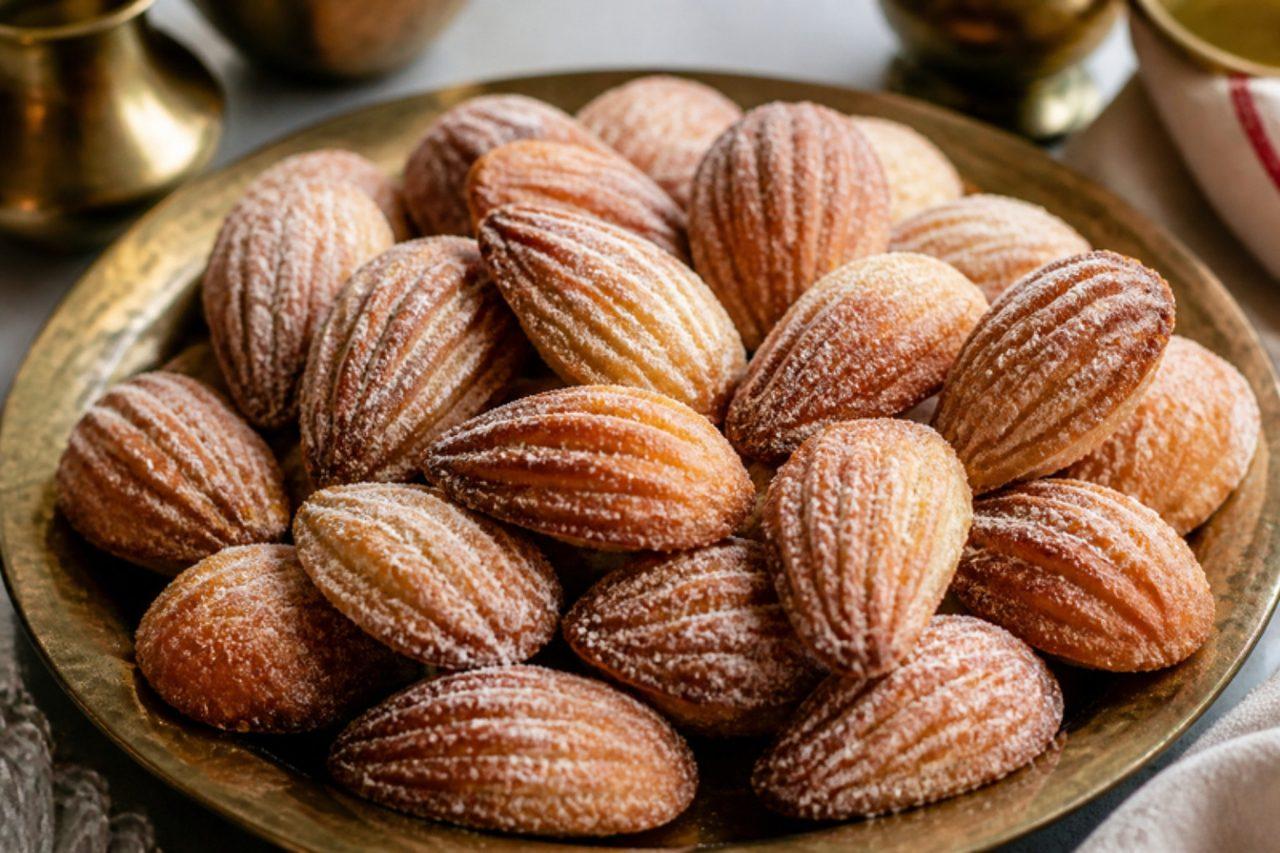
Jhinuk pithaShell-shaped coconut rice pitha

Jhinuk is the Bengali word for a freshwater mussel shell, and these little ridged, curled pithas look exactly like the shells children pick from village ponds in winter. Small balls of rice dough enriched with grated coconut are pressed against the back of a fork or a comb and rolled so they curl up with fine grooves on the outside, then fried crisp and tossed in a thick cardamom syrup that dries into a thin, frosty sugar coat. Across Bangladesh they are made in the cold months and around Poush Sankranti, piled on a plate for guests with tea, and they keep well in a tin. A thin syrup leaves them soggy instead of glazed, which is where most batches disappoint; it must be boiled until it threads between your fingers. Chef's tip: keep the dough balls under a damp cloth while you shape, so the edges don't crack as they curl.

by KrazyBadal 0 views

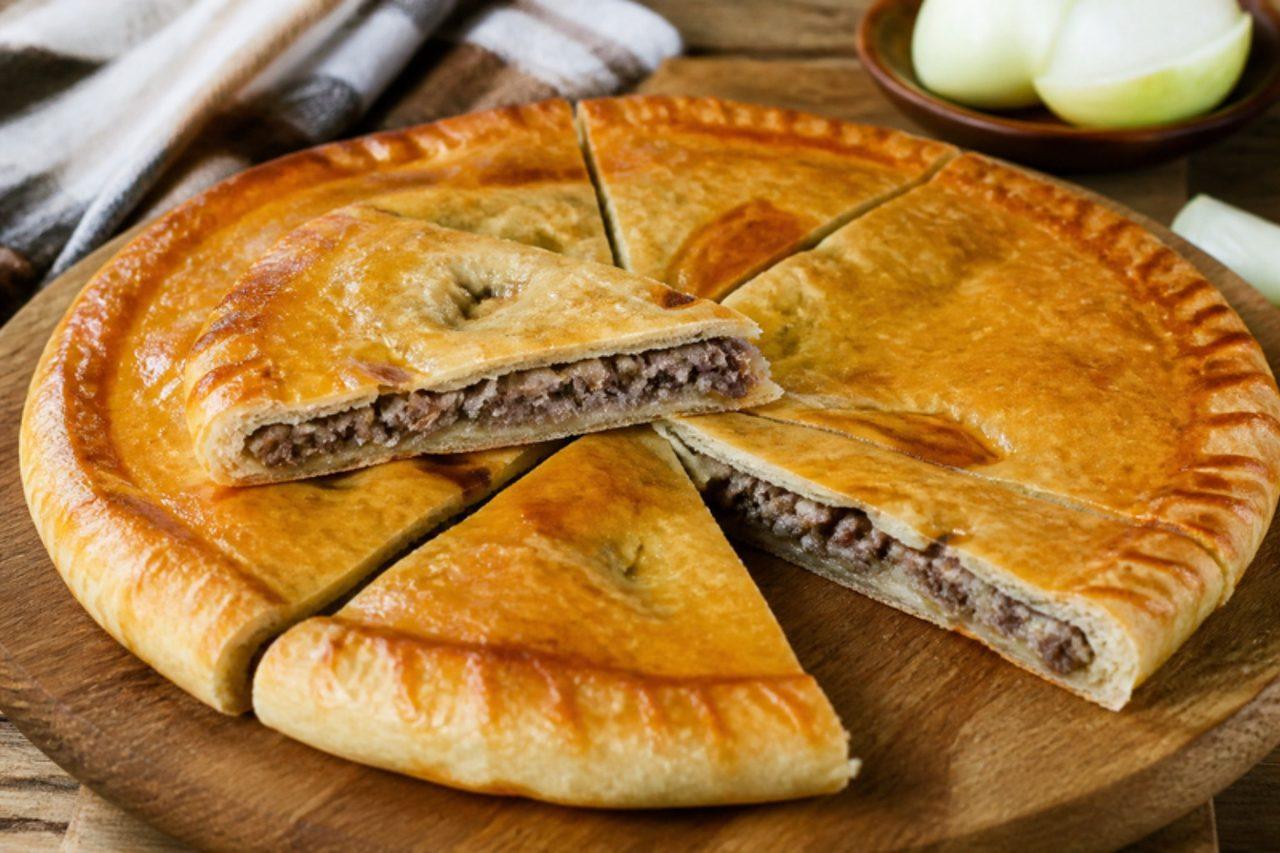
IshlekliMinced meat pie

Ishlekli is the shepherds' pie of the Karakum desert: a large round of dough filled with chopped lamb and onion, sealed, and buried in sand heated by a fire, so it bakes slowly into a thick, golden crust filled with juicy meat. Turkmen families still make it on camping trips and at holidays in the countryside around Ashgabat. This version bakes it in a hot oven on a preheated tray. A common mistake is using lean meat, which makes the filling dry; the lamb fat bastes the inside as it bakes. Chef's tip: chop the lamb by hand rather than mincing it; small chunks stay juicy and give the pie its rustic texture. The filling should reach 71 °C.

100 minTurkmenMeat
by KrazyBadal 0 views

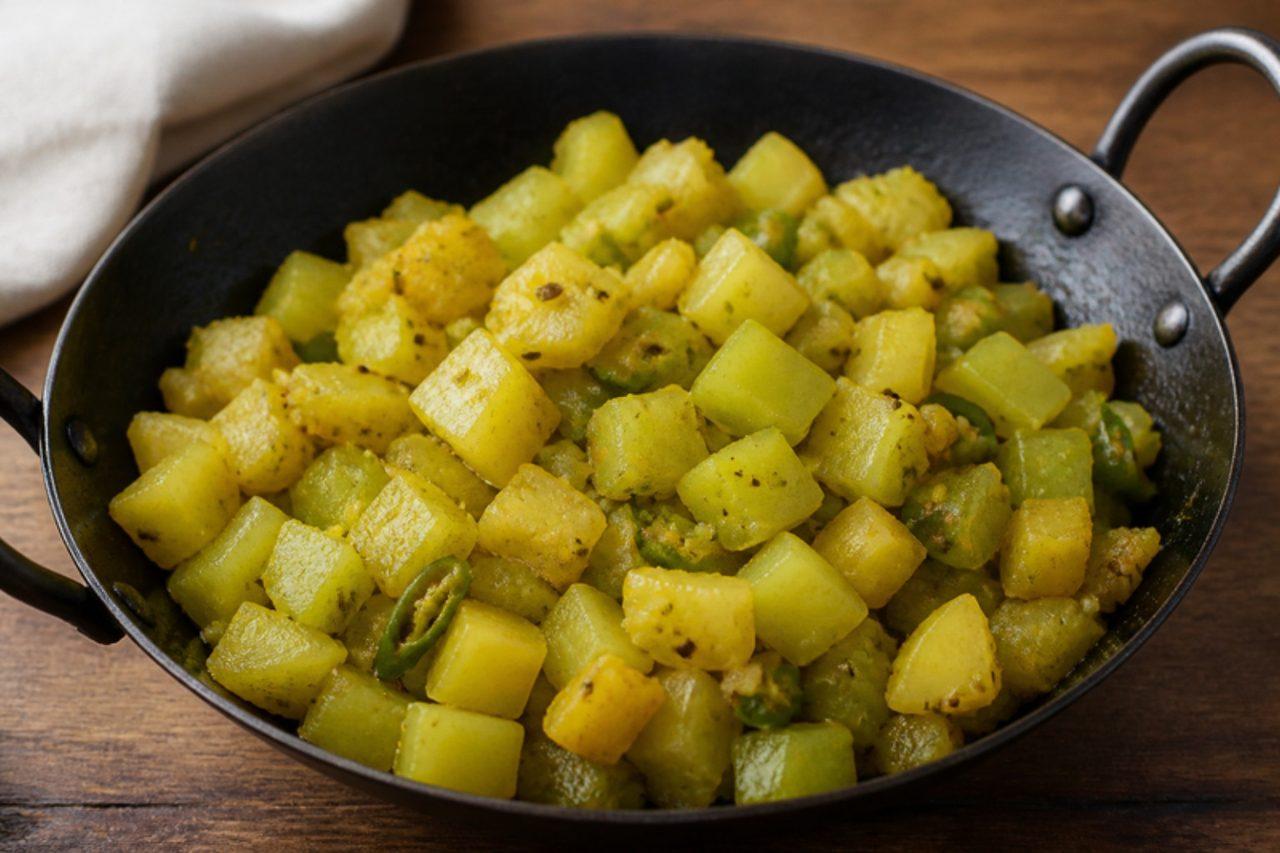
Iskus ko tarkariChayote and potato curry

Every hillside garden in the eastern hills, from Dharan up to Bhojpur, has an iskus vine rambling over the roof or a bamboo frame, and from late summer the pale green chayotes hang down by the dozen, so this simple dry curry appears on the table almost every day. The chayote is peeled, cut into chunks with a little potato and cooked in mustard oil with fenugreek, cumin, garlic, turmeric and green chilli until tender but still holding a crisp edge, with a splash of tomato for colour. It is mild, juicy and slightly sweet, the everyday tarkari beside dal, rice and a sharp achar, and it packs well into a tiffin box. The usual mistake is adding water, which turns the chayote watery and bland, as it releases plenty of its own juice. Chef's tip: oil your hands before peeling, because raw chayote leaves a sticky, tight film on the skin.

by KrazyBadal 0 views

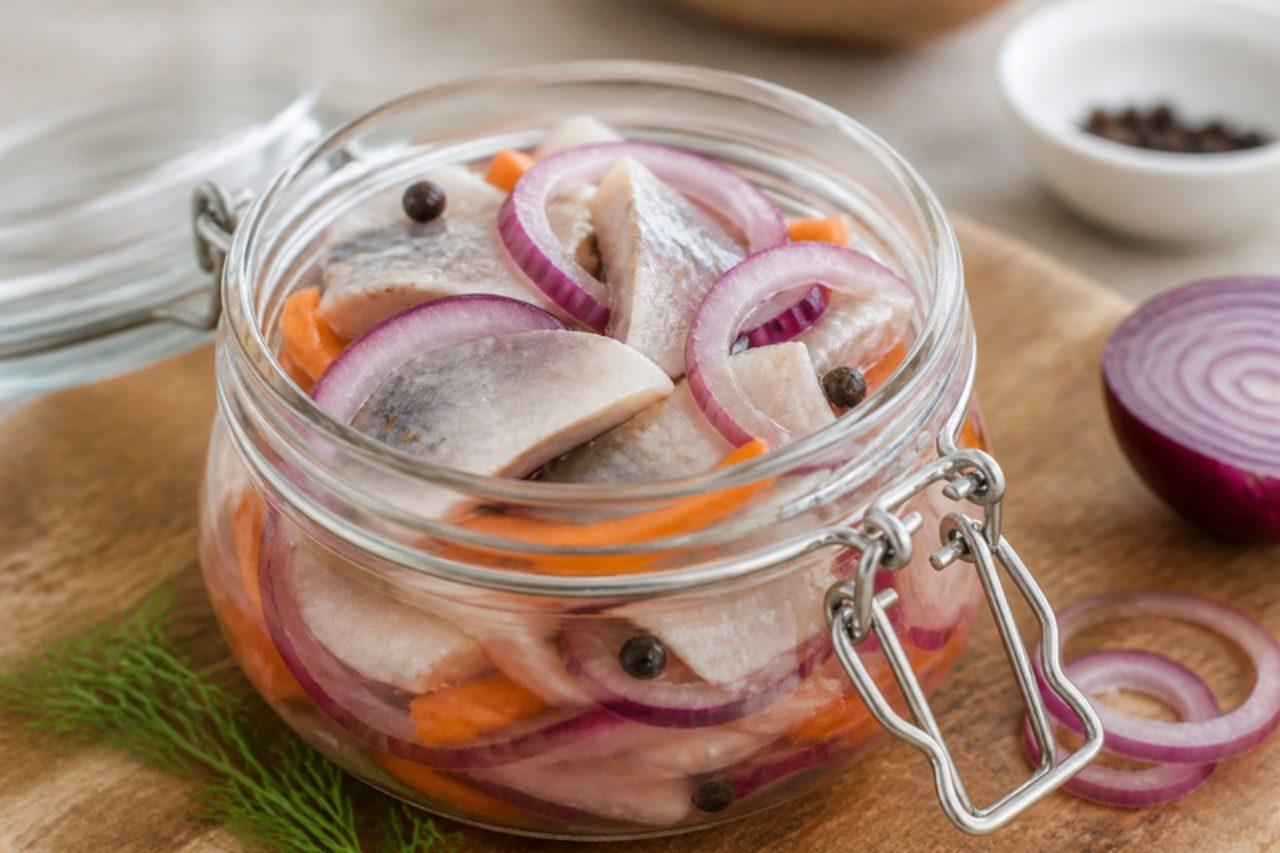
Inlagd sillPickled herring

No Swedish midsummer, Easter or Christmas table is without inlagd sill: salt herring fillets soaked to remove the salt, then pickled for at least two days in a sweet, clear brine of vinegar, sugar, onion, carrot, allspice and bay. It is eaten with new potatoes, sour cream, chives and crispbread, and a mustard sauce variant (senapssill) sits beside it. Herring that is pickled, not cooked, is not for pregnant women, young children or anyone with a weakened immune system. Use salt herring that has been frozen, as commercial salt herring is. A common mistake is skipping the soak, which makes the herring far too salty. Chef's tip: taste a corner after soaking; it should be pleasantly salty, like an olive.

by KrazyBadal 0 views

ÎnvârtităRolled sweet cheese pastry

Sunday visits in the villages around Iași and Suceava rarely happen without a tray of învârtită, the coiled pastry whose name simply means 'twisted'. A soft dough is pulled over a floured tablecloth until it is as fine as paper, brushed with butter, covered in sweet cottage cheese with raisins and lemon zest, rolled up and wound into a snail before baking. Fresh from the oven it is crackly at the edges and moist in the middle; it is cut into wedges and eaten with coffee or a glass of milk. Families also fill it with sour cherries in June or grated pumpkin in autumn. Cottage cheese is usually made without animal rennet, but check the label if you keep strictly vegetarian. Lots of bakers stretch the dough too soon after mixing, and it tears into holes; give it the full rest. Chef's tip: drain the cottage cheese in a sieve for 20 minutes first, so the filling stays creamy and does not run out of the seams.

by KrazyBadal 0 views

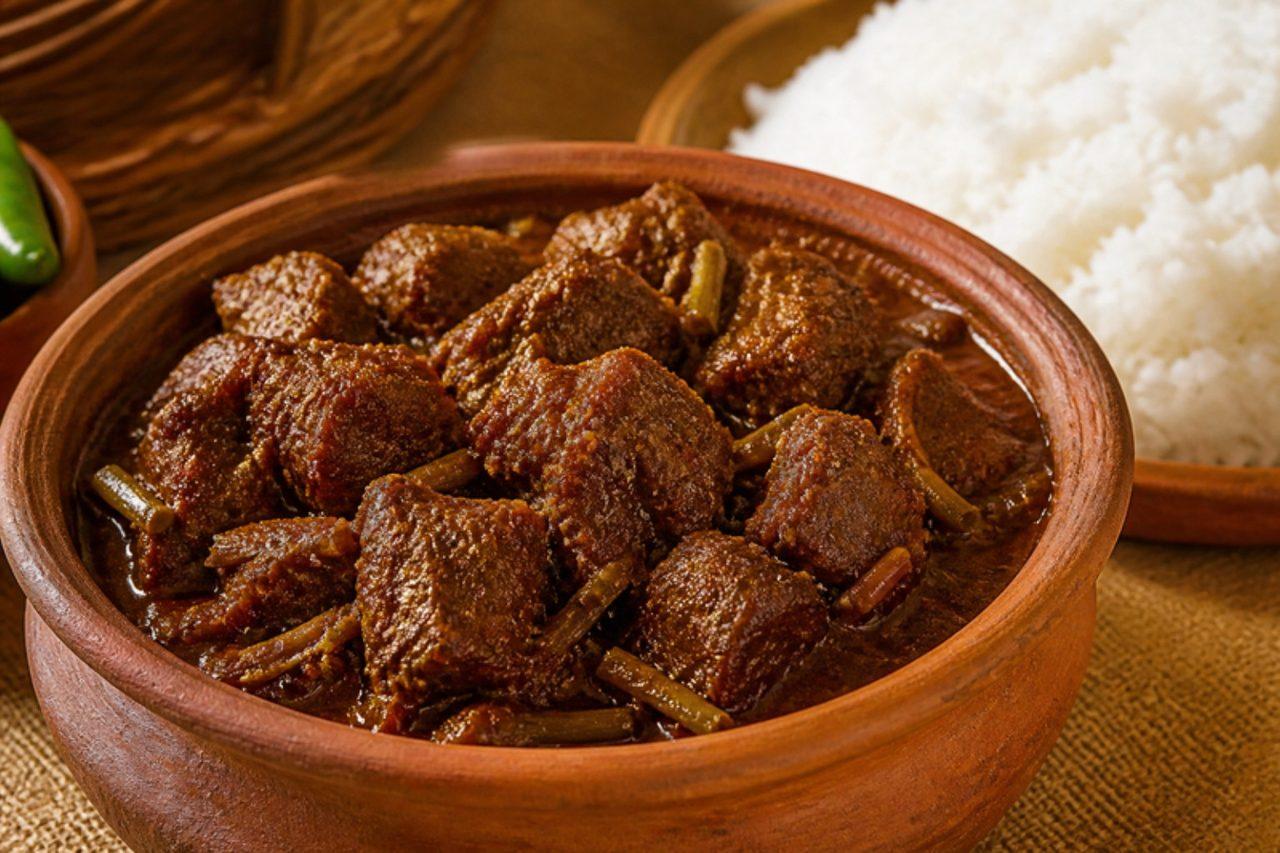
Chuijhal mangshoBeef with chuijhal spice

Few ingredients say Khulna, Jessore and Satkhira like chuijhal, the thick stem and root of a pepper vine that climbs trees in the southwestern districts; chopped into chunks and cooked with meat, it gives a heat that is fragrant, woody and peppery rather than sharp. Roadside hotels between Khulna and Bagerhat are famous for their chuijhal mutton and beef, eaten with plain rice or soft chapatis, and the softened chunks of chuijhal are chewed for their juice at the end. In the UK some Bangladeshi grocers sell it frozen; if you cannot find it, long pepper and black pepper give a fair impression, though not the same aroma. The usual mistake is adding the chuijhal at the start, which cooks out its perfume; it goes in for the last half hour. Chef's tip: peel the tough outer skin from thicker stems, and split them lengthways so the flavour comes out.

by KrazyBadal 0 views

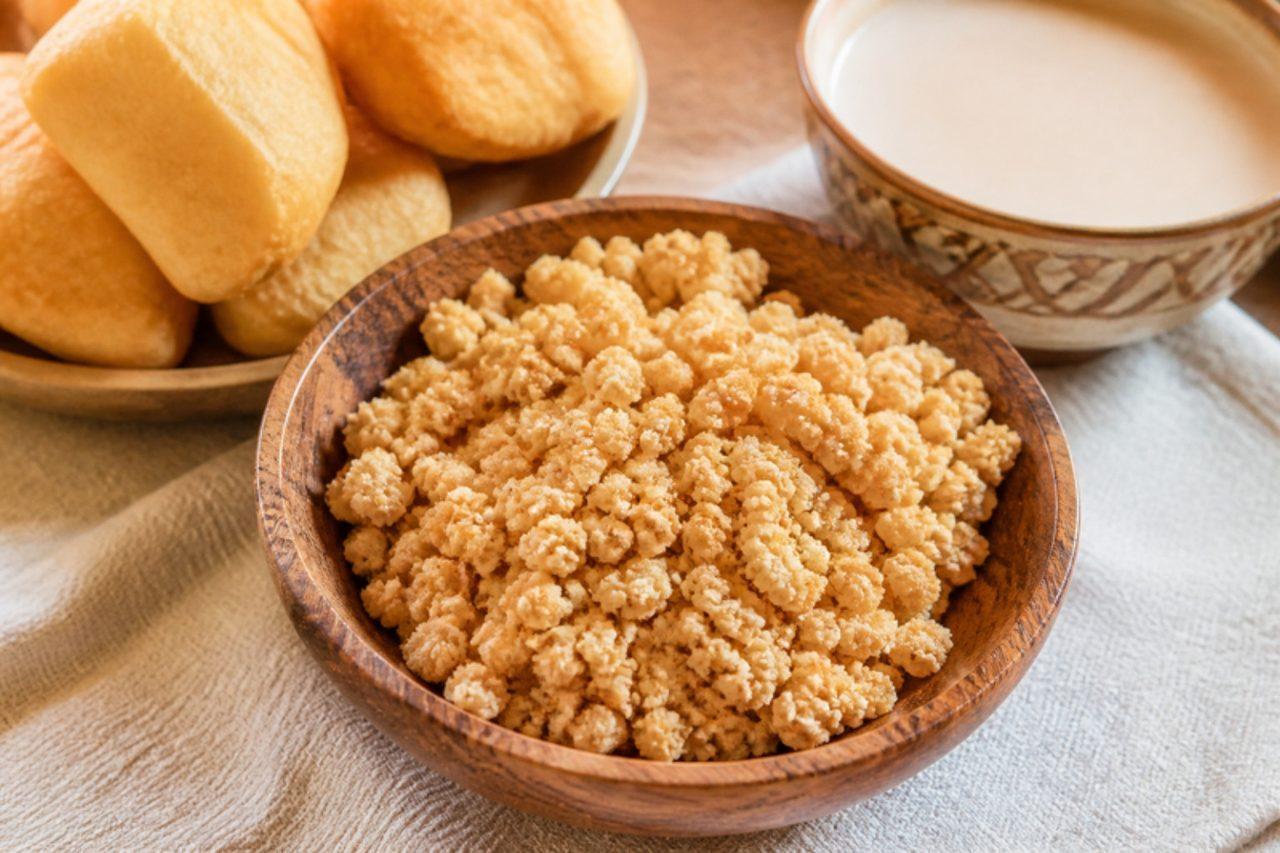
IrimshikDried sweet cottage cheese

Irimshik is the sweet, caramel-coloured dried curd that Kazakh herding families make in summer on the jailau pastures: milk is soured with a little starter, heated until it splits, and the curds are cooked slowly in their own whey until they turn golden and fudgy, then dried in the sun. It is nibbled with tea in winter, from Almaty flats to steppe villages. This version needs no rennet, so it is vegetarian. A common mistake is draining the curd too soon; the long cook in the whey is what browns and sweetens it. Chef's tip: stir more often as the whey reduces, because the curd catches easily at the end.

180 minKazakhBasicsGluten free
by KrazyBadal 0 views

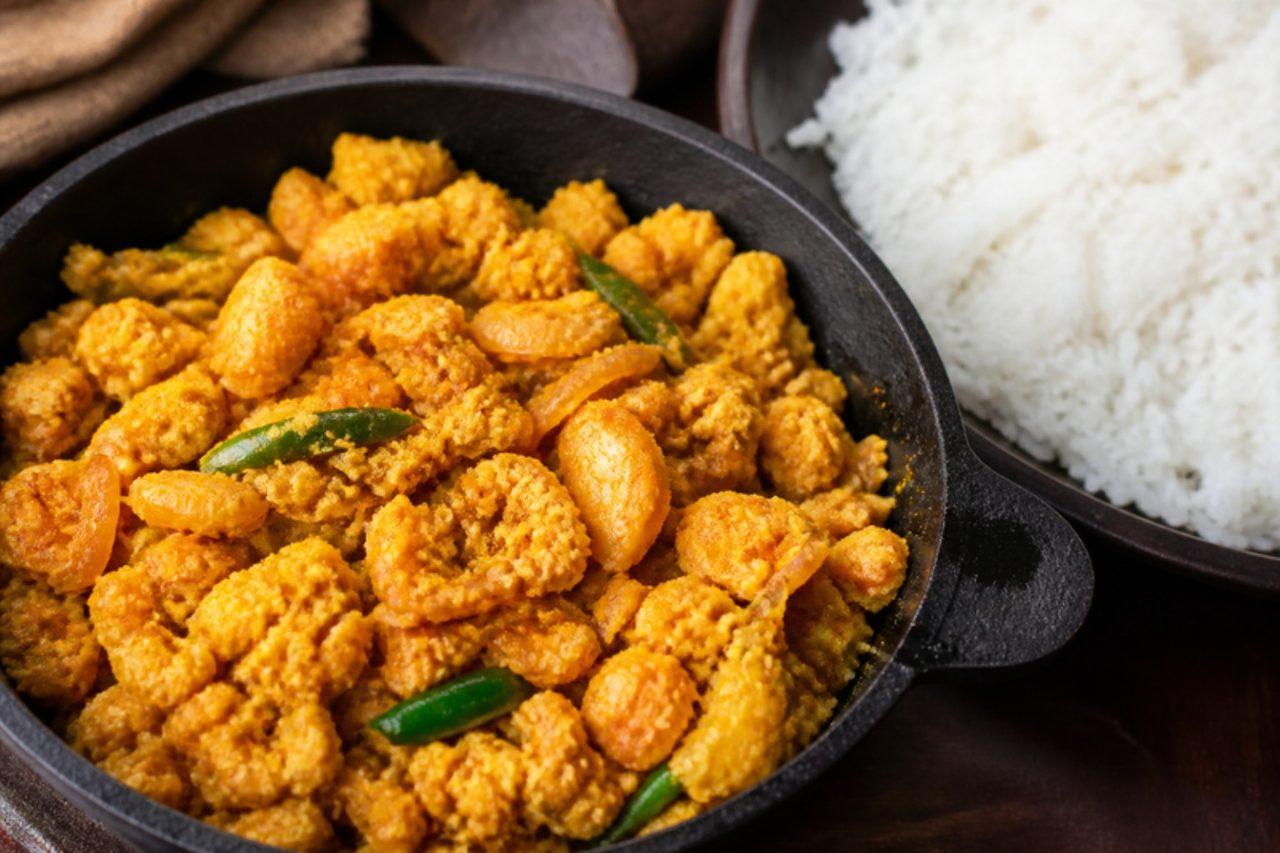
Ilish dim bhunaFried hilsa roe

Early in the hilsa season the female fish carry a pair of large, golden roe sacs, and in Barisal kitchens nobody would dream of wasting them. Ilish dim bhuna is the quick and greedy way to cook them: the roe is fried with lots of onion, turmeric and green chilli until it breaks into soft, rich, slightly grainy crumbs, a little like a savoury fish scramble. It is eaten as a side dish with plain rice and dal, often on the same day the fish itself is cooked in mustard. Roe spoils quickly, so buy it bright and fresh-smelling with the fish and cook it the same day. Many cooks stir the roe too early and too hard, turning it into paste; let it set first. Chef's tip: steam the roe sacs for 3 minutes before frying, so they firm up and break into neat crumbs.

by KrazyBadal 0 views

Ilish polaoHilsa fish rice

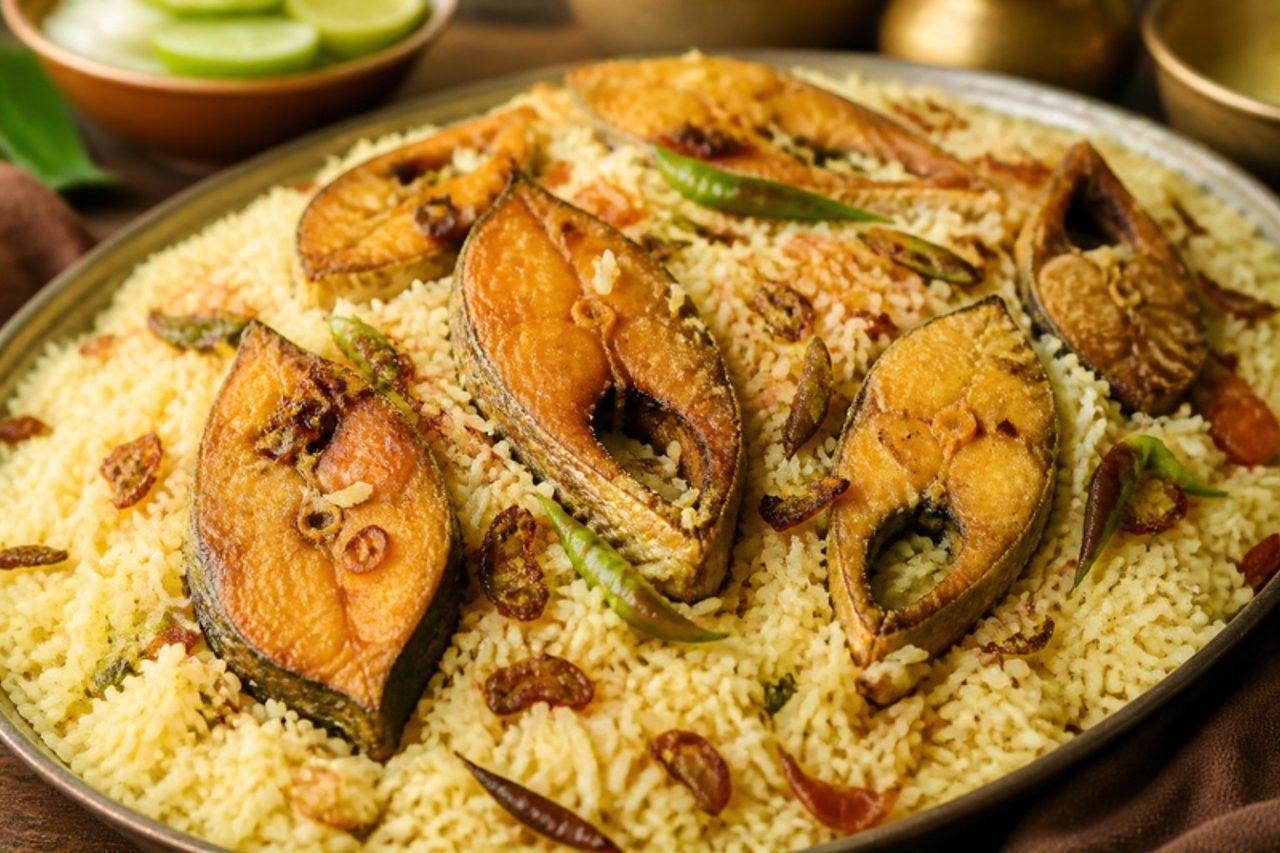
Monsoon is hilsa season: as the fish run up the Meghna and the boats come back heavy into Chandpur ghat and the Barisal river markets, the richest cooks make ilish polao, a fragrant rice cooked in the oil left from frying the fish and in a light stock from the head and tail. Fried hilsa steaks are tucked into the rice to finish in the steam, so they stay moist and take on the scent of cardamom and bay. It is a dish for the hilsa season and for honoured guests, served with fried onions, a wedge of lime and a green chilli. The usual misjudgement is stirring once the fish is in; the steaks are fragile and fall apart into bones. Chef's tip: keep the oil the fish was fried in, because the whole dish depends on that hilsa-scented fat.

by KrazyBadal 0 views

Al yakhniBottle gourd in yogurt gravy

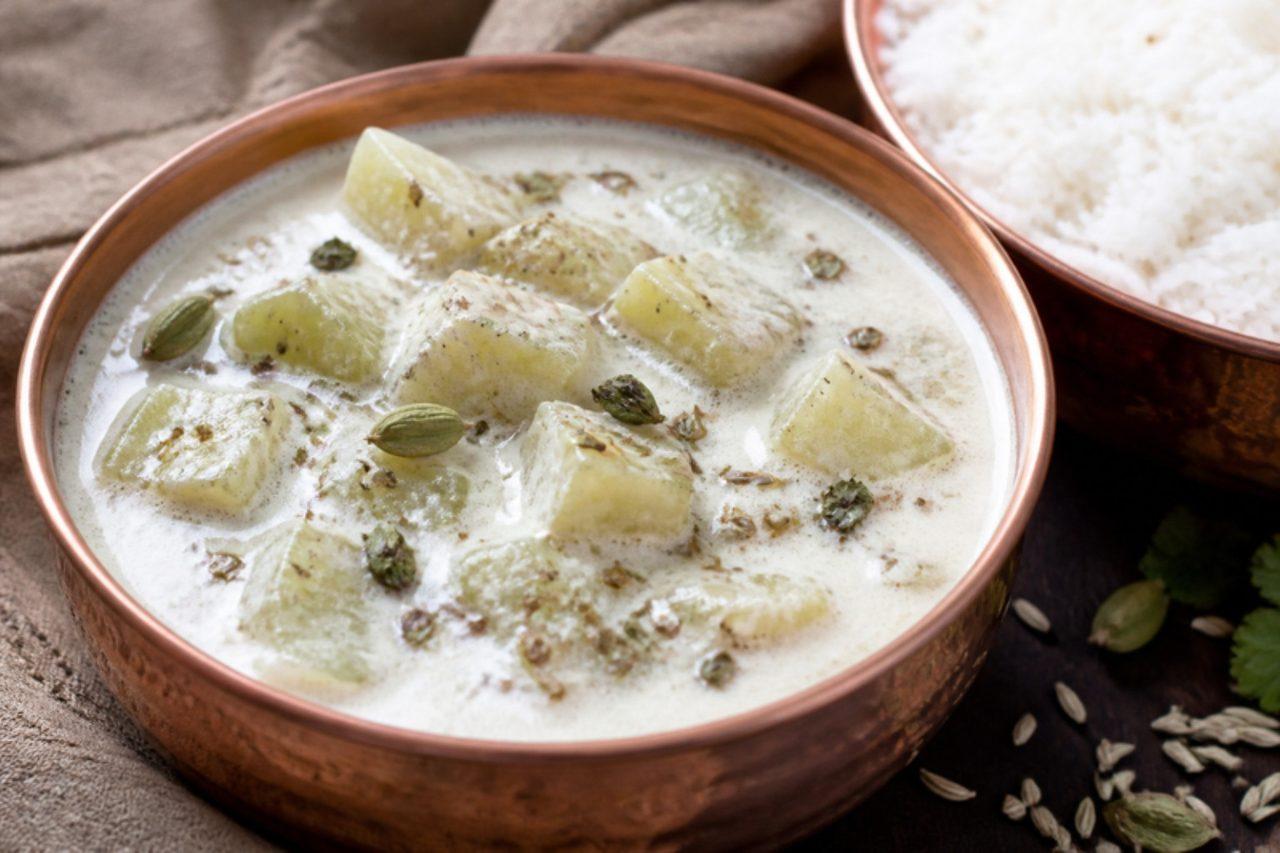
Yakhni in Kashmir means a gravy built on yogurt rather than tomato, and al yakhni, made with bottle gourd, is the version cooked in Muzaffarabad and the Neelum valley when the vines are heavy in late summer. The pale, delicately sour sauce is flavoured with ground fennel, dry ginger, cloves and cardamom, never chilli powder, and finished with a crumble of dried mint, so it tastes cool and aromatic rather than hot. It is eaten with a mound of plain rice, often alongside a red, chilli-hot dish so the two balance each other. Yogurt that splits into grainy curds is the trap: it happens when cold yogurt meets hot oil or when the pot is left alone before it boils. Chef's tip: whisk the yogurt with the spices and keep stirring in one direction over a medium heat until it comes to a full boil; after that it will not curdle.

by KrazyBadal 0 views

Brabants worstenbroodSausage roll

Worstenbrood is a Brabant institution, bought from bakeries in Eindhoven, Tilburg and Den Bosch for birthday mornings, Sunday breakfast and above all for carnival in February: a soft, slightly sweet bread dough wrapped around a log of minced pork seasoned with nutmeg, pepper and clove, baked golden. This is a pork dish. A common mistake is wrapping the dough too thick, which leaves a doughy roll and an undercooked middle. Chef's tip: roll the dough thin and bake until the filling reaches 71 °C; eat it warm from the oven.

by KrazyBadal 0 views

Iftari chhola bhunaDry-fried spiced chickpeas

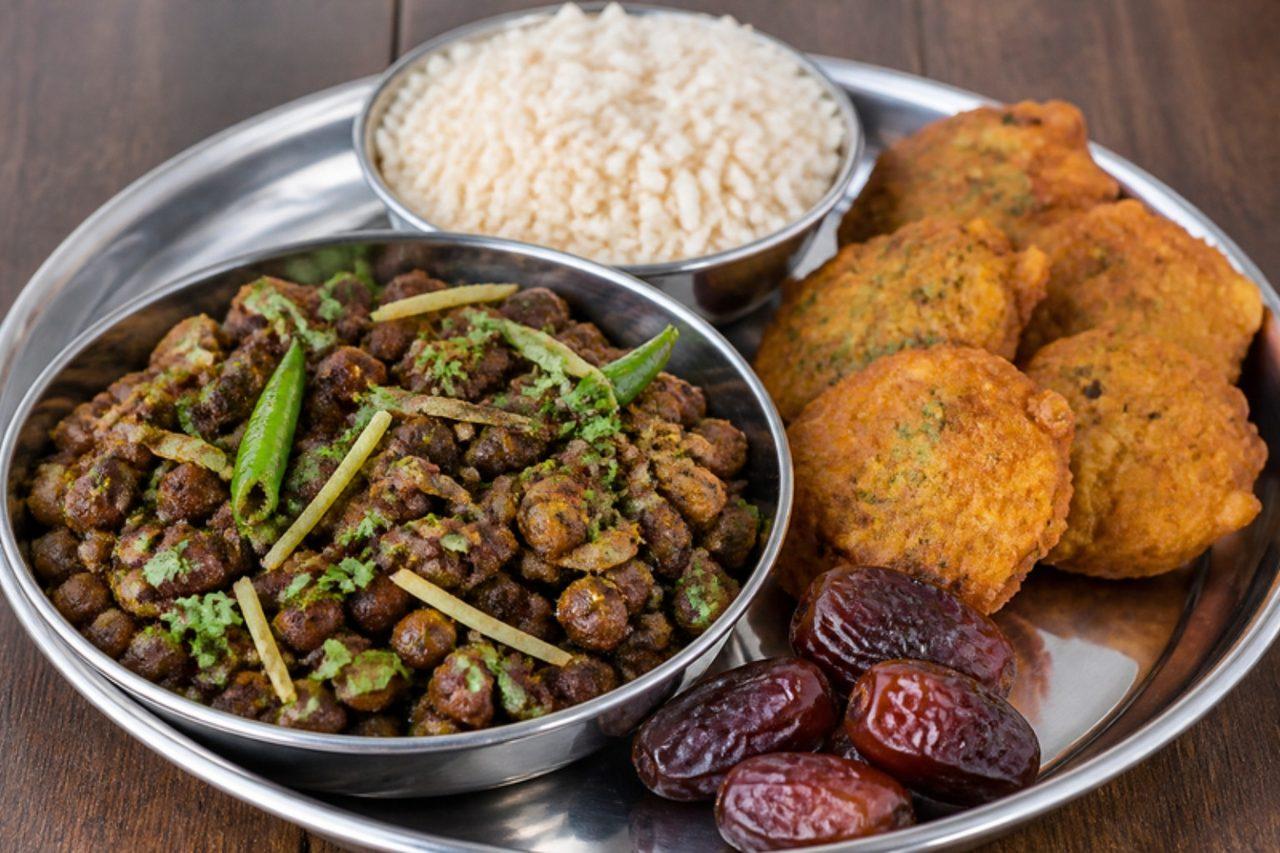
An hour before sunset during Ramadan, the pavement of Chawkbazar disappears under trays of iftar food, and the one thing every family buys or makes is a bowl of chhola bhuna. It is chickpeas fried down with onion, ginger, garlic and cumin until almost dry, so each one is coated in a thick, dark masala rather than swimming in gravy. On the iftar plate it sits beside piyaju, beguni, muri and dates, and many people toss it with puffed rice, chopped onion and mustard oil into a quick muri makha. A frequent error is adding the chickpeas while the onions are still pale, which leaves the dish flat and sweet instead of deep and savoury. Chef's tip: finish with a pinch of bhaja moshla, dry-roasted cumin, coriander and chilli ground together, for the smoky taste of the street version.

by KrazyBadal 0 views

Imli aloo bukhara sharbatTamarind and plum cooler

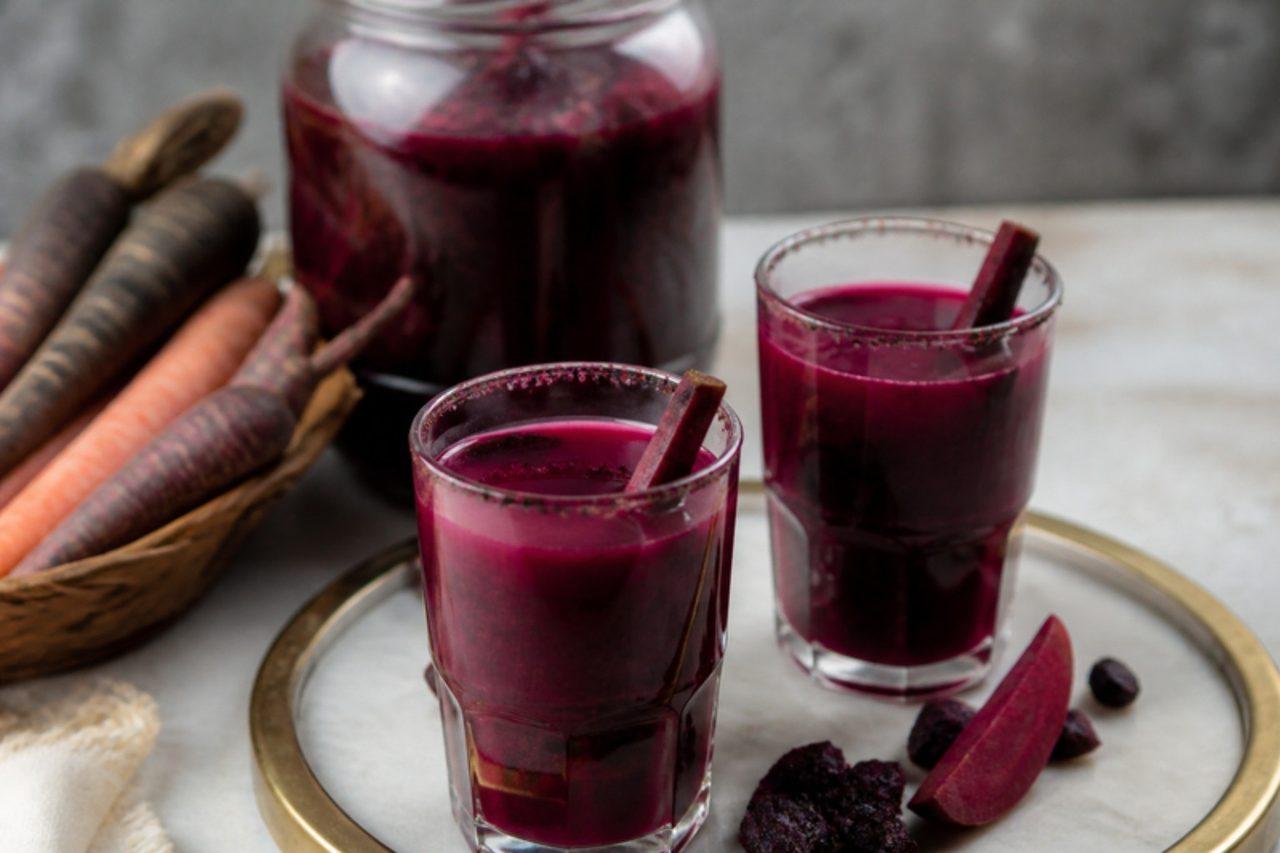
Pakistani grandmothers prescribe this deep brown drink for heatstroke, an upset stomach and the sluggish days of Ramadan fasting in June, and it is sold in tall glasses at sehri and iftar stalls in Karachi, Hyderabad and Lahore. Tamarind and dried aloo bukhara plums are soaked, simmered, mashed and strained into a concentrate, which is then sweetened, seasoned with black salt and roasted cumin and served poured over ice. The flavour is fruity, tart and slightly smoky from the plums, with the savoury lift of the salt. The concentrate keeps for a week in the fridge, so a big batch lasts through a heatwave. The usual problem is skipping the straining step and serving it thick with fibres and seeds, which makes it more like a chutney than a drink. Chef's tip: let the plums soak in the hot liquid for an hour after simmering, so they give up all their sourness and colour before you strain them.

by KrazyBadal 0 views

Idrijski žlikrofiPotato and chive dumplings

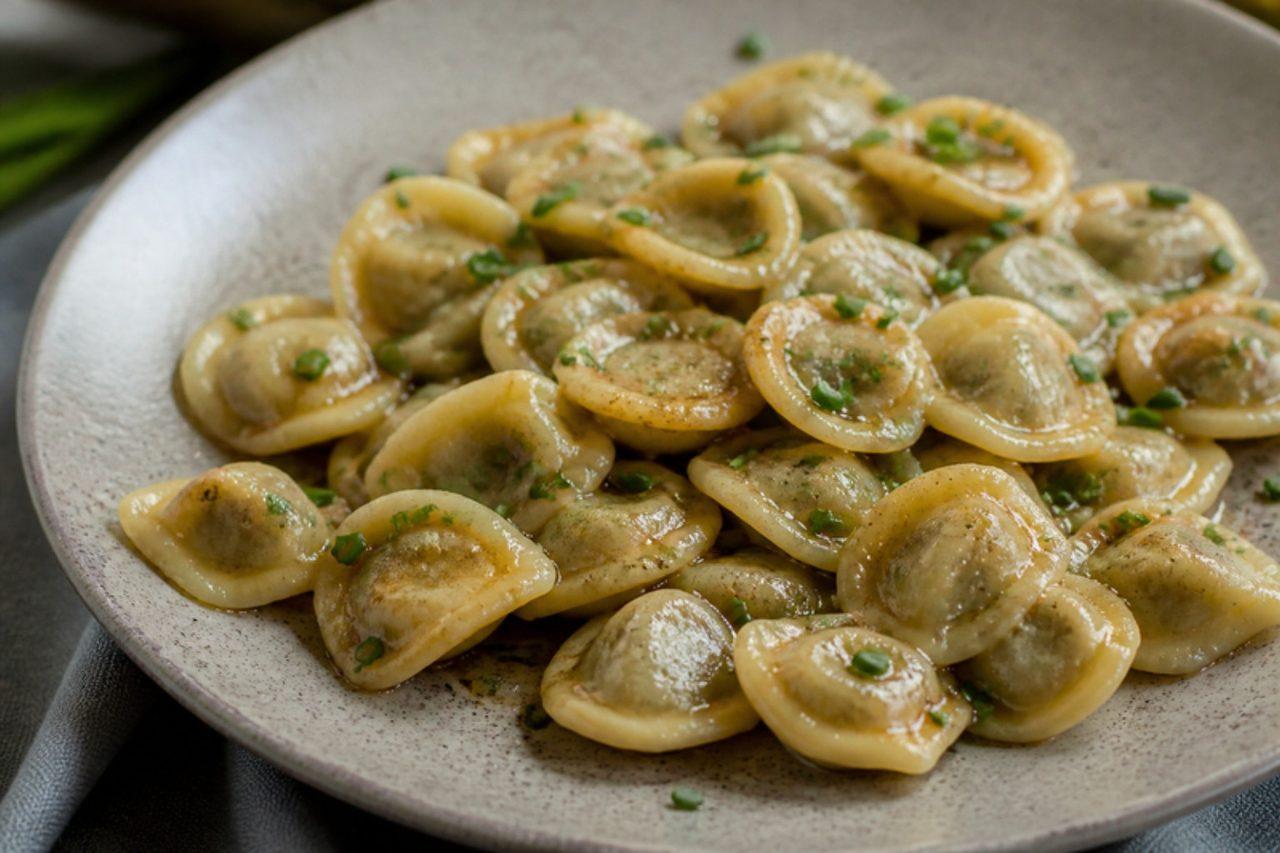
Mercury miners in Idrija, the hill town in western Slovenia, lived on these: thumbnail-sized pasta parcels pinched into a little hat shape with a dimple in the middle and filled with potato, onion, chives and marjoram. They carry EU protected status, and in Idrija they come either with melted butter and crumbs or with bakalca, a slow-cooked lamb sauce; the traditional filling often has a spoon of pork fat or cracklings too. This vegetarian version uses butter throughout. Shaping 150 or so of them is a job for two people and a good chat. A wet filling is the usual downfall: boil the potatoes in their skins and mash them dry, or the dough tears when you pinch it shut. If you add the optional grated hard cheese, choose a vegetarian one, as parmesan-style cheeses use animal rennet. Chef's tip: dry the shaped žlikrofi on a floured cloth for 20 minutes before cooking so they hold their shape.

by KrazyBadal 0 views

IngriyiAubergine meat patty bake

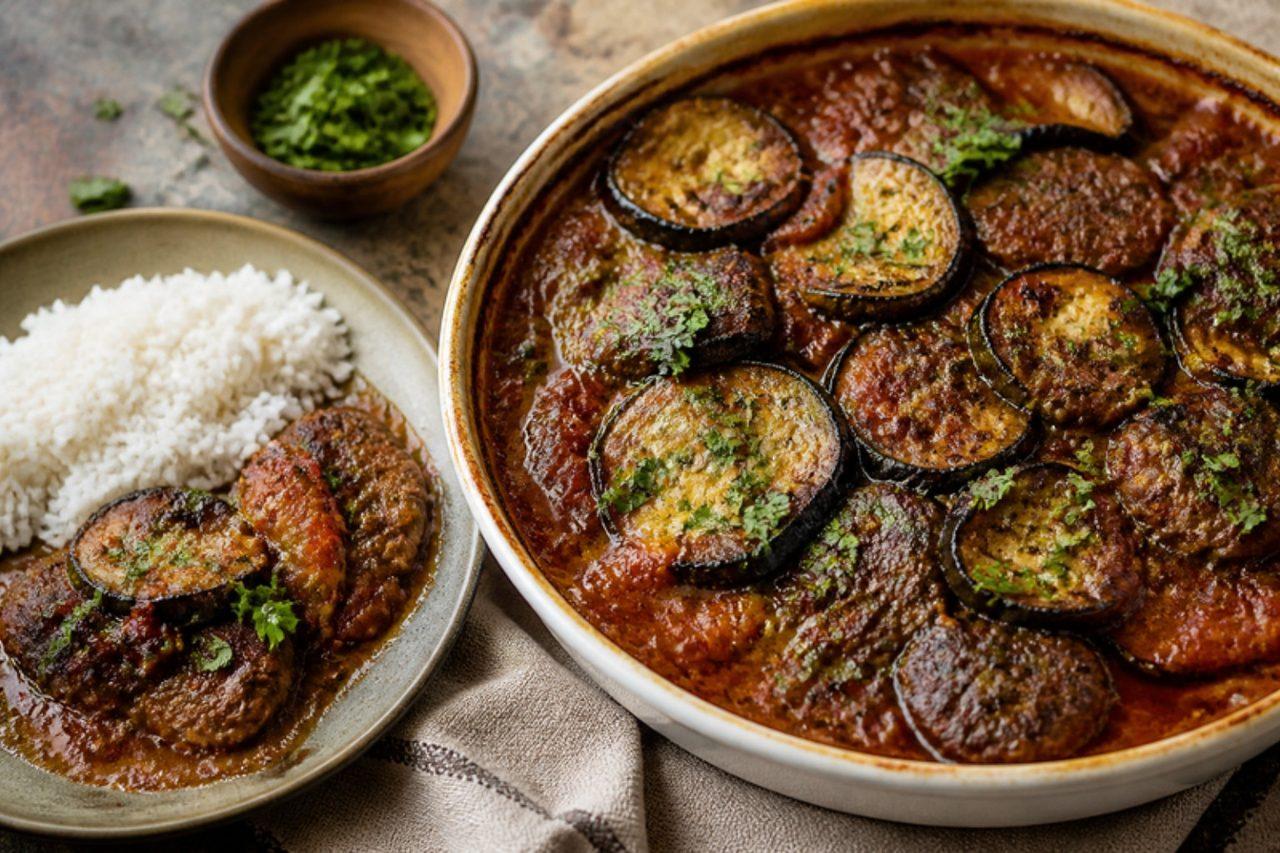
Ingriyi is a Baghdadi-Jewish Shabbat dish that Iraqi families in Ramat Gan and Kiryat Gat make when aubergines are cheap in late summer: slices of fried aubergine and thin spiced beef patties are layered in a dish and baked in a sauce of tomato and tamarind until everything turns soft and glossy. The tamarind gives a dark sweet-sour tang that sets it apart from Levantine aubergine bakes. Serve it with white rice and a sharp salad. A common slip is frying the aubergine in too little oil at too low a heat, so it soaks up grease and stays grey; use hot oil and drain well. Chef's tip: salting the slices for 30 minutes makes them fry faster and drink less oil.

by KrazyBadal 0 views

Isso curryPrawn coconut curry

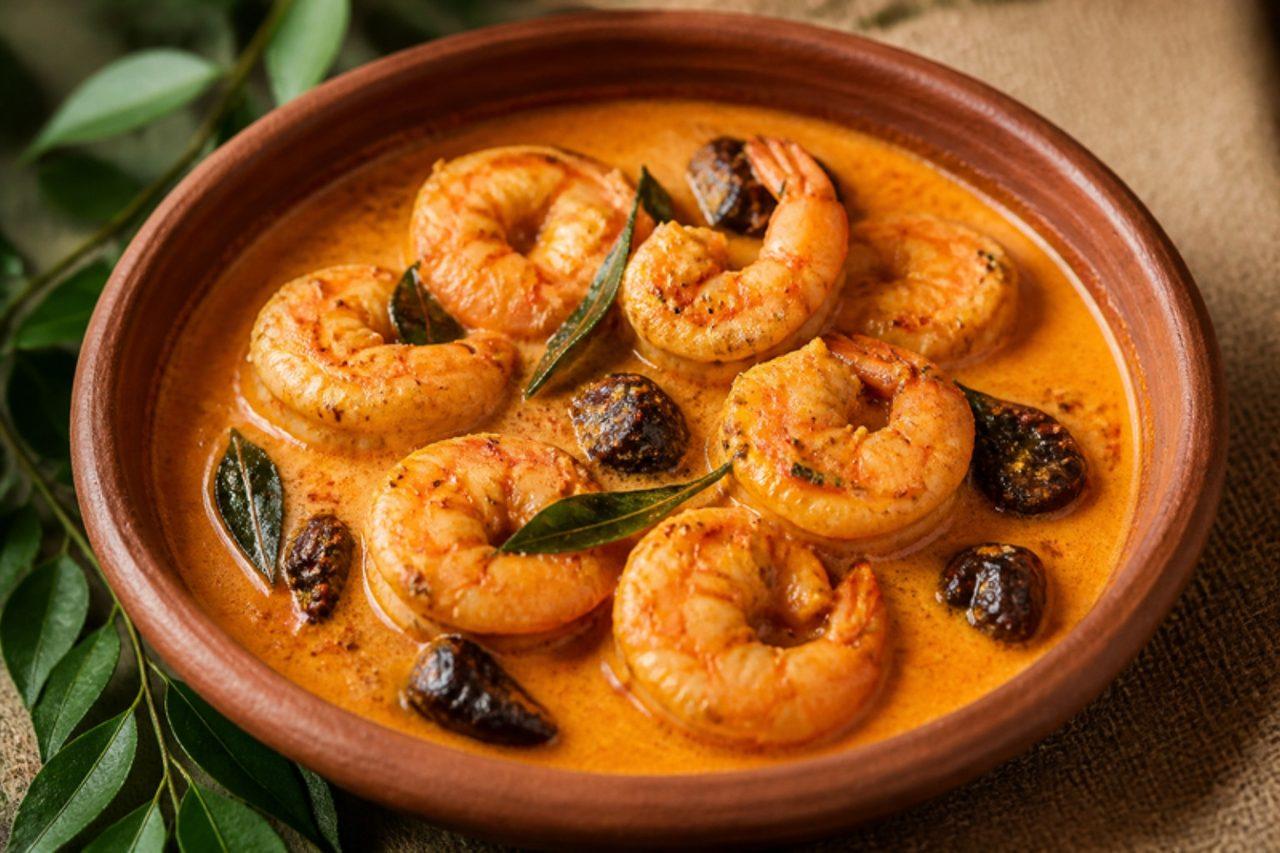
Fishing boats come into Mirissa, Weligama and the harbour below Galle Fort every morning, and southern cooks turn their prawns into a curry that is quick, hot and gently sour. Goraka, the dried fruit of a garcinia tree, is soaked and ground into the gravy, and it gives a fruity tang that suits seafood far better than lime. Thin coconut milk carries the spices first, then a splash of thick milk at the end makes the sauce silky and pale orange, and the prawns go in only for the last few minutes. It is served with steamed white rice, a beetroot or snake-gourd curry and a crunchy sambol. Beginners tend to add the prawns too early and let them stew, which leaves them tough and shrunken. Chef's tip: leave the tails on and cook the prawns just until they curl into a loose C; a tight O means overdone.

by KrazyBadal 0 views

Hulbat marakLamb broth with whipped fenugreek

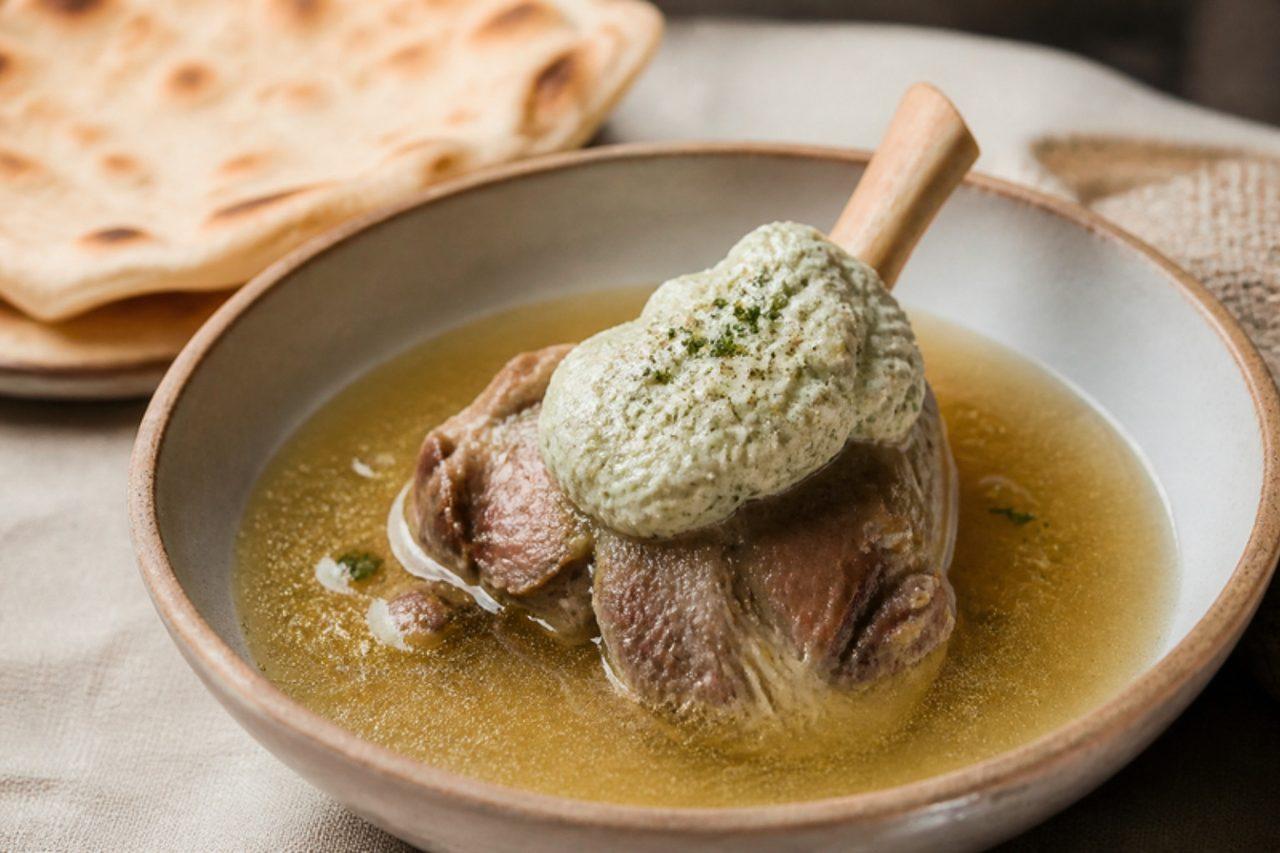
Inside the old walled city of Harar, cooking carries the flavours of centuries of trade with Arabia, and hulbat marak shows it clearly. A light, golden lamb broth, scented with cumin, turmeric and cardamom, is ladled into bowls and topped with a spoonful of hulbat: fenugreek soaked, then whipped with lemon and green chilli into a pale, frothy cream. Torn flatbread goes in to soak up the broth, and the slightly bitter, tangy foam slowly melts into the soup as you eat. It is warming, delicate and not spicy at all. Chef's tip: soak the fenugreek for at least 2 hours and pour off the water; that is what keeps the topping mellow rather than harshly bitter.

by KrazyBadal 0 views

Huevos haminadosOvernight slow-cooked eggs

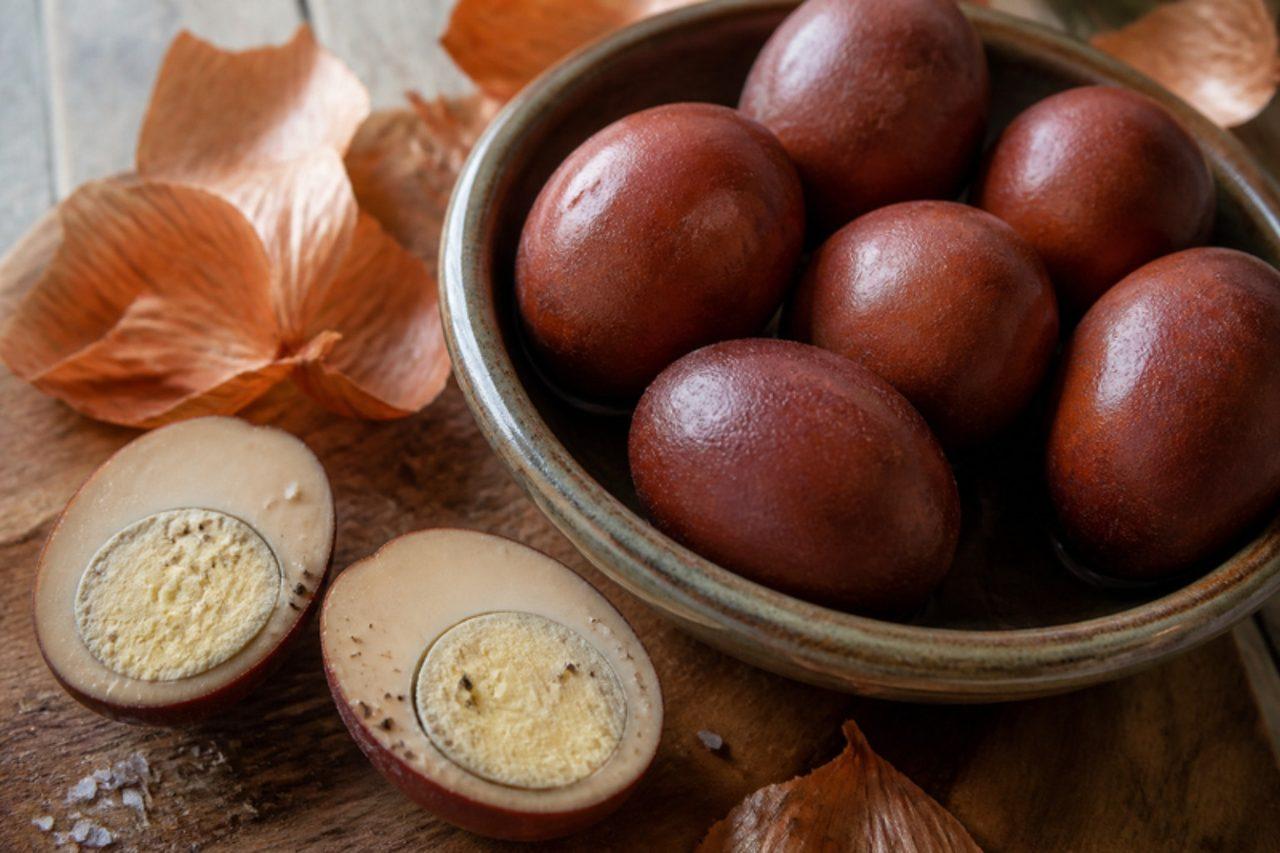
Sephardic families of Turkish and Greek origin in Jerusalem's Nachlaot and in Bat Yam tuck eggs into the Shabbat hamin or simmer them alone overnight, and by morning the shells are mahogany and the whites a pale coffee colour. The long, gentle heat turns the yolks creamy and the whites soft and faintly savoury, with none of the sulphur smell of a fast boiled egg. Serve them with bourekas, cucumber salad and grated tomato on Shabbat morning or at a Passover seder. The mistake is letting the pot boil hard, which cracks the shells and makes the whites rubbery. Chef's tip: a tight lid and the lowest oven setting are all you need; top up the water at bedtime so the eggs never go dry.

by KrazyBadal 0 views

HuzarensaladePotato, pickle and egg salad

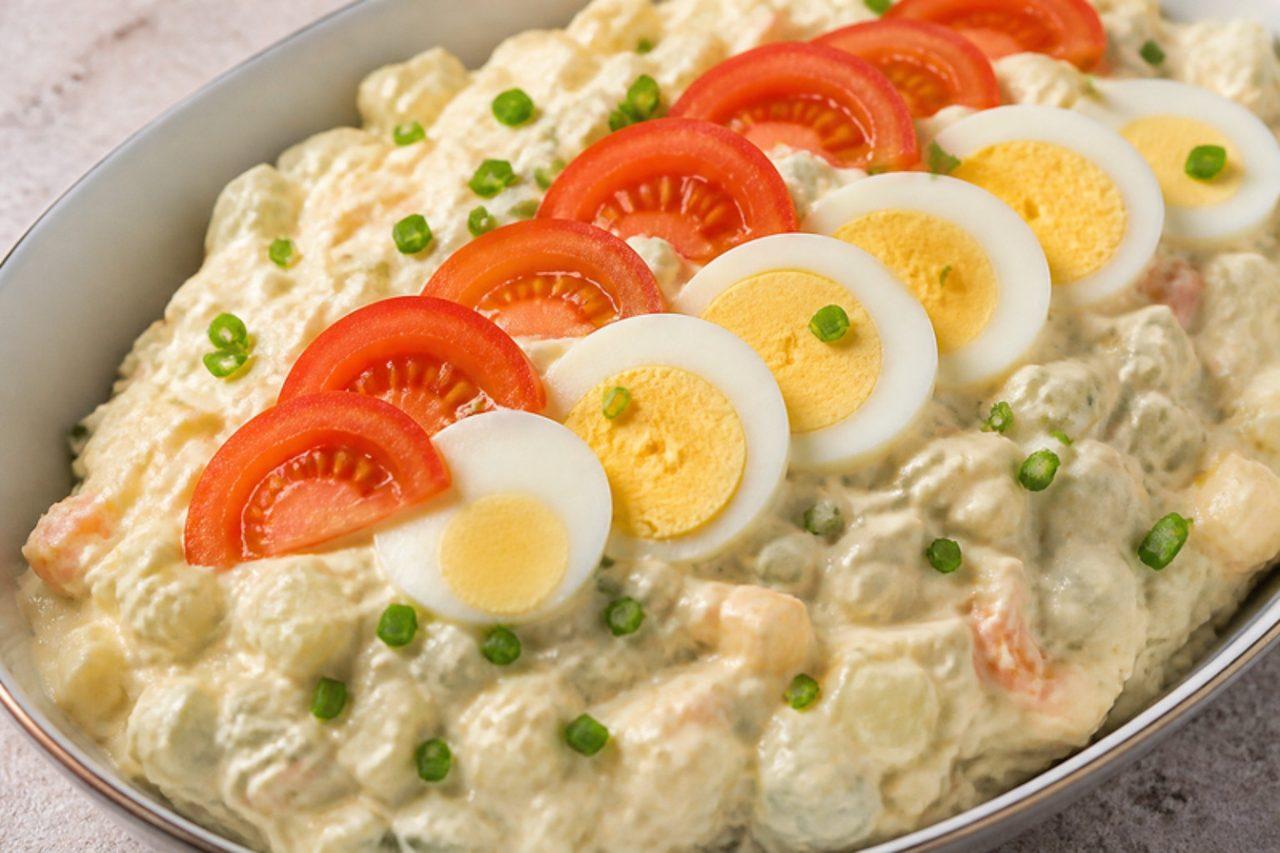
Huzarensalade, 'hussars' salad', is the potato salad of Dutch birthdays and New Year's Day: diced potato, pickled gherkins, pickled onions, apple and boiled egg bound in mayonnaise, shaped into a mound and decorated with lettuce, tomato, egg and cucumber. It is normally made with cubes of cooked beef; this vegetarian version adds peas and a little extra egg. A common mistake is mixing warm potatoes with mayonnaise, which turns it greasy and loose. Chef's tip: let the potatoes cool completely and add a splash of pickle vinegar first, so they soak up flavour before the mayonnaise goes in.

by KrazyBadal 0 views

BerkoukesLarge couscous pearls in vegetable broth

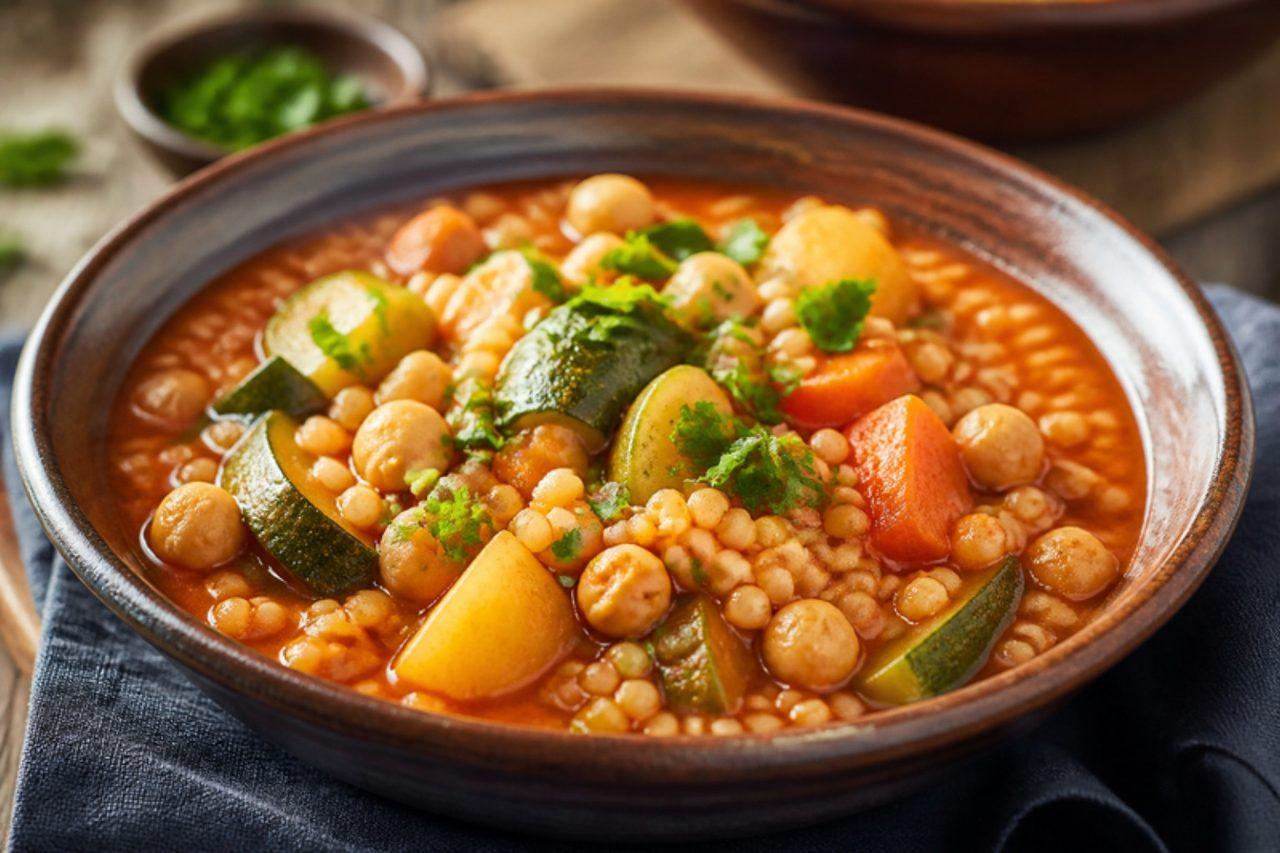
Berkoukes, the big chewy couscous pearls rolled by hand in Tlemcen and the west of Algeria, is cold-weather food and a classic dish for the end of winter or a family supper. Cooked directly in a thick, tomato-red broth with courgette, carrot, potato, turnip, peas and chickpeas, it becomes a spoonable, comforting stew, fragrant with garlic, paprika, dried mint and fresh coriander. Many families make it with meat or khlii; this is the vegetable version cooked at home on ordinary days. Bought berkoukes, maftoul or giant couscous are fine. Chef's tip: steam or toast the berkoukes before simmering it; the pearls hold their shape and don't turn to porridge.

by KrazyBadal 0 views

BozartmaLamb stew with tomato and saffron

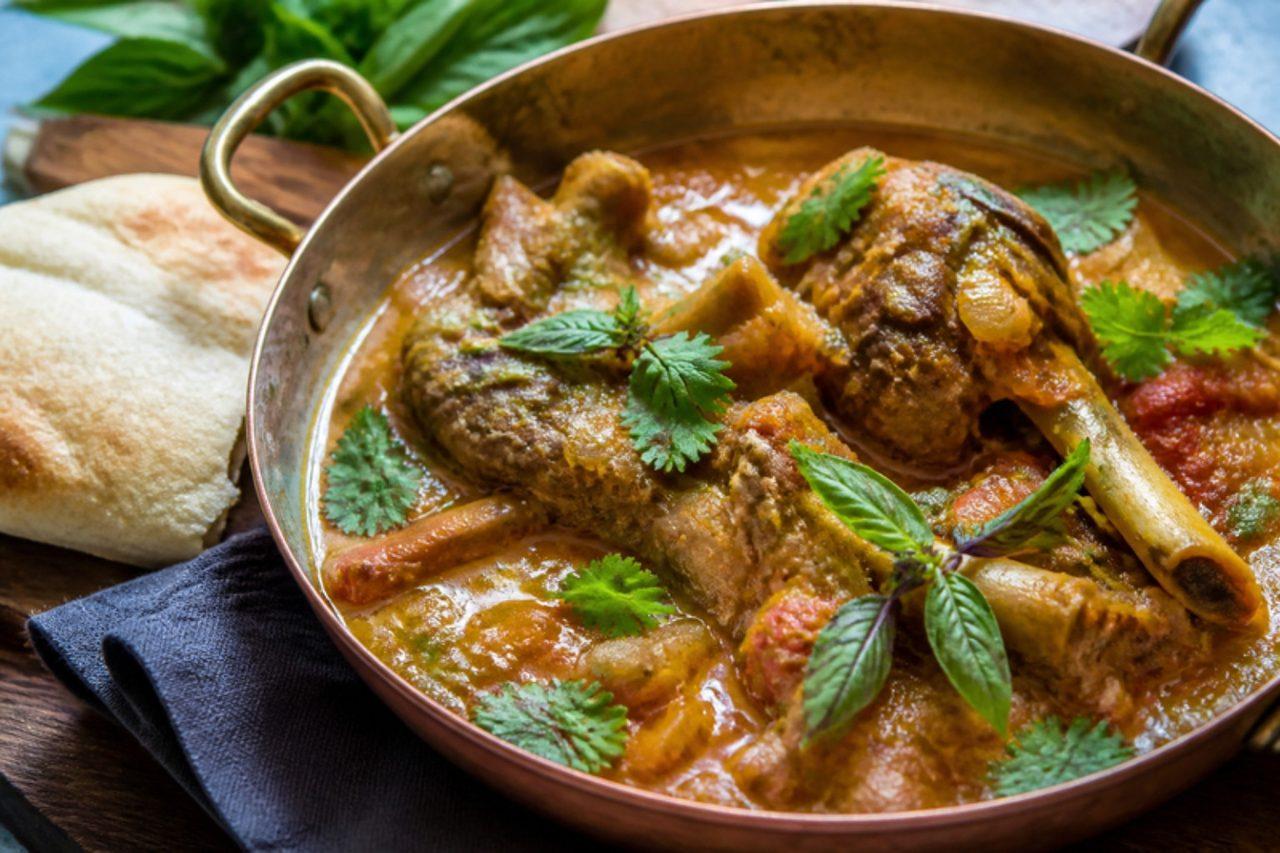
Bozartma comes from Ganja, Azerbaijan's second city at the foot of the Lesser Caucasus, where lamb on the bone is browned and then stewed with a mountain of onions and tomatoes until the sauce turns thick and red-gold with saffron. The name hints at the browning (boz, 'grey-brown'), and Ganja cooks say the onions must melt completely. It is eaten with bread and greens, and a chicken version is common too. A common mistake is adding water; the onions and tomatoes give all the liquid needed. Chef's tip: cook it uncovered for the last 15 minutes, until the fat rises to the top; that is how Ganja cooks know bozartma is ready.

by KrazyBadal 0 views

Htamin jinSour rice with fish

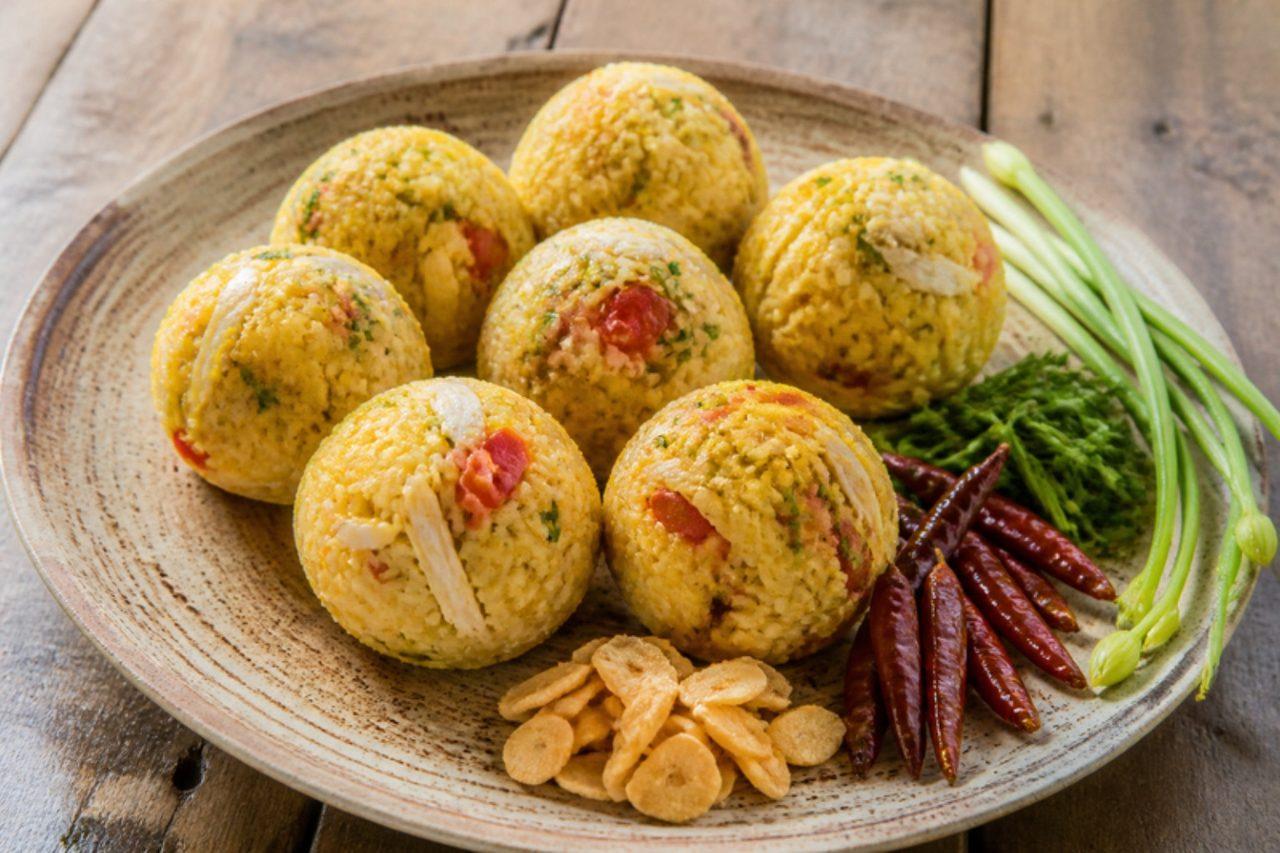
On the floating gardens and stilt-house kitchens of Inle Lake, the Intha make htamin jin to take out on the boats or to sell at the rotating five-day markets around the shore. Warm rice coloured with turmeric is kneaded by hand with flaked lake fish and tomatoes cooked down in garlic oil, then pressed into soft, tangy balls the size of a fist. It is eaten at room temperature, dressed with more garlic oil and crispy garlic, with fried dried chillies, whole raw garlic cloves and garlic chives on the side for crunch. Many cooks use firm, day-old rice, which never binds and crumbles apart; use freshly cooked rice that is a touch soft and still warm. Chef's tip: wear a food-safe glove and knead like dough for a full couple of minutes; the more you work it, the smoother and more evenly sour each ball becomes.

by KrazyBadal 0 views

Huevos a la habaneraBaked eggs with peppers and peas

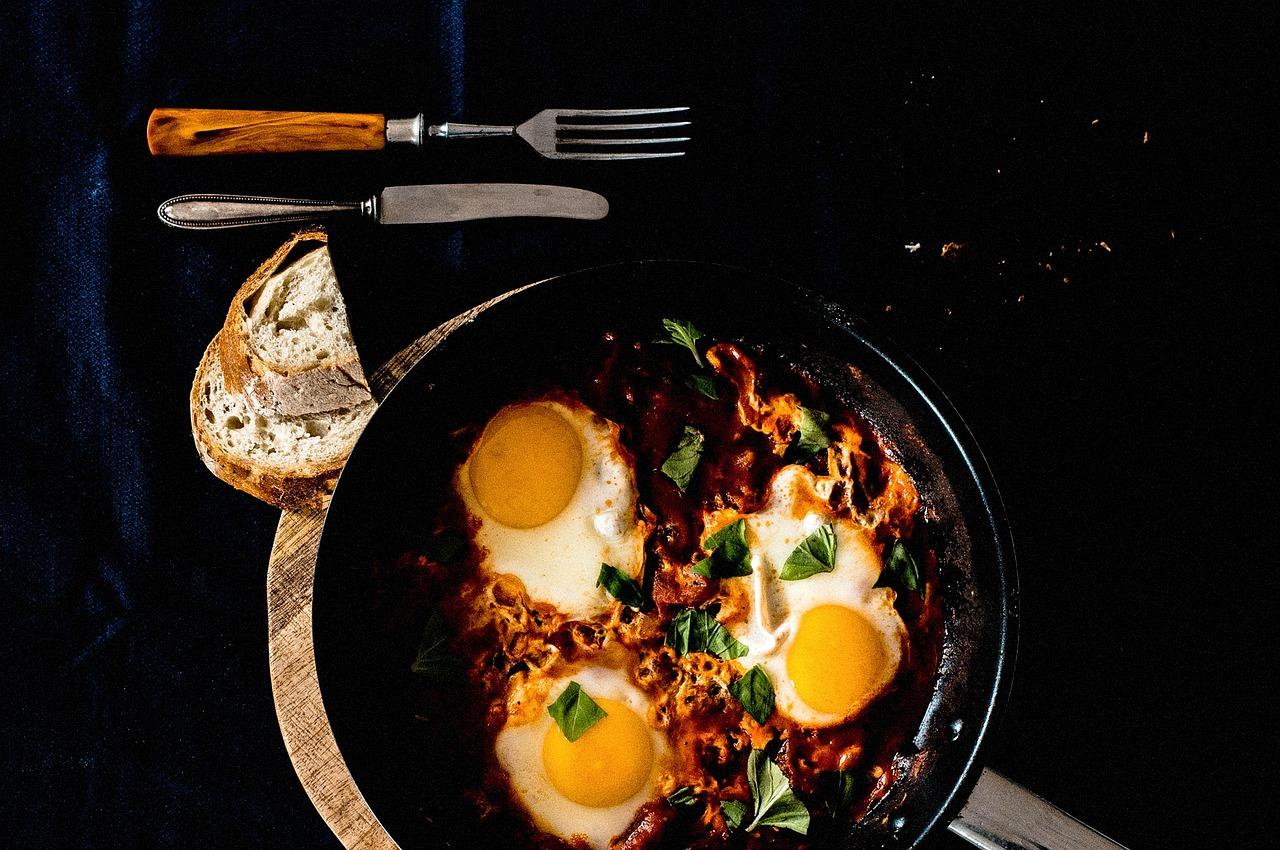
Old Havana households bake eggs this way for a late Sunday breakfast or a light supper, cracking them into a bed of slow-cooked onion, green pepper and tomato and scattering peas and grated cheese over the top. The whites set softly in the steam of the sofrito while the yolks stay rich and loose, ready for mopping up with toasted Cuban bread. A frequent mistake is baking until the yolks turn chalky; take the dish out while the yolks still wobble. Many hard cheeses are made with animal rennet, so choose a vegetarian Gouda-style or Cheddar-style cheese if you need to. Chef's tip: make little wells in the sofrito with the back of a spoon so each egg sits in its own nest and doesn't spread.

by KrazyBadal 0 views

Ang ku kuehRed glutinous rice cakes

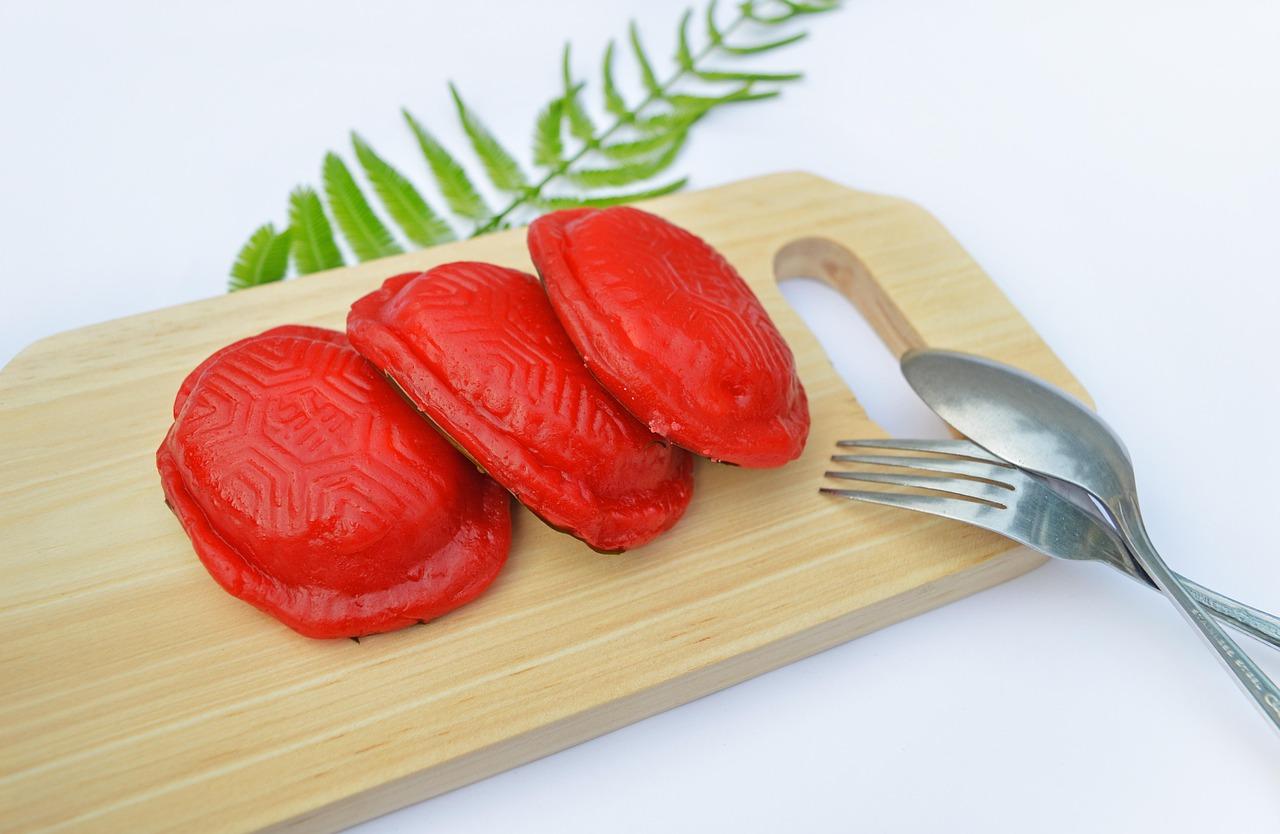
Red for luck and shaped like a tortoise for long life, ang ku kueh are carried to Hokkien and Teochew family altars and handed out in boxes at a baby's first-month celebration, at elders' birthdays and at temple festivals across Singapore, from Chinatown shophouses to neighbourhood confectioners in Bukit Merah. The skin is soft, chewy and slightly elastic, made from glutinous rice flour kneaded with mashed sweet potato, and it wraps a smooth, mildly sweet filling of split mung bean (or crushed peanut and sugar). Each cake is pressed in a carved wooden mould and steamed on a square of banana leaf. The usual mistake is steaming over a fierce boil, which makes the skin puff up, crack and lose the printed pattern; steam gently with the lid slightly open. Chef's tip: brush the cakes with a little oil the moment they come out of the steamer, so the pattern shines and the skin doesn't dry out or stick together.

by KrazyBadal 0 views

HusliankaFermented Hutsul milk

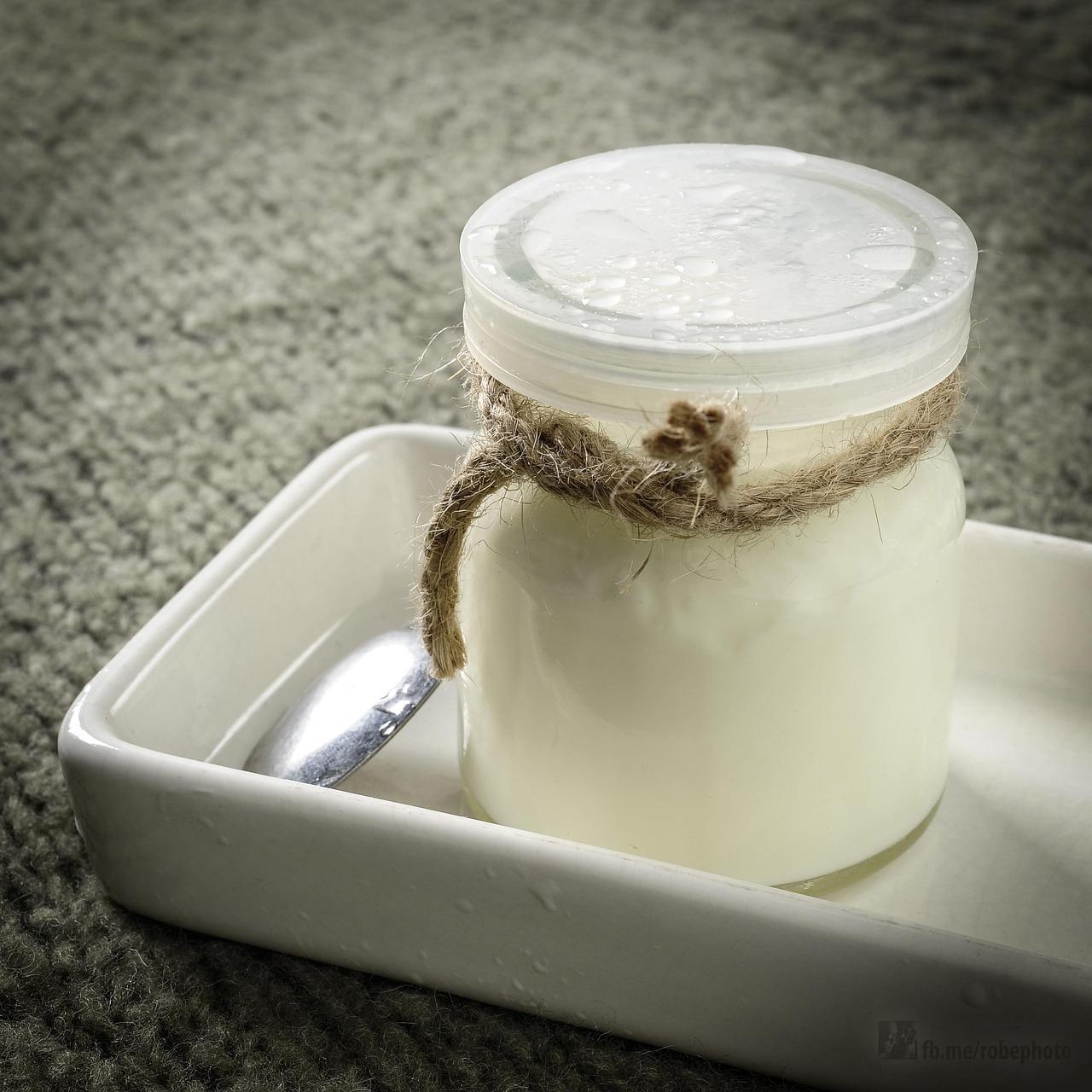
High in the Hutsul villages around Verkhovyna and Kosiv, milk was boiled, cooled and left to sour in a wooden keg called a berbenytsia, which held the cultures from the last batch and gave the drink its name and its gentle tang. The result is huslianka: thicker than kefir, smooth like loose yogurt, with a fresh, clean sourness that shepherds drank with mamalyha and new potatoes. Today you will find it bottled at Carpathian markets, but it is easy to make in a glass jar at home. For safety, always start from pasteurised milk, use a scrupulously clean jar and move it to the fridge as soon as it sets. The usual slip is adding the starter while the milk is still hot, which kills the cultures, so cool it to body temperature first. Discard any batch that grows fuzzy or pink mould or smells unpleasant. Chef's tip: keep two spoons of each batch to start the next one; the flavour gets rounder with every round.

by KrazyBadal 0 views

Babka wielkanocnaEaster yeast cake

A golden babka standing tall in the Easter basket used to be a matter of family pride, and old cooks whispered while it baked, convinced a slammed door would make it sink. The dough is soft and rich with egg yolks and butter, beaten until it is elastic, then baked in a fluted ring tin into a cake with a fine, feathery, saffron-yellow crumb. Raisins are often soaked in rum; this version uses orange juice, but a couple of spoons of rum work if you prefer. The usual slip is adding too much flour to a sticky dough, which makes the babka dry; it should stay soft and almost batter-like. Chef's tip: cool the babka on its side, turning it now and then, so the delicate crumb doesn't collapse.

185 minPolishBaking
by KrazyBadal 0 views

Ciorbă de urziciNettle soup

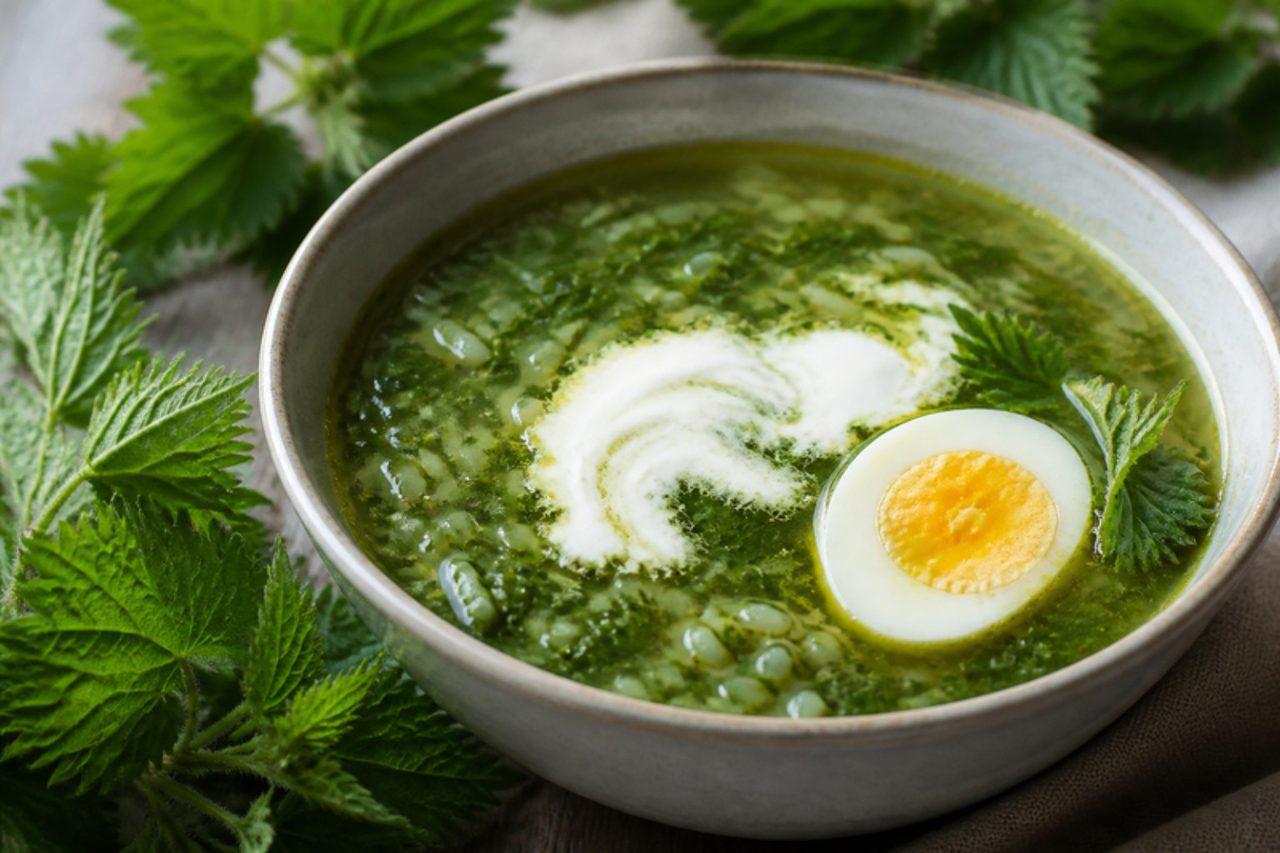
Around Iași and in the Moldavian hills, the first young nettles of March and April arrive just as the long Easter fast begins, and a green, sour ciorbă de urzici is often the first fresh vegetable dish of the year. It is a vegan post dish: nettle tops, spring onions and a little rice simmered together, then soured with borș until the broth is bright and tangy, with a grassy, spinach-like depth. Wear gloves to pick and wash the nettles and use only the young tops, the first four to six leaves; older, flowering plants turn tough and gritty. The classic error is boiling the nettles for too long, which makes them grey and stringy. Chef's tip: add a handful of chopped lovage with the borș, as it gives the soup its unmistakably Moldavian flavour.

by KrazyBadal 0 views

Chunga pithaBamboo-roasted sticky rice

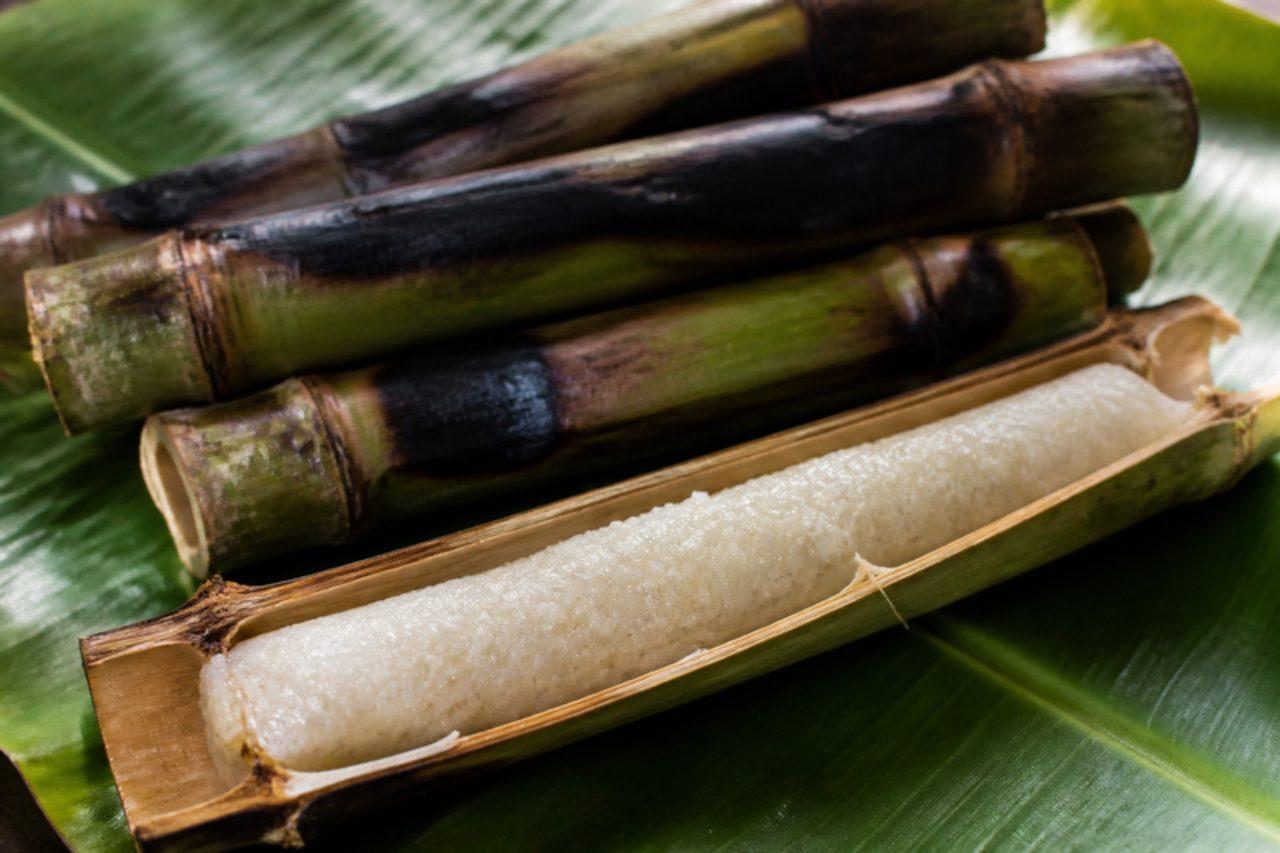
On cold winter nights in Sylhet and Moulvibazar, especially among the Manipuri and Khasi villages near the hills, sticky binni rice is packed into green sections of dolu bamboo with milk, sugar and coconut, plugged with straw and pushed into the embers of a fire. As the bamboo blackens the rice steams inside, and when the tube is split open it slides out as a smooth, glossy log, sweet, milky and faintly smoky. Families eat it hot, sliced into rounds, sometimes with a curl of date-palm jaggery or with fish curry for a savoury contrast. Fresh bamboo is hard to find outside Bangladesh, so this recipe also gives a banana-leaf and foil method that works under a hot grill. Underfilled tubes are the classic misstep: the rice needs room to swell but should be packed to about three-quarters full. Chef's tip: soak the rice for at least 4 hours so it cooks evenly before the outside scorches.

by KrazyBadal 0 views

Houbový kubaBarley and mushroom bake

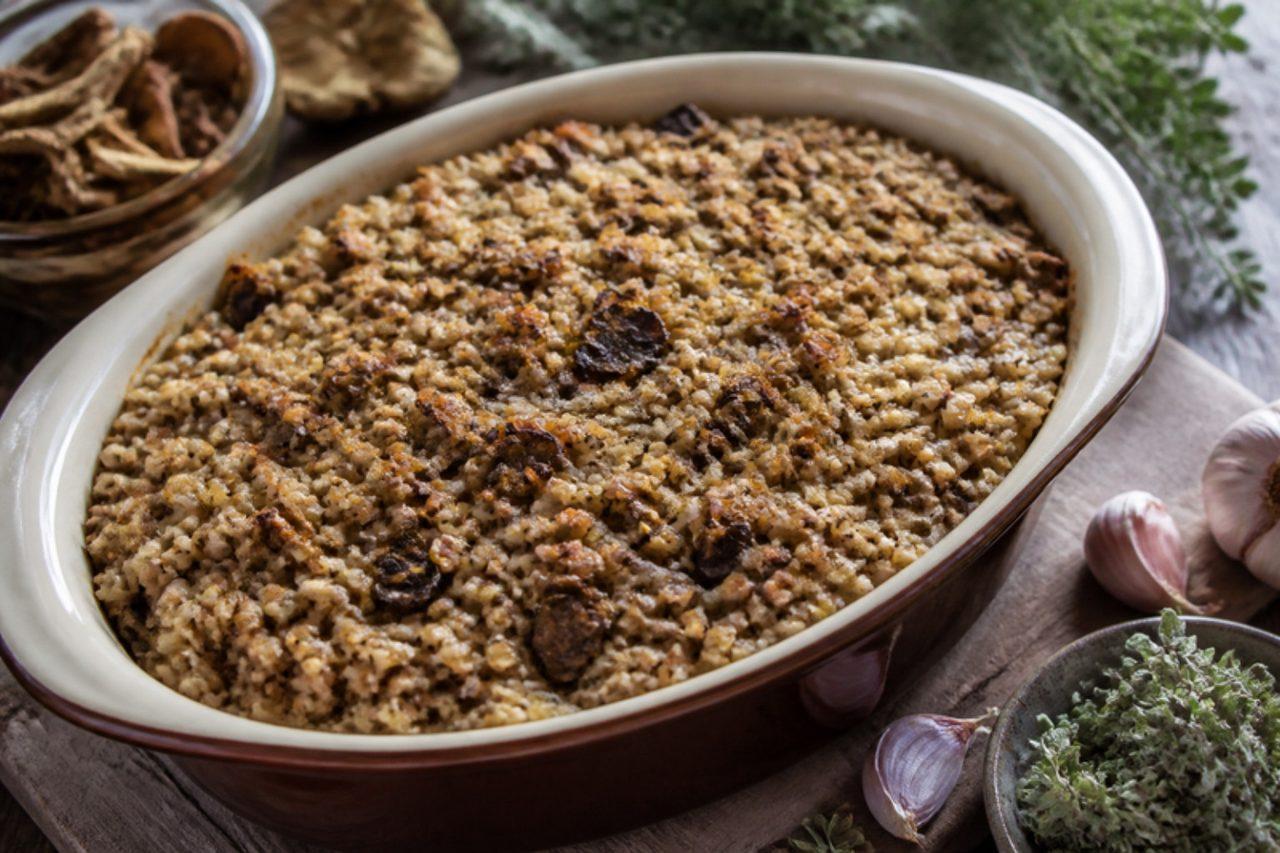
On Štědrý den, the Czech Christmas Eve, many families kept a meat-free fast until the evening carp, and houbový kuba was what filled the gap at lunch. Village cooks in Bohemia baked pearl barley with mushrooms picked and dried in autumn, plenty of garlic and marjoram, until the top went crunchy. The inside stays moist and chewy, almost like a mushroom risotto, while the edges crisp. It used to be made with lard; this version uses oil and is fully plant-based. Serve it on its own with sauerkraut or a sharp pickled salad, or as a side to roast vegetables. A common mistake is boiling the barley until soft right through, which turns the bake to paste; it should still have a little bite before it goes in the oven. Chef's tip: save the mushroom soaking water and cook the barley in it, for flavour all the way through.

by KrazyBadal 0 views

Hutki shiraDried fish and aubergine curry

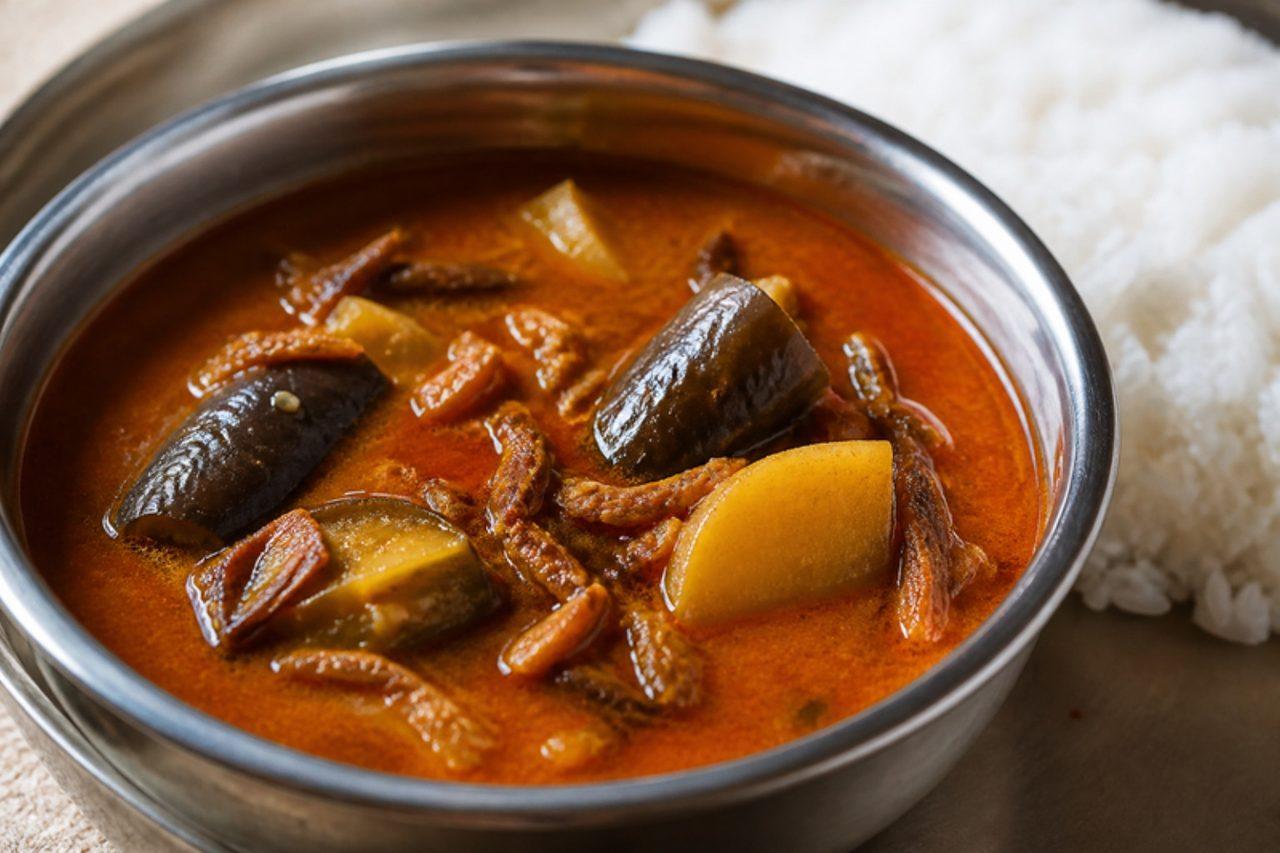
Hutki is what Sylhetis call shutki, sun-dried fish, and a pot of hutki shira, a thin, soupy curry, is pure home cooking from Sylhet, Sunamganj and the haor villages, where fish dried in the dry season feeds families through the rest of the year. The broth is fiery with fresh and dried chilli and full of garlic, softened with chunks of potato, brinjal and sometimes tomato or shatkora, and it is ladled over plenty of plain rice. The smell of the dried fish is strong as it cooks, but it mellows into a deep savoury taste. Skipping the soak is the error that ruins it: unwashed hutki is gritty and far too salty. Buy dried fish from a busy, reputable Asian grocer, and choose pieces that are dry, firm and free of mould. Chef's tip: keep the broth loose; shira should be soupy enough to drown the rice.

by KrazyBadal 0 views

ManeštraBean, corn and potato soup

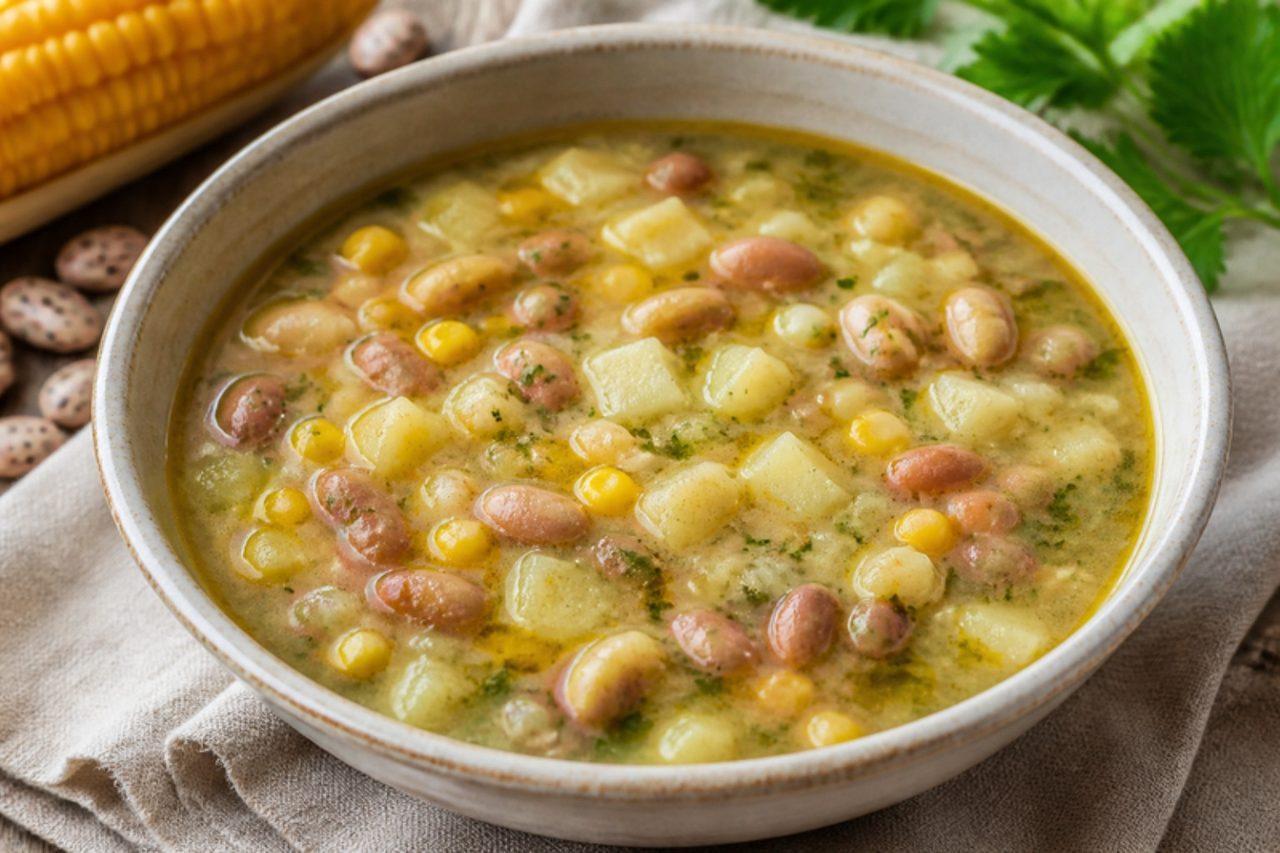
Farm kitchens across Istria, in north-west Croatia, keep a pot of maneštra on the stove through the cold months, a soup so thick a spoon nearly stands in it. Beans, sweetcorn and potatoes are its heart; in the villages it is usually cooked with smoked pork ribs or bacon, but this version is meat-free, with smoked paprika and a garlicky parsley and olive oil paste (an olive oil twist on the traditional pešt) to give it depth. Expect a sweet, earthy, creamy soup with soft corn kernels and herby green flecks; eat it with crusty bread and a drizzle of Istrian olive oil. The beans must soak overnight before you begin. A common mistake is serving it thin and brothy, so mash some of the potato against the side of the pot near the end. Chef's tip: maneštra is better the next day; loosen it with a little hot water when you reheat.

120 minBalkanSoupsVegan
by KrazyBadal 0 views

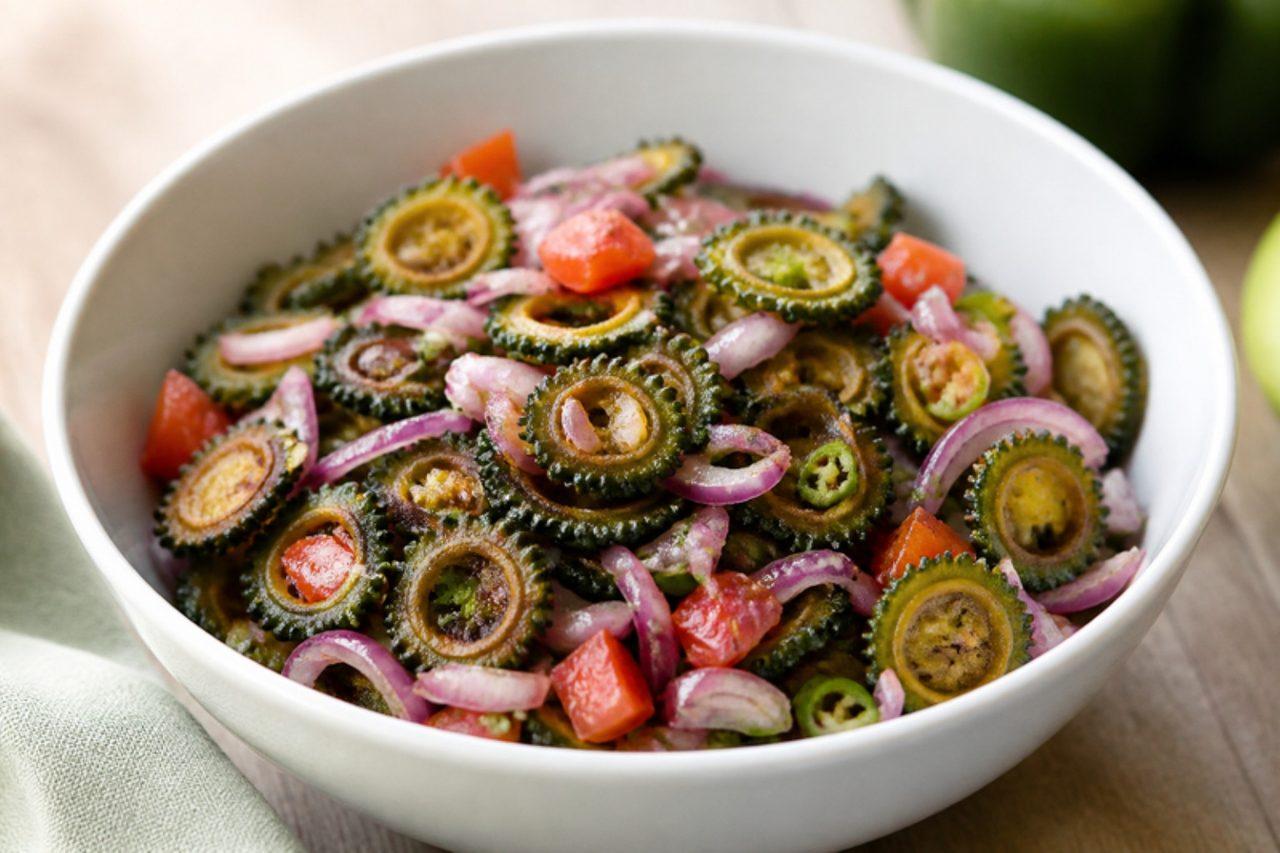
Karawila sambolaFried bitter gourd salad

Even people who claim to hate bitter gourd tend to come round to karawila sambola, the crunchy, tangy salad that turns up on rice and curry plates from the coast to the eastern towns. Paper-thin slices of the knobbly green gourd are salted to draw out some of the bitterness, fried until they are crisp like crisps, and then tossed at the last minute with raw red onion, green chilli, tomato and plenty of lime. The result is salty, sour and gently bitter, a bright contrast to rich coconut curries. Many cooks also scatter in Maldive fish flakes; this vegan version leaves them out. The mistake to avoid is mixing the salad too early, since the lime and tomato juice soften the fried slices within minutes. Chef's tip: squeeze the salted slices really hard in a clean cloth before frying; the drier they are, the crisper and less oily they come out.

by KrazyBadal 0 views

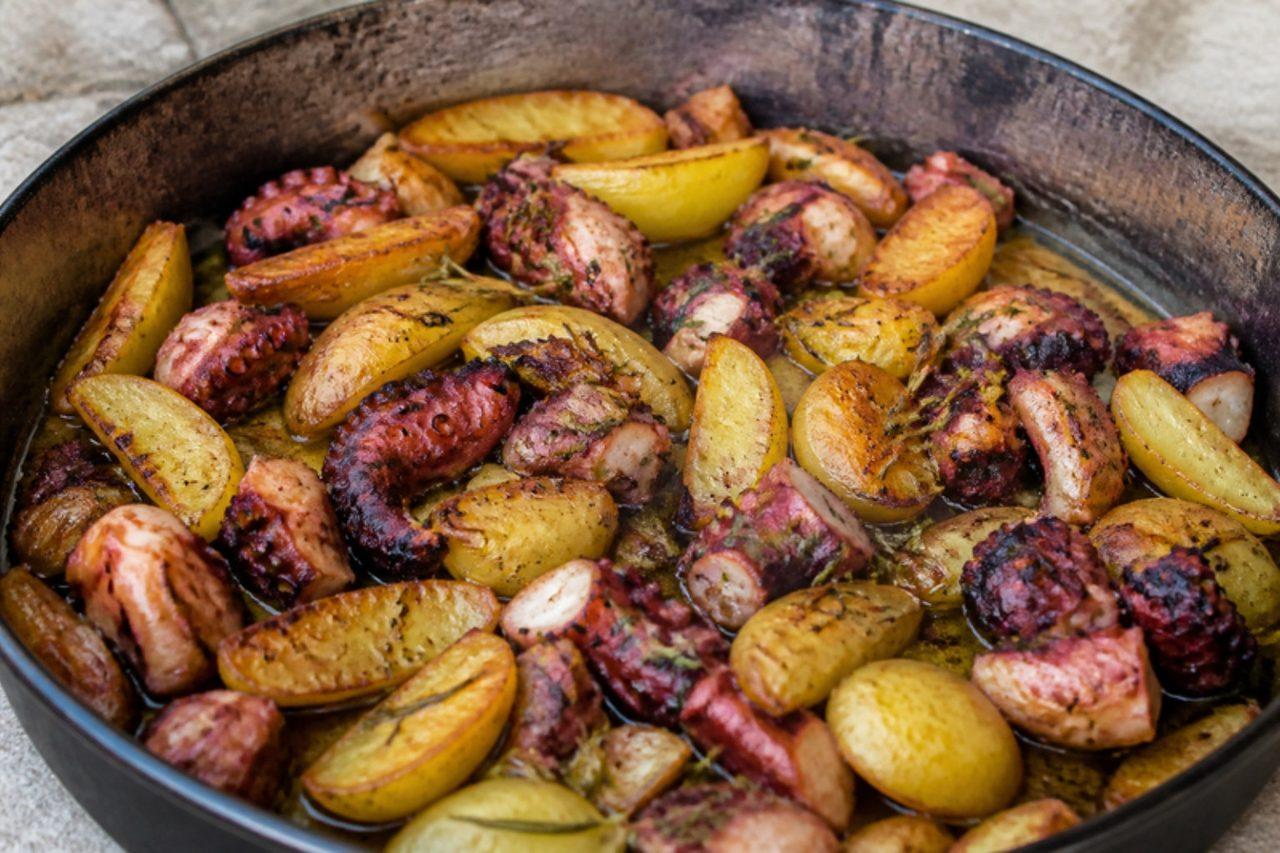
Hobotnica ispod pekeBell-roasted octopus and potatoes

Order octopus under the peka in a Dalmatian konoba on Korčula or Hvar and you will often be asked to ring ahead, because it cooks for hours under an iron bell buried in embers. Octopus, potatoes, onion, garlic, rosemary and lots of olive oil steam in their own juices, then crisp at the edges, so the octopus becomes tender and sweet and the potatoes soak up the pink, briny juices. At home, a heavy cast-iron casserole in a hot oven does the job; many cooks add a splash of white wine, but this version needs none. Bring it to the table in the pot with bread and a green salad. Adding water is the usual slip, as the octopus releases plenty of liquid and extra just boils it. Chef's tip: buy frozen octopus, or freeze fresh for a couple of days, as the freezing tenderises it; thaw it overnight in the fridge.

120 minBalkanFishGluten free
by KrazyBadal 0 views

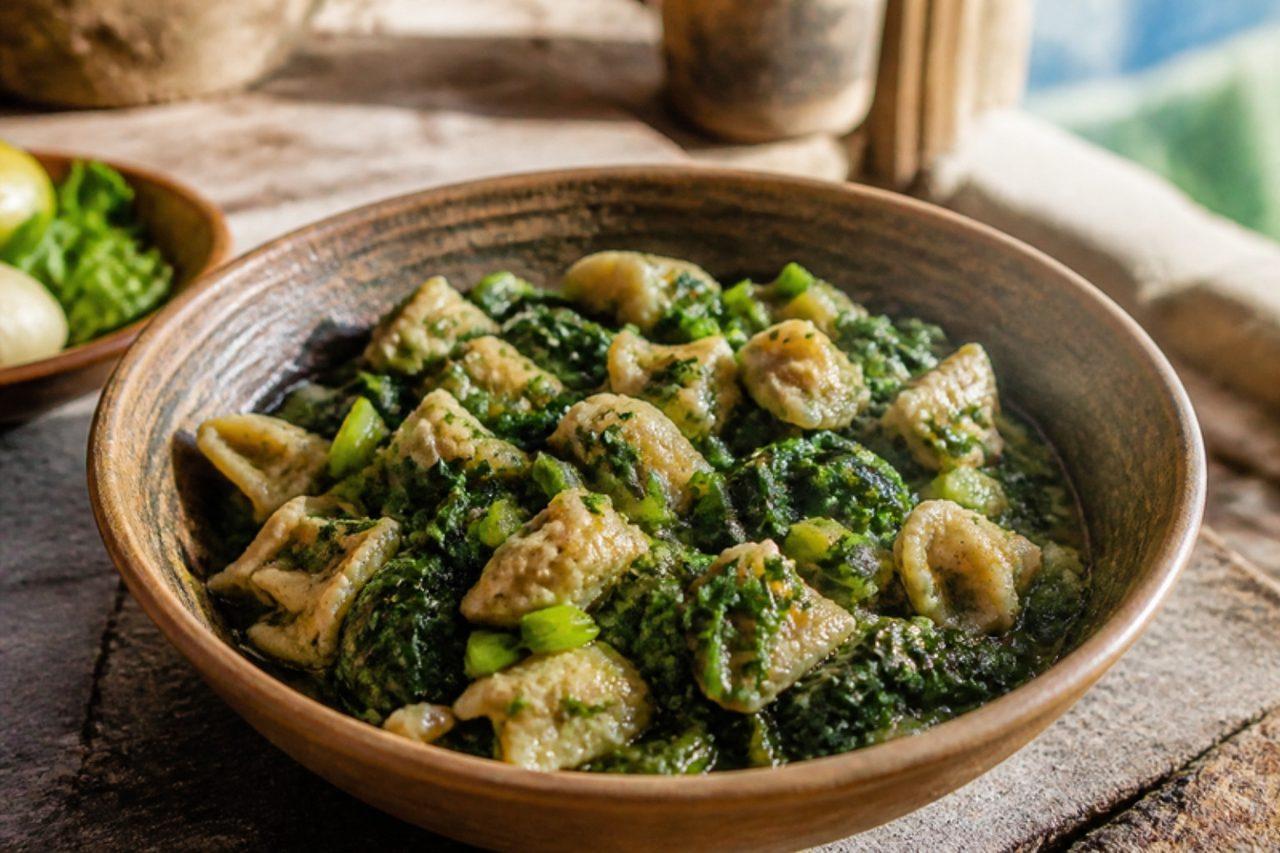
Hoilo garmaGreens with dough pieces

In early spring the first wild greens appear on the terraces of Hunza before anything else is ready, and families gather them for hoilo garma, a thick, warming pot of chopped greens cooked with small pieces of wholewheat dough pinched off by hand. The dough pieces turn soft and slightly chewy, almost like dumplings, and the greens melt into a glossy, savoury mass enriched at the end with butter and a little apricot-kernel oil. It is a one-pot lunch eaten from a shared dish with the fingers or a spoon, often with salty tea. Rolling the dough pieces too thick is the common error; they stay doughy in the middle. Chef's tip: spinach is the easiest choice, but a handful of dill, spring onion or chard makes it closer to the mix of wild greens used in the valley.

by KrazyBadal 0 views

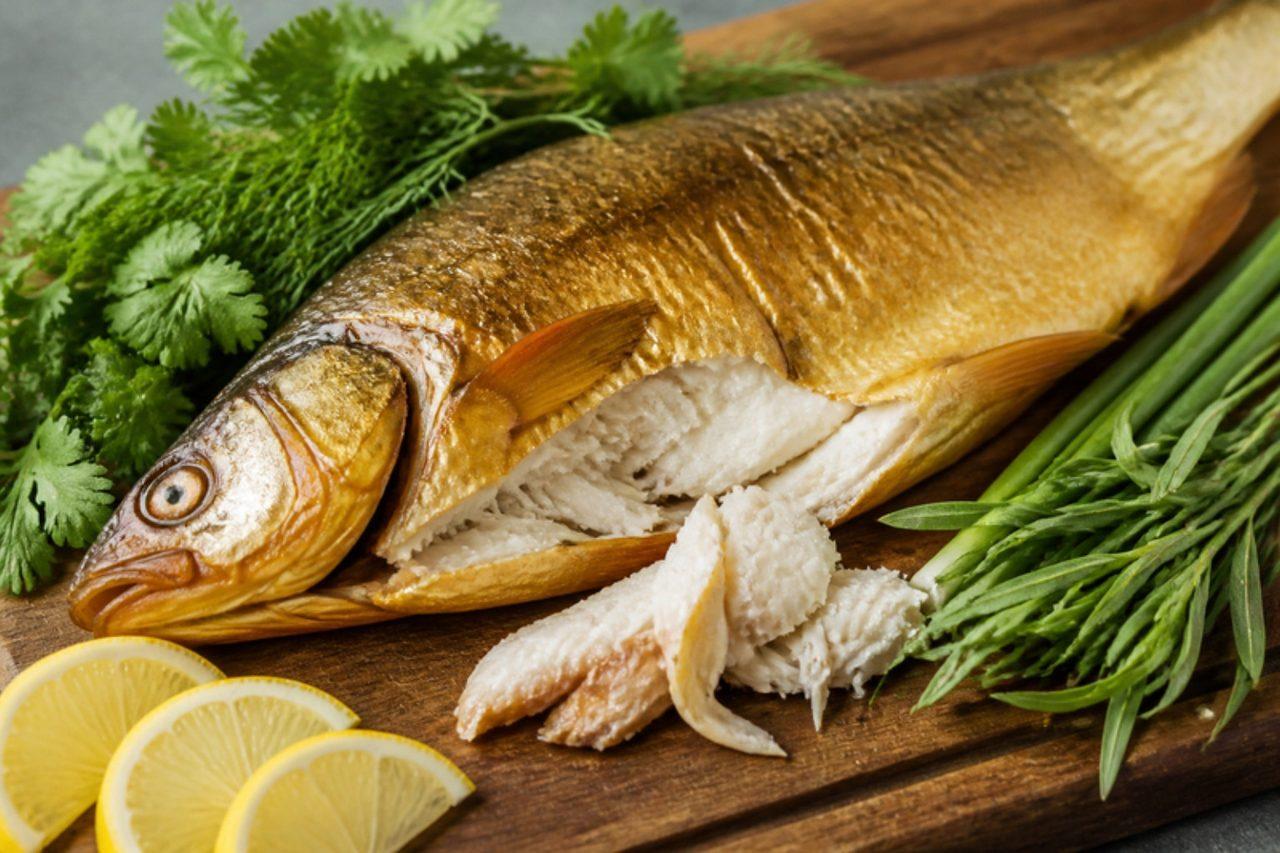
Smoked kutumHot-smoked white fish

Kutum, the Caspian white fish, is the favourite catch of the Azerbaijani coast from Lankaran to Baku, and in spring fishermen's families salt it and hang it in smoke so it keeps for weeks. The traditional cold-smoked fish is not cooked by the smoke; this home version is hot-smoked instead, so the fish is cooked right through, which is safer. Use kutum, mullet, sea bass or trout. A common mistake is putting wet fish into the smoker; the smoke cannot stick and it tastes steamed. Chef's tip: let the salted fish dry, uncovered, in the fridge for a few hours until the surface feels tacky, which gives a glossy golden skin. Eat it with greens, fresh herbs and bread.

by KrazyBadal 0 views

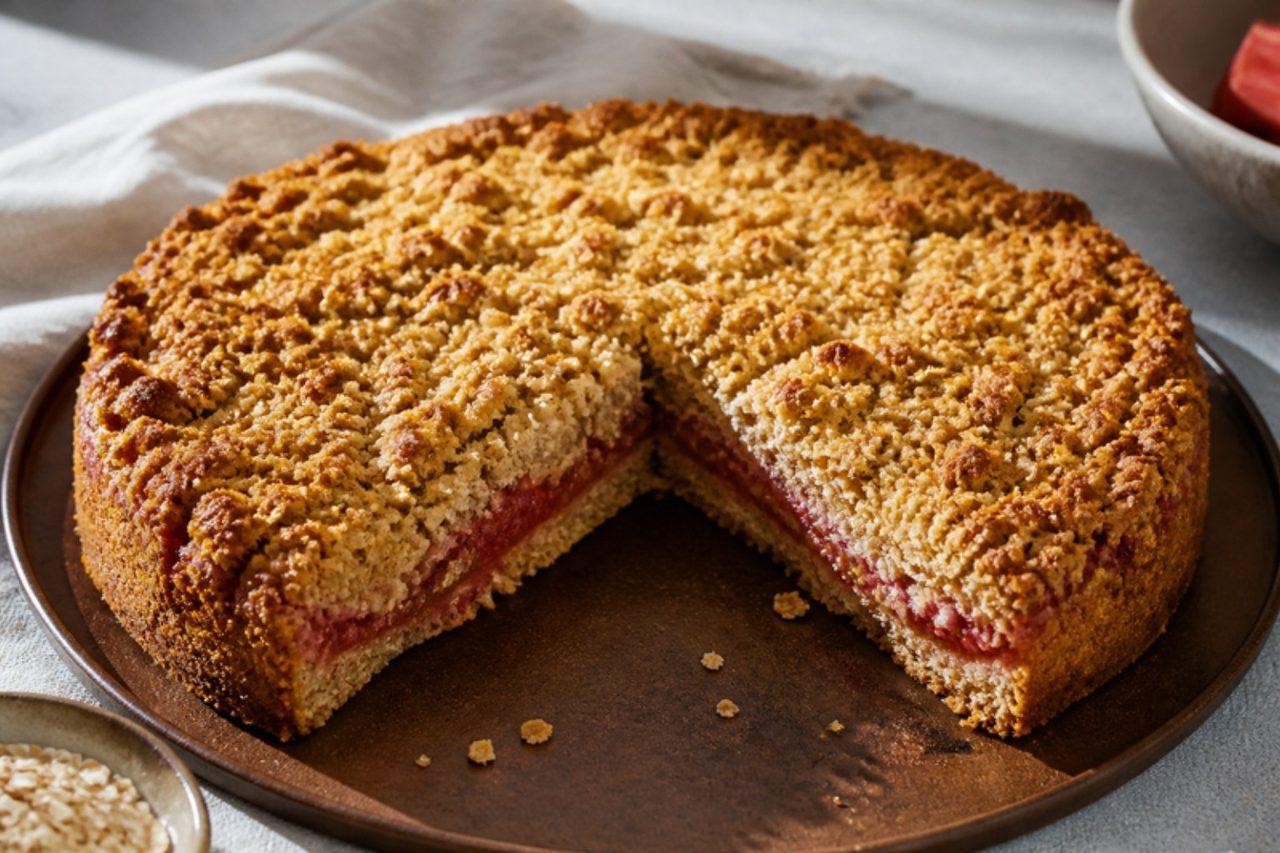
HjónabandssælaOat crumble rhubarb cake

Hjónabandssæla means 'marital bliss', and every Icelandic home has a version: an oat and butter crumble pressed into a tin, spread with rhubarb jam, topped with more crumble and baked until golden. It is the cake for unexpected guests, because everything is in the cupboard, and rhubarb grows in nearly every Icelandic garden. A common mistake is pressing the top layer down hard, which makes it dense; scatter it loosely. Chef's tip: use a tart homemade rhubarb jam if you can; its sourness balances the sweet, buttery oats.

by KrazyBadal 0 views

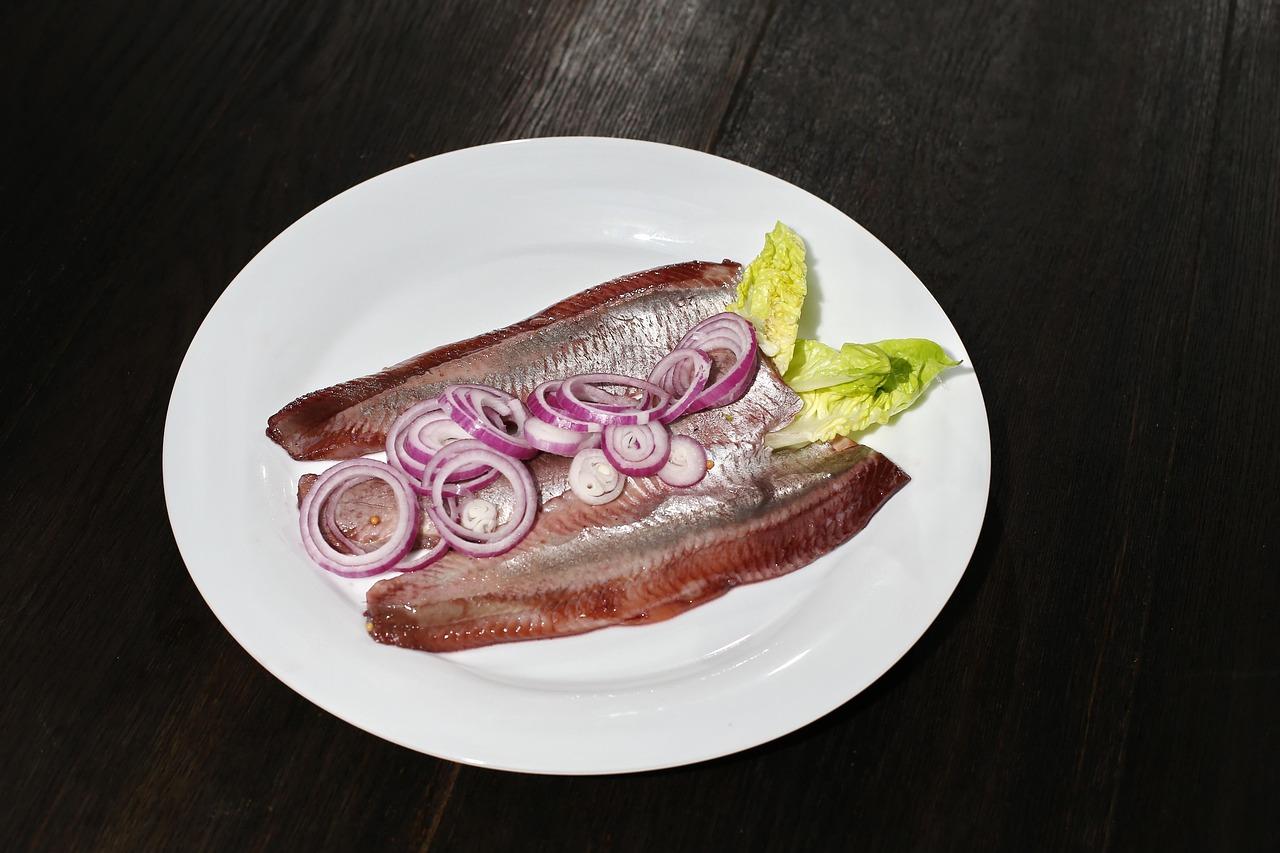
Hollandse nieuwe haringYoung herring with onion

Every June, the first barrel of Hollandse nieuwe, the new season's young herring, is auctioned in Scheveningen and the herring stalls of Amsterdam, Rotterdam and The Hague fly their flags: the fish is mild, fatty and lightly salted, sold cleaned with the tail on and eaten raw, either lowered head-back into the mouth by the tail or cut into pieces on a paper tray with chopped raw onion and gherkin. Dutch law requires the herring to be frozen first, which kills parasites; buy it ready-cleaned from a fishmonger. It is not cooked, so it is not for pregnant women, young children or anyone with a weakened immune system. A common mistake is keeping it at room temperature; serve it ice-cold. Chef's tip: eat it within a few hours of buying, on a cold plate, for the clean, sweet taste.

10 minDutchFishGluten free
by KrazyBadal 0 views

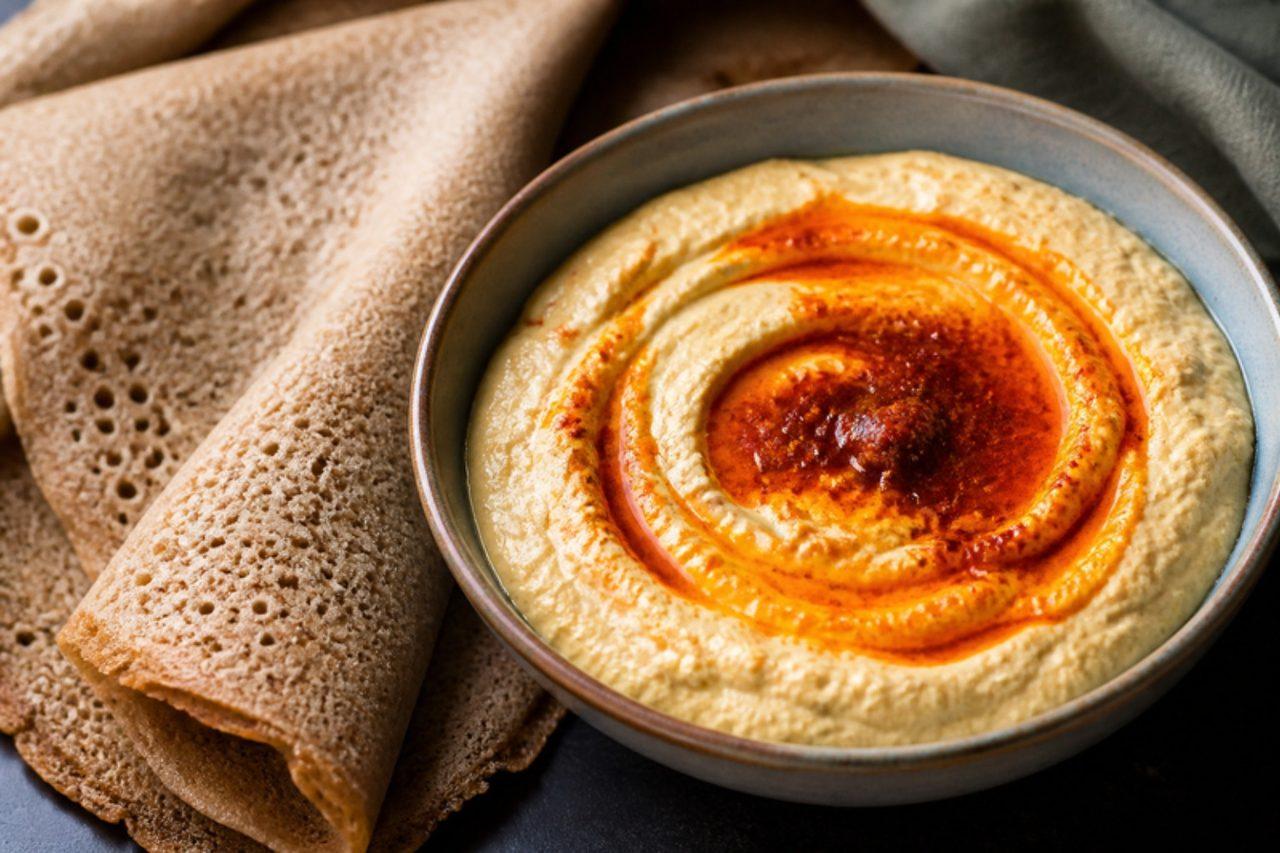
HilbetLentil and fenugreek paste

Hilbet is one of the dishes that tells you you are in Eritrea rather than Ethiopia. Asmara households make it in big bowls for Lent and the other fasting days and serve it cold, swirled with a ribbon of red berbere oil, as part of a spread on injera. Fenugreek soaked and beaten with water turns pale and foamy, much like whipped egg white, and folding it into puréed lentils or broad-bean flour gives a dip that is fluffy, faintly bitter, garlicky and creamy. Market stalls sell a ready-mixed hilbet flour; this home version uses red lentils, which are easy to find. Chef's tip: beat the soaked fenugreek with an electric whisk for a full 5 minutes; that long whipping is what makes hilbet light instead of dense.

by KrazyBadal 0 views

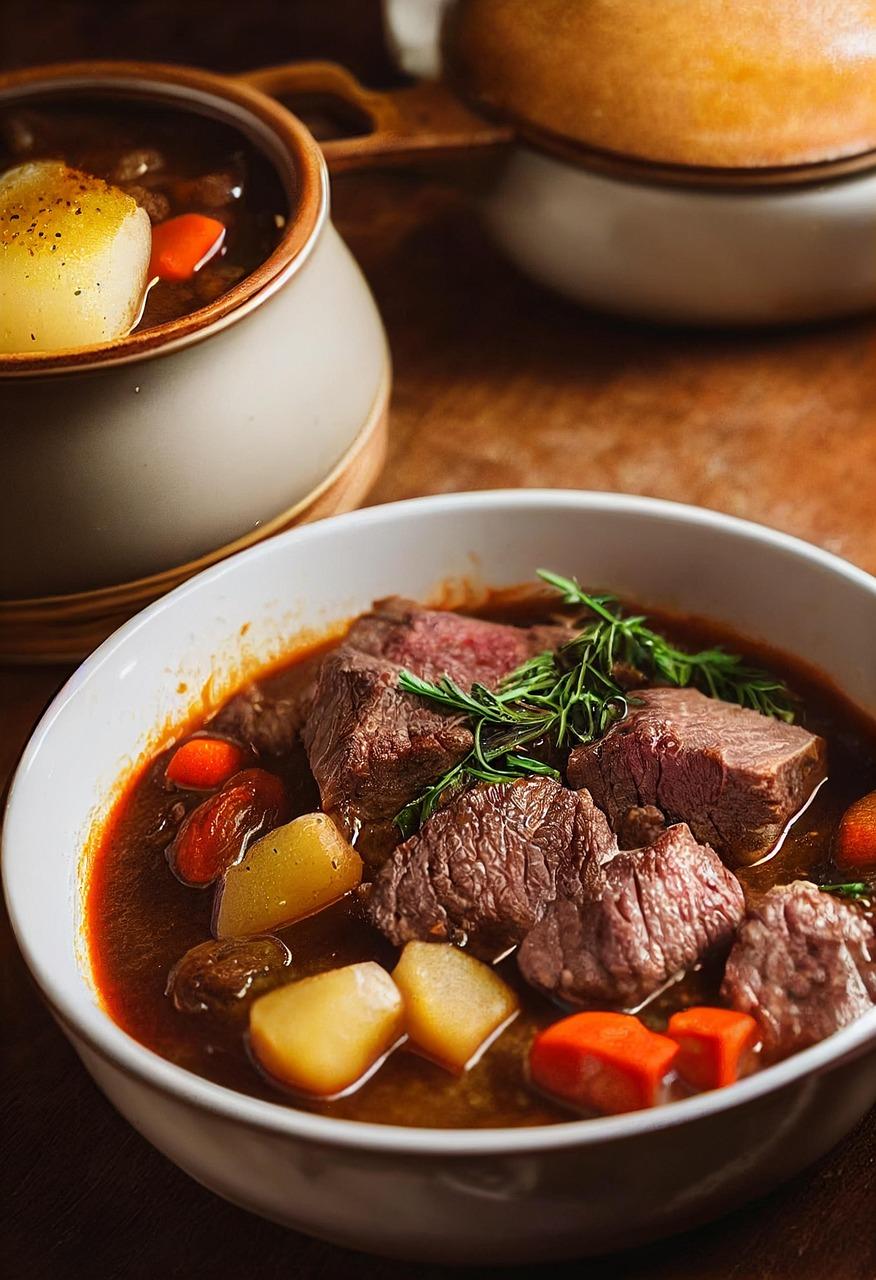
AzuBeef stew with pickles

Kazan's working canteens gave azu its fame: strips of beef braised in a peppery tomato gravy, sharpened with diced salty pickled cucumbers and finished with golden fried potatoes, all served steaming in a clay pot. It is hearty, sour-savoury and thick enough to mop up with rye bread, and Tatar families serve it on cold weekday evenings. Where most people go wrong is adding the potatoes raw to the stew; they turn floury and the gravy goes muddy, so fry them separately and fold them in at the end. Chef's tip: use proper brine-fermented cucumbers rather than sweet vinegar pickles; their sourness is what makes azu taste like azu.

by KrazyBadal 0 views

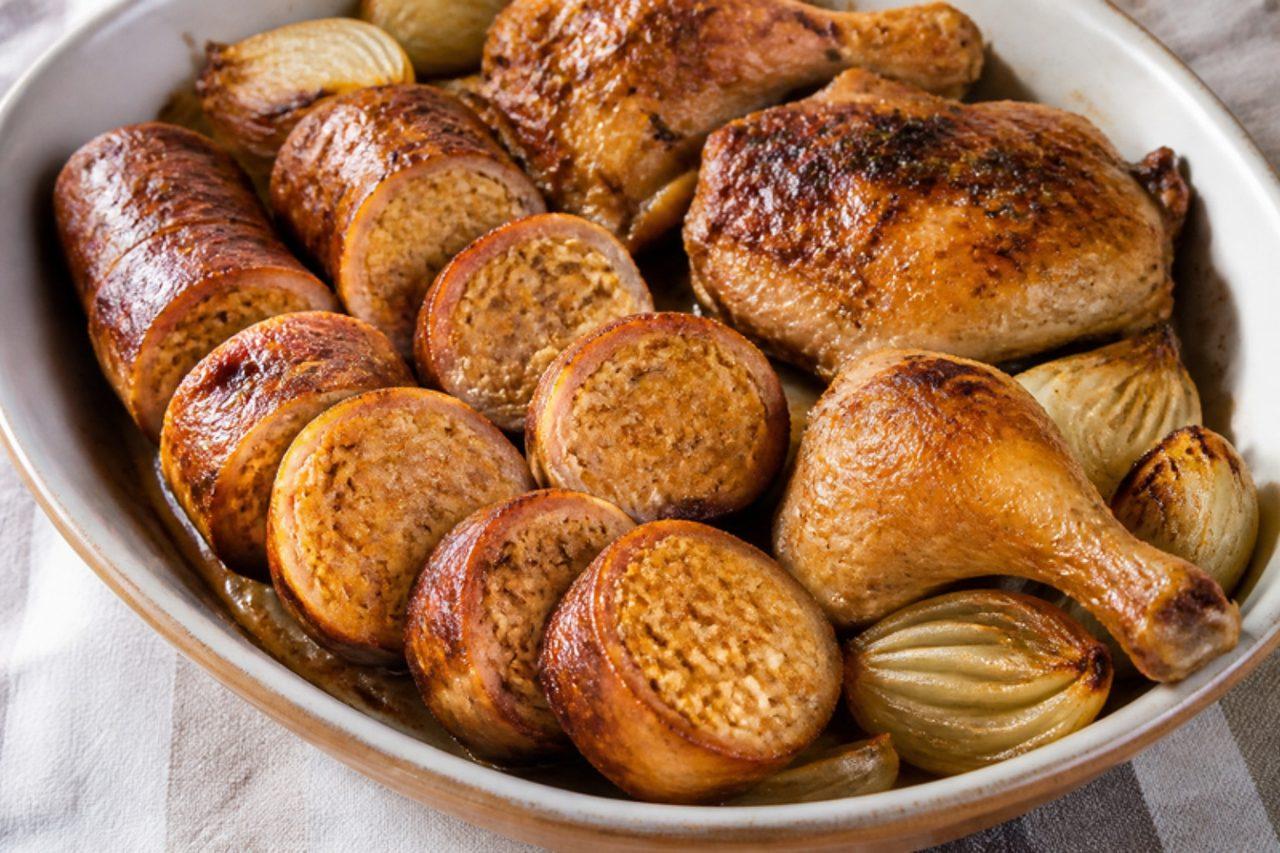
HelzelStuffed chicken neck

In the Eastern European shtetl nothing from the chicken was wasted, and the neck skin was sewn closed around a stuffing of flour, schmaltz and onion, then roasted next to the Friday-night bird or tucked into the cholent; older Ashkenazi cooks in Bnei Brak and Kiryat Ata still make it the original way when the butcher saves them necks. As whole neck skins are hard to buy, this home version rolls the same stuffing in sausage casing or baking paper, so it roasts in the chicken juices into a soft, savoury slice with a crisp outside. Serve it sliced alongside roast chicken and potatoes. People often pack the stuffing tightly, but the flour swells as it cooks and will burst the casing; fill it loosely. Chef's tip: brown the onion properly first, because it is almost the only flavouring and pale onion makes a bland helzel.

120 minIsraeliMeat
by KrazyBadal 0 views

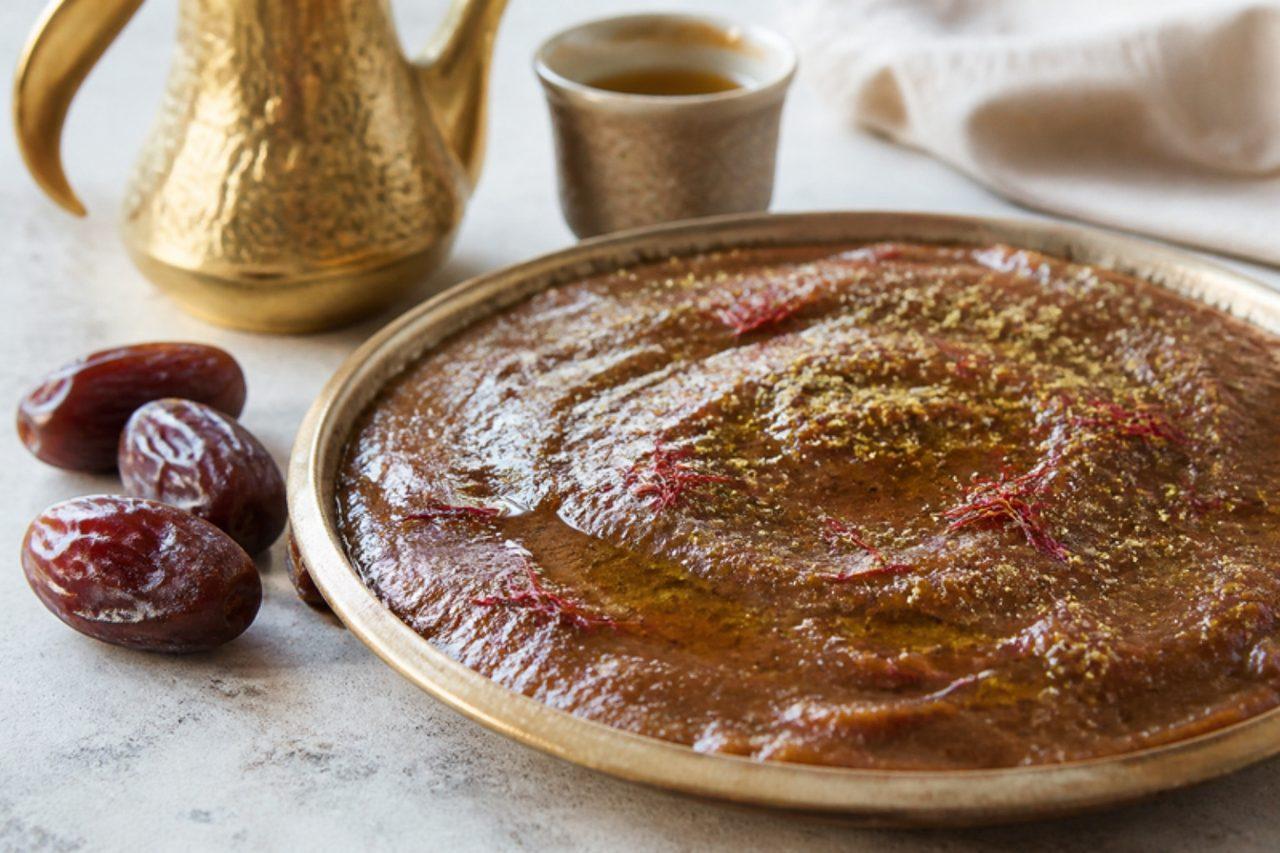
HininyDate and bread crumble

When the first cold nights reach Najd and Qassim, Saudi families make hininy, a warm sweet of soft dates melted into crumbled brown bread with plenty of ghee and cardamom. It is eaten from a shared plate in the evening or at breakfast with tiny cups of saffron-tinted Arabic coffee, and it is said to keep you warm on desert nights. The texture is soft and fudgy with a little crumb, the flavour like sticky toffee and toasted bread. The mistake to avoid is using hard, dry dates, which never melt; choose soft, moist ones or soak them first. Serve it warm, pressed into a mound. Chef's tip: toast the bread crumbs in a dry pan for two minutes before mixing; it gives a nutty depth that plain crumbs lack.

by KrazyBadal 0 views

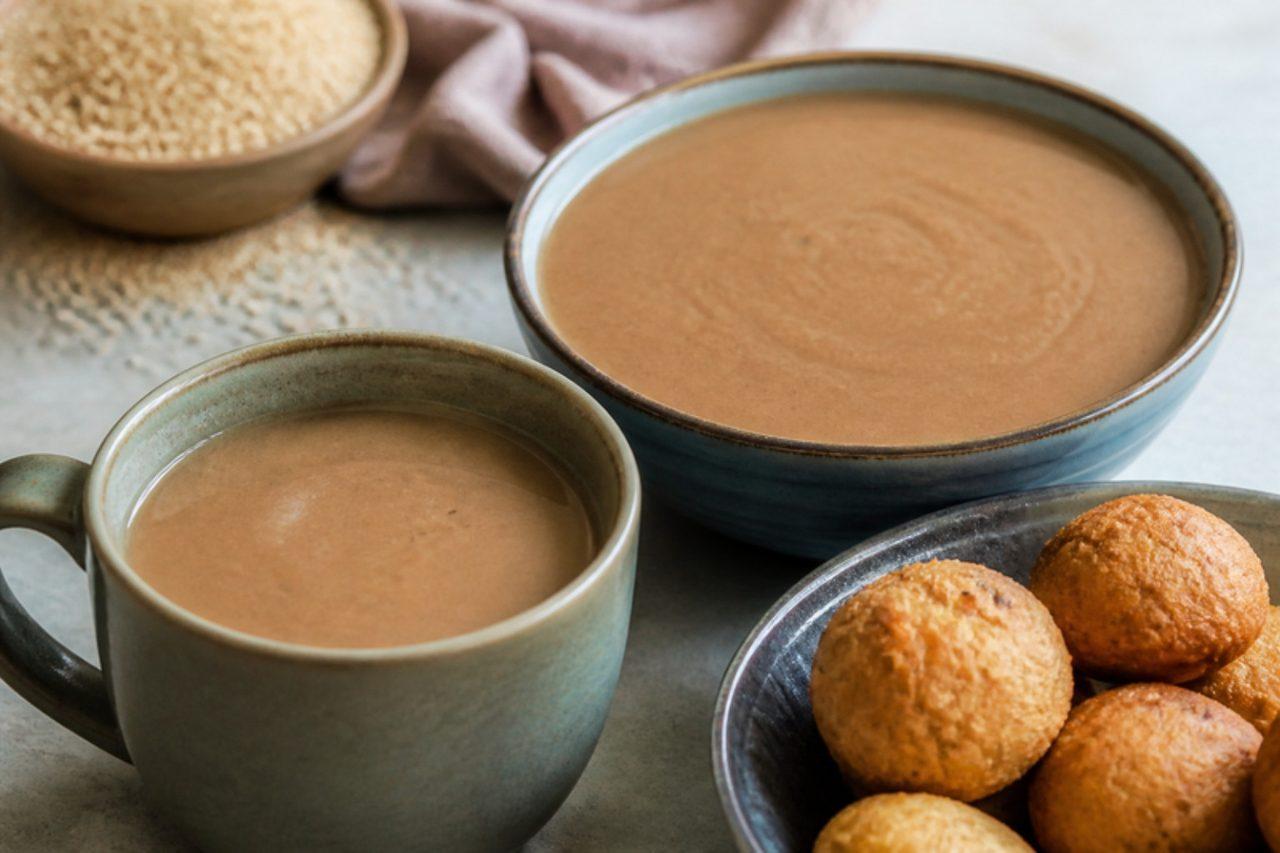
Hausa kokoSpiced millet porridge

Before sunrise in the Zongo neighbourhoods of Tamale, Accra and Kumasi, vendors ladle Hausa koko from big pots into plastic cups: a thin, smooth, slightly sour millet porridge, hot with ginger, cloves and chilli and sweetened at the table. It is drunk or eaten with a spoon alongside koose (bean fritters), bofrot or bread, and costs very little. The millet slurry is left to ferment overnight, which gives the tang, so start the night before. Chef's tip: pour the slurry into the boiling water in a thin stream while whisking, then strain if needed; adding it all at once is the common mistake and makes the porridge lumpy.

by KrazyBadal 0 views

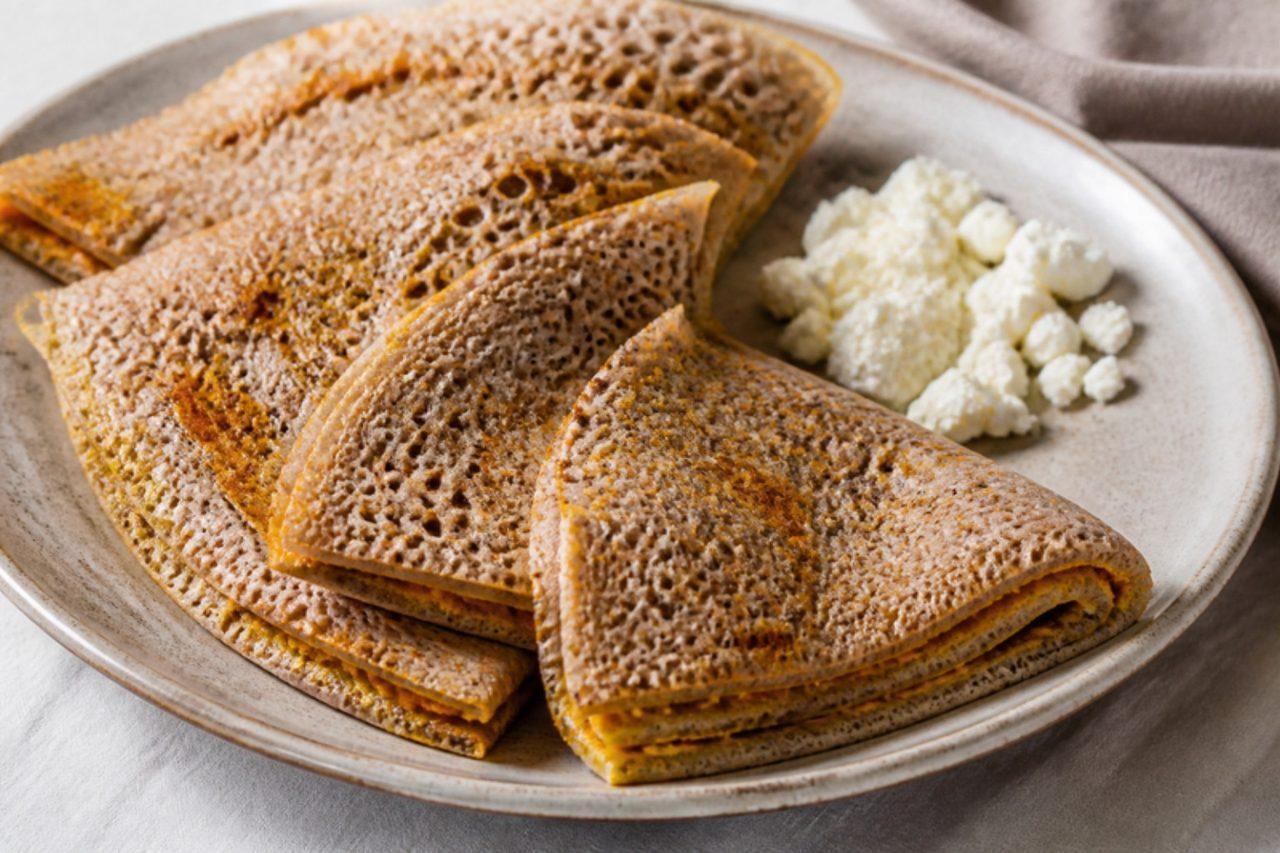
AnababeroLayered injera with spiced butter

Ask for anababero at a breakfast café in Addis Ababa and two injeras arrive stacked as one, glued together with melted niter kibbeh and a dusting of berbere, then warmed on the griddle until the butter soaks through. The result is soft and tangy inside, a little crisp at the edges, and much richer than plain injera; the name roughly means 'layered' or 'piled on top'. It is torn and eaten as it is with sweet spiced tea or coffee, or served beside a bowl of ayib or a spoon of awaze for anyone who wants it hotter. Because it uses yesterday's injera, it is a favourite way to turn leftovers into a proper breakfast. Chef's tip: brush the butter on warm, not hot, so it melts into the injera's holes instead of pooling on the surface.

by KrazyBadal 0 views

HanumSteamed potato and pumpkin roll

Hanum is a rolled steamed dumpling loved across the Ferghana Valley and Tashkent: a thin sheet of dough spread with a filling, rolled into a long log, coiled and steamed in the tiers of a kaskan steamer, then sliced and served with tomato sauce or yogurt. Meat versions are common, but potato and pumpkin hanum is a favourite on fasting days and in autumn. A common mistake is rolling the dough too thick, which makes it heavy and doughy. Chef's tip: oil the steamer basket and coil the roll so it doesn't touch the sides; it expands as it steams. Without yogurt it is vegan.

by KrazyBadal 0 views

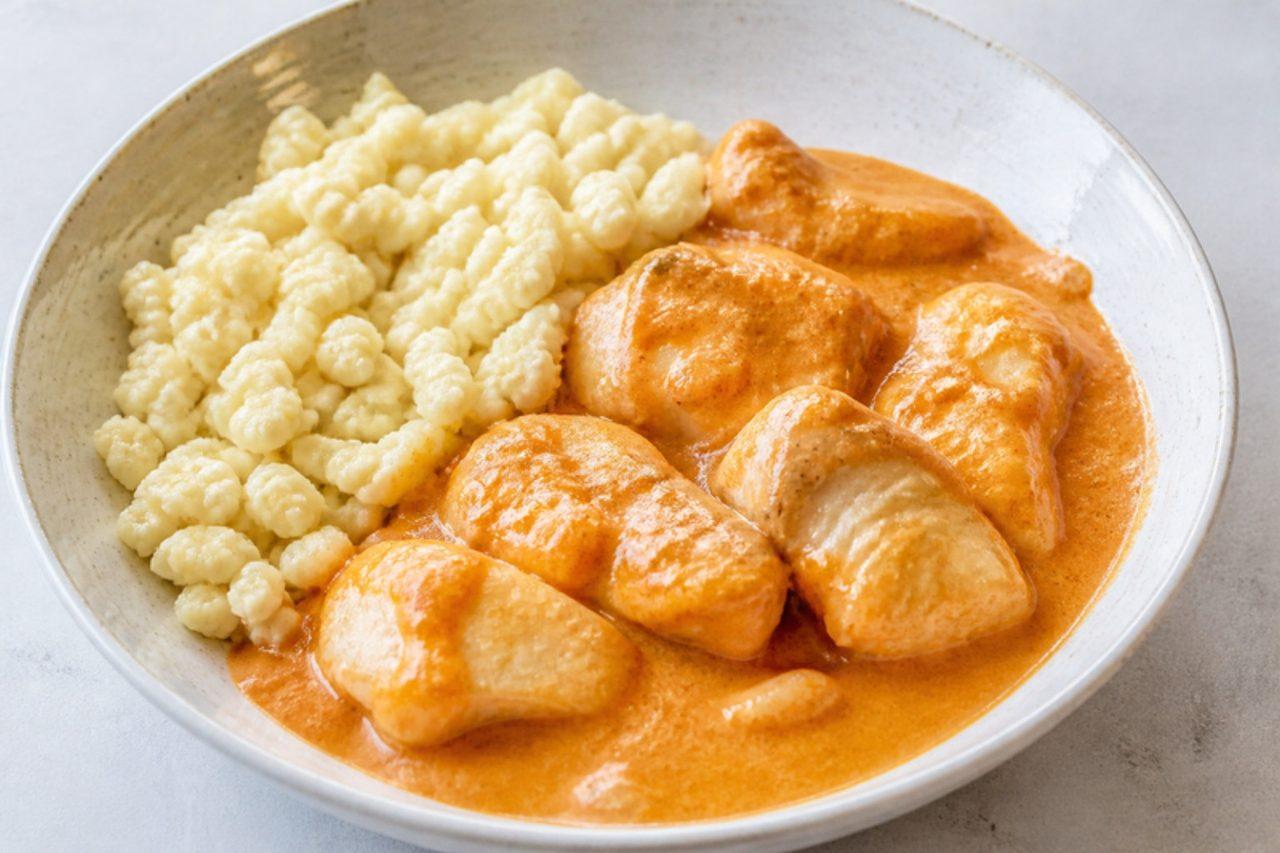
HarcsapaprikásCatfish in paprika sour cream

Along the Tisza at Szeged, the fish restaurants on the riverbank serve harcsapaprikás to families at long Sunday tables: thick chunks of firm, sweet catfish poached in a paprika and onion sauce, then finished with sour cream until it is a rich, coral-pink colour. Catfish has no small bones and holds together well, so it suits a sauce dish; the flavour is mild, creamy and gently smoky from the paprika. Traditionally it comes with túrós csusza (noodles with curd cheese and crisp bacon) or plain nokedli. A common mistake is stirring the fish too much, which breaks it into flakes; shake the pan instead. Chef's tip: salt the fish chunks 15 minutes ahead in the fridge, which firms them up and seasons them all the way through.

by KrazyBadal 0 views

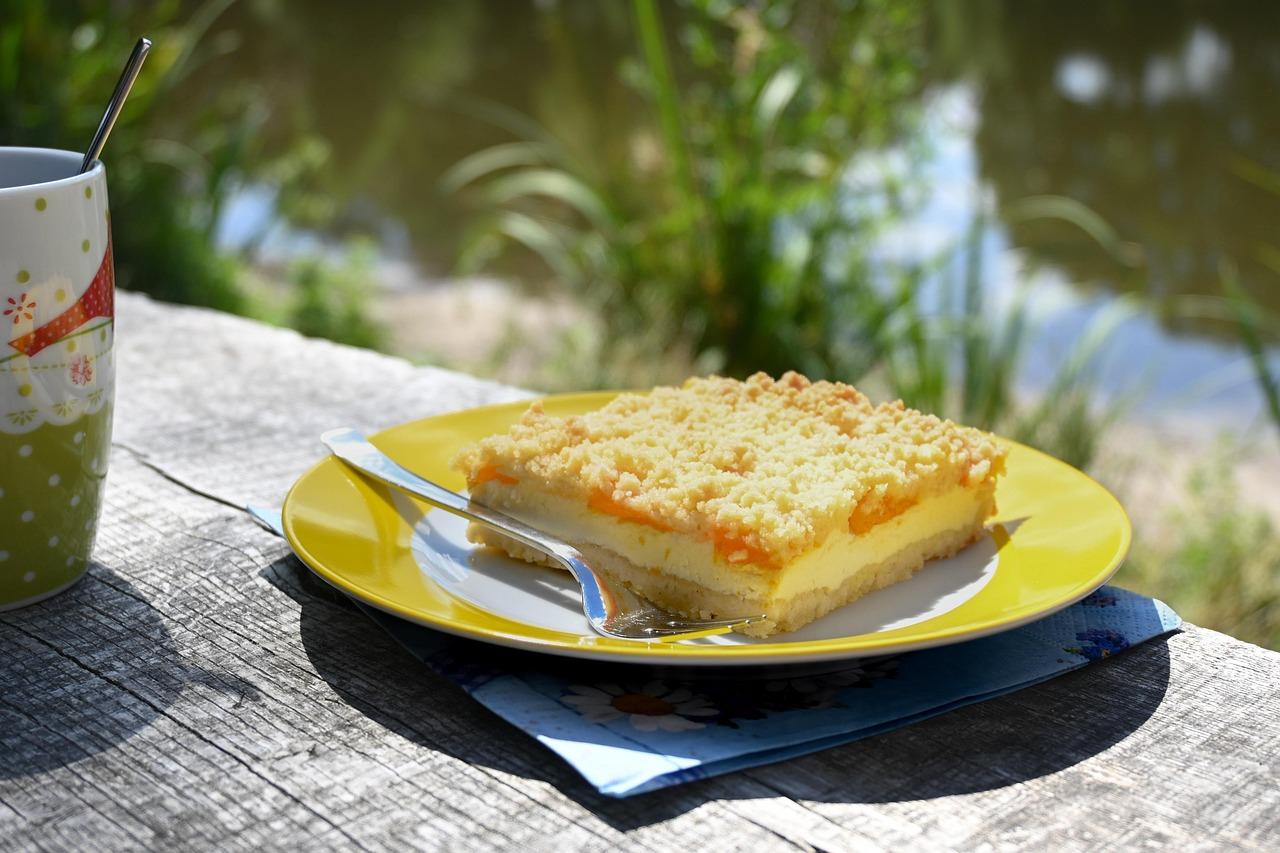
HanklichCheese and egg yeast cake

The Transylvanian Saxons, German-speaking villagers who settled around Sibiu, Brașov and Sighișoara in the Middle Ages, baked Hanklich in their fortified-church villages for Sundays, weddings and the Kronenfest in late June. A thin, soft yeast base is spread with a thick layer of sweetened cottage cheese, eggs and cream that bakes into a wobbly, lemony custard with a golden top, a little like a cheesecake on bread. It is cut into squares and eaten with coffee. Some quark and cottage cheese is made with animal rennet, so check the label if you want it strictly vegetarian. The classic slip is overbaking until the topping cracks and weeps; take it out while the centre still trembles slightly. Chef's tip: roll the dough right into the corners of the tray and build a small rim, so the topping stays put.

by KrazyBadal 0 views

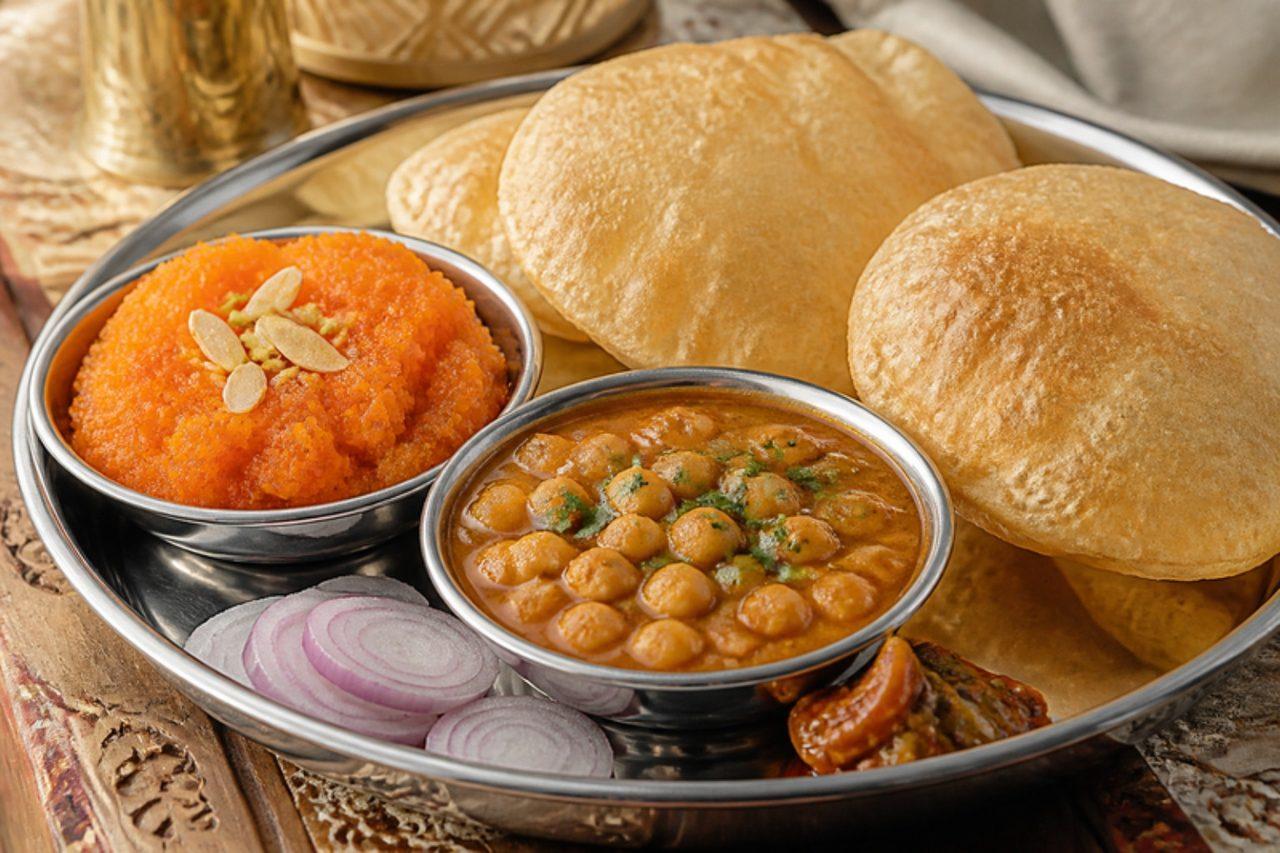
Halwa puriPuris with semolina halwa and chickpeas

Sunday mornings in Lahore start with a queue: outside the halwa puri shops of Gawalmandi and Lakshmi Chowk, families wait with steel tiffins to carry home stacks of puffed puris, a tray of orange semolina halwa and a pot of sour, peppery chickpeas. The joy of the plate is the contrast, a hot, crisp-chewy puri torn and used to scoop both the sweet, cardamom-scented halwa and the spicy chana, with mango pickle and onion on the side and a cup of strong tea or lassi to finish. It is heavy, celebratory food, made for weekends, Eid mornings and guests. Doing it at home is a matter of order: cook the chana first, then the halwa, and fry the puris last so they reach the table puffed. Where many go wrong is rolling the puris too thin or frying in oil that is not hot enough, so they lie flat and soak up grease. Chef's tip: knead the puri dough stiff, with a spoon of semolina in it, and it will puff and stay crisp much longer.

by KrazyBadal 0 views

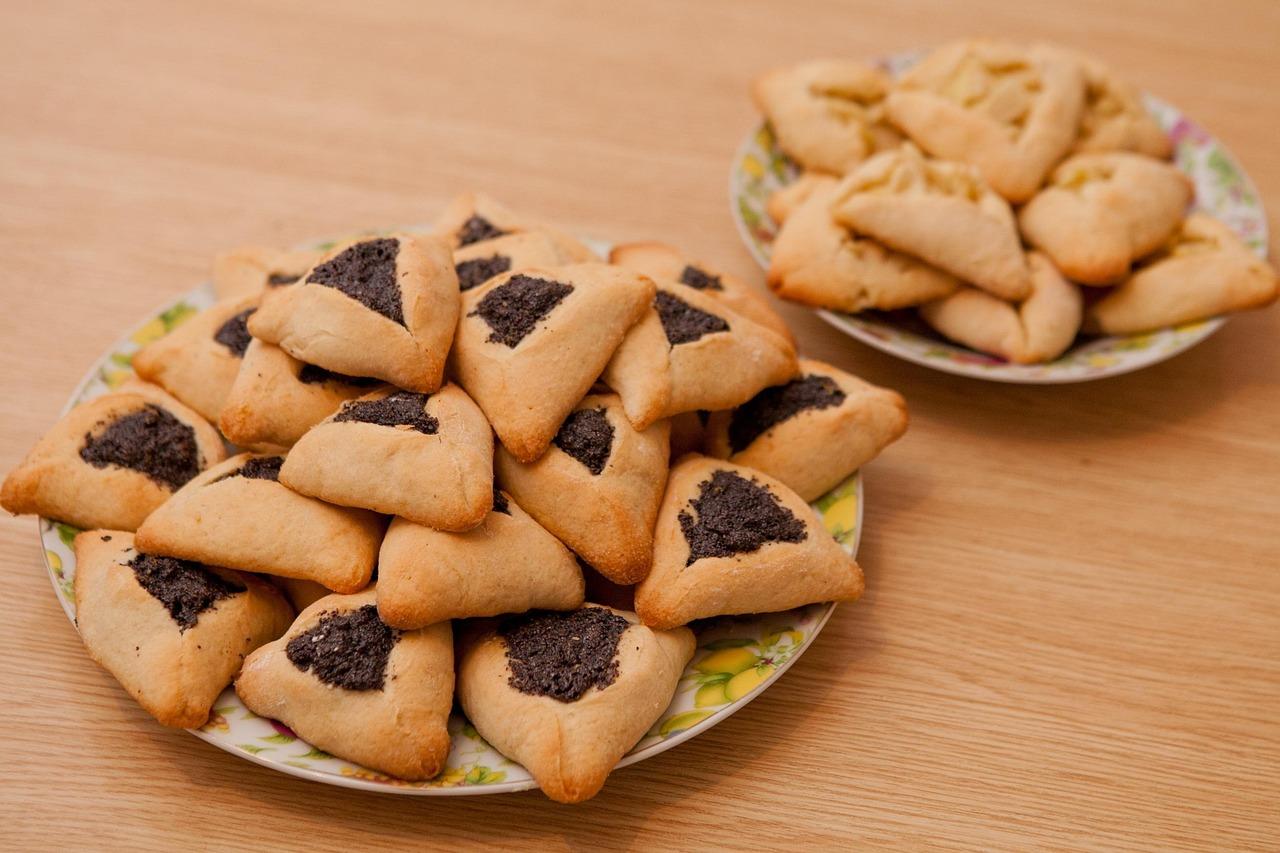
HamantaschenFilled triangle cookies

In Israel these are called oznei Haman, 'Haman's ears', and in the weeks before Purim every bakery from Tel Aviv to Be'er Sheva fills its windows with them, while families bake trays at home to pack into mishloach manot gift baskets. A short, lightly orange-scented dough is folded into a three-cornered pocket around a filling of poppy seeds cooked with milk and honey, or a quick date paste. They should be crisp at the edges and tender in the middle. The common mistake is rolling the dough too thin or overfilling, which makes the corners spring open in the oven. Chef's tip: chill the shaped cookies for 15 minutes before baking so the corners keep their sharp pinch.

by KrazyBadal 0 views

Hamour mashwiGrilled grouper

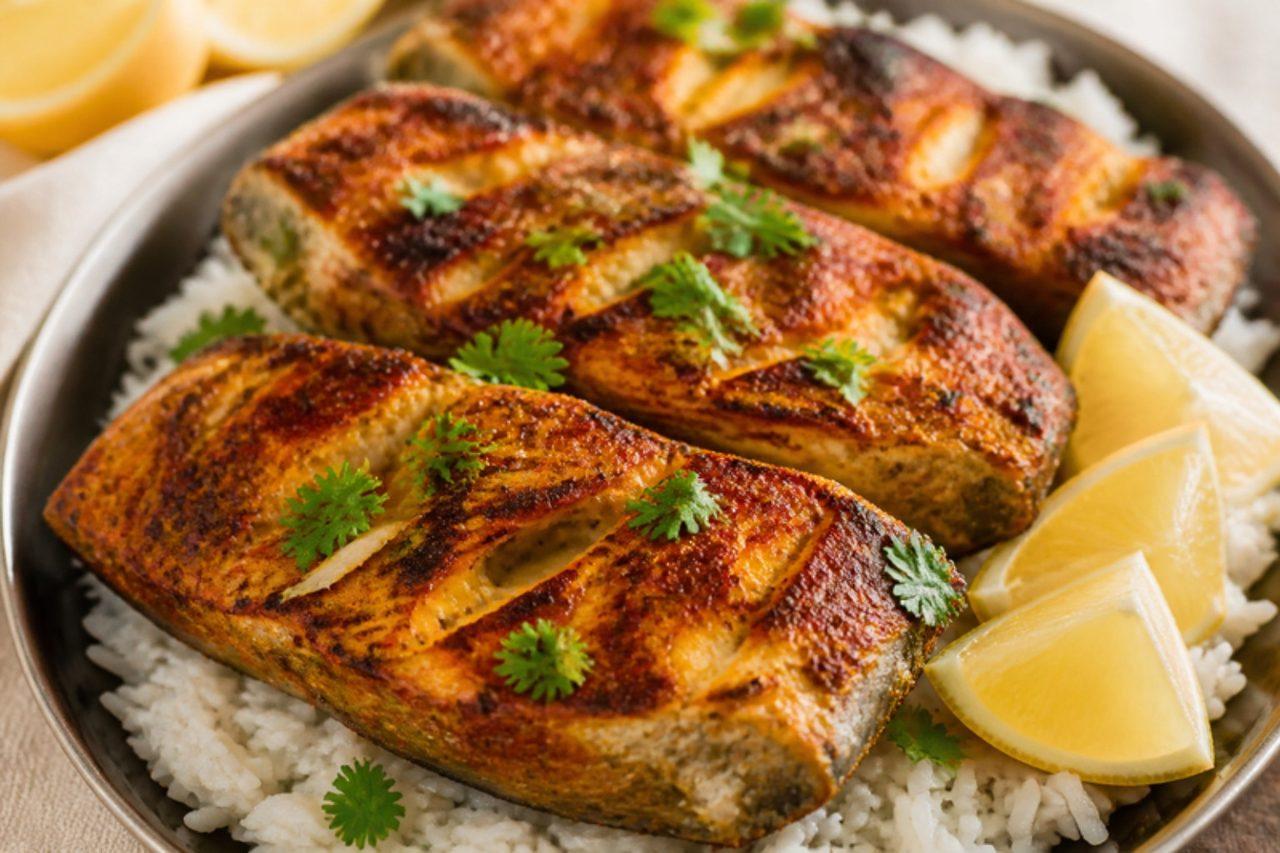
Along the Corniche in Dammam and in the fish markets of Qatif on Saudi Arabia's Gulf coast, hamour is the fish everyone asks for, and on weekend evenings families grill it over charcoal on the beach. The thick white fillets are rubbed with turmeric, garlic, ground dried lime and red chilli, which gives a sour, smoky edge to the sweet, flaky flesh. Serve it with mashkool rice, a lemony salad and daqqus. The common mistake is turning the fish too early, before the crust has set, so it sticks and tears. Chef's tip: oil the fish, not the grill, and leave it alone until it lifts away by itself.

by KrazyBadal 0 views

Hakka stir-fryPork, squid and tofu stir-fry

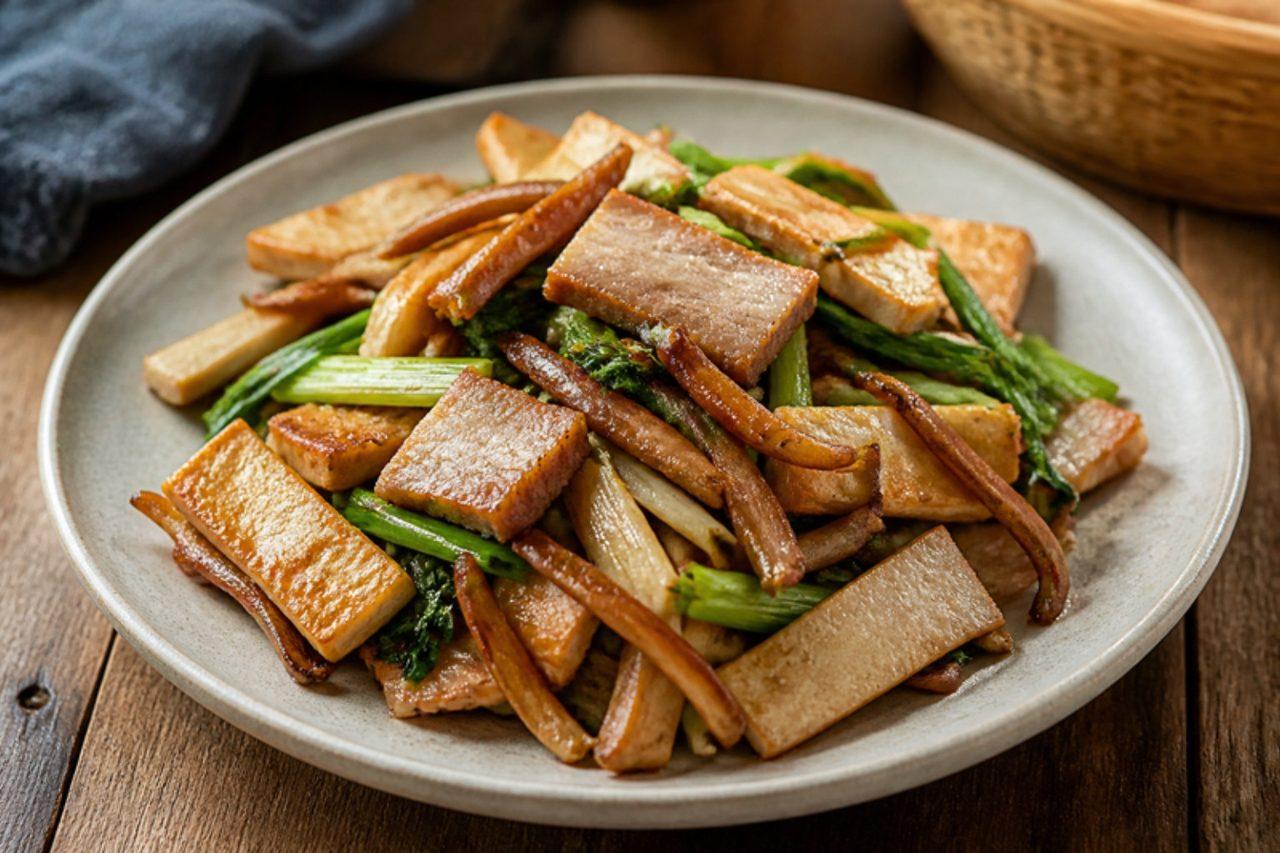
Every Hakka restaurant in Miaoli and Hsinchu puts this on the table at banquets and family dinners, a savoury, chewy, salty plate built to be eaten with plenty of plain rice. Strips of pork belly are fried until they give up their fat, then dried squid, pressed tofu, Chinese celery, spring onion and chilli are tossed through with soy until everything is glossy and smoky. The dried squid needs an overnight soak, so plan ahead, or use fresh squid for a softer bite. Many cooks rush the first stage and leave the pork belly pale and fatty: fry it until it is golden and the fat is clear. Chef's tip: cut everything to the same matchstick length, so each mouthful picks up a bit of pork, squid, tofu and celery together.

by KrazyBadal 0 views

Showing 54 of 7,888 recipes

Show more recipes

Page 262 of 877