Skip to content
Tawa mushrooms
Featured recipe

Tawa mushrooms

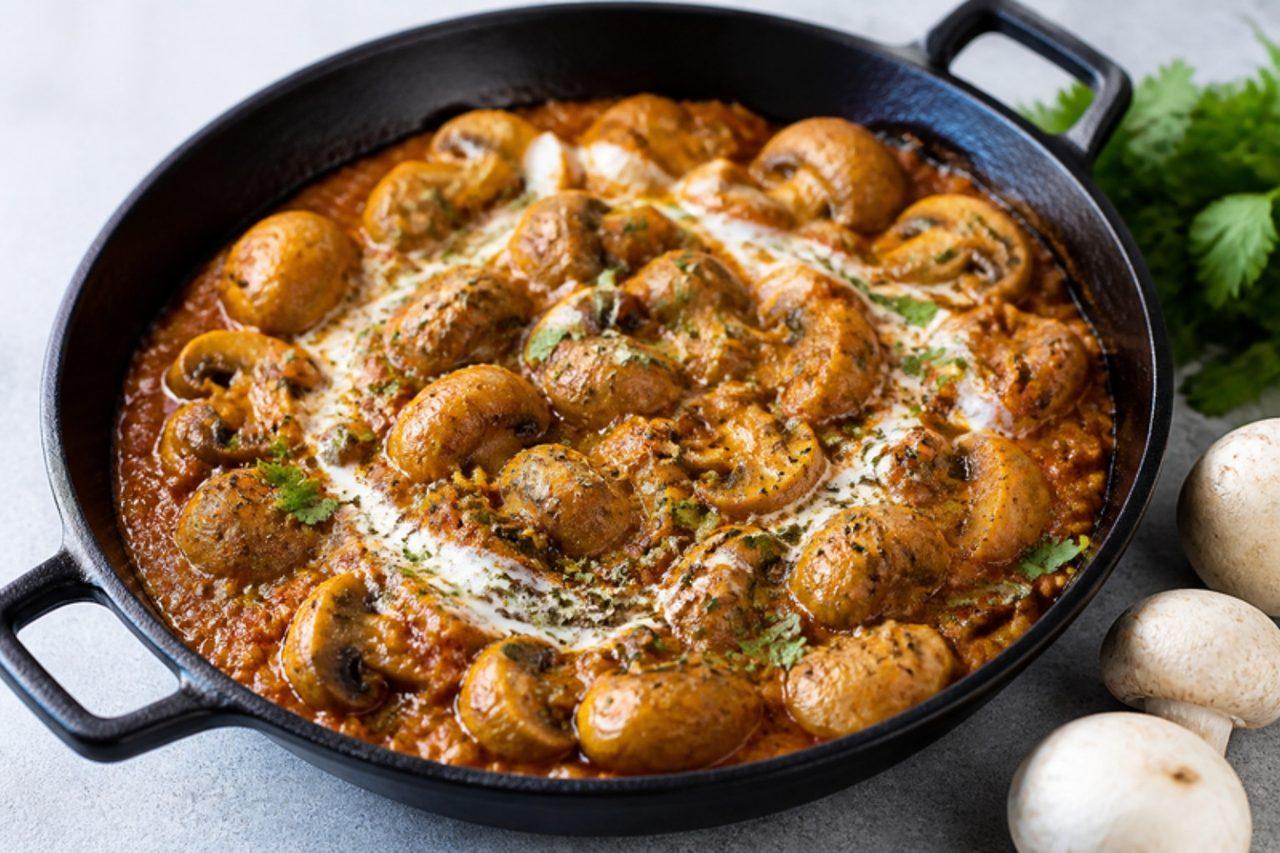
Halved mushrooms cooked on the tawa in a rich masala of browned onions, ginger, garlic and puréed tomato, finished with a little cream and dried fenugreek. It's quick, creamy and full of flavour. Serve hot with naan, paratha or bread straight off the barbecue.

Read more 1 views
Can't decide?

What to eat today?

Spin the randomizer, search with what's already in your fridge, or browse recipes from our chefs.

Latest recipes

Pączki

Pączki are the rich, yeasted doughnuts Poland eats by the dozen on Tłusty Czwartek, Fat Thursday, the last Thursday before Lent, when Warsaw bakeries such as the old ones on Nowy Świat have queues round the block from dawn. A good pączek is round and heavy for its size, with a pale ring around its middle, a fine, yolk-rich crumb and a filling of rose-petal jam (konfitura z róży) or plum butter, finished with icing and candied orange peel. A spoon of vodka or spirytus in the dough is an old trick: it evaporates in the hot oil and stops the dough soaking up fat. Chef's tip: keep the oil between 165 and 175°C with a thermometer; hotter and they burn outside while raw in the middle, cooler and they turn greasy.

by KrazyBadal 0 views

Vegetarian gołąbki

Gołąbki, little doves, are cabbage leaves rolled around a filling and baked in sauce, and they turn up at name-day parties, weddings and Sunday dinners all over Poland. The best-known filling is pork and rice, but in the east, around Lublin and Podlasie, gołąbki filled with kasza gryczana (toasted buckwheat) and mushrooms are an old meatless version, often made for Christmas Eve and Lent. This one is fully plant-based: nutty buckwheat, fried onion and mushrooms, wrapped in soft cabbage and baked in a sweet-sour tomato sauce. They taste even better reheated the next day. Chef's tip: shave down the thick central rib of each leaf with a small knife; it lets the leaf roll tightly without cracking.

by KrazyBadal 0 views

Zupa pomidorowa

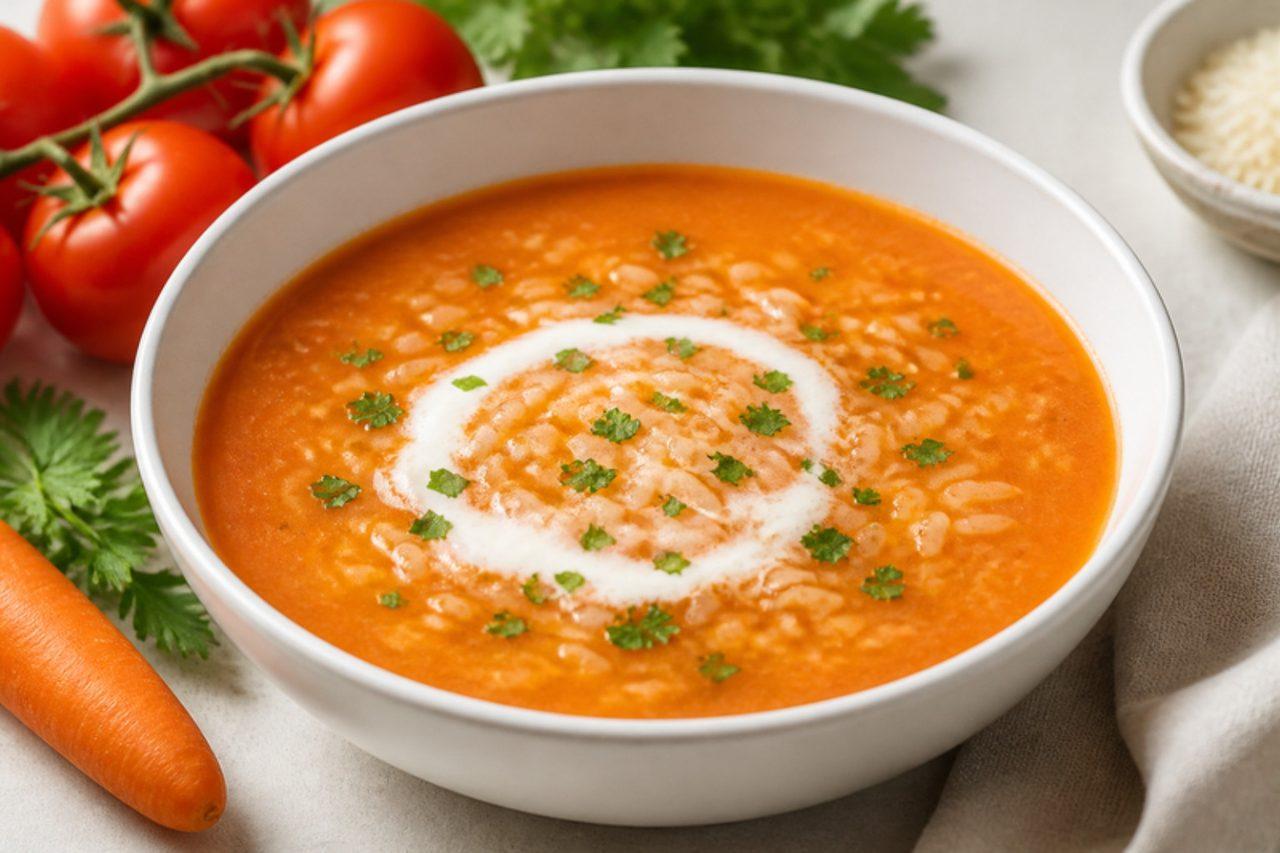
In Poland, zupa pomidorowa is famously Monday's soup: on Sunday the family drinks rosół, and the next day the leftover broth becomes tomato soup with rice or thin noodles and a swirl of soured cream. Children across the country rank it as their favourite school-canteen dish. It is creamy, mild and a little sweet, nothing like a spicy Mediterranean tomato soup. This version starts from vegetable stock (the traditional base is chicken broth) and builds the flavour with carrot, celery root and tomato paste fried in butter. Serve it with rice cooked in the pot or with makaron (fine noodles). Chef's tip: fry the tomato paste in butter until it darkens one shade; raw paste tastes tinny and that one minute makes the soup taste like it simmered for hours.

by KrazyBadal 0 views

Ethiopian injera

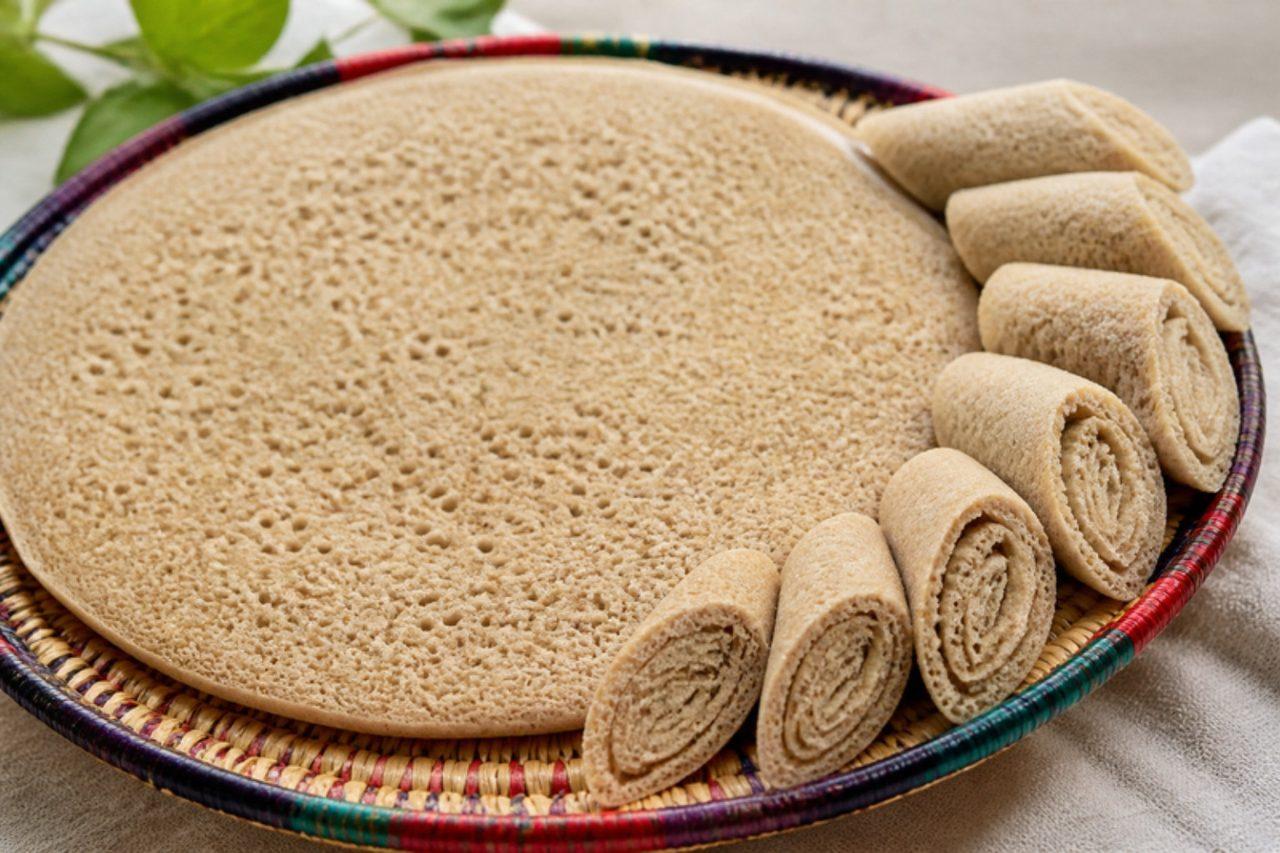
Injera is the soft, spongy, slightly sour flatbread eaten with Ethiopian stews: you tear it and scoop the food up with it. This home version uses rice and plain flour fermented with a home-made starter over a few days, then cooked on one side until covered in tiny holes. Serve rolled and sliced with missir wat, azifa and atter kik. Any fermented batter left over keeps in the fridge for the next batch.

by KrazyBadal 0 views

Pad thai with prawns

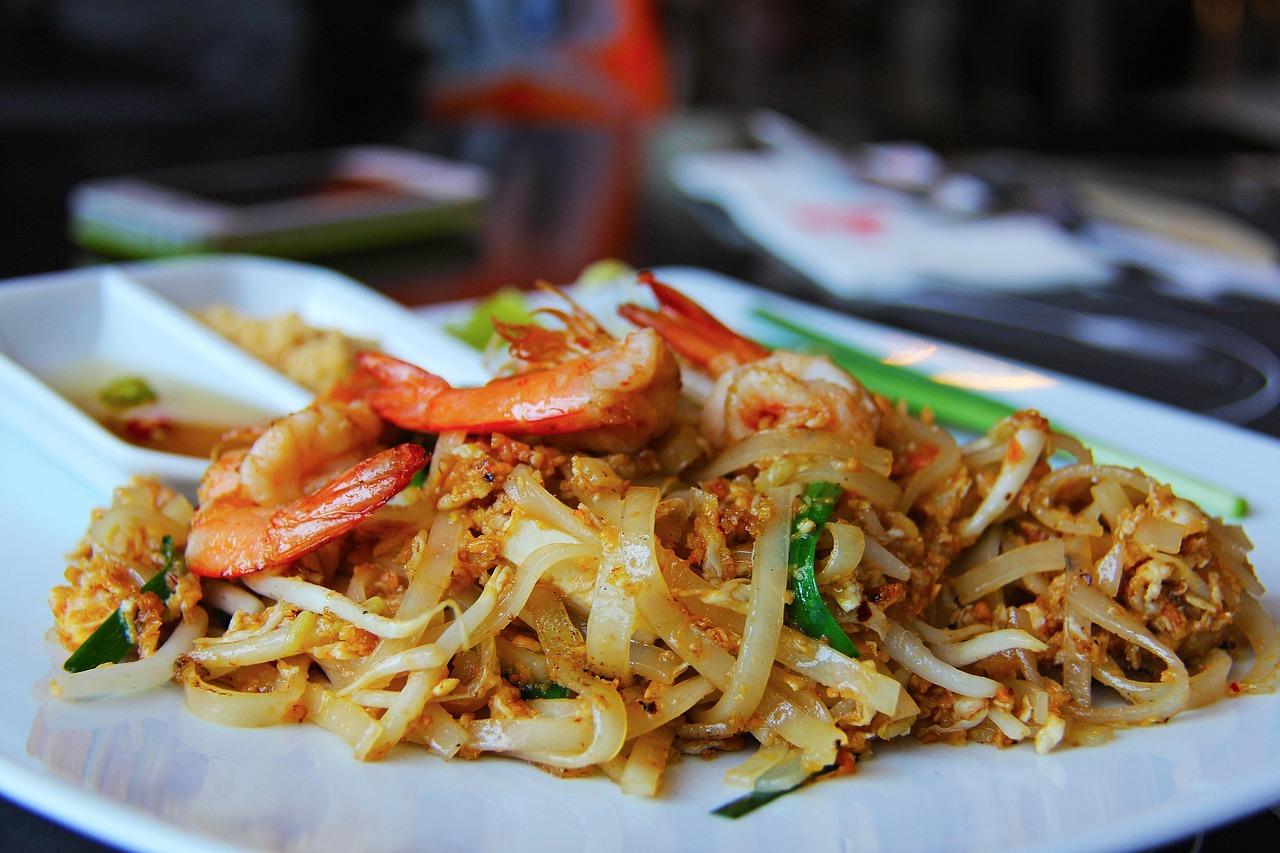
On Mahachai Road near Bangkok's Golden Mount, pad thai cooks work charcoal-fired woks late into the night, and their style is the model here: chewy rice sticks tossed with a dark, sweet-sour tamarind sauce, scrambled egg, cubes of firm tofu, sweet preserved radish, garlic chives and plump fresh prawns. It should taste tangy first, then sweet and salty, never like ketchup. Everyone finishes their own plate at the table with crushed peanuts, chilli flakes, a squeeze of lime and a handful of raw bean sprouts and chives for crunch, and children usually love it with the chilli left off. Chef's tip: make the tamarind sauce a day ahead; it keeps for a week in the fridge and the noodles then take ten minutes.

by KrazyBadal 0 views

Bacalhau com natas

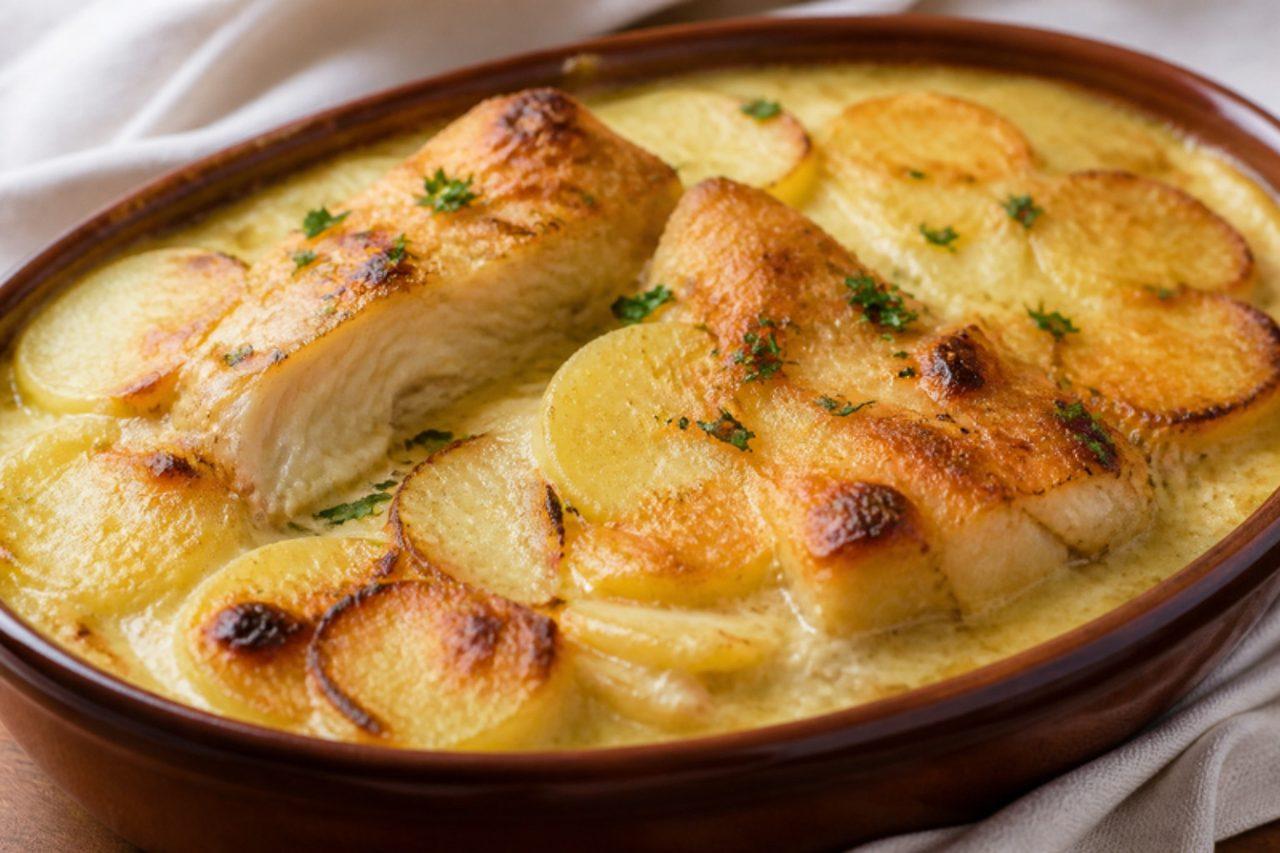
Bacalhau com natas is the comfort bake that turns up at Portuguese Christmas gatherings, Sunday lunches and every café menu from Porto to Faro. Flaked salt cod, soft onion and cubes of fried potato are folded into a light béchamel enriched with cream, then baked until bubbling and golden on top. It is rich, gently salty and easy to make ahead for a crowd. Serve with a crisp green salad and some bread. Chef's tip: fry the potato cubes only until pale gold; they finish cooking in the oven, and crisp ones turn soggy anyway.

by KrazyBadal 0 views

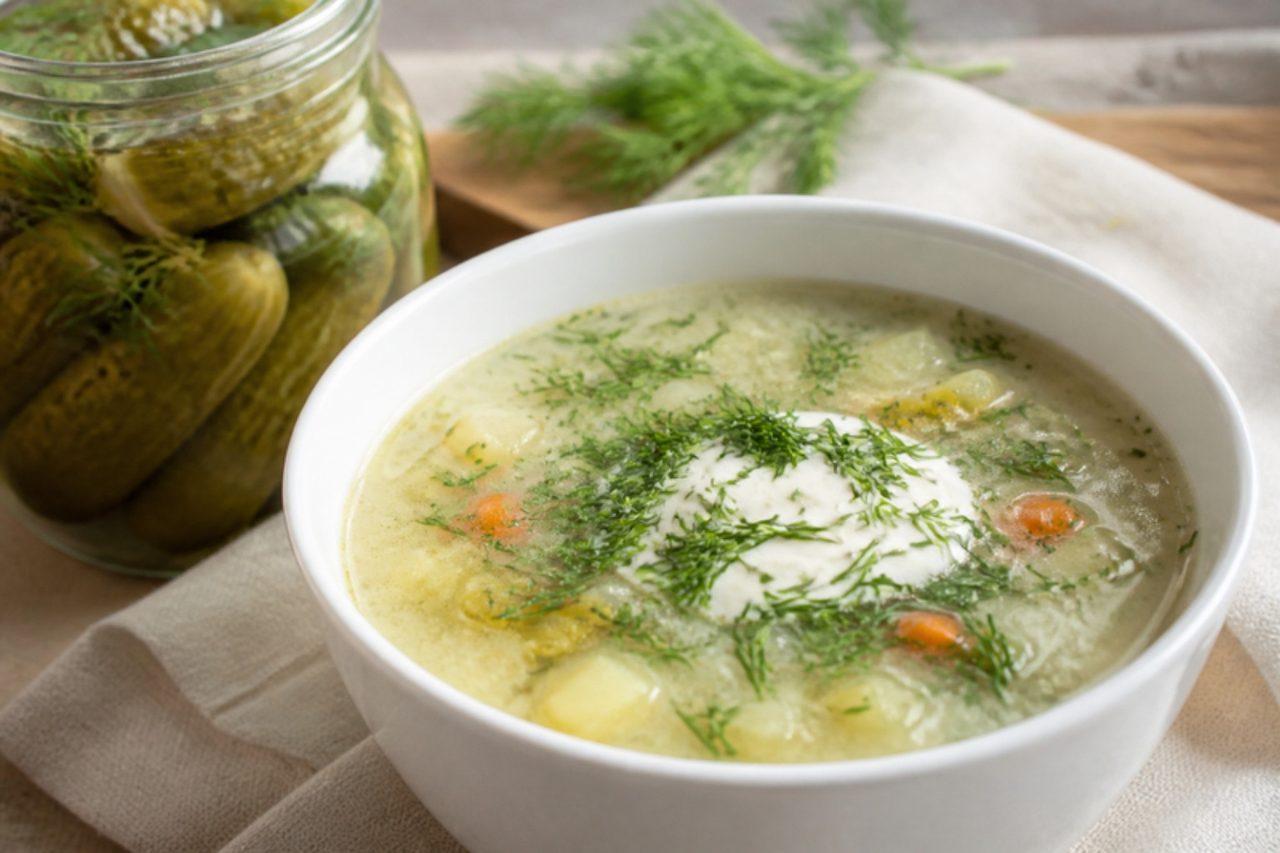
Zupa ogórkowa

Zupa ogórkowa is the soup Polish families make when the crock of brine-fermented cucumbers from summer starts to run low in late autumn: grated sour pickles and their cloudy brine simmered with potatoes, carrot and root vegetables, then softened with soured cream and a fistful of dill. It is a staple of canteen lunches and Sunday-in-the-country cooking, from Mazovia to Silesia, and it tastes tangy, garlicky and comforting all at once. Traditionally it is made on meat stock; here a good vegetable stock does the job. Use real ogórki kiszone (fermented in salt water), not sweet vinegar gherkins. Chef's tip: stir the cucumbers in only after the potatoes are soft; acid stops potatoes from softening, so if they go in together the potatoes stay hard.

by KrazyBadal 0 views

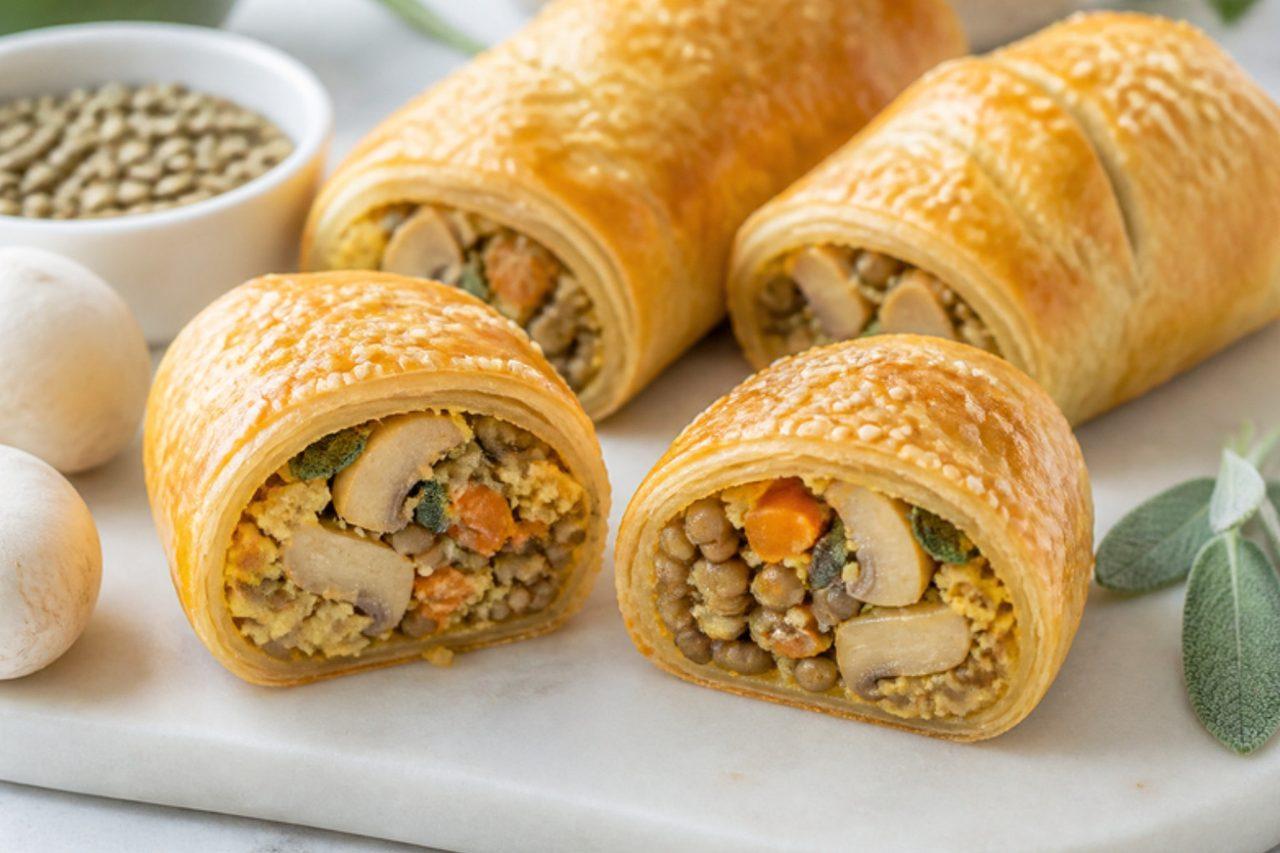
Vegetarian sausage rolls

Sausage rolls are the snack of Australian bakeries, school canteens and footy grounds, eaten from a paper bag with a squeeze of tomato sauce, and they're on the table at every kids' party from Perth to Hobart, and across the Tasman too. This vegetarian version wraps crisp, buttery puff pastry around a savoury filling of browned mushrooms, lentils, carrot, cheddar and sage, firm enough to slice and with the peppery, herby taste of a good bakery roll. The meat original uses raw seasoned pork or beef mince in place of the filling, as noted in the steps. Chef's tip: cook the mushrooms until they are dry and browned; any leftover liquid will turn the pastry soggy from the inside.

by KrazyBadal 0 views

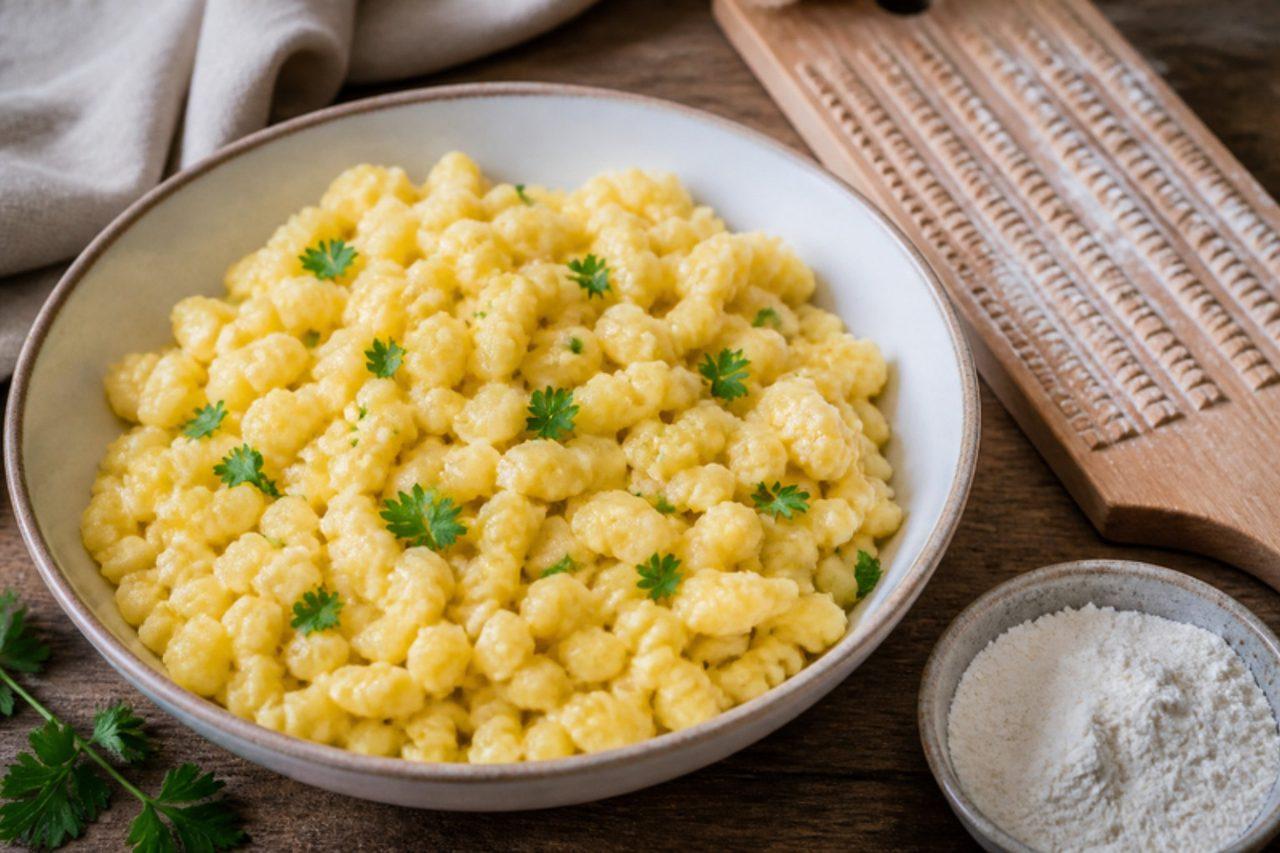
Nokedli

Nokedli, also called galuska, are the small, soft, irregular egg dumplings that sit under almost every paprikás in Hungary, from Budapest lunch canteens to Sunday tables in the villages of the Great Plain. Unlike German Käsespätzle, they are not baked with cheese: they are a plain, buttery side whose job is to soak up a red, sour-cream sauce. Grandmothers scrape the batter off a wet board with a knife, but a nokedli grater (nokedliszaggató) or a colander with large holes is quicker at home. Serve them with gombapaprikás or lecsó, or toss them with fried egg for a quick supper. Chef's tip: let the batter rest for 10 minutes before cooking; the flour hydrates and the dumplings hold together instead of dissolving into the water.

by KrazyBadal 0 views

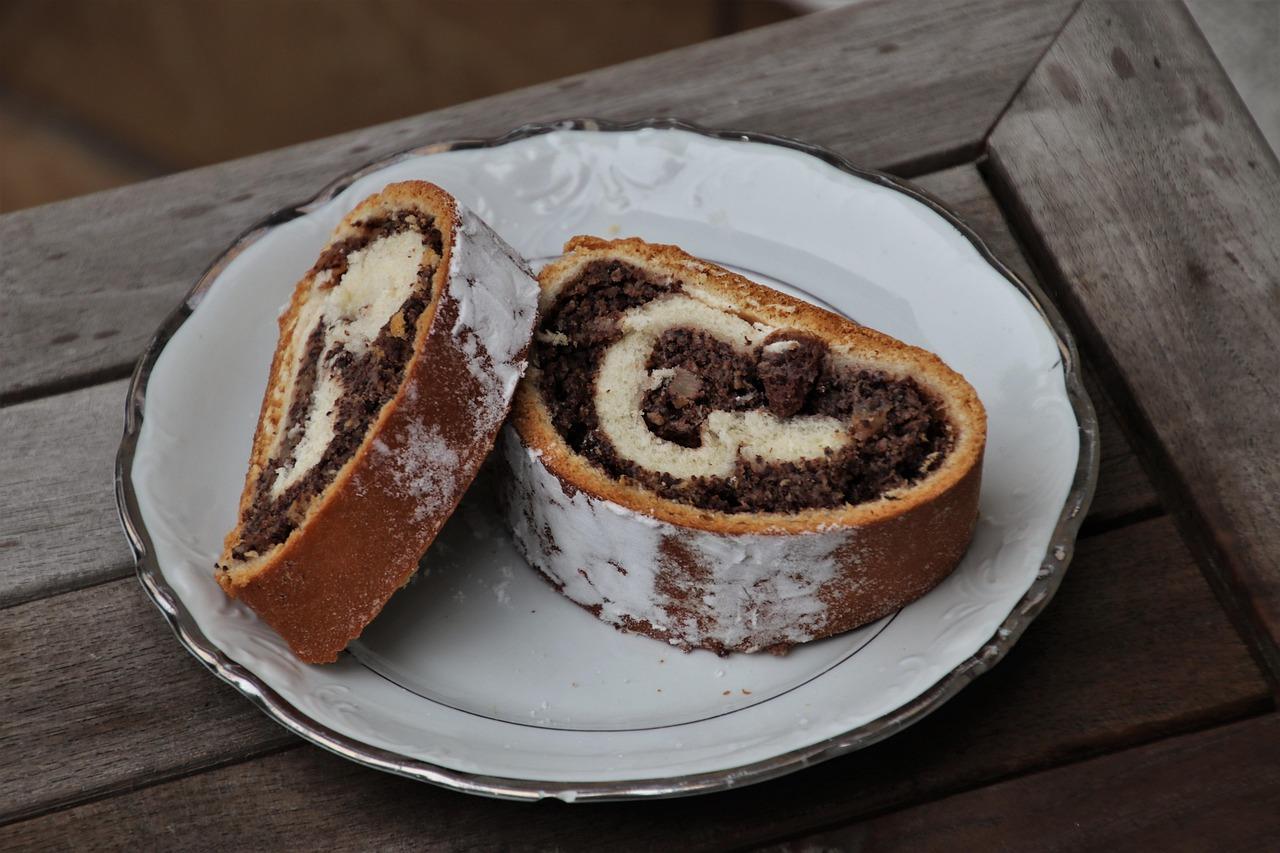
Makowiec

Makowiec is the poppy seed roll that sits on almost every Polish Christmas Eve and Easter table; in Silesia and Lesser Poland poppy seeds stand for plenty in the year ahead. A soft, buttery yeast dough is rolled around a thick, black, honey-sweet filling of ground poppy seeds with raisins, walnuts and candied orange peel, then baked and glazed so each slice shows a tight spiral. It takes time, but the process is calm and the roll keeps for days. Chef's tip: grind the soaked poppy seeds two or three times, until they look grey and pasty; whole or once-ground seeds give a gritty filling that falls out of the slices.

135 minPolishBaking
by KrazyBadal 0 views

Guay jub with crispy pork

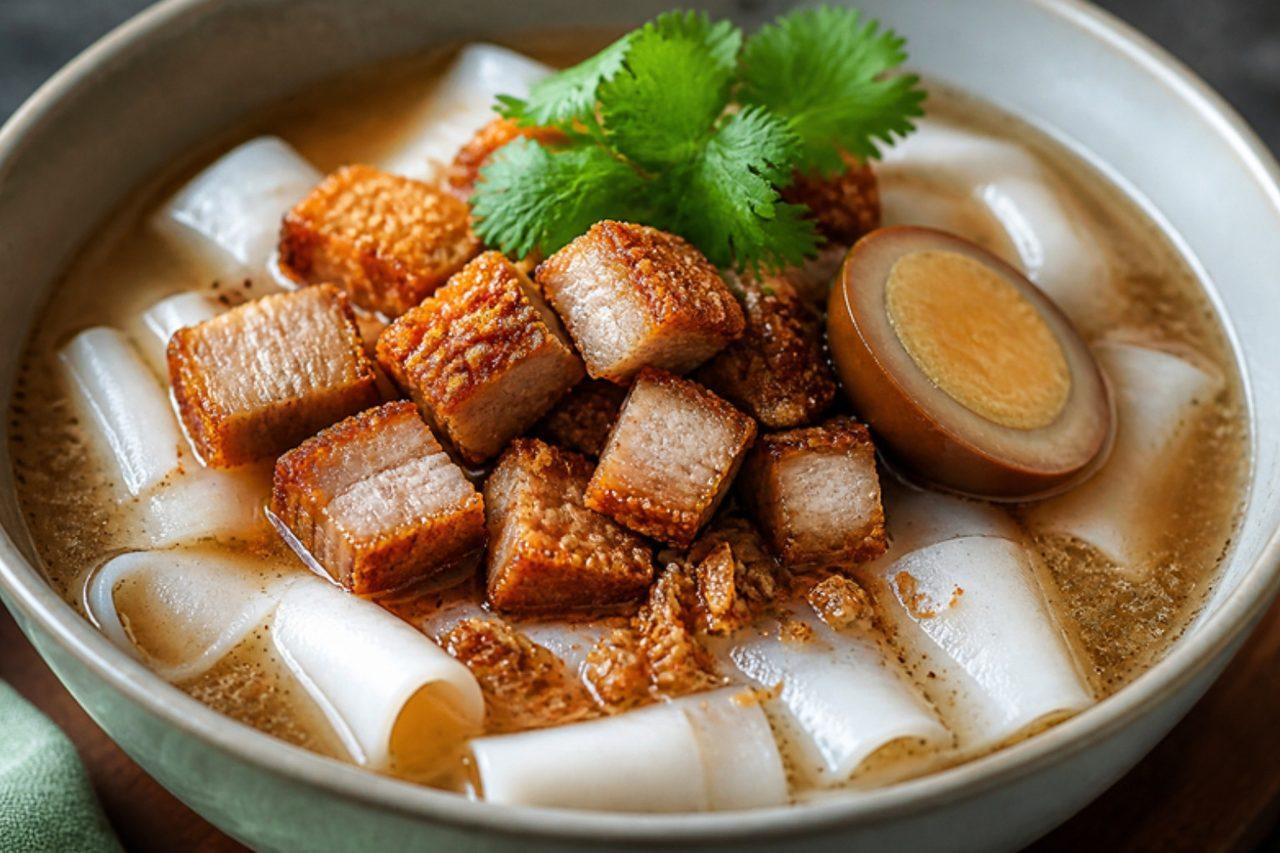
After dark on Yaowarat Road in Bangkok's Chinatown, queues form at the guay jub stalls for bowls of curled rice noodles in a cloudy, peppery broth, topped with crackling pork belly and a soy-stained egg. The noodles roll into little tubes as they cook and turn slippery and soft, the broth bites with white pepper, and the pork shatters before it melts. This is Teochew comfort food, eaten as a late supper or to round off a night out, with a dish of chilli vinegar and extra pepper on the side. Chef's tip: grind white peppercorns fresh over each bowl at the end; ready-ground pepper has lost the floral heat that defines the soup.

90 minThaiSoups
by KrazyBadal 0 views

Barszcz czerwony (Christmas Eve beetroot broth)

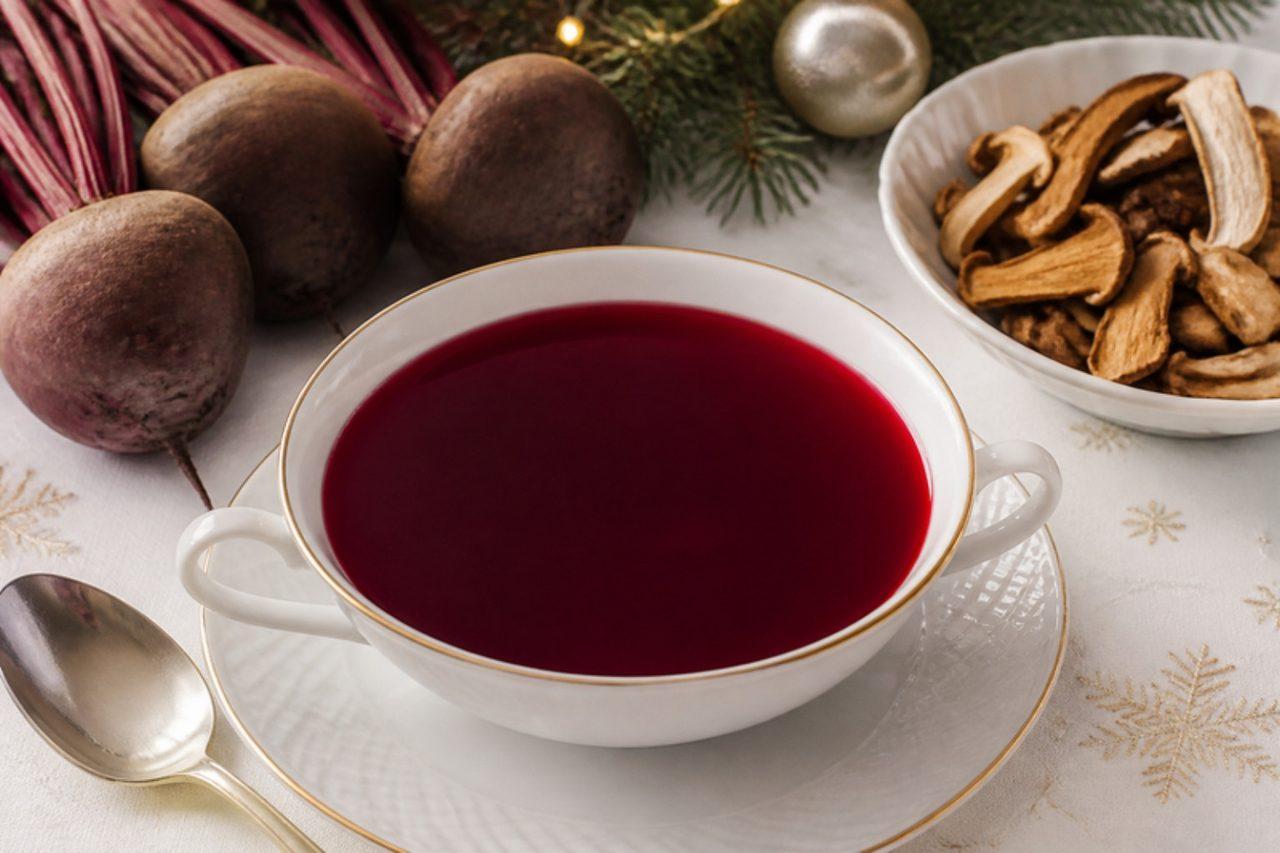
Barszcz czerwony wigilijny is the clear, ruby-coloured beetroot broth that opens the Christmas Eve supper in most Polish homes, from Warsaw to Wrocław. It is not the thick vegetable soup of Ukraine but a sipping broth, sweet, sour and earthy, sharpened with beetroot kvass or lemon and deepened with dried forest mushrooms; on 24 December it is served with tiny mushroom dumplings called uszka, and through winter people drink it from mugs alongside a croquette. It is fully plant-based, as the Wigilia table traditionally is. Chef's tip: once the beetroot is in, never let the soup boil hard; a bare simmer keeps the colour bright, and boiling turns it a dull brown.

by KrazyBadal 0 views

Łazanki with cabbage and mushrooms

Łazanki are short, square egg noodles, and in the Podhale highlands and around Kraków they are tossed with soft-fried white cabbage, a little sauerkraut and mushrooms for a cheap weekday supper, especially in autumn when the cabbage is new. Most cooks add smoked bacon; this version leaves it out and gets its depth from dried ceps, browned fresh mushrooms and plenty of black pepper and marjoram. It is soft, savoury and slightly sour. Serve it on its own with a glass of buttermilk or kefir, as people do in the mountains. Chef's tip: let the cabbage catch and brown in places before you add the noodles; that browning is the flavour bacon would otherwise give.

by KrazyBadal 0 views

Blueberry pierogi

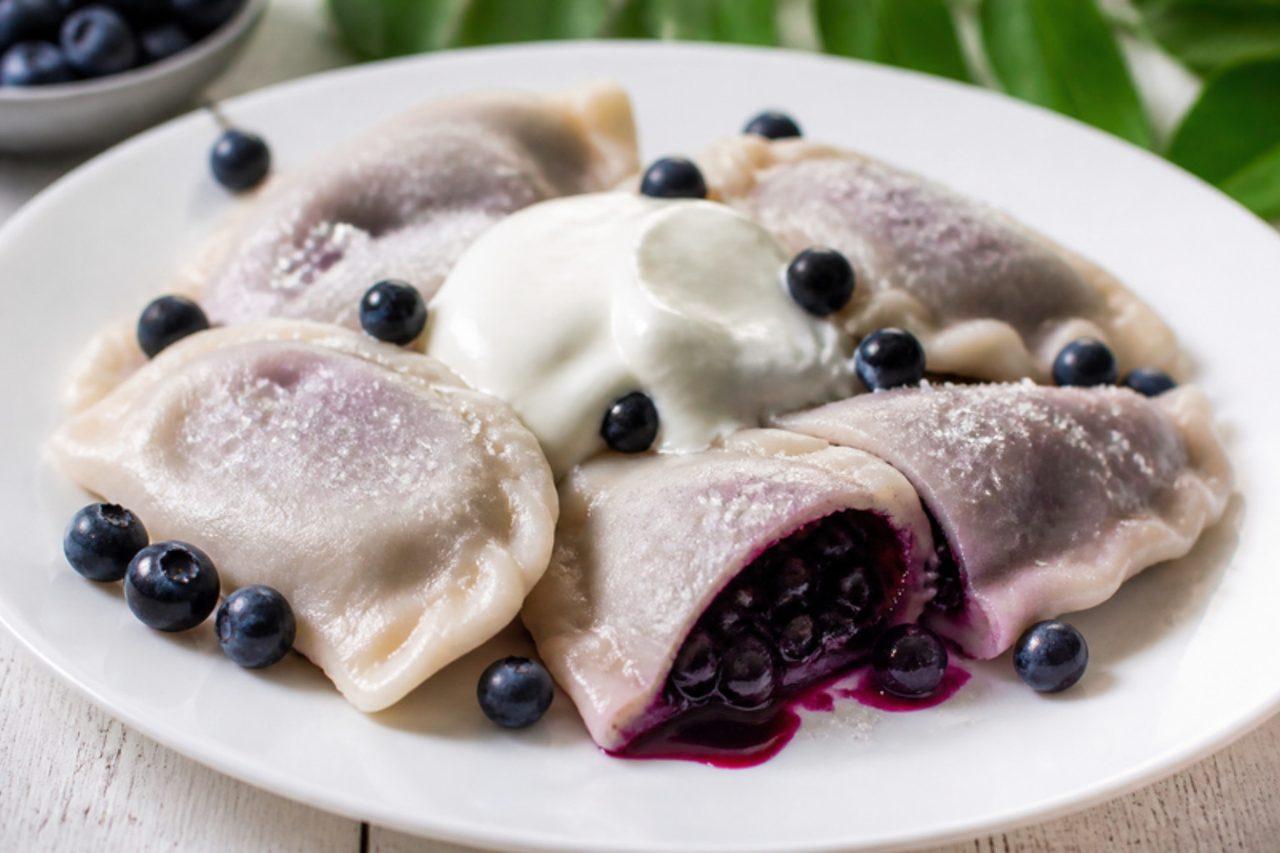
When wild bilberries ripen in the pine forests of Podlasie and Masuria in July, roadside sellers appear with jars of them and half of Poland makes pierogi z jagodami for lunch. The dumplings are boiled, so the berries burst into a hot, purple, jammy filling inside a soft dough, and they are eaten with cold sweetened soured cream and a dusting of sugar. Cultivated blueberries work well; frozen wild bilberries are closer to the original. Chef's tip: toss the berries with potato starch, but add the sugar only on top when you serve; sugared berries weep juice, and that juice is what makes the pierogi burst.

by KrazyBadal 0 views

Sauerkraut and mushroom pierogi

On Wigilia, the meatless Christmas Eve supper, almost every Polish family puts out a plate of pierogi z kapustą i grzybami, sour cabbage and forest mushroom dumplings. The filling is dark and savoury: sauerkraut simmered until soft, then chopped with dried ceps or bay boletes gathered in autumn and onion fried in oil, so the whole dish is plant-based and fits the old fasting rules of the evening. In Kraków and the south they are boiled; in many homes the leftovers are fried crisp on 25 December. Chef's tip: save the mushroom soaking water; a few spoons of it in the filling give far more depth than any stock cube.

by KrazyBadal 0 views

Gheymeh

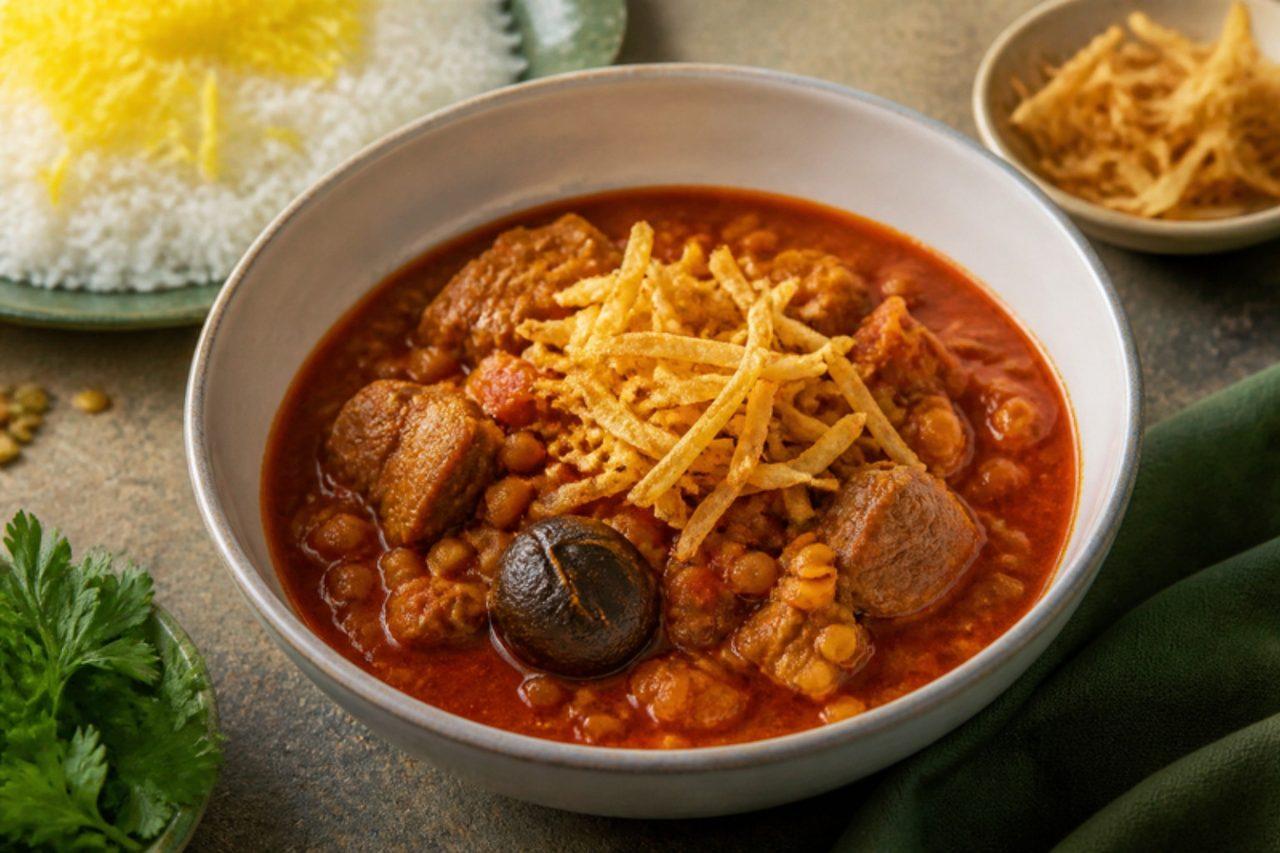
Gheymeh is the stew that big pots are made for: in Iran it is cooked by the cauldron and handed out to neighbours during Muharram, especially on Tasua and Ashura, and it is a fixture of weddings and Friday lunches. Small cubes of lamb simmer with yellow split peas, tomato and dried Persian limes until the sauce is tangy, savoury and a little fragrant with cinnamon. A tangle of crisp, salty potato straws goes on top just before serving. Eat it with chelow rice. Chef's tip: pierce the dried limes and soak them for 10 minutes before adding; they release their sourness faster and don't float.

140 minPersianMeatGluten free
by KrazyBadal 0 views

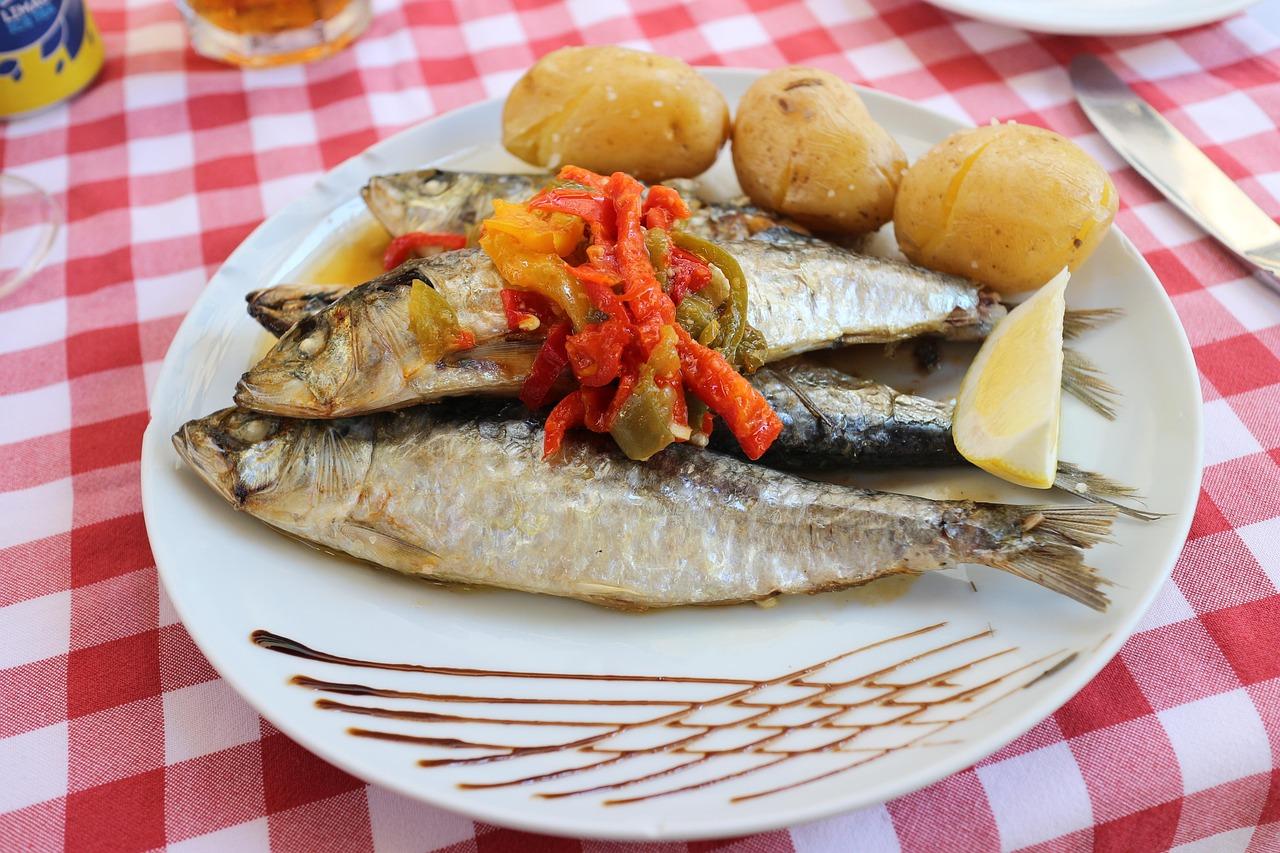
Sardinhas assadas

In June the steep lanes of Alfama and Mouraria fill with smoke during the Santos Populares, Lisbon's street festivals for Saint Anthony, and almost every grill is loaded with sardines. They are salted, grilled whole over charcoal until the skin blisters, and laid on a thick slice of country bread that soaks up their juices. Add roasted green peppers and a salad of tomato and onion, and that is the whole feast. Chef's tip: salt the sardines with coarse salt 30 minutes before grilling and keep them chilled; the salt firms the skin so it doesn't stick to the grill.

by KrazyBadal 0 views

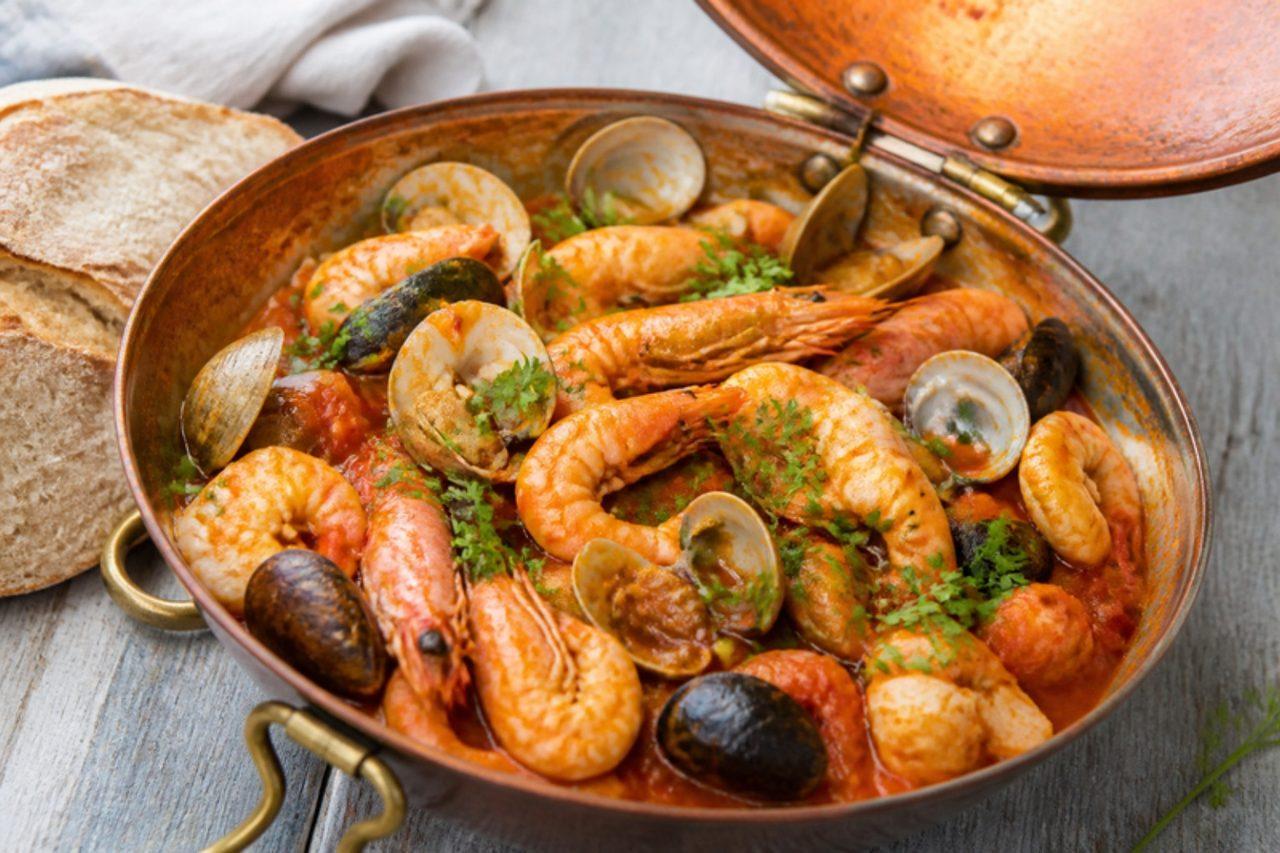
Cataplana de marisco

Cataplana is the Algarve's showpiece, named after the hinged, clam-shaped copper pan it is cooked in, and it is served at the table in harbour towns like Olhão and Portimão, lid opened in a puff of steam. This version contains pork: smoky chouriço sausage goes in with the onion, peppers and tomato, then clams, prawns and firm white fish steam on top in their own juices. Bring bread for the broth. No cataplana? A wide casserole with a tight lid works. Chef's tip: purge the clams in salty water in the fridge for an hour so they spit out their sand before cooking.

by KrazyBadal 0 views

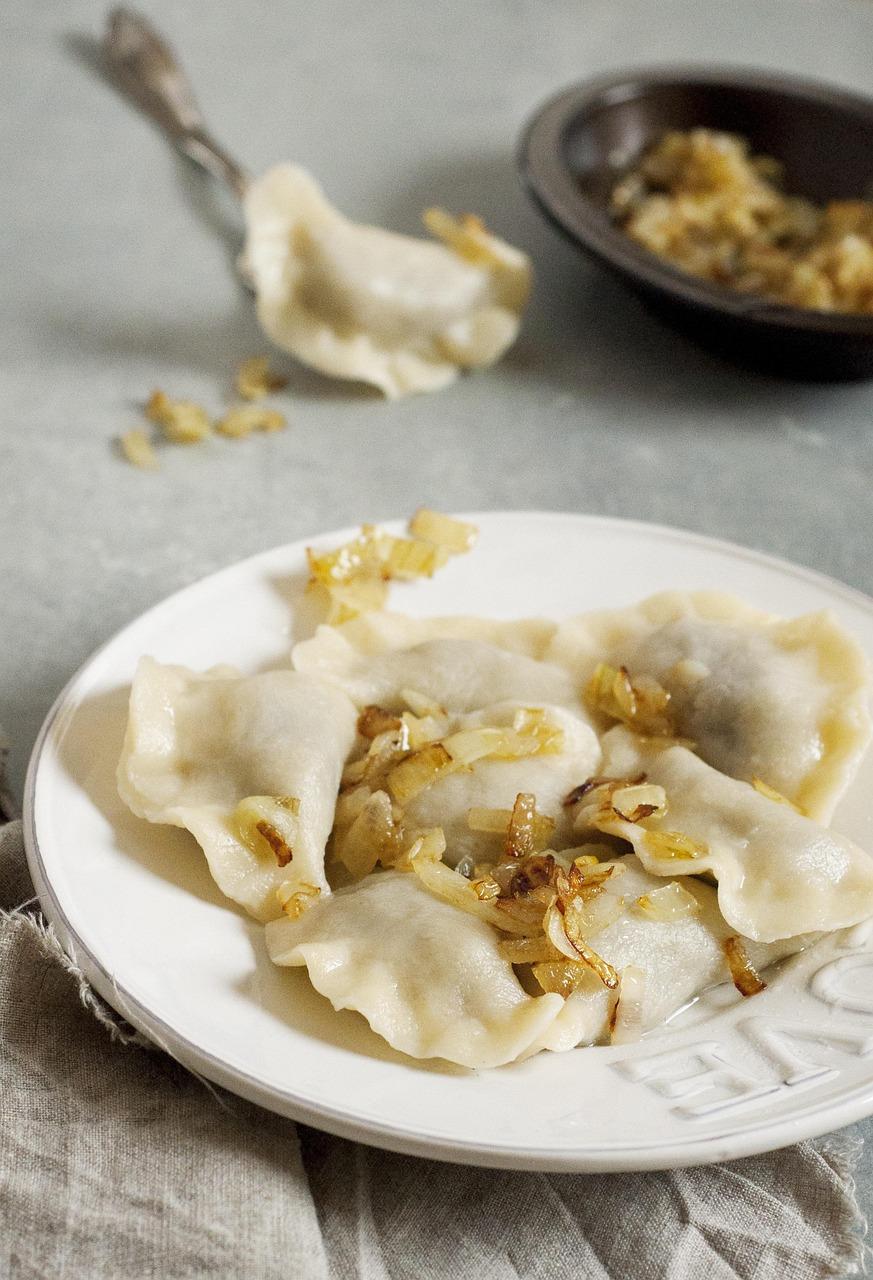
Pierogi ruskie

Pierogi ruskie take their name from Red Ruthenia, the old borderland around Lwów and Przemyśl, and today they are the pierogi every Polish milk bar (bar mleczny) from Kraków to Gdańsk keeps on the menu. The filling is the Polish one: floury potato mashed with crumbly twaróg curd cheese, plenty of slowly browned onion and a lot of black pepper, wrapped in a thin, soft dough. Kraków even holds a pierogi festival every August, and ruskie are always the best sellers. Serve them boiled with more golden onion and a spoon of soured cream, or fry leftovers in butter the next day. Chef's tip: let the filling cool completely and taste it before you fill a single dumpling; it should taste over-seasoned on its own, because the dough mutes it.

by KrazyBadal 0 views

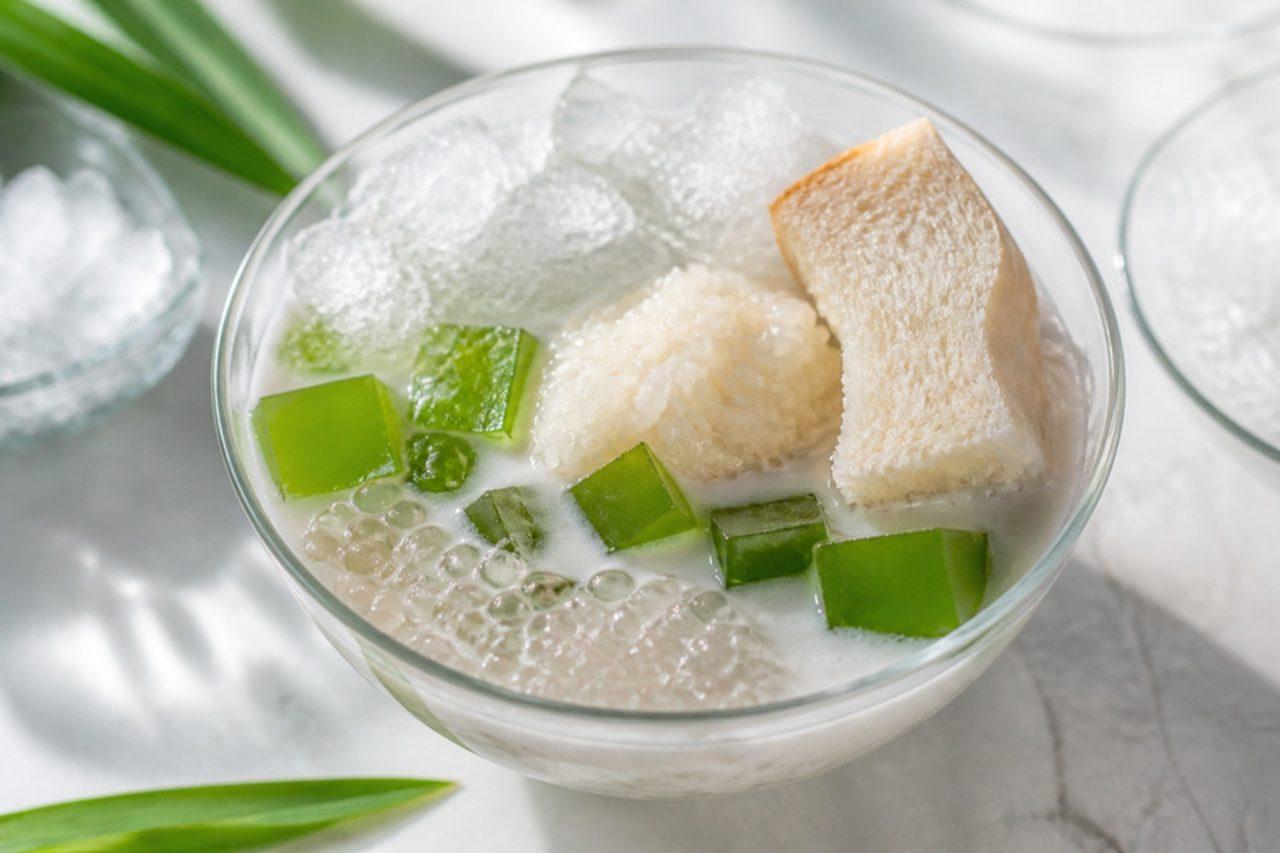
Shwe yin aye

Shwe yin aye, roughly 'golden heart cooler', is what Yangon drinks during the scorching weeks of Thingyan, the April water festival, when stalls set up along the streets to hand it out. It's a bowl of sweet, lightly salted coconut milk over crushed ice, filled with chewy sago pearls, cubes of green agar jelly, a scoop of sticky rice and, surprisingly, a few pieces of soft white bread that soak up the coconut. Chef's tip: make the jelly, sago and sticky rice in the morning and chill everything; assembled cold, the bowl stays refreshing to the last spoonful.

by KrazyBadal 0 views

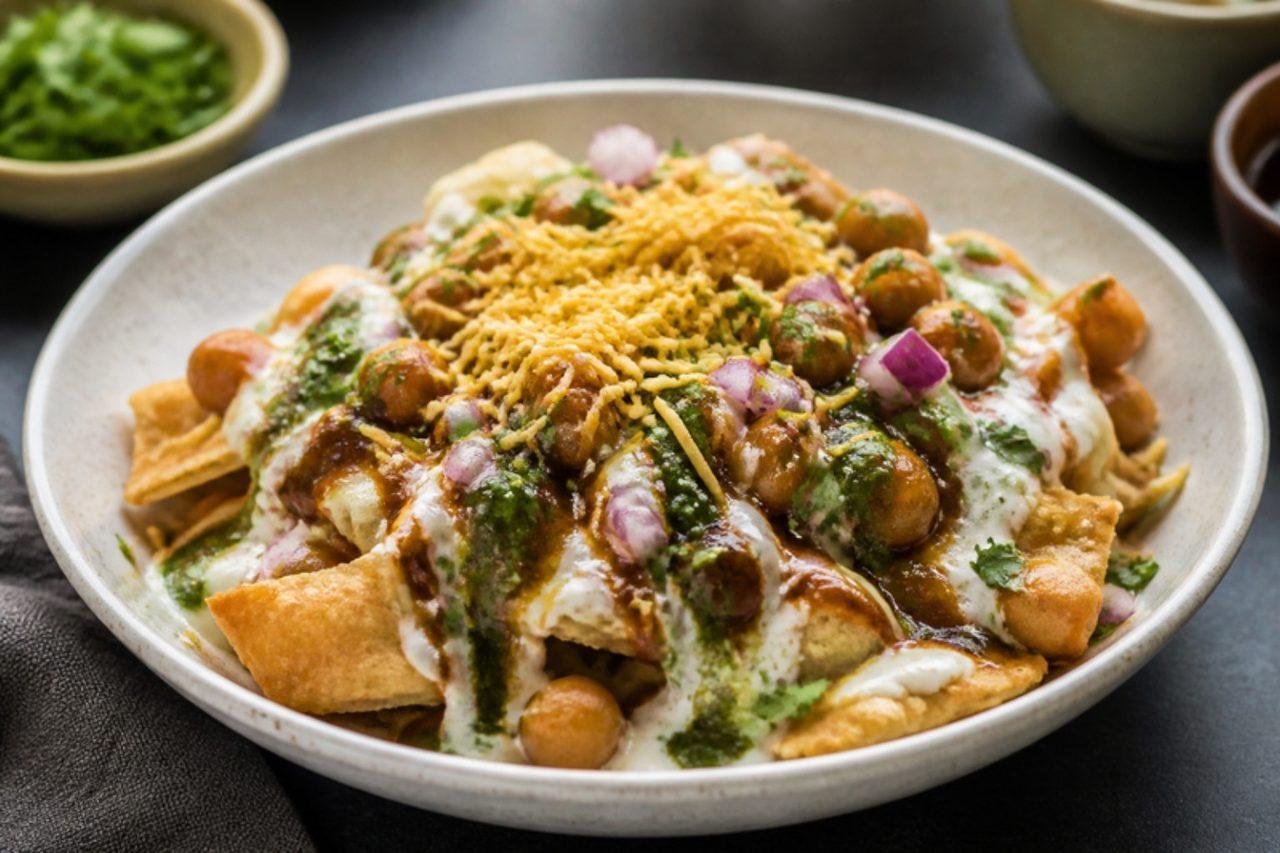
Punjabi chole samosa chaat

Samosa chaat is how the street stalls of Punjab and Delhi turn yesterday's samosas into the best snack of the day. Samosas are broken open on a plate, covered with a ladle of hot, tangy chole, then cooled down with sweet whisked yogurt, green and tamarind chutneys, raw onion, crunchy sev and a dusting of chaat masala. Every spoonful is hot and cold, crisp and soft, sweet, sour and spicy at once. Use bought samosas or the site's own samosa recipe. Chef's tip: warm the samosas in the oven until crisp before you crush them; a soggy samosa makes a heavy chaat, a crisp one soaks up the chole and still crunches.

by KrazyBadal 1 views

Ohn no khao swe with tofu

Ohn no khao swe is the comforting coconut noodle soup that Burmese families serve for weekend lunches and for crowds at donation feasts, especially around Mandalay and Yangon. Wheat noodles sit in a rich, mildly spiced coconut broth thickened with chickpea flour, and everyone adds their own toppings: lime, sliced raw onion, chilli flakes, coriander and crispy fried noodles. It's normally made with chicken; tofu and chickpeas take its place here. Chef's tip: stir the coconut milk in at the end and keep it at a gentle simmer; a hard boil makes the coconut split and turn oily.

by KrazyBadal 0 views

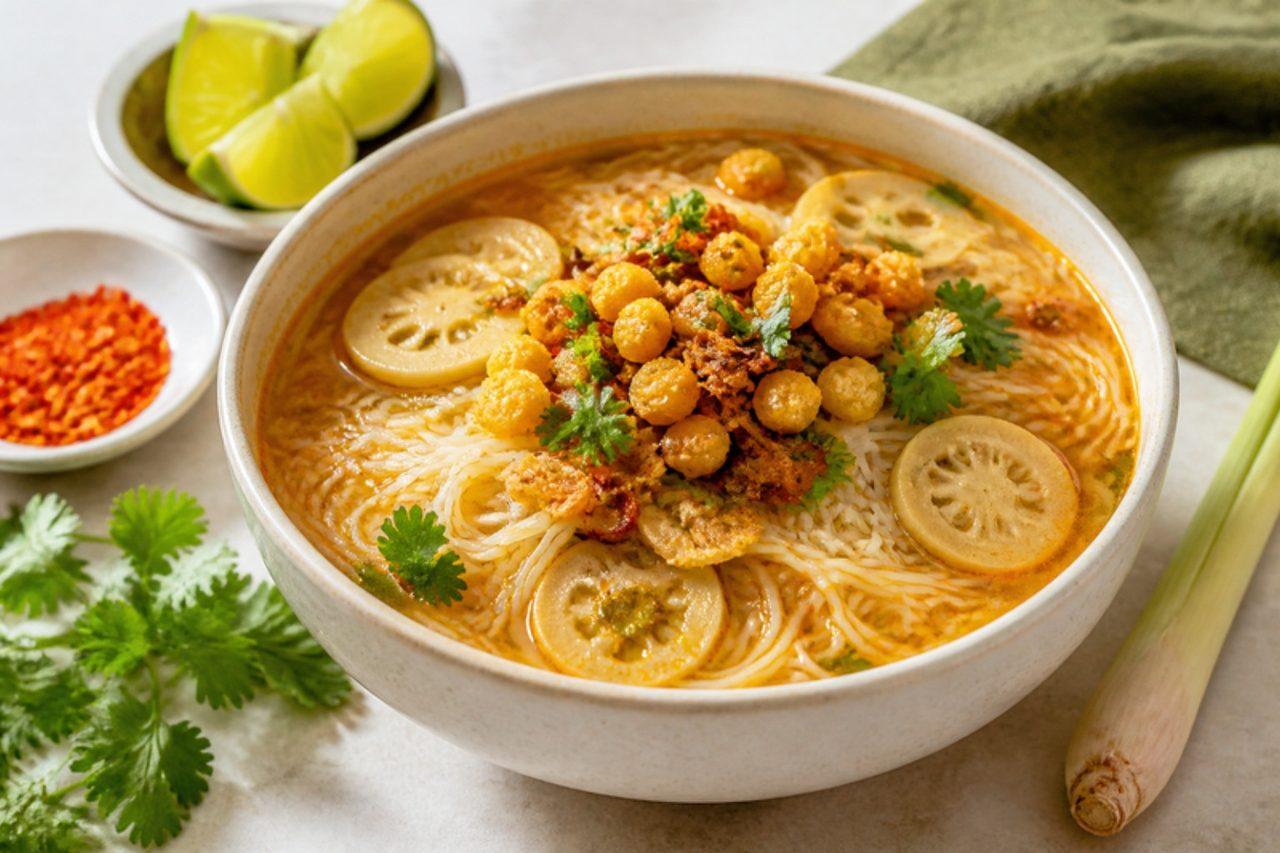
Vegetarian mohinga

Mohinga is Myanmar's national breakfast, ladled from steaming pots at dawn on street corners from Yangon to Mandalay: thin rice noodles in a thick, golden broth fragrant with lemongrass, ginger and toasted chickpea flour, topped with crisp fritters, lime and chilli. The real thing is built on catfish and fish sauce. This vegetarian version is honestly different: dried shiitake and kombu give savouriness instead of fish, and the body comes from toasted chickpea flour, toasted rice powder and banana stem (or palm heart), so it's lighter and earthier rather than fishy. Chef's tip: toast the chickpea flour and rice until golden and nutty before they go in; they carry most of the flavour.

by KrazyBadal 0 views

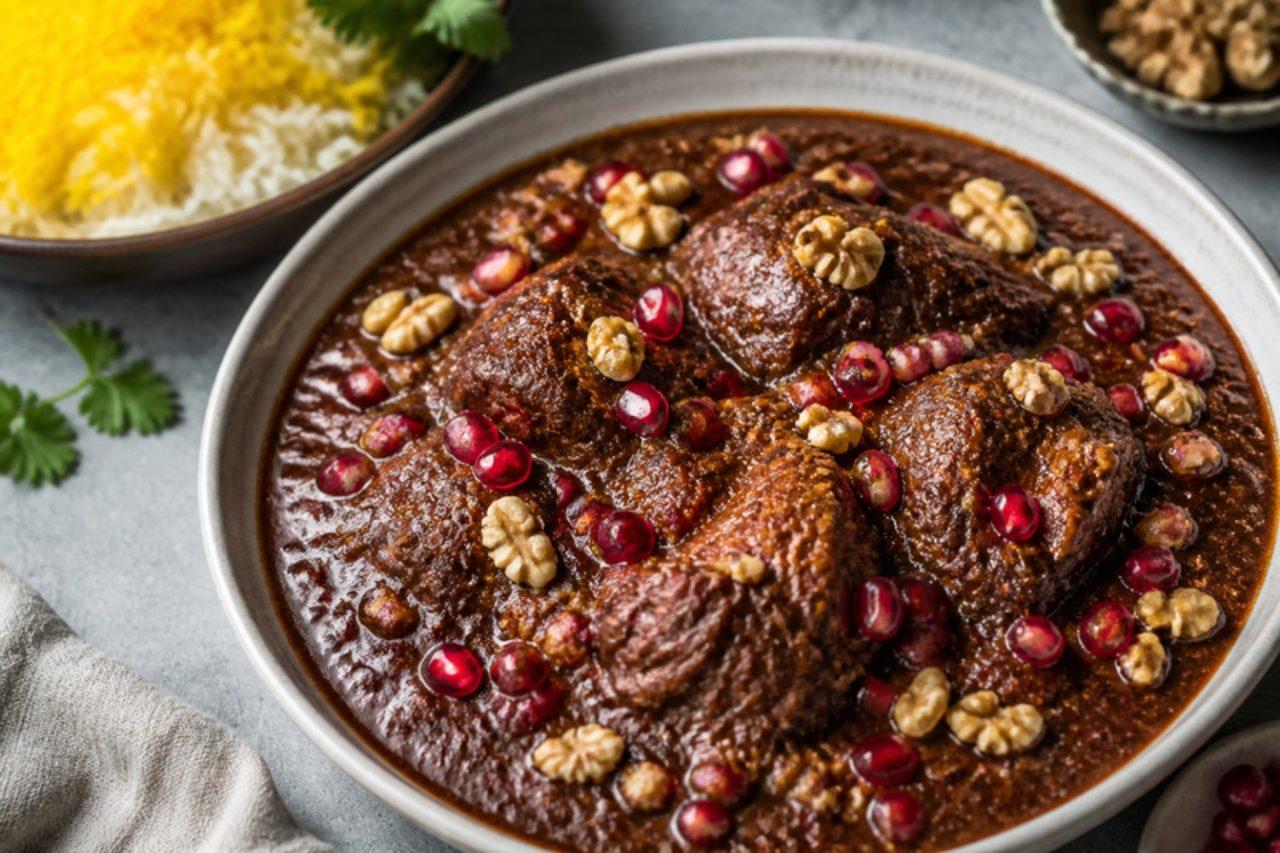
Fesenjan

In the rice paddies and forests of Gilan on the Caspian coast, fesenjan is cooked with duck or chicken in autumn, when walnuts are freshly cracked and pomegranates ripen; across Iran it now marks Yalda night in December and big family dinners. Ground walnuts are toasted, then simmered slowly with pomegranate molasses until their oil rises and the sauce turns almost chocolate-brown, thick and glossy, tangy first and gently sweet after. Chicken thighs braise in it until they are spoon-tender. Serve it over saffron chelow rice with a crisp tahdig. Chef's tip: stir the walnut paste over a low heat for a full hour; the longer, slower cook is what darkens the sauce and brings the walnut oil to the surface.

by KrazyBadal 0 views

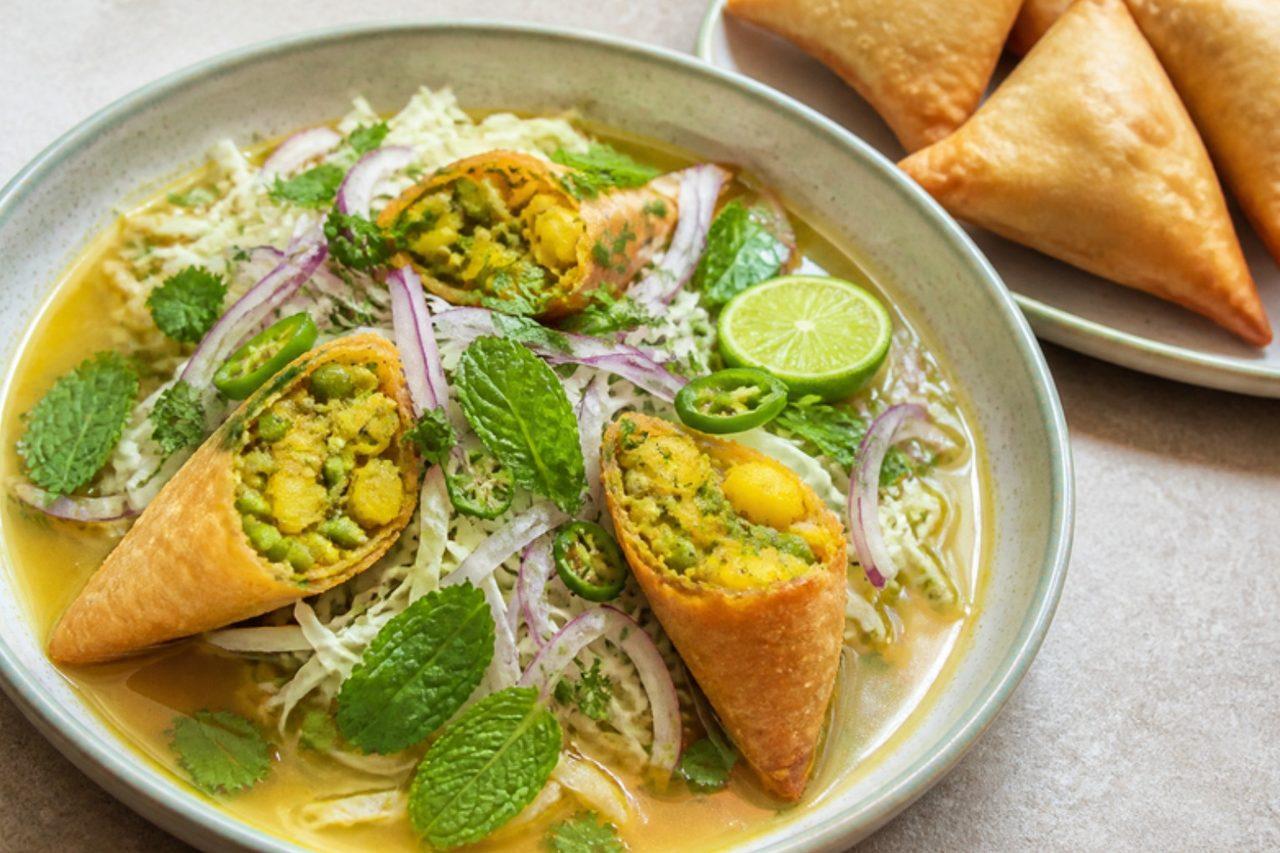
Samosa thoke

Samosa thoke is pure Yangon street food, born from the city's Indian-Burmese communities: vendors on Mahabandoola Road chop crisp samosas into a bowl with cabbage, onion and mint, ladle over a thin, spiced lentil broth (pe hin ye), and finish it with tamarind, chilli and a squeeze of lime. The samosas soften at the edges while the middle stays crunchy, and the whole bowl is hot, sour and savoury. Use vegan samosas made without ghee. Chef's tip: ladle the broth over at the very last moment and eat straight away; samosa thoke left to sit turns soggy fast.

by KrazyBadal 0 views

Shan tofu

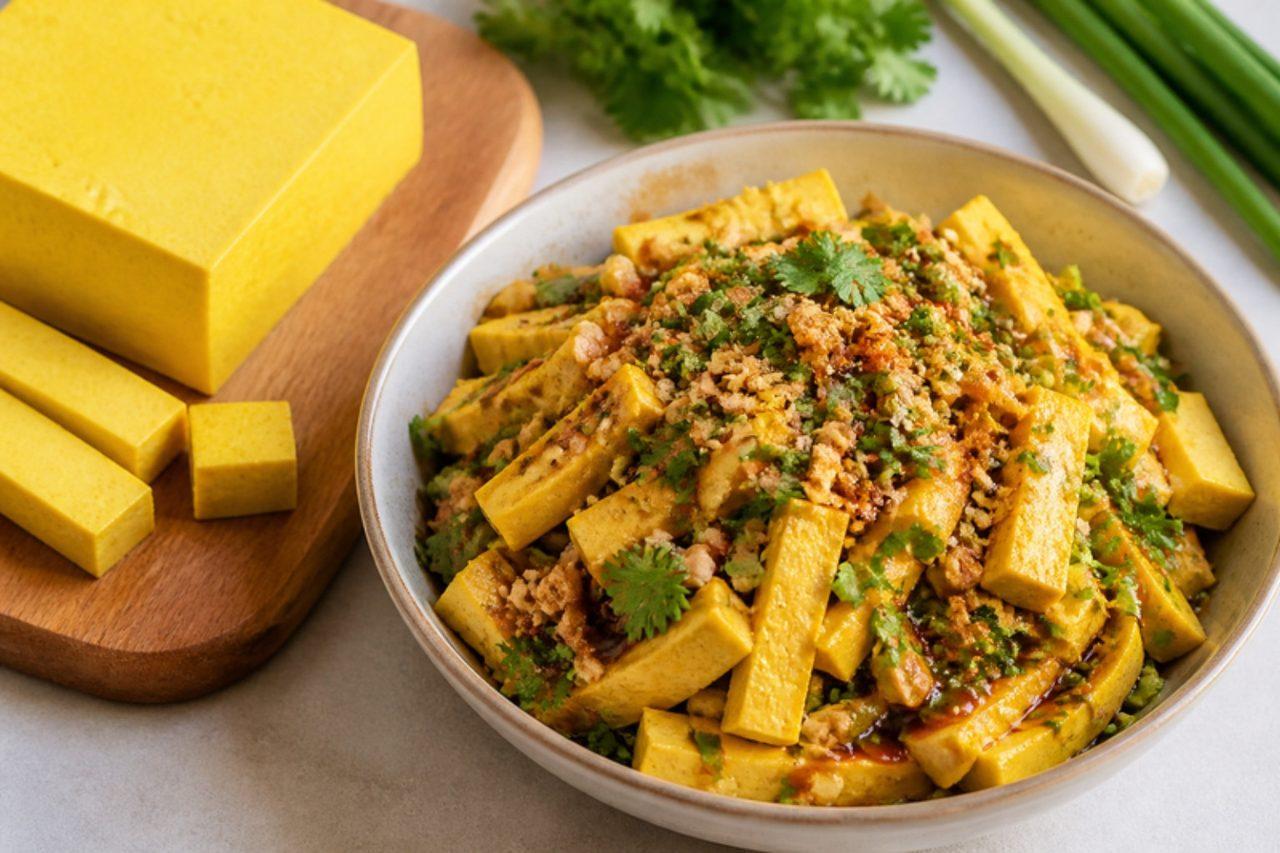
Shan tofu (to hpu) contains no soy at all: it is a smooth, wobbly block of chickpea flour cooked with water and turmeric, then left to set. Shan women sell it in golden slabs at the five-day markets around Inle Lake and Taunggyi, cut into cubes and dressed as a salad with chilli oil, garlic, vinegar and peanuts, or sliced and fried into crisp fritters. Warm and unset, it's eaten as a porridge (to hpu nway). Chef's tip: whisk constantly as it thickens and keep cooking for a full 8 minutes after it turns thick; undercooked Shan tofu tastes raw and never sets firmly.

by KrazyBadal 0 views

Gin thoke

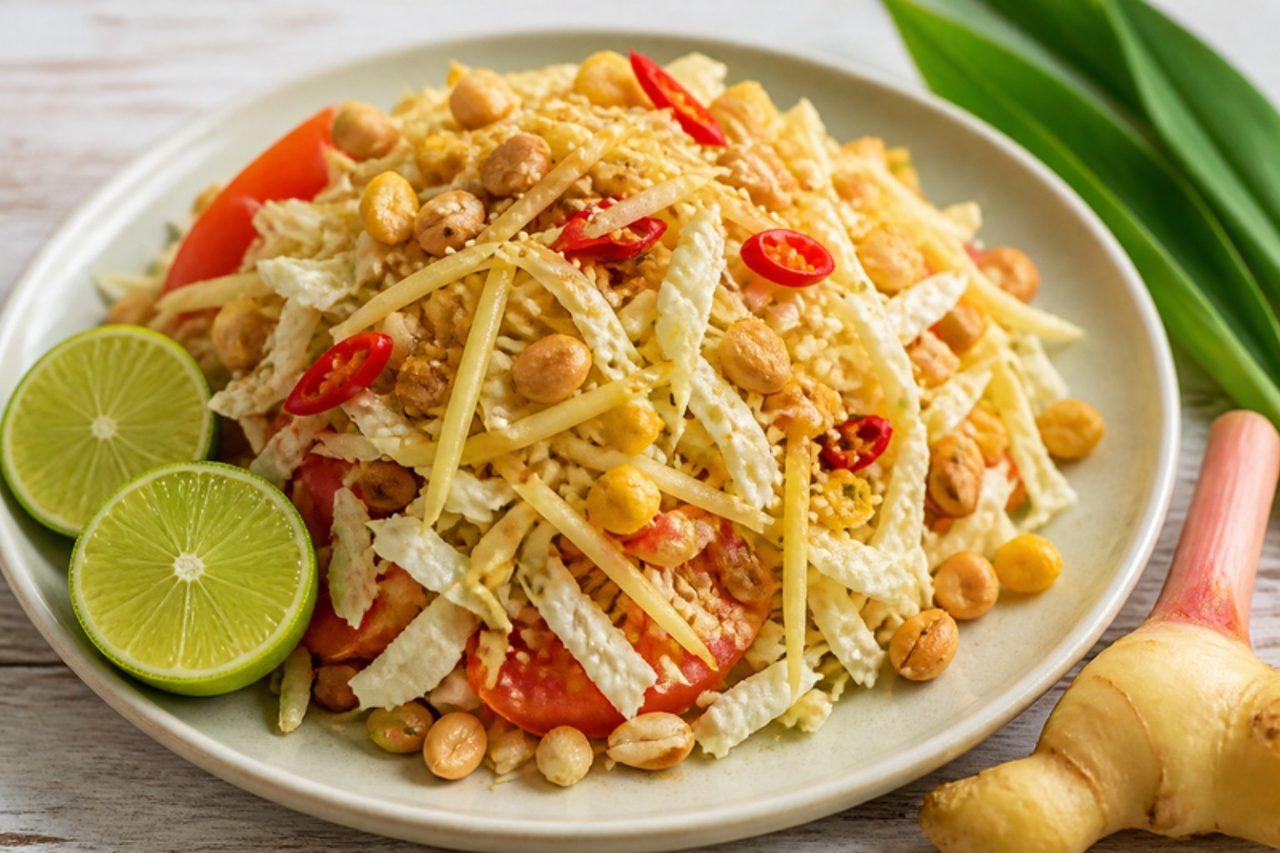
Gin thoke is lahpet thoke's livelier cousin, served on the same lacquered trays at teashops in Yangon and as a palate-wakener after a rich curry lunch. Young ginger is cut into fine threads and pickled in lime and salt so it turns pink and juicy, then tossed with cabbage, tomato, peanuts, fried beans and sesame. Burmese cooks often add fish sauce; salt, lime and a little toasted chickpea flour give the dressing body without it. Chef's tip: use young ginger with thin, pinkish skin if you can find it; mature ginger is fibrous and too fiery to eat in this quantity, so slice it extra thin.

by KrazyBadal 0 views

Lahpet thoke

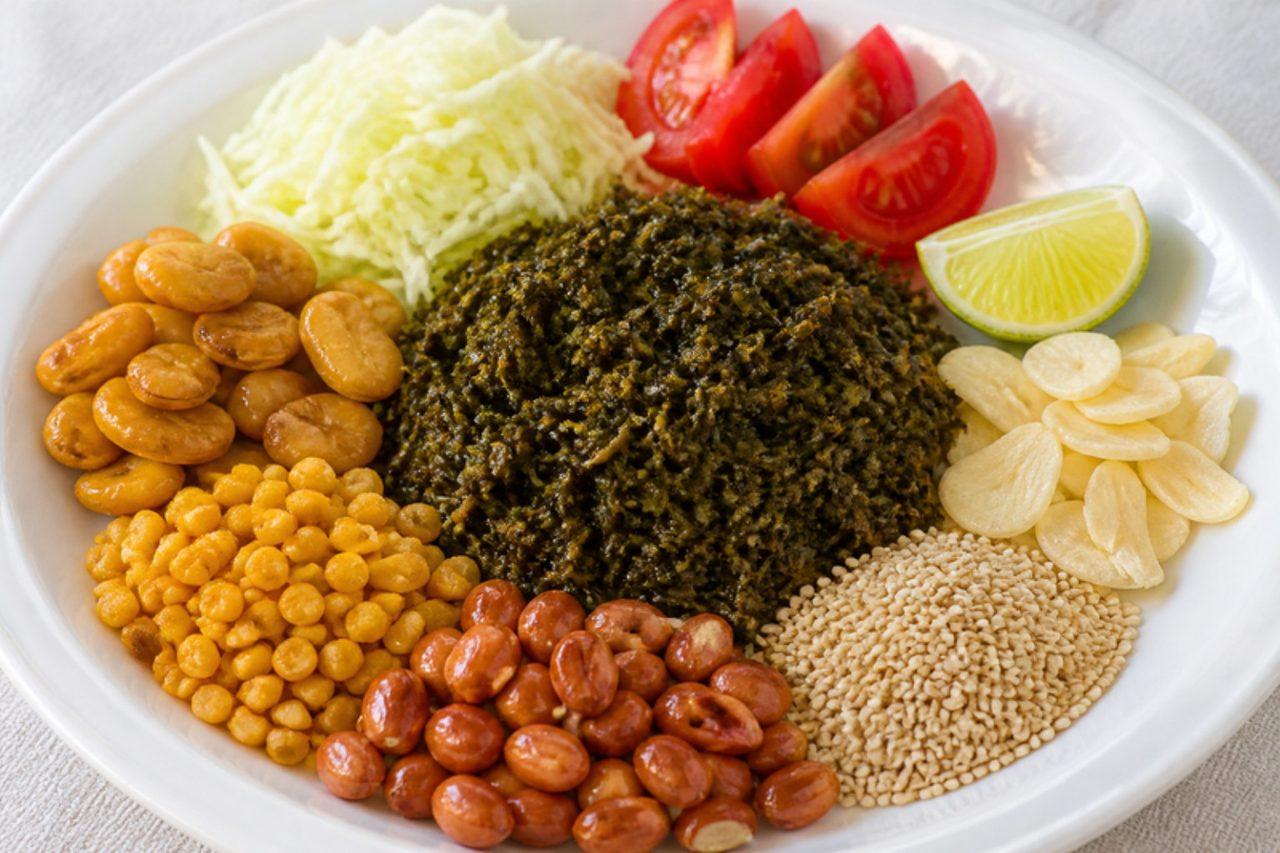
Lahpet thoke is how Myanmar welcomes a guest: a lacquered tray of pickled tea leaves surrounded by fried beans, peanuts, sesame and garlic, offered after meals, at weddings and at monk feasts from Mandalay to Yangon. Mixed into a salad with cabbage, tomato, chilli and lime, it becomes the country's most famous dish: bitter, sour, salty and crunchy at once, with a gentle caffeine lift. Ready-made lahpet sometimes contains fish sauce and the crunchy mix often has dried shrimp, so this version quick-pickles loose green tea at home. Chef's tip: soak the tea in several changes of hot water and squeeze it hard each time; that's what tames the bitterness.

by KrazyBadal 0 views

Pollo a la brasa

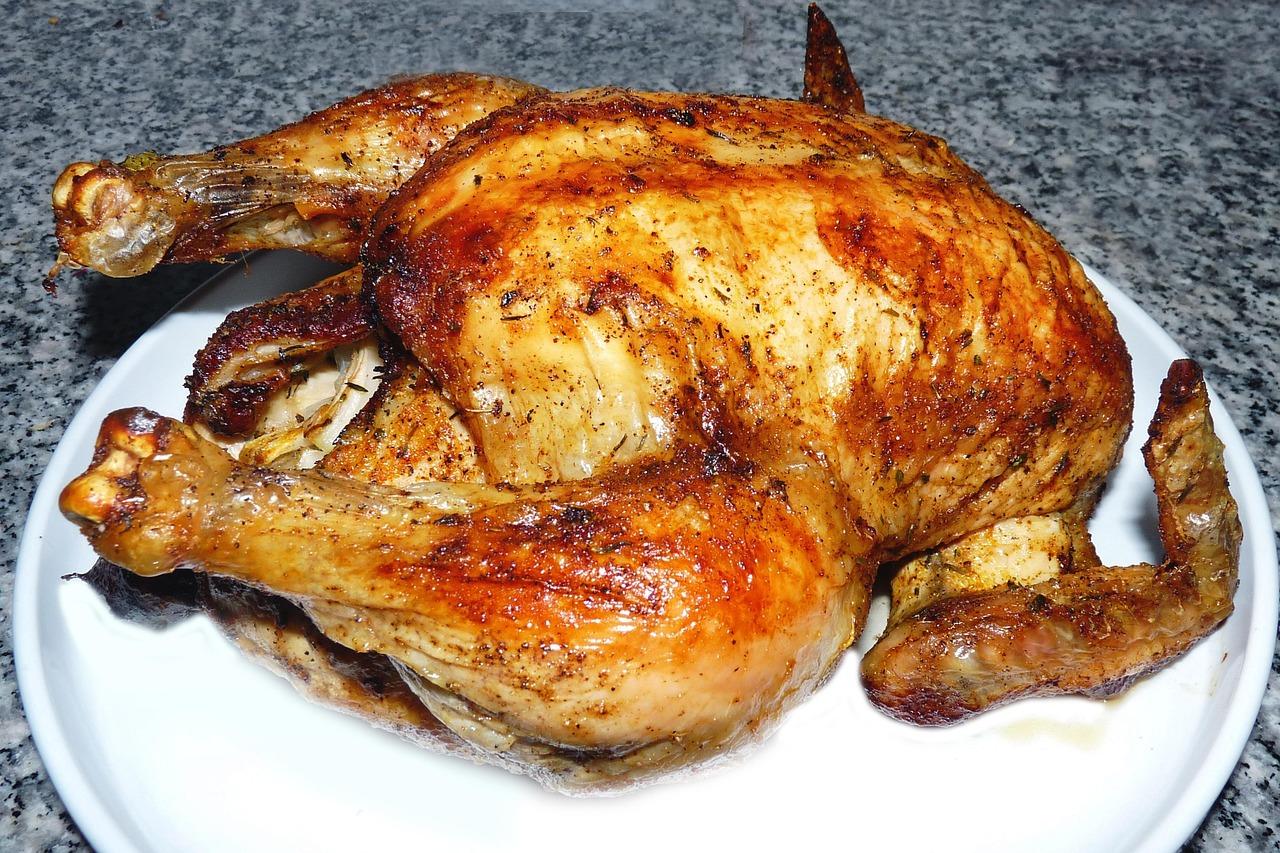
Born in the 1950s in Chaclacayo, just east of Lima, this rotisserie chicken has grown into a national obsession, with its own holiday on the third Sunday of July and a pollería on almost every block. The bird is marinated in soy sauce, lime, garlic, cumin and ají panca, then roasted until the skin is lacquered and dark. At home a hot oven does the job, and the meal is not complete without chips, a simple salad and a jar of creamy green ají sauce. Chef's tip: dry the skin well and leave the chicken uncovered in the fridge overnight after marinating; it roasts up much crisper.

by KrazyBadal 0 views

Joojeh kabab

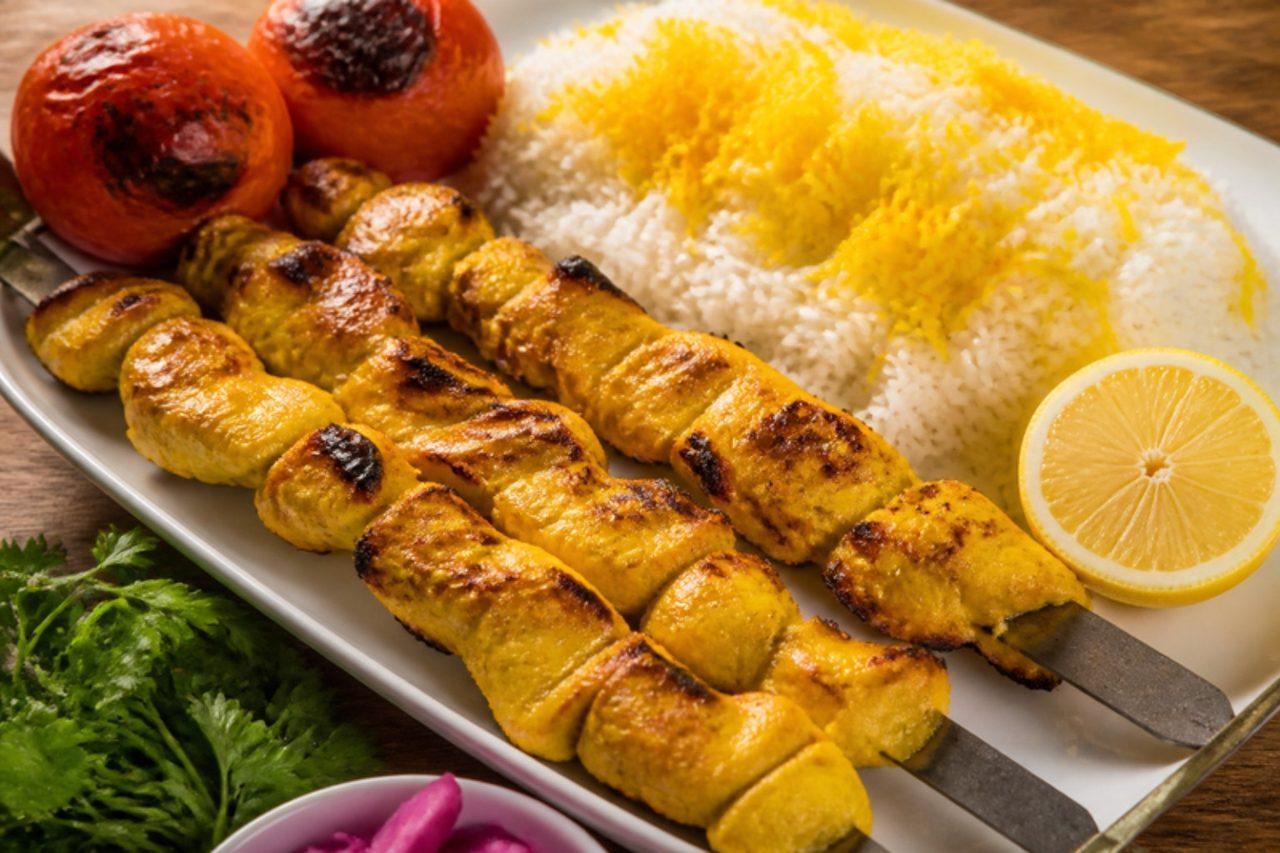
Joojeh kabab is what fills Tehran's parks on Sizdah Bedar, the thirteenth day of Nowruz, when families picnic outdoors and grills smoke under the plane trees; it is just as common on restaurant platters beside koobideh. Chunks of chicken soak overnight in yogurt, grated onion, lemon and bloomed saffron, then cook fast over high heat so the edges char while the middle stays juicy and golden-orange. Serve with buttery chelow rice, grilled tomatoes and a pinch of sumac. Chef's tip: grind the saffron threads with a pinch of sugar before steeping them in hot water; you get twice the colour from the same few threads.

by KrazyBadal 0 views

Vegetable Shan noodles

Shan khao swe comes from the hills of Shan State in eastern Myanmar, where it's eaten for breakfast at markets around Inle Lake and Taunggyi before the day's work begins. Sticky rice noodles are tossed with a garlicky tomato sauce, sesame oil and crushed peanuts, then served with pickled mustard greens and a small bowl of clear broth on the side. Markets usually make the sauce with chicken or pork; here mushrooms and tofu give it the same savoury depth. Chef's tip: cook the tomatoes down until the oil separates and the sauce turns jammy; a watery sauce slides off the noodles and tastes flat.

by KrazyBadal 0 views

Kopi

Kopi is the strong, thick coffee poured from long-spouted pots at kopitiams all over Singapore. The beans are dark-roasted with sugar and margarine, which gives a bittersweet, almost chocolatey brew, and the classic cup is sweetened with condensed milk. Order it like a local: kopi-o is black with sugar, kopi-c has evaporated milk, and kopi peng is iced. At home, a dark-roast robusta or espresso blend in a cloth sock or cafetière gets close. Chef's tip: pour the coffee back and forth between two jugs a few times; it cools slightly, aerates and gets the smooth, frothy kopitiam texture.

by KrazyBadal 0 views

Vegetarian popiah

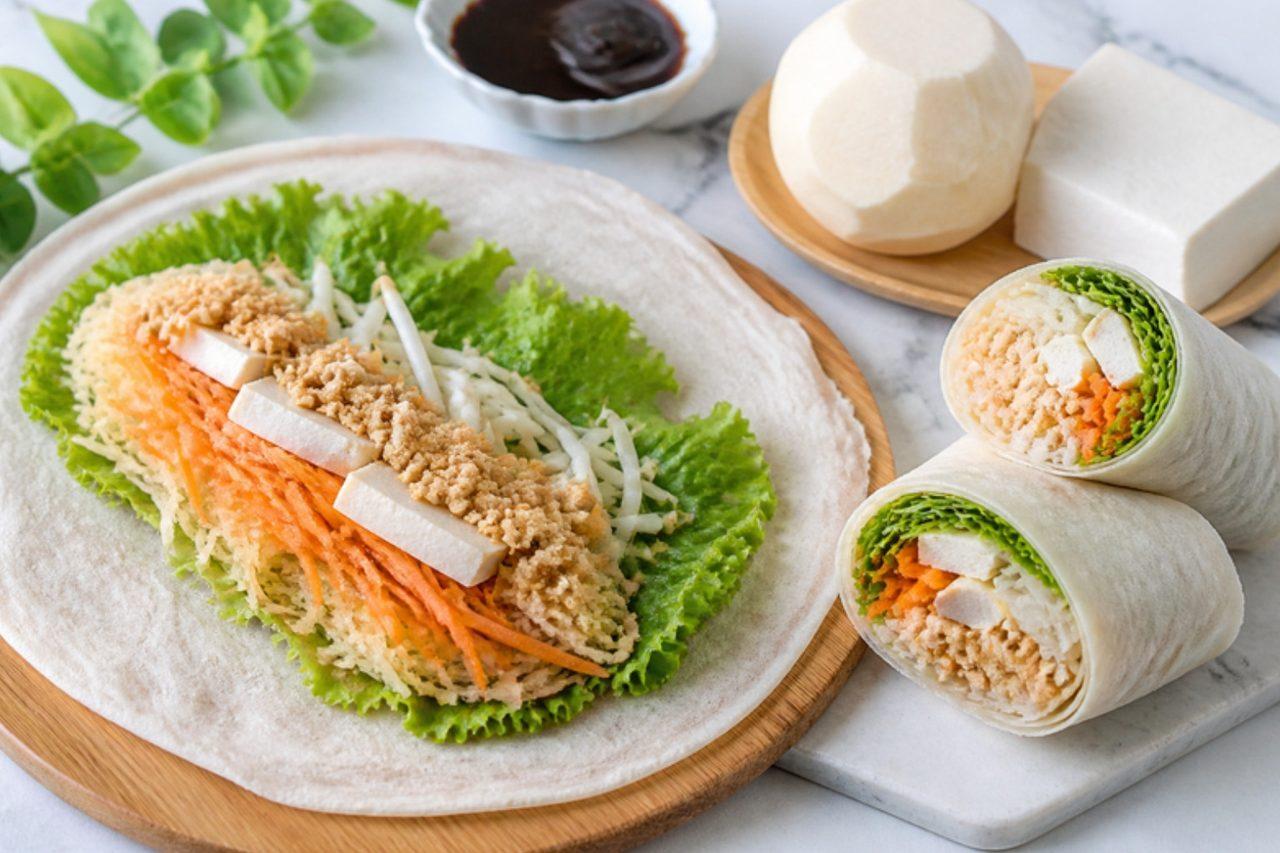
Popiah are the soft, fresh spring rolls that Hokkien and Peranakan families in Singapore make together at home, especially for Qing Ming and family reunions, with everyone wrapping their own at the table. Thin wheat skins are brushed with sweet sauce and chilli, then filled with a slow-braised mix of jicama (bangkuang) and carrot, plus lettuce, beansprouts, egg, peanuts and crispy shallots. This version leaves out the prawns and Chinese sausage and braises the filling in vegetable stock. Chef's tip: drain the braised filling very well before rolling; extra liquid tears the delicate skins.

by KrazyBadal 0 views

Kaya toast

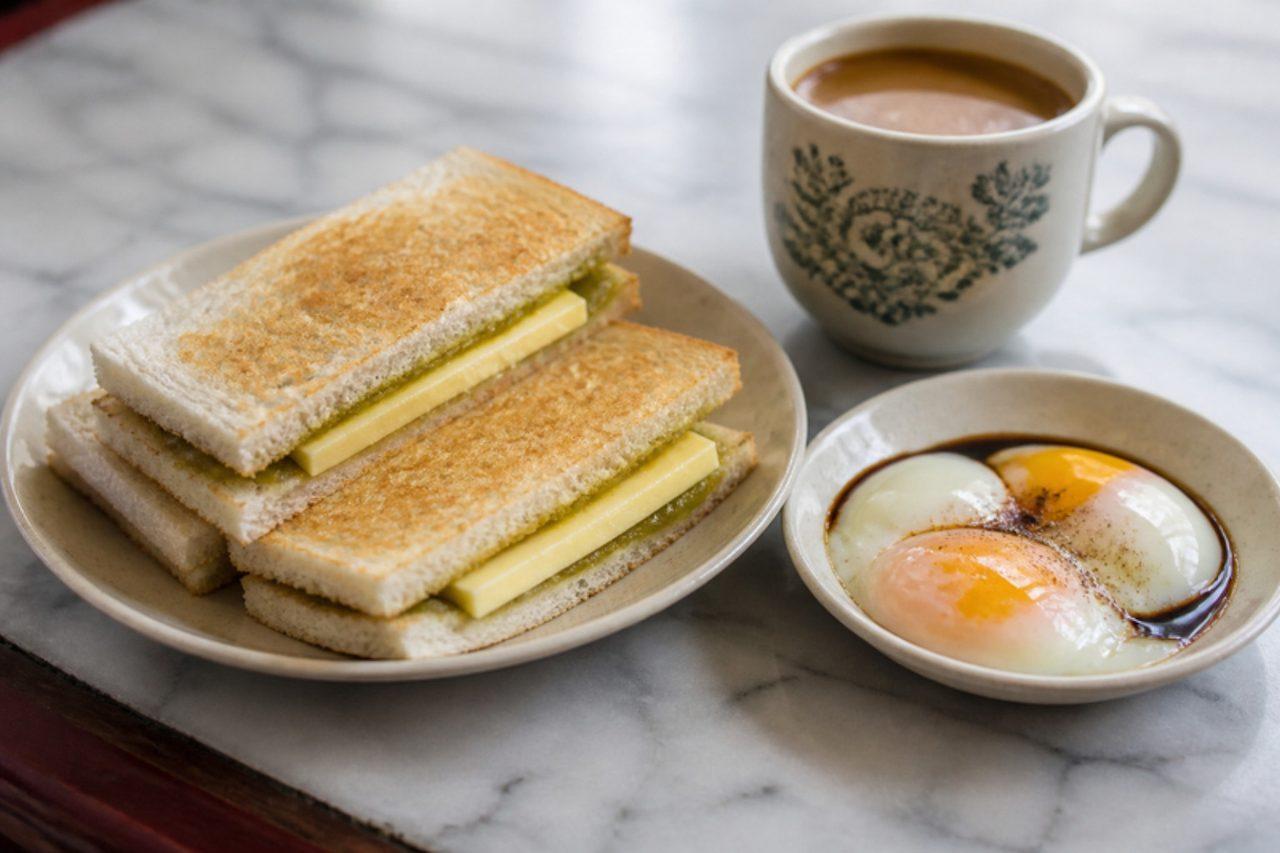
The kaya toast set is Singapore's breakfast ritual: thin, crisp toast sandwiched with kaya and a cold slab of butter, served with two runny soft-boiled eggs seasoned at the table with dark soy and white pepper, and a cup of kopi. Office workers eat it at kopitiams in Tiong Bahru and Tanjong Pagar before work; children love dunking the toast in the eggs. Chef's tip: put the eggs in water that's just off the boil for exactly 6–7 minutes; the whites should be barely set and wobbly, the yolks completely runny.

by KrazyBadal 0 views

Yangrou paomo

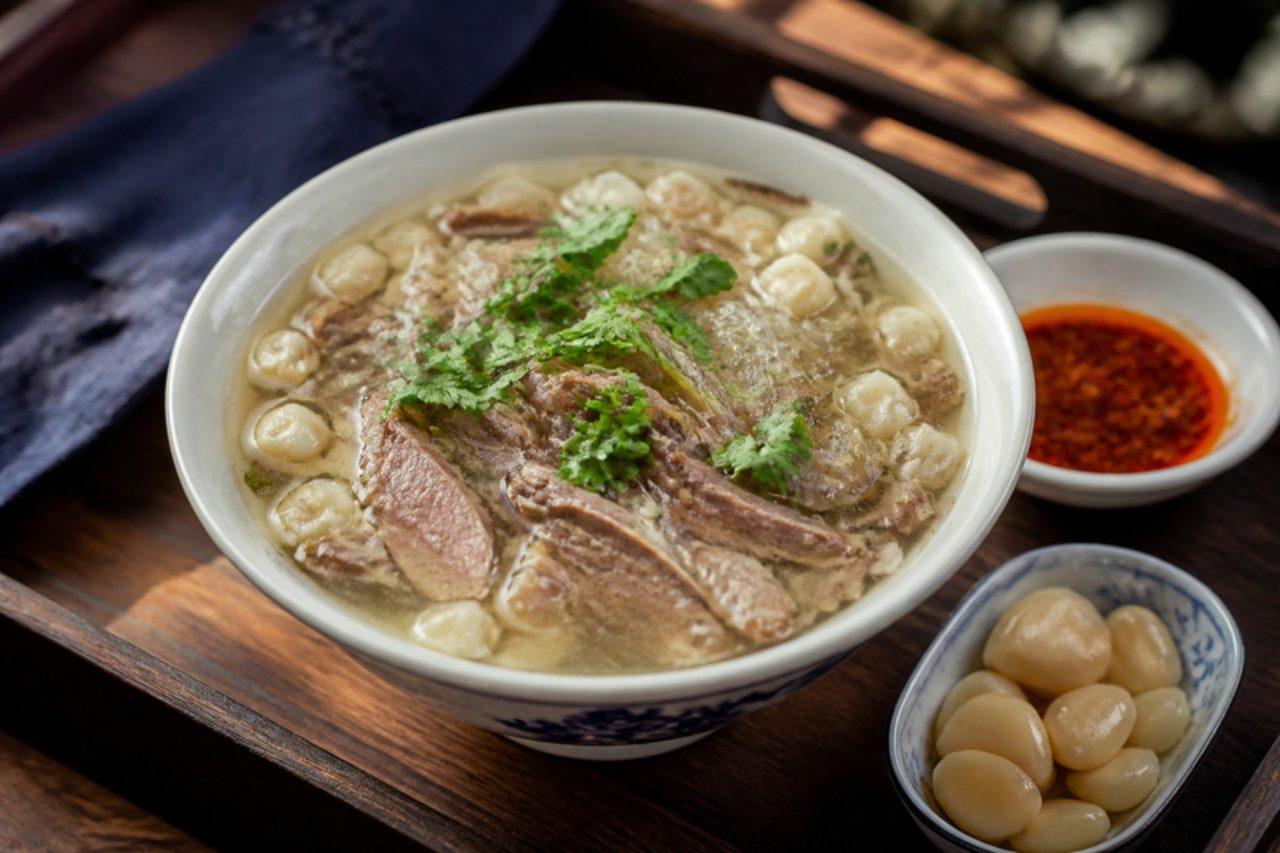
Order this soup in one of the old Hui restaurants around Xi'an's Drum Tower and you are handed a dense, barely leavened flatbread and expected to tear it yourself into pea-sized crumbs while you chat; the kitchen then cooks it in rich lamb broth until each crumb is soft yet still chewy. Slices of tender lamb, glass noodles and wood ear mushrooms go in too, and the bowl comes with sweet pickled garlic and chilli sauce on the side. It is a soothing, filling soup, especially on Xi'an's freezing winter mornings. Expect a deep, clean lamb flavour scented with warm spices. Chef's tip: tear the bread small, no bigger than a soybean; big lumps stay doughy in the middle.

180 minChineseSoups
by KrazyBadal 0 views

Uzvar

Uzvar is the dark, smoky-sweet drink brewed from dried apples, pears and plums that closes the Holy Supper on Ukrainian Christmas Eve, Sviat Vechir, where it is one of the twelve meatless dishes alongside kutia. In villages across Podillia and the Carpathians the fruit is dried in the oven or over smoke in autumn, which gives uzvar its distinctive campfire note; market stalls sell ready-mixed bags in December. It is drunk warm in winter and chilled in summer, and is naturally vegan when sweetened with sugar instead of honey. Chef's tip: simmer gently, then let it steep for several hours; common mistake is boiling it hard, which turns the fruit to mush and the drink cloudy.

by KrazyBadal 0 views

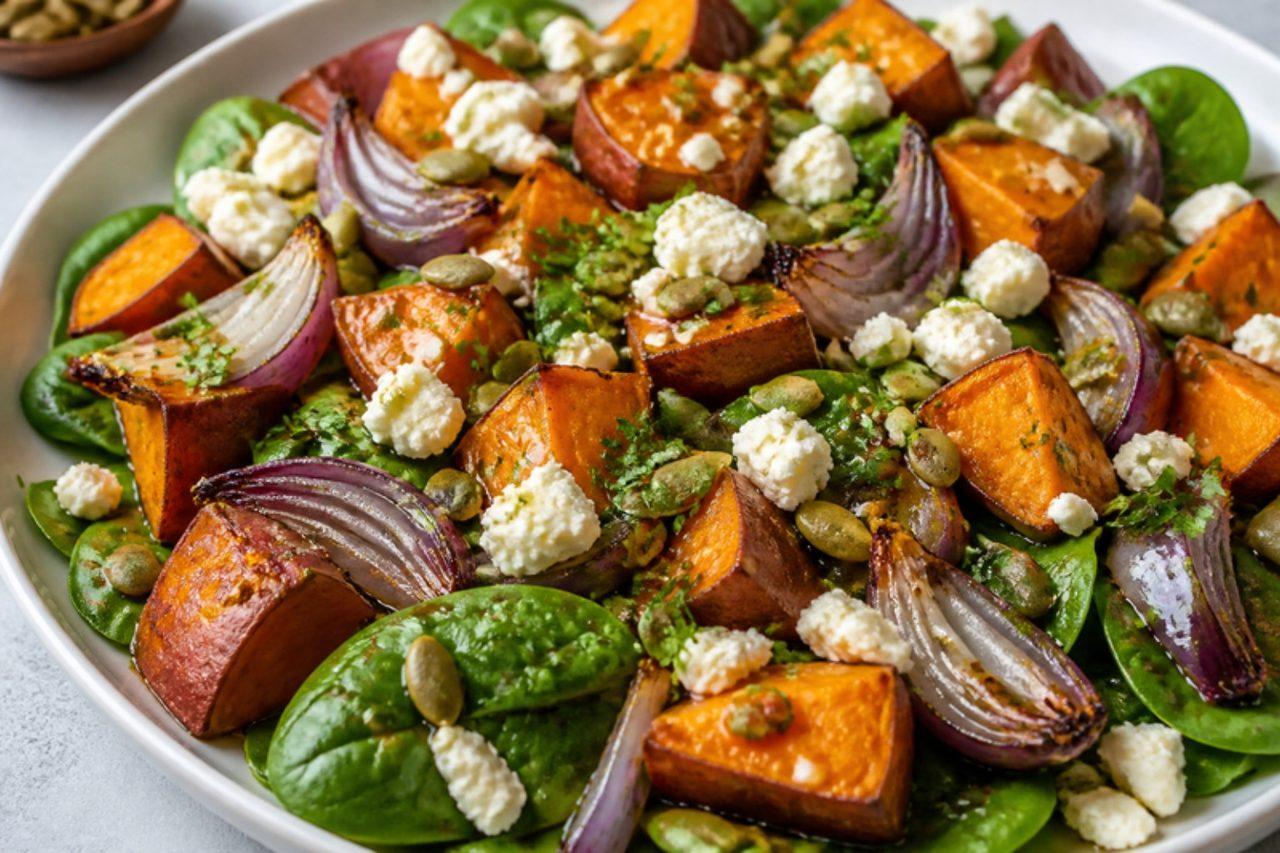
Kūmara and feta salad

Kūmara, the sweet potato the Māori brought to Aotearoa centuries ago, is grown mostly around Dargaville in Northland, and a big bowl of roasted kūmara salad turns up at just about every New Zealand barbecue, 'bring a plate' gathering and Christmas lunch. Chunks of red-skinned kūmara roast until sticky and caramelised, then get tossed while warm with red onion, baby spinach, salty feta and toasted pumpkin seeds in a sweet-sharp honey and mustard dressing. Chef's tip: give the kūmara plenty of room on the tray and a hot oven; crowded pieces steam and go soft instead of browning at the edges.

by KrazyBadal 0 views

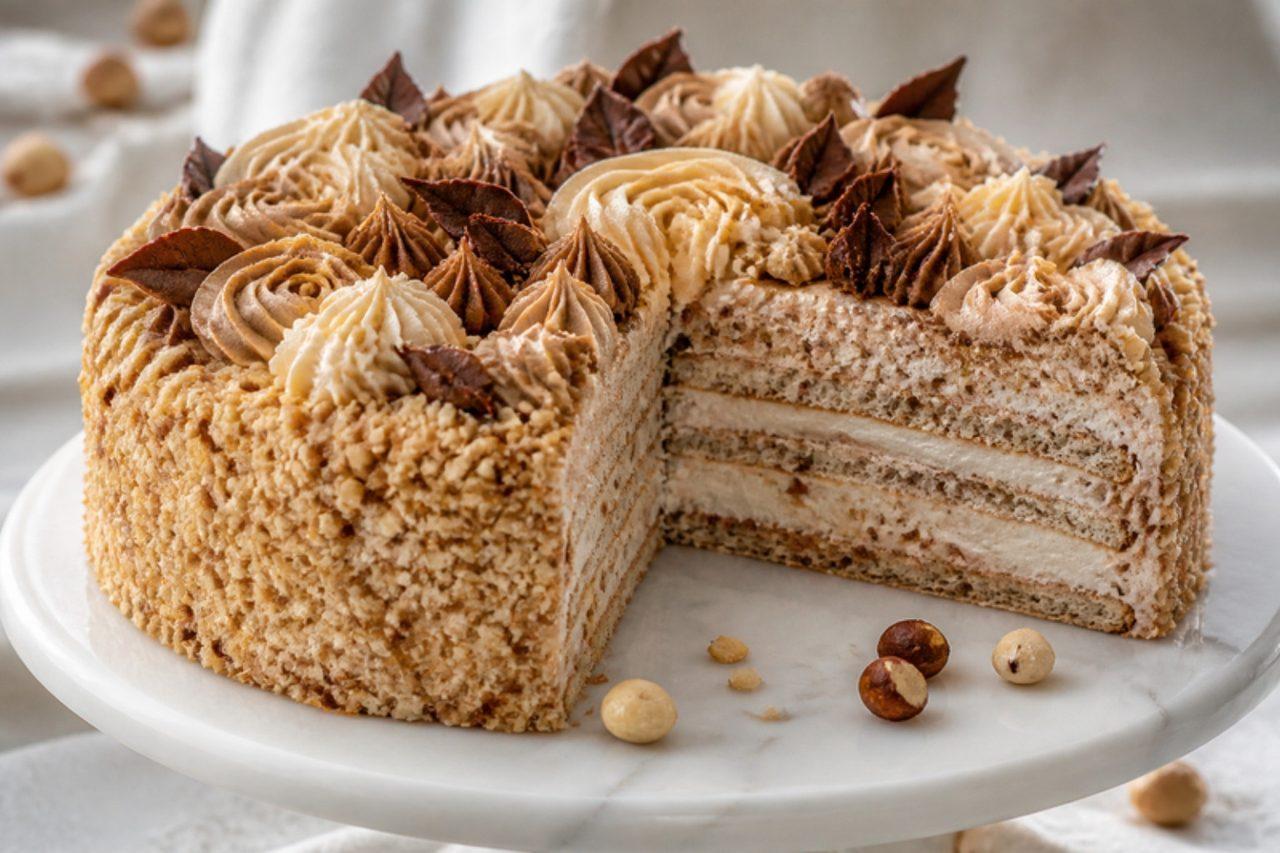
Kyiv cake

Kyiv cake was created in 1956 at the Karl Marx confectionery factory in Kyiv, and for decades a round box tied with string, bought at the station kiosk, was the souvenir every visitor carried home from the capital. Two crisp, chewy layers of nut meringue are sandwiched with a rich vanilla and cocoa buttercream and decorated with more cream. It contains no flour, so it is naturally gluten free, and no gelatine. Our home version uses hazelnuts, as the original did before cashews became the norm. Chef's tip: dry the meringue long and slow and let it cool in the switched-off oven; common mistake is pulling it out too early, when it is still soft inside, and then it turns sticky and collapses under the cream.

by KrazyBadal 0 views

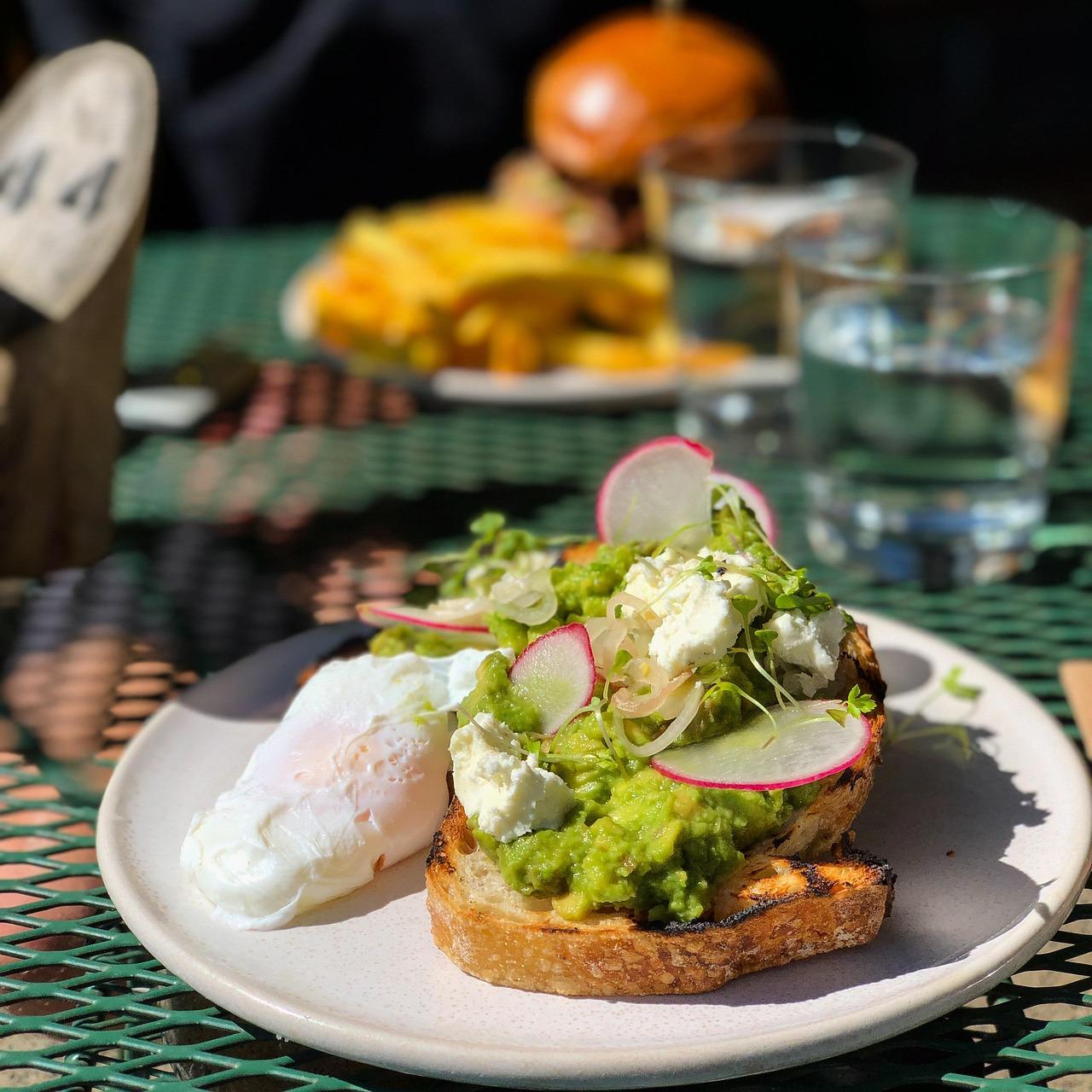
Smashed avo on toast

Smashed avo became the signature breakfast of Sydney and Melbourne cafés in the 1990s and 2000s, and today it's on the menu of almost every café in Australia, from Bondi to Fitzroy, eaten on weekend mornings with a flat white. Ripe avocado is crushed roughly with lemon, salt and chilli and piled thickly onto toasted sourdough, then topped with salty crumbled feta and, often, a soft poached egg. It's creamy, sharp, crunchy and salty all at once. Chef's tip: smash the avocado with a fork, not a blender, and leave it chunky; the contrast between the rough avo and the crisp toast is the whole point.

by KrazyBadal 0 views

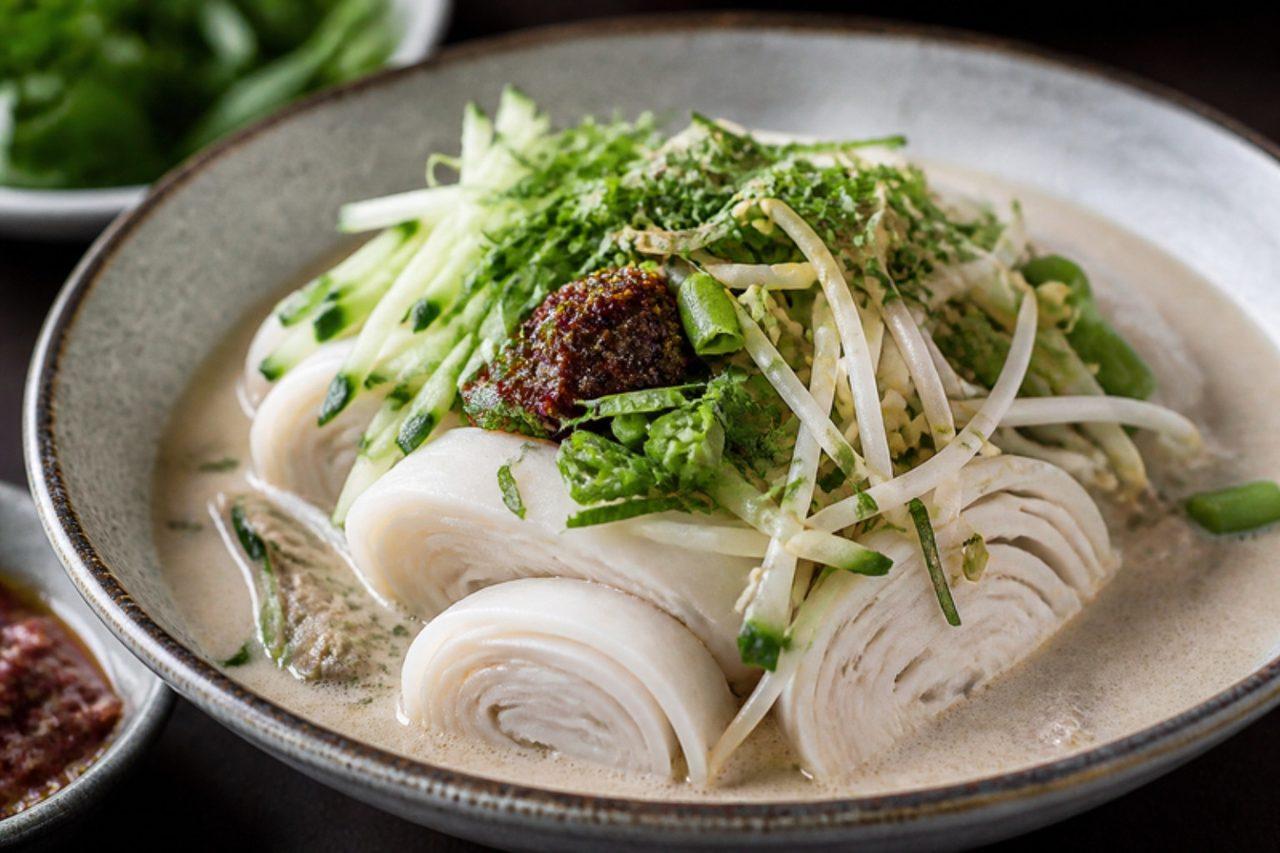
Laksam

Kota Bharu's morning market has its own noodle: laksam, thick sheets of steamed rice batter rolled up like little carpets and sliced into wheels. They are drowned in a pale, creamy gravy of pounded fish and coconut milk, then heaped with raw herbs and vegetables (ulam): cucumber, long beans, bean sprouts, daun kesum and torch ginger flower, with a spoonful of fiery chilli and budu, the region's fermented anchovy sauce. The result is soft and slippery, rich and cool at the same time. Locals eat it for breakfast or as a mid-morning snack. Chef's tip: pound the cooked fish with the shallots instead of blending it smooth; the gravy should feel faintly textured, like a thin porridge.

by KrazyBadal 1 views

Thai chicken satay

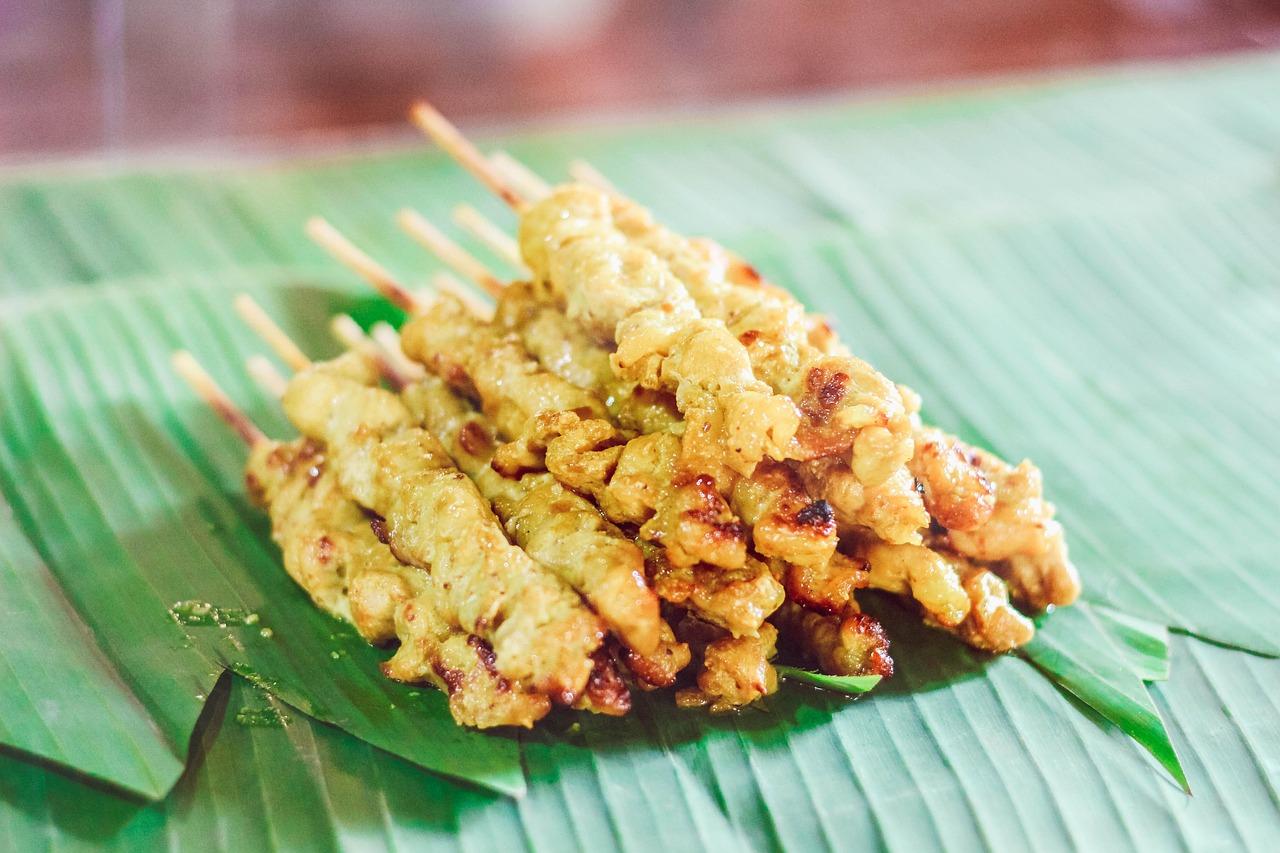
Satay came to Thailand with Muslim cooks from the south and the Malay peninsula, and now its smoke drifts from Bangkok market lanes to the night stalls of Hua Hin: thin strips of chicken stained yellow with turmeric and coconut, grilled over charcoal until the edges char. Every order comes with two partners, a thick, gently spiced peanut sauce and ajad, a sweet-sour relish of cucumber, shallot and chilli that cuts the richness. Grilled bread or sticky rice turns it into a meal; on its own it is a party snack. Chef's tip: thread the meat in a flat, tight ribbon rather than bunched up, so it cooks evenly and quickly without drying out.

by KrazyBadal 0 views

Kabab koobideh

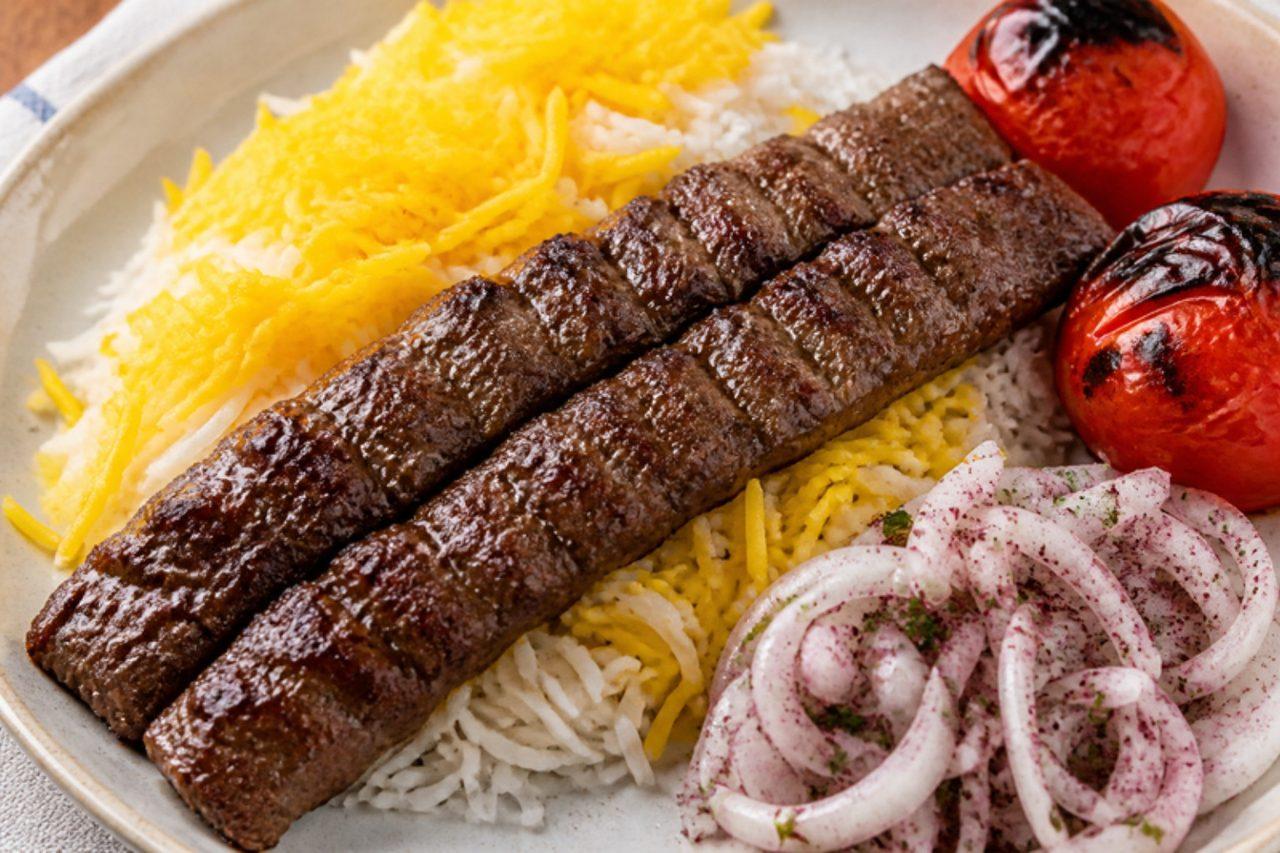
Koobideh is the kebab of Tehran's bazaar lunch houses and roadside chelo-kababis, laid on a hill of buttered rice with a raw egg yolk or a slab of butter melting into the grains. The name means 'pounded': minced lamb is kneaded with grated onion until it turns sticky and pale, then pressed by hand along wide, flat skewers and grilled hard over coals. It comes out juicy and onion-sweet, with little ridges from your fingers. Eat it with charred tomatoes, raw onion, fresh herbs and lavash on the side. Chef's tip: squeeze every drop of juice out of the grated onion; wet mince slips straight off the skewer.

by KrazyBadal 0 views

Frango piri-piri

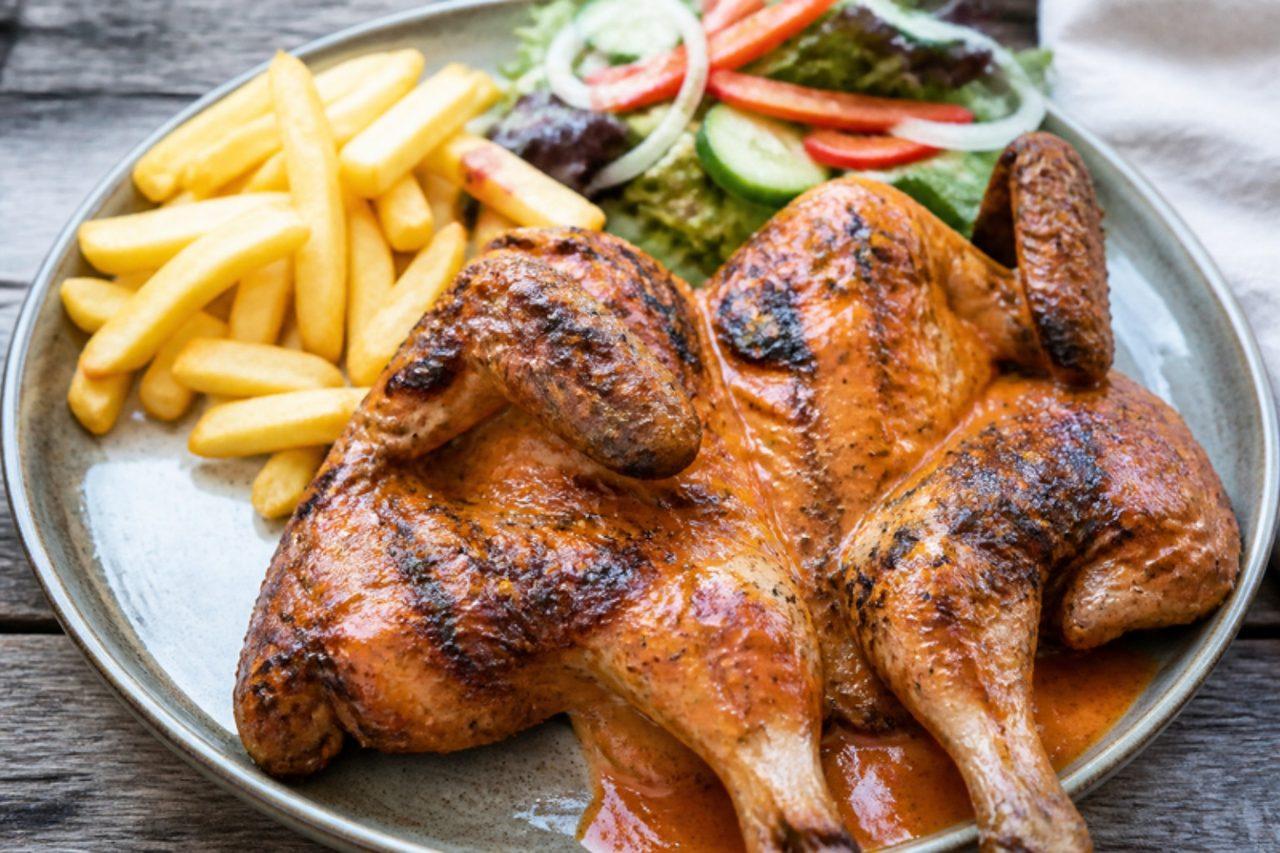
Guia, a small inland village in the Algarve, is famous across Portugal for its churrasqueiras, where flattened chickens are grilled over charcoal and painted with fiery piri-piri sauce; families drive out on summer evenings just to eat it. The bird marinates in a blend of small hot chillies, garlic, lemon, paprika and olive oil, then grills until the skin is blistered and the meat juicy. Serve with chips, rice or a tomato salad, and extra sauce for brave diners. Chef's tip: keep back some of the sauce before it touches the chicken; that fresh portion is for basting and the table.

by KrazyBadal 0 views

Pampushky

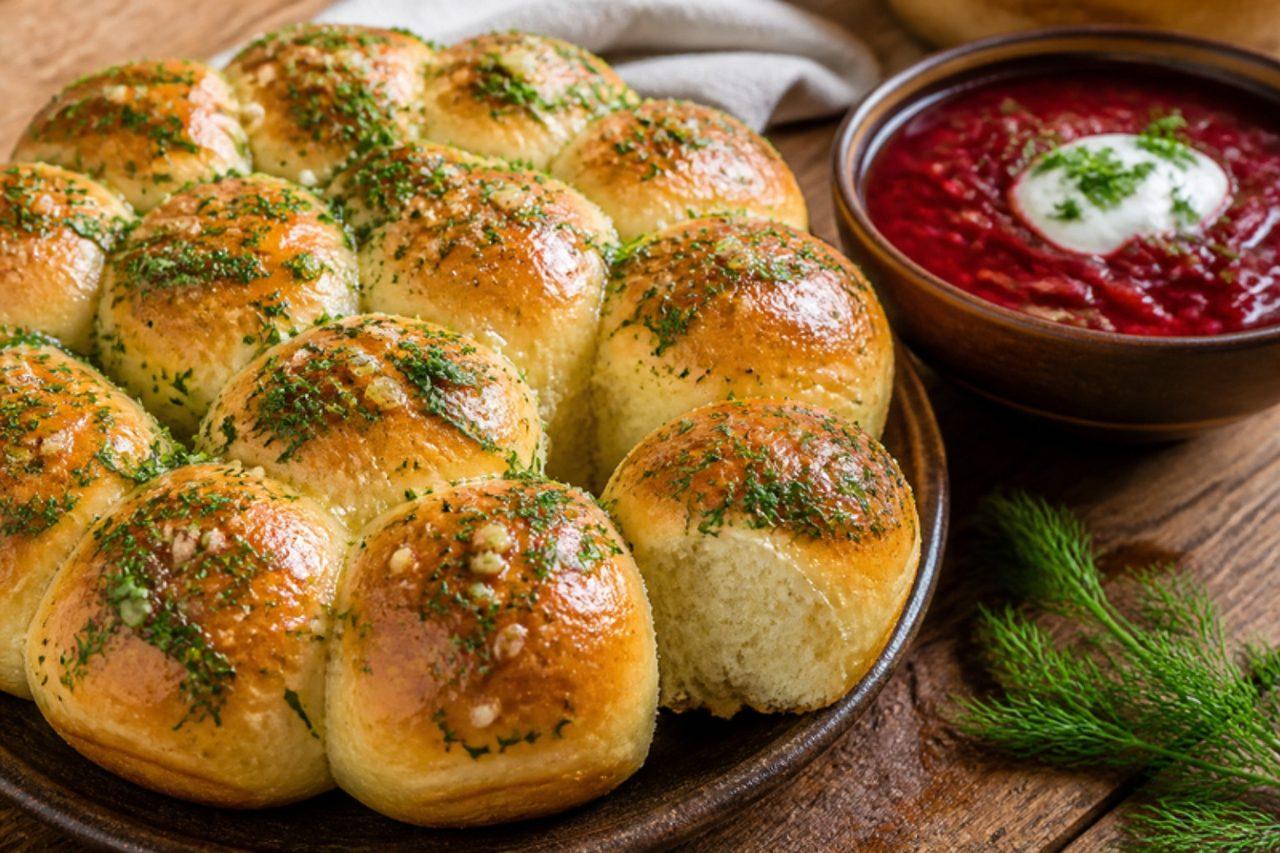
Pampushky are the small, pillowy yeast rolls that arrive in a basket next to borshch in any Ukrainian restaurant, from Kyiv to Poltava, glistening with a raw garlic and dill dressing. They are baked tightly packed in one tin so they pull apart with soft sides and golden tops, and the sharp garlic is the perfect partner for sweet, sour beetroot soup. Sweet pampushky, fried and dusted with sugar, also exist; this is the savoury baked kind. Chef's tip: brush on the garlic oil while the rolls are still hot from the oven, so they drink it in; common mistake is brushing them before baking, which burns the garlic bitter.

by KrazyBadal 0 views

Damper

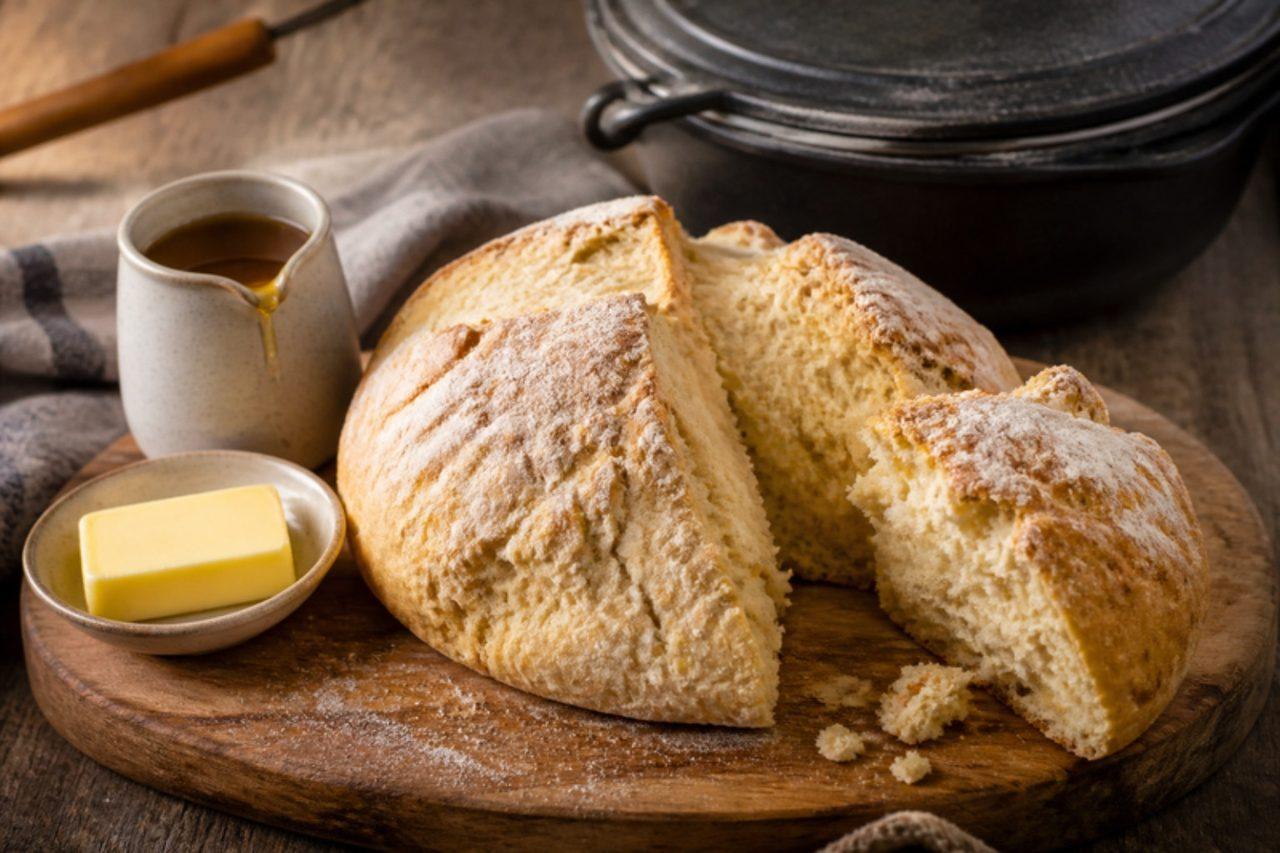
Damper is the bread of the Australian bush: drovers, stockmen and swagmen carried flour and salt across the Outback and baked loaves in the ashes of the campfire, and it's still made in cast-iron camp ovens on camping trips from the Flinders Ranges to the Kimberley. Long before that, Aboriginal peoples ground native seeds into flour and baked seed cakes in the coals. Modern damper uses self-raising flour, a little butter and milk, so it rises into a craggy, golden round with a crisp crust and a soft, scone-like crumb. Tear it while warm and eat it with butter and golden syrup, which bush cooks called cocky's joy, or with soup. Chef's tip: mix with a knife and work quickly; the less you handle the dough, the lighter the damper.

by KrazyBadal 0 views

Showing 45 of 4,484 recipes

Show more recipes

Page 275 of 499