


Skip to content
Basler Mehlsuppe
Featured recipe

Basler Mehlsuppe

Browned flour soup

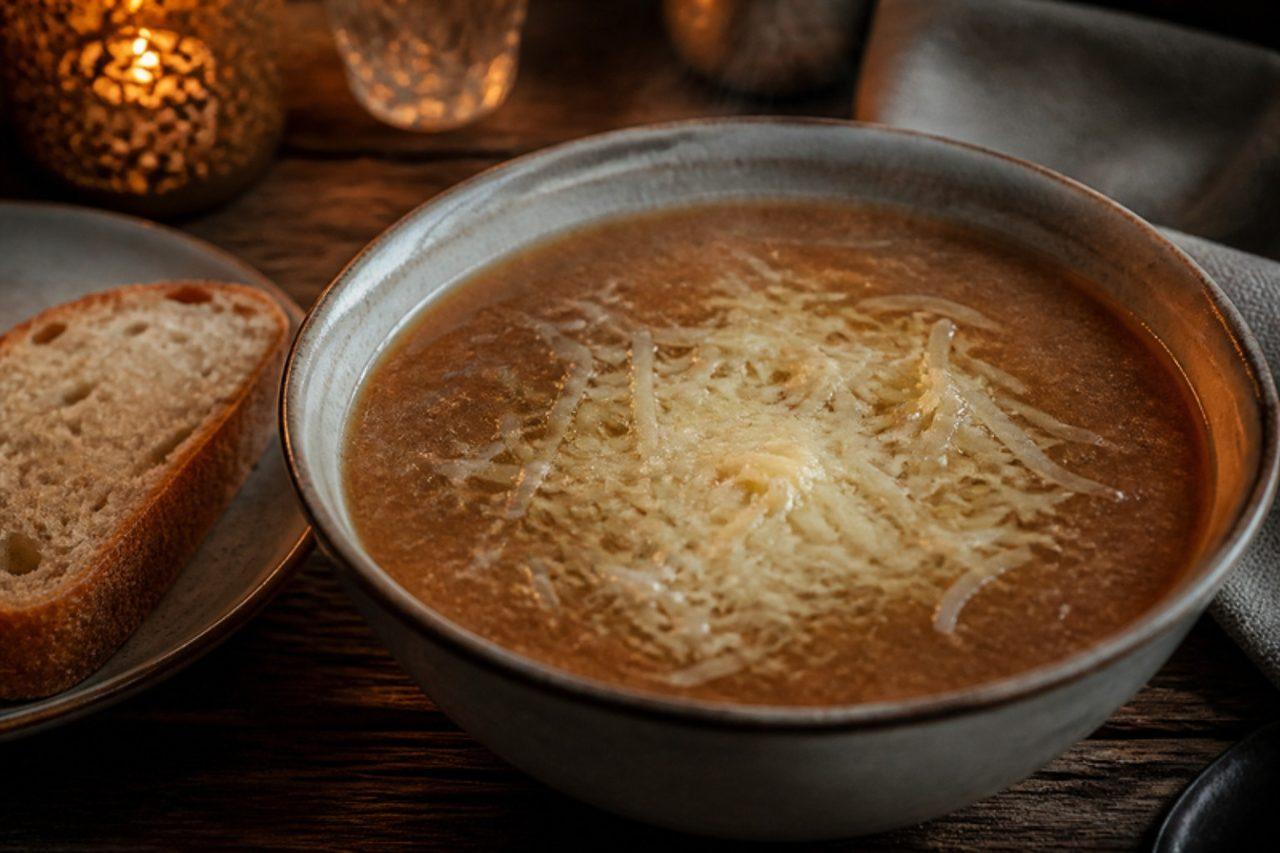
Basel's Fasnacht starts at 4 a.m. on the Monday after Ash Wednesday with Morgestraich, when the city's lights go out and the cliques march with lanterns, piccolos and drums. Afterwards everyone crowds into the old-town restaurants for a bowl of Mehlsuppe: flour toasted in butter until it is the colour of hazelnuts, simmered into a smooth, savoury, deep-brown soup and finished with grated cheese. It warms you on a freezing February morning and is usually eaten with Zwiebelwähe (onion tart). The traditional soup is made with beef stock; this vegetarian version uses a strong vegetable stock with a little red wine and onion to give the same depth. Chef's tip: toast the flour slowly and stir all the time; the colour should be even chestnut brown, and the smell like toasted nuts.

Read more 0 views

What to eat today?

Around the world

Today's trip: Persian

A new country every day, from every cuisine on the site.

Persian

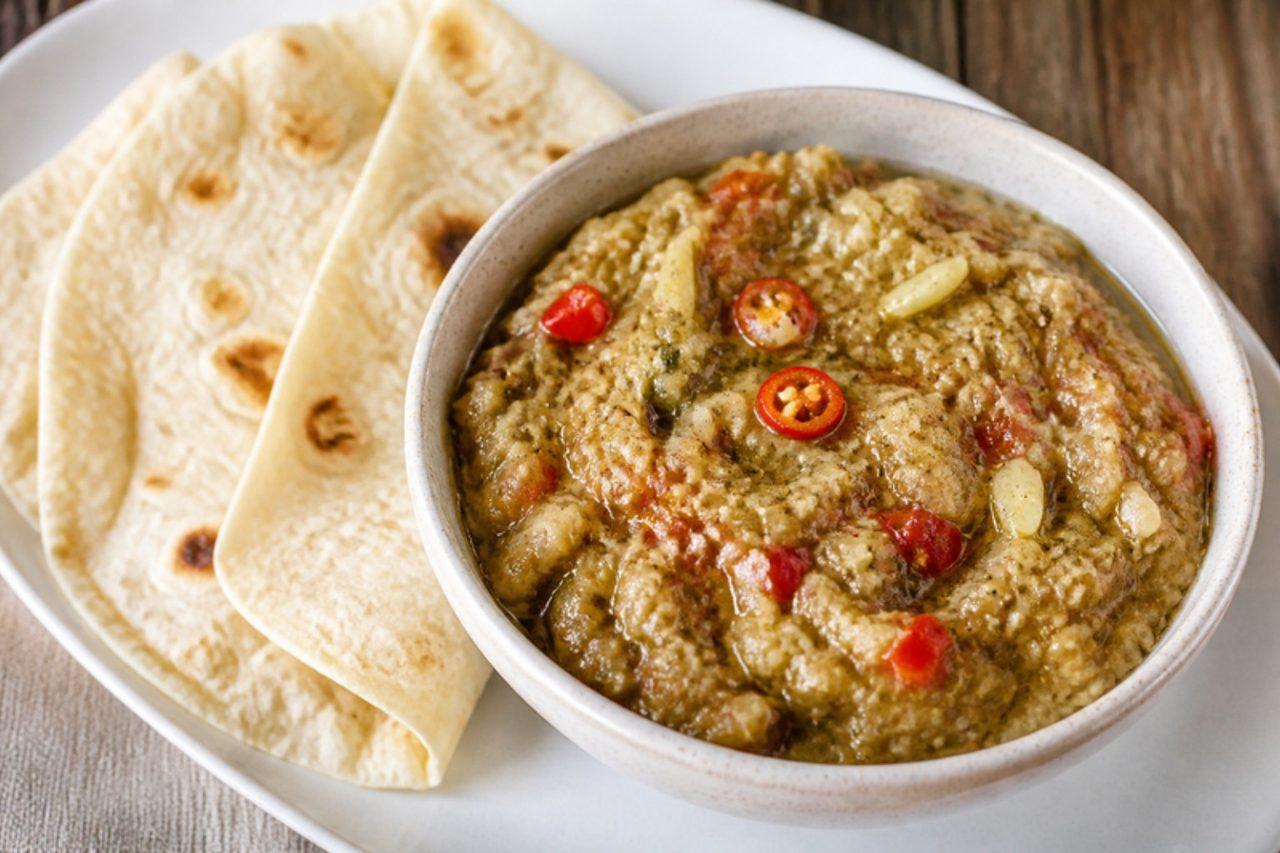
Nazkhatoon

Smoky aubergine with pomegranate 40 minMore from Persian (131) →

This week's collection

Kid-friendly dinners
578 recipes · a new collection every Monday

Latest recipes

AndijviestamppotEndive and Gouda mash

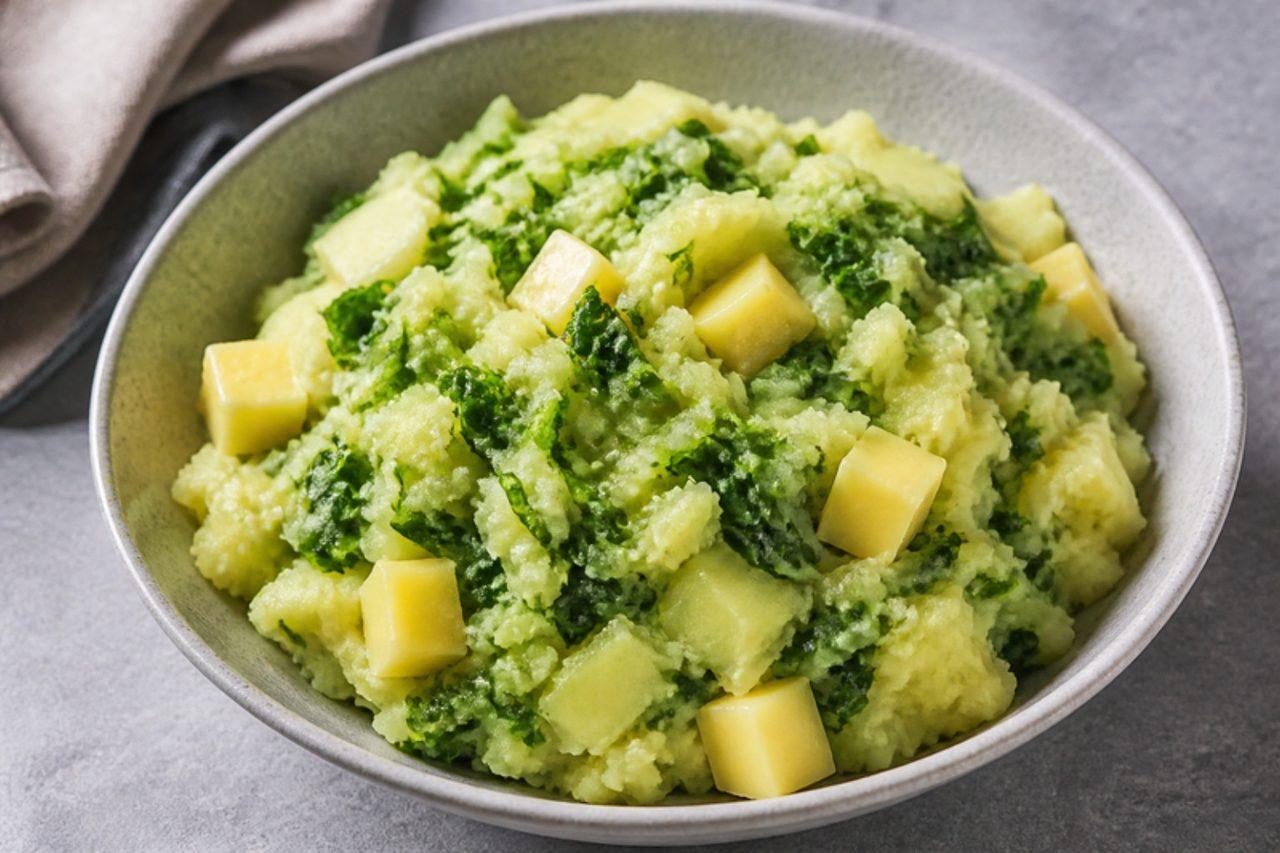
Stamppot, mashed potato stirred with vegetables, is the Dutch winter dinner, and the endive version is a little lighter: raw, finely shredded curly endive is stirred into piping-hot mash, so it wilts slightly but keeps a fresh, bitter crunch, then cubes of aged Gouda are folded in and start to melt. Dutch families eat it with gravy and a smoked sausage; this vegetarian version uses a pool of brown butter. Aged Gouda is usually made with animal rennet, so choose a vegetarian aged Gouda-style cheese. A common mistake is cooking the endive, which turns it soggy and grey. Chef's tip: stir the endive in off the heat at the very last moment.

by KrazyBadal 0 views

BereketeFenugreek and cumin Shabbat bread

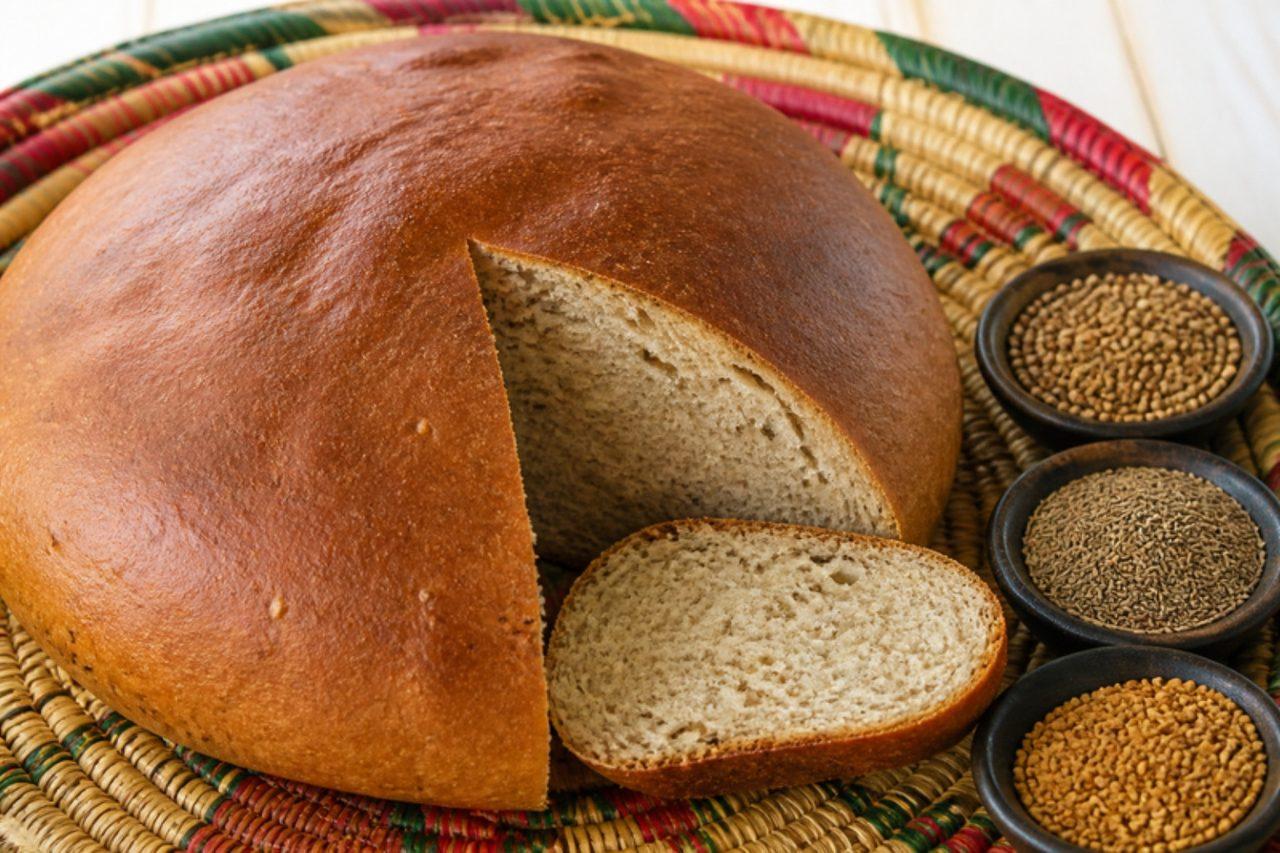
Among Ethiopian Israelis in Kiryat Malakhi, Netanya and Ashkelon, the Friday meal begins when the eldest at the table blesses a round loaf of berekete and breaks it for everyone. The bread is plain, dense and wheaty, with a soft crumb and the warm, faintly bitter scent of fenugreek, cumin and coriander baked in. It is eaten with spiced lentils, cabbage and potatoes or with a little honey on Shabbat morning. The usual mistake is baking it in a hot oven like a white loaf, which burns the bottom before the thick centre cooks. Chef's tip: bake it in a covered heavy pan at a moderate heat, as it would be on a mitad, so it steams through before browning.

by KrazyBadal 0 views

Bakeapple jamCloudberry jam

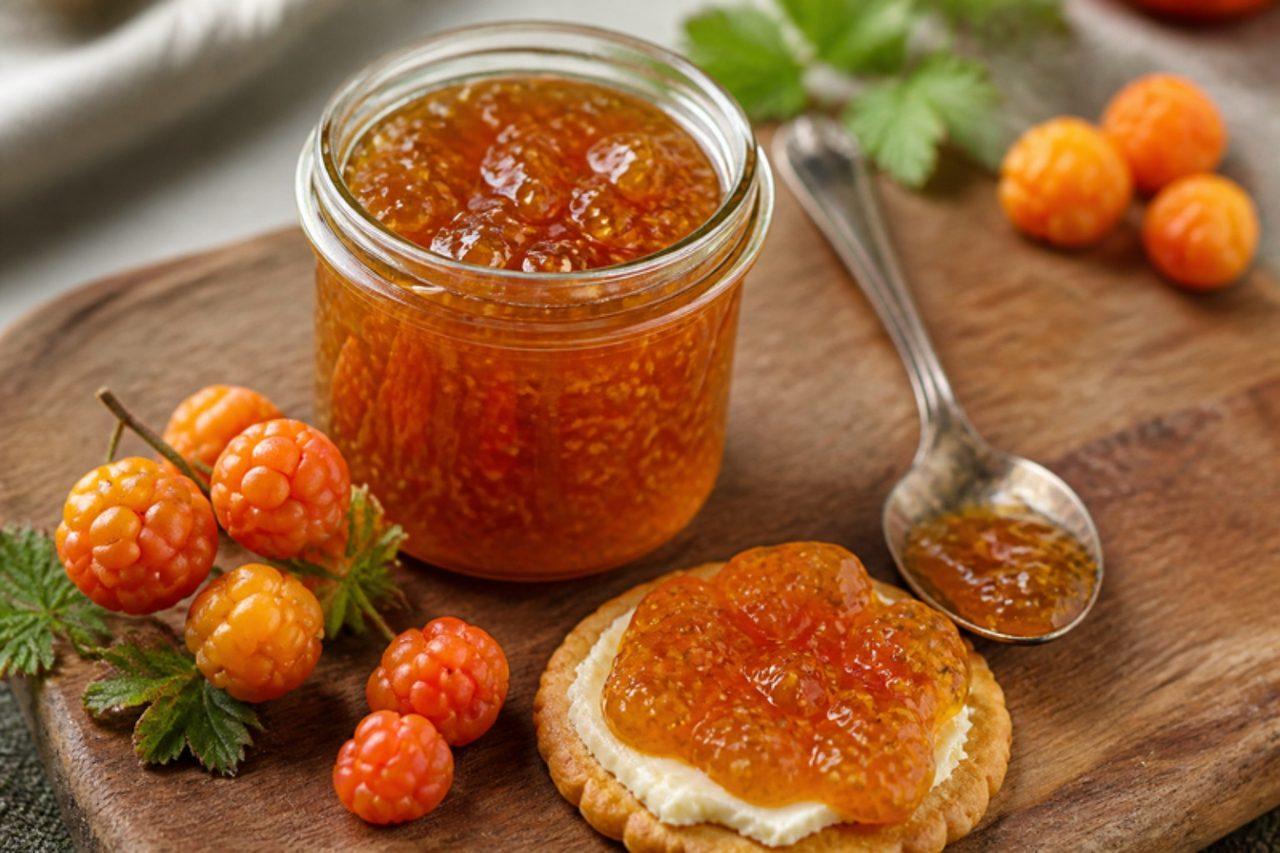
Bakeapples, the amber cloudberries of the Labrador and Newfoundland bogs, ripen for a few weeks in late July and August, and families on the Northern Peninsula and the Labrador coast pick them by the bucket. Turned into jam, they taste of apricot, honey and wild herbs, and the soft seeds give it texture. It is spread on toast, tea biscuits and toutons, or stirred through cream. Frozen cloudberries work if you can't get fresh. A common mistake is boiling too long, which darkens the colour and dulls the flavour. Chef's tip: test the set early, on a cold saucer.

by KrazyBadal 0 views

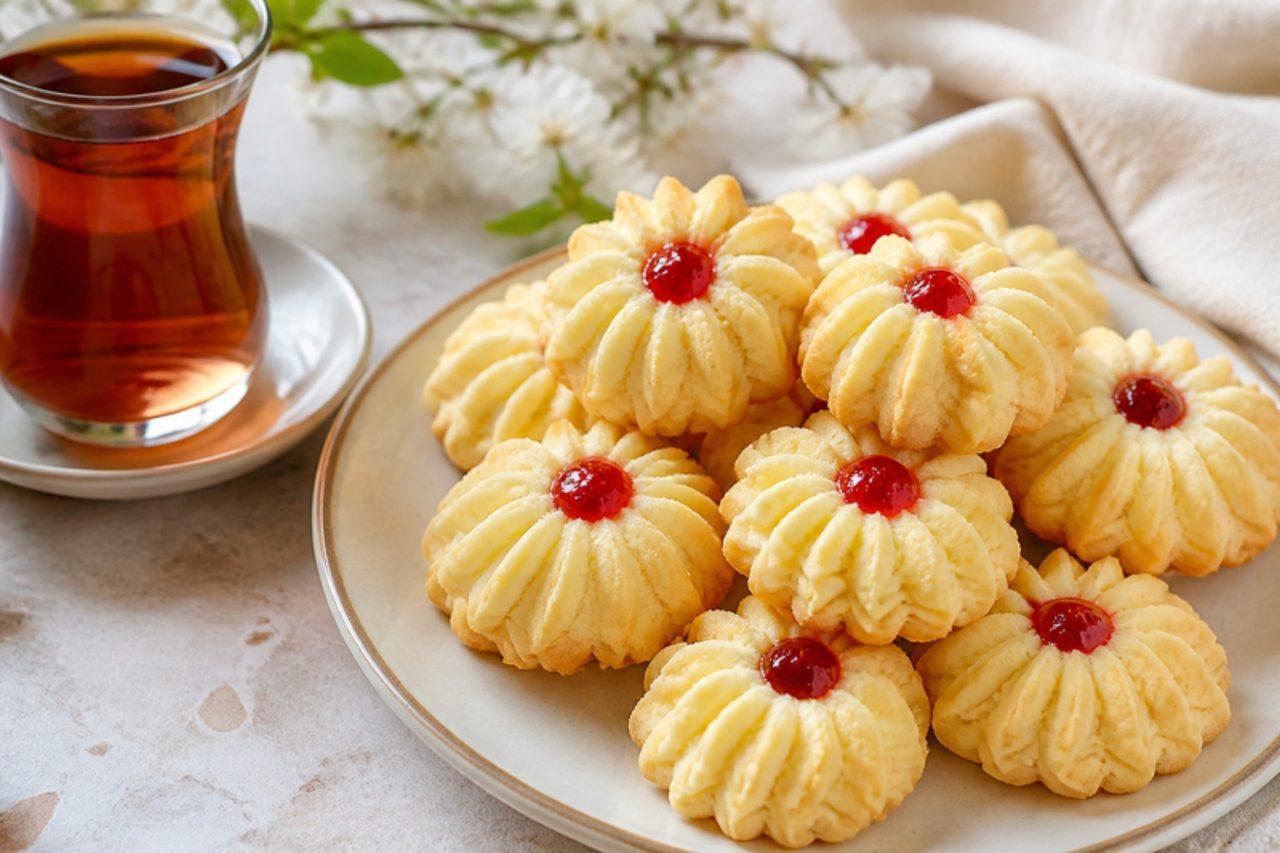
Baku kurabiyePiped butter cookies with jam

Every Baku bakery sells these: short, crumbly butter cookies piped into flowers with a star nozzle and finished with a bright dot of jam in the centre, sold by the kilo for name days and served with tea in Azerbaijani homes. The dough must be soft enough to pipe but rich enough to hold the ridges in the oven. A common mistake is overbeating the egg whites into the butter, which makes the cookies spread and lose their pattern. Chef's tip: chill the piped cookies on the tray for 15 minutes before baking; the ridges stay sharp.

by KrazyBadal 0 views

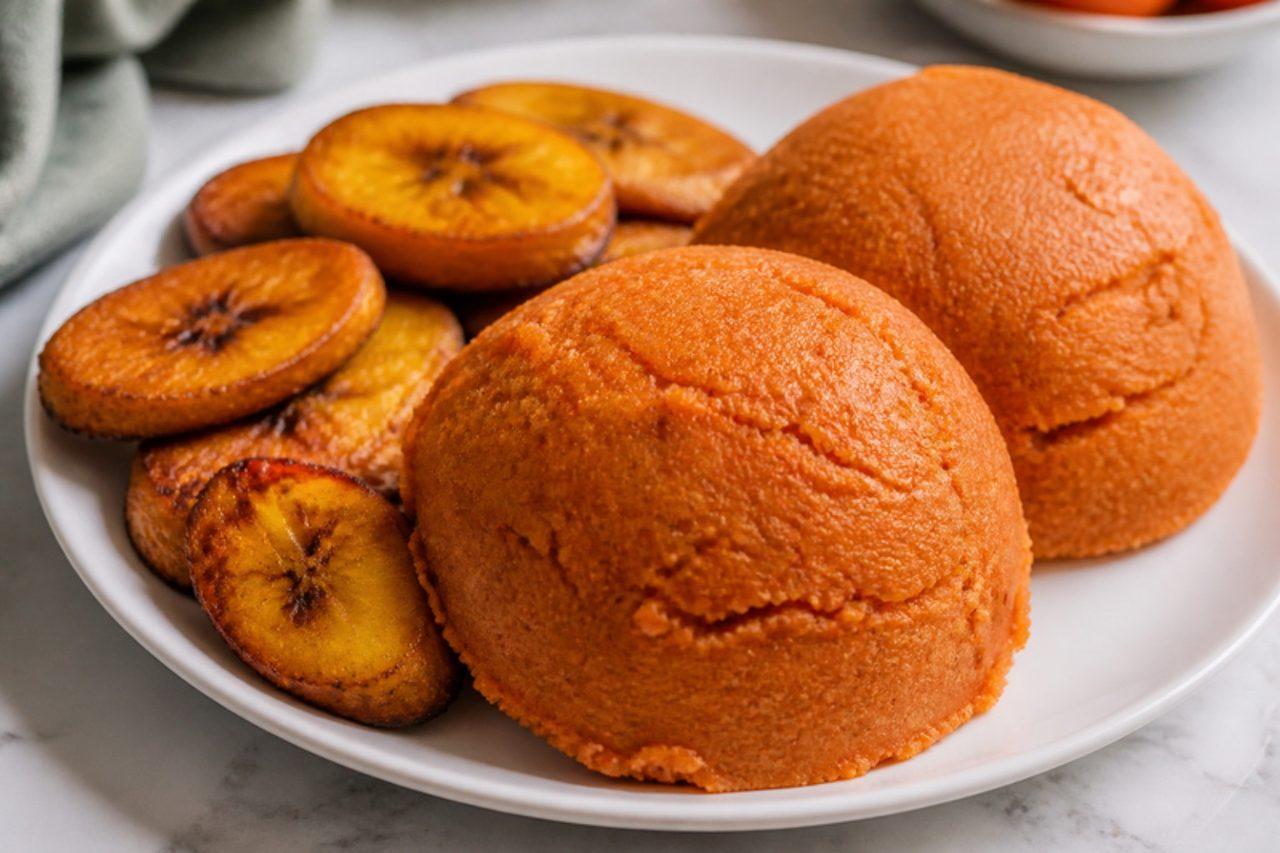
AmiwoRed tomato cornmeal

Fon cooks in southern Benin make amiwo for weddings, christenings and big Sunday tables, and you will find it at celebrations across the border in Lomé too. Maize meal is cooked straight into a well-fried tomato, onion and pepper base until it becomes a thick, brick-red paste that is savoury, slightly sweet and full of tomato. Most often it arrives with fried chicken; this meat-free version uses vegetable stock and comes with fried ripe plantain and an extra spoonful of tomato sauce. Chef's tip: hold back a ladle of the tomato base before adding the cornmeal and spoon it over each portion to serve.

by KrazyBadal 0 views

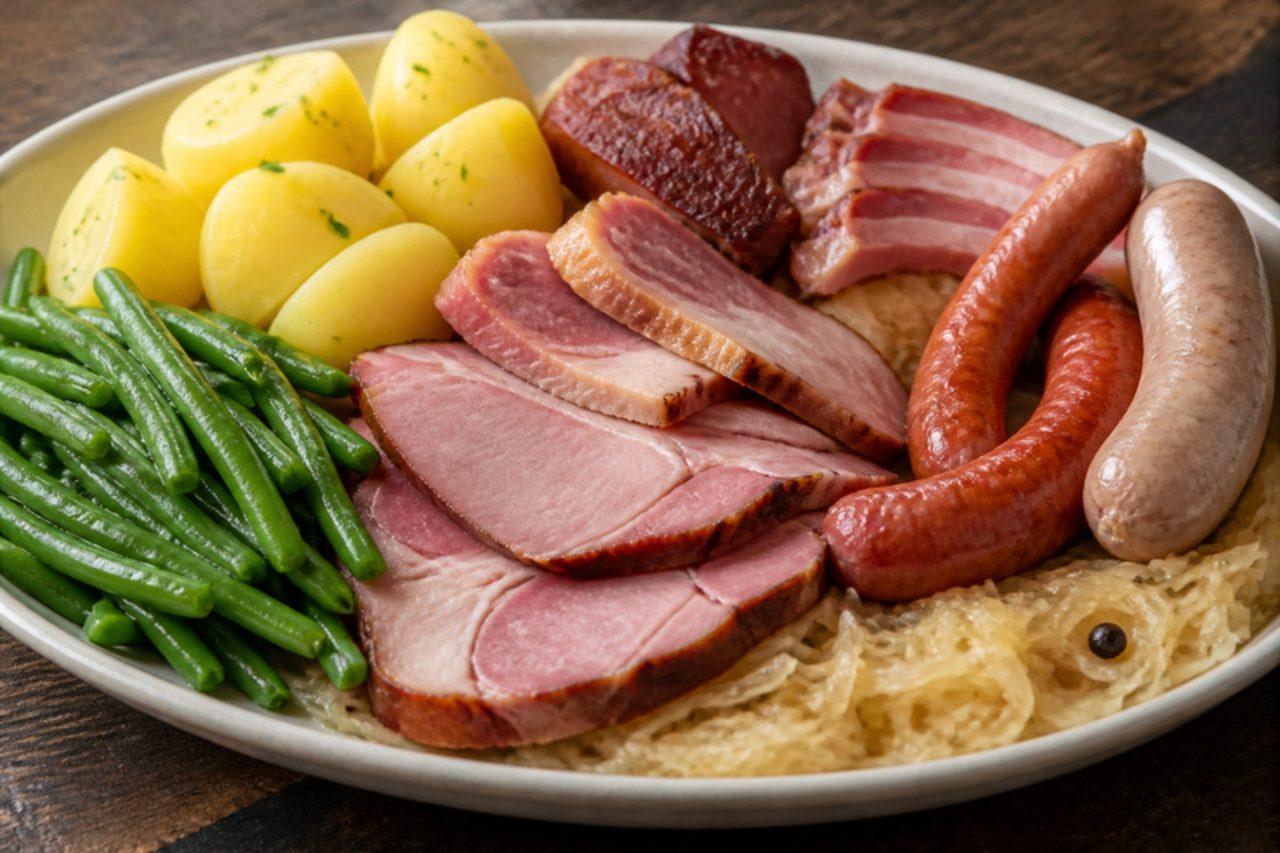
Berner PlatteSmoked meats and sauerkraut platter

The Berner Platte is Bern's great feast platter, said to celebrate the victory over the French at Neuenegg in 1798, and it is still served in the old taverns under the arcades of Bern's old town, especially in autumn and winter: a heap of smoked pork belly, smoked pork shoulder, tongue, beef, Bernese sausages and marrow bones, laid over sauerkraut, dried green beans and boiled potatoes. This dish contains pork. A common mistake is boiling everything together for the same time; the sausages split and the beef is still tough. Chef's tip: cook each meat for its own time in the same pot, adding the sausages only for the last 20 minutes at a gentle simmer. Whole pork cuts must reach 63 °C and sausages 71 °C.

180 minSwissMeatGluten free
by KrazyBadal 0 views

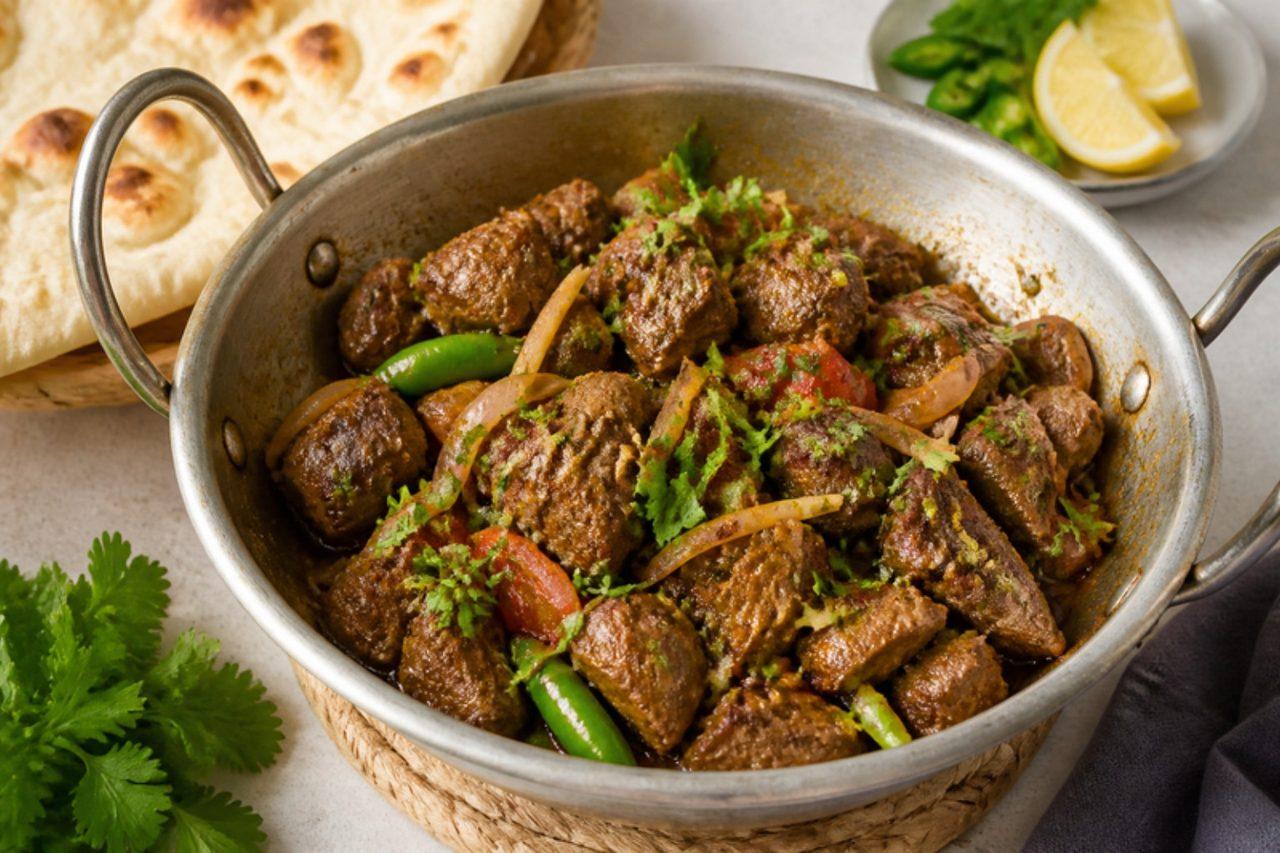
Bakra Eid kalejiStir-fried goat liver

The first thing cooked in countless Pakistani homes on the morning of Eid-ul-Adha, just after the sacrifice, is kaleji: the goat's liver, still very fresh, sliced and stir-fried in a karahi with onion, tomato, ginger and green chilli, then eaten at once with hot paratha or naan while the rest of the meat is being divided. The dish is quick and fierce, tender in the middle, sharp with chilli and lemon. Outside Eid, butchers in every city sell goat or lamb liver for the same breakfast. Overcooking makes liver rubbery, but undercooking is not safe, so cut it into even pieces and cook until it reaches 71 °C with no pink left; it will still be tender. Chef's tip: add the salt only at the very end, as salting liver early draws out moisture and toughens it.

by KrazyBadal 0 views

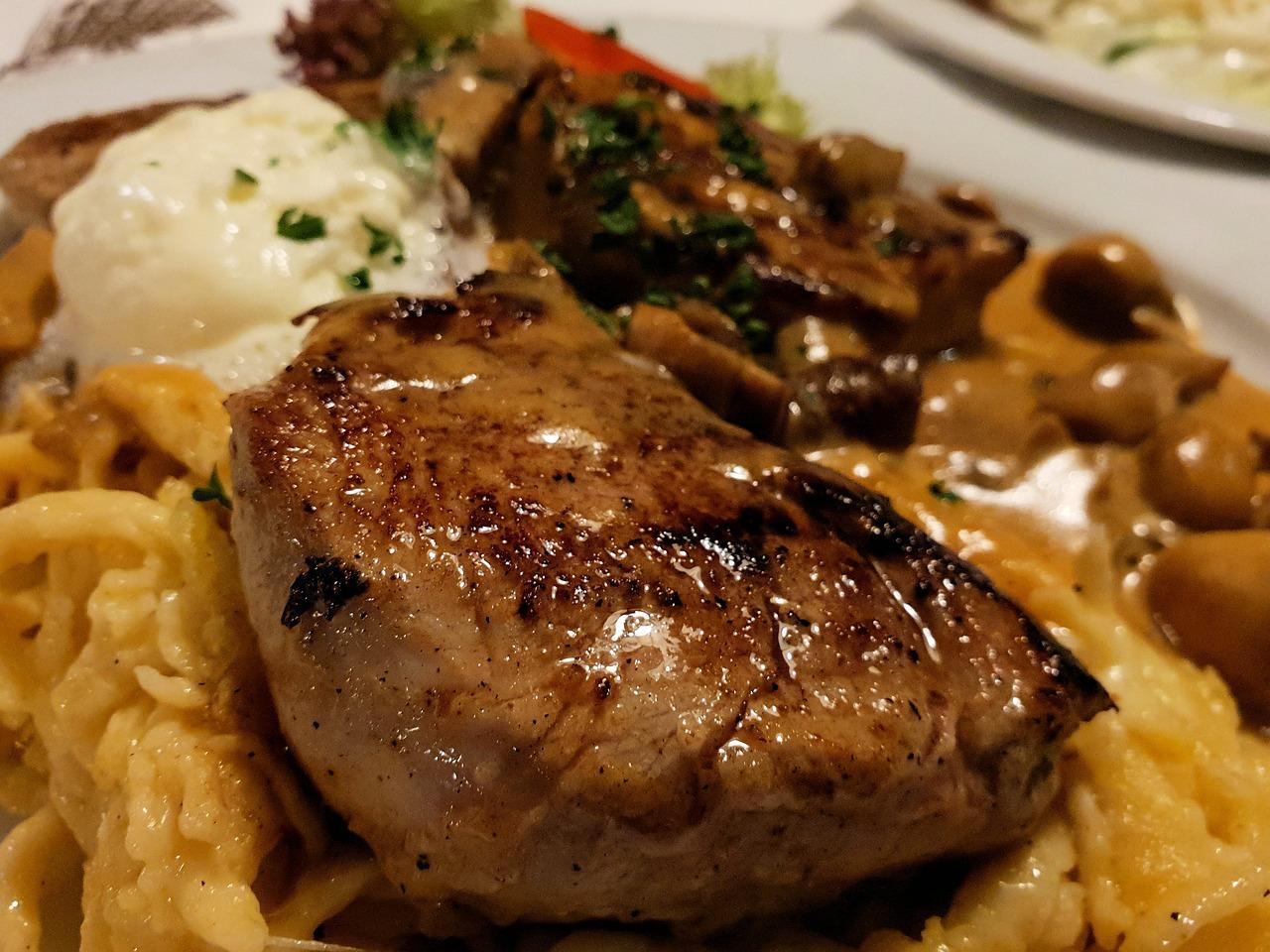
Bakonyi sertésszeletPork in mushroom paprika sauce

The Bakony hills north of Lake Balaton are known for their beech forests and mushrooms, and any Hungarian dish called bakonyi comes with a creamy paprika and mushroom sauce. Here it covers seared pork loin steaks, a favourite of roadside inns and Sunday lunches across Transdanubia. The sauce starts like a pörkölt with onion, paprika, pepper and tomato, then takes on sliced mushrooms and is finished with sour cream, so it is earthy, tangy and rich. Serve it with nokedli or rice to soak it up. Where most people go wrong is boiling the sauce after the sour cream goes in, which makes it split; keep it just below a simmer. Chef's tip: use a mix of wild and chestnut mushrooms if you can, and fry them hard first so they brown instead of stewing.

by KrazyBadal 0 views

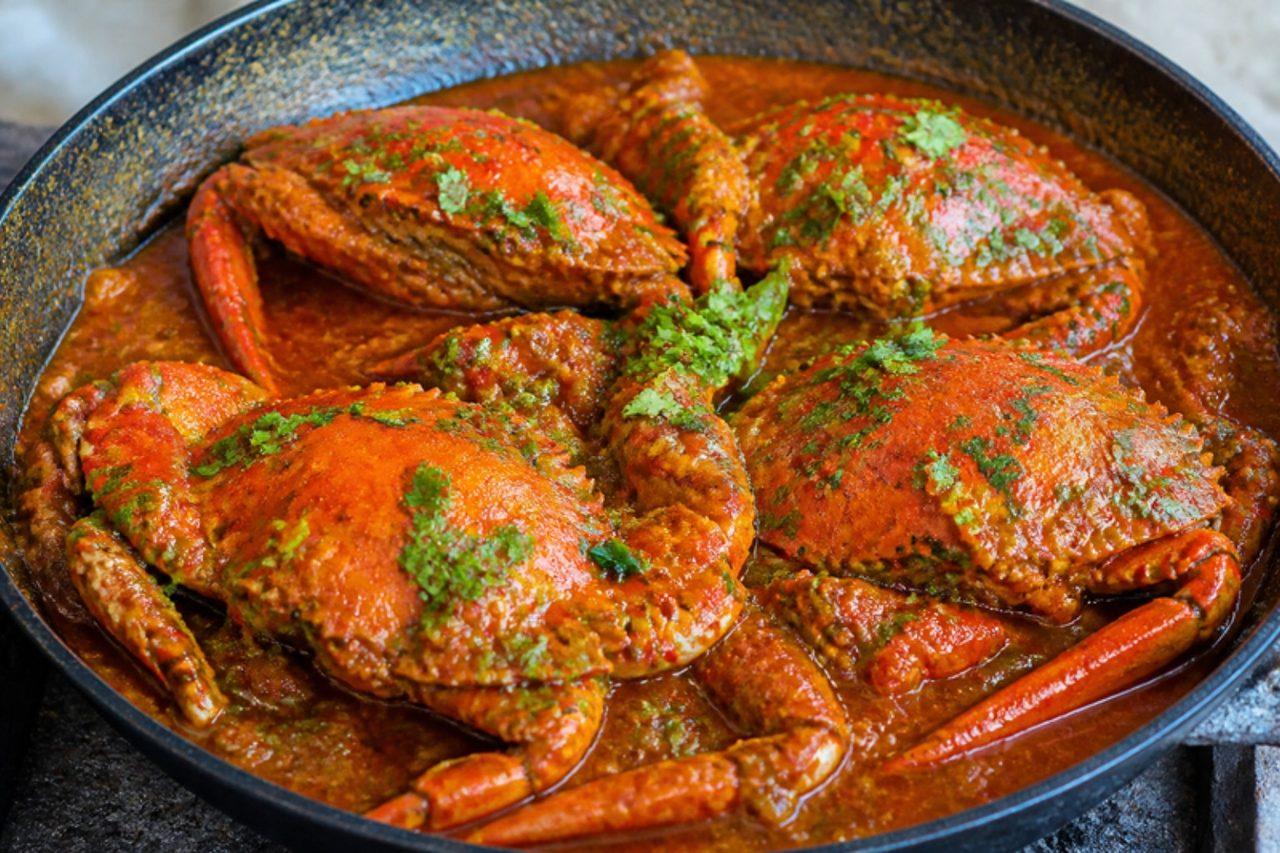
Ago glainCrab in tomato pepper sauce

Cotonou sits between the sea and the Nokoué lagoon, and its crabs, ago in Fon, are cooked whole in a thick tomato, onion and pepper sauce for weekend lunches and family gatherings. Ago glain is gloriously messy: you crack the shells with your fingers and teeth, suck out the sweet meat and mop up the sauce with amiwo, akassa or white rice. The sauce is bright, gingery and hot, and the shells give it a deep seafood flavour. Live crabs need careful handling, so buy them from a fishmonger you trust, cook them the same day and keep them chilled until then; ready-cleaned or ready-cooked crab is fine too. The usual mistake is overcooking the crab once it is in the sauce, which makes the meat dry and stringy. Chef's tip: crack the claws before they go into the pot so the sauce seeps in and they cook evenly.

by KrazyBadal 0 views

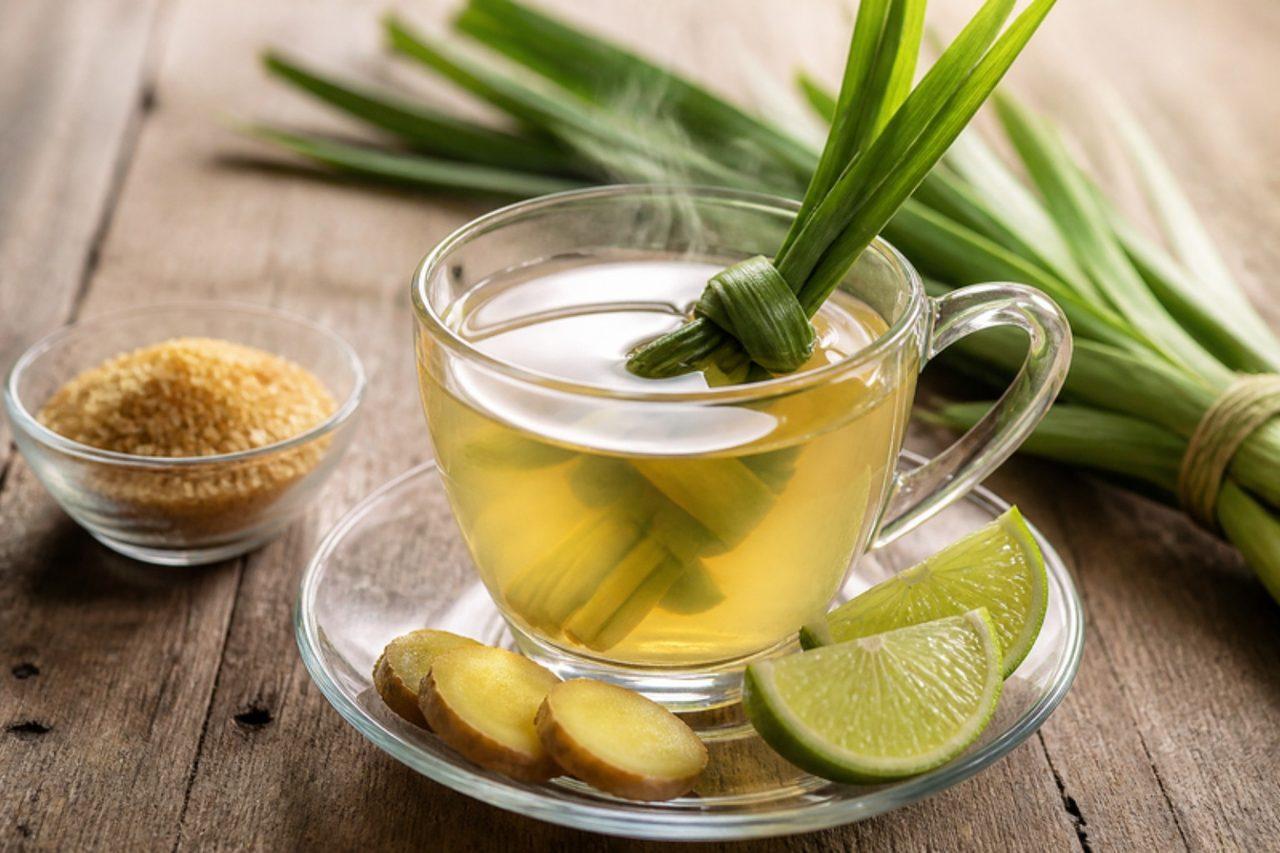
Fever grass teaLemongrass and ginger tea

In Jamaican country yards a clump of fever grass, the local name for lemongrass, grows by the kitchen door, and a handful steeped in boiling water is the old remedy for colds, aches and restless nights. Brewed with fresh ginger, it is lemony, gently peppery and soothing, and is drunk hot, sweetened with a little brown sugar. The mistake people make is using the stalks whole, which gives a weak tea; bruise and cut them to release the oils. Chef's tip: tie long leaves in a knot before you add them, as country cooks do, so they are easy to lift out.

by KrazyBadal 0 views

AkpanFermented corn drink

Street sellers in Cotonou and Porto-Novo keep akpan in cool boxes, ladled into cups or tied plastic bags as a mid-afternoon pick-me-up. The base is fermented maize starch cooked into a thick pap, then left to sour further until it tastes like a mild, slightly yeasty yoghurt; cold milk and sugar loosen it into a creamy drink you can sip or eat with a spoon. It is refreshing, tangy and filling, and many people treat it as a light meal on hot days. Budget a day for the second souring, though the hands-on time is under half an hour, and always use pasteurised milk and keep the finished drink in the fridge. Don't let the fermented base sit at room temperature for longer than stated; past that it sours too far. Chef's tip: sieve the slurry before cooking; any maize husk left in makes the drink gritty.

by KrazyBadal 0 views

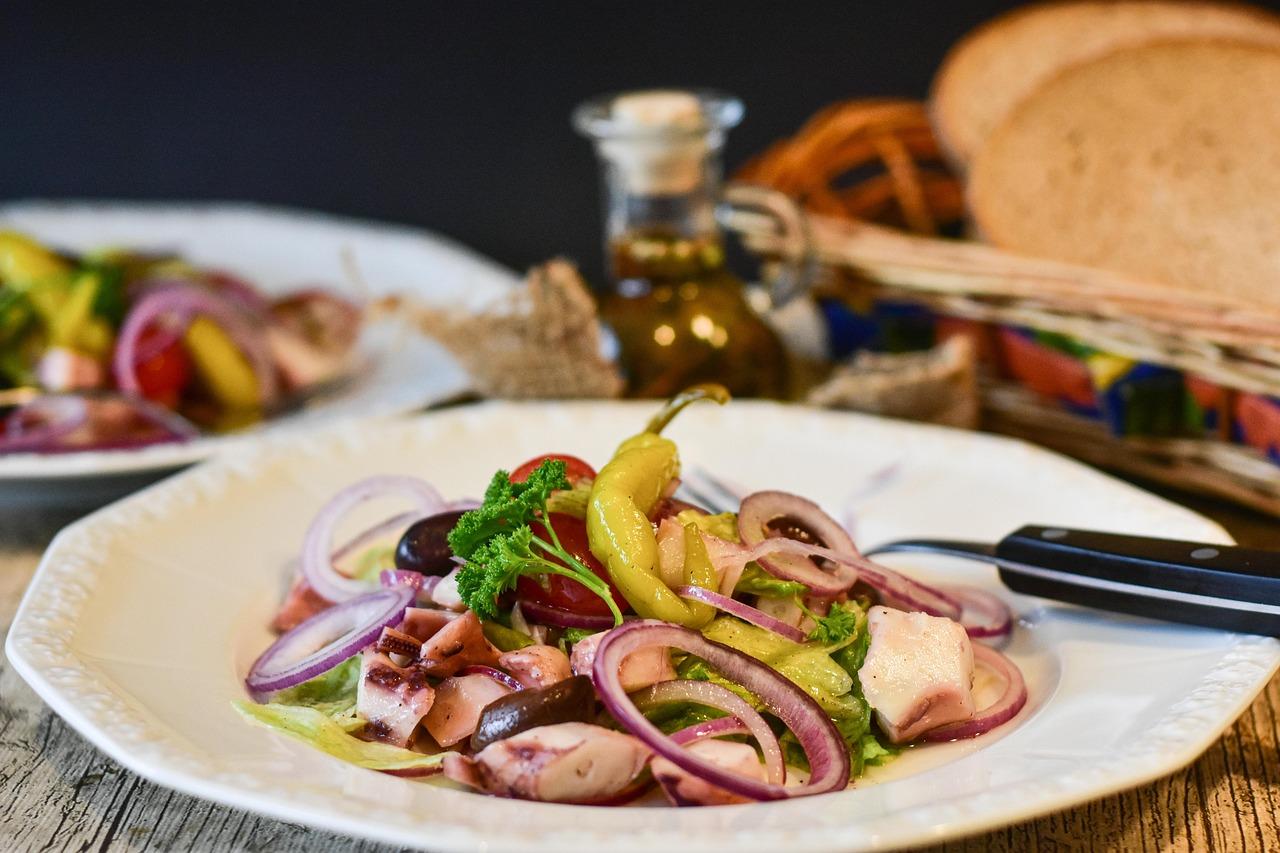
Tunisian octopus salad

Fishermen of the Kerkennah islands, off Sfax, still catch octopus in clay pots laid on the shallow seabed, and in winter the season's catch turns up in harbour cafés and home kitchens as this simple salad. The octopus is simmered slowly until tender, cooled in its broth, then sliced and tossed with red onion, plenty of parsley, lemon juice and good olive oil, with a little harissa if you like. It is light, clean and briny, eaten as a starter with bread or on a summer table of salads and grilled fish. Buy octopus from a reputable fishmonger; frozen and thawed octopus is often more tender than fresh. A common mistake is boiling the octopus at a rolling boil, which makes it rubbery; keep it at a gentle simmer until a knife slides in easily. Chef's tip: let the cooked octopus cool in its cooking liquid for 20 minutes before slicing; it stays juicy rather than tightening up.

by KrazyBadal 0 views

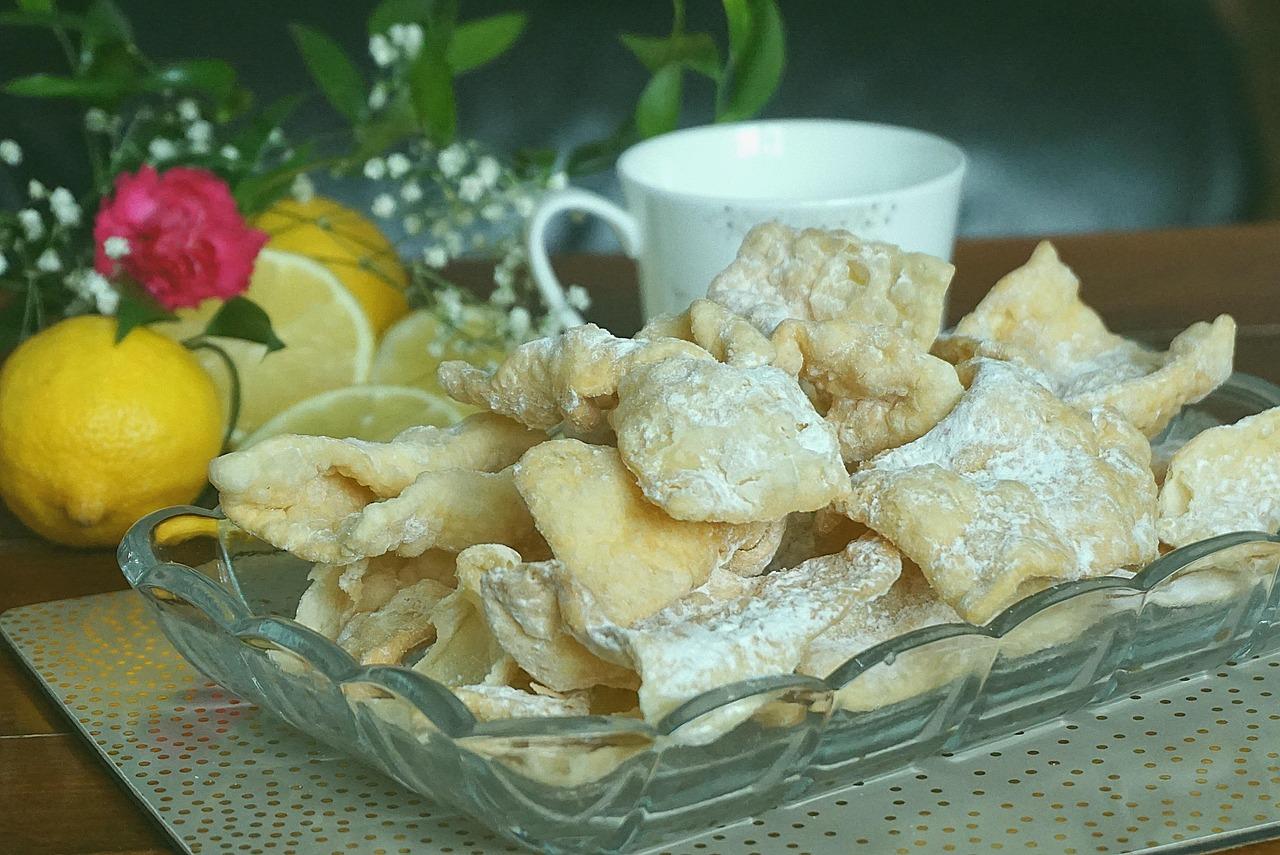
FaworkiCrisp fried dough ribbons

On Fat Thursday, the last Thursday before Lent, Polish queues for pączki are matched only by the piles of faworki, also called chruściki, sold by the bag. They are paper-thin strips of rich egg-yolk and sour-cream dough, each pulled through a slit to make a twist, fried for seconds until they blister and puff into shattering, bubbly shards. Many families add a spoon of spirit to the dough to make them extra crisp; vinegar does the same job alcohol-free and is used here. Where most people go wrong is rolling the dough too thick, which gives chewy biscuits rather than glass-thin crisps. Chef's tip: beat the dough with a rolling pin for 5 minutes before rolling; the air you trap makes the bubbles.

by KrazyBadal 0 views

Bibikhana pithaBaked rice flour and coconut cake

The name means something like a lady's dish, and bibikhana pitha has long been the grand, special-occasion pitha of well-off households in Dhaka, Comilla and Noakhali, made in winter when a son-in-law or important guest is expected. It is closer to a cake than most pithas: rice flour, eggs, milk, grated coconut and date-palm jaggery are beaten together and baked slowly, traditionally in a heavy pan over charcoal with more coals heaped on the lid, until it sets into a dense, moist, caramel-brown cake. It is cut into wedges and served with tea in the afternoon. Baking too hot is the typical slip, so the jaggery burns before the middle sets; a moderate oven and patience give an even colour. Chef's tip: let it cool completely before cutting, as it firms up and slices cleanly only once cold.

by KrazyBadal 0 views

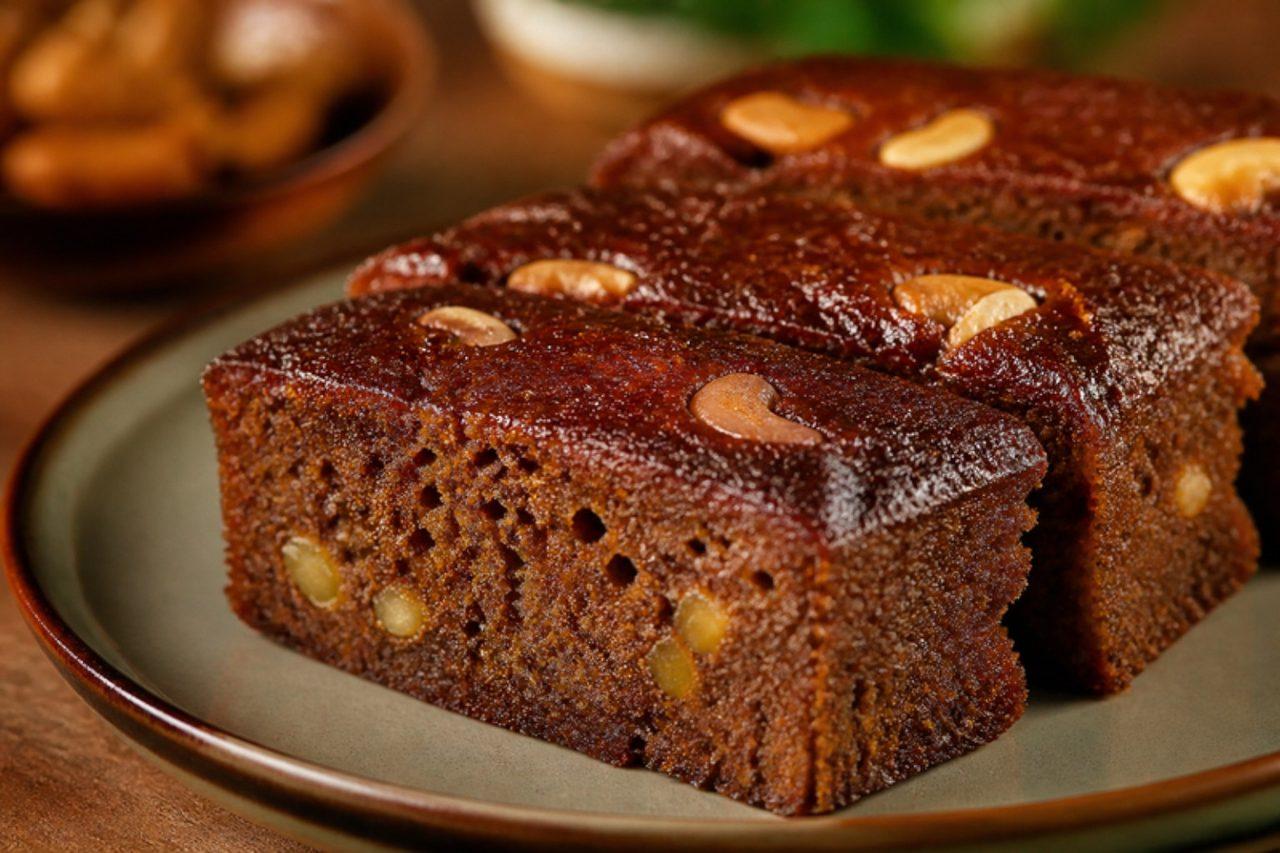
BibikkanCoconut jaggery cake

Bibikkan is the darkest, stickiest cake in the Sri Lankan repertoire, baked by Burgher families for Christmas and by Sinhala households for the New Year table, and nobody quite agrees whether its roots lie in Portuguese or local kitchens. Freshly grated coconut is first cooked in melted kithul jaggery, then mixed with roasted semolina, flour, eggs, cashews, raisins, chopped ginger preserve and a mix of cinnamon, cardamom, nutmeg and cloves, and baked until almost black on the outside. The crumb is moist, heavy and chewy with coconut, with a deep treacle sweetness and a warm, spiced finish, and slices are served with tea. Baking it too hot is where it often goes wrong, as the jaggery burns before the middle sets, so keep the oven moderate and cover it if the top darkens early. Chef's tip: cook the coconut in the jaggery until it looks thick and sticky before mixing; that is what gives bibikkan its fudgy texture.

by KrazyBadal 0 views

FendishaSweet or salted popcorn

Popcorn might seem an odd companion to coffee, but at an Ethiopian buna ceremony a heaped tray of fendisha is as expected as the incense and the little cups. The hostess pops it while the coffee boils, and it is eaten in small handfuls between the three rounds of coffee. Some families like it plain with a pinch of salt, others scatter sugar over it while it is still hot so it catches in the crevices; both are made here. It is crisp, light and best within an hour or two. Whole popcorn is a choking risk for children under five, so serve them something else. Chef's tip: leave the lid slightly ajar while it pops so the steam escapes; trapped steam is what makes popcorn chewy.

by KrazyBadal 0 views

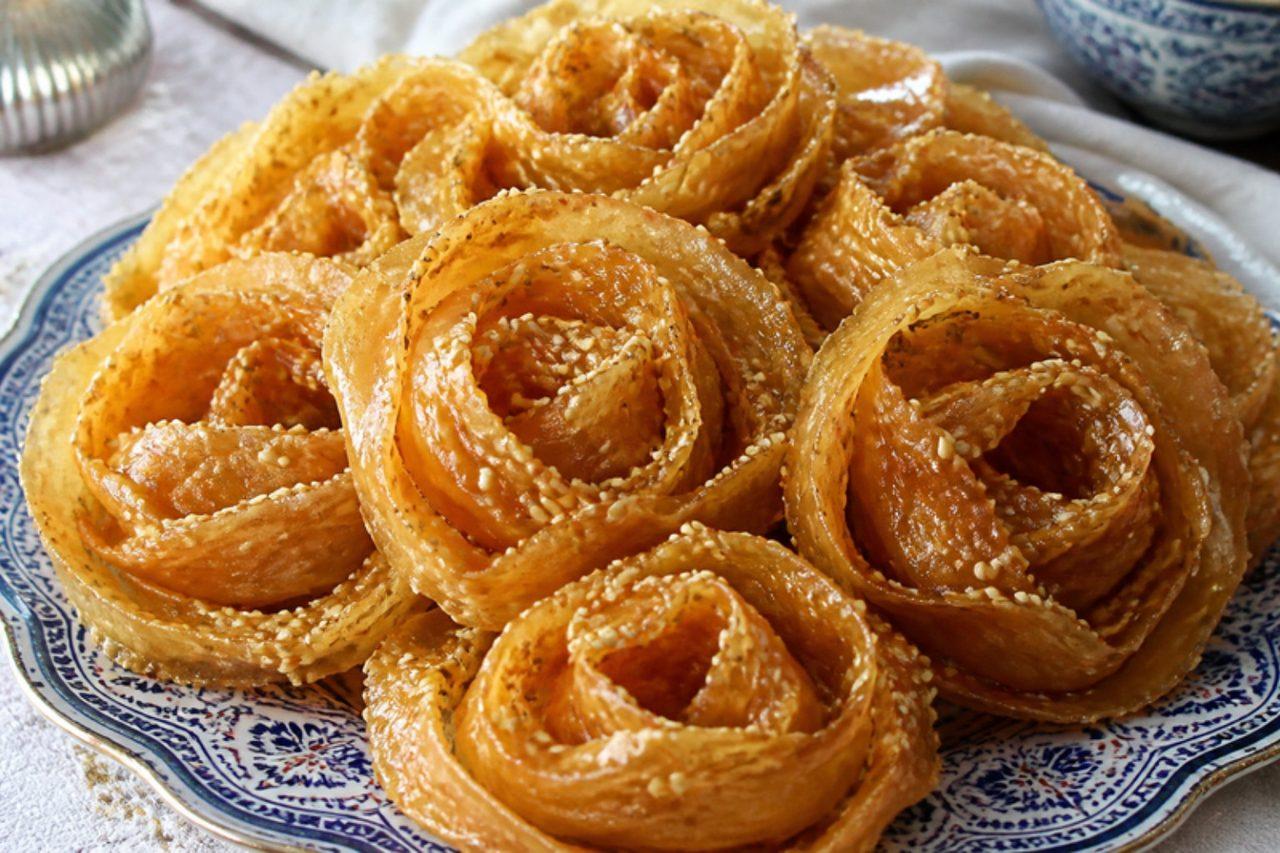
FijuelasHoney-soaked fried dough spirals

Fijuelas are the Hanukkah sweet of Moroccan Jews, also made for weddings and bar mitzvahs, and grandmothers in Netanya and Ashkelon still roll them by the hundred on a fork. Paper-thin strips of egg dough are wound into spirals as they hit the hot oil, puffing into crisp, lacy roses, then dipped in warm honey syrup with orange blossom. They should shatter when bitten and taste of honey rather than grease. The mistake that ruins them is rolling the dough too thick, which makes them chewy and oily; you should almost see the counter through it. Chef's tip: keep the syrup warm and the fried spirals cool, so they absorb a thin glaze and stay crisp for days.

by KrazyBadal 0 views

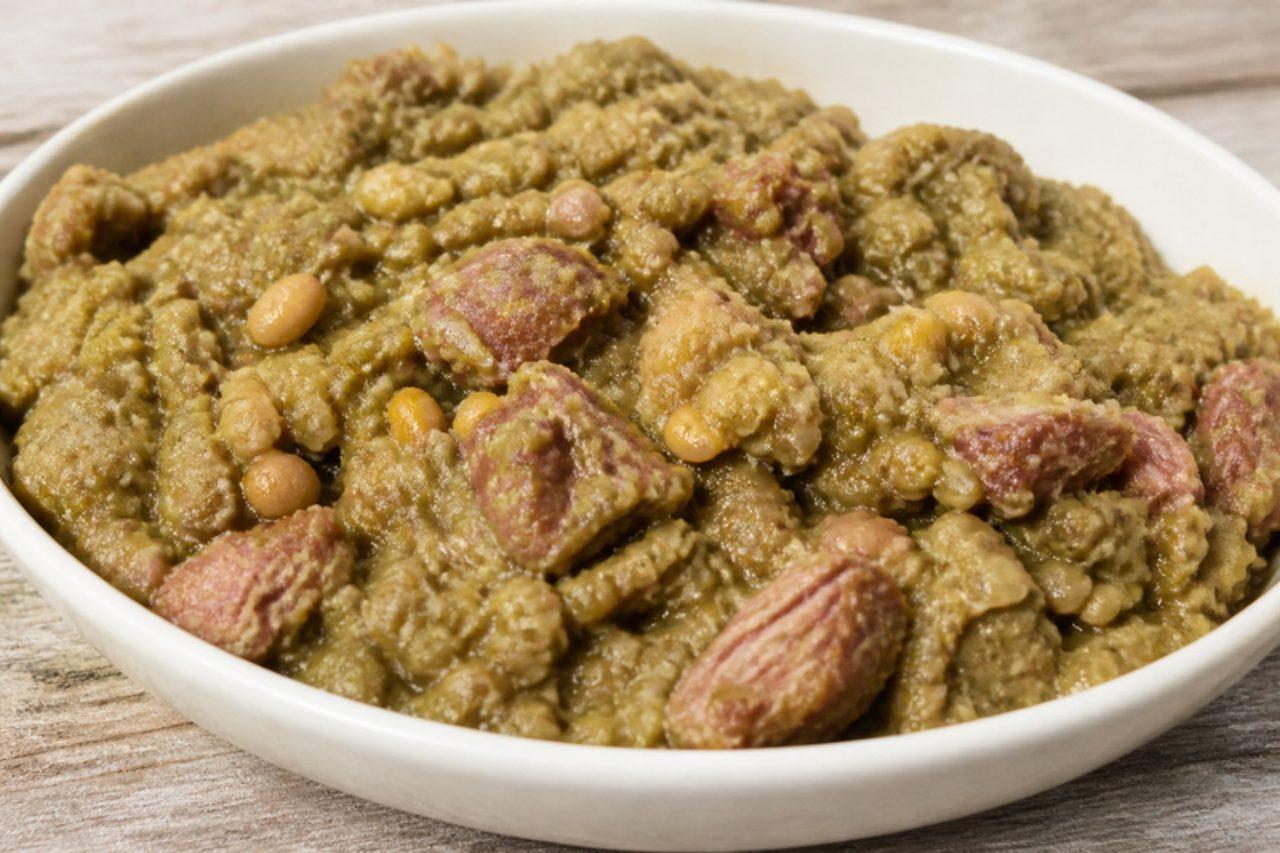
Bajan jug jugPigeon peas and salt meat mash

Jug jug belongs to Christmas in Barbados, served alongside baked ham and roast pork on the big lunch table: green pigeon peas and salted beef and salted pork, cooked tender and minced, then stirred with guinea corn (sorghum) flour, herbs and onion into a thick, savoury, mouldable mash. Its roots are often traced to Scottish settlers' haggis and West African grain cookery, and it tastes rich, salty and herby. The common mistake is not soaking the salt meats long enough, which makes the whole pot too salty to eat; soak them overnight in plenty of water. Cook until the minced meat mixture is piping hot (71 °C) throughout. Chef's tip: stir in the sorghum flour a spoonful at a time while the pot bubbles, like making polenta, so it never turns lumpy.

180 minBajanMeat
by KrazyBadal 0 views

Bela biscuitTwice-baked tea biscuit

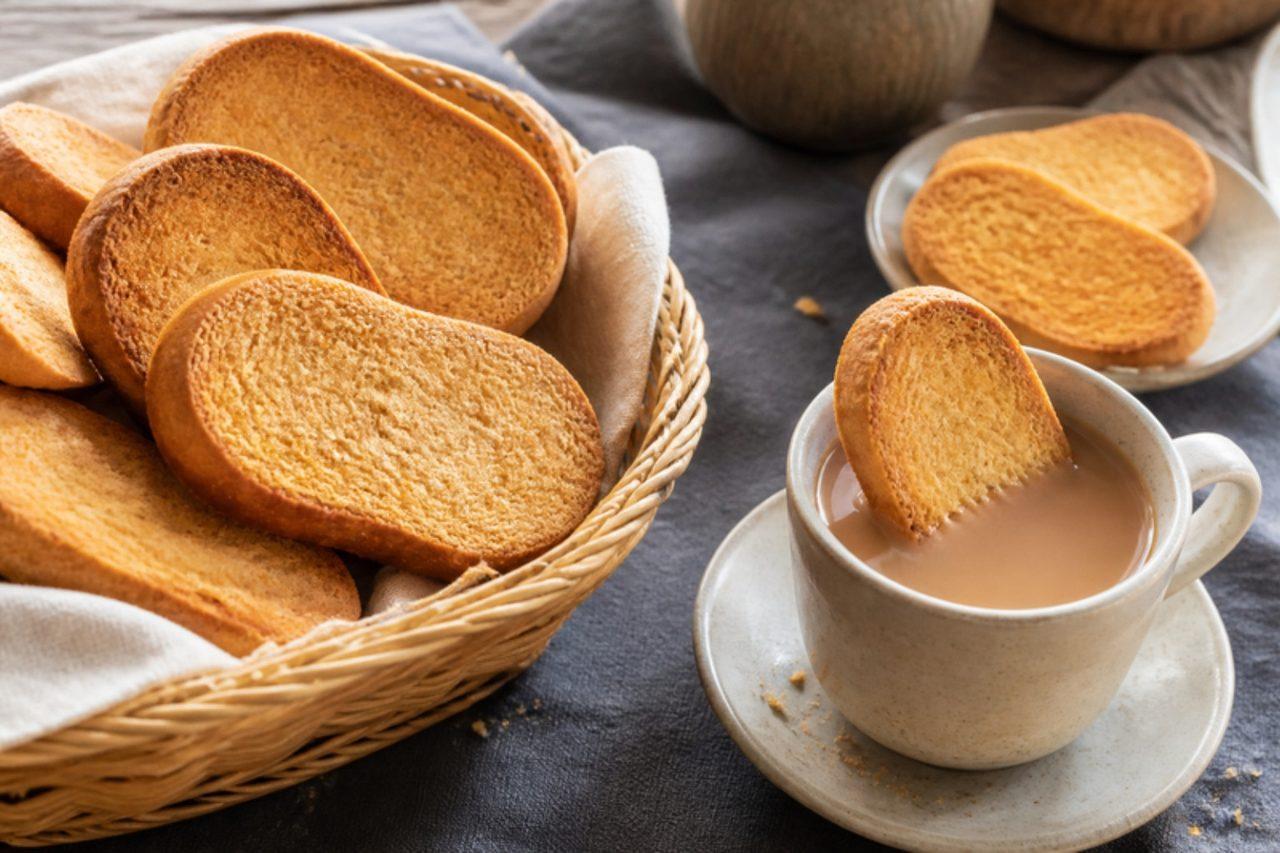
Old Chittagong bakeries, some of them in the Chandanpura area for well over a century, still fire their wood ovens for bela biscuit, a pale oval rusk so hard it cracks rather than snaps. It starts as a lightly sweet, enriched yeast dough that is baked once like a bun and then dried for a long time in a cooling oven until crisp right through. In Chittagong homes it comes out at teatime and when guests arrive, and the whole point is the dunk: a few seconds in hot milky tea and it softens into something like buttery bread. The classic slip is pulling the biscuits from the second bake too soon; they feel firm while warm but go chewy overnight if the centre is still damp. Chef's tip: break one open after drying; if the middle is pale and soft, give the tray another 20 minutes.

by KrazyBadal 0 views

Falsa sherbetFalsa berry drink

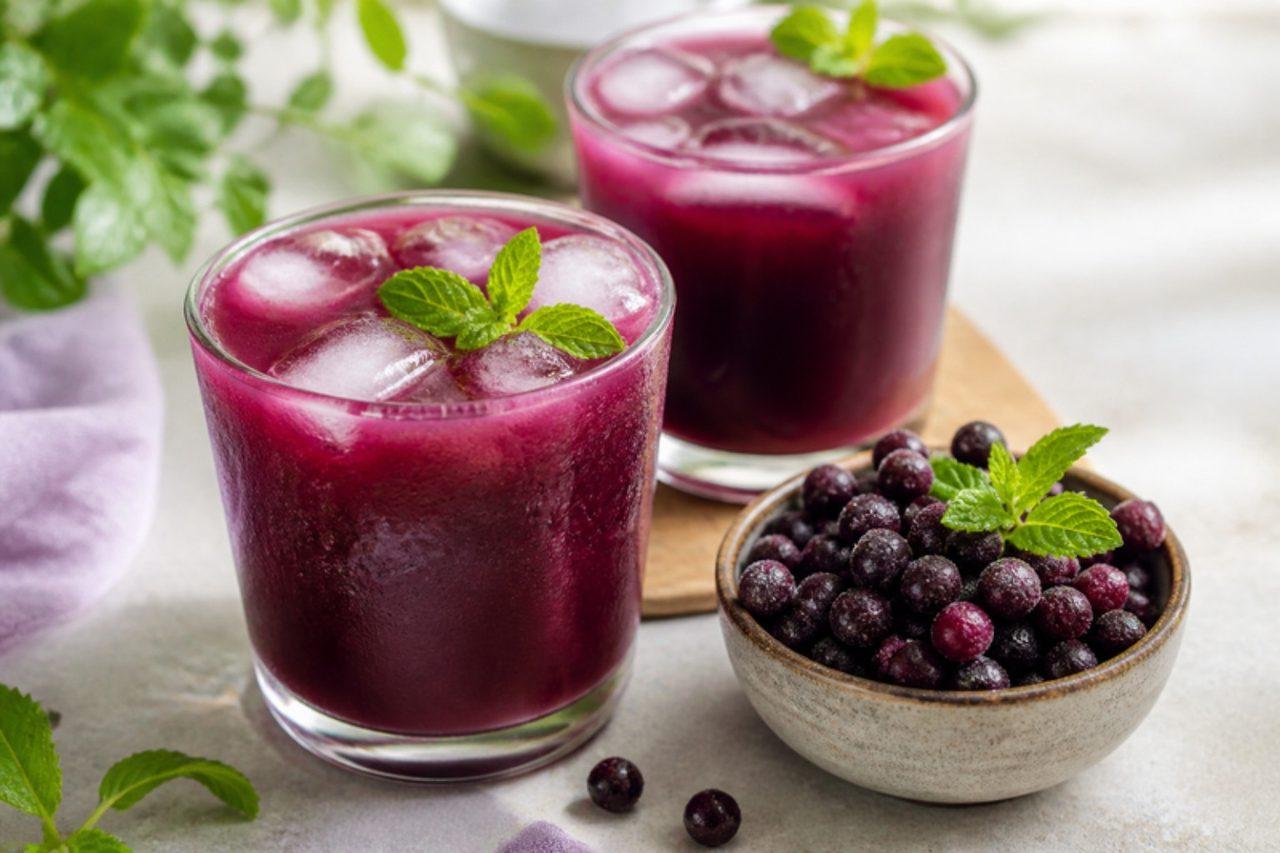
For a few short weeks in May and June, Punjabi fruit sellers from Multan to Lahore pile their carts with falsa, tiny purple-black berries with a big seed and a sweet-sour, grape-like flavour, and roadside stalls crush them in big jugs of iced water with sugar and a pinch of black salt. The sherbet is a striking magenta, tart and salty-sweet, and people swear by it as a cooler against the loo, the scorching summer wind; it is also a favourite at iftar when Ramadan falls in summer. Outside Pakistan look for frozen falsa in South Asian grocers, or use blackcurrants, which give a similar colour and sharpness. A common slip is blending the berries hard, which cracks the seeds and turns the drink bitter. Chef's tip: just rub the berries with the sugar and a little water by hand or pulse very briefly, then strain, so you get all the juice and colour and none of the bitterness.

by KrazyBadal 0 views

FafernuchyHoney and carrot Christmas cookies

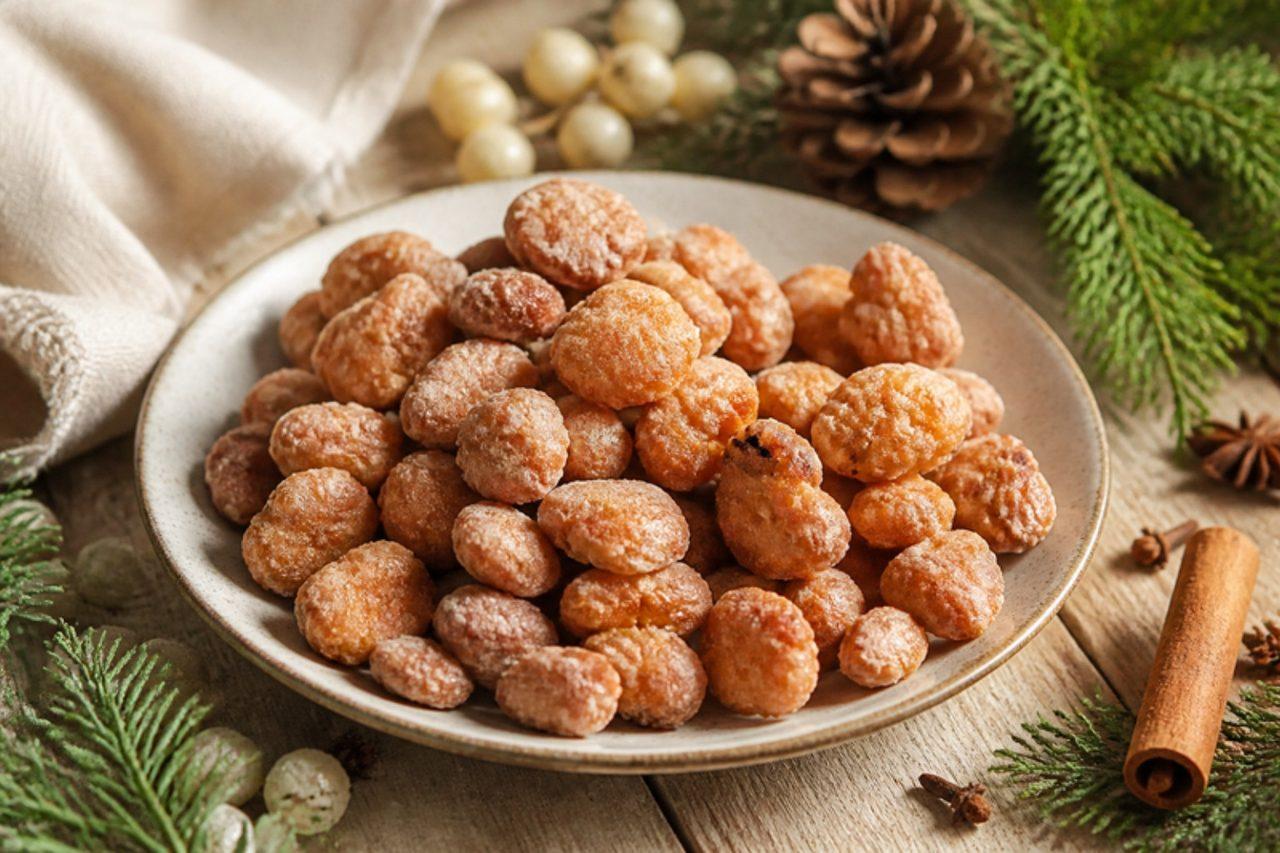
Old Masurian and Warmian households baked fafernuchy weeks before Christmas and kept them in tins, where they slowly mellowed; children found them in their stockings and on the Christmas plate. They are small, hard, pebble-like biscuits, sweetened with honey and given a gentle colour and moisture from finely grated carrot, with a little spice in some homes. Expect a proper crunch, made for dunking in tea. A common mistake is expecting them to be soft straight from the oven; they are meant to be firm and soften only a little in the tin. Chef's tip: grate the carrot on the finest side of the grater so the dough stays smooth and holds its shape.

by KrazyBadal 0 views

Kartoshka cakeCocoa and cake crumb truffles

Soviet cafés and school canteens sold these knobbly brown 'potatoes' for a few kopecks, and they began as a thrifty way to use up sponge and biscuit trimmings at the bakery. Crumbs are bound with butter and sweetened condensed milk, flavoured with cocoa and vanilla, shaped into little potatoes, rolled in cocoa and finished with two dabs of pale butter cream for the sprouts. They are fudgy and dense like a brownie truffle, need no oven, and children love making them. Traditional bakers added a spoonful of rum, an optional extra for adult batches only; this version is alcohol-free with vanilla. The usual slip is coarse crumbs, which make the potatoes crack, so blitz them as fine as sand. Chef's tip: chill the shaped potatoes for at least 20 minutes so they hold their shape and slice cleanly.

by KrazyBadal 2 views

FahsaShredded lamb stew with fenugreek

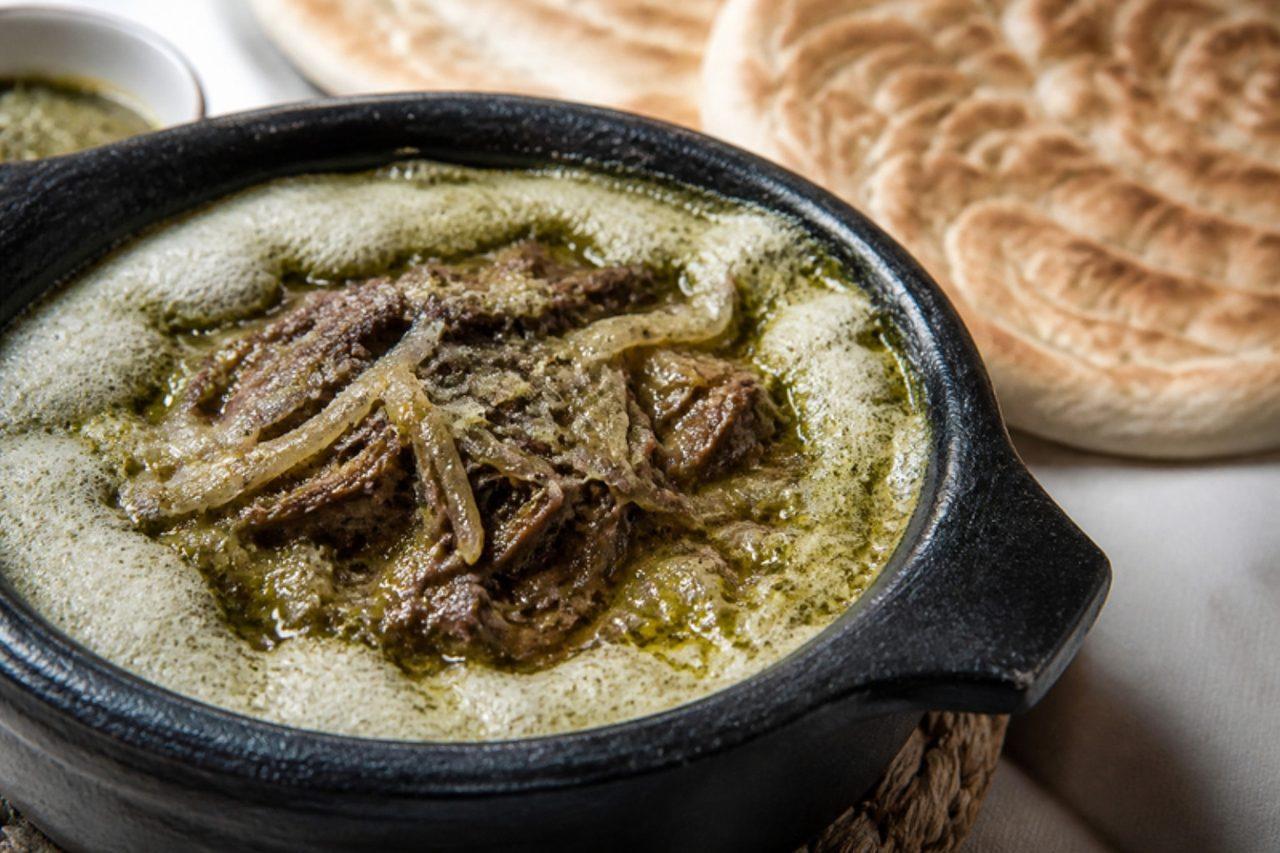
Fahsa is the lunch of Sana'a, Yemen: in the old city's restaurants it arrives volcanically hot in a black stone pot called a madara, still bubbling, with a cap of whipped fenugreek on top and a stack of flatbread for scooping. Lamb is slow-cooked until it shreds, then fried hard with its thick broth, tomato and hawaij, so it is meatier and drier than saltah, the broth-based cousin already on this site. The fenugreek froth adds a bitter, savoury edge against the rich meat. The usual mistake is serving it lukewarm: fahsa should still be spitting when it reaches the table. Chef's tip: heat a small cast-iron pan in the oven while you cook, then finish the fahsa in it for that sizzling stone-pot effect.

by KrazyBadal 0 views

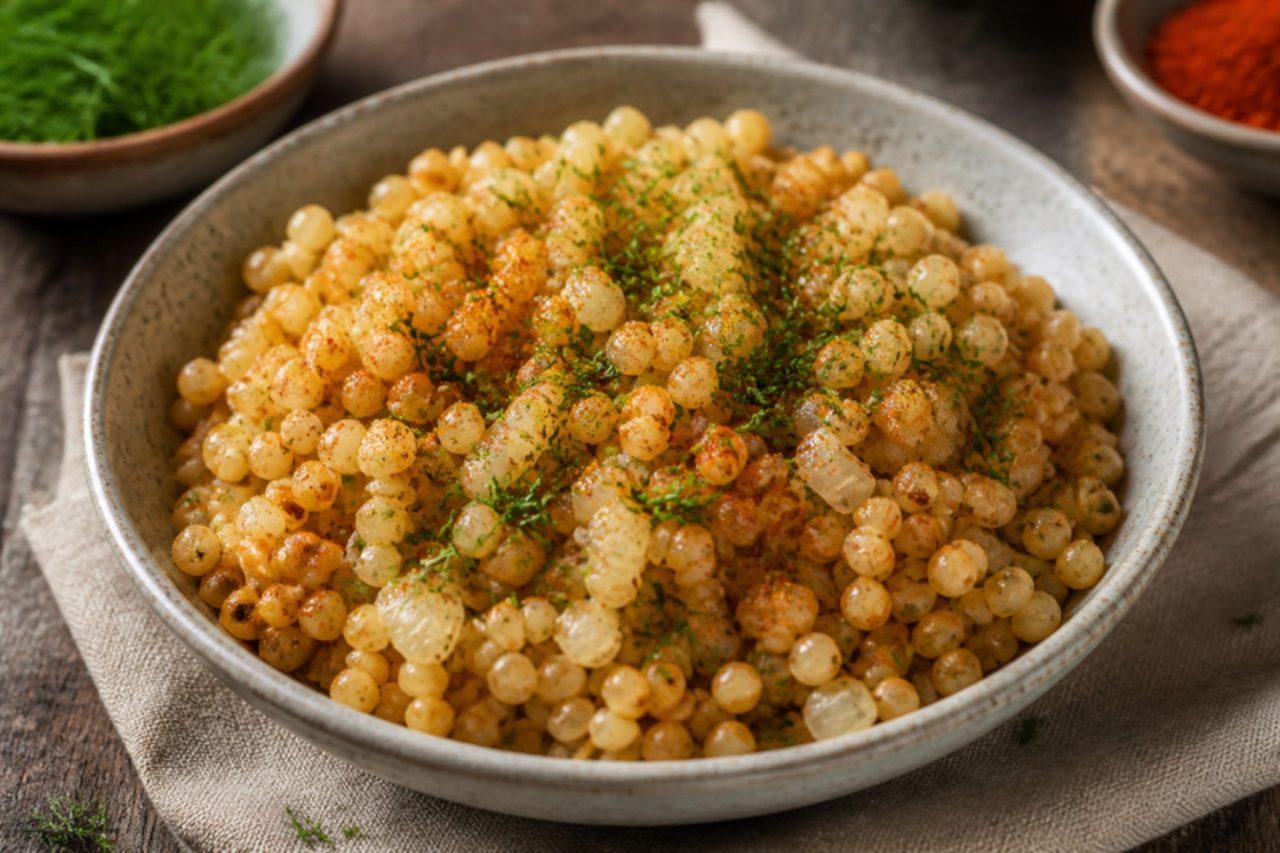
FarfelEgg pasta pilaf with onions

Farfel, little barley-sized pellets of egg pasta, are what many Ashkenazi grandmothers in Israel cook instead of rice, especially on Friday nights alongside soup and roast vegetables. Toasted in oil until golden, then simmered in stock with soft onion, they turn out fluffy and separate with a gentle nutty taste, a bit like a tiny pasta pilaf. This version uses vegetable stock, so it is vegetarian and dairy free. Serve it as a side or stir through mushrooms for a light supper. A common mistake is adding too much stock, which makes the pellets swell into a sticky mass. Chef's tip: toast the farfel until it smells like toast and is evenly amber before any liquid goes in.

by KrazyBadal 0 views

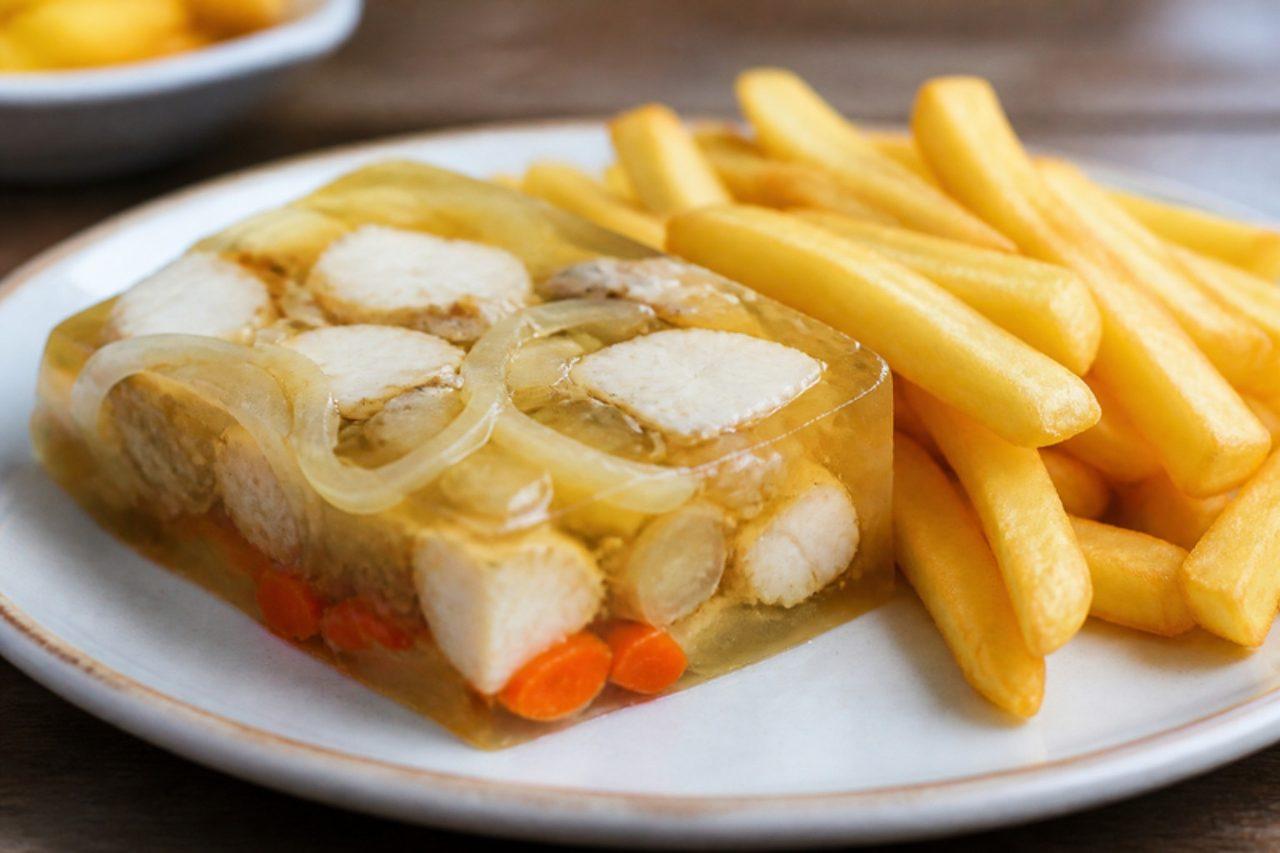
EscavècheCold fried fish in vinegar jelly

Escavèche is a speciality of the Chimay and Couvin area in southern Wallonia, a legacy of Spanish rule in the 16th century: fish fillets, traditionally eel or pike, fried and then covered with a hot marinade of vinegar, onion, thyme and bay that sets into a clear, tangy jelly as it cools. It is eaten cold, sliced, with crisp fries, in the brasseries of the Botte du Hainaut. A common mistake is not cooking the fish through before it goes into the marinade; cold marinade does not cook it. Chef's tip: let it set for at least 12 hours in the fridge; the vinegar mellows and the jelly firms. The fish should be opaque and flaking before marinating.

by KrazyBadal 0 views

Baigan chokaRoasted aubergine mash

In south Trinidad, from Penal to Siparia, baigan choka is the breakfast or dinner you make when there is an aubergine, a fire and some sada roti on the tawa. The skin is charred right over the flame until the flesh inside collapses, smoky and silky, then it is mashed with raw garlic and hot pepper and "chunkayed" with a spoonful of sizzling oil. The usual mistake is pulling the aubergine off the flame too early; any firm part in the middle tastes raw and spongy. Eat it with roti or rice and dhal. Chef's tip: push slivers of garlic into slits in the aubergine before roasting, then mash them in; you get mellow roasted garlic and a sharp raw note together.

by KrazyBadal 0 views

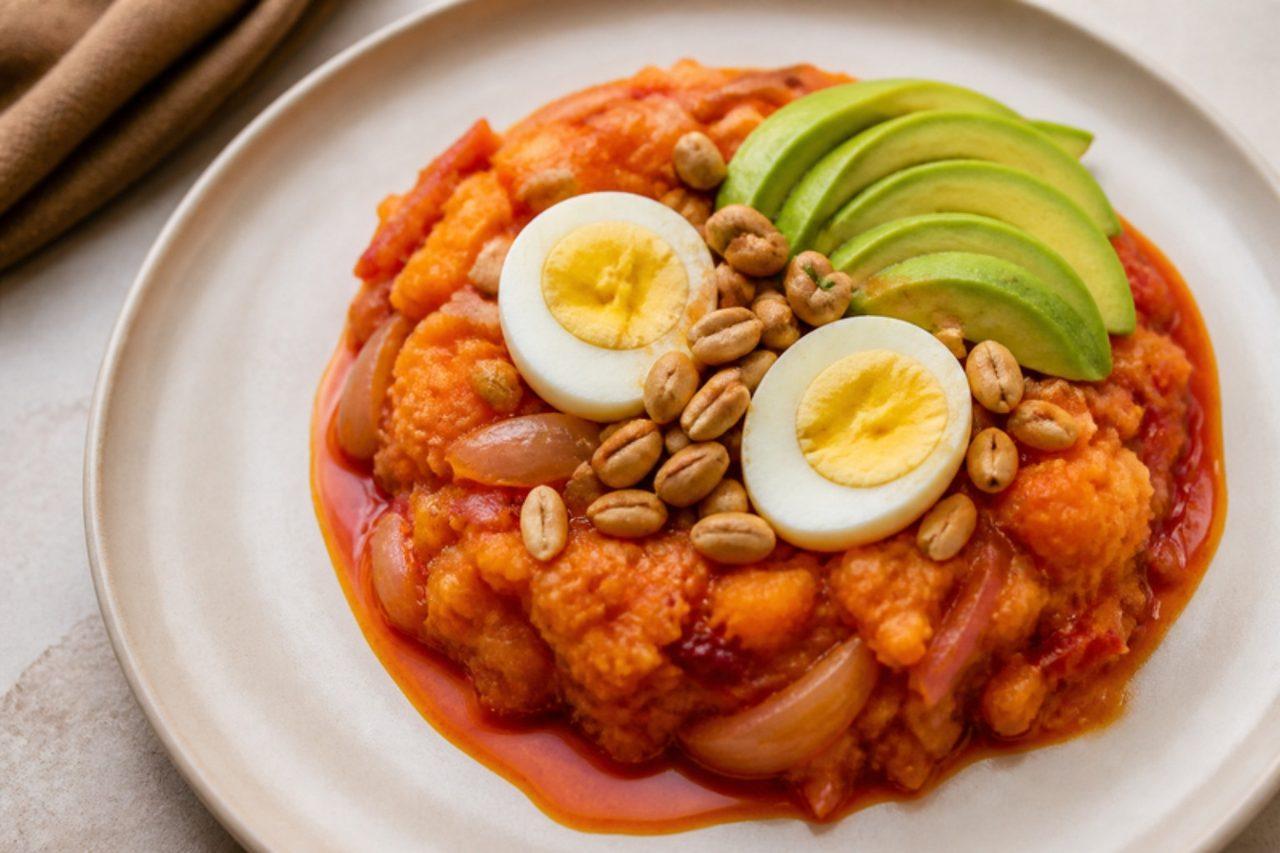
EtoMashed yam with palm oil

Eto is a dish for marking occasions among the Akan, made on birthdays and celebration mornings, when boiled yam (or plantain) is mashed in an earthenware asanka bowl with red palm oil, raw onion and a little pepper until it turns golden and fragrant. It is served in a mound with halved boiled eggs, slices of ripe avocado and a handful of roasted groundnuts, so every mouthful is soft, buttery and crunchy at once. It is filling, simple and very good. Avoid mashing the yam to a smooth purée; eto should keep a rough, crushed texture. Chef's tip: mash the yam while it is steaming hot and add the oil at the same time, because cold yam goes gluey and will not absorb the oil evenly.

by KrazyBadal 0 views

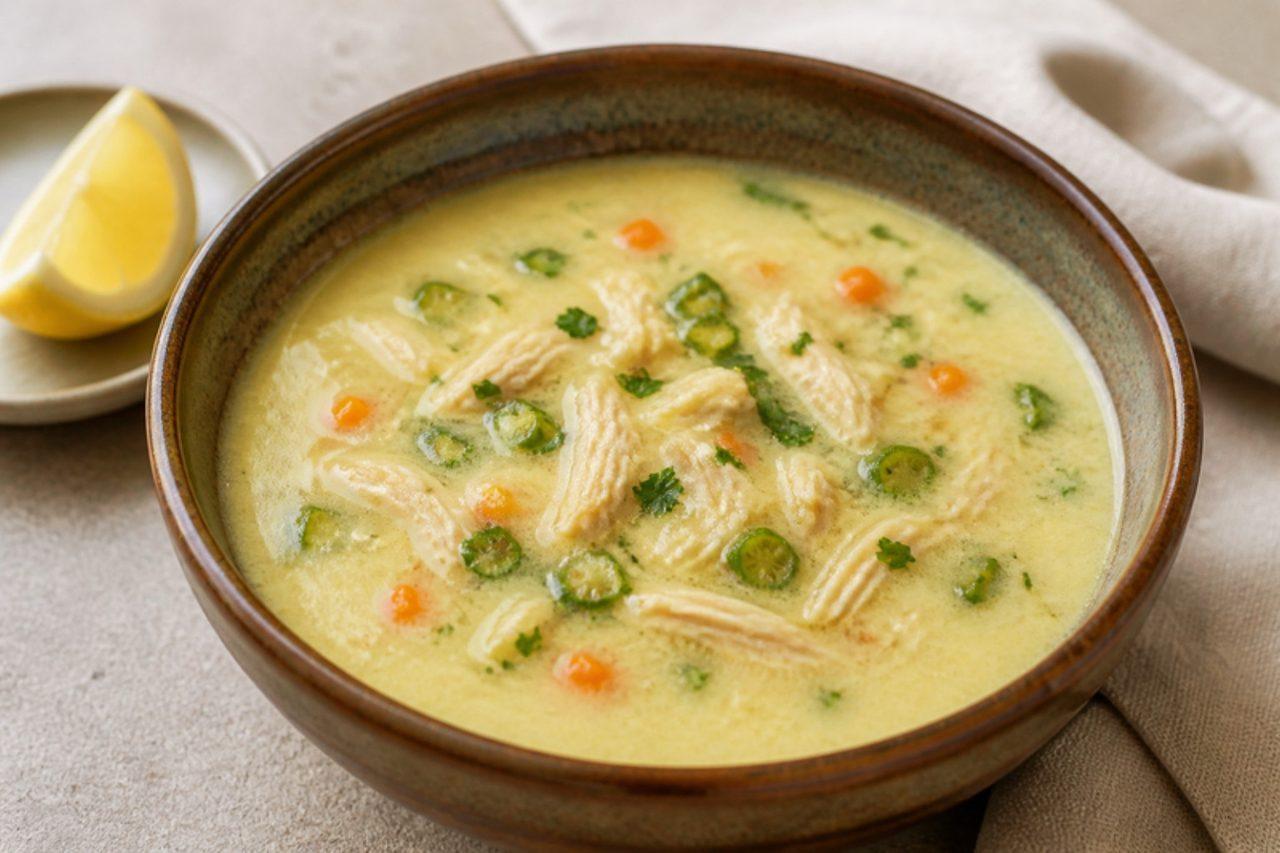
Begova čorbaChicken and okra soup

Fit for an Ottoman bey, this velvety soup is the opening course of special dinners in Sarajevo and across Bosnia and Herzegovina, ladled out at weddings, Bajram tables and in the old aščinice, the canteens of the Baščaršija bazaar. Chicken simmers with carrot, celeriac and parsley root, and small okra pods go in to give a gentle, silky body; at the end, egg yolks and sour cream turn it creamy and pale gold, with a sharp lift from lemon. A common mistake is pouring the yolks straight into boiling soup, where they scramble: warm them with a little broth first. Chef's tip: dried okra, if you can find it in a Turkish shop, is traditional and less slimy; soak it in water with a splash of vinegar.

by KrazyBadal 0 views

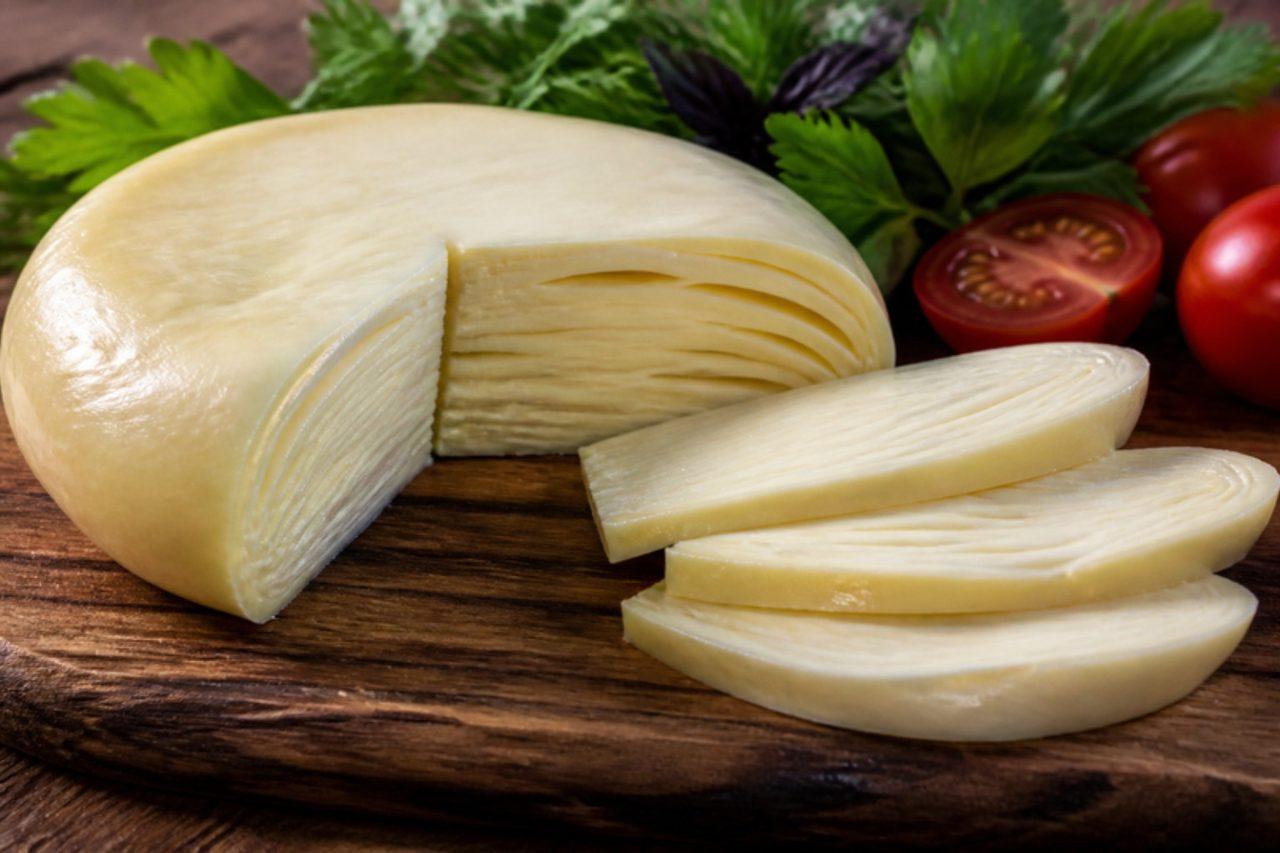
SulguniStretched cheese

Sulguni is the famous cheese of Samegrelo, made in Zugdidi homes by taking fresh, slightly soured curd, cutting it up and working it in hot water until it can be pulled into a glossy, layered, salty ball. It is eaten in thick slices, melted into elarji and khachapuri, and smoked over embers for a darker version. The curd has to be acidic enough to stretch, so you make the cheese one day and stretch it the next, or buy fresh Imeretian cheese and start from there. Traditionally animal rennet is used; vegetarian rennet works too. A common mistake is trying to stretch fresh, sweet curd; it melts into a puddle instead of pulling. Chef's tip: test a small piece in hot water first; if it stretches 30 cm without breaking, the curd is ready.

by KrazyBadal 0 views

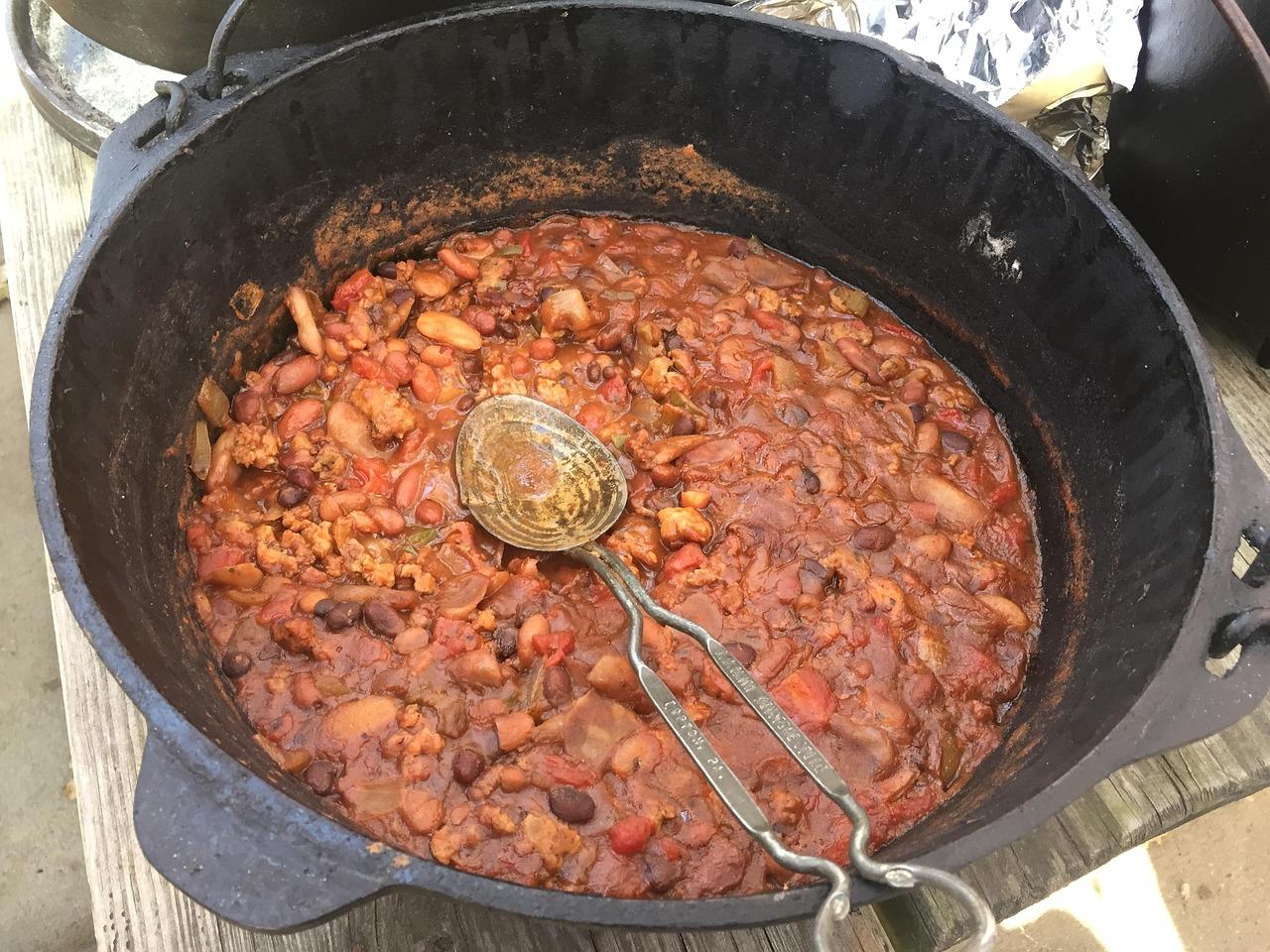
Fasolka po bretońskuWhite beans in tomato with sausage

Despite its name, nothing about fasolka po bretońsku is French; this is pure Polish canteen and milk-bar food, the thick, brick-red bean stew that has fed Warsaw students, soldiers and hungry families for generations. White beans simmer in tomato with smoked pork sausage, smoked bacon, onion and plenty of marjoram until creamy, smoky and slightly sweet. It is filling enough on its own with a hunk of bread and even better reheated the next day. Under-cooked beans are the most common disappointment; they must be soft right through before the tomato goes in, because acid stops them softening. Soak the dried beans overnight beforehand. Chef's tip: mash a ladle of the cooked beans against the side of the pot before serving to give the sauce its typical velvety body.

90 minPolishMeatGluten free
by KrazyBadal 0 views

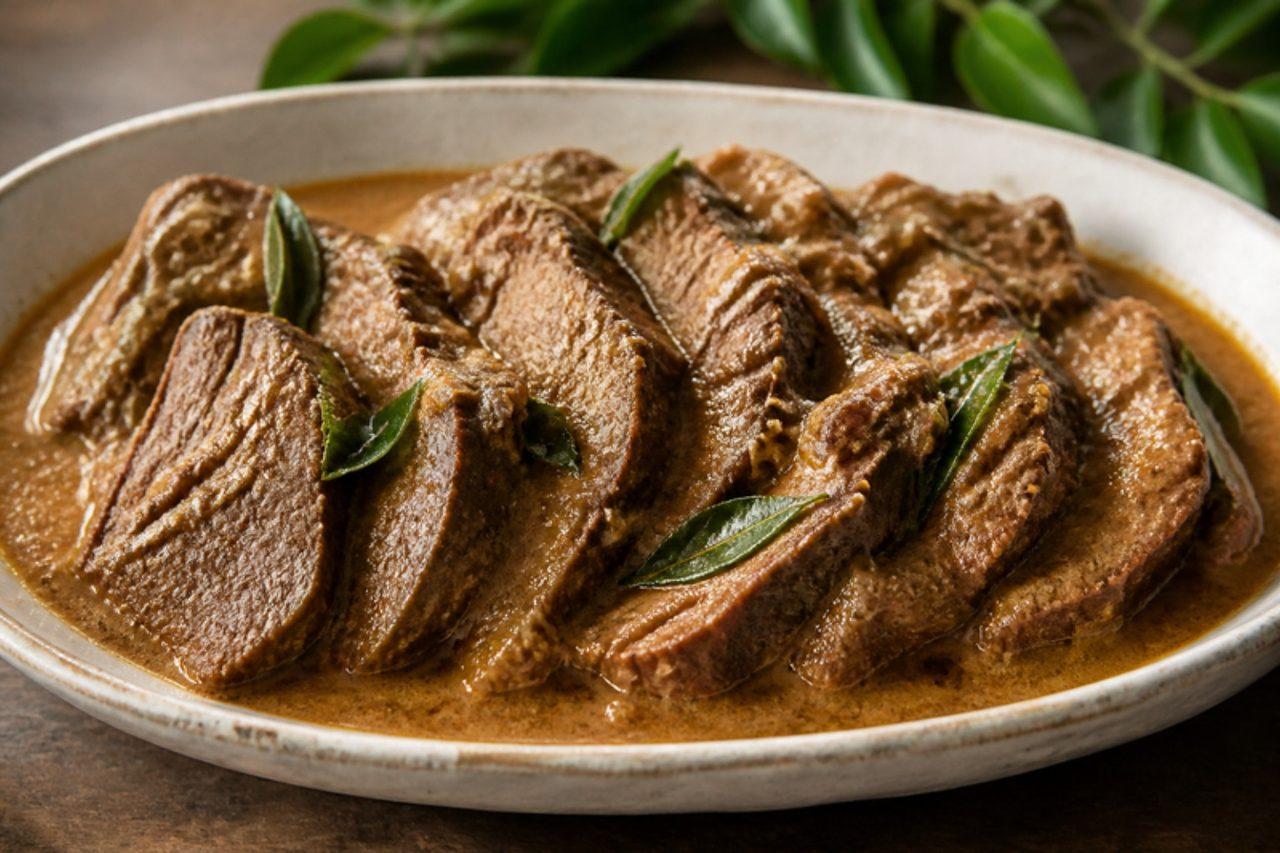
Beef smooreSpiced coconut milk beef roast

Smoore takes its name from the Dutch smoren, to braise, and in Burgher homes from Colombo to Galle it is the centrepiece for Christmas lunch or a big family Sunday: a whole joint of beef pierced, marinated in vinegar and spice, then simmered for hours in coconut milk with lemongrass, pandan and a spoonful of lime pickle. The pickle is the signature, adding a salty, bitter-sour sparkle that keeps the rich gravy lively. The joint is sliced at the table and served with yellow rice, a cucumber salad and plenty of the sauce. The biggest risk is letting the coconut milk boil fiercely for hours, which makes it split and greasy. Chef's tip: once the joint is browned, keep the pot at the barest shiver of a simmer, and turn the meat every half-hour so it cooks evenly.

by KrazyBadal 0 views

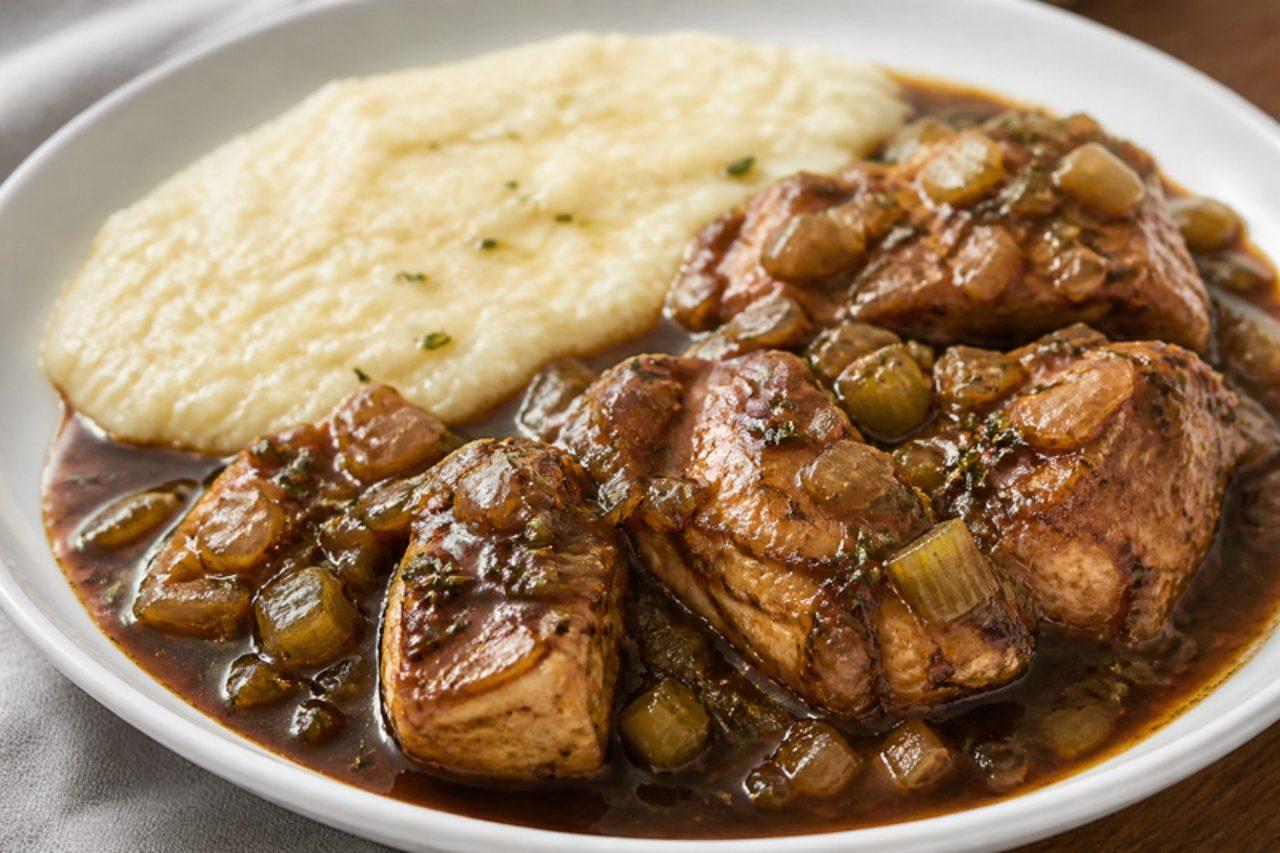
Bahamian stew fishGrouper in roux gravy

Bahamian stew fish is old-fashioned Sunday breakfast in Nassau and the Family Islands: firm fish such as grouper or snapper simmered in a dark brown gravy built on a flour-and-oil roux, with onion, celery, tomato and thyme, served over grits or with johnnycake. The flavour is deep, savoury and a little smoky from the browned flour. The usual mistake is a pale roux; cook the flour slowly until it is the colour of milk chocolate, but don't let it burn. Ask for thick fish steaks or fillets. Chef's tip: stir the roux with a flat wooden spatula so you can scrape every corner and keep it browning evenly.

by KrazyBadal 0 views

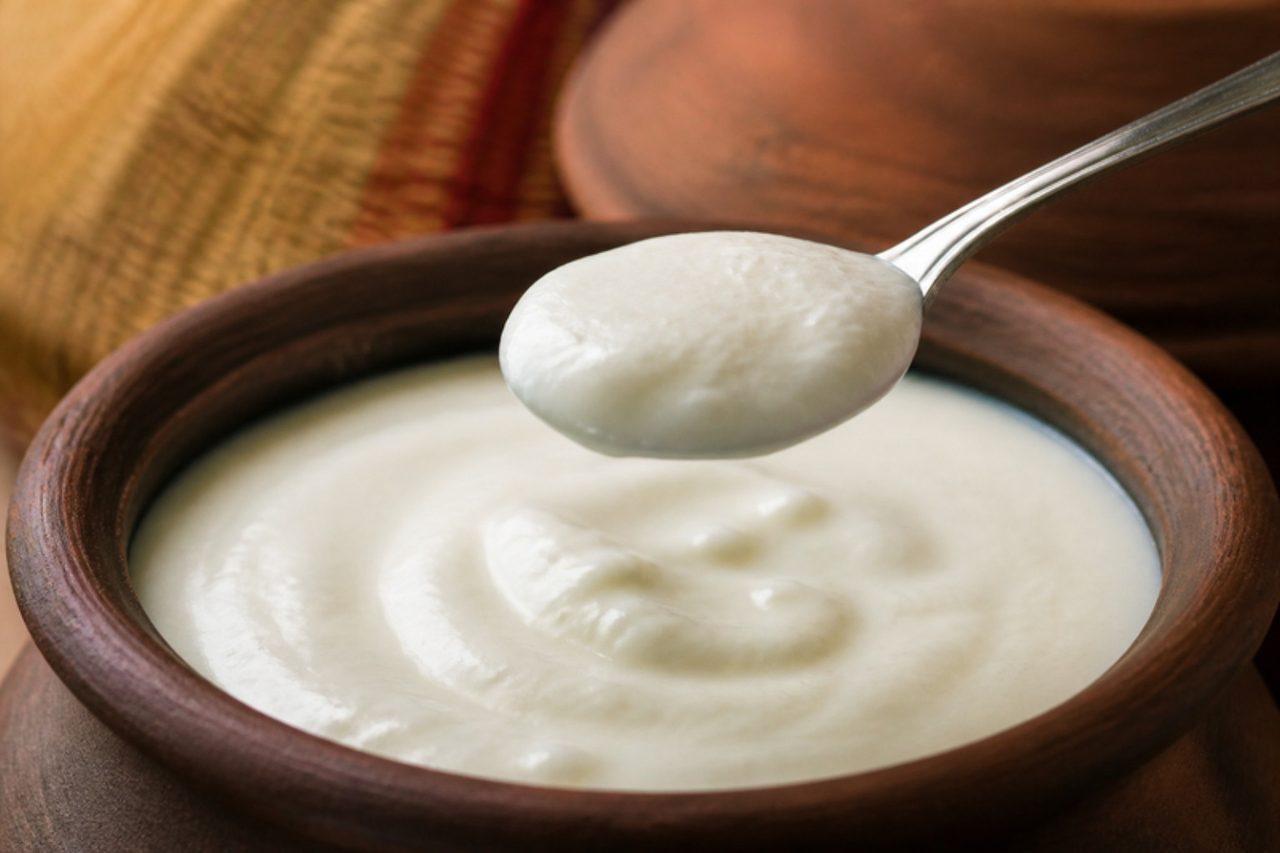
ErgoSoured milk

Cattle-keeping families across rural Ethiopia leave fresh milk to thicken in smoked clay pots or gourds, and the result, ergo, is tangier and looser than yoghurt, somewhere between set buttermilk and a soft curd. It is spooned beside a spicy kitfo or wat to calm the heat, eaten for breakfast with bread, or drunk as it is on hot afternoons. The traditional way relies on raw milk souring by itself, which is not safe to copy at home; this version uses pasteurised whole milk with a spoon of live buttermilk or yoghurt as the starter, so the right bacteria do the work. Allow about 24 hours at room temperature for it to set. Chef's tip: keep it somewhere steady at 22–26 °C; too cool and it barely thickens, too warm and it separates into whey and lumps.

by KrazyBadal 0 views

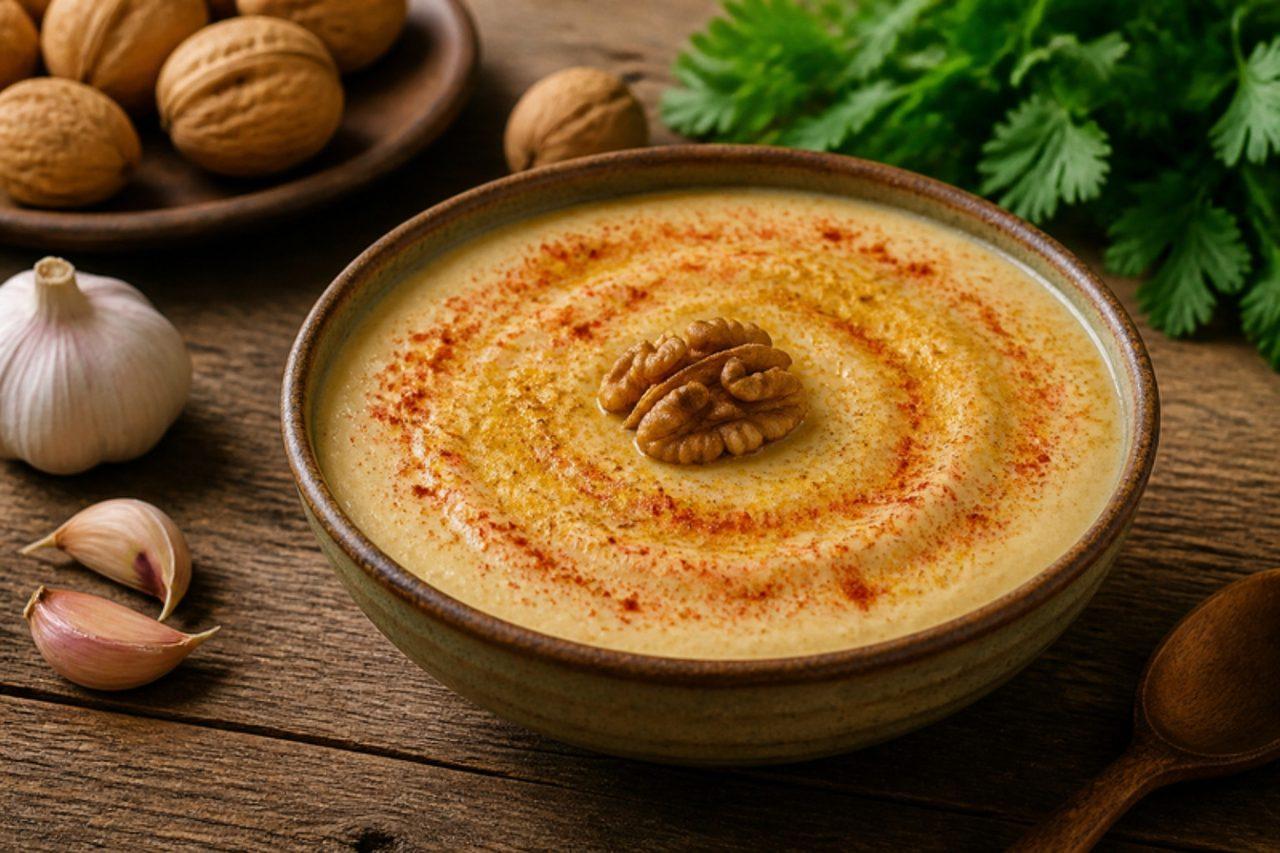
BazheWalnut sauce

Bazhe is the creamy walnut sauce of Guria, Samegrelo and Imereti, served cold with fried fish, roast chicken, boiled vegetables or a bowl of ghomi; families in Ozurgeti make it in large bowls for New Year. Walnuts are ground until they give up their oil, then let down with water and seasoned with garlic, blue fenugreek, coriander and a sour note until the sauce is pale, smooth and pourable. A common mistake is adding all the water at once; the sauce separates and turns thin and grey. Chef's tip: squeeze out a little walnut oil by kneading the paste with your hand, then drizzle it back over the finished sauce for a glossy, golden finish.

by KrazyBadal 0 views

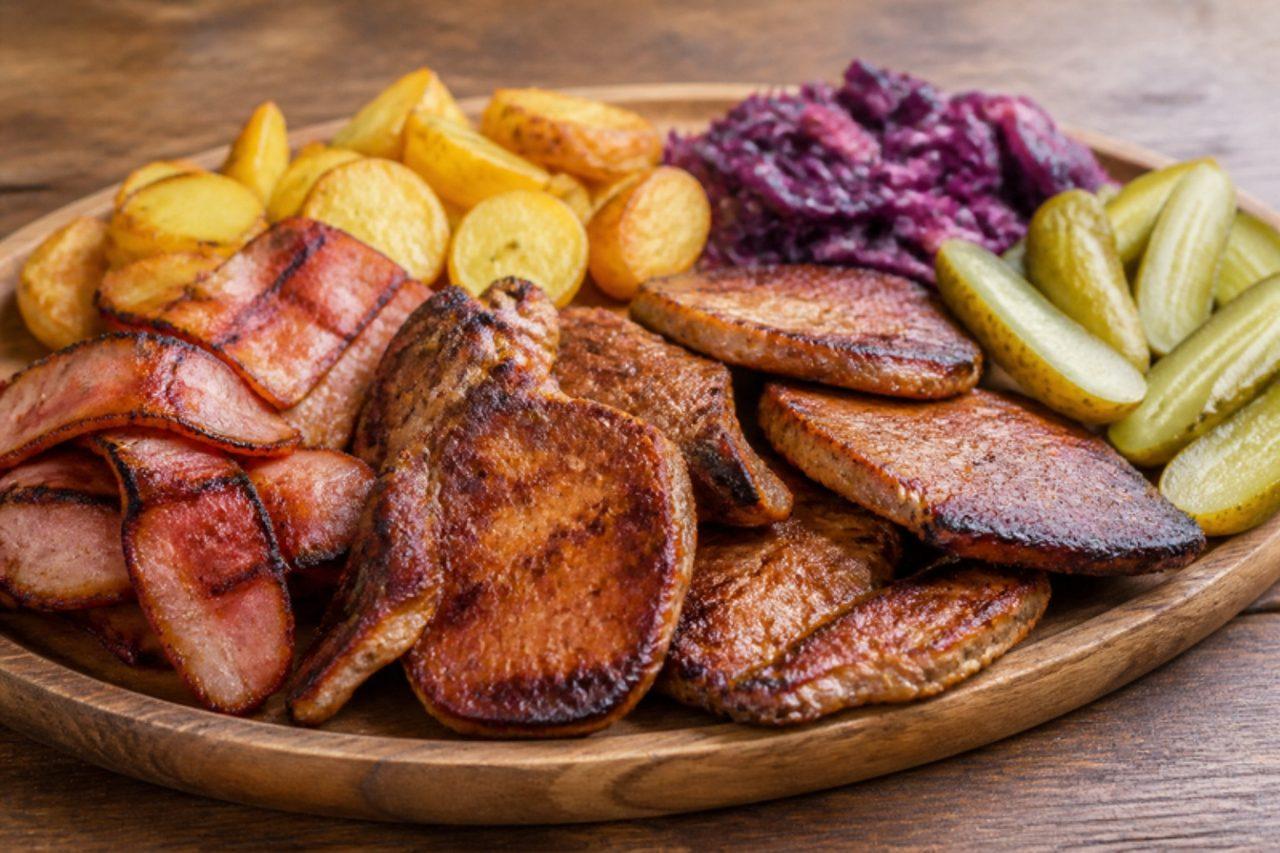
Erdélyi fatányérosMixed grill platter

The name means 'wooden plate', and that is how this Transylvanian-Hungarian feast is brought to the table in Cluj and Târgu Mureș restaurants: a big board heaped with fried potatoes and topped with grilled pork chops, veal escalopes and crisp smoked bacon, surrounded by pickled cucumbers, peppers and red cabbage. It is meant for sharing, two or four people picking from one board, and it smells of garlic, marjoram and smoke. The pork and bacon make this very much a pork dish, balanced by the sharp pickles. Where people most often go wrong is grilling everything at once; cook the bacon first and use its fat for the meat, so nothing dries out while waiting. Chef's tip: score the edge of each pork chop through the fat every 2 cm; it stops the chops curling up in the pan and cooking unevenly.

by KrazyBadal 0 views

Maple-glazed ham

At the cabanes à sucre of Quebec in March and April, a smoked pork ham baked in maple syrup is the centrepiece of the long tables, carved alongside pea soup, beans and omelette. At home it is an Easter favourite in the Eastern Townships. The ham is simmered, then glazed and baked, basted again and again until it shines. Check the label: most smoked hams are already cooked and only need heating, while uncooked ones need full cooking. A common mistake is glazing too early, which burns the sugar before the ham is hot. Chef's tip: a splash of cider vinegar in the glaze balances the sweetness.

150 minCanadianMeatGluten free
by KrazyBadal 0 views

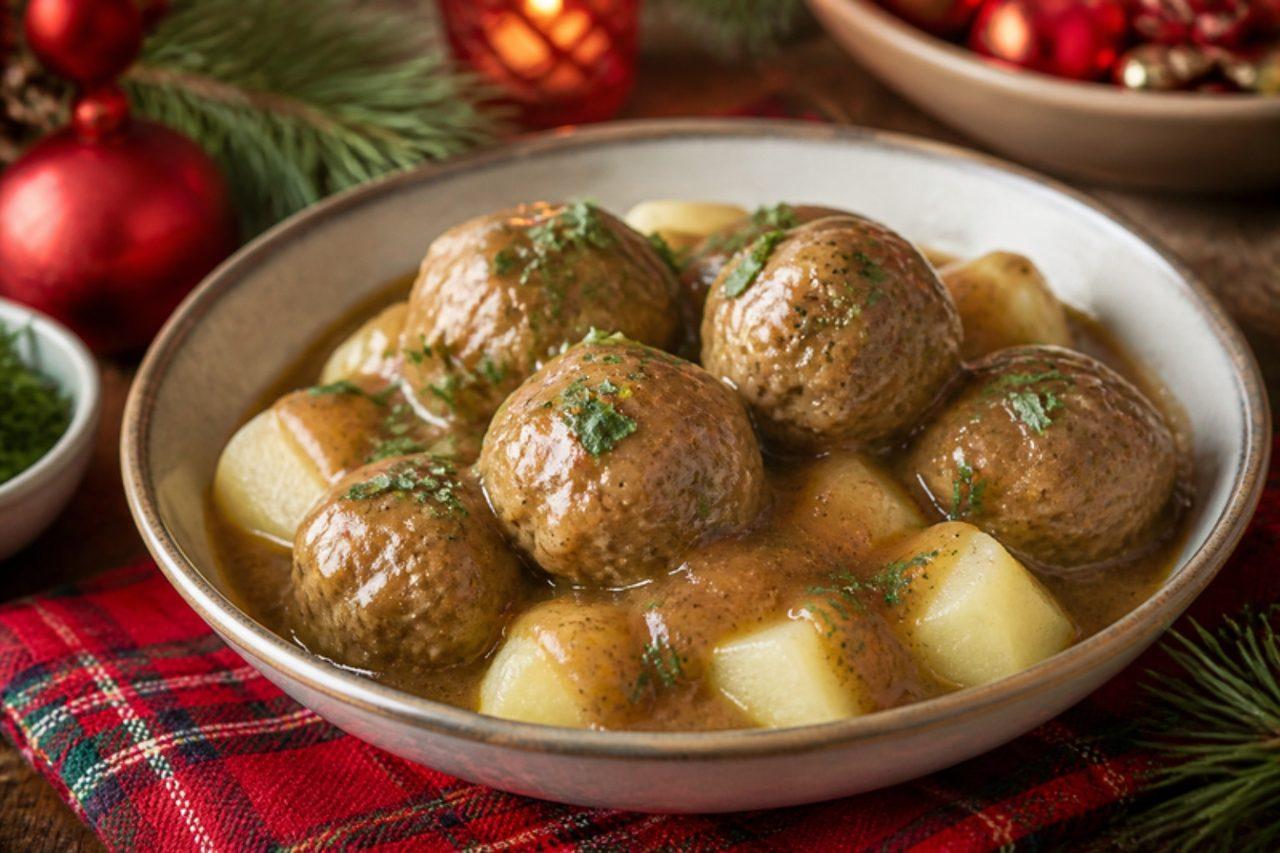
Meatball stew

Ragoût de boulettes is a Quebec Christmas Eve and New Year dish, simmered in big pots for the réveillon in the Saguenay and Beauce, often served with pork hocks and boiled potatoes. The meatballs are made from minced pork, gently spiced with cinnamon, clove and nutmeg, and simmered in a gravy thickened with flour toasted dry in a pan until brown. That toasted flour gives the stew its colour and nutty taste. A common mistake is toasting the flour too quickly so it burns; keep the heat moderate and stir constantly. Chef's tip: it tastes even better the next day, so make it ahead and reheat until piping hot.

150 minCanadianMeat
by KrazyBadal 0 views

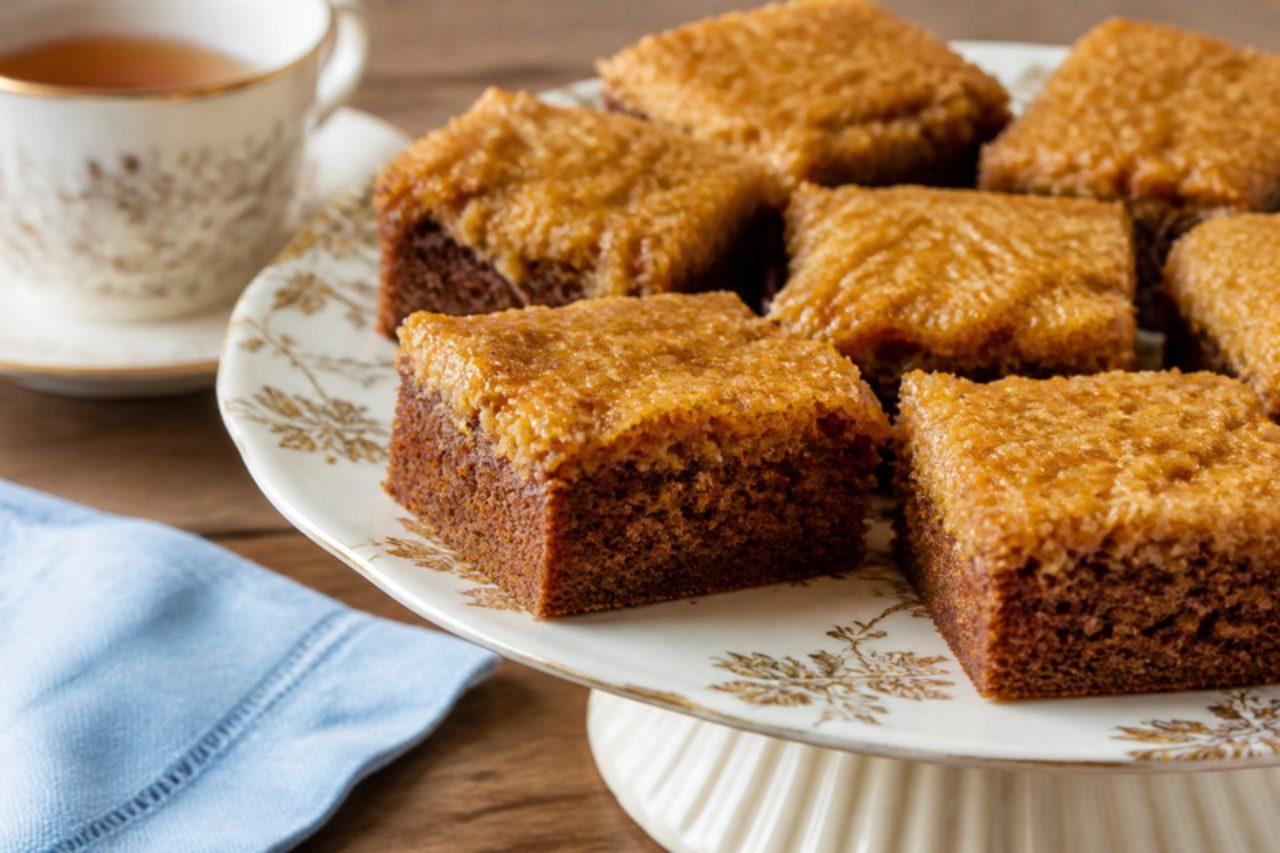
Queen Elizabeth cake

Queen Elizabeth cake has been a favourite in Canadian homes and Quebec bakeries since the 1950s, especially around coronations and royal visits, and it still turns up at Montreal family birthdays and Sunday teas. A moist, tender date cake is baked, then covered in a bubbling coconut and brown-sugar topping and put under the grill until it caramelises. It is humble, rich and keeps well for days. A common mistake is walking away from the grill; the topping goes from golden to burnt in under a minute. Chef's tip: soak the dates in boiling water with the bicarbonate so they melt into the crumb.

by KrazyBadal 0 views

BakarkhaniLayered ghee bread

Before dawn in Lalbagh and Nazira Bazar, bakers slap rounds of dough onto the inside walls of clay tandoors, and by sunrise stacks of bakarkhani are wrapped in newspaper for the first cup of milky tea. The Old Dhaka kind is small, about the size of a palm, with dozens of paper-thin layers that shatter at the edges and stay a little tender in the middle; the faintly sweet, buttery taste is what makes it so good dipped in cha or crumbled over a bowl of firni. Local legend ties the name to a Mughal-era romance, but the technique is pure bakery craft: the dough is spread with a ghee paste, rolled up, coiled and rolled again. Most failed batches come from soft, warm ghee paste, which soaks into the dough instead of sitting between the layers. Chef's tip: chill the rolled coils for 15 minutes before the final rolling so the fat sets and the layers stay separate in the oven.

by KrazyBadal 0 views

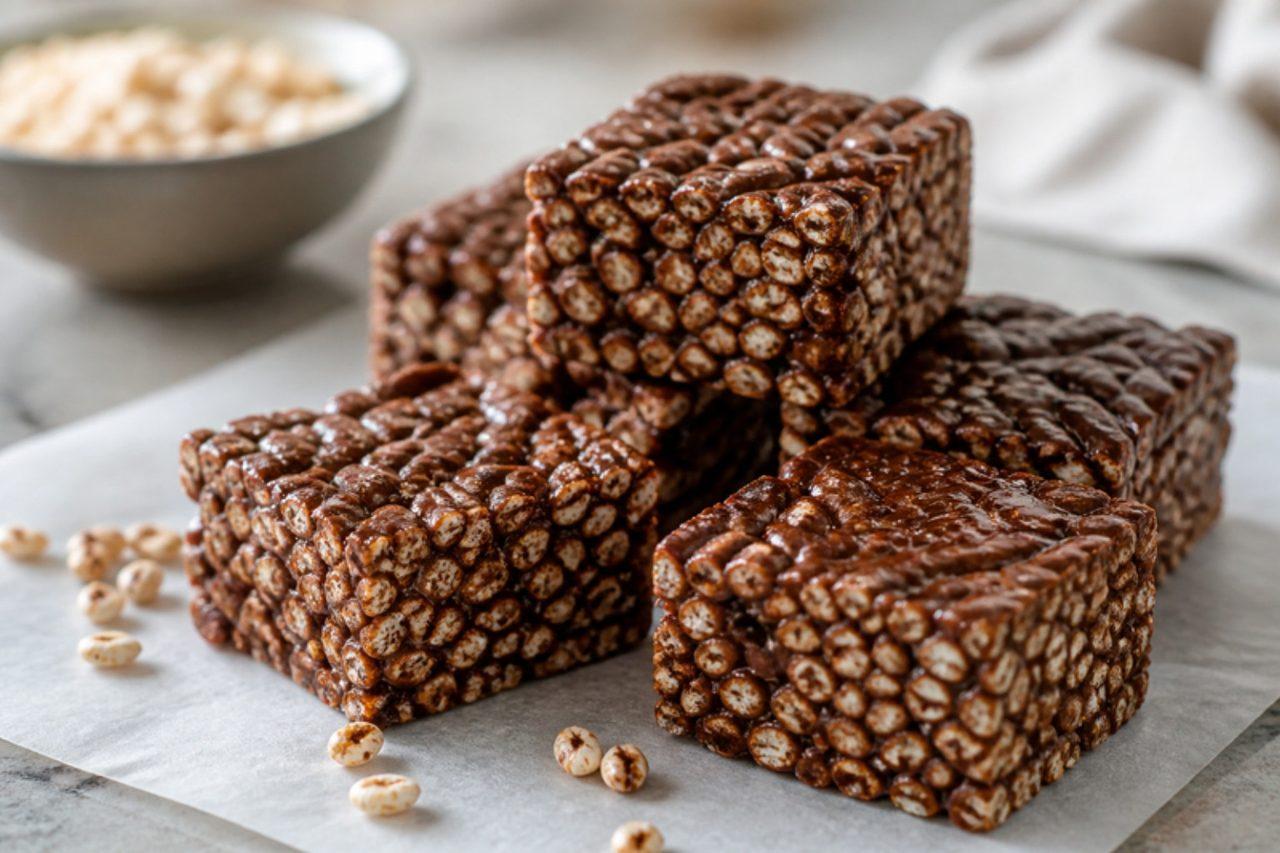
Puffed wheat squares

Puffed wheat squares are the Prairie kids' party treat, made in Alberta and Saskatchewan kitchens for hockey bake sales and lunchboxes since the 1950s. Puffed wheat is stirred into a quick toffee of butter, brown sugar, golden syrup and cocoa, pressed into a pan and cut once set. They are chewy rather than crunchy and very hard to stop eating. A common mistake is boiling the syrup too long, which sets them rock hard; one minute of boiling is enough. Chef's tip: butter your hands, not just the pan, to press the mix down evenly.

by KrazyBadal 0 views

Labrador tea

Labrador tea grows in the bogs and boreal forests right across northern Canada, and Cree, Dene and Inuit families have long dried its leathery, rust-backed leaves for a hot drink on the land and at home. It tastes resinous and piney, a bit like rosemary and eucalyptus, and is often sweetened with a little sugar. The leaves contain natural compounds that are harmful in large amounts, so brew it weak, drink a cup or two, and don't steep it for hours. It is not for pregnant or breastfeeding women. Only pick it if you know the plant well: the poisonous bog laurel grows alongside it; dried leaves from a trusted seller are safest. A common mistake is using a big handful of leaves; one tablespoon makes two cups. Chef's tip: steep below boiling and briefly; a long boil makes it bitter and stronger than you want.

by KrazyBadal 0 views

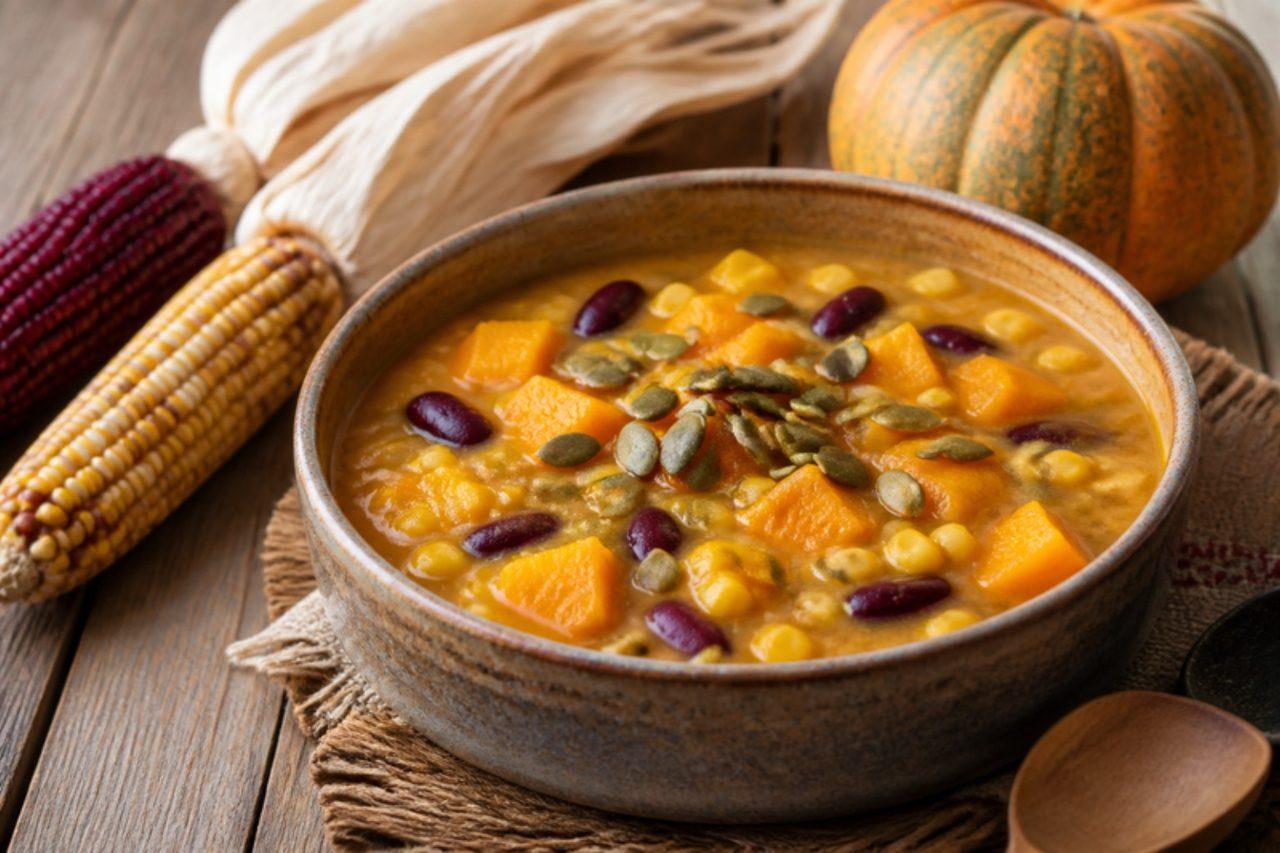
Three Sisters soup

The Three Sisters, corn, beans and squash planted together in one mound, are the heart of Haudenosaunee farming in what is now southern Ontario and Quebec, and of many other Eastern Woodlands nations. Simmered together, they make a filling, golden autumn soup served at harvest gatherings and at home through the winter. This version uses dried beans and fresh squash for a thick, naturally sweet pot. A common mistake is adding the corn too early, which makes it tough; it goes in for the last 10 minutes. Chef's tip: roast half the squash first for a deeper, nuttier flavour.

by KrazyBadal 0 views

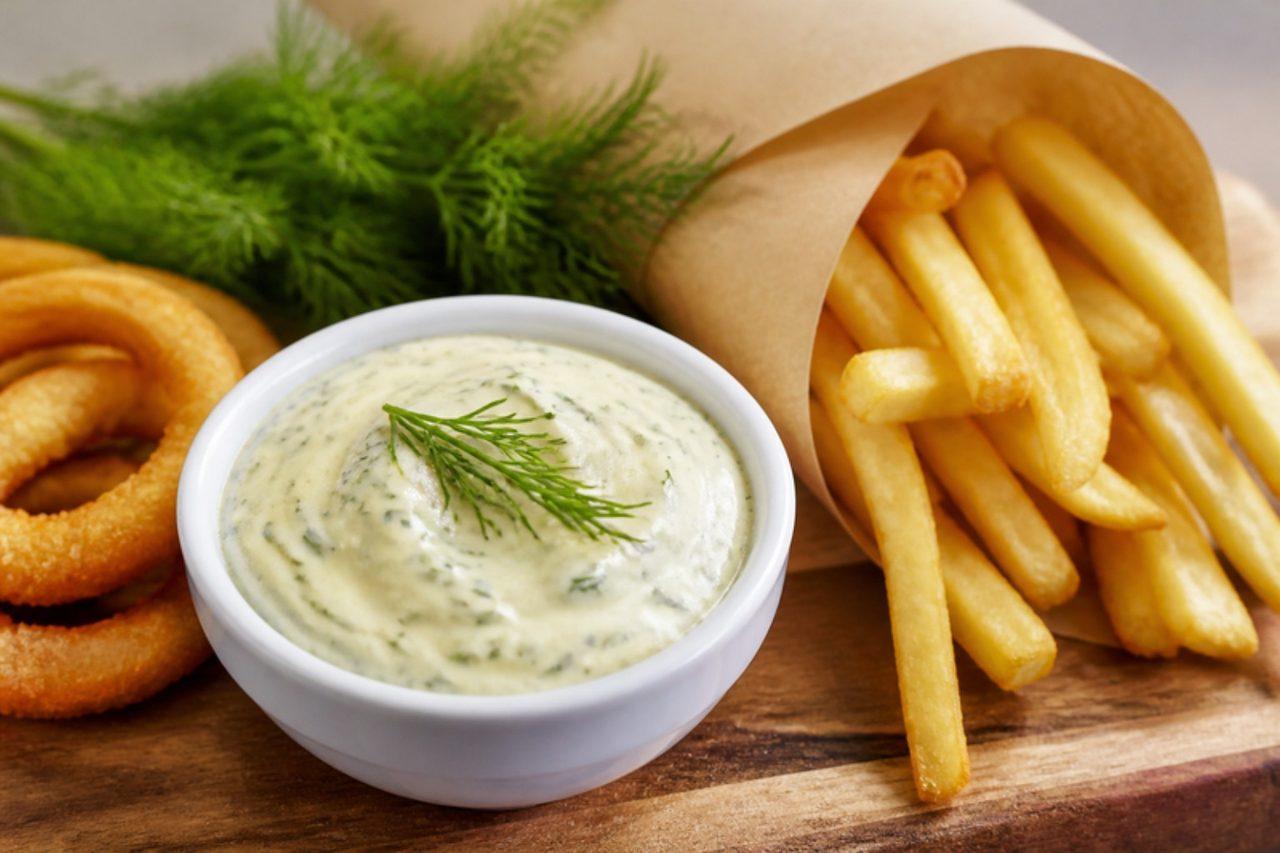
Honey dill sauce

Ask for honey dill anywhere outside Manitoba and you'll get a blank look, but in Winnipeg every pub, burger stand and school canteen serves it with chicken fingers, fries and onion rings. It is simply mayonnaise sweetened with liquid honey and full of fresh dill, and it takes five minutes. It is also good on veggie burgers and baked potatoes. A common mistake is using thick set honey, which won't blend; warm it first. Chef's tip: make it an hour ahead so the dill flavours the whole sauce.

by KrazyBadal 0 views

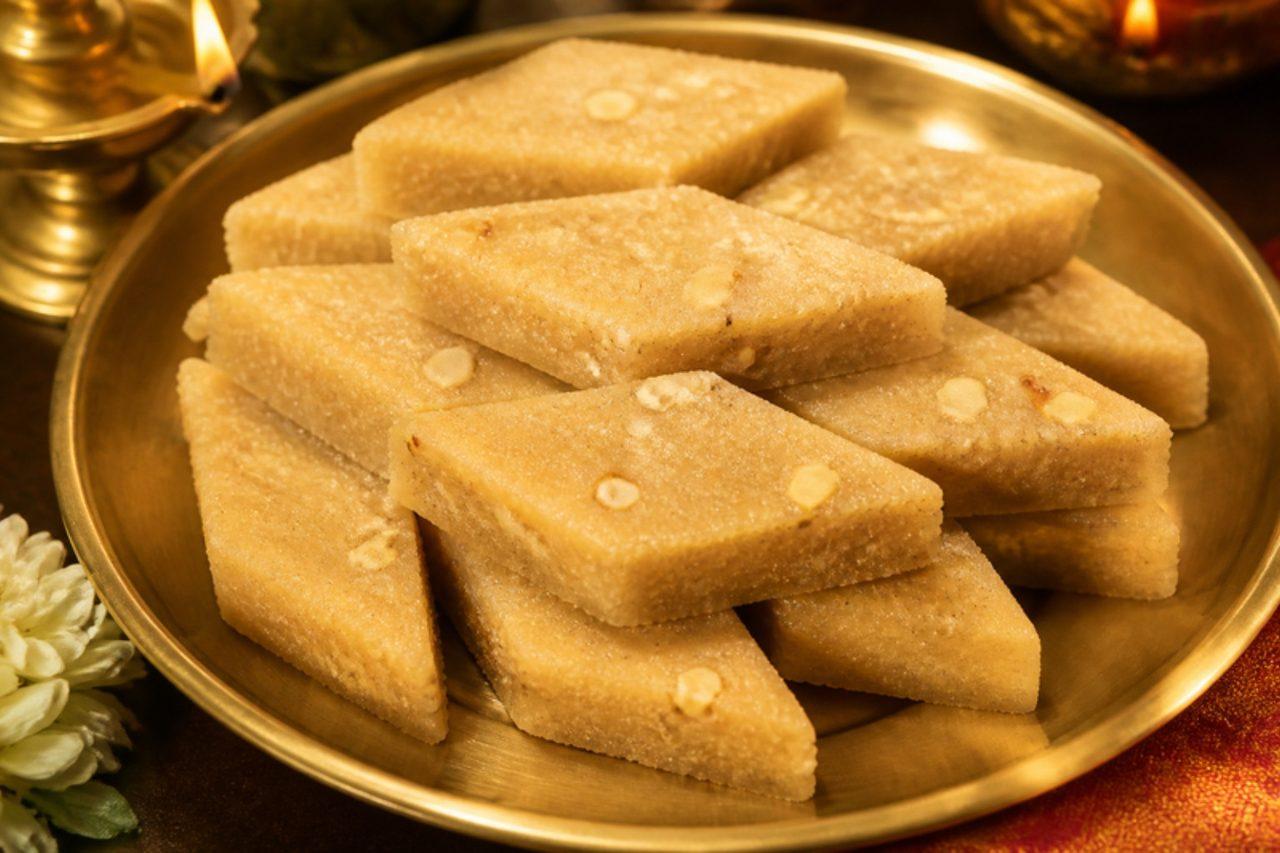
AluwaRice flour diamond sweets

Pale, smooth and cut into precise little diamonds, aluwa brings a touch of order to the crowded Avurudu sweet tray, and it is often the first sweet children learn to help make because there is no deep-frying involved. Rice flour is roasted until it smells like biscuits, then kneaded with hot sugar syrup, chopped cashews and cardamom into a firm dough, rolled out and cut. The finished sweet is dense, slightly crumbly and not too sweet, with a gentle nuttiness, and it keeps for weeks in a tin to be offered to visitors with tea. The point where it goes wrong is the syrup: too thin and the aluwa never sets, too thick and the dough cracks before you can roll it, so aim for the one-thread stage. Chef's tip: roll the dough between two sheets of baking paper and cut it while it is still warm and pliable; once cold it breaks instead of slicing.

by KrazyBadal 0 views

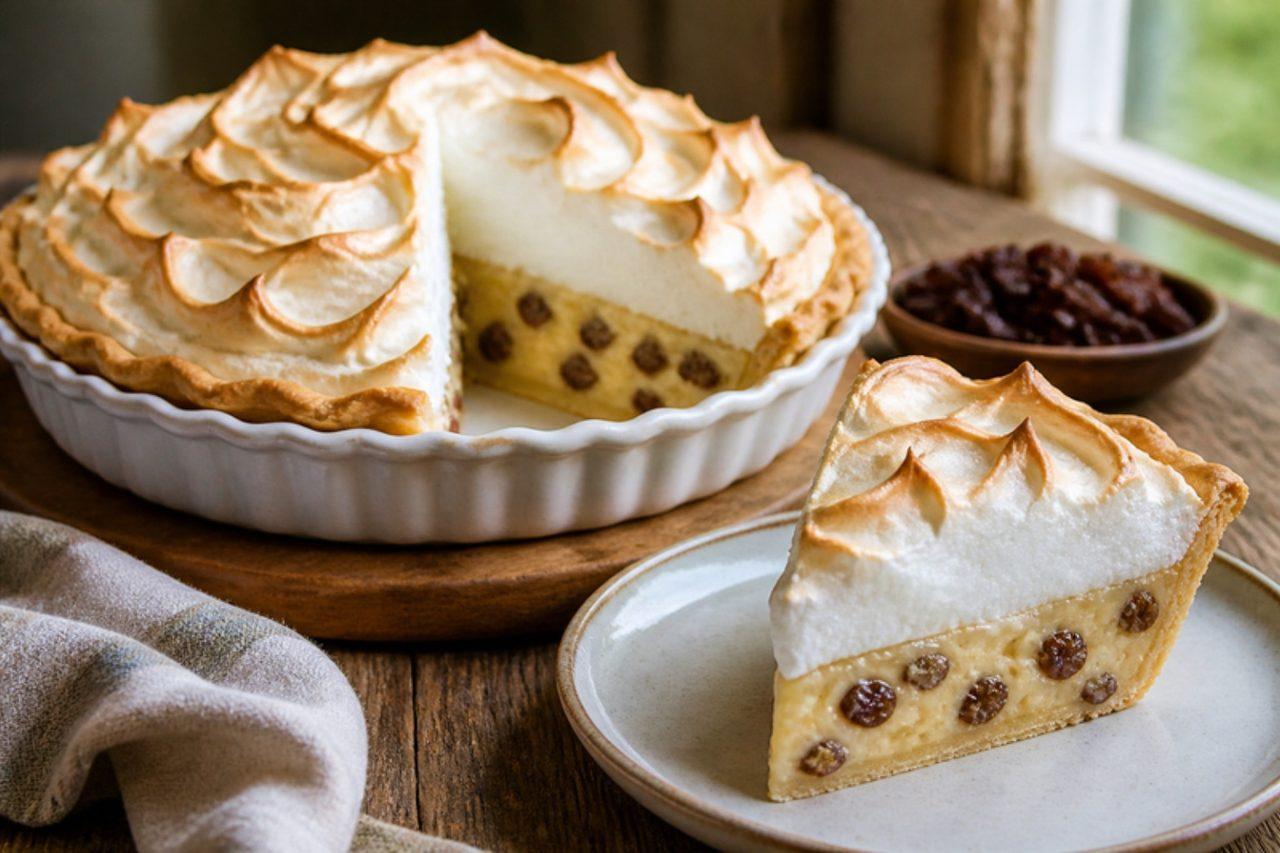
Sour cream raisin pie

Sour cream raisin pie is a farm-kitchen dessert from the Old Order Mennonite communities of Waterloo County, Ontario, found at the St Jacobs market and at church suppers around Elmira. Plump raisins sit in a tangy sour-cream custard, warm with cinnamon and clove, under a tall cloud of meringue. It is made ahead and served cool, cut in generous wedges. A common mistake is spreading the meringue on a cold filling, which makes it weep; spread it while the filling is hot. Chef's tip: simmer the raisins first so they are soft and juicy instead of chewy in the custard.

by KrazyBadal 0 views

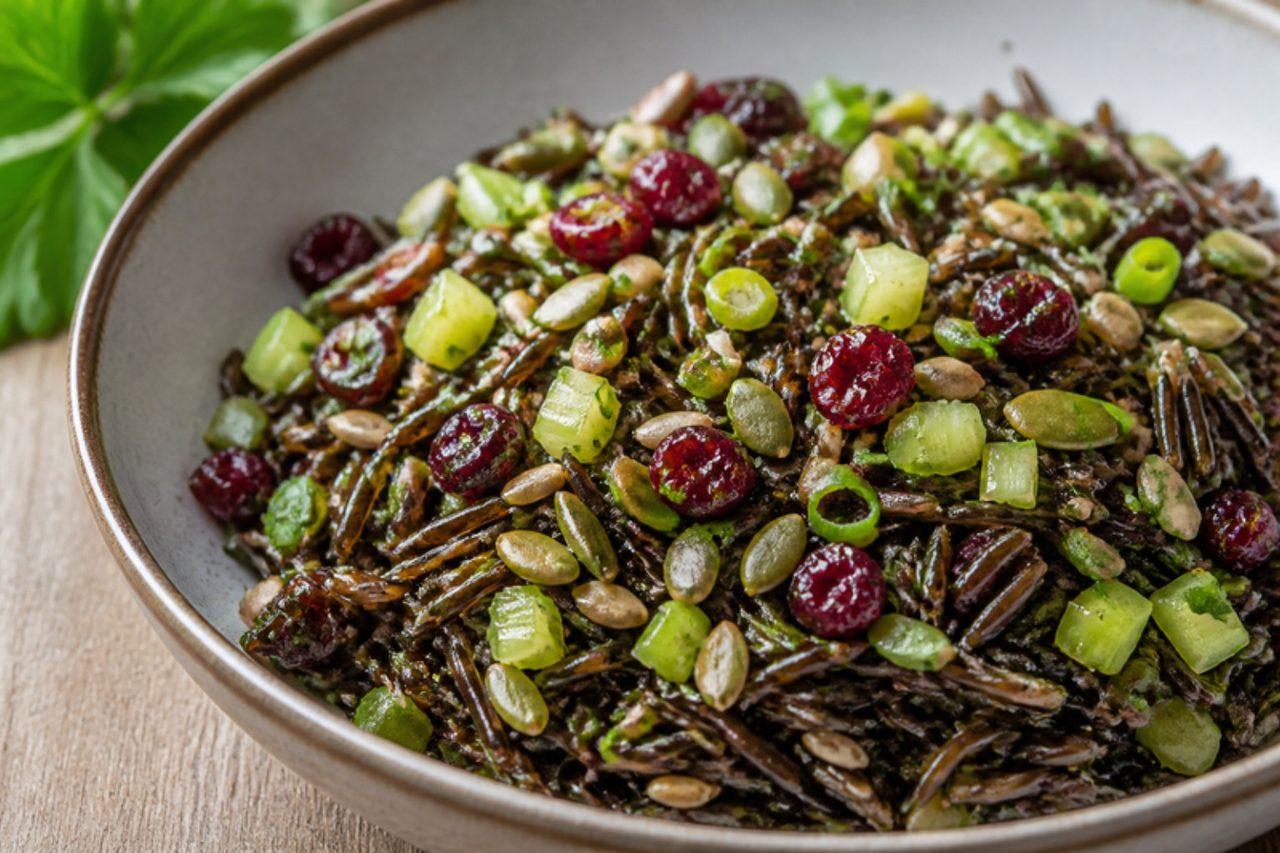
Wild rice salad

Manoomin, true wild rice, is hand-harvested by canoe by Anishinaabe families on the shallow lakes of northern Ontario and Manitoba in late summer, the grains knocked into the boat with cedar sticks. Its nutty, smoky taste is lovely cold in a salad with dried cranberries, toasted sunflower and pumpkin seeds and a light maple vinaigrette, the kind of dish brought to a feast or a summer potluck. Hand-harvested lake rice cooks faster than the black cultivated paddy rice, so check it early. A common mistake is cooking it until it splits wide open and turns mushy. Chef's tip: dress the rice while it is still warm so it drinks in the vinaigrette.

by KrazyBadal 0 views

MuhammarSweet saffron rice

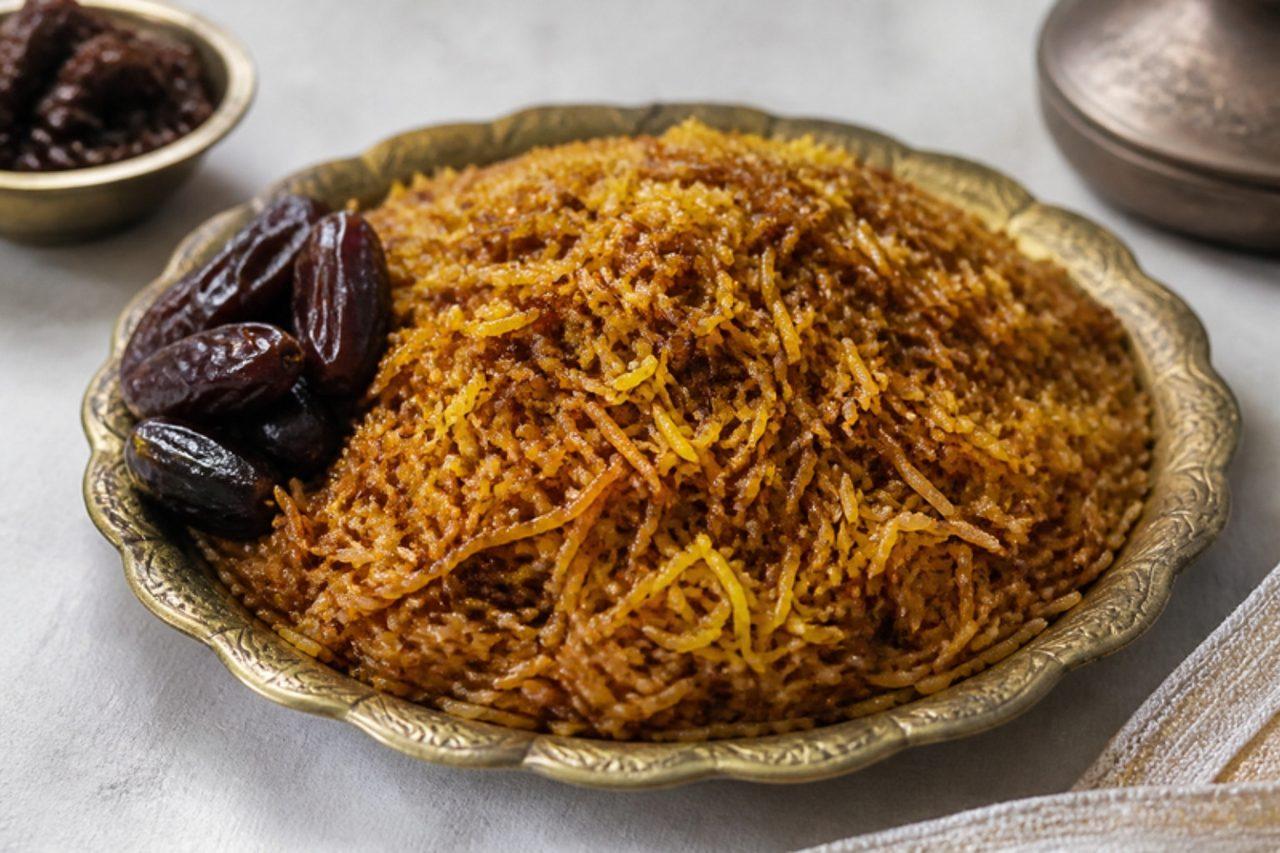
Muhammar is a golden, gently sweet rice from Bahrain, cooked with date syrup or sugar, saffron and rosewater, and its natural partner is fried or grilled fish, especially safi or hamour, so that the sweet rice and the salty, crisp fish balance on the same plate. It is a Friday lunch and Ramadan dish in Manama and Muharraq, and each family argues for its own ratio of sweetness. The grains should be separate and glossy with a faint caramel colour, not sticky. The most common error is boiling the rice too long before steaming, which turns it mushy once the sugar goes in. Chef's tip: let a thin crust form on the base during the steam; Bahrainis prize those crunchy sweet bits.

by KrazyBadal 0 views

Chopped liver

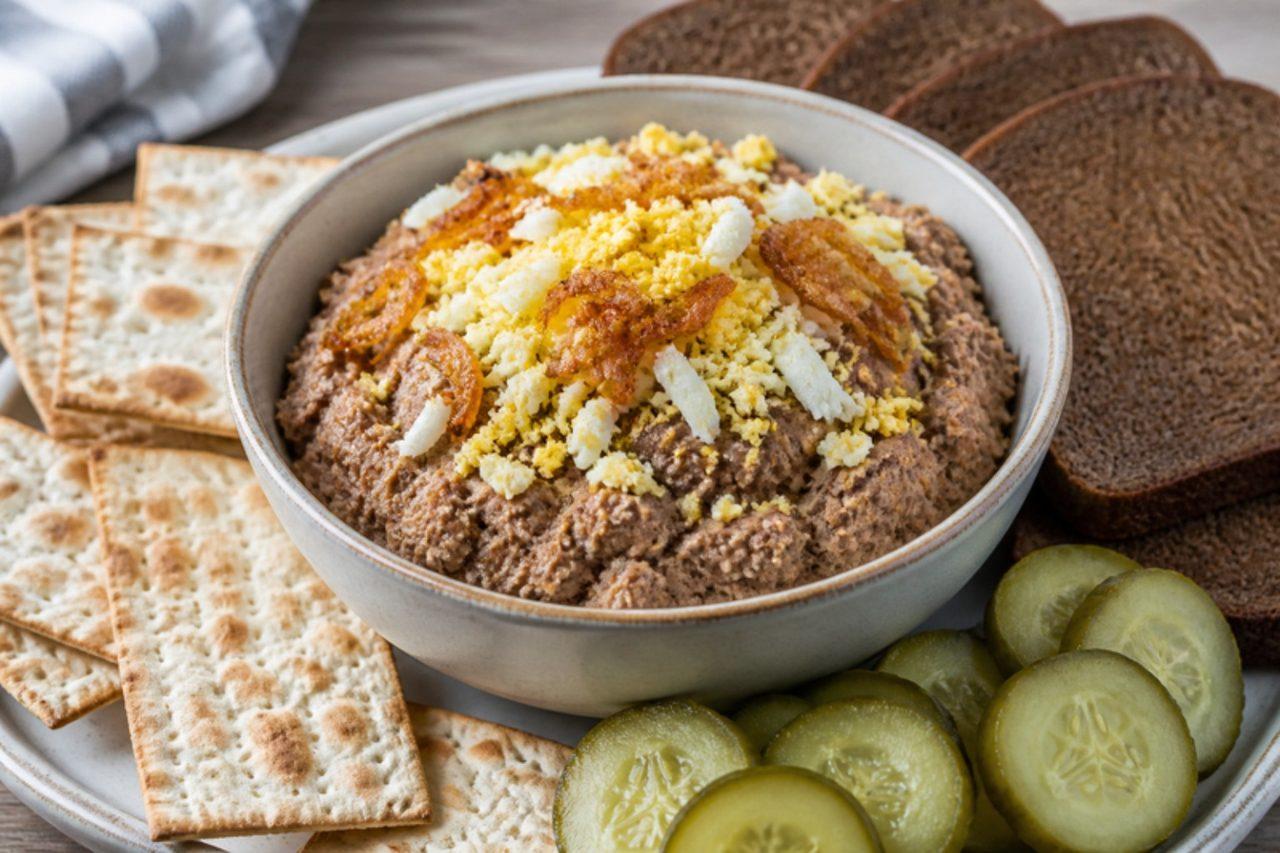
Chopped liver is the first course of many Friday-night dinners in Ashkenazi homes from Haifa to Petah Tikva, spread on challah before the soup, and Tel Aviv delis still sell it by weight on Thursdays. Chicken livers are cooked through in schmaltz with a mountain of slowly browned onion, then chopped with hard-boiled egg into a coarse, rich spread that is sweet from the onion and deeply savoury. It is served cool, with challah, crackers or rye bread and a pickled cucumber. People often undercook the livers to keep them soft, but for safety they must have no pink left inside; the onion and schmaltz keep the texture tender anyway. Chef's tip: pulse in short bursts or chop by hand; a smooth purée loses the rustic texture that makes this different from a French pâté.

by KrazyBadal 0 views

Puffed maple omelette

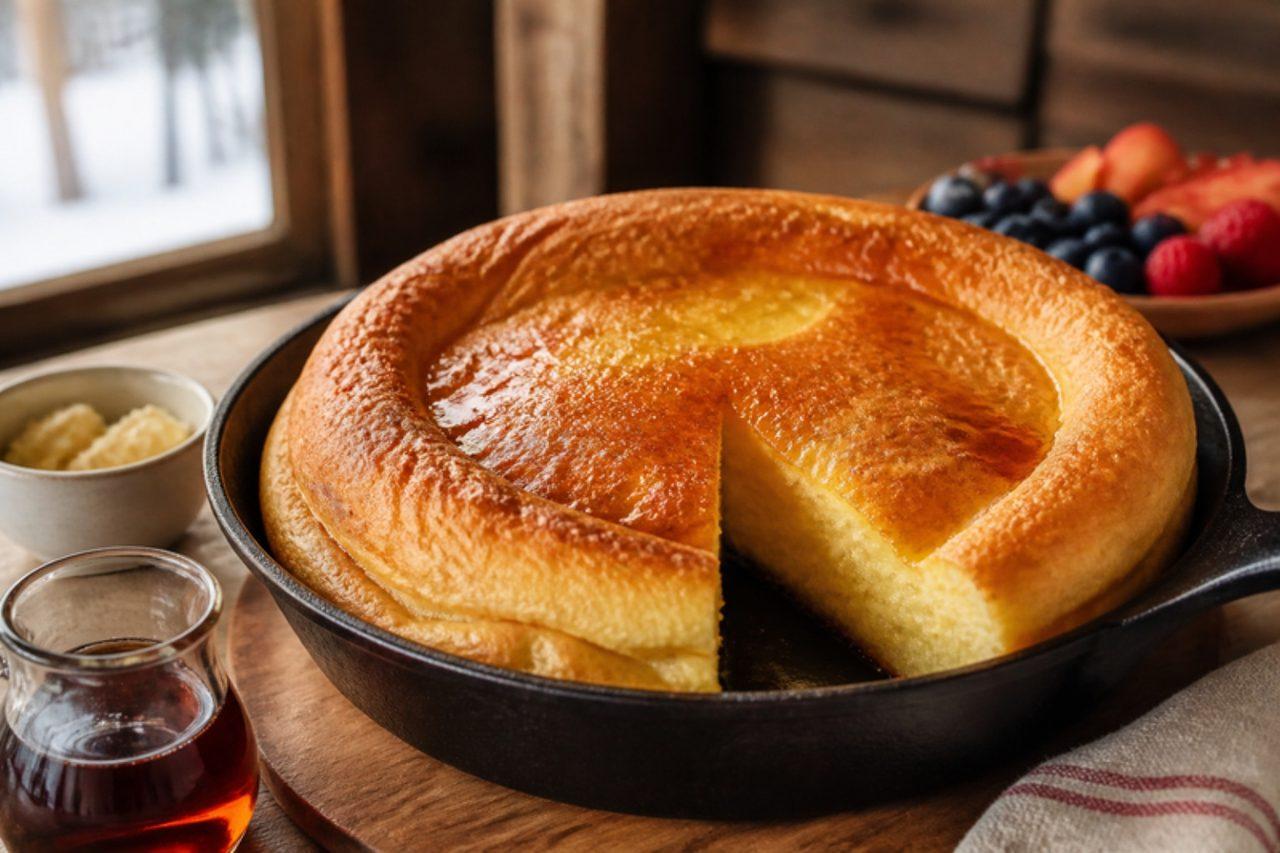
A tall, golden puffed omelette arrives on every table at the cabanes à sucre of the Laurentians and the Eastern Townships, sliced into wedges and drowned in fresh maple syrup alongside beans and ham. The eggs are separated, the whites whipped and folded back in, then the omelette starts on the hob and finishes in the oven so it rises like a soufflé. It must go to the table at once, before it sinks. A common mistake is beating the whites until stiff and dry, which makes the omelette grainy. Chef's tip: fold the whites in with a large metal spoon in three goes, keeping as much air as you can.

by KrazyBadal 0 views

Alu kesel curryPlantain turmeric curry

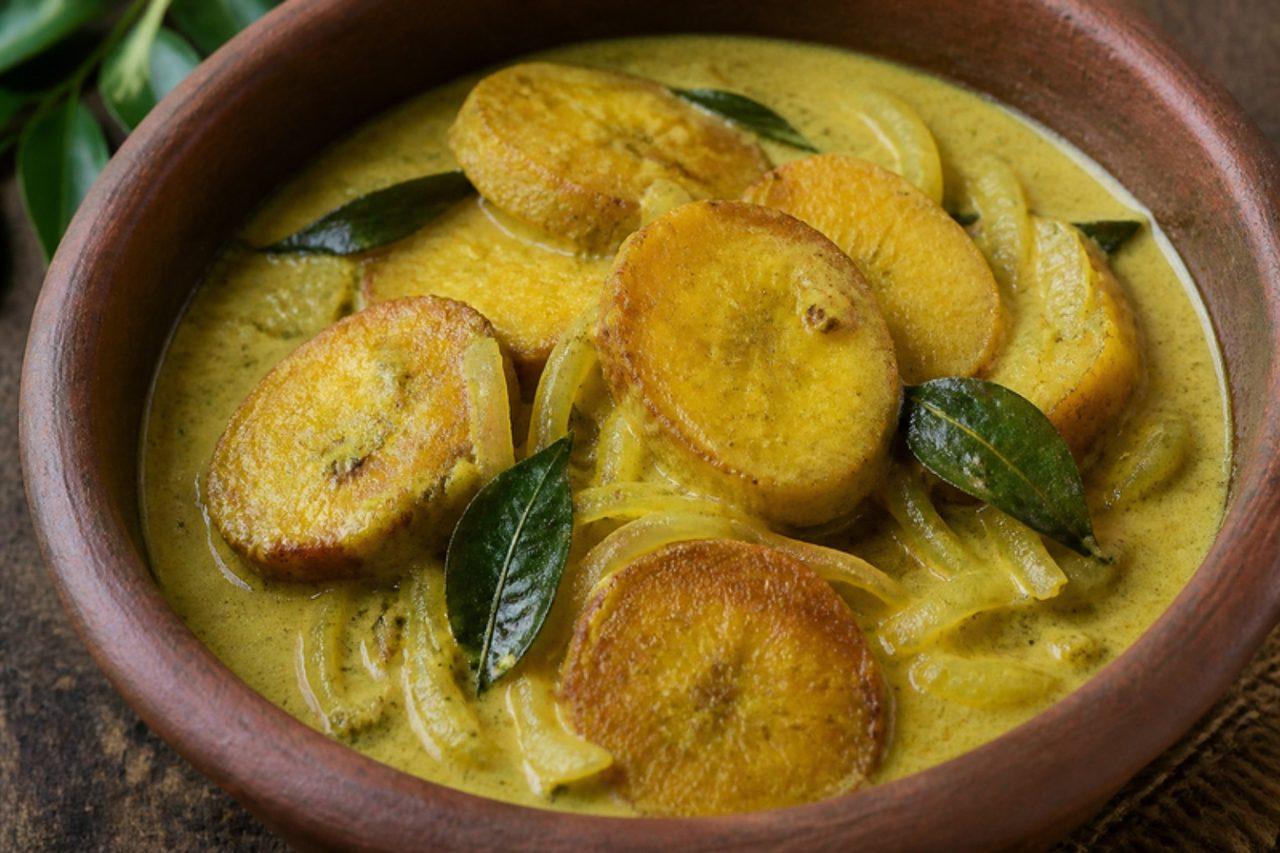
Alu kesel, the grey-skinned cooking plantain whose name means ash banana, is picked green and treated like a vegetable, and this creamy curry is a regular on Kandyan lunch tables and at temple almsgivings, where it fills out the spread cheaply and well. The slices are rubbed with turmeric and salt, fried until golden at the edges, then simmered in coconut milk with unroasted curry powder, fenugreek, cinnamon and pandan, so they turn soft and starchy like potato with a hint of banana sweetness. It sits happily beside parippu, a green mallung and a sharp pickle. Peeling the plantains with dry hands is a messy mistake, because the sap stains skin and knives black; oil your hands and the blade first. Chef's tip: frying the slices before they go into the gravy keeps them in neat pieces; unfried plantain tends to fall apart and thicken the curry into paste.

by KrazyBadal 0 views

Montreal-style bagels

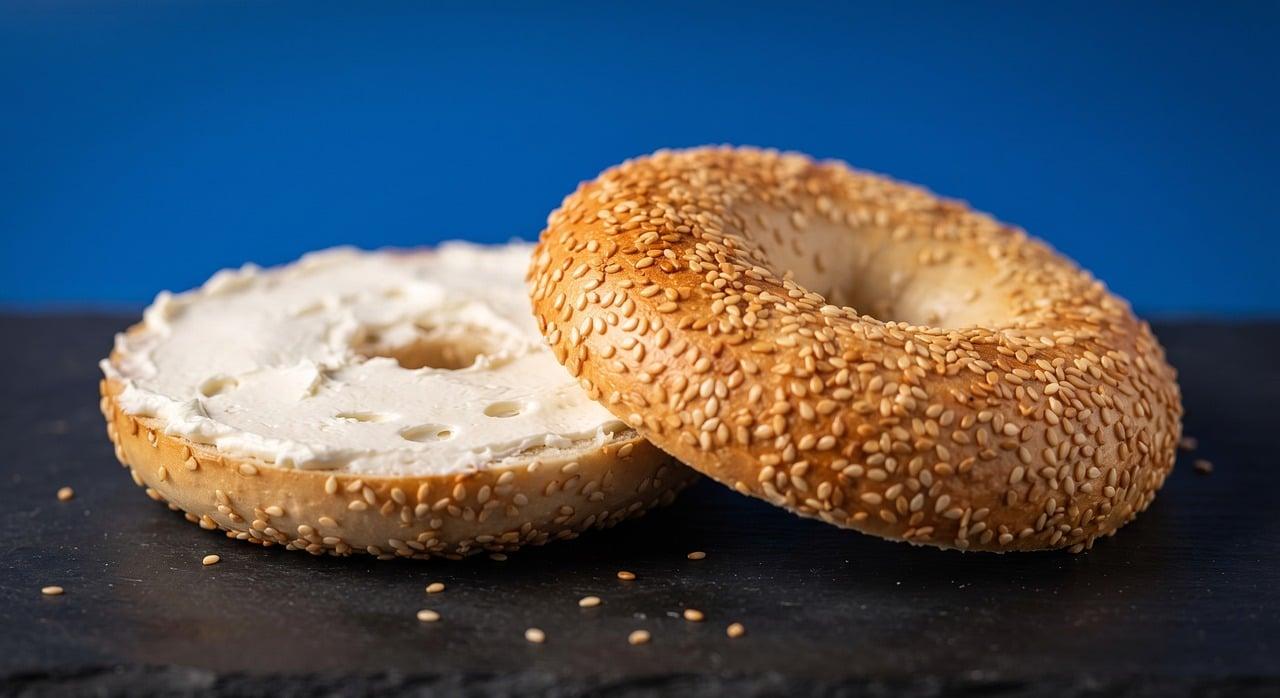
On Fairmount and St-Viateur streets in Montreal's Mile End the bagel bakeries run all night, rolling dough by hand, boiling it in honey water and baking it on long planks in wood-fired ovens. The result is smaller, sweeter and denser than a New York bagel, with a big hole and a crust thickly coated in sesame. They are eaten warm from the paper bag, plain or with cream cheese. Egg goes into the dough and there is no salt-heavy chew, which is what gives that light sweetness. Chef's tip: bake on the hottest oven setting and on a preheated stone or heavy tray, the closest a home oven gets to the wood fire.

by KrazyBadal 0 views

Braised brisket

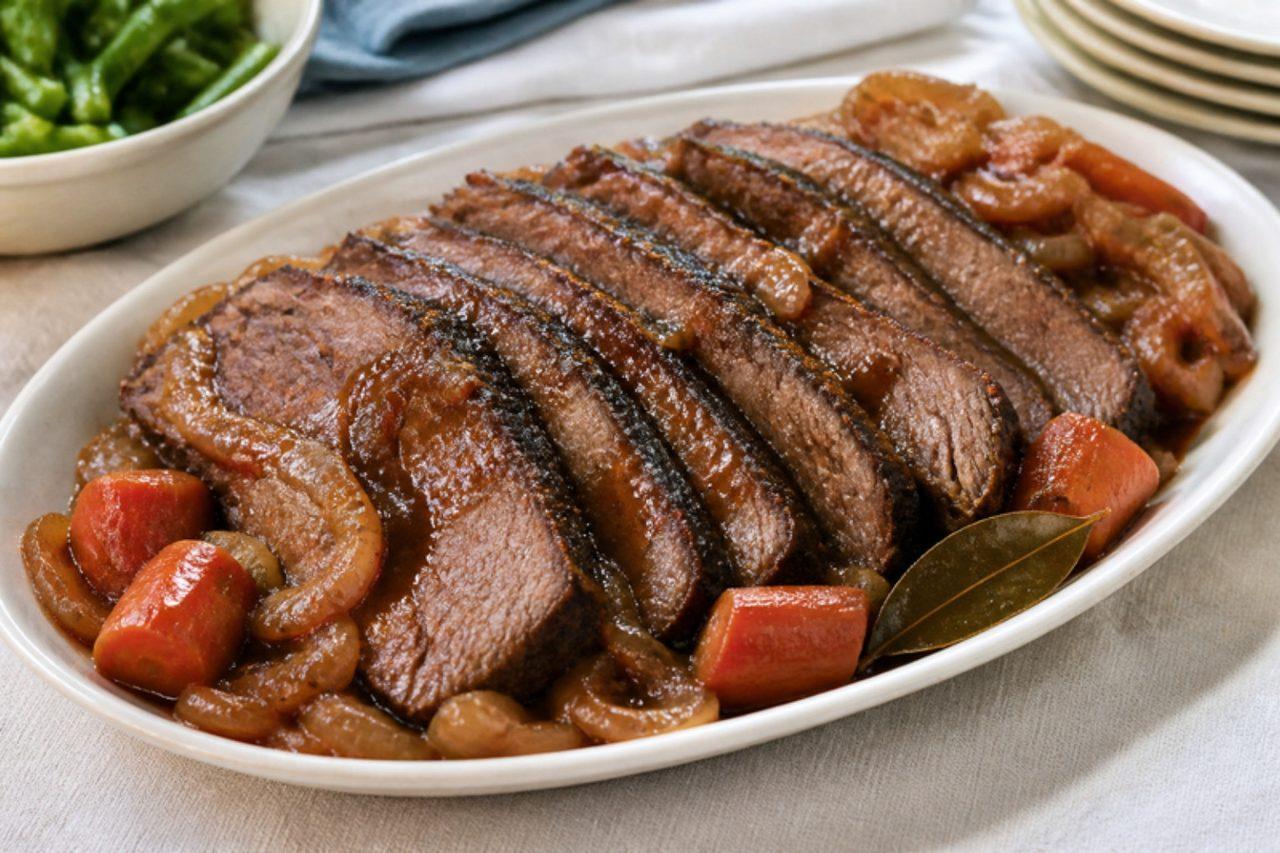
A slowly braised brisket is the centrepiece of the Rosh Hashanah and Passover table for many Ashkenazi families in Israel, from Ra'anana to Jerusalem's German Colony, often made two days ahead because it slices better and tastes deeper once it has rested in its gravy. The beef sits on a bed of sliced onions with carrots, garlic, tomato paste and a little sugar and vinegar, covered tightly, and cooks for hours until fork-tender, while the onions melt into a rich brown sauce. Serve with potato kugel, tzimmes or mashed potatoes. Slicing it hot and along the grain is the usual mistake: chill it, then cut across the grain into thin slices. Chef's tip: return the slices to the gravy and reheat gently so every piece soaks up the sauce.

260 minIsraeliMeatGluten free
by KrazyBadal 0 views

Arroz mamposteaoFried rice and stewed beans

Fondas around San Juan put arroz mamposteao on the menu as a way to use yesterday's white rice and the last ladle of habichuelas, and at home it is the Sunday-night fix when the pots from lunch come out of the fridge. The rice is fried in olive oil with a fresh sofrito, then the beans and their sauce go in until every grain is stained pink and the edges catch and crisp. Many cooks add ham or bacon; this version stays meat-free and gets its depth from the sofrito and a little smoked paprika. The common mistake is using freshly cooked rice, which turns to paste; cold, day-old rice keeps separate grains. Chef's tip: leave the pan alone for the last few minutes so a crunchy layer forms on the bottom, then fold it through.

by KrazyBadal 0 views

CramiqueRaisin brioche

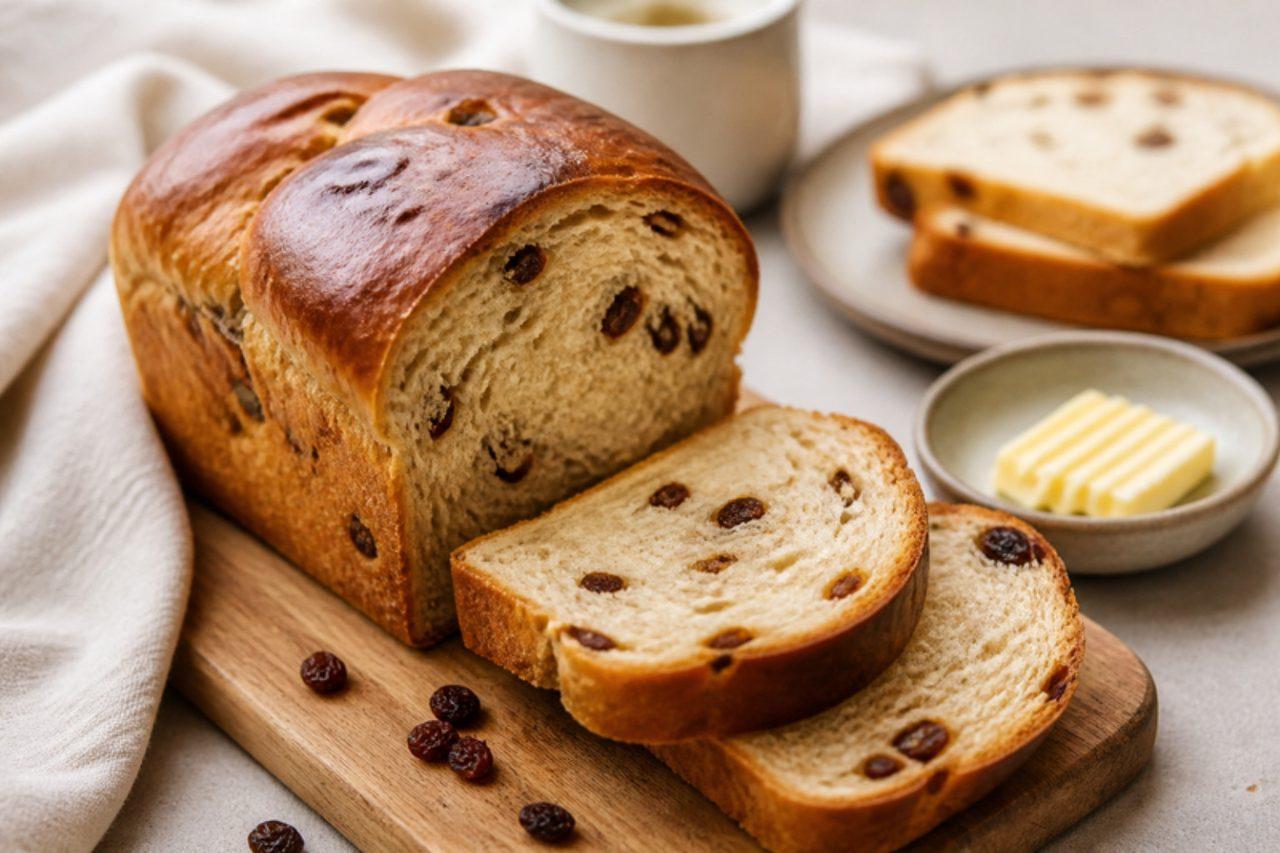
Cramique is the Sunday breakfast loaf of Brussels and Wallonia: a soft, golden brioche packed with raisins, bought from the bakery on Sunday morning and sliced thickly with salted butter. Its sister, craquelin, swaps the raisins for pearl sugar. A common mistake is adding the raisins at the start of kneading, which tears the gluten and turns the dough grey. Chef's tip: soak the raisins in warm tea for 20 minutes, then knead them in only at the end, gently.

by KrazyBadal 0 views

Showing 54 of 8,120 recipes

Show more recipes

Page 280 of 903