


Skip to content
Gotu kola sambol
Featured recipe

Gotu kola sambol

Pennywort and coconut salad

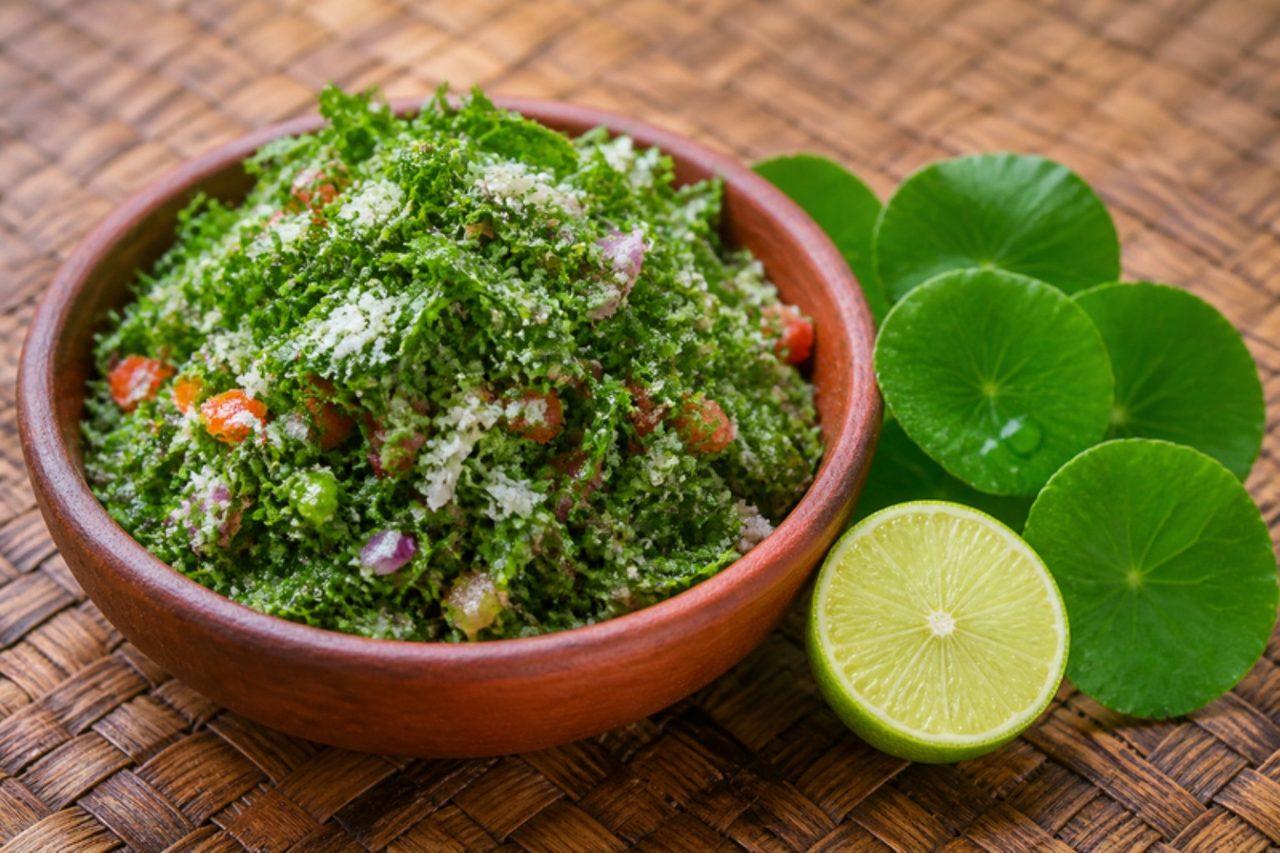
Gotu kola (Asiatic pennywort) grows wild along the paddy edges in the south and centre of Sri Lanka, and a raw sambol of its leaves is the green, slightly bitter bite that balances a rice-and-curry lunch. Families in Galle and Matara will tell you it is good for the memory, and it is often served at the start of a meal or with kola kenda, the herbal porridge. The leaves are shredded as finely as possible, then tossed with shallot, tomato, green chilli, a little fresh coconut and plenty of lime, so it's crunchy, peppery and bright. Look for pennywort bunches in Sri Lankan, Thai and Vietnamese shops. The mistake to avoid is dressing it too early: the salt and lime wilt the leaves within half an hour. Chef's tip: roll a stack of leaves into a tight cigar and slice it hair-thin with a sharp knife; the finer the shreds, the better it tastes.

Read more 0 views

What to eat today?

Around the world

Today's trip: Persian

A new country every day, from every cuisine on the site.

Persian

Nazkhatoon

Smoky aubergine with pomegranate 40 minMore from Persian (131) →

This week's collection

Kid-friendly dinners
578 recipes · a new collection every Monday

Latest recipes

FrenaShabbat flatbread

In Moroccan-Jewish homes from Ashdod to Kiryat Shmona, frena comes out of the oven on Friday afternoon and sits on the Shabbat table beside a dozen little salads: carrots with cumin, matbucha, beetroot, roasted peppers. The dough is wet and soft, pressed into a pan pooled with olive oil, so the base fries as it bakes and turns crackly while the inside stays airy and chewy. It is torn, never sliced, and dragged through the salads. The usual mistake is adding flour until the dough feels easy to handle; a stiff dough gives a dense, bready frena. Chef's tip: dimple the risen dough hard with oiled fingers right down to the pan, so the oil rises into the pockets and every bite has a crisp edge.

by KrazyBadal 0 views

Fries suikerbroodCinnamon sugar bread

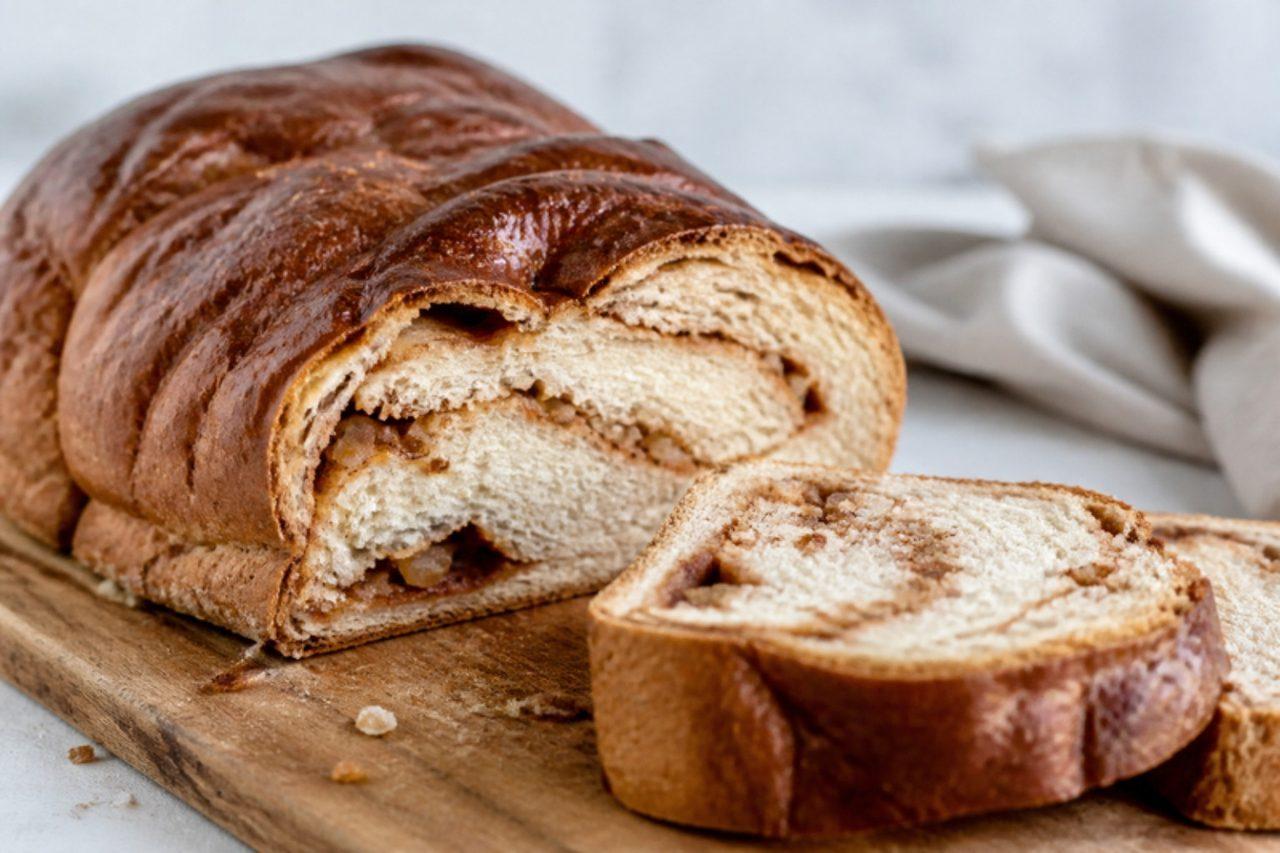
Fries suikerbrood, sûkerbôle in Frisian, is the bread Frisian families bring when a baby is born: a soft white loaf filled with large sugar nibs and cinnamon, so that as it bakes the sugar melts into sticky, crunchy pockets. Leeuwarden bakeries sell it every day, sliced and buttered with coffee. A common mistake is using fine sugar, which dissolves completely; it must be the big pearl sugar nibs. Chef's tip: knead in the sugar only at the end and gently, and bake the loaf in a tin so the melting sugar caramelises against the sides.

by KrazyBadal 0 views

Bibikhana pithaBaked rice flour and coconut cake

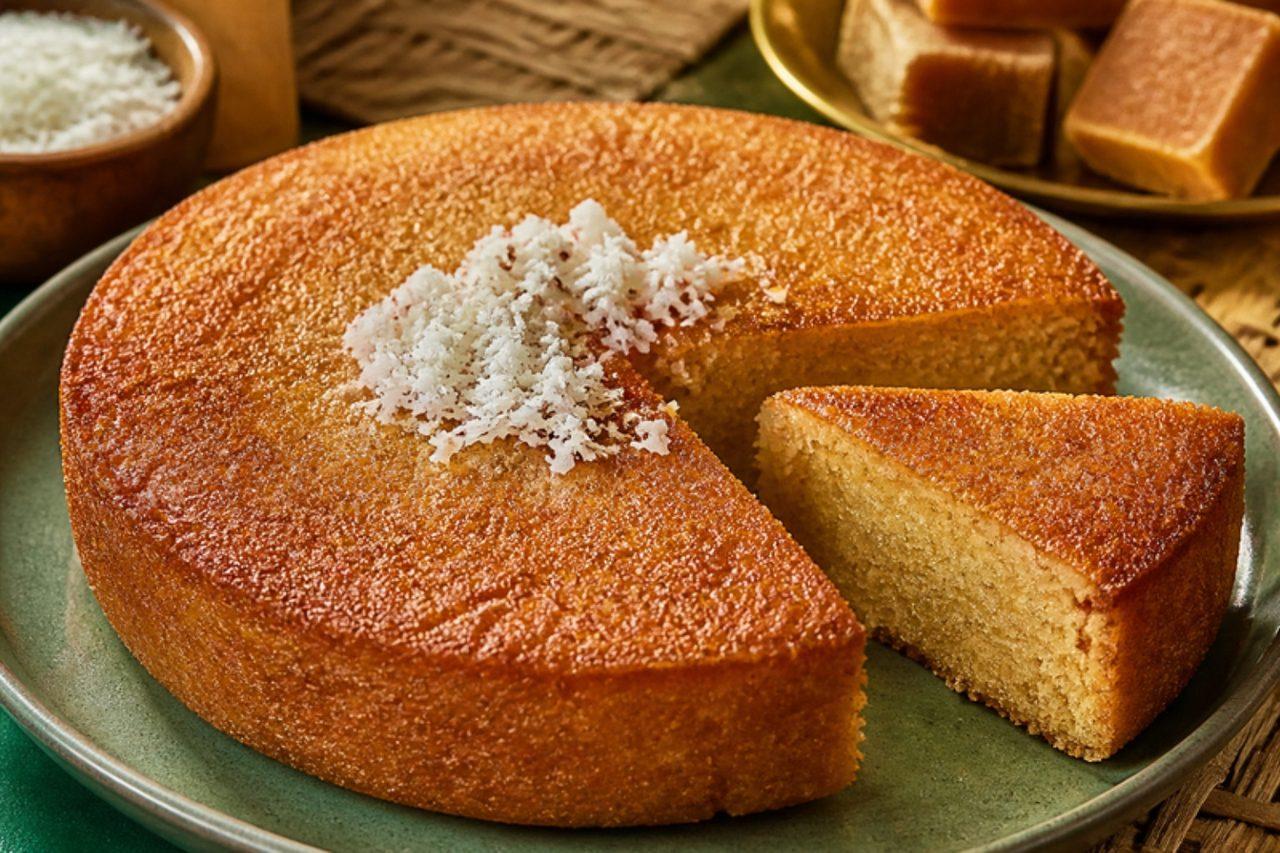
The name means something like a lady's dish, and bibikhana pitha has long been the grand, special-occasion pitha of well-off households in Dhaka, Comilla and Noakhali, made in winter when a son-in-law or important guest is expected. It is closer to a cake than most pithas: rice flour, eggs, milk, grated coconut and date-palm jaggery are beaten together and baked slowly, traditionally in a heavy pan over charcoal with more coals heaped on the lid, until it sets into a dense, moist, caramel-brown cake. It is cut into wedges and served with tea in the afternoon. Baking too hot is the typical slip, so the jaggery burns before the middle sets; a moderate oven and patience give an even colour. Chef's tip: let it cool completely before cutting, as it firms up and slices cleanly only once cold.

by KrazyBadal 0 views

Fish buglamaSteamed fish with onion and tomato

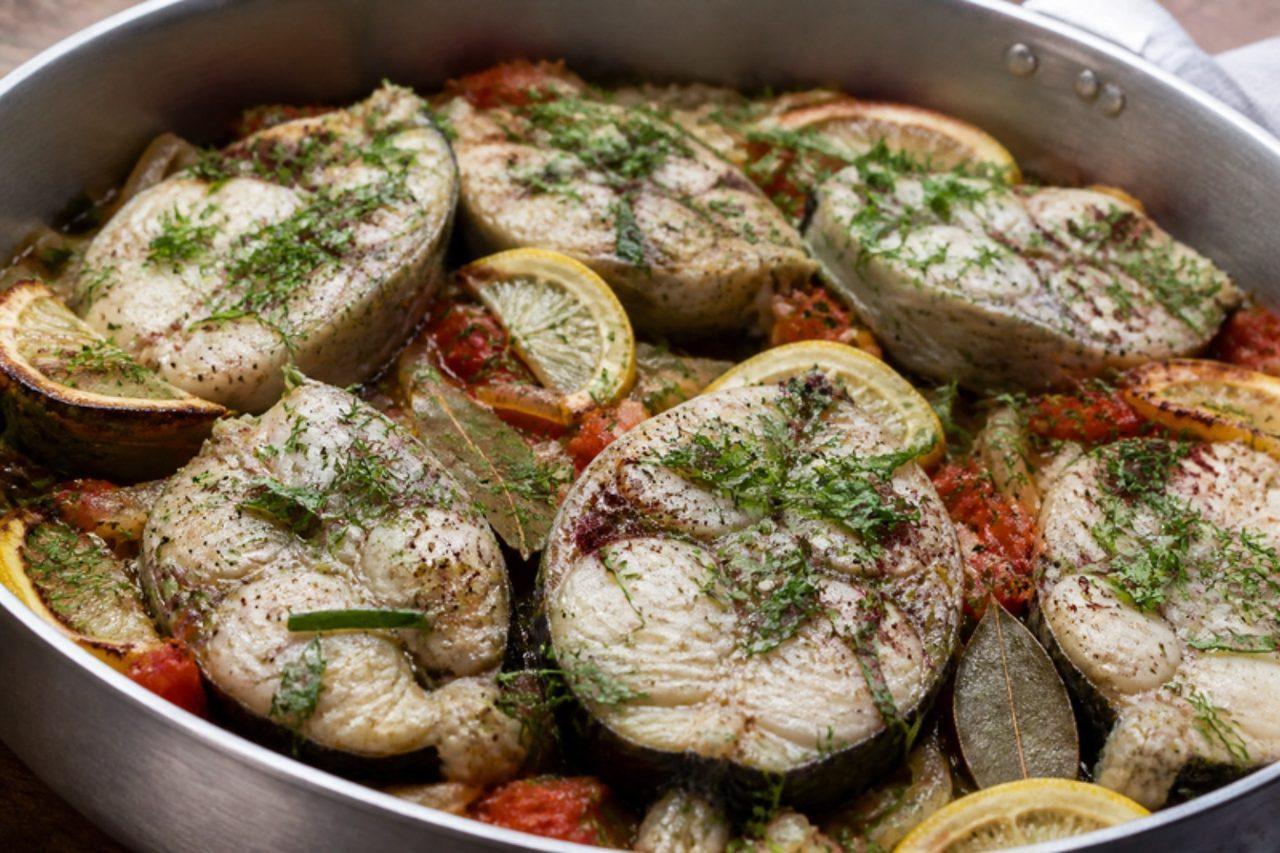
In Baku and the fishing villages of the Absheron peninsula, buglama is the gentlest way to cook Caspian fish such as sturgeon, kutum or mullet: thick steaks laid on a bed of onions, tomatoes and herbs in a covered pan and left to steam in their own juices, with no water added. The result is soft, moist fish in a light, fragrant broth, served with bread and a spoon of narsharab. Any firm white fish works. A common mistake is lifting the lid too often, which lets the steam out and leaves the fish half-cooked. Chef's tip: lay the onion thickly enough that the fish never touches the pan; it should cook in steam, not fry. It is done when the flesh is opaque and flakes when pressed.

by KrazyBadal 0 views

Bhuga chawalBrown onion rice

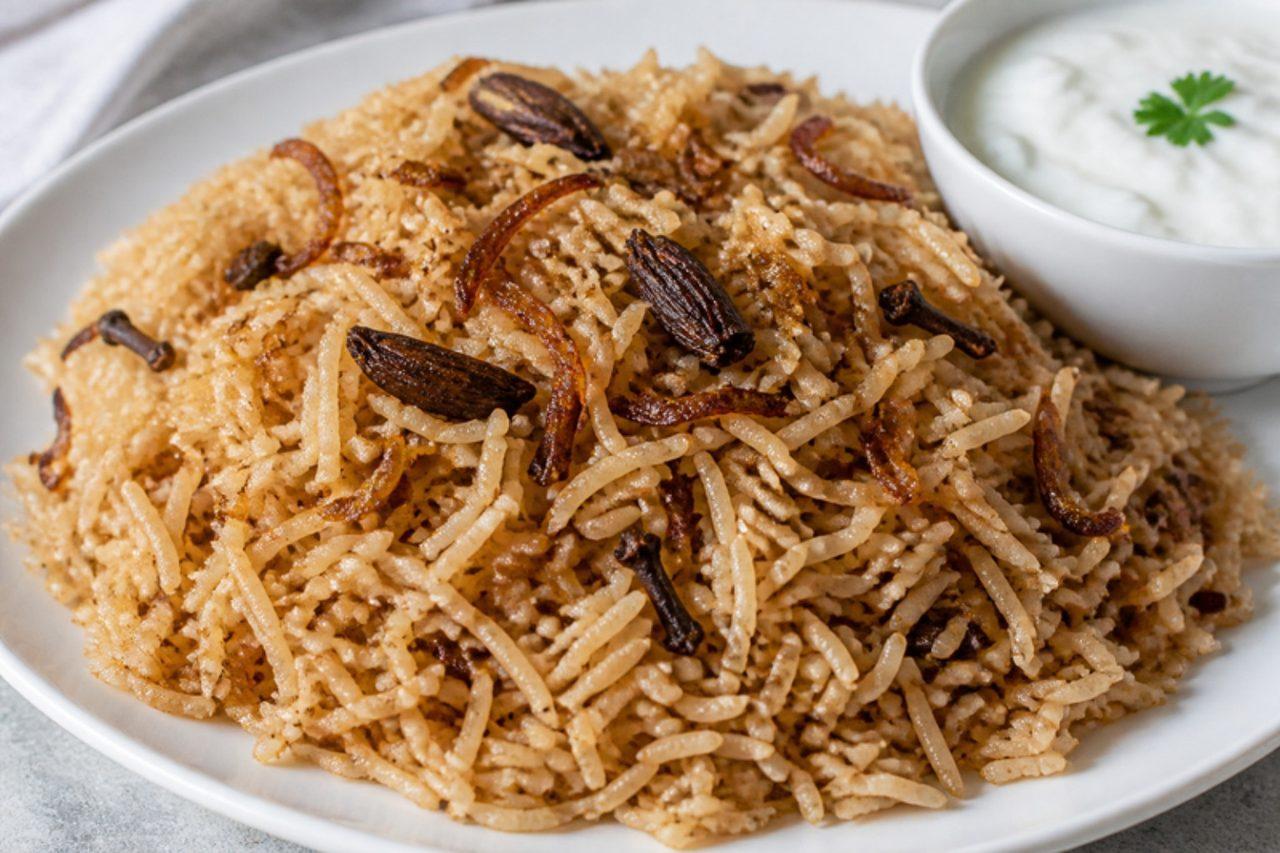
Bhuga means fried, and in this everyday Sindhi rice it is the onions that are fried, slowly and patiently, until they are a deep mahogany brown, so the cooking water and then every grain turn a warm tan colour with a sweet, almost smoky flavour. In Karachi and Sukkur homes it is the rice that goes with Sindhi kadhi on a Friday, or with sai bhaji, the green dal and spinach stew, and a crisp aloo tuk or papad on the side. It is simple enough for a weeknight and good enough for guests. Burnt onions are the trap: there is only a short moment between dark brown and bitter black. Chef's tip: once the onions start to colour, lower the heat and stir constantly, and add the water the moment they reach the shade of strong tea.

by KrazyBadal 0 views

FlijaLayered batter pie

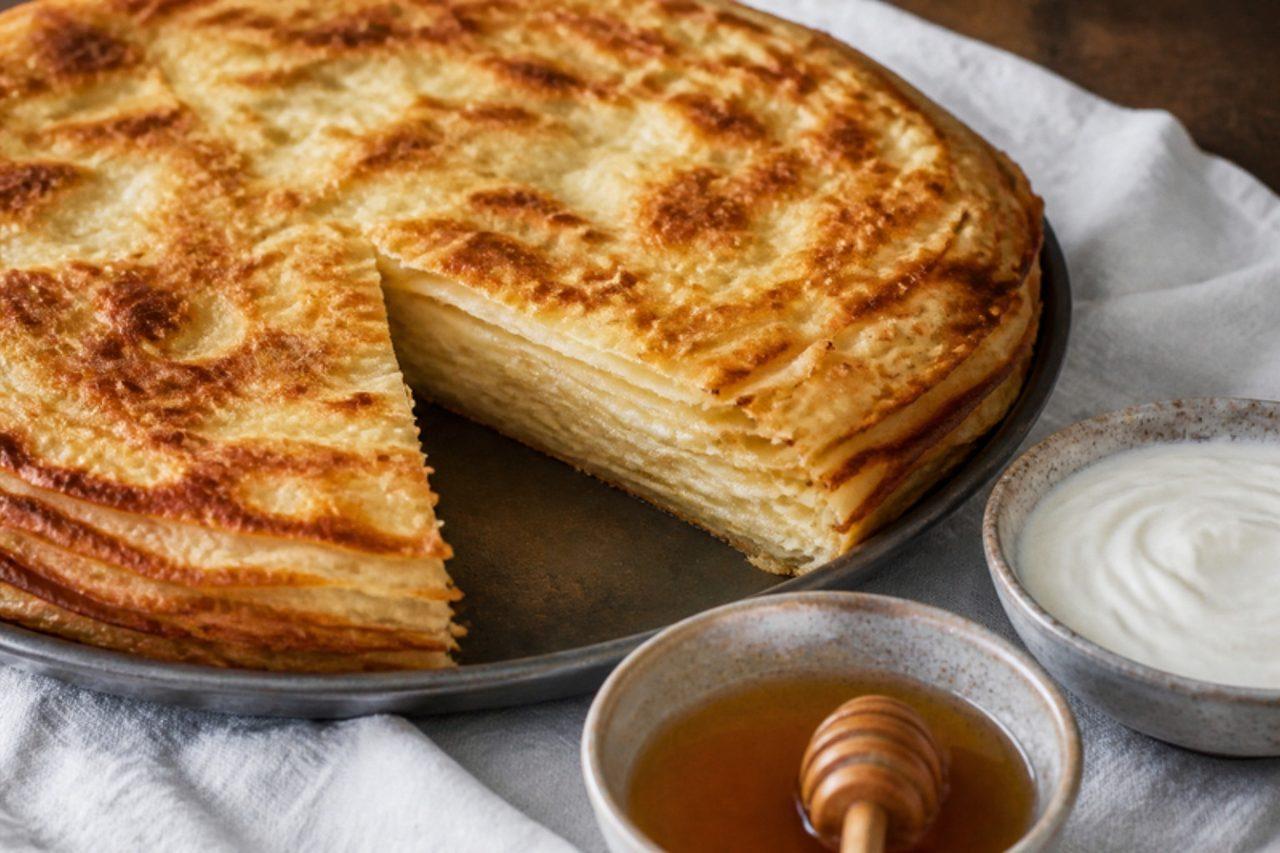
Flija is the dish of long summer afternoons in Kosovo, from the Rugova valley to the villages around Prizren, when friends gather and take turns tending the saç, a domed iron lid heaped with embers. Thin batter is painted onto a round tray in spokes, cooked under the heat, brushed with a mix of sour cream and yogurt, then painted again, until 15 or more layers have built up over a couple of hours. Cut into wedges, it is chewy, buttery and lightly scorched, served with honey, white cheese, pickled peppers or a bowl of yogurt. At home, a very hot oven grill stands in for the saç. The most frequent mistake is crowding the batter: each spoke must leave a finger-wide gap for the next layer to fill, or the pie becomes a thick, gummy pancake. Chef's tip: keep the batter as thin as single cream, and whisk in a spoonful of water whenever it thickens as it stands.

240 minBalkanBaking
by KrazyBadal 0 views

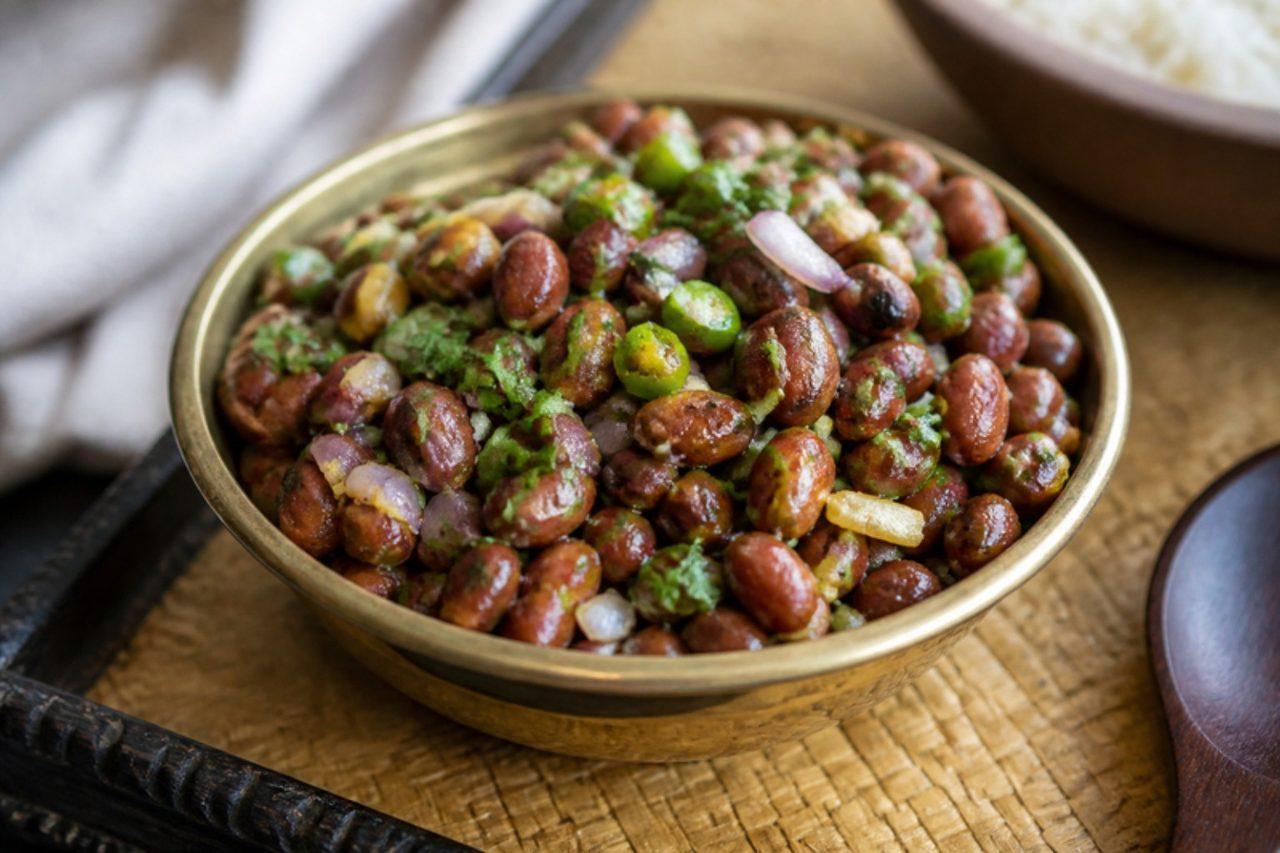
Bhatmas sadekoRoasted soybean salad

Sadeko means marinated, and in Kathmandu it is the word for the punchy little salads served in khaja ghar snack houses and at family gatherings during Dashain and Tihar card games. The soybean version is the cheapest and one of the best: dried soybeans roasted in a dry pan until they crack and turn nutty, then tossed while warm with red onion, green chilli, ginger, garlic, coriander, lemon and a spoonful of pungent raw mustard oil. It is crunchy, sharp and hot, eaten by the handful with beaten rice (chiura) or as a side to a dal bhat plate. The pitfall here is under-roasting the beans, which leaves them hard and grassy rather than crisp. Chef's tip: roast the beans until they split their skins and smell like popcorn, then rub off and blow away the loose skins before dressing them.

by KrazyBadal 0 views

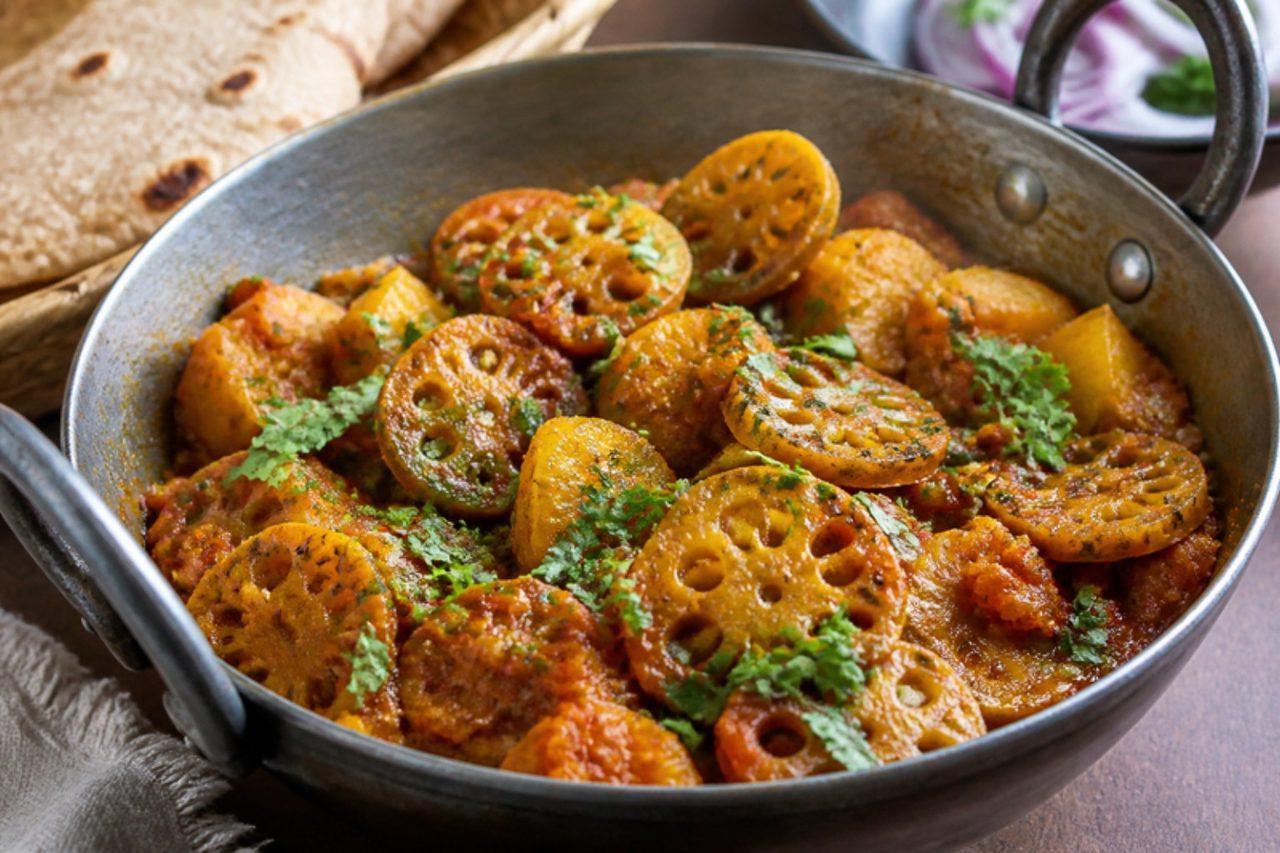
Bhee patataLotus stem and potato curry

Sindhis have a particular love of bhee, the lotus stems that come up from the lakes and canals around Manchhar and Keenjhar, and bhee patata is the most loved way of cooking them at home in Karachi and Hyderabad. Cut on the slant, the stems show their lacy, many-holed cross-section and keep a pleasing crunch even after a long simmer, while the potato pieces go soft and soak up a thick masala of browned onion, tomato and coriander. It is a Sunday lunch dish served with phulka or with plain rice and a bowl of yogurt. Mud trapped in the hollow channels is the usual problem and it makes the curry gritty. Chef's tip: slice the stems first and then wash every piece under running water, poking out any dark patches with a skewer, before you par-boil them.

by KrazyBadal 0 views

Balish mishtiGiant pillow-shaped chhana sweet

Balish means pillow, and in Netrokona, in the north of Mymensingh division, this sweet is sold in sizes up to the length of a hand: a huge, soft, oblong chhana sweet cooked in syrup until golden and spongy, then smothered with a layer of thick, creamy reduced milk. A sweet-maker in the town created it in the early twentieth century and it is now the gift people bring to weddings and family visits in the region, sliced at the table and shared. The inside is soft and syrupy, the topping rich like clotted cream. Large chhana shapes crack open in the boiling syrup if the dough isn't kneaded long enough, which is the main thing that goes wrong, so take the full 10 minutes. Chef's tip: a spoon of plain flour in the chhana helps the big pillows hold their shape as they swell.

by KrazyBadal 0 views

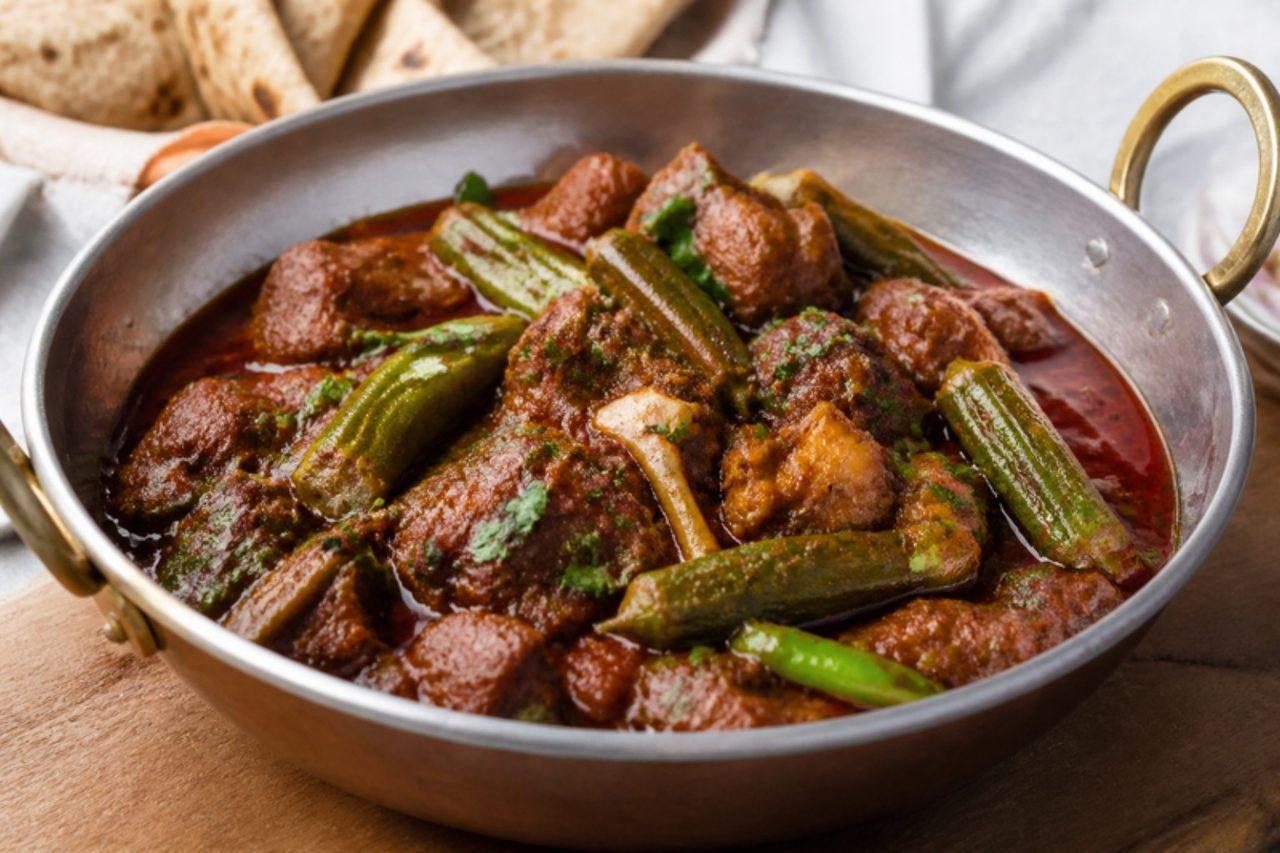
Bhindi goshtMutton and okra curry

Summer in Punjab means okra in every bazaar, and the moment small, tender pods appear, households start making bhindi gosht for lunch: a dry-ish mutton curry with whole fried okra folded through at the end, tasting of tomato, green chilli and a little dried mango. It is eaten with chapati and a bowl of plain yogurt or raita on the side, and leftovers are even better packed in a tiffin the next day. The okra should be tender and bright, not slimy. That stringy texture comes from washing the okra and cutting it while wet, so wash and dry it completely before you trim it. Chef's tip: fry the okra separately until its edges blister, then add it to the meat only in the last ten minutes; it keeps its shape and the gravy stays clean.

by KrazyBadal 0 views

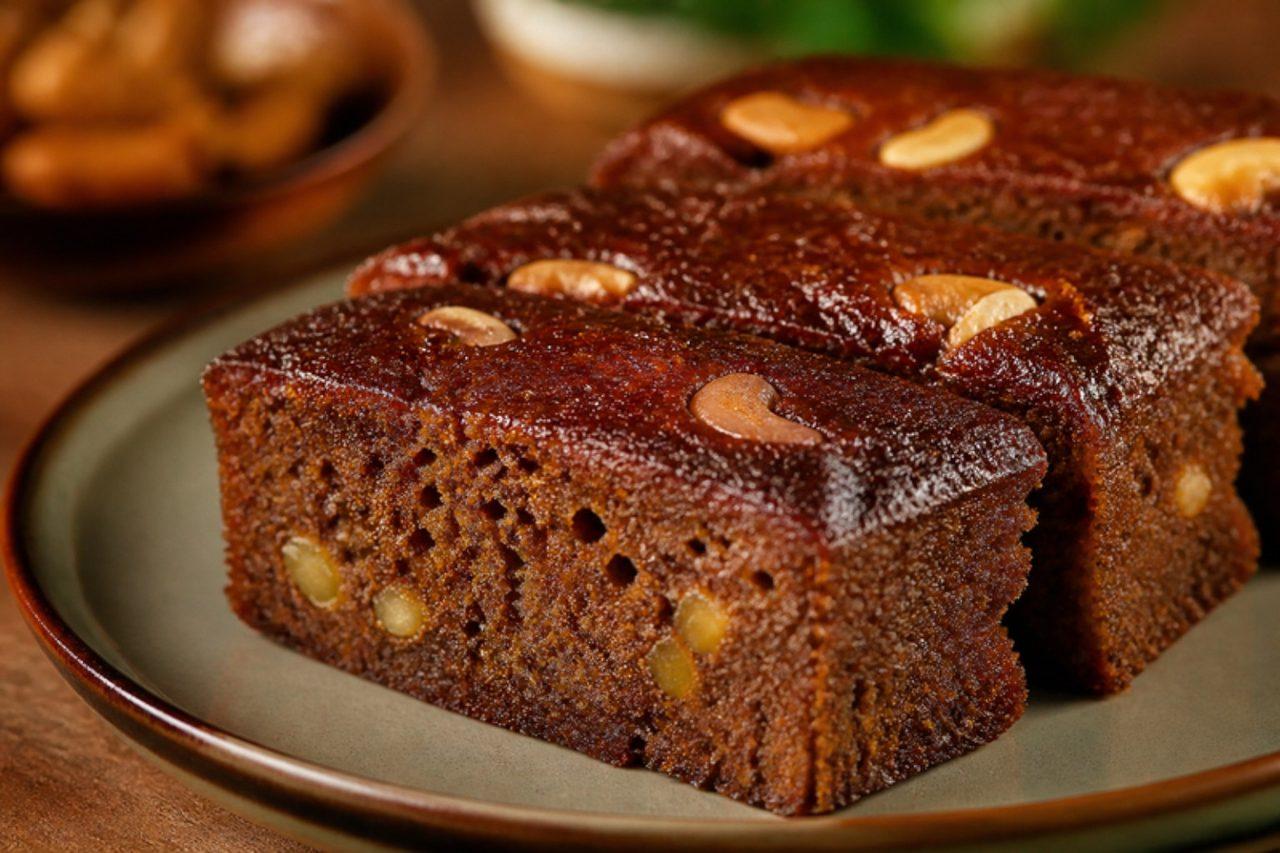
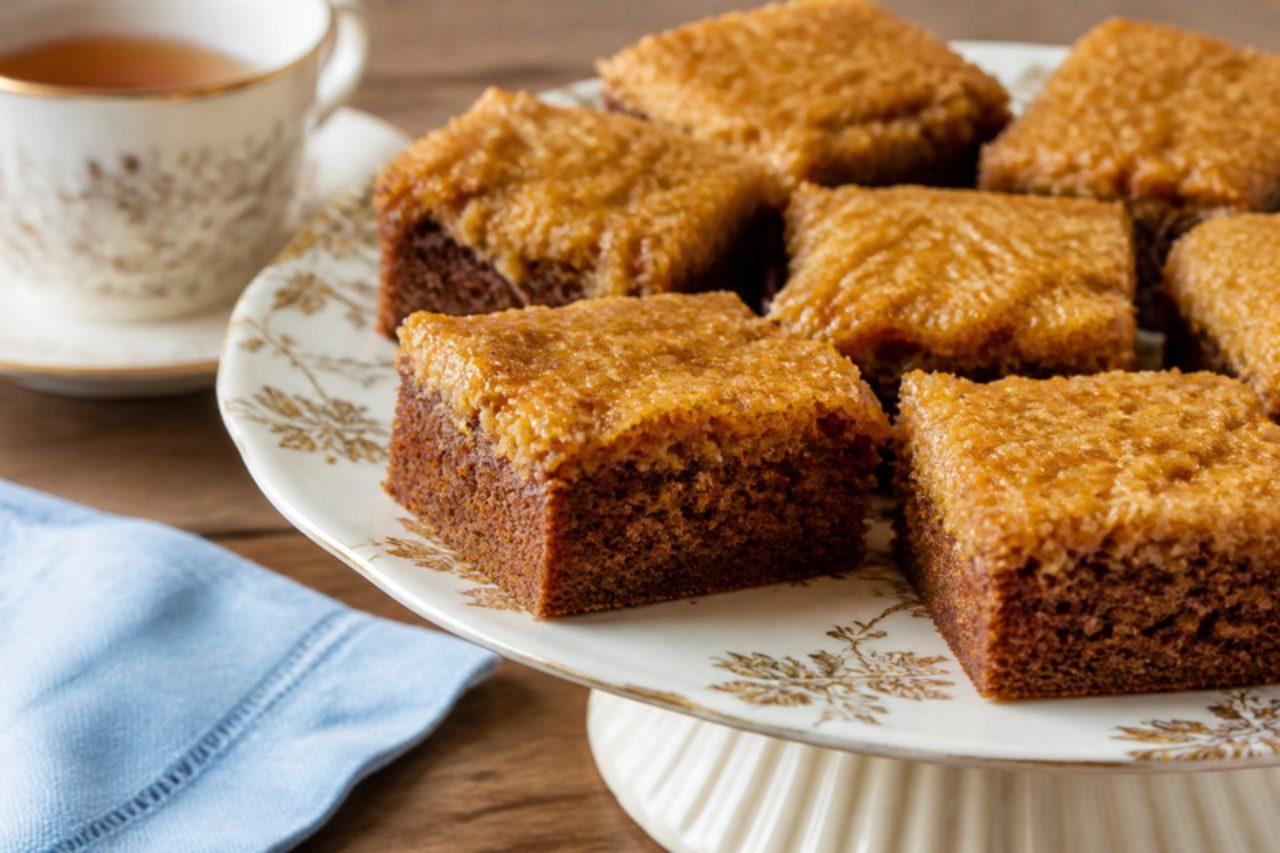
BibikkanCoconut jaggery cake

Bibikkan is the darkest, stickiest cake in the Sri Lankan repertoire, baked by Burgher families for Christmas and by Sinhala households for the New Year table, and nobody quite agrees whether its roots lie in Portuguese or local kitchens. Freshly grated coconut is first cooked in melted kithul jaggery, then mixed with roasted semolina, flour, eggs, cashews, raisins, chopped ginger preserve and a mix of cinnamon, cardamom, nutmeg and cloves, and baked until almost black on the outside. The crumb is moist, heavy and chewy with coconut, with a deep treacle sweetness and a warm, spiced finish, and slices are served with tea. Baking it too hot is where it often goes wrong, as the jaggery burns before the middle sets, so keep the oven moderate and cover it if the top darkens early. Chef's tip: cook the coconut in the jaggery until it looks thick and sticky before mixing; that is what gives bibikkan its fudgy texture.

by KrazyBadal 0 views

FlødebollerChocolate marshmallow wafer treats

Flødeboller, 'cream buns', are Denmark's favourite party sweet: a soft, fluffy meringue foam piped onto a thin wafer or marzipan base and dipped in dark chocolate, so it bites like a cloud in a crisp shell. Children take them to school on birthdays, and Copenhagen chocolatiers make fancy versions with liquorice or raspberry. This version uses a cooked sugar-syrup meringue, so the egg whites are heated safely. A common mistake is dipping warm foam into chocolate; it melts and slides. Chef's tip: chill the piped foam well, then pour the chocolate over rather than dipping, which is easier and gives a smooth shell. For gluten free, use marzipan bases.

by KrazyBadal 0 views

BalkaimakHoney cream

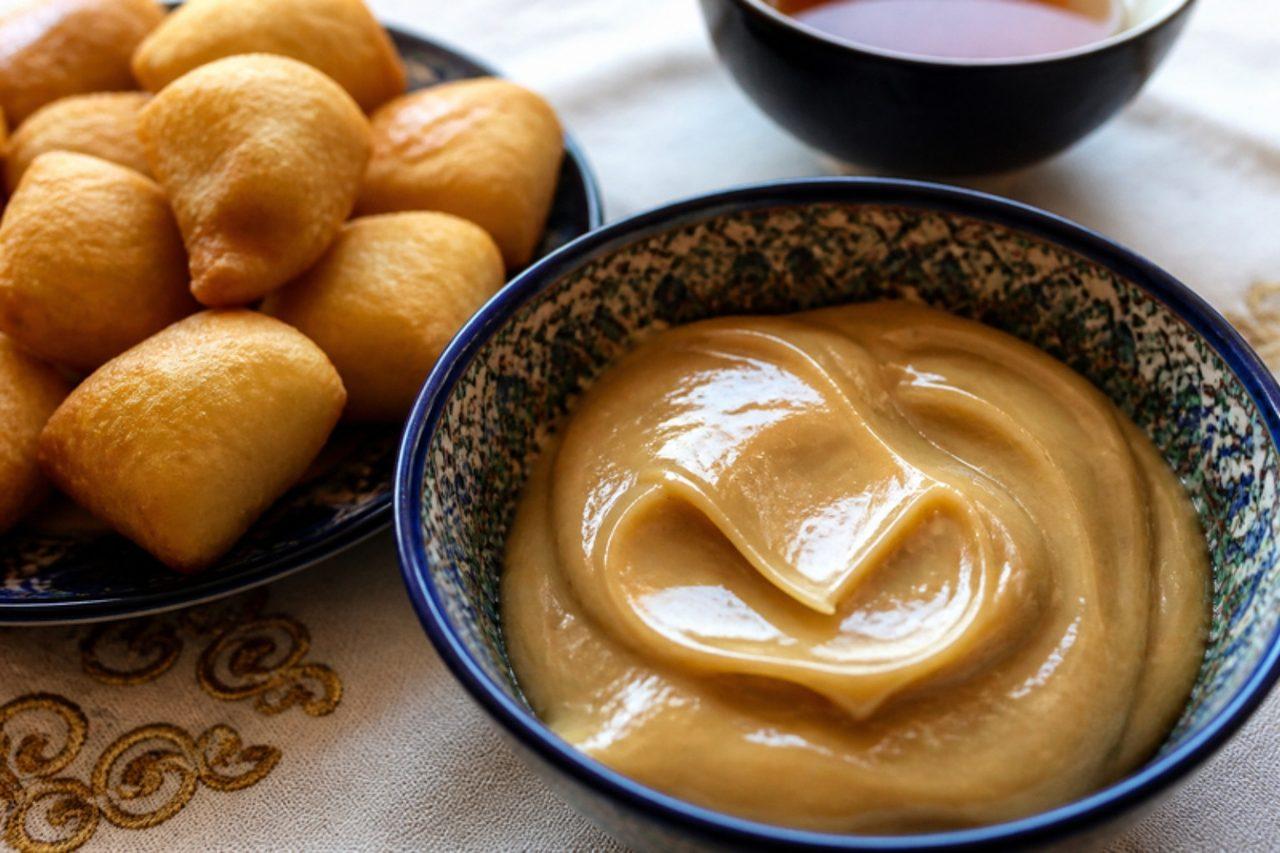
Balkaimak, 'honey cream', is the dessert Kazakh hosts put out for guests with a mountain of baursak dough puffs: thick cream simmered with honey and a little sugar until it turns into a glossy, caramel-flavoured sauce that sets as it cools. It belongs to celebrations like Nauryz and weddings across Kazakhstan, from Almaty to Shymkent. A common mistake is boiling it too hard, which makes the cream split and turn greasy. Chef's tip: thicken it with a teaspoon of flour or cornflour only if your cream is thin; good double cream thickens by itself.

by KrazyBadal 0 views

BallokumeCornmeal butter cookies

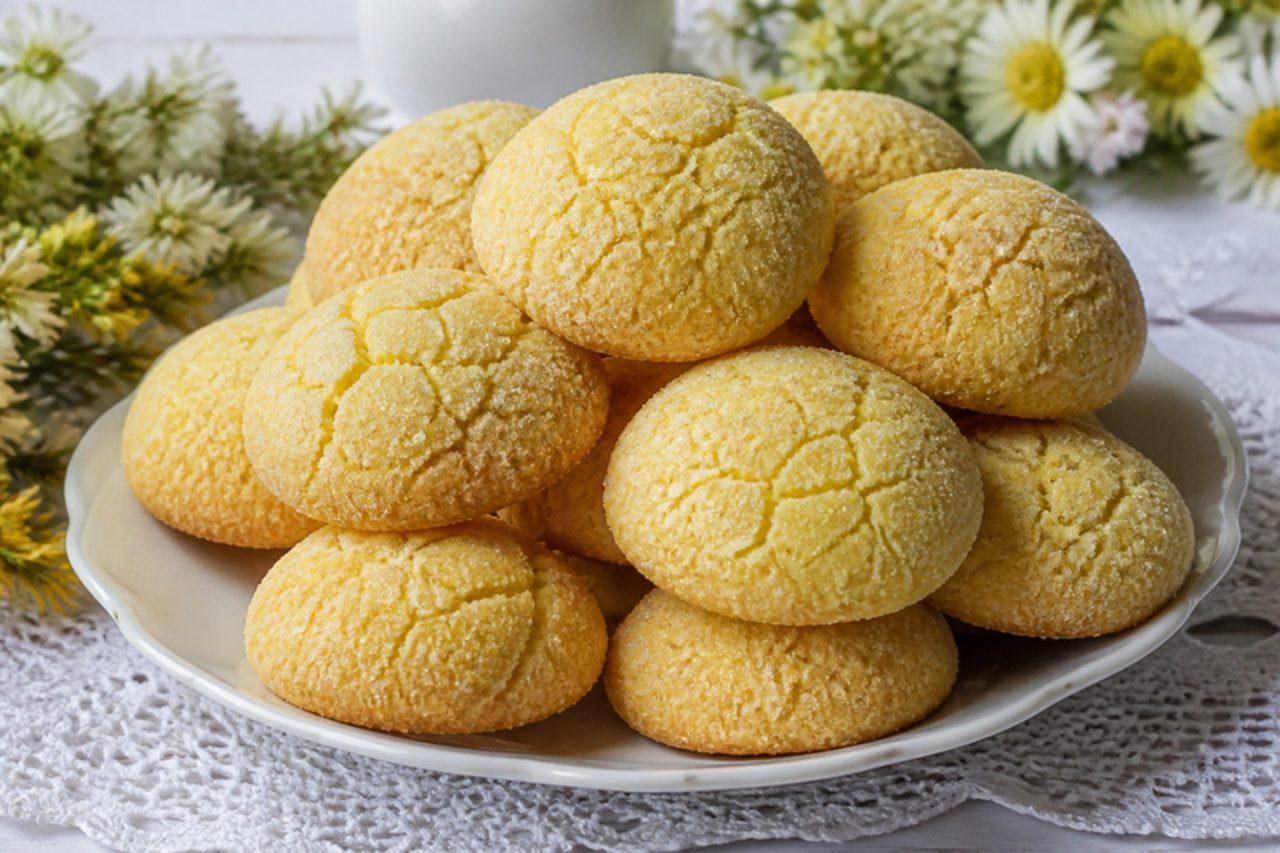
Every 14 March, Elbasan in central Albania celebrates Dita e Verës, Summer Day, an old spring festival that is now a national holiday, and the whole town smells of ballokume. These pale golden cookies are made from cornmeal, lots of butter, sugar and eggs, beaten until almost fluffy, then baked into little domes that crack on top and melt into sandy, buttery crumbs. Families give plates of them to neighbours and children nibble them alongside the red-and-white spring bracelets called verore; they are lovely with tea or Turkish-style coffee. This version is gluten free, made with fine cornmeal and cornflour, so check both packets carry a gluten-free label. Under-beating is the classic error: the butter and sugar need a full ten minutes until almost white, or the cookies bake dense and greasy. Chef's tip: chill the shaped cookies for 15 minutes before baking so they keep their dome.

by KrazyBadal 0 views

BichakPumpkin-filled half-moon pastries

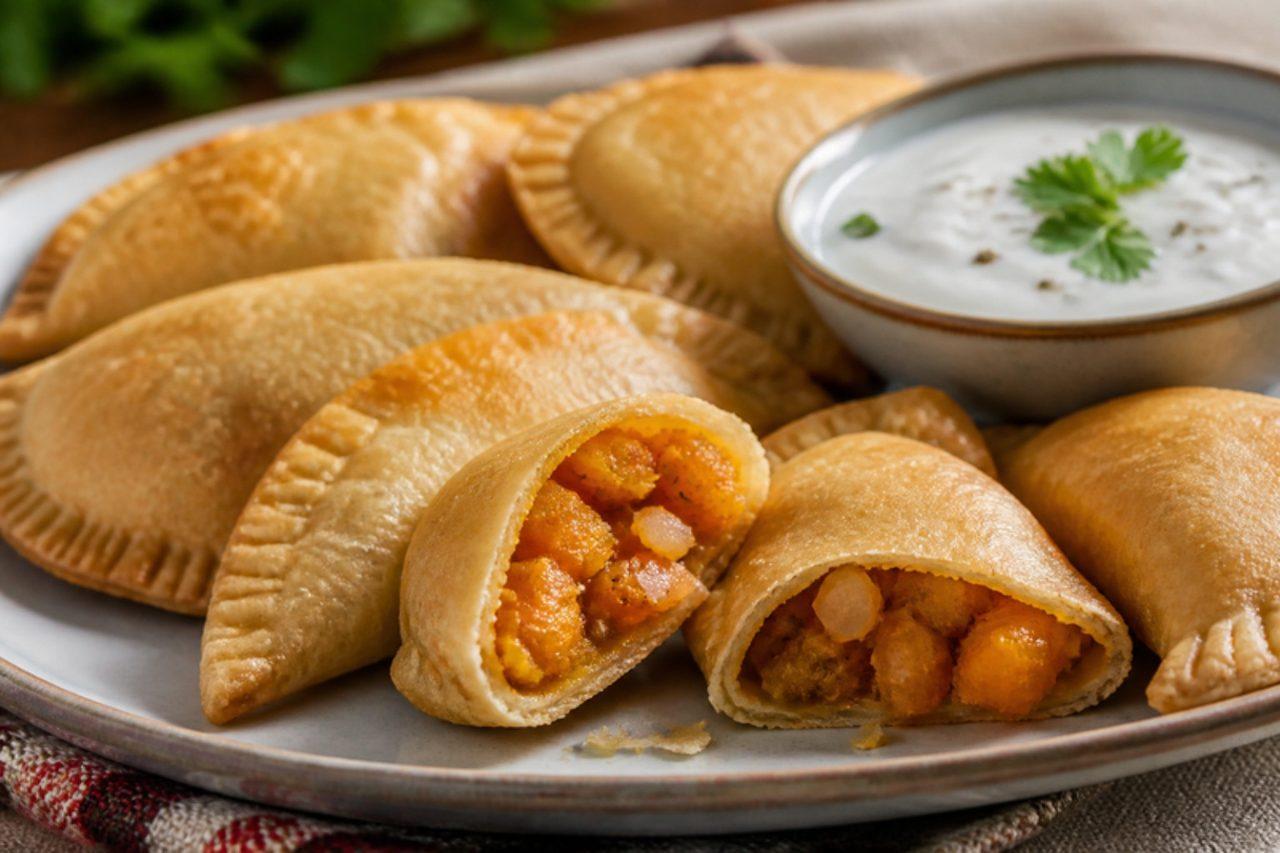
Across northern Afghanistan, around Mazar, Kunduz and Shibirghan, the autumn pumpkin harvest is turned into bichak, plump half-moon pastries that show the region's Uzbek and Turkmen neighbours in their name and shape. A soft, thin wheat dough wraps a filling of grated pumpkin and onion seasoned only with salt, black pepper and a little chilli, which bakes into something sweet, savoury and juicy, best eaten warm with a glass of tea or alongside a bowl of yogurt. Some families bake them, others fry them in a wok of oil; this version bakes them. The filling must not be wet, or the bottoms go soggy and the seams burst, so squeeze the grated pumpkin hard before mixing. Chef's tip: grate the onion finely too, so it melts into the pumpkin instead of staying in crunchy pieces.

by KrazyBadal 0 views

Bahamian cracked conchBattered fried conch

Cracked conch is the Bahamas' answer to fish and chips, served at Potter's Cay dock stalls in Nassau and family restaurants across the Out Islands: conch steaks pounded ("cracked") thin, soaked in lime, dipped in a peppery batter and fried crisp, with chips, peas 'n' rice or coleslaw. Done properly the inside is tender and sweet like calamari. The common mistake is not pounding enough, which leaves the conch chewy; it should be thin and almost lacy. Buy cleaned conch from a trusted fishmonger and discard any that smells strongly. Chef's tip: let the battered pieces rest on a rack for 5 minutes before frying so the coating sticks and stays crisp.

by KrazyBadal 0 views

BhakkaSteamed rice cakes

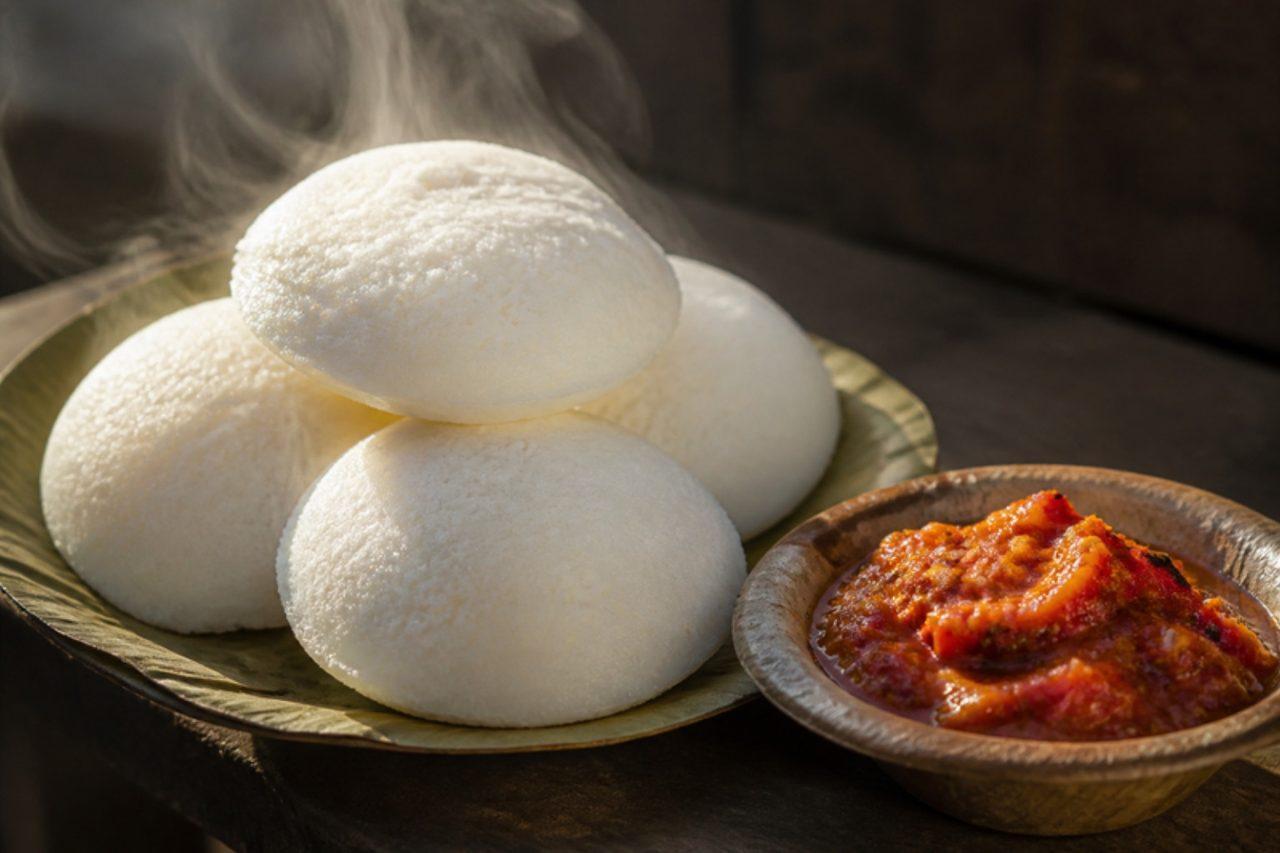
On foggy December mornings in Biratnagar, Itahari and the bazaars of Jhapa and Morang, street sellers sit behind a smoking clay pot turning out bhakka one at a time, little round cakes of damp, freshly ground rice flour steamed in a cloth-covered bowl over boiling water. Each one is light and crumbly, almost like a soft rice sponge, and slightly sweet, and it is eaten straight away, broken up and dipped into a hot, garlicky tomato achar. It is a Tharu and Madhesi winter favourite that has become everyone's breakfast in the eastern Terai. Many first attempts fail because the flour is too fine and dry, so it packs into a hard puck. Chef's tip: grind soaked rice coarsely at home and keep it just damp enough to clump when squeezed, then sprinkle it loosely into the bowl without pressing.

by KrazyBadal 0 views

Flamiche dinantaiseStrong cheese tart

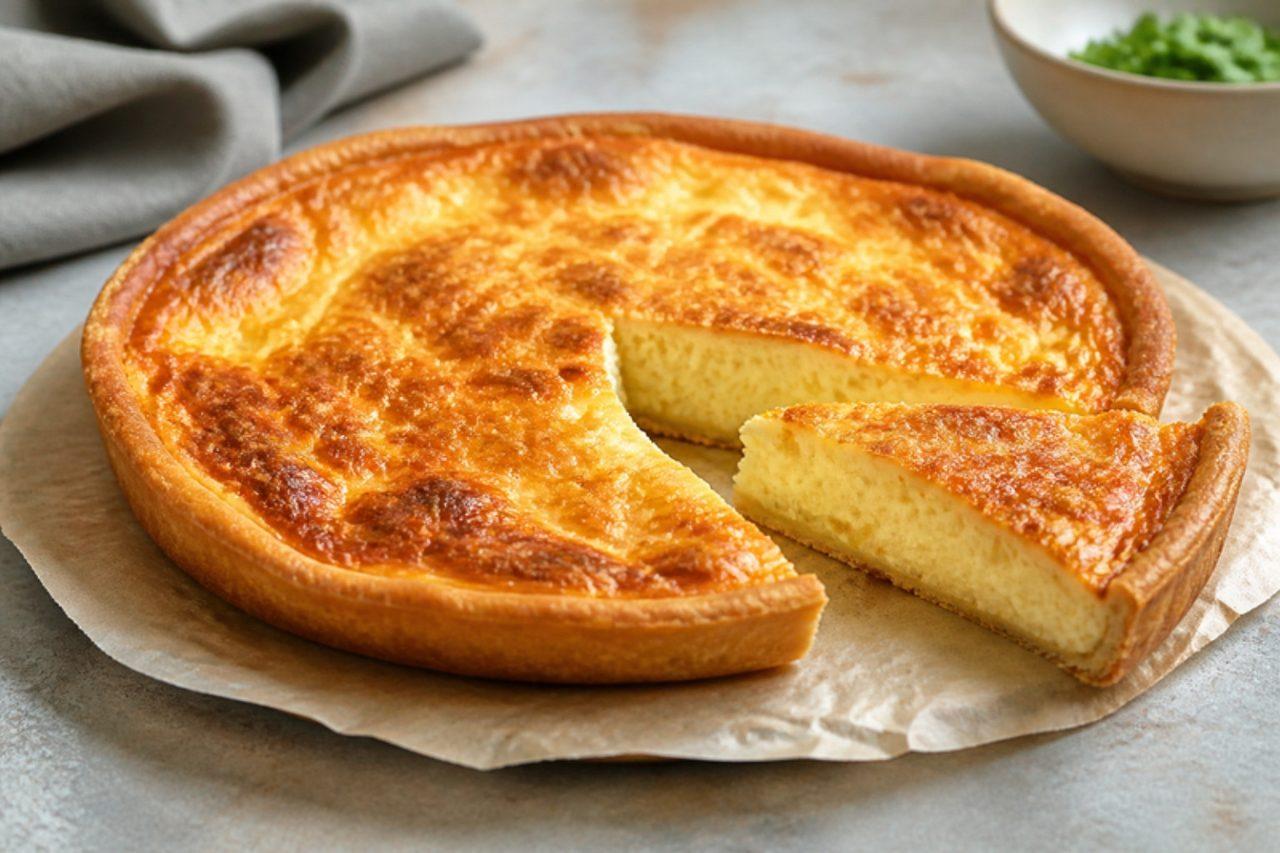
The flamiche of Dinant is eaten only one way: straight from the oven, so hot it burns the fingers, as the townspeople say. It is a rich, wobbly tart of strong fresh boulette or Herve-style cheese beaten with eggs and plenty of butter on a thin yeasted base, and Dinant's 'Confrérie de la Flamiche' still holds an annual tasting. Boulette and Herve cheeses are usually made with animal rennet; a strong vegetarian soft cheese mixed with fromage frais works. A common mistake is letting it cool; it sets and loses its creaminess. Chef's tip: serve it the moment the top puffs and turns golden.

by KrazyBadal 0 views

Curaçao pastechiCheese turnovers

In Curaçao and Aruba, a paper bag of hot pastechi from a snack truck is breakfast on the way to work or a mid-morning bite with coffee: crisp, blistered half-moons of pastry filled with melted aged Gouda, a legacy of the Dutch on the islands. Other versions hold spiced beef, chicken or tuna; this one is vegetarian. Traditional Gouda is made with animal rennet, so choose a Gouda or other firm cheese labelled vegetarian if that matters to you. The usual mistake is frying too cool, so the pastry soaks up oil instead of blistering. Chef's tip: chill the filled pastechi for 15 minutes before frying so the seams hold.

by KrazyBadal 0 views

Tunisian octopus salad

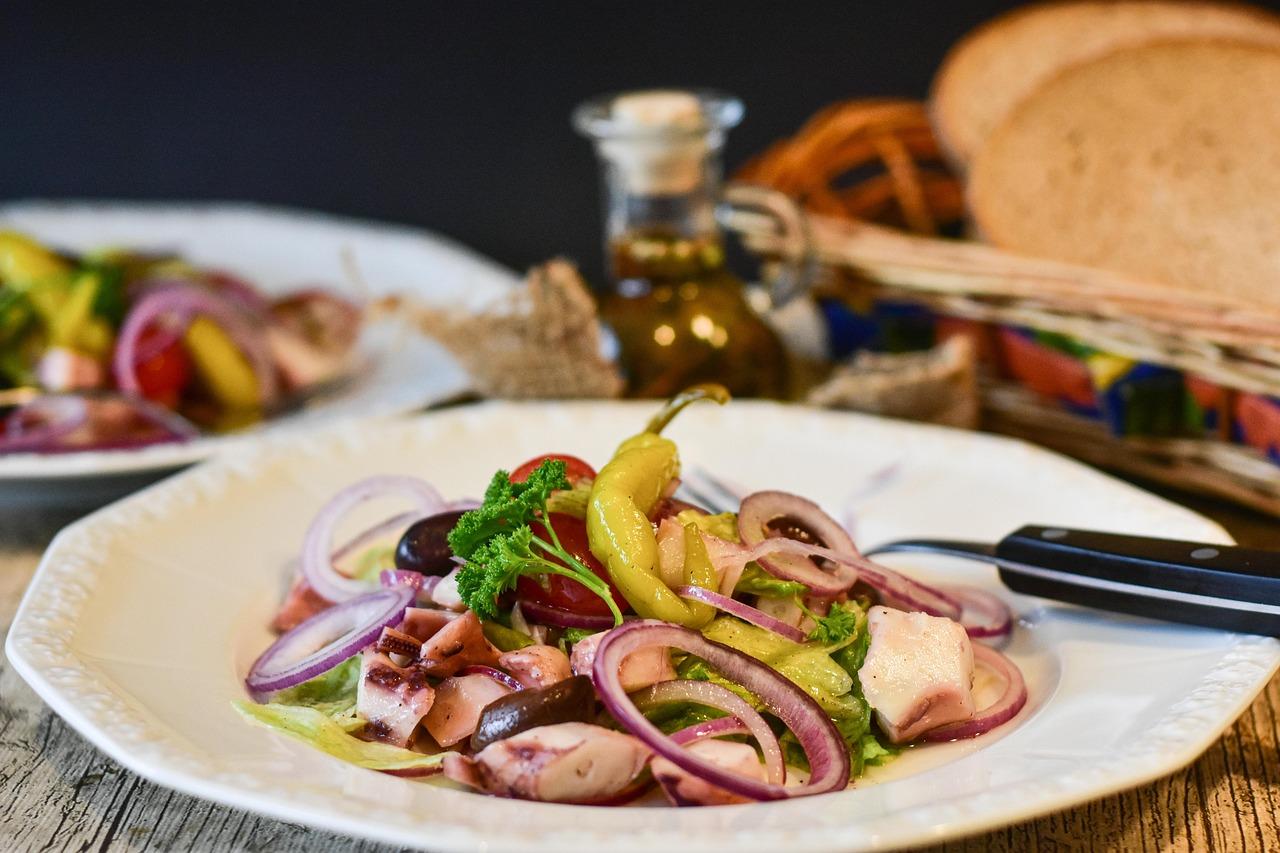
Fishermen of the Kerkennah islands, off Sfax, still catch octopus in clay pots laid on the shallow seabed, and in winter the season's catch turns up in harbour cafés and home kitchens as this simple salad. The octopus is simmered slowly until tender, cooled in its broth, then sliced and tossed with red onion, plenty of parsley, lemon juice and good olive oil, with a little harissa if you like. It is light, clean and briny, eaten as a starter with bread or on a summer table of salads and grilled fish. Buy octopus from a reputable fishmonger; frozen and thawed octopus is often more tender than fresh. A common mistake is boiling the octopus at a rolling boil, which makes it rubbery; keep it at a gentle simmer until a knife slides in easily. Chef's tip: let the cooked octopus cool in its cooking liquid for 20 minutes before slicing; it stays juicy rather than tightening up.

by KrazyBadal 0 views

FlæskestegRoast pork with crackling

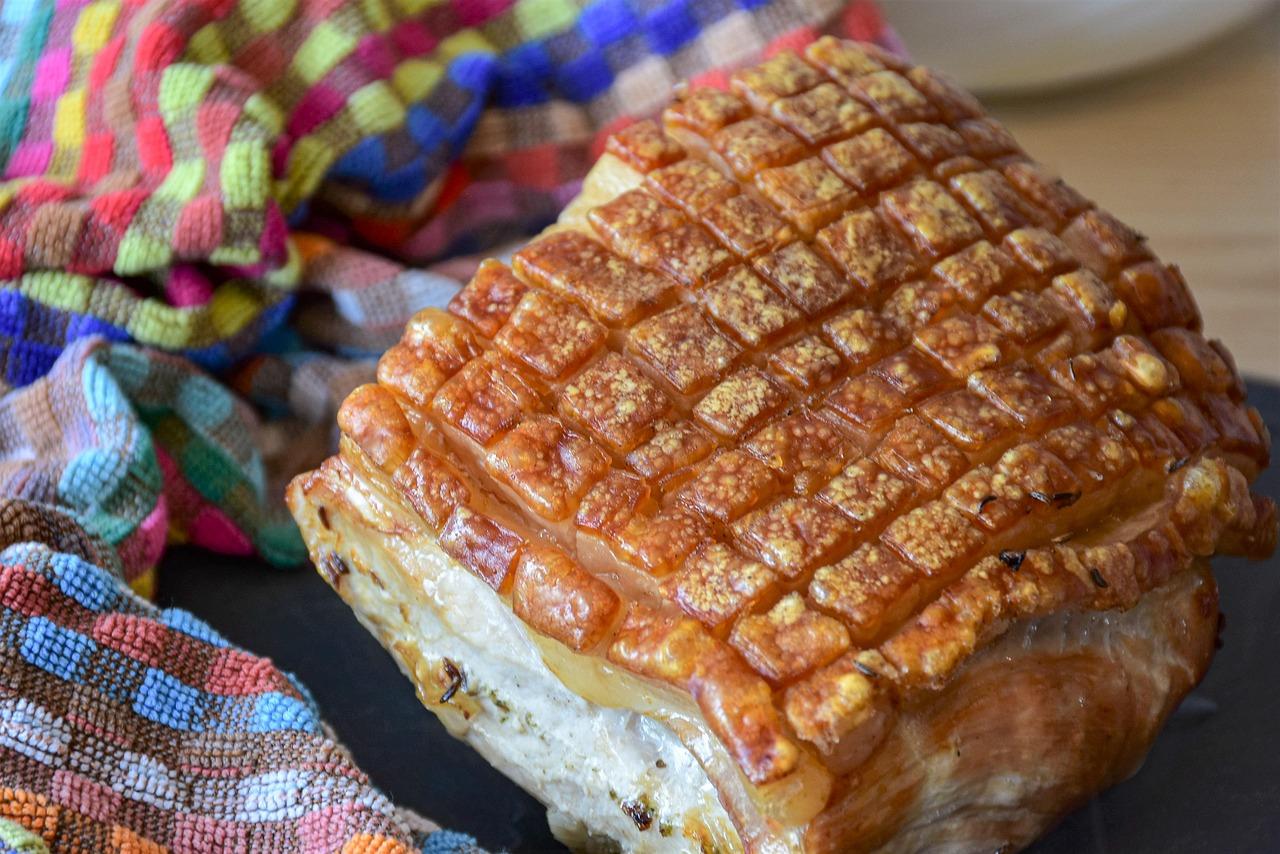
Flæskesteg is the Danish Christmas Eve roast: a pork loin or belly with its rind scored deep, rubbed with salt and bay, and roasted until the crackling puffs into crisp, golden ridges. This is a pork dish. It is served with brunede kartofler, red cabbage, plain boiled potatoes and gravy, and the crackling is the prize everyone fights over. A common mistake is scoring the rind too shallow or not all the way across, so it cracks unevenly. Chef's tip: start the joint rind-down in a little boiling water for 20 minutes, which softens the rind, then turn it up and roast; it crackles evenly. Whole pork joints are safe at 63 °C followed by a 15-minute rest.

by KrazyBadal 0 views

Bistec de palomillaThin steak with lime onion

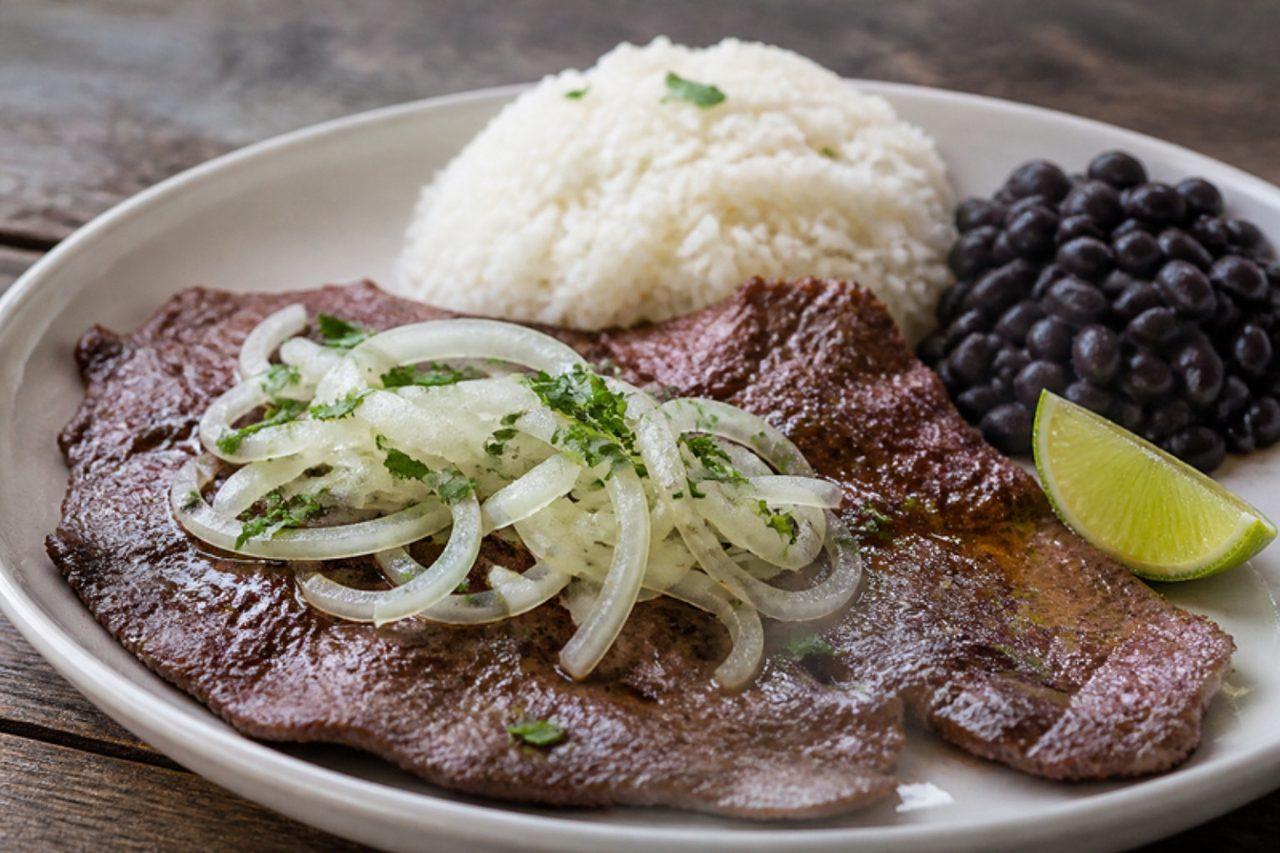
Palomilla is the everyday steak of Havana lunch counters and Miami's Cuban cafés alike: top sirloin pounded very thin, marinated briefly in lime and garlic, seared in seconds and buried under a pile of raw chopped onion and parsley. It comes with white rice, black beans and fried plantain. The most common mistake is leaving the steak in the lime for hours, which turns the surface grey and mushy; 20 minutes to an hour in the fridge is enough. Beef steak can be cooked to your liking, but it is so thin it is usually cooked through. Chef's tip: get the pan smoking hot and cook one or two steaks at a time, or they stew instead of browning.

25 minCubanMeatGluten free
by KrazyBadal 0 views

Flaki po warszawskuBeef tripe soup

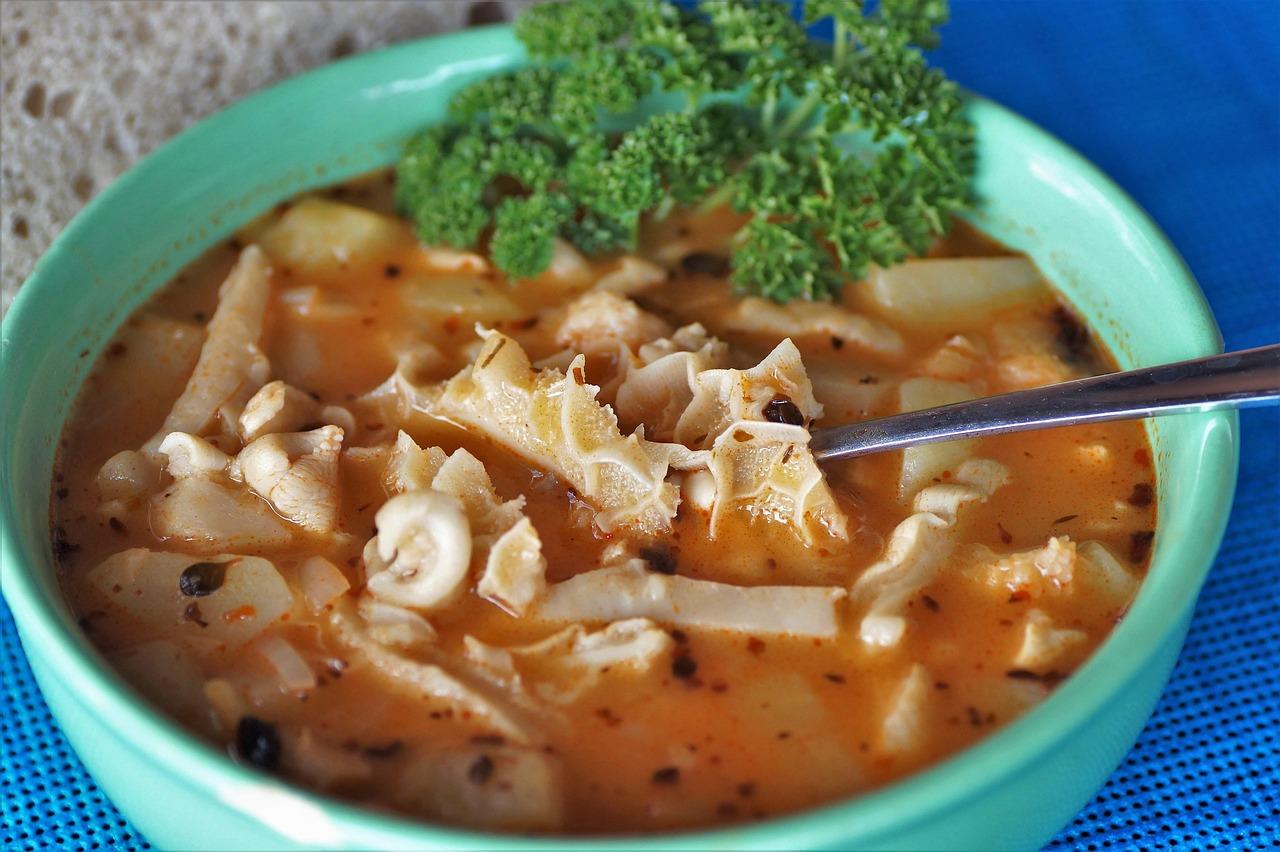
Warsaw's old milk bars and wedding receptions share one great soup: flaki, a peppery tripe broth scented with marjoram, nutmeg and ginger, served piping hot, traditionally late at night to revive tired guests. The Warsaw version adds tender beef meatballs (pulpety) and plenty of julienned root vegetables, so it is heartier than the plain flaki of other regions. Tripe has a soft, slightly chewy bite and soaks up the warm spices. Buy cleaned, blanched beef tripe from a butcher. A mistake that ruins many pots is skipping the first blanching: without it the soup smells strongly and never tastes clean. Make it a day ahead if you can; it improves overnight. Chef's tip: add the marjoram twice, a spoon during cooking and a generous pinch rubbed between your palms just before serving, which is what gives Warsaw flaki its signature smell.

240 minPolishSoups
by KrazyBadal 0 views

FlatkökurRye flatbread

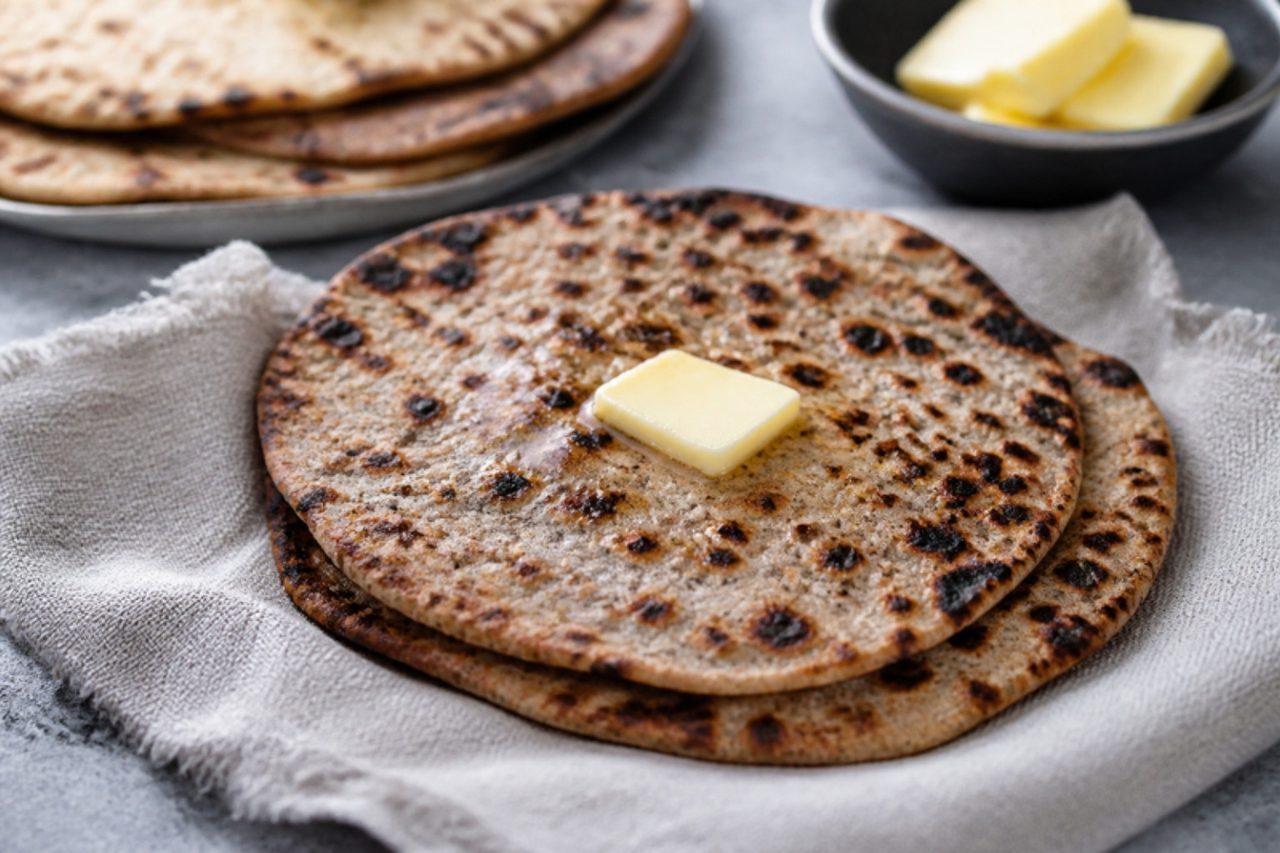
Flatkökur are round, flat rye breads that Icelanders char straight on the hot plate of the stove, or over a gas flame, until they are speckled black and smoky; they are eaten buttered, with smoked lamb (hangikjöt) or cheese, at every Christmas and confirmation and in lunchboxes all year. The dough is made with boiling water so it is soft and easy to roll. A common mistake is letting the dough cool before rolling; scalded rye dough stiffens and cracks. Chef's tip: roll it while warm and prick all over with a fork so it stays flat as it chars.

by KrazyBadal 0 views

FlódniFour-layer poppy seed and fruit pastry

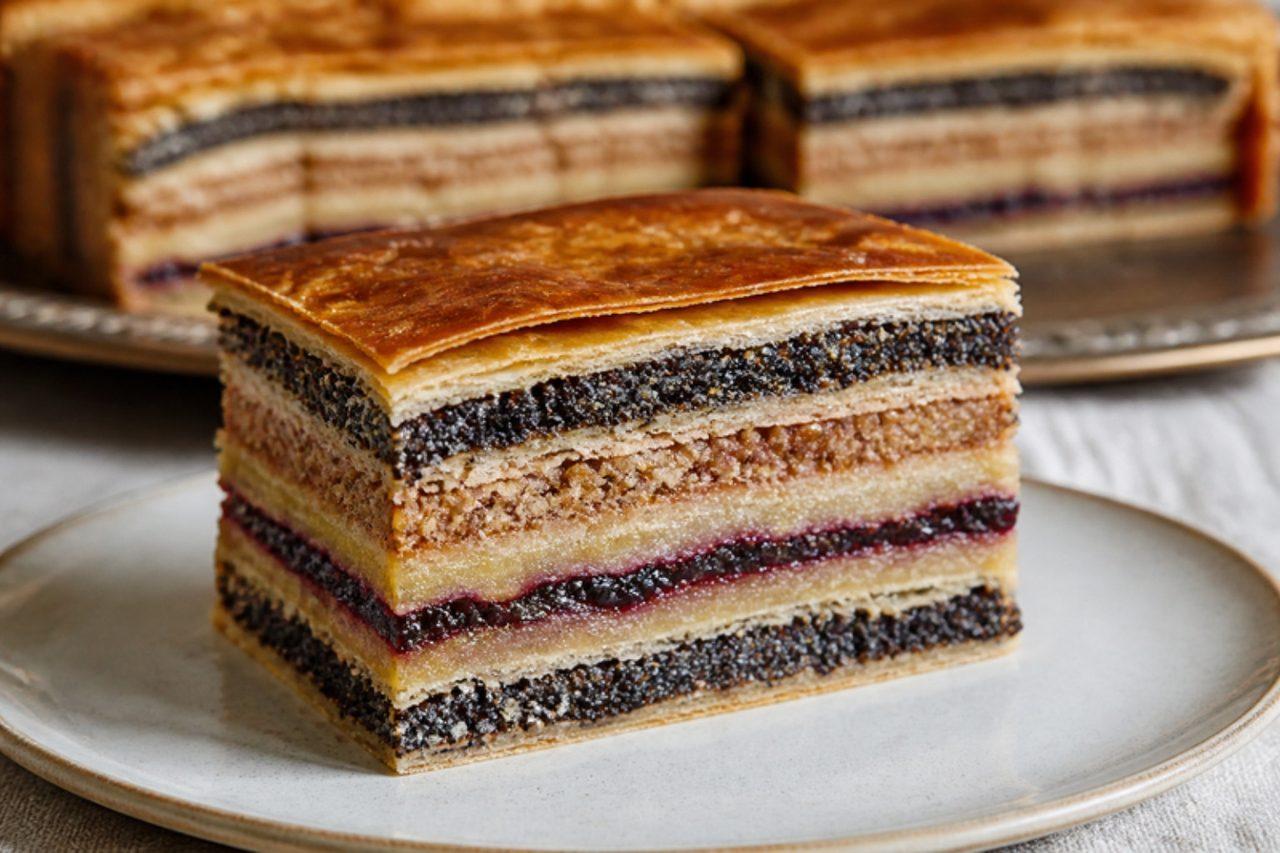
Four stripes of filling, black poppy seed, golden apple, nutty walnut and dark plum jam, stacked between thin sheets of shortcrust: that is flódni, the Hungarian-Jewish pastry of Budapest's old Jewish quarter around Kazinczy and Dob streets. Jewish families bake it for Purim and Hanukkah, and the bakeries of the seventh district sell it by the slab all year. Each cut slice should be moist, dense and not too sweet, best with a glass of tea or black coffee. Many families make the dough with a little sweet white wine and use margarine so it can follow a meat meal; this version keeps it alcohol-free with grape juice, and you can swap the butter for a firm baking margarine to make it dairy-free. The usual slip is rolling the sheets too thick, so the pastry swamps the fillings; each one should be barely 3 mm. Chef's tip: bake it a day ahead and slice it cold with a hot, wet knife, because the layers settle overnight and cut cleanly.

by KrazyBadal 0 views

Filet américainRaw minced steak spread

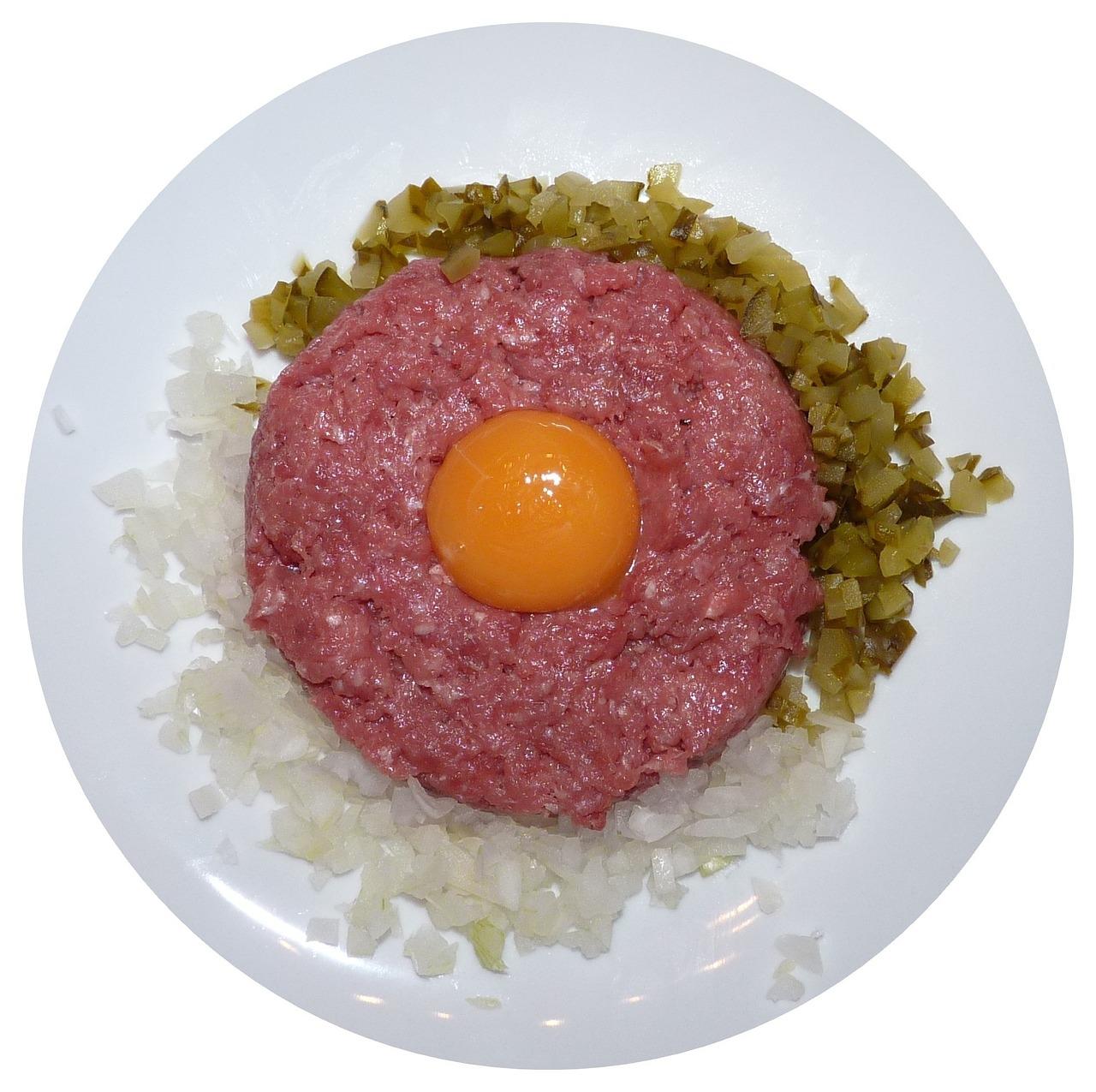
Despite its name, filet américain is a Belgian classic, served in Brussels brasseries with a mound of fries, or spread on a baguette as the famous 'broodje américain': very fresh lean beef, finely minced and mixed with mayonnaise, mustard, capers, chopped onion, parsley and a dash of Worcestershire sauce and Tabasco, so it is creamy and tangy. The beef is eaten raw, so it is not for pregnant women, young children or anyone with a weakened immune system. Buy a whole piece of the freshest steak from a trusted butcher, trim it and mince it yourself just before serving; never use ready-minced beef. A common mistake is preparing it in advance; make it and eat it at once. Chef's tip: chill the meat and the bowl well and mix with a fork, not a processor, so it stays loose. Use shop-bought mayonnaise, which is made with pasteurised egg.

by KrazyBadal 0 views

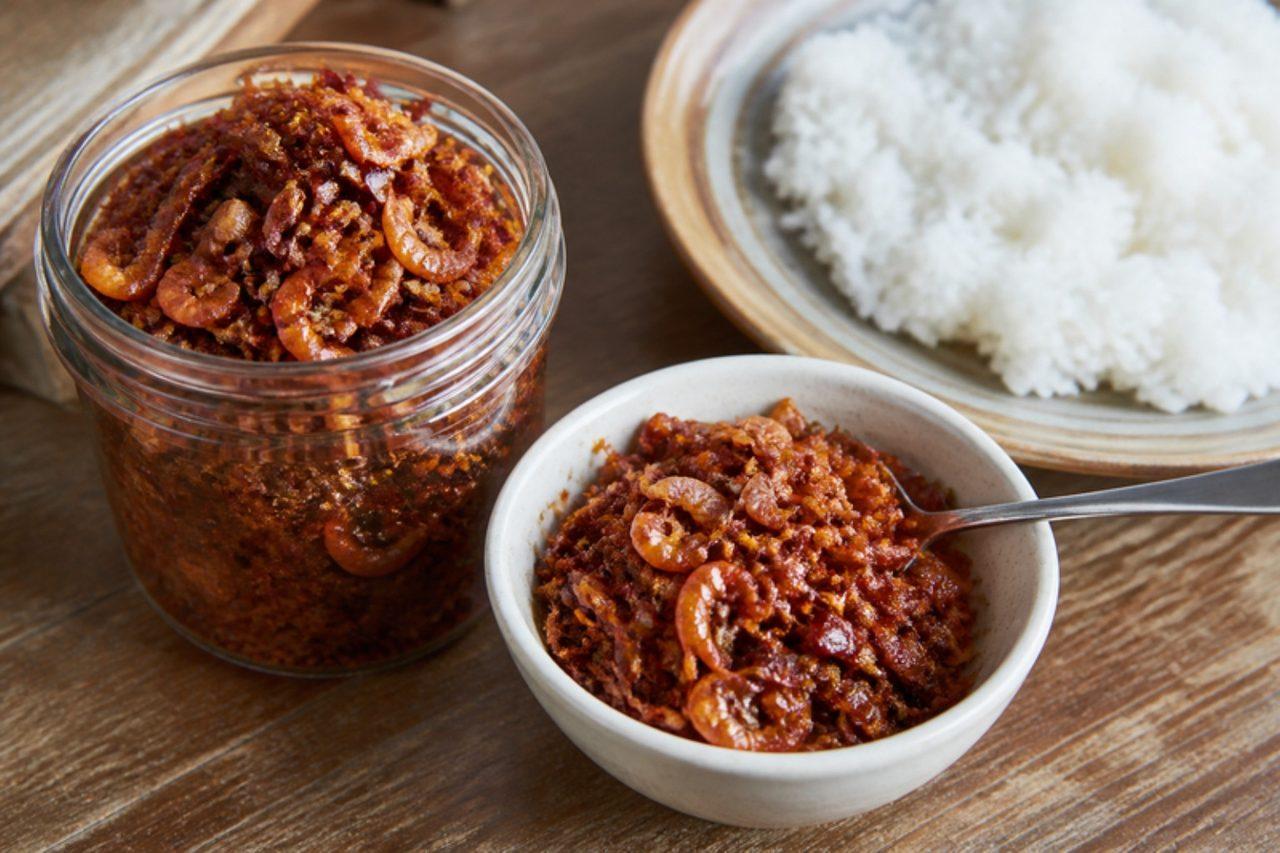
BalachaungDried shrimp relish

Every Burmese pantry keeps a jar of balachaung, and along the Rakhine coast, where the dried shrimp come from, families fry it in big batches after the dry-season catch. Pounded dried shrimp are fried slowly with crisp shallots, garlic, chilli and a dab of shrimp paste until the whole lot turns into a dry, golden, crackling floss that is salty, smoky, a little sweet and quite hot. A spoonful lifts plain rice, a fried egg, rice porridge or a bowl of noodles, and it travels well, so students and travellers pack a jar to take away from home. Rushing it over a high heat is where most batches go wrong: the shrimp scorch and turn bitter before they are crisp, so keep the heat at medium-low and stir patiently. Chef's tip: fry the shallots and garlic separately and stir them back in only when the shrimp are done, so they stay crunchy for weeks.

by KrazyBadal 0 views

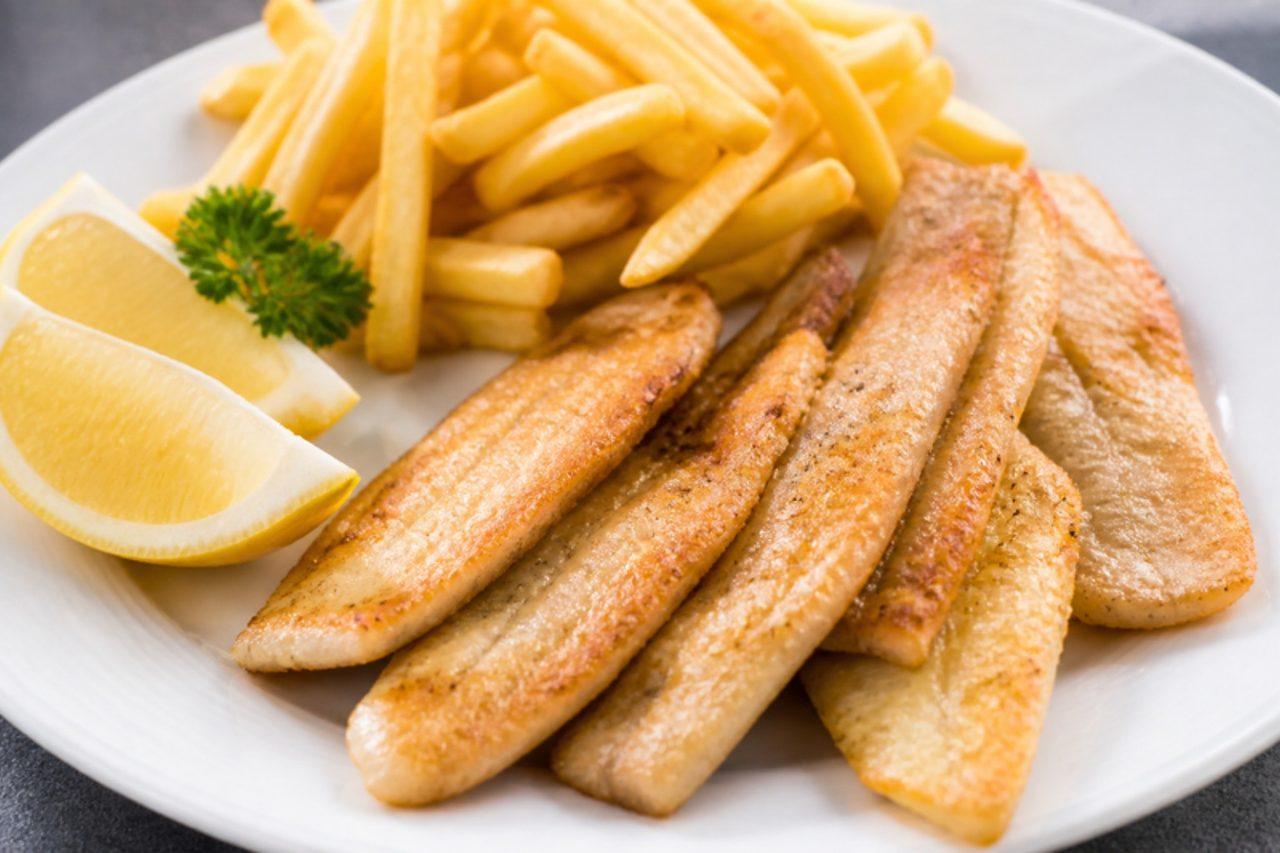
Filets de percheFried perch fillets

Filets de perche are the signature dish of the lakeside restaurants around Lake Geneva, from Geneva to Lausanne and Montreux: small, delicate perch fillets dusted with flour, fried quickly in butter until golden, and served with lemon, tartare sauce, a pile of fries and a green salad on a summer terrace. Lake perch is scarce today; ask for responsibly sourced perch or use small fillets of pike-perch or another delicate white fish. A common mistake is crowding the pan, which steams the thin fillets. Chef's tip: fry in batches in foaming butter for just a minute or so a side; the fish is done when opaque and it flakes.

25 minSwissFish
by KrazyBadal 0 views

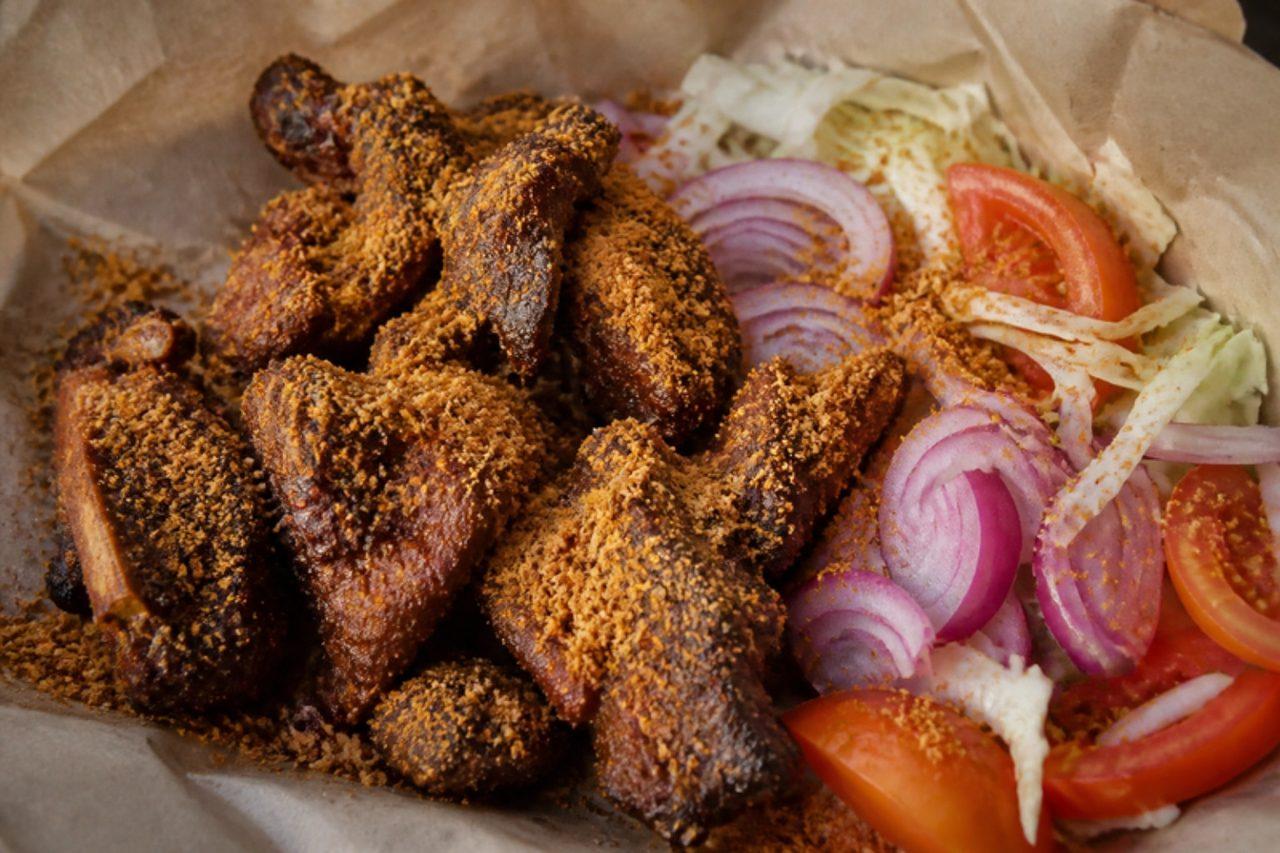
BalanguGrilled spiced mutton

At balangu spots around Kano and the northern cities, the meat is cooked on flat stones heated by fire underneath, so it sears in its own fat rather than over flames. Mutton is the classic, with bone and a little fat left on; beef works too. It comes off crusty and smoky, then is tossed with yaji, the northern peanut-chilli spice, and served on paper with raw onion, tomato and cabbage, eaten with the fingers in the evening. A heavy cast-iron pan or griddle gives the same effect at home. Marinate in the fridge, not on the counter, and cook the pieces until no pink remains and they reach 71 °C. Chef's tip: get the iron smoking hot before the meat goes on and do not crowd it; overcrowding is the classic mistake that leaves the meat grey and stewed.

by KrazyBadal 0 views

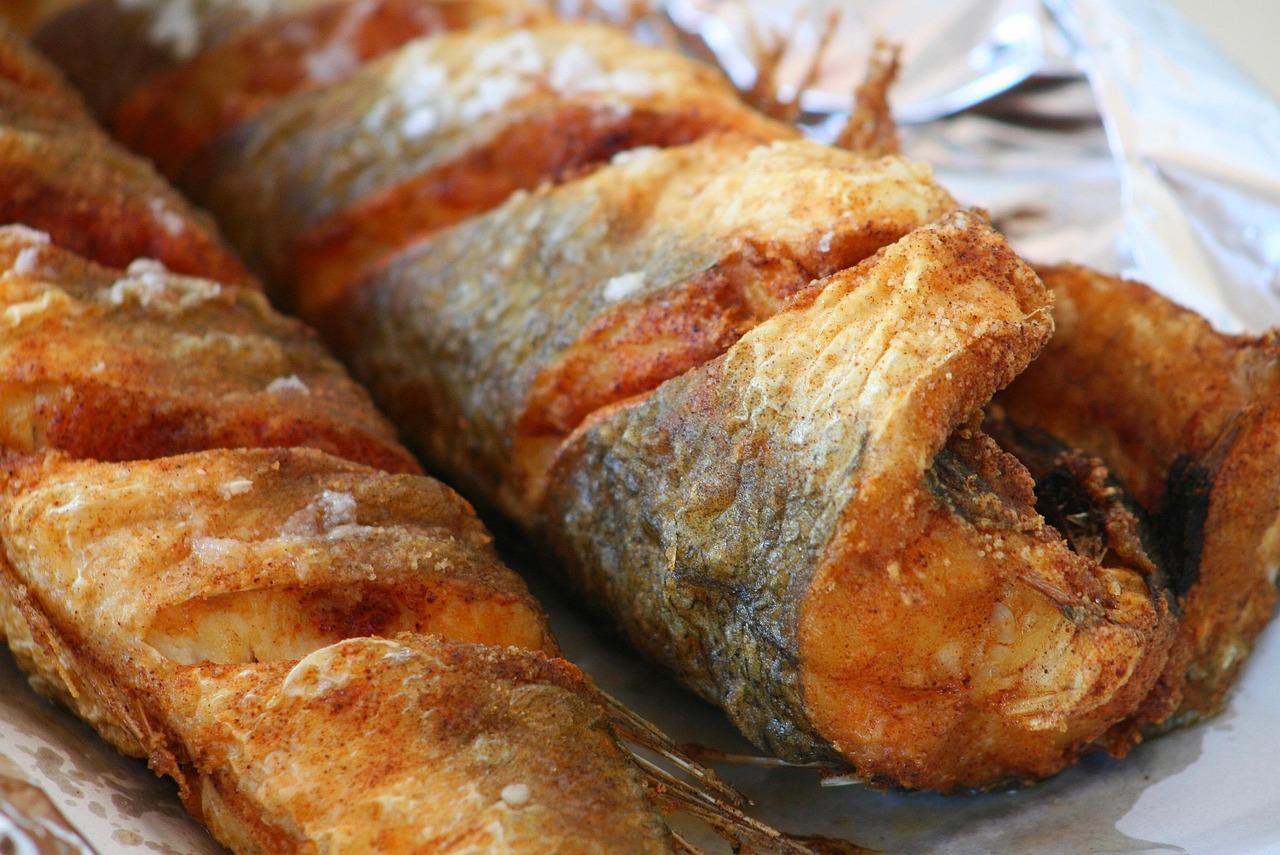
Balatoni hekkFried hake

Hake never swam in Lake Balaton, yet fried hekk is the taste of a Hungarian summer at the lake: a paper tray of hot, crisp fish bought from a beach kiosk in Siófok or Balatonboglár, eaten in a swimsuit with lemon squeezed over and a slice of white bread. Cleaned, headless hake pieces are rolled in seasoned flour with a little paprika and fried until the outside crackles and the white flesh inside is soft and juicy. Serve with lemon, bread and a sharp cucumber salad. The usual slip is not drying the fish, so the flour turns pasty; pat it well with paper first. If the fish is frozen, thaw it in the fridge overnight, never on the counter. Chef's tip: flour the fish only at the last moment, just before it goes into the oil, so the coating stays dry and crisp.

by KrazyBadal 0 views

FijuelasHoney-soaked fried dough spirals

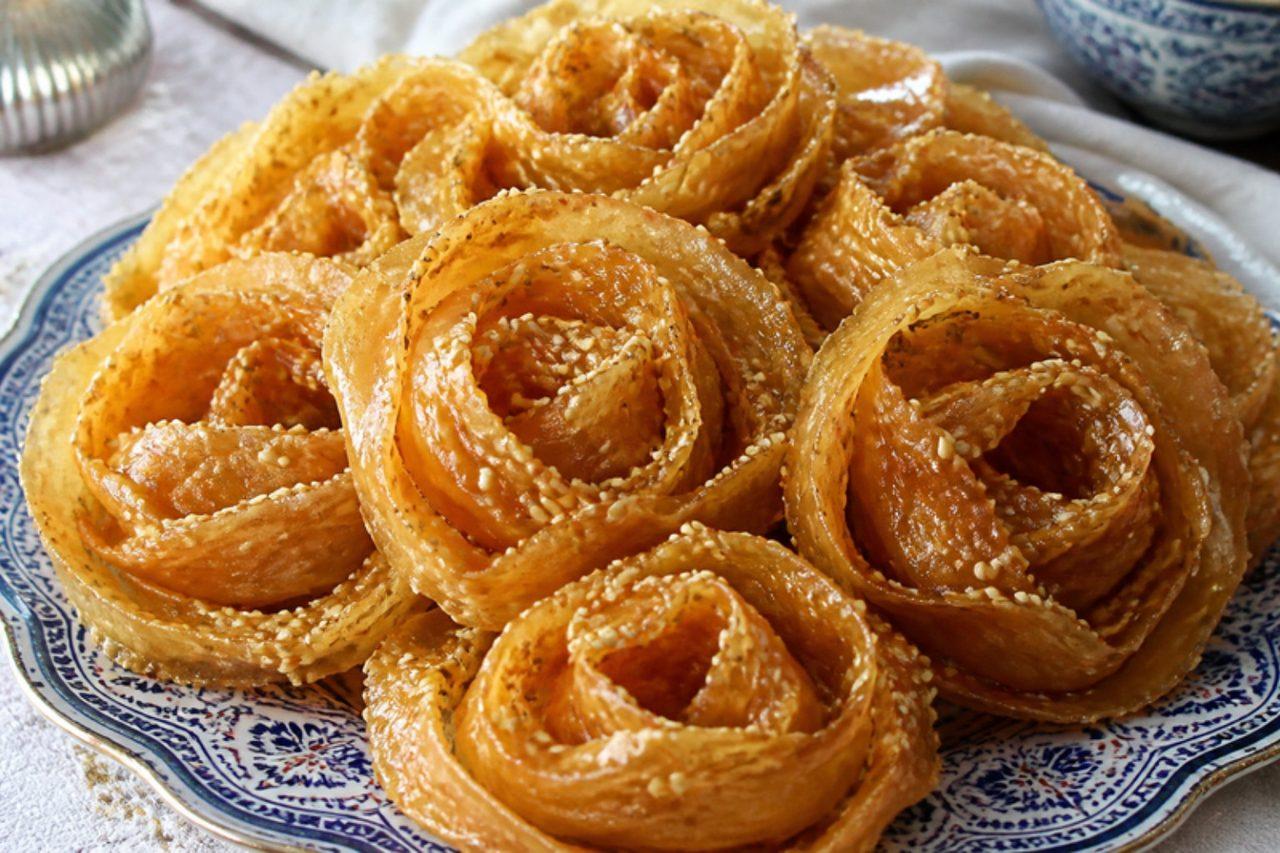
Fijuelas are the Hanukkah sweet of Moroccan Jews, also made for weddings and bar mitzvahs, and grandmothers in Netanya and Ashkelon still roll them by the hundred on a fork. Paper-thin strips of egg dough are wound into spirals as they hit the hot oil, puffing into crisp, lacy roses, then dipped in warm honey syrup with orange blossom. They should shatter when bitten and taste of honey rather than grease. The mistake that ruins them is rolling the dough too thick, which makes them chewy and oily; you should almost see the counter through it. Chef's tip: keep the syrup warm and the fried spirals cool, so they absorb a thin glaze and stay crisp for days.

by KrazyBadal 0 views

Kartoshka cakeCocoa and cake crumb truffles

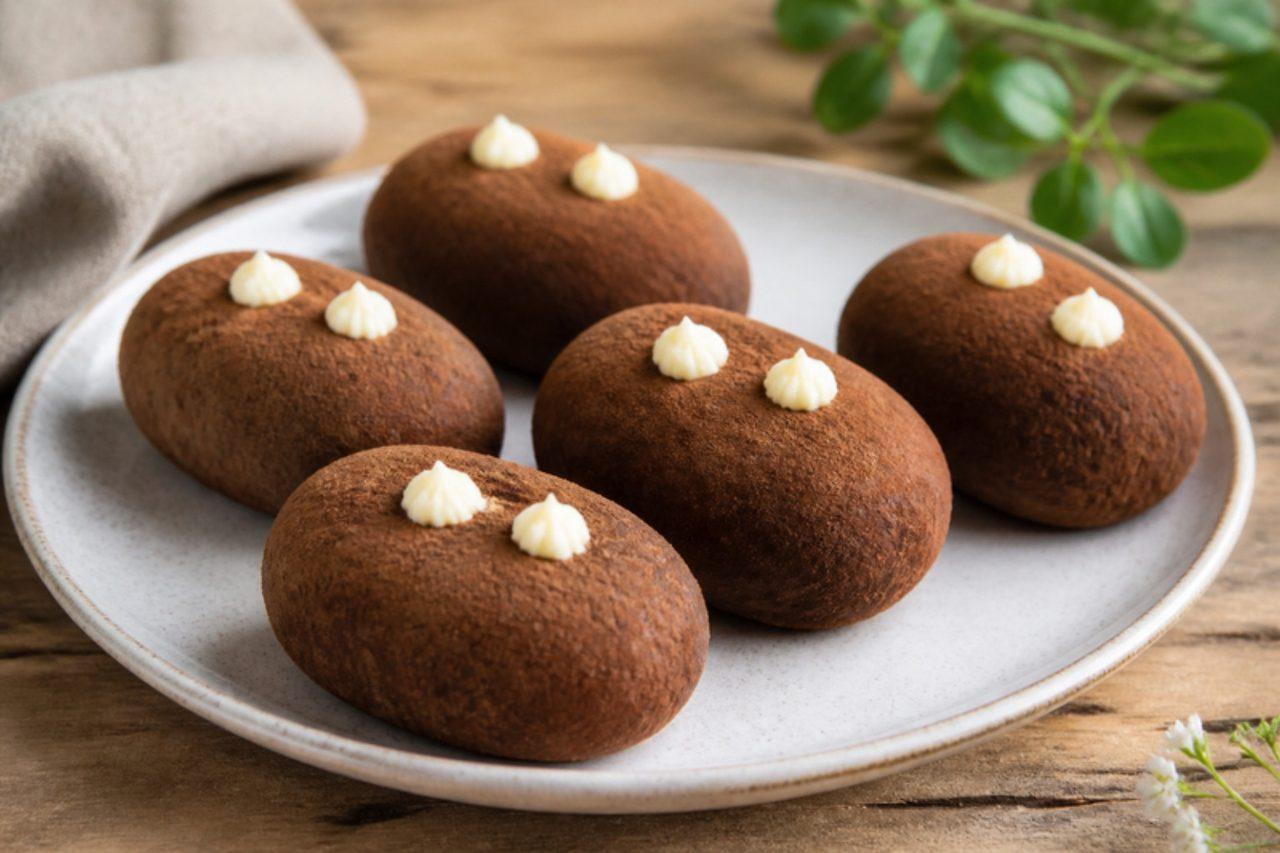
Soviet cafés and school canteens sold these knobbly brown 'potatoes' for a few kopecks, and they began as a thrifty way to use up sponge and biscuit trimmings at the bakery. Crumbs are bound with butter and sweetened condensed milk, flavoured with cocoa and vanilla, shaped into little potatoes, rolled in cocoa and finished with two dabs of pale butter cream for the sprouts. They are fudgy and dense like a brownie truffle, need no oven, and children love making them. Traditional bakers added a spoonful of rum, an optional extra for adult batches only; this version is alcohol-free with vanilla. The usual slip is coarse crumbs, which make the potatoes crack, so blitz them as fine as sand. Chef's tip: chill the shaped potatoes for at least 20 minutes so they hold their shape and slice cleanly.

by KrazyBadal 2 views

AbkhazuraSpiced mince in caul fat

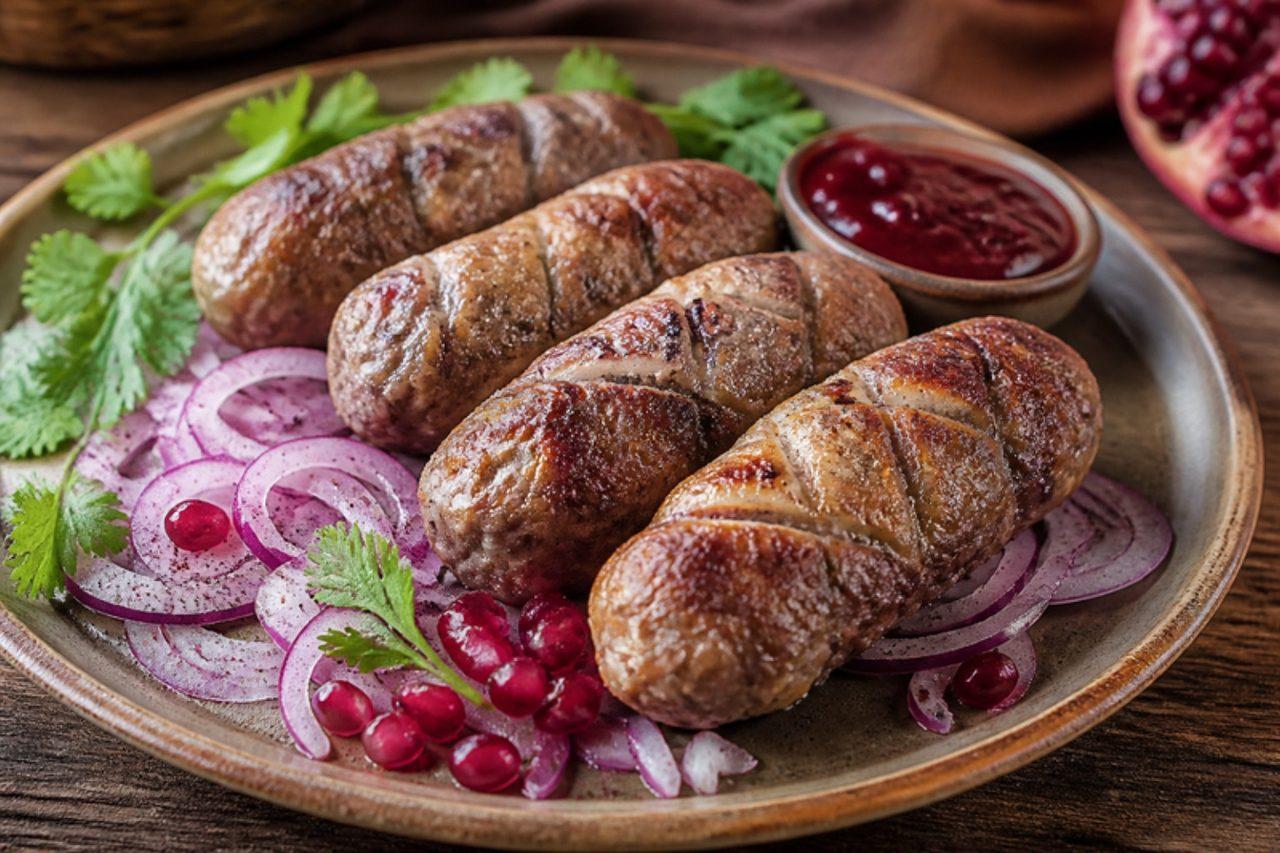
Abkhazura is a feast dish from Samegrelo and the old Abkhazian borderlands, still on the menu of Zugdidi restaurants: finely chopped beef and pork, seasoned with onion, garlic, dried barberries, hot pepper and herbs, wrapped in thin, lacy caul fat and grilled over coals or fried until crisp outside and juicy inside. This contains pork. Served with tkemali and raw onion rings. A common mistake is using lean mince, which makes the patties dry; the fat is what keeps them succulent. Chef's tip: soak caul fat in warm salted water for 10 minutes so it softens and stretches without tearing. Minced meat must reach 71 °C in the middle.

by KrazyBadal 0 views

Fini rotiLayered fried sugar bread

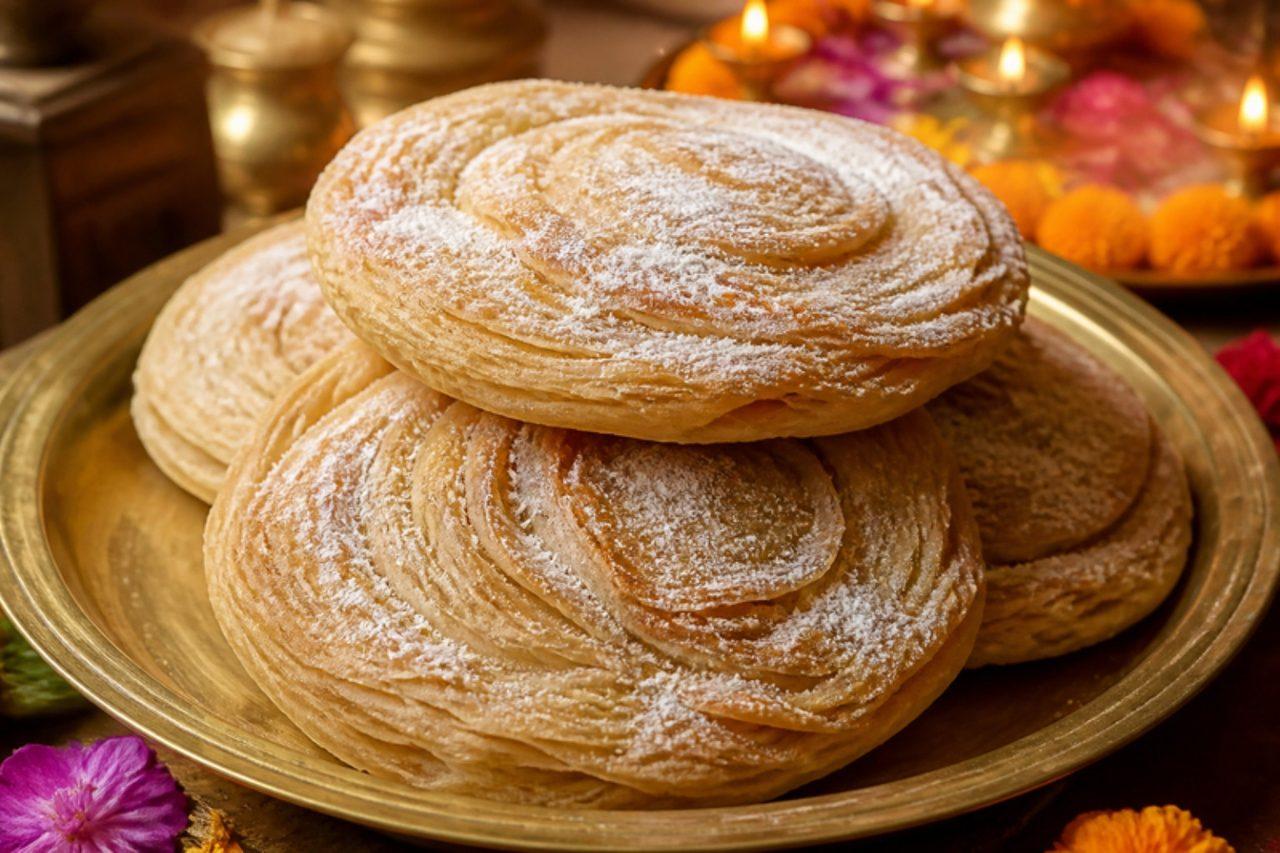
During Tihar, the five-day festival of lights in late autumn, sisters in Kathmandu and Pokhara prepare a basket of treats for Bhai Tika, and fini roti, a crisp round of fried bread made of dozens of paper-thin layers, sits in it beside sel roti, nuts and sweets. A simple dough of flour and ghee is rolled very thin, spread with a paste of ghee and rice flour, rolled into a log and cut, so that each piece fans out in the hot oil into a flaky spiral that shatters at the first bite. It is lightly dusted with sugar, lasts for days in a tin, and is eaten with tea or given to visiting relatives. The layers vanish if you make the paste with melted ghee, which seeps out instead of staying put. Chef's tip: beat the ghee and rice flour together until fluffy and pale like soft butter, and keep the dough cool so the layers stay distinct.

by KrazyBadal 0 views

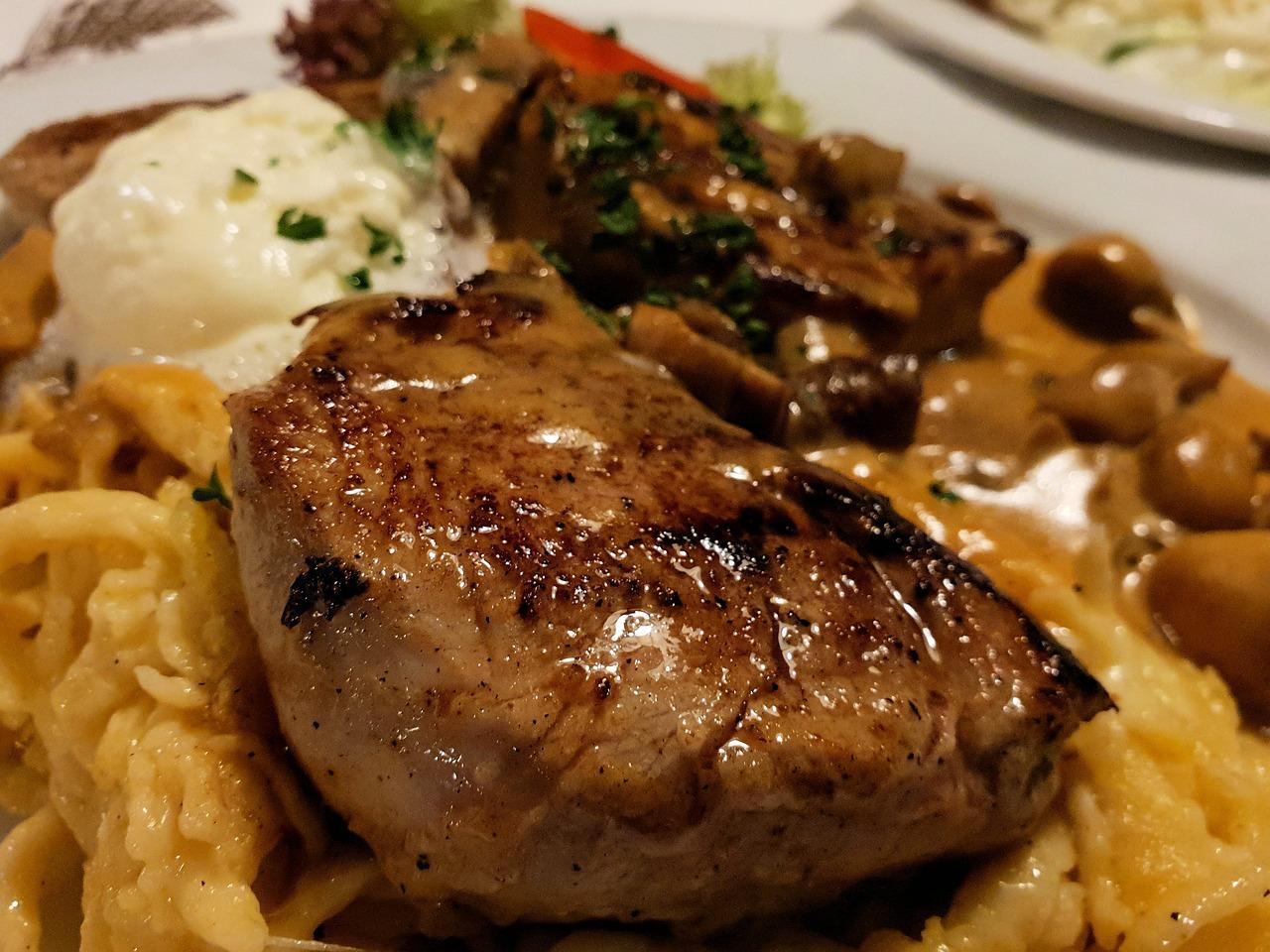
Bakonyi sertésszeletPork in mushroom paprika sauce

The Bakony hills north of Lake Balaton are known for their beech forests and mushrooms, and any Hungarian dish called bakonyi comes with a creamy paprika and mushroom sauce. Here it covers seared pork loin steaks, a favourite of roadside inns and Sunday lunches across Transdanubia. The sauce starts like a pörkölt with onion, paprika, pepper and tomato, then takes on sliced mushrooms and is finished with sour cream, so it is earthy, tangy and rich. Serve it with nokedli or rice to soak it up. Where most people go wrong is boiling the sauce after the sour cream goes in, which makes it split; keep it just below a simmer. Chef's tip: use a mix of wild and chestnut mushrooms if you can, and fry them hard first so they brown instead of stewing.

by KrazyBadal 0 views

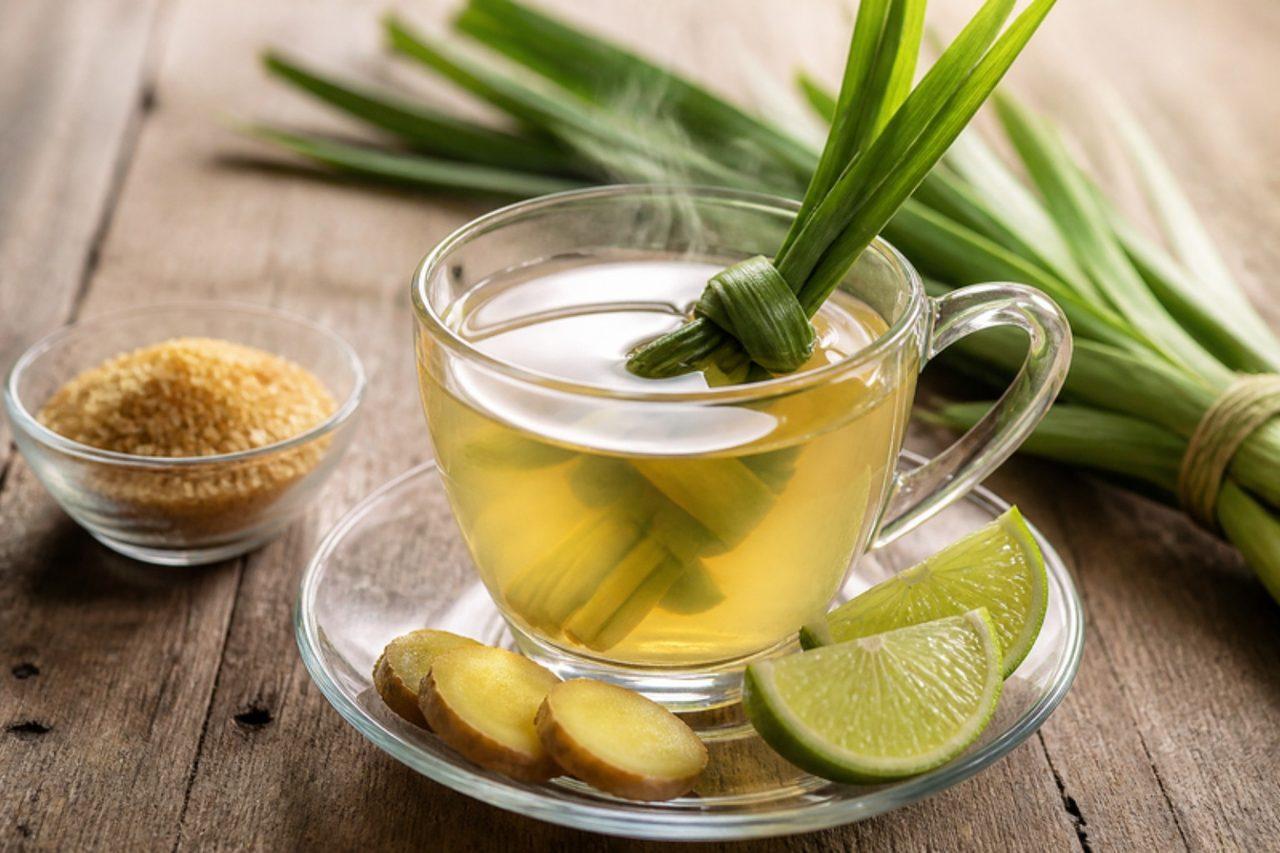
Fever grass teaLemongrass and ginger tea

In Jamaican country yards a clump of fever grass, the local name for lemongrass, grows by the kitchen door, and a handful steeped in boiling water is the old remedy for colds, aches and restless nights. Brewed with fresh ginger, it is lemony, gently peppery and soothing, and is drunk hot, sweetened with a little brown sugar. The mistake people make is using the stalks whole, which gives a weak tea; bruise and cut them to release the oils. Chef's tip: tie long leaves in a knot before you add them, as country cooks do, so they are easy to lift out.

by KrazyBadal 0 views

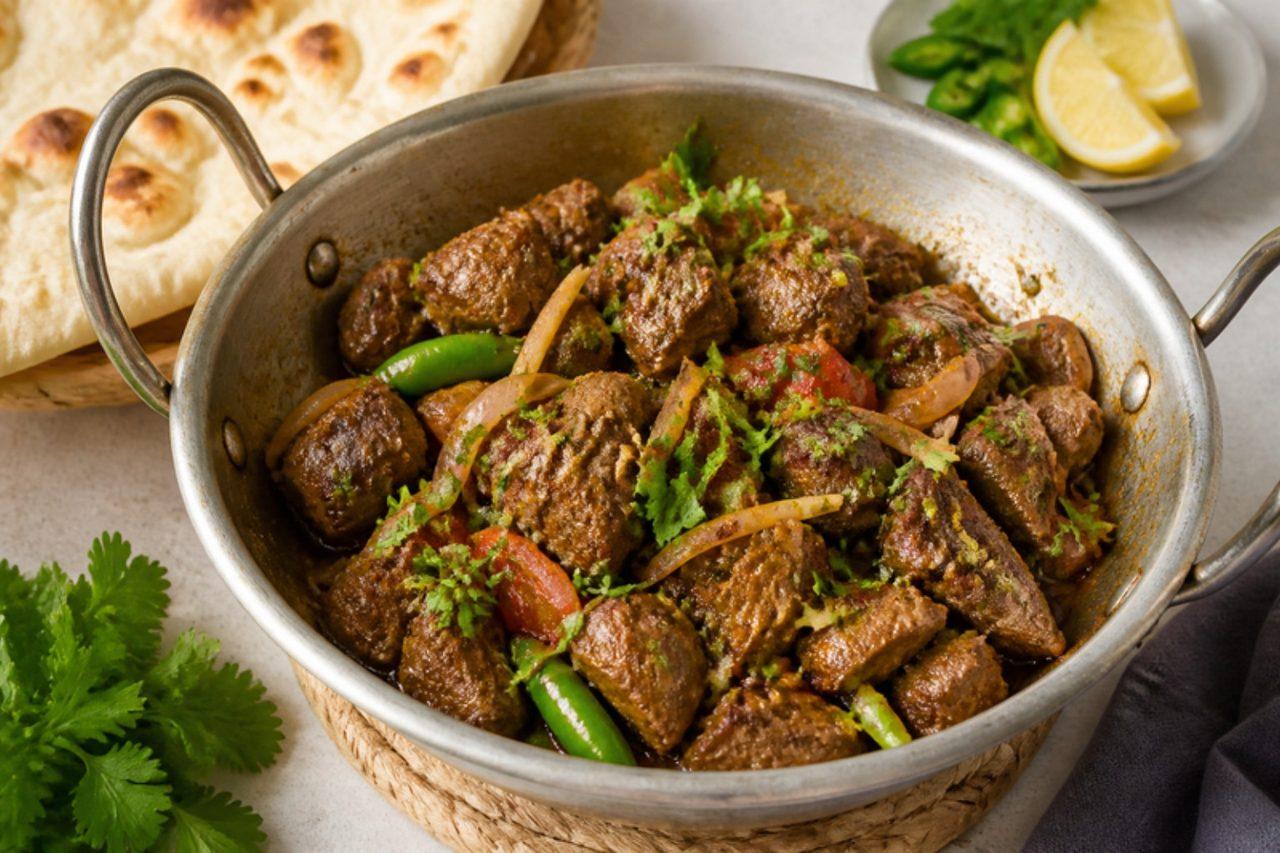
Bakra Eid kalejiStir-fried goat liver

The first thing cooked in countless Pakistani homes on the morning of Eid-ul-Adha, just after the sacrifice, is kaleji: the goat's liver, still very fresh, sliced and stir-fried in a karahi with onion, tomato, ginger and green chilli, then eaten at once with hot paratha or naan while the rest of the meat is being divided. The dish is quick and fierce, tender in the middle, sharp with chilli and lemon. Outside Eid, butchers in every city sell goat or lamb liver for the same breakfast. Overcooking makes liver rubbery, but undercooking is not safe, so cut it into even pieces and cook until it reaches 71 °C with no pink left; it will still be tender. Chef's tip: add the salt only at the very end, as salting liver early draws out moisture and toughens it.

by KrazyBadal 0 views

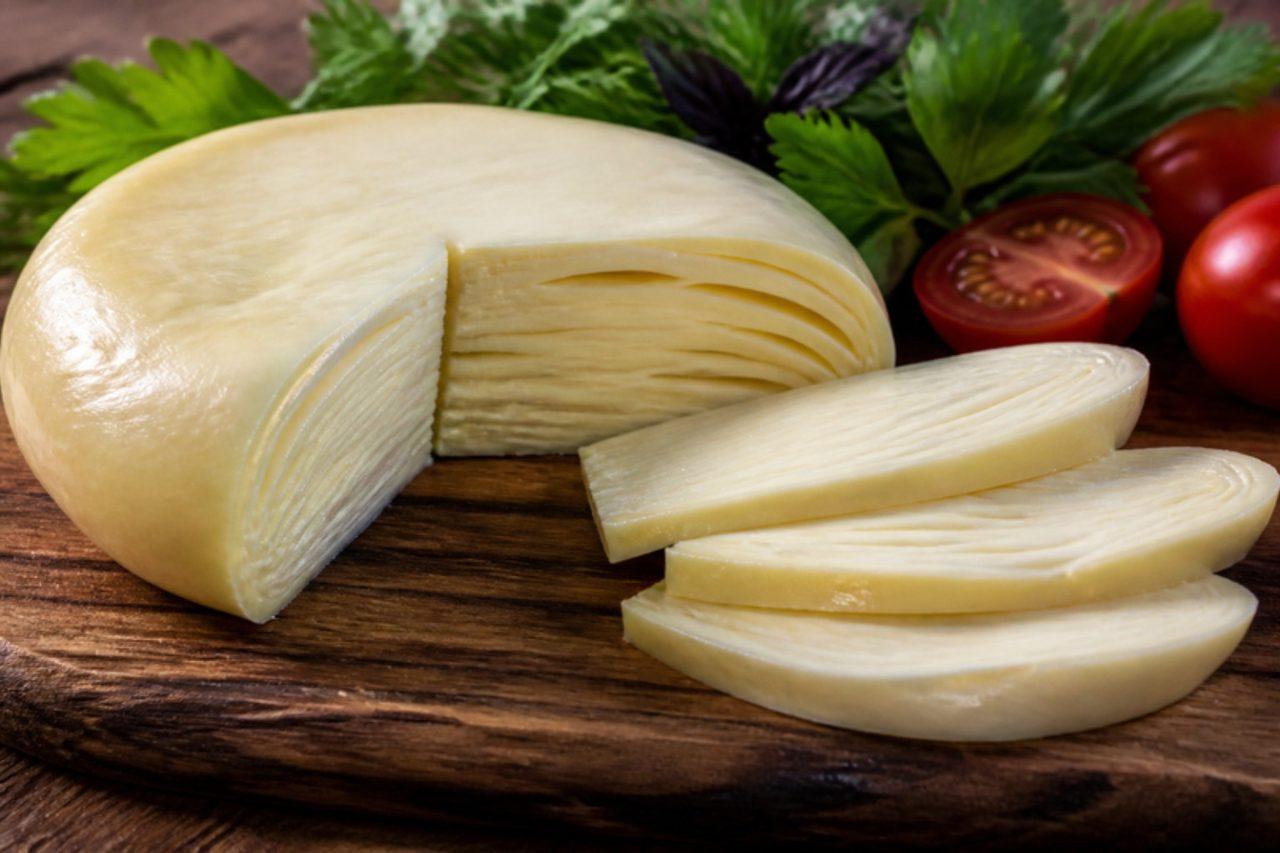
SulguniStretched cheese

Sulguni is the famous cheese of Samegrelo, made in Zugdidi homes by taking fresh, slightly soured curd, cutting it up and working it in hot water until it can be pulled into a glossy, layered, salty ball. It is eaten in thick slices, melted into elarji and khachapuri, and smoked over embers for a darker version. The curd has to be acidic enough to stretch, so you make the cheese one day and stretch it the next, or buy fresh Imeretian cheese and start from there. Traditionally animal rennet is used; vegetarian rennet works too. A common mistake is trying to stretch fresh, sweet curd; it melts into a puddle instead of pulling. Chef's tip: test a small piece in hot water first; if it stretches 30 cm without breaking, the curd is ready.

by KrazyBadal 0 views

FaworkiCrisp fried dough ribbons

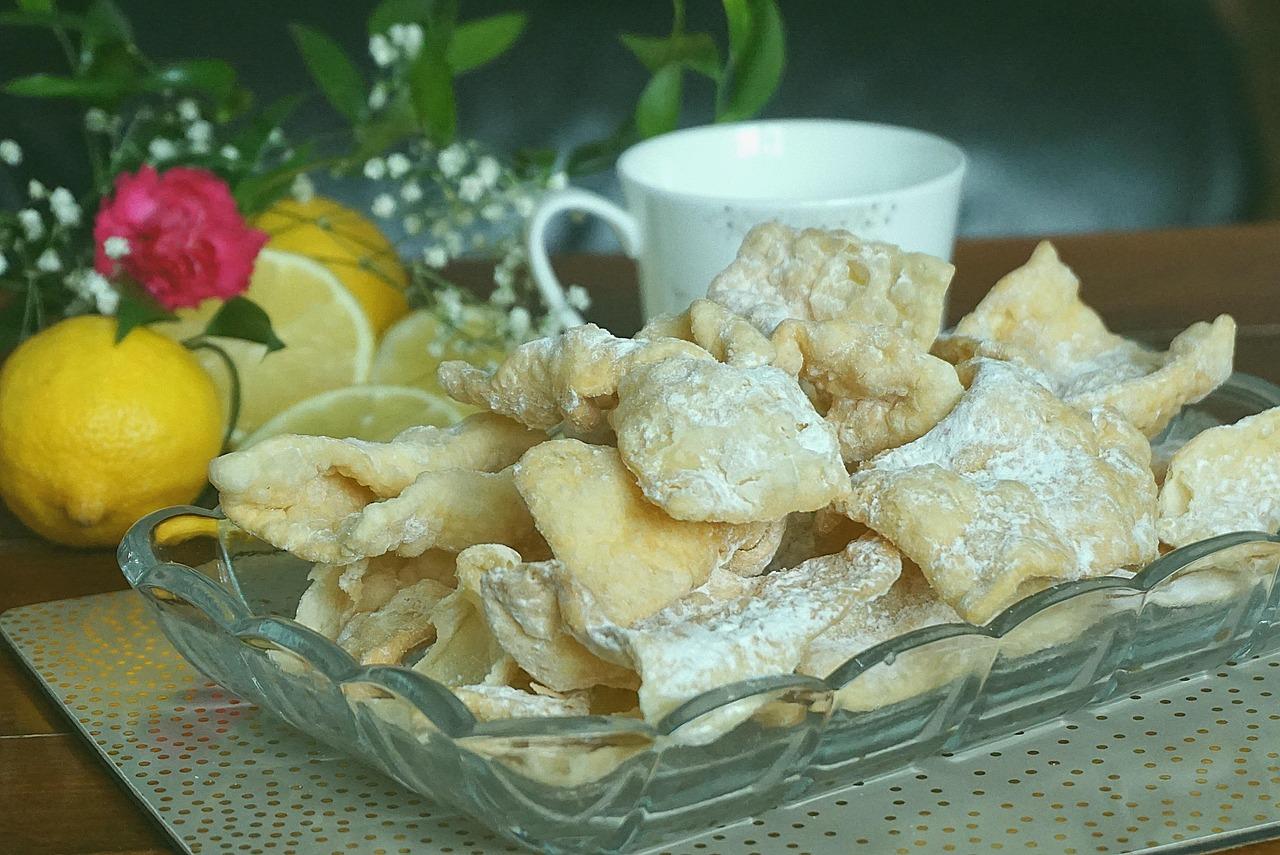
On Fat Thursday, the last Thursday before Lent, Polish queues for pączki are matched only by the piles of faworki, also called chruściki, sold by the bag. They are paper-thin strips of rich egg-yolk and sour-cream dough, each pulled through a slit to make a twist, fried for seconds until they blister and puff into shattering, bubbly shards. Many families add a spoon of spirit to the dough to make them extra crisp; vinegar does the same job alcohol-free and is used here. Where most people go wrong is rolling the dough too thick, which gives chewy biscuits rather than glass-thin crisps. Chef's tip: beat the dough with a rolling pin for 5 minutes before rolling; the air you trap makes the bubbles.

by KrazyBadal 0 views

BalayHand-pulled noodles in mutton broth

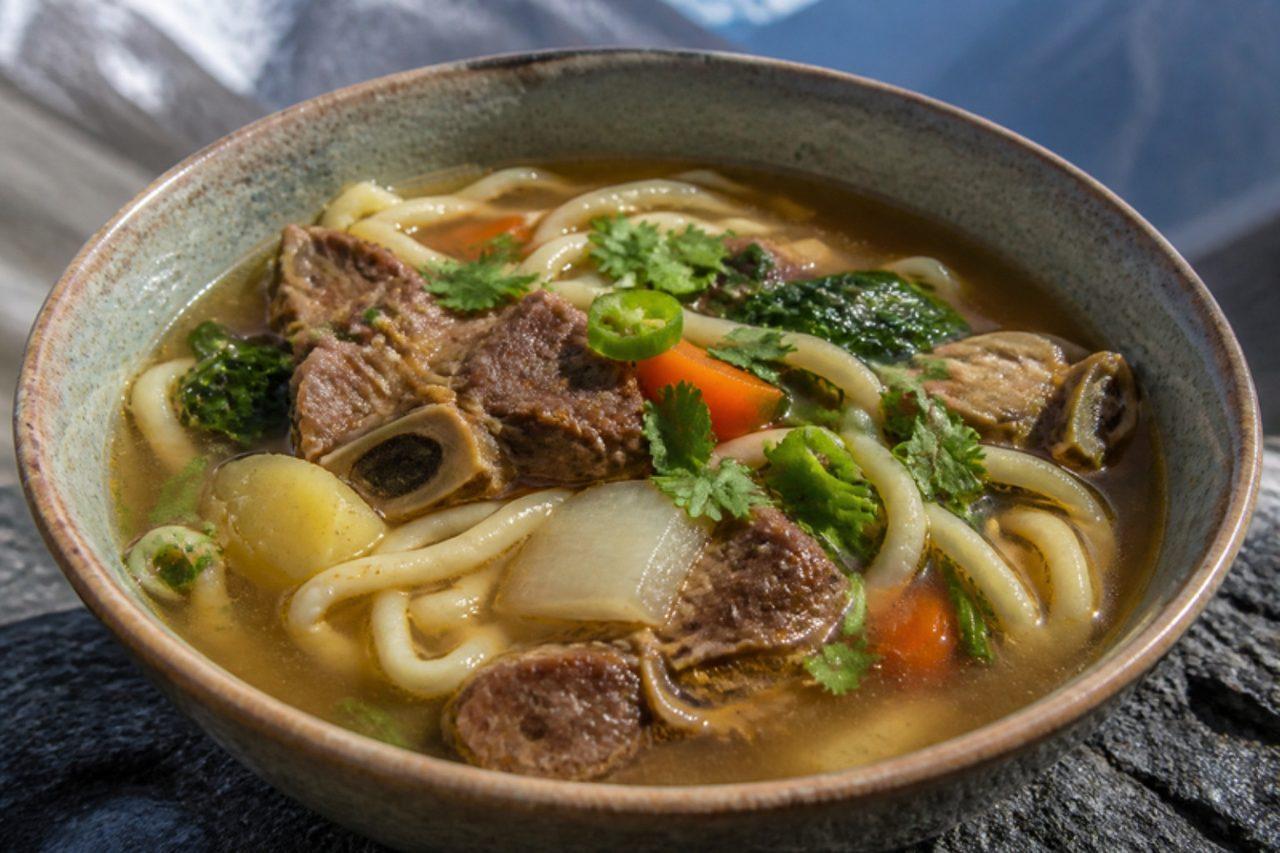
Skardu sits at almost 2,500 metres, and through its long, dry winters Balti households lean on balay, a sturdy soup of thick wheat noodles pinched and pulled by hand into a mutton broth with turnip, potato, carrot and greens. It is the Balti cousin of Tibetan thukpa, eaten for supper in deep bowls, often with a hot green chilli on the side and salty butter tea to follow. The noodles are fat, chewy and irregular, and they thicken the broth slightly as they cook, which is exactly right. Rolling the dough too thin is a common slip; balay noodles should be the thickness of a pencil so they stay springy. Chef's tip: let the dough rest a full 20 minutes before pulling it, because a rested dough stretches without tearing and gives silkier noodles.

by KrazyBadal 0 views

FendishaSweet or salted popcorn

Popcorn might seem an odd companion to coffee, but at an Ethiopian buna ceremony a heaped tray of fendisha is as expected as the incense and the little cups. The hostess pops it while the coffee boils, and it is eaten in small handfuls between the three rounds of coffee. Some families like it plain with a pinch of salt, others scatter sugar over it while it is still hot so it catches in the crevices; both are made here. It is crisp, light and best within an hour or two. Whole popcorn is a choking risk for children under five, so serve them something else. Chef's tip: leave the lid slightly ajar while it pops so the steam escapes; trapped steam is what makes popcorn chewy.

by KrazyBadal 0 views

Figgy duffSteamed raisin pudding

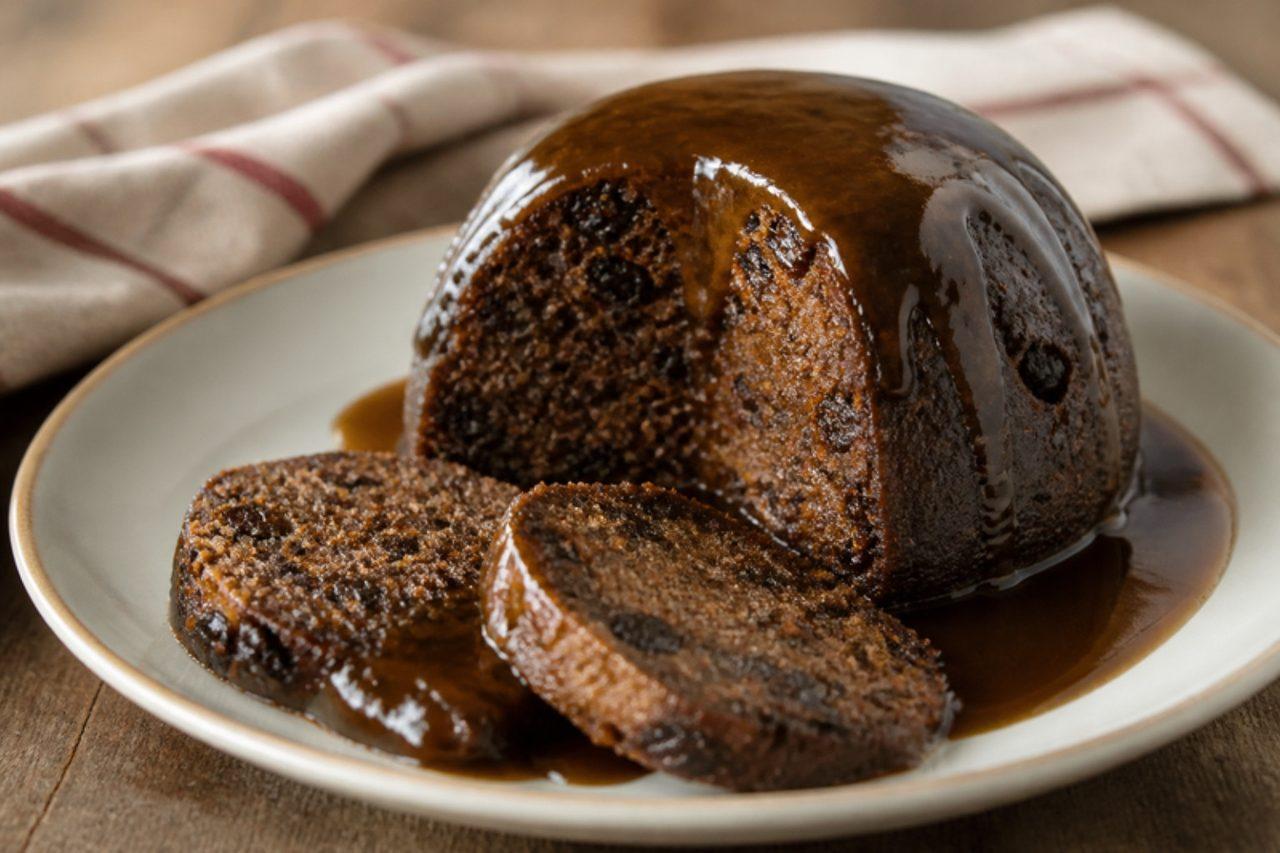
Figgy duff is the pudding that boils in its cloth bag alongside a Newfoundland Jiggs dinner on Sundays; in Newfoundland, raisins are called figs. Breadcrumbs, molasses, raisins and spices make a dark, soft, steamed pudding that is cut into thick slices and eaten hot with molasses coady (a butter-molasses sauce) or custard. This home version steams in a pudding basin rather than a cloth. A common mistake is letting the pan boil dry; keep a kettle hot for topping up. Chef's tip: soak the breadcrumbs and raisins first so the pudding is moist all through.

by KrazyBadal 0 views

Bajre di rotiPearl millet flatbread

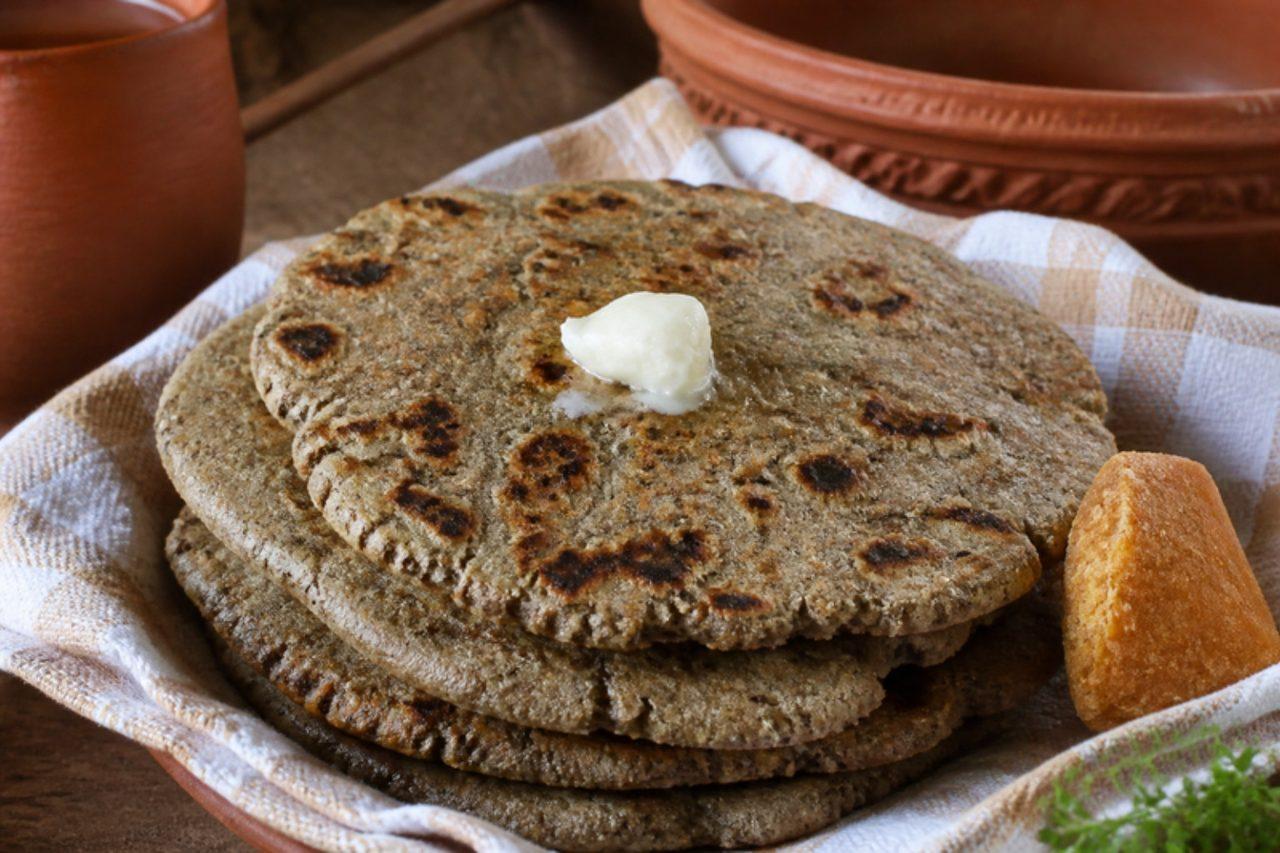
Pearl millet grows where wheat gives up, in the sandy fields on the edge of the Cholistan desert around Bahawalpur, and there bajre di roti is the bread of winter, thick, grey-green and earthy with a slightly sweet, nutty taste. Because millet has no gluten, the dough is kneaded one roti at a time and patted out between wet palms rather than rolled, which takes a little practice but no special equipment. In village homes it is eaten hot with a lump of white butter or ghee and a piece of jaggery, or with sarson ka saag and a bowl of lassi; for a vegan meal, serve it with saag cooked in oil. Making all the dough at once is the classic error: millet dough dries and cracks within minutes. Chef's tip: knead each portion fresh with warm water and the heel of your hand until it feels smooth and slightly sticky, like soft clay.

by KrazyBadal 0 views

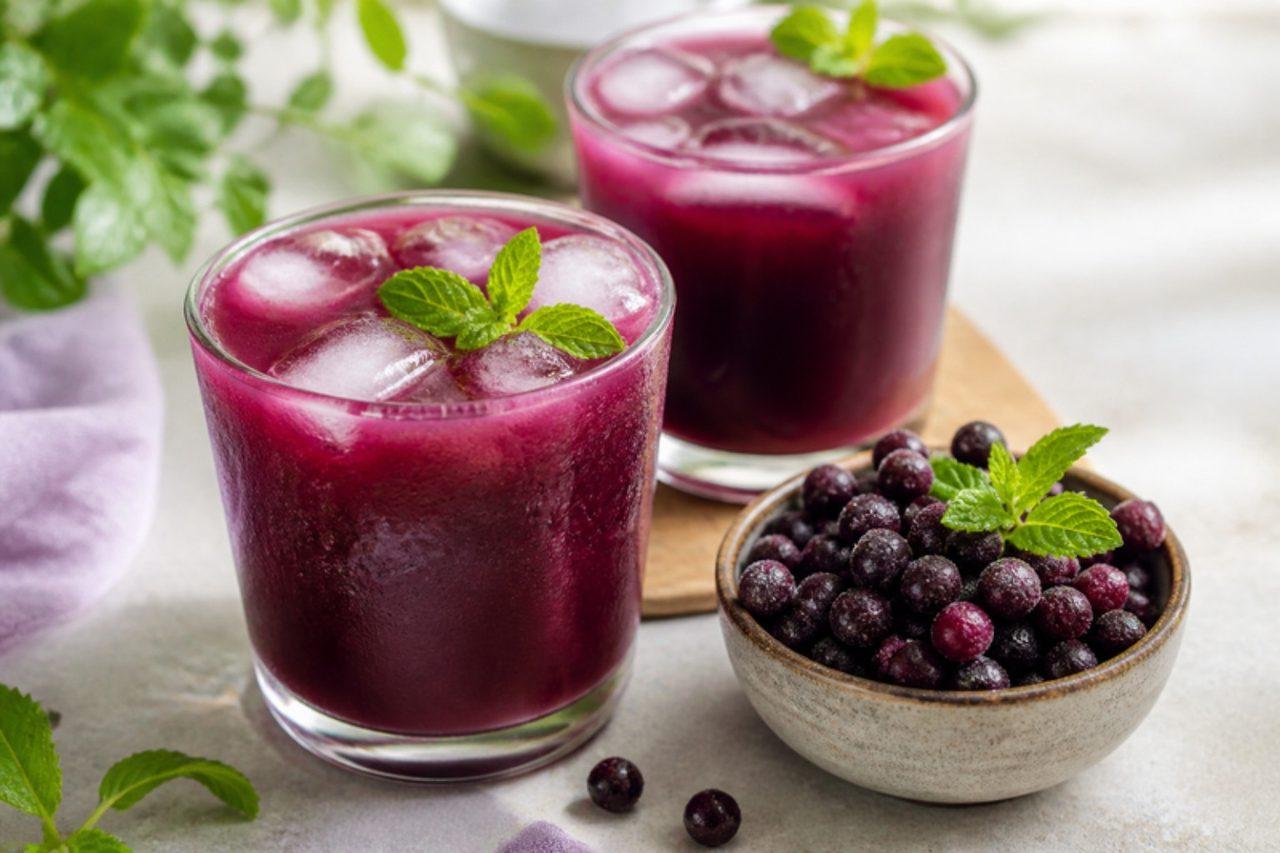
Falsa sherbetFalsa berry drink

For a few short weeks in May and June, Punjabi fruit sellers from Multan to Lahore pile their carts with falsa, tiny purple-black berries with a big seed and a sweet-sour, grape-like flavour, and roadside stalls crush them in big jugs of iced water with sugar and a pinch of black salt. The sherbet is a striking magenta, tart and salty-sweet, and people swear by it as a cooler against the loo, the scorching summer wind; it is also a favourite at iftar when Ramadan falls in summer. Outside Pakistan look for frozen falsa in South Asian grocers, or use blackcurrants, which give a similar colour and sharpness. A common slip is blending the berries hard, which cracks the seeds and turns the drink bitter. Chef's tip: just rub the berries with the sugar and a little water by hand or pulse very briefly, then strain, so you get all the juice and colour and none of the bitterness.

by KrazyBadal 0 views

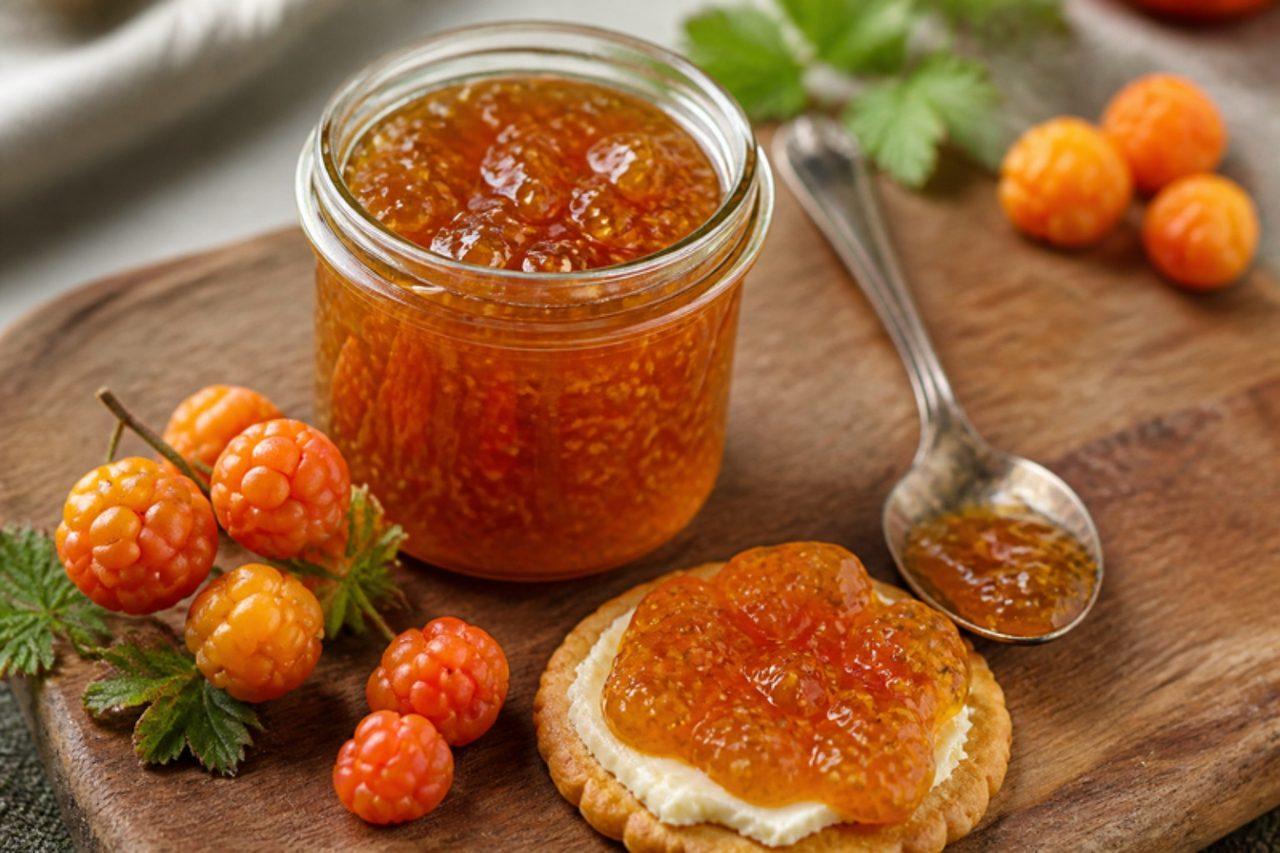
Bakeapple jamCloudberry jam

Bakeapples, the amber cloudberries of the Labrador and Newfoundland bogs, ripen for a few weeks in late July and August, and families on the Northern Peninsula and the Labrador coast pick them by the bucket. Turned into jam, they taste of apricot, honey and wild herbs, and the soft seeds give it texture. It is spread on toast, tea biscuits and toutons, or stirred through cream. Frozen cloudberries work if you can't get fresh. A common mistake is boiling too long, which darkens the colour and dulls the flavour. Chef's tip: test the set early, on a cold saucer.

by KrazyBadal 0 views

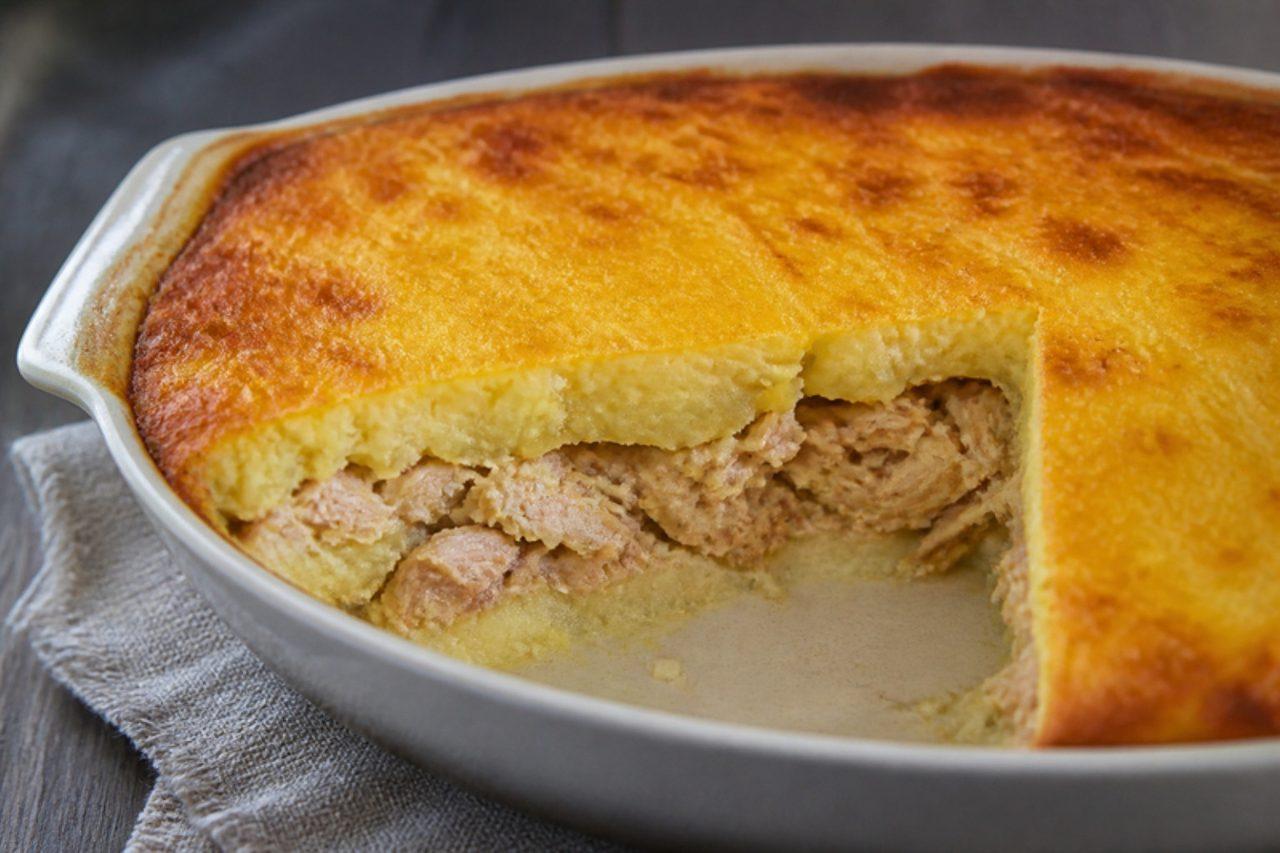
Bermuda cassava pieCassava pie with chicken and pork

No Bermudian Christmas table is complete without cassava pie, a dense, golden, faintly sweet bake of grated cassava, eggs, butter, sugar and nutmeg layered around a filling of stewed chicken and pork. Families compare recipes and argue over sweetness; it is served in slices with the turkey on Christmas Day and eaten cold for days after. The pork here is boneless pork shoulder, stewed with the chicken until tender. The common mistake is underbaking: the cassava must set firm and brown deeply, or it is gluey in the middle. Use frozen grated cassava, squeezed dry. Chef's tip: make the filling the day before; cold meat is easier to layer and the stock gels into a juicy middle.

by KrazyBadal 0 views

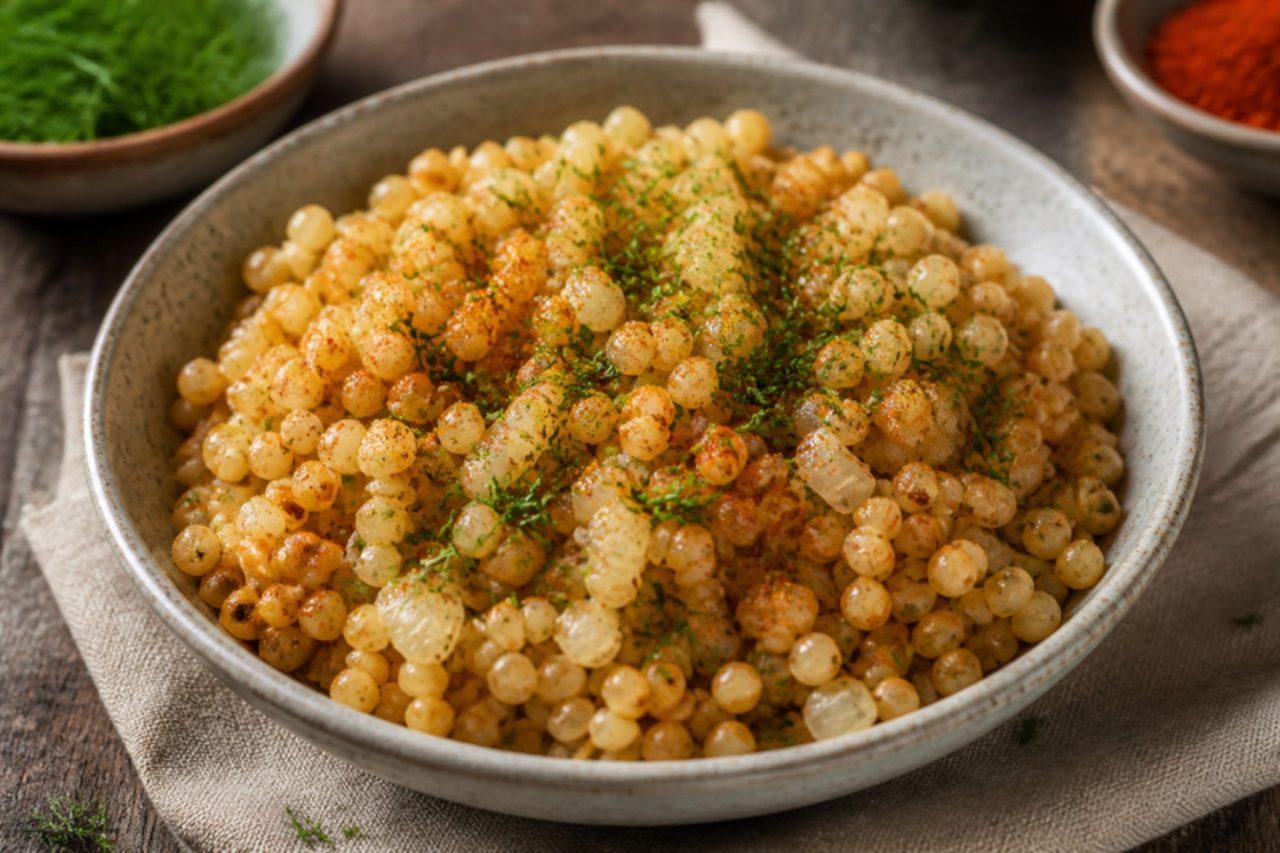
FarfelEgg pasta pilaf with onions

Farfel, little barley-sized pellets of egg pasta, are what many Ashkenazi grandmothers in Israel cook instead of rice, especially on Friday nights alongside soup and roast vegetables. Toasted in oil until golden, then simmered in stock with soft onion, they turn out fluffy and separate with a gentle nutty taste, a bit like a tiny pasta pilaf. This version uses vegetable stock, so it is vegetarian and dairy free. Serve it as a side or stir through mushrooms for a light supper. A common mistake is adding too much stock, which makes the pellets swell into a sticky mass. Chef's tip: toast the farfel until it smells like toast and is evenly amber before any liquid goes in.

by KrazyBadal 0 views

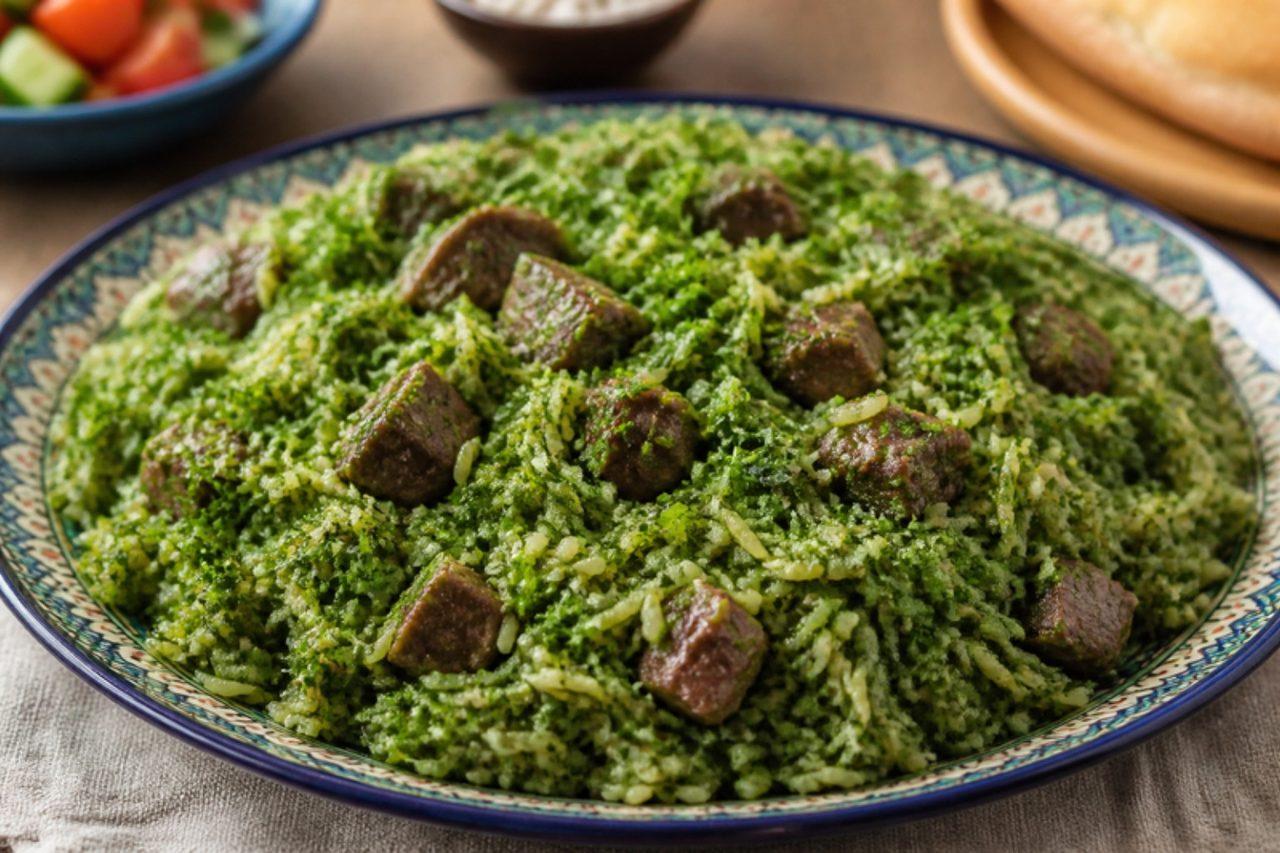
BakhshGreen rice with beef and liver

Bakhsh is the Shabbat and holiday rice of the Bukharan Jews, who lived in Bukhara and Samarkand for centuries before most emigrated to Israel and New York: rice mixed with small cubes of beef and liver and so much chopped coriander that it turns deep green, then cooked slowly in a cloth bag inside a pot of broth (bakhsh khalta) or in a pot sealed on the stove. It is fragrant, rich and moist. This version uses beef and calves' liver and the pot method. A common mistake is chopping the coriander roughly; it should be very fine so the rice turns evenly green. Chef's tip: cut the meat into rice-grain-sized pieces so it cooks in the same time as the rice. The liver and meat should be cooked through, 71 °C.

by KrazyBadal 0 views

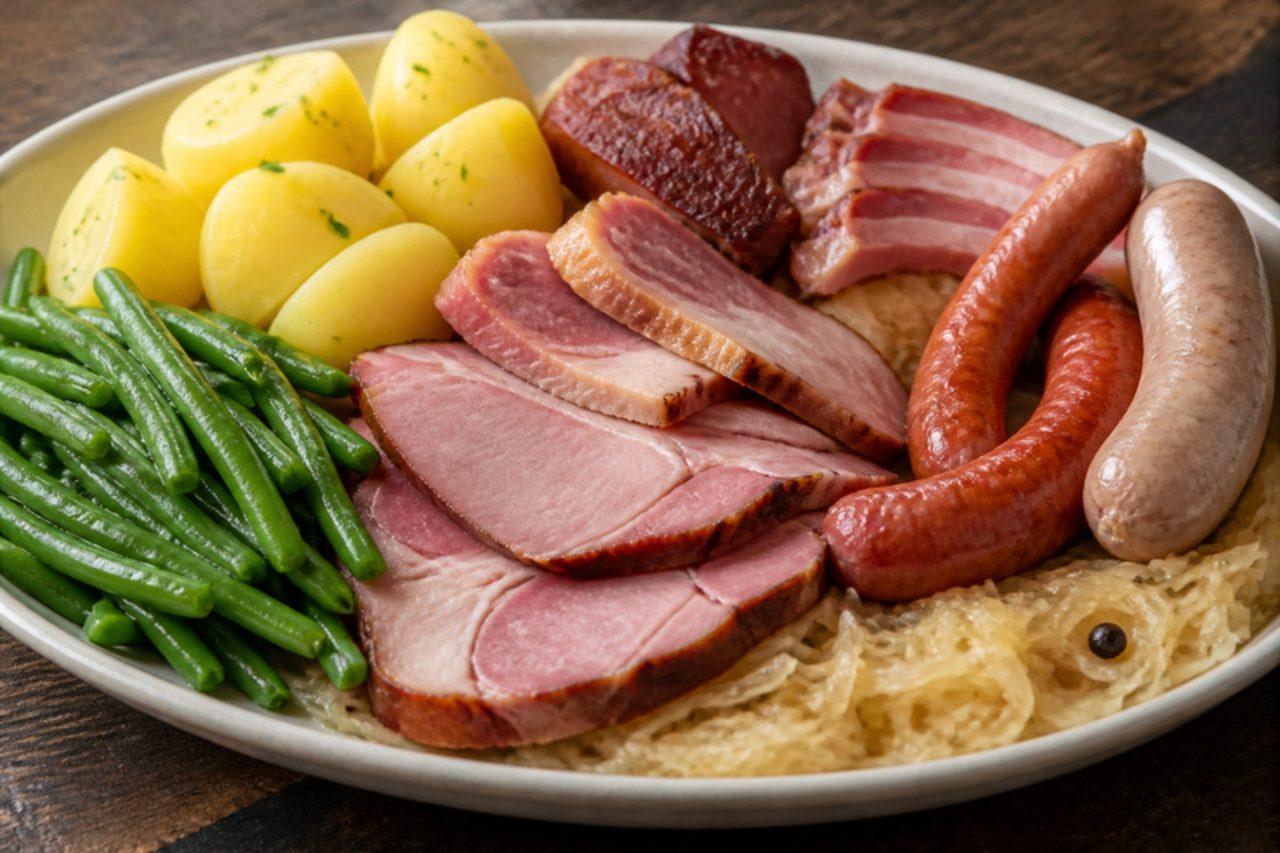
Berner PlatteSmoked meats and sauerkraut platter

The Berner Platte is Bern's great feast platter, said to celebrate the victory over the French at Neuenegg in 1798, and it is still served in the old taverns under the arcades of Bern's old town, especially in autumn and winter: a heap of smoked pork belly, smoked pork shoulder, tongue, beef, Bernese sausages and marrow bones, laid over sauerkraut, dried green beans and boiled potatoes. This dish contains pork. A common mistake is boiling everything together for the same time; the sausages split and the beef is still tough. Chef's tip: cook each meat for its own time in the same pot, adding the sausages only for the last 20 minutes at a gentle simmer. Whole pork cuts must reach 63 °C and sausages 71 °C.

180 minSwissMeatGluten free
by KrazyBadal 0 views

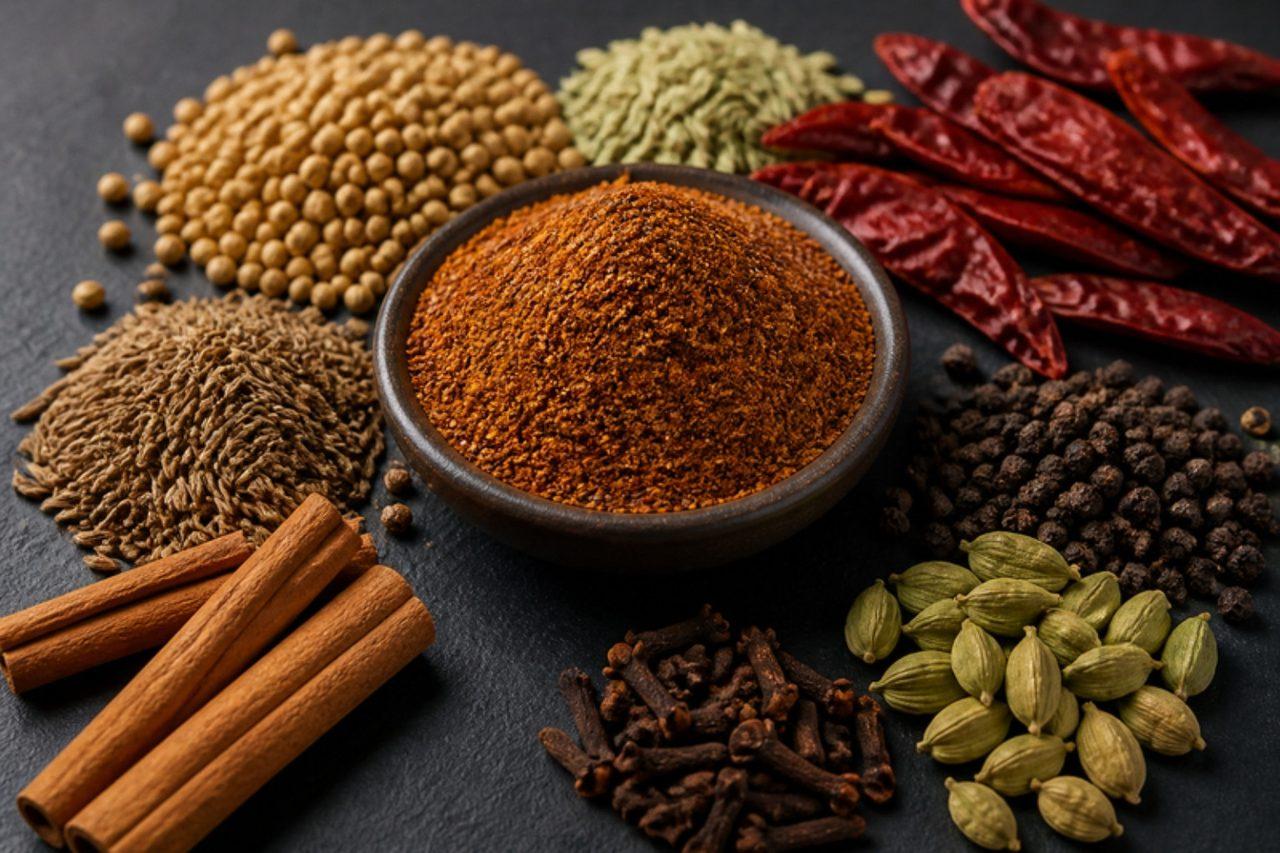
BezarSpice blend

Every Emirati kitchen keeps a jar of bezar, and many families in Dubai and Al Ain still roast and grind their own each winter to last the year. It is the warm, earthy backbone of machboos, saloona, harees and grilled fish, built mainly on coriander and cumin with fennel, a little chilli heat, cinnamon and plenty of turmeric for colour. Toasting the whole spices first gives it a deeper, nuttier taste than any ready-mixed powder. The common slip is toasting everything together on a high heat, so the small seeds burn while the coriander is still raw. Chef's tip: stir the turmeric and ground ginger in after grinding, never into the hot pan, or they turn bitter.

by KrazyBadal 0 views

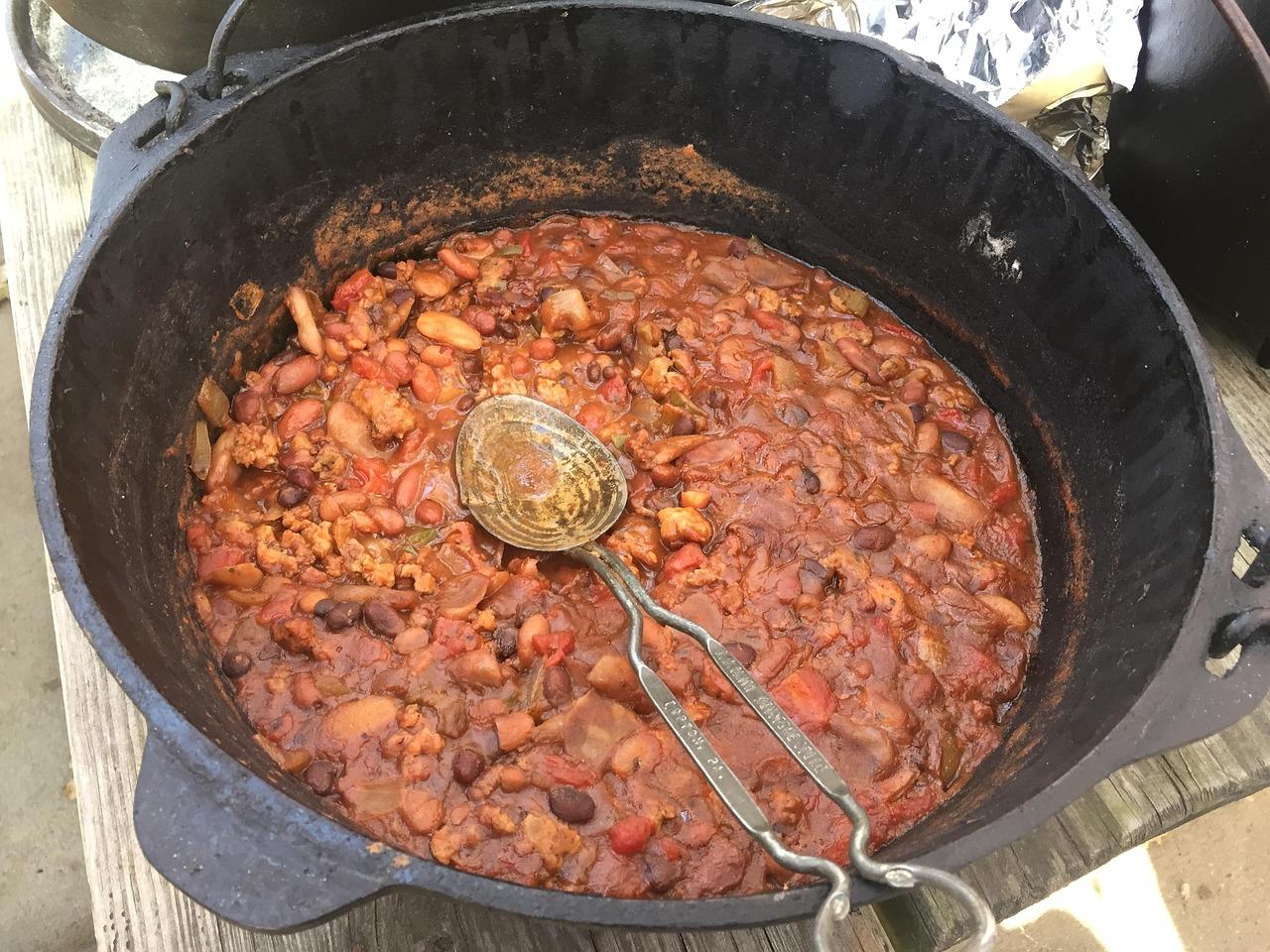
Fasolka po bretońskuWhite beans in tomato with sausage

Despite its name, nothing about fasolka po bretońsku is French; this is pure Polish canteen and milk-bar food, the thick, brick-red bean stew that has fed Warsaw students, soldiers and hungry families for generations. White beans simmer in tomato with smoked pork sausage, smoked bacon, onion and plenty of marjoram until creamy, smoky and slightly sweet. It is filling enough on its own with a hunk of bread and even better reheated the next day. Under-cooked beans are the most common disappointment; they must be soft right through before the tomato goes in, because acid stops them softening. Soak the dried beans overnight beforehand. Chef's tip: mash a ladle of the cooked beans against the side of the pot before serving to give the sauce its typical velvety body.

90 minPolishMeatGluten free
by KrazyBadal 0 views

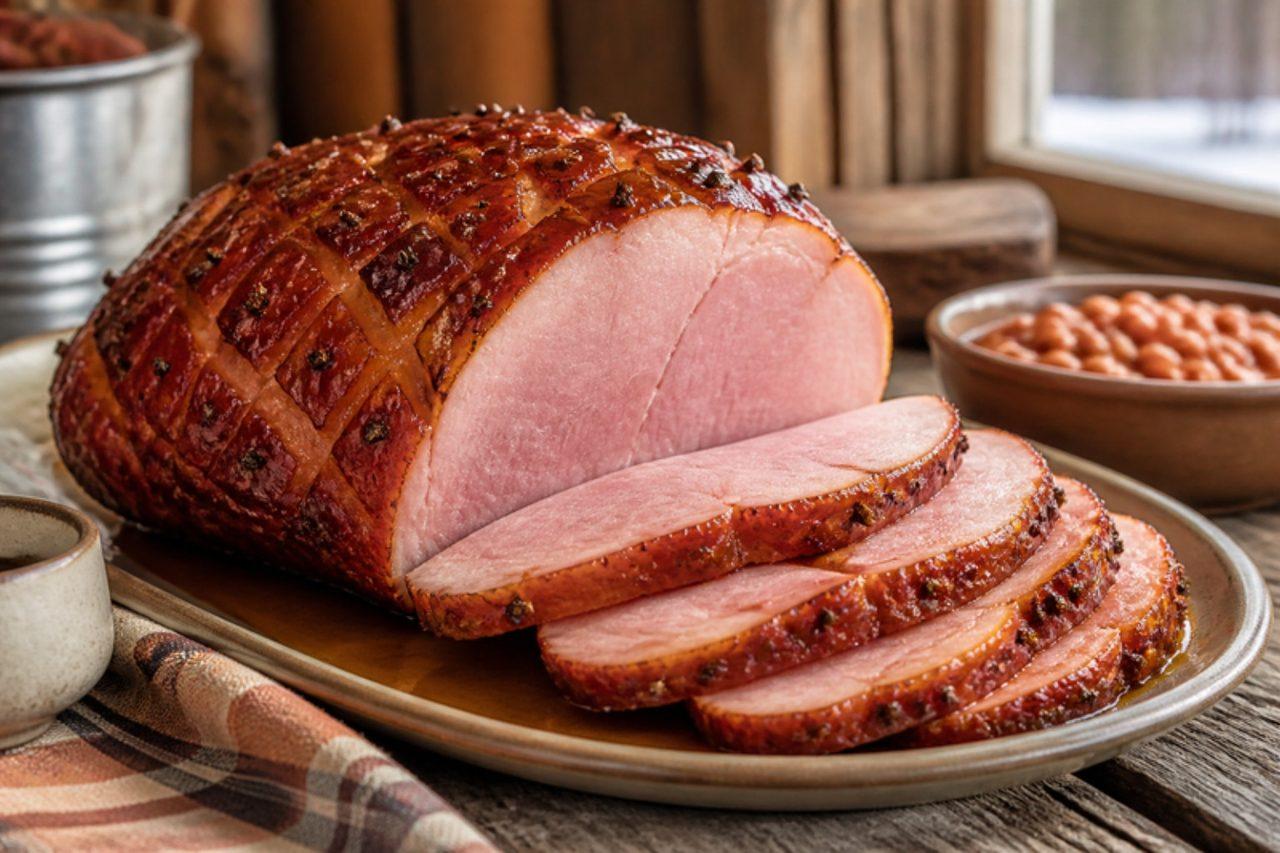
Maple-glazed ham

At the cabanes à sucre of Quebec in March and April, a smoked pork ham baked in maple syrup is the centrepiece of the long tables, carved alongside pea soup, beans and omelette. At home it is an Easter favourite in the Eastern Townships. The ham is simmered, then glazed and baked, basted again and again until it shines. Check the label: most smoked hams are already cooked and only need heating, while uncooked ones need full cooking. A common mistake is glazing too early, which burns the sugar before the ham is hot. Chef's tip: a splash of cider vinegar in the glaze balances the sweetness.

150 minCanadianMeatGluten free
by KrazyBadal 0 views

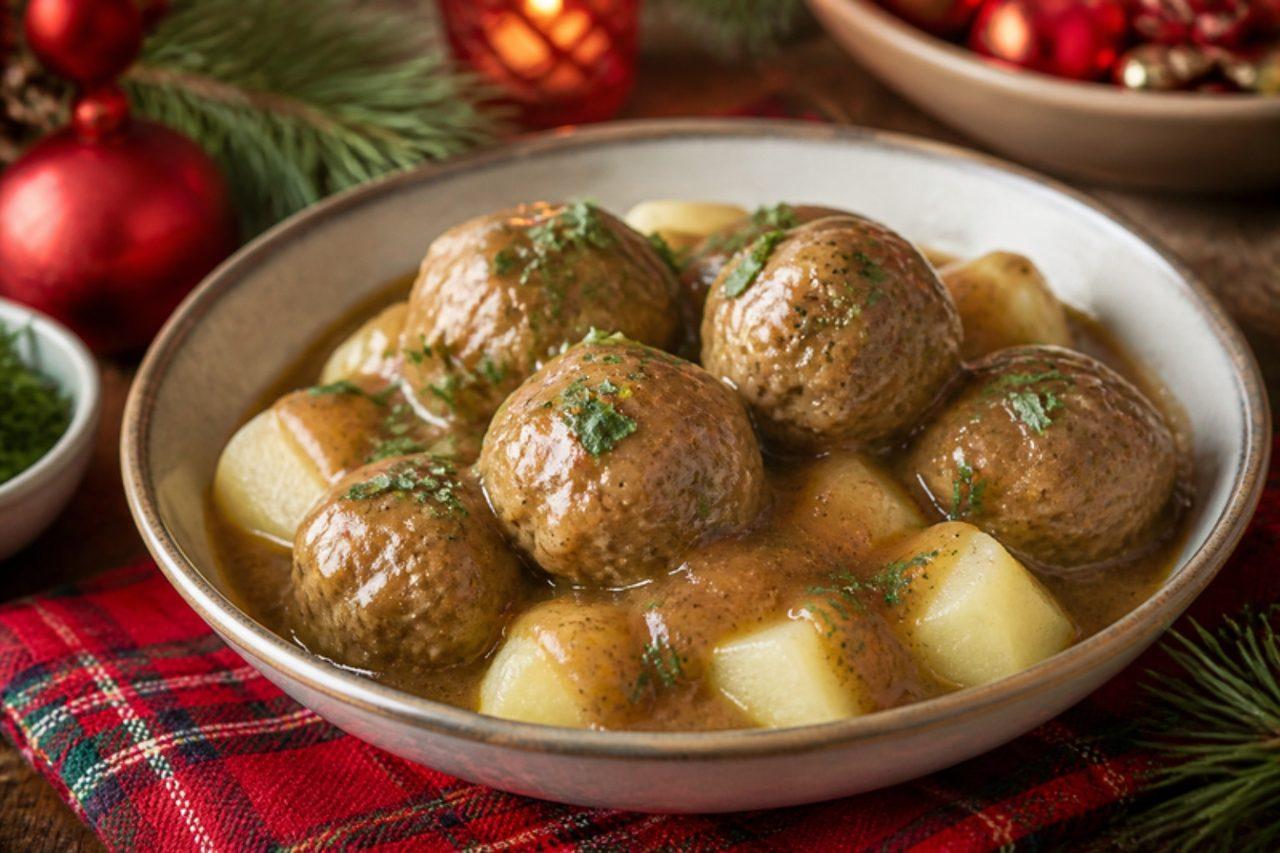
Meatball stew

Ragoût de boulettes is a Quebec Christmas Eve and New Year dish, simmered in big pots for the réveillon in the Saguenay and Beauce, often served with pork hocks and boiled potatoes. The meatballs are made from minced pork, gently spiced with cinnamon, clove and nutmeg, and simmered in a gravy thickened with flour toasted dry in a pan until brown. That toasted flour gives the stew its colour and nutty taste. A common mistake is toasting the flour too quickly so it burns; keep the heat moderate and stir constantly. Chef's tip: it tastes even better the next day, so make it ahead and reheat until piping hot.

150 minCanadianMeat
by KrazyBadal 0 views

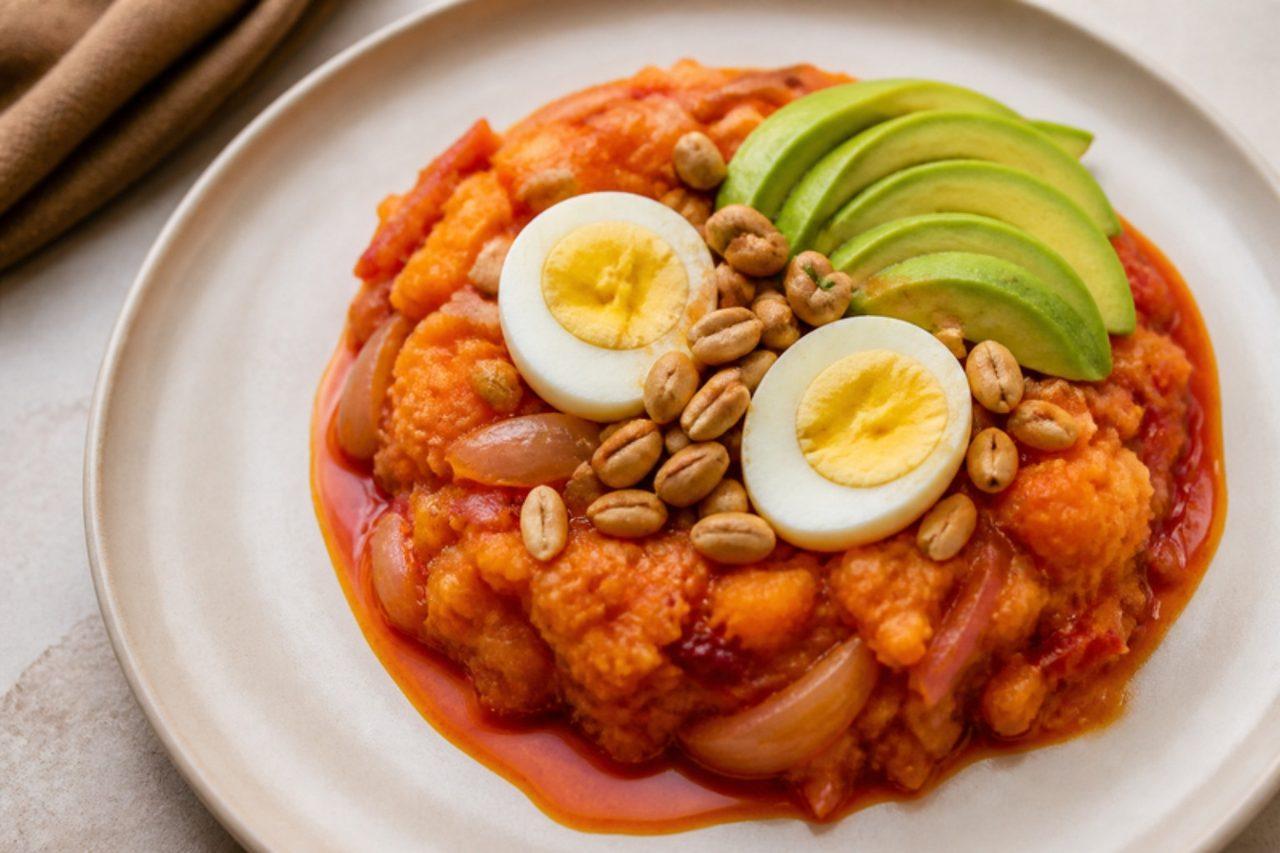
EtoMashed yam with palm oil

Eto is a dish for marking occasions among the Akan, made on birthdays and celebration mornings, when boiled yam (or plantain) is mashed in an earthenware asanka bowl with red palm oil, raw onion and a little pepper until it turns golden and fragrant. It is served in a mound with halved boiled eggs, slices of ripe avocado and a handful of roasted groundnuts, so every mouthful is soft, buttery and crunchy at once. It is filling, simple and very good. Avoid mashing the yam to a smooth purée; eto should keep a rough, crushed texture. Chef's tip: mash the yam while it is steaming hot and add the oil at the same time, because cold yam goes gluey and will not absorb the oil evenly.

by KrazyBadal 0 views

Queen Elizabeth cake

Queen Elizabeth cake has been a favourite in Canadian homes and Quebec bakeries since the 1950s, especially around coronations and royal visits, and it still turns up at Montreal family birthdays and Sunday teas. A moist, tender date cake is baked, then covered in a bubbling coconut and brown-sugar topping and put under the grill until it caramelises. It is humble, rich and keeps well for days. A common mistake is walking away from the grill; the topping goes from golden to burnt in under a minute. Chef's tip: soak the dates in boiling water with the bicarbonate so they melt into the crumb.

by KrazyBadal 0 views

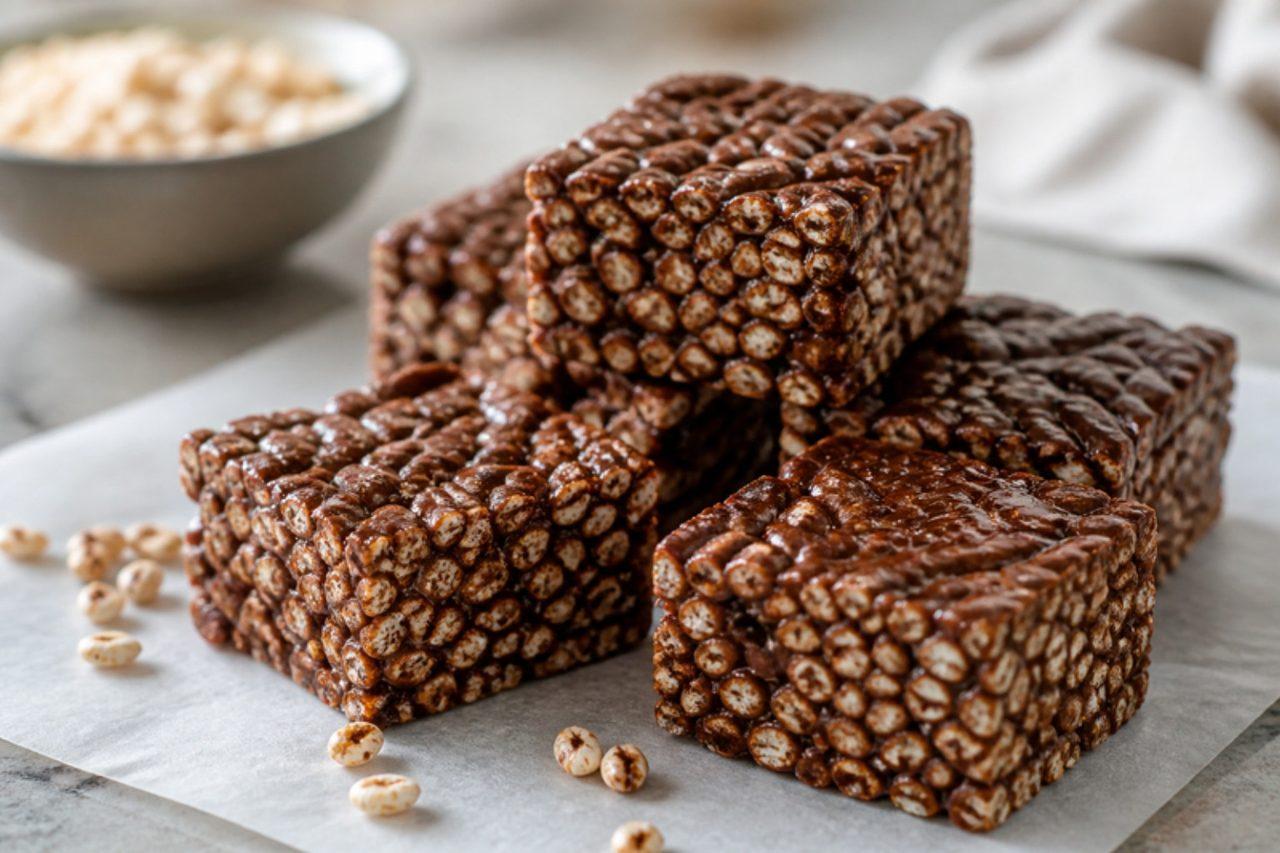
Puffed wheat squares

Puffed wheat squares are the Prairie kids' party treat, made in Alberta and Saskatchewan kitchens for hockey bake sales and lunchboxes since the 1950s. Puffed wheat is stirred into a quick toffee of butter, brown sugar, golden syrup and cocoa, pressed into a pan and cut once set. They are chewy rather than crunchy and very hard to stop eating. A common mistake is boiling the syrup too long, which sets them rock hard; one minute of boiling is enough. Chef's tip: butter your hands, not just the pan, to press the mix down evenly.

by KrazyBadal 0 views

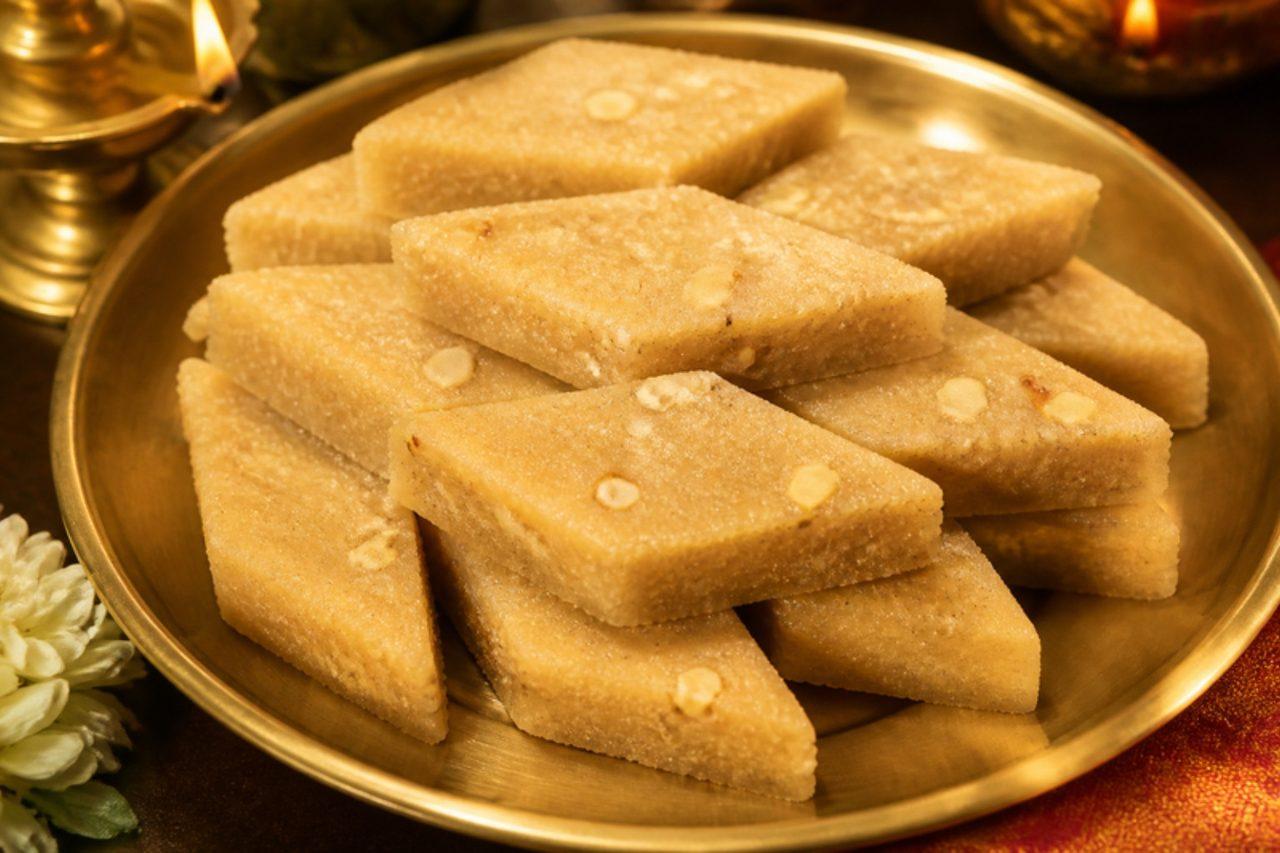
AluwaRice flour diamond sweets

Pale, smooth and cut into precise little diamonds, aluwa brings a touch of order to the crowded Avurudu sweet tray, and it is often the first sweet children learn to help make because there is no deep-frying involved. Rice flour is roasted until it smells like biscuits, then kneaded with hot sugar syrup, chopped cashews and cardamom into a firm dough, rolled out and cut. The finished sweet is dense, slightly crumbly and not too sweet, with a gentle nuttiness, and it keeps for weeks in a tin to be offered to visitors with tea. The point where it goes wrong is the syrup: too thin and the aluwa never sets, too thick and the dough cracks before you can roll it, so aim for the one-thread stage. Chef's tip: roll the dough between two sheets of baking paper and cut it while it is still warm and pliable; once cold it breaks instead of slicing.

by KrazyBadal 0 views

Labrador tea

Labrador tea grows in the bogs and boreal forests right across northern Canada, and Cree, Dene and Inuit families have long dried its leathery, rust-backed leaves for a hot drink on the land and at home. It tastes resinous and piney, a bit like rosemary and eucalyptus, and is often sweetened with a little sugar. The leaves contain natural compounds that are harmful in large amounts, so brew it weak, drink a cup or two, and don't steep it for hours. It is not for pregnant or breastfeeding women. Only pick it if you know the plant well: the poisonous bog laurel grows alongside it; dried leaves from a trusted seller are safest. A common mistake is using a big handful of leaves; one tablespoon makes two cups. Chef's tip: steep below boiling and briefly; a long boil makes it bitter and stronger than you want.

by KrazyBadal 0 views

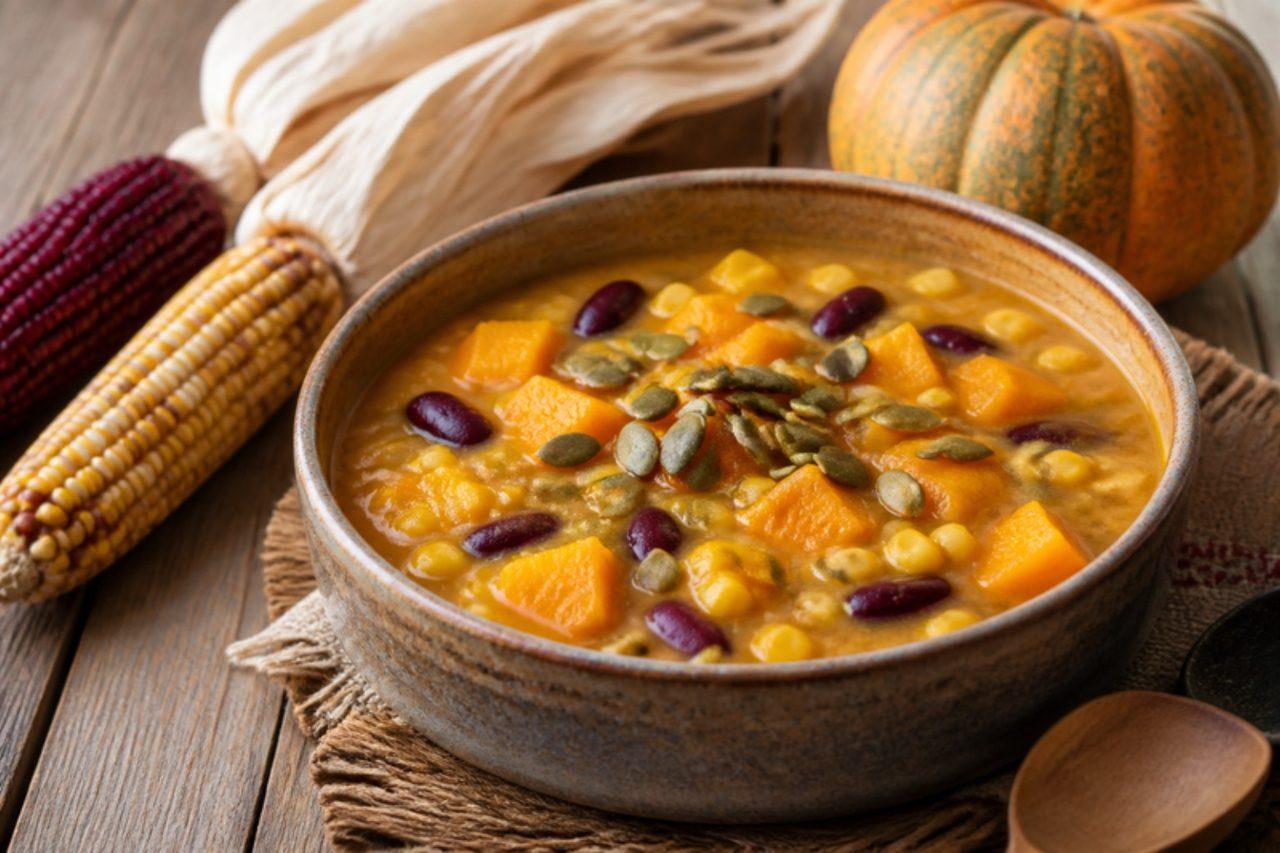
Three Sisters soup

The Three Sisters, corn, beans and squash planted together in one mound, are the heart of Haudenosaunee farming in what is now southern Ontario and Quebec, and of many other Eastern Woodlands nations. Simmered together, they make a filling, golden autumn soup served at harvest gatherings and at home through the winter. This version uses dried beans and fresh squash for a thick, naturally sweet pot. A common mistake is adding the corn too early, which makes it tough; it goes in for the last 10 minutes. Chef's tip: roast half the squash first for a deeper, nuttier flavour.

by KrazyBadal 0 views

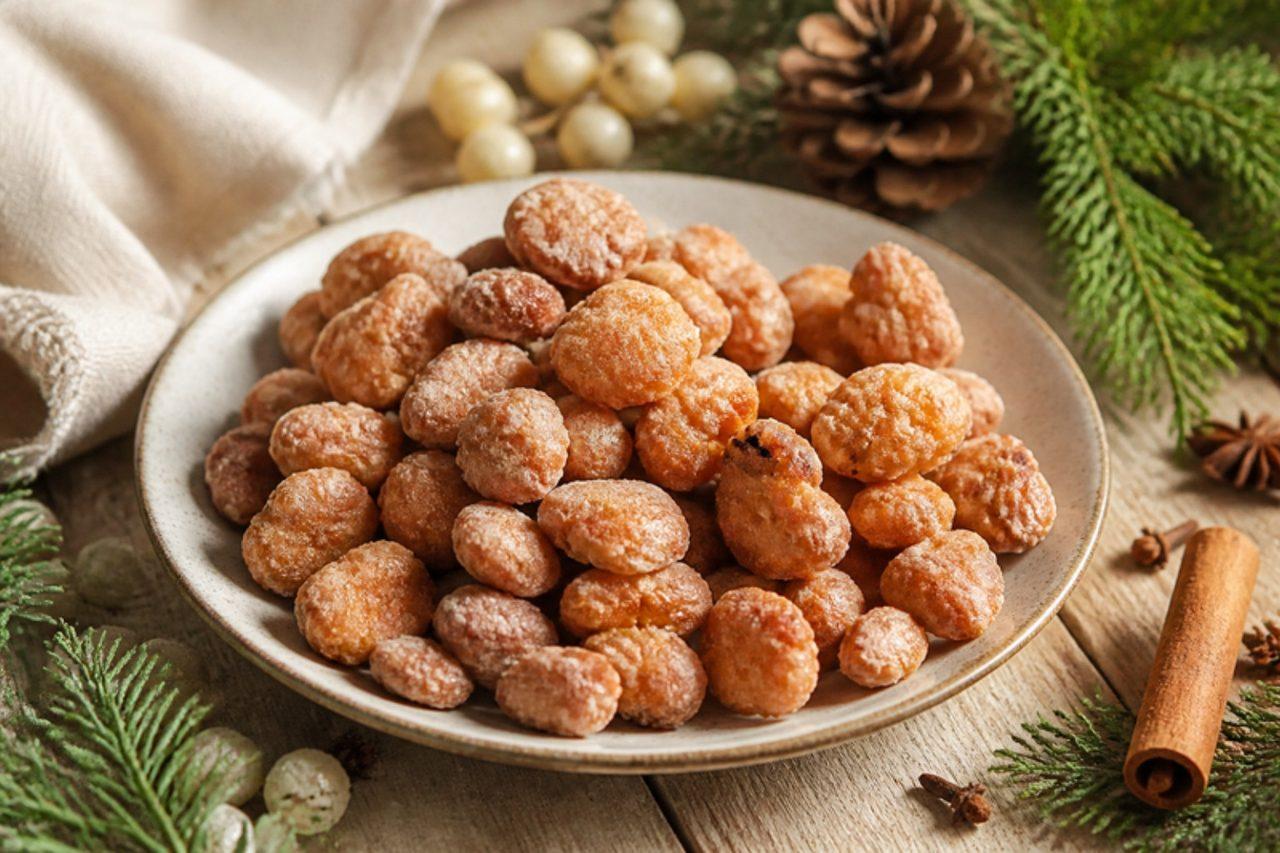
FafernuchyHoney and carrot Christmas cookies

Old Masurian and Warmian households baked fafernuchy weeks before Christmas and kept them in tins, where they slowly mellowed; children found them in their stockings and on the Christmas plate. They are small, hard, pebble-like biscuits, sweetened with honey and given a gentle colour and moisture from finely grated carrot, with a little spice in some homes. Expect a proper crunch, made for dunking in tea. A common mistake is expecting them to be soft straight from the oven; they are meant to be firm and soften only a little in the tin. Chef's tip: grate the carrot on the finest side of the grater so the dough stays smooth and holds its shape.

by KrazyBadal 0 views

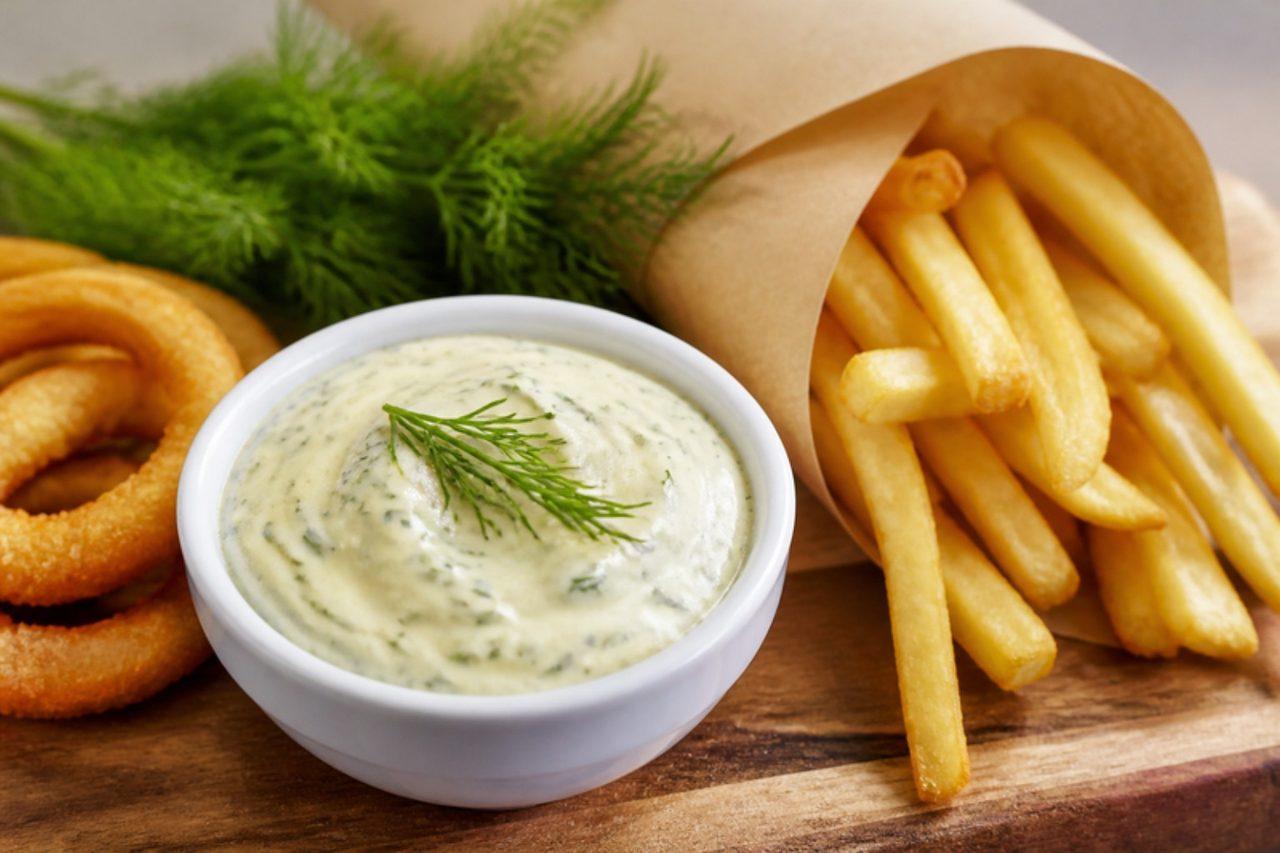
Honey dill sauce

Ask for honey dill anywhere outside Manitoba and you'll get a blank look, but in Winnipeg every pub, burger stand and school canteen serves it with chicken fingers, fries and onion rings. It is simply mayonnaise sweetened with liquid honey and full of fresh dill, and it takes five minutes. It is also good on veggie burgers and baked potatoes. A common mistake is using thick set honey, which won't blend; warm it first. Chef's tip: make it an hour ahead so the dill flavours the whole sauce.

by KrazyBadal 0 views

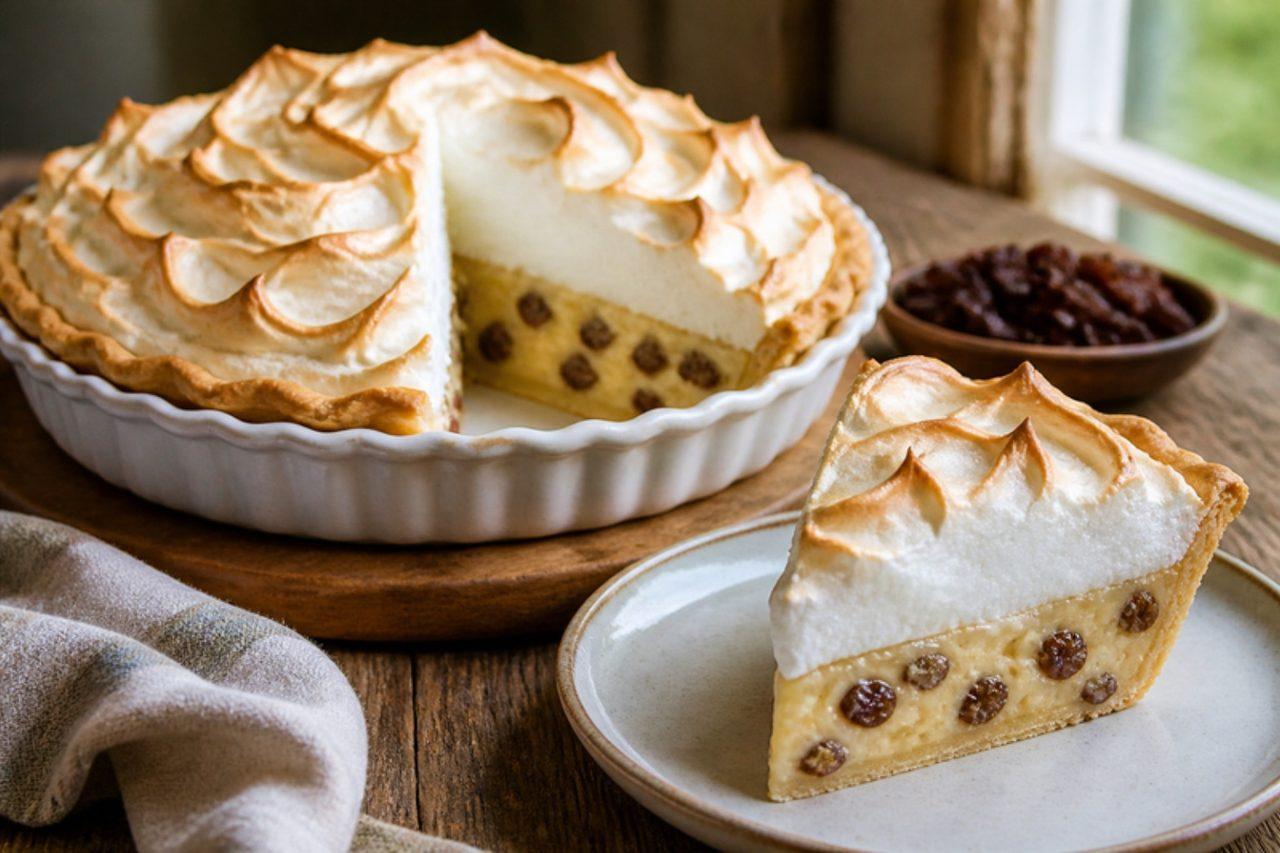
Sour cream raisin pie

Sour cream raisin pie is a farm-kitchen dessert from the Old Order Mennonite communities of Waterloo County, Ontario, found at the St Jacobs market and at church suppers around Elmira. Plump raisins sit in a tangy sour-cream custard, warm with cinnamon and clove, under a tall cloud of meringue. It is made ahead and served cool, cut in generous wedges. A common mistake is spreading the meringue on a cold filling, which makes it weep; spread it while the filling is hot. Chef's tip: simmer the raisins first so they are soft and juicy instead of chewy in the custard.

by KrazyBadal 0 views

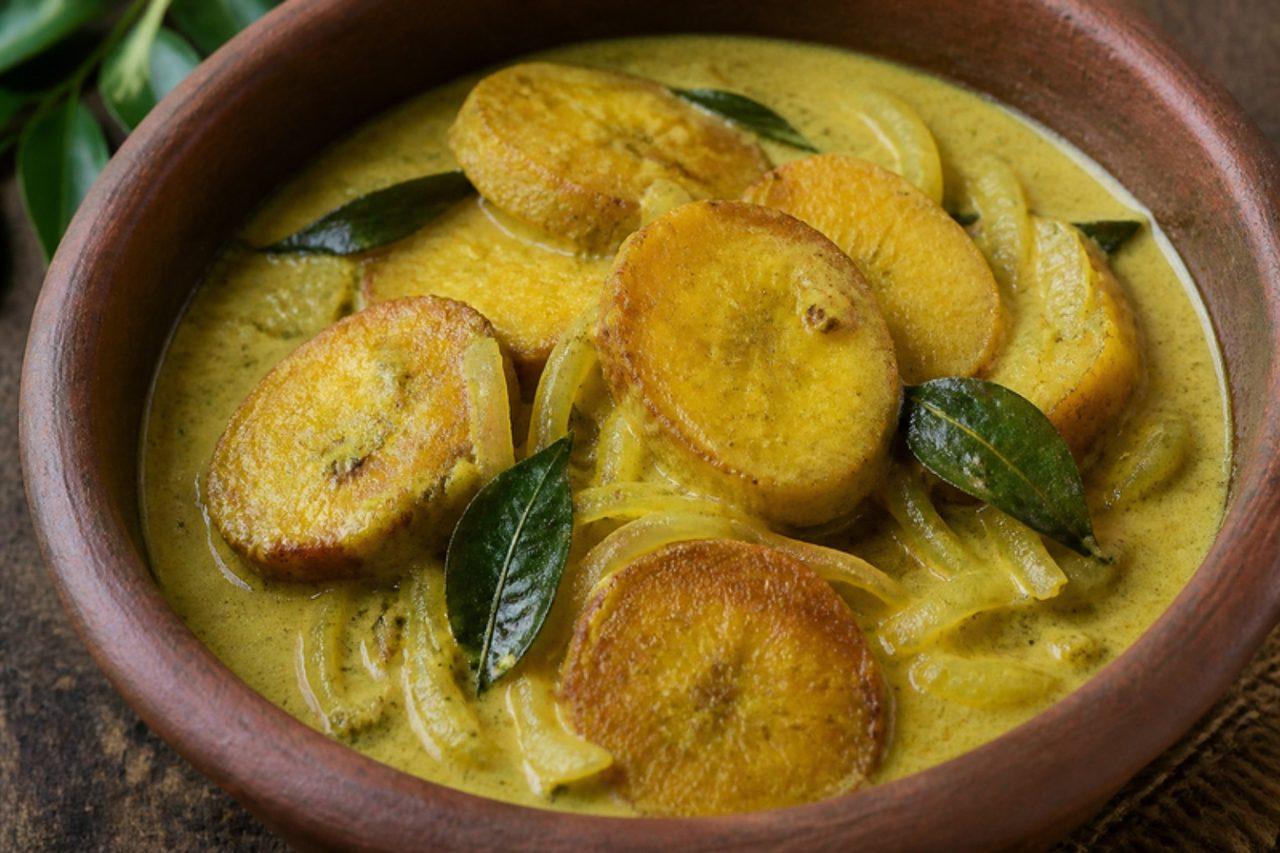
Alu kesel curryPlantain turmeric curry

Alu kesel, the grey-skinned cooking plantain whose name means ash banana, is picked green and treated like a vegetable, and this creamy curry is a regular on Kandyan lunch tables and at temple almsgivings, where it fills out the spread cheaply and well. The slices are rubbed with turmeric and salt, fried until golden at the edges, then simmered in coconut milk with unroasted curry powder, fenugreek, cinnamon and pandan, so they turn soft and starchy like potato with a hint of banana sweetness. It sits happily beside parippu, a green mallung and a sharp pickle. Peeling the plantains with dry hands is a messy mistake, because the sap stains skin and knives black; oil your hands and the blade first. Chef's tip: frying the slices before they go into the gravy keeps them in neat pieces; unfried plantain tends to fall apart and thicken the curry into paste.

by KrazyBadal 0 views

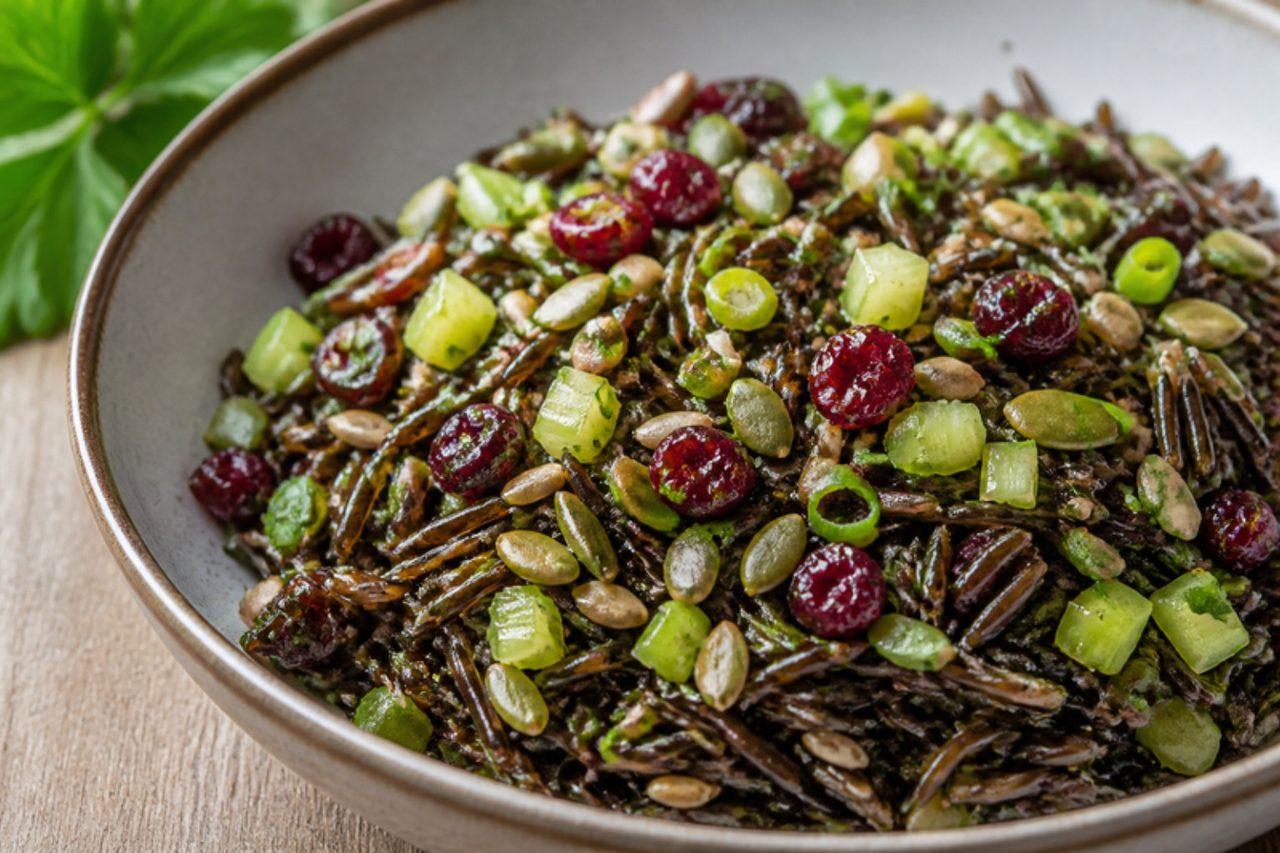
Wild rice salad

Manoomin, true wild rice, is hand-harvested by canoe by Anishinaabe families on the shallow lakes of northern Ontario and Manitoba in late summer, the grains knocked into the boat with cedar sticks. Its nutty, smoky taste is lovely cold in a salad with dried cranberries, toasted sunflower and pumpkin seeds and a light maple vinaigrette, the kind of dish brought to a feast or a summer potluck. Hand-harvested lake rice cooks faster than the black cultivated paddy rice, so check it early. A common mistake is cooking it until it splits wide open and turns mushy. Chef's tip: dress the rice while it is still warm so it drinks in the vinaigrette.

by KrazyBadal 0 views

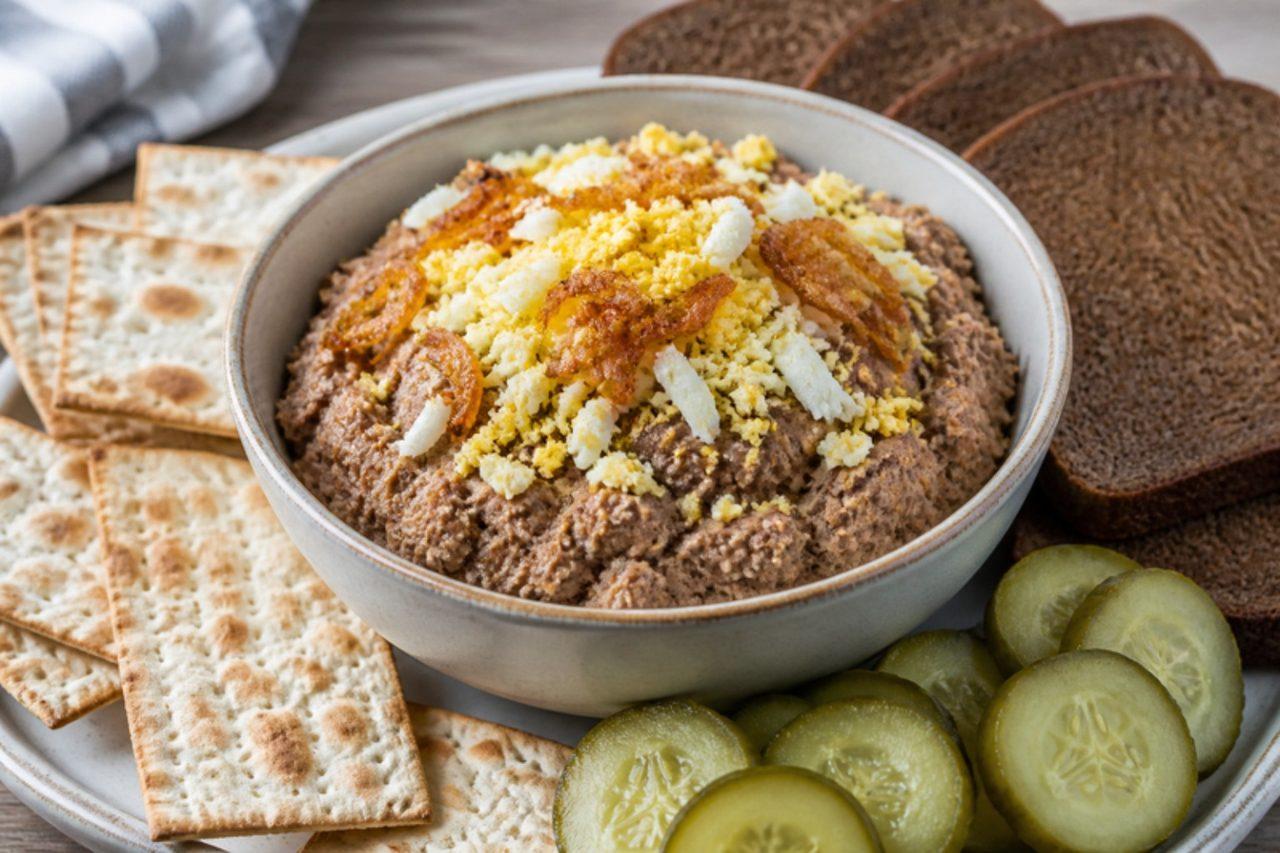
Chopped liver

Chopped liver is the first course of many Friday-night dinners in Ashkenazi homes from Haifa to Petah Tikva, spread on challah before the soup, and Tel Aviv delis still sell it by weight on Thursdays. Chicken livers are cooked through in schmaltz with a mountain of slowly browned onion, then chopped with hard-boiled egg into a coarse, rich spread that is sweet from the onion and deeply savoury. It is served cool, with challah, crackers or rye bread and a pickled cucumber. People often undercook the livers to keep them soft, but for safety they must have no pink left inside; the onion and schmaltz keep the texture tender anyway. Chef's tip: pulse in short bursts or chop by hand; a smooth purée loses the rustic texture that makes this different from a French pâté.

by KrazyBadal 0 views

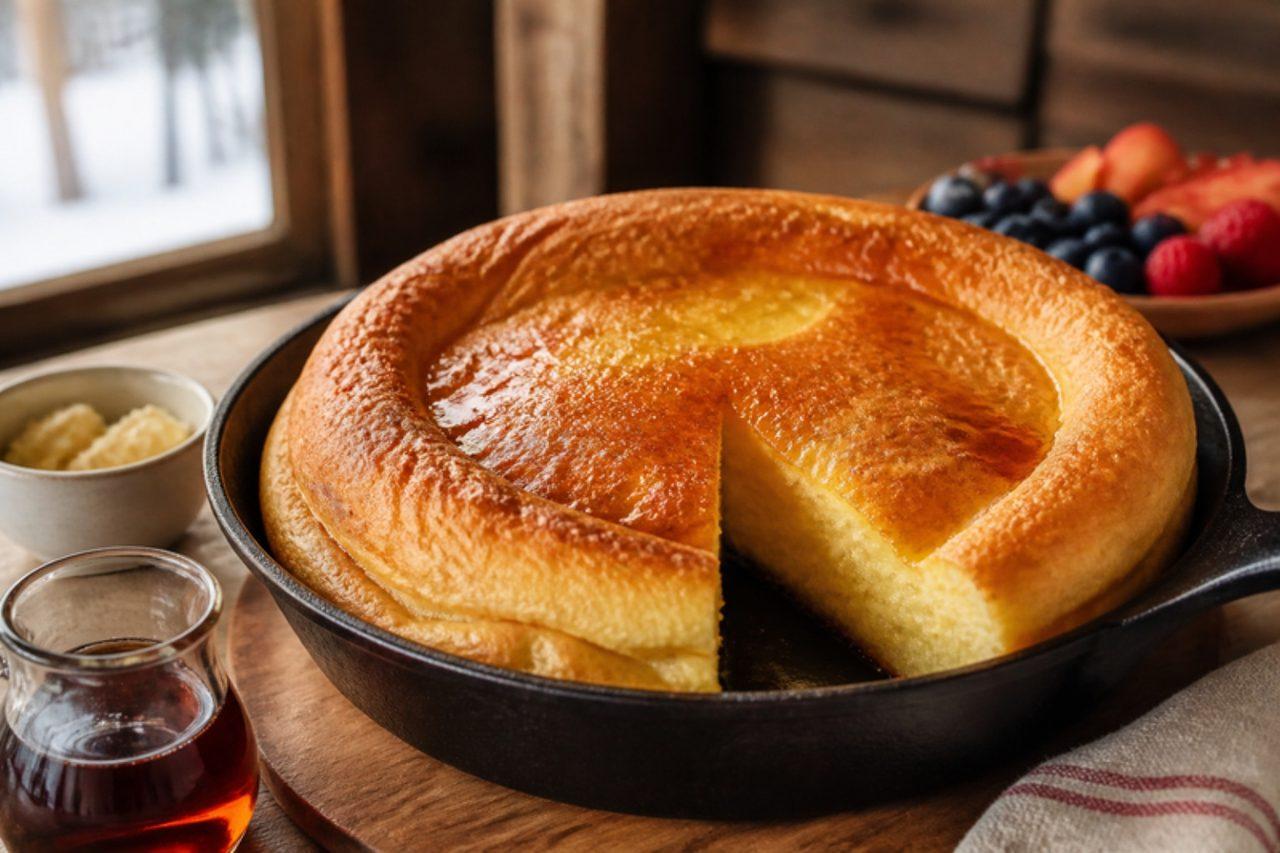
Puffed maple omelette

A tall, golden puffed omelette arrives on every table at the cabanes à sucre of the Laurentians and the Eastern Townships, sliced into wedges and drowned in fresh maple syrup alongside beans and ham. The eggs are separated, the whites whipped and folded back in, then the omelette starts on the hob and finishes in the oven so it rises like a soufflé. It must go to the table at once, before it sinks. A common mistake is beating the whites until stiff and dry, which makes the omelette grainy. Chef's tip: fold the whites in with a large metal spoon in three goes, keeping as much air as you can.

by KrazyBadal 0 views

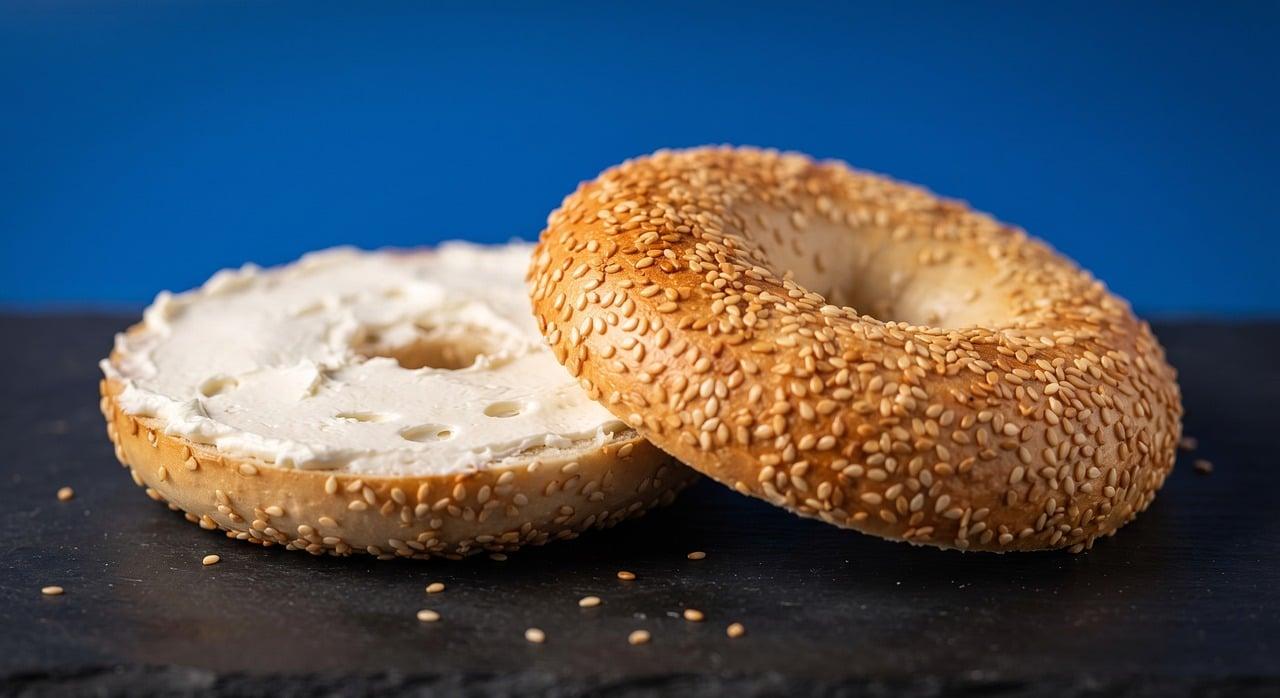
Montreal-style bagels

On Fairmount and St-Viateur streets in Montreal's Mile End the bagel bakeries run all night, rolling dough by hand, boiling it in honey water and baking it on long planks in wood-fired ovens. The result is smaller, sweeter and denser than a New York bagel, with a big hole and a crust thickly coated in sesame. They are eaten warm from the paper bag, plain or with cream cheese. Egg goes into the dough and there is no salt-heavy chew, which is what gives that light sweetness. Chef's tip: bake on the hottest oven setting and on a preheated stone or heavy tray, the closest a home oven gets to the wood fire.

by KrazyBadal 0 views

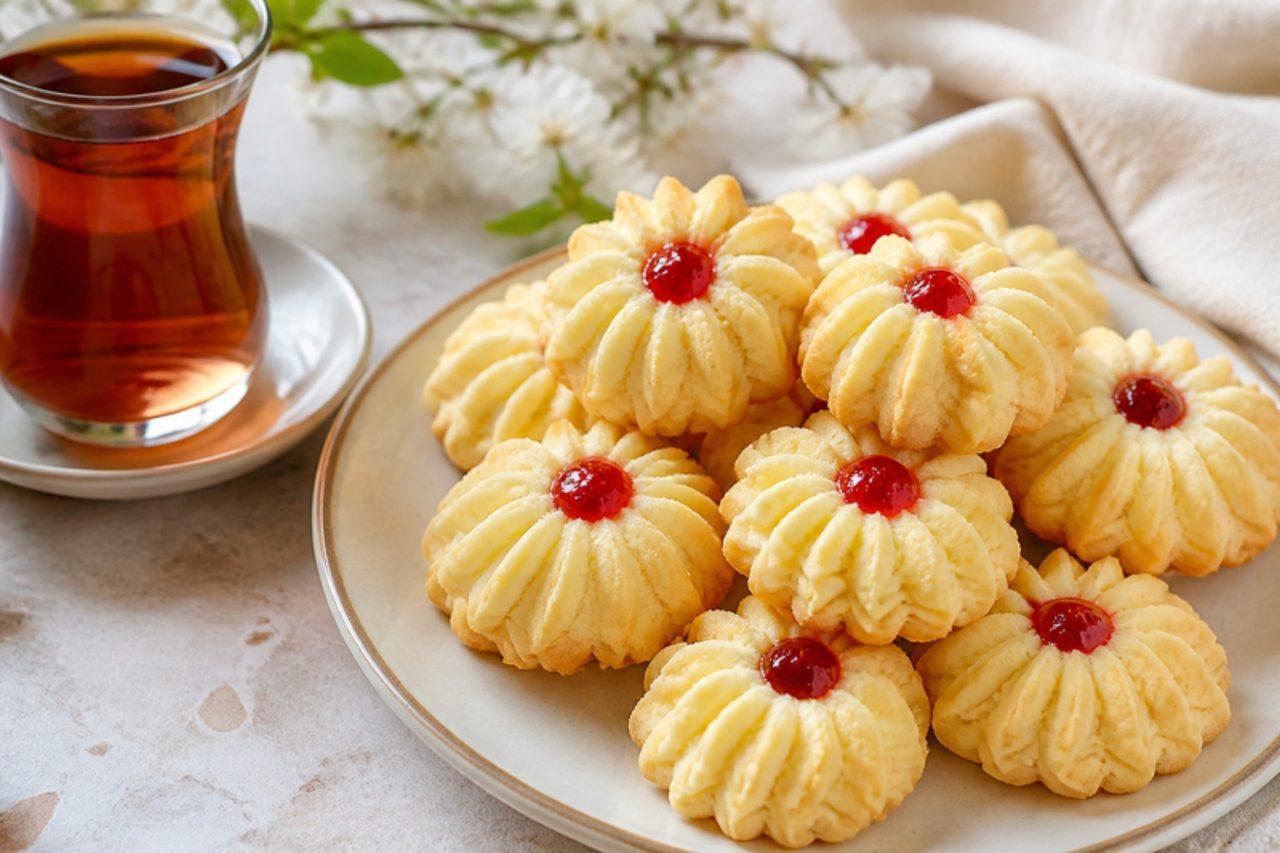
Baku kurabiyePiped butter cookies with jam

Every Baku bakery sells these: short, crumbly butter cookies piped into flowers with a star nozzle and finished with a bright dot of jam in the centre, sold by the kilo for name days and served with tea in Azerbaijani homes. The dough must be soft enough to pipe but rich enough to hold the ridges in the oven. A common mistake is overbeating the egg whites into the butter, which makes the cookies spread and lose their pattern. Chef's tip: chill the piped cookies on the tray for 15 minutes before baking; the ridges stay sharp.

by KrazyBadal 0 views

Braised brisket

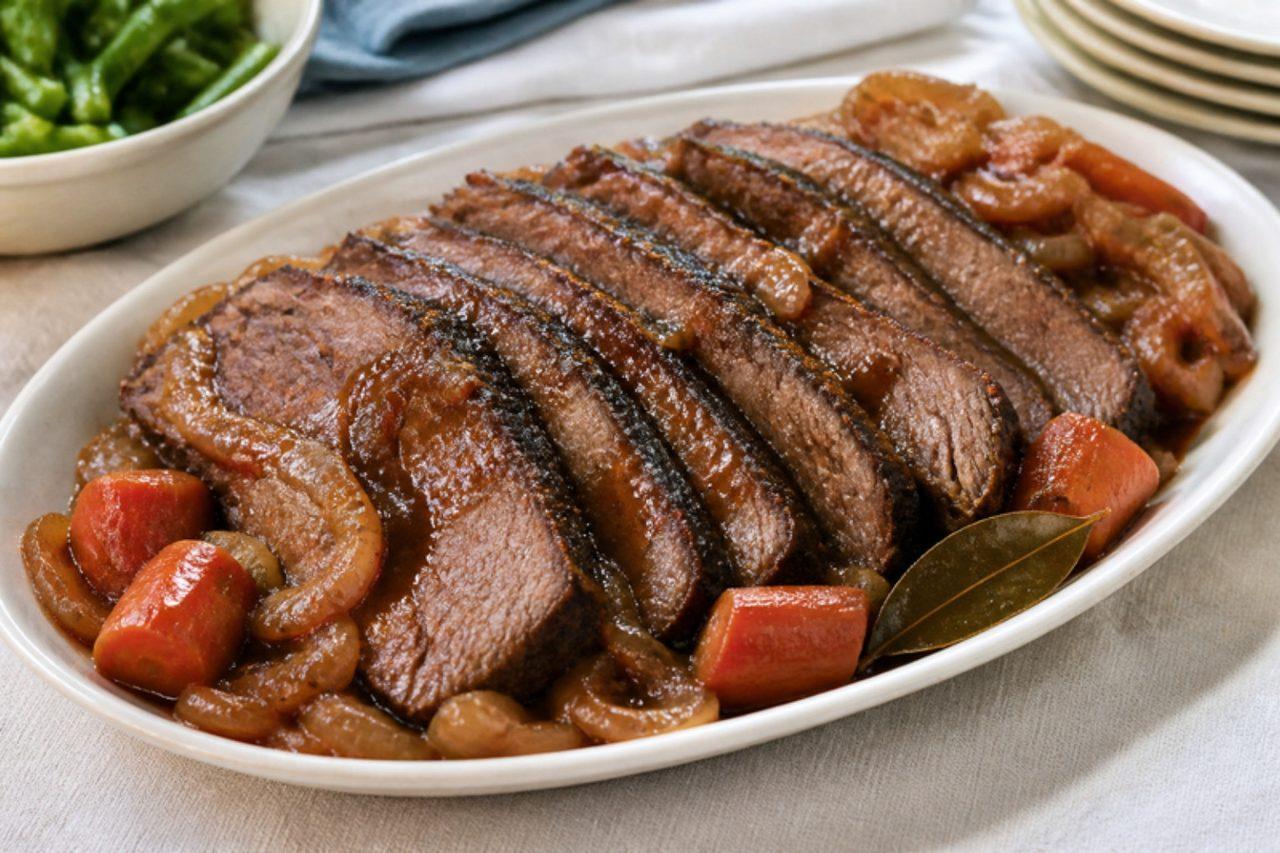
A slowly braised brisket is the centrepiece of the Rosh Hashanah and Passover table for many Ashkenazi families in Israel, from Ra'anana to Jerusalem's German Colony, often made two days ahead because it slices better and tastes deeper once it has rested in its gravy. The beef sits on a bed of sliced onions with carrots, garlic, tomato paste and a little sugar and vinegar, covered tightly, and cooks for hours until fork-tender, while the onions melt into a rich brown sauce. Serve with potato kugel, tzimmes or mashed potatoes. Slicing it hot and along the grain is the usual mistake: chill it, then cut across the grain into thin slices. Chef's tip: return the slices to the gravy and reheat gently so every piece soaks up the sauce.

260 minIsraeliMeatGluten free
by KrazyBadal 0 views

Tahini cookies

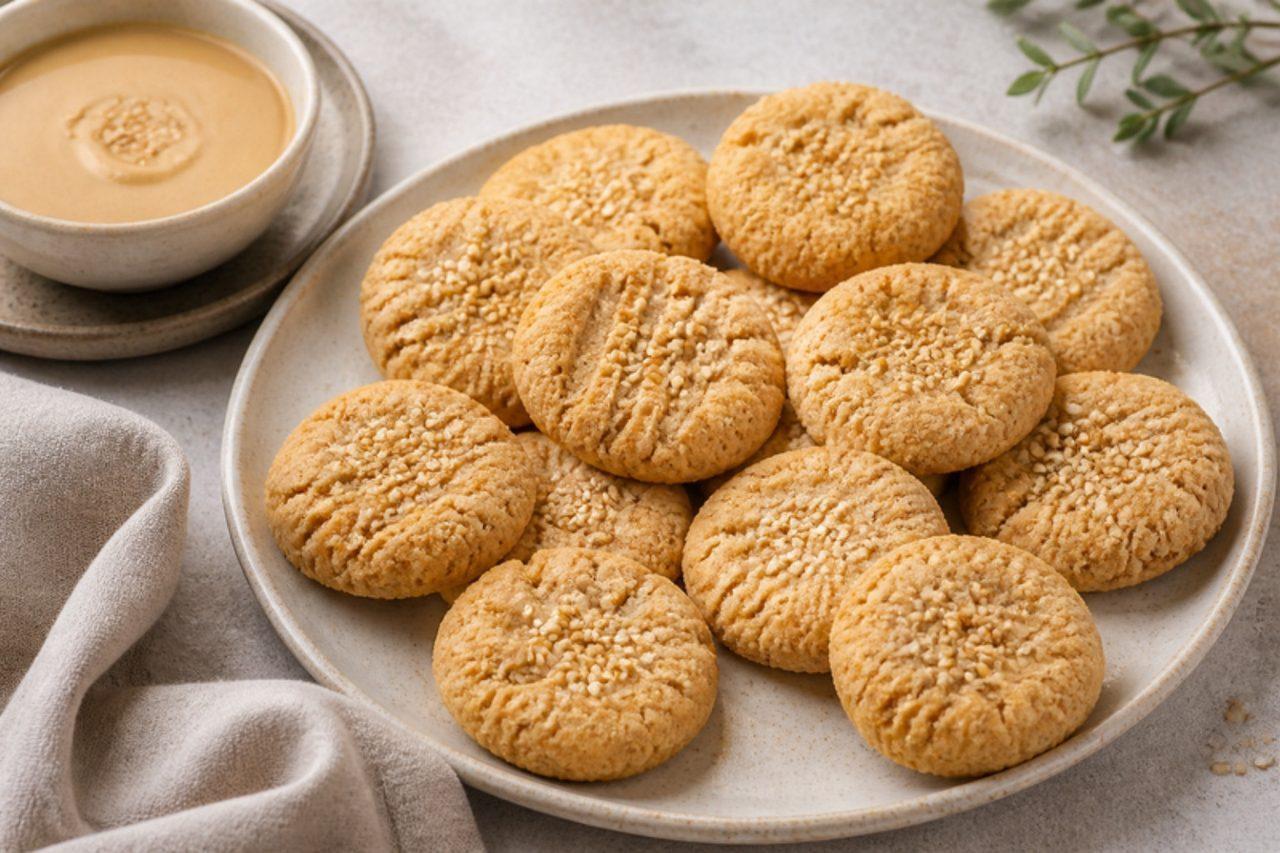
Every Israeli bakery and grandmother's biscuit tin has ugiyot tahini, little domed cookies that crumble and melt on the tongue with a deep, toasty sesame flavour. They are baked for Shabbat coffee, for guests dropping by in Haifa or Jerusalem, and as an easy dairy-free sweet to follow a meat meal. This version uses oil rather than butter, so it is vegan. The mistake is baking until they turn golden all over; they firm up as they cool and should leave the oven pale with just-coloured bases. Chef's tip: stir the tahini jar thoroughly first, since the oil separates and a dry spoonful from the bottom makes sandy, dry cookies.

by KrazyBadal 0 views

Curry chataigneBreadnut coconut curry

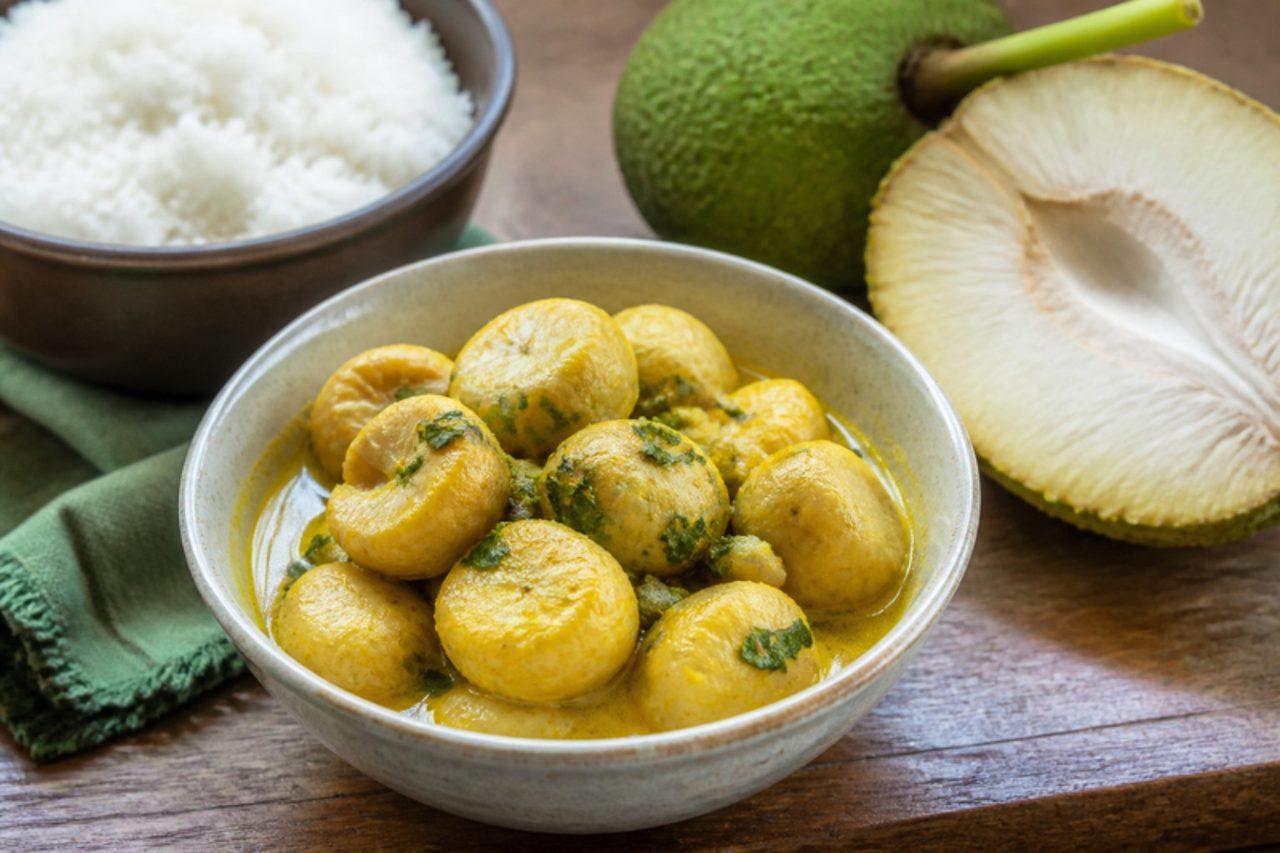
Chataigne, the spiky breadnut cousin of breadfruit, ripens around Divali and Christmas in Trinidad, and its boiled, peeled seeds are curried with coconut milk and roasted geera into a dish many people say tastes almost like meat. It is a fixture at Divali dinners and Hindu functions, eaten with rice or roti. The common mistake is skipping the pre-boil: the seeds stay hard and their thin inner skin stays bitter. Look for chataigne in Caribbean and Asian grocers; tinned jackfruit seeds or chestnuts are the nearest swap. Chef's tip: after boiling, peel off both the shell and the papery brown skin, then split the seeds in half so the curry gets right inside.

by KrazyBadal 0 views

Ćwikła z chrzanemBeetroot and horseradish relish

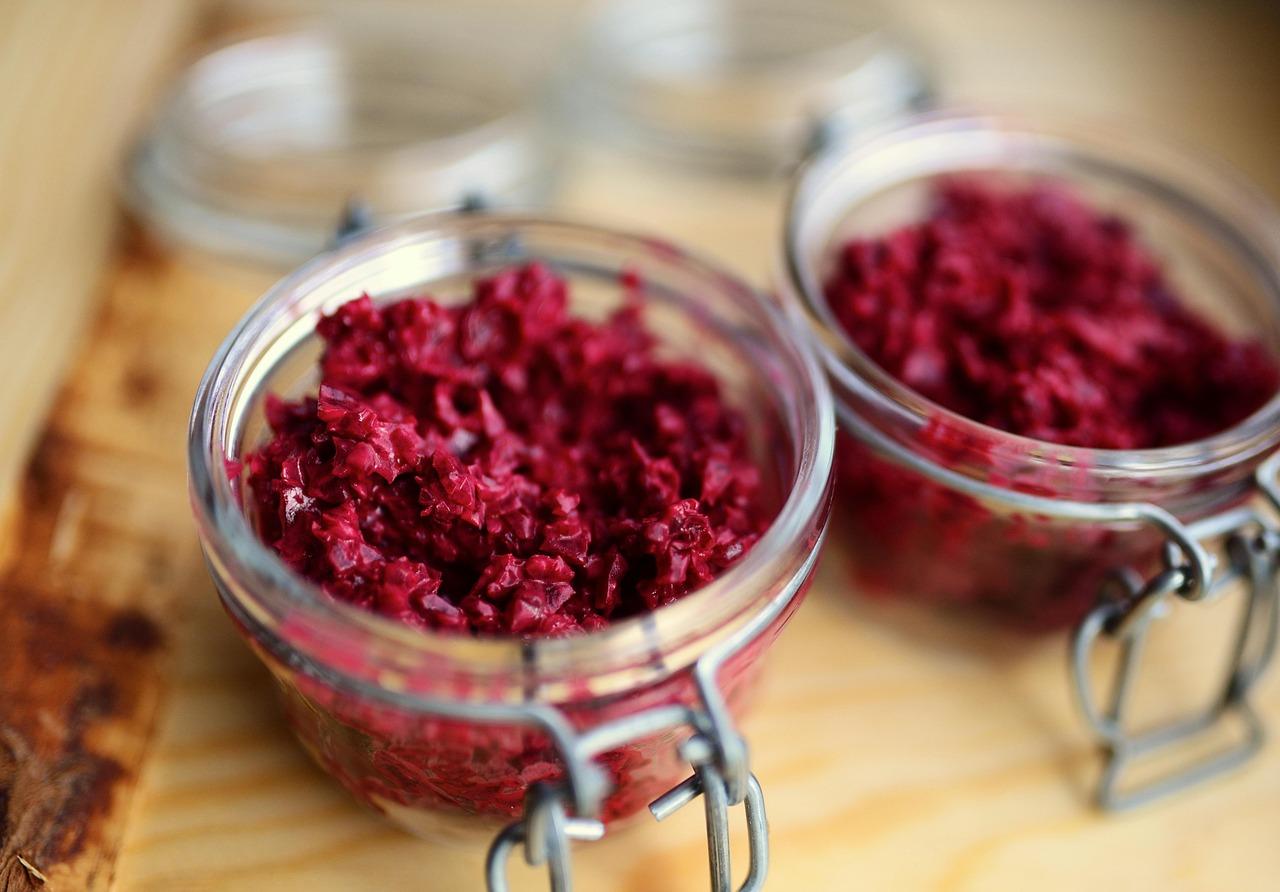
Easter baskets blessed in Polish churches on Holy Saturday always hold a little horseradish, and on Sunday morning it reappears mixed with beetroot as ćwikła, the bright purple relish passed around with eggs, white sausage, ham and rye bread. Here it is meat-free; spoon it beside eggs, cheese or roast vegetables. It is sweet, sour and sharp enough to clear your nose, and the heat fades over a few days in the fridge. A common mistake is using jarred horseradish cream, which makes it milky and mild; use freshly grated root or plain grated horseradish in vinegar. Chef's tip: grate the horseradish near an open window, or in a food processor, and add it last so its heat stays lively.

by KrazyBadal 0 views

Showing 72 of 8,120 recipes

Show more recipes

Page 282 of 903