


Skip to content
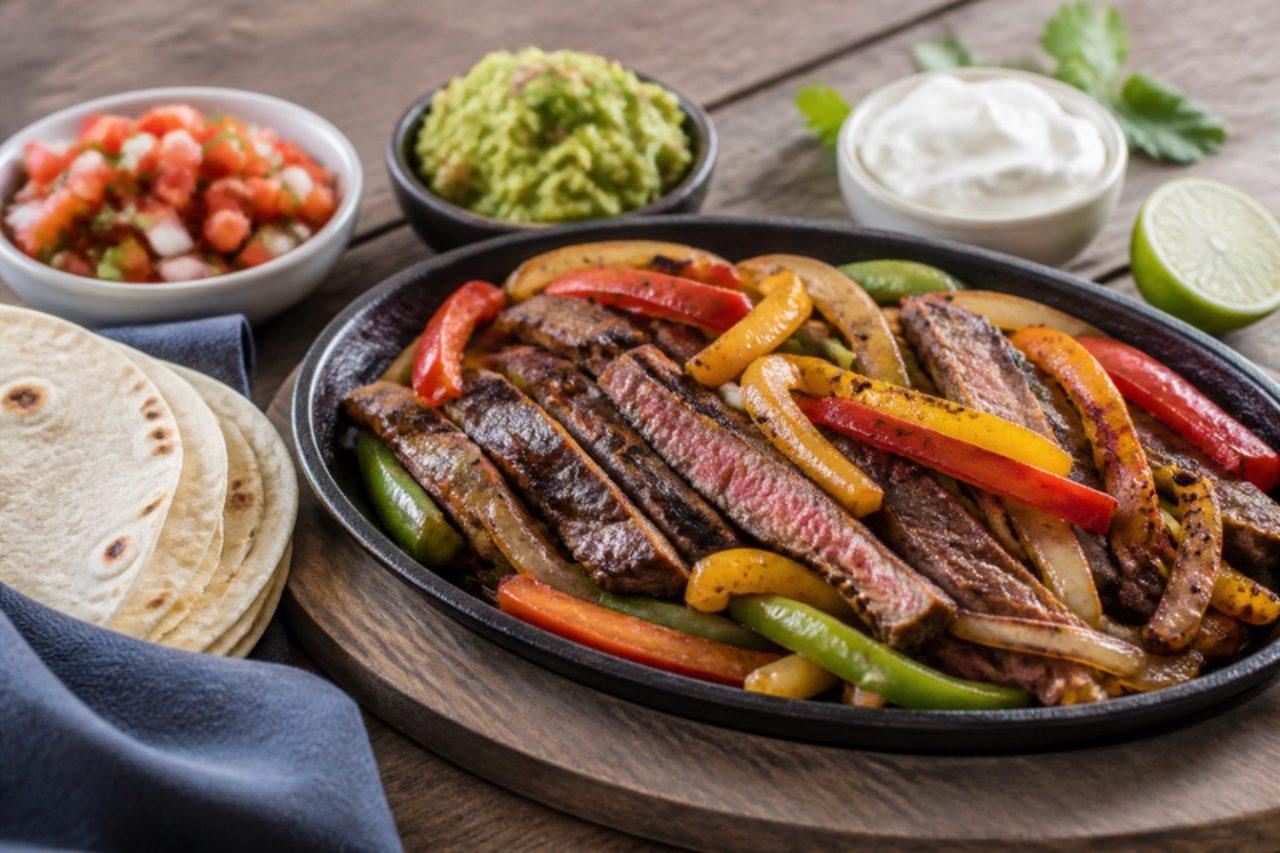
Tex-Mex beef fajitas
Featured recipe

Tex-Mex beef fajitas

Fajitas started with the vaqueros of the Rio Grande Valley, who were paid partly in the tough skirt steak, and they became a Tex-Mex restaurant hit in Houston and Austin in the 1970s, carried to the table on a hissing iron platter. The steak is marinated in lime, garlic and cumin, seared very hot and sliced thinly against the grain, then wrapped in flour tortillas with charred peppers and onions. Chef's tip: slice across the grain; with skirt steak that one detail decides whether it is tender or chewy.

Read more 0 views

What to eat today?

Around the world

Today's trip: Persian

A new country every day, from every cuisine on the site.

Persian

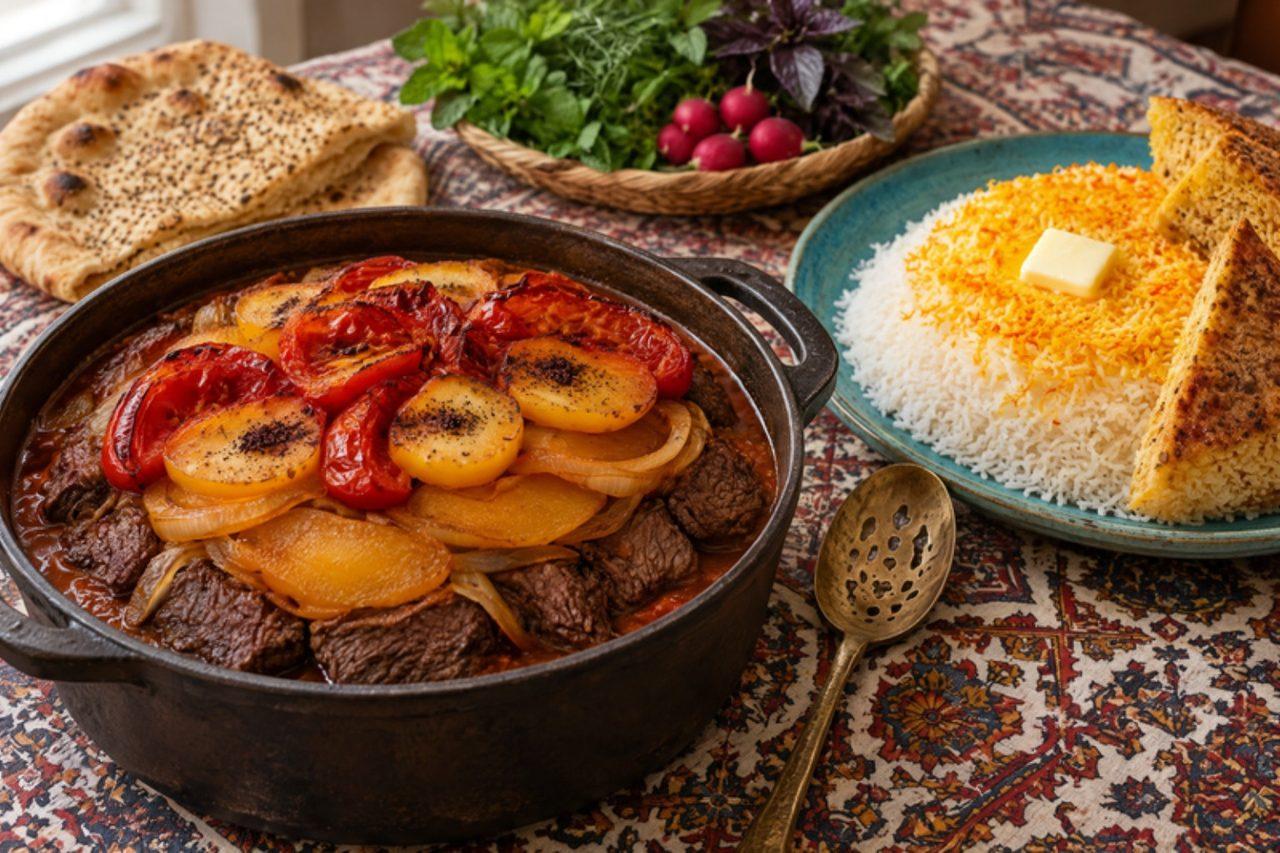
Tas kabab

Layered meat, potato and quince stew 150 minMore from Persian (131) →

This week's collection

Kid-friendly dinners
541 recipes · a new collection every Monday

Latest recipes

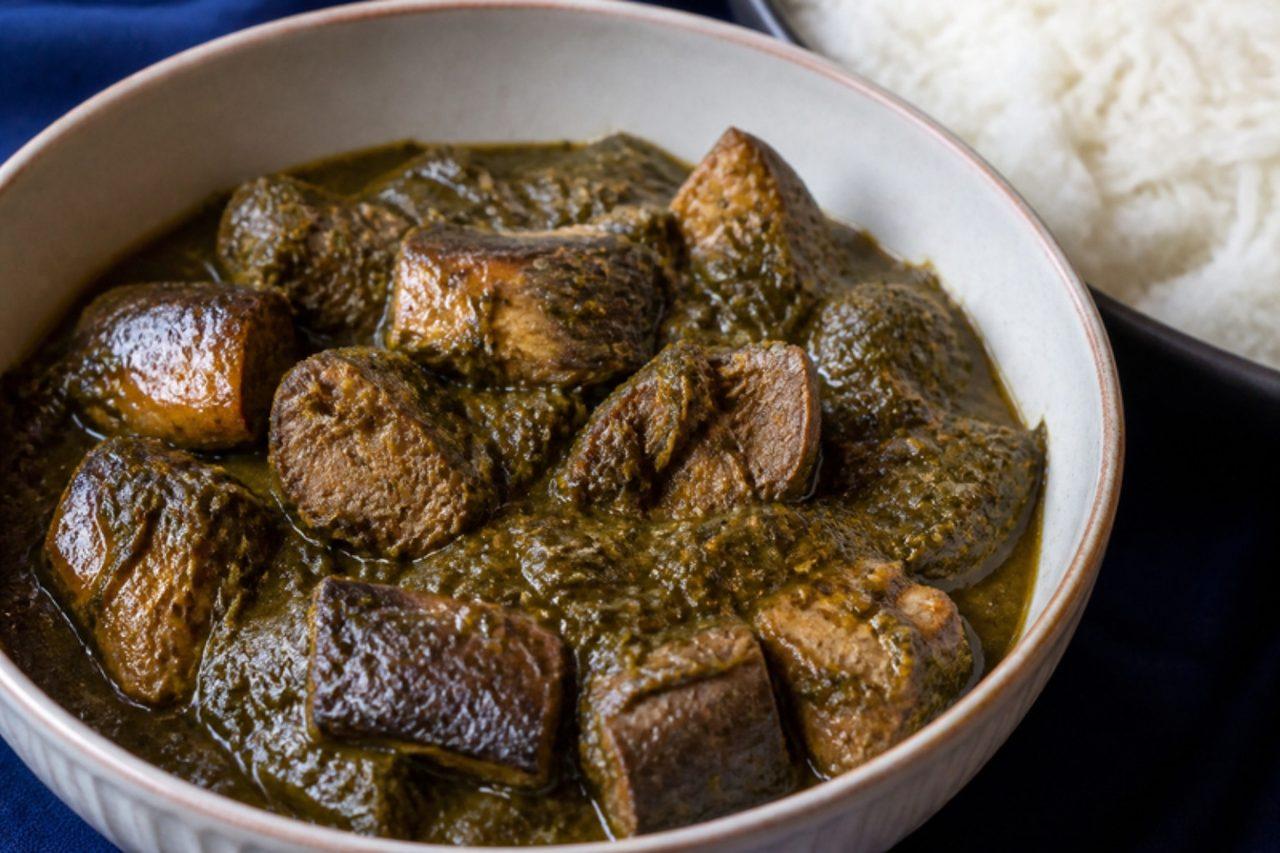
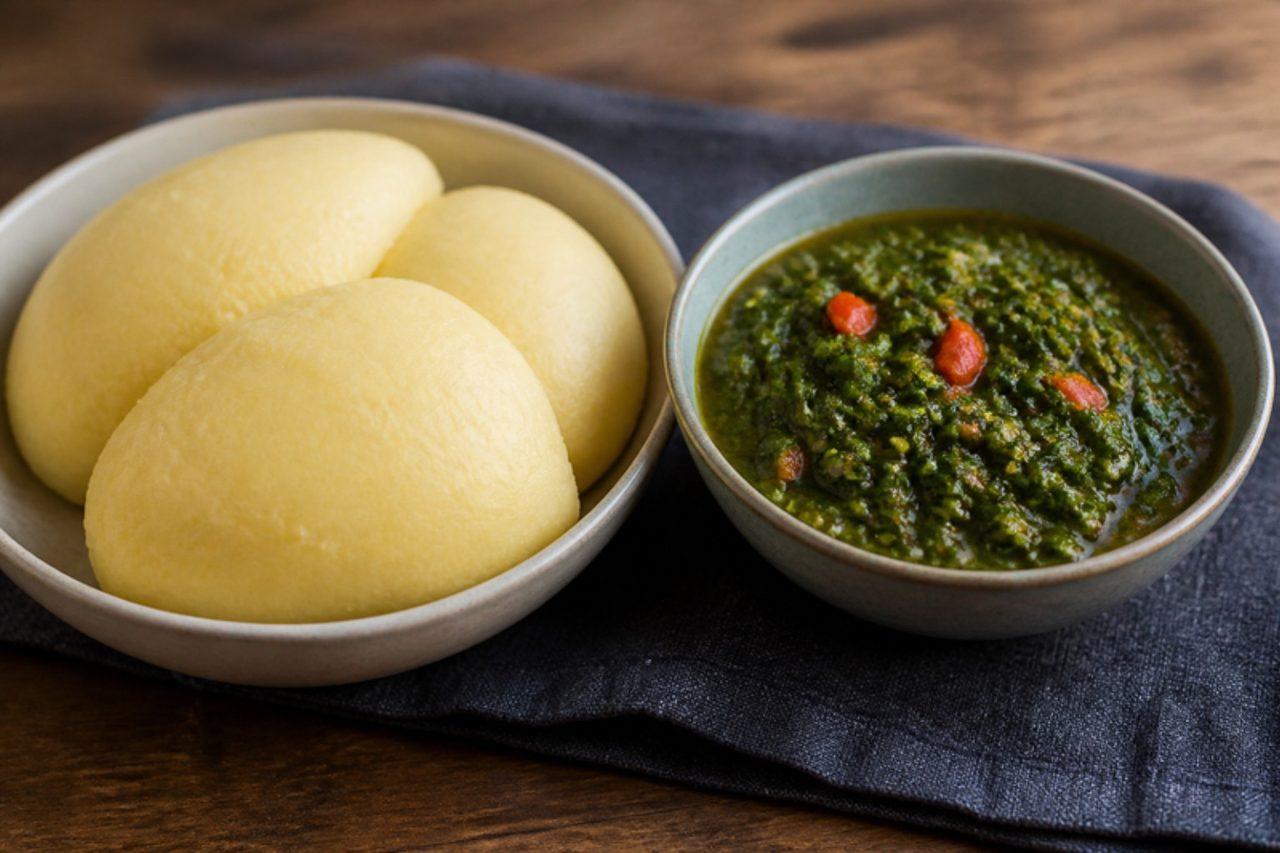
Sauce djoumgbléDried okra sauce with smoked fish

Baoulé cooks in central Côte d'Ivoire dry okra in the sun during the harvest, then grind it into the dark green powder that makes sauce djoumgblé. Stirred into a beef and tomato stew with flaked smoked fish, it thickens the pot into a deep brown, slippery sauce with an earthy, smoky flavour quite different from fresh okra soup. It is the classic partner for foutou banane or placali in Bouaké and in Abidjan's maquis, where each mouthful of starch is pulled through the sauce. Look for the powder as dried or ground okra in African grocers. Chef's tip: whisk the okra powder into cold water before it goes into the pot; scattered straight into hot sauce, it forms lumps that never break down.

by KrazyBadal 0 views

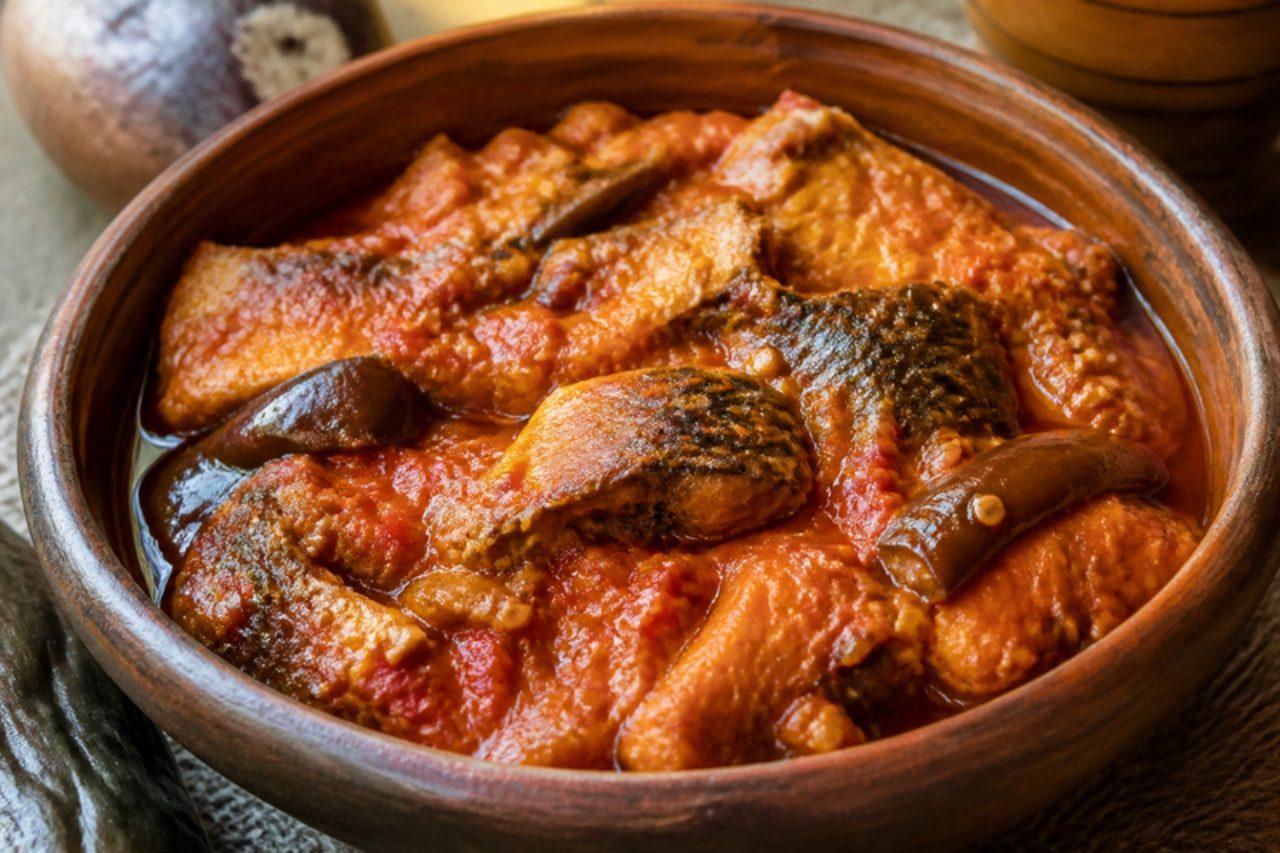
Sauce gouagouassouAubergine and smoked fish sauce

Bété country around Gagnoa and Daloa in western Côte d'Ivoire is known for sauces with plenty of chilli, and gouagouassou is one of the most loved: tomatoes, garden eggs and hot peppers boiled whole, then crushed by hand in a mortar and simmered with smoked fish. There is little or no oil, so the sauce tastes fresh, smoky and bright, with real heat and a rough, rustic texture. Spoon it over white rice or eat it with foutou at a weekday lunch. Use fewer chillies if you prefer, but keep at least one for the character. Chef's tip: soak the smoked fish in hot water for ten minutes first; it softens, rinses off ash and grit, and gives its flavour to the sauce more quickly.

by KrazyBadal 0 views

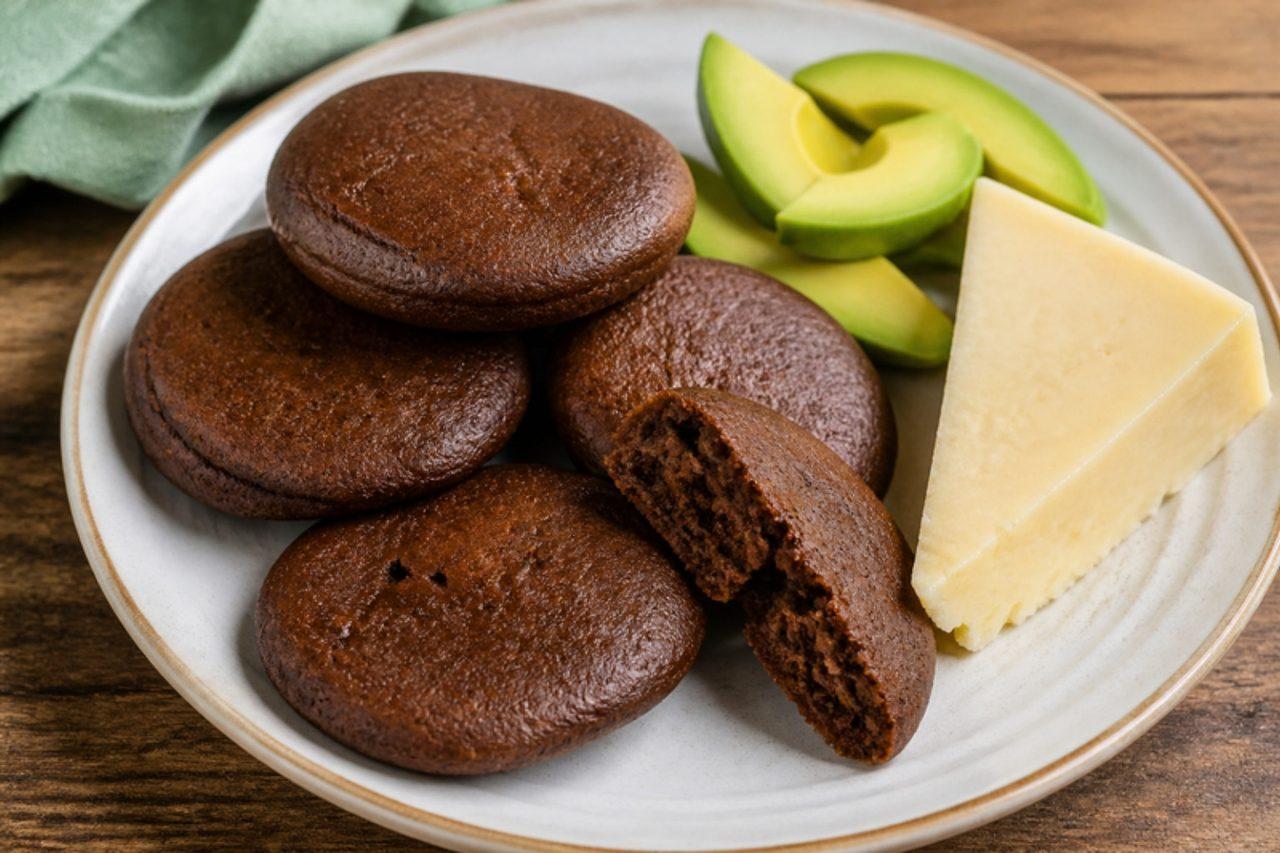
Jamaican bullaMolasses ginger spice cakes
Wrapped in paper at every Jamaican corner shop and school tuck shop, bulla is the cheap, dense little round cake that children take for lunch and grown-ups eat with a slice of cheese or ripe avocado. It is dark with molasses and brown sugar, warm with ginger and nutmeg, and has a slightly chewy crumb rather than a light sponge. This version uses oil, so it is vegan. The common mistake is overworking the dough, which makes bulla tough; mix only until the flour disappears. Chef's tip: leave the baked bulla in a tin overnight; the crumb softens and the spice deepens by the next day.

by KrazyBadal 0 views

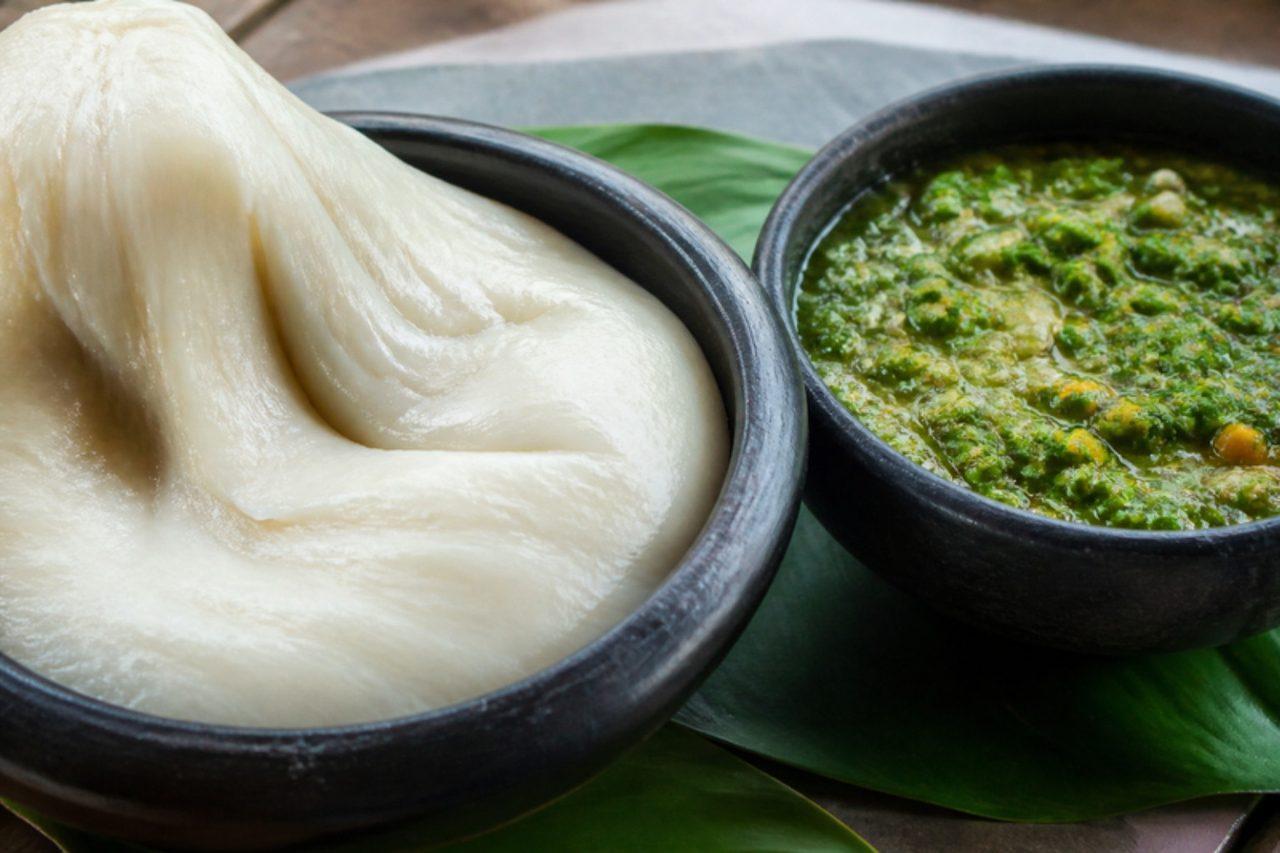
AttoukpouSteamed fermented cassava balls

Along the lagoons east and west of Abidjan, Ebrié and Attié cooks turn soured cassava dough into attoukpou, a soft steamed paste that is gentler and less stretchy than placali. The crumbled dough is steamed until it turns translucent, then pounded with a little hot water into smooth, pillowy balls with a light sourness. It is served at home and at village gatherings with palm-nut sauce, a light pepper soup or aubergine sauce, and it soaks up gravy beautifully. Ready-made fermented cassava dough from an African grocer saves days of work. Avoid packing the dough tightly into the steamer; it needs space for the steam to move through. Chef's tip: crumble the dough very finely before steaming; big lumps stay chalky in the middle however long they cook.

by KrazyBadal 0 views

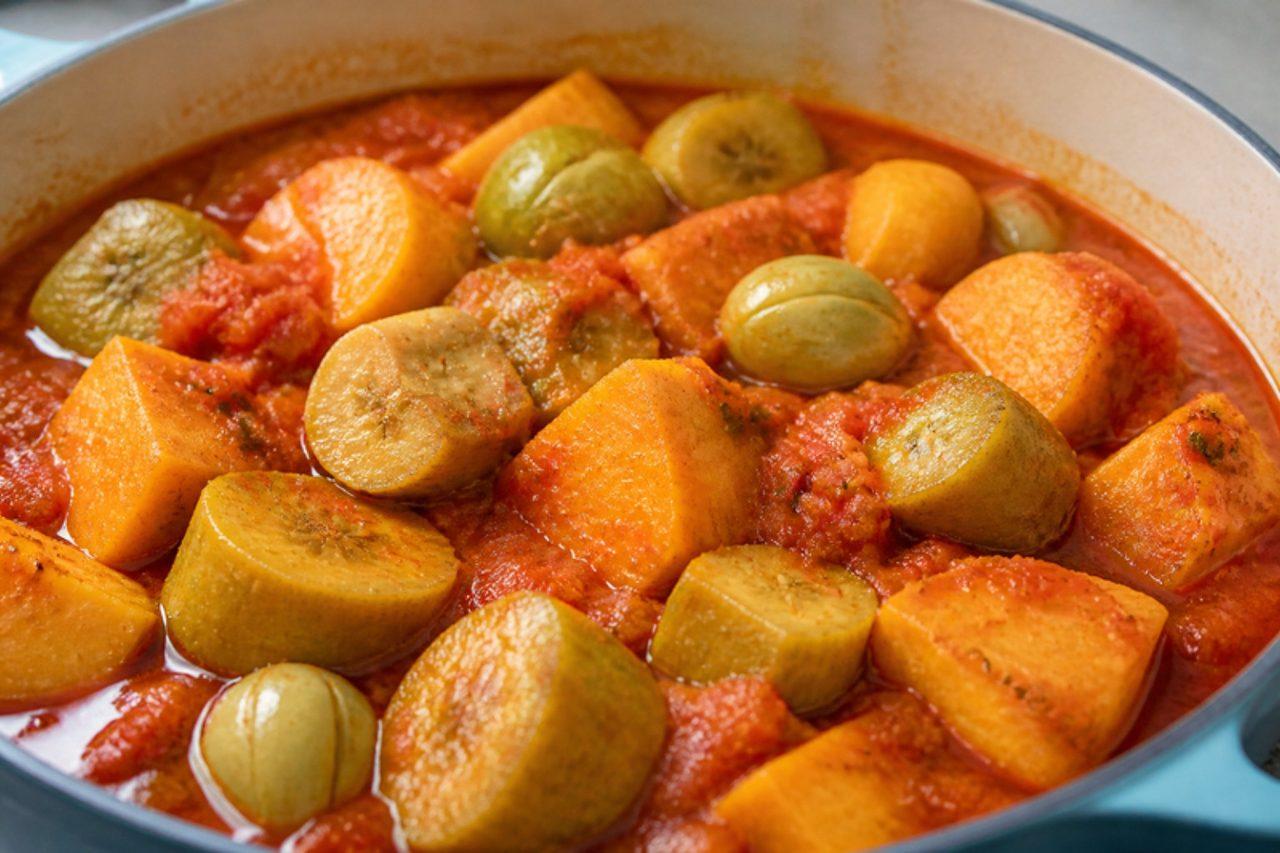
AkpessiPlantain and yam pottage

Around Bouaké and Yamoussoukro, akpessi is what Baoulé families cook when they want a filling one-pot meal with little fuss: chunks of green plantain and yam simmered right in a red palm oil and tomato sauce until tender. A few pieces are crushed into the liquid at the end, so the sauce turns thick and clings to everything. It is often made with smoked fish; this version keeps it meat-free, with soft garden eggs folded through for body. Expect an earthy, gently starchy dish with heat from the pepper, good with sliced avocado on the side. The usual mistake is stirring too much, which turns the whole pot to mush instead of leaving soft chunks. Chef's tip: oil your hands before peeling green plantains; the sticky sap washes off far more easily.

by KrazyBadal 0 views

KabatoCornmeal swallow with lemon

From Korhogo and Odienné down to Bouaké, households in northern and central Côte d'Ivoire eat kabato almost daily: a swallow of maize meal cooked with a squeeze of lemon. The acid gives the paste a faint tang and a firmer, cleaner bite than plain cornmeal. It is eaten warm with okra sauce, groundnut sauce or a sauce of pounded leaves, pinched off by hand and dragged through the bowl. A common slip is adding the cornmeal too fast, which makes lumps; rain it in while stirring. Chef's tip: whisk the lemony cornmeal slurry into the boiling water before adding the rest of the meal; starting with a thin porridge is what keeps kabato lump-free.

by KrazyBadal 0 views

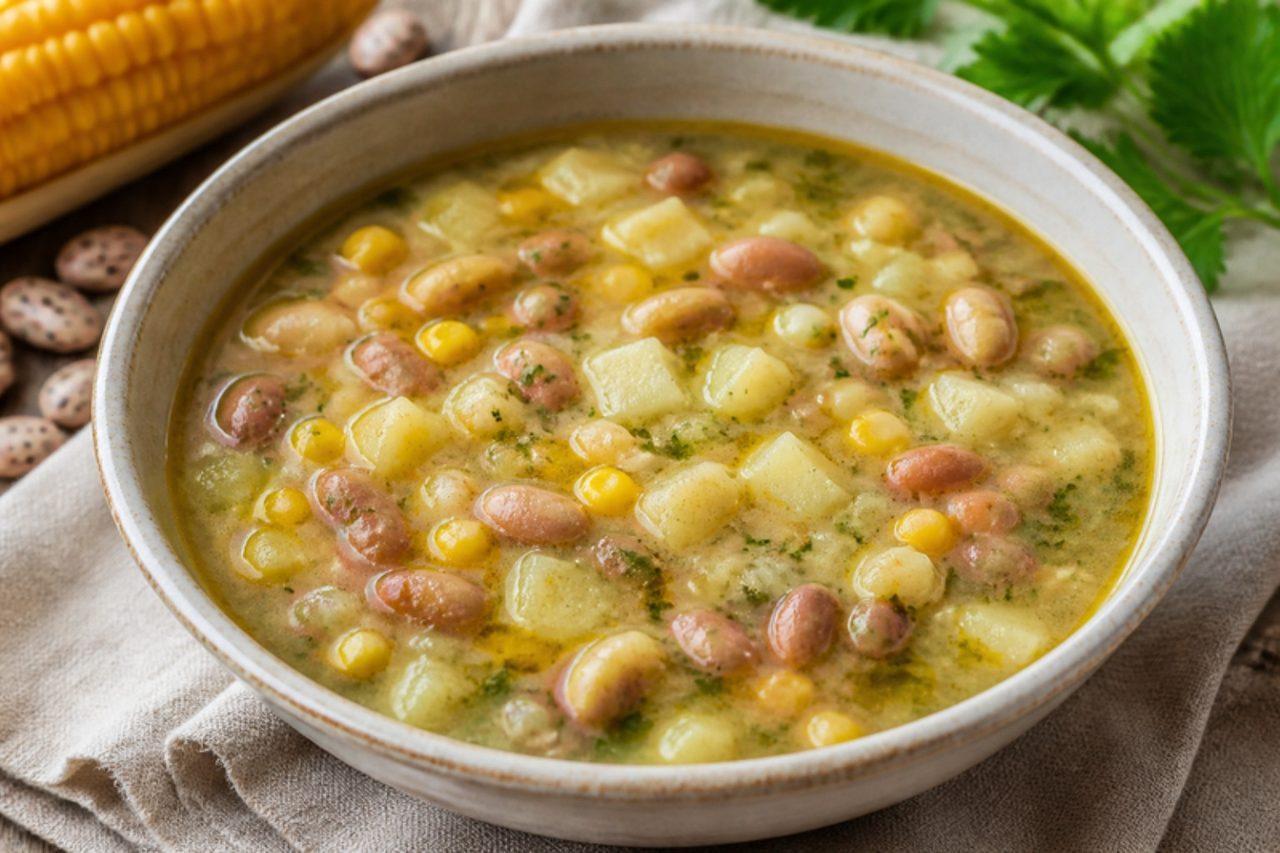
ManeštraBean, corn and potato soup

Farm kitchens across Istria, in north-west Croatia, keep a pot of maneštra on the stove through the cold months, a soup so thick a spoon nearly stands in it. Beans, sweetcorn and potatoes are its heart; in the villages it is usually cooked with smoked pork ribs or bacon, but this version is meat-free, with smoked paprika and a garlicky parsley and olive oil paste (an olive oil twist on the traditional pešt) to give it depth. Expect a sweet, earthy, creamy soup with soft corn kernels and herby green flecks; eat it with crusty bread and a drizzle of Istrian olive oil. The beans must soak overnight before you begin. A common mistake is serving it thin and brothy, so mash some of the potato against the side of the pot near the end. Chef's tip: maneštra is better the next day; loosen it with a little hot water when you reheat.

120 minBalkanSoupsVegan
by KrazyBadal 0 views

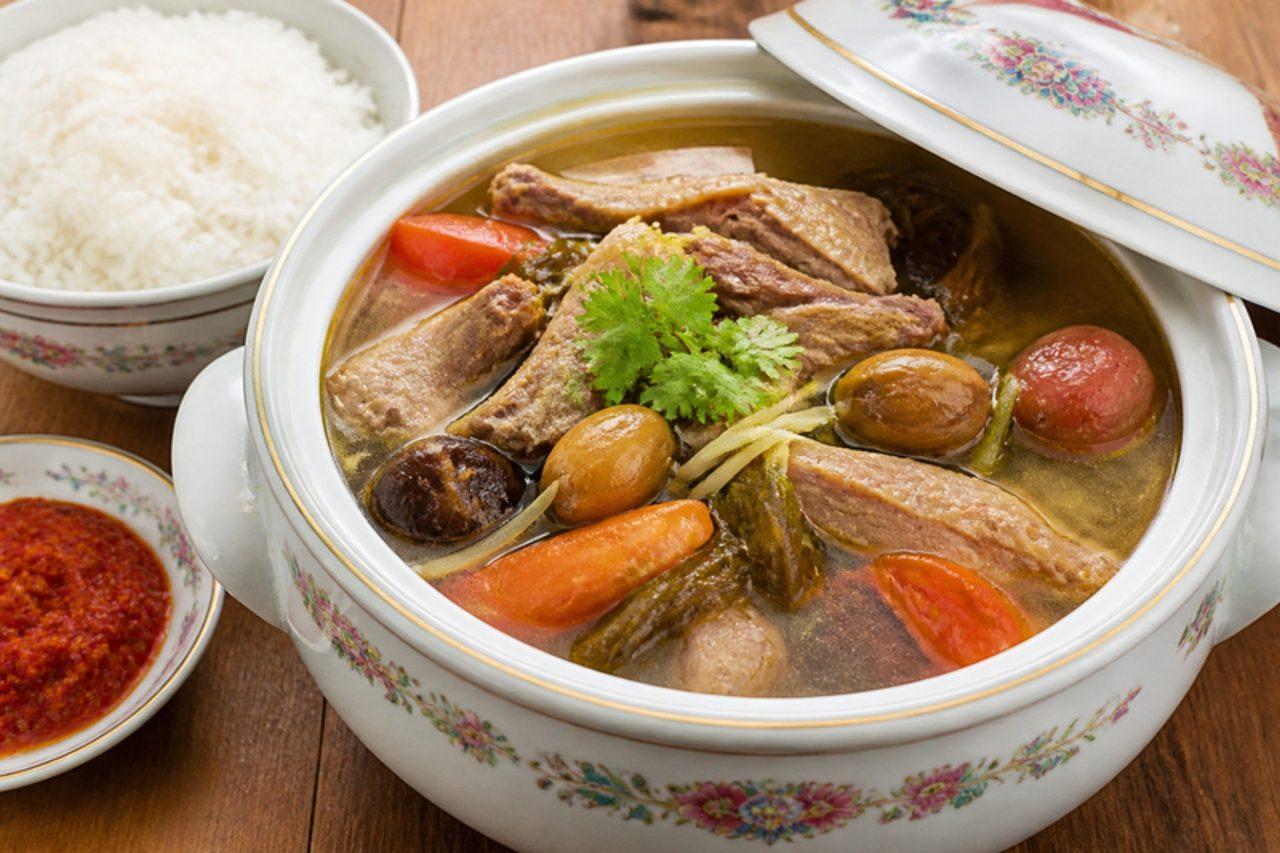
Itek timDuck and salted mustard greens soup

Sour, salty and cleansing, itek tim is the soup a Nyonya kitchen in Katong or Joo Chiat puts on the table to cut through the rich curries and sambals of a Chinese New Year reunion dinner, and it is often made in a big pot that lasts for days. Jointed duck simmers slowly with salted mustard greens, tomatoes, salted sour plums and a little dried tamarind until the meat is tender and the broth turns golden, tangy and deeply savoury. It is served with rice and sambal belacan, and many families say it is even better on day two. Not soaking the salted mustard greens is the classic trap; they can make the soup far too salty, so soak and taste a piece first. Chef's tip: chill the soup overnight and lift off the duck fat in one sheet before reheating, which gives a clear, clean broth.

by KrazyBadal 0 views

PlacaliSoured cassava swallow

Abidjan's maquis serve placali in shining grey mounds next to bowls of sauce kopé, the okra sauce that slides off the spoon, and many Ivorians from the lagoon and southern forest regions eat it several times a week. It is made from soured cassava dough dissolved in water, strained and cooked while beaten hard until it becomes a translucent, sticky, stretchy paste. The taste is mildly sour and the texture smooth and elastic, meant to be swallowed rather than chewed. Pair it with okra, palm-nut or leaf sauces. Don't stop stirring once the dough thickens, or raw lumps hide in the swallow. Chef's tip: wet your hands and the serving bowl before shaping, otherwise placali clings to everything it touches.

by KrazyBadal 0 views

Jamaican coco breadCoconut milk bread rolls
Every patty shop in Kingston keeps a stack of coco bread by the till, because the classic lunch is a hot beef or vegetable patty tucked inside one of these soft, buttery folds. The rolls are rich with coconut milk and brushed with melted butter before folding, so they pull apart into two neat halves after baking. The common mistake is baking them too long; they should be pale golden and pillowy, not crusty. Allow about 1 hour 30 minutes of rising on top of the working time. Chef's tip: brush the tops with more butter the moment they leave the oven and cover them with a cloth, which keeps the crust soft.

by KrazyBadal 0 views

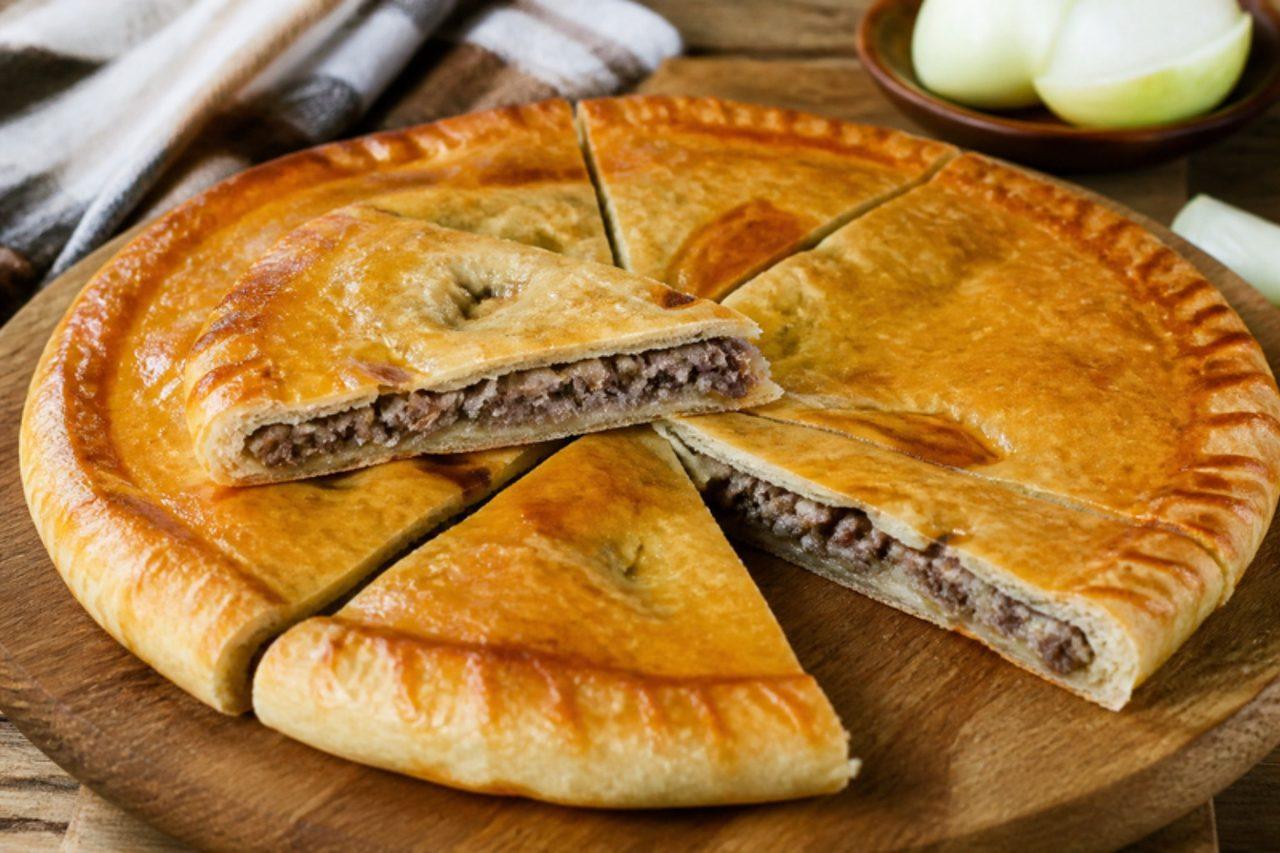
IshlekliMinced meat pie

Ishlekli is the shepherds' pie of the Karakum desert: a large round of dough filled with chopped lamb and onion, sealed, and buried in sand heated by a fire, so it bakes slowly into a thick, golden crust filled with juicy meat. Turkmen families still make it on camping trips and at holidays in the countryside around Ashgabat. This version bakes it in a hot oven on a preheated tray. A common mistake is using lean meat, which makes the filling dry; the lamb fat bastes the inside as it bakes. Chef's tip: chop the lamb by hand rather than mincing it; small chunks stay juicy and give the pie its rustic texture. The filling should reach 71 °C.

100 minTurkmenMeat
by KrazyBadal 0 views

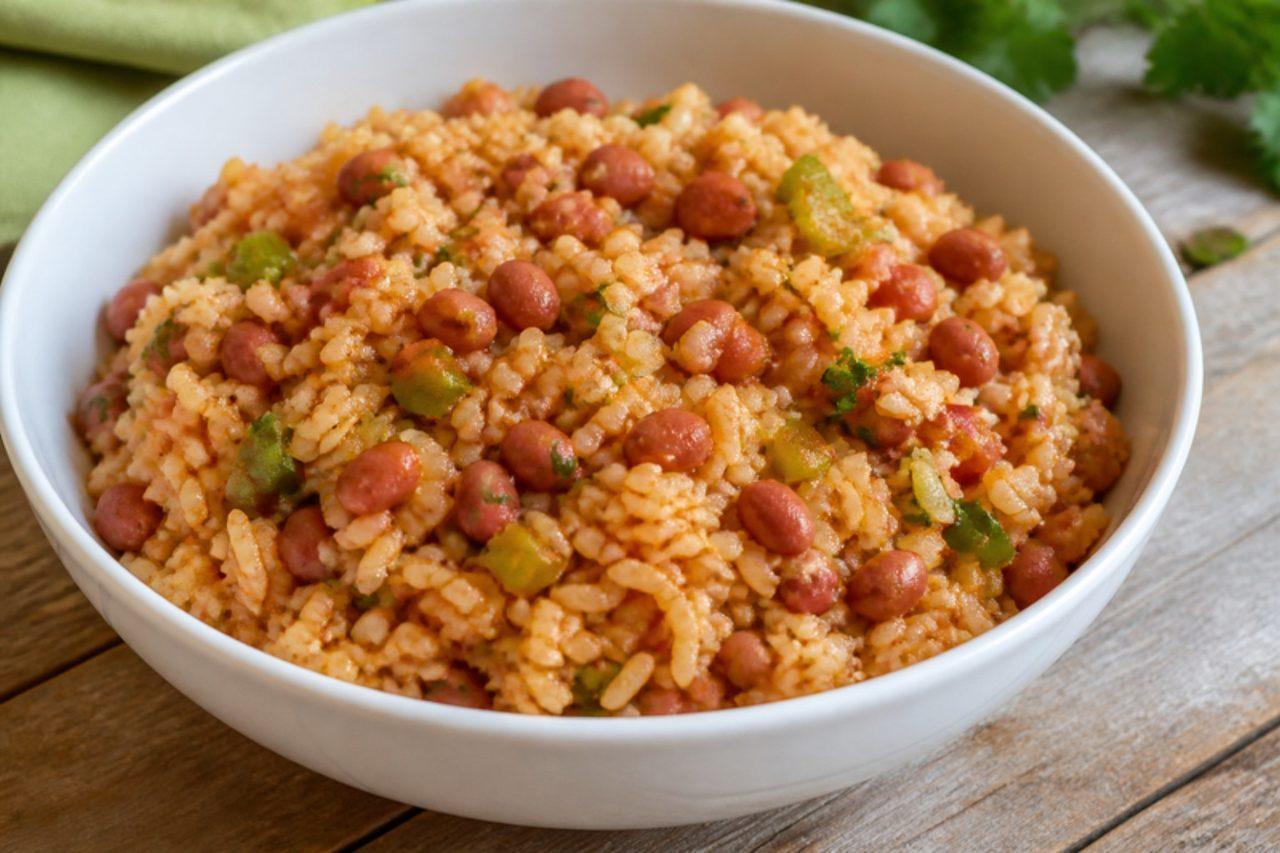
Arroz mamposteaoFried rice and stewed beans

Fondas around San Juan put arroz mamposteao on the menu as a way to use yesterday's white rice and the last ladle of habichuelas, and at home it is the Sunday-night fix when the pots from lunch come out of the fridge. The rice is fried in olive oil with a fresh sofrito, then the beans and their sauce go in until every grain is stained pink and the edges catch and crisp. Many cooks add ham or bacon; this version stays meat-free and gets its depth from the sofrito and a little smoked paprika. The common mistake is using freshly cooked rice, which turns to paste; cold, day-old rice keeps separate grains. Chef's tip: leave the pan alone for the last few minutes so a crunchy layer forms on the bottom, then fold it through.

by KrazyBadal 0 views

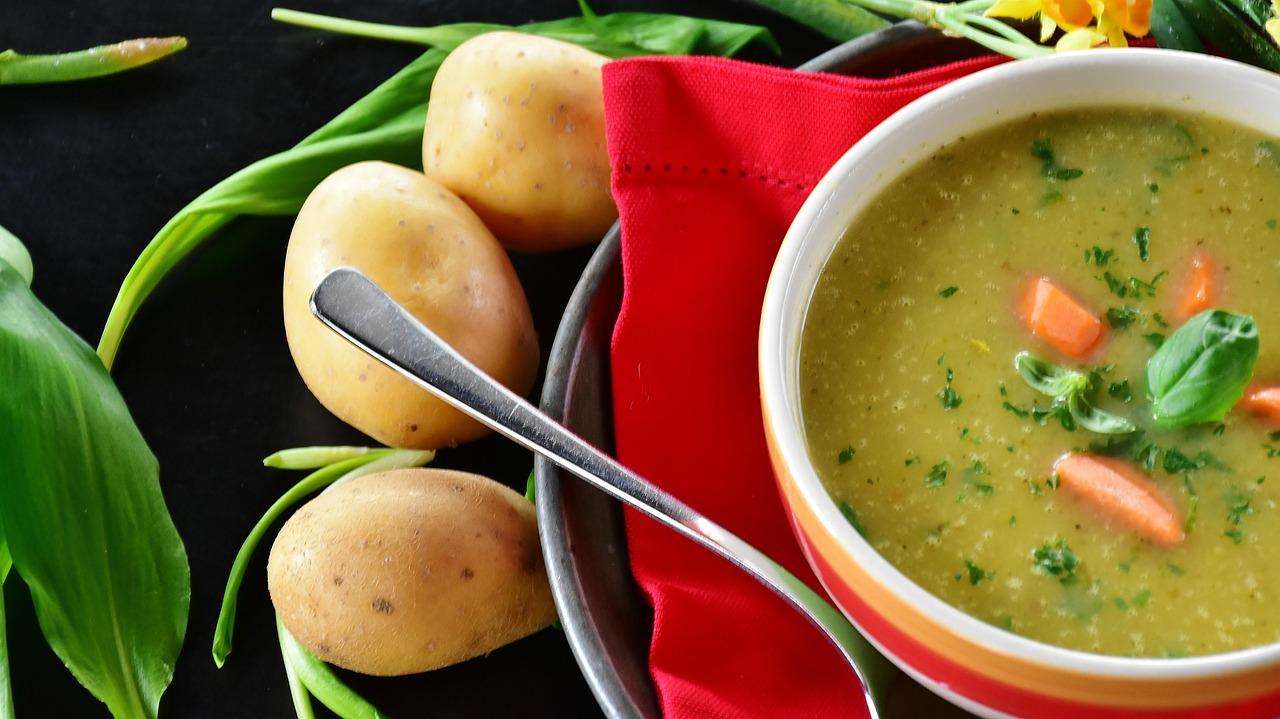
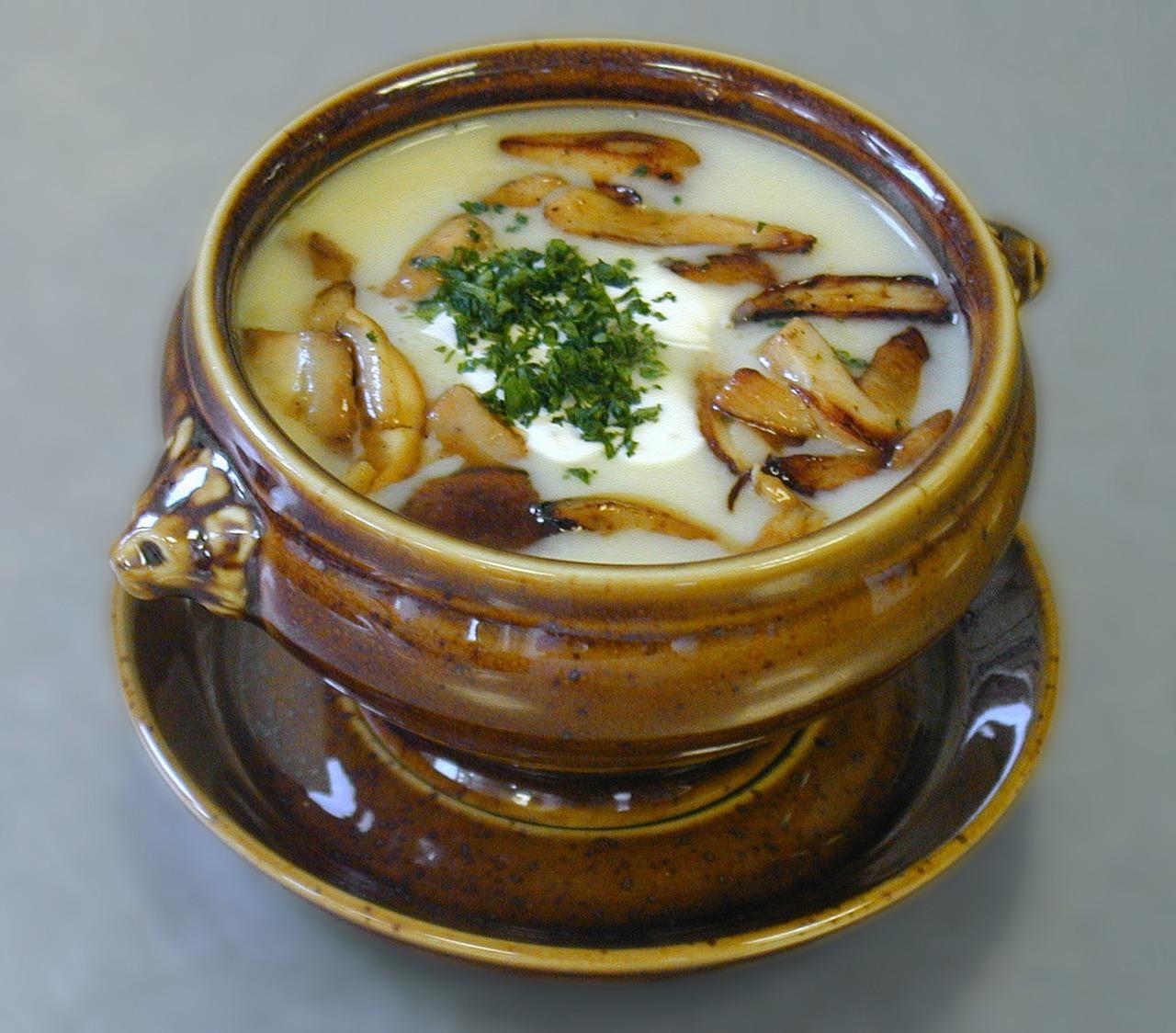
BramboračkaPotato and mushroom soup

Ask anyone from Bohemia what their grandmother cooked on a cold Saturday and bramboračka comes up first: a thick, earthy potato soup that smells of dried porcini, caraway and marjoram. It is a fixture of pub lunch menus and mountain chalets, ladled out with a slice of dark rye bread. Floury potatoes break down at the edges and thicken the broth, while carrot, parsley root and celeriac add sweetness under the woodland flavour of the mushrooms. This version is fully plant-based, with the roux made in oil. A common mistake is adding the marjoram and garlic at the start, where long boiling dulls them; they go in at the very end, off the heat. Chef's tip: rub the dried marjoram between your palms over the pot to wake up its oils before it drops in.

50 minCzechSoupsVegan
by KrazyBadal 0 views

Iskus ko tarkariChayote and potato curry

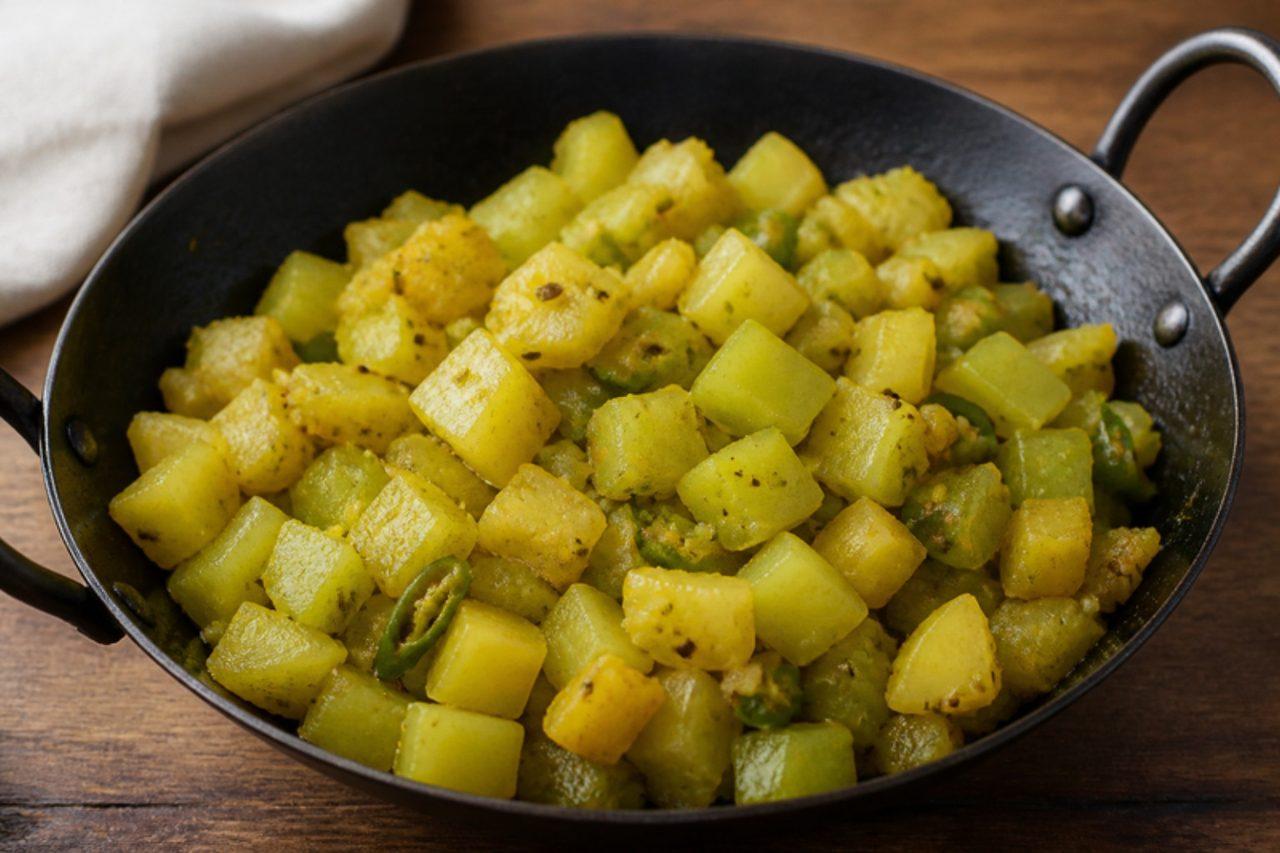
Every hillside garden in the eastern hills, from Dharan up to Bhojpur, has an iskus vine rambling over the roof or a bamboo frame, and from late summer the pale green chayotes hang down by the dozen, so this simple dry curry appears on the table almost every day. The chayote is peeled, cut into chunks with a little potato and cooked in mustard oil with fenugreek, cumin, garlic, turmeric and green chilli until tender but still holding a crisp edge, with a splash of tomato for colour. It is mild, juicy and slightly sweet, the everyday tarkari beside dal, rice and a sharp achar, and it packs well into a tiffin box. The usual mistake is adding water, which turns the chayote watery and bland, as it releases plenty of its own juice. Chef's tip: oil your hands before peeling, because raw chayote leaves a sticky, tight film on the skin.

by KrazyBadal 0 views

ÎnvârtităRolled sweet cheese pastry

Sunday visits in the villages around Iași and Suceava rarely happen without a tray of învârtită, the coiled pastry whose name simply means 'twisted'. A soft dough is pulled over a floured tablecloth until it is as fine as paper, brushed with butter, covered in sweet cottage cheese with raisins and lemon zest, rolled up and wound into a snail before baking. Fresh from the oven it is crackly at the edges and moist in the middle; it is cut into wedges and eaten with coffee or a glass of milk. Families also fill it with sour cherries in June or grated pumpkin in autumn. Cottage cheese is usually made without animal rennet, but check the label if you keep strictly vegetarian. Lots of bakers stretch the dough too soon after mixing, and it tears into holes; give it the full rest. Chef's tip: drain the cottage cheese in a sieve for 20 minutes first, so the filling stays creamy and does not run out of the seams.

by KrazyBadal 0 views

ČobanacShepherd's meat stew with paprika

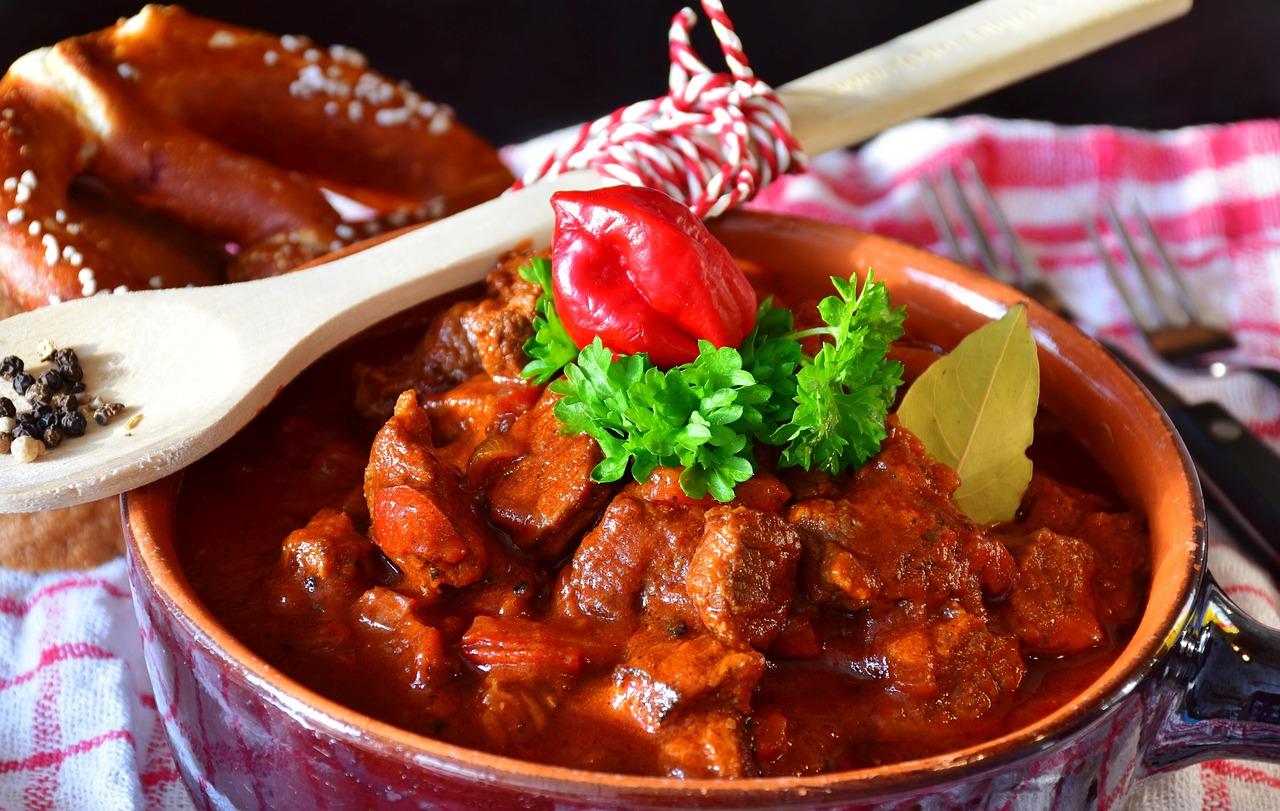
Slavonia, the flat farmland of eastern Croatia, cooks čobanac outdoors in a black cauldron at village fairs and hunting parties, and the smell of paprika drifts across the whole field. Three meats go in, typically beef, pork and venison or wild boar, with mountains of onion, sweet and hot paprika and a few peppers, simmering for hours until the sauce is thick, brick-red and spicy. This dish contains pork. Eat it with crusty bread or polenta. The usual slip is burning the paprika: it turns bitter in seconds, so always take the pot off the heat before stirring it in. Chef's tip: cook it a day ahead; like most stews it tastes deeper the next day.

180 minBalkanMeatGluten freeSpicy
by KrazyBadal 0 views

IrimshikDried sweet cottage cheese

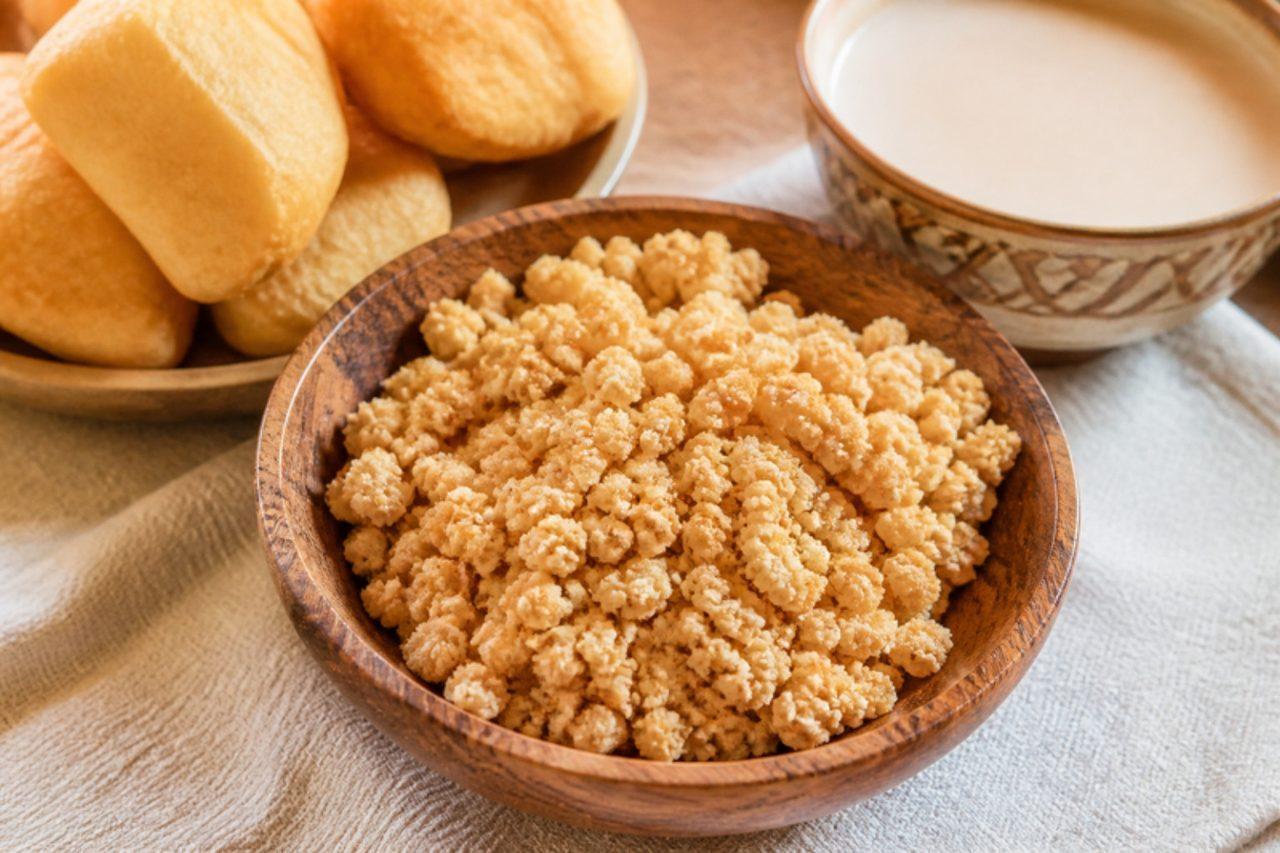
Irimshik is the sweet, caramel-coloured dried curd that Kazakh herding families make in summer on the jailau pastures: milk is soured with a little starter, heated until it splits, and the curds are cooked slowly in their own whey until they turn golden and fudgy, then dried in the sun. It is nibbled with tea in winter, from Almaty flats to steppe villages. This version needs no rennet, so it is vegetarian. A common mistake is draining the curd too soon; the long cook in the whey is what browns and sweetens it. Chef's tip: stir more often as the whey reduces, because the curd catches easily at the end.

180 minKazakhBasicsGluten free
by KrazyBadal 0 views

Aloo goshtMutton and potato curry

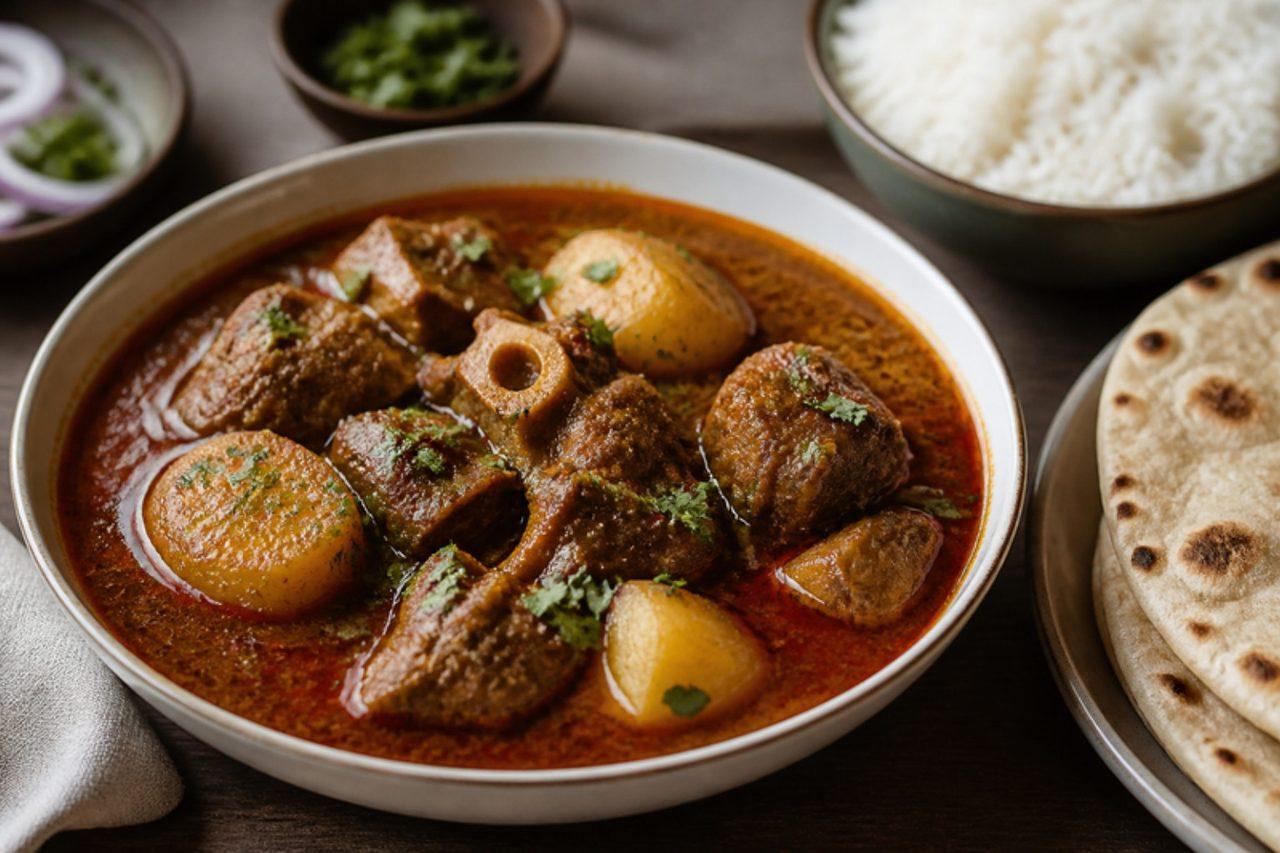
If one curry stands for a weekday dinner in a Pakistani house, from Rawalpindi flats to Karachi's Nazimabad, it is aloo gosht: mutton on the bone and halved potatoes in a loose, peppery shorba meant to be soaked up with chapati or poured over plain rice. Nothing about it is fancy; its comfort comes from a long bhuna of onion, tomato and spice before any water goes in, so the thin gravy still tastes deep. The potatoes go in once the meat is half done and come out soft at the edges, having drunk the gravy. Adding them at the start leaves them falling apart while the meat is still chewy, so wait. Chef's tip: when the masala is fully fried, add the water boiling hot, not cold, so the meat keeps cooking and the shorba stays clear rather than greasy.

by KrazyBadal 0 views

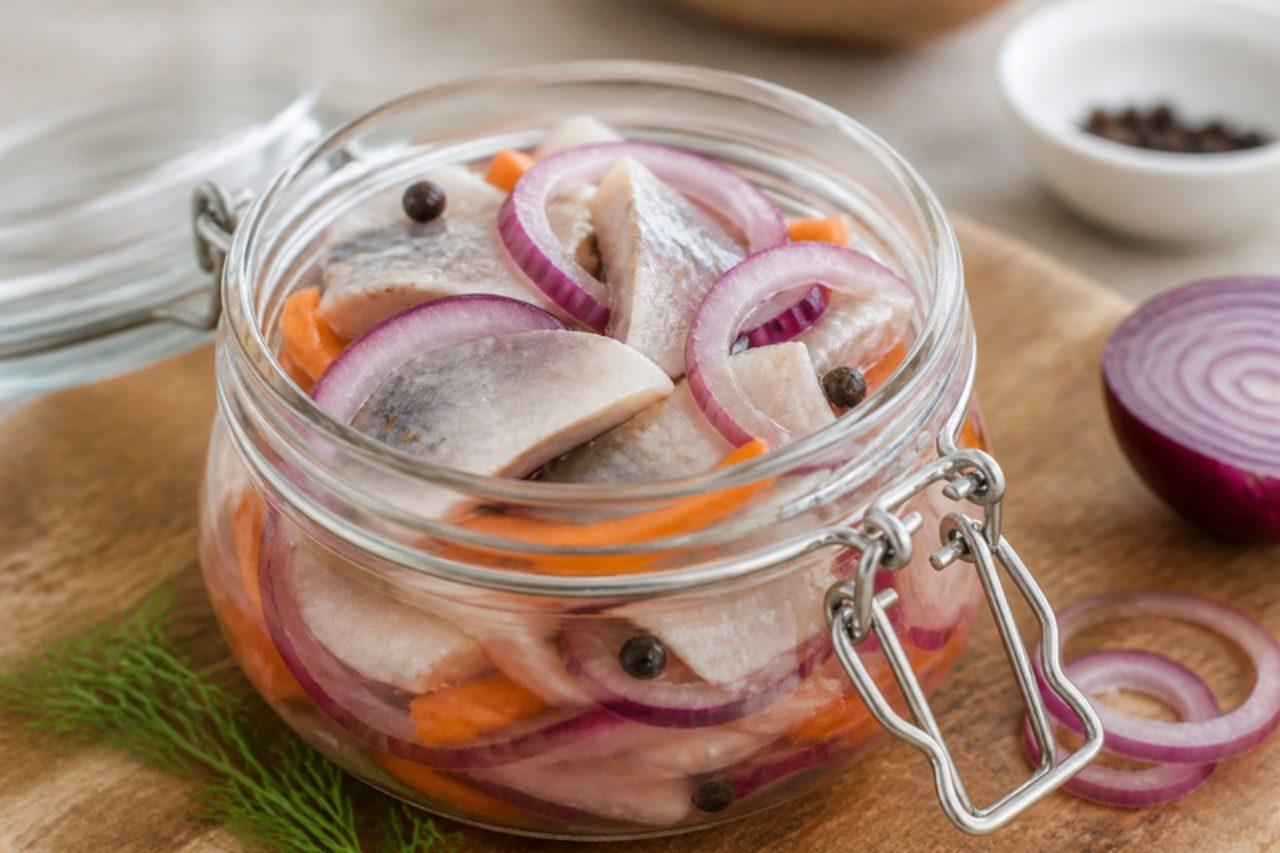
Inlagd sillPickled herring

No Swedish midsummer, Easter or Christmas table is without inlagd sill: salt herring fillets soaked to remove the salt, then pickled for at least two days in a sweet, clear brine of vinegar, sugar, onion, carrot, allspice and bay. It is eaten with new potatoes, sour cream, chives and crispbread, and a mustard sauce variant (senapssill) sits beside it. Herring that is pickled, not cooked, is not for pregnant women, young children or anyone with a weakened immune system. Use salt herring that has been frozen, as commercial salt herring is. A common mistake is skipping the soak, which makes the herring far too salty. Chef's tip: taste a corner after soaking; it should be pleasantly salty, like an olive.

by KrazyBadal 0 views

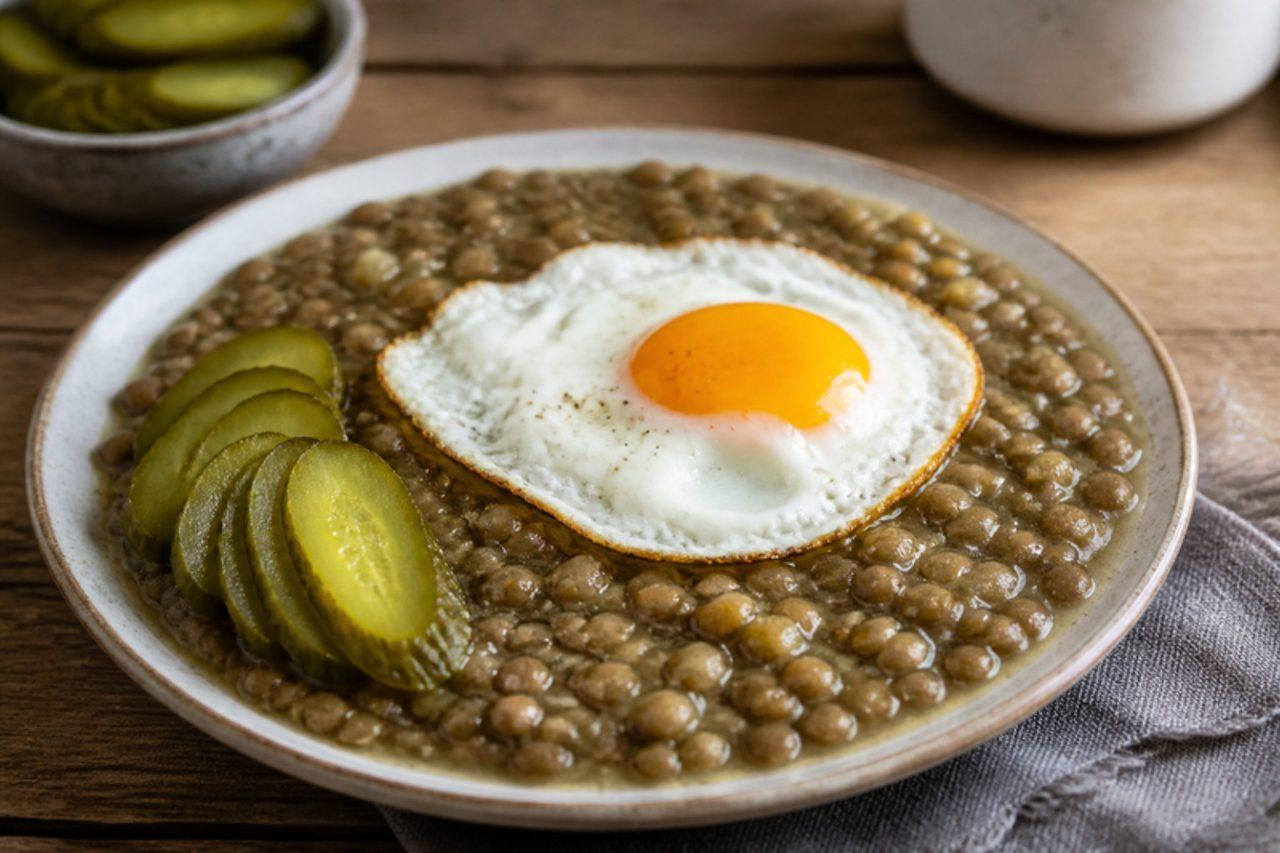
Čočka na kyseloSour lentils with fried egg

Brown lentils, a good splash of vinegar and a crisp-edged fried egg on top: čočka na kyselo is the Czech school-canteen and workers' lunch that people grow nostalgic about. Bohemian families also eat lentils around New Year, when the small round seeds stand for coins. The lentils are cooked soft, bound in a light roux with fried onion and finished sour and a touch sweet, then served with a sliced pickled gherkin and fresh bread. The texture should be spoonable, not soupy and not stiff. Where most cooks slip up is adding the vinegar too early: acid keeps lentils firm, so they stay hard however long you cook them. Season at the end instead. Chef's tip: a teaspoon of mustard stirred in with the vinegar rounds out the sourness without making it taste of mustard.

by KrazyBadal 0 views

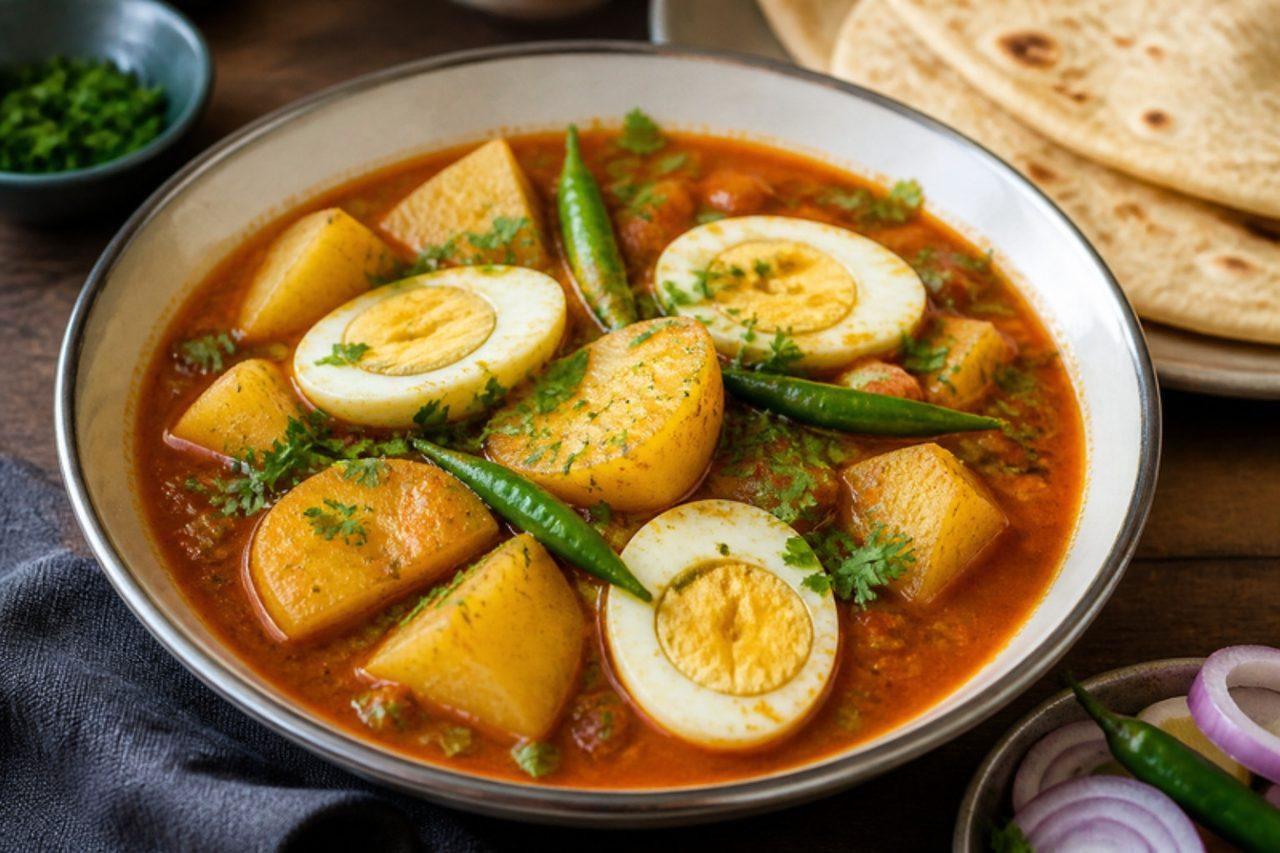
Aloo andayPotato and egg curry

Ask almost anyone who grew up in a Punjabi household in Pakistan what was cooked at the end of the month, when the meat money had run out, and aloo anday will come up with real affection. Halved hard-boiled eggs and chunks of potato sit in a loose, brick-red shorba of browned onion and tomato, thin enough to soak into a chapati and rice alike, with a cut green chilli on top. It is a weeknight and Sunday-brunch dish rather than a guest dish, and children tend to love it. Where it goes wrong is in the masala: if the onions and tomatoes are not fried until the oil separates, the gravy tastes raw and watery however long it simmers. Chef's tip: score the peeled eggs lightly with a knife and fry them in the masala for a minute before the water goes in, so they take on colour and flavour.

by KrazyBadal 0 views

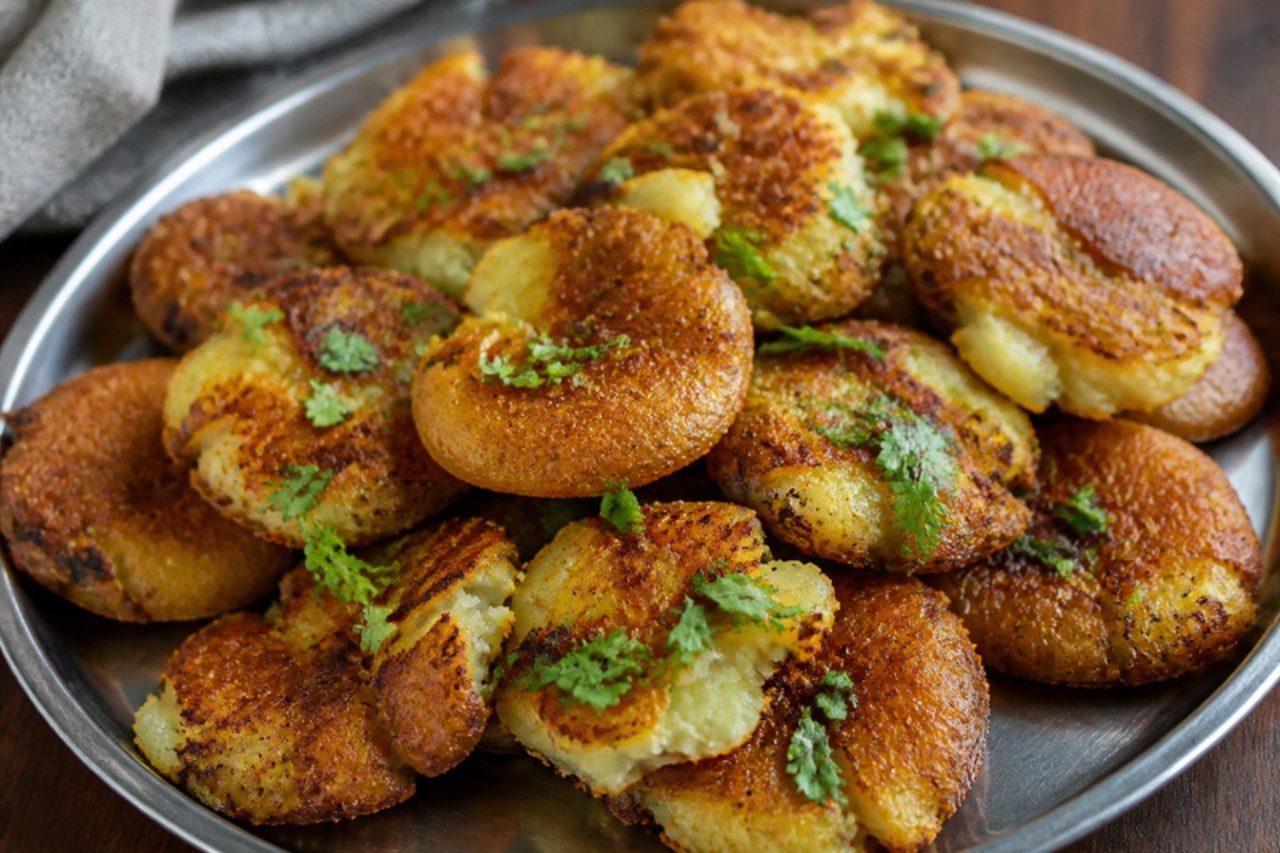
Aloo tukTwice-fried pressed potatoes

Aloo tuk is the crunch on a Sindhi plate, the thing children steal first: small potatoes boiled, fried, squashed flat and fried again until they are craggy and crisp at the edges and fluffy within, then showered with red chilli, tangy amchur and salt. In Sindhi homes from Karachi to Shikarpur they sit beside Sindhi kadhi and rice or dal and bhuga chawal, and they are also served on their own as a teatime snack with green chutney. The most common error is pressing the potatoes while they are still raw-centred or too hot and wet, which makes them tear instead of flatten neatly. Chef's tip: after the first fry let them cool for five minutes, then press each one under a flat-bottomed bowl so it cracks at the edges, since those cracks become the crispest bits. For children, go easy on the chilli and use more amchur.

by KrazyBadal 0 views

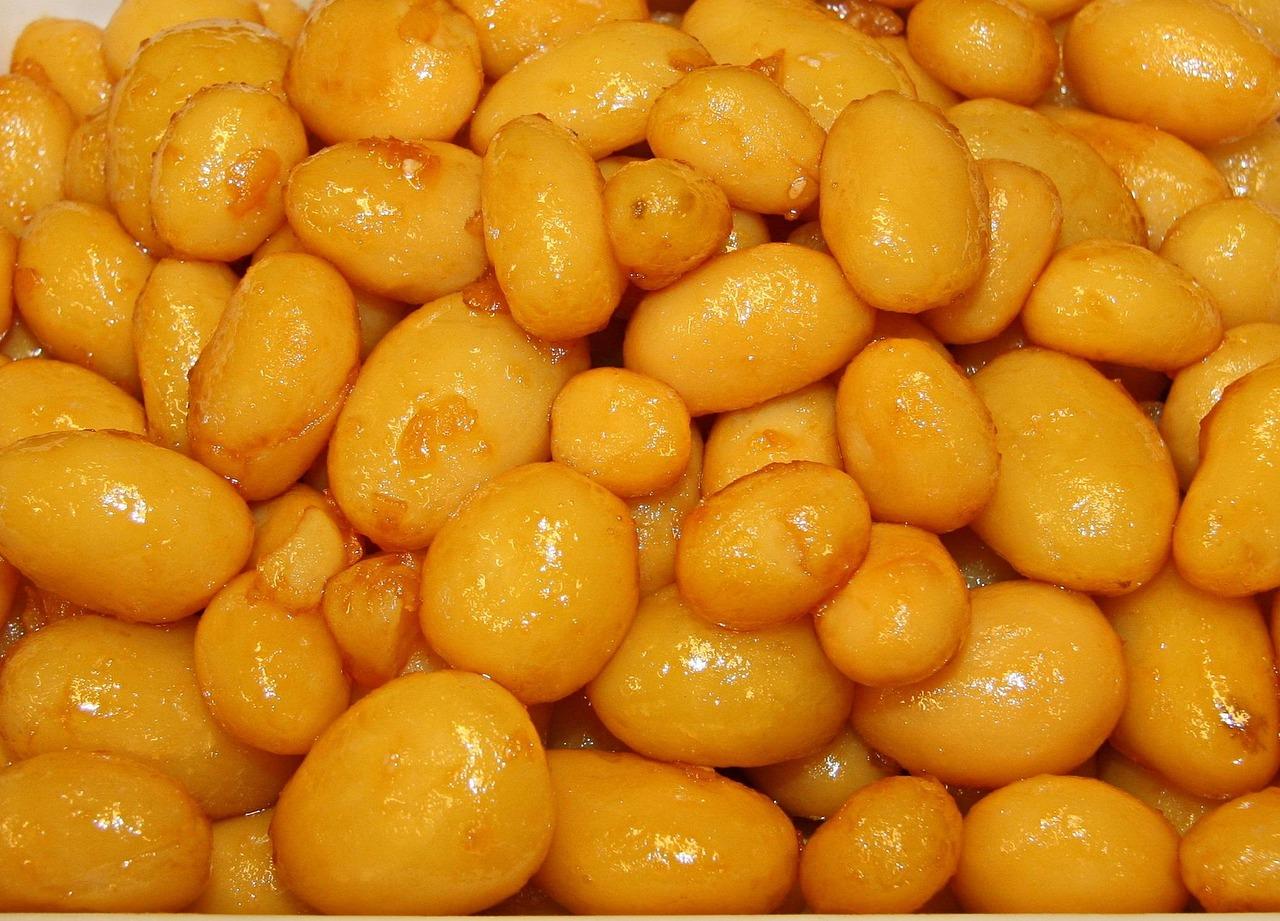
Brunede kartoflerCaramelised small potatoes

No Danish Christmas Eve dinner is complete without brunede kartofler beside the roast pork or duck: small boiled potatoes rolled in golden caramel and butter until they are glossy, sweet and salty. Families boil the potatoes the day before so they are firm and dry. A common mistake is adding wet potatoes to the caramel; it seizes and splatters. Chef's tip: melt the sugar alone until amber, then add the butter, and roll cold, dry potatoes in it over a medium heat until coated.

by KrazyBadal 0 views

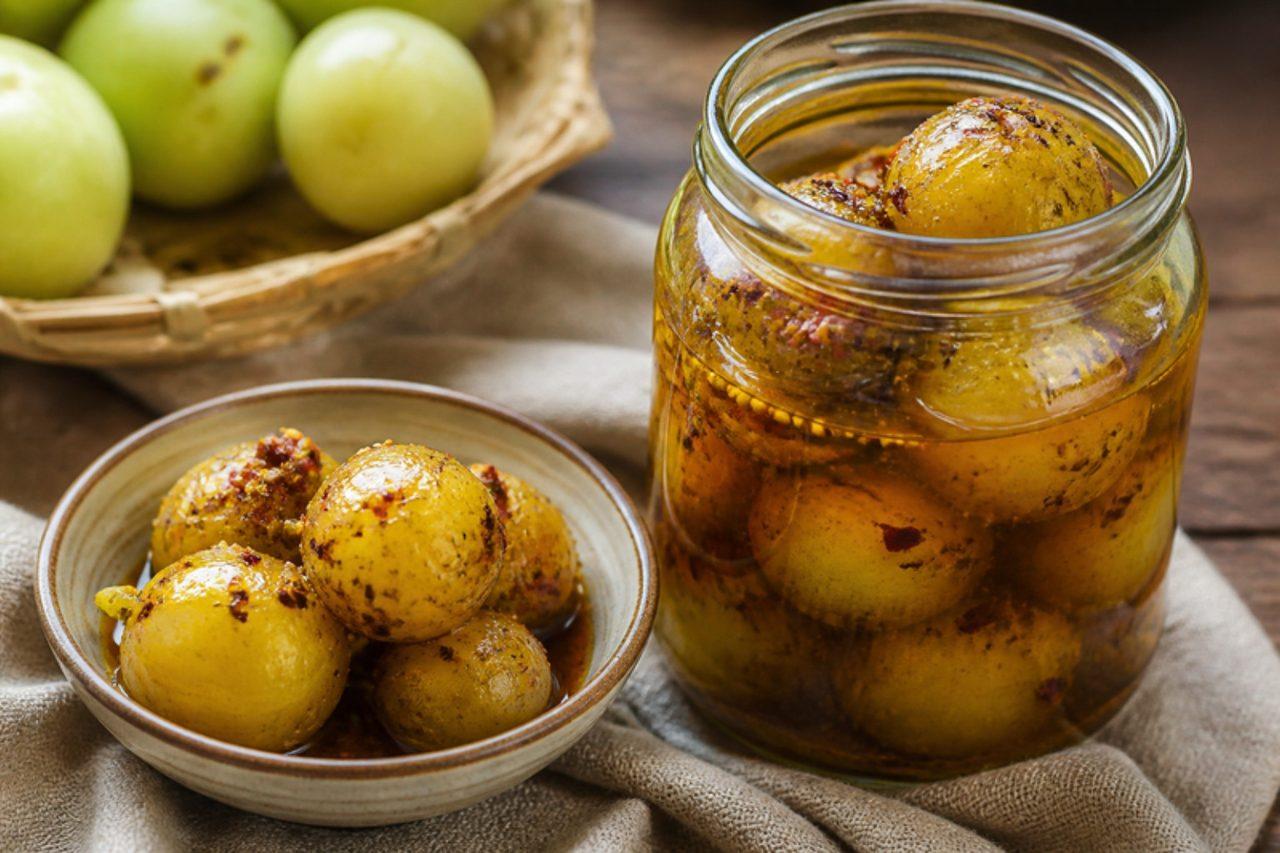
Amala ko acharGooseberry pickle

Amala trees grow wild across the Chure hills and the lower valleys of Nepal, and in winter the hard, translucent green gooseberries are piled high in vegetable markets in Kathmandu, Hetauda and Butwal, prized as a source of vitamin C during the cold months. Steamed until they split into neat segments, then mixed with chilli, turmeric, fenugreek and hot mustard oil, they make a pickle that is crunchy, astringent, sour and spicy all at once, with a lingering sweetness that comes up after each bite. A spoonful goes alongside dal bhat or with a plain bowl of rice porridge when someone is unwell. The trap to avoid is steaming the berries too long, which turns them mushy and dull. Chef's tip: stop as soon as the first cracks appear on the skins; the segments should pull off the stone easily but still have a firm bite.

by KrazyBadal 0 views

AmandineChocolate sponge cakes

Every Bucharest cofetărie keeps a tray of amandine in the glass case, neat dark oblongs that generations of schoolchildren have bought with their pocket money. Despite the almond-sounding name there are no almonds in them: a cocoa sponge is split, soaked with a cocoa syrup, sandwiched with a rich chocolate custard buttercream and coated in a shiny ganache. Bakeries traditionally add rum to the syrup; this version is alcohol-free and uses vanilla and orange zest instead, though you can add 2 tablespoons of rum if you like. A common mistake is soaking the sponge while the syrup is still hot, which turns it to mush; both should be cool. Chef's tip: chill the filled cake until really firm before glazing and cutting, and wipe the knife hot between each cut for clean edges.

by KrazyBadal 0 views

Imli aloo bukhara sharbatTamarind and plum cooler

Pakistani grandmothers prescribe this deep brown drink for heatstroke, an upset stomach and the sluggish days of Ramadan fasting in June, and it is sold in tall glasses at sehri and iftar stalls in Karachi, Hyderabad and Lahore. Tamarind and dried aloo bukhara plums are soaked, simmered, mashed and strained into a concentrate, which is then sweetened, seasoned with black salt and roasted cumin and served poured over ice. The flavour is fruity, tart and slightly smoky from the plums, with the savoury lift of the salt. The concentrate keeps for a week in the fridge, so a big batch lasts through a heatwave. The usual problem is skipping the straining step and serving it thick with fibres and seeds, which makes it more like a chutney than a drink. Chef's tip: let the plums soak in the hot liquid for an hour after simmering, so they give up all their sourness and colour before you strain them.

by KrazyBadal 0 views

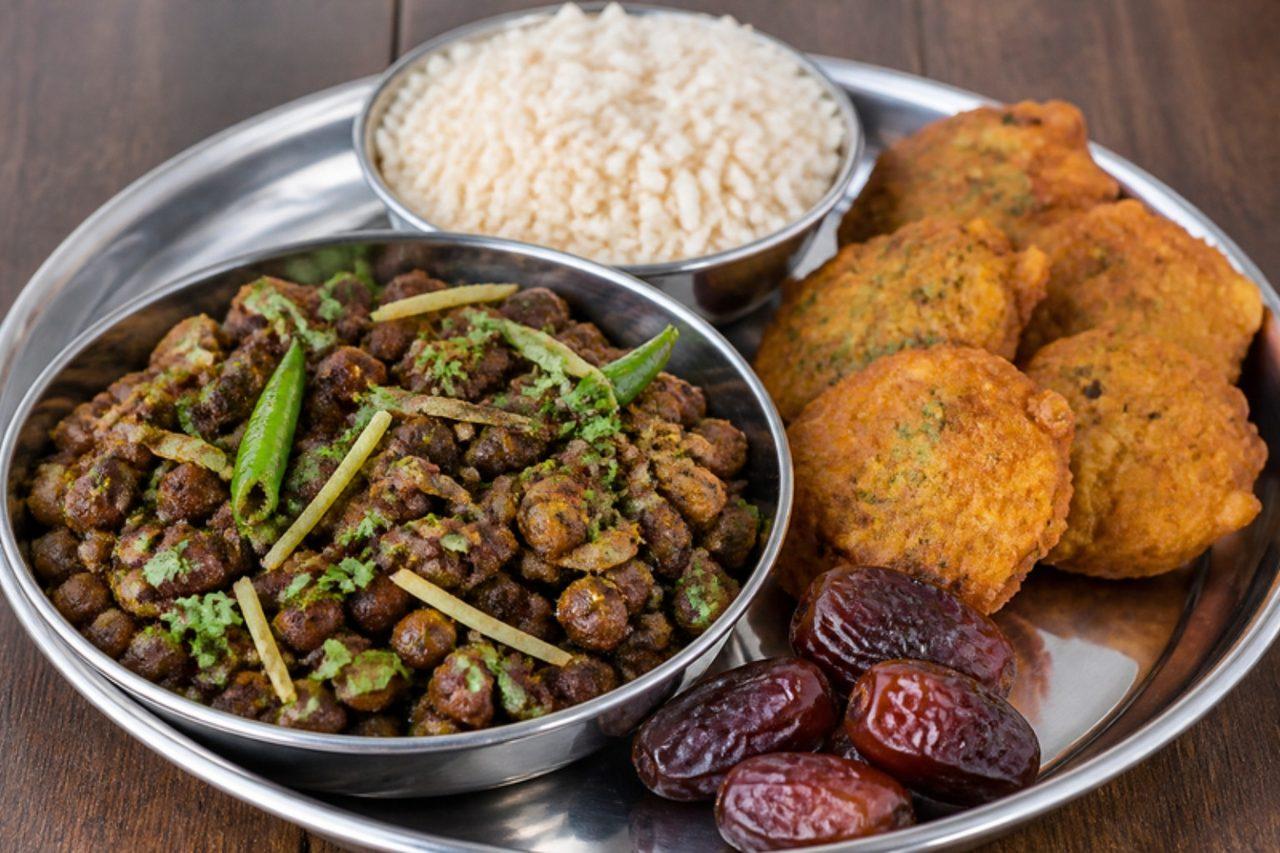
Iftari chhola bhunaDry-fried spiced chickpeas

An hour before sunset during Ramadan, the pavement of Chawkbazar disappears under trays of iftar food, and the one thing every family buys or makes is a bowl of chhola bhuna. It is chickpeas fried down with onion, ginger, garlic and cumin until almost dry, so each one is coated in a thick, dark masala rather than swimming in gravy. On the iftar plate it sits beside piyaju, beguni, muri and dates, and many people toss it with puffed rice, chopped onion and mustard oil into a quick muri makha. A frequent error is adding the chickpeas while the onions are still pale, which leaves the dish flat and sweet instead of deep and savoury. Chef's tip: finish with a pinch of bhaja moshla, dry-roasted cumin, coriander and chilli ground together, for the smoky taste of the street version.

by KrazyBadal 0 views

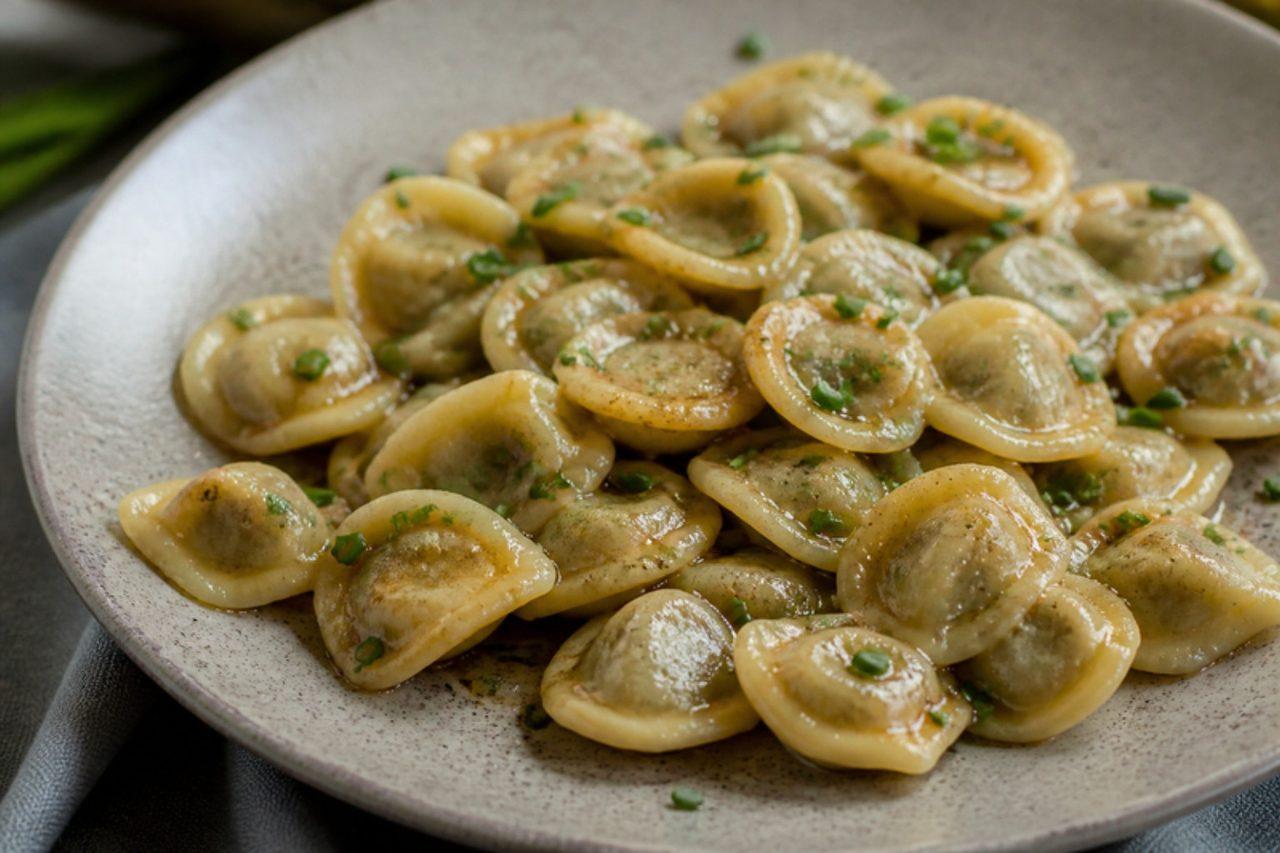
Idrijski žlikrofiPotato and chive dumplings

Mercury miners in Idrija, the hill town in western Slovenia, lived on these: thumbnail-sized pasta parcels pinched into a little hat shape with a dimple in the middle and filled with potato, onion, chives and marjoram. They carry EU protected status, and in Idrija they come either with melted butter and crumbs or with bakalca, a slow-cooked lamb sauce; the traditional filling often has a spoon of pork fat or cracklings too. This vegetarian version uses butter throughout. Shaping 150 or so of them is a job for two people and a good chat. A wet filling is the usual downfall: boil the potatoes in their skins and mash them dry, or the dough tears when you pinch it shut. If you add the optional grated hard cheese, choose a vegetarian one, as parmesan-style cheeses use animal rennet. Chef's tip: dry the shaped žlikrofi on a floured cloth for 20 minutes before cooking so they hold their shape.

by KrazyBadal 0 views

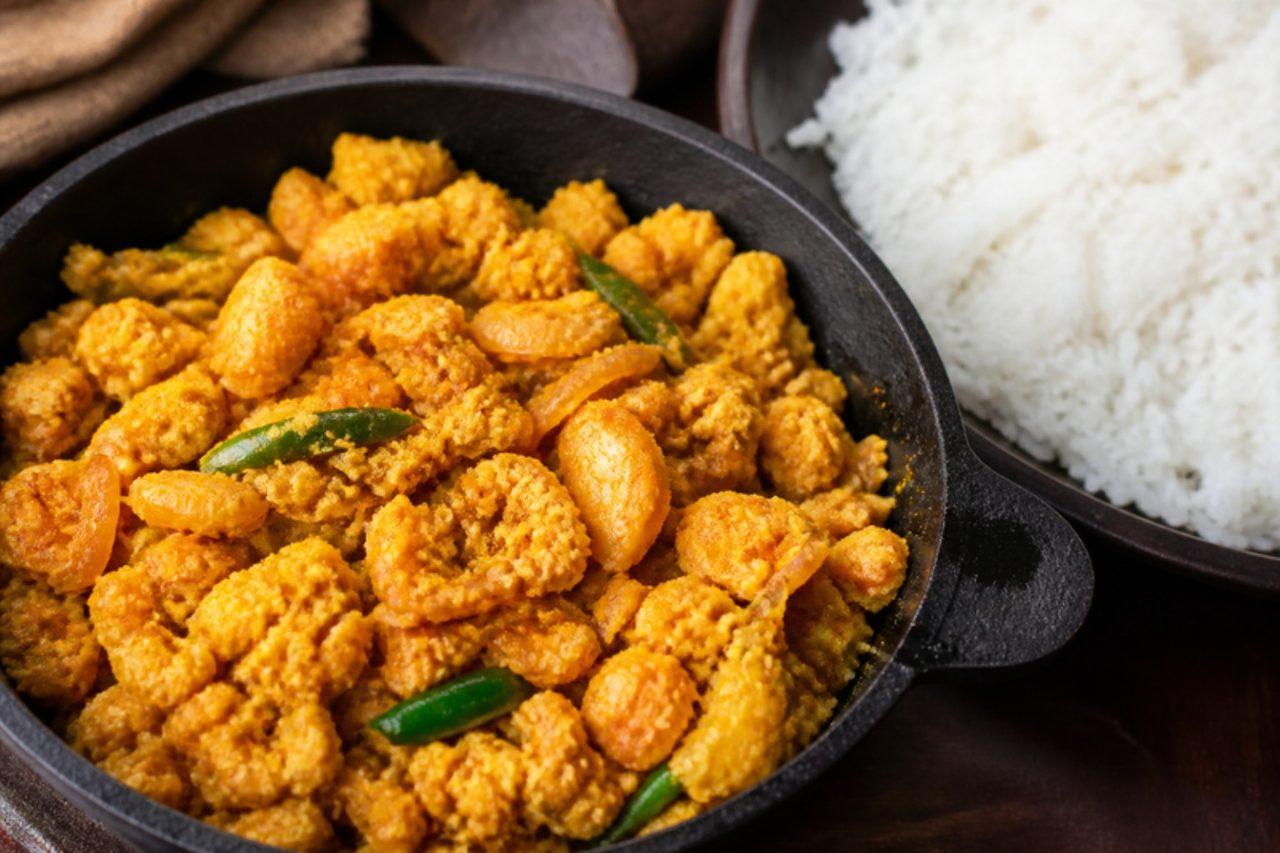
Ilish dim bhunaFried hilsa roe

Early in the hilsa season the female fish carry a pair of large, golden roe sacs, and in Barisal kitchens nobody would dream of wasting them. Ilish dim bhuna is the quick and greedy way to cook them: the roe is fried with lots of onion, turmeric and green chilli until it breaks into soft, rich, slightly grainy crumbs, a little like a savoury fish scramble. It is eaten as a side dish with plain rice and dal, often on the same day the fish itself is cooked in mustard. Roe spoils quickly, so buy it bright and fresh-smelling with the fish and cook it the same day. Many cooks stir the roe too early and too hard, turning it into paste; let it set first. Chef's tip: steam the roe sacs for 3 minutes before frying, so they firm up and break into neat crumbs.

by KrazyBadal 0 views

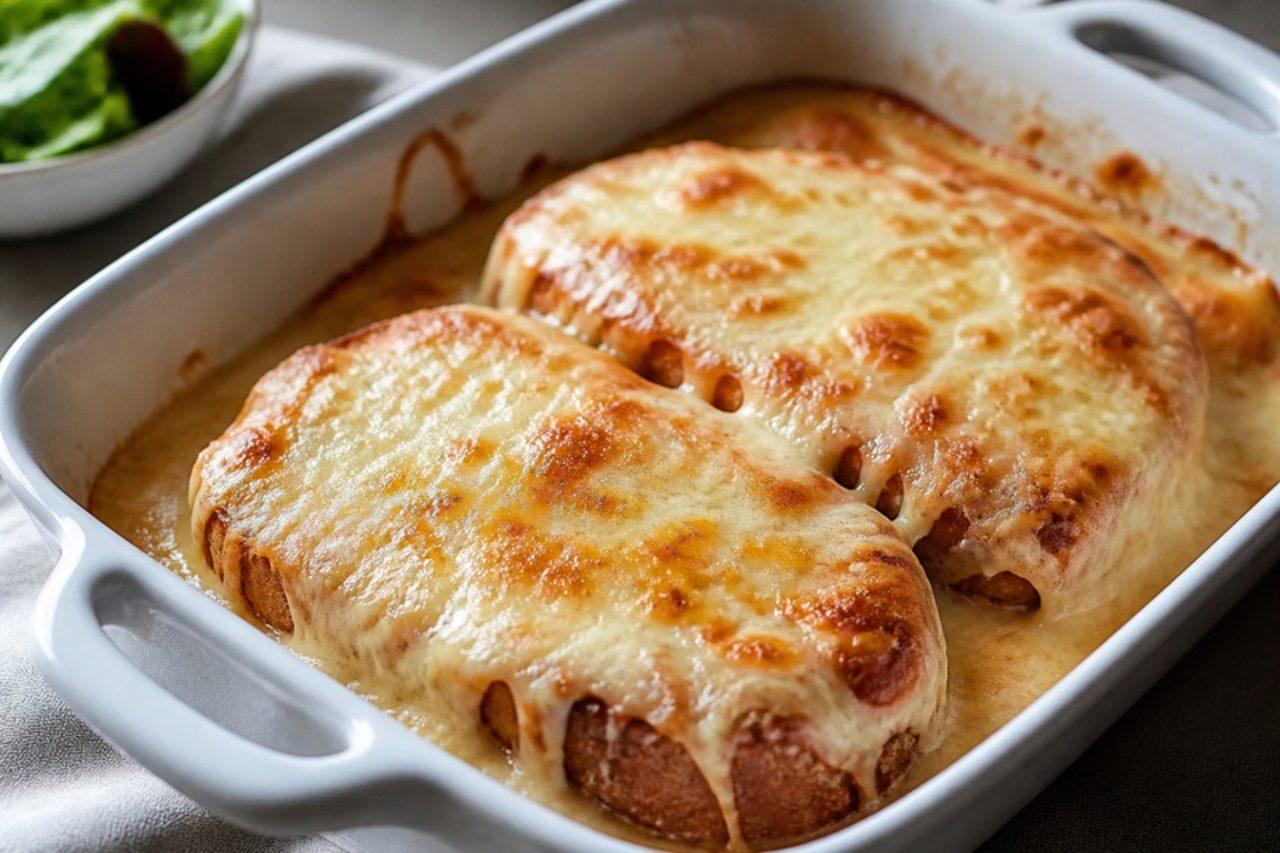
Croûte au fromageWine-soaked bread with Gruyère

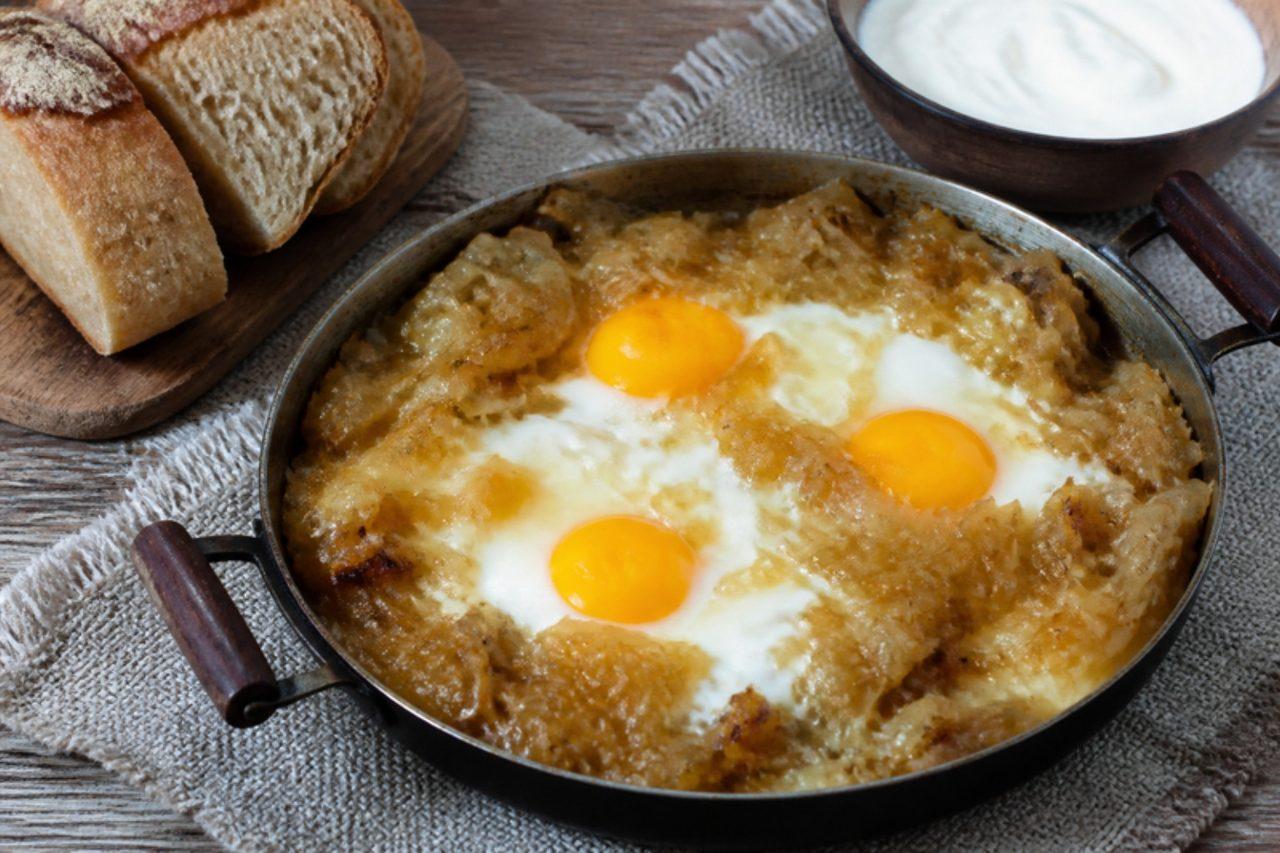
Croûte au fromage is the après-ski supper of Valais and Vaud, served in mountain restaurants from Verbier to Zermatt in sizzling dishes: thick slices of stale bread sprinkled with white wine, rubbed with garlic, heaped with grated Gruyère and baked until bubbling, often with a fried egg on top. This recipe uses white wine, as it traditionally does; for an alcohol-free version, use the swap in the ingredient note. Gruyère is made with animal rennet, so choose a vegetarian Swiss-style cheese. A common mistake is soaking the bread with too much wine, which makes it soggy. Chef's tip: toast the bread first, then sprinkle, so it stays crisp underneath and soft on top.

by KrazyBadal 0 views

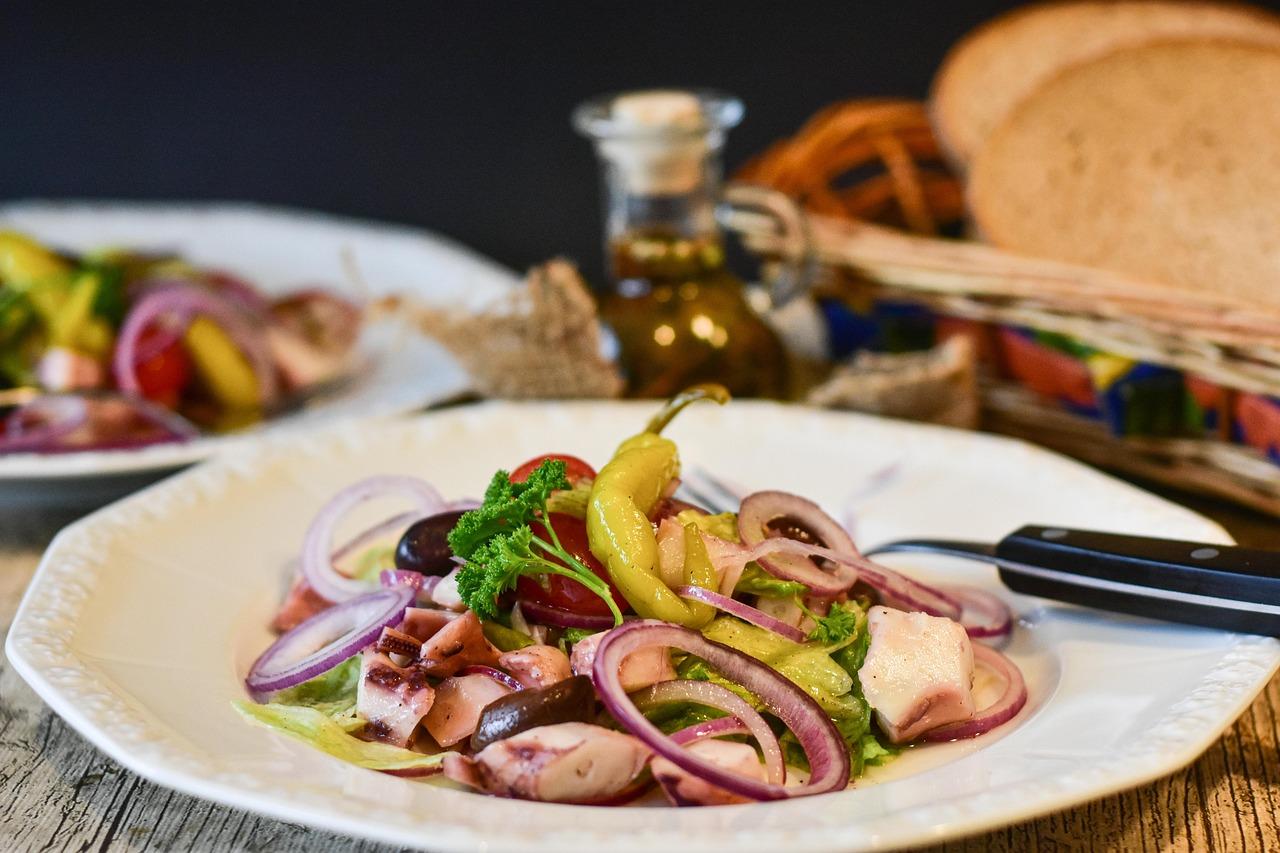
Tunisian octopus salad

Fishermen of the Kerkennah islands, off Sfax, still catch octopus in clay pots laid on the shallow seabed, and in winter the season's catch turns up in harbour cafés and home kitchens as this simple salad. The octopus is simmered slowly until tender, cooled in its broth, then sliced and tossed with red onion, plenty of parsley, lemon juice and good olive oil, with a little harissa if you like. It is light, clean and briny, eaten as a starter with bread or on a summer table of salads and grilled fish. Buy octopus from a reputable fishmonger; frozen and thawed octopus is often more tender than fresh. A common mistake is boiling the octopus at a rolling boil, which makes it rubbery; keep it at a gentle simmer until a knife slides in easily. Chef's tip: let the cooked octopus cool in its cooking liquid for 20 minutes before slicing; it stays juicy rather than tightening up.

by KrazyBadal 0 views

Csabai kolbászPaprika pork sausage

Every October the town of Békéscsaba holds a sausage festival where teams grind, season and stuff pork by hand, and the town's name is on Hungary's most famous paprika sausage. The real csabai is smoked over beech and then air-dried for weeks; curing like that needs curing salt, careful temperature and humidity control and a lot of experience, so this recipe makes the same spicy pork mixture as a fresh sausage that is cooked through to 71 °C and never eaten raw. It is fiery, garlicky and deep red from sweet and hot paprika with a warm hint of caraway, and is excellent grilled or pan-fried, with mustard, fresh bread, pickled peppers and raw onion. The usual slip is letting the meat get warm while you work, which smears the fat and gives a dry, crumbly sausage; keep everything ice cold. Chef's tip: fry a small test patty before stuffing to check the salt and heat.

by KrazyBadal 0 views

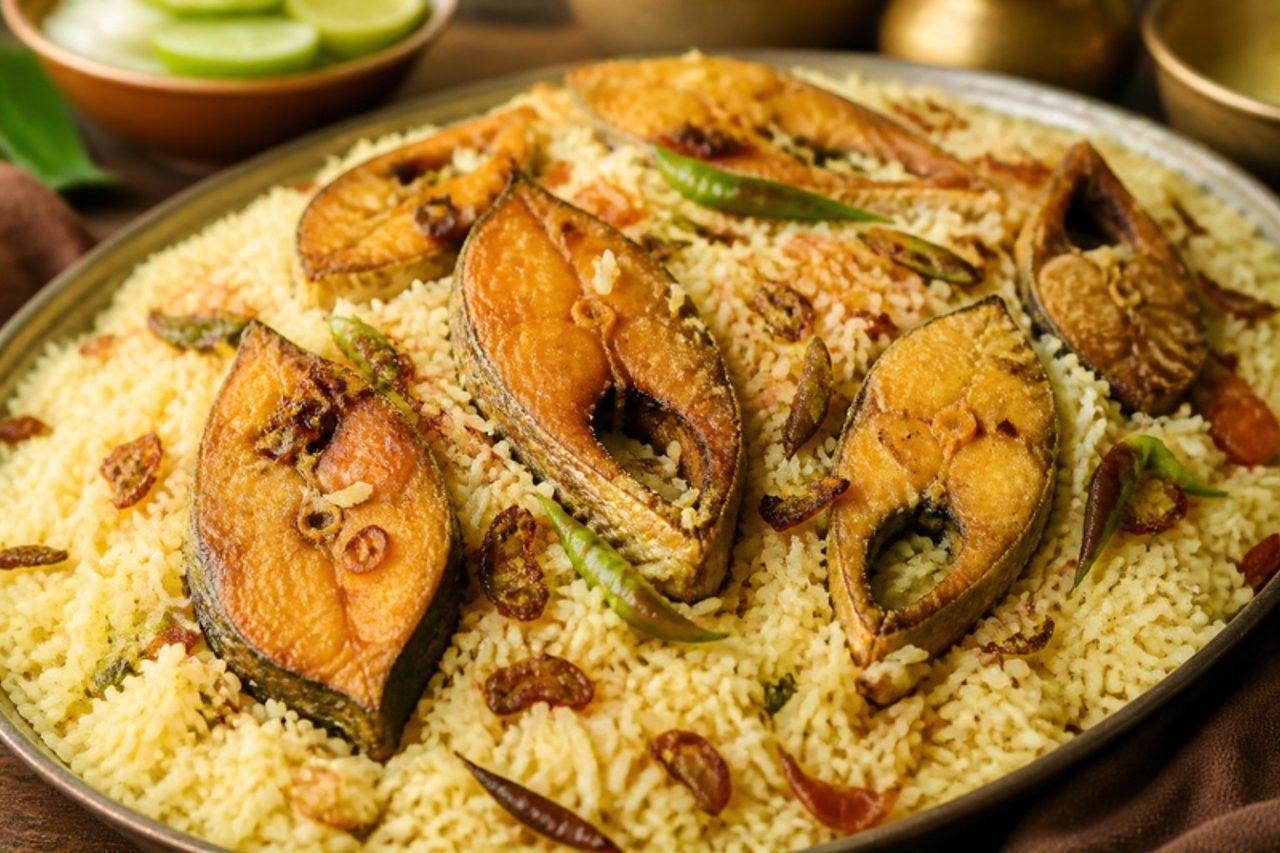
Ilish polaoHilsa fish rice

Monsoon is hilsa season: as the fish run up the Meghna and the boats come back heavy into Chandpur ghat and the Barisal river markets, the richest cooks make ilish polao, a fragrant rice cooked in the oil left from frying the fish and in a light stock from the head and tail. Fried hilsa steaks are tucked into the rice to finish in the steam, so they stay moist and take on the scent of cardamom and bay. It is a dish for the hilsa season and for honoured guests, served with fried onions, a wedge of lime and a green chilli. The usual misjudgement is stirring once the fish is in; the steaks are fragile and fall apart into bones. Chef's tip: keep the oil the fish was fried in, because the whole dish depends on that hilsa-scented fat.

by KrazyBadal 0 views

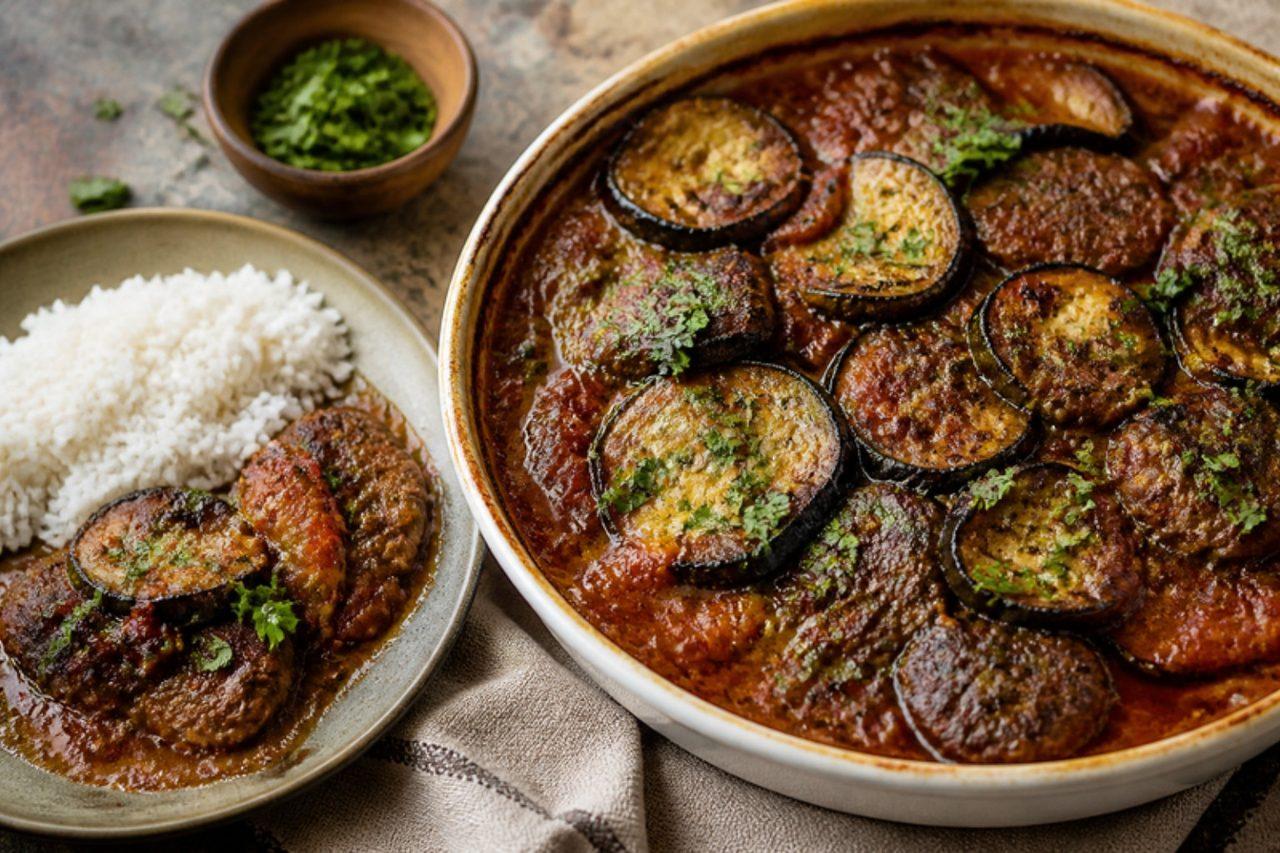
IngriyiAubergine meat patty bake

Ingriyi is a Baghdadi-Jewish Shabbat dish that Iraqi families in Ramat Gan and Kiryat Gat make when aubergines are cheap in late summer: slices of fried aubergine and thin spiced beef patties are layered in a dish and baked in a sauce of tomato and tamarind until everything turns soft and glossy. The tamarind gives a dark sweet-sour tang that sets it apart from Levantine aubergine bakes. Serve it with white rice and a sharp salad. A common slip is frying the aubergine in too little oil at too low a heat, so it soaks up grease and stays grey; use hot oil and drain well. Chef's tip: salting the slices for 30 minutes makes them fry faster and drink less oil.

by KrazyBadal 0 views

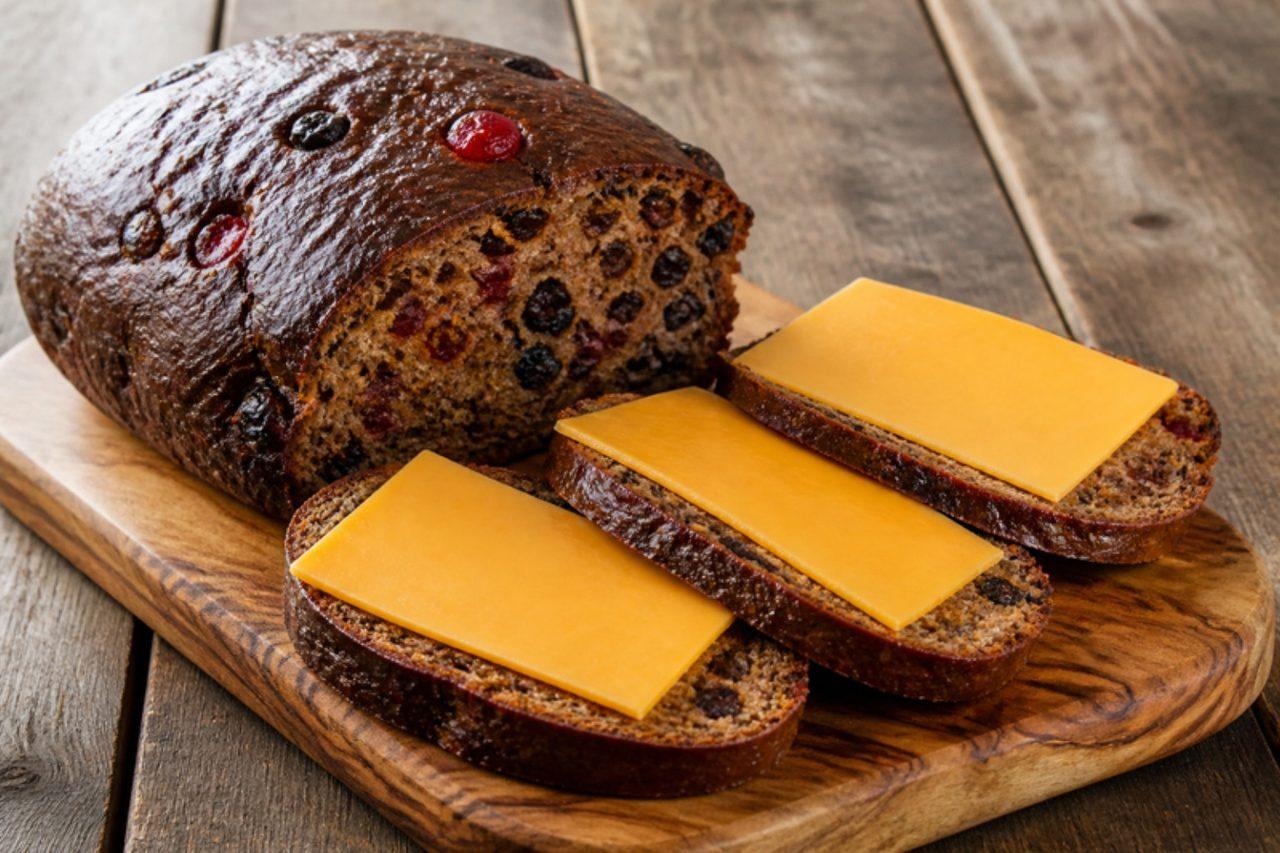
Jamaican Easter bunSpiced Easter loaf
Every Good Friday, Jamaicans from Kingston to London buy or bake a dark, glossy spiced bun to slice and eat with processed cheese, a tradition that grew out of the British hot cross bun. This quick-bread version is moist and dense with dried fruit, molasses and warm spice; it traditionally uses stout, which contains alcohol, so for an alcohol-free bun use the same amount of malt drink. The commonest mistake is slicing the bun warm, when it is still sticky and crumbles; it needs a day to firm and mellow. Chef's tip: brush the hot loaf with a honey or sugar syrup glaze straight from the oven for the shiny top.

by KrazyBadal 0 views

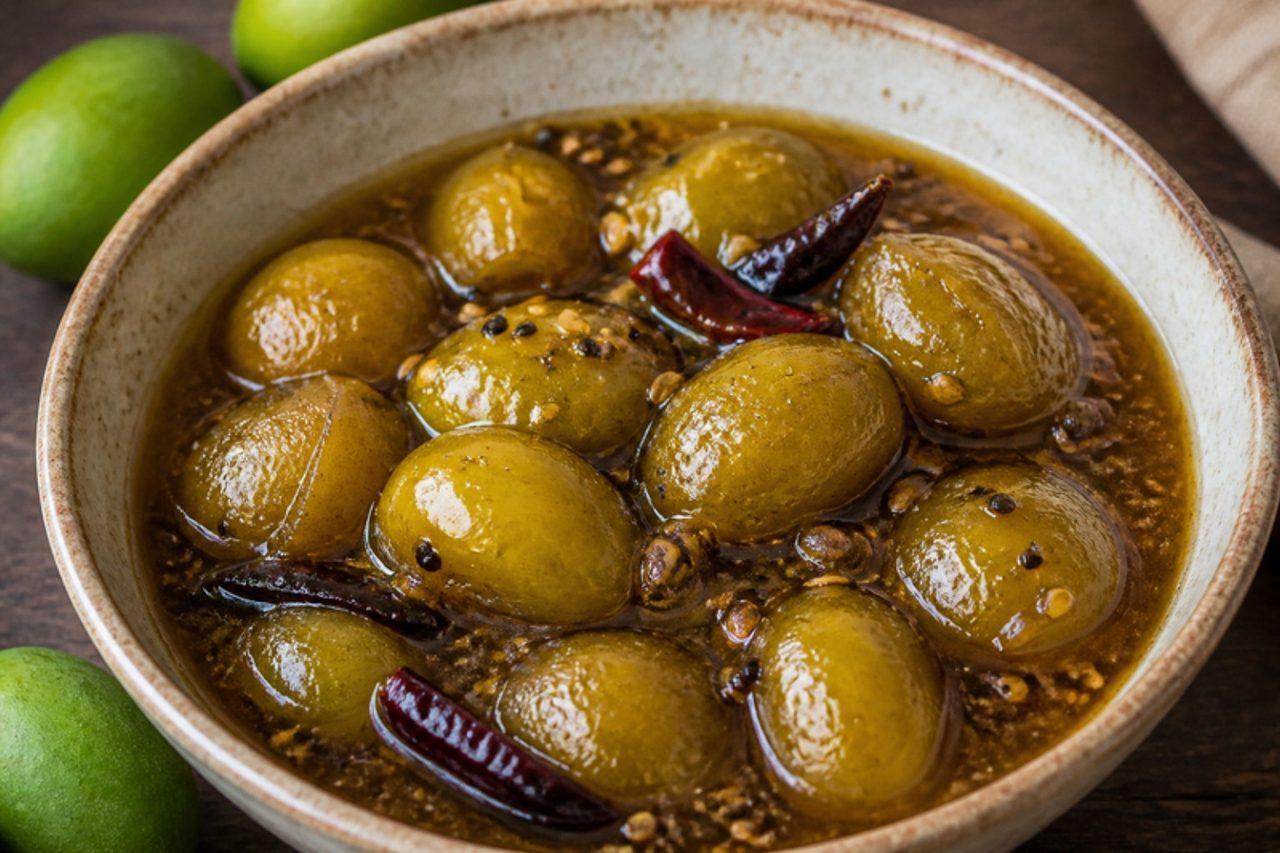
Amra chutneyHog plum chutney

Barisal is famous for its amra, the green, tart hog plums that pile up on market stalls from August to October, and every household there turns some of the harvest into a glossy, jammy chutney. The fruit is scored so the jaggery syrup can soak in, then simmered with panch phoron, dried chilli and a little turmeric until the flesh is soft around the hard, spiny stone. Sweet, sour and gently hot, it is served at the end of a wedding feast or a festive lunch, a spoonful eaten with the last of the rice, and children suck the stones clean. Cooking it too hard reduces the syrup to toffee once it cools, so stop while it still runs off the spoon. Chef's tip: if you can't find hog plums, sour green plums or a firm green mango cut into chunks make a good stand-in.

by KrazyBadal 0 views

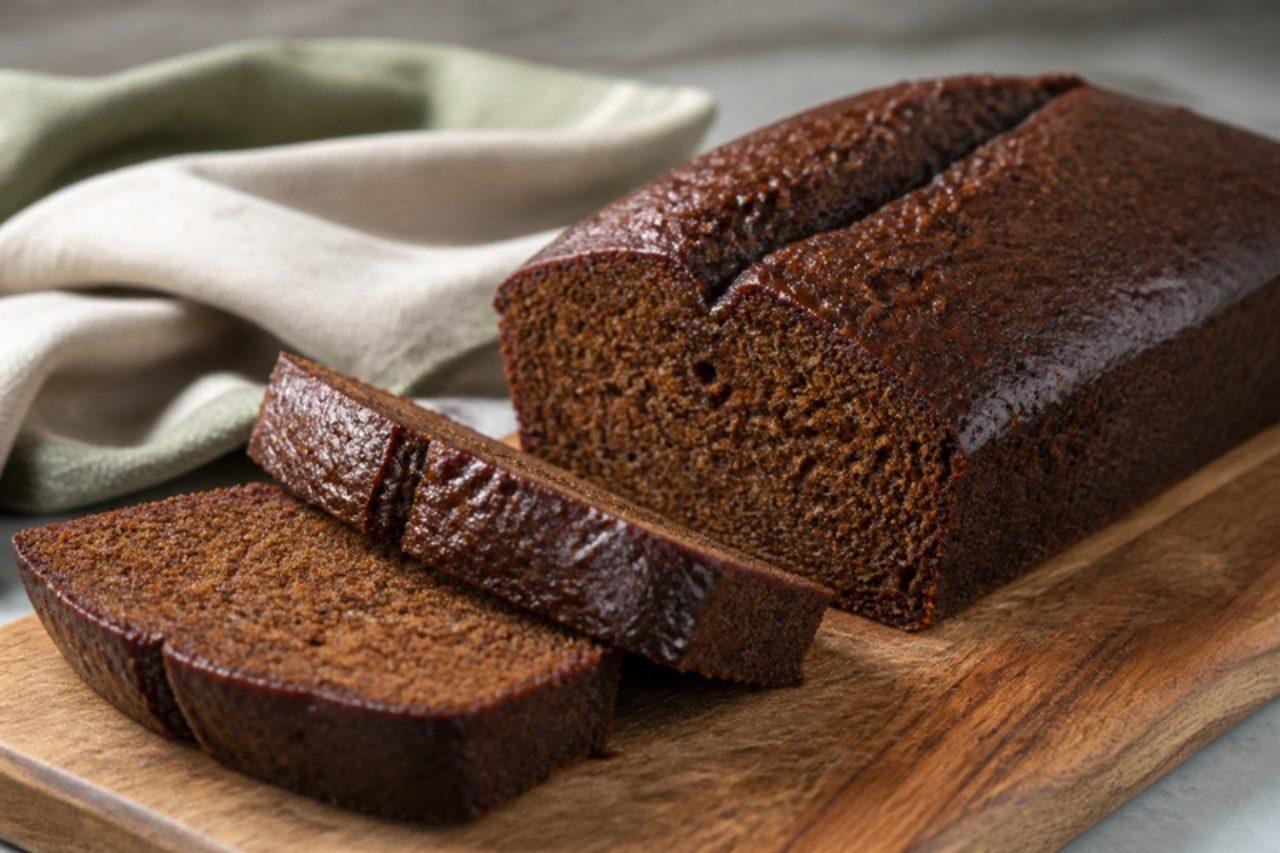
Bonbon siwoMolasses gingerbread cake

Bonbon siwo, "syrup cake", is the moist, dark gingerbread that Haitian families bake for birthdays, church sales and an ordinary Sunday, sliced into squares and eaten with a cup of sweet coffee. The siwo is molasses or cane syrup, which gives it a slightly bitter, smoky sweetness alongside ginger, cinnamon and nutmeg. The common mistake is overbaking: take it out as soon as a skewer comes out clean, or the edges dry and turn crusty. It contains egg, wheat and dairy. Chef's tip: mix the bicarbonate of soda into the hot water before adding it to the batter so it fizzes and lifts the cake evenly.

by KrazyBadal 0 views

Isso curryPrawn coconut curry

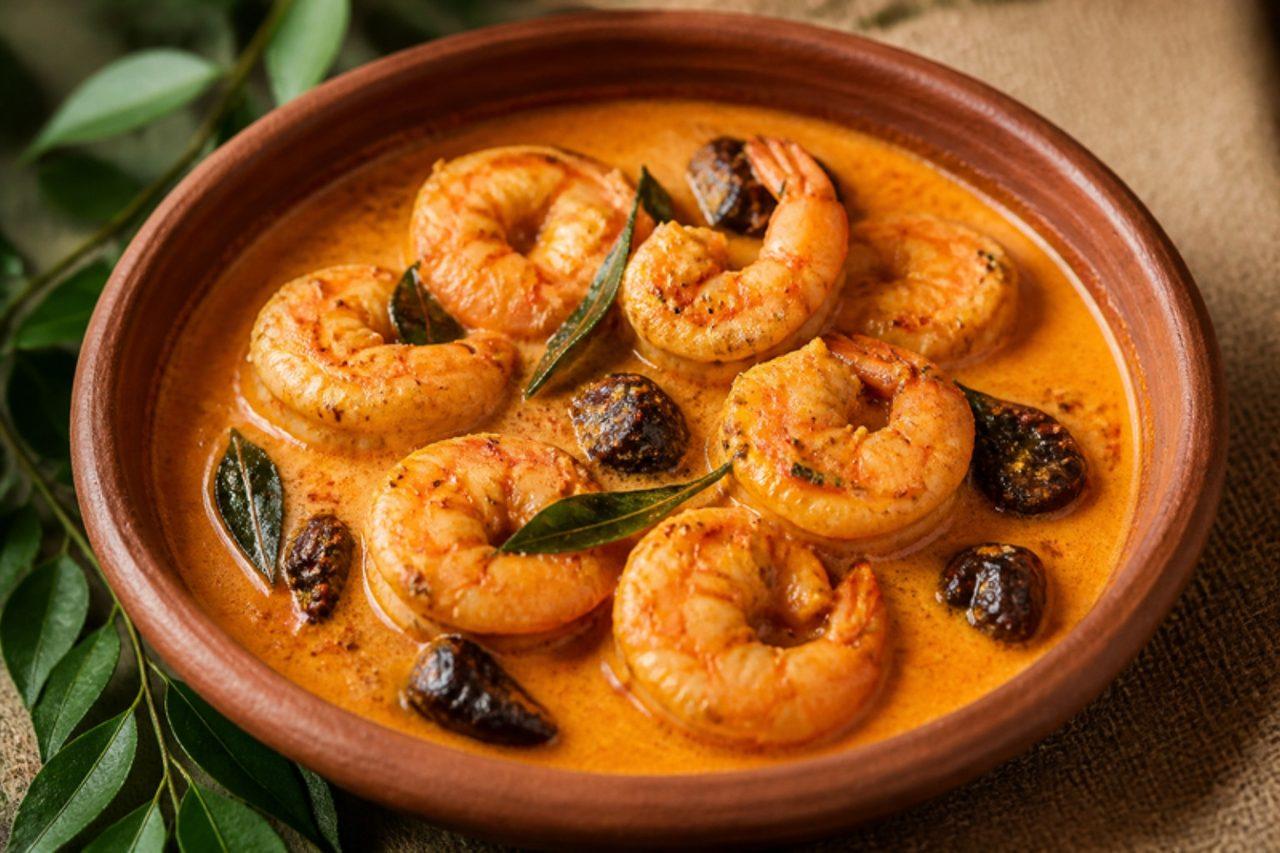
Fishing boats come into Mirissa, Weligama and the harbour below Galle Fort every morning, and southern cooks turn their prawns into a curry that is quick, hot and gently sour. Goraka, the dried fruit of a garcinia tree, is soaked and ground into the gravy, and it gives a fruity tang that suits seafood far better than lime. Thin coconut milk carries the spices first, then a splash of thick milk at the end makes the sauce silky and pale orange, and the prawns go in only for the last few minutes. It is served with steamed white rice, a beetroot or snake-gourd curry and a crunchy sambol. Beginners tend to add the prawns too early and let them stew, which leaves them tough and shrunken. Chef's tip: leave the tails on and cook the prawns just until they curl into a loose C; a tight O means overdone.

by KrazyBadal 0 views

Jamaican coconut dropsGinger coconut clusters

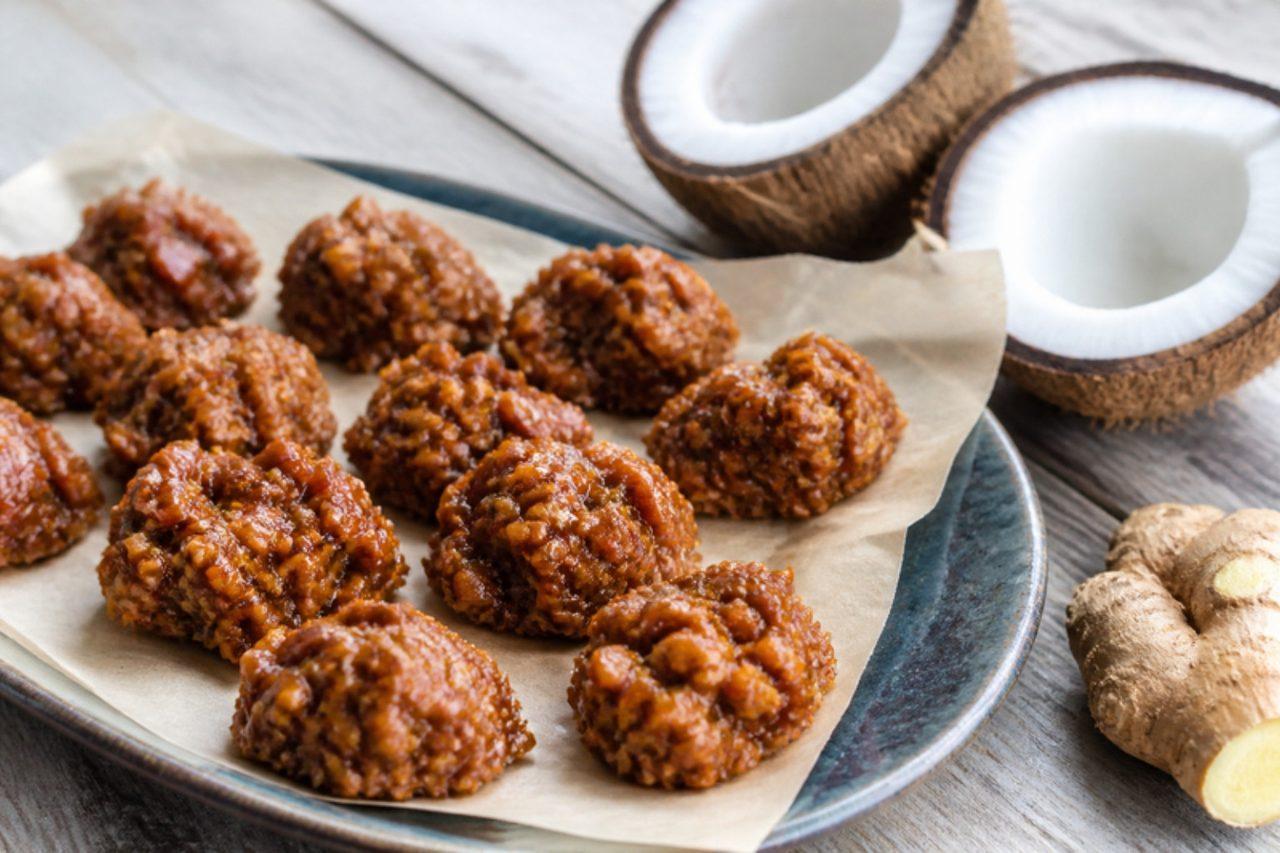
Coconut drops are the lumpy brown clusters sold beside grater cake at Jamaican roadside stalls and markets from Ocho Rios to Mandeville, made with coconut cut into small dice rather than grated, so every bite is chewy. Brown sugar and fresh ginger boil down around the coconut into a sticky, toffee-like glaze. The most common mistake is stopping before the syrup is thick enough, which leaves the drops wet and runny; it must coat the spoon heavily. Chef's tip: dice the coconut very small and even, about 5 mm, so the drops hold together.

by KrazyBadal 0 views

Jhinuk pithaShell-shaped coconut rice pitha

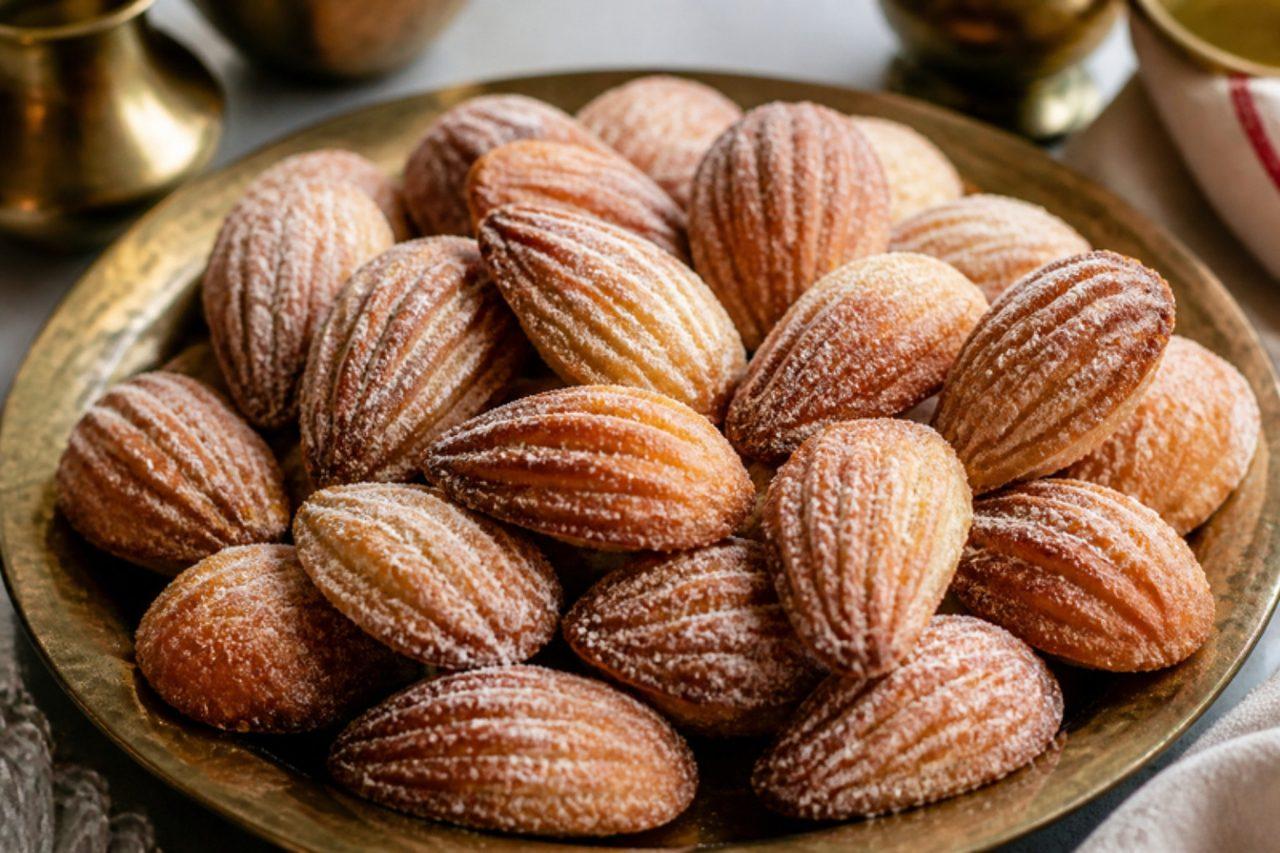
Jhinuk is the Bengali word for a freshwater mussel shell, and these little ridged, curled pithas look exactly like the shells children pick from village ponds in winter. Small balls of rice dough enriched with grated coconut are pressed against the back of a fork or a comb and rolled so they curl up with fine grooves on the outside, then fried crisp and tossed in a thick cardamom syrup that dries into a thin, frosty sugar coat. Across Bangladesh they are made in the cold months and around Poush Sankranti, piled on a plate for guests with tea, and they keep well in a tin. A thin syrup leaves them soggy instead of glazed, which is where most batches disappoint; it must be boiled until it threads between your fingers. Chef's tip: keep the dough balls under a damp cloth while you shape, so the edges don't crack as they curl.

by KrazyBadal 0 views

Ciorbă de pește lipoveneascăDelta fish soup

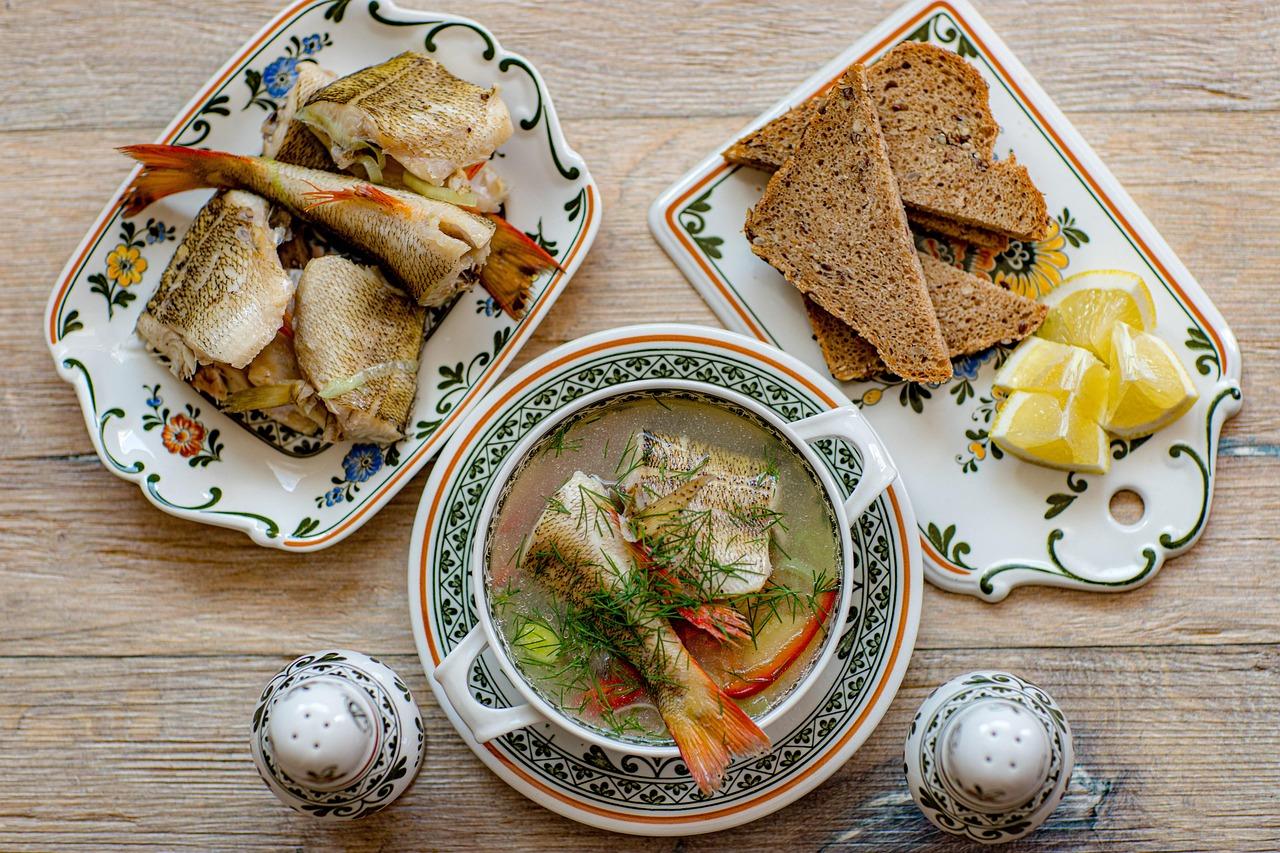
The Lipovans, Russian Old Believers who settled the Danube Delta villages of Jurilovca, Periprava and Mila 23 three centuries ago, cook their fish soup in a cauldron over a fire by the water. A broth is first made from the fish frames and tails with onion and pepper, strained, then the vegetables and thick pieces of several fish go in, usually carp, pike, zander and catfish, so each brings its own texture. The fish is lifted onto a platter and eaten with garlic sauce and mămăligă, while the clear, peppery, tomato-sharp broth is drunk from bowls. Where most cooks go wrong is stirring once the fish is in: it breaks into flakes. Shake the pot instead. Chef's tip: a splash of the cold sauerkraut juice or borș at the end, instead of lemon, gives the sourness Delta cooks prefer.

by KrazyBadal 0 views

Ciorbă de hribiPorcini soup

Late summer in the beech and spruce forests of Maramureș sends whole families out with baskets, and the first pot of the season is usually this sour porcini soup. Fresh hribi give it a meaty bite, a handful of dried ones deepen the broth, and a spoon of vinegar plus sour cream turns it into a proper ciorbă: tangy, creamy and smelling of the woods. It is eaten as a first course with a slice of rye bread and a fresh hot pepper on the side, often during the Orthodox fasting weeks in its cream-free form. The usual slip is stirring cold sour cream straight into the pot, where it splits into white flecks; warm it with a ladle of broth first. Chef's tip: keep the soaking water from the dried porcini and pour it in slowly, leaving the last spoonful and its grit behind in the bowl.

by KrazyBadal 0 views

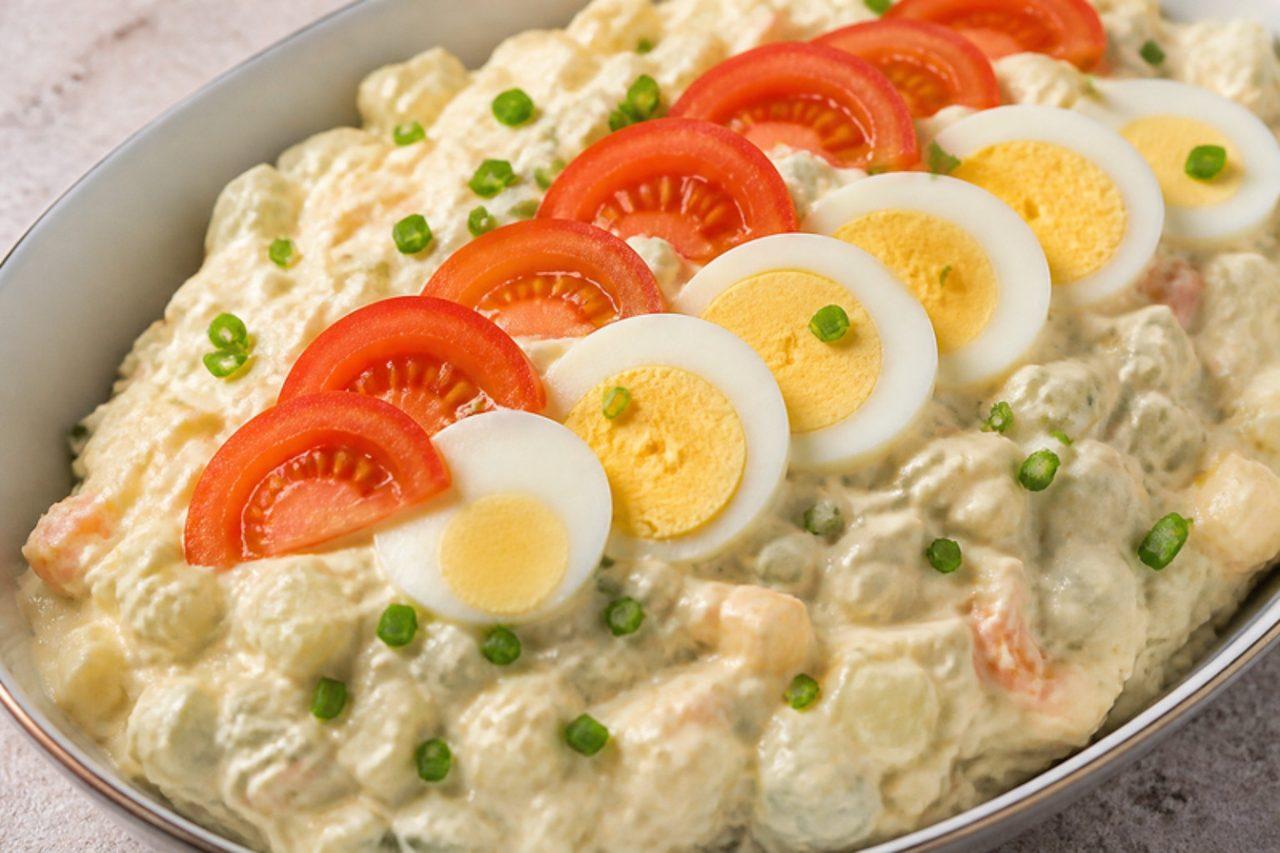
HuzarensaladePotato, pickle and egg salad

Huzarensalade, 'hussars' salad', is the potato salad of Dutch birthdays and New Year's Day: diced potato, pickled gherkins, pickled onions, apple and boiled egg bound in mayonnaise, shaped into a mound and decorated with lettuce, tomato, egg and cucumber. It is normally made with cubes of cooked beef; this vegetarian version adds peas and a little extra egg. A common mistake is mixing warm potatoes with mayonnaise, which turns it greasy and loose. Chef's tip: let the potatoes cool completely and add a splash of pickle vinegar first, so they soak up flavour before the mayonnaise goes in.

by KrazyBadal 0 views

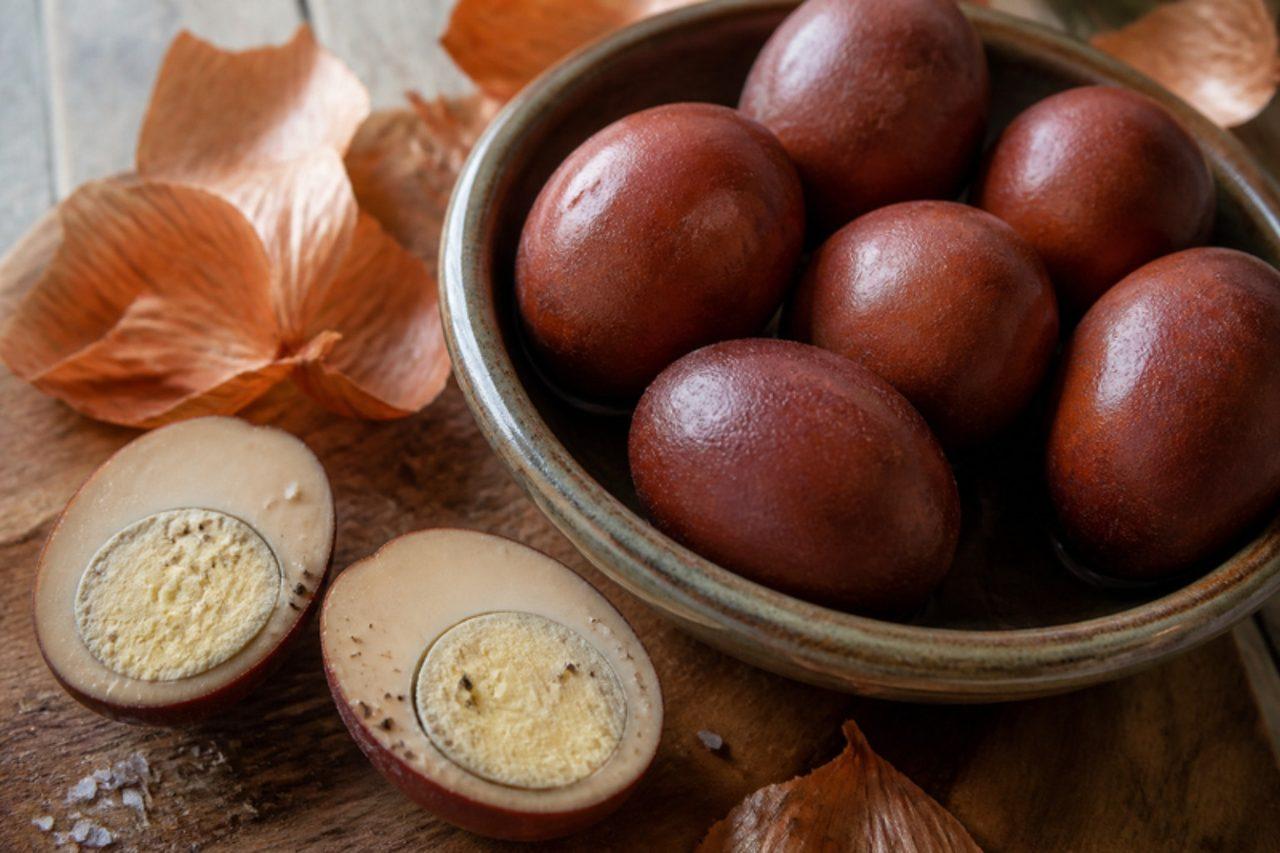
Huevos haminadosOvernight slow-cooked eggs

Sephardic families of Turkish and Greek origin in Jerusalem's Nachlaot and in Bat Yam tuck eggs into the Shabbat hamin or simmer them alone overnight, and by morning the shells are mahogany and the whites a pale coffee colour. The long, gentle heat turns the yolks creamy and the whites soft and faintly savoury, with none of the sulphur smell of a fast boiled egg. Serve them with bourekas, cucumber salad and grated tomato on Shabbat morning or at a Passover seder. The mistake is letting the pot boil hard, which cracks the shells and makes the whites rubbery. Chef's tip: a tight lid and the lowest oven setting are all you need; top up the water at bedtime so the eggs never go dry.

by KrazyBadal 0 views

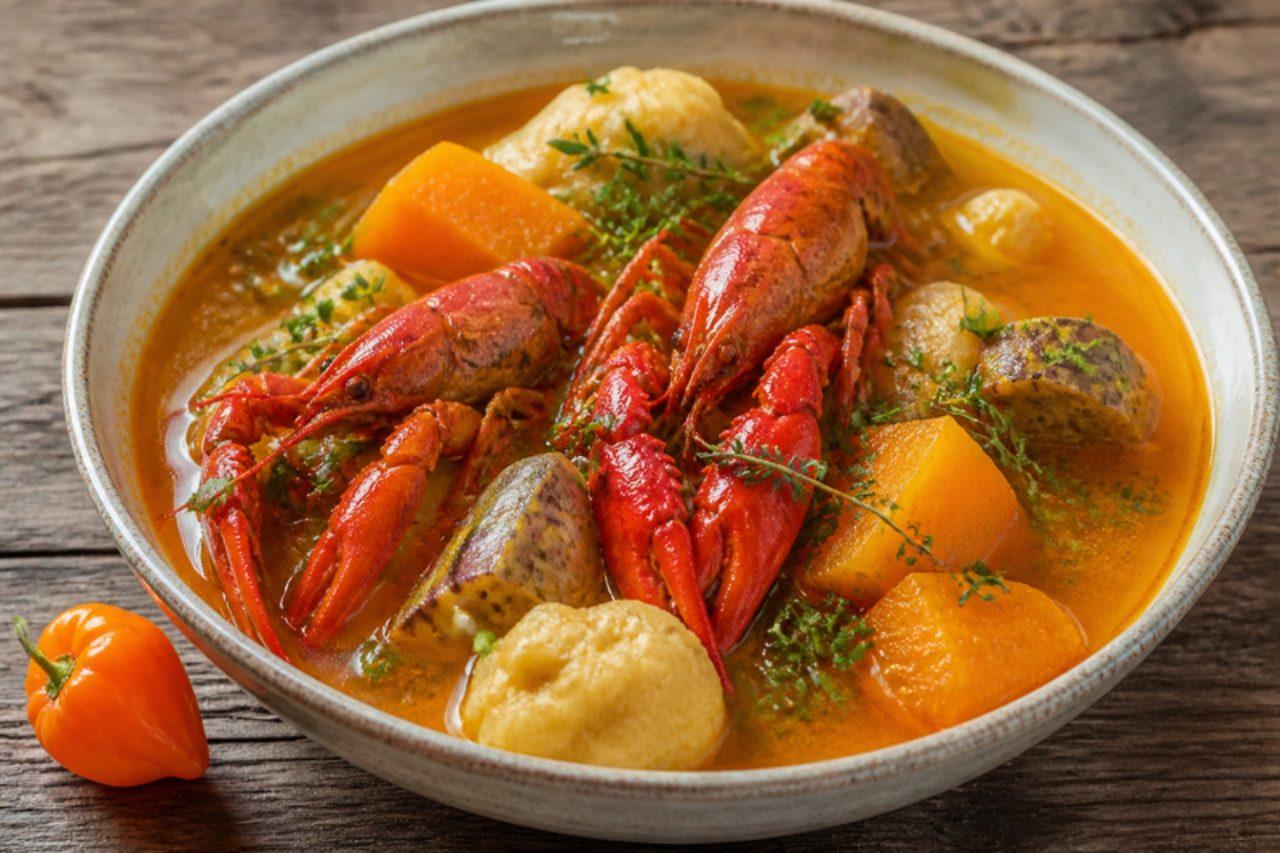
Jamaican janga soupCrayfish soup

In the river valleys of Portland, around the Rio Grande, children once caught janga (freshwater crayfish) with baskets in the shallows, and the catch went into a deep red, peppery soup said to give strength. Pumpkin, coco (eddoe) and flour dumplings make it hearty, and scotch bonnet and pimento give it heat and warmth. Buy live crayfish from a fishmonger, or use frozen cooked crayfish tails or large prawns. The common mistake is cooking the shellfish from the start; add it at the end so it stays sweet and tender. Before cooking, discard any live crayfish that are dead, limp or smell bad. Chef's tip: simmer the shells in the broth first for a deeper, sweeter flavour.

by KrazyBadal 0 views

Ciorbă de pui cu tarhonChicken soup with tarragon

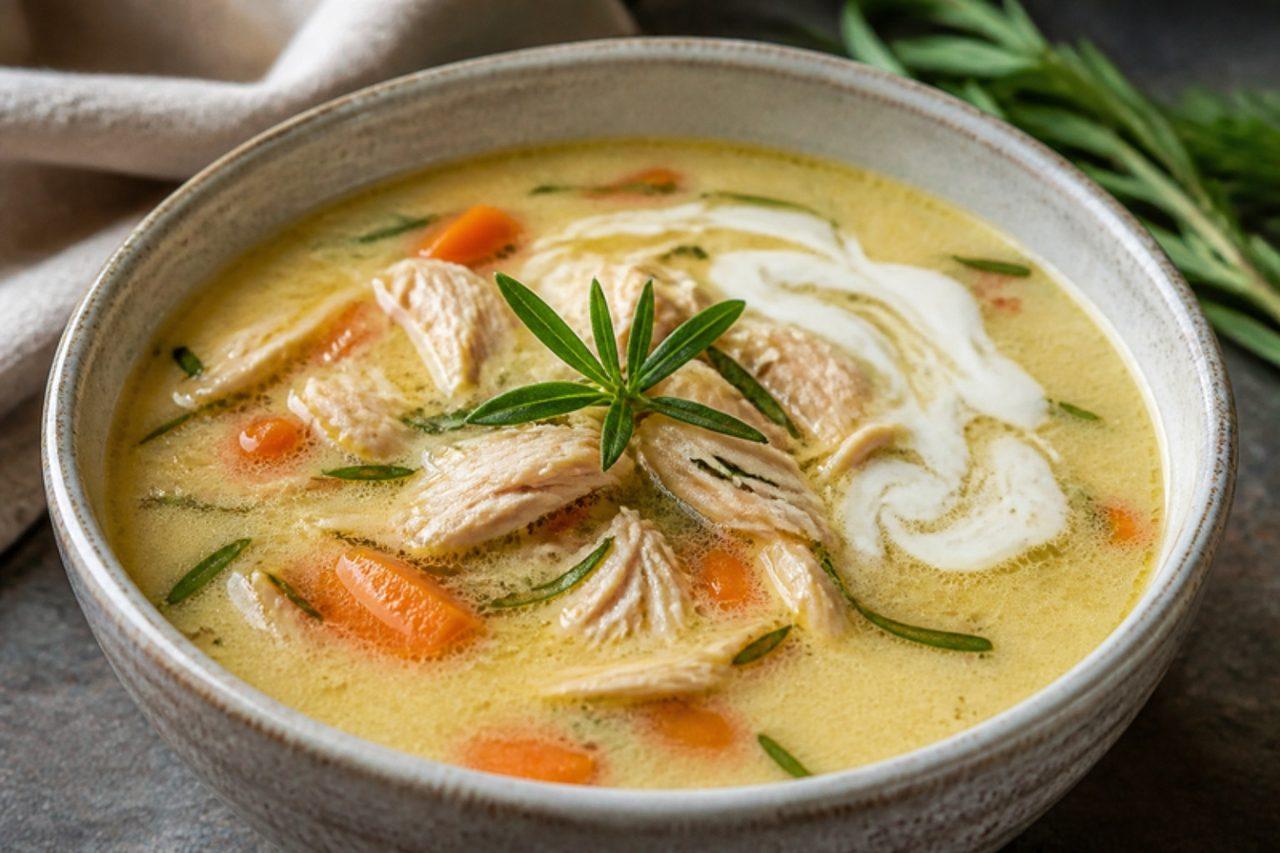
Tarragon grows in almost every garden in Transylvania, from Saxon villages near Sibiu to the Hungarian towns of Harghita, and it is what makes this chicken soup taste of the region. Pieces of chicken simmer with root vegetables and potato, the pot is soured with a splash of vinegar, and at the end sour cream and a big handful of chopped tarragon go in, giving a pale, creamy broth with a gentle aniseed lift. Unlike the egg-thickened soups of Moldavia, this one stays light and brothy. It is eaten as the first course of a Sunday lunch, with fresh bread and a hot pepper. A common mistake is adding the tarragon too early; long cooking turns it bitter and grey, so stir it in just before serving. Chef's tip: a spoon of tarragon pickled in vinegar, as Transylvanian cooks keep it, does the souring and flavouring in one.

by KrazyBadal 0 views

Anda parathaEgg-stuffed paratha

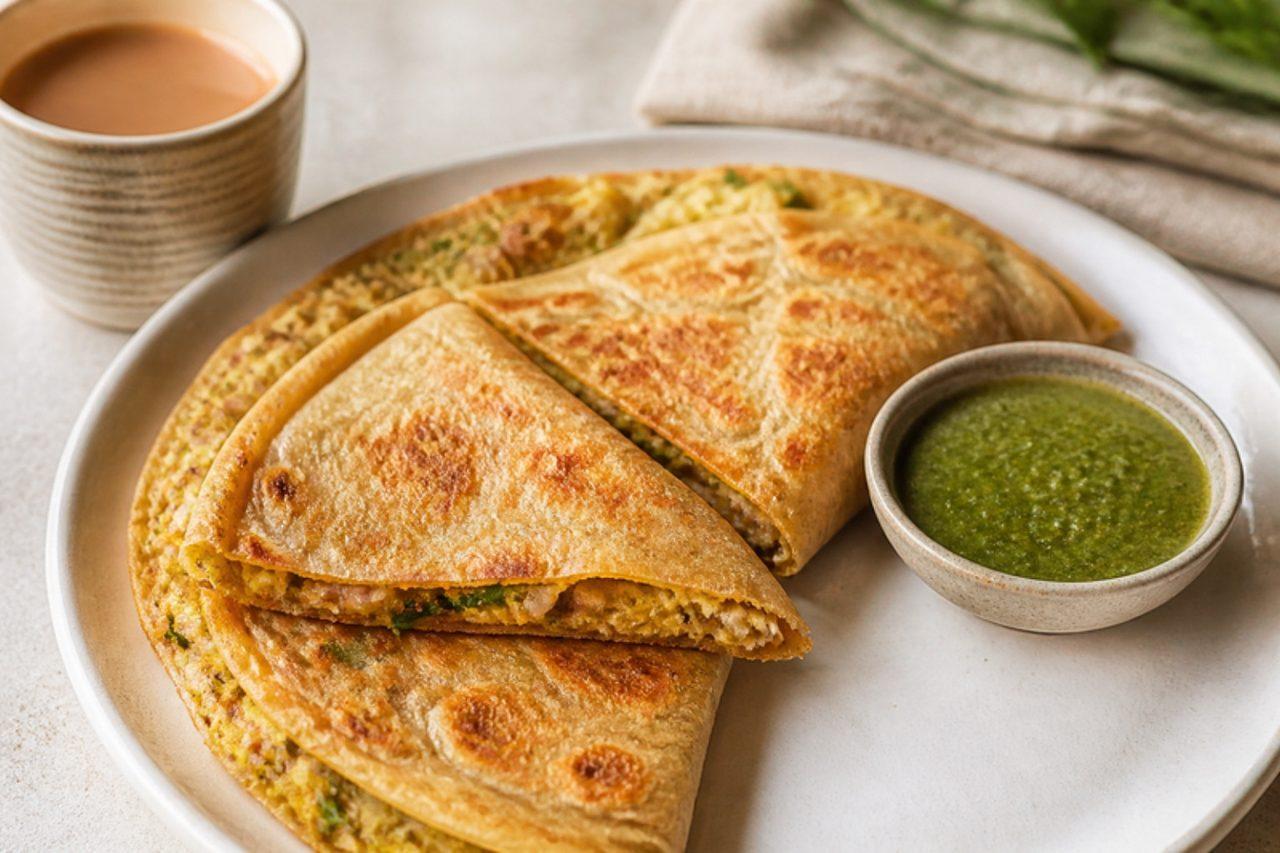
At the dhabas along the GT Road and the breakfast stalls of Rawalpindi's Saddar, the paratha-wala cracks an egg straight into a bowl with onion and chilli, half-cooks a paratha, pours the egg over and flips the whole thing onto the tawa so the egg fries into the bread. The result is one golden, layered disc that is crisp at the edges, soft where the egg meets the dough, and peppery with green chilli. Truck drivers, students and office workers eat it folded in half with chai, ketchup or green chutney, and it is a common packed lunch for school because it needs no curry. The problem most people run into is pouring the egg onto a raw paratha, which tears, or onto a fully cooked one, which will not let the egg stick. Chef's tip: cook the first side only until brown spots appear, then add the egg to the cooked side and flip so the egg sets against the hot iron.

by KrazyBadal 0 views

Anday ka halwaEgg halwa

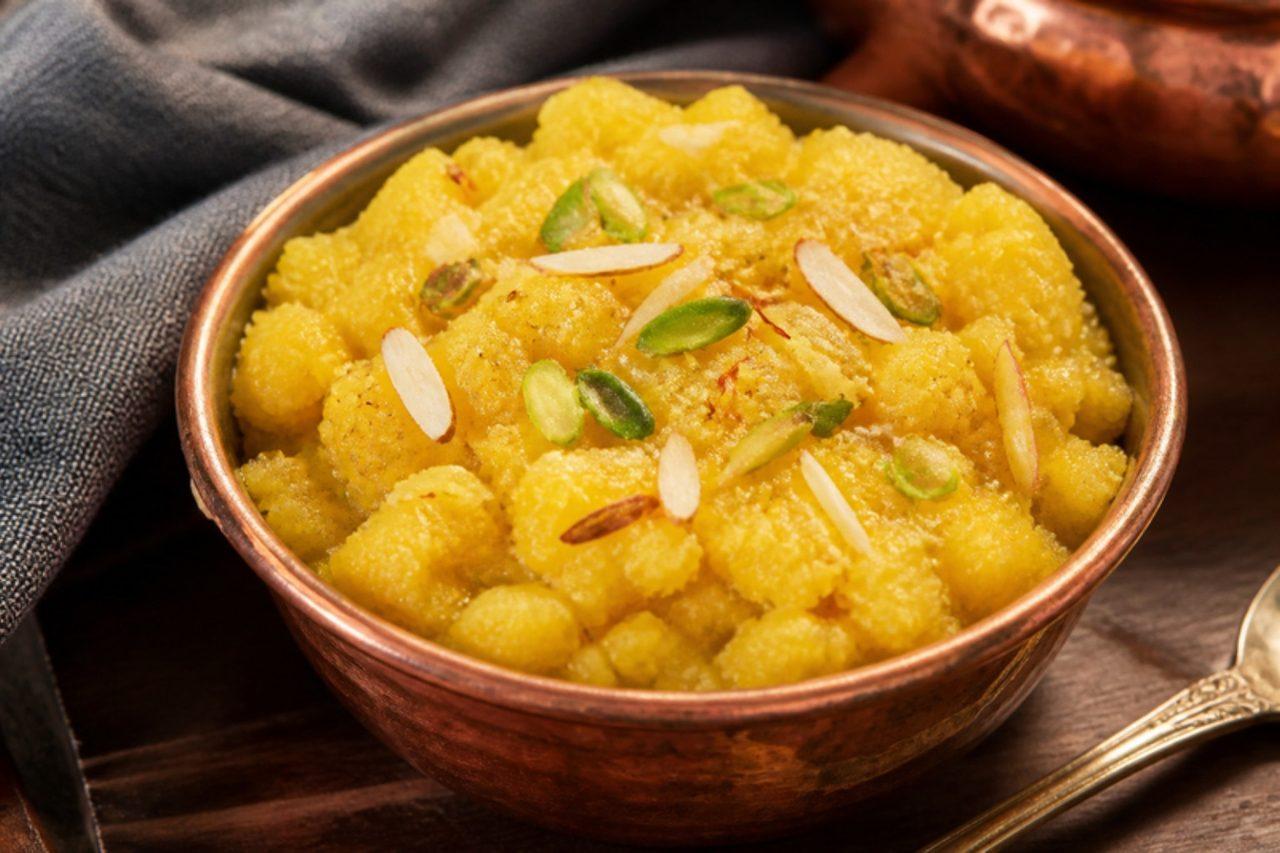
Sweet, golden and grainy like a rich crumble, egg halwa is the quick showpiece of Hyderabadi and Karachi home kitchens, made when unexpected guests arrive or for a winter Sunday, and it fills the house with the smell of ghee and cardamom. Eggs are beaten with milk, sugar and milk powder, then stirred in ghee until the custard sets, breaks and finally fries into soft, sandy granules that cling together like khoya; there is no eggy taste once it is properly cooked. It is served warm in small bowls, topped with almonds and pistachios, sometimes with a few saffron threads. The commonest failure is stopping too soon, when the halwa is still wet and scrambled-egg-like, rather than cooking on until it turns granular and golden and the ghee separates. Chef's tip: strain the beaten egg mixture through a sieve before cooking, which removes the stringy whites and gives a smooth, even grain.

by KrazyBadal 0 views

AndijviestamppotEndive and Gouda mash

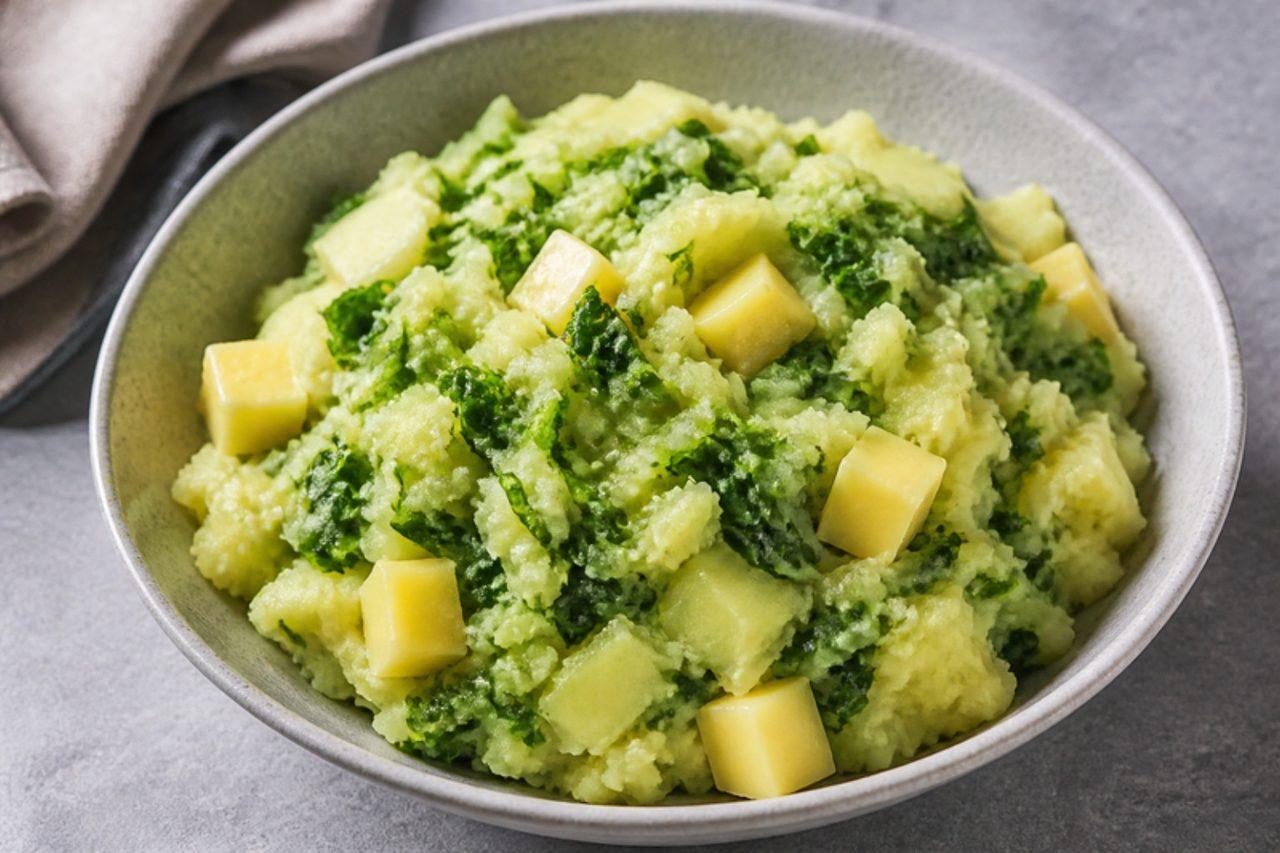
Stamppot, mashed potato stirred with vegetables, is the Dutch winter dinner, and the endive version is a little lighter: raw, finely shredded curly endive is stirred into piping-hot mash, so it wilts slightly but keeps a fresh, bitter crunch, then cubes of aged Gouda are folded in and start to melt. Dutch families eat it with gravy and a smoked sausage; this vegetarian version uses a pool of brown butter. Aged Gouda is usually made with animal rennet, so choose a vegetarian aged Gouda-style cheese. A common mistake is cooking the endive, which turns it soggy and grey. Chef's tip: stir the endive in off the heat at the very last moment.

by KrazyBadal 0 views

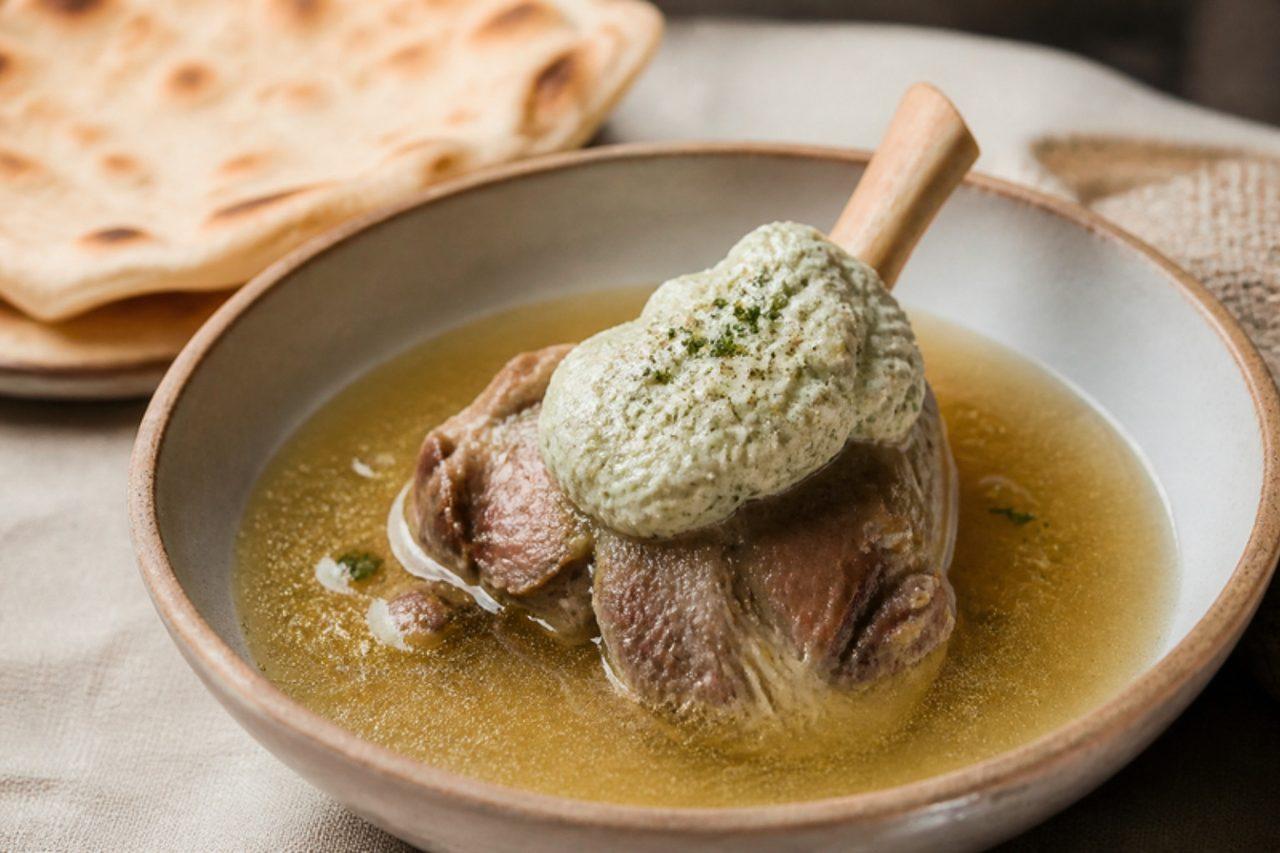
Hulbat marakLamb broth with whipped fenugreek

Inside the old walled city of Harar, cooking carries the flavours of centuries of trade with Arabia, and hulbat marak shows it clearly. A light, golden lamb broth, scented with cumin, turmeric and cardamom, is ladled into bowls and topped with a spoonful of hulbat: fenugreek soaked, then whipped with lemon and green chilli into a pale, frothy cream. Torn flatbread goes in to soak up the broth, and the slightly bitter, tangy foam slowly melts into the soup as you eat. It is warming, delicate and not spicy at all. Chef's tip: soak the fenugreek for at least 2 hours and pour off the water; that is what keeps the topping mellow rather than harshly bitter.

by KrazyBadal 0 views

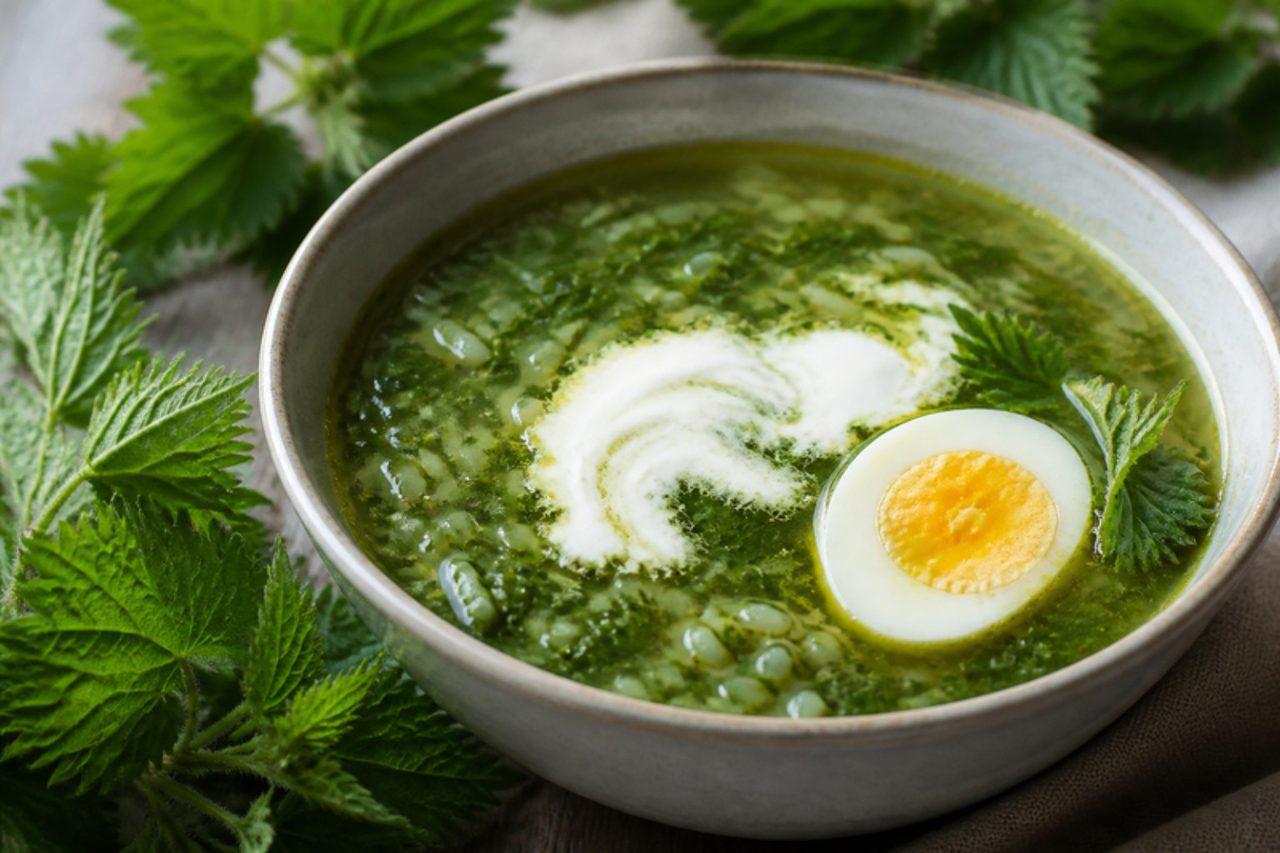
Ciorbă de urziciNettle soup

Around Iași and in the Moldavian hills, the first young nettles of March and April arrive just as the long Easter fast begins, and a green, sour ciorbă de urzici is often the first fresh vegetable dish of the year. It is a vegan post dish: nettle tops, spring onions and a little rice simmered together, then soured with borș until the broth is bright and tangy, with a grassy, spinach-like depth. Wear gloves to pick and wash the nettles and use only the young tops, the first four to six leaves; older, flowering plants turn tough and gritty. The classic error is boiling the nettles for too long, which makes them grey and stringy. Chef's tip: add a handful of chopped lovage with the borș, as it gives the soup its unmistakably Moldavian flavour.

by KrazyBadal 0 views

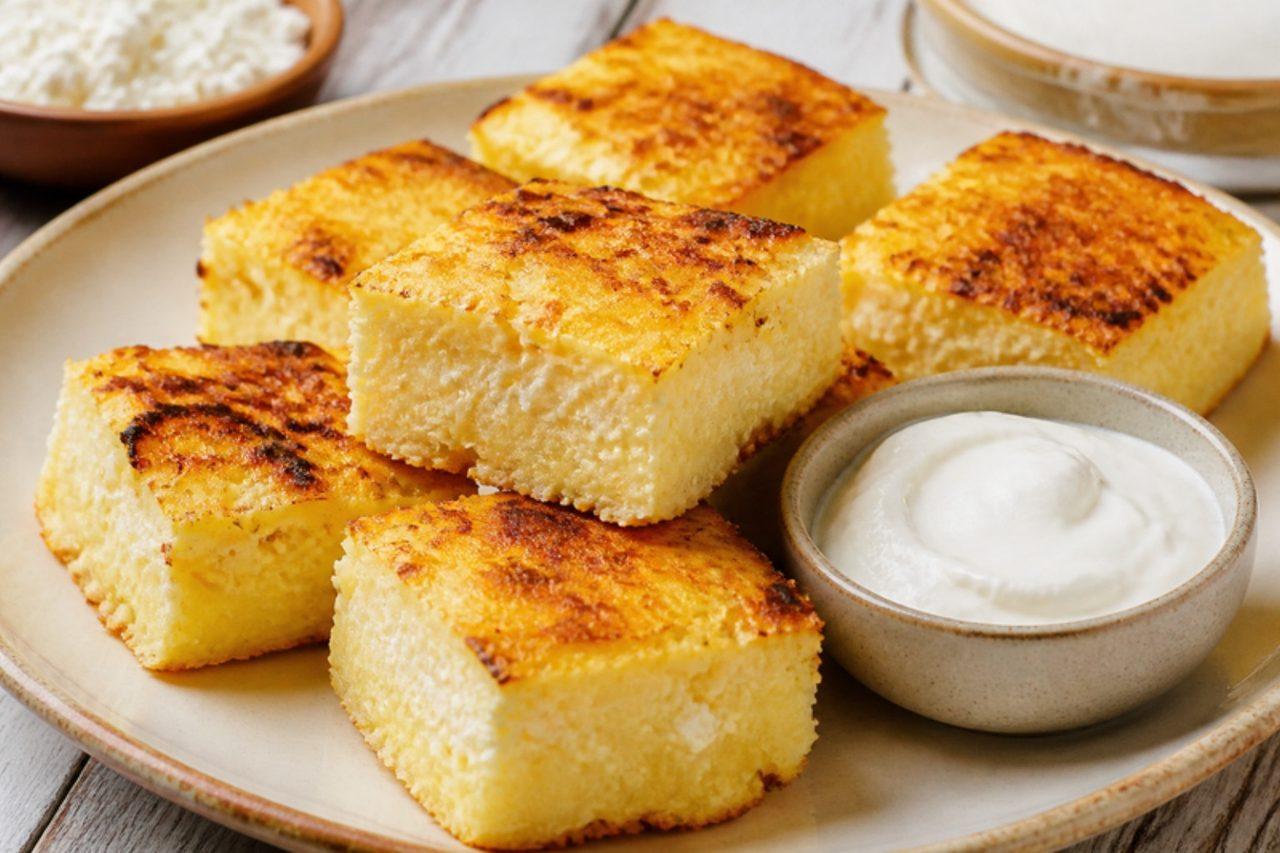
AlivenciCornmeal and cheese cake

Across the Prut, in villages from Vaslui to the Republic of Moldova, alivenci is what happens when a farmhouse has fresh cheese, sour cream and a sack of cornmeal: a soft, custardy cake baked in a tray and cut into squares while warm. It is lighter than mămăligă and richer than bread, with a tender, slightly crumbly crumb studded with curd, and is eaten for Sunday breakfast or as a side with stews and a dollop of sour cream. Traditional brânză de vaci (cottage-style cheese) is usually made without rennet, but some brands use it, so check the label. Where most people go wrong is using coarse polenta, which stays gritty; fine cornmeal gives the silky texture. Chef's tip: let the batter sit for 15 minutes before baking so the cornmeal hydrates and the cake sets evenly.

by KrazyBadal 0 views

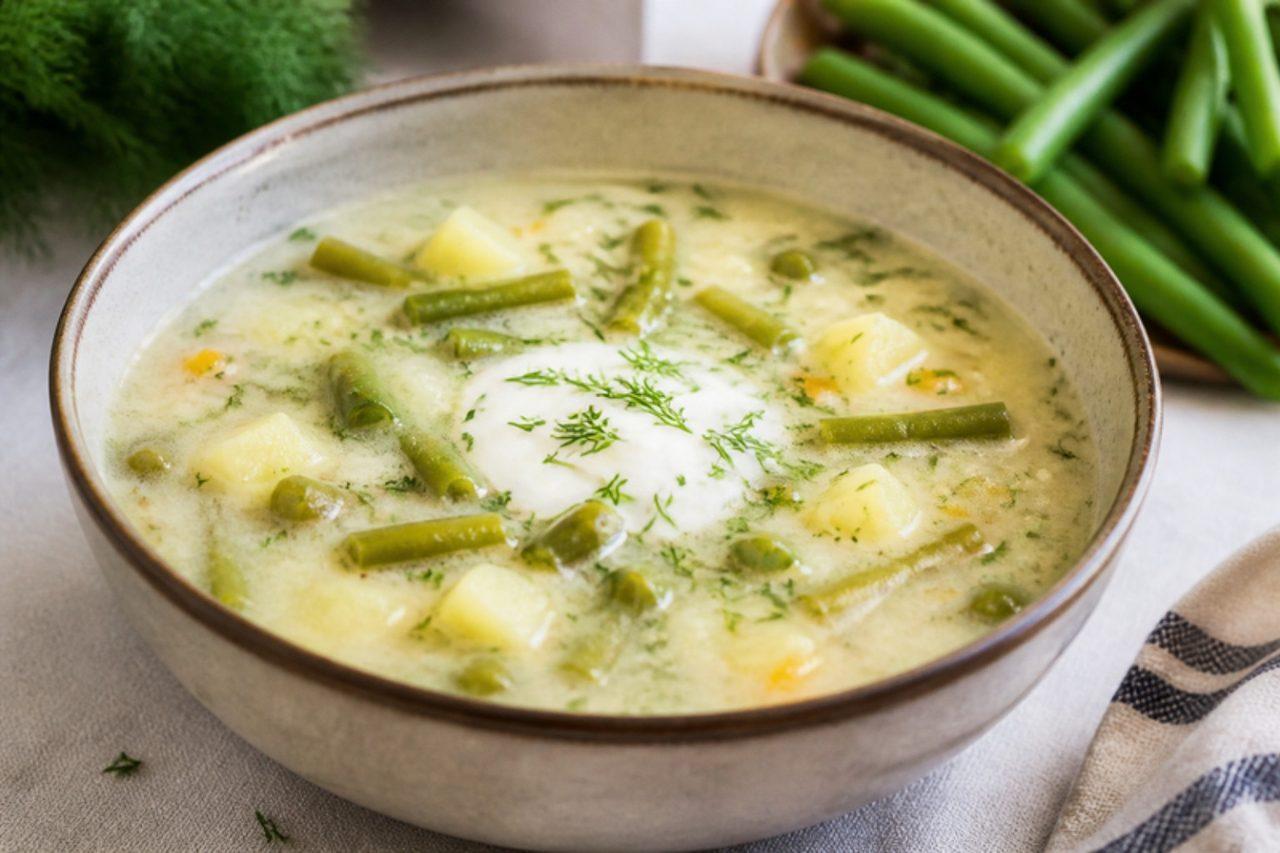
Ciorbă de fasole verdeGreen bean soup

High summer in Transylvania means green beans by the basketful, and both Romanian and Hungarian households around Cluj and Târgu Mureș turn them into this pale, creamy, sour soup, which Hungarian cooks call tejfölös zöldbableves. Beans, potato and a little pepper simmer in a light tomato broth that is soured with vinegar, then finished off the heat with sour cream and a fistful of dill, so every spoonful is tangy, silky and fresh. Serve it hot for lunch with good bread, or with mămăligă for a thicker meal. The classic mistake is tipping cold sour cream straight into the boiling pot, where it curdles into flecks; temper it with hot broth first. Chef's tip: add the vinegar gradually and taste, as the soup should be bright but not sharp.

by KrazyBadal 0 views

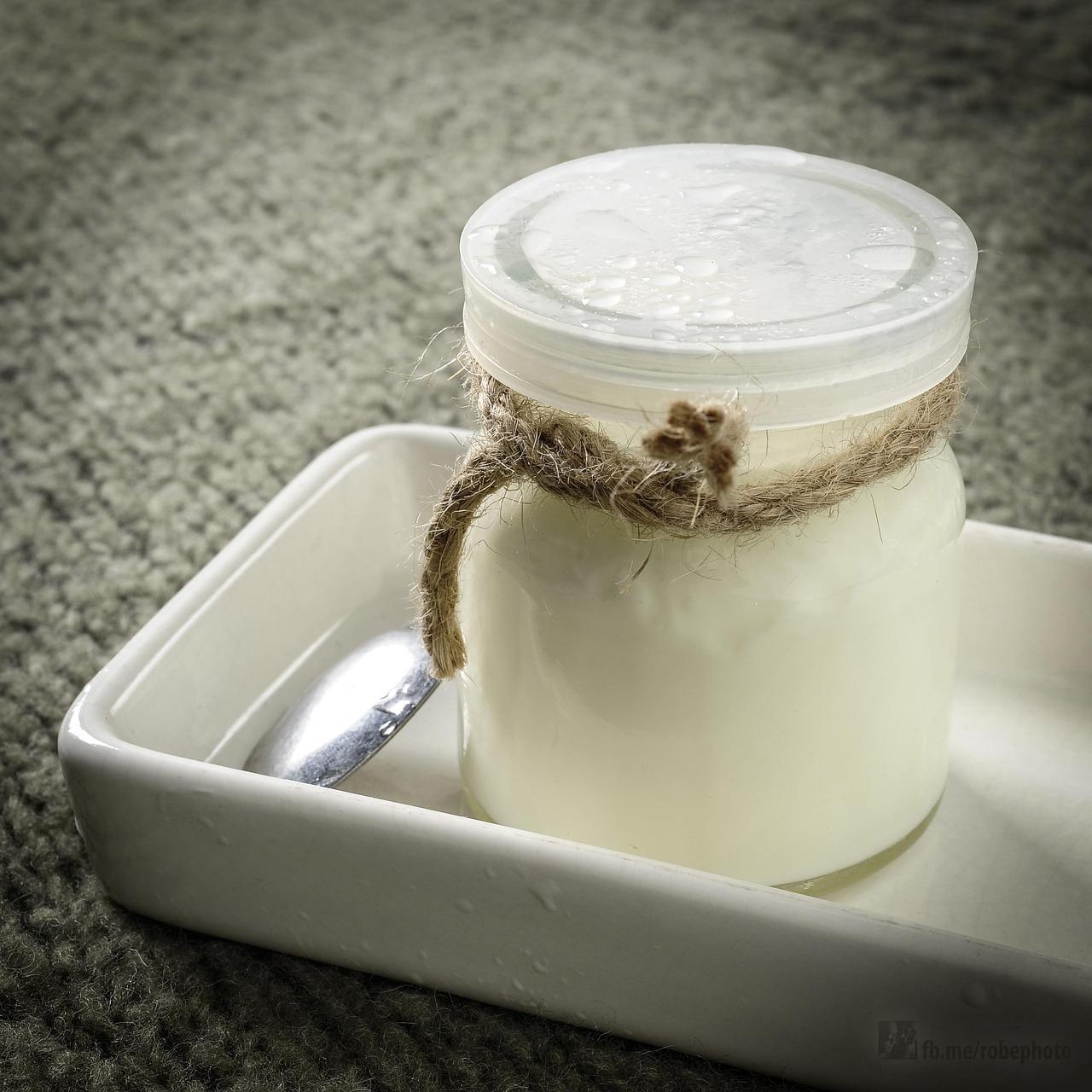
HusliankaFermented Hutsul milk

High in the Hutsul villages around Verkhovyna and Kosiv, milk was boiled, cooled and left to sour in a wooden keg called a berbenytsia, which held the cultures from the last batch and gave the drink its name and its gentle tang. The result is huslianka: thicker than kefir, smooth like loose yogurt, with a fresh, clean sourness that shepherds drank with mamalyha and new potatoes. Today you will find it bottled at Carpathian markets, but it is easy to make in a glass jar at home. For safety, always start from pasteurised milk, use a scrupulously clean jar and move it to the fridge as soon as it sets. The usual slip is adding the starter while the milk is still hot, which kills the cultures, so cool it to body temperature first. Discard any batch that grows fuzzy or pink mould or smells unpleasant. Chef's tip: keep two spoons of each batch to start the next one; the flavour gets rounder with every round.

by KrazyBadal 0 views

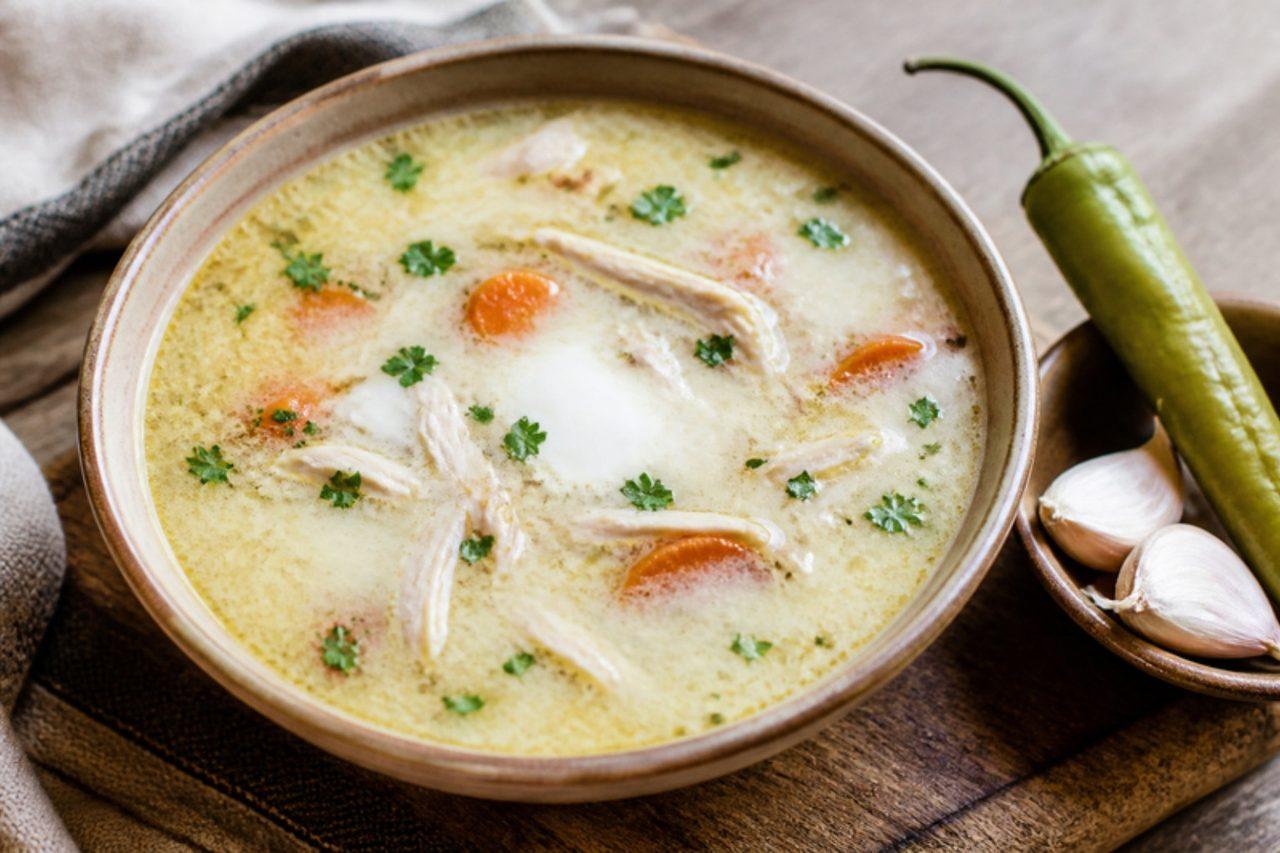
Ciorbă rădăuțeanăSour chicken soup with garlic

Rădăuți, a small town in Bukovina, gave its name to this soup in the 1970s, when a local restaurant cook began treating chicken the way Romanians treat tripe: a clear broth, soured with vinegar and thickened at the end with egg yolks, sour cream and plenty of garlic. The result is pale gold, velvety and tangy, with tender shreds of chicken; many prefer it to the tripe original, and it is a firm favourite at Suceava wedding lunches and the morning after. Serve it with a fresh hot pepper, extra garlic paste and warm bread. The mistake almost everyone makes once is letting the soup boil after the yolks go in, so they scramble; temper them, then keep the pot hot but below a simmer. Chef's tip: add the vinegar a spoon at a time at the very end; it should taste clearly sour but never vinegary.

by KrazyBadal 0 views

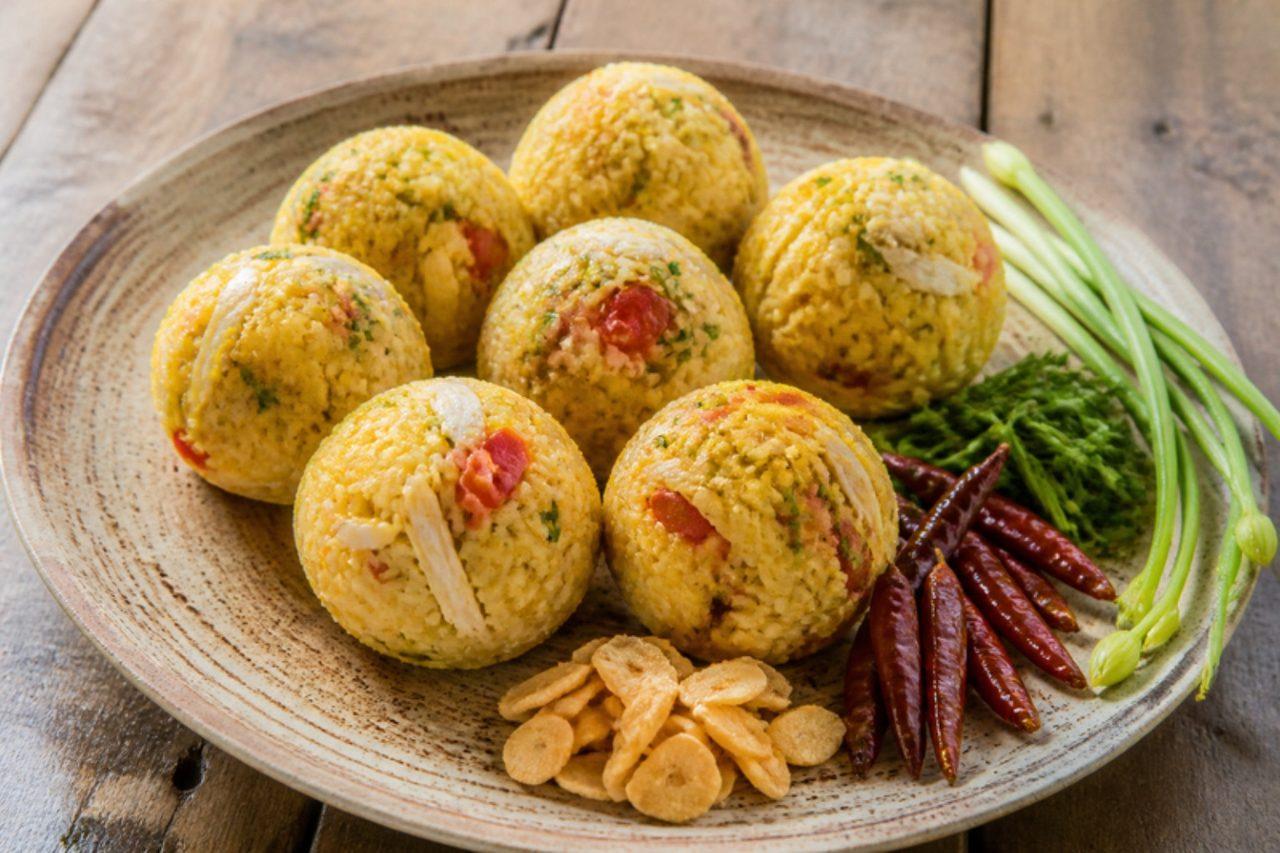
Htamin jinSour rice with fish

On the floating gardens and stilt-house kitchens of Inle Lake, the Intha make htamin jin to take out on the boats or to sell at the rotating five-day markets around the shore. Warm rice coloured with turmeric is kneaded by hand with flaked lake fish and tomatoes cooked down in garlic oil, then pressed into soft, tangy balls the size of a fist. It is eaten at room temperature, dressed with more garlic oil and crispy garlic, with fried dried chillies, whole raw garlic cloves and garlic chives on the side for crunch. Many cooks use firm, day-old rice, which never binds and crumbles apart; use freshly cooked rice that is a touch soft and still warm. Chef's tip: wear a food-safe glove and knead like dough for a full couple of minutes; the more you work it, the smoother and more evenly sour each ball becomes.

by KrazyBadal 0 views

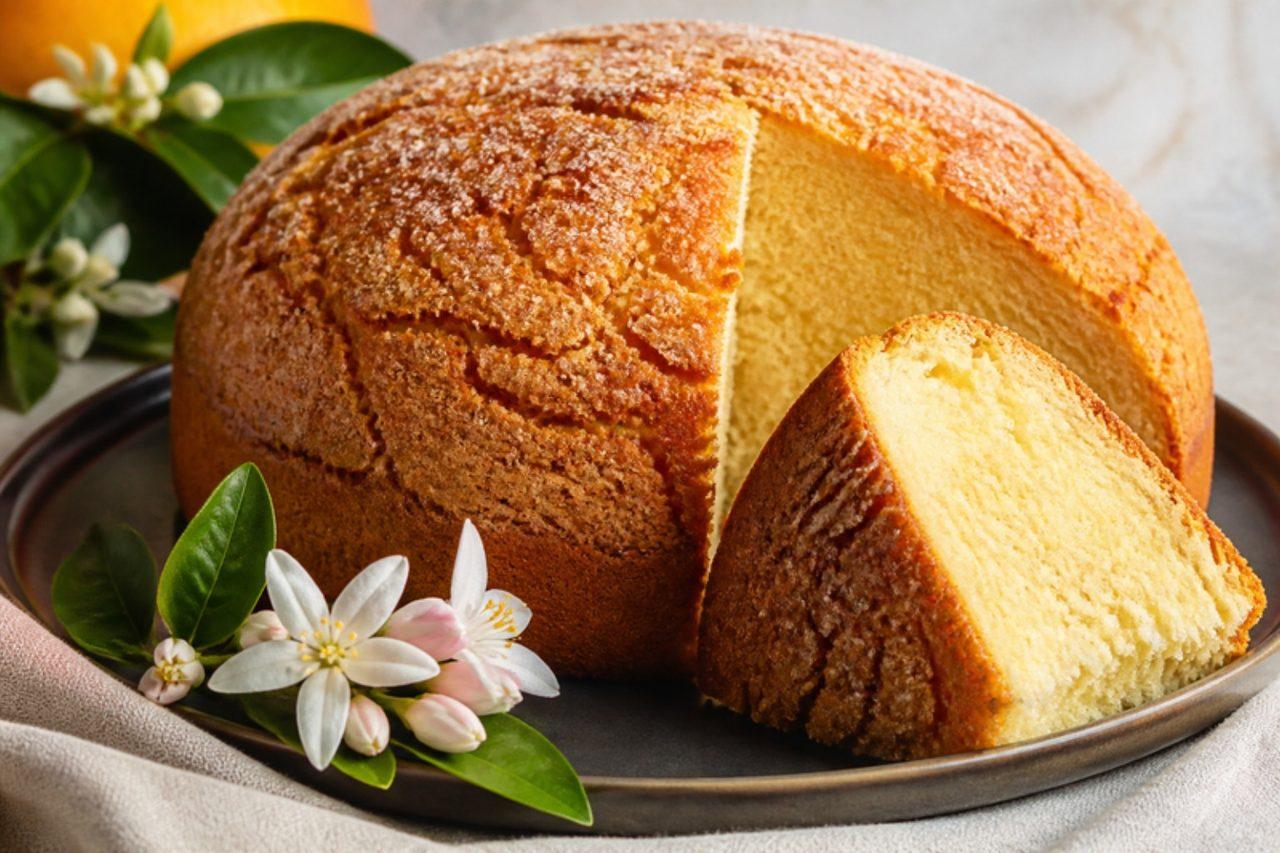
MounaOrange-flower brioche

Oran's mouna came over with Spanish settlers as the Easter mona, and it is still baked for spring outings, recalling the Easter Monday picnics once held at the Santa Cruz chapel above the city. It is a tall, light, golden brioche with a crackly sugar crust, softly flavoured with orange-flower water and lemon zest rather than butter-heavy, and it tears into long, feathery strands. Eat it with coffee or hot chocolate, plain or with jam. The dough is slow and sticky, so give it time. Chef's tip: let the dough rise slowly overnight in the fridge after the first knead; it becomes easier to shape and the flavour deepens.

by KrazyBadal 0 views

MatlouhSemolina flatbread

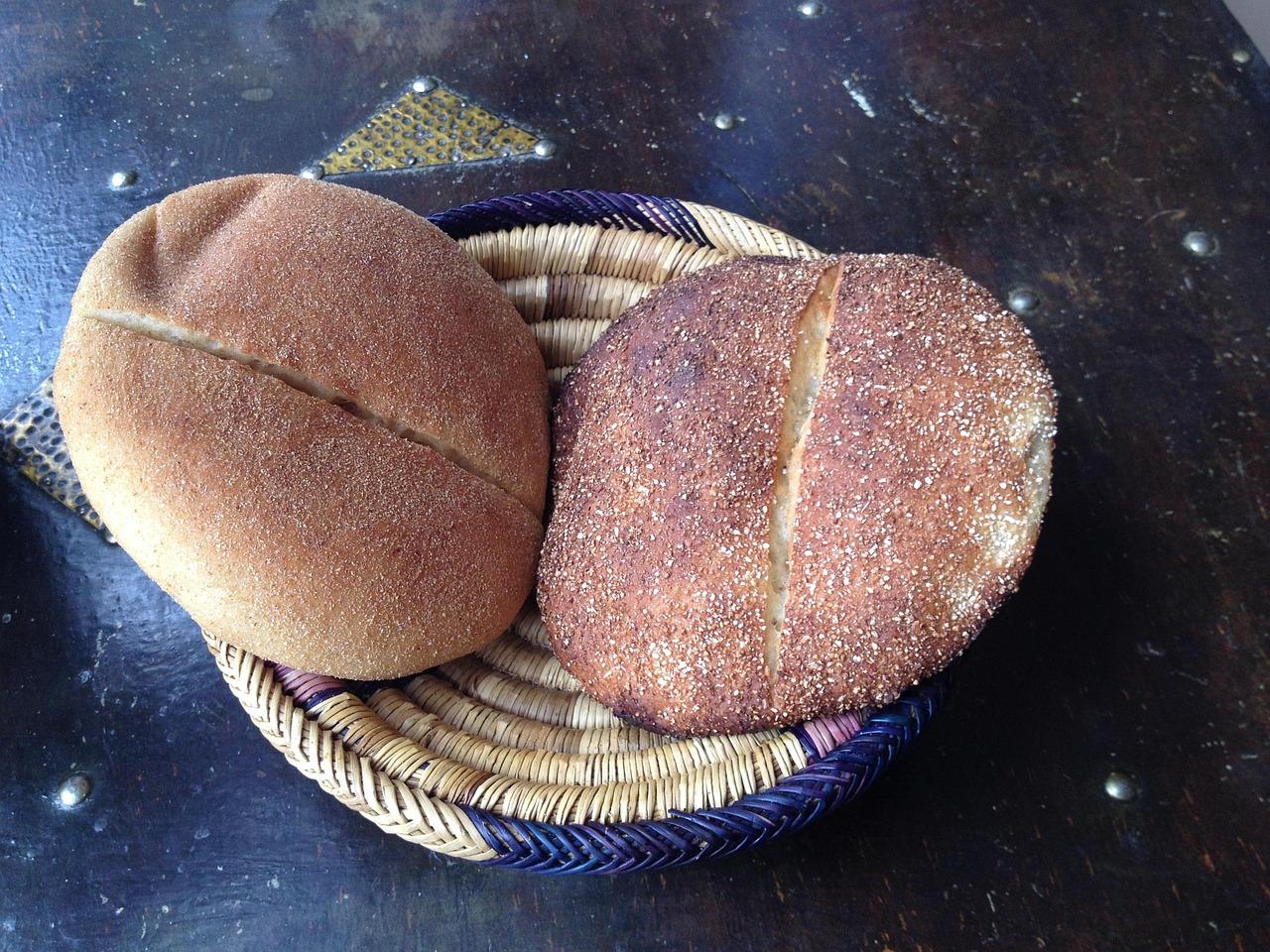
In Algiers and all over Algeria, homemade matlouh is the bread of choice for Ramadan iftar and for dipping into chorba or chakchouka. The dough is made with fine semolina and yeast, almost as wet as a batter, left to rise until airy, then shaped into thick rounds and cooked on a clay tajine or a heavy frying pan rather than in an oven. The result is soft and springy inside, with a thin, freckled, golden crust and the sweet, nutty taste of semolina. Eat it warm, torn by hand. Chef's tip: keep your hands wet with water, not floured, when shaping the sticky dough; flour makes the crust dry and floury.

by KrazyBadal 0 views

ĆimburEggs cooked on sweet onion

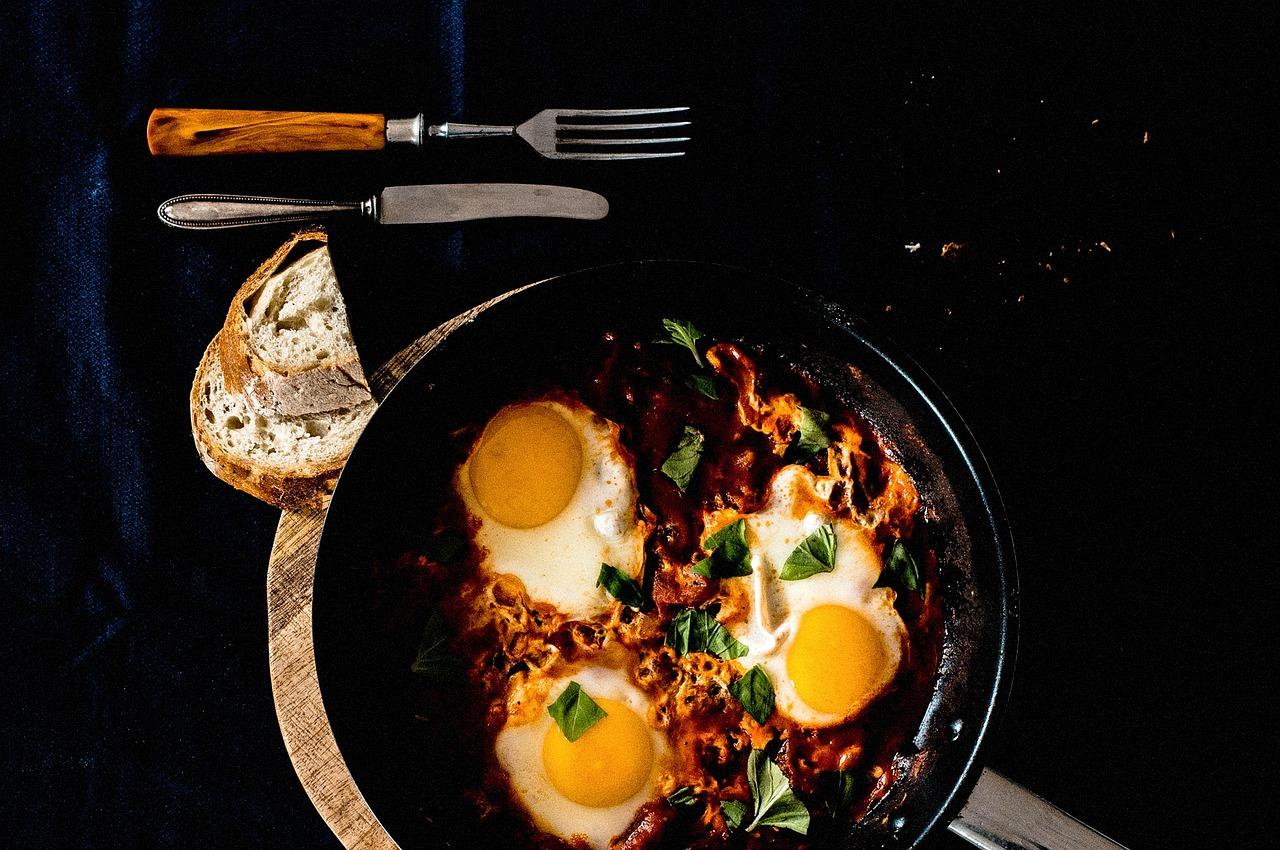
Bosnian home cooks make ćimbur when there are eggs, onions and not much else, and it is a favourite weekend breakfast, or a quick sehur before dawn during Ramadan. Lots of sliced onion is cooked gently in butter until meltingly soft and sweet, then eggs are cracked into little hollows and covered until the whites set, so you scoop up runny yolk, silky onion and a dusting of paprika with warm bread or somun. A bowl of plain yogurt on the side is common. A common mistake is rushing the onions over a high heat, so they scorch on the edges while staying crunchy inside; patience over a medium-low flame is what makes the dish. Chef's tip: if the onions start to catch before they are soft, add a splash of water and keep going.

by KrazyBadal 1 views

Huevos a la habaneraBaked eggs with peppers and peas

Old Havana households bake eggs this way for a late Sunday breakfast or a light supper, cracking them into a bed of slow-cooked onion, green pepper and tomato and scattering peas and grated cheese over the top. The whites set softly in the steam of the sofrito while the yolks stay rich and loose, ready for mopping up with toasted Cuban bread. A frequent mistake is baking until the yolks turn chalky; take the dish out while the yolks still wobble. Many hard cheeses are made with animal rennet, so choose a vegetarian Gouda-style or Cheddar-style cheese if you need to. Chef's tip: make little wells in the sofrito with the back of a spoon so each egg sits in its own nest and doesn't spread.

by KrazyBadal 0 views

KarantikaBaked chickpea flour flan

Schoolchildren in Oran spend their pocket money on karantika, a savoury chickpea-flour flan baked in huge trays and cut into squares by street vendors, who sprinkle it with cumin and harissa and often stuff it into a piece of baguette. Its roots go back to the Spanish calentica of Oran's past, and it has spread across western Algeria. Made with only chickpea flour, water, oil and egg, it bakes into a soft, custardy, slightly wobbly middle under a crisp, burnished top. Serve it warm, cut into squares, with harissa; to keep the dish gluten free, skip the bread. Chef's tip: rest the batter for at least 30 minutes before baking; the flour hydrates and the flan sets smooth instead of grainy.

by KrazyBadal 0 views

DoubaraSpicy chickpea stew

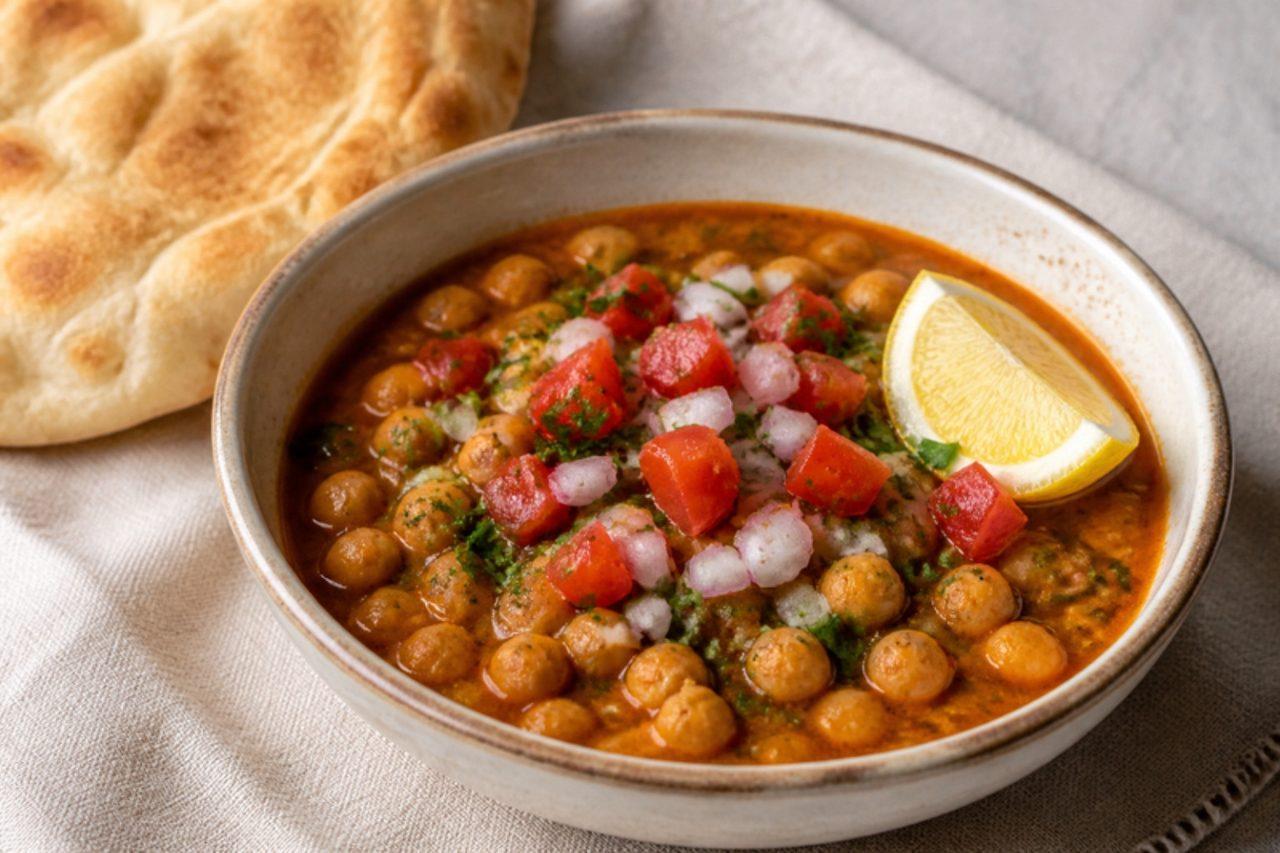
In Biskra, the oasis town at the gateway to the Algerian Sahara, doubara is street food, ladled from big pots into bowls from late afternoon and through Ramadan nights. Soft chickpeas or broad beans are simmered with cumin and garlic, then dressed with a fiery garlic-harissa sauce, olive oil, lemon and a heap of chopped tomato, onion, parsley and fresh chilli on top. It is hot, sour and very garlicky, filling yet fresh, and eaten with bread. Chef's tip: mash a ladle of the chickpeas into the broth at the end; it thickens the stew so the sauce clings.

by KrazyBadal 0 views

BerkoukesLarge couscous pearls in vegetable broth

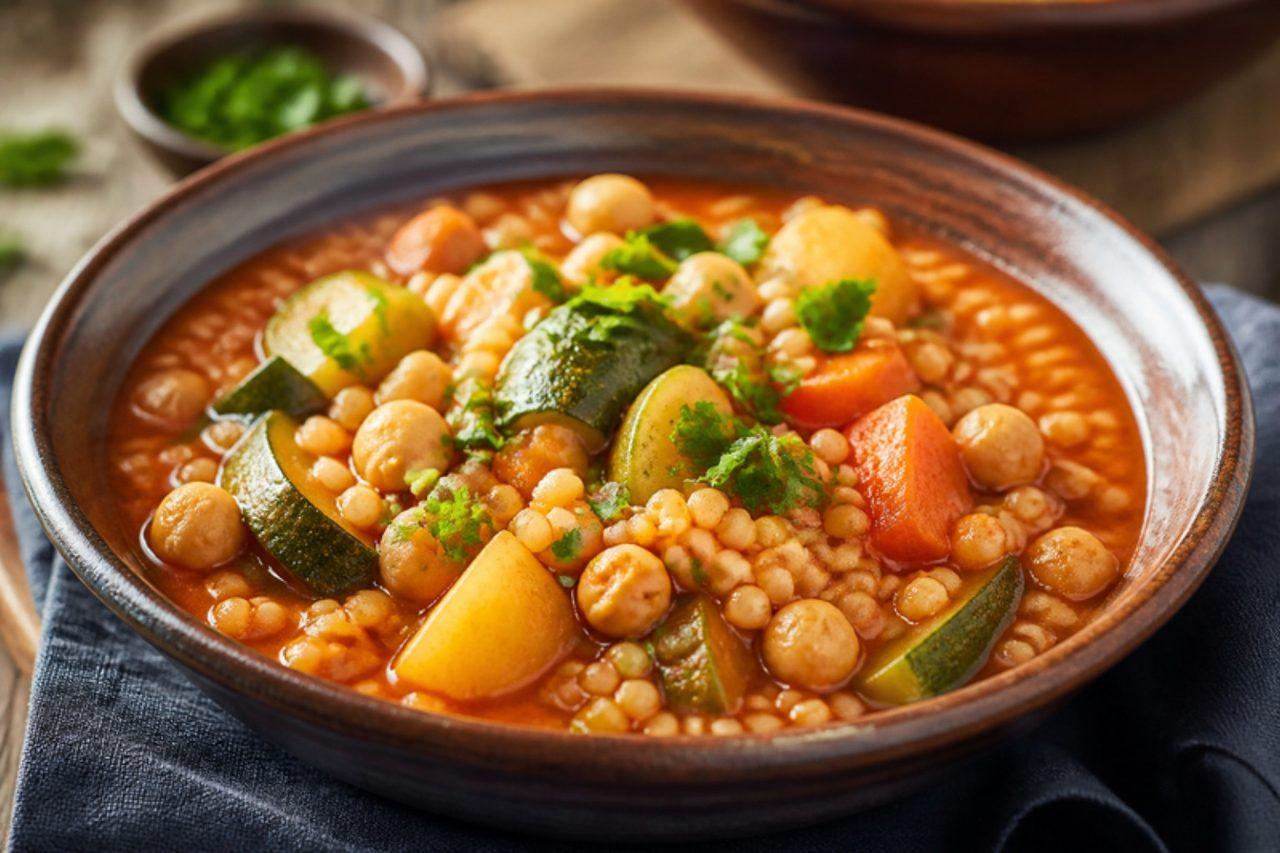
Berkoukes, the big chewy couscous pearls rolled by hand in Tlemcen and the west of Algeria, is cold-weather food and a classic dish for the end of winter or a family supper. Cooked directly in a thick, tomato-red broth with courgette, carrot, potato, turnip, peas and chickpeas, it becomes a spoonable, comforting stew, fragrant with garlic, paprika, dried mint and fresh coriander. Many families make it with meat or khlii; this is the vegetable version cooked at home on ordinary days. Bought berkoukes, maftoul or giant couscous are fine. Chef's tip: steam or toast the berkoukes before simmering it; the pearls hold their shape and don't turn to porridge.

by KrazyBadal 0 views

Brav u mlijekuLamb slow-cooked in milk

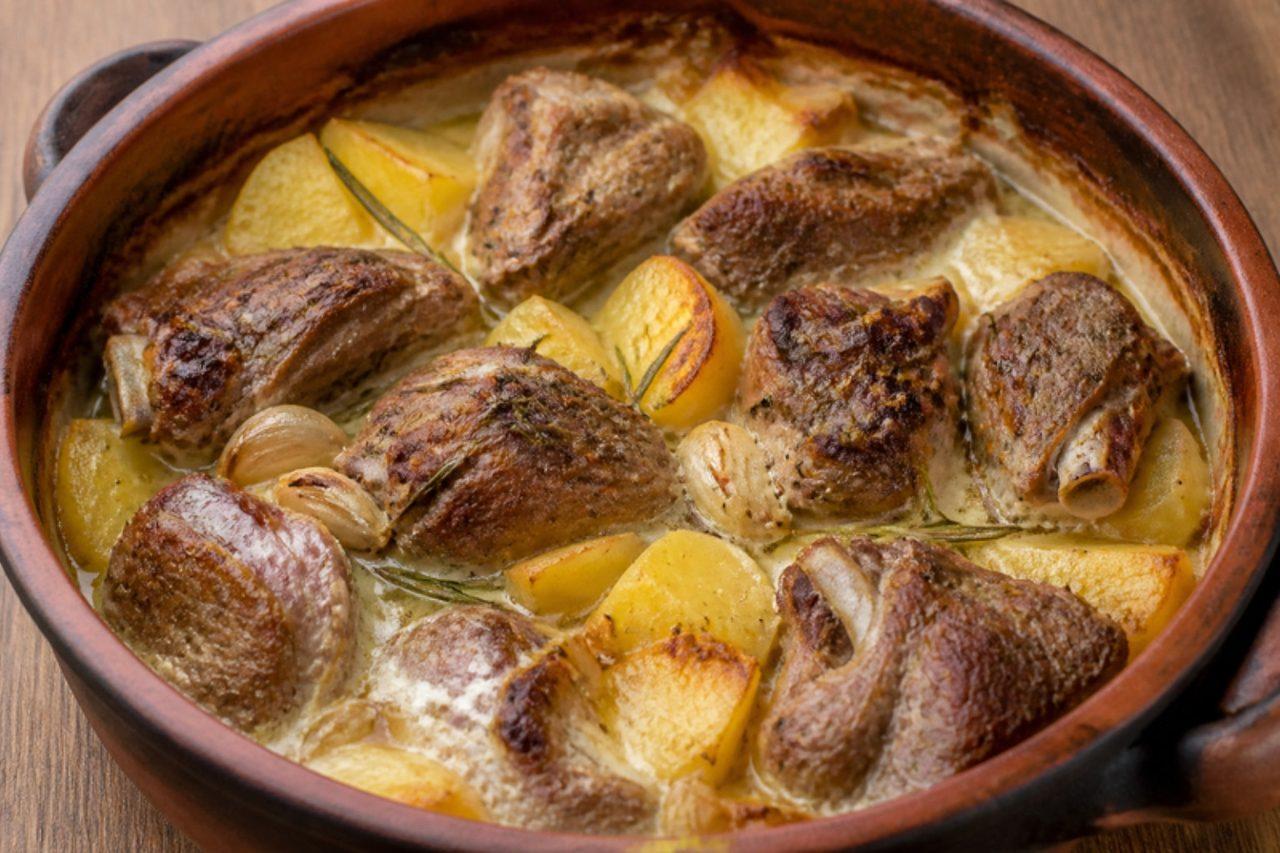
Highland shepherds in northern Montenegro cook young lamb this way when the flocks come down from summer pastures, slowly in a covered pan with milk, garlic and rosemary until the meat comes off the bone and the milk has reduced to a savoury, slightly curdled, golden sauce over the potatoes. It sounds unusual but tastes wonderfully mellow, sweet and garlicky. Serve it with bread and a green salad. The usual slip is cooking it uncovered from the start, so the milk scorches before the lamb is soft. Chef's tip: uncover only for the last half hour, so the top browns while the sauce underneath stays creamy.

150 minBalkanMeatGluten free
by KrazyBadal 0 views

CramiqueRaisin brioche

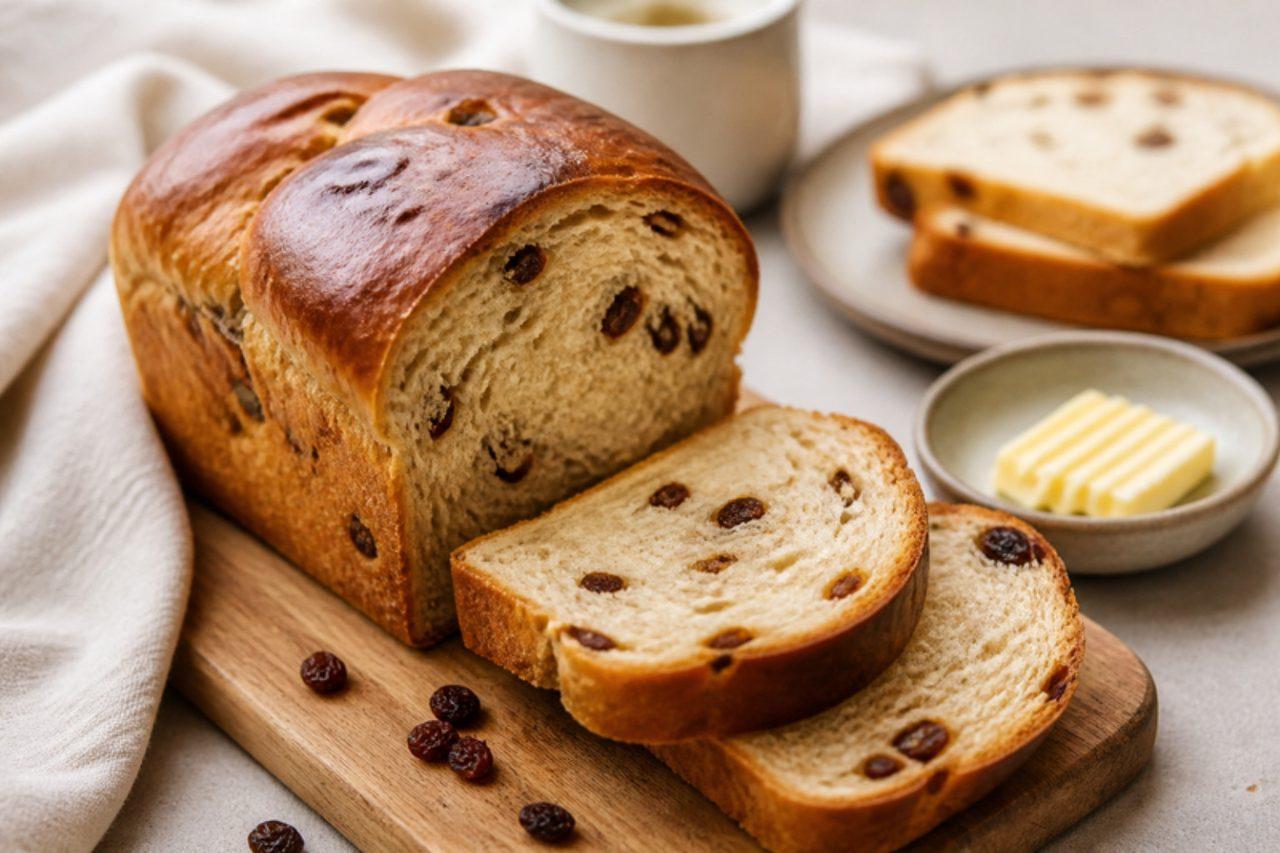
Cramique is the Sunday breakfast loaf of Brussels and Wallonia: a soft, golden brioche packed with raisins, bought from the bakery on Sunday morning and sliced thickly with salted butter. Its sister, craquelin, swaps the raisins for pearl sugar. A common mistake is adding the raisins at the start of kneading, which tears the gluten and turns the dough grey. Chef's tip: soak the raisins in warm tea for 20 minutes, then knead them in only at the end, gently.

by KrazyBadal 0 views

CicvaraKajmak and cornmeal porridge

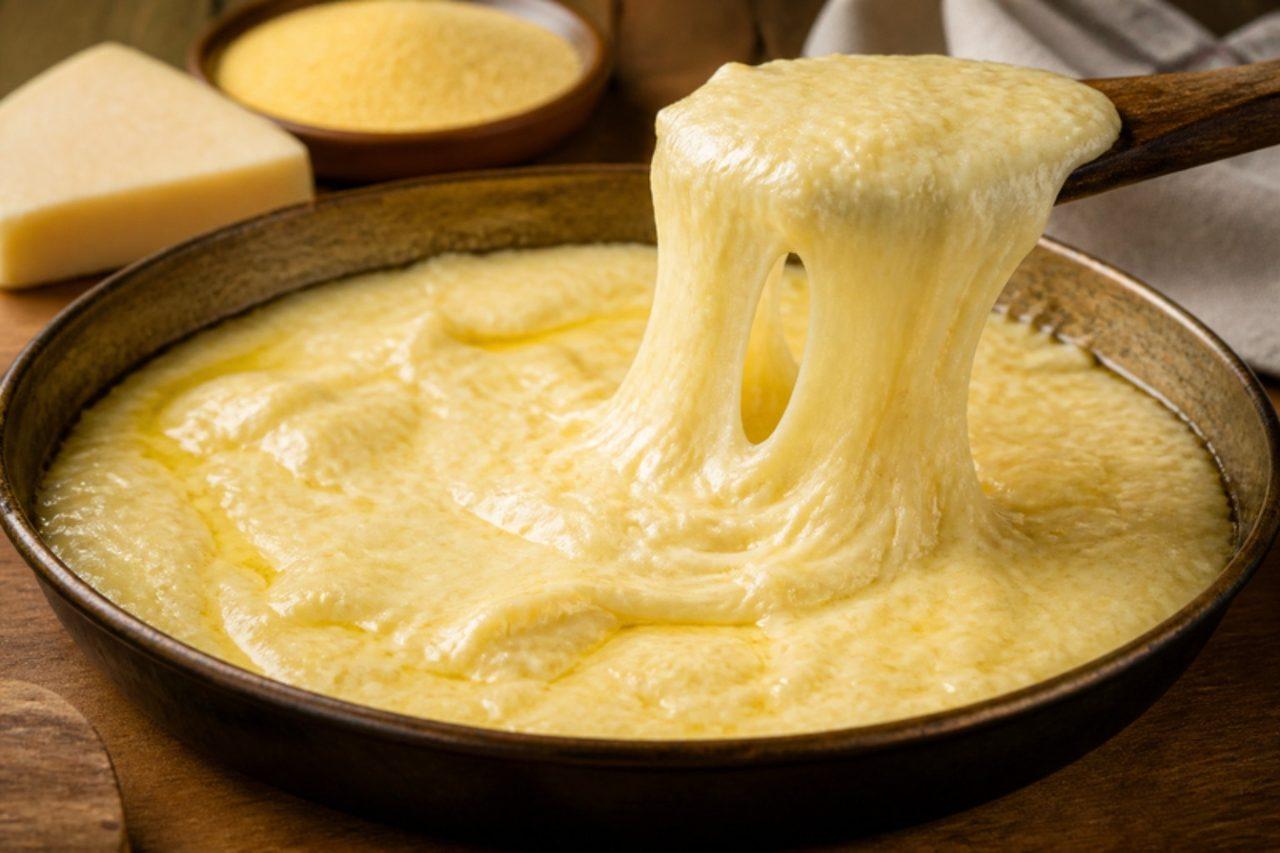
Shepherds' huts on the Durmitor and Sinjajevina plateaus in northern Montenegro gave the Balkans cicvara, a dish of kajmak and young cheese melted slowly with cornmeal until it turns rich, golden and stretchy and butter seeps out at the edges. It is stirred and eaten hot, often at breakfast after early milking, with a cup of cold sour milk or plain yogurt to cut the richness. Young cheese for this is fresh and mild; most is made with rennet, so look for one with vegetarian rennet if you need to, and use clotted cream if you can't get kajmak. A common mistake is turning up the heat to hurry it, which burns the bottom and makes the cheese seize into rubbery lumps. Chef's tip: stir with a wooden spoon in figure-of-eight strokes and keep going until a thread of cheese stretches as you lift it.

by KrazyBadal 0 views

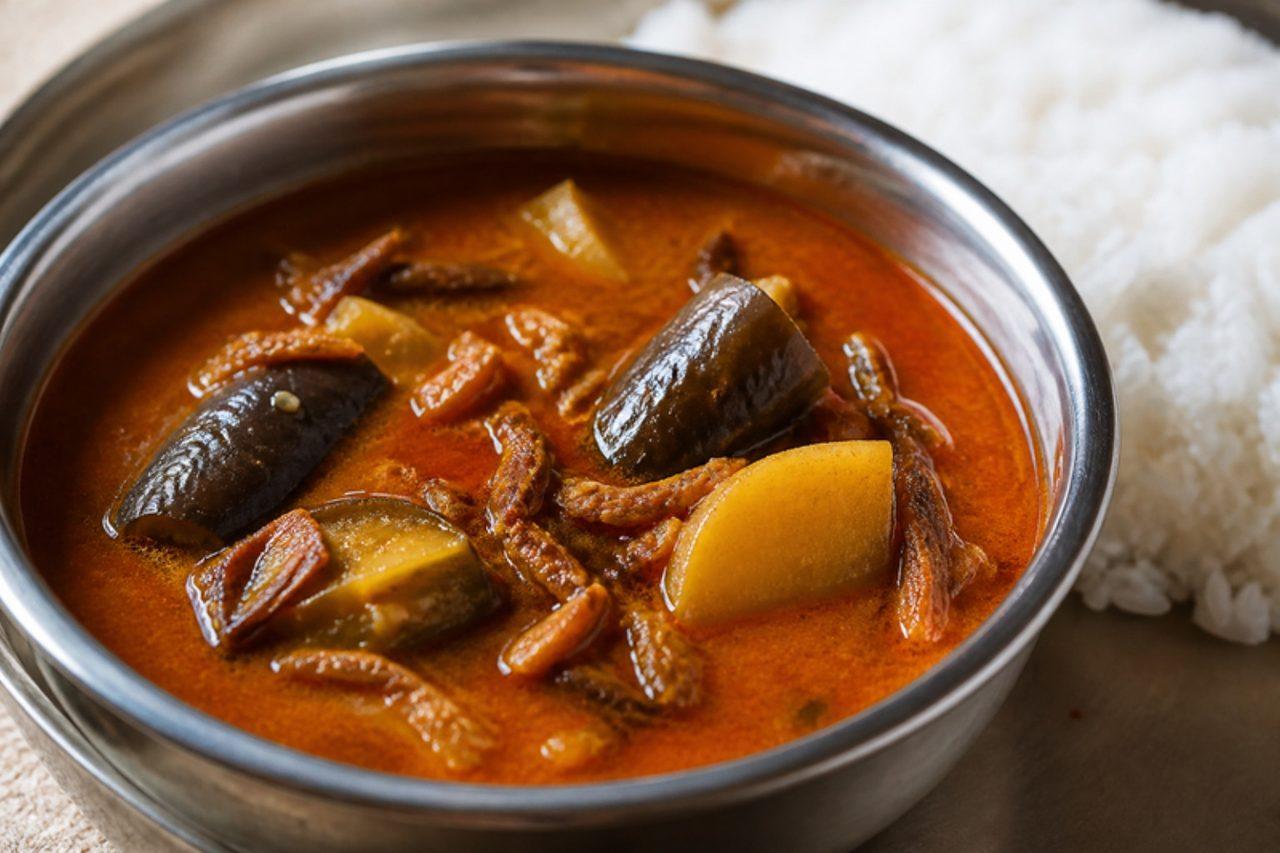
Hutki shiraDried fish and aubergine curry

Hutki is what Sylhetis call shutki, sun-dried fish, and a pot of hutki shira, a thin, soupy curry, is pure home cooking from Sylhet, Sunamganj and the haor villages, where fish dried in the dry season feeds families through the rest of the year. The broth is fiery with fresh and dried chilli and full of garlic, softened with chunks of potato, brinjal and sometimes tomato or shatkora, and it is ladled over plenty of plain rice. The smell of the dried fish is strong as it cooks, but it mellows into a deep savoury taste. Skipping the soak is the error that ruins it: unwashed hutki is gritty and far too salty. Buy dried fish from a busy, reputable Asian grocer, and choose pieces that are dry, firm and free of mould. Chef's tip: keep the broth loose; shira should be soupy enough to drown the rice.

by KrazyBadal 0 views

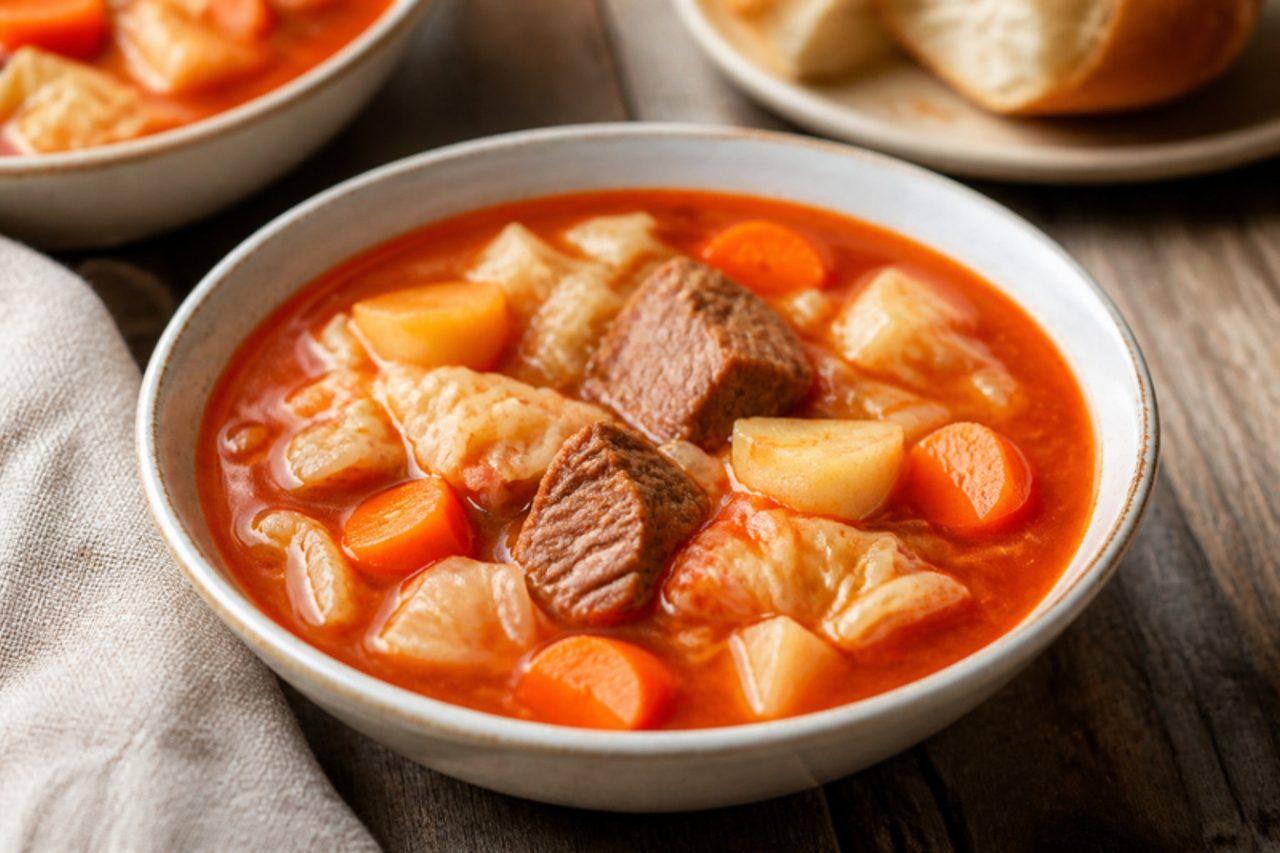
Hong Kong borschtTomato beef and cabbage soup

Order a set lunch at a Hong Kong cha chaan teng and the waiter will ask "red or white?": red is lo sung tong, the diner's tomato version of borscht, brought to the city by Russians who arrived from Shanghai in the 1940s. It has no beetroot at all; instead, beef shin, cabbage, potato, carrot, onion and celery simmer with fresh tomatoes and a spoonful of ketchup into a thick, sweet-sour, brick-red soup. It comes with buttered toast or a bun before a plate of baked rice or spaghetti, and makes a filling meal by itself on a rainy day. A typical slip is adding all the vegetables at once, so the cabbage turns to mush before the beef is tender; add them in stages. Chef's tip: fry the tomato paste and ketchup until they darken before adding water, which gives the soup its deep red colour.

by KrazyBadal 0 views

ChvishtariCornmeal and cheese cakes

Chvishtari belongs to the high villages of Svaneti, around Mestia and Ushguli, where cornmeal and cheese are the winter larder: a stiff cornmeal dough is worked with lots of grated sulguni, shaped into flat cakes and fried or baked so the cheese bubbles out and crisps at the edges. Svan families eat them hot with tea or with a bowl of lobio. A common mistake is using too little cheese; it is the cheese that binds the cornmeal, and a lean dough falls apart in the pan. Chef's tip: wet your hands when shaping, so the dough doesn't stick and the cakes stay smooth. Sulguni is usually made with animal rennet; use a vegetarian cheese.

by KrazyBadal 0 views

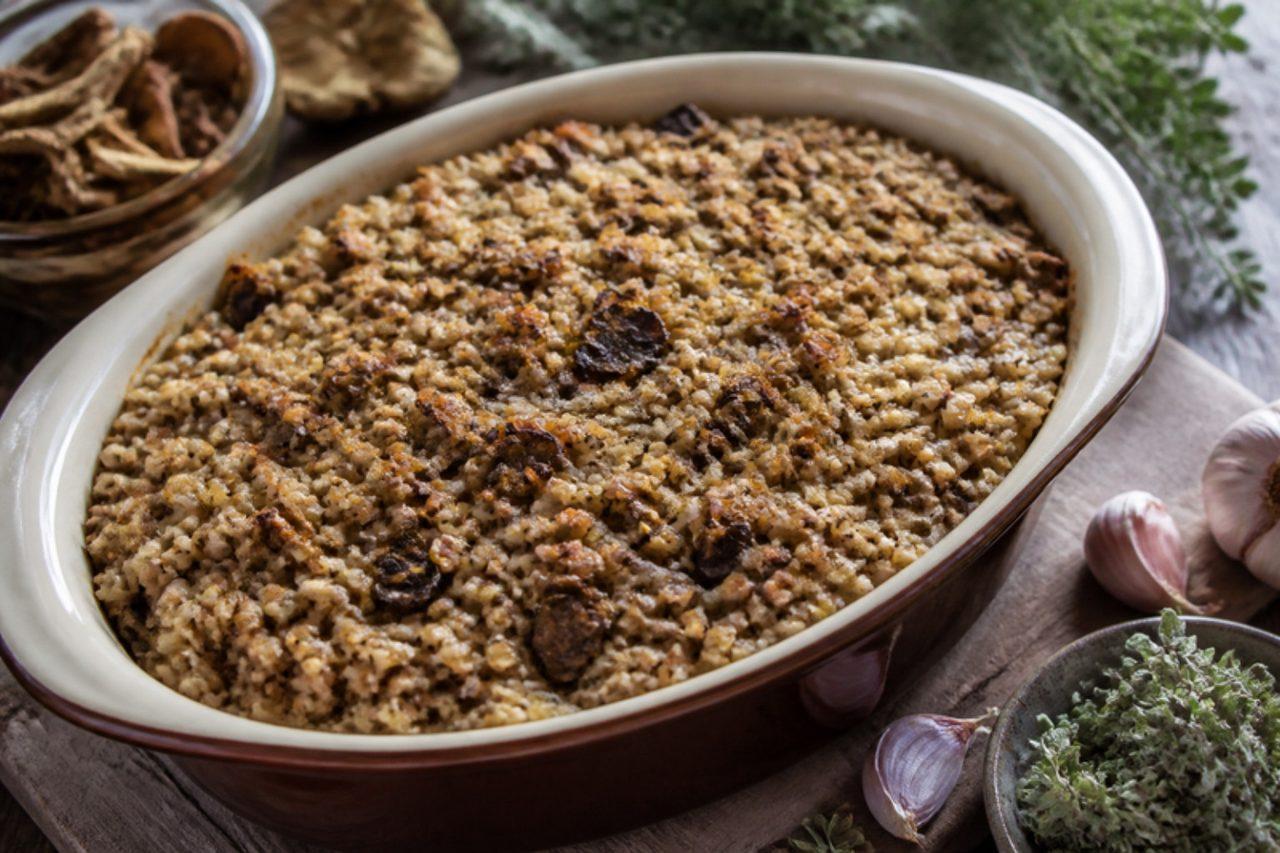
Houbový kubaBarley and mushroom bake

On Štědrý den, the Czech Christmas Eve, many families kept a meat-free fast until the evening carp, and houbový kuba was what filled the gap at lunch. Village cooks in Bohemia baked pearl barley with mushrooms picked and dried in autumn, plenty of garlic and marjoram, until the top went crunchy. The inside stays moist and chewy, almost like a mushroom risotto, while the edges crisp. It used to be made with lard; this version uses oil and is fully plant-based. Serve it on its own with sauerkraut or a sharp pickled salad, or as a side to roast vegetables. A common mistake is boiling the barley until soft right through, which turns the bake to paste; it should still have a little bite before it goes in the oven. Chef's tip: save the mushroom soaking water and cook the barley in it, for flavour all the way through.

by KrazyBadal 0 views

AlaniWalnut-stuffed dried peaches

Every autumn in the Ararat Valley, the orchards below Mount Ararat produce more peaches than can be eaten fresh, so families split them, dry them in the sun and then stuff them with a mixture of crushed walnuts and sugar, pressing them closed again. The finished alani are sold on strings at Yerevan's covered market and given as gifts at New Year, chewy, sweet and nutty. At home, start with good soft dried peaches. A common mistake is using very dry, leathery fruit, which cracks when you open it. Chef's tip: steam the peaches for 2 minutes first, so they turn soft and pliable and close neatly around the filling.

by KrazyBadal 0 views

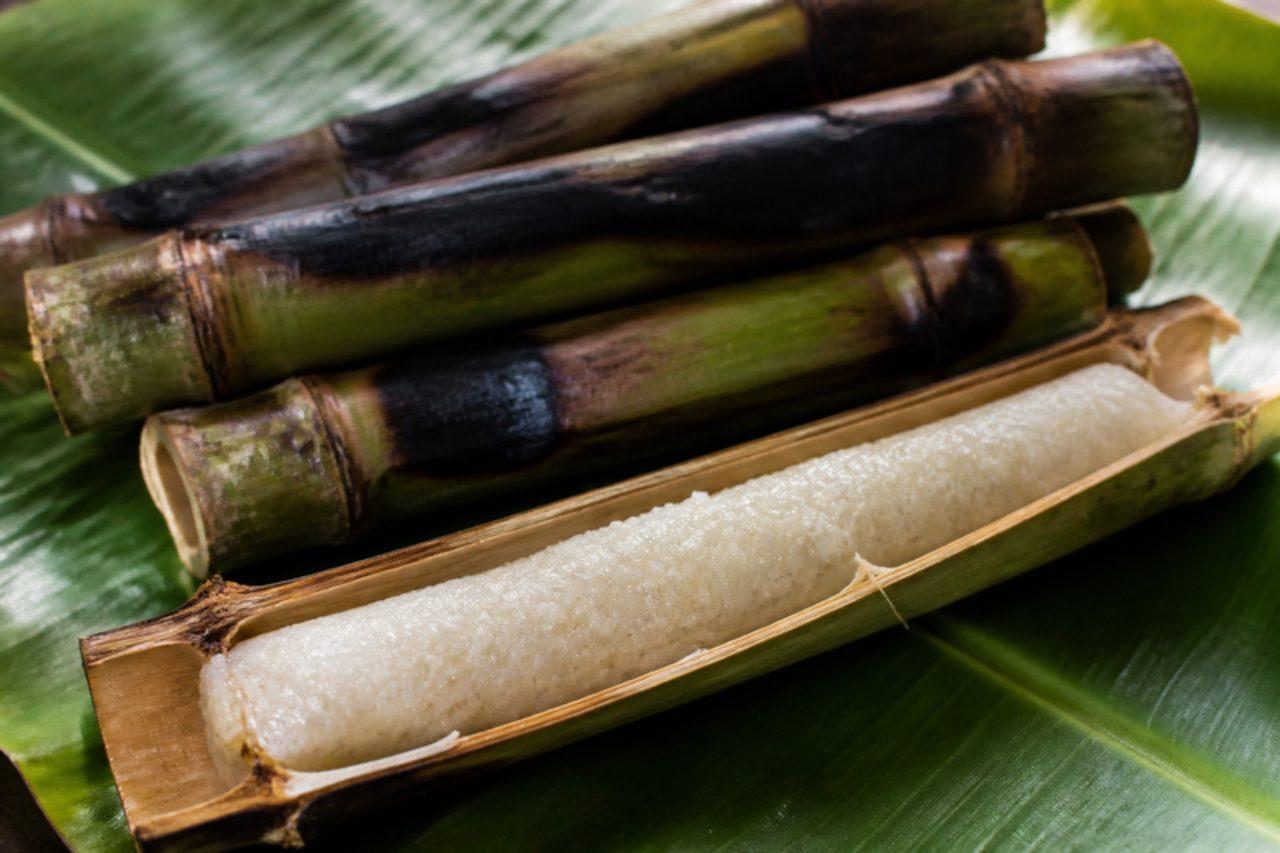
Chunga pithaBamboo-roasted sticky rice

On cold winter nights in Sylhet and Moulvibazar, especially among the Manipuri and Khasi villages near the hills, sticky binni rice is packed into green sections of dolu bamboo with milk, sugar and coconut, plugged with straw and pushed into the embers of a fire. As the bamboo blackens the rice steams inside, and when the tube is split open it slides out as a smooth, glossy log, sweet, milky and faintly smoky. Families eat it hot, sliced into rounds, sometimes with a curl of date-palm jaggery or with fish curry for a savoury contrast. Fresh bamboo is hard to find outside Bangladesh, so this recipe also gives a banana-leaf and foil method that works under a hot grill. Underfilled tubes are the classic misstep: the rice needs room to swell but should be packed to about three-quarters full. Chef's tip: soak the rice for at least 4 hours so it cooks evenly before the outside scorches.

by KrazyBadal 0 views

Showing 72 of 7,888 recipes

Show more recipes

Page 285 of 877