


Skip to content
Biber dolması
Featured recipe

Biber dolması

Rice-stuffed green peppers

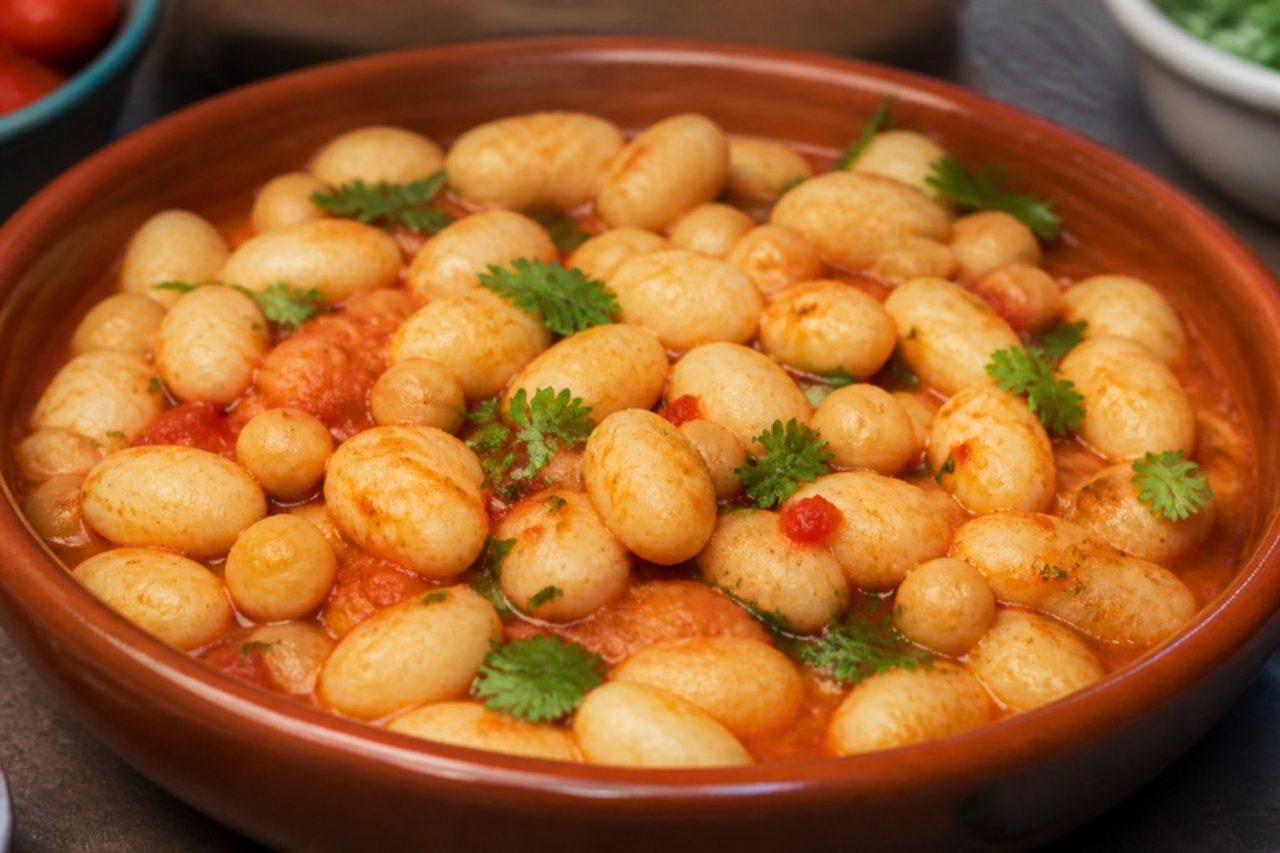
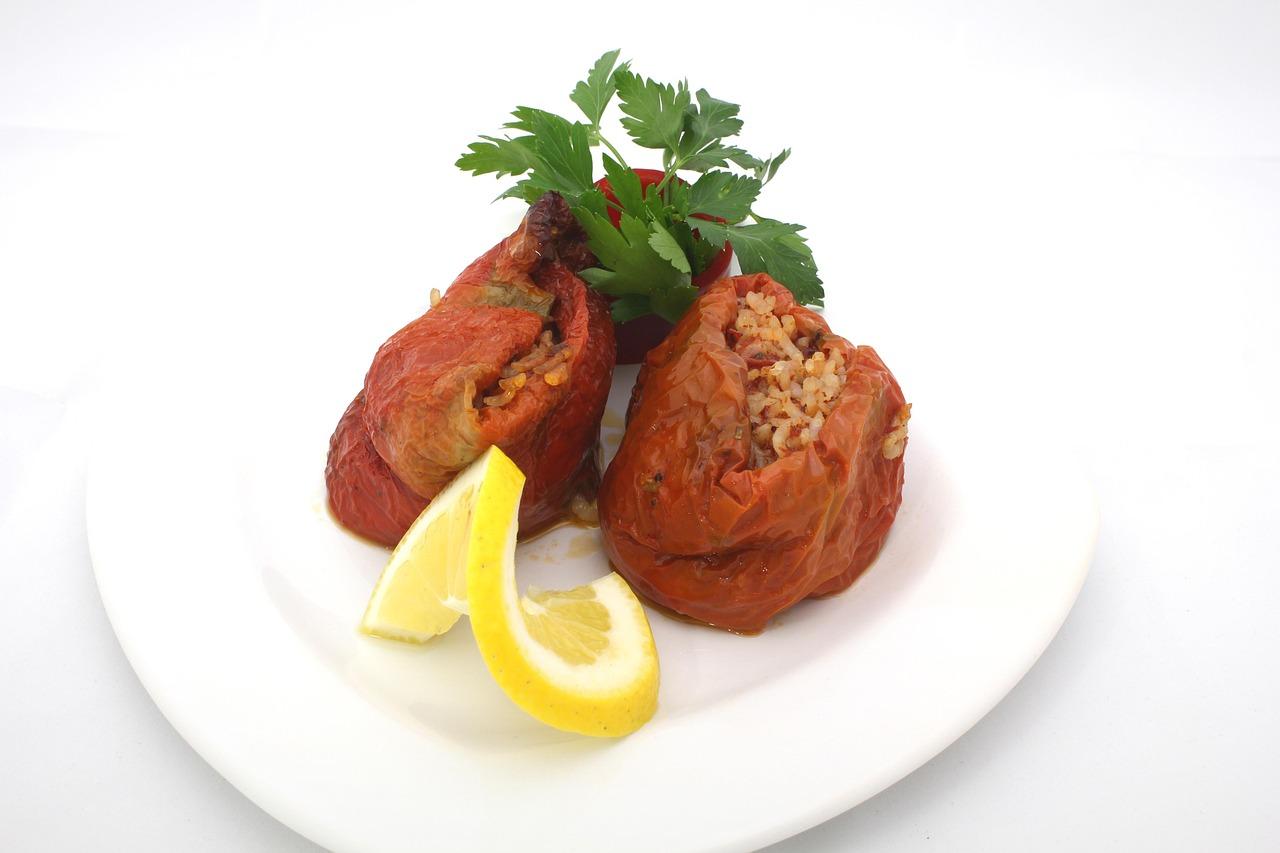
Biber dolması turns up in every corner of Turkey, from Istanbul meyhanes to village kitchens in central Anatolia, and the olive-oil version without meat is the one eaten cold at summer lunches or packed for picnics. Thin-walled green dolma peppers are filled with rice cooked with onion, tomato, pine nuts, currants and warm spices, capped with a slice of tomato and simmered until the peppers slump and wrinkle. A frequent mistake is packing the filling to the top: leave a finger of space so the rice can swell. Chef's tip: let the peppers cool completely in their pot; the filling firms up and the flavours of mint and allspice come through much more clearly than when hot.

Read more 0 views

What to eat today?

Around the world

Today's trip: Paraguayan

A new country every day, from every cuisine on the site.

Paraguayan

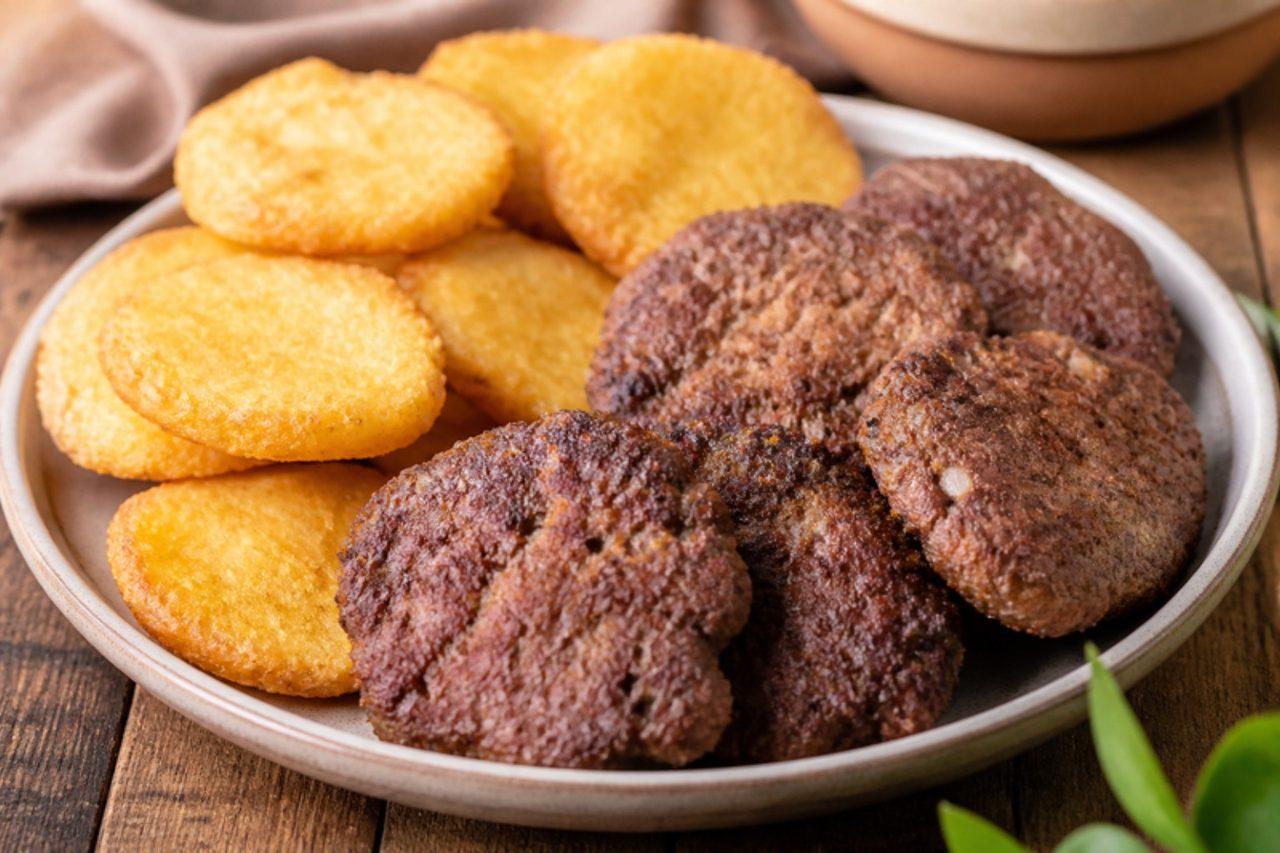
Payaguá mascada

Cassava and beef patties 55 minMore from Paraguayan (27) →

This week's collection

Kid-friendly dinners
537 recipes · a new collection every Monday

Latest recipes

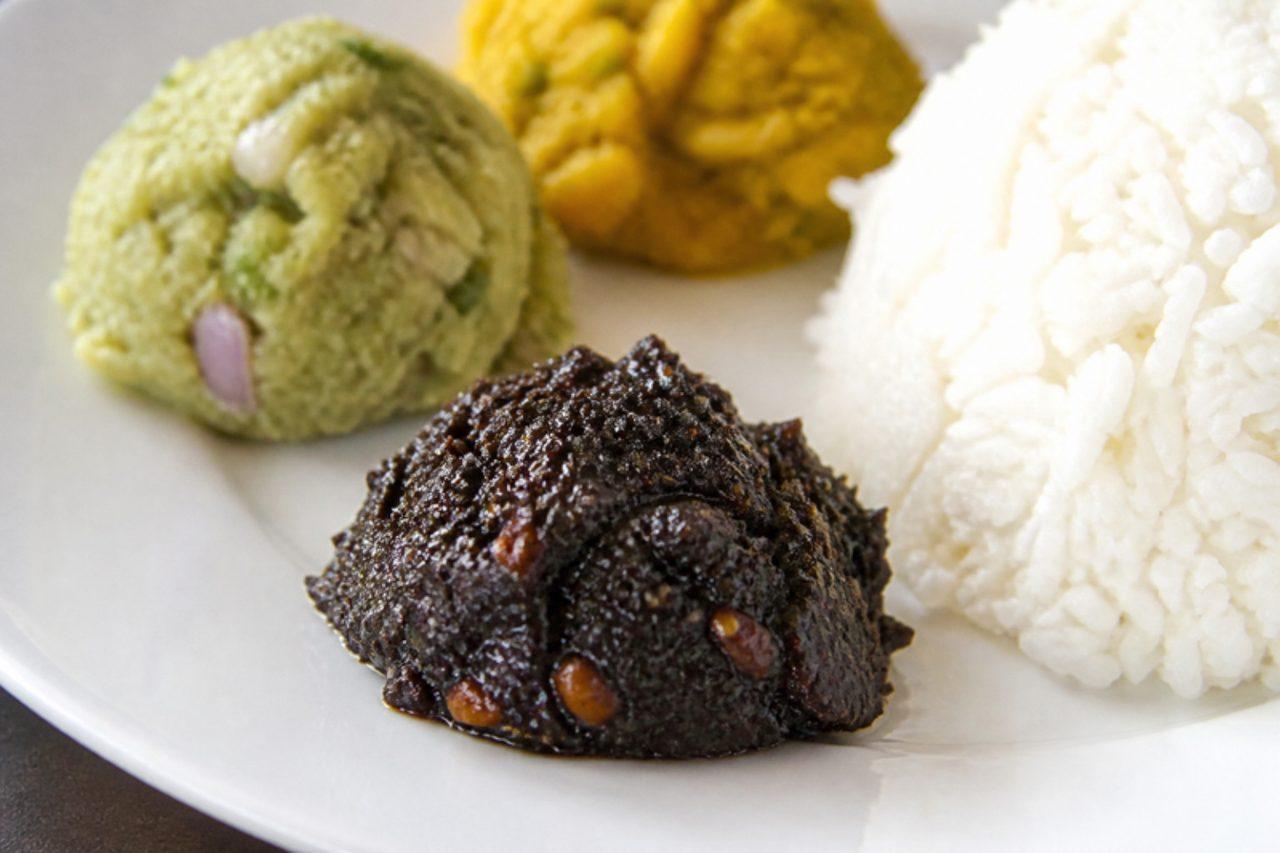
Kalo jeera bhortaNigella seed mash

A bhorta lunch spread in a Bangladeshi home always has one tiny, dark mound that people eat a pinch at a time, and that is kalo jeera bhorta. Nigella seeds are toasted until fragrant, then ground on the shil-pata, the stone slab and roller, with garlic, roasted dried chilli, onion and mustard oil into a coarse, almost black paste that is nutty, bitter and fiery all at once. Grandmothers serve it in winter, believing it wards off colds, and a little is mixed into the first handful of hot rice before moving on to fish or dal. Burnt seeds make it acrid, so the trap is toasting over too high a heat; stop as soon as they smell toasty and start to pop. Chef's tip: grind the seeds alone first, then add the garlic and oil, for a smoother paste in a small grinder.

by KrazyBadal 0 views

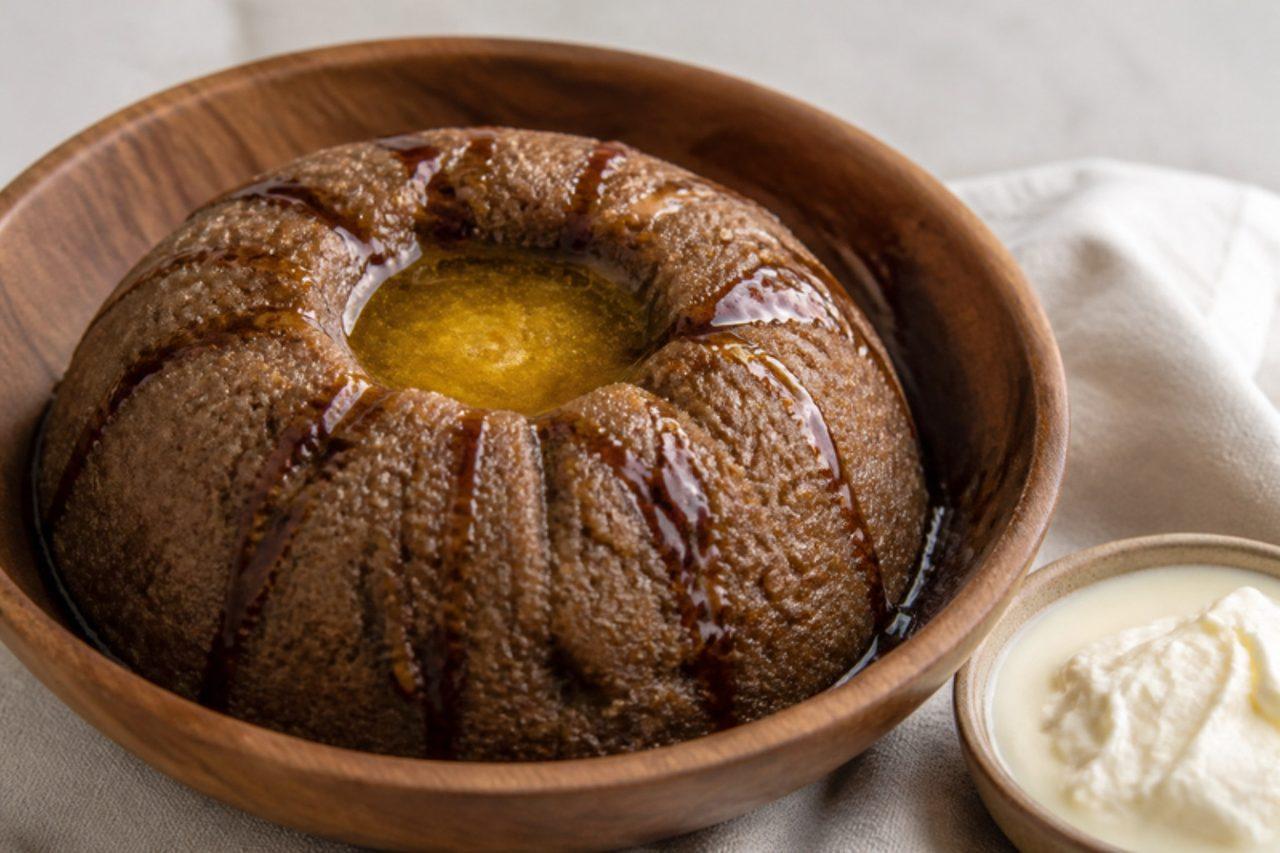
AreekaWholemeal bread with ghee and honey

In the green mountains of Asir in south-west Saudi Arabia, areeka is the breakfast for guests, weddings and cold mornings in Abha: thick wholemeal breads are torn while still hot and kneaded with ghee into a smooth, soft dome, then hollowed out and filled with a pool of warm ghee, mountain honey and date syrup. Everyone eats from the same plate, pinching off pieces and dragging them through the sweet centre. It is rich, warm and comforting, with a nutty wheat flavour. The usual mistake is letting the bread cool before kneading; it must be worked hot or it will not bind. Serve with cardamom coffee or milky tea, and a spoonful of cream if you like. Chef's tip: wear clean rubber gloves so you can knead the bread while it is properly hot.

by KrazyBadal 0 views

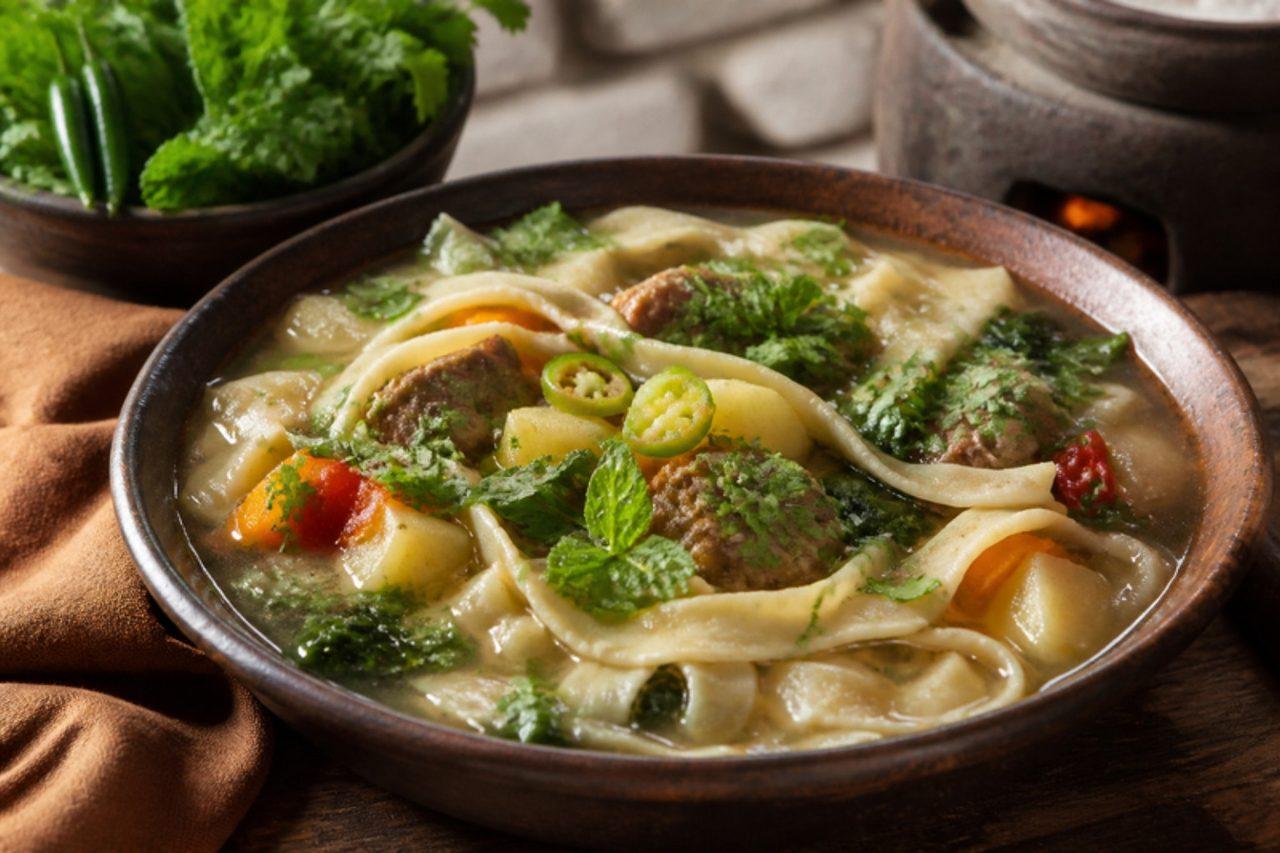
DaudoHand-cut noodle soup with mutton

Once snow closes the passes into Hunza and the apricot trees are bare, families gather around a pot of daudo: a mutton broth thick with short, hand-rolled wheat noodles, potatoes, carrots, spinach and plenty of fresh coriander and mint. It is everyday mountain food, eaten for supper from deep bowls and passed to anyone who comes in from the cold, sometimes with a spoonful of local apricot-kernel oil on top. The noodles are rough and chewy, the broth peppery and green with herbs. Adding the noodles too early leaves them swollen and the soup gluey, so keep them for the last few minutes. Chef's tip: for a vegetarian version, simmer the vegetables in a good vegetable stock and add a handful of chickpeas instead of the mutton.

by KrazyBadal 0 views

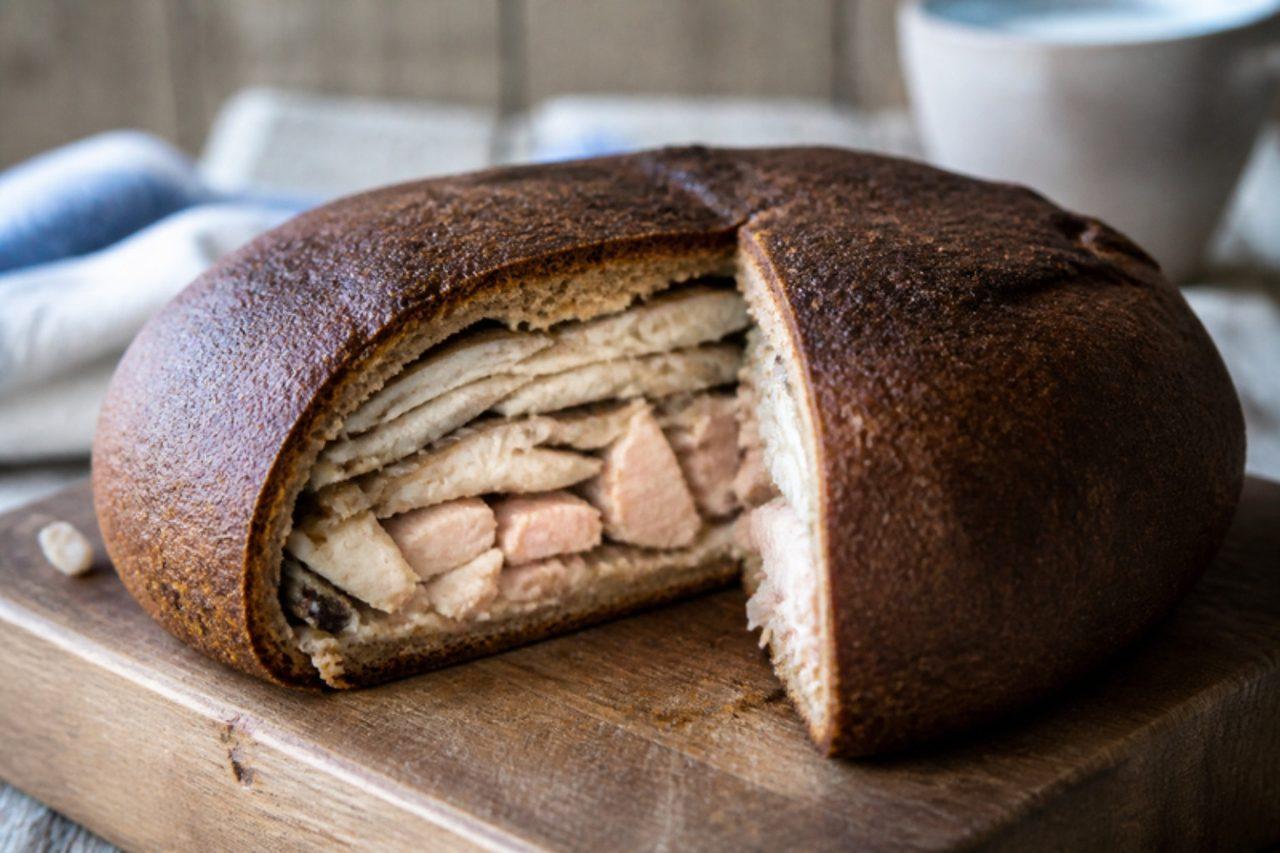
KalakukkoFish and pork rye loaf

Kalakukko is the travelling food of Savonia in eastern Finland, a speciality of Kuopio's market square: a thick rye crust packed with small whole fish, usually vendace (muikku) or perch, and slices of fatty pork belly, sealed and baked for five or six hours, until the fish bones soften completely and the juices soak the inside of the crust. This dish contains pork. It is cut open like a lid and eaten in slices, crust and all, hot or cold. A common mistake is a crack in the crust, which lets the juices escape and dries out the fish. Chef's tip: patch any cracks with a little rye dough during baking, and wrap the loaf in foil and a towel after baking to rest.

by KrazyBadal 0 views

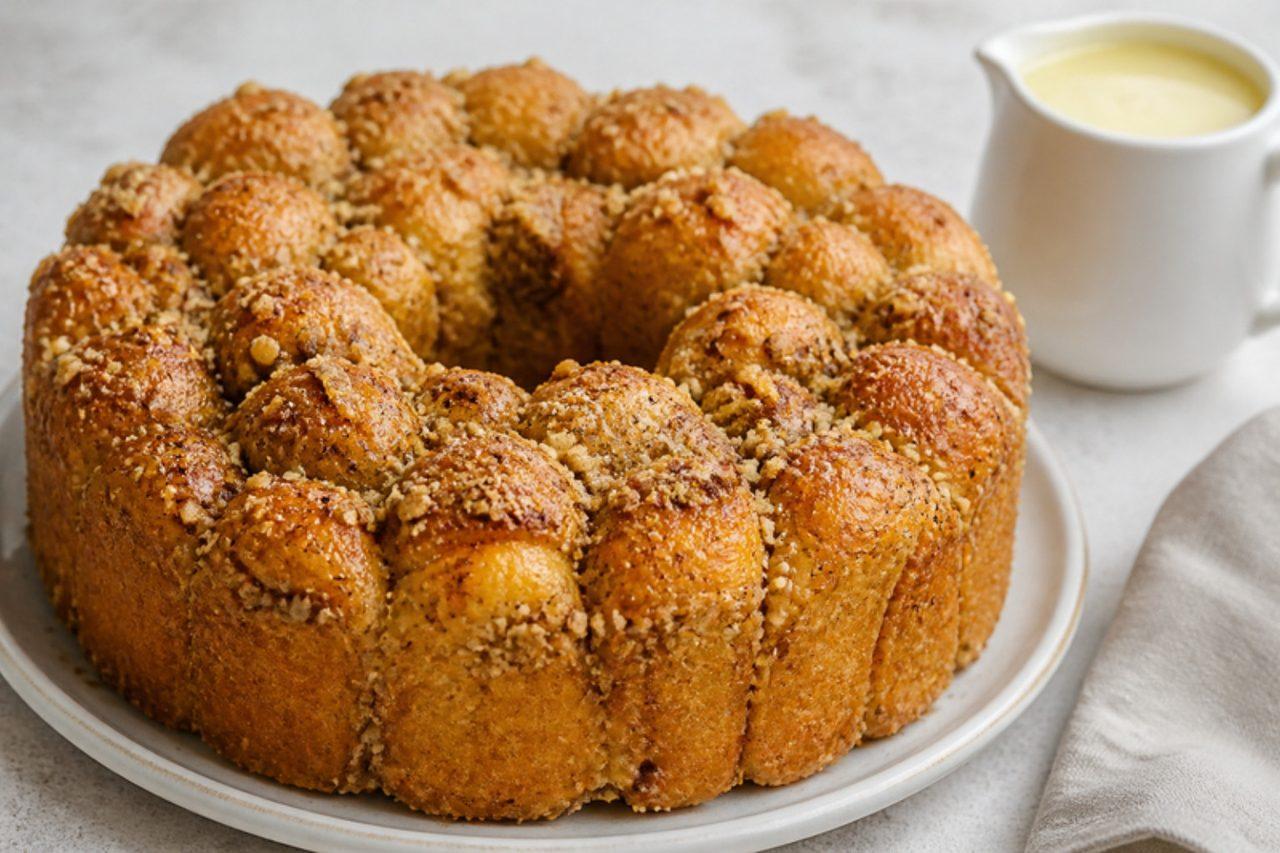
AranygaluskaGolden walnut yeast dumplings

Aranygaluska means golden dumplings, and the pull-apart cake really does come out of the oven bronze and gleaming. Walnut-sized balls of sweet yeast dough are dipped in melted butter, rolled in ground walnuts and sugar, stacked loosely in a ring tin and baked, so the nuts caramelise into a sticky crust. It is a family Sunday pudding all over Hungary and a favourite at school canteens, and Hungarian emigrants took it to America, where it became monkey bread. Pour warm vanilla custard over each helping. Some cooks serve it with a wine custard; this version keeps to vanilla, so it is alcohol-free. Where it goes wrong is packing the balls tightly; leave gaps so they can rise and the walnut coating reaches every side. Chef's tip: spoon a little apricot jam between the layers for a tart note.

by KrazyBadal 0 views

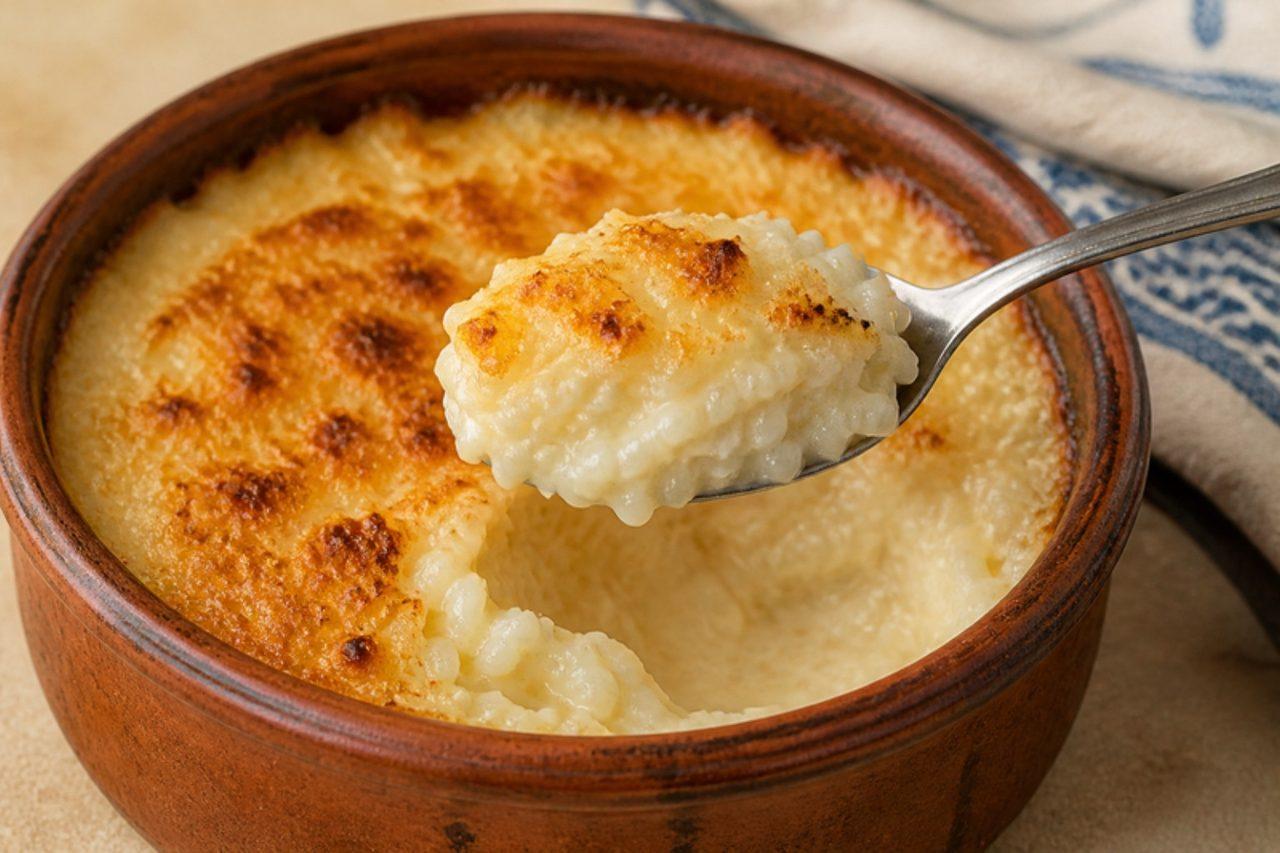
Roz me'ammarCreamy clay-pot baked rice

Village kitchens across the Nile Delta, from Menoufia to Sharqia, slide a clay pot of roz me'ammar into the bread oven for feasts, Fridays and Eid lunch. Short-grain rice bakes slowly in milk, cream and butter until it sets into a soft, rich block with a crisp, golden-brown crust on top that everyone fights over. In the Delta it usually comes with roast pigeon or duck; for a meat-free table it is just as good with a sharp salad, pickles and a dish of mish. Stirring it once it is in the oven is the mistake to avoid: it breaks the crust and makes the rice gluey. Chef's tip: use Egyptian or other round, short-grain rice; long-grain rice will not drink up the milk the same way.

by KrazyBadal 0 views

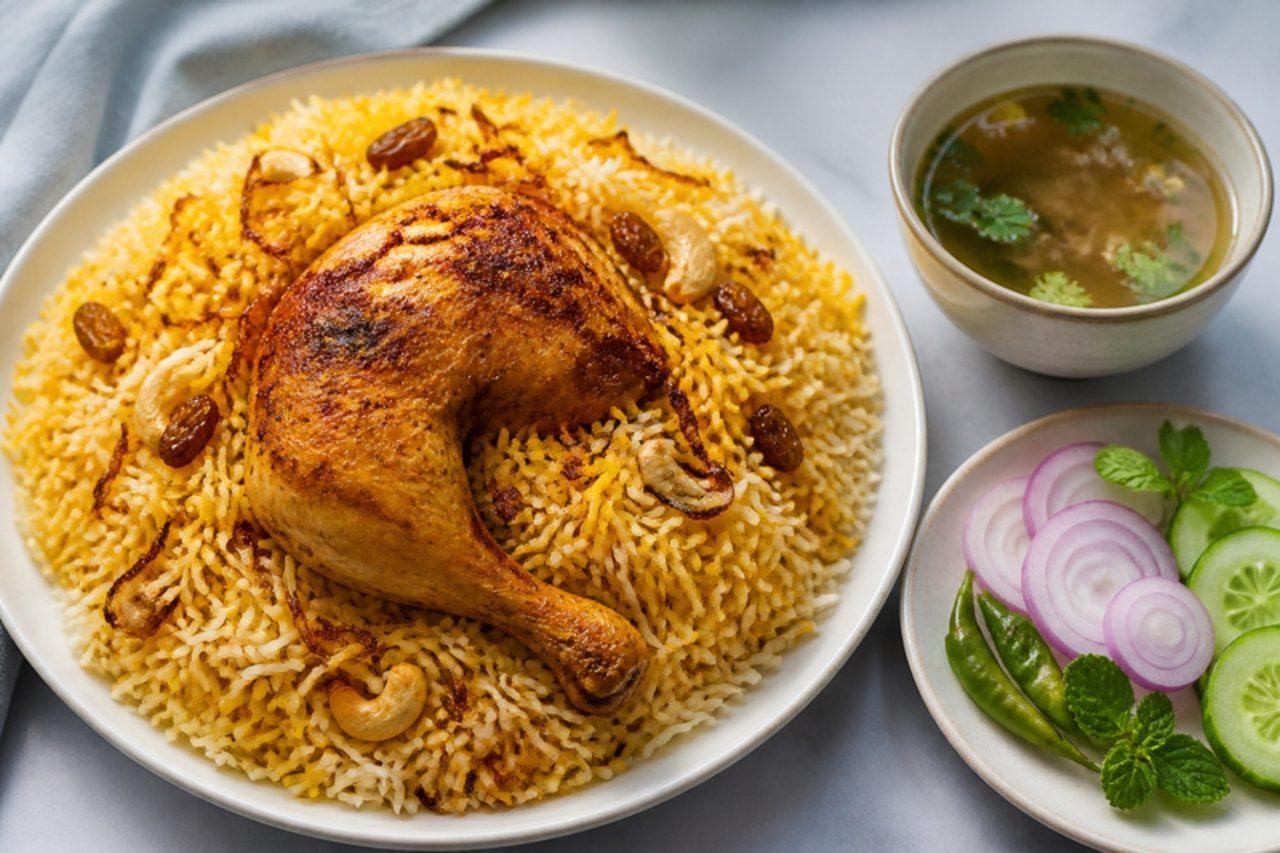
DanbaukChicken biryani

Weddings, birthday donations and the Friday lunch crowd after mosque prayers in downtown Yangon all call for danbauk, the Burmese take on biryani brought by the city's Indian-Muslim families. It is gentler than most South Asian versions: long grains scented with cardamom, cloves and butter, tender yoghurt-marinated chicken hidden underneath, and a crown of fried onions, plump raisins and golden cashews. Every plate comes with a bowl of sour onion, cucumber and green-chilli salad that cuts through the richness, and often a thin sour soup on the side. The usual slip is boiling the rice fully before layering; it then turns to mush during the slow steam, so pull it while each grain still has a chalky white core. Chef's tip: once the pot is sealed, leave the lid alone and dig in from the side at the table so every scoop brings up chicken and rice together.

by KrazyBadal 0 views

DaqqusTomato garlic chilli sauce

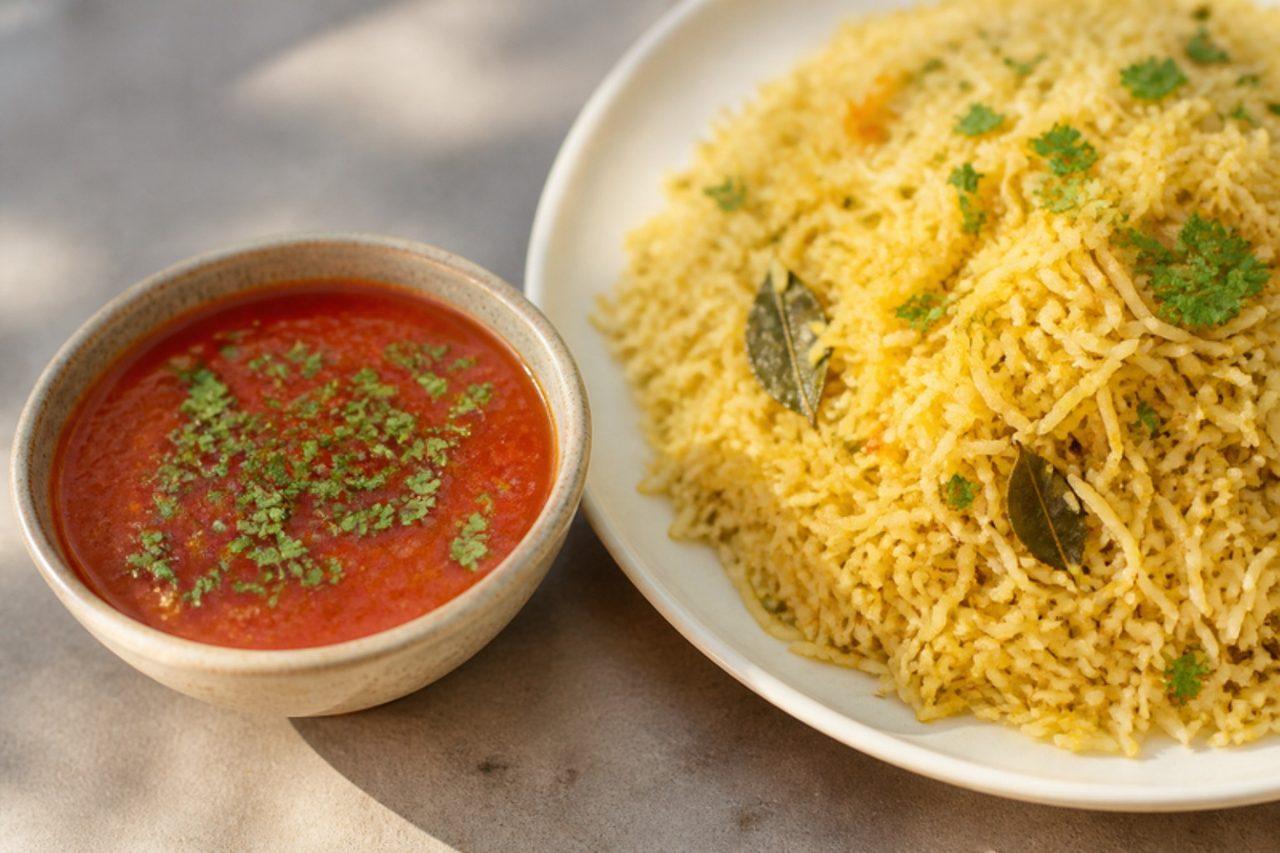
Spoon by spoon, daqqus goes over almost every plate of kabsa, mandi and machboos from Riyadh to Kuwait City: a thin, bright sauce of ripe tomato, lots of garlic and hot chilli that cuts through rich rice. Restaurants in Najd serve it in little bowls beside the rice tray, and some families make it raw, others cook it briefly as here, which mellows the garlic and deepens the colour. It should be pourable and tangy, not thick like ketchup. People often overcook it into a paste; keep it loose with a splash of water. It also works with grilled fish and eggs. Chef's tip: grate the tomatoes on a box grater and discard the skins for a silky sauce without blending.

by KrazyBadal 0 views

Kala bhunaDark mustard oil beef curry

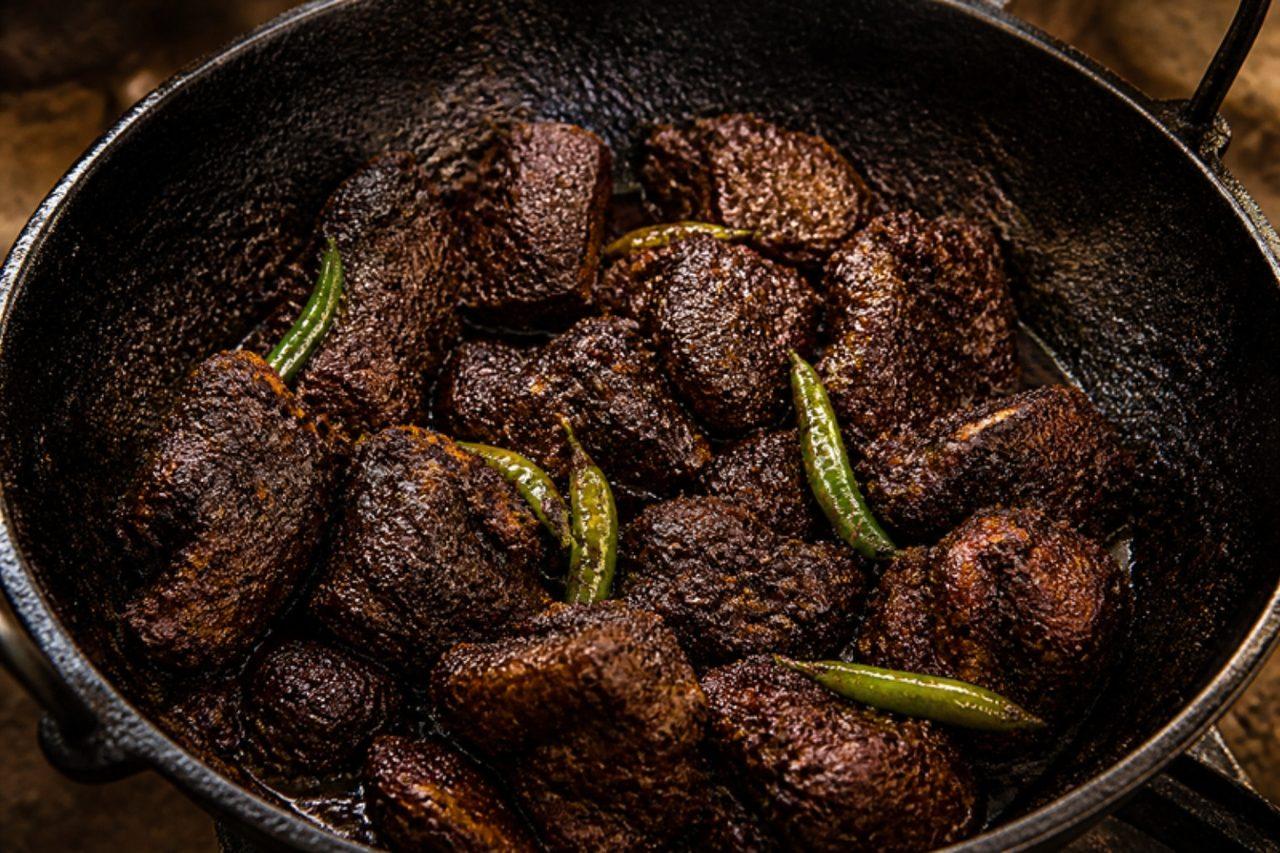
Kala means black, and that is the colour you are aiming for: Chittagong's kala bhuna is beef that is first cooked with spices until tender and then fried and stirred, patiently, for the best part of an hour until the pieces turn dark brown to nearly black and the masala clings to them like a crust. It is a dish from the port city's wedding and Eid kitchens, now a fixture of Chittagong restaurants in Dhaka, eaten with plain rice, khichuri or rice-flour chitoi ruti. The taste is deep and roasted, sharp with mustard oil, black pepper and a little nutmeg and mace, with no gravy at all. The most common slip is turning up the heat to speed up the blackening, which burns the spices bitter rather than caramelising the meat. Chef's tip: it improves overnight, so make it a day ahead and re-fry it briefly before serving.

by KrazyBadal 0 views

KalachPadlock-shaped wheat bread

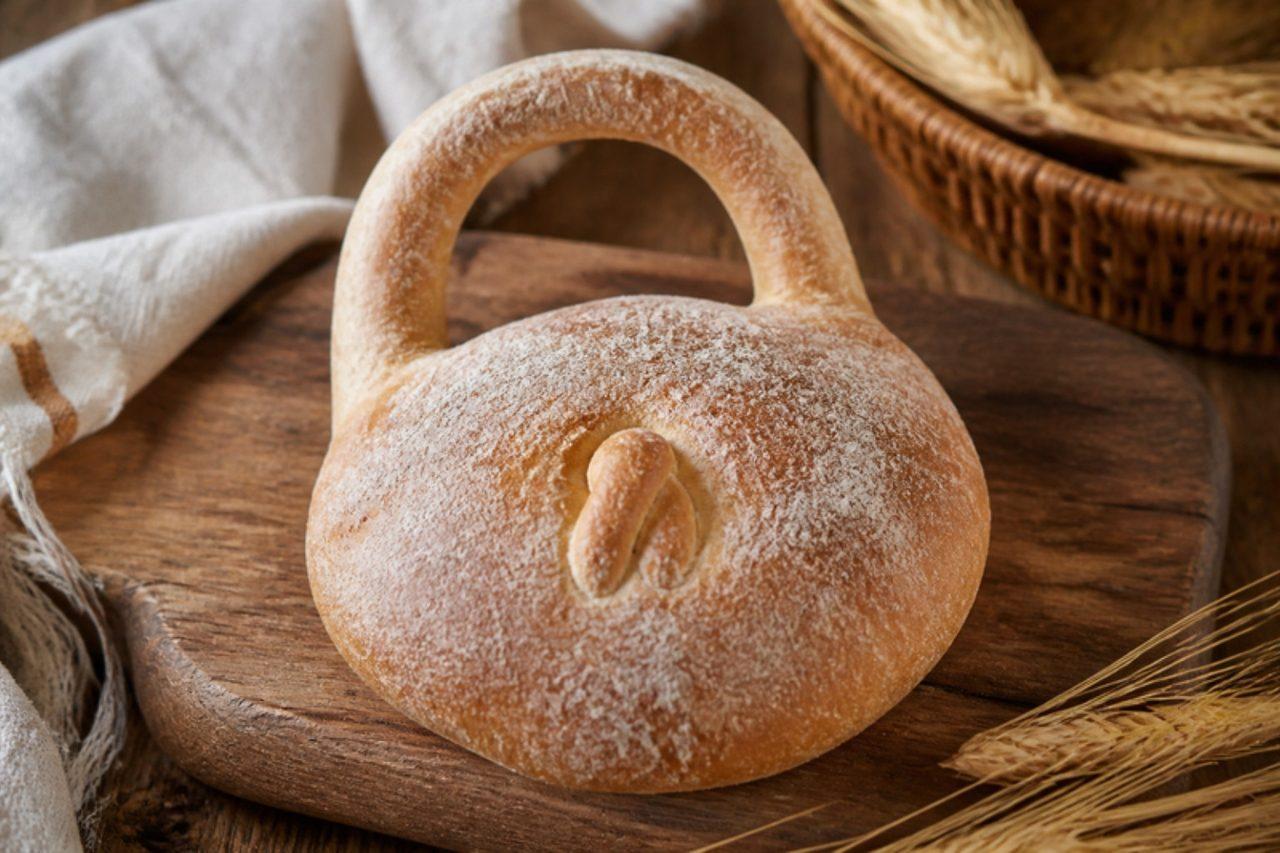
Street sellers in nineteenth-century Moscow shouted for kalachi hot from the oven, and the town of Murom near Vladimir had its own famous version. The loaf is shaped like a padlock with a thin arched handle; carters and labourers held it by the handle with grimy hands, ate the plump body and, so the story goes, left the handle for the poor, which gave Russian the phrase 'to come to the handle' for hitting rock bottom. The dough is lean and vegan, just flour, water, yeast and salt, kneaded firm and chilled, so the crumb comes out white, chewy and close under a thin crisp shell. Eat it warm with soup, or tear it with tea and jam. A common mistake is a slack dough; it must feel firm, or the handle loses its shape. Chef's tip: pour hot water into a tin on the oven floor as the bread goes in; the steam gives the glossy, pale crust.

by KrazyBadal 0 views

DemikátSheep's cheese soup over bread

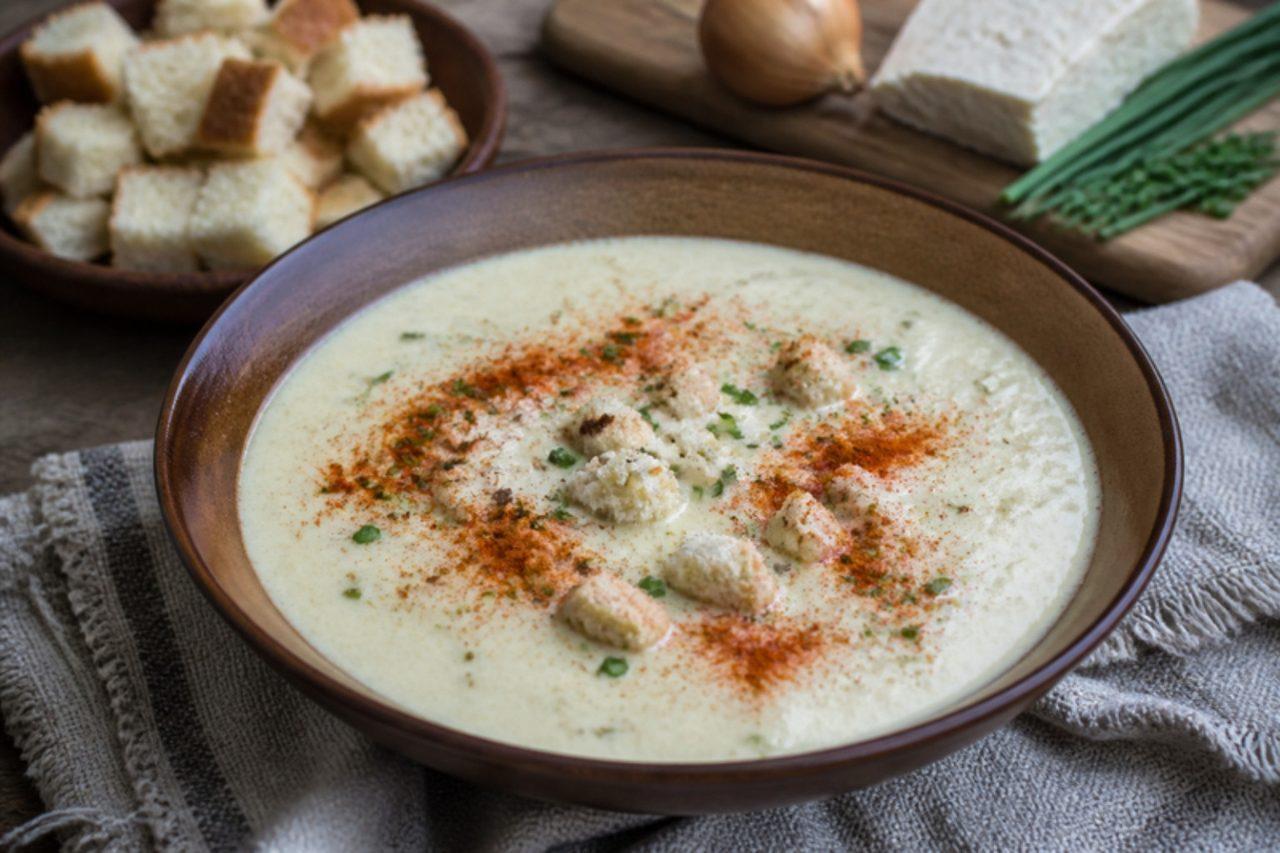
Shepherds in the hills of central Slovakia needed only a kettle of water, a lump of bryndza and a loaf of bread to make demikát, a soup that comes together in a quarter of an hour at the salaš, the summer sheep hut. The soft, salty sheep's cheese is mashed with fried onion, paprika and caraway, loosened with boiling water and poured over chunks of bread, then finished with heaps of chives. It is tangy, creamy and very warming. Bryndza is traditionally made with animal rennet and sometimes from raw milk, so for a vegetarian, safer bowl choose a pasteurised sheep's cheese made with vegetarian rennet (a soft feta-style cheese mashed with a little cream cheese works well). The usual slip is boiling the soup after the cheese goes in, which makes it grainy; just bring it to steaming. Chef's tip: use day-old rye bread, toasted, so it soaks up the broth without falling apart.

20 minCzechSoups
by KrazyBadal 0 views

BezarSpice blend

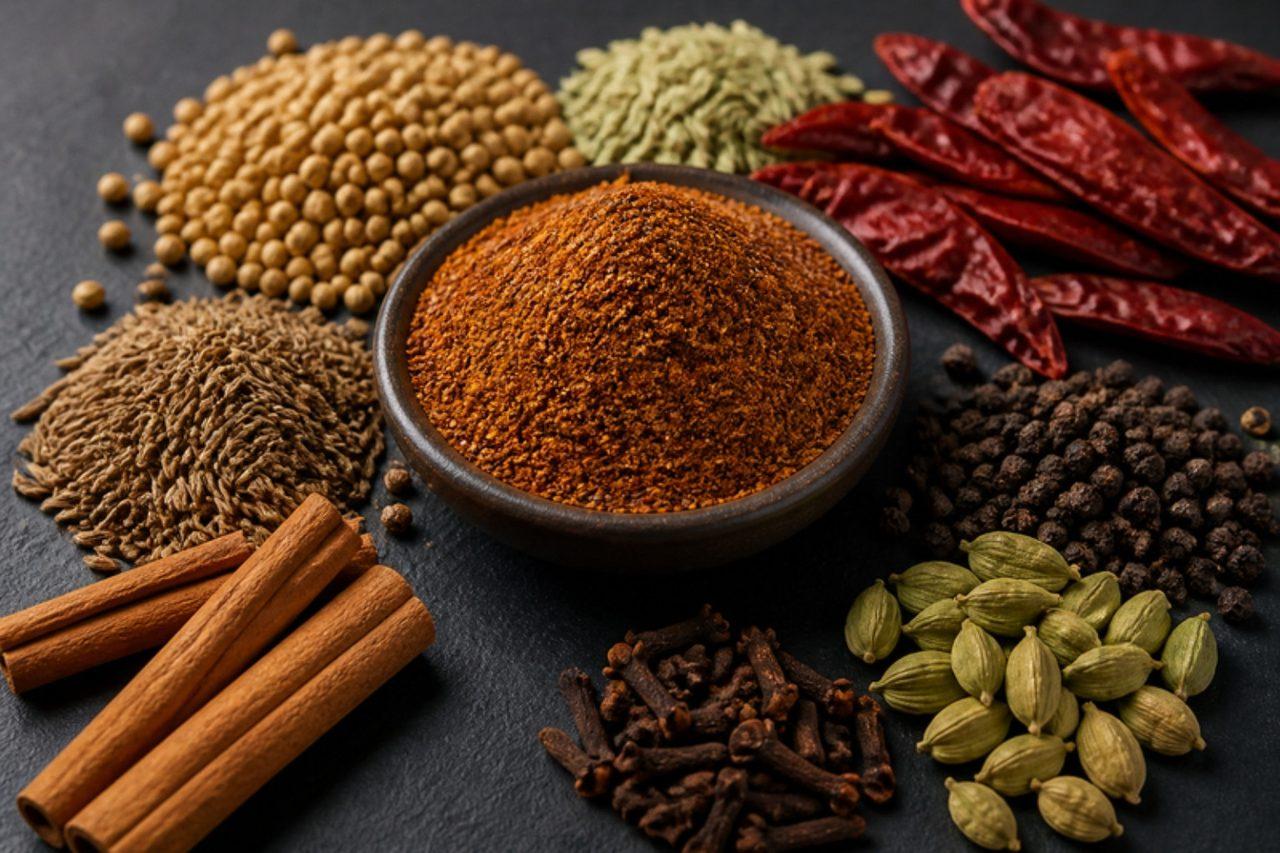
Every Emirati kitchen keeps a jar of bezar, and many families in Dubai and Al Ain still roast and grind their own each winter to last the year. It is the warm, earthy backbone of machboos, saloona, harees and grilled fish, built mainly on coriander and cumin with fennel, a little chilli heat, cinnamon and plenty of turmeric for colour. Toasting the whole spices first gives it a deeper, nuttier taste than any ready-mixed powder. The common slip is toasting everything together on a high heat, so the small seeds burn while the coriander is still raw. Chef's tip: stir the turmeric and ground ginger in after grinding, never into the hot pan, or they turn bitter.

by KrazyBadal 0 views

Kakra bhunaMud crab masala

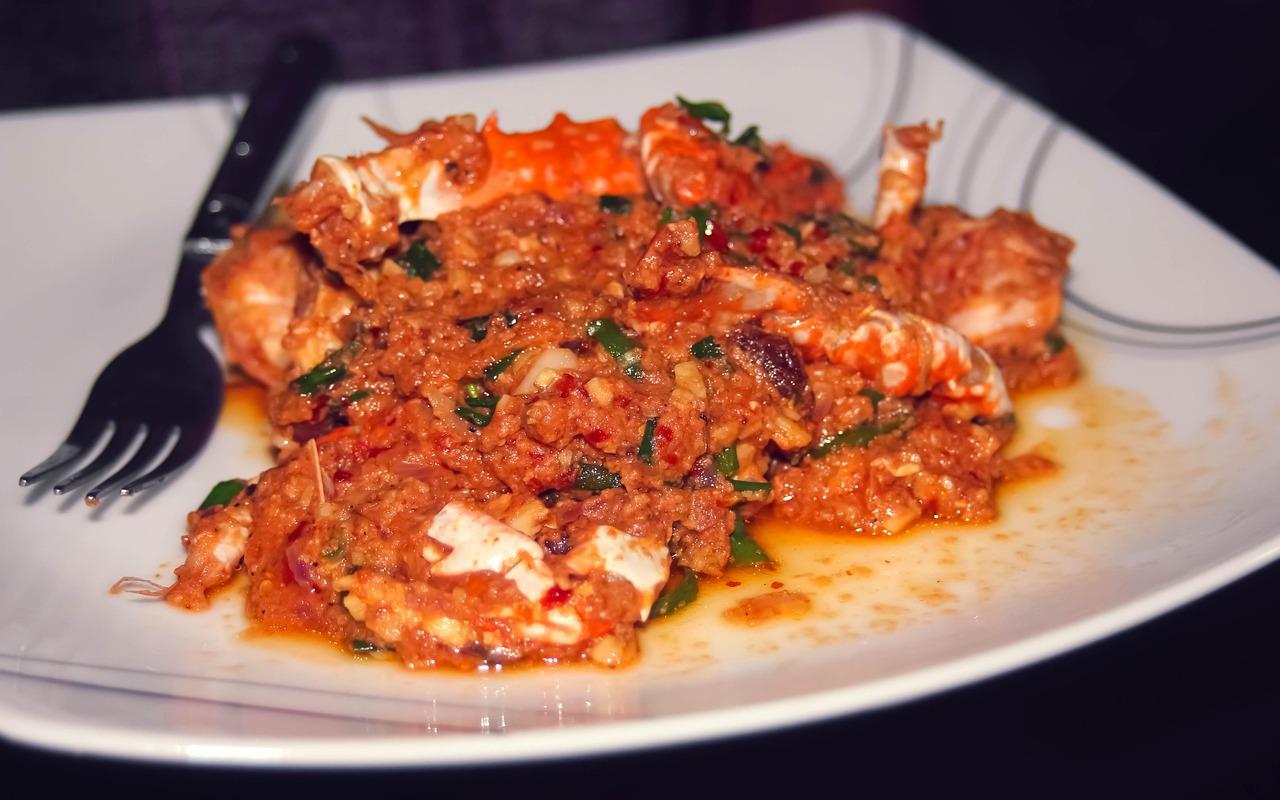
The muddy channels of the Sundarbans and the shrimp farms around Shyamnagar and Paikgachha are crab country, and in Khulna homes the big-clawed mud crabs are chopped in half, fried and then cooked down in a thick, fiery masala until it coats every crack and crevice. It is a dish for eating with your hands, sucking the masala from the shells and cracking the claws, with plain rice and a bowl of water for your fingers. Crabs must be bought alive and lively, or freshly cooked from a fishmonger you trust: throw away any that are dead before cooking, have a cracked shell or smell unpleasant. Ask the fishmonger to dispatch and clean them for you if you are not confident doing it yourself. Undercooking is the risk to avoid; the shells should be bright orange-red and the meat white and opaque right through. Chef's tip: crack the claws lightly before they go in, so the masala seeps inside.

by KrazyBadal 0 views

Kalai rutiUrad dal and rice flour bread

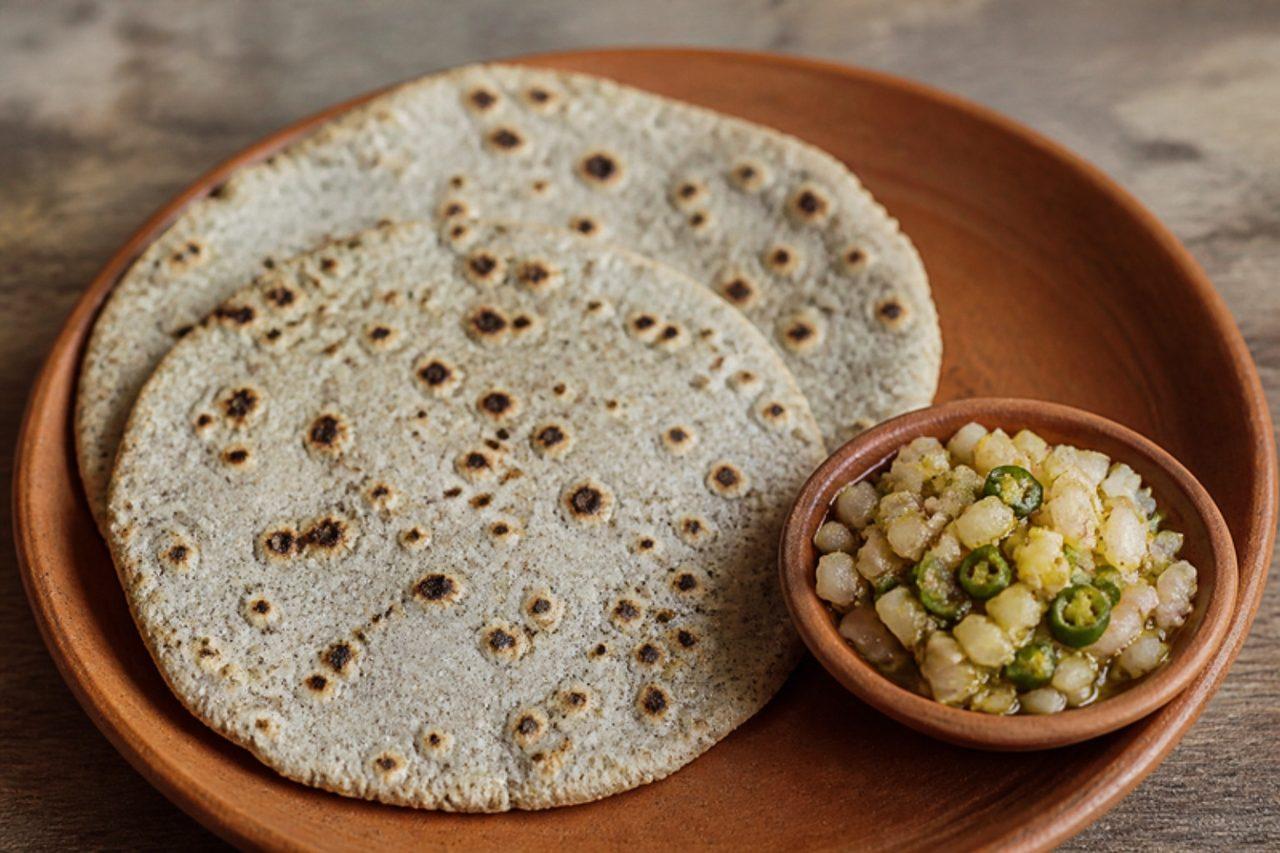
In Chapai Nawabganj and Rajshahi, kalai ruti stalls fire up as the weather turns cold, and the bread has become such a regional symbol that people from Dhaka make the trip just to eat it. Flour ground from mashkalai, or urad dal, is mixed with rice flour and hot water, then patted by hand between wet palms into thick rounds and baked on a clay tawa until speckled and toasty. The texture is dense, soft and slightly chewy, with an earthy, nutty taste. It is always eaten with something sharp: a raw bhorta of onion, green chilli and mustard oil, a smoky begun bhorta, or duck or beef curry in winter. Over-wet dough is what defeats most first attempts; it should be soft but hold its shape when patted. Chef's tip: keep a bowl of water beside you and wet your palms before shaping each ruti, which stops sticking and gives the characteristic smooth surface.

by KrazyBadal 0 views

Kancha aam makhaSpiced green mango

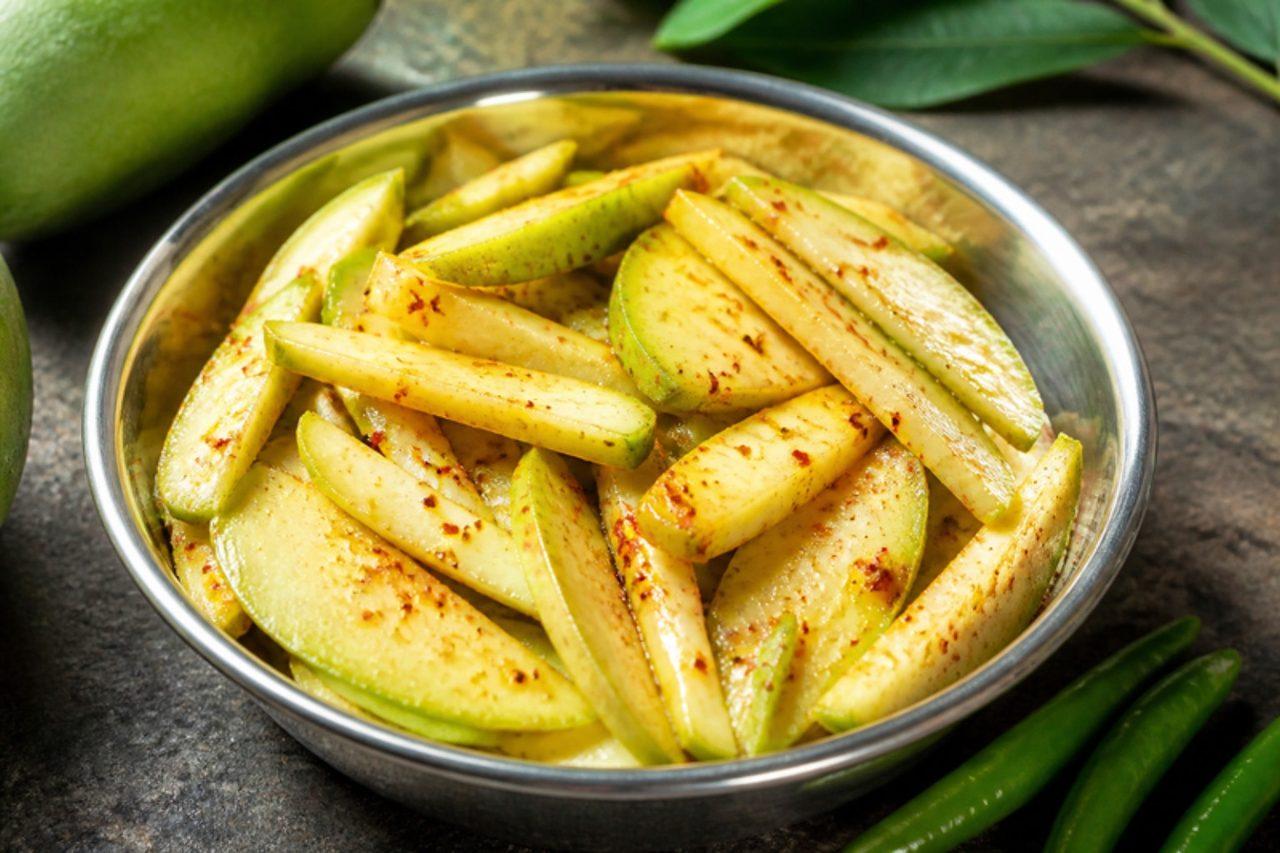
Outside every school gate in Bangladesh during the hot months, a vendor with a glass box on his cart sells green mango makha: unripe mango sliced paper-thin and squeezed by hand with salt, sugar, chilli and a splash of mustard oil, handed over in a cone of newspaper with a toothpick. Makha means mixed by hand, and the hand matters, as the squeezing bruises the mango so it softens and drinks in the seasoning. It tastes sour, sweet, salty and hot all at once, with the sharp nose-burn of raw mustard oil, and it is eaten as an afternoon snack in April and May, especially around Pohela Boishakh. Slicing the mango too thick is the error that leaves it hard and bland in the middle. Chef's tip: stir in a spoon of kasundi, Bengali mustard relish, for the version the street sellers call kasundi makha.

by KrazyBadal 0 views

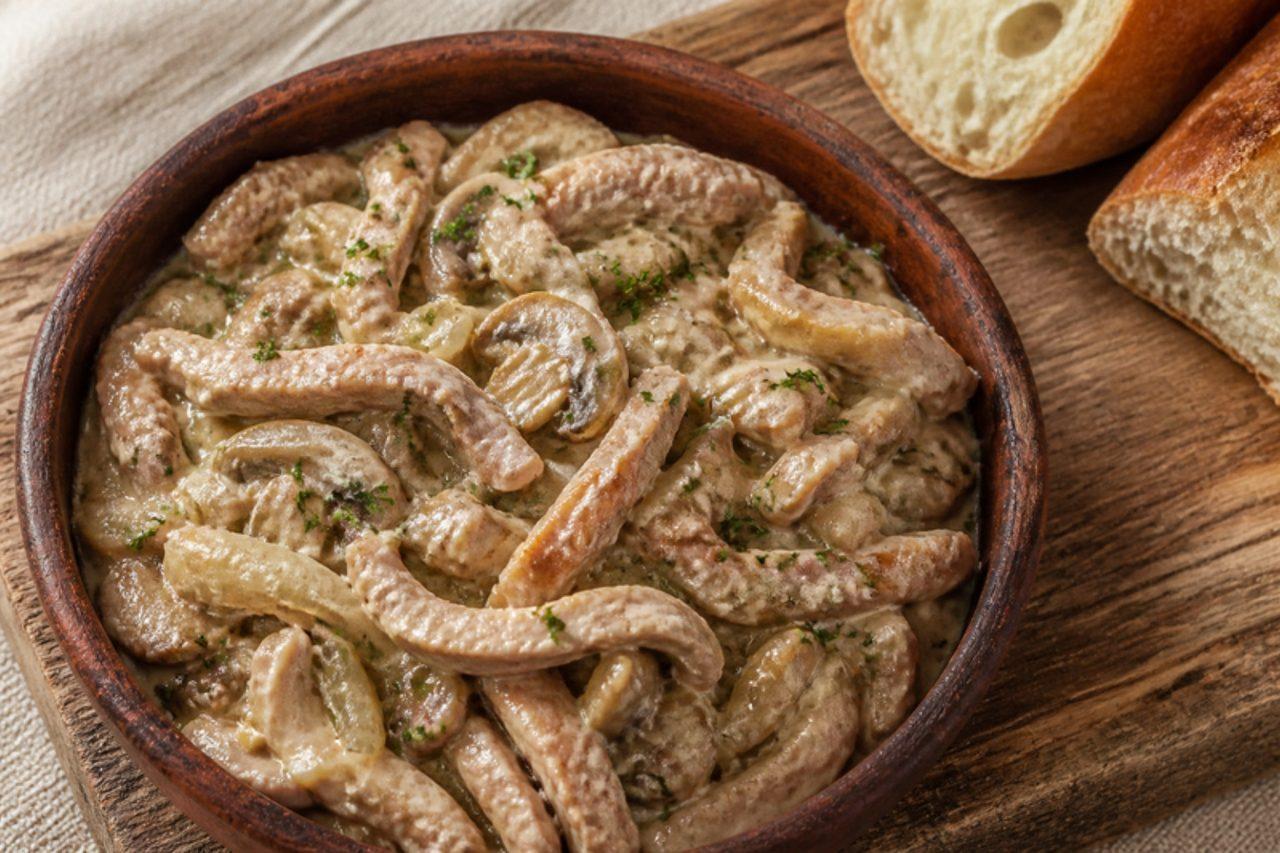
Katino mezePork and mushrooms in cream

Every Bulgarian mehana, the wood-panelled tavern, has Katino meze on the menu, sizzling in a small clay dish next to a shopska salad, and it is quick enough for a weeknight at home. Thin strips of pork loin are seared, then tossed with mushrooms, onion and pickled gherkin, deglazed with dry white wine and finished with cream, black pepper and a pinch of hot chilli. For an alcohol-free sauce, swap the wine for the same amount of vegetable stock with a teaspoon of white wine vinegar or a splash of white grape juice. Serve with crusty bread or chips. A common mistake is crowding the pan: the pork stews grey instead of browning, so sear it in two batches. Chef's tip: cut the pork across the grain into finger-thin strips while it is half-frozen; it slices neatly and stays tender.

by KrazyBadal 0 views

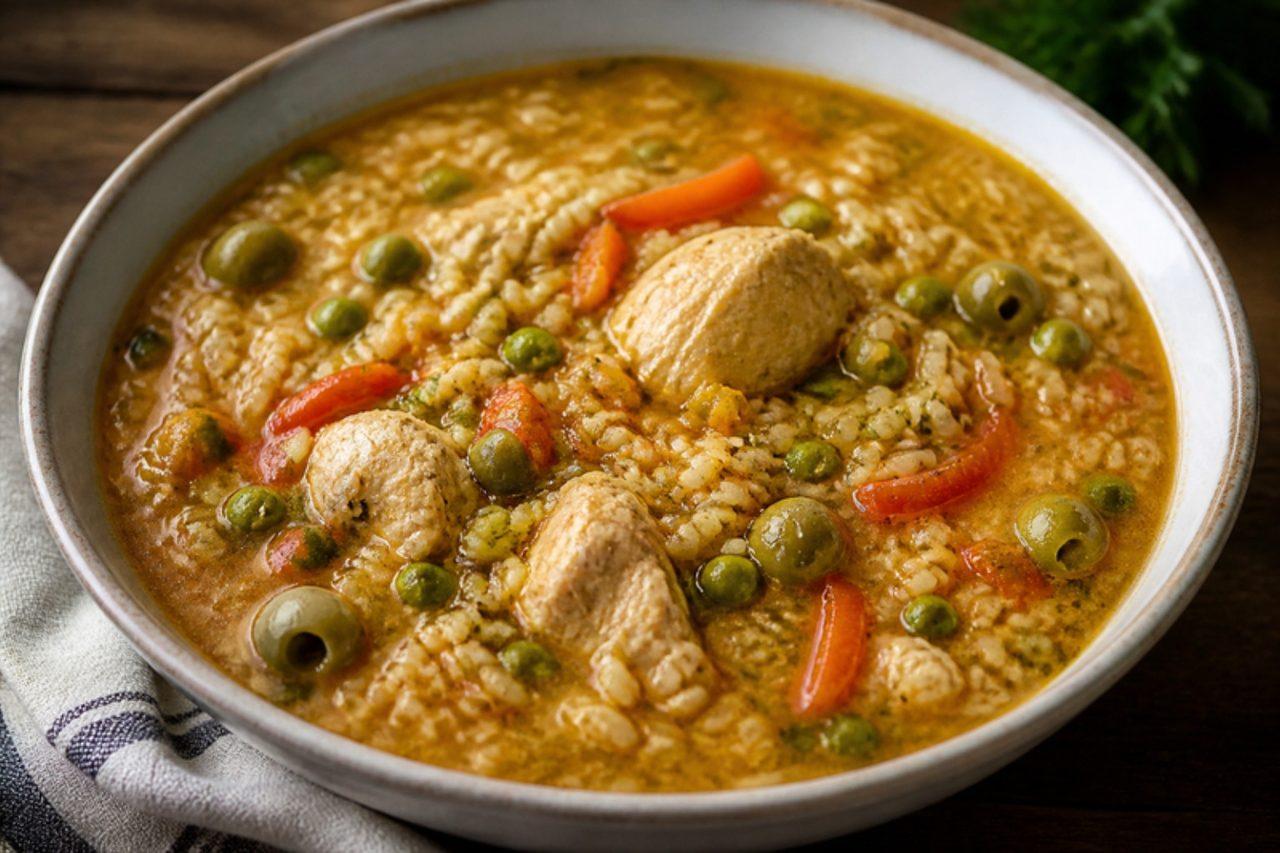
Asopao de polloSoupy chicken and rice

Somewhere between a soup and a risotto, asopao is the pot Puerto Rican mothers put on for a rainy Sunday, a cold, or a hangover after a long party night, and it is spooned straight from deep bowls with tostones on the side. Bone-in chicken is seasoned with garlic, oregano and lime, simmered in a sofrito broth, then rice goes in until the whole pot turns thick and brothy, finished with olives, capers, peas and strips of roasted pepper. The common mistake is making it ahead: the rice keeps drinking the broth and turns stodgy, so cook it just before eating, or keep extra stock to loosen leftovers. Chef's tip: take the pot off the heat while the rice is still a touch firm; it carries on cooking in the bowl.

by KrazyBadal 0 views

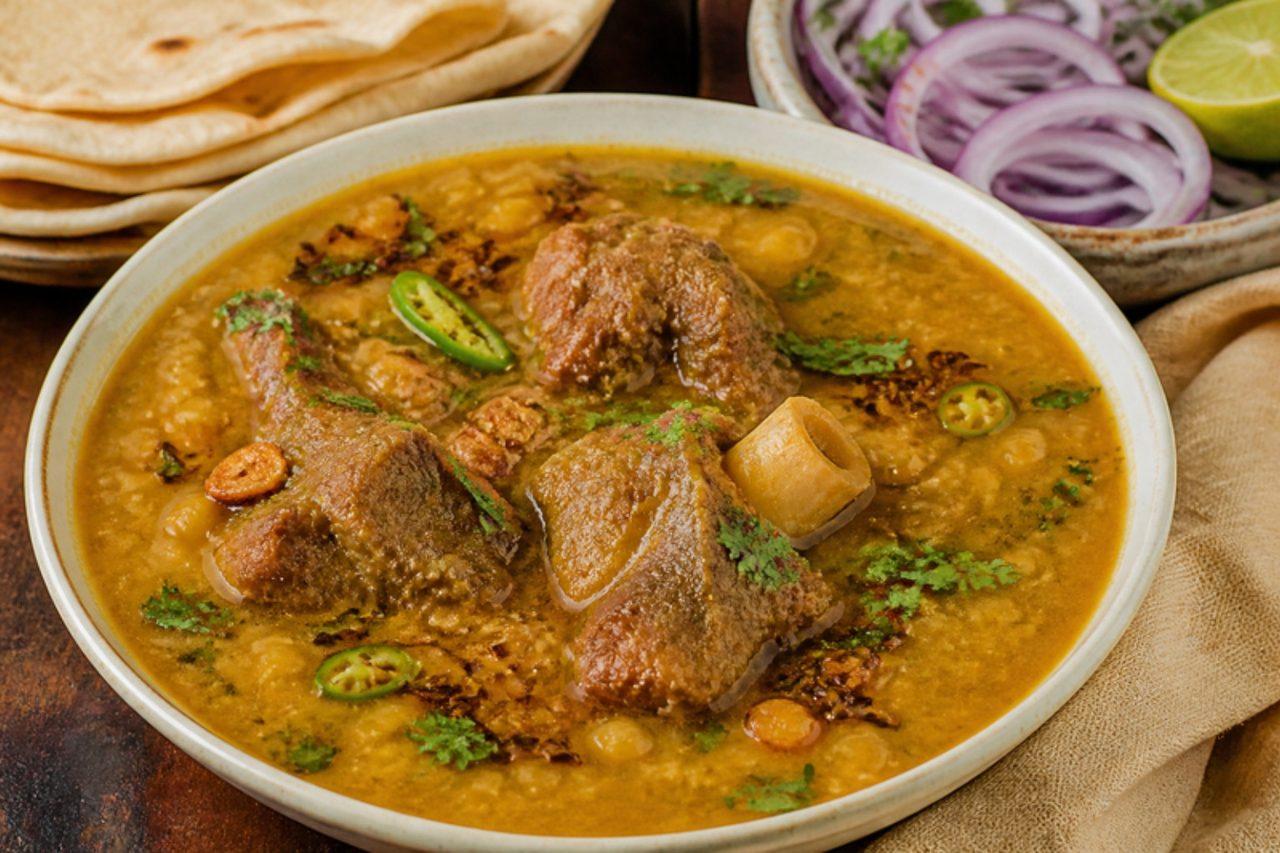
Dal goshtMutton and chickpea stew

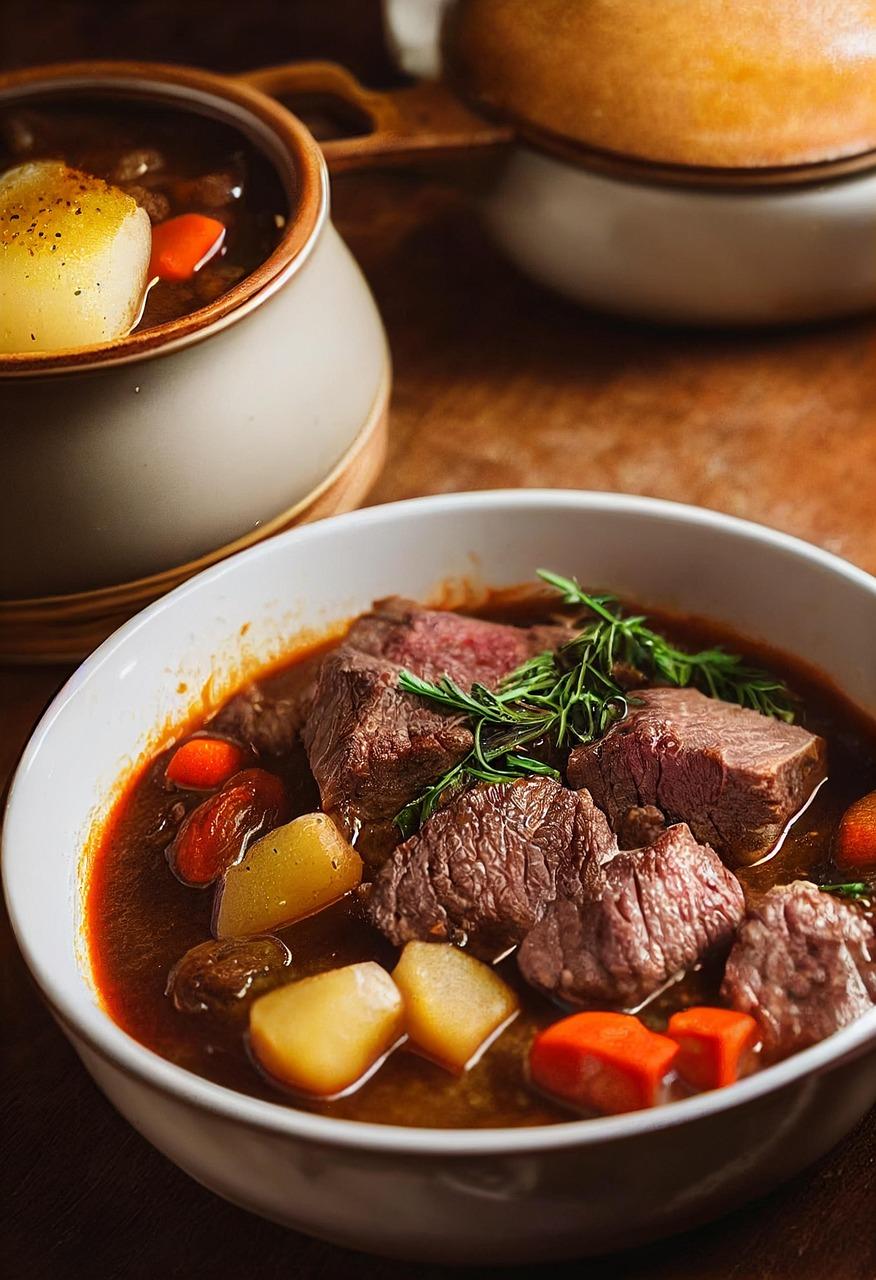
Stretching a kilo of mutton to feed a big family is an old Pakistani household skill, and dal gosht is its most loved result: chana dal cooked with the meat until the lentils melt into a thick, golden, peppery gravy that is half curry, half stew. It turns up for Friday lunch in Punjab and for everyday dinners in Karachi Urdu-speaking homes, eaten with hot chapati, rice and a sharp salad of onion and tomato. Done right, some dal stays whole while the rest thickens the gravy. A common slip is adding raw dal to the pot at the same time as the meat; dal cooks faster, so it collapses into paste before the mutton is tender. Chef's tip: finish with a tarka of ghee, cumin and fried garlic for a Sunday version, or leave it plain with oil for an everyday pot that stays dairy free.

by KrazyBadal 0 views

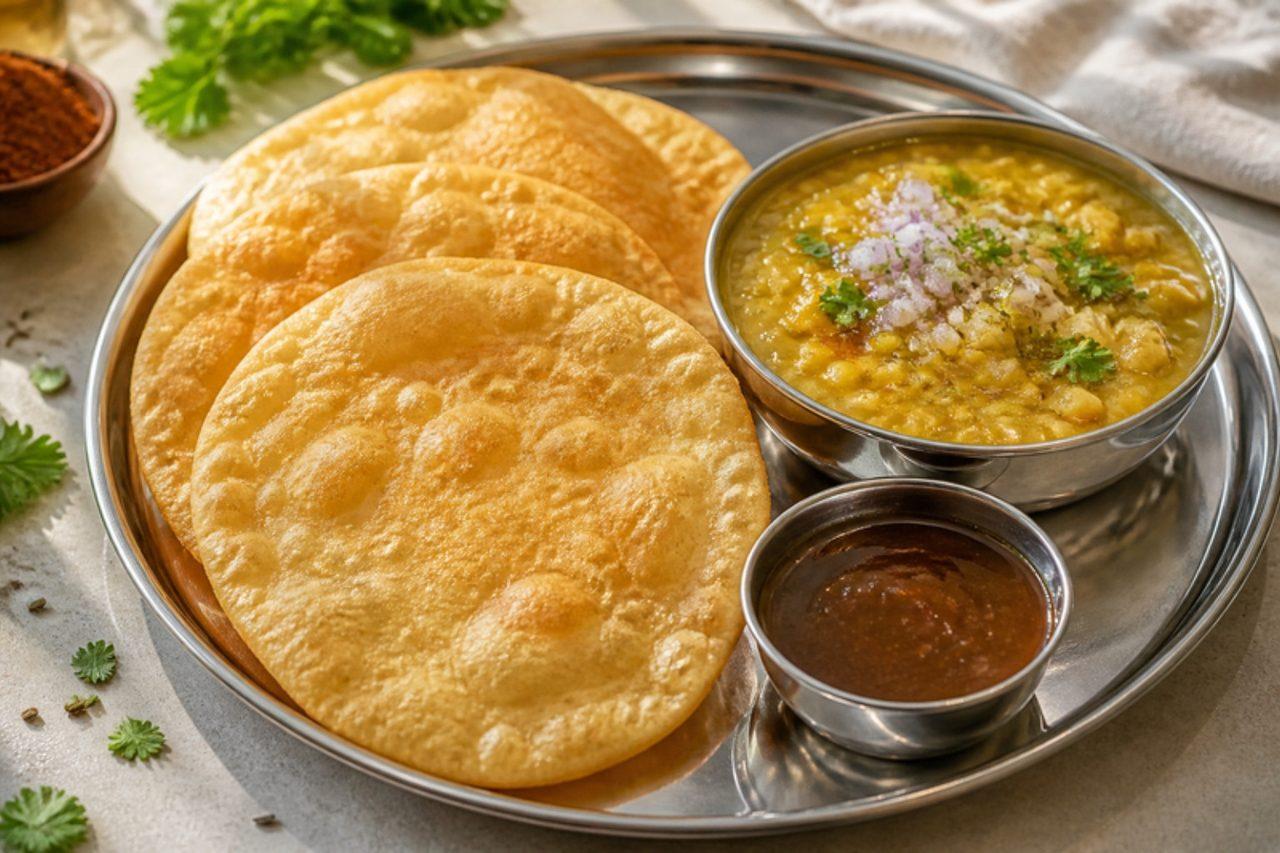
Dal pakwanFried bread with spiced chana dal

Sunday morning in Karachi's old Sindhi neighbourhoods, and in Hyderabad, means a queue at the dal pakwan stall, or a home kitchen hot with frying oil. Pakwan are crisp, bubbly discs of cumin and black-pepper dough, fried until they shatter like a cracker, and they are eaten broken into a bowl of soft, lightly spiced chana dal, then topped with sweet-sour tamarind chutney, raw onion and a dusting of chilli. The contrast of crunchy, soft, sweet and sharp is the whole point, so the parts are kept separate until the last moment. Thick pakwan are the most common disappointment: rolled too thick, they turn chewy instead of crisp. Chef's tip: roll each one as thin as you can and prick it all over with a fork before frying, so it puffs only a little and stays flat and crunchy.

by KrazyBadal 0 views

Dal chawal paliduLayered rice and dal

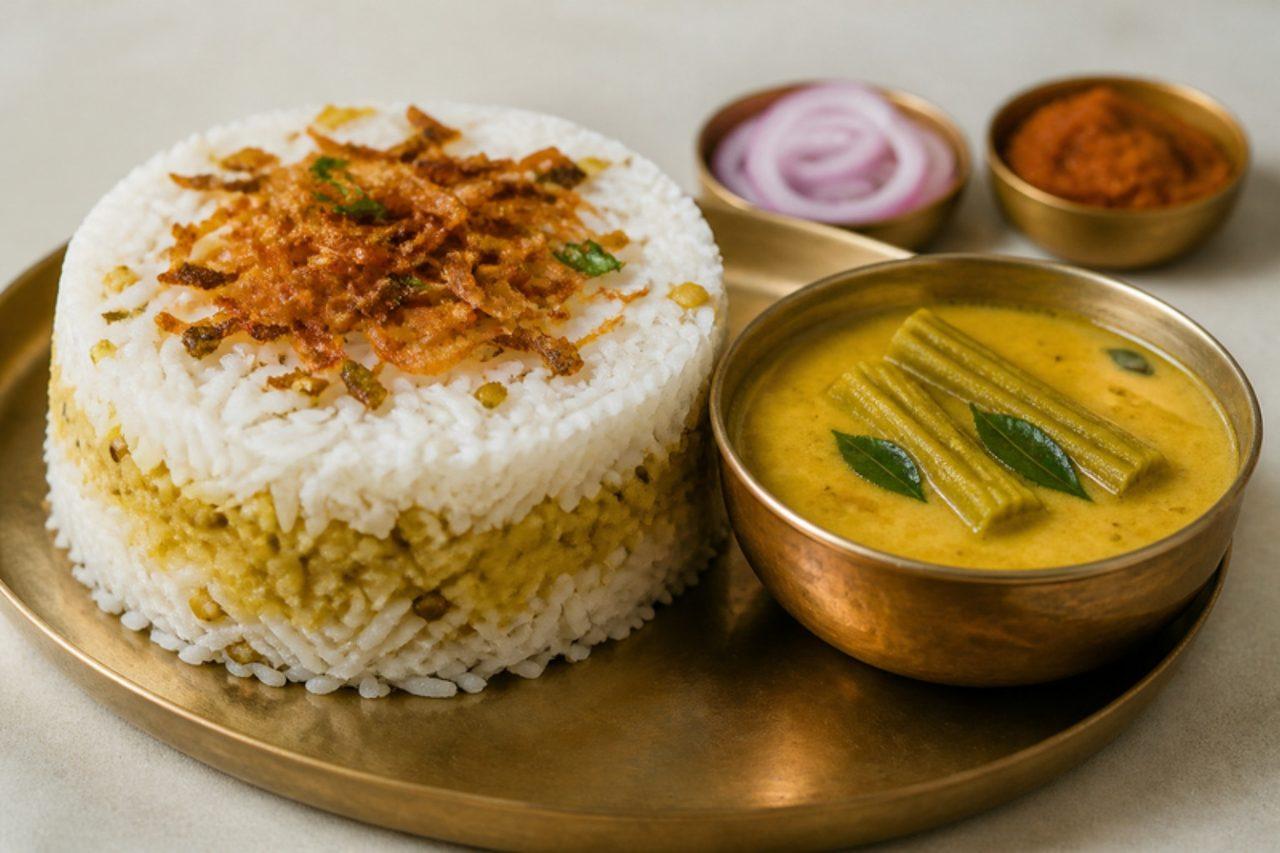
In the Dawoodi Bohra community of Karachi's Saddar and Kharadar, dal chawal palidu is the comfort meal of Sunday lunch and of the shared thaal at community gatherings, and nobody who grew up with it considers it complete without all three parts. Long-grain rice is layered with whole, separate grains of spiced toor dal and crisp fried onion, then steamed, while palidu, a thin, tangy curry made from the dal's own cooking water thickened with gram flour, tempered with mustard seed, curry leaves and garlic and studded with drumsticks, is poured over at the table. It is gentle, sour and deeply savoury. Overcooking the dal is the error to avoid, since it must stay in whole grains for the layers. Chef's tip: drain the toor dal as soon as it is tender and save every drop of the water, because that water is the base of the palidu.

by KrazyBadal 0 views

Antiguan ducanaSweet potato coconut dumplings

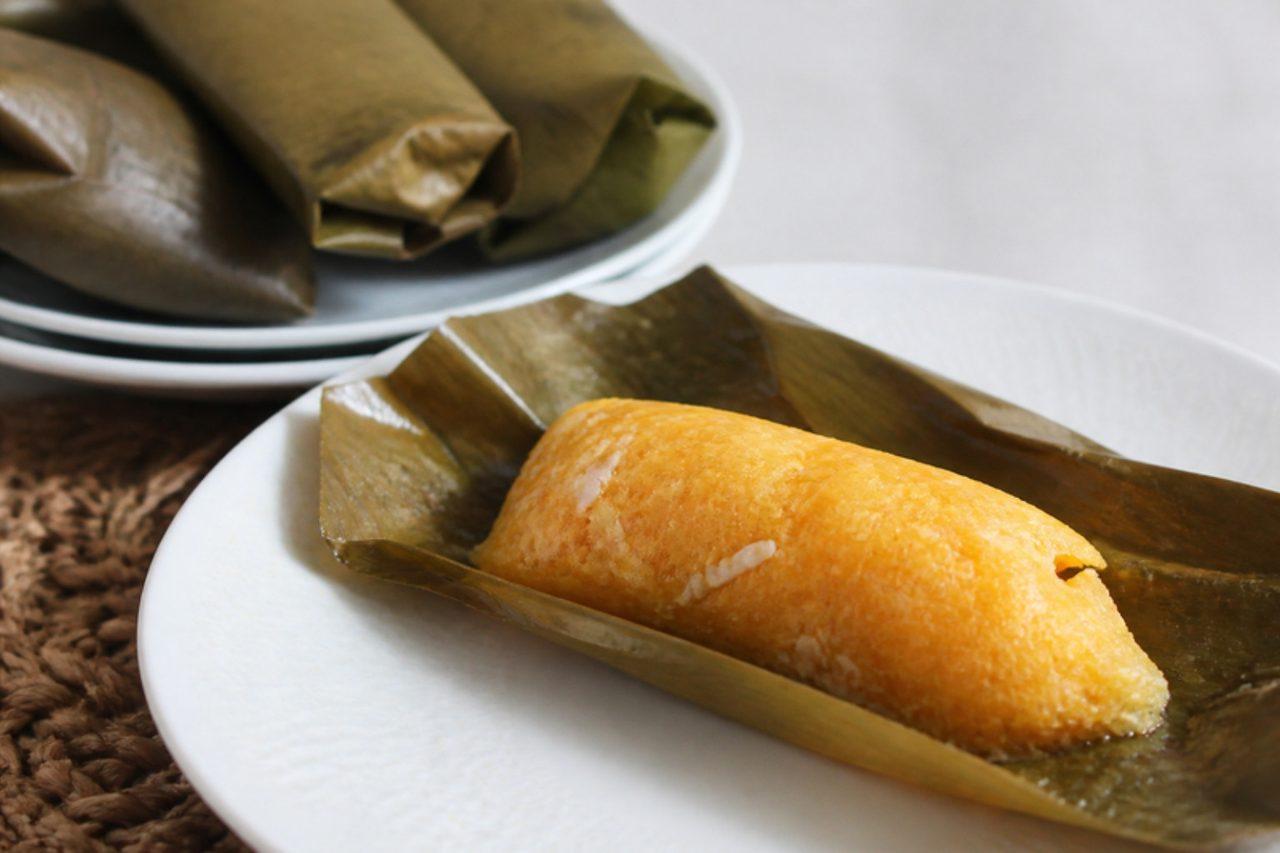
In Antigua, ducana turns up beside saltfish and chop up on Saturday plates and at Independence celebrations in November, little leaf-wrapped parcels of grated sweet potato and coconut with sugar, raisins and spice, boiled until set. It cuts through the salty fish with a soft, sticky sweetness. Many cooks add a little flour; this version keeps to sweet potato and coconut and is gluten free. The common mistake is wrapping the parcels loosely, so water seeps in and they turn mushy. Chef's tip: grate the sweet potato finely on the small holes and the ducana will hold together without any flour.

by KrazyBadal 0 views

Maqaw chicken soupMountain pepper chicken soup

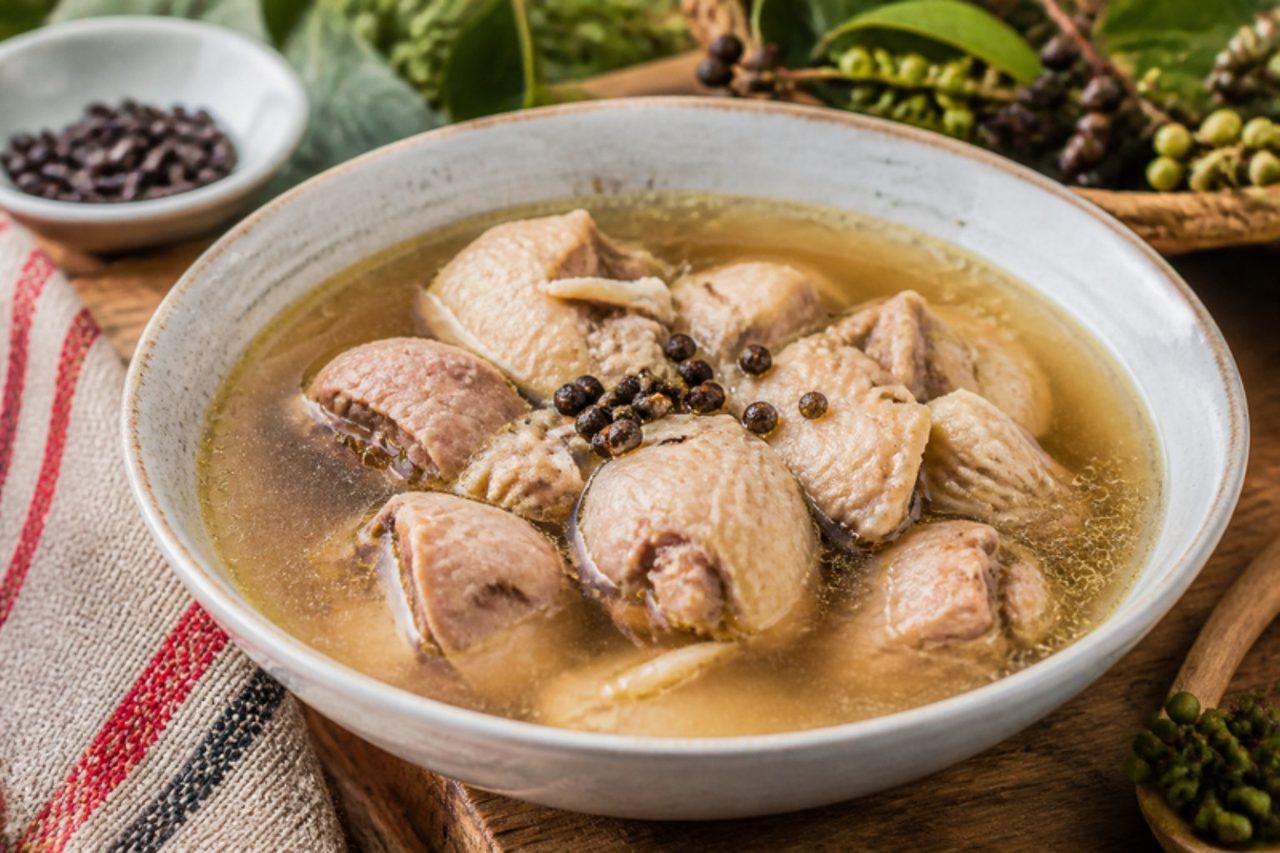
High in the mountains of northern Taiwan, in Atayal villages around Wulai and Fuxing, maqaw berries are picked from the mountain litsea tree in summer and dried to flavour soups, grilled meat and tea. In this clear chicken soup, served at home suppers and in Indigenous restaurants with millet or rice and wild greens, the crushed berries give a fresh lemongrass-and-ginger perfume with a gentle peppery tingle. Bone-in chicken simmered slowly makes a light, golden broth. People spoil it by adding the maqaw at the start and boiling it for an hour, which turns it bitter; add it for the last 15 minutes instead. If you can't find maqaw, use black peppercorns, a stalk of lemongrass and a strip of lemon zest. Chef's tip: lightly crush the berries just before they go in; whole ones barely flavour the broth, while powder makes it cloudy.

by KrazyBadal 0 views

AthirasaFried rice flour jaggery cakes

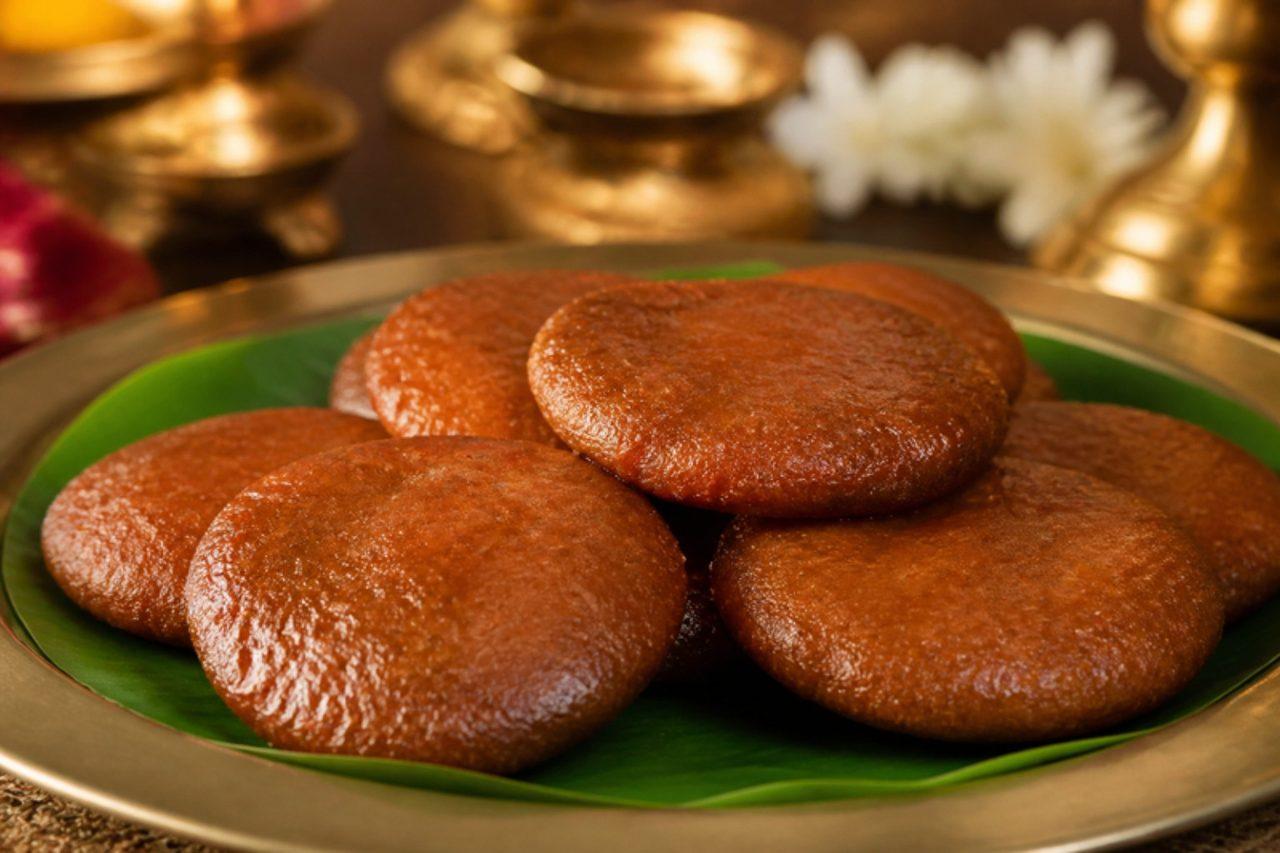
Athirasa, a dark, flat disc with a shiny, slightly crinkled surface, is one of the keeping sweets of the Avurudu season: families fry stacks of them in early April, store them in tins and offer them to every visitor for weeks. The dough is simply rice flour stirred into jaggery syrup cooked to the soft-ball stage, flavoured with cardamom and left to rest, then patted into rounds and fried until deep brown. The cook presses each one firmly between two flat spoons or saucers to squeeze out excess oil, which gives athirasa its chewy, toffee-like centre and lacy, crisp edges. The typical slip is undercooking the syrup, which makes the dough too soft to shape and causes the rounds to fall apart in the oil. Chef's tip: shape the discs on a piece of oiled banana leaf or baking paper and slide them straight into the oil from it, so they keep a neat round shape.

by KrazyBadal 0 views

KahiFlaky pastry with date syrup

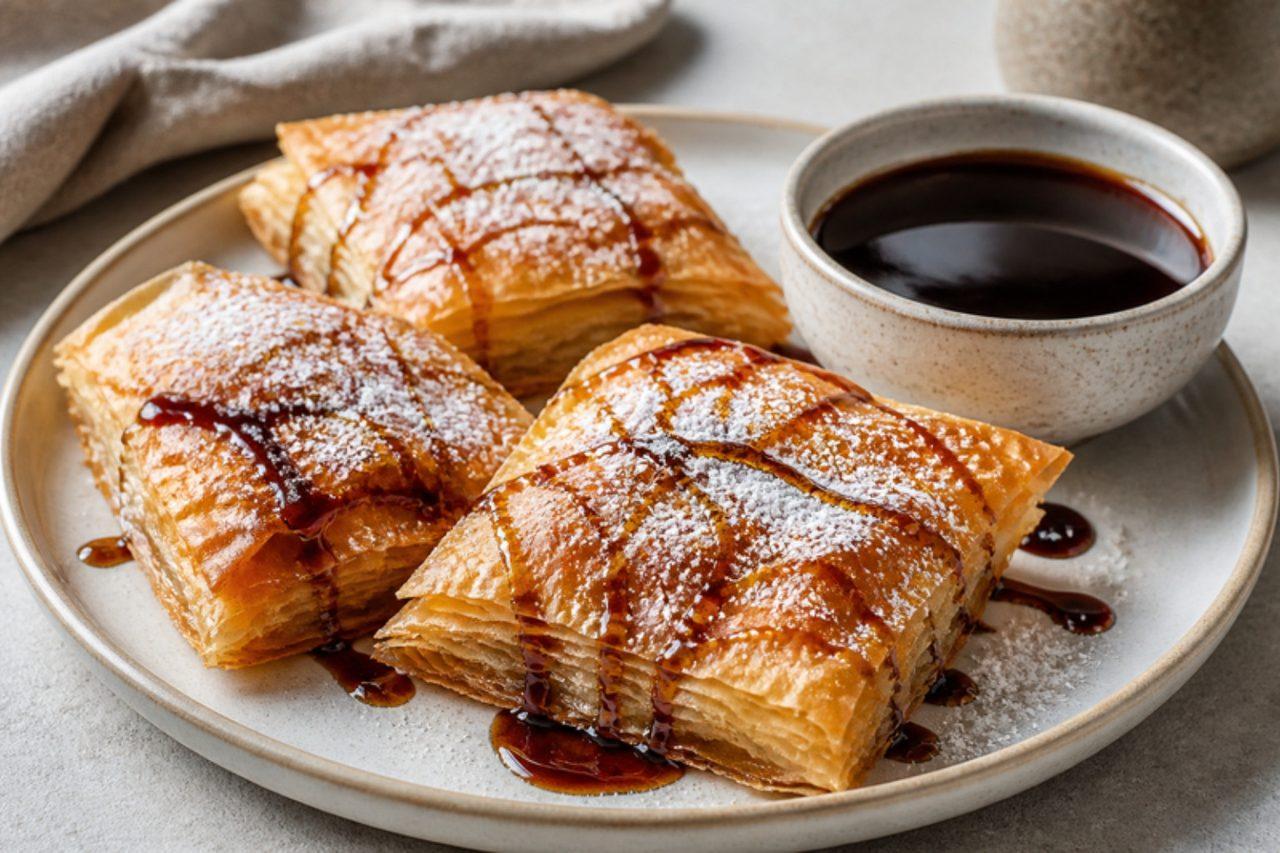
Kahi is what Baghdadi families in Ramat Gan and Or Yehuda make on Shavuot and festival mornings: squares of dough folded with butter into many layers, baked until flaky, then doused with silan (date syrup) or sugar and eaten with tea or a little yogurt. Outside it shatters; inside the layers stay soft and buttery. The common mistake is letting the butter melt into the dough while folding, which leaves you with a flat, bready square. Chef's tip: chill the folded dough for 20 minutes between rolls if your kitchen is warm, and bake in a really hot oven so the layers puff.

by KrazyBadal 0 views

Antiguan chop upMashed aubergine, okra and spinach

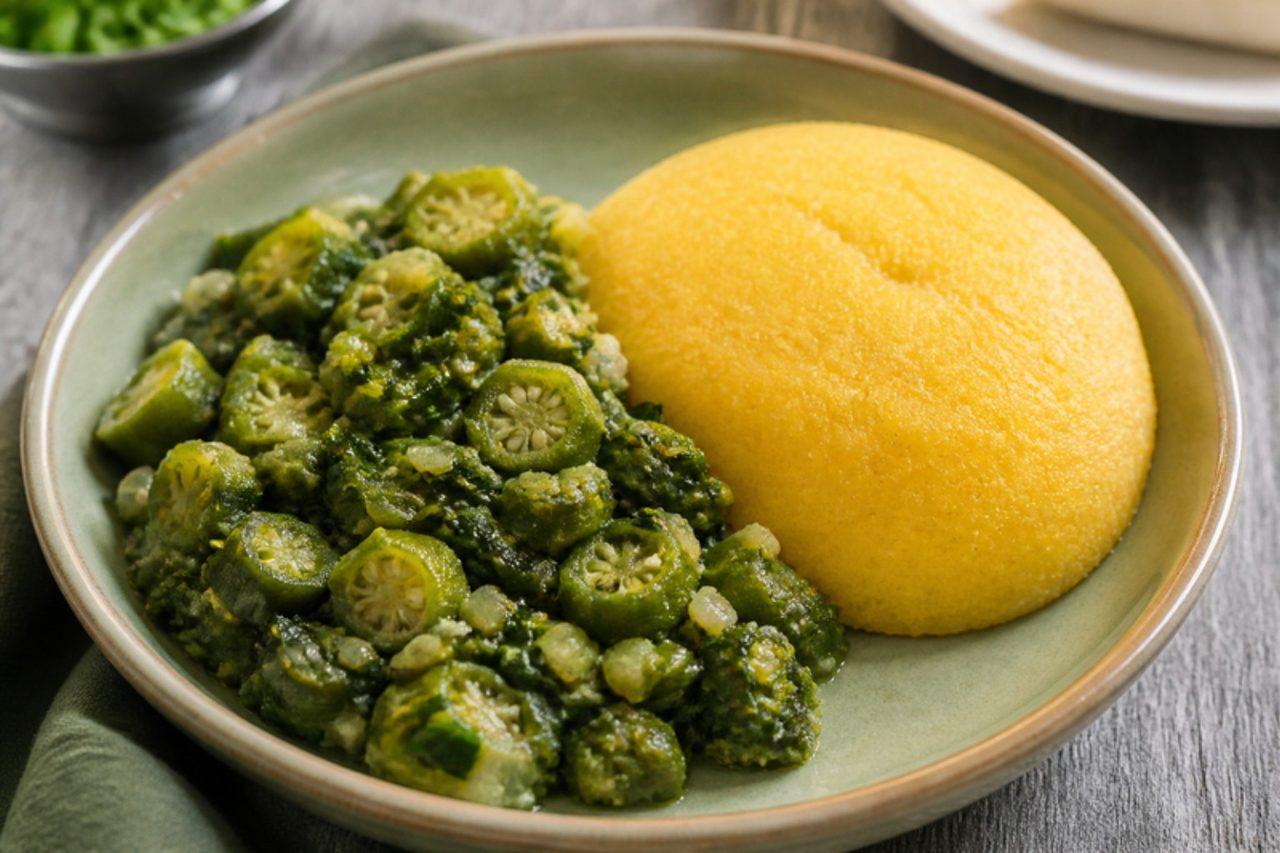
Antigua's national plate pairs fungee, a cornmeal and okra loaf, with pepperpot, and on the side there is often chop up: aubergine, okra and spinach cooked down with onion, garlic and thyme, then mashed to a soft, green-flecked purée. It is gentle, savoury and silky, and some cooks add butter or salted meat; this version is vegan and uses coconut oil. The mistake to avoid is stirring the okra too much early on, which makes it slimy; let it soften undisturbed, then mash. Chef's tip: a squeeze of lime at the end lifts the flavour and calms any okra stickiness.

by KrazyBadal 0 views

KajmakClotted milk cream

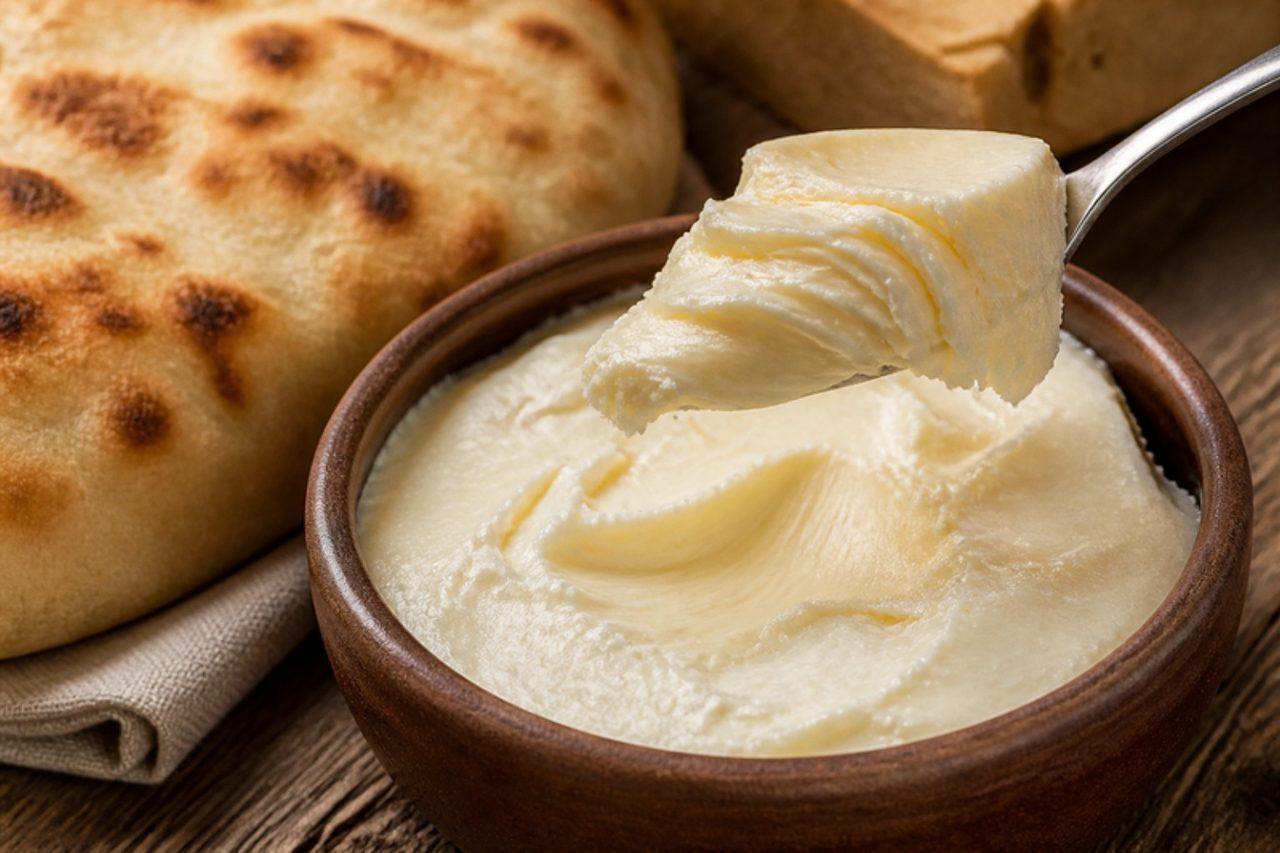
At the Zlatibor and Čačak markets, women sell kajmak from wide tubs, cut in soft ivory folds that taste of cooked milk, butter and a little salt. It is made by slowly heating rich milk, letting it settle in shallow pans and lifting off the thick skin that forms as it cools, then layering those skins with salt. This home version uses pasteurised milk and cream and stays in the fridge throughout; the long-aged, raw-milk kajmak of the villages is not something to copy at home. Spread it on warm lepinja or proja, or stir it into hot potatoes. A common mistake is letting the milk boil: the bubbles tear the skin and you end up with flecks instead of a thick sheet. Chef's tip: keep the skimmed milk left underneath for porridge, proja or pancakes; nothing goes to waste.

1440 minBalkanBasicsGluten free
by KrazyBadal 0 views

Dabba goshtMutton and macaroni bake

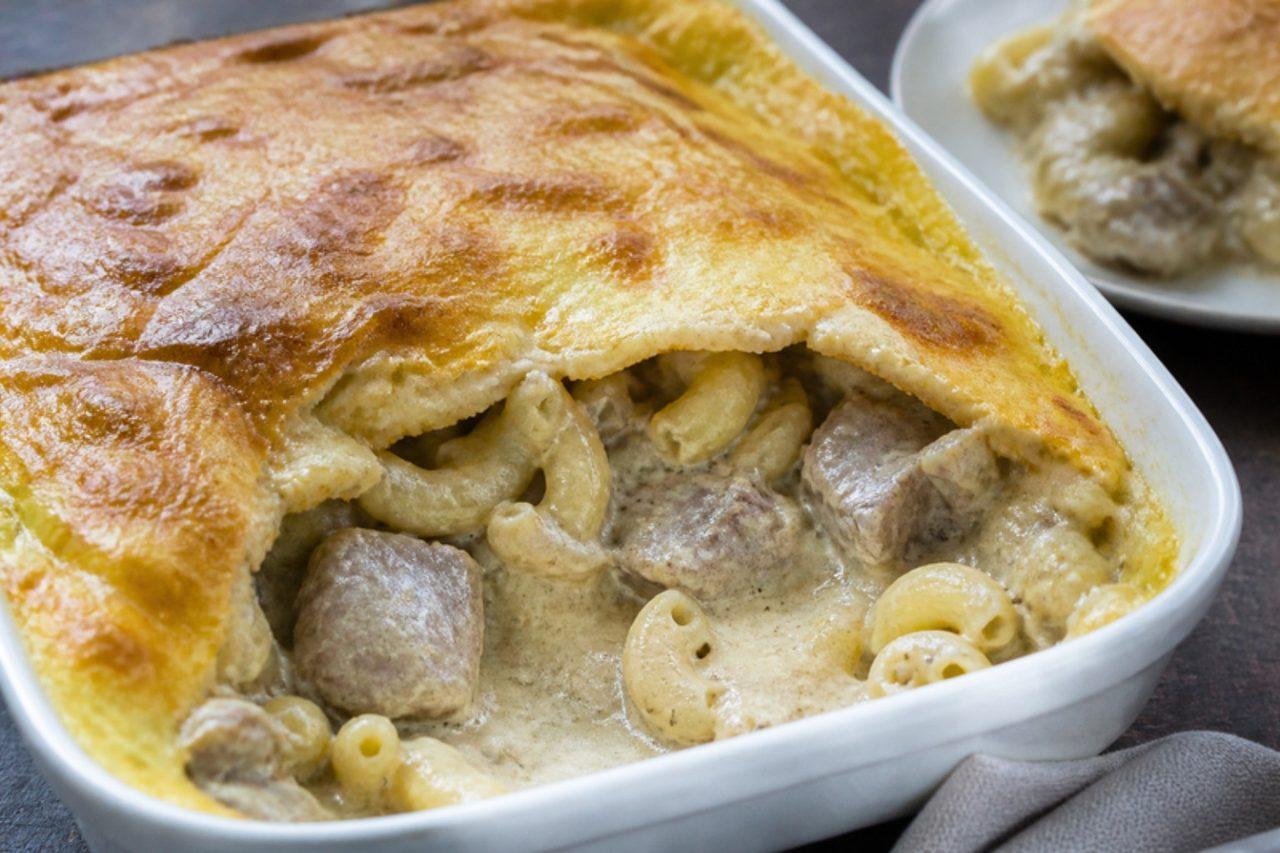
Only a Dawoodi Bohra kitchen would put macaroni into a mutton curry and bake it under a lid of egg, and dabba gosht is the triumphant result, made in Karachi for weddings, Eid and the big communal meals of Muharram. Boneless mutton is simmered until tender in a pale gravy of yogurt and ground cashew, mixed with soft elbow macaroni, poured into a dabba (a tin or deep dish), covered with whisked eggs and baked until golden on top. Inside it is creamy and mild with black pepper and cardamom; the crust is soft and set. The pitfall is overcooking the pasta before it goes in, because it keeps drinking sauce in the oven; boil it two minutes short. Chef's tip: keep the sauce looser than you think it should be when you assemble, as it thickens a lot under the egg.

by KrazyBadal 0 views

Daging smoorBeef braised in sweet soy

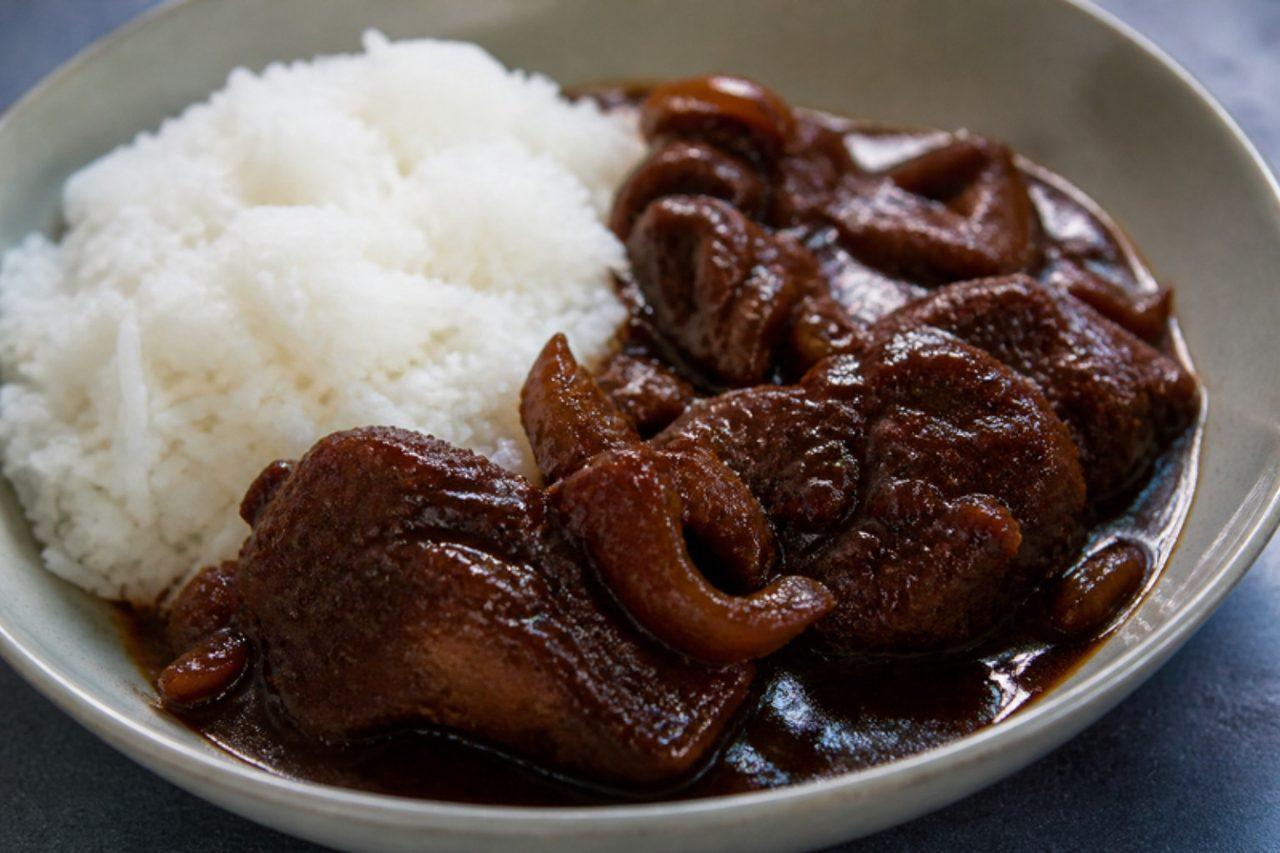
Daging smoor, from the Dutch 'smoren', to braise, is the Indo-Dutch version of Indonesian semur: beef braised for hours in kecap manis sweet soy sauce with onion, garlic, nutmeg, clove and a little tomato, until tender and coated in a dark, glossy, sweet-savoury sauce. It is a Sunday and rijsttafel dish in Indo-Dutch families in The Hague and is served with rice and atjar. A common mistake is a hard boil, which makes the meat tough and the sauce too salty as it reduces. Chef's tip: add the nutmeg at the start and a pinch more at the end, so its warmth runs through and the fresh aroma comes through on top.

170 minDutchCurries
by KrazyBadal 0 views

AnoushabourChristmas wheat pudding

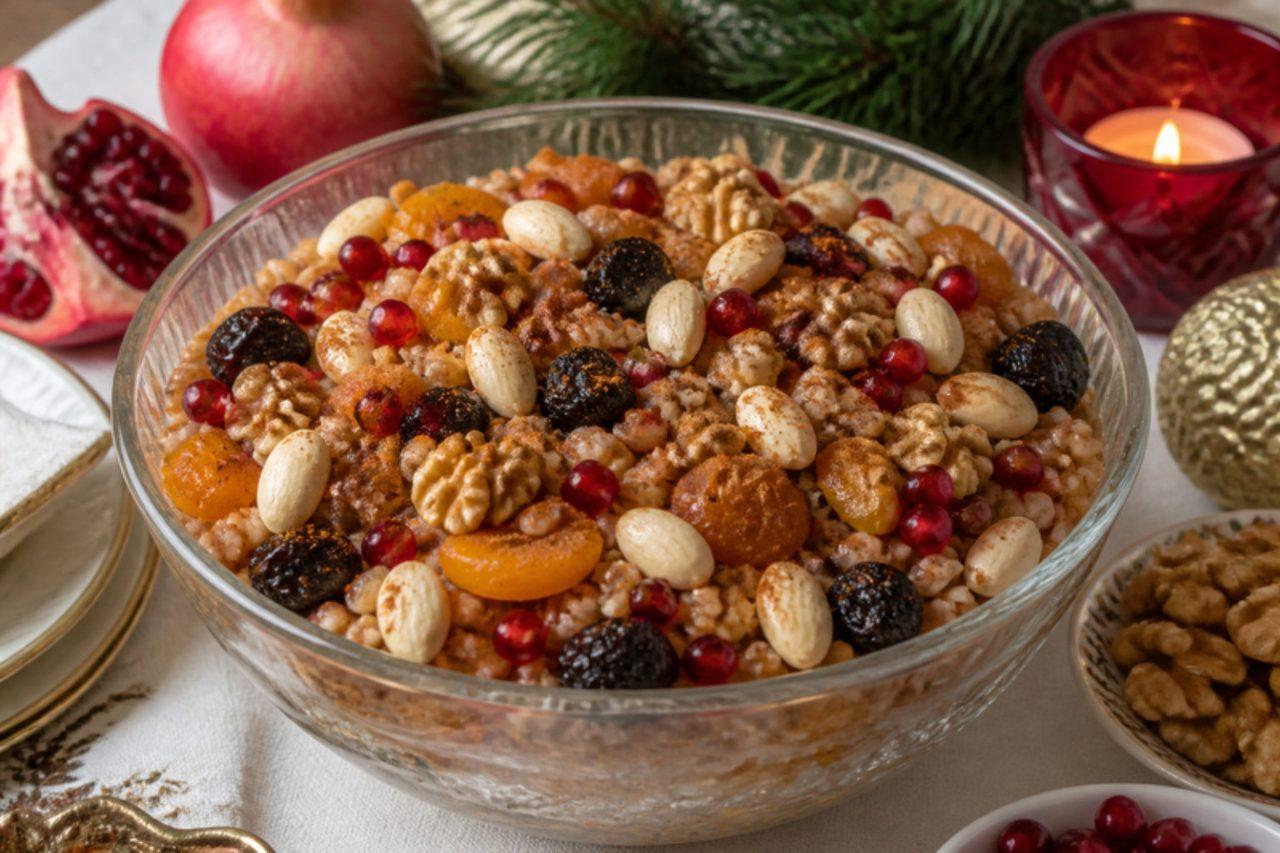
Anoushabour, 'sweet soup', is cooked by Armenian families for New Year and for Christmas, which the Armenian church keeps on 6 January; in Yerevan and diaspora kitchens a big pot is made and bowls are carried to friends. Whole hulled wheat is simmered until creamy, sweetened and filled with apricots, raisins and prunes, then topped with walnuts, almonds, pomegranate and cinnamon. A common mistake is adding the fruit early, which turns it to pulp. Chef's tip: stir in a spoon of rose water at the end and serve the pudding cool; it sets slightly and the flavours come together.

by KrazyBadal 0 views

AushNoodle soup with beans and yogurt

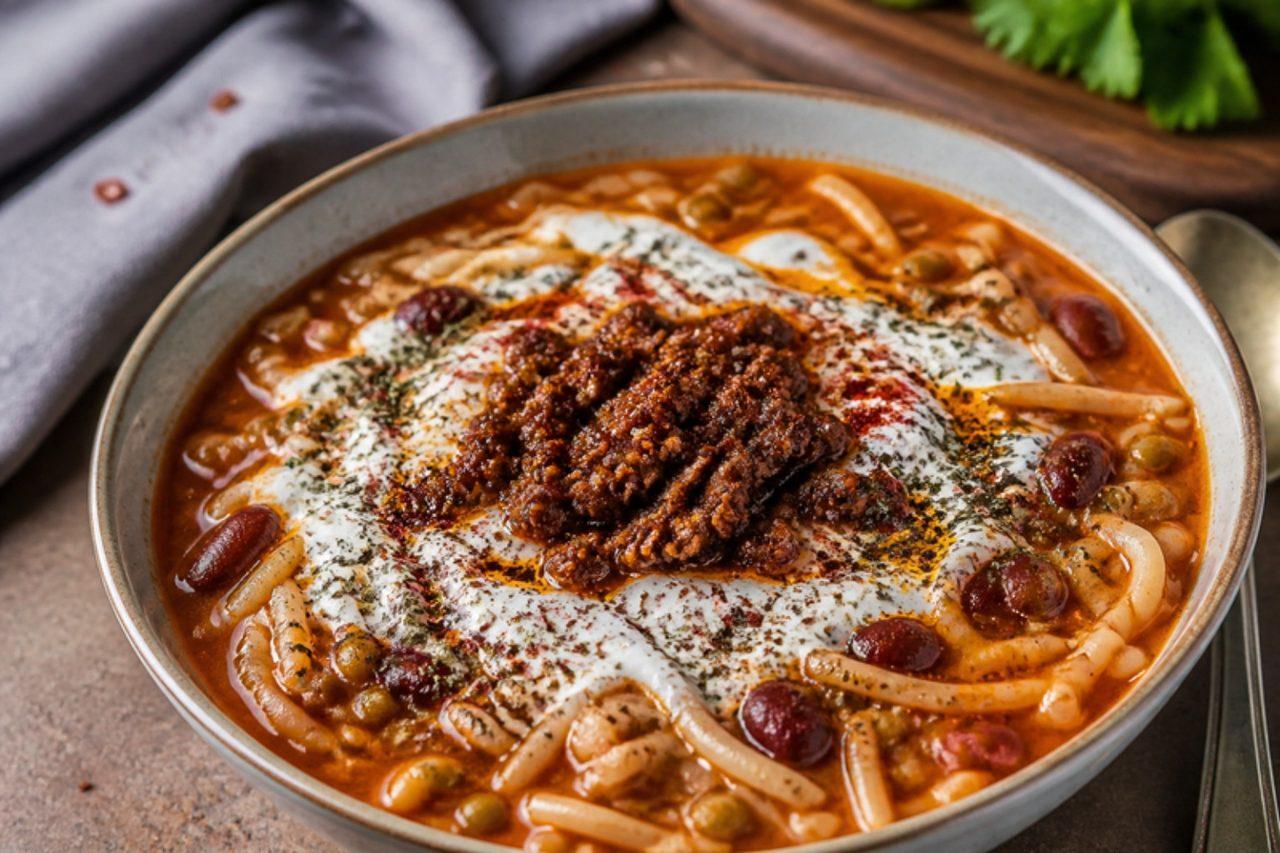
Aush is the bowl Afghan mothers make when someone in the house has a cold or the first snow falls on Kabul, a thick, tangy soup of hand-cut noodles, kidney beans and chickpeas, enriched with garlicky yogurt and finished with a spoonful of spiced minced meat and a heavy dusting of dried mint. The broth is slightly sour, creamy and warming with chilli, and the noodles are soft and a little slippery. It is a meal in itself, eaten with nothing more than naan and pickles. For a vegetarian version, leave out the meat sauce and add a handful of cooked mung beans. Noodles dropped into a soup that has gone off the boil stick together into a clump, so keep it bubbling as you add them a few at a time. Chef's tip: stir the yogurt in only after the pan is off the heat, so it turns the broth creamy without splitting.

by KrazyBadal 0 views

Balish mishtiGiant pillow-shaped chhana sweet

Balish means pillow, and in Netrokona, in the north of Mymensingh division, this sweet is sold in sizes up to the length of a hand: a huge, soft, oblong chhana sweet cooked in syrup until golden and spongy, then smothered with a layer of thick, creamy reduced milk. A sweet-maker in the town created it in the early twentieth century and it is now the gift people bring to weddings and family visits in the region, sliced at the table and shared. The inside is soft and syrupy, the topping rich like clotted cream. Large chhana shapes crack open in the boiling syrup if the dough isn't kneaded long enough, which is the main thing that goes wrong, so take the full 10 minutes. Chef's tip: a spoon of plain flour in the chhana helps the big pillows hold their shape as they swell.

by KrazyBadal 0 views

Kadala thel dalaStir-fried chickpeas

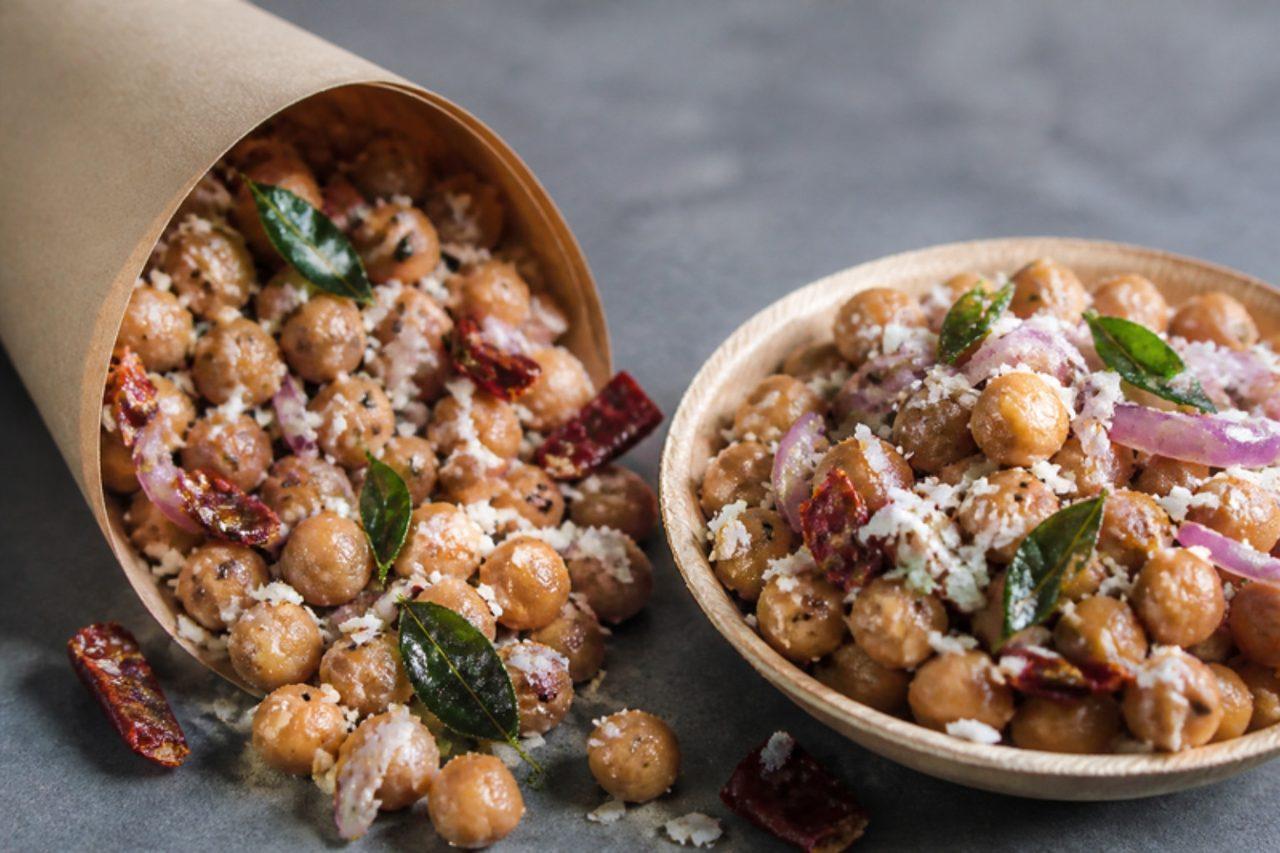
As the sun goes down over the sea at Galle Face Green in Colombo, vendors with glass-sided carts scoop warm kadala into cones twisted from old newspaper, and the same snack appears at temple festivals, perahera nights and every Avurudu gathering. Boiled chickpeas are tossed in coconut oil with mustard seeds, red onion, curry leaves, dried chilli and a handful of freshly grated coconut, so they are nutty, salty and gently hot, with a soft bite. Some vendors stir in Maldive fish; this version is vegan. Tinned chickpeas make it a ten-minute job, though home-boiled dried ones have a firmer, nuttier texture. Wet chickpeas are the problem to avoid, as they spit in the oil and the spices slide off; drain and pat them dry. Chef's tip: let the onion and curry leaves fry until the edges just begin to brown before the chickpeas go in; that toasty flavour is what makes street kadala so addictive.

by KrazyBadal 0 views

Balochi kaakSmoky wholewheat bread

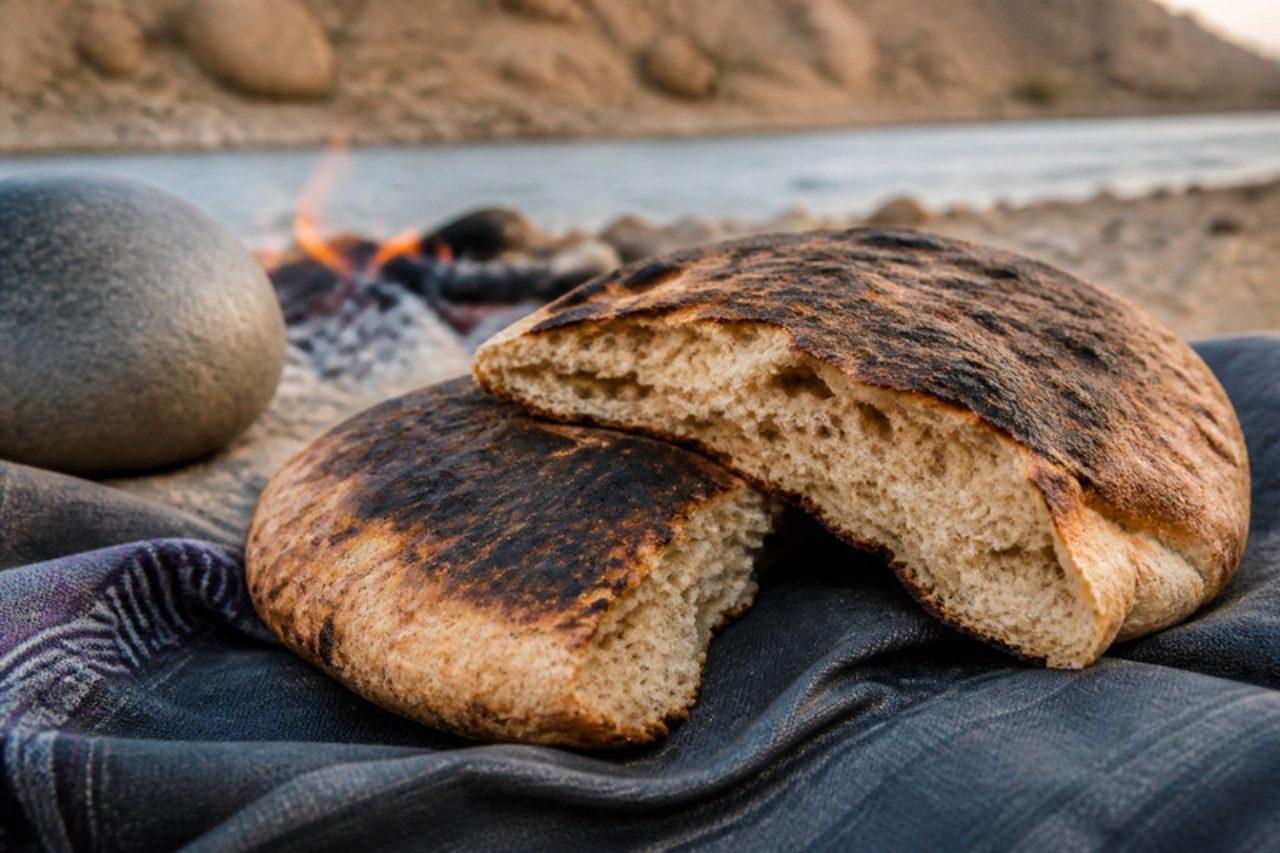
Out in the hills of Balochistan, from Kalat to the passes above Quetta, kaak is shepherds' and travellers' bread: dough wrapped around a smooth river stone that has been heated in the fire, then propped among the embers until a thick, smoky crust forms and the stone cooks it from inside too. It is served torn into chunks alongside sajji, the slow-roasted lamb of Balochi feasts, or with yogurt and tea on the road. This version is for a home oven: the dough is shaped into a thick round and baked on a very hot tray or stone, then finished over a flame for that charred, campfire taste. Under-heating is the main pitfall, giving a pale, heavy loaf. Chef's tip: preheat the tray in the oven for a full 30 minutes. If you try the stone method outdoors, use only dense, dry stones never taken from water, as wet or porous stones can crack violently when heated.

by KrazyBadal 0 views

Kaha bathTurmeric coconut rice

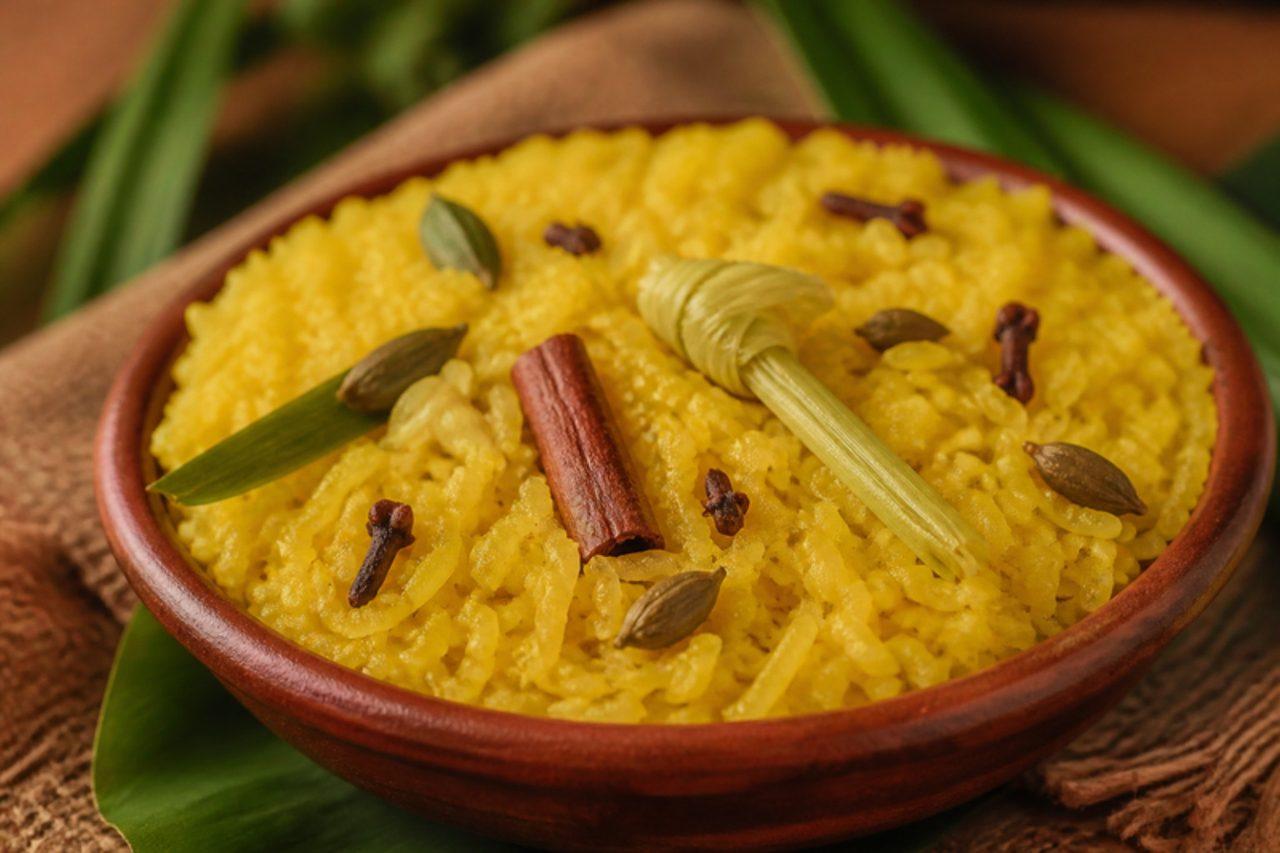
Burgher Sunday lunches, Christmas tables and Colombo wedding buffets share one thing: a heap of fragrant, saffron-coloured kaha bath, the yellow rice that also forms the base of lamprais. Long-grain or samba rice is fried with onion, cinnamon, cardamom, cloves and curry leaves, then cooked in coconut milk with turmeric, lemongrass and pandan until every grain is separate, glossy and perfumed. It is served with chicken or beef curry, brinjal moju and a sharp achcharu, and is often scattered with fried cashews and raisins. Burgher cooks usually use ghee or butter and chicken stock; this version is vegan, with coconut oil and coconut milk carrying the richness. Lifting the lid to stir while it cooks is the slip that turns it mushy, so seal the pot and leave it alone. Chef's tip: rinse the rice until the water runs clear and drain it well; dry grains toast better in the oil and stay fluffy.

by KrazyBadal 0 views

Kaju maluwaCashew and pea coconut curry

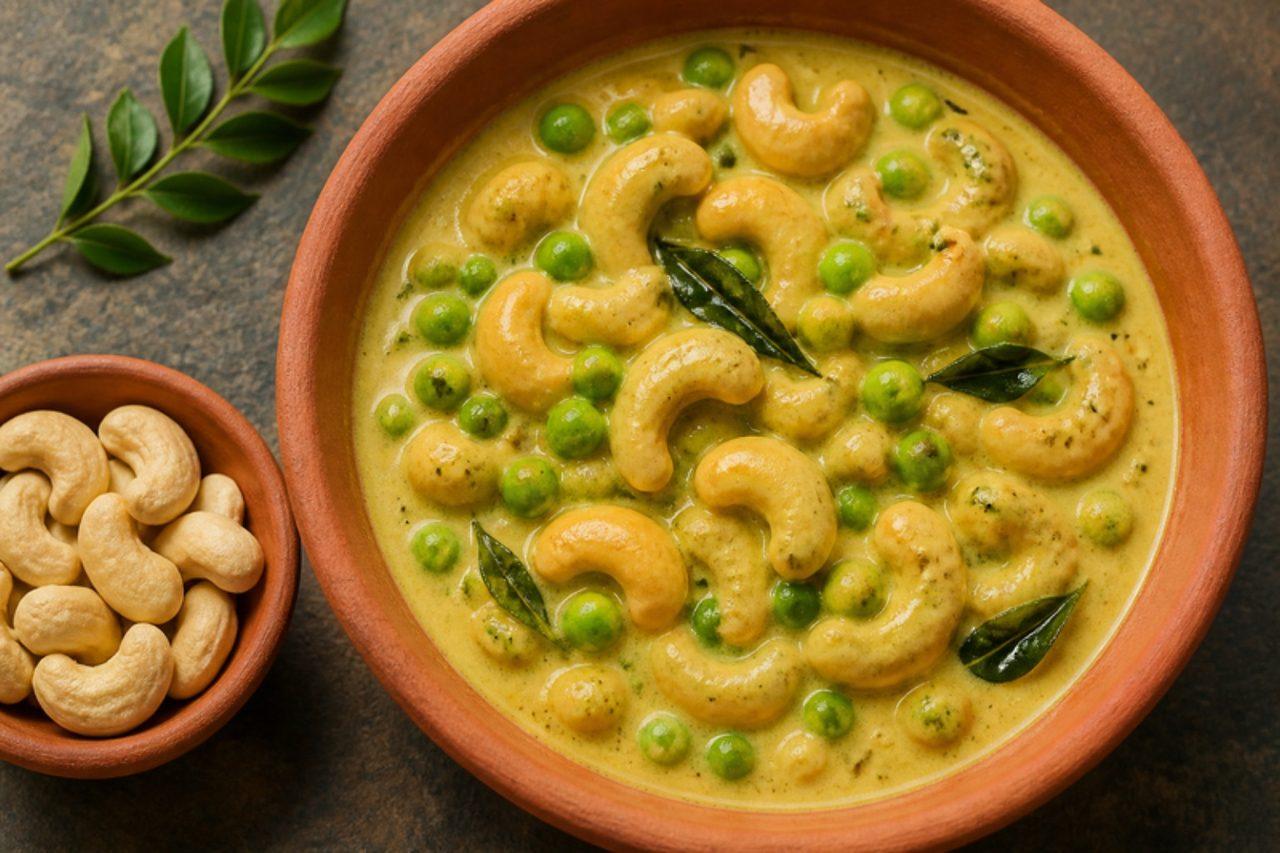
In the cashew-growing country north of Colombo, around Kurunegala and Puttalam, fresh green cashews are cooked into this creamy curry for weddings, almsgivings and the Avurudu table, and no one would dream of calling it everyday food. The nuts turn soft and buttery in a mild, pale gravy of coconut milk scented with cinnamon, pandan and unroasted curry powder, with green peas for colour, and it sits on the festive spread beside yellow rice and a sharp pickle. Fresh cashews are hard to find outside Sri Lanka, so this recipe uses raw dried ones soaked until they are almost like the fresh kind. Not soaking them long enough is the usual mistake; they stay chalky in the middle however long they simmer, so give them at least six hours, or overnight. Chef's tip: a pinch of bicarbonate of soda in the soaking water softens the nuts faster and gives them that tender, just-picked texture.

by KrazyBadal 0 views

AvelookDried braided sorrel with walnuts

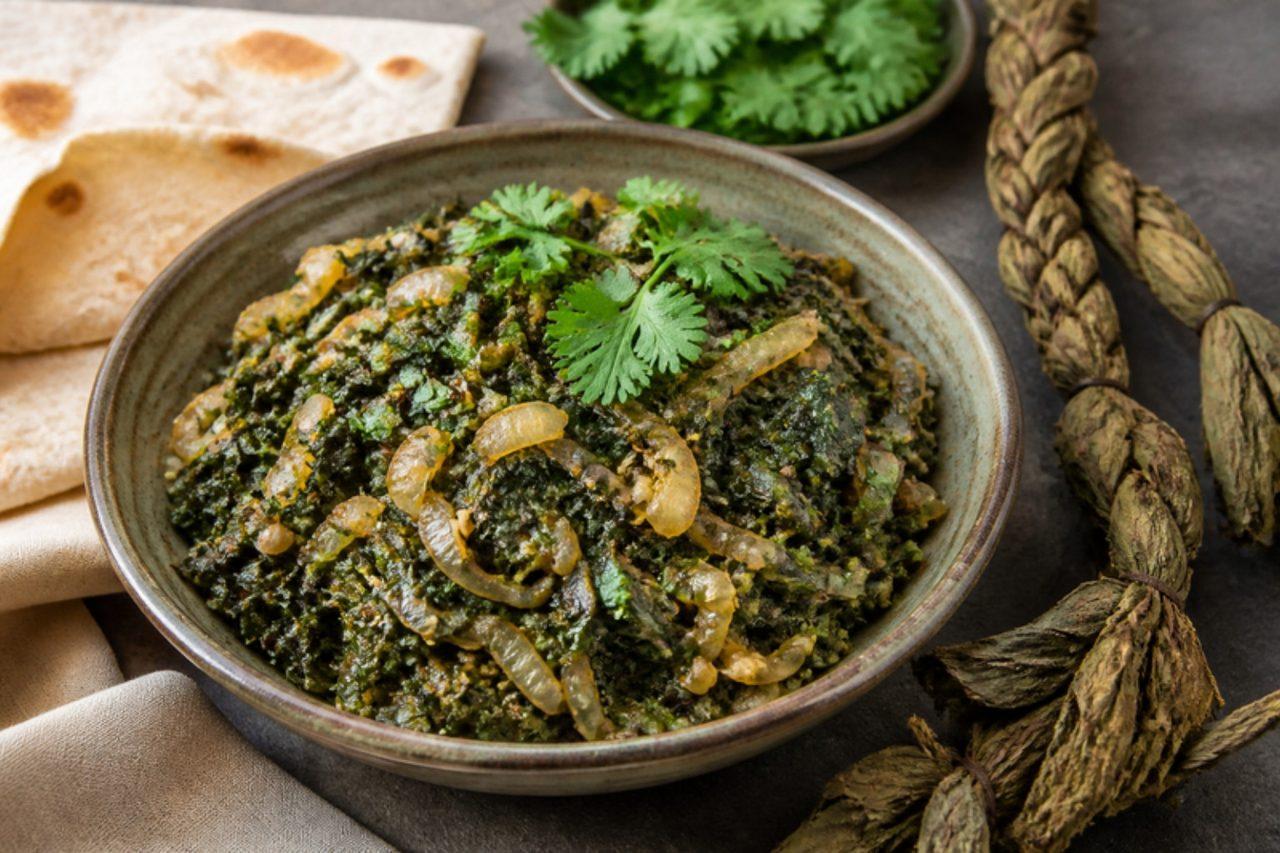
In Syunik, the mountainous south of Armenia around Goris, women pick wild mountain sorrel in May and braid the long leaves into ropes that hang drying in every kitchen. In winter and during Lent the braids are soaked, simmered until soft and fried with onion and walnuts, giving a dark, earthy, sour salad with a taste somewhere between spinach and olives. Braids are sold in Armenian shops. A common mistake is skipping the second boil, which leaves the leaves bitter and tough. Chef's tip: squeeze the cooked sorrel well and fry it long enough to dry and slightly crisp at the edges; that is when the flavour deepens.

by KrazyBadal 0 views

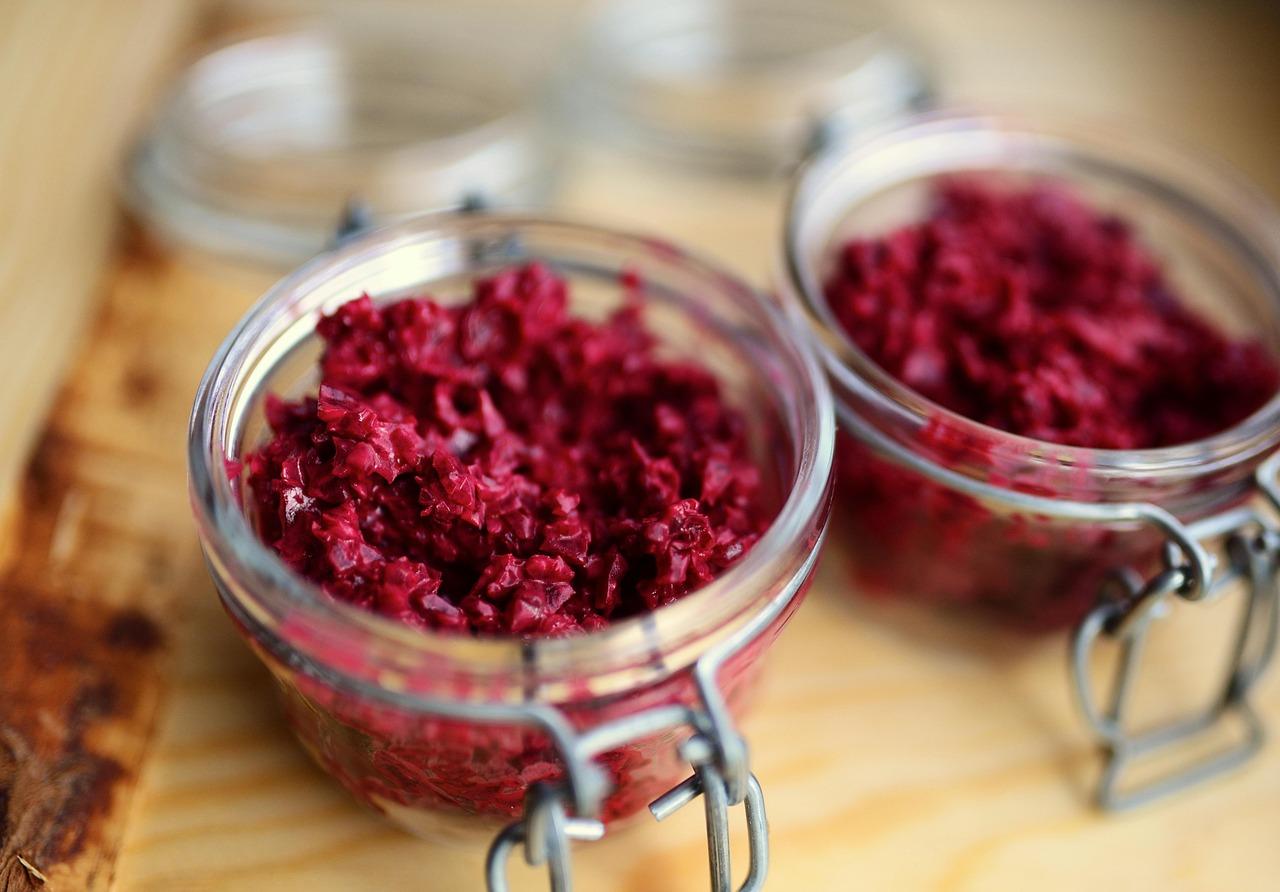
Ćwikła z chrzanemBeetroot and horseradish relish

Easter baskets blessed in Polish churches on Holy Saturday always hold a little horseradish, and on Sunday morning it reappears mixed with beetroot as ćwikła, the bright purple relish passed around with eggs, white sausage, ham and rye bread. Here it is meat-free; spoon it beside eggs, cheese or roast vegetables. It is sweet, sour and sharp enough to clear your nose, and the heat fades over a few days in the fridge. A common mistake is using jarred horseradish cream, which makes it milky and mild; use freshly grated root or plain grated horseradish in vinegar. Chef's tip: grate the horseradish near an open window, or in a food processor, and add it last so its heat stays lively.

by KrazyBadal 0 views

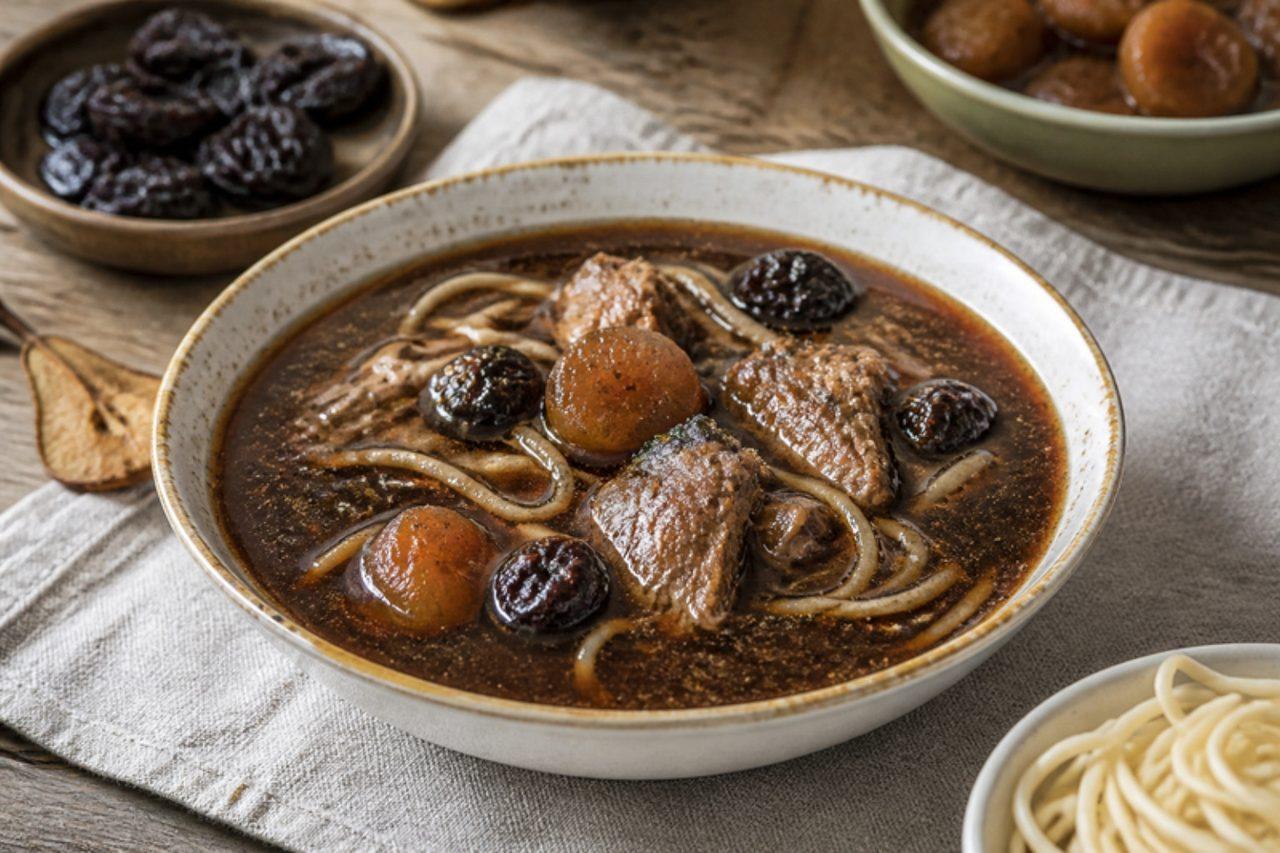
CzerninaSweet-sour duck blood soup

Few soups divide a Polish table like czernina, the dark, glossy duck broth of Greater Poland and Kashubia, tinted chocolate-brown with duck blood and sharpened with vinegar, then sweetened with dried plums, pears and apples. Farm families made it when a duck was killed in autumn, and in old Polish custom a suitor served czernina knew his proposal had been turned down. The taste is rich, sweet-sour and deeply savoury, with fine egg noodles to soak it up. Safety matters here: buy fresh duck blood from a butcher, already mixed with vinegar so it does not clot, keep it at fridge temperature and use it within a day. Undercooked blood is not for pregnant women, young children or anyone with a weakened immune system. People often let the soup boil hard after the blood goes in, and it turns grainy. Chef's tip: temper the blood with hot broth before stirring it into the pot, then heat gently to a steady simmer.

150 minPolishSoups
by KrazyBadal 0 views

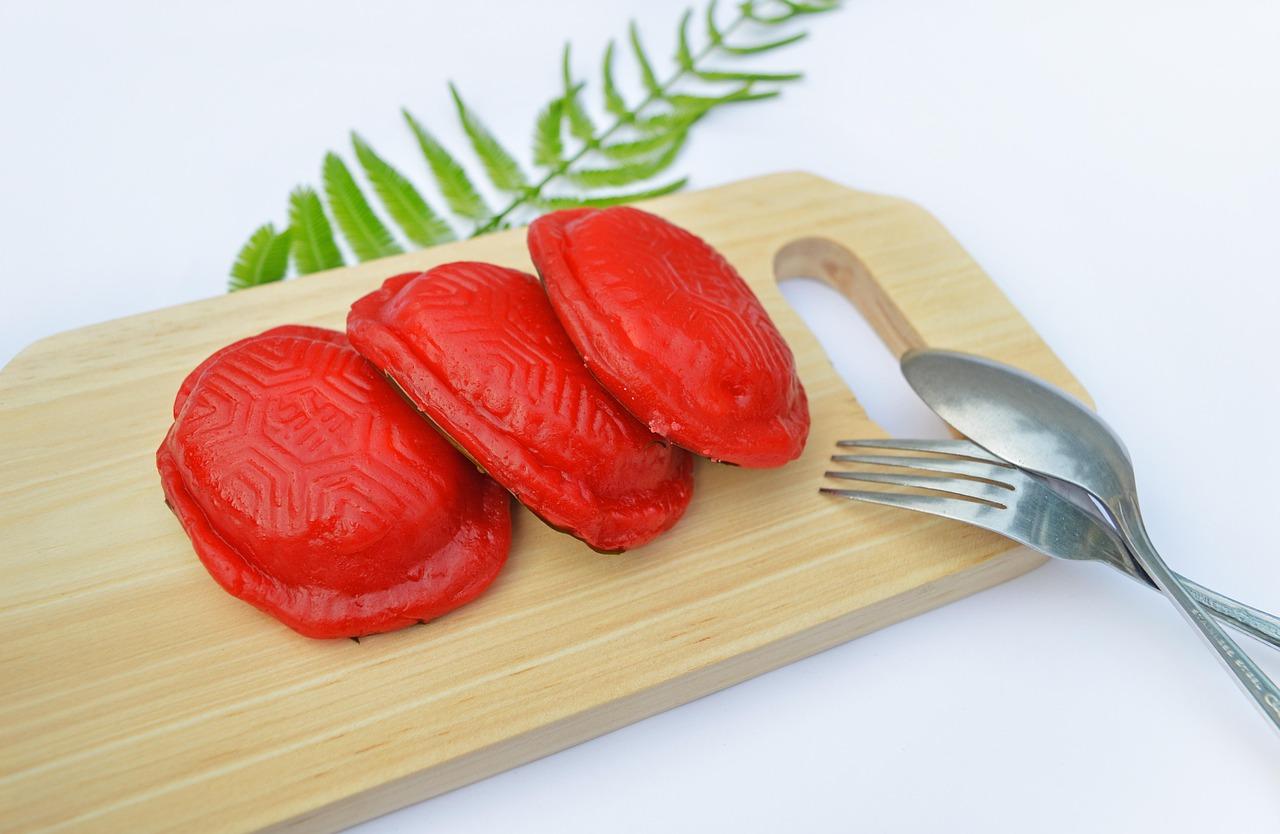
Ang ku kuehRed glutinous rice cakes

Red for luck and shaped like a tortoise for long life, ang ku kueh are carried to Hokkien and Teochew family altars and handed out in boxes at a baby's first-month celebration, at elders' birthdays and at temple festivals across Singapore, from Chinatown shophouses to neighbourhood confectioners in Bukit Merah. The skin is soft, chewy and slightly elastic, made from glutinous rice flour kneaded with mashed sweet potato, and it wraps a smooth, mildly sweet filling of split mung bean (or crushed peanut and sugar). Each cake is pressed in a carved wooden mould and steamed on a square of banana leaf. The usual mistake is steaming over a fierce boil, which makes the skin puff up, crack and lose the printed pattern; steam gently with the lid slightly open. Chef's tip: brush the cakes with a little oil the moment they come out of the steamer, so the pattern shines and the skin doesn't dry out or stick together.

by KrazyBadal 0 views

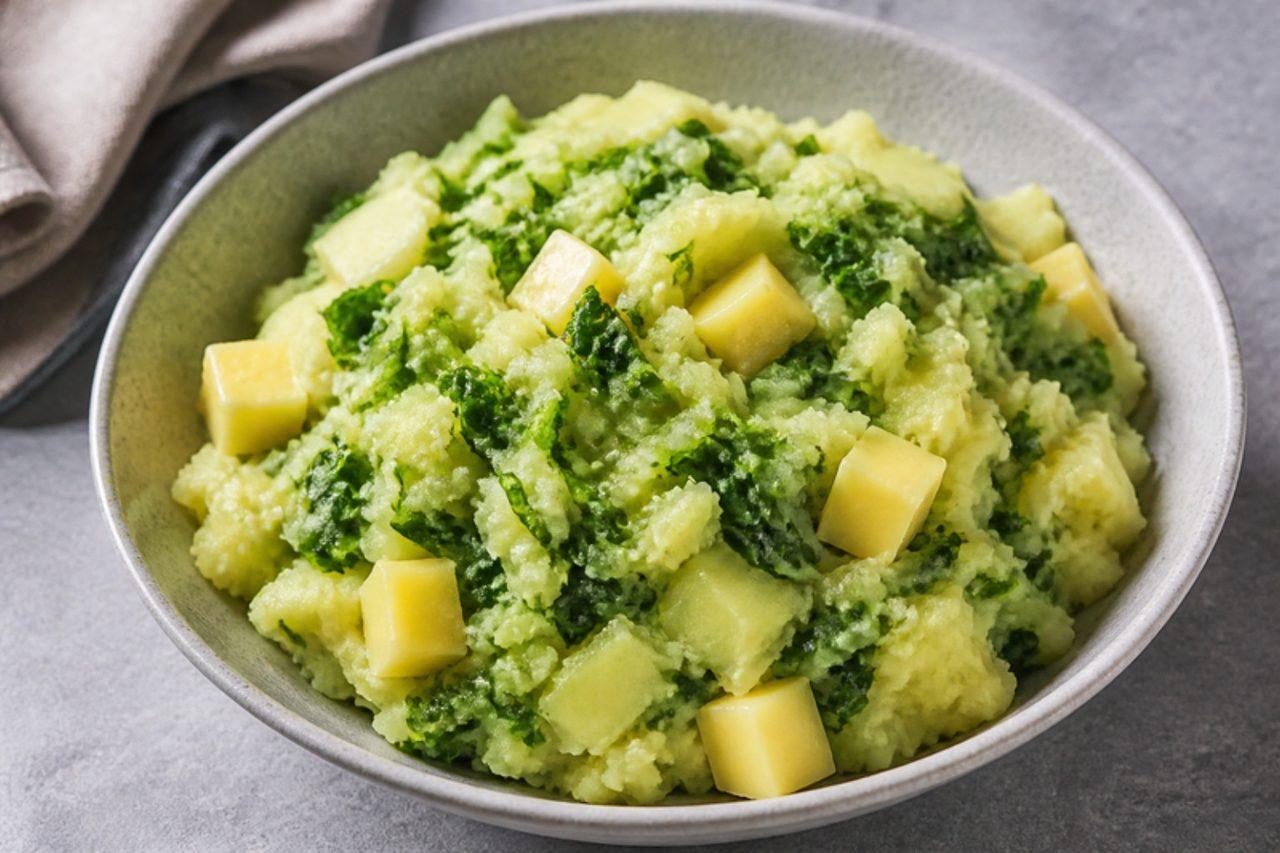
AndijviestamppotEndive and Gouda mash

Stamppot, mashed potato stirred with vegetables, is the Dutch winter dinner, and the endive version is a little lighter: raw, finely shredded curly endive is stirred into piping-hot mash, so it wilts slightly but keeps a fresh, bitter crunch, then cubes of aged Gouda are folded in and start to melt. Dutch families eat it with gravy and a smoked sausage; this vegetarian version uses a pool of brown butter. Aged Gouda is usually made with animal rennet, so choose a vegetarian aged Gouda-style cheese. A common mistake is cooking the endive, which turns it soggy and grey. Chef's tip: stir the endive in off the heat at the very last moment.

by KrazyBadal 0 views

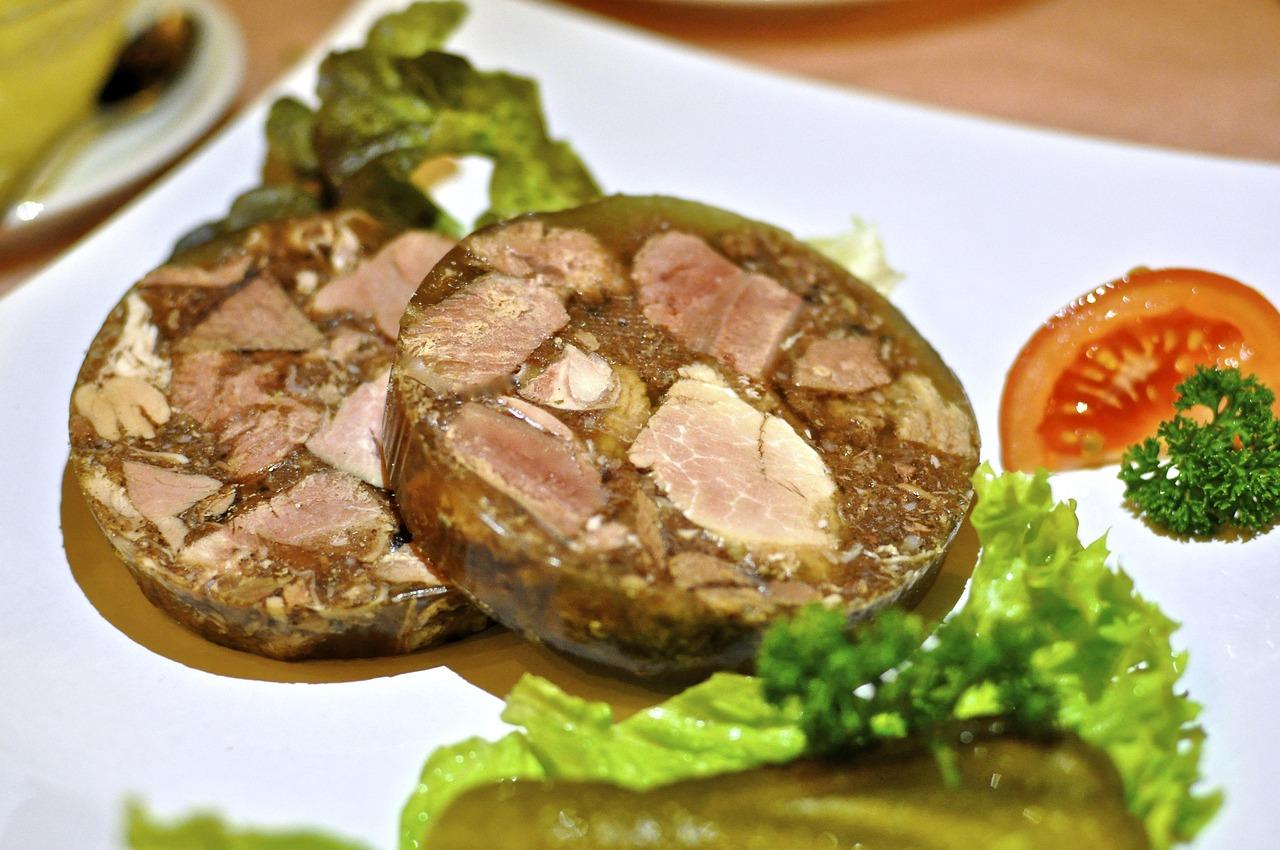
KholodetsMeat jelly

Kholodets is winter food, made in big batches before New Year and Orthodox Christmas when the cold balcony doubles as a fridge. Pork trotters and beef shin are simmered for hours until the broth is rich enough to set on its own, no added setting agent; the meat is shredded, layered with garlic and covered with the strained stock to set into a trembling, clear jelly. It is eaten cold, cut into squares, with sharp horseradish and mustard and hot boiled potatoes. This dish uses pork (trotters and knuckle) as well as beef. Where most people go wrong is letting the pot boil hard, which makes the jelly cloudy and greasy. Chef's tip: spoon a little broth onto a cold saucer after 5 hours; if it sets firm in the fridge in 15 minutes, the stock is ready.

480 minRussianMeatGluten free
by KrazyBadal 0 views

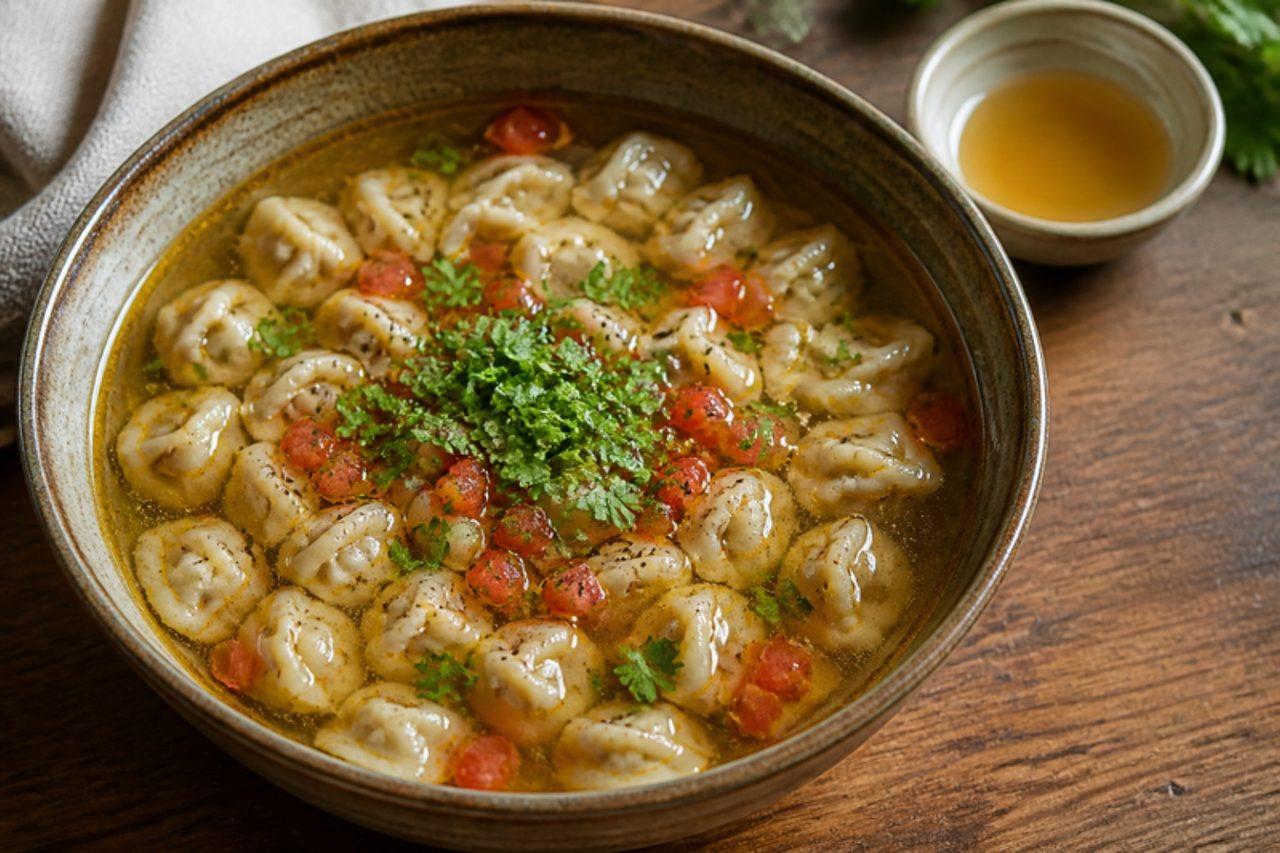
DushparaTiny beef dumplings in broth

Dushpara are tiny dumplings, no bigger than a fingernail, filled with minced beef and onion and cooked in a clear meat broth, and Bukharan grandmothers in Or Yehuda and Kiryat Malakhi pride themselves on how many fit on a spoon. They are a cold-weather and holiday dish, eaten from bowls with chopped coriander, black pepper and a splash of vinegar at the table that lifts the rich broth. The dough must be thin and the dumplings small, or it stops being dushpara. The classic mistake is a dry filling; a spoonful of cold water mixed into the meat keeps each one juicy. Chef's tip: freeze trays of raw dumplings and cook them straight into simmering broth when you need a quick supper.

120 minIsraeliSoups
by KrazyBadal 0 views

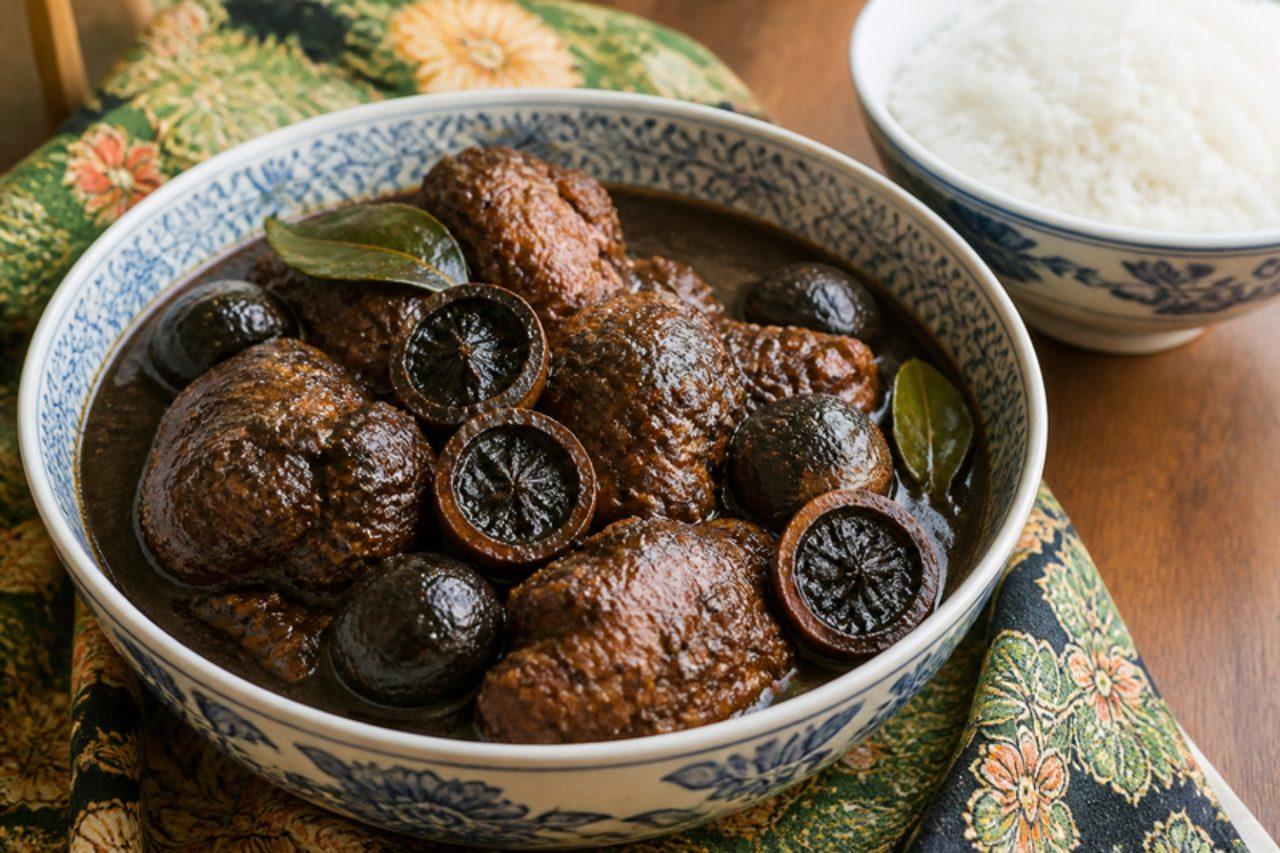
Ayam buah keluakChicken with black keluak nuts

Ask any Peranakan family in Singapore which dish defines the Nyonya table and most will name this one, cooked for Chinese New Year, ancestral offerings and big birthday lunches. Chicken is braised in a sour tamarind gravy built on a long-fried rempah of chillies, shallots, galangal, lemongrass and shrimp paste, together with buah keluak, the hard black nut of the kepayang tree, whose inky flesh tastes of dark chocolate, mushroom and olive. Diners dig the paste out with a teaspoon and stir it into rice. Raw keluak nuts contain hydrogen cyanide and are poisonous: use only cleaned, pre-soaked nuts sold ready to cook, and still soak them for several days, changing the water every day, as the seller's instructions say. The mistake people regret is skimping on that soak, which leaves the nuts bitter as well as unsafe. Chef's tip: cook it a day ahead; the gravy darkens and the flavours deepen overnight.

by KrazyBadal 0 views

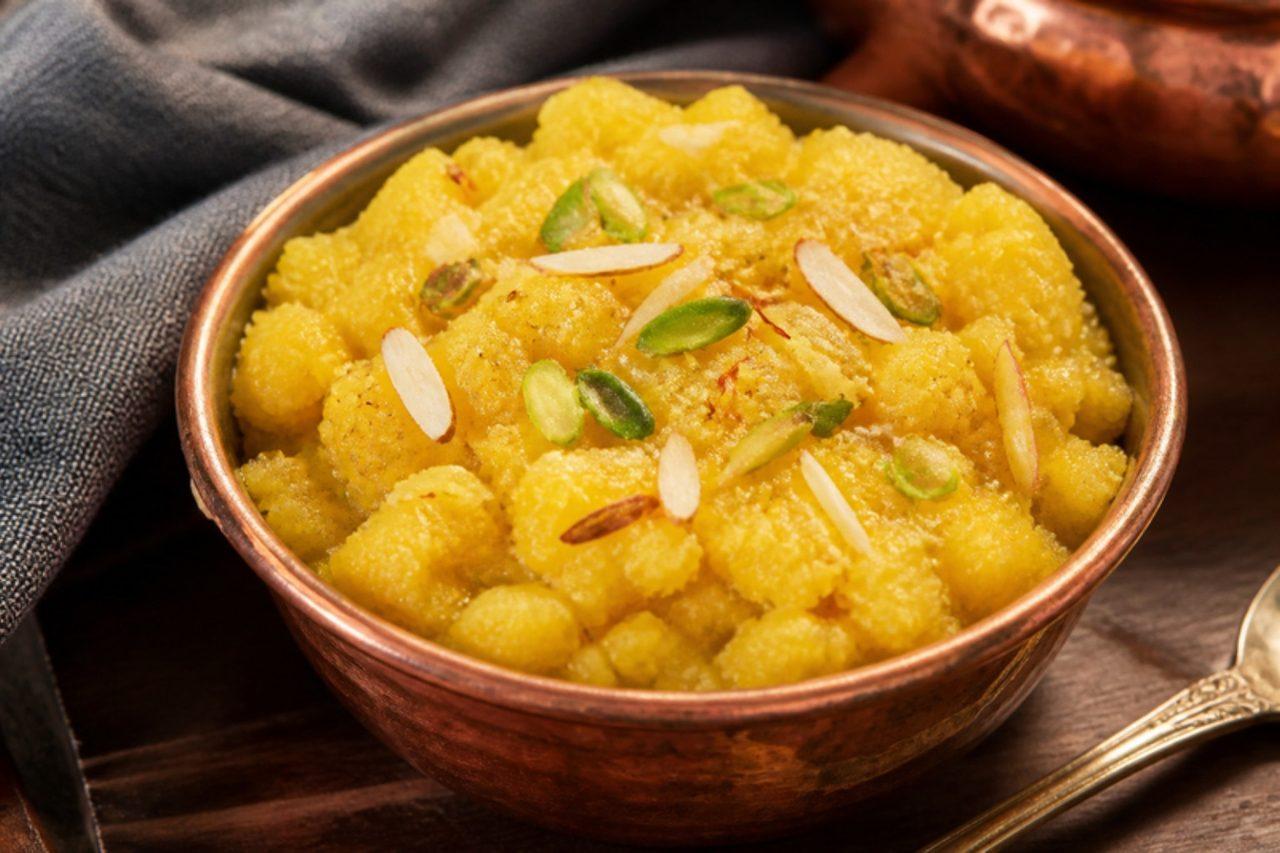
Anday ka halwaEgg halwa

Sweet, golden and grainy like a rich crumble, egg halwa is the quick showpiece of Hyderabadi and Karachi home kitchens, made when unexpected guests arrive or for a winter Sunday, and it fills the house with the smell of ghee and cardamom. Eggs are beaten with milk, sugar and milk powder, then stirred in ghee until the custard sets, breaks and finally fries into soft, sandy granules that cling together like khoya; there is no eggy taste once it is properly cooked. It is served warm in small bowls, topped with almonds and pistachios, sometimes with a few saffron threads. The commonest failure is stopping too soon, when the halwa is still wet and scrambled-egg-like, rather than cooking on until it turns granular and golden and the ghee separates. Chef's tip: strain the beaten egg mixture through a sieve before cooking, which removes the stringy whites and gives a smooth, even grain.

by KrazyBadal 0 views

Kachumar saladTomato, onion and cucumber salad

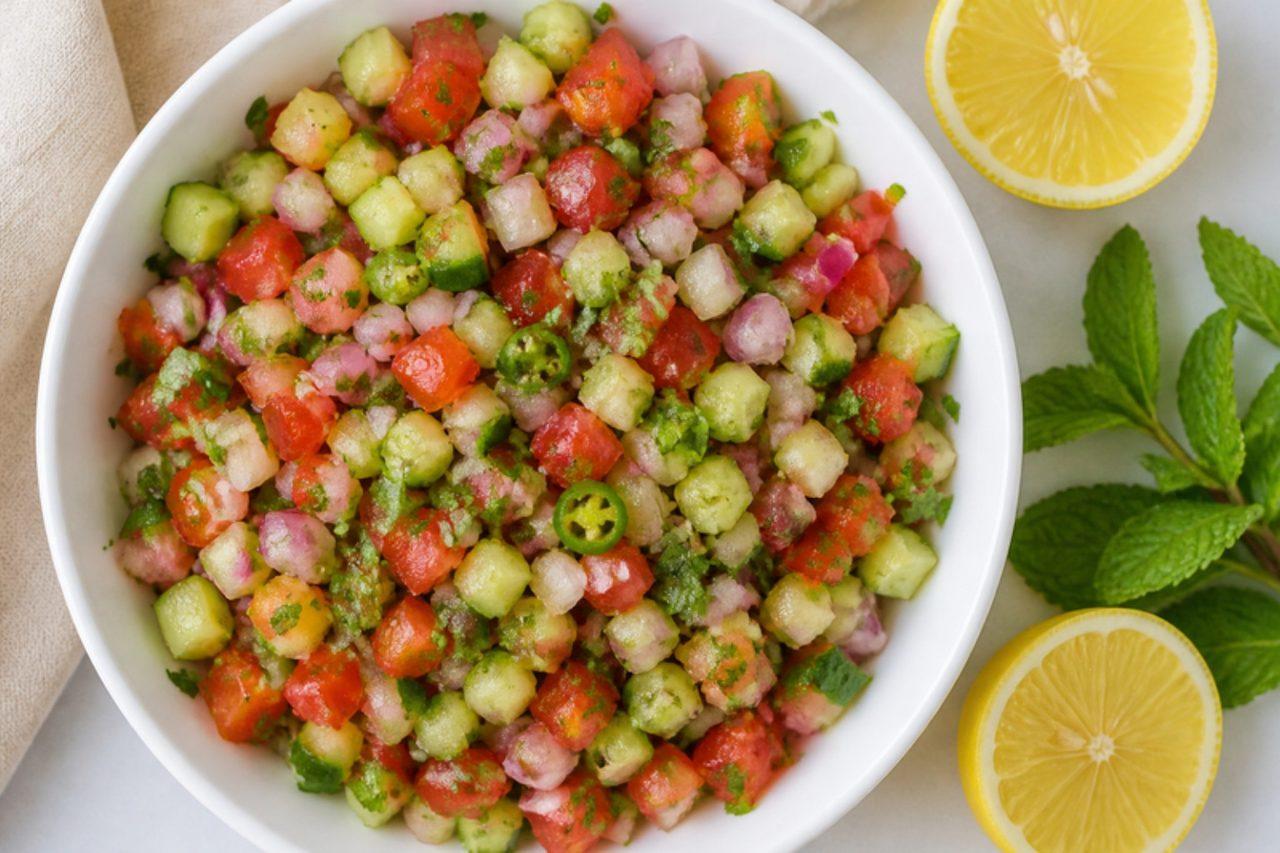
No Pakistani dastarkhwan feels complete without a little bowl of kachumar, whether it sits beside a biryani at a Karachi wedding, a karahi at a highway truck stop or plain dal at home on a Tuesday. It is nothing more than tomato, onion and cucumber cut into very small, even dice, dressed at the last moment with lemon, salt, green chilli and coriander, yet the crunch and sharpness are what make rich food feel lighter. Some families add a pinch of roasted cumin or a few mint leaves; in Punjab it is often spooned straight onto the side of the plate rather than served apart. Dressing it too early is the main trap, because the salt pulls water from the tomatoes and leaves a soggy puddle. Chef's tip: seed the tomatoes and cucumber before dicing so the salad stays crisp for the whole meal.

by KrazyBadal 0 views

Anda parathaEgg-stuffed paratha

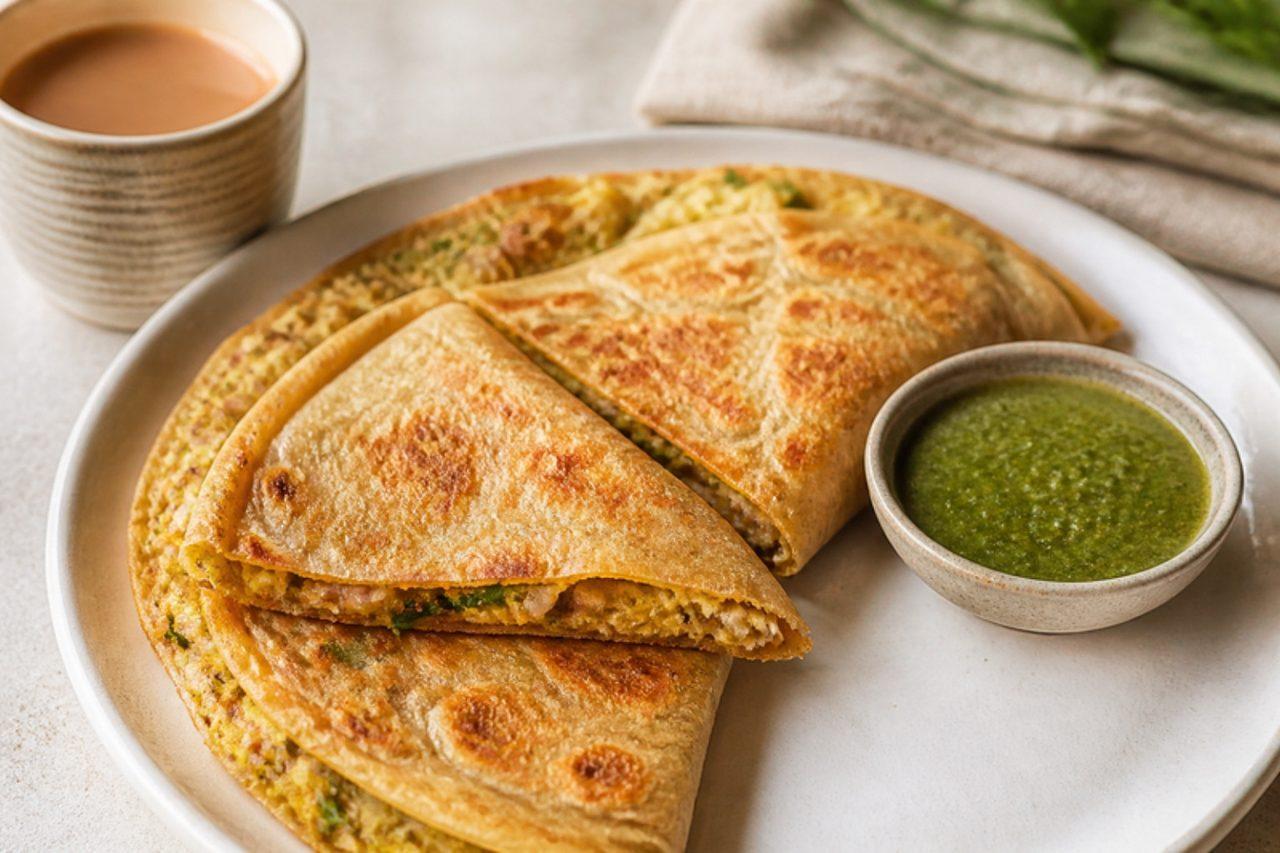
At the dhabas along the GT Road and the breakfast stalls of Rawalpindi's Saddar, the paratha-wala cracks an egg straight into a bowl with onion and chilli, half-cooks a paratha, pours the egg over and flips the whole thing onto the tawa so the egg fries into the bread. The result is one golden, layered disc that is crisp at the edges, soft where the egg meets the dough, and peppery with green chilli. Truck drivers, students and office workers eat it folded in half with chai, ketchup or green chutney, and it is a common packed lunch for school because it needs no curry. The problem most people run into is pouring the egg onto a raw paratha, which tears, or onto a fully cooked one, which will not let the egg stick. Chef's tip: cook the first side only until brown spots appear, then add the egg to the cooked side and flip so the egg sets against the hot iron.

by KrazyBadal 0 views

BazheWalnut sauce

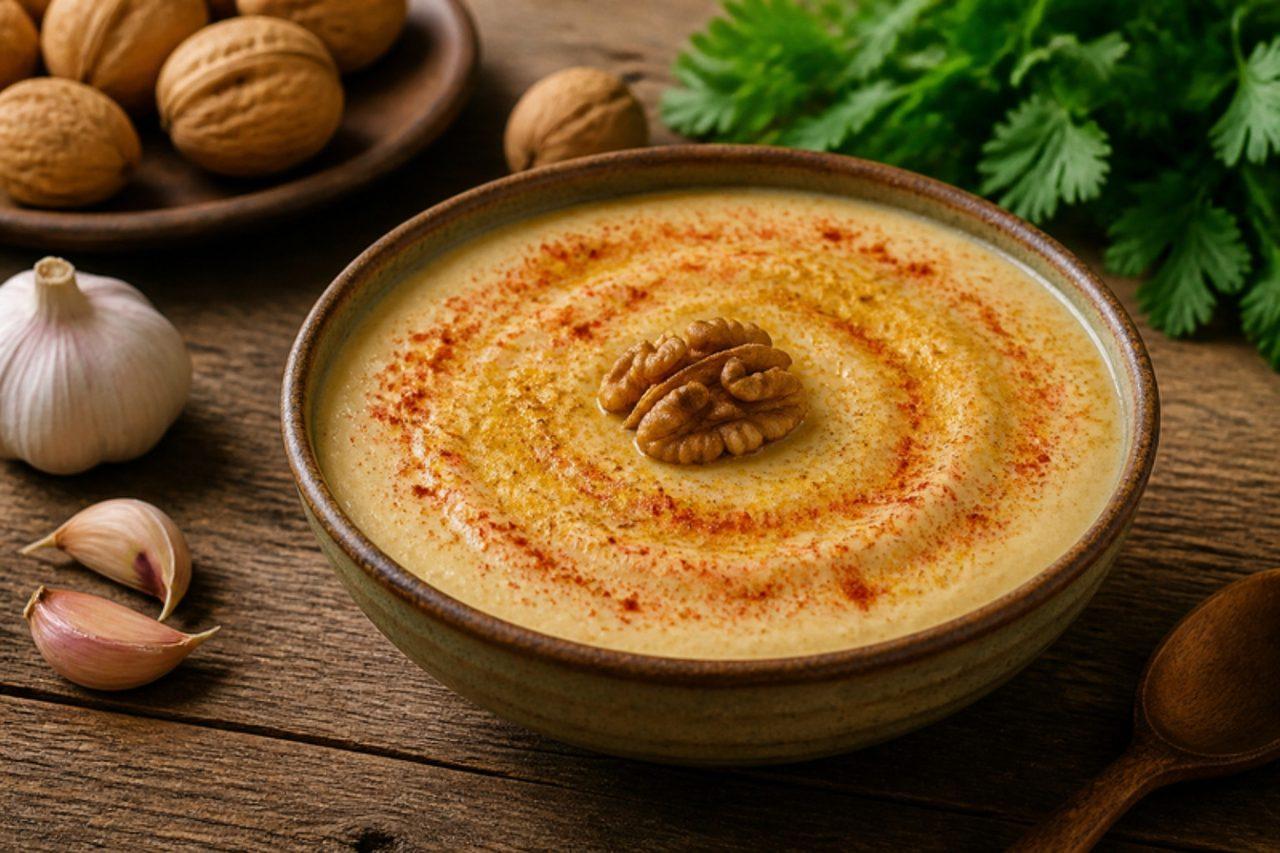
Bazhe is the creamy walnut sauce of Guria, Samegrelo and Imereti, served cold with fried fish, roast chicken, boiled vegetables or a bowl of ghomi; families in Ozurgeti make it in large bowls for New Year. Walnuts are ground until they give up their oil, then let down with water and seasoned with garlic, blue fenugreek, coriander and a sour note until the sauce is pale, smooth and pourable. A common mistake is adding all the water at once; the sauce separates and turns thin and grey. Chef's tip: squeeze out a little walnut oil by kneading the paste with your hand, then drizzle it back over the finished sauce for a glossy, golden finish.

by KrazyBadal 0 views

Brabants worstenbroodSausage roll

Worstenbrood is a Brabant institution, bought from bakeries in Eindhoven, Tilburg and Den Bosch for birthday mornings, Sunday breakfast and above all for carnival in February: a soft, slightly sweet bread dough wrapped around a log of minced pork seasoned with nutmeg, pepper and clove, baked golden. This is a pork dish. A common mistake is wrapping the dough too thick, which leaves a doughy roll and an undercooked middle. Chef's tip: roll the dough thin and bake until the filling reaches 71 °C; eat it warm from the oven.

by KrazyBadal 0 views

Curry chataigneBreadnut coconut curry

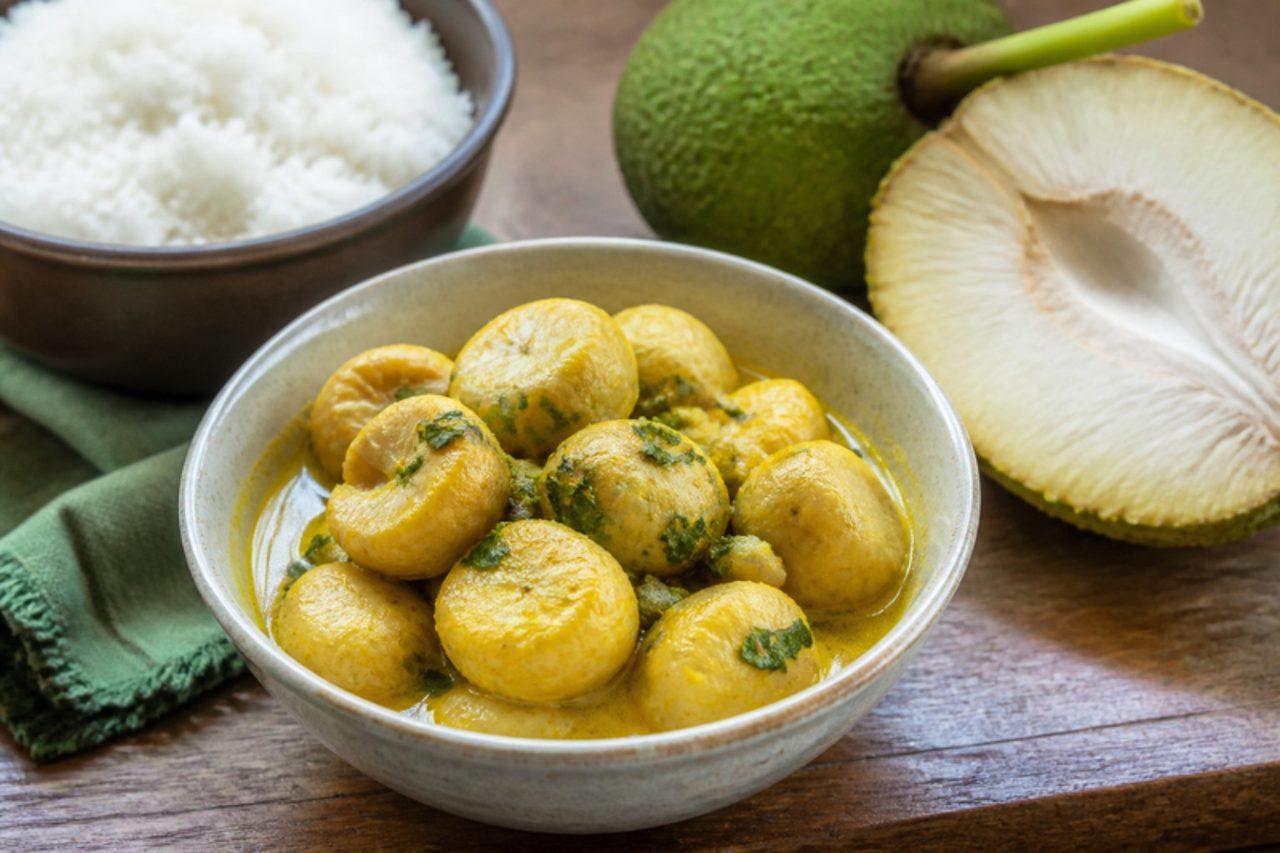
Chataigne, the spiky breadnut cousin of breadfruit, ripens around Divali and Christmas in Trinidad, and its boiled, peeled seeds are curried with coconut milk and roasted geera into a dish many people say tastes almost like meat. It is a fixture at Divali dinners and Hindu functions, eaten with rice or roti. The common mistake is skipping the pre-boil: the seeds stay hard and their thin inner skin stays bitter. Look for chataigne in Caribbean and Asian grocers; tinned jackfruit seeds or chestnuts are the nearest swap. Chef's tip: after boiling, peel off both the shell and the papery brown skin, then split the seeds in half so the curry gets right inside.

by KrazyBadal 0 views

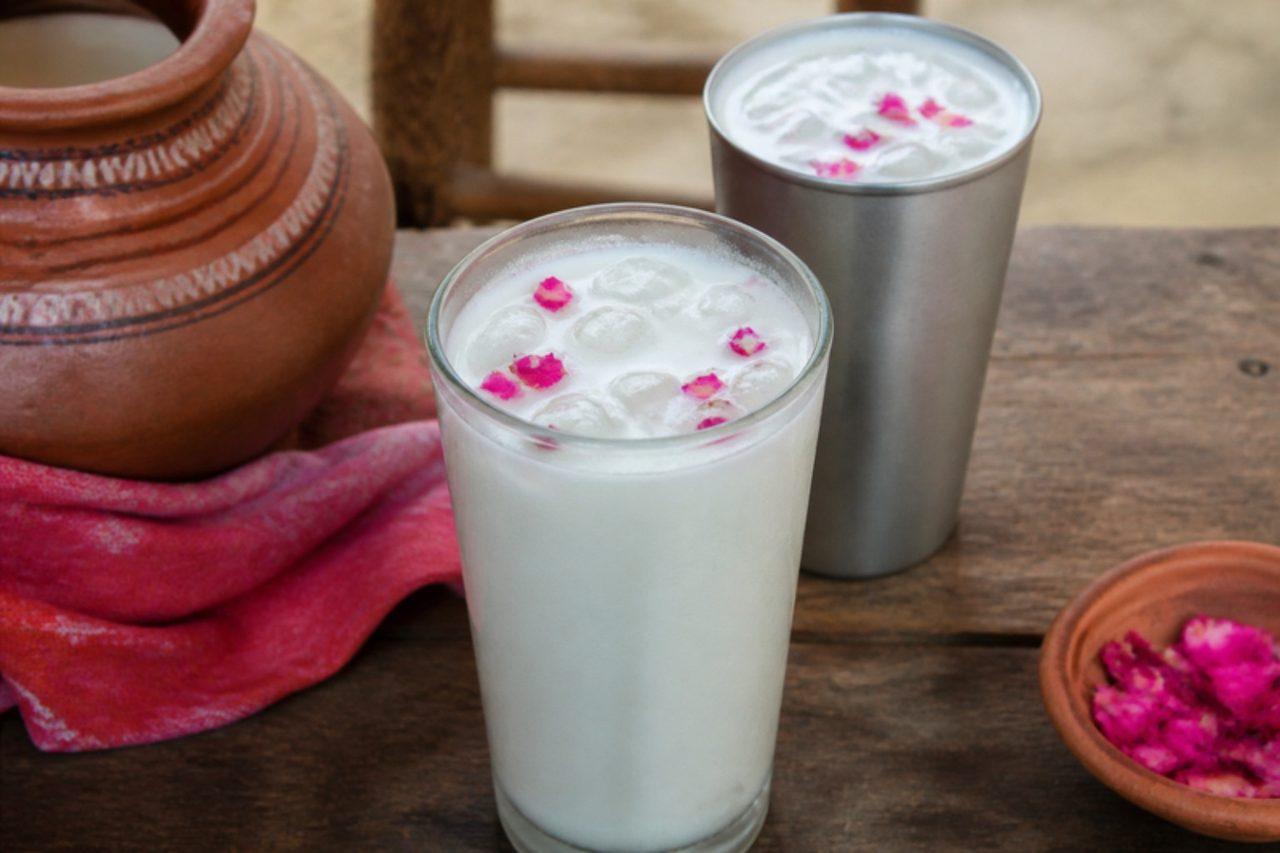
Kachi lassiMilk and water lassi

Harvest time in the Punjab is thirsty work: when the wheat is being cut in the April heat, a steel jug of kachi lassi is carried out to the workers: fresh milk thinned with cold water, stirred with sugar and poured over chunks of ice. Unlike yogurt lassi there is no tang, just a light, clean, milky sweetness that quenches thirst better than plain water, and in many villages it is the drink offered to any guest who arrives on a hot afternoon. Some people add a pinch of salt instead of sugar, or a few drops of rose water. The traditional kind uses raw milk straight from the buffalo; use pasteurised milk instead to be safe. The usual mistake is making it with too little water, which turns it heavy instead of refreshing. Chef's tip: whisk it hard or shake it in a jar so it turns frothy, which makes it feel even cooler.

by KrazyBadal 0 views

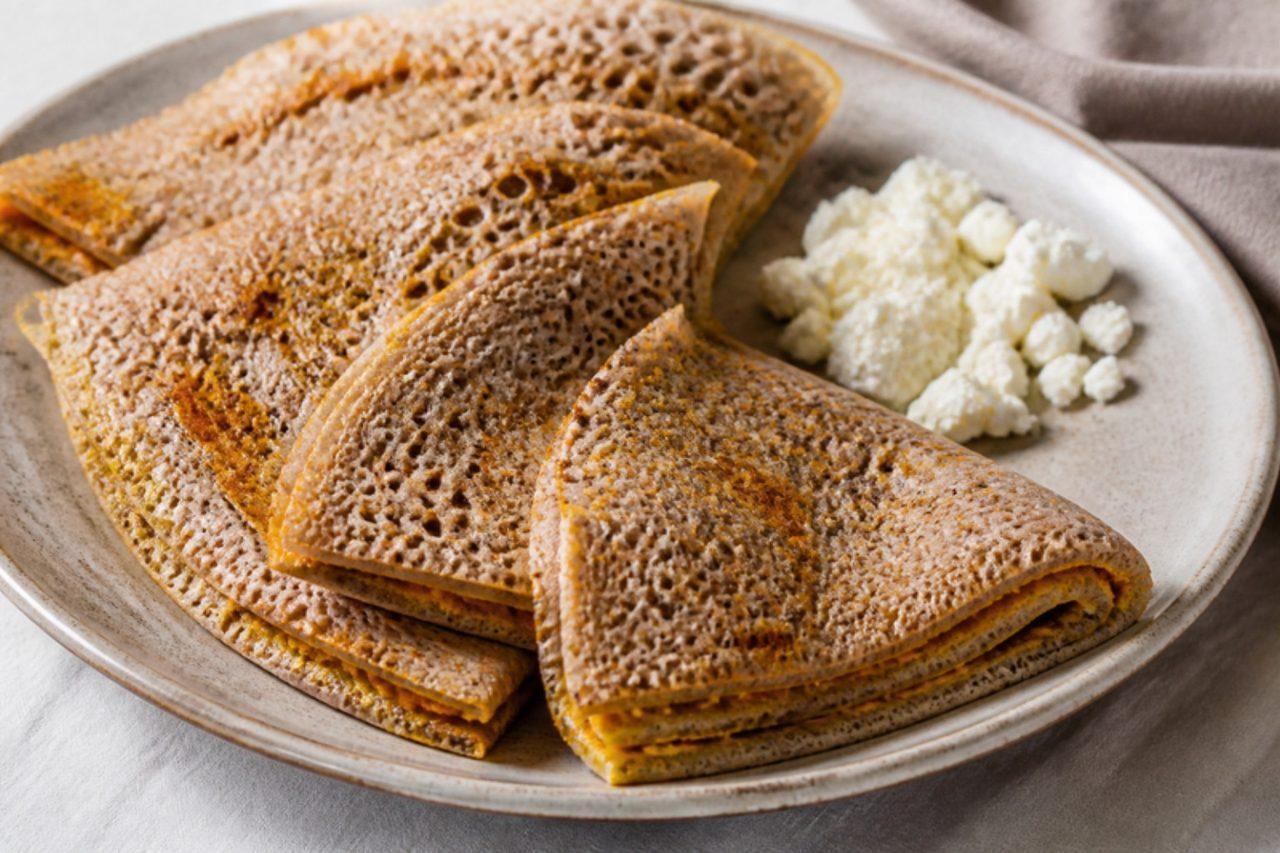
AnababeroLayered injera with spiced butter

Ask for anababero at a breakfast café in Addis Ababa and two injeras arrive stacked as one, glued together with melted niter kibbeh and a dusting of berbere, then warmed on the griddle until the butter soaks through. The result is soft and tangy inside, a little crisp at the edges, and much richer than plain injera; the name roughly means 'layered' or 'piled on top'. It is torn and eaten as it is with sweet spiced tea or coffee, or served beside a bowl of ayib or a spoon of awaze for anyone who wants it hotter. Because it uses yesterday's injera, it is a favourite way to turn leftovers into a proper breakfast. Chef's tip: brush the butter on warm, not hot, so it melts into the injera's holes instead of pooling on the surface.

by KrazyBadal 0 views

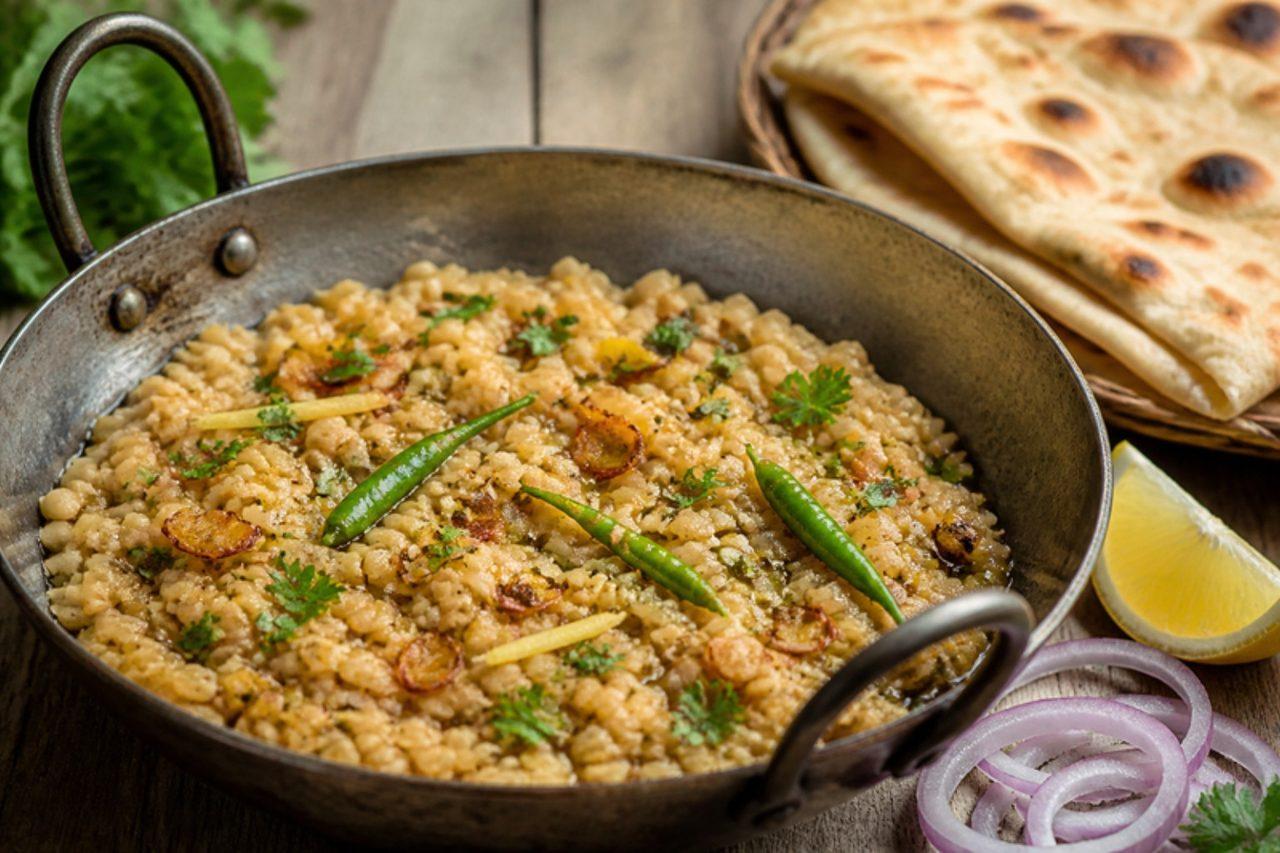
Daal mashWhite urad dal with ghee tarka

Walk into any dhaba on Lahore's Mall Road or in the lanes behind Anarkali after dark and daal mash is on the counter beside the tandoor, a pot of split white urad lentils cooked until each grain is soft but still separate, never a soup. It is eaten scooped up with hot tandoori roti, with a heap of raw onion rings and a squeeze of lemon, and it is rich enough to stand in for meat at a weeknight dinner. The flavour comes almost entirely from the last minute: a ladle of ghee crackling with garlic, ginger, green chilli and cumin poured over at the table. The usual mistake is adding too much water, which turns it to mush; it should cook in just enough to be absorbed. Chef's tip: soak the dal for 30 minutes and stir it as little as possible once it is in the pot, so the grains stay whole.

by KrazyBadal 0 views

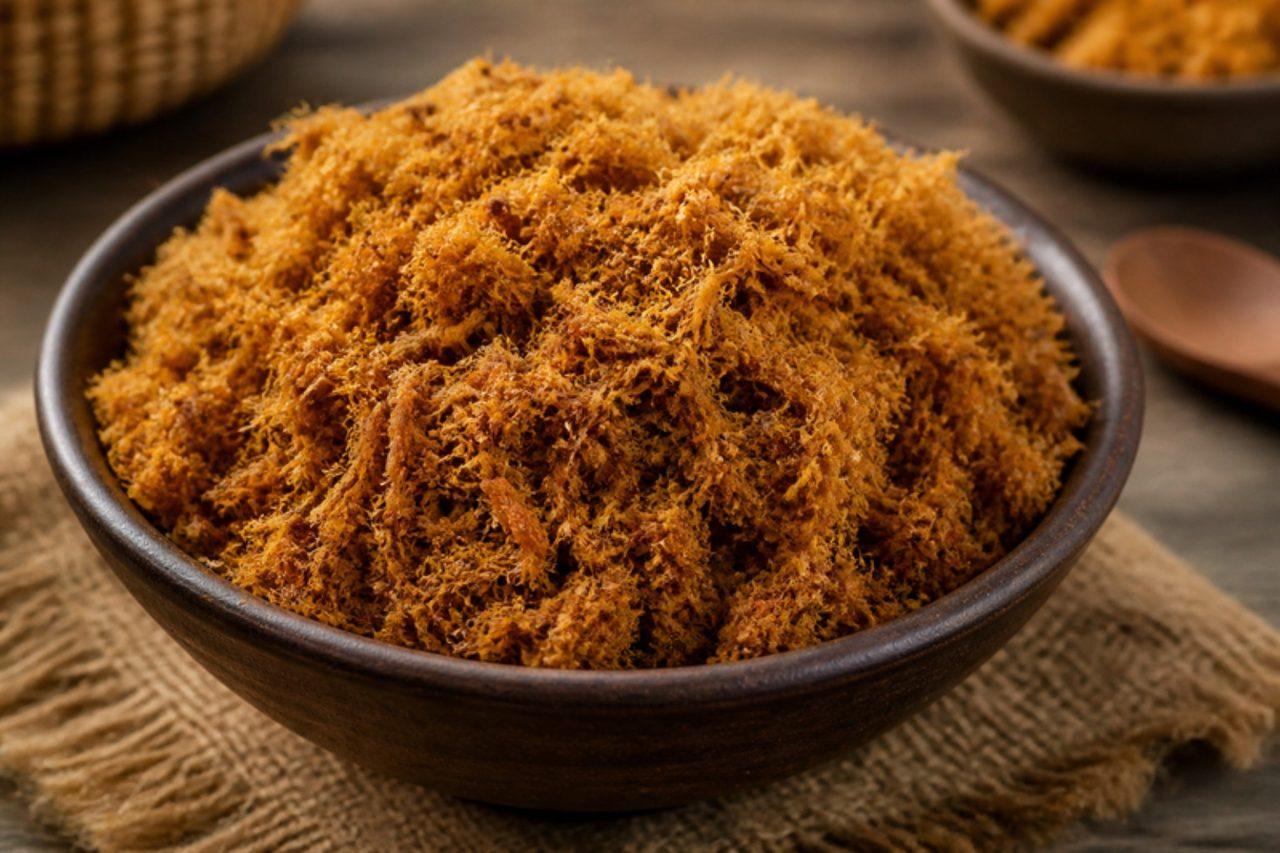
Dambun namaSpiced shredded beef floss

During Ramadan and Eid in Kano, Kaduna and Maiduguri, tins of dambun nama appear on every table: beef boiled tender with onion and ginger, pounded in a mortar until it falls into fine threads, then fried slowly with onion and spices until it is dry, fluffy and golden. It keeps well, which is why it was made before long journeys, and it is eaten as a snack, with rice or tucked into bread. The texture should be like soft wool, not crunchy crumbs. Because the meat is fully cooked before drying, it is safe; store it in the fridge. Chef's tip: let the boiled beef steam dry for ten minutes before pounding, as wet meat clumps in the pan instead of separating into threads, which is the usual mistake.

130 minNigerianMeatGluten free
by KrazyBadal 0 views

ThikourbabineSemolina dumplings in pepper sauce

High in the Kabylie mountains east of Algiers, thikourbabine is a winter dish made from what is in the store cupboard: small balls of semolina dough poached in a fragrant red sauce of tomato, paprika, garlic and dried red peppers, with chickpeas, potatoes and courgettes. The dumplings turn tender and slightly chewy and soak up the sauce, which is peppery and warming rather than very hot. Families eat it from a shared bowl on cold evenings. Some cooks add meat; this is the meatless way it is often made at home. Chef's tip: let the dumplings rest after shaping; the surface dries a little and they hold together in the simmering sauce.

by KrazyBadal 0 views

AzuBeef stew with pickles

Kazan's working canteens gave azu its fame: strips of beef braised in a peppery tomato gravy, sharpened with diced salty pickled cucumbers and finished with golden fried potatoes, all served steaming in a clay pot. It is hearty, sour-savoury and thick enough to mop up with rye bread, and Tatar families serve it on cold weekday evenings. Where most people go wrong is adding the potatoes raw to the stew; they turn floury and the gravy goes muddy, so fry them separately and fold them in at the end. Chef's tip: use proper brine-fermented cucumbers rather than sweet vinegar pickles; their sourness is what makes azu taste like azu.

by KrazyBadal 0 views

Kachila (cooked)Spiced buffalo mince

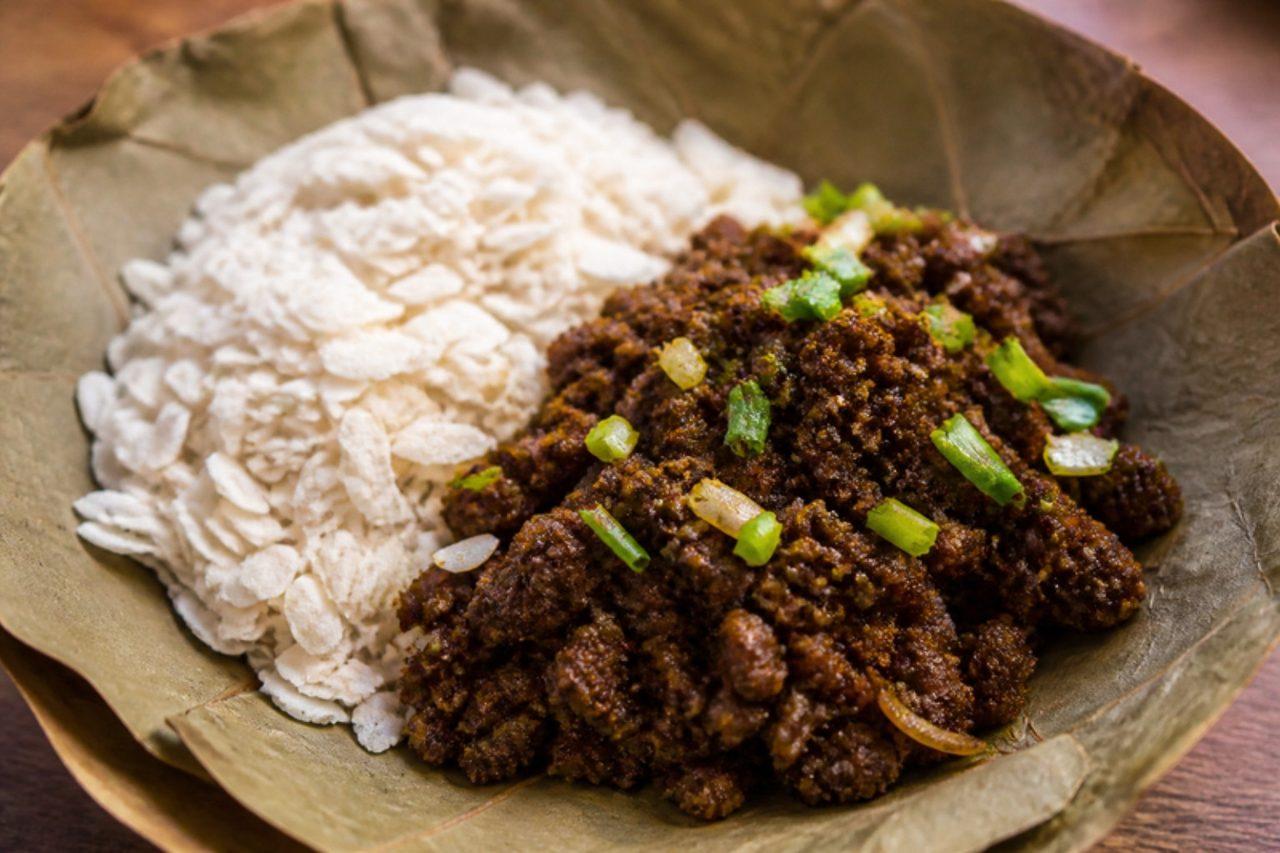
In the Newar homes and bhoj feasts of the Kathmandu Valley, kachila is a prized delicacy: finely minced buffalo meat mixed with mustard oil, garlic, ginger, chilli and numbing timur, eaten in small spoonfuls with beaten rice, traditionally raw. Raw minced meat can carry harmful bacteria and parasites right through, so the traditional raw form is not for pregnant women, young children or anyone with a weakened immune system, and we do not recommend it for anyone at home. This version keeps every bit of the seasoning but sears the mince quickly in a very hot pan to 71 °C, so it stays soft and loose rather than turning into a dry fry, then dresses it with the classic smoking mustard-oil tempering. It is eaten as part of samay baji or as a snack with chiura. The usual slip is overcooking it into crumbly pellets; take it off the heat the moment it is cooked through. Chef's tip: use buffalo or beef mince, or ask the butcher to mince lean beef twice, very fine.

30 minNepaliMeatGluten freeSpicy
by KrazyBadal 0 views

KadaFlaky pastry with butter crumbs

Kada is a tea-time pastry found in bakeries from Tbilisi to the Mtskheta monastery stalls, where it is sold warm beside churchkhela: a round of rich yeasted dough, folded around a sweet filling of flour, butter and sugar rubbed into crumbs, then rolled flat so the filling bakes into soft, melting layers. A common mistake is rolling the filled dough too hard, which pushes the crumbs through the surface. Chef's tip: chill the filling so the butter stays cold; it melts in the oven and makes flaky, buttery pockets.

by KrazyBadal 0 views

Babka wielkanocnaEaster yeast cake

A golden babka standing tall in the Easter basket used to be a matter of family pride, and old cooks whispered while it baked, convinced a slammed door would make it sink. The dough is soft and rich with egg yolks and butter, beaten until it is elastic, then baked in a fluted ring tin into a cake with a fine, feathery, saffron-yellow crumb. Raisins are often soaked in rum; this version uses orange juice, but a couple of spoons of rum work if you prefer. The usual slip is adding too much flour to a sticky dough, which makes the babka dry; it should stay soft and almost batter-like. Chef's tip: cool the babka on its side, turning it now and then, so the delicate crumb doesn't collapse.

185 minPolishBaking
by KrazyBadal 0 views

Kakaós csigaCocoa yeast snails

Walk into any Hungarian bakery at seven in the morning and the window will hold trays of kakaós csiga, cocoa snails, glossy on top and dark-striped inside. Children eat them on the way to school with a carton of chocolate milk, and office workers grab one with a coffee. The dough is soft and milky, rolled up with butter, cocoa and sugar so the swirl turns fudgy and slightly sticky; a brush of syrup after baking keeps them shiny and moist for a day. Where most people go wrong is spreading the filling on too-warm dough, which tears; let the risen dough rest for a few minutes after rolling. Chef's tip: roll the dough up from the long side quite tightly and cut with dental floss or a very sharp knife, so the snails keep their round shape.

by KrazyBadal 0 views

Kabachkovaya ikraCourgette spread

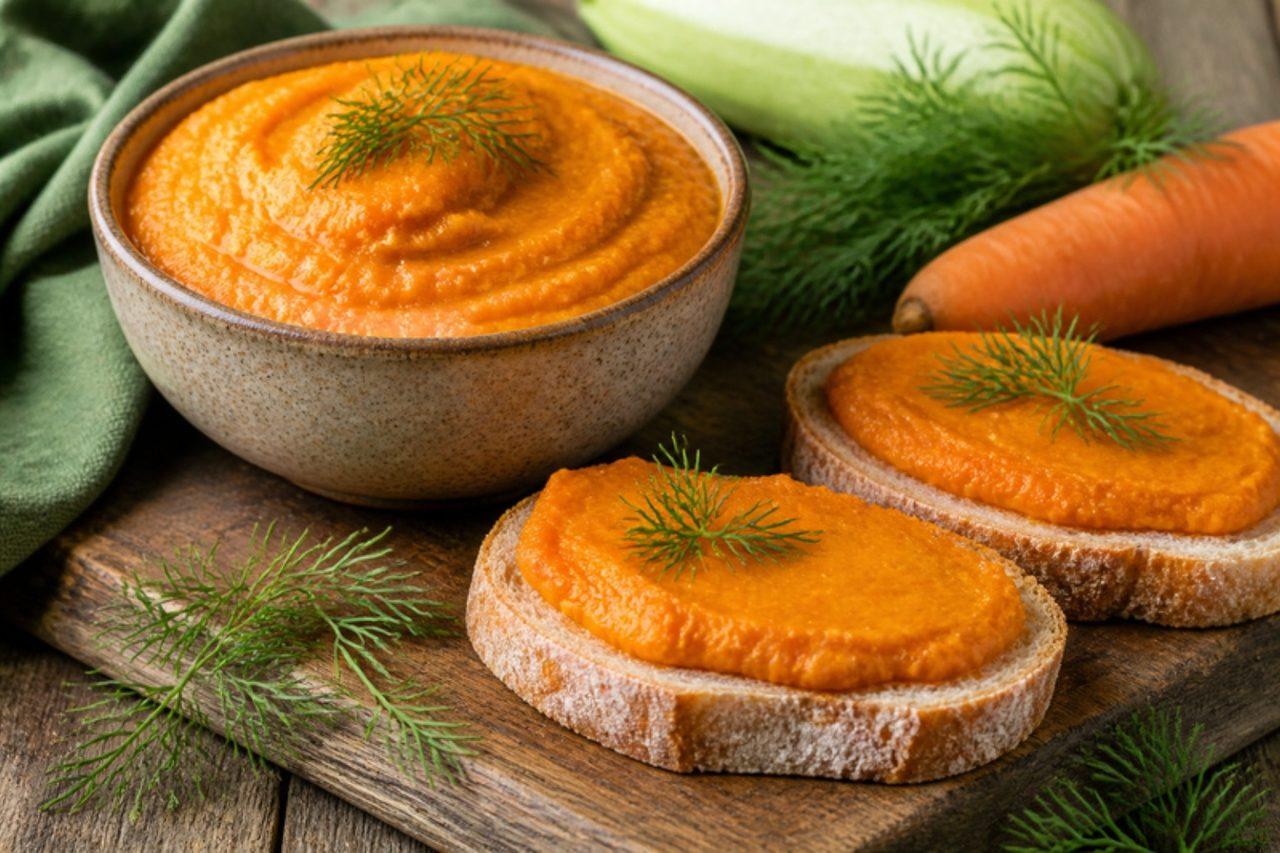
Late summer at the dacha means a glut of courgettes, and the answer across Russia is this soft orange spread, once sold in glass jars in every Soviet grocery and still made by the potful at home. Courgette, carrot and onion are fried in sunflower oil, stewed with tomato until they collapse, blended and then cooked down again until thick enough to stand on bread. It tastes sweet, mellow and lightly tangy, and is eaten cold on black rye bread, with boiled potatoes or as part of a zakuski spread. A common mistake is stopping too early: if the purée still looks watery it will taste flat, so keep stirring until a spoon leaves a trail across the pan. This is a fridge recipe, not a canning one. Chef's tip: make it a day ahead; the flavour rounds out overnight.

by KrazyBadal 0 views

CuchauleSaffron brioche

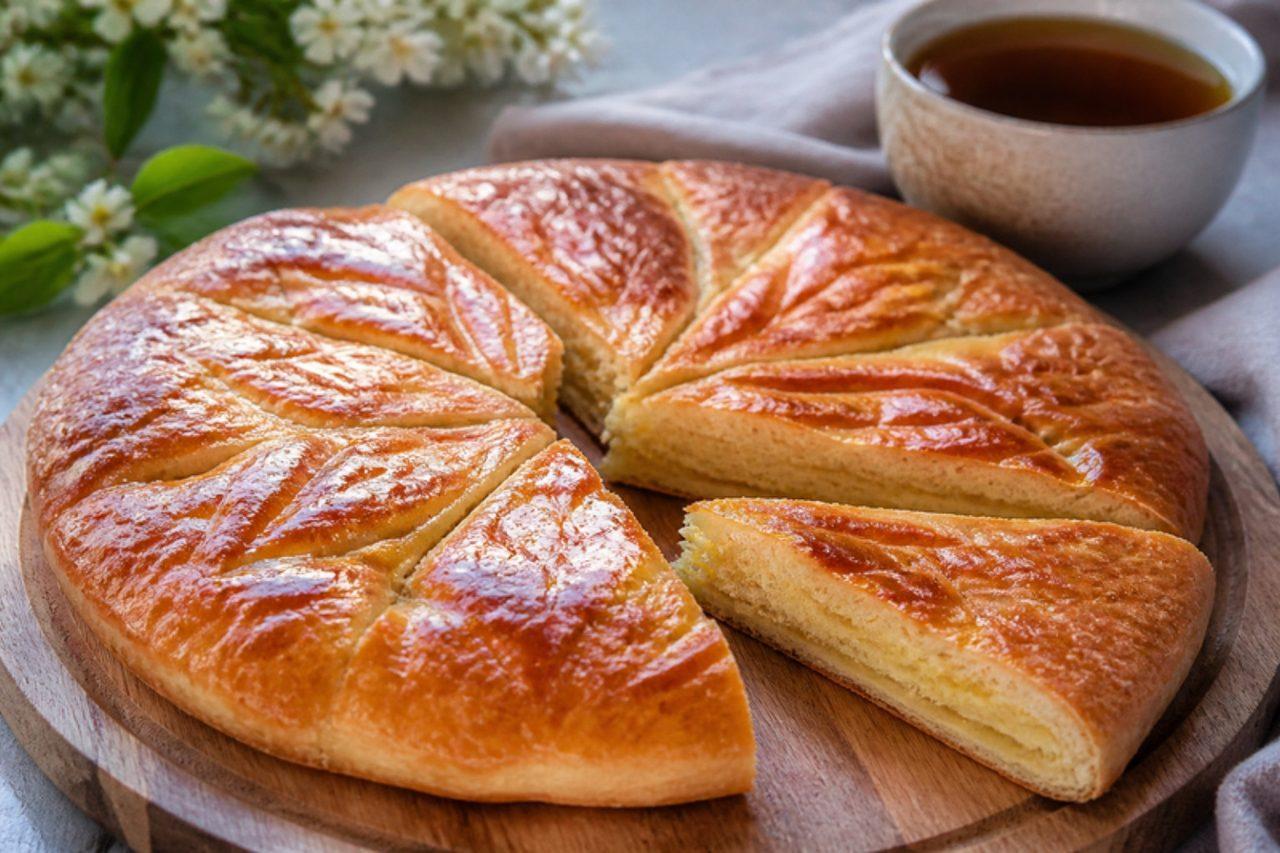
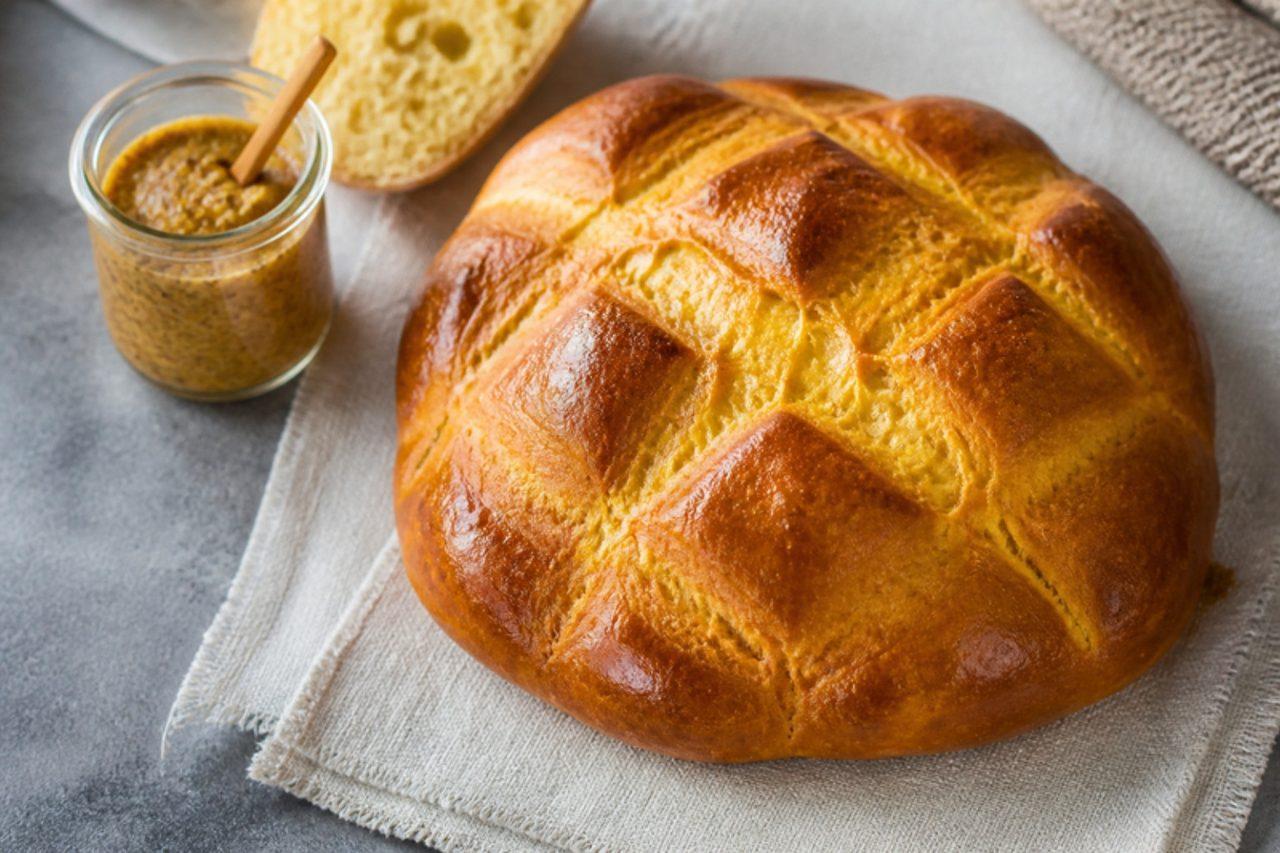
Cuchaule is the golden saffron brioche of the canton of Fribourg, baked for the Bénichon, the autumn feast that marks the herds coming down from the mountains and the end of the harvest. Thick slices are spread with moutarde de Bénichon, a sweet, spicy mustard made with vin cuit (cooked pear syrup), and eaten at the start of a long Bénichon meal. A common mistake is adding saffron threads whole, which leaves the brioche streaky. Chef's tip: steep the saffron in warm milk for 15 minutes before making the dough, so the colour is even and golden all through.

by KrazyBadal 0 views

Balah el shamFried choux fingers in syrup

Ramadan in Cairo means trays of balah el sham glistening in sweet-shop windows, and plenty of families fry their own to serve after iftar alongside konafa and qatayef. Choux dough is piped through a star nozzle into finger lengths, fried until crisp and deep gold, then dropped into cool syrup, so the outside crackles and the inside stays hollow and custardy. It contains eggs. The mistake almost everyone makes once is frying in oil that is too hot: the outside browns in seconds while the inside stays raw and the fingers collapse. Start them in moderately hot oil and let them puff slowly. Chef's tip: beat the eggs in one at a time and stop when the dough falls from the spoon in a thick V; too much egg and the fingers flatten.

by KrazyBadal 0 views

CsalamádéSweet-sour mixed pickle

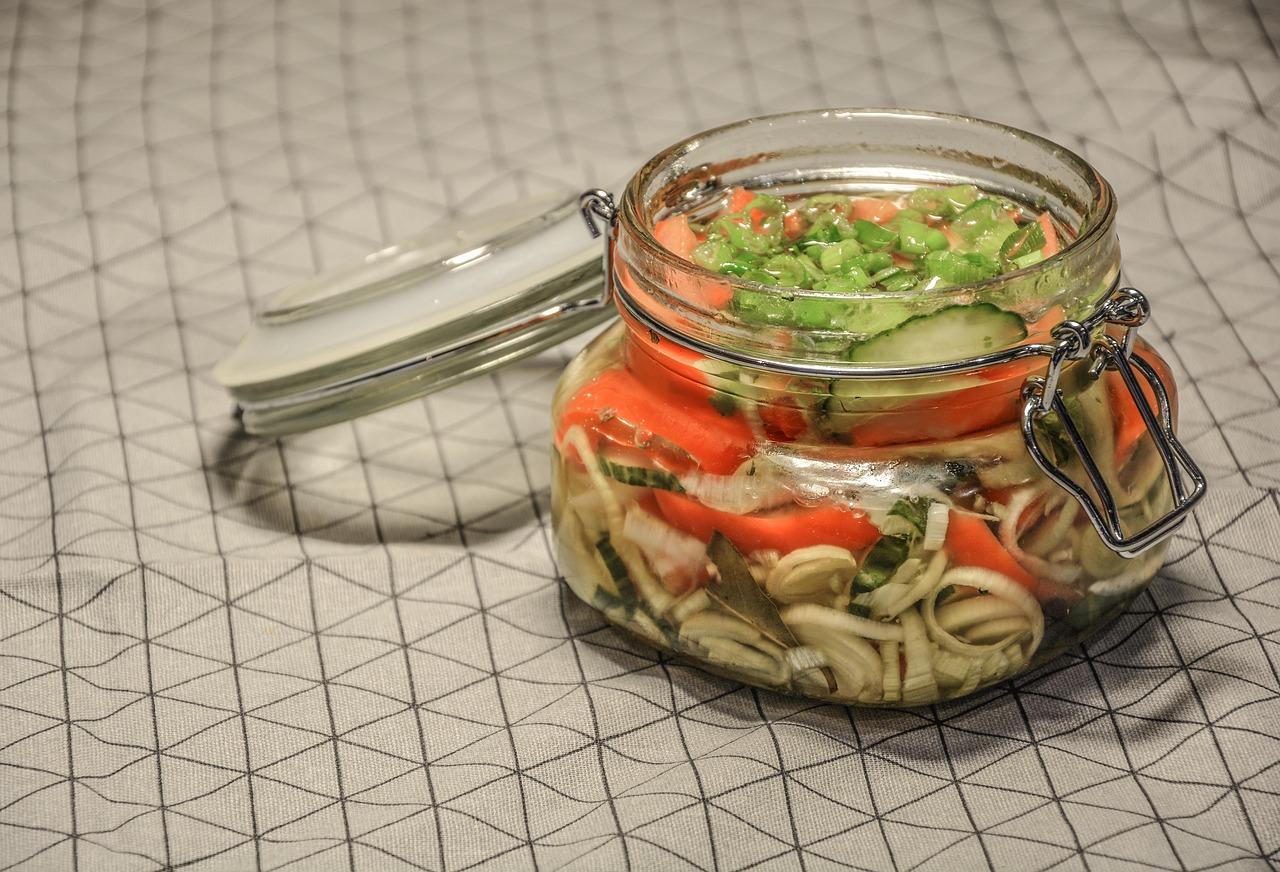
Late August in the Hungarian countryside means a kitchen full of jars: the last cucumbers, a white cabbage and a basket of pale wax peppers all go into csalamádé, the mixed pickle that sits on the table all winter next to pörkölt, sausages and fried meat. It is shredded, crunchy and bright, sweet-sour with a peppery bite, and it makes a fine side to any rich stew. The brine needs vinegar of at least 5% acidity (check the label) to keep the jars safe; never dilute it more than the recipe says. The usual slip is skipping the salting stage, which leaves the vegetables watery and the brine weak; salting draws out their juice first. Store unopened jars in a cool, dark cupboard for up to 6 months if processed, or in the fridge for a month if not; once a jar is open, keep it in the fridge and eat within 2 weeks. Chef's tip: wait at least 2 days before opening, so the flavours settle.

by KrazyBadal 0 views

Showing 63 of 7,762 recipes

Show more recipes

Page 286 of 863