Skip to content
Sayur lodeh
Featured recipe

Sayur lodeh

Sayur lodeh is everyday cooking in Central Java, made in big pots in Solo and Semarang kitchens and ladled over rice, with lontong rice cakes at Lebaran, or alongside opor and sambal goreng on festive tables. It's soupy rather than thick: a fragrant broth of coconut milk, galangal, lemongrass and lime leaf that carries chunks of aubergine, long beans, chayote and sweetcorn, plus tempeh and tofu to make it a meal. The flavour is mellow and slightly sweet, so the heat comes from sambal on the side. Chef's tip: keep the pot at a gentle simmer once the coconut milk goes in and stir now and then — a rolling boil splits the coconut milk into oily curds.

Read more 3 views
Can't decide?

What to eat today?

Spin the randomizer, search with what's already in your fridge, or browse recipes from our chefs.

Latest recipes

Yomari

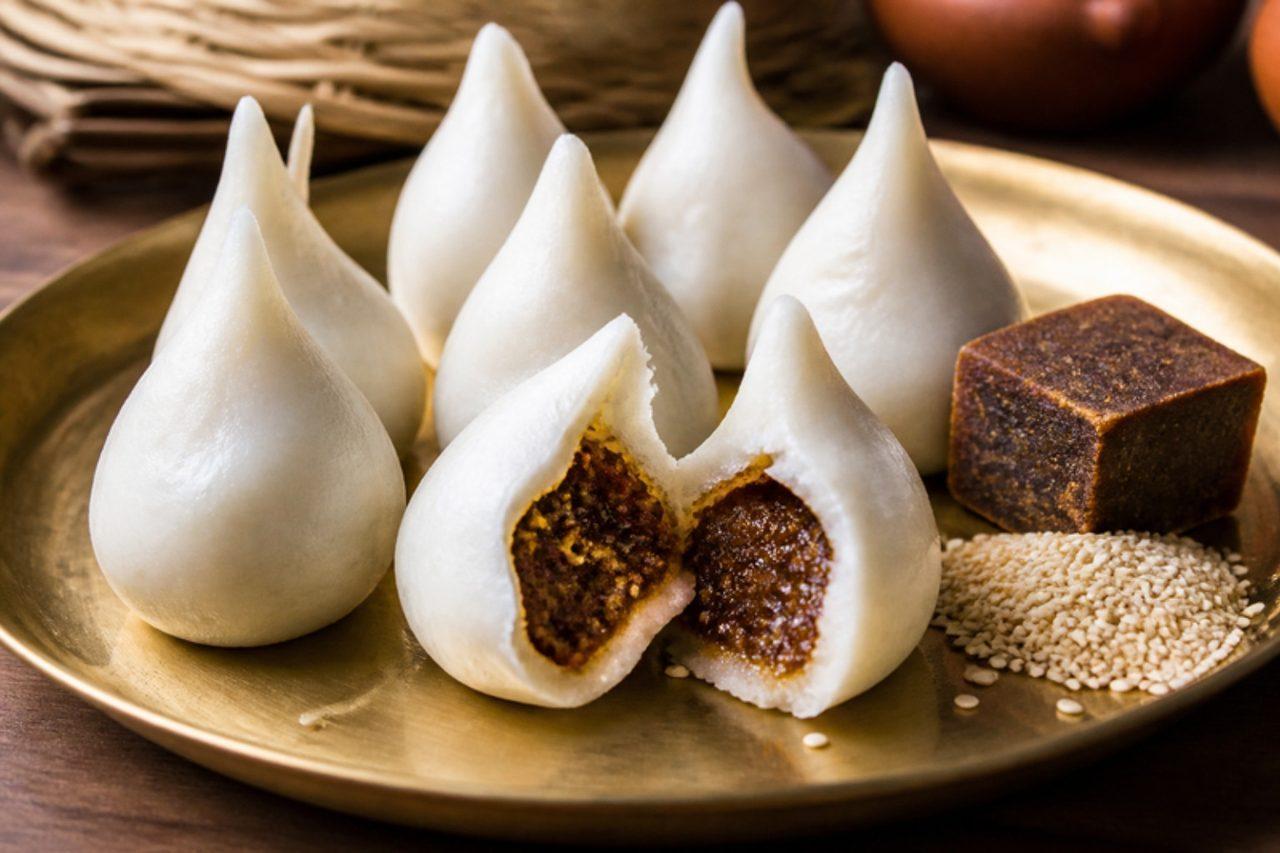
Yomari are the sweet dumplings of the Newars of the Kathmandu Valley, made once a year on Yomari Punhi, the full moon of December that marks the end of the rice harvest. Freshly milled rice flour is kneaded with hot water, pinched into a hollow cone, filled with chaku, a dark, fudgy Newari molasses, and toasted sesame, then shaped with a pointed tail like a fish or a teardrop and steamed. Children go from house to house singing for them, and families offer a few to the gods before anyone eats. The shell is soft and slightly chewy, and the filling melts into warm, smoky caramel. The usual mistake is mixing the dough with lukewarm water: it must be just off the boil so the starch swells and the dough stretches without cracking. Chef's tip: keep a bowl of warm water beside you and dip your fingertips often; damp hands smooth out cracks as you shape.

by KrazyBadal 0 views

Töltött káposzta

Töltött káposzta is the dish Hungarians make for Christmas and the wedding feasts of the countryside, a huge pot that tastes better each day. It is a pork dish: soured cabbage leaves are rolled around a filling of pork mince, rice, onion and paprika, then layered with chopped sauerkraut and smoked pork ribs or sausage and simmered for hours. It is served with a dollop of soured cream and bread. Chef's tip: look for whole soured cabbage heads (sold for this dish in Eastern European shops); if you cannot find them, blanch fresh savoy leaves and add extra sauerkraut.

by KrazyBadal 0 views

Chatamari

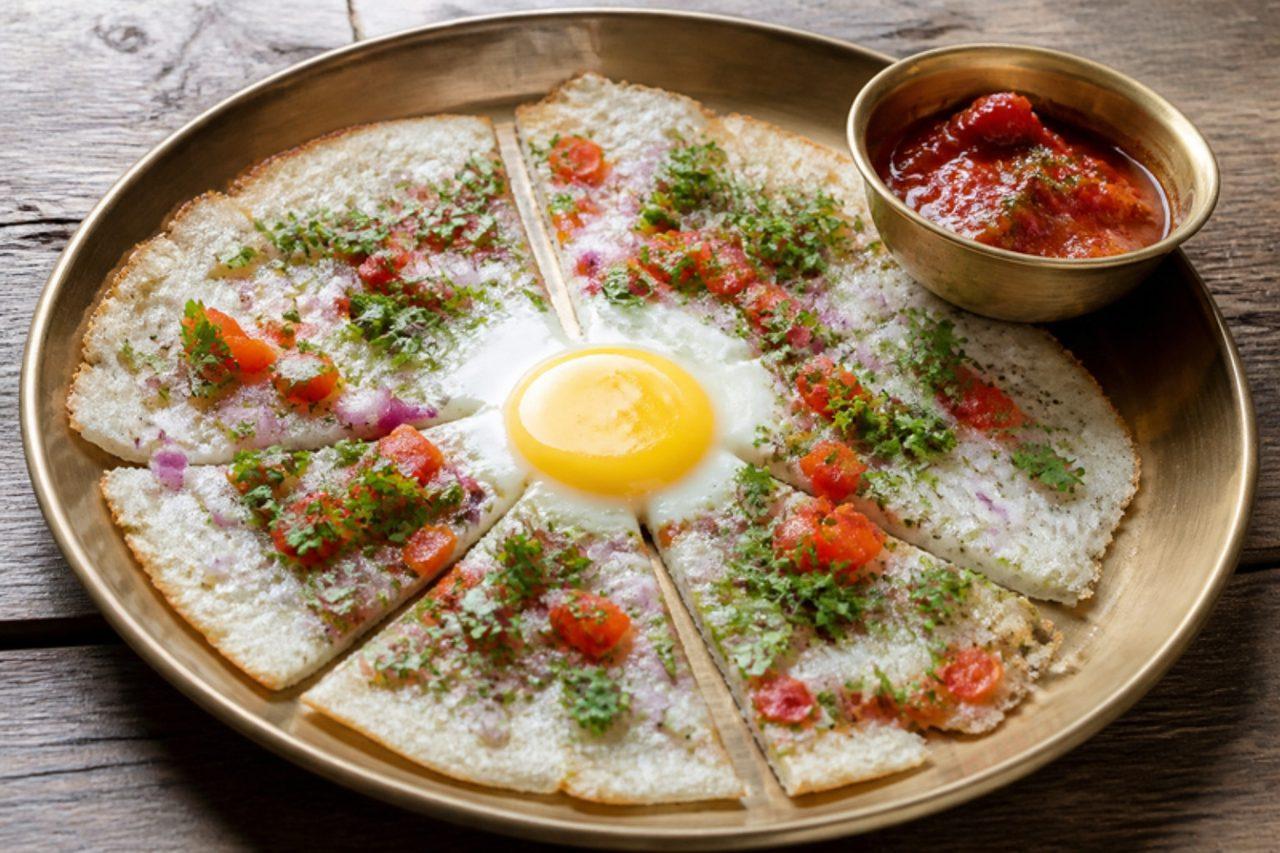
Chatamari is a thin, round crêpe of rice flour that Newar cooks in Patan, Bhaktapur and old Kathmandu make on a covered griddle, so the topping steams on top while the base turns crisp underneath. It is sometimes called Newari pizza, which says something about how it's eaten: cut into wedges, hot, and shared. It is a festival and teahouse snack, served at Newar feasts and in the small eateries around Patan Durbar Square. The classic topping is a cracked egg spread over the batter with onion, tomato and coriander, and this vegetarian version keeps the egg; leave it out and add more vegetables if you prefer. The common mistake is to pour the batter too thick; it should be as thin as single cream so it cooks through before the edges burn. Chef's tip: swirl the batter with the back of a ladle in a spiral from the centre outwards, so it sets in an even, lacy layer.

by KrazyBadal 0 views

Bara

Bara, or wo in the Newar language, is a thick, savoury pancake of ground black lentils that the Newar people of the Kathmandu Valley have made for centuries. It is cooked on a flat griddle until spotted brown and lacy at the edges but soft and airy inside. It is festival food above all: it appears at Sithi Nakha in early summer, on the plates of Newar feasts and at roadside stalls in Kirtipur and Patan, where it is often topped with a cracked egg. This plant-based version keeps it plain, with ginger, garlic and cumin in the batter. Eat it hot with golbheda ko achar. The usual mistake is to add too much water when grinding: the batter must be thick enough to hold a peak, or the bara spread thin and go flat. Chef's tip: beat the ground batter by hand for 3–4 minutes until it turns pale and fluffy; the air you whip in is what makes the bara light.

by KrazyBadal 0 views

Couscous royal

Couscous royal is the big-occasion couscous that Algerian and Moroccan families brought to France and that is now served for weddings and Sunday gatherings from Oran to Marseille: a pot of lamb and chicken simmered with vegetables and chickpeas in a mildly spiced broth, grilled merguez on the side, and a mountain of steamed couscous. The mistake is putting all the vegetables in at once; the courgettes go mushy while the turnips are still hard, so add them in stages. Chef's tip: brown the lamb and chicken well before the water goes in; that colour flavours the whole broth.

160 minAlgerianMeat
by KrazyBadal 0 views

Golbheda ko achar

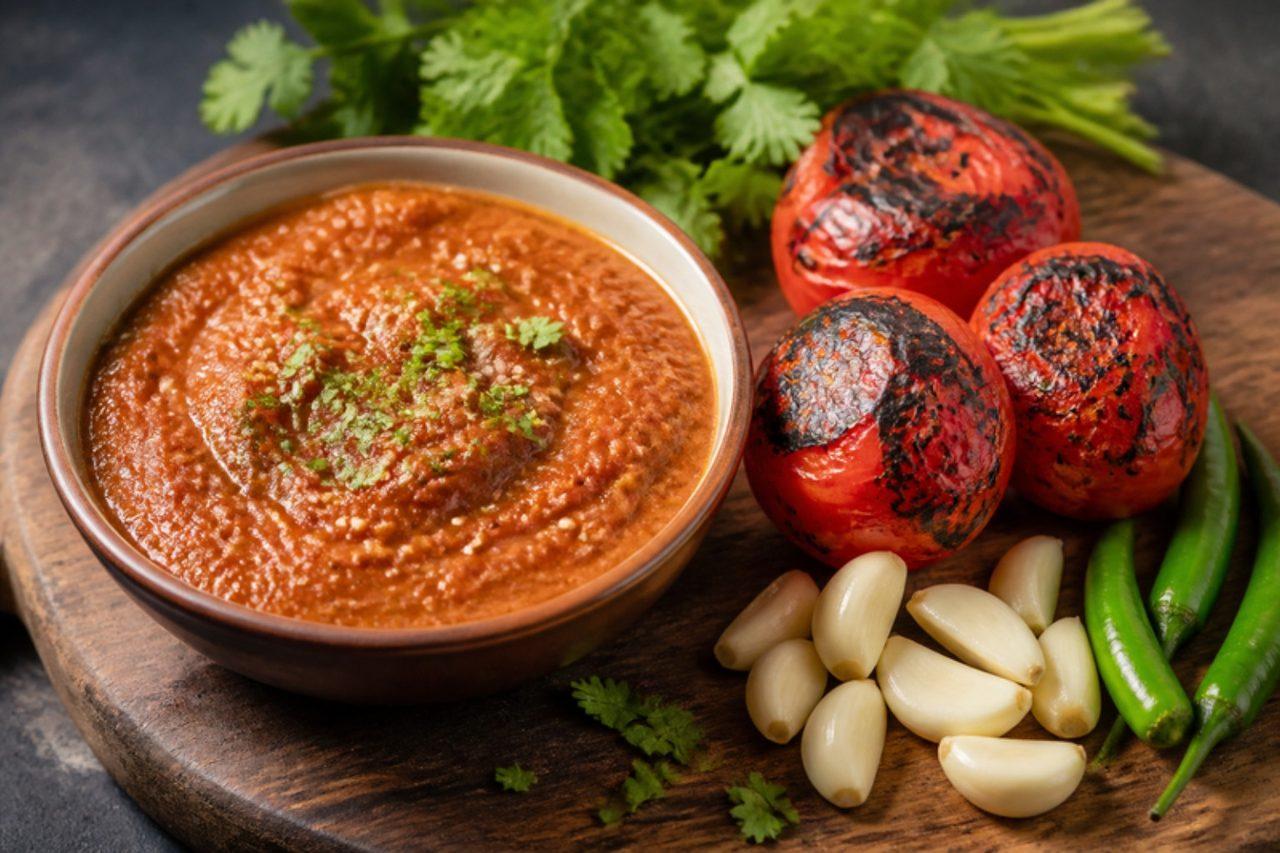
No momo is served in Nepal without a small bowl of golbheda ko achar, and no dal bhat feels complete without a dab of it on the side. Tomatoes (golbheda) are charred over a flame or on a dry griddle until black-blistered and soft, then pounded with garlic, green chilli and timur, the citrusy Nepali pepper that leaves a buzz on the tongue. Grandmothers grind it on the flat stone silauto; a blender or mortar does the job at home. It is smoky, sour and hot, and is made fresh in most kitchens every day or two. A spoonful of toasted sesame or soybean powder thickens the version served with momos in Kathmandu. Don't purée it smooth: the skins and seeds give it its rustic body. Chef's tip: char the garlic and chillies beside the tomatoes; their sharp edge softens and the achar tastes sweeter and deeper.

by KrazyBadal 0 views

Aloo achar

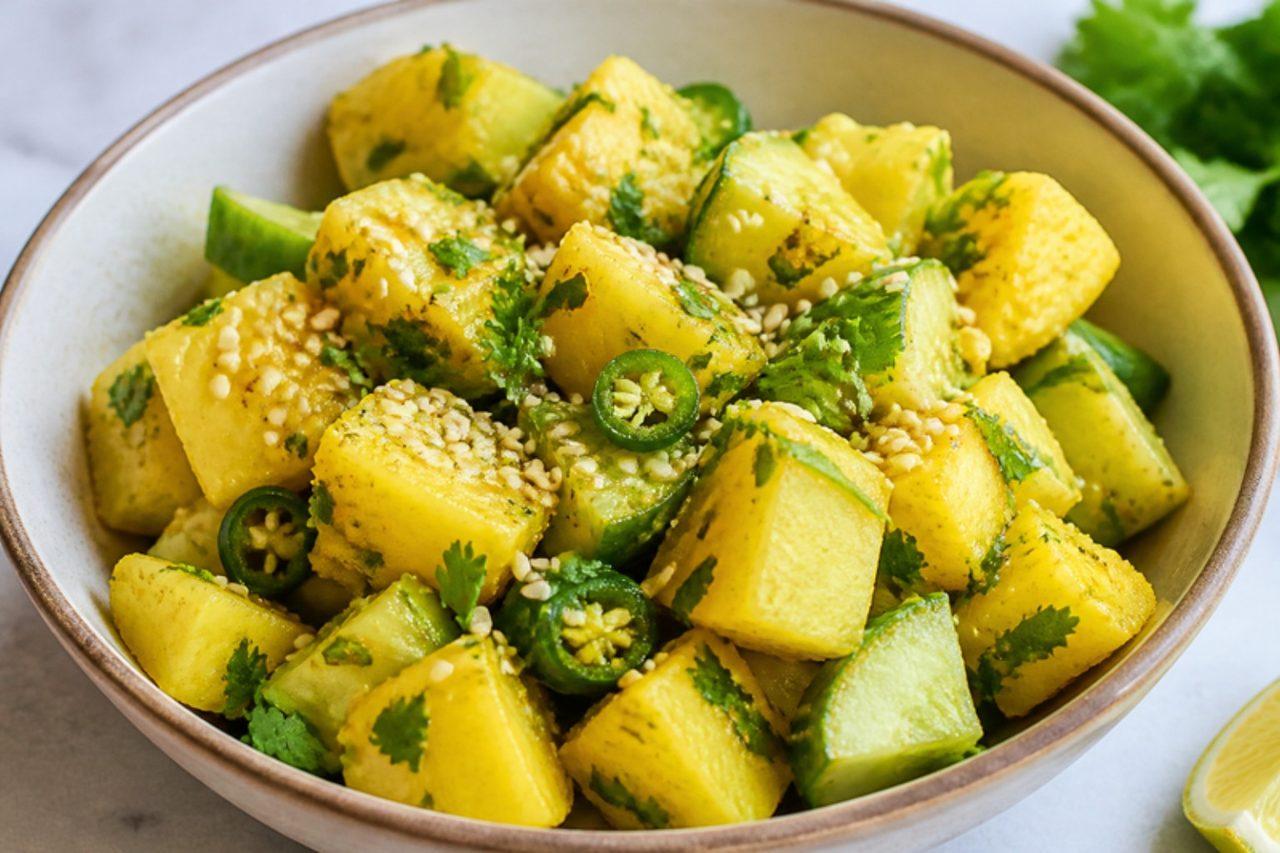
Aloo ko achar is the potato salad of Nepal, but tangy, nutty and hot rather than creamy. Boiled potatoes are tossed with ground toasted sesame, lemon juice, green chilli and timur, then finished with mustard oil in which fenugreek seeds have been fried dark. You find it everywhere: in tiffin boxes on the way to school, at picnics and on the long leaf plates of Newar feasts, alongside beaten rice and spicy beans, and it is a fixture at Dashain and Tihar gatherings when food has to sit out for hours. It keeps well, and the flavour improves after a rest. Dressing the potatoes while still hot is the usual mistake: they soak it up and turn mushy, so let them cool first. Chef's tip: toast the sesame until it just starts to pop and smells like popcorn, then grind it to a coarse sandy powder; it thickens the dressing and gives the salad its nuttiness.

by KrazyBadal 0 views

Saag (rayo ko saag)

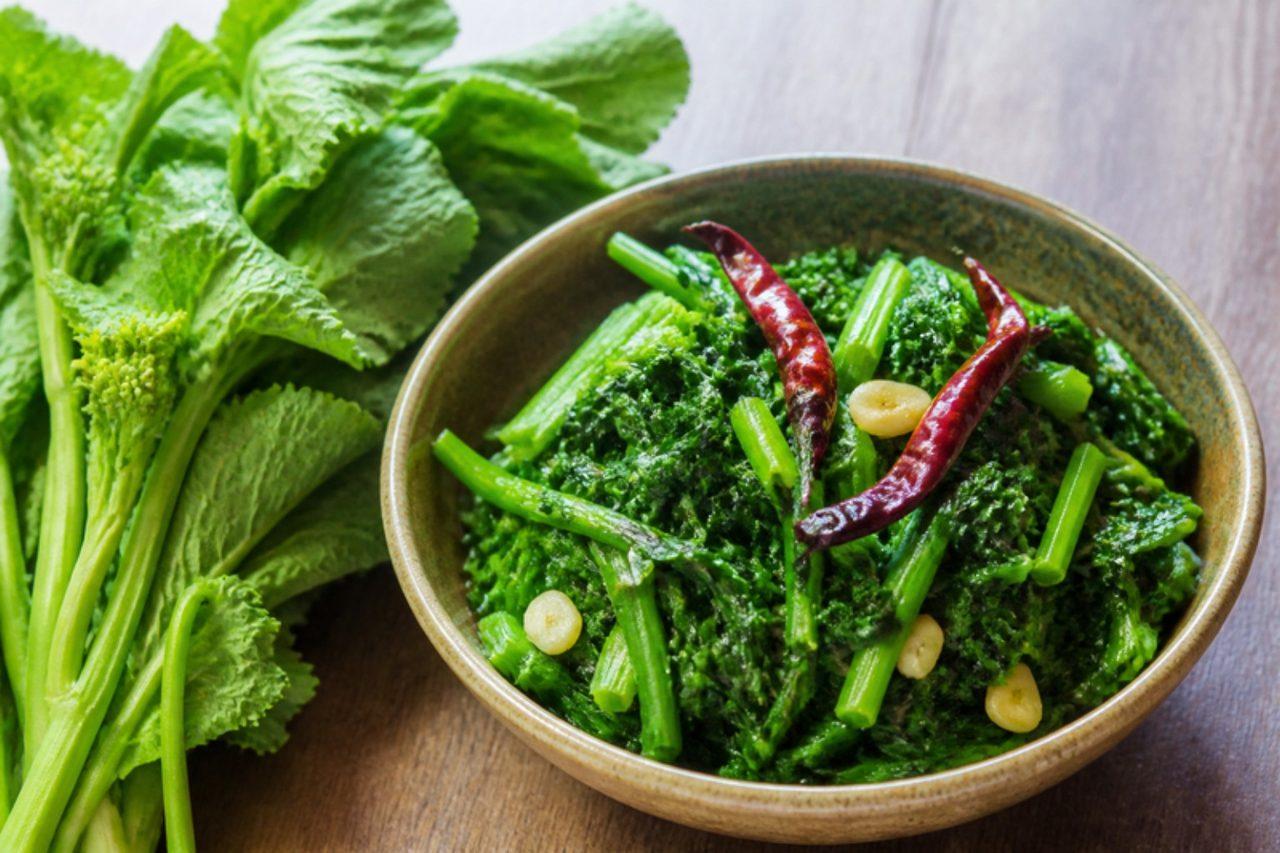
Ask for saag anywhere in Nepal and you will get the leafy part of the dal bhat plate: a tangle of greens, most often rayo (a broad-leafed mustard green), fried fast in mustard oil with garlic and a dried chilli until just wilted. It is nothing like the slow-cooked, puréed sarson ka saag of Punjab. Nepali saag keeps its bright colour, a little bite in the stems and a pleasant bitterness. It grows in every kitchen garden from the Terai to the hills and is on the table most days from autumn to spring. Spinach, chard or Chinese mustard greens all work the same way. The common mistake is to cover the pan, which stews the leaves to a grey mush; keep the heat high and the lid off. Chef's tip: add the stems a minute before the leaves so both are done at the same moment.

by KrazyBadal 0 views

Gundruk ko jhol

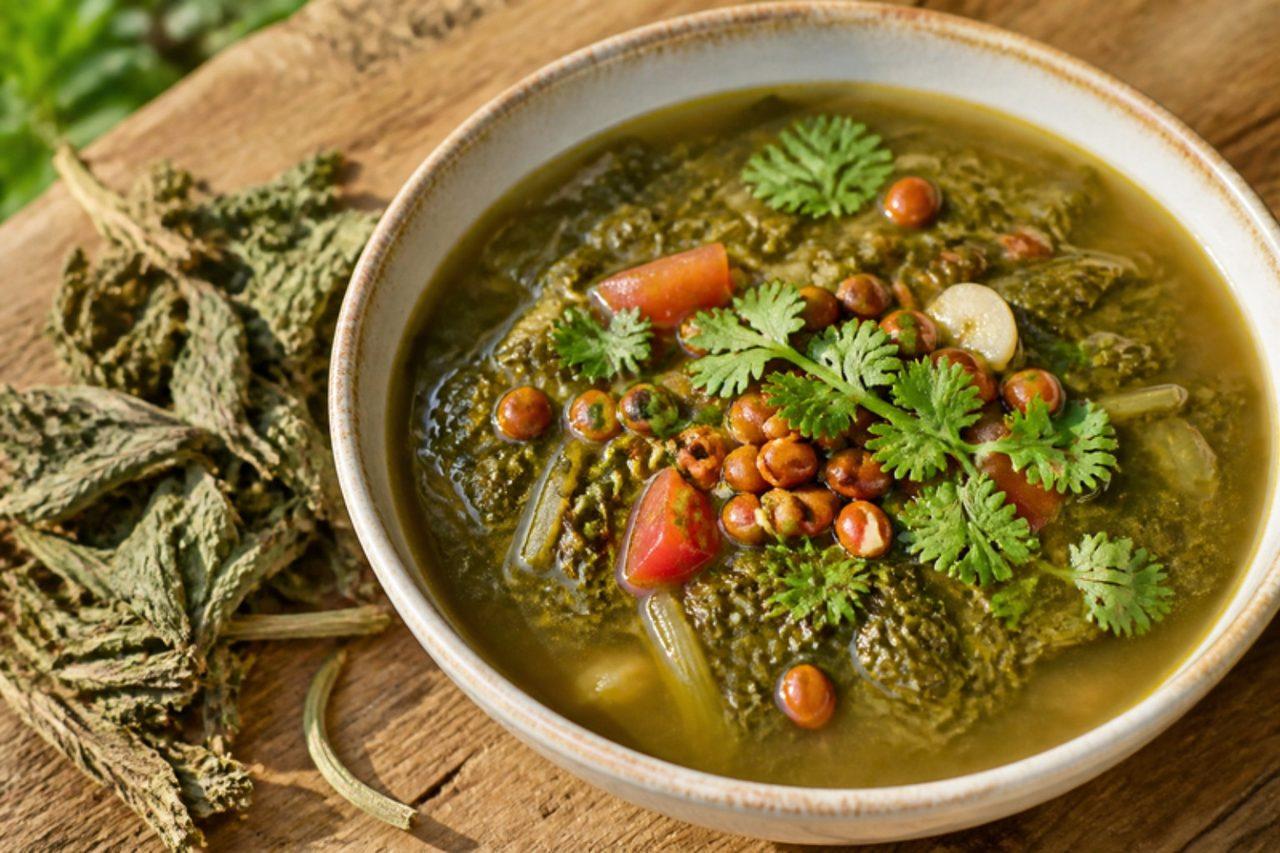
In the terraced hill villages between Pokhara and Ilam, families pack mustard, radish and cauliflower leaves into clay pots after the autumn harvest, let them ferment for a week or two and then sun-dry them into gundruk. That dark, tangy leaf is the store cupboard of the winter months, and its most common use is this thin, sour soup (jhol), served on the side of dal bhat or with dhido, the stiff buckwheat or millet porridge of the hills. It tastes a little like a smoky, vinegary green tea and is light, warming and very cheap. A handful of roasted soybeans (bhatmas) is often thrown in for crunch. The mistake is to cook gundruk without soaking it first, which leaves it gritty and too sour. Chef's tip: squeeze the soaked leaves hard and fry them in the oil until they crackle before you add water; that frying gives the soup its toasty depth.

by KrazyBadal 0 views

Aloo tama

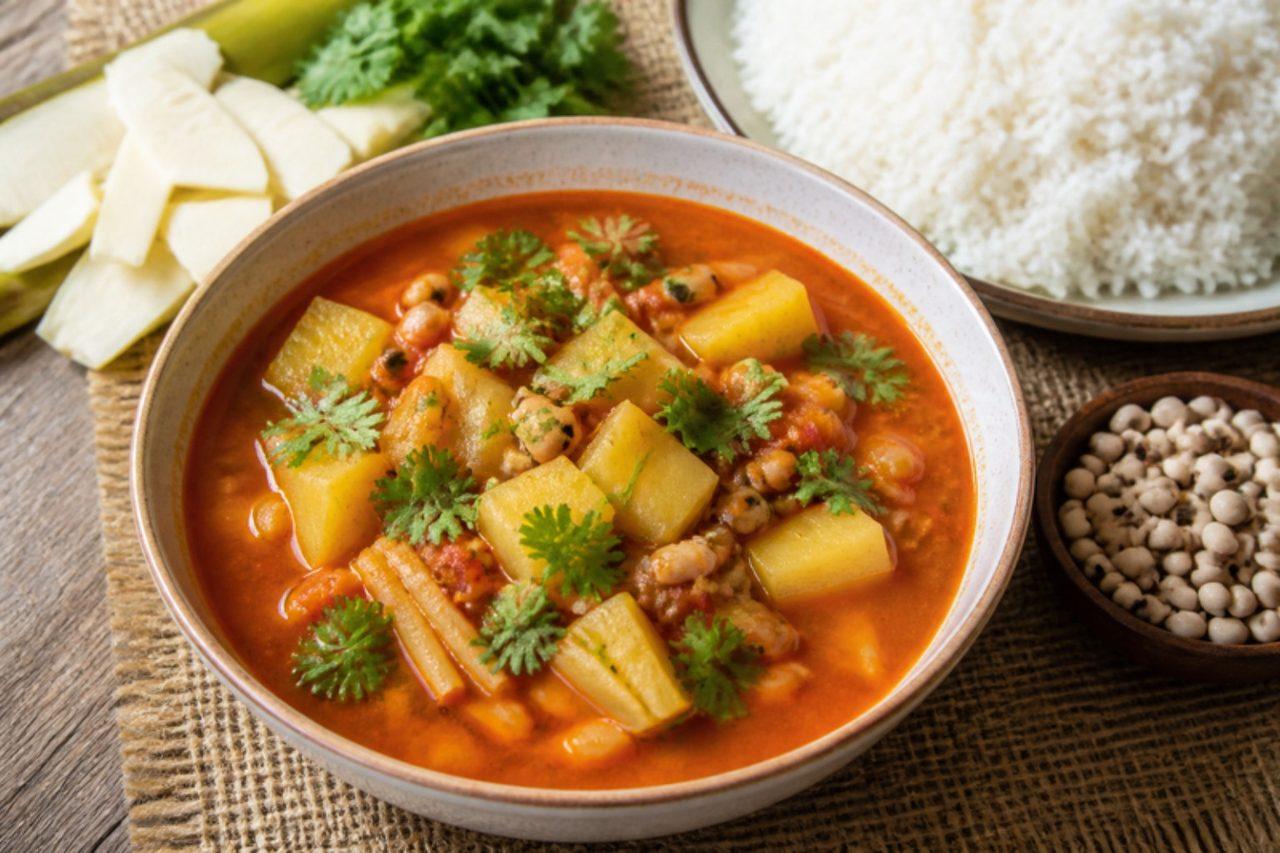
Aloo tama is the curry that tells you you are in Nepal: potatoes (aloo) and black-eyed beans (bodi) simmered with tama, slivers of bamboo shoot that have been fermented until they are pleasantly sour and funky. It is a Newar dish at heart, cooked all over the Kathmandu Valley for weddings, feasts and cold winter evenings, and every Nepali restaurant abroad keeps a pot of it. The sourness comes from the bamboo, sharpened with tomato, and the warmth from fenugreek seeds burnt nearly black in mustard oil and a dusting of timur, the Nepali Sichuan pepper that numbs the lips. Eat it with rice or beaten rice (chiura). Don't skip rinsing the bamboo: straight from the jar it can be so sharp that it takes over the whole pot. Chef's tip: let the fenugreek seeds turn a deep reddish brown before anything else goes in; that bitter-sweet, almost maple smell is the backbone of the curry.

by KrazyBadal 0 views

Dal bhat

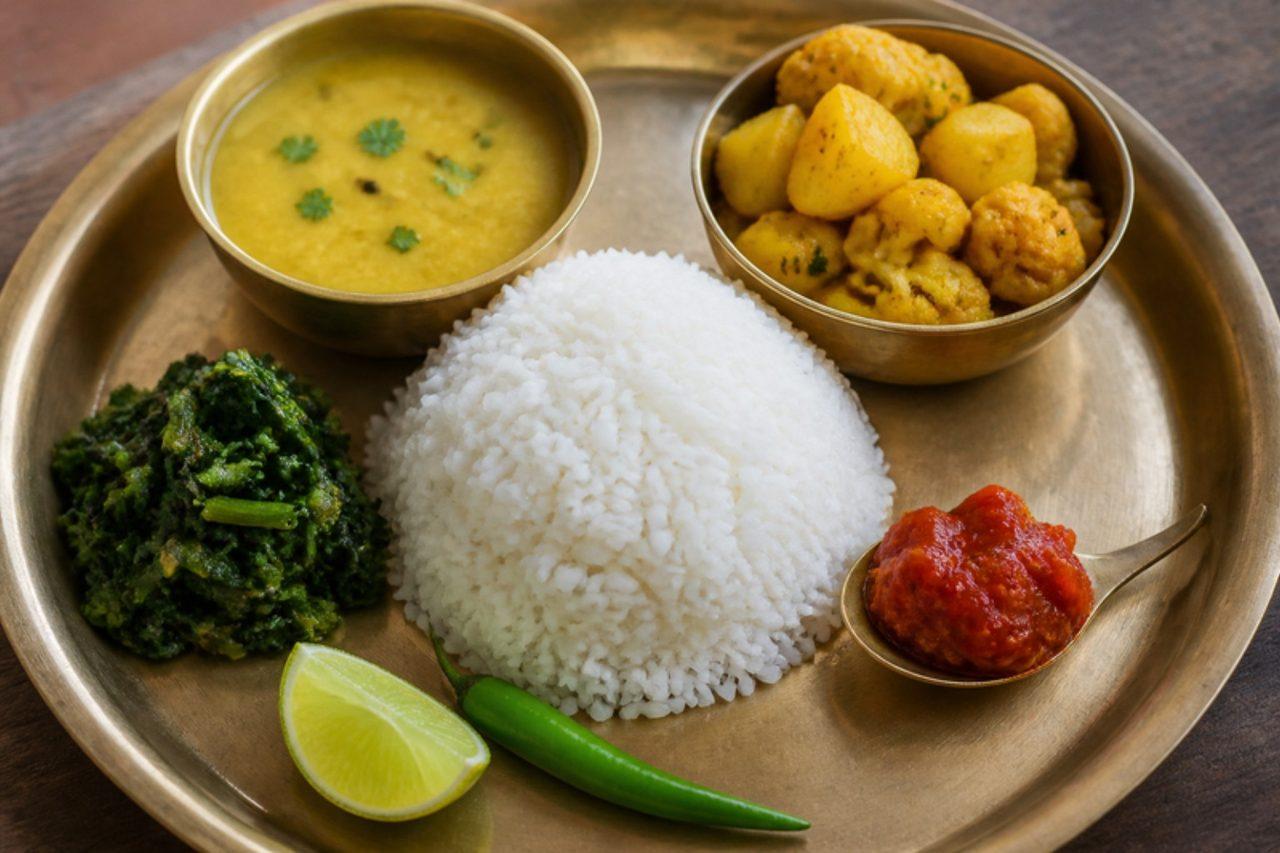
Across Nepal, from Terai farmhouses to trekking lodges below Everest, dal bhat is not a dish so much as the meal itself, eaten twice a day, late morning and early evening, often with the words "dal bhat power, 24 hour". The plate is always the same idea: a mound of plain rice (bhat), a thin, soupy lentil dal scented with jimbu (a dried Himalayan allium) fried in ghee, a dry vegetable tarkari, a little stir-fried greens when there are some, and a sharp spoonful of achar. You pour the dal over the rice and mix it by hand, a little at a time, with bites of curry and pickle. Most newcomers make the dal too thick; Nepali dal should run off the spoon like a light soup so it soaks the rice. Chef's tip: fry the jimbu in the hot ghee only until it darkens a shade and smells of garlicky onion, about 10 seconds, then pour it straight into the dal and cover the pan to trap the aroma.

by KrazyBadal 0 views

Rooh Afza sherbet

During Ramadan almost every household in Pakistan breaks the fast at sunset with a jug of this bright red sherbet on the table, from Karachi apartments to village courtyards in Punjab. It is made with the herbal rose syrup sold as Rooh Afza (any rose sherbet syrup works), stirred into ice-cold water with a squeeze of lemon and a spoonful of swollen basil seeds (tukh malanga) that are said to cool the body after a long, hot day without water. Some families make it with cold milk instead, which turns it pink and creamy. The mistake people make is adding the basil seeds dry; they clump into hard lumps, so soak them first. Chef's tip: chill the water and syrup well before mixing so you need less ice and the sherbet does not taste watered down.

by KrazyBadal 0 views

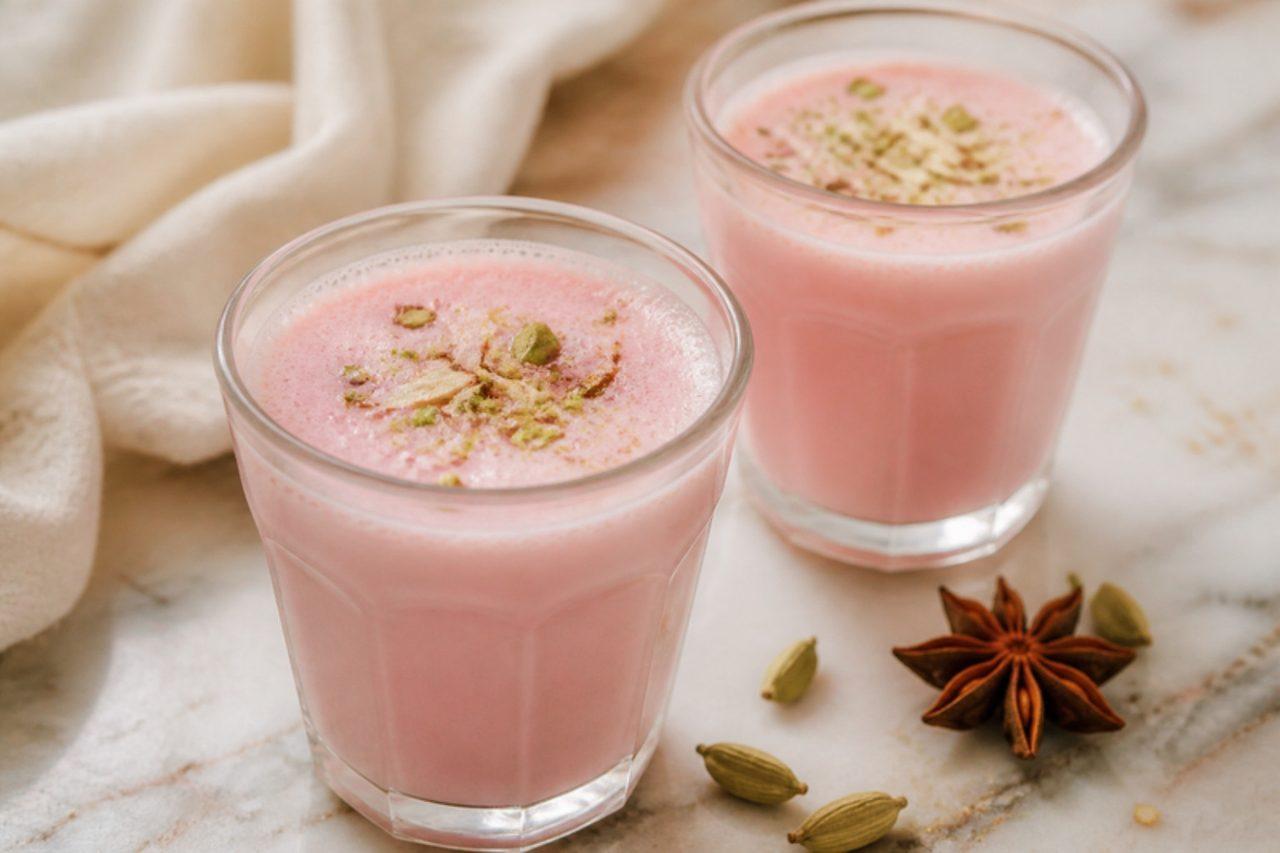
Kashmiri chai

Kashmiri chai, called pink tea or gulabi chai across Pakistan, came down from Kashmir to become the winter drink of Lahore, Karachi and Islamabad: it is ladled out at weddings, sold from steaming pots at tea stalls on cold nights and served with nankhatai biscuits at family gatherings. The colour is real chemistry, not food colouring: green tea leaves are boiled hard with a pinch of baking soda until the brew turns deep red, then whisked and splashed to get air into it, and finally cooked with milk until it blushes pink. It is lightly salted in the old Kashmiri way and sweetened in the city way; add as much sugar as you like. The mistake people make is using black tea; only green tea leaves turn pink. Chef's tip: pour in ice-cold water as soon as the brew is reduced, and beat it hard; the shock and the air are what lock in the bright colour.

by KrazyBadal 0 views

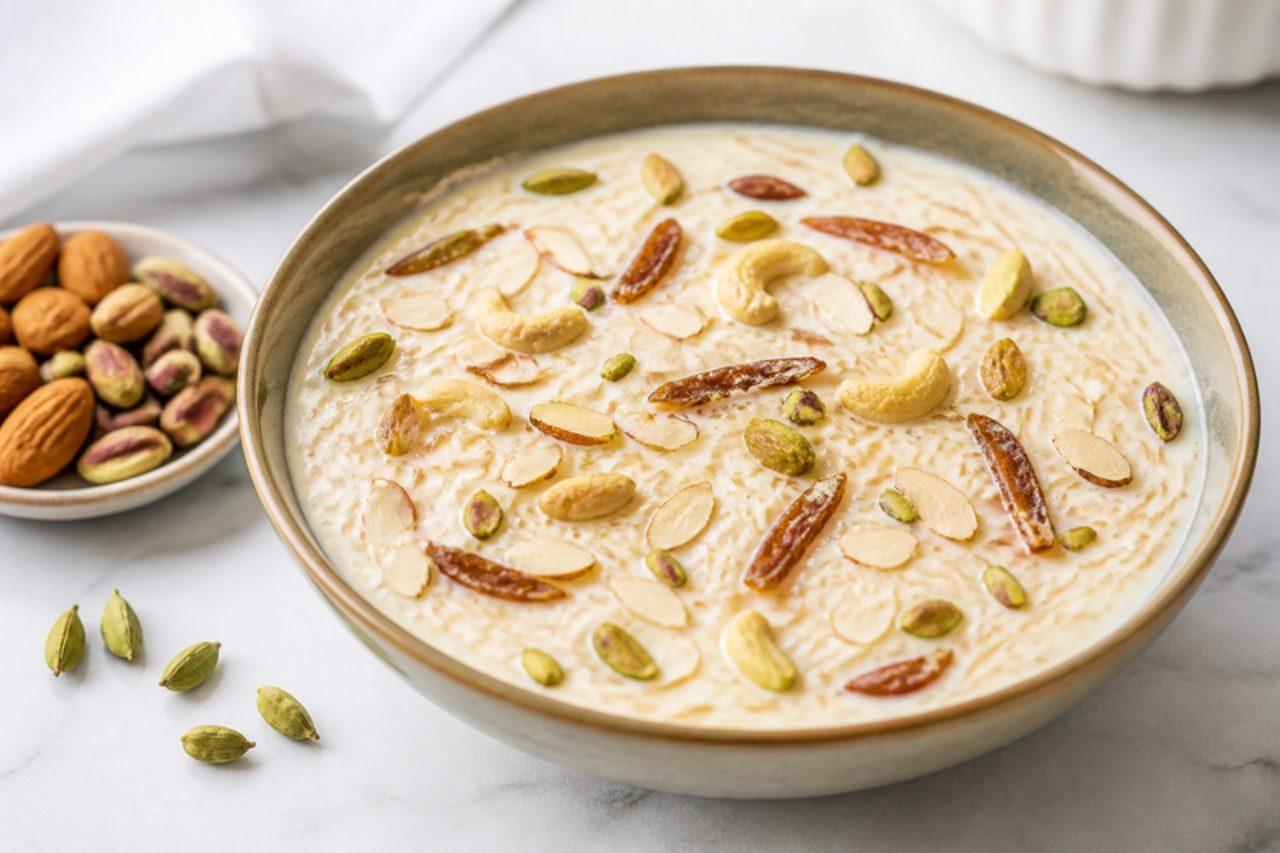
Sheer khurma

Sheer khurma means milk with dates in Persian, and in Pakistan it is the taste of Eid ul-Fitr morning: after the Eid prayer, families come home and every visitor who knocks that day is handed a small bowl. It is richer and nuttier than everyday seviyan: whole milk is boiled down until creamy, fine vermicelli fried golden in ghee goes in late, and it is loaded with soaked dried dates (chhuhare), almonds, pistachios, cashews, raisins and charoli seeds, scented with cardamom. It is served warm in the morning and thickens to a spoonable pudding when cold. The mistake most people make is adding the vermicelli too early or using too much; it keeps drinking milk as it cools and turns stodgy. Chef's tip: soak the dried dates overnight and slice them thinly; fresh soft dates melt away, but soaked chhuhare stay chewy and sweet in every spoonful.

by KrazyBadal 0 views

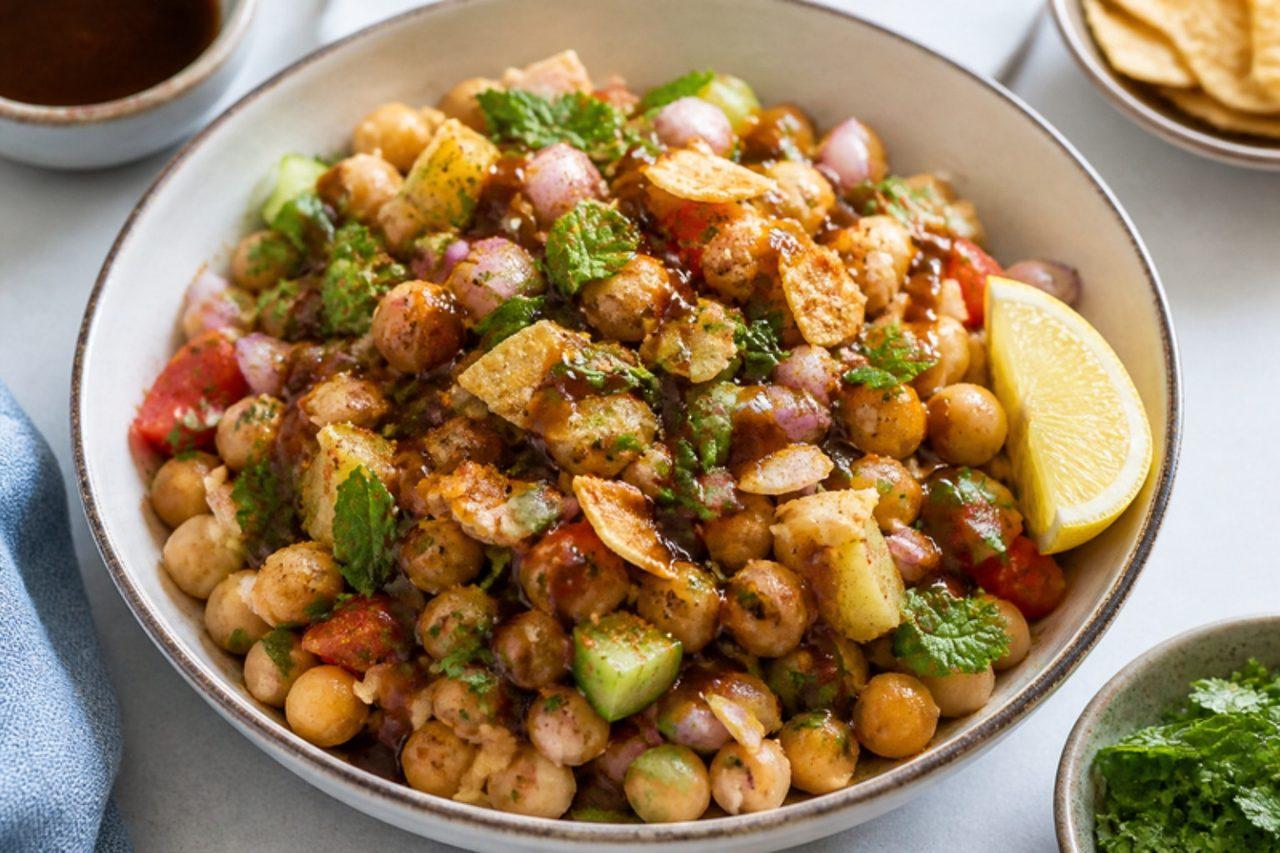
Pakistani chana chaat

In Pakistan a bowl of chana chaat is on almost every iftar table during Ramadan, next to the dates, pakoras and a jug of red sherbet, and in Lahore and Karachi street vendors toss it to order all year round in big steel bowls. The Pakistani style is simple and sharp: plump chickpeas and potato with raw onion, tomato, green chilli, lots of coriander and mint, tamarind chutney, lemon juice and a heavy hand of chaat masala, served cold or at room temperature. It is a quick, filling, high-fibre snack. People often mix it too early and the onion goes limp and the potato mushy; dress it no more than 15 minutes before eating. Chef's tip: toss the chickpeas with the chaat masala and salt first, before anything wet goes in, so the spice clings to them.

by KrazyBadal 0 views

Roasted red pepper & fennel

Big pieces of sweet red pepper and fennel tossed with lemon, black pepper and olive oil and roasted until soft and just starting to brown, then topped with black olives, toasted pine nuts and fresh herbs. It works as a side or a light starter, warm or cold. The vegetables can also be roasted on the barbecue jiko.

by KrazyBadal 0 views

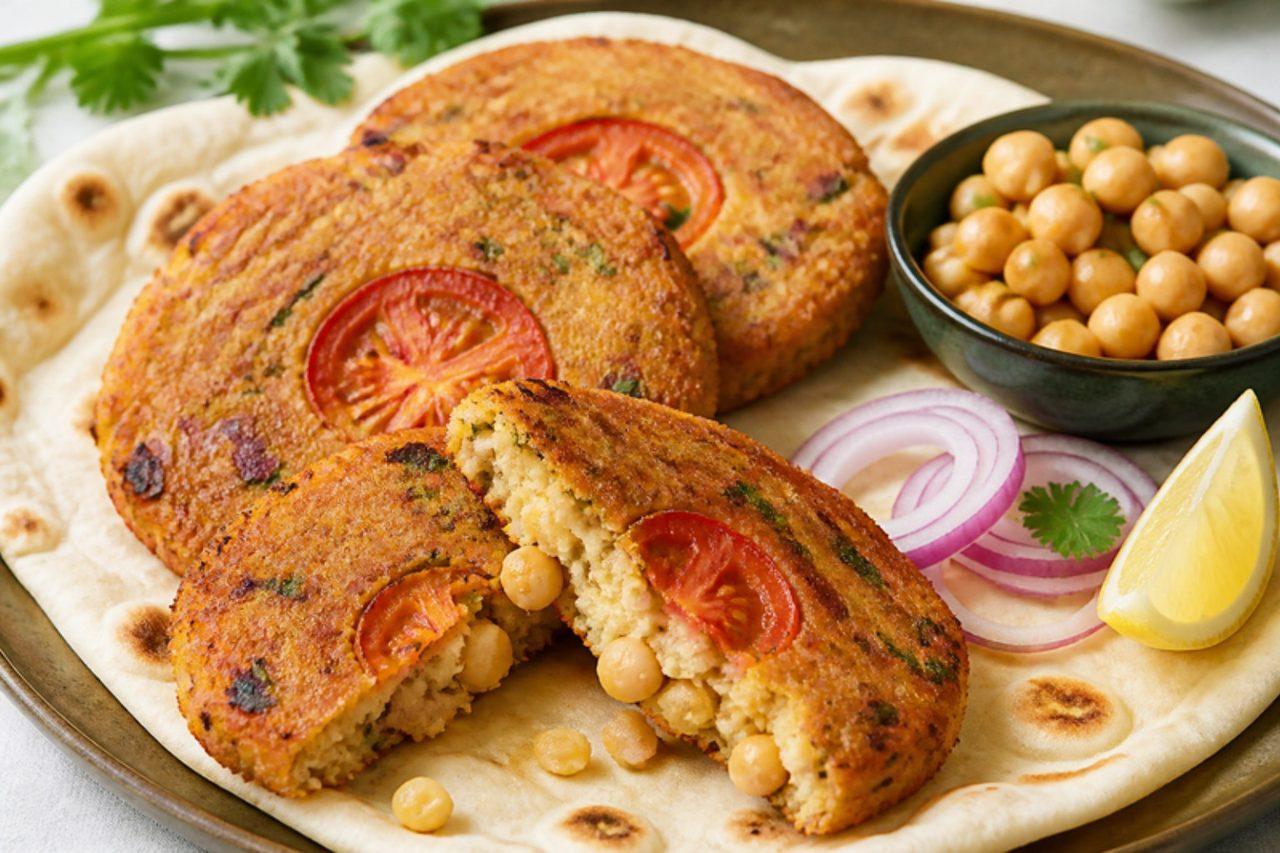
Chickpea chapli kebab

Chapli kebab comes from Peshawar, where Namak Mandi and the Qissa Khwani Bazaar are lined with cooks frying giant flat kebabs in shallow iron pans; the name comes from chaprikh, flat in Pashto. This chickpea version keeps everything that makes a chapli kebab taste right: coarsely crushed coriander seeds, dried pomegranate seeds (anardana) for sourness, chilli flakes, green chilli, onion, tomato and a little maize flour to bind it, with a slice of tomato pressed into each one so it chars in the pan. Serve them with naan, sliced onion and a sharp green chutney. The usual mistake is blitzing the chickpeas to a smooth paste in a processor; the kebab needs texture, so mash by hand and leave some pieces. Chef's tip: press them really thin, about 1 cm, and with ragged edges; the thin edges go crunchy, which is the whole point of a chapli.

by KrazyBadal 0 views

Sindhi kadhi

Sindhi kadhi is the Sunday lunch of families from Sindh, served in Karachi and Hyderabad homes over plain rice with crisp fried potatoes on the side. Unlike the yogurt kadhis of Gujarat and Punjab it uses no dairy at all: gram flour is roasted in oil until it smells like toasted nuts, whisked into water with tamarind and tomato, and simmered with a crowd of vegetables, typically drumsticks, okra, cluster beans, potato and carrot. The result is thin, sour and gently hot, with a deep golden colour. The common mistake is rushing the roasting of the gram flour; pale flour leaves the whole pot tasting raw and pasty. Chef's tip: cook the drumsticks and potatoes first and add the okra only in the last 10 minutes so it stays whole and does not turn slimy.

by KrazyBadal 0 views

Bun kebab

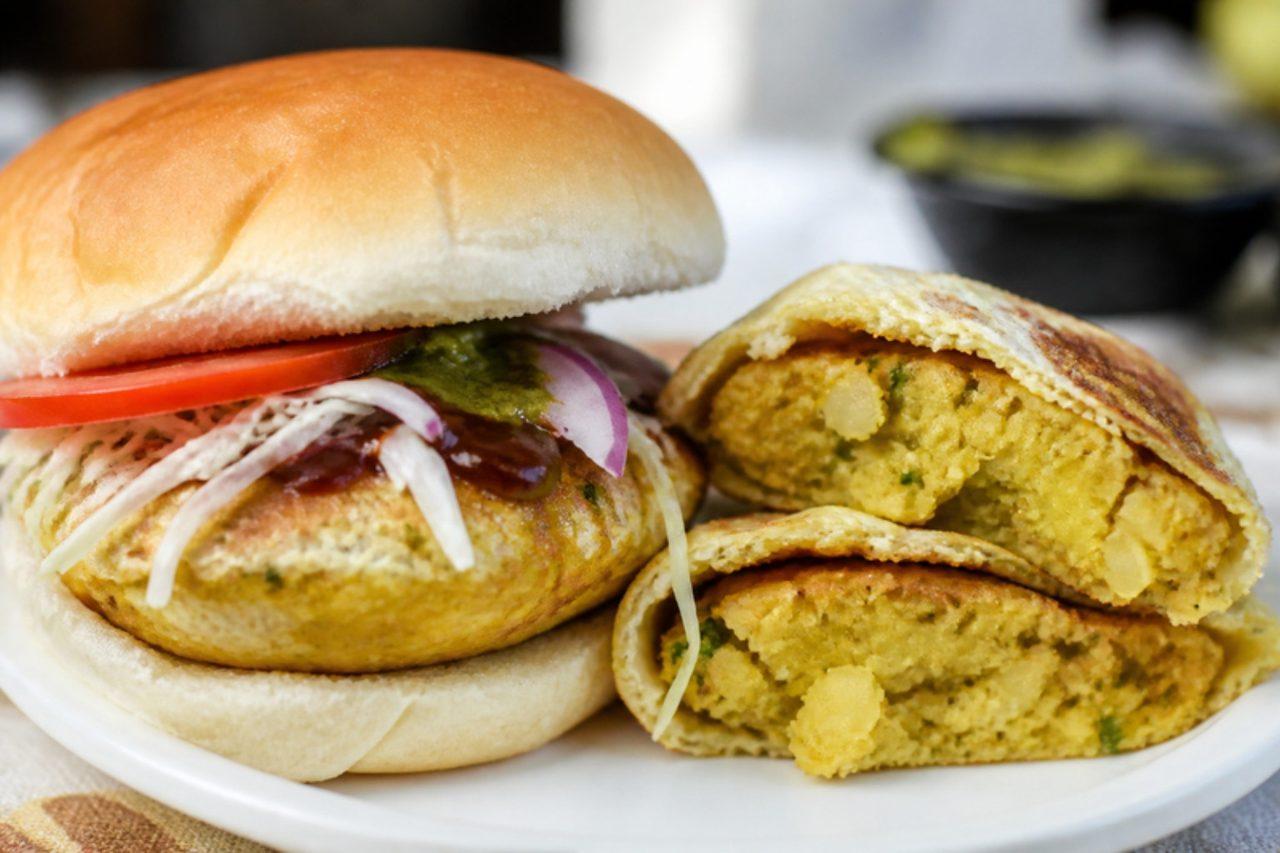
Bun kebab is Karachi's own street burger, sold from carts on Burns Road and outside colleges from late afternoon into the night, each one fried to order on a huge flat tawa. The vegetarian version is the oldest: a soft patty of chana dal and potato spiced with cumin and chilli, dipped in beaten egg so it gets a lacy, golden coat, then tucked into a buttered bun with tangy tamarind chutney, green chutney, onion rings and shredded cabbage. It is messy, cheap and loved by children and grown-ups alike. Most people make the mixture too wet, and the patties fall apart in the egg; mash the dal and potato while dry and steamy, not with their cooking water. Chef's tip: toast the buns cut side down on the same tawa after the patties, so they pick up the spiced egg and butter.

by KrazyBadal 0 views

Vegetable Sindhi biryani

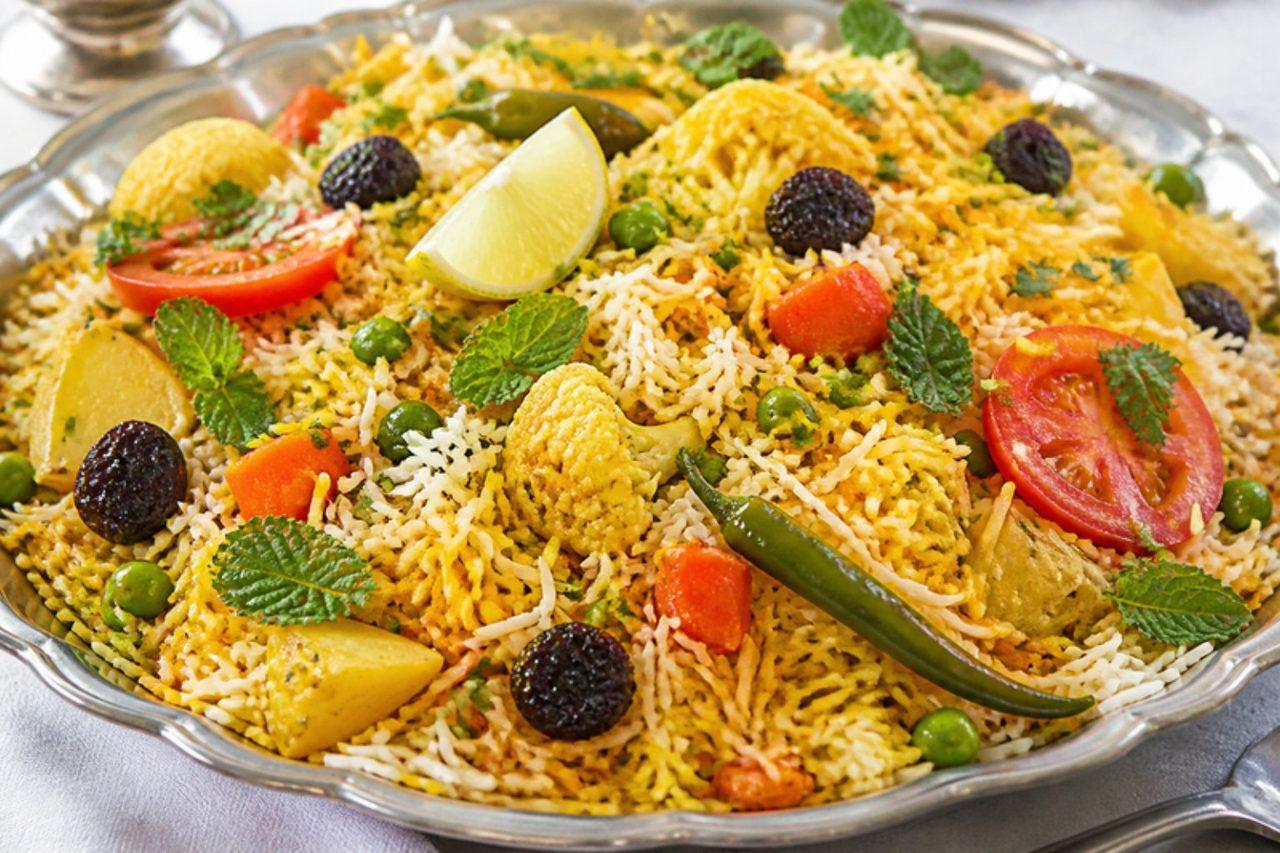
Sindhi biryani is the biryani of Karachi, Hyderabad and the rest of Sindh, and it is the one people order by the deg (a huge pot) for weddings, Eid lunches and every big family gathering. What makes it Sindhi is the tang and the heat: plenty of tomatoes, yogurt, whole green chillies and sour dried plums (aloo bukhara) in the masala, with chunks of potato that soak up all of it. This vegetable version keeps all of that and swaps the meat for potato, carrot, cauliflower and peas, layered with half-cooked basmati, fried onions, mint and saffron milk, then steamed shut. A common mistake is boiling the rice until soft before layering; take it out when a grain still has a firm white core, because it finishes in the steam. Chef's tip: fry the onions until deep brown but not black, and keep the oil they fried in; it carries their flavour into every layer.

by KrazyBadal 0 views

Watalappan

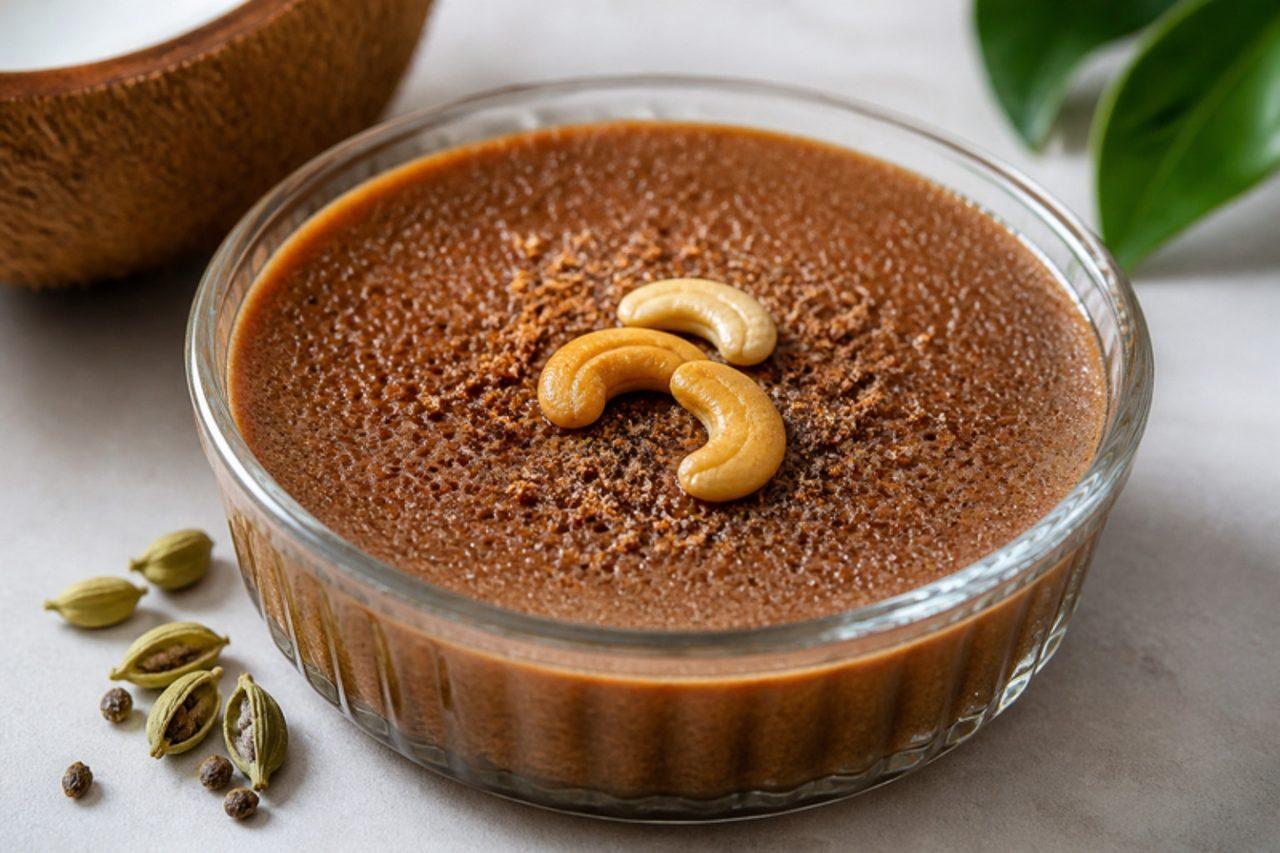
Watalappan came to Sri Lanka with the island's Malay and Muslim communities, and no Eid table in Colombo, Beruwala or Kandy is complete without it; it now turns up at weddings and birthdays across every community. Thick coconut milk and eggs are sweetened with kithul jaggery, the dark palm sugar from the fishtail palm, and spiced with cardamom, nutmeg and a little clove, then steamed until it sets into a wobbly, honeycombed custard the colour of toffee. Cashews scattered on top add crunch. Dark muscovado sugar works if you can't find kithul jaggery. The common mistake is steaming it on a fierce boil, which makes it full of large holes and watery; a steady, gentle simmer gives a smooth set with the fine honeycomb that's prized. Chef's tip: strain the mixture through a sieve before steaming to remove any stringy egg and jaggery grit.

by KrazyBadal 0 views

Parippu vadai

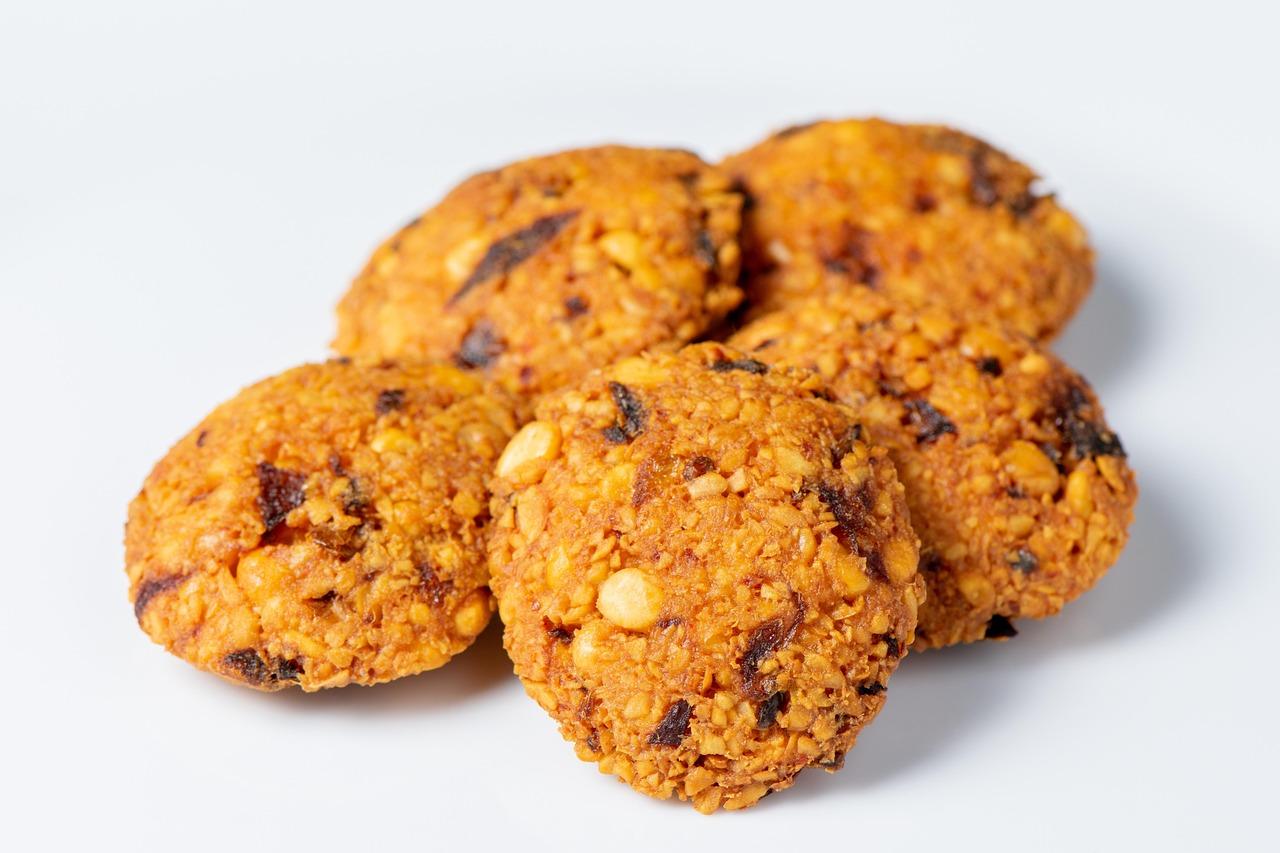
Parippu vadai are the crunchy, lumpy fritters sold from glass boxes on Sri Lankan trains and from carts along Colombo's Galle Face Green at sunset, often with a couple of fried prawns pressed on top; ours are the plain vegetarian kind, which are just as common. Soaked yellow split peas (kadala parippu) are coarsely ground with green chilli, onion, curry leaves and fennel, shaped into flat discs and deep-fried until craggy and golden, crisp outside and nubbly within. Eat them hot with a cup of plain tea or a spoonful of seeni sambol. They're different from South Indian medu vada, which are made with smooth black lentil batter. The common mistake is grinding the lentils to a smooth paste; leave plenty of whole and half peas for the crunch. Chef's tip: hold back about a quarter of the soaked peas and stir them in whole after grinding.

by KrazyBadal 0 views

Vegetable kottu roti

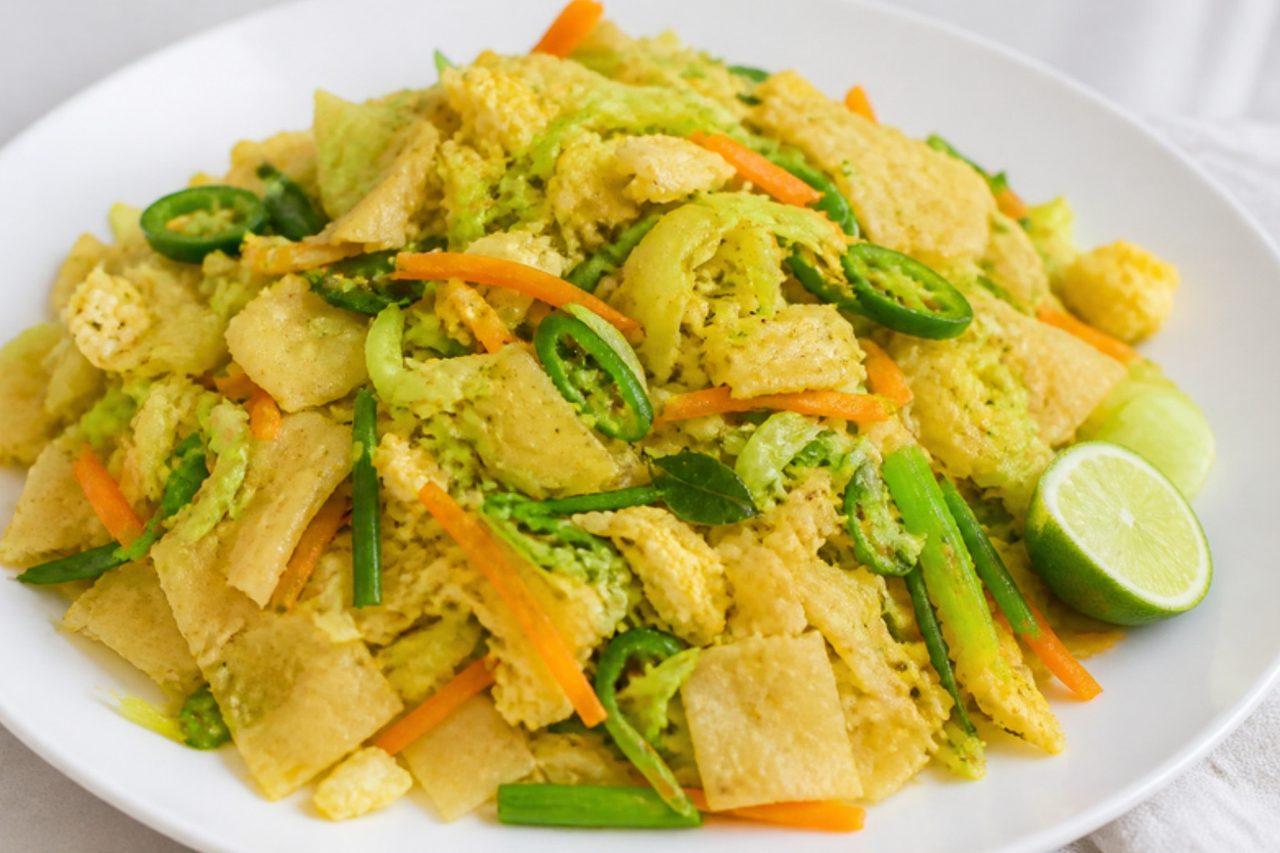
After dark in Colombo you hear kottu before you see it: the rhythmic clang of two steel blades chopping roti on a hot flat-top at every street stall from Pettah to Wellawatte. Shredded godamba roti is stir-fried with leeks, carrot, cabbage, onion, chilli and egg, then moistened with a spoonful of spicy curry gravy so it's soft, smoky and messy in the best way. Stalls usually ladle on chicken curry gravy; we make a quick vegetable curry sauce instead, and the egg keeps it vegetarian rather than vegan. Leftover parathas or frozen flaky flatbreads stand in well for godamba roti. The common mistake is overcrowding a small pan, which steams everything; cook in two batches if your pan is under 30 cm. Chef's tip: chop the roti into strips while it is still slightly warm, then let it dry for 10 minutes so it fries rather than turns mushy.

by KrazyBadal 0 views

Kare-kare

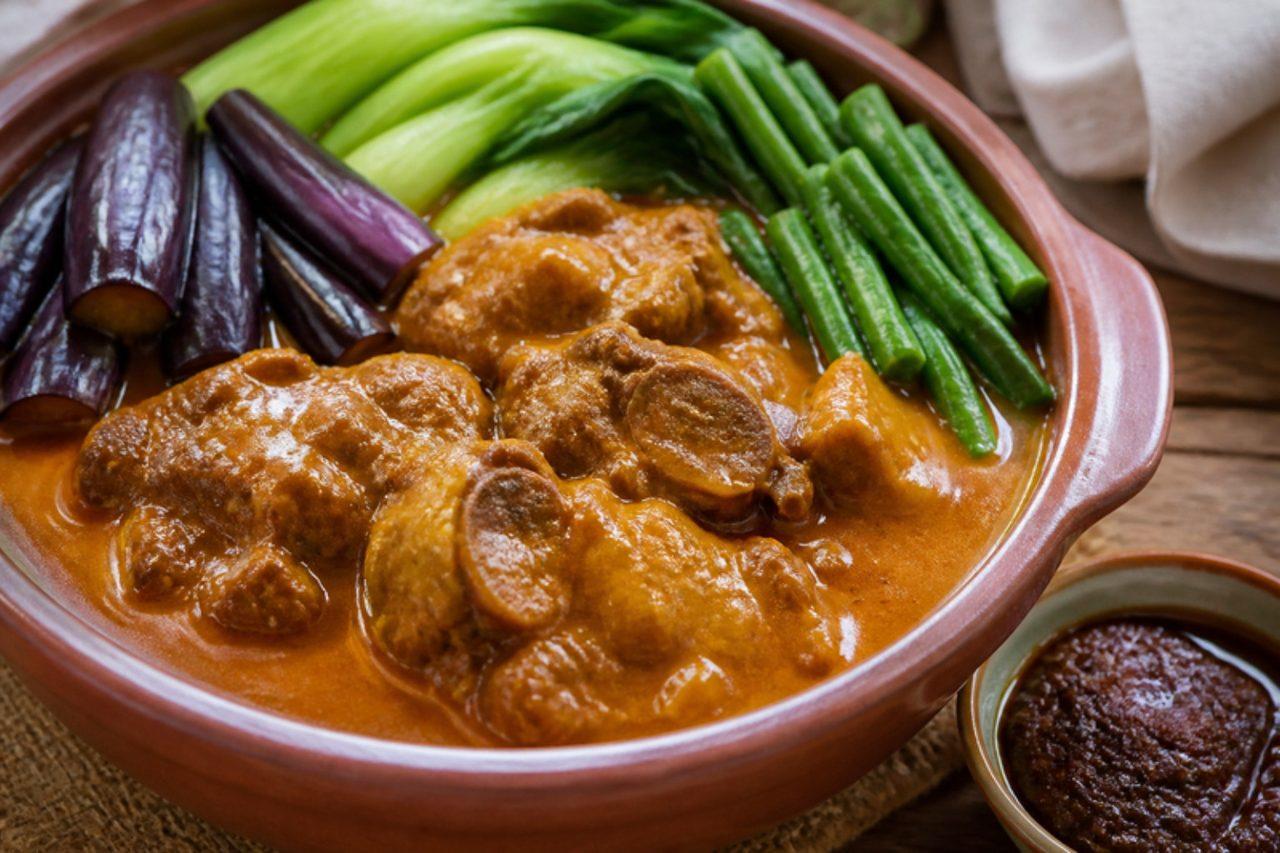
Kare-kare belongs to Pampanga, the province north of Manila that many Filipinos call the country's kitchen, and it is the stew families bring out for fiestas, birthdays and long Sunday lunches. Oxtail and beef shin are simmered until the meat falls from the bone, then finished in a thick, nutty sauce coloured orange with annatto and thickened with toasted ground rice. The sauce itself is barely salted on purpose: everyone adds a little sautéed shrimp paste (bagoong alamang) at the table, so the dish contains shellfish. Pile it over steamed rice with the aubergine, long beans and pak choi. Chef's tip: toast the rice in a dry pan until it is the colour of biscuits before grinding it; that roasted smell is what makes the sauce taste of kare-kare rather than plain peanut butter.

240 minFilipinoMeat
by KrazyBadal 0 views

Pol roti

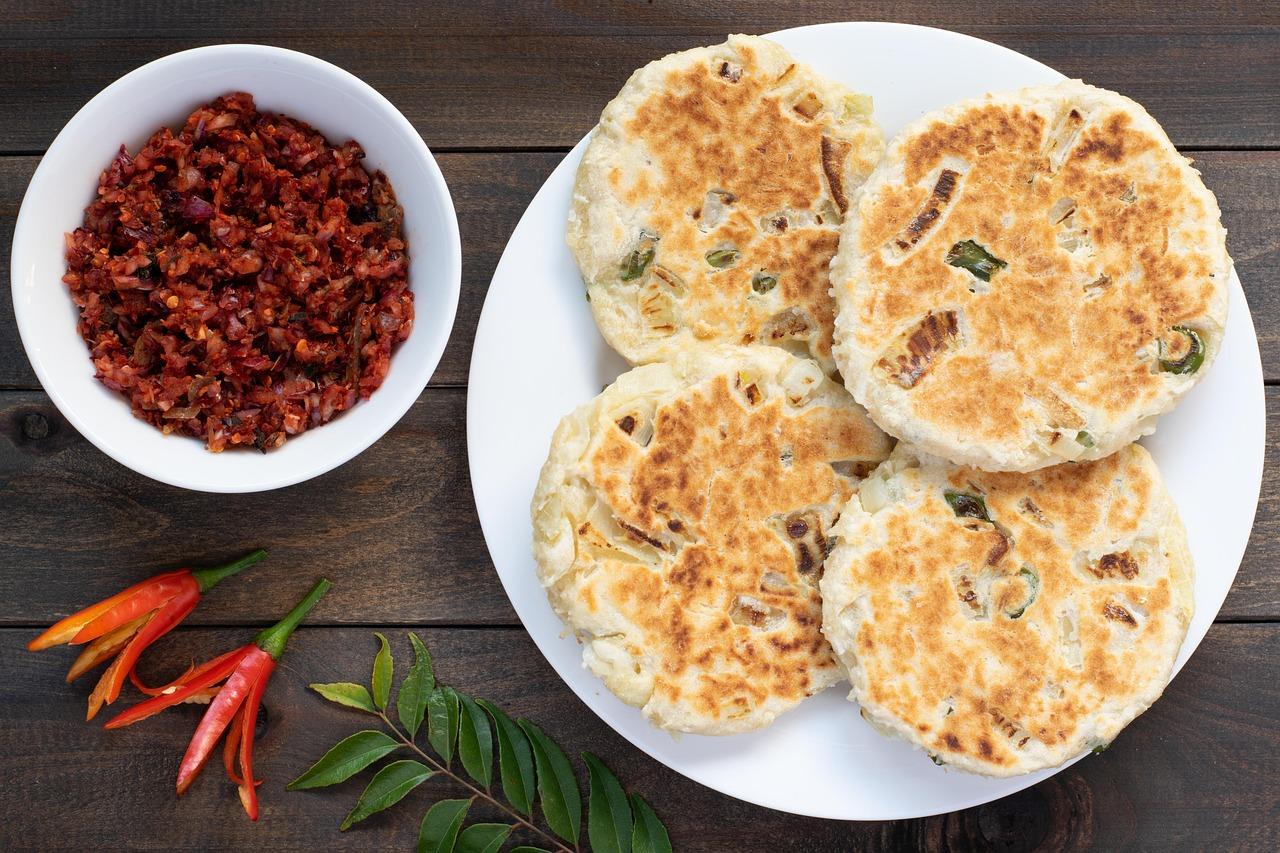
Pol roti is the hearty coconut flatbread that rural Sri Lankans eat for breakfast or an evening meal, cooked on a flat iron pan (thachchi) and torn up with lunu miris, parippu or a spicy potato curry; you'll see it stacked in glass cases in kades from Anuradhapura to Matara. Wheat flour is mixed with lots of freshly grated coconut, finely chopped onion and green chilli, and the dough is patted out thick by hand, so the roti come out chewy, with toasted coconut flecks and a sweet, savoury smell. The common mistake is rolling them thin: pol roti should be a good 1 cm thick and soft inside. Chef's tip: pat each roti out on a banana leaf or oiled baking paper and flip it straight onto the pan; it's too soft and crumbly to lift any other way.

by KrazyBadal 0 views

String hoppers

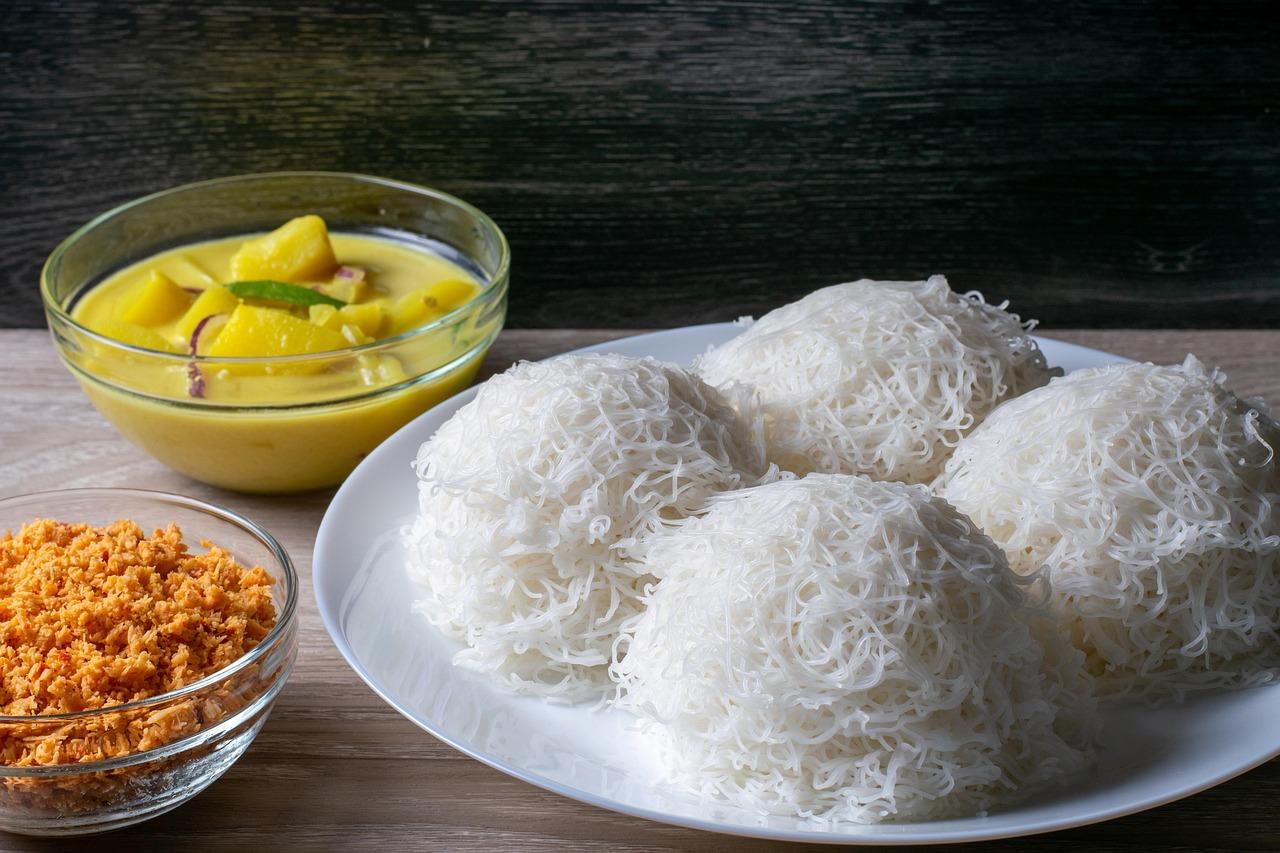
String hoppers are lacy nests of steamed rice-flour noodles, pressed through a hand mould onto small woven mats, and they're the classic Sri Lankan breakfast or dinner in Tamil homes in Jaffna and in Sinhala homes everywhere, bought by the dozen from neighbourhood shops when there's no time to make them. They're soft and light and made to soak up kiri hodi, a thin, turmeric-yellow coconut milk gravy with fenugreek and curry leaves, plus pol sambol and a potato or dhal curry. Kiri hodi is sometimes made with Maldive fish; we keep it vegetarian. Roasted red rice flour gives a nuttier, pinker nest. The common mistake is using cold or warm water for the dough: it must be boiling, or the strings crack and fall apart. Chef's tip: steam the nests for only 6–8 minutes; longer and they turn rubbery.

by KrazyBadal 0 views

Egg hoppers

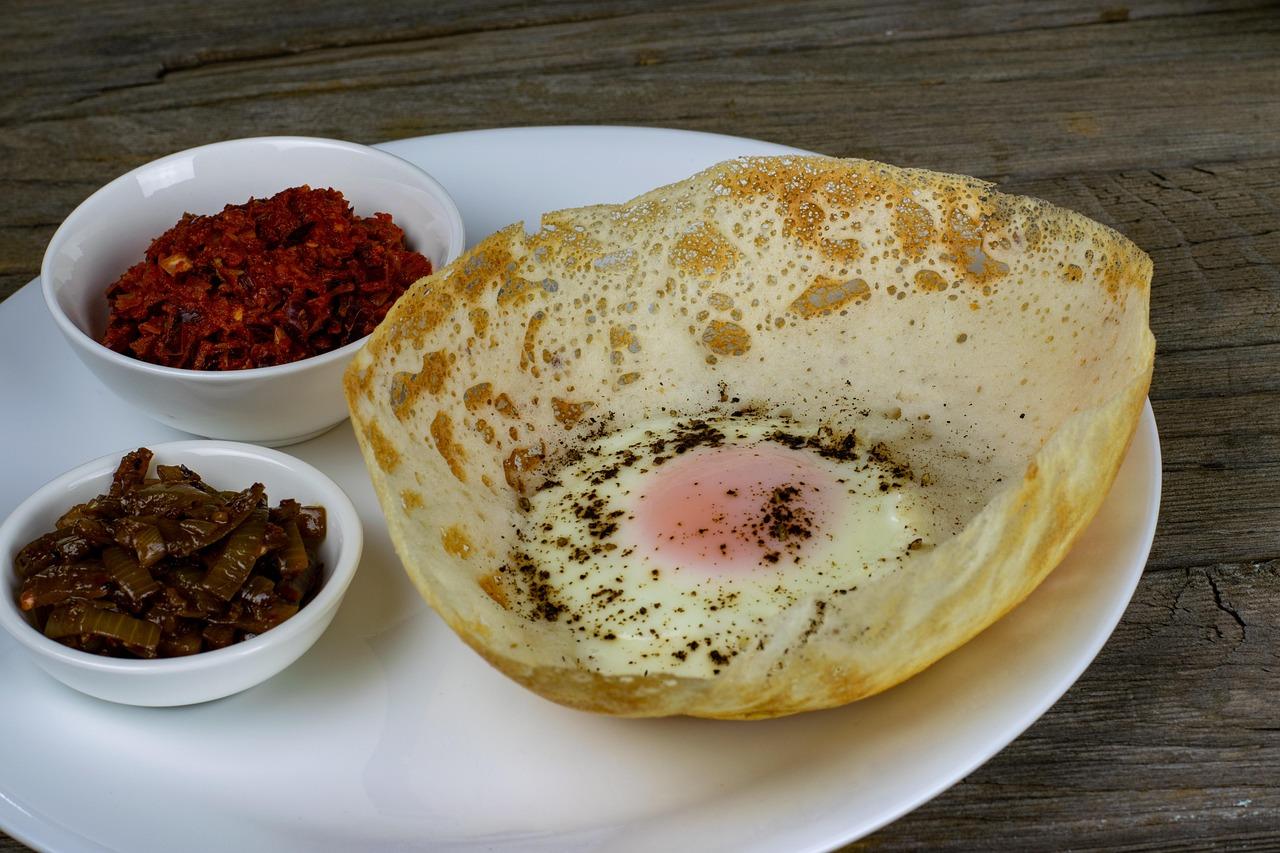
Hoppers (appa) are the crisp-edged, bowl-shaped pancakes that street cooks in Colombo, Kandy and Jaffna make in rows of small round pans every evening; an egg hopper has an egg cracked into the soft centre so it steams to a runny yolk. The batter of rice flour, coconut milk and yeast (traditionally toddy) is left to ferment until it's light and slightly sour, which gives the lacy, golden rim and the spongy middle. They're eaten hot with pol sambol and lunu miris, and plain hoppers come with sweet jaggery for dessert. Kerala's appam is a cousin, but Sri Lankan hoppers are thinner and crisper and the egg version is their own. The common mistake is a batter that's too thick, which gives heavy, pale hoppers; it should flow like single cream. Chef's tip: swirl the pan in one quick full turn the moment the batter goes in, then cover at once.

by KrazyBadal 0 views

Kiri bath

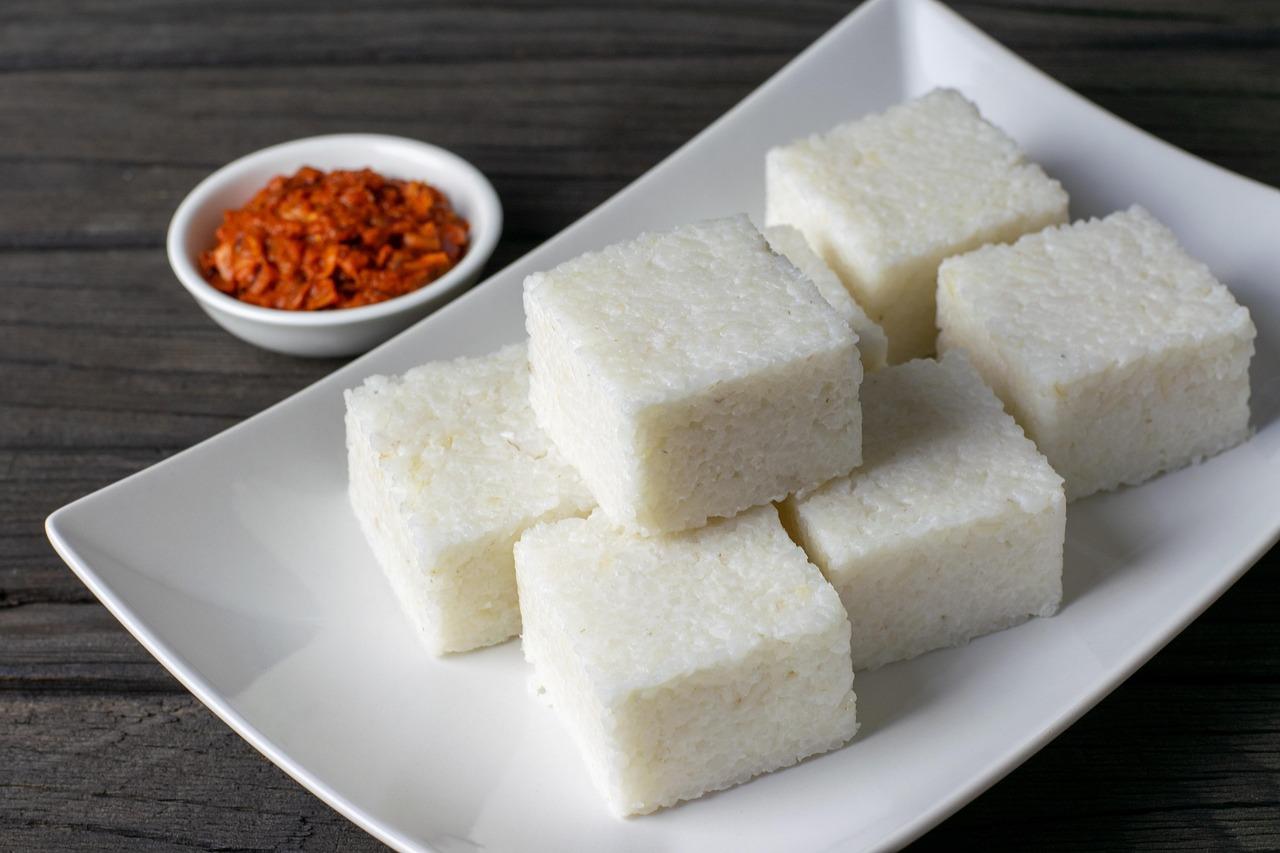
Kiri bath is the first food eaten at Sinhala and Tamil New Year (Aluth Avurudu) in mid-April, cooked at the exact auspicious time the astrologers announce, and it also starts the first day of each month, birthdays and new jobs across Sri Lanka. White rice is boiled until very soft, then cooked again with thick coconut milk and salt until it sets into a creamy slab that is cut into diamonds. It's eaten with lunu miris, a fierce red onion and chilli paste, or with jaggery and bananas for the sweet-toothed. Lunu miris often contains Maldive fish; ours doesn't. The common mistake is adding the coconut milk before the rice is completely soft: the grains stay hard. Chef's tip: press the hot rice flat with a banana leaf or the back of a spoon dipped in coconut milk; it stops sticking and gives the classic glossy top.

by KrazyBadal 0 views

Dublin coddle

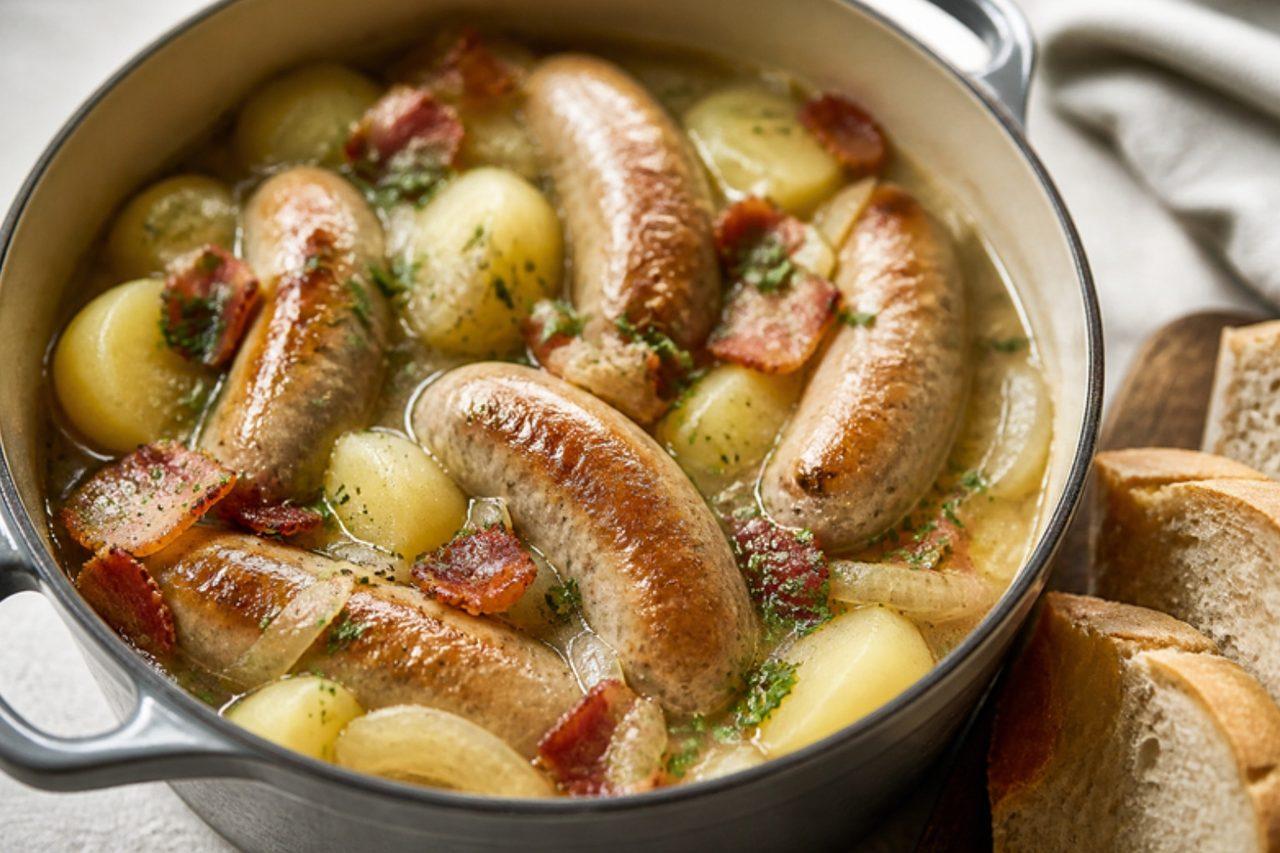
Coddle is Dublin's own dish, a Saturday-night pot from the city's old working-class neighbourhoods that would sit on a low heat until people came home. It is a pork dish: thick pork sausages and back bacon, with layers of onion and potato, gently stewed in stock so everything turns soft and savoury. Many Dublin families still make it on Saturdays. Serve with brown soda bread to mop up the broth. Chef's tip: brown the sausages first; the traditional pale coddle is authentic, but a little colour adds a lot of flavour.

95 minIrishMeat
by KrazyBadal 0 views

Ala thel dala

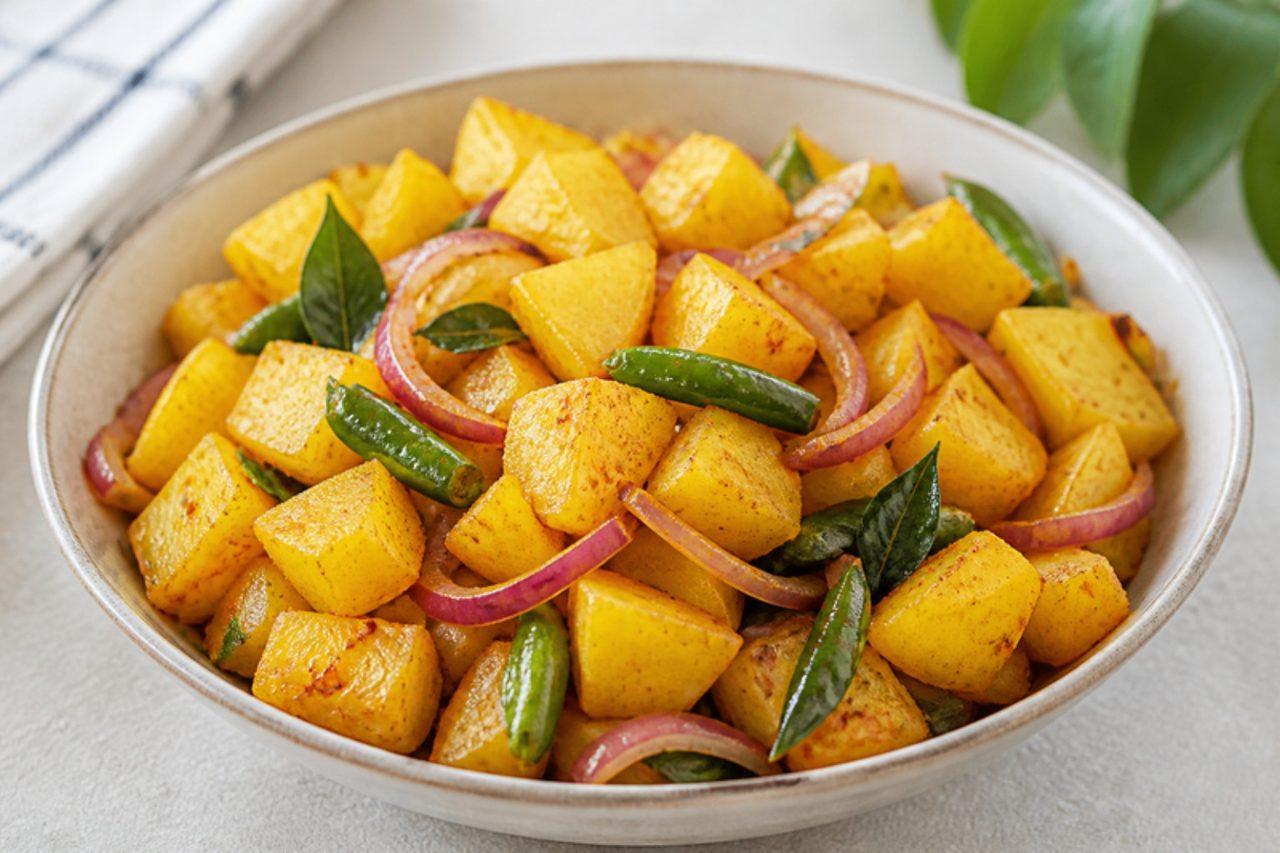
Ala thel dala means 'potato tempered in oil', and it's the quick, fiery potato fry that Sri Lankan mothers make when there's no time for a full curry, served with rice, packed into a lunch box with parippu, or eaten with bread at breakfast. Boiled potato cubes are tossed in hot oil with mustard seeds, plenty of red onion, curry leaves, turmeric and roughly crushed dried chilli until the edges turn golden and the onion goes soft and sweet. Unlike an Indian aloo sabzi there are no ground cumin or coriander, just chilli heat, onion and curry leaf. The usual mistake is boiling the potatoes until they're soft right through; they then break up in the pan. Chef's tip: stop boiling when a knife still meets a little resistance in the middle; the potatoes finish cooking in the pan and keep their shape.

by KrazyBadal 0 views

Beetroot curry

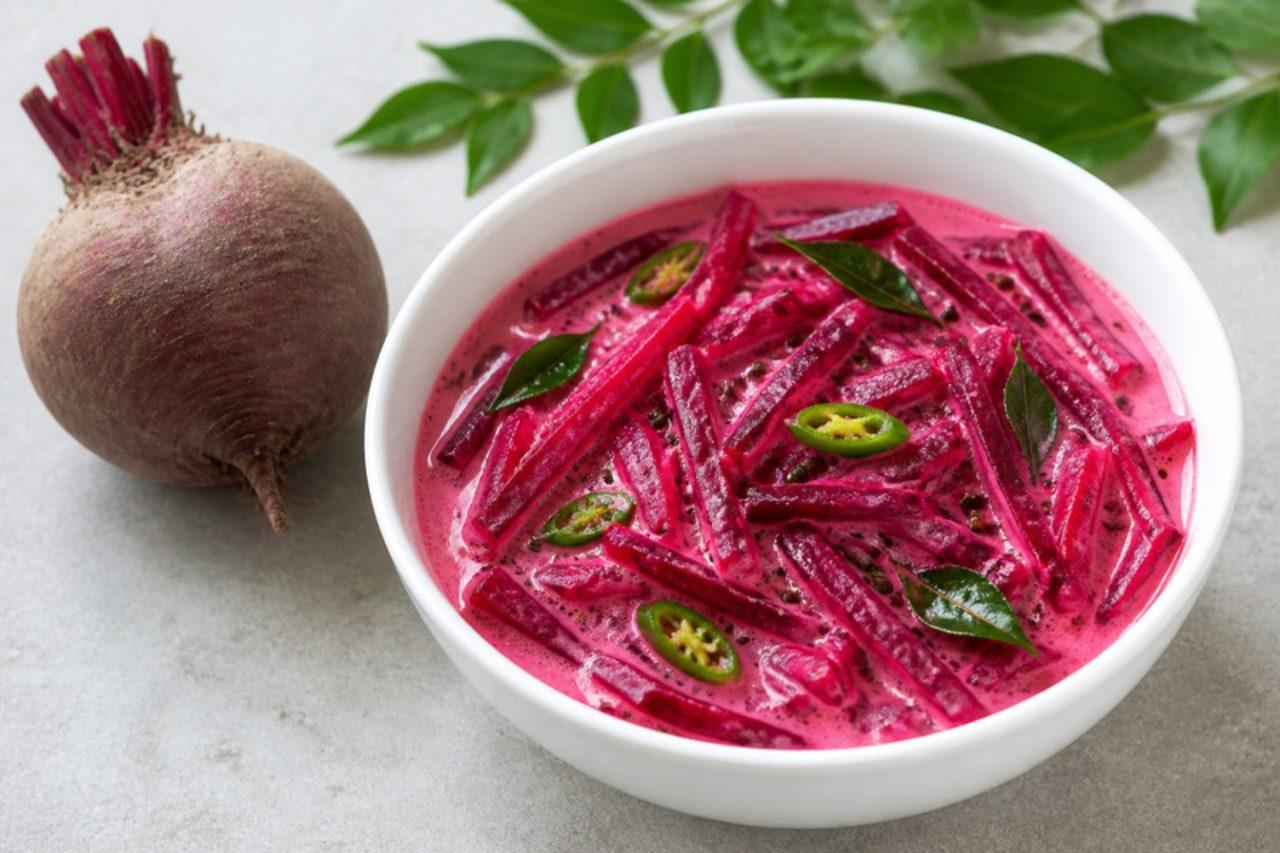
Beetroot grows well in the cool hills around Nuwara Eliya and Welimada, and its curry is a jewel-pink regular on lunch packets and home rice-and-curry tables across the island. The beetroot is cut into thin matchsticks and cooked with onion, green chilli, curry leaves and a light, unroasted curry powder, then finished with coconut milk, so it's sweet, mildly spiced and brilliantly coloured. It's a good way to win over people who think they don't like beetroot. One frequent mistake is grating the beetroot, which turns the curry into a wet purée; matchsticks keep a pleasing bite. Chef's tip: add a squeeze of lime at the very end; it brightens the colour and cuts the earthy sweetness.

by KrazyBadal 0 views

Wattakka curry

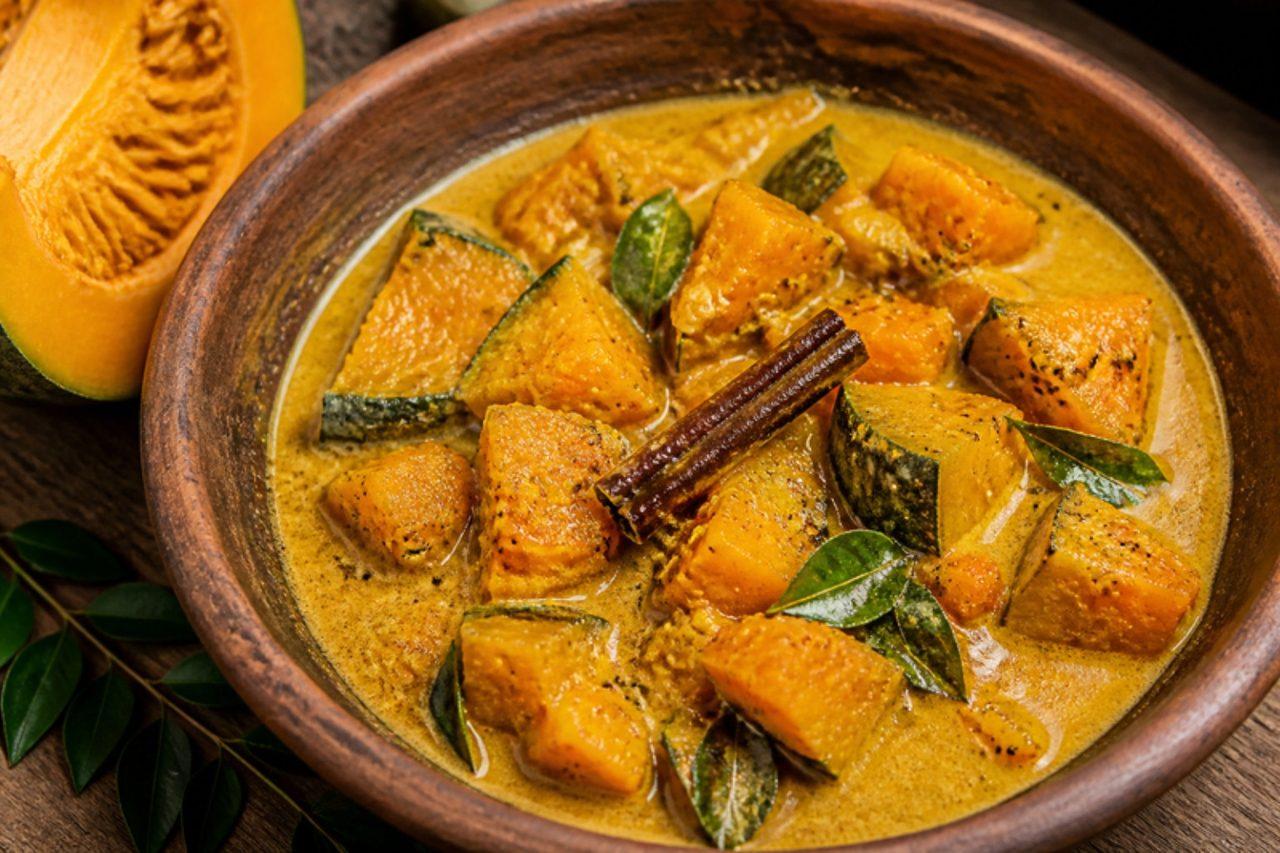
Wattakka (pumpkin) curry is one of the soft, sweet dishes on a Sri Lankan buth (rice) spread, and in villages around Kurunegala it often appears at Poya day almsgivings, when temple meals are always meat-free. The pumpkin is cooked in its skin with dark roasted curry powder, cinnamon, a pinch of fenugreek and pandan, then thickened with coconut milk and a spoonful of ground mustard, which gives it a gentle tang. Some cooks also add toasted coconut paste (kalu pol); we keep it simpler. The common mistake is cutting the pumpkin too small, so it dissolves into mush before the gravy is ready; keep the chunks about 4 cm. Chef's tip: leave the skin on butternut or Kent pumpkin; it holds each piece together and softens completely as it cooks.

by KrazyBadal 0 views

Gotu kola sambol

Gotu kola (Asiatic pennywort) grows wild along the paddy edges in the south and centre of Sri Lanka, and a raw sambol of its leaves is the green, slightly bitter bite that balances a rice-and-curry lunch. Families in Galle and Matara will tell you it is good for the memory, and it is often served at the start of a meal or with kola kenda, the herbal porridge. The leaves are shredded as finely as possible, then tossed with shallot, tomato, green chilli, a little fresh coconut and plenty of lime, so it's crunchy, peppery and bright. Look for pennywort bunches in Sri Lankan, Thai and Vietnamese shops. The mistake to avoid is dressing it too early: the salt and lime wilt the leaves within half an hour. Chef's tip: roll a stack of leaves into a tight cigar and slice it hair-thin with a sharp knife; the finer the shreds, the better it tastes.

by KrazyBadal 0 views

Pol sambol

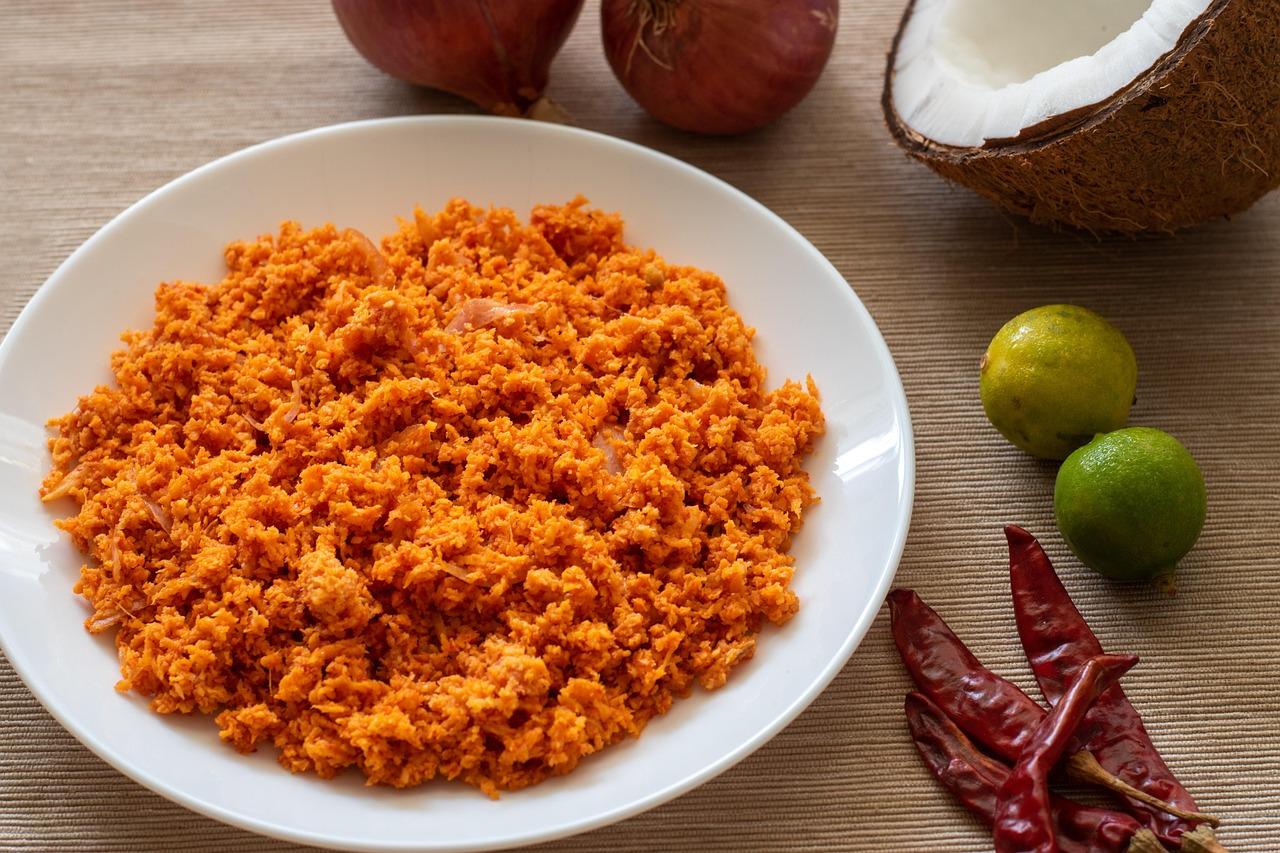
Pol sambol sits on the table at almost every Sri Lankan meal, from breakfast hoppers and string hoppers in a Kandy home to a rice packet bought at a roadside kade. Grandmothers grind it on a stone (miris gala) so the chilli and onion bruise into the coconut, and it turns a bright brick red, hot, sour and salty all at once. Most island recipes add a spoonful of Maldive fish (dried tuna flakes); we leave it out to keep it vegetarian and add a little extra onion and lime for depth. A common mistake is using dried desiccated coconut straight from the packet, which tastes dusty; fresh or frozen grated coconut gives the proper moist texture. Chef's tip: rub the chilli, onion and salt together first with your fingers until they turn juicy, then work in the coconut so every flake turns red.

by KrazyBadal 0 views

Parippu

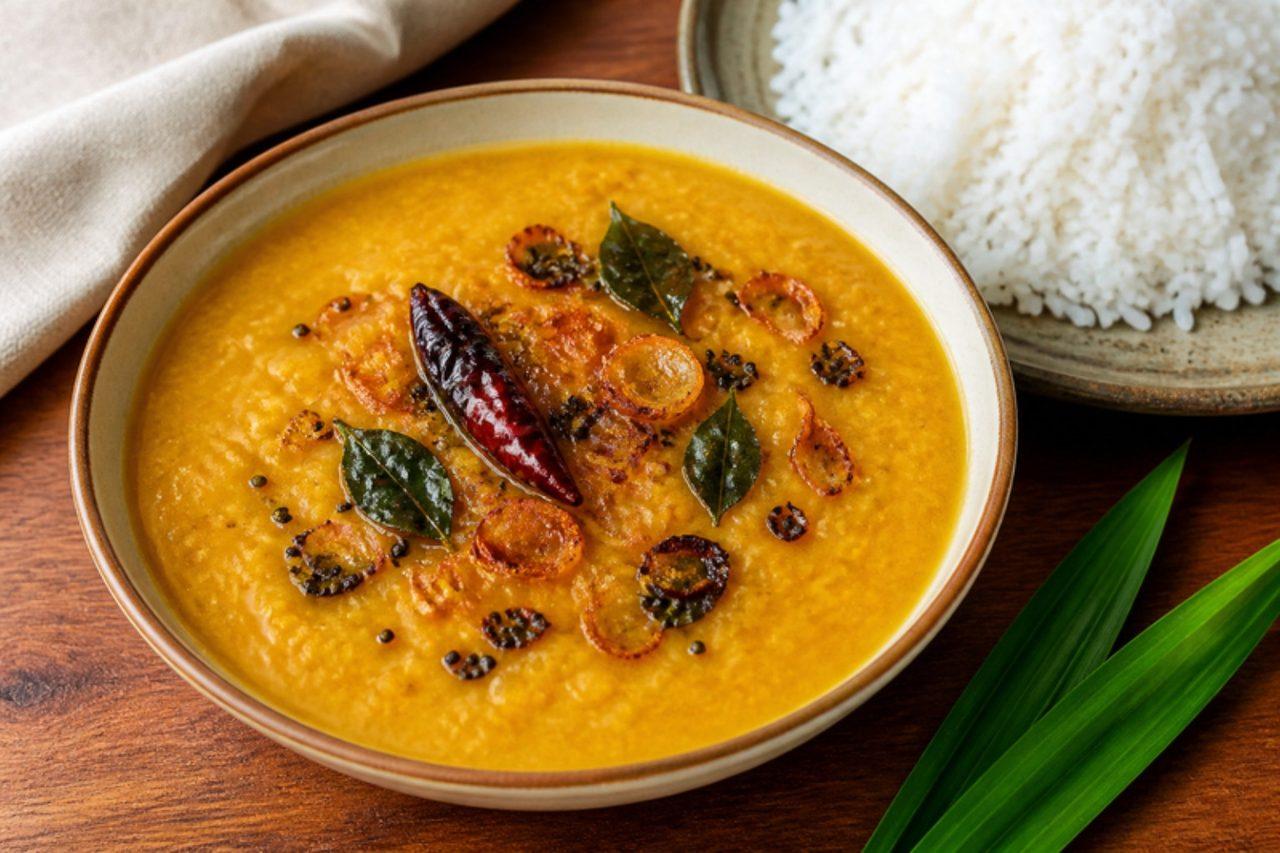
No Sri Lankan rice-and-curry plate is complete without a bowl of parippu, from a Colombo office canteen to a farmhouse kitchen in the dry zone; many families also mop it up with bread or pol roti for breakfast. Unlike a North Indian dal, the red lentils are cooked with turmeric, green chilli and a strip of rampe (pandan leaf), then softened with thin coconut milk and finished with a sizzling tempering of mustard seeds, shallots, dried chilli and curry leaves, so it tastes mellow, fragrant and only gently spicy. Keep it pourable: it thickens a lot as it stands. The usual mistake is adding the coconut milk too early and boiling it hard, which makes it split and grainy. Chef's tip: stir the thick coconut milk in off the heat at the very end; it gives a silky, almost creamy finish without curdling.

by KrazyBadal 0 views

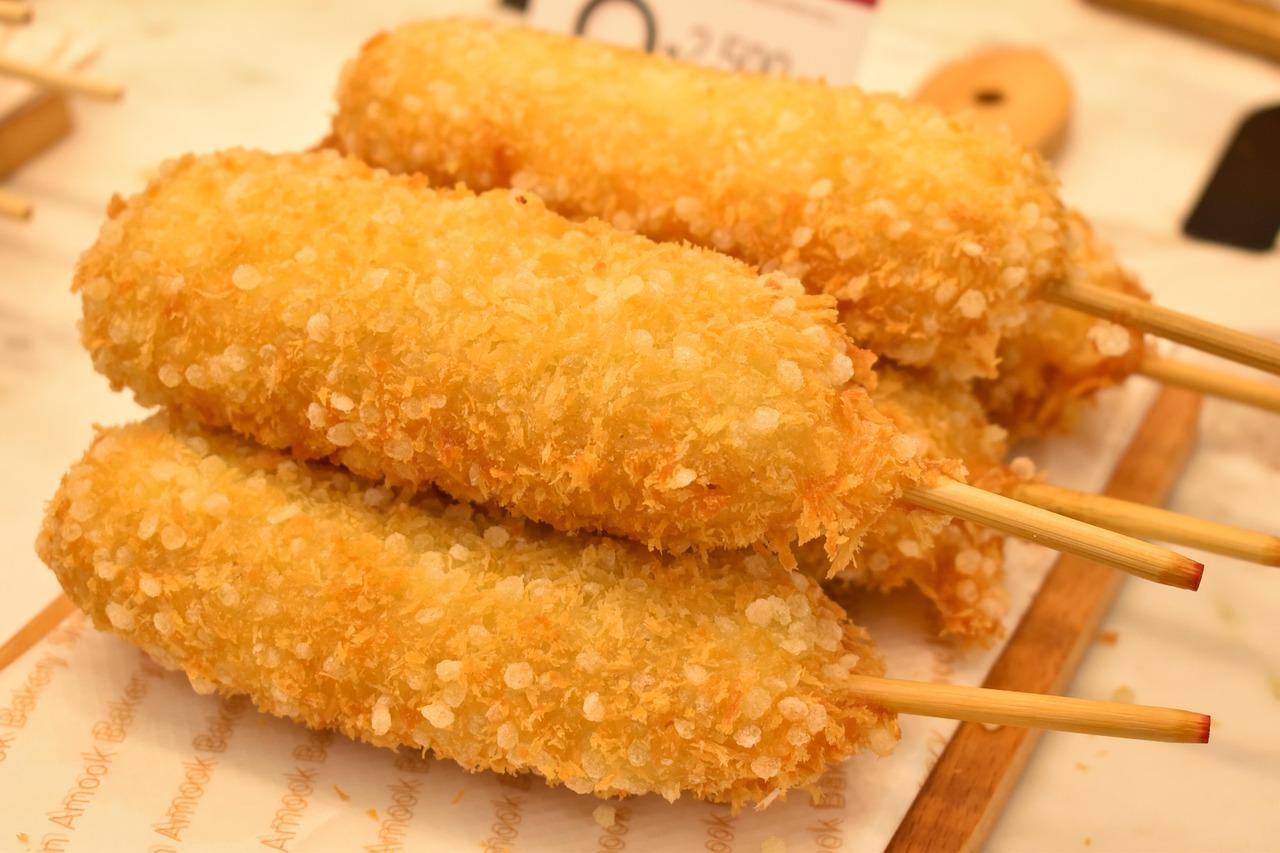
Korean corn dog

In Korea a 'hot dog' means this: a sausage, often with a stick of mozzarella above it, dipped in a sweet yeasted batter and rolled in breadcrumbs or tiny potato cubes before frying. They are sold from stalls in Myeongdong in Seoul, outside schools and at every busy station, and the cheese pull is half the fun. A roll in sugar straight from the oil, then a zigzag of ketchup and mustard, is the classic finish. Chef's tip: freeze the skewered sausages and cheese for 15 minutes before dipping; the cold cheese holds its shape and the batter grips better.

by KrazyBadal 0 views

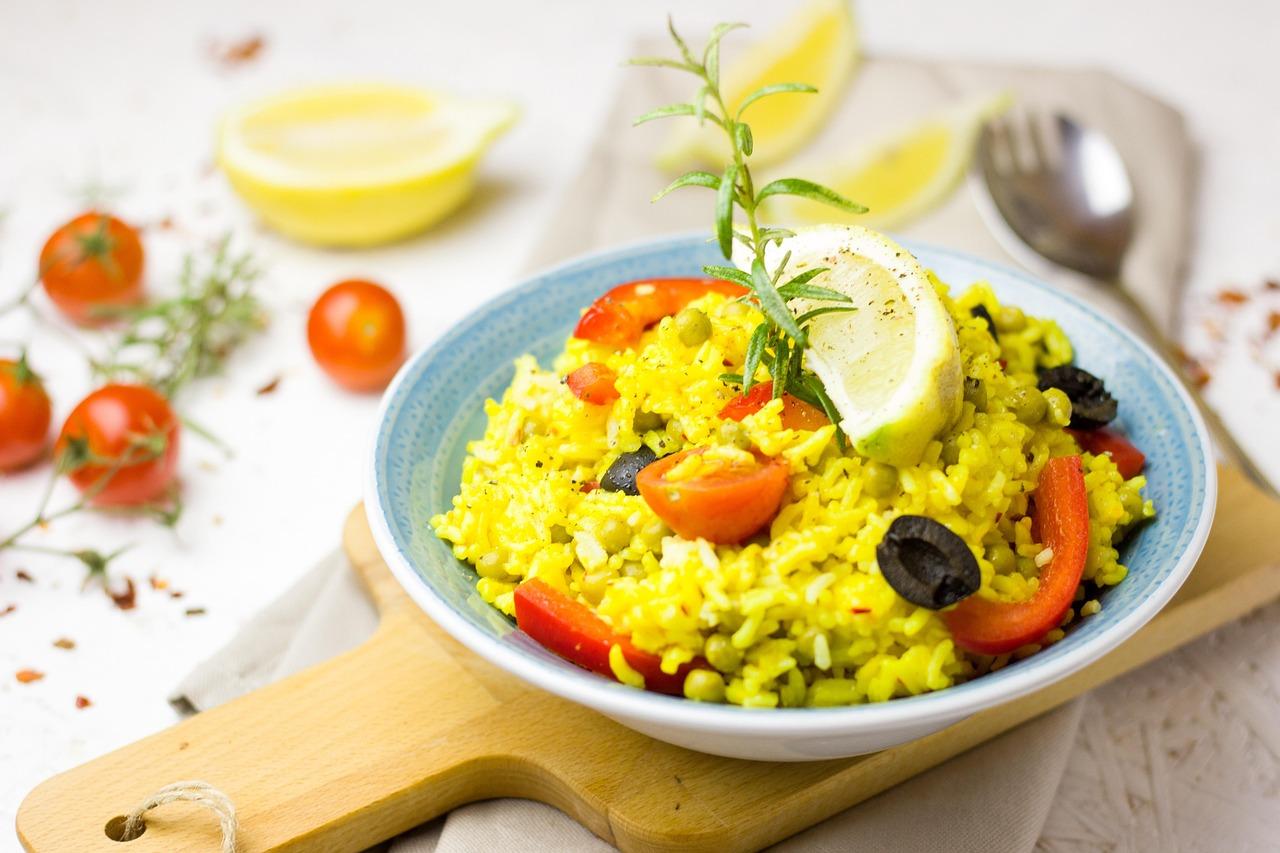
Cameroonian coconut rice

A colourful one-pot rice from Cameroon: long-grain rice simmered in thin coconut milk with tomato paste, chilli, cinnamon-clove powder and thyme, studded with carrot and yellow pepper. It's lightly spiced, creamy and fragrant. Serve it with beans, a vegetable stew or a simple salad.

by KrazyBadal 0 views

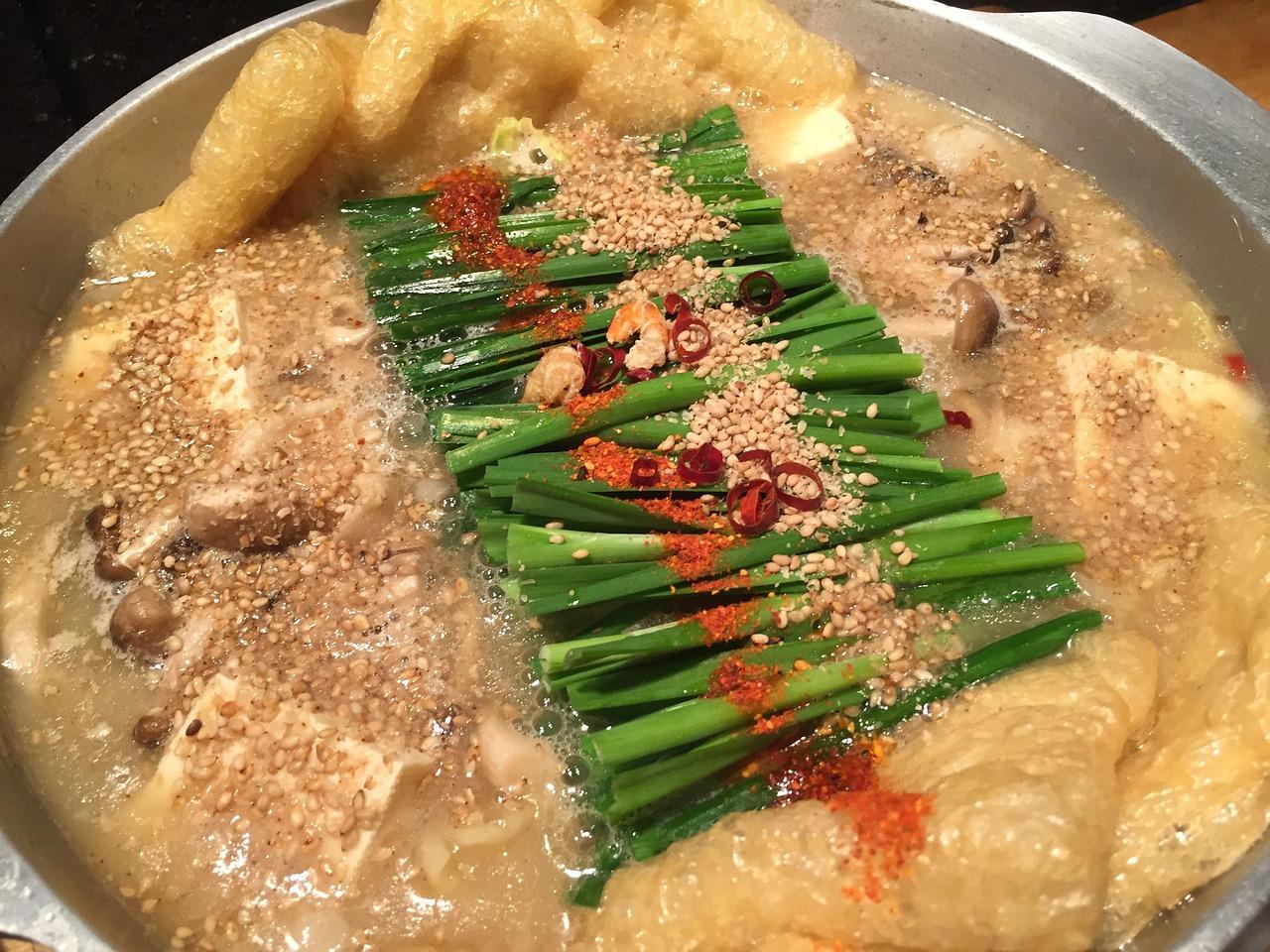
Motsunabe

In Hakata, the old merchant half of Fukuoka, motsunabe is the winter dish of izakayas and back-street restaurants. Soft pieces of beef small intestine simmer in a garlicky soy broth under a tall heap of cabbage and garlic chives, with slices of chilli on top. When the pot is nearly empty, champon noodles go into the rich broth to finish the meal. Many butchers and Asian grocers sell the intestine already cleaned and boiled, which saves time. Chef's tip: keep the white fat on the intestine; as it melts into the broth it makes the soup rich and sweet, which is the point of the dish.

by KrazyBadal 0 views

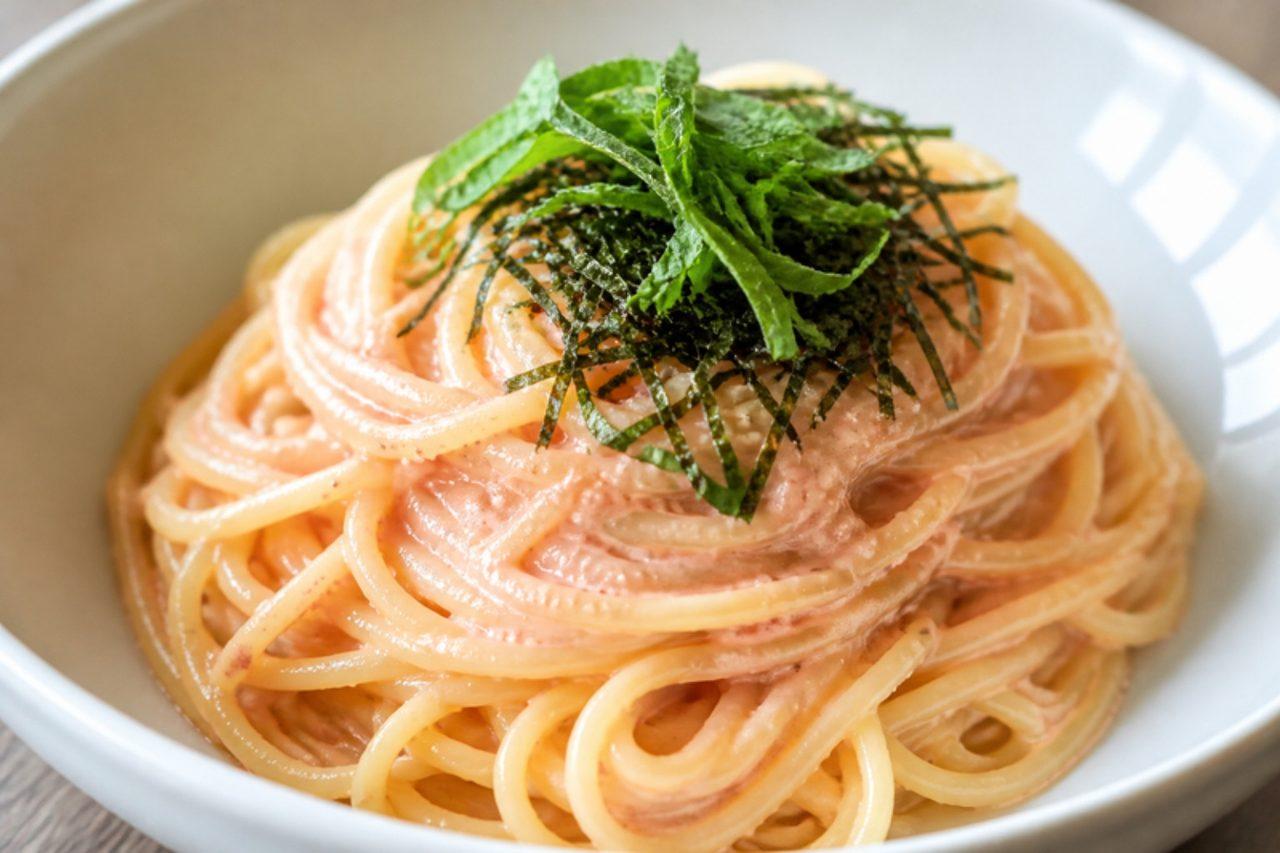
Mentaiko pasta

Mentaiko, pollock roe cured with salt and chilli, is the food gift everyone brings back from Hakata in Fukuoka, where shops near the station sell it in rows of red sacs. The pasta came from the Japanese-style spaghetti cafés of Tokyo in the 1960s and is now on menus right across Japan, Fukuoka included. The roe is not really cooked: the heat of the drained spaghetti and the melting butter turn it into a pink, salty-spicy coating. Mentaiko is a raw cured product. Use very fresh, sushi-grade fish from a trusted fishmonger; not for pregnant women, young children or anyone with a weakened immune system. For mentaiko, that means a chilled, sealed pack well within its date. Chef's tip: save a ladle of the pasta water; a spoonful loosens the roe so it clings to every strand instead of clumping.

by KrazyBadal 0 views

Pandesal

Pandesal is the bread of the Filipino morning: small, soft, slightly sweet rolls with a fine breadcrumb coating, bought hot at dawn in brown paper bags from the neighbourhood panaderia (bakery) and eaten before school or work. They are torn open and filled with butter, cheese or peanut butter, or dunked straight into a cup of coffee, and at night the leftovers are toasted. Despite the name ('salt bread'), they are gently sweet, with a pillowy crumb and a thin crust. Home-made ones are best eaten within hours of baking. Chef's tip: the classic shape comes from rolling the dough into a log, coating it in crumbs and cutting slices, which bake into those familiar oval rolls with cut sides up.

by KrazyBadal 0 views

Sara udon

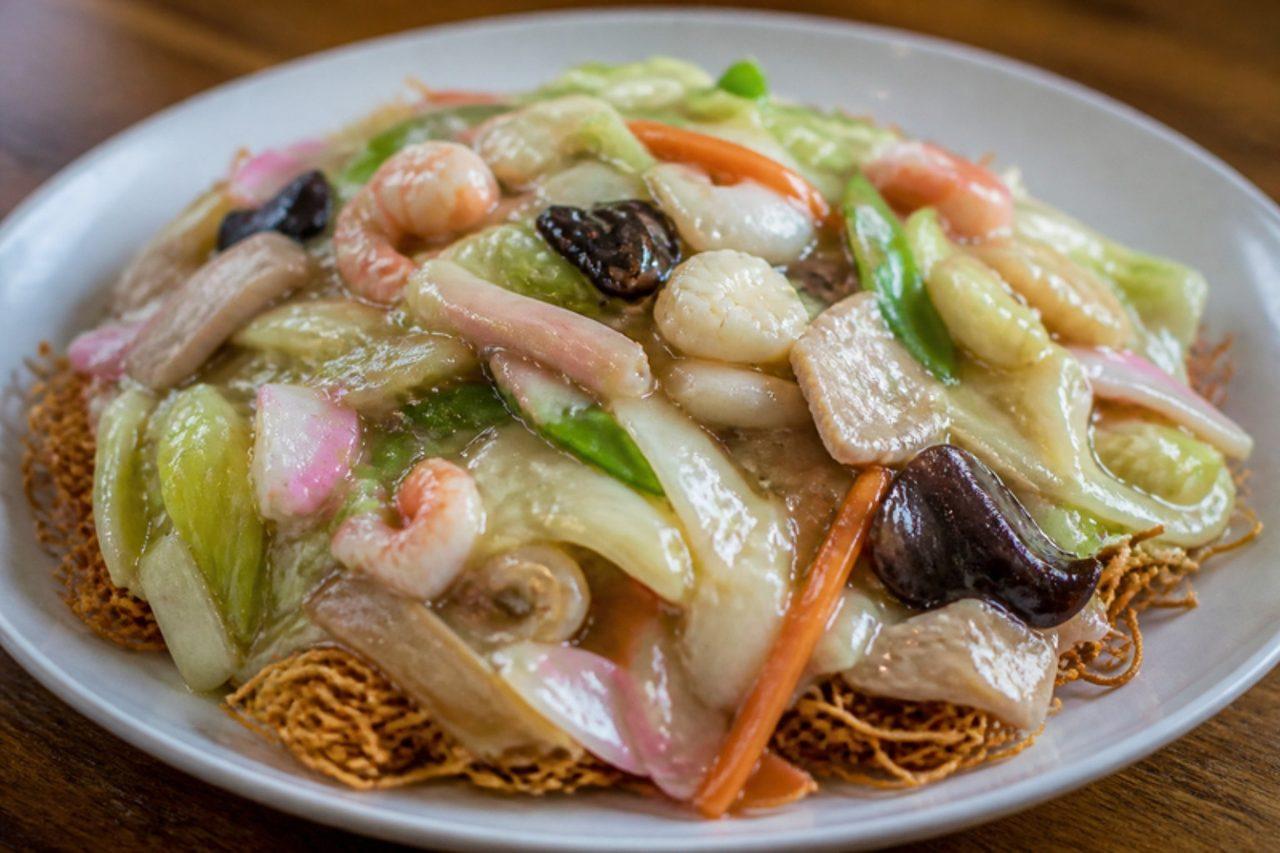
Nagasaki's second famous noodle dish uses the same toppings as champon but turns them into a thick sauce poured over a plate of crunchy fried noodles. The name means plate udon, though the classic noodles are very thin and fried crisp. In Nagasaki homes it is a quick weekend lunch and a standard dish at family gatherings, and supermarkets there sell the fried noodle nests ready to use. People splash it with Worcestershire sauce at the table, and a dab of hot mustard is common too. Chef's tip: pour the sauce over at the very last moment and let the noodles soften slowly as you eat, so you get crisp and soft in every mouthful.

by KrazyBadal 0 views

Champon

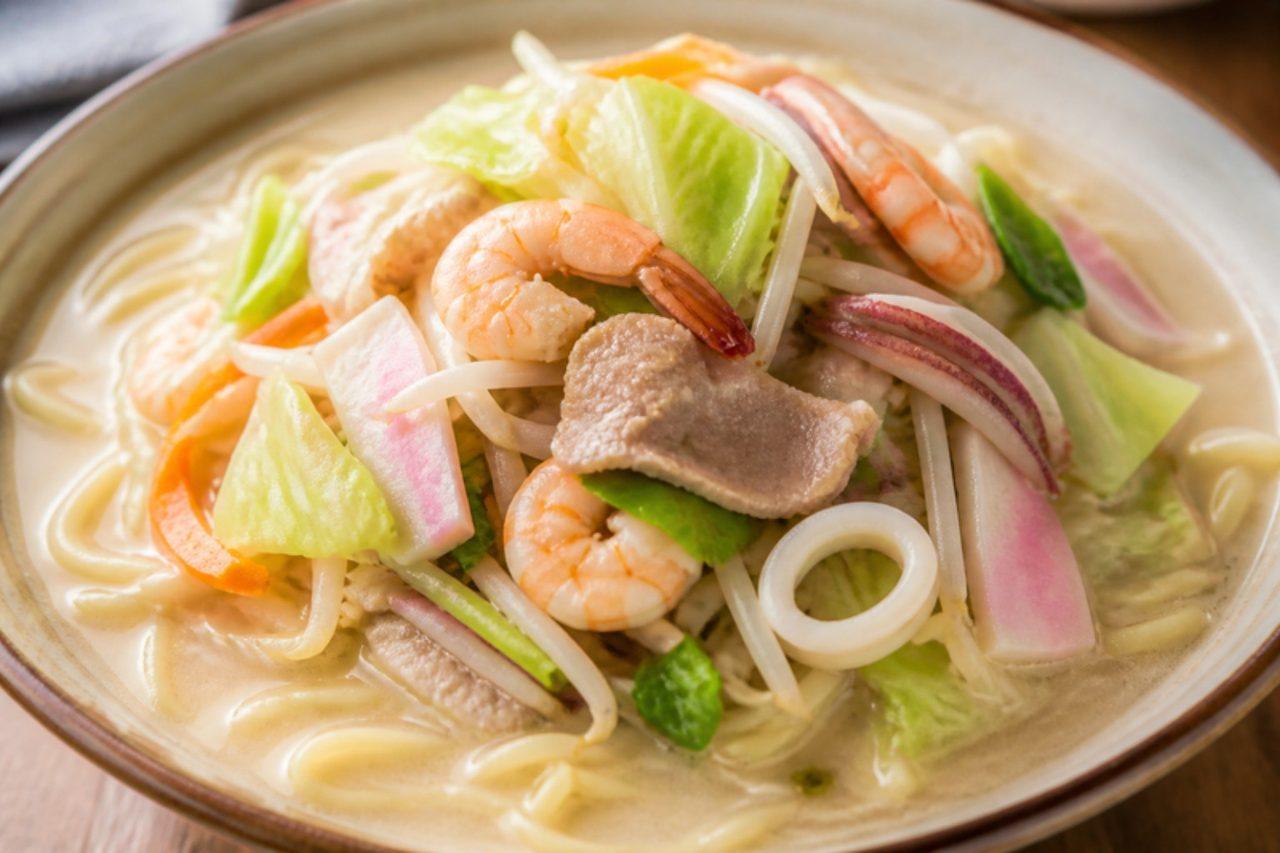
Champon belongs to Nagasaki, the port that stayed open to Chinese and Dutch traders for centuries. It was created there at the end of the 19th century by a Chinese restaurant owner who wanted a cheap, filling meal for Chinese students, and the city's Chinatown still serves it in huge bowls. Pork, squid, prawns, fishcake and a pile of cabbage are fried in one wok, then the stock goes in and the thick noodles cook right in the soup. Restaurants make the cloudy broth from long-boiled pork and chicken bones; at home a little milk gives the same mellow, creamy look. Chef's tip: fry everything over the highest heat in small batches; the slight scorch on the cabbage and pork is what flavours the soup.

by KrazyBadal 0 views

Bajan sweet bread

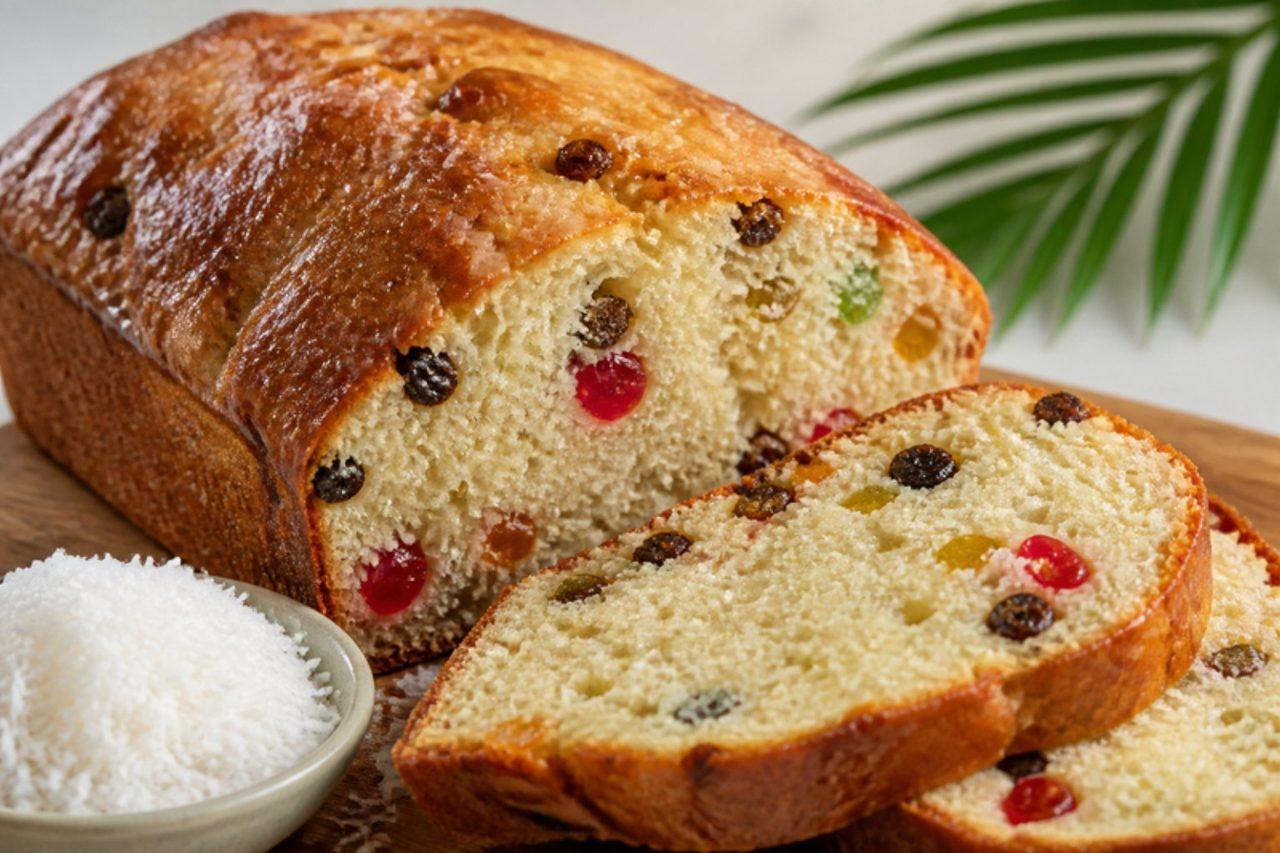
Sweet bread is what Barbadian families bake in December, wrapped in foil and handed over at Christmas visits around the island, and it's sold year round in bakeries from Bridgetown to Speightstown. It isn't a yeast bread but a dense, moist loaf packed with freshly grated coconut, sweet with brown sugar and scented with almond essence, with raisins, mixed peel and bright red glacé cherries in every slice. The top gets brushed with sugar syrup for a sticky shine. Chef's tip: use fresh or frozen grated coconut if you can; desiccated coconut makes a drier loaf unless you soak it first in the milk for 20 minutes.

by KrazyBadal 0 views

Pain perdu

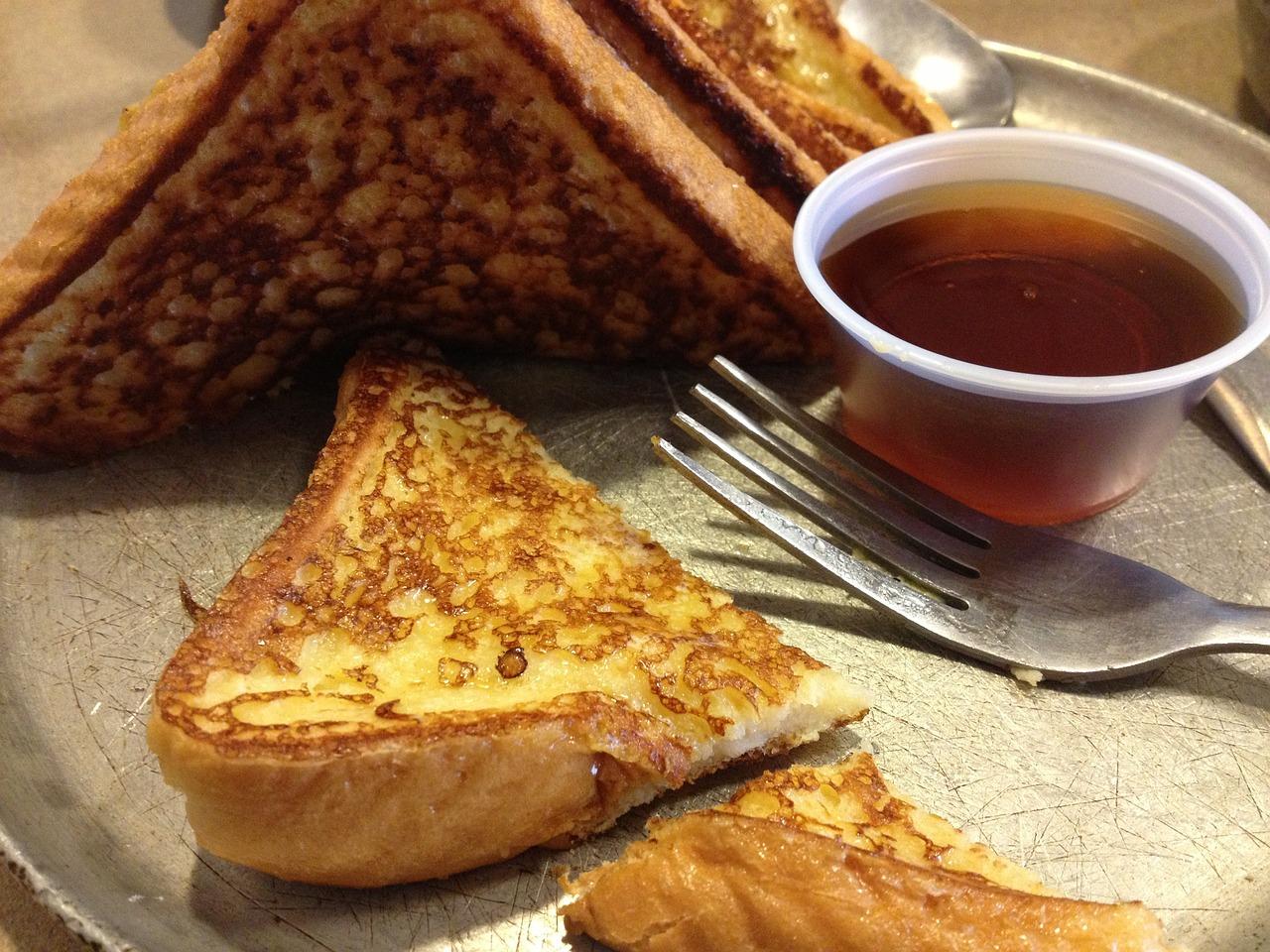
Pain perdu means 'lost bread', and French families have always made it from the end of a stale baguette or brioche that would otherwise be thrown away. Thick slices are soaked in milk, eggs, sugar and vanilla, then fried in butter until caramelised outside and soft, almost like custard, inside. In France it is more often a Sunday breakfast or goûter for the children than a brunch dish, eaten with a dusting of sugar, jam or fresh fruit. Chef's tip: use bread that is a day or two old; fresh bread is the common mistake and turns soggy and falls apart in the custard.

by KrazyBadal 0 views

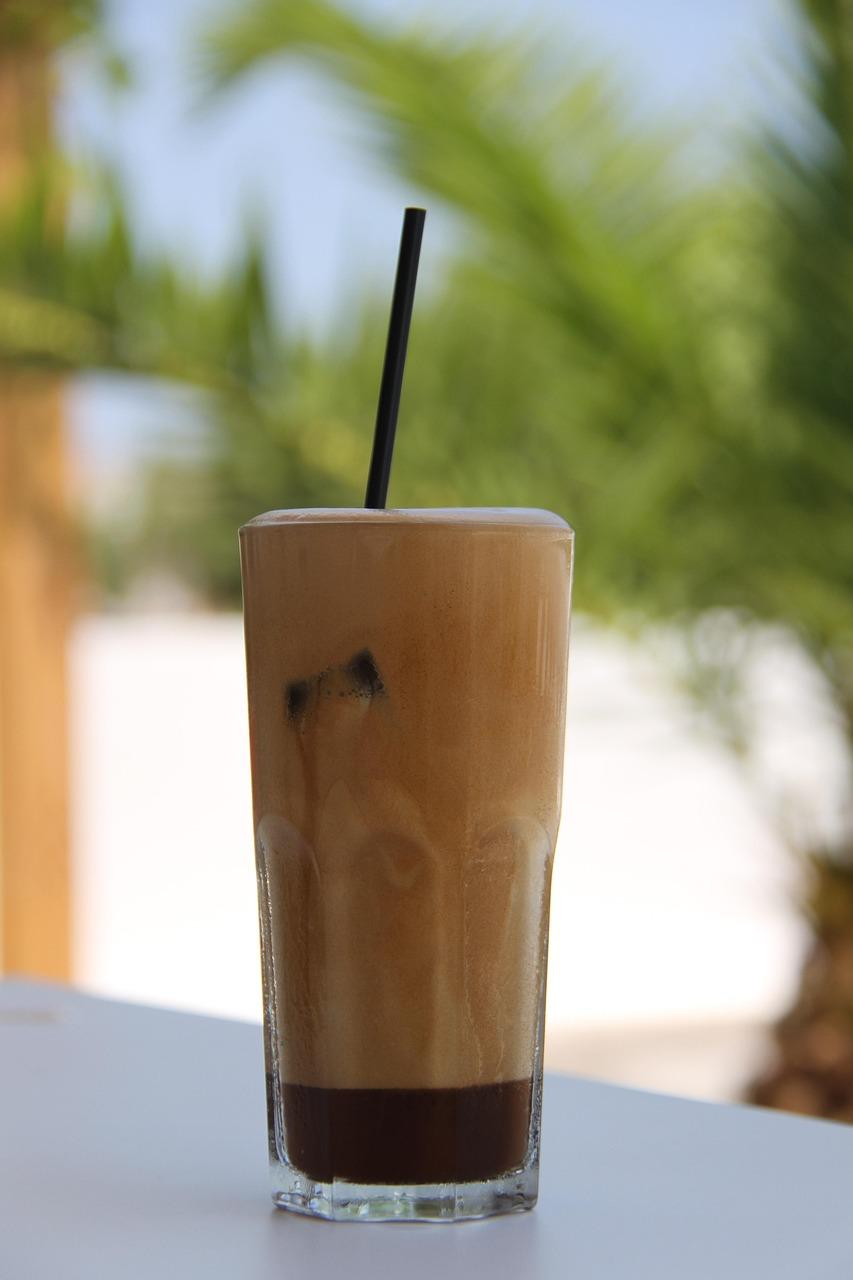
Frappé

The frappé was invented by accident at the Thessaloniki International Fair in 1957, when a coffee rep shook instant coffee with cold water because there was no hot water to hand. Within a few years it was the drink of every Greek café and beach bar, sipped slowly through a straw for an hour or more. Instant coffee, sugar and a little water are shaken or frothed into a thick, light-brown foam, then topped up with cold water, ice and, if you like, milk. Order it sketos (no sugar), metrios (medium) or glykos (sweet). Chef's tip: use only a splash of water for the first shake; adding all the water at once is the common mistake and you get thin coffee with no foam.

by KrazyBadal 0 views

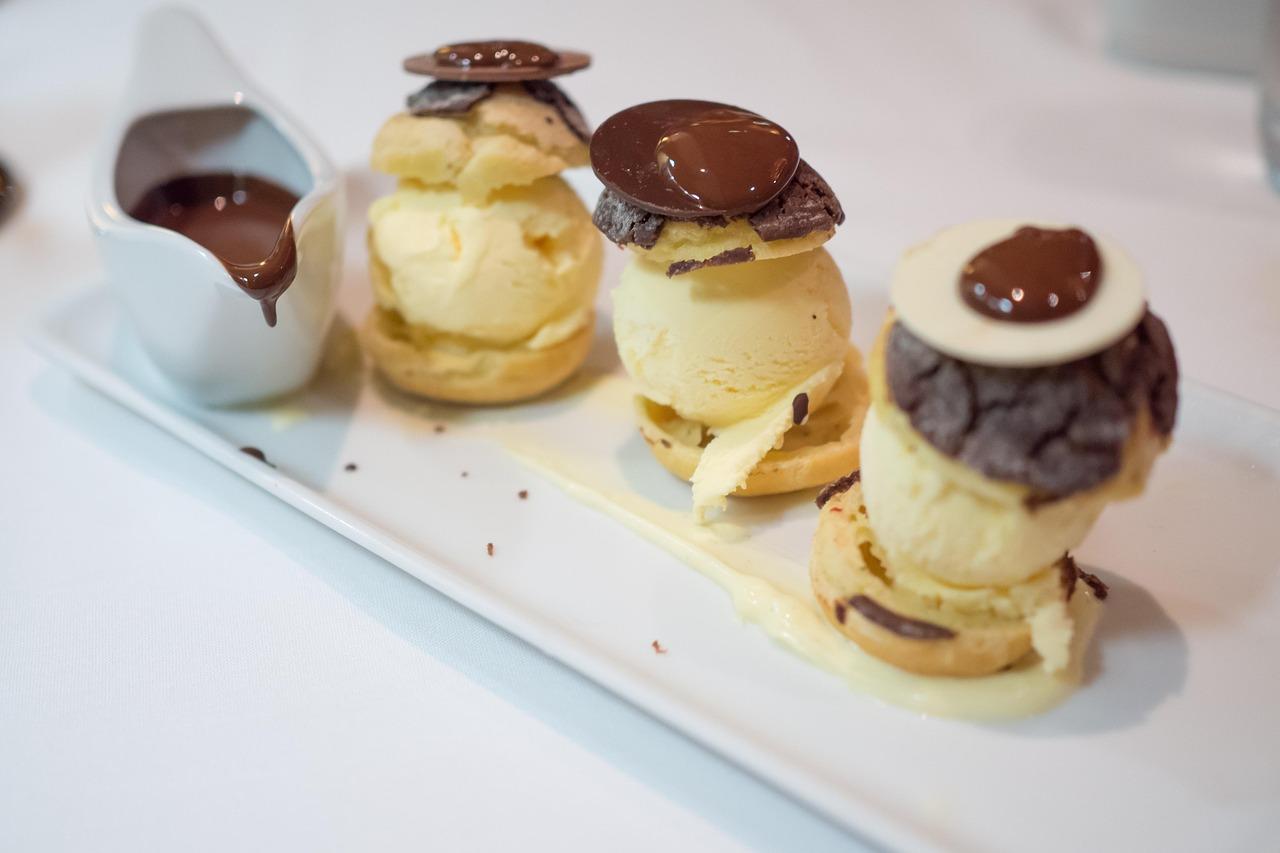
Profiteroles

Profiteroles are a Parisian brasserie dessert: small, crisp choux pastry puffs split and filled with vanilla ice cream, then drowned at the table in warm dark chocolate sauce. The contrast is the point: hot sauce, cold ice cream, crisp pastry. Choux is easier than it looks and needs no special tools, just a wooden spoon and some elbow grease. The puffs can be baked in the morning and filled at the last minute. Check your ice cream is free of gelatine. Chef's tip: bake the puffs until deep golden and firm; taking them out pale is the common mistake and they collapse as they cool.

by KrazyBadal 0 views

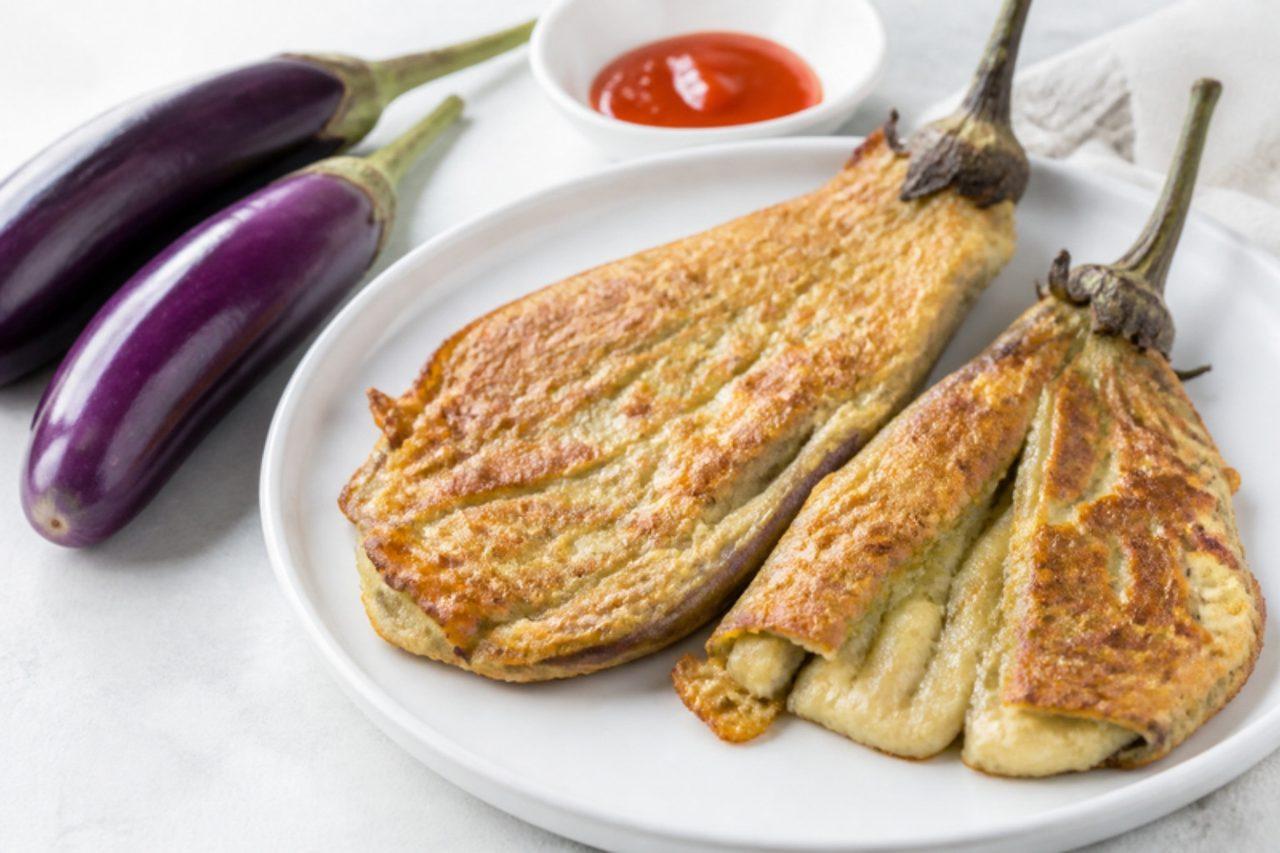
Tortang talong

Tortang talong is a weekday lunch in Filipino homes from Luzon to Visayas, the dish a mother makes when the fridge holds only a few eggs and some long aubergines from the market. The aubergines are charred whole over a gas flame until the skin blackens and the flesh goes smoky and soft, then peeled (the stem left on as a handle), flattened into a fan with a fork, dipped in seasoned egg and fried until golden. The result is a thin, smoky omelette shaped like an aubergine. Filipinos eat it with rice and banana ketchup or a dish of vinegar with garlic. Chef's tip: char the aubergines right on the flame, not in the oven; that smoky taste is the whole dish.

by KrazyBadal 0 views

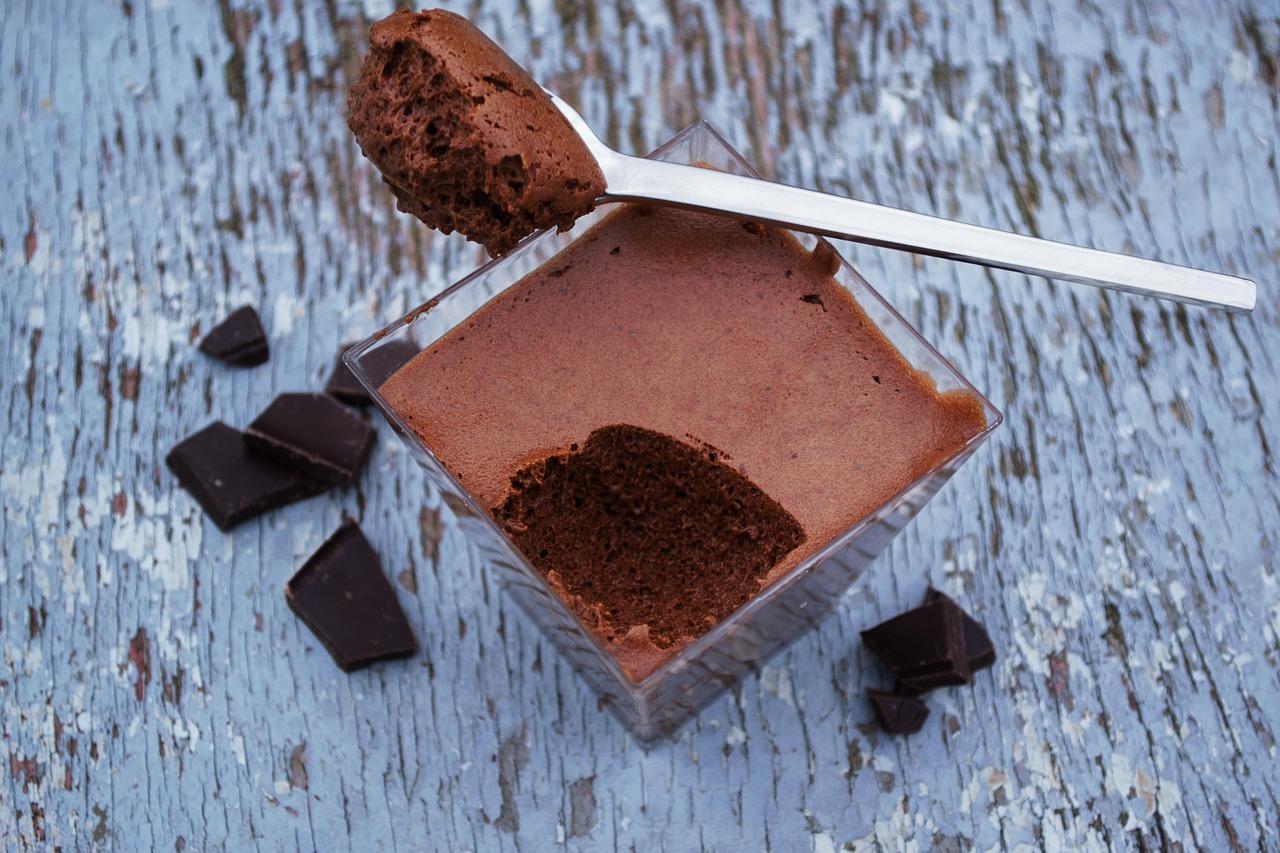
Mousse au chocolat

Mousse au chocolat is the dessert French children learn to make with their grandmothers and the one every bistro keeps in a big bowl in the fridge. The classic recipe is only dark chocolate, eggs, a little butter and sugar: the yolks make it rich, the whisked whites make it light and airy. It's made a few hours ahead and served in small glasses or scooped from a shared bowl. This version contains raw eggs, so use very fresh ones and avoid serving it to pregnant women, small babies or anyone unwell. For an egg-free version, see our eggless chocolate mousse. Chef's tip: let the melted chocolate cool until just warm before adding the yolks; adding them to hot chocolate is the common mistake and they scramble.

by KrazyBadal 0 views

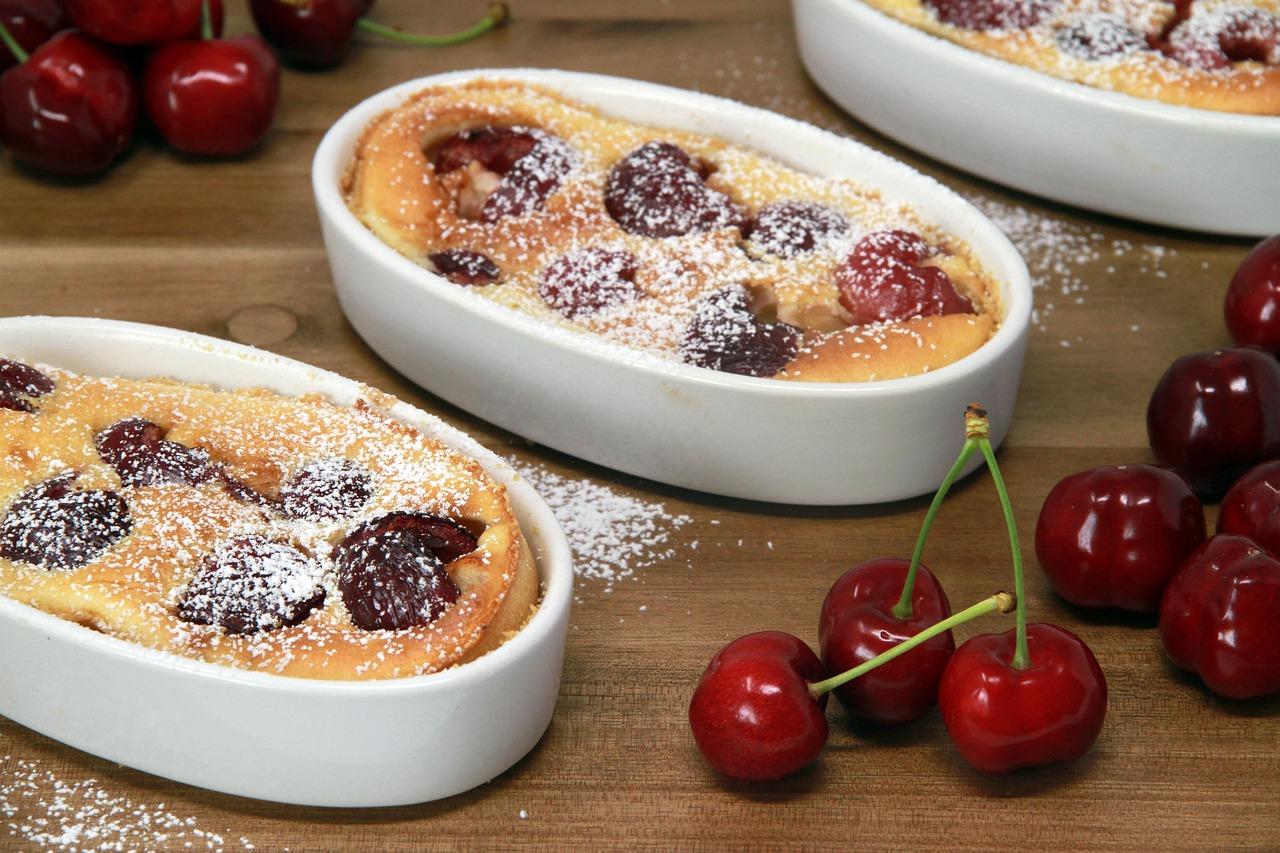
Clafoutis aux cerises

Clafoutis comes from the Limousin in central France, where black cherries ripen in early summer and families make this simple pudding for Sunday lunch. Whole cherries are scattered in a buttered dish and covered with a sweet, eggy batter, like a cross between a pancake and a custard, then baked until puffed and golden. In the Limousin the cherries are left unstoned, which cooks say gives a faint almond flavour; stone them if you are serving children. It's best warm, dusted with icing sugar. Chef's tip: don't overmix the batter once the flour is in; beating it hard is the common mistake and makes the clafoutis tough and rubbery.

by KrazyBadal 0 views

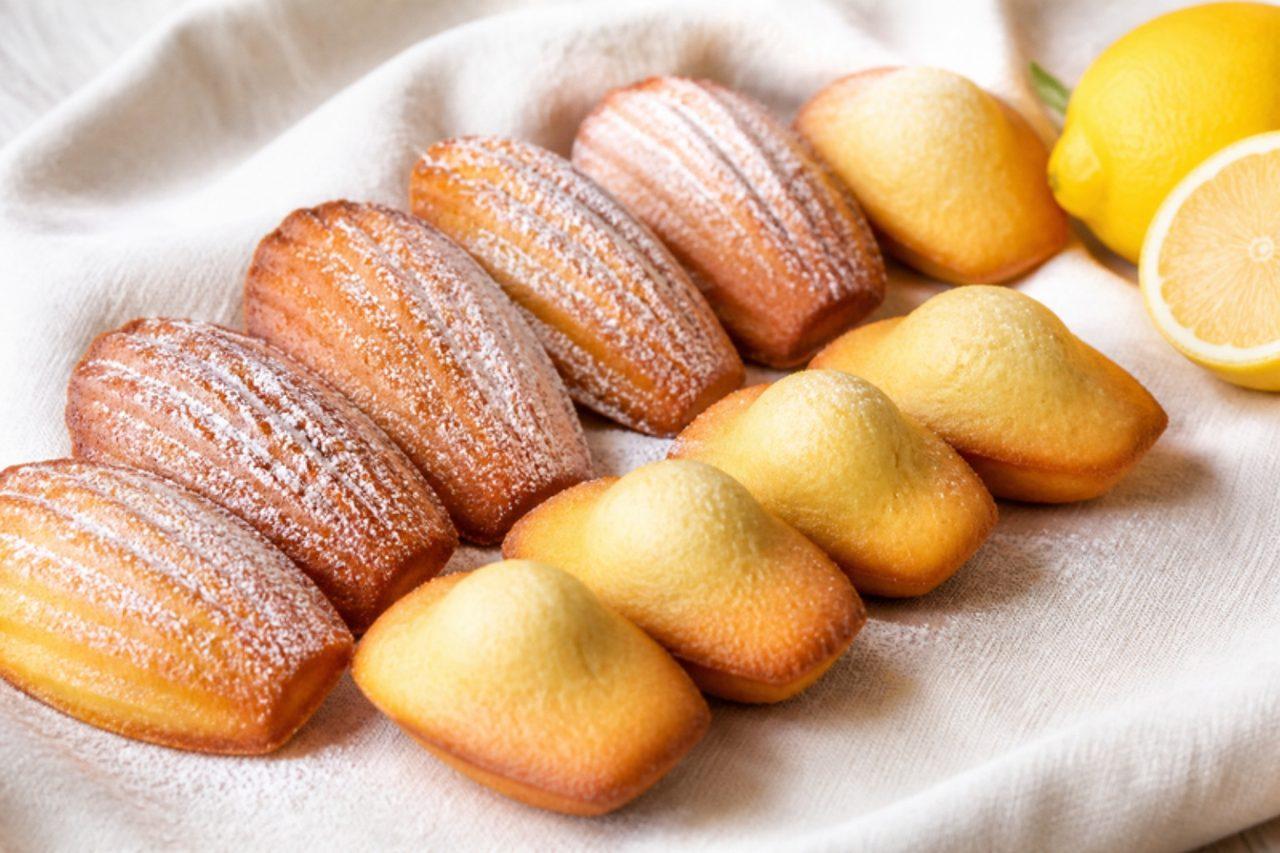
Madeleines

Madeleines come from Commercy, a small town in Lorraine, where they've been sold in boxes to travellers since the 1700s, and Proust made them famous dipped in lime-blossom tea. These little scallop-shaped sponges are crisp and golden at the edges, soft and buttery inside, and should have a proud hump on the back. French children eat them for goûter, the after-school snack, and they are best within an hour of baking. You'll need a madeleine tin. Chef's tip: chill the batter and the buttered tin before baking; putting room-temperature batter in a warm tin is the common mistake and the madeleines come out flat with no hump.

by KrazyBadal 0 views

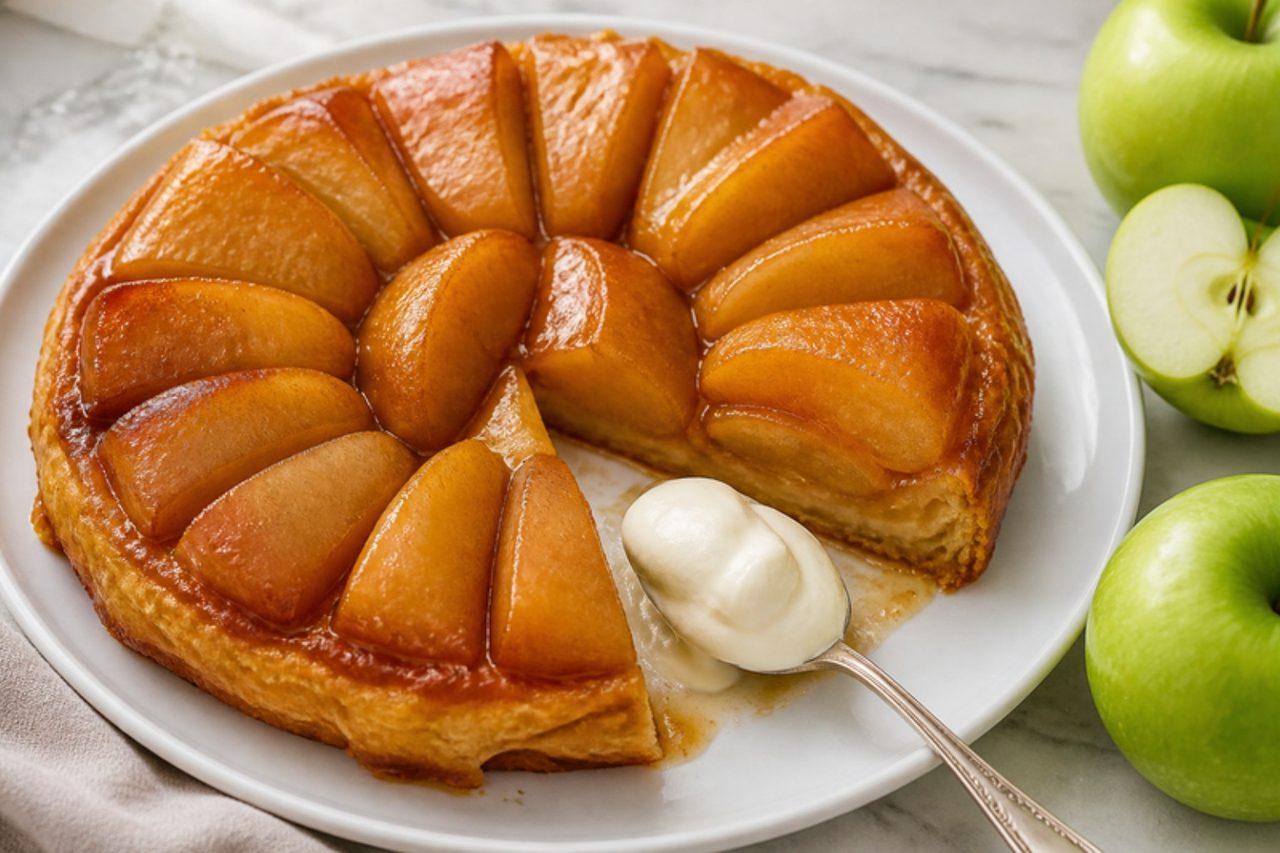
Tarte tatin

Tarte tatin is said to have been created at the Hôtel Tatin in Lamotte-Beuvron, in the Sologne, south of Orléans, where the Tatin sisters cooked for hunting parties in the 1880s. The apples are cooked in butter and sugar until they turn amber, covered with pastry, baked, then turned out so the glossy caramelised fruit sits on top of a crisp base. It is the French family dessert of autumn and winter, served warm with crème fraîche. This version uses an all-butter shortcrust made without egg. Chef's tip: pack in more apples than seem possible, as they shrink; using too few is the common mistake and leaves a flat tart with gaps.

by KrazyBadal 0 views

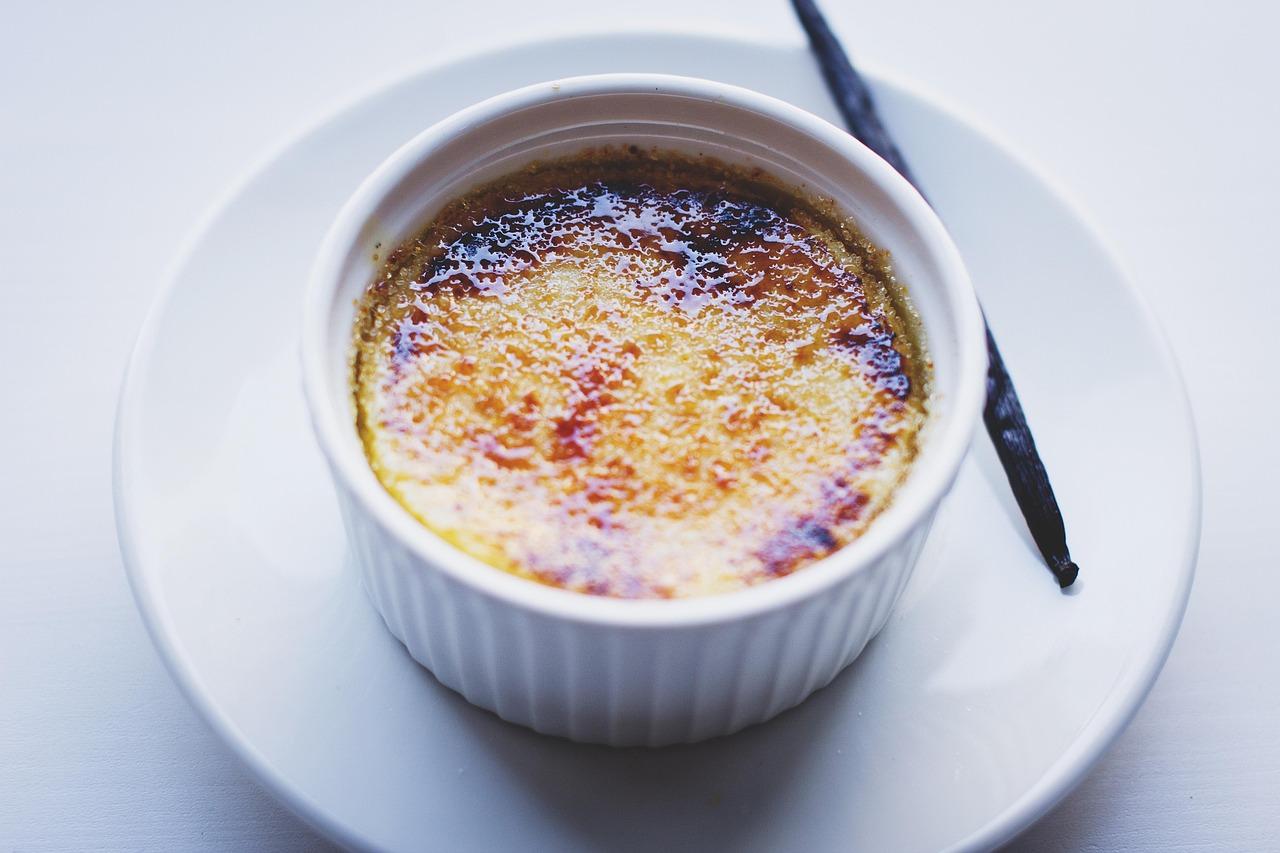
Crème brûlée

Crème brûlée, 'burnt cream', is the dessert on almost every Paris bistro menu: a shallow dish of rich vanilla custard, cold and silky, under a thin sheet of caramelised sugar you crack with the back of a spoon. Unlike the stovetop Spanish crema catalana, it's made with cream and baked gently in a water bath. The custards are made a day ahead, which makes it ideal for dinner parties; only the sugar is burnt at the last minute. Chef's tip: take them out of the oven while the middle still wobbles like jelly; overbaking is the common mistake and the custard turns grainy and splits.

by KrazyBadal 0 views

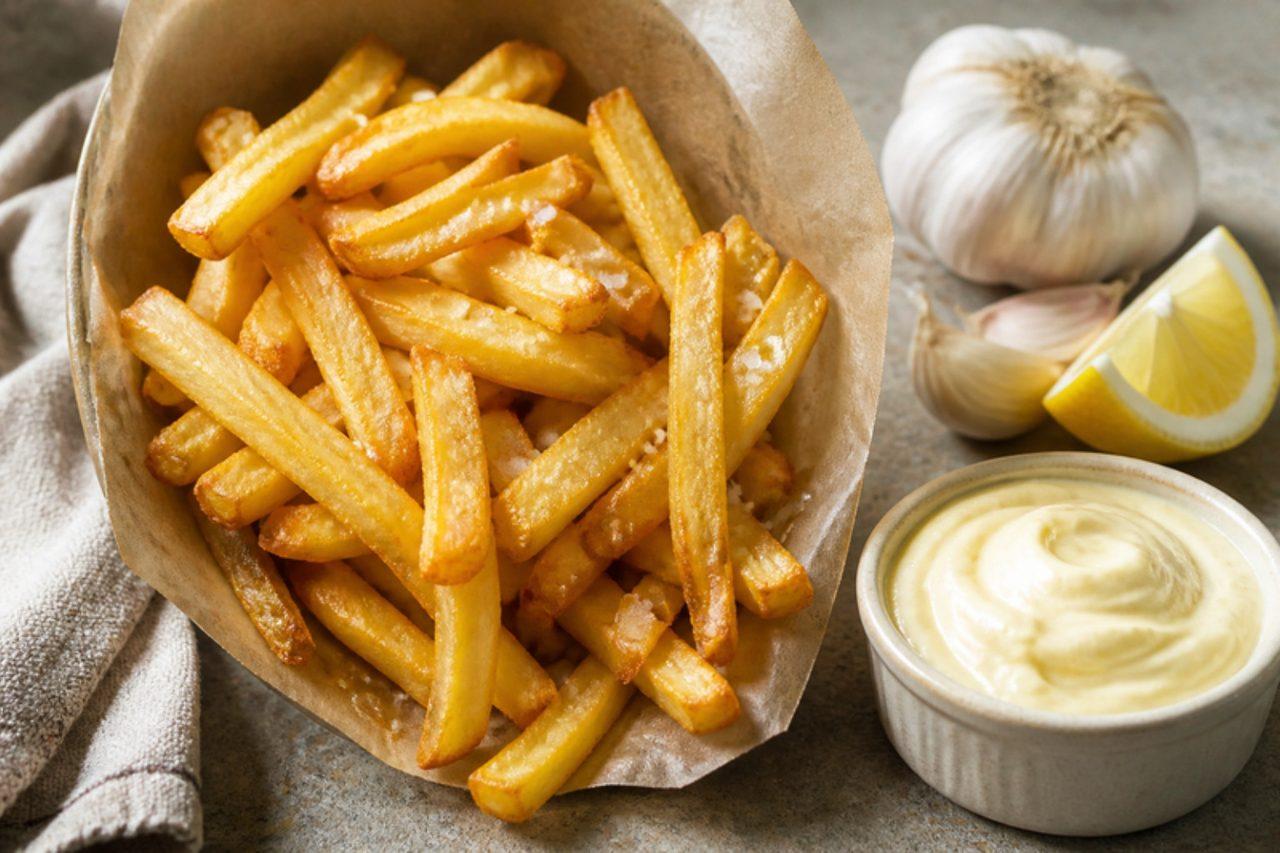
Frites with aïoli

Frites are a fixture of French brasseries and street stalls, served in paper cones at markets and beside every omelette and salad in Paris cafés. The secret is frying twice: once gently to cook them through, then hot to make them crisp. In Provence, the dip would be aïoli, a thick, garlicky sauce that gave its name to the region's Friday feast. Our aïoli is made the old-fashioned egg-free way, with a little boiled potato to hold the garlic and olive oil together. Children usually prefer it with less garlic. Chef's tip: dry the cut potatoes thoroughly before frying; wet chips are the common mistake that make the oil spit and leave the chips soft.

by KrazyBadal 0 views

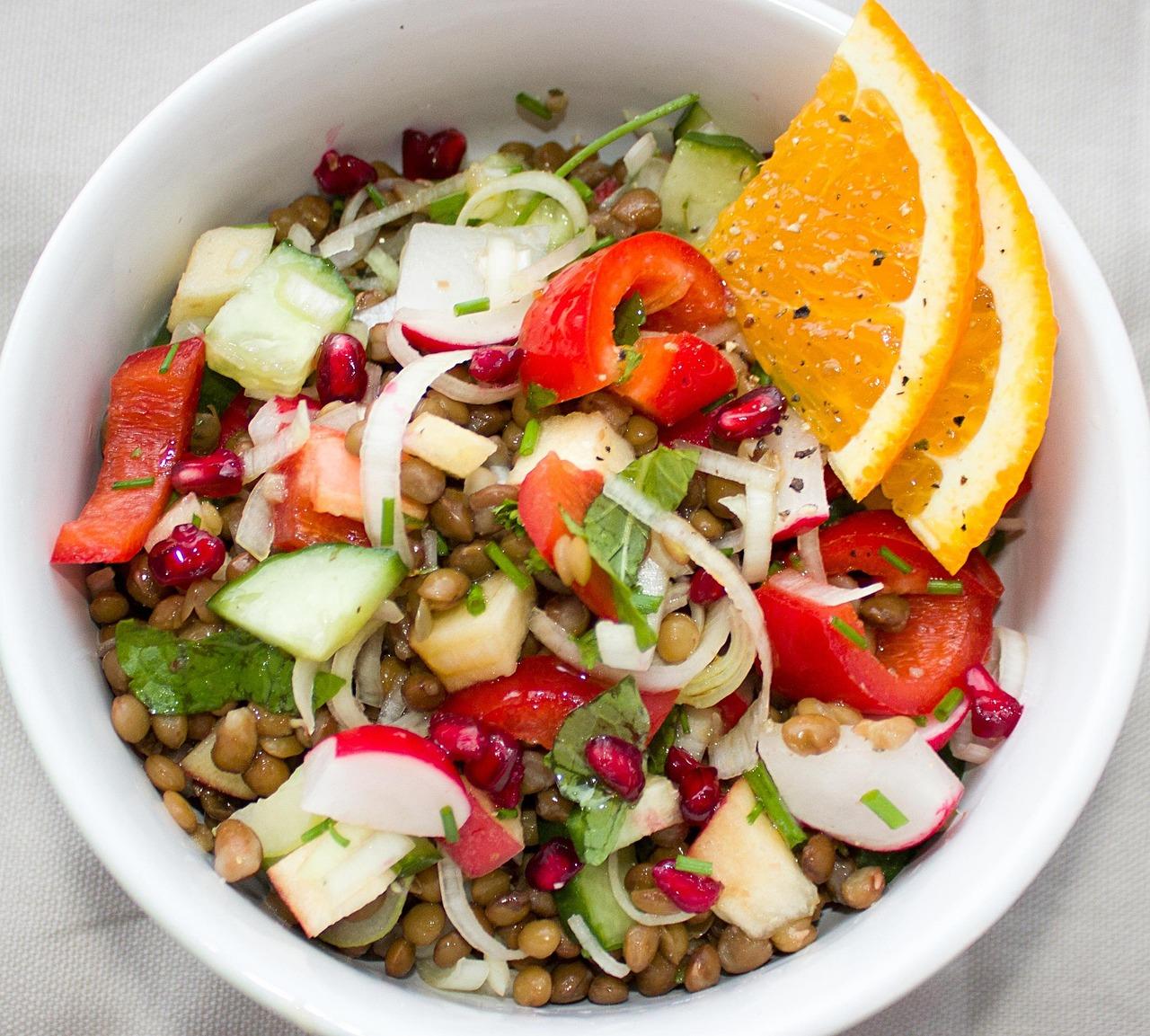
Lentilles du Puy salad

Le Puy-en-Velay, in the volcanic hills of the Auvergne, grows a small, slate-green lentil with its own protected name. Lentilles du Puy hold their shape when cooked and have a peppery, almost mineral taste, which makes them perfect for salad. In French homes and bistros this salad is dressed while warm with a sharp mustard vinaigrette, shallot, carrot and parsley, then eaten as a starter, a packed lunch or a side to a quiche. Chef's tip: dress the lentils while they're still warm so they absorb the vinaigrette; dressing them cold is the common mistake and the flavour just sits on the outside.

by KrazyBadal 0 views

Showing 54 of 4,484 recipes

Show more recipes

Page 298 of 499