


Skip to content
La bandera dominicana
Featured recipe

La bandera dominicana

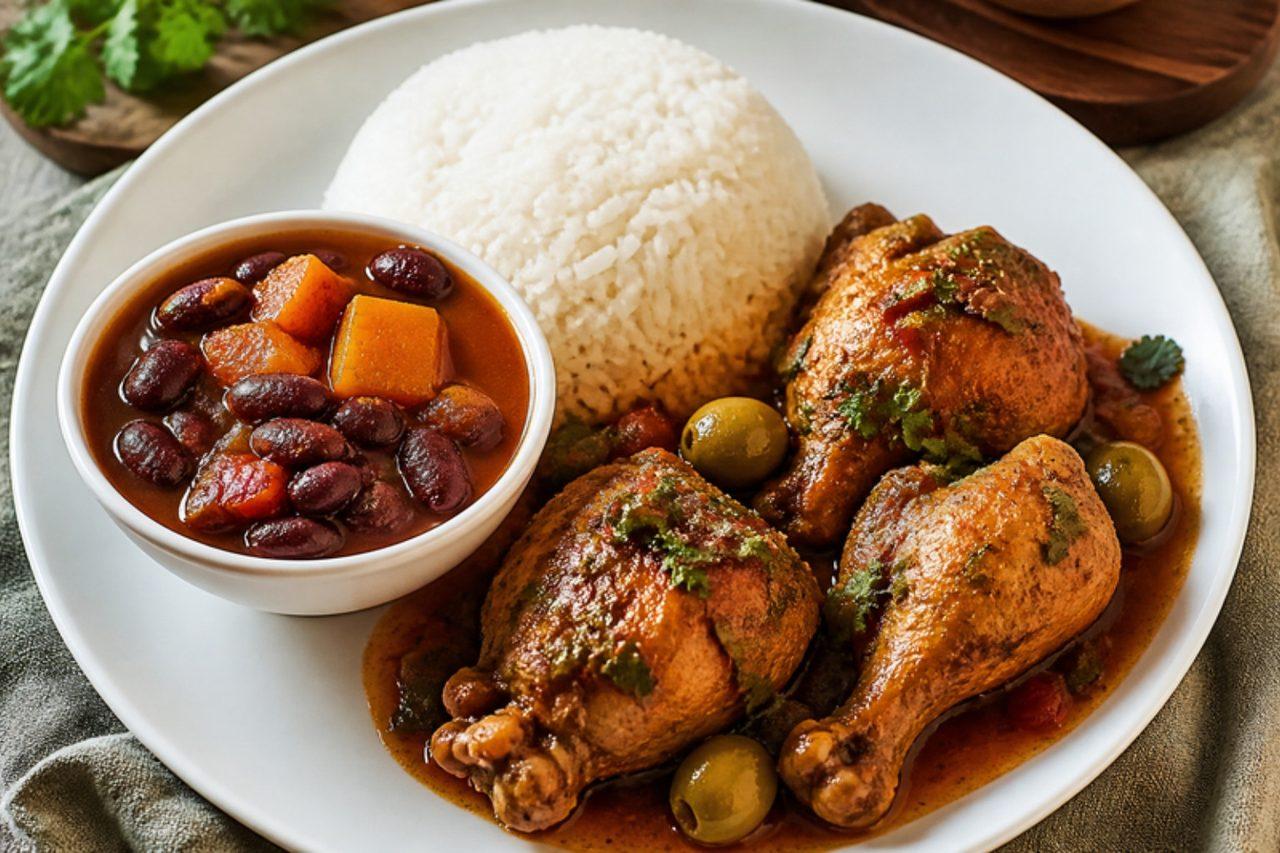
Across the Dominican Republic, from Santo Domingo office canteens to family kitchens in Santiago, the midday meal is la bandera, named after the flag: white rice, red beans stewed with squash, and braised chicken. It is eaten almost every weekday, often with a green salad and fried plantain. Dominican cooks start the chicken by caramelising sugar in the oil, which gives the sauce its deep brown colour, and they prize the concón, the crisp layer of rice at the bottom of the pot. The mistake to avoid is letting the sugar go past dark amber; burnt sugar makes the whole stew bitter. Chef's tip: marinate the chicken with lime, garlic and oregano the night before; it takes on far more flavour than a quick 30 minutes.

Read more 0 views

What to eat today?

Around the world

Today's trip: Paraguayan

A new country every day, from every cuisine on the site.

This week's collection

Make-ahead meals
1963 recipes · a new collection every Monday

Latest recipes

Maizes zupa

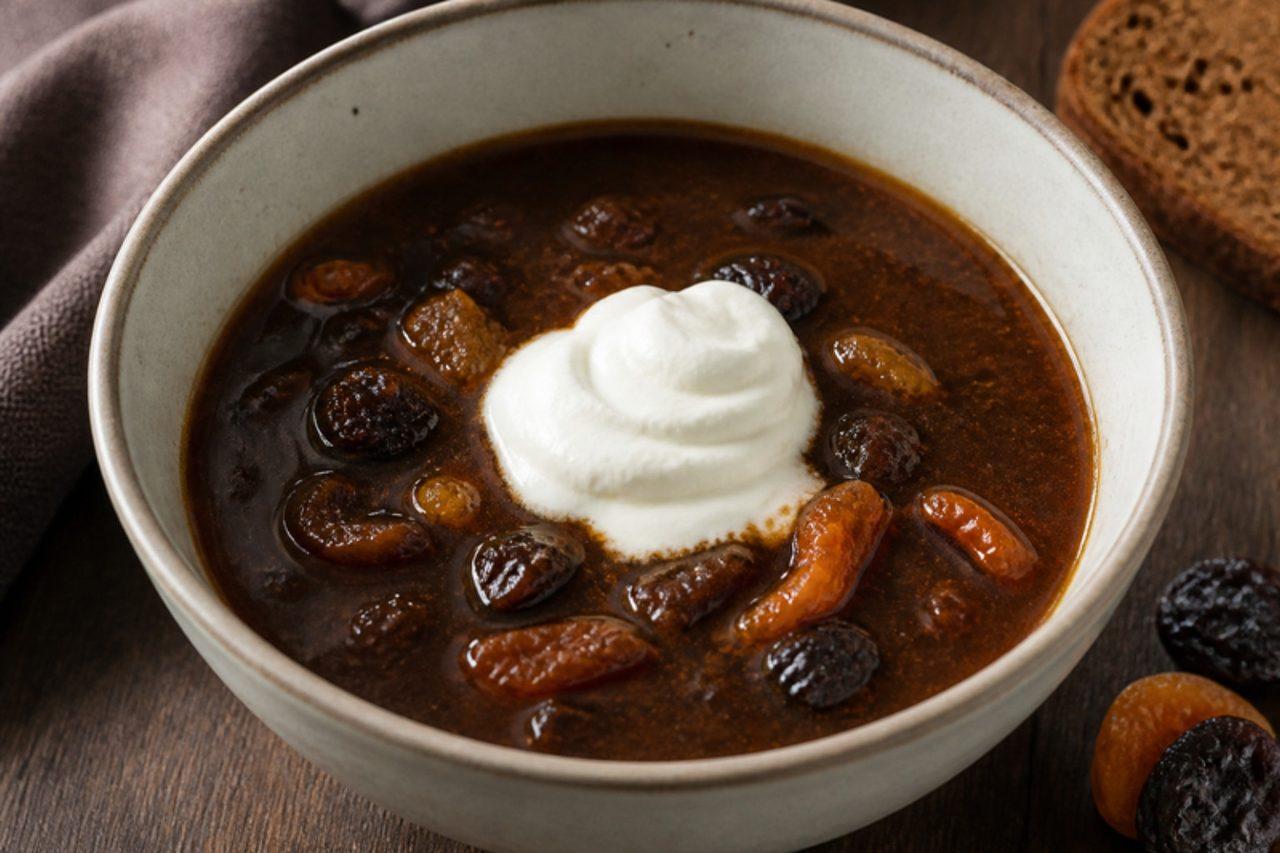
Maizes zupa, 'bread soup', is Latvia's way of using up dark rye bread: the bread is soaked and cooked down with dried fruit, sugar and cinnamon into a thick, sweet, deep-brown pudding, cooled and topped with whipped cream. It is on the menu in Riga's canteen-style restaurants and in school lunches, and every Latvian grandmother has her own version. A common mistake is using light rye; it needs dense, dark Latvian or German-style rye for its malty taste. Chef's tip: add a squeeze of lemon and a spoon of cranberries; their sharpness lifts the sweet, heavy soup.

by KrazyBadal 0 views
Vánočka

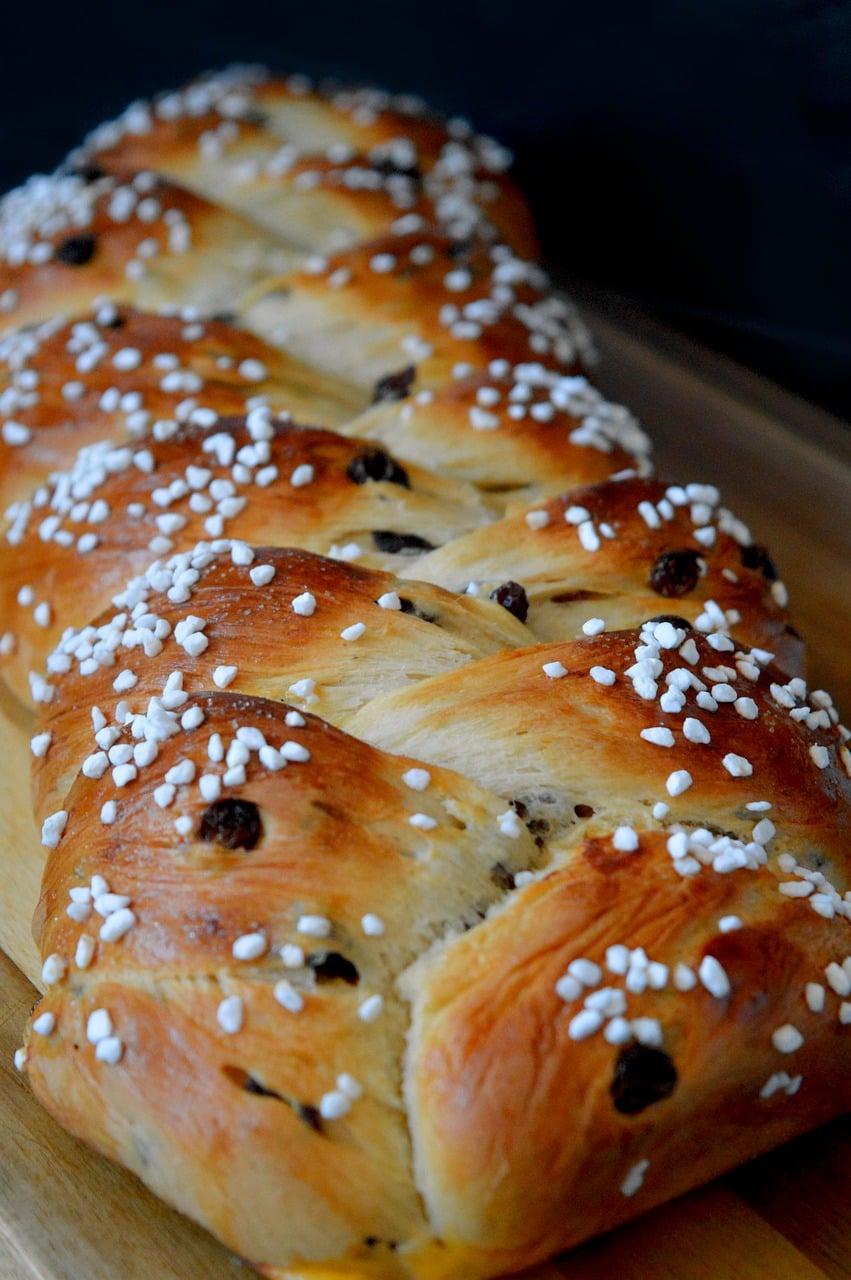
On Czech Christmas Eve morning, before the carp and the potato salad, the table holds a long golden vánočka, a sweet braided loaf whose layered plaits are said to represent the baby Jesus in swaddling. Families slice it for breakfast through the holidays with butter, honey or jam. The crumb is soft and rich with egg and butter, scented with lemon zest and studded with raisins; flaked almonds crisp up on the crust. The usual slip is braiding too loosely, so the tiers slide apart in the oven; plait tightly and hold them with wooden skewers while baking. Soaking raisins in warm water (not rum) keeps them juicy and alcohol-free. Chef's tip: vánočka keeps for days wrapped in a cloth, and slightly stale slices make superb French toast.

185 minCzechBaking
by KrazyBadal 0 views

Bidos

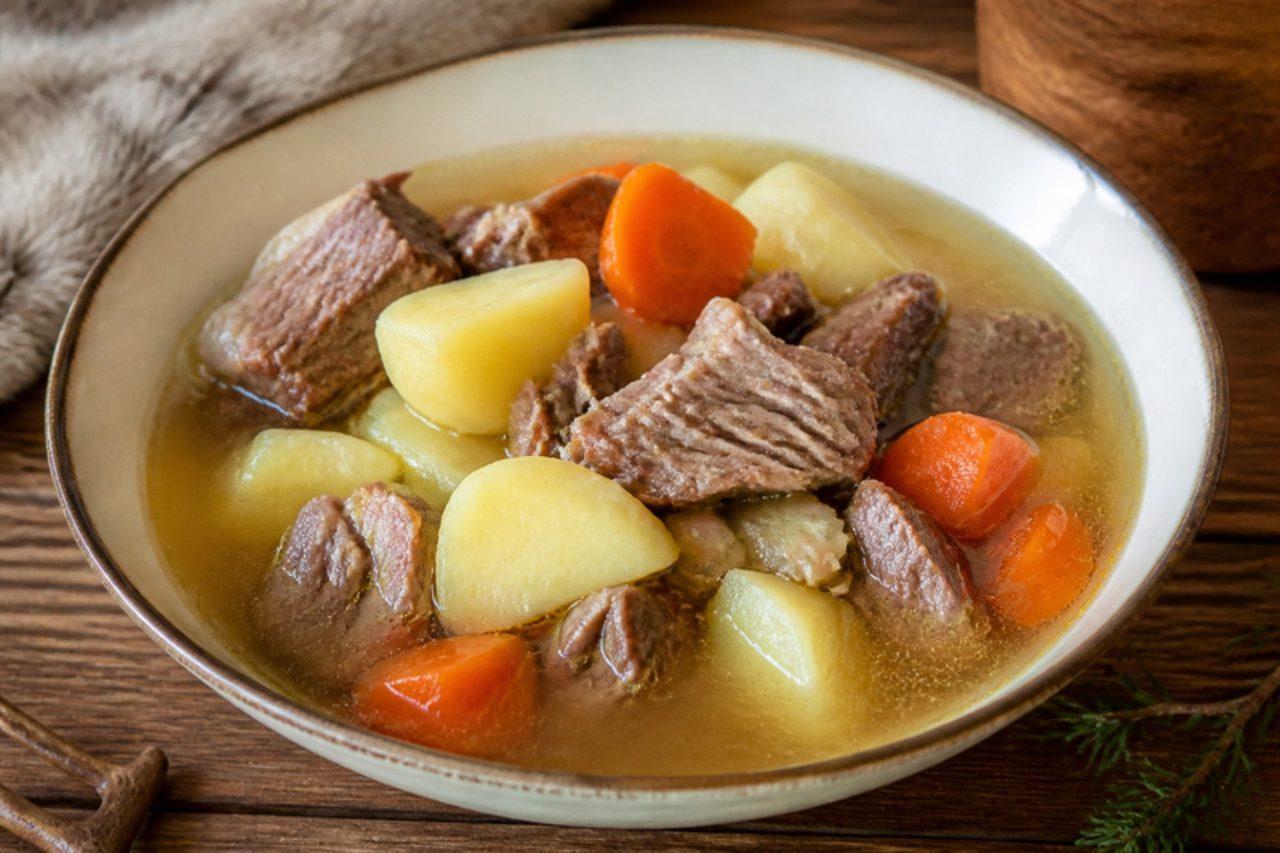
Bidos is the festive stew of the Sámi, the reindeer-herding people of the far north of Norway, Sweden and Finland: reindeer meat simmered slowly in a clear broth with potatoes and carrots, seasoned only with salt and pepper so the gamey meat shines. It is served at Sámi weddings and confirmations, and at Easter festivals in Kautokeino and Karasjok. Reindeer is sold frozen in Nordic shops; beef chuck or venison works too. A common mistake is adding the potatoes at the start, so they fall apart before the meat is tender. Chef's tip: thicken the broth only lightly with a spoon of flour if you like; traditionally it is clear and thin.

by KrazyBadal 0 views

Tarhonya

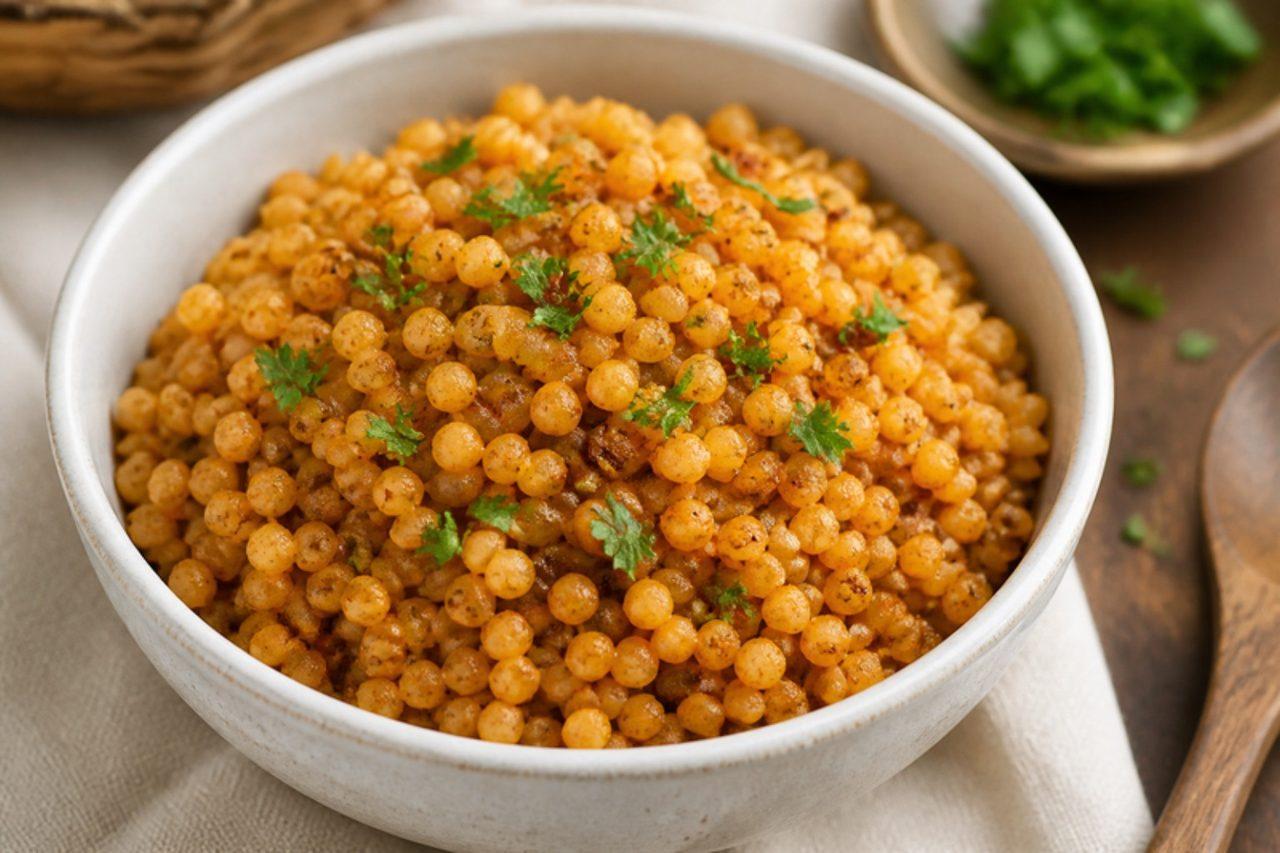
Tiny pebbles of dried egg pasta, tarhonya is one of the oldest Hungarian staples, once dried on cloths in the sun by farm women on the Great Plain and stored for the winter. It is toasted in fat until golden, then simmered in water like a pilaf until each grain is plump but separate. Hungarians serve it as the side for paprika stews, and in a vegetarian kitchen it is perfect next to lecsó or a mushroom paprikás. The flavour is nutty and savoury, with a light warmth from the paprika. A common mistake is stirring it during the simmer, which breaks the grains and makes it sticky; once the water is in, cover it and leave it alone. Chef's tip: toast it slowly and evenly to the colour of hazelnuts; that toasting is where all the flavour comes from.

by KrazyBadal 0 views

Varză călită

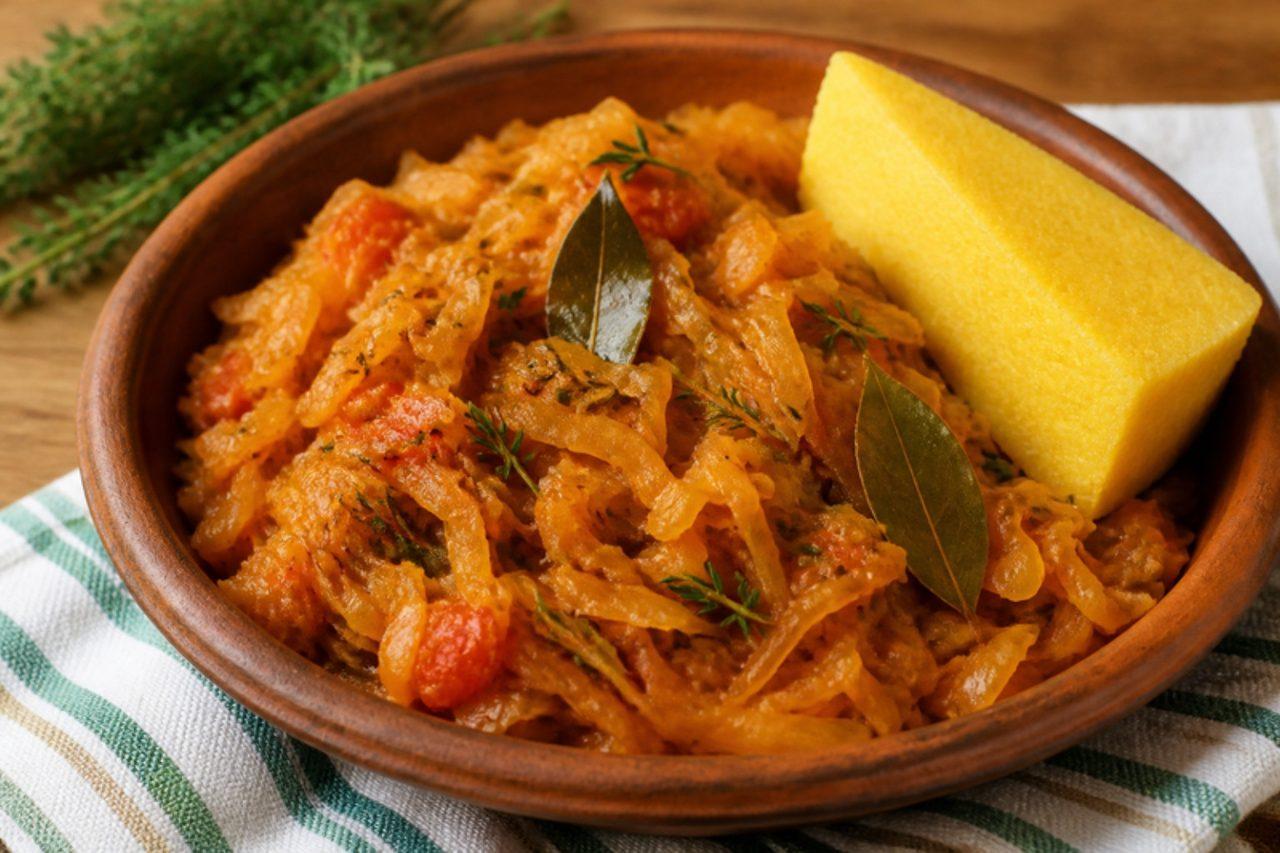
Ask a Wallachian grandmother what goes with hot mămăligă on a winter weeknight and she may well point to a pan of varză călită. Fresh white cabbage is shredded and braised for the best part of an hour with onion, tomato, bay and thyme until it turns amber, silky and faintly sweet; in January many cooks use sauerkraut from the barrel instead, rinsed once to tame the salt. With no meat or butter it is a classic fasting (post) dish, though outside the fasts it also sits next to sausages and roasts. The usual slip is turning up the heat to hurry it, which scorches the base before the cabbage softens. Chef's tip: a spoon of vinegar and a pinch of sugar at the very end wake up the flavour without making it taste sour.

by KrazyBadal 0 views

Matnakash

Matnakash means 'finger-pulled', and that is how the Yerevan bakeries shape it: a big oval of soft, leavened dough pressed with the fingertips into long grooves, brushed with a glaze and baked until shiny and golden. It is the everyday table bread of the capital, thicker and softer than lavash, torn at breakfast with cheese and herbs. The glaze, traditionally made from a little flour cooked with water and sugar or simply brushed with sweet tea, gives the crackled, glossy crust. A common mistake is pressing the grooves too lightly; they vanish as the bread rises in the oven. Chef's tip: press right down to the tray with four fingers, then pull outward to stretch the loaf; the deep channels are what make it matnakash.

by KrazyBadal 0 views

Frgály

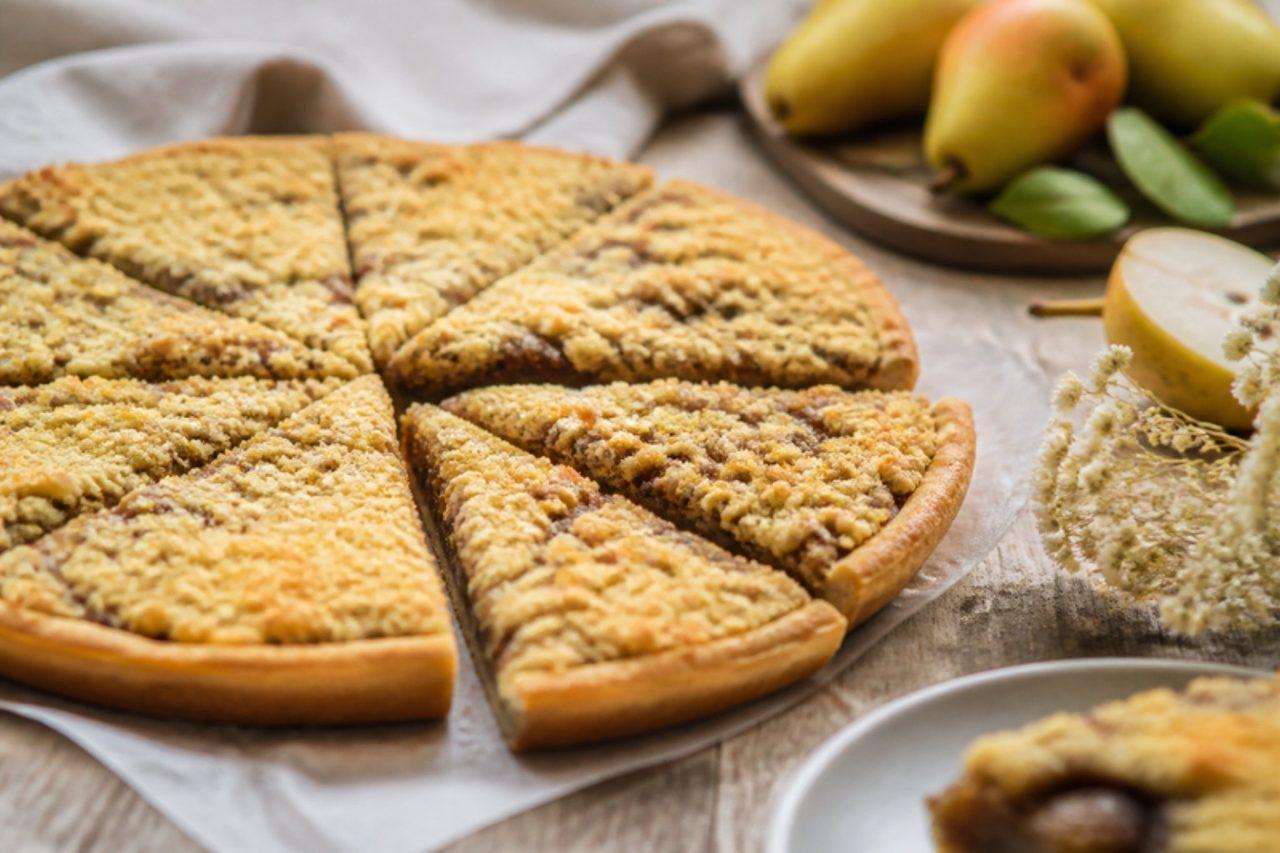
At weddings and church fairs in Moravian Wallachia, in the hills around Rožnov and Vsetín, tables are stacked with frgály: yeast tarts as wide as a dinner plate, rolled so thin the filling seems to sit on a crisp, chewy disc. The classic toppings are dried pear mixed with plum butter, sweet tvaroh (Czech quark), or poppy seed, all scattered with a buttery crumble. This recipe makes four, two with each of the first two fillings. Tvaroh is usually set without rennet, but some brands use it, so check the label. The usual slip is leaving the dough thick in the middle, which makes a bready tart; roll right to the edge, about 3 mm thick. Chef's tip: bake on the lowest oven shelf on a hot tray, so the base browns before the filling dries.

150 minCzechBaking
by KrazyBadal 0 views

Žemlovka

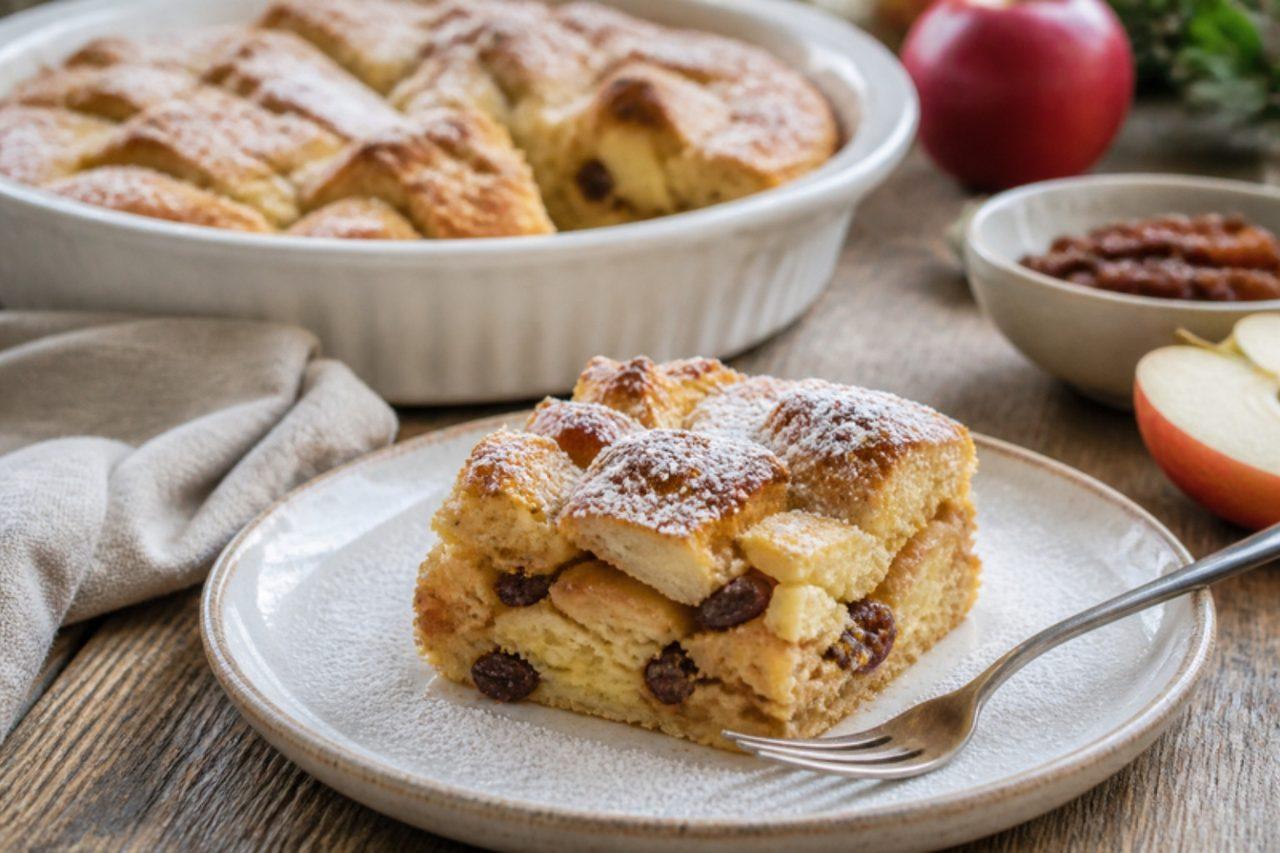
Thrifty Czech kitchens never throw away a stale roll, and žemlovka is the delicious proof. Slices of yesterday's rohlíky or žemle are soaked in sweet vanilla milk and egg, layered with cinnamon apples and raisins, and baked until the top is crunchy and the inside set like a soft custard. It is a favourite Bohemian Sunday afternoon pudding in autumn, when the orchard apples are in, and it often appears in school canteens as a sweet main course. Serve it warm, dusted with icing sugar, with a glass of cold milk. A common mistake is drowning the bread in milk, which makes a soggy, heavy pudding; dip the slices quickly so they are moist but still hold their shape. Chef's tip: use tart cooking apples and keep the top layer bread, buttered, so it bakes to a golden crust.

by KrazyBadal 0 views

Sockerkaka

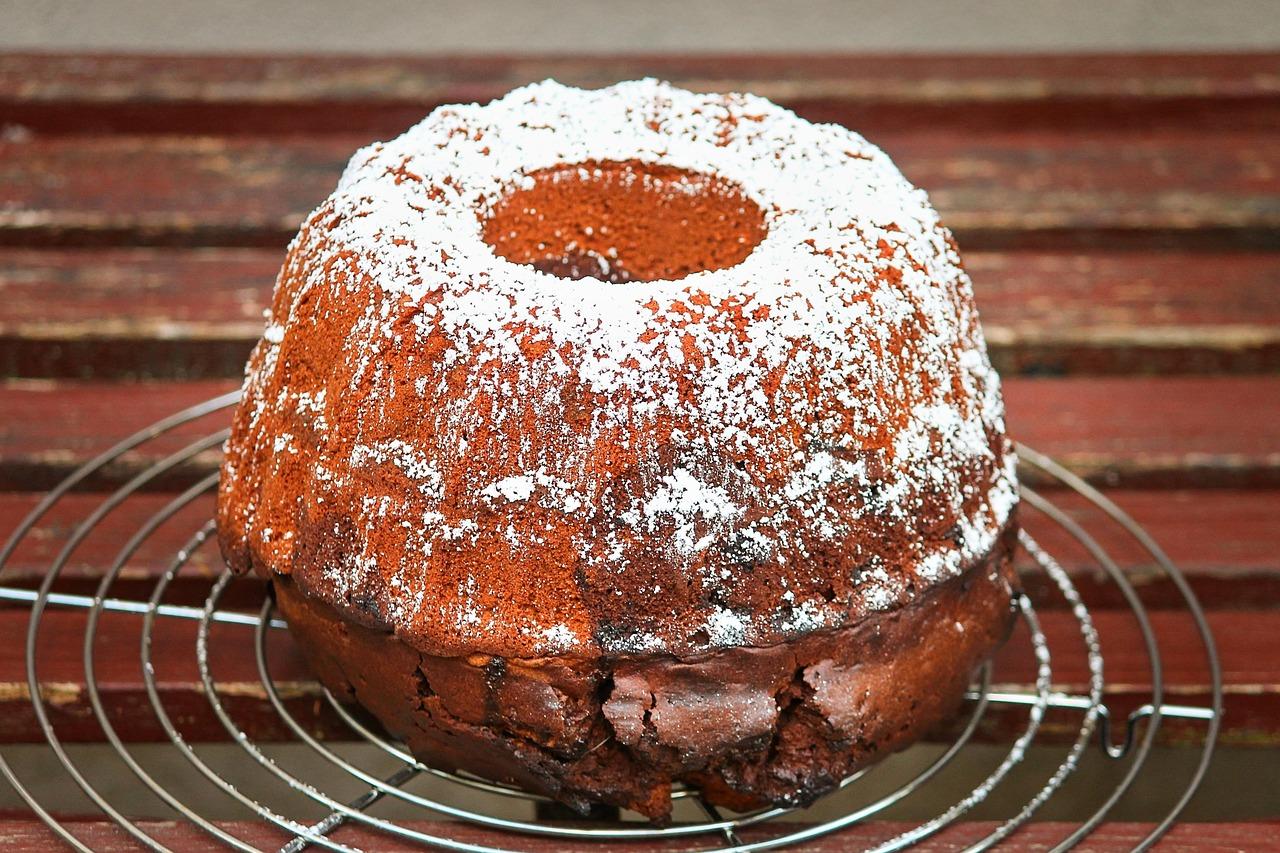
Sockerkaka, 'sugar cake', is the everyday sponge of Swedish homes, baked in a tall fluted ring tin and served in slices with coffee, or with berries and cream in summer; nearly every Swedish child bakes one with a grandparent. It is light and buttery with a crisp, golden outside. A common mistake is opening the oven before 35 minutes, which makes the cake sink. Chef's tip: butter the tin and dust it with fine breadcrumbs, as Swedish cooks do, so the cake releases cleanly and gets a crisp crust.

by KrazyBadal 0 views

Topinky

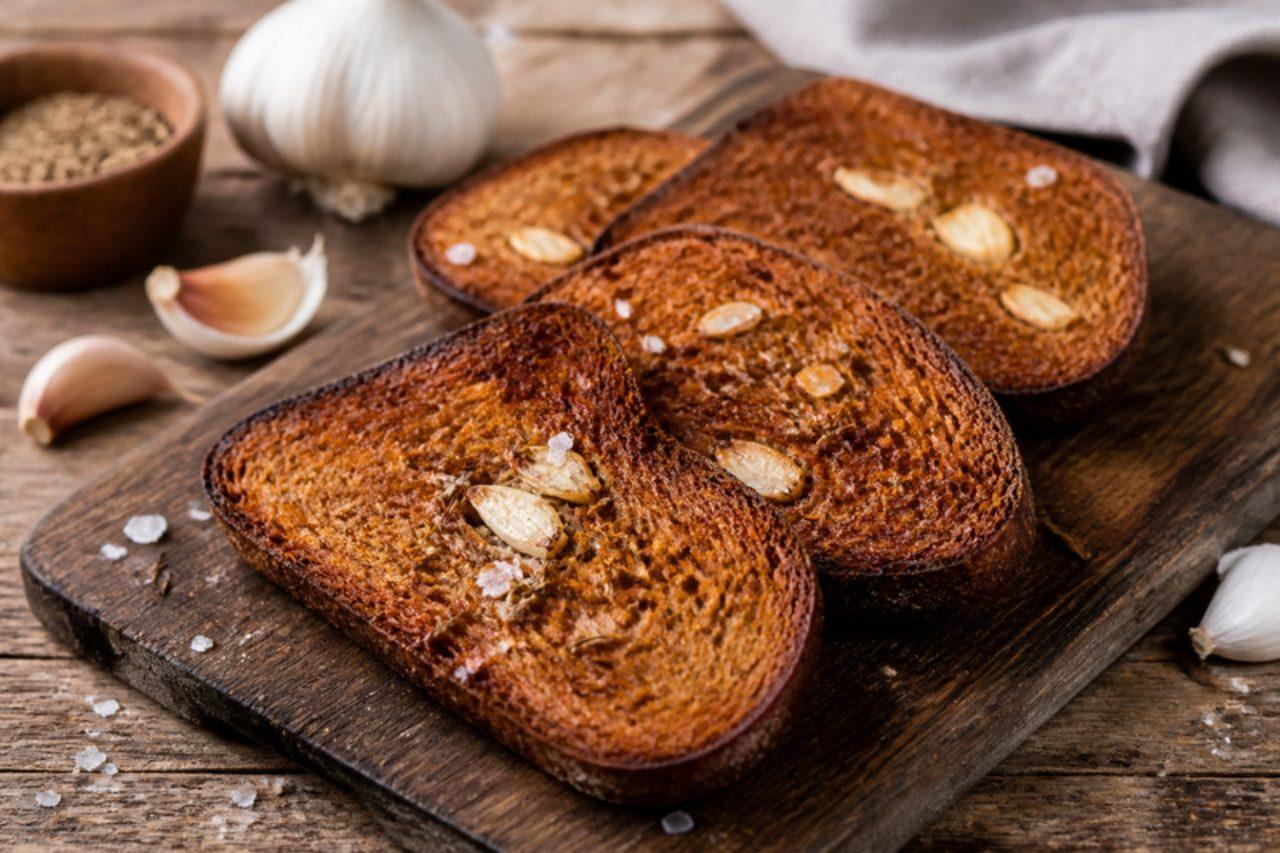
Midnight in a Prague beer hall, a basket of topinky arrives: thick slabs of rye-wheat bread fried until shatteringly crisp and rubbed hard with raw garlic, so the rough crust grates the clove like sandpaper. Czech pubs serve them as a snack with beer, and at home they are a quick supper with a glass of buttermilk or a bowl of soup. Some old cooks used lard; frying in oil keeps them vegan. The crumb should stay soft inside the golden crust, and the garlic should be sharp and fiery. A common mistake is frying in oil that is not hot enough, which makes the bread greasy instead of crisp. Chef's tip: choose a dense, day-old rye bread with caraway seeds; fresh, airy bread soaks up oil like a sponge.

by KrazyBadal 0 views

Nakládaný hermelín

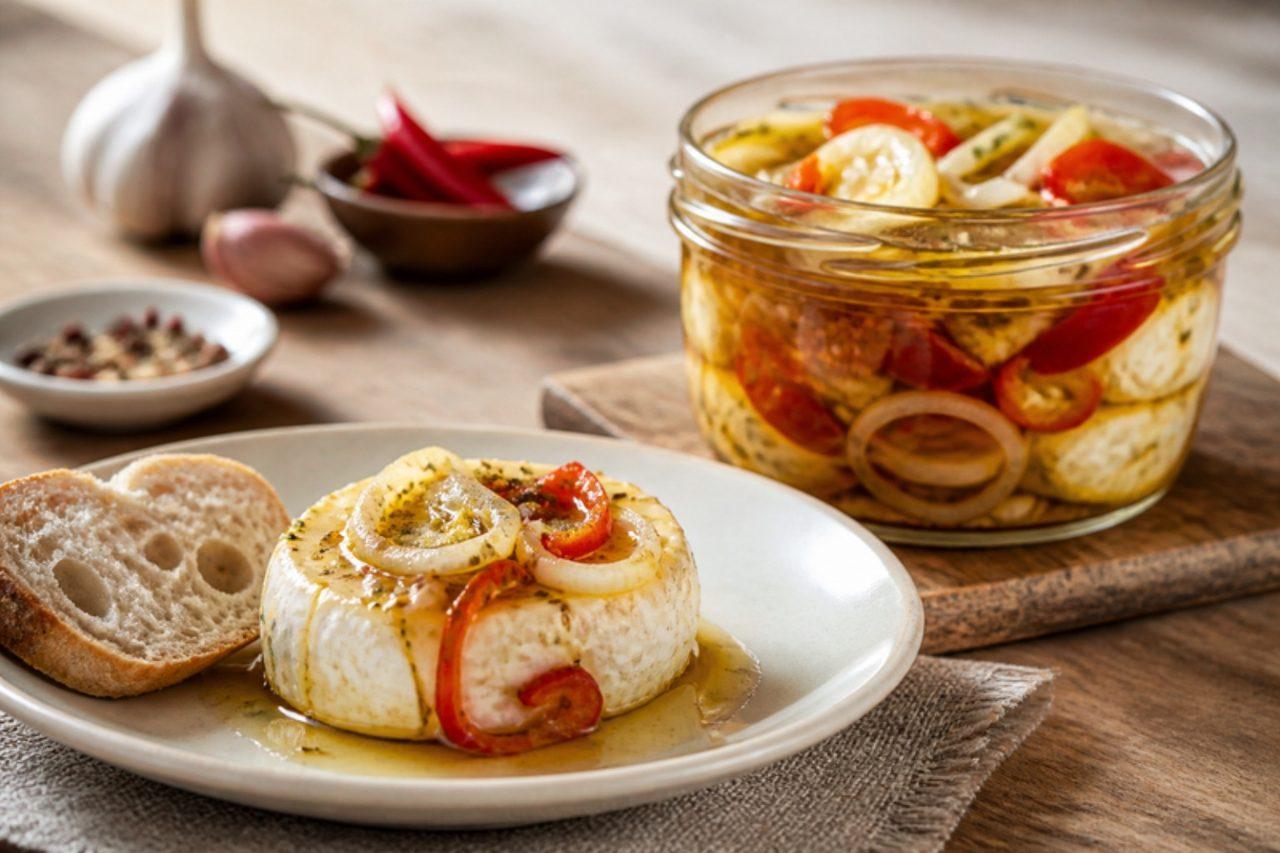
Behind the bar of almost every Czech hospoda sits a big glass jar of cheeses sunk in oil with onion rings and chillies. Nakládaný hermelín is the classic beer snack: a soft white-rind cheese, split and spread with garlic and paprika, then left to mellow in spiced oil for about a week until it turns rich, tangy and spreadable. It is eaten with thick slices of dark bread (use gluten-free bread if needed) and a few pickled peppers. Hermelín and camembert-style cheeses are usually made with animal rennet, so for a vegetarian jar choose a white-rind cheese labelled as made with vegetarian or microbial rennet. Where it goes wrong is leaving cheese poking above the oil, where it can spoil: keep everything submerged and the jar in the fridge, and eat it within 10 days. Chef's tip: use a cheese that is not fully ripe; it holds its shape in the oil and softens to perfection as it marinates.

by KrazyBadal 0 views

Škubánky

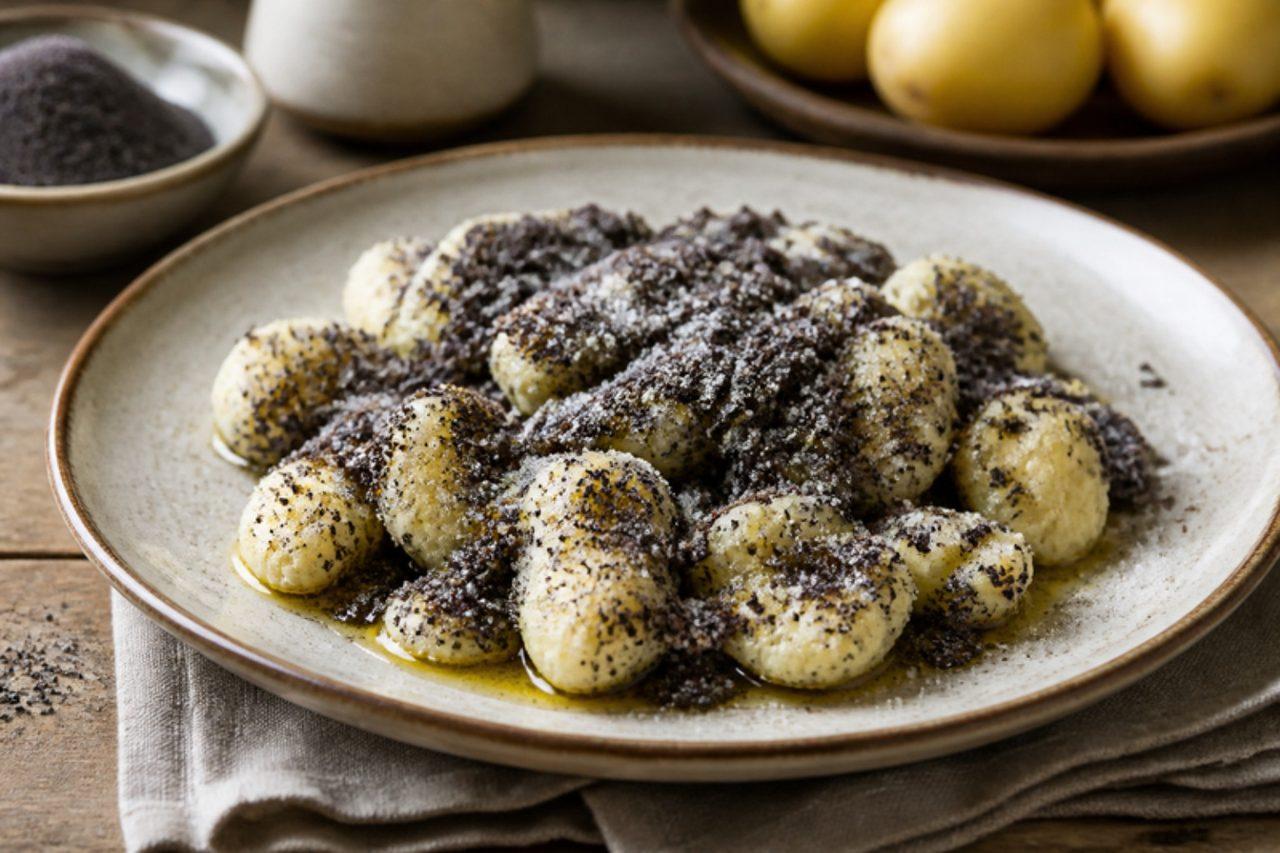
Škubánky (sometimes called šúlance or 'pulled ones') are what you get when a Bohemian farmhouse turns its potatoes into pudding. Potatoes and flour are steamed together in the same pot, mashed into a heavy, smooth dough, then torn into lumps with a spoon dipped in butter. They are rolled in ground poppy seed and sugar and doused with brown butter, and children in Czechia often eat them as a sweet main course on a weekday. They are soft and dense, with a nutty crunch from the poppy. The usual slip is lifting the lid while the flour steams, which leaves raw pockets of flour; keep it covered the whole time. Chef's tip: dip the spoon in hot melted butter before every scoop, and the lumps slide off clean and glossy.

by KrazyBadal 0 views

Zelňák

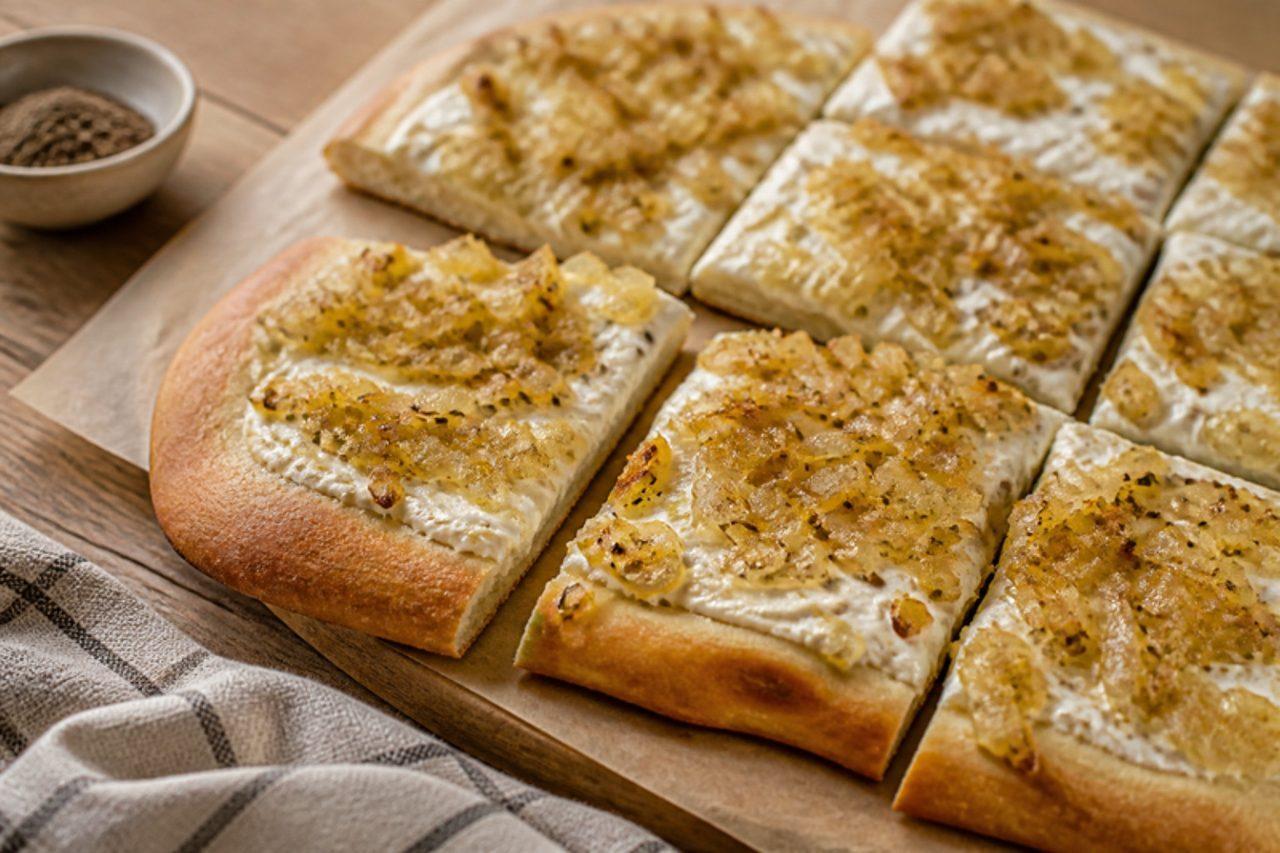
Out in the Moravian wine villages, when bread was baked in the communal oven, the last of the dough went into zelňák: a flat yeast base spread with sour cabbage and fried onion and baked until the edges blister. It is still sold in bakeries around Brno and Hodonín and eaten warm in slices with a glass of buttermilk or new wine. Old recipes fry the onion in lard or add crackling; this version uses oil and butter and is vegetarian. The topping is tangy, sweet from the onion and scented with caraway, over a soft, bready base. Where it often goes wrong is using wet sauerkraut straight from the jar, which turns the base soggy. Squeeze it well and fry it first. Chef's tip: a thin layer of sour cream under the cabbage keeps the base moist and stops the topping drying out.

120 minCzechBaking
by KrazyBadal 0 views

Cougnou

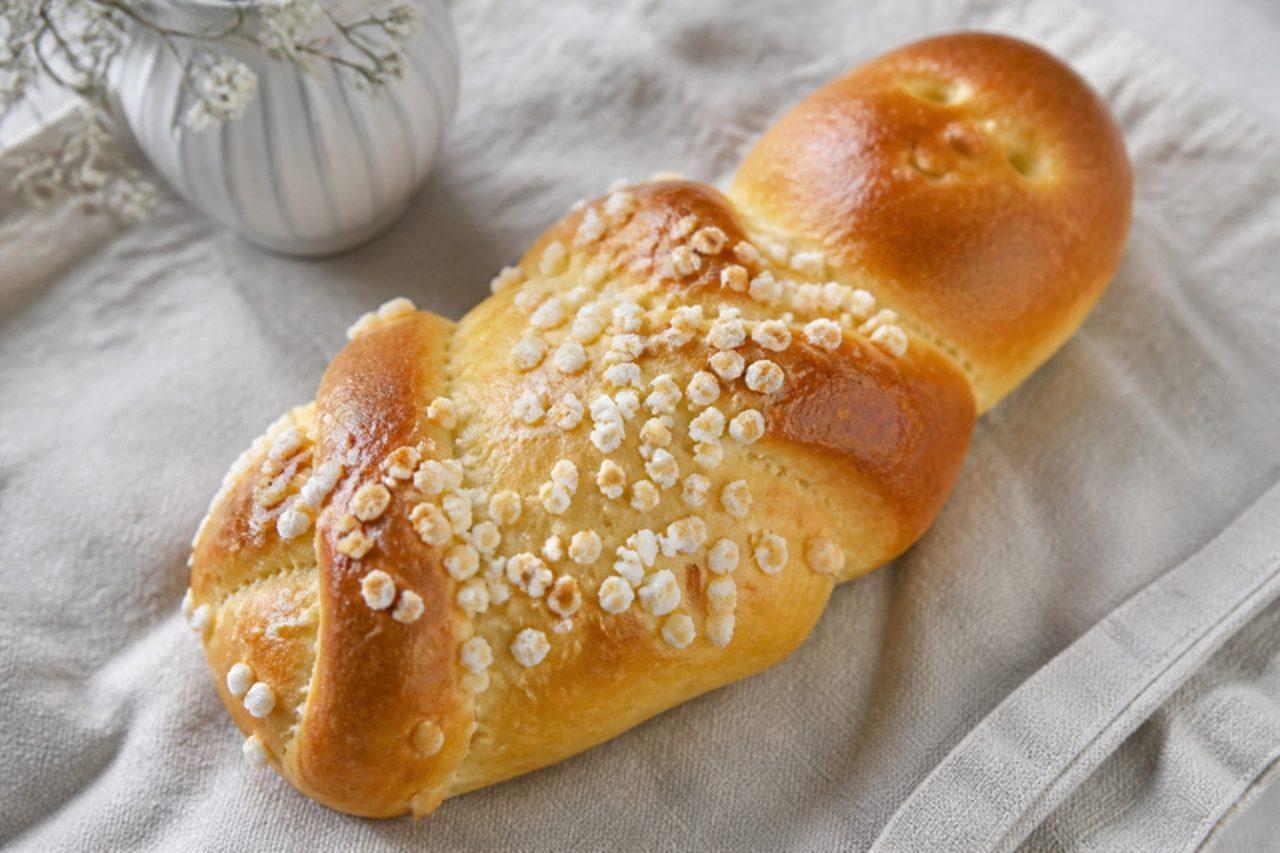
Cougnou, also called cougnolle or bommetje, is the Christmas bread of Wallonia, given to children on Christmas morning: a soft brioche shaped like the infant Jesus in swaddling clothes, with a little clay or sugar medallion pressed into the middle, eaten with hot chocolate. Bakeries in Namur and Charleroi make them from early December. A common mistake is shaping them too small, which dries them in the oven. Chef's tip: make three balls, one large for the body and two small for the head and feet, pressed together tightly so they bake as one.

by KrazyBadal 0 views

Čočka na kyselo

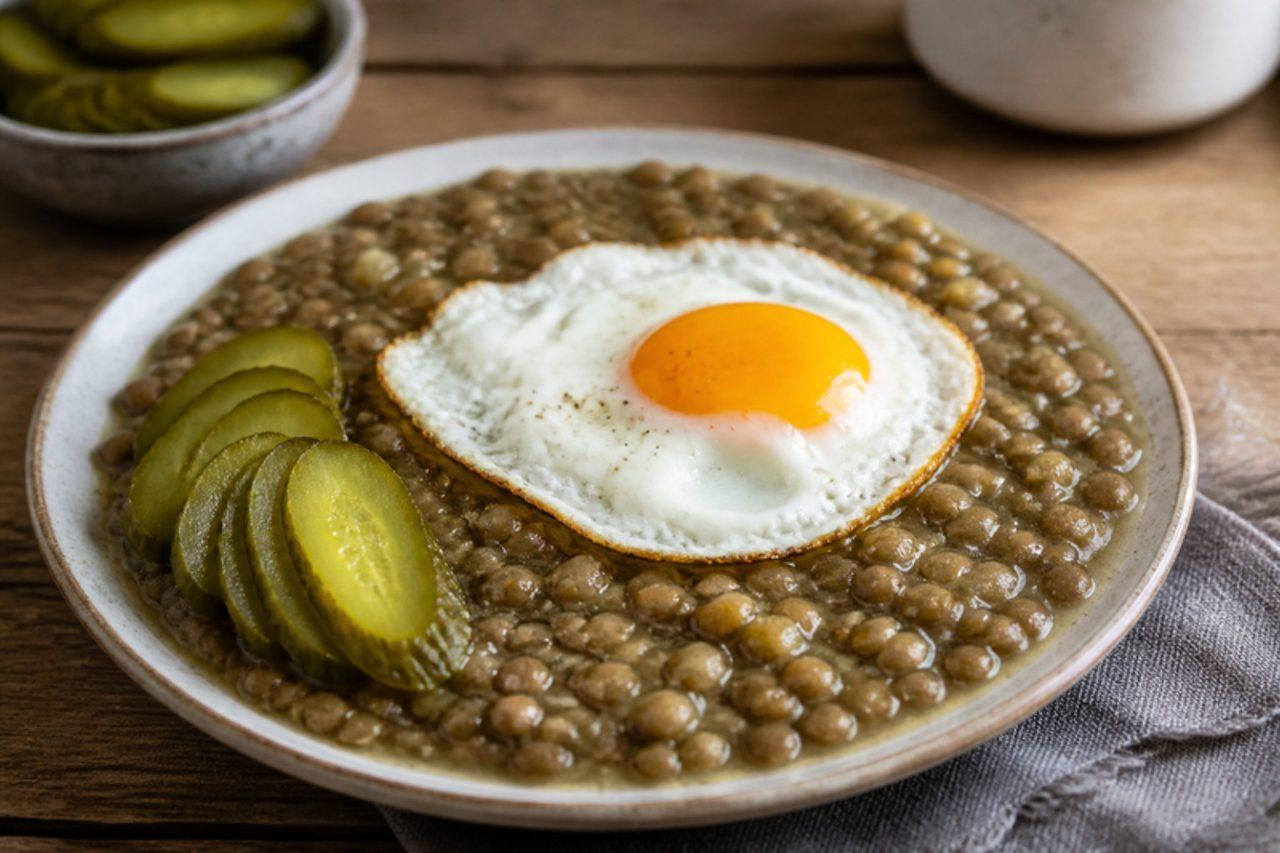
Brown lentils, a good splash of vinegar and a crisp-edged fried egg on top: čočka na kyselo is the Czech school-canteen and workers' lunch that people grow nostalgic about. Bohemian families also eat lentils around New Year, when the small round seeds stand for coins. The lentils are cooked soft, bound in a light roux with fried onion and finished sour and a touch sweet, then served with a sliced pickled gherkin and fresh bread. The texture should be spoonable, not soupy and not stiff. Where most cooks slip up is adding the vinegar too early: acid keeps lentils firm, so they stay hard however long you cook them. Season at the end instead. Chef's tip: a teaspoon of mustard stirred in with the vinegar rounds out the sourness without making it taste of mustard.

by KrazyBadal 0 views

Koprovka

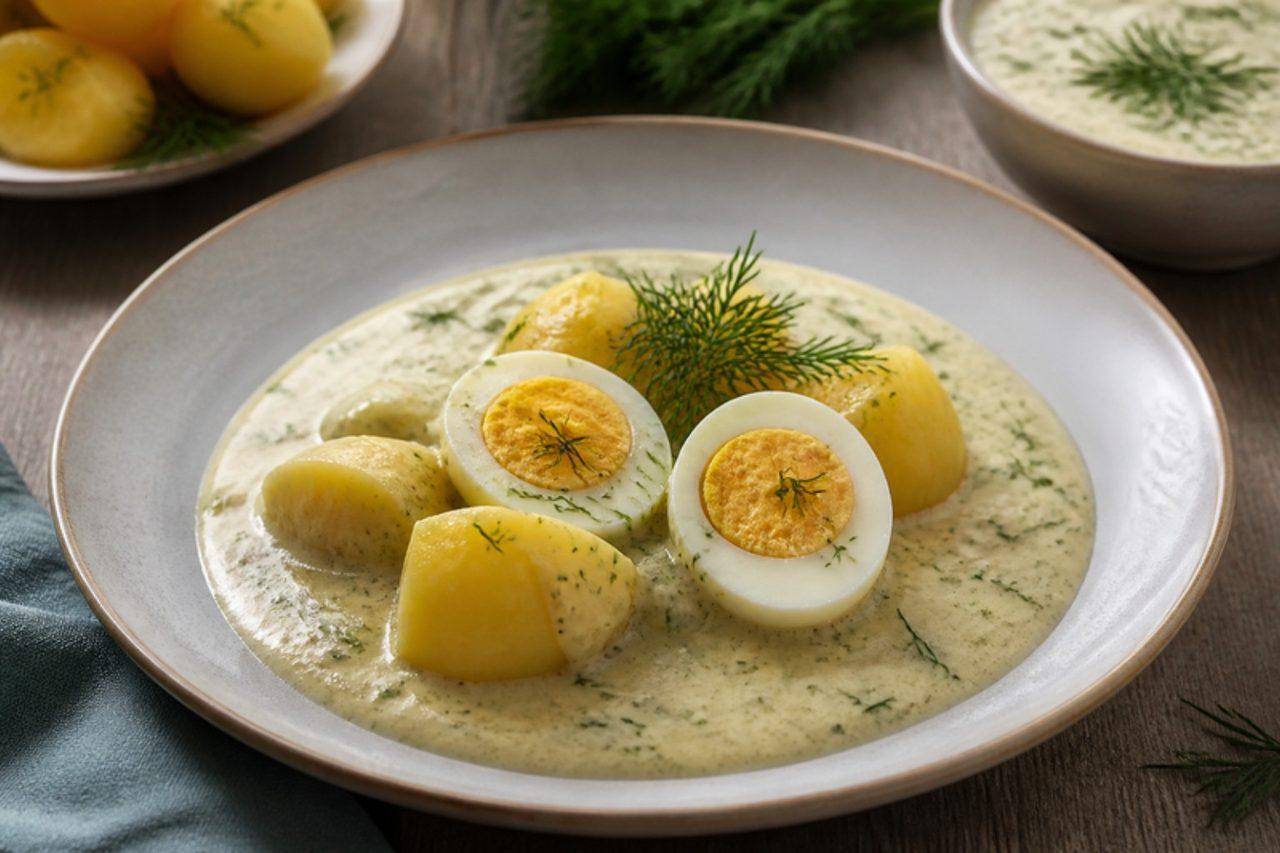
Summer in a Czech garden means dill gone wild between the cucumbers, and koprovka is where most of it ends up. This pale green, gently sour cream sauce is a staple of Bohemian home cooking and of workplace canteens, where it is served over boiled potatoes with halved hard-boiled eggs (or with bread dumplings). It should be smooth, silky and only lightly thick, balanced between cream, a little vinegar and a pinch of sugar. Where it usually goes wrong is boiling the dill: it turns grey and loses its fresh smell, so stir it in at the end, off the heat. Chef's tip: keep the dill stalks, chop them very finely and simmer them in the sauce, then add the soft fronds at the end for a double hit of flavour.

by KrazyBadal 0 views

Kmínová polévka

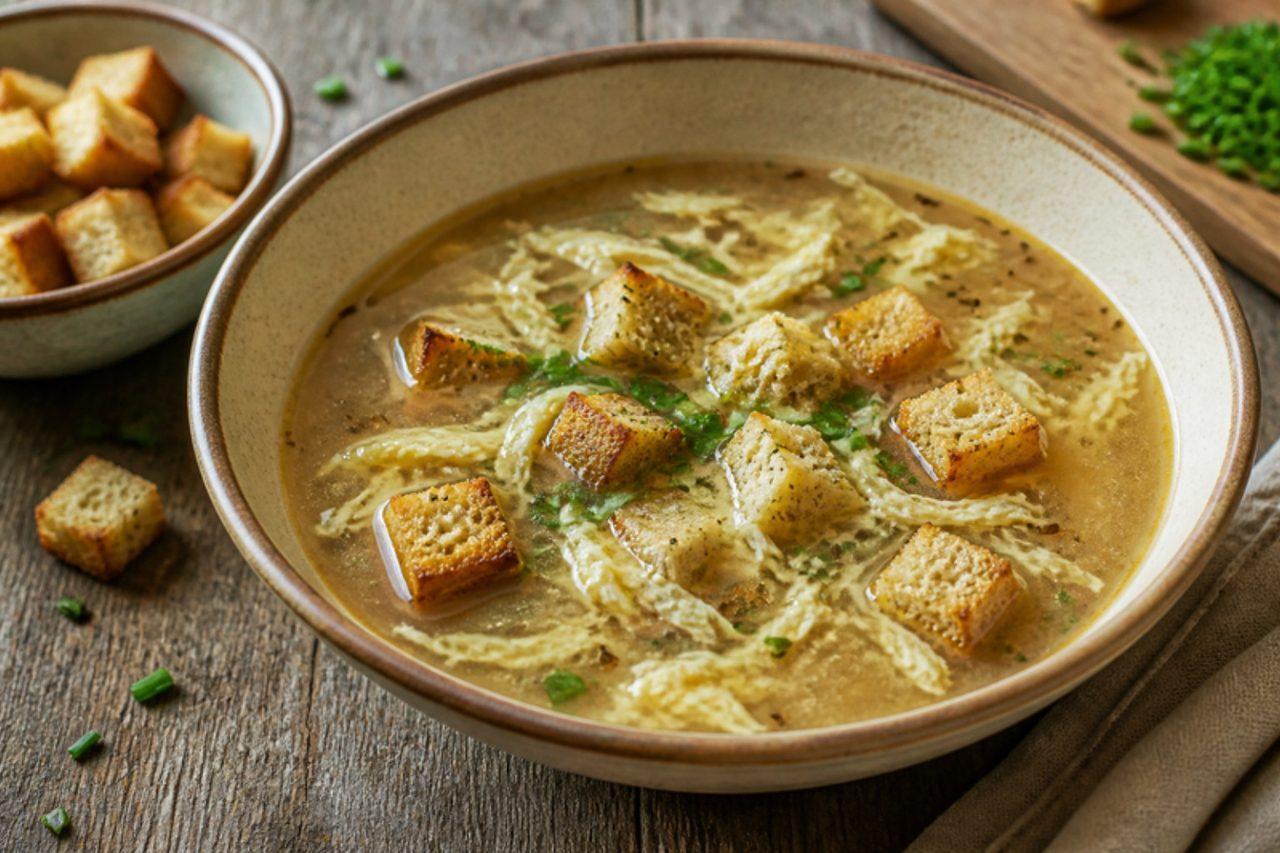
Few soups are as cheap or as old as this one. Kmínová polévka was the Bohemian peasant's breakfast long before coffee arrived, and Czech mothers still make it for an upset stomach or a hangover. The roux is cooked until it smells of toasted hazelnuts, the caraway is fried in butter until it pops, and the hot soup is poured straight onto crunchy toasted bread so it softens at the edges. Where most people go wrong is taking the roux off the heat while it is still pale: you get a floury, raw-tasting soup instead of a nutty one. A beaten egg trickled in at the end makes it more filling. Chef's tip: crush half the caraway in a mortar first, so the flavour spreads through the broth while the whole seeds give little bursts.

25 minCzechSoups
by KrazyBadal 0 views

Jamaican coconut drops

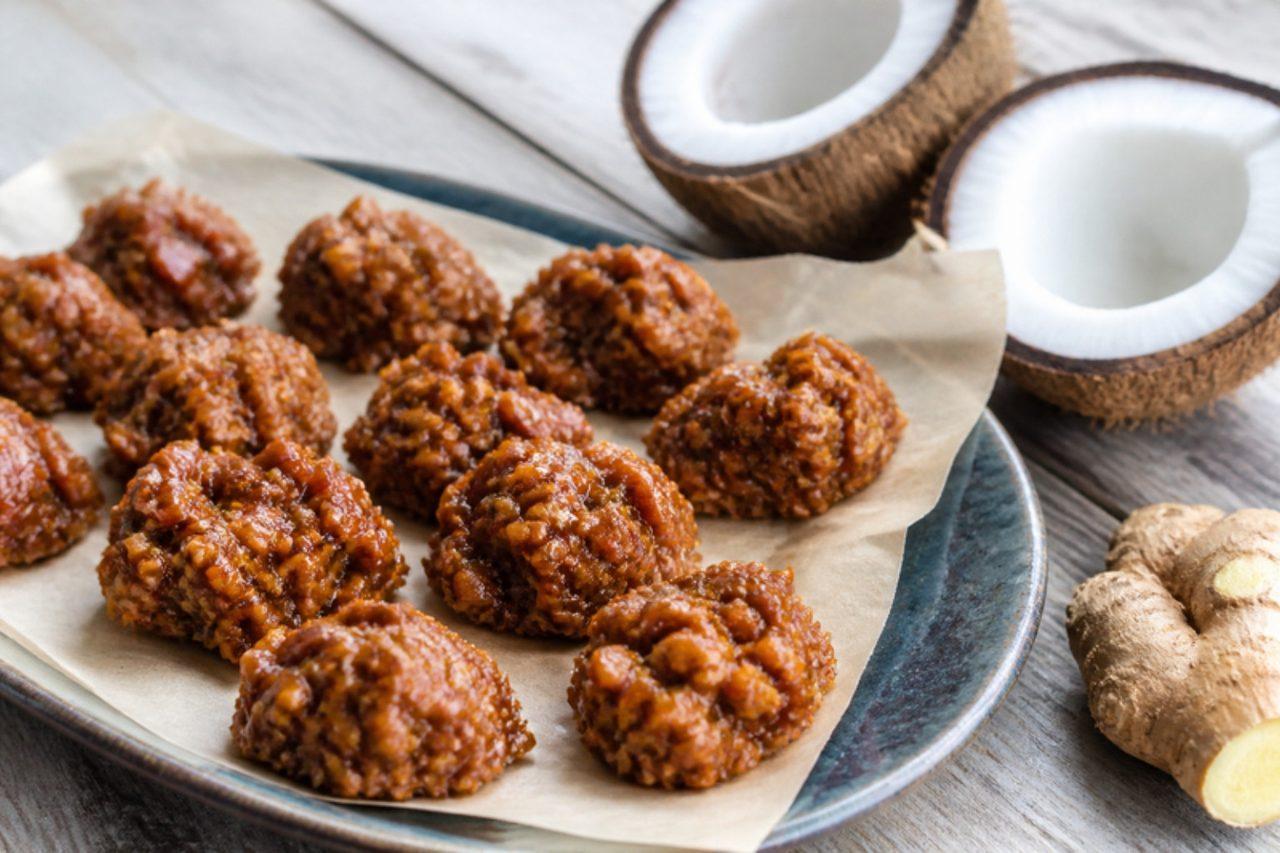
Coconut drops are the lumpy brown clusters sold beside grater cake at Jamaican roadside stalls and markets from Ocho Rios to Mandeville, made with coconut cut into small dice rather than grated, so every bite is chewy. Brown sugar and fresh ginger boil down around the coconut into a sticky, toffee-like glaze. The most common mistake is stopping before the syrup is thick enough, which leaves the drops wet and runny; it must coat the spoon heavily. Chef's tip: dice the coconut very small and even, about 5 mm, so the drops hold together.

by KrazyBadal 0 views

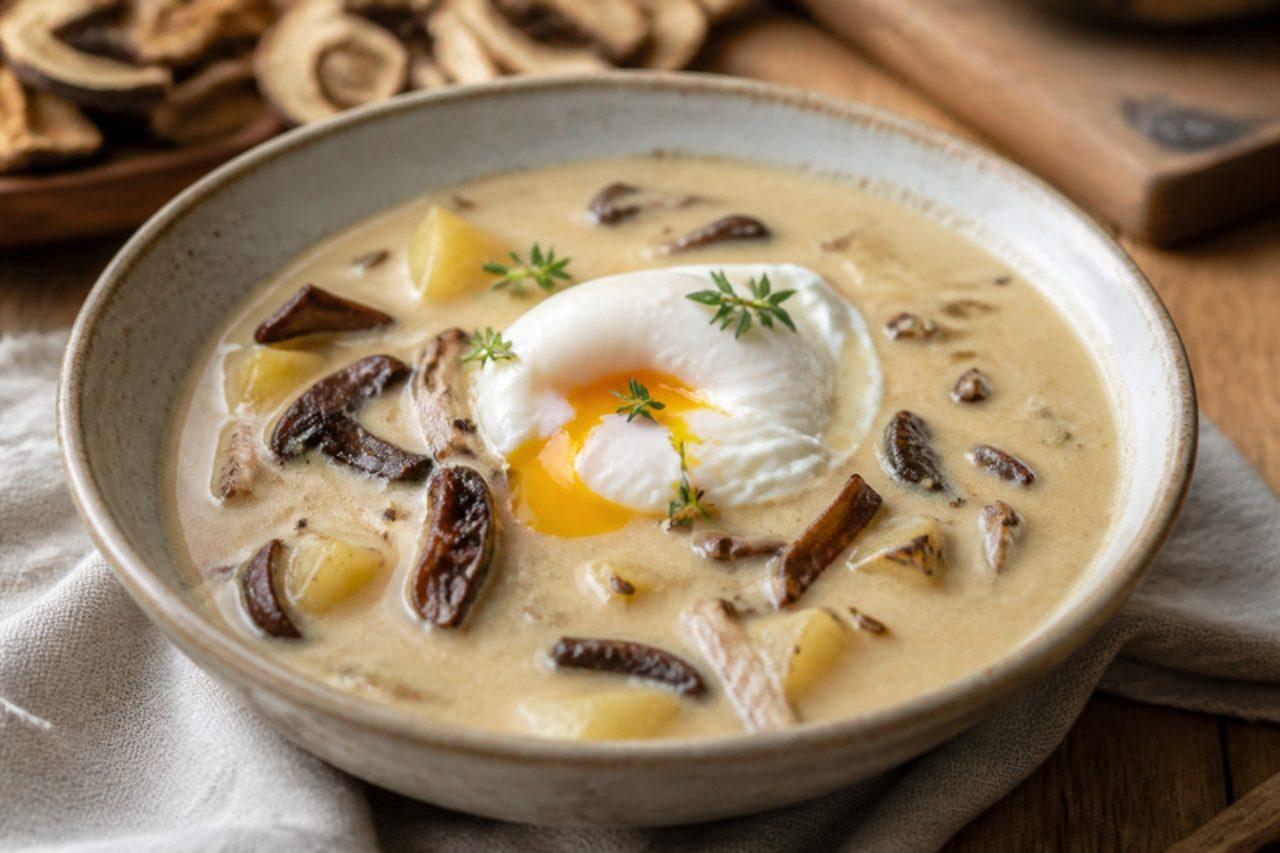
Houbový kuba

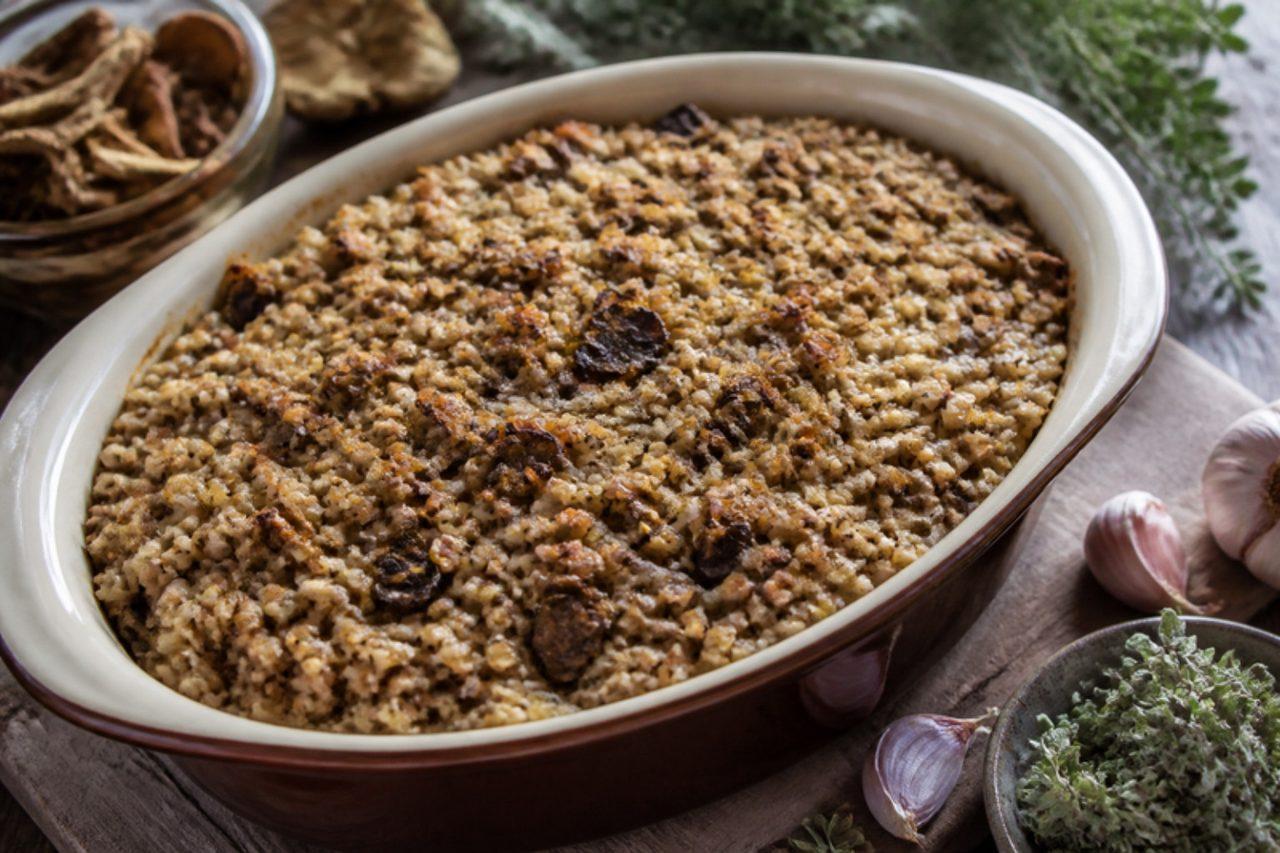
On Štědrý den, the Czech Christmas Eve, many families kept a meat-free fast until the evening carp, and houbový kuba was what filled the gap at lunch. Village cooks in Bohemia baked pearl barley with mushrooms picked and dried in autumn, plenty of garlic and marjoram, until the top went crunchy. The inside stays moist and chewy, almost like a mushroom risotto, while the edges crisp. It used to be made with lard; this version uses oil and is fully plant-based. Serve it on its own with sauerkraut or a sharp pickled salad, or as a side to roast vegetables. A common mistake is boiling the barley until soft right through, which turns the bake to paste; it should still have a little bite before it goes in the oven. Chef's tip: save the mushroom soaking water and cook the barley in it, for flavour all the way through.

by KrazyBadal 0 views

Smažený květák

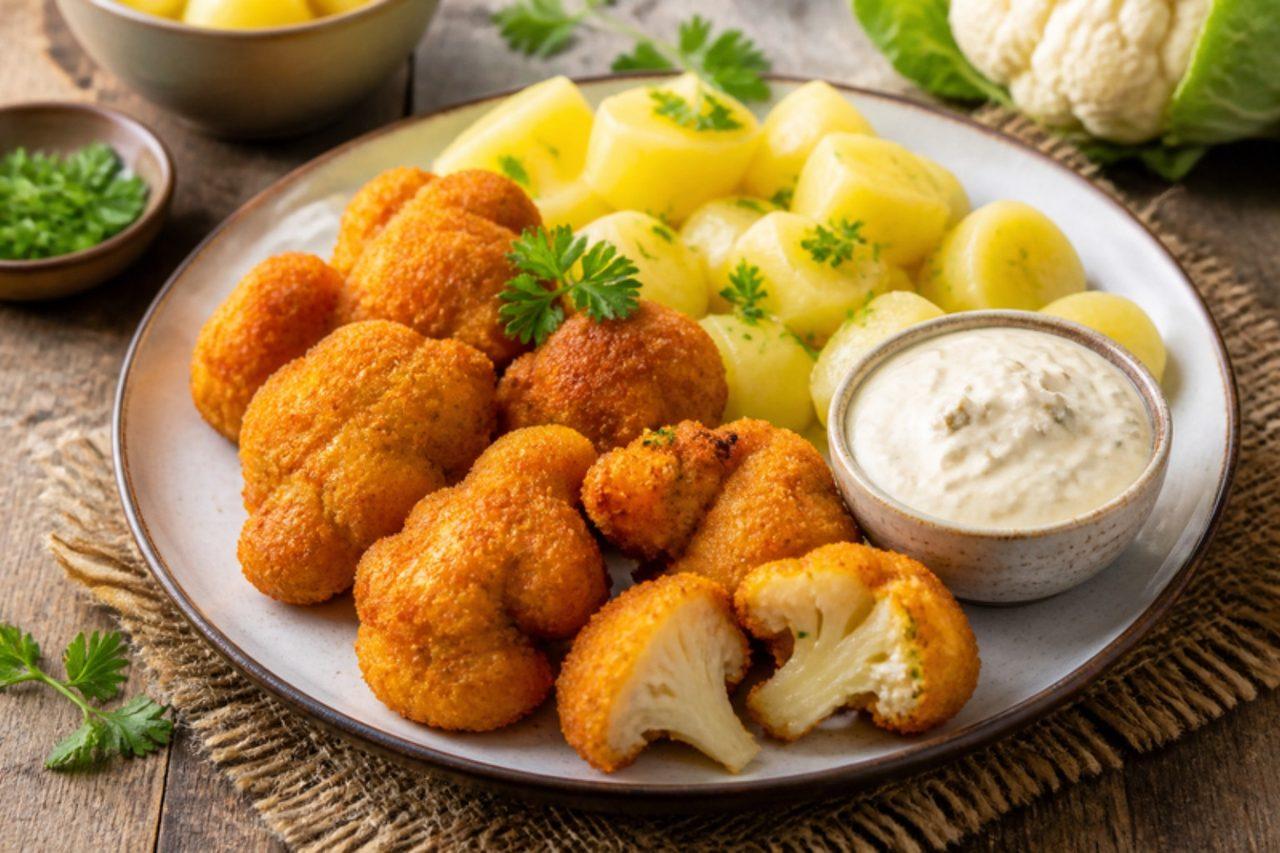
Order a vegetarian meal in a Czech pub and there is a fair chance you will get smažený květák: fat cauliflower florets in a crunchy breadcrumb coat, with buttery parsley potatoes and a dollop of tatarka, the pickle-studded tartar sauce. Children love it, and many families in Bohemia make it on Fridays. The florets are blanched first so the inside is tender and sweet under the crust. Where most people go wrong is breading wet cauliflower: the coating slips off in the oil. Dry the florets well on a towel and let them cool before you dip them. Chef's tip: press the crumbs on firmly with your palm, then rest the breaded florets for 10 minutes so the coat sets and fries up evenly.

by KrazyBadal 0 views

Olomoucké tvarůžky

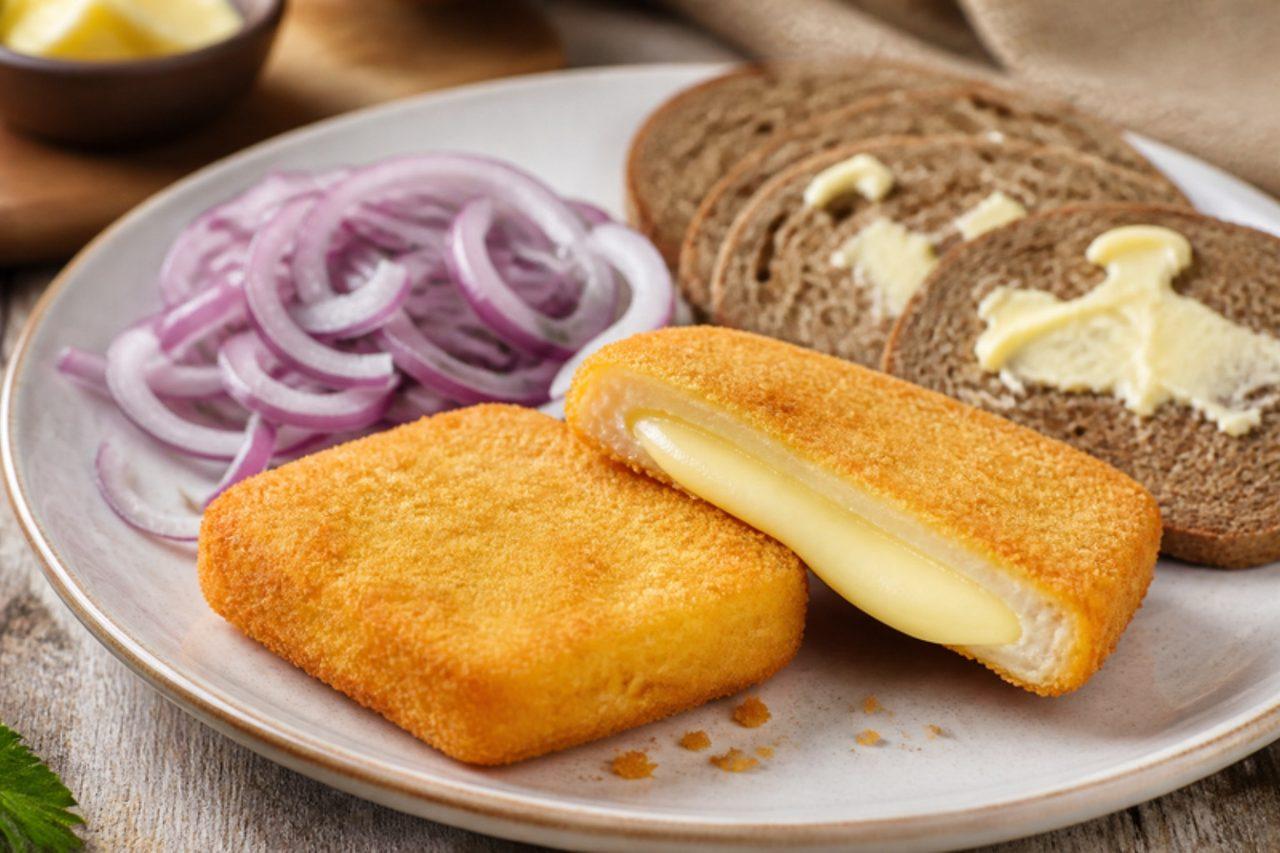
Few foods divide Czechs like Olomoucké tvarůžky, the little golden rounds of ripened quark from Loštice near Olomouc in Moravia. Their smell is famously strong, but the flavour is savoury, salty and surprisingly mild once cooked. Pubs across Moravia serve them breaded and fried, the outside crisp and the inside oozing, with raw red onion and buttered rye bread, and a cold beer for those who drink. Tvarůžky are made from acid-set quark and are usually free of animal rennet, but check the label if it matters to you. The usual mistake is frying them too long: after a minute the cheese bursts out of its crust and the pan fills with molten cheese. Chef's tip: chill the breaded cheeses in the fridge for 10 minutes before frying, and fry them hot and fast.

by KrazyBadal 0 views

Kama

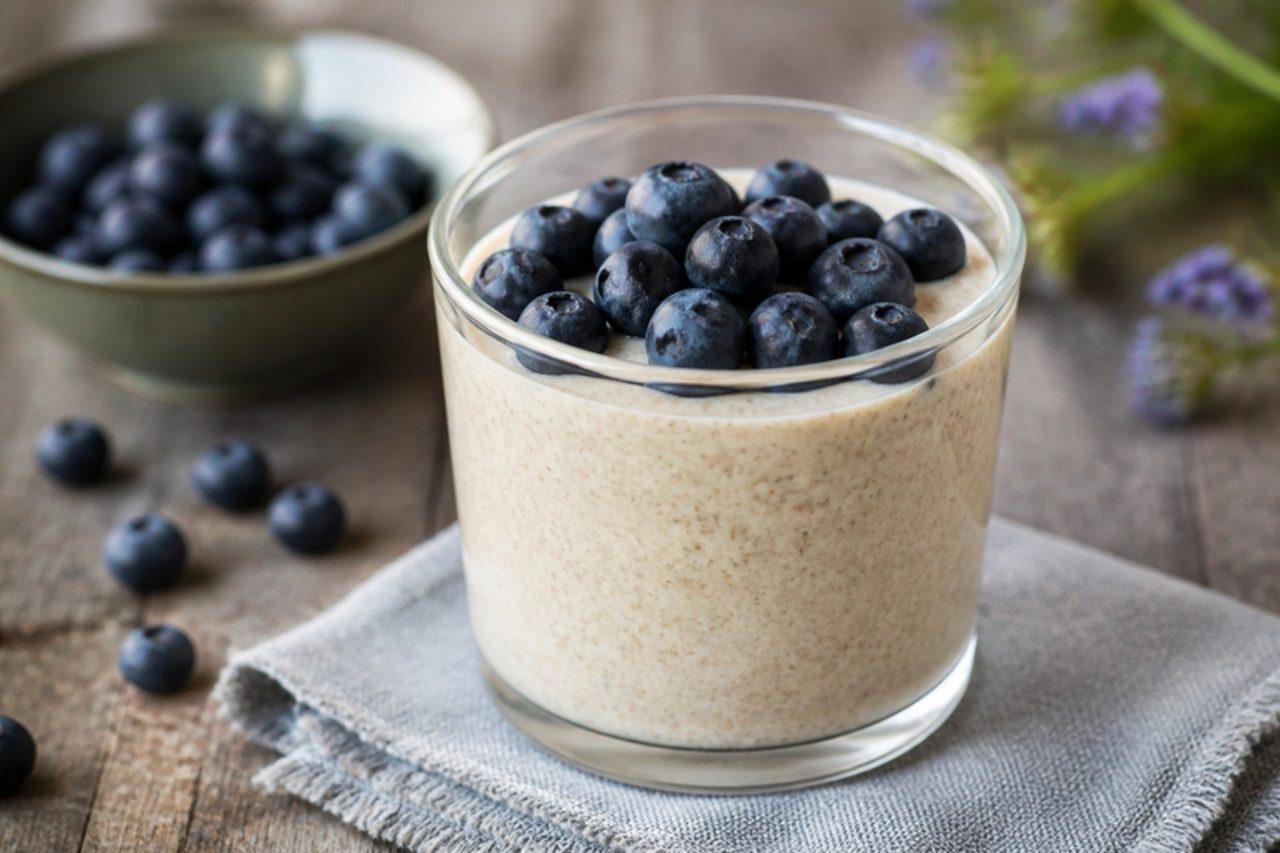
Kama is a uniquely Estonian food: a fine flour of roasted barley, rye, oats and peas, sold in every Tallinn supermarket, stirred into kefir, buttermilk or yogurt with a little sugar or honey and berries. It was once farmers' food for the fields; today it is a fast, filling breakfast and the flavour of Estonian ice creams and sweets. If you can't find kama, roast equal parts barley, rye and oat flour with a little pea flour in a dry pan until nutty. A common mistake is eating it at once; give it a few minutes to thicken. Chef's tip: stir in the kama, leave for 5 minutes, then add the berries, so it thickens like a mousse.

by KrazyBadal 0 views

Red caviar butterbrods

When the Soviet festive table had one luxury, this was it: little slices of white bread, thick with cold butter and topped with glistening orange salmon roe, set out for New Year's Eve, birthdays and the first course of a wedding. The pleasure is in the textures, the bead-like eggs bursting with a salty sea taste against sweet butter and soft bread. Salmon roe is salted and cured, not cooked: buy pasteurised roe in a chilled jar or tin from a good fishmonger, keep it in the fridge and eat it the day it is opened; it is not for pregnant women, young children or anyone with a weakened immune system. A common mistake is spreading the butter thin; you need a proper layer to anchor the roe. Chef's tip: spoon the roe with a plastic or bone spoon rather than metal, and add it at the last minute so it stays plump.

by KrazyBadal 0 views

Kholodets

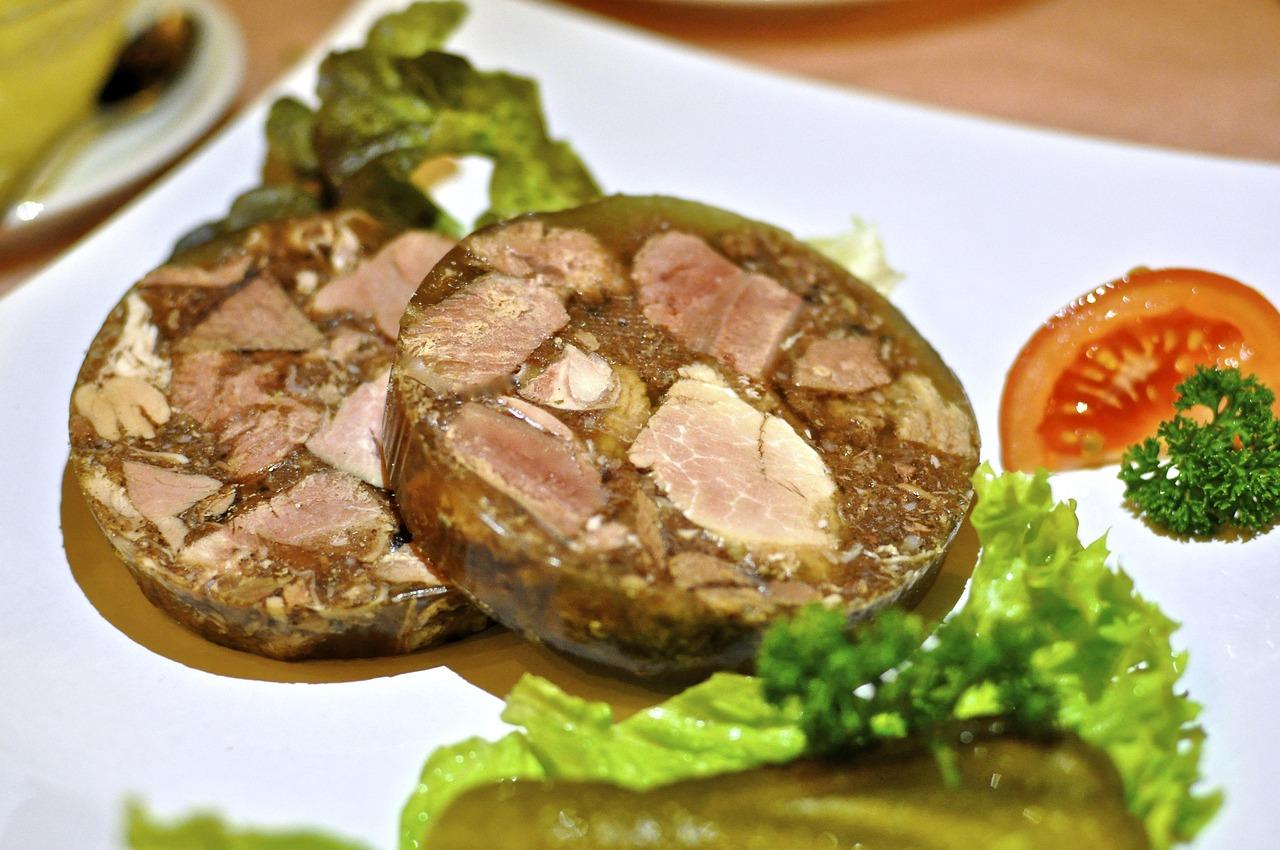
Kholodets is winter food, made in big batches before New Year and Orthodox Christmas when the cold balcony doubles as a fridge. Pork trotters and beef shin are simmered for hours until the broth is rich enough to set on its own, no added setting agent; the meat is shredded, layered with garlic and covered with the strained stock to set into a trembling, clear jelly. It is eaten cold, cut into squares, with sharp horseradish and mustard and hot boiled potatoes. This dish uses pork (trotters and knuckle) as well as beef. Where most people go wrong is letting the pot boil hard, which makes the jelly cloudy and greasy. Chef's tip: spoon a little broth onto a cold saucer after 5 hours; if it sets firm in the fridge in 15 minutes, the stock is ready.

480 minRussianMeatGluten free
by KrazyBadal 0 views

Seledka pod shuboi

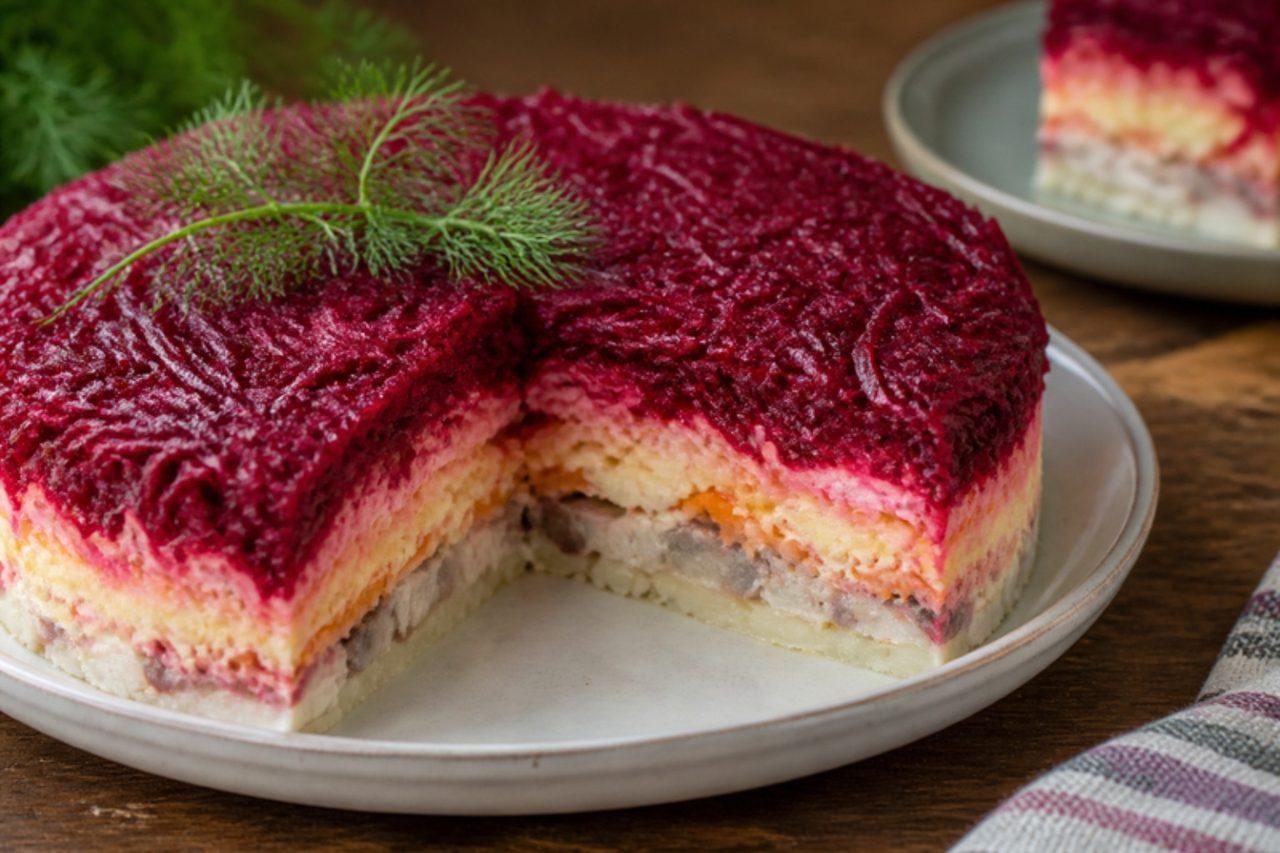
No New Year's Eve table in Russia is complete without this magenta-topped salad, made on the 31st of December and left overnight so the layers settle and turn soft and creamy. Salted herring sits at the bottom under onion, then potato, carrot, egg and finally grated beetroot, each coat spread with mayonnaise; the herring's salt seeps up through the vegetables. Herring here is cured, not cooked: use ready-salted fillets bought chilled from a good fishmonger or deli (made from previously frozen fish), keep everything in the fridge, and note it is not for pregnant women, young children or anyone with a weakened immune system. Use shop-bought mayonnaise, which is made with pasteurised egg. Where most people go wrong is grating the vegetables while warm, they turn to mush. Chef's tip: grate the beetroot last and squeeze it lightly so the top stays bright without bleeding everywhere.

by KrazyBadal 0 views

Pinaattiletut

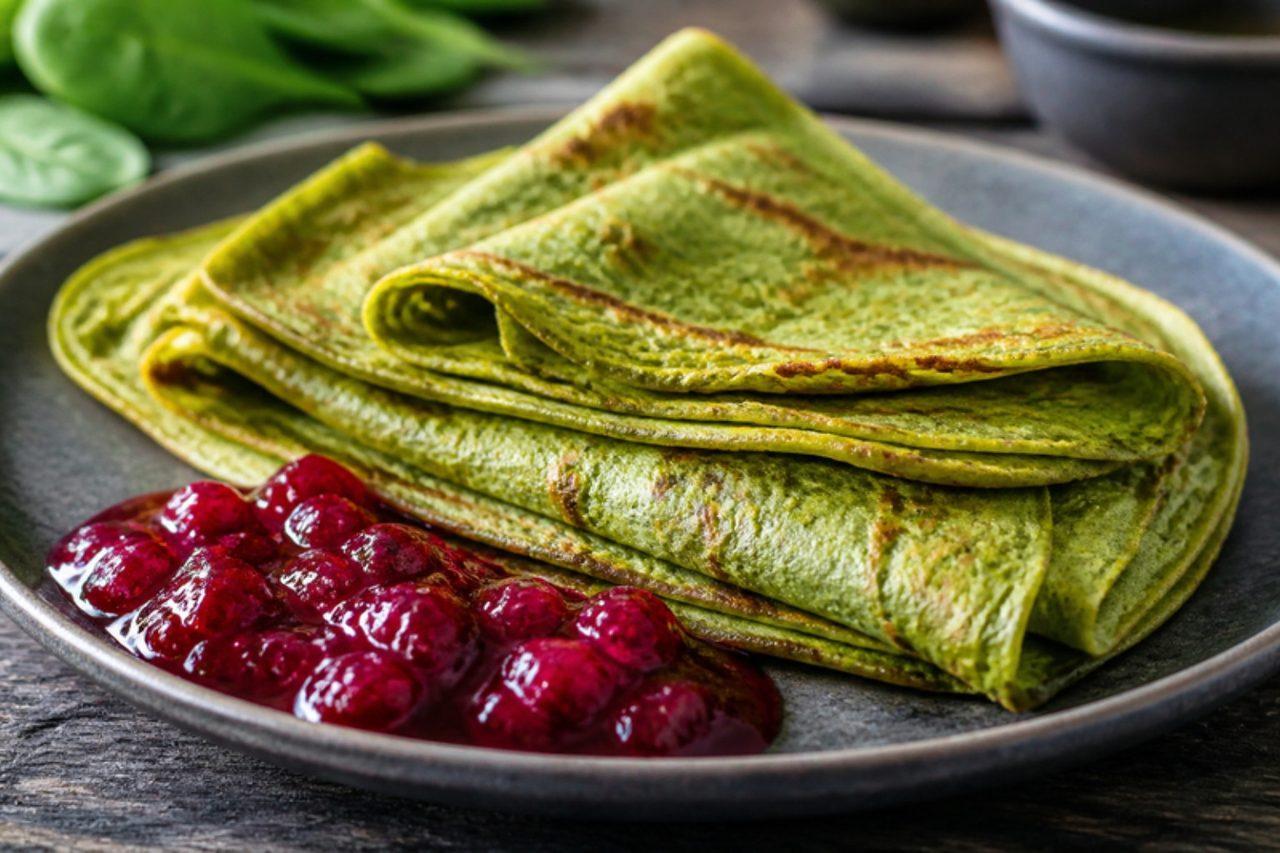
Pinaattiletut are thin, bright green spinach pancakes that every Finn remembers from school lunches, served in stacks with a spoon of lingonberry jam on the side; at home they are a quick, cheap family supper, and children like them more than they will admit. A common mistake is using fresh wet spinach without squeezing it, which makes the batter thin and the pancakes tear. Chef's tip: rest the batter for 30 minutes, so the flour swells and the pancakes flip without breaking.

by KrazyBadal 0 views

Mimosa salad

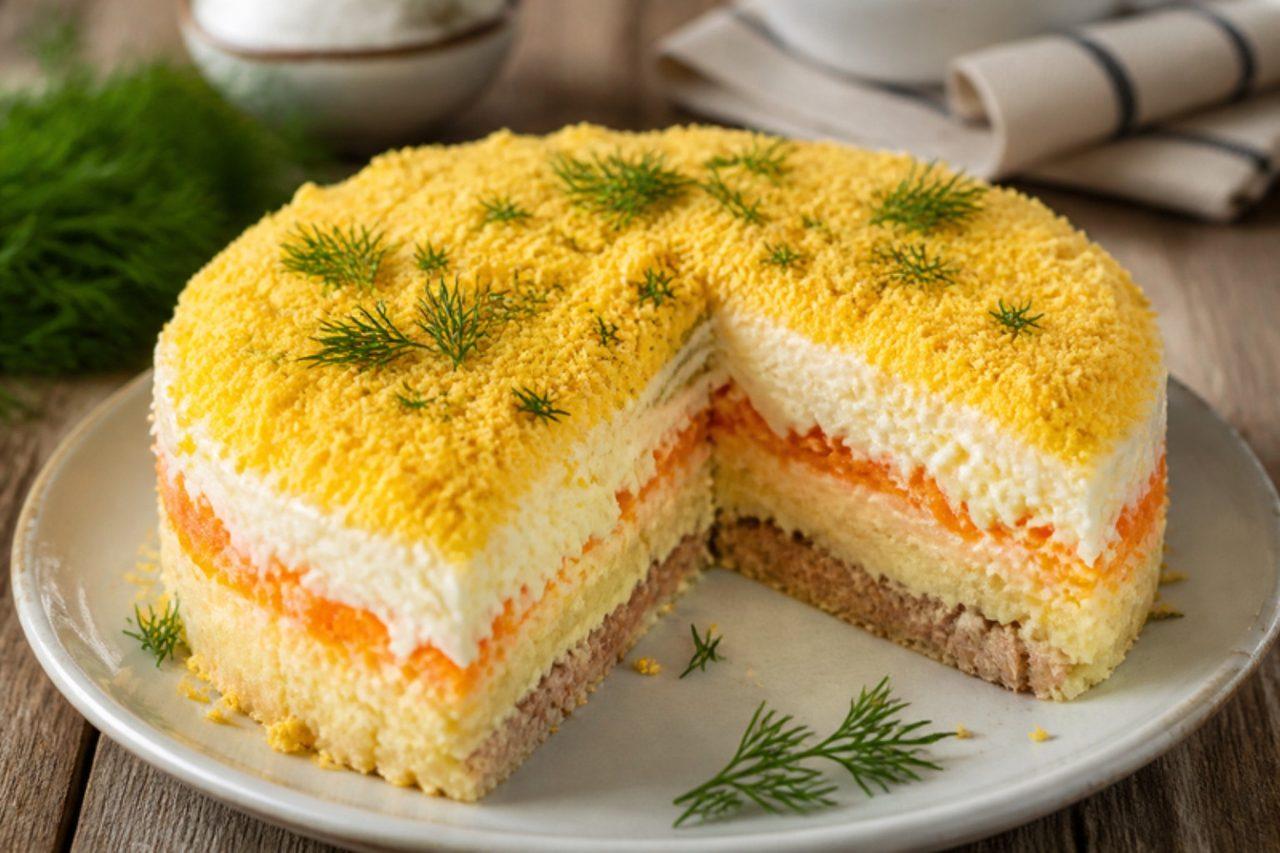
Named for the fluffy yellow mimosa flowers sold on every Moscow street corner for Women's Day on 8 March, this Soviet-era party salad is crowned with a snowfall of grated egg yolk. Underneath are layers of tinned salmon or saury, potato, carrot, onion and egg white, each with a little mayonnaise, so a spoonful is soft, rich and gently fishy. It is made ahead for birthdays and holidays and served chilled. Use shop-bought mayonnaise, which is made with pasteurised egg. A common mistake is mashing the fish with all its oil, which makes the bottom layer soggy. Chef's tip: grate the yolk straight over the salad at the very end, on the finest side of the grater, for the fluffiest flowers.

by KrazyBadal 0 views

Bramboračka

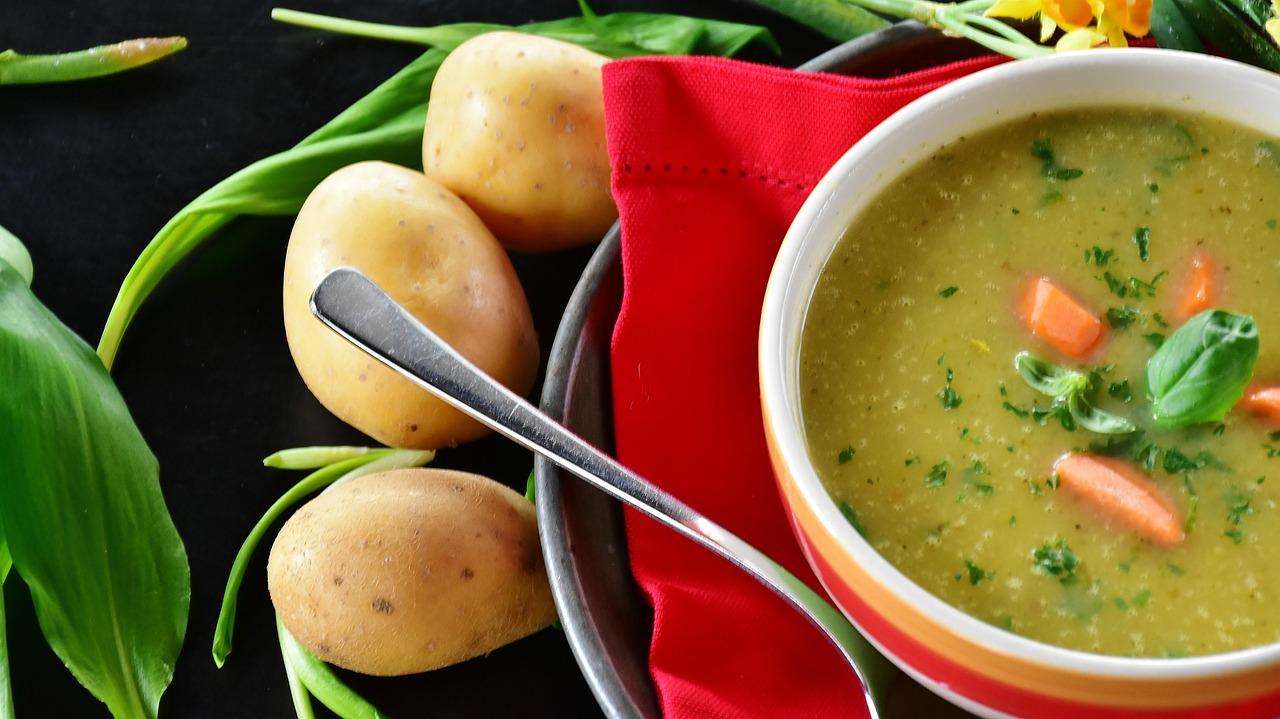
Ask anyone from Bohemia what their grandmother cooked on a cold Saturday and bramboračka comes up first: a thick, earthy potato soup that smells of dried porcini, caraway and marjoram. It is a fixture of pub lunch menus and mountain chalets, ladled out with a slice of dark rye bread. Floury potatoes break down at the edges and thicken the broth, while carrot, parsley root and celeriac add sweetness under the woodland flavour of the mushrooms. This version is fully plant-based, with the roux made in oil. A common mistake is adding the marjoram and garlic at the start, where long boiling dulls them; they go in at the very end, off the heat. Chef's tip: rub the dried marjoram between your palms over the pot to wake up its oils before it drops in.

50 minCzechSoupsVegan
by KrazyBadal 0 views

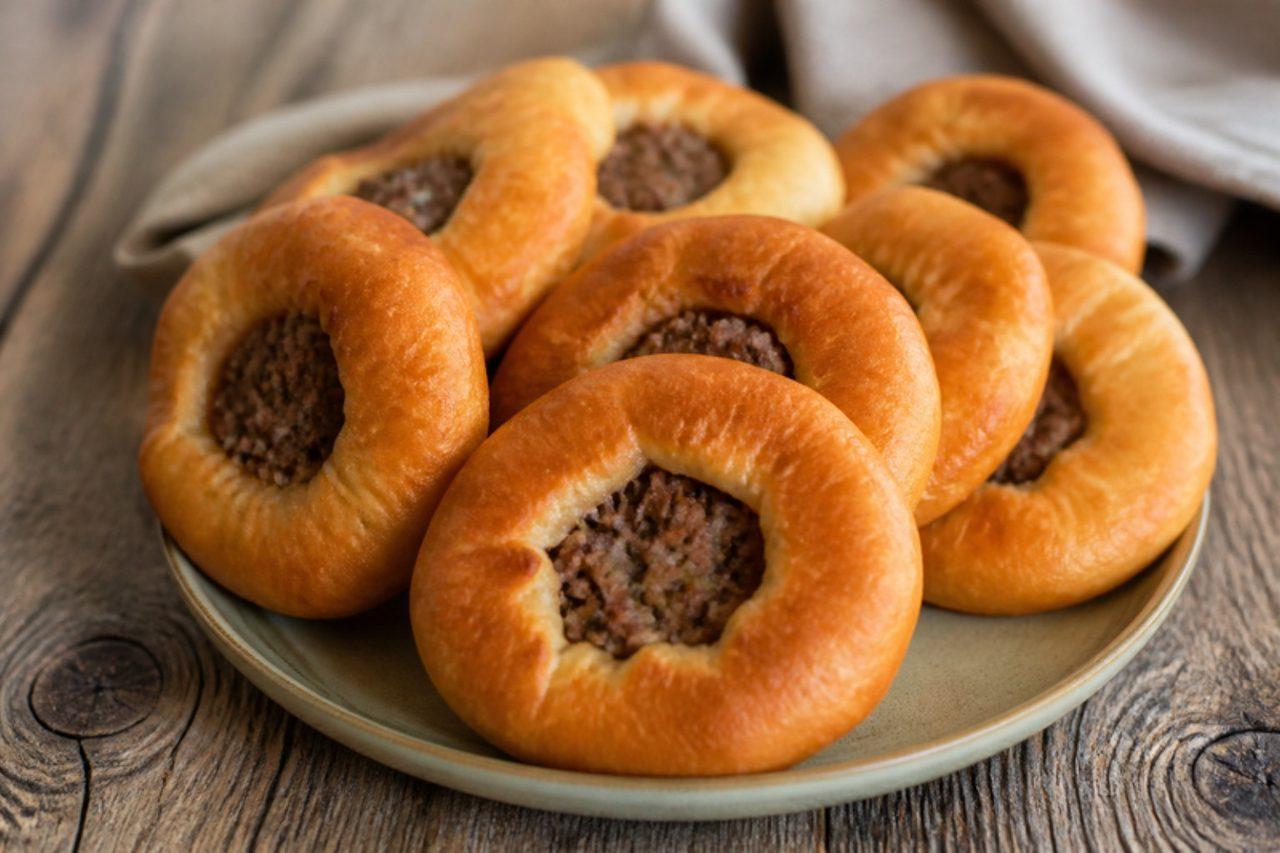
Fyddzhyn

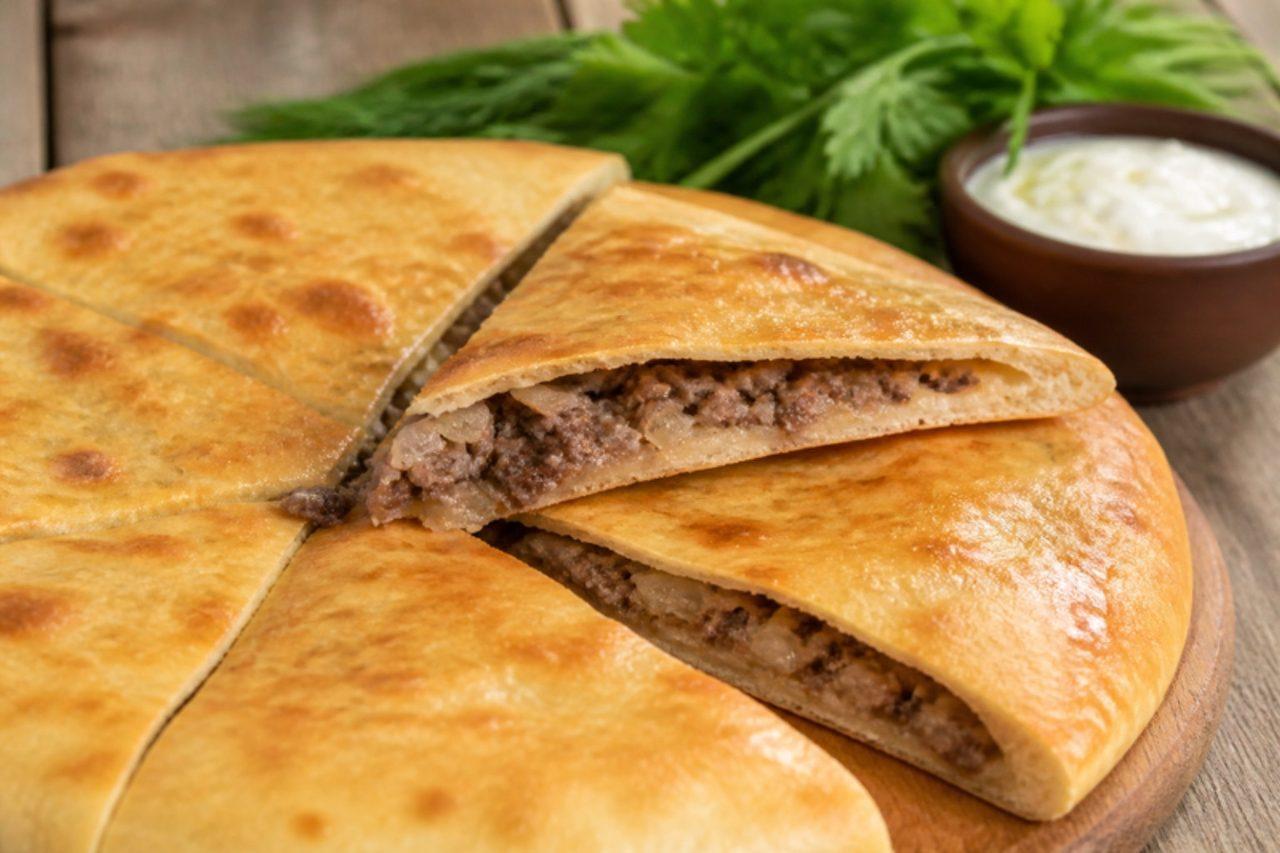
In North Ossetia, pies come in threes, for the sun, earth and sky, and the meat pie in that stack is fyddzhyn: a thin, soft yeast crust wrapped around juicy minced beef, onion, garlic and a little chilli, with a small hole in the middle to let out steam. The Ossetian people serve it at every family gathering and feast, hot and dripping with butter brushed on as it leaves the oven, cut into wedges and eaten with the hands. A common mistake is rolling the crust thick; good fyddzhyn is all filling and the dough should be barely 4 mm. Chef's tip: add a few spoons of cold stock to the mince; it turns to steam in the oven and keeps the filling juicy.

105 minRussianMeat
by KrazyBadal 0 views

Kurze

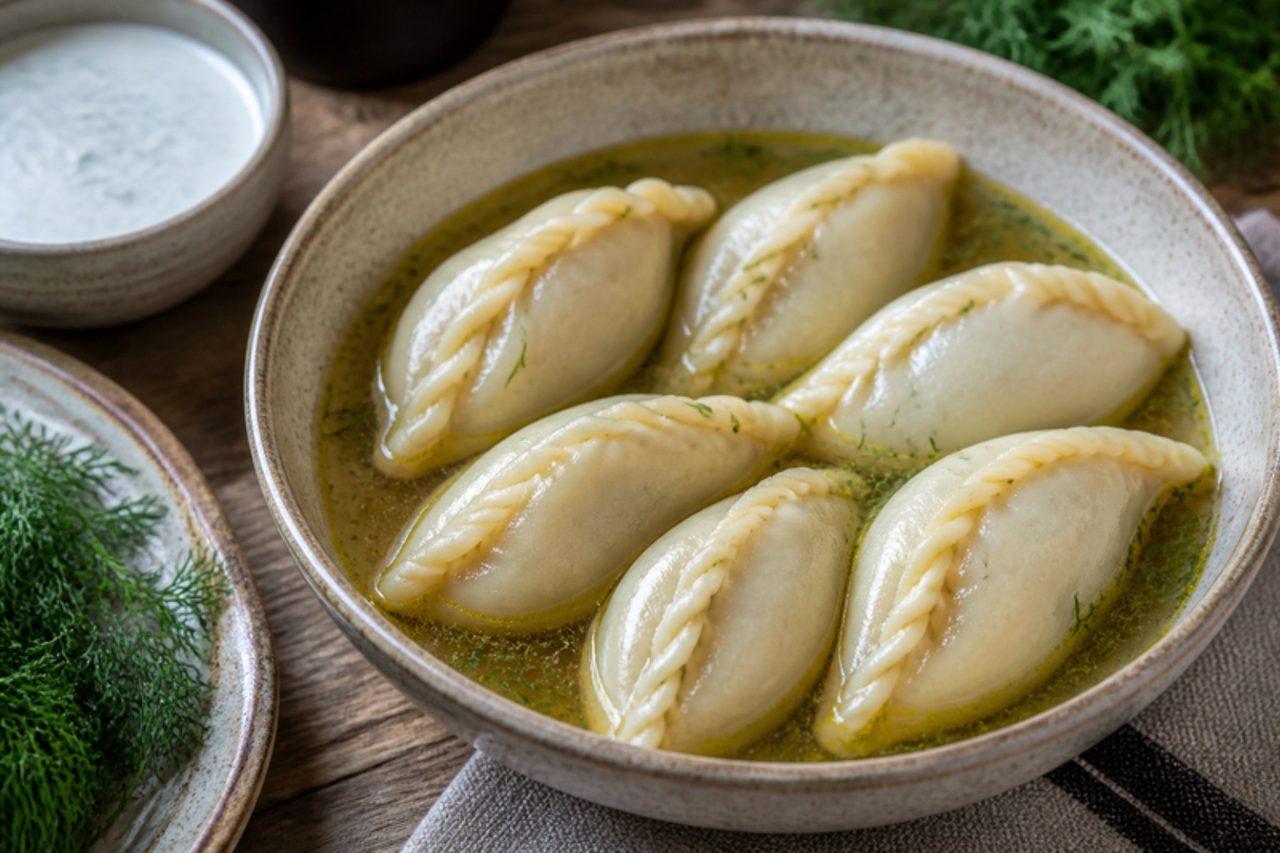
Every mountain people of Dagestan, Avars, Laks and Dargins among them, has its own kurze, but all share the beautiful plaited seam that runs along each teardrop dumpling like a braid. The lamb filling is chopped with plenty of onion and a little fat, then the dumplings are boiled and served in their broth with a sharp garlic and tomato dressing. In mountain villages they are made in big batches for guests, and in summer the same dough is filled with pumpkin or young nettles. The usual slip is overfilling, which makes the pleats burst in the pot. Chef's tip: practise the plait on a few pieces without filling first; once your fingers know the rhythm it goes quickly.

105 minRussianMeat
by KrazyBadal 0 views

Smoked omul

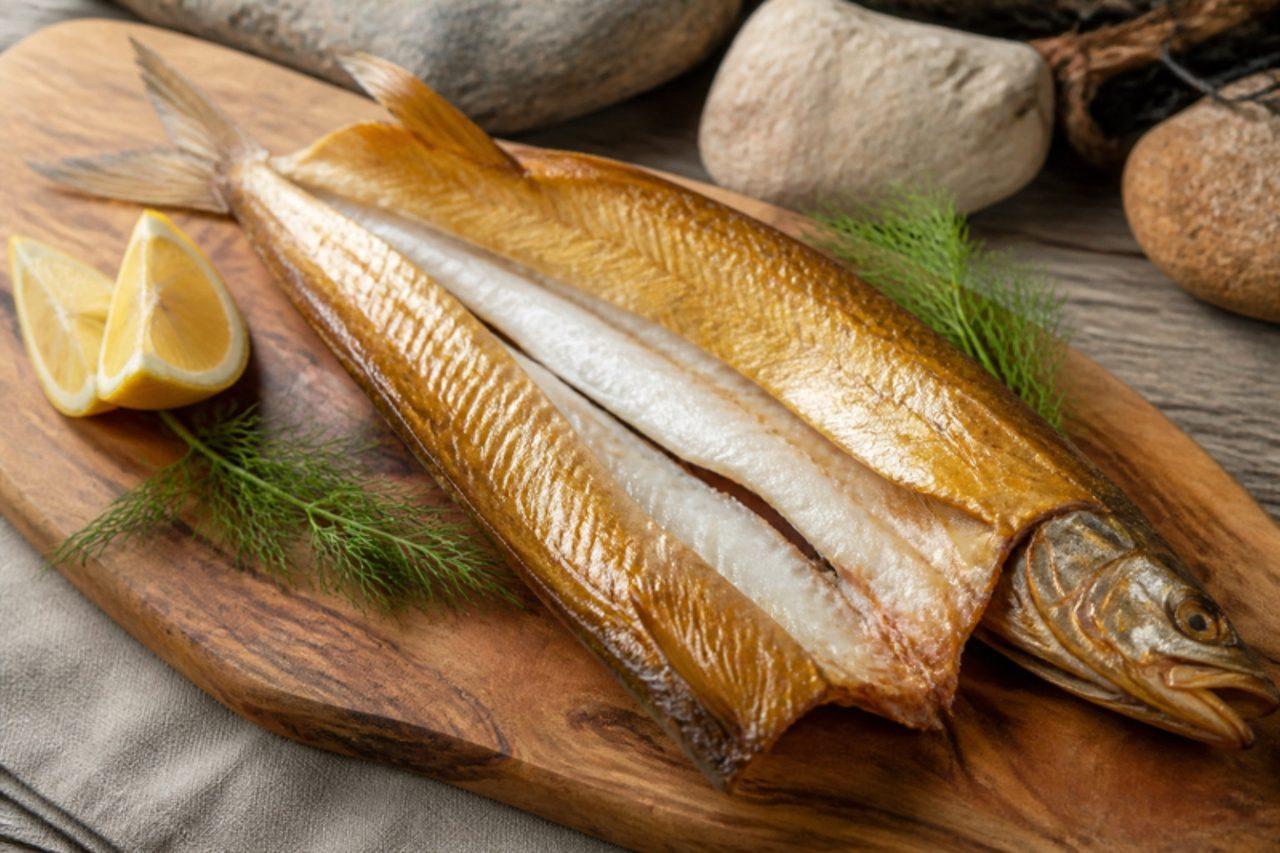
On the shingle beaches of Listvyanka, at the edge of Lake Baikal, women sell omul still warm from the smoke, the fish split open, threaded onto alder sticks and set around a fire until the skin turns bronze and the flesh pulls away in moist, salty flakes. Omul lives only in Baikal, so at home use small whitefish, trout or mackerel, gutted and split. A short brine in the fridge seasons the fish, then it is hot-smoked in a kettle barbecue or a lidded smoker until cooked right through. Serve it warm or cold with boiled potatoes, black bread and spring onions. The usual slip is smoking over flames rather than smouldering chips, which chars the skin before the inside is done. Chef's tip: let the brined fish dry in the fridge, uncovered, for an hour: the tacky surface takes the smoke far better.

120 minRussianFishGluten free
by KrazyBadal 0 views

Stroganina

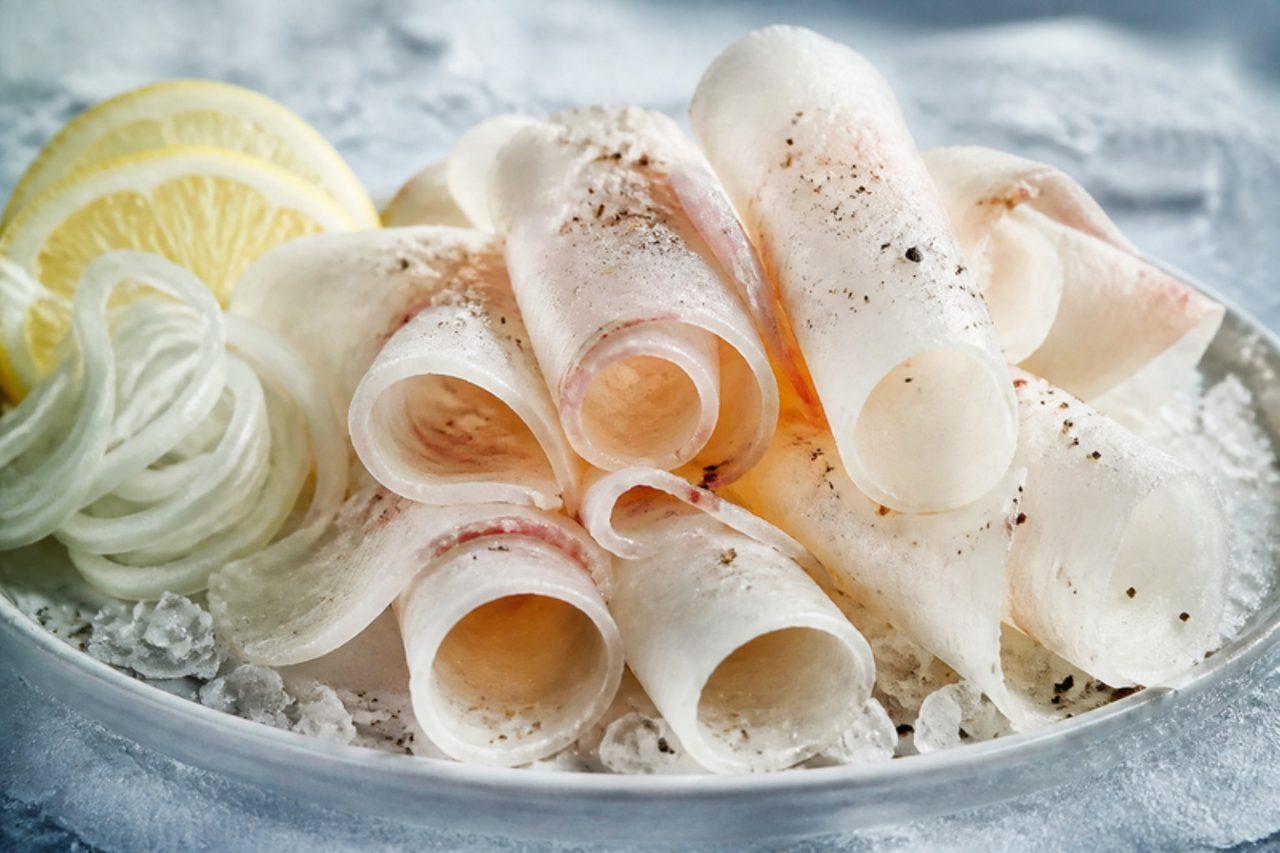
Out on the frozen rivers of Yakutia, where winter drops below minus forty, fish are pulled from the ice, freeze solid in minutes and are shaved into long curls with a sharp knife and eaten at once with coarse salt and pepper. The shavings melt on the tongue, sweet and rich, and are served at celebrations with a dip of salt mixed with black pepper and sometimes chopped raw onion. This is raw fish, so the home version must be made safely: buy sushi-grade whitefish, nelma, trout or salmon from a fishmonger and freeze it at −20 °C for at least 7 days before using, then shave it while still frozen hard. Even so it is not for pregnant women, young children or anyone with a weakened immune system. A common mistake is letting it thaw on the plate: soft stroganina is slimy, not silky. Chef's tip: chill the plate and the knife in the freezer too.

by KrazyBadal 0 views

Pomor-style cod

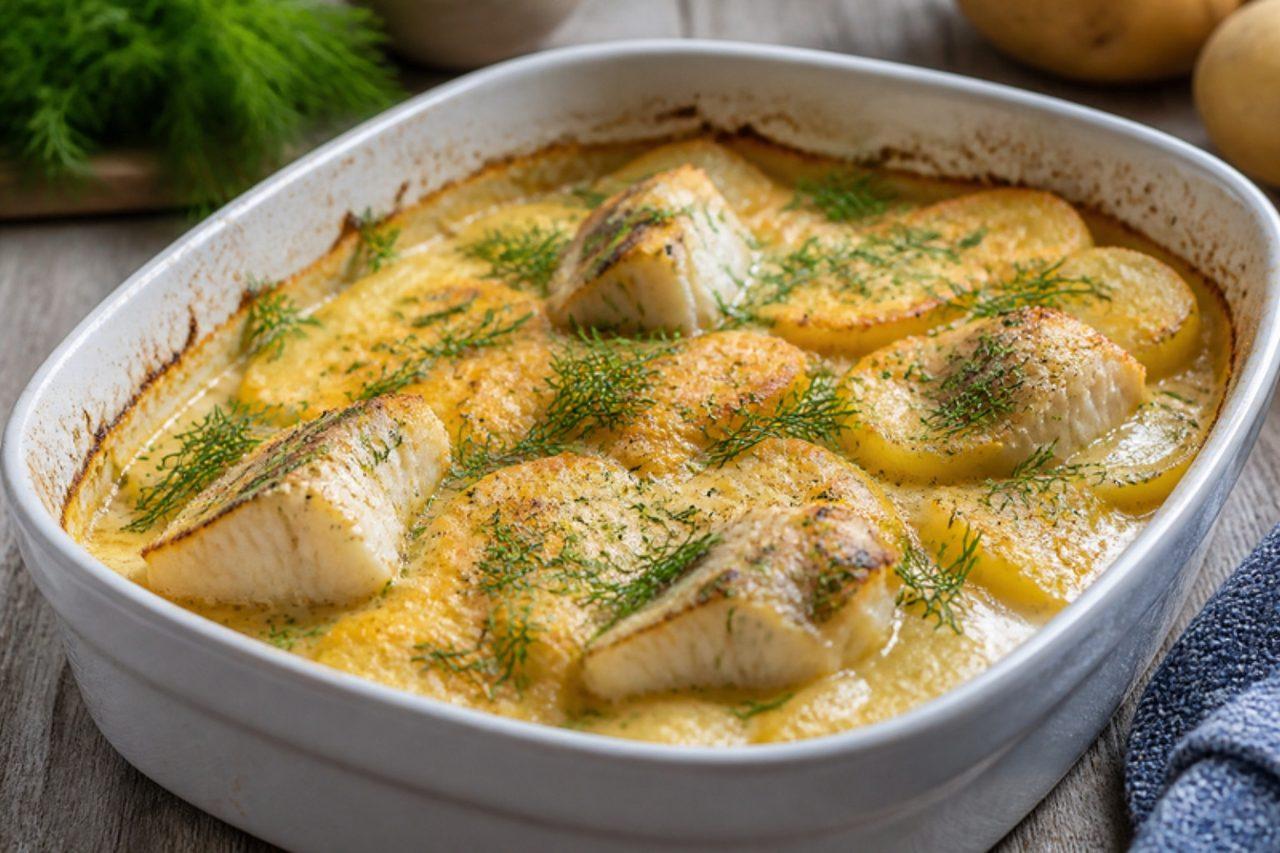
Along the White Sea coast near Arkhangelsk, the Pomors lived on cod, and this is how a fisherman's household turned a fillet into a whole supper: fish laid over sliced potatoes and buttery onions, then covered with beaten egg and milk and baked until set and golden, like a savoury fish custard. It is soft, mild and filling, and is eaten with pickled mushrooms, sauerkraut or a green salad. Where most people go wrong is using raw potato slices, which take far longer than the fish; par-boil them first. Chef's tip: salt the cod lightly 15 minutes ahead in the fridge, it firms up and does not leak water into the egg.

by KrazyBadal 0 views

Herring with potatoes

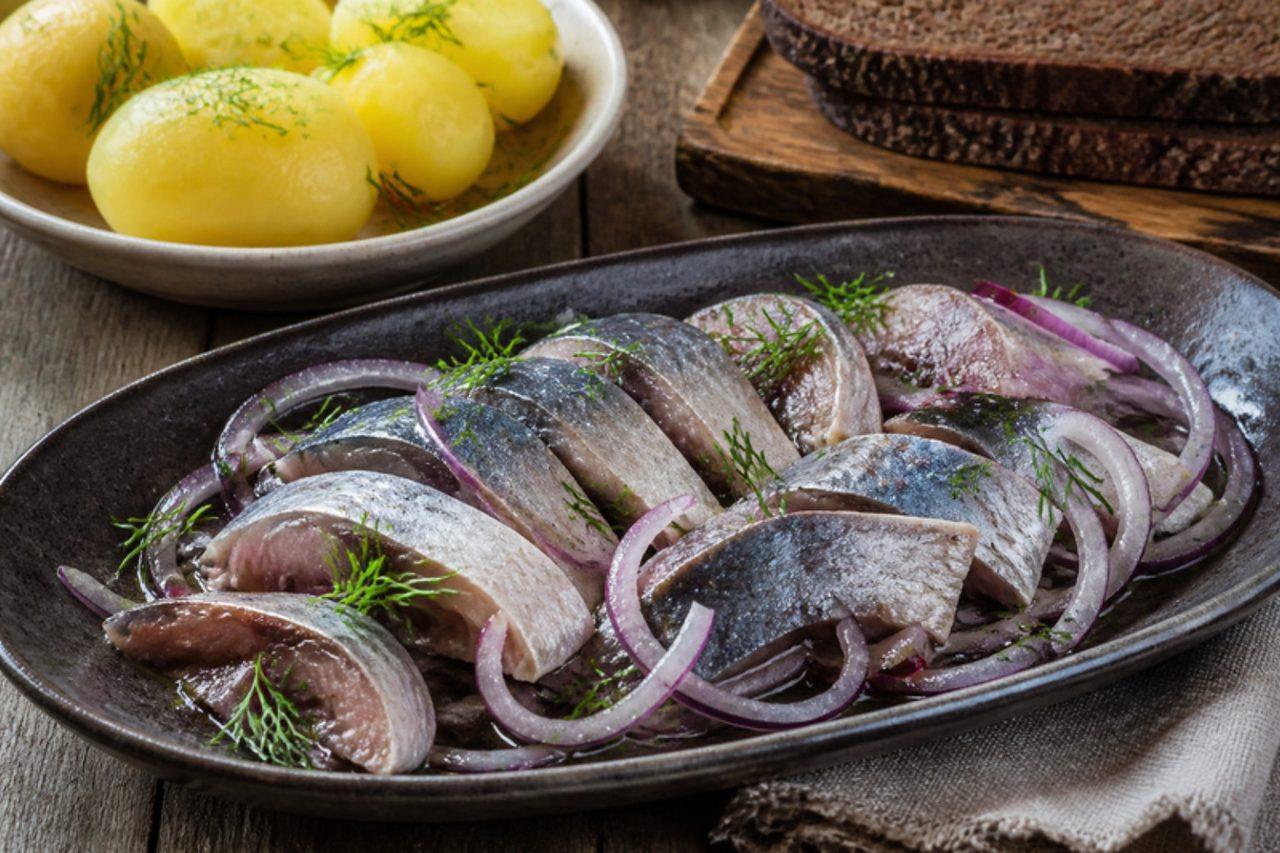
This is the simplest and best-loved Russian zakuska, on every table from a Moscow kitchen to a Siberian railway compartment: fillets of salted herring with steaming boiled potatoes, rings of raw onion, dill and a drizzle of unrefined sunflower oil that smells of toasted seeds. The contrast of cold, silky fish and hot, floury potato is the whole point, and black bread goes alongside. Salted herring is cured but not cooked, so buy ready-salted fillets from a good fishmonger or deli (made from previously frozen fish), keep them in the fridge, and note that it is not for pregnant women, young children or anyone with a weakened immune system. A common mistake is serving the herring straight from very salty brine; taste it and soak it in milk or cold water first if needed. Chef's tip: use unrefined sunflower oil, its nutty smell is what makes the dish.

by KrazyBadal 0 views

Kyselo

High in the Krkonoše, the Giant Mountains on the Polish border, poor mountain families made a whole meal from a jar of rye sourdough starter, a handful of dried mushrooms and potatoes from the cellar. Kyselo still turns up in chalet restaurants around Špindlerův Mlýn and at local food festivals. It is pleasantly sour and creamy from the fermented rye, scented with caraway, and poured over boiled potatoes with softly scrambled egg spooned on top. The usual slip is boiling the soup hard after the starter goes in, which makes it catch on the bottom and turn lumpy; keep it at a lazy simmer and stir often. If you can, mix the starter with water the night before and leave it covered at room temperature, for a deeper sourness. Chef's tip: a mature, bubbly rye starter that smells like yoghurt gives the best flavour; a sleepy one makes a flat soup.

60 minCzechSoups
by KrazyBadal 0 views

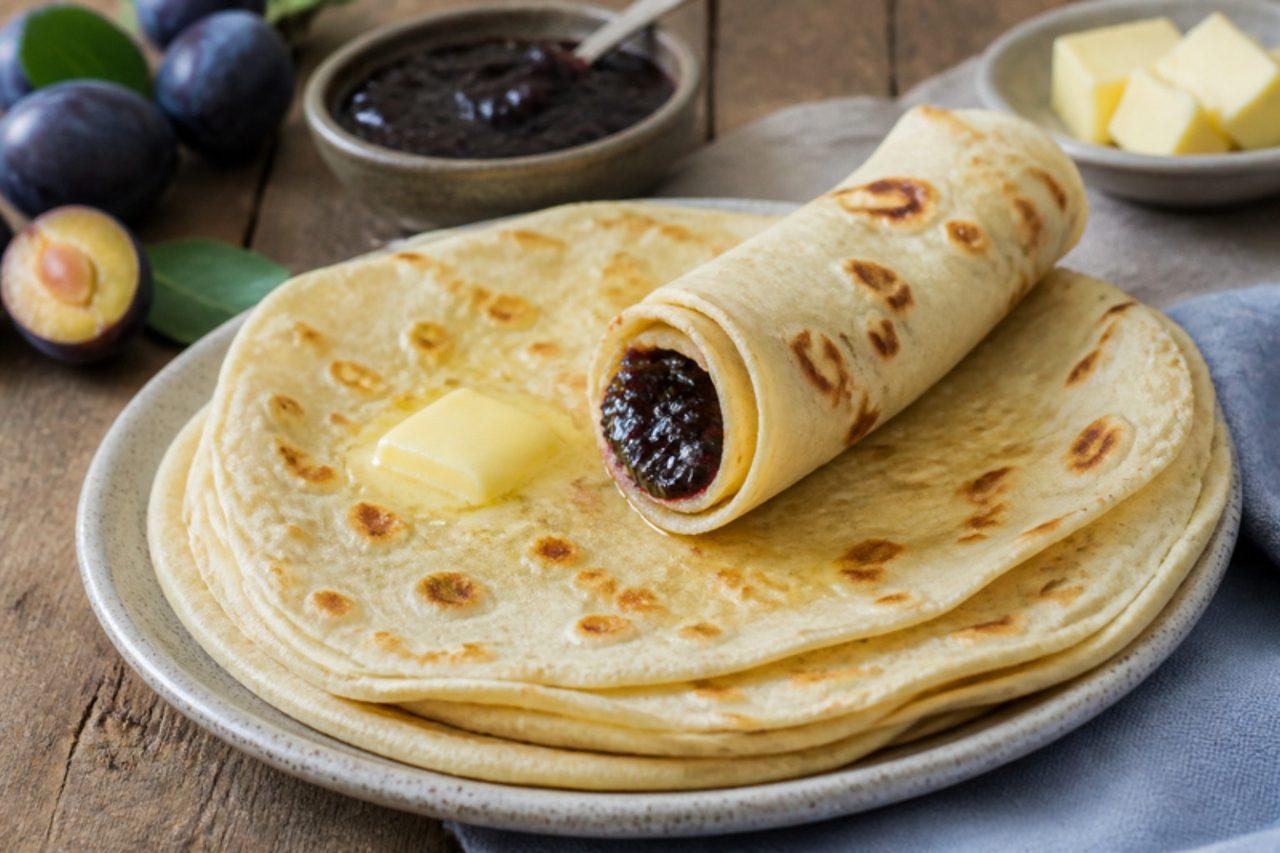
Lokše

Across the border in Slovakia, lokše are the November flatbreads of St Martin's Day, when the roast goose arrives and the thin potato pancakes are brushed with its fat. Families in western Slovakia also roll them around plum butter or sweet poppy seed for an afternoon treat, and they turn up at Christmas markets in Bratislava. They are soft, pliable and freckled with brown spots from a dry hot pan, a little like a potato tortilla. Here they are brushed with melted butter instead of goose fat, so they are vegetarian. A common mistake is mixing the dough while the potatoes are still warm: it turns sticky and swallows far too much flour. Cool the mashed potatoes completely, ideally overnight. Chef's tip: roll each one on a floured cloth and flip it straight onto the pan from the cloth, so the thin sheet never tears.

by KrazyBadal 0 views

Peremech

Street stalls around the Kazan Kremlin fry these flat, round pies to order, and Tatar families make them on Sunday mornings in a heavy pan of hot oil. The soft yeast dough is gathered around a ball of seasoned beef mince but left open at the top like a little crater, so the meat fries crisp in the centre while the dough puffs and blisters. They are eaten hot, with sweet black tea and, for the bold, a spoon of the pan juices poured in. The usual slip is frying in oil that is too hot; the dough browns before the meat inside is cooked. Chef's tip: always fry the open side down first, it seals the meat and gives that crisp ring around the hole.

by KrazyBadal 0 views

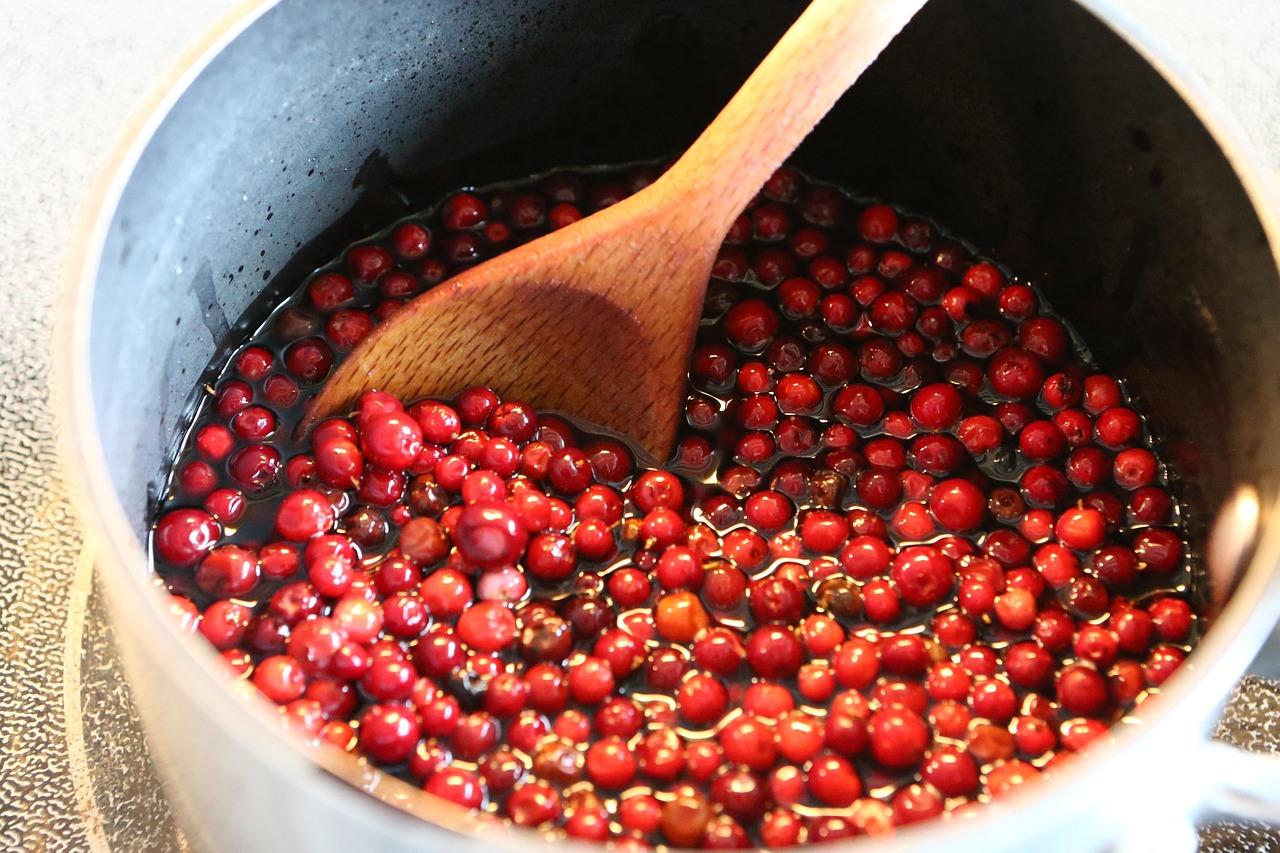
Lingonsylt

Lingonsylt is the bright red preserve on every Swedish table: with meatballs, Wallenbergare, potato pancakes and kroppkakor, and in Finland and Norway with reindeer and porridge. Swedish families pick the berries in September in the forests and either stir them raw with sugar (rårörda lingon) or cook them very briefly so they stay whole and sharp. A common mistake is boiling them long, which makes a dull, jelly-like jam. Chef's tip: cook for only 3–5 minutes, then cool fast; lingonberries are rich in natural preservatives and keep well.

by KrazyBadal 0 views

Azu

Kazan's working canteens gave azu its fame: strips of beef braised in a peppery tomato gravy, sharpened with diced salty pickled cucumbers and finished with golden fried potatoes, all served steaming in a clay pot. It is hearty, sour-savoury and thick enough to mop up with rye bread, and Tatar families serve it on cold weekday evenings. Where most people go wrong is adding the potatoes raw to the stew; they turn floury and the gravy goes muddy, so fry them separately and fold them in at the end. Chef's tip: use proper brine-fermented cucumbers rather than sweet vinegar pickles; their sourness is what makes azu taste like azu.

by KrazyBadal 0 views

Tokmach

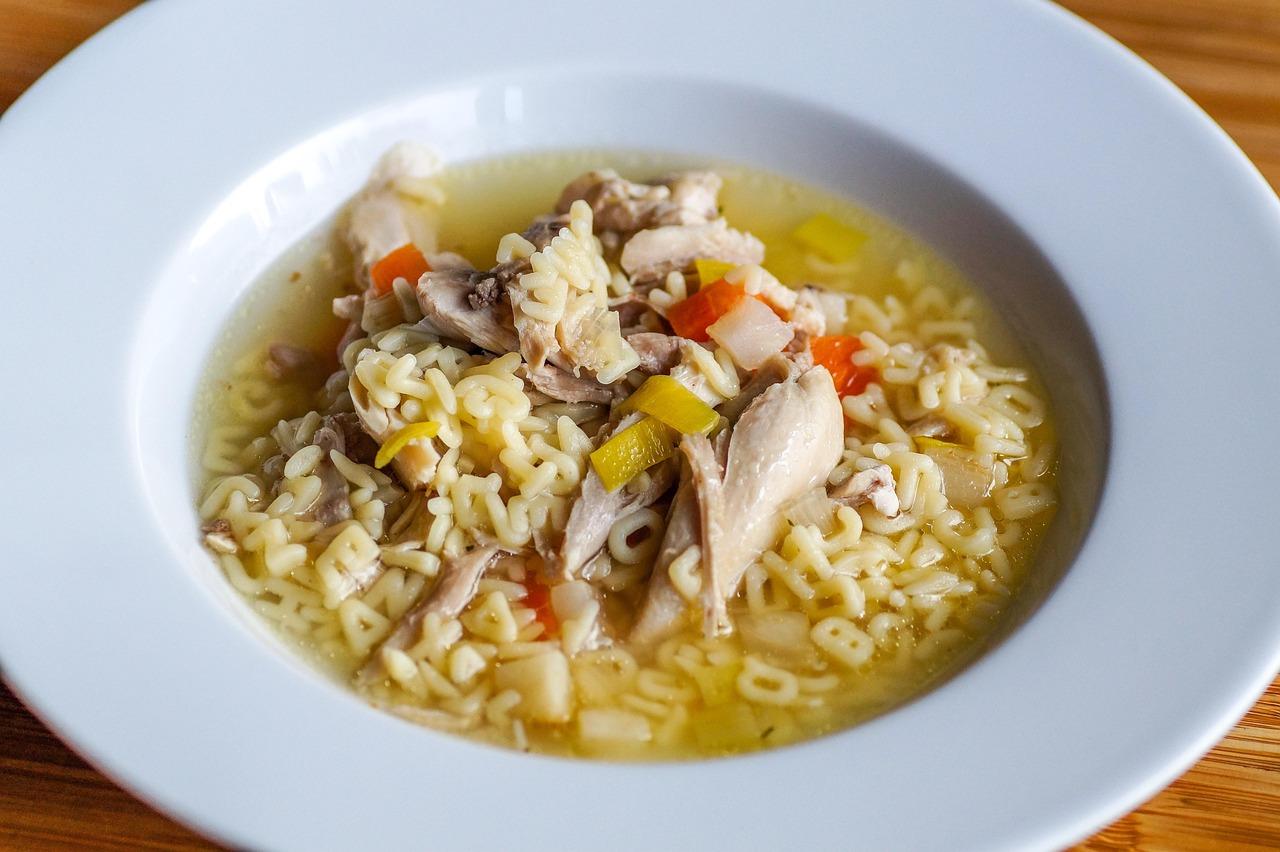
Tatar grandmothers in Kazan roll the noodle dough for this soup so thin you can read through it, then cut it into fine ribbons and dry them on a cloth. The broth is simple and golden: chicken legs, onion, a bay leaf, a little black pepper. It is the soup made for guests, for a sick child and for the morning after a wedding, and in Tatarstan it is often eaten with a slice of bread and a pot of black tea. Where most people go wrong is cooking the noodles in the clear broth straight from the board: they shed flour and cloud it, so shake off the excess first. Chef's tip: let the cut noodles dry for 20 minutes, they hold their shape in the hot broth and stay silky rather than gummy.

by KrazyBadal 0 views

Makarony po-flotski

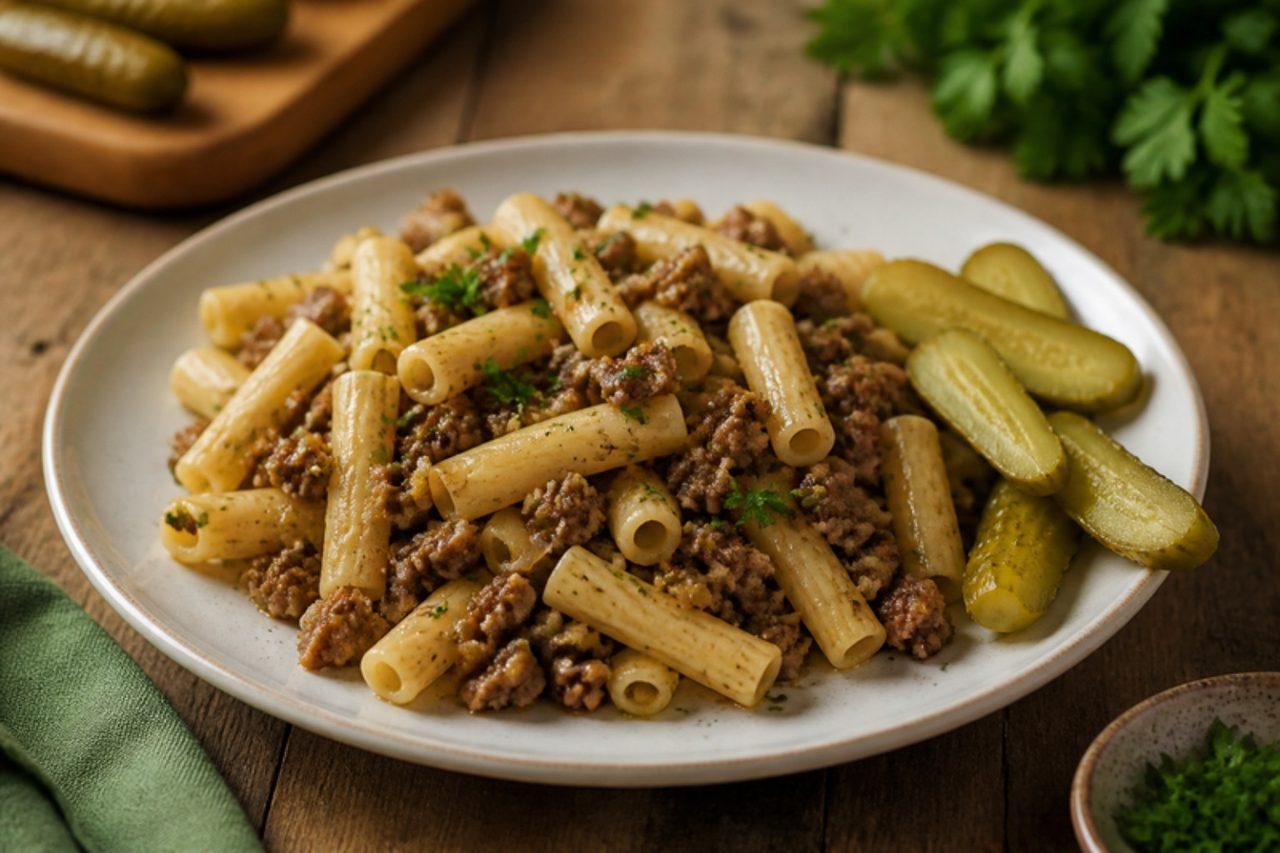
Navy cooks in the Baltic Fleet at Kronstadt fed whole crews on this, and it went on to become the canteen and student-hostel supper of the Soviet Union: tubes of pasta tossed in a frying pan with beef mince and plenty of onion until everything is a little crisp. It is salty, peppery and comforting, and children love it. Eat it straight from the pan with a pickled cucumber or a quick tomato salad. A common mistake is crowding raw mince into a cold pan so it stews grey instead of browning. Chef's tip: fry the drained pasta in the meat fat for the last two minutes without stirring too much, so some tubes catch and turn golden.

by KrazyBadal 0 views

Echpochmak

The name means 'triangle' in Tatar, and these three-cornered pies are sold warm in every bakery and railway buffet in Kazan, always with a small hole at the top. Raw diced lamb (or beef), potato and onion go in together and steam inside the pastry, so the filling comes out tender and juicy; a spoonful of hot broth poured through the hole halfway through baking makes it even more so. They are eaten for lunch with black tea, or as the first dish at a family celebration. A common mistake is cutting the meat and potato too big; they will not cook through in the time the pastry takes. Chef's tip: dice everything to the size of a pea and toss the filling with a little cold butter, it melts into the potatoes and keeps them from drying.

by KrazyBadal 0 views

Kesäkeitto

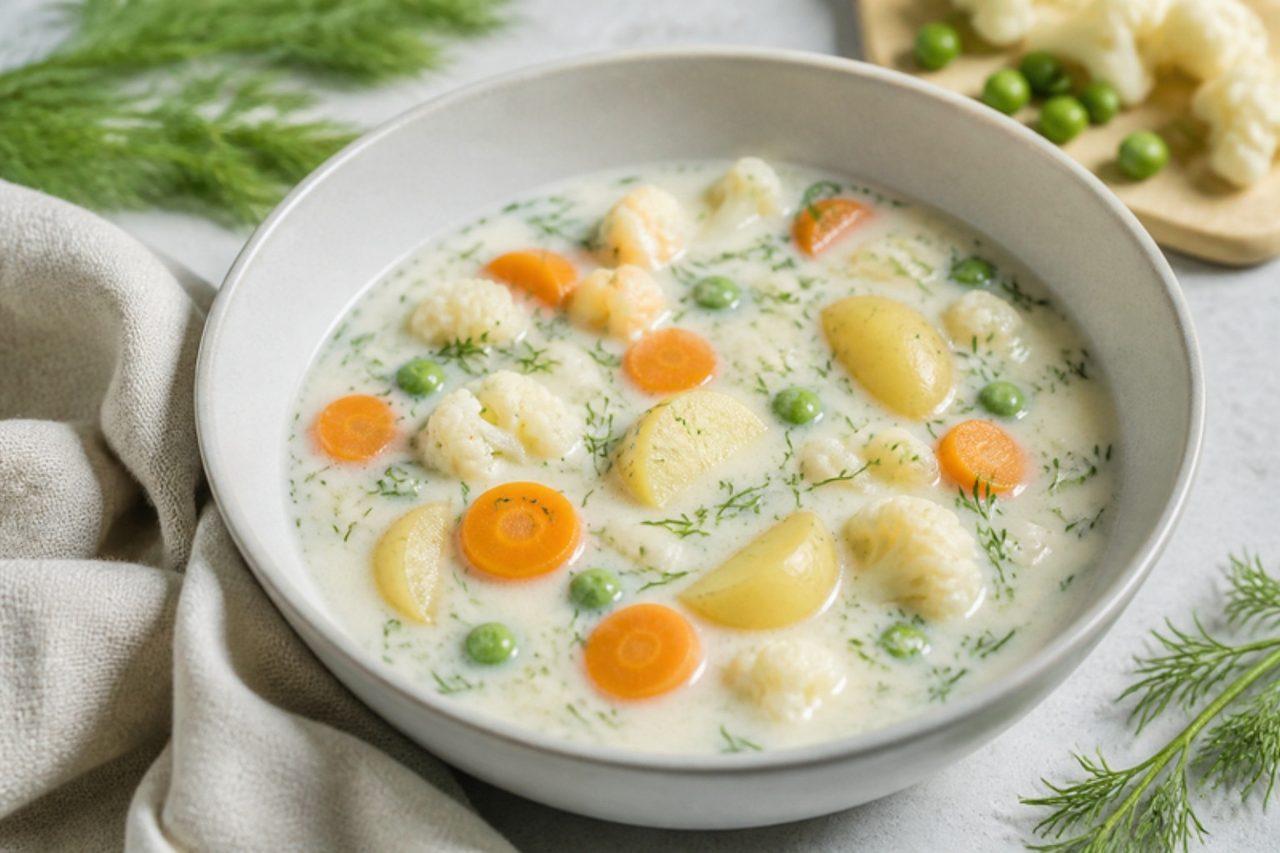
In July, when Finland's first new potatoes, baby carrots, peas and cauliflower arrive at market stalls in Helsinki and Turku, families make kesäkeitto: the vegetables simmered in water until just tender, then finished with milk and a knob of butter and lots of dill. It is light, sweet and pale green, eaten with rye bread and butter. A common mistake is boiling it once the milk is in, which can curdle the soup. Chef's tip: add the vegetables in order of cooking time, so each is just tender and keeps its colour.

by KrazyBadal 0 views

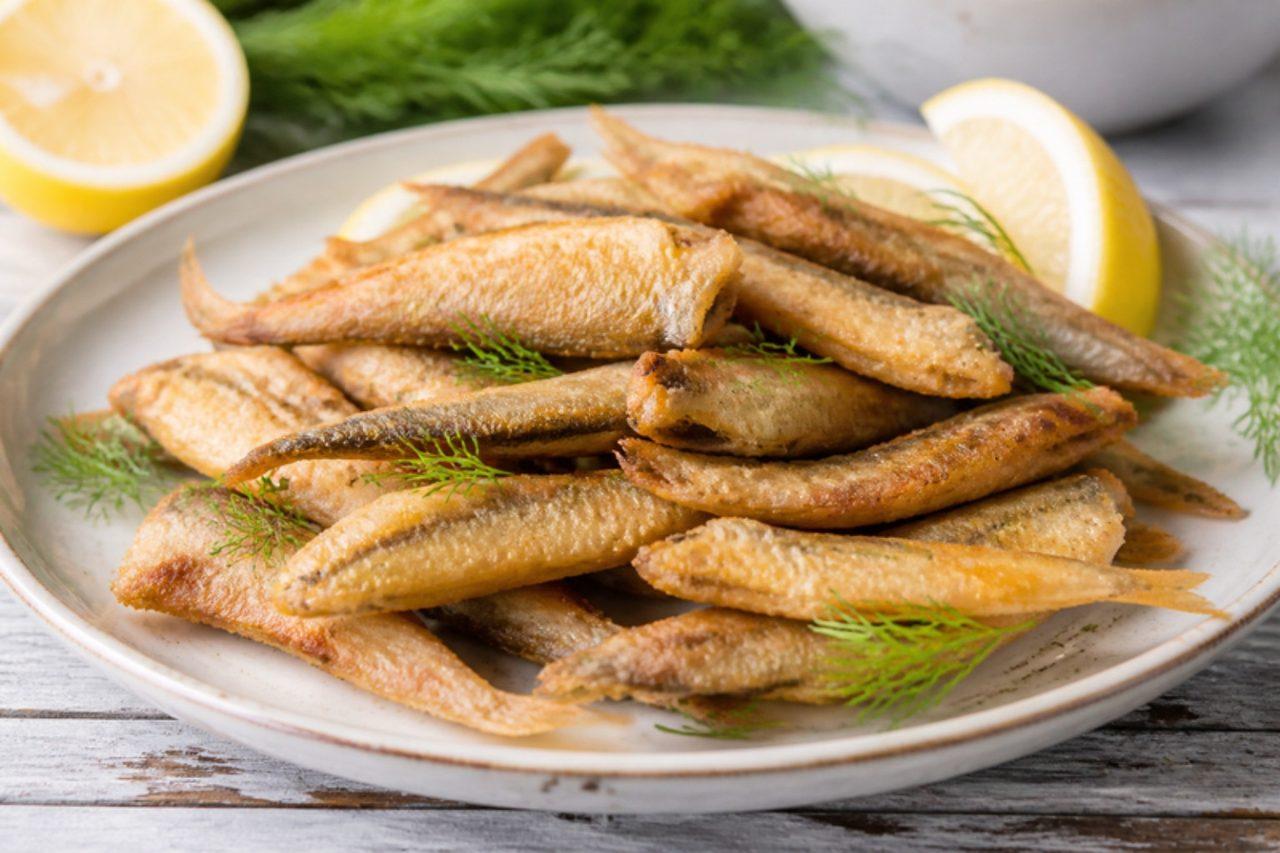
Koryushka

When the ice breaks on the Neva in April and May, St Petersburg goes mad for koryushka, small silvery smelt that famously smell of fresh cucumber. Stalls sell them by the kilo, the city holds a smelt festival, and every cafe fries them by the plateful. Dusted in flour and fried in hot sunflower oil, they come out golden and crunchy outside, sweet and tender inside, eaten with fingers, soft bones and all, with lemon and boiled potatoes with dill. A common mistake is crowding the pan, which drops the oil temperature and leaves the fish soggy; fry in small batches. Fish is done when the flesh is opaque and flakes easily from the backbone. Frozen smelt or sprats work out of season. Chef's tip: rye flour gives a darker, nuttier crust, a favourite in Petersburg homes.

by KrazyBadal 0 views

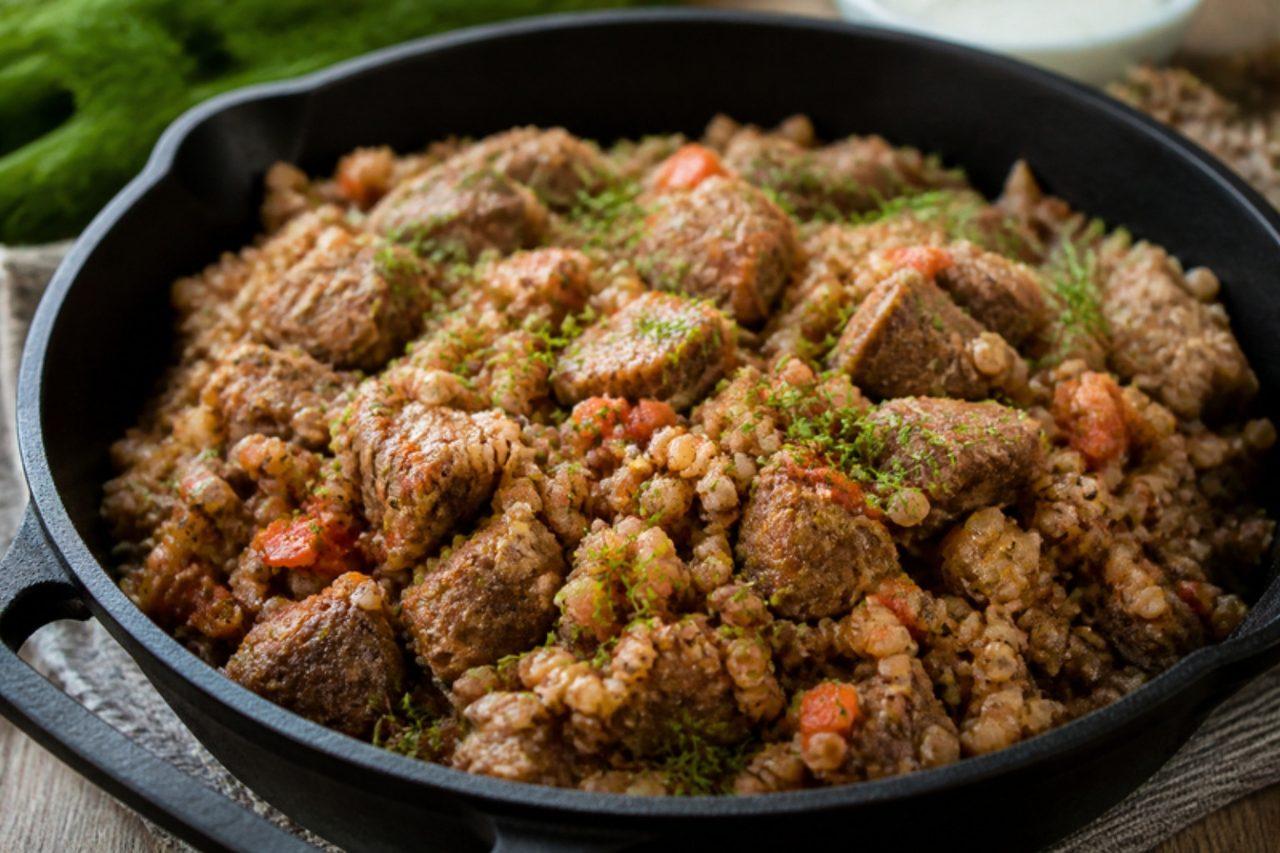
Grechka po-kupecheski

Russian merchants of the nineteenth century liked their buckwheat with meat in it, and "merchant-style" grechka became a hearty one-pan supper that students, soldiers and busy parents still cook today. Cubes of pork shoulder are browned with onion and carrot, enriched with tomato, then roasted buckwheat simmers in the same pan until every grain is separate and steeped in the juices. It is earthy, savoury and filling, best with a salted cucumber or a spoon of tsakhdon-style garlic sour cream. The usual slip is stirring the buckwheat while it cooks, which breaks the grains into mush; cover the pan and leave it alone. Pork pieces should be fully cooked to 71 °C. Chef's tip: toast the buckwheat in the pan for a minute before adding water to deepen its nutty taste.

by KrazyBadal 0 views

Rasstegai

Merchant taverns in old Moscow and St Petersburg served these boat-shaped little pies alongside a bowl of ukha, and the waiter would spoon hot fish broth through the open top at the table. A soft, buttery yeast dough wraps chopped salmon, white fish, rice and soft onion; the top stays open, so the filling bakes juicy while the rim turns glossy and brown. Eat them warm with a cup of clear fish soup or simply with strong tea. Where most people go wrong is pinching the opening too wide: the filling dries out and the broth runs straight through. Chef's tip: cut the fish into 1 cm dice rather than mincing it, so each bite stays flaky and you can see the pink and white through the hole.

150 minRussianFish
by KrazyBadal 0 views

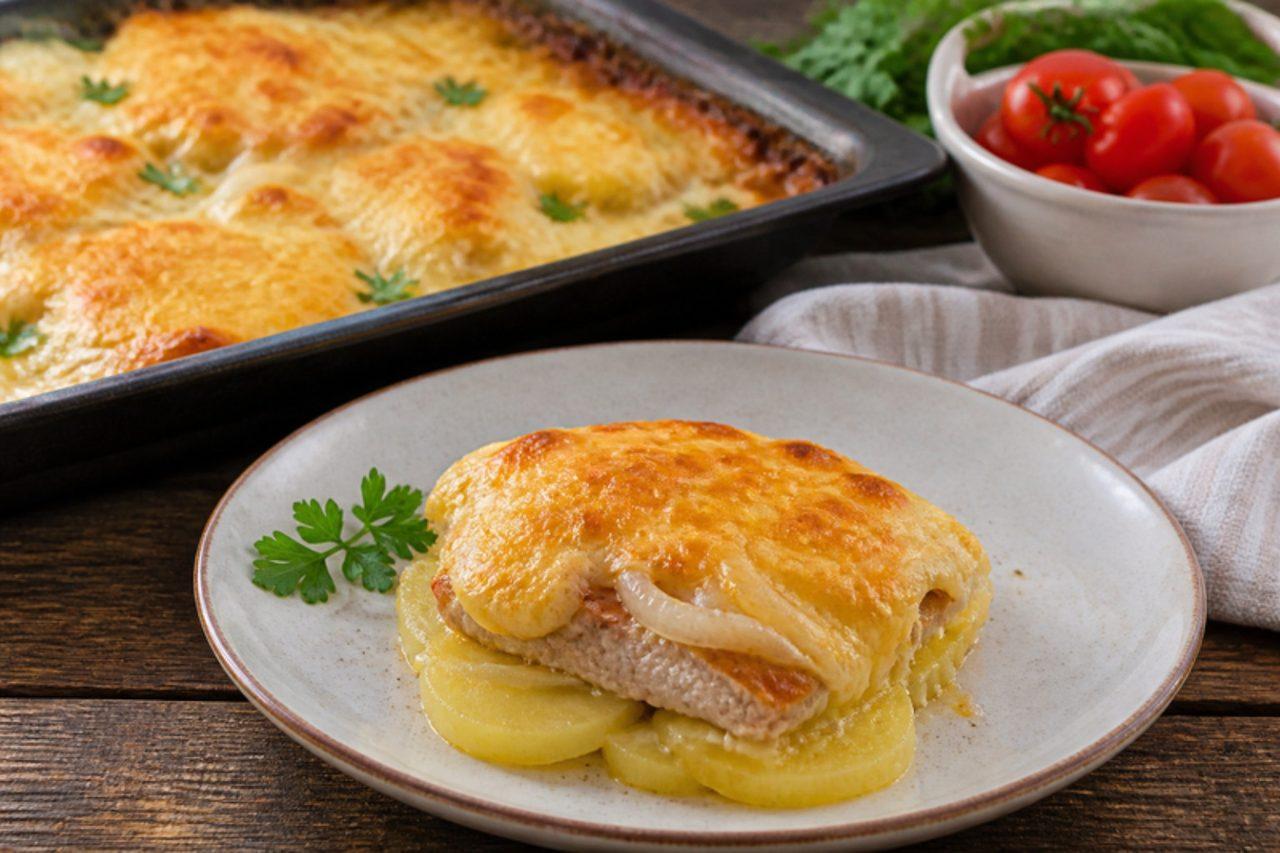
Myaso po-frantsuzski

Despite the name, nobody in France would recognise "French-style meat": it is a Soviet celebration bake, made for New Year's Eve and 8 March from whatever a family could find, and it still fills oven trays across Russia every holiday. Thin slices of pork loin are layered with onion and potato, spread with mayonnaise and covered in grated cheese, then baked until the top is golden and the meat tender. It is rich, savoury and a little indulgent; serve it with a crisp salad or pickles to cut through. A common mistake is leaving the pork thick, which keeps it chewy while the cheese burns; beat it thin. Check the pork reaches at least 63 °C and rest it 5 minutes. Chef's tip: mix half sour cream into the mayonnaise for a lighter, tangier sauce.

by KrazyBadal 0 views

Zharkoye v gorshochkakh

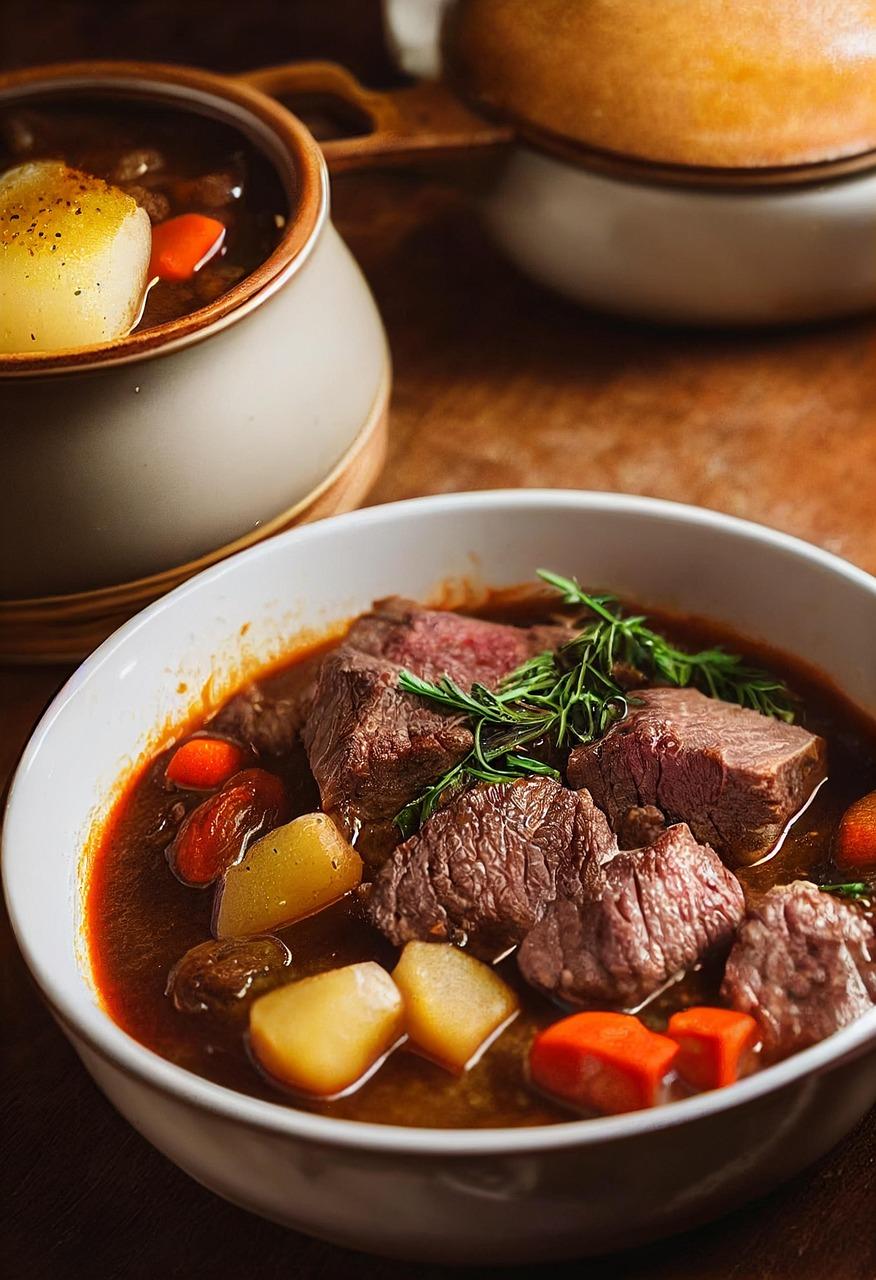
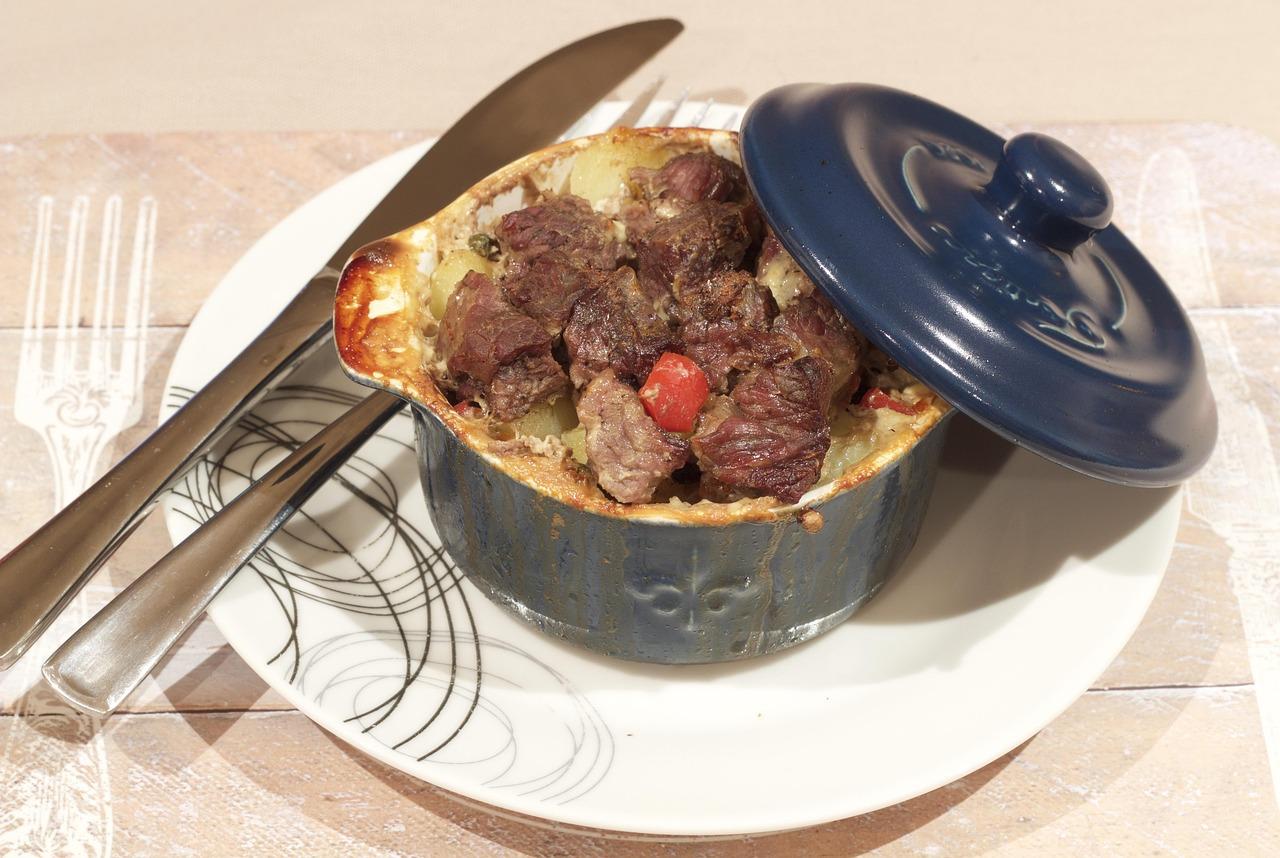
Clay pots of zharkoye, each with its own lid, are pure Russian comfort food: a dish from the old wood-fired stove that city kitchens now make in the oven for Sunday lunch or a cold-weather dinner party. Browned beef, onion and carrot go into each pot with potatoes, mushrooms and a little stock, then bake slowly until the meat falls apart and the potatoes drink up the gravy. It smells of bay and black pepper and tastes deeply savoury. Serve straight in the pots with pickles and rye bread. The usual slip is skipping the browning step, which leaves the beef grey and the sauce thin; take time to sear it well. Check the beef is fork-tender before serving. Chef's tip: seal the lids with a strip of simple flour-and-water dough for the old-fashioned way; it keeps every drop of steam inside, though then the dish is no longer gluten free.

120 minRussianMeatGluten free
by KrazyBadal 0 views

Kvæfjordkake

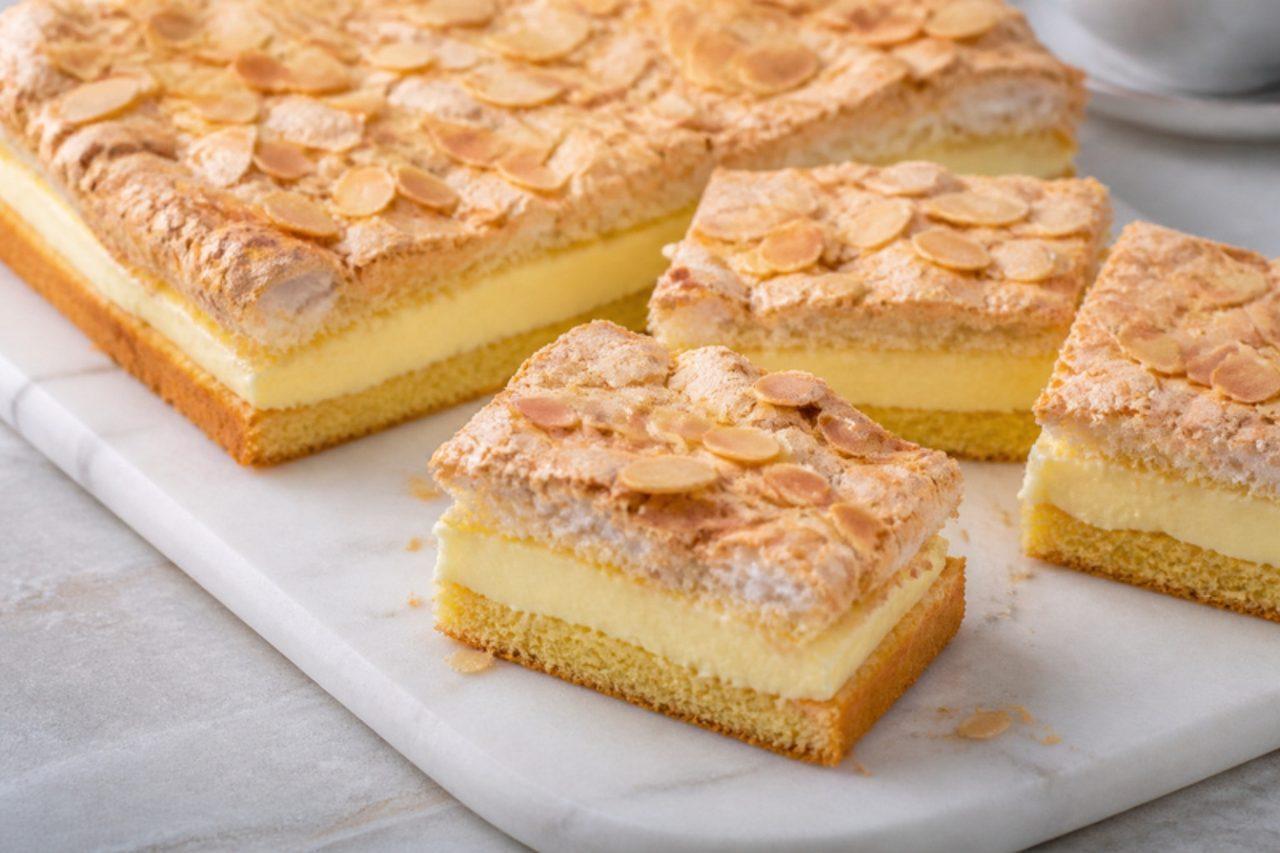
Kvæfjordkake comes from the Kvæfjord district in Troms, northern Norway, and Norwegians voted it their national cake, which is why it is also called 'verdens beste', the world's best cake: a thin buttery sponge baked with a layer of meringue and almonds on top, then cut in half and sandwiched with vanilla custard cream. It is baked for confirmations, May 17th and birthdays. A common mistake is underbaking the meringue, which goes sticky. Chef's tip: bake in a shallow tray and let the meringue turn pale golden and crisp; cool completely before filling.

by KrazyBadal 0 views

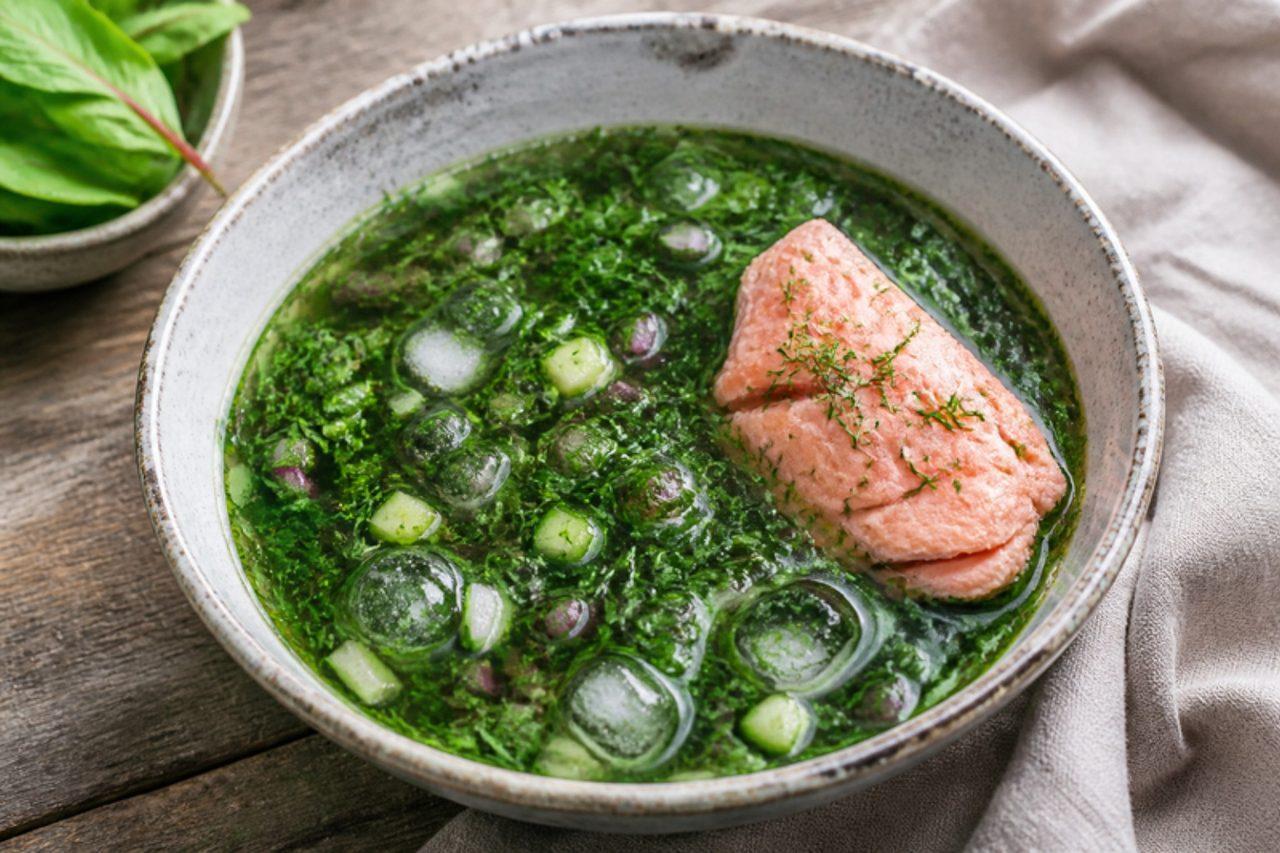
Botvinya

Summer dachas around St Petersburg once waited all year for the young beet tops and sorrel that go into this sharp, ice-cold soup, a grand dish of the old aristocratic table that is also cheap peasant food. Blanched greens are puréed, loosened with bread kvass and studded with cucumber and spring onion; a piece of gently poached salmon is set alongside, with horseradish and lemon. Kvass is lightly fermented and can carry a trace of alcohol: choose one labelled alcohol-free, or use the substitute of sparkling water, a little lemon and rye-bread soaking liquid given in the ingredients. The usual slip is serving it merely cool: it should be properly cold, even with an ice cube in each bowl. Chef's tip: poach the fish the day before so it is thoroughly chilled, and keep the whole soup in the fridge until the minute it goes to the table.

by KrazyBadal 0 views

Sienisalaatti

Every Finnish autumn, families head into the forests with baskets for mushroom picking, and in the past the haul was salted in barrels for winter; sienisalaatti, a creamy salad of salted milk caps or blanched forest mushrooms with onion and cream, is the result, served on the Christmas table and with boiled potatoes and rye bread. This version uses shop-bought mushrooms such as chanterelles, oyster or chestnut mushrooms, blanched and dressed. Never eat wild mushrooms unless an expert has identified them. A common mistake is dressing wet mushrooms, which makes a watery, bland salad. Chef's tip: squeeze the blanched mushrooms gently in a towel and let them cool completely before folding in the cream.

by KrazyBadal 0 views

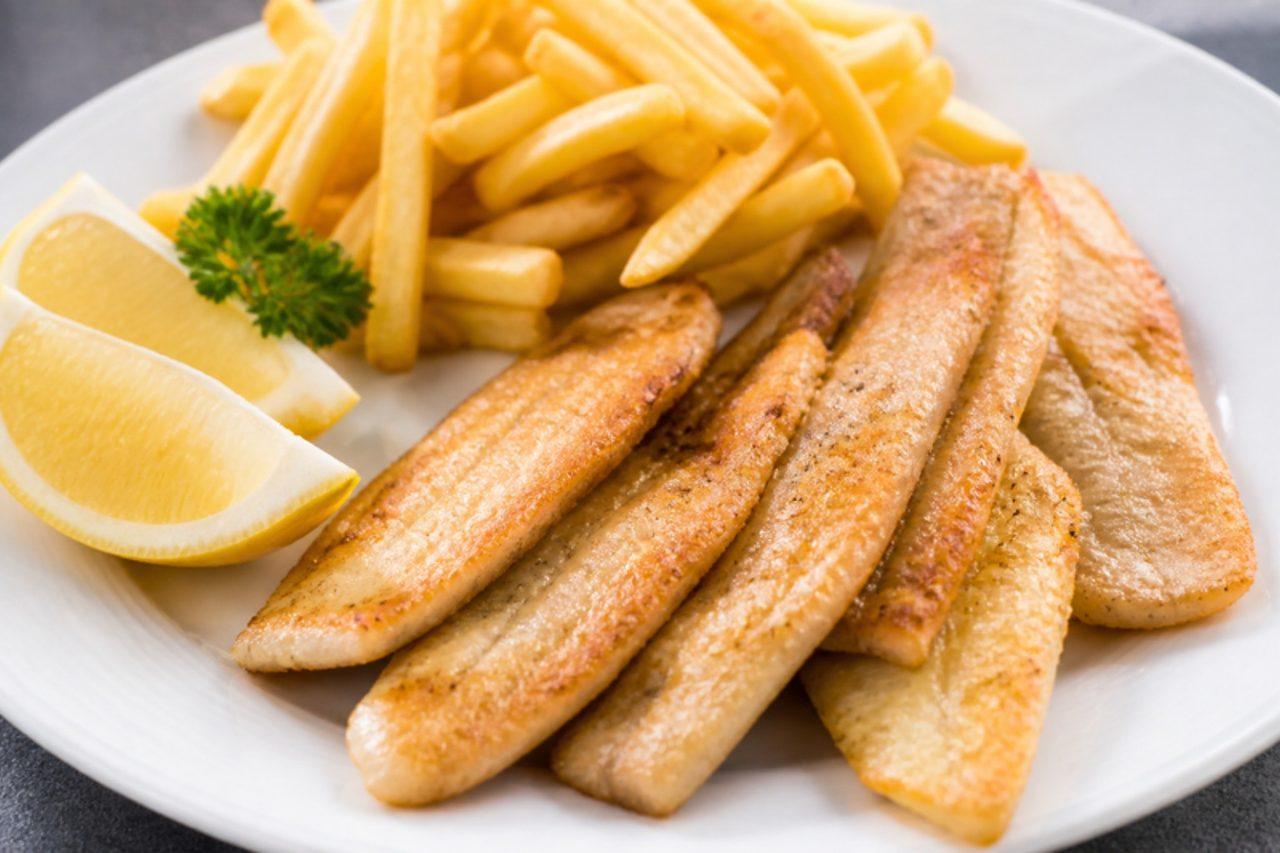
Filets de perche

Filets de perche are the signature dish of the lakeside restaurants around Lake Geneva, from Geneva to Lausanne and Montreux: small, delicate perch fillets dusted with flour, fried quickly in butter until golden, and served with lemon, tartare sauce, a pile of fries and a green salad on a summer terrace. Lake perch is scarce today; ask for responsibly sourced perch or use small fillets of pike-perch or another delicate white fish. A common mistake is crowding the pan, which steams the thin fillets. Chef's tip: fry in batches in foaming butter for just a minute or so a side; the fish is done when opaque and it flakes.

25 minSwissFish
by KrazyBadal 0 views

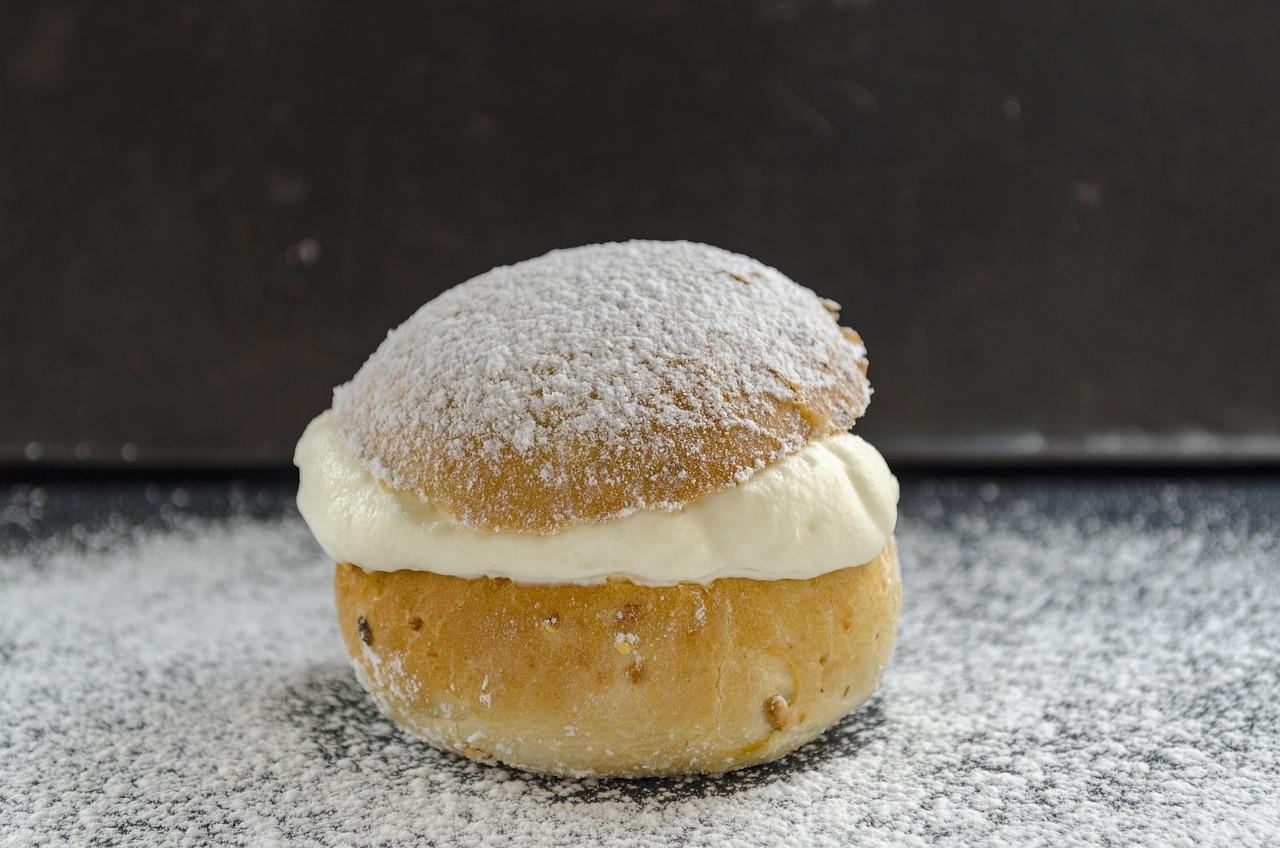
Semla

Semlor arrive in Swedish bakeries straight after Christmas and peak on Fettisdagen, Shrove Tuesday, when Stockholm bakeries sell them by the tens of thousands: a soft cardamom bun with its top cut off, the crumb scooped out and mixed with almond paste and milk, then refilled, piled with whipped cream and the 'lid' put back with a dusting of icing sugar. Some eat theirs in a bowl of hot milk, as 'hetvägg'. A common mistake is overbaking the buns, which dries them; they should be soft and pale golden. Chef's tip: grate the almond paste and mix it with the scooped crumb and a splash of milk until it is spreadable but still textured.

by KrazyBadal 0 views

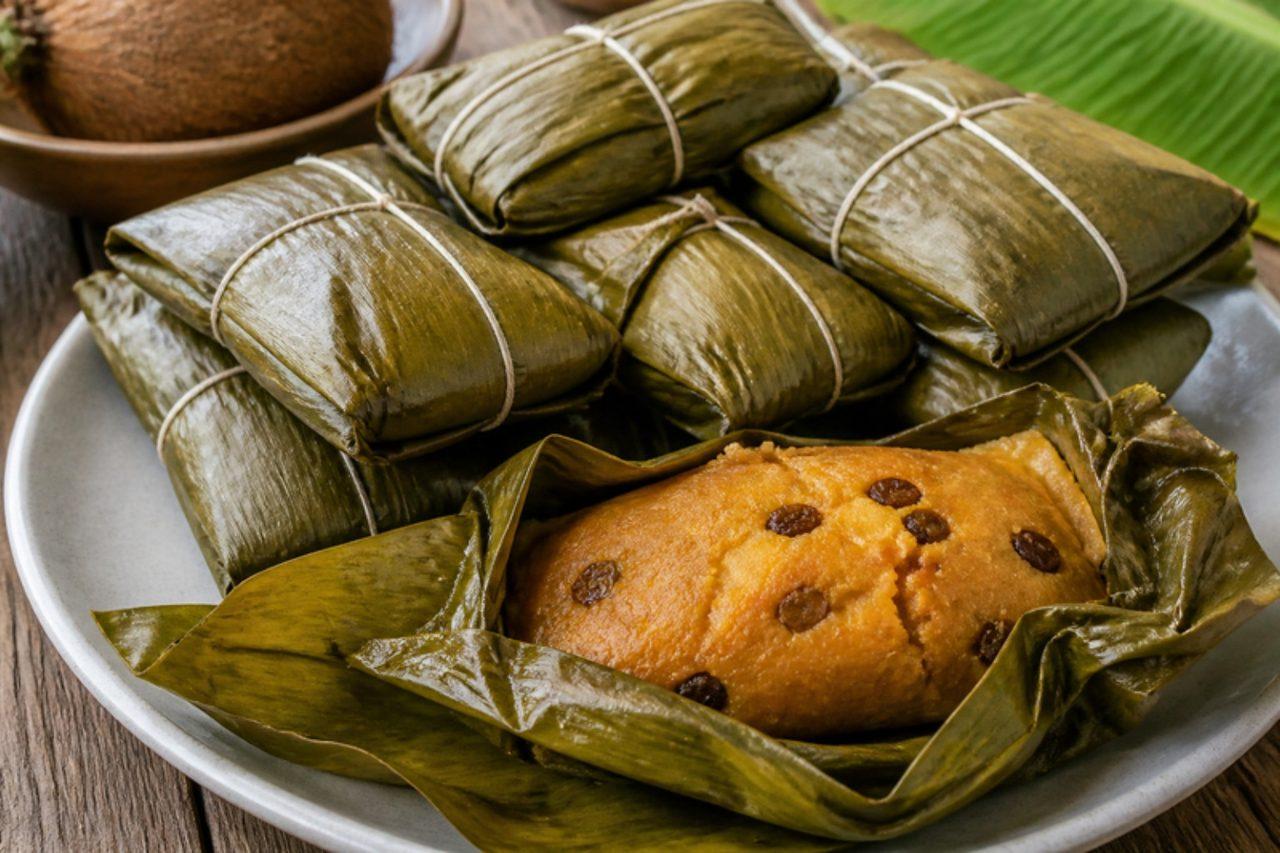
Duckunoo

Duckunoo goes by many names across Jamaica, "blue draws" and "tie-a-leaf" among them, and it is a country sweet with West African roots that is still made in St Elizabeth and Clarendon for Sunday afternoons and Emancipation Day. Grated sweet potato, cornmeal and coconut milk are spiced with nutmeg and cinnamon, folded into banana leaves and boiled until they set into dense, moist, fudgy parcels. The usual mistake is tying the leaves loosely, so water gets in and the pudding turns soggy. Chef's tip: pass the leaves quickly over a flame first; they turn bright green, soft and won't split as you fold.

by KrazyBadal 0 views

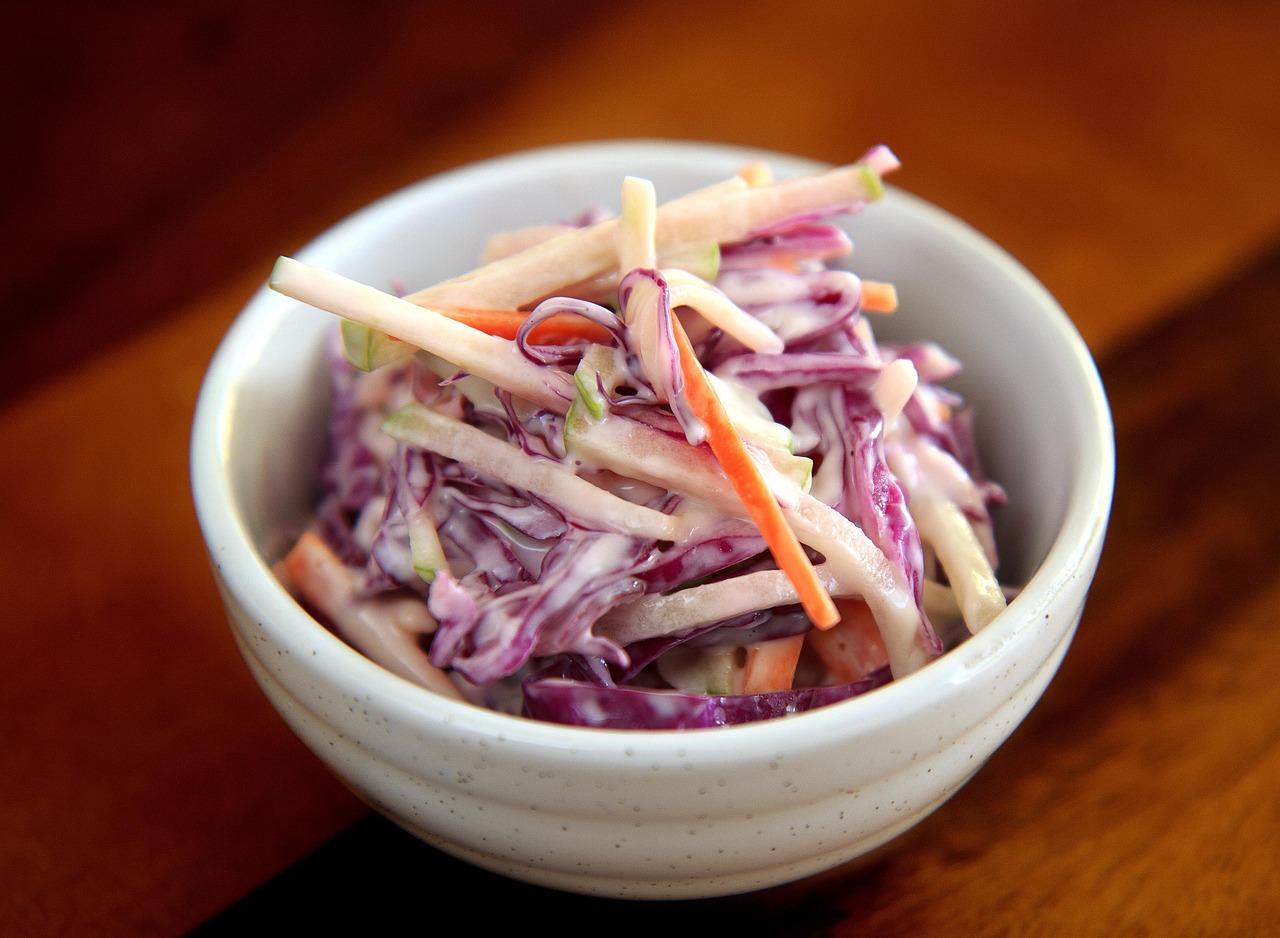
Vitamin salad

"Vitamin" salad was the bright spot on every Soviet stolovaya tray, scooped from a steel tray beside the cutlets and buckwheat, and it is still how many Russians start a light lunch. Fresh white cabbage, carrot and green apple are rubbed with salt and sugar, then dressed simply with sunflower oil and vinegar, so it tastes crisp, juicy and sweet-sour. It goes with almost anything hot and is a good way to use half a cabbage. A common mistake is skipping the squeeze: crushing the cabbage with salt for a minute or two softens it and draws out juice that becomes part of the dressing. Grate the apple last so it does not brown. Chef's tip: unrefined, toasted-seed sunflower oil gives the true canteen flavour; a splash goes a long way.

by KrazyBadal 0 views

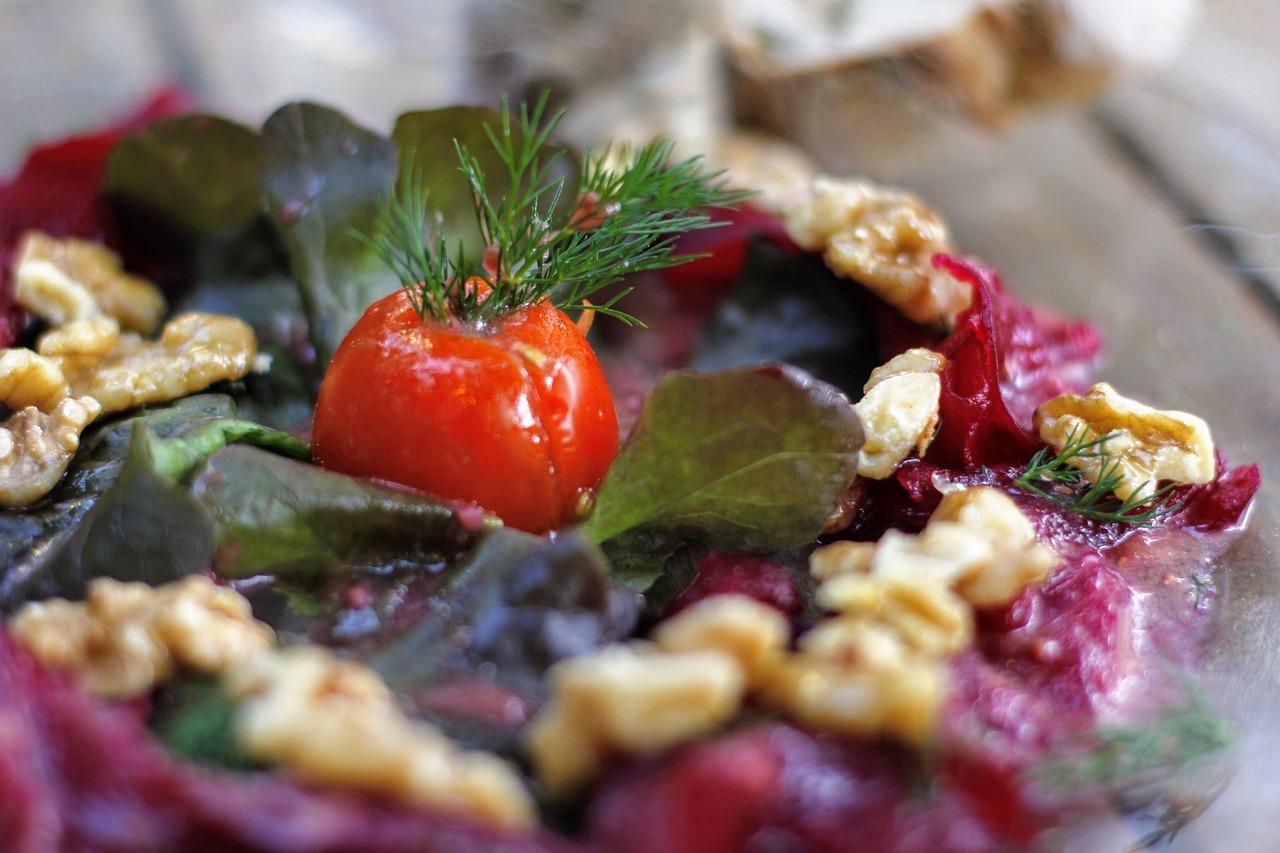
Beet salad with garlic

Grated beetroot with garlic is about as everyday as Russian cooking gets: something from the school canteen, the work buffet and the Sunday table alike, served in a small bowl beside cutlets, boiled potatoes or black bread. This dressed-up version adds chopped prunes for sticky sweetness and toasted walnuts for crunch, all bound with a spoon of mayonnaise. It tastes earthy, sweet and bright with garlic. Buy ready-cooked beetroot (not pickled) to keep it a fifteen-minute job, or boil your own the day before. The usual slip is grating the beetroot fine and leaving it in its juice, which makes the salad watery and purple-grey; grate coarsely and squeeze lightly first. For a lighter dish use thick yoghurt or sour cream in place of mayonnaise. Chef's tip: toast the walnuts; raw ones taste bitter against the beet.

by KrazyBadal 0 views

Koldskål

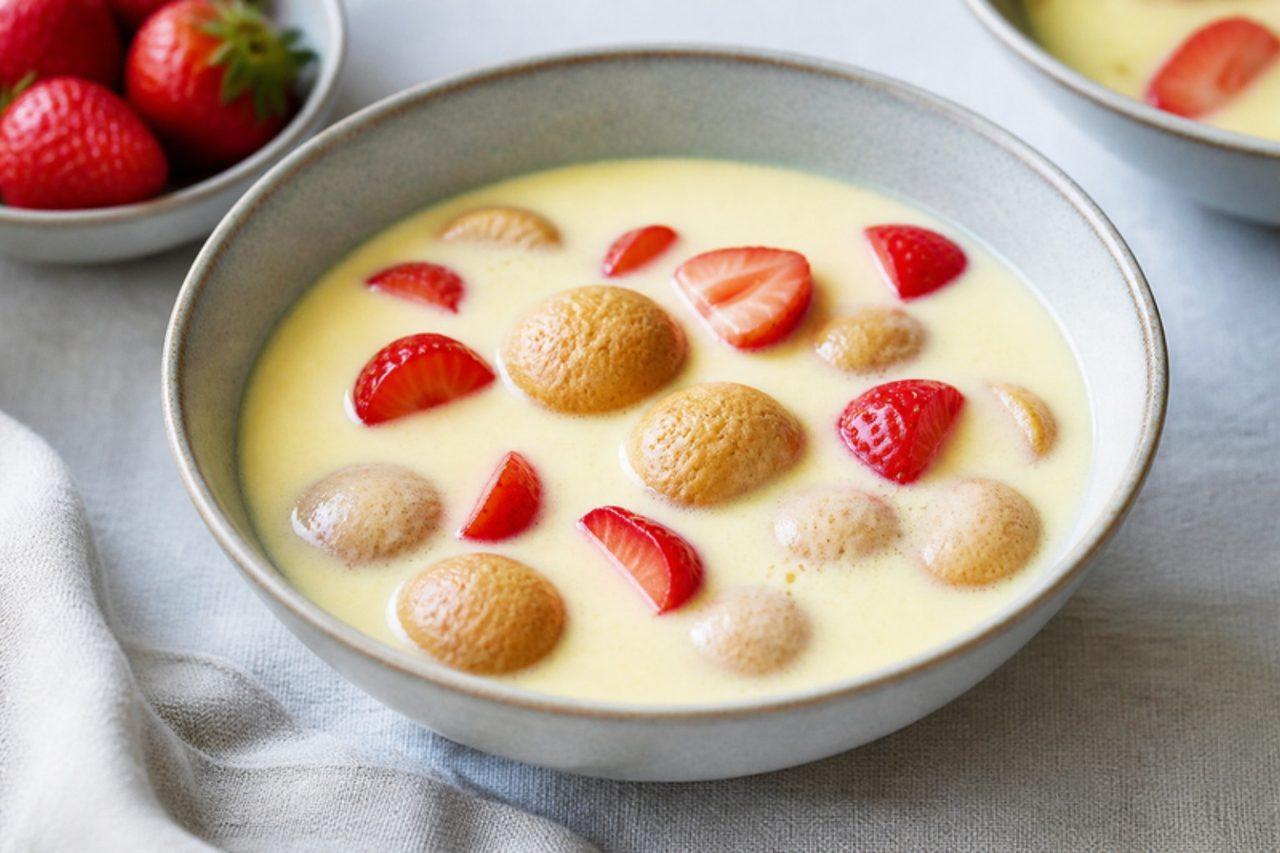
On the first warm day of summer, Danes buy cartons of koldskål and packets of kammerjunker, small crunchy rusks, and the season has begun: koldskål is a cold, sweet, tangy buttermilk 'soup' with lemon and vanilla, eaten from bowls as a dessert or a light supper, sometimes with strawberries. Homemade, it is whisked with egg yolks for richness. Raw egg yolk is not suitable for pregnant women, young children or anyone with a weakened immune system, so this recipe uses pasteurised egg yolks. A common mistake is serving it at room temperature; it must be very cold. Chef's tip: whisk the yolks and sugar until thick and pale before the buttermilk goes in, which gives a silky, foamy soup.

by KrazyBadal 0 views

Pozharsky cutlet

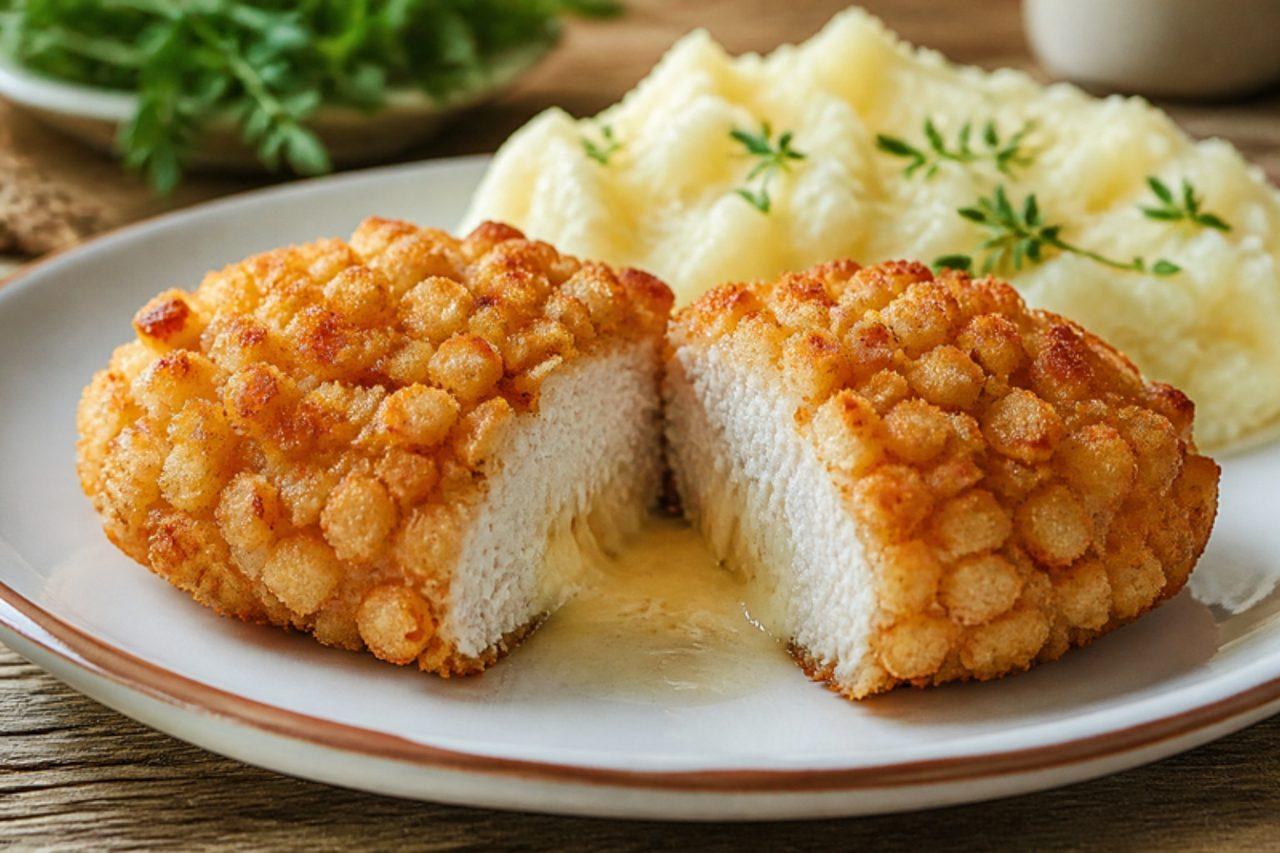
Torzhok, a coaching town on the road between Moscow and St Petersburg, was famous for the tavern of the Pozharsky family, and travellers spread the word of its tender cutlets of chopped chicken bound with milk-soaked bread and cream. They became a classic of grand Russian restaurants and later of Soviet menus. Each cutlet hides a cube of cold butter that melts into the meat, and the coating of tiny bread cubes fries into a crunchy, golden shell. Serve with mashed potatoes or buttered peas. The usual slip is overworking the mince in a processor, which makes it rubbery; chop it by hand or pulse briefly. Cook until the centre reads 74 °C. Chef's tip: freeze the butter cubes for 15 minutes so they stay inside rather than leaking out in the pan.

by KrazyBadal 0 views

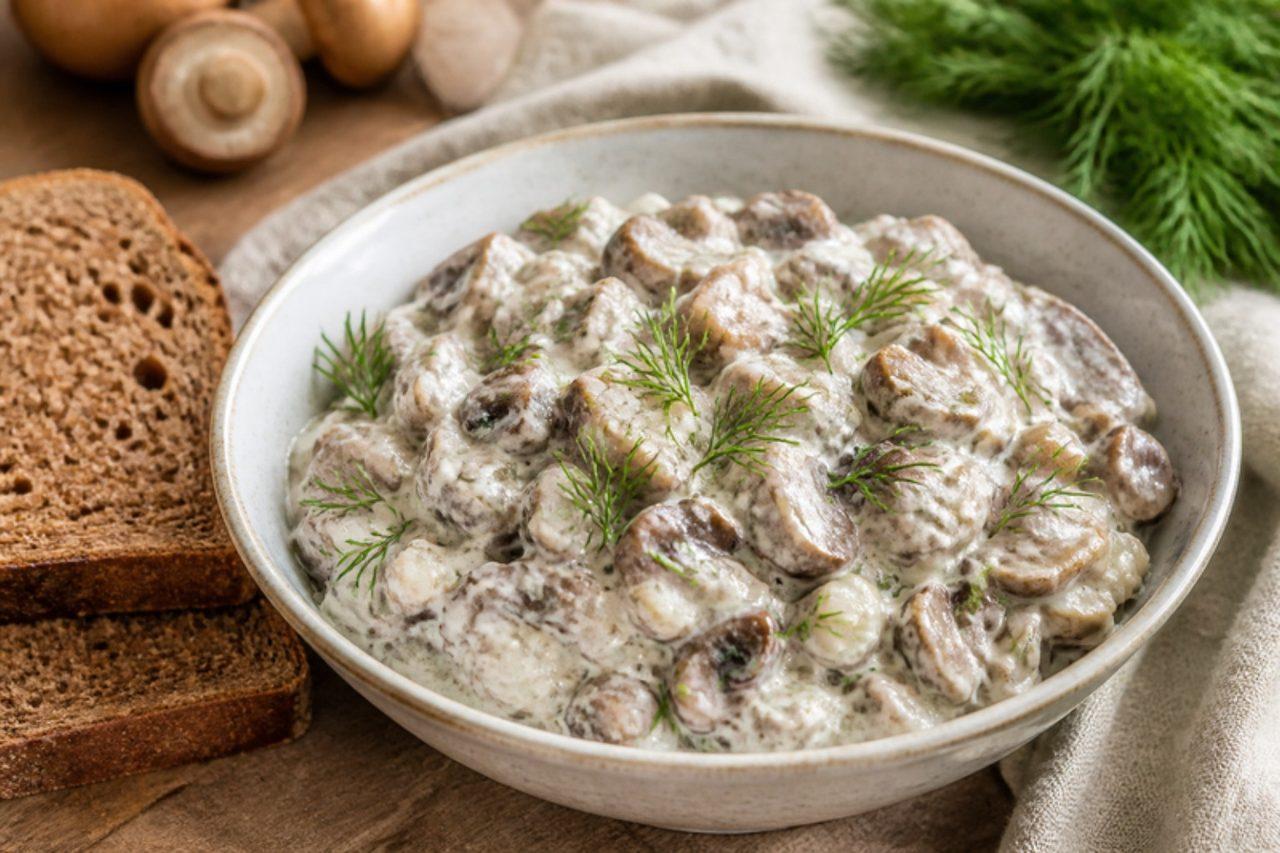
Mushroom julienne

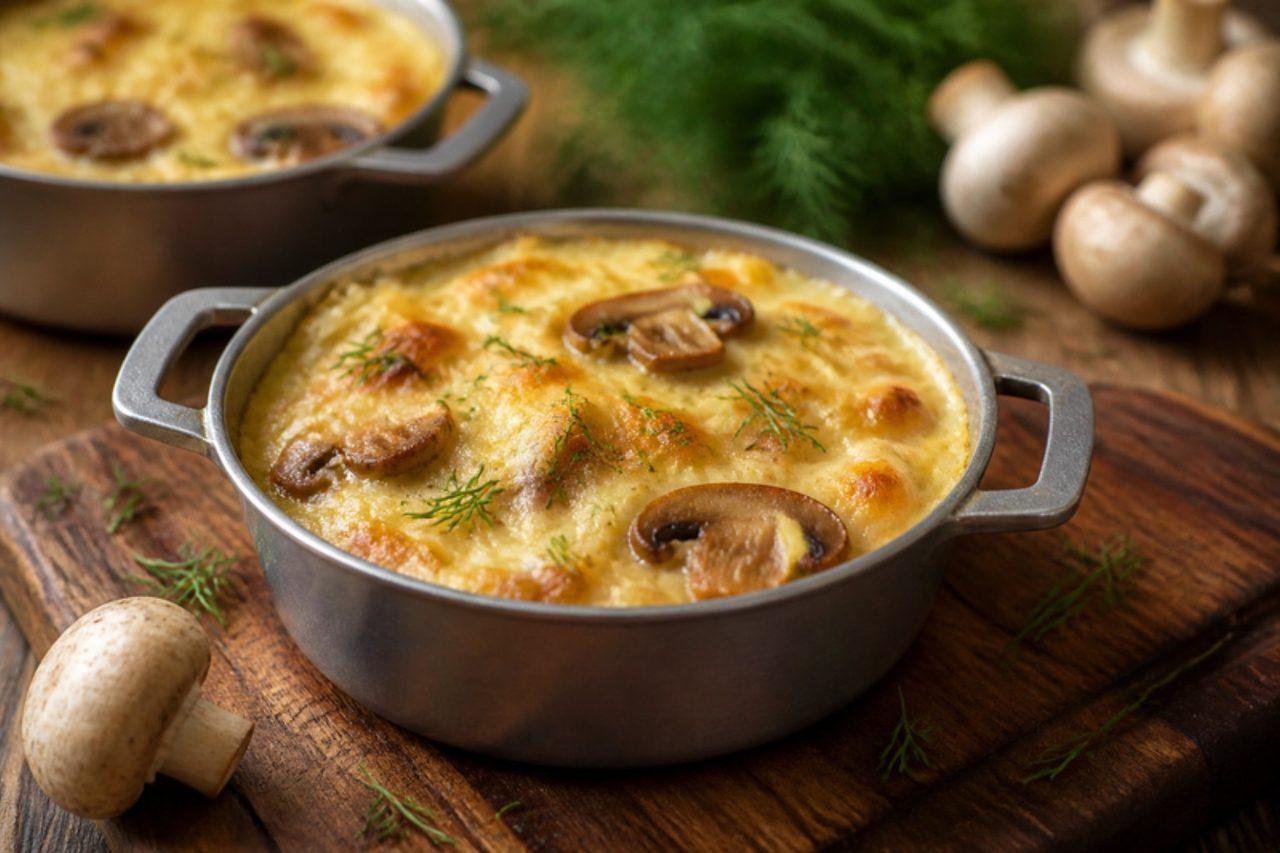
Restaurants in Moscow took the French word for thin strips and gave it to a hot starter: mushrooms and onion in sour cream, baked bubbling under melted cheese in little metal cocottes with a handle. It became a fixture of New Year and birthday tables, served after the cold zakuski and before the main course, with a teaspoon and a slice of bread. The sauce is creamy and savoury, the top blistered and golden. Use mushrooms you can cut into neat strips; button or chestnut mushrooms work, and a handful of wild ones adds depth. The usual slip is crowding the pan so the mushrooms stew; fry them in a hot pan until their liquid has gone. Many hard cheeses are made with animal rennet, so choose a vegetarian hard cheese. Chef's tip: no cocottes? Bake it in ramekins or hollowed-out bread rolls.

by KrazyBadal 0 views

Kabachkovaya ikra

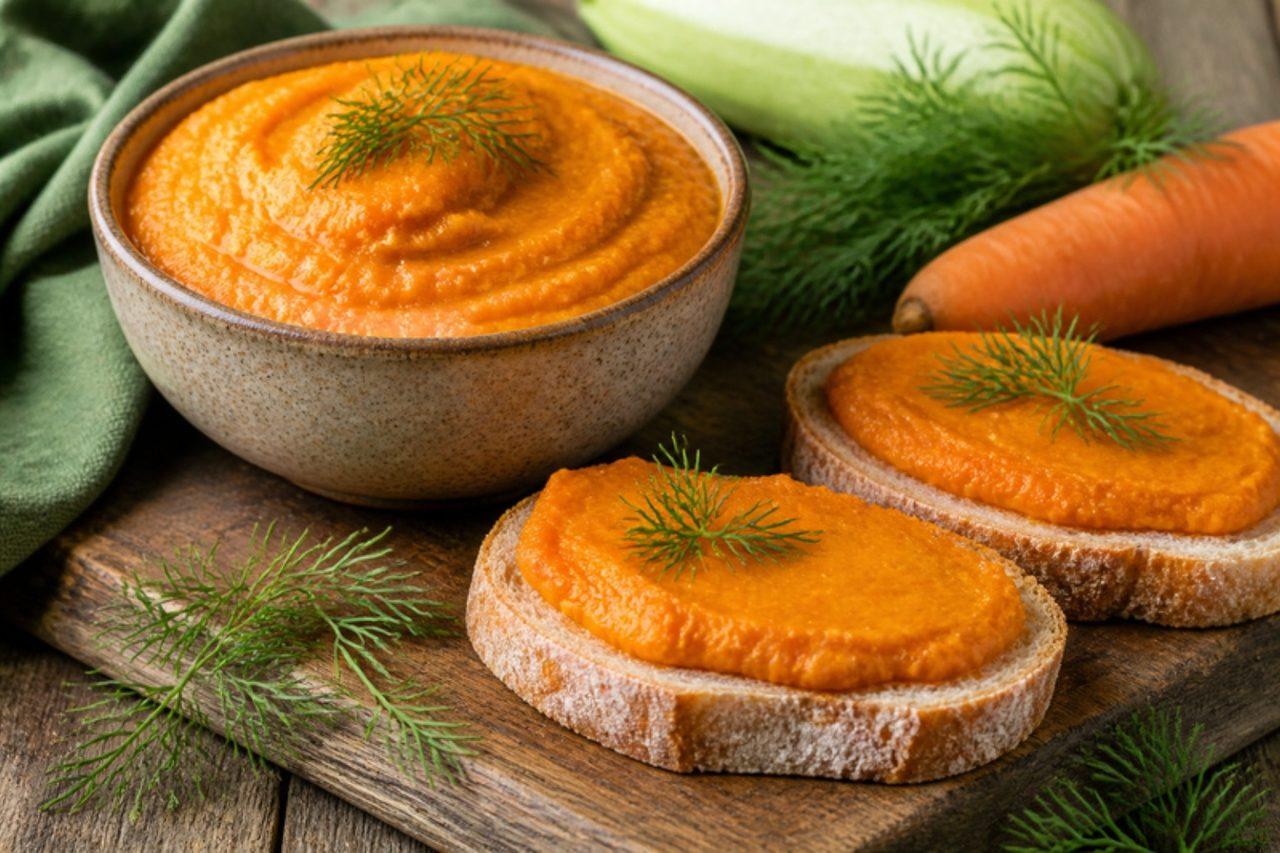
Late summer at the dacha means a glut of courgettes, and the answer across Russia is this soft orange spread, once sold in glass jars in every Soviet grocery and still made by the potful at home. Courgette, carrot and onion are fried in sunflower oil, stewed with tomato until they collapse, blended and then cooked down again until thick enough to stand on bread. It tastes sweet, mellow and lightly tangy, and is eaten cold on black rye bread, with boiled potatoes or as part of a zakuski spread. A common mistake is stopping too early: if the purée still looks watery it will taste flat, so keep stirring until a spoon leaves a trail across the pan. This is a fridge recipe, not a canning one. Chef's tip: make it a day ahead; the flavour rounds out overnight.

by KrazyBadal 0 views

Morkovcha

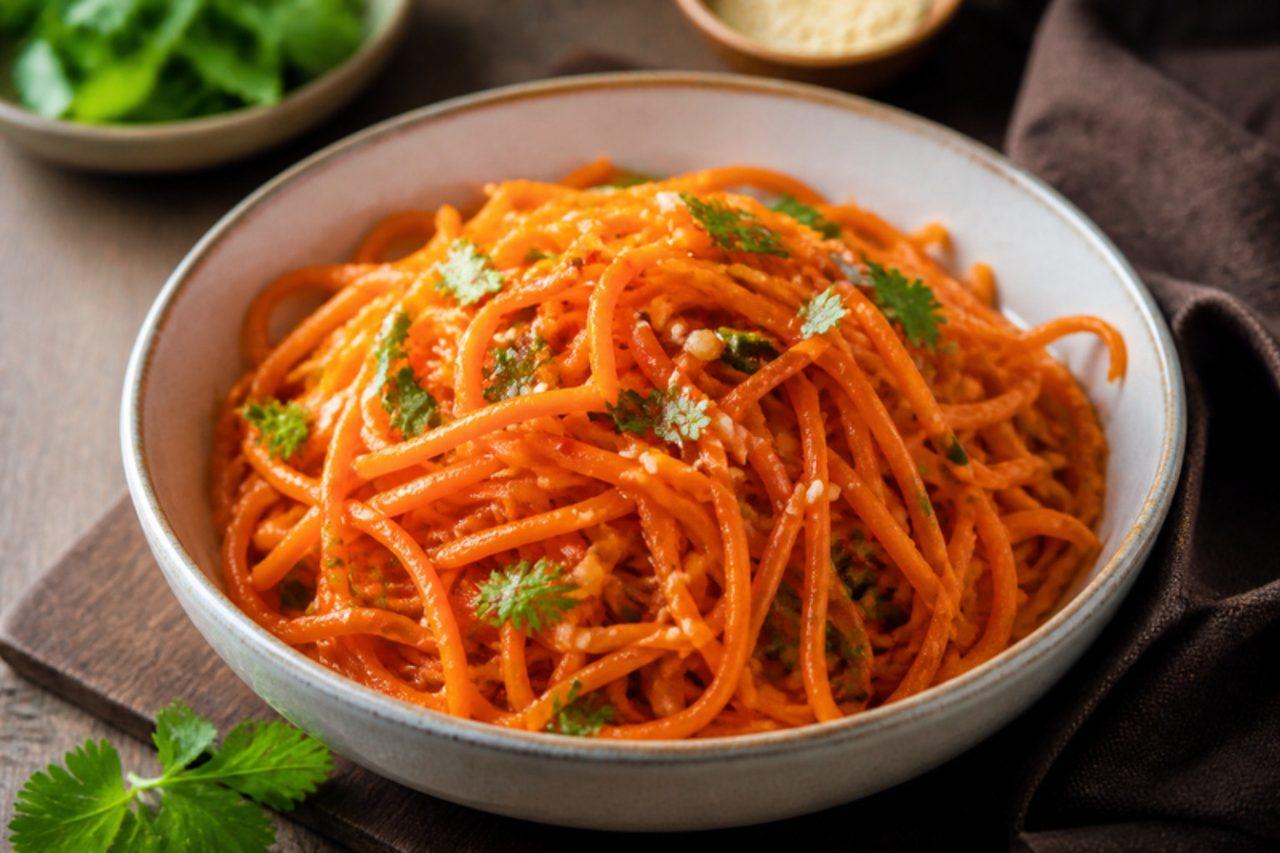
Koreans deported to Central Asia in 1937, the Koryo-saram, could not find napa cabbage for kimchi, so they shredded carrots instead, and the result spread to every market in Russia, where it is still sold by weight as "Korean carrots". Thin strands of raw carrot are salted, sharpened with vinegar and garlic, then dressed with sizzling oil poured over ground coriander and chilli. It is crunchy, sweet, sour and hot all at once, and it sits happily beside boiled potatoes, plov or a zakuski board. A common mistake is cutting the carrots too thick: they need to be long, matchstick-fine strands so the dressing soaks in. Pass the onion through the oil to flavour it, then lift it out. Chef's tip: leave it in the fridge overnight; by the next day the carrots soften slightly and taste twice as good.

by KrazyBadal 0 views

Tsakhdon

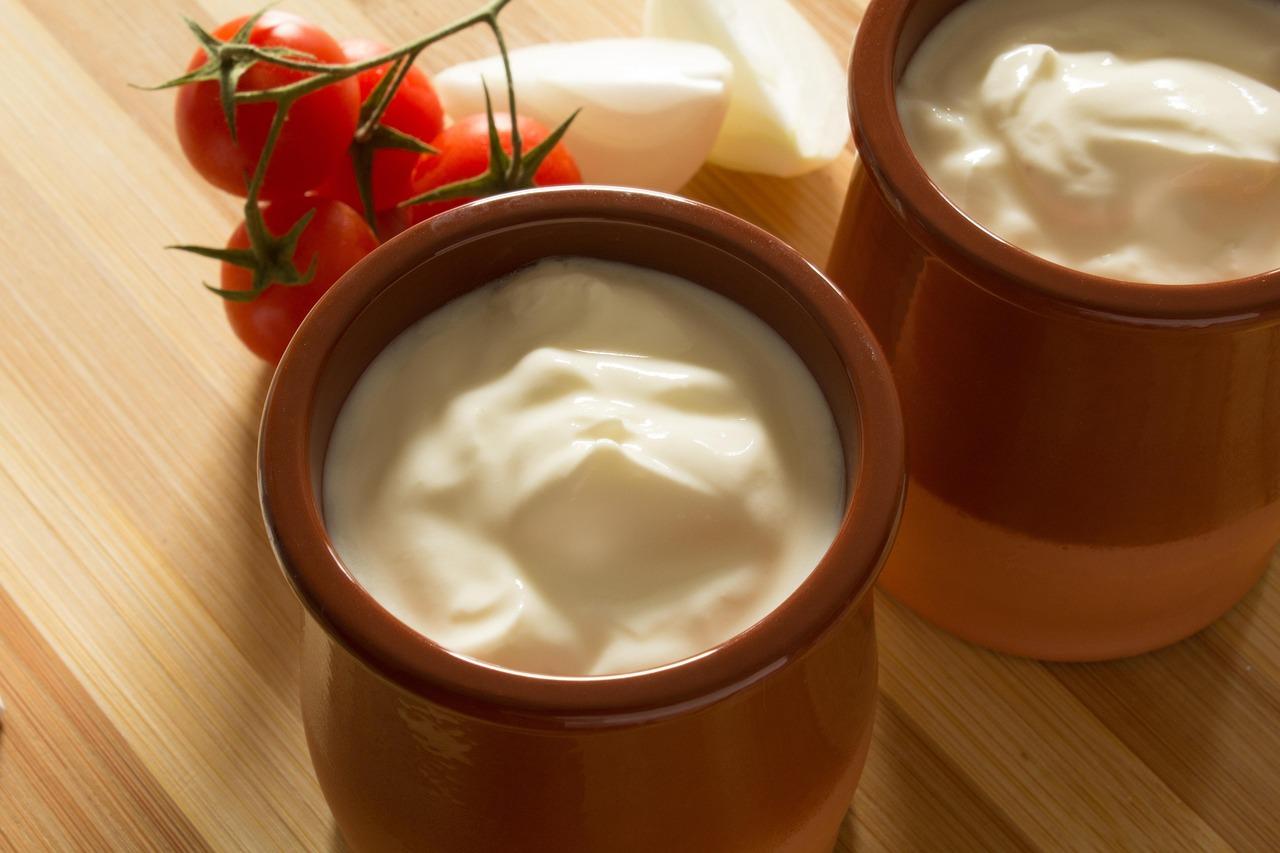
Ossetian tables in Vladikavkaz and the mountain villages of North Ossetia nearly always carry a bowl of tsakhdon, the thick, garlicky sour cream that goes with three-pie feasts, boiled beef, potatoes and anything grilled. It is cool, tangy and sharp with raw garlic, flecked green with dill, coriander and a little mint, and some families add a pinch of crushed red pepper. Garlic pounded with salt gives a smoother, sweeter heat than chopped garlic, so take the extra minute with a mortar. The usual slip is serving it the moment it is mixed; ten minutes in the fridge lets the garlic soften and spread through the cream. Use full-fat sour cream, as low-fat versions turn runny. Chef's tip: thin it with a spoon or two of cold water or kefir if you want it pourable over hot potatoes rather than spoonable beside pies.

by KrazyBadal 0 views

Dzykka

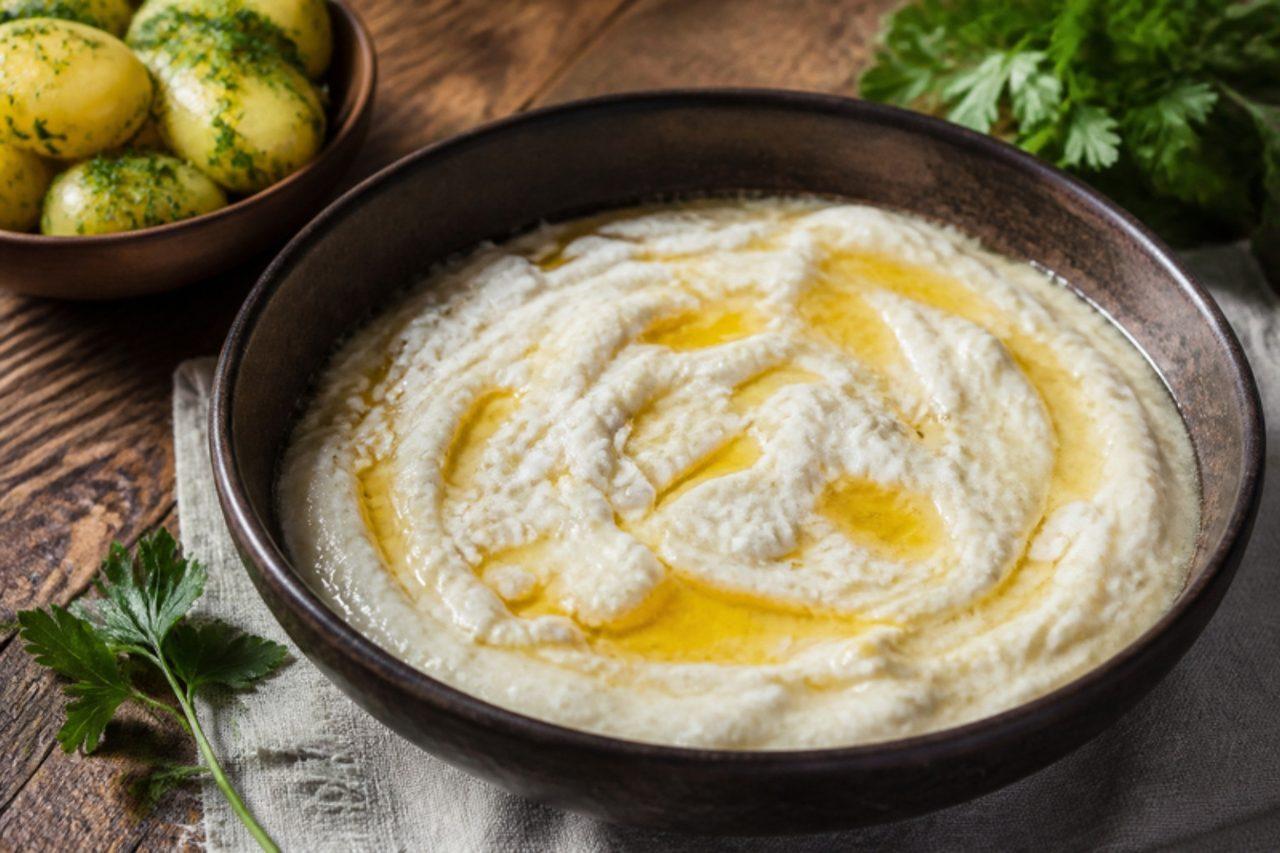
Shepherds in the high pastures of North Ossetia cooked dzykka in a cauldron over the fire from what the herd gave them, and it is still a winter breakfast and a dish for guests in Vladikavkaz homes. Young cheese and thick sour cream are heated and stirred with a little flour until the mass turns smooth, stretchy and glossy and clear yellow butterfat seeps out at the edges. It is rich, salty and tangy, eaten hot by scooping it up with flatbread or boiled potatoes. Ossetian cheese uses animal rennet, so choose a young brined cheese labelled vegetarian. A common mistake is stopping too early: dzykka is ready only when the fat separates and pools. Chef's tip: use a heavy non-stick pan and a wooden spoon and keep the heat low; high heat scorches the base long before the butter appears.

by KrazyBadal 0 views

Urbech

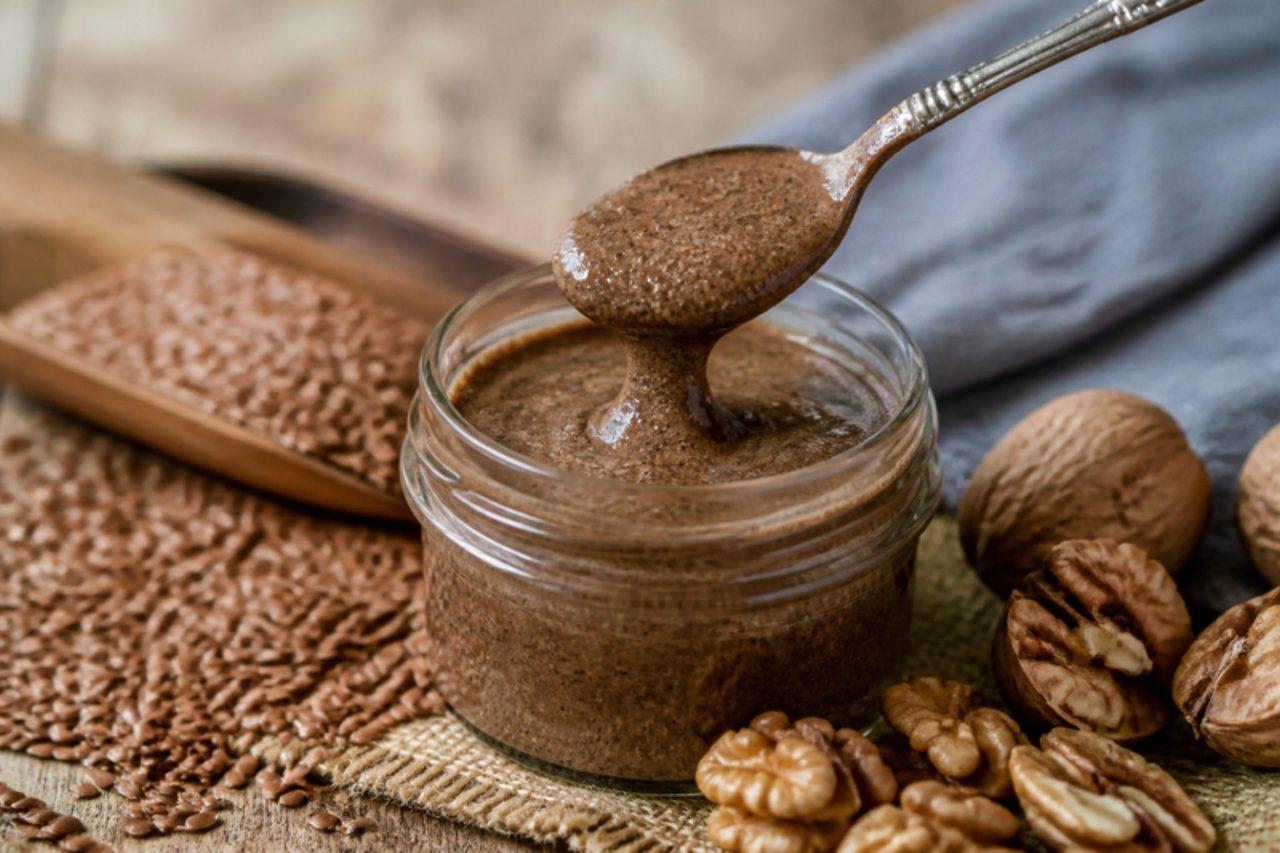
High in the villages of Dagestan, urbech was ground between millstones from roasted seeds and kernels until the oil ran, then packed into jars to see families through winter. Brown flax gives the classic dark, slightly bitter paste; walnuts soften it and make it creamy. Locals warm it gently with honey and melted butter and spread it on bread or eat it by the spoon with tea; for a fully plant-based breakfast swap in a fruit syrup and keep the butter out. Some urbech uses apricot kernels, but bitter kernels contain natural cyanide compounds, so this home version sticks to flax and walnuts. Where most people go wrong is giving up after five minutes: the seeds look like dry sand for a long time before suddenly collapsing into paste. Chef's tip: let the food processor rest every few minutes so the motor and the paste stay cool; overheated flax turns bitter.

by KrazyBadal 0 views

Eggplant rolls

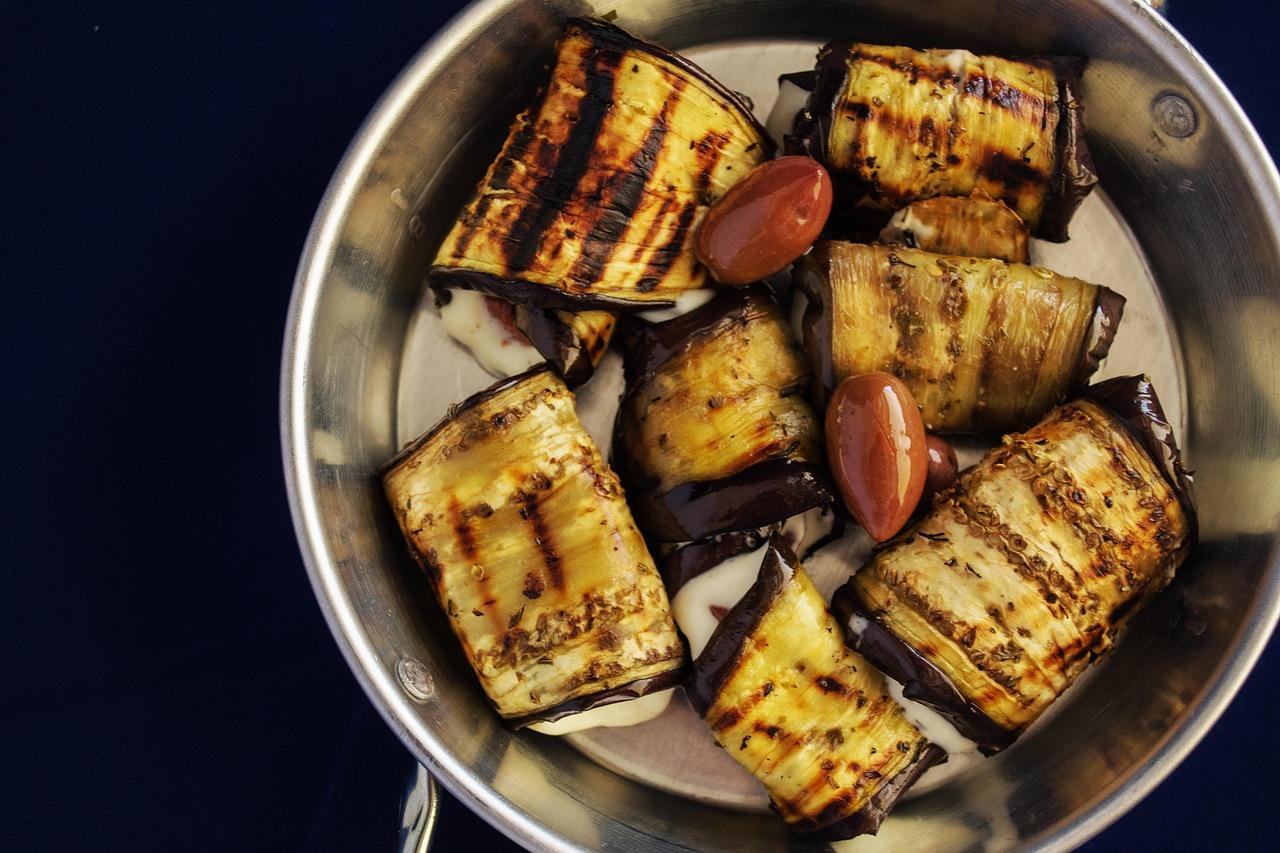
Every birthday buffet in Russian flats seems to have a plate of these little rolls, brought out with the herring and the salads: thin strips of fried aubergine wrapped around a sharp garlic and cheese filling with a slice of tomato peeking out. The aubergine is silky, the filling creamy and punchy, and the tomato keeps it fresh. They are a cold starter, so make them an hour before guests arrive and keep them chilled. Where most people go wrong is frying thick slices in lots of oil, which leaves them greasy and stiff; slice thin, salt them, pat dry and fry in a shallow film of oil. Many hard cheeses use animal rennet, so pick a vegetarian one. Chef's tip: press the fried slices between paper towels while still warm; they shed surprising amounts of oil.
by KrazyBadal 0 views

Rassolnik

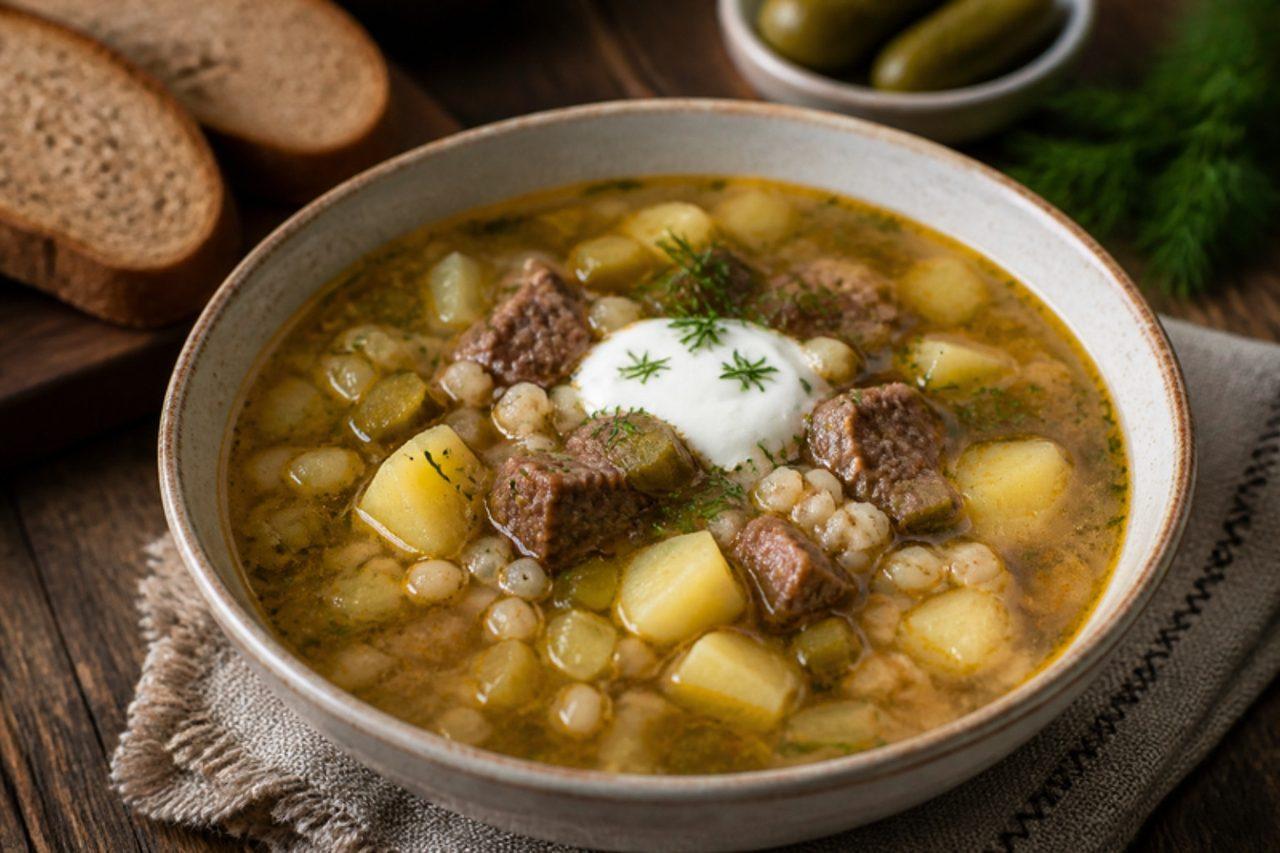
Rassol is Russian for pickle brine, and this soup makes the most of it: pearl barley, potato and beef simmered in a clear broth, then sharpened with grated salted cucumbers and a good pour of their liquor. It is a winter lunch from the Moscow region to the Urals and a canteen favourite in its Leningrad style, and many households serve it the morning after a celebration. Old recipes used kidneys; beef brisket or shin is easier and gives a rich broth. The taste is savoury and pleasantly sour, with soft, chewy barley. Where most people go wrong is cooking the barley in the soup from raw, which clouds the broth; cook it separately and add it later. Use brine-fermented cucumbers, not sweet vinegar pickles. Sour cream is traditional at the table for those not avoiding dairy. Chef's tip: add the brine little by little at the end and taste; cucumbers vary hugely in saltiness.
by KrazyBadal 0 views

Ukha

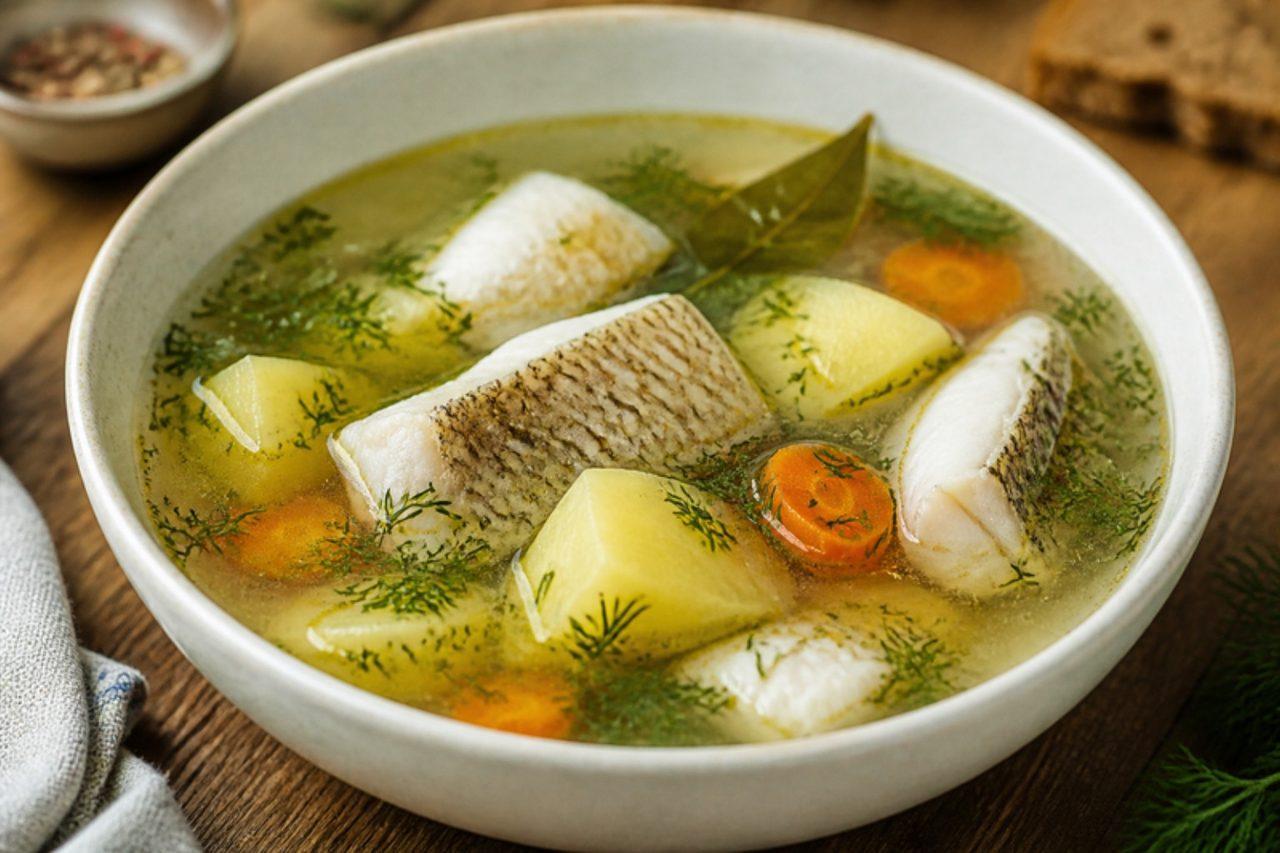
Fishermen on the Volga sandbanks make ukha in a blackened pot over driftwood with whatever is in the net, perch, pike-perch, a small pike, and it is still the soup cooked at dachas on summer evenings. The point is clarity: a light, pale-gold broth that tastes cleanly of fish, with soft potatoes, a whole onion simmered in and a fistful of dill at the end. It is served with black bread and a squeeze of lemon. A common mistake is letting the pot boil hard, which clouds the broth and breaks the fish into flakes. Chef's tip: simmer the bones and trimmings first for the stock and only then poach clean fillets in it, so you get both a rich broth and neat pieces of fish.

by KrazyBadal 0 views

Korbáčiky

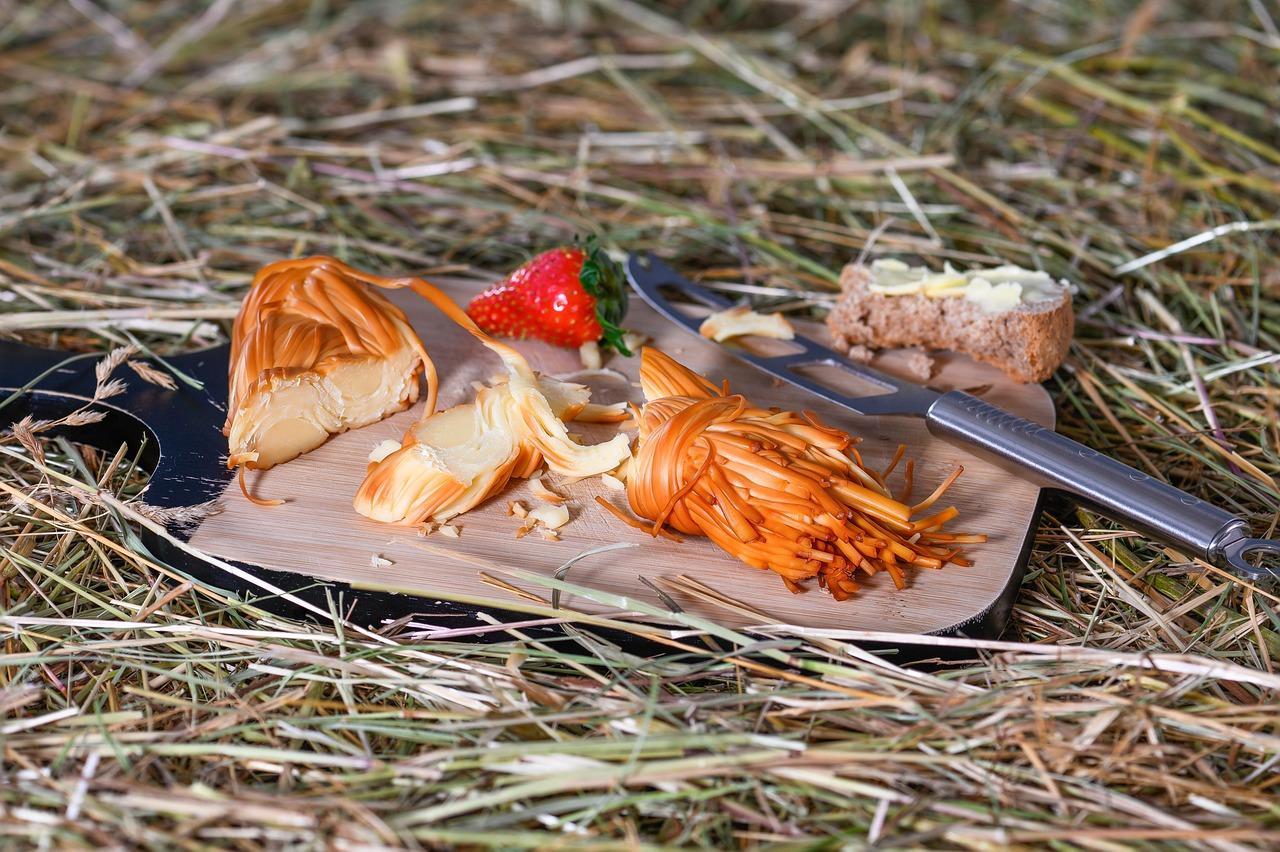
Korbáčiky (little whips) come from Orava in northern Slovakia, where cheesemakers pull hot, stretchy curd into long thin strings and plait them into braids. Sold at roadside stalls in the Tatra foothills, they are chewy, squeaky and salty, usually lightly smoked, and are pulled apart and eaten with fingers like a snack, often with a cold drink on a hike. At home you can make the curd yourself from pasteurised milk in under an hour. Traditional korbáčiky are set with animal rennet, so this recipe uses vegetarian (microbial) rennet; any shop-bought curd should say the same. Use pasteurised whole milk that is not UHT-treated, or the curd will not set. Where most people go wrong is stretching the curd when it is not hot enough: it tears instead of pulling into glossy ropes. Chef's tip: wear clean rubber gloves for stretching, so you can work with water hot enough to make the curd silky.

by KrazyBadal 0 views

Kissel

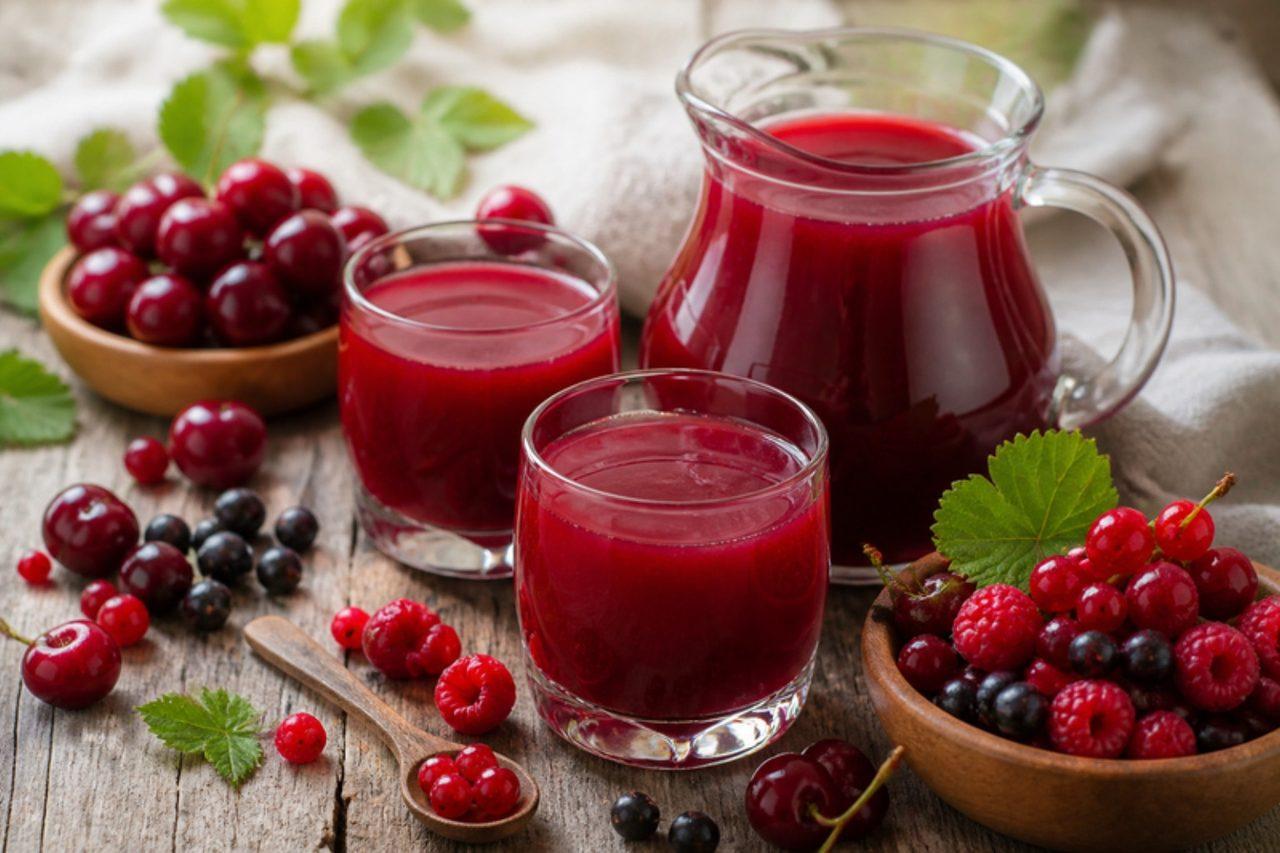
Kissel is the drink of Russian childhoods: a glass of silky, ruby-red berry juice, just thick enough to coat the tongue, poured warm at kindergarten lunch or cold in summer from a jug on the dacha veranda. It is also the old Maslenitsa and wake-table drink, and frozen berries make it possible all year. The flavour is sweet-sharp and fresh, the texture smooth and slightly jelly-like. A common mistake is adding the starch mixture to boiling liquid and letting it bubble for minutes; bring it just back to a simmer, then take it off, or it thins out again and can turn gluey. More starch makes a spoonable dessert kissel. Chef's tip: lay cling film or sprinkle a little sugar on the surface as it cools to stop a skin forming.
by KrazyBadal 0 views

Sbiten

Long before tea reached Russia, street sellers wrapped in shawls carried copper urns of sbiten through winter markets, pouring steaming glasses of spiced honey water for traders and coachmen. It comes back every Maslenitsa at fairs in Moscow and Suzdal, drunk beside blini. The taste is warming and sweet, with the bite of ginger, a bitter edge of bay and clove, and a resinous note from St John's wort or mint. Where most people go wrong is boiling the honey hard, which dulls its perfume; simmer the spices first and dissolve the honey off the boil. Honey should not be given to babies under one year old. Chef's tip: make the spiced base ahead and keep it in the fridge, then reheat a glass at a time and finish with a squeeze of lemon.

by KrazyBadal 0 views

Mors

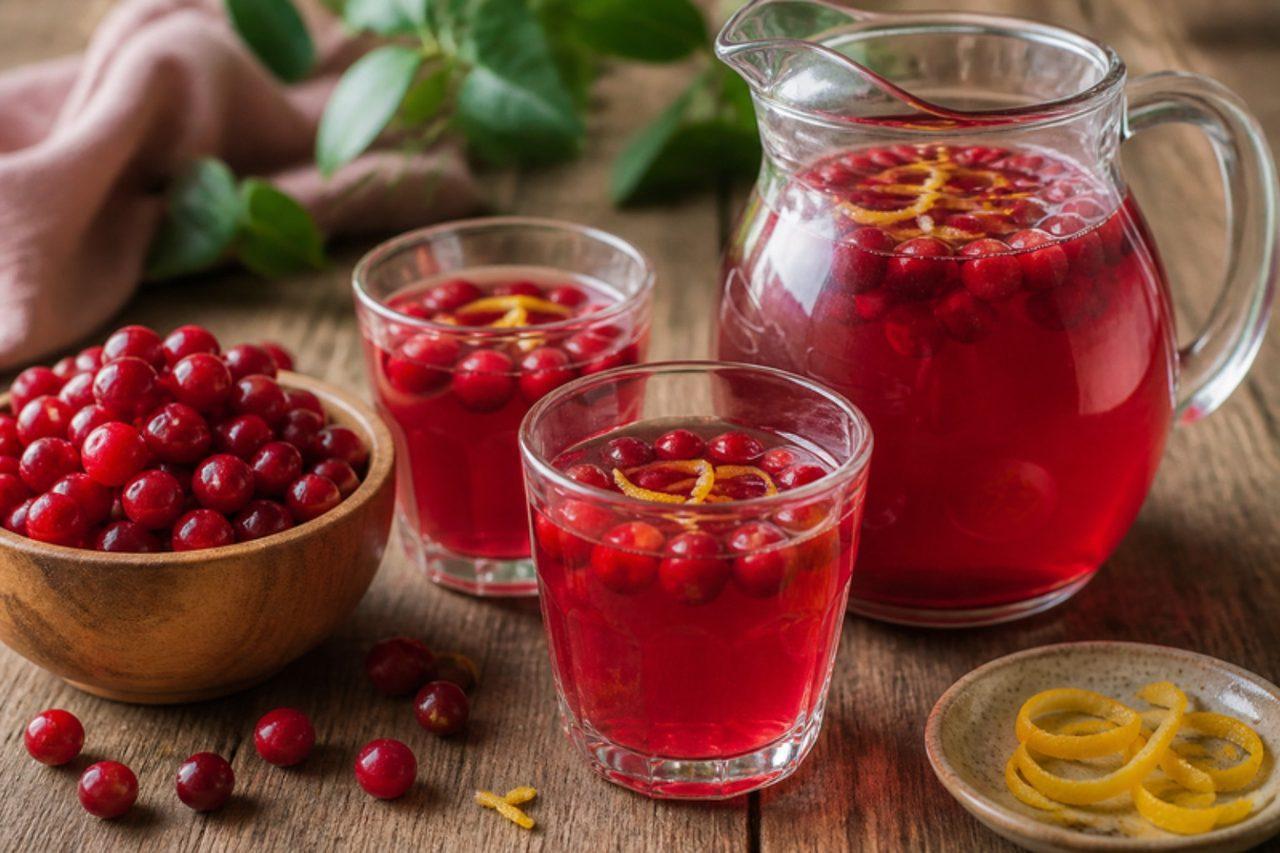
Northern Russia picks cranberries and lingonberries from the bogs in autumn, and many of them end up as mors, a tart, crimson drink served from a jug at family dinners and offered in cafes and canteens from Arkhangelsk to Siberia. Unlike kissel it is thin and refreshing, made by pressing out the raw berry juice, cooking the skins in water and then combining the two so the fresh vitamin-rich juice is never boiled. Honey goes in last, once the liquid has cooled a little, to keep its flavour. Where most people go wrong is boiling the pressed juice along with the pulp; keep it aside until the end. Honey is not for babies under one year old. Chef's tip: serve it cold with ice in summer or warmed gently in winter; it is good both ways.

by KrazyBadal 0 views

Cheremsha salad

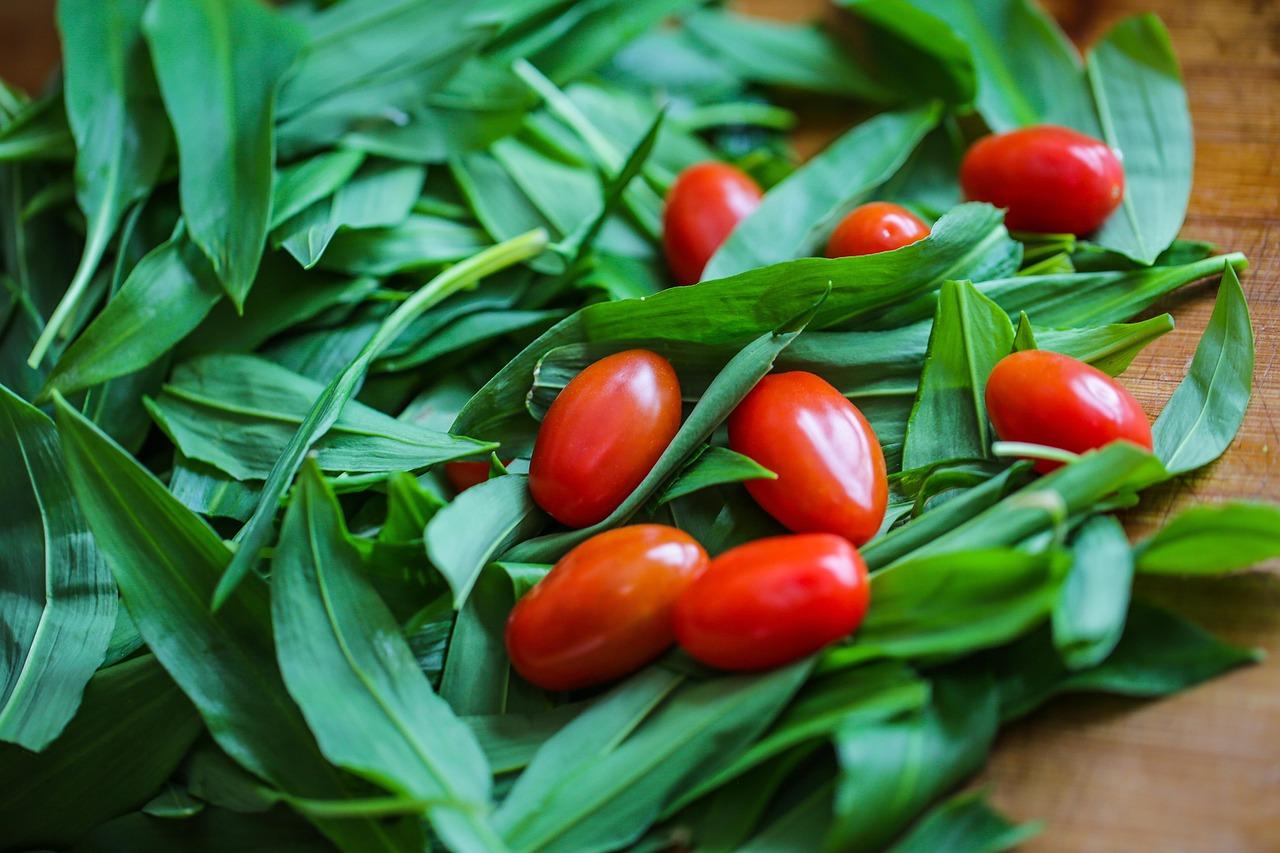
Late April in Novosibirsk and Tomsk brings bunches of cheremsha to every market stall and roadside bucket: the first green vitamins after a long Siberian winter. The broad leaves and juicy stems of wild garlic taste of sweet, mild garlic with a peppery bite, and Siberians eat them simply, chopped with salt and fragrant unrefined sunflower oil, beside boiled potatoes and black bread. Some cooks add chopped egg or sour cream; this vegan version sticks to oil, with cucumber for crunch. Forage only with someone who knows the plant, or buy it: wild garlic has poisonous lookalikes such as lily of the valley, and real leaves smell strongly of garlic when crushed. Where most people go wrong is dressing it too early, so the leaves wilt and weep. Chef's tip: salt the chopped stems first and rub them for a few seconds; it softens their bite and draws out juice that becomes part of the dressing.

by KrazyBadal 0 views

Shangi

From the Urals across to Siberia, shangi turn up on Sunday breakfast tables, at village markets and in the lunch bags of fishermen and hunters. They are flat rounds of soft yeast dough topped, not filled, with a thick swirl of buttery mashed potato beaten with egg, then brushed with sour cream so the top bakes into golden, slightly crisp peaks. Eat them warm with tea, milk or a bowl of mushroom soup. Older northern versions used barley dough or a millet topping, and sweet shangi carry tvorog instead. The usual slip is spreading the potato right to the edge; leave a rim so the dough rises around it like a frame. Chef's tip: brush the baked shangi with melted butter and stack them in a covered pot for ten minutes, which keeps them soft the way Siberians like them.

by KrazyBadal 0 views

Blini

Maslenitsa, the week of butter before Lent, is when Russia makes blini by the stack: thin, lacy, slightly sour pancakes raised with yeast and fried one after another in a hot pan, each brushed with melted butter. Old Moscow recipes used buckwheat, and a share of it here gives a nutty, earthy flavour and a speckled grey-gold colour. Eat them folded into quarters with sour cream, jam, honey or condensed milk; red caviar is the festive classic, but this version stays vegetarian. The usual slip is a pan that is not hot enough, which makes thick, pale blini that stick; the first one is always a test. A splash of boiling water whisked in at the end gives the lacy holes. Chef's tip: stack the blini on a plate and cover with a bowl as you go; the steam keeps them soft and supple.

by KrazyBadal 0 views

Kulebyaka

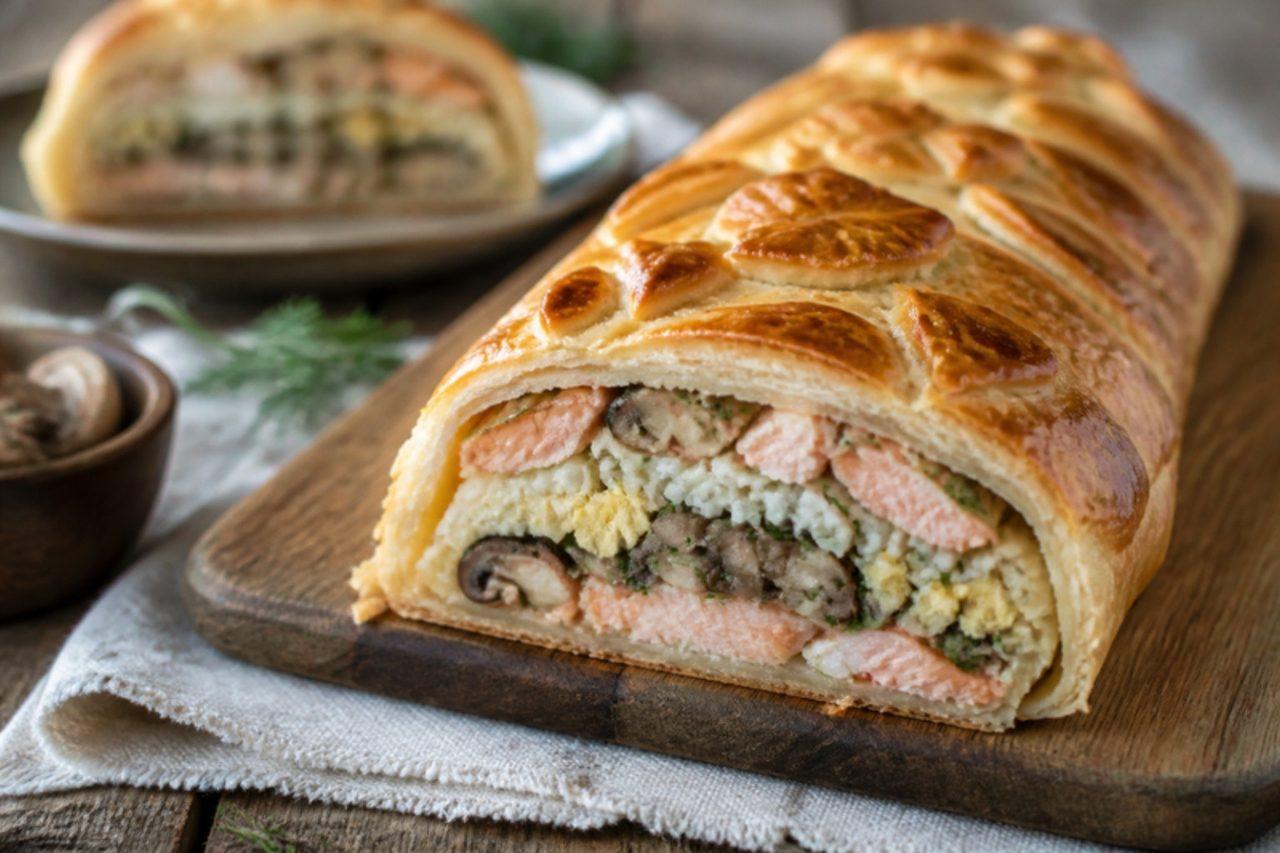
Merchant feasts in old Moscow were judged by their kulebyaka, a long, plaited-top pie cut at the table to show neat stripes of filling, and it still appears at name days, Easter and New Year. Under a golden yeast crust sit layers of dill-scented rice, chopped egg, buttery mushrooms and pink salmon, each one seasoned separately. Slices are eaten warm with melted butter or a cup of clear fish broth. The usual slip is assembling with warm, wet fillings, which steam the base into a soggy mess; cool everything and keep the rice and mushrooms fairly dry. Bake until the salmon at the centre is opaque and reads at least 63 °C. Chef's tip: lay a thin pancake or a sheet of cooked rice under the fish; old cooks used blini as a sponge for the juices.

150 minRussianFish
by KrazyBadal 0 views

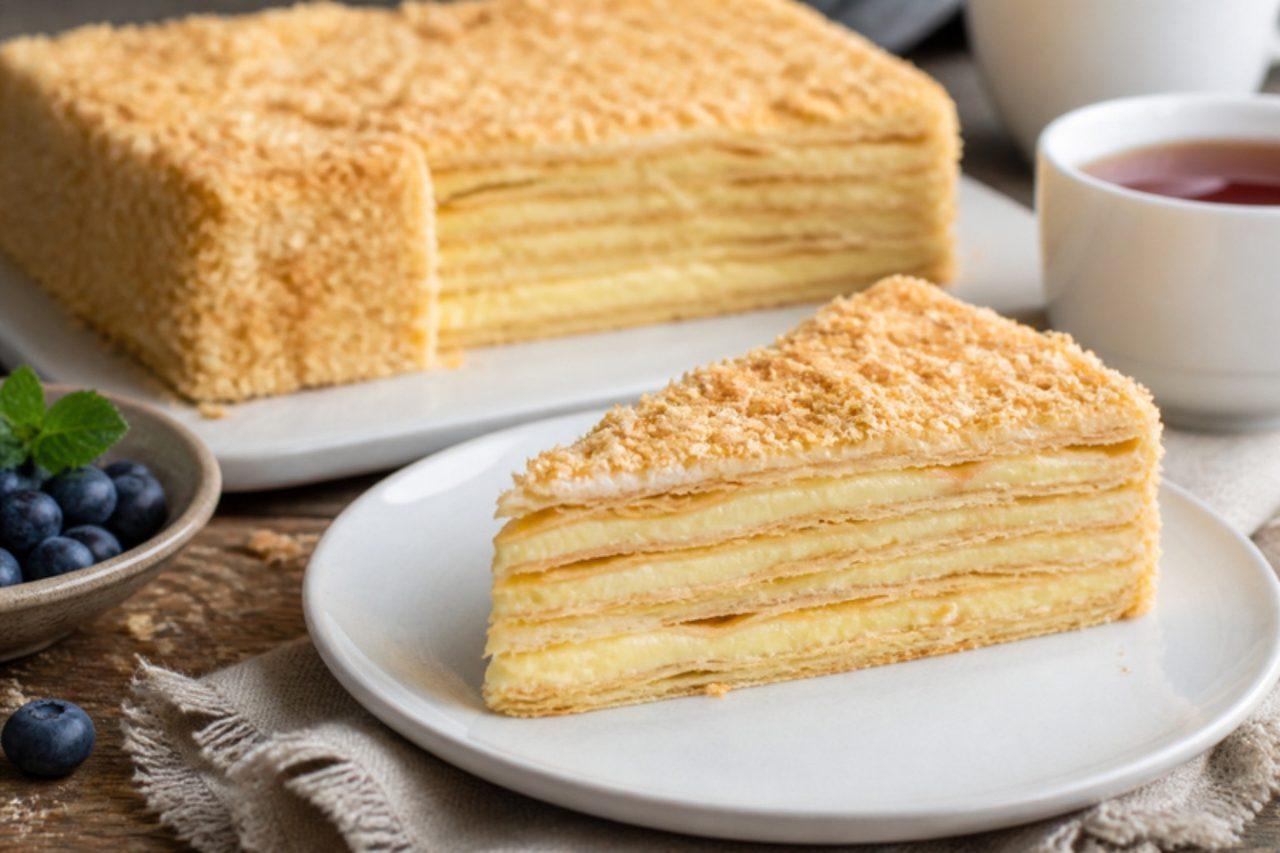
Napoleon cake

Legend links this cake to 1912, the centenary of Napoleon's retreat from Moscow, when St Petersburg confectioners cut triangular pastries shaped like his hat. By Soviet times it had grown into the tall round cake every family baked for birthdays and New Year's Eve. Eight wafer-thin rounds of quick flaky pastry are stacked with vanilla custard enriched with butter, then left overnight so the layers soften into something between a mille-feuille and a tender sponge; crushed trimmings give the snowy finish. Where most people go wrong is serving it the same day; without the long rest in the fridge it is crisp and dry instead of melting. Chef's tip: roll each piece of pastry straight onto baking paper and trim it around a 24 cm plate before baking, so you never have to lift thin raw dough.

by KrazyBadal 0 views

Pyshki

On Bolshaya Konyushennaya street in St Petersburg a small pyshechnaya has been frying these since the 1950s, and locals will tell you firmly that a pyshka is not a ponchik, the filled Moscow doughnut. They come in a paper bag five or six at a time, so hot that the icing sugar melts at the edges, with a glass of sweet milky coffee from a big urn. The soft, fairly wet yeast dough gives a light, open crumb inside a thin golden shell. The usual slip is oil that is too cool: the rings soak it up and turn heavy, so keep a thermometer in the pan at 175 °C. Chef's tip: set each shaped ring on its own small square of baking paper and lower the paper into the oil with it; the paper slips off after a few seconds and the ring stays perfectly round.

by KrazyBadal 0 views

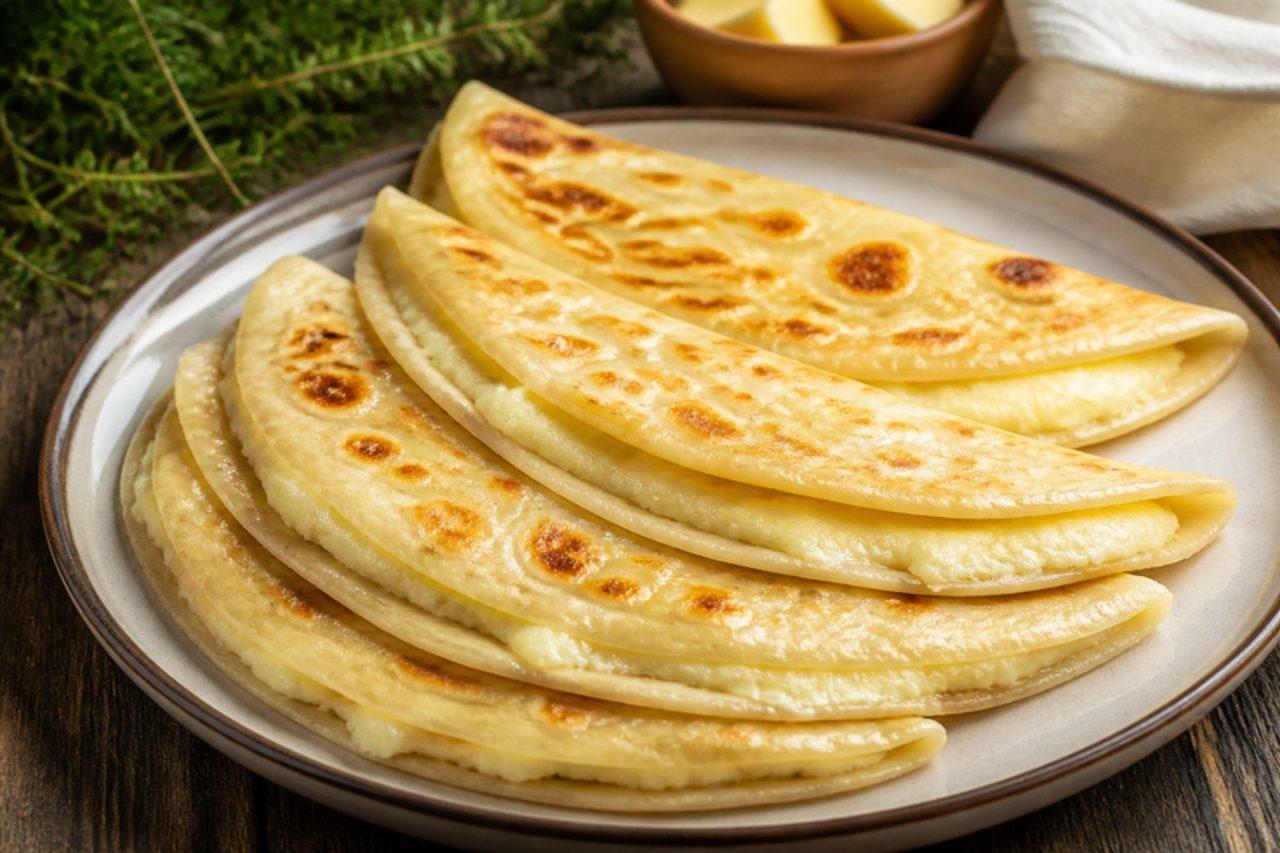
Kystybyy

Ask anyone in Kazan what they ate after school and many will say kystybyy, the folded Tatar flatbread sold warm in canteens and kiosks all over Tatarstan. Paper-thin rounds of unleavened dough are dry-cooked in a hot pan, filled while soft with mashed potato whipped with milk, butter and fried onion, folded into a half-moon and brushed with more butter. In older Tatar village kitchens the filling was millet porridge, which works just as well. Serve with tea, a bowl of soup or a glass of katyk, the Tatar soured milk. A common mistake is leaving the cooked flatbreads uncovered; they dry out and crack when folded, so stack them under a towel. Chef's tip: keep the pan dry and hot; 30–40 seconds a side gives brown freckles without stiffening the bread.

by KrazyBadal 0 views

Jamaican green banana porridge

Green banana porridge is the breakfast many Jamaicans remember from their grandmothers' kitchens in St Mary and St Ann, where bananas are cheap and plentiful and the porridge was said to "build you up" for the day. Unripe bananas grated or blended with water cook into a smooth, silky porridge with a gentle, earthy flavour, sweetened with condensed milk and scented with nutmeg, cinnamon and vanilla. The common mistake is not whisking as it heats; the starch thickens suddenly and goes lumpy within a minute. Peel the green bananas with oiled hands or gloves, because the sap stains. Chef's tip: blend the bananas with the water until completely smooth before they go into the pot, which makes it far easier to keep lump-free.

by KrazyBadal 0 views

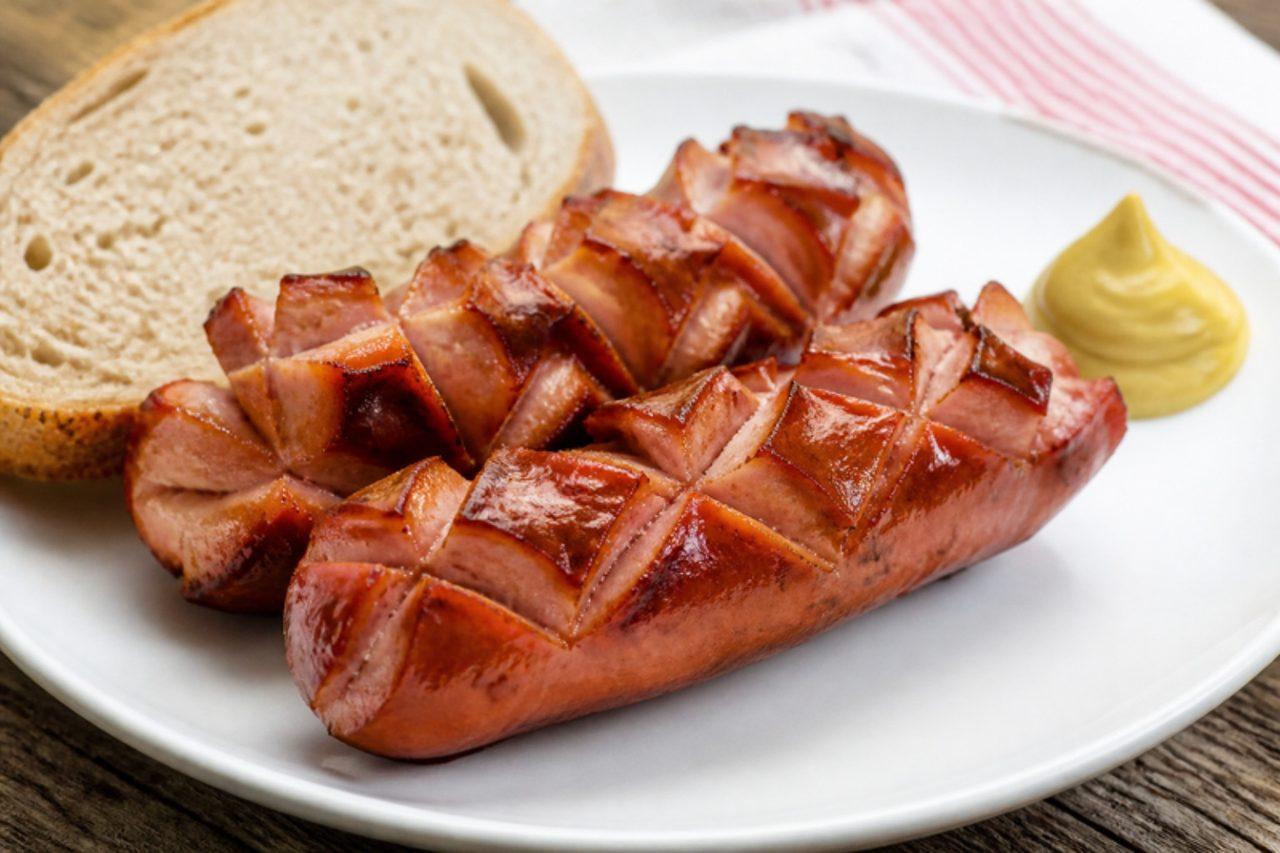
Cervelat

The cervelat, a short, fat, smoked sausage of beef and pork, is called Switzerland's national sausage, and it is what every Swiss child grills on a stick over a campfire on 1 August, National Day, on school trips and on mountain hikes: the ends are cut into a cross so they curl open like a flower as they cook, and it is eaten with bread and mustard. This sausage contains pork. Cervelat is bought ready-cooked and smoked; grilling heats it through and crisps it. A common mistake is grilling over flames, which burns the skin black before the inside is hot. Chef's tip: grill over glowing embers and turn often until the scored ends open out; heat until piping hot, 71 °C.

15 minSwissMeat
by KrazyBadal 0 views

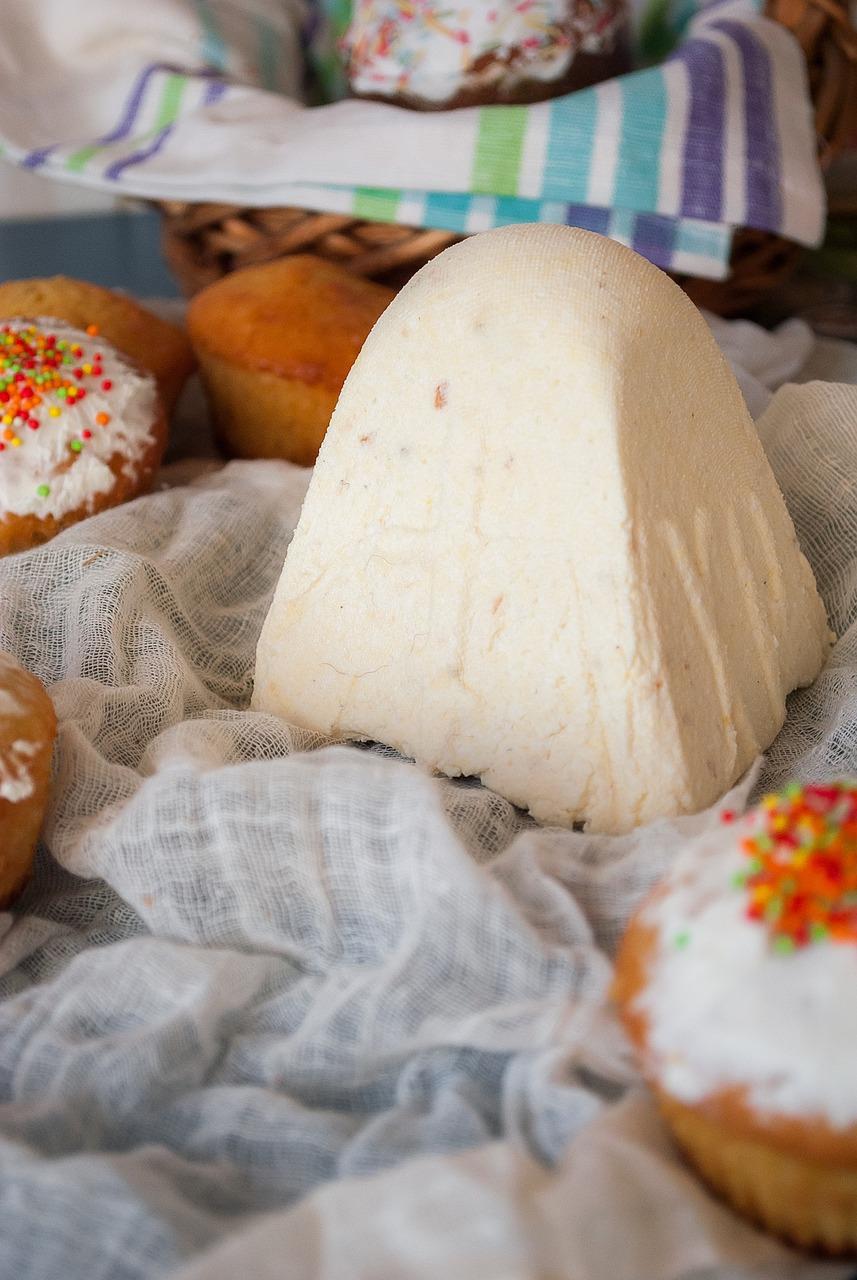
Paskha

Next to the kulich on every Russian Easter table stands a white pyramid stamped with the letters ХВ, for 'Christ is risen', cut into thin wedges and spread on slices of the sweet bread. Old recipes stir raw yolks and cream straight into the curd; this is a cooked paskha (zavarnaya), where yolks, cream and sugar are first heated into a custard, which is safer and keeps longer. Use pasteurised tvorog, cream and eggs, and check the tvorog label if you want it rennet-free. The texture is dense and smooth like a firm cheesecake filling, sweet with vanilla, raisins, candied peel and almonds. Where most people go wrong is skipping the sieving; unsieved curd stays grainy whatever else you do. Chef's tip: no pyramid mould? A new, clean flowerpot or a sieve lined with muslin works, with a weight on top overnight in the fridge.
by KrazyBadal 0 views

Showing 81 of 7,762 recipes

Show more recipes

Page 321 of 863