Skip to content
Sayur lodeh
Featured recipe

Sayur lodeh

Sayur lodeh is everyday cooking in Central Java, made in big pots in Solo and Semarang kitchens and ladled over rice, with lontong rice cakes at Lebaran, or alongside opor and sambal goreng on festive tables. It's soupy rather than thick: a fragrant broth of coconut milk, galangal, lemongrass and lime leaf that carries chunks of aubergine, long beans, chayote and sweetcorn, plus tempeh and tofu to make it a meal. The flavour is mellow and slightly sweet, so the heat comes from sambal on the side. Chef's tip: keep the pot at a gentle simmer once the coconut milk goes in and stir now and then — a rolling boil splits the coconut milk into oily curds.

Read more 3 views
Can't decide?

What to eat today?

Spin the randomizer, search with what's already in your fridge, or browse recipes from our chefs.

Latest recipes

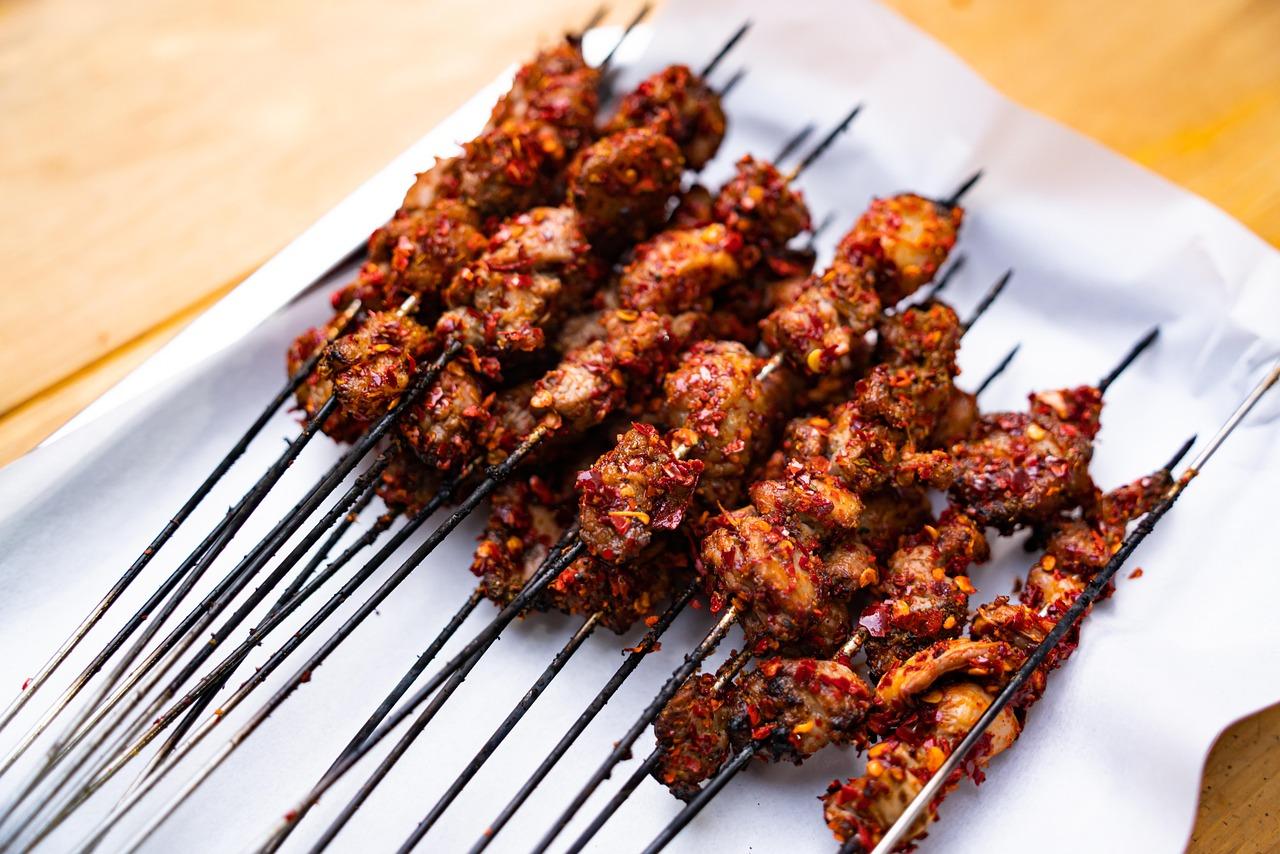
Xinjiang lamb skewers

Clouds of cumin-scented smoke rise from long charcoal troughs at night markets from Ürümqi to Kashgar, where Uyghur grill men fan the coals and turn dozens of skewers at a time. Small cubes of lamb, often with a piece of fat between them, are seasoned with salt, cumin and chilli right on the grill, so the outside is crusty and spicy while the inside stays pink and juicy. Street vendors across China copy them, but the best are simple. Eat them hot off the skewer with flatbread, sliced onion and a cold drink. Chef's tip: thread a small cube of lamb fat after every three pieces of meat; it melts over the lean as it grills and keeps it moist.

by KrazyBadal 0 views

Sigara böreği

These pencil-thin rolls take their name from the cigarettes they resemble, and they are the börek every Turkish child grows up on. Triangles of yufka (thin Turkish pastry) are rolled round a finger of white cheese and parsley and fried until they shatter when you bite them. They turn up at five o'clock tea parties, on the iftar table during Ramadan and in many a school lunchbox. Yufka is sold in Turkish shops; filo works too if you use two sheets brushed with oil. Chef's tip: shape them all, cover with a damp cloth and fry just before eating; they lose their crunch within an hour.

by KrazyBadal 0 views

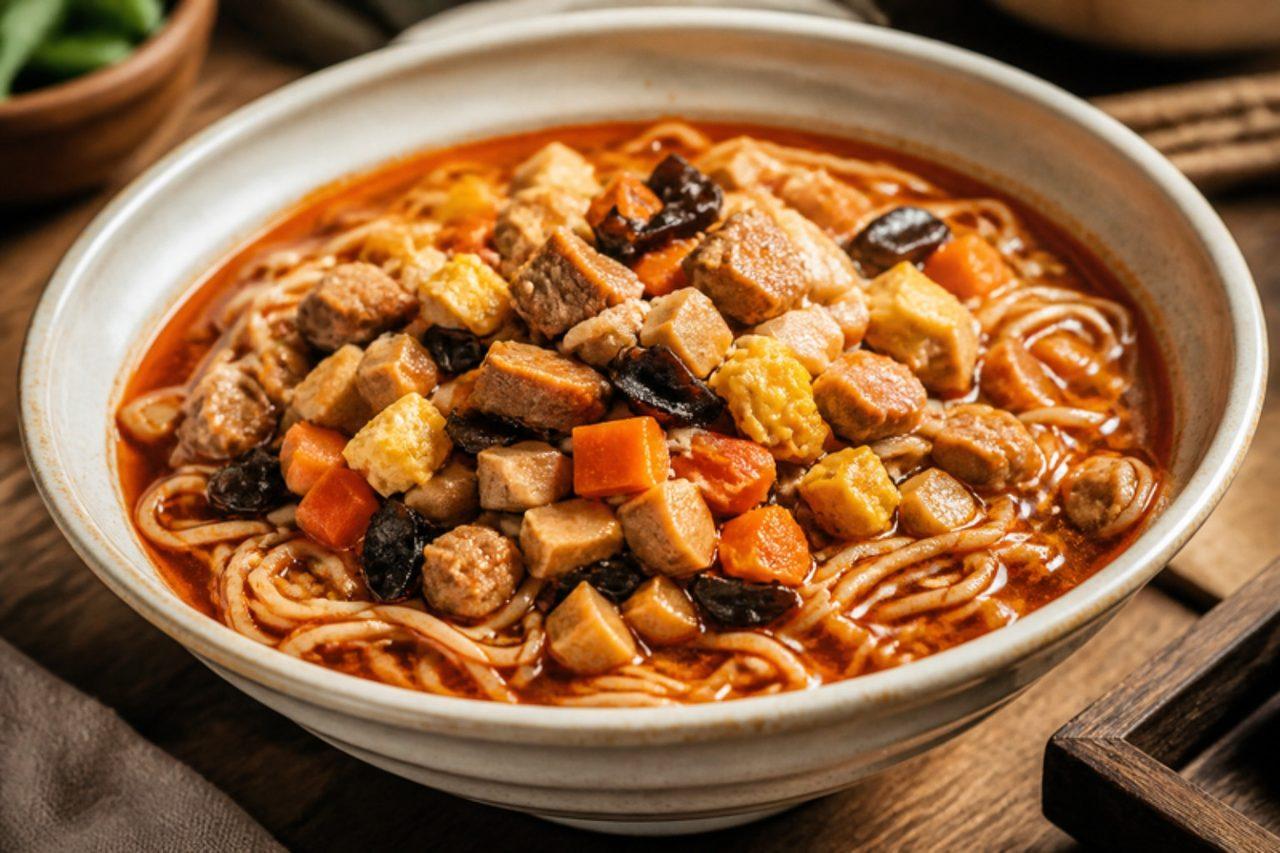
Qishan saozi mian

Weddings, birthdays and harvest feasts in Qishan county, west of Xi'an, all call for these little bowls of noodles, and guests may eat ten or twenty small portions in a row. The key is the saozi, diced pork slowly cooked in aged vinegar and chilli until it turns red, tangy and fragrant; the broth is sour, spicy and bright with diced tofu, carrot, wood ear, egg and garlic shoots. The noodles are thin and springy and the bowls deliberately small. Serve it to a crowd as a lively lunch, with a plate of pickled vegetables. Chef's tip: make the saozi a day ahead; it keeps for a week in the fridge and tastes better after a rest.

by KrazyBadal 0 views

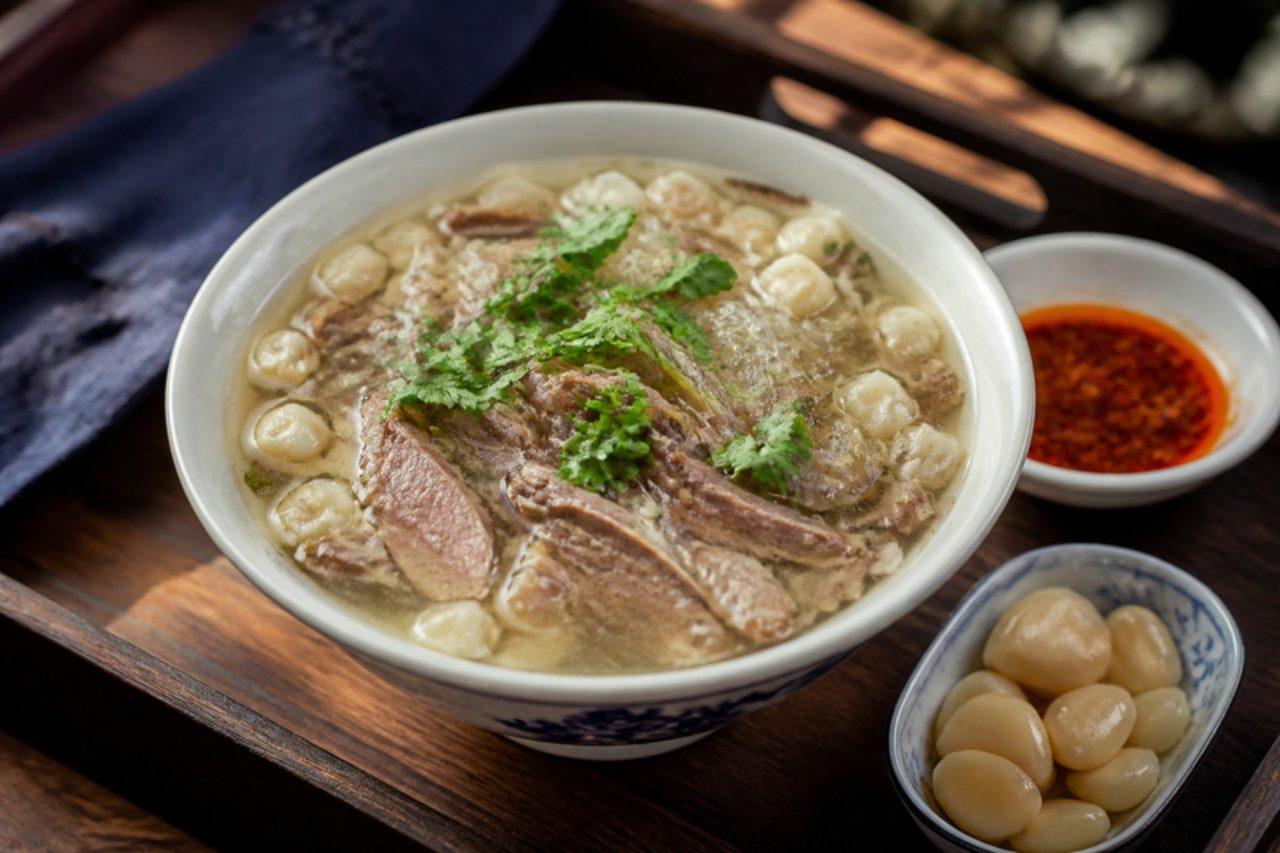
Yangrou paomo

Order this soup in one of the old Hui restaurants around Xi'an's Drum Tower and you are handed a dense, barely leavened flatbread and expected to tear it yourself into pea-sized crumbs while you chat; the kitchen then cooks it in rich lamb broth until each crumb is soft yet still chewy. Slices of tender lamb, glass noodles and wood ear mushrooms go in too, and the bowl comes with sweet pickled garlic and chilli sauce on the side. It is a soothing, filling soup, especially on Xi'an's freezing winter mornings. Expect a deep, clean lamb flavour scented with warm spices. Chef's tip: tear the bread small, no bigger than a soybean; big lumps stay doughy in the middle.

180 minChineseSoups
by KrazyBadal 0 views

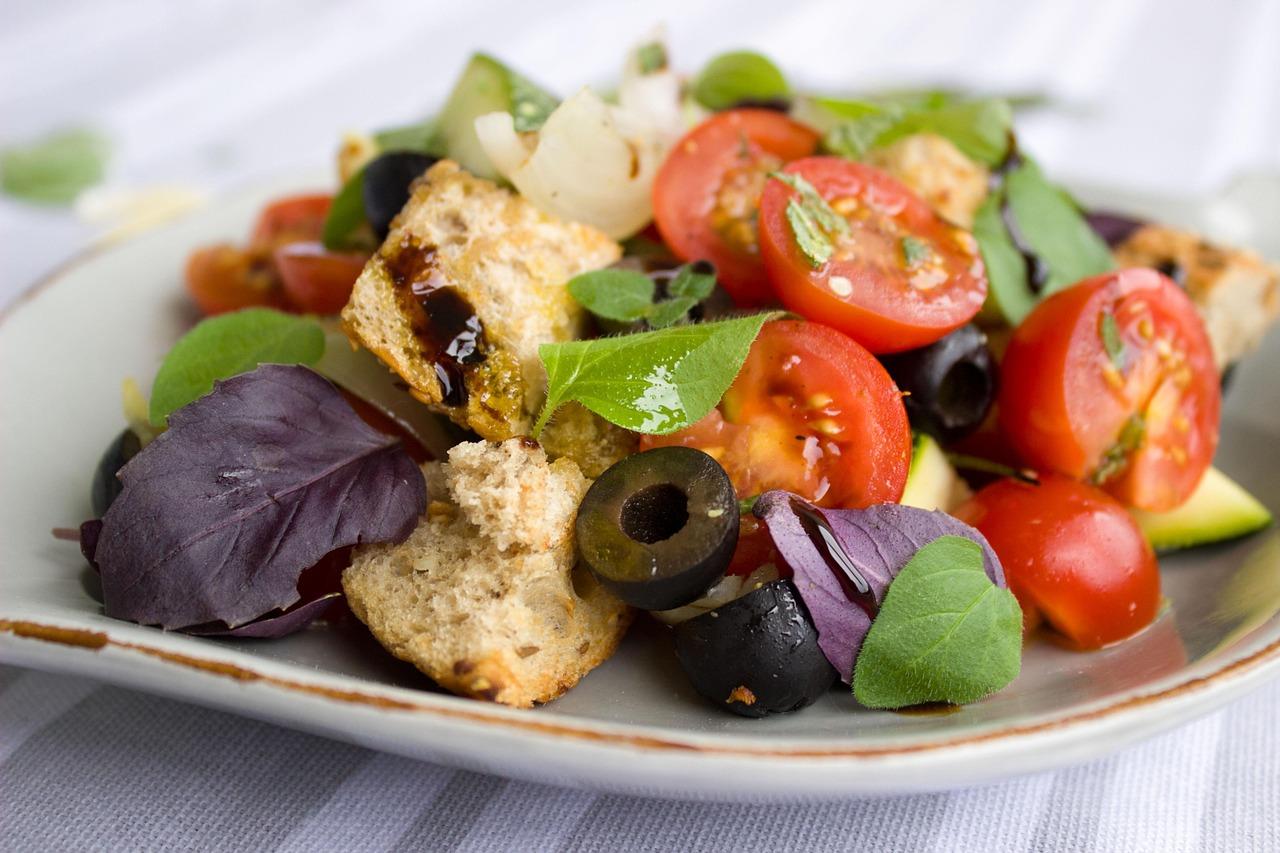
Panzanella

Panzanella is how Tuscans eat old bread in summer: hard, unsalted loaf soaked in water, squeezed and crumbled with juicy tomatoes, cucumber, red onion and basil, then dressed with vinegar and plenty of olive oil. In Florence and the Maremma it is a cool lunch for the hottest days, and every family argues about cucumber. Make it 30 minutes before eating so the bread drinks the tomato juice but keeps some bite. Chef's tip: salt the tomatoes first and let them weep in a bowl; that juice becomes the dressing.

by KrazyBadal 0 views

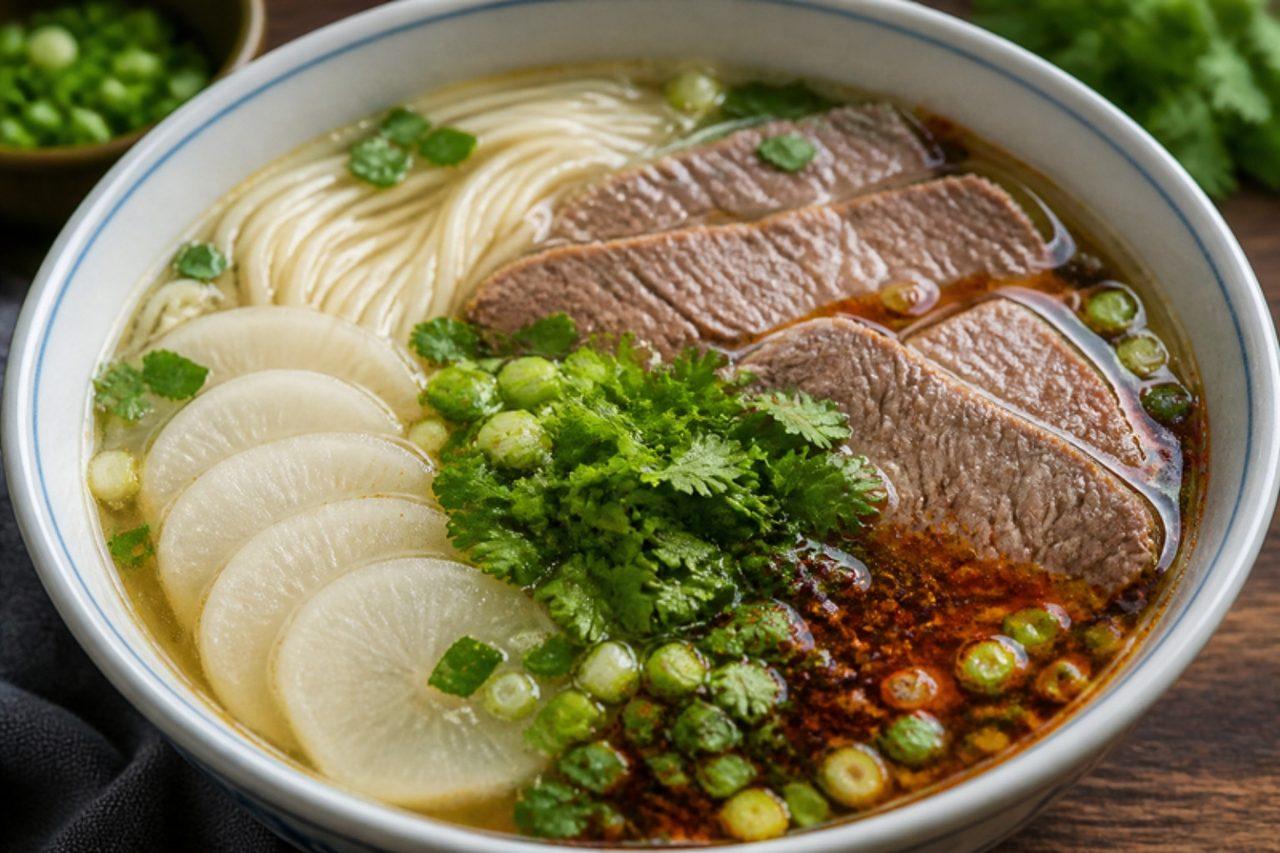
Lanzhou beef noodle soup

In Lanzhou, capital of Gansu, the day starts at a noodle shop where cooks stretch dough into strands before your eyes and drop them into bowls of clear, fragrant beef broth. Locals describe the ideal bowl in five colours: clear broth, white radish, red chilli oil, green coriander and garlic shoots, and yellow noodles. The broth is light yet deeply beefy and gently spiced, the radish sweet, the chilli oil toasty rather than fierce. This version uses good bought noodles, with an optional route for pulling your own if you fancy the challenge. Chef's tip: simmer the broth, never boil it; a hard boil turns it cloudy and the clear, golden look is the whole point.

180 minChineseSoups
by KrazyBadal 0 views

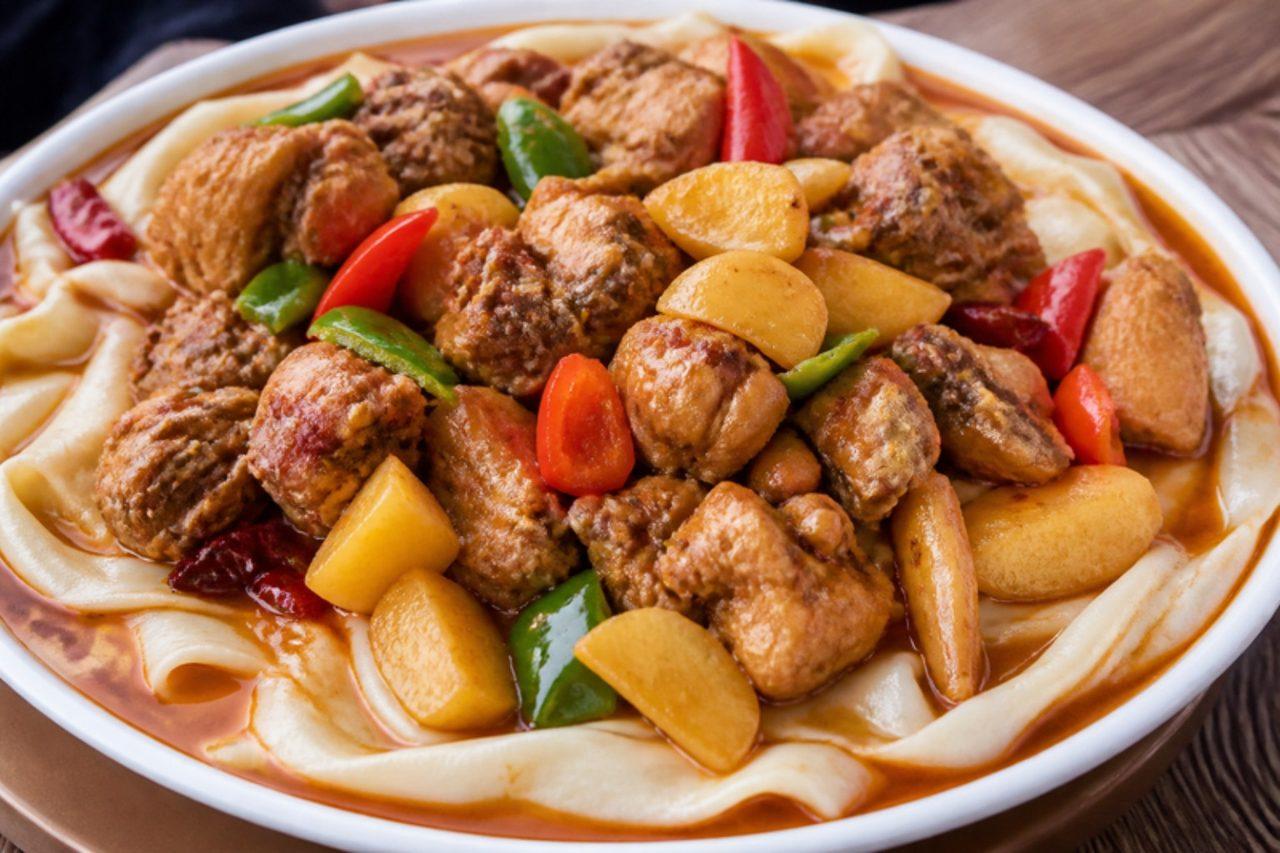
Big plate chicken

Born in roadside restaurants along the highways of northern Xinjiang in the 1980s, when truck drivers wanted something big enough to share, this dish arrives on a platter the size of a steering wheel. Chunks of bone-in chicken and potato braise in a spicy, star anise-scented sauce with green peppers, and the leftover gravy is spooned over wide, chewy belt noodles at the end. It is warming, a little numbing and very generous. Serve it for a crowd on a cold evening, with a bowl of sliced cucumber and garlic to cool things down. Chef's tip: cook the noodles first in the same pot and toss them in a little oil; they wait happily while the stew cooks and you only have one pot to wash.

by KrazyBadal 0 views

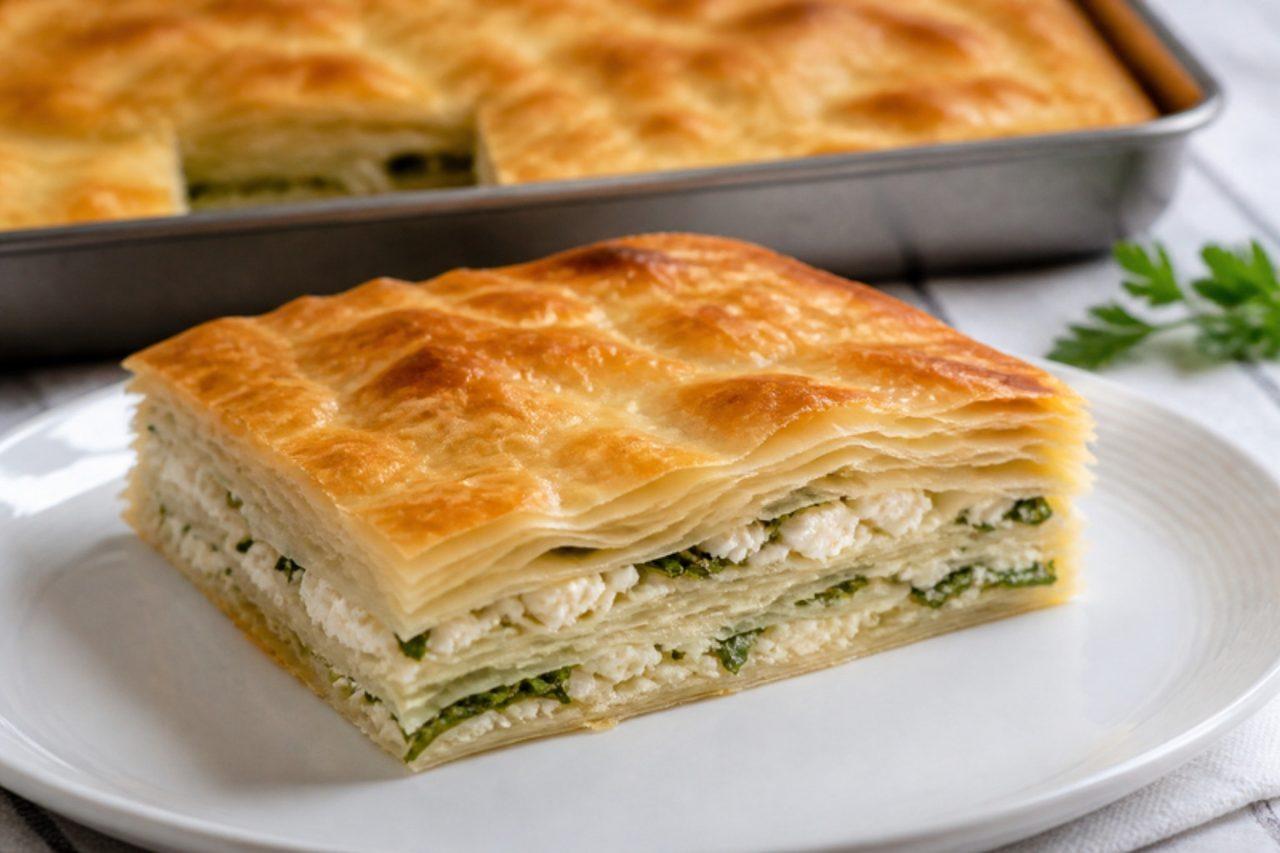
Su böreği

Of all Turkish böreks, su böreği is the one cooks are proudest of. Thin sheets of egg dough are boiled for a moment, then layered with butter and white cheese and baked until the top is crisp and the inside is soft and almost silky, a little like a cheesy lasagne made of pastry. Bakeries in Istanbul and Ankara sell it by weight from huge trays in the morning, and at home it appears at holidays and when guests are expected. It takes time and patience but nothing is difficult. Make it the day before and reheat it. Chef's tip: have a big bowl of iced water ready next to the pan; plunging each sheet straight into it stops it cooking and keeps the layers from sticking together.

by KrazyBadal 0 views

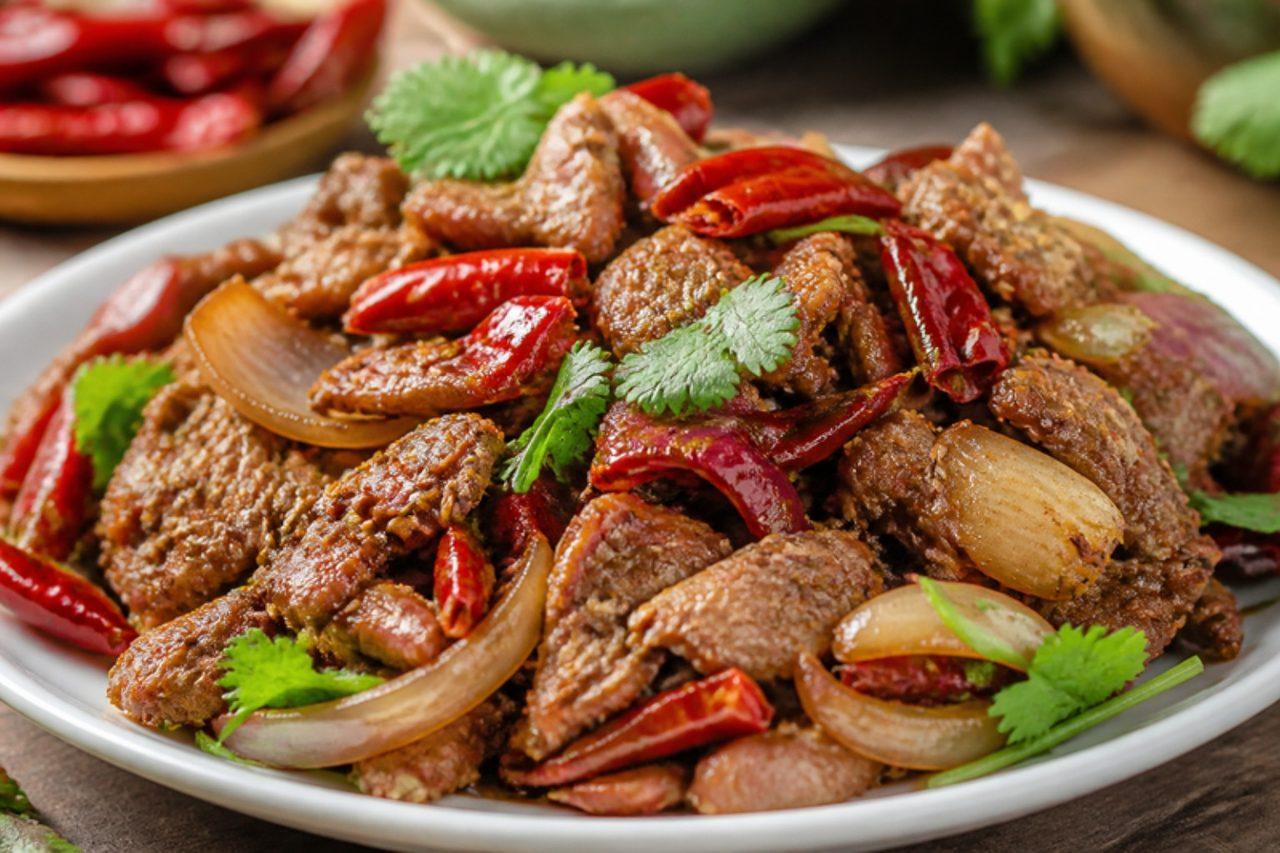
Cumin lamb

This smoky, aromatic stir-fry carries the flavours of Xinjiang's night markets, where cumin and chilli are scattered over everything grilled, into a home wok. Thin slices of lamb are seared over the fiercest heat so the edges char, then tossed with crushed cumin seeds, dried chillies, onion and a big handful of coriander. Expect bold, earthy spice, a little numbing tingle and juicy meat. It is a weeknight favourite all over northern China, eaten with plenty of steamed rice or wrapped in warm flatbread. Chef's tip: toast and lightly crush the cumin seeds yourself just before cooking; ready-ground cumin alone tastes flat here.

by KrazyBadal 0 views

Rou jia mo

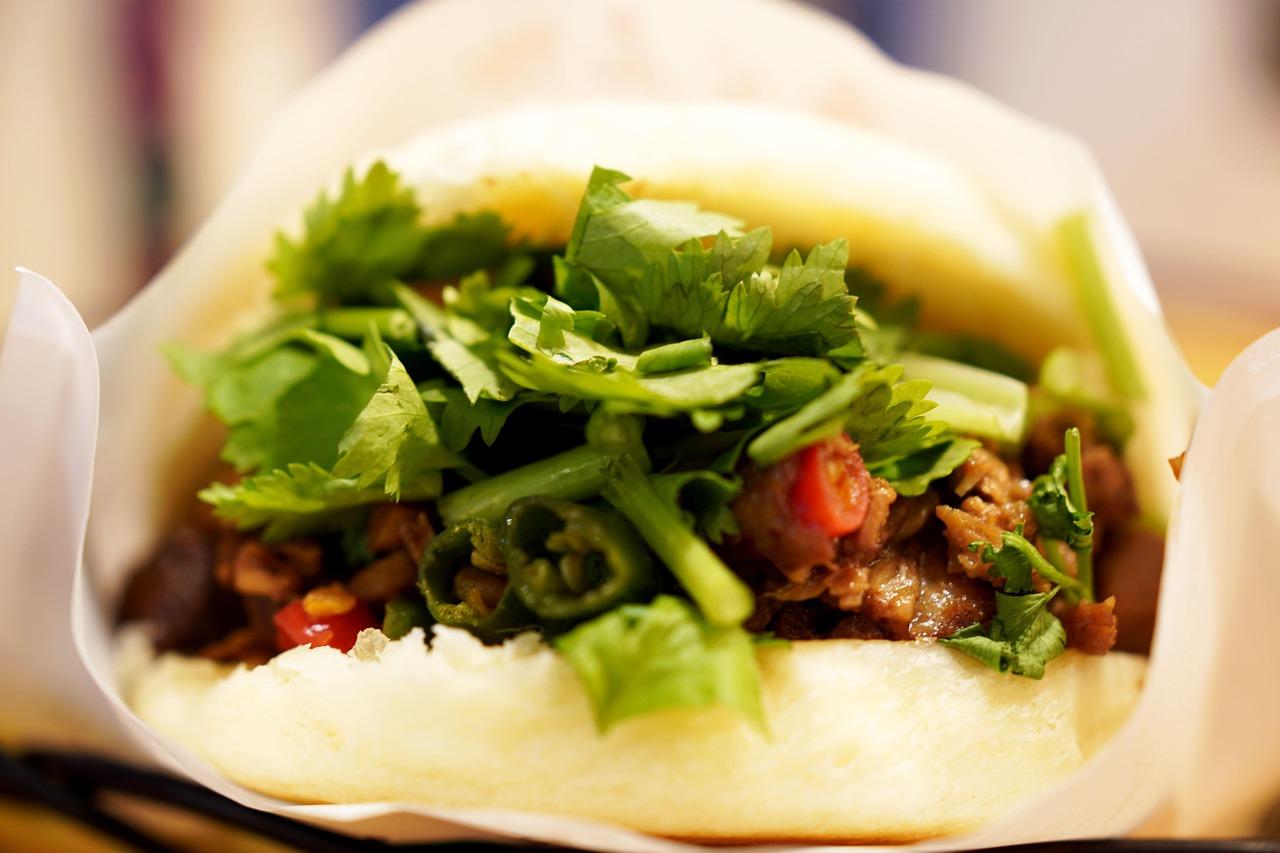
Walk through Xi'an's Muslim Quarter or any Shaanxi bus station and you will see cooks chopping steaming braised pork on thick wooden blocks and stuffing it into split, griddle-crisped buns. The bread, called baijimo, has a crackly shell with an 'iron ring' edge, a 'tiger-back' top and a spiral 'chrysanthemum heart' inside; the pork is slow-cooked in a soy broth with a dozen warm spices until it falls apart. Chopped with green chilli and coriander and moistened with the braising juices, it makes one of the world's oldest sandwiches. Eat it hot in the hand, with cold liangpi noodles or a bowl of soup alongside. Chef's tip: keep the braising liquid as a master stock in the freezer; the next batch of pork tastes even better.

by KrazyBadal 0 views

Peynirli pide

Along the Black Sea coast, from Samsun to Trabzon, the pide salon is where families go on a Friday night, and the oven man shapes each boat of dough by hand before sliding it onto the hot stone floor of a wood-fired oven. The Black Sea way is generous: a pool of melted kaşar and white cheese held inside a rim of soft bread, an egg cracked into the middle for the last few minutes and a knob of butter dropped on as it comes out. Children love tearing off the crusty ends to drag through the cheese. Chef's tip: heat a heavy baking tray or pizza stone in the oven for a full 30 minutes; the hot base is what gives a crisp underside rather than a soft one.

120 minTurkishPizza
by KrazyBadal 0 views

Dongbei stewed chicken with mushrooms

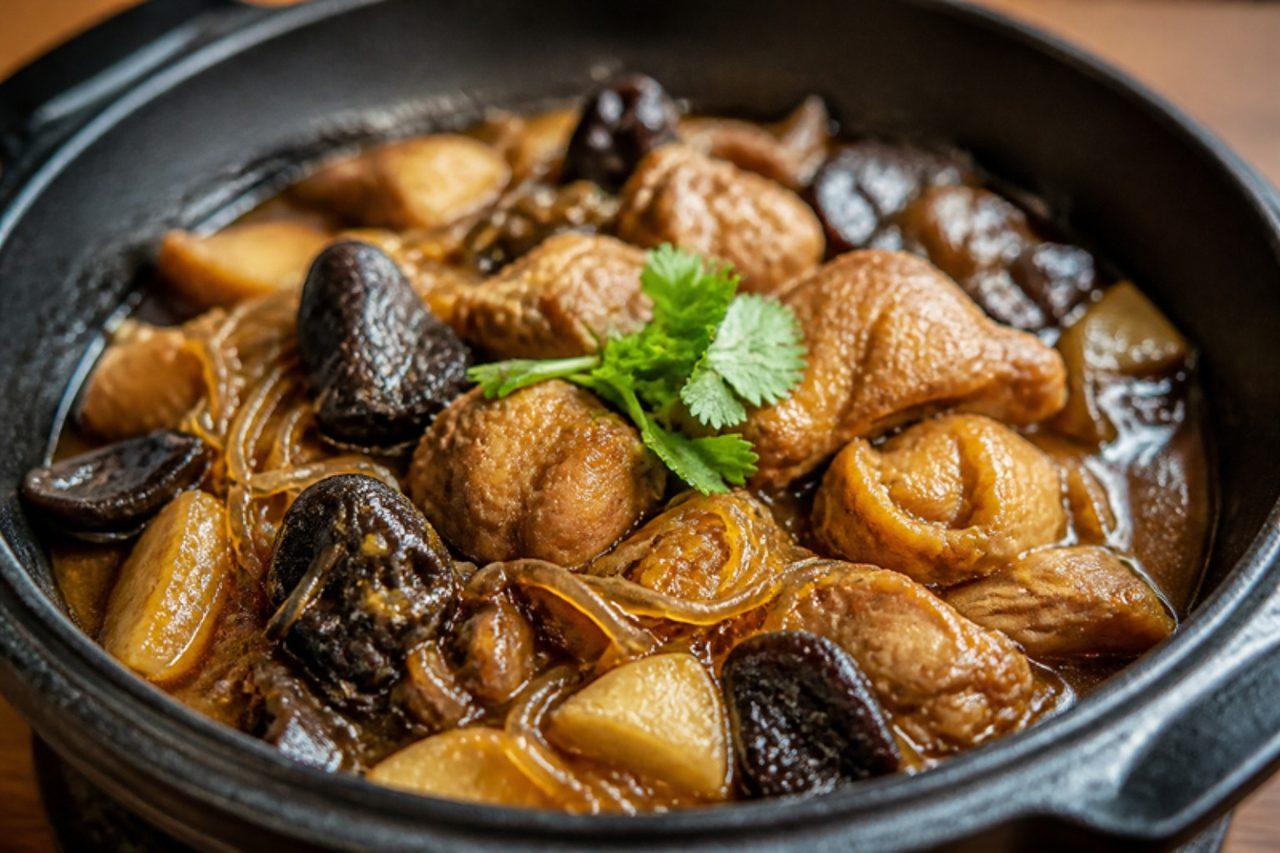
Ask anyone from Heilongjiang what their grandmother cooked when guests arrived and this is the likely answer: a farmyard chicken stewed in a big iron pot with dried hazel mushrooms gathered from the forests of the Greater Khingan range. The mushrooms give a deep, woodsy flavour to a dark, lightly sweet soy gravy, and glass noodles go in at the end to drink up the juices. Bone-in chicken keeps it rich and tender. Serve in big bowls with steamed rice or cornbread, and a crunchy cabbage salad on the side. Chef's tip: let the soaking water from the mushrooms settle, then pour it gently into the pot and leave the grit behind.

by KrazyBadal 0 views

Pork and pickled cabbage dumplings

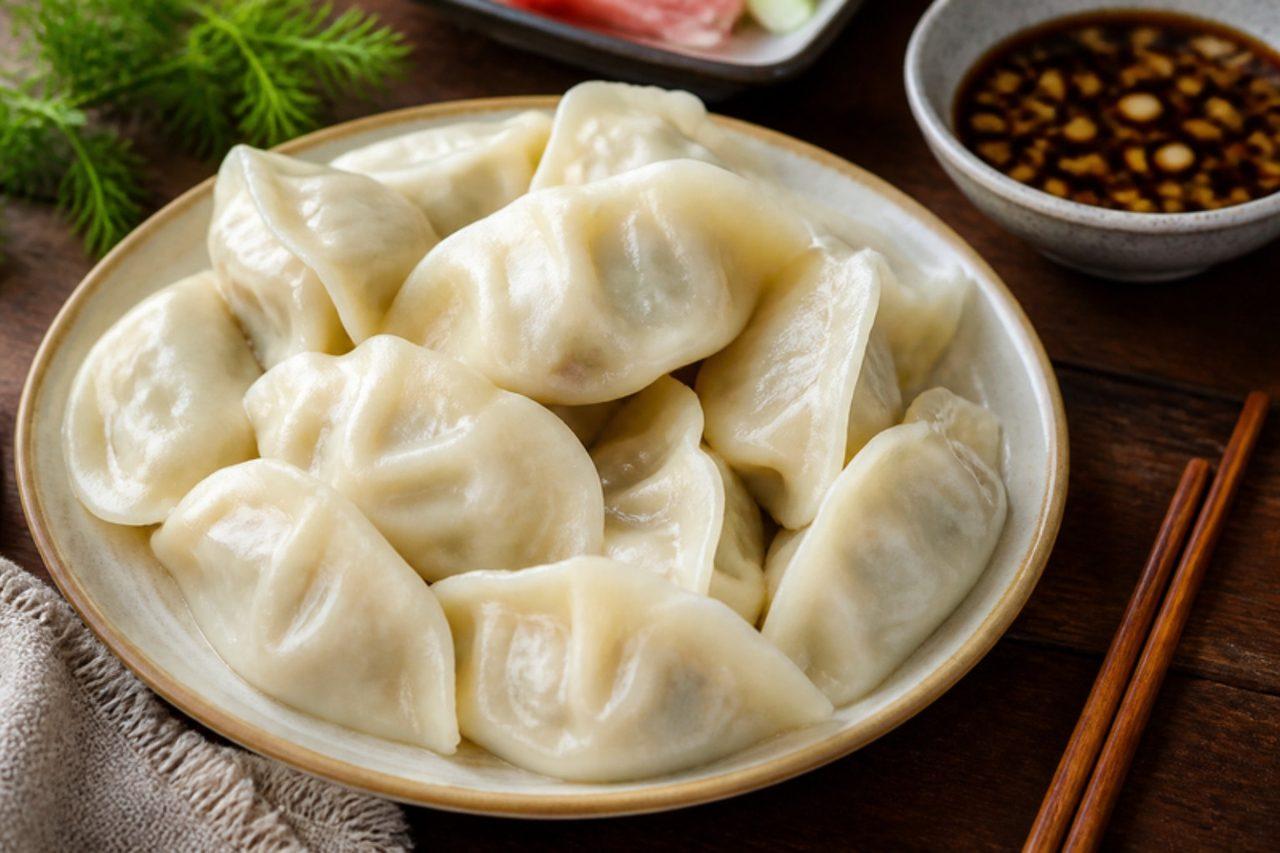
These are the dumplings north-eastern families make together on New Year's Eve and on any snowy Sunday, with the whole household rolling, filling and boiling around the kitchen table. Tangy fermented cabbage, chopped fine and squeezed dry, is mixed with fatty pork and sizzling Sichuan-pepper oil, so the filling is juicy, sour and warmly numbing at the same time. The wrappers are slightly thick and chewy, the way Dongbei cooks like them. Pile them on a plate and serve with black vinegar, garlic and a spoon of chilli oil; a bowl of the cooking water to drink afterwards is a northern habit. Chef's tip: pour the hot pepper oil straight onto the spring onions in the filling; the sizzle releases their fragrance into every dumpling.

by KrazyBadal 0 views

Cantonese mooncakes with lotus or red bean paste

Mooncakes are exchanged and eaten all over China at the Mid-Autumn Festival, when families gather under the full moon with tea and fruit. The Cantonese style, from Guangdong and Hong Kong, has a thin, shiny brown crust around a dense, sweet filling of lotus seed paste or red bean paste; this vegetarian version leaves out the salted duck egg yolks. You need a mooncake press (50–75 g size). Chef's tip: rest the baked mooncakes in an airtight tin for 2 days; the crust softens and turns glossy, a change bakers call 'returning oil'.

by KrazyBadal 0 views

Suan cai pork stew

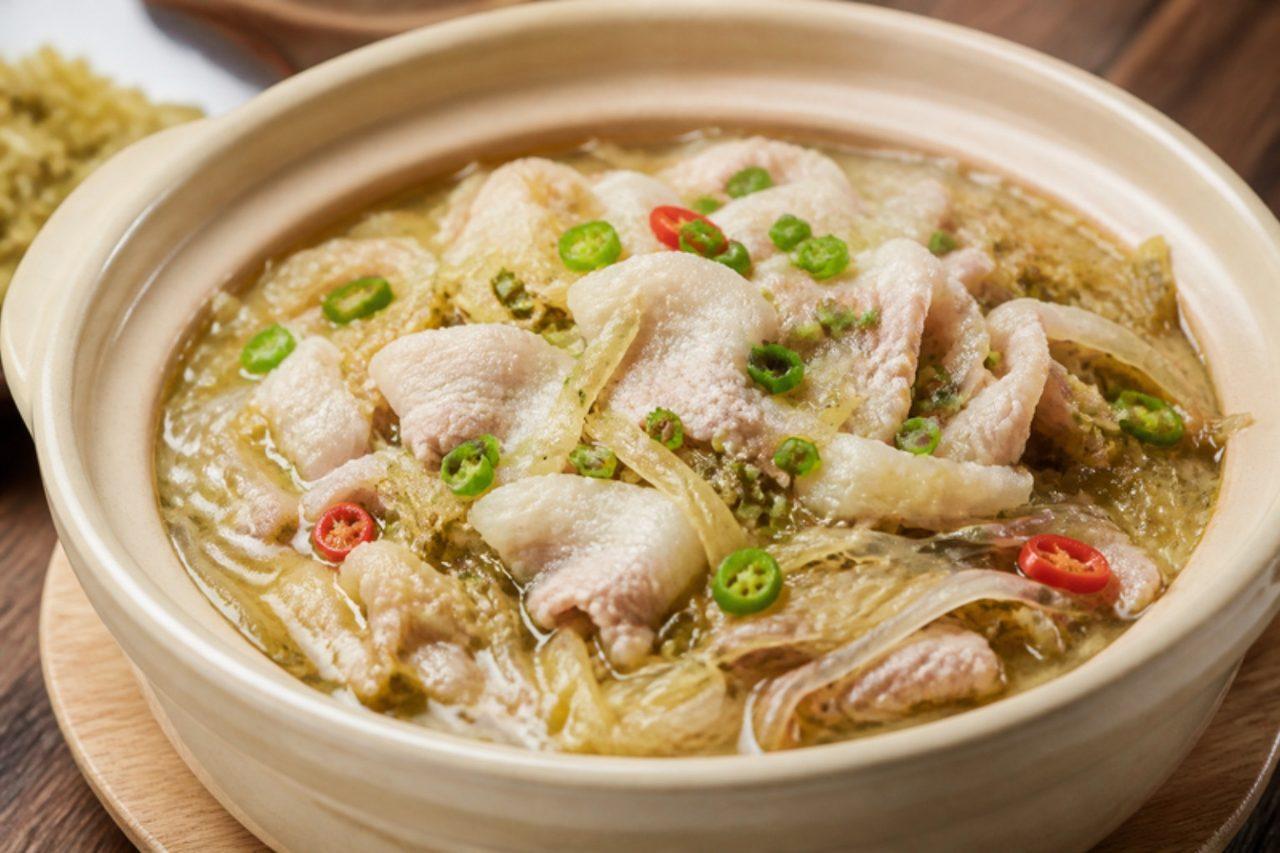
Across north-east China, autumn means packing crocks with salted napa cabbage to ferment through the long winter, and this hearty stew is the reward. Thin slices of boiled pork belly lie in a pale broth with shreds of sour cabbage and slippery glass noodles; the tang cuts the richness, and the broth tastes both clean and deeply savoury. It is everyday winter family food in Harbin and Shenyang, often served in a clay pot at the centre of the table with rice and a garlic-soy dip for the pork. Chef's tip: let the boiled pork cool for 15 minutes before slicing; warm belly crumbles, slightly cooled belly cuts into neat, thin slices.

by KrazyBadal 0 views

Tianjin pork baozi

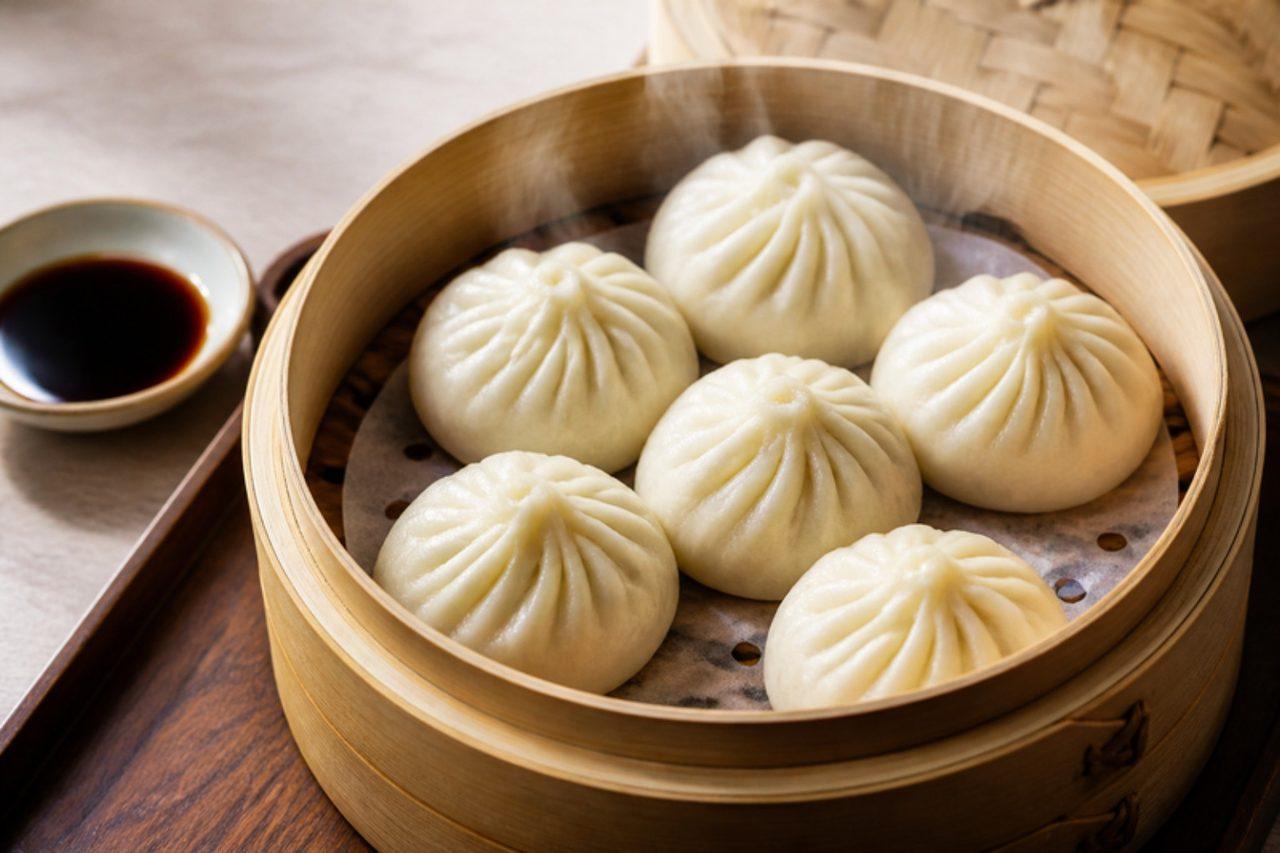
Tianjin people queue on winter mornings for these small steamed buns, famous since the 1850s for their many fine pleats and for the burst of savoury juice inside. The filling is minced pork beaten with ginger and spring onion water until it holds a surprising amount of liquid, so the first bite is soupy and the soft, slightly springy wrapper soaks up the rest. Bakers aim for 18 pleats arranged like a chrysanthemum. Eat them hot for breakfast with a dish of vinegar, crushed garlic and a bowl of millet porridge or soy milk. Chef's tip: use pork with about 30 per cent fat; lean mince gives dry, crumbly filling however much water you add.

by KrazyBadal 0 views

Coquito

Coquito is Puerto Rico's Christmas in a glass: bottles of it are made in early December, given to neighbours and poured at every parranda, the late-night singing visits from house to house, until the Fiesta de San Sebastián in Old San Juan in January. This version contains alcohol: it blends coconut milk, sweet cream of coconut and condensed and evaporated milk with Puerto Rican white rum, cinnamon, nutmeg and vanilla. It's thick, cold and sweet, with the warmth of rum behind the spice. For children and anyone avoiding alcohol, make it without the rum as described in the steps. Chef's tip: let it rest in the fridge overnight; the spices bloom and the rum mellows, and it tastes far rounder on the second day.

by KrazyBadal 0 views

Mongolian lamb hot pot

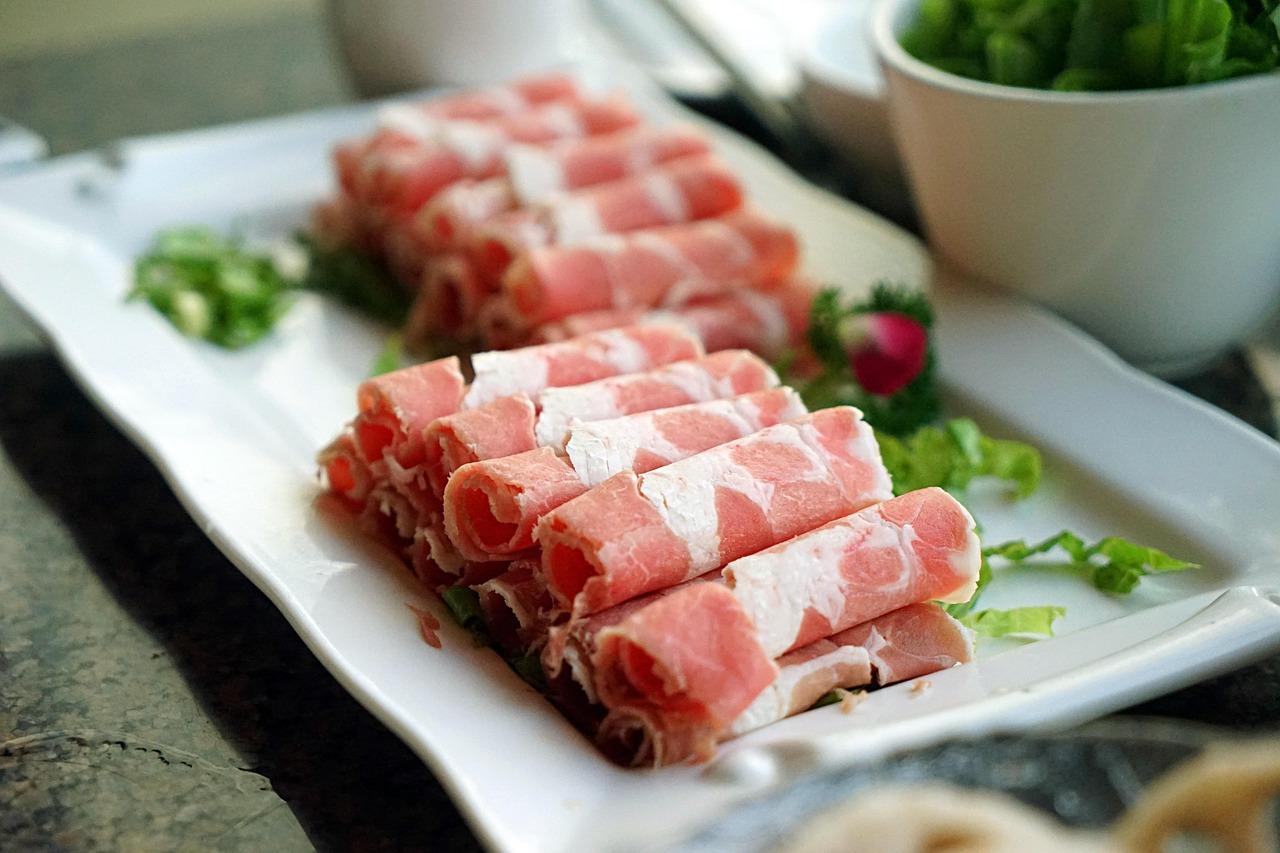
When the first cold winds blow through Beijing, old restaurants around Dongcheng light their chimney-shaped copper pots and diners start swishing paper-thin lamb through plain, gently bubbling water. Unlike fiery Sichuan hot pot, this one is all about the meat: the broth stays clear and mild, and the flavour comes from a creamy dip of sesame paste, fermented tofu and chive flower sauce. Everyone cooks their own slices for a few seconds, then adds cabbage, tofu and glass noodles to the pot as the evening goes on. It is a slow, sociable meal for winter weekends, with sesame flatbreads on the side. Chef's tip: half-freeze the lamb for 1–2 hours and it slices thin as paper with a sharp knife; or buy ready-rolled hot-pot lamb from an Asian grocer.

by KrazyBadal 0 views

Showing 18 of 4,484 recipes

Show more recipes

Page 332 of 499