


Skip to content
Vanilla treat
Featured recipe

Vanilla treat

Vanilla ice cream with amaretti

A two-minute dessert for one: scoops of vanilla ice cream sprinkled with crushed amaretti biscuits and drizzled with amaretto. It's creamy, crunchy and almondy. The amaretto is alcoholic and amaretti biscuits are usually made with egg white, so check the packet; see the last step for swaps.

Read more 0 views

What to eat today?

Around the world

Today's trip: Persian

A new country every day, from every cuisine on the site.

Persian

Dizi

Lamb and chickpea stew 245 minMore from Persian (131) →

This week's collection

Kid-friendly dinners
578 recipes · a new collection every Monday

Latest recipes

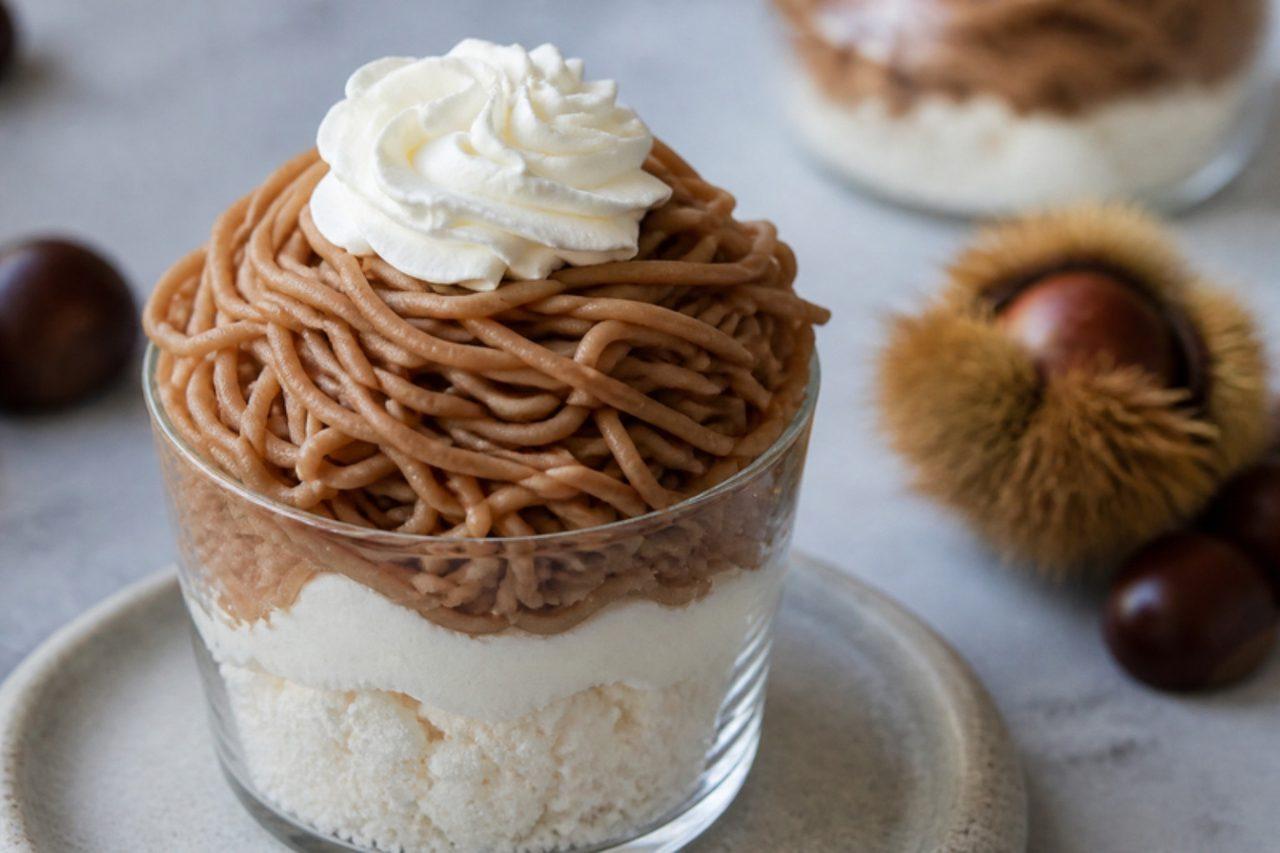
VermicellesChestnut purée with cream and meringue

Every autumn, Swiss cafés and supermarkets fill with vermicelles: sweetened chestnut purée pressed through a ricer into long brown strands like spaghetti, piled over whipped cream and crisp meringue. Chestnuts grow in the valleys of Ticino and Valais, and the dessert is so loved that it appears as cakes, tartlets and even ice cream from September to December. A common mistake is a purée that is too soft, which collapses instead of holding strands. Chef's tip: chill the purée well before pressing it, and use a potato ricer or a piping bag with a multi-hole 'vermicelles' nozzle.

by KrazyBadal 0 views

Tumuro teaWild thyme tea

Tumuro is the small-leaved wild thyme that grows on the rocky slopes above Hunza and Gilgit, and in late summer families pick and dry bundles of it to brew through the year. The tea is pale gold and intensely aromatic, more resinous and floral than garden thyme, and it is drunk after heavy meals, by anyone with a cold and simply as a warming cup on a mountain evening; cafés in Karimabad serve it to visitors. Boiling it hard for a long time is the misstep that turns it bitter and medicinal. Chef's tip: if you cannot find tumuro, which is sometimes sold in Pakistani grocers and online as Hunza thyme, use dried garden thyme with a few fresh sprigs, steep it gently, and sweeten with a little sugar only if you like.

by KrazyBadal 0 views

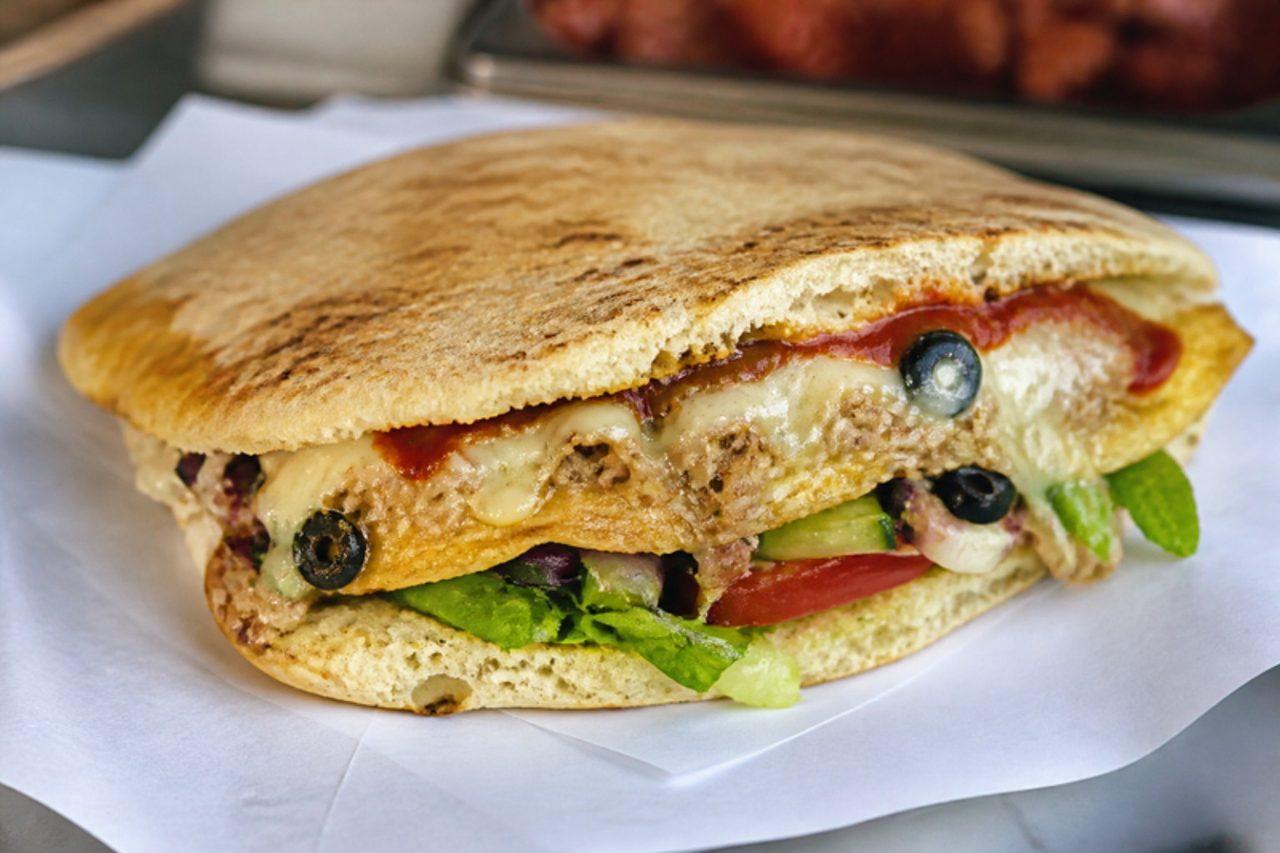
Tunisian chapatiStuffed semolina bread with tuna omelette

Tunisian street chapati has nothing to do with the Indian flatbread: it is a thick, puffy square of semolina bread baked on a griddle, split open while hot and filled with a herby omelette, tuna, melted cheese and a smear of harissa. Snack shops across the country make them to order for students and workers at lunchtime, often with a spoon of mechouia or a few olives added. The bread is soft and slightly chewy with toasty patches, the filling rich and spicy. The dough needs about an hour to rise. Don't cook the chapati over a high flame: the outside chars while the centre stays doughy and won't split for filling. Chef's tip: cook the bread over a medium heat, not high; a very hot pan browns the outside before the inside has puffed and cooked, leaving it doughy.

by KrazyBadal 0 views

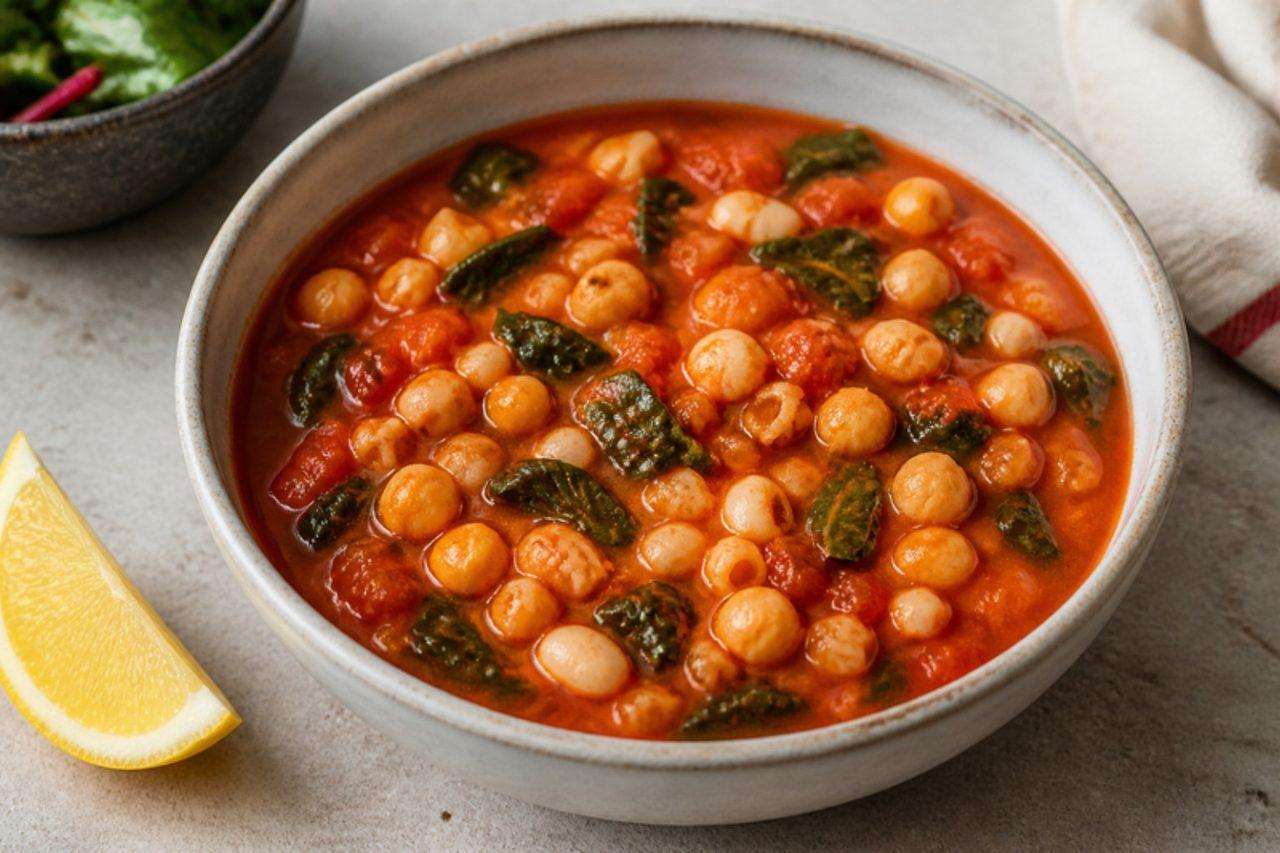
HlalemTiny pasta and chickpea soup

Across the Sahel coast and in Kairouan, the arrival of cold weather means hlalem: a thick, red, peppery soup full of tiny hand-rolled pasta spindles, chickpeas, white beans, chard and celery, sharpened with harissa and dried mint. Rolling the pasta is a social job, often done by women together in autumn, and the dried hlalem keeps all winter. The soup is hearty enough to be a meal, earthy from the pulses and bright from the celery leaves. It is also made during Ramadan. If you do not roll your own, orzo or broken spaghettini work. Chef's tip: add the pasta only in the last 15 minutes; cooked too long it swells and drinks up all the broth.

by KrazyBadal 0 views

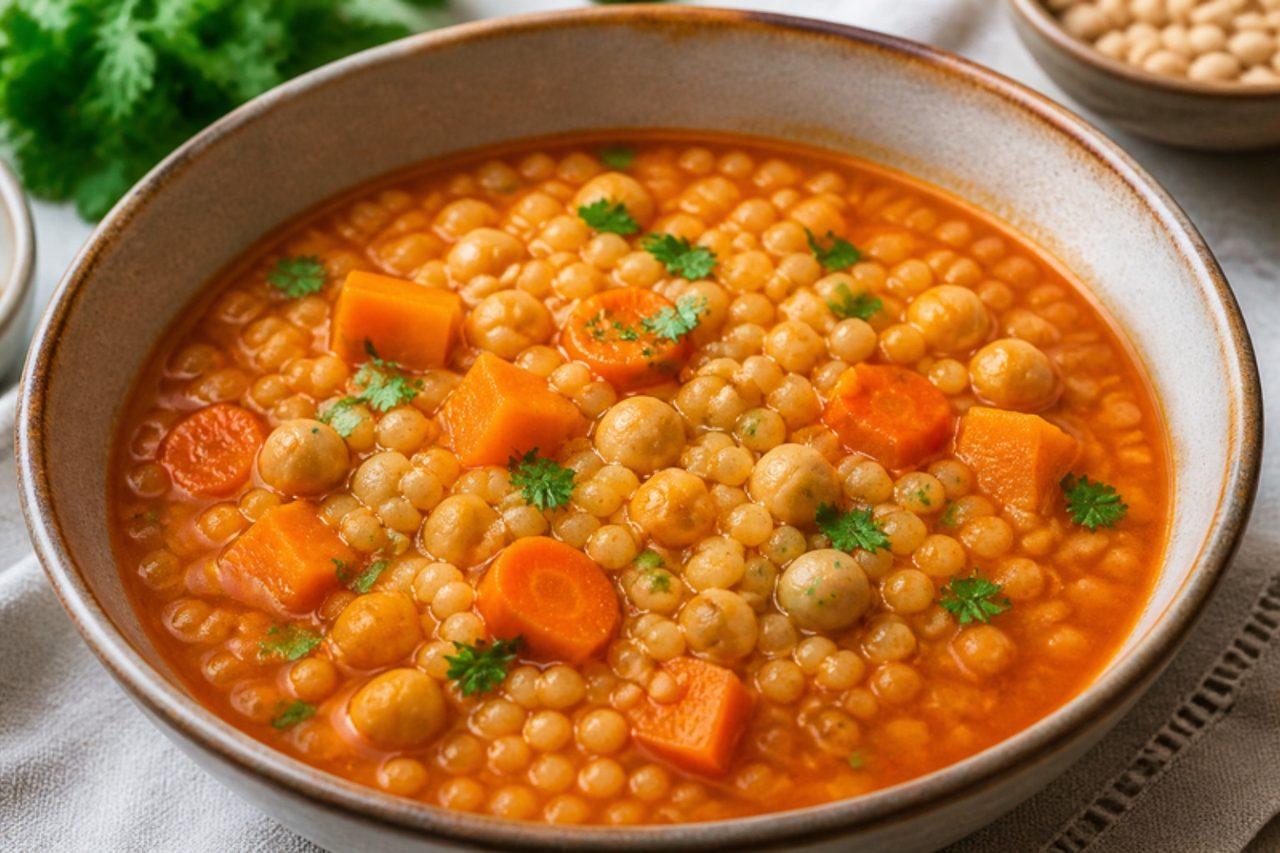
MhamsaPearl couscous in tomato harissa broth

Sfax cooks and families in southern Tunisia roll mhamsa, a pearl couscous somewhere between fine couscous and small pasta, in big batches in late summer and dry it in the sun for the winter. Cooked like a thick soupy stew in a tomato and harissa broth with chickpeas, peppers and pumpkin, it becomes a warming one-pot supper, soft and chewy, with a gentle heat and the sweetness of the vegetables. Bought mhamsa, moghrabieh or giant couscous works well. Fish and meat versions are common; this is the everyday vegetable way. Chef's tip: toast the mhamsa in the oil before adding liquid; it gives a nutty flavour and keeps the grains separate.

by KrazyBadal 0 views

Yo-yoOrange honey doughnut rings

Tunisian children wait for yo-yo, the small golden rings that pastry sellers stack in sticky piles at Eid, weddings and on winter afternoons, and that families fry at home for Hanukkah in the Jewish tradition of Tunis and Djerba. The dough, made with eggs, oil and fresh orange juice and zest, fries up crisp outside and soft and cake-like inside, then gets a quick dip in honey syrup and a sprinkle of sesame. Eat them the day they are made, with mint tea. Chef's tip: keep the oil at 170 °C; hotter and the outsides brown before the centres cook through.

by KrazyBadal 0 views

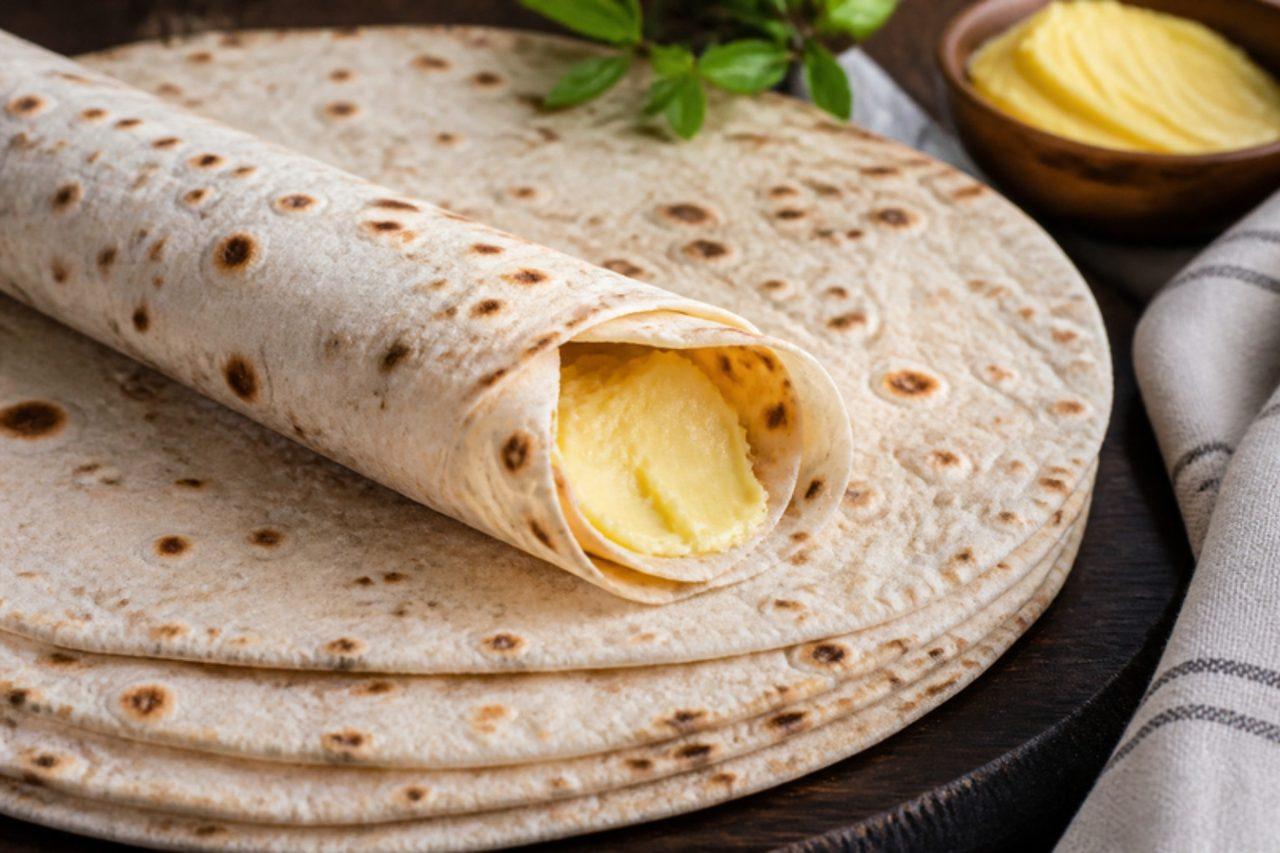
TunnbrödThin wheat and barley flatbread

Tunnbröd, 'thin bread', is the old flatbread of Norrland, northern Sweden, where barley grew better than wheat; families in Västerbotten and Jämtland baked it in big batches in wood ovens and kept it for months. It is made soft or crisp, rolled with a knobbled pin (kruskavel) that makes its dotted pattern, and the soft kind is wrapped around a hot dog with mashed potato in the famous tunnbrödsrulle. A common mistake is rolling it too thick, which makes it bready instead of flexible. Chef's tip: bake on a very hot stone for barely a minute or two and stack the breads under a cloth, so they steam soft.

by KrazyBadal 0 views

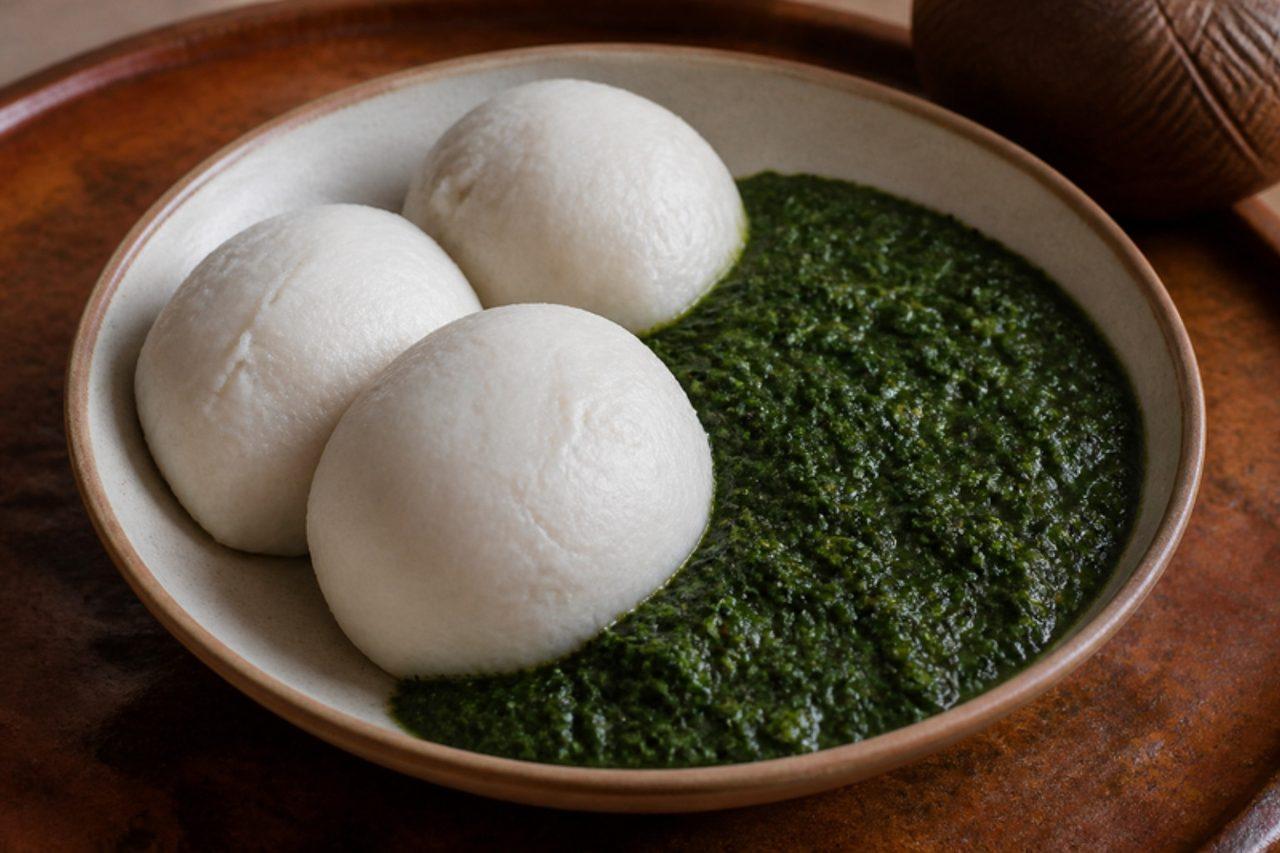
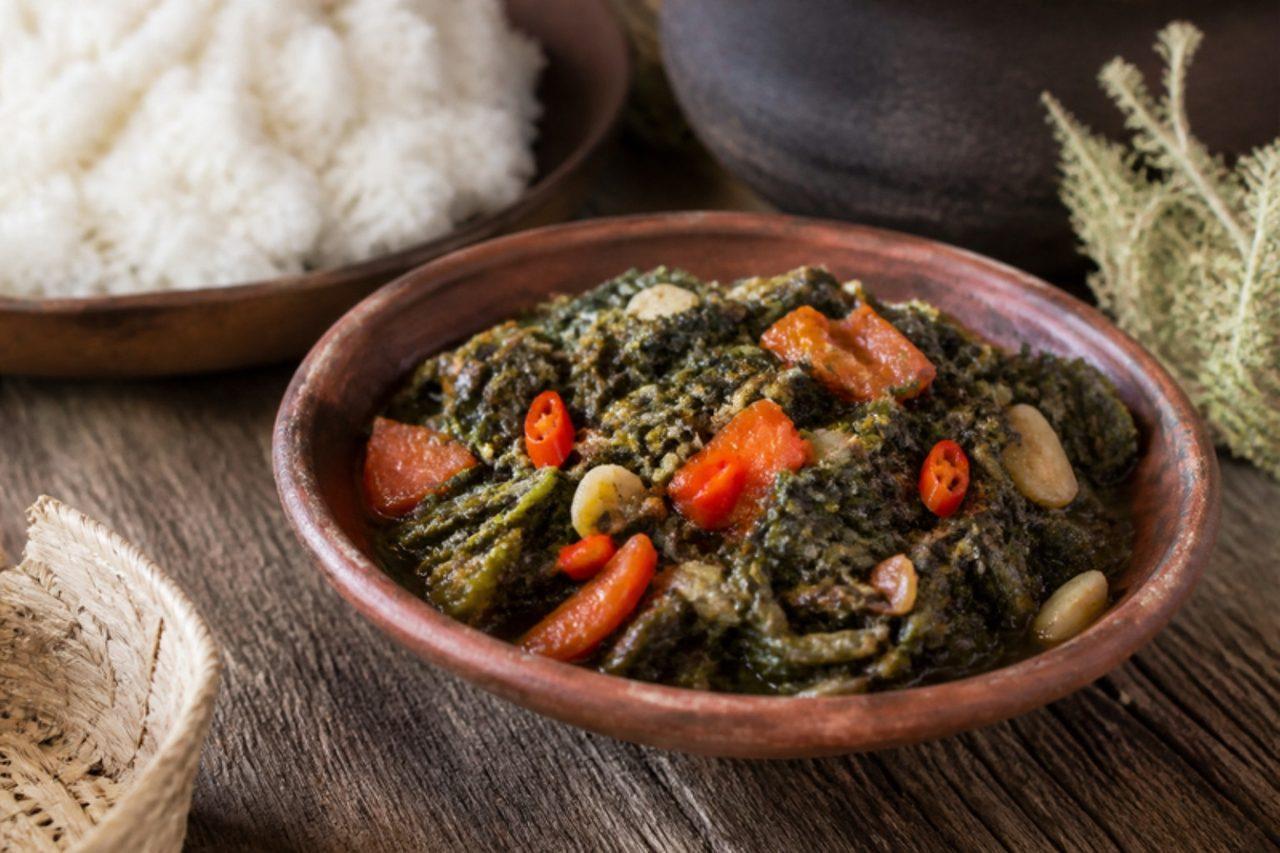
Tuo zaafi with ayoyo soupMaize swallow with jute leaf soup

In Tamale and across northern Ghana, TZ is the evening meal: a soft, smooth swallow of maize (sometimes millet) that wobbles in the bowl and is eaten with ayoyo, a bright green, slippery jute-leaf soup flavoured with dawadawa. The pair is often served with a meat or fish stew alongside; this version is fully vegan, with the ayoyo seasoned well enough to stand alone. Frozen jute leaves, sold as ewedu or molokhia, are a good substitute, and a teaspoon of miso can stand in for dawadawa. Chef's tip: make a thin porridge with part of the maize meal first and then thicken it; the usual mistake is adding all the meal at once, which makes a lumpy, stiff TZ.

by KrazyBadal 0 views

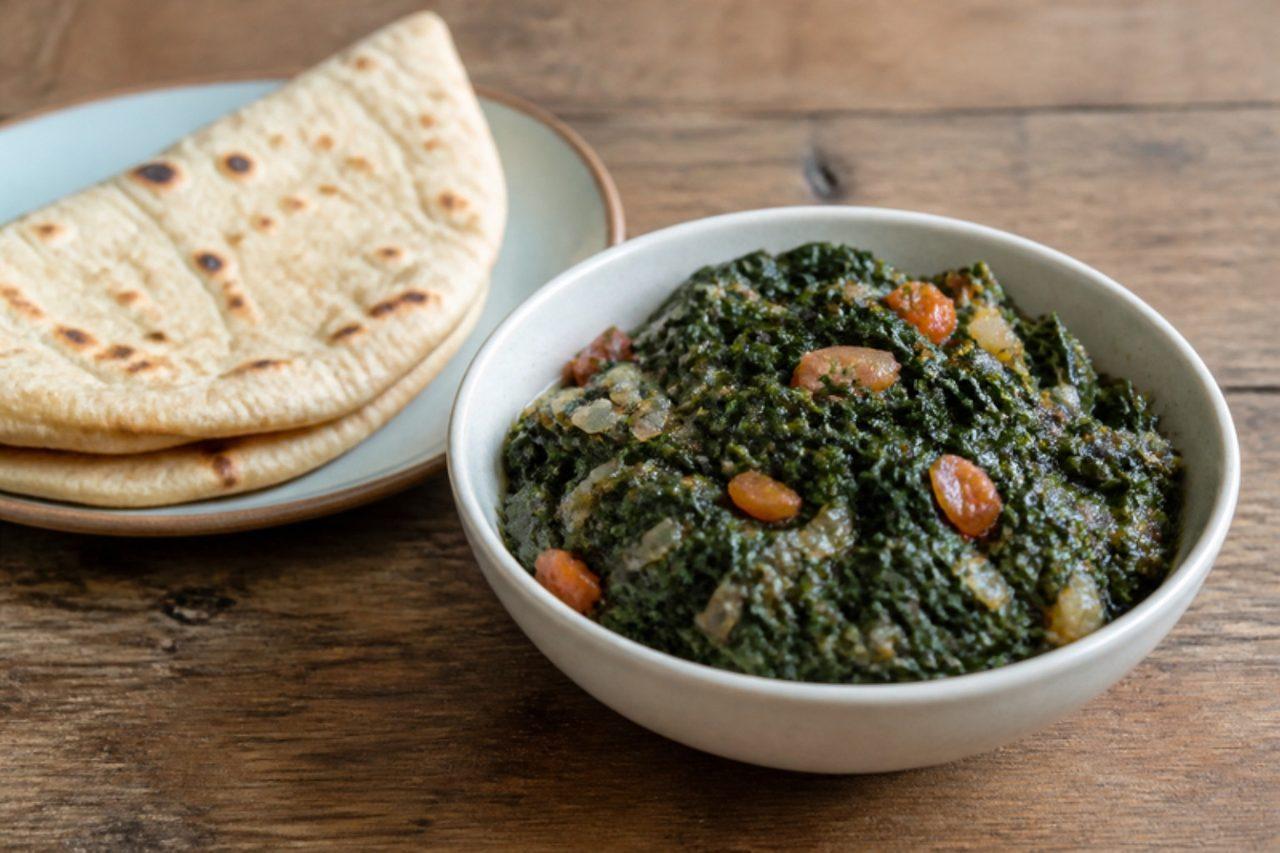
Trini bhajiGarlicky stewed greens

In Trinidad "bhaji" means greens, not fritters: young dasheen bush leaves, spinach or chorai cooked down in a karahi with a lot of garlic and hot pepper until soft and almost dry. It is one of the seven curries at Divali and an everyday filling for sada roti in Couva and Chaguanas. The usual mistake is using older dasheen leaves or undercooking young ones; dasheen must be fully cooked or it itches the throat, so spinach is the safer home choice. Chef's tip: cook it until all the liquid has gone and the greens start to fry in the oil; that is when the garlic flavour concentrates.

by KrazyBadal 0 views

VětrníkCaramel cream choux bun

Ask anyone in Prague about the old-fashioned cukrárna and they will mention větrník, the "windmill": a big, puffed choux bun split and filled with two creams, a caramel one below and a light vanilla one above, under a shiny caramel icing. It is the cake people order with coffee on a Sunday afternoon, or buy in a paper box for a name day. Crisp shell, soft clouds of cream and a deep, buttery caramel flavour make it rich but not heavy. The usual slip is pulling the choux out too soon: it must be dark golden and feel light and dry, or it collapses as it cools. Both creams start from one custard, cooked until it bubbles so the eggs are fully set. Chef's tip: make the custard and caramel the day before; on the day you only bake and fill.

by KrazyBadal 0 views

Túrós táskaSweet cheese puff pastry pockets

Every Hungarian bakery chain and village shop has a túrós táska in the case, a flaky square folded corner to corner over a fat cushion of sweet curd cheese. The filling is fresh túró beaten with egg yolk, vanilla, lemon zest and raisins, and it bakes soft and slightly tangy inside crisp, buttery puff pastry. It is a mid-morning snack with coffee, or breakfast on the go. Túró is usually made without animal rennet, but check the label if that matters to you. The usual slip is a runny filling that leaks onto the tray, so press the túró through a sieve and add a spoon of semolina to bind it. Chef's tip: chill the filled pockets for 10 minutes before baking; the cold pastry puffs higher and the corners stay folded.

by KrazyBadal 0 views

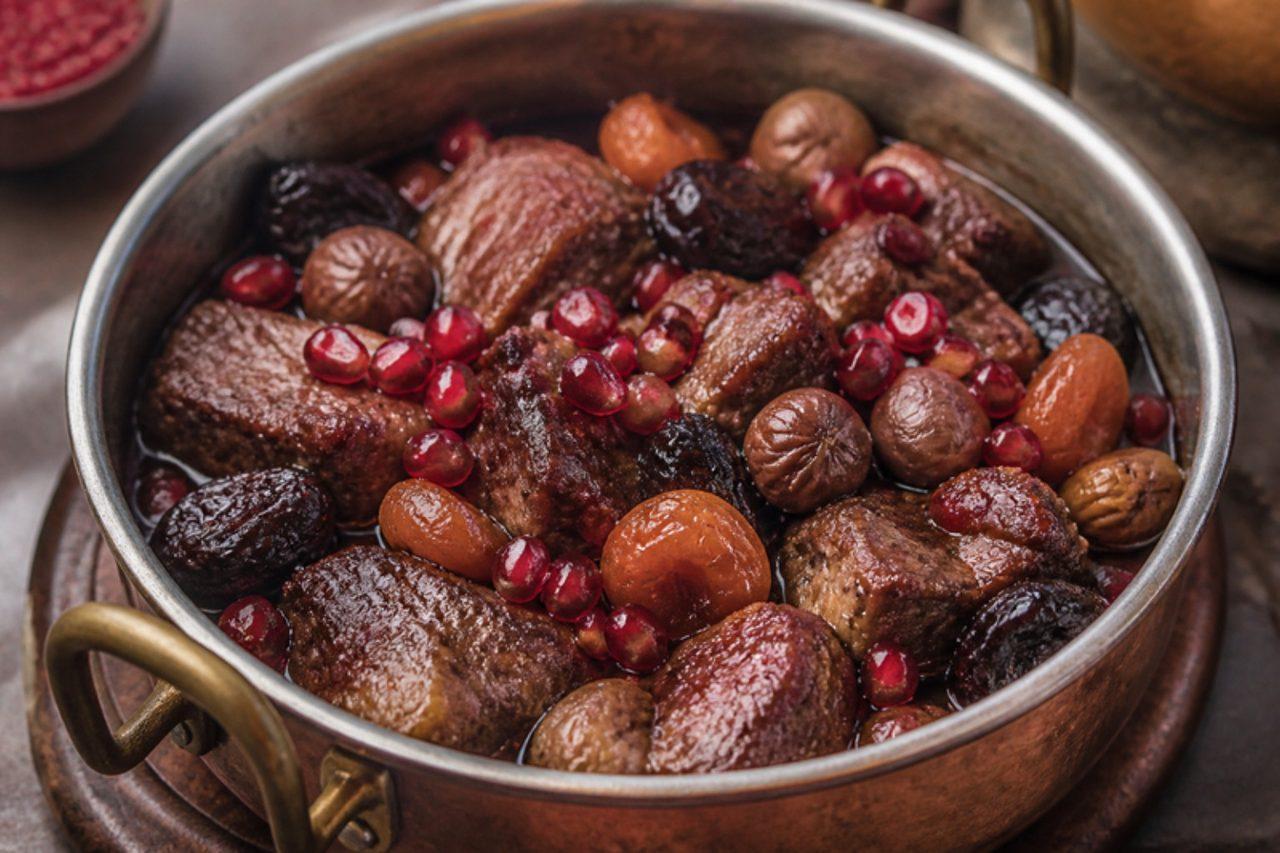
Turshu govurmaLamb with chestnuts and dried fruit

Turshu govurma, 'sour fry', is a rich southern dish from Lankaran and Masalli: lamb browned in butter or oil, then cooked slowly with onions, chestnuts, dried apricots, sour plums and a good pour of narsharab pomegranate sauce until dark, glossy and sweet-sour. It is served on top of plov at weddings or on its own with bread. A common mistake is adding the dried fruit too early, which turns it to mush. Chef's tip: finish with a pinch of saffron water and a handful of fresh pomegranate seeds, which brighten the dark sauce.

by KrazyBadal 0 views

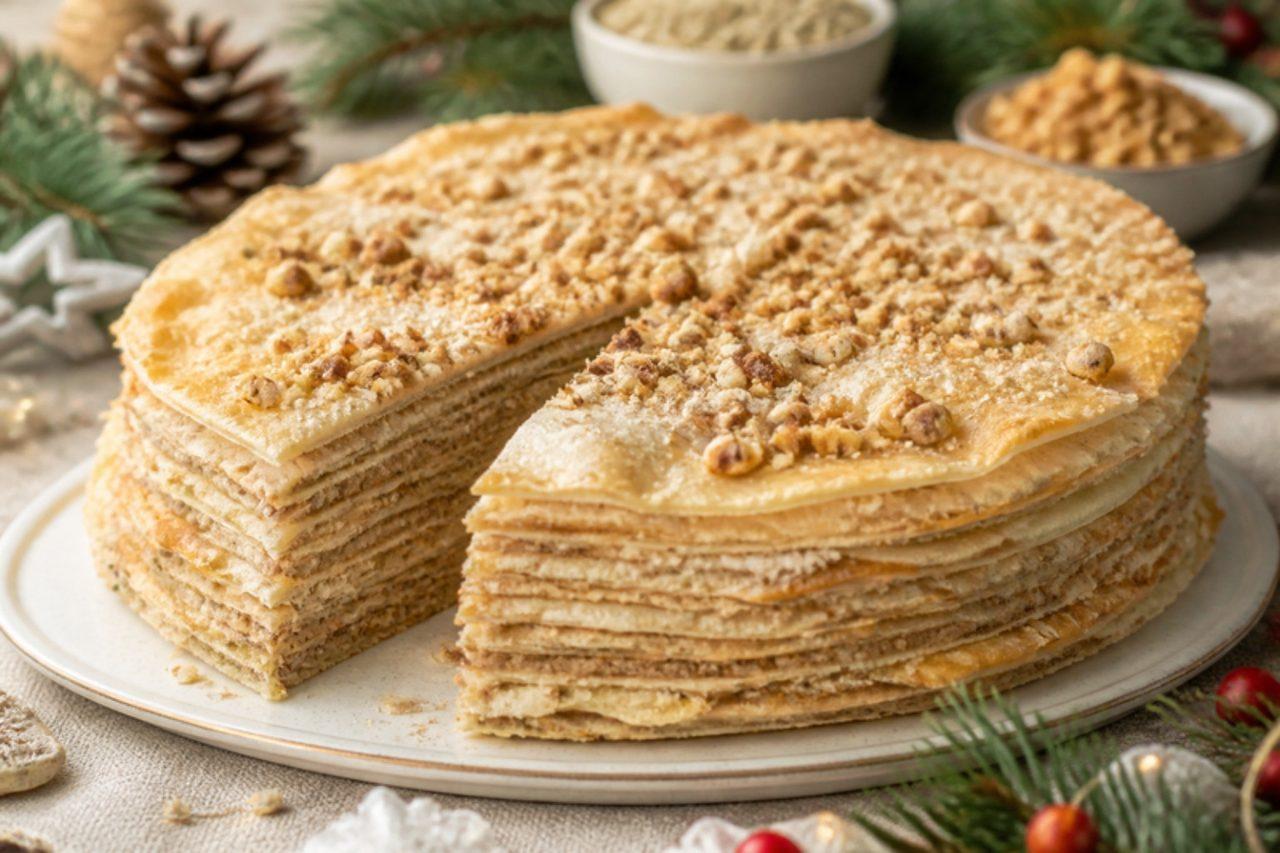
Turte cu julfăHemp seed cream pastry stack

On Christmas Eve (Ajunul Crăciunului), the last day of the Advent fast, old Moldavian households around Neamț and Suceava set out turte cu julfă: paper-thin baked sheets of dough stacked with a sweet cream of ground hemp seed and crushed walnuts. The sheets are said to stand for the swaddling clothes of the Christ child, and the whole cake is vegan so it can be eaten while the fast still holds. Soaked with syrup and left overnight, it softens into a dense, nutty, gently sweet slice. Buy food-grade hulled hemp seeds (hemp hearts), which are sold as a food and contain no intoxicating THC. A common mistake is cutting the cake straight away; it needs a night in the fridge to soften and hold together. Chef's tip: bake the sheets a day or two ahead and let them dry on a rack, as dry sheets soak up the syrup more evenly.

by KrazyBadal 0 views

Tushuri kotoriSheep's cheese and butter pie

Up in Tusheti, a roadless high region reached by a single summer track from Kakheti, shepherds' families roll a plain dough almost see-through and wrap it around a filling of salty sheep's cheese and soft butter, then flatten the whole parcel again so the cheese spreads into thin layers. The pie is cooked on a griddle or in a pan and eaten hot with tea when the flocks come down in autumn. A common mistake is rolling too hard over the filling; the dough tears and the butter leaks out. Chef's tip: use a mix of feta-style sheep's cheese and some curd or cottage cheese, which gives the sharp-but-creamy taste of Tush cheese; traditional Tush cheese is set with animal rennet, so look for a vegetarian one.

by KrazyBadal 0 views

TutmanikCheese and egg yeast bread

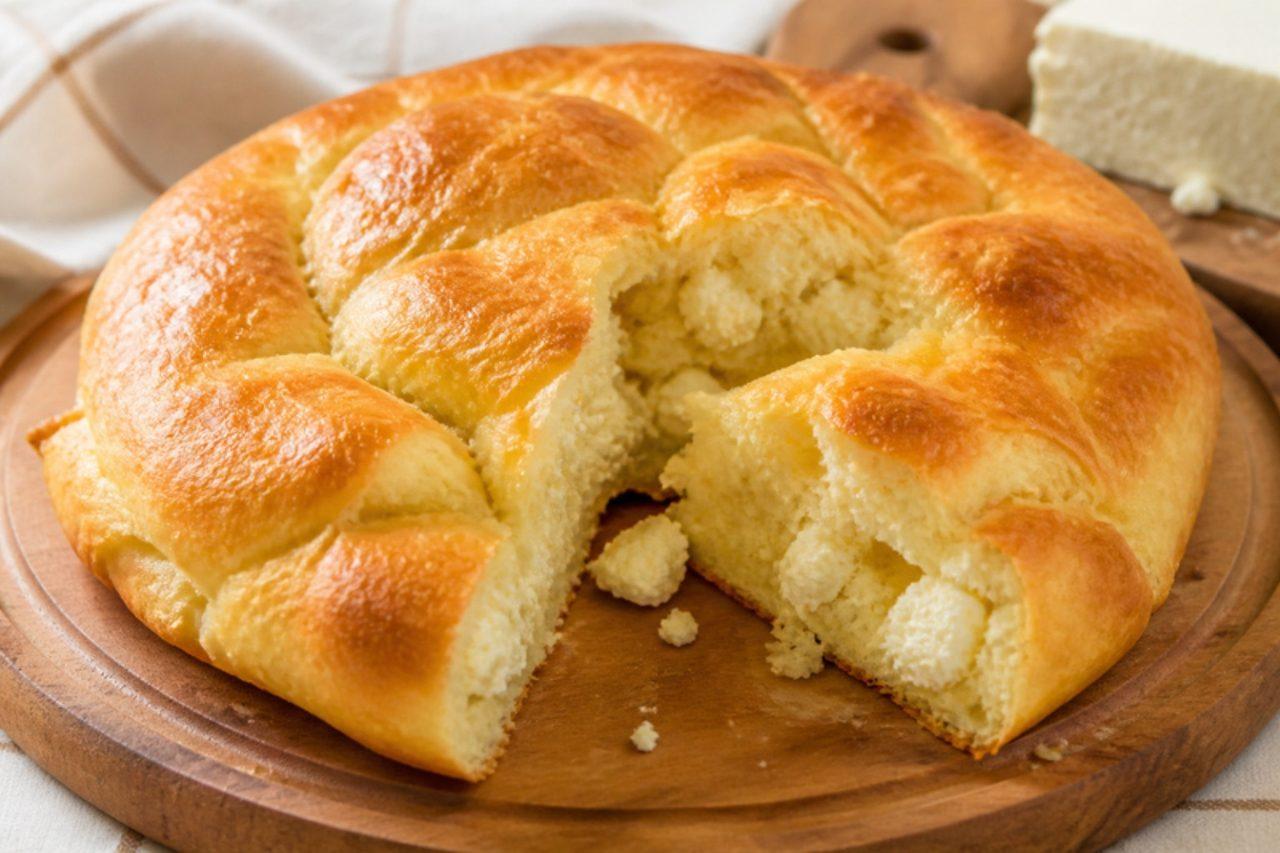
Weddings, christenings and long Sunday lunches in western Bulgaria often begin with a tutmanik on the table, still warm and torn by hand rather than sliced. The yeast dough is enriched with yogurt, eggs and oil, rolled, scattered with crumbled white cheese, folded and baked until it rises tall and golden, with salty pockets of melted cheese running all through the soft crumb. Eat it with a glass of ayran or a bowl of tarator in summer. Sirene is often made with animal rennet, so use a white cheese labelled vegetarian. A common mistake is adding too much flour to a sticky dough; it should stay soft and slightly tacky, or the bread bakes dense. Chef's tip: brush the top with yolk mixed with a spoon of yogurt rather than milk, for the deep, glossy crust Bulgarian bakers aim for.

by KrazyBadal 0 views

Zupa brzadowaSweet-sour dried fruit soup

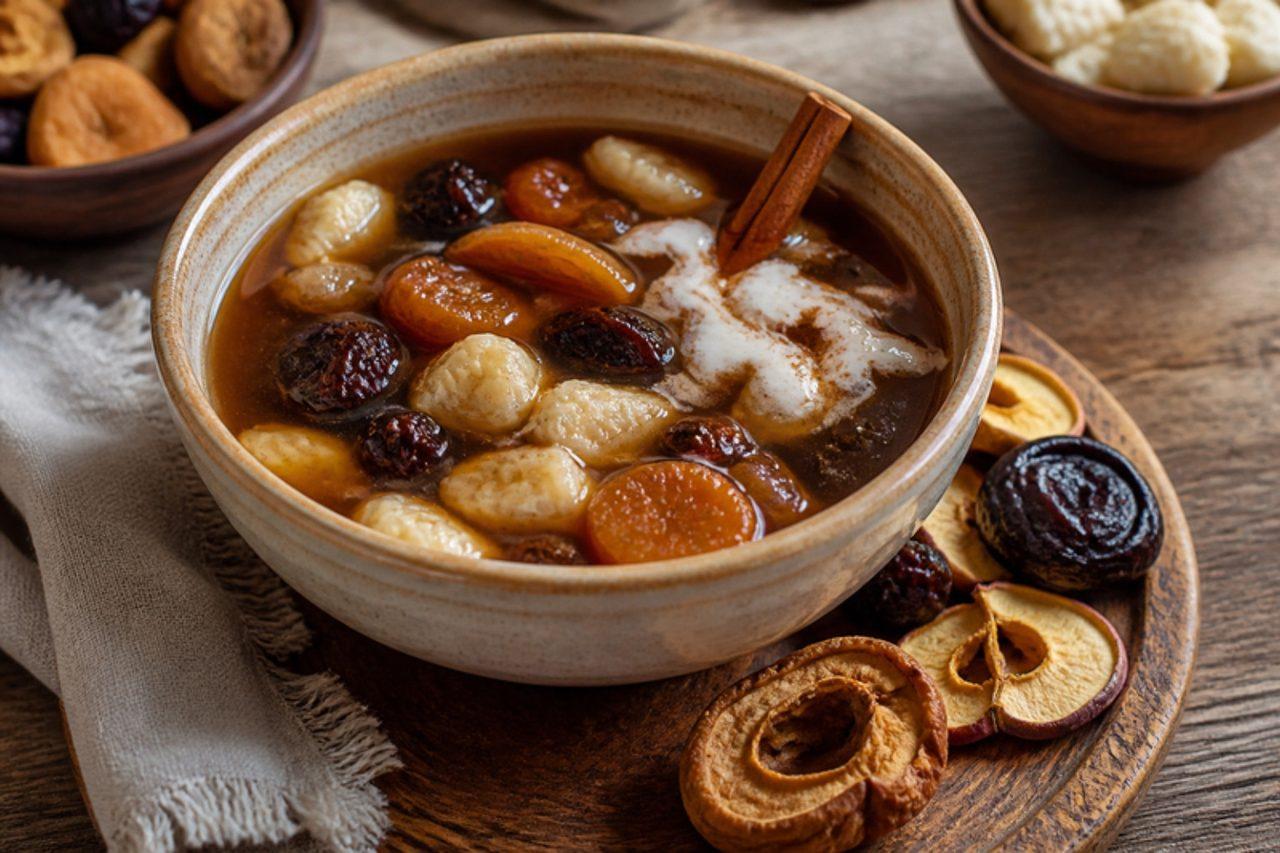
Kashubian farmhouses near Kartuzy and Kościerzyna dried their pears, apples and plums over the stove every autumn, and the dried fruit, called brzad, went into this soup through the winter. It surprises newcomers: warm, sweet and gently sour, smelling of cloves and cinnamon, with tender fruit and little spoon-dropped dumplings, sometimes served with boiled potatoes as a full meal. In the past a meaty version existed too; this one is meat-free. A common mistake is sweetening it like compote; it should taste fruity first, with only a little sugar and a clear sour edge. Chef's tip: soak the fruit overnight if you can, and cook it in its soaking water for the best flavour.

by KrazyBadal 0 views

Zubaidi mashwiGrilled pomfret

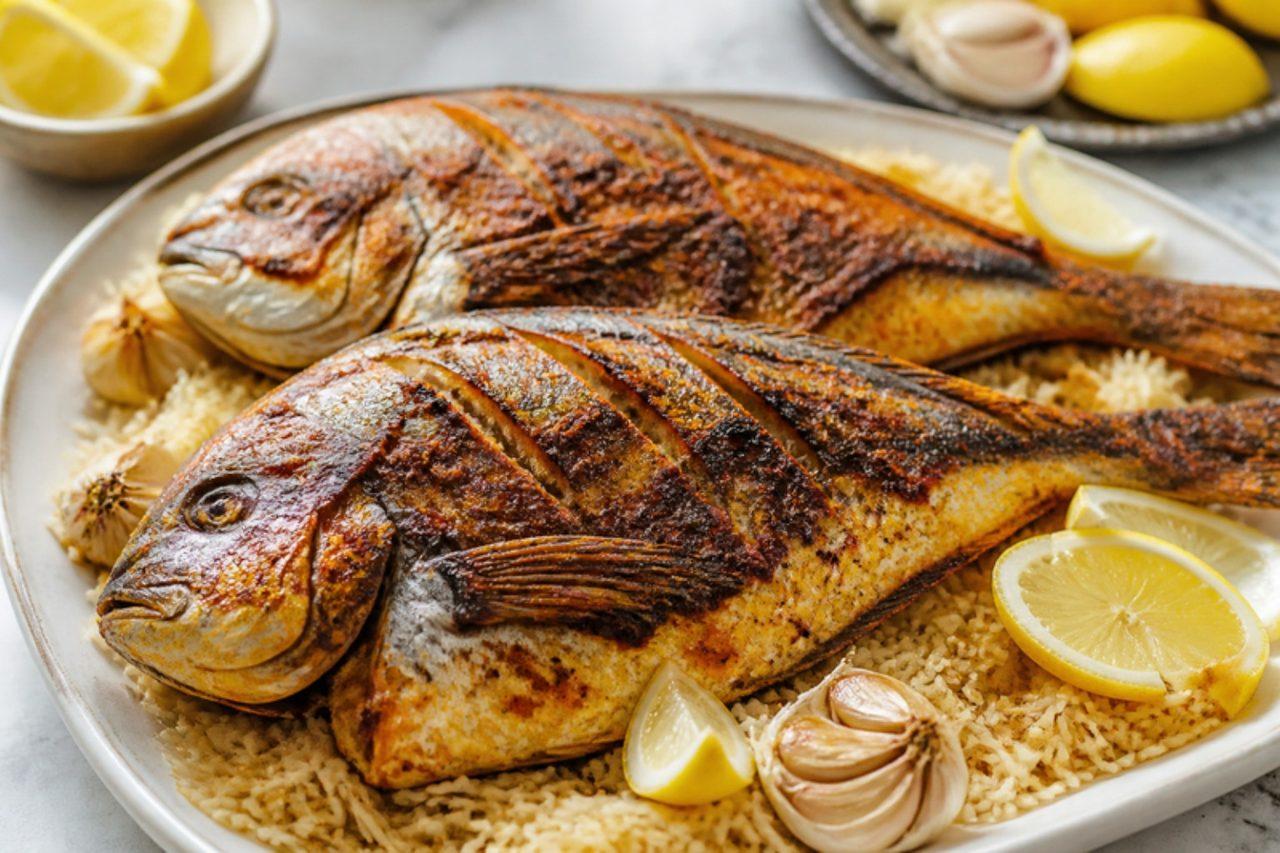
Ask anyone in Kuwait for the national fish and they will say zubaidi, the silver pomfret, which is at its best from late summer and fills the grills of seaside restaurants in Salmiya. It is cooked whole, slashed and rubbed with turmeric, garlic, chilli and lemon, so the skin crisps and the fine, sweet flesh stays moist. Serve it with white rice, daqqus and lemon wedges. The common mistake is grilling it on a cooler heat for too long: pomfret is thin and dries out quickly. Chef's tip: cut slashes right down to the bone so the marinade seasons the fish all the way through and the thick part cooks as fast as the edges.

by KrazyBadal 0 views

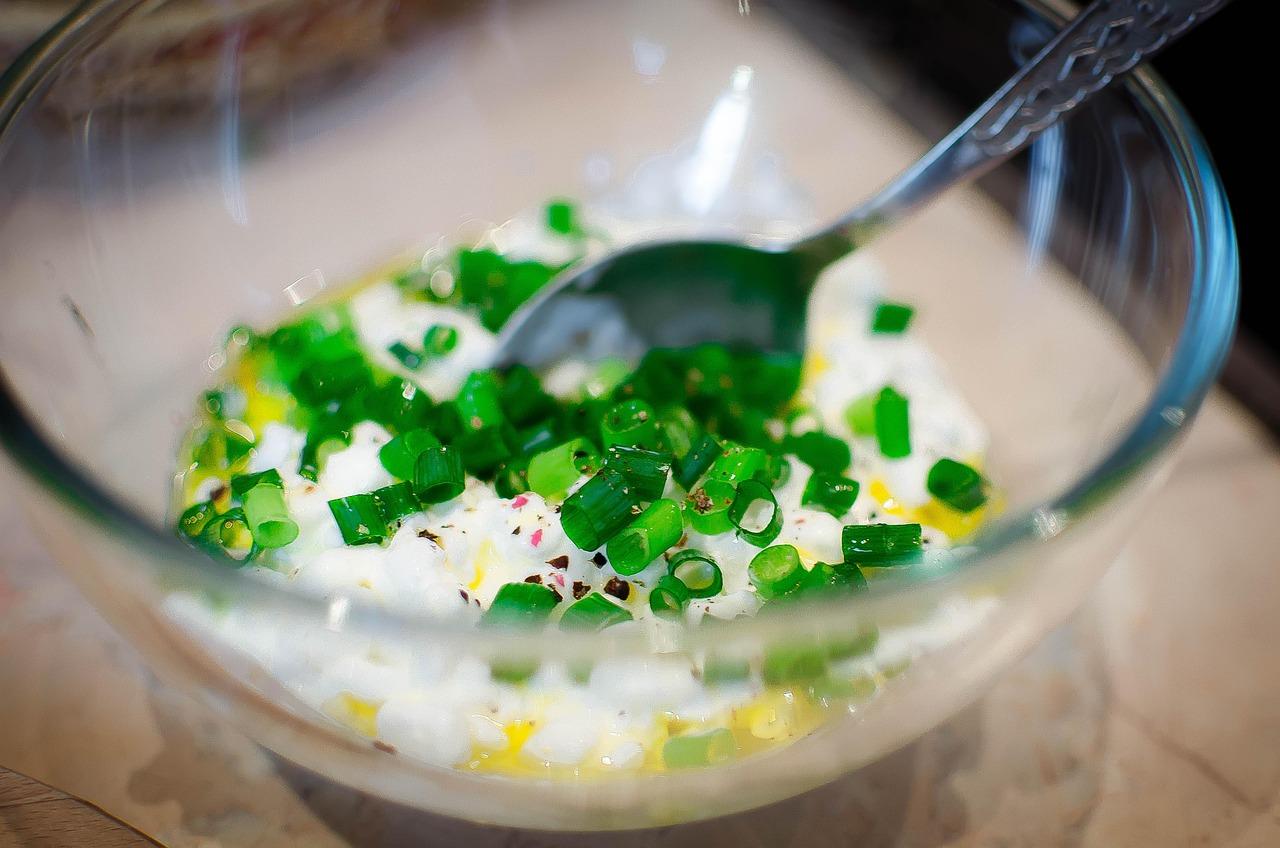
Twarożek ze szczypiorkiemFresh cheese with chives

Warsaw breakfasts, from milk bars to family kitchens, lean on this cool, tangy spread: crumbly twaróg mashed with a little sour cream until fluffy, then mixed with crunchy radish and a generous fistful of chives. It is piled onto rye bread or bread rolls, sometimes eaten from a bowl beside new potatoes in summer. The flavour is fresh and milky with a peppery bite from the radish. Where most people go wrong is salting it hours ahead, which draws water out of the radish and leaves a puddle. Twaróg is usually rennet-free, but check the label. Serve it on rye or, for a gluten-free breakfast, on gluten-free bread. Chef's tip: mash the cheese with a fork, not a blender, so it keeps a little texture.

by KrazyBadal 0 views

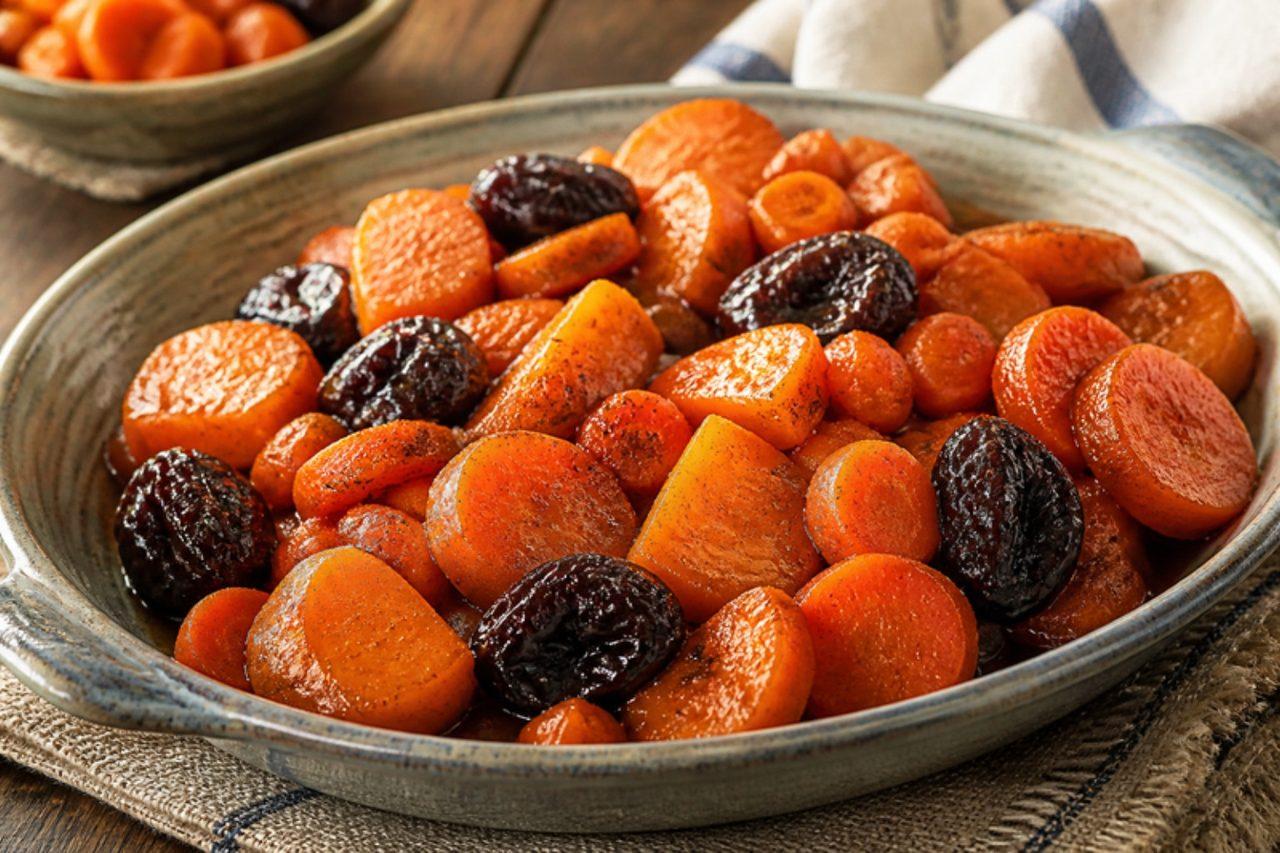
TzimmesCarrot and prune stew

For Rosh Hashanah many Ashkenazi families in Israel set a dish of tzimmes on the table, the sliced carrots looking like gold coins for a prosperous year ahead. Carrots and sweet potato cook slowly with prunes, orange juice, honey and cinnamon until glossy and soft, sweet but lifted by a little lemon and salt. It sits beside the festive meal as a side, and keeps beautifully for the second day of the holiday. This version has no meat or butter, so it works with any menu. A frequent mistake is adding too much liquid, which turns it into soup instead of a sticky glaze. Chef's tip: take the lid off for the last 20 minutes so the juices reduce and cling to every coin of carrot.

by KrazyBadal 0 views

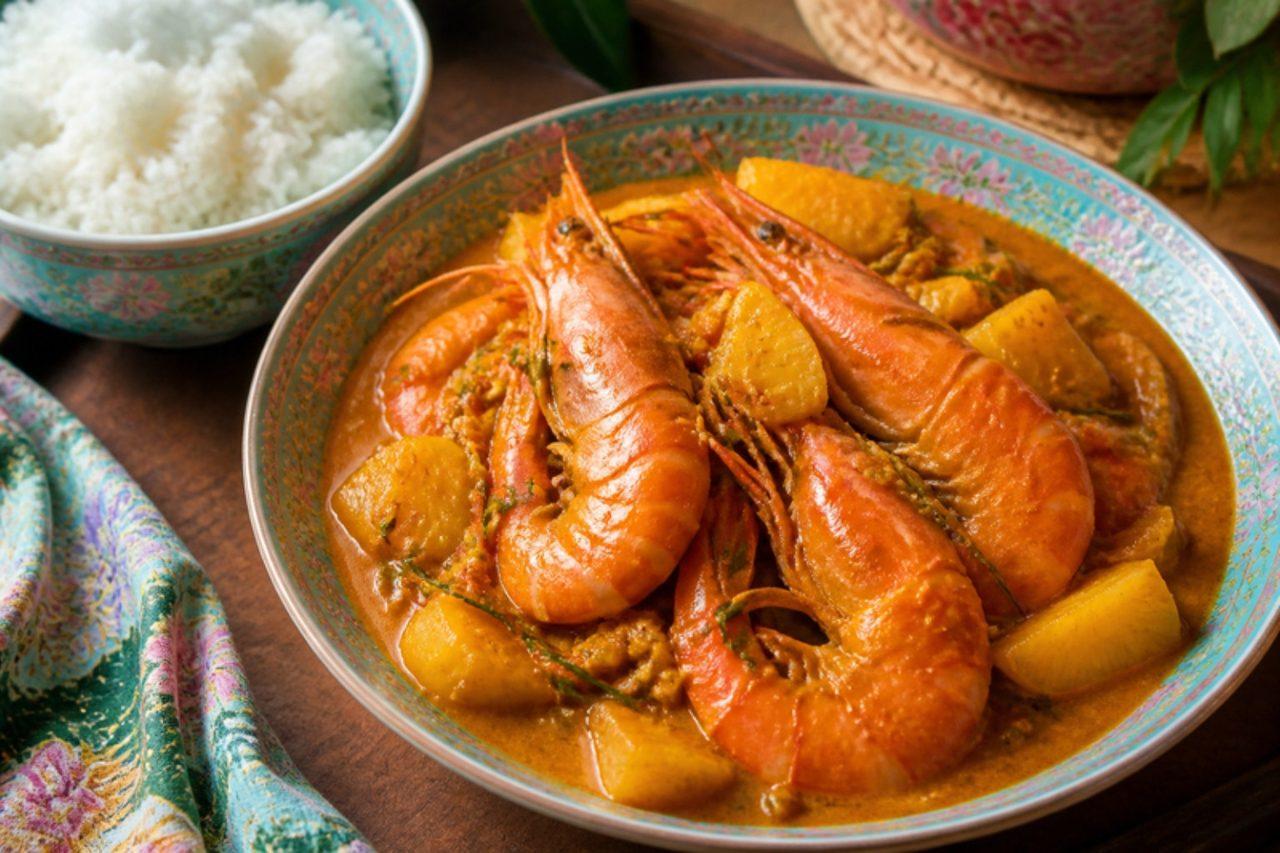
Udang masak nanasPrawns in pineapple gravy

Sweet, sour and gently hot, this Nyonya prawn and pineapple curry turns up on Peranakan family tables in Singapore and Melaka as one of several dishes shared at a weekend lunch, often next to a coconut-rich curry it is meant to balance. Prawns and chunks of half-ripe pineapple simmer briefly in a thin, golden gravy of tamarind and a lightly fried rempah of chillies, shallots, lemongrass, turmeric and shrimp paste, so the sauce tastes bright and fruity rather than heavy. Eat it with plenty of steamed rice. Overcooking the prawns is the common slip; they need only 3 minutes and turn tough and dry if left to stew with the pineapple. Chef's tip: choose a pineapple that is still a little firm and tart, as fully ripe fruit makes the gravy too sweet and falls apart.

by KrazyBadal 0 views

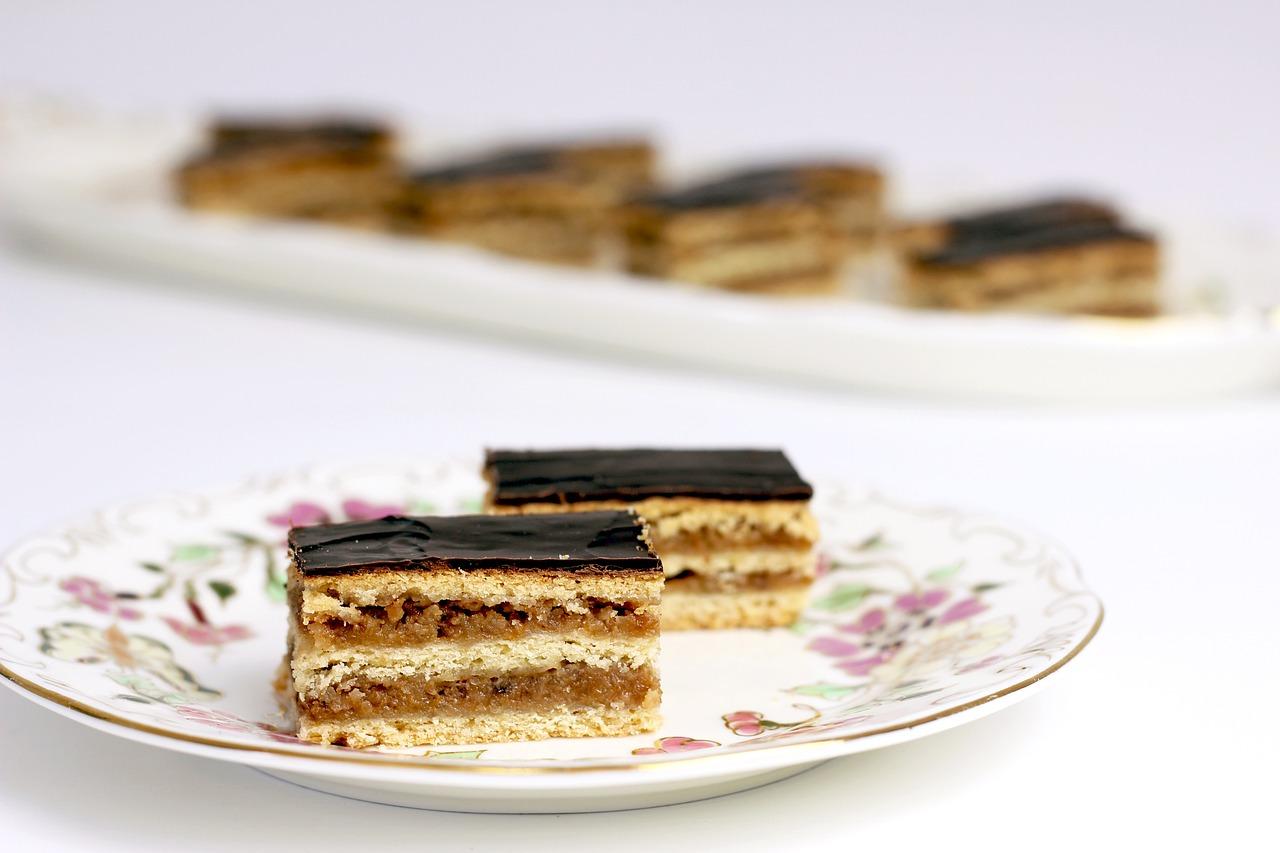
ZserbóWalnut and apricot layered pastry

At Christmas and at every family name day, a Hungarian grandmother cuts zserbó into neat diamonds: three layers of walnut and apricot jam between four thin sheets of rich yeast pastry, crowned with dark chocolate. It was created at the Gerbeaud café on Vörösmarty tér in Budapest, and the name is simply the café's French name spelled the Hungarian way. The pastry bakes short and tender, the jam stays sharp and fruity, and the chocolate adds a firm, glossy snap. A common mistake is rolling the sheets unevenly, so the slices come out lopsided; weigh the dough into four equal parts and roll each to the size of the tin on baking paper. It tastes even better the next day, once the jam has soaked in. Chef's tip: use a tart apricot jam and stir a squeeze of lemon into it if it seems very sweet.

by KrazyBadal 0 views

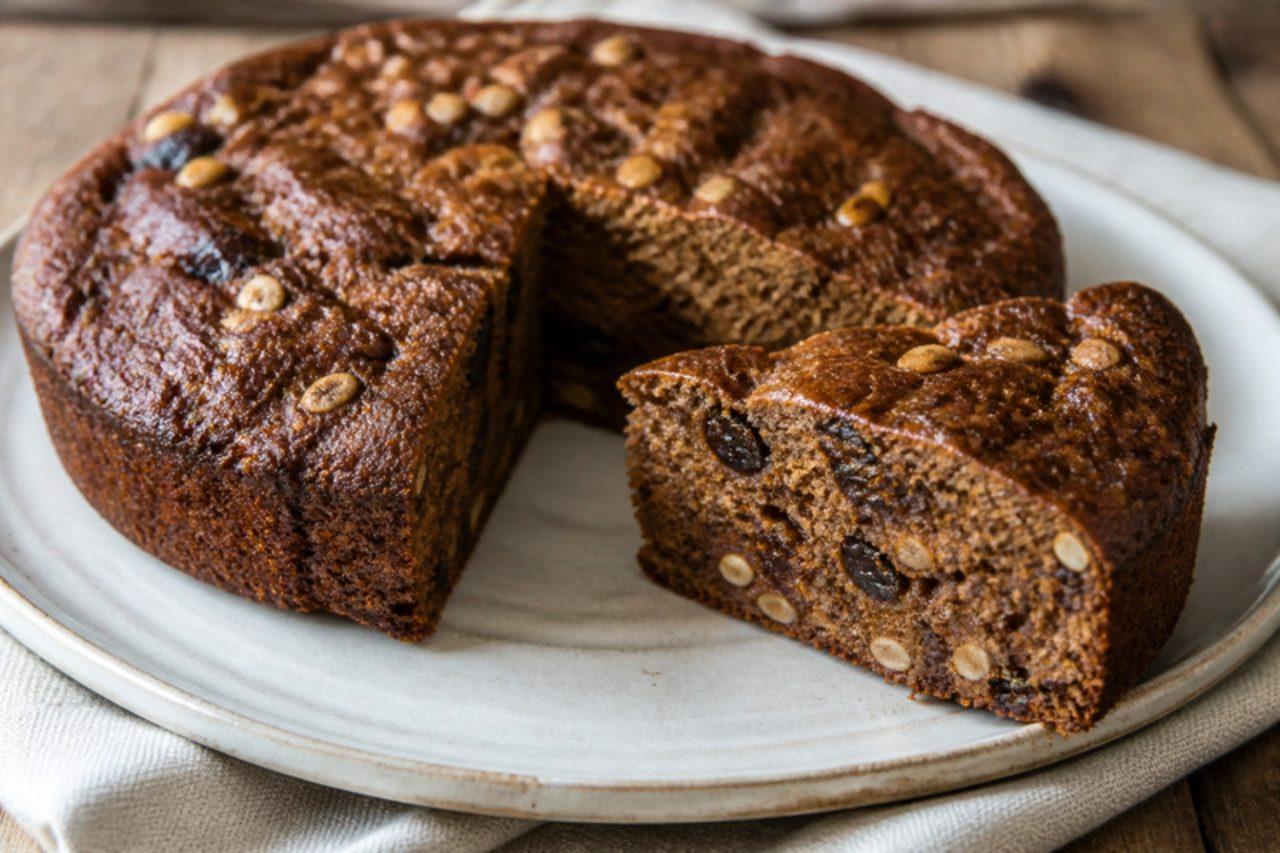
Torta di paneBread cake with cocoa and raisins

Torta di pane is the thrifty cake of Ticino, Switzerland's Italian-speaking south, made in every family and sold in bakeries in Lugano and Locarno: stale bread soaked overnight in milk, then mixed with cocoa, eggs, sugar, raisins, pine nuts, candied peel and lemon zest and baked into a dense, moist cake with a crisp top. Each family's recipe differs, and some add amaretti or a splash of grappa (this one has none). A common mistake is not soaking the bread long enough, which leaves dry lumps. Chef's tip: soak overnight and mash well, then let the cake cool completely before slicing; it firms up.

by KrazyBadal 0 views

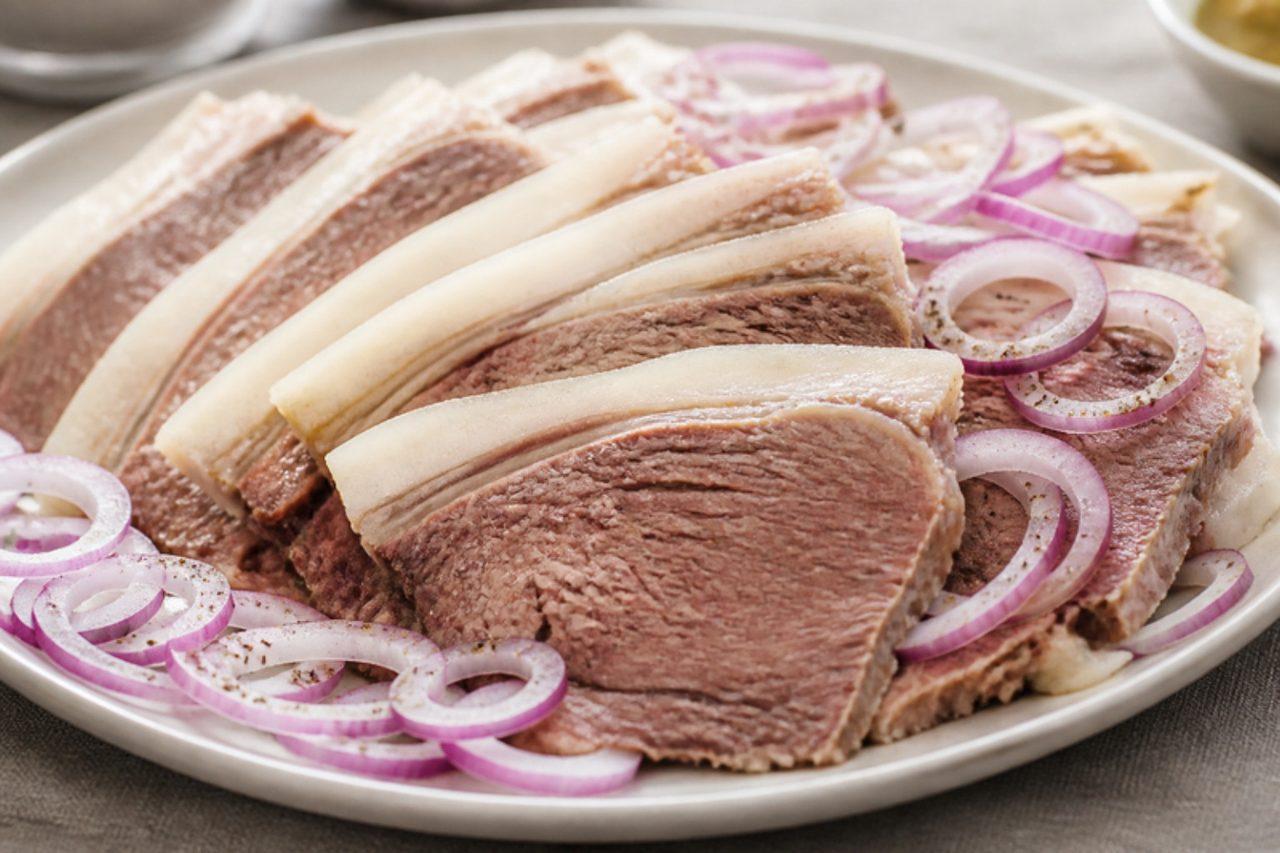
Zhal-zhayaPressed boiled brisket

Zhal and zhaya are two prized cuts from the Kazakh feast: zhal is the band of fat from the crest of a horse's neck and zhaya the meaty rump, salted, sometimes smoked, then boiled, pressed and sliced thin to serve cold beside kazy at weddings and Nauryz. They are traditionally horse meat; this recipe uses beef brisket with its fat cap, which gives the same layered slices of meat and fat, as the site does not use horse. A common mistake is slicing it warm, which crumbles the meat and smears the fat. Chef's tip: press it overnight under a weight in the fridge; it sets into a firm block that slices into neat, thin layers.

210 minKazakhMeatGluten free
by KrazyBadal 0 views

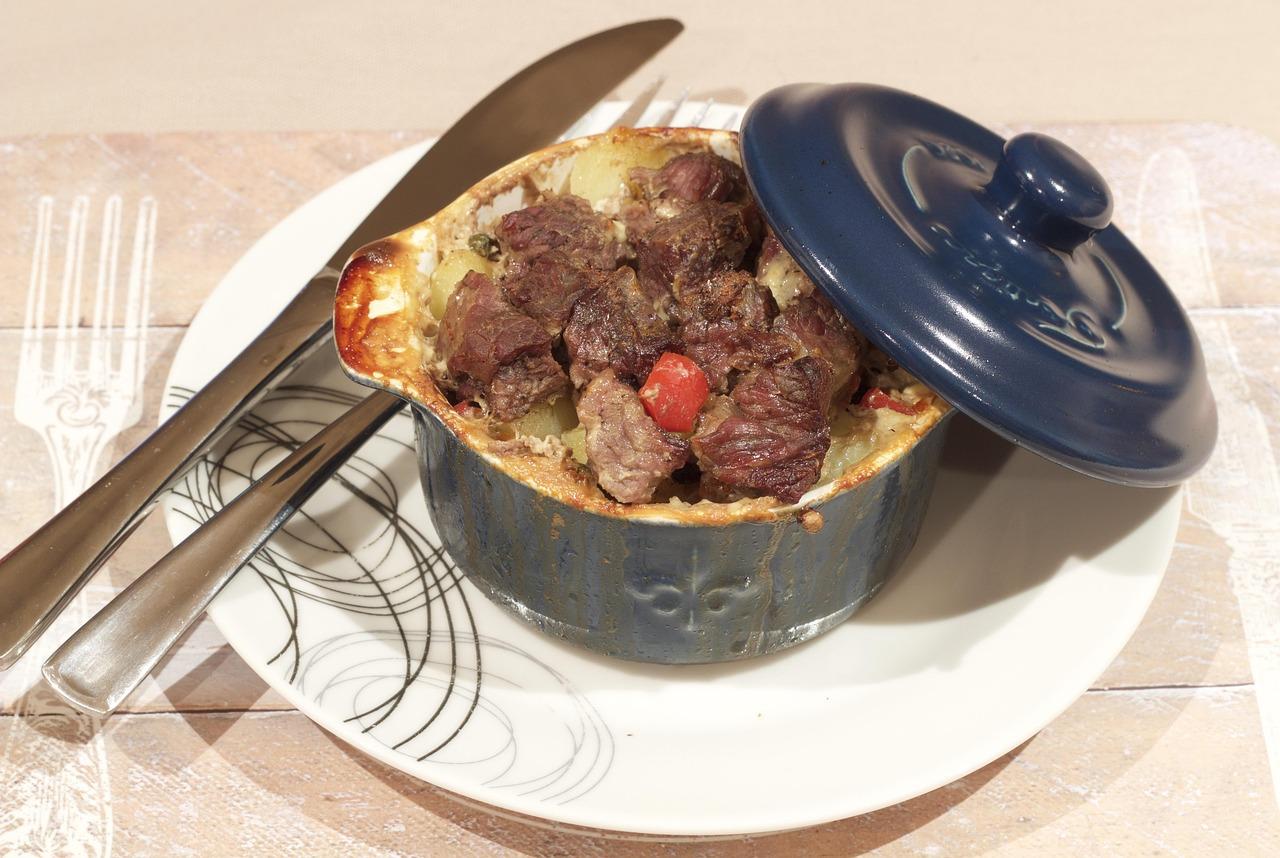
Zharkoye v gorshochkakhBeef and potato pot roast

Clay pots of zharkoye, each with its own lid, are pure Russian comfort food: a dish from the old wood-fired stove that city kitchens now make in the oven for Sunday lunch or a cold-weather dinner party. Browned beef, onion and carrot go into each pot with potatoes, mushrooms and a little stock, then bake slowly until the meat falls apart and the potatoes drink up the gravy. It smells of bay and black pepper and tastes deeply savoury. Serve straight in the pots with pickles and rye bread. The usual slip is skipping the browning step, which leaves the beef grey and the sauce thin; take time to sear it well. Check the beef is fork-tender before serving. Chef's tip: seal the lids with a strip of simple flour-and-water dough for the old-fashioned way; it keeps every drop of steam inside, though then the dish is no longer gluten free.

120 minRussianMeatGluten free
by KrazyBadal 0 views

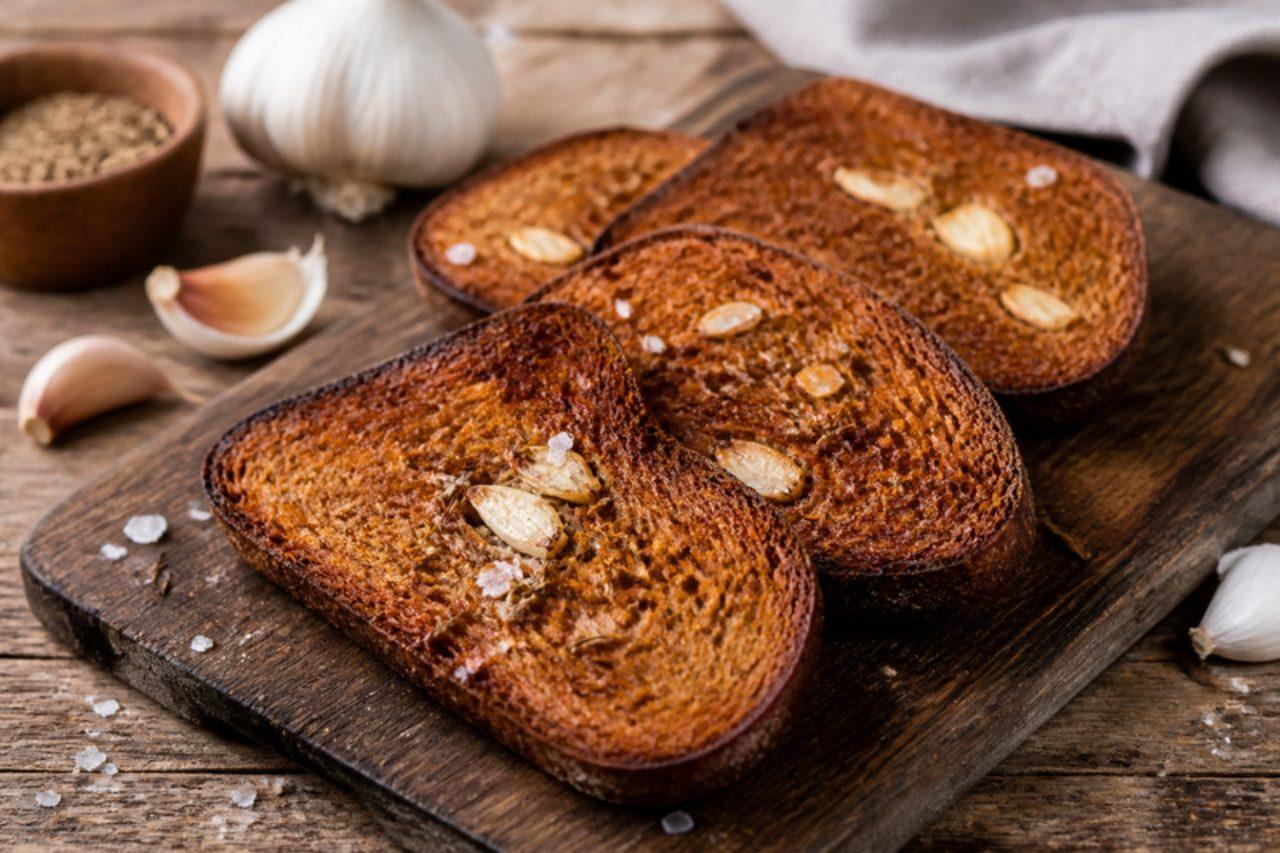
TopinkyGarlic fried rye bread

Midnight in a Prague beer hall, a basket of topinky arrives: thick slabs of rye-wheat bread fried until shatteringly crisp and rubbed hard with raw garlic, so the rough crust grates the clove like sandpaper. Czech pubs serve them as a snack with beer, and at home they are a quick supper with a glass of buttermilk or a bowl of soup. Some old cooks used lard; frying in oil keeps them vegan. The crumb should stay soft inside the golden crust, and the garlic should be sharp and fiery. A common mistake is frying in oil that is not hot enough, which makes the bread greasy instead of crisp. Chef's tip: choose a dense, day-old rye bread with caraway seeds; fresh, airy bread soaks up oil like a sponge.

by KrazyBadal 0 views

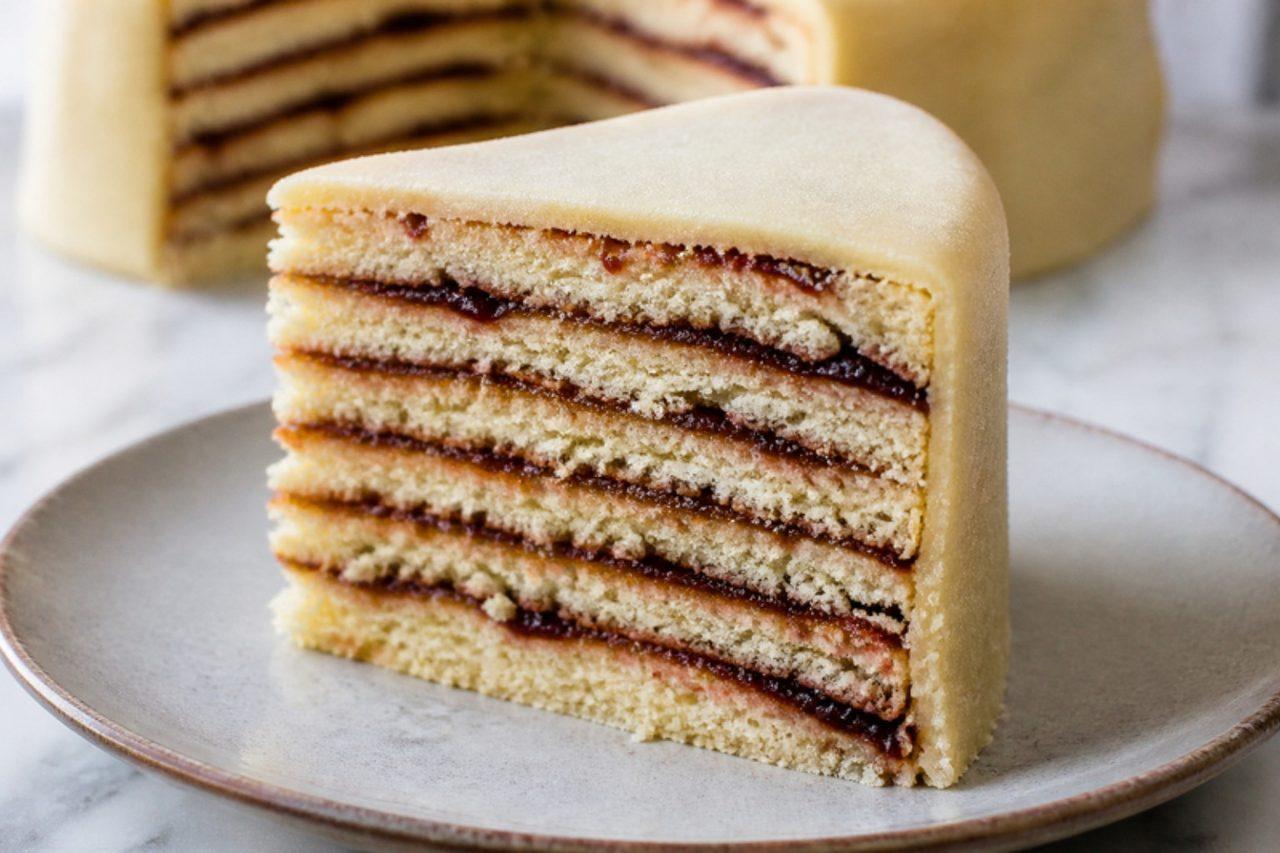
VínartertaLayered cardamom prune cake

Vínarterta, 'Vienna cake', is the Icelandic Christmas cake: six or seven thin layers of cardamom-scented biscuit dough sandwiched with thick prune jam spiced with cinnamon and cardamom, then left to mature for a few days before slicing into narrow strips. It is still baked by Icelandic families in Reykjavík and by the descendants of Icelanders in Manitoba, where it became a symbol of home. A common mistake is slicing it the same day; the layers are crisp until the jam softens them. Chef's tip: wrap it and leave it for 3 days in a cool place, so the biscuit softens into a fine cake.

by KrazyBadal 0 views

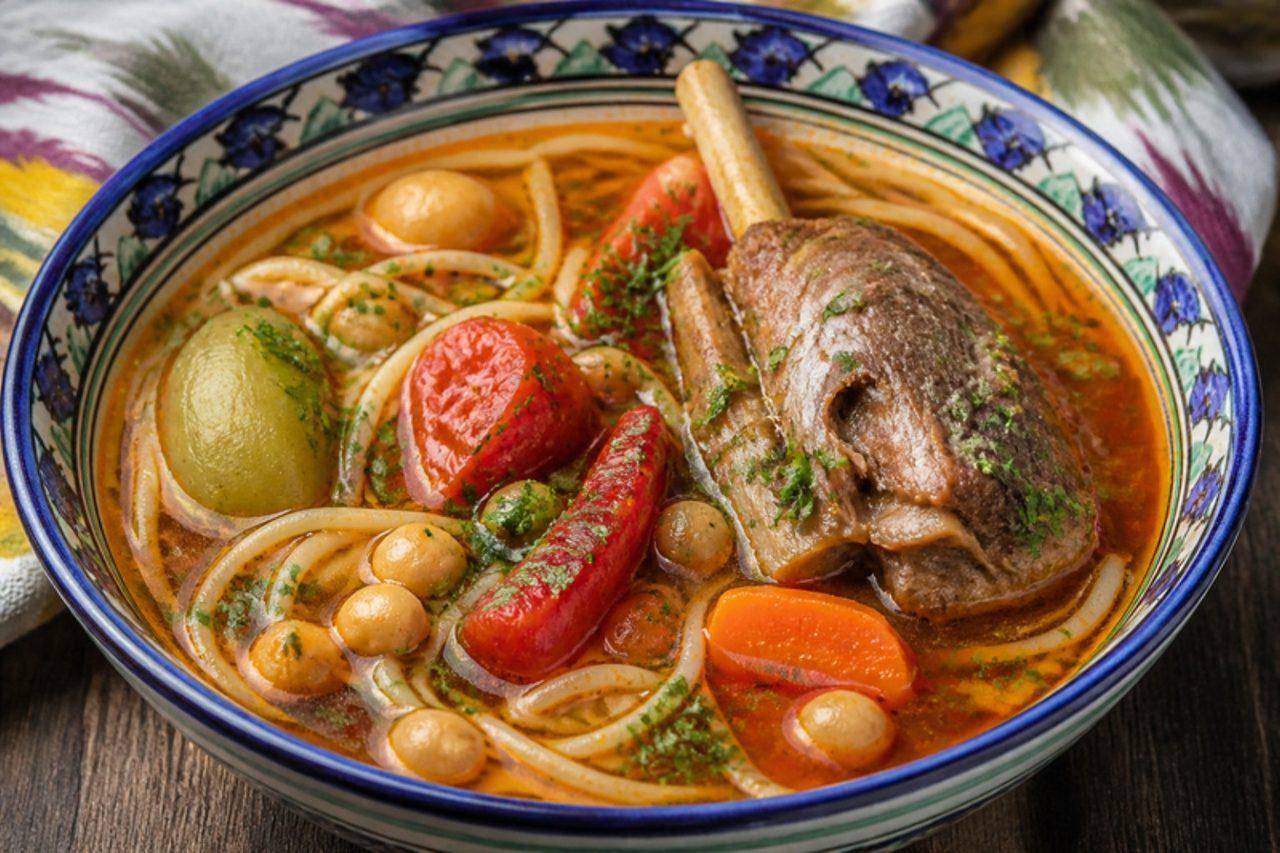
Ugra oshThin noodle soup with lamb

Ugra osh is the noodle soup of Bukhara and Samarkand, where 'ugra' means very thin hand-cut noodles: they are cooked in a clear lamb broth with chickpeas, carrot, radish, tomato and pepper, and the bowl is finished with chopped dill and a spoon of katyk. On meatless days the same soup is made with chickpeas and vegetables alone. A common mistake is cooking the noodles in the soup pot for too long, which clouds the broth. Chef's tip: cook the noodles separately for 2 minutes and add them to each bowl, so the broth stays clear and the noodles don't swell.

130 minUzbekSoups
by KrazyBadal 0 views

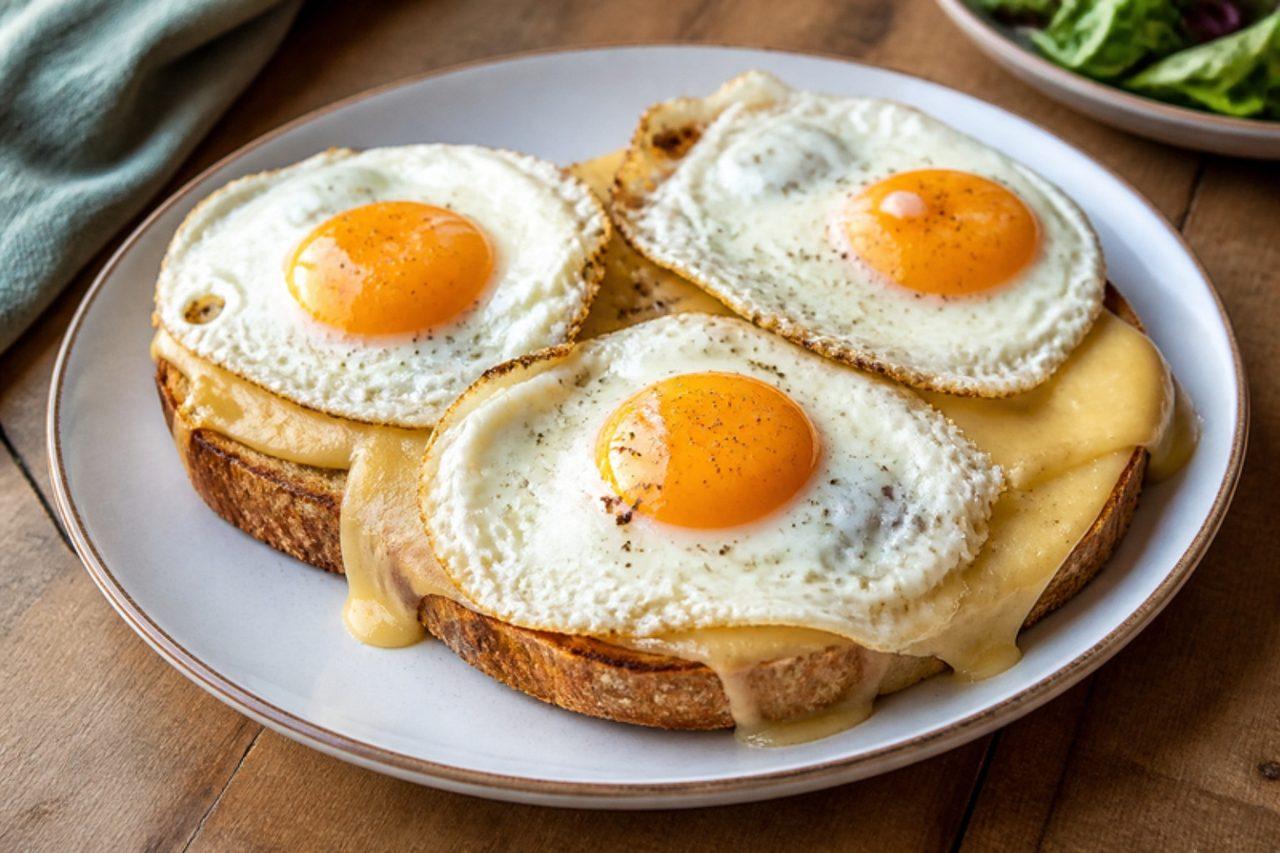
UitsmijterCheese and fried egg open sandwich

In Amsterdam's brown cafés and lunchrooms, the uitsmijter is the classic lunch: two or three slices of buttered bread topped with cheese and three fried eggs, sunny side up, with a little pickle and a sprig of cress. The name means 'bouncer', perhaps because it was the last plate served before closing time. Ham is the usual extra; this version keeps it vegetarian with Gouda and tomato. Gouda is usually made with animal rennet, so choose a vegetarian Gouda-style cheese. A common mistake is frying the eggs on high heat, which makes the whites rubbery and brown. Chef's tip: fry the three eggs together in one pan over a medium-low heat with a lid, so the whites set while the yolks stay runny.

by KrazyBadal 0 views

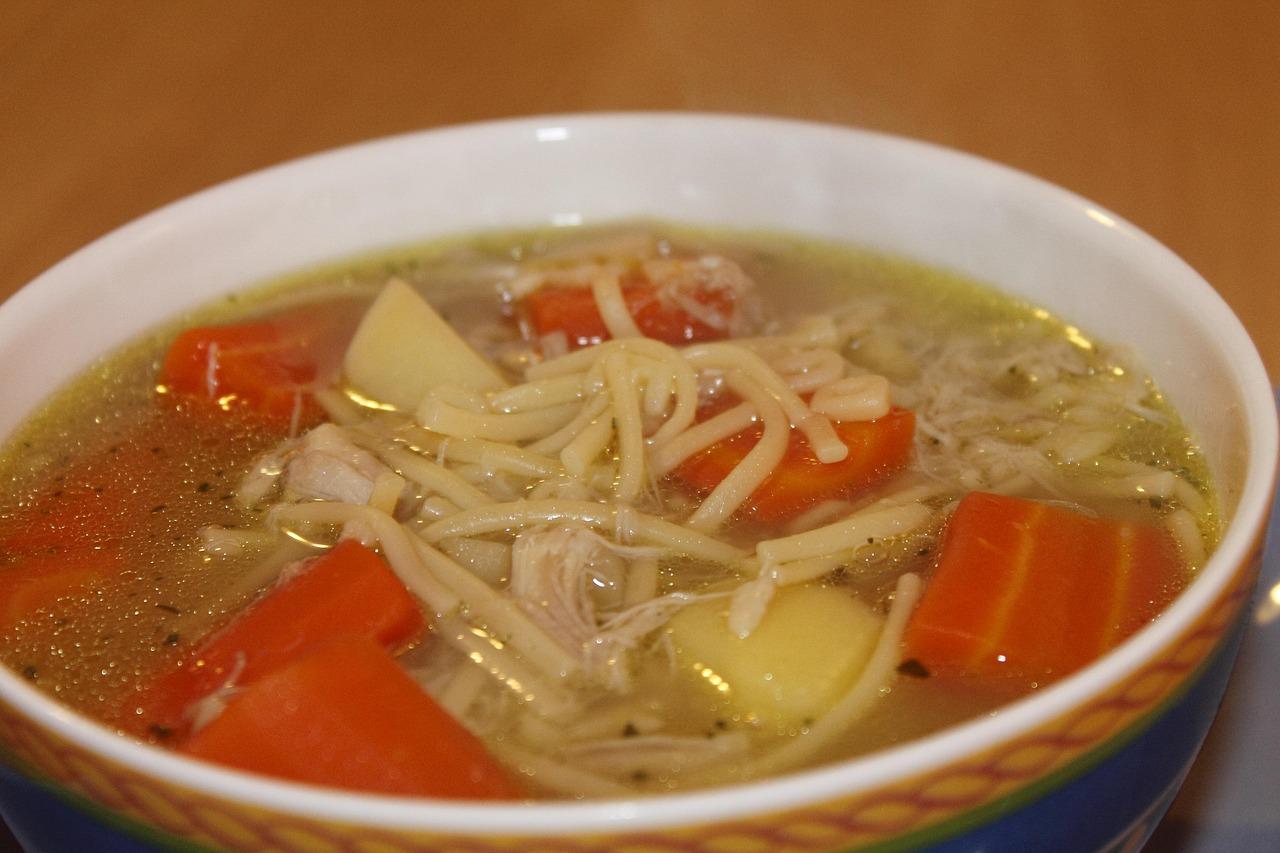
Újházi tyúkhúslevesHen soup with vermicelli

Ede Újházi, a much-loved actor of the Budapest National Theatre at the turn of the last century, was so fussy about his Sunday hen soup that a city restaurant named its version after him, and the name stuck. Today Újházi soup is the standard first course at Hungarian weddings and Sunday lunches: a clear, golden broth simmered for hours from a boiling hen, full of carrot, parsley root and celeriac, with mushrooms, green peas and a tangle of thin vermicelli added at the end. The meat is pulled off the bone and served in the bowl, or eaten separately with the vegetables and a little horseradish. The usual slip is letting the pot boil hard, which clouds the broth; it should only tremble. Chef's tip: cook the vermicelli separately and put it straight into the bowls, so the broth stays clear and the noodles don't swell overnight.

by KrazyBadal 0 views

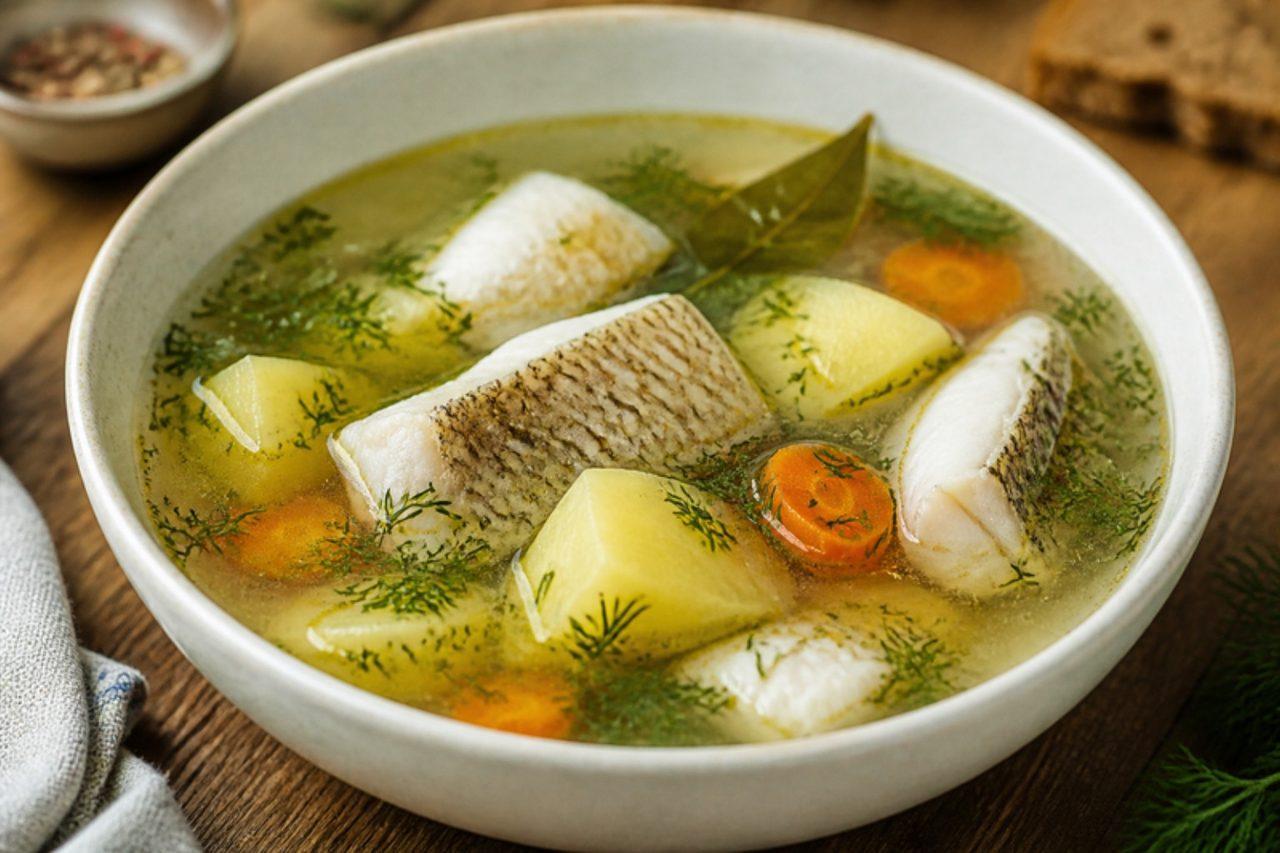
UkhaClear river fish soup

Fishermen on the Volga sandbanks make ukha in a blackened pot over driftwood with whatever is in the net, perch, pike-perch, a small pike, and it is still the soup cooked at dachas on summer evenings. The point is clarity: a light, pale-gold broth that tastes cleanly of fish, with soft potatoes, a whole onion simmered in and a fistful of dill at the end. It is served with black bread and a squeeze of lemon. A common mistake is letting the pot boil hard, which clouds the broth and breaks the fish into flakes. Chef's tip: simmer the bones and trimmings first for the stock and only then poach clean fillets in it, so you get both a rich broth and neat pieces of fish.

by KrazyBadal 0 views

Trini fry bakePuffy fried breakfast bread

On Saturday and Sunday mornings across Port of Spain, a bowl of dough becomes a pile of golden, hollow-bellied bakes that get split open and stuffed with buljol, smoked herring, cheese or a fried egg. They are soft and slightly chewy inside with a thin, blistered crust, nothing like the dense coconut bake baked in the oven. The usual mistake is frying in oil that is not hot enough: the bakes soak up fat and stay flat instead of ballooning. A short rest for the dough helps them puff. Chef's tip: roll the rounds no thicker than 5 mm and spoon hot oil over the top as they fry, and almost every one will inflate like a pillow.

by KrazyBadal 0 views

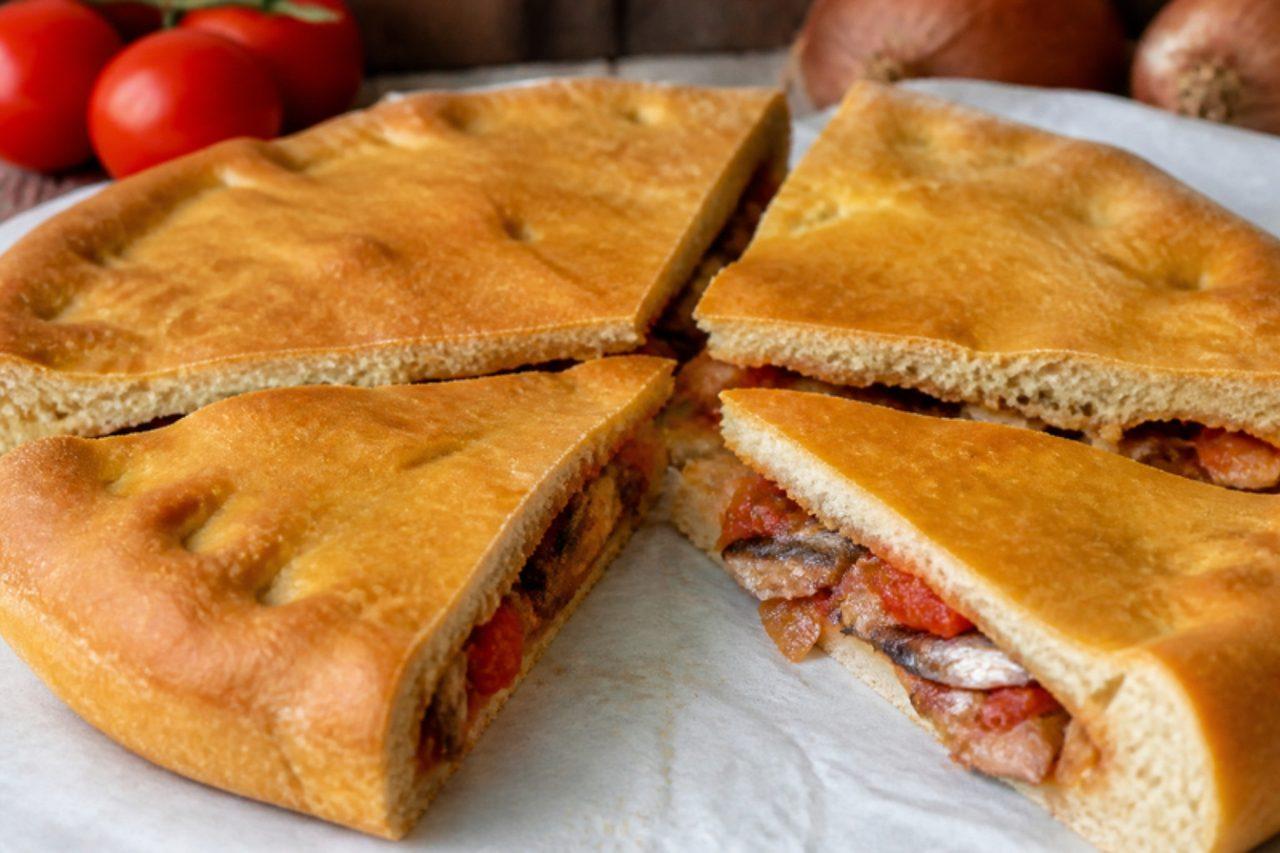
Viška pogačaAnchovy and onion bread pie

Vis, the most far-flung inhabited island of Croatia, has a fishing town, Komiža, that gave the world this pie: two thin layers of olive-oil bread dough wrapped around onions stewed until jammy with tomato, and fillets of salted anchovy or sardine. Fishermen took wedges of it to sea, and it still turns up at island festivals and in bakeries, eaten warm or at room temperature with a tomato salad. The salted fish is bought ready-cured from a good fishmonger and is baked inside the pie until piping hot. Where most people go wrong is a wet filling: the onions and tomato must cook down until thick and jammy, or the bottom crust goes soggy. Keep leftovers in the fridge and eat within 2 days. Chef's tip: soak the salted fillets in cold water for 15 minutes to take the harsh edge off the salt, and don't add any more salt to the filling.

120 minBalkanFish
by KrazyBadal 0 views

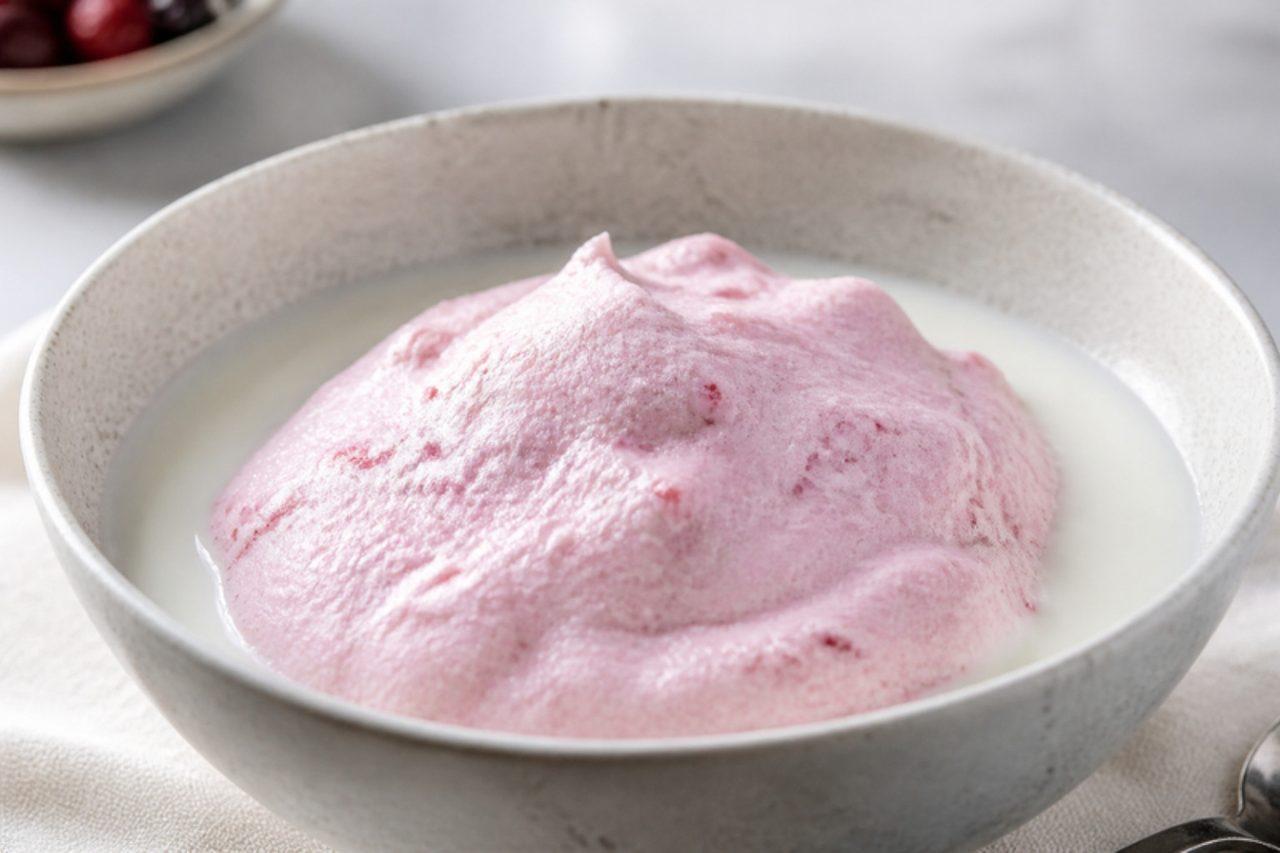
VispipuuroWhipped lingonberry semolina

Vispipuuro, 'whisked porridge', is a Finnish childhood favourite: semolina cooked in lingonberry juice and water with sugar, then cooled and whisked hard until it turns pale pink, light and fluffy like a mousse. It is eaten for breakfast, as a dessert at school, or as a snack, with cold milk poured around it. Cranberries or redcurrants work too. A common mistake is whisking it while still hot, which never lightens it. Chef's tip: cool the porridge in a sink of cold water, then whisk with an electric mixer for 10 minutes; it will double in volume. Serve with oat milk to keep it vegan.

by KrazyBadal 0 views

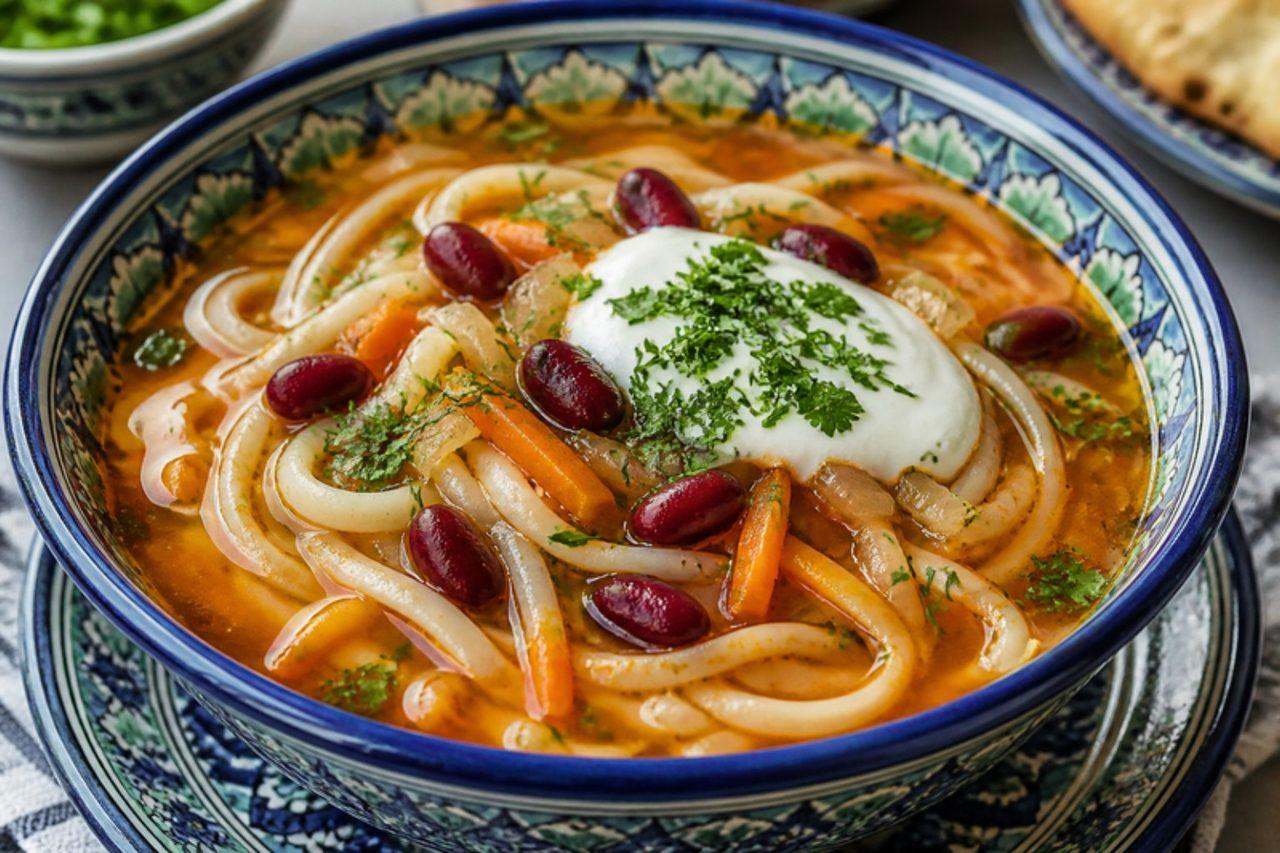
UnashBean and noodle soup

Unash is a homely soup from Khorezm, in Uzbekistan's far north-west near the Aral Sea: thin hand-cut noodles cooked in a broth of beans, onion, carrot and tomato, then finished in the bowl with a spoon of sour katyk and fresh herbs, so it tastes both rich and tangy. Families in Urgench make it on winter evenings, often without meat. A common mistake is cooking the noodles in the soup for too long, which makes it thick and gluey. Chef's tip: add the noodles only when the beans are fully tender, and serve within 5 minutes so they stay springy.

90 minUzbekSoups
by KrazyBadal 0 views

Undu walaluFried urad dal rings in treacle

Walalu means bangles, and these dark, sticky rings of fried urad dal soaked in kithul treacle are a sweet that Sinhala families bring out for Avurudu and for special almsgivings, often made in large batches by an aunt known for her steady hand. A thick, fluffy paste of ground black gram is piped into loops and fried until crisp, then plunged straight into warm treacle, so the rings stay crunchy on the outside while drinking up the syrup. They taste a little like a darker, smokier jalebi, with a toffee finish from the palm treacle. Watery batter is what ruins them; it spreads into flat blobs, so grind the soaked dal with as little water as possible and beat it until light. This recipe uses no asafoetida, so it is naturally gluten free. Chef's tip: pipe the rings onto small squares of baking paper and lower them into the oil paper and all; the paper peels away in seconds.

by KrazyBadal 2 views

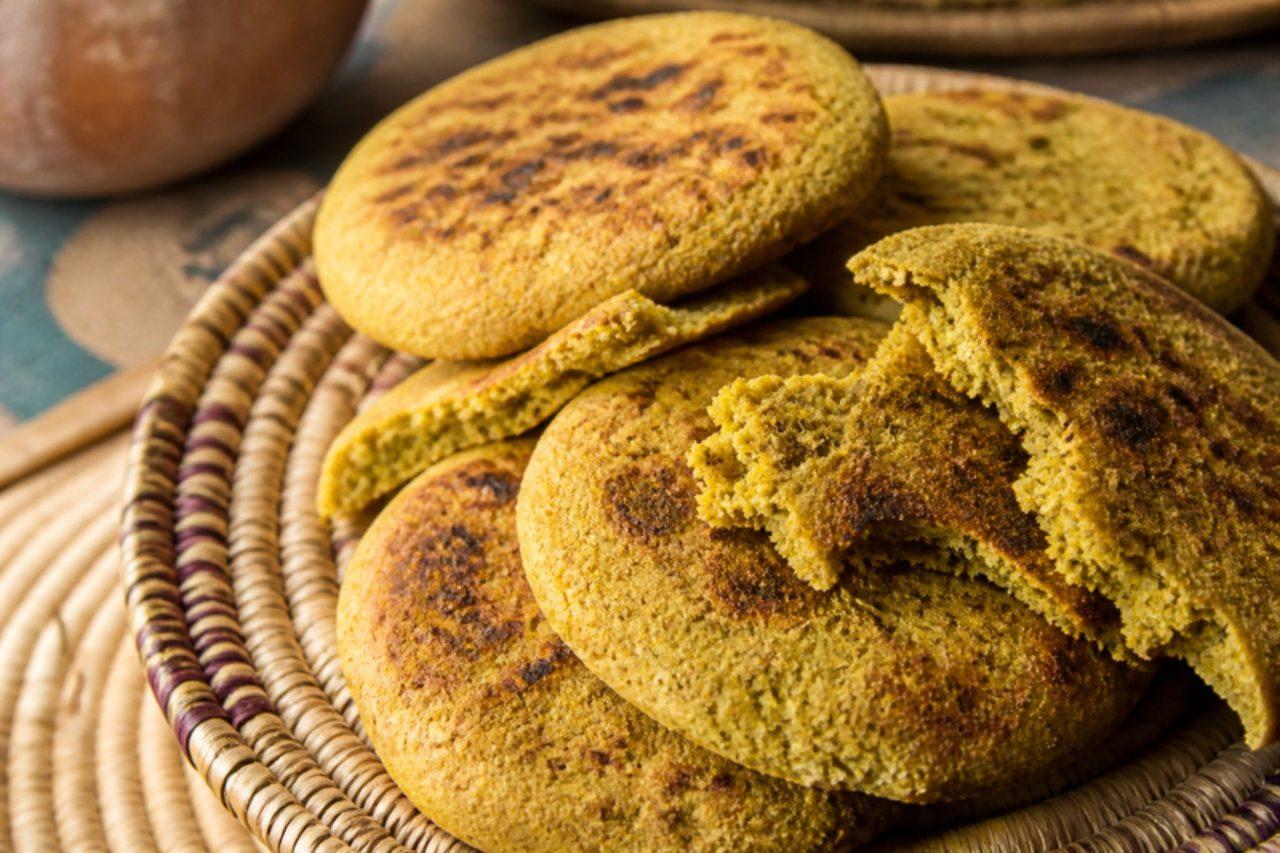
BettawMaize and fenugreek flatbread

Farming families in the Sa'id have long baked bettaw from maize grown on their own land, flavoured with fenugreek and baked in big batches, then dried until hard so it keeps for weeks. The bread is dense, crumbly and earthy, with the bittersweet, maple-like scent of fenugreek, and is softened by dipping in mish, molasses, buttermilk, lentils or a bowl of stew. A little wheat flour holds the maize together. Maize dough has no stretch and cracks if you treat it like wheat, so wet your hands and press it out rather than kneading or rolling. The usual mistake is using too much fenugreek, which turns the bread bitter; a little goes a long way. Chef's tip: to soften dried bettaw, sprinkle it with water and warm it for a few minutes in a covered pan.

by KrazyBadal 0 views

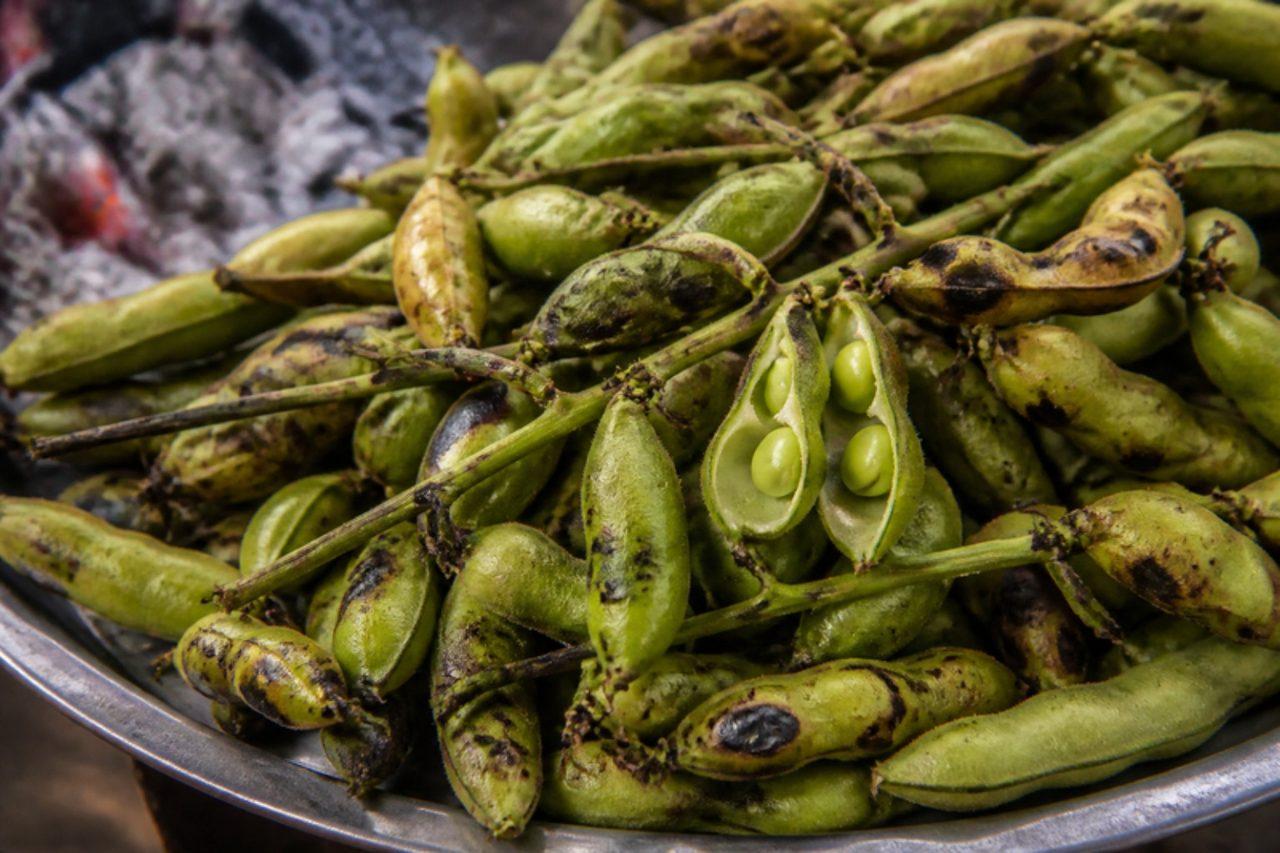
MalanaRoasted green chickpeas

Late winter and spring bring malana, whole chickpea plants with their fuzzy green pods still attached, to market stalls in Upper Egypt and across the country. Sellers and families roast the bunches over embers until the pods blister and blacken in spots, and everyone sits around pulling them off the stalks and popping out the hot, sweet, slightly smoky peas, a little like a cross between fresh peas and chestnuts. Look for them at Middle Eastern or South Asian grocers in season, sold as green chickpeas on the stem. The mistake is leaving them over the heat too long, which turns the peas dry and mealy. Chef's tip: sprinkle the hot pods with salt and a few drops of water, which steams the peas inside.

by KrazyBadal 0 views

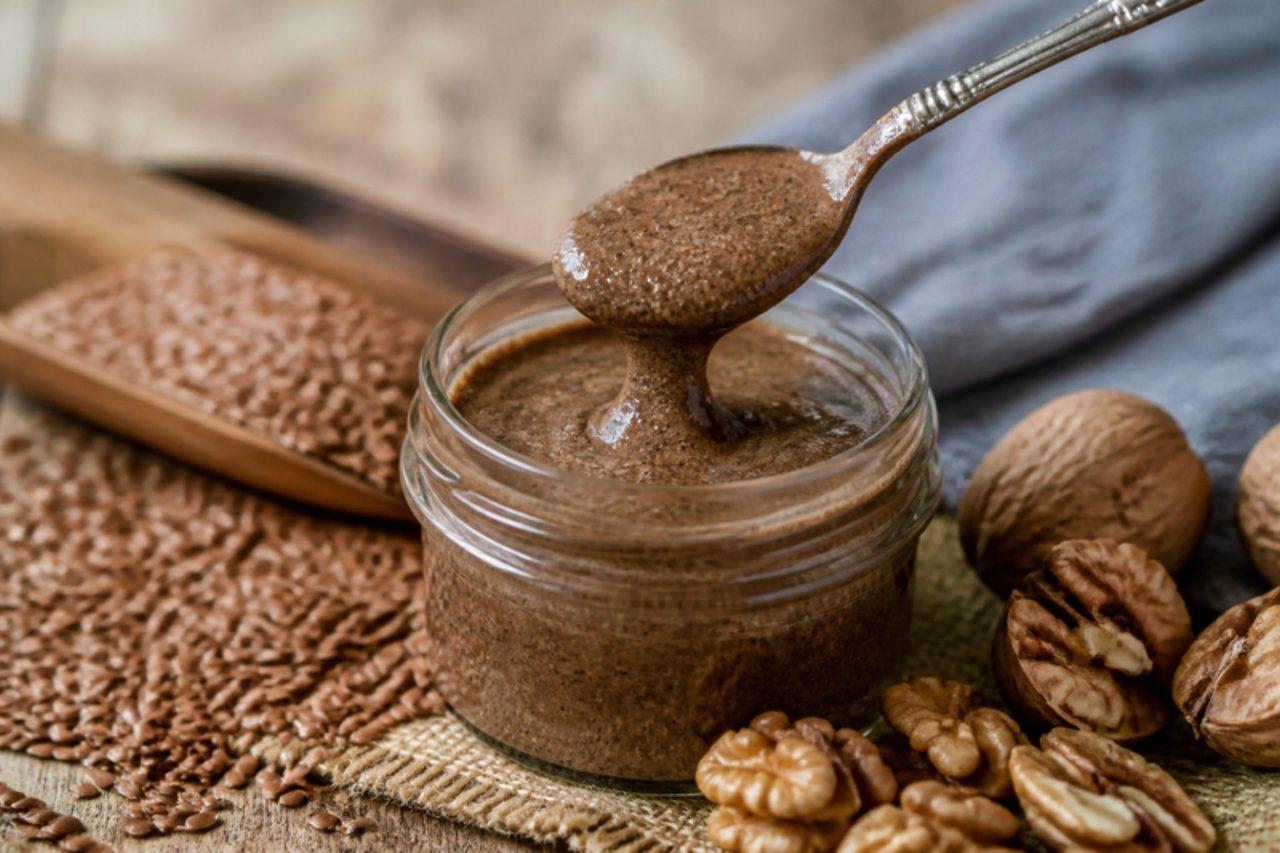
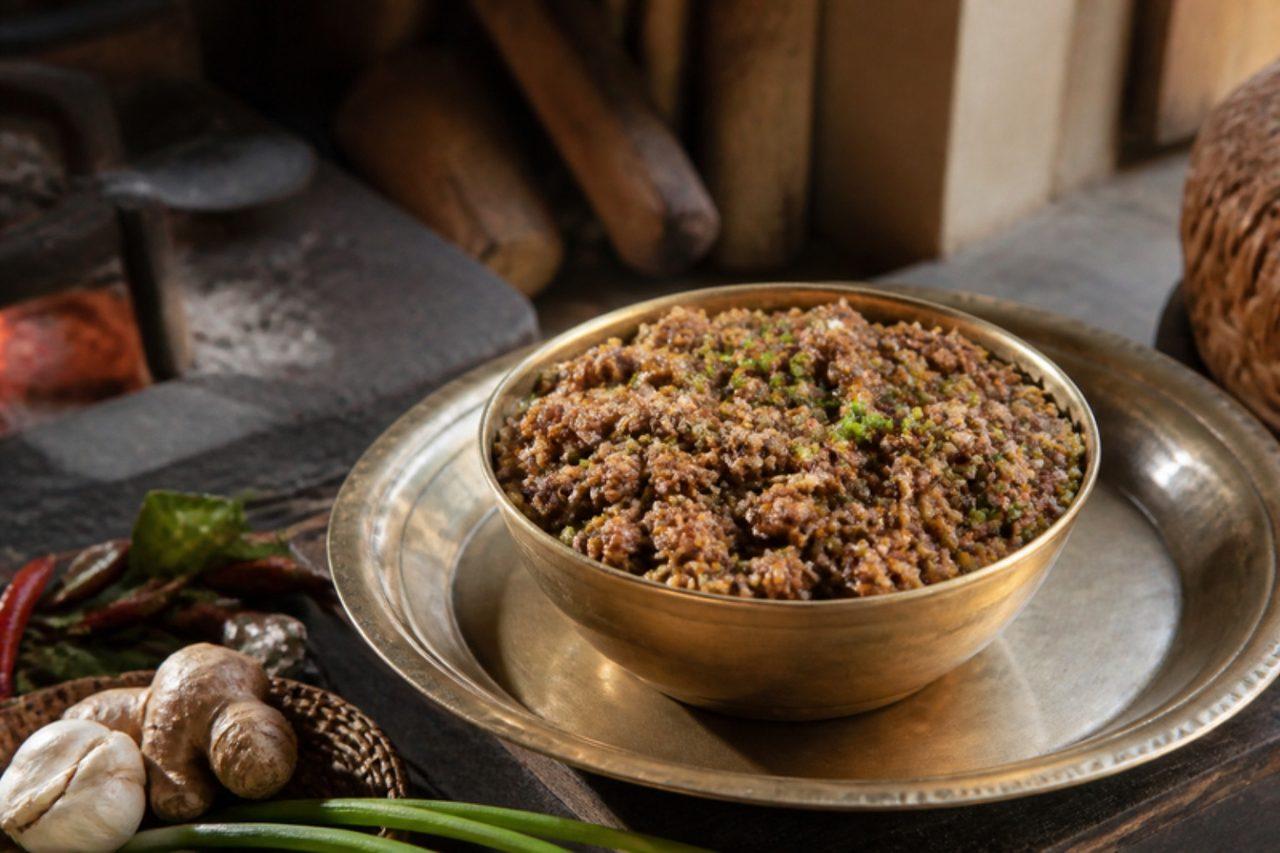
UrbechFlaxseed and walnut paste

High in the villages of Dagestan, urbech was ground between millstones from roasted seeds and kernels until the oil ran, then packed into jars to see families through winter. Brown flax gives the classic dark, slightly bitter paste; walnuts soften it and make it creamy. Locals warm it gently with honey and melted butter and spread it on bread or eat it by the spoon with tea; for a fully plant-based breakfast swap in a fruit syrup and keep the butter out. Some urbech uses apricot kernels, but bitter kernels contain natural cyanide compounds, so this home version sticks to flax and walnuts. Where most people go wrong is giving up after five minutes: the seeds look like dry sand for a long time before suddenly collapsing into paste. Chef's tip: let the food processor rest every few minutes so the motor and the paste stay cool; overheated flax turns bitter.

by KrazyBadal 0 views

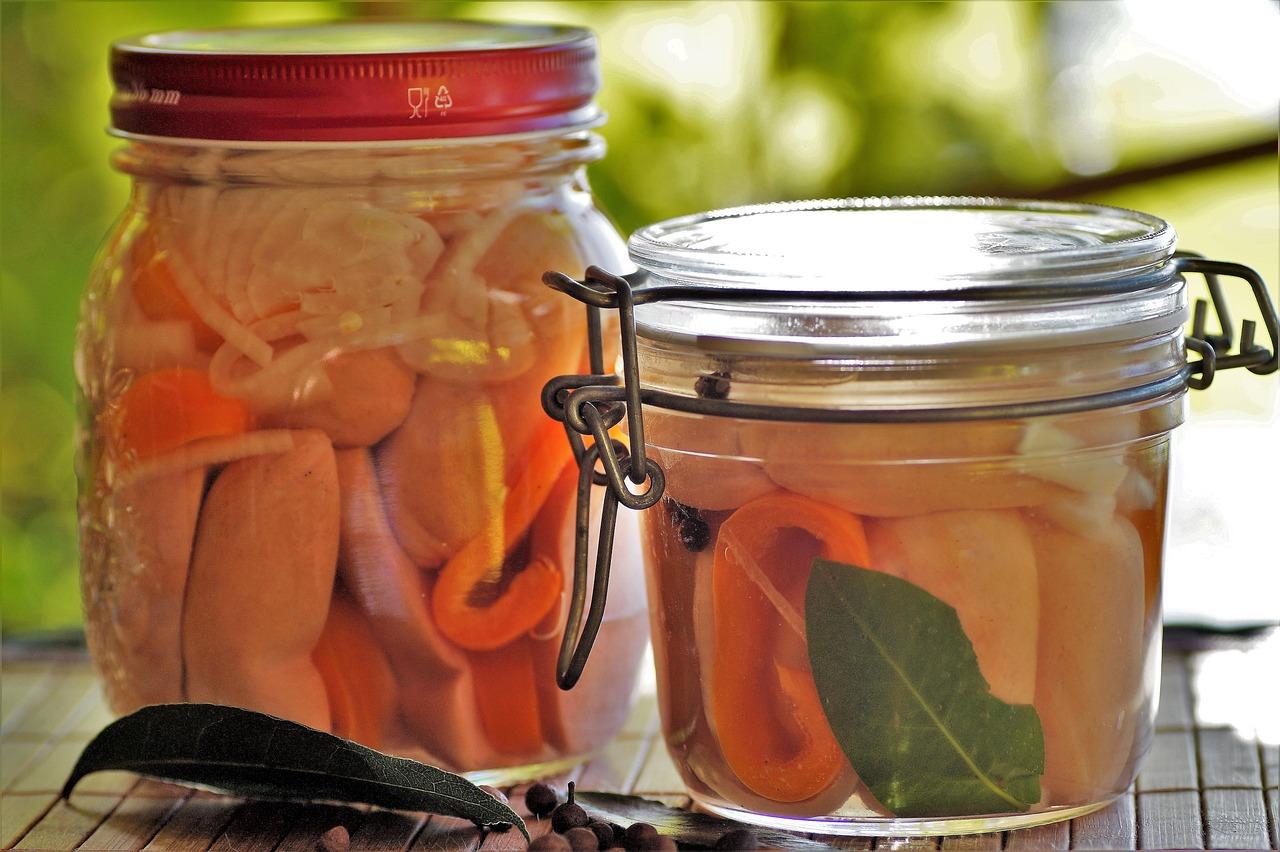
UtopenciPickled sausages

Utopenci means "drowned men": fat pork sausages slit open, stuffed with onion and sunk in a jar of spiced vinegar brine, and they sit in big jars on the bar of almost every Bohemian pivnice, fished out with a fork and eaten with dark bread. The usual sausage is the špekáček, a short, plump pork-and-beef sausage with visible fat. After a few days in the brine they are sharp, garlicky and juicy, with sweet, soft onion and a slow chilli heat. Where most people go wrong is using raw sausages or skipping the cooking: heat the sausages through to 71 °C in the centre first, cool them quickly, and keep the jar in the fridge the whole time, not on the counter. Eat within 10 days, using a clean fork. Chef's tip: let them pickle for at least 3 days; on day one they just taste of vinegar.

by KrazyBadal 0 views

Trini geera porkCumin pork

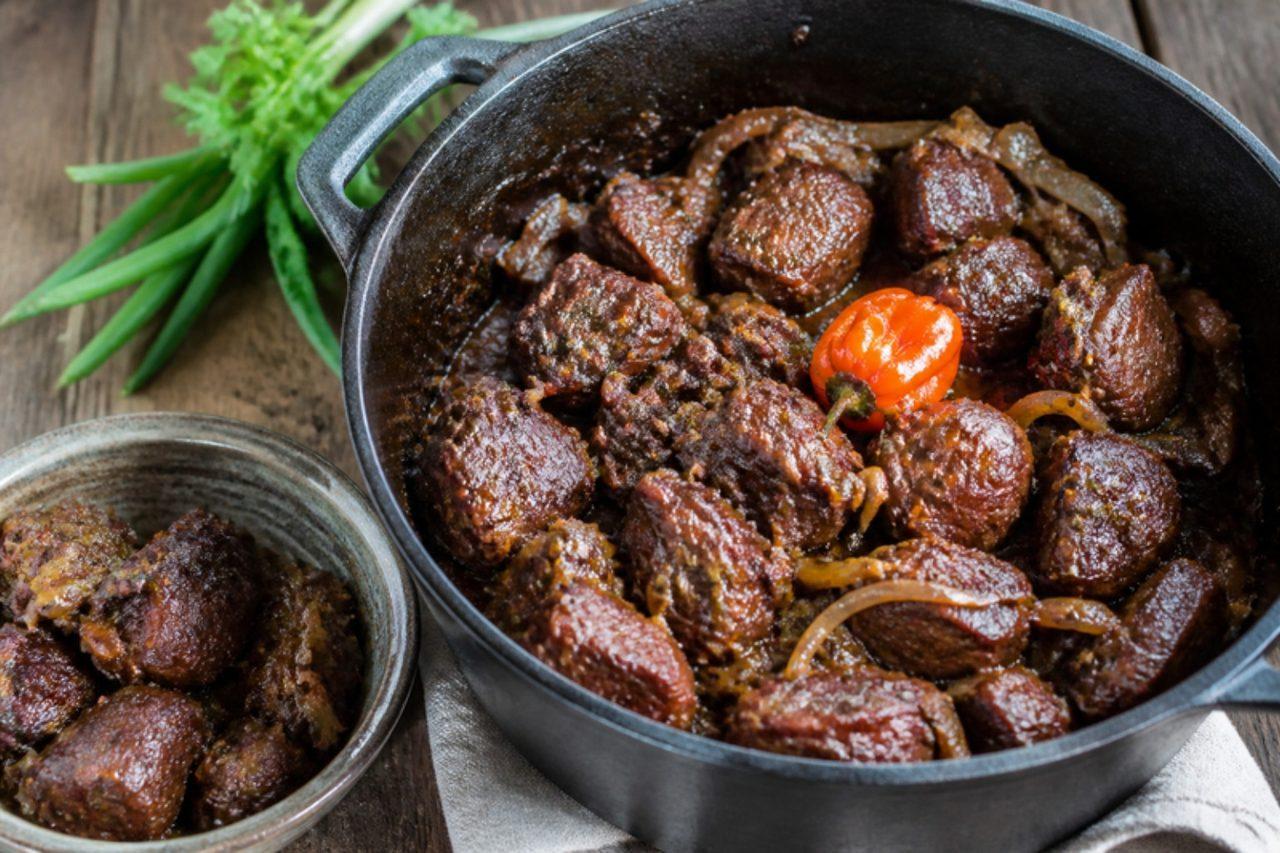
At a Trinidad lime, the bowl of geera pork on the table is usually empty long before the drinks run out. This is pork shoulder cut into small cubes, marinated in green seasoning and garlic, then cooked down in its own fat with a generous amount of dark-roasted ground cumin (geera) until the pieces are coated in a dry, aromatic, peppery glaze. Eat it hot with toothpicks or with sada roti. The usual mistake is using raw ground cumin, which tastes dusty; roast the seeds yourself until nearly black-brown. Chef's tip: let the liquid cook away completely at the end and fry the pork for a few more minutes, as that sticky, slightly crisp coating is the whole point.

by KrazyBadal 0 views

Vaca fritaCrisp fried shredded beef

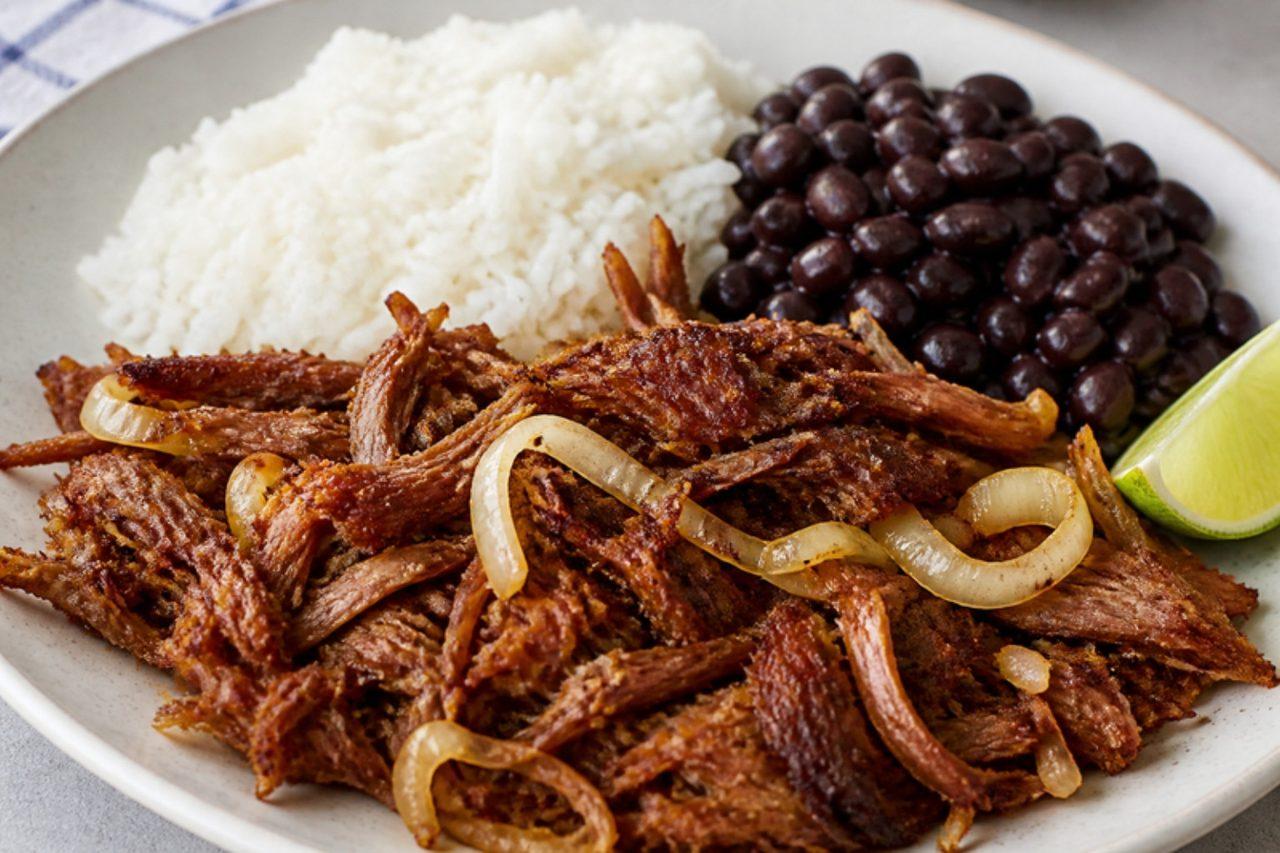
Vaca frita, "fried cow", is Havana's crisp cousin of ropa vieja: flank steak is simmered until tender, shredded, marinated in sour lime and garlic, then fried in a hot pan with onions until the edges turn brown and crackly. Families make it the day after boiling beef for soup, and serve it with rice, black beans and plantain. The usual mistake is crowding the pan, which steams the meat instead of crisping it, so fry in batches and press it down. Chef's tip: let the shredded beef dry uncovered in the fridge for an hour before frying; the drier it is, the crisper it gets.

140 minCubanMeatGluten free
by KrazyBadal 0 views

VadasBraised beef in mustard cream sauce

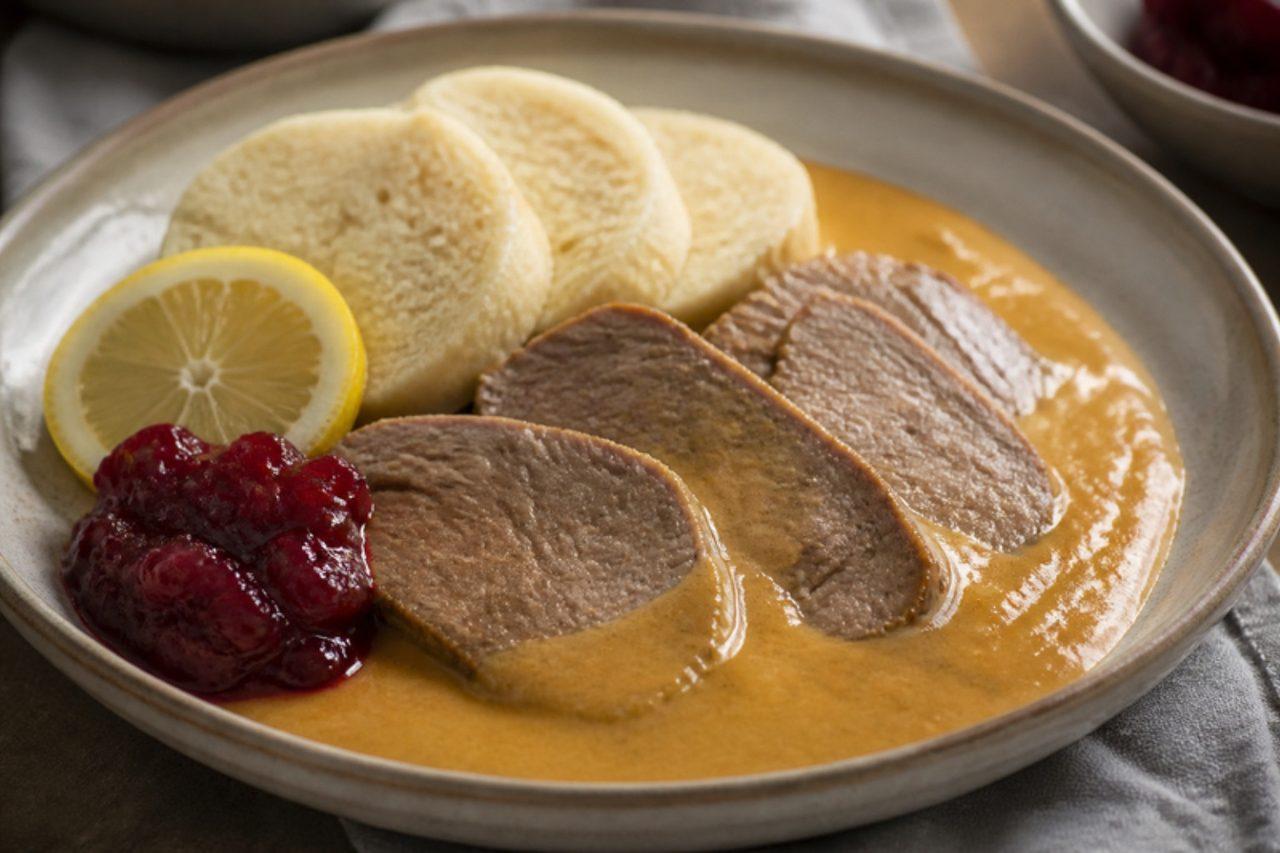
The word vadas means in the manner of game, and the dish once was a way of treating venison; in Budapest it is now made with beef and is one of the great canteen and Sunday dishes. A joint of beef is browned and braised with carrots, parsley root and celeriac, then the vegetables are blended into a velvety orange sauce, sharpened with mustard, a little caramelised sugar, vinegar and lemon, and enriched with cream. Thick slices of beef sit in the sauce next to fluffy bread dumplings (zsemlegombóc) and a spoon of cranberry sauce. Some cooks marinate the beef in red wine; this version uses stock and vinegar, so it is alcohol-free. Where most people go wrong is serving the meat before it is truly tender; it should yield to a fork. Chef's tip: if you marinate the beef in the vinegar and spices overnight, always do it in the fridge, covered.

by KrazyBadal 0 views

Trini ochro riceOkra, pumpkin and coconut rice

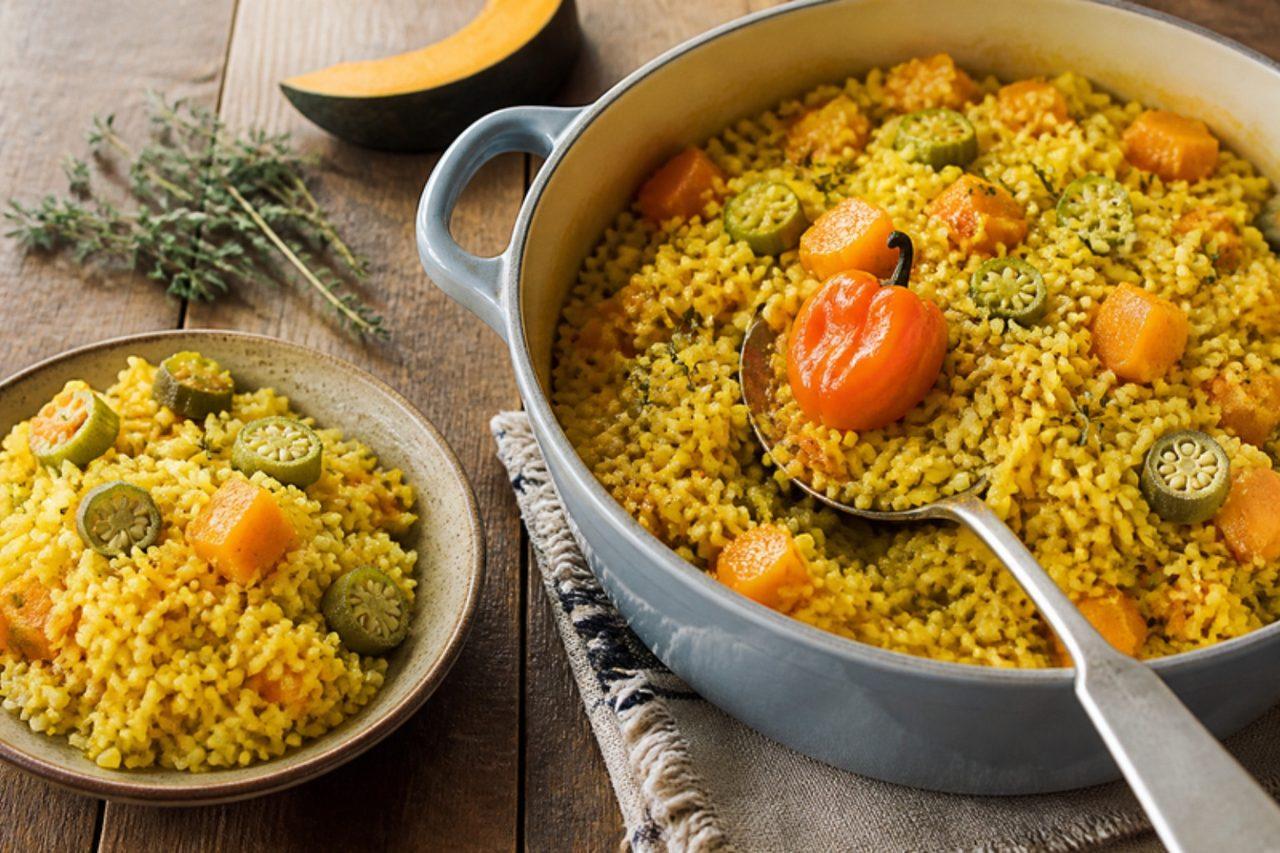
Ochro rice is a weeknight pot cooked in kitchens from Port of Spain to Sangre Grande, where the okra melts into the coconut milk and turns the rice soft, almost risotto-like, with sweet nuggets of pumpkin through it. Many households add salted pig tail or saltfish; this version stays vegetarian and leans on green seasoning and a whole scotch bonnet for flavour. The common mistake is stirring once the rice is in, which breaks the okra and makes the pot gluey rather than soft. Serve with stewed lentils, fried plantain or a cucumber salad. Chef's tip: fry the sliced okra for a few minutes before the rice goes in; it tames the slime and gives a gentle toasted flavour.

by KrazyBadal 0 views

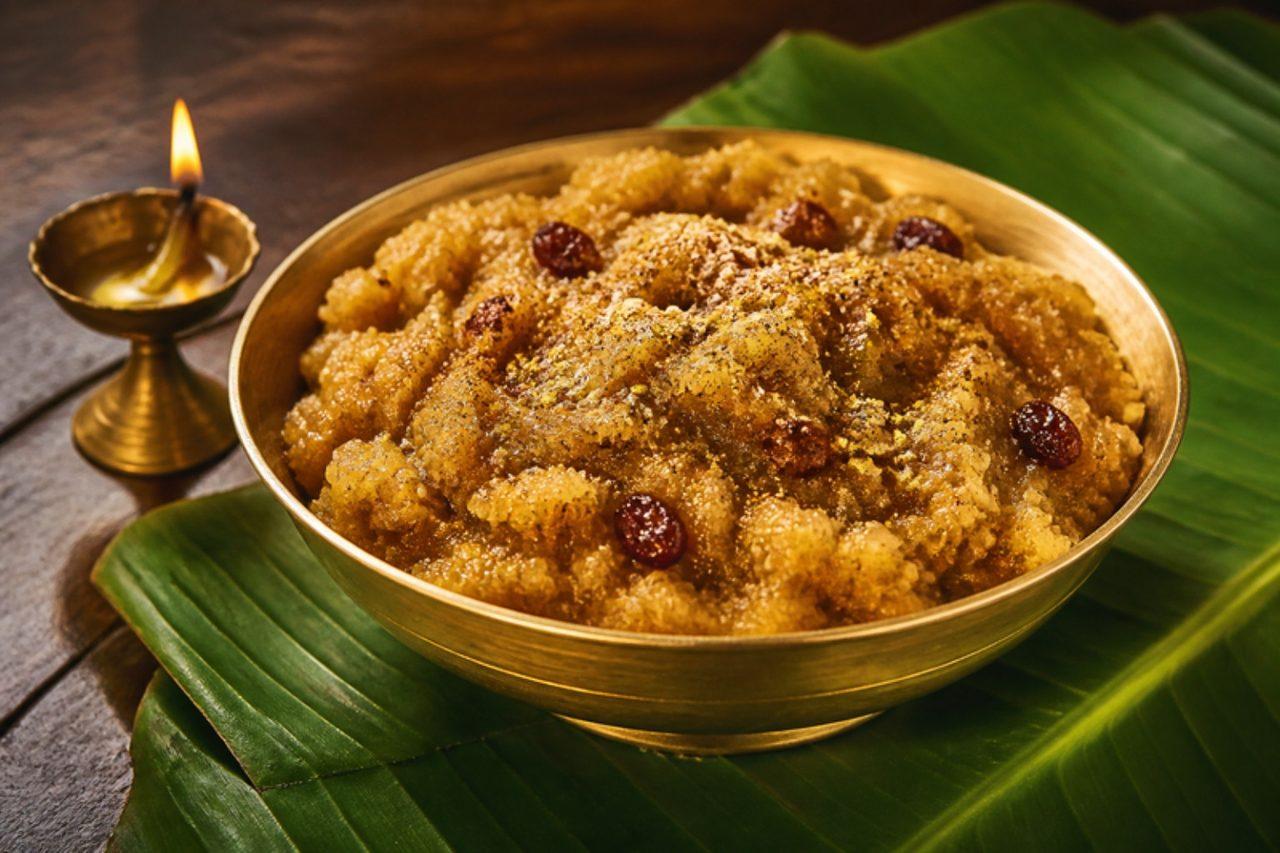
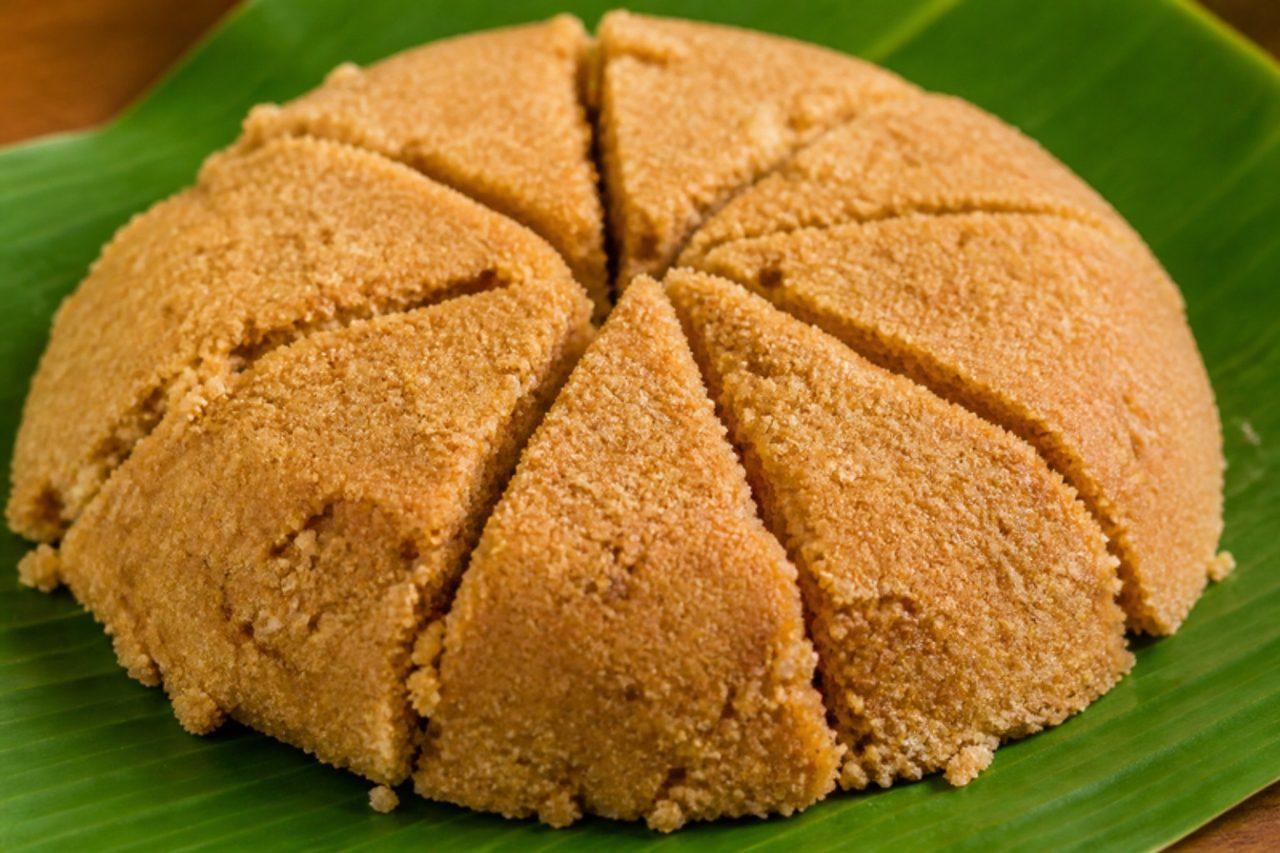
Trini parsadGhee-roasted flour pudding

At Hindu pujas across Trinidad, and on Divali night in Felicity and Debe, parsad is the sweet offering that is shared with everyone afterwards, handed out warm on a piece of leaf. Flour is roasted slowly in ghee until it smells nutty and turns sandy brown, then cooked with milk, sugar, raisins and spice into a soft, glossy pudding. The common mistake is rushing the roasting on high heat: the flour burns outside and tastes raw within. Add the milk carefully, as it spits. Chef's tip: warm the milk and sugar together first; adding hot liquid to the roasted flour keeps the parsad smooth and lump-free.

by KrazyBadal 0 views

Trini peanut punchPeanut butter milk drink

Bottled or blended fresh at roadside juice stands, peanut punch is what Trinidadians reach for after a long cricket afternoon, a hard gym session or a Saturday market run. Peanut butter is whizzed with cold milk, a little condensed milk, vanilla and a scrape of nutmeg until it is as thick as a milkshake and properly filling. It contains no alcohol, despite the name. The common mistake is under-blending, which leaves gritty clumps of peanut butter at the bottom of the glass. It contains peanuts and milk, so check for allergies before serving. Chef's tip: blend the peanut butter with just a third of the milk first to make a smooth paste, then add the rest.

by KrazyBadal 0 views

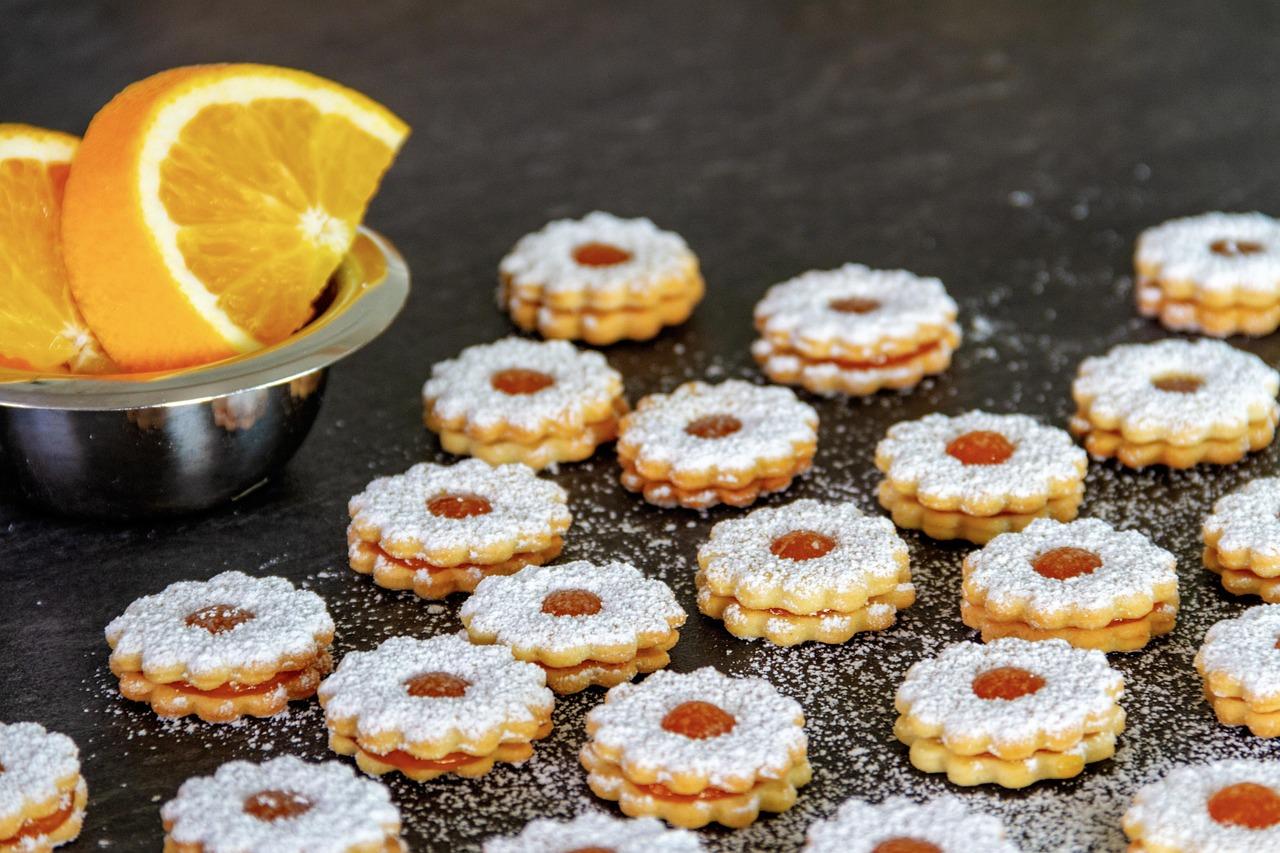
VaniliceVanilla jam shortbread cookies

No slava, the family saint's day feast in Serbia, goes by without a plate of vanilice, and every grandmother's tin holds a few hundred at Christmas. Two tiny fluted rounds of tender walnut shortbread are glued together with tart jam, usually apricot or rosehip, then rolled in vanilla sugar until snowy. They crumble at the first bite and turn soft and melting after a day or two in the tin. Many old recipes use lard; this one uses butter, so the biscuits are vegetarian. Where most people go wrong is baking them until golden: vanilice should stay pale, with only the faintest colour on the base, or they turn hard and lose their vanilla scent. Chef's tip: roll them in the sugar while they are still slightly warm from sandwiching, so the coating clings.

by KrazyBadal 0 views

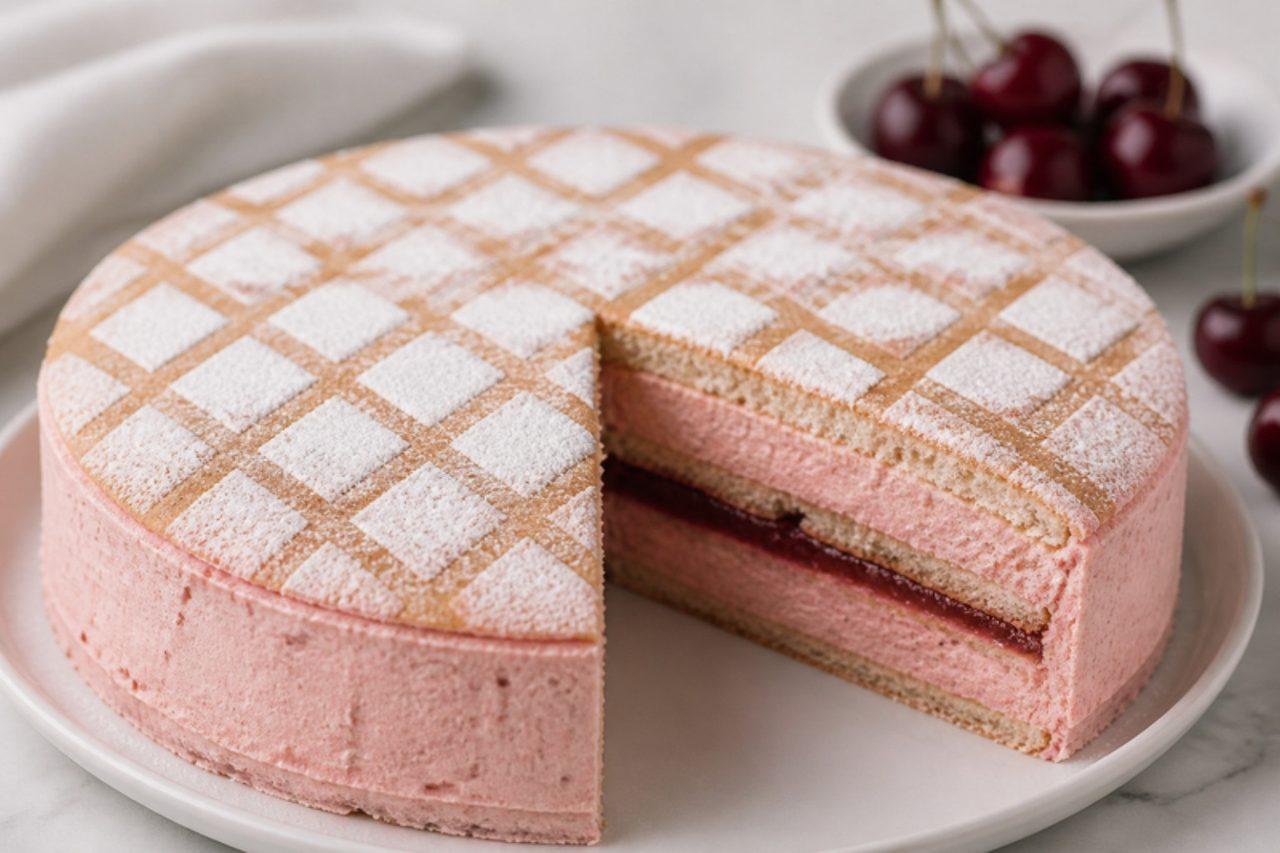
Zuger KirschtorteKirsch meringue sponge cake

The Zuger Kirschtorte was created in 1915 by the confectioner Heinrich Höhn in Zug, a lakeside town at the heart of Swiss cherry country, and it is still sold in the town's cake shops: two crisp almond meringue discs sandwiching a light sponge soaked in kirsch syrup, all held together with pink-tinted buttercream and coated in toasted almonds and icing sugar. This cake contains alcohol (kirsch, a cherry brandy); for an alcohol-free version, use the cherry juice swap in the ingredient note. A common mistake is soaking the sponge until soggy; it should be moist but hold its shape. Chef's tip: bake the meringue discs until dry and crisp, so they stay crunchy against the soft buttercream.

100 minSwissBaking
by KrazyBadal 0 views

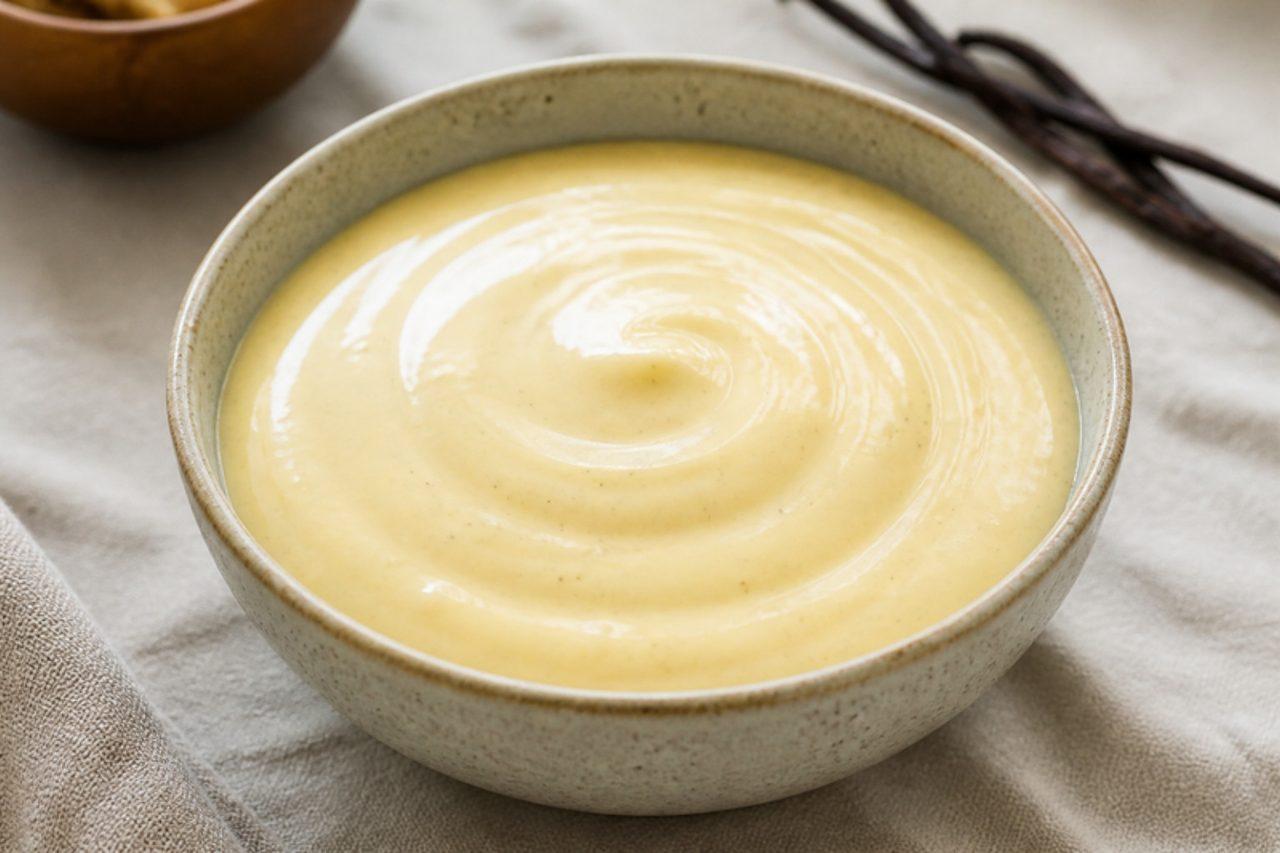
VlaVanilla custard drink

Vla is the pourable custard that Dutch children eat by the bowlful after dinner, bought in cartons in every supermarket in vanilla, chocolate and caramel, and often swirled together into 'dubbelvla'. Homemade, it is just milk, egg yolks, sugar, vanilla and a little cornflour, cooked until it coats a spoon, then chilled. It should be thinner than English custard, pouring slowly like double cream. A common mistake is boiling it after the yolks go in, which curdles them. Chef's tip: stir a spoon of cocoa into half and swirl the two together for dubbelvla.

by KrazyBadal 0 views

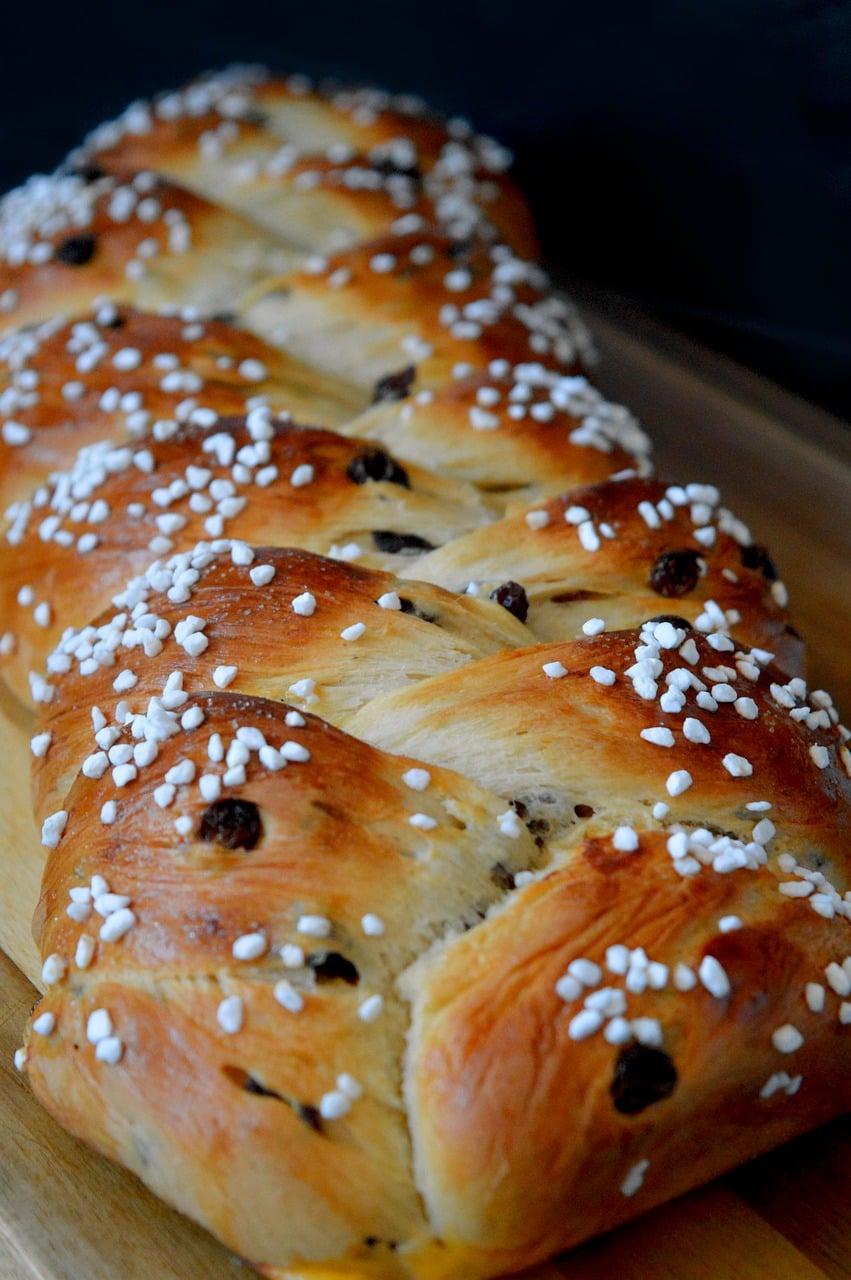
VánočkaBraided Christmas bread

On Czech Christmas Eve morning, before the carp and the potato salad, the table holds a long golden vánočka, a sweet braided loaf whose layered plaits are said to represent the baby Jesus in swaddling. Families slice it for breakfast through the holidays with butter, honey or jam. The crumb is soft and rich with egg and butter, scented with lemon zest and studded with raisins; flaked almonds crisp up on the crust. The usual slip is braiding too loosely, so the tiers slide apart in the oven; plait tightly and hold them with wooden skewers while baking. Soaking raisins in warm water (not rum) keeps them juicy and alcohol-free. Chef's tip: vánočka keeps for days wrapped in a cloth, and slightly stale slices make superb French toast.

185 minCzechBaking
by KrazyBadal 0 views

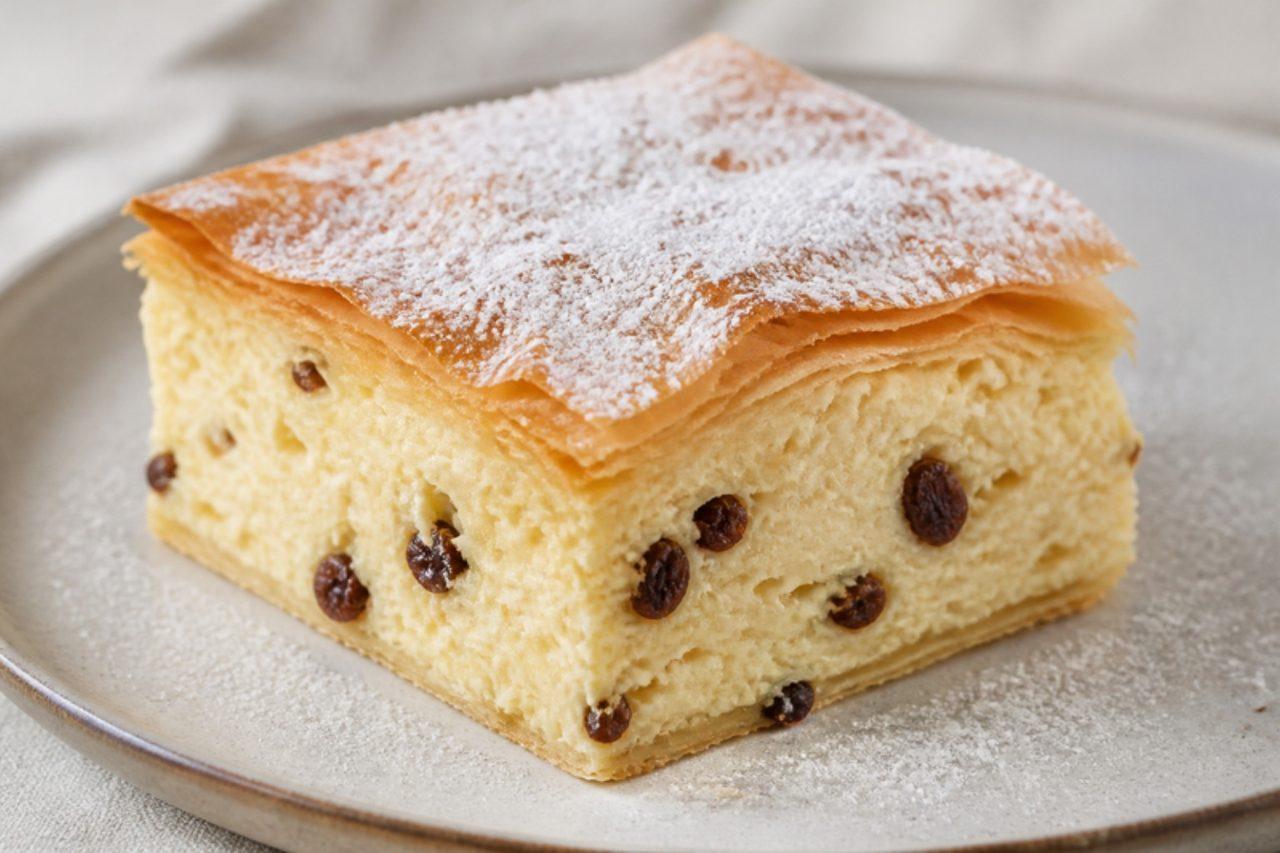
VargabélesBaked noodle and cheese pudding

Legend ties this sweet bake to a Kolozsvár shoemaker called Varga, whose wife made it for him, and it travelled from Transylvania into every Hungarian cake shop and school canteen. Thin vermicelli noodles are folded into sweet túró (curd cheese) with egg yolks, lemon and raisins, lightened with beaten whites and baked between buttered sheets of filo, so you get a crisp top, a soft, custardy middle and a gentle tang. Cut it warm into squares and dust with icing sugar; it needs nothing else, though some like a spoon of sour cream. Túró is normally fine for vegetarians, but check the label if you need it rennet-free. Where most people go wrong is overcooking the noodles, which turns the filling stodgy; cook them a minute short. Chef's tip: press the túró through a sieve first, which gives a silky filling with no grainy bits.

by KrazyBadal 0 views

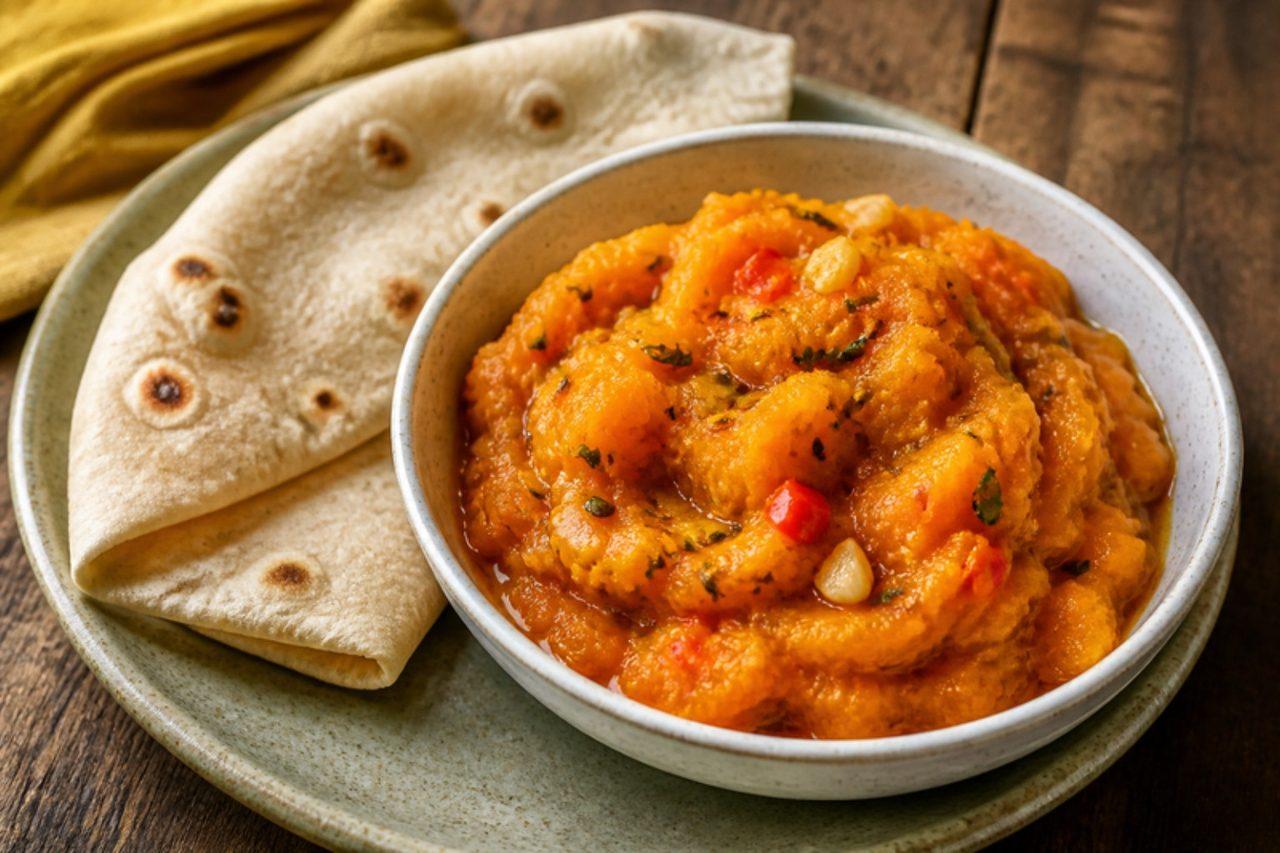
Trini pumpkin talkariGarlicky pumpkin curry

A pot of pumpkin talkari is cooked on Divali, at every puja and on plain weekdays all over Trinidad, eaten with sada roti, dhalpuri or as one of the seven curries. The pumpkin is cooked down with a lot of garlic, roasted geera and hot pepper until it collapses into a sweet, savoury mash with no curry powder at all. The usual mistake is adding water, which makes it soupy; the pumpkin's own juice is enough if you keep the lid on. Chef's tip: toast whole cumin seeds in the oil until they crackle and turn brown before the garlic goes in; that roasted geera is the backbone of the dish.

by KrazyBadal 0 views

WachipaChicken and toasted rice

Among the Rai people of Khotang, Bhojpur and the eastern hills, wachipa is a dish of honour, cooked at Sakela and other festivals and for a returning family member: rice cooked together with finely chopped chicken, bones and all, and darkened with the ash of the bird's own feathers, which have been singed and ground. The ash gives a grey-black colour and a smoky, bitter edge that Rai elders say is the soul of the dish. Feather ash is not something we can recommend at home: shop-bought birds come without feathers, and burnt feathers are hard to make clean, gritty and not food-safe. This version gets a close smoky, toasty bitterness from rice that is dry-roasted until dark brown and ground, plus charred chicken skin. A common mistake is making it too wet; wachipa should be a sticky, moist rice, not a porridge. Chef's tip: chop the chicken by hand rather than buying mince, for the authentic coarse, chewy texture.

by KrazyBadal 0 views

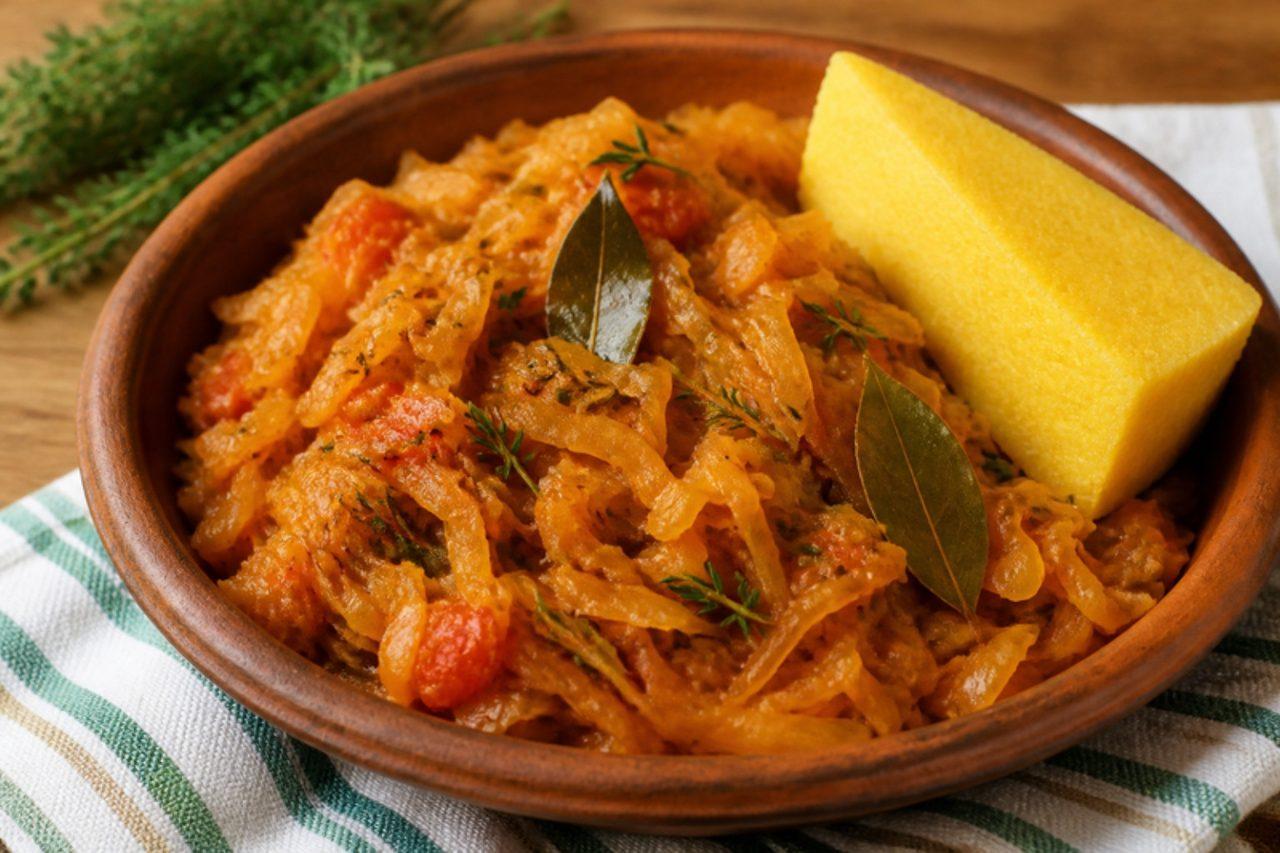
Varză călităBraised cabbage with tomato

Ask a Wallachian grandmother what goes with hot mămăligă on a winter weeknight and she may well point to a pan of varză călită. Fresh white cabbage is shredded and braised for the best part of an hour with onion, tomato, bay and thyme until it turns amber, silky and faintly sweet; in January many cooks use sauerkraut from the barrel instead, rinsed once to tame the salt. With no meat or butter it is a classic fasting (post) dish, though outside the fasts it also sits next to sausages and roasts. The usual slip is turning up the heat to hurry it, which scorches the base before the cabbage softens. Chef's tip: a spoon of vinegar and a pinch of sugar at the very end wake up the flavour without making it taste sour.

by KrazyBadal 0 views

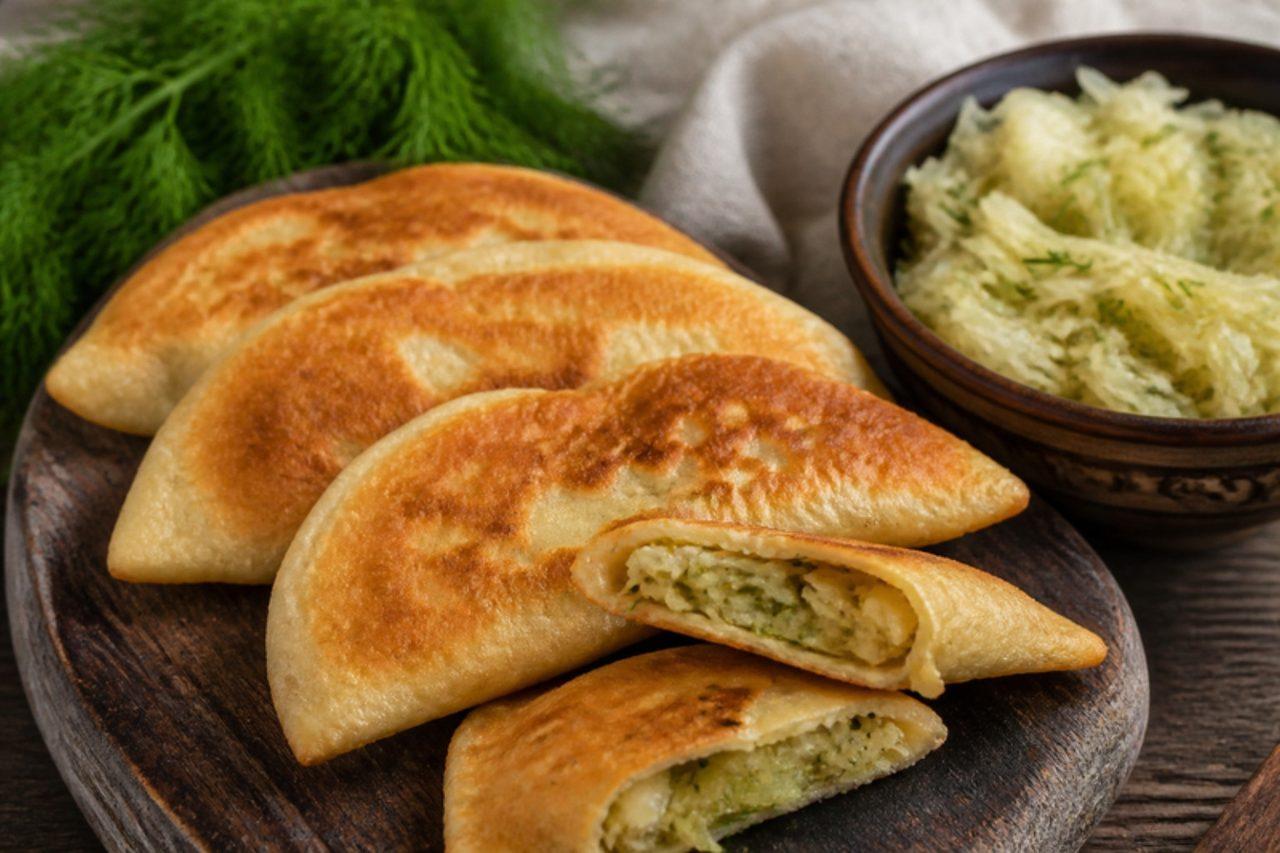
VărzăriSauerkraut pan-fried pies

Across Moldavia and over the Prut in the Republic of Moldova, the long Lent before Easter and Christmas is when grandmothers bring out the sauerkraut barrel and start rolling vărzări. The dough is plain flour, water and oil, rolled paper-thin, folded around sauerkraut fried with onion and black pepper, then pan-fried in a little oil until blistered and crisp. Hot from the pan they are flaky outside and soft and sour within; at room temperature they make a good packed lunch, often eaten with a glass of compote or a bowl of bean soup. Being completely free of animal products, they suit the strict fasting days. Where most people go wrong is leaving the sauerkraut wet: squeeze it hard, or the juice soaks the dough and the pies tear. Chef's tip: rest the dough under a warm bowl for half an hour; the gluten relaxes and it will roll almost transparent without springing back.

by KrazyBadal 0 views

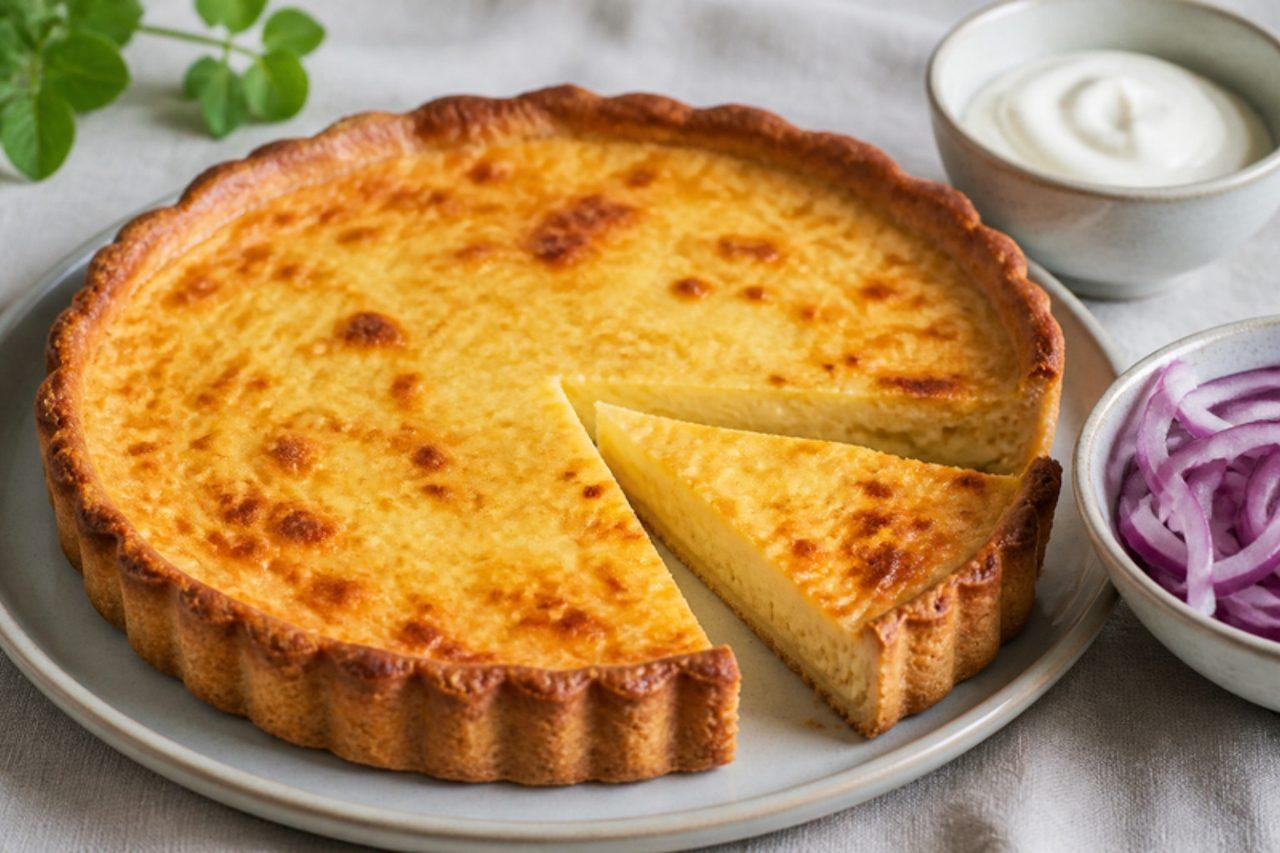
VästerbottenpajAged cheese tart

Västerbotten cheese, a hard, crumbly cheese with a sharp, slightly bitter bite, has been made in Burträsk in Västerbotten since the 1870s, and this tart is its most famous use: a crisp shortcrust filled with the grated cheese, cream and eggs, baked until puffed and golden. It is on the table at every Swedish crayfish party in August and at midsummer, served at room temperature. The original cheese is made with animal rennet, so for a vegetarian tart use a strong vegetarian mature cheddar or similar. A common mistake is skipping blind-baking, which gives a soggy base. Chef's tip: a pinch of cayenne and white pepper in the filling sharpens the cheese without overpowering it.

by KrazyBadal 0 views

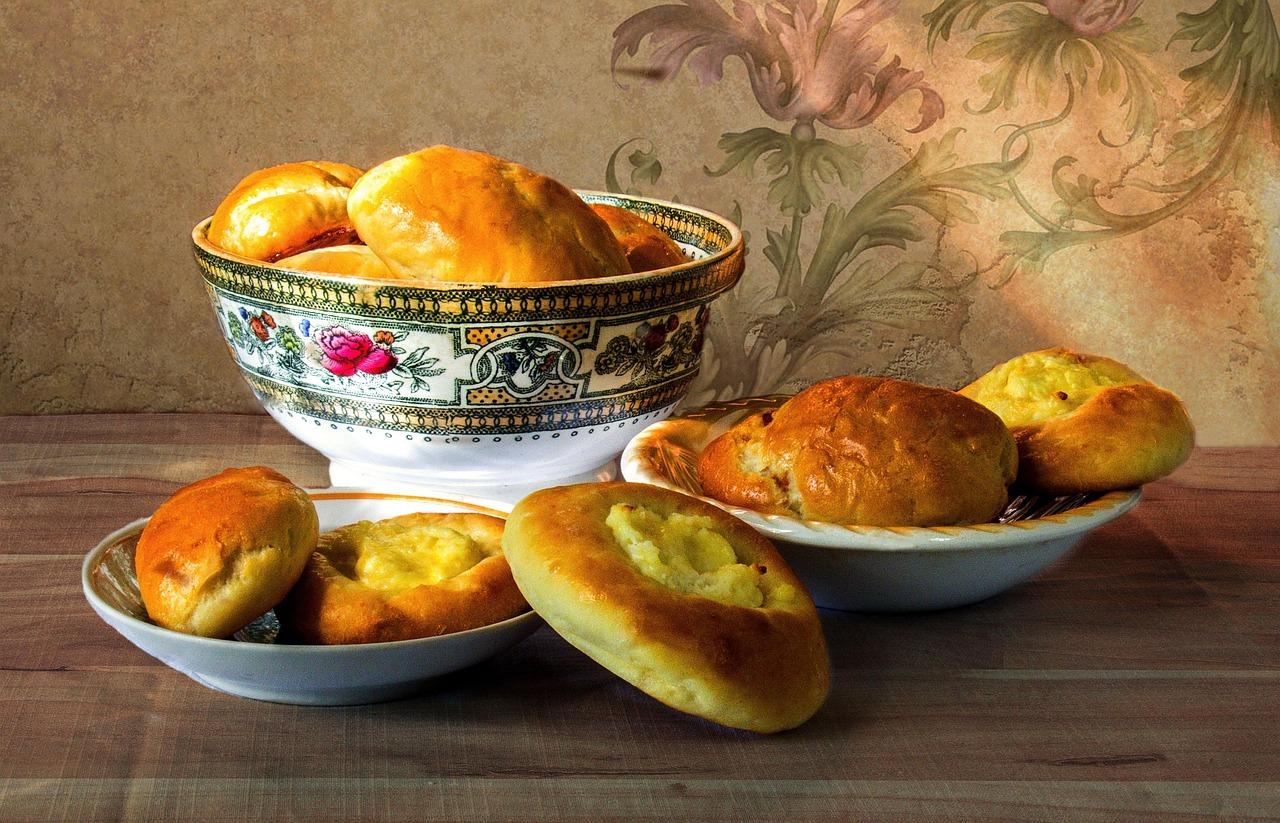
VatrushkaCheese-filled yeast bun

Bakery counters from Moscow to small Ryazan towns stack these golden rounds beside the tea urn, and a warm one with a glass of milk is the classic after-school snack. The soft, lightly sweet enriched dough is pressed into a deep well and filled with tvorog beaten with yolk, sugar and vanilla, which bakes into a set, creamy centre with a gentle tang. Tvorog is usually acid-set, but check the label if you need it rennet-free; a well-drained curd cheese works too. The usual slip is a wet filling: watery curd bubbles over the rim and leaves a hollow bun, so drain it well and add the spoon of semolina. Chef's tip: press the well with the base of a small floured glass, so the walls stay even and the rim rises tall around the cheese.

by KrazyBadal 0 views

VdolkyFlat yeast doughnuts

In the Chodsko region around Domažlice in south-west Bohemia, vdolky are fried for fairs, pilgrimages and weddings, and they are the treat Czech children associate with grandmothers' kitchens. They are round, flat yeasted cakes with a pale ring around the middle, fried until golden and topped while warm with thick plum jam (povidla), sweetened tvaroh curd cheese and sour cream. Soft and pillowy, sweet, tangy and creamy all at once, they are eaten with a knife and fork or straight from the hand. Where most people go wrong is frying too hot, so the outsides darken before the middle cooks; keep the oil at 170 °C. Most tvaroh is made without rennet, but check the label if that matters to you. Chef's tip: press a hollow in the centre of each round with your fingers before frying; it holds the toppings.

by KrazyBadal 0 views

Žloutkové věnečkyChoux rings with yolk cream

"Little wreaths" are the jewel of a Czech wedding cake table, where trays of sweet pastries are handed out to every guest, and they are a staple of old-style patisseries in Prague. Rings of choux pastry are split and piped with a yolk-rich custard cream that is golden, silky and buttery, then dipped in a white sugar glaze. They taste of vanilla, egg and butter and are best within a day. Where most people go wrong is a custard that is not cooked enough: it must bubble for a minute so it sets and the yolks are fully cooked. Beat the cream only once the custard and butter are both at room temperature, or it splits. Bake the rings until properly dry so they keep their crisp shape. Chef's tip: a large star nozzle gives the rings a ridged surface that holds the glaze beautifully.

by KrazyBadal 0 views

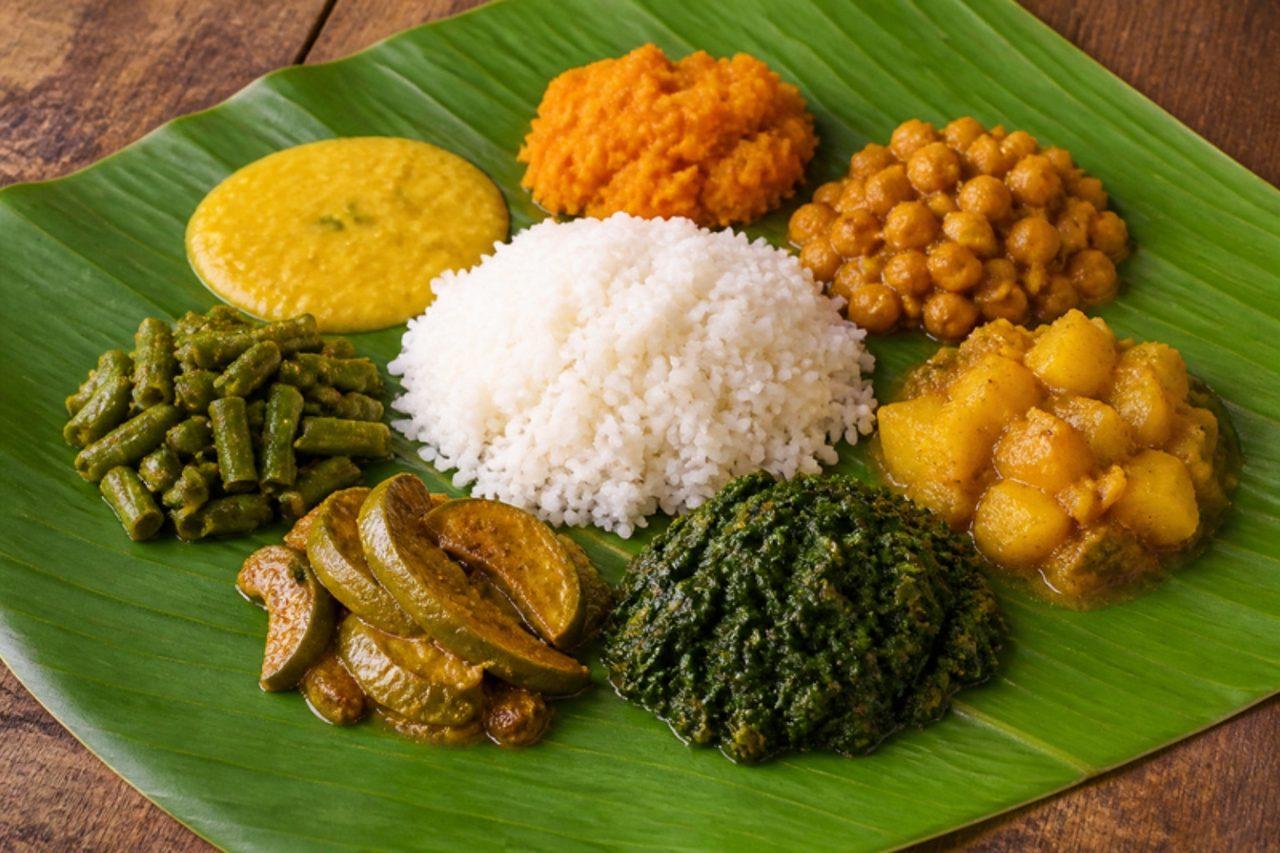
Trini seven currySeven vegetable curries

Seven curry is the meal served on a sohari (water-lily) leaf at Hindu weddings, pujas and on Divali night in Trinidad: rice with a ring of separate dishes, traditionally curried mango, pumpkin, bhaji, channa and potato, chataigne or jackfruit, dhal and a sour amchar. This home version cooks seven compact curries from one shared spice base so a family can manage it in an afternoon: dhal, pumpkin, channa and aloo, bhaji, curried mango, eddoes or potato, and bodi. The usual mistake is curry powder that is never "burnt" in oil first, which leaves every pot tasting raw and gritty. Make the dhal and mango a day ahead to spread the work. Chef's tip: fry the curry paste for each pot until it darkens and the oil rises before adding vegetables; that one step is what makes Trini curry taste like Trini curry.

by KrazyBadal 0 views

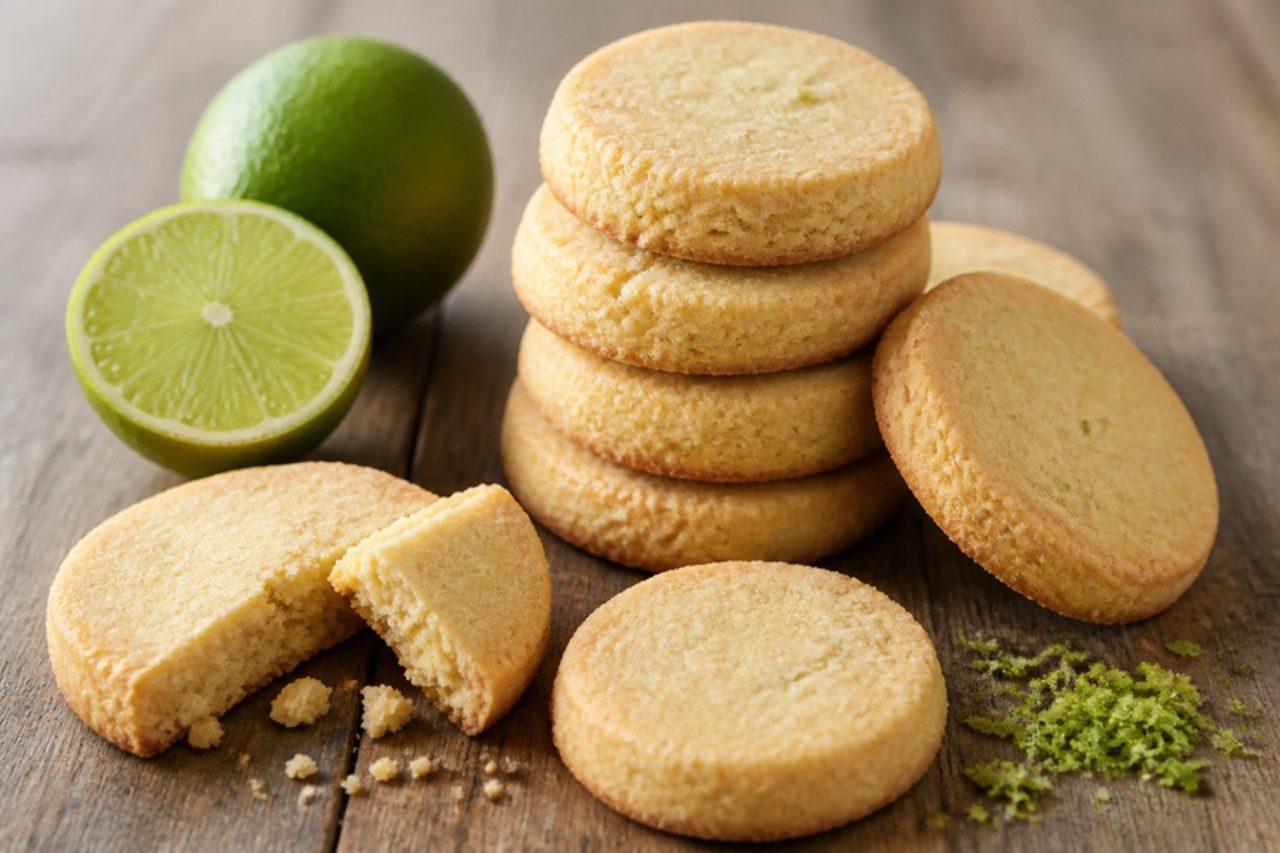
Torticas de MorónLime shortbread

The town of Morón in Ciego de Ávila gave its name to these crumbly little cookies, which Cuban bakeries sell in paper bags and grandmothers keep in a tin for visitors with coffee. They are pale, short and melt quickly, with a clear scent of lime zest. The common mistake is overworking the dough or baking until brown, which makes them hard rather than sandy, so pull them out while they are only just golden underneath. Chef's tip: chill the rolled dough for 20 minutes before cutting; the edges stay sharp and the cookies don't spread.

by KrazyBadal 0 views

Weli thalapaRice flour and coconut sweet

Weli means sand, which perfectly describes the texture of this old-fashioned Sinhala sweet: soft, crumbly and slightly gritty on the tongue, packed with coconut and the dark, smoky sweetness of kithul jaggery. It is made in many southern and western homes for the Avurudu table and for pirith ceremonies, pressed into a tray and cut into squares or diamonds, and its simple ingredients make it a quick, frugal treat. Grated coconut is cooked in melted jaggery until it soaks up the syrup, then roasted rice flour is stirred in until the mixture clumps and leaves the pan. Overcooking at the end is a frequent slip, turning it hard and chewy instead of sandy, so take it off the heat as soon as it starts to come together. Chef's tip: roast the rice flour well in advance and let it cool; warm flour clumps and stops the sweet from getting that loose, sandy crumb.

by KrazyBadal 0 views

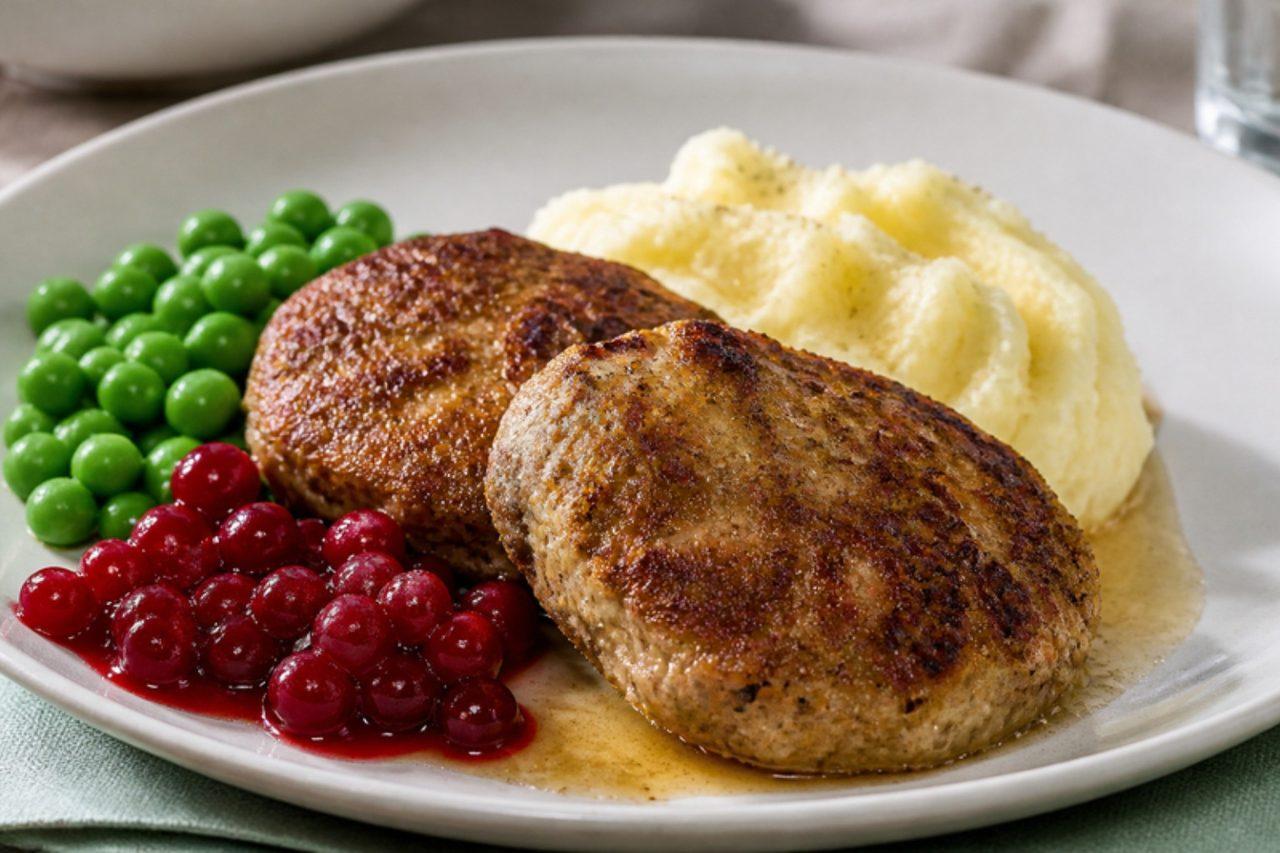
WallenbergareVeal patties

Wallenbergare are named after the Wallenberg banking family of Stockholm, and they are the city's grandest patty: finely ground veal mixed with egg yolks and cold cream into a soft, almost mousse-like paste, rolled in fresh breadcrumbs and fried gently in butter. They come with buttery mashed potato, green peas, melted butter and lingonberries, and Stockholm's old restaurants still serve them every day. A common mistake is overworking or warming the mix, which makes the patties dense and greasy. Chef's tip: keep everything ice-cold and work quickly, and fry over a medium-low heat so the crumb turns golden while the inside stays tender. Minced veal must reach 71 °C.

by KrazyBadal 0 views

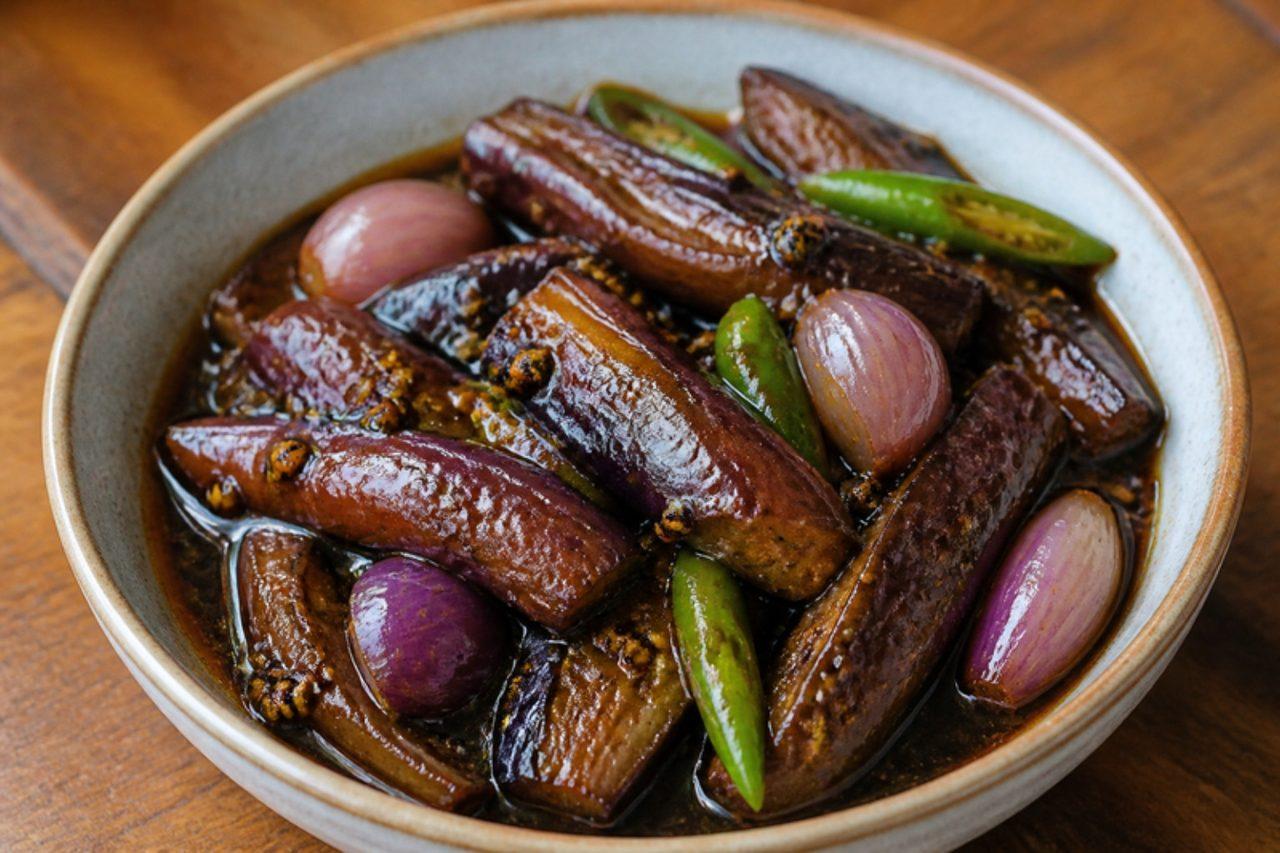
Wambatu mojuFried aubergine pickle

No wedding buffet or almsgiving lunch in the Colombo suburbs feels complete without a dish of wambatu moju, the dark, glossy aubergine pickle that people go back for long after the curries have run out. Strips of long purple aubergine are coloured with turmeric, fried until they shrink and turn deep gold, then tossed with whole shallots and green chillies in a hot, sweet-and-sour paste of ground mustard seed, vinegar and sugar. It is eaten in small spoonfuls with rice, and it tastes even better a day later, once the flavours have soaked in. The point that trips most cooks up is under-frying the aubergine: pale pieces soak up the vinegar like a sponge and go soggy, so fry until they are properly brown and slightly shrivelled. Chef's tip: grind the mustard seeds with some of the vinegar rather than buying ready-made mustard; the fresh paste gives the pickle its pleasant nose-tingling bite.

by KrazyBadal 0 views

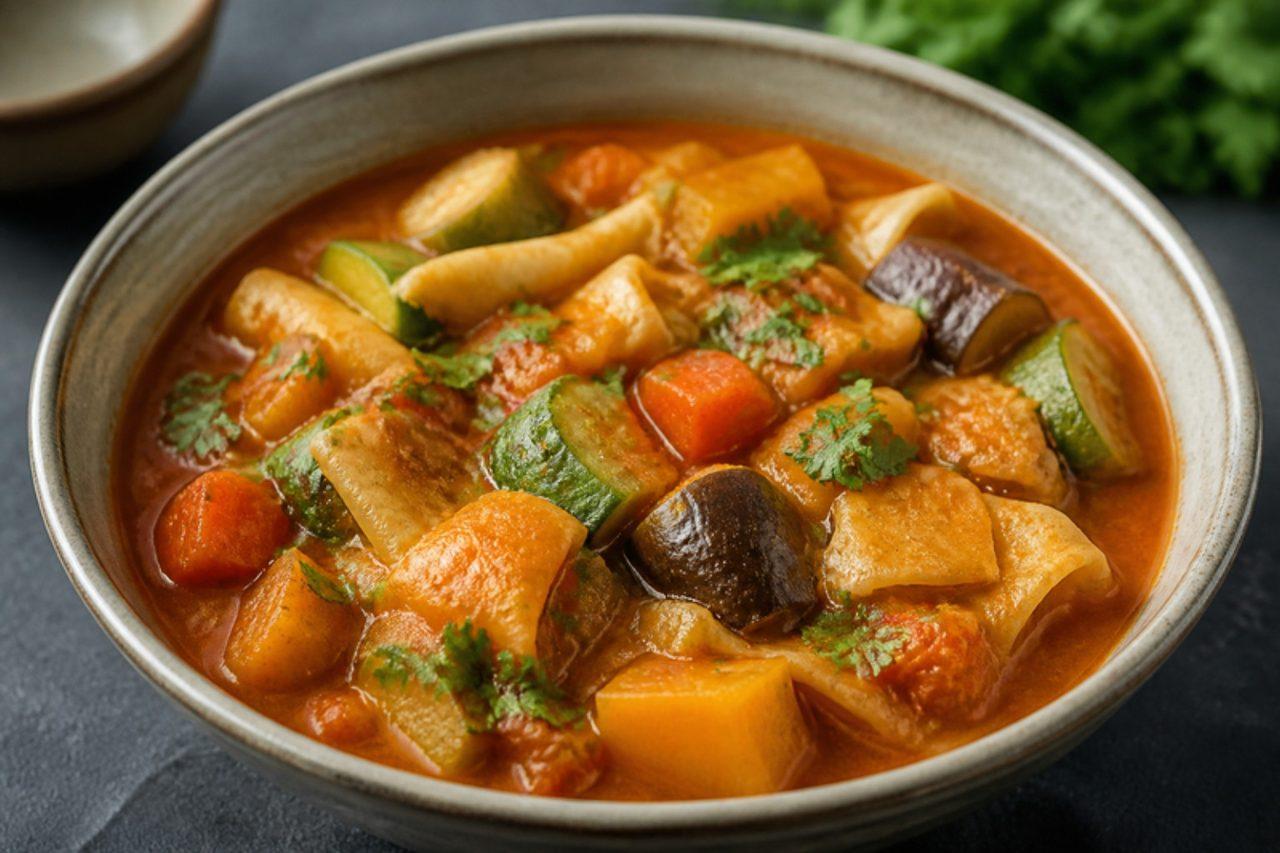
MargoogVegetable stew with dough

Margoog is a winter one-pot from Qatar and the wider Gulf, where sheets of paper-thin dough are laid over a bubbling stew and cook into soft, silky ribbons that thicken the sauce. In Doha it is traditionally made with lamb on the bone, but this version uses only vegetables: pumpkin, courgette, aubergine and potato in a tomato broth sharpened with dried black lime and warmed with bezar. It is served in a deep platter for everyone to share, with fresh green chilli and onion on the side. The mistake most people make is rolling the dough too thick, which leaves it gummy instead of tender. Chef's tip: dust the dough sheets generously with flour as you lay them in; that flour is what thickens the broth.

by KrazyBadal 0 views

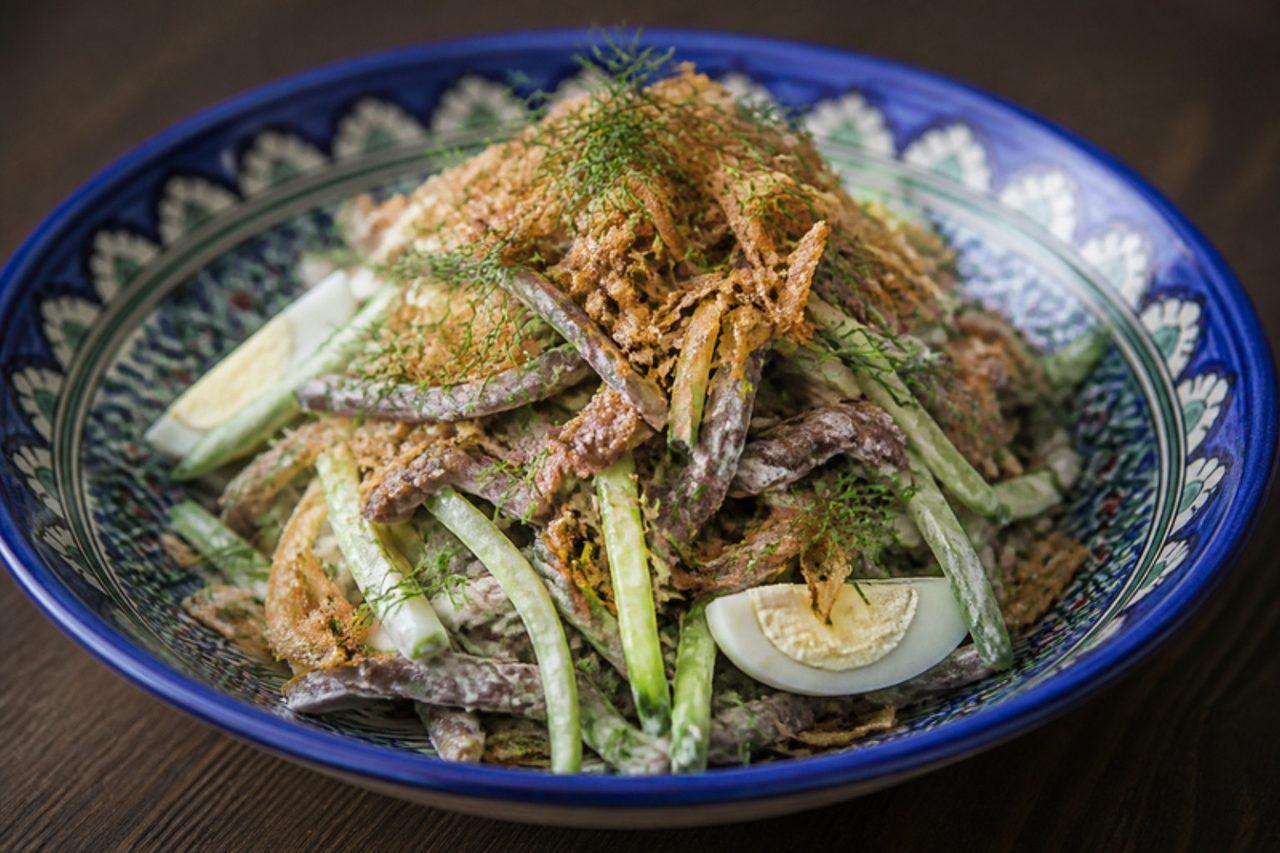
Tashkent saladRadish, beef and egg salad

Every Tashkent restaurant lists 'Tashkent salad', a Soviet-era favourite still served at birthdays and New Year: crunchy green radish (Margilan radish) cut into fine strips, tossed with thin slices of boiled beef, a heap of onion fried until crisp, and boiled egg, all dressed with mayonnaise. The crisp onion is what makes it, so don't skimp. A common mistake is dressing the radish too early, which makes the salad watery. Chef's tip: salt the radish strips for 10 minutes, squeeze them well, then dress just before serving.

110 minUzbekSaladsGluten free
by KrazyBadal 0 views

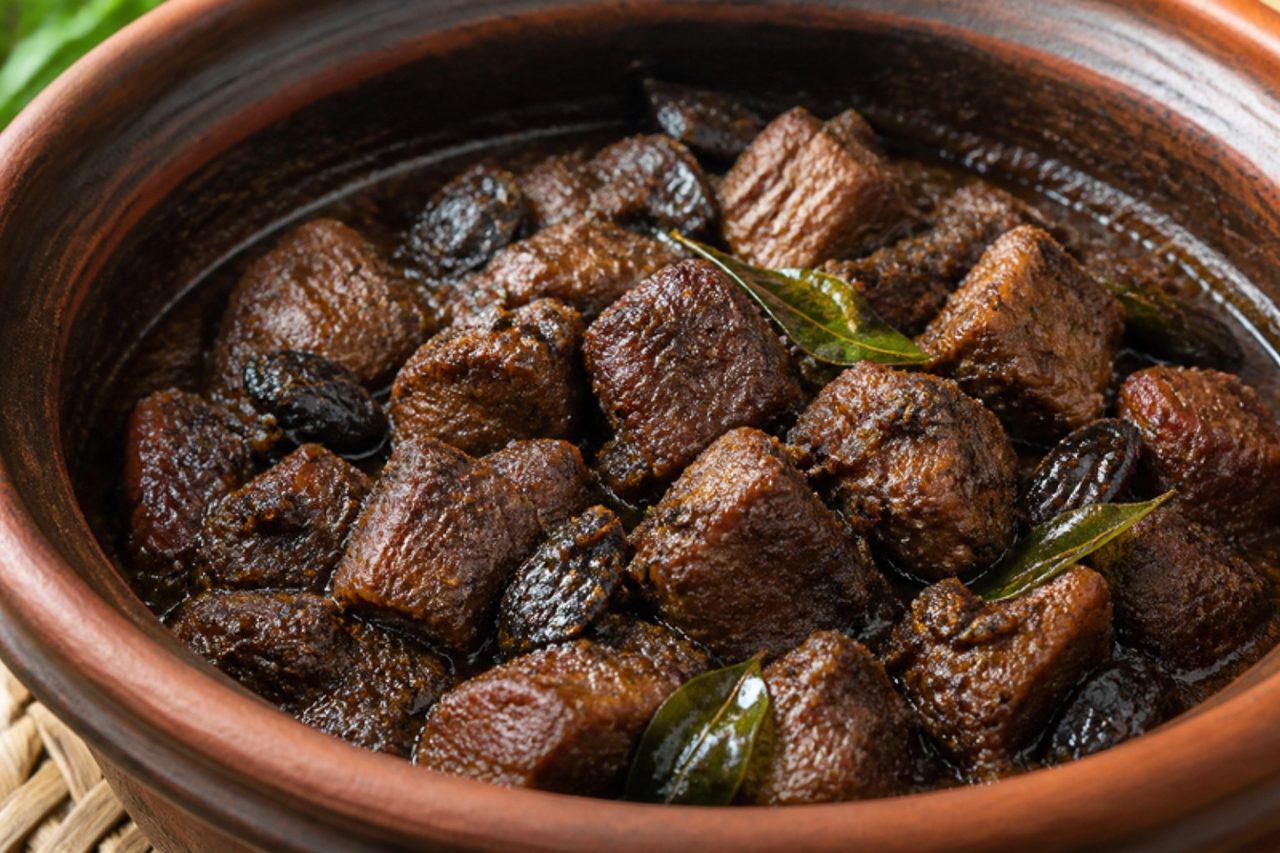
Wild boar curry (pork)Hill-country pork curry

This is a pork curry. In the villages around Kandy, Matale and the hill country, wal uru, wild boar, was once hunting-season meat, cooked over wood fires in clay pots with goraka, black pepper from the home garden and a dark roasted curry powder; today most cooks make it with pork shoulder, which works beautifully, and wild boar if you can find it from a licensed game supplier. The goraka gives a sour, slightly smoky edge that cuts through the richness of the fat, and the pepper builds a slow, warming heat rather than a sharp sting. Serve it with red rice, a pol sambol and a cooling cucumber salad. One error people make is cutting the pork too small, which dries it out during the long simmer. Chef's tip: cook it the day before; the gravy thickens and the pepper and goraka flavours deepen overnight in the fridge.

by KrazyBadal 0 views

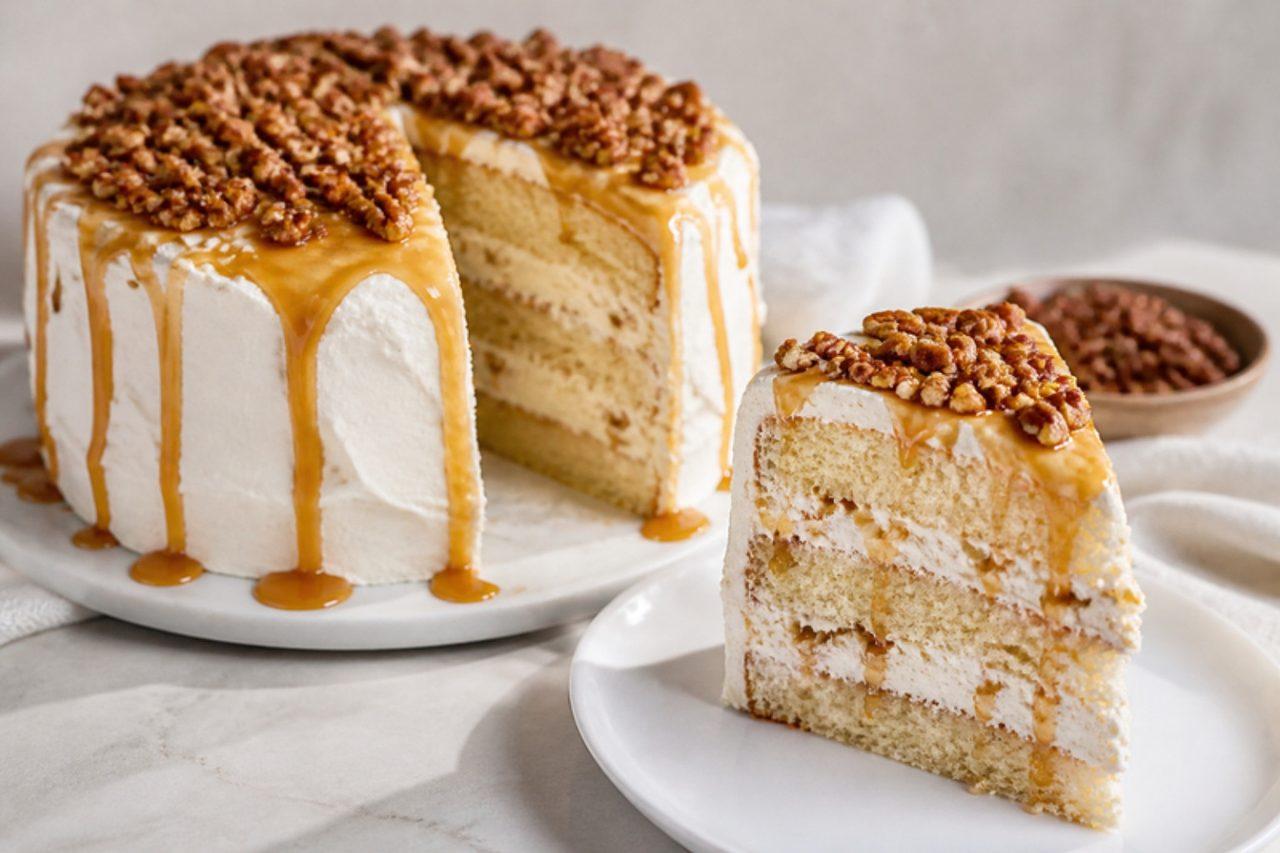
Schmoo tortePecan sponge with cream and caramel

Schmoo torte is Winnipeg's own celebration cake, served at bar mitzvahs, weddings and birthday parties in the city's Jewish community since the 1950s and now found in bakeries all over Manitoba. A light angel-style sponge made with ground pecans is split into layers, filled and covered with whipped cream, then drizzled with a warm butterscotch caramel and more nuts. It is a project but most of it can be done the day before. A common mistake is opening the oven too early; the egg-white sponge collapses. Chef's tip: cool the sponge upside down in its tin so it stays tall.

by KrazyBadal 0 views

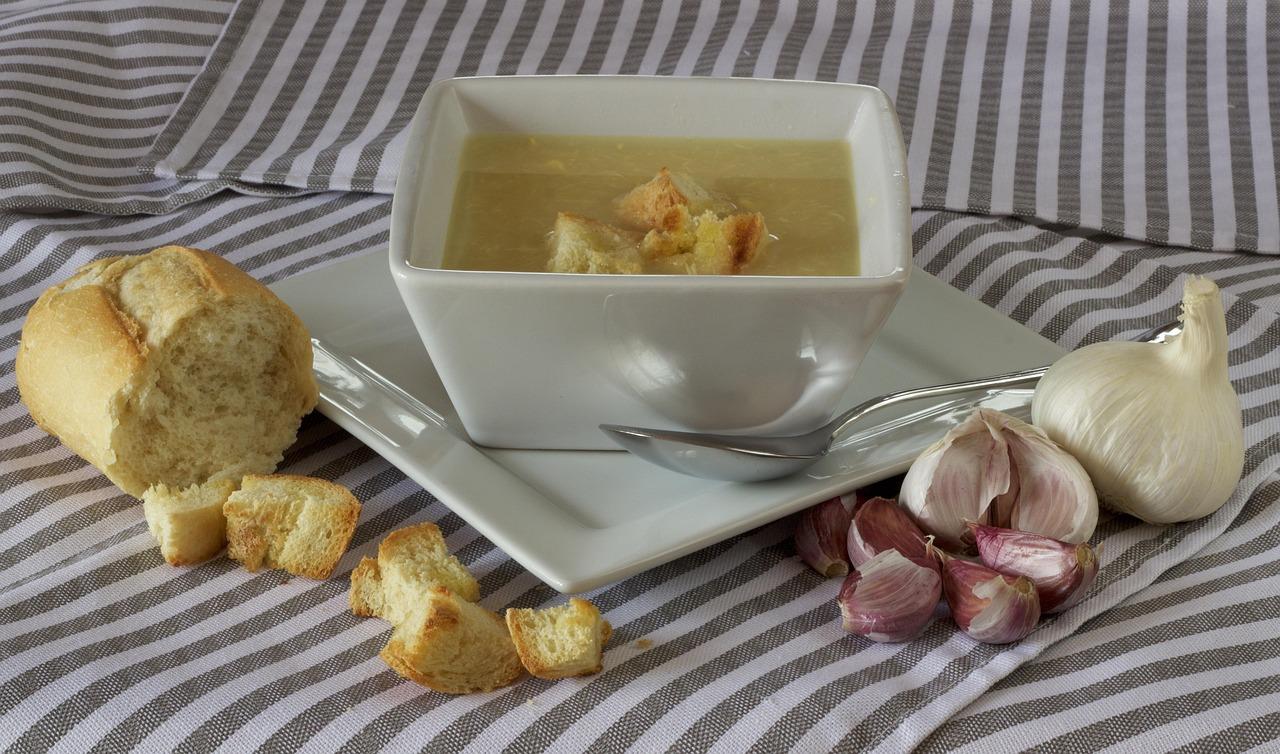
WodzionkaGarlic and rye bread soup

Miners' families in Upper Silesia made this from almost nothing: a few slices of yesterday's rye bread, a garlic clove, a knob of butter and boiling water poured straight into the bowl. Called brotzupa by some older Silesians, it still turns up in Zabrze and Ruda Śląska homes as a cheap, soothing supper, and newer versions use vegetable stock and add caraway or a fried onion. The bread softens into a rich, garlicky porridge with crisp-edged croutons on top. The usual slip is using fresh bread, which turns to slime; it has to be properly dry. Chef's tip: toast the cubes in butter first for a nuttier flavour and a little crunch.

by KrazyBadal 0 views

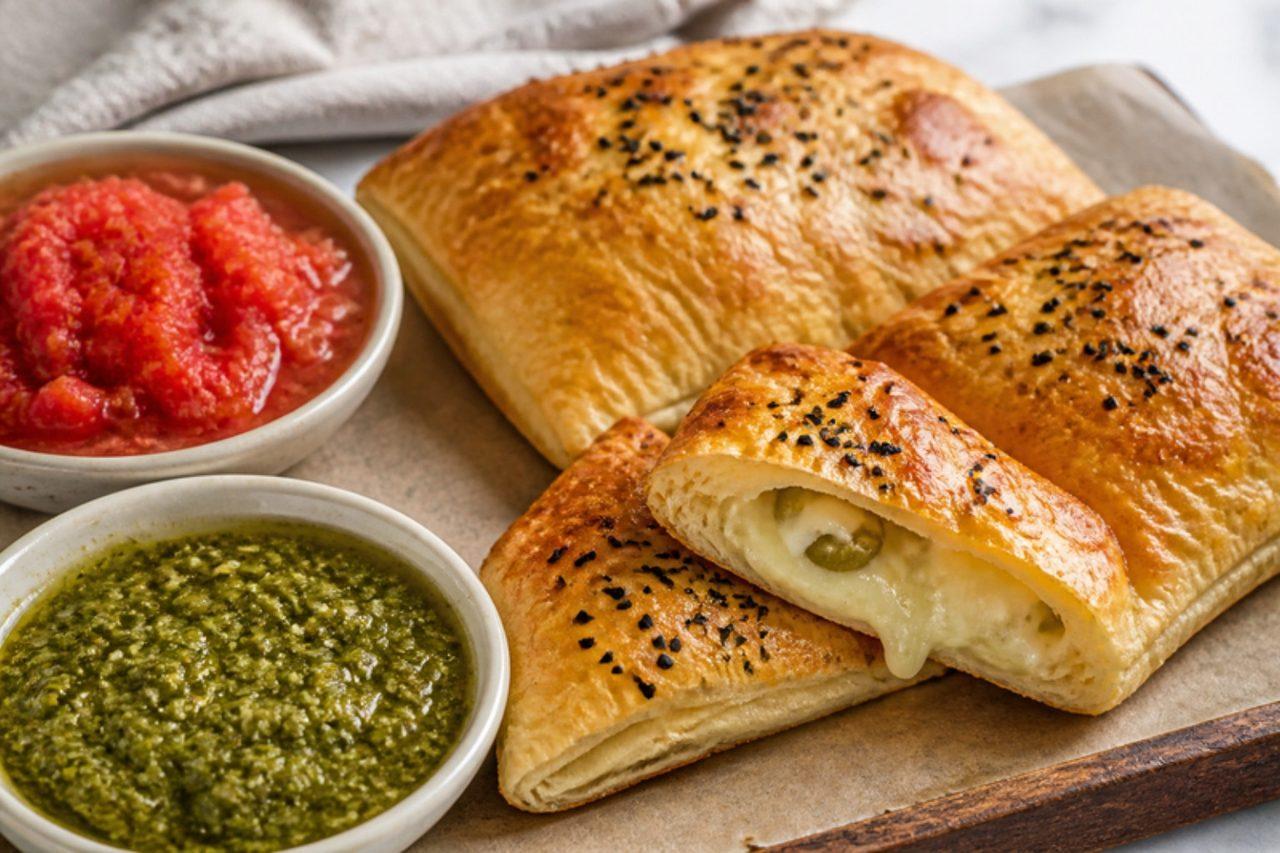
ZivaCheese and olive pastry

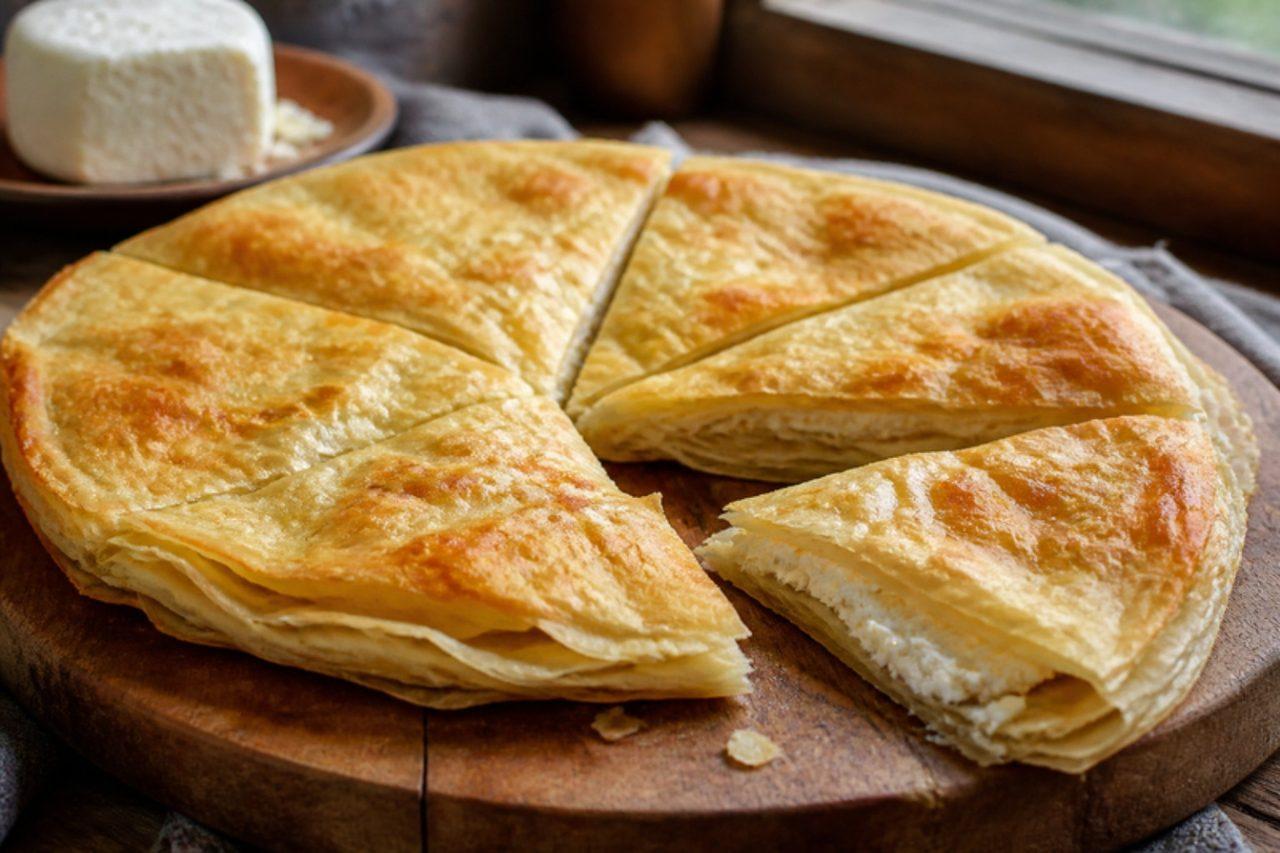
Ziva is a Tel Aviv café and bakery invention built on Yemenite malawach dough: flaky layers wrapped around salty white cheese and olives, baked until golden and served with grated tomato, zhug and a hard-boiled egg. You find it at weekend brunch in Jaffa and in the Yemenite Quarter, eaten with knife and fork. The pastry should shatter into buttery flakes against a soft, salty, melting centre. Feta and Bulgarian-style white cheeses are often made with animal rennet, so choose one labelled vegetarian if that matters to you. The usual mistake is overfilling, which makes the cheese leak and the base soggy. Chef's tip: use frozen ready-made malawach rounds straight from the freezer; they are much easier to fold while still firm.

by KrazyBadal 0 views

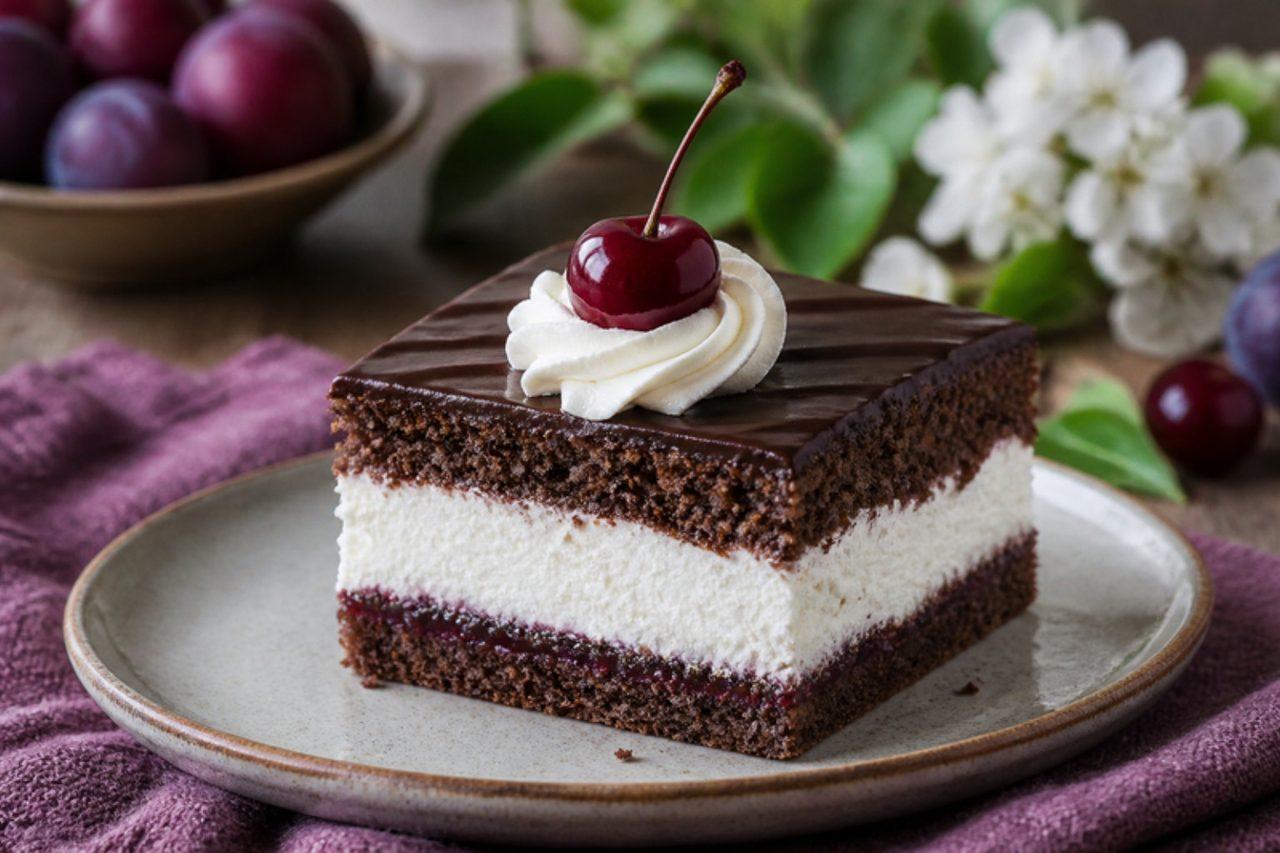
WuzetkaChocolate sponge with plum jam cream

Warsaw's own cake took its name from the W-Z route, the east–west road rebuilt through the ruined city in 1949, and the cake shop beside it that sold the first slices. It is still the cream cake of the capital's patisseries: two dark cocoa sponges, a tart layer of plum jam, a thick band of whipped cream and a shiny chocolate glaze, topped with a swirl of cream. A common mistake is assembling while the sponge is warm, so the cream slumps and slides. Chef's tip: brush the sponge with a little cooled tea before adding the jam so the slices stay moist.

by KrazyBadal 0 views

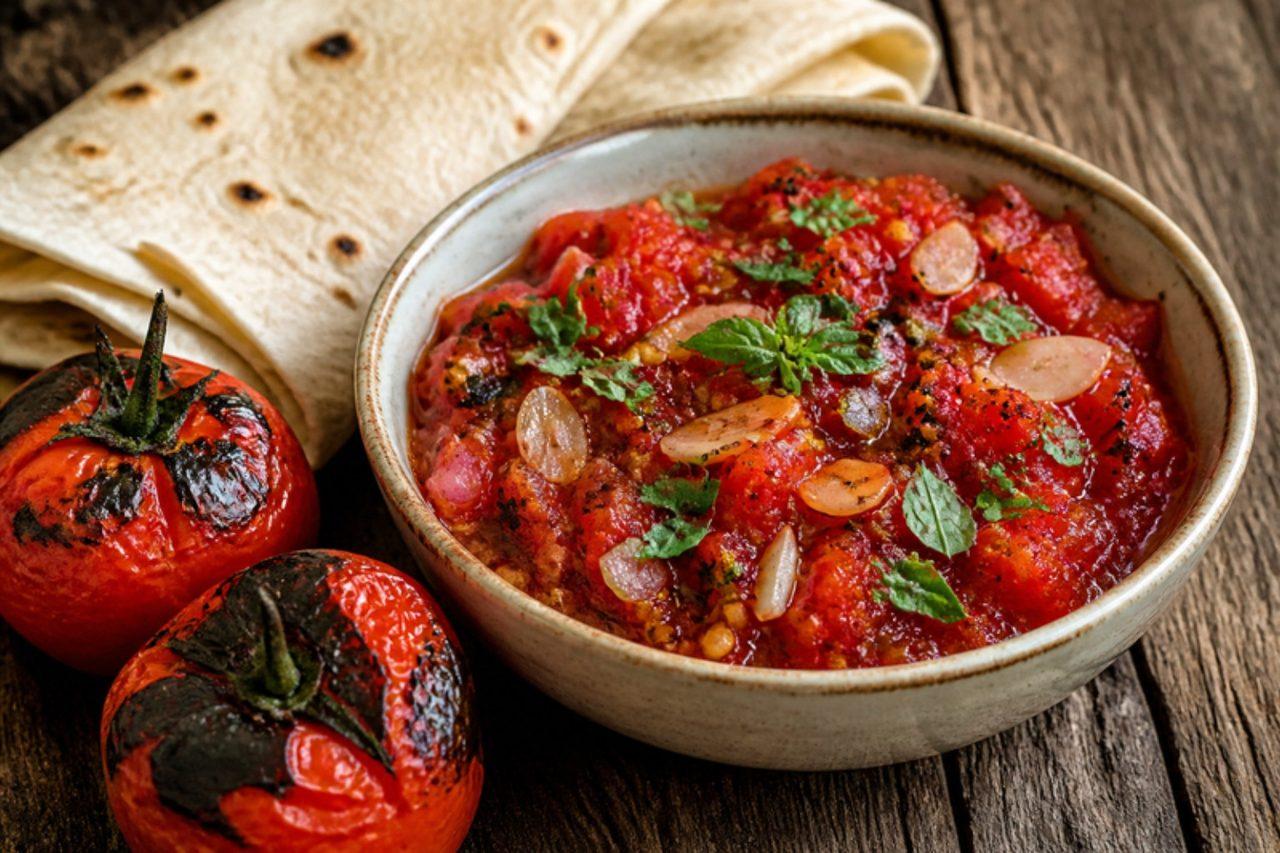
Trini tomato chokaCharred tomato crush

Tomato choka is the quick sibling of baigan choka, eaten in Indo-Trinidadian homes in Chaguanas and the south with sada roti for breakfast or as a sharp side for dhal and rice. Ripe tomatoes are blackened over a flame, crushed with garlic, onion and a little scotch bonnet, then woken up with a spoon of smoking oil, giving a smoky, juicy relish. The common slip is using watery salad tomatoes, which make a thin soup; choose firm, ripe, meaty ones. Chef's tip: leave some of the charred skin in; those black flecks are where the smoky flavour lives.

by KrazyBadal 0 views

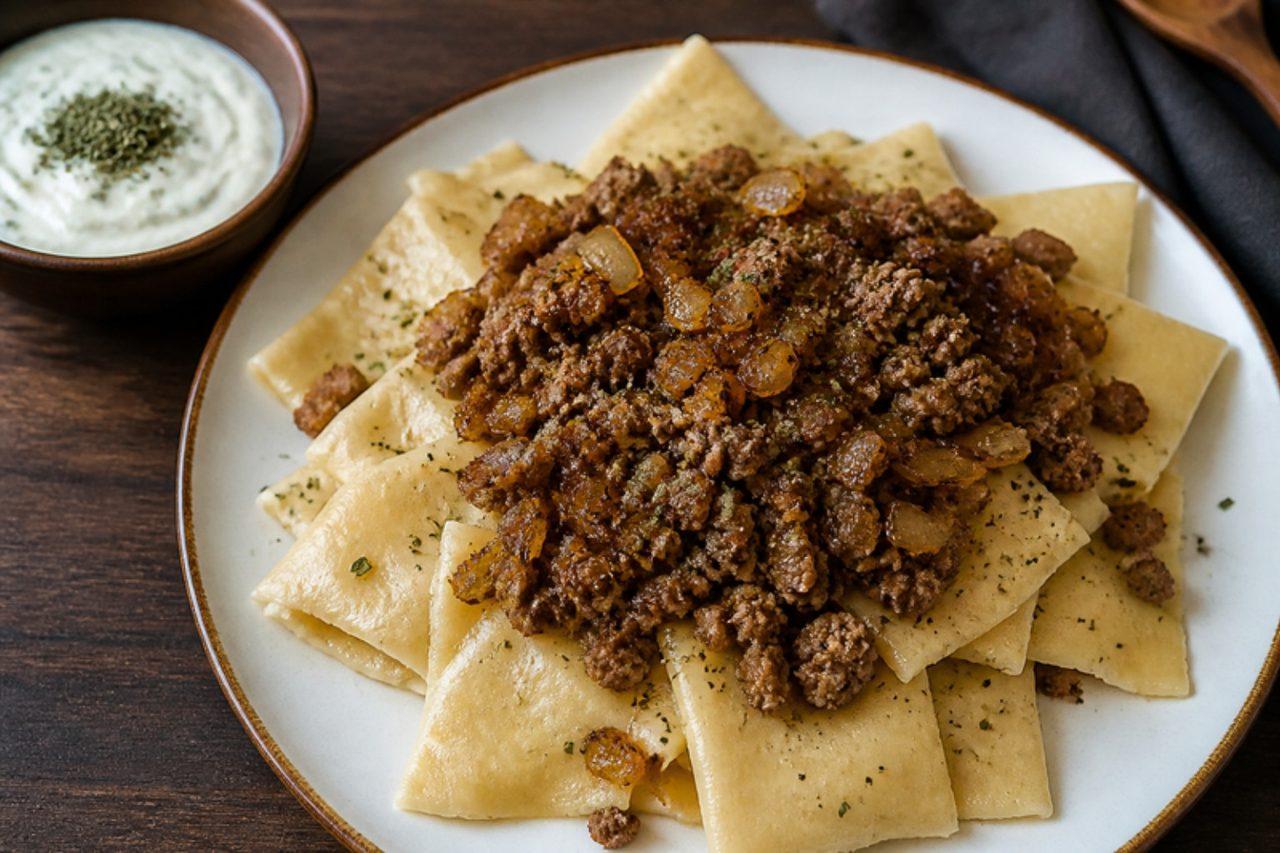
KhingalPasta squares with lamb mince

Khingal is Baku comfort food: squares or diamonds of thin homemade pasta boiled and layered with lamb mince fried with plenty of onion, then topped with garlicky yogurt and a sprinkle of sumac or dried mint. It is the dish Absheron grandmothers make for a crowd, rolling the dough on the big kitchen table. A common mistake is draining the pasta until dry; a little cooking water keeps the layers loose and silky. Chef's tip: fry the onion until deep brown before the mince goes in; that sweet, almost caramelised onion is what makes Baku khingal. Mince must reach 71 °C.

by KrazyBadal 0 views

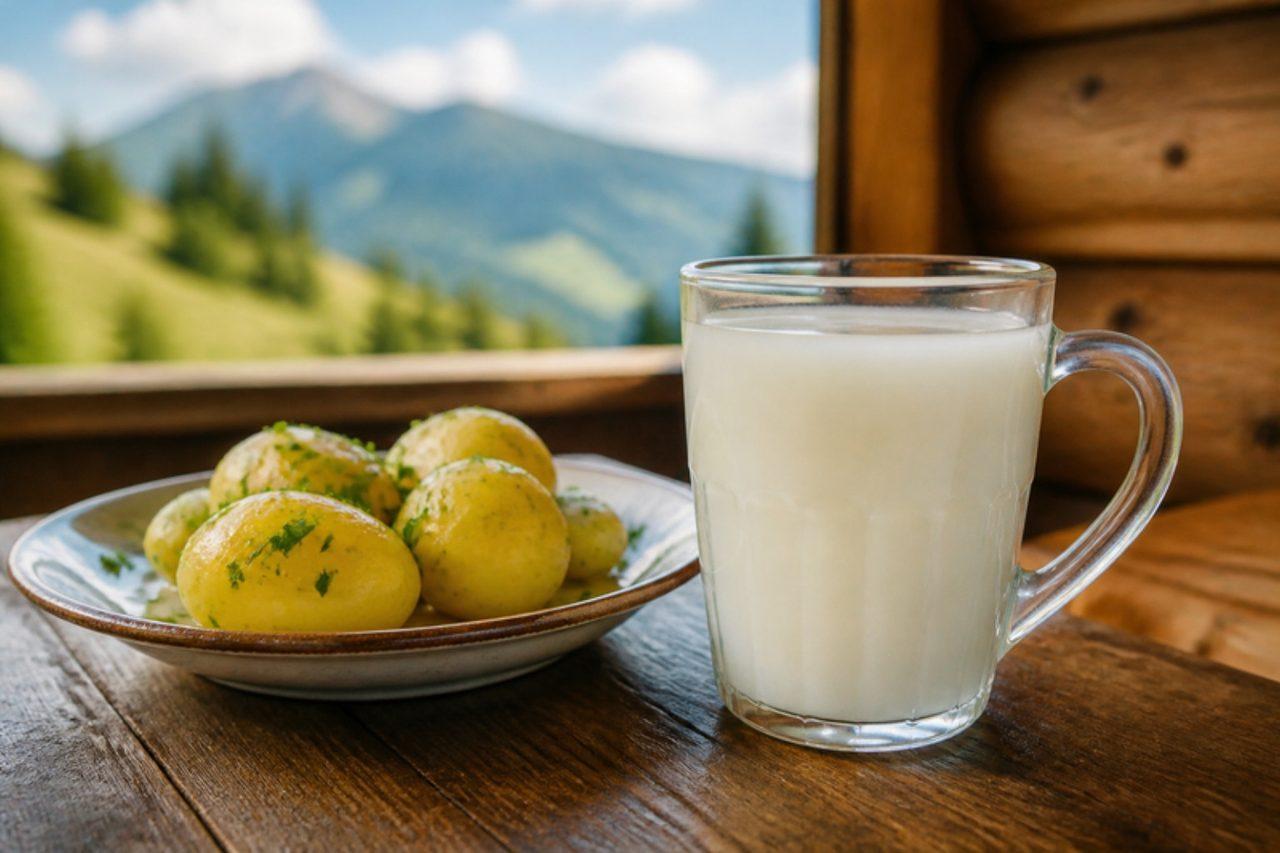
ŽinčicaSoured whey drink

Hikers walking past a salaš, a Slovak shepherds' hut, are often offered a mug of žinčica, the cool, sour whey left over from making bryndza and hrudka cheese. Shepherds heat the whey until fine flakes of cheese float up, then leave it to sour, and drink it with boiled potatoes or on its own on a hot afternoon. It is thin, refreshing and tangy, a little like a light buttermilk. At the salaš it is often made from raw sheep's milk, so at home make it only from the whey of cheese made with pasteurised milk (the korbáčiky recipe gives you plenty) and vegetarian rennet. The common slip is leaving it to sour somewhere warm for too long, where it turns cheesy and harsh; a cool room and 12 hours is enough. Chef's tip: a spoonful of cultured buttermilk gives a clean, reliable sourness every time.

by KrazyBadal 0 views

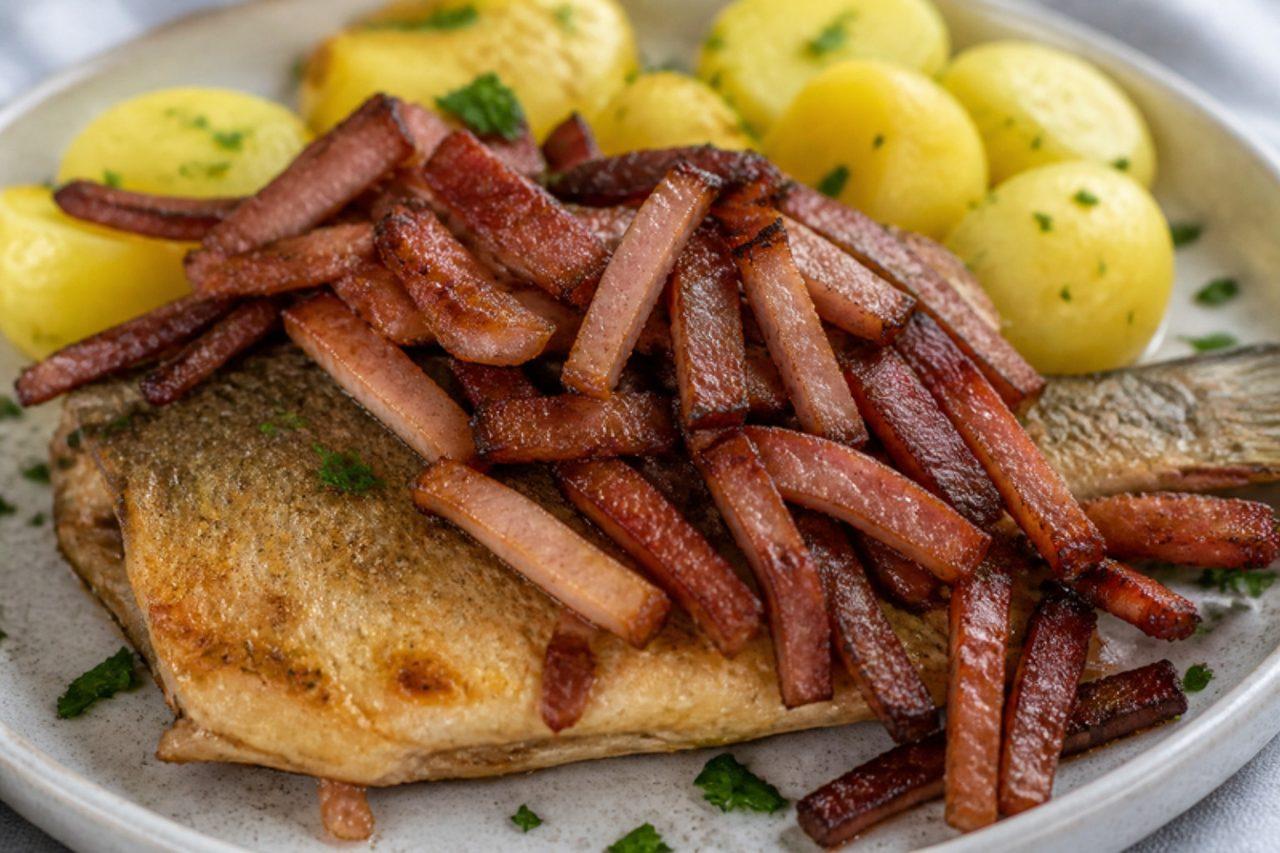
Truite à l'ardennaisePan-fried trout with ham

The rivers of the Belgian Ardennes, the Semois, the Ourthe and the Lesse, are trout country, and every inn in Bouillon and La Roche serves truite à l'ardennaise: a whole trout fried in butter until golden and finished with strips of jambon d'Ardenne, the smoked, cured pork ham of the region, crisped in the same pan. This dish contains pork. It is served with boiled potatoes or fries and a green salad. A common mistake is adding the ham at the start, which makes it hard and salty. Chef's tip: dust the trout with seasoned flour so the skin crisps, and add the ham only for the last 2 minutes. The trout is done when the flesh is opaque and lifts off the backbone.

by KrazyBadal 0 views

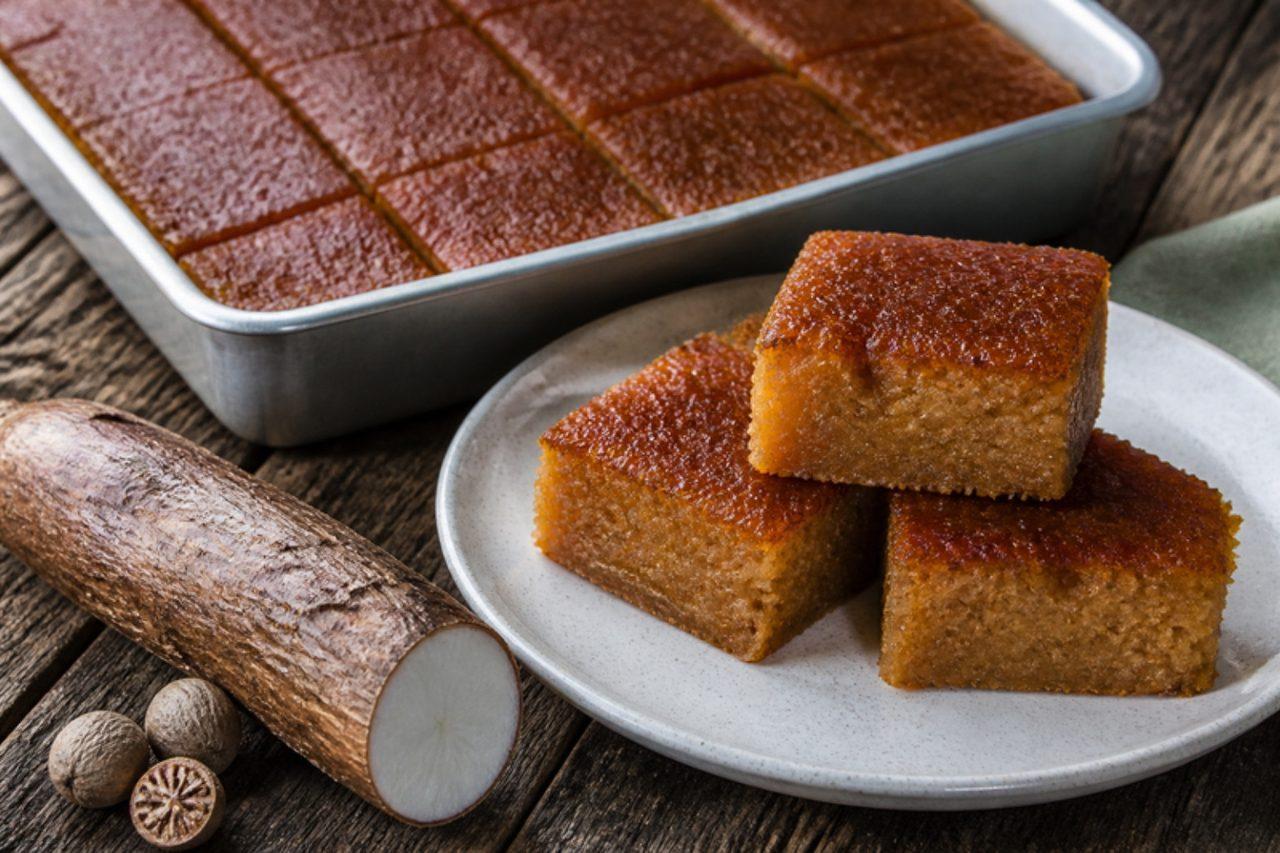
Trinidad cassava poneCassava coconut pumpkin cake

Come December, trays of pone sit on every Trinidadian sideboard next to the black cake and sweet bread, cut into sticky squares for visitors who drop by between parang parties. It is made from raw grated cassava, fresh coconut and pumpkin, bound with evaporated milk, brown sugar and warm spices, then baked until the edges caramelise and the middle turns dense and chewy, a little like a fudgy bread pudding. The usual mistake is cutting it hot: pone only firms up into clean squares once it has cooled completely. Never eat cassava raw; it must be fully baked through. Chef's tip: squeeze a handful of the grated cassava over the sink before mixing, as excess starchy water makes the pone gummy rather than chewy.

by KrazyBadal 0 views

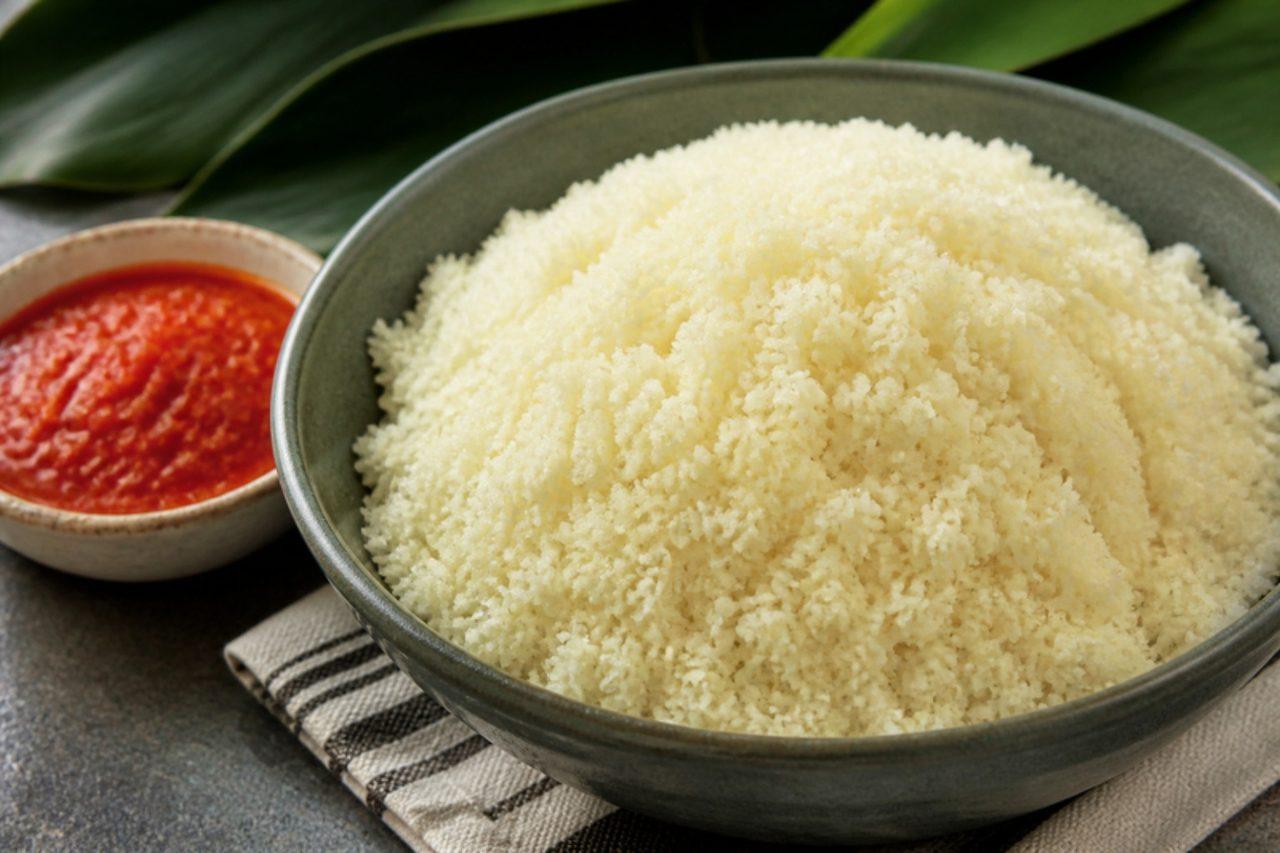
YakeyakeSteamed grated cassava

Yakeyake comes from the Volta Region, where grated cassava is pressed dry, broken into crumbs and steamed until it turns into a light, slightly chewy grain that looks like coarse couscous. It is pleasantly neutral, a little sweet, and in Ewe homes it is often eaten with fried fish and a hot tomato and pepper sauce; for a meat-free plate, serve it with that same pepper sauce, sliced avocado and fried ripe plantain. Fresh cassava must be cooked thoroughly and never eaten raw. Chef's tip: squeeze the grated cassava in a cloth until no more liquid comes out; wet cassava is the common mistake and steams into a gummy paste instead of separate crumbs.

by KrazyBadal 0 views

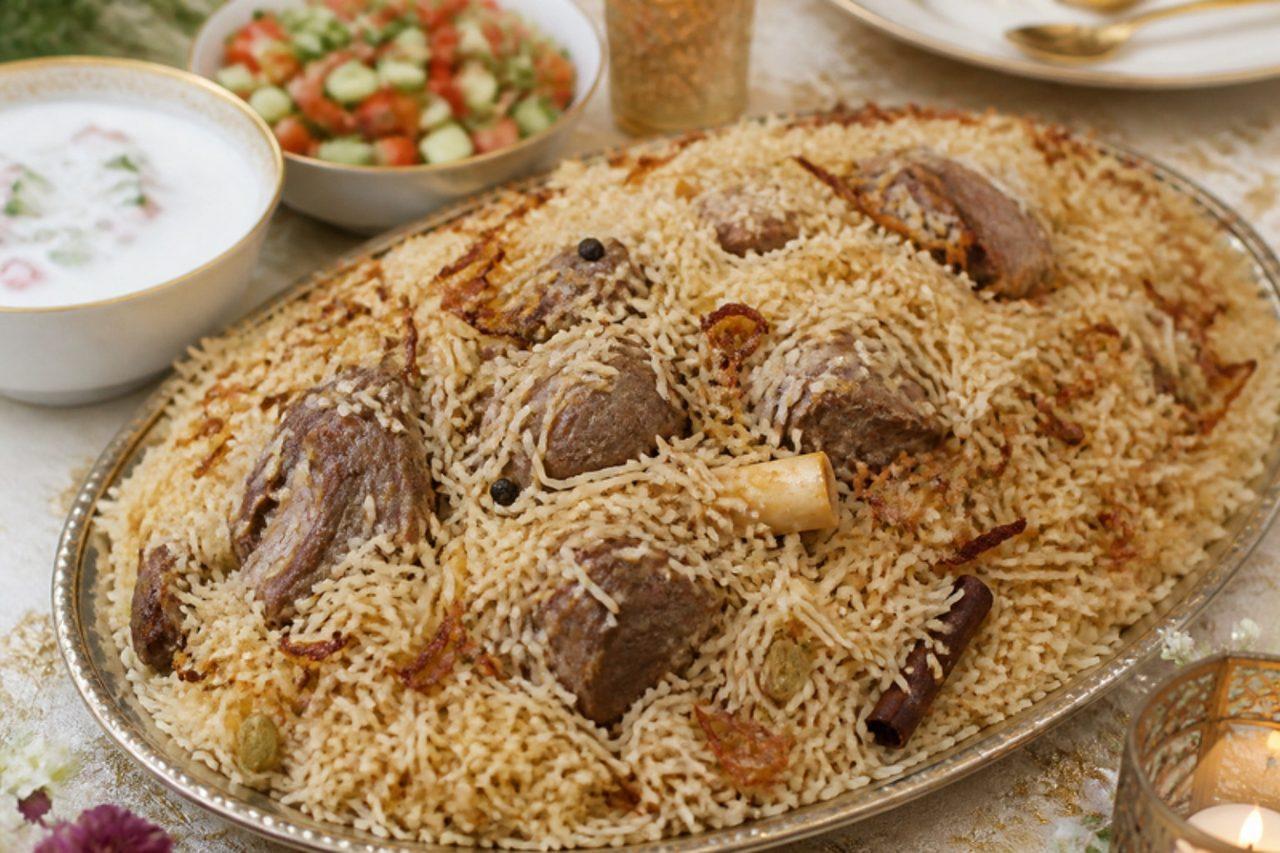
Yakhni pulaoMutton stock pulao

Where biryani shouts, yakhni pulao murmurs: basmati rice cooked in a clear, aromatic mutton stock (the yakhni) with fennel, coriander seed, garlic and whole spices, so every grain is light brown, separate and scented, with tender pieces of meat folded through. Many Pakistani families, especially in Peshawar, Rawalpindi and Karachi's older neighbourhoods, prefer it to biryani for Eid lunch and wedding dinners, and it comes with raita, kachumber salad and sometimes a shami kebab on the side. Its depth comes only from the stock, so that part cannot be rushed. Getting the liquid ratio wrong is what spoils it most often; measure the strained stock exactly rather than pouring it in by eye. Chef's tip: tie the fennel and coriander seeds in a muslin bag for the stock, so you can lift them out and keep the rice clean.

by KrazyBadal 0 views

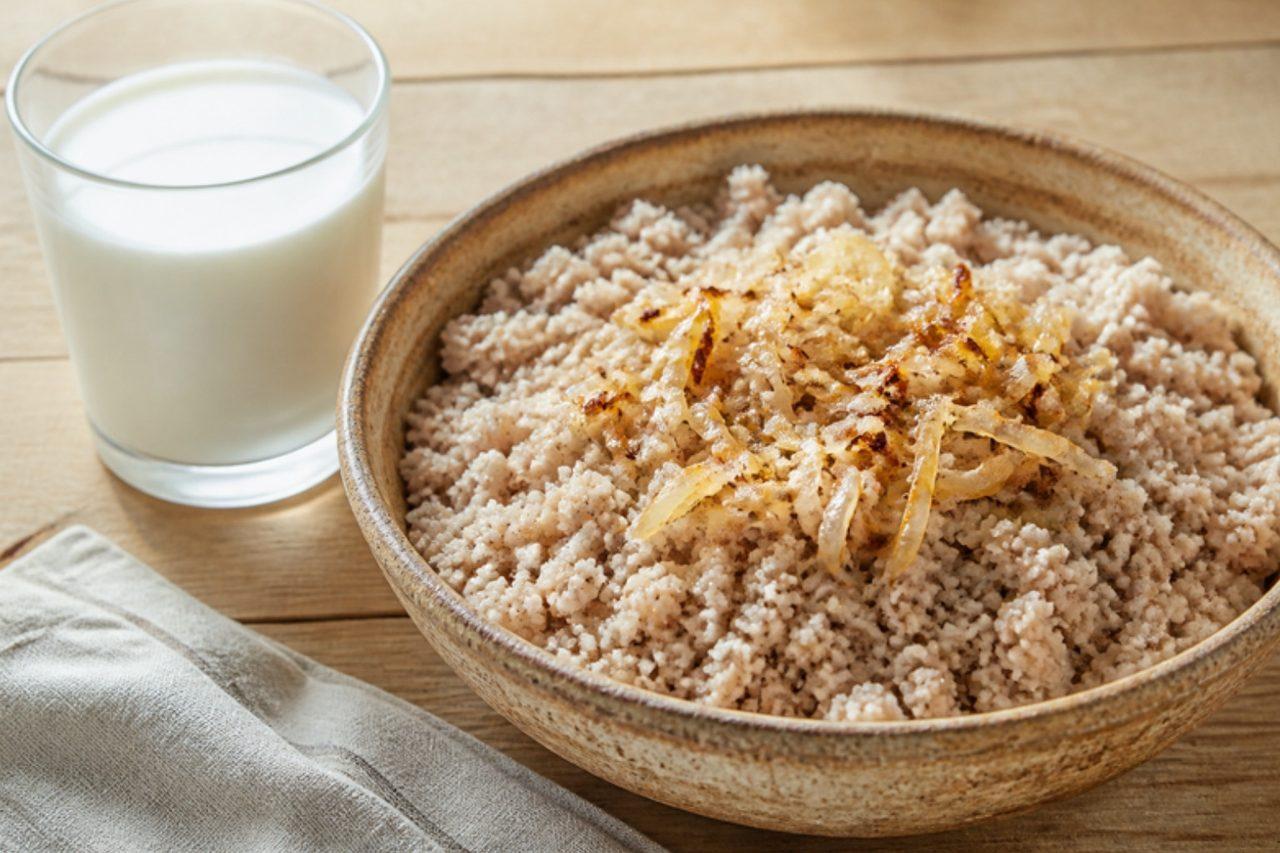
ŽganciBuckwheat spoonbread

Before coffee was cheap in rural Slovenia, breakfast on farms in Gorenjska and Dolenjska was a bowl of ajdovi žganci with a mug of milk, or a scoop of them beside a ladle of sauerkraut or bean soup at lunch. Buckwheat flour is dropped into boiling salted water as a single lump, steamed through a hole poked in the middle, then broken up with a fork into small, crumbly, nutty lumps, a little like an earthy couscous. Traditionally lard and crisp pork cracklings (ocvirki) go over the top; this vegan version uses sunflower oil and deeply fried onions instead. Serve with sauerkraut, beans or a mushroom sauce. Buckwheat is naturally gluten free, but check the flour is labelled so. Stirring the flour in like polenta is where it goes wrong: leave the heap alone so it steams, or you get sticky gruel instead of crumbs. Chef's tip: keep the drained cooking water; it loosens leftovers and makes a good base for soup.

by KrazyBadal 0 views

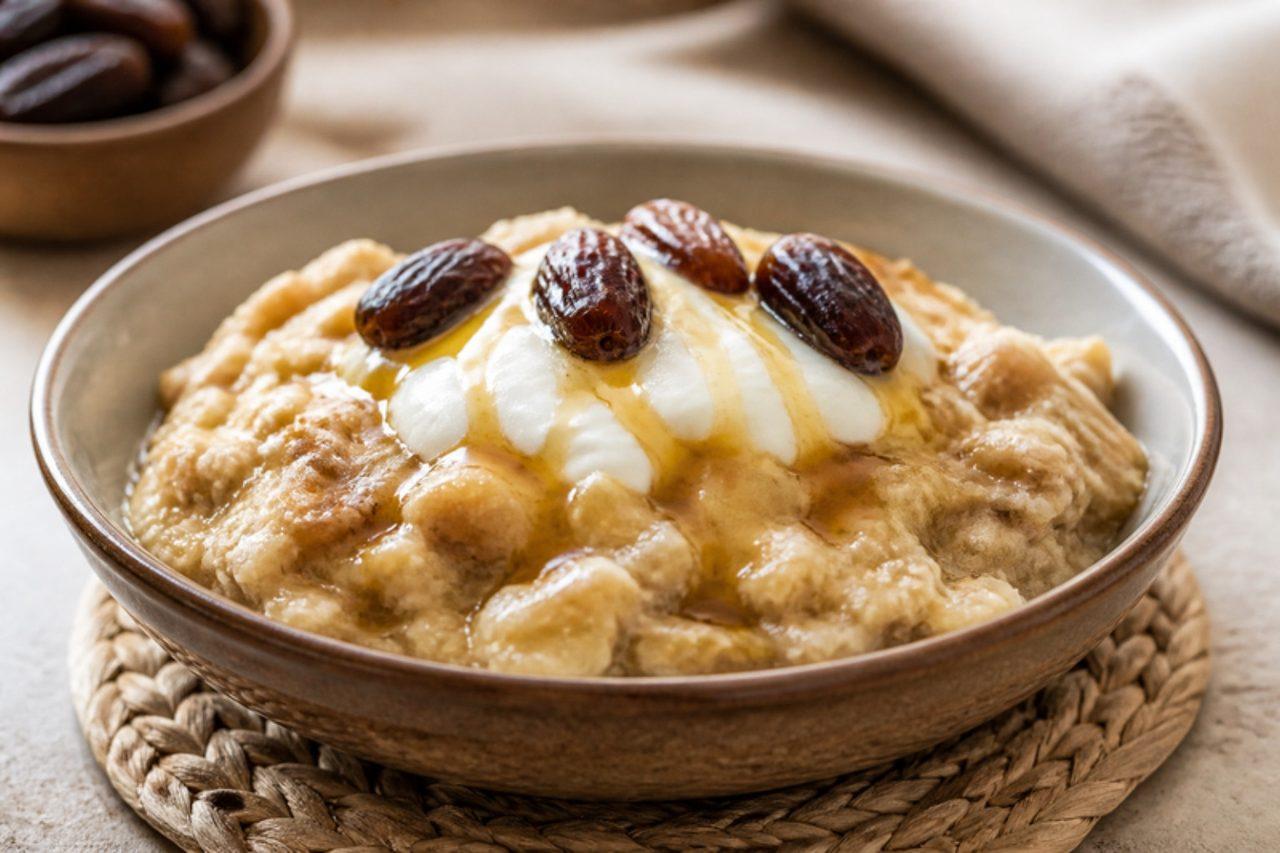
MasoubMashed bread and banana with honey

Masoub is a rich breakfast from Aden and the Tihama coast of Yemen, now just as loved in Saudi Arabia, where it is served in cafés on Friday mornings in big bowls. Torn flatbread is mashed with ripe bananas and ghee into a warm, sweet, slightly chewy pudding, then topped with thick cream, honey and sometimes dates or cheese. It is soft, sticky and very filling, a good use for bread that is a day old. The usual mistake is using bananas that are not ripe enough: they need brown-freckled skins to mash smoothly and give sweetness without much honey. Chef's tip: toast the bread pieces in the dry pan first until they are crisp at the edges; they take up the ghee better and give the mash a nutty taste.

by KrazyBadal 0 views

YangbenTree lichen curry

High in the forests of Taplejung, Panchthar and Ilam, Limbu families gather yangben, a pale grey-green lichen that grows on oak and rhododendron trunks, dry it in the sun and keep it for winter, when it becomes one of the most prized dishes of Limbu cooking. It is cleaned, soaked and boiled to remove its bitterness, then fried with mustard oil, onion, tomato, garlic, ginger and chilli, and finished with timur; at feasts it is very often cooked with fatty pork, which soaks up the flavour, but this meat-free version is common too. The texture is springy and chewy, the flavour earthy and smoky, and it is eaten with rice or millet dhido. Outside eastern Nepal yangben is hard to buy, so for a stand-in use dried wood-ear mushrooms, which give a similar bite. The most common fault is not washing the lichen enough, which leaves grit and bitterness. Chef's tip: boil the lichen twice in fresh water and rinse it until the water runs clear.

by KrazyBadal 0 views

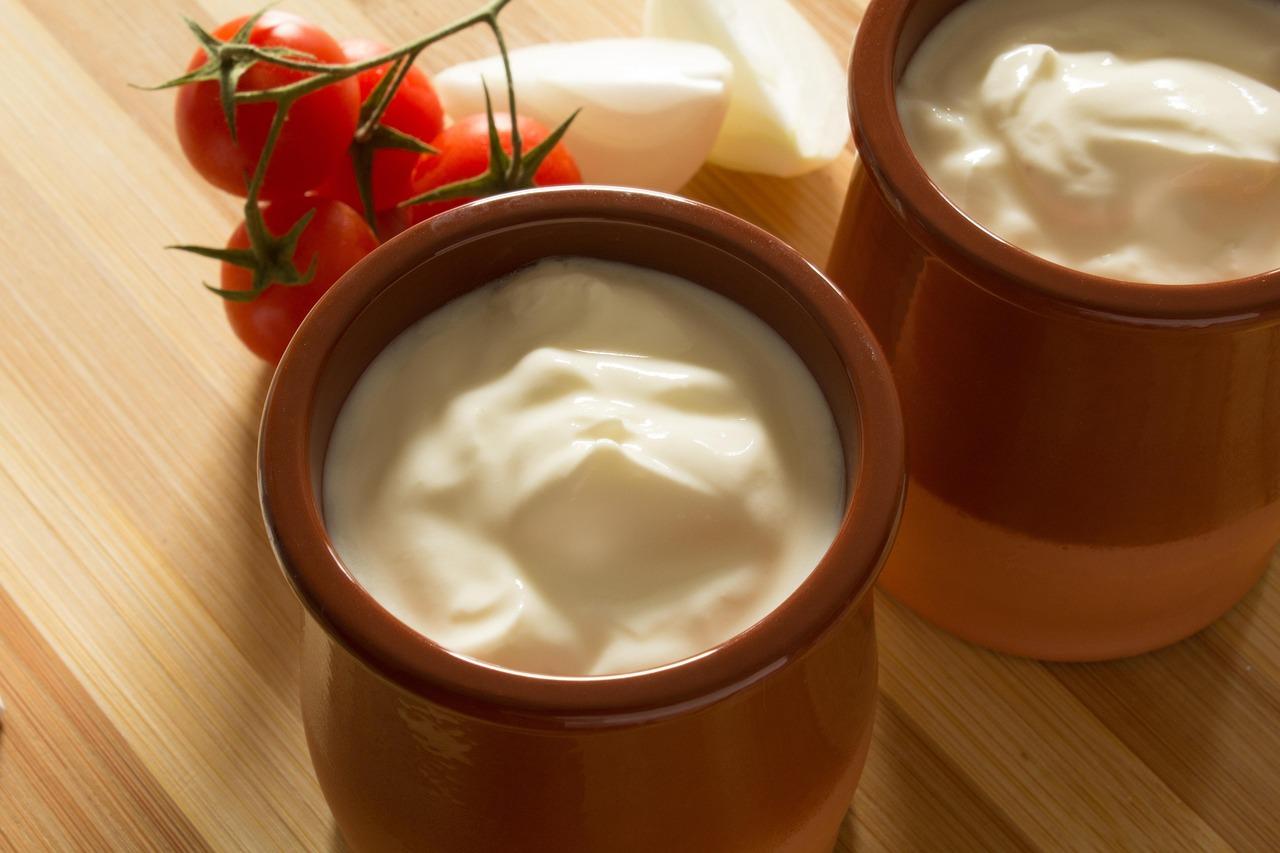
TsakhdonGarlic sour cream sauce

Ossetian tables in Vladikavkaz and the mountain villages of North Ossetia nearly always carry a bowl of tsakhdon, the thick, garlicky sour cream that goes with three-pie feasts, boiled beef, potatoes and anything grilled. It is cool, tangy and sharp with raw garlic, flecked green with dill, coriander and a little mint, and some families add a pinch of crushed red pepper. Garlic pounded with salt gives a smoother, sweeter heat than chopped garlic, so take the extra minute with a mortar. The usual slip is serving it the moment it is mixed; ten minutes in the fridge lets the garlic soften and spread through the cream. Use full-fat sour cream, as low-fat versions turn runny. Chef's tip: thin it with a spoon or two of cold water or kefir if you want it pourable over hot potatoes rather than spoonable beside pies.

by KrazyBadal 0 views

TopikChickpea parcels with spiced onion

Topik belongs to the Armenian community of Istanbul, where it is still made for Lent and served at Armenian restaurants in Kurtuluş: a smooth shell of mashed chickpeas and potato wrapped around a filling of slow-cooked onions with pine nuts, currants, cinnamon, allspice and tahini, tied in muslin and steamed. It is served cold in slices with lemon and a drizzle of oil. A common mistake is rushing the onions; they must cook down to a sweet, jammy mass, which takes the best part of an hour. Chef's tip: spread the chickpea mash on a damp cloth to wrap it, which makes it easy to roll into a neat ball without cracks.

by KrazyBadal 0 views

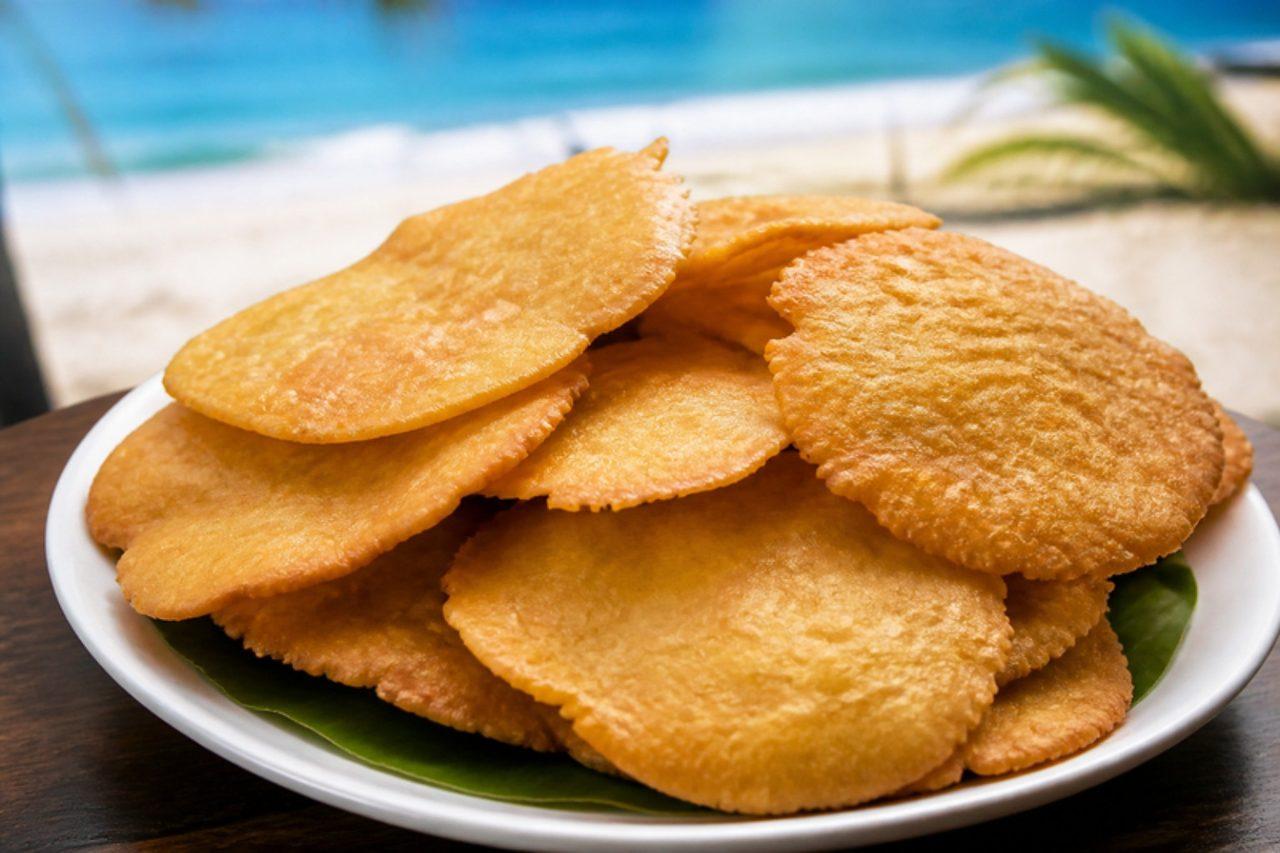
Dominican yaniquequesFried dough discs

Boca Chica, just east of Santo Domingo, is where vendors walk the sand with trays of yaniqueques (the name comes from "johnny cakes"): wide, thin discs of dough fried until they puff, blister and crack like a cracker, sprinkled with salt or sugar and eaten with fried fish and a cold drink. The dough is just flour, baking powder, salt and water with a spoon of oil. The common mistake is rolling them too thick, which gives a bready fritter instead of a shatter-crisp one. Chef's tip: prick each disc a few times with a fork before frying so it blisters evenly instead of ballooning.

by KrazyBadal 1 views

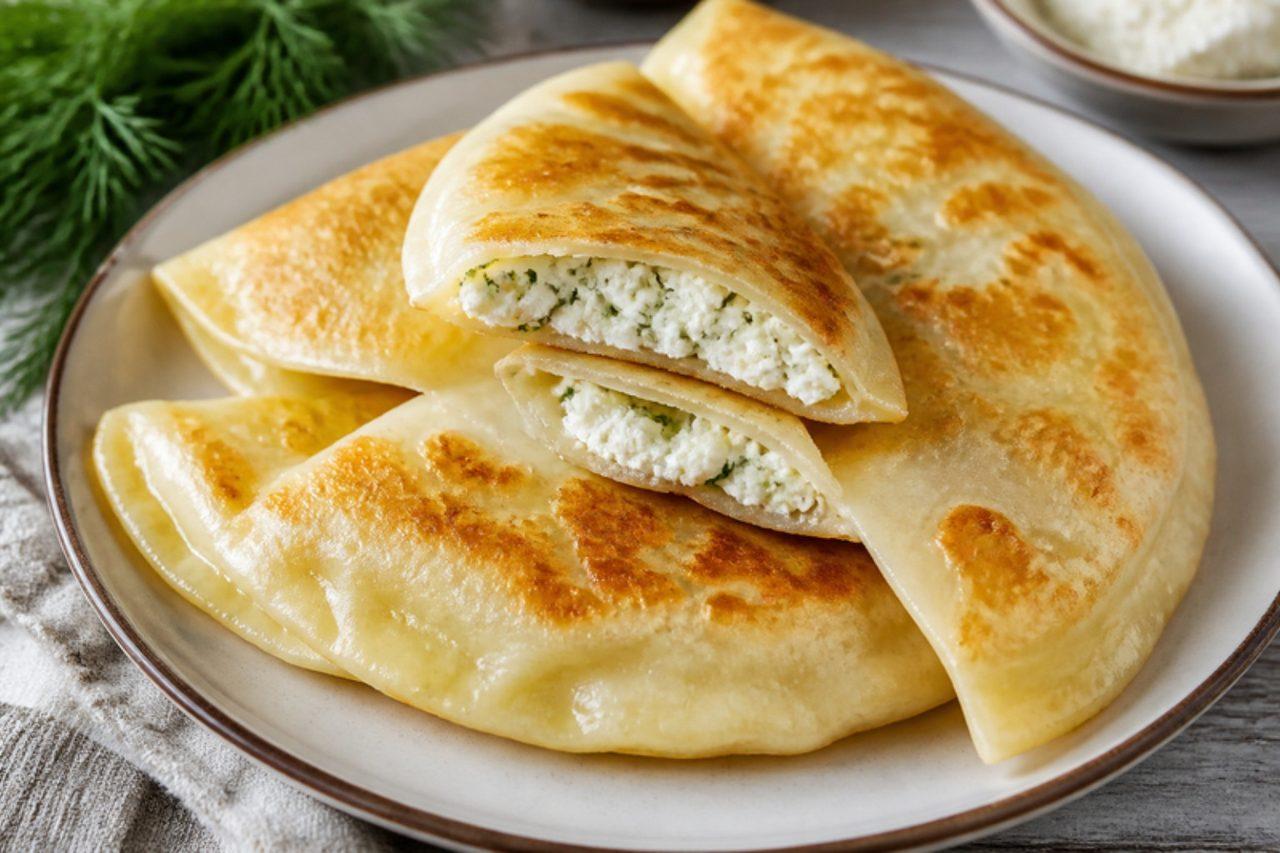
YantykCheese and herb griddle pastries

Crimean Tatar cafés from Bakhchysarai to the family-run places that opened in Kyiv and Kherson after 2014 make yantyk to order: a paper-thin unleavened dough folded over a filling, cooked on a dry hot griddle and brushed with butter as it comes off. Unlike chebureki, nothing is deep-fried, so the pastry is soft and blistered with charred spots and the cheese inside melts with dill and spring onion. They are eaten hot with sweet black tea or a glass of ayran. Brined white cheeses such as brynza and feta are often made with animal rennet; choose one labelled vegetarian. The common mistake is rolling the dough too thick, which gives a doughy, pale yantyk; it should be thin enough to see the board through. Chef's tip: stack the buttered yantyk on a plate and cover with a bowl for a minute, so the steam softens the pastry the way Crimean cooks like it.

by KrazyBadal 0 views

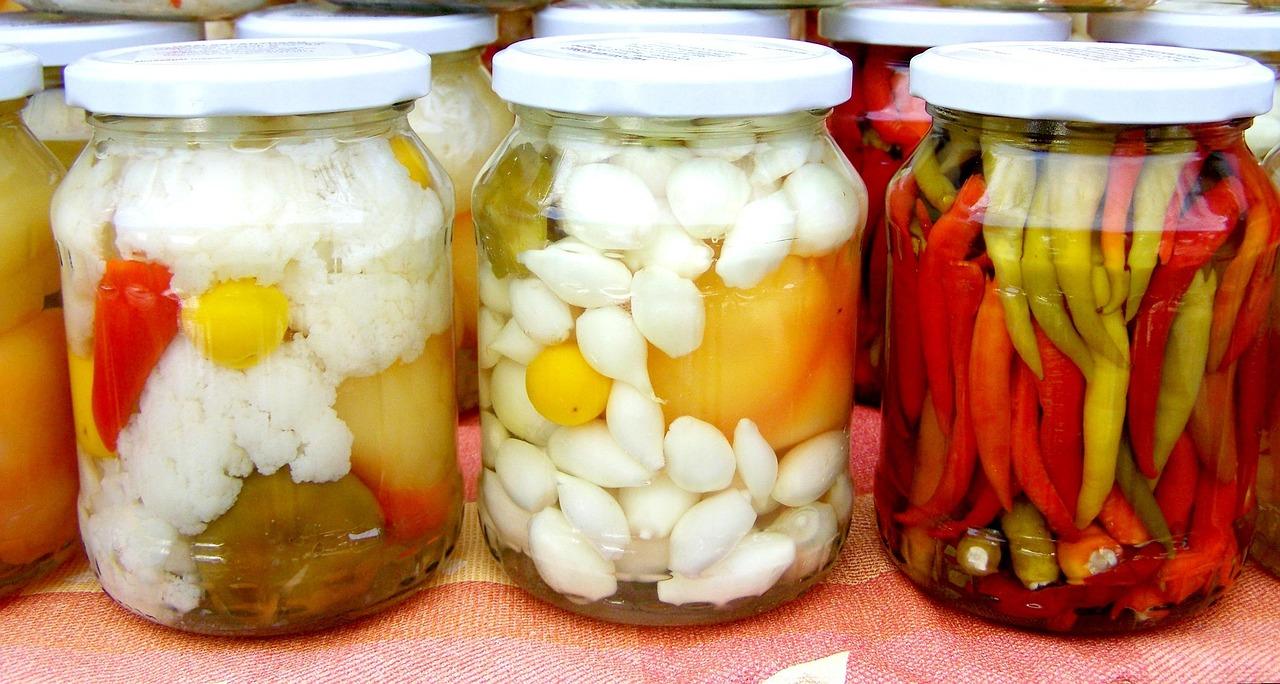
Tsarska turshiyaMixed vegetable pickle

Every autumn Bulgarian balconies fill with jars of turshiya, and the 'royal' one is the prettiest and the most loved: crisp cauliflower florets, carrot rounds, strips of red and green pepper and celery, steeped in a sweet-sour marinade with oil, garlic and peppercorns. It is served with hearty winter stews, with beans and with a glass of something cold at the table in the evening. This version is a fridge pickle, ready in three days and kept chilled, so it needs no sterilising bath. The mistake people make is overcooking the vegetables in the marinade; they should just lose their raw edge and still snap when you bite them. Chef's tip: pack the jars in colour layers, white, orange, red, green, and pour the marinade over while it is hot so the vegetables stay crunchy.

by KrazyBadal 0 views

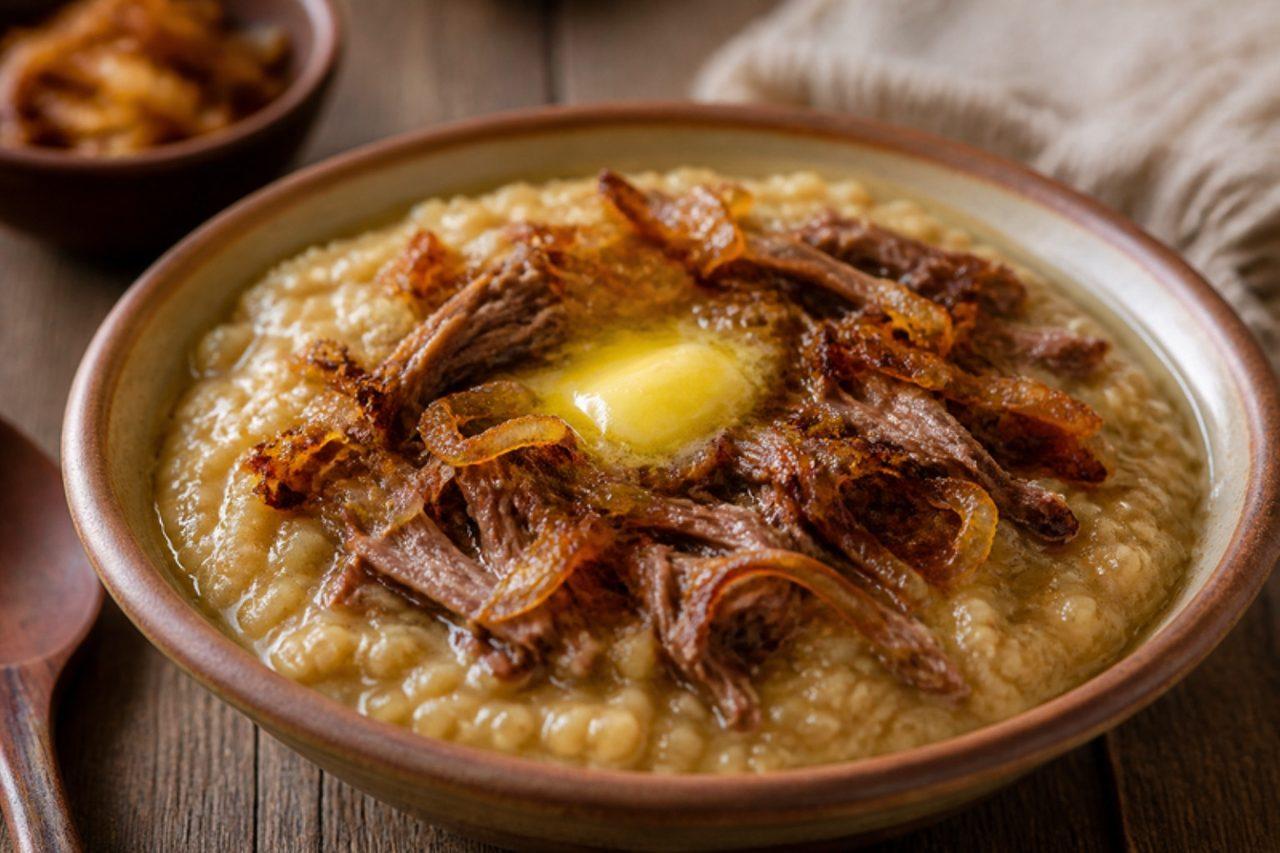
YarmaCracked wheat and lamb porridge

Yarma is a filling porridge of cracked wheat cooked slowly with lamb until the grains break down and the dish turns thick and creamy, a dish of Turkmen homes and of religious gatherings, when it is cooked in huge pots and shared out. It is seasoned simply with salt, pepper and onion fried in butter or fat poured over the top. A common mistake is not stirring enough, which lets the wheat catch on the bottom. Chef's tip: beat the yarma hard with a wooden spoon in the last 15 minutes, so the lamb shreds into the grain and it turns smooth and creamy.

by KrazyBadal 0 views

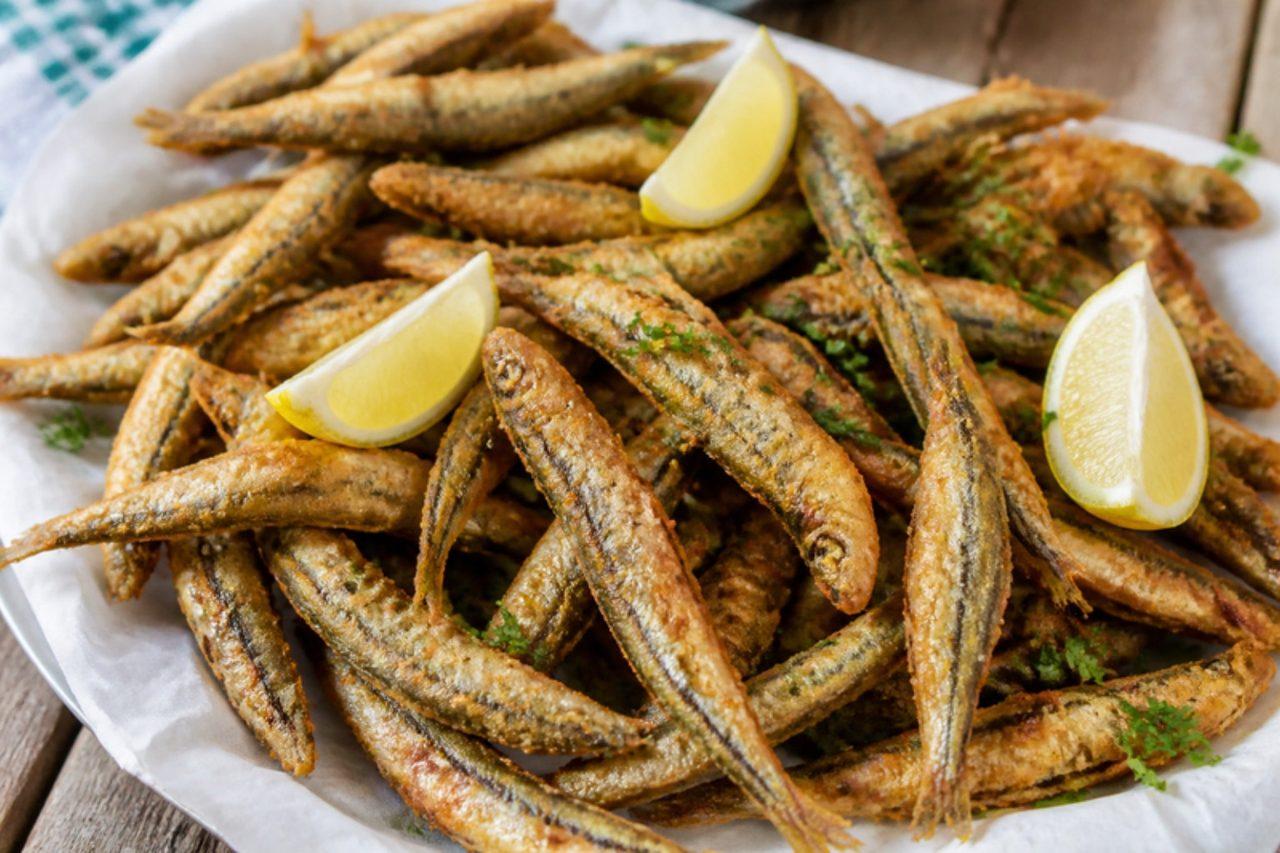
TsatsaFried sprats

Beach kiosks from Varna to Sozopol sell tsatsa by the paper cone all summer: handfuls of tiny sprats fried so crisp that you eat them head, bones and all, with a squeeze of lemon and a cold glass of ayran. They taste sweet and briny and crunch like the best chips. At home, serve them with lemon wedges, a tomato and cucumber salad and bread. Buy fish that smell of the sea, with bright eyes and firm bodies; frozen sprats work once thawed in the fridge. Where most people go wrong is frying too many at once: the oil cools, the fish stick together and turn greasy. Chef's tip: shake the floured sprats in a sieve before they go in, so only a thin film of flour clings and they fry up lacy and light.

by KrazyBadal 0 views

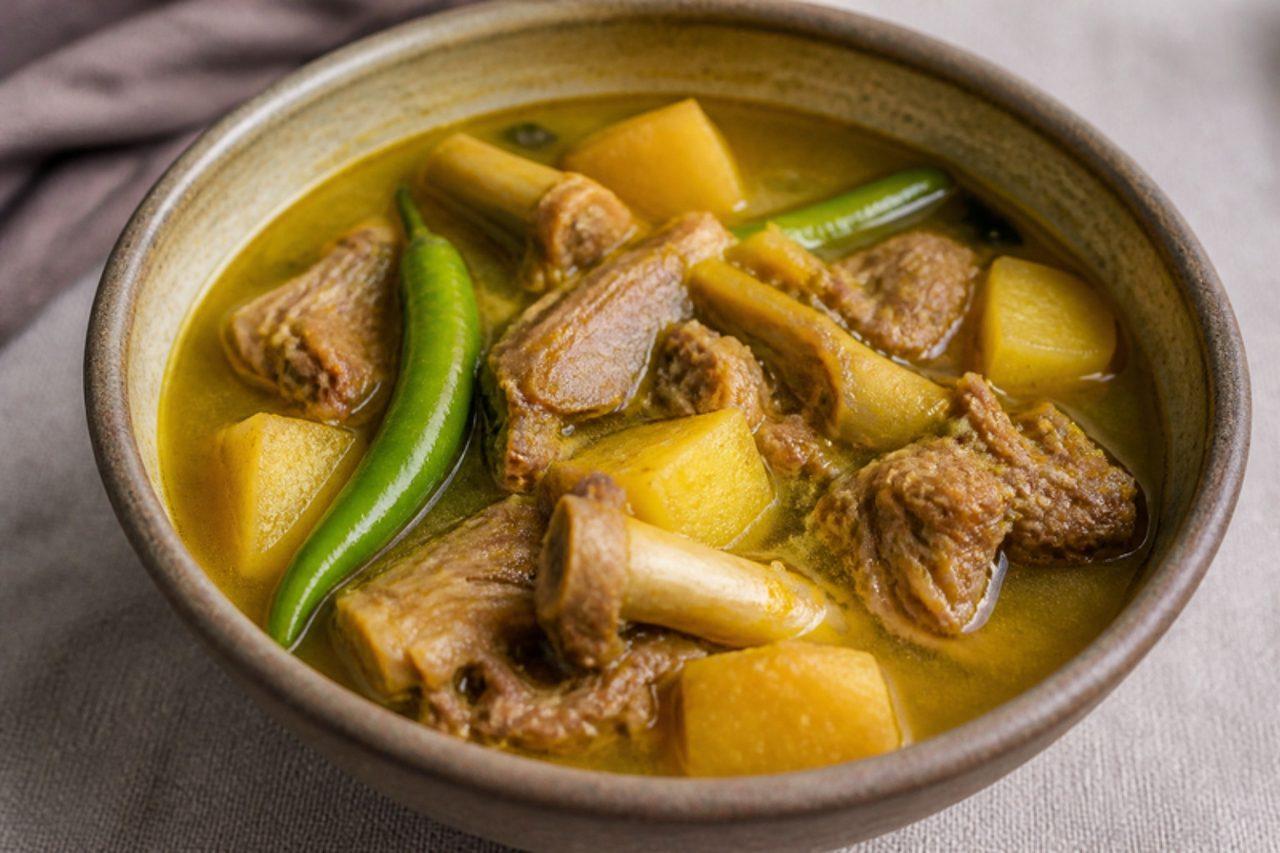
Ye-beg kikilLamb on the bone soup

On chilly highland mornings, Addis Ababa's small eateries ladle out bowls of ye-beg kikil: chunks of lamb on the bone simmered slowly with onion, garlic, ginger, turmeric and whole green chillies until the meat slips off and the broth turns golden. There is no berbere, so it is gentle and clean-tasting, a welcome change from the red wats, and people sip the broth on its own as a pick-me-up after a long night or an illness. It is eaten with injera or bread, often with a little awaze on the side for those who want more heat. The usual mistake is boiling it hard, which clouds the broth and toughens the meat; keep it at a lazy simmer. Chef's tip: skim the grey foam carefully in the first 10 minutes for a clear, bright soup.

by KrazyBadal 0 views

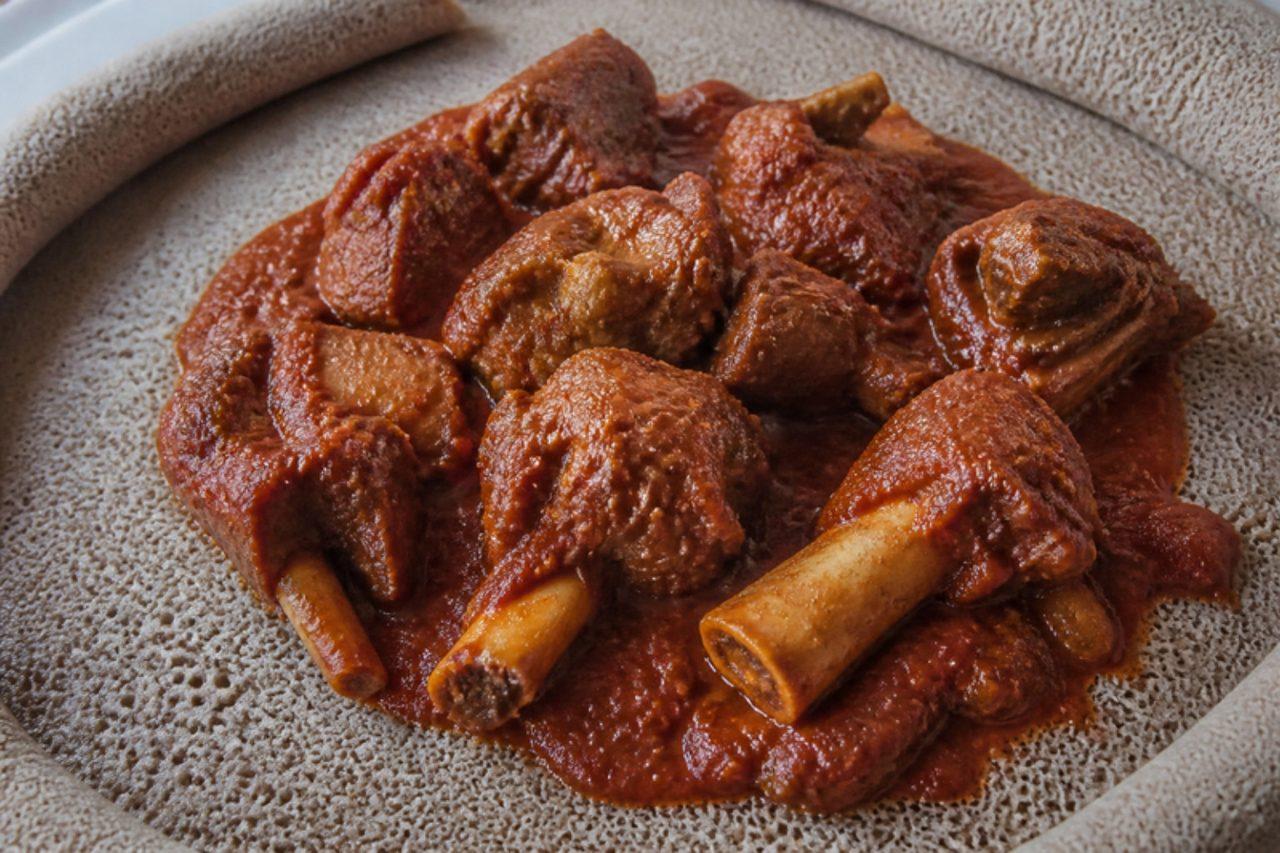
Ye-fyel watGoat in berbere stew

Goat is the everyday meat across Ethiopia's eastern lowlands, where herds do better than cattle in the dry heat, and a pot of ye-fyel wat marks holidays, Eid and the arrival of guests. The meat is cut small on the bone and cooked slowly in a dark, glossy sauce built on a mountain of onions and plenty of berbere, so it is spicy, deeply savoury and slightly sweet, with the faint gaminess of goat coming through. It is eaten from a shared platter of injera, often with a fresh salad of tomato and chilli on the side. This version is cooked in oil and is dairy free. The mistake to avoid is rushing the onions: if they are not cooked down for a good 20 minutes the sauce stays thin and sharp. Chef's tip: make it a day ahead; goat wat thickens and tastes even better after a night in the fridge.

by KrazyBadal 0 views

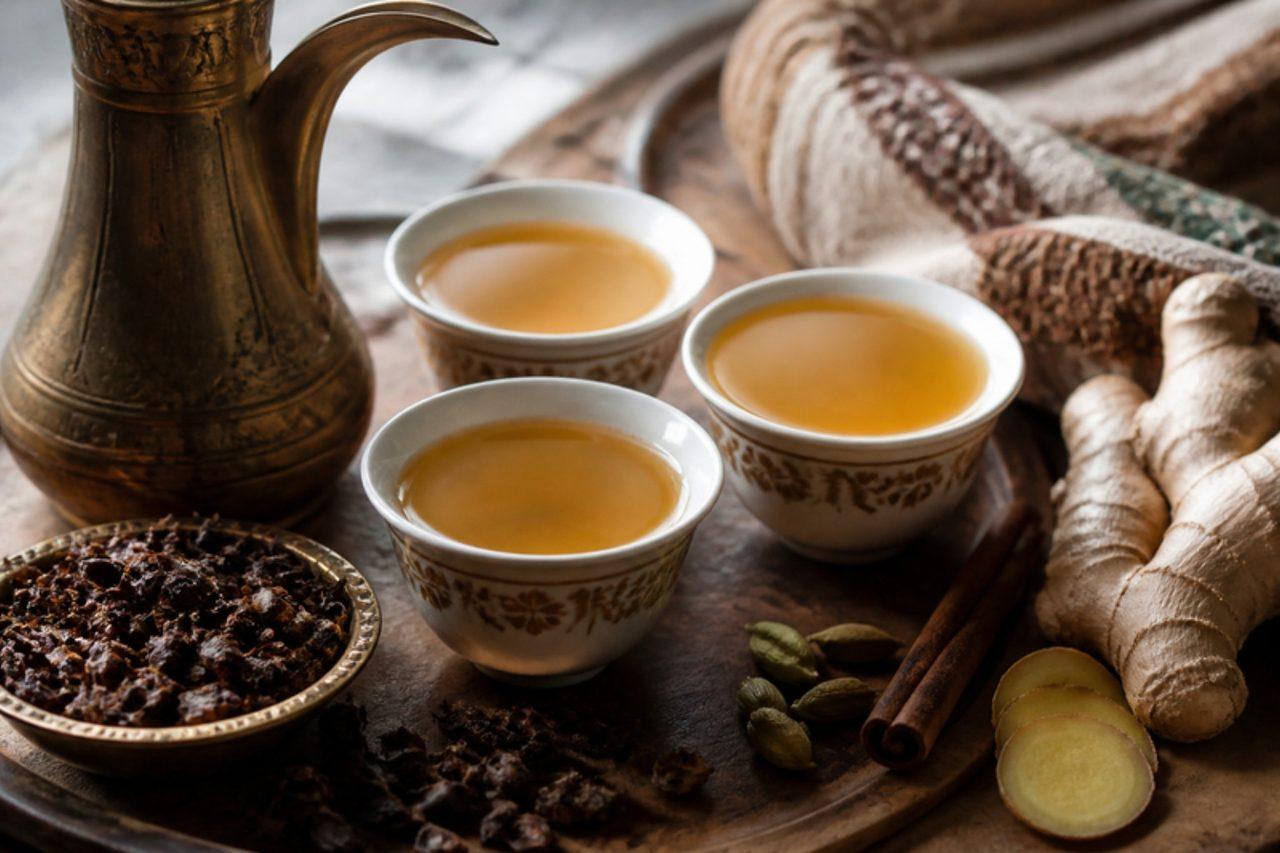
QishrSpiced coffee husk drink

In the highlands around Sana'a and in the coffee towns of Yemen, qishr is the everyday hot drink, brewed from the dried husks of the coffee cherry rather than the bean, with ginger and often cinnamon or cardamom. It is lighter and sweeter than coffee, amber in colour, with a fruity, tea-like taste and a warming bite of ginger, and it is poured all day for guests, after meals and during long afternoon visits. Serve it hot in small glasses or cups, with dates or bint al sahn. Boiling it for too long makes it bitter, so let it simmer briefly and then steep. Chef's tip: grate fresh ginger straight into the pot; it gives a brighter heat than the dried powder.

by KrazyBadal 0 views

Showing 90 of 8,120 recipes

Page 402 of 903