


Skip to content
Ragi malt
Featured recipe

Ragi malt

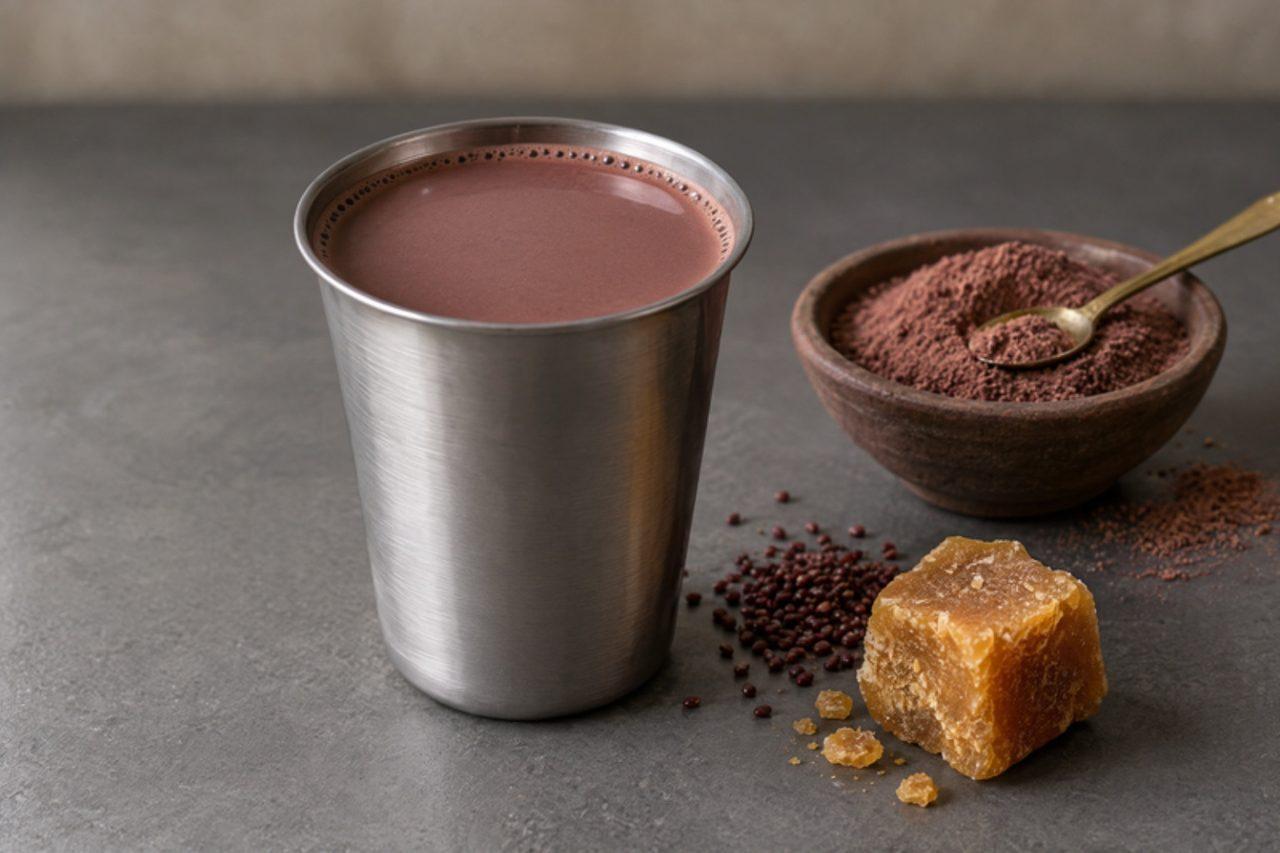
Finger millet malt drink

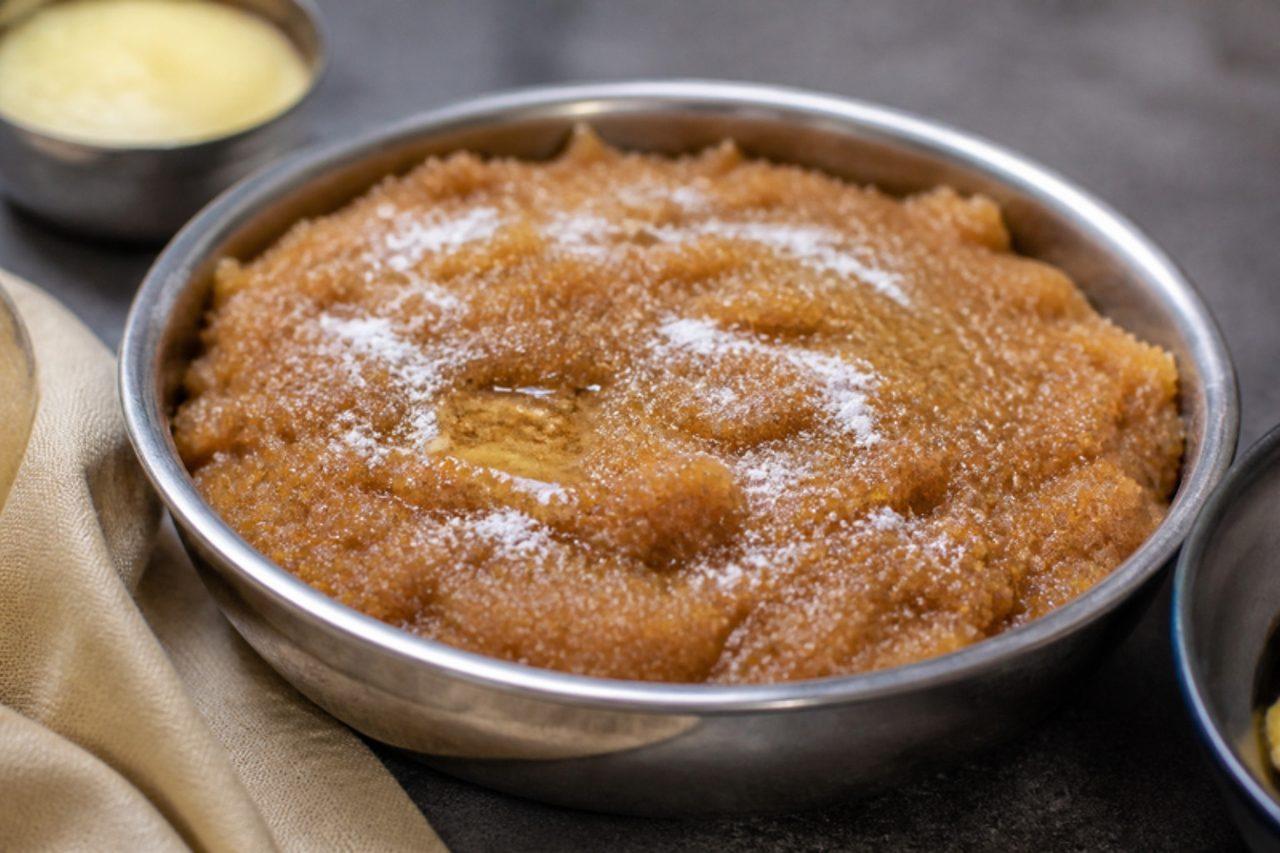
Across Karnataka, from Bengaluru flats to farmhouses round Mandya and Mysuru, a mug of ragi malt is how many mornings start, especially for schoolchildren, older relatives and anyone heading out to work in the fields. Finger millet powder is whisked into water and cooked until it thickens, then loosened with hot milk and sweetened with jaggery and cardamom; the savoury version, beaten into buttermilk with salt, is drunk cold at lunch in summer. The sweet version is smooth, malty and nutty, mauve-brown, thicker than milk but still drinkable. The commonest mistake is tipping ragi powder straight into hot liquid: it seizes into stubborn lumps. Always whisk it into cold water first. It is ready when the raw, grassy smell has gone, the mixture turns glossy and darker, and it coats the back of a spoon. Add jaggery only off the heat, or the milk can split. For babies, skip the jaggery and ask your health visitor about introducing ragi. Chef's tip: sprouted ragi powder (the true 'malt') tastes sweeter and cooks faster; look for it in Indian shops.

Read more 0 views

What to eat today?

Around the world

Today's trip: Persian

A new country every day, from every cuisine on the site.

Persian

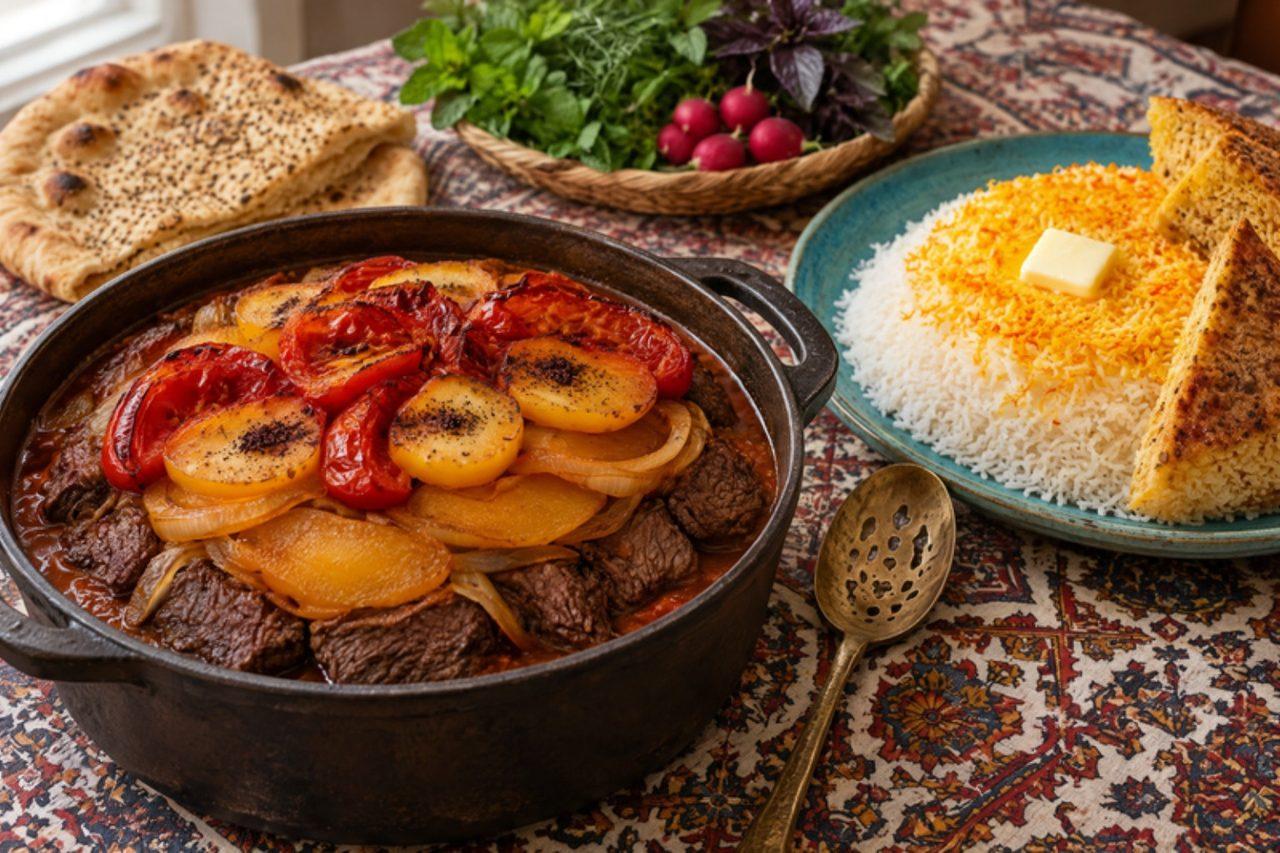
Tas kabab

Layered meat, potato and quince stew 150 minMore from Persian (131) →

This week's collection

Kid-friendly dinners
541 recipes · a new collection every Monday

Latest recipes

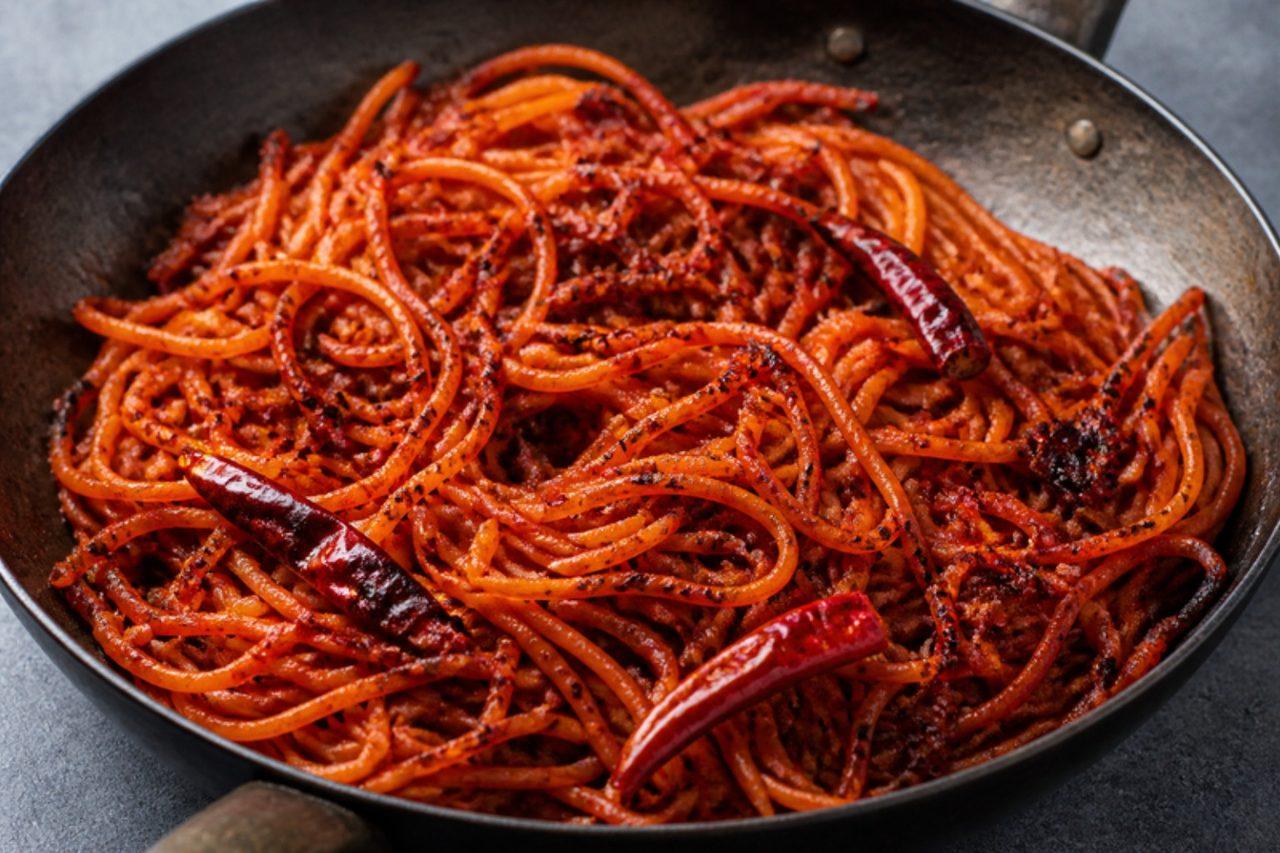
Spaghetti all'assassinaCharred spicy spaghetti

Spaghetti all'assassina was born in a Bari restaurant in the late 1960s and has become the city's cult late-night pasta. The raw spaghetti go straight into a hot iron pan with garlic, chilli and tomato, and are cooked like a risotto, a ladle of tomato broth at a time, until some strands blacken and turn crunchy while others stay chewy. It is smoky, sweet and properly hot, and Baresi argue about how burnt it should be. Chef's tip: use a wide iron or steel frying pan, never non-stick; you want the pasta to stick a little and scorch.

by KrazyBadal 0 views
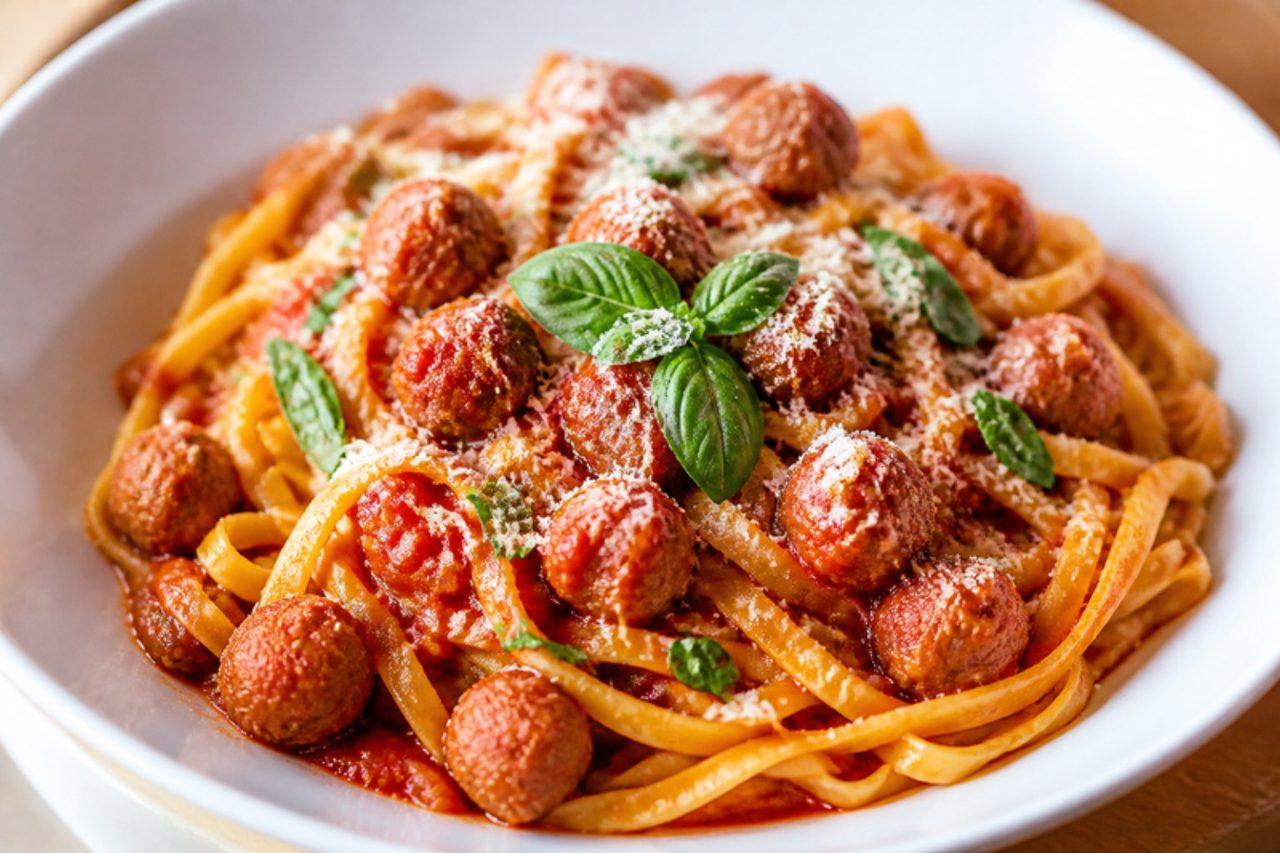
Spaghetti alla chitarra con le pallottineSpaghetti with tiny meatballs

In Teramo, in northern Abruzzo, Sunday lunch and village festivals often start with chitarra pasta and pallottine, meatballs no bigger than a chickpea. The pasta is cut on a chitarra, a wooden frame strung with wires, which gives square-edged strands with a rough surface that grips the sauce. The tiny beef meatballs are simmered right in a light tomato sauce, so every forkful has a few. Serve with grated pecorino and nothing else; this is a dish of patience rather than complication. Chef's tip: roll the meatballs with damp hands on a tray; at this size you'll make well over a hundred, so put the radio on.

by KrazyBadal 0 views

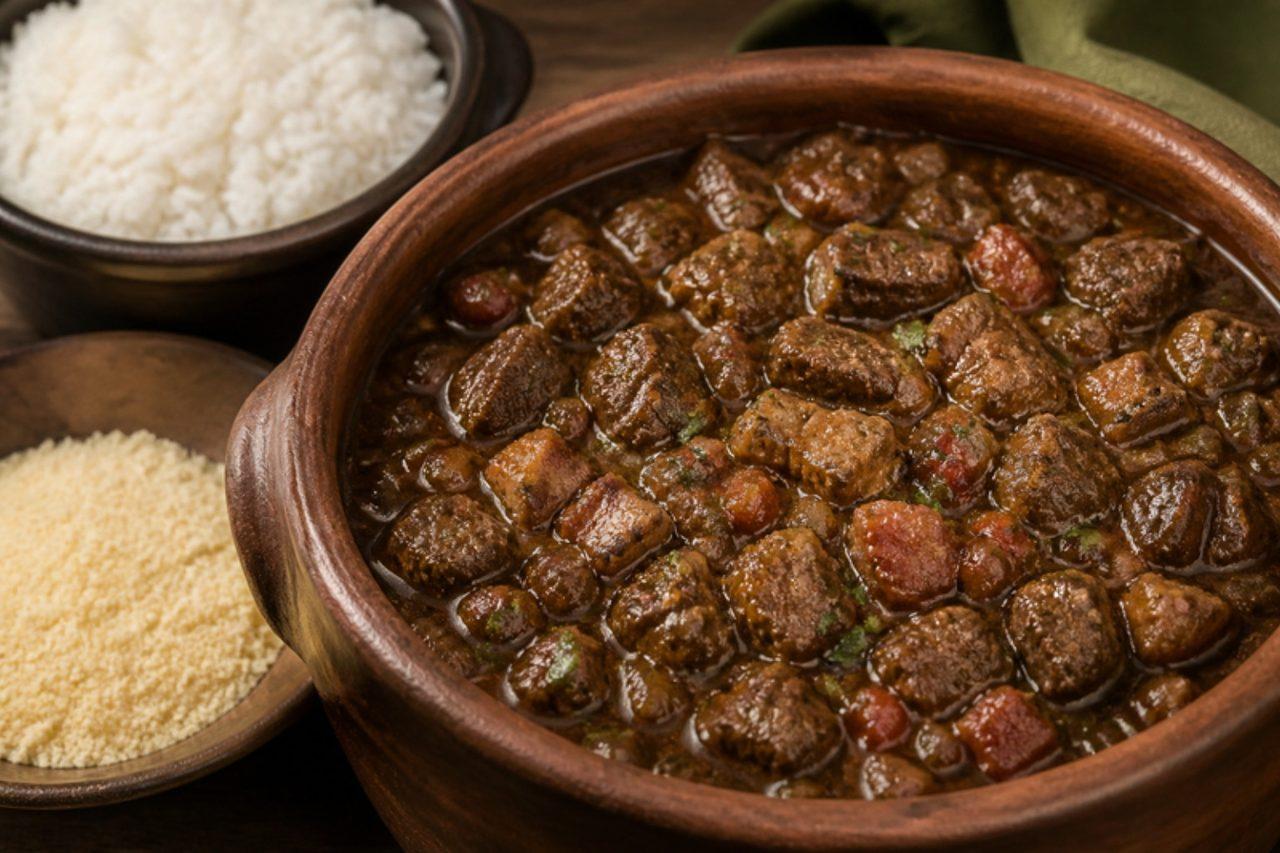
SarapatelSpiced pork offal stew

A pork dish with Portuguese roots, sarapatel is cooked in Recife and the Pernambuco interior for big gatherings and Saturday lunches, and bars in Olinda serve it by the bowl with rice, farinha and lime. Pork liver, heart and kidneys are cleaned, diced small and simmered with onion, tomato, cumin, bay and vinegar, then the stew is thickened with cooked pork blood until it turns dark, glossy and intensely savoury, sharp from the vinegar and fragrant with mint and coriander. Buy the offal and the blood from a butcher you trust, very fresh and kept cold; blood should be used the day you buy it or frozen at once. The classic error is skipping the cleaning and parboiling, which leaves the stew with a strong, livery taste. All offal must be cooked through. Chef's tip: dice everything into neat 1 cm pieces; the small size is what lets the sauce coat every bite.

by KrazyBadal 0 views

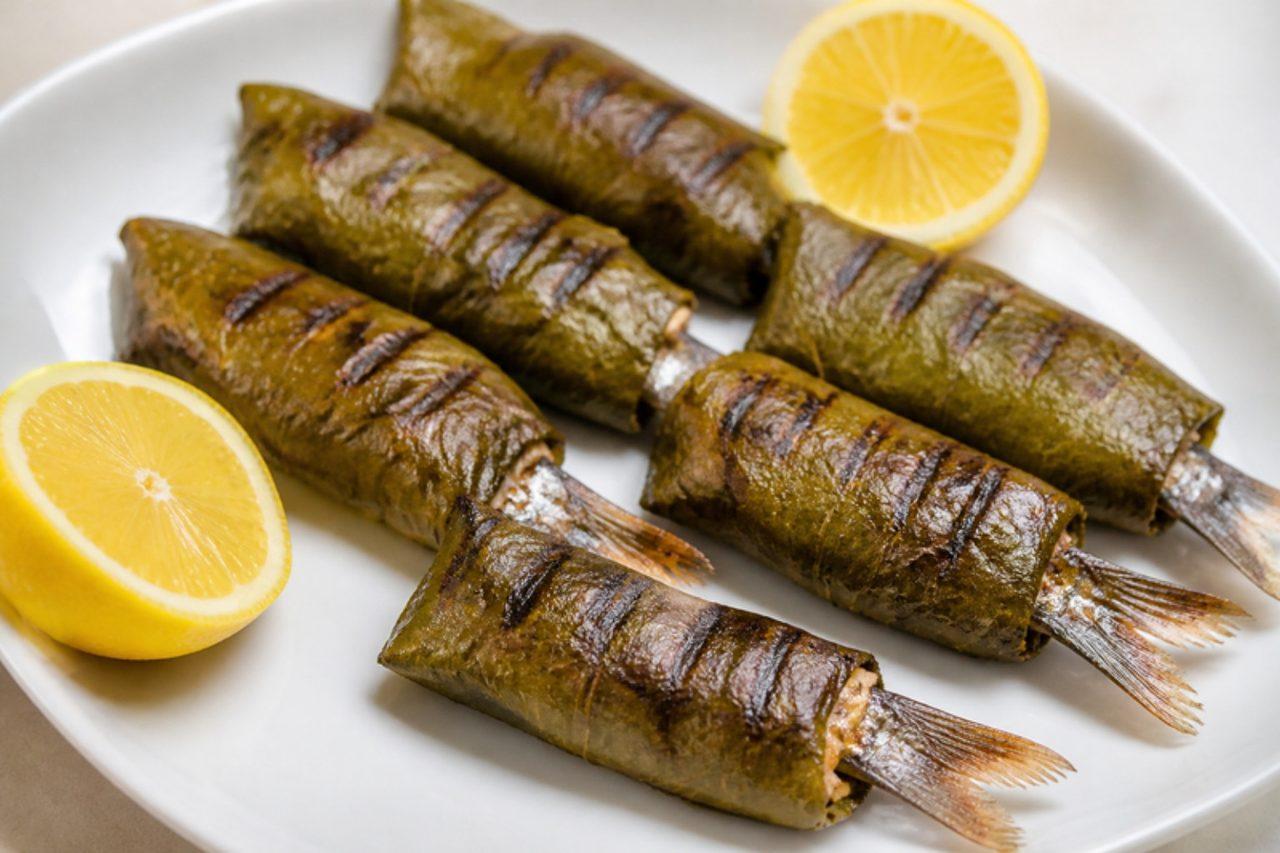
Sardalya sarmaSardines grilled in vine leaves

In Ayvalık and on Cunda island, early autumn sardines are wrapped in salted vine leaves and grilled over charcoal, a trick that keeps the oily little fish moist and lets the leaves char and crackle. You peel back the leaf, or eat it too, and finish each with lemon and a drop of olive oil. Serve with a tomato and onion salad and bread. Chef's tip: rinse brined vine leaves well; they already carry salt, so the sardines need only a pinch.

by KrazyBadal 0 views

Sarde in saorSweet-sour marinated sardines

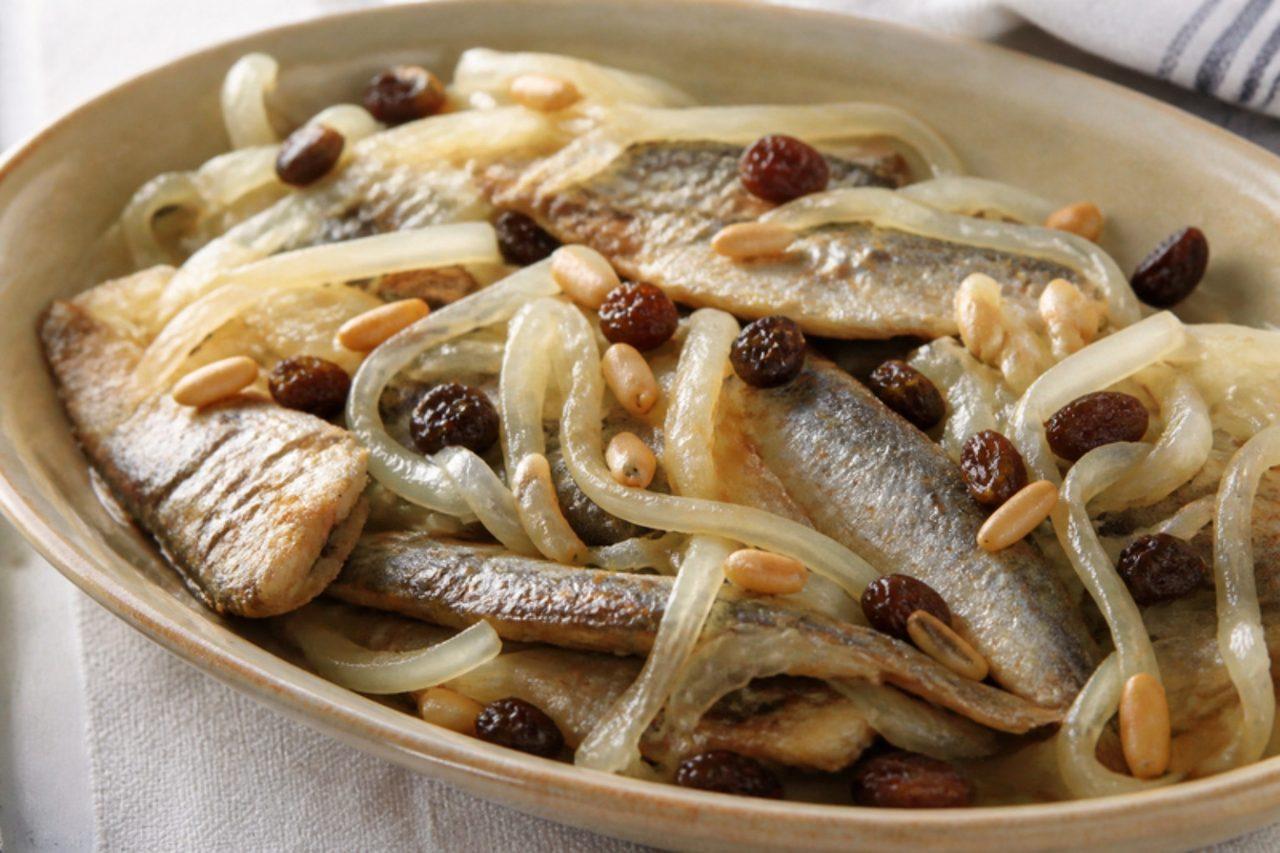
Sarde in saor began as food for Venetian sailors, since the vinegar kept the fish for days, and it is still the dish of the Festa del Redentore in July, when families eat it on boats under the fireworks. Floured, fried sardines are layered with onions stewed slowly in oil and vinegar, plump raisins and toasted pine nuts, then left to marinate in the fridge for a day so the flavours soften and mingle. The result is sweet, sharp and rich all at once. Serve it cool as a starter or in the cicchetti bars' way, on slices of grilled polenta. Chef's tip: make it at least a day ahead; eaten the same day the vinegar is harsh, but after 24 hours it mellows beautifully.

by KrazyBadal 0 views

Sauce chienHerb, lime and chilli sauce

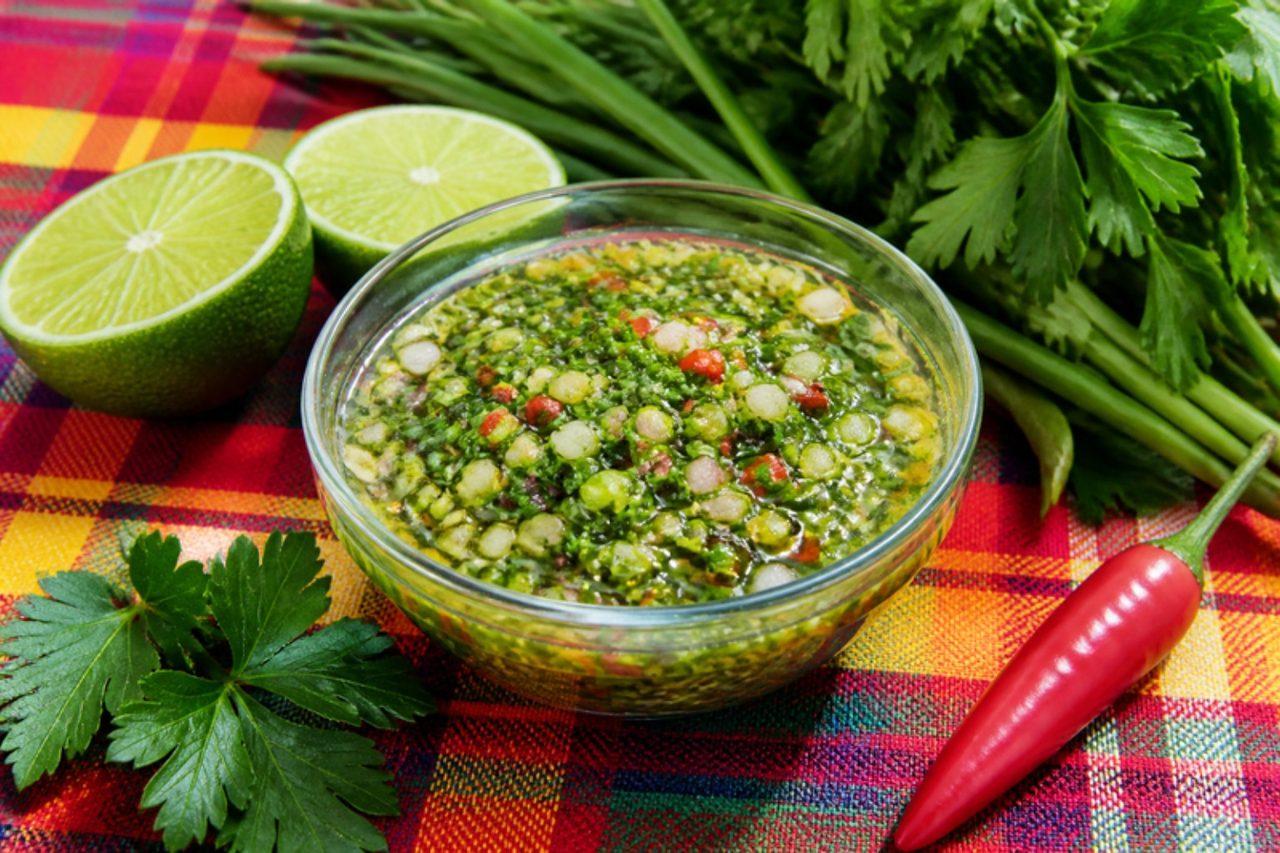
No grill in Martinique or Guadeloupe is complete without a bowl of sauce chien: shallot, garlic, spring onion, parsley and Scotch bonnet chopped very fine, then 'cooked' with a splash of boiling water, lime juice and oil. Islanders spoon it over grilled vegetables, plantain, rice and beans, and accras, at beach picnics and family barbecues on Sunday afternoons. One story says it is named after the knife used to chop the herbs, whose handle bore a dog. Chef's tip: pour the water on just off the boil; it softens the raw onion and garlic and brightens the green of the herbs.

by KrazyBadal 0 views

All i pebreEel and potato paprika stew

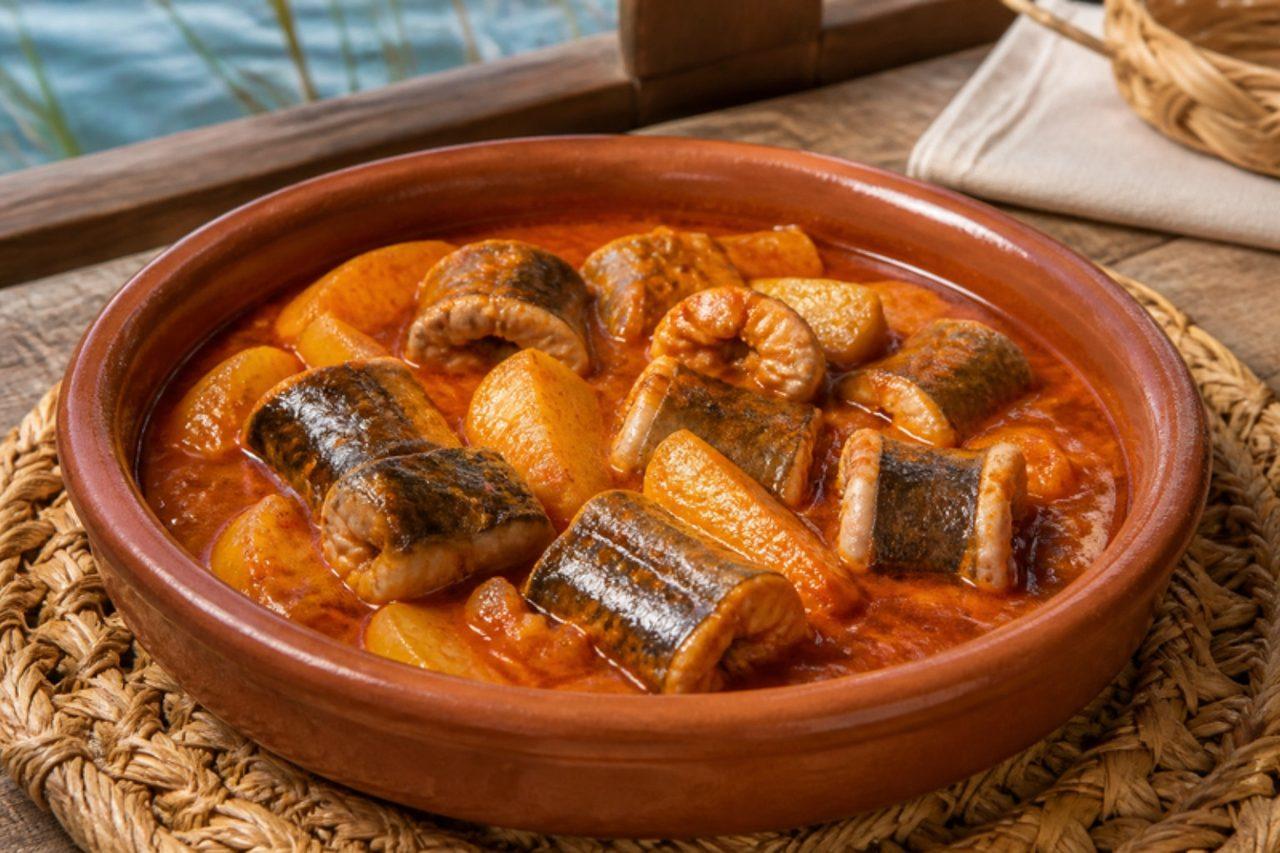
In El Palmar and the other villages around the Albufera lagoon south of Valencia, the restaurants that are famous for paella serve something older first: all i pebre, "garlic and pepper", a brick-red stew of lagoon eel and potatoes thickened with a pounded almond and fried-bread picada. It is rich, garlicky and gently hot, eaten with bread to mop up the sauce. Ask your fishmonger to skin and cut the eel, and handle it with gloves: raw eel blood is irritating, though harmless once cooked. If you can't find eel, monkfish or hake works well. A common mistake is letting the paprika burn; it turns bitter in seconds, so add it off the heat. Chef's tip: break the potatoes with a knife instead of cutting cleanly; the rough edges release starch and thicken the sauce.

by KrazyBadal 1 views

Saucisse de Morteau aux lentillesSmoked sausage with lentils

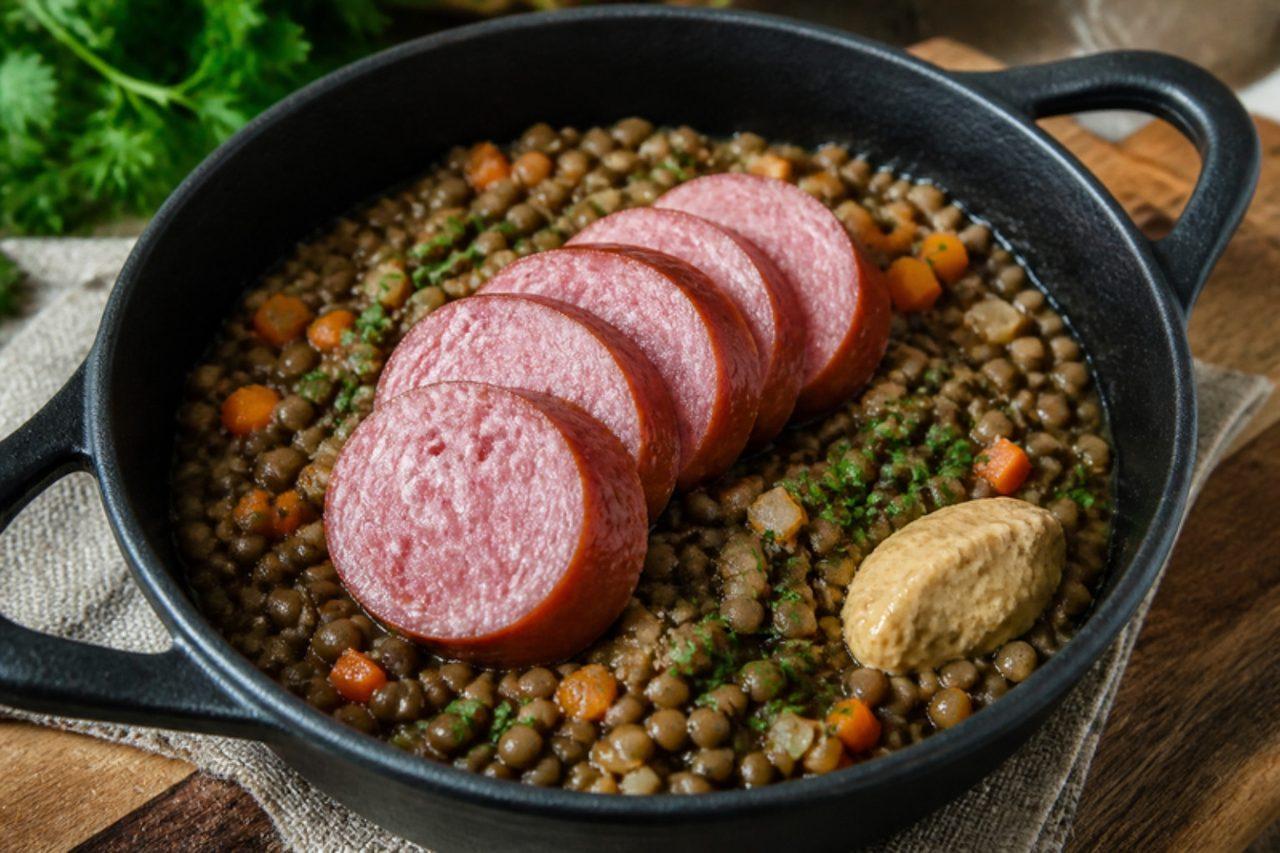
The Morteau sausage is the pride of the Haut-Doubs in Franche-Comté: a pure pork sausage slow-smoked over resinous pine in the tall chimneys of mountain farmhouses, recognisable by the little wooden peg at one end. On winter weekdays it is simmered with small green lentils, carrots and onions, so the lentils soak up its smoky, garlicky juices while staying whole and nutty. Slice the sausage thickly over the lentils and serve with Dijon mustard and a green salad. If you can't buy Morteau, use another good smoked pork sausage. Chef's tip: never prick a Morteau before cooking, or the juices that should flavour the lentils will leak out into the water and be lost.

65 minFrenchMeatGluten free
by KrazyBadal 0 views

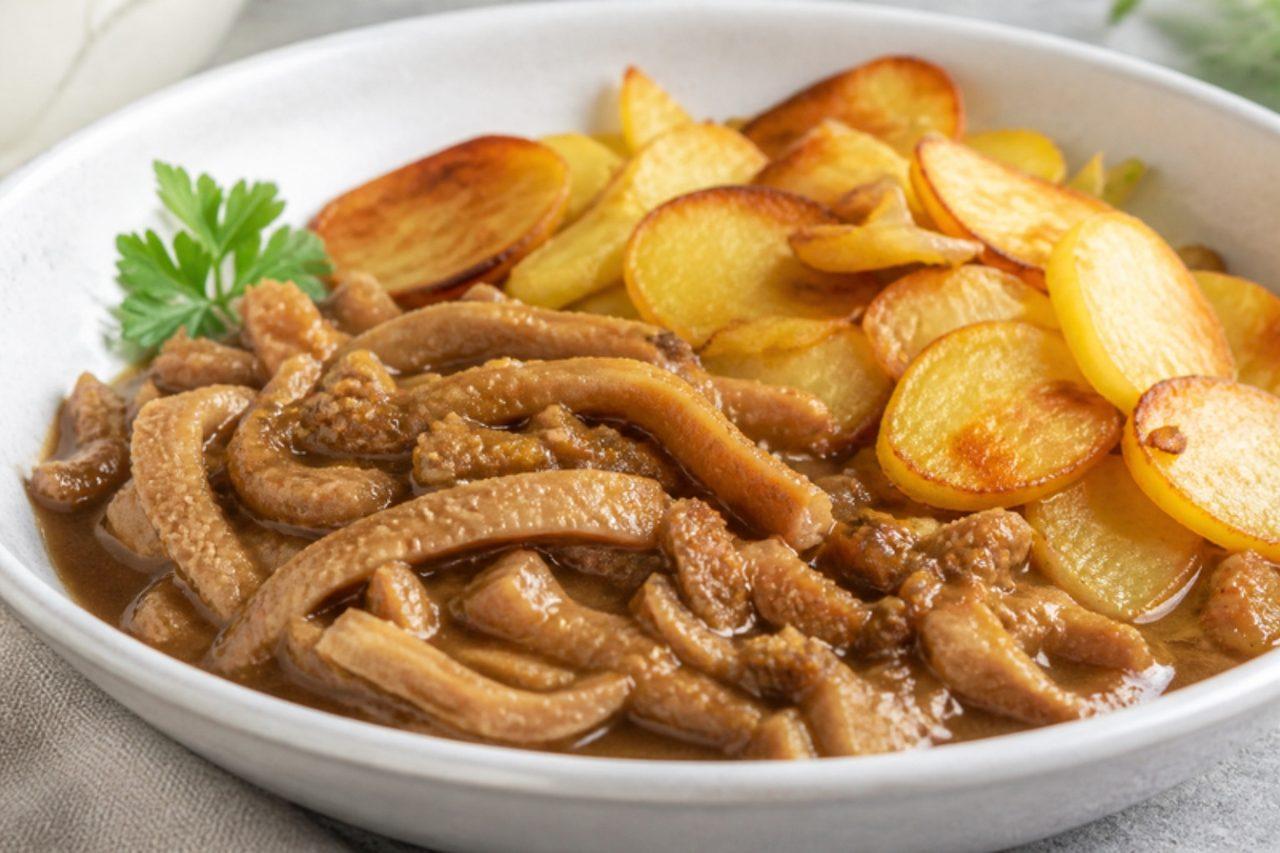
Saure KuttelnTripe in tangy vinegar sauce

Saure Kutteln is old-fashioned Swabian comfort food, still served at Stuttgart's Wasen fairs, in country inns around Reutlingen and Tübingen and by butchers who make it every Thursday. Thin strips of beef tripe are simmered in a dark roux sauce sharpened with vinegar, bay and juniper, and eaten with crisp fried potatoes. Buy tripe that the butcher has already cleaned and blanched. Some cooks add red wine; this version uses only vinegar and stock. Chef's tip: brown the roux slowly until it smells of toasted nuts, because it gives the sauce its colour and depth.

120 minGermanMeat
by KrazyBadal 0 views

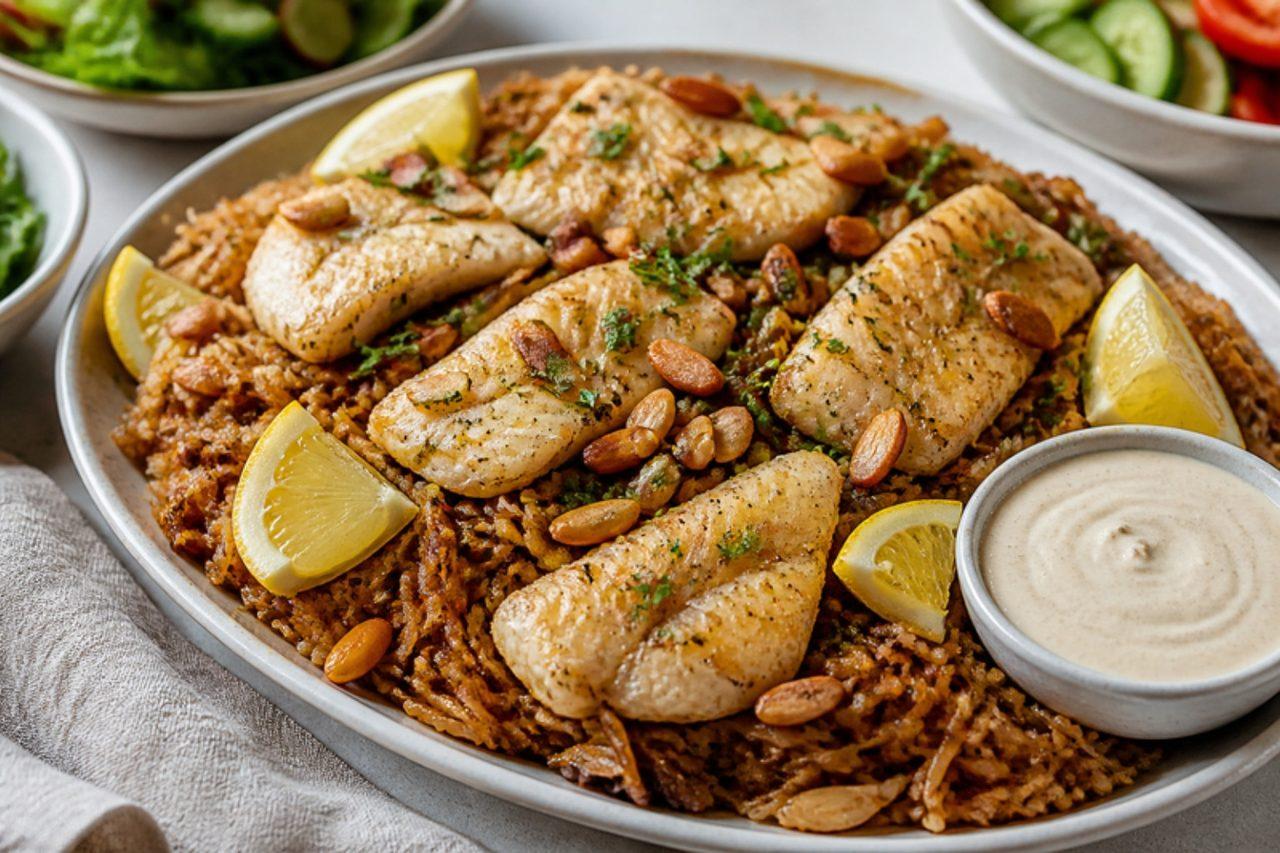
SayadiehFish and caramelised onion rice

In the port towns of Saida, Tyre and Batroun, sayadieh is what fishermen's families cook with the day's white fish: rice simmered in a deep brown stock made from very dark caramelised onions and cumin, topped with flakes of fried fish, toasted almonds and pine nuts. The rice is savoury and faintly sweet from the onions, and it comes with a tahini-lemon sauce (tarator) on the side. Common mistake: stopping the onions too early — they need to be almost mahogany for the right colour and taste. Chef's tip: simmer the fish trimmings in the onion stock for 20 minutes before cooking the rice; it doubles the sea flavour.

by KrazyBadal 0 views

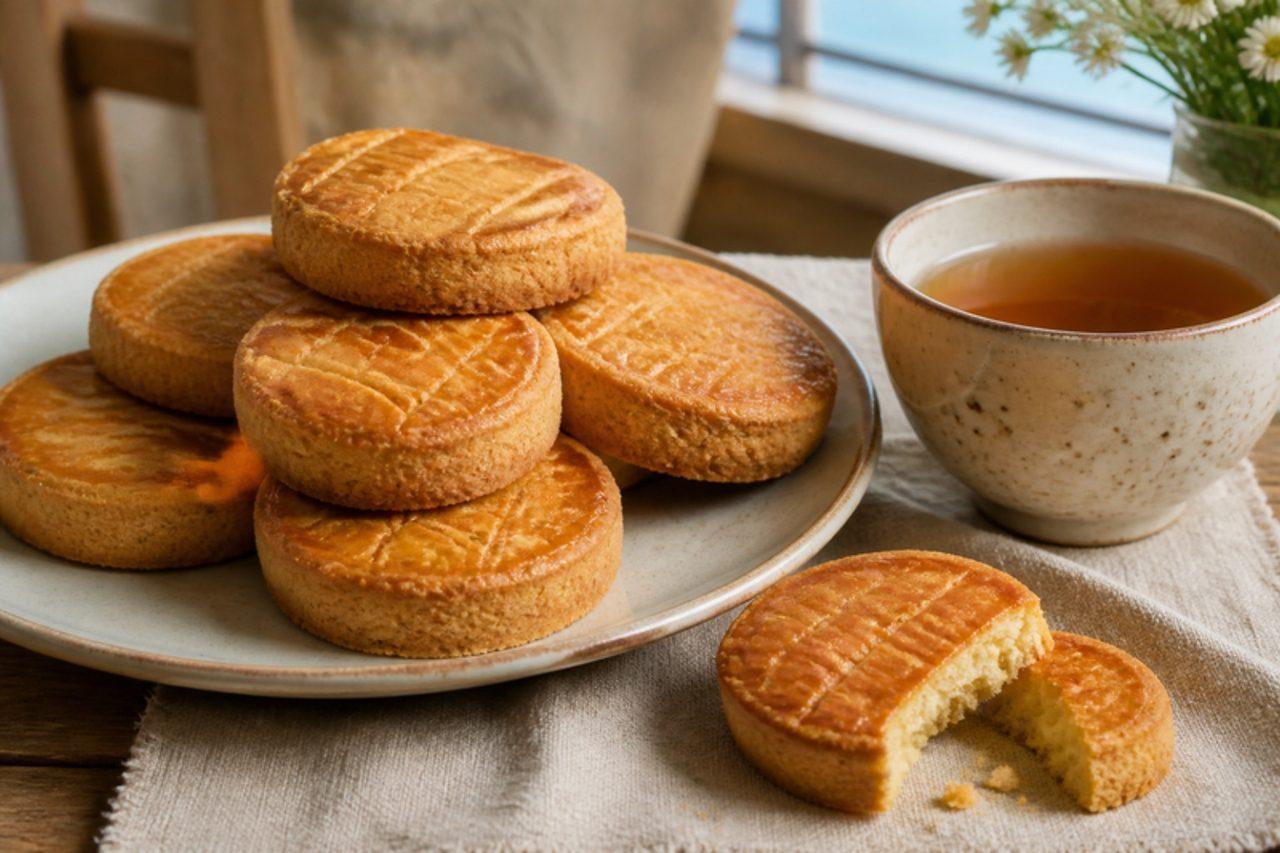
Palets bretonsSalted butter biscuits

Palets are the thick cousin of the thin Breton galette biscuit: chunky rounds as wide as a small cookie and nearly a centimetre high, crisp on the outside and crumbly within, tasting strongly of salted butter. Bakeries in Pont-Aven and all along the Finistère coast sell them in tins, and Breton families serve them with coffee, with a bowl of cider-poached apples or crumbled over ice cream. Baking them in muffin tins or metal rings keeps their shape and straight edges. Chef's tip: use proper salted butter rather than adding salt to unsalted; the flavour is rounder and the dough handles better.

by KrazyBadal 0 views

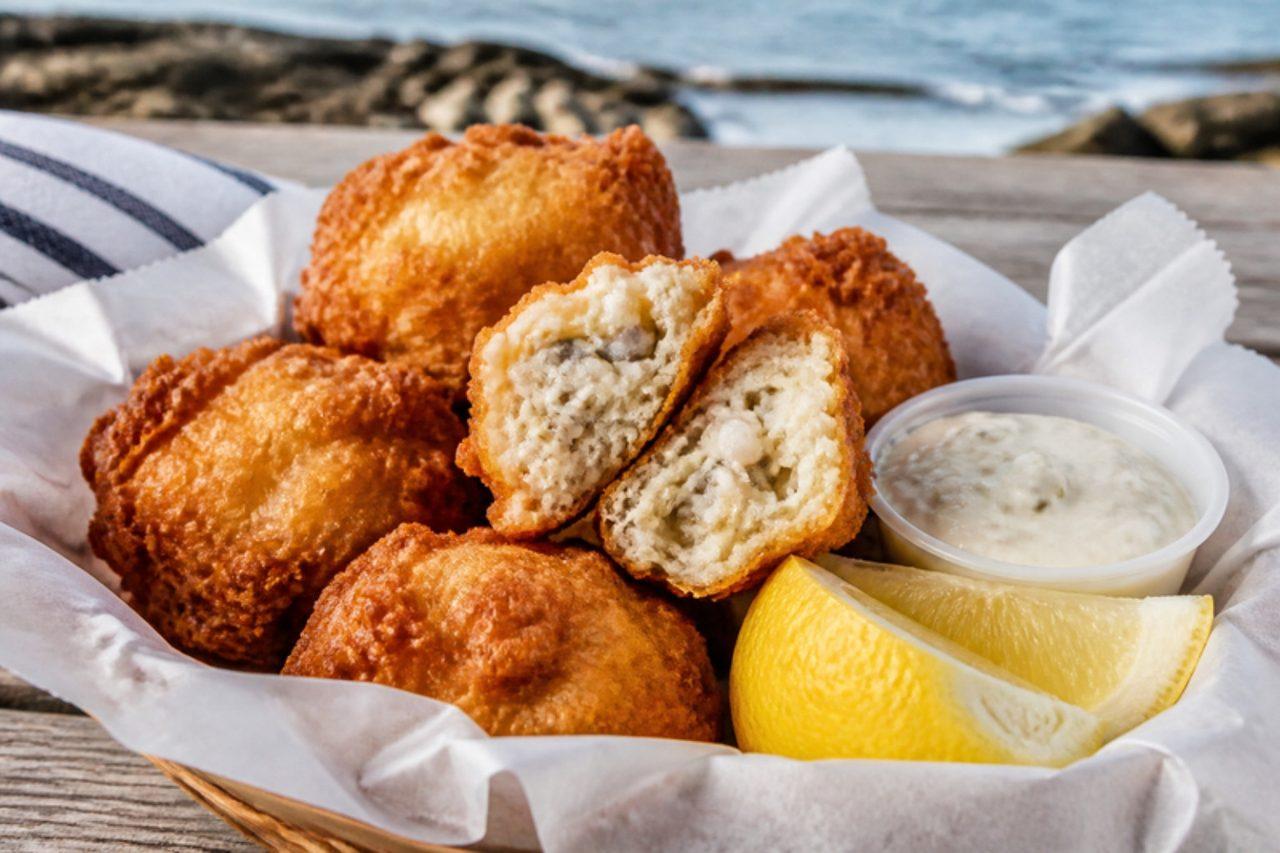
Rhode Island clam cakes

At beach shacks along Narragansett Bay and in Galilee, clam cakes are bought by the paper bag, half a dozen at a time, to dunk in a cup of clear clam chowder. They are not patties but craggy, golden fritters, crisp outside and soft inside, studded with chopped quahog clams. Chef's tip: use the clam juice as part of the liquid; it puts the sea flavour into every bite of batter.

by KrazyBadal 0 views

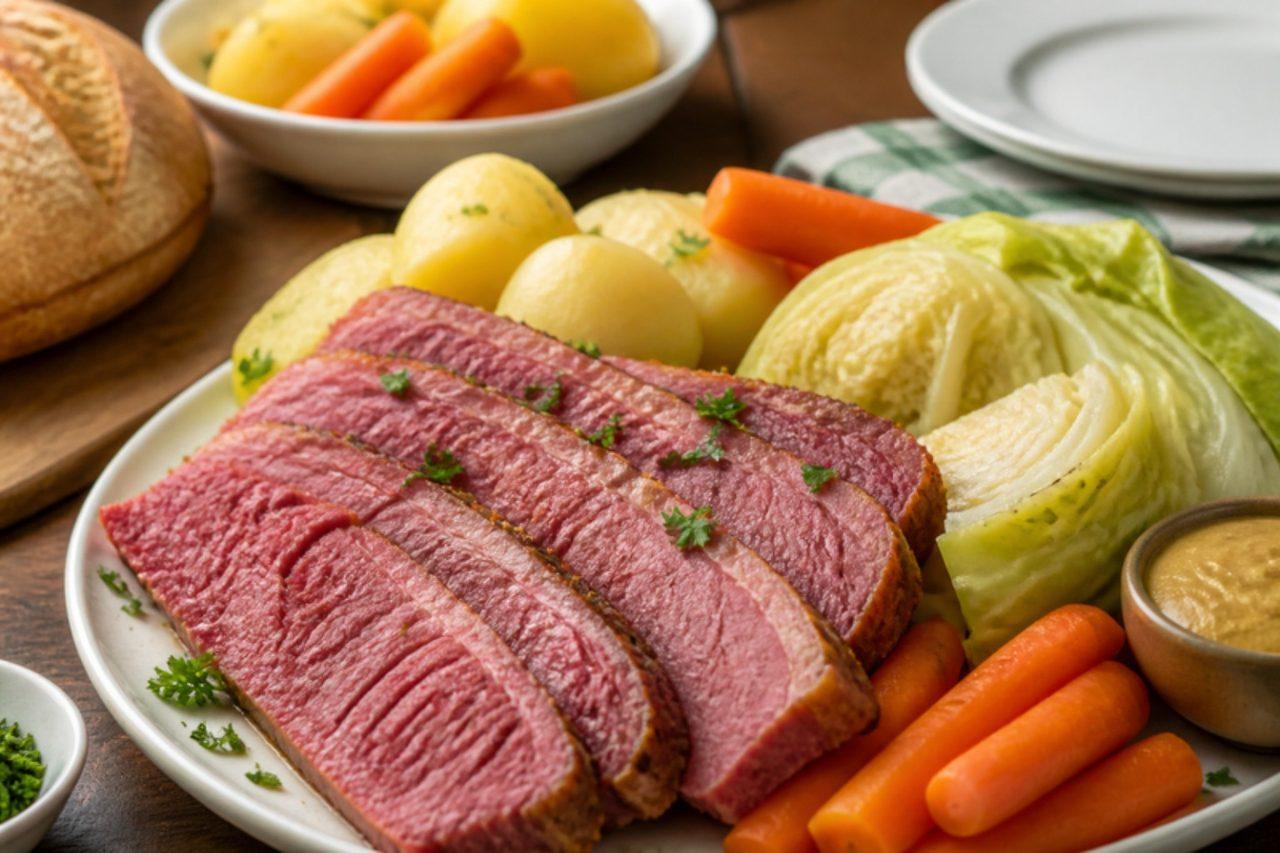
Corned beef and cabbage

In Boston, Irish families made corned beef the centre of St Patrick's Day, swapping the bacon joint of home for the cheaper brisket sold by Jewish butchers, and New Englanders still call the whole pot a boiled dinner. Salt-cured beef brisket is simmered for hours with spices, then potatoes, carrots and wedges of cabbage cook in the same broth. Serve with grainy mustard. Chef's tip: slice the beef across the grain, thinly; cut along the grain it looks stringy and chews tough.

230 minAmericanMeat
by KrazyBadal 0 views

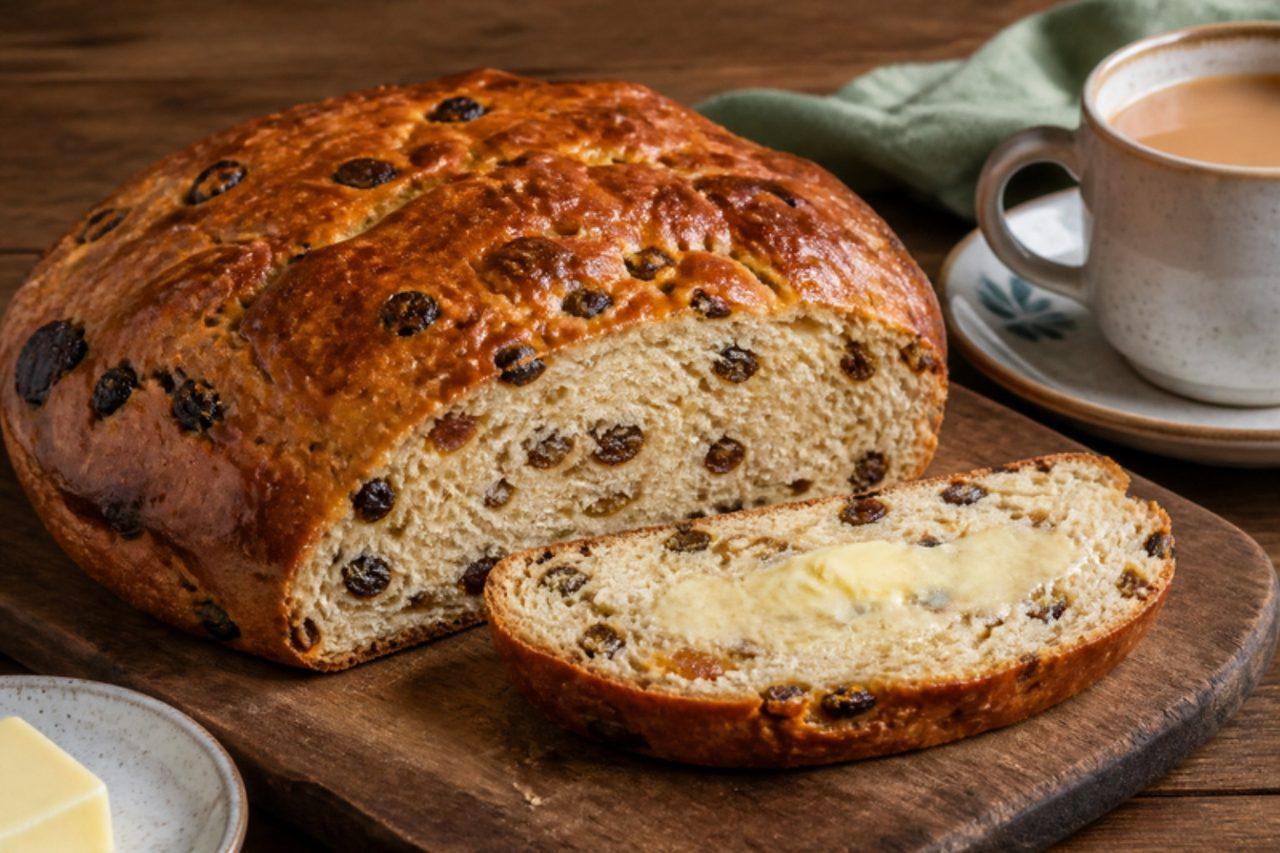
Selkirk bannockSultana yeasted loaf

The Selkirk bannock is a round, glossy fruit bread from the Border town of Selkirk, first baked in the 1850s and famously eaten by Queen Victoria at Abbotsford. Unlike a plain oat bannock it is a rich yeast dough that is mostly sultanas, sliced and buttered with afternoon tea. Chef's tip: work the sultanas in only after the dough has risen once, or they tear the gluten and the loaf won't lift.

by KrazyBadal 0 views

Agua de fresa cremosaCreamy strawberry drink

In Hidalgo, the pulque country north of Mexico City, the pulquerías serve curados: pulque blended with fruit, and the strawberry one is pink, thick and creamy. Home cooks and taquerías make this alcohol-free cousin for the whole family, a strawberry agua fresca blended with evaporated milk, so it is like a light milkshake that you drink with tacos on a hot afternoon. It contains no pulque or alcohol. Chef's tip: use the ripest, darkest strawberries you can find; pale ones give a thin, sour drink.

by KrazyBadal 0 views

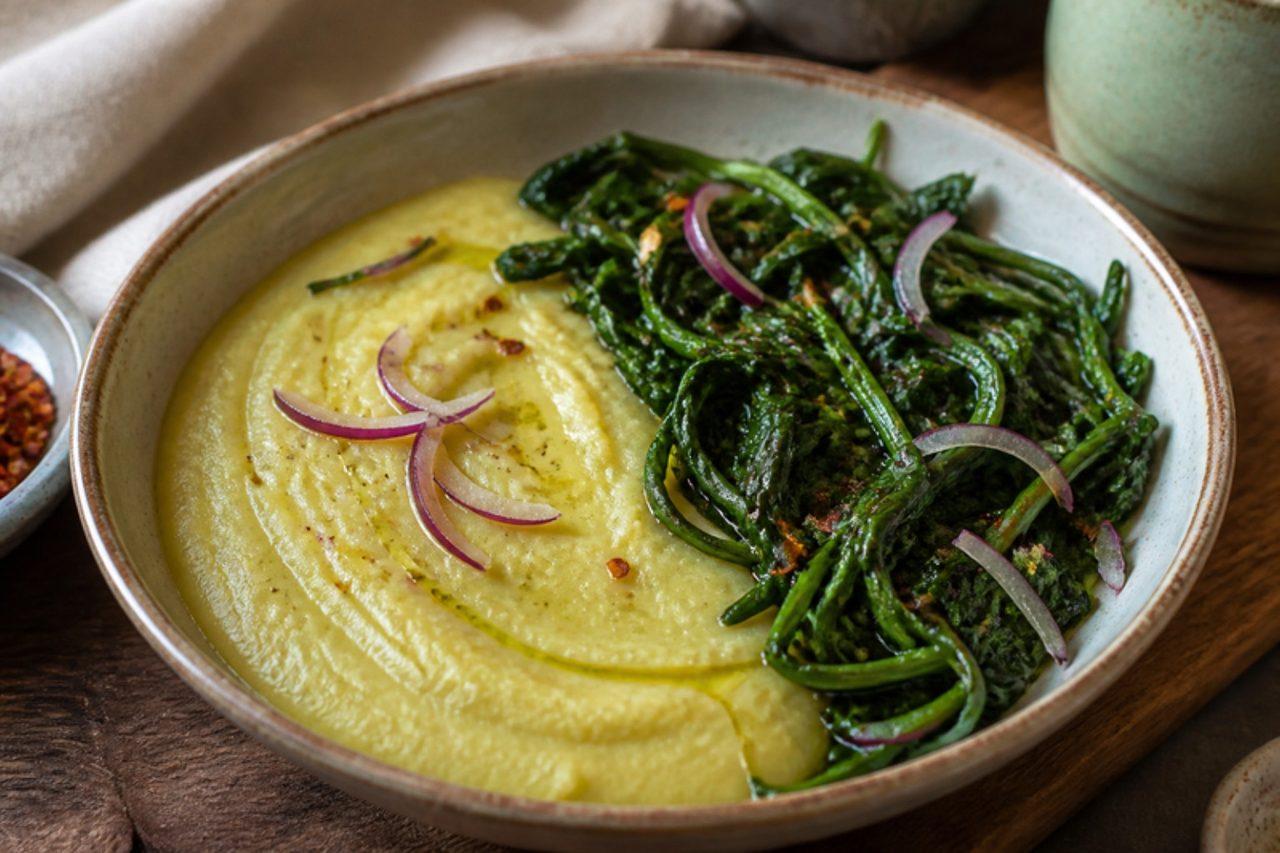
Fave e cicorieBroad bean purée with chicory

Few plates say Puglia as plainly as this one: a pale, velvety purée of dried broad beans beside a tangle of boiled wild chicory, the two joined by a stream of green olive oil. Families from the Murgia to the Salento cook it on winter weekdays and through Lent, and Bari trattorias still put it on the menu as the true taste of cucina povera. The beans are sweet and earthy, the greens bitter, and every forkful should carry a little of both. Chef's tip: buy dried broad beans that are already skinned and split; they cook to a cream on their own, with no sieving.

by KrazyBadal 0 views

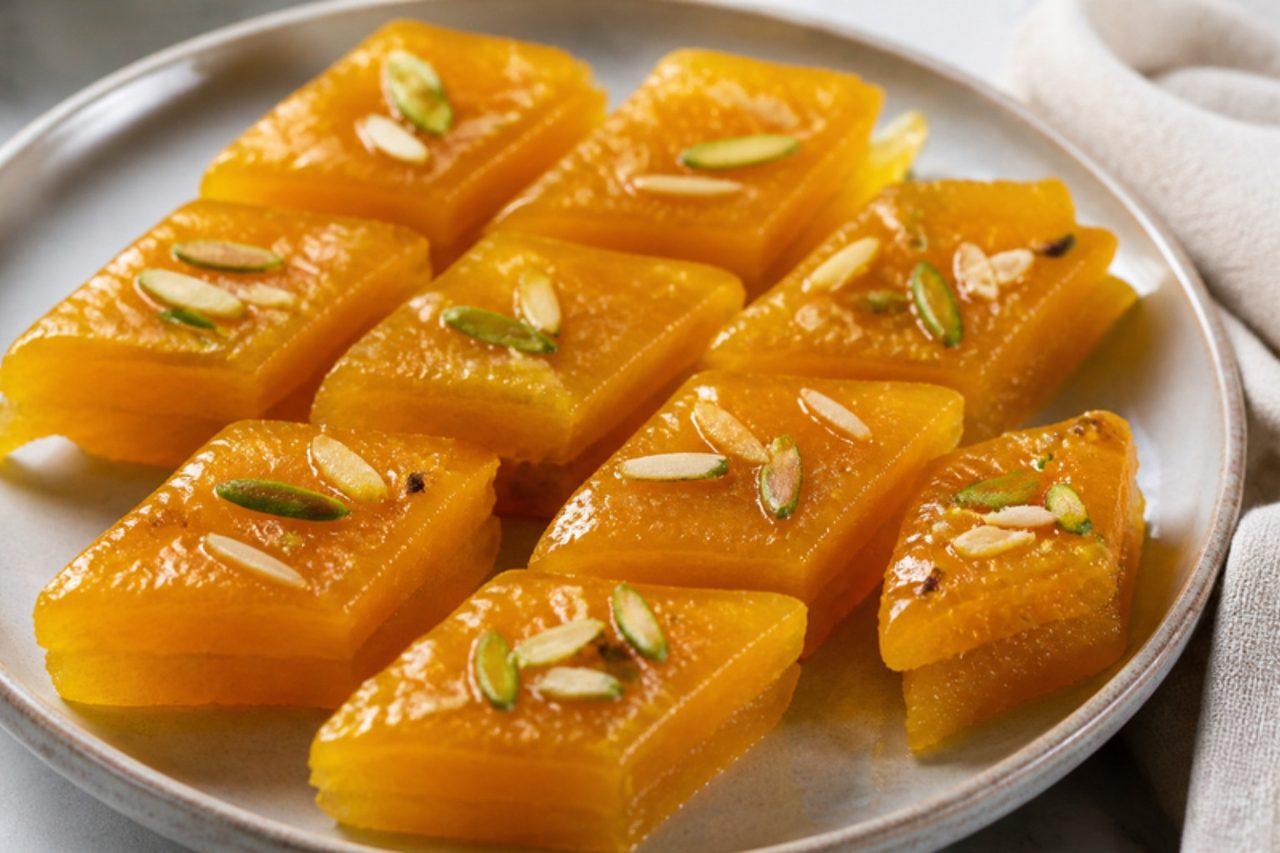
MasghatiRosewater and saffron starch sweet

Masghati takes its name from Muscat, from where traders brought the recipe to the port towns of the Persian Gulf, and today Lar and Shiraz are famous for it. It is a clear, firm, jelly-like sweet of starch, sugar and rosewater, tinted gold with saffron and studded with pistachios, made for Nowruz guests and for gifts. It sets enough to cut into neat diamonds but stays tender. A common mistake is not cooking the starch long enough: it must turn from milky to clear, or the masghati tastes floury and weeps. Chef's tip: stir with a flat wooden spatula and scrape the bottom constantly, because the paste catches suddenly in the last few minutes.

by KrazyBadal 0 views

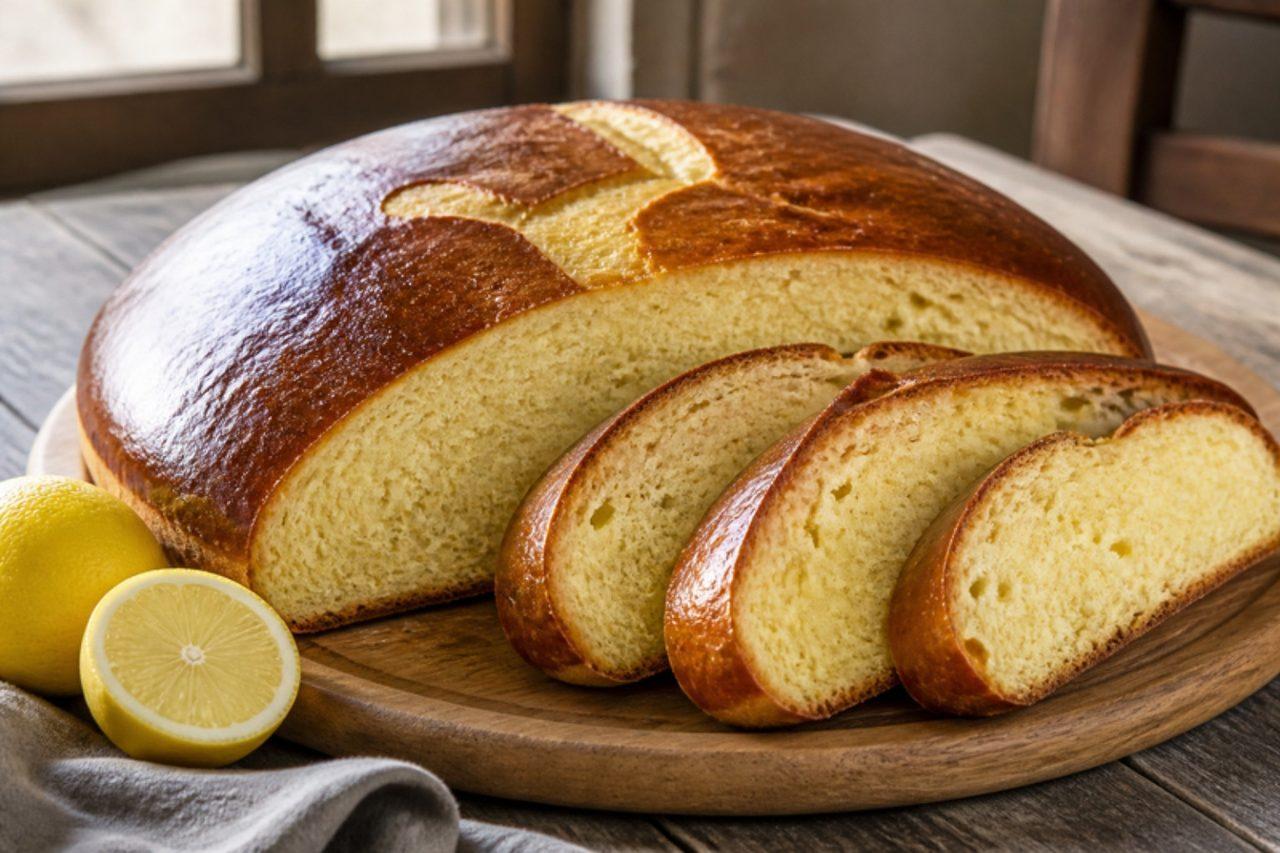
Massa sovadaSweet lemon bread

Sovar means to knead hard, and Azorean women once kneaded this rich bread dough for an hour by hand before Easter and the Holy Spirit feasts of early summer, when loaves are blessed and shared with the whole parish. The crumb is soft, golden and feathery, with a tight, dark shiny crust. Slices are eaten plain with coffee, toasted with butter, or used to soak up the juices of alcatra on Terceira. A common mistake is baking before the loaf has doubled, which gives a dense, cakey crumb. Chef's tip: give it a slow, full rise, which is what gives the bread its fine, cotton-soft crumb.

by KrazyBadal 0 views

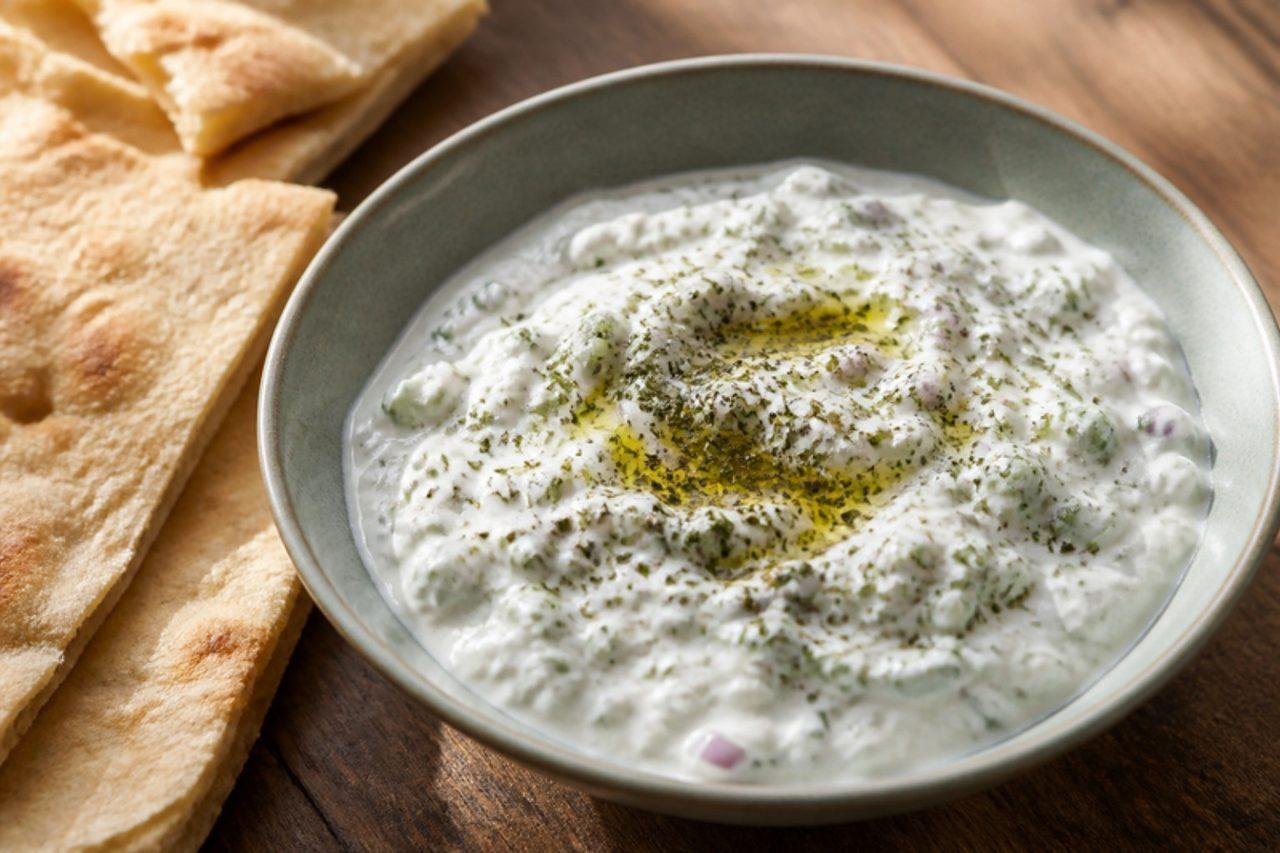
Mast-o musirYoghurt with wild shallots

Every kebab house in Tehran puts a little bowl of mast-o musir on the table beside the chelow, and at home it sits next to Friday lunch the same way. Musir is a wild mountain shallot from the Zagros, sold dried in slices; once soaked it is mild, garlicky and faintly sweet, and it gives thick yogurt a sharp bite. The one mistake to avoid is skipping the long soak, which leaves the shallots tough and bitter. If you cannot find musir, see the swap in the steps. Chef's tip: make it a few hours ahead; the shallot flavour deepens as it sits in the fridge.

by KrazyBadal 0 views

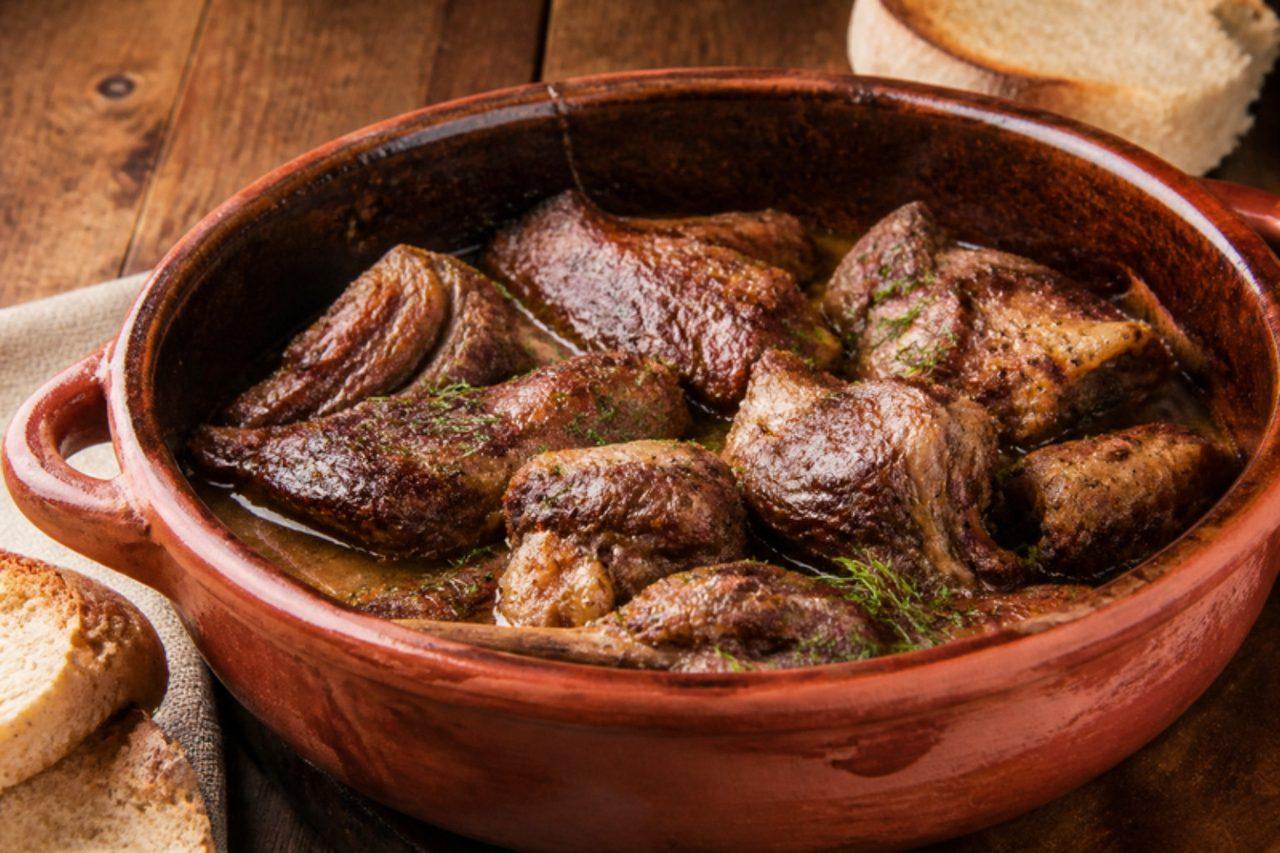
MasteloClay-pot Easter lamb with dill

Sifnos is an island of potters, and its Easter dish is named after the deep clay pot it is cooked in: lamb or kid laid on a bed of vine prunings, splashed with red wine, scattered with dill and sealed in the baker's oven overnight. The meat steams in the wine and its own juices until it falls from the bone, smelling of dill and woodsmoke, and is served on Easter Sunday with potatoes and bread. This recipe uses red wine; for an alcohol-free version use red grape juice with 2 tablespoons of red wine vinegar. Common mistake: opening the pot to check, which lets the steam escape and dries the lamb. Chef's tip: if you can't get vine twigs, a few thick slices of onion or a small rack under the meat stops it sitting in the liquid.

230 minGreekMeatGluten free
by KrazyBadal 0 views

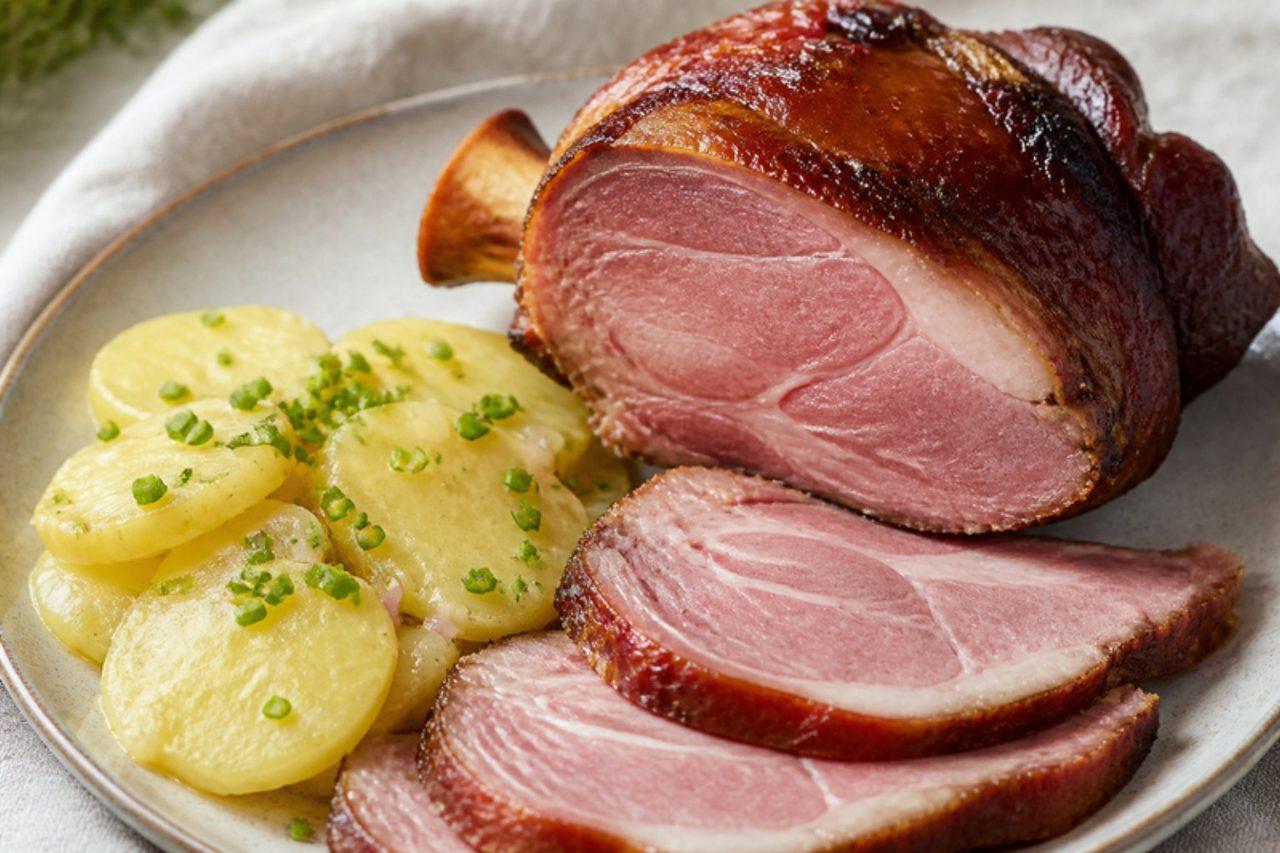
SchäufeleCured smoked pork shoulder

In Baden, Schäufele ("little shovel") is the bone-in pork shoulder blade, cured and lightly smoked by the butcher, and it belongs on New Year's Eve and family get-togethers. It is gently simmered so the meat stays juicy and rosy from the cure, then sliced thick and served with a warm potato salad dressed with broth and vinegar. Ask a German butcher for a ready-cured Schäufele, or use a cured and smoked pork shoulder joint. Chef's tip: keep the water barely trembling; a rolling boil tightens the meat and squeezes out its juices.

145 minGermanMeatGluten free
by KrazyBadal 0 views

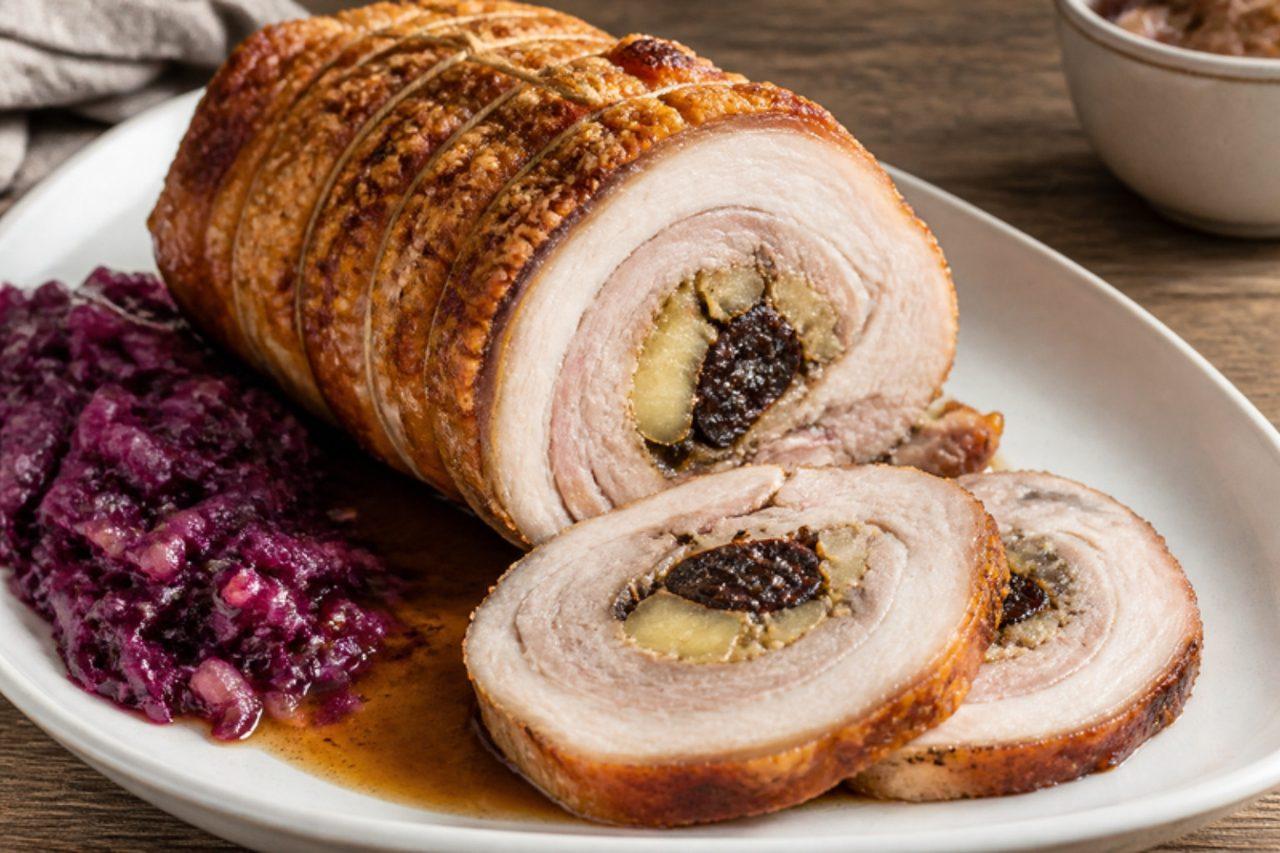
Mecklenburger RippenbratenApple and prune stuffed pork belly

Mecklenburger Rippenbraten is the Christmas and Sunday roast of Mecklenburg on the Baltic coast, a flat piece of pork belly spread with apple and prunes, rolled, tied and roasted until the skin crackles. The fruit melts into the meat and turns the pan juices into a sweet, dark gravy, served with red cabbage and boiled potatoes. The prunes are sometimes soaked in rum; here they are soaked in apple juice, so the dish is alcohol-free. Chef's tip: dry the scored skin uncovered in the fridge overnight; dry skin is what puffs into crackling.

180 minGermanMeatGluten free
by KrazyBadal 0 views

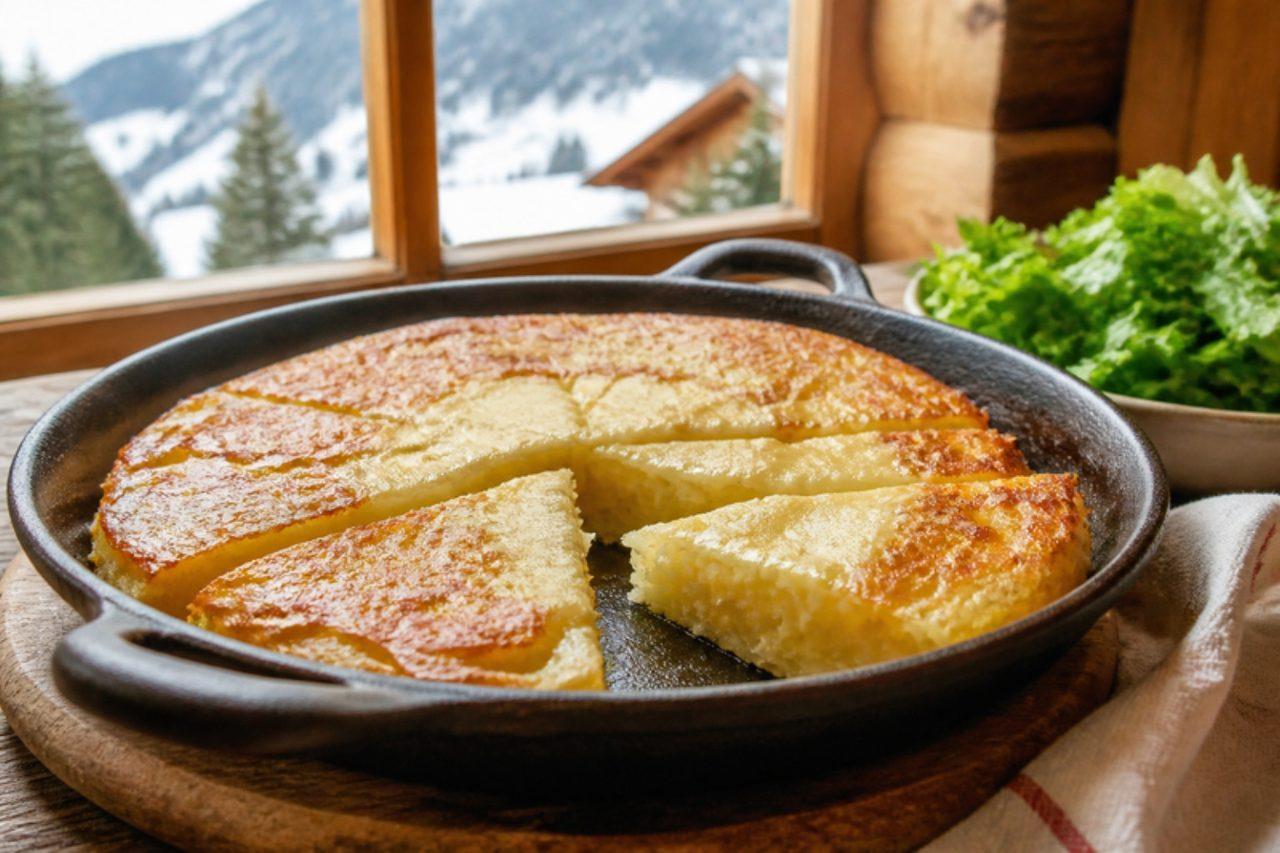
MatafanThick potato pancake

The name is said to come from 'mate faim', 'kills hunger', and that is what this thick pancake did for farmers in the Savoie and Bauges mountains, who ate it for breakfast before a day in the fields or the high pastures. Every valley makes it differently; this version is a golden cake of grated potato, egg and a little milk, cooked slowly in butter and finished with Beaufort, served cut into wedges with a green salad or a fried egg. Beaufort is made with animal rennet; a vegetarian mountain-style cheese works too, or leave it out and serve the matafan with jam for a sweet version. Chef's tip: squeeze the grated potato really hard in a tea towel; the drier it is, the crisper the crust.

by KrazyBadal 0 views

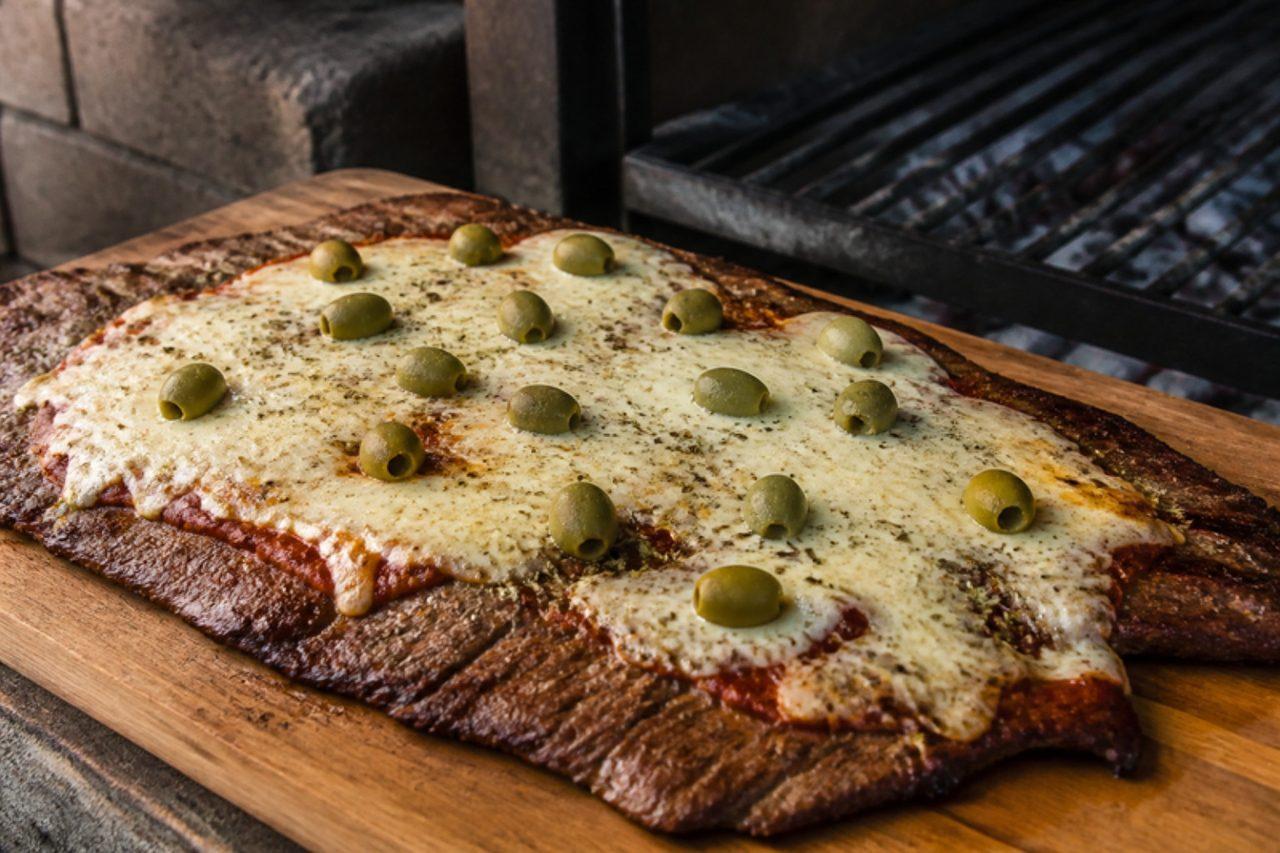
Matambre a la pizzaFlank steak with tomato and mozzarella

Weekend asados around Buenos Aires usually end with a show-off dish from the grill, and matambre a la pizza is the one that makes children cheer: a whole sheet of matambre (the thin flank cut that sits under the skin) cooked slowly until tender, flipped, then spread with tomato sauce, oregano and mozzarella and left on the grill until the cheese bubbles. Parrillas in the suburbs sell it cut into squares. Many cooks first simmer the meat in milk, which keeps the lean cut juicy and soft; that is the method here, finished under a hot grill or in the oven if you have no barbecue. Matambre is eaten well done and tender rather than pink. The usual mistake is grilling it straight away like a steak, which leaves it leathery: slow cooking first is what makes it tender. Chef's tip: score the membrane on the fatty side in a criss-cross before cooking, so the sheet stays flat instead of curling up when it hits the heat.

by KrazyBadal 0 views

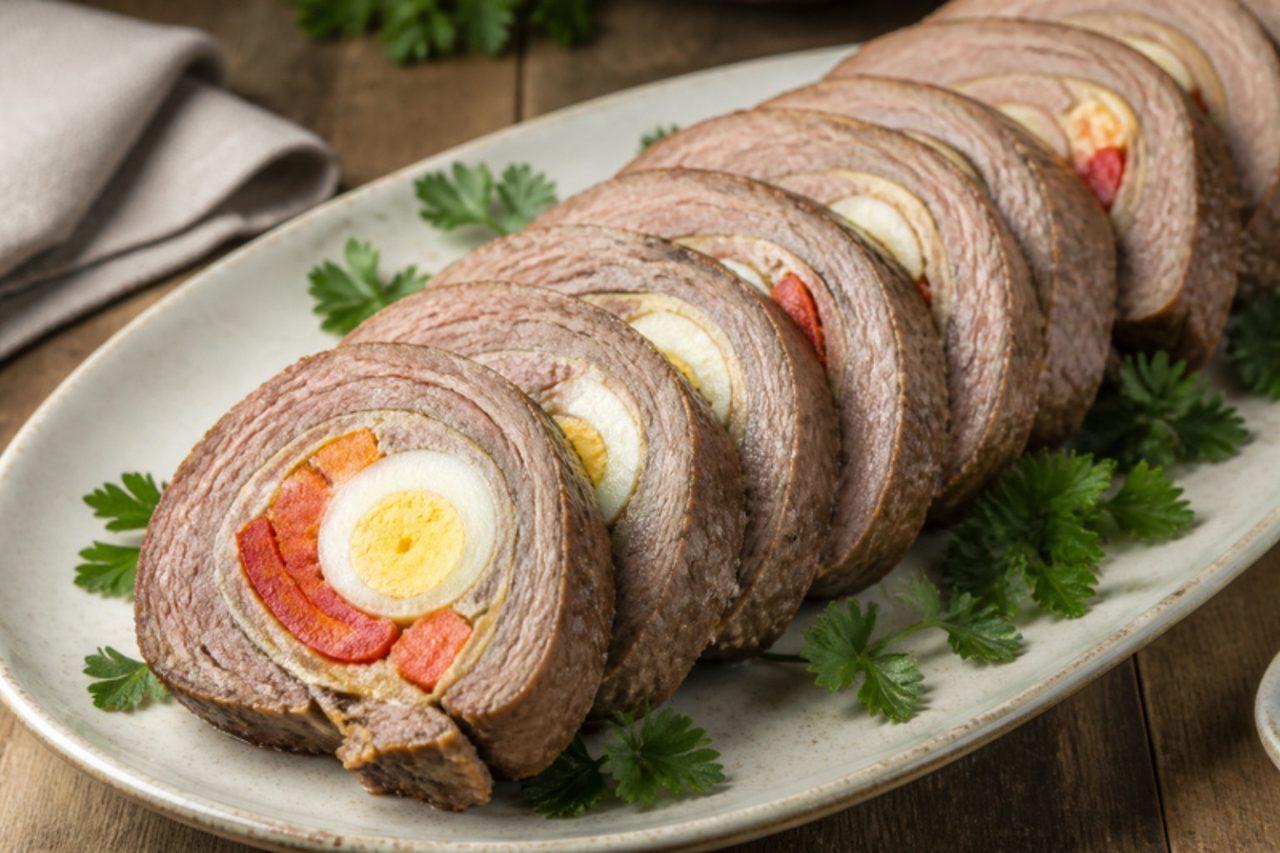
Matambre arrolladoRolled stuffed flank steak

Christmas and New Year in Argentina fall in high summer, so the festive table is crowded with cold dishes, and matambre arrollado is the one that draws a crowd: a thin sheet of beef from between the ribs and skin (matambre, the rose or flank cut), spread with garlic and parsley, layered with hard-boiled egg, carrot and red pepper, rolled into a fat sausage, poached and pressed. Rotiserías in the Buenos Aires suburbs sell it by the slice, and each round shows a mosaic of colours. Served cold with Russian salad and a sharp chimichurri, it is tender and savoury. Because the outside of the meat ends up rolled inside, cook it to a core temperature of 71 °C, as for minced meat. The usual mistake is slicing it warm: it falls apart, so press it under a weight in the fridge overnight. If you can't find matambre, ask the butcher for a thin flank steak butterflied to 1 cm. Chef's tip: lay the meat with the grain running along the roll, so each slice cuts across the fibres and stays tender.

by KrazyBadal 0 views

Mate com limãoIced mate with lime

On Copacabana and Ipanema, vendors in orange uniforms trudge across the hot sand carrying two metal barrels, one of iced mate tea and one of limonada, shouting 'mate, limão!' and mixing the two in a plastic cup for each customer. The tea is chá mate tostado, roasted yerba mate leaves brewed like ordinary tea, with a smoky, toasty taste; with sweet lime lemonade it becomes the definitive carioca beach drink, cold, tangy and gently caffeinated. Toasted mate is sold loose or in tea bags in Brazilian shops; green yerba mate gives a grassier result. Squeezing the limes too hard, or blending them whole, is the usual pitfall, because the white pith turns the lemonade bitter. Chef's tip: brew the tea strong and chill it completely before mixing, so the ice does not dilute it.

by KrazyBadal 0 views

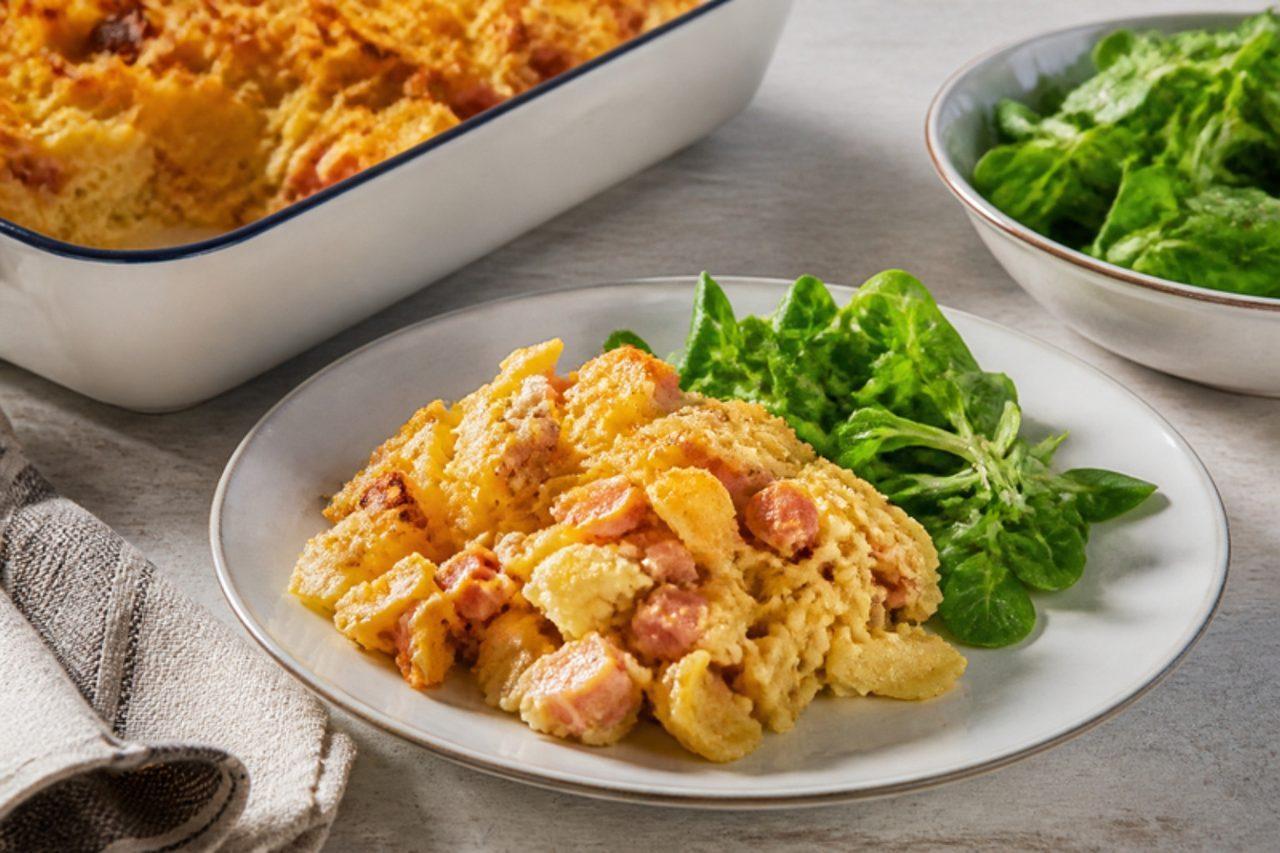
SchinkenfleckerlBaked pasta squares with ham

Schinkenfleckerl is the comfort bake of Viennese homes and school canteens, a simple dish that came to Vienna from Bohemian cooks in the days of the old empire. Small pasta squares are folded into a mix of butter, egg yolks, sour cream and diced cooked ham, lightened with whisked egg whites and baked until the top is golden and the edges crunchy. Swap the ham, which is pork, for 250 g fried mushrooms for a vegetarian version. Chef's tip: cook the pasta a minute short and rinse it cold, so it does not go soft in the oven.

by KrazyBadal 0 views

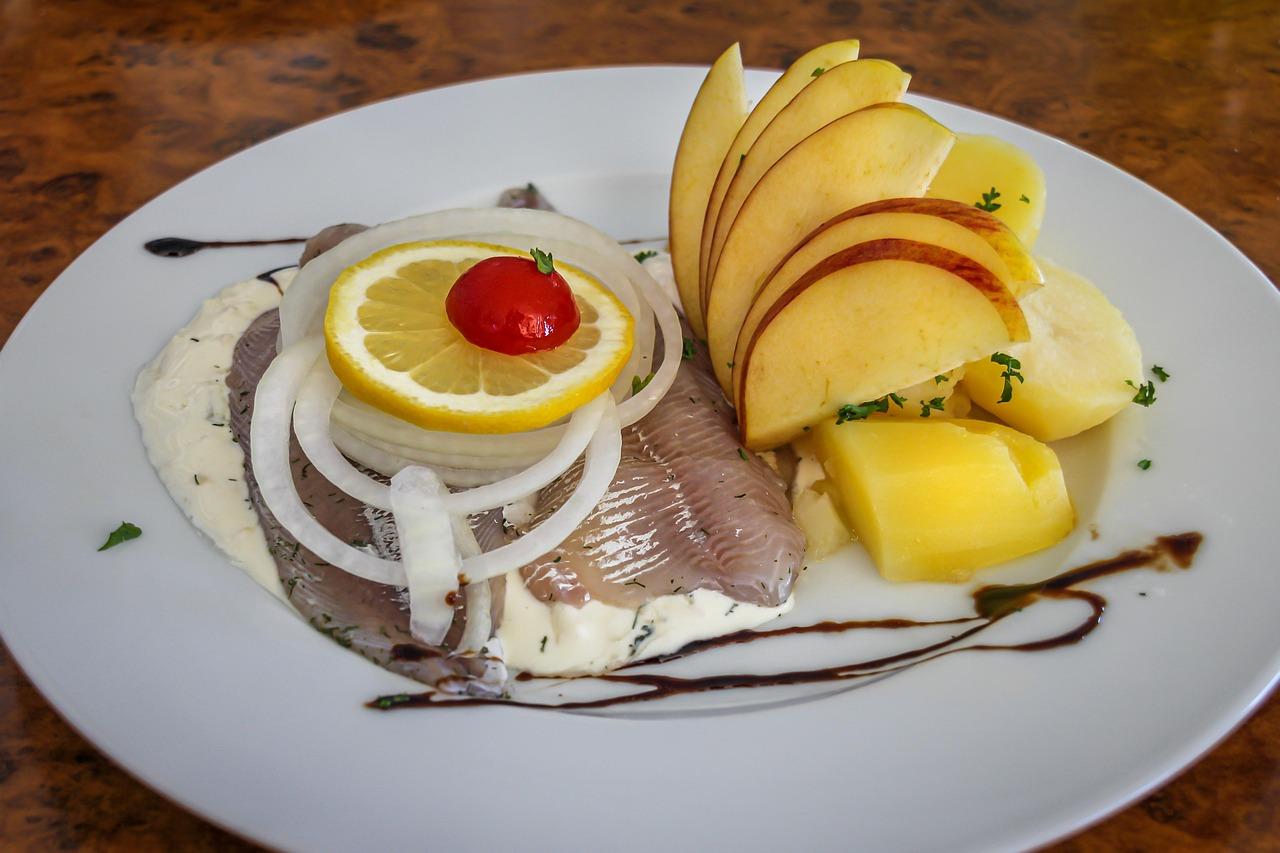
Matjes HausfrauenartHerring in apple cream sauce

Matjes nach Hausfrauenart, 'housewife's matjes', is the early-summer plate of northern Germany, eaten when the new season's young herring arrives in June, from Glückstadt on the Elbe to the cafés of Emden. Mild, buttery matjes fillets are covered in a cool sauce of sour cream and yoghurt with crisp apple, onion and gherkin, and served with hot boiled new potatoes in their skins and sometimes green beans. Matjes is cured raw herring, so buy commercially prepared, previously frozen fillets from the chilled counter and keep them cold; it is not for pregnant women, young children or anyone with a weakened immune system. Chef's tip: make the sauce first and let it chill for 20 minutes so the apple and onion flavour it before the fish goes in.

30 minGermanFishGluten free
by KrazyBadal 0 views

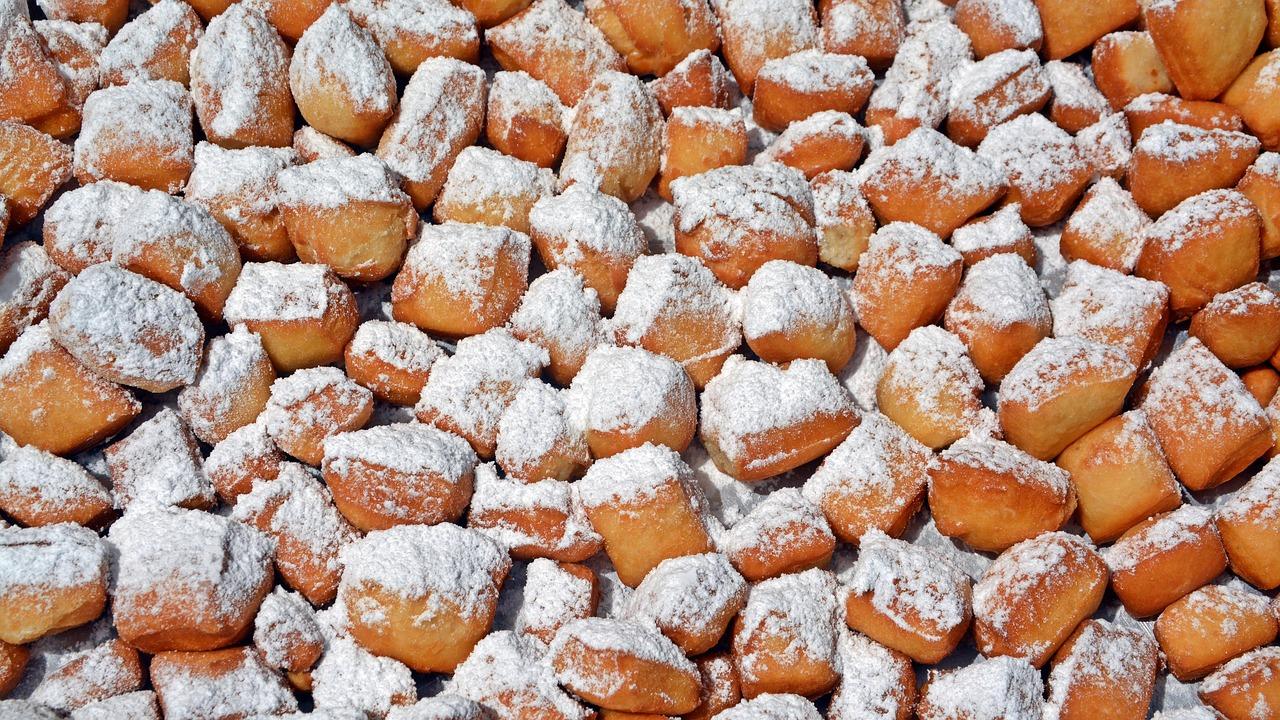
SchmalzkuchenFried dough pillows with icing sugar

Schmalzkuchen are the paper bag of tiny golden diamonds sold at fairs and Christmas markets across northern and eastern Germany, from Hamburg's Dom fair to the markets of Berlin and Leipzig. Despite the name they are now fried in vegetable oil, so this version is vegetarian. The quick quark-and-baking-powder dough puffs up into soft, slightly crisp cushions that you shake in icing sugar while warm. A common mistake is frying at too low a heat: the dough soaks up oil and turns heavy instead of puffing. Chef's tip: cut the dough into small 3 cm diamonds; bigger pieces brown outside before the middle has cooked through.

by KrazyBadal 0 views

Millionaire's shortbread

Millionaire's shortbread, called caramel shortcake in much of Scotland and caramel squares across the water in Belfast, is the traybake of school bake sales, cafés and church teas. A crisp shortbread base is covered with thick condensed-milk caramel and a layer of chocolate, rich enough to justify the name. Chef's tip: keep stirring the caramel the whole time it bubbles; it catches on the bottom in seconds.

by KrazyBadal 0 views

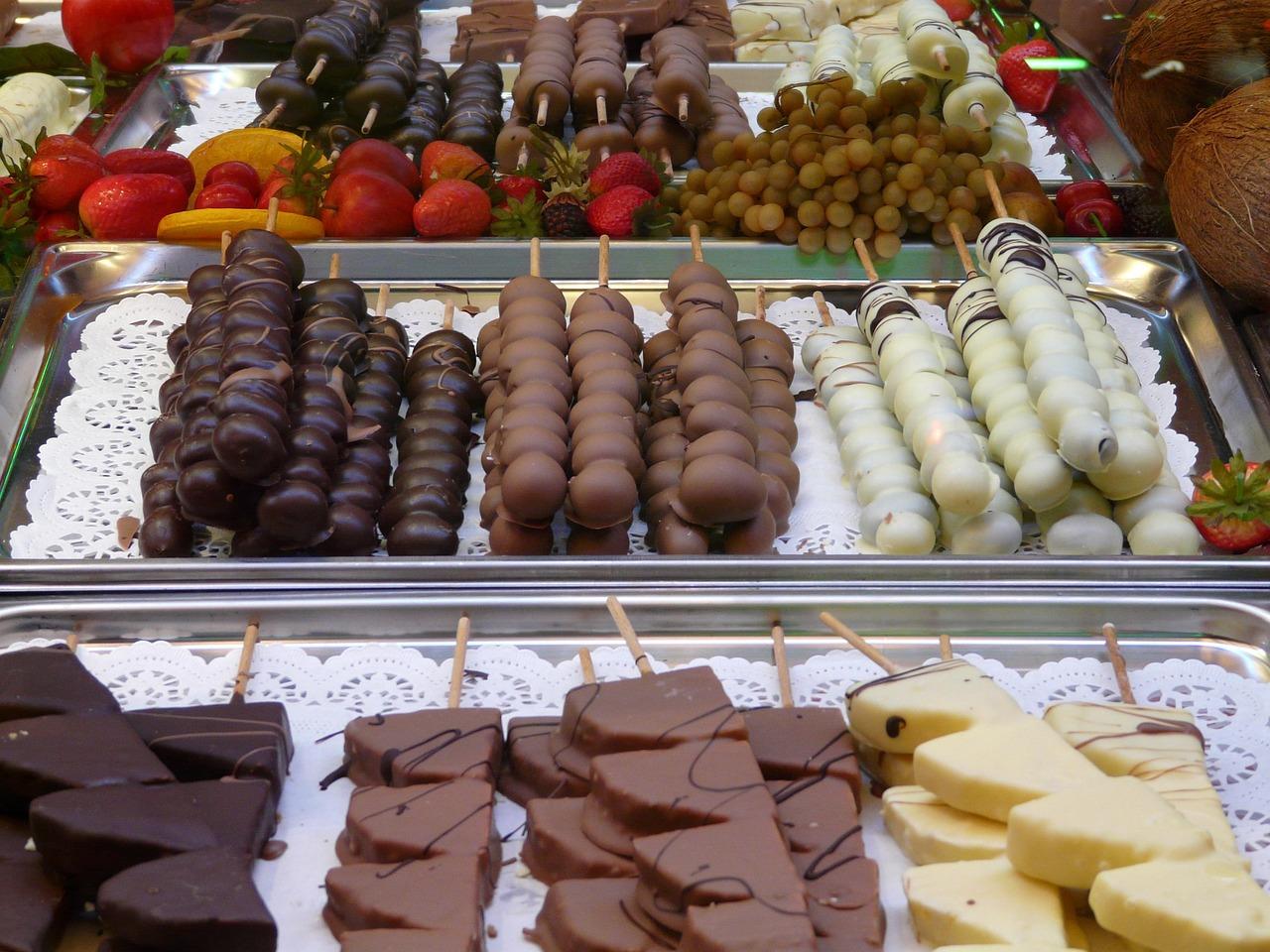
SchokofrüchteChocolate-dipped fruit skewers

Schokofrüchte stalls glow under strings of lights at almost every German Christmas market, from Stuttgart to Hamburg, with rows of strawberries, grapes and banana chunks on wooden skewers dipped in dark, milk and white chocolate. Children choose with their noses pressed to the glass, and at home they are a fun job for small hands. The usual mistake is dipping wet fruit: even a drop of water makes chocolate seize into a grainy lump and stops it sticking. Chef's tip: melt the chocolate gently and let it cool to just warm before dipping; it then clings in a neat, thin shell and sets glossy. Many chocolates contain milk, so check the label if you need it dairy free.

by KrazyBadal 0 views

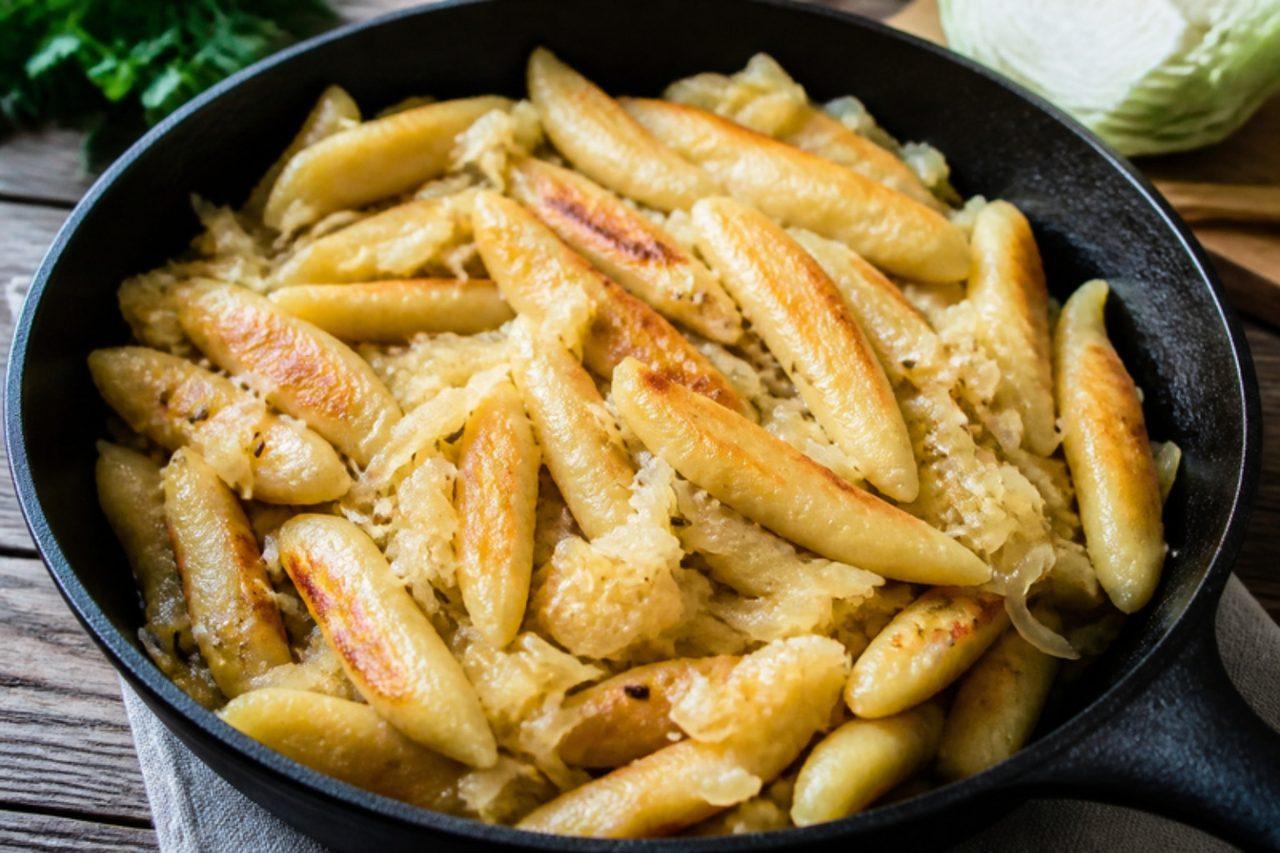
SchupfnudelnPotato noodles with sauerkraut

Schupfnudeln are thick little potato noodles, rolled between the palms into pointed fingers, that turn up at every Christmas market and village festival in Baden-Württemberg, fried in a huge pan with sauerkraut. At home they are a winter supper on their own or a side for roasts. The dough is the same family as gnocchi, but the noodles are boiled first and then fried until browned on the outside. A common mistake is using freshly boiled hot potatoes and too much flour: they need to be cold and dry, so plan to cook them the day before. Chef's tip: rinse the sauerkraut only if it is very sharp; otherwise its tang is what balances the butter.

by KrazyBadal 0 views

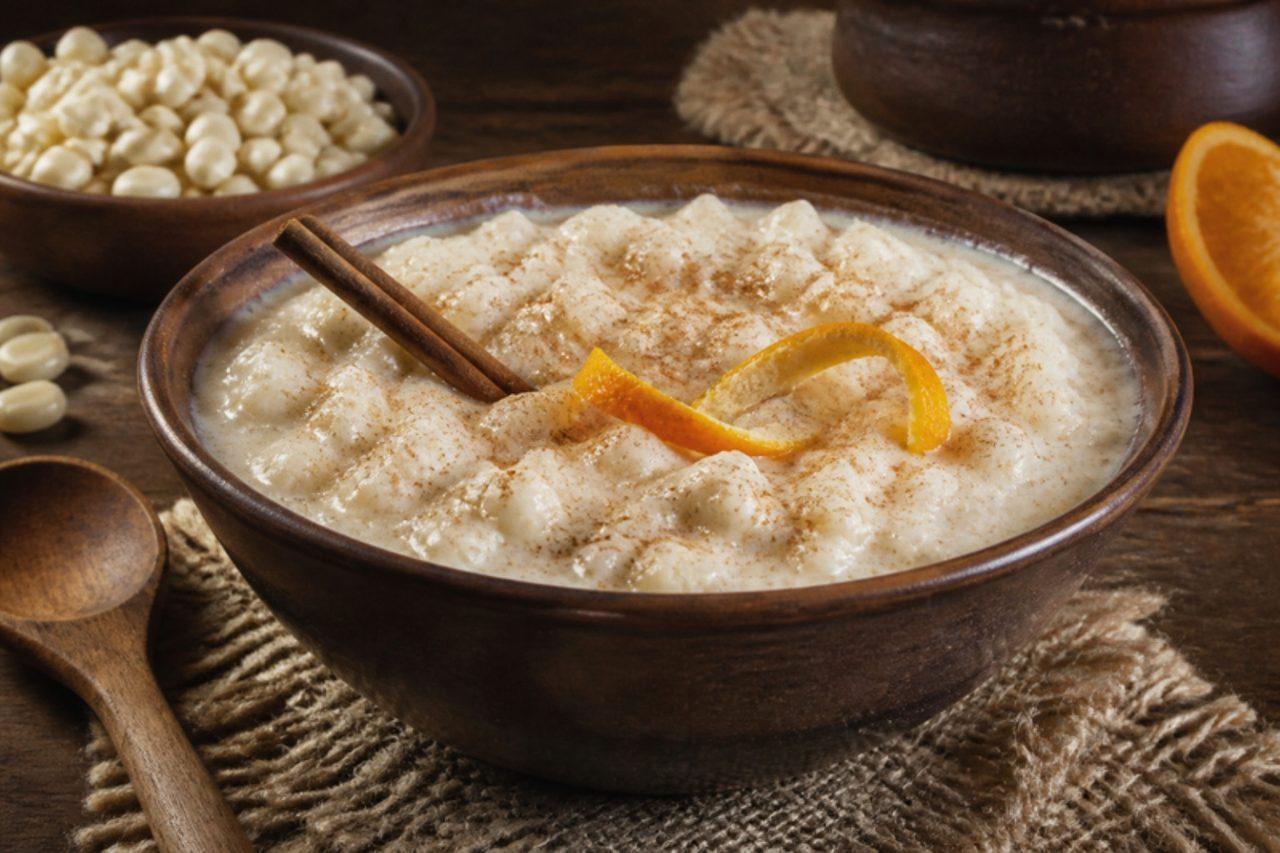
MazamorraHominy milk pudding

Long before cake, there was mazamorra: dried white maize, soaked and simmered with water until the kernels burst, then finished with milk, sugar and cinnamon. In colonial Buenos Aires mazamorreras sold it from clay pots on the street, and it still turns up at school and town-hall celebrations every 25 May and on cold evenings in the interior, eaten warm or cold from a bowl. The kernels stay pleasantly chewy in a creamy, gently sweet milk, a bit like rice pudding with more bite. Look for maíz blanco pisado (cracked white hominy) in Latin American shops; dried white pozole corn is the closest substitute. Plan ahead: the corn needs soaking overnight. Adding the milk too early is the main mistake, because the corn will not soften in milk and the pot catches on the bottom, so cook it in water first. Chef's tip: stir in a little of the hot liquid with the sugar before you add the rest of the milk, and serve it with a dusting of cinnamon or a spoonful of honey.

by KrazyBadal 0 views

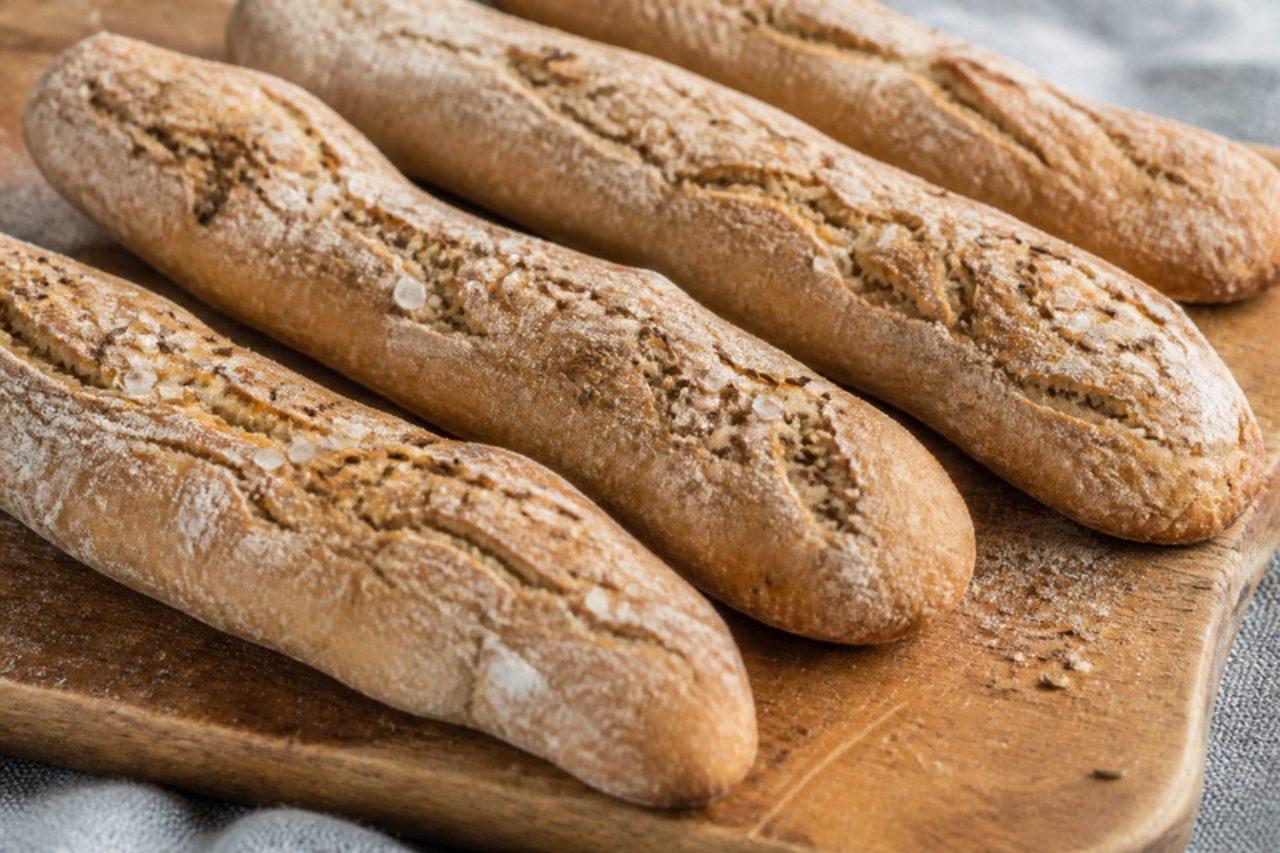
Schwäbische SeelenSpelt caraway rolls

Seelen, meaning 'souls', are the long, pale spelt rolls of Upper Swabia, around Biberach and Ravensburg, said to have first been baked for All Souls' Day. Today they are an everyday bakery item, eaten split with butter or alongside a bowl of soup, and they turn up at every Swabian beer garden. The dough is very wet, so the rolls are pulled into shape rather than rolled, giving an open, chewy crumb under a thin crust crusted with salt and caraway. A common mistake is adding extra flour to make the dough easier to handle, which turns them into ordinary bread rolls. Chef's tip: keep a bowl of cold water beside you and wet your hands before every piece; the dough won't stick and you can stretch each soul straight onto the tray.

by KrazyBadal 0 views

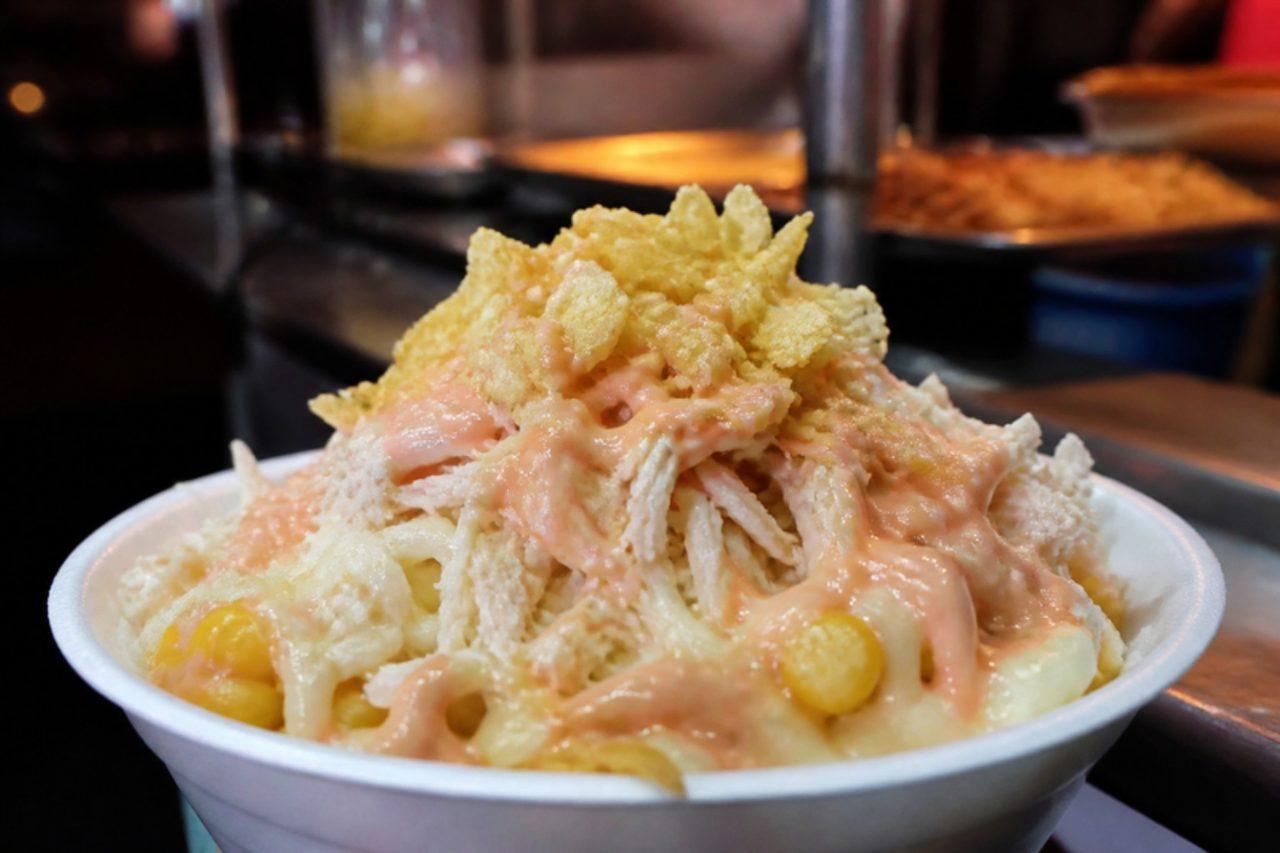
Mazorca desgranadaSweetcorn with chicken and cheese

Food trucks and street corners in Bogotá and Medellín sell mazorca desgranada in plastic tubs, late into the evening: sweet corn kernels cut off the cob, fried in butter and layered with shredded chicken, melted cheese, crunchy potato sticks, pineapple sauce and salsa rosada. Some stands add bacon, beef or quail eggs; this version keeps to chicken. It is sweet, salty and gooey, and a hit with teenagers. Using tinned corn without draining it well is a common error: the water dilutes the sauces and the tub gets soggy. Chef's tip: fry the corn until a few kernels brown and pop; that caramelised edge stands up to all the sweet sauces. For a vegetarian tub, skip the chicken and use a cheese made with microbial rennet.

by KrazyBadal 0 views

MeghliSpiced rice pudding

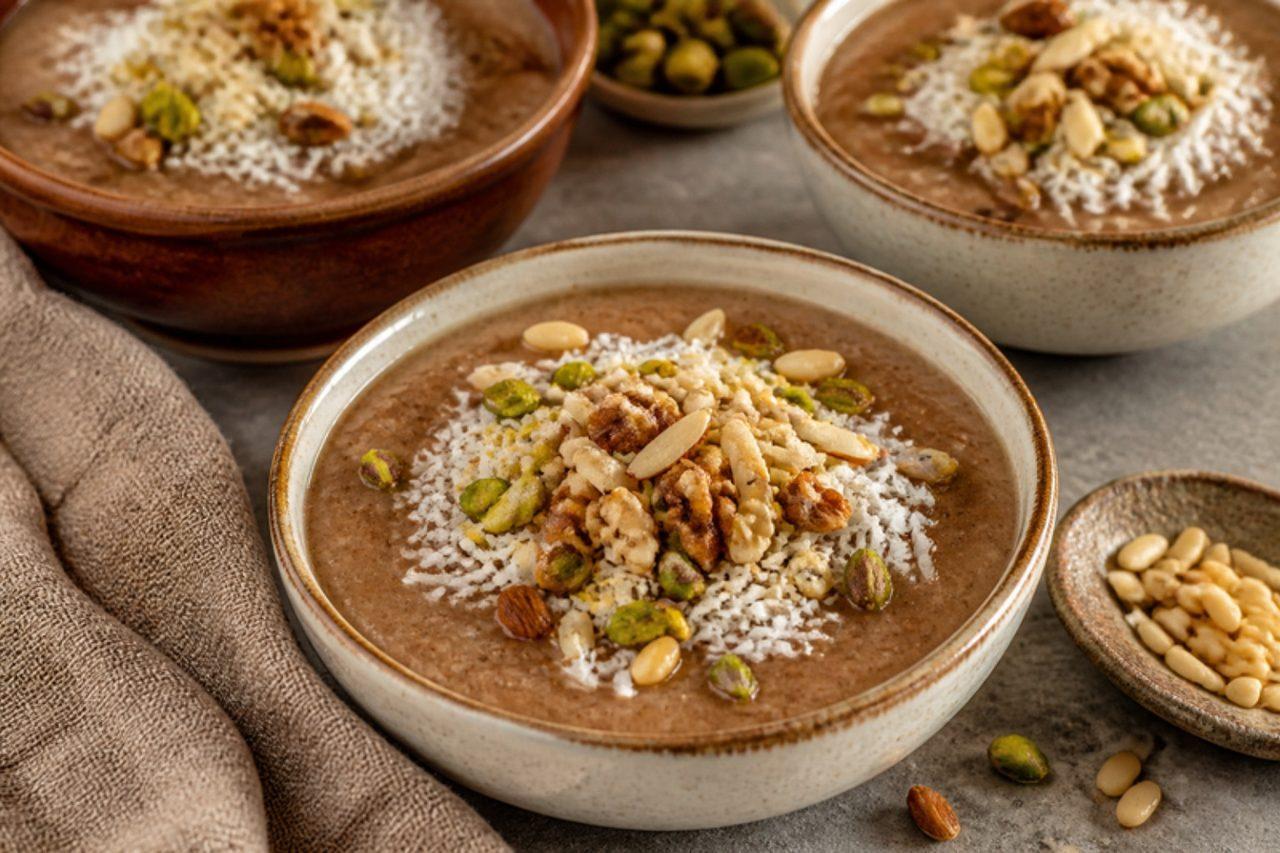
When a baby is born in Lebanon, the family cooks a big pot of meghli and hands out bowls to every visitor who comes to congratulate them; it also appears at Christmas in Christian homes. Ground rice is simmered with sugar and warm spices — caraway, cinnamon and anise — until it sets into a smooth, cocoa-brown pudding with no milk or eggs at all. Each bowl is topped with desiccated coconut and a generous pile of soaked walnuts, almonds, pistachios and pine nuts. Common mistake: walking away from the pot; ground rice catches and lumps fast, so it needs steady stirring. Chef's tip: soak the nuts in cold water overnight and peel the almonds; they turn plump and crisp, which is the hallmark of a good meghli.

by KrazyBadal 0 views

Mejillones a la provenzalMussels with garlic and parsley

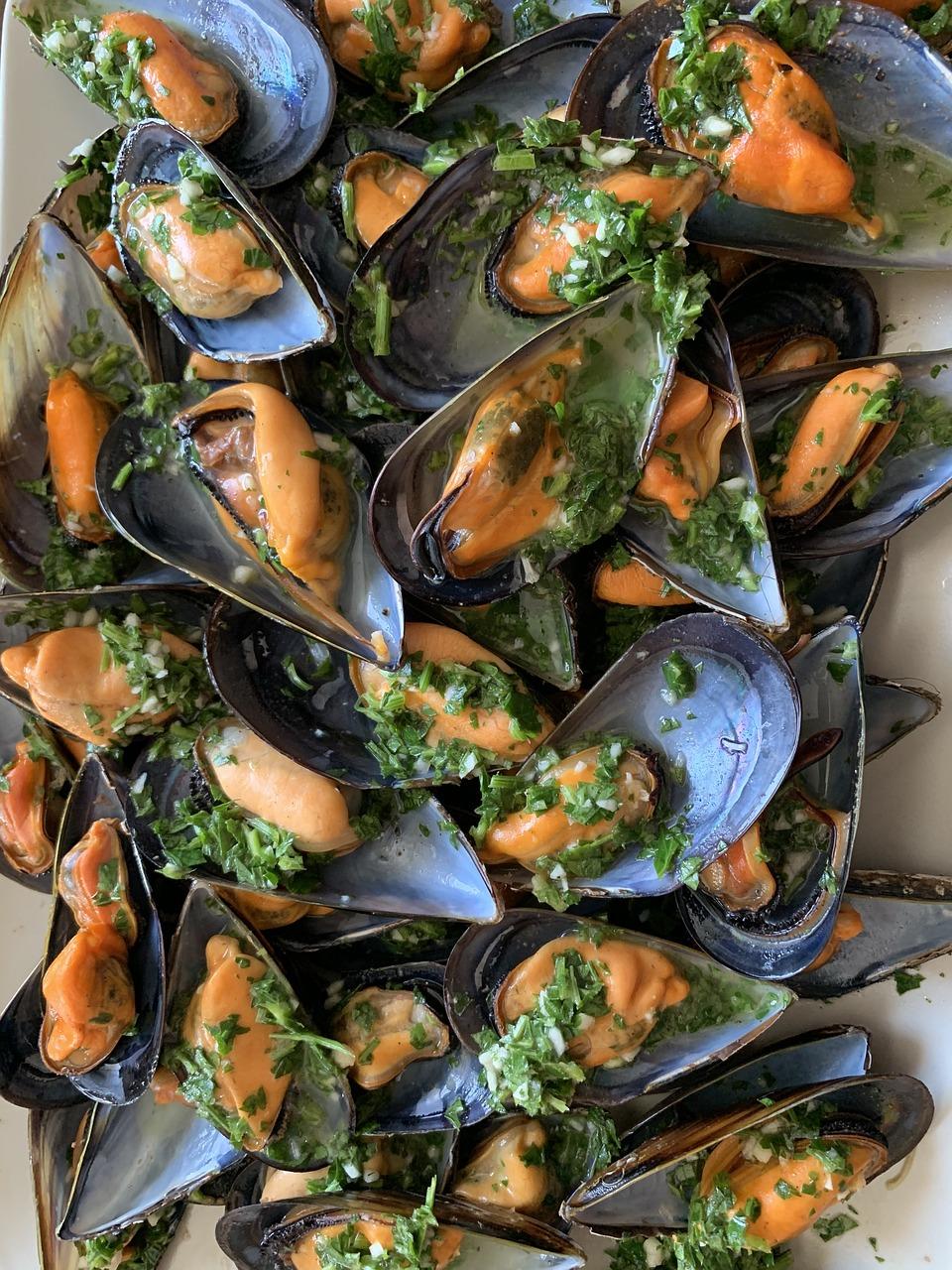
On the Atlantic coast around Puerto Madryn and the Golfo Nuevo, mussels from cold Patagonian waters are farmed and gathered in quantity, and seafood places along the rambla steam them a la provenzal, which in Argentina means lots of garlic and parsley. A splash of dry white wine goes into the pot; the alcohol mostly cooks off, but you can swap it for fish stock with a little lemon for an alcohol-free pot that tastes just as good. Serve with bread or chips to mop up the briny juices. Cooking mussels too long is the usual slip: they shrink and turn rubbery, so lift the lid as soon as most have opened. Before cooking, throw away any mussel with a broken shell or one that stays open when tapped; after cooking, discard any that stay shut. Chef's tip: keep the garlic in gently warm oil until it just smells sweet; brown garlic turns bitter and dominates the mussels.

by KrazyBadal 0 views

Mexillóns en escabechePickled mussels

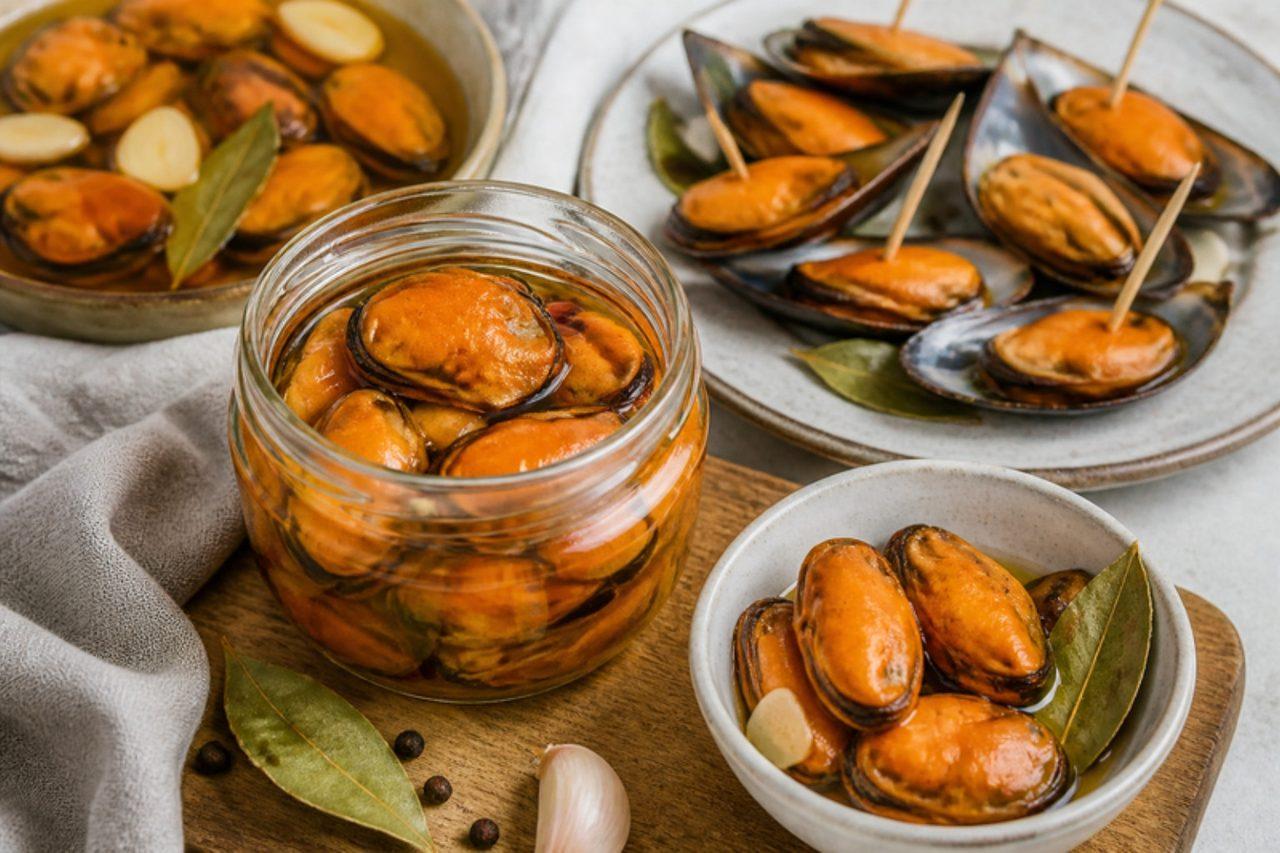
Galicia's estuaries are lined with the wooden rafts (bateas) where mussels grow on ropes, and the region's canneries have long sold them in escabeche: steamed, shelled and kept in a warm-spiced marinade of oil, vinegar and paprika. Made at home, they're a tapa for an aperitif with crisps and cold drinks, and they keep for several days. Throw away any mussels with cracked shells, and any open ones that don't close when tapped, before cooking. A common mistake is pouring the marinade over cold mussels straight from the fridge: mix while both are warm so the flavours soak in, then chill. Chef's tip: they taste best after a full day in the fridge.

by KrazyBadal 0 views

SchweinebratenRoast pork with crackling

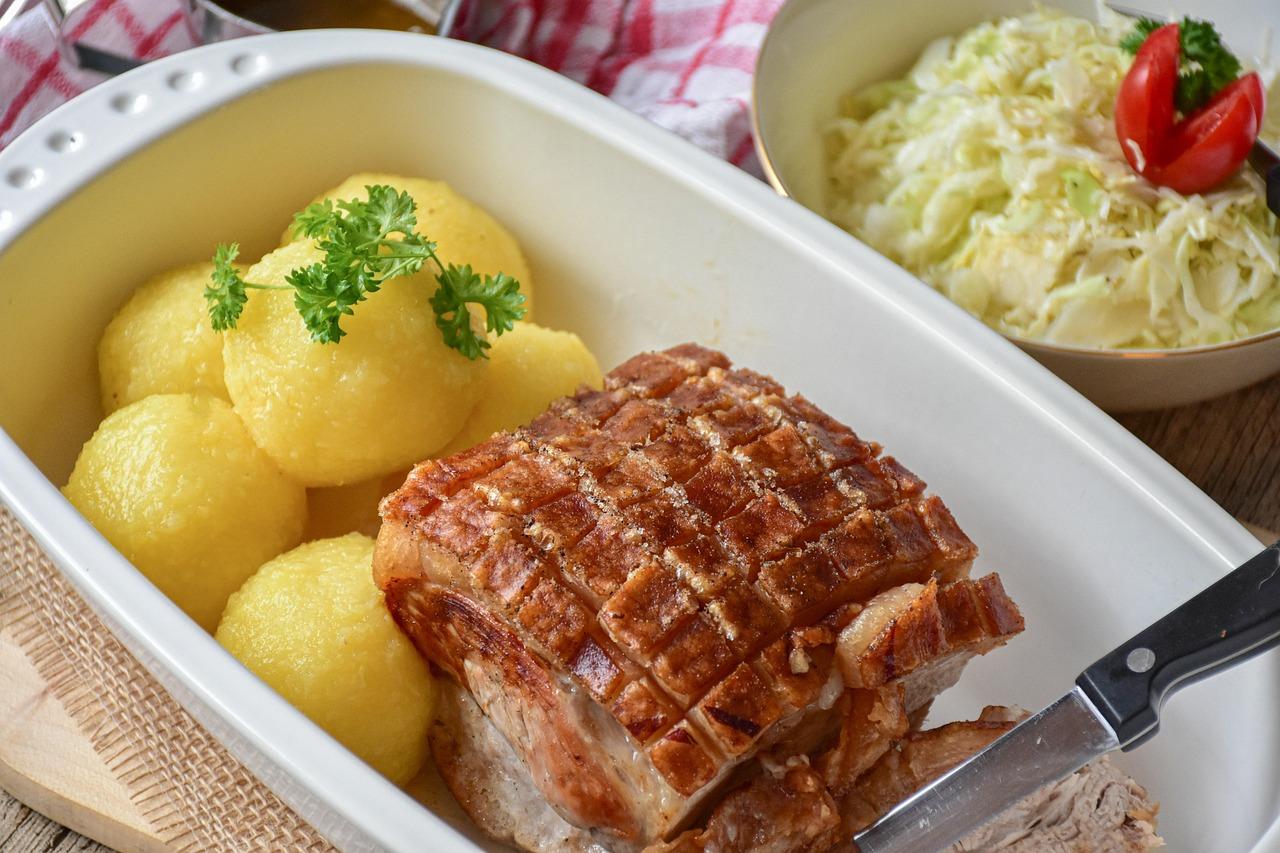
Schweinebraten is the Sunday roast of Bavaria, the dish a Munich family sits down to after church and the one every village inn chalks up on its board. This is pork shoulder with its rind still on, roasted on a bed of onion, carrot and celeriac while the rind blisters into crackling, and the gravy is built from the roasting juices and a bottle of dark beer. The beer contains alcohol; most cooks off but not all, so use alcohol-free dark beer, or the same amount of beef stock with 1 tsp dark molasses, for a gravy without it. Serve with bread or potato dumplings and warm cabbage salad. Chef's tip: score the rind through to the fat but not into the meat, or juices leak up and the crackling turns leathery.

190 minGermanMeat
by KrazyBadal 0 views

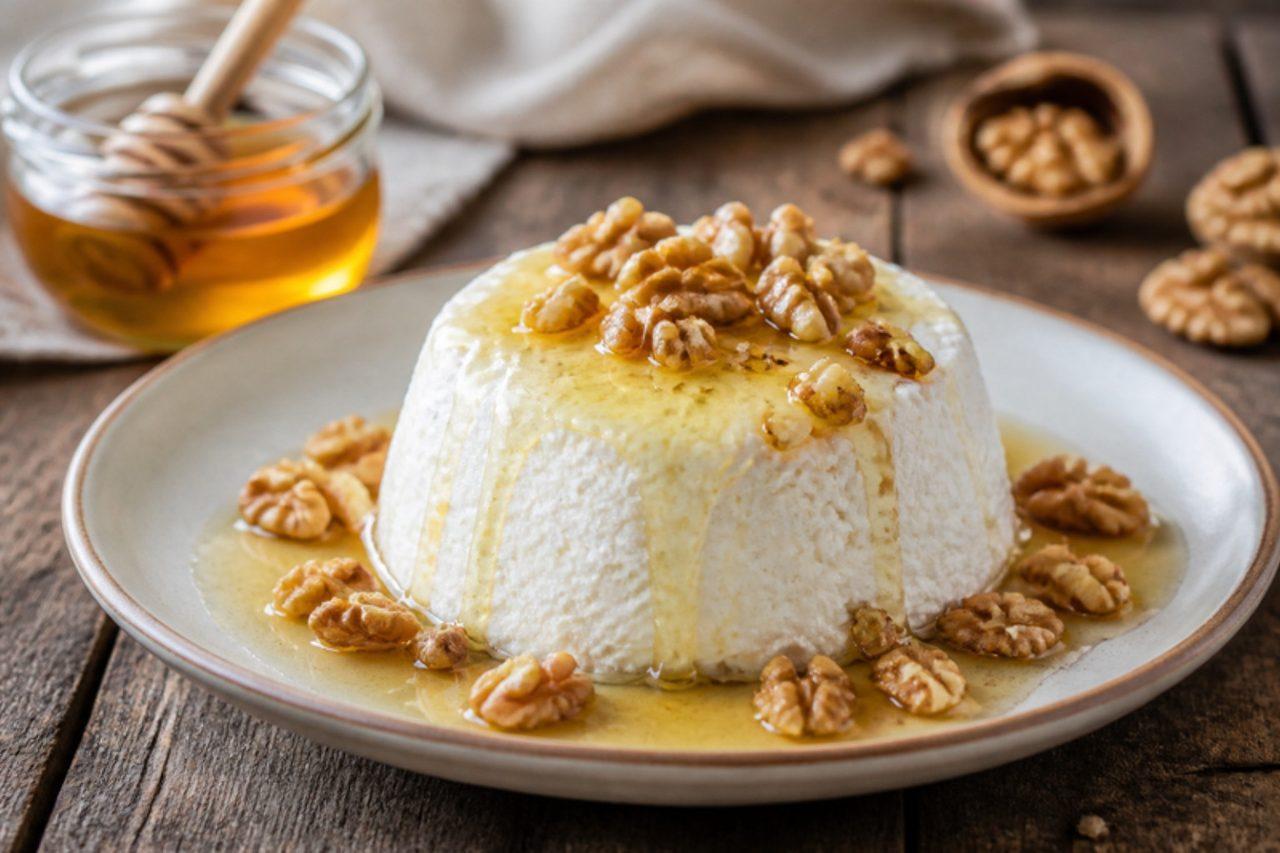
Mel i matóCurd cheese with honey and walnuts

On the road up to Montserrat, farm women once sat at stalls selling fresh mató, a soft, mild, unsalted curd cheese, and the dessert of mató drizzled with honey became a fixture of Catalan restaurants. It is as simple as dessert gets, and best with the freshest cheese. Shop-bought mató and some ricottas are set with animal rennet; this home version is set with lemon juice instead, so it is vegetarian. If you buy cheese, check the label for a vegetarian or microbial rennet. Chef's tip: heat the milk gently and stop at 90 °C; boiling makes the curds tough and grainy.

by KrazyBadal 0 views

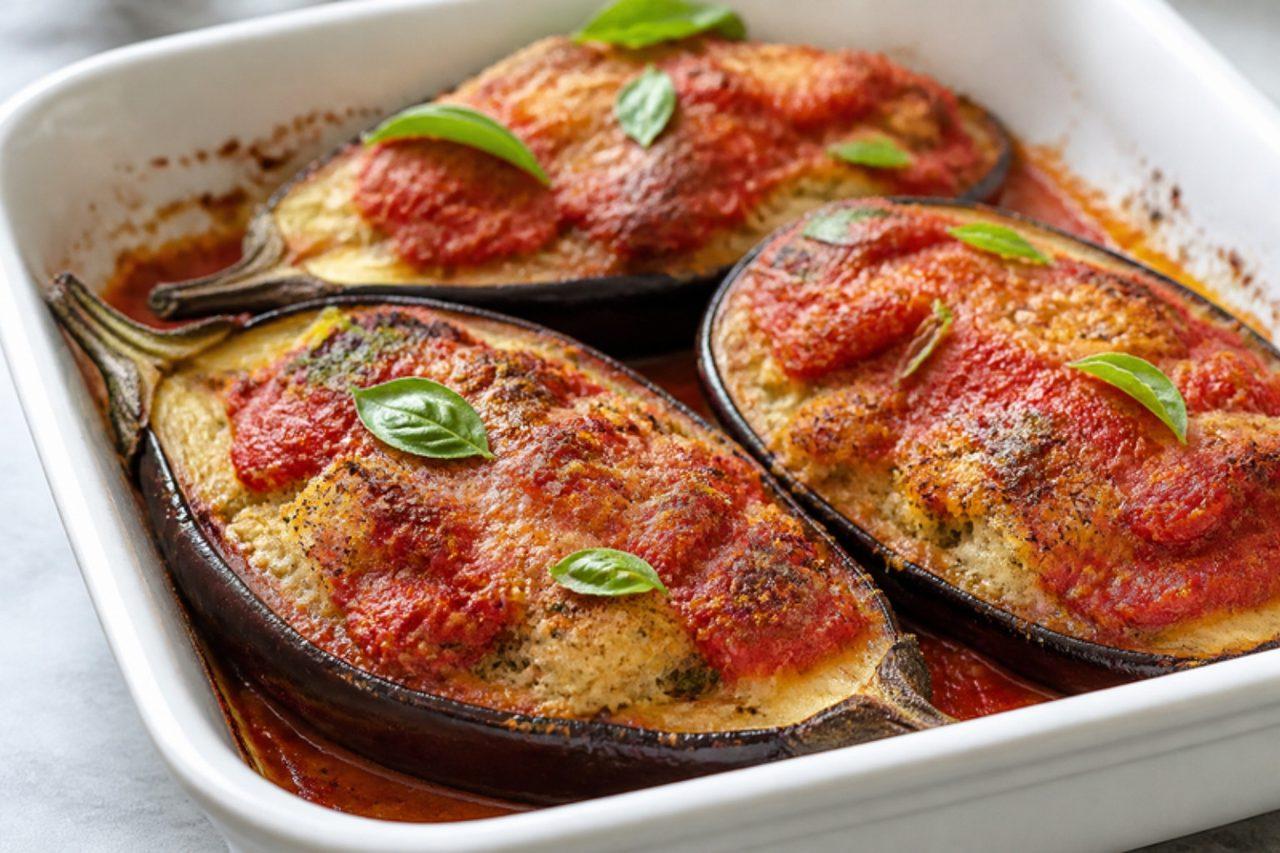
Mulinciani chiniStuffed aubergines

Mulinciani chini, 'full aubergines' in Calabrian dialect, are what summer gardens across Calabria turn into in August: halved aubergines hollowed out, their pulp fried and mixed with soaked bread, pecorino, egg, garlic and basil, then piled back into the shells and baked in a light tomato sauce. They are made in big trays for family lunches and taken cold to the beach the next day. The filling turns soft and savoury, the shells silky. Chef's tip: they taste best after resting for an hour, so they are perfect to make ahead.

by KrazyBadal 0 views

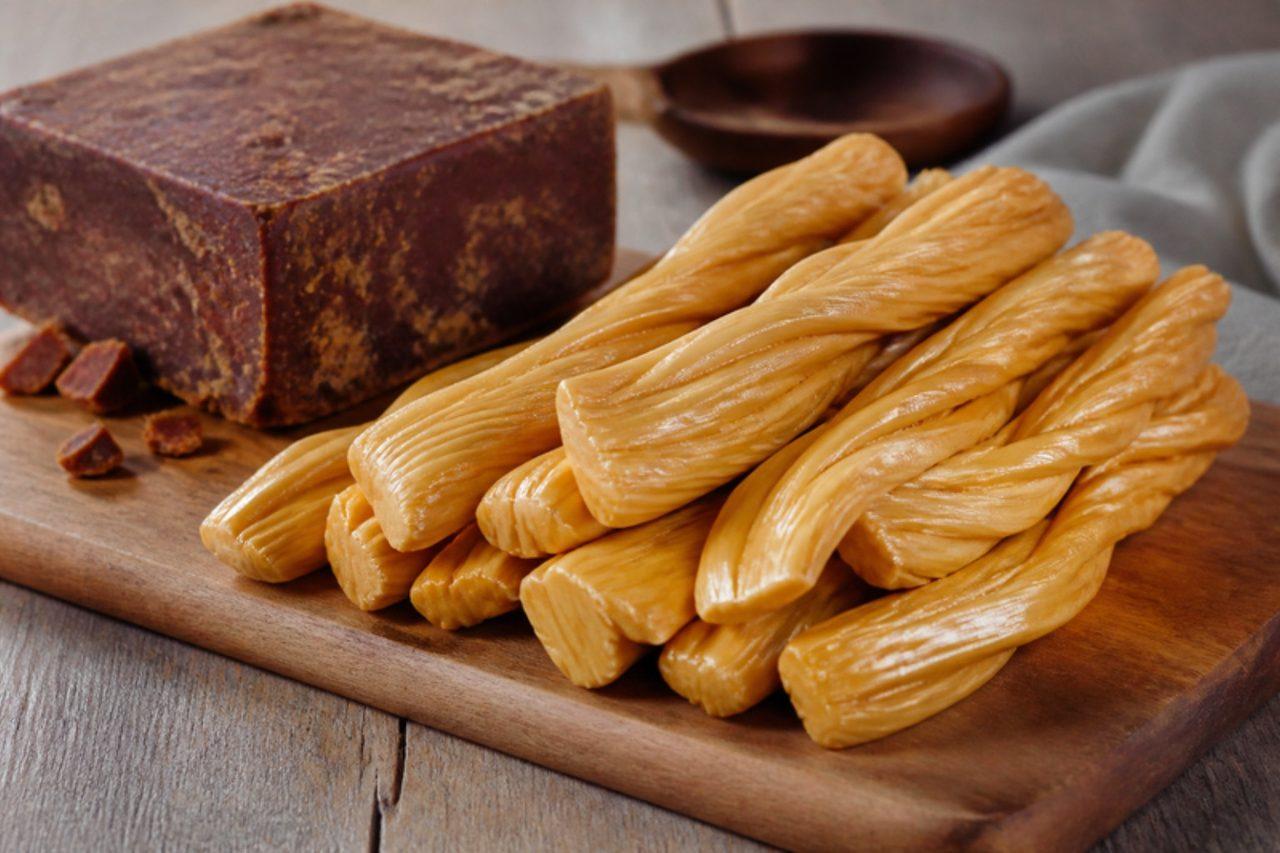
MelcochasPulled panela taffy

Pulling melcocha is a spectacle at roadside stalls in panela country, around Villeta in Cundinamarca and the Santander highlands. A syrup of panela is boiled until thick, cooled just enough to handle, then stretched, folded and stretched again until it turns from dark brown to a pale, satiny gold and becomes chewy. It is twisted into ropes and cut into pieces that taste of caramel and molasses. Kids and adults both buy it in little bags, and it makes a fun kitchen project for a group. Getting the timing wrong is the usual mistake: too hot and it burns your hands and sticks, too cold and it snaps instead of stretching. Work when it feels like warm putty. The syrup is dangerously hot, so keep children well back until it has cooled. Chef's tip: a sugar thermometer takes the guesswork out; take the syrup off at 125 °C for a chewy result.

by KrazyBadal 0 views

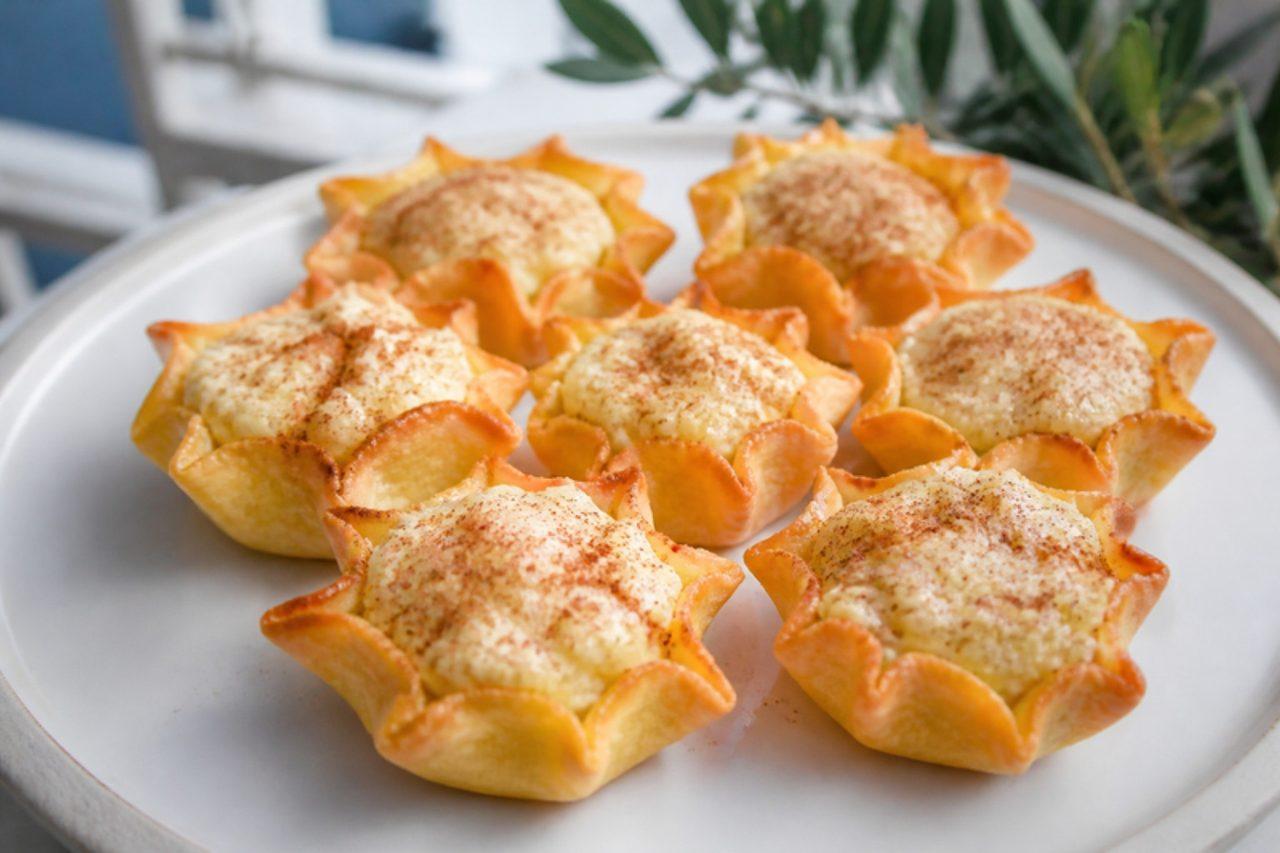
MelitiniaSweet cheese cups with mastic

Santorini's Easter sweet is melitinia: small, thin pastry cups pinched around a soft filling of fresh cheese, sugar and mastic, baked until the tops crack and turn golden. Islanders bake trays of them on Holy Saturday and offer them on Easter Sunday with coffee, and their resinous, piney mastic perfume sets them apart from cheese pastries elsewhere in Greece. Fresh mizithra is the island cheese; ricotta, usually rennet-free, is a good substitute. Common mistake: grinding mastic on its own, which makes it gum up; always crush it with a spoon of sugar. Chef's tip: roll the pastry very thin, about 2 mm, so it bakes crisp around the creamy filling.

by KrazyBadal 0 views

MelitzanosalataSmoky aubergine dip

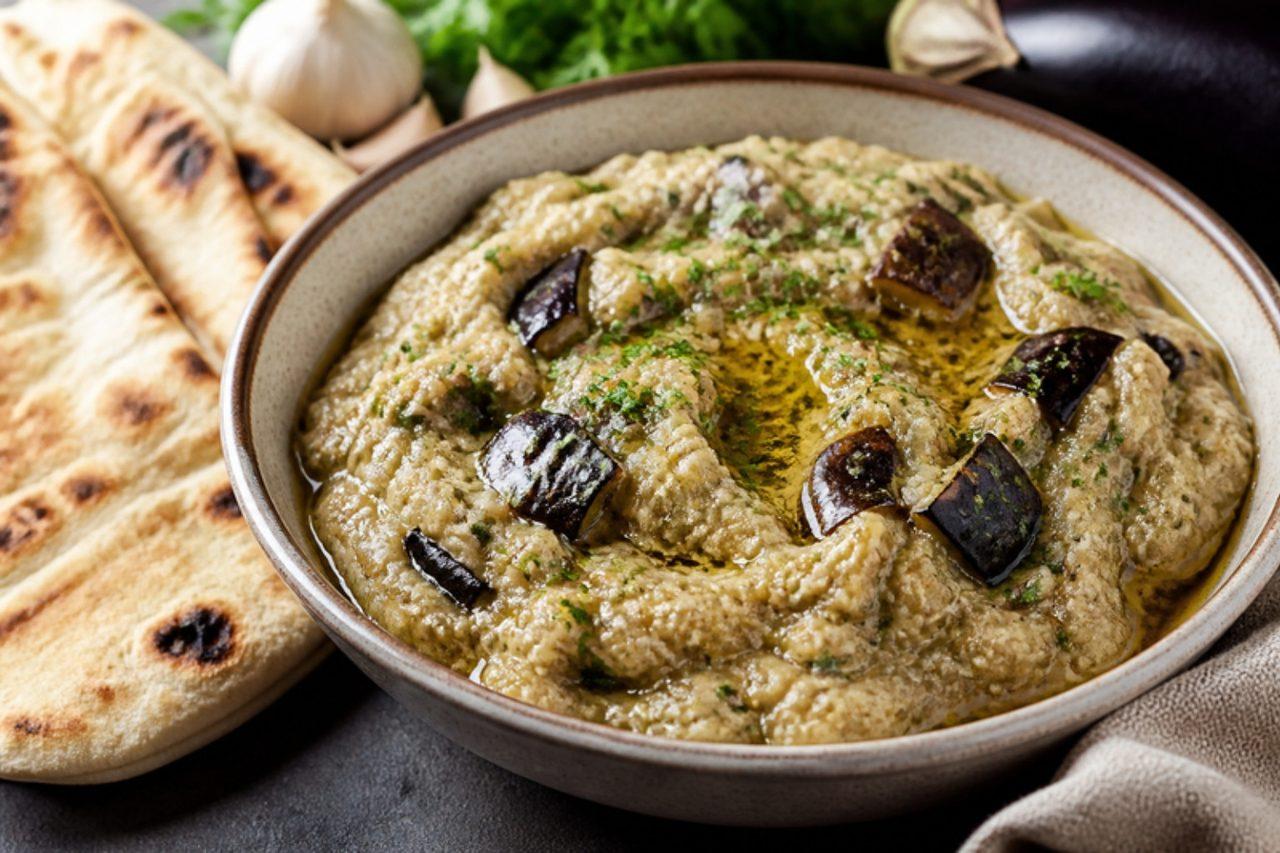
Every Greek taverna puts melitzanosalata on the meze table, especially in summer when aubergines are charred over the same coals as the souvlaki. Unlike Levantine dips it has no tahini: the smoky flesh is chopped with a knife, not puréed, and sharpened with red wine vinegar, raw garlic, parsley and plenty of fruity olive oil, so it stays rough-textured and bright. Serve with warm pitta, grilled bread or alongside fried fish. Common mistake: leaving the bitter juices in; drain the cooked flesh in a sieve for 10 minutes. Chef's tip: char the aubergines directly on a gas flame or barbecue until they collapse; the oven alone will not give the smoky taste.

by KrazyBadal 0 views

MelomakaronaHoney-dipped spice cookies

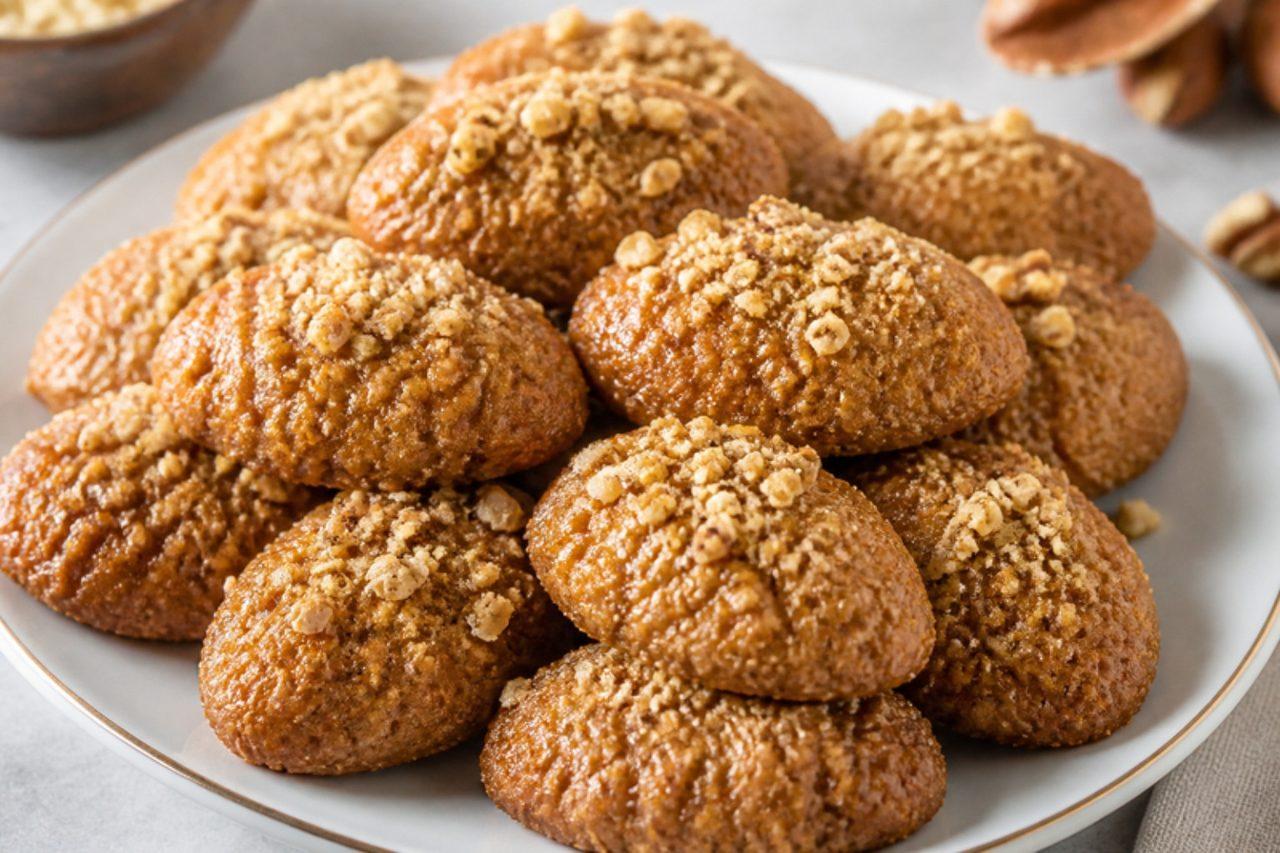
From early December, bakeries and kitchens all over Greece fill tins with melomakarona, the oval cookies that sit beside kourabiedes on every Christmas table and get handed to visitors with coffee. The dough is made with olive oil and orange juice rather than butter, scented with cinnamon and clove, then baked and plunged into warm honey syrup so the inside turns soft and sticky while the edges stay crisp. Common mistake: dipping hot cookies into hot syrup, which turns them to mush; one of the two must be cool. Chef's tip: mix the dough only until it comes together; overworking it squeezes out the oil and the cookies bake hard and greasy.

by KrazyBadal 0 views

MelopitaHoney and fresh cheese pie

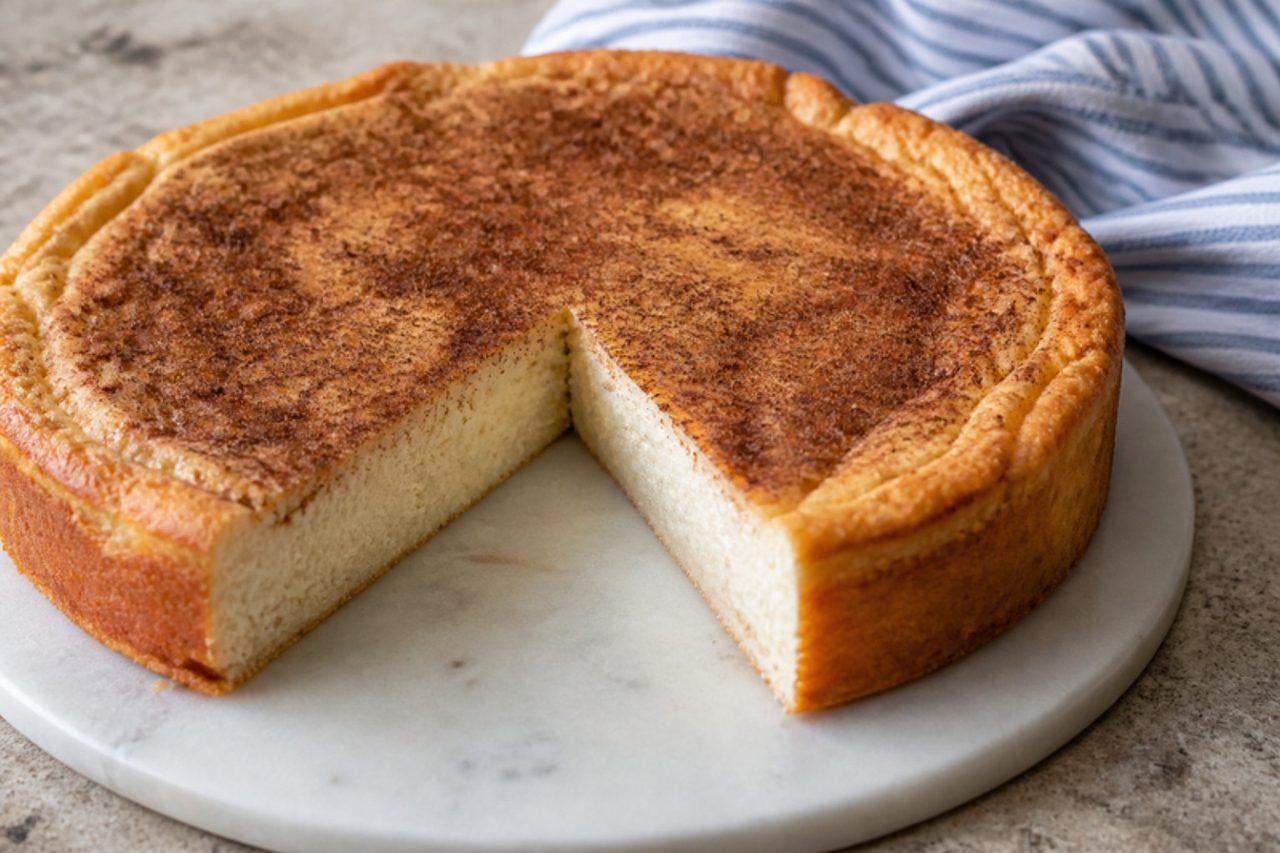
On Sifnos, the Easter table always has a melopita, a crustless pie of fresh cheese, eggs and thyme honey baked until just set and dusted heavily with cinnamon. It is lighter than a cheesecake, gently sweet and floral from the honey, and tastes best a day after baking, cut into squares with coffee. The island cheese is fresh mizithra; ricotta works well and is usually made without animal rennet. Common mistake: baking it too hot, which makes it puff up and crack, then sink and weep. Chef's tip: let it cool slowly in the switched-off oven with the door ajar for a smooth, silky set.

by KrazyBadal 0 views

SchweinshaxeRoast pork knuckle

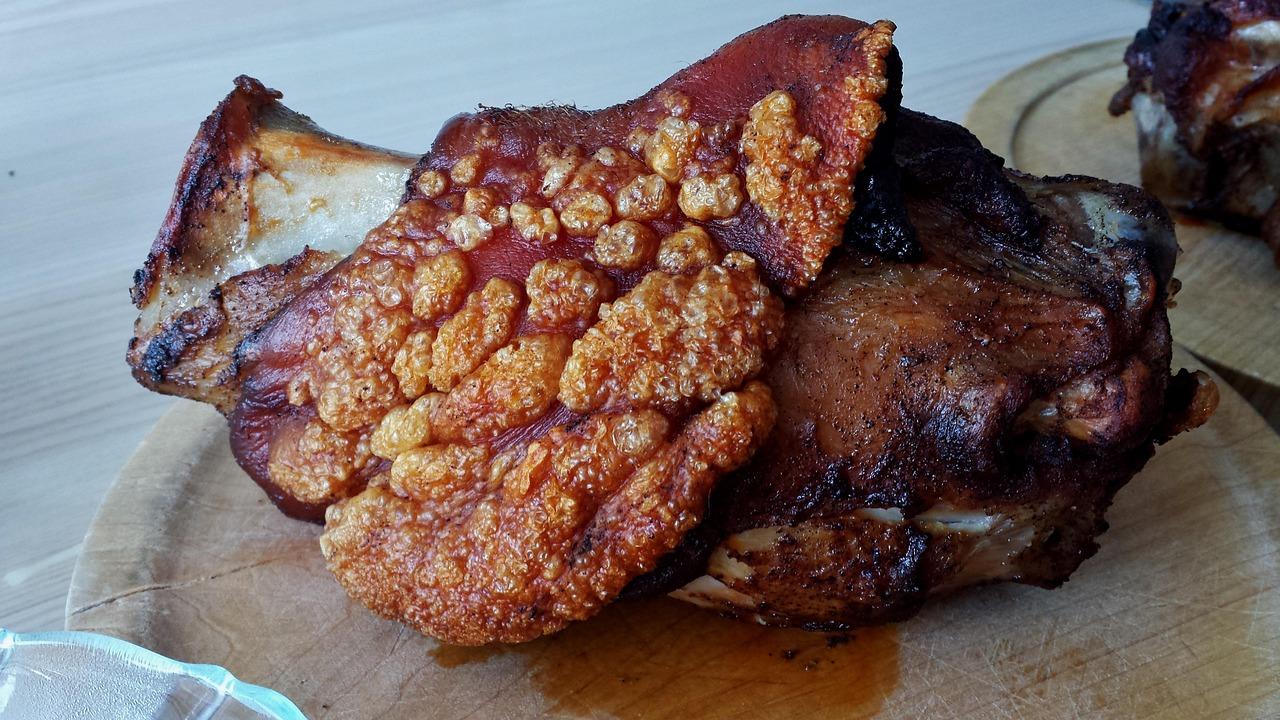
In Munich beer halls and Upper Bavarian village inns, a Schweinshaxe arrives as a whole roast pork knuckle, crackling glassy on the outside and the meat falling off the bone, usually with a potato dumpling and a spoon of sauerkraut. At home it is a weekend dish for cold months: the fresh (not cured) pork hocks are simmered first, then roasted hard so the skin puffs. Ask the butcher for hind knuckles, which carry more meat than front ones. Chef's tip: dry the simmered skin with kitchen paper and leave it uncovered for 20 minutes before roasting; dry skin is the secret to crackling that shatters.

190 minGermanMeatGluten free
by KrazyBadal 0 views

Menestra de TudelaSpring vegetable stew

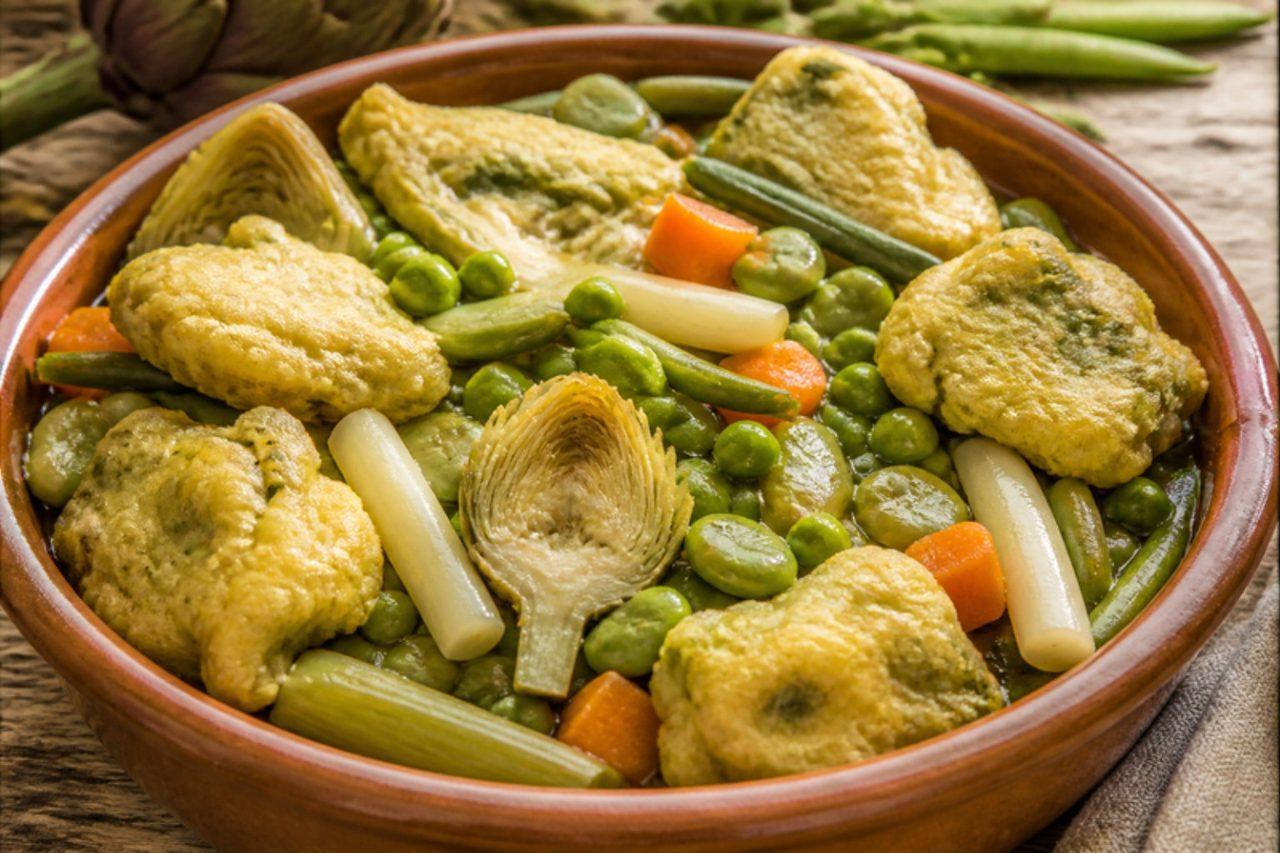
In Tudela, at the southern tip of Navarre, the market gardens along the Ebro send out artichokes, peas, broad beans and asparagus all at once in April and May, and the town celebrates with its Jornadas de Exaltación de la Verdura. Menestra is how those vegetables reach the table: every one is cooked on its own, the artichokes and chard stalks are dipped in flour and egg and fried, and everything is brought together at the end in a little garlic and onion sauce. Local cooks often add cured ham; this version leaves it out and is fully vegetarian. Chef's tip: save a cupful of the water the vegetables were boiled in, because it gives the final sauce far more flavour than plain water or stock.

by KrazyBadal 0 views

MenestrónBeef, bean and pasta soup

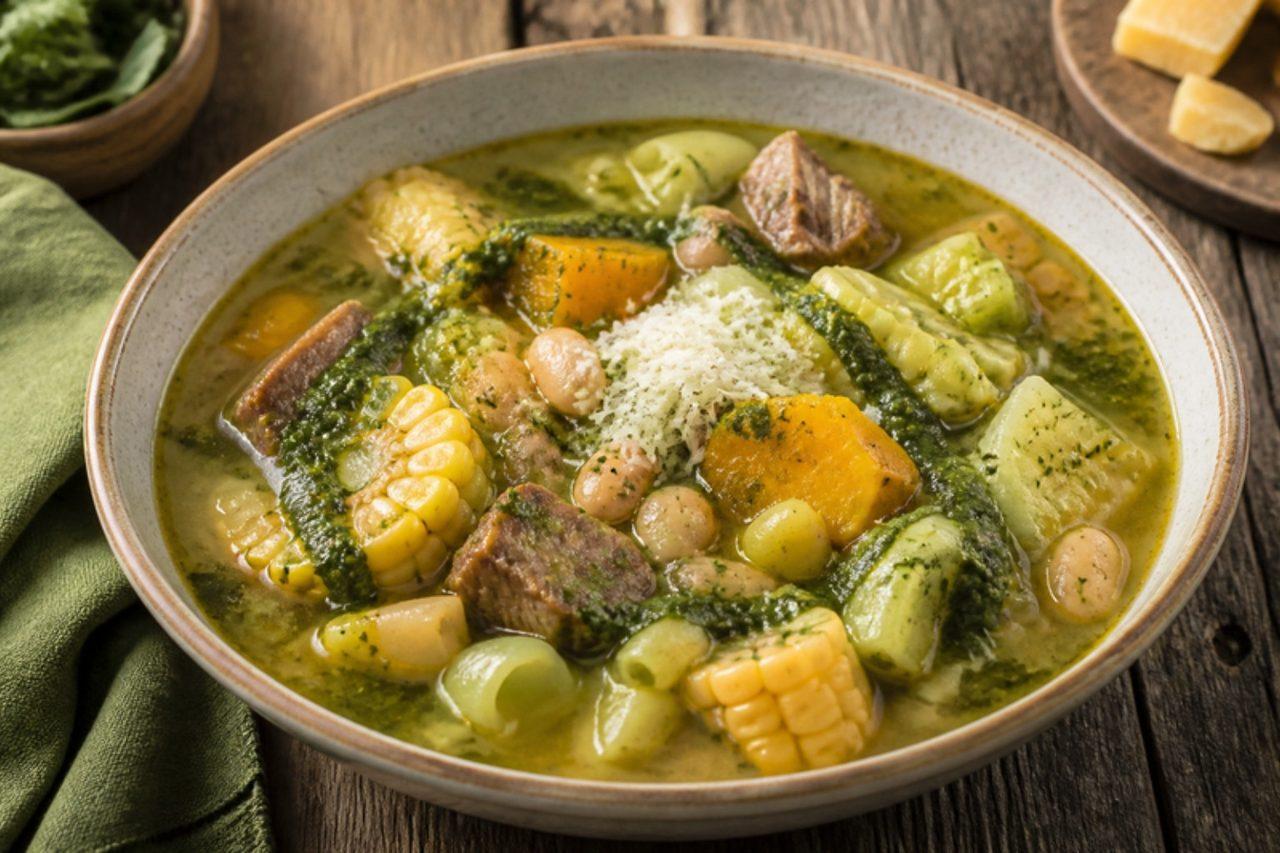
Think of the Italian minestrone after a century of Lima kitchens: menestrón is thicker, heartier and greener, a weekday soup that families and menú restaurants make in huge pots. Beef shin simmers into a rich broth with potatoes, squash, corn, cabbage, green beans and white beans, then short pasta goes in, and finally a purée of basil, spinach, garlic and fresh cheese turns the whole pot pale green and fragrant. It is a meal in a bowl, best with bread and a squeeze of lime or a spoon of ají. People tend to add the basil purée too early; boiled, it loses its colour and its scent, so stir it in off the heat. Chef's tip: for a vegetarian menestrón, skip the beef and use vegetable stock, with a cheese made with microbial (vegetarian) rennet.

by KrazyBadal 0 views

Scottish tabletButter fudge

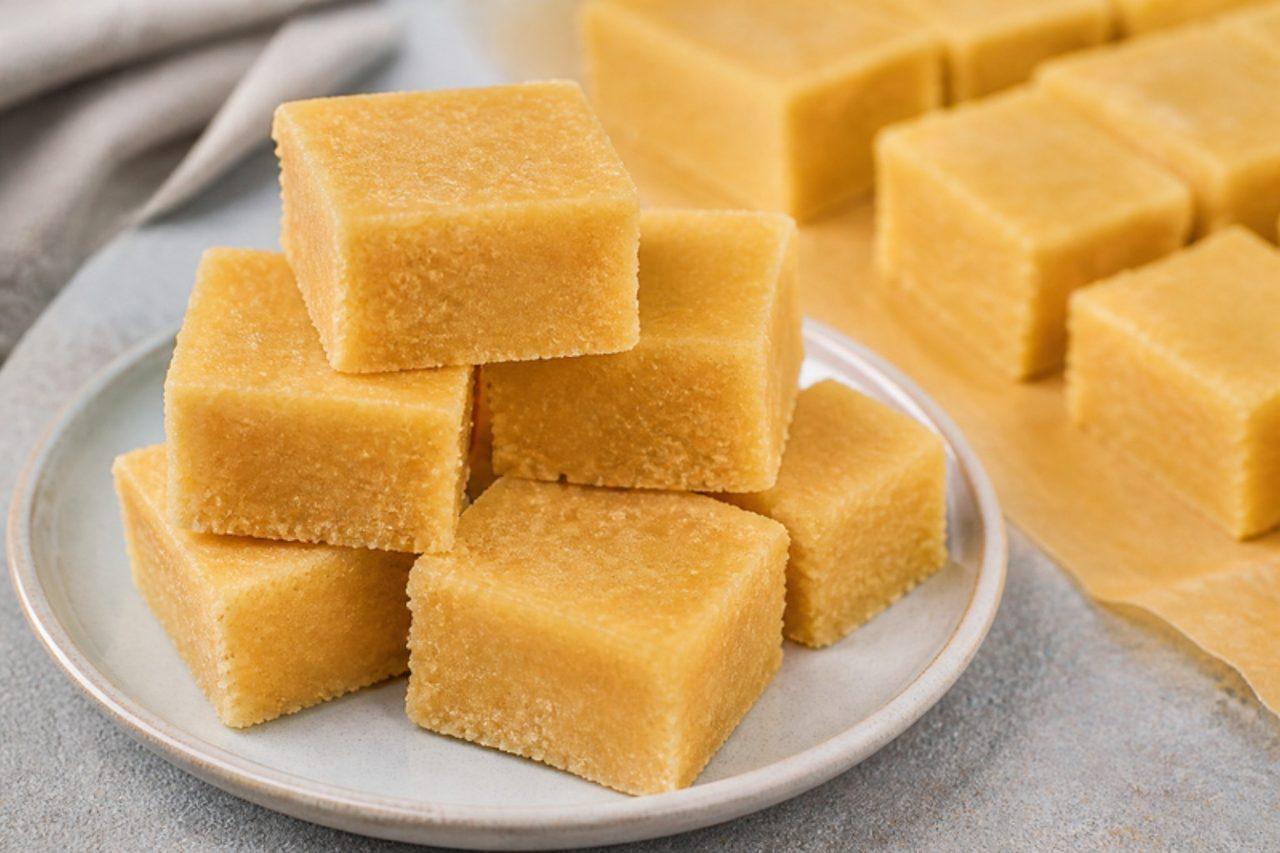
Tablet is harder and grainier than fudge, a sugary square sold at every church fête, Highland games and corner shop in Scotland and taken home in paper bags by visitors. Sugar, butter, milk and condensed milk are boiled to the soft-ball stage and beaten until they crystallise, giving that crumbly, melting snap. Chef's tip: beat it hard off the heat until it loses its gloss and drags on the spoon; stop too early and you have soft fudge.

by KrazyBadal 0 views

Surubí a la parrillaGrilled catfish steaks

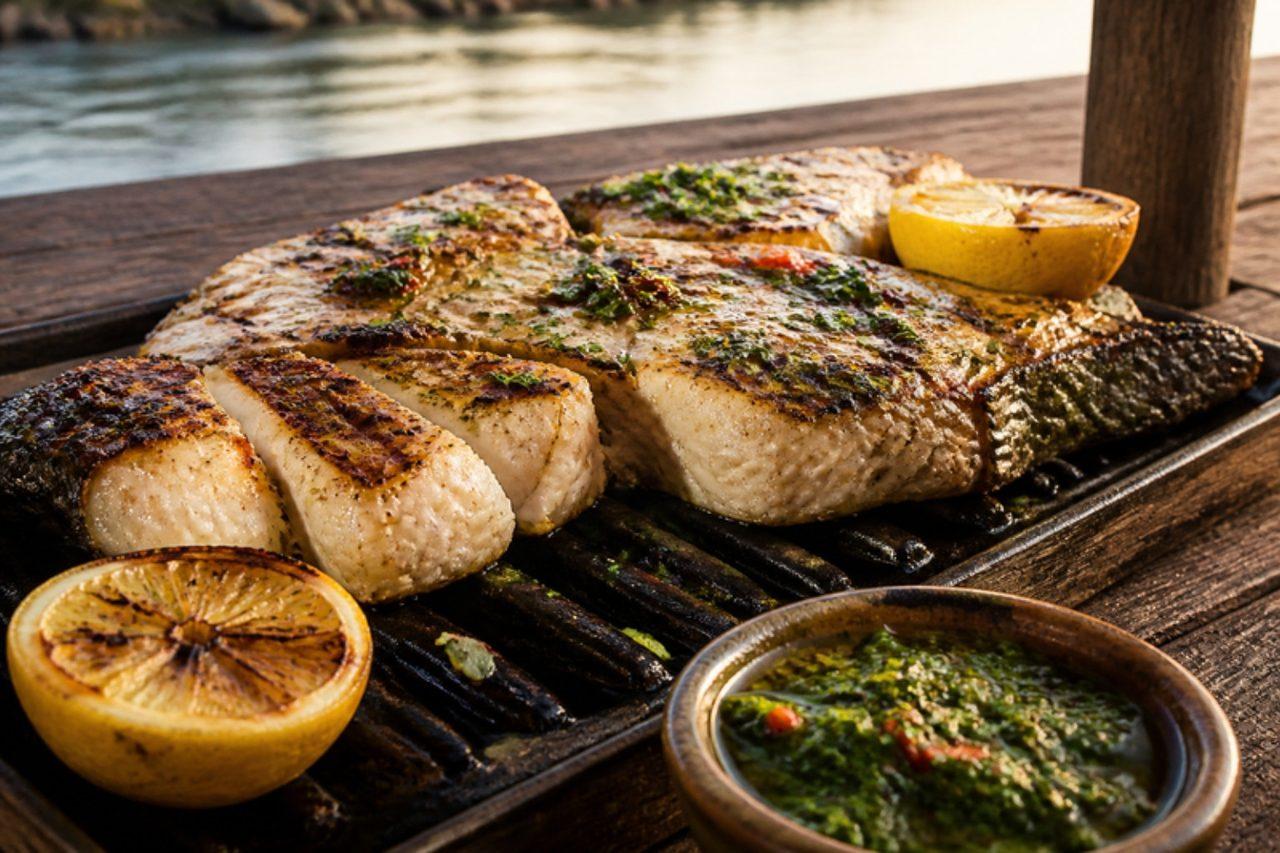
The surubí, a big spotted catfish of the Paraná, has firm, almost meaty white flesh with no fine bones, which is why riverside parrillas in Corrientes, Goya and Esquina cut it into thick steaks and throw it on the grill like beef. A short soak in lemon, garlic and oil, plenty of salt, and live coals are all it asks. Serve with boiled cassava or potatoes, salsa criolla and a cold lemonade. Outside Argentina, buy thick steaks of another firm catfish, or of monkfish or swordfish. The usual mistake is trying to flip the fish too soon: it tears and sticks until a crust has formed and it lets go of the grate by itself. Chef's tip: oil the fish rather than the grill, and rub the hot bars with half a lemon just before the steaks go on.

by KrazyBadal 0 views

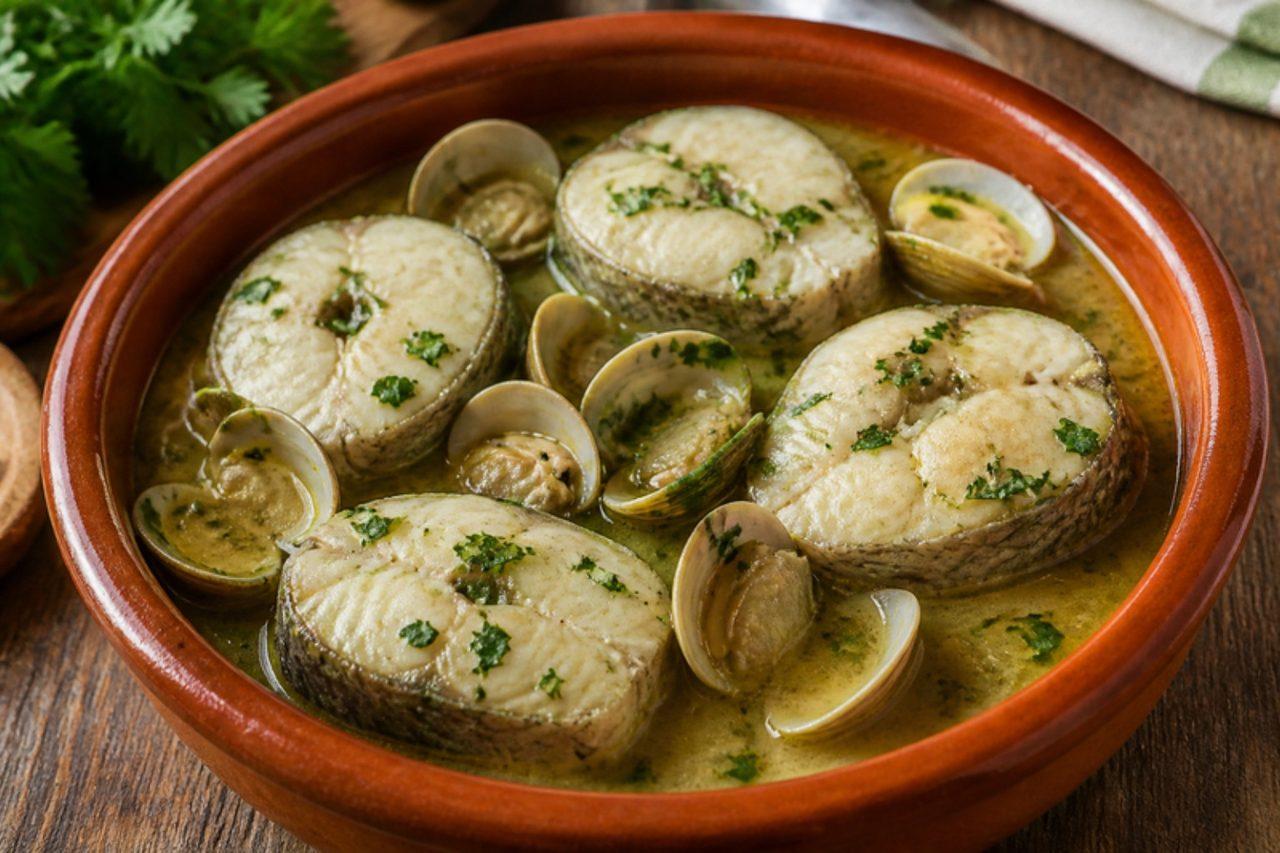
Merluza en salsa verdeHake and clams in parsley sauce

Bilbao families have cooked merluza en salsa verde in a shallow clay cazuela for generations, and it still turns up at Sunday lunch and on Christmas Eve. The sauce is just olive oil, garlic, parsley and the fish's own juices, thickened by gently shaking the dish so the gelatine from the hake binds it, much like a pil-pil. Clams open on top at the end. A common mistake is stirring with a spoon, which breaks the fish; swirl the dish instead. Chef's tip: keep the heat low once the hake goes in, because the sauce only comes together when it barely simmers.

by KrazyBadal 0 views

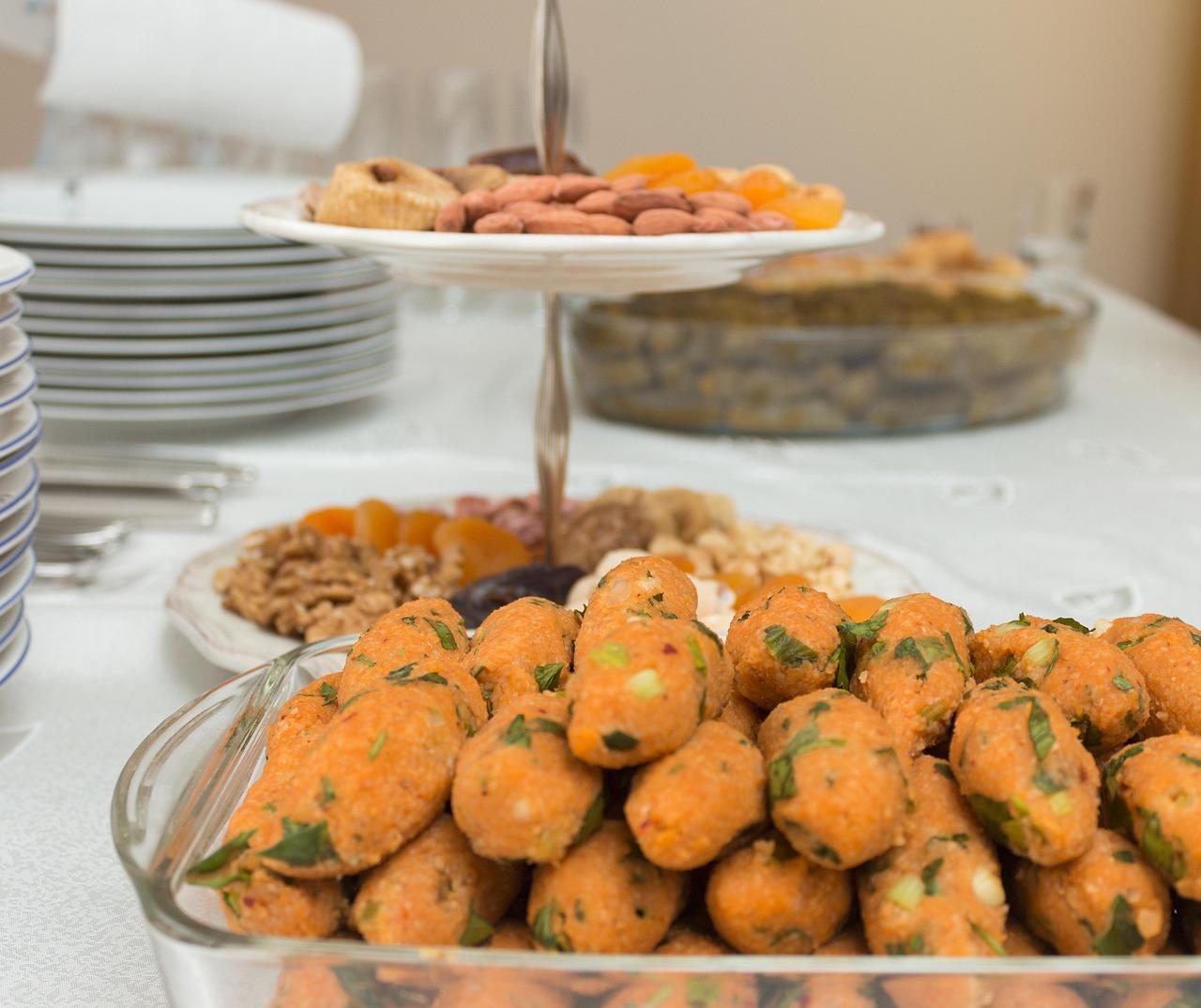
Mercimek köftesiRed lentil and bulgur patties

No women's afternoon gathering in Ankara or Kayseri is complete without a platter of mercimek köftesi: little finger-pressed ovals of red lentils and fine bulgur, rich with onion, pepper paste, cumin and a big handful of spring onion and parsley. They're eaten cold, tucked into lettuce leaves with a squeeze of lemon, and they keep well for picnics and lunch boxes. Common mistake: draining the lentils; the bulgur needs all that hot liquid to swell, so cook the lentils until the water is just absorbed. Chef's tip: knead the mixture with wet hands for a few minutes after the bulgur softens; the more you knead, the smoother and less crumbly the köfte.

by KrazyBadal 0 views

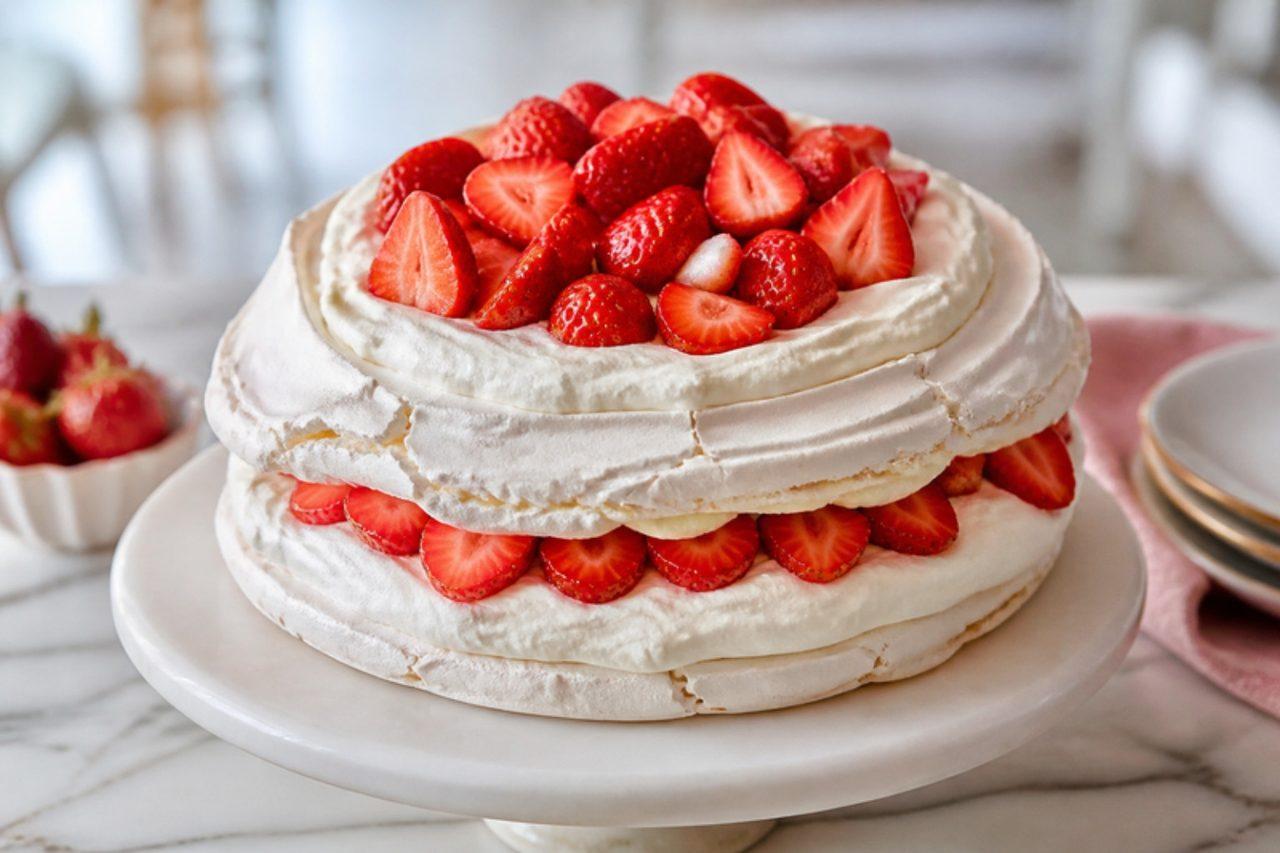
MerengónMeringue with cream and strawberries

Weekend drives out of Bogotá often end at a roadside sweet shop with a slice of merengón: two discs of crisp, chalky meringue sandwiched and piled with whipped cream and fruit. Strawberry is the classic in the highlands, while on the Caribbean coast soursop (guanábana) is just as popular. Think of it as Colombia's answer to pavlova, crunchier and sweeter, assembled shortly before eating so the meringue cracks under the spoon. The meringue needs a long, slow bake and a slow cool in the oven, so plan ahead. Humidity and undissolved sugar are the main enemies: if the sugar is not fully beaten in, the meringue weeps sticky syrup, so rub a little between your fingers and keep whisking until it feels smooth. For a soursop version, swap the strawberries for 300 g thawed soursop pulp, folded into half the cream. Chef's tip: assemble no more than an hour before serving, or the cream softens the meringue.

by KrazyBadal 0 views

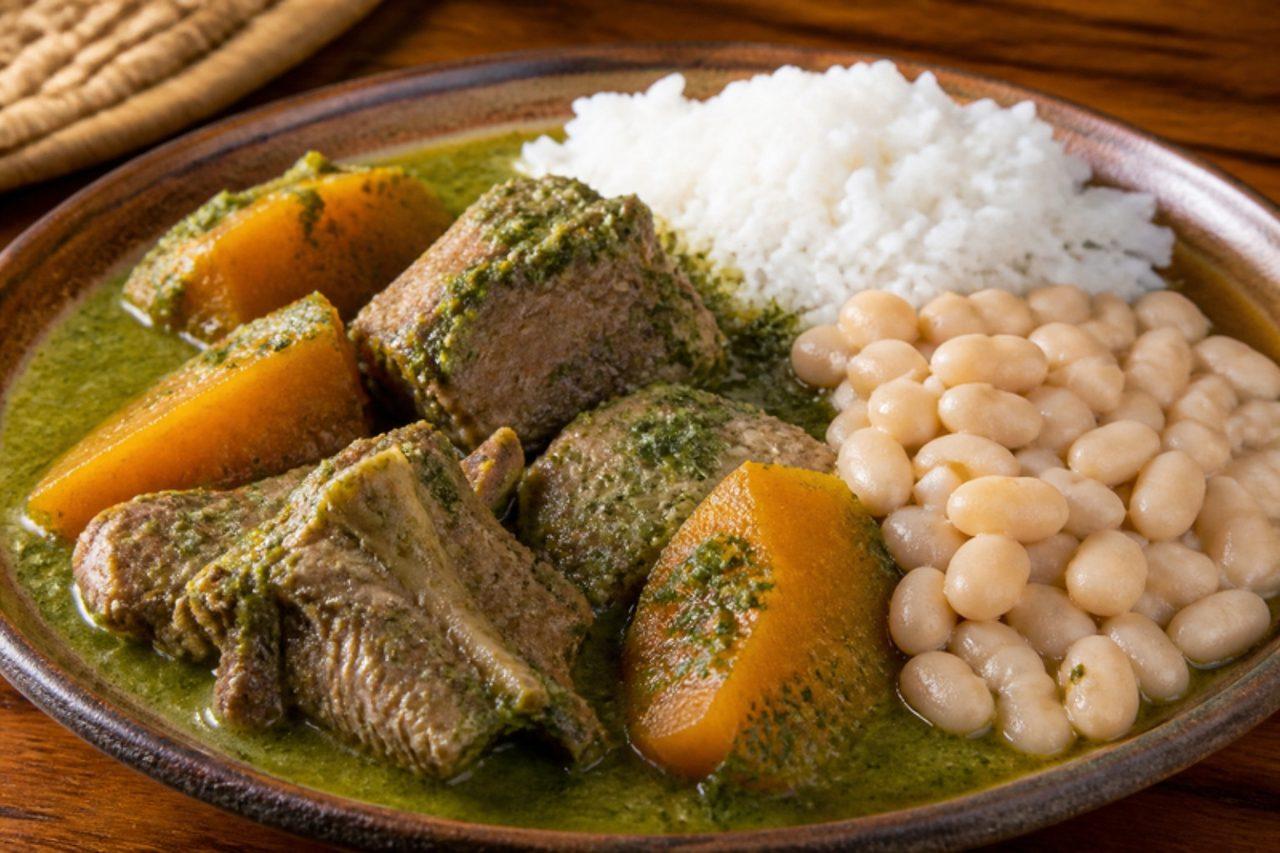
Seco de cabritoBraised kid goat with coriander

Ask anyone in Chiclayo or Lambayeque for the north's great Sunday dish and seco de cabrito comes up first: young goat, marinated in garlic and vinegar, then braised slowly in a deep green sauce of blended coriander, ají amarillo and chicha de jora, with grated loche, the local aromatic squash. The meat turns tender and the sauce is herby, sour and warm. It comes to the table with white rice and frejoles (stewed canary beans) and a sharp salsa criolla. Chicha de jora is a fermented maize beer and contains alcohol; the alcohol-free swap in the ingredients keeps the tang. Lamb shoulder stands in well for kid. People often blend the coriander with the stems discarded, but the stems carry the most flavour, so use the whole bunch. Chef's tip: add half the coriander at the start and half 10 minutes before the end, so the sauce stays bright green.

by KrazyBadal 0 views

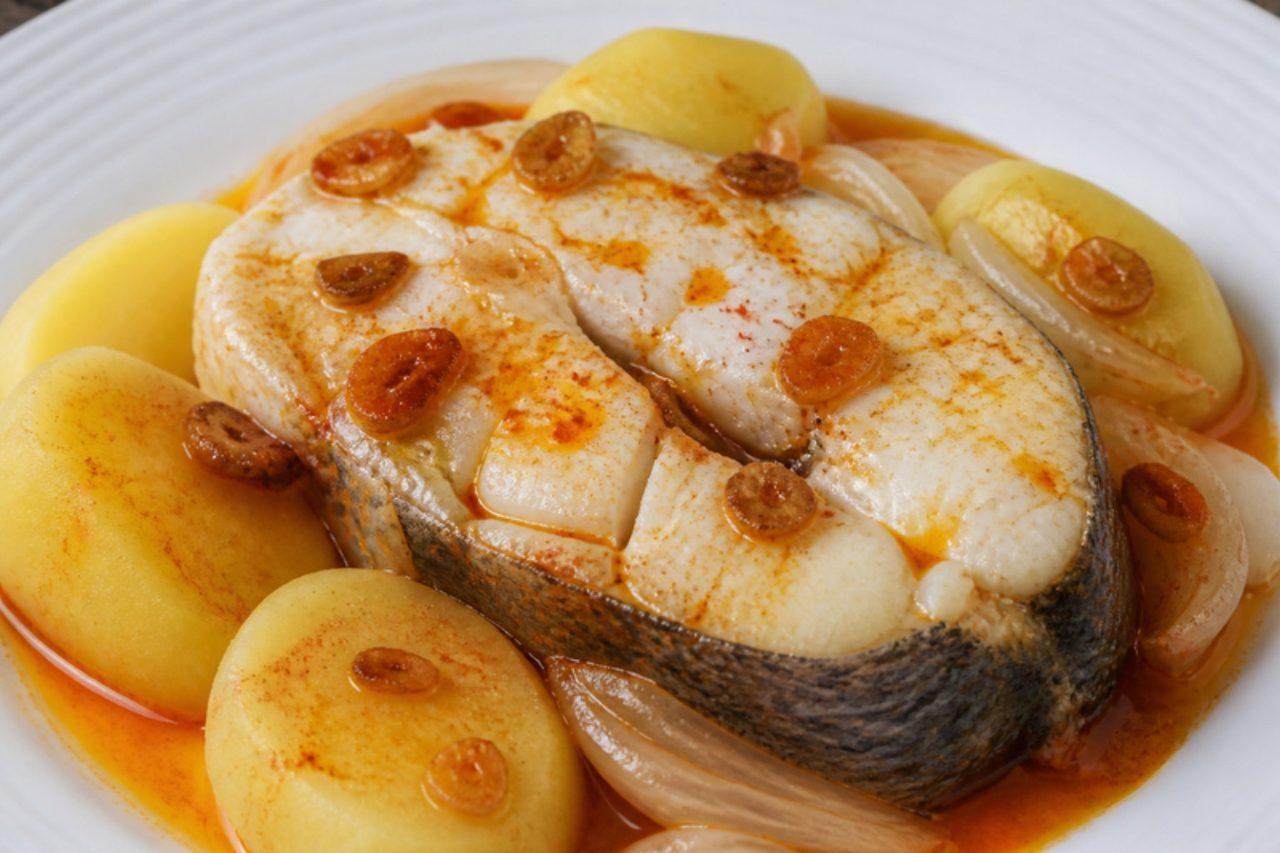
Merluza á galegaPoached hake with paprika garlic oil

This is the Friday supper of Galician homes and the plain, honest plate you find in harbour restaurants from A Coruña to Vigo: thick hake steaks poached with potatoes, onion and bay, then drizzled with ajada, hot olive oil with garlic and paprika. It relies on very fresh fish and good oil. A common mistake is boiling the hake hard, which breaks it apart; it should poach gently in water that barely shivers. Chef's tip: lift out the fish with a slotted spatula and let it drain well, so the ajada sits on top instead of sliding into a watery puddle.

by KrazyBadal 0 views

Seco de chabeloPlantain mash with dried beef

Piura's picanterías, near the dry northern border, serve this rough, savoury mash at lunch: green plantains, roasted or boiled and pounded, mixed with fried strips of carne seca (salted dried beef) and a quick sofrito of onion, tomato and ají amarillo. It is dense, salty and smoky, with the plantain's starchy sweetness, and is eaten with salsa criolla and fried ripe plantain or chifles (plantain crisps). The legend says it was invented for a soldier called Chabelo in the War of the Pacific. Use carne seca or cecina from Latin shops, or unseasoned beef jerky. Pounding the plantains smooth is the classic mistake: chabelo should be lumpy and rustic. Chef's tip: soak the dried beef in warm water for 30 minutes and taste a piece; if it's still very salty, change the water and soak again.

by KrazyBadal 0 views

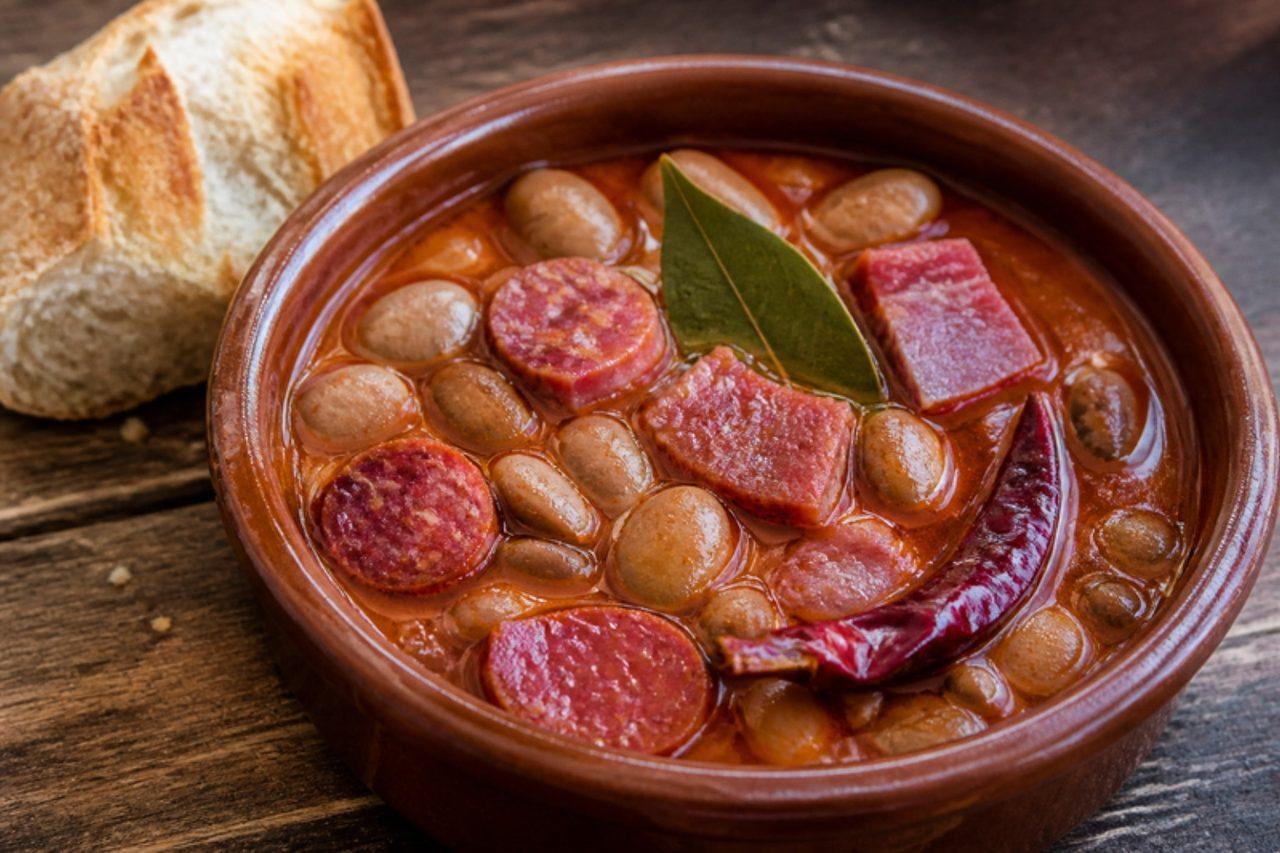
MichironesBroad beans with chorizo and ham

Michirones are dried broad beans slowly simmered with pork, bay and hot chilli until soft and spicy, and in Murcia they are the tapa of cold months, ladled into small bowls in the city's bars with a spoon stuck in. The beans need a long soak and a long cook, so bars make a big pot in the morning that lasts all day. This contains pork (chorizo, panceta and a cured ham bone). Chef's tip: wait until the end to add salt, because the ham bone and chorizo season the broth as they cook.

195 minSpanishMeatSpicy
by KrazyBadal 0 views

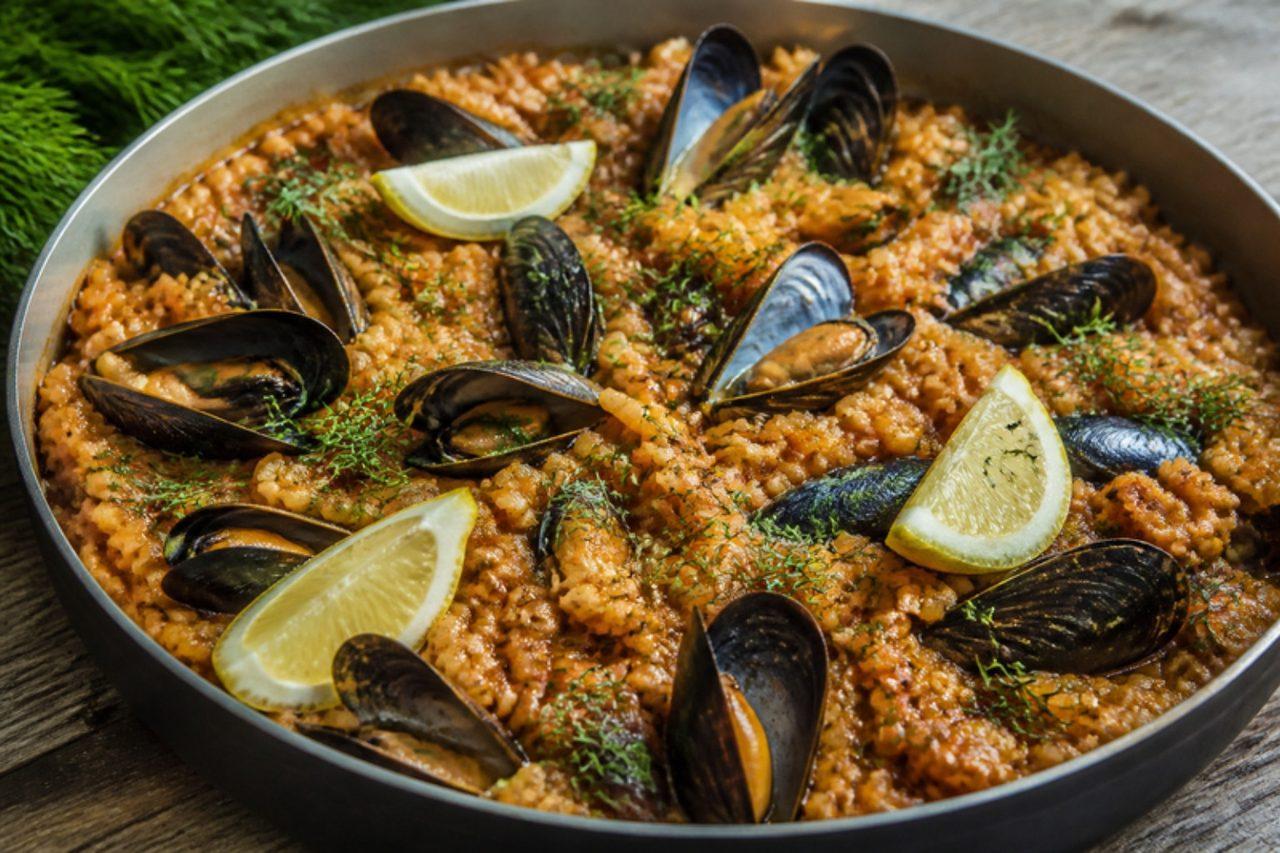
MidopilafoMussel pilaf

Midopilafo is what Thessaloniki fishermen's families make on a fasting Friday or a cheap midweek night, when a bag of mussels from the Thermaic Gulf can feed a crowd. The mussels are steamed first and their briny liquor becomes the stock for the rice, which simmers with onion, a little tomato and dill until tender and a touch soupy. The shelled mussels go back in at the end so they stay plump. Some cooks add white wine; this version uses lemon and the mussel juice only, so it is alcohol-free. Common mistake: cooking the shelled mussels with the rice the whole time — they shrink to rubber. Chef's tip: strain the mussel liquor through a fine sieve lined with kitchen paper to catch any grit.

60 minGreekFishGluten free
by KrazyBadal 0 views

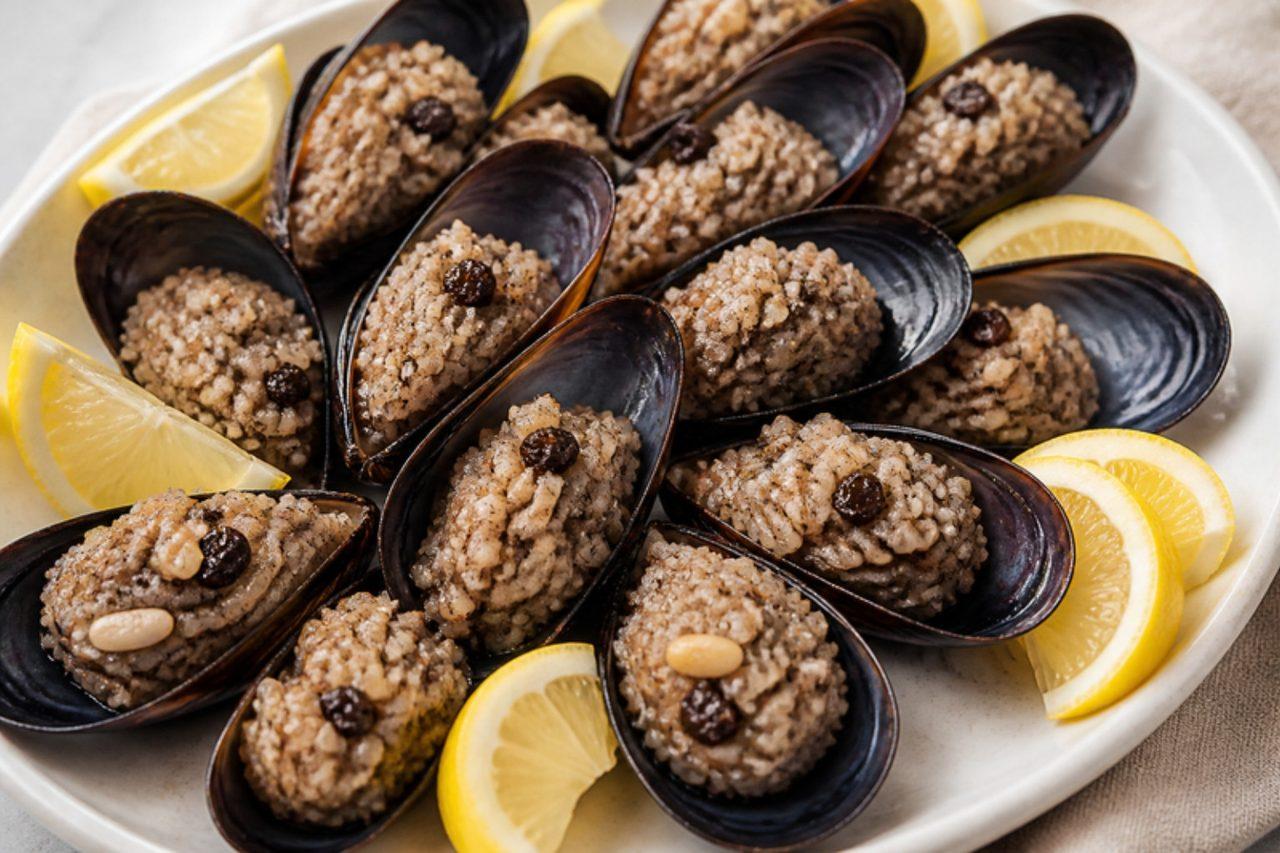
Midye dolmaRice-stuffed mussels

Late at night along Istanbul's Beşiktaş and Kadıköy streets, vendors walk with trays of shiny black mussels stuffed with fragrant rice, cracking one open, squeezing lemon on it and handing it over until you say stop. The rice is cooked with onion, tomato paste, cinnamon, allspice, currants and pine nuts, then steamed back inside the shells. Make them at home for a meze table and they are safer and fresher than any street tray. Chef's tip: soak the closed mussels in cold salted water first; the shells relax slightly and are much easier to prise open with a small knife.

105 minTurkishFish
by KrazyBadal 0 views

Migas a la aragonesaFried breadcrumbs with sausage and bacon

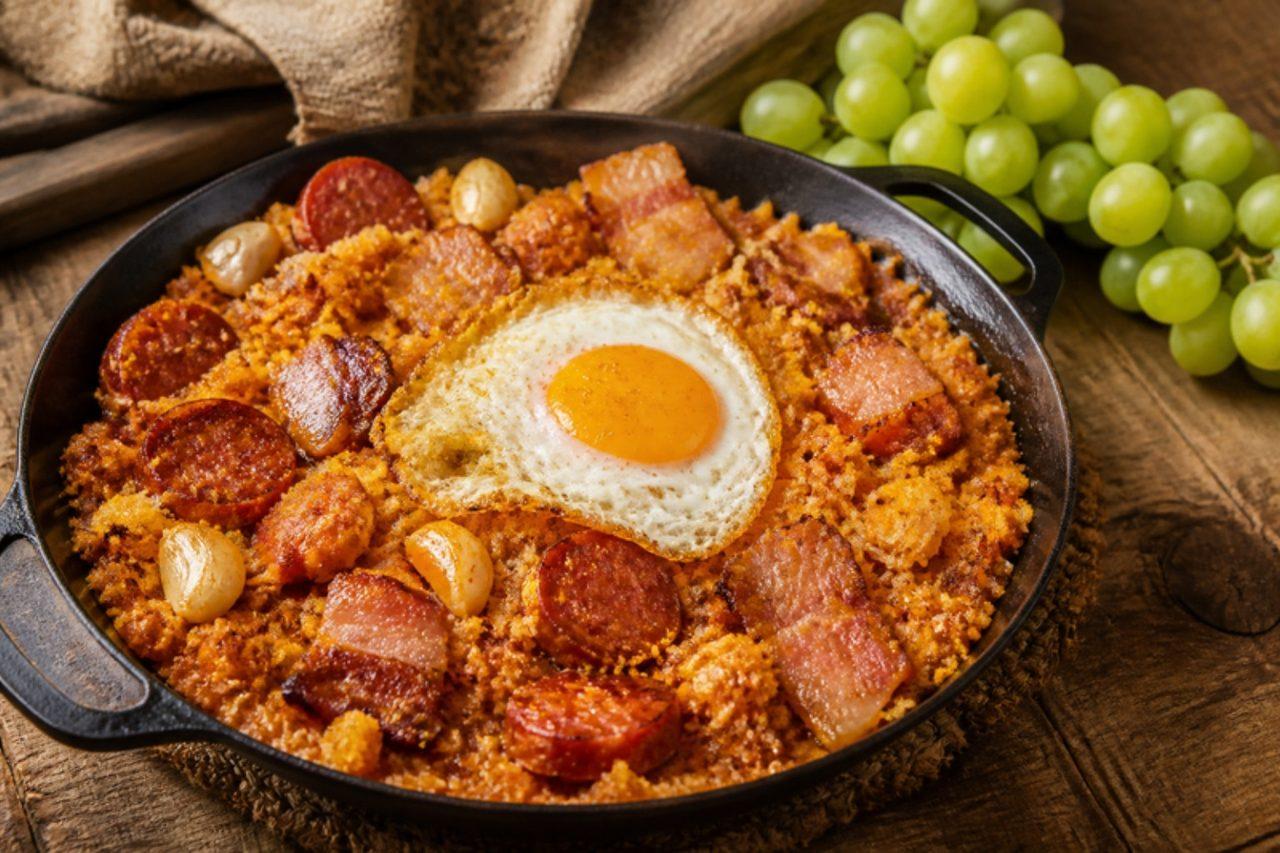
Shepherds in the Aragonese uplands made migas from yesterday's bread, a little water, garlic and whatever pork was hanging in the larder, and it is still a cold-weather breakfast, a hunters' lunch and a fiesta dish in villages from the Pyrenees to the Maestrazgo. Fried slowly in a wide pan, the dampened crumbs turn golden and crisp on the outside and stay soft inside, flecked with fried longaniza and bacon. Fresh green grapes or a fried egg on the side are the classic way to serve them. This contains pork (longaniza sausage and bacon). A common mistake is soaking the bread: sprinkle the water on and leave it overnight, or the migas turn to paste. Chef's tip: keep turning the crumbs with the edge of a spatula, chopping as you go; it is the long, patient stirring that makes them loose and crisp.

by KrazyBadal 0 views

Migas extremeñasFried breadcrumbs with chorizo

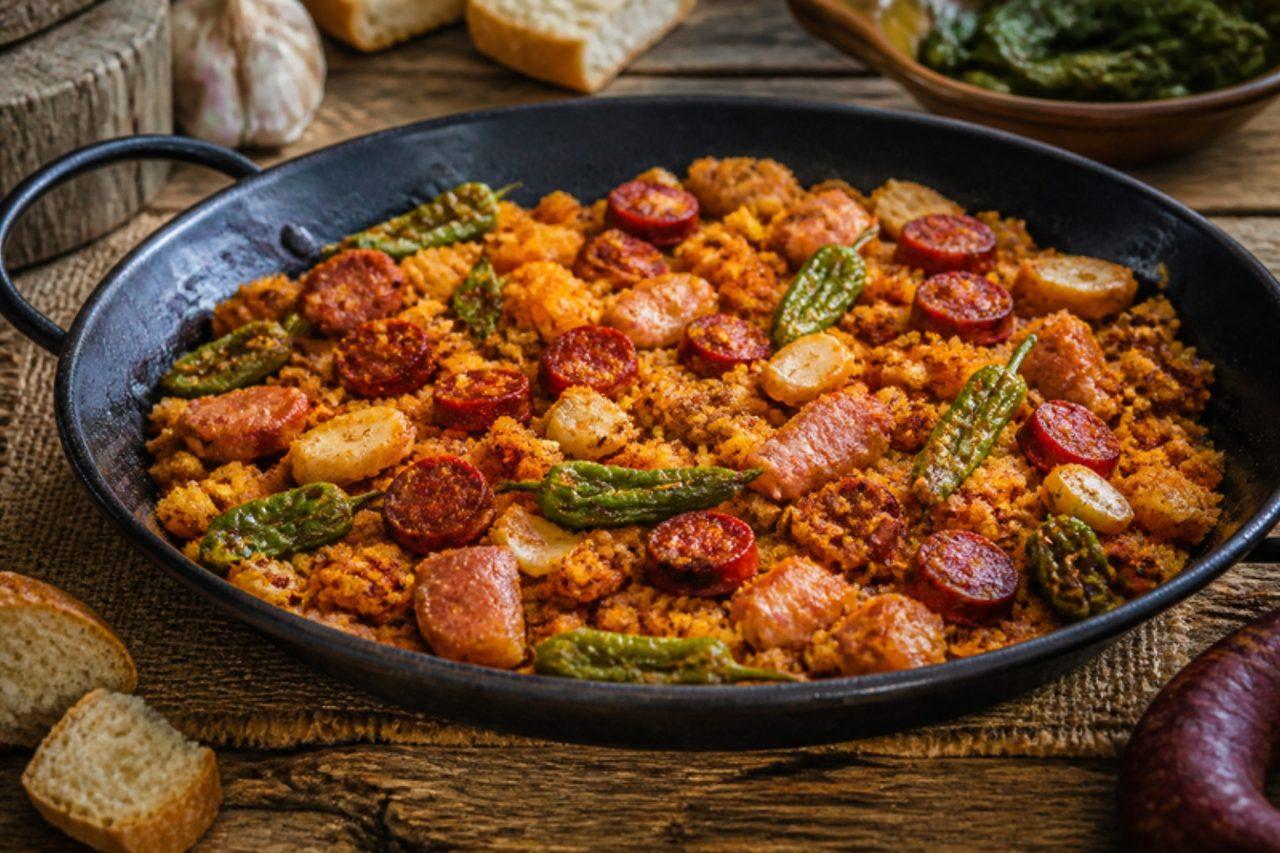
Migas were the breakfast of Extremaduran shepherds, made from the hard bread they carried, and they are still what families cook on a rainy winter day or at a village fiesta, often in a huge pan stirred with a long spoon. The bread is cut tiny, dampened and left overnight, then fried slowly in garlicky oil with panceta and chorizo until loose, golden and crunchy at the edges. They are served with grapes or melon on the side, and sometimes a fried egg. This contains pork (panceta and chorizo). Chef's tip: keep turning the crumbs with a spatula the whole time; this constant movement is what makes them loose.

by KrazyBadal 0 views

Milho fritoFried cornmeal cubes with kale

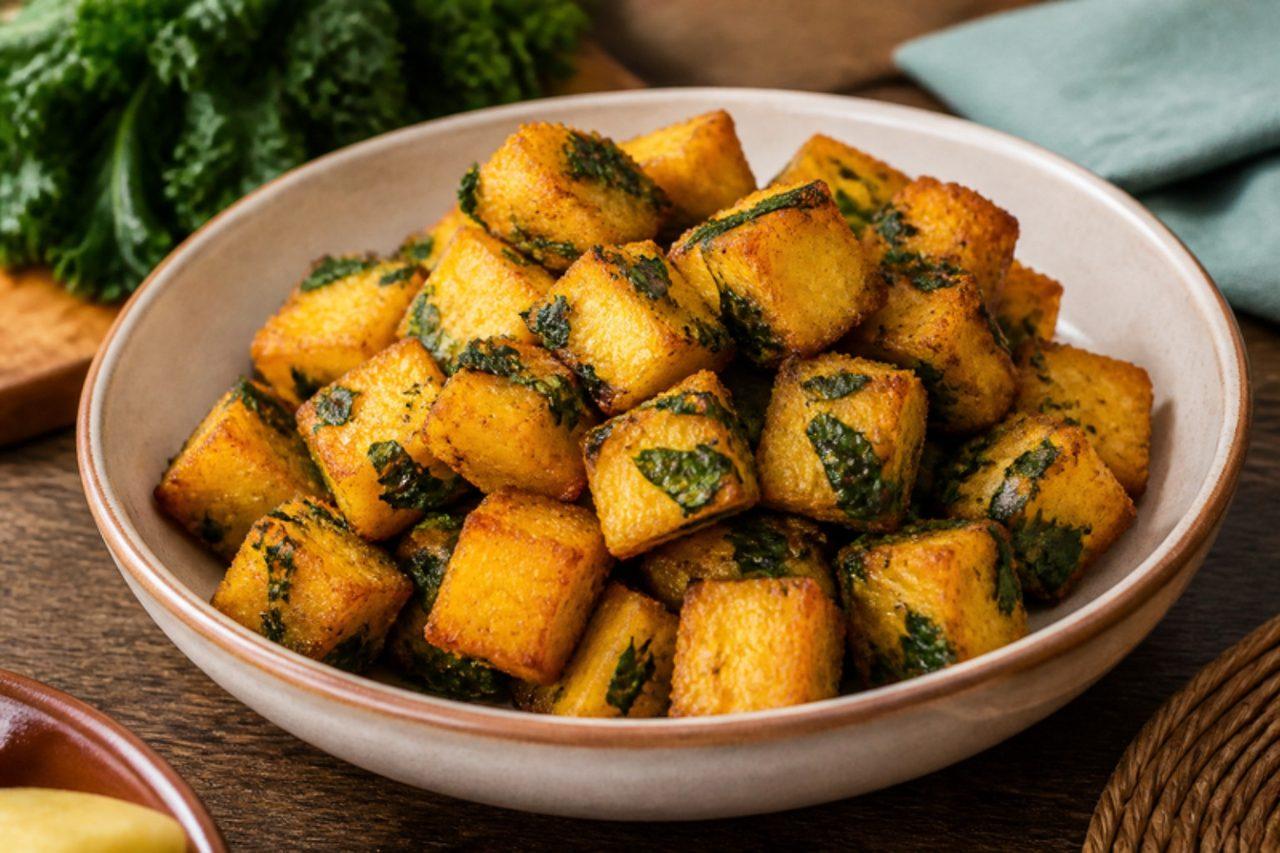
Order espetada in any Madeiran restaurant and a basket of these golden cubes comes with it: polenta-style cornmeal cooked with shredded kale and garlic, set in a tray, then cut and fried until crunchy outside and soft and creamy within. They are also cooked at home on Sundays alongside grilled fish. Chef's tip: make the cornmeal the day before, as a well-chilled block cuts cleanly and doesn't fall apart in the oil.

by KrazyBadal 0 views

Secretos de porco pretoGrilled black pork

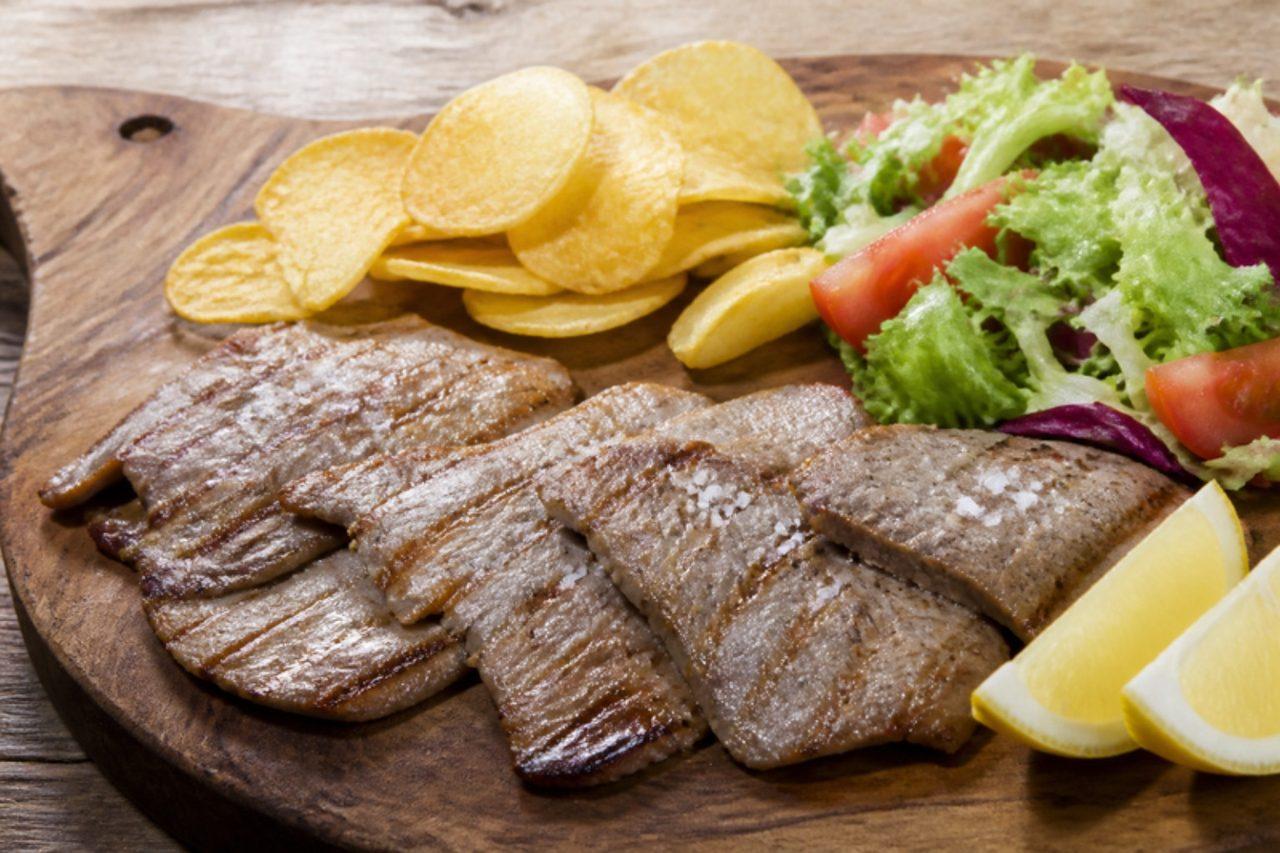
The secreto is a thin, marbled cut hidden between the shoulder fat and the loin of the Alentejo black pig, the free-ranging breed that fattens on acorns under the cork oaks. Butchers once kept it for themselves; now it is on every Alentejo grill menu, served with fried potatoes, migas or a salad of orange and onion. This contains pork. It needs only salt, garlic and a hot grill, since the fat inside bastes it as it cooks. A common mistake is moving the meat around: leave it on the grill so it builds a crisp, browned crust. Chef's tip: let the meat come to room temperature for 20 minutes before cooking, so it browns evenly and stays juicy.

by KrazyBadal 0 views

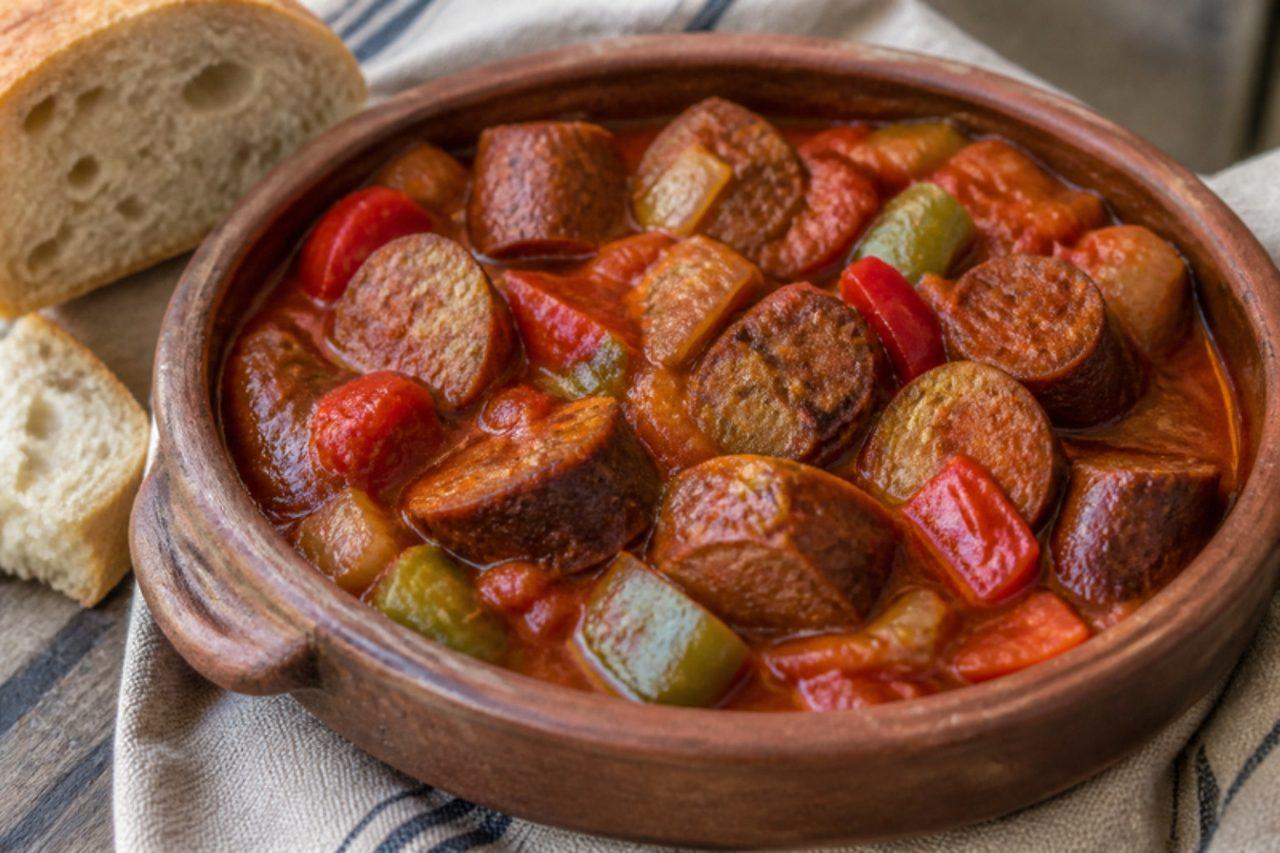
SpetzofaiSausage and pepper stew

Spetzofai is the dish shepherds in the Pelion mountains near Volos cooked over the fire: spicy village pork sausages sliced and stewed with long green and red peppers in a thick tomato sauce. Now it's on every tsipouro-bar menu in Volos, served sizzling in a clay dish with bread and feta. Use coarse pork sausages with leek or orange peel if you can find them. Common mistake: cooking the peppers to mush — they should be soft but still hold their shape. Chef's tip: brown the sausage slices hard first; the fat they leave flavours the peppers.

55 minGreekMeatGluten freeSpicy
by KrazyBadal 0 views

Mingau de tapiocaTapioca and coconut porridge

Before the buses fill up, mingau sellers set out tall aluminium pots on Salvador's street corners and ladle out tapioca porridge into plastic cups for workers on the way in. It is thick, spoon-coating and gently sweet, made with granulated tapioca or small pearls cooked in milk and coconut milk with cinnamon and clove, and finished with a dusting of cinnamon. At home it is a quick breakfast, a soothing supper for children and the classic thing to give someone who is unwell. Many vendors also sell mingau de milho and de puba from neighbouring pots. Where people go wrong is adding the tapioca to boiling milk without soaking it first; it clumps and stays chalky in the middle. Chef's tip: take the pan off the heat while it still looks a little loose, because the tapioca keeps drinking up liquid and the porridge sets thicker within minutes.

by KrazyBadal 0 views

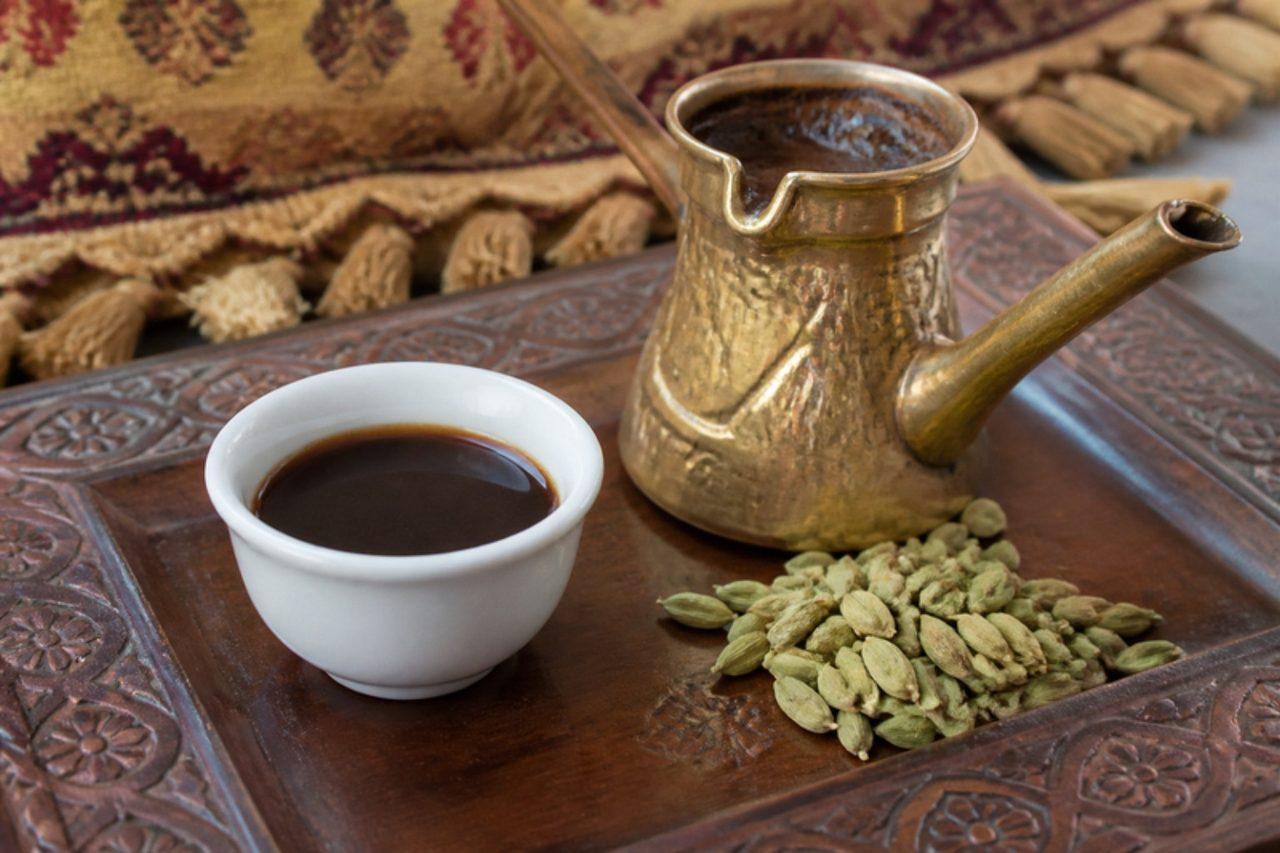
MırraBitter cardamom coffee

In the courtyard houses of Mardin and the guest rooms of Şanlıurfa, mırra is poured from a long-spouted pot into tiny handleless cups, just a mouthful each, as a sign of welcome. It is made by boiling dark-roasted coffee for a long time until it becomes thick, bitter and concentrated, then boiling it again and again. Tradition says you never put the cup down empty unless you mean to marry the host's family, so hand it back with a small shake. It is never sweetened: serve it with dates or a sweet. Common mistake: using finely ground Turkish coffee; it turns muddy, so use medium-ground dark roast. Chef's tip: the second boil is where the flavour comes from, so don't rush it.

by KrazyBadal 0 views

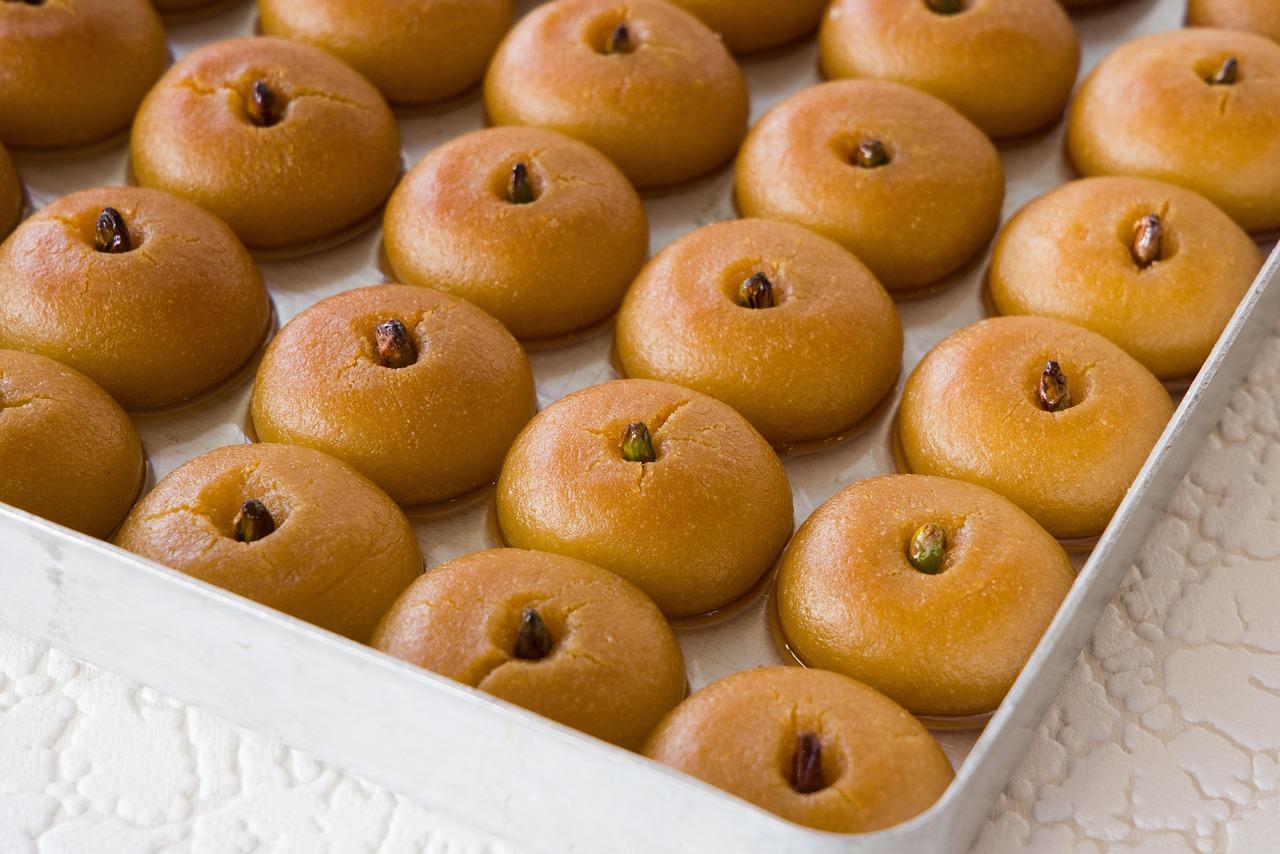
ŞekerpareSemolina almond cookies in syrup

Şekerpare is the cookie that every Turkish household bakes for bayram visits, when trays are passed to relatives and neighbours along with coffee and cologne for the hands. Soft, buttery rounds of semolina dough are each topped with an almond, baked until golden and then soaked in syrup until they are tender all the way through but still hold their shape. They keep for days and taste better on the second. Common mistake: cold syrup on cold cookies, which never soaks in; one of them must be hot. Chef's tip: bake until the bases are properly golden; pale cookies turn mushy when they meet the syrup.

by KrazyBadal 0 views

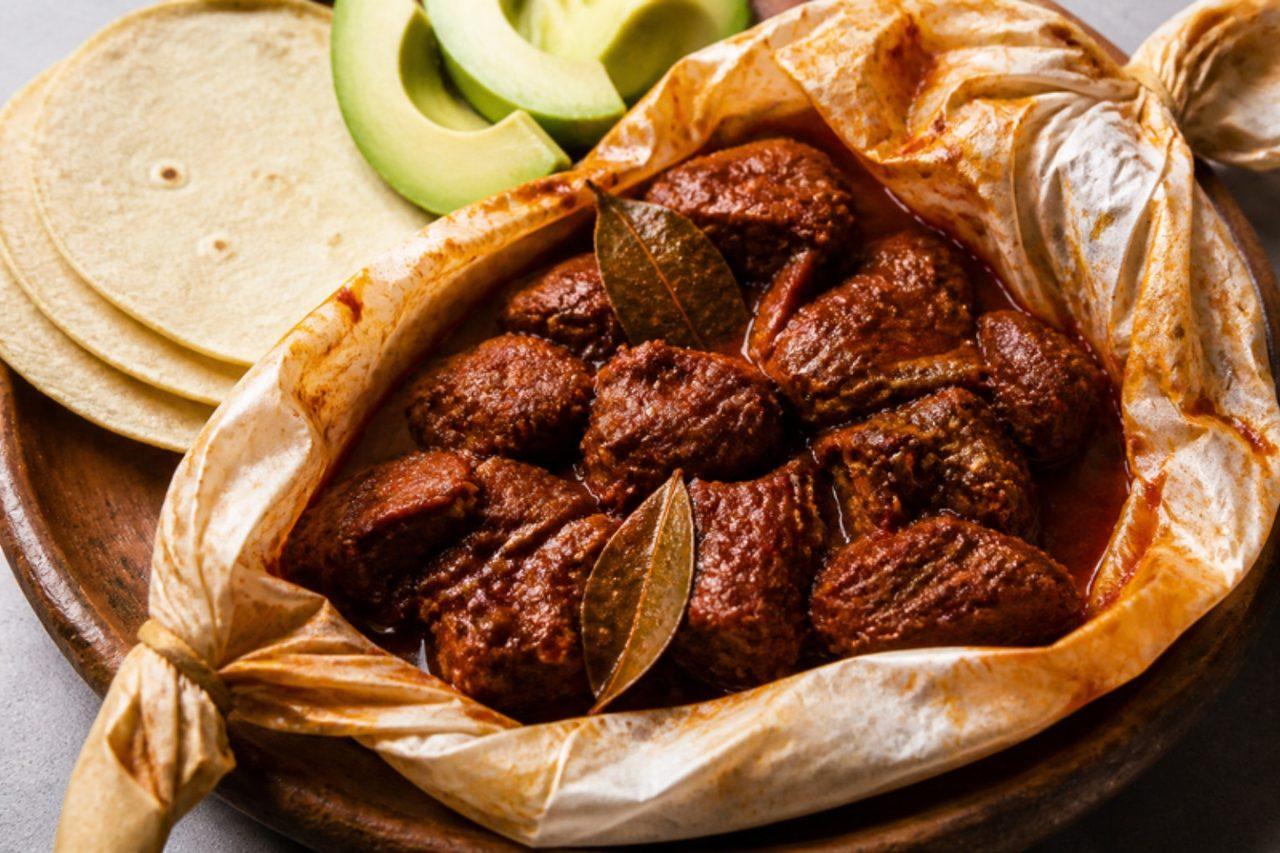
MixiotesChilli lamb steamed in parchment

Mixiotes belong to the high plains of Hidalgo and Tlaxcala, where they are a Sunday and fiesta dish sold from steaming pots at weekly markets. Chunks of lamb (or chicken) are soaked in a dark, aromatic paste of guajillo and ancho chillies with garlic, cumin and cloves, wrapped in parcels and steamed until the meat collapses into its own rich red juices. The traditional wrapper is mixiote, the thin skin peeled from maguey leaves, which is now protected and hard to buy, so this recipe uses baking parchment tied with string. The lamb marinates in the fridge for at least 4 hours or overnight. Open the parcels at the table and serve with corn tortillas, salsa verde and avocado. Chef's tip: twist and tie the parcels tightly so no steam gets in; a sealed parcel keeps the sauce thick and concentrated.

420 minMexicanMeatGluten freeSpicy
by KrazyBadal 0 views

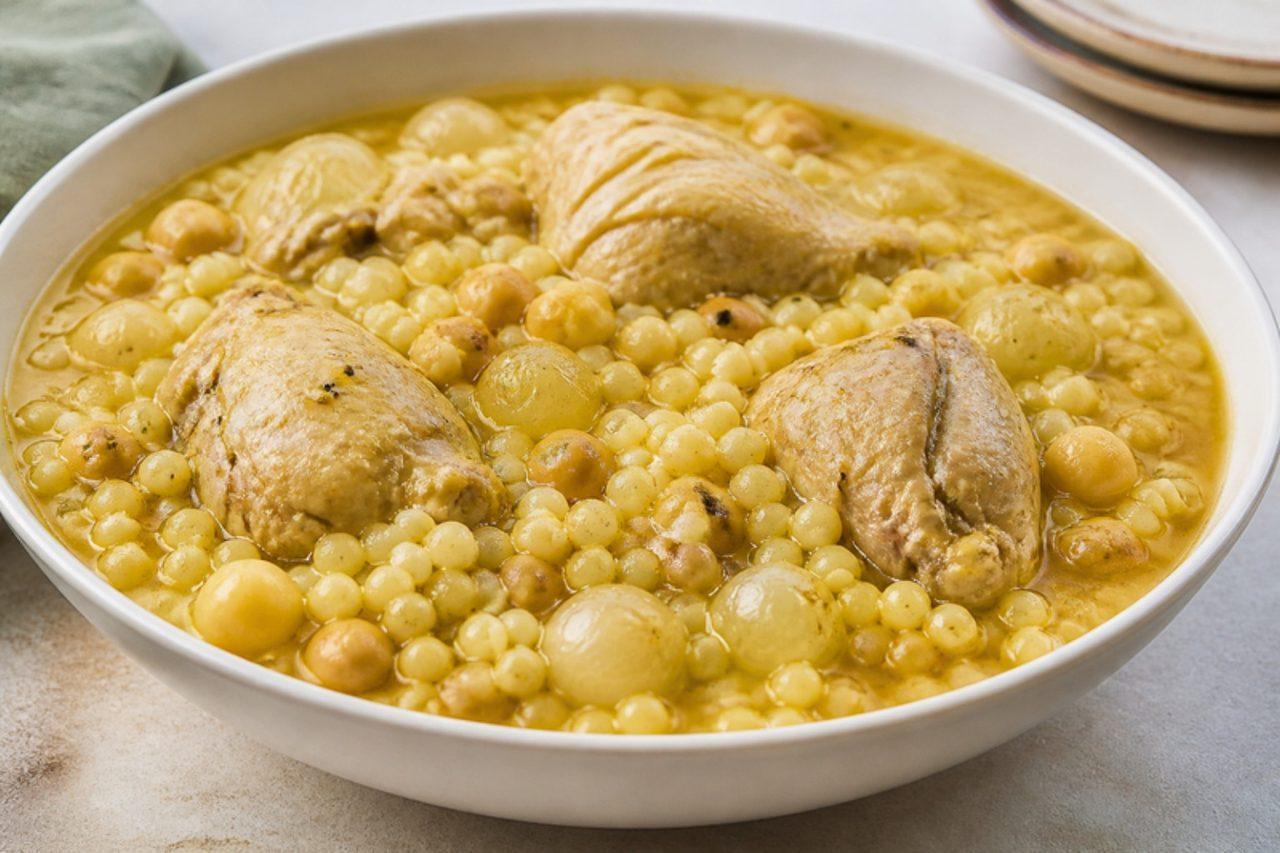
MoghrabiehPearl couscous with chicken and chickpeas

Despite its name, which nods to North Africa, moghrabieh is thoroughly Lebanese: big, chewy pearls of hand-rolled semolina cooked with chicken, baby onions and chickpeas in a broth scented with caraway and cinnamon. Families in Beirut and the mountains make it for Sunday lunch and especially on Christmas Eve in some villages. The pearls are served in a mound with the chicken and onions on top and a jug of broth to moisten each plate. Common mistake: boiling the pearls in the broth from the start; they turn gluey, so parboil them in water first. Chef's tip: toss the drained pearls in a little butter and caraway before mixing them with the onions — they stay separate and glossy.

by KrazyBadal 0 views

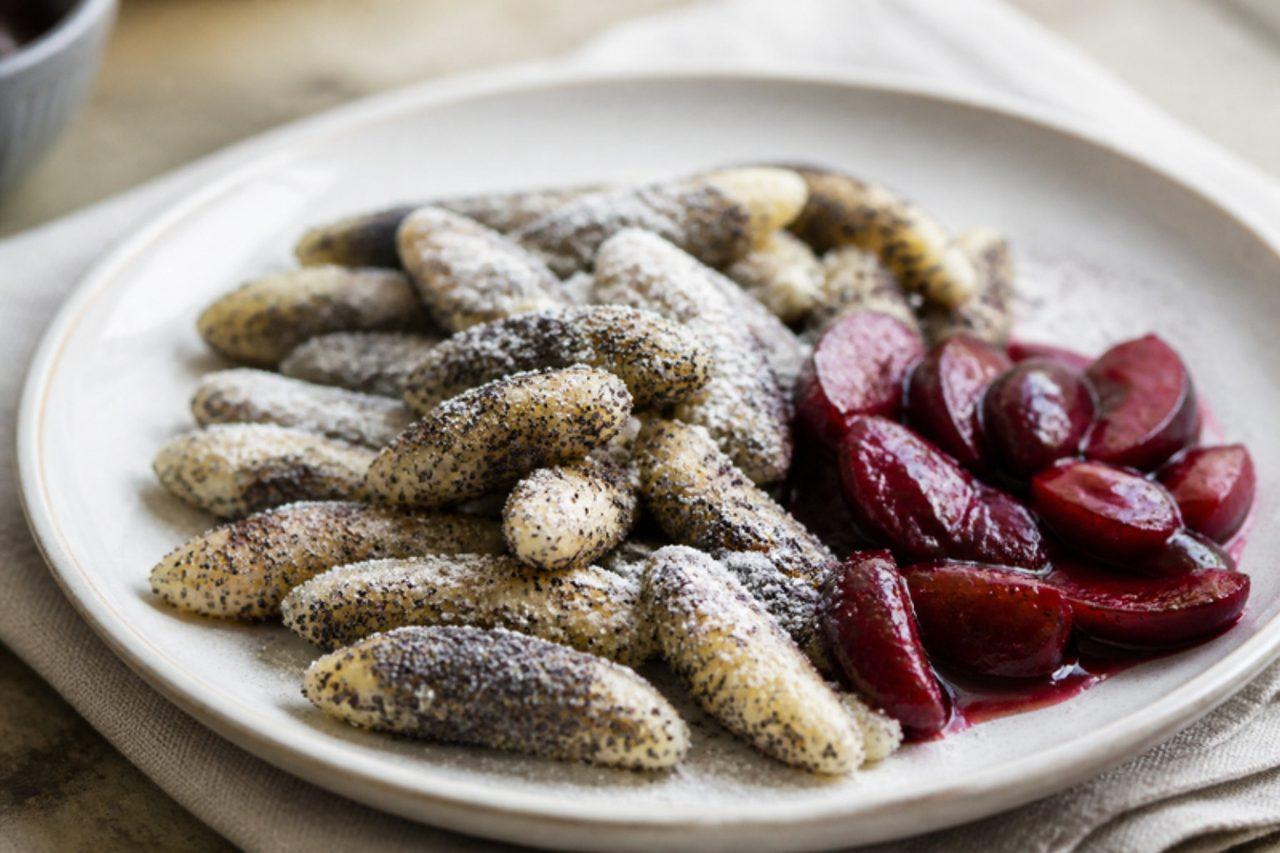
MohnnudelnPotato noodles with poppy seeds

The Waldviertel, the cool, forested uplands of Lower Austria, is poppy country: in July its fields bloom white, pink and violet, and the grey poppy seed grown there has a protected name. Mohnnudeln are its favourite sweet dish, served as a main meal on meatless days or as dessert. Soft potato dough is rolled into little tapered noodles, boiled, then tossed in foaming butter with a generous amount of freshly ground poppy seed and icing sugar, so they taste nutty, buttery and gently sweet. A common mistake is using whole or stale poppy seeds; whole seeds give no flavour and old ground ones taste bitter. Chef's tip: grind the poppy seed yourself in a spice grinder just before using, in short bursts so it doesn't turn to paste.

by KrazyBadal 0 views

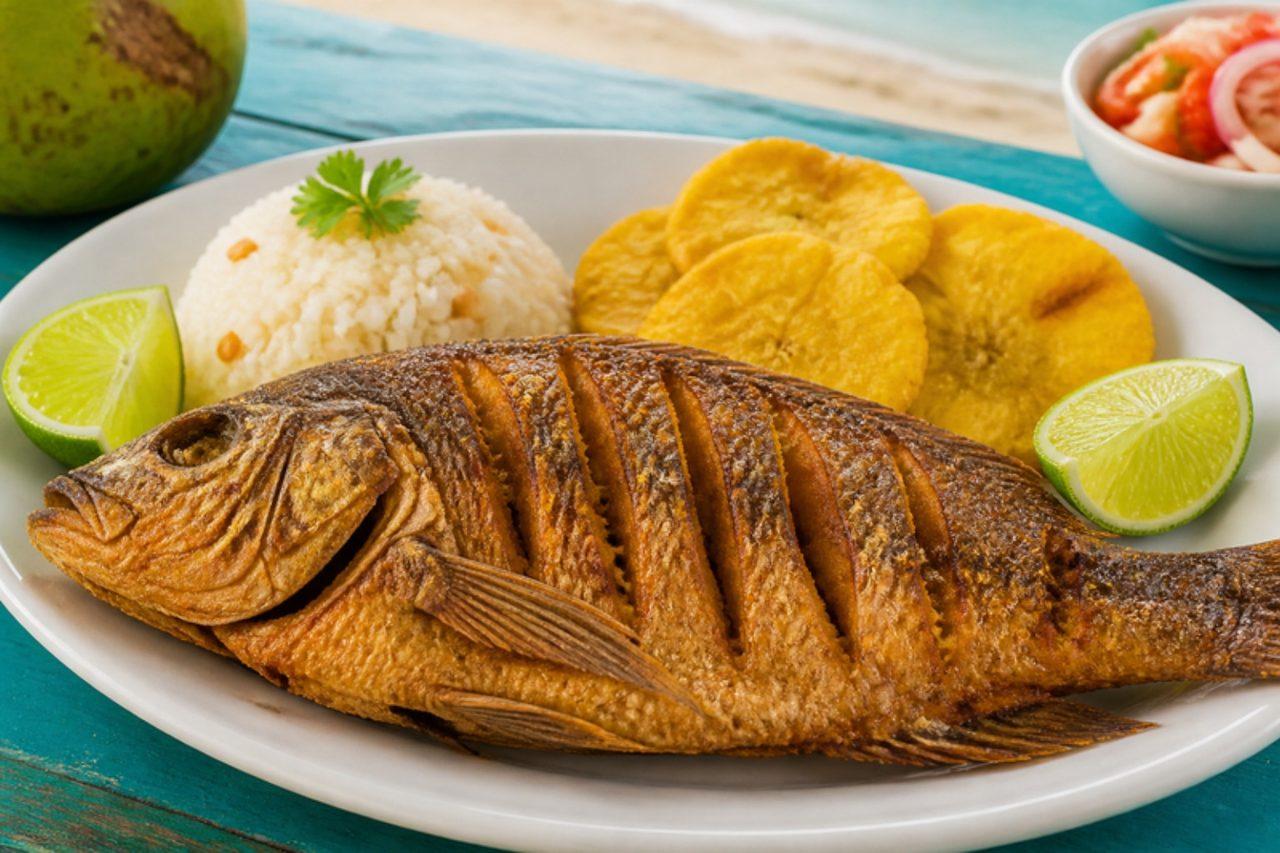
Mojarra fritaFried whole tilapia

On the beaches of Bocagrande and in the open-air kitchens of La Boquilla outside Cartagena, the lunch plate is a whole mojarra (tilapia) fried until its fins crackle, served with coconut rice, smashed green plantain patacones and a tomato and onion salad with lime. The skin goes shatteringly crisp, the flesh stays sweet and moist, and you eat it with your fingers, pulling meat off the bone. Scoring the sides lets the heat and seasoning reach the thick part near the spine. The mistake to avoid is putting a wet fish into the oil, which spits dangerously and leaves the skin soggy: pat it very dry and dust it lightly. Chef's tip: fry one fish at a time in plenty of oil and don't move it for the first 4 minutes, so the skin sets before you turn it. Serve with arroz con coco for the full Caribbean plate.

by KrazyBadal 0 views

Showing 72 of 7,888 recipes

Show more recipes

Page 406 of 877