


Skip to content
Ragù napoletano
Featured recipe

Ragù napoletano

Neapolitan meat sauce

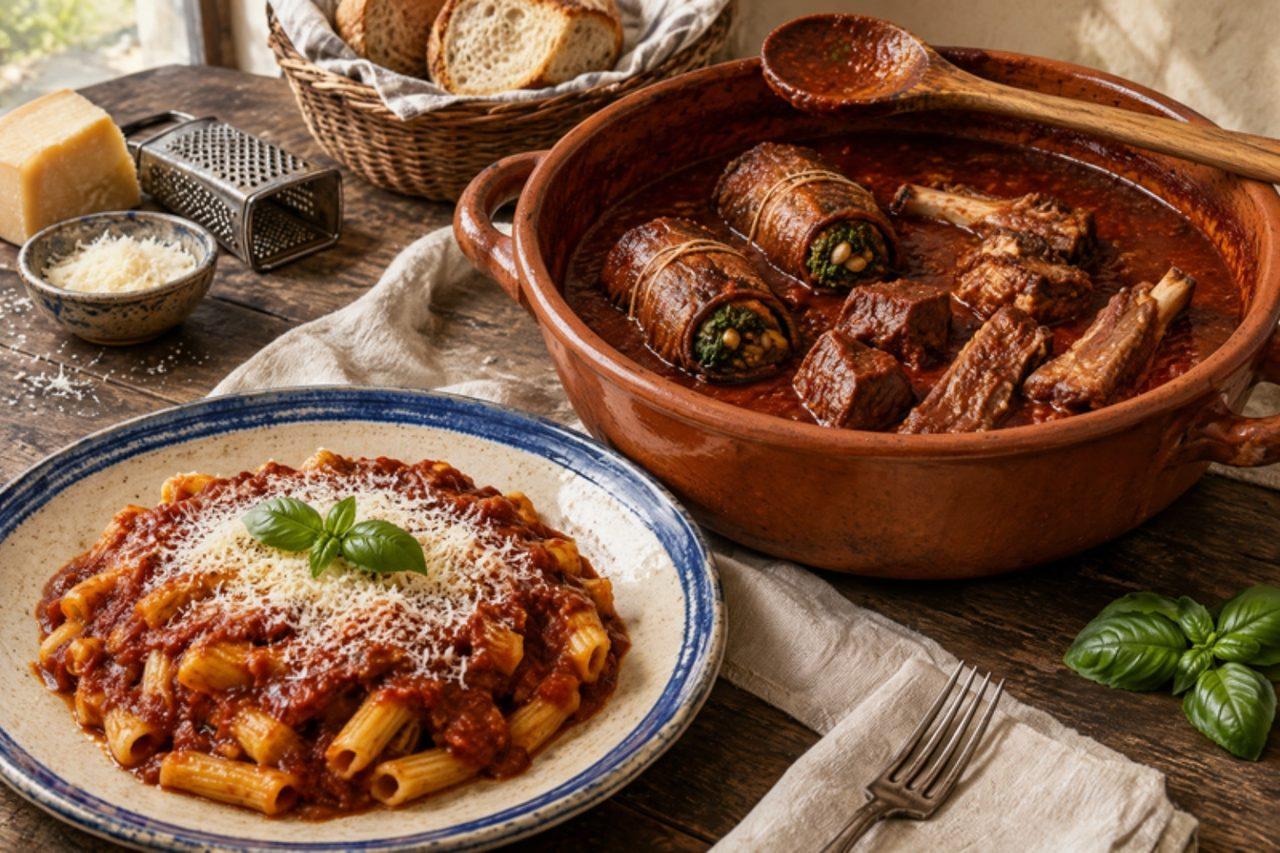
In Naples the ragù is the Sunday ritual: it starts 'pippiare' (barely blipping) on the stove early in the morning, and by lunchtime the sauce goes over ziti or paccheri as the first course and the meat follows as the second. Beef chuck, pork ribs and braciole (thin beef slices rolled around garlic, parsley, pine nuts, raisins and pecorino) are browned, splashed with red wine, then cooked very slowly in tomato passata until the sauce is dark, thick and sweet. This recipe contains pork and alcohol; for an alcohol-free version use 150 ml beef stock with 1 tsp red wine vinegar instead of the wine. The usual mistake is letting it boil: it should only tremble, or the meat toughens and the sauce catches. Slow-cooker option: after browning, low for 8 hours. Chef's tip: leave the lid slightly ajar so the sauce slowly reduces while it cooks.

Read more 0 views

What to eat today?

Around the world

Today's trip: Paraguayan

A new country every day, from every cuisine on the site.

Paraguayan

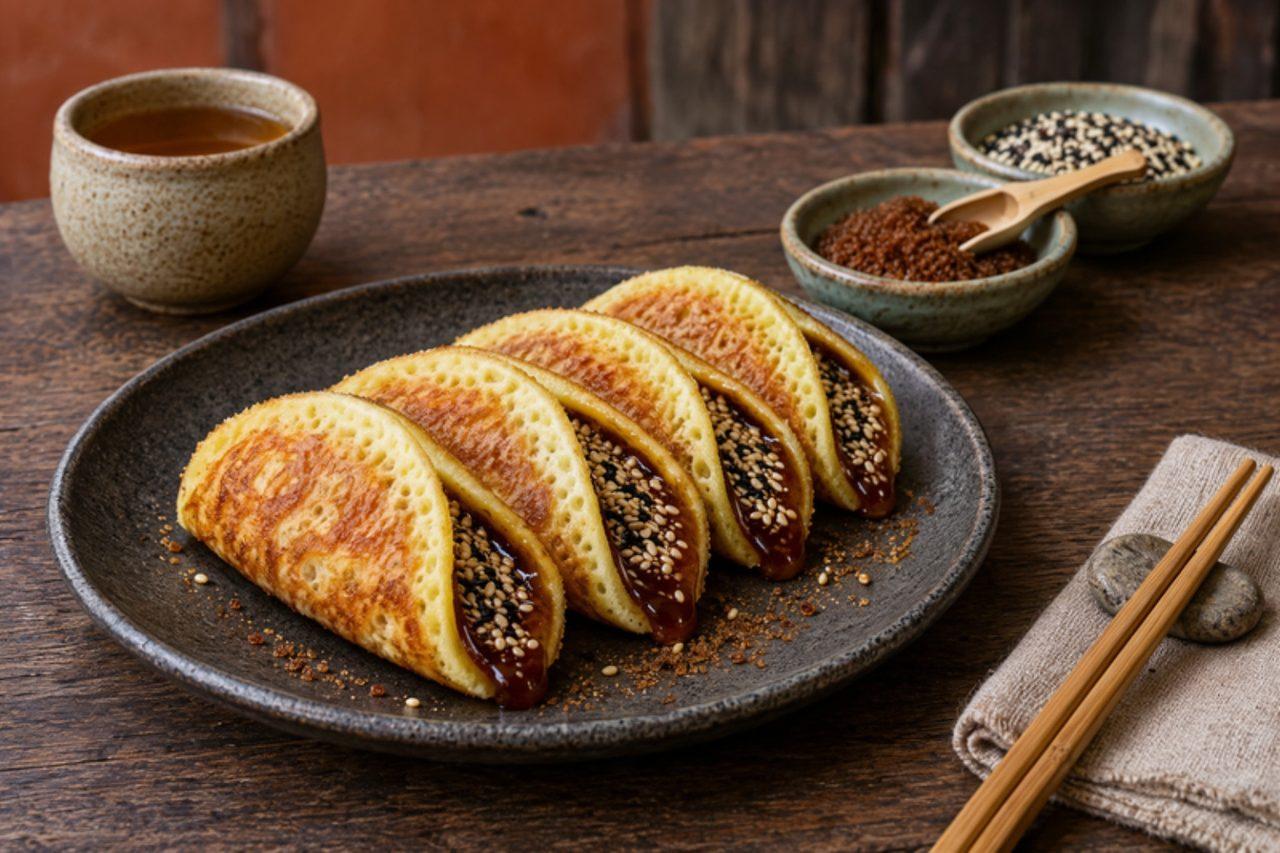
Ka'i ladrillo

Peanut molasses bricks 40 minMore from Paraguayan (27) →

This week's collection

Kid-friendly dinners
537 recipes · a new collection every Monday

Latest recipes

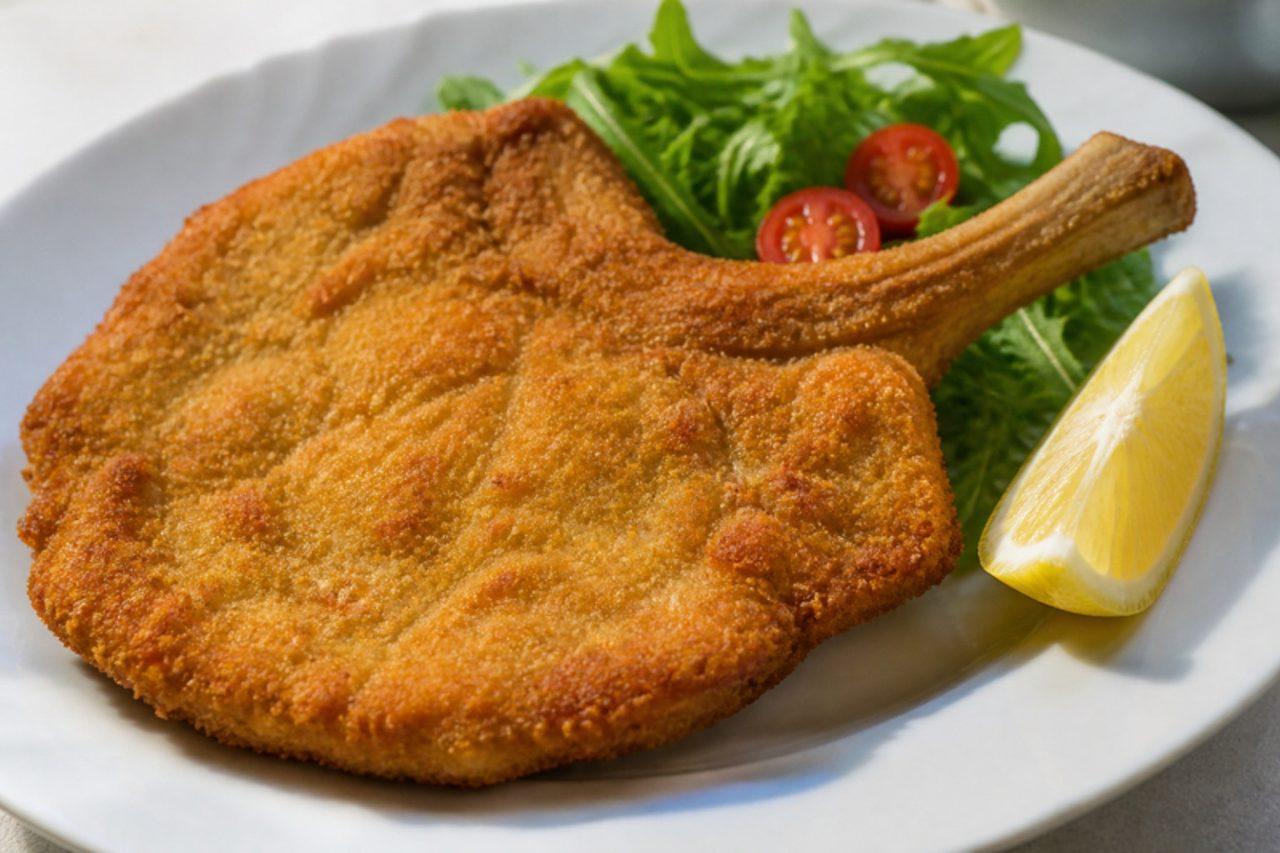
Cotoletta alla milaneseBreaded veal cutlet

The Milanese cotoletta is a thick, bone-in veal rib chop, dipped in egg and breadcrumbs and fried slowly in clarified butter until the crust is deep gold and the meat inside is still juicy and faintly pink. It is the standard Sunday and celebration dish in Milan's old trattorie, served with just a lemon wedge and perhaps a rocket and tomato salad or a few roast potatoes. Unlike the thin, beaten schnitzel, the true cotoletta keeps its bone and is only lightly flattened, so it stays tender. Chef's tip: clarify the butter yourself or use ghee; ordinary butter burns at frying heat and leaves bitter black specks on the crumb.

by KrazyBadal 0 views
CorundasTriangular corn tamales

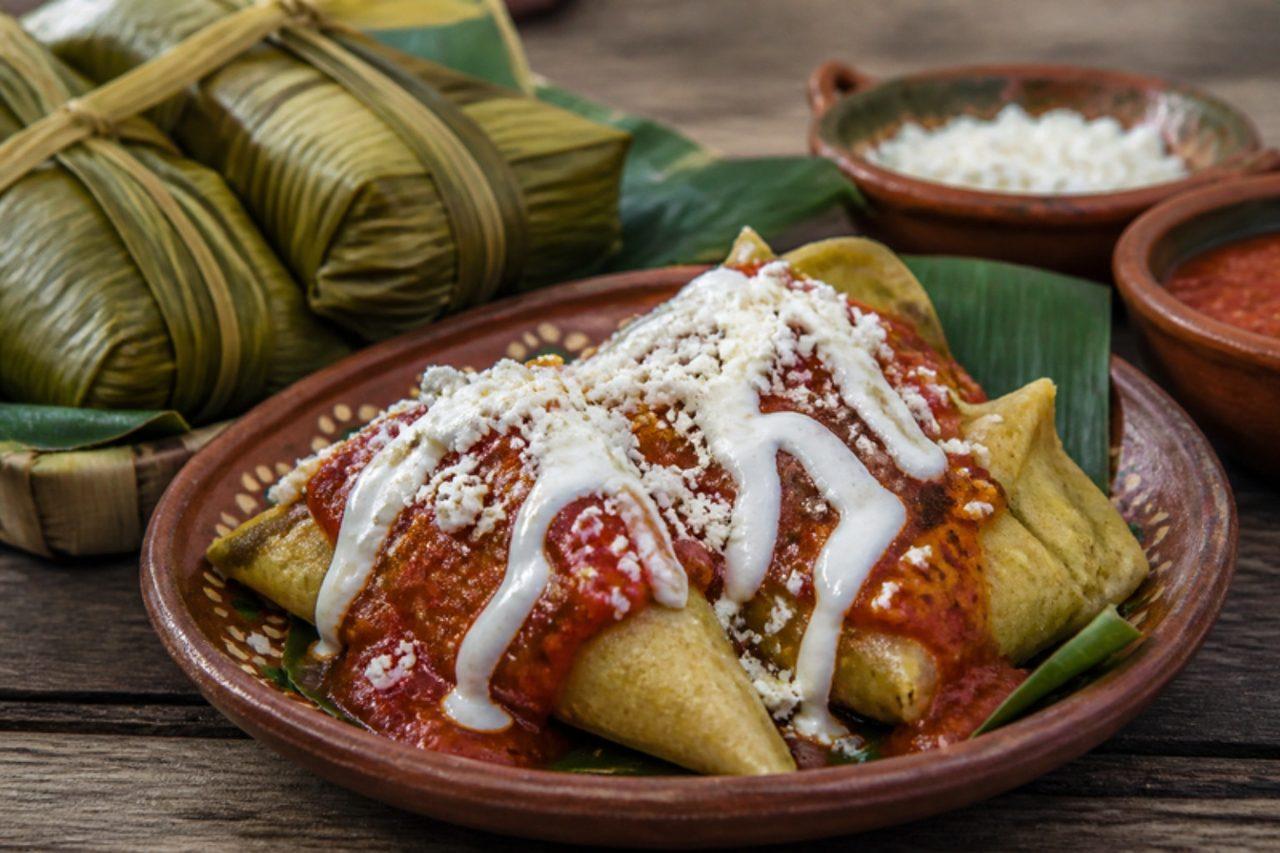
Corundas come from the Purépecha people of Michoacán, around Lake Pátzcuaro and Morelia, and they look nothing like a usual tamal: small, plump and triangular or star-shaped, wrapped in the long green leaves of the corn plant rather than dried husks. The masa is soft and fluffy, usually plain or with a little cheese and poblano inside, and corundas are eaten with crema, salsa roja and crumbled cheese, often for breakfast or at fiestas. Traditional dough uses pork lard; we use vegetable shortening or butter. Cheese may be made with animal rennet, so use a vegetarian one if needed. Chef's tip: beat the fat until it is white and fluffy before adding the masa; a spoonful of dough should float in water when it is light enough.

by KrazyBadal 0 views

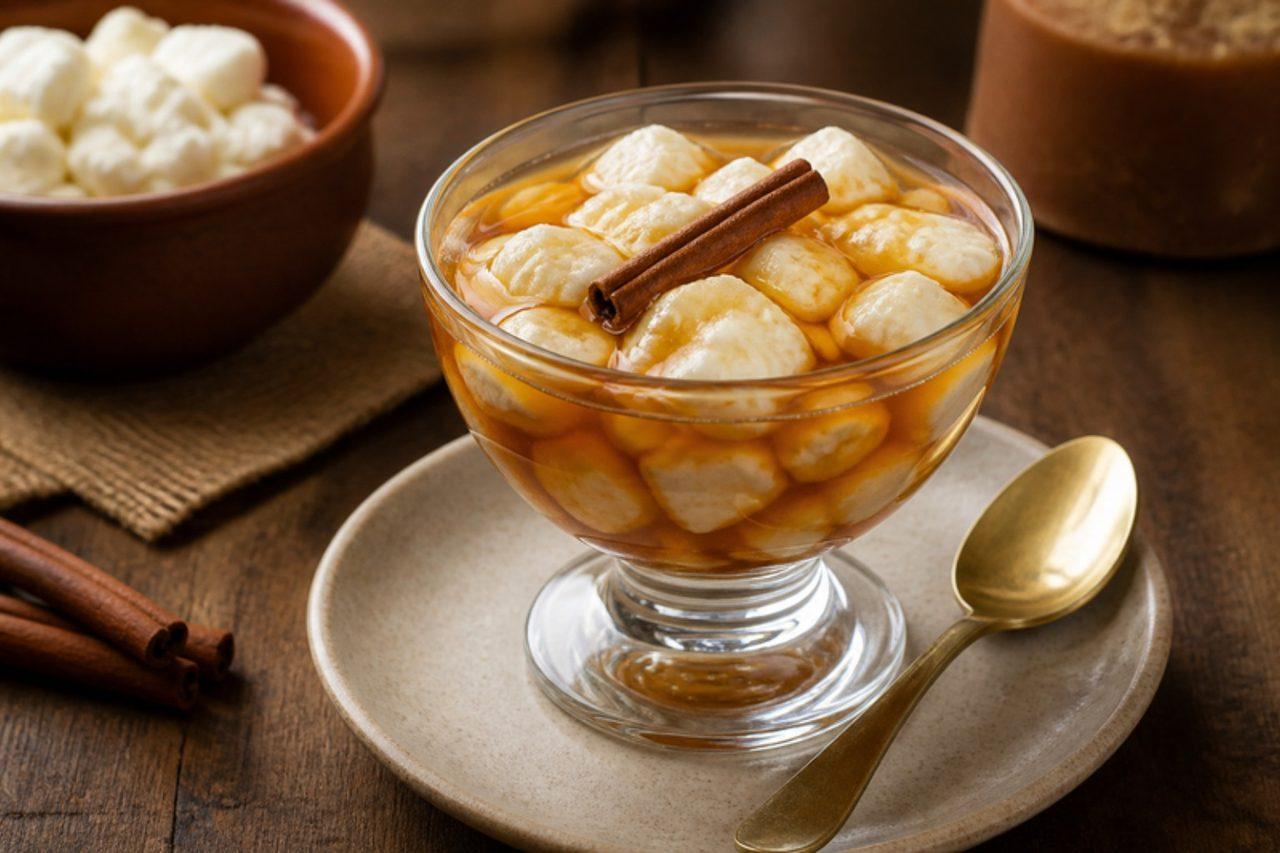
Cortado de lecheCurdled milk in panela syrup

On farms in Antioquia and Santander, when there was more milk than anyone could drink, it became cortado: milk deliberately split with lime juice, then simmered slowly with panela and spices until the curds turn tender and tan and the whey reduces into a thin, molasses-flavoured syrup. It is a country dessert, served warm or cold in small bowls after Sunday lunch, sometimes with a piece of white cheese on the side. The texture is somewhere between a soft ricotta and baked custard, sweet and lightly spiced with cinnamon and clove. Because lime does the curdling, there is no rennet involved. Stirring hard as soon as the lime goes in is the usual mistake; it breaks the curds into grainy specks, so let them form undisturbed and then move the pan gently. Chef's tip: use full-fat milk that is not ultra-heat-treated; UHT milk gives smaller, softer curds.

by KrazyBadal 0 views

Cachama fritaFried river fish

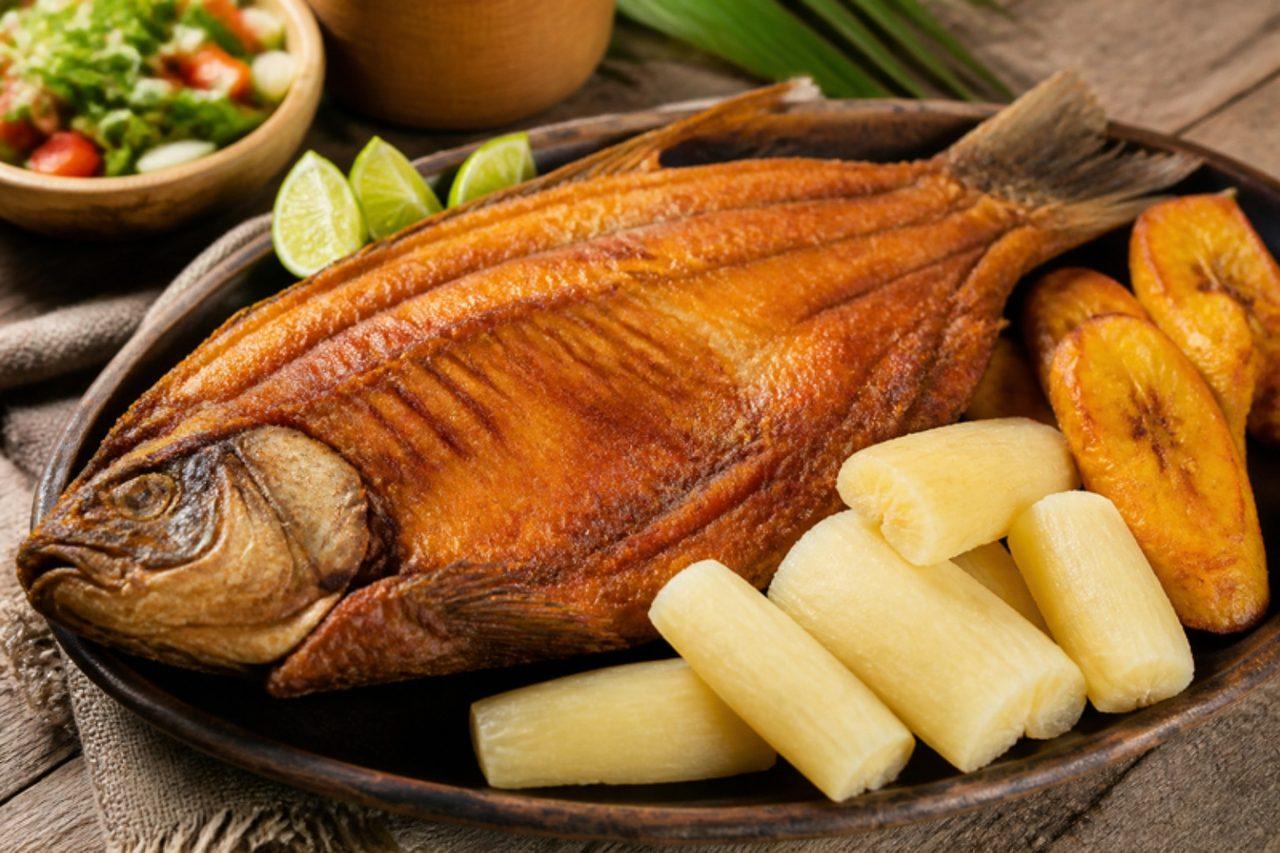
Roadside restaurants on the way from Bogotá down to Villavicencio and Restrepo sell cachama by the hundred at weekends: a farmed river fish of the Orinoco basin (the same family as pacu), opened out like a book, seasoned with garlic, cumin and lime and fried until the edges turn to crisp, salty lace. Its flesh is firm, fatty and sweet, and the rib bones, fried crisp, are half the pleasure. It comes with boiled cassava, ripe plantain tajadas and a little tomato salad. Outside Colombia, look for frozen whole pacu or cachama in Latin or Asian shops; otherwise use pompano or a large sea bream. A soggy, greasy fish usually means the oil wasn't hot enough; keep it at 180 °C and fry one at a time. Chef's tip: score the thick side of the fillet in a fine crosshatch down to the bones; the fine intramuscular bones fry crisp and the heat reaches the thickest part.

by KrazyBadal 0 views

MamonaSlow-roasted beef

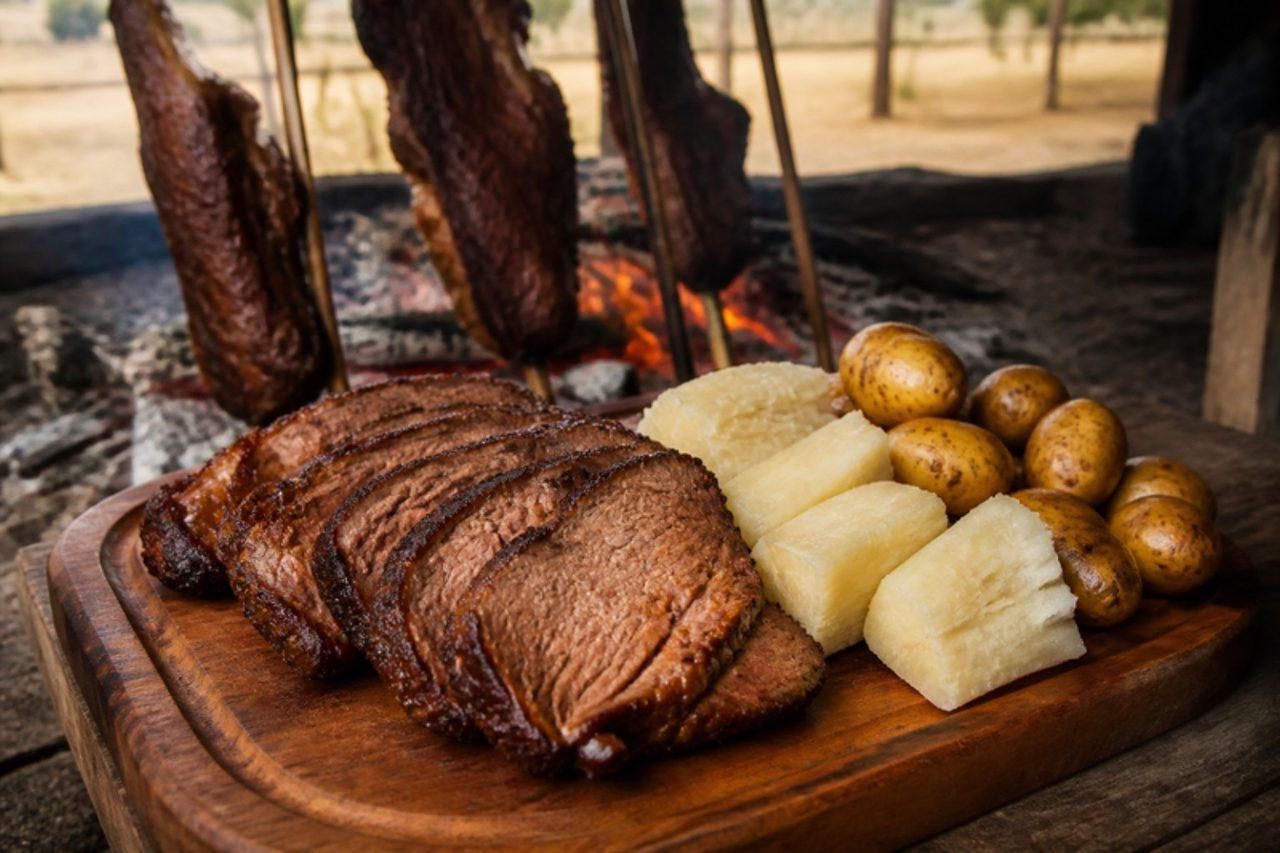
Cattle ranches of Meta and Casanare celebrate with mamona: a young steer cut into huge traditional pieces (rib slab, flank, shoulder) threaded on long wooden stakes and leaned around a wood fire for five hours or more, seasoned with nothing but coarse salt. The Villavicencio restaurants that specialise in it serve the meat with cassava, small boiled potatoes, plantain and ají, and some cooks splash beer over it, which you can skip. The beef ends up smoky and dripping on the inside with a salty, crusty bark. This home version uses a covered kettle barbecue with indirect heat, a whole slab of short ribs and a thick piece of flank. The usual blunder is putting the meat right over the coals; mamona cooks beside the fire, never over it. Chef's tip: let the salt sit on the meat in the fridge for a few hours before cooking; it seasons deeper and helps the crust form.

by KrazyBadal 0 views

Arroz con pianguaCoconut rice with mangrove clams

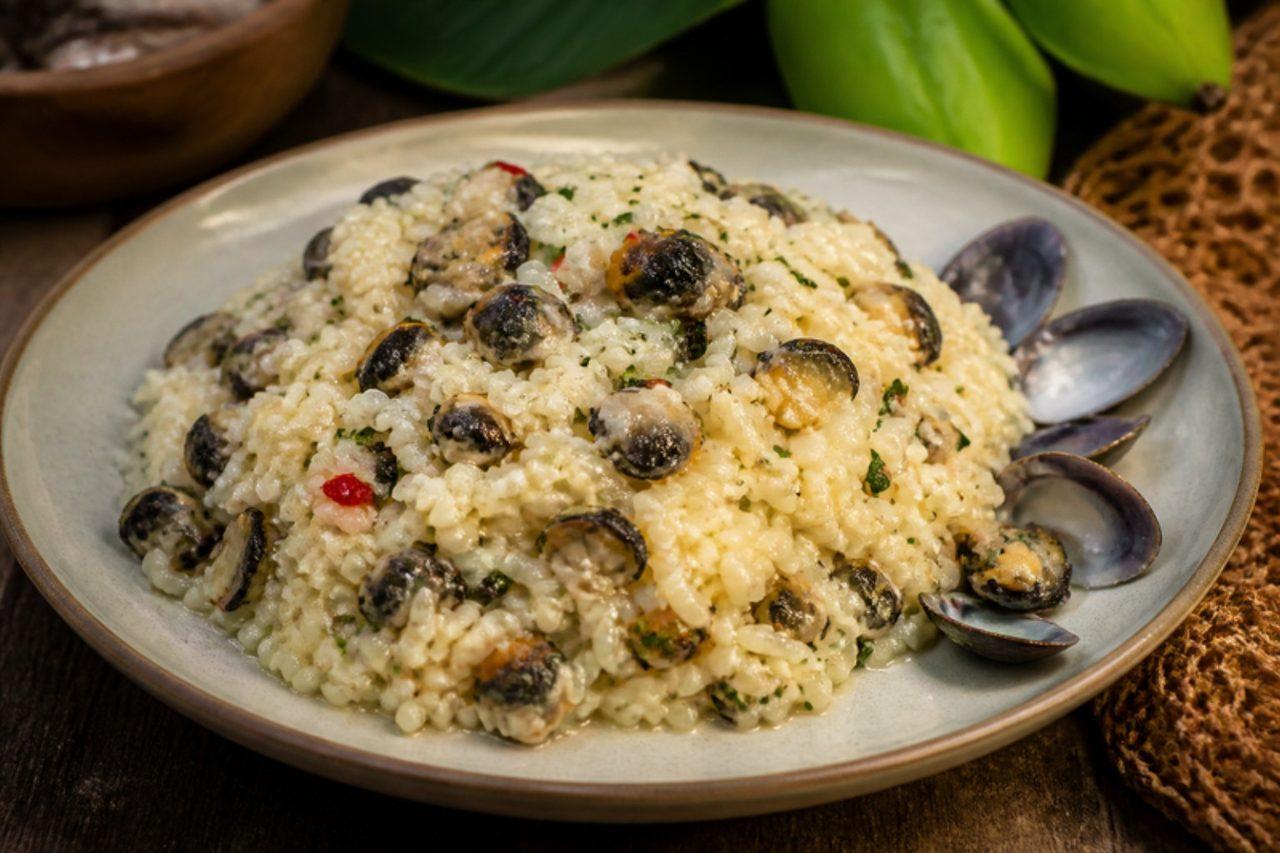
The women of Tumaco and the Nariño mangroves wade out at low tide to gather piangua, a dark-shelled ark clam that lives in the roots, and much of the catch ends up in this rice: the clam meat chopped and cooked with coconut milk, a refrito of onion and peppers, and the Pacific's chillangua and oregano. It is rich, briny and creamy, with the clams' strong, almost iron-like sea flavour carrying through every grain. Locals eat it as a lunch main with patacones and a little salad. Outside Colombia, look for frozen piangua meat in Ecuadorian or Colombian shops, or use fresh clams or cockles in the shell. Before cooking, throw away any clam with a cracked shell or one that stays open when tapped; after steaming, discard any that stay shut. Overcooking the clam meat is the usual error, as it turns rubbery, so stir it in only for the last minutes. Chef's tip: strain the clam cooking liquid through a cloth or coffee filter to catch the grit, then use it in the rice; that's where the flavour is.

by KrazyBadal 0 views

Encocado de pescadoFish in coconut milk

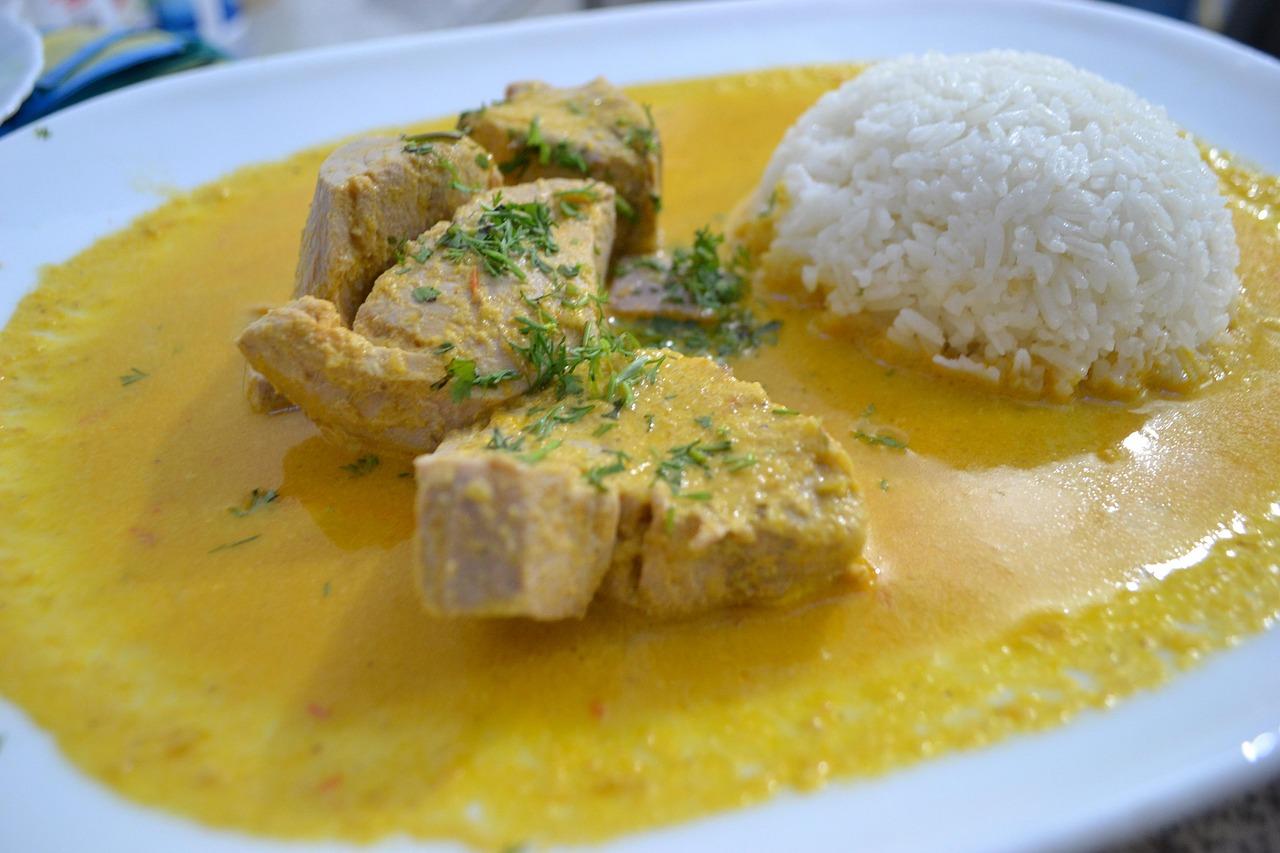
Fishing towns of the Colombian Pacific, from Buenaventura's Pueblo Nuevo market to the stilt houses of Tumaco, cook their catch in coconut milk scraped from fresh coconuts, with a refrito of onion, peppers and garlic and the coast's wild herbs: chillangua (culantro), poleo and oregano cimarrón. Encocado is lighter and more herbal than many coconut stews, mild rather than hot, with the fish just cooked in a creamy, pale-orange sauce. It is eaten at lunch with white or coconut rice and patacones or boiled green plantain. Boiling the coconut milk hard after the fish goes in is the classic error: the sauce splits and the fillets toughen, so keep it at a gentle bubble. Chef's tip: culantro (sawtooth coriander) is sold in Asian and Caribbean shops; if you can't find it, use twice the amount of ordinary coriander plus a few mint leaves to stand in for poleo.

by KrazyBadal 0 views

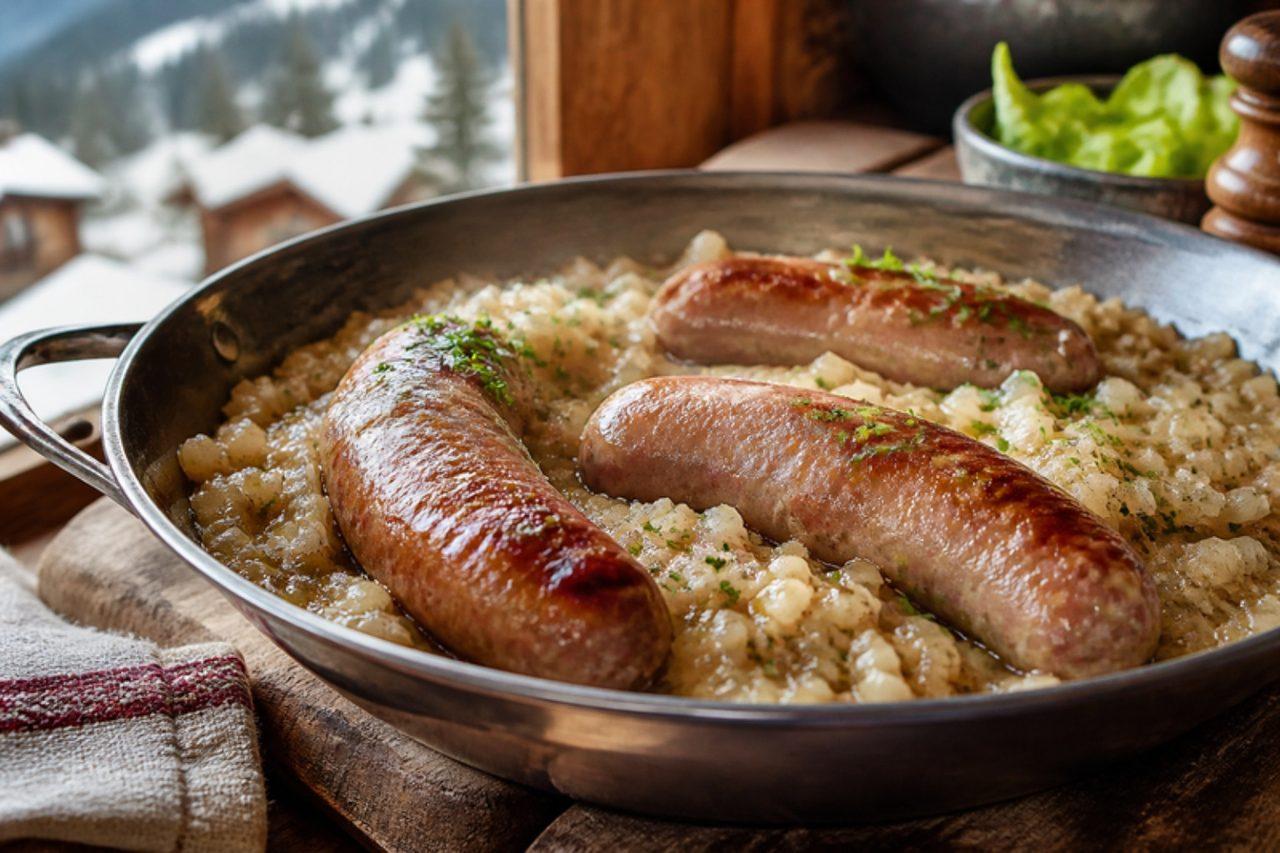
Diots au vin blancSausages braised in white wine

Diots are the small pork sausages of Savoie, sold in every butcher's from Chambéry to Annecy and eaten at ski-resort tables and village fêtes all winter. They are browned, then braised slowly with plenty of onions in dry Savoie white wine with a bay leaf, until the onions melt into a sweet, winey sauce around the plump sausages. The traditional partner is crozets, tiny square buckwheat or wheat pasta, or a soft polenta. The braise uses white wine; an alcohol-free version is in the notes. If you can't find diots, use any coarse, garlicky pork sausage. Chef's tip: brown the sausages slowly over a medium heat rather than fiercely, so the skins colour without bursting.

70 minFrenchMeat
by KrazyBadal 0 views

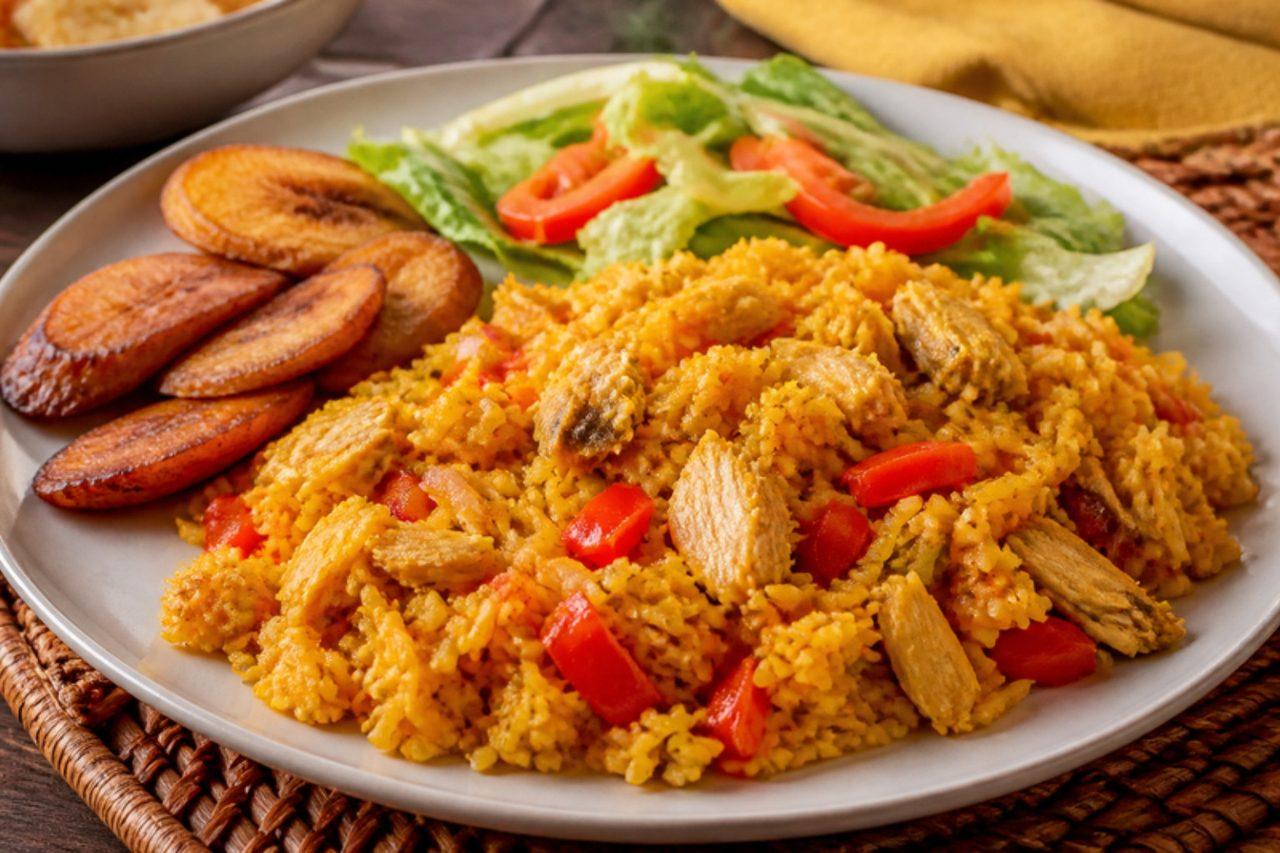
Arroz de lisaRice with salted mullet

Carnival in Barranquilla isn't complete without a plate of arroz de lisa, and the market at Barranquillita and the old neighbourhoods around it sell it every day: salted, dried mullet from the Ciénaga Grande, soaked, shredded and cooked into rice with sweet peppers, onion, tomato and achiote. The rice comes out loose, orange and deeply savoury, with flakes of fish all the way through. It is served with bollo de yuca, fried ripe plantain or a simple tomato and onion salad. Plan ahead: the salted fish needs a day's soaking in the fridge. Skipping enough soaking is the usual downfall; the rice ends up far too salty, so taste a flake of the fish before you cook and keep soaking if it is still sharp. Chef's tip: if you can't find salted mullet, salt cod from any fishmonger works well, and use the poaching water for the rice only after tasting it.

by KrazyBadal 1 views

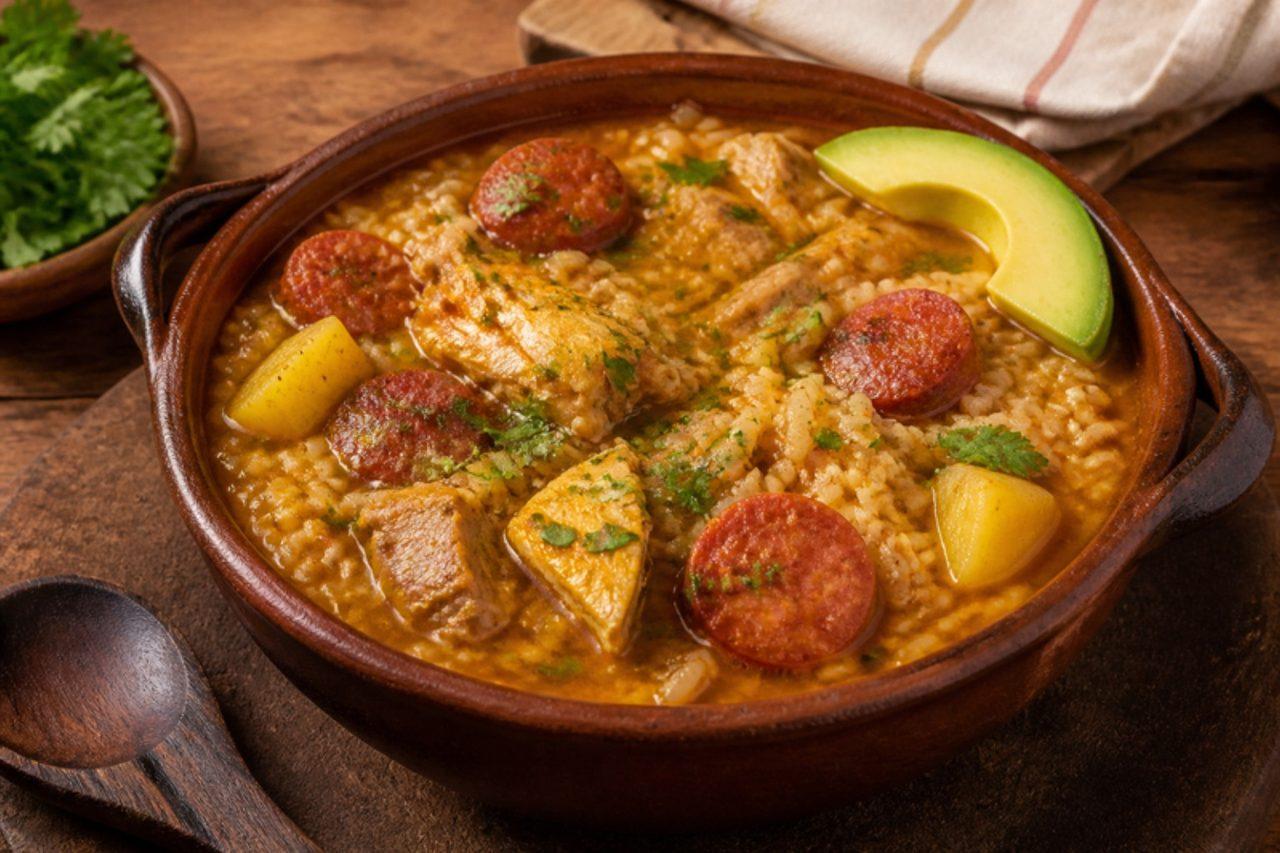
Arroz atolladoSoupy rice with chicken and pork

Cali's cooks say the rice should be 'atollado', stuck in the mud: wet, creamy and spoonable, somewhere between a risotto and a thick soup. It is the Valle del Cauca's Sunday and paseo dish, cooked in a big pot by the river or for a crowd at home, with chicken, pork, Colombian chorizo and two kinds of potato all simmered into the rice, the whole thing coloured orange-gold with achiote. The papa criolla melts and gives the body; the meats give a deep, porky savour. Serve it straight from the pot with ripe avocado, fried plantain and a squeeze of lime, and don't wait: it keeps thickening as it stands. People often rinse the rice or use long-grain, which gives separate grains; medium-grain, unrinsed, keeps it creamy. Chef's tip: hold back a ladle of hot stock and stir it in just before serving to bring the rice back to that loose, muddy consistency.

by KrazyBadal 0 views

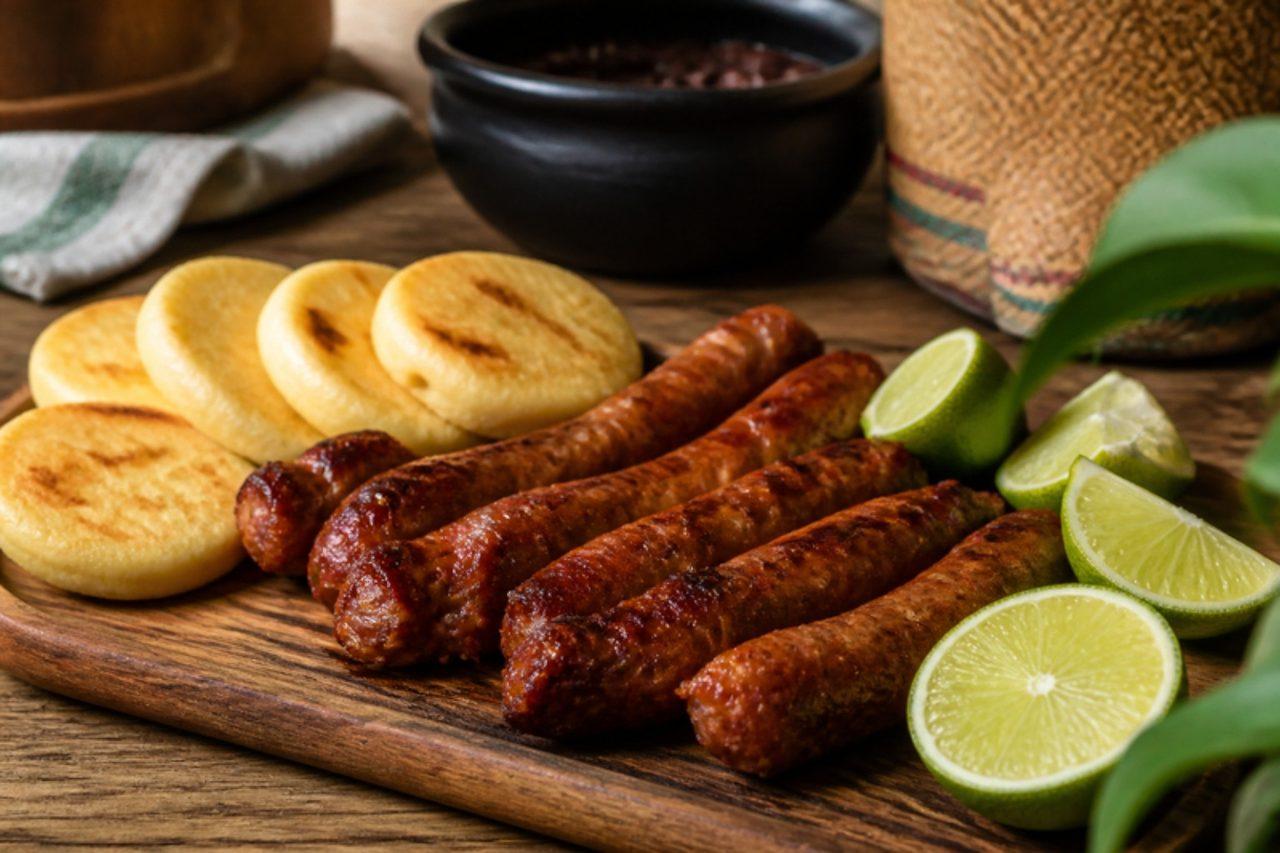
Chorizo santarrosanoThin garlicky pork sausages

Santa Rosa de Cabal, on the road to the hot springs in Risaralda, is lined with grills where thin, tightly linked pork chorizos sizzle over charcoal and are sold with a small white arepa and half a lime. They are leaner and finer than Spanish chorizo, with no paprika: just pork, a little fat, spring onion, garlic, cumin and a touch of coriander, so they taste fresh and herby, with a smoky edge from the coals. Squeeze over the lime, wrap a piece in the arepa and eat it standing up. Making them at home needs natural casings and a sausage stuffer or a piping bag, and a night in the fridge for the flavours to settle. Overstuffing is the classic problem: tight casings burst on the grill, so fill them firmly but leave a little give. Chef's tip: keep the meat and fat very cold, even half-frozen, while you mince and mix; warm fat smears and the sausages turn crumbly instead of juicy.

by KrazyBadal 0 views

Smen (salted, herbed butter)

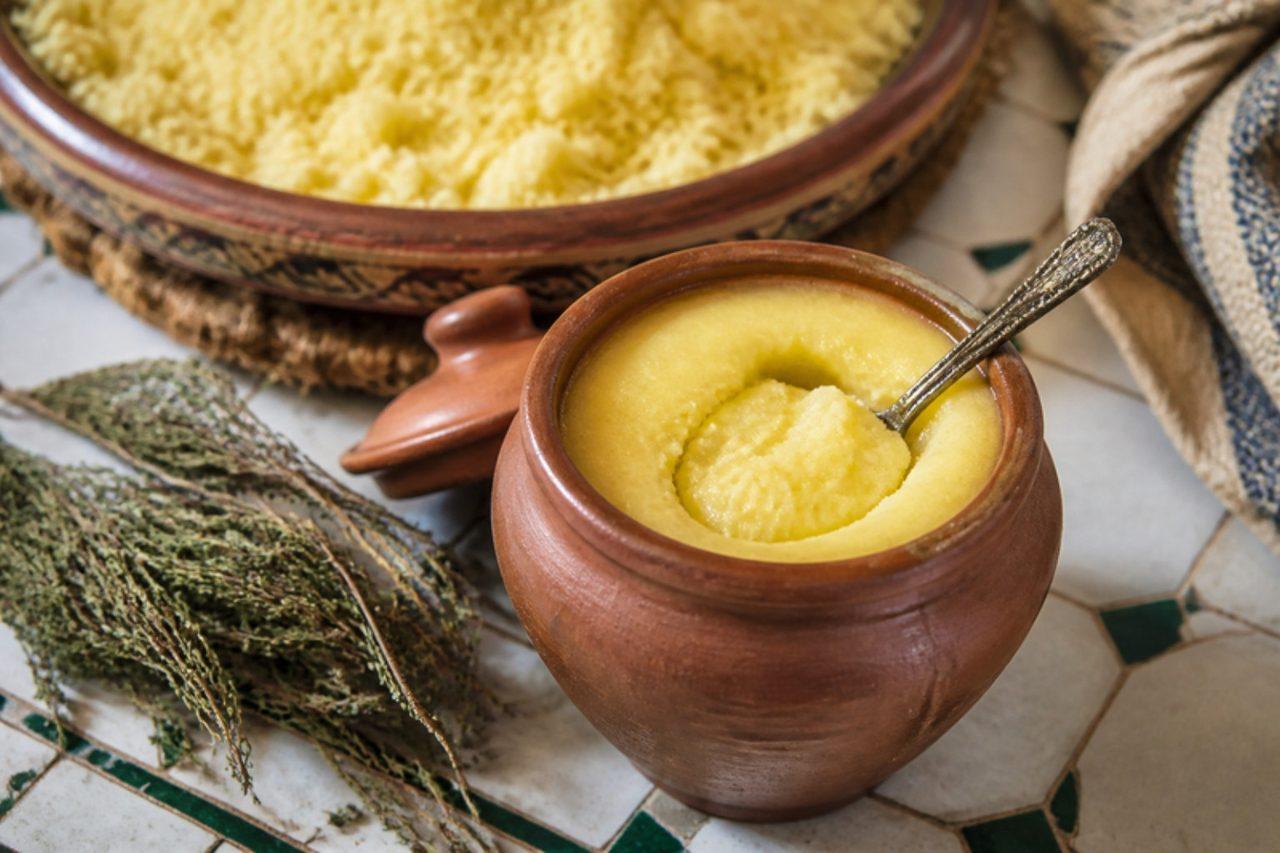
Atlas households once kept jars of smen for months, even years, until the salted butter developed a pungent, almost blue-cheese aroma; a spoonful stirred into couscous, harira or a chicken tagine gives a depth nothing else can. Long ageing at room temperature is risky at home, so this is a safer fridge version: pasteurised unsalted butter is simmered with dried za'atar or oregano, strained, salted and then matured in the fridge for 2–4 weeks, which gives a mellow, nutty, faintly tangy smen rather than the fiercely strong old kind. For the real long-aged flavour, buy smen from a reputable shop. Use it a teaspoon at a time; it is meant as a seasoning, not a cooking fat. The mistake to avoid is leaving any milk solids or water in the butter, as that is what turns it rancid or mouldy rather than pleasantly aged. Chef's tip: strain it through muslin until perfectly clear; any milky bits left in the jar are what turn butter rancid.

by KrazyBadal 0 views

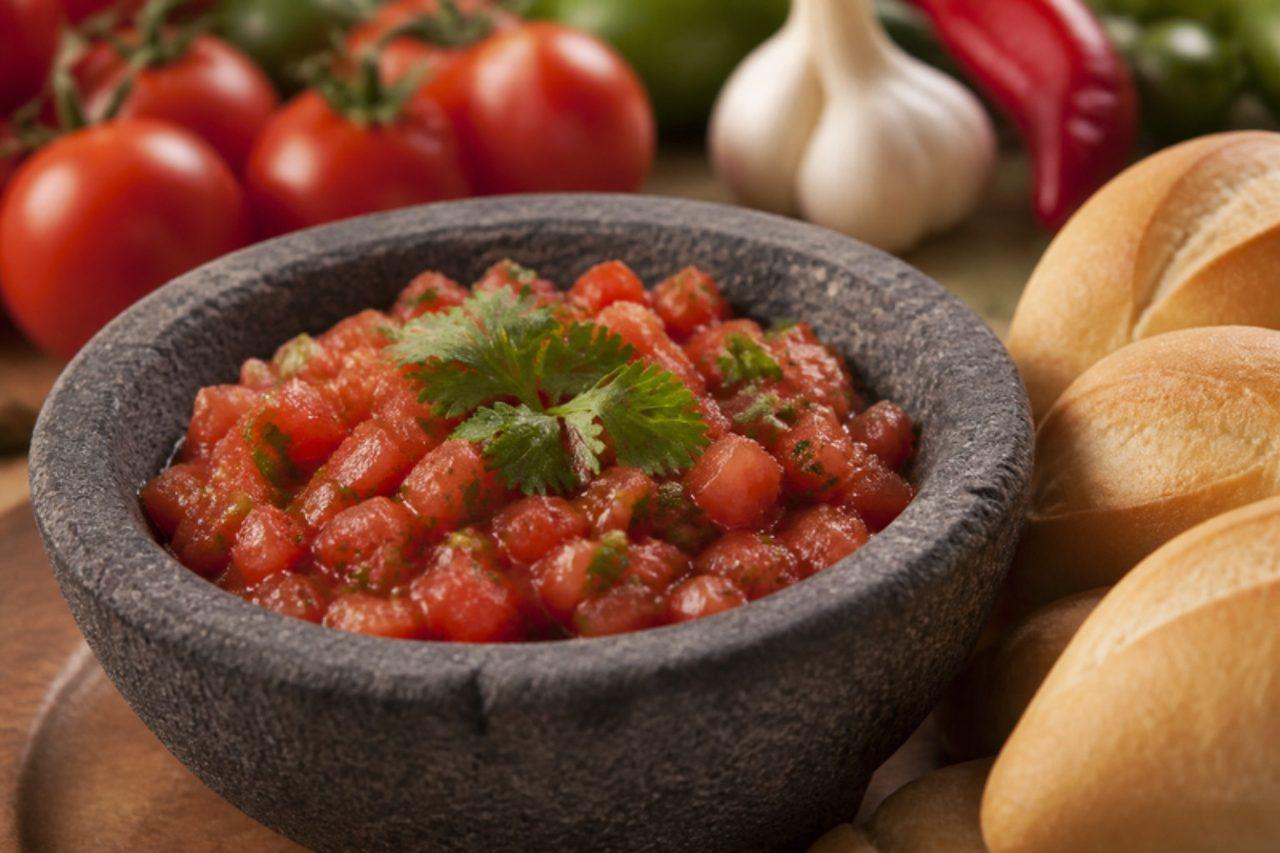
XnipecHabanero and sour orange salsa

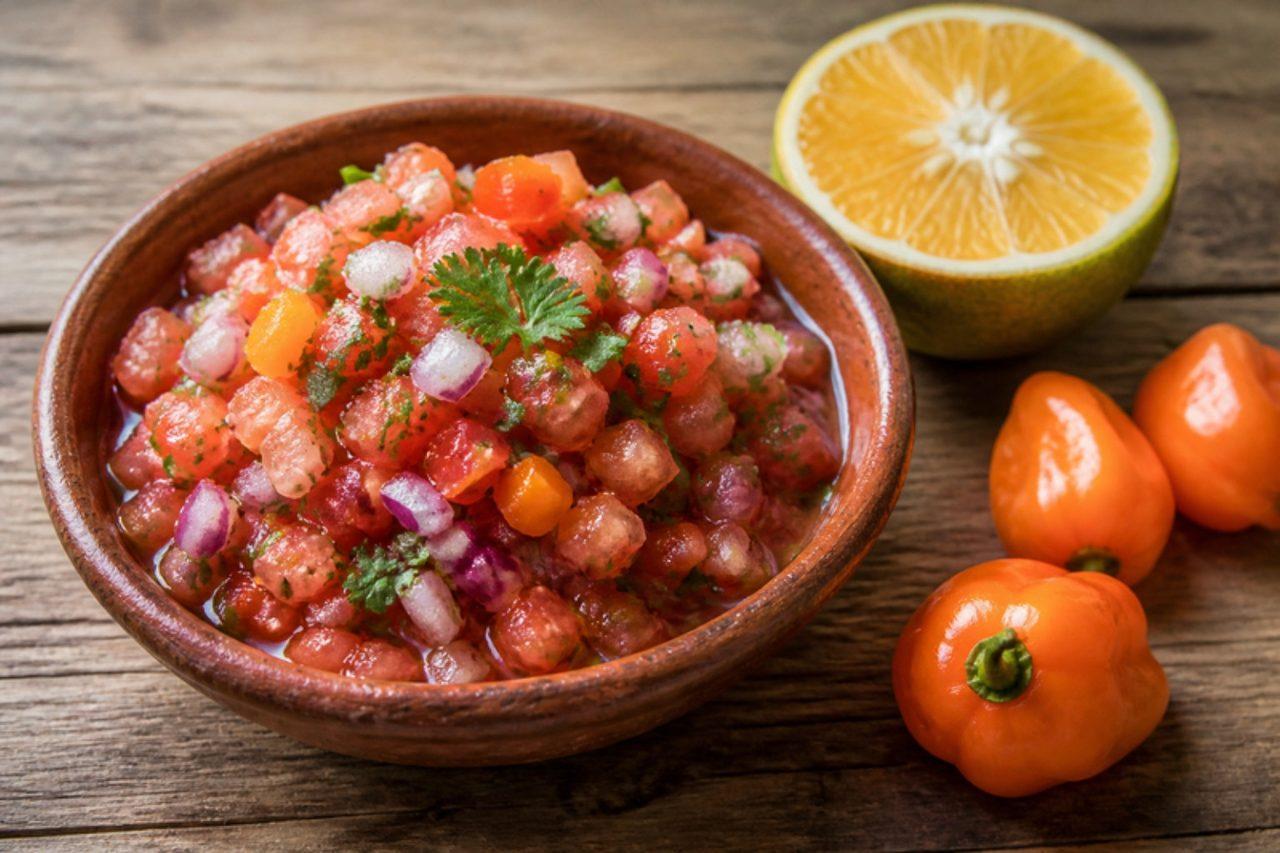
The name comes from Maya: xni' pek means 'dog's nose', because the salsa is hot enough to make your nose run and stay wet like a dog's. It is the raw table salsa of the Yucatán, made in minutes from tomato, red onion, coriander and plenty of habanero, all soaked in sour orange juice. In Mérida it is spooned over black-bean dishes, eggs and rice, and it brightens anything rich. It is best on the day it is made. Chef's tip: chop everything by hand into small, even dice; a blender makes it watery and the habanero turns bitter.

by KrazyBadal 0 views

Sudado de polloChicken stewed in its own juices

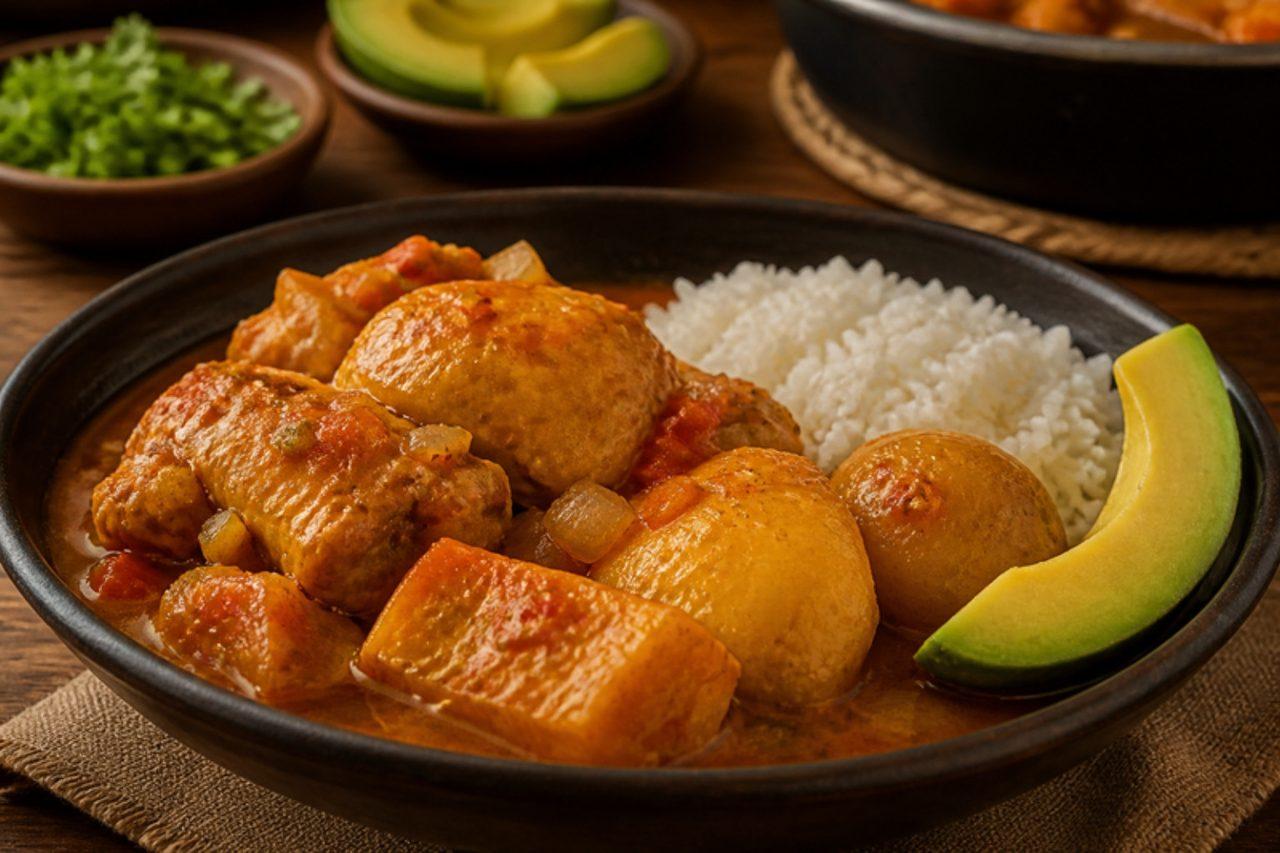
Any corrientazo (set-lunch place) in Medellín will have a sudado on the menu on weekdays, and it is just as common at home on a busy Tuesday: chicken pieces cooked in a closed pot with tomato, onion and potatoes until they release their own juices and turn into a thin, savoury, reddish sauce. No stock, no water to speak of, just patience and a tight lid. The meat goes tender and soaks up the cumin and garlic; the potatoes thicken the sauce at the end. It belongs next to white rice, a few slices of avocado and maybe a ripe plantain. The thing people get wrong is lifting the lid over and over: every look lets out the steam that does the cooking. Chef's tip: marinate the chicken with the garlic, cumin and salt in the fridge for 30 minutes to an hour first; the seasoning goes deeper and the sauce tastes richer.

by KrazyBadal 0 views

Yucatán pickled red onions

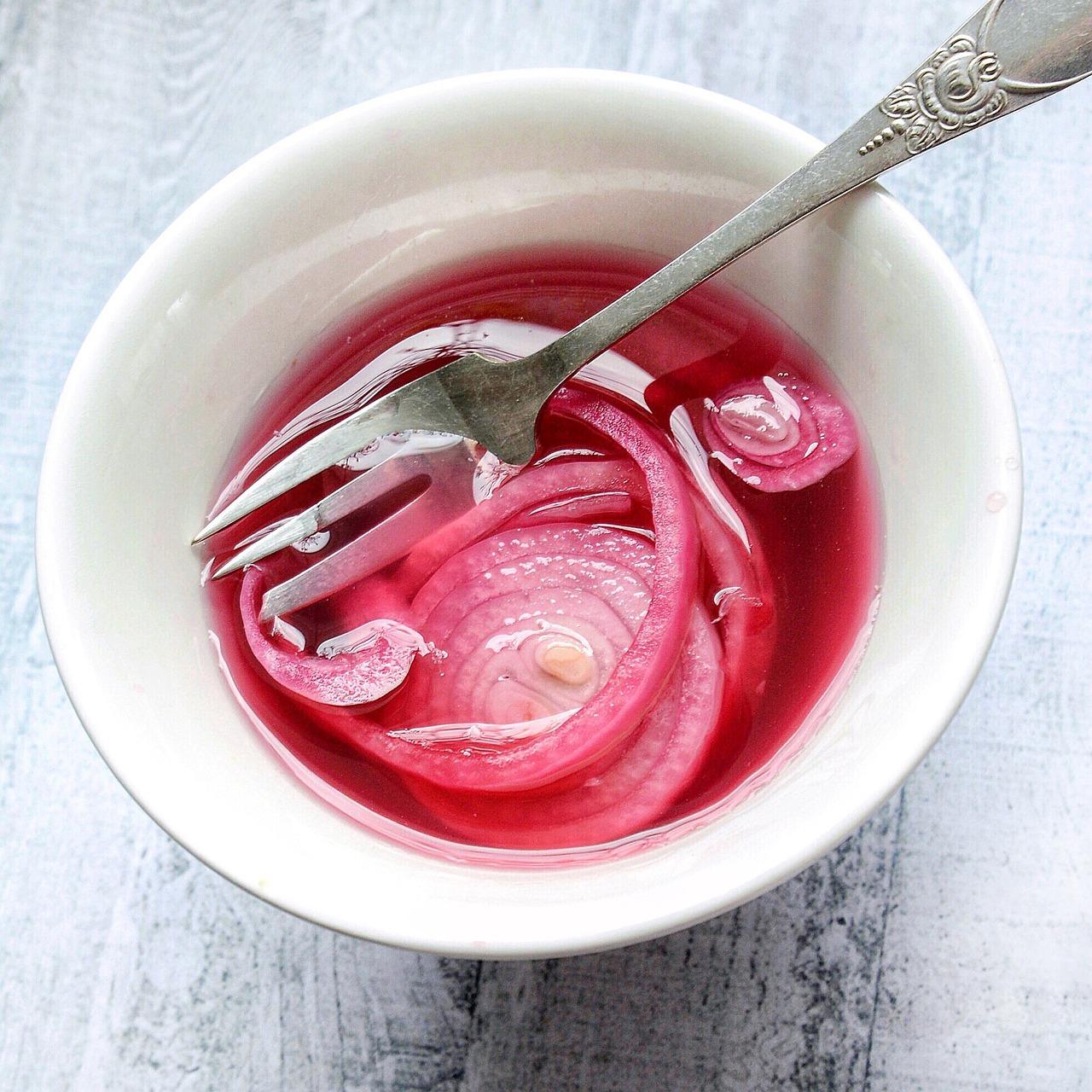
No table in Mérida is complete without a bowl of these bright pink onions. They go on almost everything in the Yucatán, from panuchos and salbutes to bean tacos, eggs and grilled vegetables, and their sharp crunch is what cuts through rich, earthy food. The traditional pickle uses naranja agria, the sour Seville-type orange that grows all over the peninsula, with a little habanero and dried oregano. Chef's tip: pour boiling water over the sliced onions for 10 seconds first; it softens their raw bite and makes them turn pink much faster.

by KrazyBadal 0 views

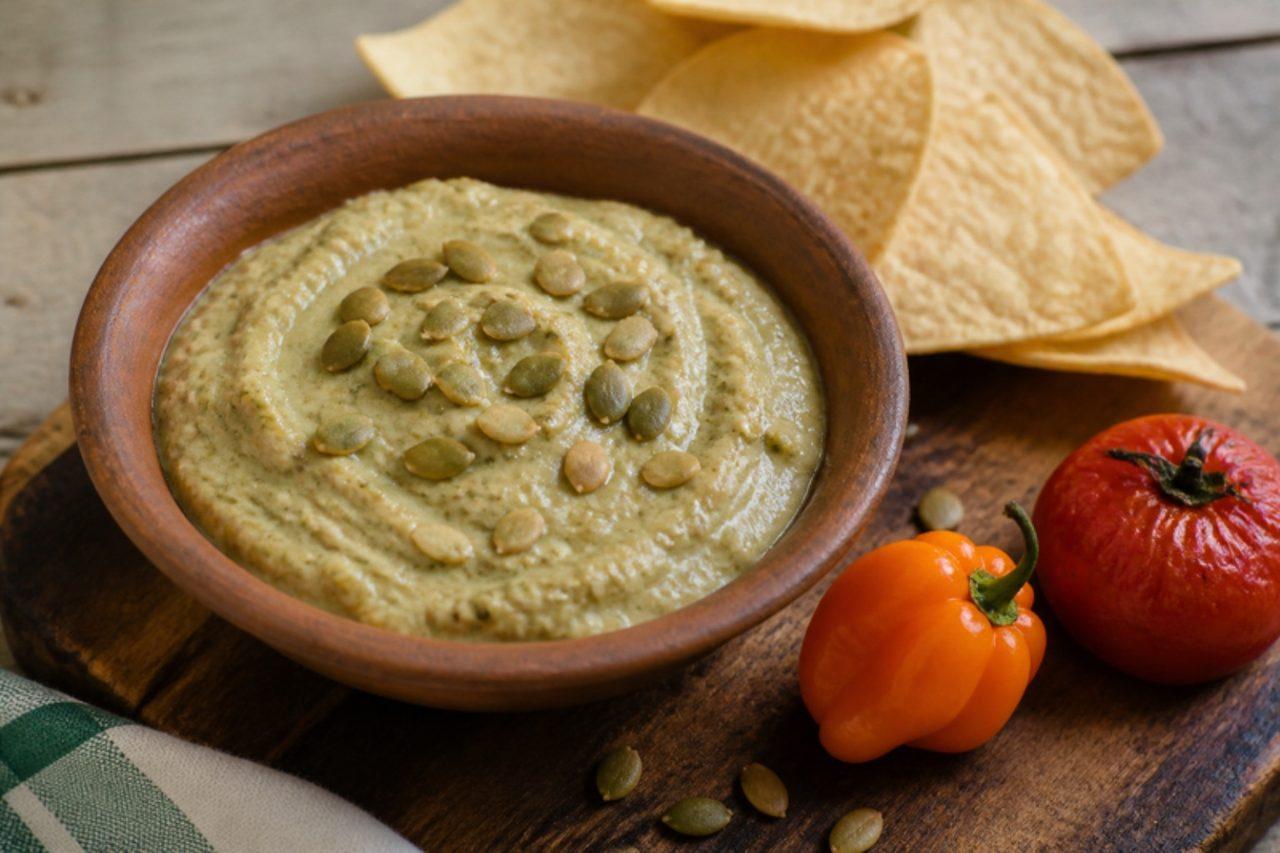
Sikil pakPumpkin seed dip

In Yucatec Maya, sikil means squash seed and p'aak means tomato, and that is almost all there is to this pale, coarse dip from the Yucatán Peninsula. Cooks in Mérida and the villages around it toast the seeds on a comal until they pop, grind them with charred tomato, chives and a little habanero, and serve the dip with tostadas or crisp tortilla chips before a meal. It tastes nutty, smoky and fresh at the same time, and is naturally vegan. Chef's tip: roast the habanero whole and add it a little at a time; you can always grind in more, but you can't take the heat back out.

by KrazyBadal 0 views

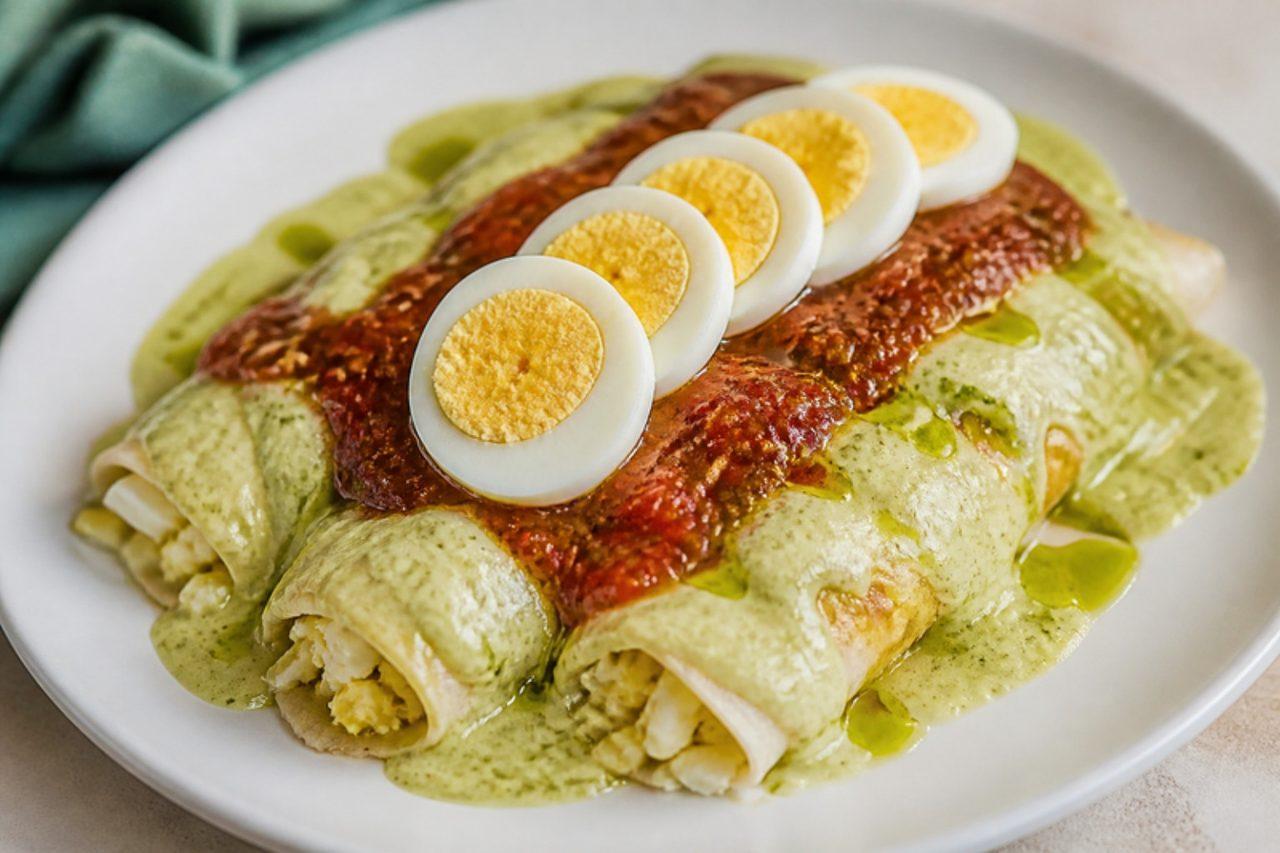
PapadzulesEgg tortillas in pumpkin seed sauce

Papadzules may be the oldest dish still eaten in the Yucatán: Maya cooks were rolling tortillas in ground squash seeds long before the Spanish brought chickens and their eggs. Today they are a lunch and Lent dish in Mérida, Valladolid and Campeche. Corn tortillas are dipped in a pale green sauce of toasted pumpkin seeds and epazote, rolled around chopped hard-boiled egg, then topped with a cooked habanero-tomato sauce and a few drops of green pumpkin-seed oil squeezed from the paste. The flavours are nutty, herbal and gently hot. Chef's tip: keep the seed sauce warm, never boiling; heat makes it split and turn grainy, and the oil that separates is meant to be drizzled on top, not stirred back in.

by KrazyBadal 0 views

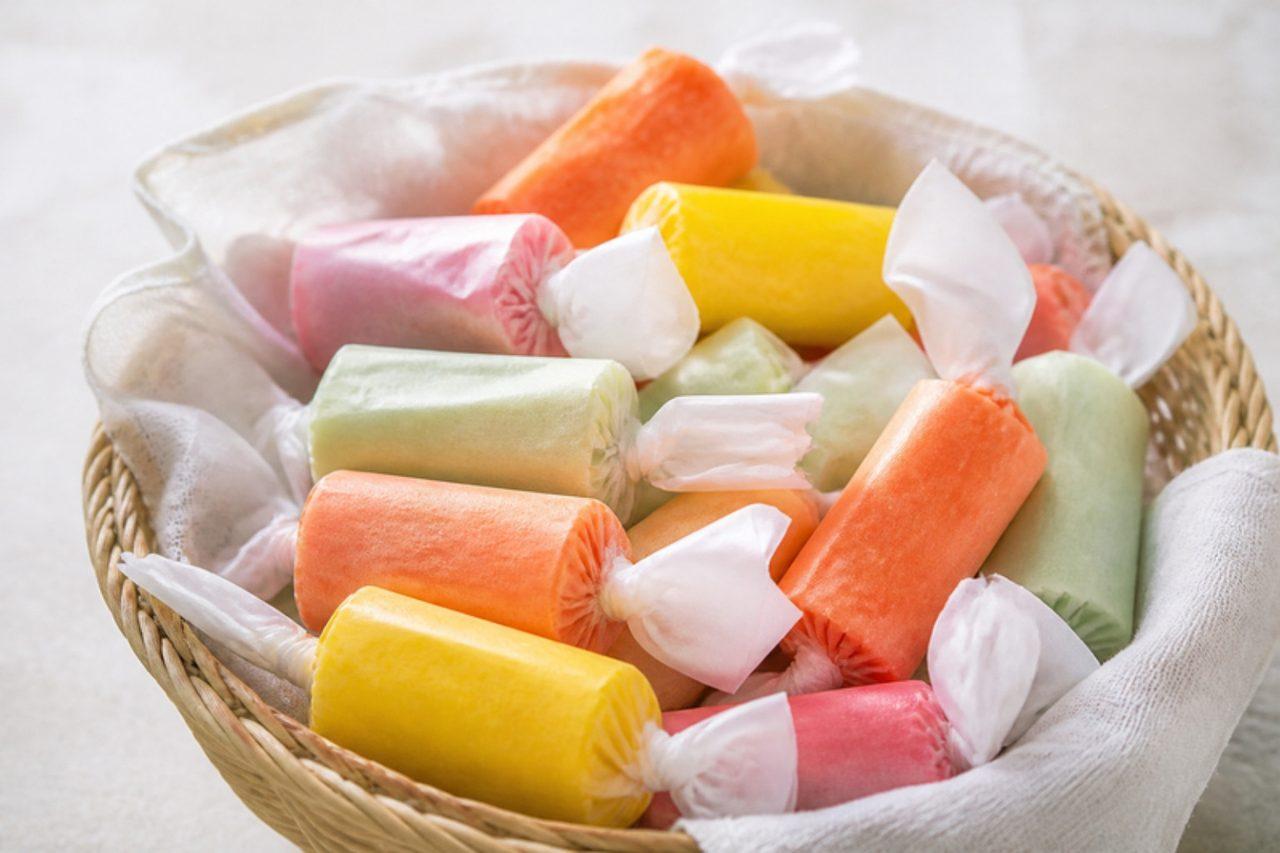
Camotes poblanosSweet potato candies

Camotes are the sweet Puebla is most famous for: finger-long rolls of sweet-potato fondant, flavoured with pineapple, lemon, strawberry or orange and wrapped individually in paper. Like tortitas de Santa Clara, they come from the city's convent kitchens, and you will find them at every candy shop on Puebla's Calle de los Dulces. The texture is soft and smooth, like a firm marzipan, and very sweet, so one or two is plenty. Chef's tip: sieve the cooked sweet potato while it is hot; fibres caught in the sieve are what would make the candy stringy.

by KrazyBadal 0 views

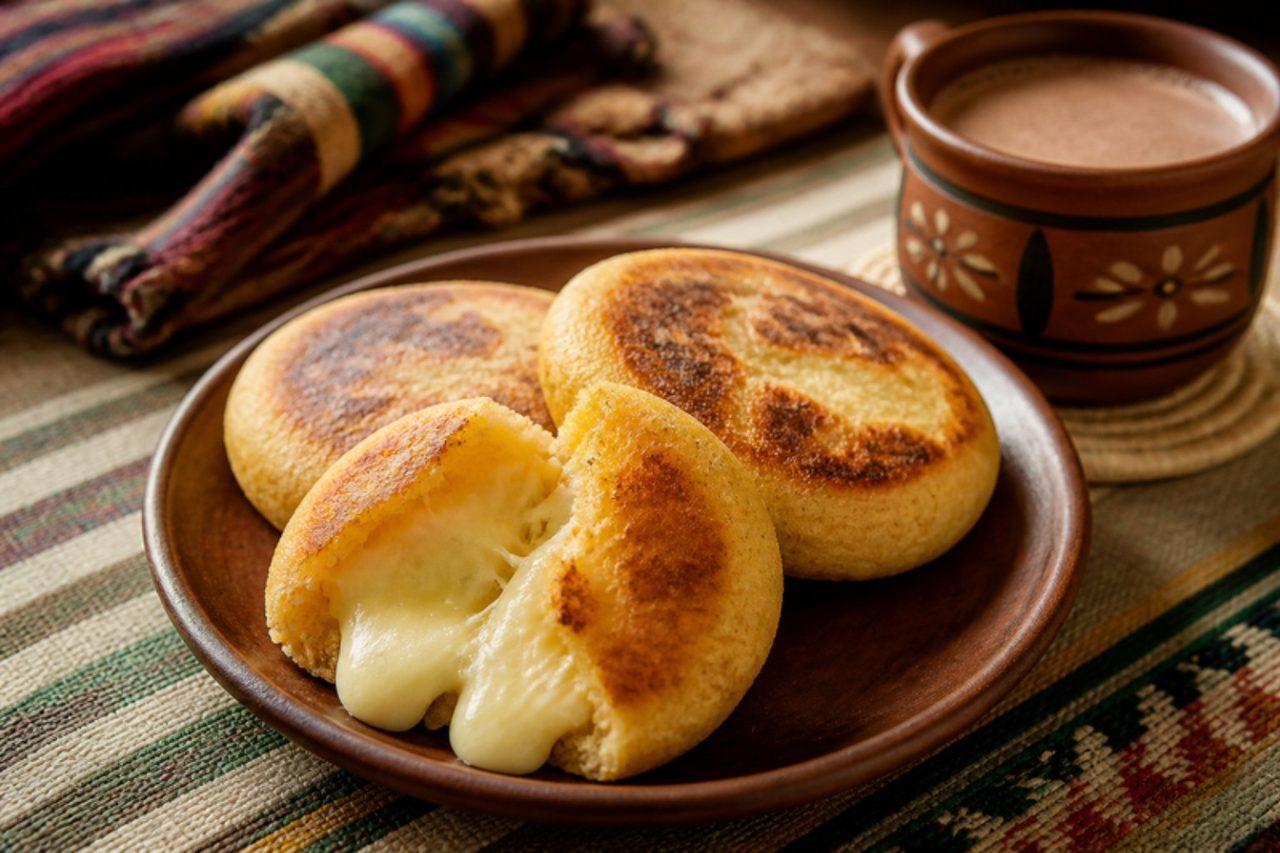
Arepas boyacensesCheese-stuffed sweet arepas

Roadside stalls on the highway from Bogotá to Tunja sell these golden, puffed discs straight off the griddle. Unlike the plain arepas of Antioquia, the boyacense mixes yellow corn with wheat flour, butter and a little sugar, and it hides a layer of fresh cheese that melts as it cooks, so each bite is sweet, salty and buttery at once. Eat them warm with coffee, hot chocolate or a cup of aguapanela. Queso campesino or cuajada is traditionally set with animal rennet; choose a vegetarian mozzarella or other microbial-rennet fresh cheese. The trap is cooking them on a high heat: the sugar browns fast and the middle stays raw and doughy. Chef's tip: keep the griddle at low-medium and give them time; a slow cook gives a thin crisp crust and lets the cheese melt fully.

by KrazyBadal 0 views

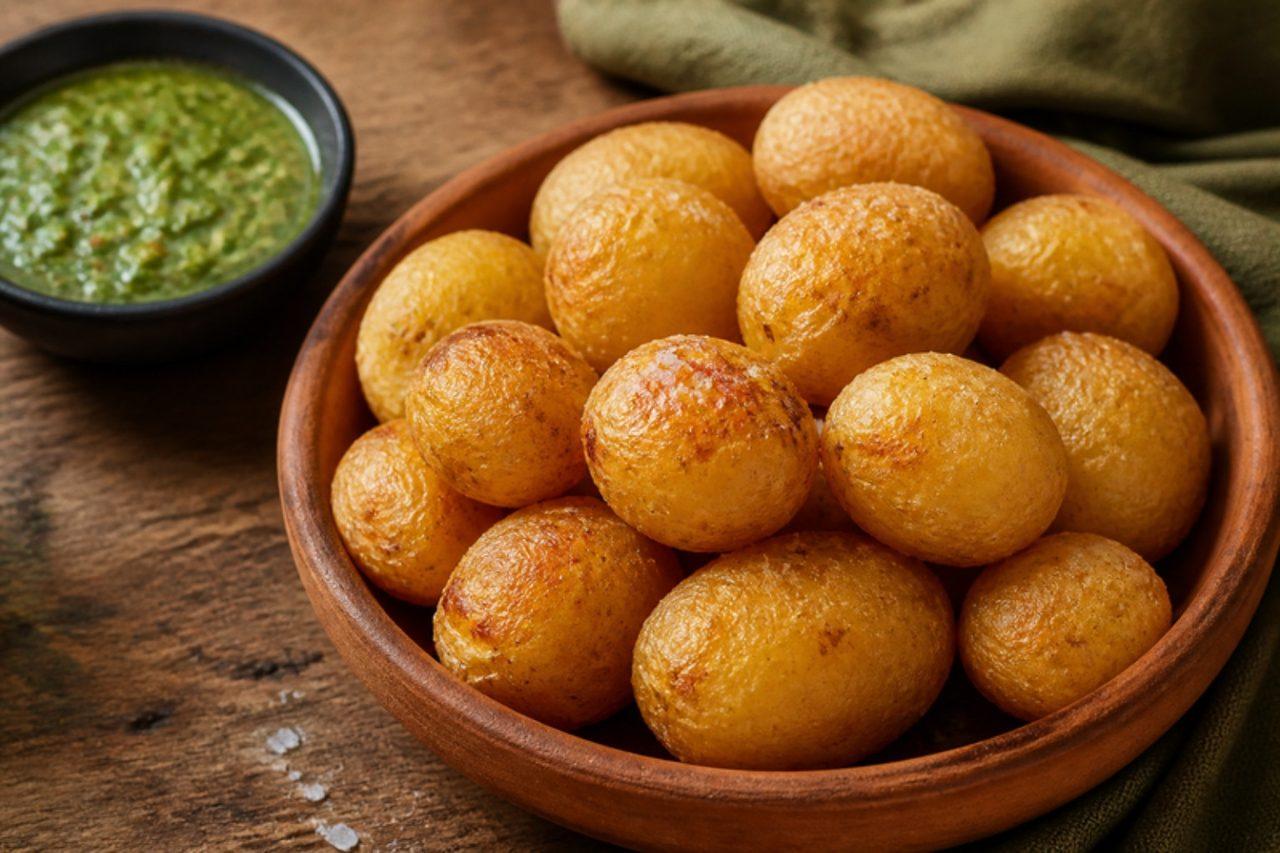
Papas criollas fritasFried small yellow potatoes

Little golden papas criollas are the potato Bogotá loves best: thin-skinned, buttery-yellow and so creamy they almost melt. At the asaderos along the roads out of the capital, and next to every plate of ajiaco or fritanga, they come fried whole, skin on, crackling outside and soft in the middle, with nothing but salt and a bowl of ají. Frozen papas criollas are sold in Latin American shops; otherwise use the smallest waxy yellow potatoes you can find. Frying them raw is the usual mistake: the skins brown before the insides are cooked. A quick boil first fixes that. Chef's tip: let the boiled potatoes steam dry for a few minutes and squash a few slightly with your palm before frying, so the split skins catch extra crunch.

by KrazyBadal 0 views

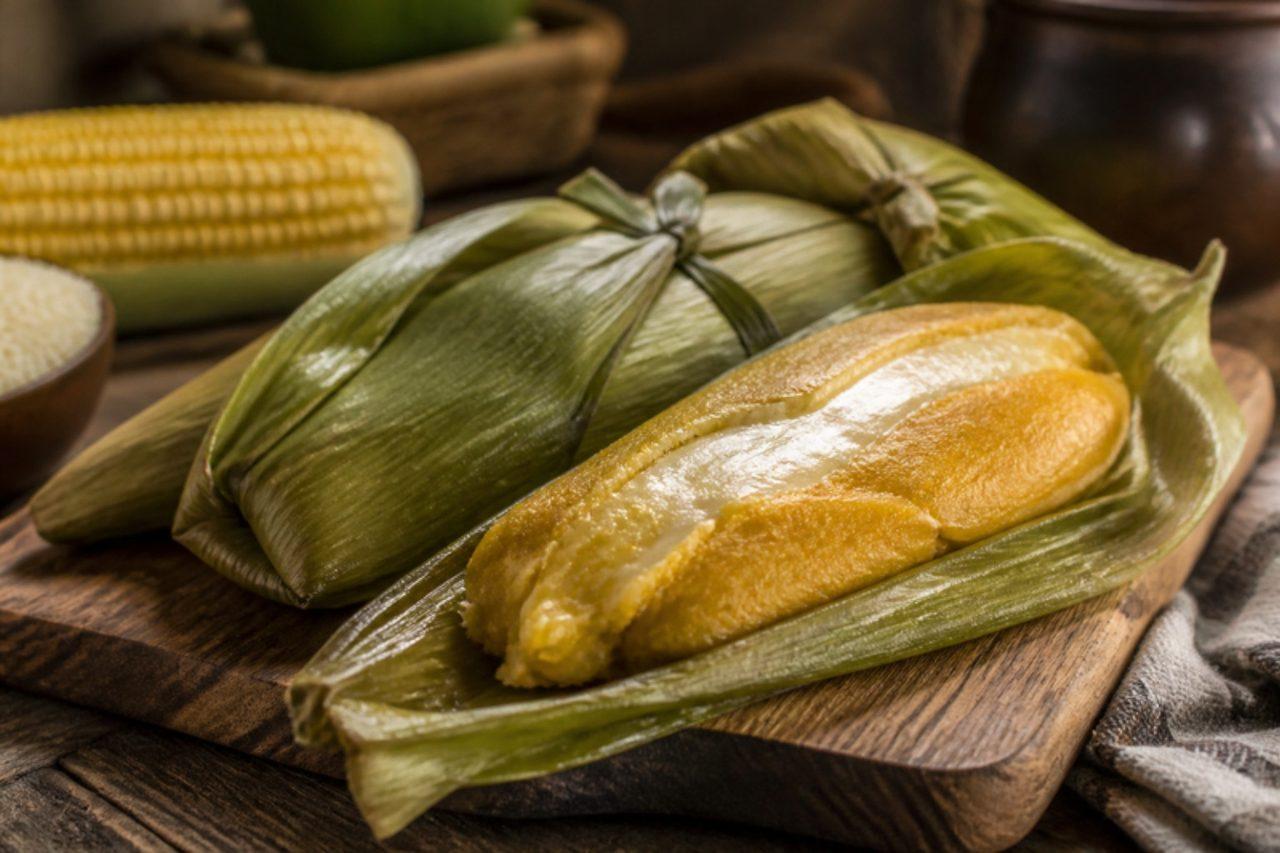
Envueltos de mazorcaSteamed corn parcels

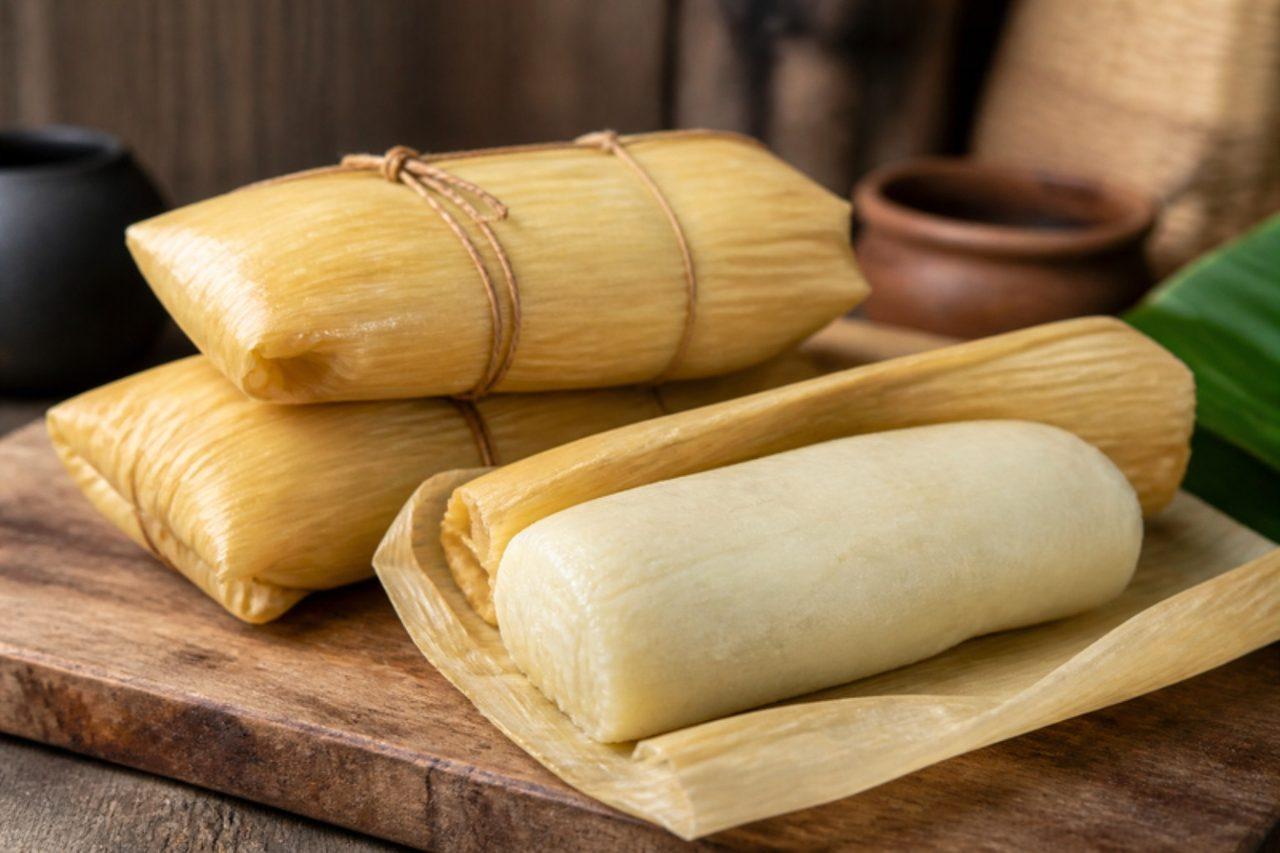
When the maize ripens in the fields of Boyacá, families grind the fresh kernels and steam little husk-wrapped parcels that are sold at Sunday markets in Tunja, Paipa and Duitama. Envueltos are soft, moist and gently sweet, somewhere between a tamal and a corn pudding, with pockets of melted cheese, and they are eaten for breakfast or as an onces snack with hot chocolate or coffee. Use fresh corn on the cob; the starchier, less sugary types are closest to Colombian maíz, and frozen kernels work at a pinch. Fresh campesino cheese is usually made with animal rennet, so pick a vegetarian one. The commonest fault is wrapping the parcels loosely, so water gets in and they turn soggy. Chef's tip: grind the corn coarsely, not to a purée; a little texture lets the envueltos set firm and sliceable.

by KrazyBadal 0 views

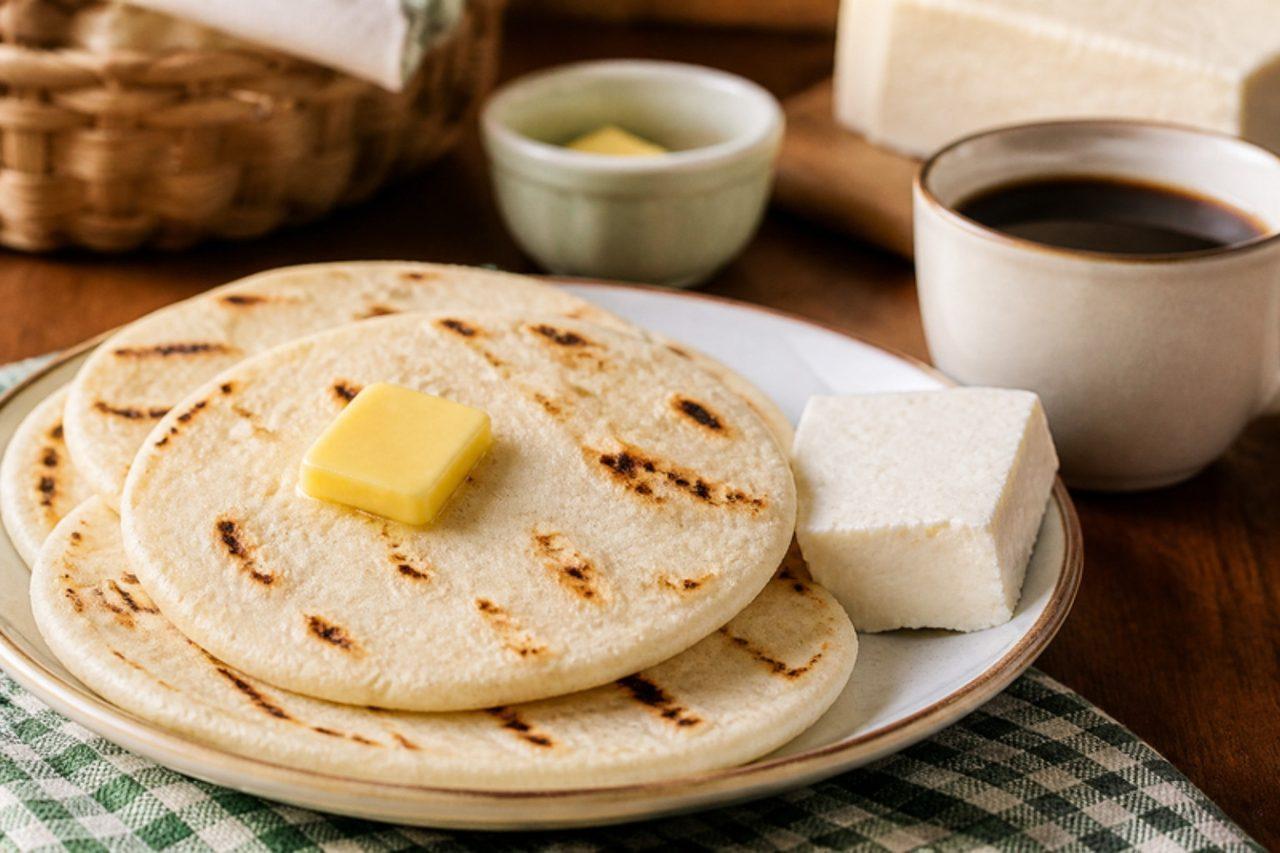
Arepa paisaThin white corn arepa

Antioquia eats arepas the way other places eat bread: a thin, pale disc of white corn sits beside the eggs at breakfast, the bandeja paisa at lunch and the hot chocolate at night. The paisa arepa is deliberately plain, with no salt, cheese or butter in the dough, so it frames whatever comes with it; locals spread it with butter or a slice of quesito at the table. It is chewy and soft inside with a toasted, freckled skin. Traditionally it is made from boiled, ground pilado corn; precooked white corn meal (masarepa) makes an excellent home version. The mistake is a dry dough: the edges crack and the arepas turn hard. Chef's tip: knead in warm water until the dough feels like soft play dough, and rest it 5 minutes before shaping.

by KrazyBadal 0 views

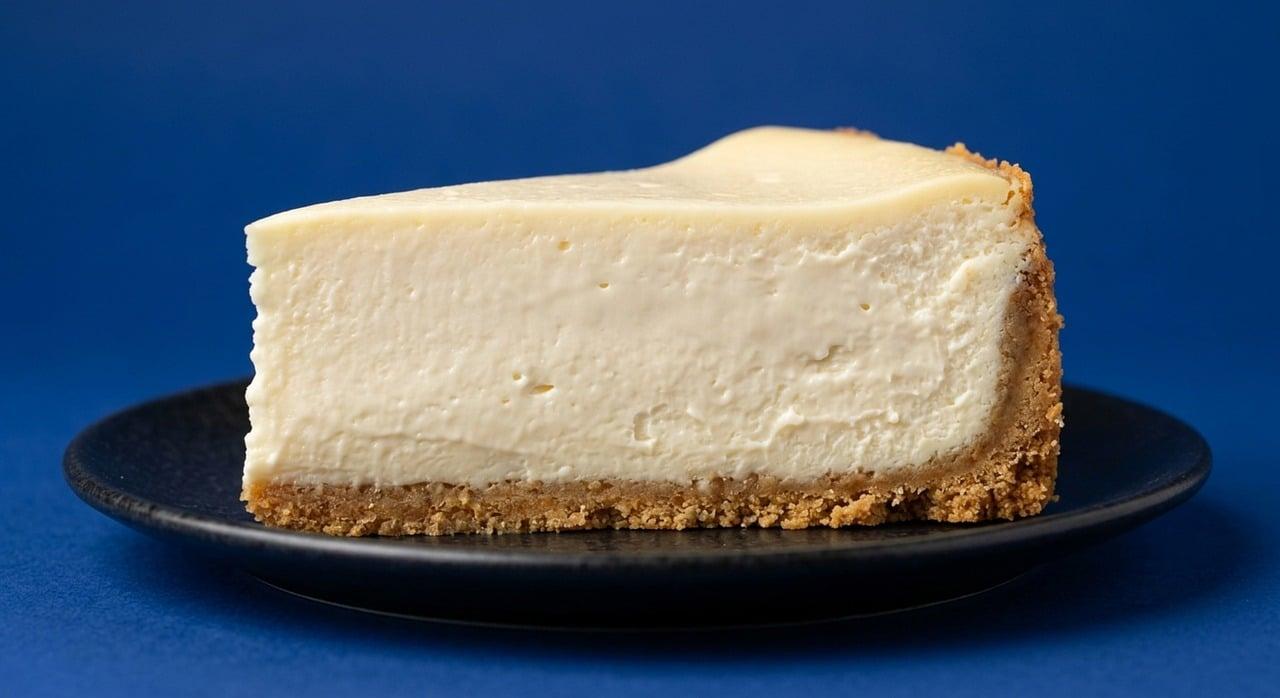
New York cheesecake

New York cheesecake is the tall, dense, rich slice served in Manhattan delis and Brooklyn bakeries since the 1920s, made with cream cheese and a little soured cream rather than the curd cheese of European cakes. It is smooth and heavy, with a slight tang and a thin biscuit base, and is usually eaten plain or with strawberries. Chef's tip: have every ingredient at room temperature and beat on low speed; cold cheese makes lumps and fast beating whips in air, which cracks the top.

by KrazyBadal 0 views

Warm goat's cheese salad

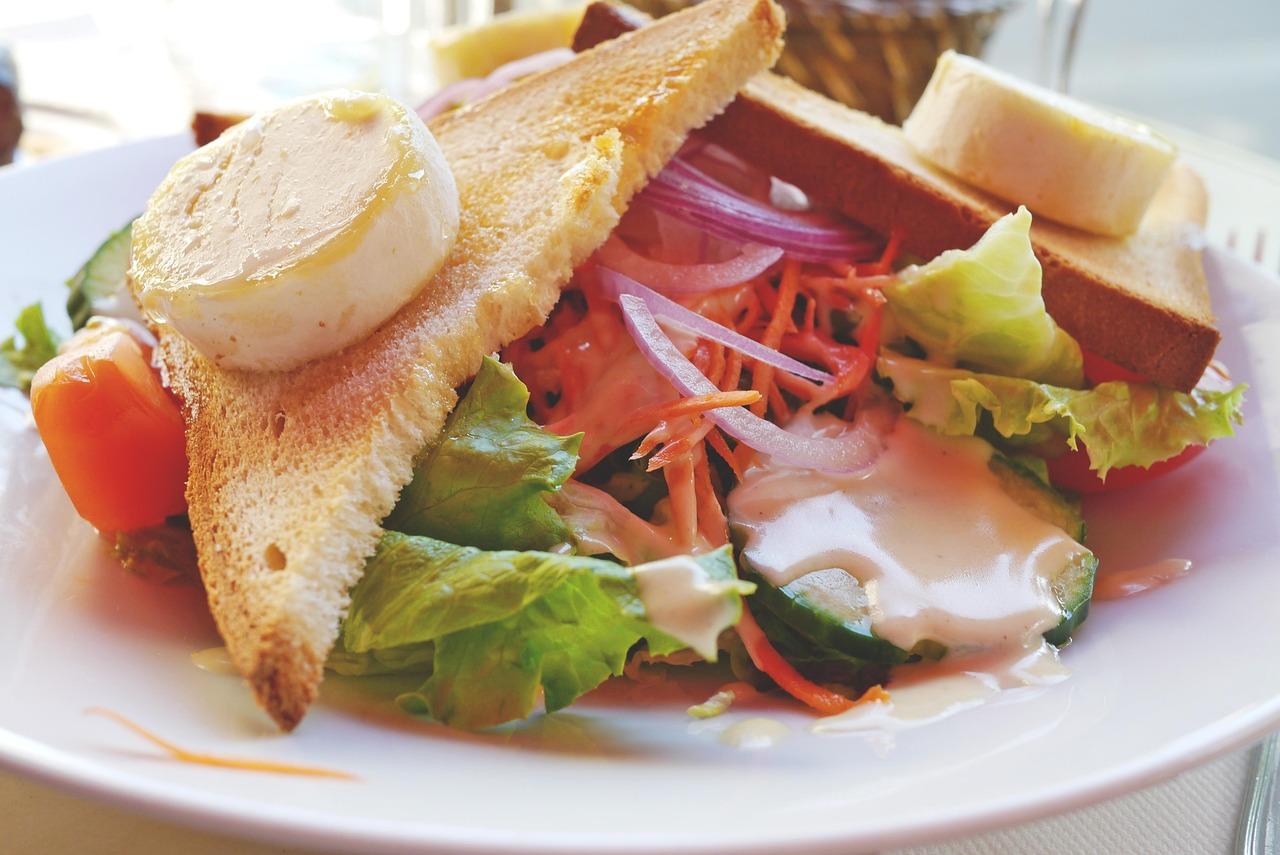
The Loire Valley and the Centre region, around Sancerre, Chavignol and Sainte-Maure-de-Touraine, make some of France's best goat's cheeses, and this salad is how bistros all over the country serve them: rounds of cheese melted on toast, laid over dressed leaves with walnuts and a thread of honey. It is a lunch dish in cafés and a starter at home, ready in 20 minutes. Small crottins or slices from a log both work. Many French goat's cheeses use animal rennet; look for one labelled vegetarian. Chef's tip: grill the toasts with the cheese on top only until the cheese softens and freckles; if it melts flat it slides off and loses its creamy centre.

by KrazyBadal 0 views

FouéesPuffed little breads

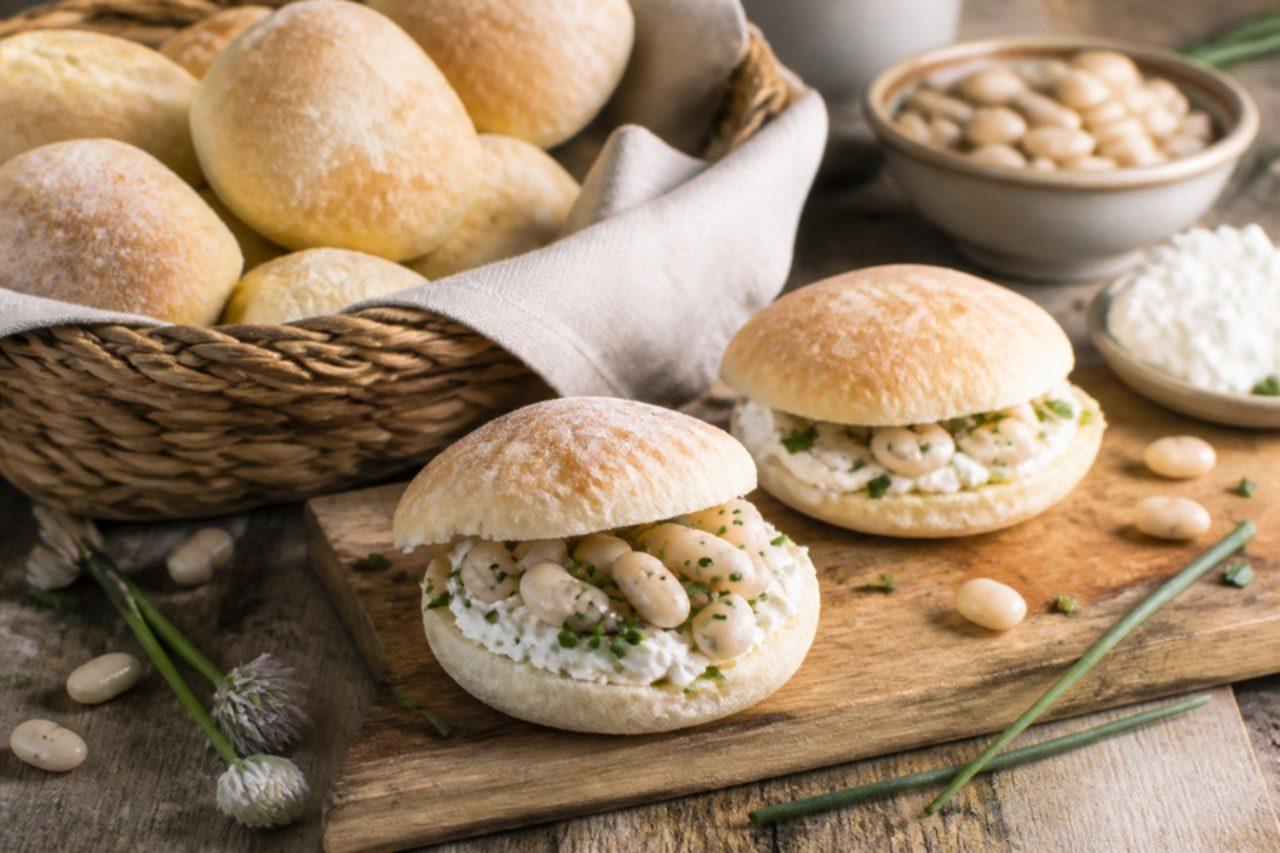
In the troglodyte restaurants carved into the tufa cliffs near Saumur and Tours, bakers slap small rounds of bread dough onto the floor of a wood-fired oven, and in a minute they puff up like balloons. Fouées (also called fouaces) are split while still steaming and filled at the table, and a fouée evening is a favourite outing for families and groups in the Loire. Rillettes are the classic filling, but butter, fresh goat's cheese and garlicky white mogette beans are just as traditional, and those are what we use here. At home, a very hot oven and a preheated tray do the job. Chef's tip: roll the rounds evenly thin, about 4 mm; uneven dough puffs only on one side.

by KrazyBadal 0 views

Cork spiced beefSpiced pressed brisket

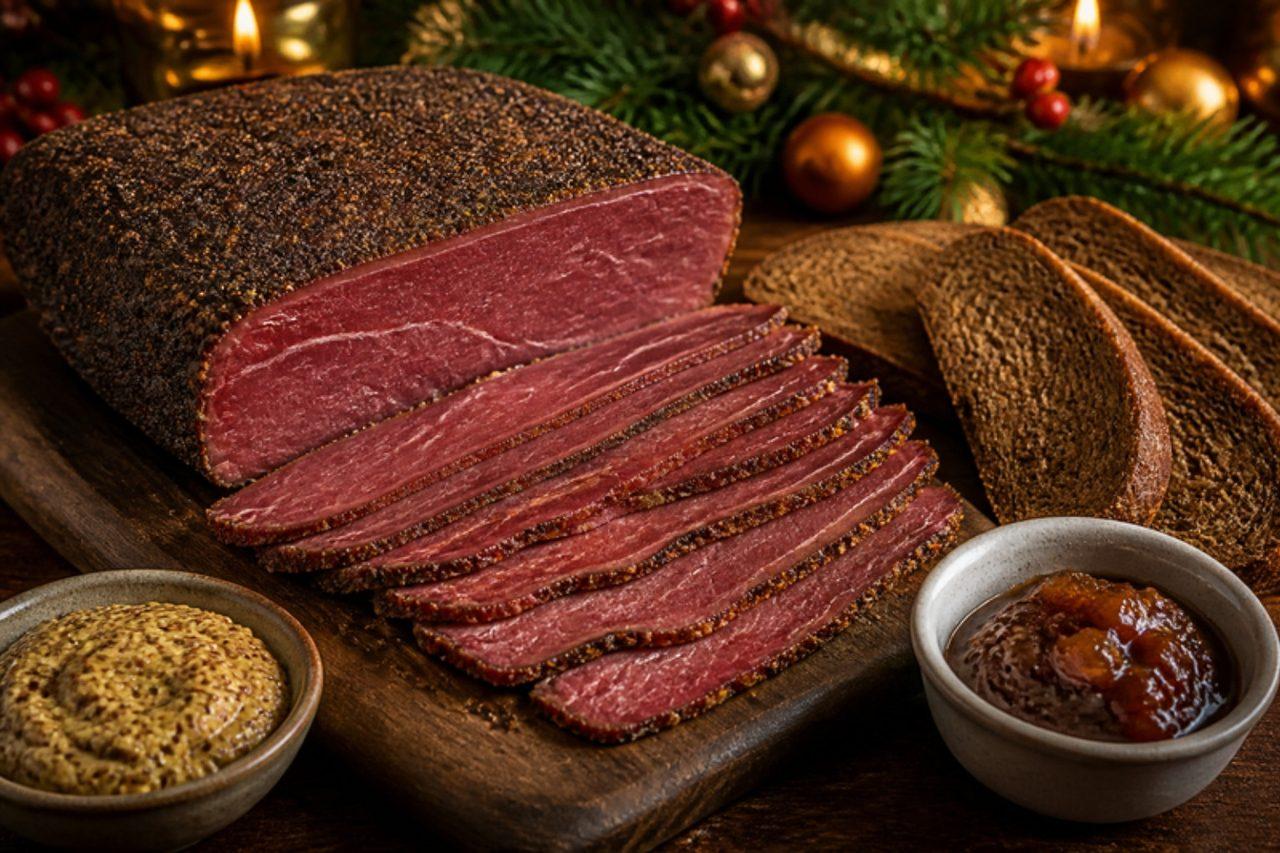
Spiced beef is the Christmas meat of Cork city, sold in the English Market in December and served cold in thin slices on St Stephen's Day with brown bread and chutney. A piece of brisket or silverside is rubbed with salt, brown sugar, allspice, cloves and juniper and turned in the fridge for a week, then simmered slowly and pressed. The meat comes out deep pink, tender and fragrant. Chef's tip: keep it in the fridge the whole week of curing and turn it every day so the cure reaches every side.

270 minIrishMeatGluten free
by KrazyBadal 0 views

Trucha a la mantecaTrout with brown butter

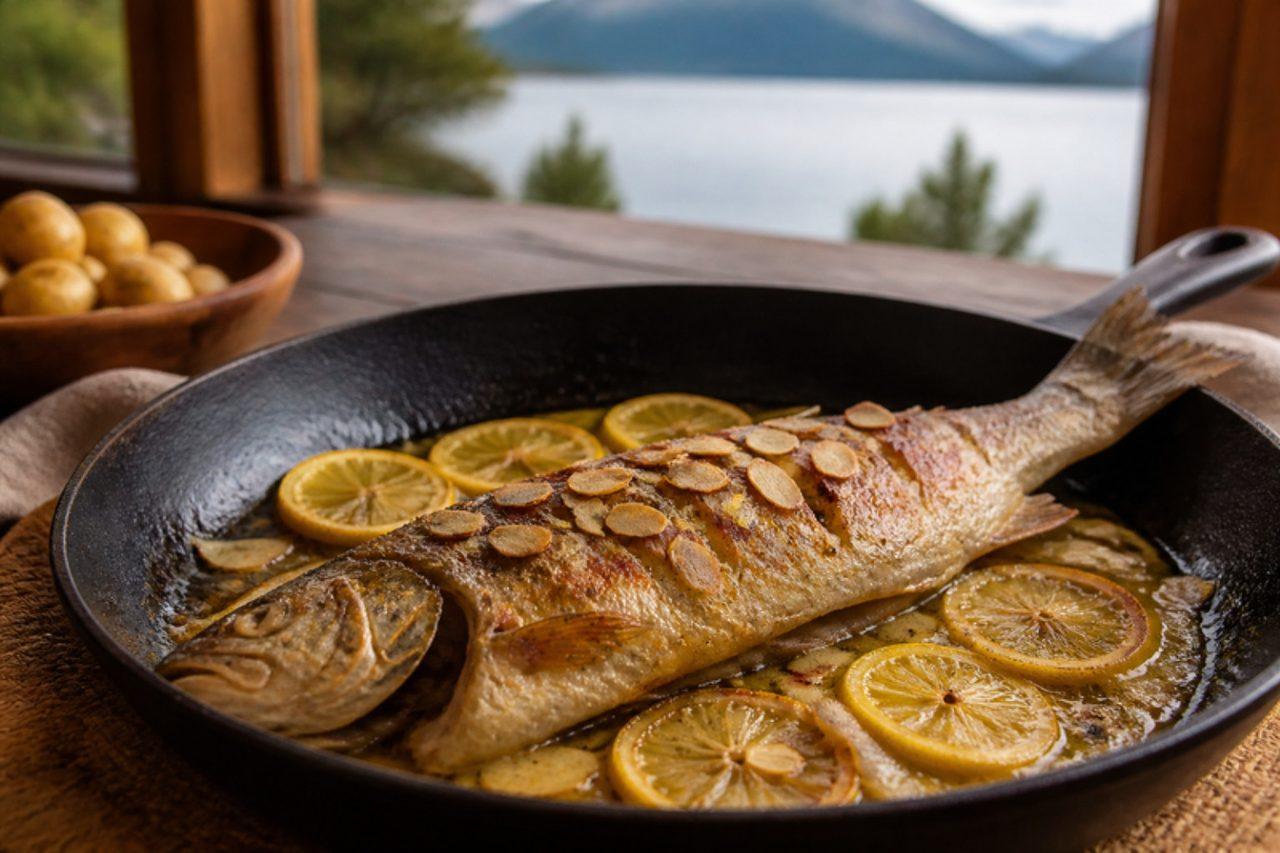
Restaurants on the shores of Nahuel Huapi, in Bariloche and Villa La Angostura, put rainbow trout from the cold Andean lakes on almost every menu, and this butter version is the one locals order most. Fillets are fried with crisp skin, then drenched in butter browned with flaked almonds and sharpened with lemon. Serve with boiled new potatoes and a green salad. Any trout or char works. People commonly start the fish in butter, which burns before the skin crisps; fry it in a film of oil and make the brown butter after. Chef's tip: dry the skin really well and dust it with rice flour; it gives a thin, glassy crust without any gluten.

by KrazyBadal 0 views

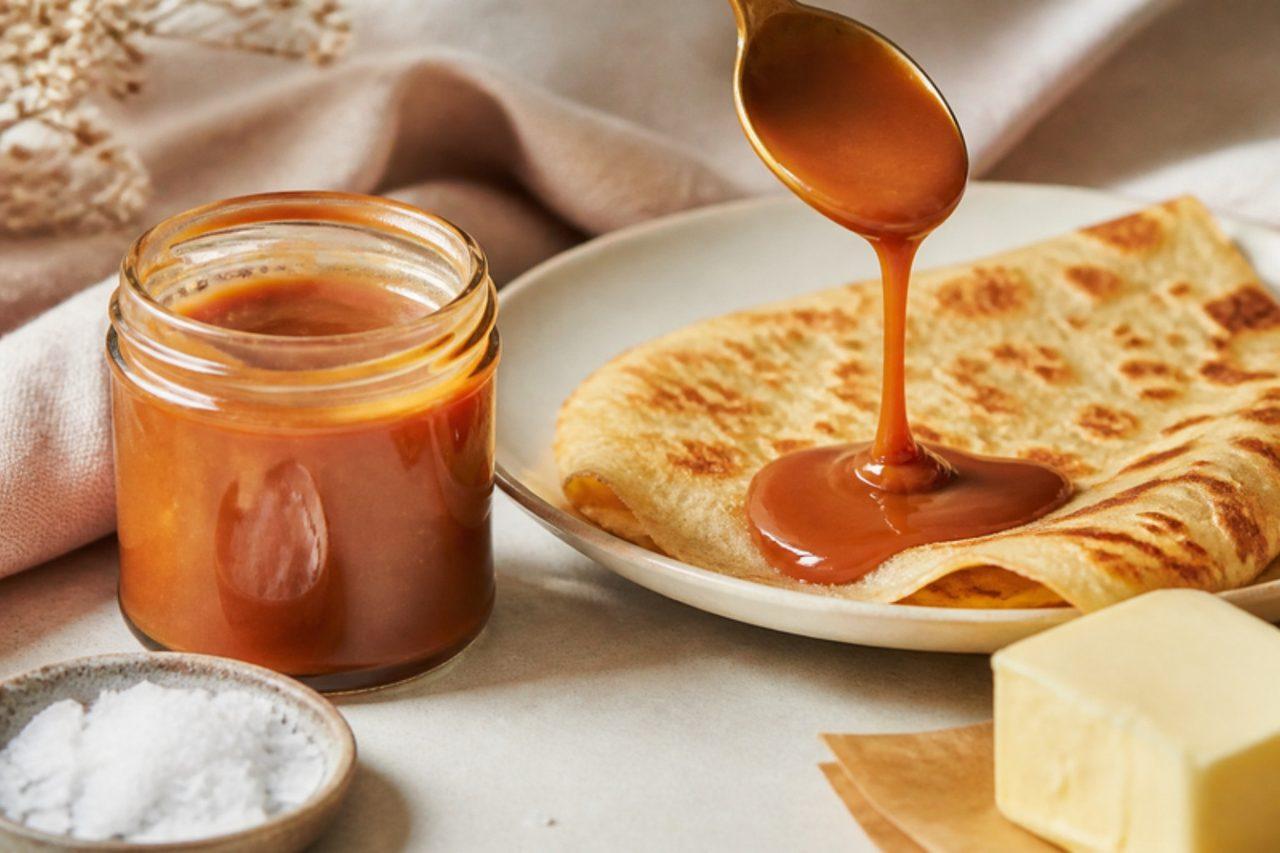
Salted butter caramel

Salted butter caramel was made famous by a confectioner in Quiberon in the 1970s, and now every crêperie from Rennes to Brest pours it over sweet crêpes, and every Breton cupboard has a jar for ice cream, apples or simply a spoon. Brittany kept the habit of salted butter long after the rest of France, so the salt is part of the flavour, not a trend. The caramel is cooked dark, loosened with hot cream and finished with butter flecked with sea salt. It keeps for two weeks in the fridge. Chef's tip: warm the cream before adding it; cold cream makes the caramel seize into hard lumps and spit furiously.

by KrazyBadal 0 views

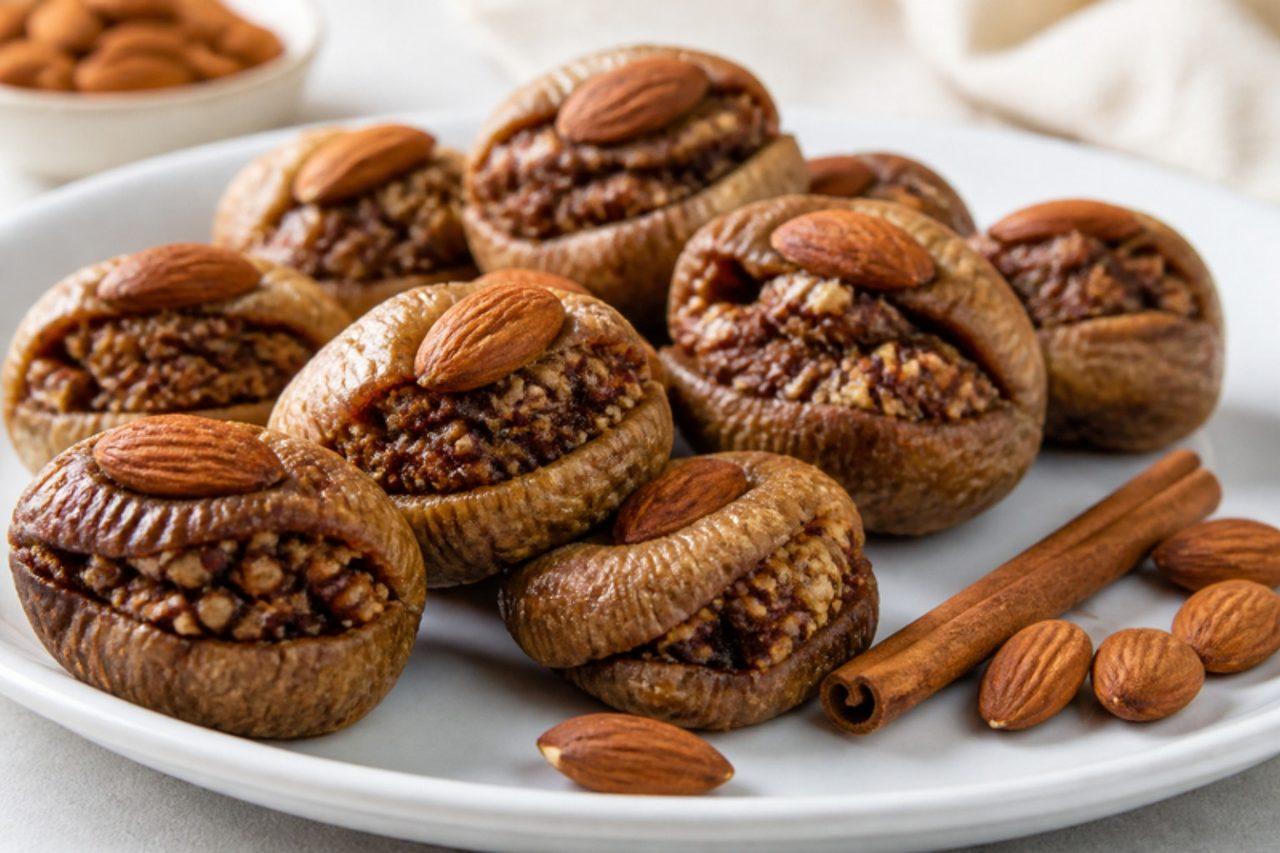
Figos cheiosAlmond-stuffed dried figs

In the Algarve, Christmas trays are never without figos cheios, sun-dried figs split open, packed with a paste of toasted almonds and cocoa, pressed together in pairs and baked until fragrant. They come from a time when every farm in the Barrocal dried its own figs on cane racks in August. They take half an hour to make and keep for weeks, so they make an easy edible present. Chef's tip: choose soft, plump dried figs; if yours are hard, steam them over simmering water for 5 minutes first.

by KrazyBadal 0 views

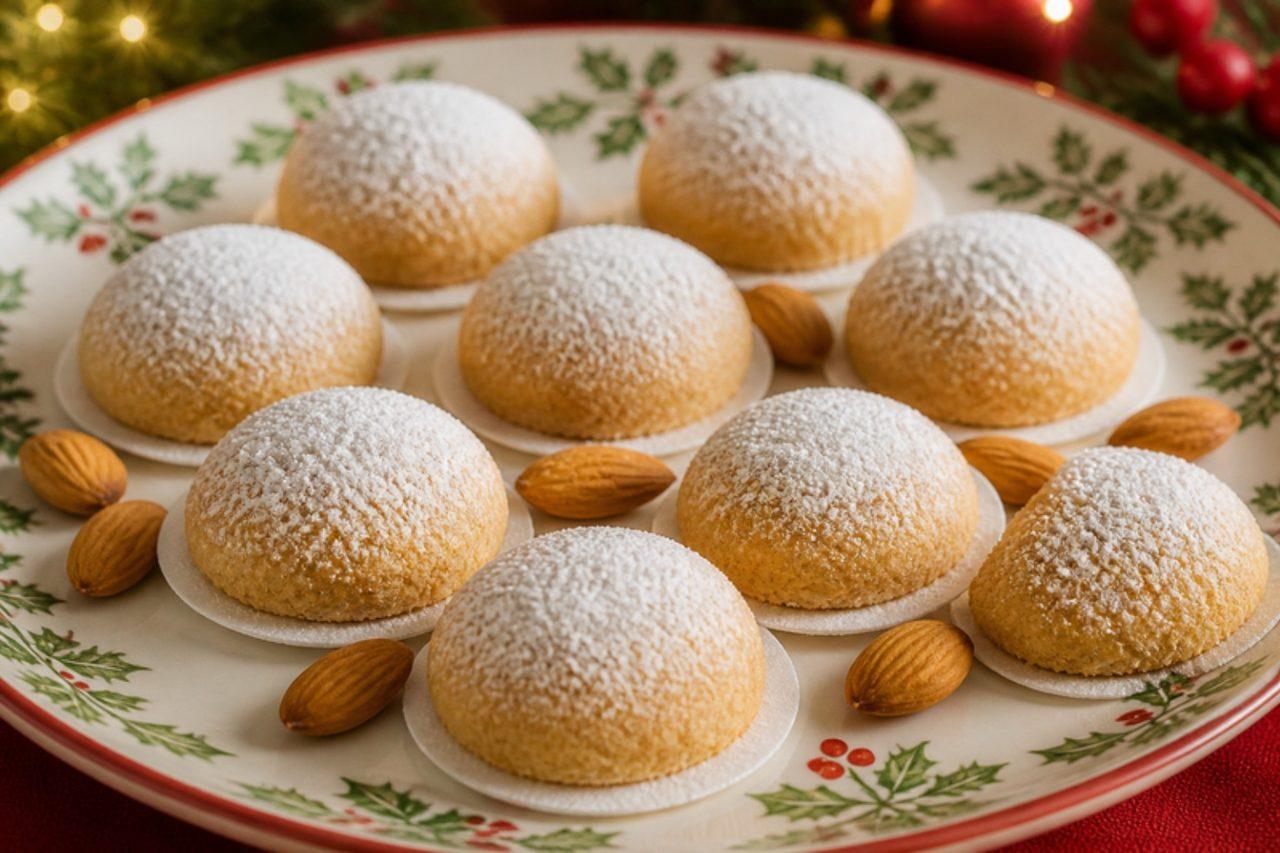
CordialesAlmond and candied pumpkin cakes

Murcian Christmas tables always have a plate of cordiales, small domed cakes of ground almond and egg with a spoonful of cabello de ángel, the stringy candied squash jam, hidden in the middle. They are sold in every pastry shop in Murcia from December and baked at home in the weeks before Christmas, traditionally on a round of edible wafer so they lift cleanly off the tray. They should be crisp at the very tips and soft and moist inside. Chef's tip: make them a day ahead; the almond paste firms up and the flavour deepens.

by KrazyBadal 0 views

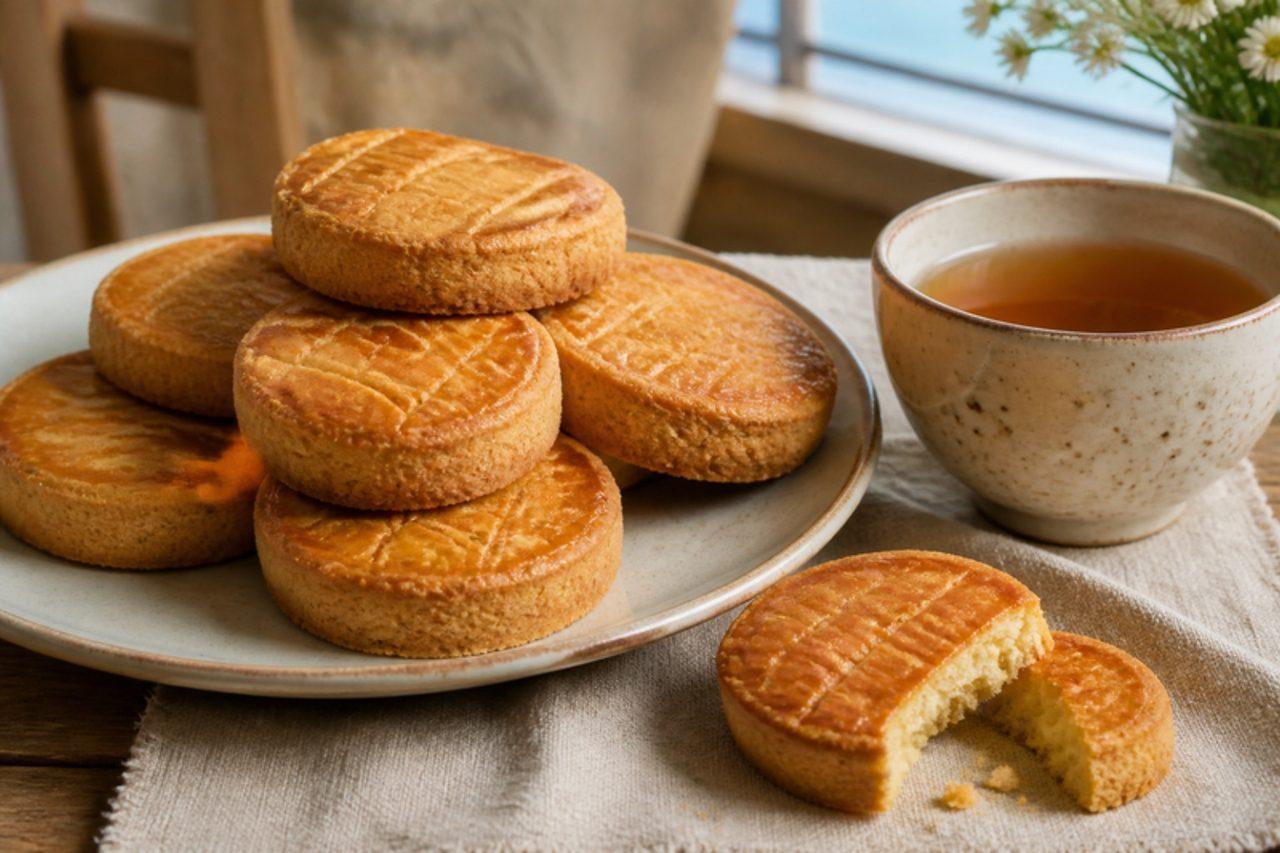
Palets bretonsSalted butter biscuits

Palets are the thick cousin of the thin Breton galette biscuit: chunky rounds as wide as a small cookie and nearly a centimetre high, crisp on the outside and crumbly within, tasting strongly of salted butter. Bakeries in Pont-Aven and all along the Finistère coast sell them in tins, and Breton families serve them with coffee, with a bowl of cider-poached apples or crumbled over ice cream. Baking them in muffin tins or metal rings keeps their shape and straight edges. Chef's tip: use proper salted butter rather than adding salt to unsalted; the flavour is rounder and the dough handles better.

by KrazyBadal 0 views

Bolo de roloGuava paste roll cake

Cut a slice of bolo de rolo and you see a tight spiral of a dozen hair-thin layers, alternating pale butter sponge and dark red guava. It is Pernambuco's proudest cake, protected as a cultural heritage of the state, sold in Recife's bakeries and airport shops in long boxes and served at birthdays and with coffee in the afternoon. The batter is rich with butter and eggs, spread so thinly it bakes in minutes; each sheet is brushed with melted guava paste and rolled around the last. It takes patience rather than skill. The classic slip is spreading the batter too thick, which gives a fat swiss roll instead of fine stripes; you should almost see the paper through it. Chef's tip: roll each layer while it is still hot from the oven, on a clean cloth dusted with sugar, because the thin sponge cracks as soon as it cools.

by KrazyBadal 0 views

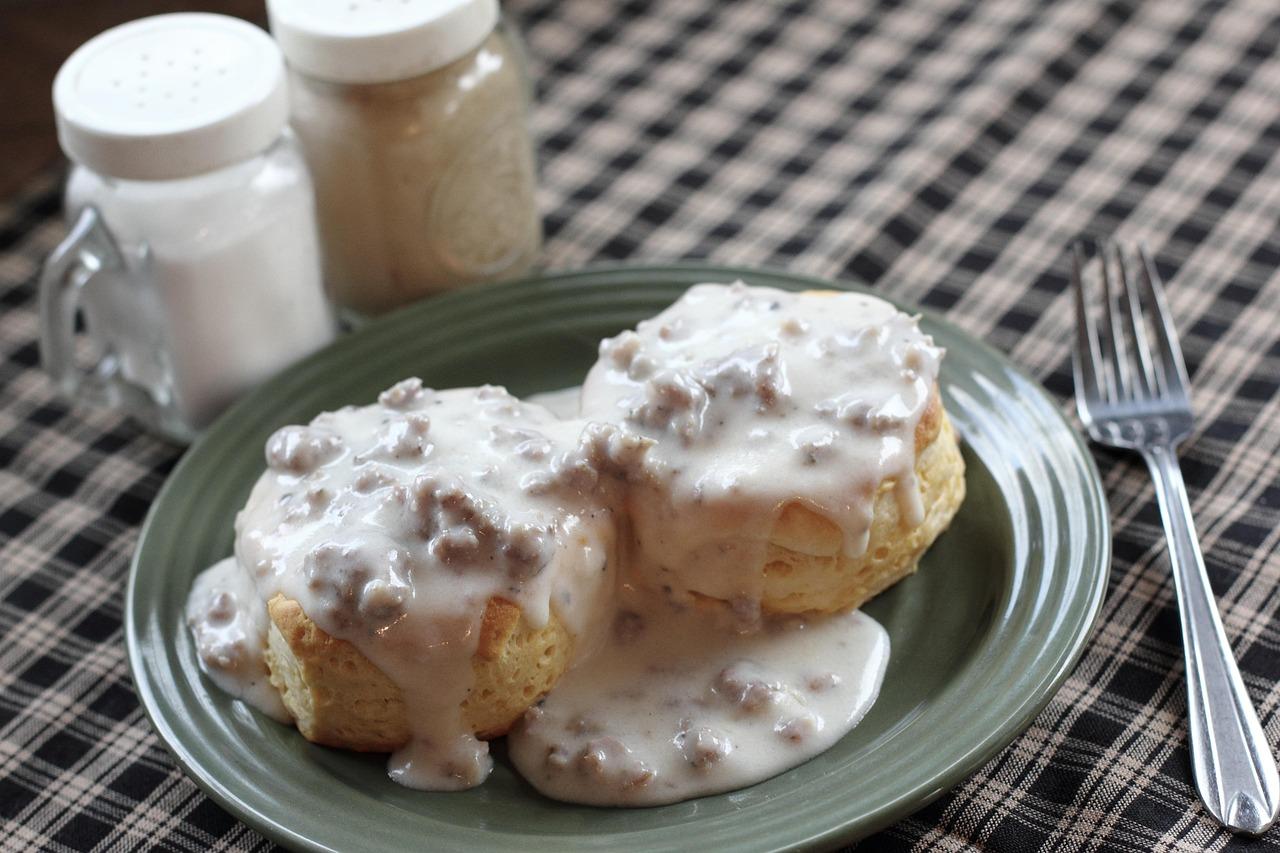
Biscuits and sausage gravy

Biscuits and gravy is the working breakfast of the rural South and Appalachia, served at truck stops in Tennessee and diners in the Virginia mountains: fresh biscuits split open and smothered in a thick white 'sawmill' gravy made from crumbled pork sausage, its fat, flour, milk and plenty of black pepper. Chef's tip: don't drain the sausage fat; it is what thickens and flavours the gravy.

by KrazyBadal 0 views

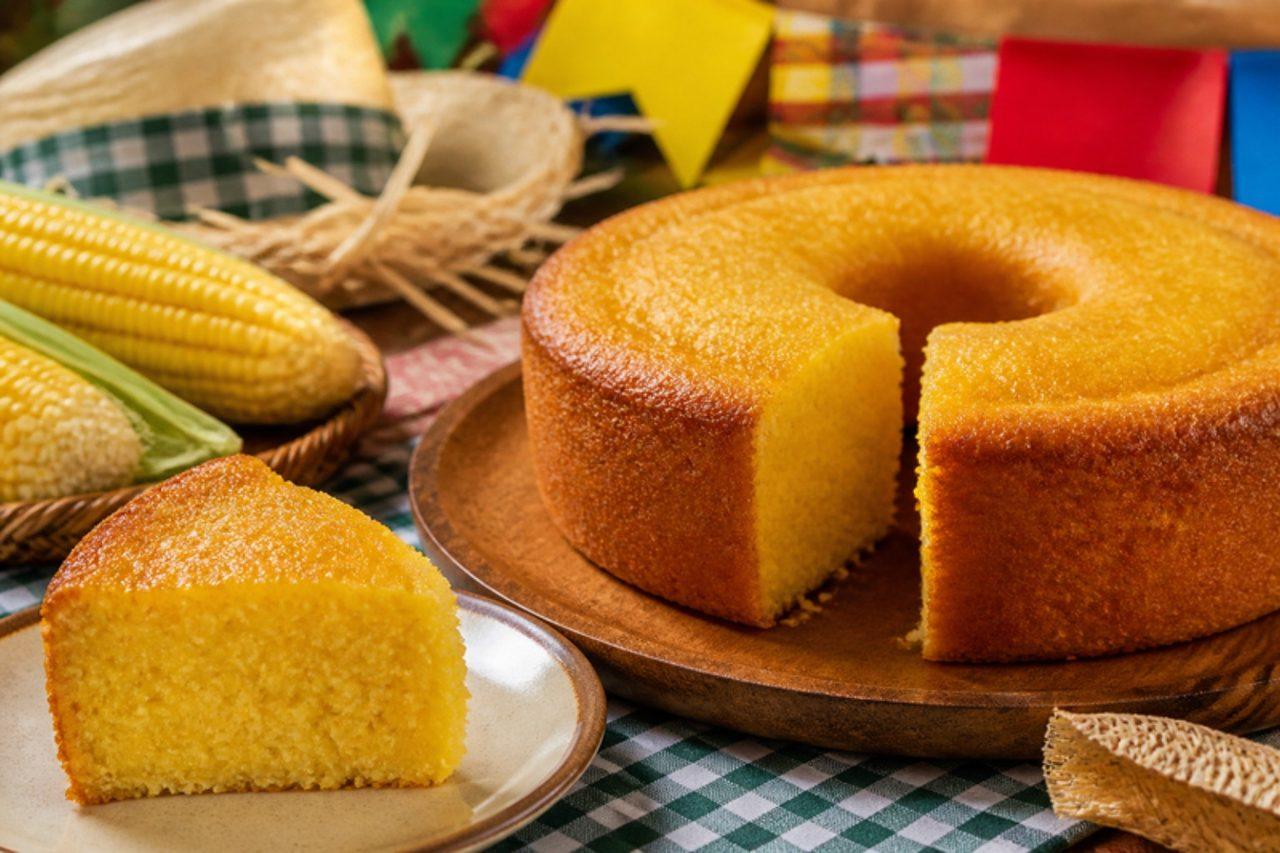
Bolo de milho verdeSweetcorn cake

Almost every Brazilian padaria keeps a tray of bolo de milho verde by the till, and in June it multiplies across festa junina stalls, sliced into squares and wrapped in napkins. Everything goes into a blender: sweetcorn kernels, eggs, milk, oil, sugar and a little fine cornmeal, so the cake comes out yellow, dense and moist, almost custardy in the middle, with real corn flavour. It is made without wheat flour, which keeps it gluten free as long as your baking powder is. Eat it with afternoon coffee or warm from the tin. Opening the oven early is where it usually goes wrong; this batter is heavy and sinks if the door opens before 35 minutes. Chef's tip: leave the cake in the tin for 20 minutes after baking; it finishes setting as it cools and comes out in clean slices.

by KrazyBadal 0 views

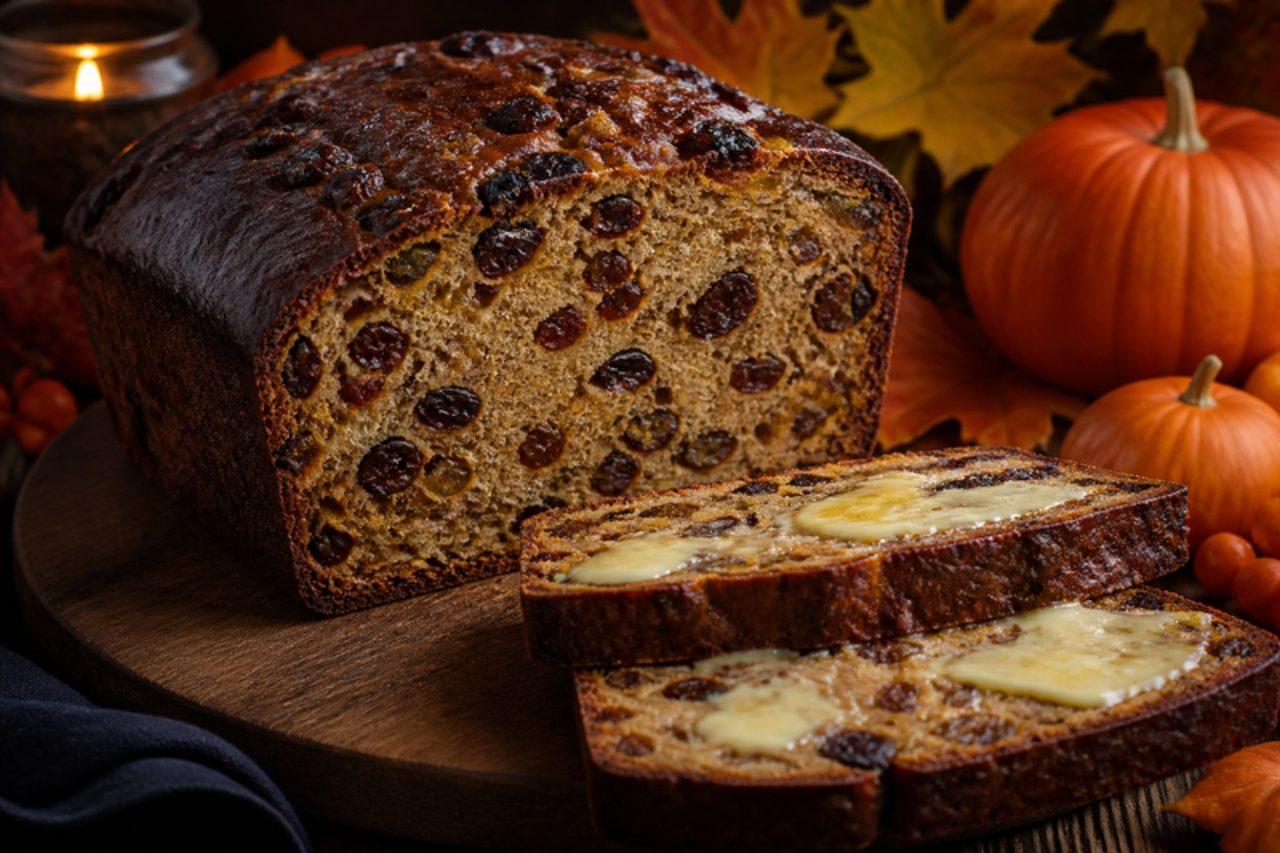
BarmbrackTea-soaked fruit loaf

Barmbrack is the speckled fruit loaf eaten in Ireland at Halloween, when a ring wrapped in baking paper is baked inside, and whoever finds it is said to marry within the year. This is the quick tea brack version made all over Connacht and Munster, with the dried fruit soaked overnight in strong tea so the loaf is dark, moist and fragrant with mixed spice. Serve sliced and buttered with a cup of tea. Chef's tip: soak the fruit for a full night; short soaking gives dry, chewy fruit.

by KrazyBadal 0 views

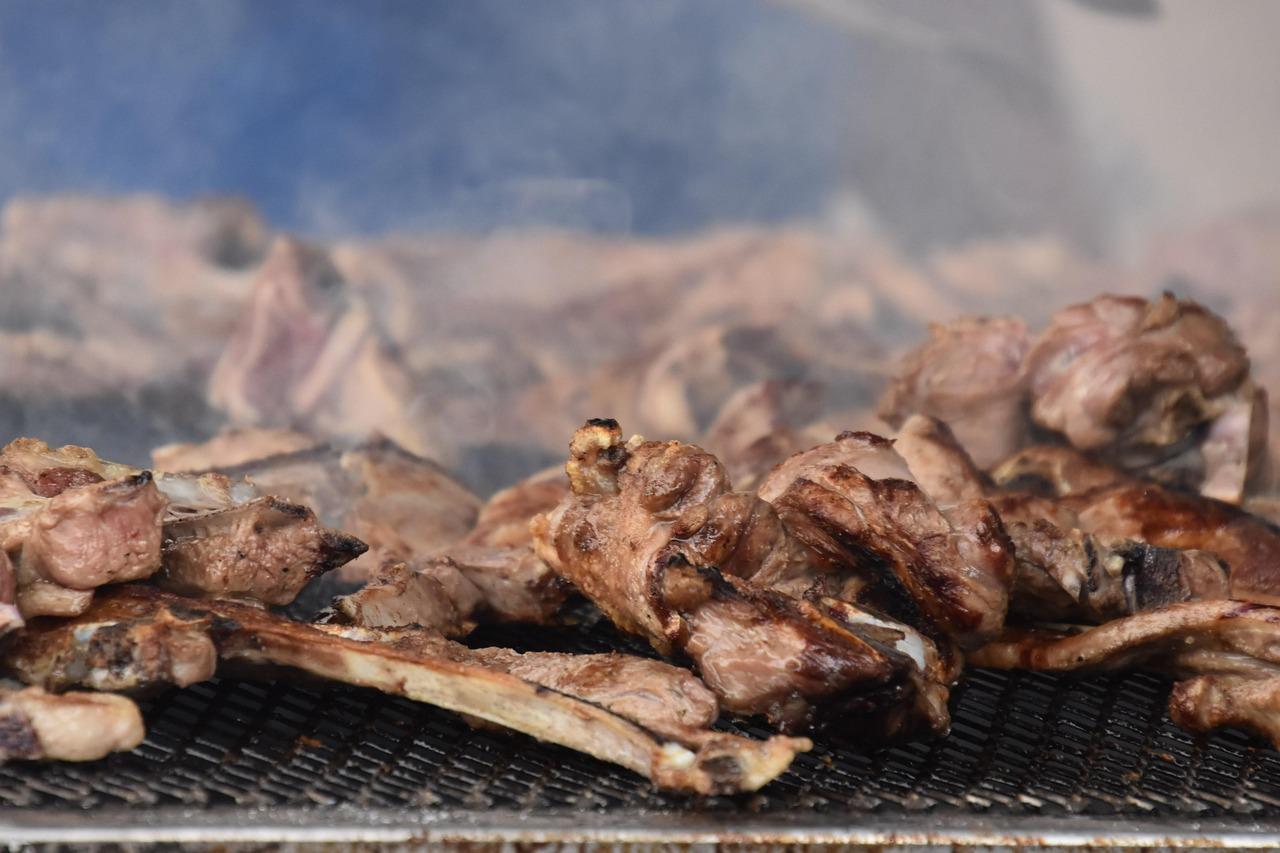
AntikristoSlow-roasted lamb

Antikristo means 'facing each other', and in the Psiloritis mountain villages above Anogeia it describes big pieces of lamb on long skewers set upright round a wood fire, turned now and then for four or five hours until the fat has dripped away and the meat is smoky and crisp. At village feasts and saint's-day fairs it is carved straight from the skewer onto paper with nothing more than salt and a squeeze of lemon. This home version roasts salted lamb shoulder and ribs slowly in the oven, then finishes them hot for crackling edges. Common mistake: adding herbs and marinades; the Cretan way is only coarse salt, so the lamb's own flavour comes through. Chef's tip: salt the meat the night before and leave it uncovered in the fridge so the surface dries and crisps.

255 minGreekMeatGluten free
by KrazyBadal 0 views

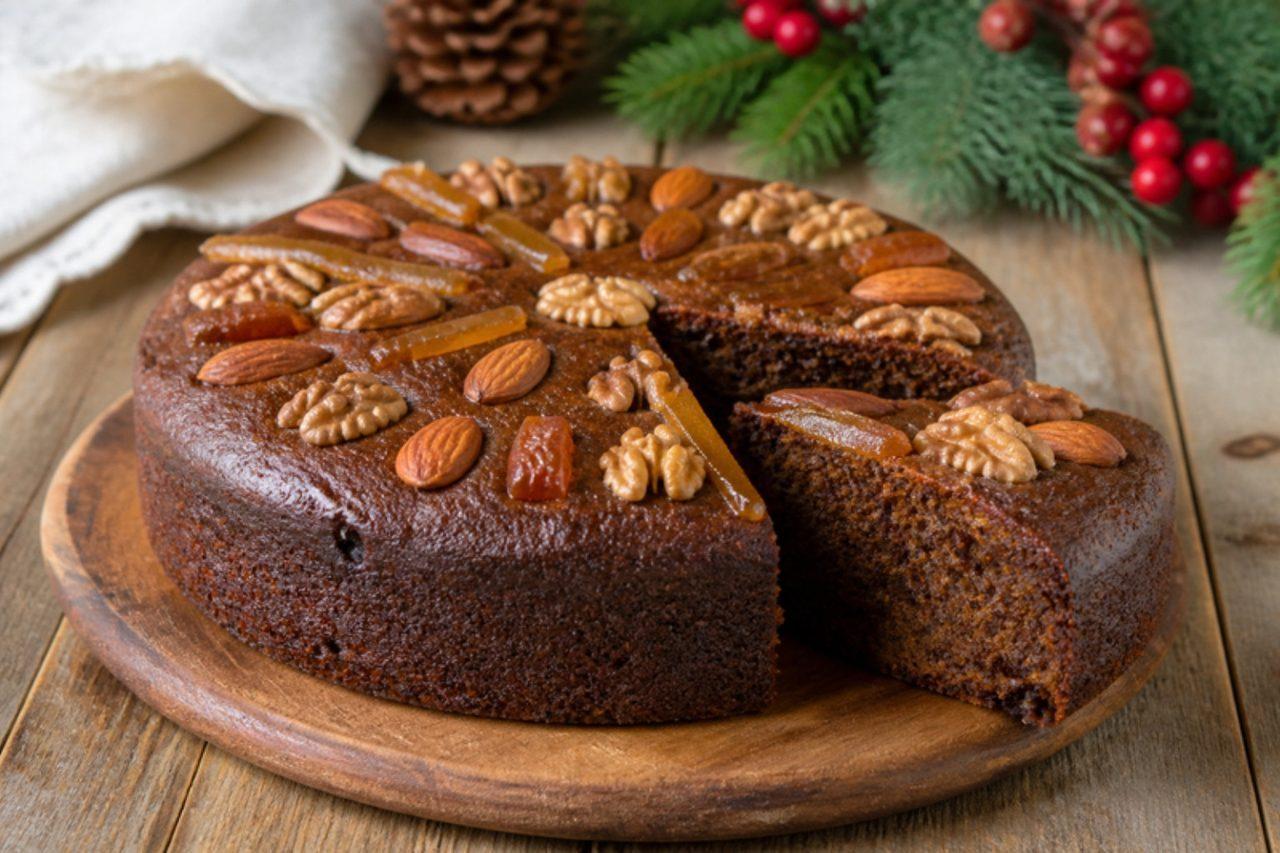
Bolo de mel da MadeiraSpiced molasses cake with nuts

Madeiran families bake bolo de mel on 8 December so it can mellow in time for Christmas, and a well-wrapped one is said to keep until the following year. It is dense, almost black and fragrant with cinnamon, clove and aniseed, sweetened with mel de cana, the island's sugarcane molasses, and studded with walnuts, almonds and candied peel. Tradition says it should be broken by hand, never cut with a knife. Many old recipes use some lard; this one uses butter only. Chef's tip: wrap it in foil and wait at least a week before eating; the spices and molasses soften and blend as it rests.

by KrazyBadal 0 views

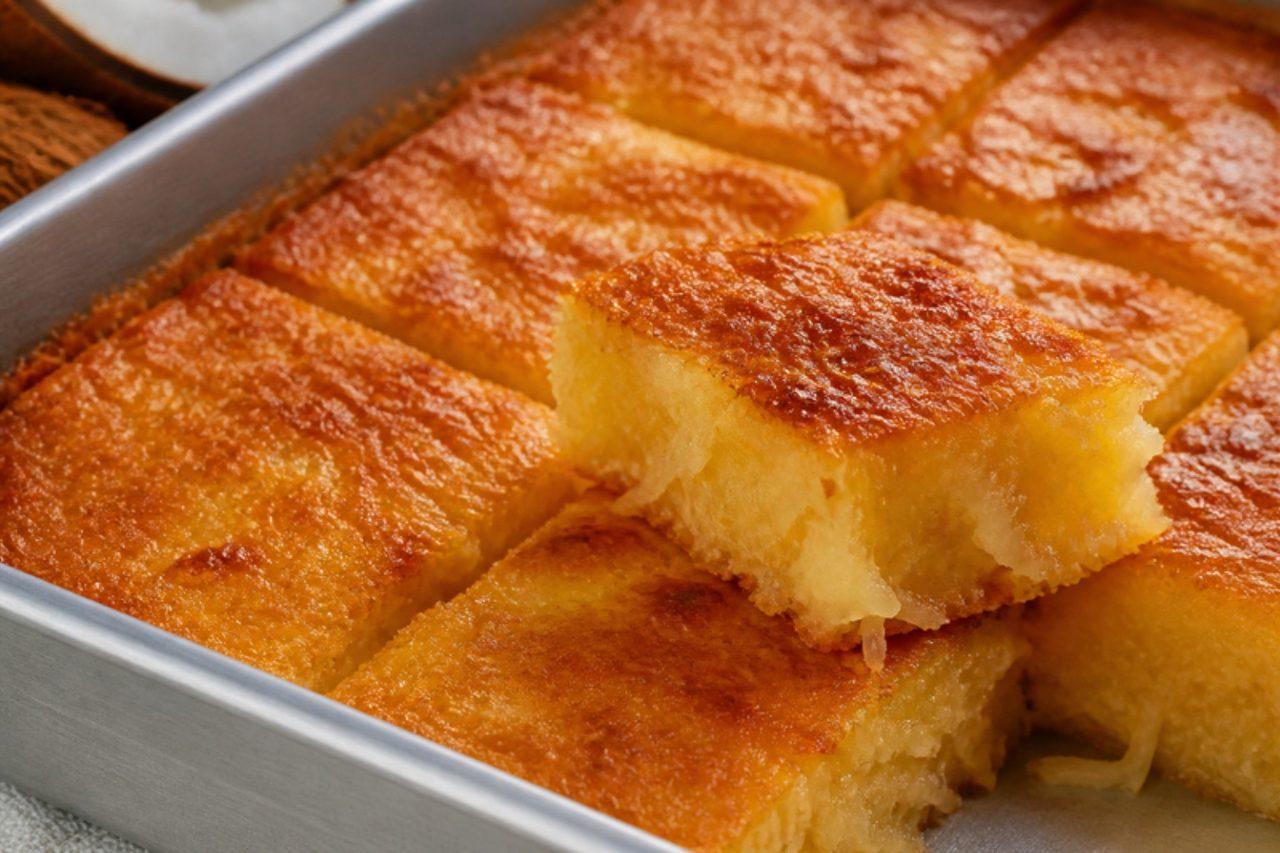
Bolo de mandiocaGrated cassava and coconut cake

Grated raw cassava makes a cake unlike any flour cake: heavy, sticky and pudding-like, with a chewy golden crust and a moist, almost translucent middle. Bolo de mandioca (or bolo de aipim in Rio) is baked all over Brazil, sold by the slice at roadside stands in the interior of Bahia and Minas, and is a regular at June festivals next to the corn cakes. Coconut milk and grated coconut make it fragrant, butter makes it rich. Fresh cassava is sold in Latin, African and Caribbean shops; frozen peeled cassava is fine once thawed. Raw cassava must be fully cooked, and baking this long is enough. A classic error is blending in the fibrous core of the root, which leaves woody threads in the cake; cut it out first. Chef's tip: squeeze a little of the liquid out of the grated cassava in a cloth before mixing, and the cake gets a firmer, more cake-like texture without turning dry.

by KrazyBadal 0 views

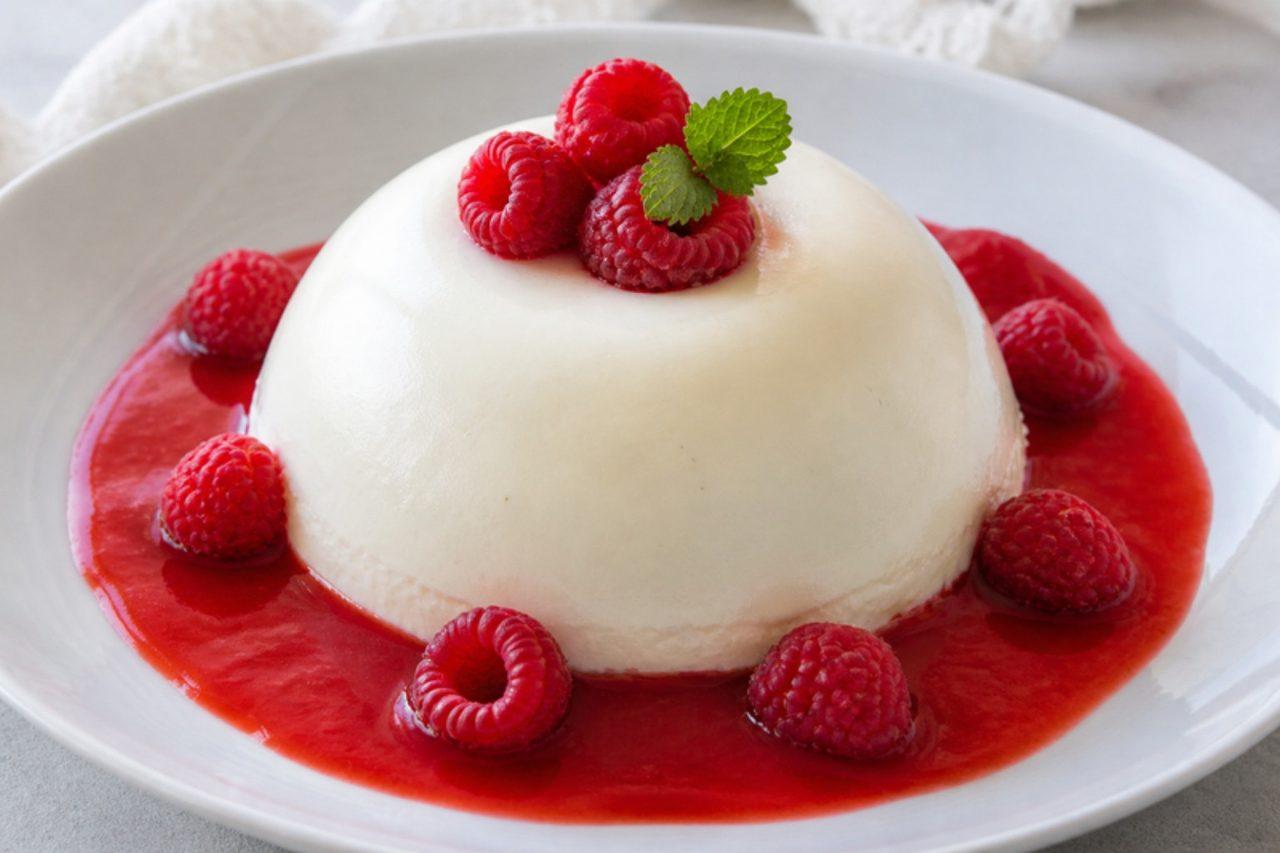
Bayerische CremeVanilla cream with raspberry sauce

Bayerische Creme is the light, wobbling vanilla cream that Munich coffee houses and Bavarian wedding buffets have served for generations: a cooked egg custard folded with whipped cream and set in moulds, then turned out onto a pool of berry sauce. It is traditionally set with gelatine, which is made from animal bones and skin; this version uses agar so it stays vegetarian. A common mistake with agar is adding it to a cool custard: it only sets after it has boiled, so it is simmered in milk first and then whisked into the warm custard. Chef's tip: fold in the cream when the custard has cooled to just warm and is starting to thicken, so the cream stays airy and doesn't melt into it.

by KrazyBadal 0 views

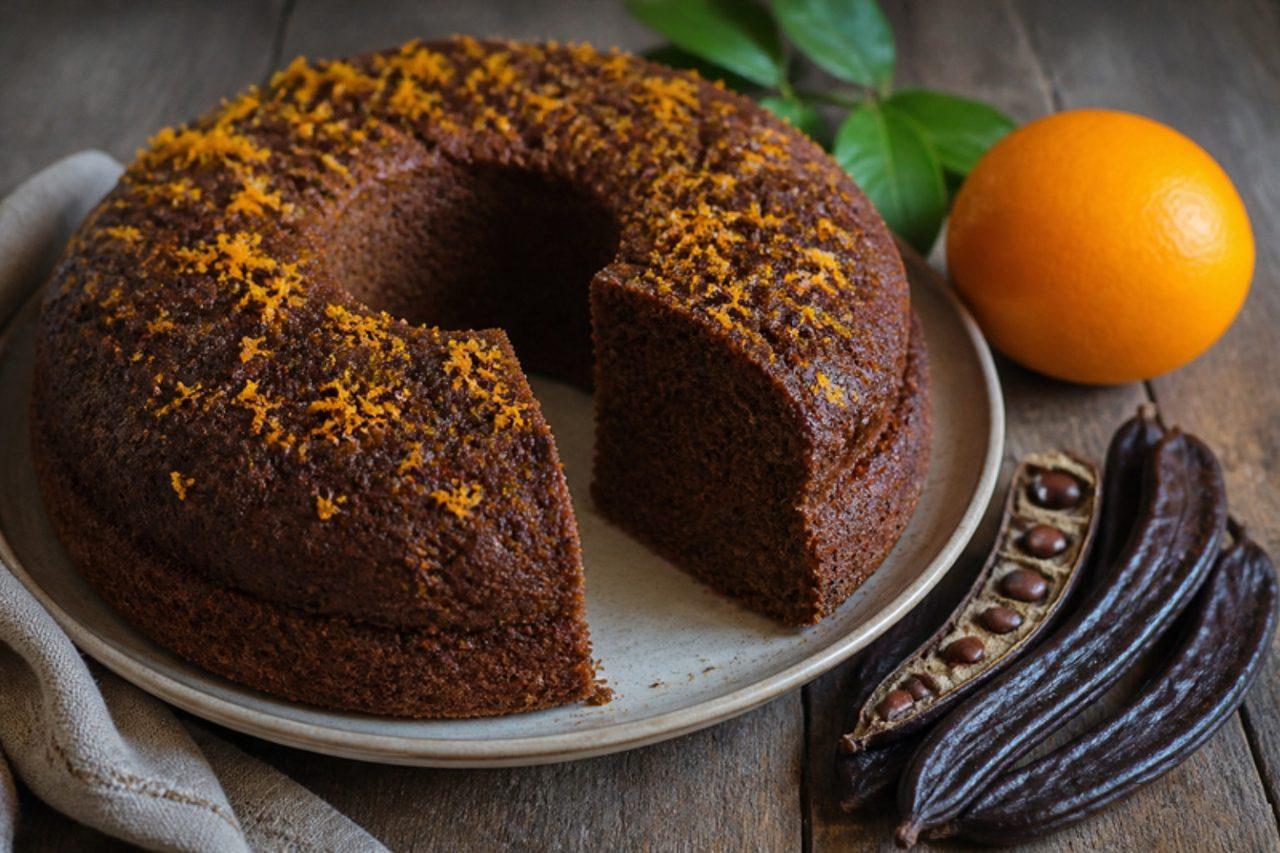
Bolo de alfarrobaCarob and orange cake

Carob trees grow all through the dry Barrocal hills behind the Algarve coast, and the toasted pods are ground into a sweet, cocoa-coloured flour that local bakers have used for generations. This cake, sold by the slice in cafés around Loulé and São Brás de Alportel, is made with olive oil and orange, so it stays moist for days. It has a gentle caramel, almost malty taste rather than a chocolate one. A common mistake is using too much carob; it is sweet and earthy and turns bitter when overdone, so stick to the amount given. Chef's tip: sieve the carob flour with the wheat flour, because it lumps easily and leaves dry pockets in the crumb.

by KrazyBadal 0 views

Bollo de yucaBoiled cassava bundles

Along the Caribbean coast from Cartagena to Santa Marta, the bollo de yuca is a staple to set beside fried fish, a bowl of soup or a slice of fresh white cheese. Raw cassava is grated, kneaded with a little salt and sometimes a few anise seeds, then wrapped and boiled until it turns translucent and pleasantly chewy, with a mild, slightly sweet flavour. Market sellers stack them by the dozen, and they keep well, so many households buy enough for several days. Cassava must always be fully cooked and peeled down past the pink inner layer, since the raw root contains natural toxins that cooking removes. Squeezing the grated cassava too hard is the error that ruins it: bone-dry dough gives tough, rubbery bollos, so you only want to press out the loose juice. Frozen grated cassava from Latin or African shops works well. Chef's tip: wet your hands before rolling the logs, because the starch sticks to dry palms.

by KrazyBadal 0 views

Bolinho de estudanteTapioca and coconut fried fingers

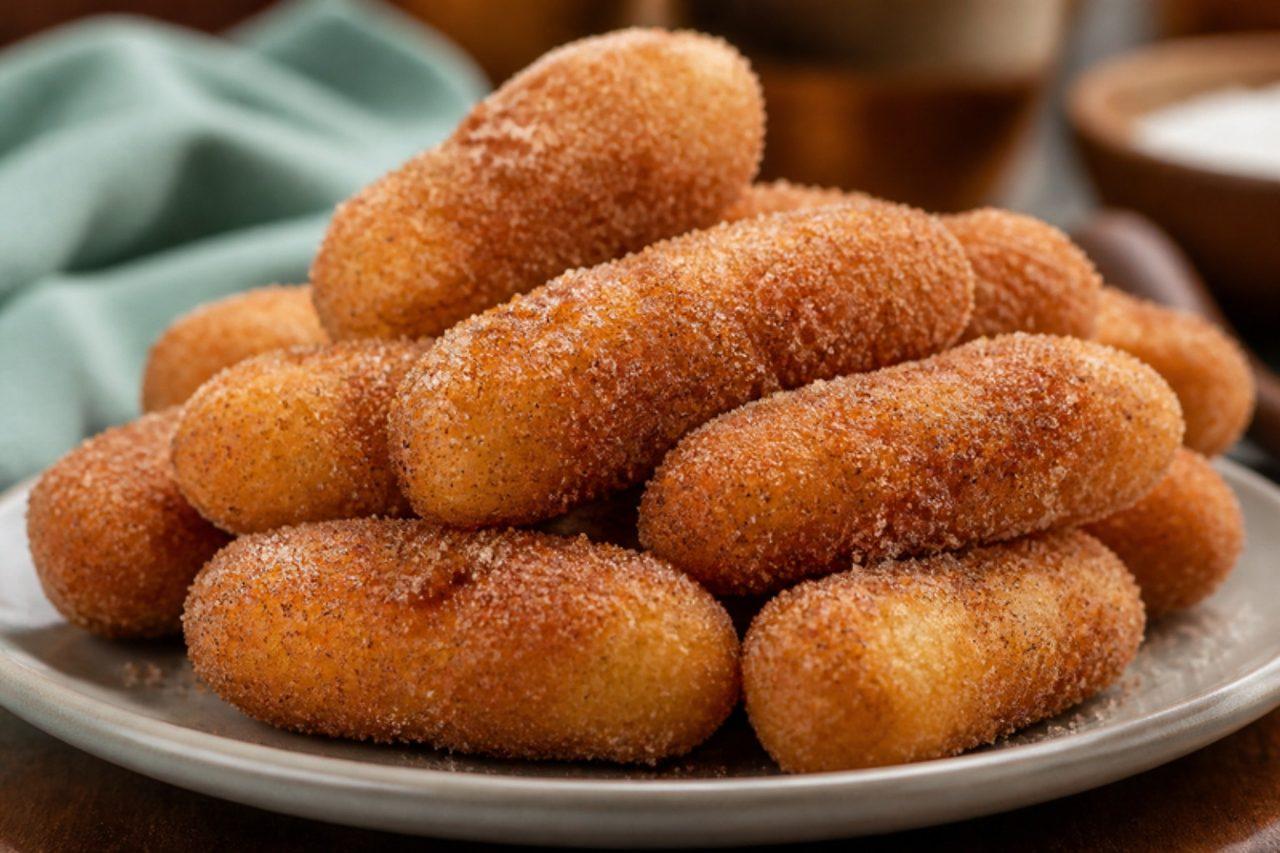
Baianas de acarajé sell these next to their black-eyed pea fritters, and the name, 'student's cake', comes from how cheap and filling they are for schoolchildren in Salvador. A dough of granulated tapioca soaked in hot milk and coconut milk with grated coconut is shaped into short fingers, fried until the outside shatters, and rolled while still warm in cinnamon sugar. Inside they stay chewy and moist, a little like a coconut doughnut. Eat them with afternoon coffee, or make a tray for a festa junina. A common error is frying before the tapioca has fully absorbed the liquid, which makes the fingers burst open in the oil; give the dough its full 30-minute rest. Chef's tip: keep a bowl of water by you and wet your hands while shaping, so the sticky dough rolls into smooth fingers that fry evenly.

by KrazyBadal 0 views

Arabaşı çorbasıSpicy chicken soup with dough cubes

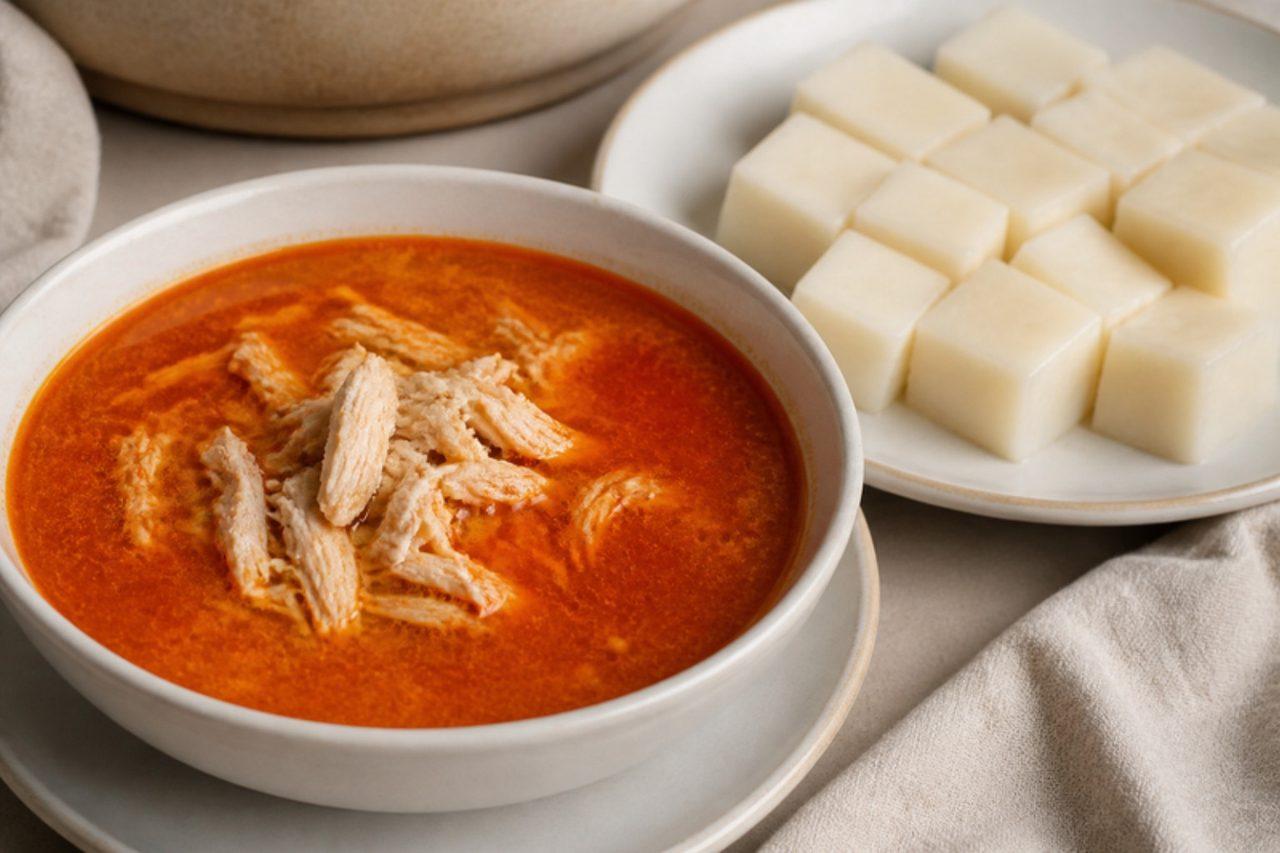
On winter evenings in Kayseri, Konya and Yozgat, friends gather for arabaşı nights: a big pot of fiery, tomatoey chicken soup and a tray of plain set dough cut into cubes. Each person drops a cube of cold dough into a spoonful of hot soup and swallows it whole, without chewing, and the hot-cold contrast is the whole fun. Common mistake: making the dough too soft; it should set firm enough to slice cleanly once chilled. Cook the chicken until its juices run clear and it reaches 74 °C before shredding. Chef's tip: make the dough the morning before, or even the day before, so it is properly cold and firm.

by KrazyBadal 0 views

Bolinho de aipimCheese-stuffed cassava balls

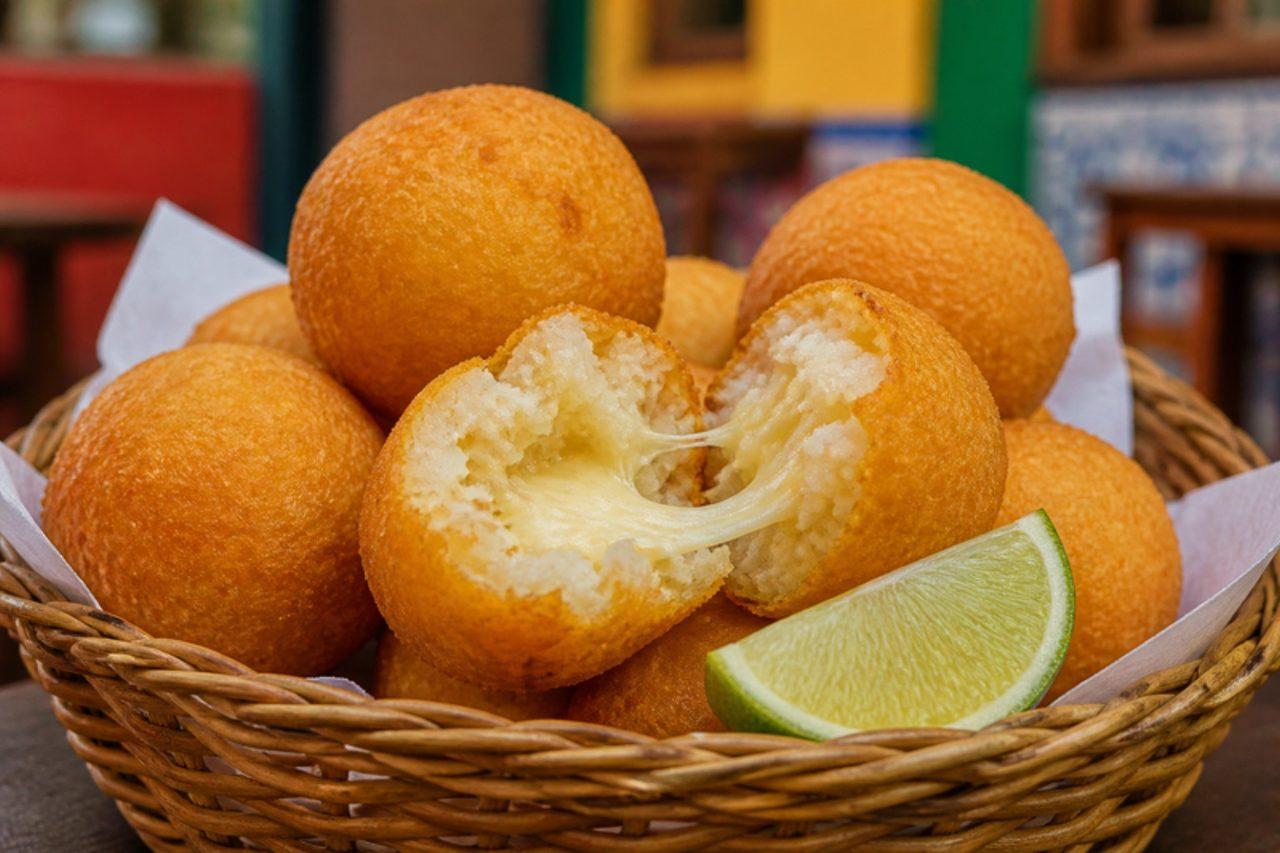
Order a round of chope in a Rio boteco and a plate of these usually follows: golf-ball-sized fritters of mashed aipim (cassava) with a molten cheese centre, crisp and craggy outside, soft and stretchy within. Places like the bars of Tijuca and Botafogo fill them with everything from dried beef to shrimp, but cheese is the classic veggie order. The cassava dough needs no egg or flour to bind it, so they are naturally gluten free. Use a mozzarella or Minas cheese made with microbial rennet to keep them vegetarian. They go wrong when the cassava is mashed while wet: the balls soften and split in the oil. Drain it very well and let the steam escape. Chef's tip: chill the shaped balls for 30 minutes before frying, so the cheese stays inside and the crust sets before the centre melts.

by KrazyBadal 0 views

Boleima de maçãApple and cinnamon cake

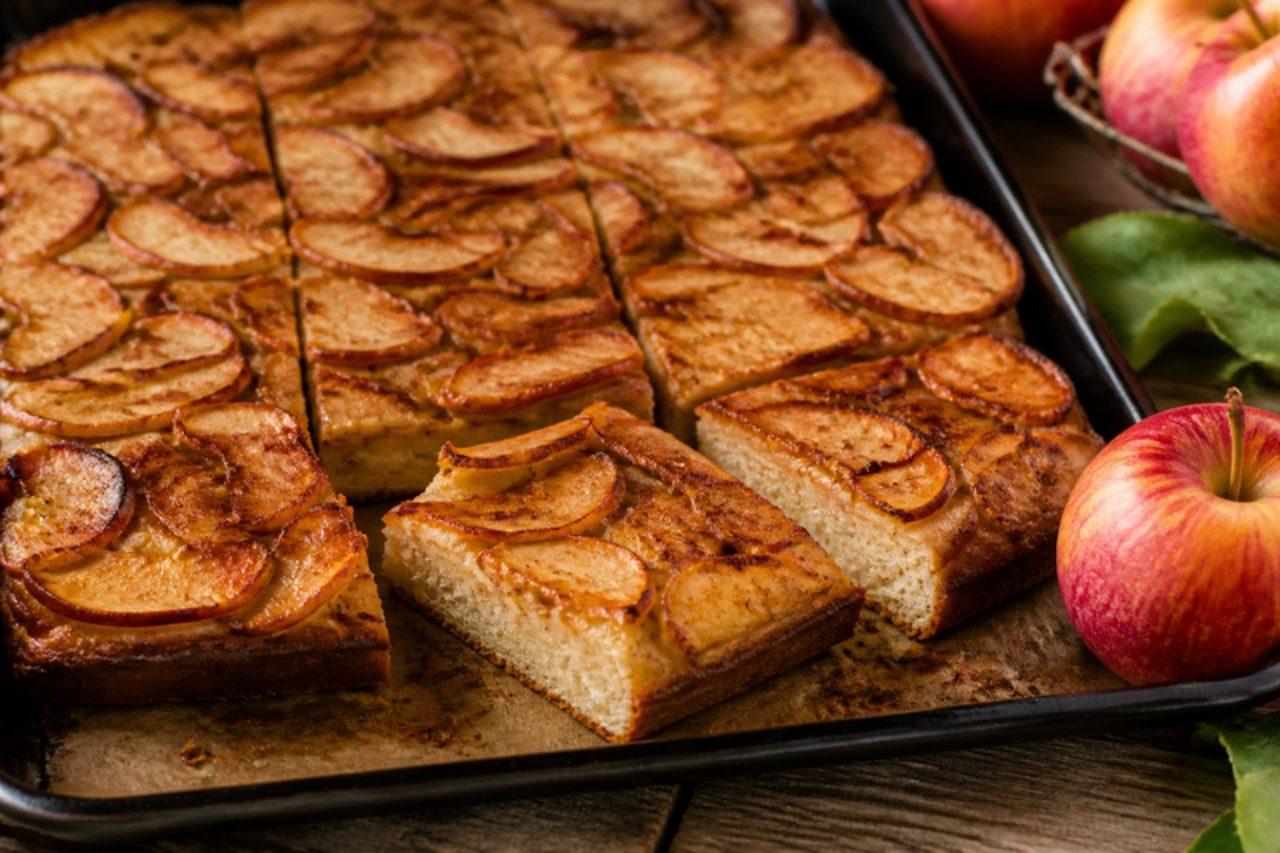
In Portalegre, in the hills of the north Alentejo, boleima was born on baking day: a piece of the bread dough was set aside, enriched with olive oil, sugar and cinnamon, layered with sliced apples and baked in the cooling oven. It is not a delicate cake but a flat, moist, fragrant slab with caramelised edges, eaten at Christmas and at coffee time in autumn. It has no egg, butter or milk. A common mistake is slicing the apples thick, which leaves them hard while the dough is done; cut them thin. Chef's tip: give the dough a long, slow rise; that is where the bread-like flavour comes from.

by KrazyBadal 0 views

Showing 45 of 7,762 recipes

Show more recipes

Page 408 of 863