


Skip to content
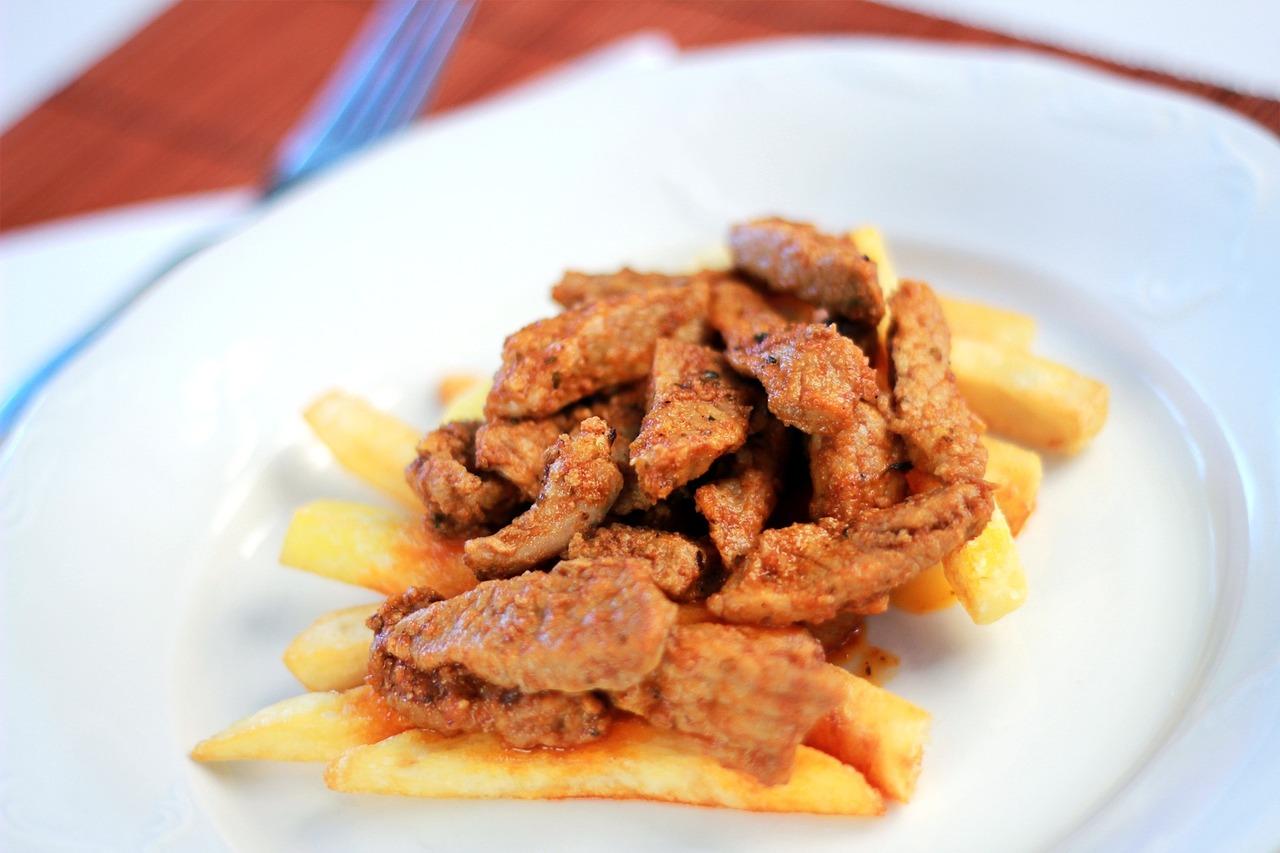
Brassói aprópecsenye
Featured recipe

Brassói aprópecsenye

Fried pork with potato cubes

Despite the name, which points to Brassó (Brașov) in Transylvania, this is a Budapest invention, and it is still one of the most ordered plates in the city's small family restaurants. Small cubes of pork neck or shoulder are fried hard with onion, lots of garlic, marjoram and a little paprika until they are browned and juicy, then tossed with golden, crunchy fried potato cubes. It is a quick, salty, garlicky dish, best with a bowl of pickles or a crisp cucumber salad and a glass of cold mineral water. The usual slip is crowding the pan, so the pork steams grey instead of browning; fry it in two batches. Chef's tip: add half the garlic at the start and the rest in the last minute, so you get both the mellow and the sharp flavour.

Read more 0 views

What to eat today?

Around the world

Today's trip: Paraguayan

A new country every day, from every cuisine on the site.

Paraguayan

Chipa

Cheese bread rings 50 minMore from Paraguayan (27) →

This week's collection

Kid-friendly dinners
537 recipes · a new collection every Monday

Latest recipes

Pane carasauThin crisp flatbread

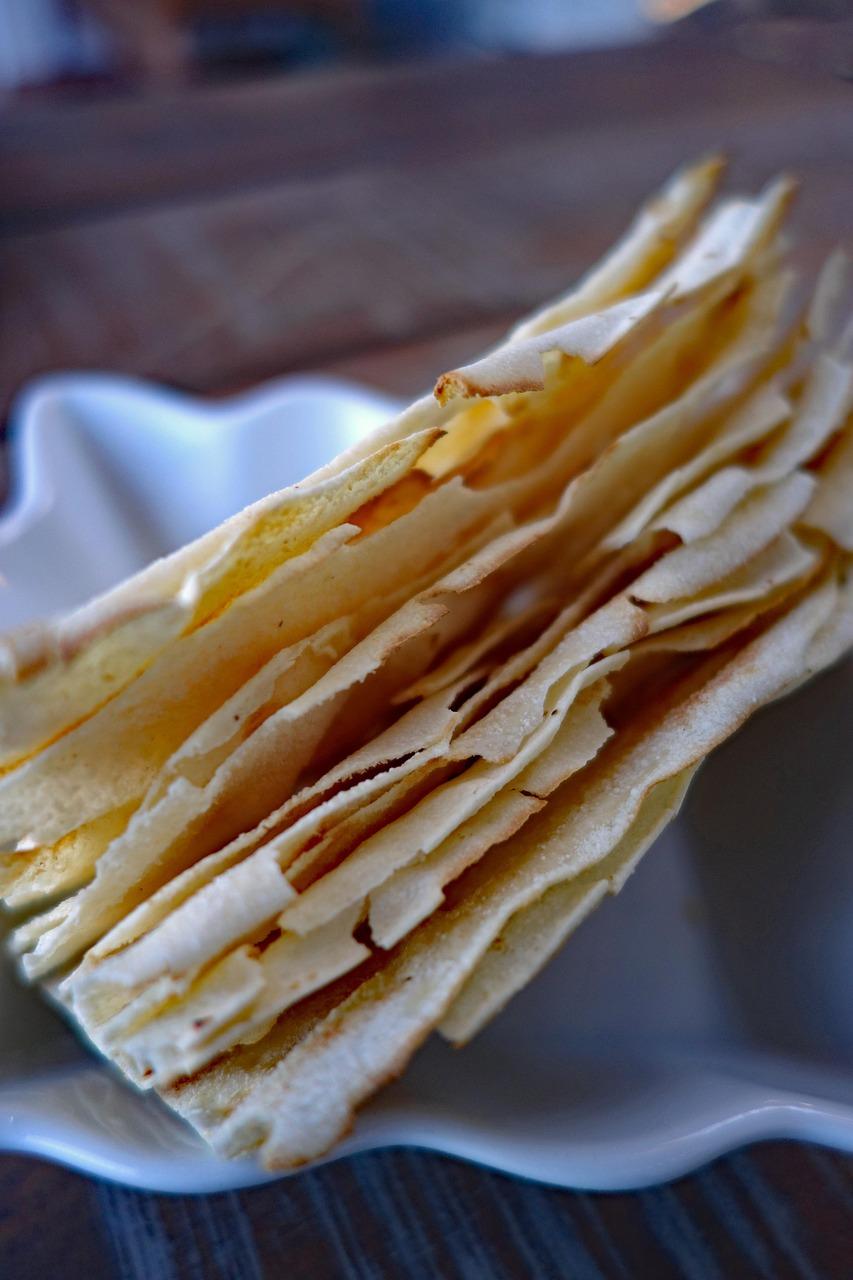
Shepherds in Barbagia, the mountainous heart of Sardinia, took stacks of pane carasau with them for weeks on the high pastures, because this dry, glass-thin flatbread never goes stale. Each disc is baked until it balloons, split in two while hot, then baked again until crisp and golden; Italians call it carta da musica, music paper, for how thin and crackly it is. Sardinians eat it with olive oil and salt as a snack, break it into soups and layer it into pane frattau. Making it at home takes patience and a very hot oven. Chef's tip: split each puffed disc the moment it comes out of the oven; once it cools, the two layers fuse together.

by KrazyBadal 0 views
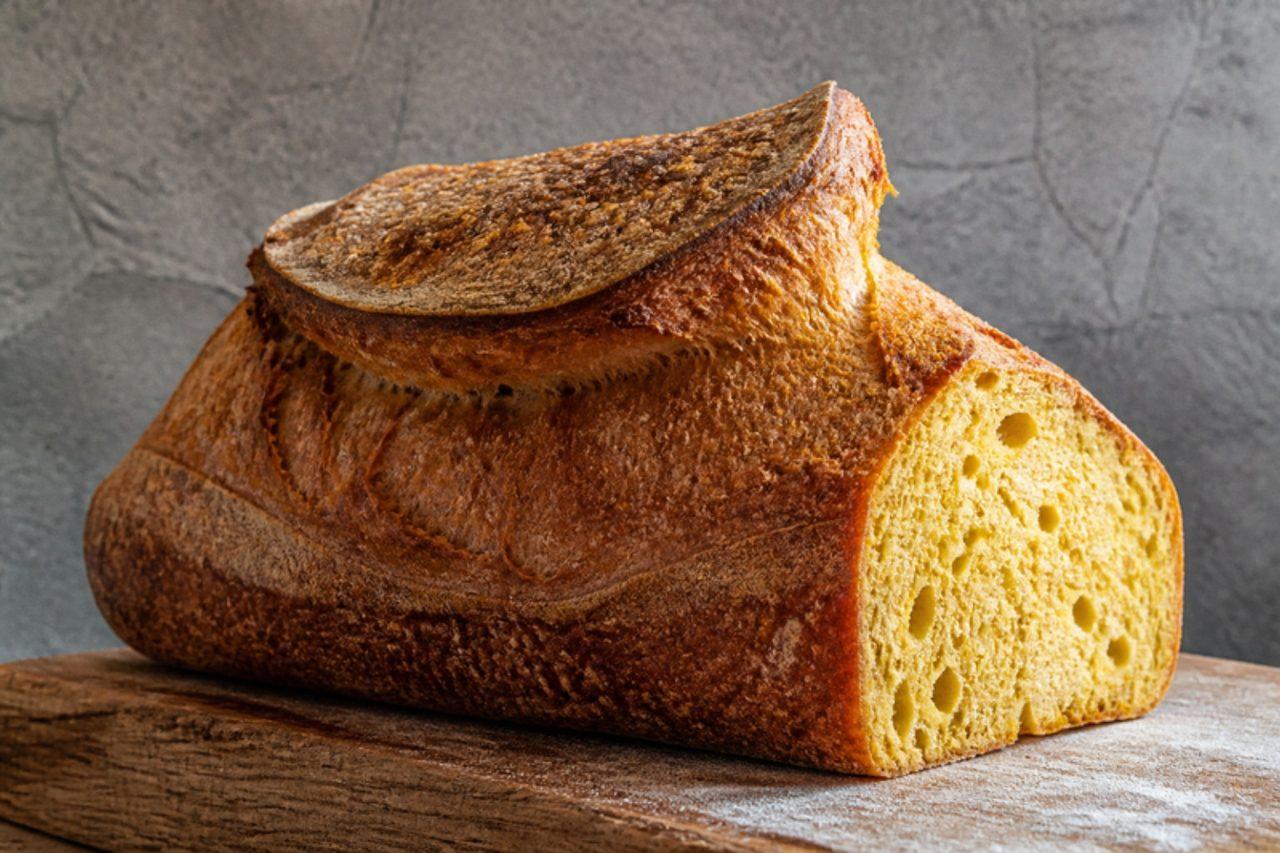
Pane di MateraDurum wheat sourdough bread

Matera's bread is a big golden loaf of durum-wheat semolina and sourdough, with a thick crackling crust and a crumb the colour of straw that stays moist for a week. It is shaped into a horned cornetto or a high-backed loaf, and until the 1950s families in the Sassi took their dough to the communal oven, each loaf marked with a carved wooden stamp so it came back to the right house. It is still eaten every day in the city, sliced thickly with olive oil and tomato or soaked in soups. Plan over two days, with a cold rise overnight. Chef's tip: feed your starter with semolina the day before, so its flavour matches the dough.

1440 minItalianBakingVegan
by KrazyBadal 0 views

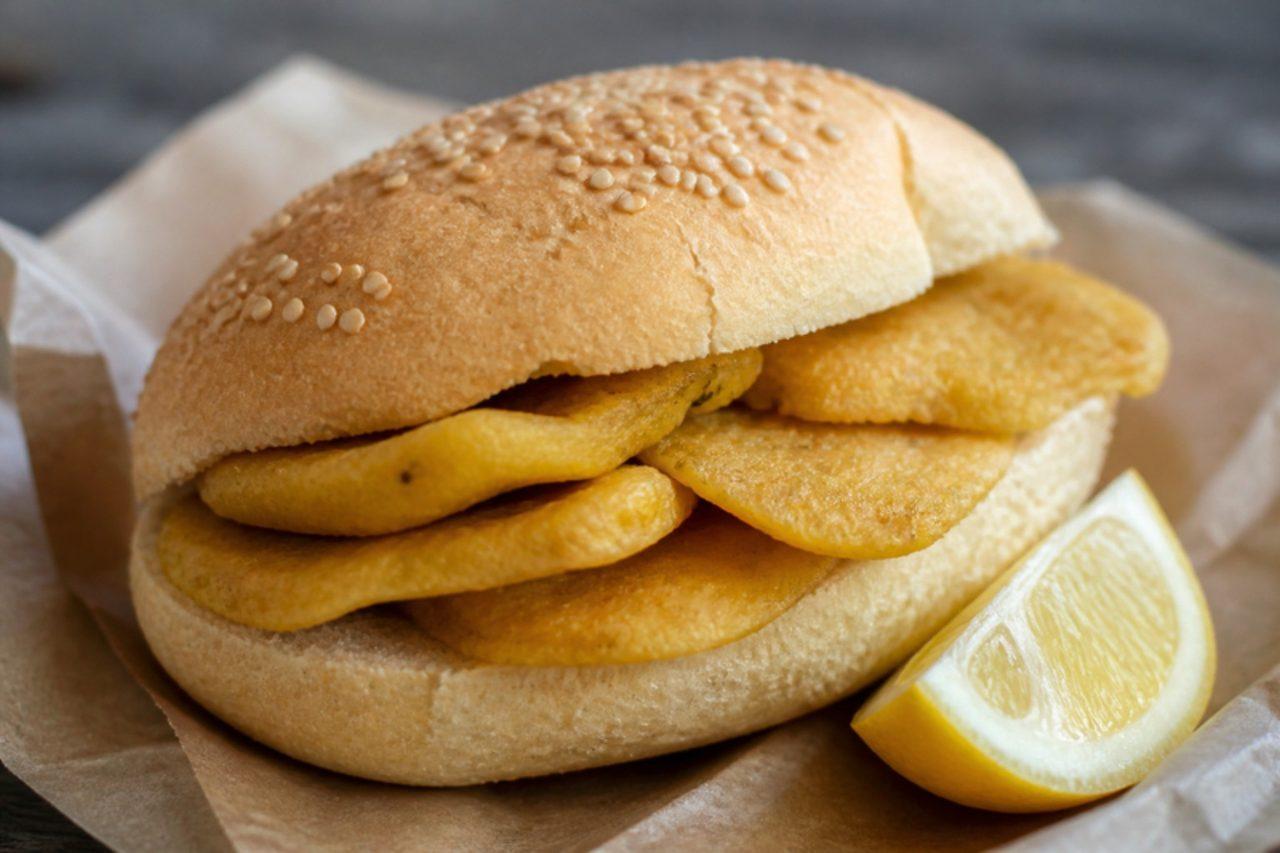
Pane e panelleChickpea fritters in a bun

Pane e panelle is Palermo's breakfast on the run: wafer-thin squares of chickpea batter fried until puffed and crisp at the edges, stuffed five or six at a time into a soft sesame roll and squeezed with lemon. Friggitorie at the Vucciria and Ballarò markets sell them from early morning, often alongside potato crocchè, and the city eats them standing at the counter. The panelle are creamy inside and nutty with a little parsley. Chef's tip: whisk the chickpea flour into cold water, never hot, and you will have no lumps.

by KrazyBadal 0 views

PanelitasMilk fudge squares

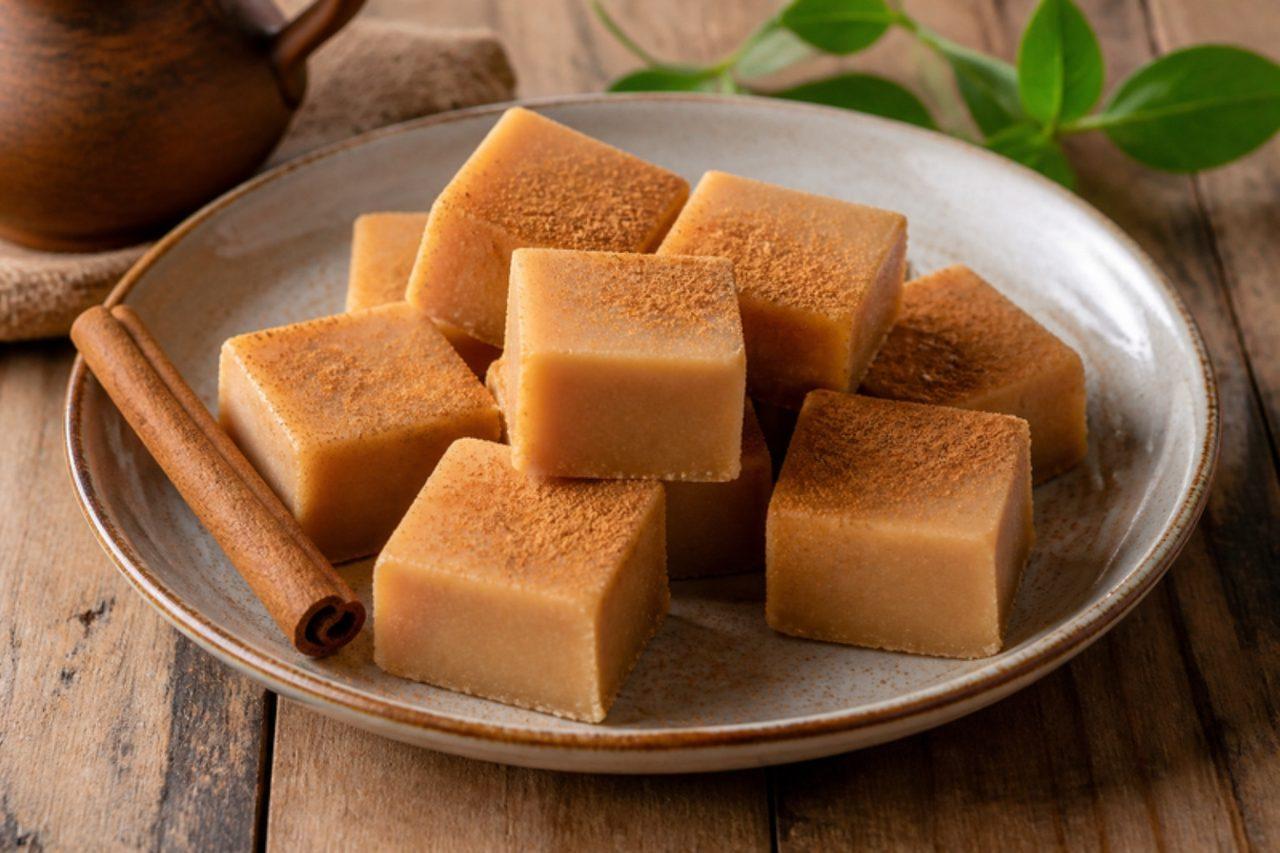
Small paper-wrapped panelitas are sold by the bagful at roadside sweet stalls through Santander, often next to obleas and bocadillo. They are milk boiled with sugar and panela until it becomes a thick caramel, then beaten off the heat until it loses its shine and sets into a soft, crumbly fudge with a warm cinnamon and molasses taste. Kids and grandparents both reach for them after lunch with a coffee. The batch here makes a tray of bite-sized squares that keep for a week. Most failures come from beating too little: the mixture stays glossy and never sets beyond soft arequipe, so keep going until it turns matte and starts to hold its shape. A pinch of bicarbonate of soda stops the milk from curdling as the panela heats. Chef's tip: lightly score the squares while the fudge is still warm, then cut through once cold, for neat edges.

by KrazyBadal 0 views

PanelletsPine nut marzipan sweets

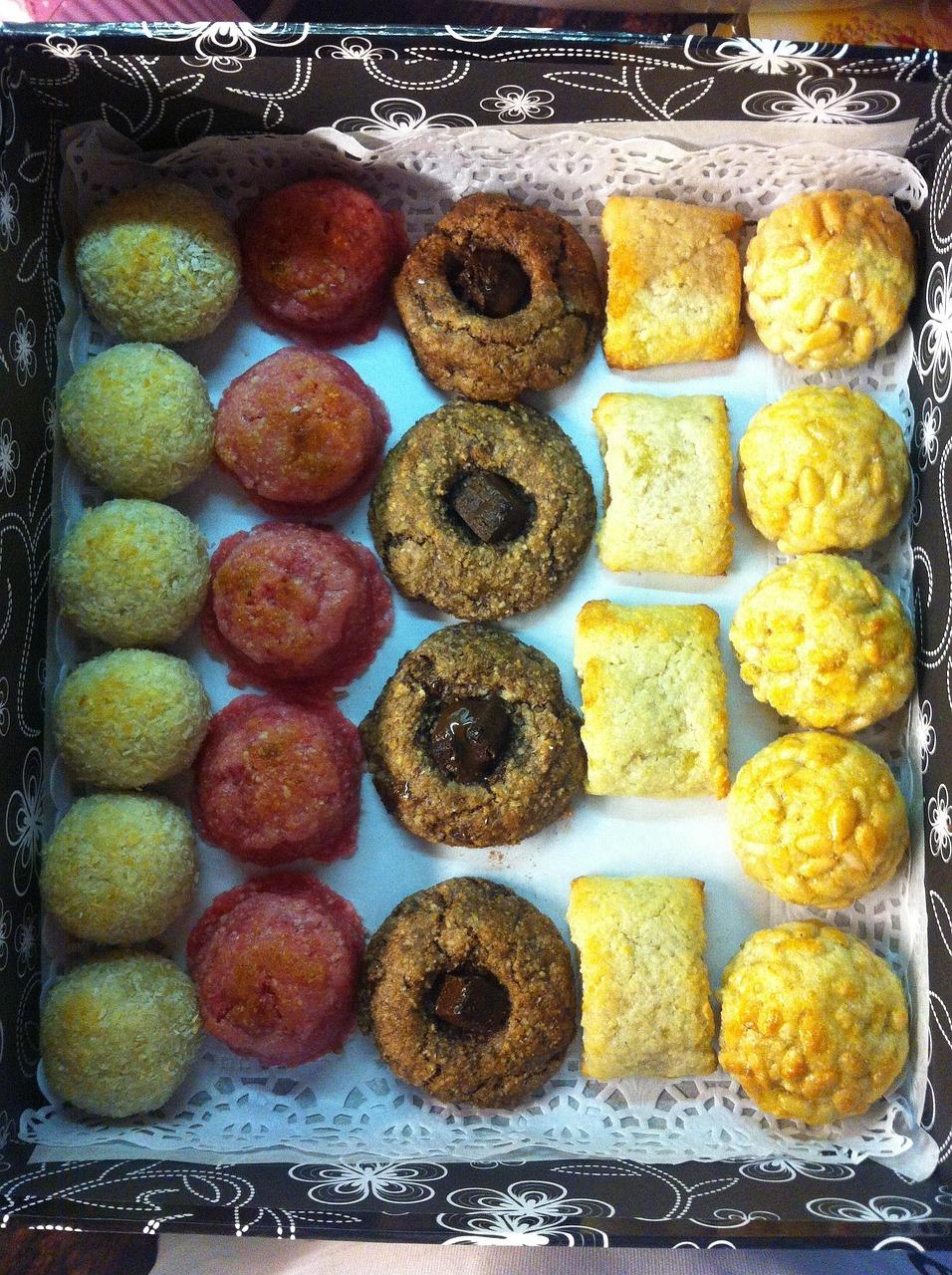
For the Castanyada on 31 October and All Saints' Day, Catalan families roast chestnuts, eat sweet potatoes and make panellets: little balls of almond marzipan, bound with a spoonful of cooked potato, then rolled in pine nuts, glazed with egg and baked until golden. The pine-nut ones are the classic, and children often help roll them. They are eaten with a glass of sweet wine or a cup of coffee. Chef's tip: wet the marzipan balls lightly with egg white before rolling; it is the glue that holds the pine nuts on.

by KrazyBadal 0 views

PanhasBuckwheat and pork loaf

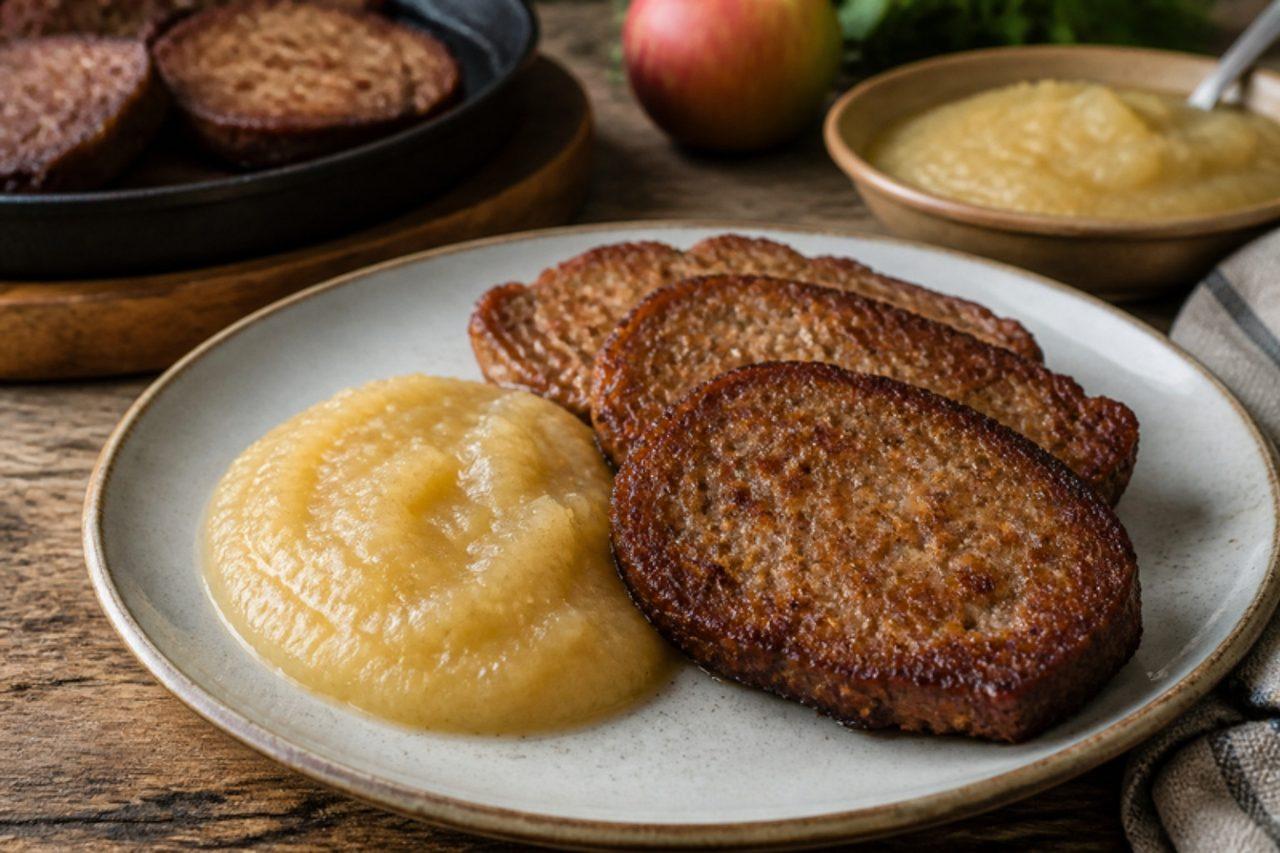
Panhas comes from the slaughter days of Westphalia and the Lower Rhine, when the pork broth left in the kettle was thickened with buckwheat flour and the scraps of meat and sausage so nothing went to waste. It sets into a firm loaf that keeps for days in the fridge; thick slices are fried until crisp and eaten for breakfast or supper with apple sauce, fried potatoes or rye bread. This version uses pork belly and coarse liver sausage. Chef's tip: fry the slices in a hot pan and leave them alone for the first 4 minutes, so a crust forms before you turn them.

90 minGermanMeat
by KrazyBadal 0 views

PanissesFried chickpea fingers

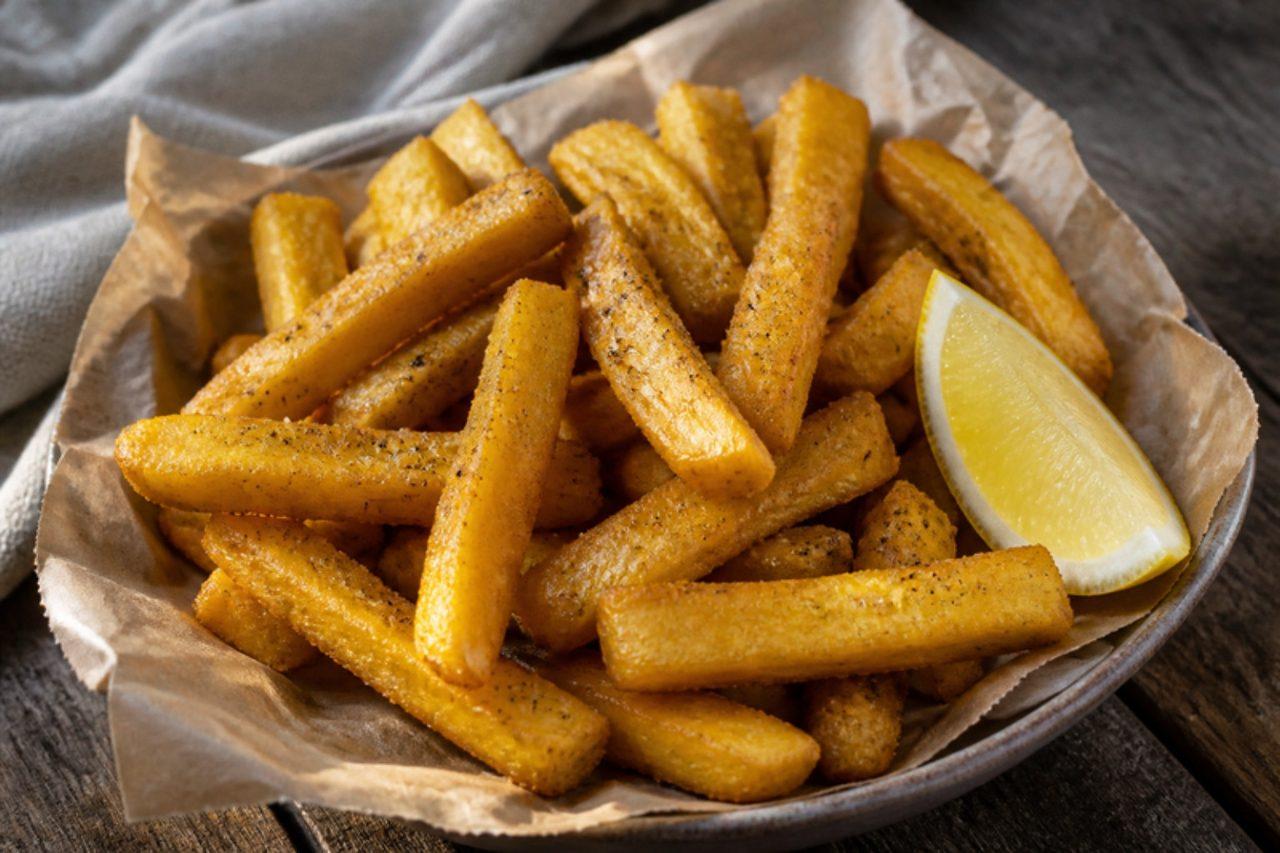
In L'Estaque, the old fishing quarter on the western edge of Marseille, panisses are sold hot in paper cones from seafront kiosks on summer evenings. They start as a thick chickpea-flour porridge, set in a tray, then cut into fingers and fried until the outside is crisp and the middle is soft and creamy, like a chickpea chip. Along the coast in Nice the same flour becomes socca, a thin baked pancake. Serve panisses with a squeeze of lemon and lots of pepper. Chef's tip: make the base the day before; a night in the fridge firms it up, and the fingers keep their shape in the oil.

by KrazyBadal 0 views

PantxinetaCustard and almond puff pastry tart

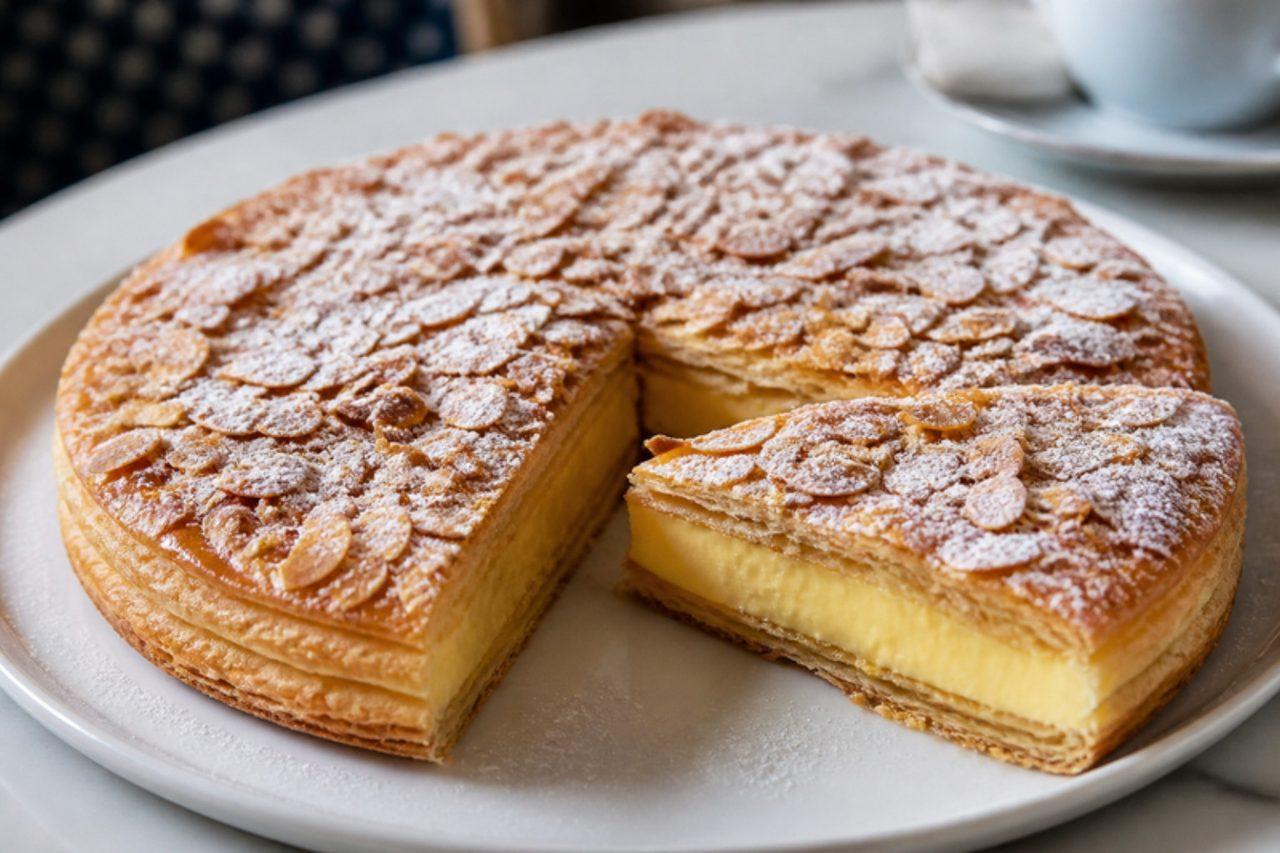
Pantxineta was first baked in a pastry shop in San Sebastián's old town in the early twentieth century, and Donostiarras still buy it on Sunday mornings to take to family lunch. Two layers of buttery puff pastry enclose vanilla pastry cream, and the top is covered with flaked almonds and icing sugar. It is best eaten warm on the day it is made, while the pastry shatters. A common mistake is filling the pastry with warm custard, which melts the butter layers and stops them rising. Chef's tip: chill the assembled tart for 20 minutes before baking so the pastry keeps sharp edges.

by KrazyBadal 0 views

PanuchosBean-stuffed tortillas with chicken

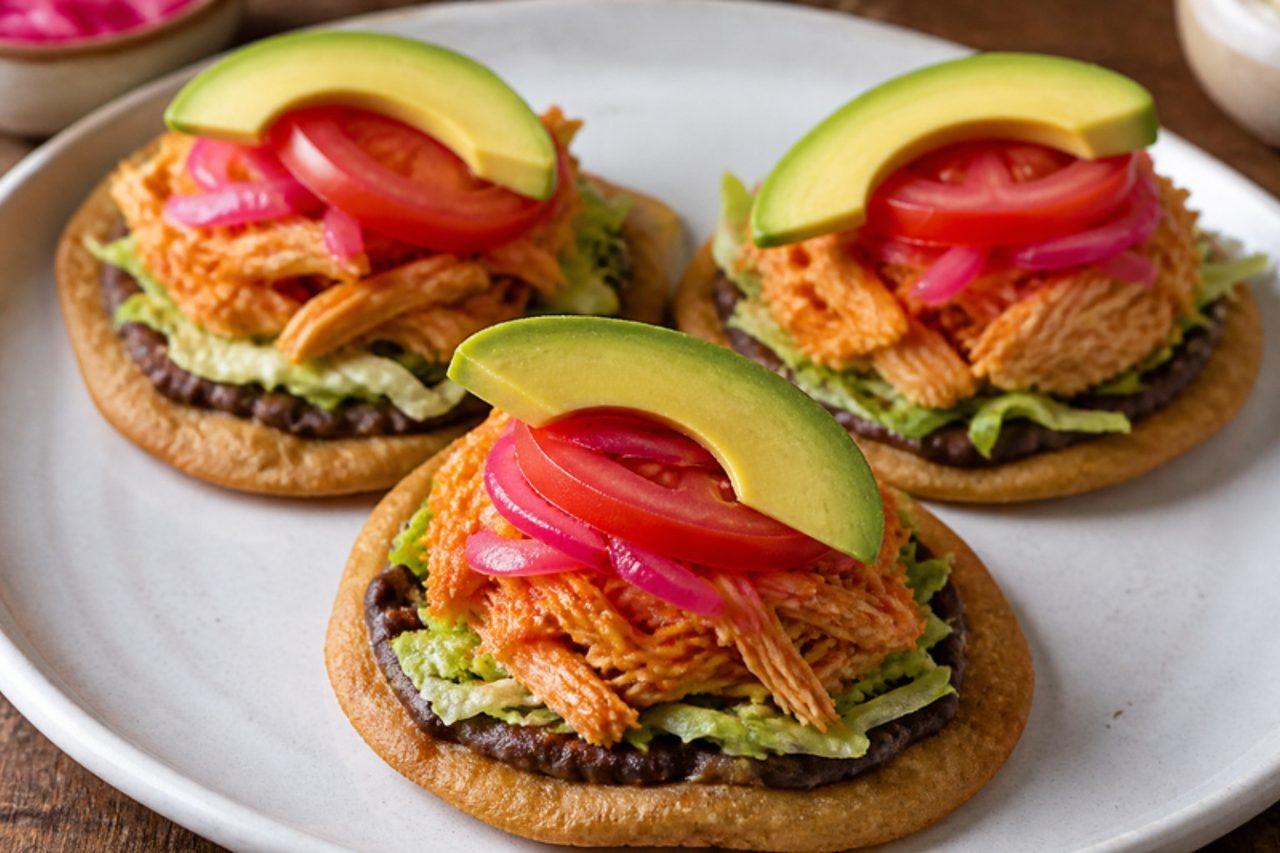
Mérida's loncherías and the evening stands around its parks sell panuchos by the plateful: small corn tortillas puffed on the griddle, slit open, stuffed with black bean paste and fried until the edges crisp. They are topped with shredded chicken marinated in achiote and bitter orange, sharp pink pickled onion, tomato and avocado, with fiery habanero salsa on the side for those who want it. Bitter (Seville) orange is the traditional sour; a mix of orange and lime juice works well. Two or three make a supper with a cold drink. Chef's tip: let the tortilla balloon on the hot comal before you slit it; if it doesn't puff, there is no pocket for the beans.

by KrazyBadal 0 views

Pão alentejanoSourdough country loaf

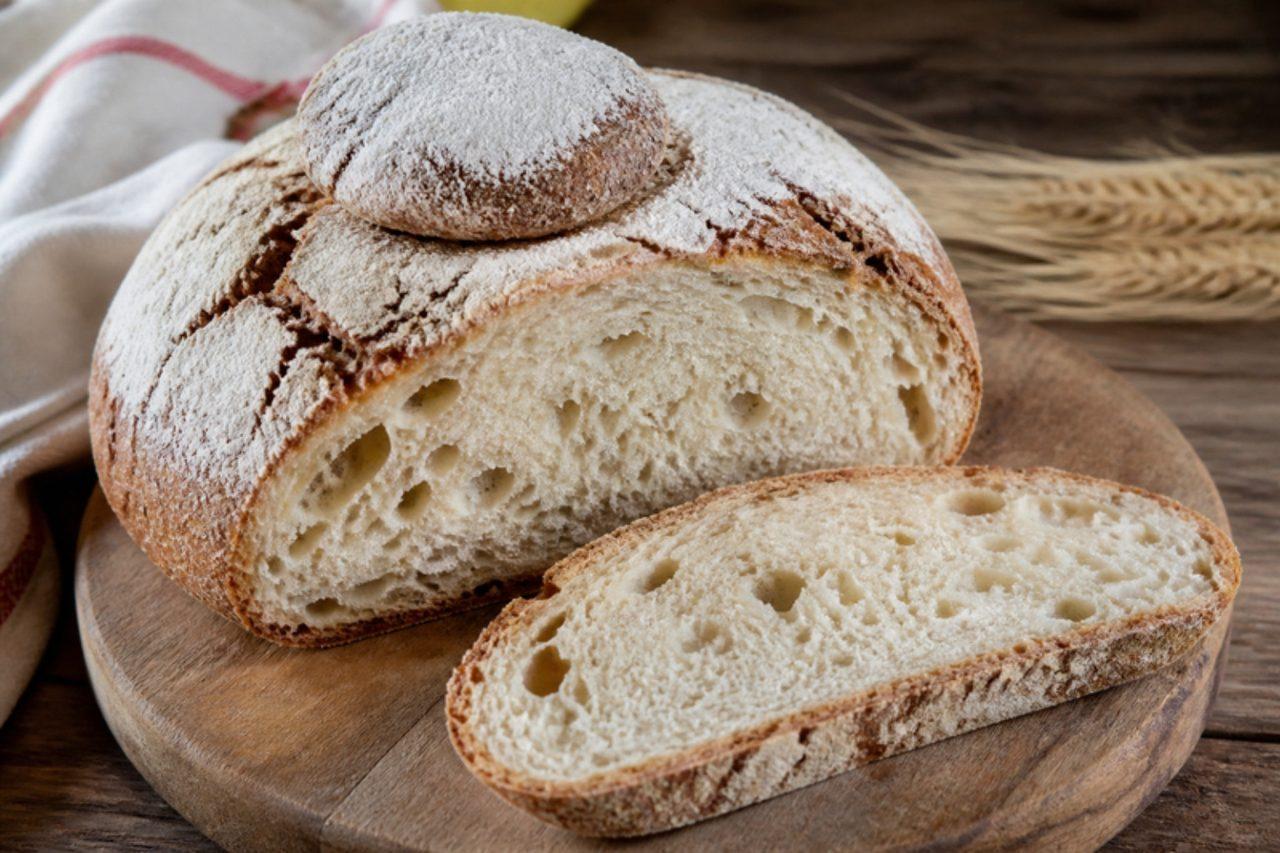
Almost every Alentejo meal leans on this bread: it is crumbled into açorda, laid under soups and stews, fried into migas and, fresh, eaten with olives and sheep's cheese. Village bakers make it with a sourdough starter, white wheat flour, water and salt, and give each round loaf a little knob of dough on top, called the cuco. The crumb should be dense, moist and chewy and the crust thick and crackling, so it lasts a week. You need an active starter that doubles within 6 hours of feeding. A common mistake is baking too pale; let the crust go a deep brown for flavour and keeping. Chef's tip: use a wetter dough than you think; it gives the open, moist crumb that keeps the bread soft for days.

by KrazyBadal 0 views

Pão de centeio transmontanoDark rye loaf

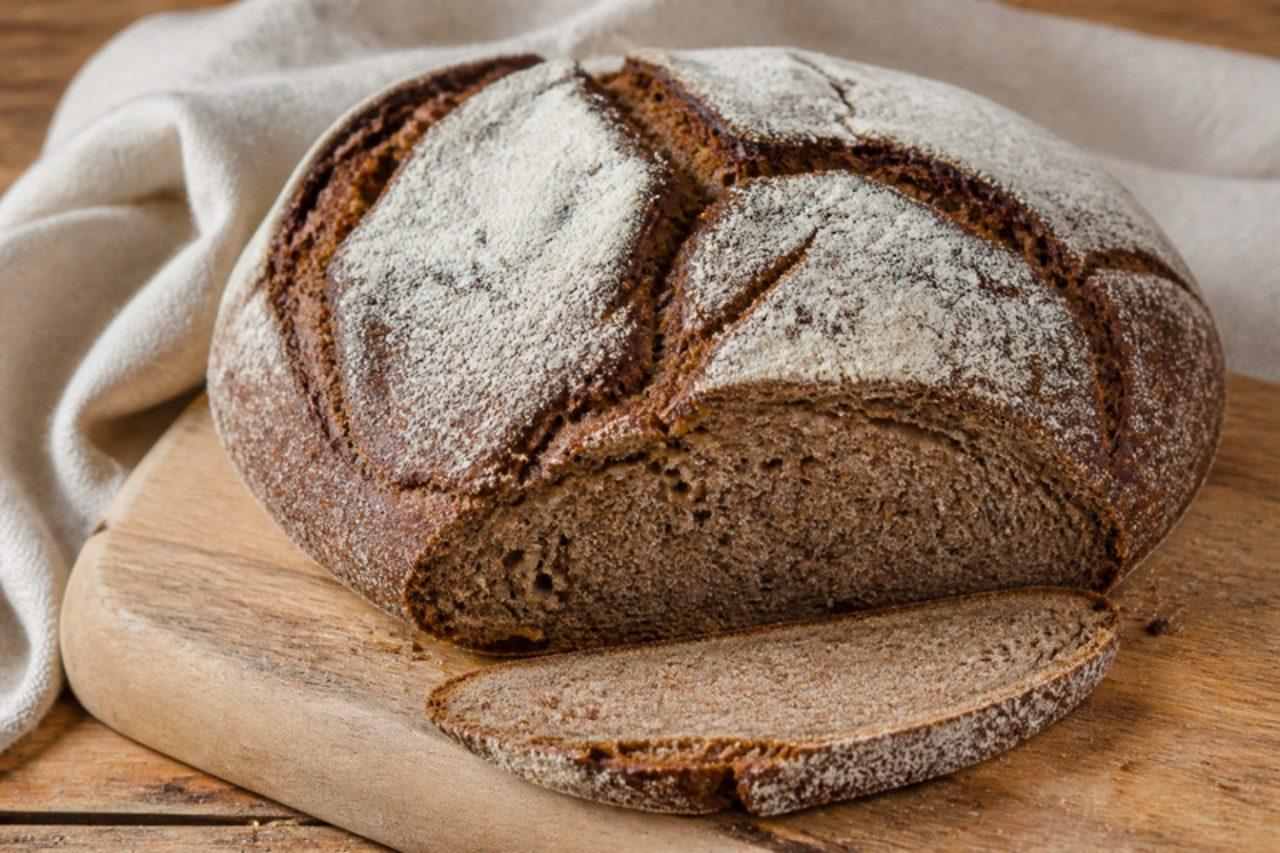
On the cold uplands of Trás-os-Montes, where wheat struggled, rye was the bread grain, and village bakeries around Montalegre and Miranda do Douro still bake big rounds with a dark, floury crust. The crumb is dense, tangy and moist, made to keep for a week and to sit beside cured meats, cheese and soups. This home loaf mixes rye with some wheat so it rises reliably. A common mistake is kneading rye dough like wheat dough; it never turns elastic, so mix it to a sticky paste and stop. Chef's tip: rye dough is sticky by nature, so shape it with wet hands rather than adding flour.

by KrazyBadal 0 views

Pão de DeusCoconut-topped sweet buns

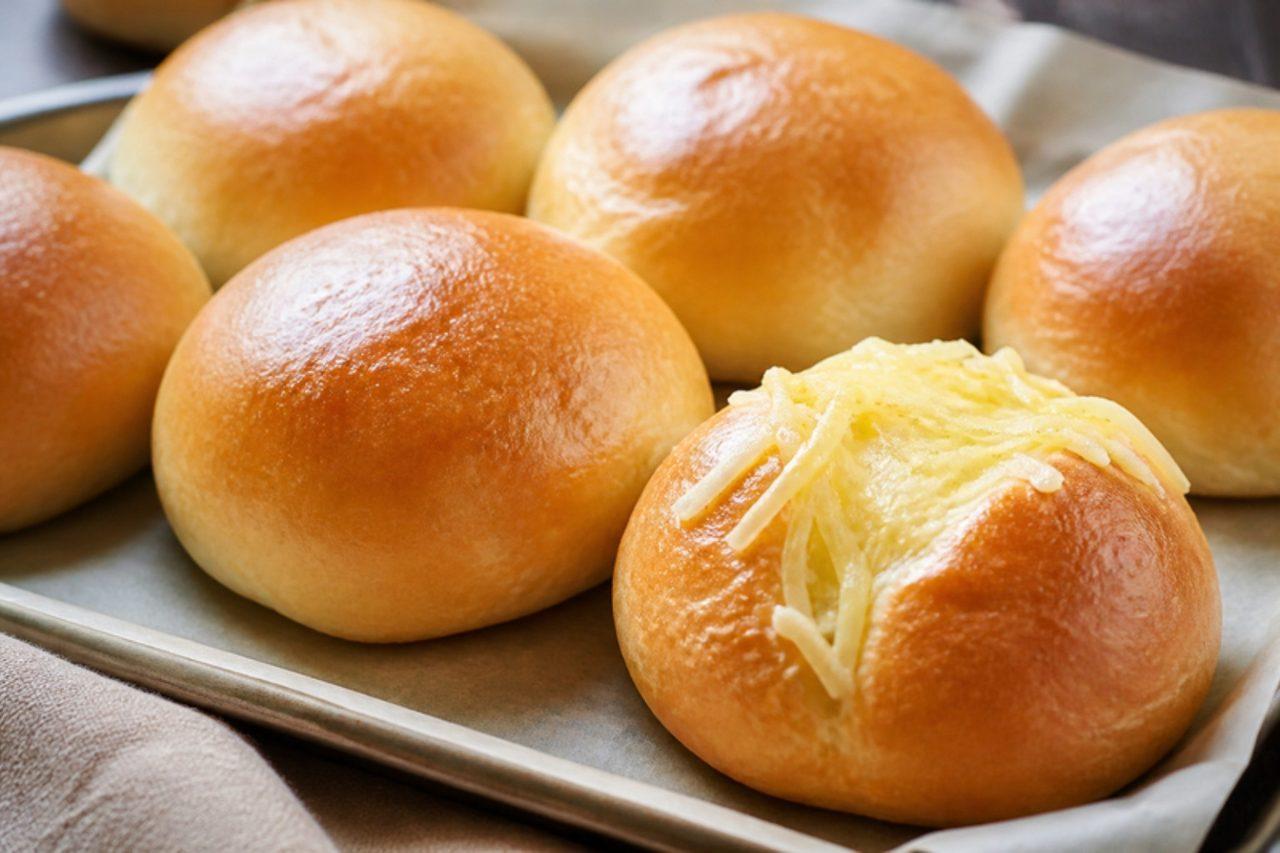
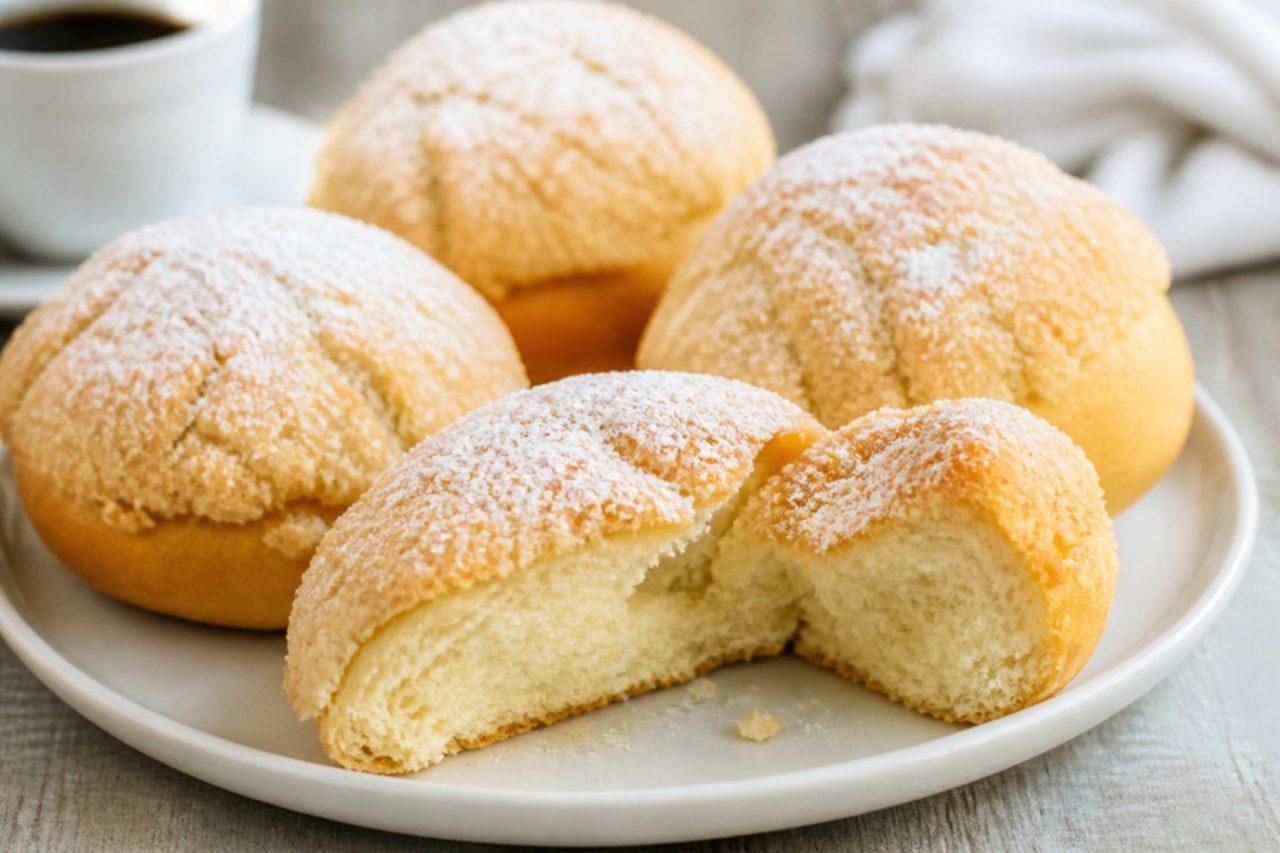
Lisbon bakeries pile these 'God's bread' buns in their windows every morning, and regulars split them and spread them with butter, or tuck in a slice of cheese, for breakfast with a galão. The dough is soft and milky like brioche, and the top is a sweet blanket of grated coconut, egg and sugar that bakes crisp and golden. A common mistake is spreading the coconut too thin: pile it on thickly so it stays moist underneath and toasty on top. Chef's tip: let the shaped buns rise fully before topping them, or the heavy coconut layer squashes them flat.

by KrazyBadal 0 views

Pão na chapaGriddled buttered roll

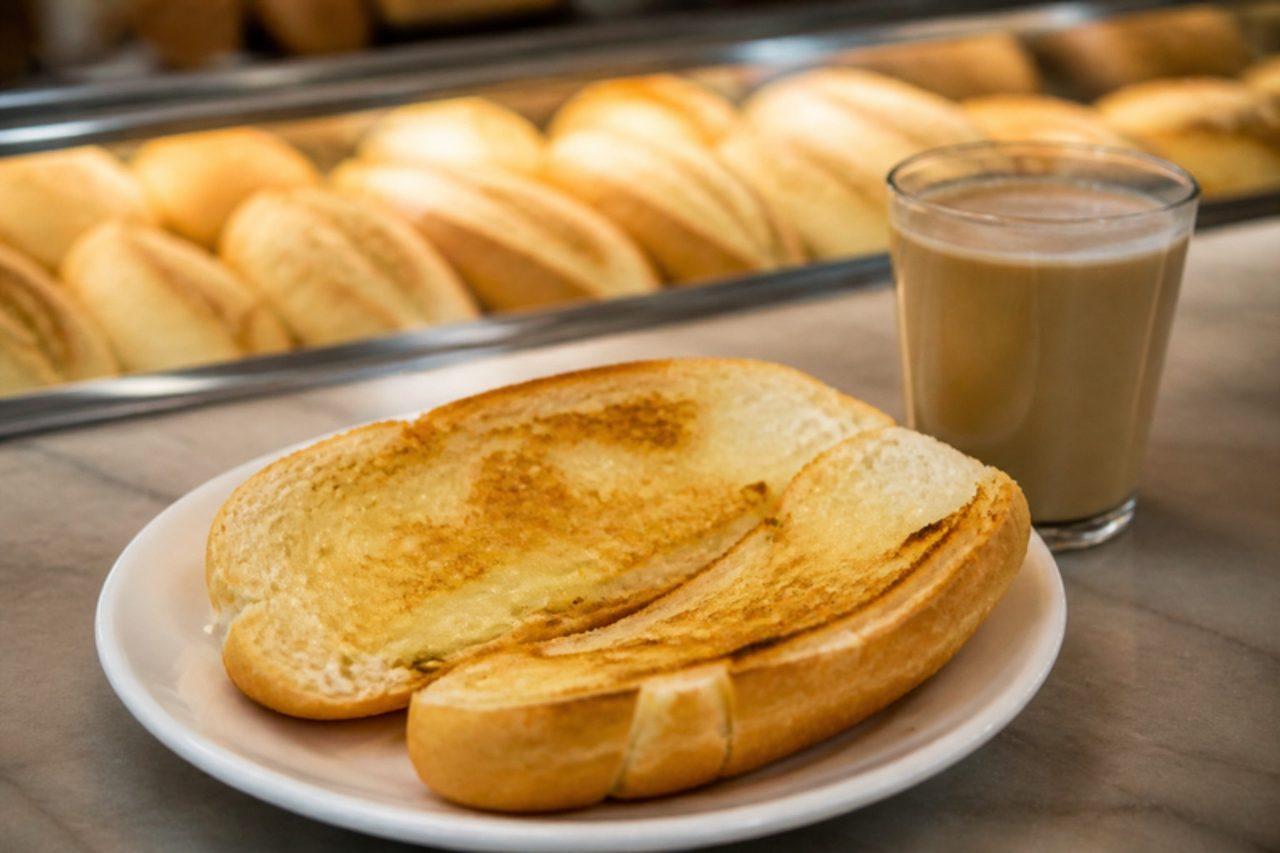
Stand at the counter of any São Paulo padaria at seven in the morning and you will hear the order a hundred times: 'um pão na chapa e um pingado'. A pão francês, the city's crusty little roll, is split, spread generously with salted butter and pressed cut-side down on the griddle until the crumb turns golden, crisp at the edges and soaked with butter, while the crust stays crackly. It comes with a café com leite and nothing else. At home a heavy frying pan and a second pan to press it do the job. The trap is a pan that is too hot, so the butter burns before the bread toasts; use a medium heat. Chef's tip: butter right to the edges and press the roll down firmly with a spatula or small pan, so the whole surface touches the metal and browns evenly.

by KrazyBadal 0 views

Papa rellenaStuffed potato croquettes

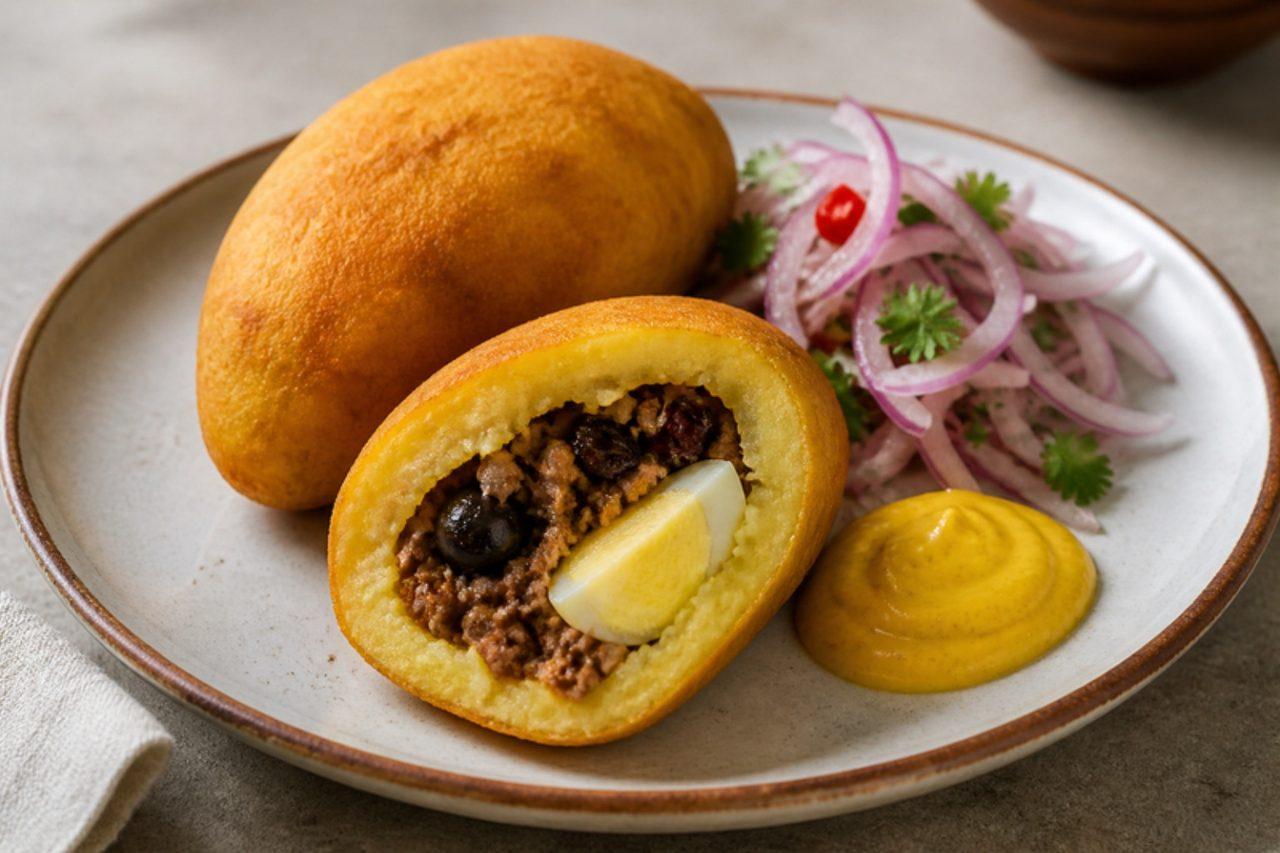
Torpedo-shaped and golden, papas rellenas sit stacked in the glass cases of Lima's sangucherías and market stalls, and they are just as often made at home on a weekday to use up a pot of mash. The shell is plain yellow potato with a crisp, thin crust; inside is a picadillo of minced beef with onion, ají panca, cumin, sliced egg, black olives and a few raisins for sweetness. They are eaten warm with a heap of salsa criolla and a spoon of ají sauce. The usual mistake is working the potato while it is still hot and wet: it turns gluey and splits in the oil, so let it steam dry and cool before shaping. Chef's tip: dust your hands and the croquettes with rice flour rather than wheat flour; it gives a thinner, crisper shell and keeps them gluten free. For a meat-free version, swap the beef for chopped mushrooms fried hard until dry.

by KrazyBadal 0 views

PaparajotesLemon leaf fritters with cinnamon sugar

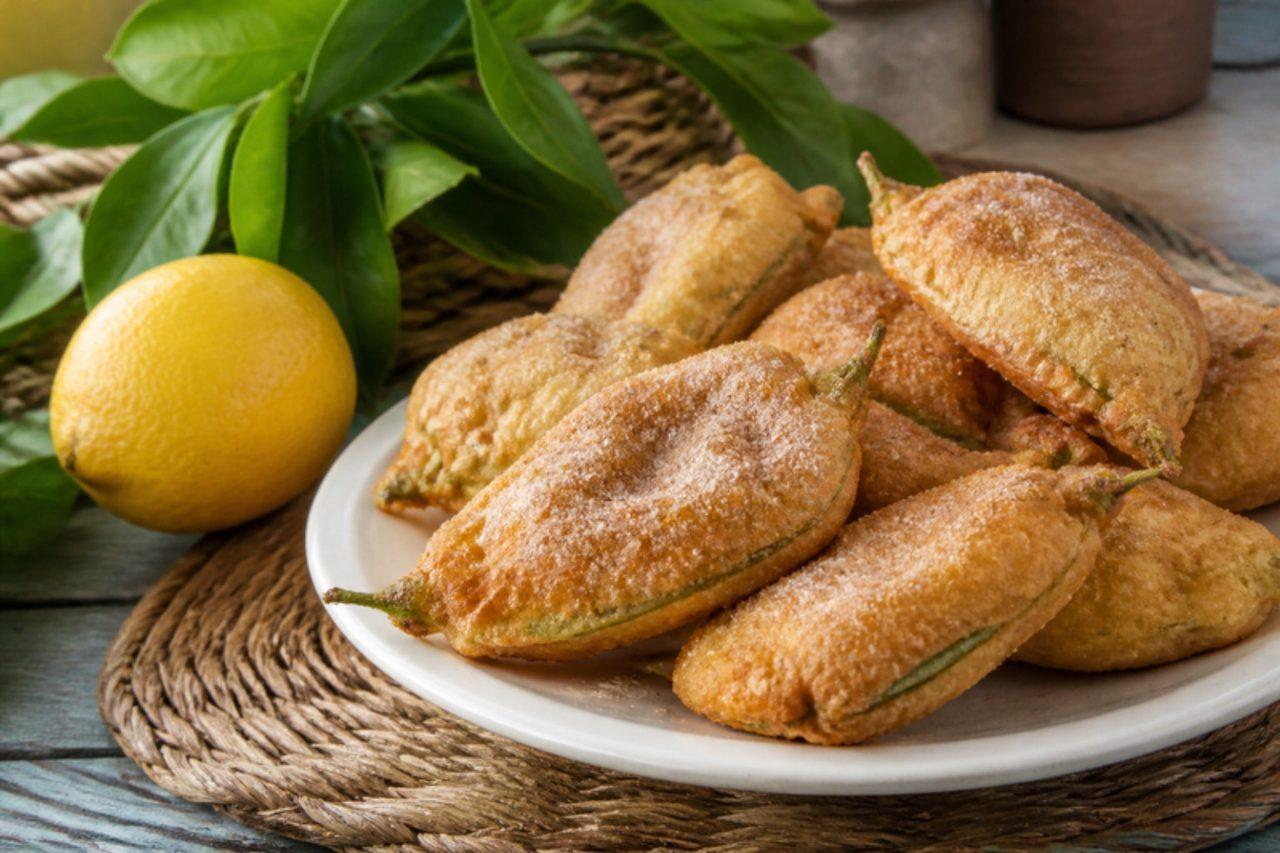
Paparajotes are the sweet of the Murcian huerta's spring festivals, above all the Bando de la Huerta, when the city fills with people in traditional dress and stalls fry them by the hundred. A lemon tree leaf is dipped in a light batter, fried and dusted with cinnamon sugar; you hold it by the stalk, pull off the crisp coating with your teeth and leave the leaf, which flavours the batter but is not food. Newcomers who try to eat the whole thing are a long-standing local joke. Chef's tip: use only leaves from an unsprayed lemon tree, washed and dried.

by KrazyBadal 0 views

Papas a la provenzalFries with garlic and parsley

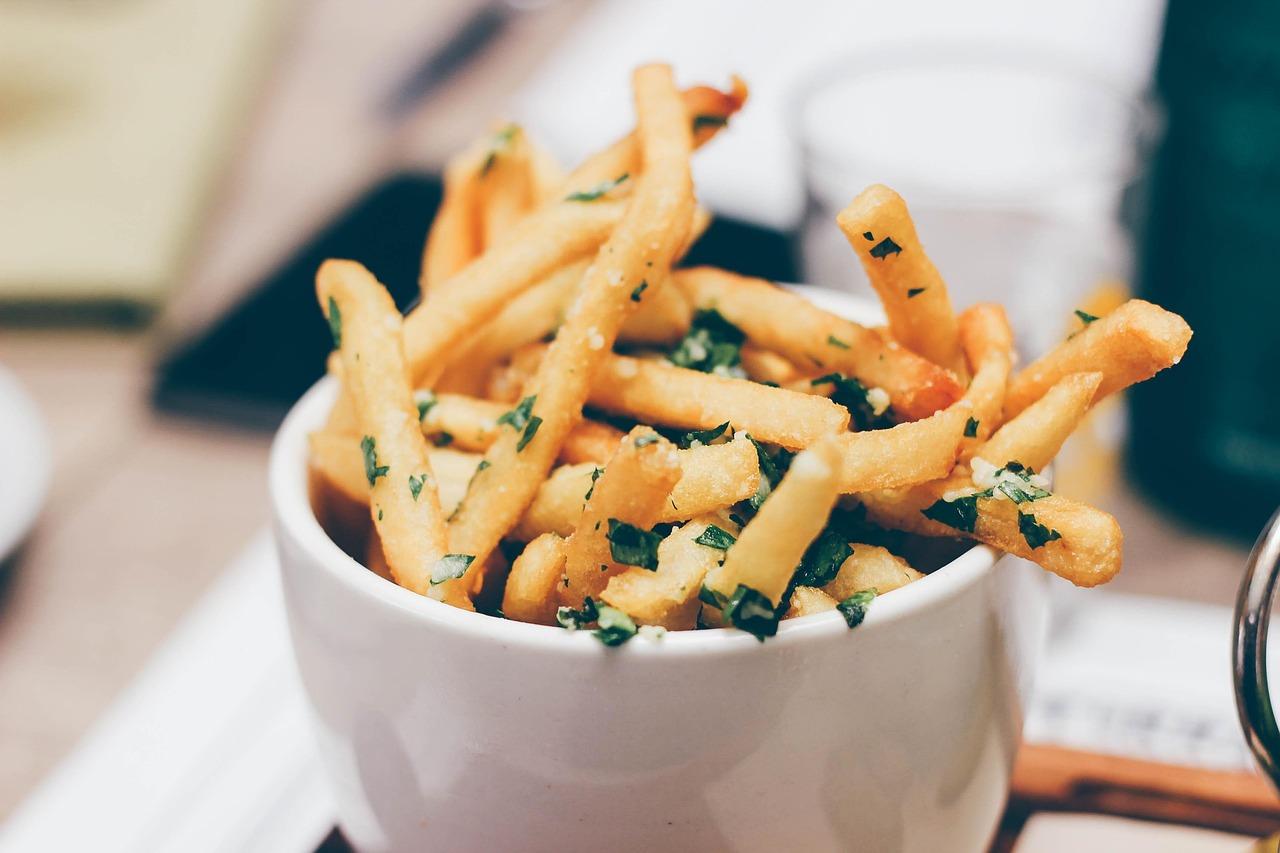
Bodegones, the old-school Buenos Aires canteens with jamón hanging from the ceiling and waiters in white jackets, serve mountains of papas fritas, and the upgrade everyone orders is "a la provenzal": crisp chips tossed while still sizzling in a mix of finely chopped raw garlic and parsley. The heat of the potatoes takes the edge off the garlic, so it turns fragrant rather than fiery, and the parsley stays bright green. They go with milanesas, grilled steak or a plate of fried eggs. Adding the garlic to the frying oil is the error many make: it burns in seconds and turns bitter; it goes on only after frying. This method fries the chips twice for a crunch that lasts; for an oven version, toss the chips with 3 tbsp oil and roast at 220 °C for 35 minutes, turning once, then dress them the same way. Chef's tip: rinse and dry the cut potatoes very well; surface starch and water are what make chips limp.

by KrazyBadal 0 views

Papas aliñásPotato salad with sherry vinegar

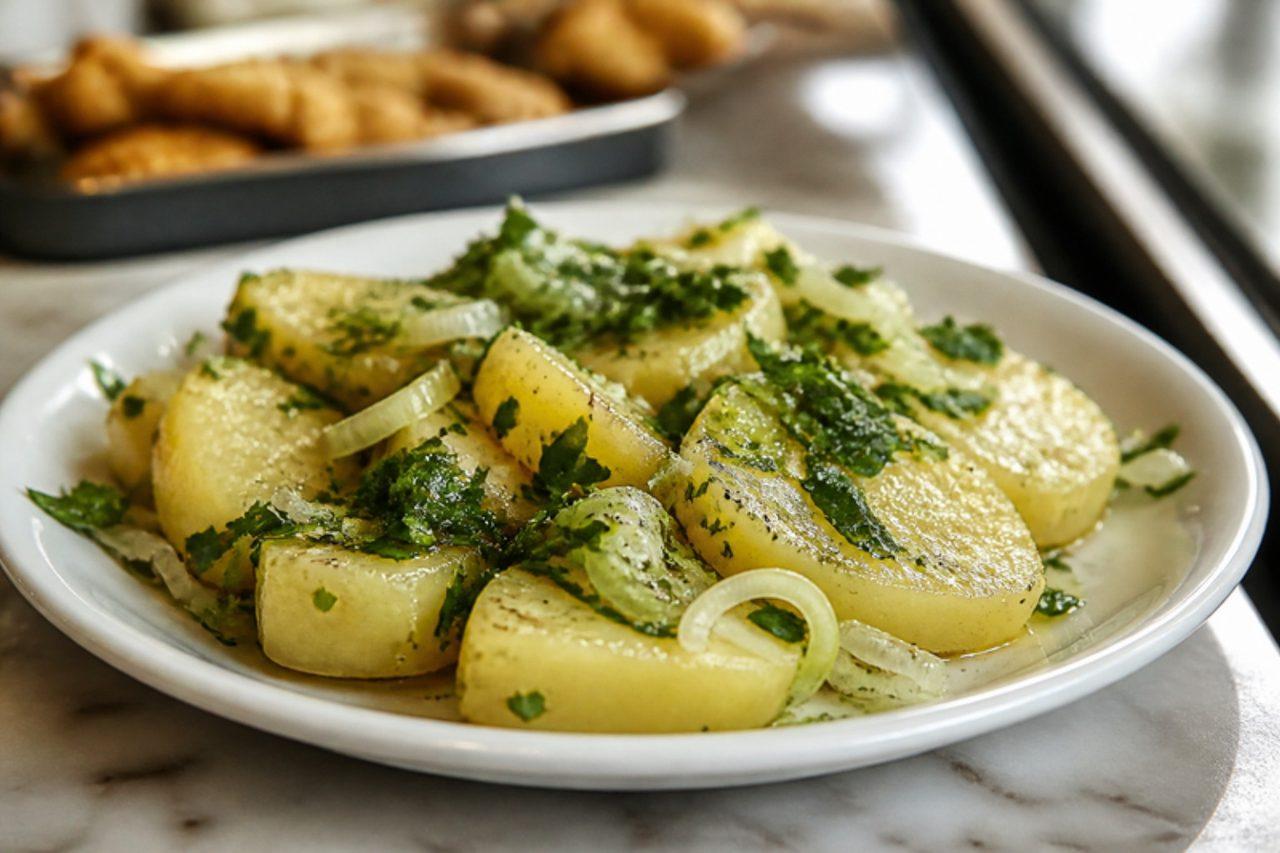
Every tapas bar around the Plaza de Abastos in Cádiz keeps a tray of papas aliñás on the counter, and gaditanos eat them as a cold tapa on summer evenings with a glass of something cold. The potatoes are dressed while still warm, so they drink up the sherry vinegar and oil, then rest until they taste sharp, green and soft. Bars usually lay tuna and boiled egg on top; this version is fully plant-based and keeps all the flavour in the dressing. Chef's tip: choose waxy potatoes and cut them only after cooking, so they keep their shape when you toss them.

by KrazyBadal 0 views

Papas arrugadas con mojo picónWrinkled potatoes with red pepper sauce

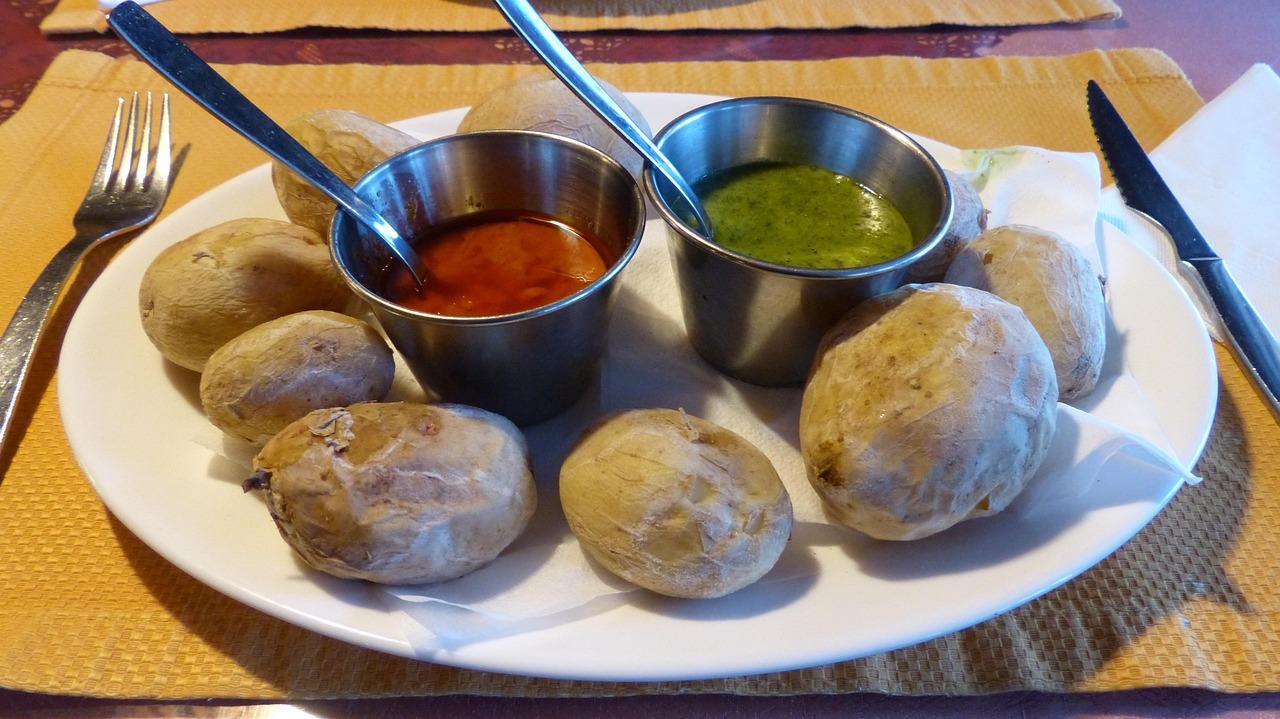
No meal in the Canary Islands seems complete without a bowl of papas arrugadas, small potatoes boiled in water as salty as the Atlantic until their skins wrinkle and frost over with white salt. In every guachinche, the pop-up wine-farm eateries in the hills of northern Tenerife, they arrive with a pot of mojo picón, a thick, garlicky sauce of dried red peppers, cumin, paprika and vinegar. Eat them skin and all, dragged through the mojo. Chef's tip: once drained, put the pot back on a low heat and shake it for a minute or two, as that drying is what forms the wrinkles and the salt crust.

by KrazyBadal 0 views

Papas chorreadasPotatoes in tomato cheese sauce

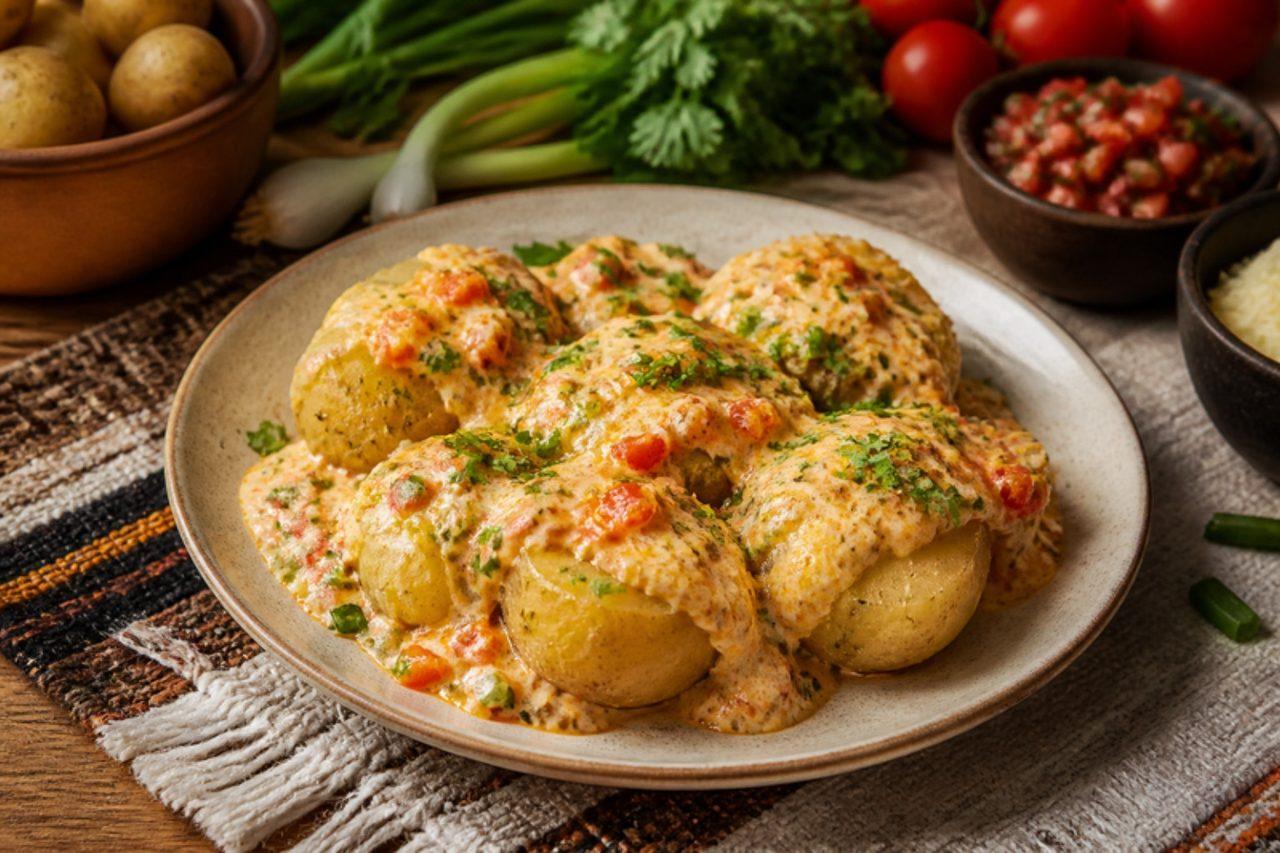
Chorreadas means drenched, and that is the idea: in farmhouse kitchens of Boyacá and Cundinamarca, whole boiled potatoes get a hot, loose sauce of tomato and long spring onion poured over them, enriched with milk and stretchy fresh cheese. It is comfort food from the cold highlands, served beside grilled meat on Sundays or on its own with an arepa and a mug of aguapanela on a weeknight. Colombians use queso campesino or doble crema, both usually made with animal rennet; a vegetarian mozzarella or other microbial-rennet melting cheese works perfectly. The mistake to avoid is adding the cheese to a boiling sauce, which makes it split and turn stringy; keep the heat low. Chef's tip: let the tomato and onion cook until really soft and jammy before the milk goes in, so the sauce tastes sweet and deep rather than raw.

by KrazyBadal 0 views

Pappardelle al ragù di cinghialePappardelle with wild boar ragù

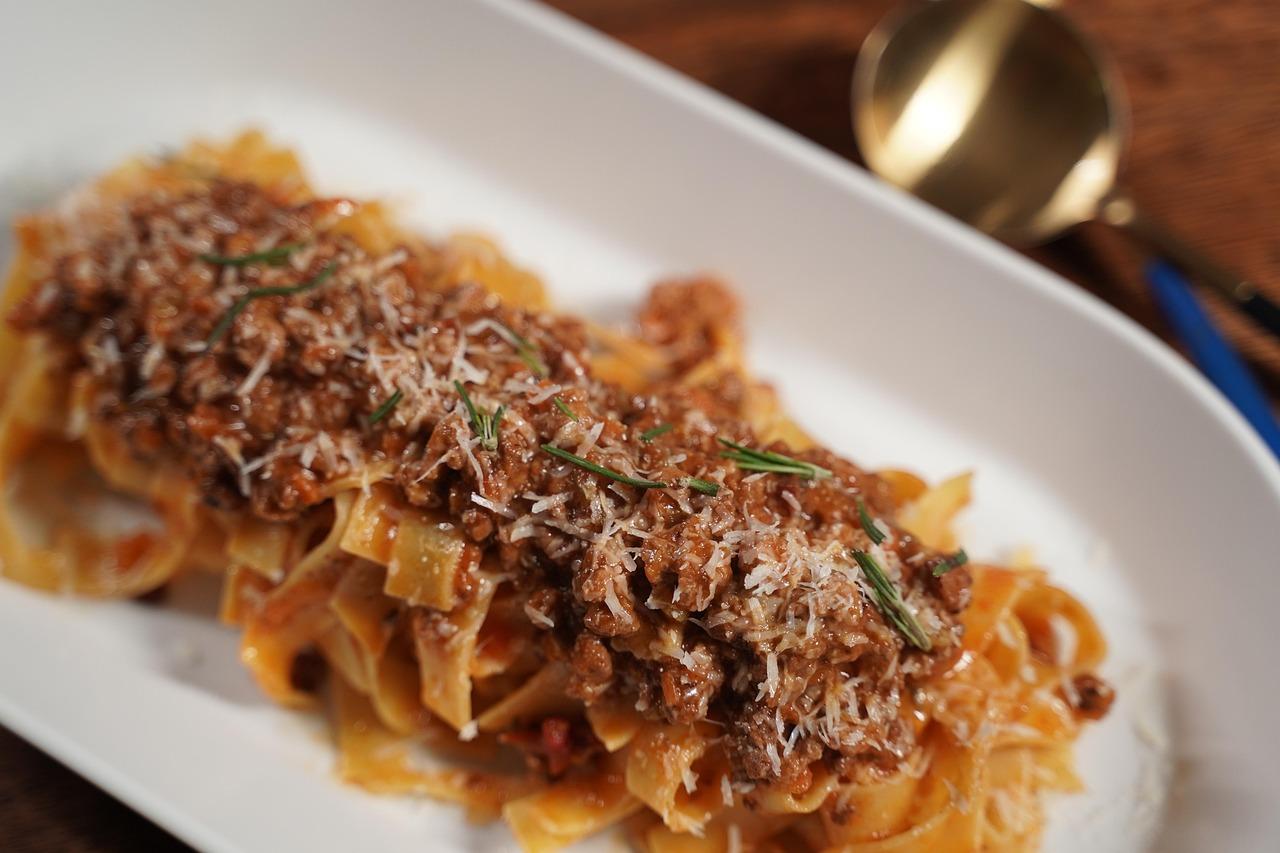
Wild boar roam the Maremma, the wooded south-west corner of Tuscany, and in autumn, when the hunting season opens, every country trattoria serves pappardelle with a dark, gamey boar ragù. The meat is marinated overnight in red wine with juniper and herbs, then simmered slowly with tomato until it falls into shreds and coats the wide egg ribbons. Wild boar is hard to find outside game butchers, so pork shoulder is a good substitute, giving a milder but still rich ragù; either way the sauce also uses pancetta, making it a pork dish. It uses red wine, and the note gives an alcohol-free option. Chef's tip: shred the meat with two forks rather than mincing it; the uneven strands cling to the pappardelle far better.

by KrazyBadal 0 views

Paris-BrestChoux ring with praline cream

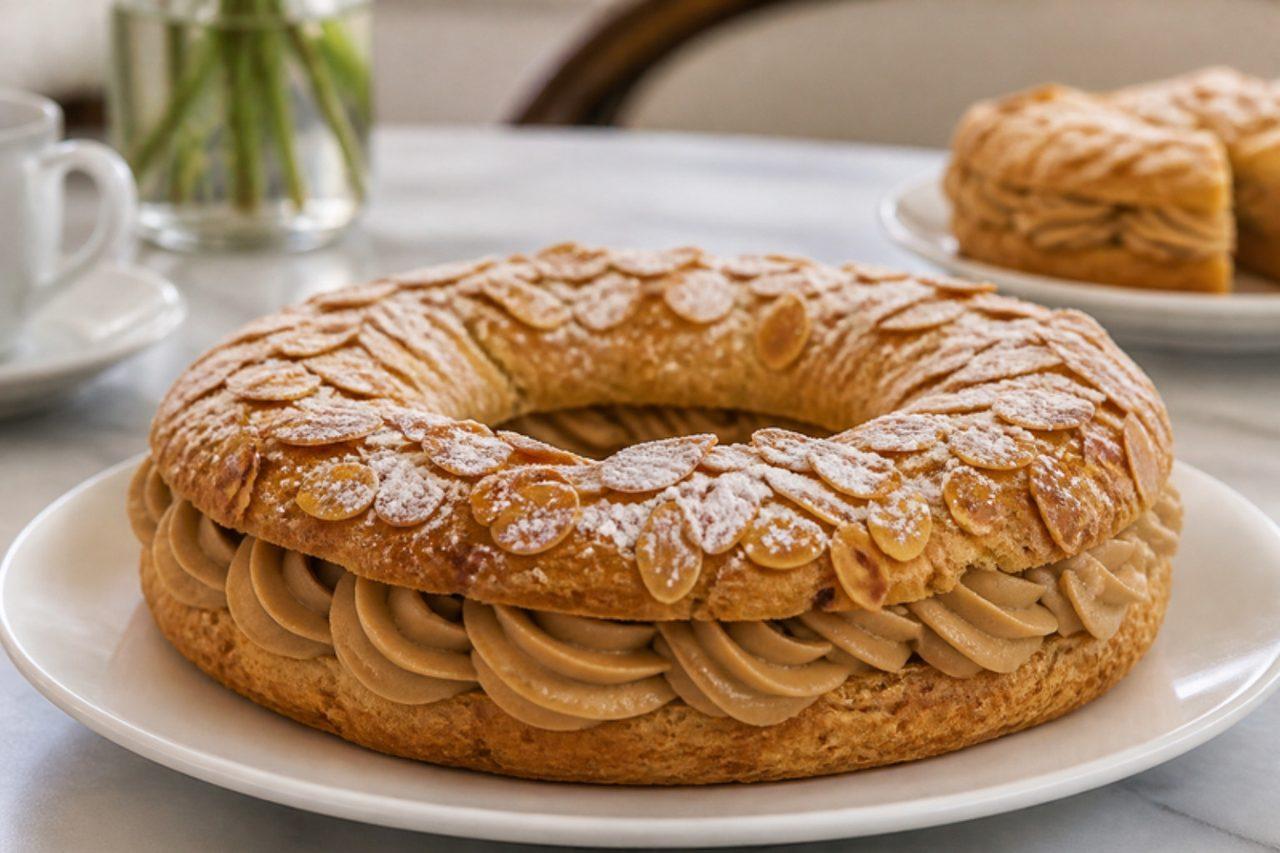
A Maisons-Laffitte pâtissier created this ring of choux pastry in 1910 to honour the Paris–Brest–Paris bicycle race, shaping it like a wheel, and it has been a fixture of Paris pâtisseries ever since. The ring is baked crisp, scattered with flaked almonds, split and piped full of a rich hazelnut-praline buttercream, then dusted with icing sugar. It is a celebration cake for birthdays and Sunday lunches, best eaten the day it is filled. Smooth hazelnut praline paste is sold in baking shops; or blend toasted hazelnuts with caramel. Chef's tip: let the baked ring dry in the switched-off oven with the door ajar; a dry shell stays crisp under the cream instead of going soft.

120 minFrenchBaking
by KrazyBadal 0 views

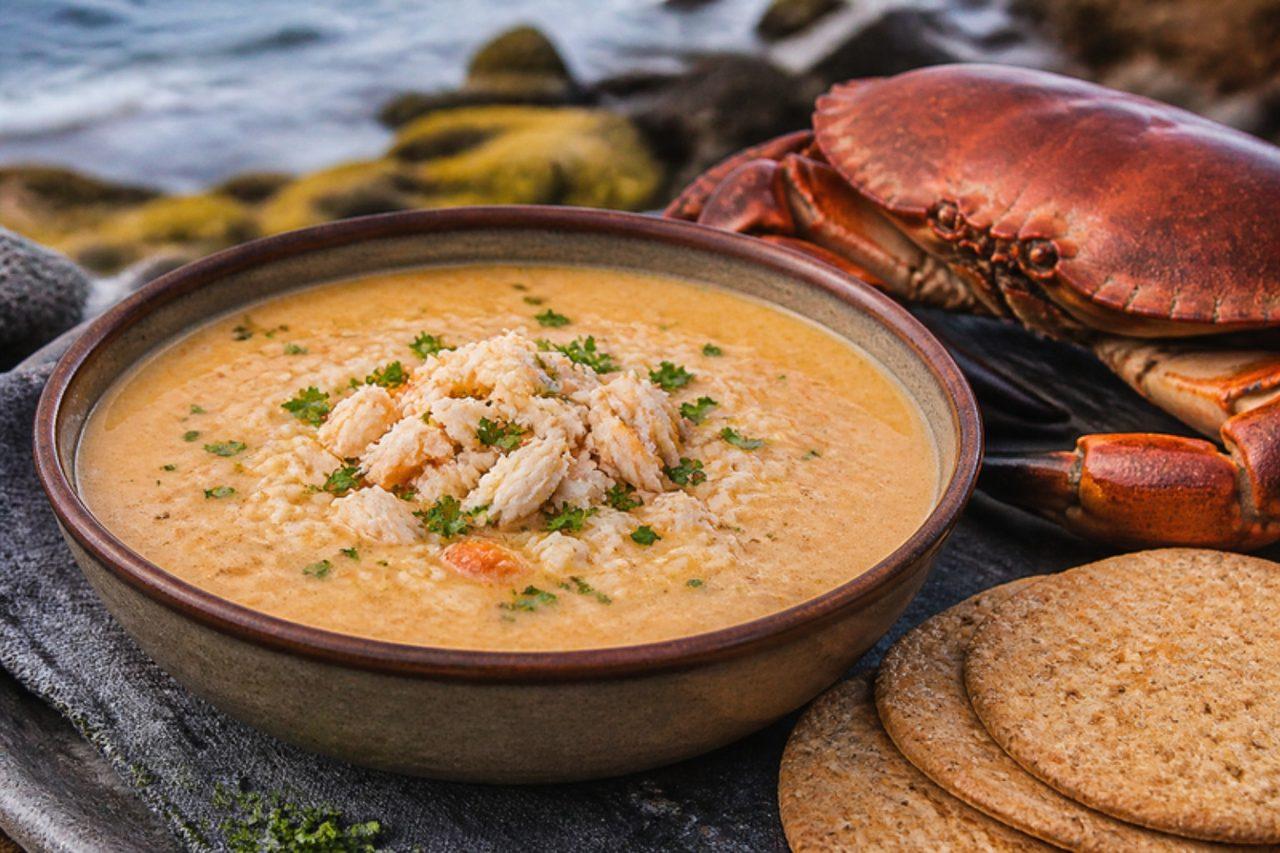
Partan breeCrab and rice soup

Partan bree comes from the fishing villages of the north-east of Scotland, where partan is the Scots word for the brown crab and bree means broth. Rice is simmered in milk and fish stock until soft, blended with the crab's brown meat, and finished with sweet white claw meat and a little cream. It is the coast's answer to a bisque, simpler and milder. Buy ready-cooked crab meat and keep it chilled. Chef's tip: add the white meat right at the end and only warm it through, so it stays in flakes.

by KrazyBadal 0 views

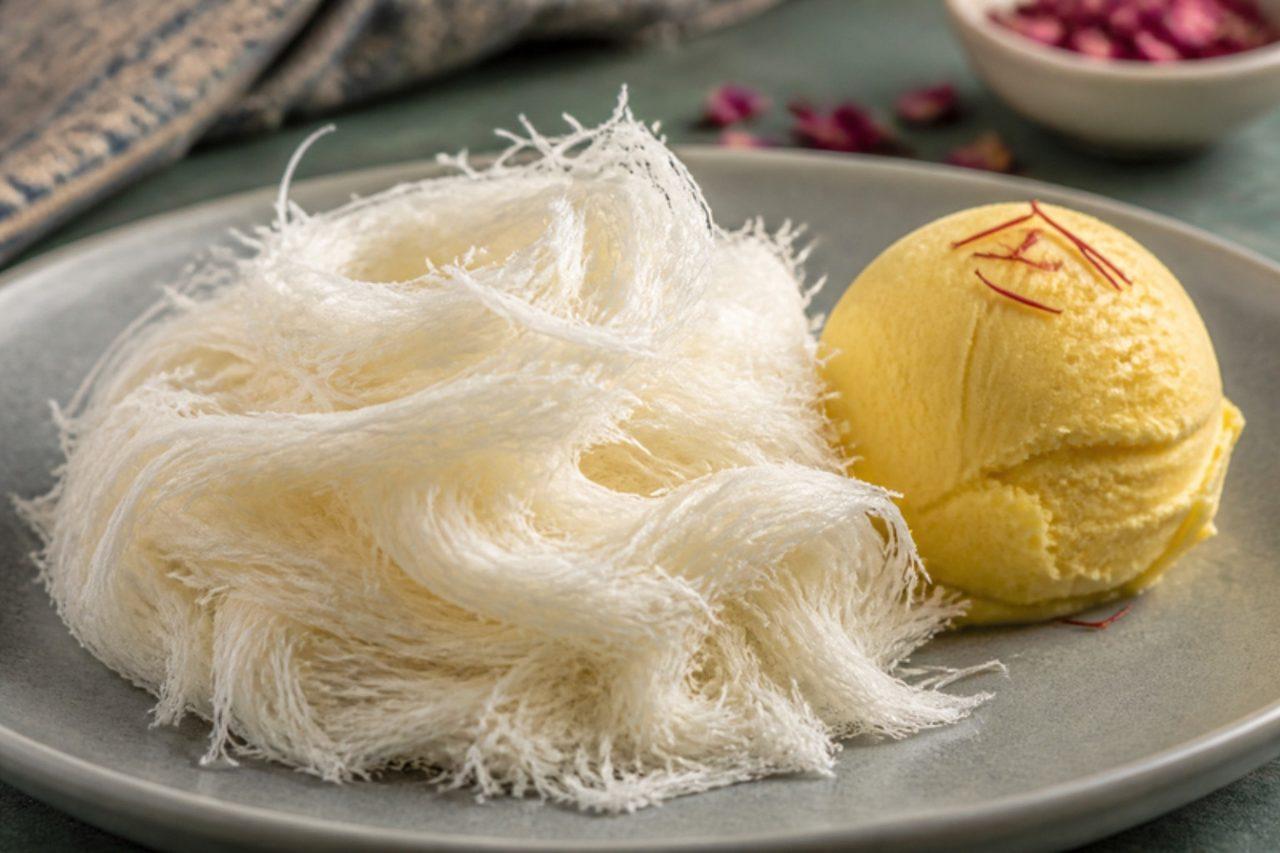
PashmakSesame candy floss

Pashmak, 'little wool', is the fine, silky candy floss of Yazd, sold in boxes beside the city's qottab and baklava and piled on top of ice cream or cakes at weddings. Unlike fairground floss it is made by hand: a hot sugar ring is pulled again and again through toasted flour cooked in butter and sesame oil until it splits into thousands of threads. It is a project for two pairs of hands. A common mistake is letting the sugar get too cool before pulling; it should be warm and pliable, like soft plasticine, or it snaps instead of stretching. Chef's tip: wear clean cotton gloves under food-safe gloves, because the sugar is hot at first.

by KrazyBadal 0 views

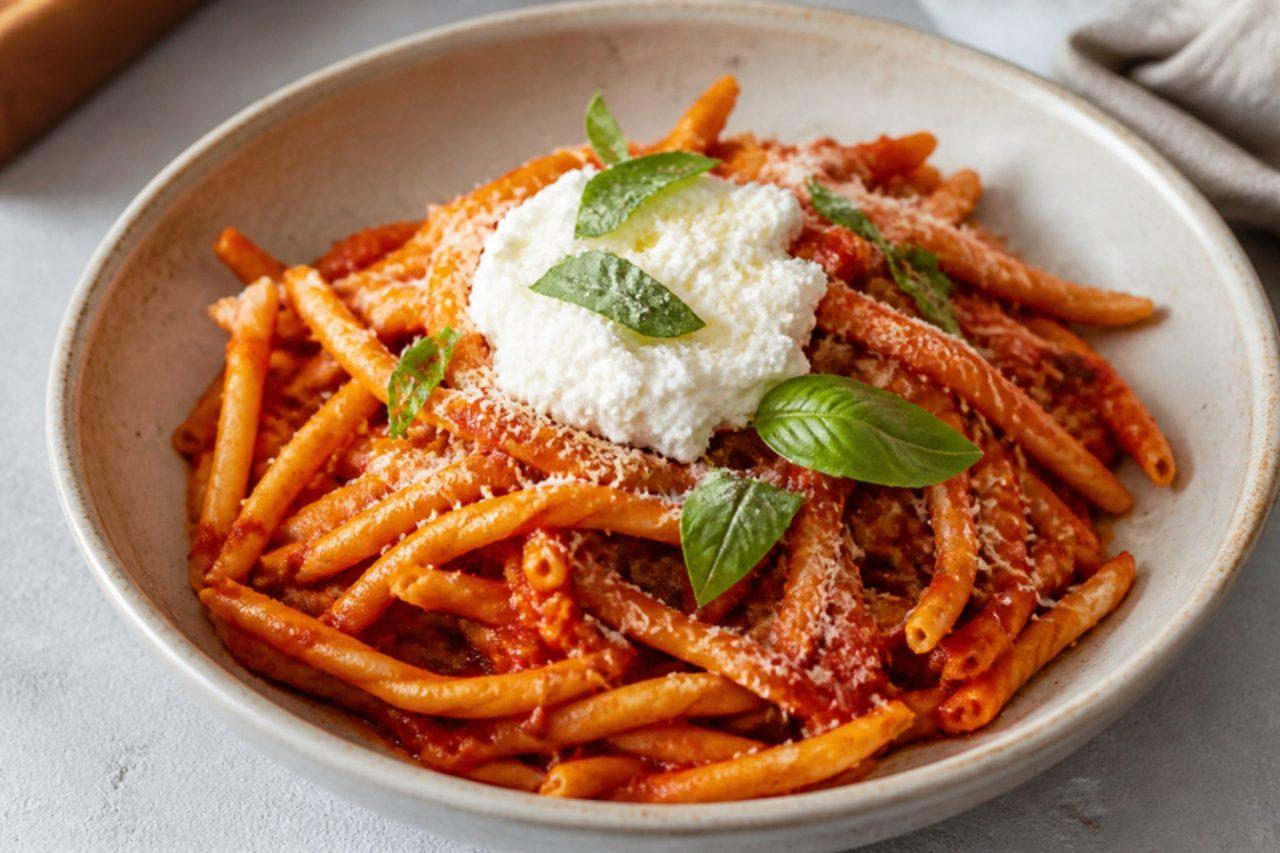
Pasta con 'ndujaPasta with spicy 'nduja sausage

Spilinga, a small hill town above the Calabrian coast, celebrates 'nduja with its own summer festival. This soft, spreadable salumi of pork fat and meat with huge amounts of Calabrian chilli melts straight into a pan, turning a simple tomato sauce brick-red, rich and properly hot. It's a quick weeknight pasta in Calabria, often made with fileja or short pasta, and finished with a little pecorino or a dollop of ricotta to soften the heat. Chef's tip: add the 'nduja off the heat at first and let it melt gently, then simmer; frying it hard burns the chilli and makes it bitter.

by KrazyBadal 0 views

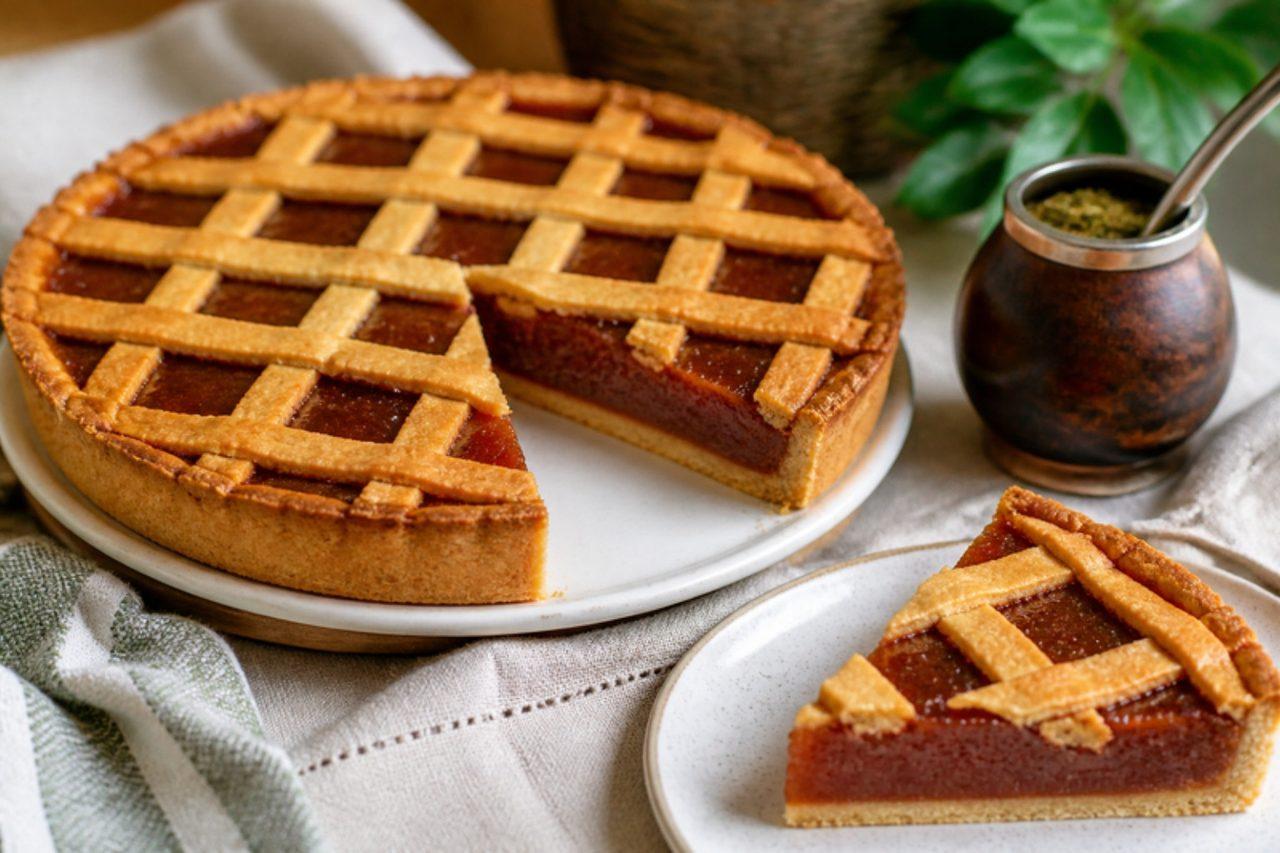
Pasta frolaQuince tart

Pasta frola came to the River Plate with Italian immigrants (it is a cousin of the crostata), and it is now the tart every Argentine kitchen keeps on the counter for afternoon mate. The crust is short and cakey rather than crisp, scented with lemon zest and vanilla, and the filling is dulce de membrillo melted down into a spreadable jam; dulce de batata is the other classic. Bakeries in Buenos Aires sell it by the square and it keeps for days in a tin, getting better on the second day. The lattice strips should be thin and slightly wider apart than you think, so the dark filling shows through. A common slip is to spread the quince paste straight from the block: it will not spread, it tears the base and it turns leathery in the oven, so loosen it first with a little hot water. Chef's tip: chill the lined tin and the cut strips for 15 minutes before baking, so the lattice keeps its shape instead of slumping into the filling.

by KrazyBadal 0 views

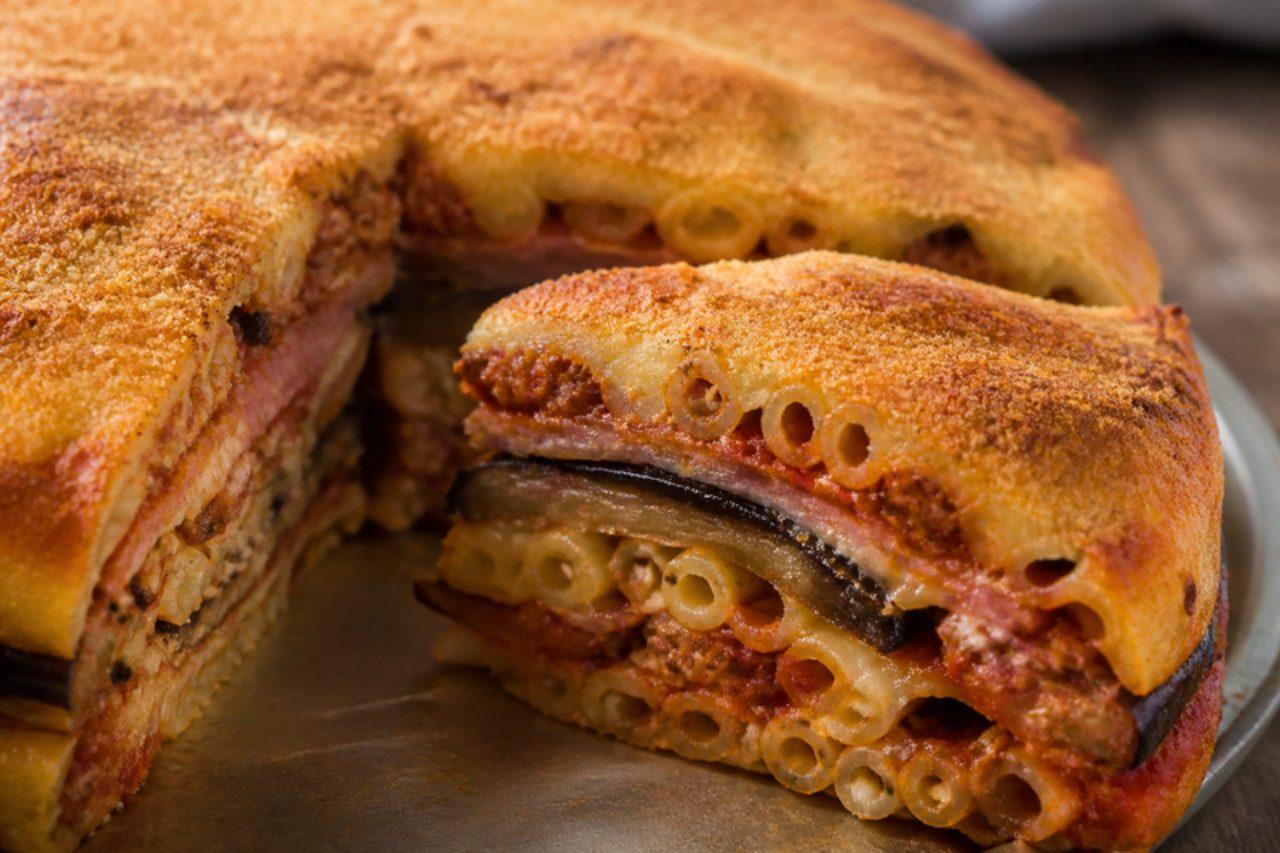
Pasta 'ncasciataBaked pasta with aubergine and ragù

In Messina and around Catania, pasta 'ncasciata is the dish for Ferragosto, Sunday lunch and any big family table, and it travels well to the beach. Short pasta is tossed with a beef and pork ragù, then layered in a deep tin with slices of fried aubergine, cubes of salami and cooked ham (both pork), hard-boiled egg and caciocavallo cheese, and baked until the top is crisp. It cuts into dense, generous wedges that are just as good warm as at room temperature. Chef's tip: salt the aubergine slices and leave them to drain before frying, so they soak up less oil and turn creamy rather than greasy.

by KrazyBadal 0 views

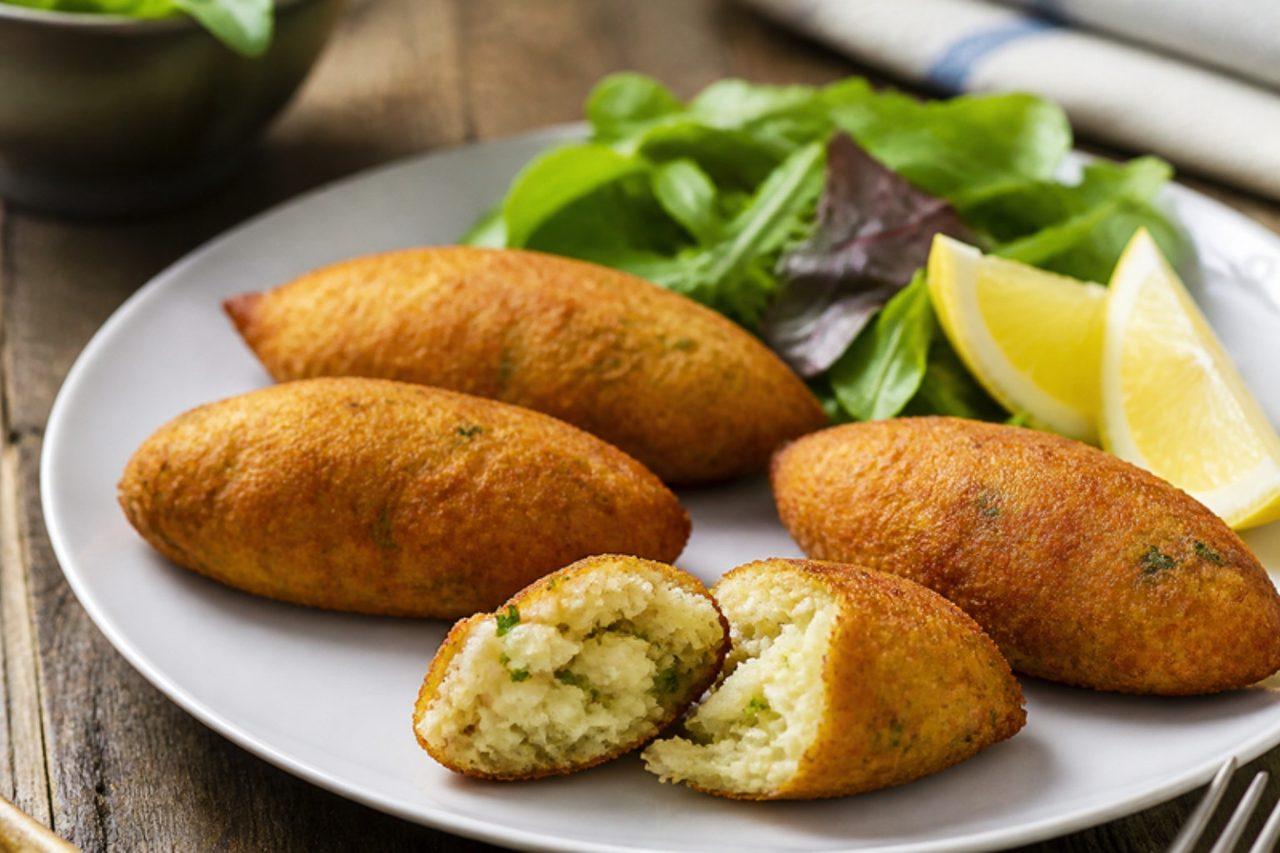
Pastéis de bacalhauSalt cod and potato croquettes

These torpedo-shaped croquettes of salt cod, potato, egg and parsley are everywhere in Lisbon: piled on café counters, packed for picnics, and served at weddings and christenings in their dozens. Every family argues over the cod-to-potato ratio; about equal parts gives a fluffy inside that still tastes properly of fish. Salt cod needs 24–48 hours of soaking in the fridge, so start two days ahead. A common mistake is a wet mixture from boiled potatoes, which makes the croquettes burst in the oil; bake or steam the potatoes instead, or dry them well. Chef's tip: shape each one between two wet tablespoons, passing the mixture back and forth until it has three smooth sides.

by KrazyBadal 0 views

Pastéis de feijãoWhite bean and almond tarts

Torres Vedras, in the wine country west of Lisbon, has turned a humble white bean into its sweet emblem: tiny tarts with a moist filling of bean purée, ground almond and egg yolks, sold in pastelarias and at the town's carnival. Nobody would guess beans from the taste; they give a soft, marzipan-like body to the filling. Serve with a strong coffee in the afternoon. A common mistake is filling the cases to the top: the mixture puffs and spills, so stop at three-quarters. Chef's tip: blitz the beans with a little of the syrup until completely smooth; any skins left in make the filling chalky.

by KrazyBadal 0 views

Pastéis de TentúgalEgg cream pastry rolls

In Tentúgal, a village of the Mondego plain near Coimbra, a convent pastry is still made by hand-stretching dough across a whole room until it is as thin as tissue, then rolling it around a sweet egg cream. The real ones are sold in the village pastry shops and at Coimbra's markets, shattering at the first bite. Filo pastry with plenty of butter makes a convincing home version. Chef's tip: keep the filo you are not using under a damp cloth, as it dries and cracks in a minute or two.

by KrazyBadal 0 views

Pastel de anguFried cornmeal cheese pastries

Itabirito, an iron-mining town south of Belo Horizonte, holds a whole festival for this pastry, and its stalls fry thousands of them in a weekend. The dough is angu, cornmeal cooked thick and kneaded with sweet cassava starch, which fries up blistered, crisp and gently corny. Fillings vary from chicken to minced beef, but cheese is the meatless favourite: semi-cured Minas cheese that melts and stretches. Eat them hot from the pan with a cold drink and a dash of chilli sauce. Minas cheese is usually made with animal rennet; use a vegetarian semi-hard cheese or mozzarella with microbial rennet. Pastéis that burst while frying are almost always overfilled or not sealed; leave a clean 1 cm border and press it shut with a fork. Chef's tip: roll the dough between two sheets of plastic, because it is too soft and sticky to roll on a floured board.

by KrazyBadal 0 views

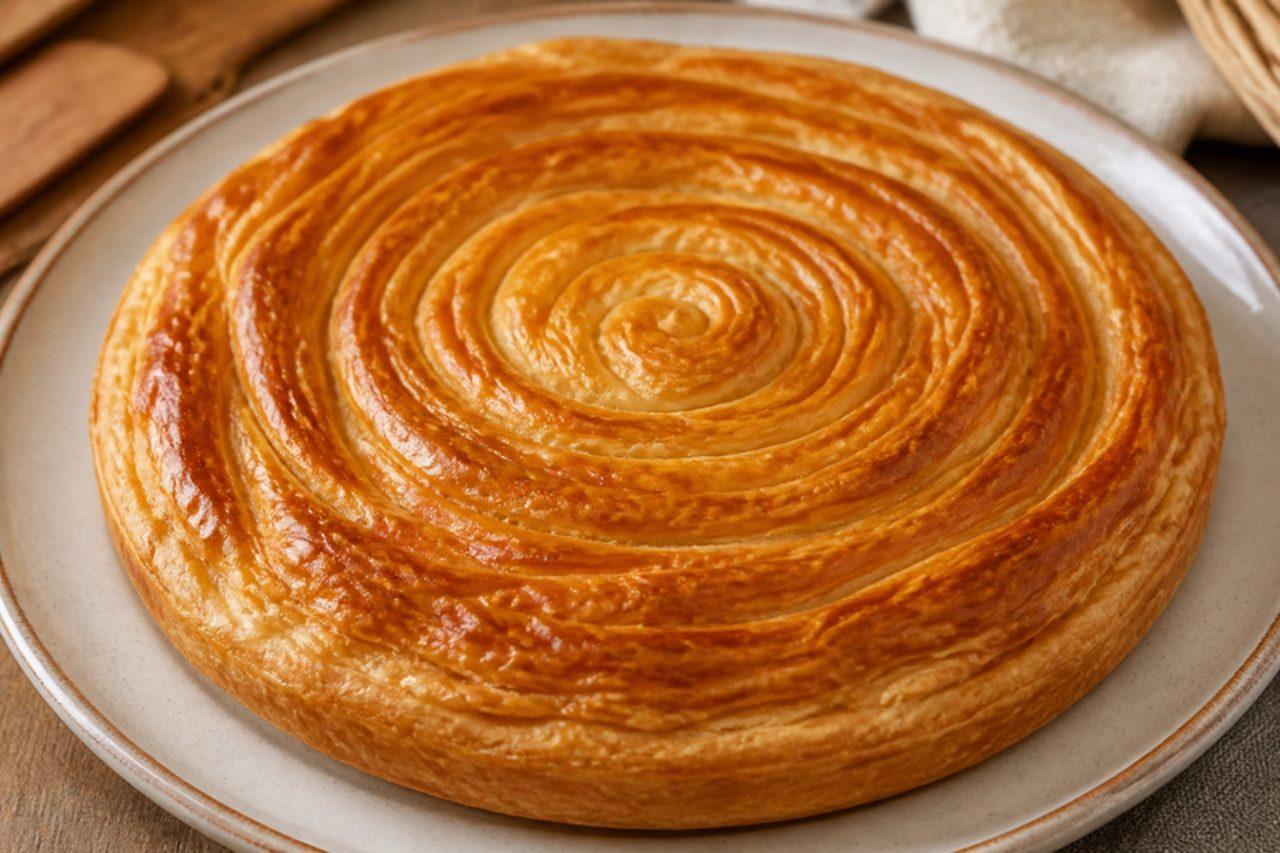
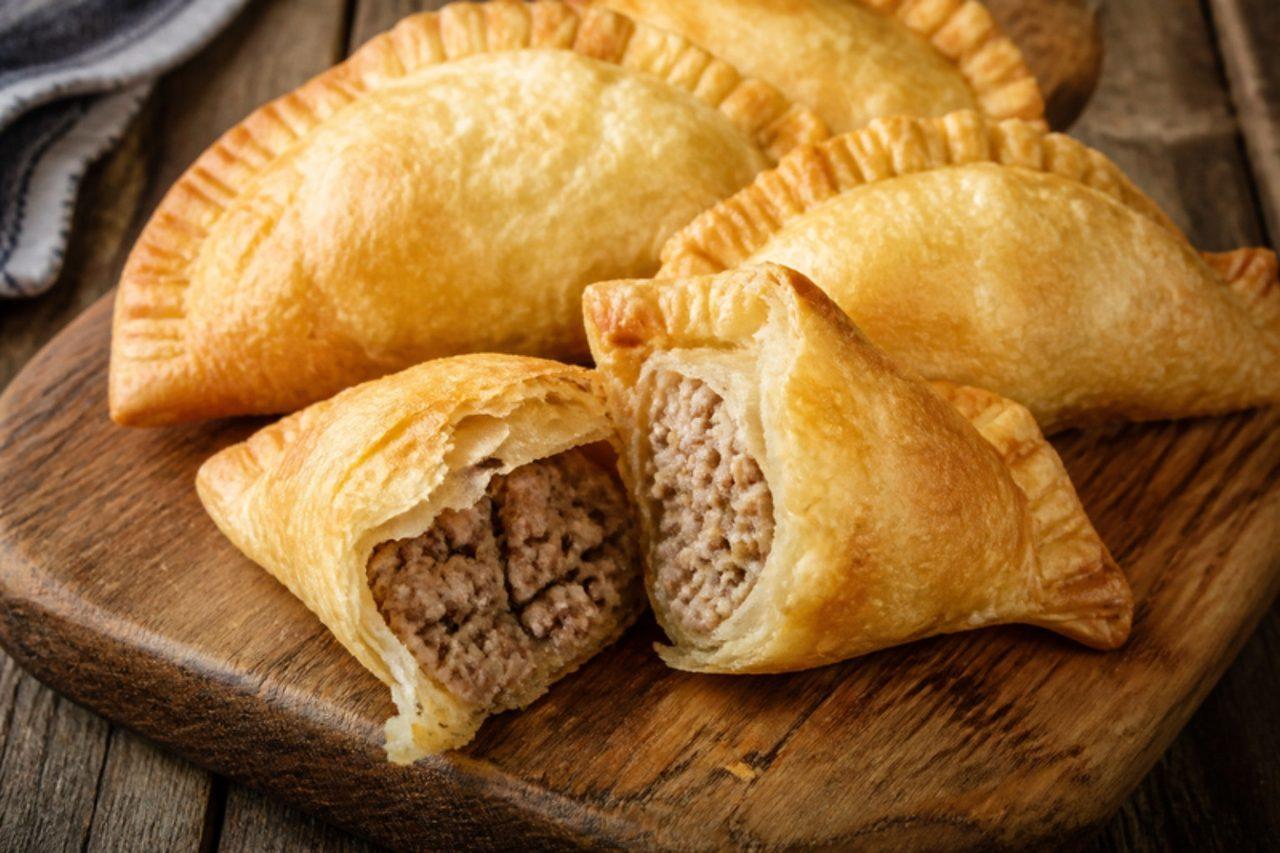
Pastel de carne murcianoMinced beef and chorizo pie

Murcia's bakeries sell pastel de carne from first thing in the morning: a round pie with a crisp, coiled puff pastry lid, filled with spiced minced meat, chorizo and hard-boiled egg. People eat one standing at the counter with coffee, or buy a big one for Sunday lunch. Bakers make the coiled lid from a long rope of pastry; at home a scored spiral on a puff pastry lid gives the same look. This contains pork (chorizo). Chef's tip: let the filling cool completely before it goes into the pastry, otherwise the base melts and turns soggy.

by KrazyBadal 0 views

Pastel de ChavesMinced veal puff pastry pies

In the spa town of Chaves near the Spanish border, these crescent-shaped pasties are sold warm from bakeries all day and eaten for breakfast, lunch or with a coffee on the old Roman bridge. Many crisp, buttery layers enclose a savoury filling of minced veal. Chaves bakers use their own protected dough; at home, good all-butter puff pastry gets very close. A common mistake is a warm filling; it melts the butter in the pastry, so cool the meat completely before shaping. Chef's tip: cook the filling and let it cool completely before filling, or it melts the butter in the pastry and the layers will not rise.

by KrazyBadal 0 views

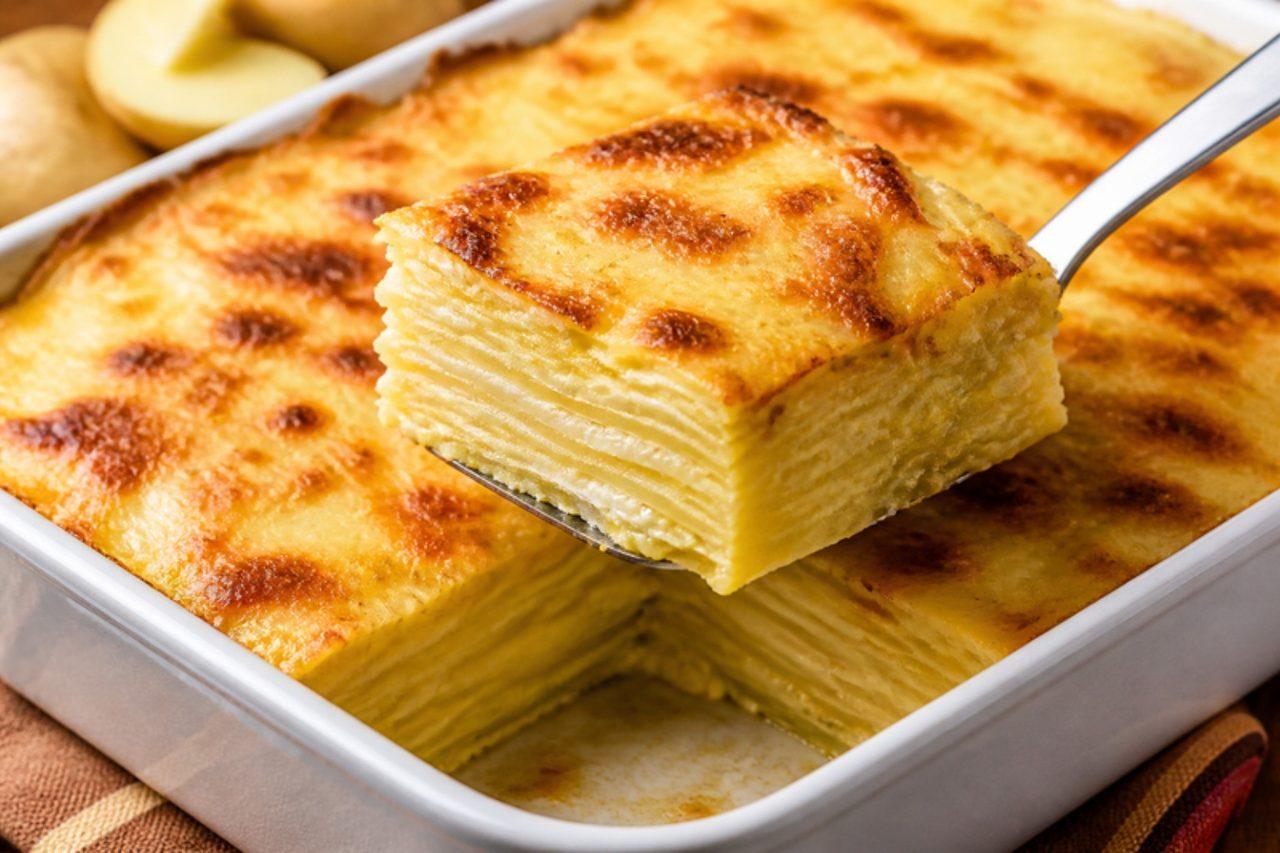
Pastel de papaLayered potato and cheese bake

On a plate in an Arequipa picantería, pastel de papa is the soft, golden square that sits next to a fiery rocoto relleno and cools your mouth between bites. Thin slices of parboiled potato are layered with fresh cheese and a seasoned egg and evaporated-milk custard, then baked until the top puffs and browns. It is richer and more set than a French gratin, firm enough to cut cleanly, and it makes a fine vegetarian main with a salad of tomato and onion or a spoon of uchucuta. The way it goes wrong is slicing the potatoes too thick or under-boiling them, which leaves them crunchy while the custard overcooks; cut them 3–4 mm thin and parboil them just until bendy. Arequipa cooks use paria or queso fresco, which are normally made with animal rennet; a vegetarian melting cheese such as a microbial-rennet mozzarella or mild cheddar works well. Chef's tip: let the bake rest for 15 minutes after it leaves the oven so the custard settles and the slices hold.

by KrazyBadal 0 views

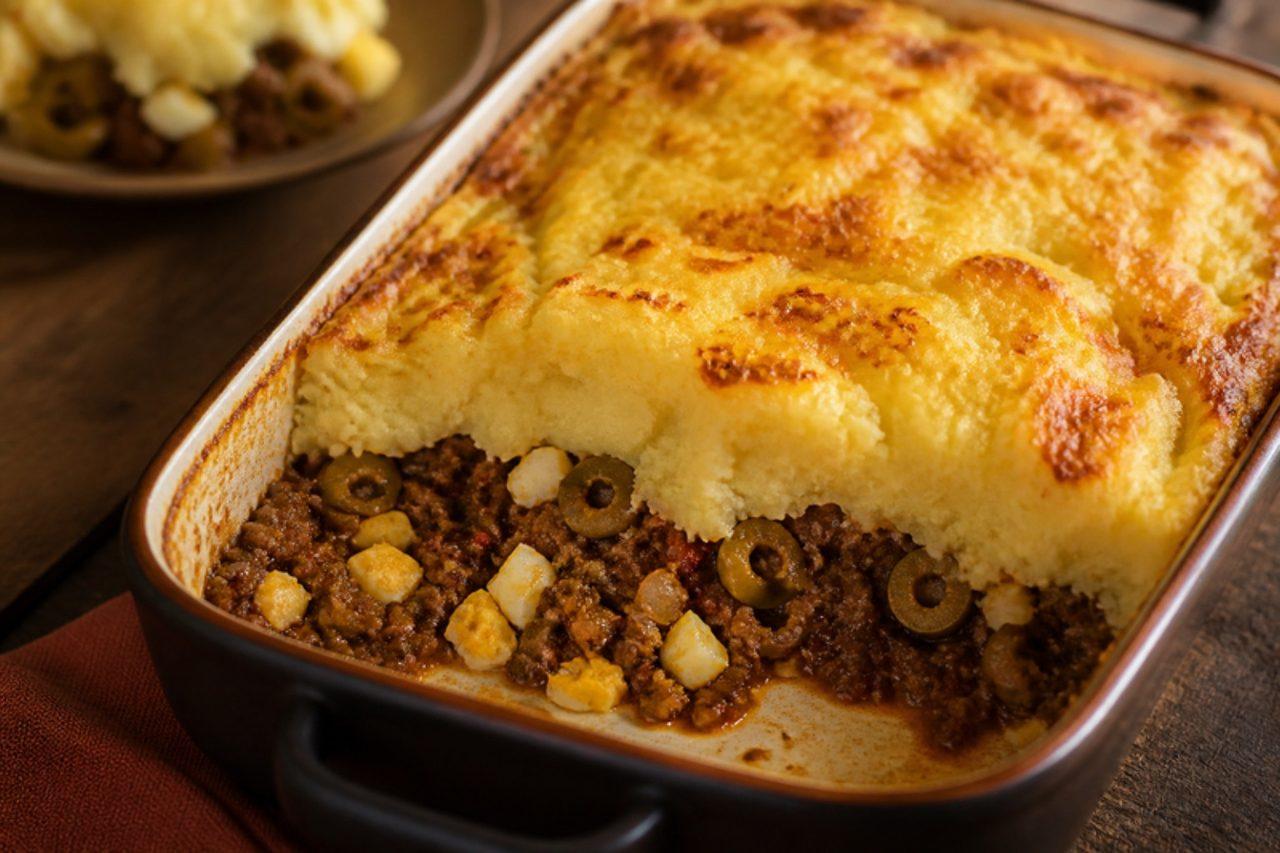
Pastel de papasBeef and mashed potato pie

Midweek family dinners in Buenos Aires often come out of the oven in a deep dish: pastel de papas, the Argentine answer to cottage pie. The beef picadillo is cooked the way it is for empanadas, with onion, red pepper, paprika and cumin, then studded with green olives, chopped boiled egg and sometimes raisins for a sweet-salty bite, all under a thick, creamy mash browned with cheese or sugar on top. It is a dish of school lunches and Sunday leftovers, served with a green salad. Mince must reach 71 °C, which it will long before the potato crust browns; just make sure no pink remains when you cook the filling. A runny filling is the usual letdown, as it seeps into the mash, so cook it until the pan is almost dry. Chef's tip: sprinkle a teaspoon of sugar over the mash before baking, as many Argentine cooks do; it caramelises into a thin, crackly golden crust.

by KrazyBadal 0 views

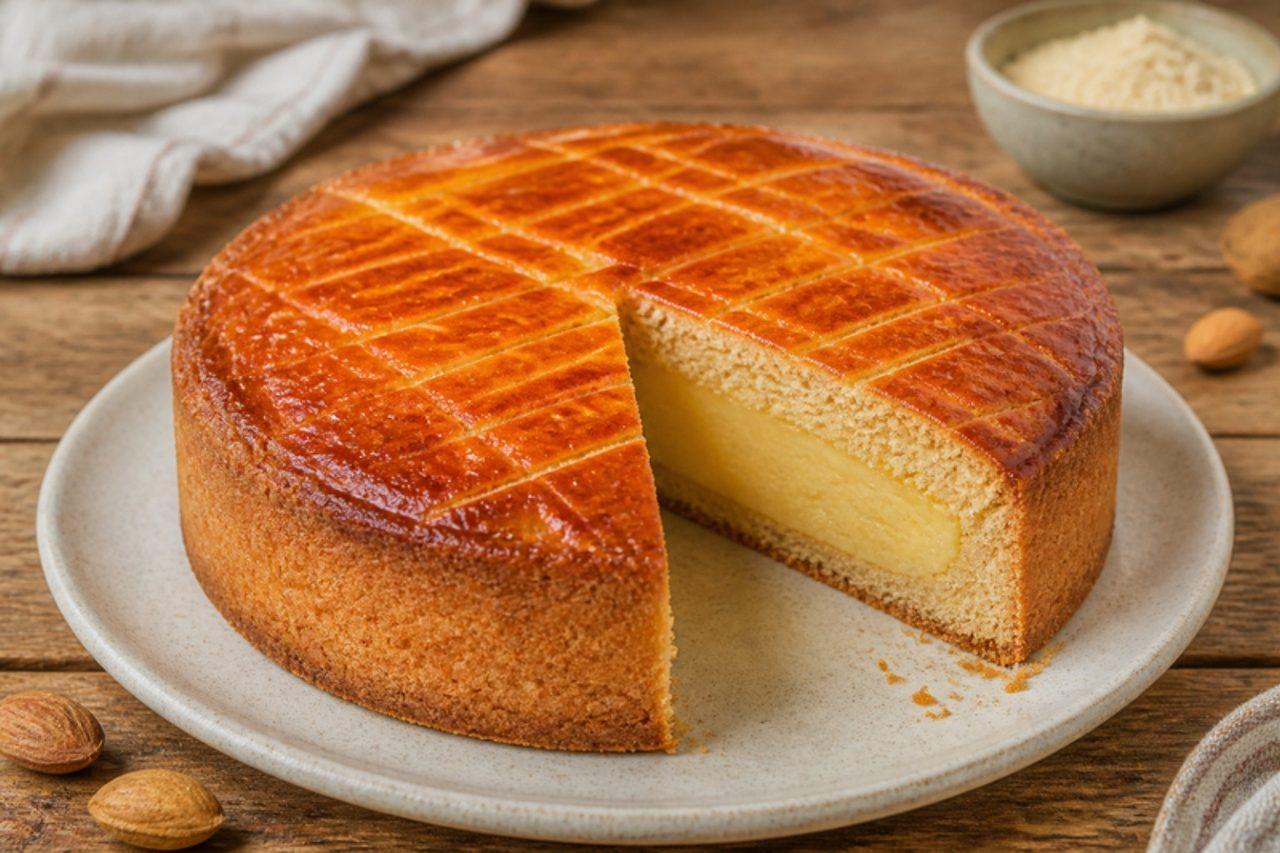
Pastel vascoAlmond cake with pastry cream

Bakeries across the French Basque province of Labourd, from Cambo-les-Bains to Saint-Jean-de-Luz, sell this round cake by the slice, and the village of Itxassou has long filled it with black cherry jam instead of cream. The dough sits between a biscuit and a shortcake, rich with butter and ground almonds, and it hides a thick layer of vanilla pastry cream. Some bakers add a spoon of rum to the cream; this one leaves it out. A common mistake is baking it too pale, so the crust stays soft: wait for a deep golden top. Chef's tip: chill the dough well, as it is very soft and much easier to roll when cold.

by KrazyBadal 0 views

PasteliSesame honey bars

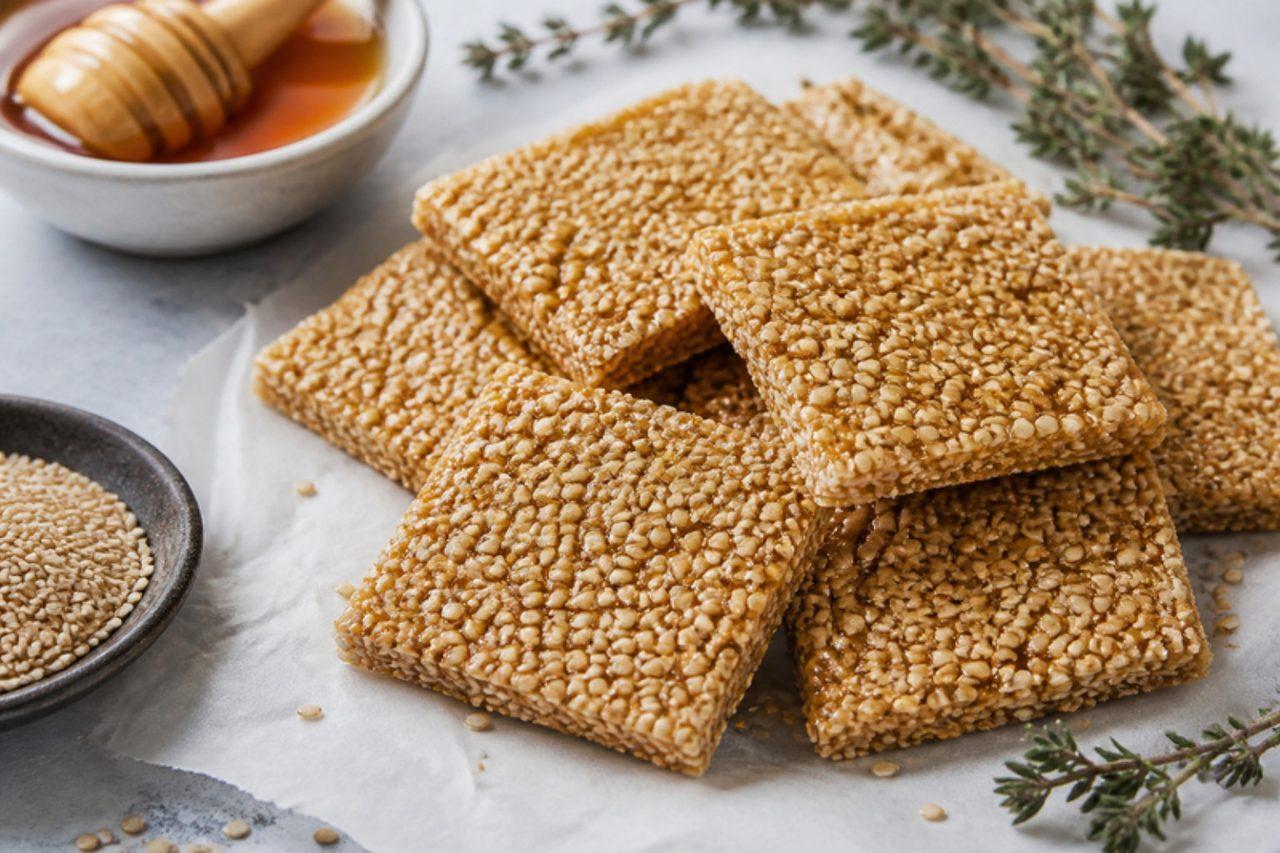
Pasteli is one of the oldest sweets in Greece, and on islands like Sifnos and Andros it is still made in the home kitchen for weddings and feast days, sometimes cut into diamonds and served on lemon leaves. Toasted sesame seeds are bound in hot honey and set into a thin sheet that snaps cleanly but softens slightly as you chew, tasting of nuts and wild thyme. Common mistake: taking the honey off the heat too early, which leaves bars that stay sticky and bend instead of snapping. Chef's tip: test a drop of the honey in cold water; when it sets into a firm ball you can press without it flattening, it's ready.

by KrazyBadal 0 views

Pastelitos criollosFried quince pastries

Every 25 May, when Argentina marks the 1810 revolution, bakeries and school kitchens from Buenos Aires to Tucumán turn out trays of pastelitos: two squares of flaky dough stacked into a star, filled with dulce de membrillo or dulce de batata, fried until the layers fan open and then dipped in syrup. They are eaten warm with mate or hot chocolate, shattering crisp outside and sticky in the middle. Lard is the traditional fat in both the dough and the frying pan; this version uses butter or vegetable shortening for laminating and sunflower oil for frying, so it stays vegetarian. Expect a hard but rewarding job: the dough is folded like a quick puff pastry. Oil that is too hot is the classic error, browning the outside before the inner layers have opened, so keep it around 160 °C. Chef's tip: pinch the four corners of the top square down onto the gaps of the bottom one and press with a wet fingertip, or the star unfolds in the oil and the filling leaks.

by KrazyBadal 0 views

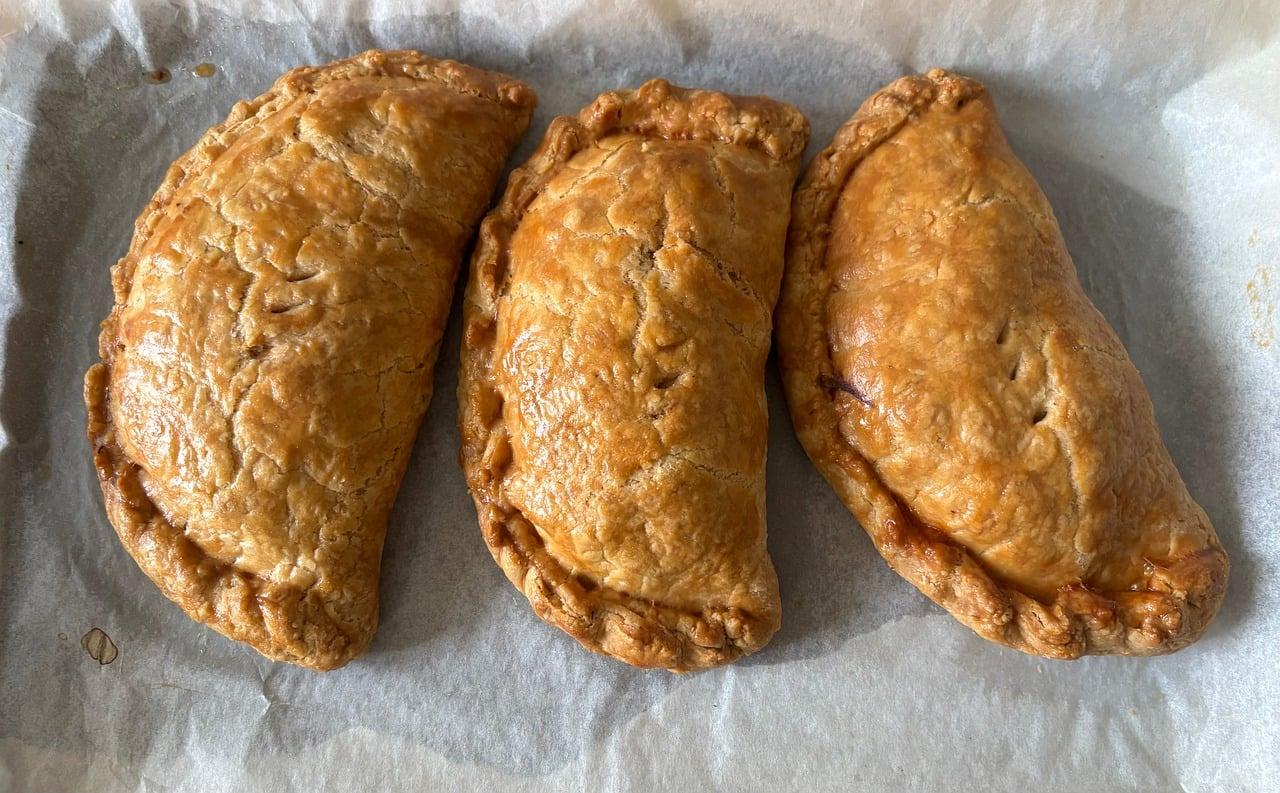
Pastes de Real del MonteBeef and potato pasties

Cornish miners arrived in the silver mines around Real del Monte and Pachuca in the 1820s, and their pasties stayed: today the hilltop town in Hidalgo has paste shops on every street, selling them warm from the oven to visitors and locals all day. The classic filling is close to the original, diced beef, potato, onion and parsley seasoned with plenty of pepper, sealed in a short, buttery crust and baked until the juices turn to gravy inside; Mexican kitchens added a little chilli and many other fillings, including chicken in mole, which you can use instead of the beef. Eat them with a hot salsa or alone, with coffee. Chef's tip: cut the beef and potato small and evenly, about 1 cm; it all cooks raw inside the pastry, so even pieces are what make it tender.

by KrazyBadal 0 views

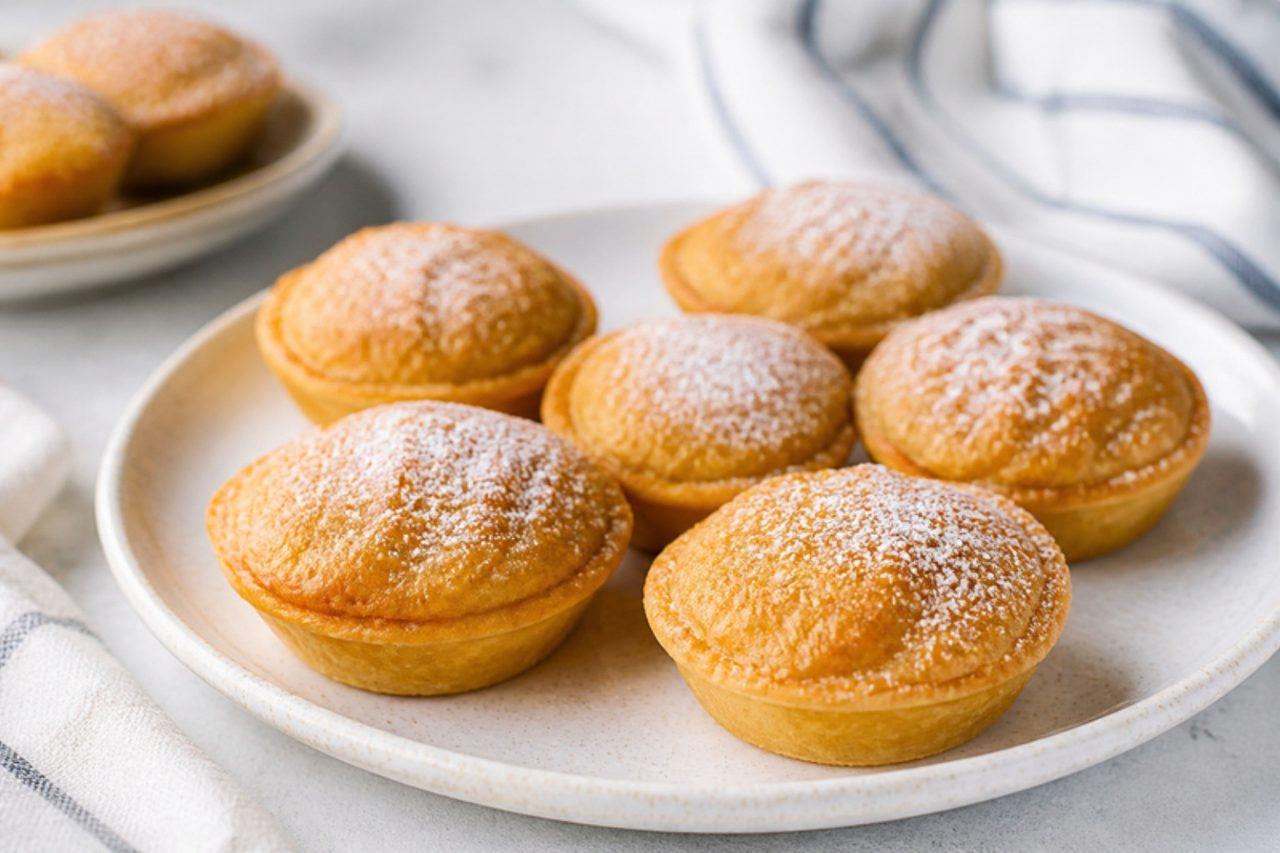
PasticciottoCustard-filled shortcrust pastries

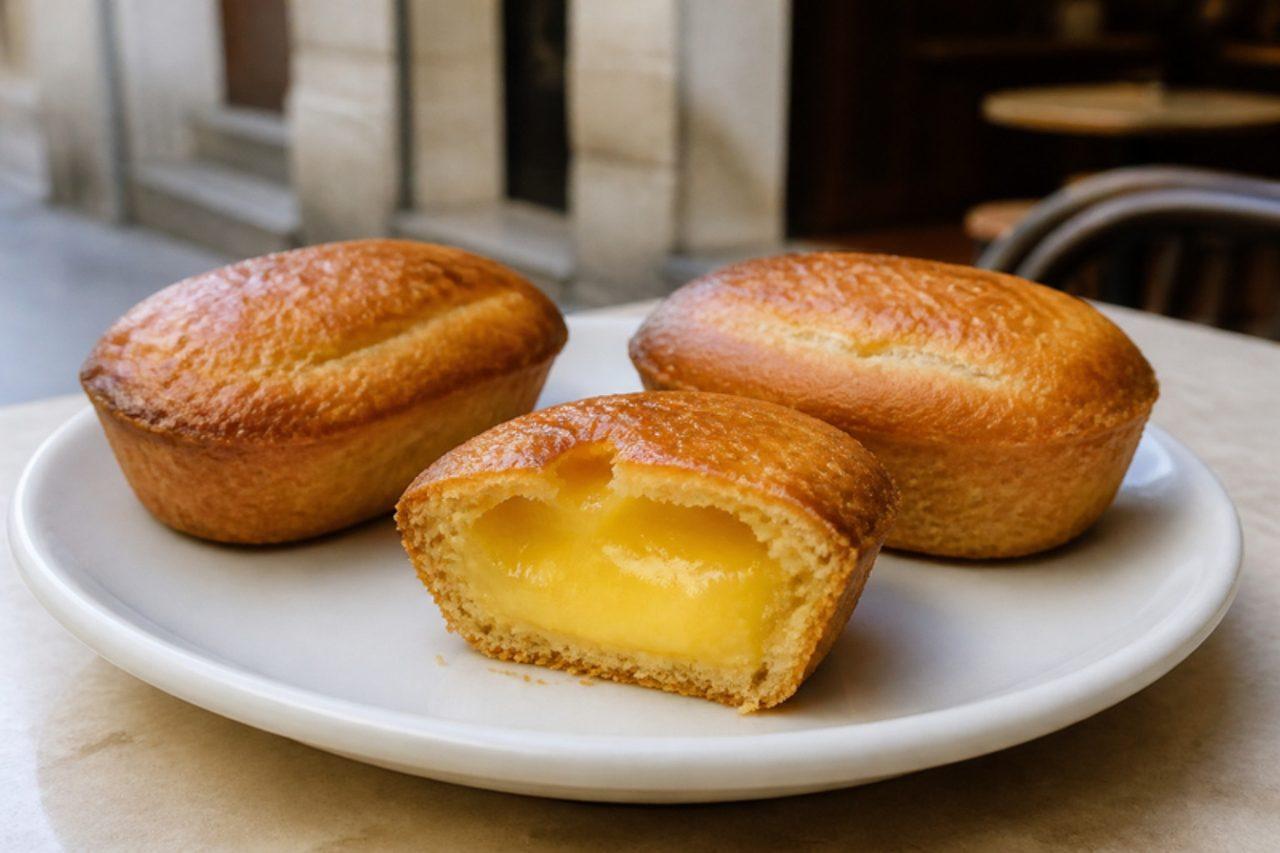
In Lecce the day starts at the bar with a pasticciotto still warm from the oven: a little oval of crumbly, golden shortcrust split open to reveal thick lemon-scented custard. It is said to come from a pastry shop in nearby Galatina in the 1700s, and the whole Salento eats it at breakfast, after Sunday Mass and with a caffè in ghiaccio in summer. The traditional pastry is made with lard; this version uses butter, which keeps it short and crisp. Chef's tip: make the custard first and chill it well; cold, thick custard stays put inside the pastry while it bakes.

by KrazyBadal 0 views

Pastis gasconCrackling apple pastry

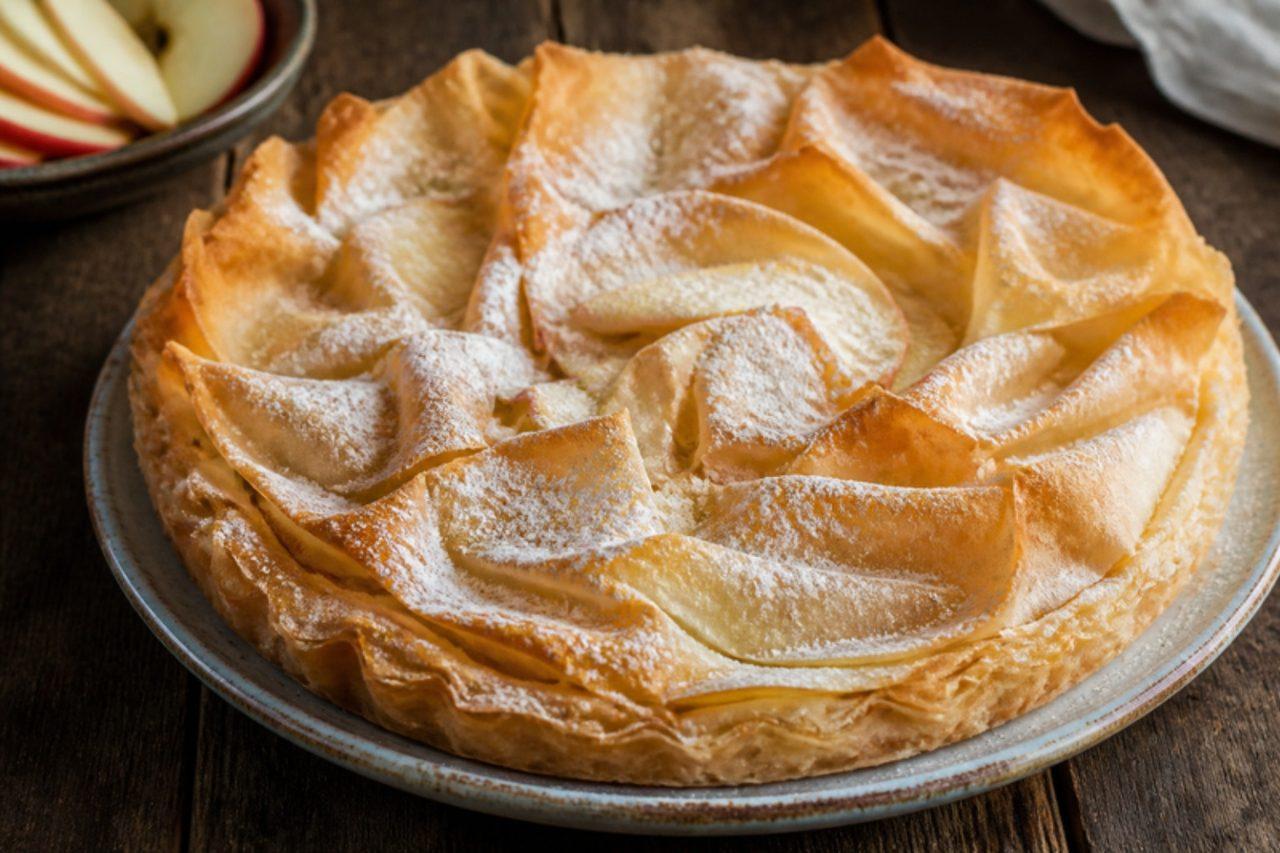
In the Gers and the Lot-et-Garonne, grandmothers once stretched pastis dough over the kitchen table until it was thin enough to read a newspaper through, then layered it with apples and butter into a crackling, golden dome. Called pastis in Gascony and croustade in Quercy, it is served at Sunday lunch, weddings and village fêtes. The apples are traditionally soaked in Armagnac, the local brandy; this home version uses filo pastry and gives an alcohol-free soak of apple juice and orange flower water, with Armagnac as the option. Chef's tip: scrunch the top sheets loosely like crumpled silk; the folds turn into the crisp, shattering crown.

by KrazyBadal 0 views

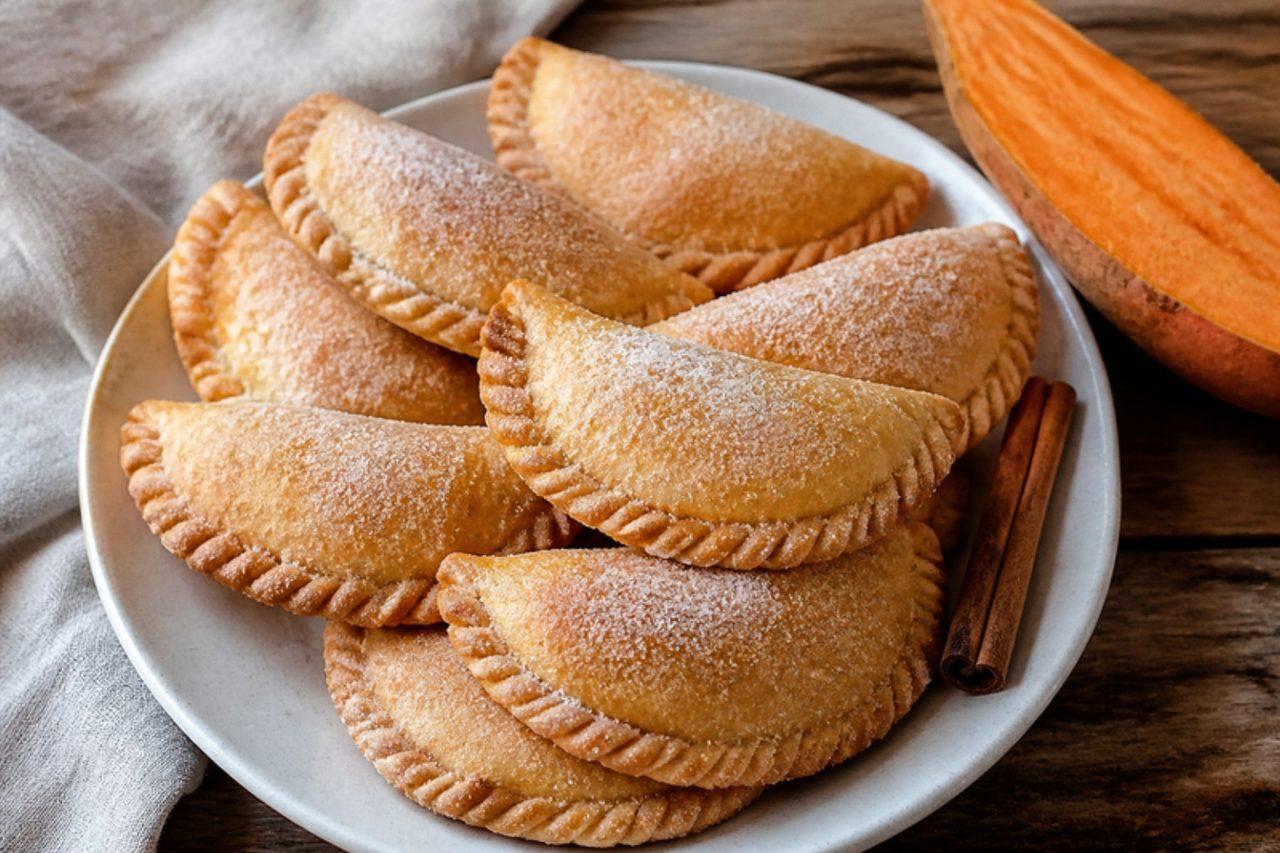
Pastissets de moniatoSweet potato pastry half-moons

As Christmas nears, bakeries and home kitchens from Valencia to Alicante turn out trays of pastissets, little half-moon pies of crumbly olive-oil pastry wrapped around a filling of sweet potato cooked with sugar, lemon and cinnamon, finished with a snowy dusting of sugar. They are eaten with coffee or a glass of mistela after the big family meals, and also for All Saints in November. The pastry traditionally includes a splash of sweet mistela wine; orange juice works just as well for an alcohol-free version. A common mistake is overfilling, which splits the seams in the oven; a heaped teaspoon is enough. Chef's tip: chill the filling until firm before you shape, so it sits neatly in the centre and is easy to seal.

by KrazyBadal 0 views

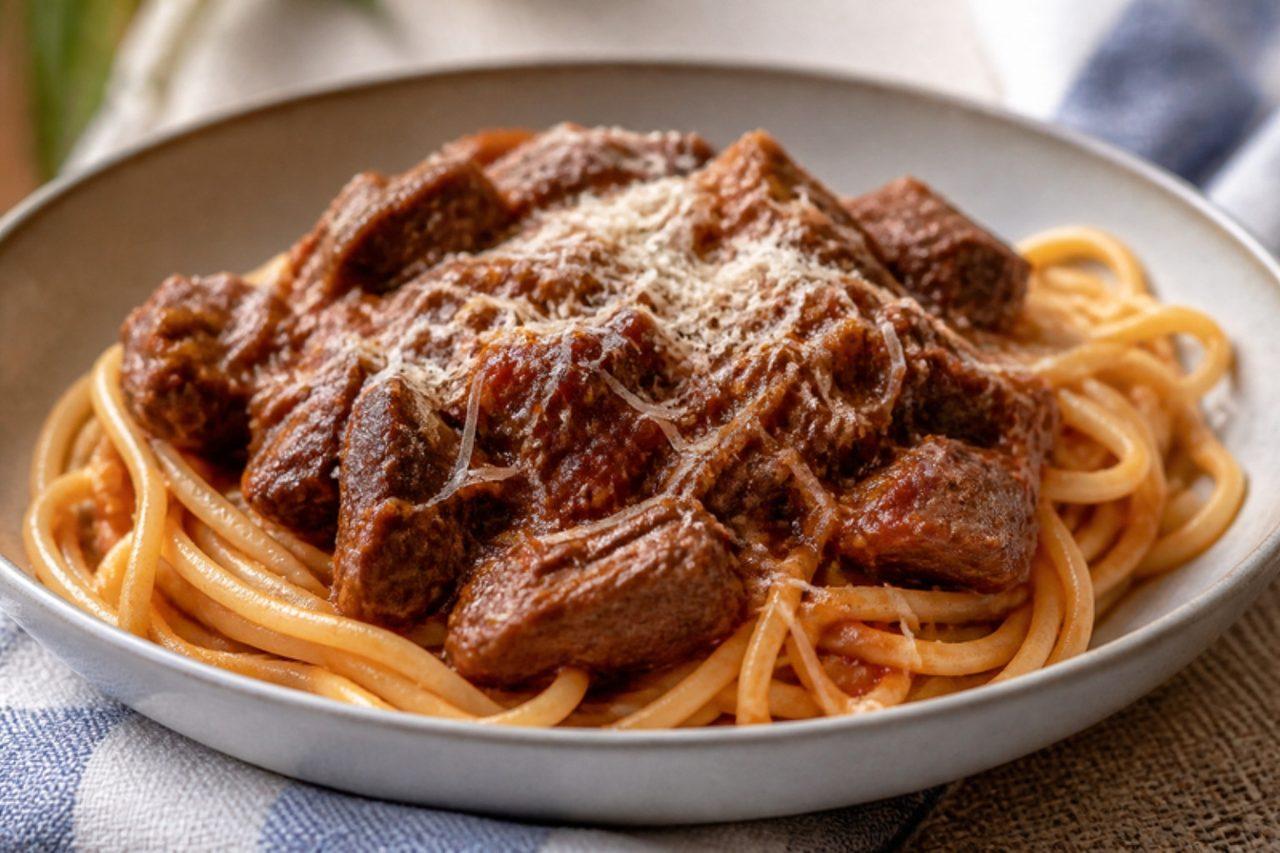
PastitsadaSpiced beef with thick pasta

Pastitsada is Corfu's great Sunday and feast-day dish, a legacy of four centuries of Venetian rule: big pieces of beef (or rooster) slowly braised in tomato with a heady spice mix of cinnamon, clove, allspice, nutmeg and sweet paprika, sharpened with vinegar, then served over bucatini with grated cheese. The sauce should be thick enough to coat the pasta and taste warm rather than hot. Many Corfiots add red wine; this version uses red wine vinegar and stock, so it's alcohol-free (swap 150 ml of the stock for red wine if you like). Common mistake: rushing the braise — beef shin needs a long, gentle simmer to turn soft. Chef's tip: make it a day ahead; the spices settle and the sauce tastes rounder.

175 minGreekMeat
by KrazyBadal 0 views

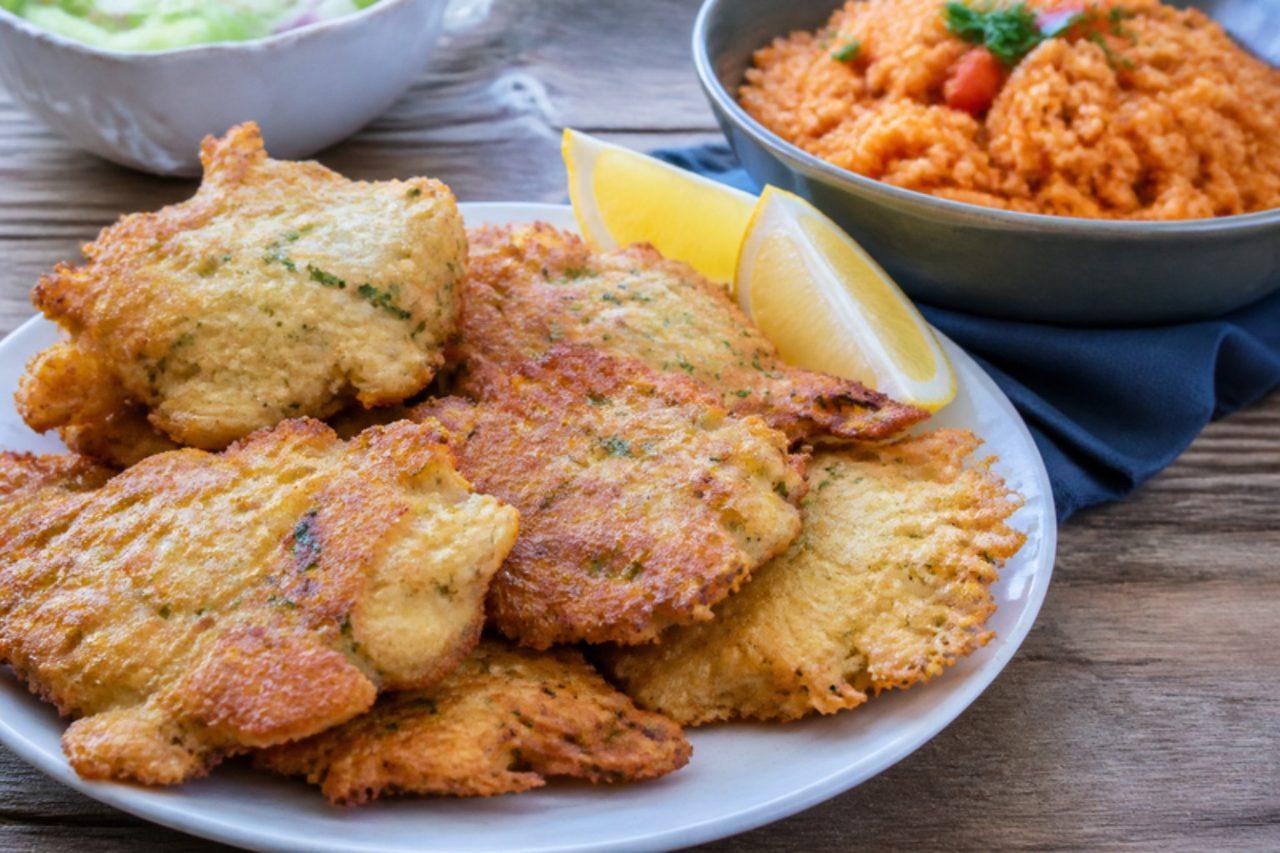
Pataniscas de bacalhauSalt cod fritters

Where pastéis de bacalhau are neat and smooth, pataniscas are rough and generous: spoonfuls of a loose batter packed with shreds of salt cod, onion and parsley, fried into wide, crisp-edged fritters. Lisbon tascas serve them at lunch with arroz de feijão, a soupy red-bean rice, or tucked into a bread roll as a snack. Soak the cod in the fridge for a day or two first. A common mistake is a batter as thick as pancake mix, which gives doughy fritters; it should drop loosely from the spoon. Chef's tip: let the batter rest for 30 minutes so the flour swells and the fritters hold together without needing more.

by KrazyBadal 0 views

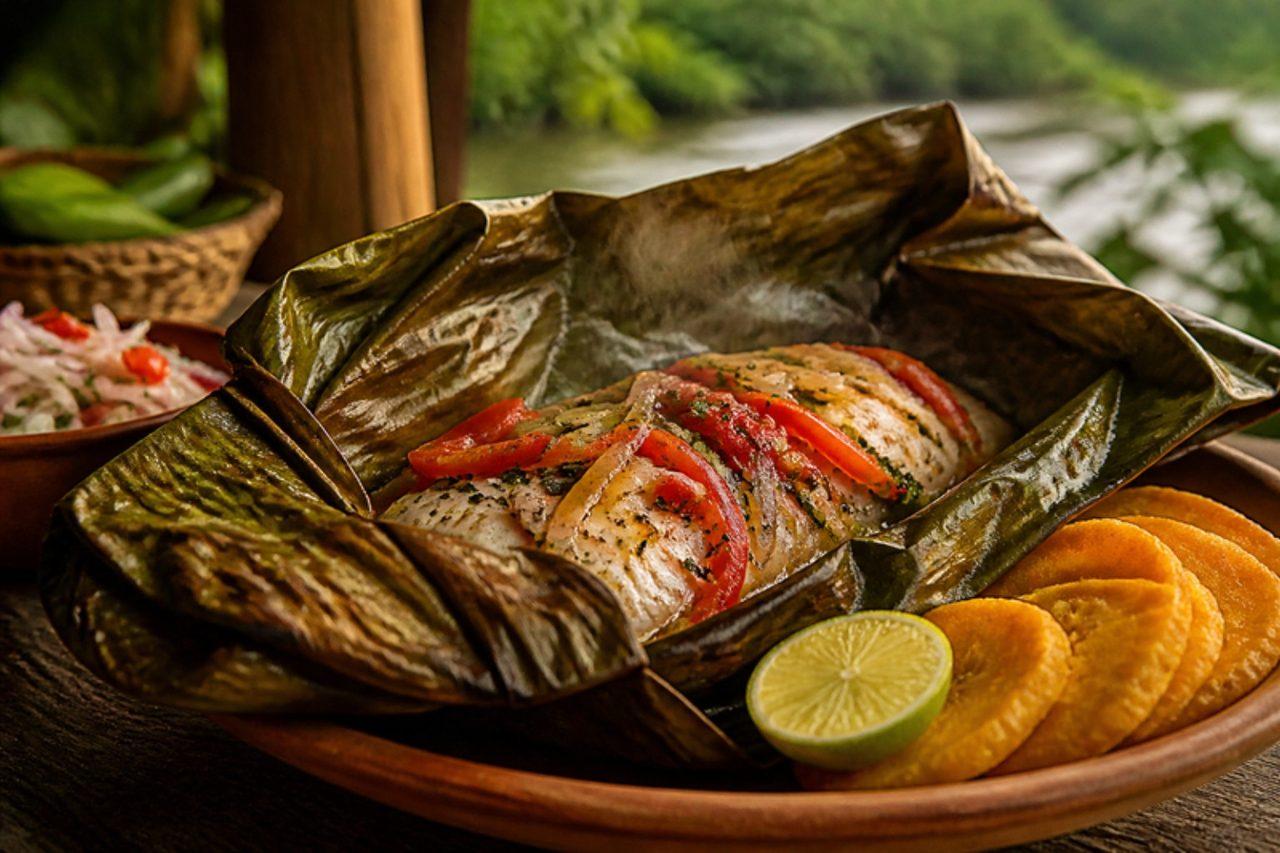
PatarashcaLeaf-wrapped grilled fish

Wrapping fish in leaves and cooking it over embers is how the riverside towns of Loreto and San Martín have always cooked their catch, and in Iquitos patarashca is sold on Belén market grills and in the restaurants along the Malecón. A whole fish or thick fillet is smeared with garlic, ají dulce, tomato, onion, cumin and sacha culantro, folded in large bijao leaves and grilled until the parcel chars and the fish steams in its own juices. When you open it, the flesh is soft and fragrant with herbs. Banana leaves from Asian shops are the best swap for bijao; foil works at a pinch. Too thin a parcel is the usual mistake: the leaves burn through and the fish dries out, so use two layers. Chef's tip: serve it in the opened leaf with boiled plantain or cassava and spoon up every drop of the juices.

by KrazyBadal 0 views

PatascaHominy and tripe soup

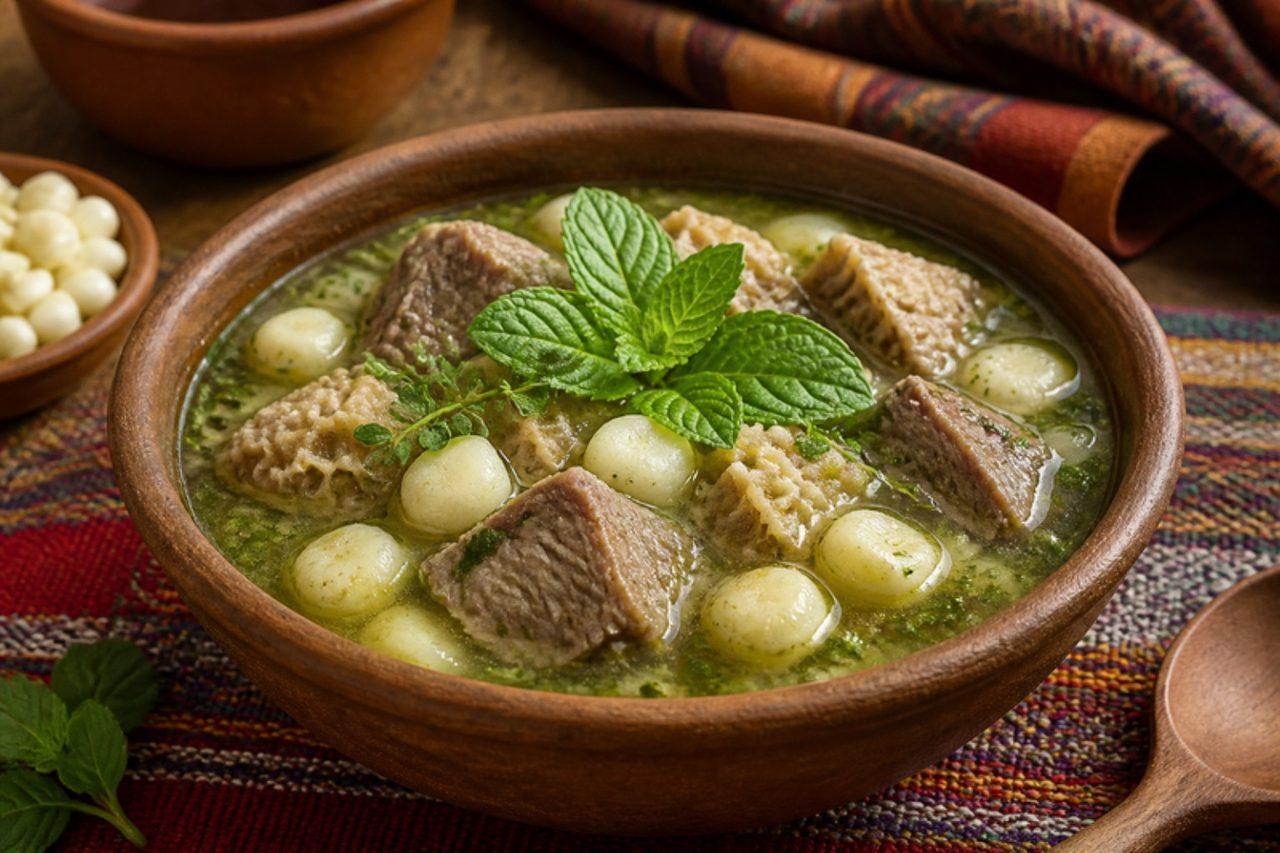
Through the highlands of Ayacucho, Huancavelica and Apurímac, patasca (also called mondongo) is the soup for cold mornings, carnivals and the day after a fiesta: plump white mote, dried maize kernels that burst open like flowers after long boiling, in a clear, rich broth with honeycomb tripe and beef shin, perfumed with mint and oregano. It is filling and gentle, and gets its fire at the table from a spoon of rocoto sauce. Plan ahead: the maize needs an overnight soak and several hours of simmering. Buy tripe cleaned and blanched from a butcher or Latin or halal shop; it must be simmered until soft and fully cooked. The typical mistake is salting the mote early, which keeps the kernels hard. Chef's tip: cook the maize and the tripe in separate pots, then combine; each needs a different time and the broth stays cleaner.

by KrazyBadal 0 views

Patatas al cabralesFried potatoes with blue cheese sauce

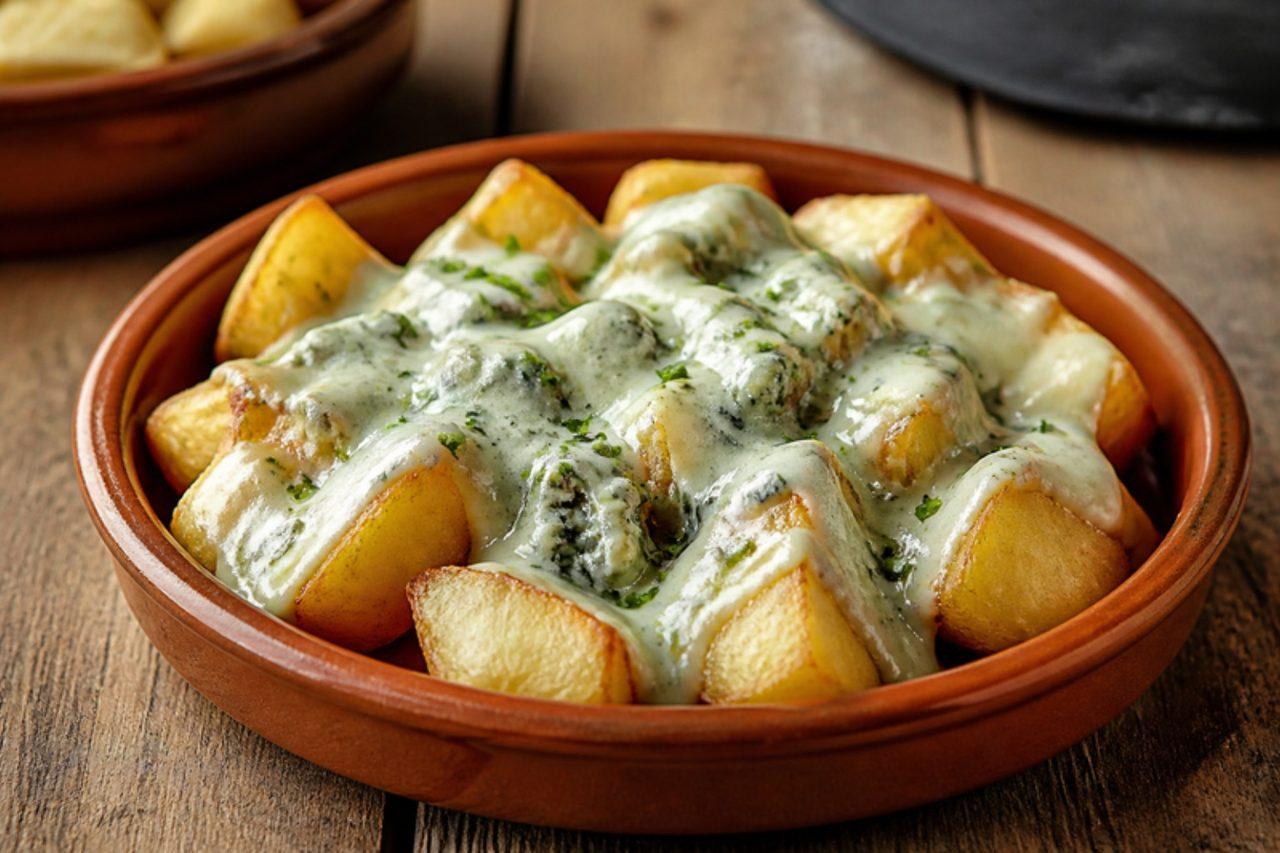
Cabrales is ripened in limestone caves in the Picos de Europa, and the bars of Arenas de Cabrales and Cangas de Onís pour it, melted into cream, over hot chips as a ración to share with a bottle of cider. The sauce is sharp, salty and very rich, so a little goes a long way. Most cabrales is made with animal rennet; for a strictly vegetarian dish, choose a blue cheese labelled vegetarian. Chef's tip: keep the sauce below a boil once the cheese goes in, or it splits and turns grainy.

by KrazyBadal 0 views

Patatas revolconasPaprika mashed potatoes with crisp pork

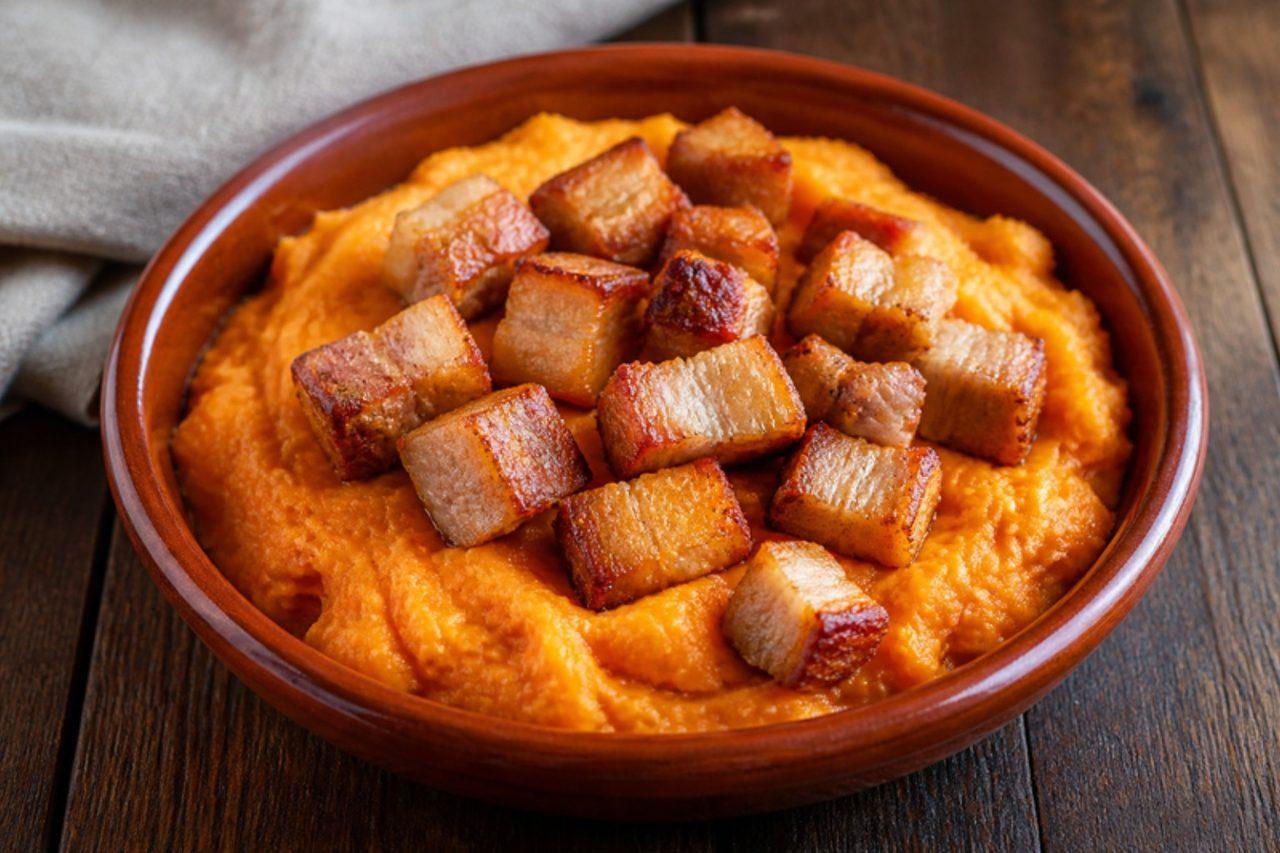
Shepherds in the Gredos mountains of Ávila once lived on these "tumbled" potatoes, roughly mashed with garlicky paprika oil and topped with crunchy fried pork belly, called torreznos. Bars in Ávila, Salamanca and Béjar now serve them on the house as a tapa, or as a starter before a steak on a chilly evening. This contains pork (pork belly). Chef's tip: save the potato cooking water; a splash makes the mash loose and spoonable without milk or butter.

by KrazyBadal 0 views

Patates lemonatesLemon-oregano roast potatoes

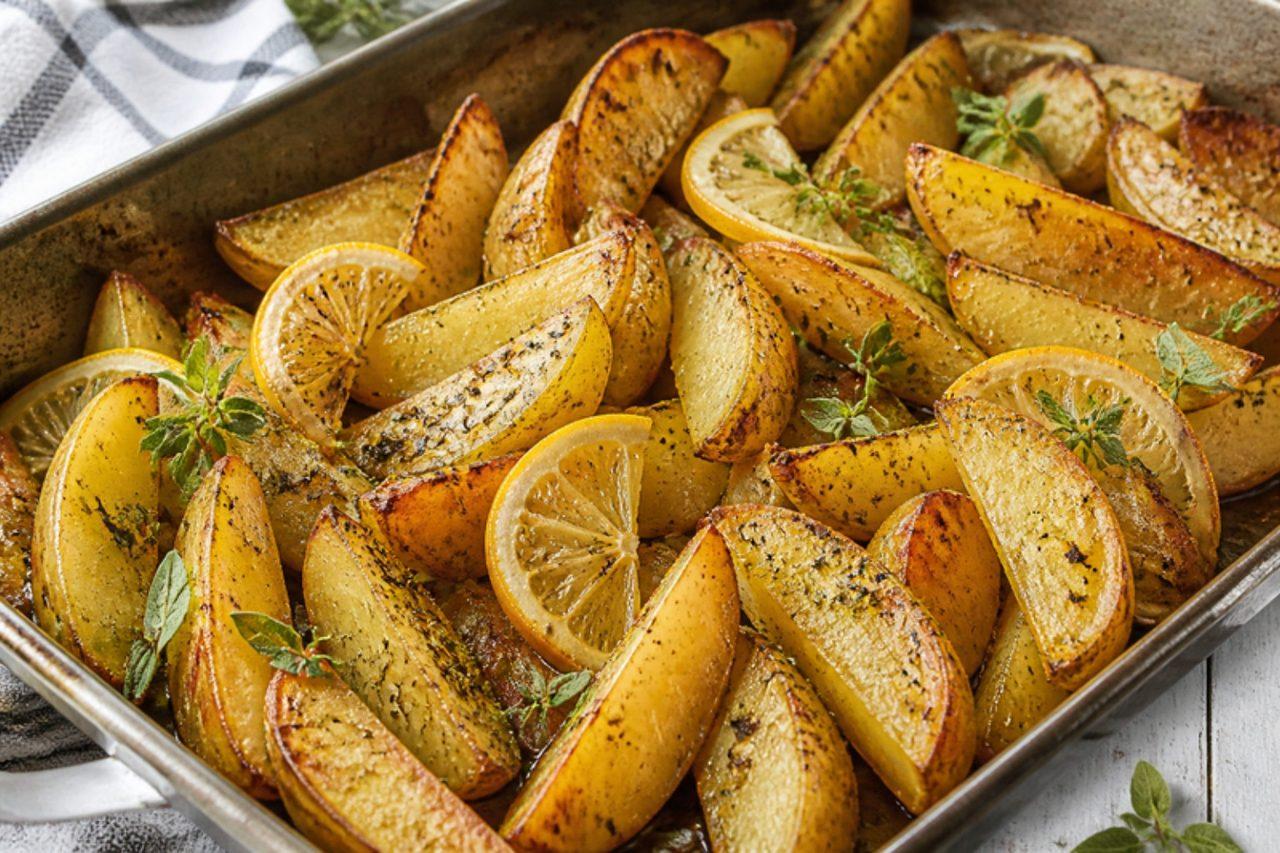
These are the potatoes that come out of Peloponnese bakers' ovens alongside Sunday roasts, and that every Greek grandmother has a firm opinion on. Wedges roast in a bath of lemon juice, olive oil, garlic and oregano; the liquid soaks into the potatoes, then evaporates, leaving them sticky, golden and tangy, with fluffy middles. Serve with roast chicken or lamb, or with feta, a salad and bread for a meatless lunch. Common mistake: crowding the tin, so the potatoes steam instead of browning. Chef's tip: add a final squeeze of fresh lemon as they come out of the oven; the cooked juice loses its brightness.

90 minGreekSidesVeganGluten free
by KrazyBadal 0 views

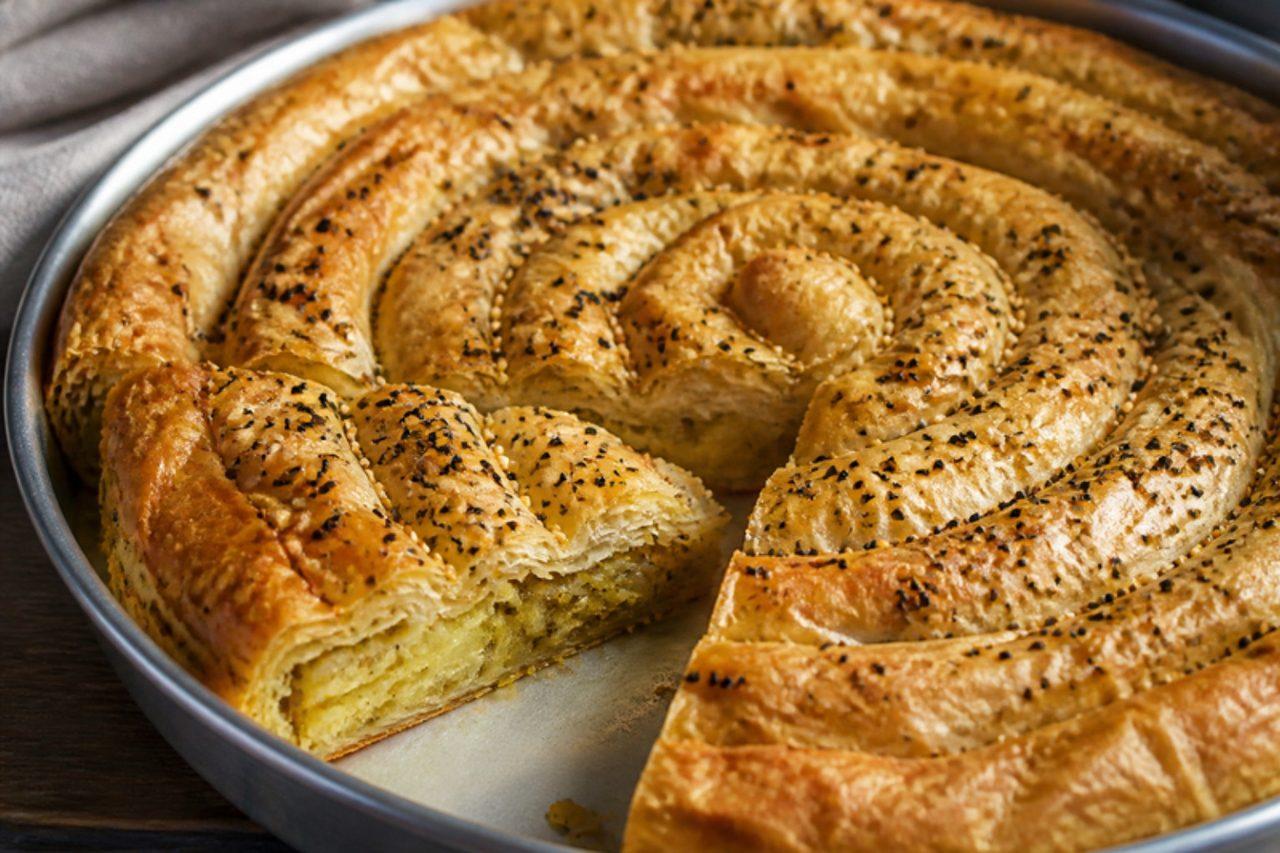
Patatesli kol böreğiPotato and onion filo coil

Kol böreği is the long 'arm' börek that Istanbul neighbourhood bakeries coil into round trays and sell by weight in the morning, and the potato version is the one home cooks make for guests at five o'clock tea. Thin sheets of yufka are brushed with a milk and oil wash, rolled around a peppery potato and onion filling, then coiled and baked until shatteringly crisp outside and soft within. Serve it warm with tea or ayran. Chef's tip: let the filling cool completely before rolling; warm potato steams the pastry from inside and makes it soggy.

by KrazyBadal 0 views

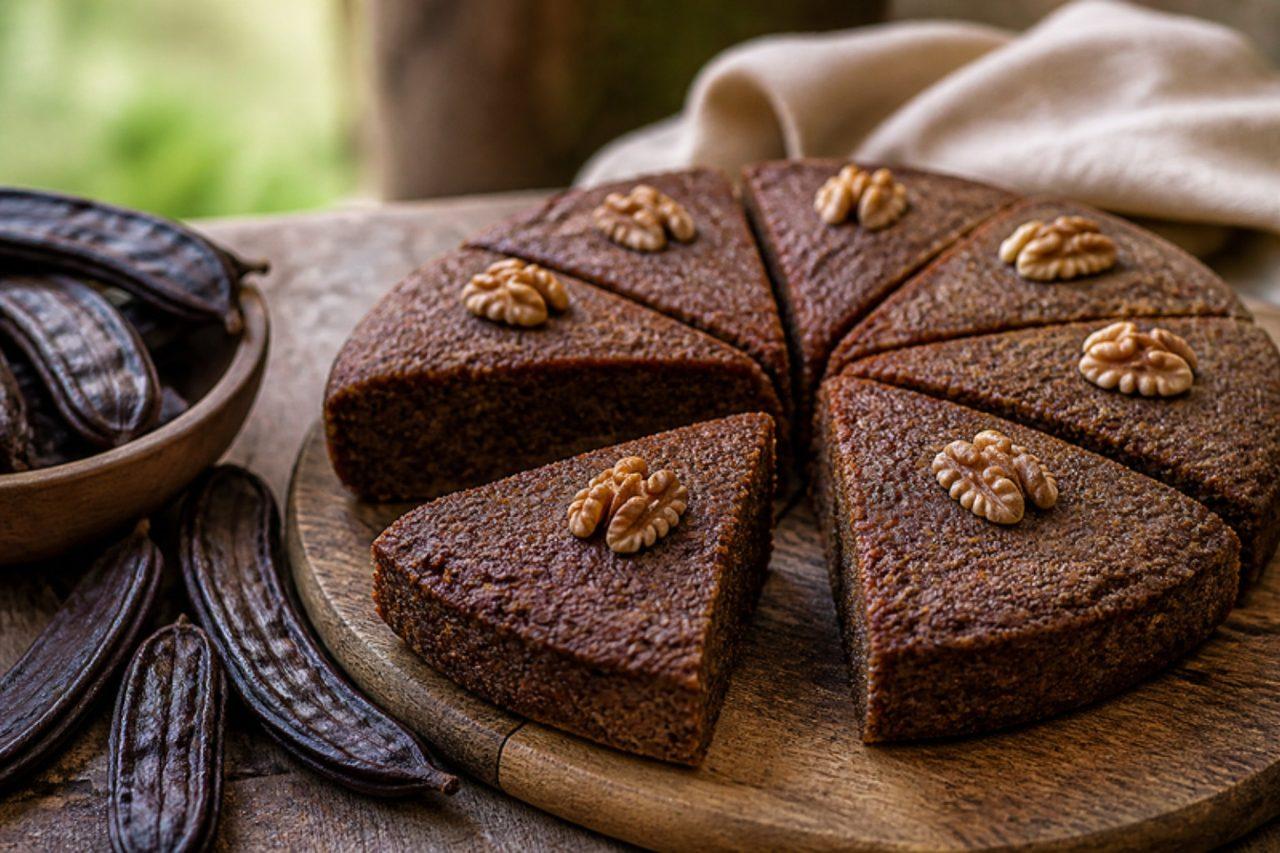
PatayAlgarroba pod cake

Long before sugar reached the dry northwest, the pods of the algarrobo tree were the region's sweetness, and patay is the oldest way of keeping them: the pods are ground, the flour is moistened and pressed into a cake that dries into something dense, fudgy and naturally sweet, with notes of cocoa, coffee and caramel. In Santiago del Estero you still buy it in round slabs at markets and roadside stalls, to eat with mate or to crumble into milk. Harina de algarroba comes from the South American Prosopis tree; look for it in health-food shops or online, and mesquite flour is the same family and works well. Mediterranean carob flour is different and tastes more bitter. Too much water is the way most first attempts go wrong: the cake should be pressed from a damp, crumbly mix, not a batter, or it bakes up gummy. Chef's tip: sieve the flour twice; algarroba flour clumps, and lumps stay as hard grains.

by KrazyBadal 0 views

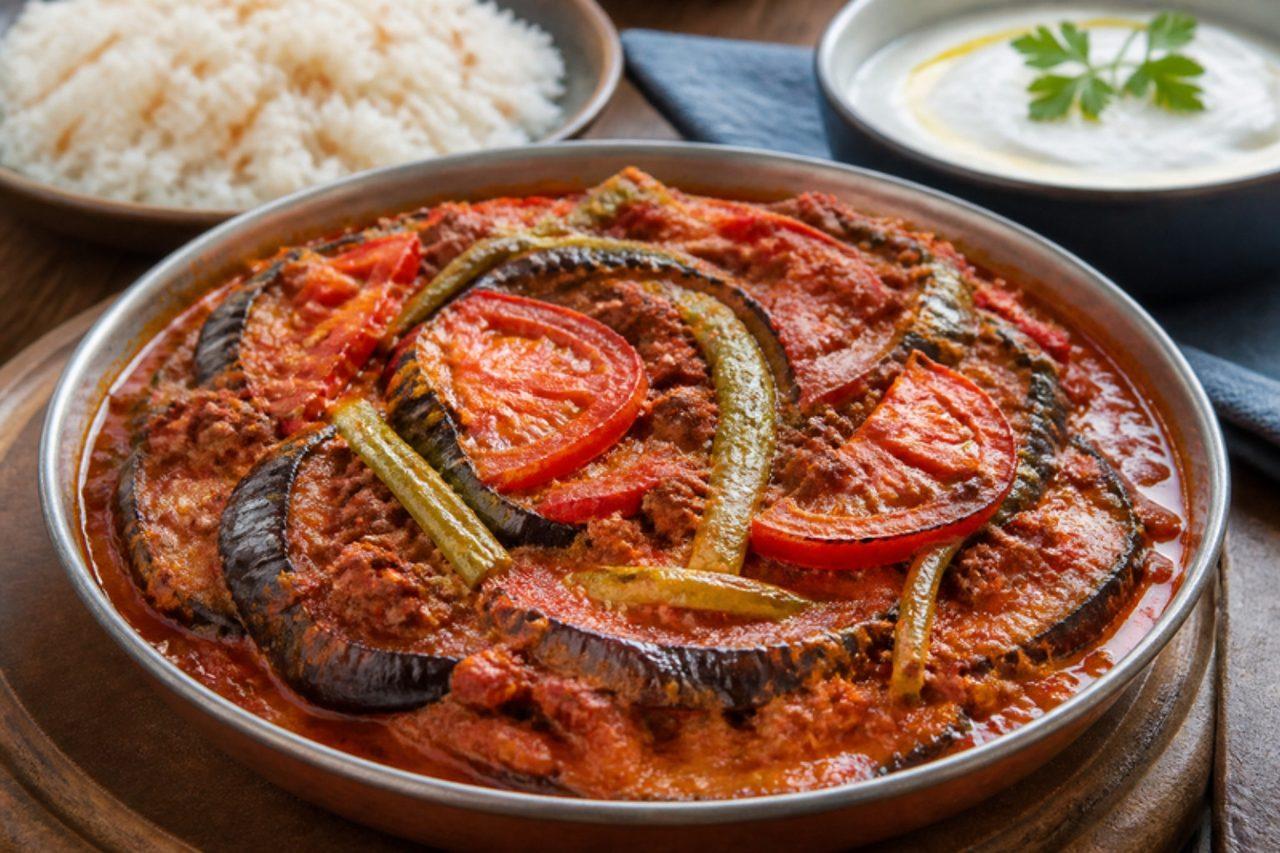
Patlıcan musakkaAubergine and mince stew

Turkish musakka has little in common with the Greek bake: there is no béchamel and no potato, just fried aubergine and a mince sauce with peppers and tomato, layered in a pan and simmered until the aubergine melts. It is a summer favourite in home kitchens from İzmir to Ankara, served warm with rice pilaf and a bowl of cacık. Salting and draining the aubergine stops it drinking too much oil. Common mistake: frying the aubergine pale; it needs to be properly golden or it turns slimy in the sauce. Chef's tip: bake the aubergine slices brushed with oil at 220 °C instead of frying if you want a lighter dish.
by KrazyBadal 0 views

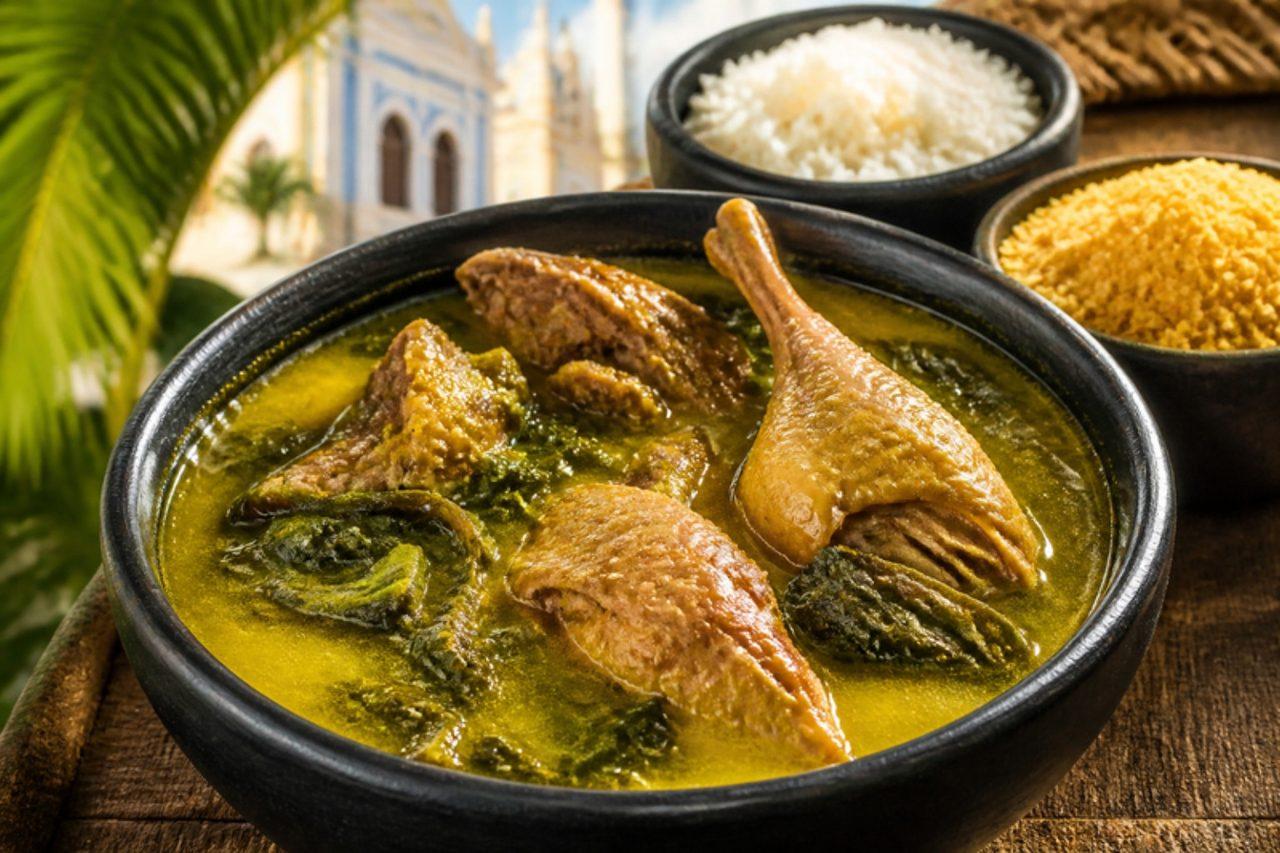
Pato no tucupiDuck in cassava tucupi broth

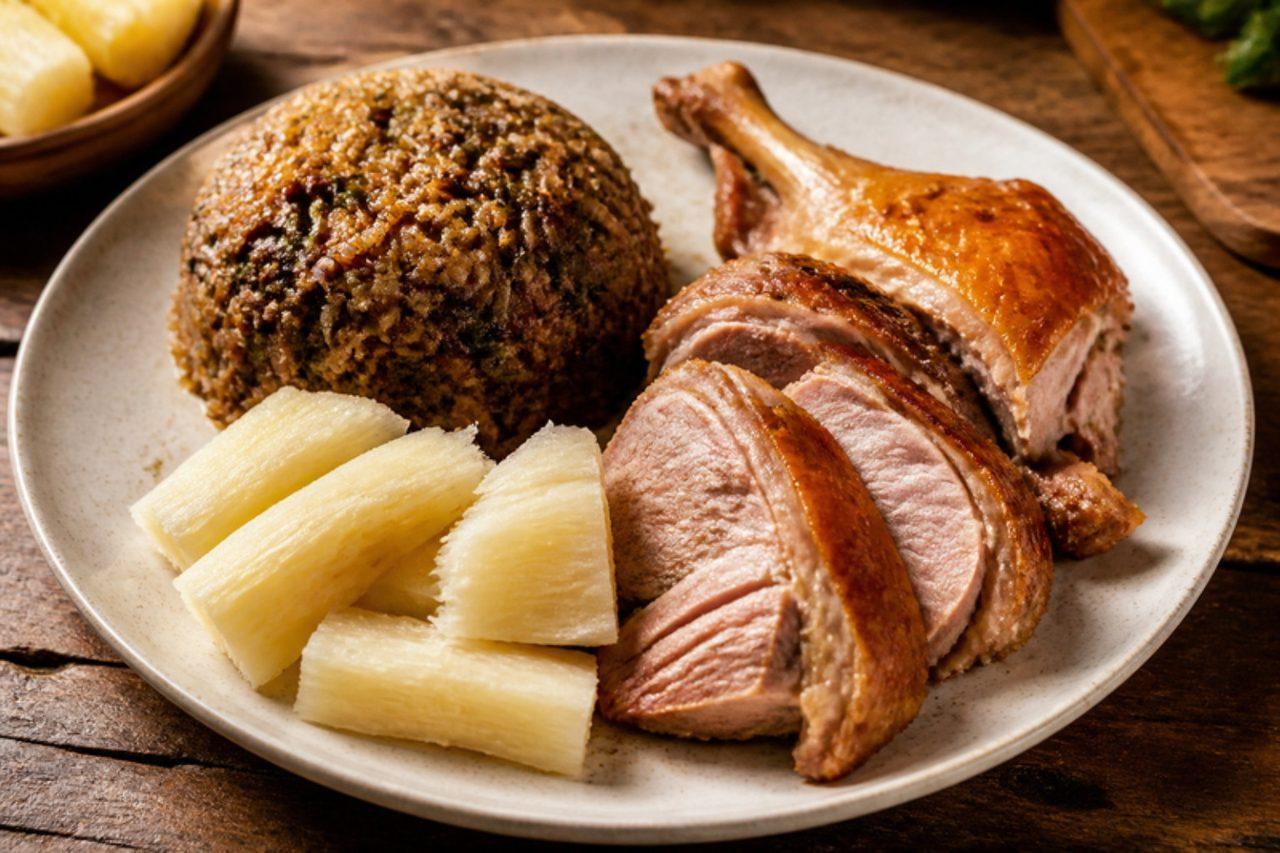
Belém eats pato no tucupi above all at the Círio de Nazaré lunch in October, but restaurants around the Ver-o-Peso serve it year round. Duck is marinated, roasted until the skin is brown, then simmered in tucupi, the yellow, sour broth pressed from wild cassava, with garlic, culantro and basil, and finished with jambu, a leaf that makes lips tingle and go pleasantly numb. The flavour is tart, savoury and electric. Raw tucupi is toxic: buy only commercial tucupi sold frozen or bottled in Brazilian shops, which has already been cooked, and still boil it as below. Jambu is sold frozen there too, or as fresh paracress (Szechuan buttons). Allow an overnight marinade in the fridge. A frequent mistake is skipping the roast and just boiling the duck, which leaves the skin flabby and the broth greasy. Serve with white rice and farinha d'água. Chef's tip: blanch the jambu separately and add it at the end so it stays green and keeps its buzz.

by KrazyBadal 0 views

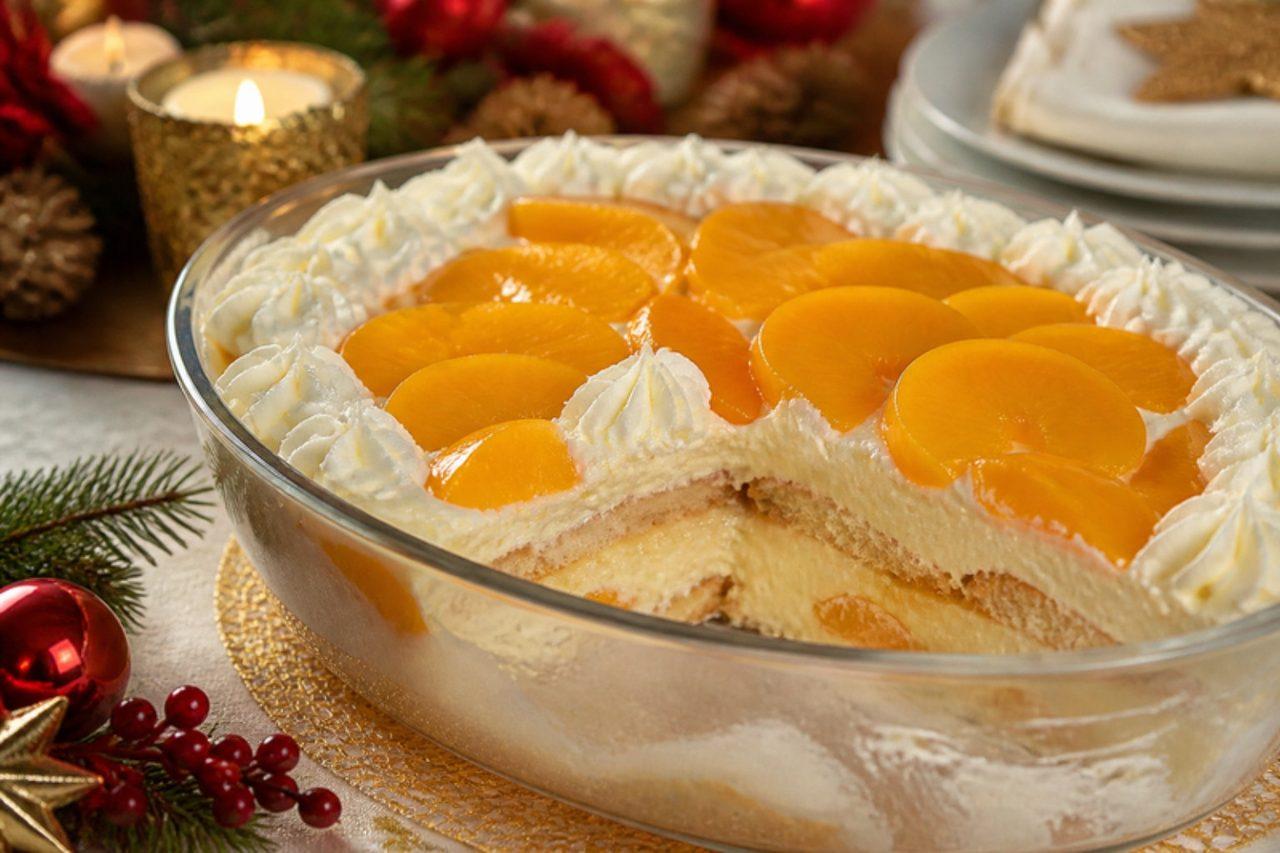
Pavê de pêssegoLayered peach biscuit dessert

No Brazilian Christmas or New Year table feels complete without a glass dish of pavê in the fridge, and the old joke at every family supper is 'é pavê ou pra comer?' ('is it pavê or is it for eating?'). Rows of Maria or champagne biscuits are softened in milk or peach syrup, then layered with a thick vanilla custard made from condensed milk and egg yolks, sliced peaches and a cloud of whipped cream. It is cool, creamy and fruity, a relief after a heavy ceia. Chocolate pavê is just as common: replace the peaches with a chocolate layer, as in the tip. Too much soaking liquid is the classic fault, and the dessert collapses into a pool in the base. Chef's tip: dip each biscuit for a single count in the syrup; they keep softening overnight in the custard. For chocolate pavê, stir 100 g melted dark chocolate into half the custard and layer it in place of the peaches.

by KrazyBadal 0 views

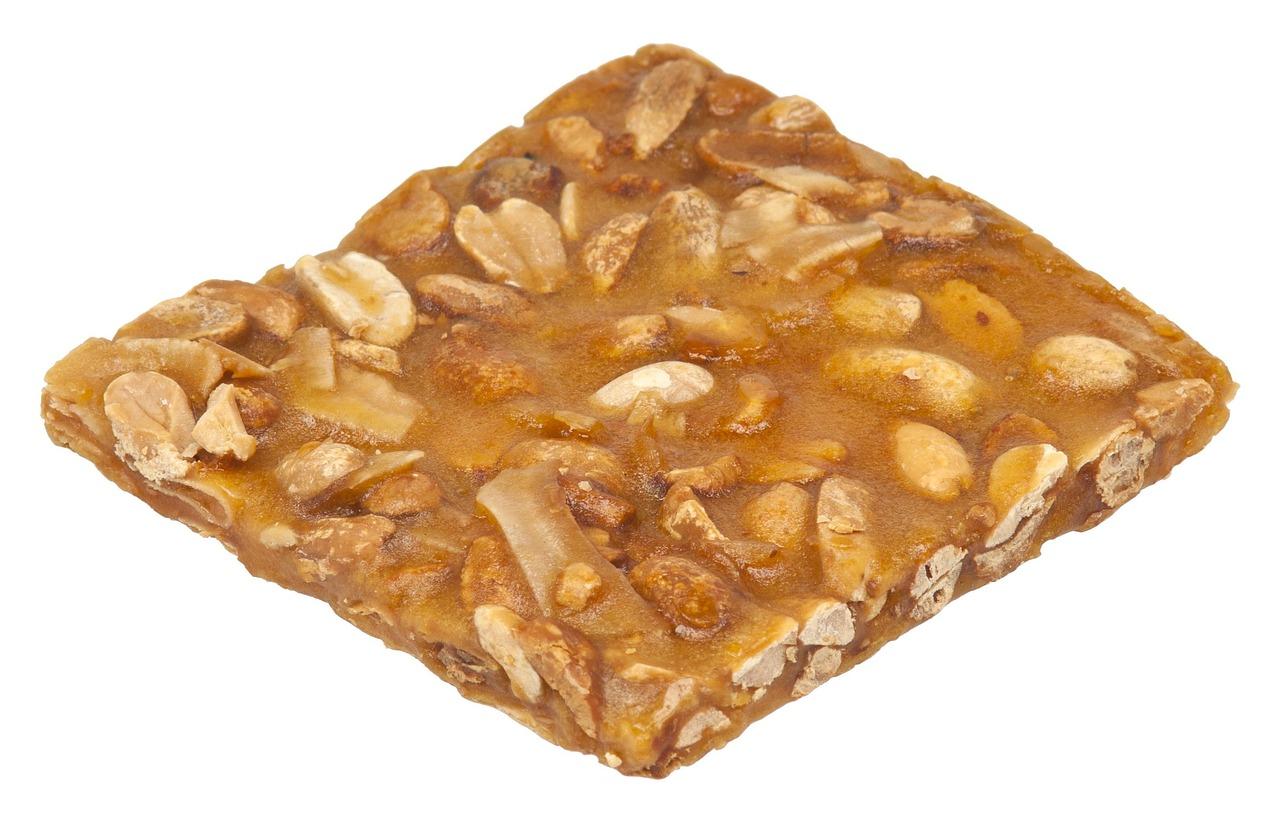
Pé de molequePeanut brittle

Lumpy, glossy slabs of peanut set in dark sugar are sold in every rodoviária snack bar and handed round at festa junina, wrapped in cellophane or set in little paper cups. The name, 'street-kid's foot', probably comes from the cobbled look of the top. Piracicaba in São Paulo state is famous for it, and in the Northeast the same name can mean a cassava cake, so expect confusion. This is the crunchy southeastern style: roasted peanuts cooked into rapadura (unrefined cane sugar) until it caramelises and clings. Rapadura or panela is sold in Latin shops; dark muscovado is a fine substitute. People burn it by walking away; once the peanuts go in, the sugar darkens in seconds. Chef's tip: have the oiled tray ready before you start, because the mixture sets almost as soon as it leaves the heat.

by KrazyBadal 0 views

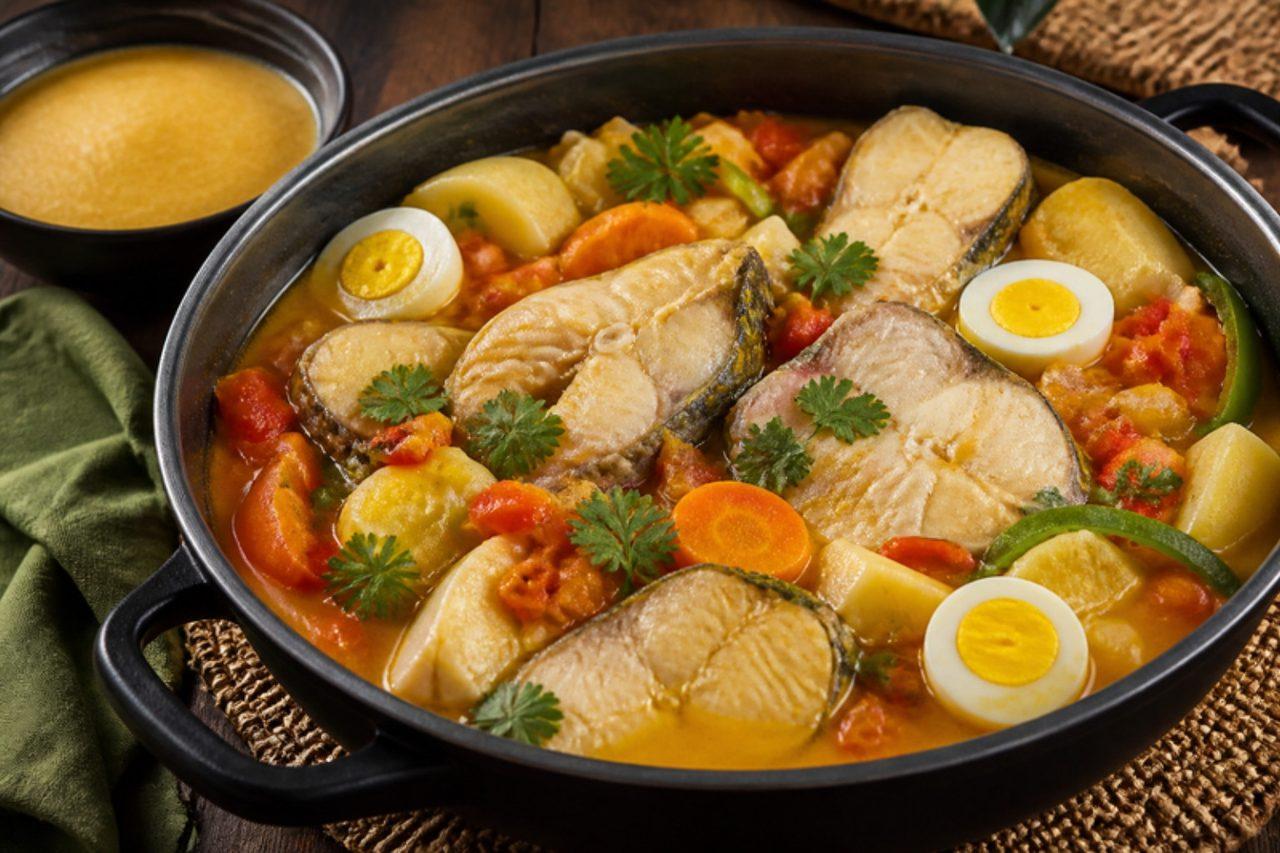
Peixada cearenseFish poached in coconut broth

Fortaleza's beach restaurants, the barracas on Praia do Futuro, build a whole Sunday around peixada: thick steaks of firm white fish poached in a coconut broth with potatoes, carrots, chayote, cabbage and peppers, crowned with halved boiled eggs. The fish is mild and juicy, the broth fragrant with coriander, and half of it is ladled off and thickened with cassava flour into pirão, a soft, savoury porridge eaten alongside with white rice and pepper sauce. A common mistake is putting the fish in with the vegetables from the start, so it breaks up before the potatoes are done; the vegetables get a head start. Use snapper, sea bass, hake or another firm white fish in steaks. Chef's tip: stir the farinha into the hot broth off the heat, a little at a time, and whisk hard; it is the only way to get a smooth, lump-free pirão.

by KrazyBadal 0 views

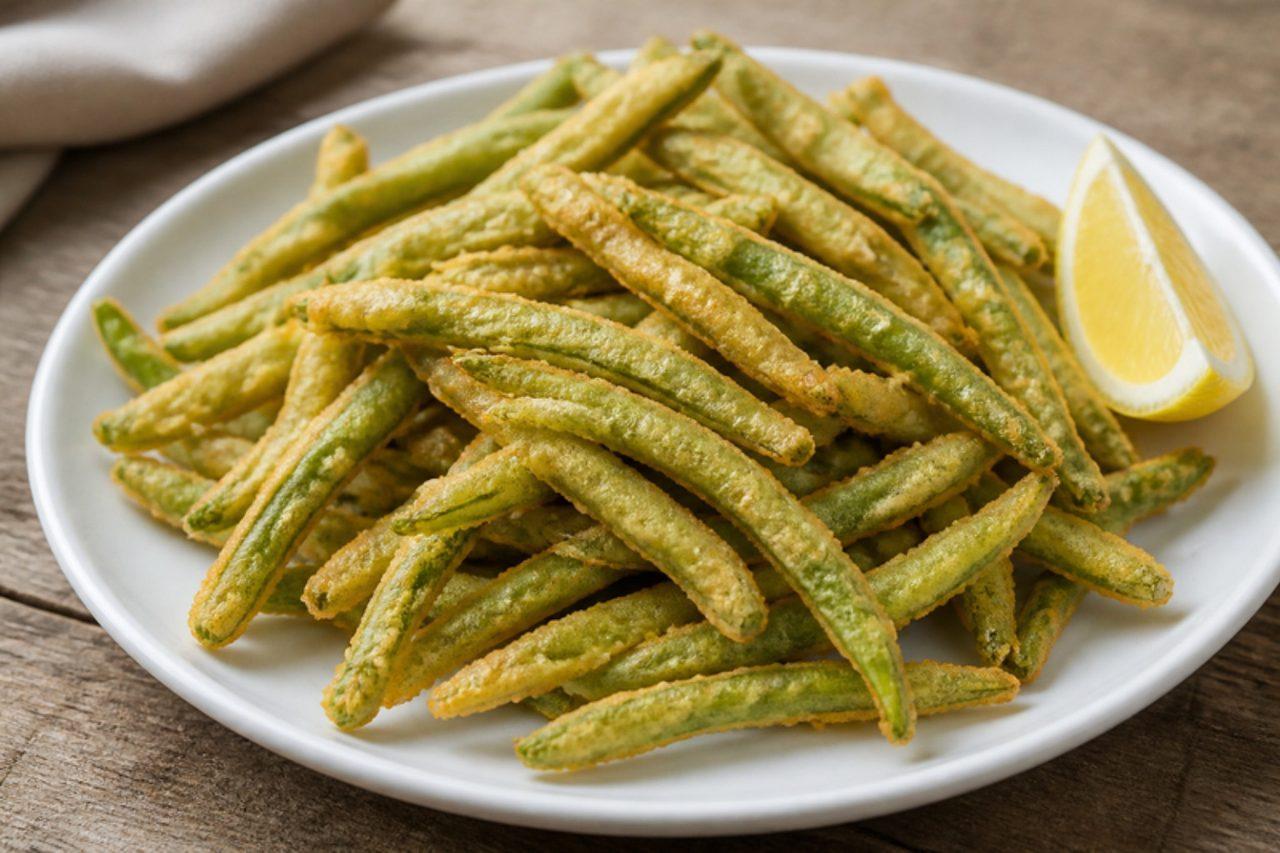
Peixinhos da hortaBattered green beans

Order a round of petiscos in an old Lisbon tasca and a plate of these often lands first: flat green beans in a thin, crackly batter, eaten with the fingers alongside a cold drink. The name means 'little fish from the garden', because on meatless church days the beans stood in for fried sardines. Portuguese missionaries are often credited with carrying the idea of batter-fried food to Japan in the 1500s, where it may have grown into tempura. Serve them hot, with lemon wedges and a pinch of flaky salt. Chef's tip: dry the blanched beans completely on a towel; any water left on them stops the batter sticking and makes the oil spit.

by KrazyBadal 0 views

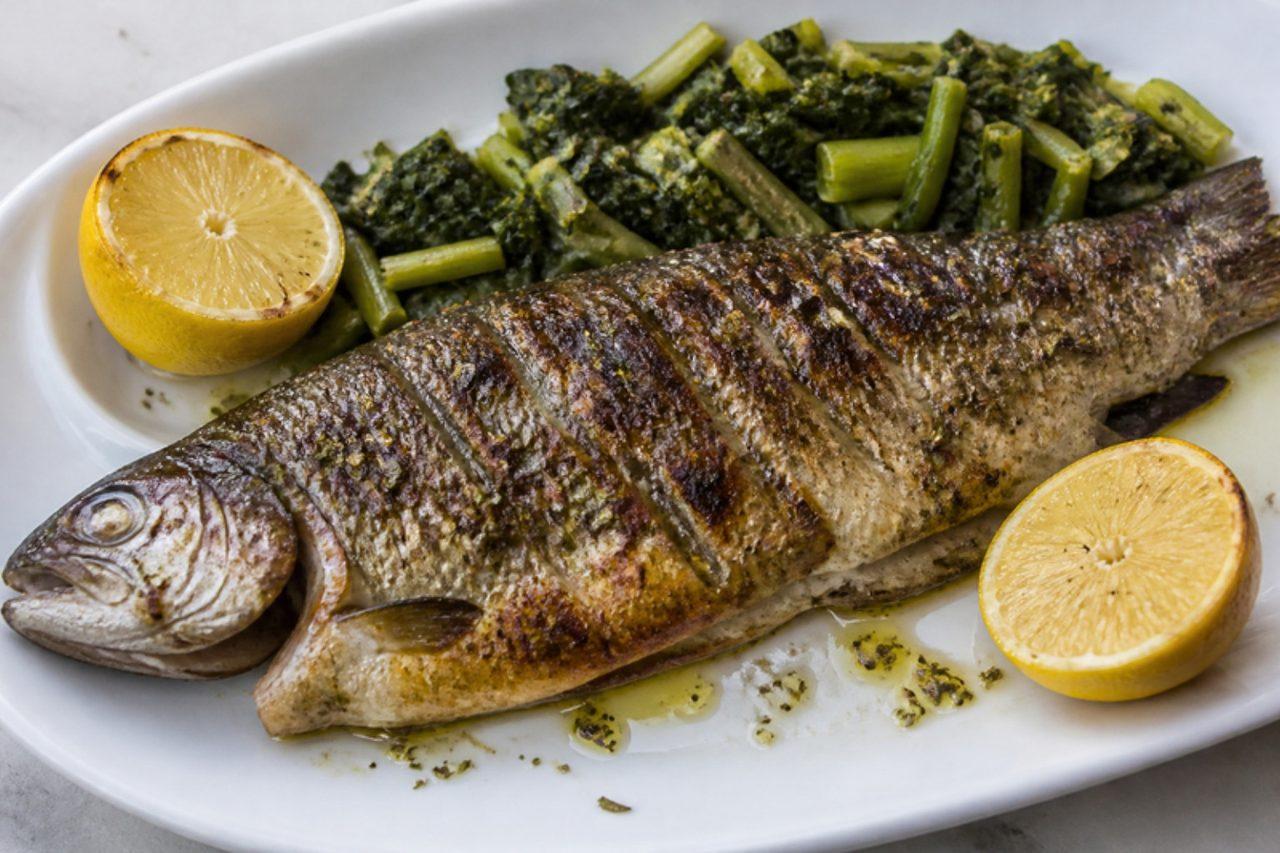
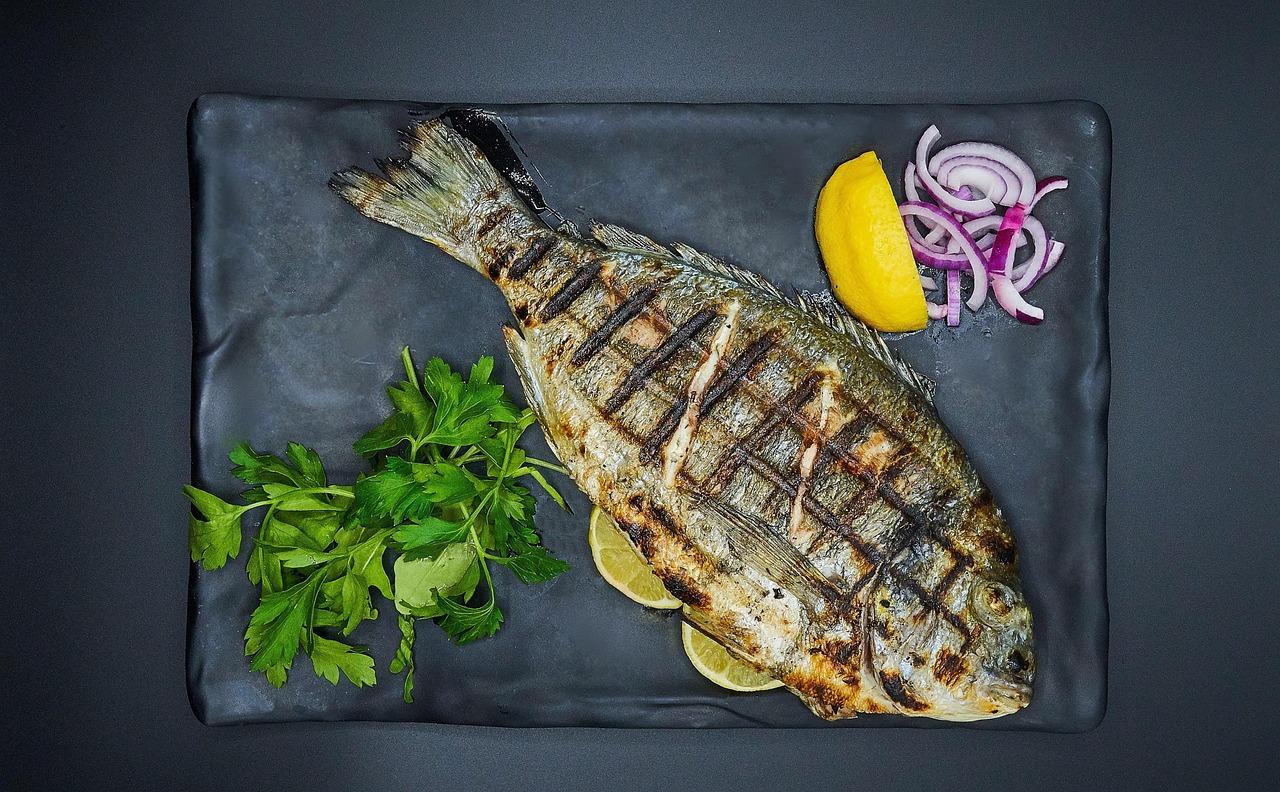
Pestrofa sti skaraGrilled whole trout

Trout farms line the cold rivers of Tzoumerka and the springs of the Louros, and the tavernas beside them grill the fish whole over charcoal, served with ladolemono, horta and chips. At home a hot grill pan or overhead grill does the job: the skin blisters and crisps while the flesh stays moist and pink-white. Common mistake: turning the fish too early, so the skin tears — leave it until it lifts away by itself. Chef's tip: slash the skin twice on each side so the heat reaches the thick part near the head and the fish cooks evenly.

25 minGreekFishGluten free
by KrazyBadal 0 views

Pejelagarto asadoGrilled fish with green salsa

In Tabasco, pejelagarto, a prehistoric-looking freshwater gar from the rivers and lagoons, is skewered and grilled whole over wood in its armoured skin, then eaten with tortillas, lime and fierce chile amashito at roadside stands around Villahermosa. The fish is almost never sold outside the region, so this is a practical version using any firm white fish, such as snapper, sea bass or thick hake fillets, grilled until smoky and served with a bright green tomatillo salsa. Serrano or bird's eye chillies stand in for amashito. Serve with warm corn tortillas for tacos. Chef's tip: oil the fish, not the grill bars, and leave it alone for the first few minutes so the skin releases by itself.

by KrazyBadal 0 views

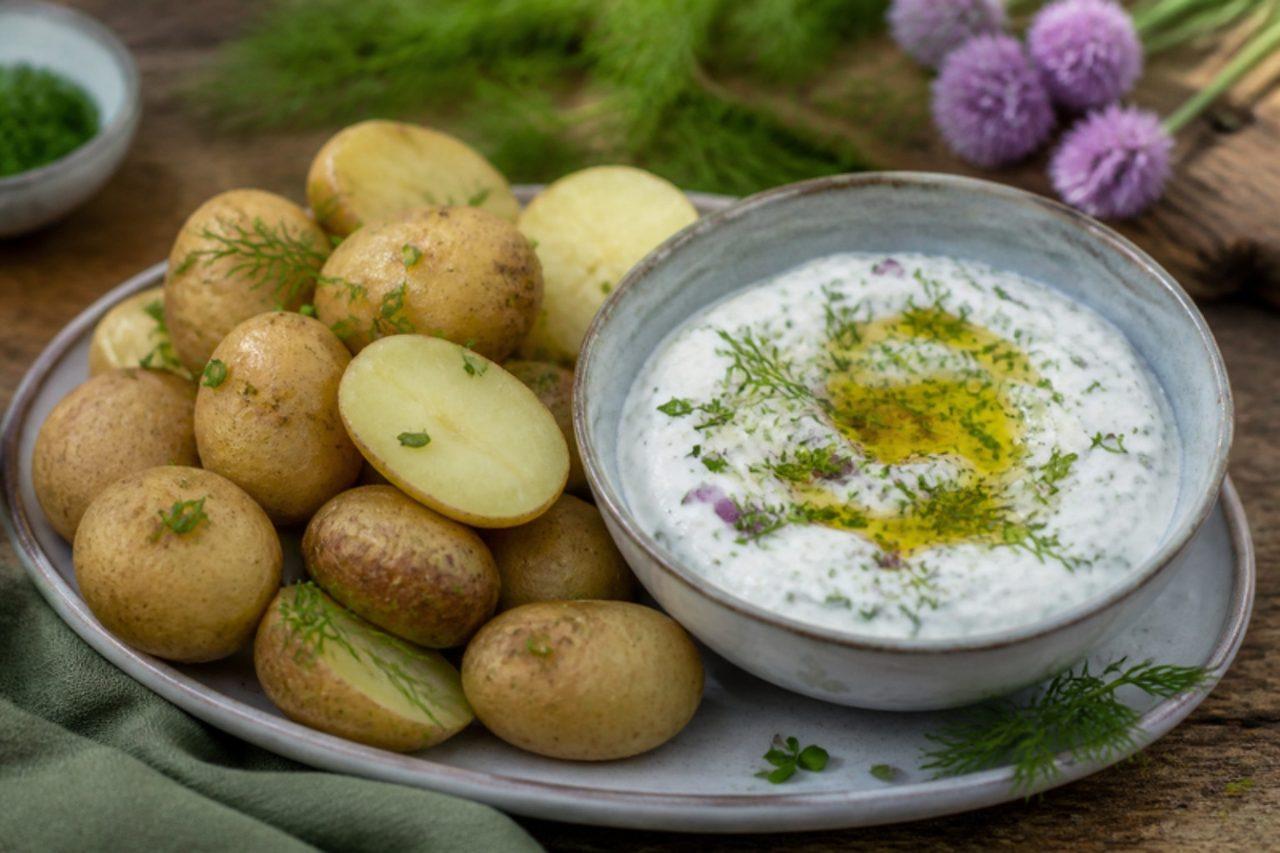
Pellkartoffeln mit Quark und LeinölJacket potatoes with herb quark

Ask anyone from the Spreewald, the river-and-forest country south-east of Berlin, for the taste of home and many will name this: small potatoes boiled in their skins, a bowl of cold herb quark and a thread of golden, nutty linseed oil poured over the top. It is a weekday supper in Brandenburg and Berlin, cheap, quick and surprisingly filling, often with a Spreewald gherkin on the side. Fresh linseed oil tastes of hay and walnuts; old oil turns bitter and fishy, so buy a small bottle and keep it in the fridge. A common mistake is peeling the potatoes before boiling; cooking them in their skins keeps them firm and flavourful. Chef's tip: beat a splash of milk or sparkling water into the quark, which makes it light and creamy instead of stodgy.

by KrazyBadal 0 views

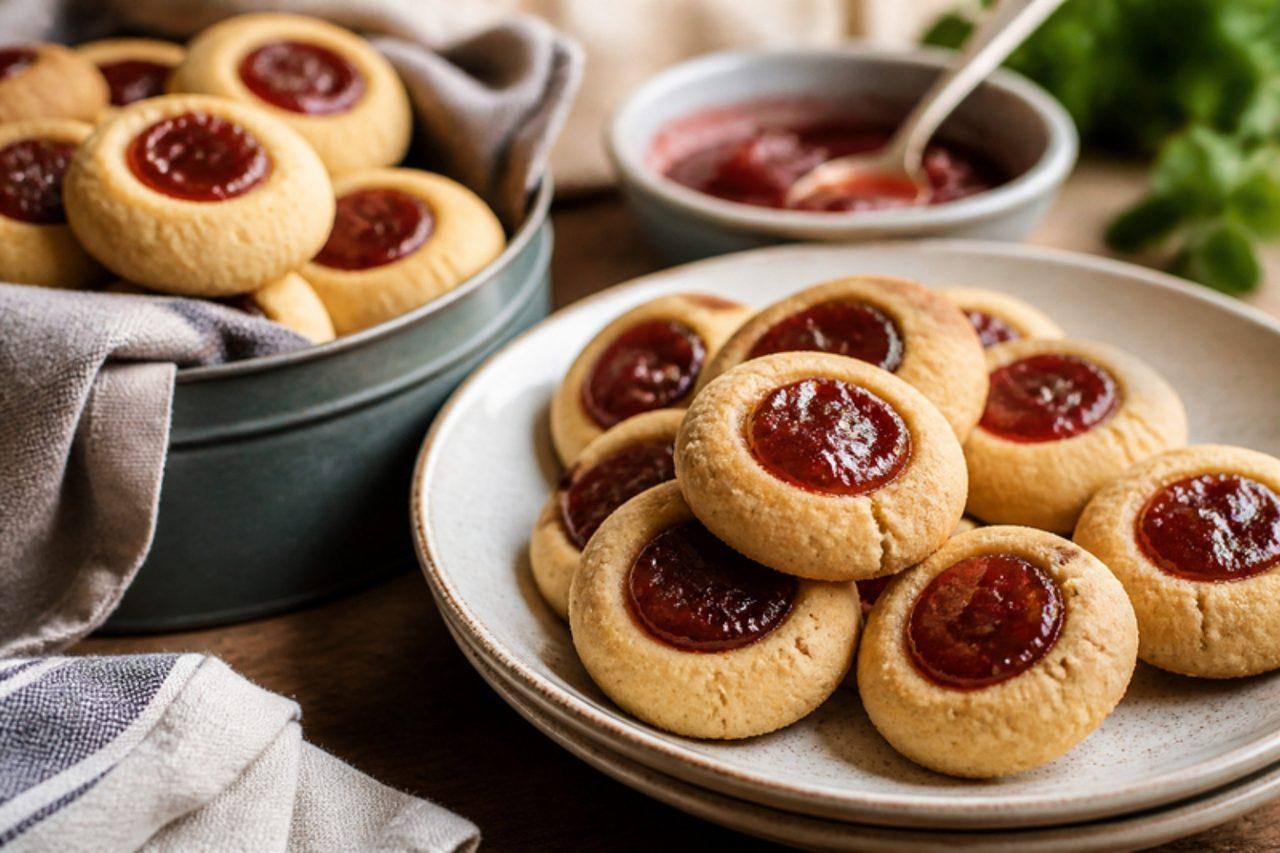
Pepas de membrilloQuince jam cookies

Pepas are the little round cookies with a jewel of quince jam in the middle that Argentine kiosks sell by the bag and grandmothers keep in a tin for the mate round. They are tender and crumbly, not crisp, with just enough sugar that the tart, dark membrillo stands out. Children love pressing the thumbprint and filling it, which makes them a good first baking job, and they keep for a week in an airtight jar. Kiosk versions are often made with margarine; butter tastes far better. Overbaking is the usual problem: take them out while the tops are still pale and only the bottoms are golden, because they firm up as they cool. Chef's tip: use quince paste softened with a spoonful of hot water and pipe it from a small bag; a spoon leaves smears on the dough that burn.

by KrazyBadal 0 views

Peperoni cruschiCrisp fried dried peppers

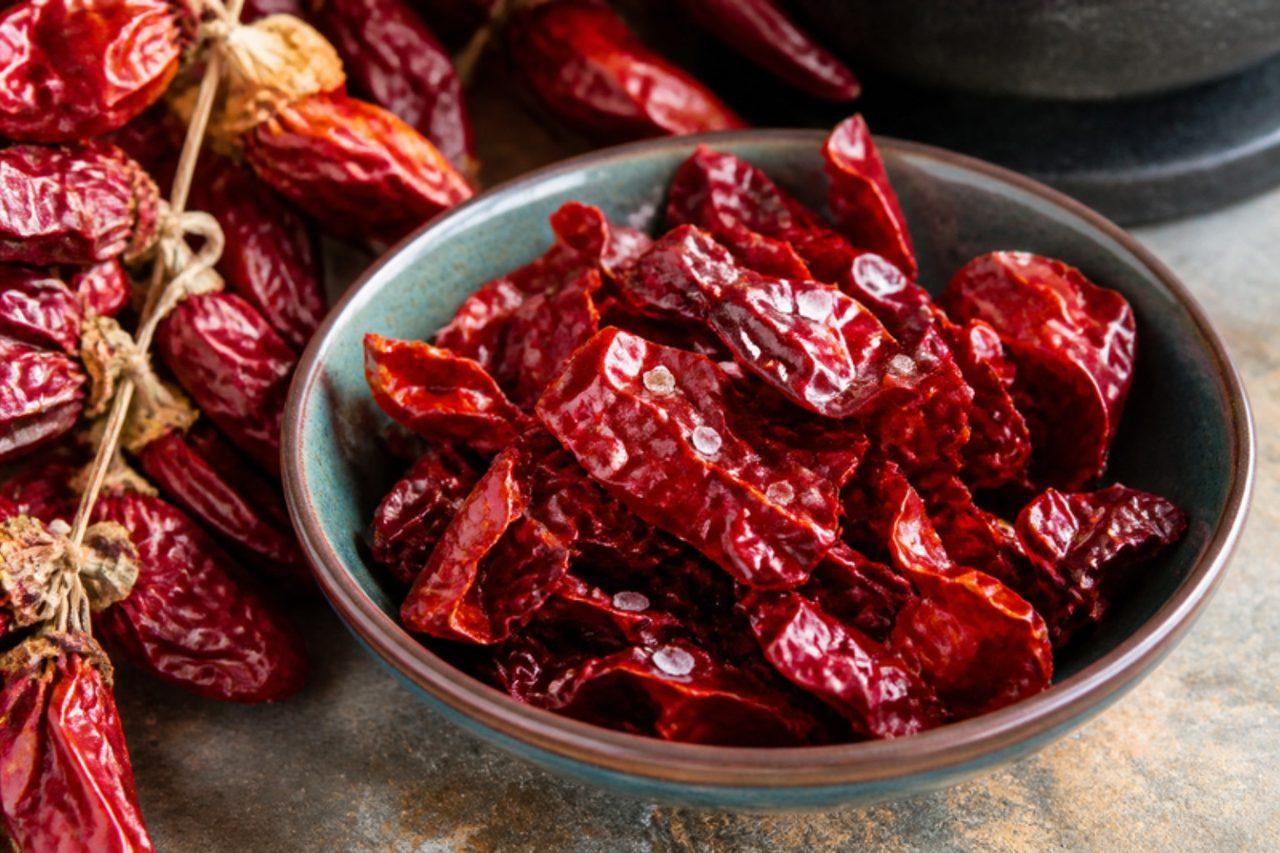
In late summer the villages around Senise, in southern Basilicata, hang long garlands of thin red peppers from balconies to dry in the sun. Once dried, a few seconds in hot oil turns them into peperoni cruschi: glassy, brittle and sweet with a faint smoky note, eaten like crisps or crumbled over pasta, beans, fried eggs and mashed potatoes. Lucanians call them their red gold and keep a jar of them on the table all winter. Chef's tip: get the oil hot but not smoking and count to five; the colour should stay bright red.

by KrazyBadal 0 views

PepitoriaRice with goat offal

Santander's famous plate of cabrito (roast kid goat), sold in Bucaramanga, Barichara and the canyon towns, always comes with pepitoria next to it: rice cooked with the kid's chopped heart, liver and kidneys, a refrito of onion and tomato, and blood, which turns it a deep reddish-brown and gives it a rich, mineral flavour, a little like a soft black pudding. It's a dish that uses the whole animal, and it is worth trying if you like morcilla. Ask a halal, Caribbean or specialist butcher for very fresh goat offal and fresh blood (pig blood works if goat isn't available); keep both cold and cook them the same day. Offal must be cooked right through, and the blood until it has set and darkened with no liquid red left. The usual misstep is adding the blood too early, so that it scorches on the bottom; it goes in when the rice is nearly done. Chef's tip: if blood is impossible to find, double the offal and add 1 tsp extra achiote; you'll get a lighter but still very good rice.

by KrazyBadal 0 views

Perde pilavıChicken pilaf in pastry dome

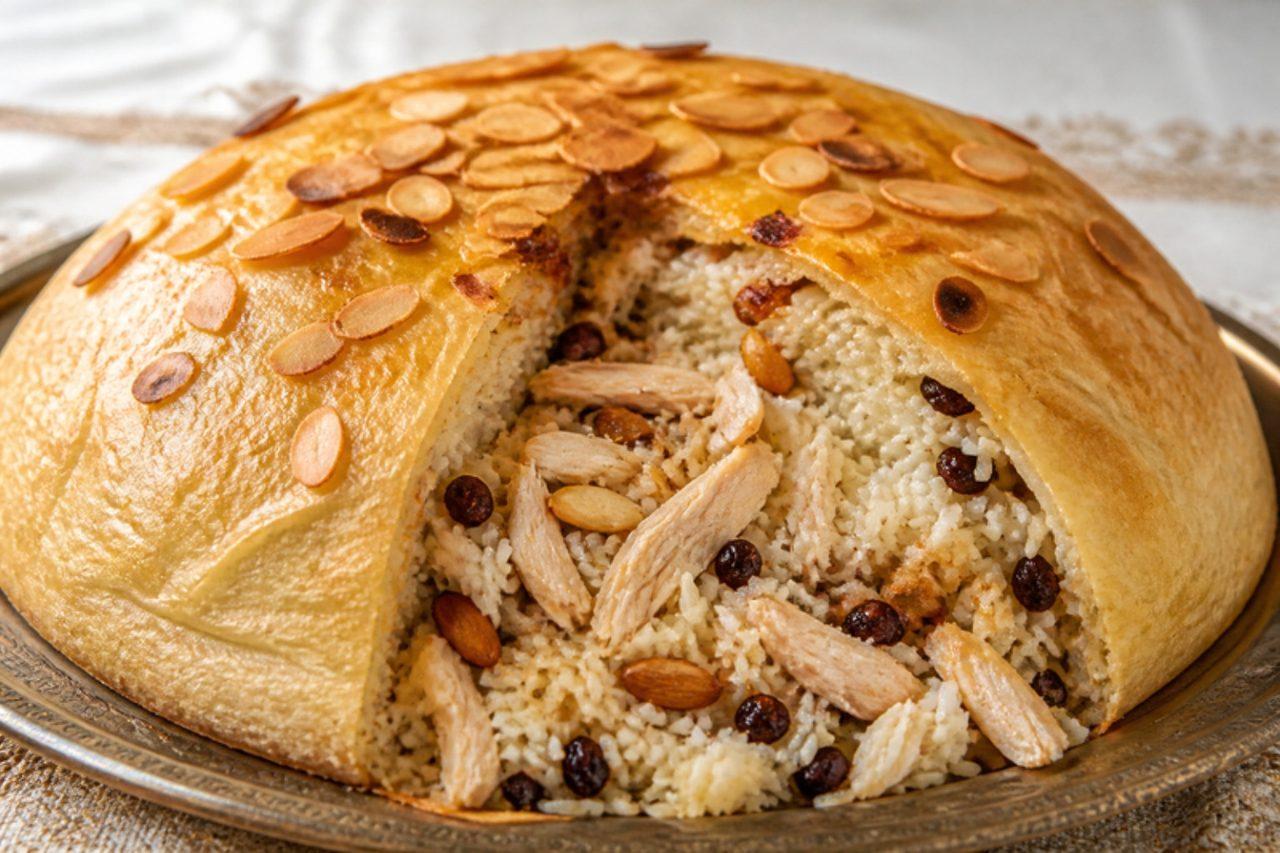
At weddings in Siirt, perde pilavı is carried out whole and cut open at the table: a dome of buttery pastry 'curtain' (perde) hiding rice cooked with shredded chicken, toasted almonds, currants and black pepper. Each part carries a wish for the couple: the rice for plenty, the almonds for children, the pastry for a home that holds together. It makes a spectacular centrepiece for any celebration. Common mistake: a wet filling; the base of the pastry turns soggy, so cook the rice until just dry. Chef's tip: scatter almonds over the buttered tin before the pastry goes in; they become a jewelled top when you turn it out.

by KrazyBadal 0 views

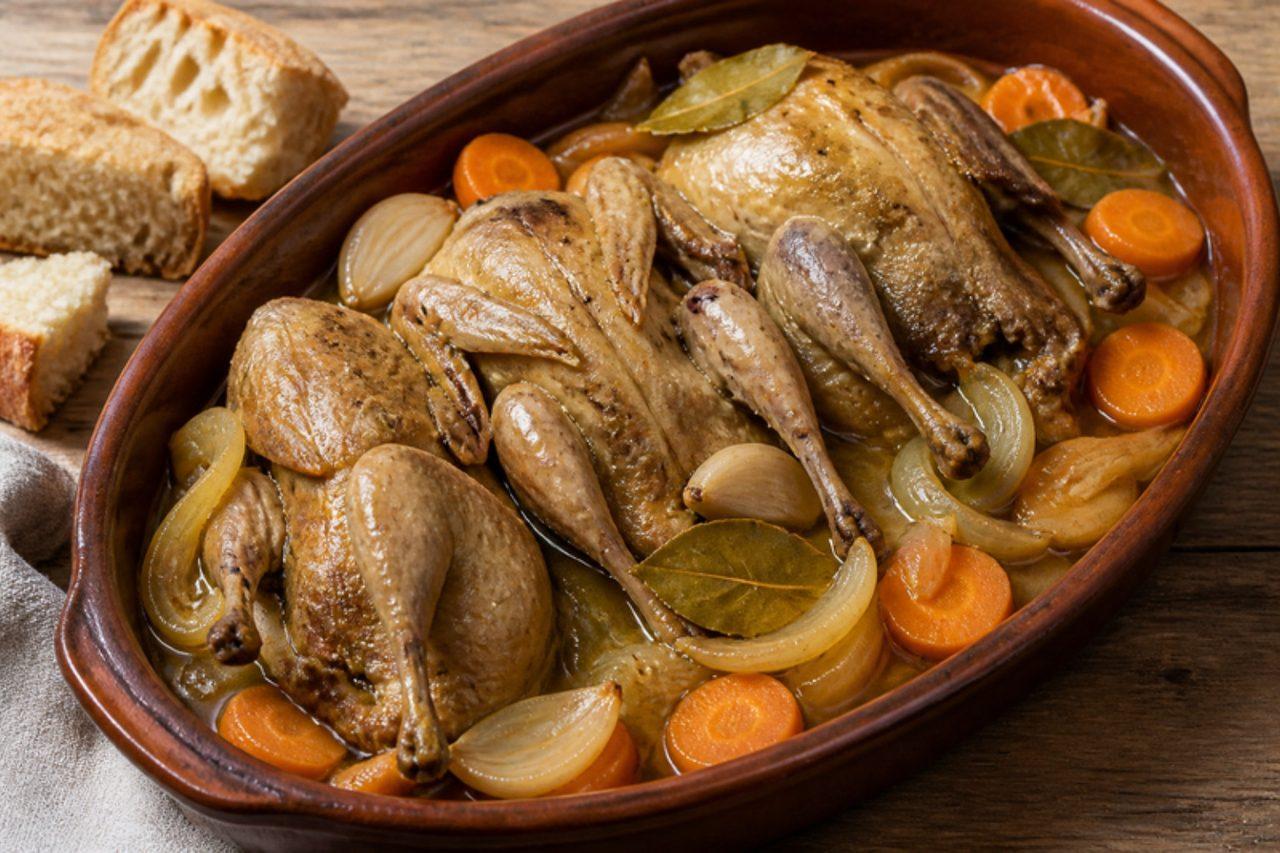
Perdiz al modo de AlcántaraStuffed partridge braised in port

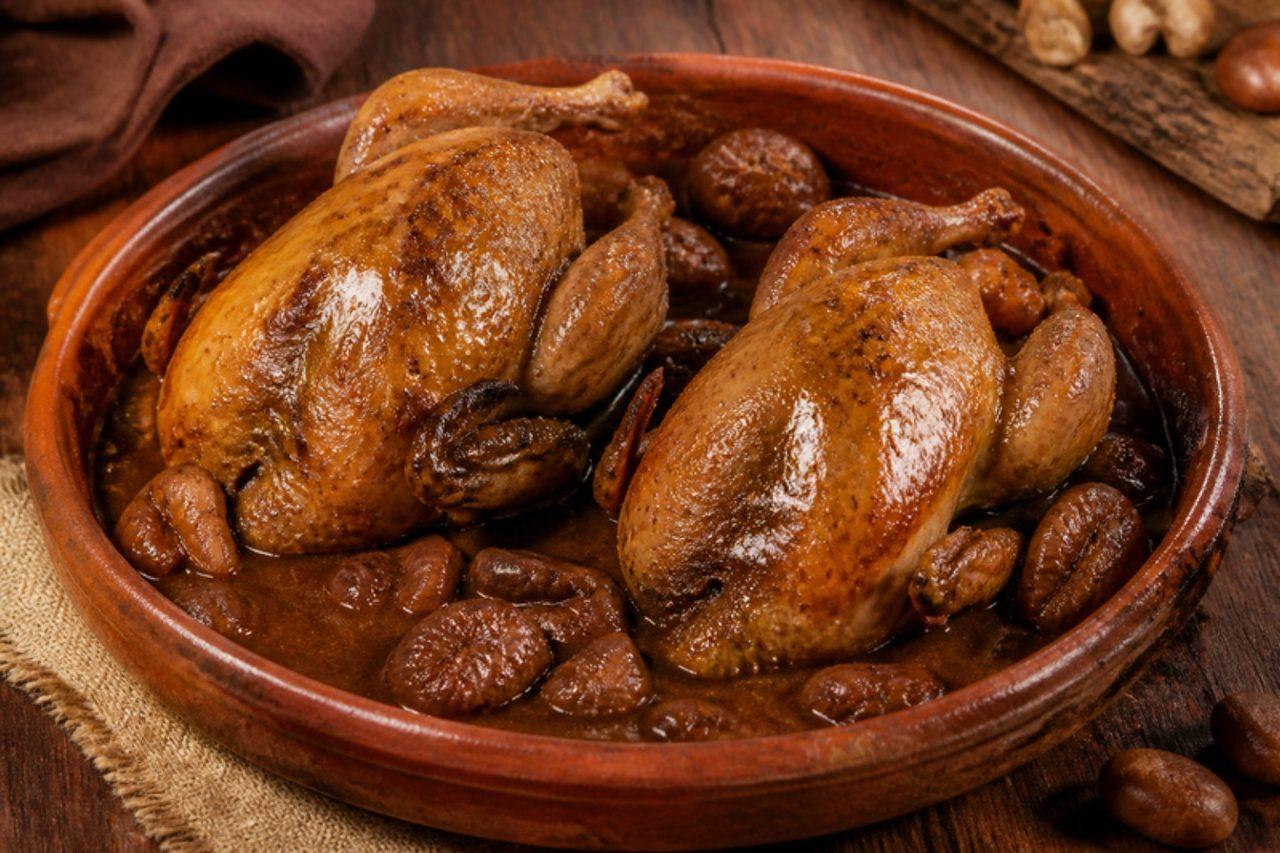
This is the famous dish of the monastery of San Benito at Alcántara, near the Portuguese border. The story goes that French troops looted the library in 1807, and its recipe for partridges stuffed with liver and truffle, marinated for days in port, ended up in French cookbooks, which is why Escoffier listed it. Today it is a dish for autumn hunting-season dinners in Extremadura. Our home version uses chicken livers, mushrooms and an overnight marinade. The dish uses port; for an alcohol-free version, use red grape juice with 1 tbsp of red wine vinegar. Chef's tip: a few slices of black truffle in the stuffing make it truly special, but well-browned mushrooms are a fine everyday substitute.

110 minSpanishMeatGluten free
by KrazyBadal 0 views

Perdiz de escabechePickled partridge

Partridge shooting season fills the cork-oak plains of the Alentejo with hunters in autumn and winter, and escabeche was how their families kept the birds: browned in olive oil, then cooked slowly in vinegar with onion, garlic, bay and peppercorns, and left in the cool larder for days. Today it is made in the fridge and served cold or at room temperature as a starter, with bread and a green salad. A common mistake is serving it straight away; it needs at least a day for the sour, garlicky flavour to soak in. Chef's tip: use good olive oil, since it sets around the birds and is served as part of the dish.

by KrazyBadal 0 views

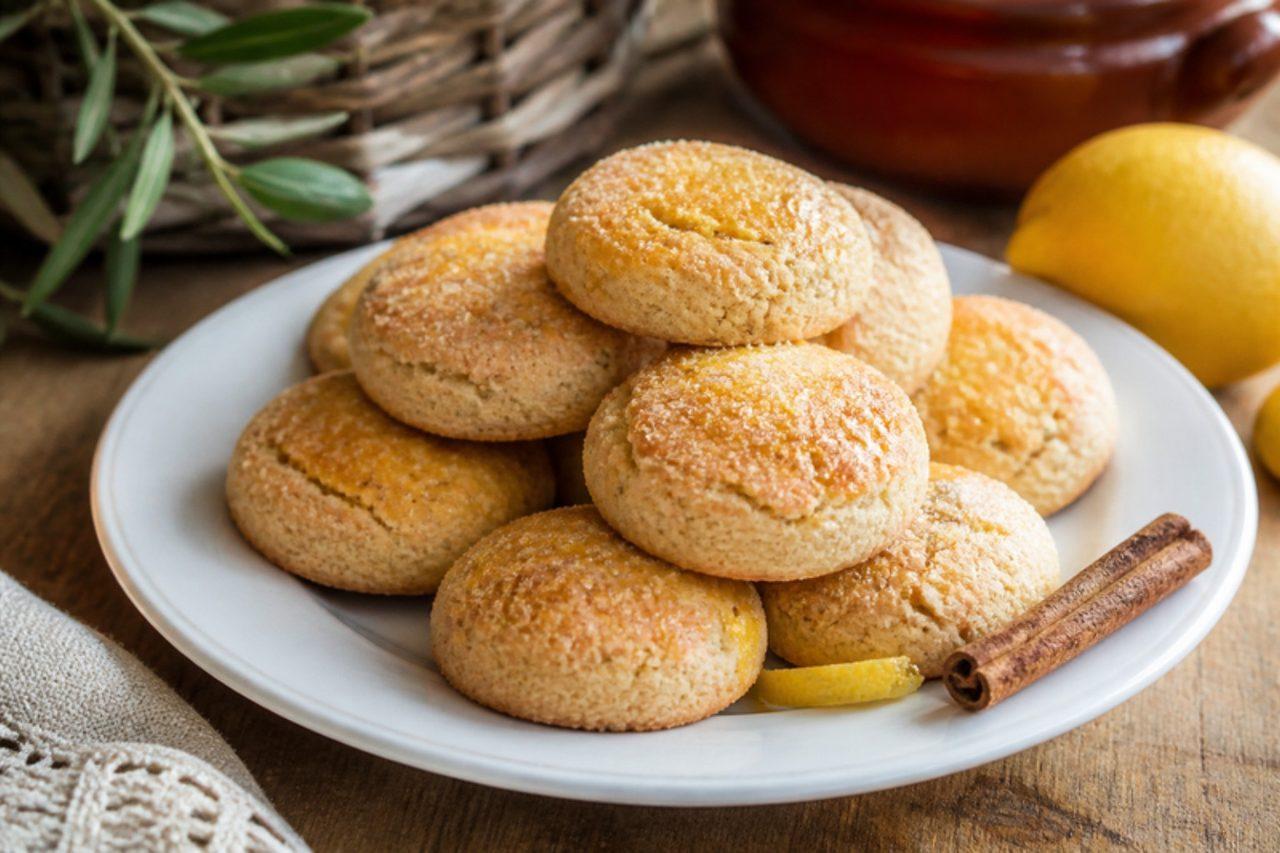
PerrunillasCinnamon and lemon lard cookies

Perrunillas are the cookies of Extremaduran grandmothers, baked in village ovens for Christmas, weddings and the days after the matanza, when fresh lard was plentiful. They are thick, pale and so short they crumble the moment you bite, with a crackly sugar top, and they are eaten with coffee or a glass of milk in the afternoon. This contains pork (pork lard), so they are not vegetarian. Chef's tip: beat the lard and sugar for a good few minutes until very pale and fluffy; that air is what makes them light.

by KrazyBadal 0 views

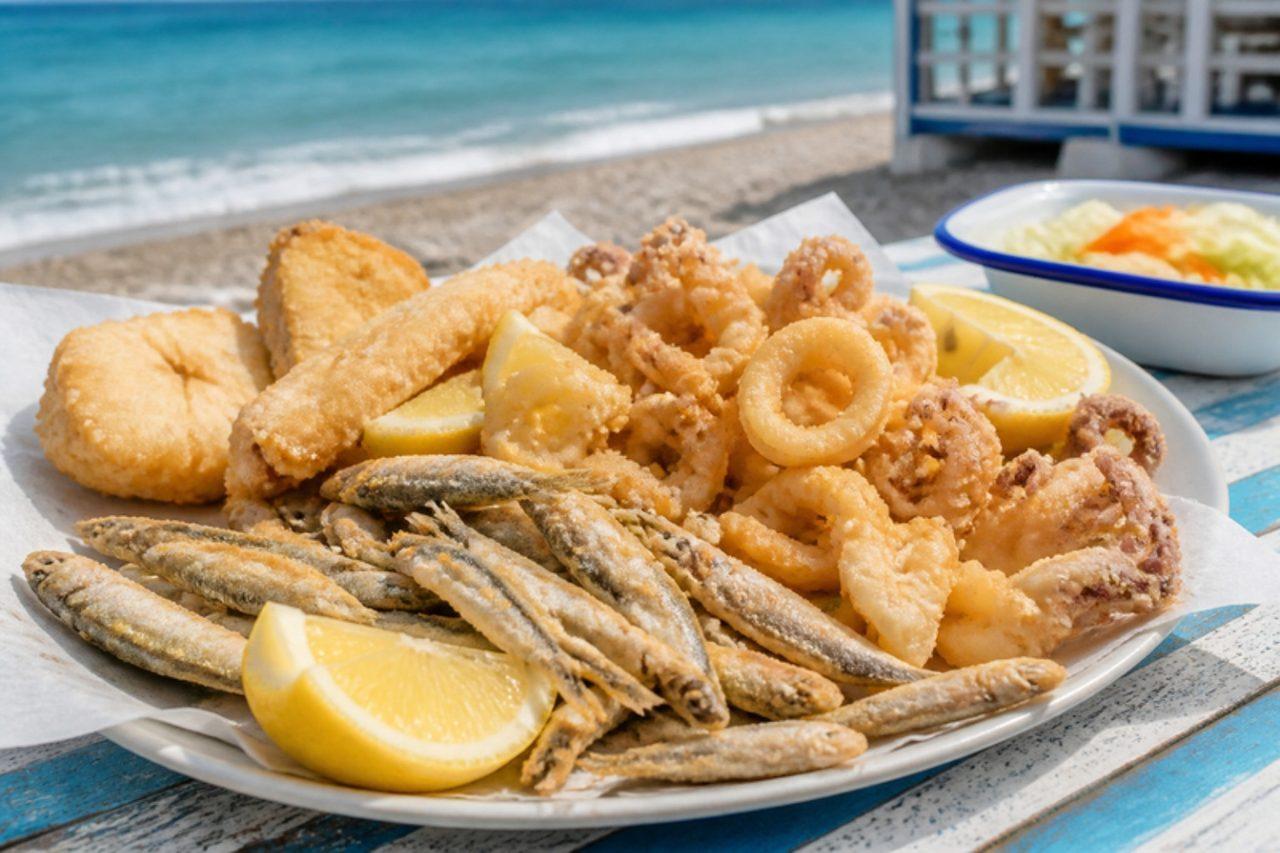
Pescaíto fritoMixed fried fish

On the beaches of Pedregalejo and El Palo in Málaga, chiringuito cooks shake small fish in flour and fry them by the basketful: whole fresh anchovies (boquerones), rings of squid, strips of dogfish and little red mullet, served piled on paper with lemon. The secret is a coarse frying flour, partly durum semolina, and very clean, hot oil, so each piece comes out crisp and dry. Eat it at once, at the table, with a cold drink and a salad. Chef's tip: shake off every bit of loose flour in a sieve before frying; excess flour burns and makes the oil dark and bitter.

by KrazyBadal 0 views

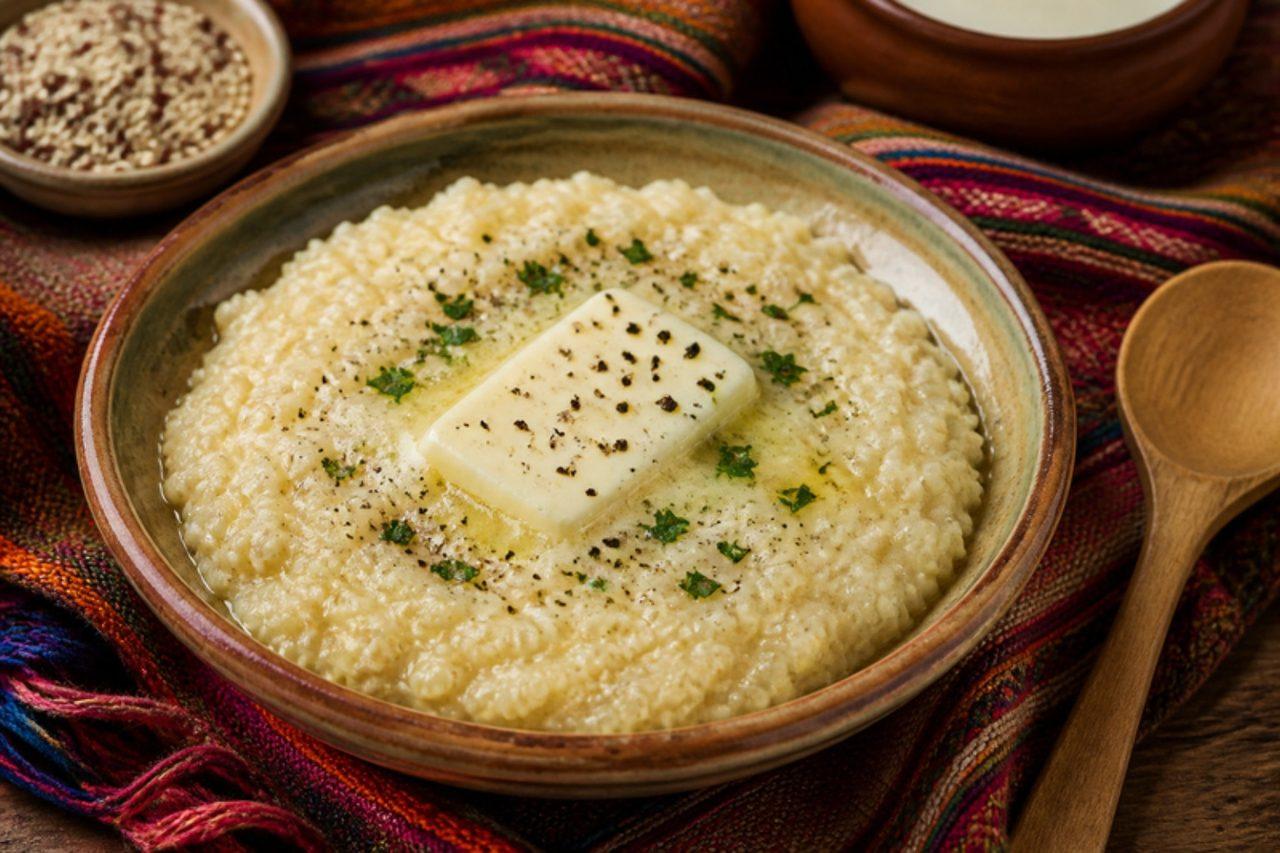
Pesque de quinuaCreamy quinoa with cheese

Up on the Altiplano around Lake Titicaca, where quinoa grows at almost 4,000 metres, pesque is everyday food: quinoa cooked until it collapses, then beaten with milk, a knob of butter and crumbled fresh cheese until it looks like a loose, savoury risotto. Puno families eat it for a warming lunch or supper, often with a glass of milk poured over or a fried egg on top, and in the cold dry air it is exactly what the body wants. It is soft, nutty and mildly salty. The step people skip is rinsing the quinoa, and the natural saponins then leave a soapy, bitter edge; rub it under running water until the foam stops. Serve with a tomato salad or a spoon of uchucuta for some heat. Andean fresh cheese is usually set with animal rennet, so choose a vegetarian fresh cheese if needed. Chef's tip: cook the quinoa in a little more water than usual and leave it a few minutes longer than for a salad, so it turns creamy and the grains burst.

by KrazyBadal 0 views

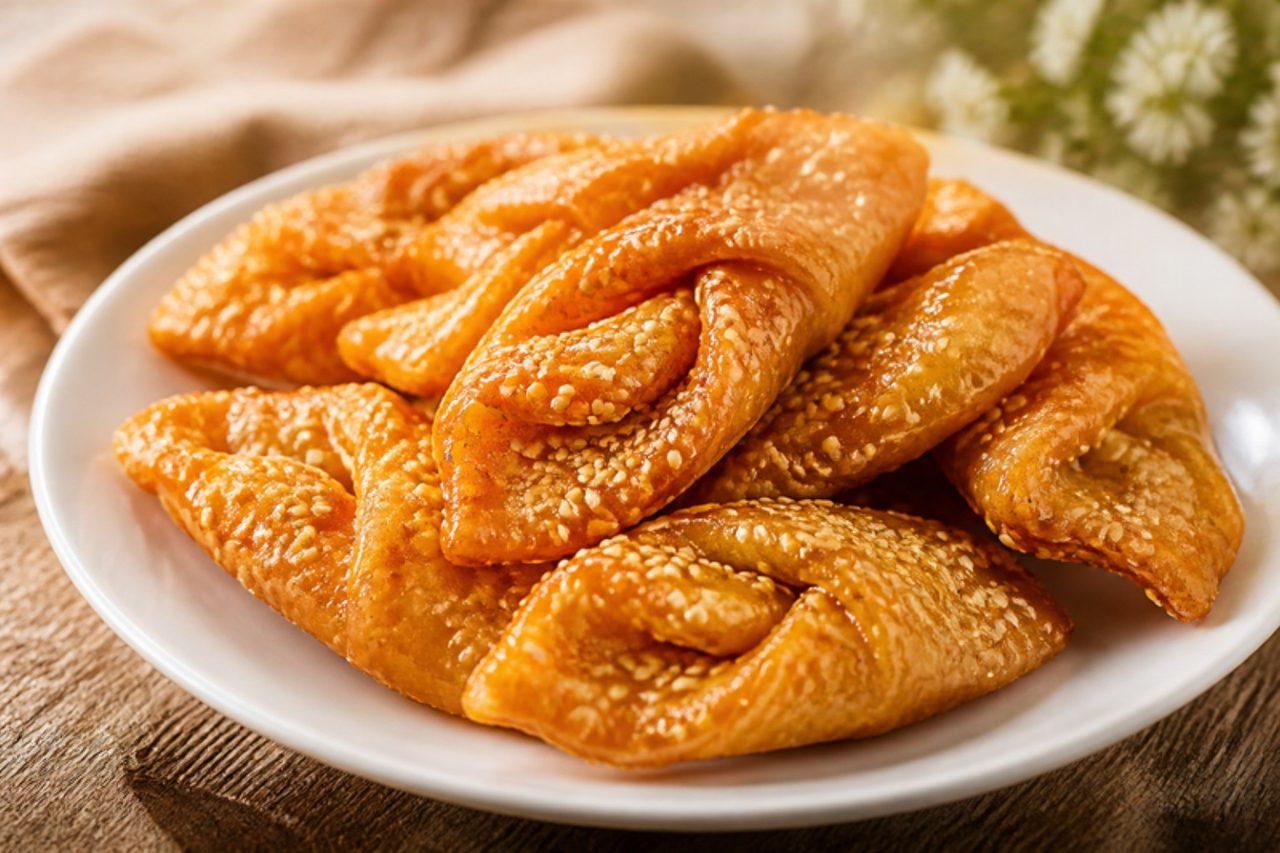
PestiñosAnise fritters in honey

When Holy Week and Christmas come round, convent turnstiles and village kitchens from Cádiz to Granada fill trays with pestiños: little folded parcels of dough flavoured with sesame, anise and orange, fried until crisp and blistered and then dipped in honey. The dough traditionally takes a splash of white wine, which makes it bubble and crunch; orange juice works too, and is the alcohol-free option in the list. A common mistake is frying them in oil that is too hot, which browns the outside before the folds of dough cook through and crisp. Chef's tip: roll the dough really thin; thick pestiños stay doughy in the middle and soak up oil.

by KrazyBadal 0 views

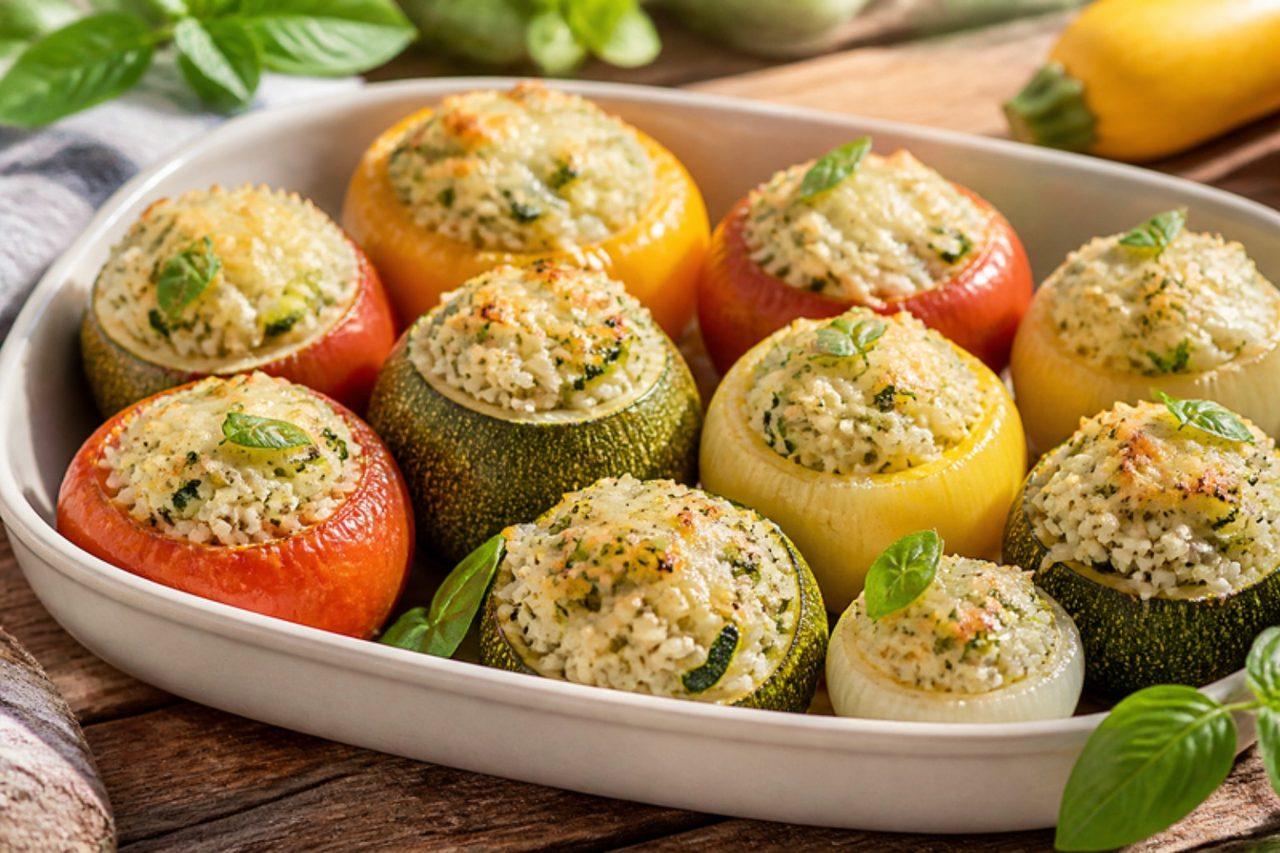
Petits farcis niçoisStuffed vegetables with rice and herbs

From June to September the traiteurs around the cours Saleya market in Nice sell trays of petits farcis: round courgettes, tomatoes and onions hollowed out, refilled and baked until wrinkled and caramelised at the edges. Niçois families often use up leftover daube in the stuffing; this meatless version, common on Fridays and at summer picnics, uses rice, herbs, the vegetables' own flesh and Parmesan. Parmesan is made with animal rennet, so use a vegetarian hard cheese if that matters to you. They are as good at room temperature the next day as hot from the oven. Chef's tip: choose vegetables of a similar size, so they all finish cooking at the same moment.

by KrazyBadal 0 views

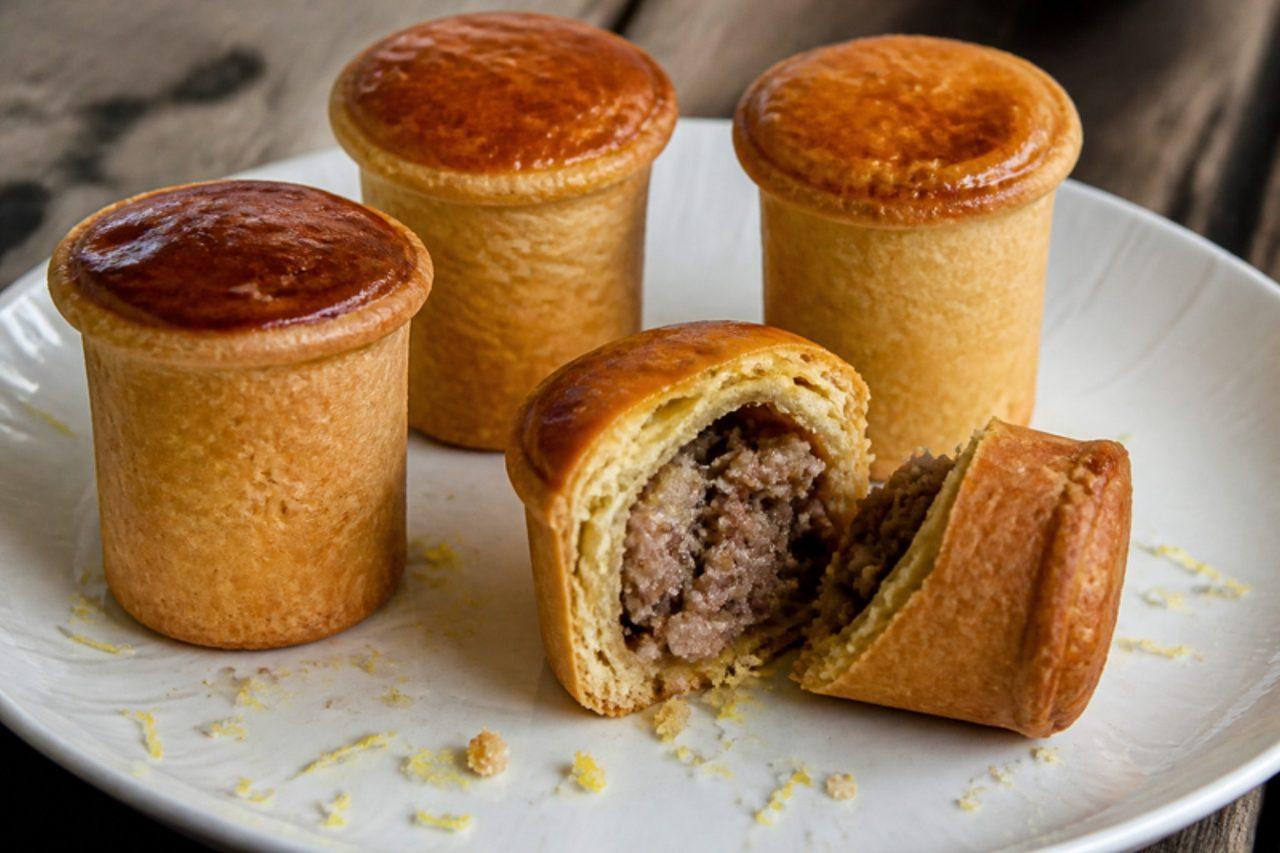
Petits pâtés de PézenasSweet spiced lamb pies

Pézenas, the old Languedoc town of Molière, is famous for these little pies shaped like cotton reels, sold warm from its bakeries all winter and especially around Christmas. Local legend links them to the Indian cooks of Lord Clive, who stayed nearby in 1768, which would explain the unexpected sweet-savoury filling of minced lamb, brown sugar and lemon zest. They have a crisp, sturdy hot-water crust and a juicy, gently sweet centre with a hint of spice. Eat them warm as a starter, with a green salad, or as a mid-morning snack the way Piscénois do. Chef's tip: shape the pastry while it is still warm and supple; once it cools it cracks instead of folding.

by KrazyBadal 0 views

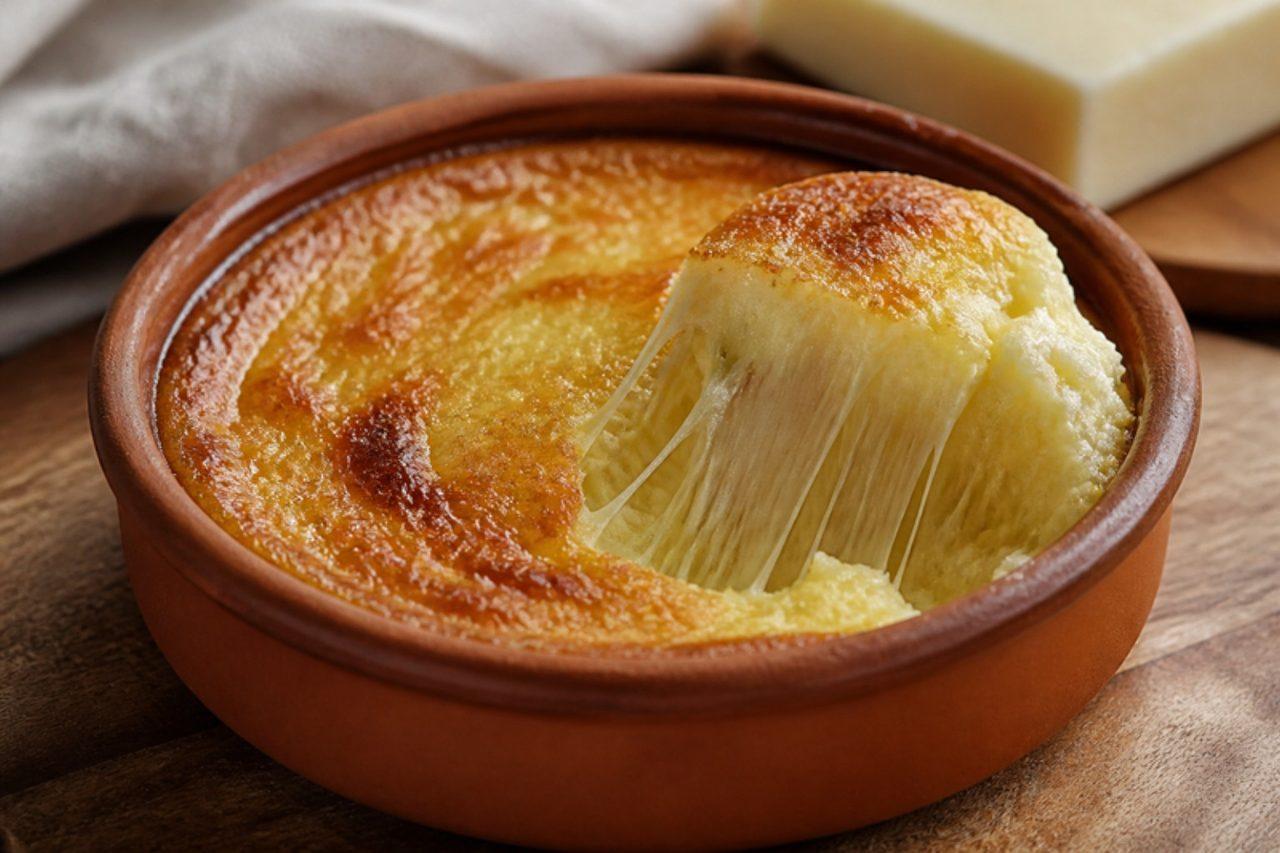
Peynir helvasıCheese and semolina halva

Around Çanakkale and the Dardanelles, peynir helvası is a soft, oven-browned halva made with fresh unsalted cheese, semolina, butter and sugar, sold warm in clay dishes at the market cafés. The top caramelises in spots, the inside stays creamy and stretchy, and the flavour sits somewhere between cheesecake and halva. Eat it warm on its own or with a glass of tea after a fish lunch. Chef's tip: use a mild, fresh, unsalted cheese and squeeze it well; salty or wet cheese gives a sour, runny halva.

by KrazyBadal 0 views

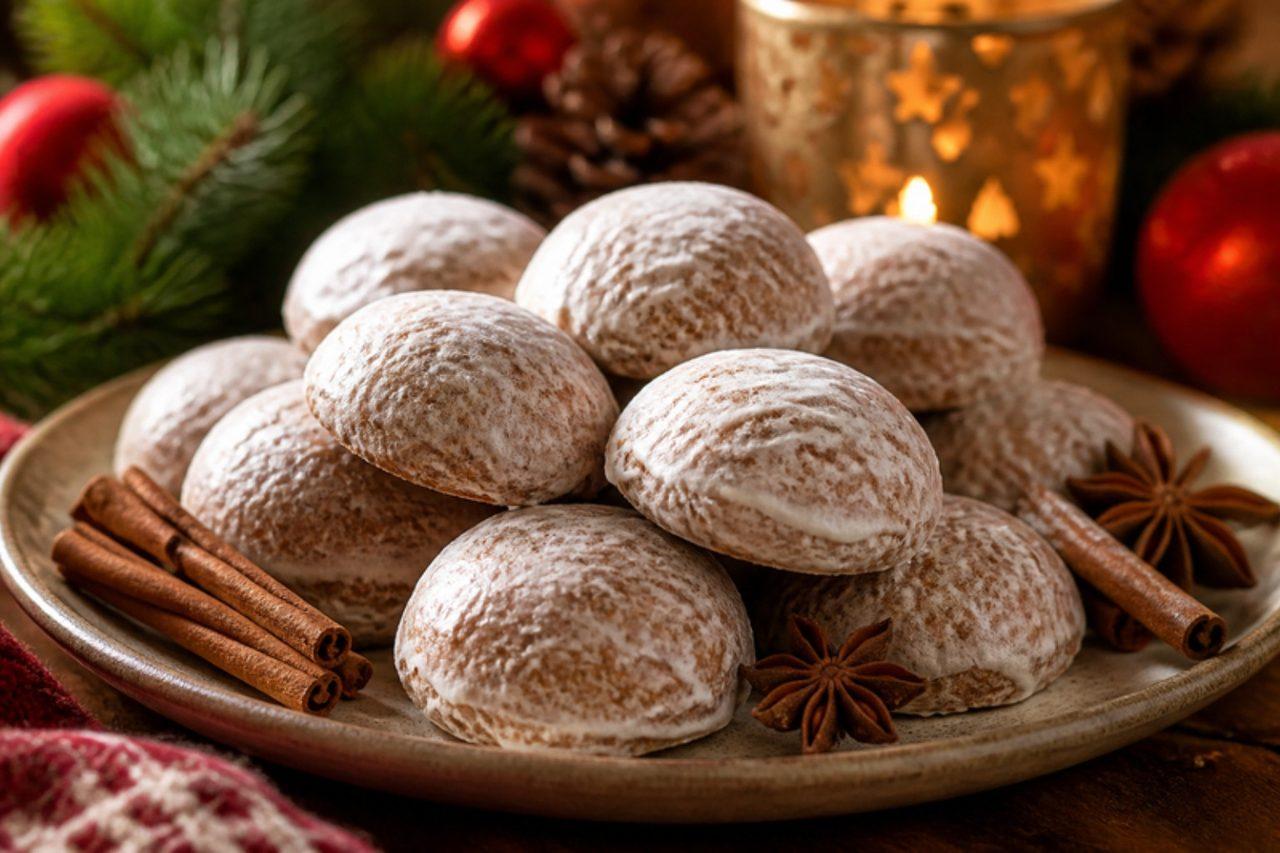
PfeffernüsseHoney spice biscuits

Pfeffernüsse are small domed biscuits baked in German homes through Advent, especially in the north and in Saxony, and sold in bags at Christmas markets everywhere. They are made with honey and a warm spice mix, and in old recipes the 'pepper' in the name meant exotic spices in general, though a pinch of real black pepper adds a lovely bite. A thin white glaze sets crisp over a chewy centre. The mistake many people make is eating them straight away; they are hard at first and need a few days in a tin with a slice of apple to soften. Chef's tip: warm the honey only until runny, never boiling, or the biscuits turn tough.

by KrazyBadal 0 views

PfefferpotthastPeppery beef and onion stew

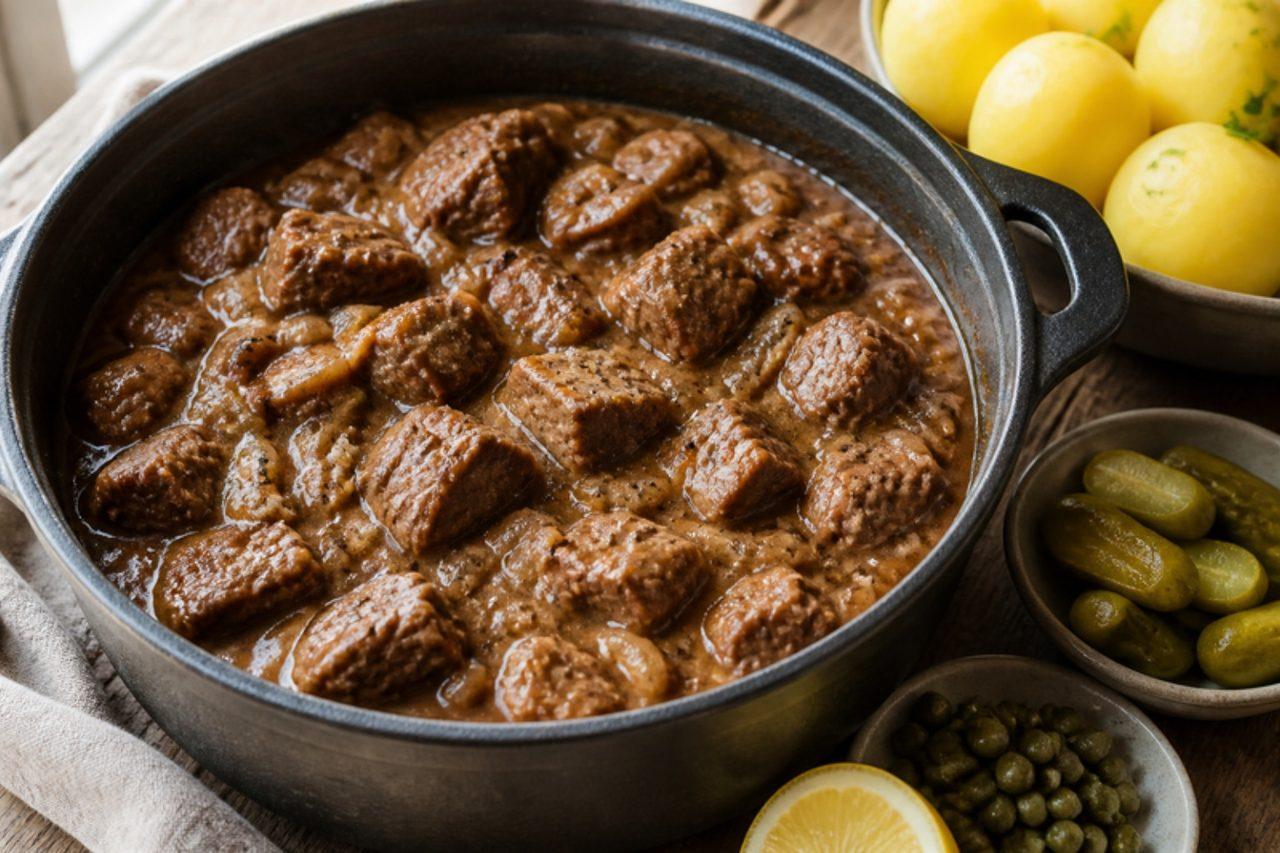
Pfefferpotthast is one of the oldest dishes of Westphalia, written about in Dortmund as far back as the 14th century and still cooked in the Münsterland and the Ruhr for big family meals. Beef is stewed with almost as much onion as meat, plenty of black pepper, cloves and bay, then thickened with breadcrumbs and sharpened with lemon and capers. Pickled gherkins and boiled potatoes go alongside. Chef's tip: grind the pepper coarsely and add half at the start and half at the end, so you get both deep warmth and a fresh bite.

by KrazyBadal 0 views

PfitzaufEgg-batter puffs with apple sauce

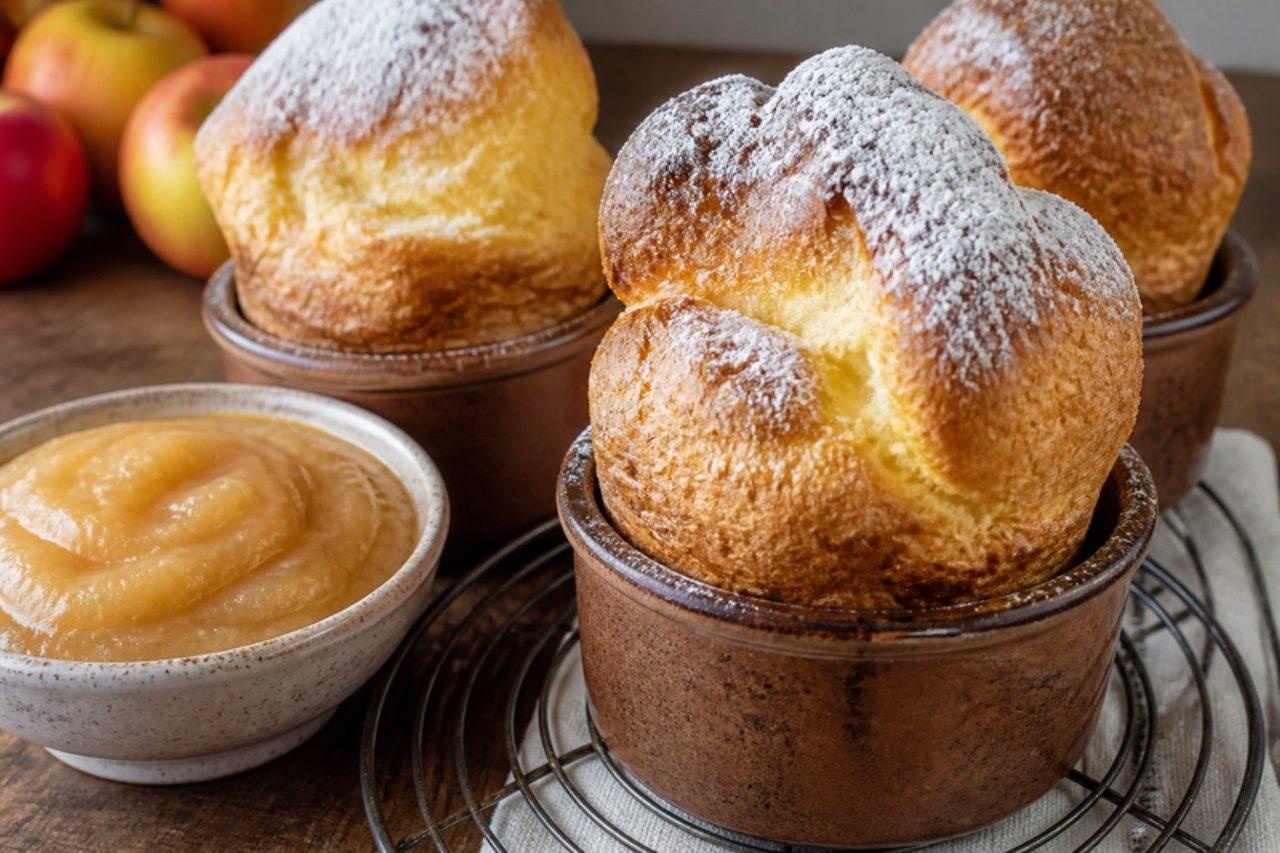
Pfitzauf is a Swabian Sunday-afternoon treat: a thin egg and milk batter poured into a heavy clay or tin mould with deep cups, which rises in the oven like a soufflé and 'pfitzt auf', pops up, far above the rim. Grandmothers on the Swabian Alb served it hot with apple sauce or vanilla sauce, sometimes with stewed cherries. A muffin tin or popover tin works too. The classic mistake is opening the oven during baking: the puffs collapse and never come back. Chef's tip: get the buttered tin really hot in the oven before pouring in the batter; the shock of heat is what makes them climb.

by KrazyBadal 0 views

Pica-pauBeef in garlic mustard sauce

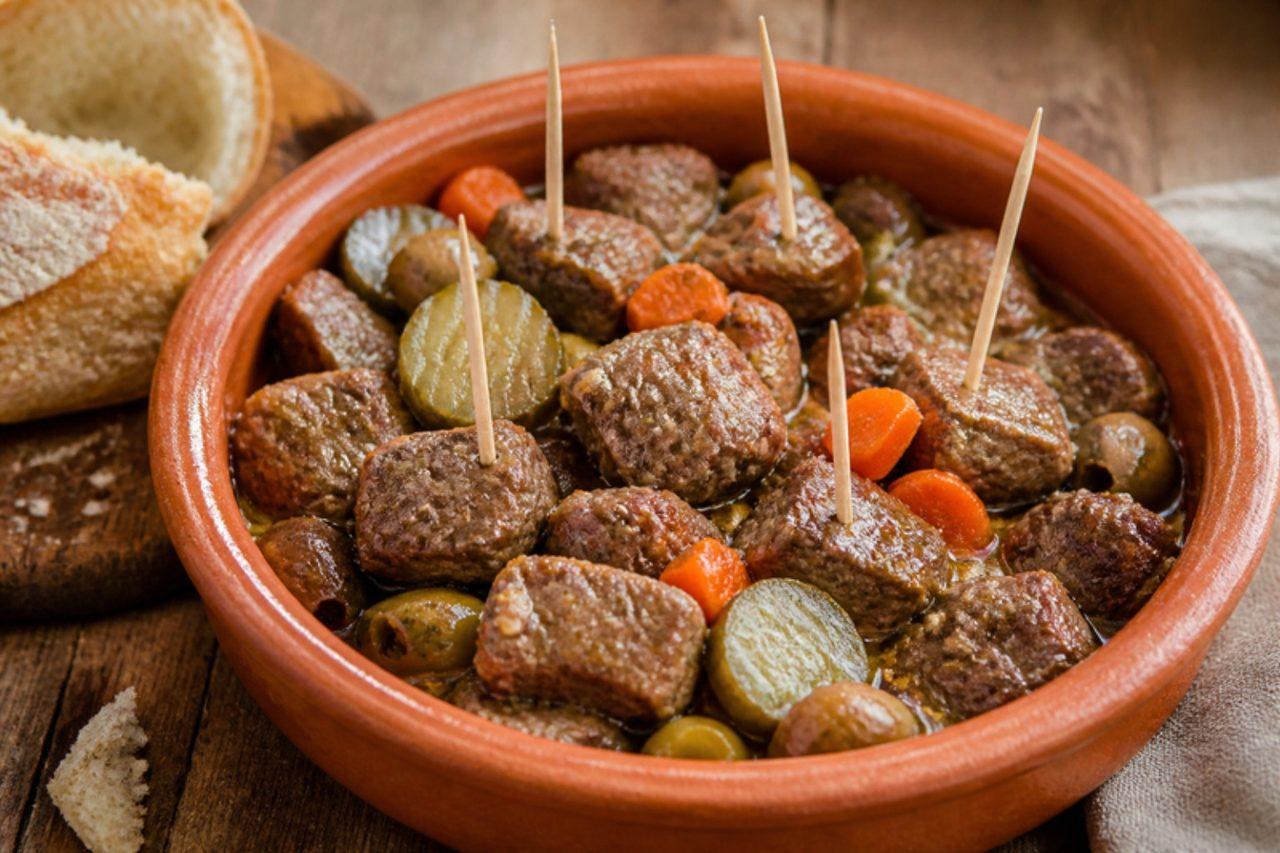
Pica-pau means woodpecker, and that is how you eat it: a crowd round a shared dish in a Lisbon cervejaria, pecking cubes of beef out of the sauce with toothpicks and dunking bread into the rest. The beef is seared quickly, then bathed in garlic, butter, mustard and a splash of white wine, and finished with tangy pickled vegetables. The wine contains alcohol; use stock with a teaspoon of vinegar instead. A common mistake is putting in all the meat at once: it stews grey instead of browning. Chef's tip: cut the beef into small, even 2 cm cubes so every piece browns fast and stays tender.

by KrazyBadal 0 views

Picadas veracruzanasMasa cakes with salsa

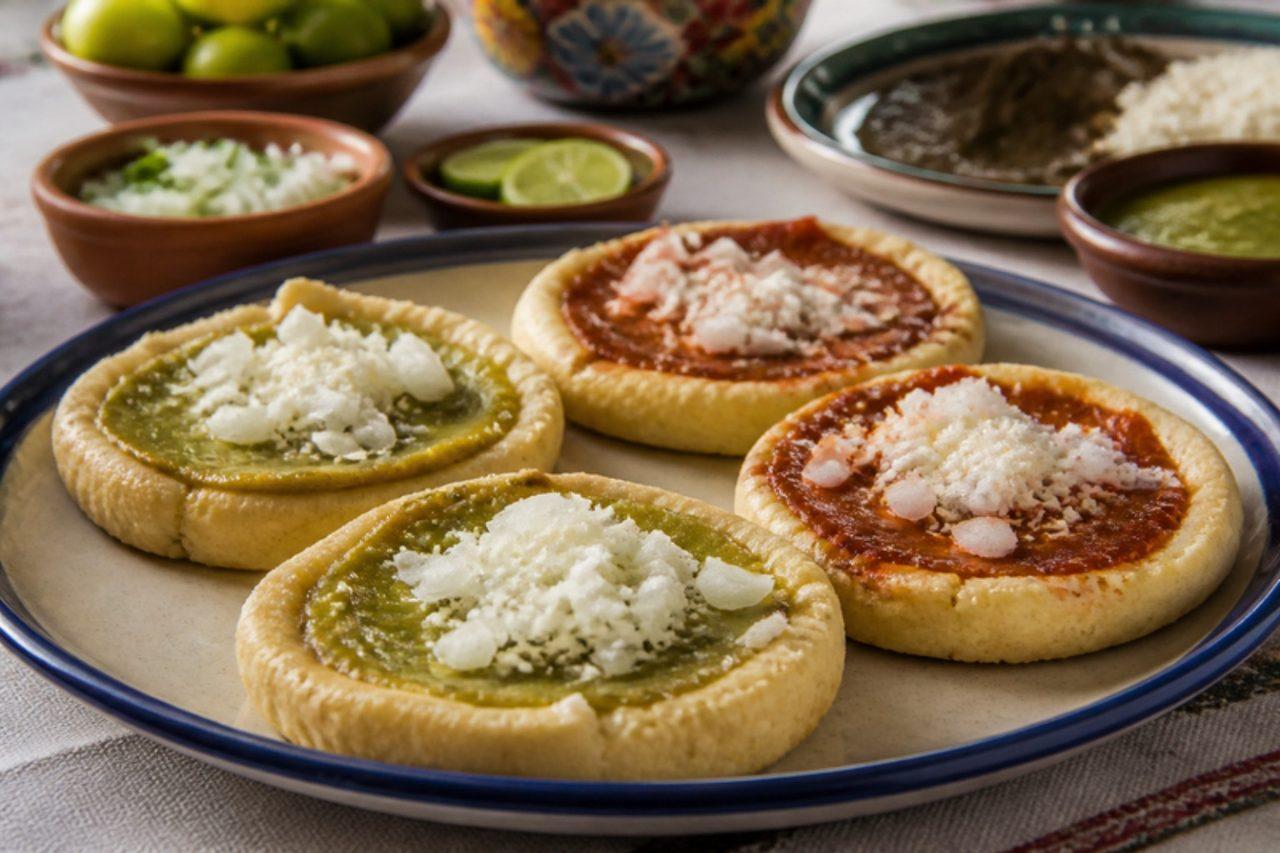
Breakfast in the port of Veracruz and in Xalapa often starts with picadas at a market fonda or a café by the harbour: palm-sized rounds of fresh masa, cooked on the comal, then pinched all around while hot (picar means to pinch) to make little ridges that catch the salsa. Half are spooned with red salsa and half with green, then scattered with onion and crumbled cheese, and eaten with black coffee. Cooks there drizzle them with hot pork lard; this recipe uses a little oil instead. Chef's tip: wet your fingertips in cold water before pinching, so you can work the hot masa without burning yourself.

by KrazyBadal 0 views

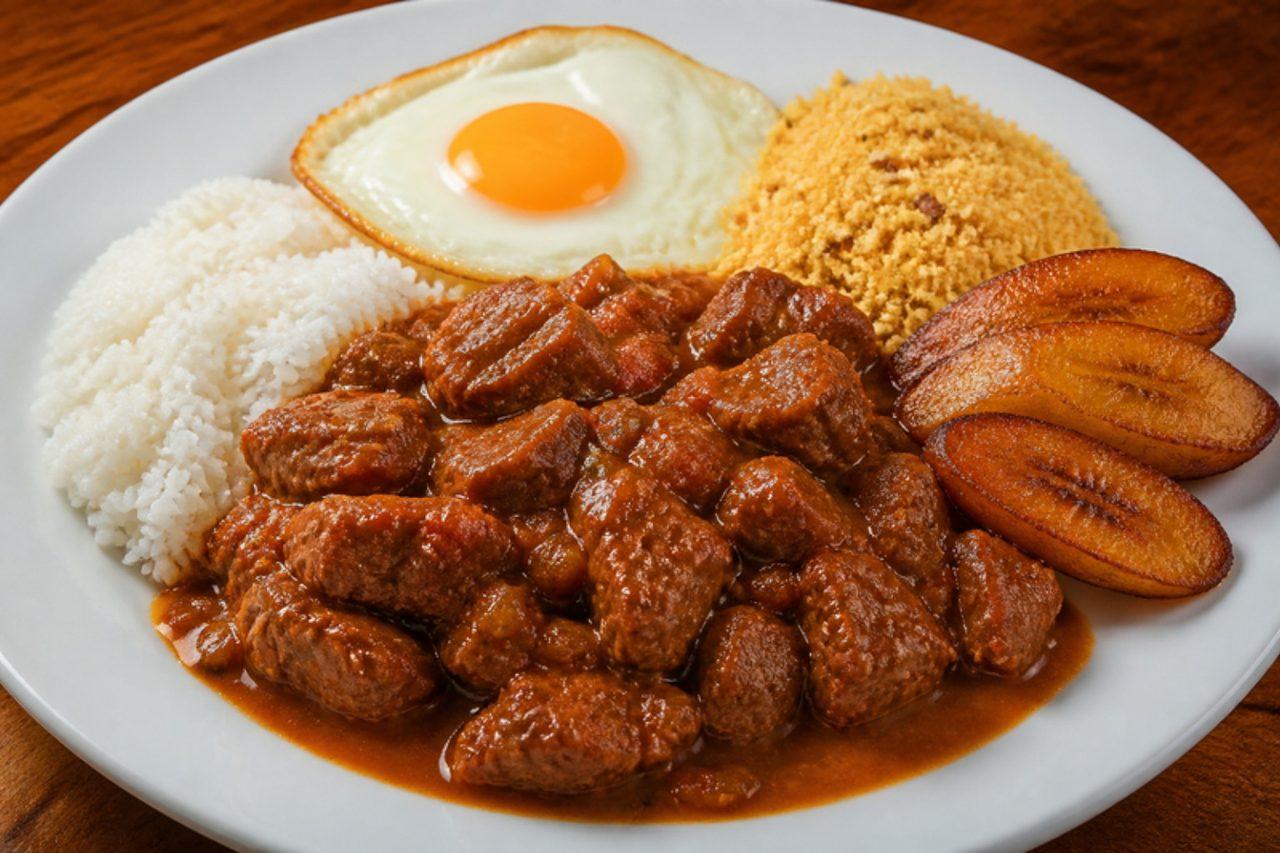
Picadinho cariocaDiced beef stew with rice

Diced small and simmered in a glossy tomato gravy, picadinho is the plate Rio de Janeiro orders at lunch counters and old bars in Centro, and the one cariocas cook at home when they want comfort. The tender cubes of beef come with white rice, a fried egg with a runny yolk, farofa and slices of banana, and every forkful mixes a bit of everything: savoury, sweet, crisp and soft. The everyday mistake is crowding the pan, so the beef boils grey instead of browning; fry it in batches. Cook the eggs until the whites are fully set; if you are serving pregnant women, young children or older people, cook the yolks firm too. Chef's tip: cut the beef into 1.5 cm cubes; any larger and it is a stew, any smaller and it dries out.

by KrazyBadal 0 views

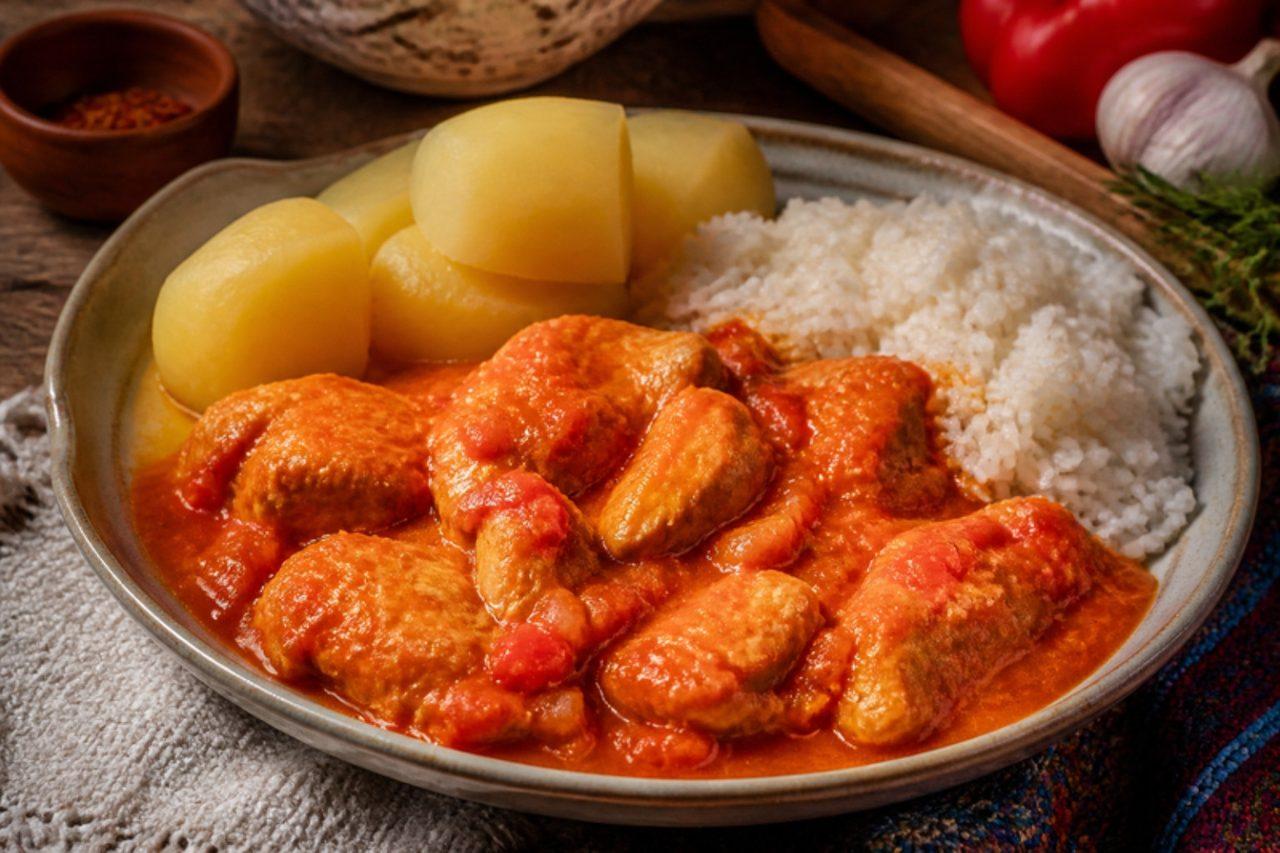
Picante de polloChicken in red chilli sauce

High up in Jujuy, picante de pollo is the dish cooks make for weddings, patronal feast days and Carnival in the Quebrada de Humahuaca, and the small comedores near the markets of San Salvador serve it every Sunday. Chicken pieces are first poached, then finished in a vivid red sauce of ají colorado (ground dried red chilli), lots of onion, tomato and garlic, thickened with the broth; on the plate it goes with white rice, boiled Andean potatoes and often a scattering of crunchy fried potato sticks (papas fritas en bastón) or chopped tomato and onion. It is warming rather than fiery, with a deep earthy chilli flavour. The chicken must reach 74 °C at the bone. Burning the ground chilli is the usual mistake: add it to the pan off the heat or over a gentle flame, or it turns bitter in seconds. Chef's tip: let the stew sit for 15 minutes before serving; the chicken absorbs the red sauce and the colour deepens.

by KrazyBadal 0 views

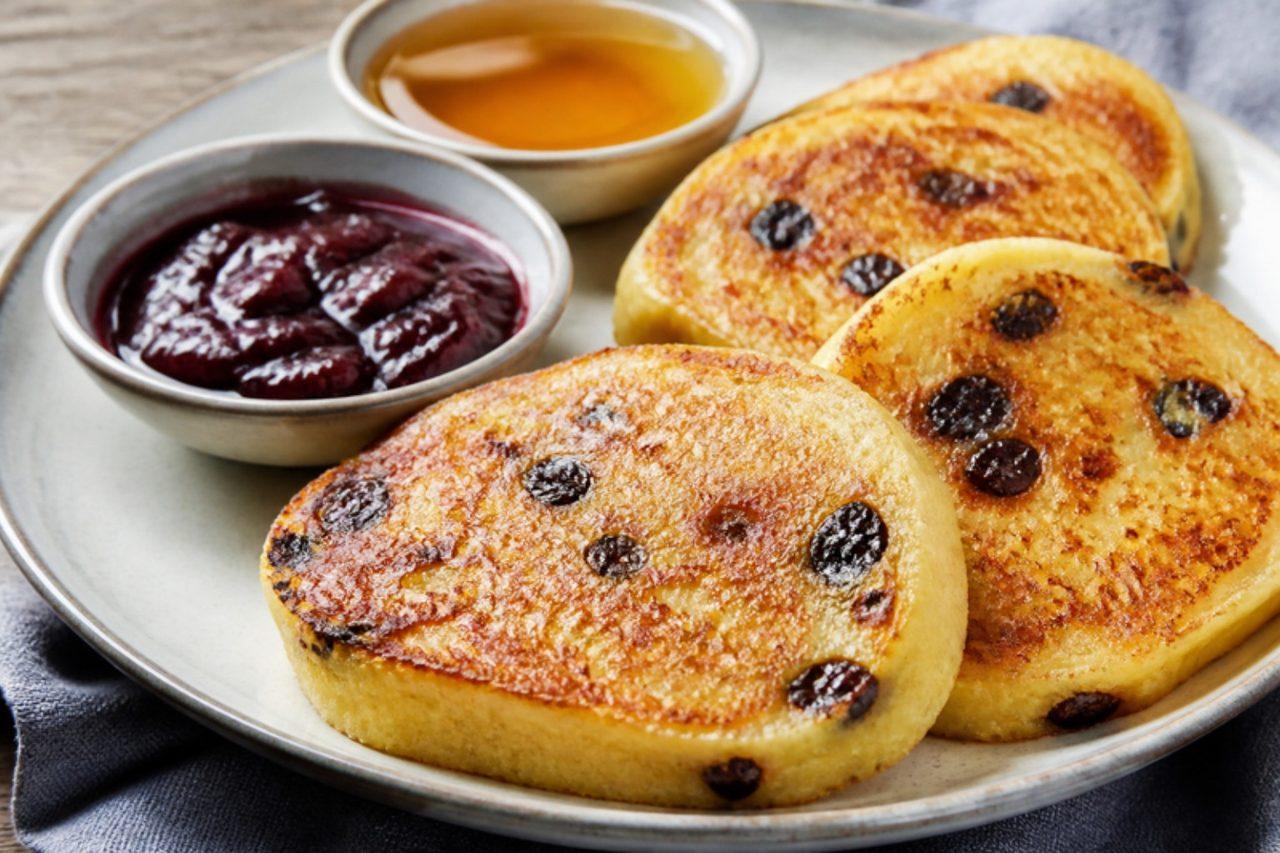
PickertFried yeasted potato loaf with raisins

Pickert is the bread of Lippe and the Teutoburg Forest in eastern Westphalia, made where wheat was scarce and potatoes plentiful: grated raw potato, flour, eggs and yeast baked into a dense, moist loaf, studded with raisins. Locals slice it the next day and fry the slices in butter until crisp, then eat them for breakfast or supper with plum butter, sugar beet syrup, jam or, for meat eaters, liver sausage. This vegetarian version serves it with jam and syrup. A common mistake is not squeezing the potatoes, which leaves the loaf soggy in the middle. Chef's tip: bake it a day ahead; cold Pickert slices cleanly and fries far better than warm.

by KrazyBadal 0 views

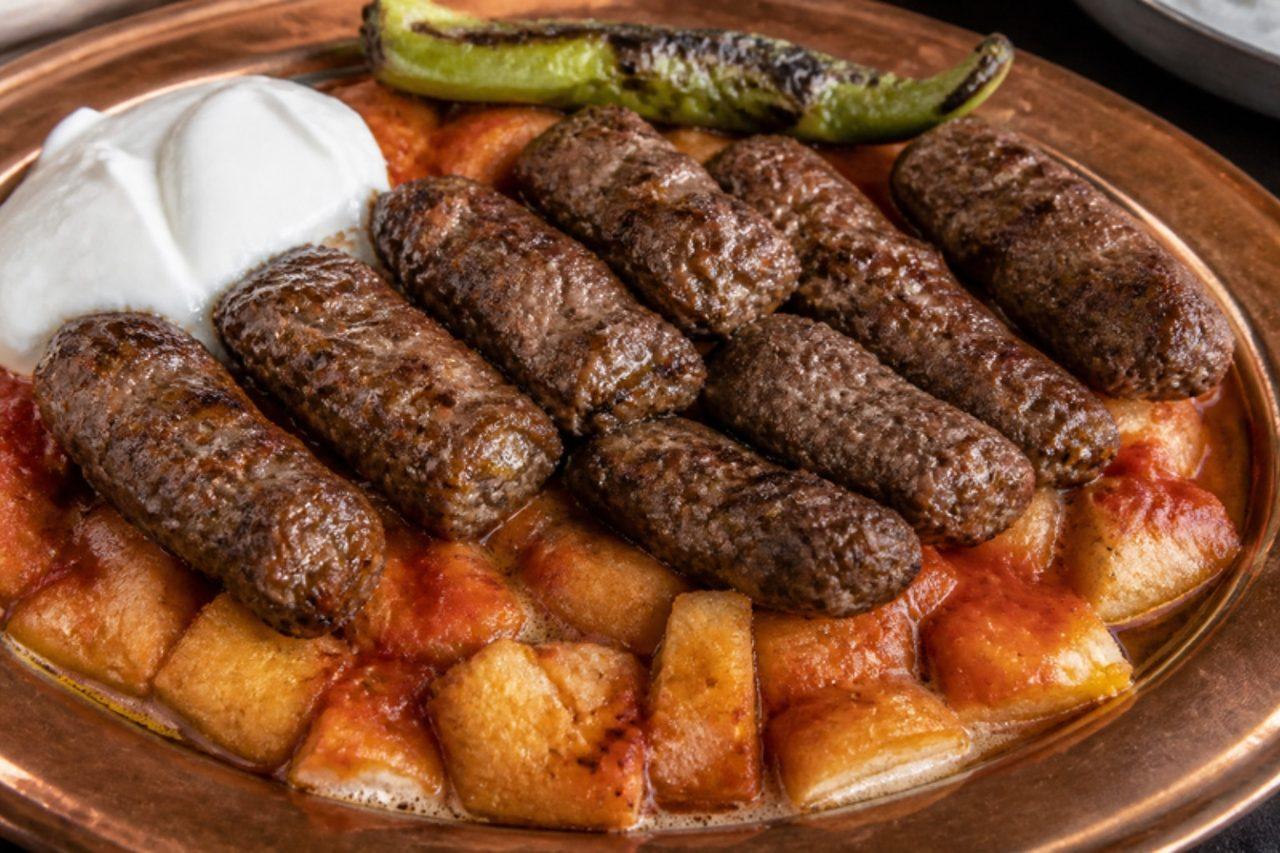
Pideli köfteGrilled meatballs on flatbread

Bursa, the city that gave the world İskender, has its own everyday answer for those who don't want doner: pideli köfte, served in workers' lokantas around the Ulu Cami. Small grilled köfte are laid over cubes of soft pide, drenched in a thin tomato sauce, then finished at the table with browned butter poured over so it hisses, with thick yoghurt on the side. It is rich, messy and very satisfying. Chef's tip: warm the pide in the oven before adding the sauce, so it soaks up the juices but keeps some chew.

by KrazyBadal 0 views

Showing 81 of 7,762 recipes

Show more recipes

Page 447 of 863