


Skip to content
Bakso
Featured recipe

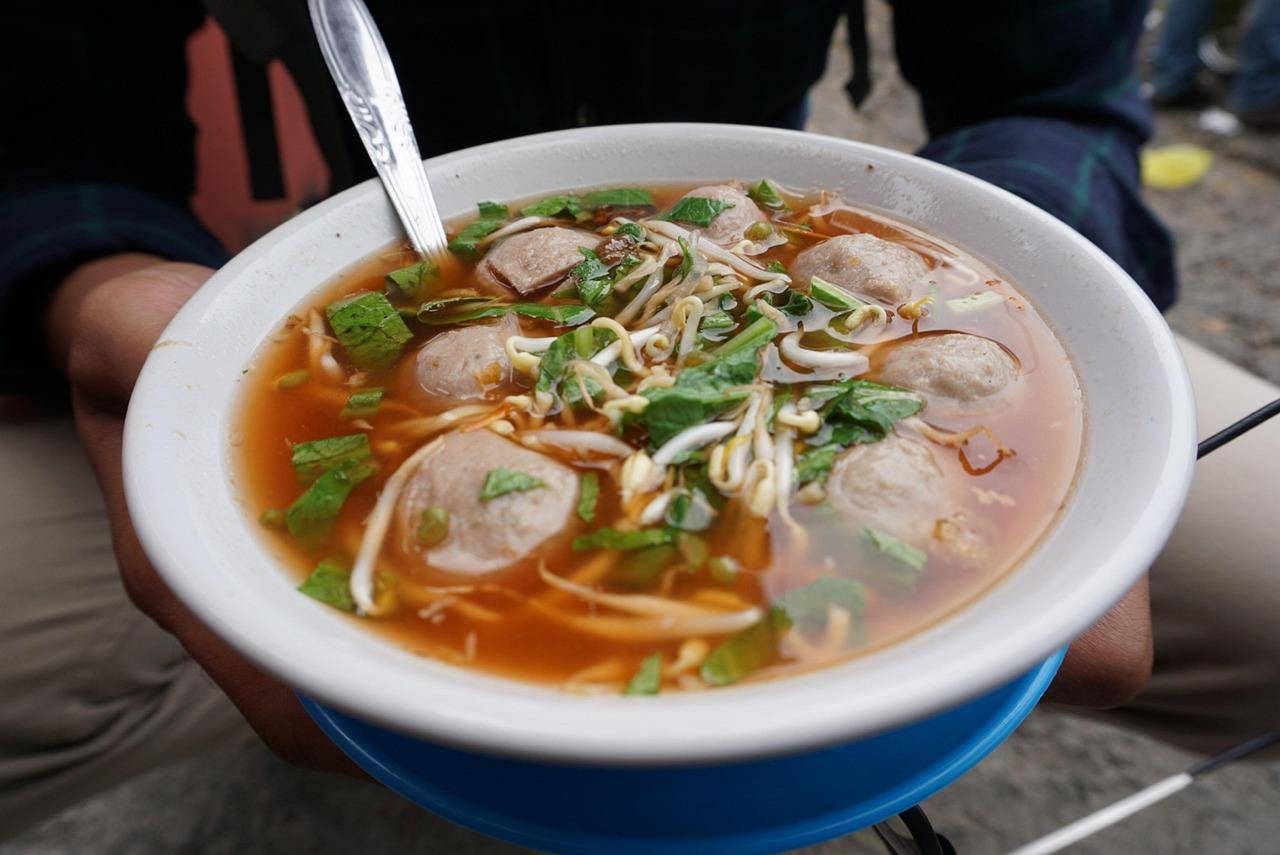
Bakso

Beef meatball soup

Listen for a spoon tapped against a bowl in any Indonesian neighbourhood and you will find a bakso cart, its glass case stacked with meatballs and two kinds of noodles. The meatballs are springy, almost bouncy, sitting in a clear, garlicky beef broth with yellow noodles, glass noodles and a little green veg. Everyone then builds their own bowl at the counter with sambal, sweet soy sauce, vinegar and a scattering of fried shallots; it is the go-to comfort on a wet afternoon. Chef's tip: keep the beef and everything that touches it ice-cold while you blend, because warm meat gives dense, crumbly balls instead of that famous bounce.

Read more 0 views

What to eat today?

Around the world

Today's trip: Persian

A new country every day, from every cuisine on the site.

Persian

Dizi

Lamb and chickpea stew 245 minMore from Persian (131) →

This week's collection

Kid-friendly dinners
537 recipes · a new collection every Monday

Latest recipes

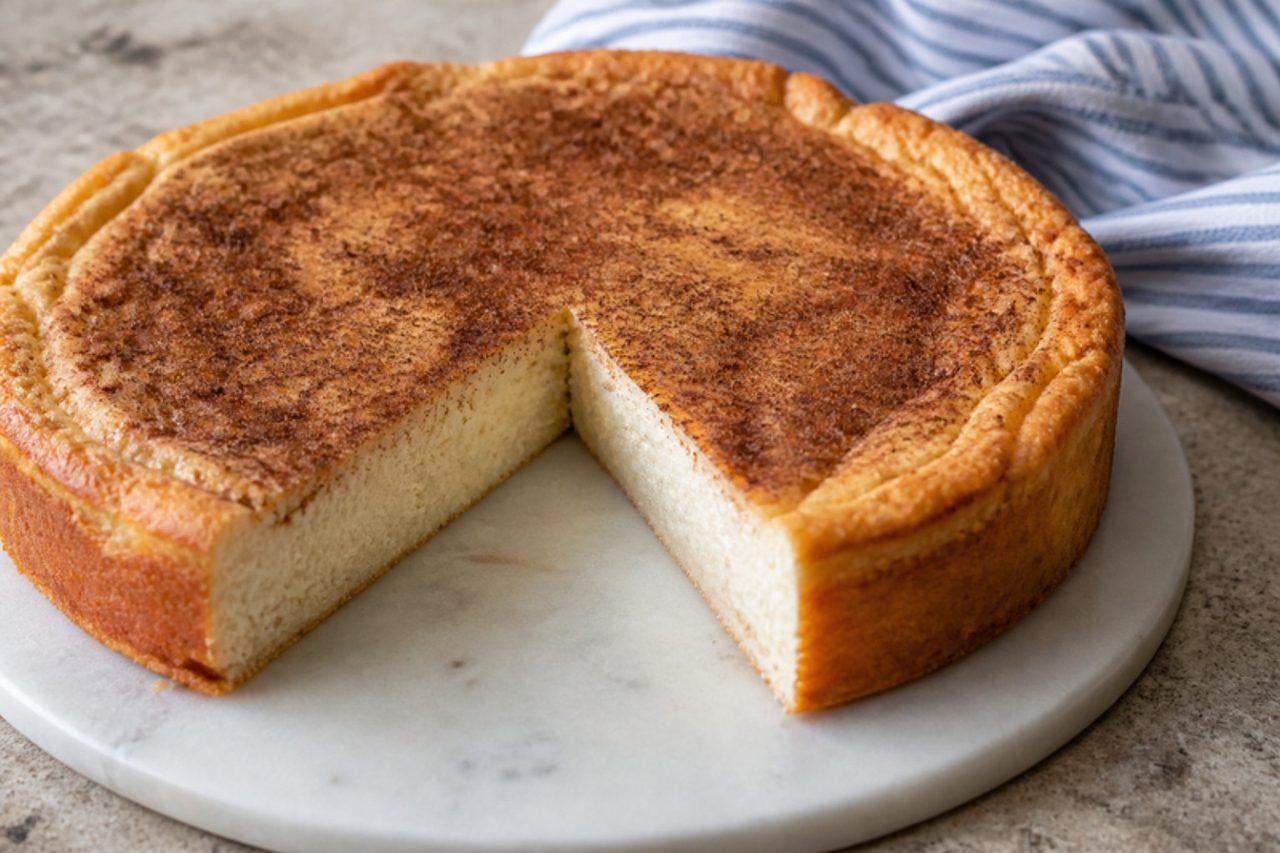
MelopitaHoney and fresh cheese pie

On Sifnos, the Easter table always has a melopita, a crustless pie of fresh cheese, eggs and thyme honey baked until just set and dusted heavily with cinnamon. It is lighter than a cheesecake, gently sweet and floral from the honey, and tastes best a day after baking, cut into squares with coffee. The island cheese is fresh mizithra; ricotta works well and is usually made without animal rennet. Common mistake: baking it too hot, which makes it puff up and crack, then sink and weep. Chef's tip: let it cool slowly in the switched-off oven with the door ajar for a smooth, silky set.

by KrazyBadal 0 views

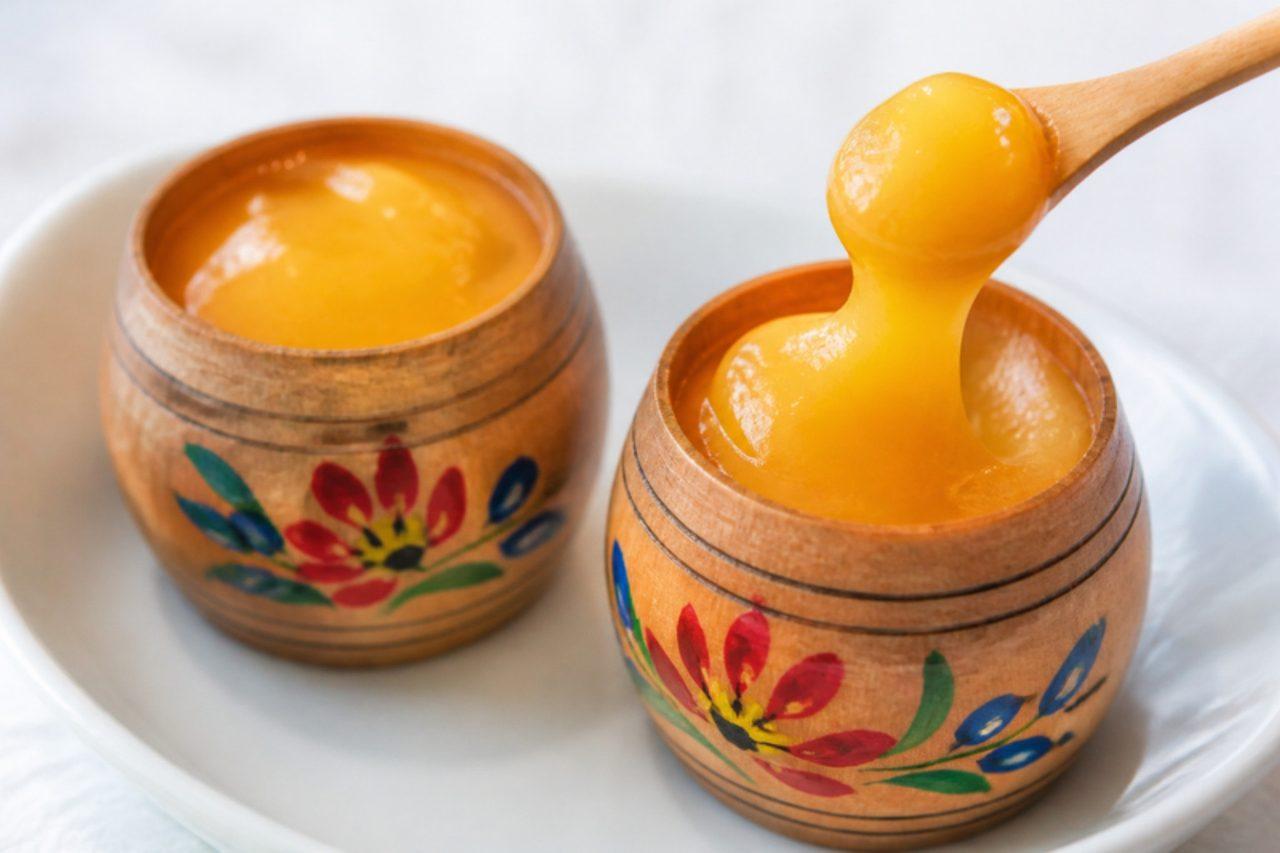
Ovos moles de AveiroEgg-yolk and sugar cream

Nuns in Aveiro's convents used leftover yolks, after the whites had starched their habits, to make this soft, intensely sweet cream, and the town's shops now sell it in painted wooden barrels or wrapped in thin wafer shaped like shells and fish. Visitors buy boxes at the railway station and along the canals where the moliceiro boats run. Only yolks, sugar and water go in, cooked slowly until thick and shiny. Chef's tip: cool the syrup slightly before adding the yolks and cook over the lowest heat, as a common mistake is hurrying it and ending up with sweet scrambled egg.

by KrazyBadal 0 views

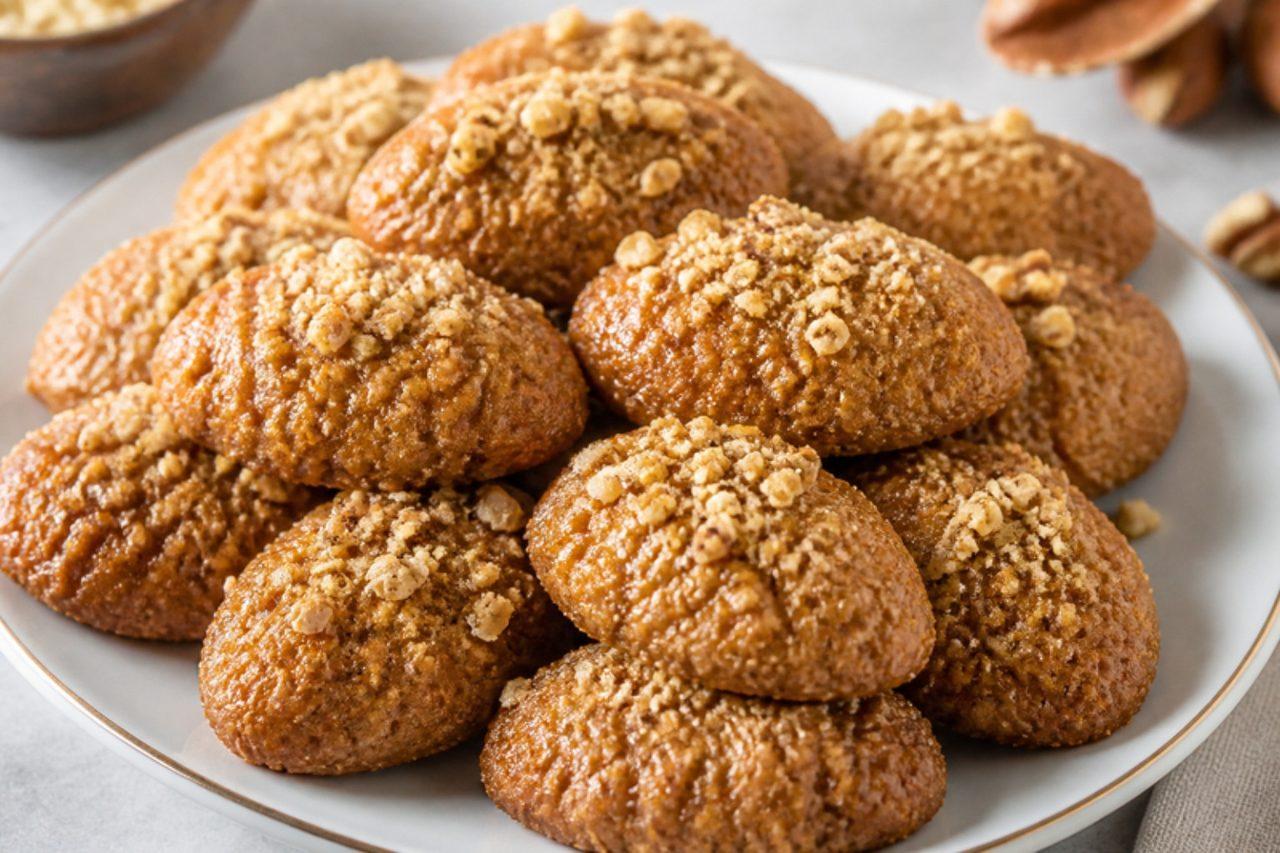
MelomakaronaHoney-dipped spice cookies

From early December, bakeries and kitchens all over Greece fill tins with melomakarona, the oval cookies that sit beside kourabiedes on every Christmas table and get handed to visitors with coffee. The dough is made with olive oil and orange juice rather than butter, scented with cinnamon and clove, then baked and plunged into warm honey syrup so the inside turns soft and sticky while the edges stay crisp. Common mistake: dipping hot cookies into hot syrup, which turns them to mush; one of the two must be cool. Chef's tip: mix the dough only until it comes together; overworking it squeezes out the oil and the cookies bake hard and greasy.

by KrazyBadal 0 views

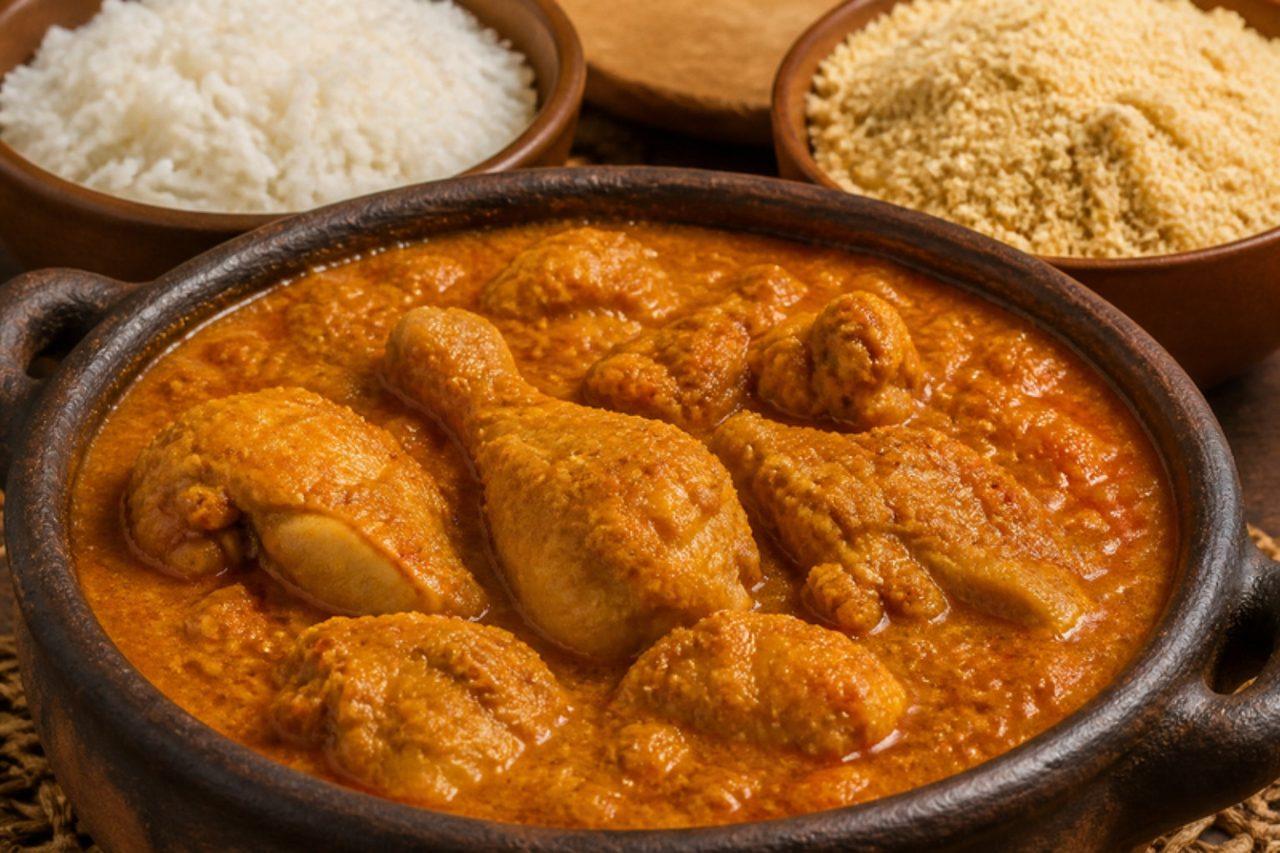
Xinxim de galinhaChicken stew with shrimp and peanuts

Cooked for Oxum's feast days in the terreiros of Salvador and on ordinary Sundays in Bahian homes, xinxim de galinha is chicken braised in a thick, golden sauce of ground dried shrimp, peanuts, cashews, ginger and dendê oil. It tastes nutty, a little smoky from the palm oil and quietly savoury from the shrimp, and the sauce clings to the meat rather than pooling. Serve it with white rice, farofa de dendê and a bowl of caruru alongside. One common slip is adding the nut paste too early, so it sticks and scorches before the chicken is cooked; it goes in for the last 15 minutes. Chef's tip: use bone-in thighs and drumsticks rather than breast; they stay juicy through the braise and their gelatine gives the sauce its silky body.

by KrazyBadal 0 views

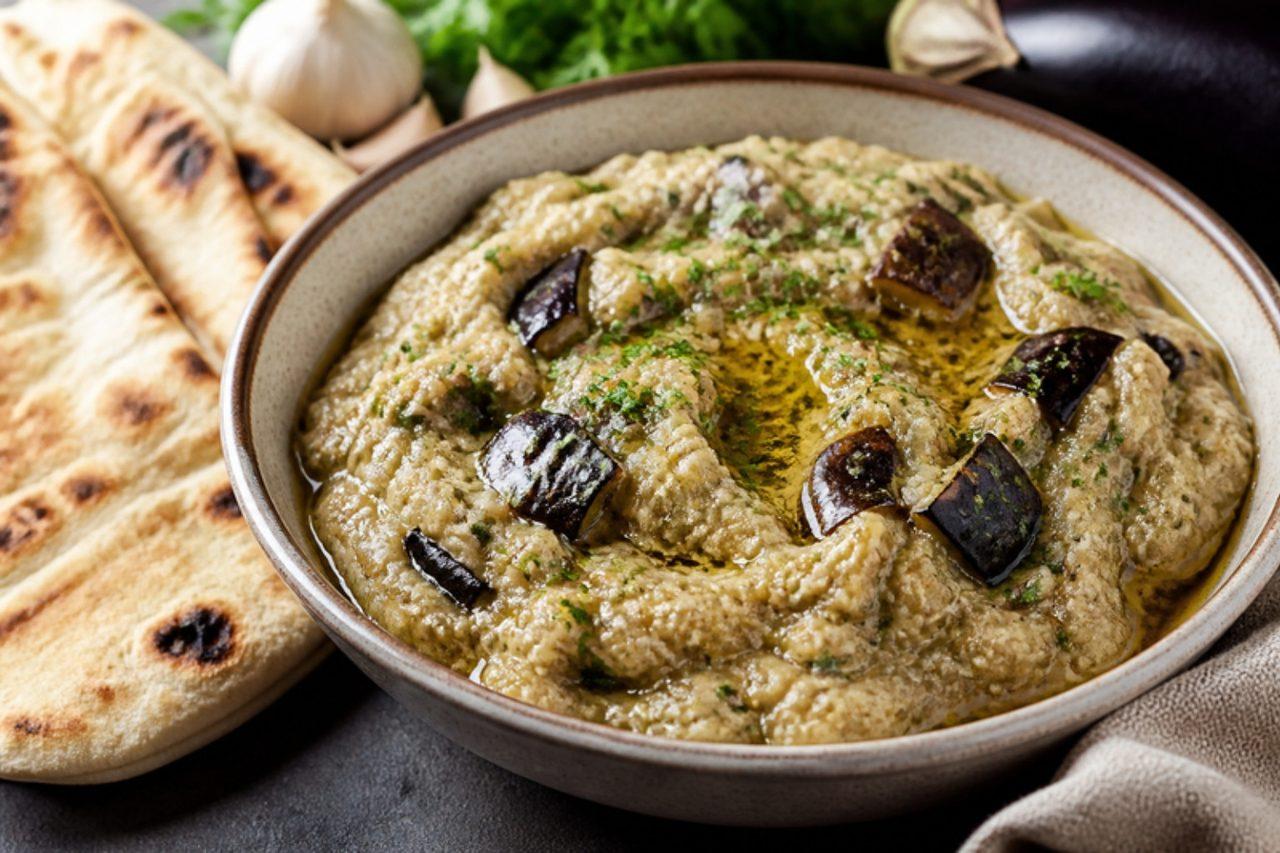
MelitzanosalataSmoky aubergine dip

Every Greek taverna puts melitzanosalata on the meze table, especially in summer when aubergines are charred over the same coals as the souvlaki. Unlike Levantine dips it has no tahini: the smoky flesh is chopped with a knife, not puréed, and sharpened with red wine vinegar, raw garlic, parsley and plenty of fruity olive oil, so it stays rough-textured and bright. Serve with warm pitta, grilled bread or alongside fried fish. Common mistake: leaving the bitter juices in; drain the cooked flesh in a sieve for 10 minutes. Chef's tip: char the aubergines directly on a gas flame or barbecue until they collapse; the oven alone will not give the smoky taste.

by KrazyBadal 0 views

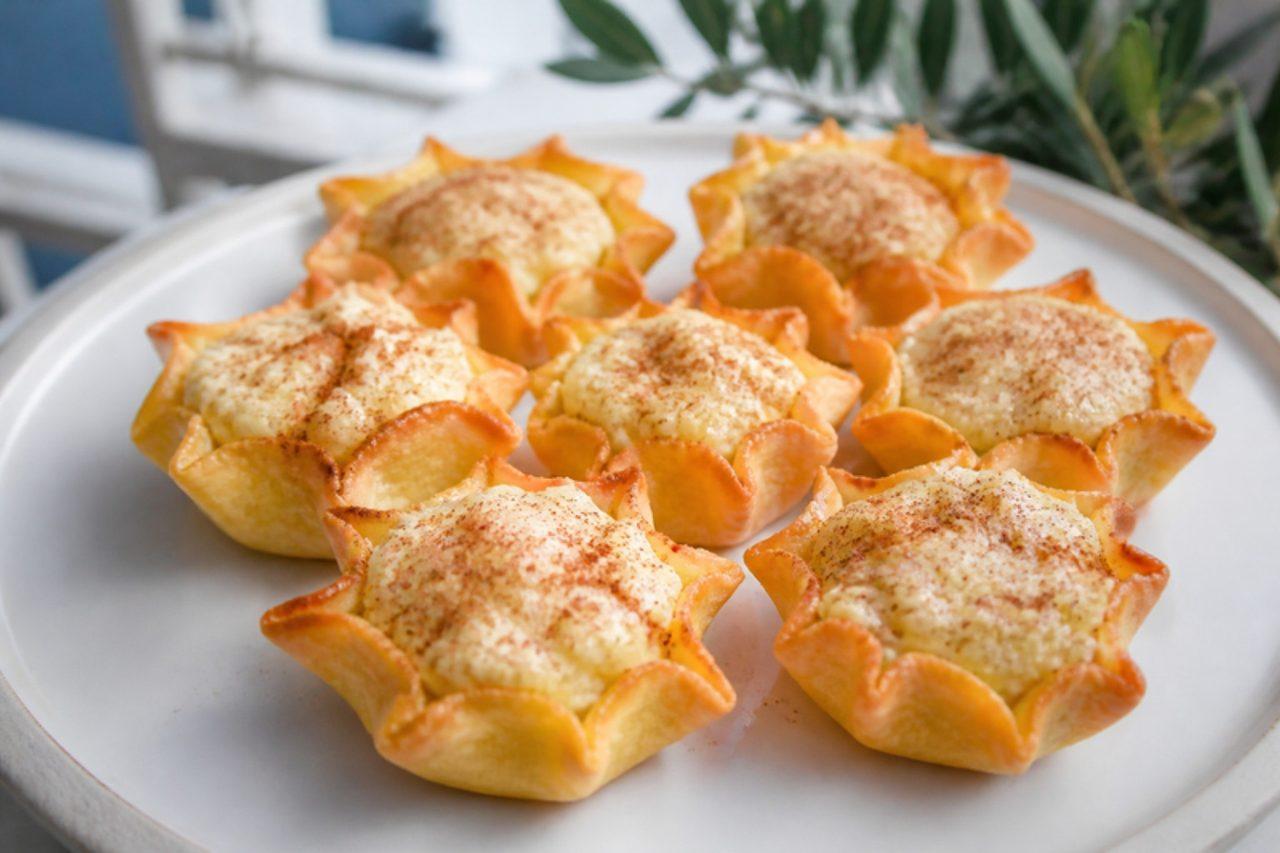
MelitiniaSweet cheese cups with mastic

Santorini's Easter sweet is melitinia: small, thin pastry cups pinched around a soft filling of fresh cheese, sugar and mastic, baked until the tops crack and turn golden. Islanders bake trays of them on Holy Saturday and offer them on Easter Sunday with coffee, and their resinous, piney mastic perfume sets them apart from cheese pastries elsewhere in Greece. Fresh mizithra is the island cheese; ricotta, usually rennet-free, is a good substitute. Common mistake: grinding mastic on its own, which makes it gum up; always crush it with a spoon of sugar. Chef's tip: roll the pastry very thin, about 2 mm, so it bakes crisp around the creamy filling.

by KrazyBadal 0 views

Pa amb oli mallorquíTomato olive oil bread

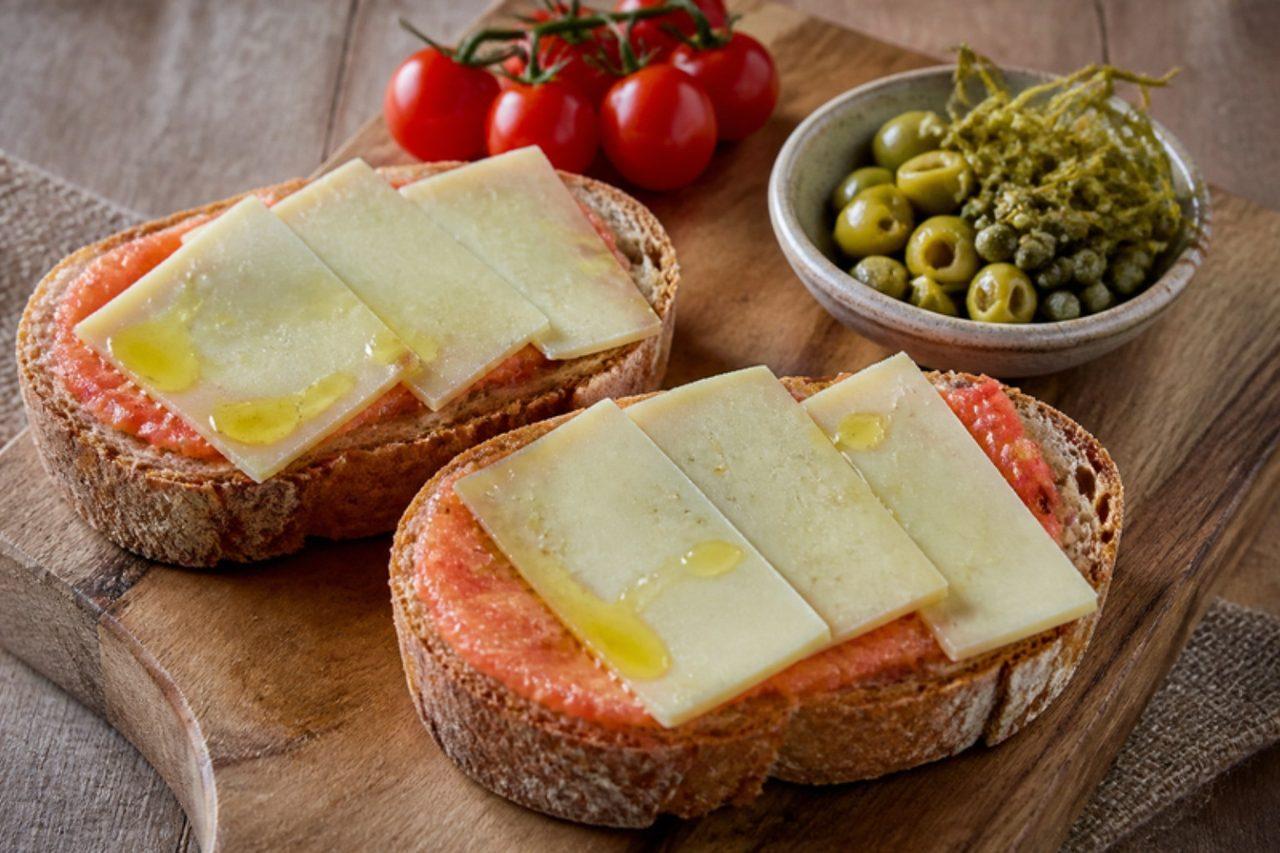
In Mallorca pa amb oli is supper on a hot evening, the snack in every village bar and the picnic on a boat. Slices of dense, unsalted brown country bread are rubbed with the island's tomàtigues de ramellet, small tomatoes kept hanging in bunches through winter, then soaked with olive oil and salted. On the side go green olives, capers, pickled sea fennel and slices of Mahón cheese; this vegetarian plate leaves out the usual cured ham. Mahón is normally made with animal rennet, so pick a vegetarian semi-cured cow's milk cheese if that matters to you. Chef's tip: toast the bread only lightly, or not at all, so it stays soft enough to drink up the tomato.

by KrazyBadal 0 views

KremidopitaOnion and cheese pie

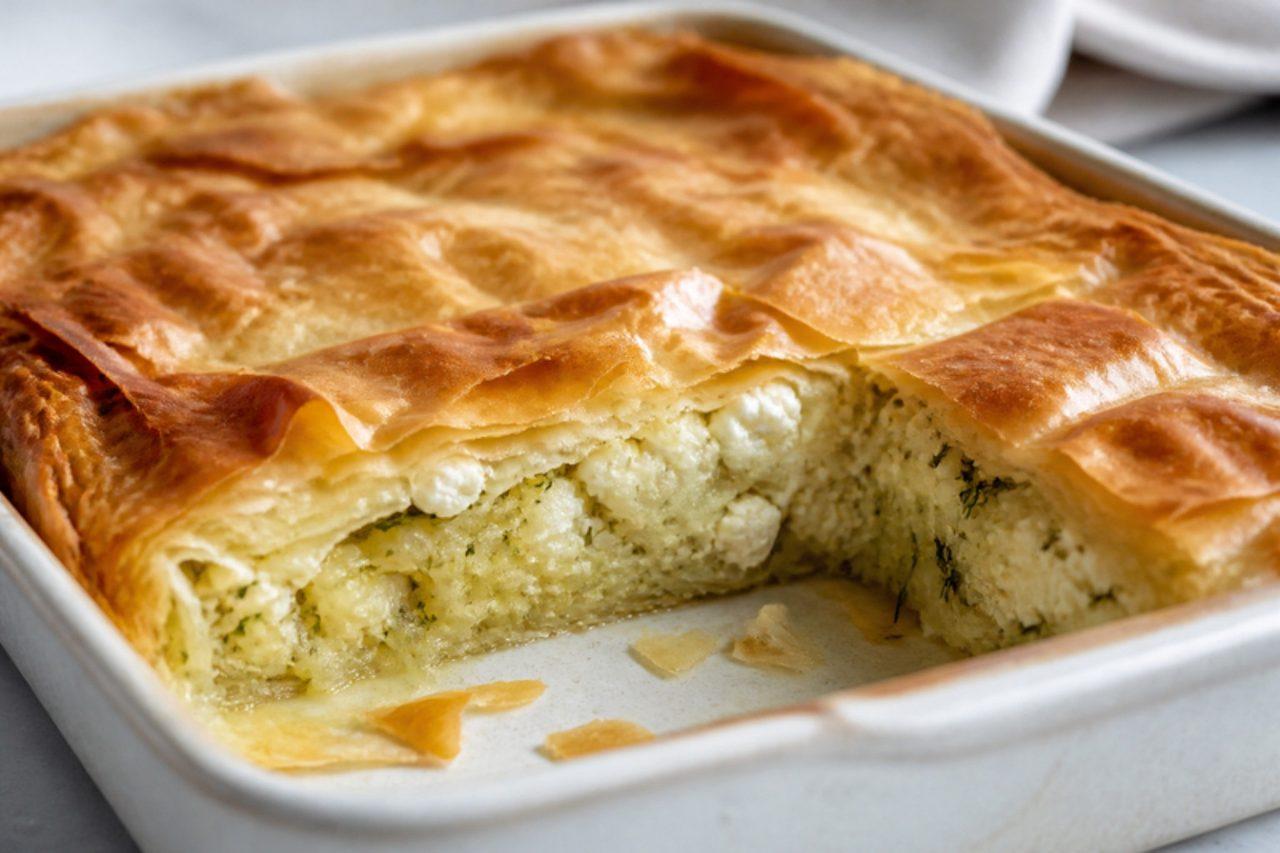
Mykonian grandmothers made kremidopita long before the island filled with beach clubs: a pie of slowly softened onions, tangy fresh cheese, eggs and dill between sheets of filo, baked for name days and family Sundays. The onions go sweet and jammy, the cheese keeps it creamy and sharp, and it is eaten warm or cold with a tomato salad. Feta is usually made with animal rennet, so pick a vegetarian feta if you need to. Common mistake: frying the onions hard and fast; they must sweat gently until soft, or the filling turns bitter and crunchy. Chef's tip: cool the onions completely before mixing in the eggs and cheese, so the filling doesn't start to set before baking.

by KrazyBadal 0 views

PithiviersAlmond cream puff pastry

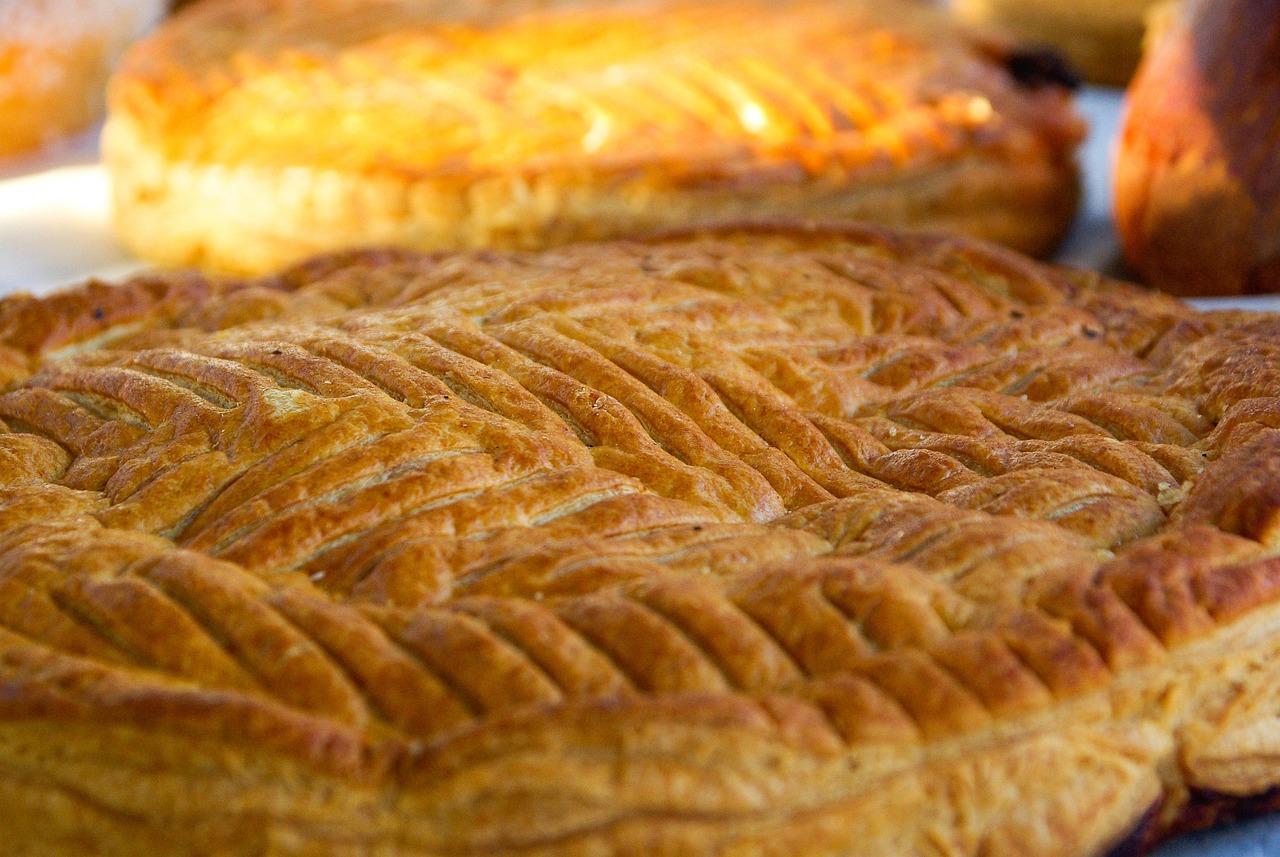
The small town of Pithiviers, between Orléans and Paris, gave its name to this domed puff-pastry pie filled with almond cream, its top scored in curved lines like the petals of a flower. It is close to the galette des rois that French families share at Epiphany in January, but in Pithiviers it is eaten all year as a Sunday dessert. The almond cream is traditionally flavoured with a spoonful of rum; leave it out and add orange zest or vanilla for an alcohol-free version. All-butter shop puff pastry works well. Chef's tip: chill the assembled pie for 30 minutes before scoring and baking; cold pastry rises tall and the pattern stays crisp.

by KrazyBadal 0 views

Lorne sausageSquare beef and pork sausage

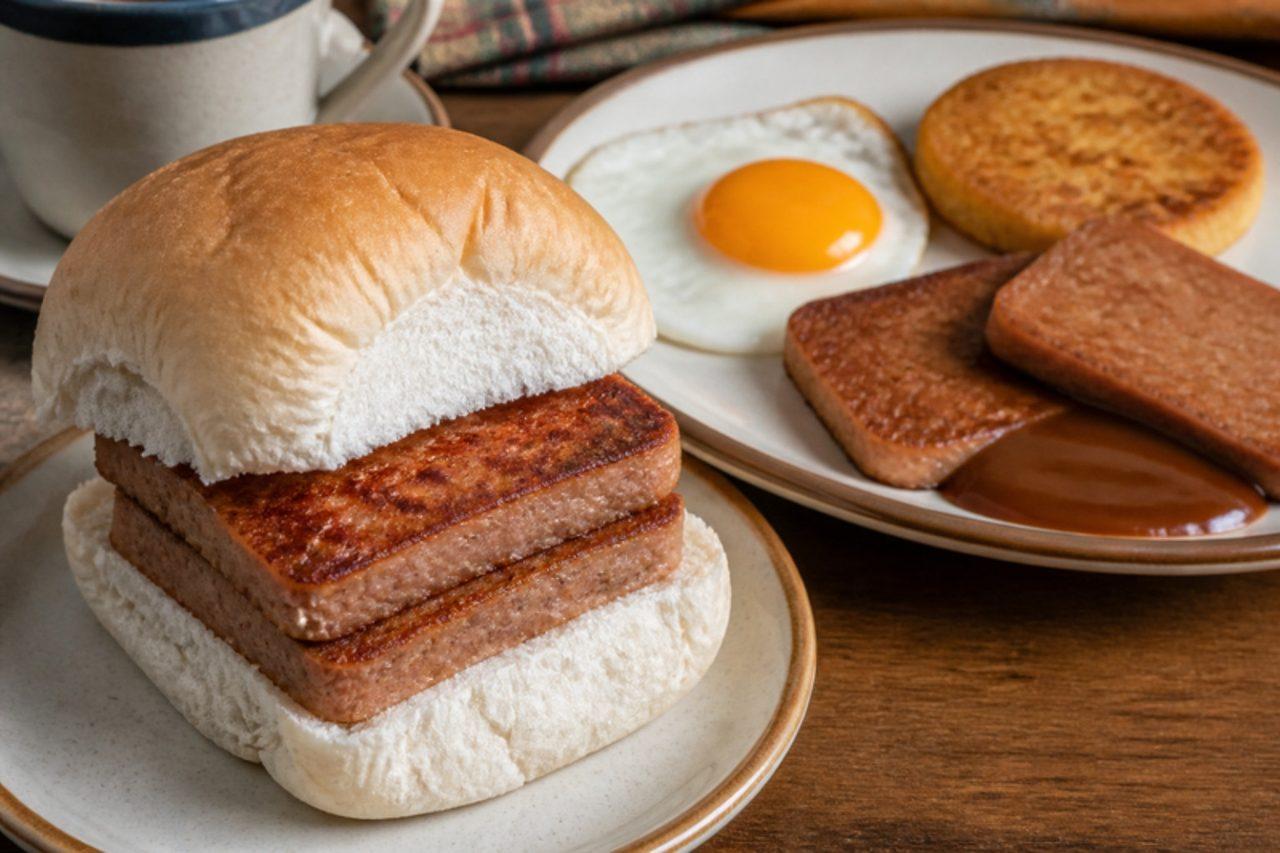
Lorne sausage, better known in Scotland simply as square sausage or slice, is a skinless loaf of seasoned beef and pork mince that is cut into squares and fried for the full Scottish breakfast, or slapped in a morning roll with brown sauce. It is easy to make at home and freezes well. Chef's tip: freeze the shaped block for an hour before slicing; it cuts into neat, thin squares.

by KrazyBadal 0 views

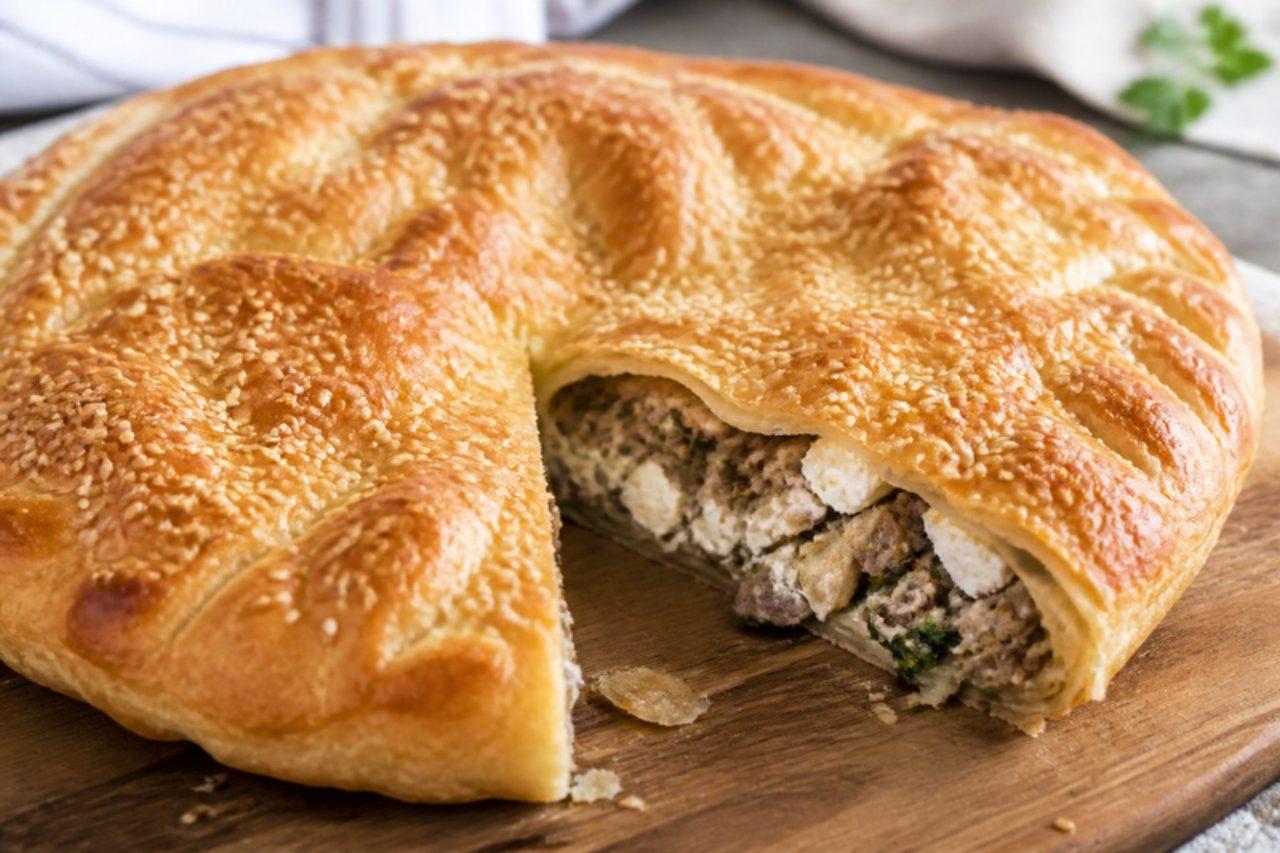
KreatotourtaLamb, cheese and mint pie

In Chania and the villages of western Crete, kreatotourta is baked on Easter Saturday so it is ready for the Sunday feast: a tall pie of tender lamb pieces layered with soft fresh cheese and mint, sealed in a crisp olive-oil pastry. It is cut into wedges and eaten warm or at room temperature, and leftovers vanish over the following days. The traditional cheeses are fresh mizithra and some graviera. Common mistake: putting raw lamb in the pie, which leaves the pastry burnt before the meat is tender; simmer the lamb first. Chef's tip: save a ladle of the lamb's cooking liquid and pour it through the steam hole halfway through baking so the filling stays juicy.

195 minGreekMeat
by KrazyBadal 0 views

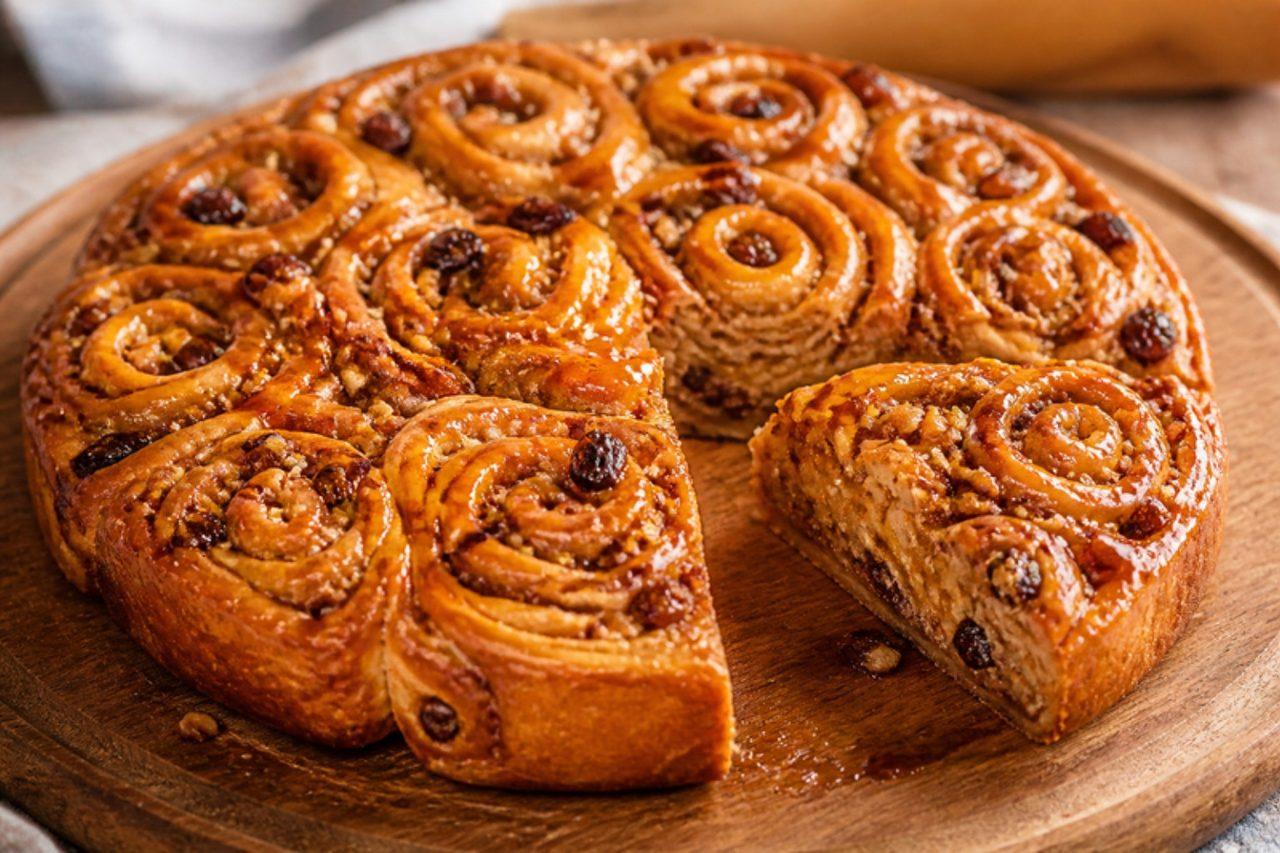
Pitta 'mpigliataHoney and walnut pastry spiral

High in the Sila mountains, the town of San Giovanni in Fiore bakes pitta 'mpigliata for Christmas and for weddings: ribbons of thin pastry rolled up with walnuts, raisins, cinnamon and cloves into little rosettes, packed side by side in a round tin and soaked in warm honey once baked. The name means something like 'wrapped-up cake', and it looks like a dish of flowers. It keeps for days, growing stickier and more fragrant. The dough is traditionally made with white wine and a splash of anise liqueur; this version uses orange juice and ground anise, with no alcohol. Chef's tip: roll the pastry as thin as you can; thick ribbons bake doughy in the middle.

by KrazyBadal 0 views

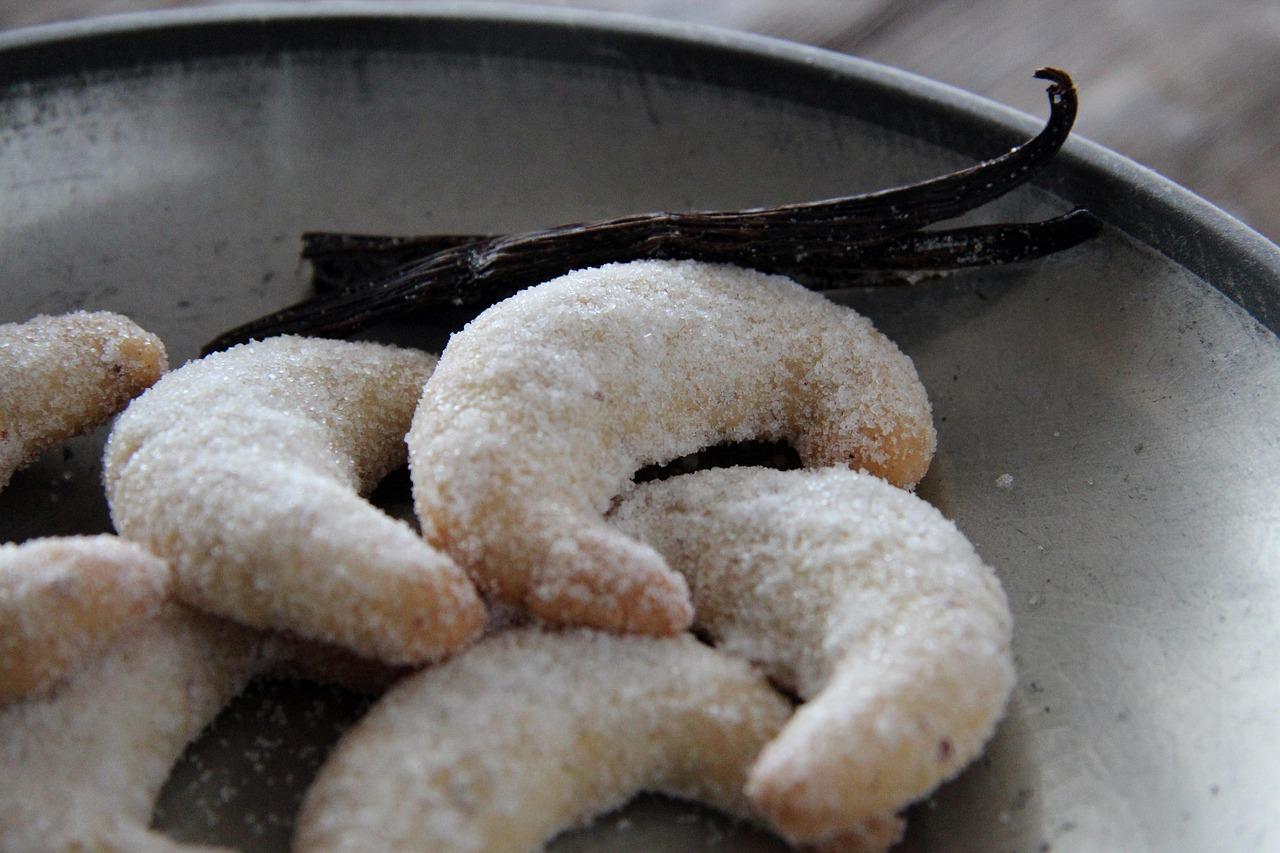
KourabiedesAlmond butter cookies

Snow-white kourabiedes are piled into pyramids at Greek Christmas, New Year and christenings, and in Macedonia they are handed out at weddings, so guests leave with sugar on their clothes. The crumb is short and sandy from well-whipped butter and toasted almonds, with a whisper of rose or orange-blossom water. Common mistake: dusting with icing sugar while the cookies are still hot, which melts into a paste instead of a soft coat. Chef's tip: beat the butter for a full 10 minutes until almost white; the air you whip in is what makes them melt in the mouth.

by KrazyBadal 0 views

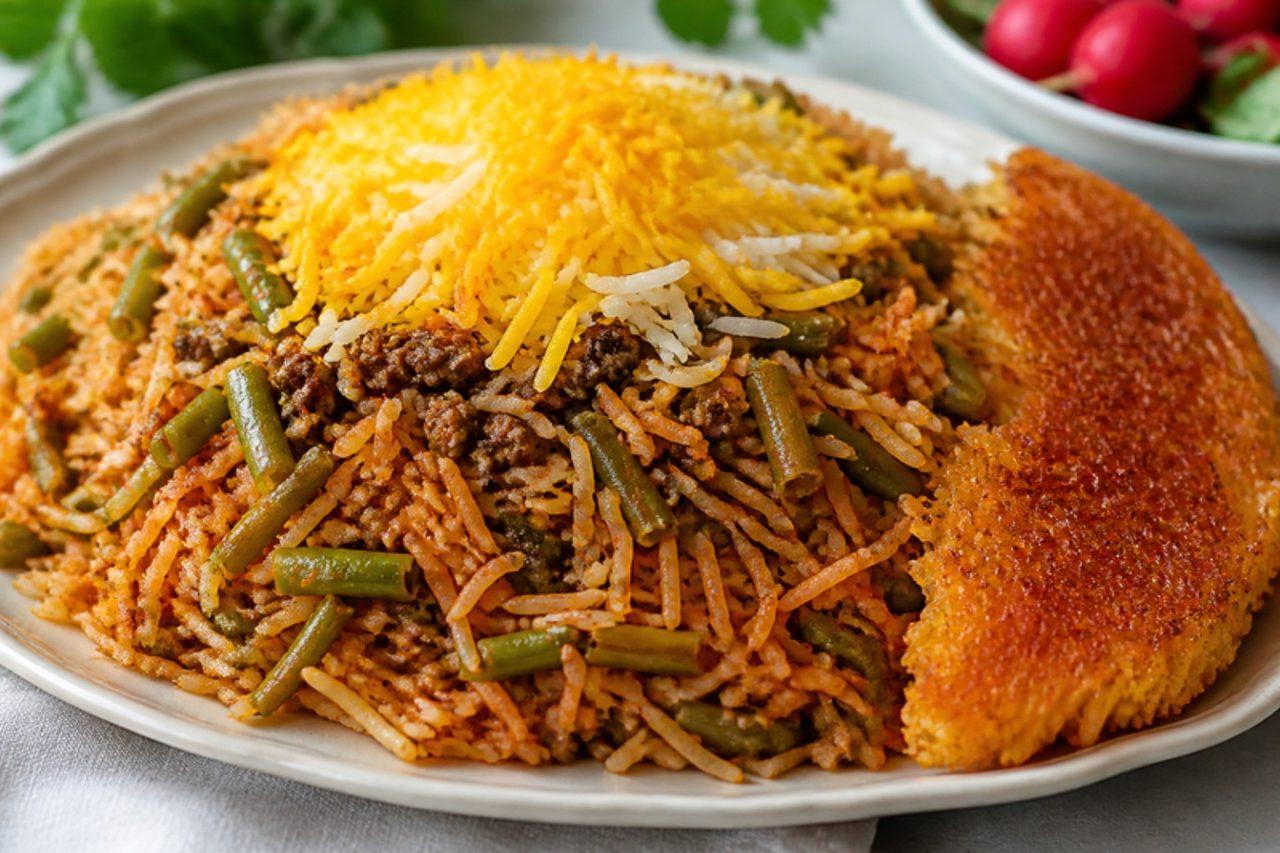
Loobia poloGreen bean rice with spiced lamb

Loobia polo is a weeknight favourite in Tehran homes, the rice dish children ask for when they come home from school and the one packed for picnics on the slopes of Darband. Parboiled basmati is layered with a sauce of minced lamb or beef, short pieces of green bean, tomato paste and a warm hint of cinnamon, then steamed slowly until every grain is stained a soft orange and a crisp tahdig forms underneath. For a meat-free pot, swap the mince for diced potato and keep everything else the same. Serve with mast-o khiar, salad shirazi and torshi. A common mistake is adding the beans raw to the rice layers: brown them in the sauce first or they stay squeaky and pale. Chef's tip: let the tomato paste fry in the oil until it turns brick red before adding water; that is where the deep, sweet flavour comes from.

by KrazyBadal 0 views

Kouneli stifadoRabbit stew with shallots and wine

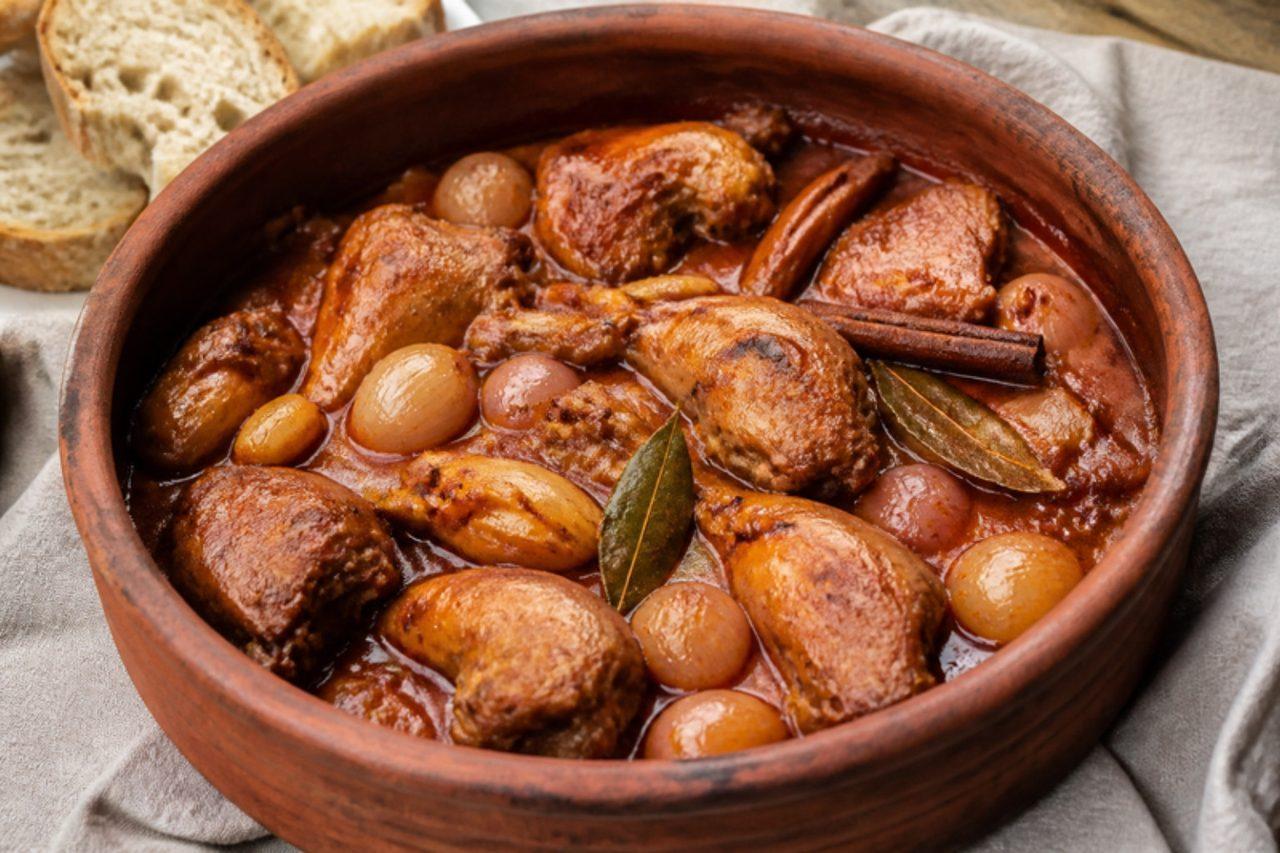
Rabbit is a favourite winter Sunday dish in Crete and across the Greek countryside, and stifado is the way most cooks prepare it: jointed rabbit simmered slowly with a mountain of small whole onions in a glossy, sweet-sour sauce of tomato, red wine and vinegar, scented with cinnamon, allspice and bay. The sauce reduces until the onions are soft and jammy, and it is served with fried potatoes or rice and bread to wipe the plate. This recipe uses red wine; for an alcohol-free version use red grape juice with an extra spoon of vinegar. Common mistake: stirring once the onions go in, which breaks them up; shake the pot instead. Chef's tip: peel the shallots more easily by soaking them in boiling water for 5 minutes first.

140 minGreekMeatGluten free
by KrazyBadal 0 views

KoulourakiaButter cookie twists

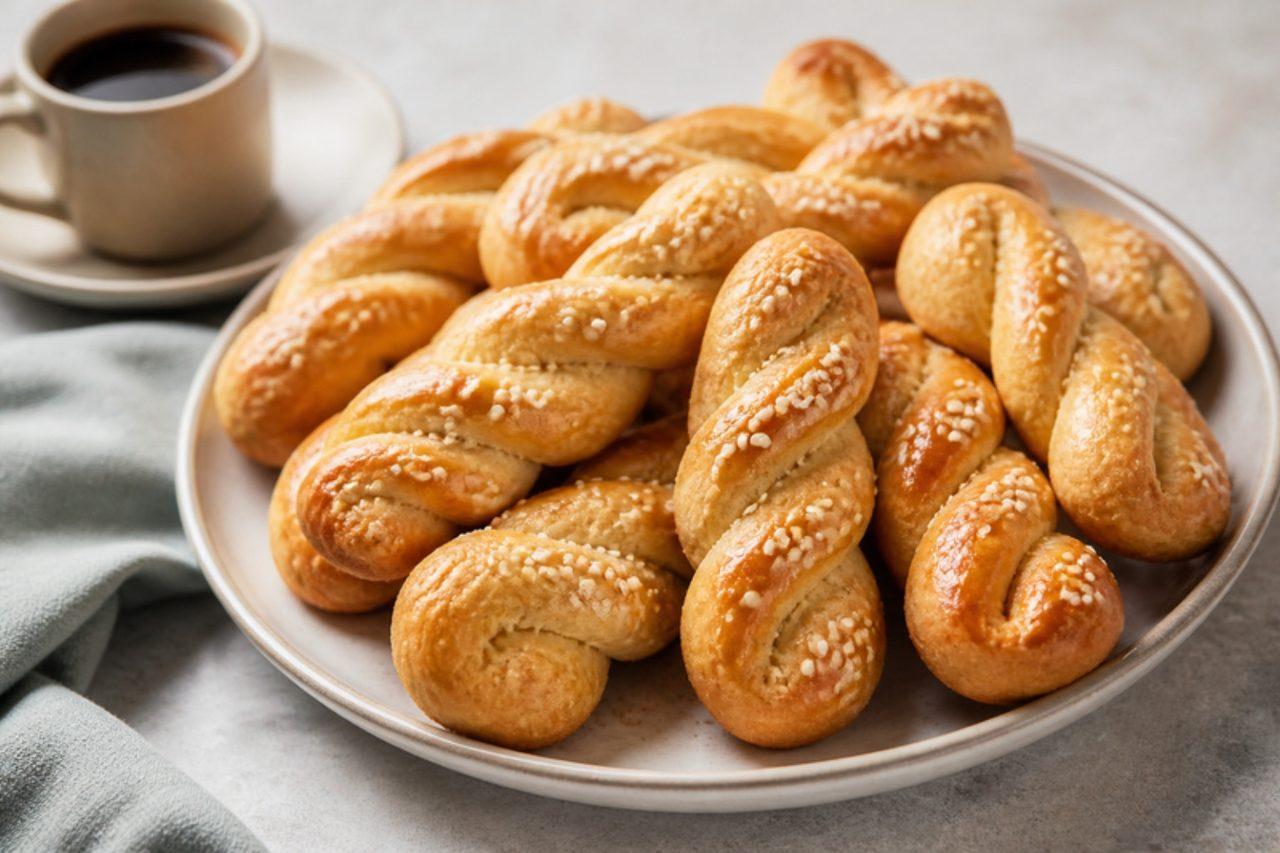
Easter Saturday morning in Greece smells of koulourakia: buttery cookie dough rolled into ropes, twisted into braids, coils and S-shapes, glazed with egg and baked to a deep shine. Children help shape them, and the tins last through Easter week for dunking in coffee or milk. The texture is crisp outside and tender within, with orange zest and vanilla. Common mistake: rolling the ropes too thick; anything wider than a pencil turns cakey rather than crisp. Chef's tip: chill the dough for 20 minutes before rolling and the twists keep their sharp edges in the oven.

by KrazyBadal 0 views

Palm Springs date shake

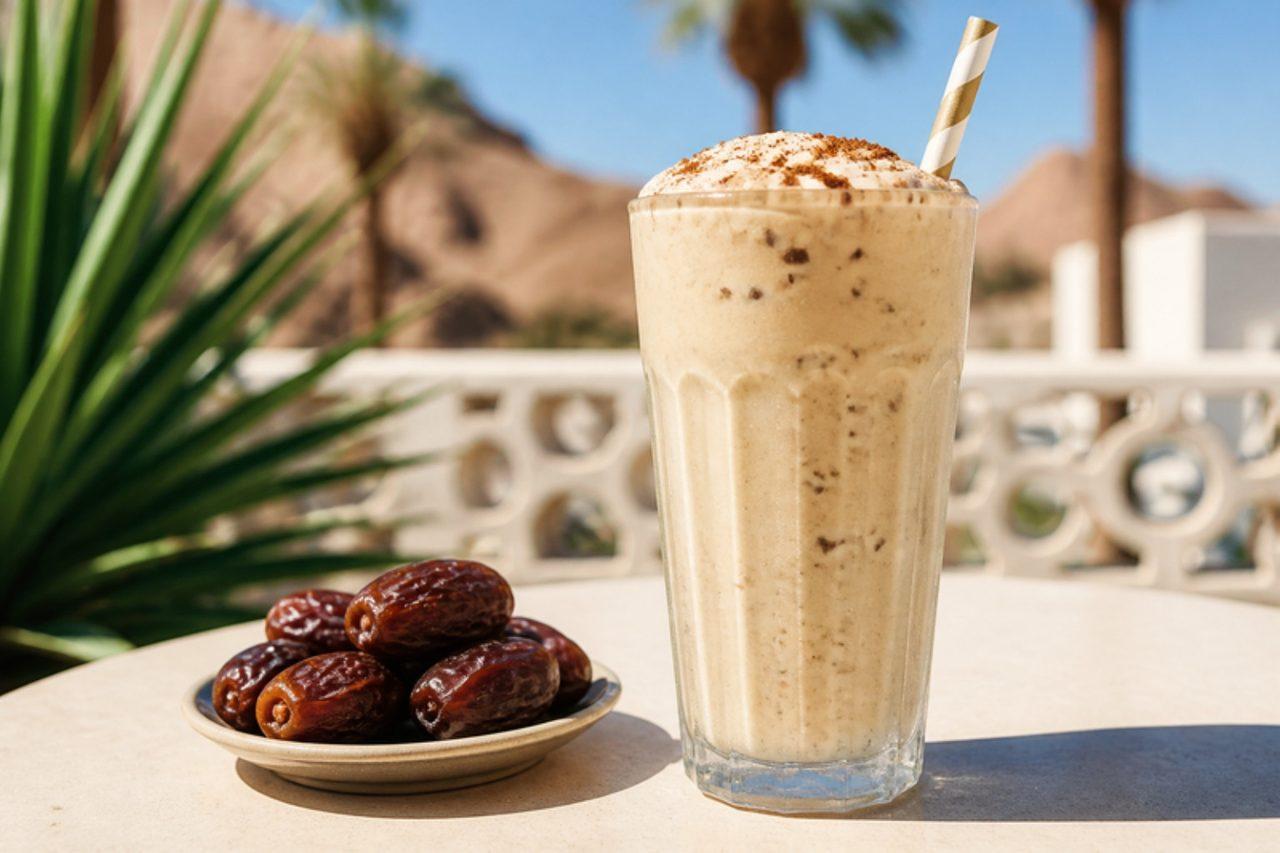
The Coachella Valley around Palm Springs and Indio grows most of America's dates, and roadside date farms along the desert highway have sold this shake to thirsty drivers since the 1930s. Soft Medjool dates are blended with vanilla ice cream and milk into a thick, caramel-flavoured shake. Chef's tip: soak the chopped dates in a little warm milk for 10 minutes first, so they blend completely smooth instead of leaving chewy bits in the straw.

by KrazyBadal 0 views

KougelhopfYeasted ring cake with raisins

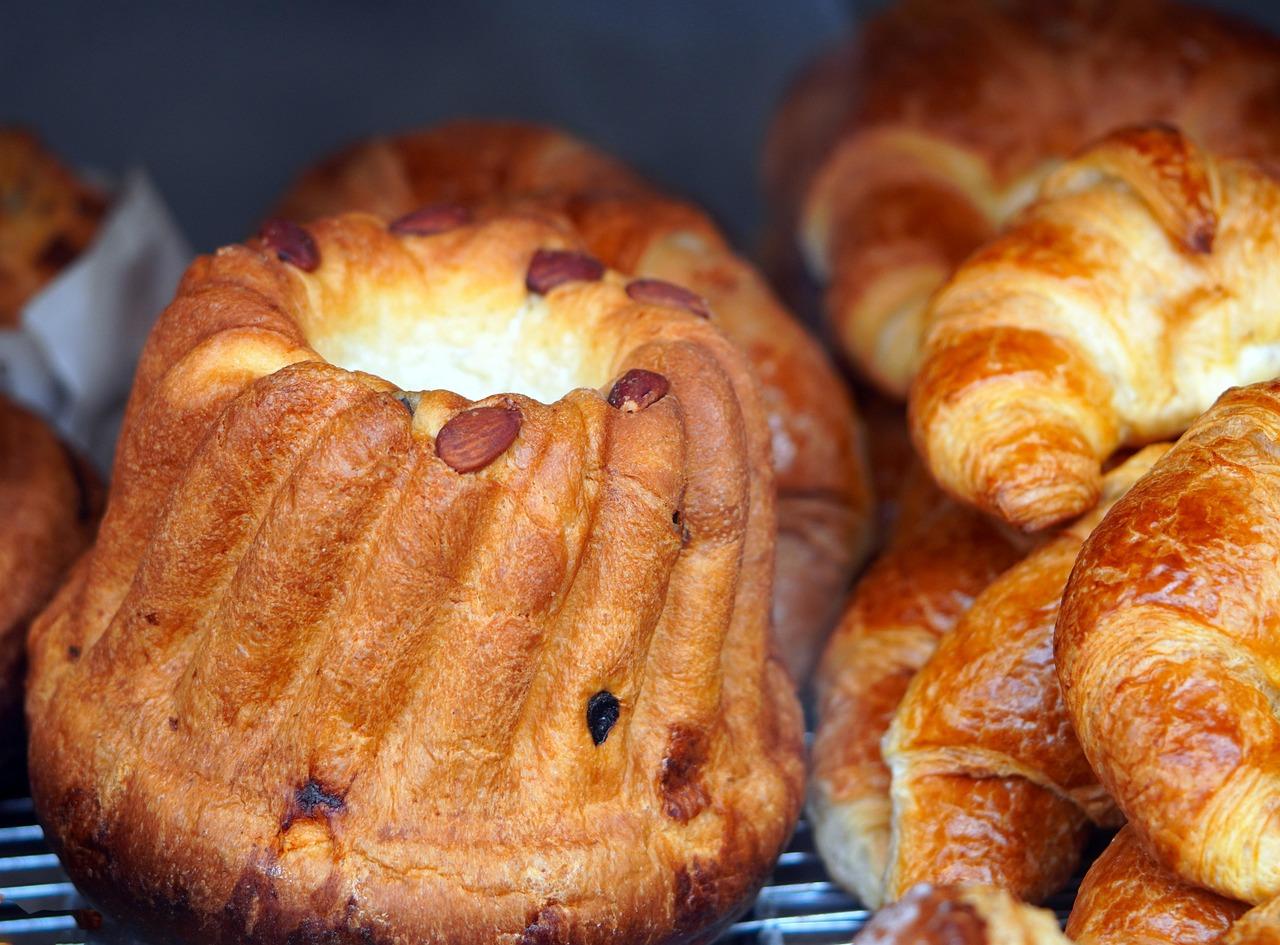
Walk into any bakery in Colmar, Ribeauvillé or Strasbourg on a Sunday morning and the kougelhopf sits in the window, tall and fluted, wearing a snowfall of icing sugar and a crown of whole almonds. Alsatian families buy or bake one for weekend breakfast with coffee, and slices that go stale are toasted the next day. The crumb sits halfway between brioche and cake: soft, buttery and only lightly sweet, studded with plump raisins. Many bakers soak the raisins in kirsch (cherry brandy); this recipe uses warm black tea, which plumps them just as well without alcohol. You need a kougelhopf or bundt tin of about 22 cm. Chef's tip: chill the buttered tin for 10 minutes and press the almonds into the grooves before the dough goes in, so they stay put and toast as the cake bakes.

by KrazyBadal 0 views

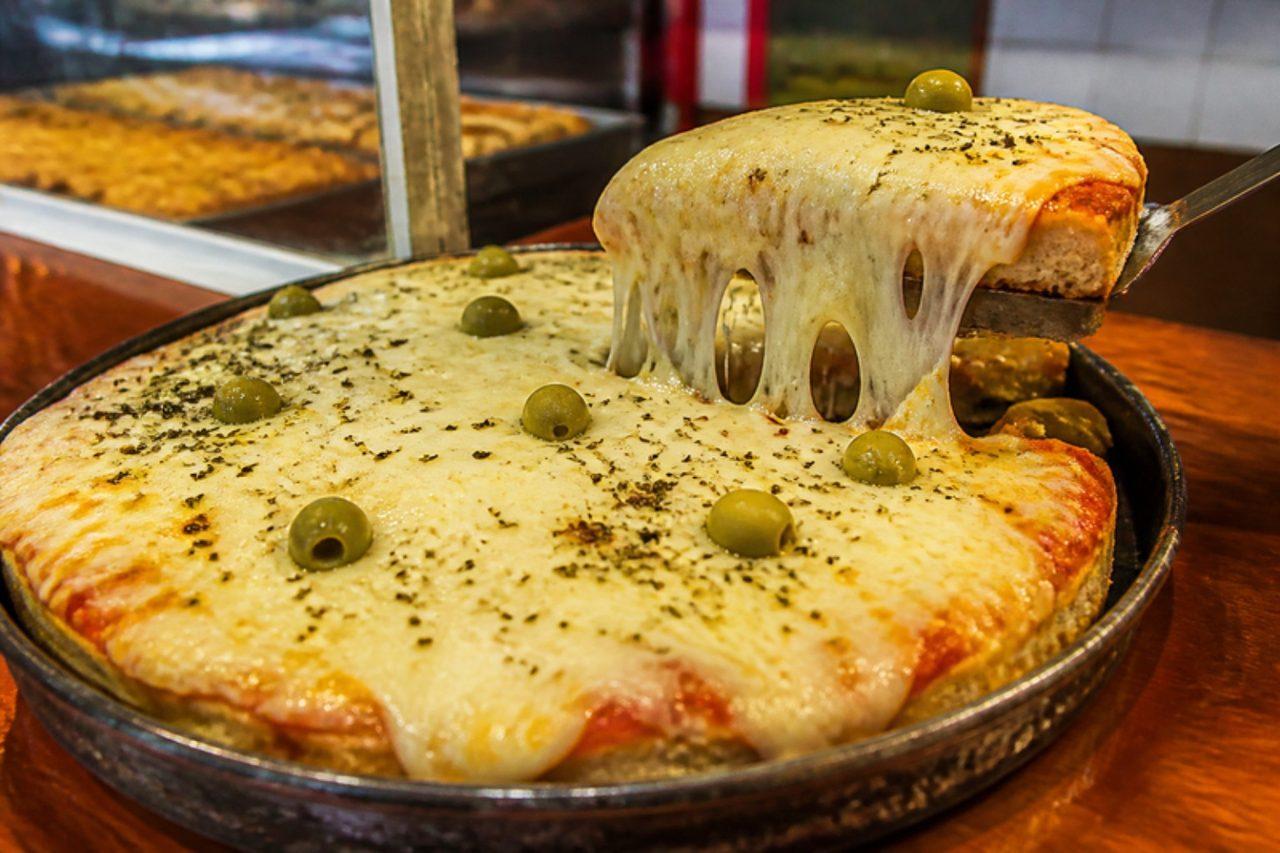
Pizza al moldeThick pan pizza

Order "una grande de muzza" at a Corrientes Avenue pizzería and this is what lands on the metal stand: a tall, airy base baked in a round black tin, a thin layer of tomato sauce and so much mozzarella it spills over the edge and fries against the metal. Porteños eat it standing at the counter or at a Formica table, often with a wedge of fainá on top and a cold soda beside it, and at home it is Friday-night food the whole family agrees on. The crumb should be soft and bready like focaccia, the base crisp from the oiled tin. Most home cooks go wrong by loading the cheese on raw dough: by the time the base has baked the mozzarella has split into grease. Here the base is part-baked with its sauce first, the way pizzerías keep pre-pizzas ready, and the cheese only goes in for the last minutes. The mozzarella is usually made with animal rennet, so pick a vegetarian one if that matters to you. Chef's tip: let the dough rise a second time inside the oiled tin; that last proof is what gives the high, open edge.

by KrazyBadal 0 views

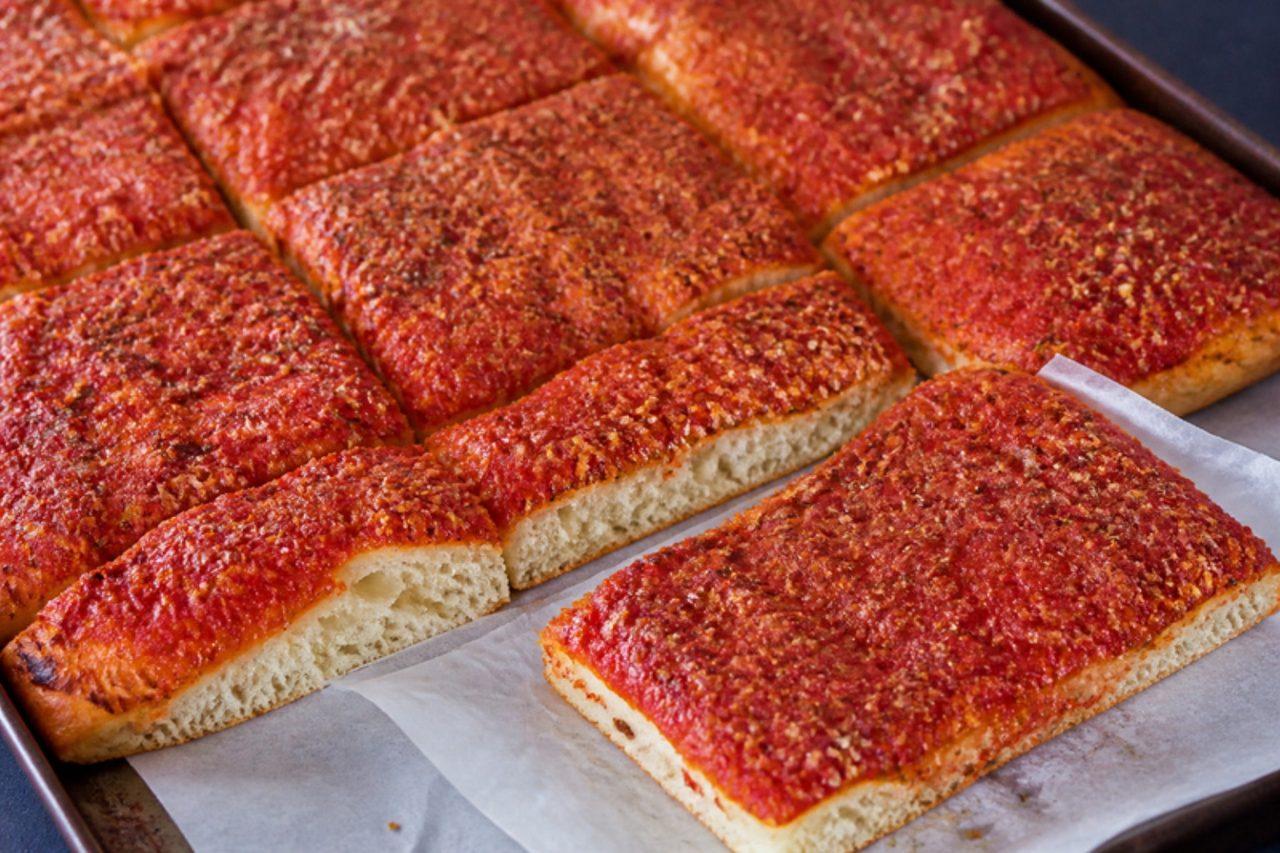
Pizza cancheraCheeseless thick tomato pizza

No cheese at all: that is the whole point of pizza canchera. Vendors walk the terraces at Buenos Aires football grounds with a wicker basket of these thick rectangles wrapped in paper, and the name comes from la cancha, the pitch. Because it is eaten at room temperature, the topping is a heavy, garlicky tomato paste, almost jammy, with dried oregano, a pinch of ají molido (crushed red chilli) and a good slick of olive oil; the base underneath is soft, a little oily and chewy, more focaccia than Neapolitan. Today it also turns up at kids' parties and on Sunday tables as a snack before the asado. Where people slip up is the sauce: a thin, watery sauce soaks the dough and turns it soggy by the time it has cooled, so the tomato has to be cooked down until a spoon leaves a trail. Chef's tip: cut it into squares only once it has cooled for 15 minutes; it will hold its shape like the slices sold in the stands.

by KrazyBadal 0 views

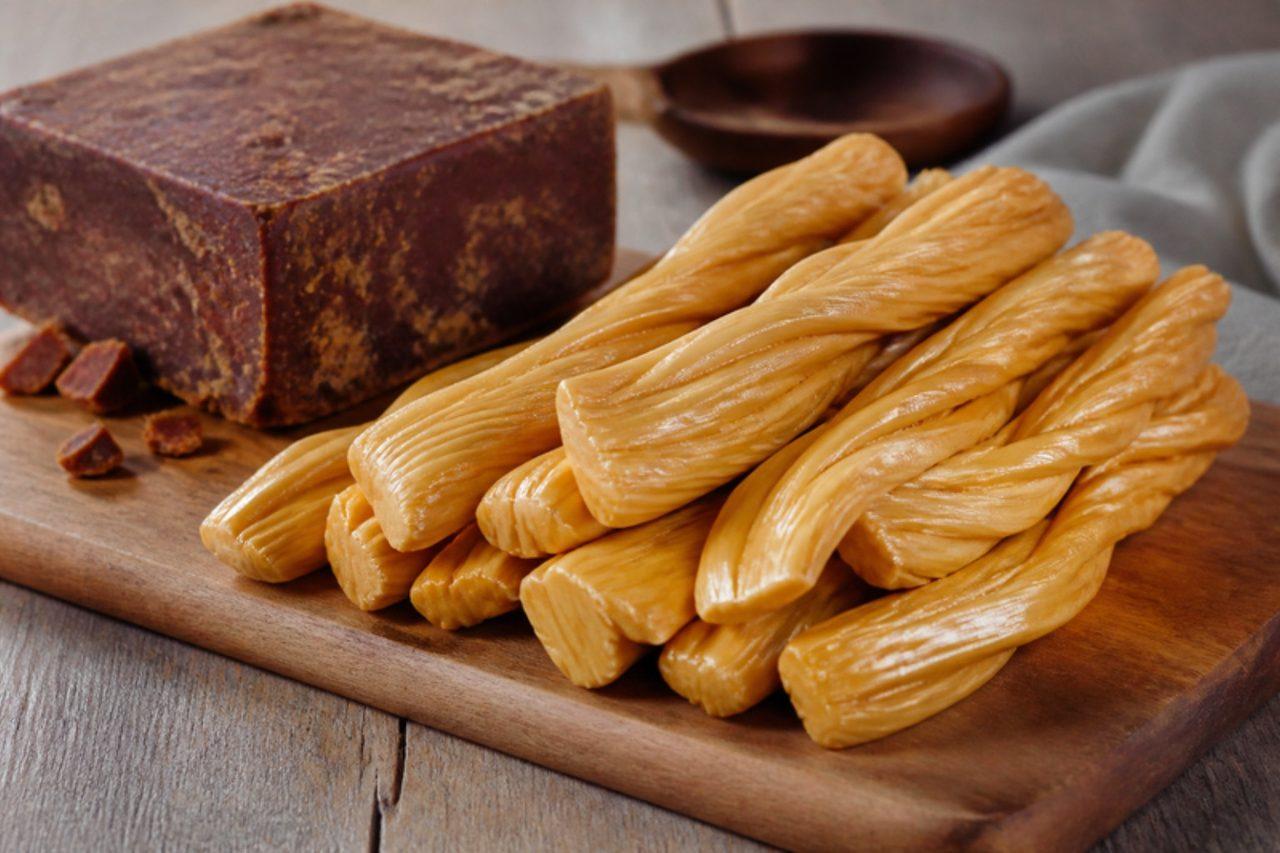
MelcochasPulled panela taffy

Pulling melcocha is a spectacle at roadside stalls in panela country, around Villeta in Cundinamarca and the Santander highlands. A syrup of panela is boiled until thick, cooled just enough to handle, then stretched, folded and stretched again until it turns from dark brown to a pale, satiny gold and becomes chewy. It is twisted into ropes and cut into pieces that taste of caramel and molasses. Kids and adults both buy it in little bags, and it makes a fun kitchen project for a group. Getting the timing wrong is the usual mistake: too hot and it burns your hands and sticks, too cold and it snaps instead of stretching. Work when it feels like warm putty. The syrup is dangerously hot, so keep children well back until it has cooled. Chef's tip: a sugar thermometer takes the guesswork out; take the syrup off at 125 °C for a chewy result.

by KrazyBadal 0 views

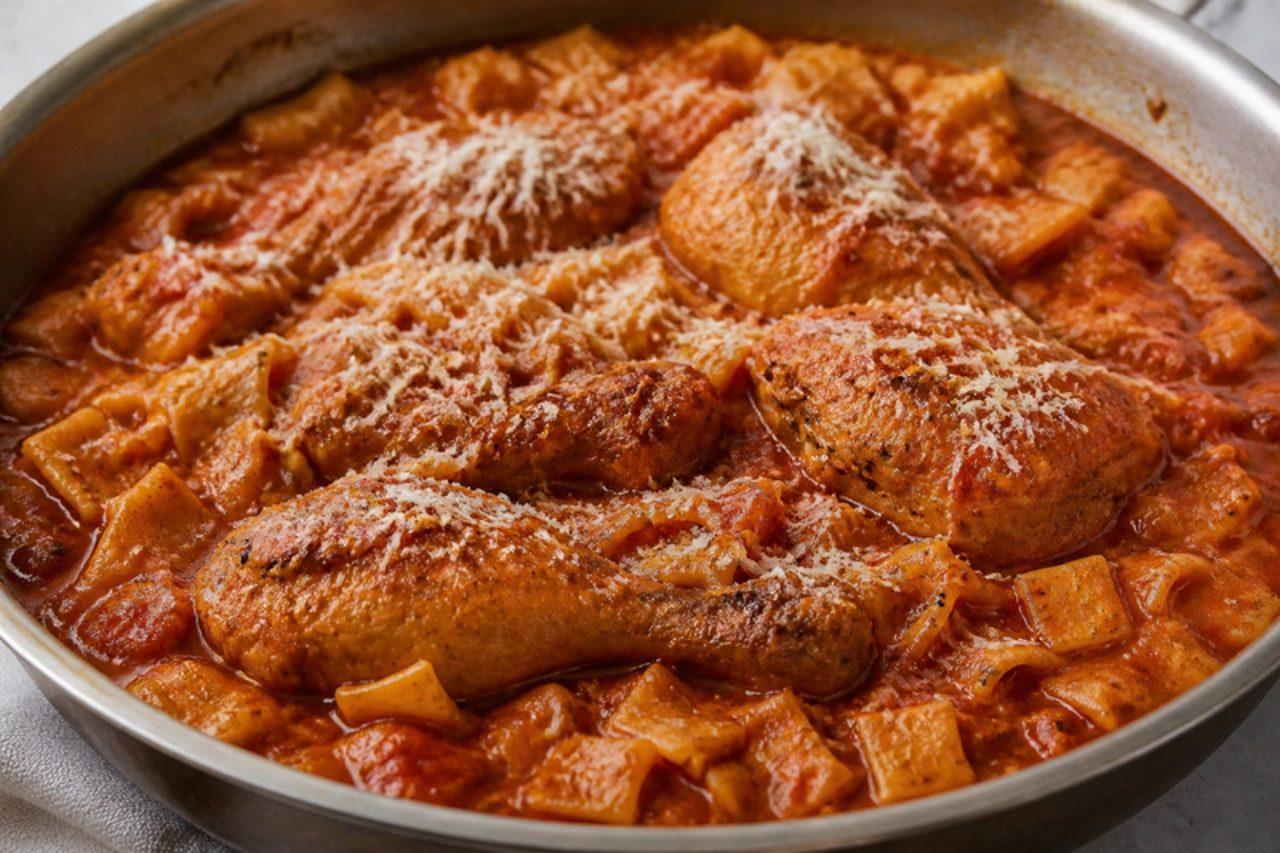
Kotopoulo me hilopitesChicken with egg pasta squares

Across the Thessalian plain, from Larissa to Trikala, Sunday lunch is often a chicken braised in tomato with a cinnamon stick, its sauce stretched with broth so the little hilopites pasta squares can cook right in the pot. The pasta soaks up the sauce until thick and almost risotto-like, and a fistful of grated cheese goes on at the table. Use homemade hilopites or a good shop-bought pack. Common mistake: adding the pasta to too little liquid — it absorbs a lot, so have hot water ready. Chef's tip: brown the chicken skin well, then finish the dish in the oven if you like a crispy top.

by KrazyBadal 0 views

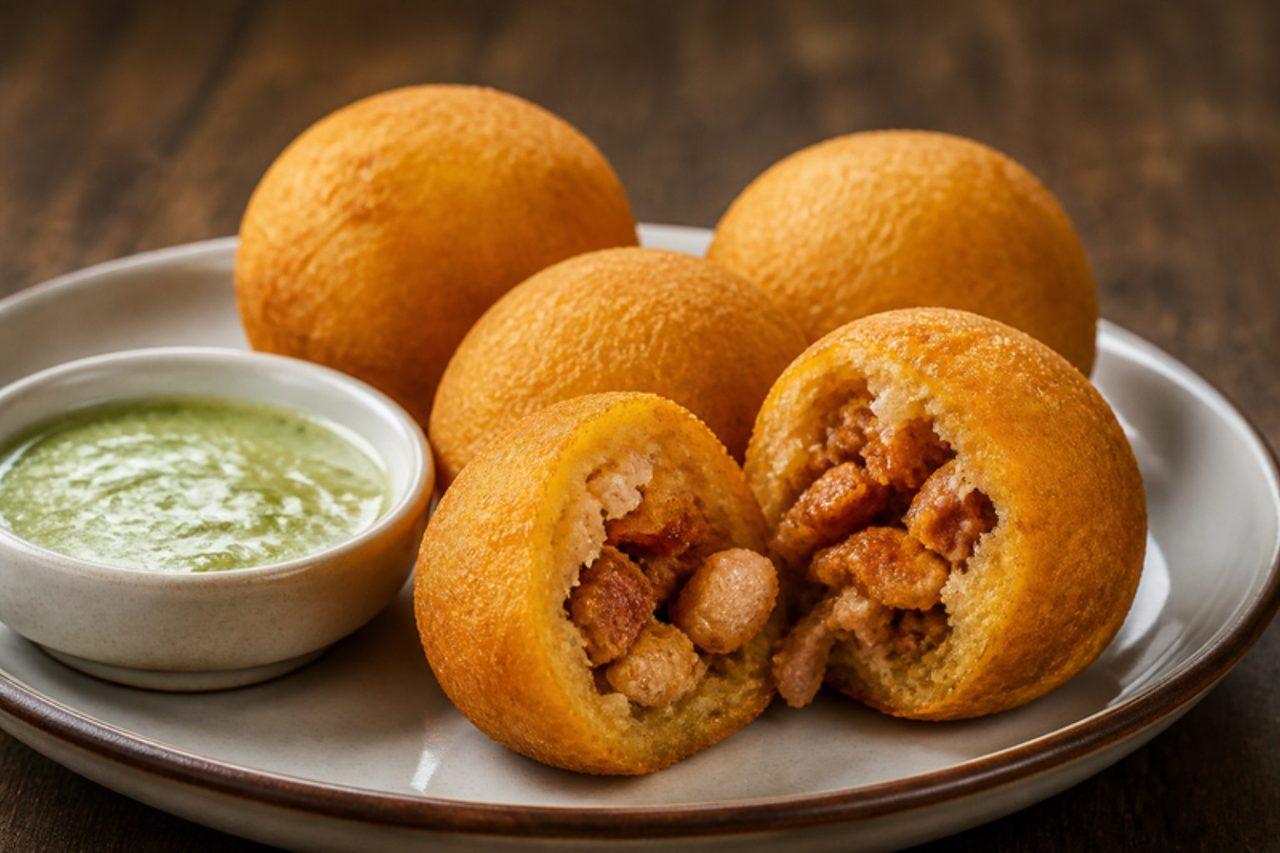
MarranitasPlantain balls with pork crackling

Breakfast stalls along Cali's busy streets and the bakeries of the Valle del Cauca fry marranitas all morning: green plantain, half-fried, pounded while hot and shaped around a nugget of crunchy pork chicharrón, then fried again until crisp and golden. The name means 'little piglets', after the pork inside. The outside shatters, the plantain layer is dense and starchy and the crackling gives a salty, porky crunch in the middle. Eat them hot with a mug of coffee or hot chocolate, or as a snack with ají and hogao for dipping. The plantains must be truly green and hard; yellowing ones turn sweet and sticky and won't hold a crisp shell. Chef's tip: pound the plantain the moment it comes out of the first fry, using a little warm salted water on your hands; once it cools it stiffens and cracks when you shape it.

by KrazyBadal 0 views

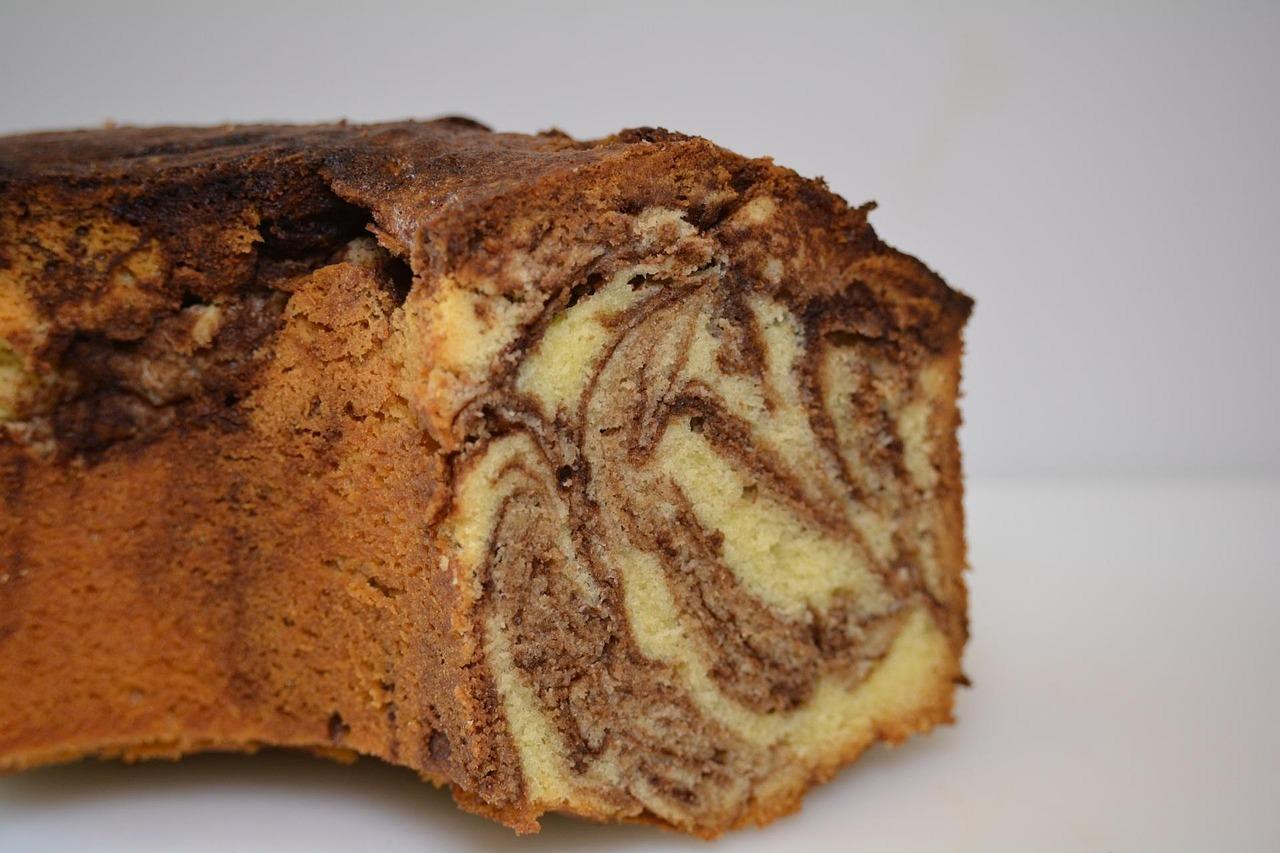
MarmorkuchenMarble cake

Marmorkuchen is the cake German children grow up with: a tall, buttery ring of vanilla sponge swirled with chocolate, baked for birthdays and kindergarten parties and kept under a glass dome for afternoon coffee all week. It needs nothing but a dusting of icing sugar, though many families pour over a thin chocolate glaze. A common mistake is over-stirring the two batters together, which turns the cake a muddy brown instead of showing clear marbling. Chef's tip: layer the batters in the tin, then pull a fork through just once in a spiral; less is more.

by KrazyBadal 0 views

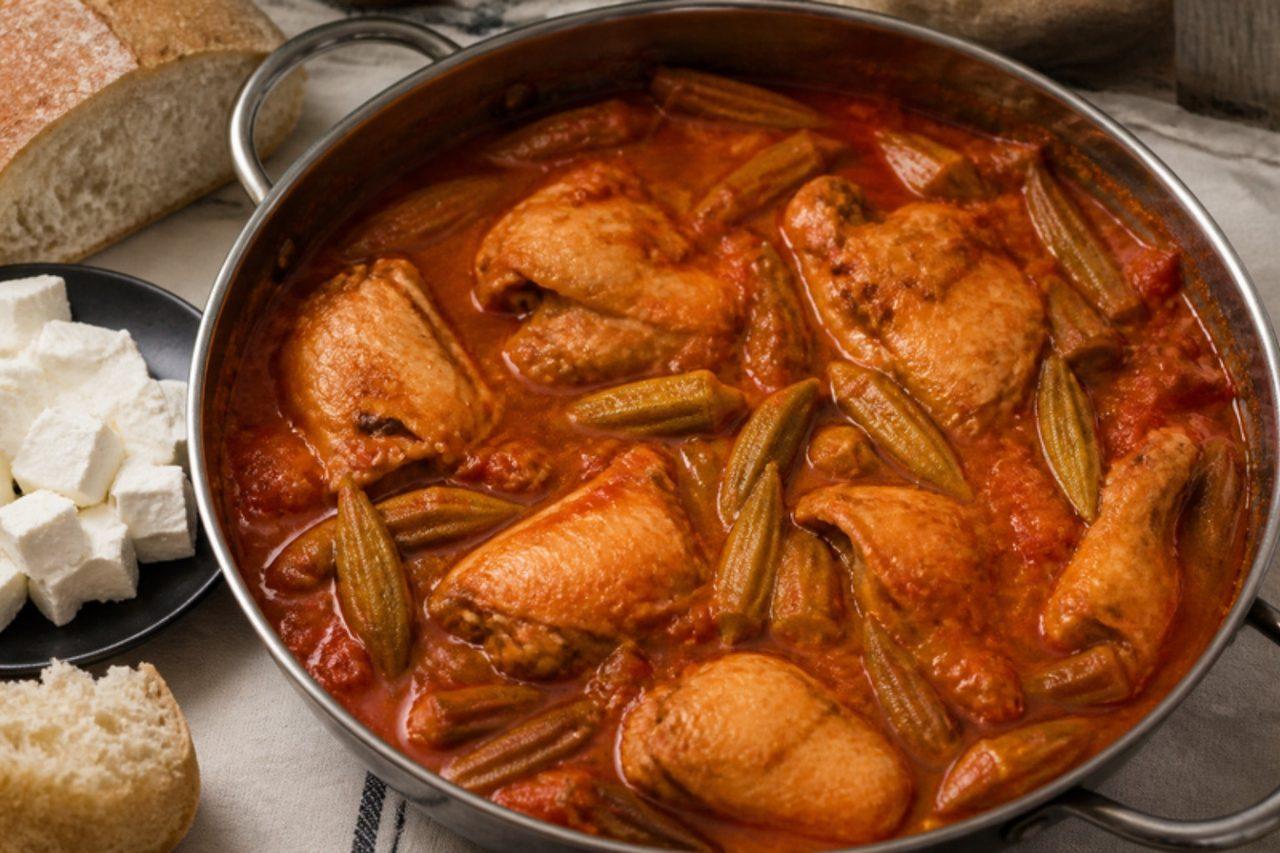
Kotopoulo me bamiesChicken and okra stew

In late summer, when Greek markets are full of small, firm okra, home cooks braise them with chicken thighs, tomato and onions until the sauce is thick and glossy; it is a Wednesday-night dish, served with feta and bread. The trick is to keep the okra whole and un-slimy so it holds its shape. Common mistake: stirring the pot once the okra is in; shake it instead. Chef's tip: trim only the very top of each okra cone without cutting into the pod, then toss them with vinegar and salt and leave in the sun or a warm spot for 30 minutes; it firms them up and keeps the sauce clean.

100 minGreekChickenGluten free
by KrazyBadal 0 views

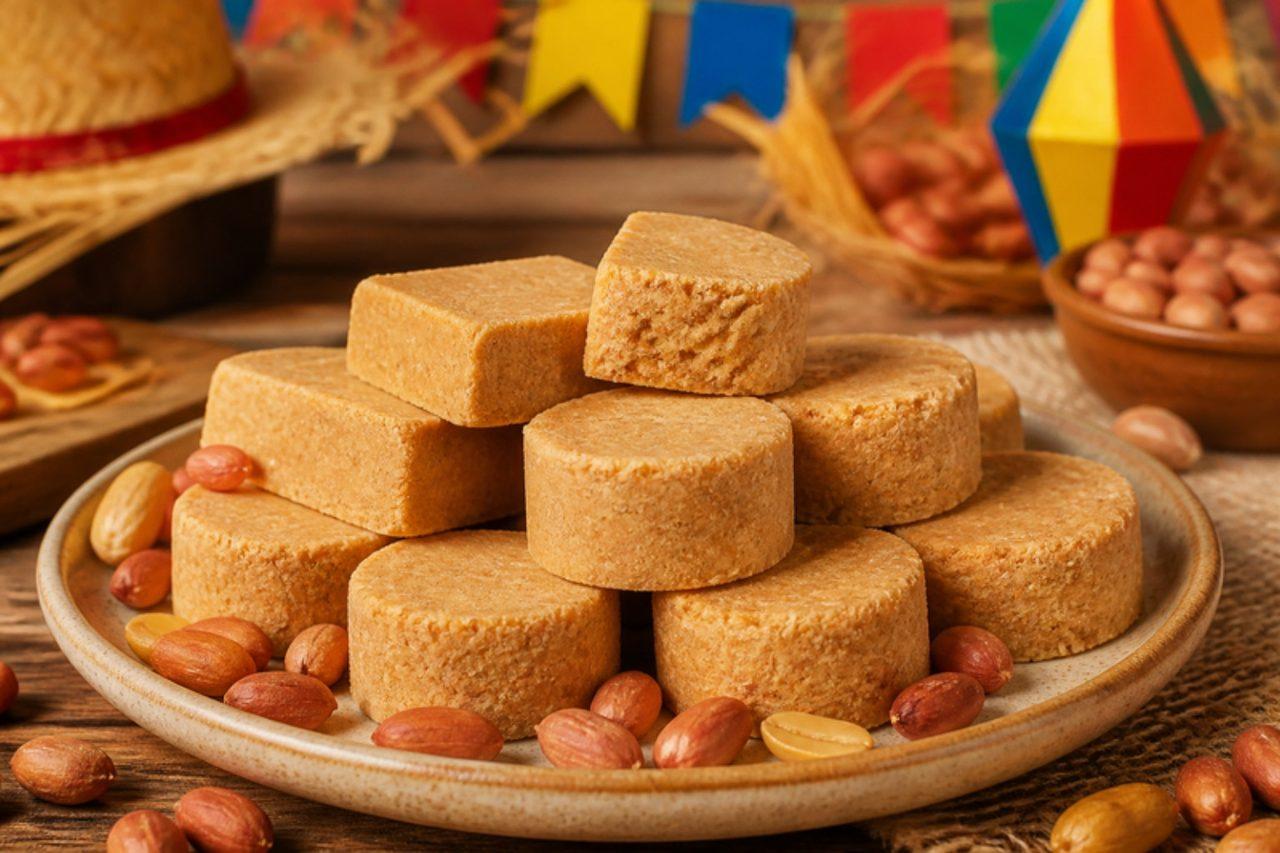
PaçocaPeanut and cassava flour sweet

Kids across Brazil grow up on paçoca, the pale peanut sweet that melts into sandy crumbs the moment it is bitten, and no festa junina bag of treats is complete without a few. It started in the countryside of São Paulo and Minas as a way to use the peanut harvest, pounded in a wooden pestle with sugar and cassava flour, and today it is mostly pressed into little discs called rolhas. The flavour is pure toasted peanut, salty-sweet, with a texture between shortbread and fudge. Fine cassava flour (farinha de mandioca fina) is sold in Brazilian shops; you can leave it out for a richer, softer paçoca. Under-roasting the peanuts is the usual pitfall: pale peanuts give a raw, beany taste. Chef's tip: grind the mixture only until it just starts to clump; if it turns to butter, it will not hold a crumbly shape.

by KrazyBadal 0 views

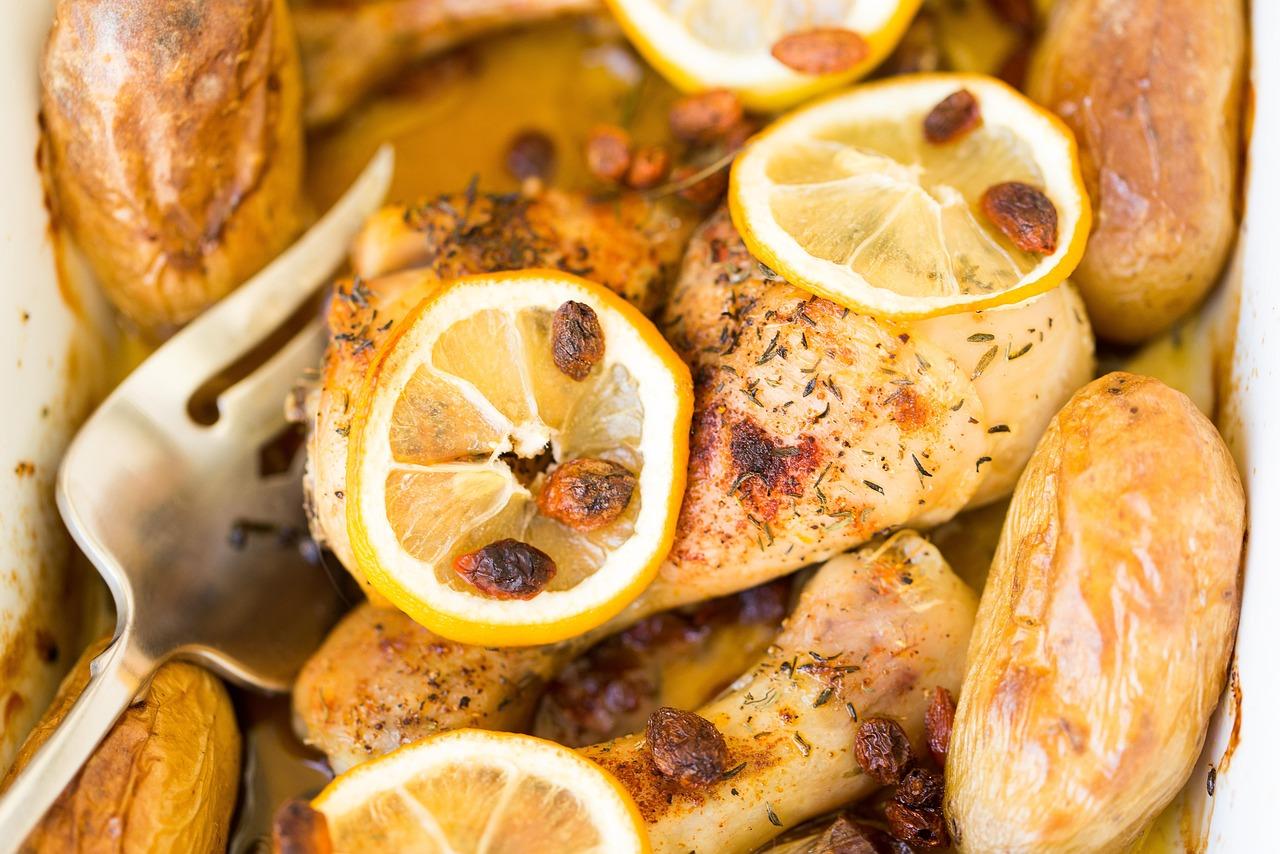
Kotopoulo lemonatoLemon roast chicken and potatoes

Kotopoulo lemonato is the roast that fills Greek apartment blocks with the smell of lemon and oregano on Sunday mornings: chicken pieces and potato wedges baked in a single tin with plenty of lemon juice, olive oil, garlic and a little mustard, until the potatoes soak up the juices and catch at the edges. Serve with a cabbage-carrot salad and feta. Common mistake: crowding the tin so everything steams; use a big roasting tin and a single layer. Chef's tip: add a splash of hot water halfway; it dissolves the browned bits into a sauce that the potatoes drink up.

by KrazyBadal 0 views

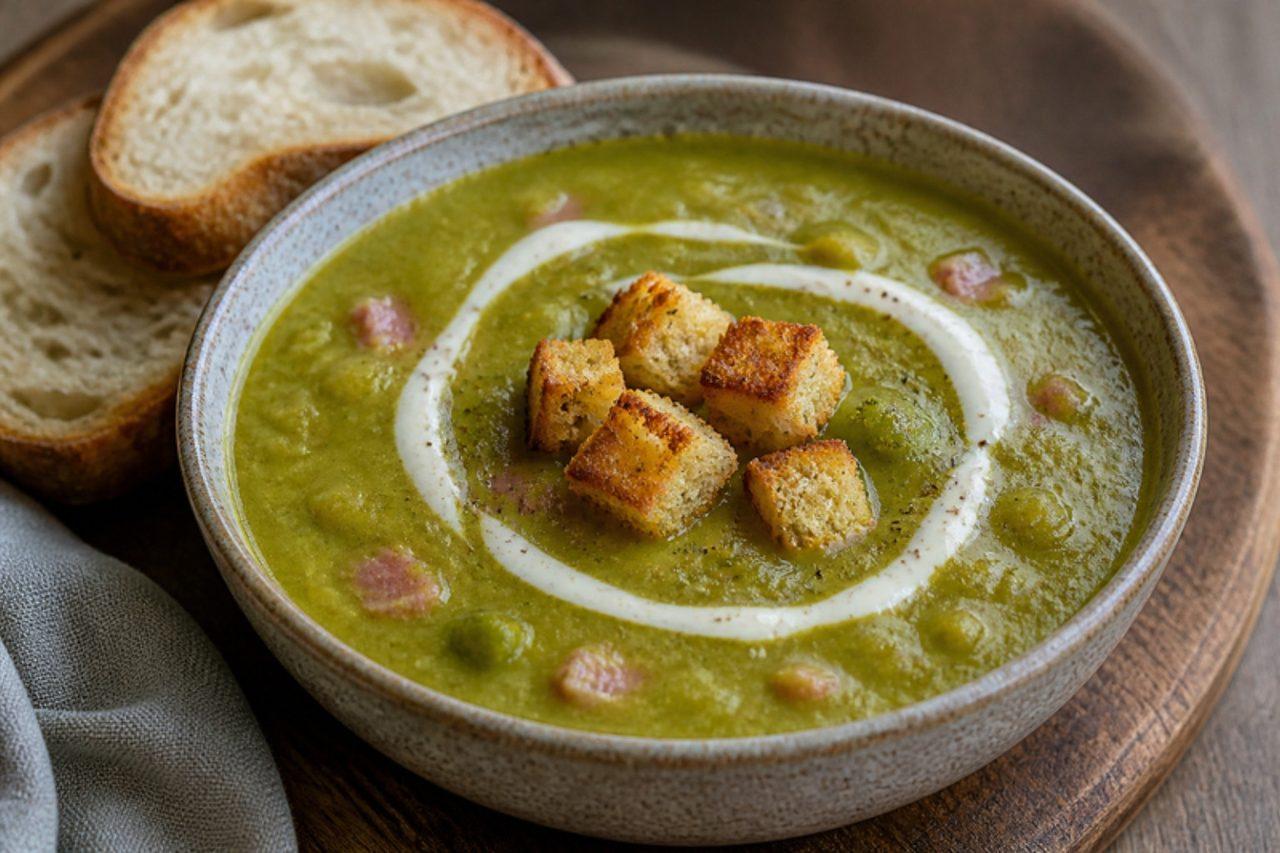
London particularSplit pea and ham soup

London particular is a thick, yellow-green soup of split peas and smoked pork ham hock, named after the pea-souper smogs that once smothered the city. It was a cheap winter warmer in Victorian London eating houses and is still on menus in pubs and cafés when the weather turns. The hock gives a deep smoky saltiness and shreds of soft meat. Chef's tip: skim the grey foam off as the water first boils, for a cleaner taste.

135 minBritishSoupsGluten free
by KrazyBadal 0 views

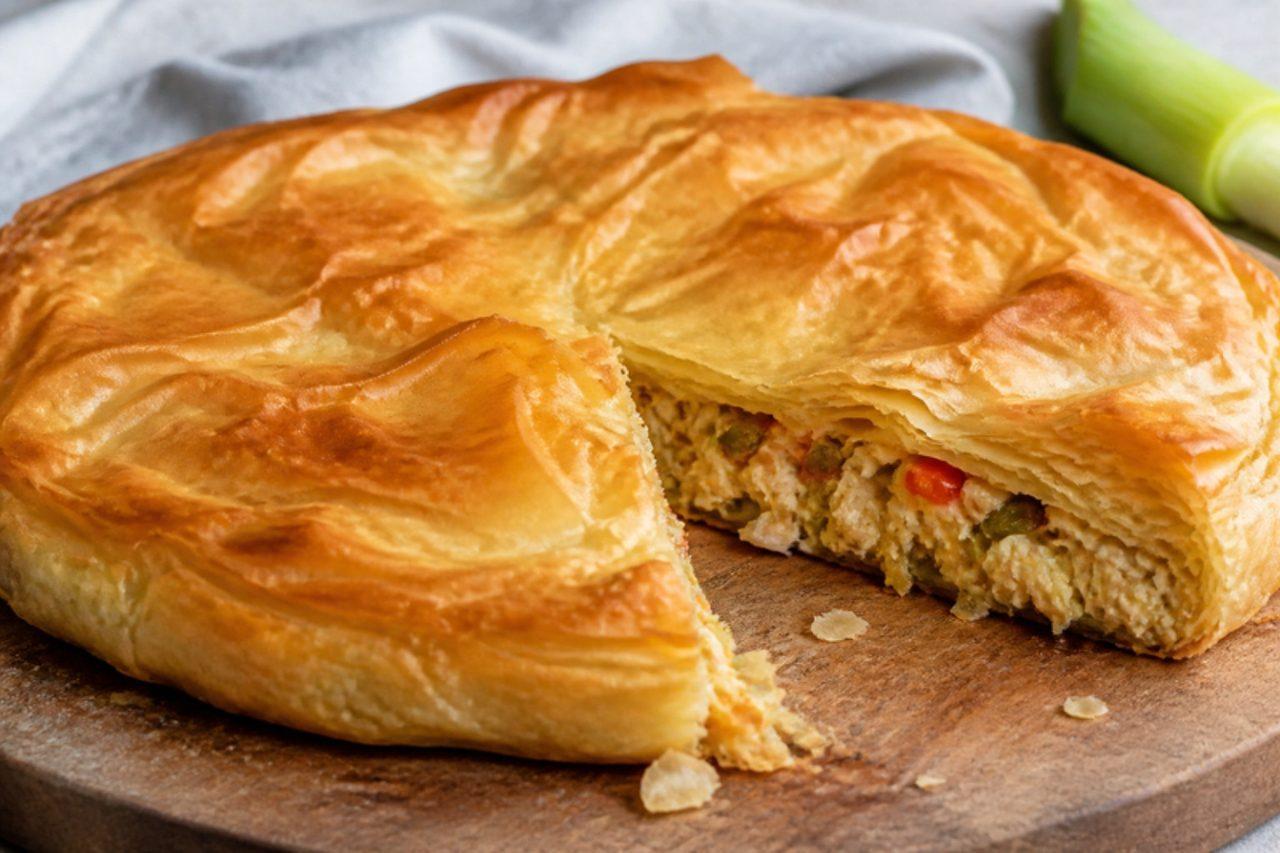
KotopitaChicken and leek pie

Epirus is Greece's pie country, and kotopita is the one served at Sunday lunch and family celebrations in Ioannina, cut into deep golden squares. Chicken is poached until tender, shredded and folded into a filling of soft leeks, peppers, eggs and two cheeses, then baked between layers of buttered filo. A salad is all you need alongside. Common mistake: adding the eggs to hot filling, which scrambles them — cool it first. Chef's tip: cook the poaching stock down by half and stir a few spoons into the filling; it keeps the chicken moist without making the pastry wet.

140 minGreekChicken
by KrazyBadal 0 views

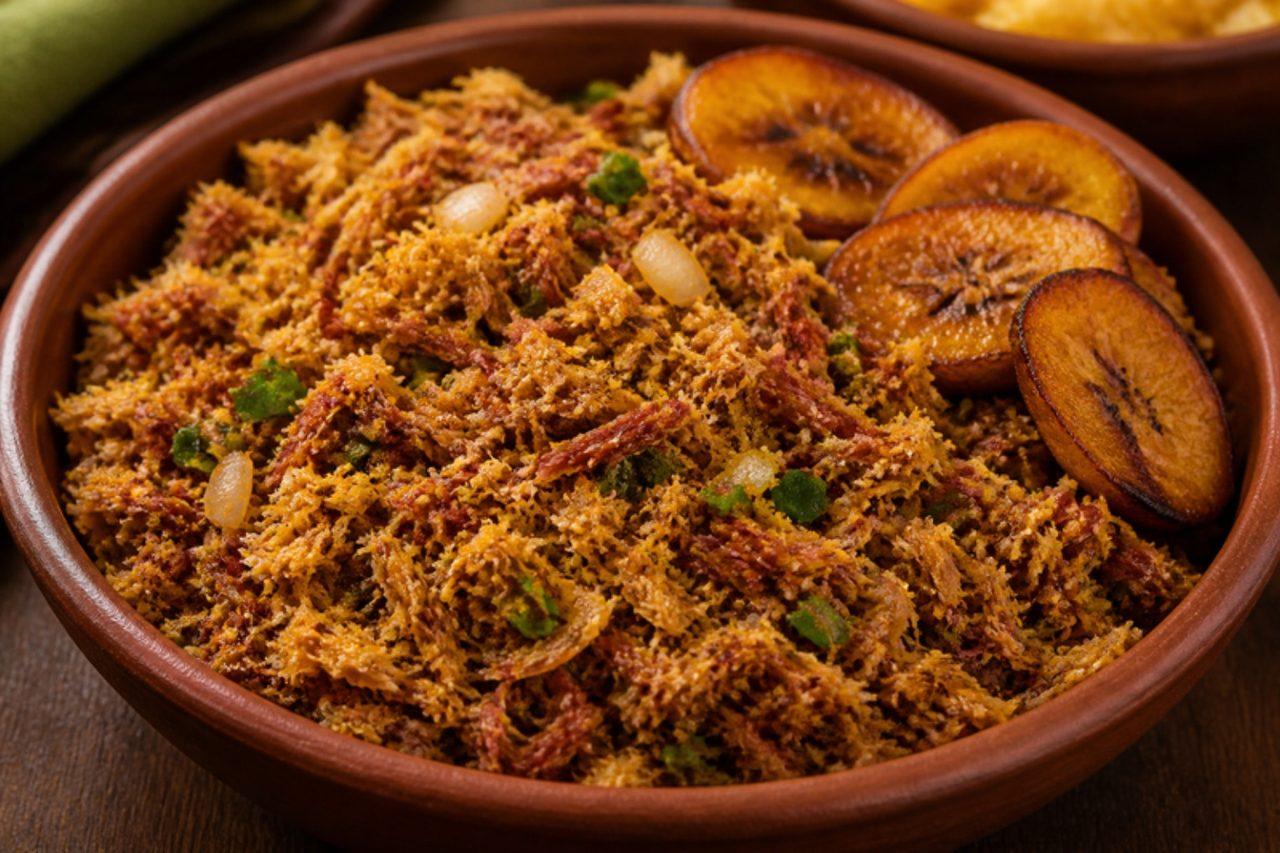
Paçoca de carne de solPounded dried beef with cassava flour

Not the peanut sweet of the same name: in Ceará, Piauí and Maranhão, paçoca is a savoury, fluffy tangle of fried carne de sol pounded with toasted cassava flour and onion in a big wooden pilão. Cowboys of the sertão carried it on long rides because it keeps for days, and today it is served at roadside restaurants and at home with baião de dois, boiled macaxeira, ripe banana and a cold glass of cajá juice. It should be dry, crumbly and full of crisp beef threads, salty and deeply savoury. The thing that goes wrong most often is adding the cassava flour to a wet pan, which turns it into paste; the beef must be fried really dry first. Without a pilão, a large mortar or short pulses in a food processor do the job. Chef's tip: let the pounded paçoca rest for ten minutes before serving; the farinha soaks up the beef fat and the texture turns soft and fluffy.

by KrazyBadal 0 views

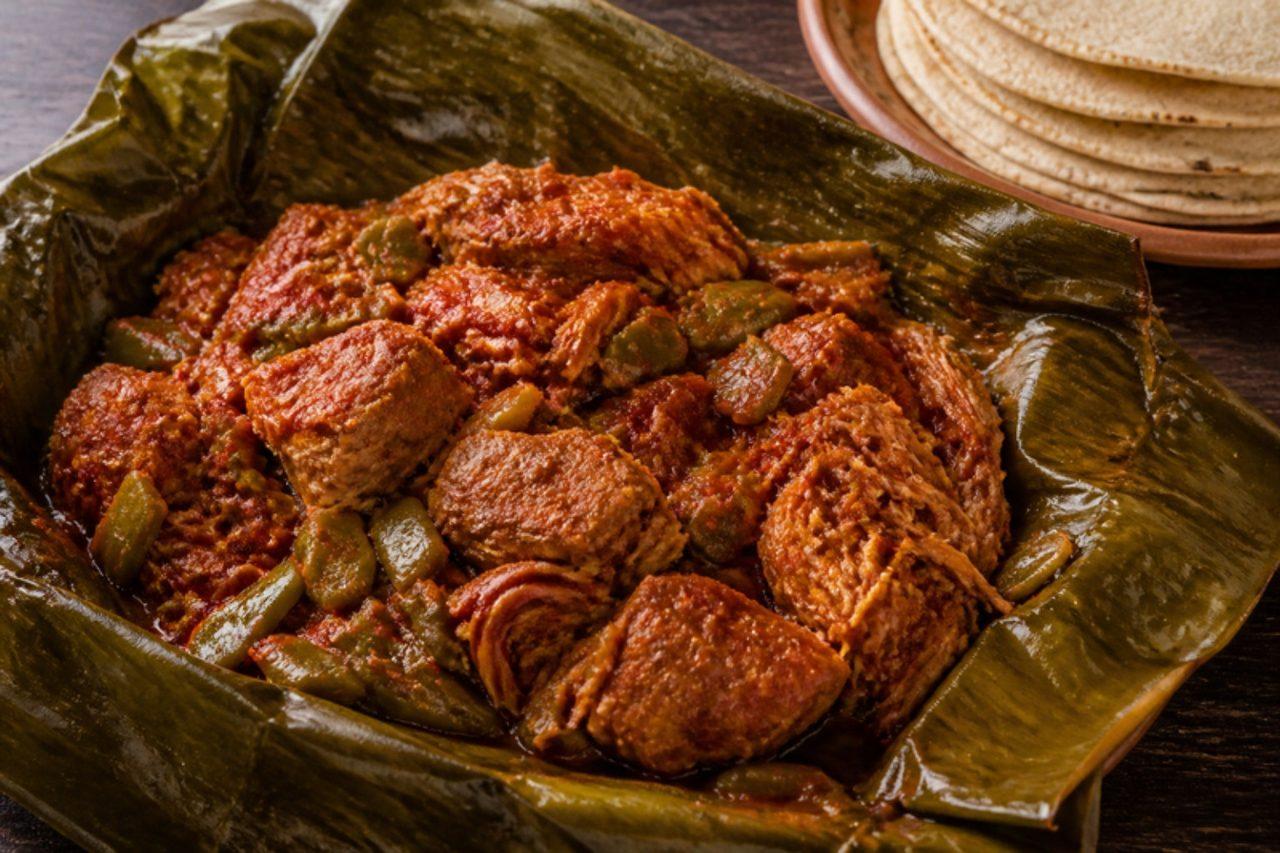
XimbóChilli chicken and pork parcels

Ximbó comes from the Otomí (Hñähñu) communities of Hidalgo's Valle del Mezquital, where it is cooked for village fiestas: pieces of chicken, and often pork, are coated in a guajillo and pasilla sauce with nopales and onion, wrapped in the thick leaves of the maguey and slow-cooked in a pit oven like barbacoa. The meat comes out tender and juicy, in a concentrated, smoky red sauce. Maguey leaves are almost impossible to buy outside Mexico, so this home version wraps everything in banana leaves and baking paper and steams it on the hob; the pork is optional, but if you use it this becomes a pork dish too. Eat it straight from the parcel with tortillas, salsa and pickled chillies. Chef's tip: pass the banana leaves briefly over a gas flame or hot pan until they turn glossy; they become supple and stop cracking when you fold them.

by KrazyBadal 0 views

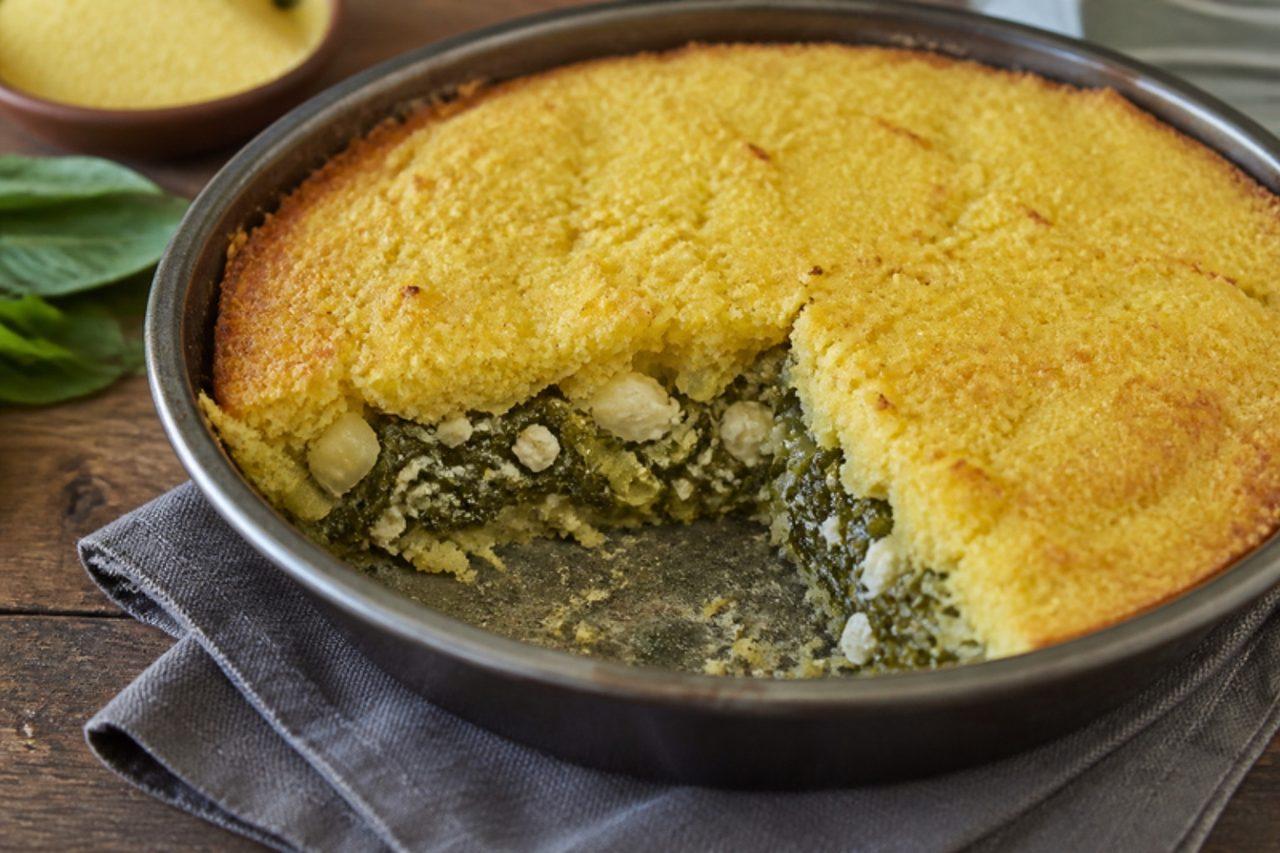
PlastosWild greens and feta cornmeal pie

Plastos comes from the hill villages of Thesprotia and Ioannina, where women patted (plastó, 'shaped') a pie together from what the garden and hillside gave: wild greens, leeks, herbs and cheese, held between layers of coarse cornmeal instead of filo. It bakes into a crusty, rustic slab, green and savoury inside, eaten warm with yoghurt or as a lunch to carry to the fields. Feta is usually made with animal rennet; a vegetarian feta-style cheese works. Common mistake: leaving the greens wet — squeeze them hard after salting, or the cornmeal turns to paste. Chef's tip: a mix of spinach and chard with plenty of dill and fennel tops comes close to the wild greens of Epirus.

by KrazyBadal 0 views

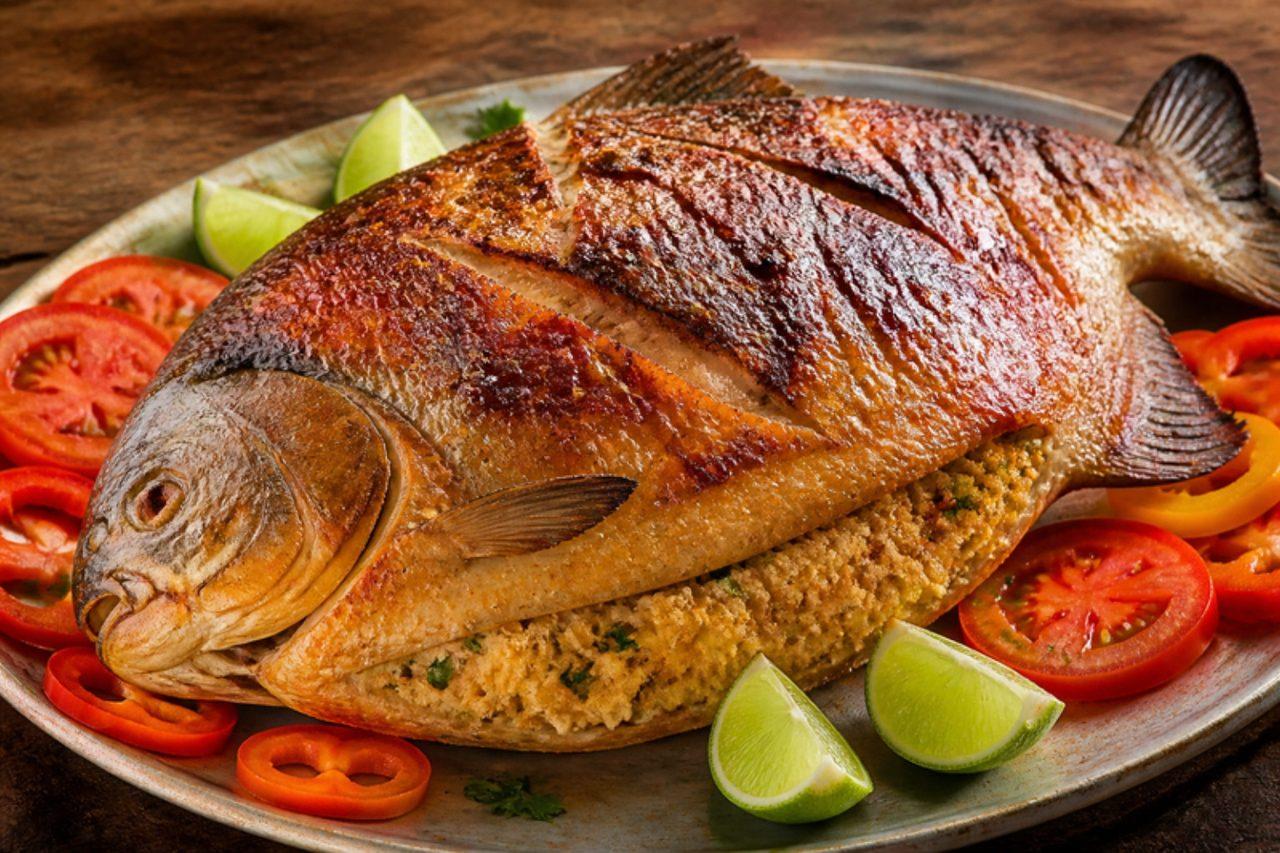
Pacu assadoRoast whole river fish

Cuiabá's fish restaurants and weekend riverside lunches in the Pantanal put a whole pacu on the table, stuffed with farofa and roasted until the skin is golden and crisp. Pacu is a round, fat-rich river fish with sweet, juicy flesh; ask your fishmonger for whole sea bream, pompano or a large tilapia if pacu is not available. The stuffing is cassava flour toasted with onion, garlic, pepper, tomato and herbs, and it soaks up the fish juices as it cooks. Serve with white rice, a tomato vinagrete and lime. The mistake to watch for is over-roasting until the flesh dries out; check at the backbone and stop when it is just opaque. Pacu has fine Y-shaped bones in the belly, so eat carefully. Chef's tip: cut deep slashes on both sides and push a little lime-garlic paste into them; it seasons the thick flesh and helps it cook evenly.

by KrazyBadal 0 views

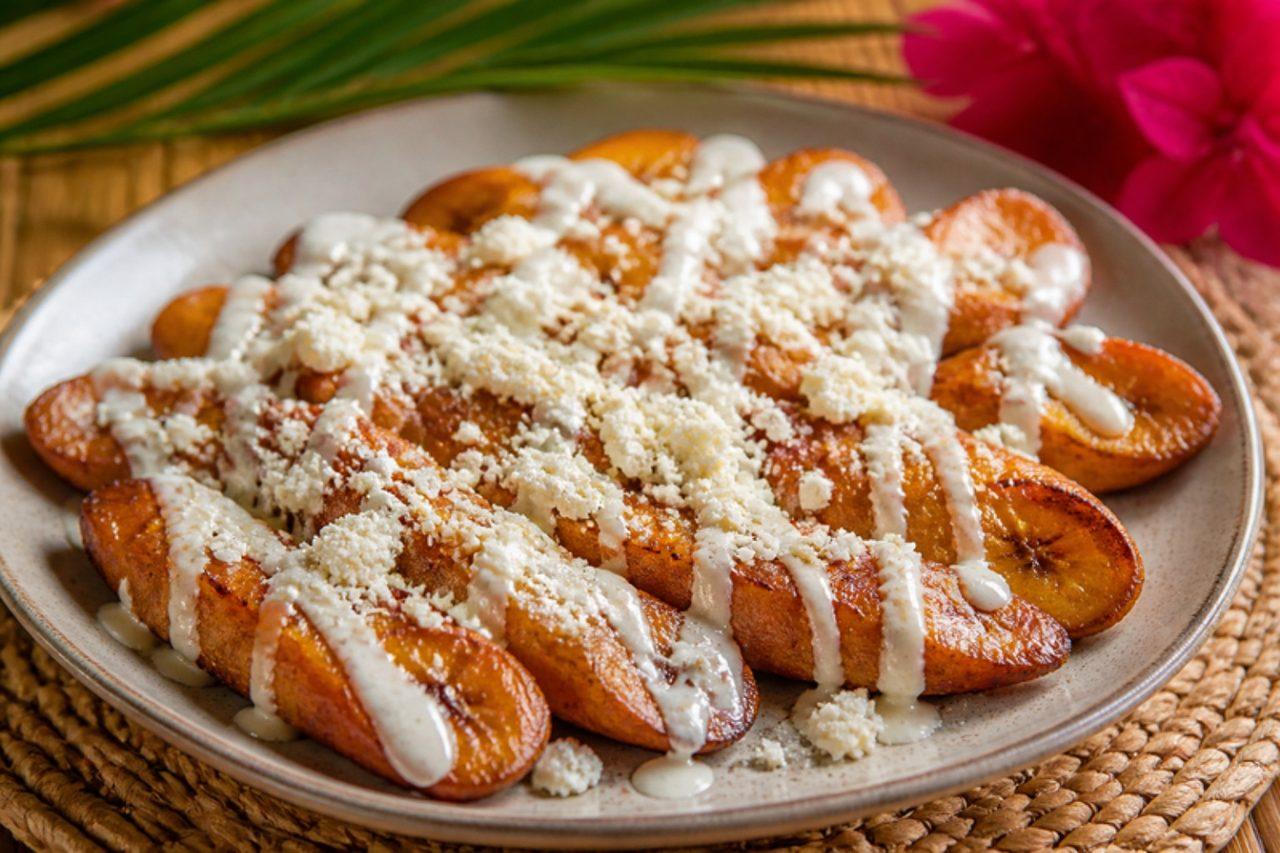
Plátanos fritos con cremaFried plantain with cream

Tabasco grows more plantain than almost anywhere in Mexico, and in Villahermosa homes fried ripe plantain arrives with breakfast eggs, alongside rice and black beans at lunch, or on its own as a sweet-savoury supper. The local touch is to finish the hot, caramelised slices with a spoon of tangy crema and a snow of crumbled fresh cheese, so you get sweet, salty and sour in one bite. Chef's tip: wait until the skins are almost black; yellow plantains taste starchy and never caramelise.

by KrazyBadal 0 views

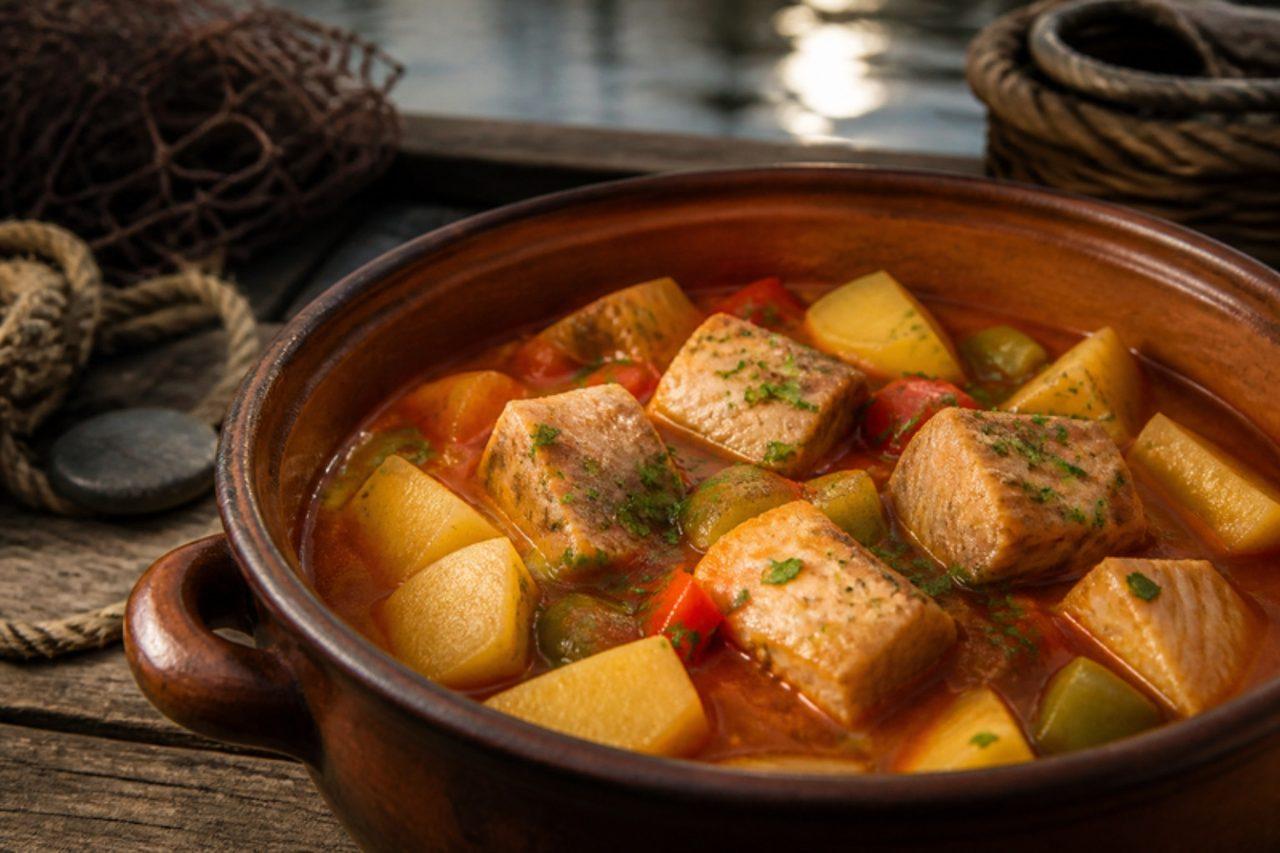
MarmitakoBonito and potato stew

Marmitako takes its name from the marmita, the iron pot that fishermen out of Bermeo and Ondarroa kept on board during the summer bonito season, from June to September. Potatoes simmer in a peppery broth made red with choricero pepper, and chunks of fresh bonito go in only at the very end. Along the coast it is still the summer lunch of fishing towns, eaten from deep plates. A common mistake is boiling the fish with the potatoes, which turns it dry and stringy; it needs just a few minutes of gentle heat. Chef's tip: snap the potatoes rather than cut them, so their starch thickens the broth.

by KrazyBadal 0 views

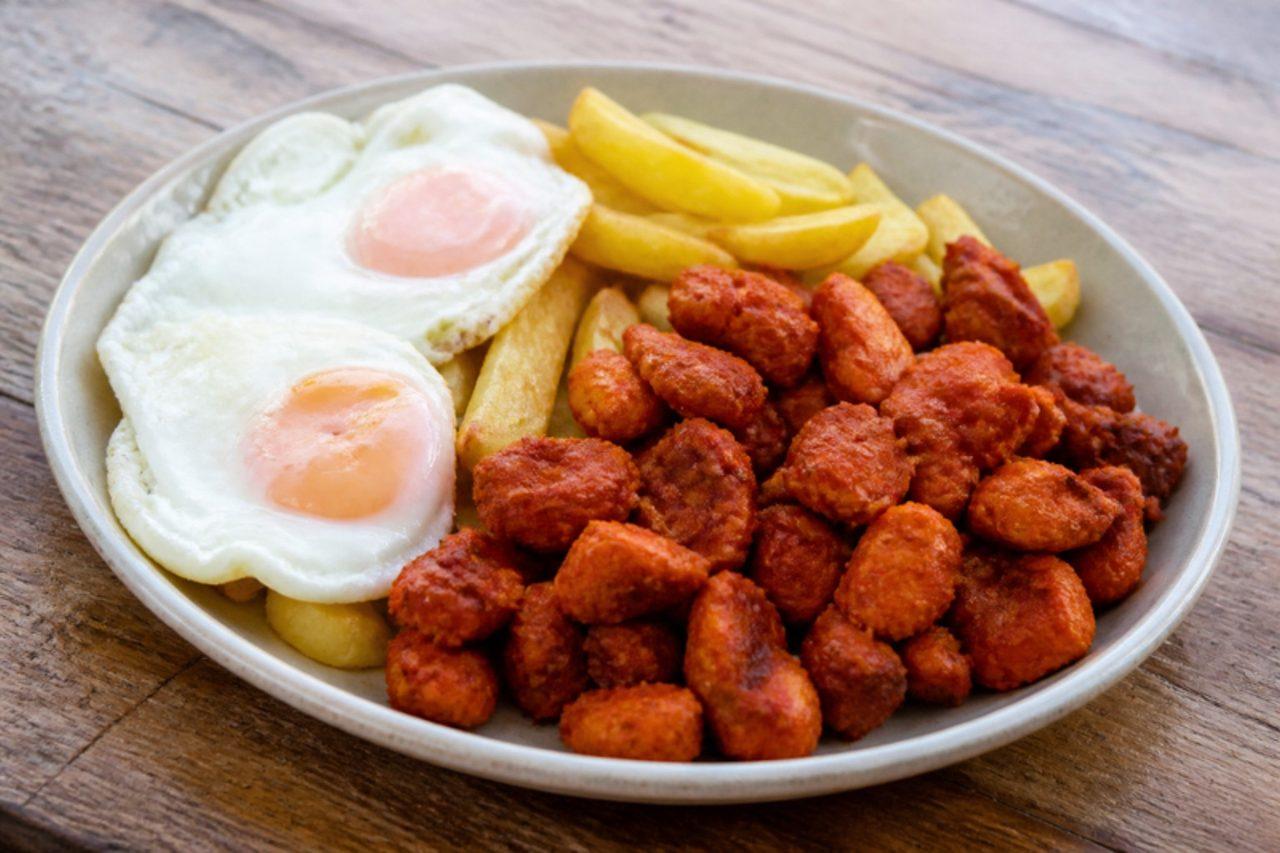
Zorza con patatasMarinated pork with chips and eggs

Zorza is the seasoned pork mixture for chorizo before it goes into casings, and in Galicia it was eaten fresh in the days after the winter pig slaughter, fried in a pan with potatoes. This contains pork. Today taverns in Lugo and Ourense serve it with chips and fried eggs, and it is easy to make at home with pork shoulder and lots of paprika. The meat marinates in the fridge, covered, for at least 12 hours. A common mistake is frying it over a fierce heat, which burns the paprika; keep it moderate and stir. Chef's tip: chop the pork by hand into small pieces rather than mincing it finely, for a juicier, more rustic texture.

by KrazyBadal 0 views

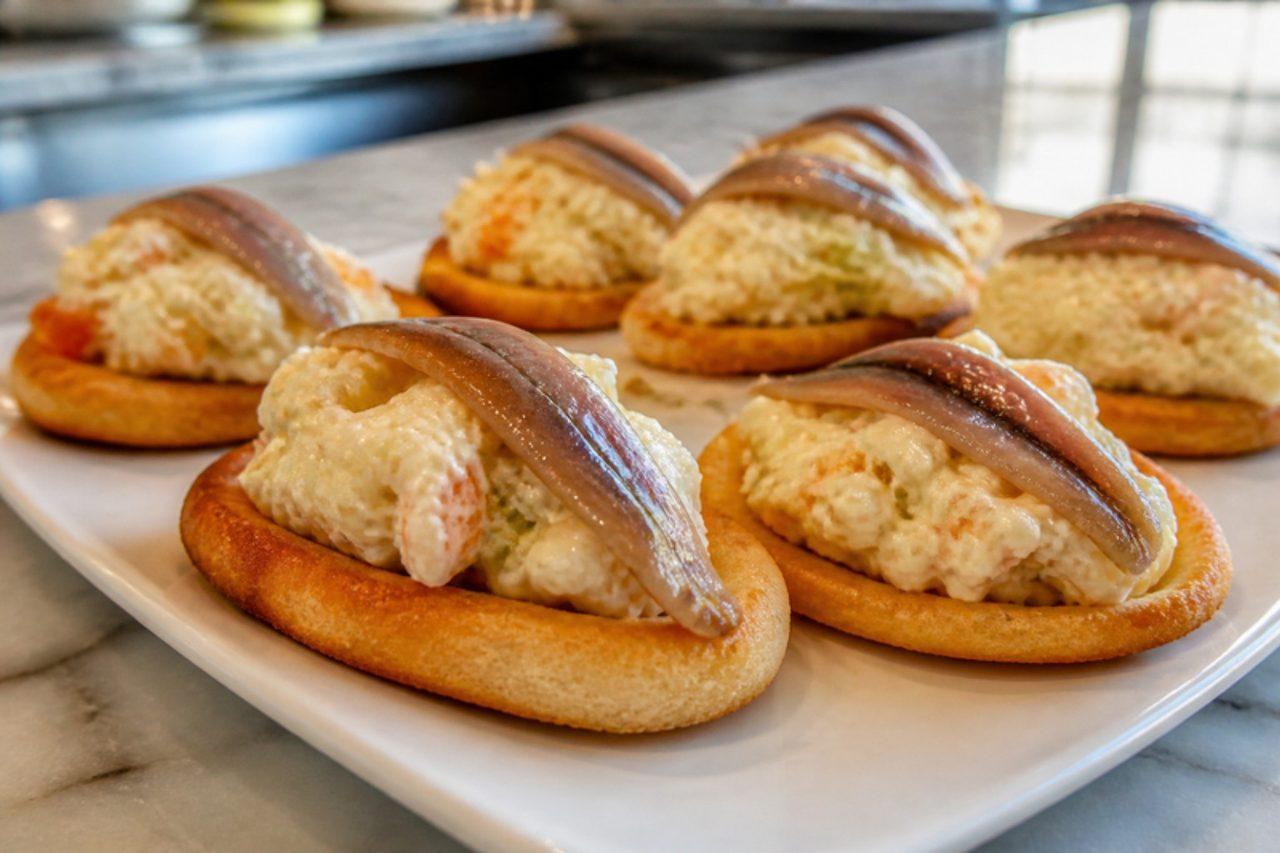
MarinerasRussian salad and anchovy bread rings

No pre-lunch drink in Murcia is complete without a marinera: a crunchy ring-shaped breadstick, the rosquilla, piled with ensaladilla rusa (potato, carrot and peas in mayonnaise) and crowned with an anchovy. Bar counters in the city line them up from midday, alongside the marinero, topped with a vinegar-cured fresh anchovy, and the bicicleta, which has no fish at all. This version uses salted anchovy fillets in oil and shop-bought mayonnaise, which is made with pasteurised egg. If you use vinegar-cured fresh anchovies instead, they are raw fish: buy them frozen first, and they are not for pregnant women, young children or anyone with a weakened immune system. Chef's tip: assemble them at the last moment so the rings stay crunchy.

by KrazyBadal 0 views

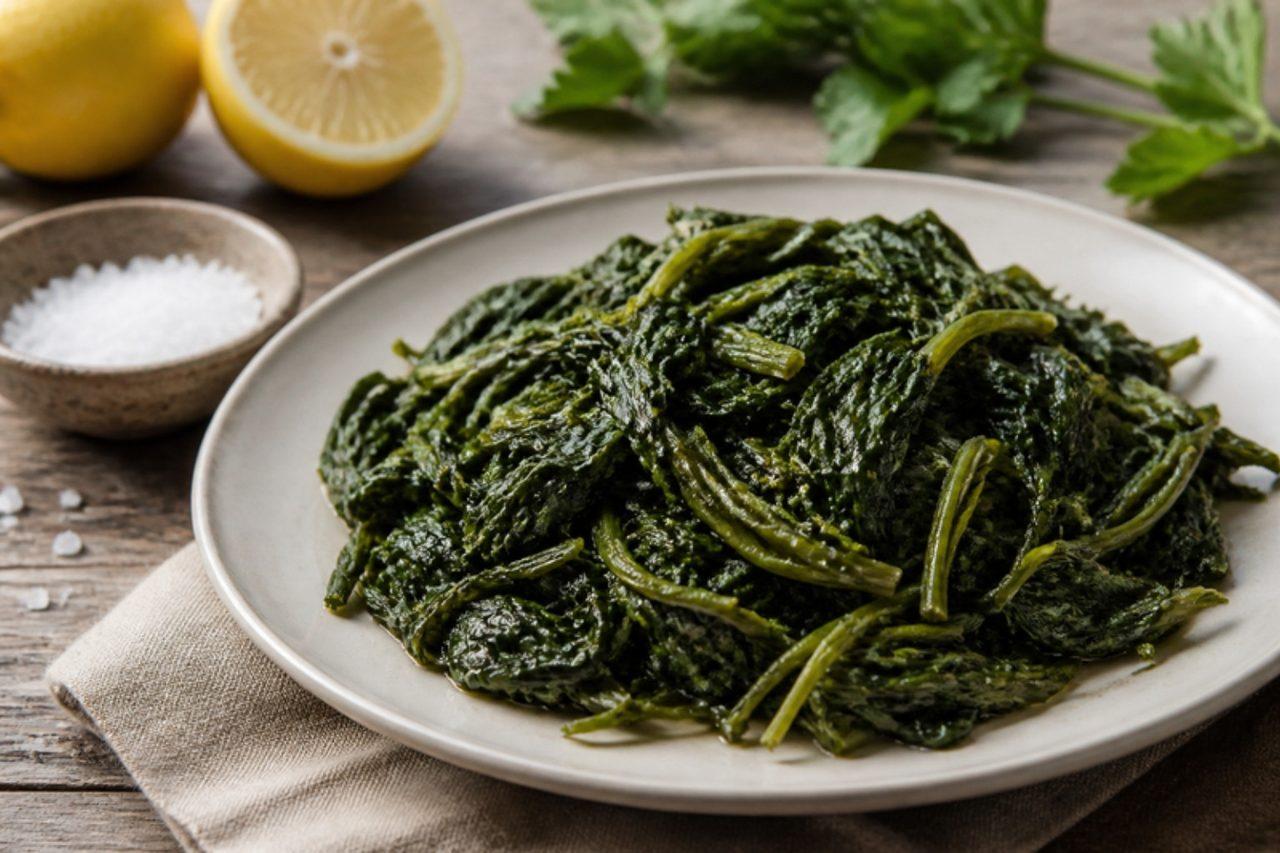
Horta vrastaBoiled greens with lemon and oil

In Greek villages women still go out with a knife and a bag after the first autumn rains to gather horta: dandelion, wild chicory, amaranth, mustard greens. Boiled and dressed with the best olive oil and lemon, they are served warm or cool with almost every meal, from fried fish in a seaside taverna to a fasting-day plate of beans. The taste is pleasantly bitter and grassy. Common mistake: boiling them to khaki; cook only until the stems are tender and the leaves still deep green. Chef's tip: salt the cooking water generously like pasta water and dress the greens while warm, so they drink up the oil and lemon.

25 minGreekSidesVeganGluten free
by KrazyBadal 0 views

Paiche a la parrillaGrilled paiche steaks

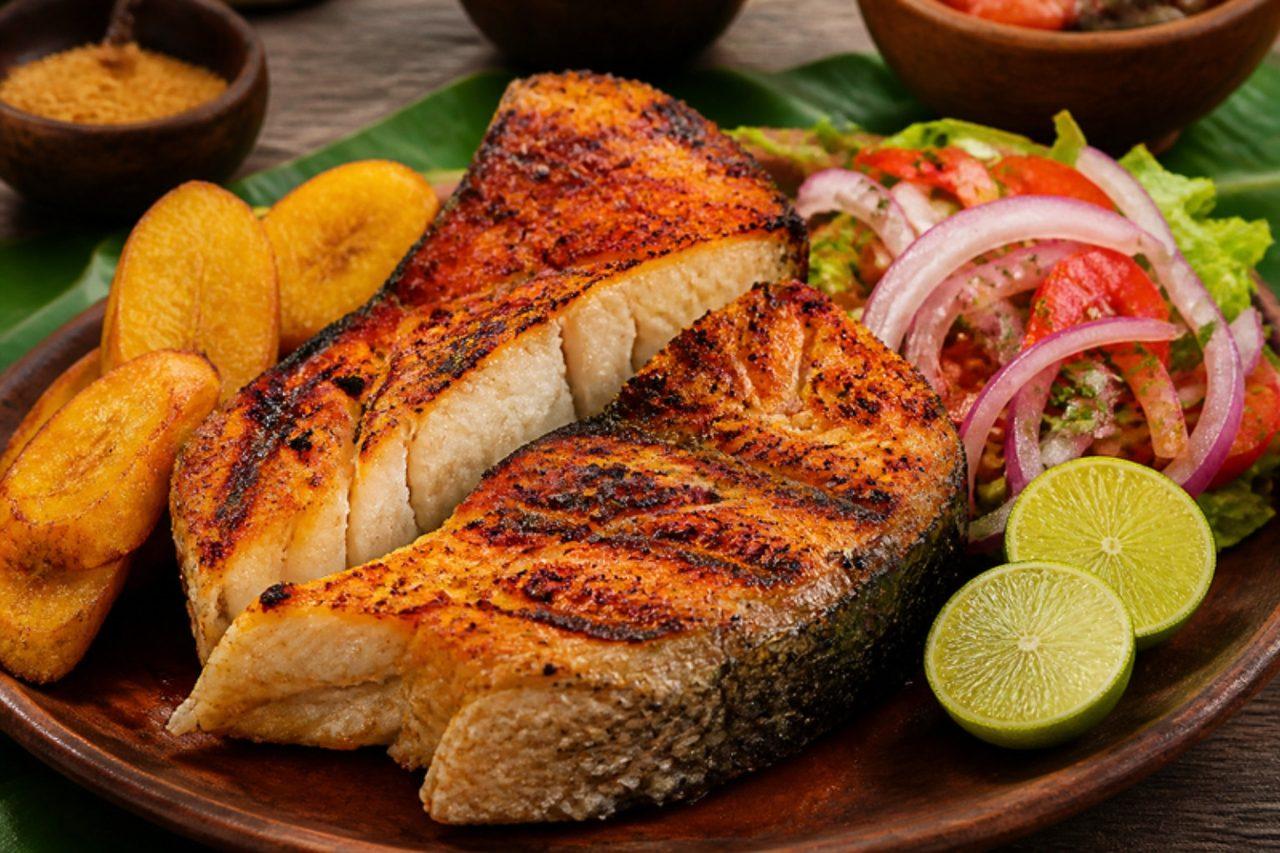
Paiche (arapaima), one of the largest freshwater fish on earth, has thick, white, almost boneless flesh, and in Iquitos it is farmed and cut into meaty steaks that sizzle on the grills of riverside restaurants. Marinated briefly in garlic, lime, cumin and achiote, it chars on the outside and stays juicy and mild inside, a little like cod but firmer. Serve it with a tomato and onion salad, rice, or tacacho (mashed fried plantain balls). Frozen farmed paiche is sold in some fishmongers; thick cod, halibut or hake loin are good stand-ins. Leaving it in lime too long is the big mistake: the acid starts to 'cook' the surface and it sticks and tears on the grill, so 15 minutes is plenty. Chef's tip: oil the fish, not the grill, and don't move it for the first 3 minutes so it forms a crust and releases cleanly.

by KrazyBadal 0 views

Kaburga dolmasıRice-stuffed lamb breast

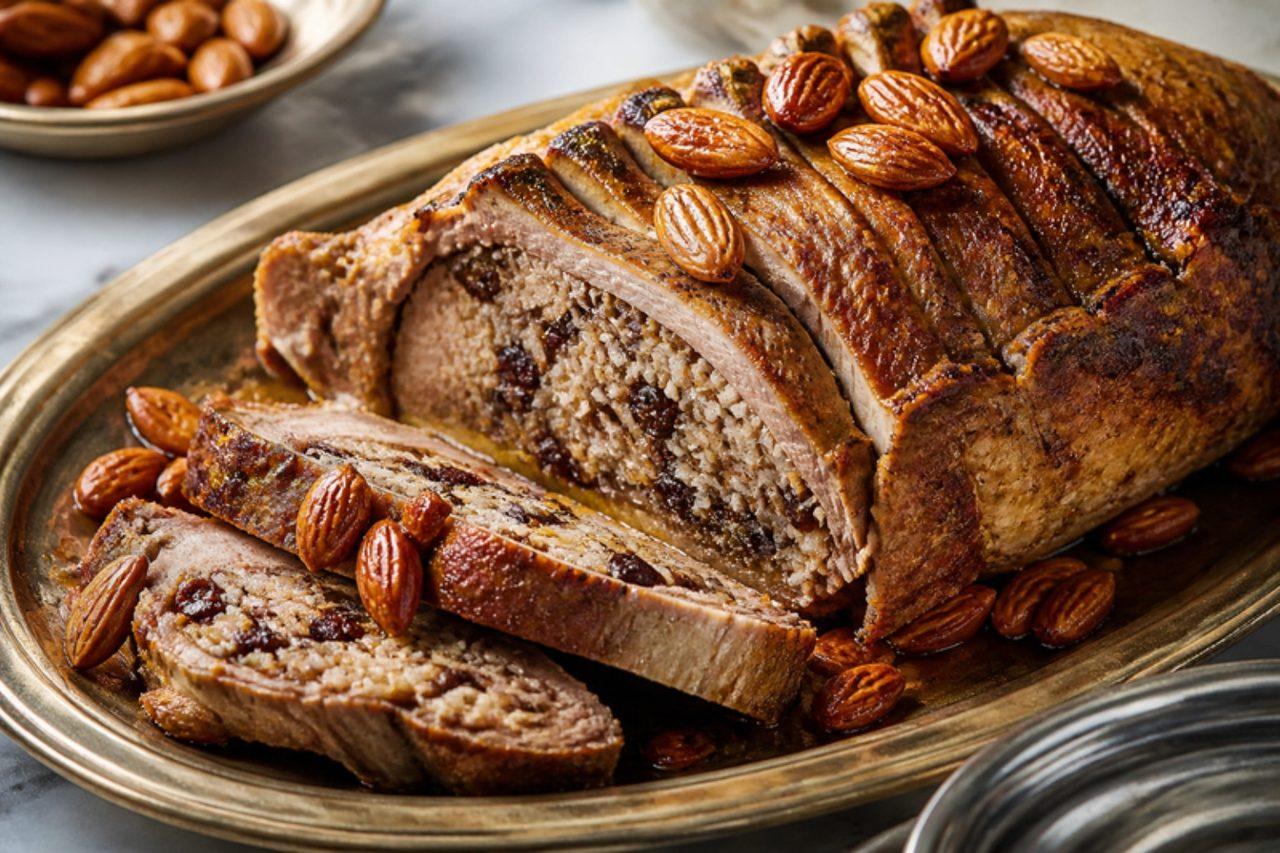
In Mardin and Diyarbakır, a stuffed lamb breast is the centrepiece of bayram and wedding tables: the butcher cuts a pocket between the ribs and the meat, which is filled with rice cooked with almonds, currants, allspice and cinnamon, sewn shut and baked slowly until the meat falls from the bones. The rice inside soaks up all the lamb juices. Ask the butcher to open the pocket for you. Common mistake: packing the rice tightly when it is raw; it needs room to swell or the pocket splits. Chef's tip: roast it covered for most of the time, then uncover and turn the heat up at the end for crackling-crisp fat.

250 minTurkishMeatGluten free
by KrazyBadal 0 views

Pain d'épices de DijonHoney spice loaf

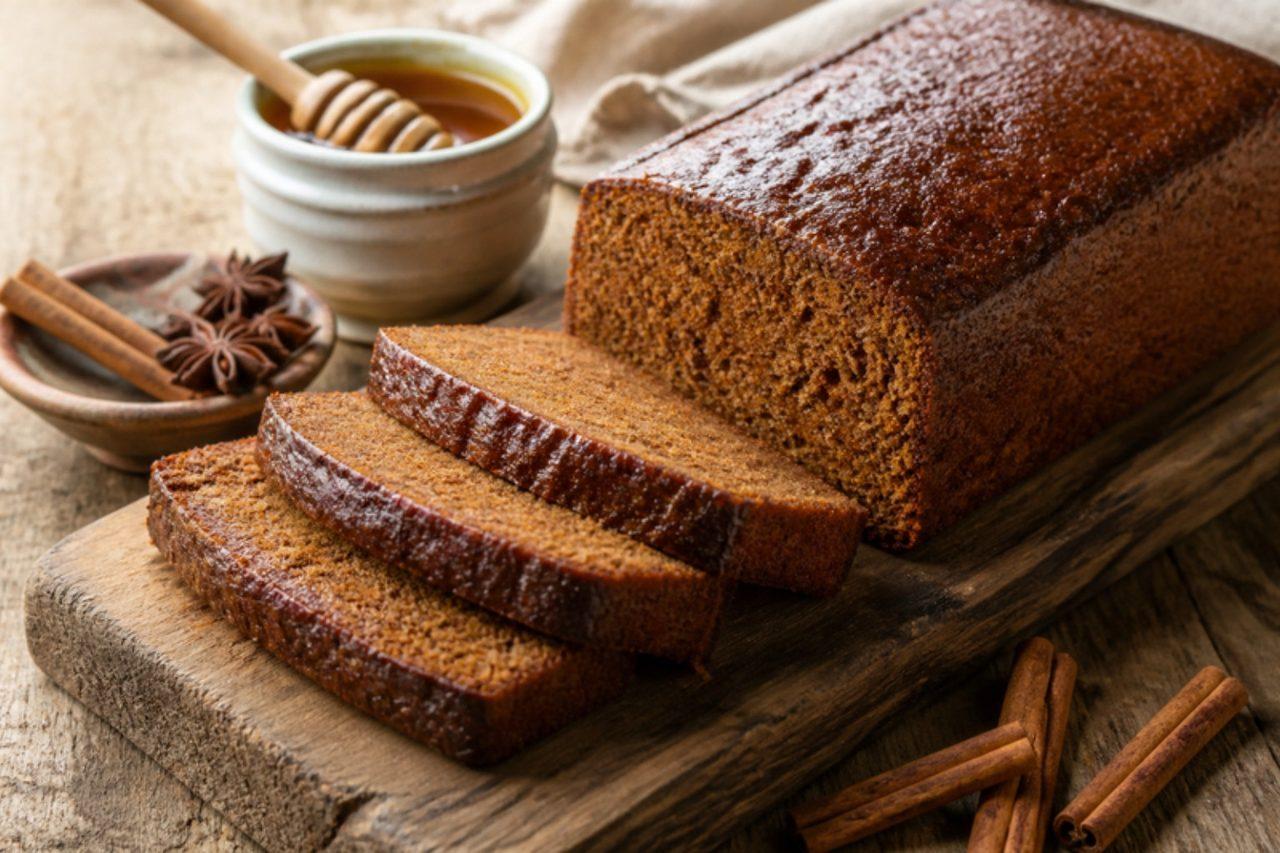
Dijon has been baking pain d'épices since the Middle Ages, and the shops near the old ducal palace still sell it by the slice, plain or glazed with orange. It is a dense, fragrant honey loaf, sold all year but eaten most in December, when Burgundian families toast slices for breakfast, spread them with butter, or serve them with cheese and pears. The Dijon style uses wheat flour and a whole egg, which makes it softer than the rye-flour loaves of Reims. Chef's tip: wrap it and wait a day before cutting; the crumb turns moist and the spices settle and deepen.

by KrazyBadal 0 views

Lomito completoLoaded tenderloin sandwich

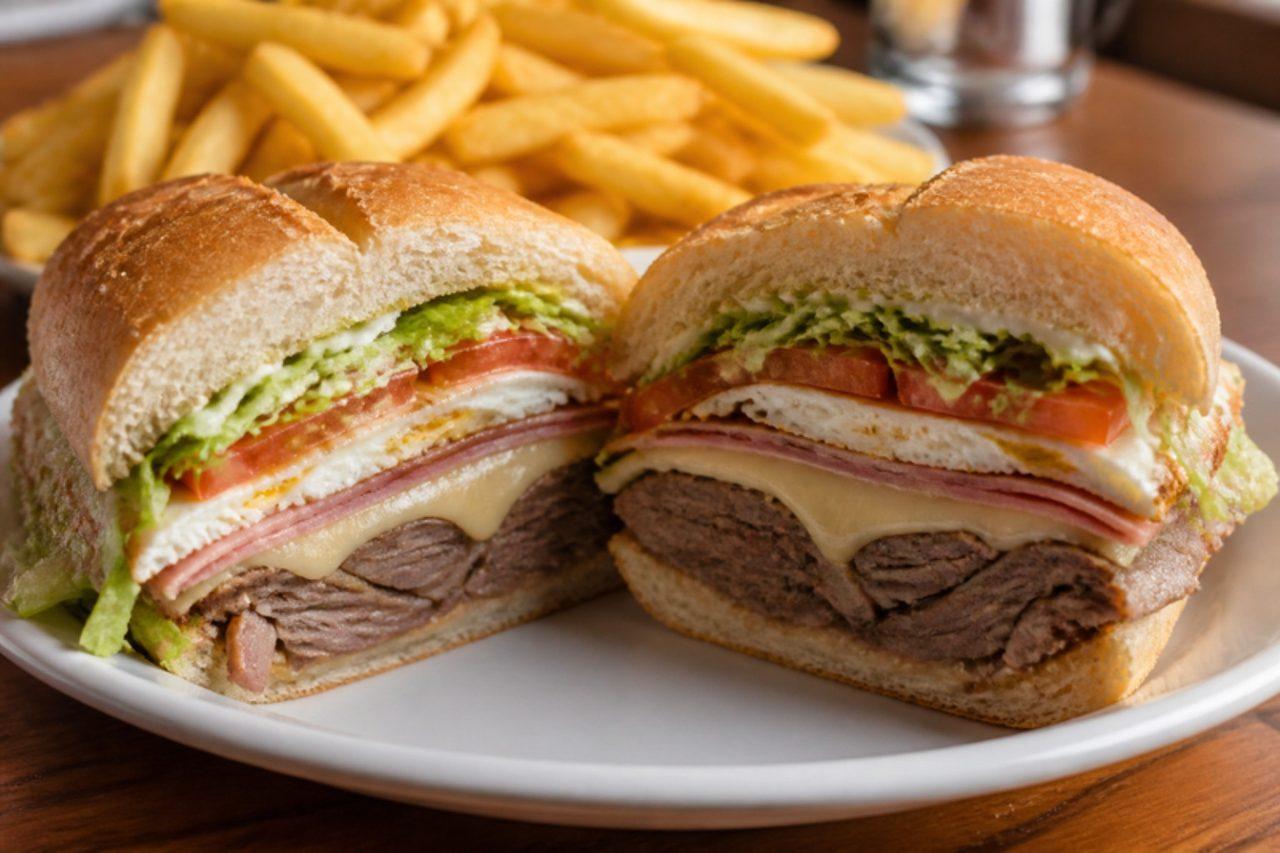
Córdoba claims the lomito as its own, and at lomiterías and late-night carts in the city it comes completo: thin, quick-seared slices of beef tenderloin piled into a big soft roll with cooked ham (pork), melting cheese, a fried egg, lettuce, tomato and mayonnaise. It is messy, juicy and filling, the classic end to a night out or a Saturday football match, usually with chips on the side. The meat is only a few millimetres thick, so it cooks in a minute; Córdoba grills cook it through, but as a whole steak you can leave it a little pink to taste. The big error is a lukewarm pan, which boils the thin beef grey instead of searing it. Chef's tip: lay the cheese on the ham in the hot pan to melt while the egg fries, so everything goes into the toasted roll hot at once.

by KrazyBadal 0 views

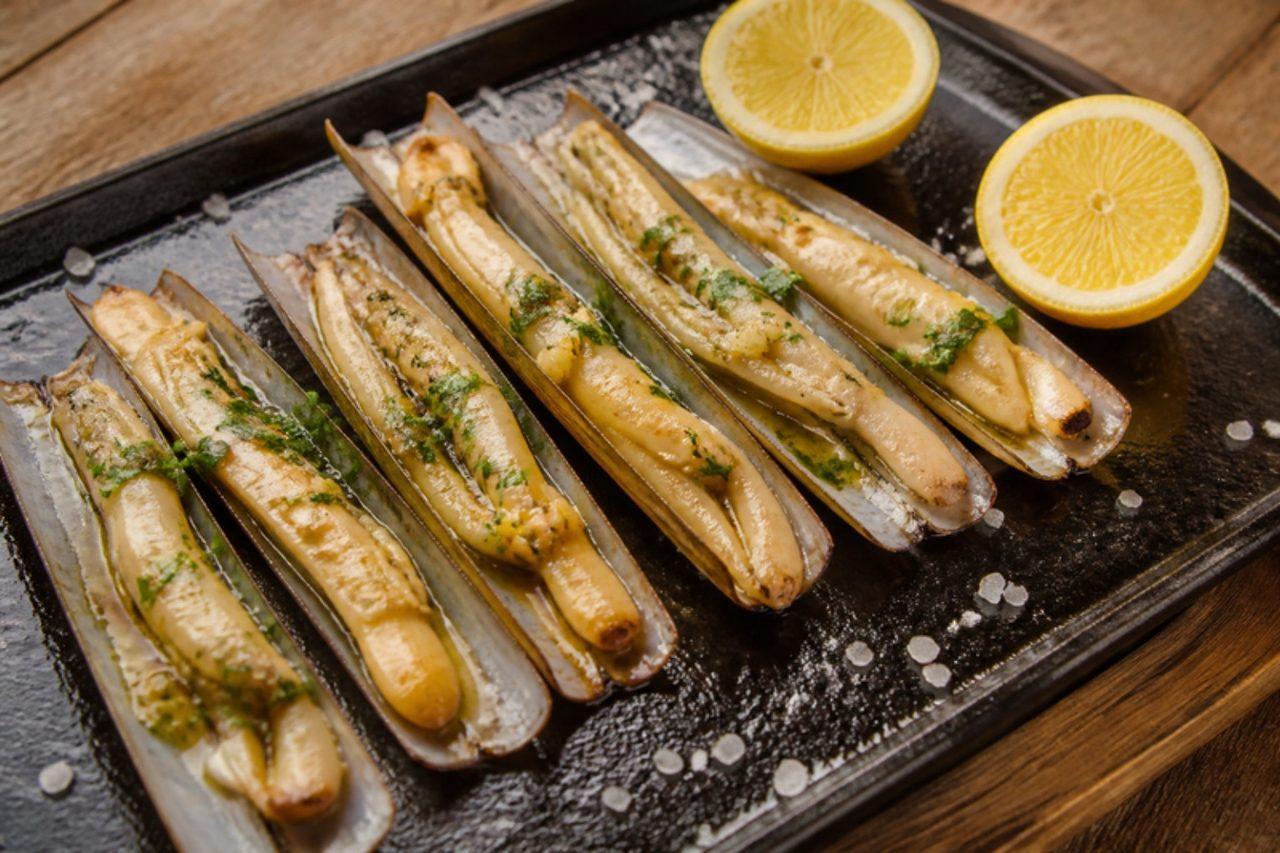
Navajas á pranchaGriddled razor clams

Razor clams are pulled from the sandy beds of the Galician rías, and in the seafood bars of Vigo and A Coruña they arrive straight from the griddle, opened up and glistening with garlic oil. They take two minutes to cook and are eaten with the fingers. Live razor clams twitch or pull in when touched: throw away any with cracked or broken shells, or that don't react at all. A common mistake is leaving them on the heat after they open, which turns the meat rubbery. Chef's tip: lay them all hinge side down in the same direction so they open evenly and the juices stay in the shells.

by KrazyBadal 0 views

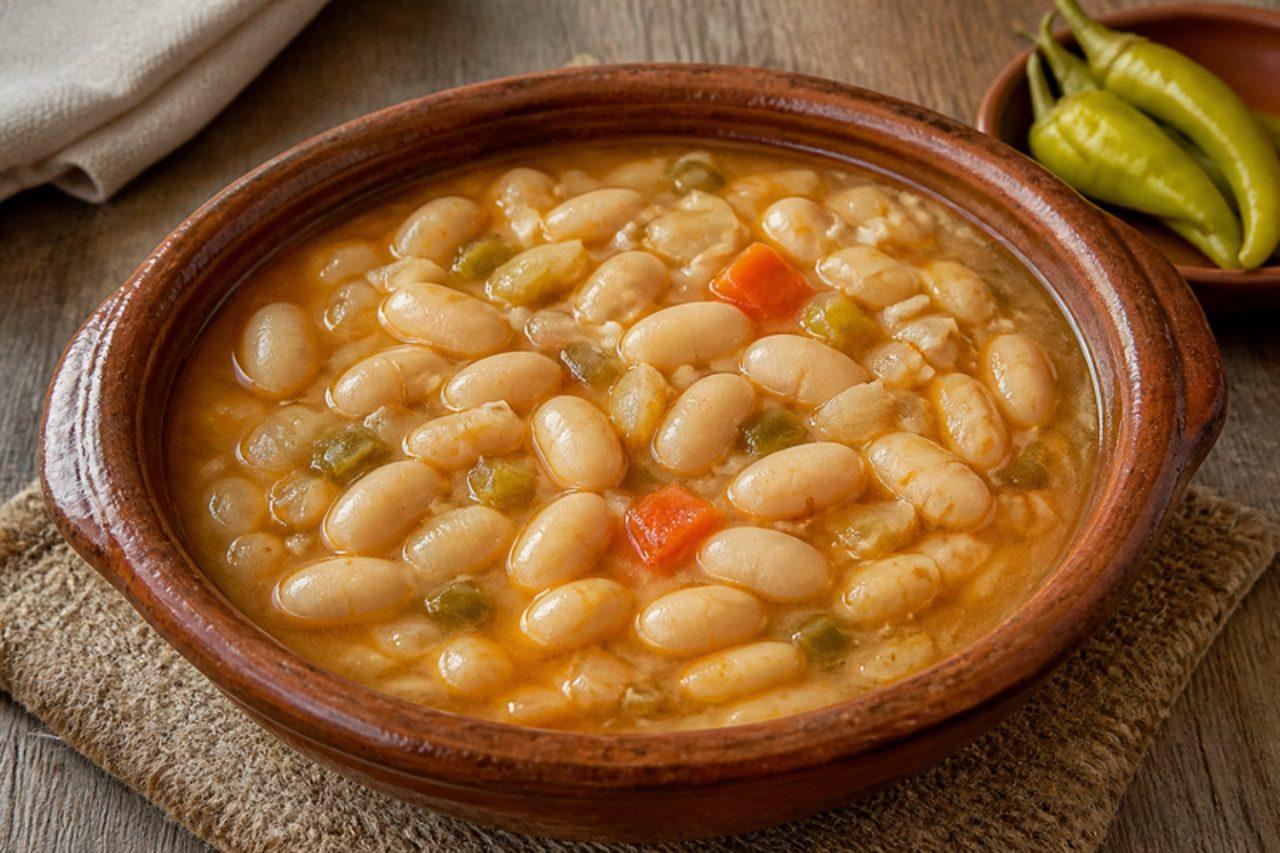
Pochas a la navarraFresh white beans with vegetables

Pochas are white beans picked in late summer before they dry, when the pods have gone soft and yellowish, and in Navarre September means bowls of them in every village from Sangüesa to the Ribera. Because they are fresh they need no soaking and cook in about 40 minutes into something creamy, sweet and gentle. Many homes add chorizo or quail; this version keeps to the vegetables and is vegan. Pickled guindilla chillies on the side are the usual partner. Chef's tip: if you can't find fresh pochas, frozen ones are sold in Spanish shops and are very good.

by KrazyBadal 0 views

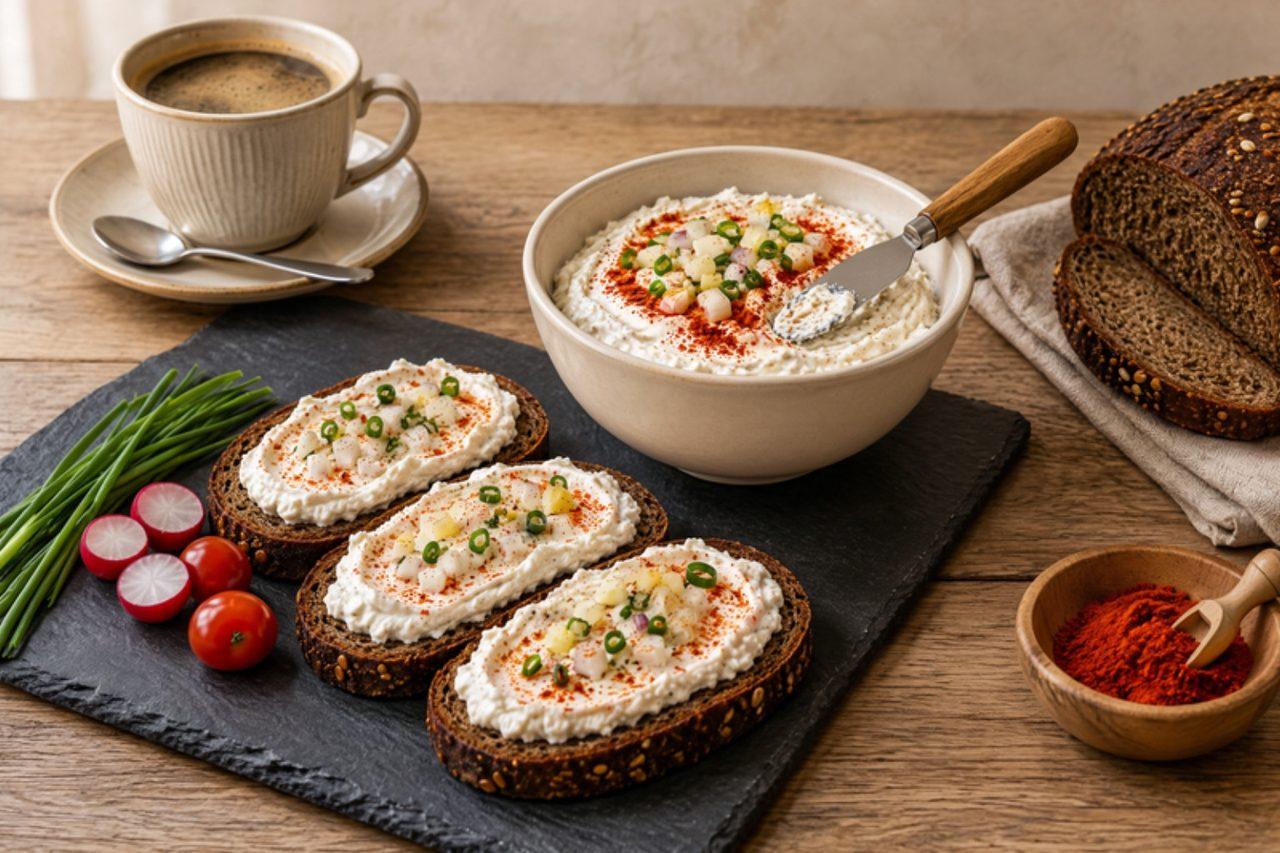
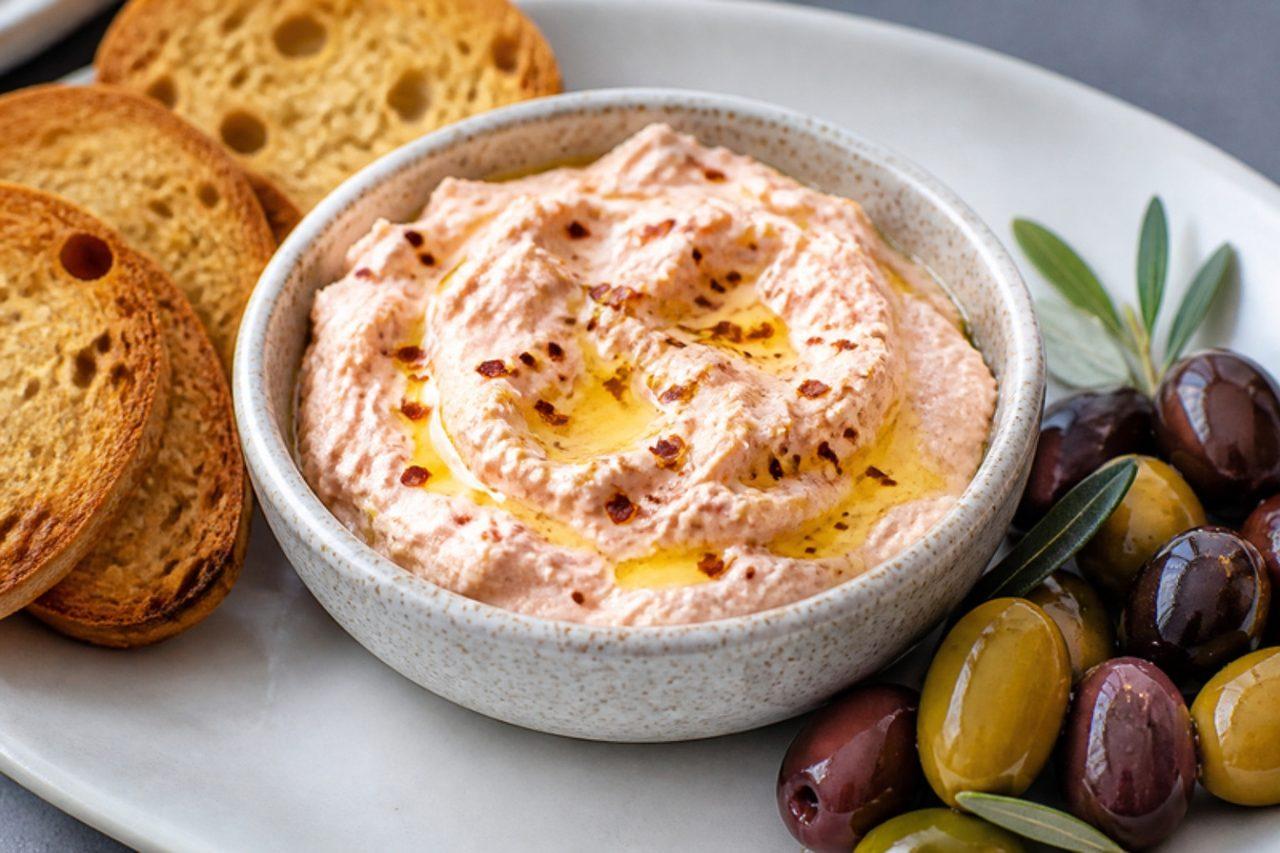
KopanistiPeppery whipped cheese spread

On Mykonos and its neighbouring islands, cheesemakers once worked soft cheese by hand for weeks until it ripened into kopanisti, sharp, salty and peppery enough to prickle the tongue. On the island it is spread on barley rusks with a drizzle of oil as a meze with drinks before dinner. This home version beats feta with a little soft cheese, chilli and pepper, then leaves it in the fridge for two days to mellow and sharpen. Feta is traditionally made with animal rennet; choose a vegetarian feta if you need to. Common mistake: blending it to a smooth purée; it should stay a little rough. Chef's tip: cover the surface with a thin layer of olive oil while it rests, so it doesn't dry out or pick up fridge flavours.

by KrazyBadal 0 views

Showing 45 of 7,762 recipes

Show more recipes

Page 509 of 863