


Skip to content
Channa paneer masala
Featured recipe

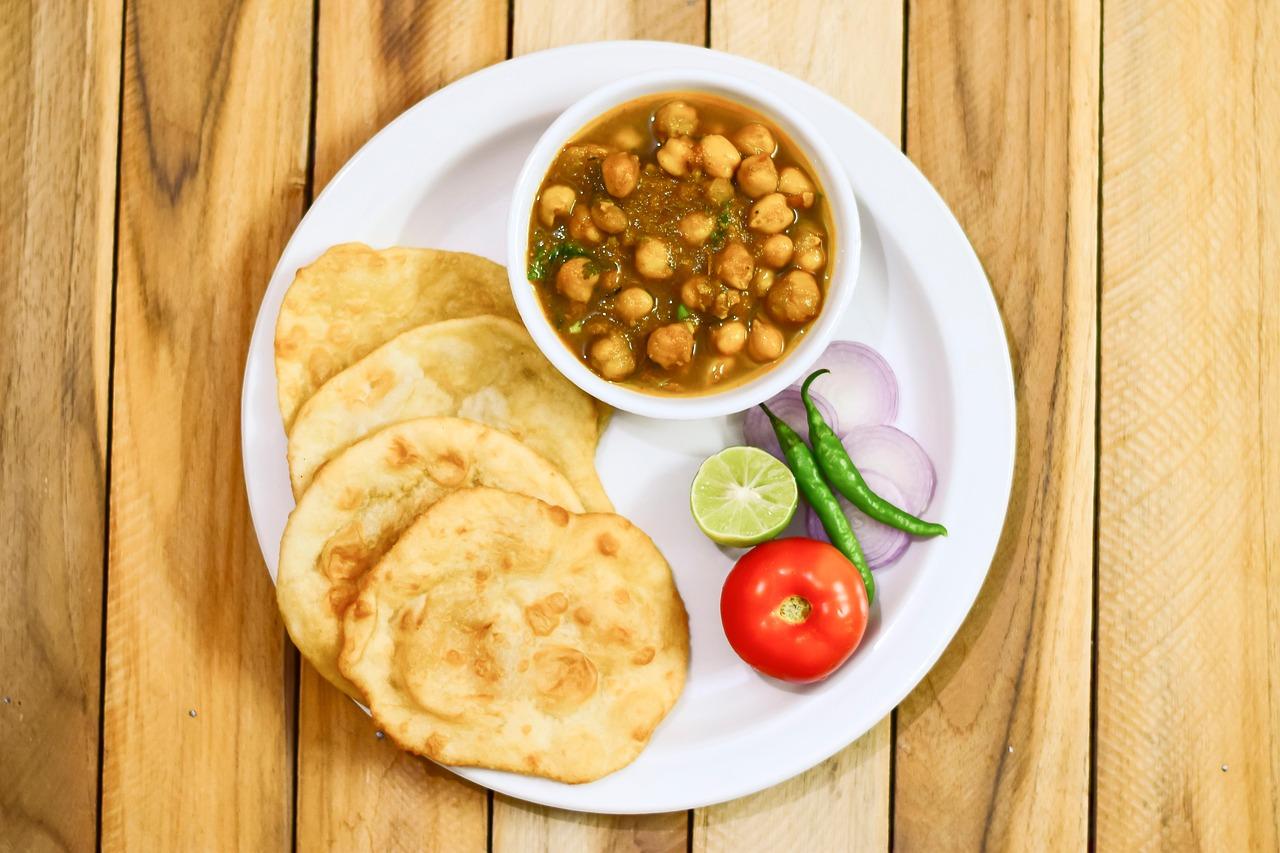
Channa paneer masala

A party-sized pot of chickpeas and golden paneer cubes with stir-fried capsicum, in a deep, glossy gravy built on browned onion, ginger, garlic, tamarind and a little jaggery. Coarsely ground black pepper and halved coriander seeds in the tempering give it warmth. Serve hot with naan or bhatura.

Read more 1 views

What to eat today?

Around the world

Today's trip: Paraguayan

A new country every day, from every cuisine on the site.

Paraguayan

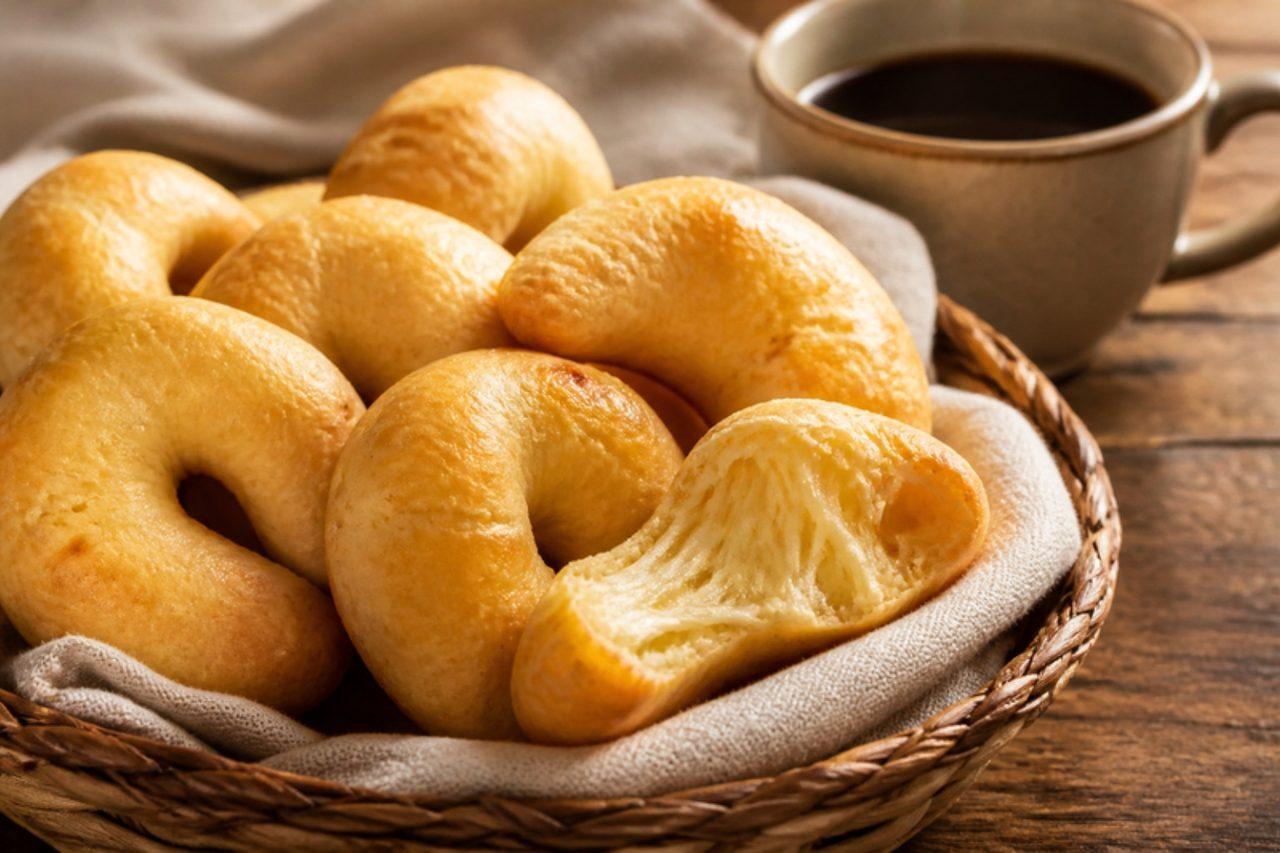
Chipa

Cheese bread rings 50 minMore from Paraguayan (27) →

This week's collection

Kid-friendly dinners
537 recipes · a new collection every Monday

Latest recipes

KallajCream-filled pastry parcels in syrup

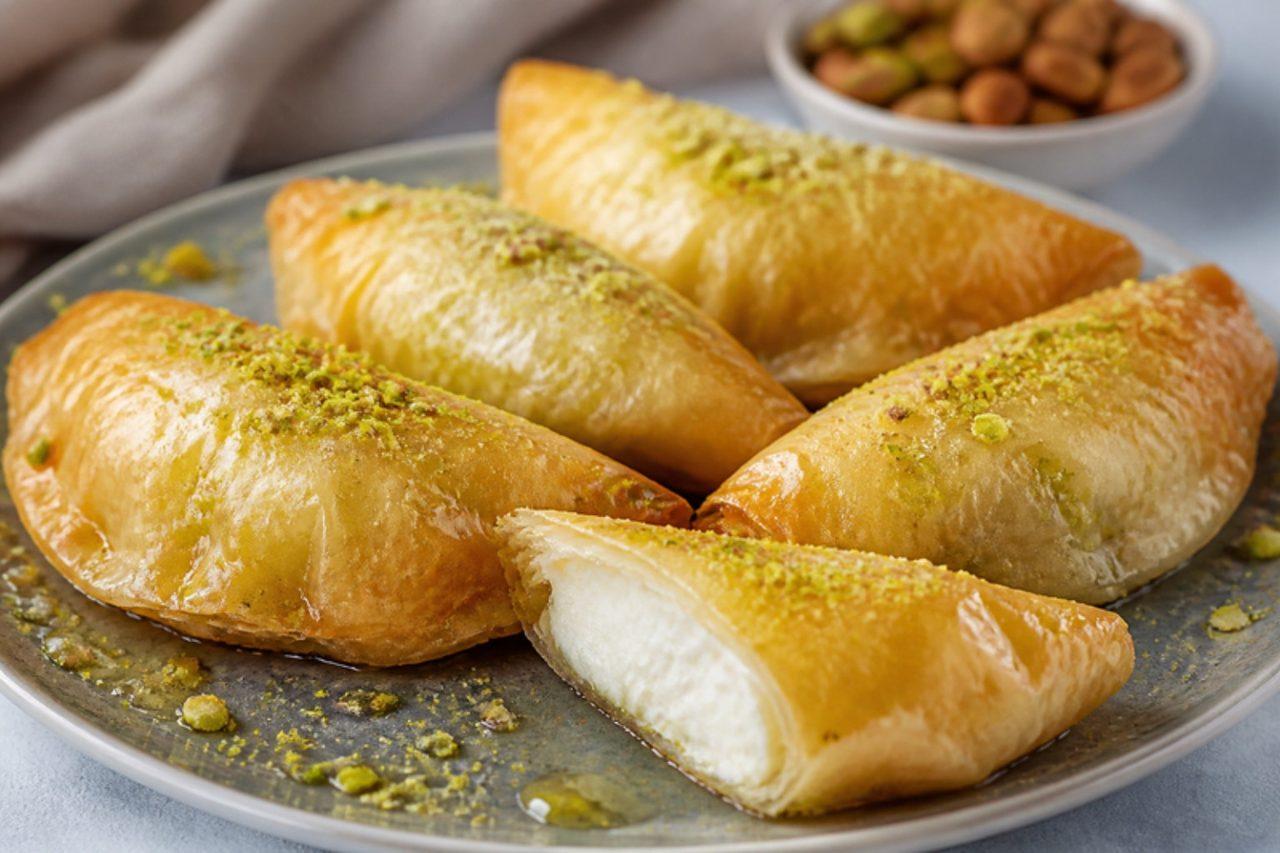
Kallaj appears in the sweet shops of Beirut and Tripoli only during Ramadan, when bakers sell paper-thin starch sheets to wrap around cream or cheese and fry for after iftar. Home cooks recreate it with filo: square parcels of thick milk cream, baked until they crackle, then soaked briefly in rose and orange-blossom syrup and finished with pistachios. Serve them warm, a few minutes after the syrup goes on, while the outside is still crisp. Common mistake: drowning them in syrup and leaving them to sit; spoon it over just before serving. Chef's tip: a cheese version — fill with half mozzarella, half unsalted ricotta — is just as traditional; choose a vegetarian-rennet mozzarella if you need it.

by KrazyBadal 0 views

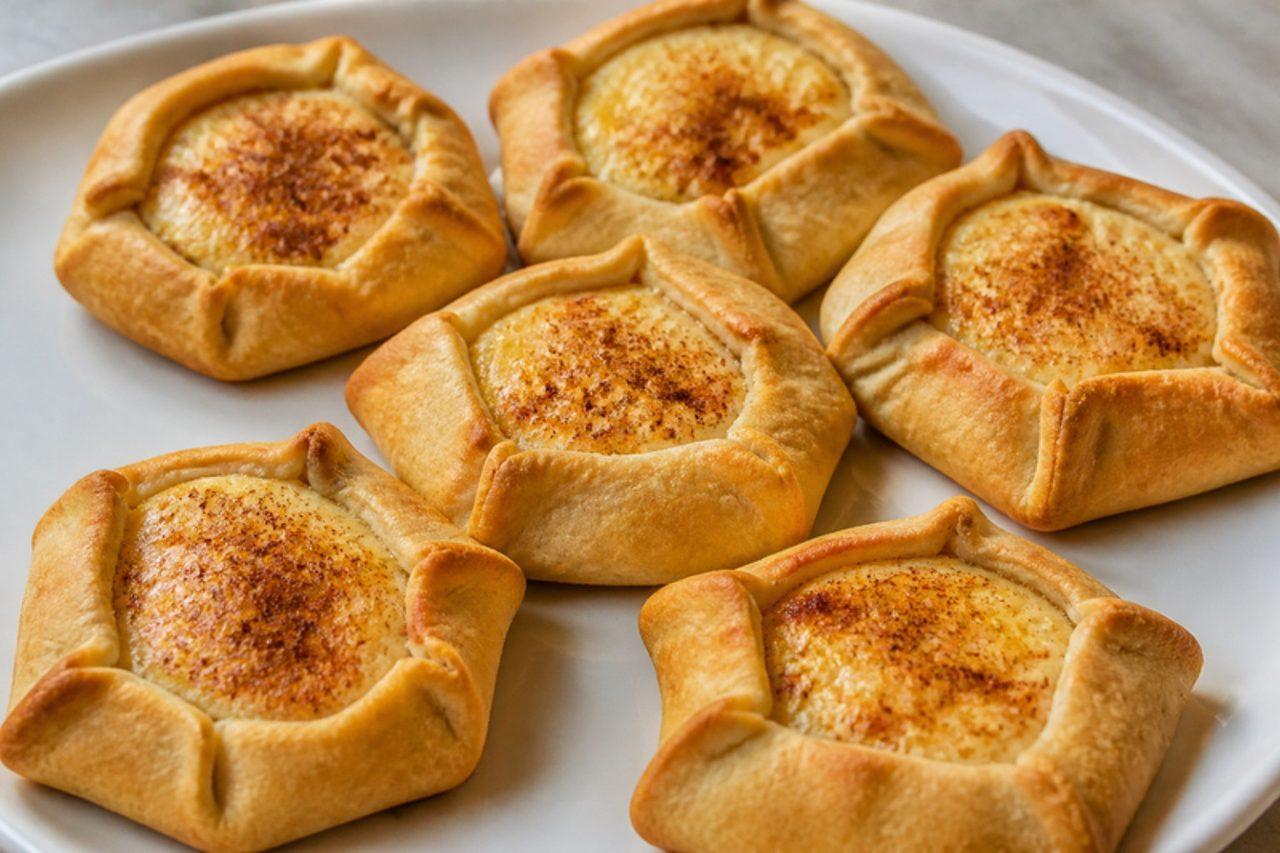
KalitsouniaSweet cheese pastries

Come Holy Week, Cretan kitchens from Chania to Sitia fill trays with kalitsounia, little open pastries whose edges are pinched into stars around a mound of fresh whey cheese. They come out with crisp, slightly sandy pastry and a soft, barely sweet filling that tastes of milk, cinnamon and orange zest, and they are eaten at Easter breakfast, offered to visitors with coffee and packed for the drive back to the village. On the island the filling is fresh mizithra or anthotyro; drained ricotta is the easiest stand-in and is usually made without animal rennet. Common mistake: using wet cheese straight from the tub, which floods the pastry and leaves the bases soggy. Chef's tip: drain the cheese overnight in a sieve lined with kitchen paper so the filling bakes up light and holds its dome.

by KrazyBadal 0 views

KalimotxoRed wine and cola

Kalimotxo contains alcohol (red wine), so the classic version is for adults only; an alcohol-free version is given below. The story goes that it was mixed in 1972 at a fiesta in Algorta, near Bilbao, when the wine bought for the stall turned out to be poor and cola was added to save it. Today it is the drink of every Basque summer fiesta, from Bilbao's Aste Nagusia to village squares, poured into big plastic cups. A common mistake is mixing warm wine and flat cola, which tastes heavy and sweet: both should be fridge-cold and the cola freshly opened. Chef's tip: pour the cola slowly down the side of the glass so it keeps its fizz.

by KrazyBadal 0 views

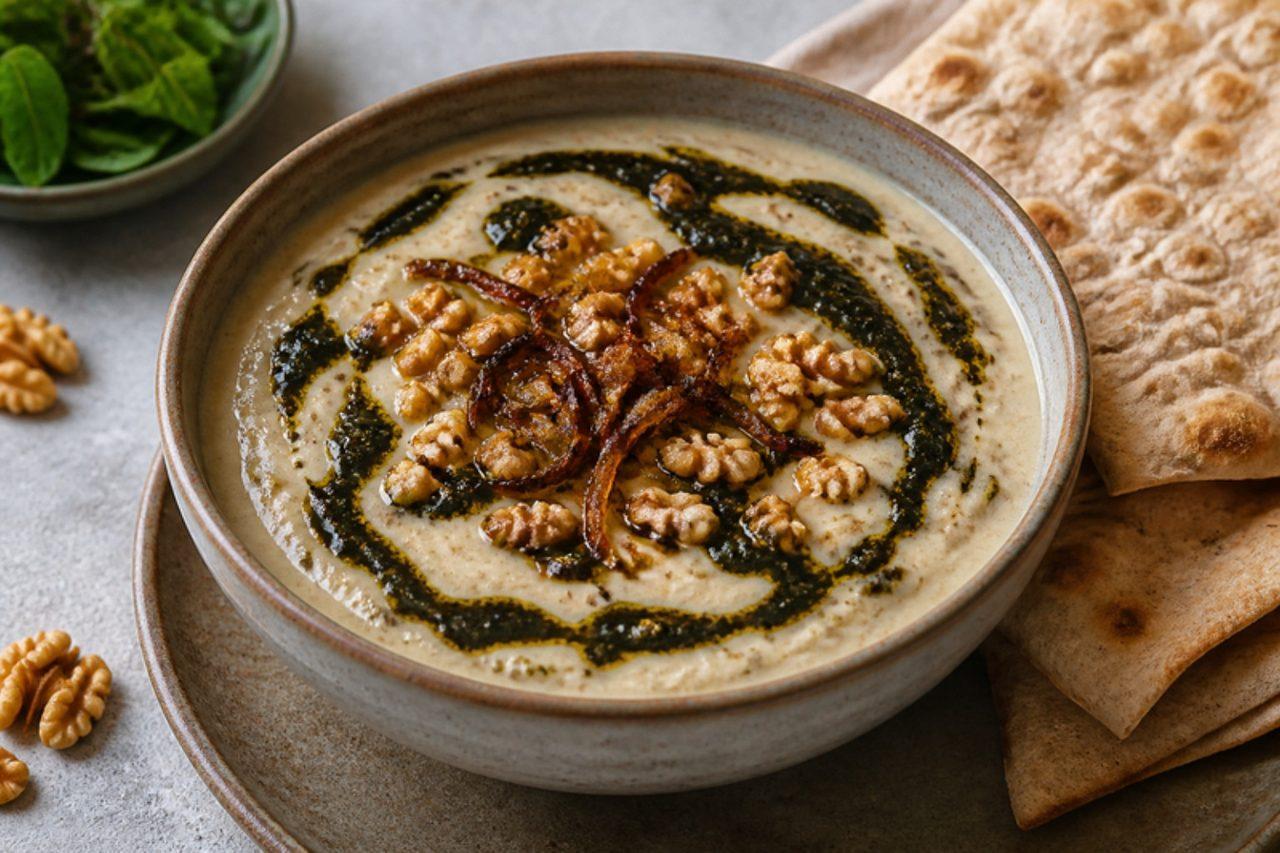
Kaleh jooshKashk, walnut and mint soup

Kaleh joosh is the fast, frugal soup of the Azerbaijani villages around Tabriz and of central Iran, cooked when the cupboard holds kashk, walnuts and onions. Kashk, the tangy fermented whey that gives so many Persian dishes their savoury depth, is simmered with deeply fried onions and ground walnuts, then crowned with sizzling dried mint and turmeric oil. It is eaten from a shared bowl, scooped up with torn bread rather than spoons, often on cold evenings. A common mistake is boiling the kashk hard, which can make it split and grainy; keep it at a gentle bubble. Chef's tip: taste your kashk before salting, as brands vary wildly in saltiness.

by KrazyBadal 0 views

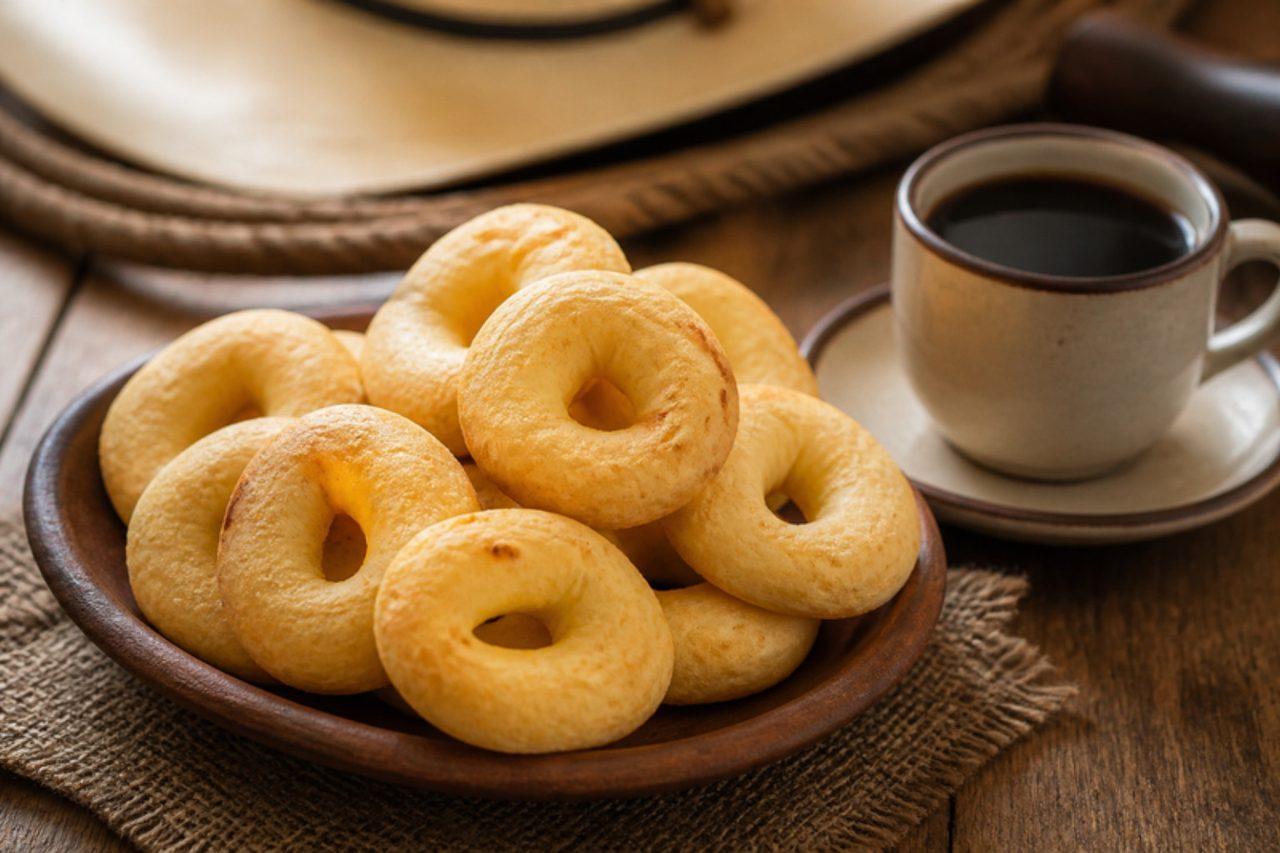
Pan de arrozRice flour cheese rings

Coffee in Arauca or Casanare rarely comes alone: there is usually a basket of pan de arroz, small golden rings made from rice flour and grated salty cheese, sold at roadside stalls, bakeries and village fiestas across the plains. They bake crisp on the outside and soft, slightly chewy and cheesy within, a cousin of pandebono but lighter and more crumbly. Eat them warm with a cup of tinto or hot chocolate in the afternoon. The cheese on the plains is queso llanero, a firm, salty farm cheese; mix feta-style cheese with a little mozzarella if you cannot find it, and as both are usually made with animal rennet, choose vegetarian (microbial-rennet) ones. The mistake that causes trouble is coarse, lumpy cheese, which makes the dough crack as you shape it; crumble or grate it very finely. Chef's tip: rest the dough for 10 minutes before shaping so the rice flour hydrates and the rings close without splitting.

by KrazyBadal 0 views

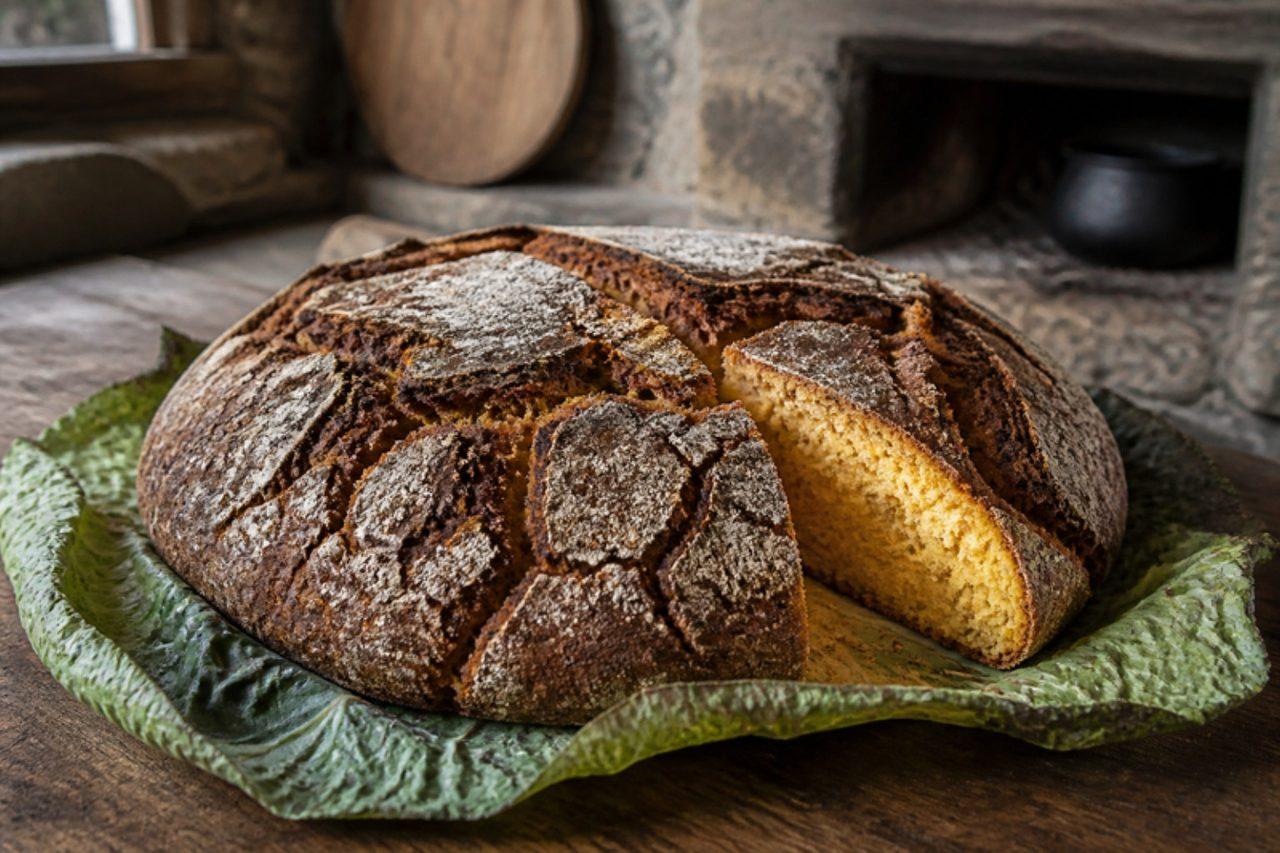
Pan de milloGalician cornbread

In the inland villages of Lugo and Ourense, and in the Deza area of Pontevedra, pan de millo, also called broa, was the everyday bread before wheat became common, baked in wood ovens and sometimes on a cabbage leaf. It is heavy, moist and slightly sweet inside, with a thick, cracked crust, and it is eaten with caldo, cheese or simply olive oil. Maize flour has no gluten of its own, so this version mixes in some wheat flour to help it rise; it is vegan. A common mistake is expecting a light loaf: it should feel heavy and close-textured. Chef's tip: scald the maize flour with boiling water first, which makes the crumb tender and stops it crumbling.

by KrazyBadal 0 views

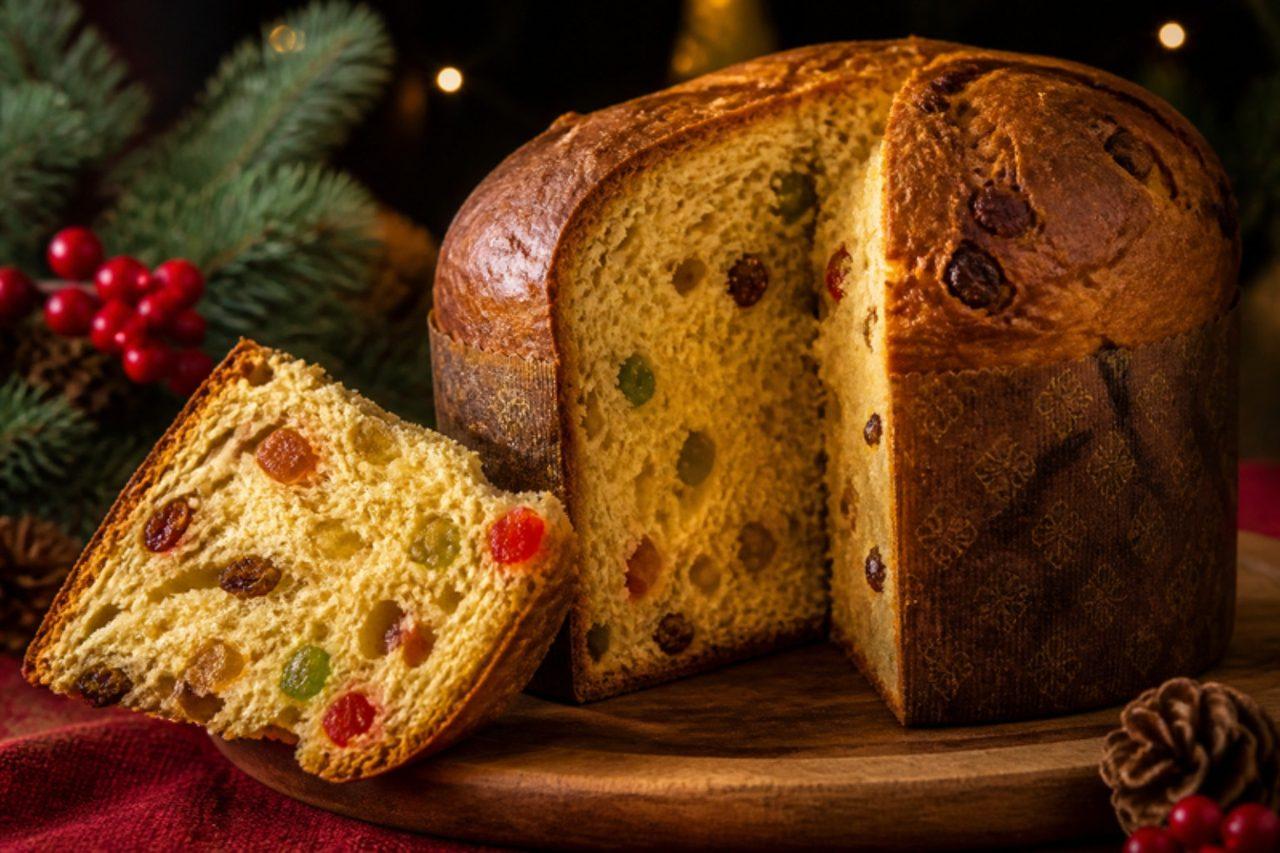
Pan dulceChristmas fruit bread

No Argentine Christmas Eve table is complete without a pan dulce, set out at midnight with turrón, nuts and a cold cider for the adults. The bread is the River Plate take on Genoese pandolce and Milanese panettone: a tall, buttery yeast dough scented with orange blossom and lemon, packed with candied fruit, raisins and walnuts. The crumb is closer and moister than panettone, and it keeps for a week wrapped in a cloth. Allow a long day, as the dough has a sponge and two rises. Some bakers soak the fruit in rum or sweet wine; here it is soaked in orange juice, so the bread is alcohol-free. People often add the fruit at the start of kneading, which shreds the gluten and gives a heavy, sunken loaf; work it in only once the dough is silky. Chef's tip: bake it in a tall paper mould or a 16 cm tin lined with a collar of baking paper, and turn it upside down onto a rack for the first 20 minutes of cooling so the top does not sink.

by KrazyBadal 0 views

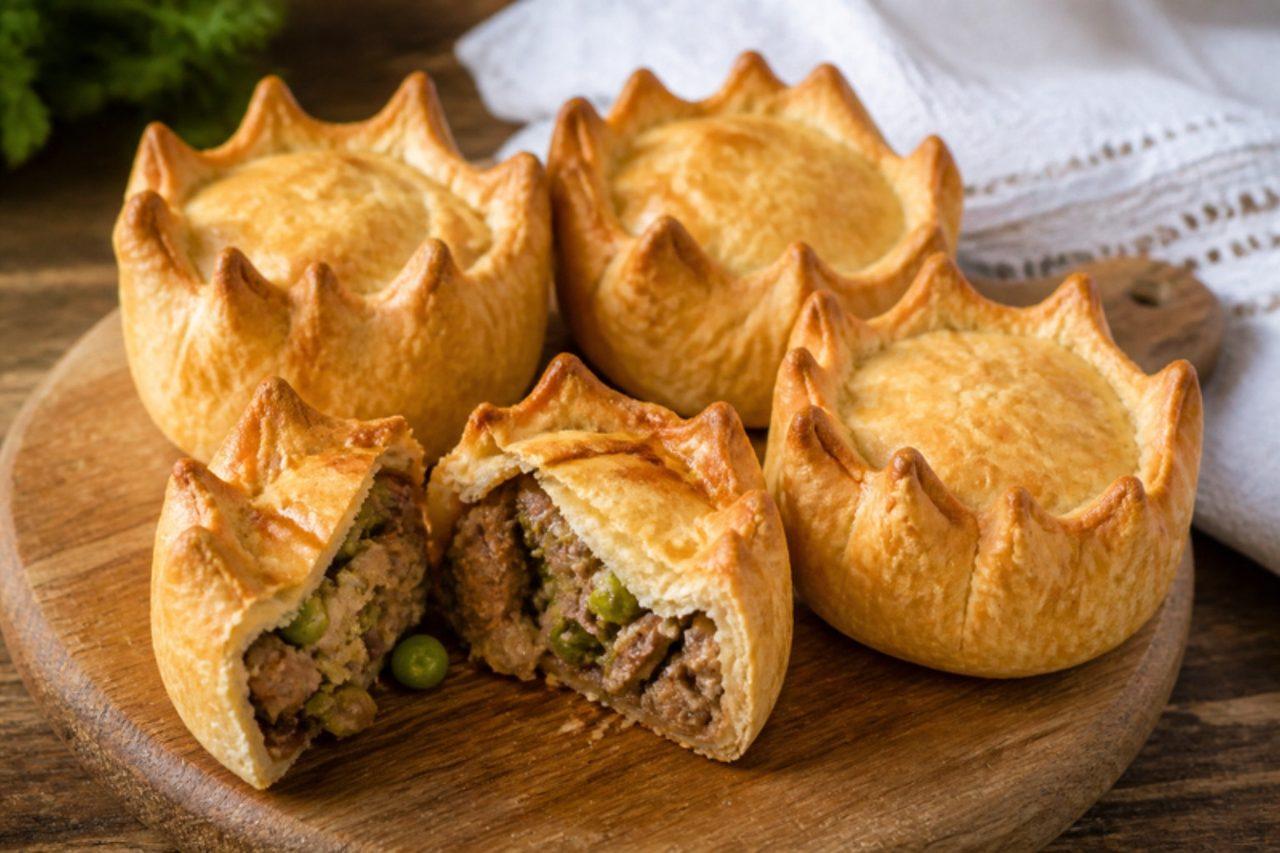
PanadesLamb and pea pies

On Easter Saturday, Mallorcan kitchens turn into pie workshops: whole families shape panades, small upright pies with pinched rims and a pastry lid, filled with raw diced lamb, peas and a little pork belly, then bake them to eat on Easter Sunday and the picnics of the days after. This contains pork (lard in the pastry and pork belly in the filling); butter can replace the lard and the belly can be left out. The meat cooks inside the pastry, staying juicy. Chef's tip: cut the lamb small, no bigger than 1.5 cm, so it cooks right through in the time the pastry takes to brown.

120 minSpanishMeat
by KrazyBadal 0 views

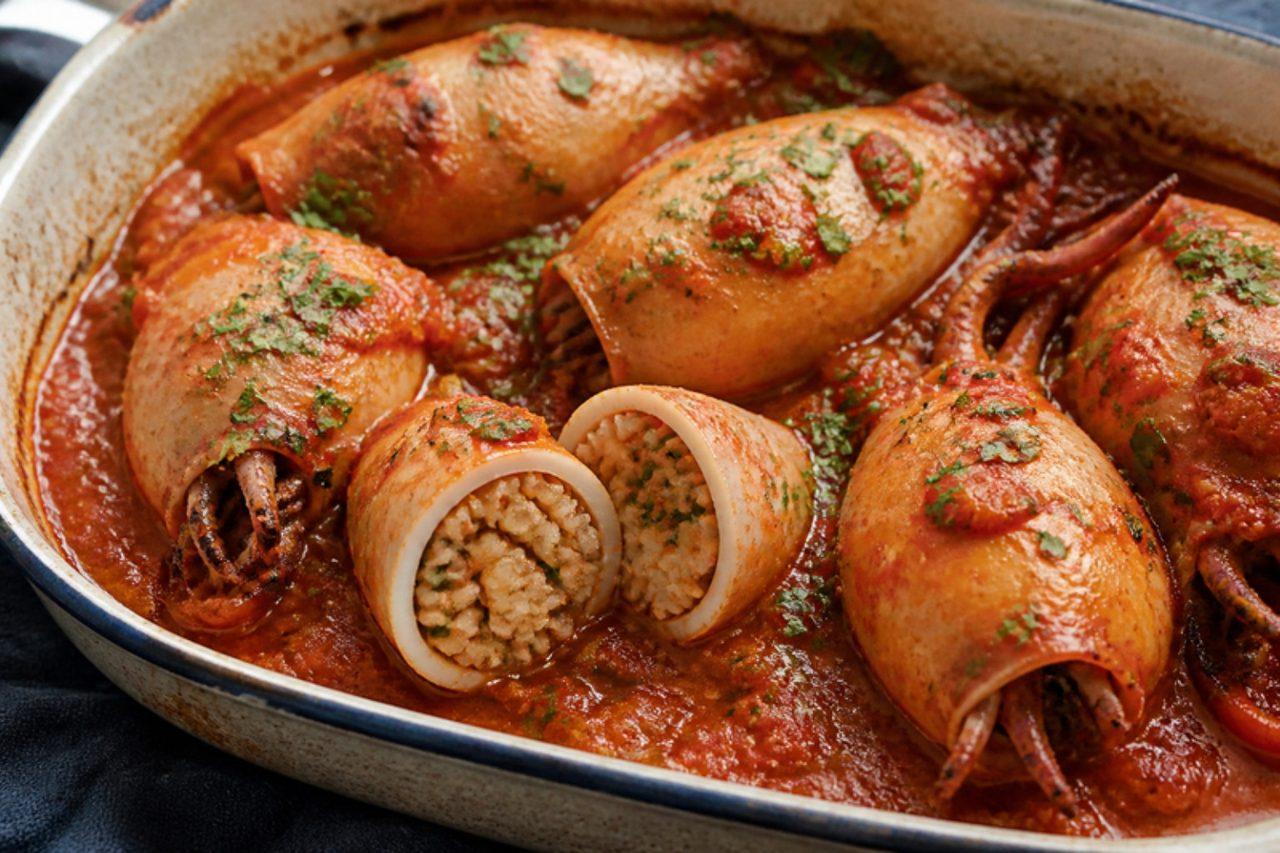
Kalamarakia gemistaRice-stuffed squid in tomato

Stuffed squid is Lenten and summer food all over the Cyclades: the bodies are filled with rice, onion, the chopped tentacles, dill, mint and pine nuts, then baked in a light tomato sauce until the squid is tender and the rice has drunk up the juices. Families on Paros and Naxos make a tray for a Friday or a feast day of the Virgin in August, and serve it warm with bread and a salad. Common mistake: packing the squid full; the rice swells and splits them, so fill only two-thirds. Chef's tip: close each squid with a toothpick through the opening, threaded like a stitch.

100 minGreekFishGluten free
by KrazyBadal 0 views

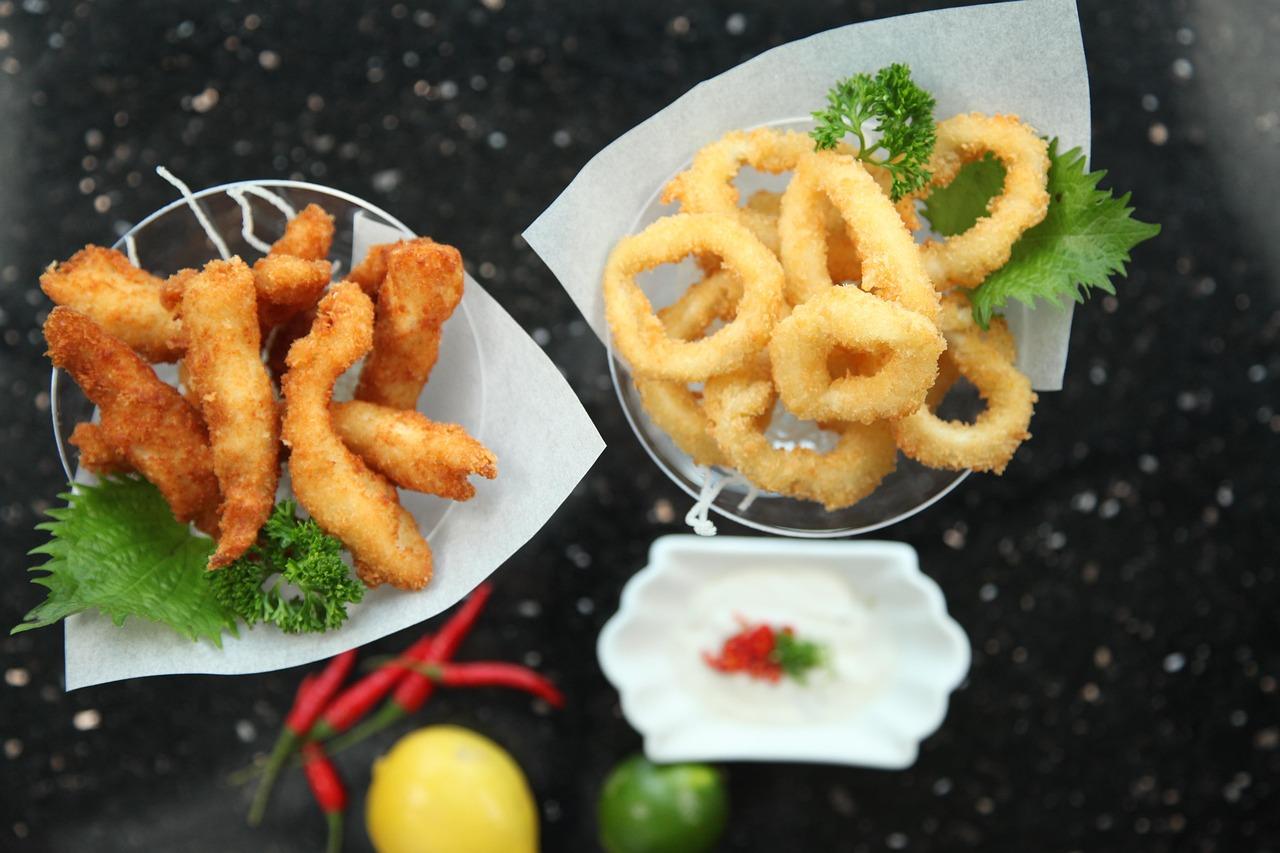
Kalamar tavaFried squid with walnut sauce

On the waterfront in Bodrum and in every Aegean fish meyhane, a plate of kalamar tava arrives hot among the cold meze: tender rings of squid in a light, crisp coat, with a bowl of tarator, a thick sauce of walnuts, bread, garlic and lemon, for dipping. The trick is speed; squid is tender after a minute or two in the oil and rubbery after five. Chef's tip: soak the rings in milk or fizzy mineral water for half an hour in the fridge; it tenderises them and helps the coating cling.

by KrazyBadal 0 views

Pan de yucaCassava starch cheese rolls

Cali bakeries sell pandeyucas warm in paper bags from early morning, often in a horseshoe shape, to go with a glass of kumis yoghurt drink or a café con leche. Made only from cassava starch, cheese, egg and a little butter, they are gluten free, puff up in the oven and stay hollow and stretchy inside with a thin crisp skin. Unlike pandebono, there is no corn flour, so they are lighter and chewier. Use tapioca (cassava) starch, sold in Asian and Latin shops; the cheese is typically a salty queso costeño made with animal rennet, so mix a vegetarian feta-style cheese with vegetarian mozzarella. Dough that is too wet makes them spread flat; it should feel like soft play dough. Chef's tip: they are at their best within 30 minutes of baking, so shape them ahead and bake just before eating.

by KrazyBadal 0 views

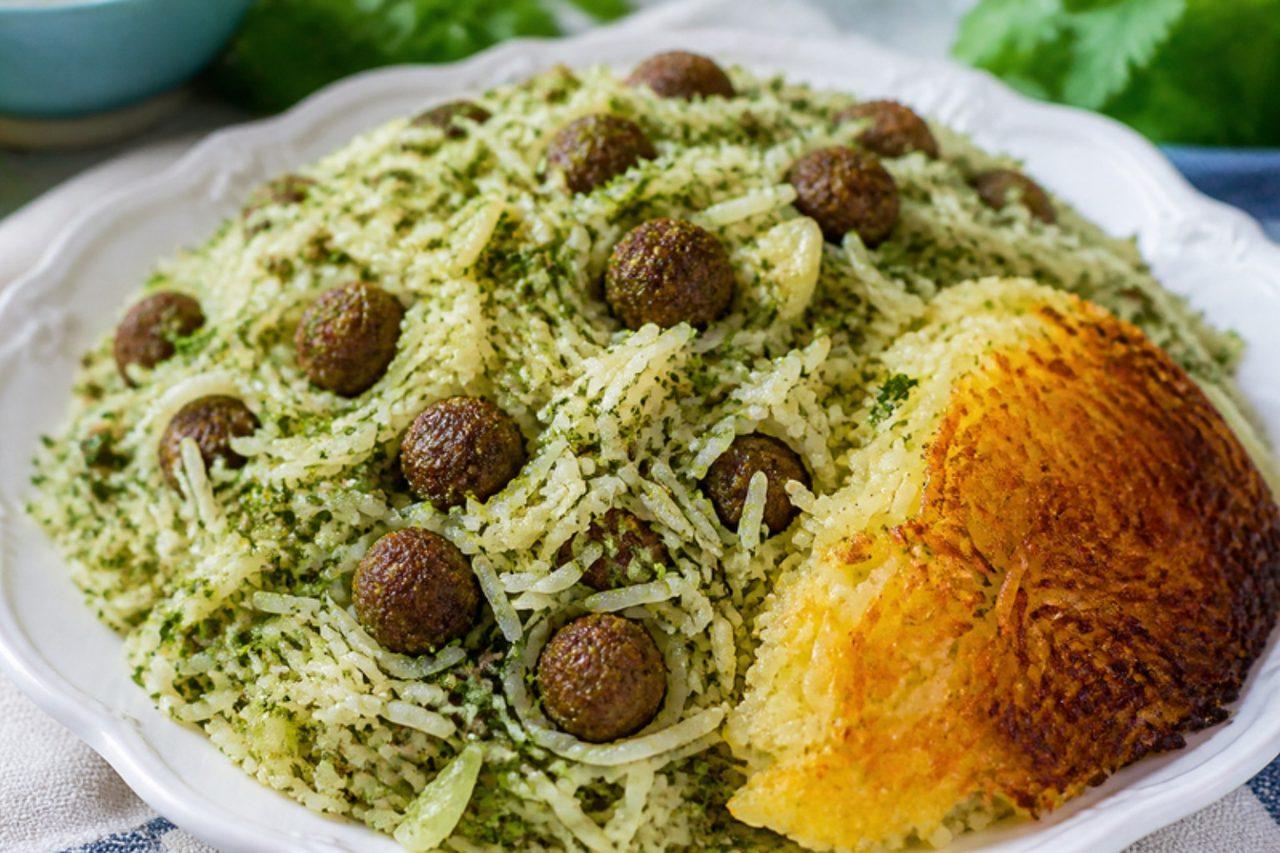
Kalam polo ShiraziCabbage and herb rice with meatballs

Kalam polo is the rice that Shirazi families cook from late autumn into spring, when white cabbage is sweet and the herb sellers of the Vakil Bazaar pile up basil, tarragon and dill. Shredded cabbage is fried until caramel-brown, mixed with a big handful of herbs and a touch of cumin, then layered through basmati with tiny meatballs no bigger than a chickpea and steamed into a fragrant, green-flecked pilaf. For a vegetarian pot, leave the meatballs out and add a handful of cooked chickpeas. Serve with Shirazi salad and yogurt. A common mistake is frying the cabbage too briefly; it must turn golden and sweet, or it gives the rice a sulphurous taste. Chef's tip: dry the chopped herbs on a tea towel before frying so they crisp instead of stew.

by KrazyBadal 0 views

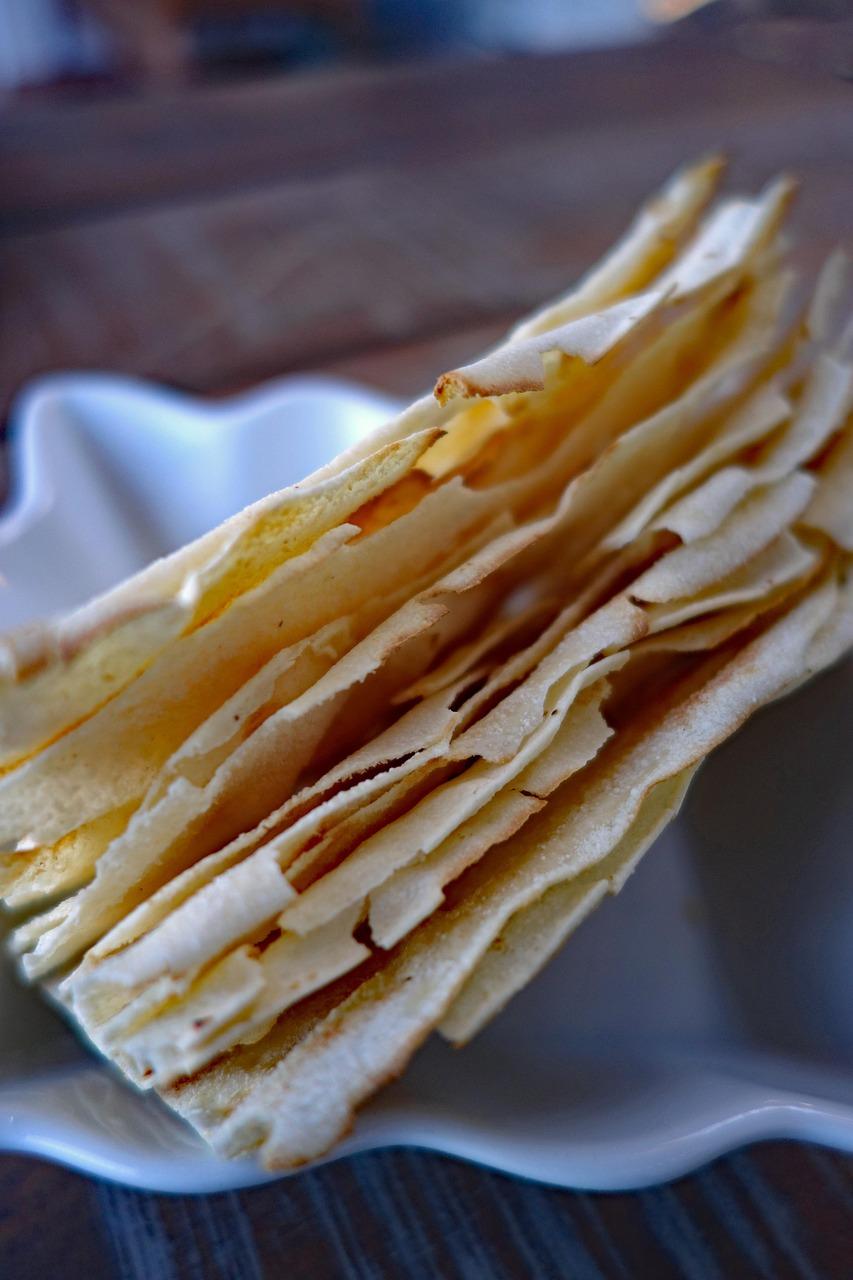
Pane carasauThin crisp flatbread

Shepherds in Barbagia, the mountainous heart of Sardinia, took stacks of pane carasau with them for weeks on the high pastures, because this dry, glass-thin flatbread never goes stale. Each disc is baked until it balloons, split in two while hot, then baked again until crisp and golden; Italians call it carta da musica, music paper, for how thin and crackly it is. Sardinians eat it with olive oil and salt as a snack, break it into soups and layer it into pane frattau. Making it at home takes patience and a very hot oven. Chef's tip: split each puffed disc the moment it comes out of the oven; once it cools, the two layers fuse together.

by KrazyBadal 0 views

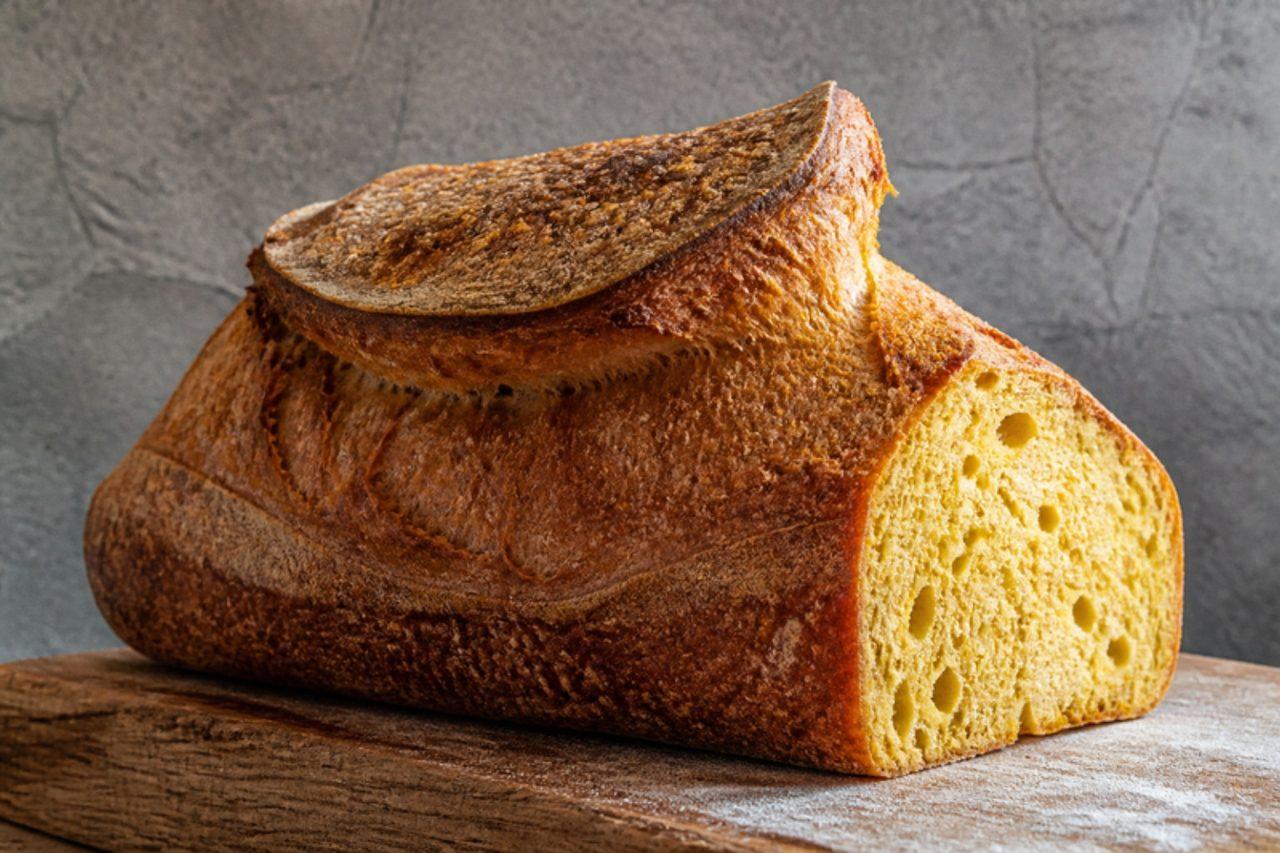
Pane di MateraDurum wheat sourdough bread

Matera's bread is a big golden loaf of durum-wheat semolina and sourdough, with a thick crackling crust and a crumb the colour of straw that stays moist for a week. It is shaped into a horned cornetto or a high-backed loaf, and until the 1950s families in the Sassi took their dough to the communal oven, each loaf marked with a carved wooden stamp so it came back to the right house. It is still eaten every day in the city, sliced thickly with olive oil and tomato or soaked in soups. Plan over two days, with a cold rise overnight. Chef's tip: feed your starter with semolina the day before, so its flavour matches the dough.

1440 minItalianBakingVegan
by KrazyBadal 0 views

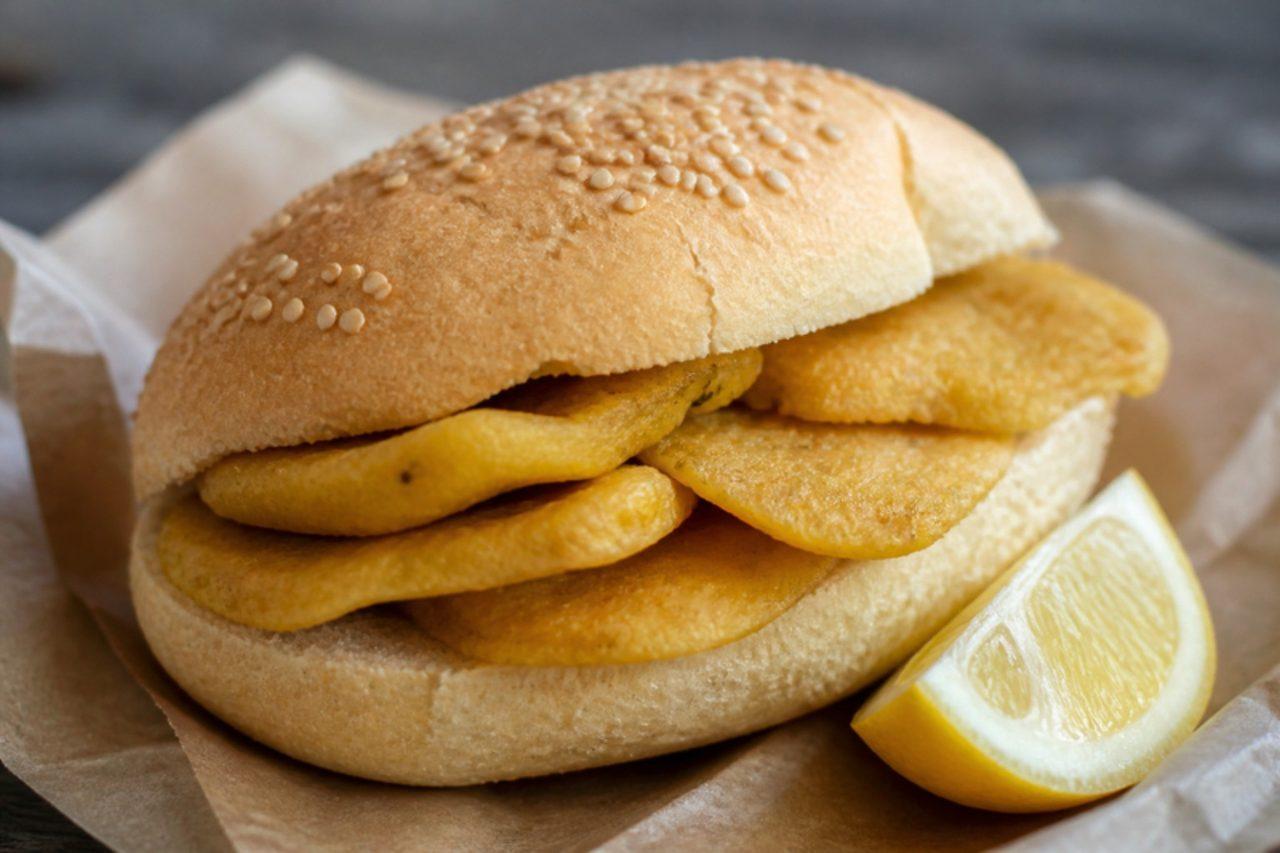
Pane e panelleChickpea fritters in a bun

Pane e panelle is Palermo's breakfast on the run: wafer-thin squares of chickpea batter fried until puffed and crisp at the edges, stuffed five or six at a time into a soft sesame roll and squeezed with lemon. Friggitorie at the Vucciria and Ballarò markets sell them from early morning, often alongside potato crocchè, and the city eats them standing at the counter. The panelle are creamy inside and nutty with a little parsley. Chef's tip: whisk the chickpea flour into cold water, never hot, and you will have no lumps.

by KrazyBadal 0 views

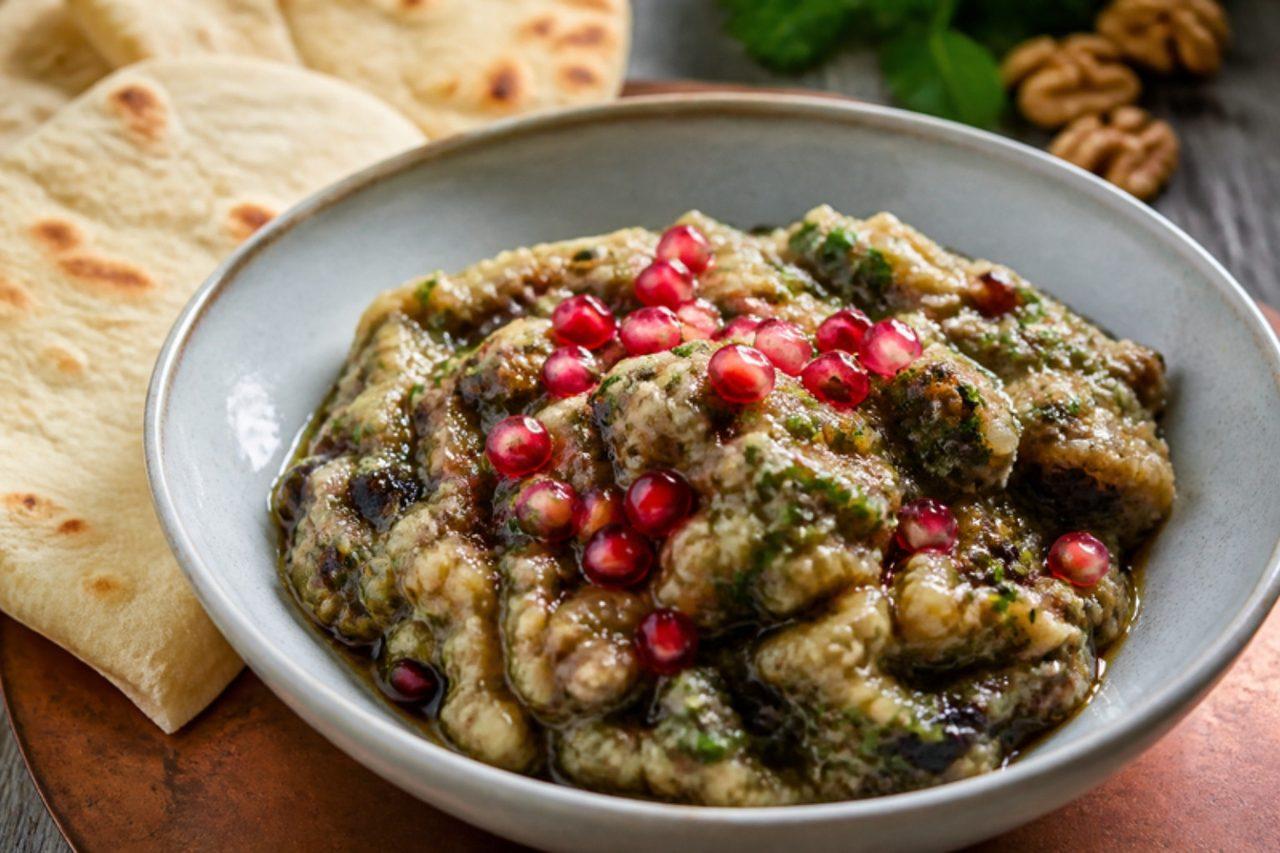
Kal kababSmoky aubergine with walnuts and pomegranate

Kal kabab comes from the rice-growing plains around Rasht, where late-summer aubergines are charred straight on the embers and mashed with a green, sour mixture of herbs, walnuts, garlic and sour pomegranate paste. Unlike Tehran's creamy kashk-e bademjan it has no dairy and is eaten cool, as a starter or side with kateh and grilled food, scooped up with bread. Golpar, ground Persian hogweed seed, adds a resinous edge. A common mistake is pulling the aubergines off the flame too early: they must collapse completely and the skin must blacken all over, or the flesh is bitter and the dish lacks smoke. Chef's tip: pound the walnuts, garlic and herbs to a paste before adding the aubergine, so the sour green flavour runs through every bite.

by KrazyBadal 0 views

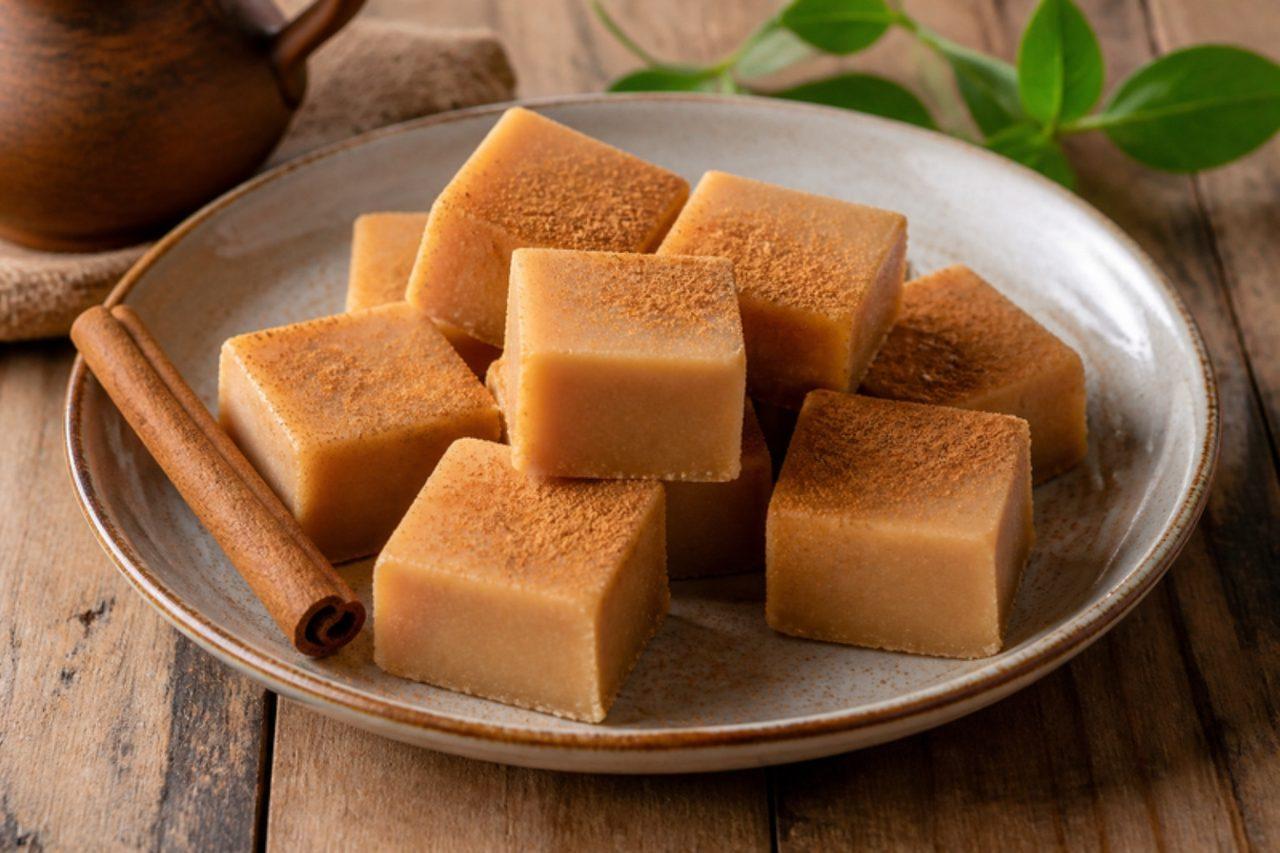
PanelitasMilk fudge squares

Small paper-wrapped panelitas are sold by the bagful at roadside sweet stalls through Santander, often next to obleas and bocadillo. They are milk boiled with sugar and panela until it becomes a thick caramel, then beaten off the heat until it loses its shine and sets into a soft, crumbly fudge with a warm cinnamon and molasses taste. Kids and grandparents both reach for them after lunch with a coffee. The batch here makes a tray of bite-sized squares that keep for a week. Most failures come from beating too little: the mixture stays glossy and never sets beyond soft arequipe, so keep going until it turns matte and starts to hold its shape. A pinch of bicarbonate of soda stops the milk from curdling as the panela heats. Chef's tip: lightly score the squares while the fudge is still warm, then cut through once cold, for neat edges.

by KrazyBadal 0 views

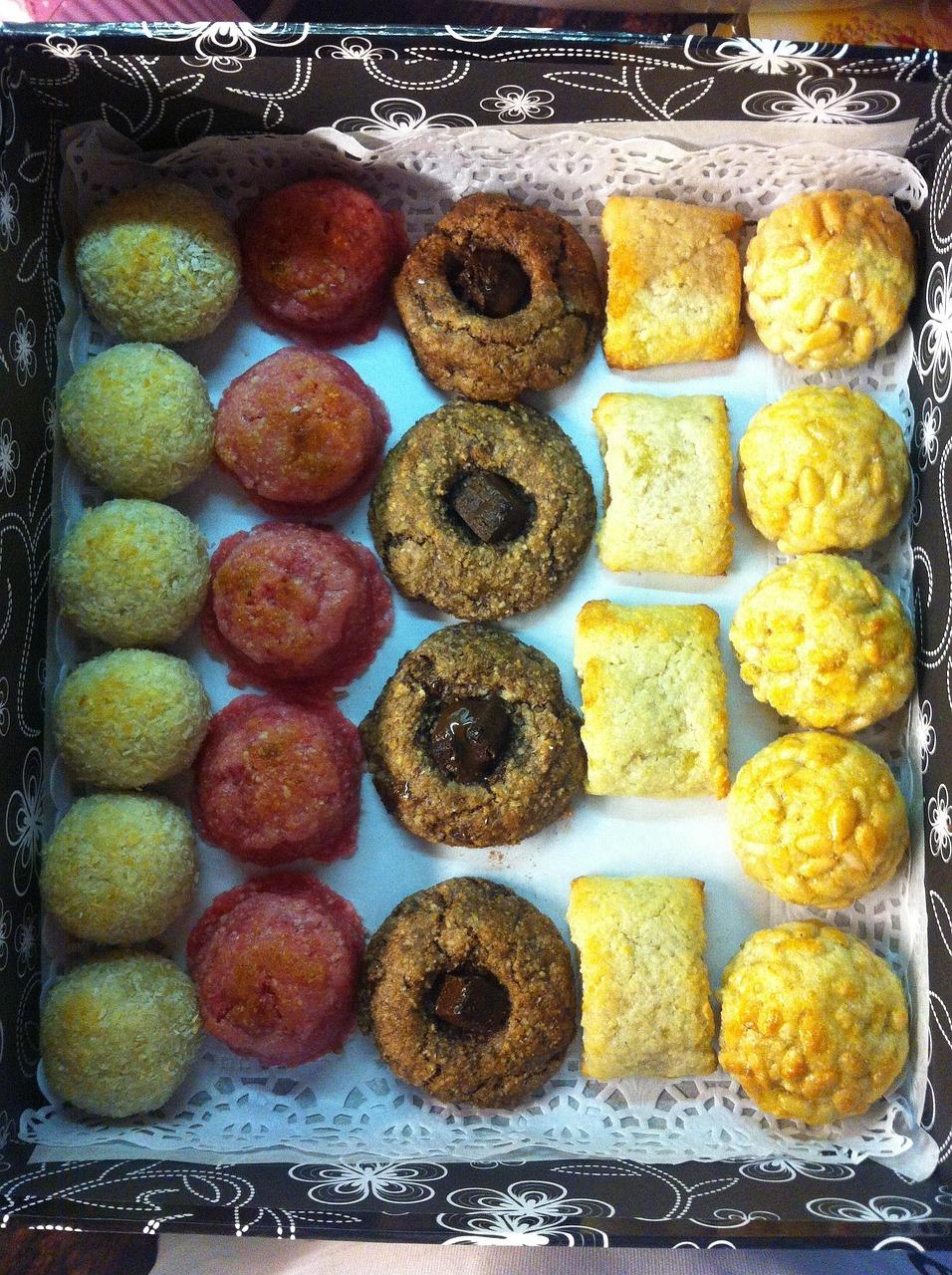
PanelletsPine nut marzipan sweets

For the Castanyada on 31 October and All Saints' Day, Catalan families roast chestnuts, eat sweet potatoes and make panellets: little balls of almond marzipan, bound with a spoonful of cooked potato, then rolled in pine nuts, glazed with egg and baked until golden. The pine-nut ones are the classic, and children often help roll them. They are eaten with a glass of sweet wine or a cup of coffee. Chef's tip: wet the marzipan balls lightly with egg white before rolling; it is the glue that holds the pine nuts on.

by KrazyBadal 0 views

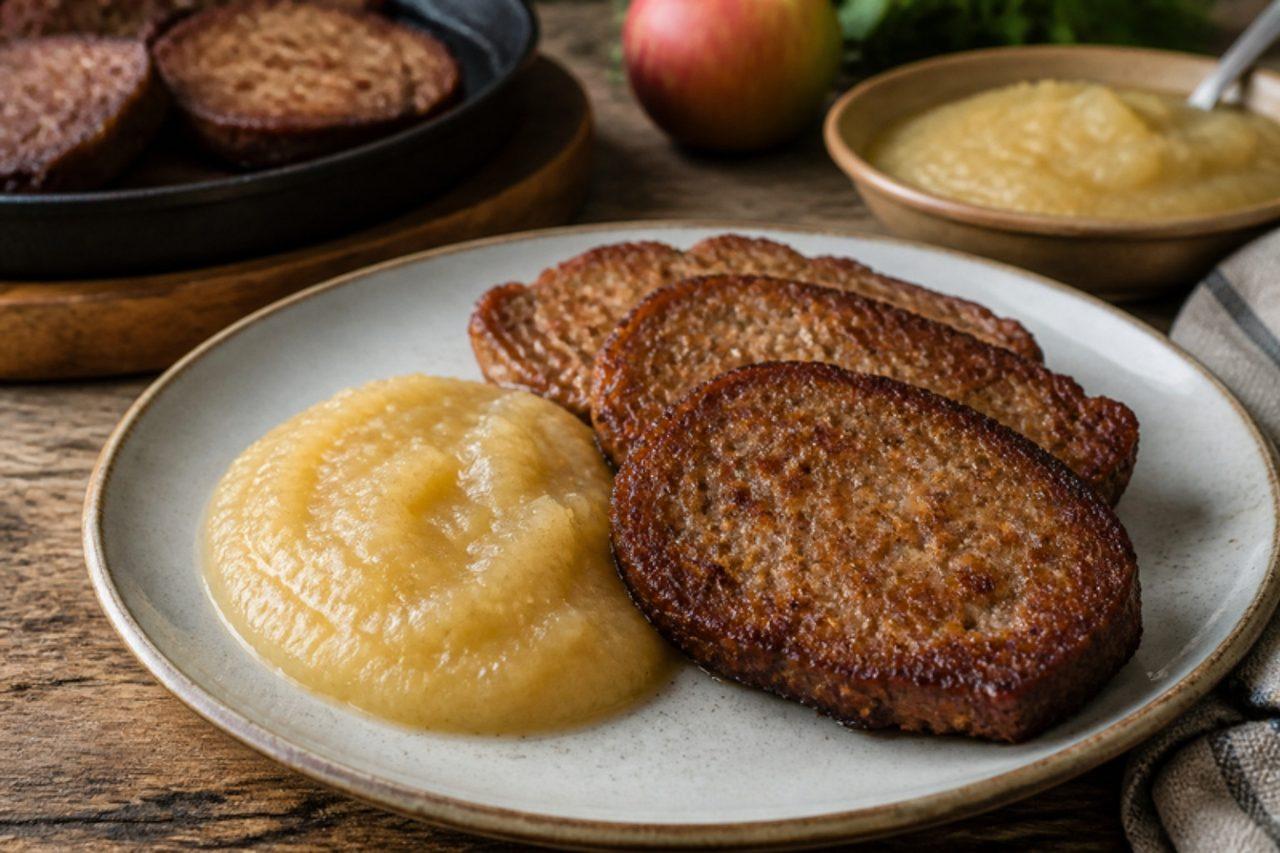
PanhasBuckwheat and pork loaf

Panhas comes from the slaughter days of Westphalia and the Lower Rhine, when the pork broth left in the kettle was thickened with buckwheat flour and the scraps of meat and sausage so nothing went to waste. It sets into a firm loaf that keeps for days in the fridge; thick slices are fried until crisp and eaten for breakfast or supper with apple sauce, fried potatoes or rye bread. This version uses pork belly and coarse liver sausage. Chef's tip: fry the slices in a hot pan and leave them alone for the first 4 minutes, so a crust forms before you turn them.

90 minGermanMeat
by KrazyBadal 0 views

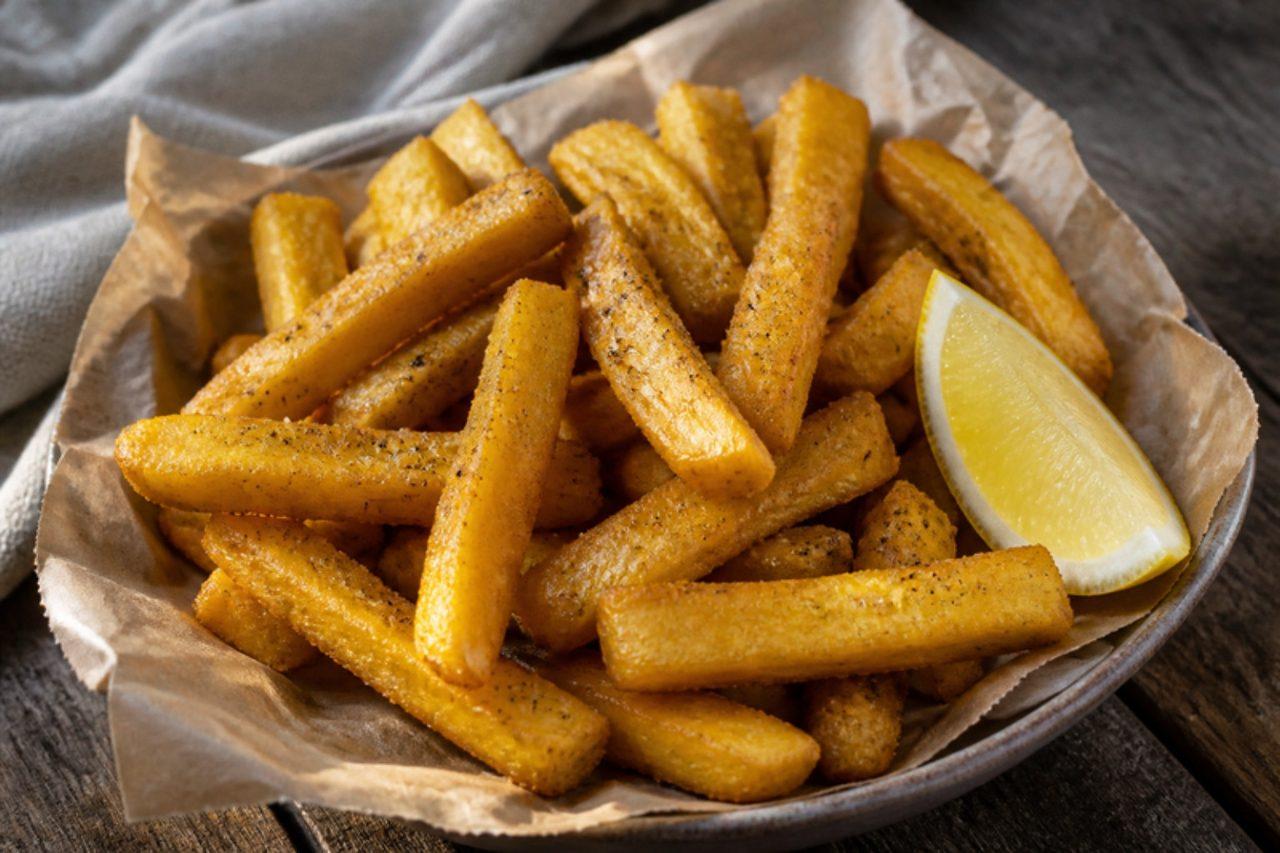
PanissesFried chickpea fingers

In L'Estaque, the old fishing quarter on the western edge of Marseille, panisses are sold hot in paper cones from seafront kiosks on summer evenings. They start as a thick chickpea-flour porridge, set in a tray, then cut into fingers and fried until the outside is crisp and the middle is soft and creamy, like a chickpea chip. Along the coast in Nice the same flour becomes socca, a thin baked pancake. Serve panisses with a squeeze of lemon and lots of pepper. Chef's tip: make the base the day before; a night in the fridge firms it up, and the fingers keep their shape in the oil.

by KrazyBadal 0 views

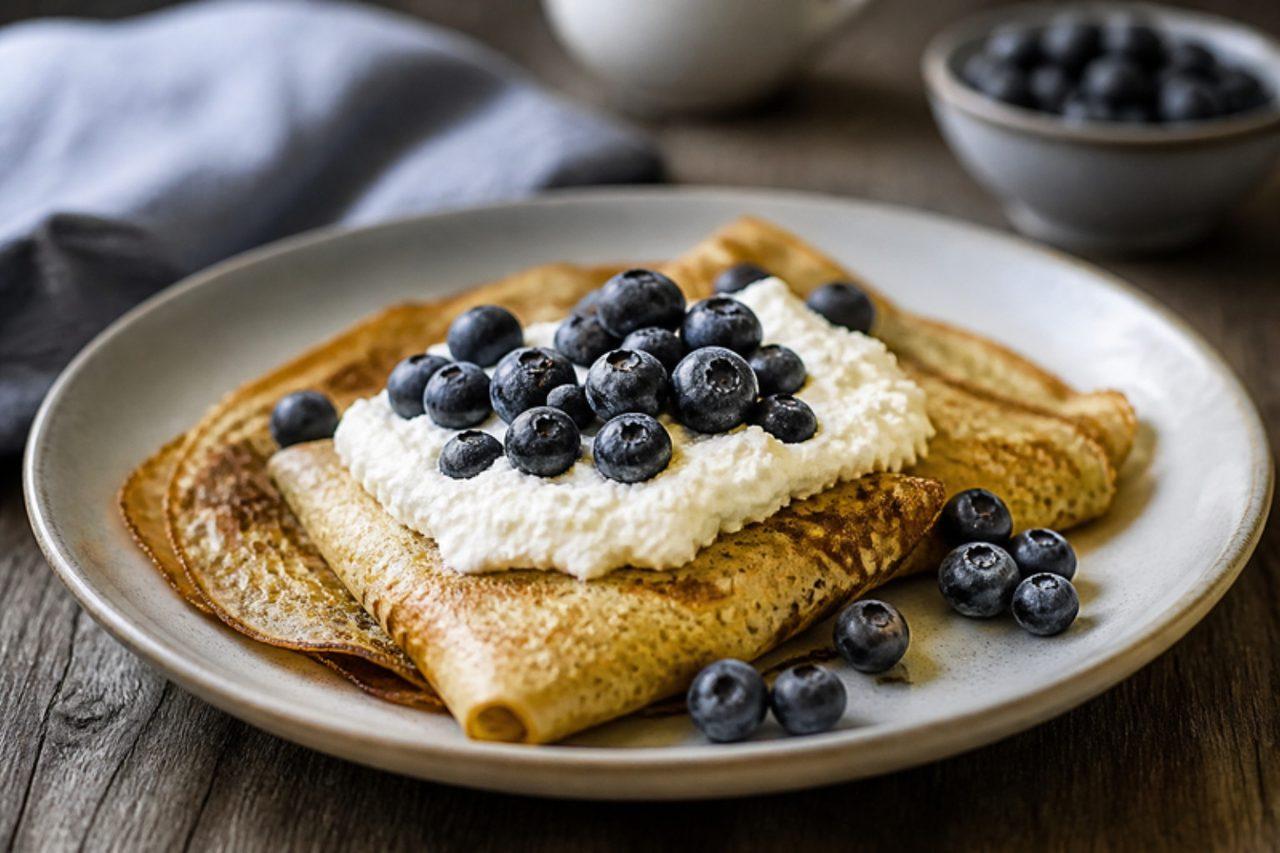
PlinsenBuckwheat pancakes with quark

Plinsen come from Lusatia, the Sorbian-speaking borderland of Brandenburg and Saxony, where buckwheat once grew in the sandy soil. They are thin, soft pancakes, slightly thicker than a crêpe, made with buckwheat or a mix of buckwheat and wheat, and they are eaten for breakfast or as a sweet supper with sweetened quark, apple sauce or, in July, wild blueberries from the Lusatian pine woods. The buckwheat gives a nutty, earthy edge. A common mistake is cooking them in a too-cool pan, which makes them pale and rubbery; the butter should sizzle as the batter hits it. Chef's tip: rest the batter for 30 minutes so the buckwheat swells and the pancakes don't tear.

by KrazyBadal 0 views

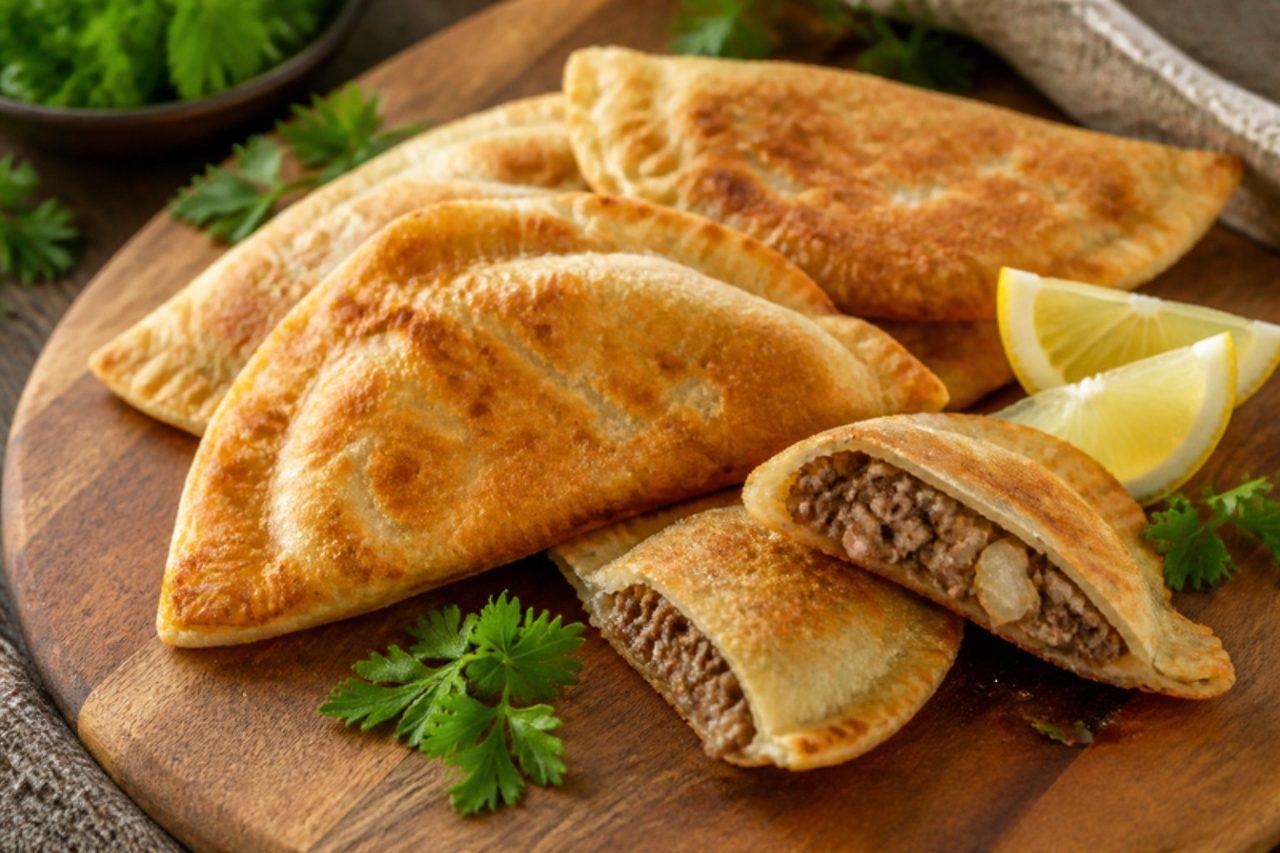
SembusekSpiced mince flatbread pies

Mardin's stone bakeries fill their ovens with sembusek on weekend mornings: thin rounds of dough folded over a filling of minced meat, onion, parsley and pepper paste, sealed into half-moons and baked until crisp and freckled. Families make big batches for picnics and Ramadan, and eat them warm with ayran or a glass of tea. The meat goes in raw and cooks inside the pastry, so roll the dough thin enough to cook through. Common mistake: a wet filling that makes the base soggy; squeeze the grated onion hard. Chef's tip: brush the tops with a little water and butter as they come out of the oven so they soften just enough to fold over a bite of salad.

by KrazyBadal 0 views

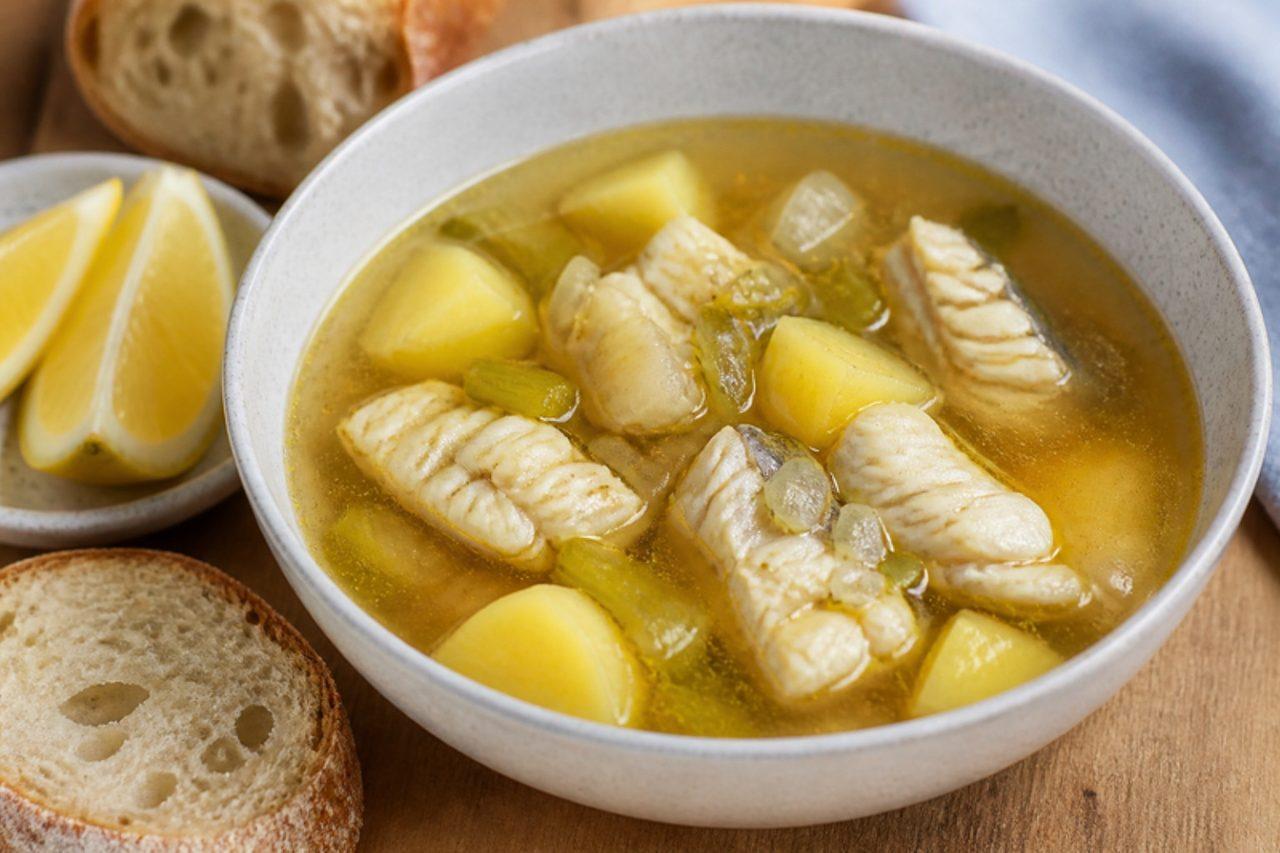
KakaviaMixed fish and potato soup

Kakavia takes its name from the three-legged pot fishermen in the Cyclades set on the beach, filling it with the small, bony fish they couldn't sell, seawater, onions, potatoes and a generous pour of olive oil. Today island tavernas and families make it with a mix of firm white fish, and serve the broth first with lemon, then the fish and potatoes on a platter. It is clean, golden and comforting, best with crusty bread. Common mistake: stirring once the fish goes in, which breaks it into shreds; shake the pot instead. Chef's tip: simmer the heads and bones first for the broth, then poach the fillets in it briefly so they stay in whole pieces.

80 minGreekSoupsGluten free
by KrazyBadal 0 views

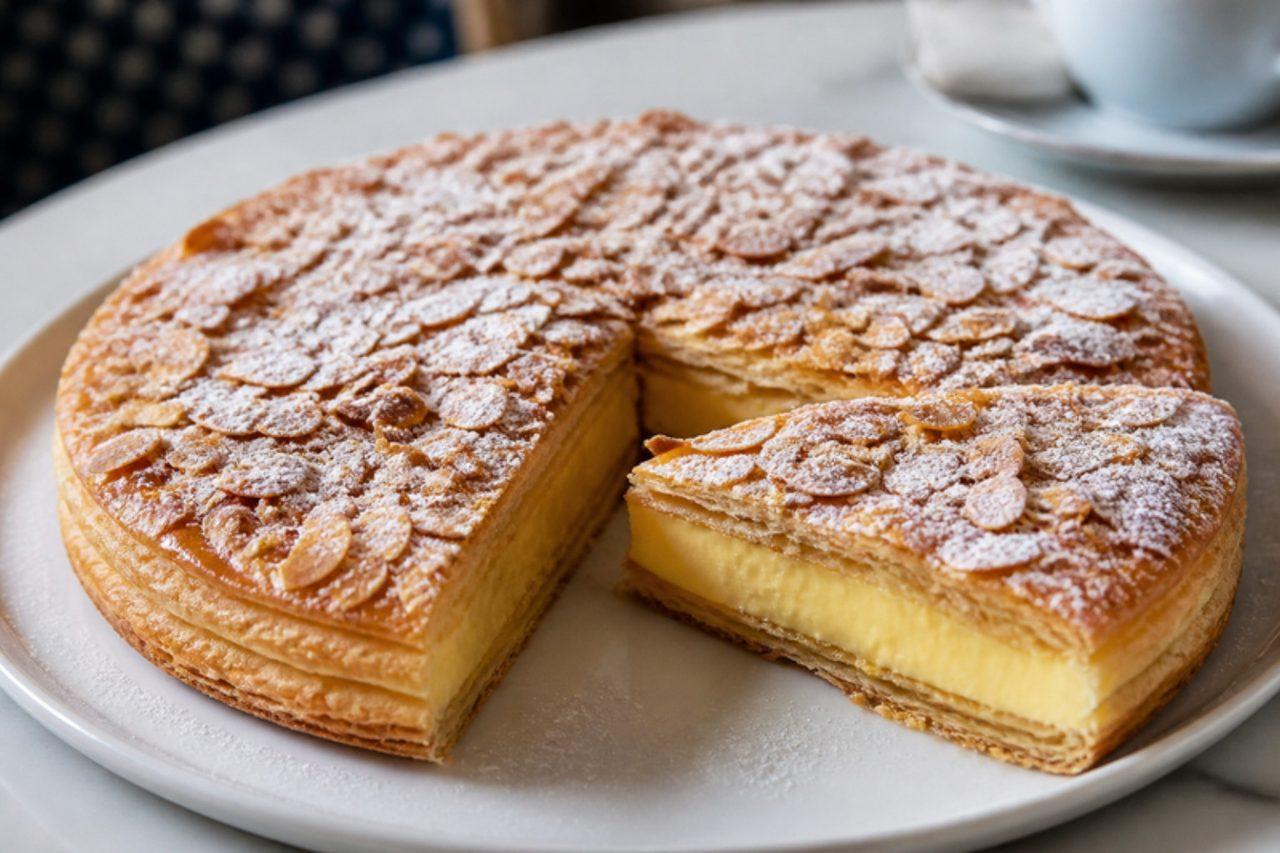
PantxinetaCustard and almond puff pastry tart

Pantxineta was first baked in a pastry shop in San Sebastián's old town in the early twentieth century, and Donostiarras still buy it on Sunday mornings to take to family lunch. Two layers of buttery puff pastry enclose vanilla pastry cream, and the top is covered with flaked almonds and icing sugar. It is best eaten warm on the day it is made, while the pastry shatters. A common mistake is filling the pastry with warm custard, which melts the butter layers and stops them rising. Chef's tip: chill the assembled tart for 20 minutes before baking so the pastry keeps sharp edges.

by KrazyBadal 0 views

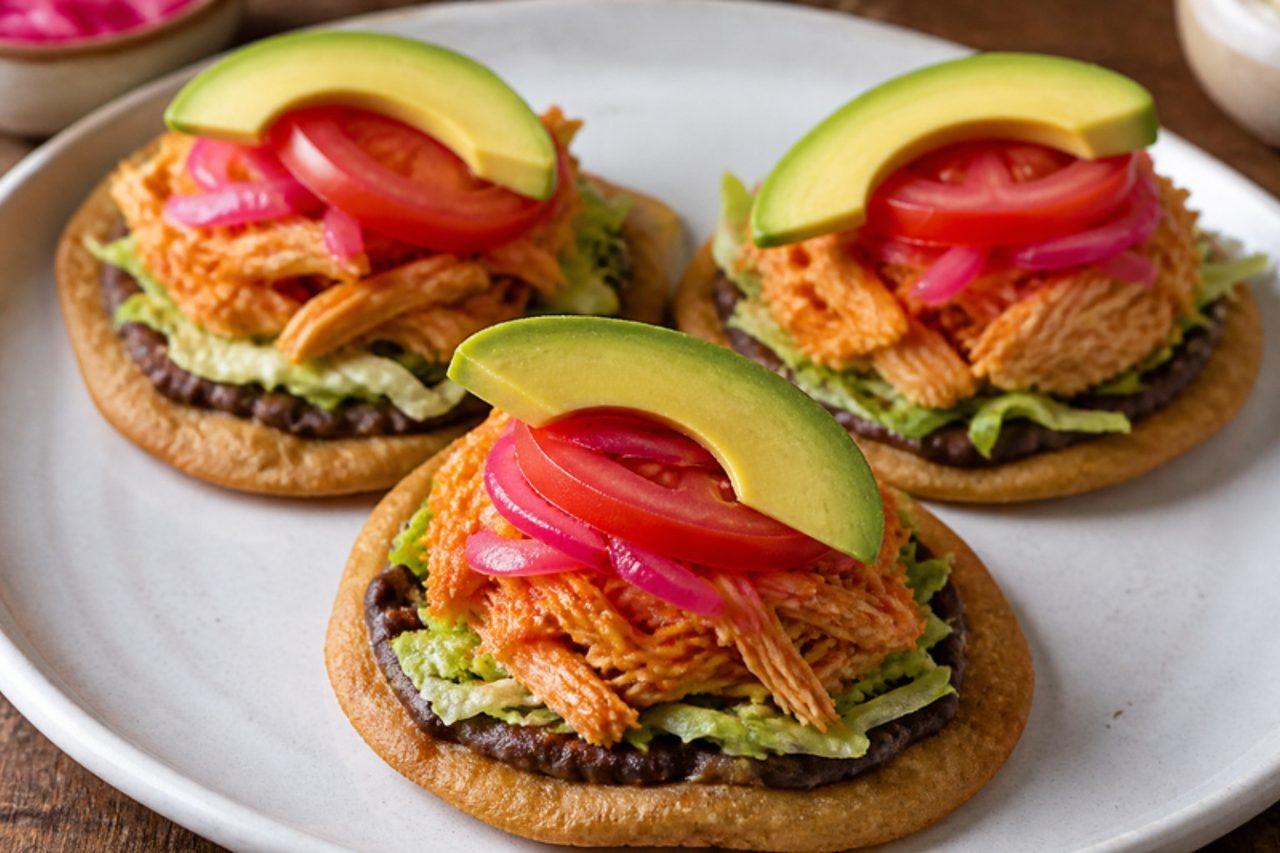
PanuchosBean-stuffed tortillas with chicken

Mérida's loncherías and the evening stands around its parks sell panuchos by the plateful: small corn tortillas puffed on the griddle, slit open, stuffed with black bean paste and fried until the edges crisp. They are topped with shredded chicken marinated in achiote and bitter orange, sharp pink pickled onion, tomato and avocado, with fiery habanero salsa on the side for those who want it. Bitter (Seville) orange is the traditional sour; a mix of orange and lime juice works well. Two or three make a supper with a cold drink. Chef's tip: let the tortilla balloon on the hot comal before you slit it; if it doesn't puff, there is no pocket for the beans.

by KrazyBadal 0 views

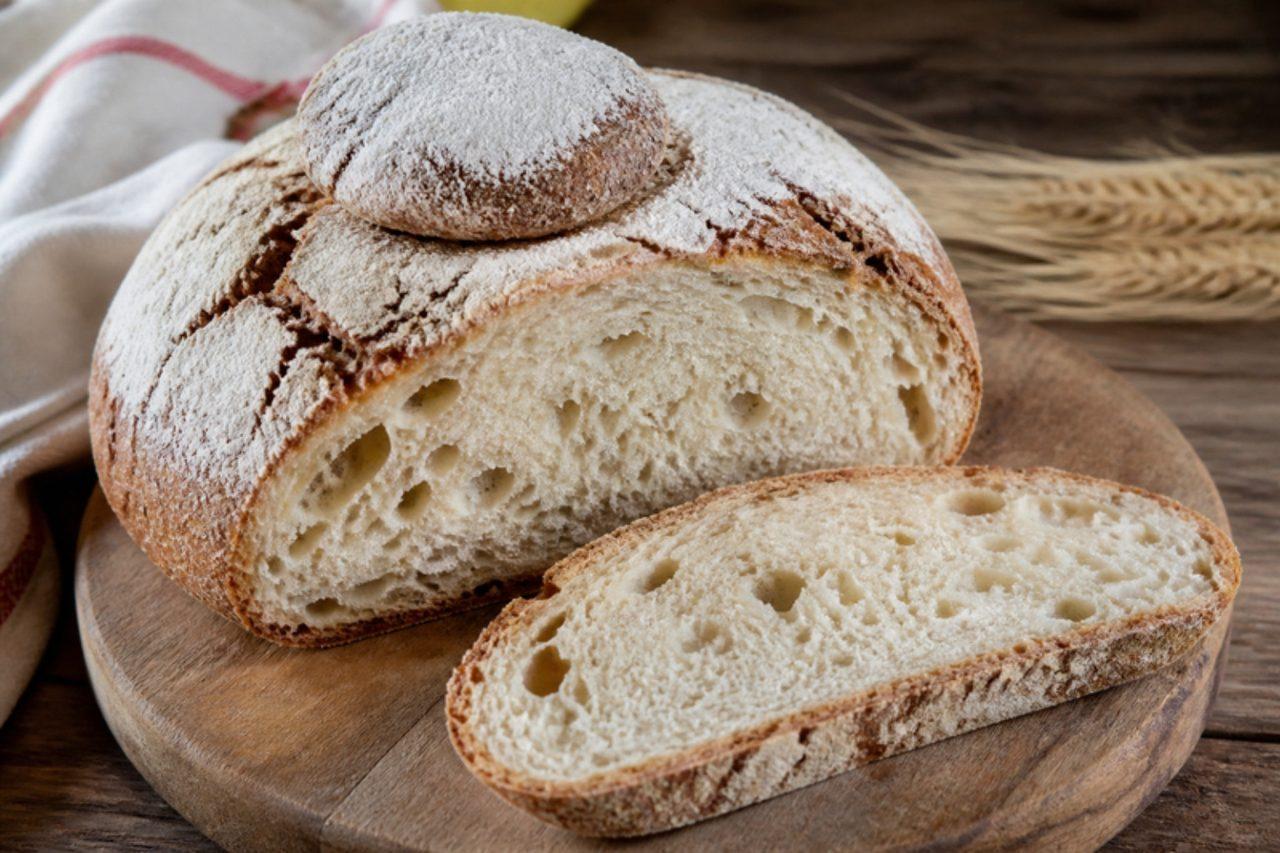
Pão alentejanoSourdough country loaf

Almost every Alentejo meal leans on this bread: it is crumbled into açorda, laid under soups and stews, fried into migas and, fresh, eaten with olives and sheep's cheese. Village bakers make it with a sourdough starter, white wheat flour, water and salt, and give each round loaf a little knob of dough on top, called the cuco. The crumb should be dense, moist and chewy and the crust thick and crackling, so it lasts a week. You need an active starter that doubles within 6 hours of feeding. A common mistake is baking too pale; let the crust go a deep brown for flavour and keeping. Chef's tip: use a wetter dough than you think; it gives the open, moist crumb that keeps the bread soft for days.

by KrazyBadal 0 views

Pão de centeio transmontanoDark rye loaf

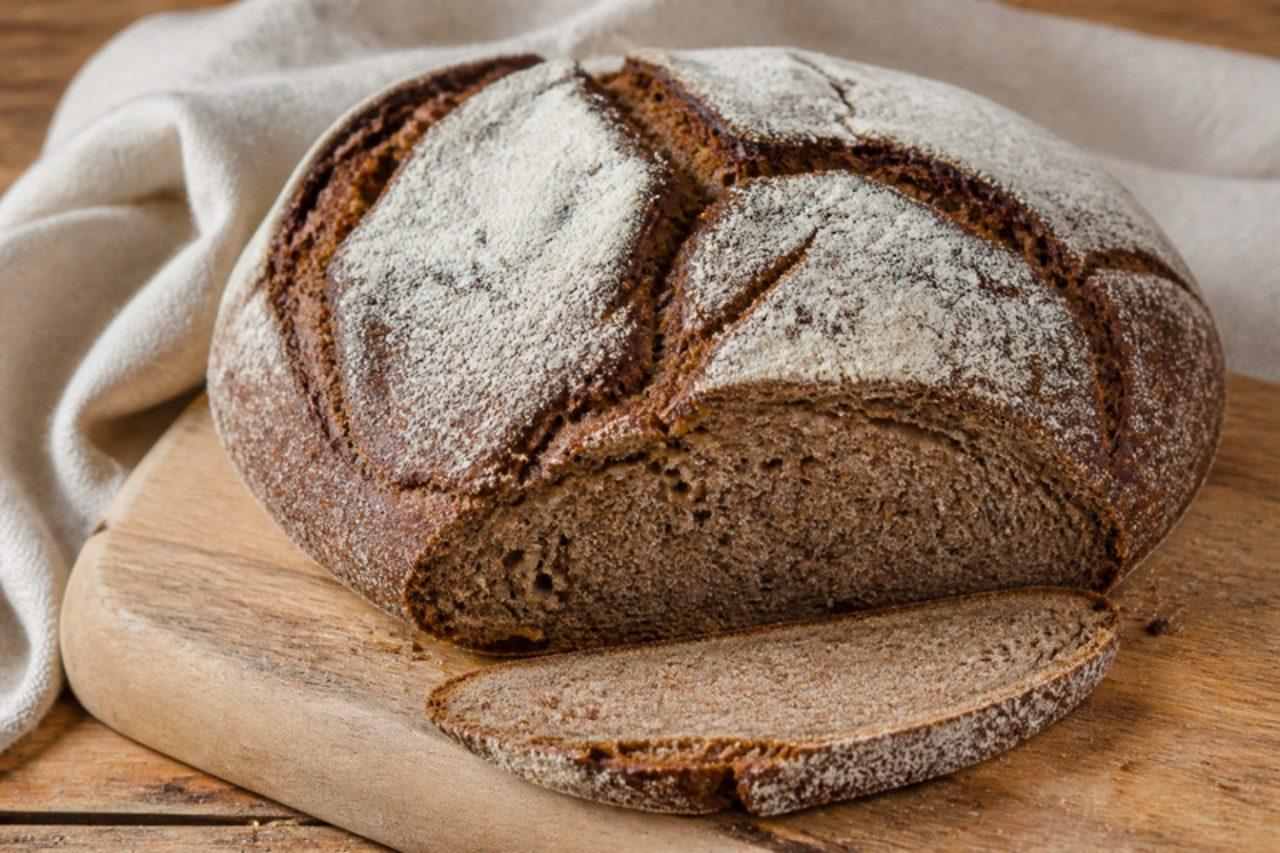
On the cold uplands of Trás-os-Montes, where wheat struggled, rye was the bread grain, and village bakeries around Montalegre and Miranda do Douro still bake big rounds with a dark, floury crust. The crumb is dense, tangy and moist, made to keep for a week and to sit beside cured meats, cheese and soups. This home loaf mixes rye with some wheat so it rises reliably. A common mistake is kneading rye dough like wheat dough; it never turns elastic, so mix it to a sticky paste and stop. Chef's tip: rye dough is sticky by nature, so shape it with wet hands rather than adding flour.

by KrazyBadal 0 views

Pão de DeusCoconut-topped sweet buns

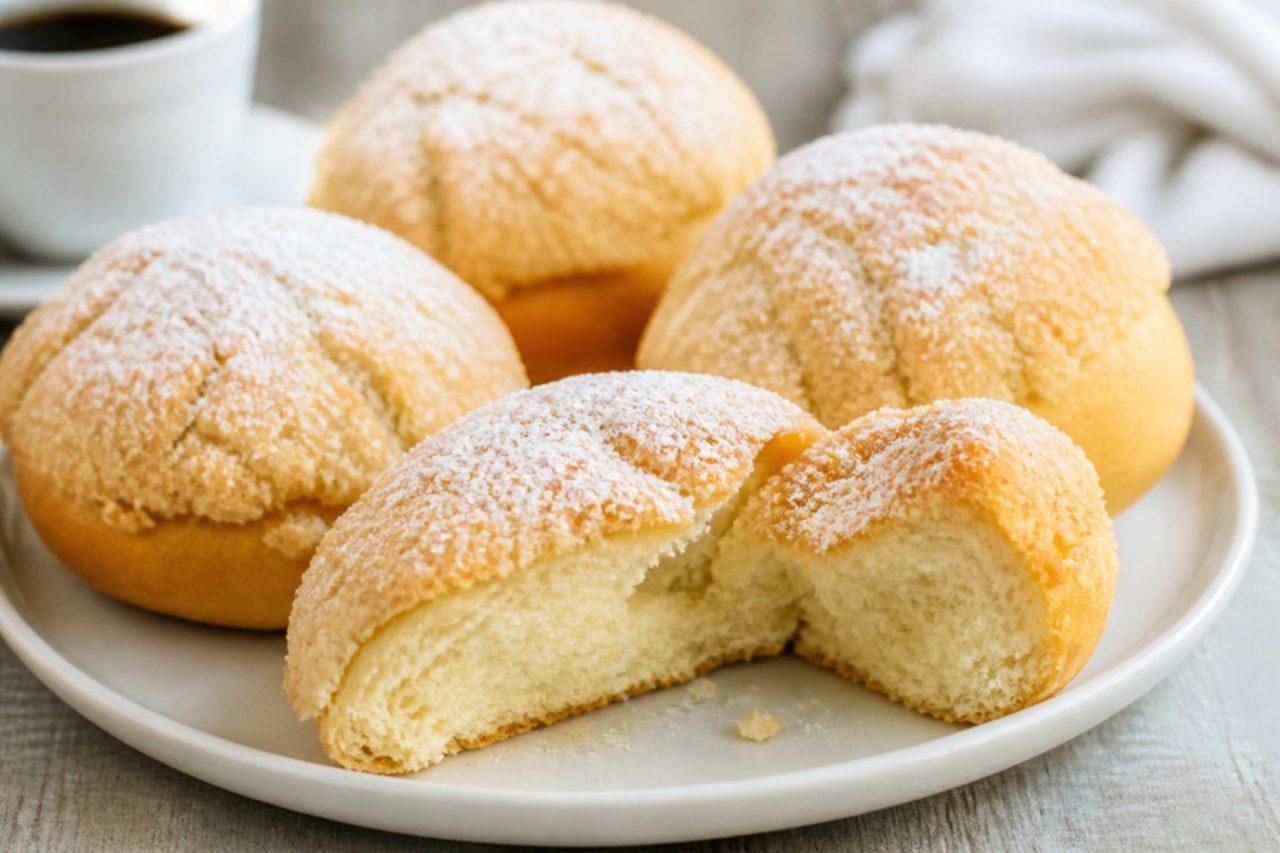
Lisbon bakeries pile these 'God's bread' buns in their windows every morning, and regulars split them and spread them with butter, or tuck in a slice of cheese, for breakfast with a galão. The dough is soft and milky like brioche, and the top is a sweet blanket of grated coconut, egg and sugar that bakes crisp and golden. A common mistake is spreading the coconut too thin: pile it on thickly so it stays moist underneath and toasty on top. Chef's tip: let the shaped buns rise fully before topping them, or the heavy coconut layer squashes them flat.

by KrazyBadal 0 views

Pão na chapaGriddled buttered roll

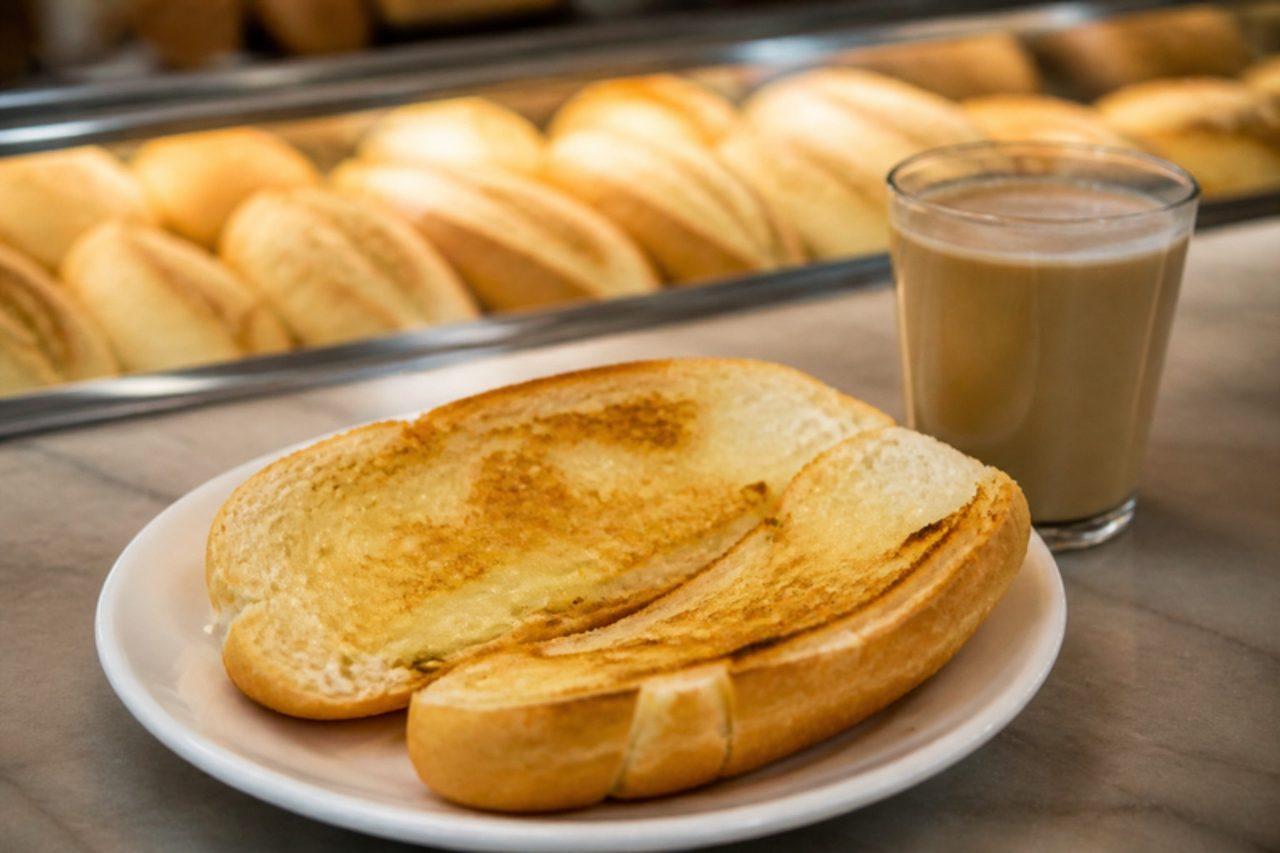
Stand at the counter of any São Paulo padaria at seven in the morning and you will hear the order a hundred times: 'um pão na chapa e um pingado'. A pão francês, the city's crusty little roll, is split, spread generously with salted butter and pressed cut-side down on the griddle until the crumb turns golden, crisp at the edges and soaked with butter, while the crust stays crackly. It comes with a café com leite and nothing else. At home a heavy frying pan and a second pan to press it do the job. The trap is a pan that is too hot, so the butter burns before the bread toasts; use a medium heat. Chef's tip: butter right to the edges and press the roll down firmly with a spatula or small pan, so the whole surface touches the metal and browns evenly.

by KrazyBadal 0 views

Papa rellenaStuffed potato croquettes

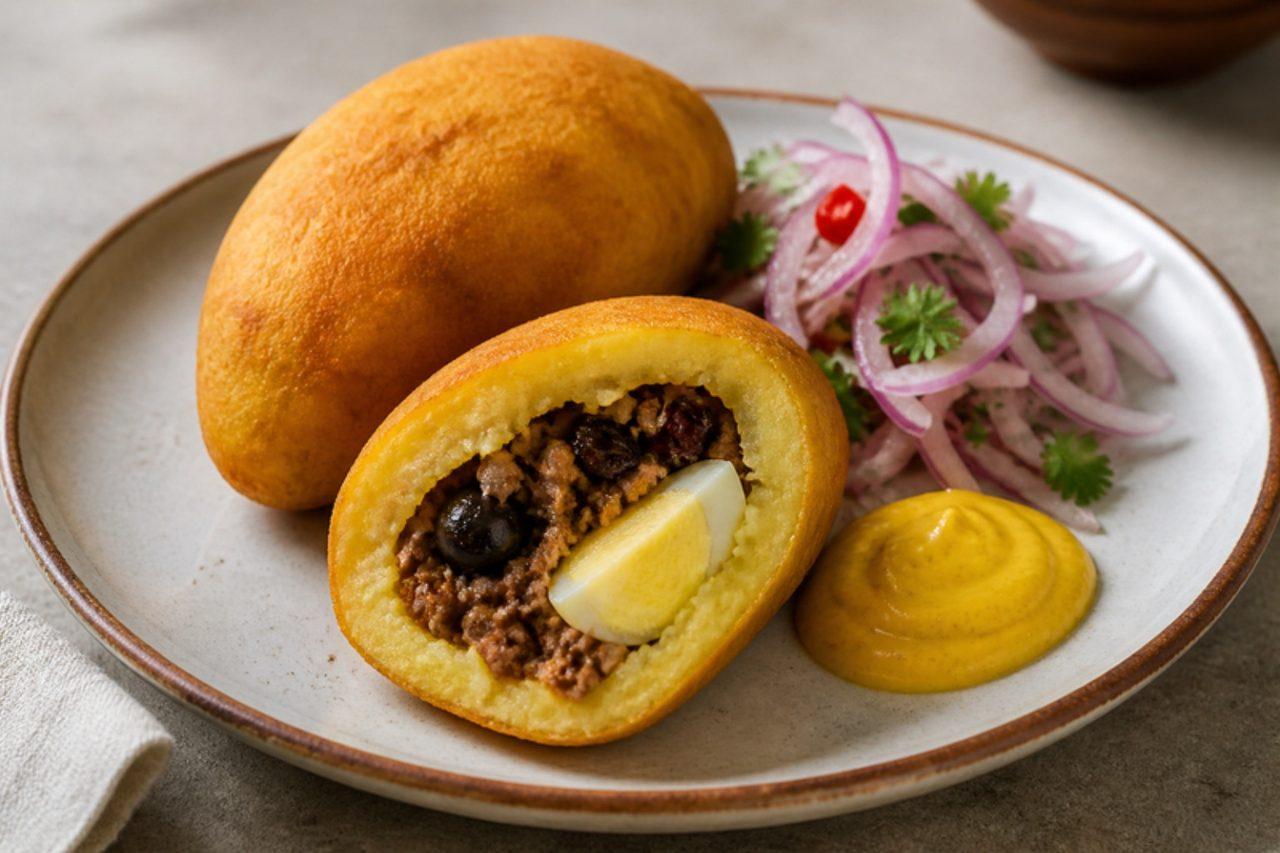
Torpedo-shaped and golden, papas rellenas sit stacked in the glass cases of Lima's sangucherías and market stalls, and they are just as often made at home on a weekday to use up a pot of mash. The shell is plain yellow potato with a crisp, thin crust; inside is a picadillo of minced beef with onion, ají panca, cumin, sliced egg, black olives and a few raisins for sweetness. They are eaten warm with a heap of salsa criolla and a spoon of ají sauce. The usual mistake is working the potato while it is still hot and wet: it turns gluey and splits in the oil, so let it steam dry and cool before shaping. Chef's tip: dust your hands and the croquettes with rice flour rather than wheat flour; it gives a thinner, crisper shell and keeps them gluten free. For a meat-free version, swap the beef for chopped mushrooms fried hard until dry.

by KrazyBadal 0 views

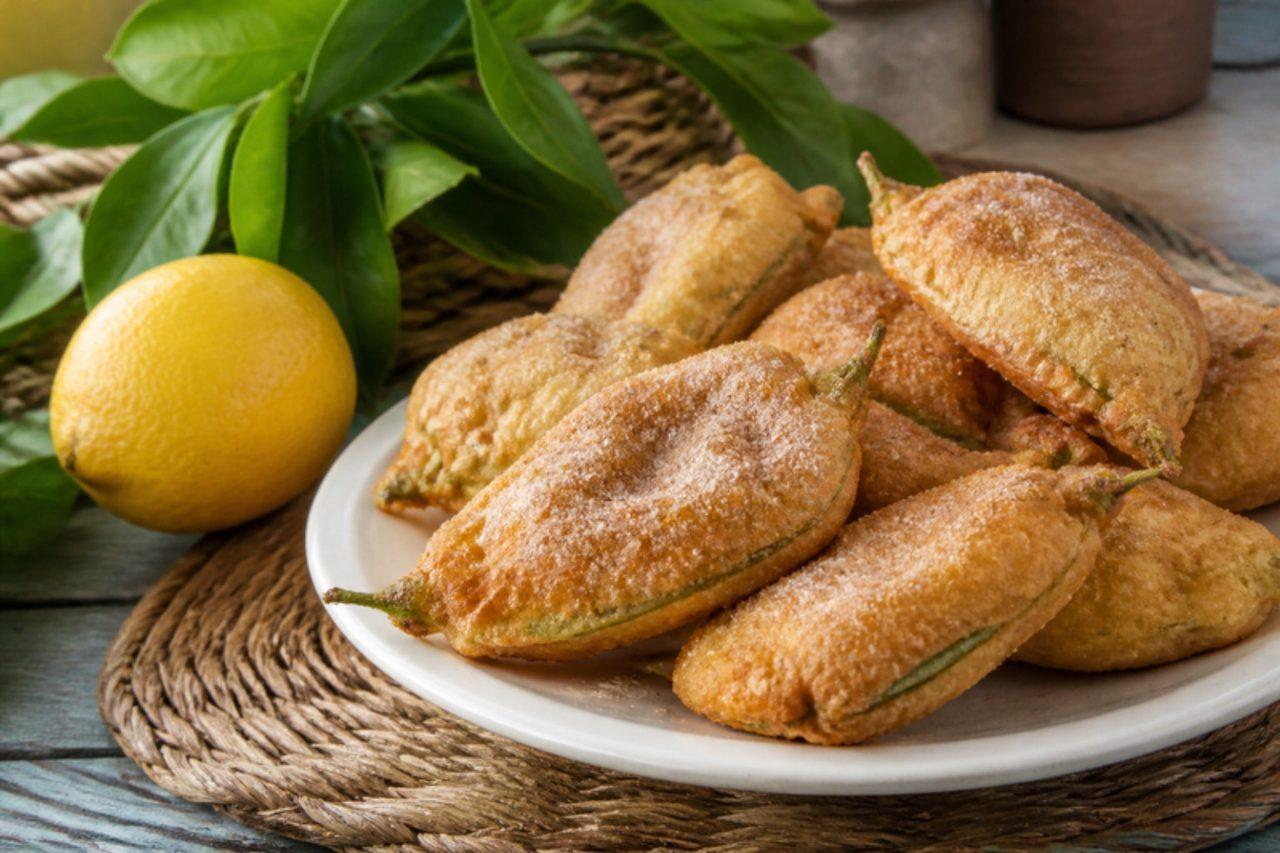
PaparajotesLemon leaf fritters with cinnamon sugar

Paparajotes are the sweet of the Murcian huerta's spring festivals, above all the Bando de la Huerta, when the city fills with people in traditional dress and stalls fry them by the hundred. A lemon tree leaf is dipped in a light batter, fried and dusted with cinnamon sugar; you hold it by the stalk, pull off the crisp coating with your teeth and leave the leaf, which flavours the batter but is not food. Newcomers who try to eat the whole thing are a long-standing local joke. Chef's tip: use only leaves from an unsprayed lemon tree, washed and dried.

by KrazyBadal 0 views

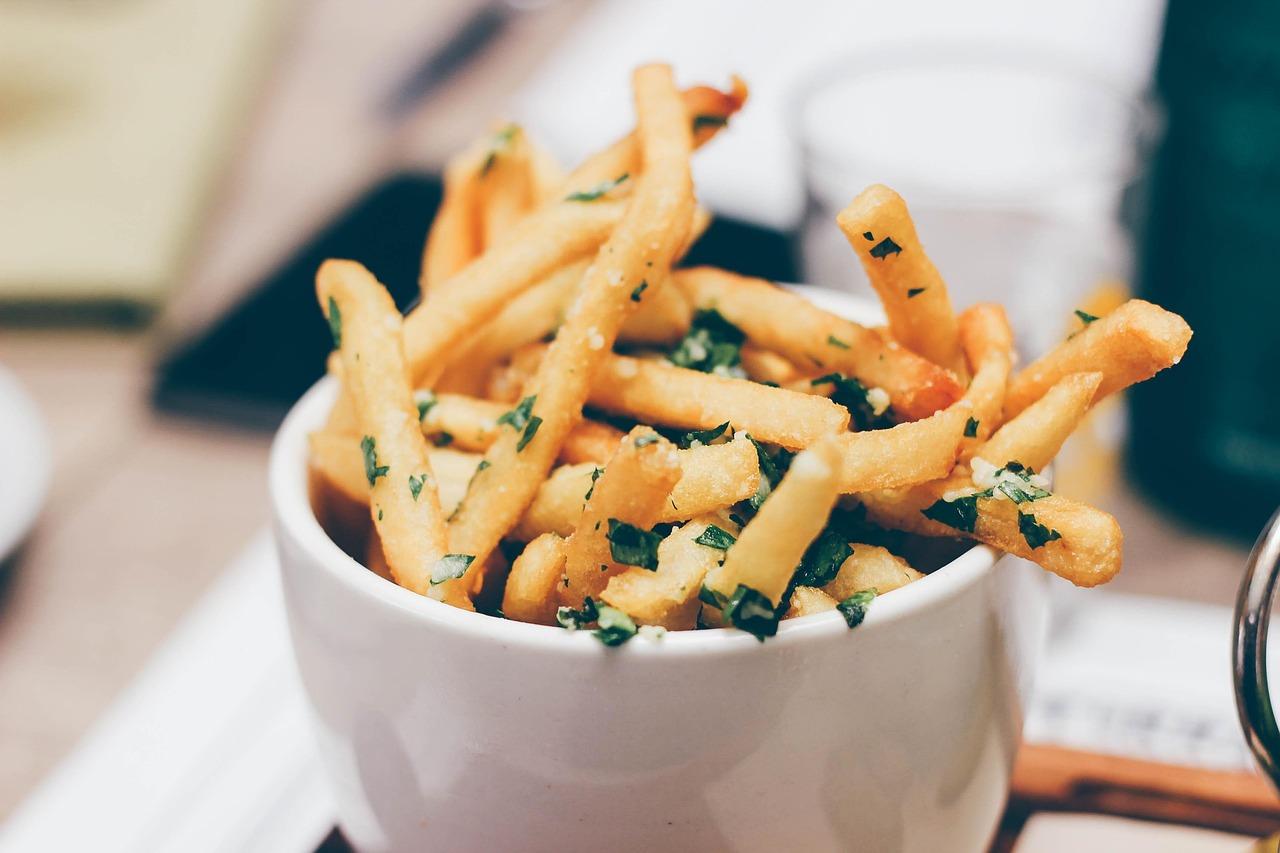
Papas a la provenzalFries with garlic and parsley

Bodegones, the old-school Buenos Aires canteens with jamón hanging from the ceiling and waiters in white jackets, serve mountains of papas fritas, and the upgrade everyone orders is "a la provenzal": crisp chips tossed while still sizzling in a mix of finely chopped raw garlic and parsley. The heat of the potatoes takes the edge off the garlic, so it turns fragrant rather than fiery, and the parsley stays bright green. They go with milanesas, grilled steak or a plate of fried eggs. Adding the garlic to the frying oil is the error many make: it burns in seconds and turns bitter; it goes on only after frying. This method fries the chips twice for a crunch that lasts; for an oven version, toss the chips with 3 tbsp oil and roast at 220 °C for 35 minutes, turning once, then dress them the same way. Chef's tip: rinse and dry the cut potatoes very well; surface starch and water are what make chips limp.

by KrazyBadal 0 views

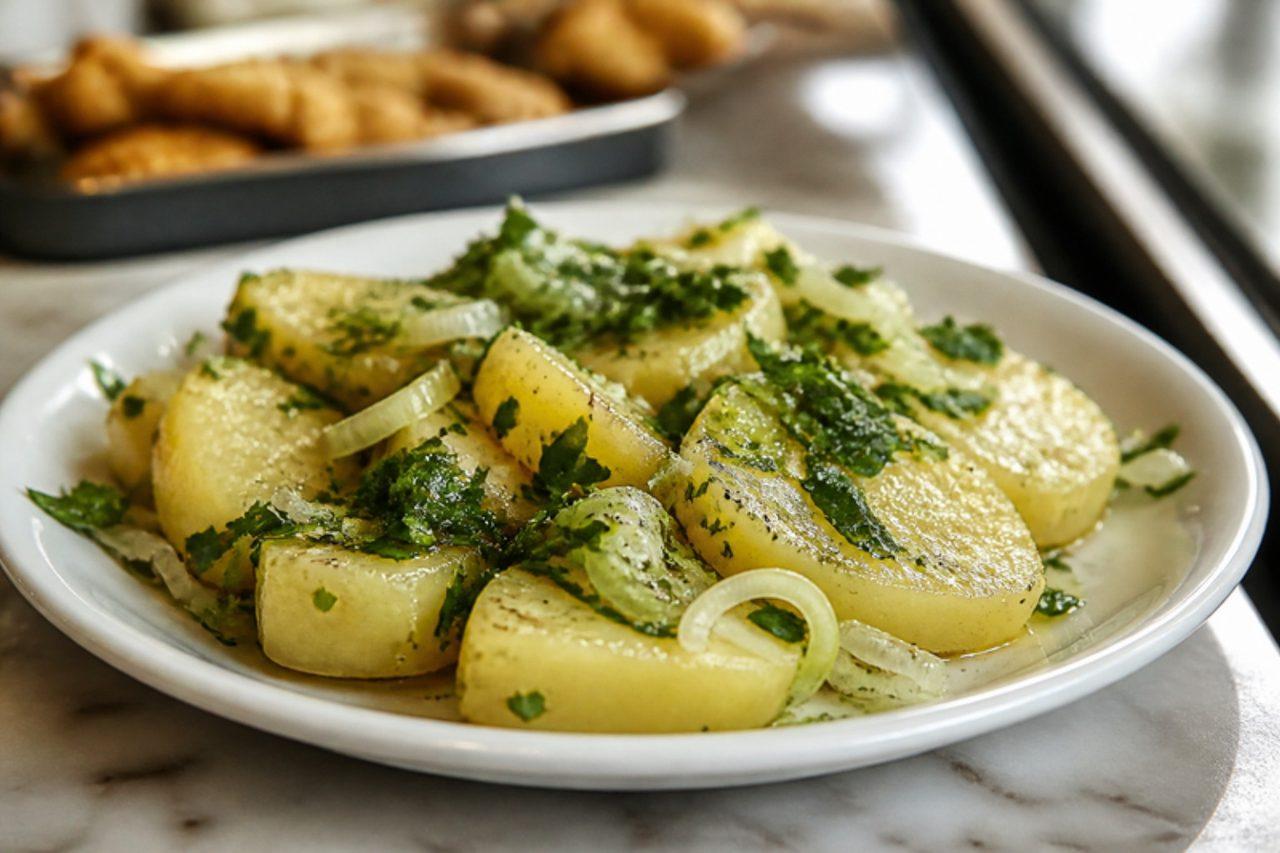
Papas aliñásPotato salad with sherry vinegar

Every tapas bar around the Plaza de Abastos in Cádiz keeps a tray of papas aliñás on the counter, and gaditanos eat them as a cold tapa on summer evenings with a glass of something cold. The potatoes are dressed while still warm, so they drink up the sherry vinegar and oil, then rest until they taste sharp, green and soft. Bars usually lay tuna and boiled egg on top; this version is fully plant-based and keeps all the flavour in the dressing. Chef's tip: choose waxy potatoes and cut them only after cooking, so they keep their shape when you toss them.

by KrazyBadal 0 views

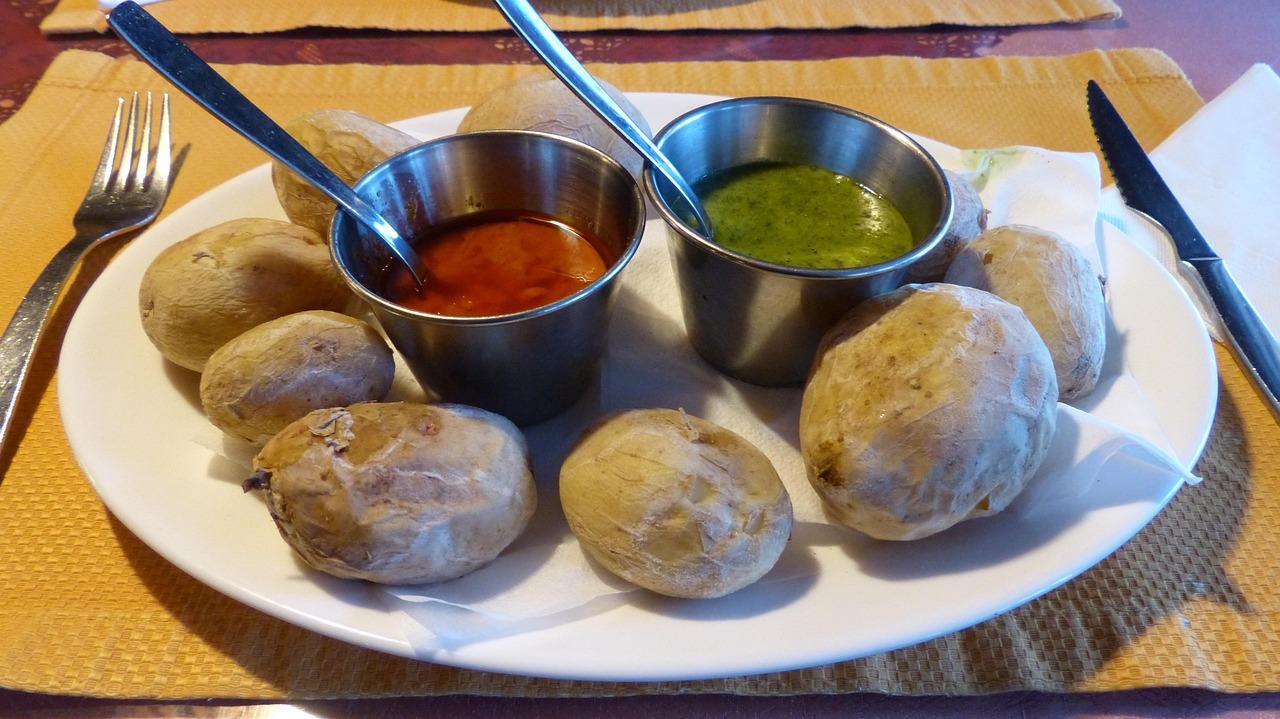
Papas arrugadas con mojo picónWrinkled potatoes with red pepper sauce

No meal in the Canary Islands seems complete without a bowl of papas arrugadas, small potatoes boiled in water as salty as the Atlantic until their skins wrinkle and frost over with white salt. In every guachinche, the pop-up wine-farm eateries in the hills of northern Tenerife, they arrive with a pot of mojo picón, a thick, garlicky sauce of dried red peppers, cumin, paprika and vinegar. Eat them skin and all, dragged through the mojo. Chef's tip: once drained, put the pot back on a low heat and shake it for a minute or two, as that drying is what forms the wrinkles and the salt crust.

by KrazyBadal 0 views

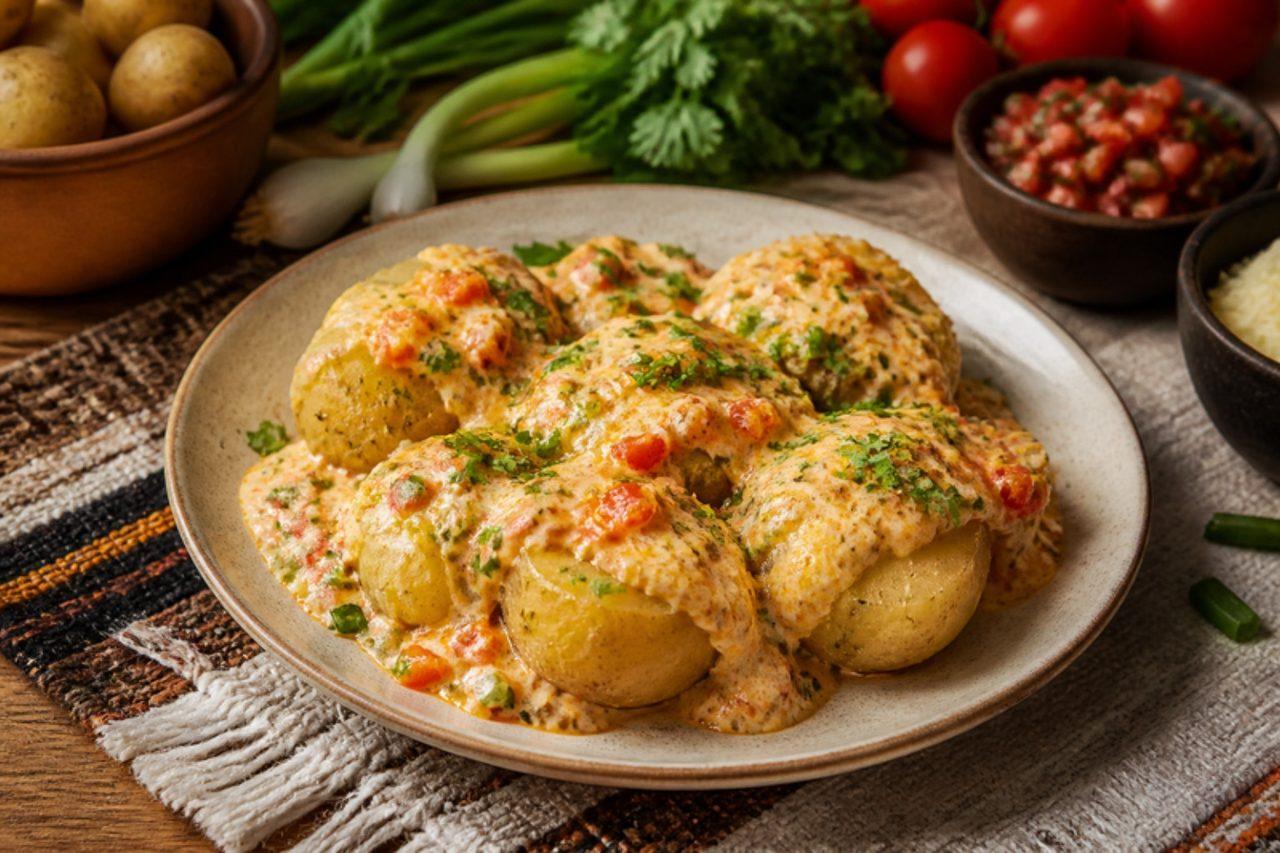
Papas chorreadasPotatoes in tomato cheese sauce

Chorreadas means drenched, and that is the idea: in farmhouse kitchens of Boyacá and Cundinamarca, whole boiled potatoes get a hot, loose sauce of tomato and long spring onion poured over them, enriched with milk and stretchy fresh cheese. It is comfort food from the cold highlands, served beside grilled meat on Sundays or on its own with an arepa and a mug of aguapanela on a weeknight. Colombians use queso campesino or doble crema, both usually made with animal rennet; a vegetarian mozzarella or other microbial-rennet melting cheese works perfectly. The mistake to avoid is adding the cheese to a boiling sauce, which makes it split and turn stringy; keep the heat low. Chef's tip: let the tomato and onion cook until really soft and jammy before the milk goes in, so the sauce tastes sweet and deep rather than raw.

by KrazyBadal 0 views

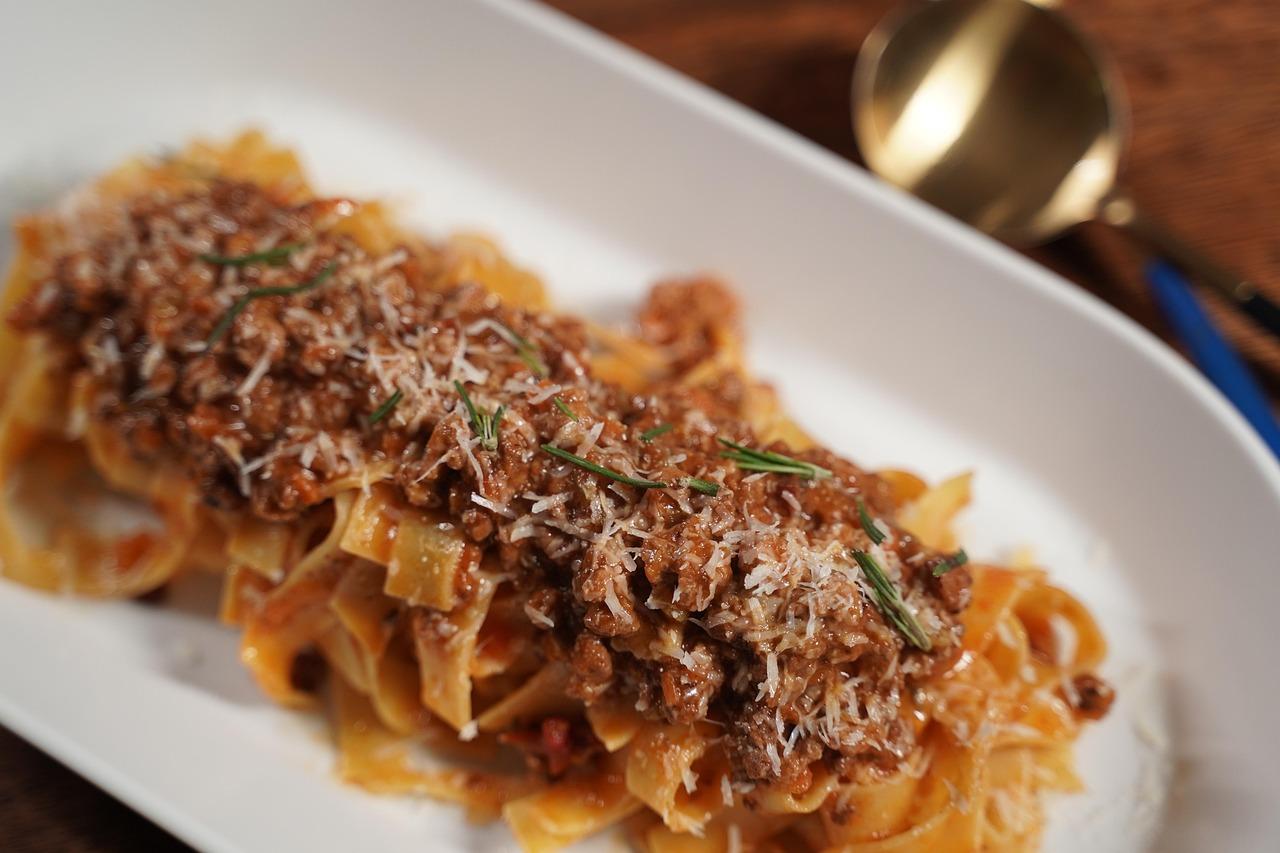
Pappardelle al ragù di cinghialePappardelle with wild boar ragù

Wild boar roam the Maremma, the wooded south-west corner of Tuscany, and in autumn, when the hunting season opens, every country trattoria serves pappardelle with a dark, gamey boar ragù. The meat is marinated overnight in red wine with juniper and herbs, then simmered slowly with tomato until it falls into shreds and coats the wide egg ribbons. Wild boar is hard to find outside game butchers, so pork shoulder is a good substitute, giving a milder but still rich ragù; either way the sauce also uses pancetta, making it a pork dish. It uses red wine, and the note gives an alcohol-free option. Chef's tip: shred the meat with two forks rather than mincing it; the uneven strands cling to the pappardelle far better.

by KrazyBadal 0 views

Showing 36 of 7,762 recipes

Show more recipes

Page 515 of 863