


Skip to content
Rumali roti
Featured recipe

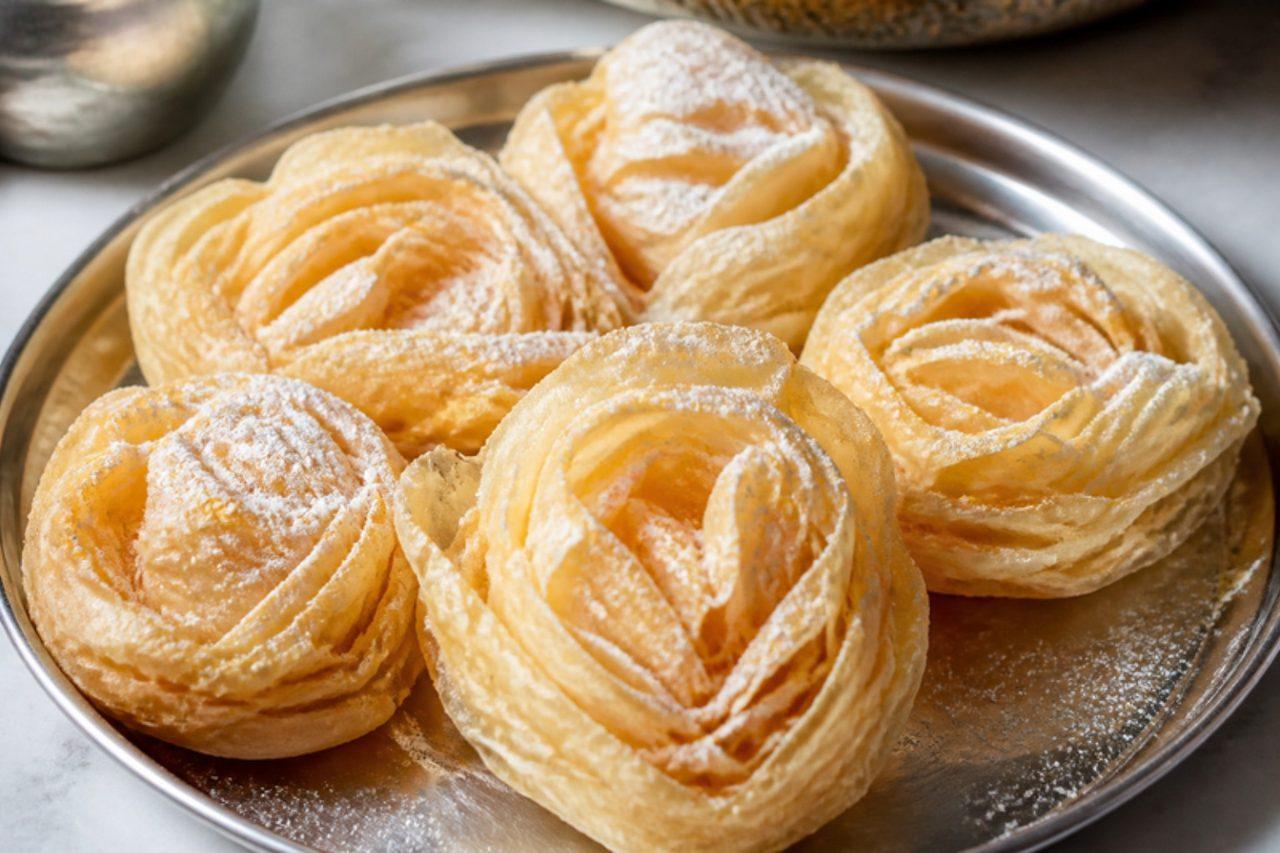
Rumali roti

Handkerchief-thin flatbread

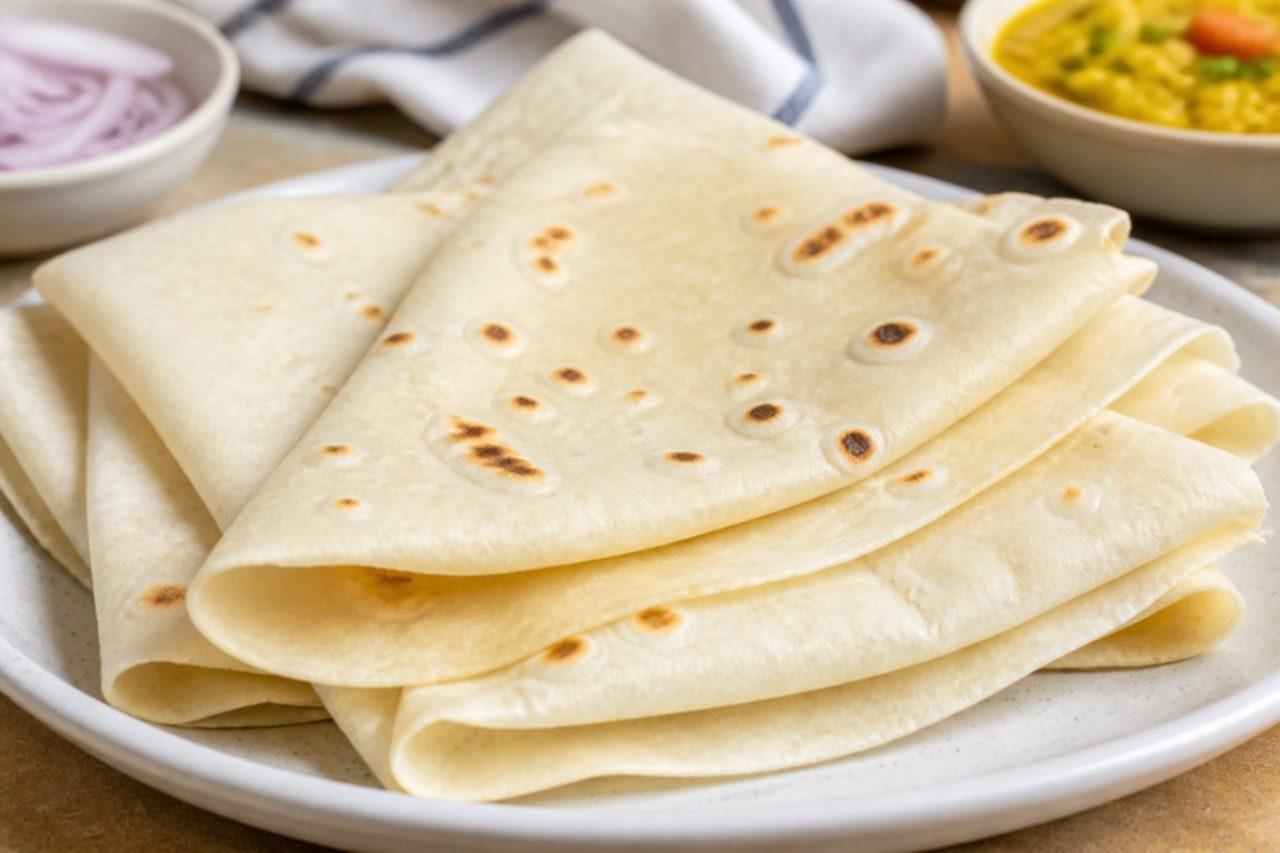
Watch a rumali roti maker at a Mughlai stall in Old Delhi's Jama Masjid lanes or Lucknow's Aminabad and it looks like a magic trick: a ball of dough is flattened, tossed and stretched over the backs of the hands until it is translucent and almost a metre wide, then laid over a huge domed iron griddle for a few seconds. Rumal means handkerchief, and the finished bread is folded into quarters like one: silky, soft, slightly chewy and very thin. It is the bread for kebabs, korma, nihari and shahi paneer. At home, an upturned wok over a high flame does the job, and you can roll most of the way and stretch the last bit by hand. The dough is mainly maida with some atta, kept very soft and well rested. Common mistake: a firm or under-rested dough tears the moment you start stretching. Chef's tip: wipe the hot kadai with salted water before each roti; the hiss means it's hot enough, and the salt film stops the roti from sticking or blistering.

Read more 0 views

What to eat today?

Around the world

Today's trip: Persian

A new country every day, from every cuisine on the site.

This week's collection

Kid-friendly dinners
702 recipes · a new collection every Monday

Coming up

All occasions →

Latest recipes

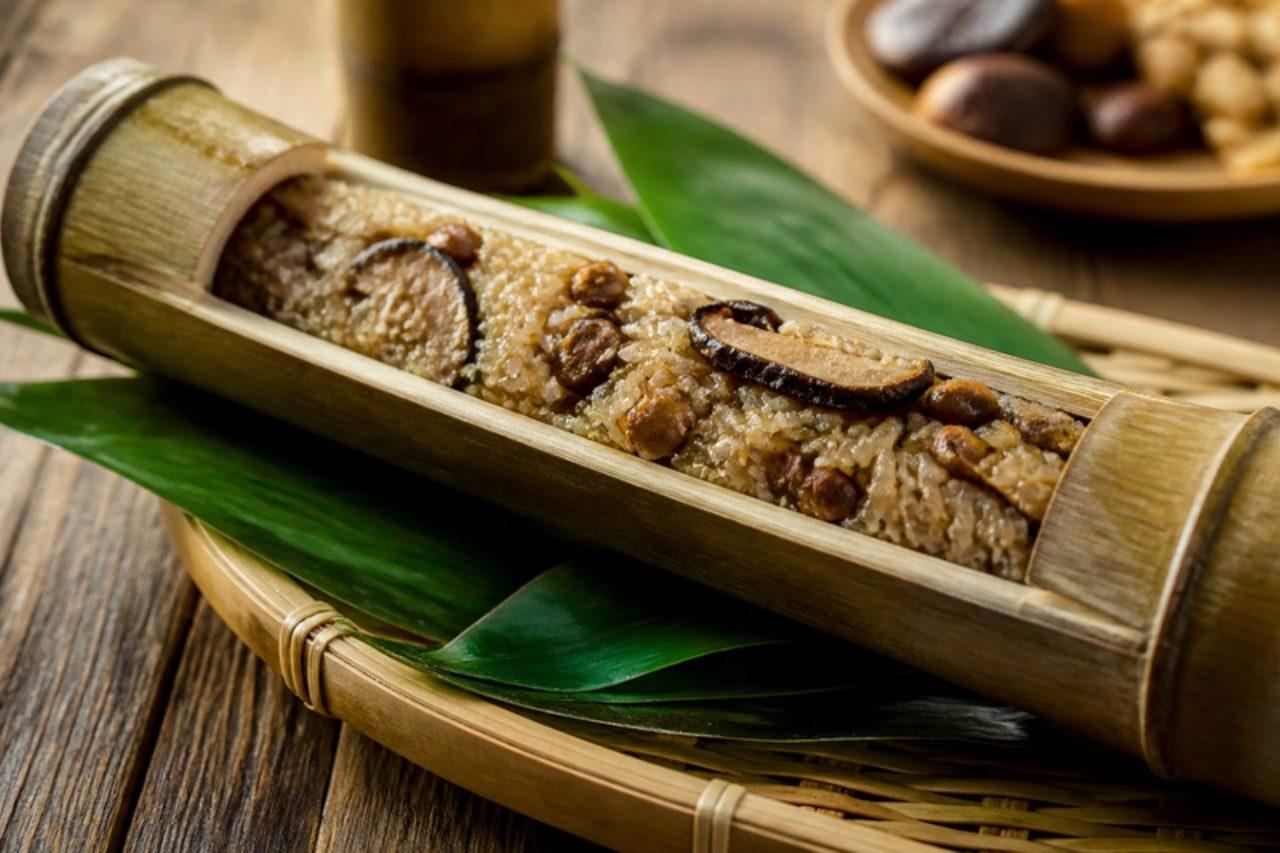
Bamboo tube riceSticky rice cooked in bamboo

Drive the mountain roads around Alishan, or through the Amis villages of Hualien, and you'll smell this before you see it: lengths of green bamboo lined up over charcoal at roadside stalls, their skins blackening as the rice inside steams. Indigenous Taiwanese cooks have long carried rice into the hills this way. When the tube is split, the rice comes out as a firm, sticky cylinder wrapped in a papery inner membrane, perfumed with grassy bamboo and earthy shiitake. Soak the glutinous rice for at least 4 hours or overnight before you start. Packing the tubes to the top is a common error: rice expands, so fill them only three-quarters full and plug them loosely. Chef's tip: use only fresh, green bamboo with one node closed at the bottom, and never seal both ends tight, or steam pressure can split the tube.

by KrazyBadal 0 views

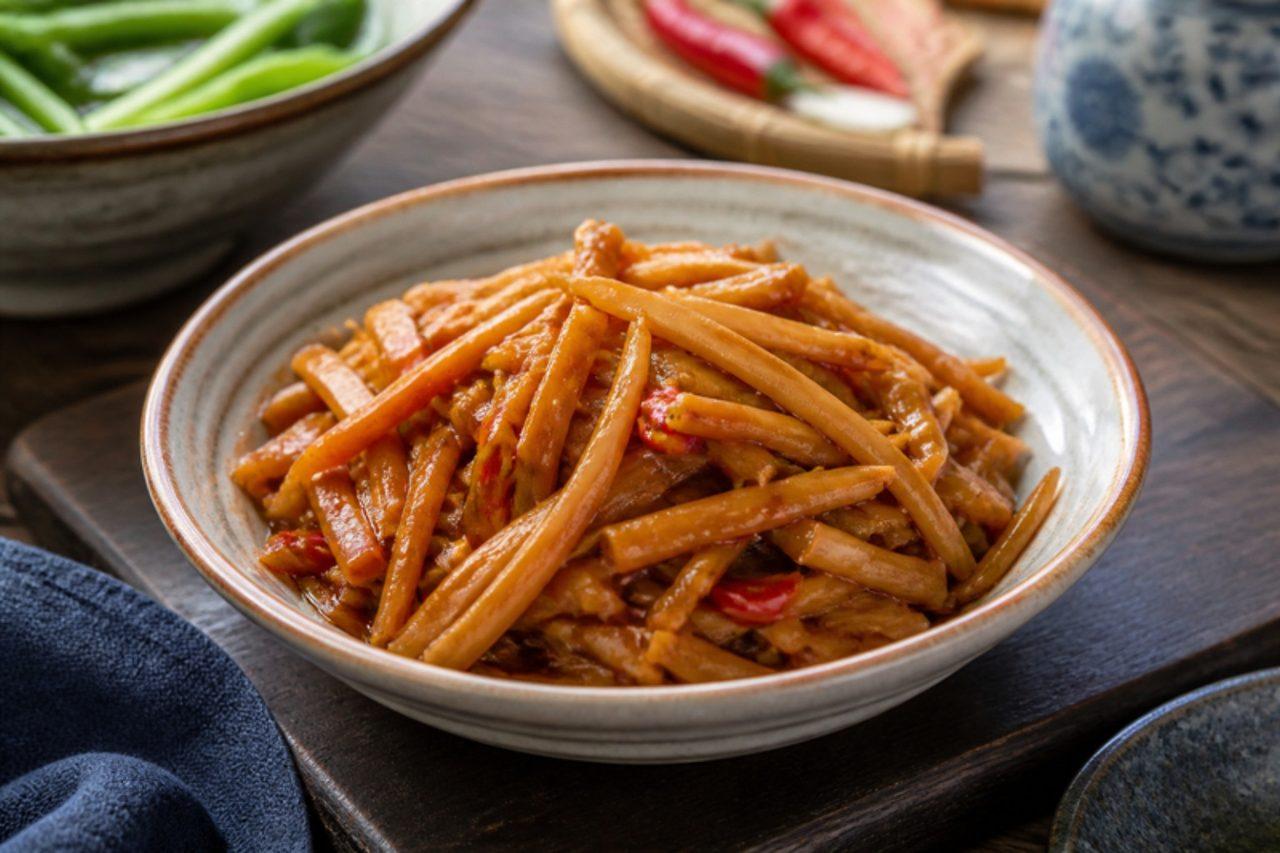
Taiwanese braised bamboo shootsBraised bamboo shoot shreds

Spoon a heap of these amber shreds beside a bowl of rice at almost any Taipei braised-pork-rice counter and you have the side dish locals reach for without thinking; it also turns up on Lunar New Year tables and in railway bento boxes. Fermented bamboo shoots are tangy and faintly funky straight from the packet, but a long, gentle braise in soy sauce, sugar and plenty of oil turns them silky, sweet-savoury and slightly chewy. Restaurants often cook them in pork fat; this version uses vegetable oil and dried shiitake for the same rich depth. The usual mistake is skipping the blanching: unrinsed shoots keep a sharp, sour smell that no amount of sauce can hide. Chef's tip: make it a day ahead, because the shreds drink up the braising liquid overnight and taste even better reheated.

by KrazyBadal 0 views

Taiwanese breakfast toast with eggEgg and ham toast

Walk past any Taiwanese breakfast shop between six and ten in the morning and the griddle will be covered in eggs and slices of white bread, being turned into these sandwiches for commuters and schoolchildren to carry off with a cup of milk tea or soy milk. Pillowy, lightly toasted bread is spread with a sweet, creamy mayonnaise and layered with a flat griddled egg, a slice of pork ham (or pork floss) and crisp cucumber, then cut into triangles. The mistake is toasting the bread hard and dry: breakfast shops only warm it on the griddle so it stays soft, with a faint crisp on the outside. Chef's tip: break the yolk and flatten the egg on the griddle so it is the same size as the bread and cooked right through, which keeps it neat and ideal for kids.

by KrazyBadal 0 views

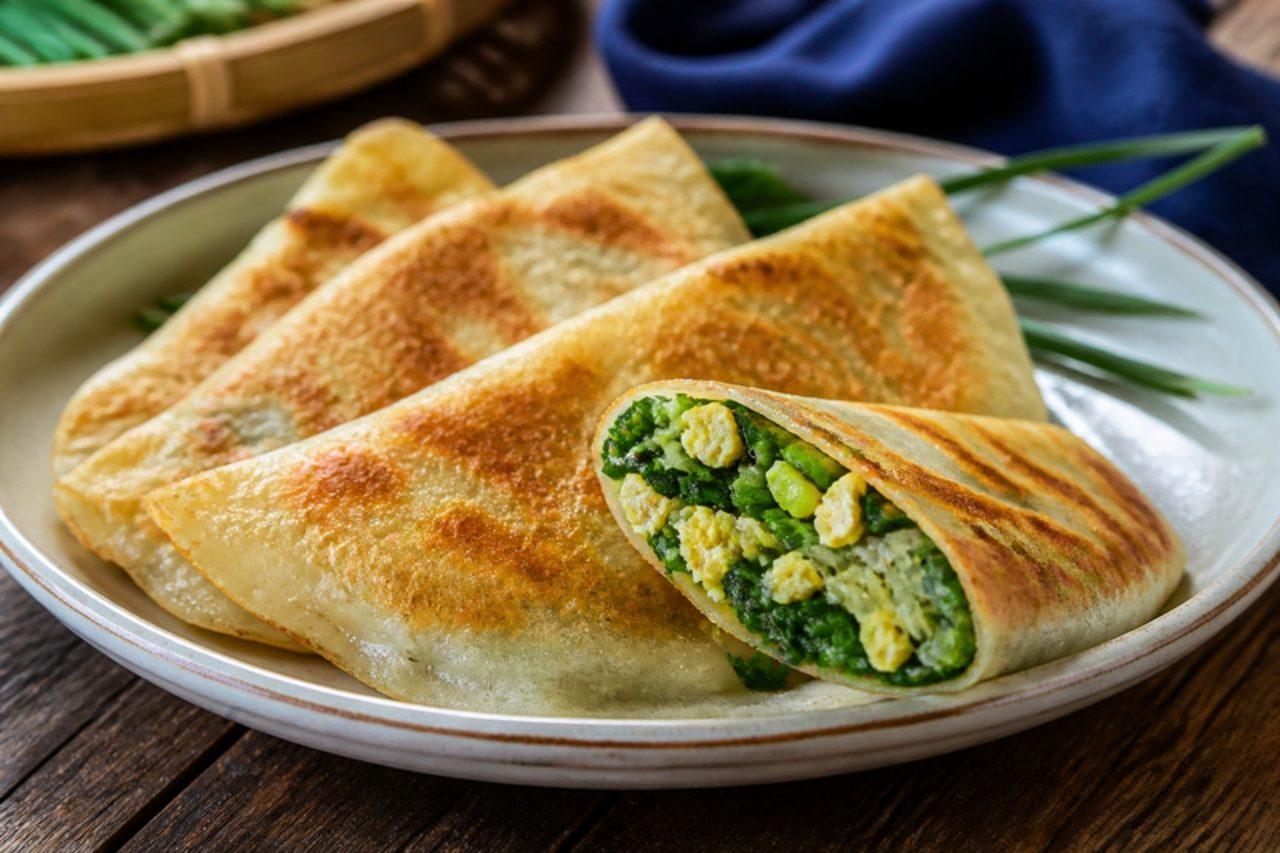
Chive pocketsFried chive and egg pastries

At breakfast shops and morning street griddles all over Taiwan, these fat half-moons sit in rows on a flat iron, blistering slowly until golden, and people buy them with soy milk on the way to work. Inside the thin, crisp-chewy hot-water pastry is a juicy, garlicky filling of chopped garlic chives, scrambled egg and slippery glass noodles. Street vendors often add dried shrimp; this vegetarian version leans on sesame oil and white pepper instead. The common error is salting the filling too early, which draws water out of the chives and makes the pastry soggy and liable to tear; season only just before wrapping. Chef's tip: toss the chives in sesame oil first, because the oil coats them and keeps the juices in.

by KrazyBadal 0 views

Trini buljolSalt cod salad

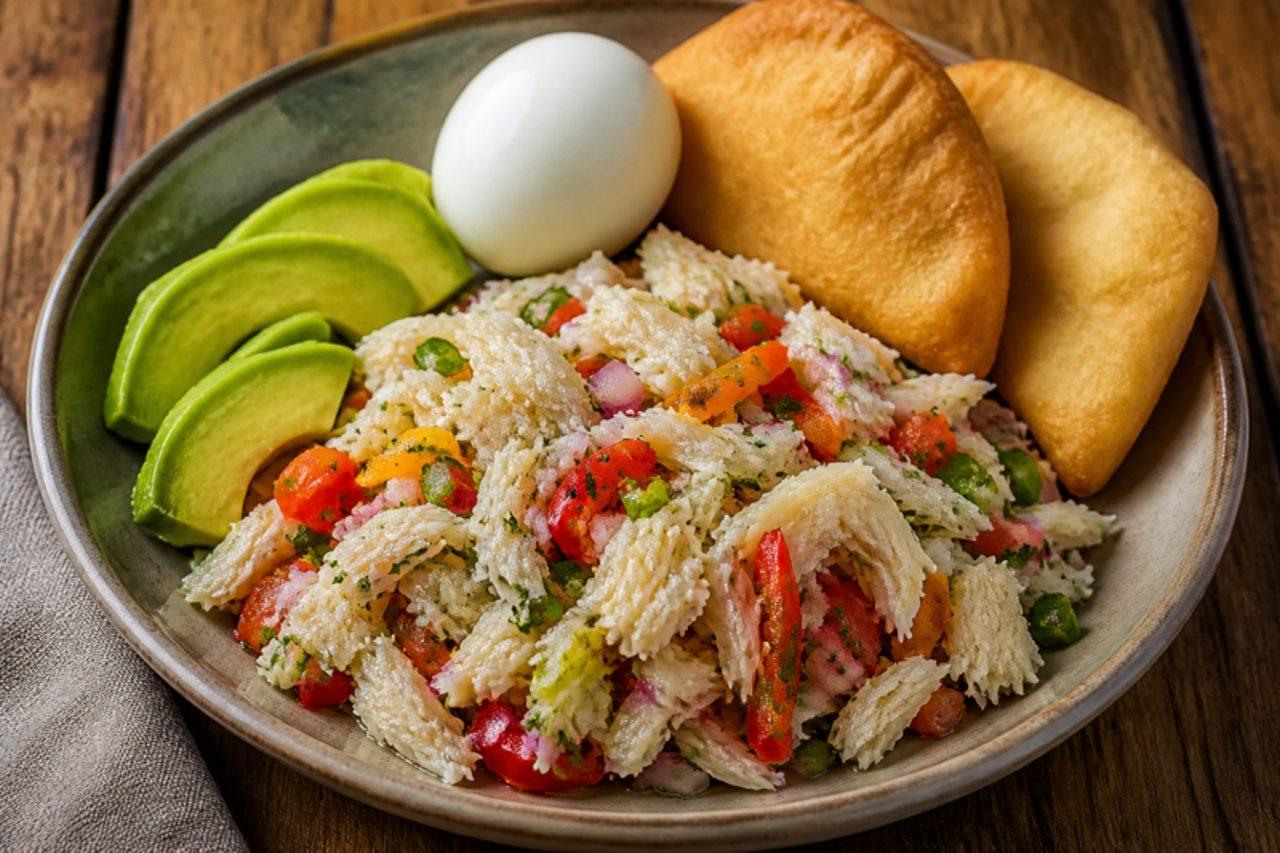
Sunday breakfast in Port of Spain often means buljol: soaked, flaked salt cod tossed raw-style with tomato, onion, sweet peppers, hot pepper and good oil, piled into a split fry bake or eaten with avocado and hard-boiled egg. The fish is cooked before flaking, so the dish is a fresh, sharp salad with plenty of salty bite rather than a stew. Start the night before, because the cod needs a long soak. The most common mistake is not soaking or boiling the fish enough, leaving buljol painfully salty. Chef's tip: flake the cod with your fingers rather than a fork, so you can feel and remove every small bone and bit of skin.

by KrazyBadal 0 views

Taiwanese fried chicken cutletGiant fried chicken cutlet

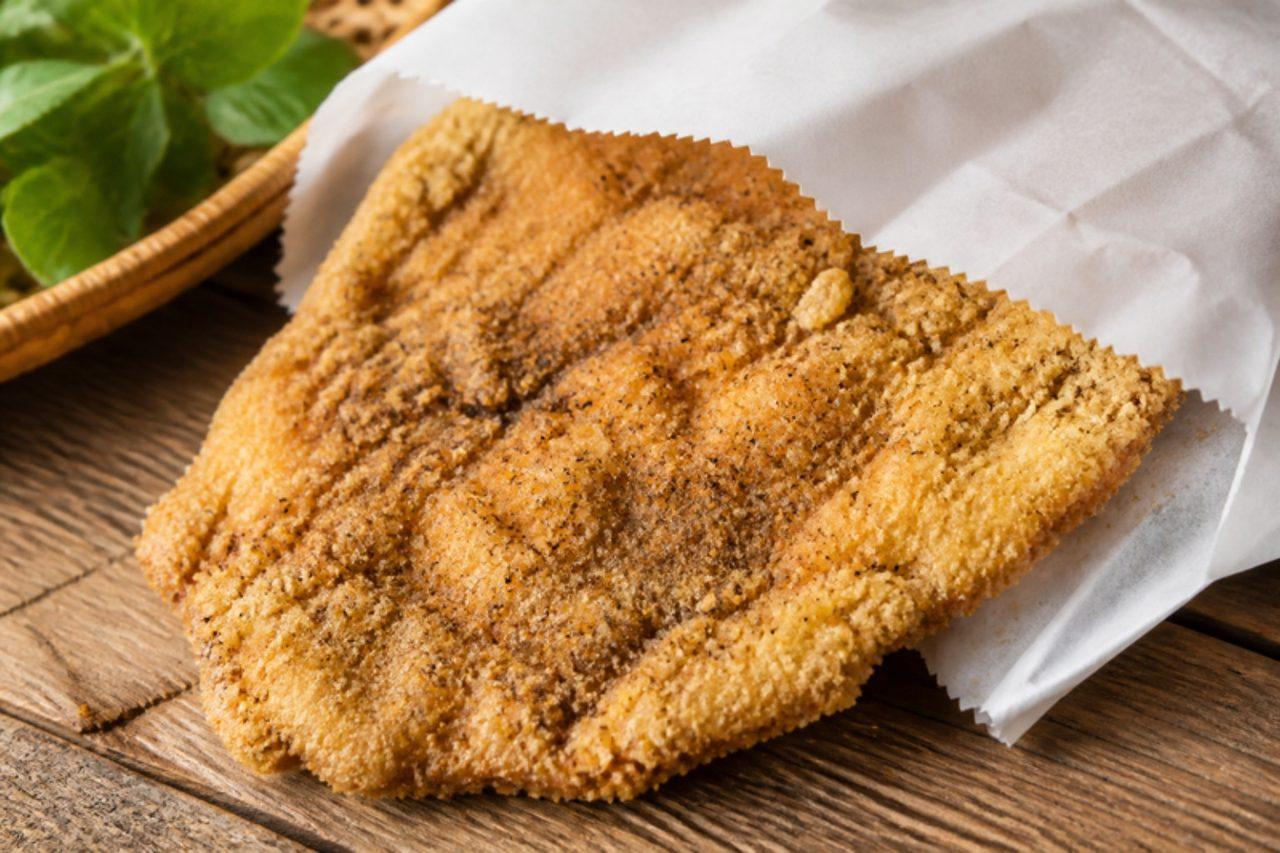
Shilin night market's queues are longest at the stands frying these cutlets, each as big as a face, handed over in a paper bag and eaten while walking between stalls. A whole chicken breast is butterflied and flattened, marinated with garlic, soy and five-spice, then pressed into coarse sweet potato starch, which fries into a pale, shattering, craggy crust; a shake of pepper salt and chilli powder finishes it. Kids love it, and it is just as good as a weeknight dinner with rice and cucumber salad. A frequent error is frying in oil that is too hot: the crust browns long before the thick part of the breast is cooked. Chef's tip: let the starch-coated cutlet rest for 5 minutes before frying, until damp patches appear; that hydrated starch is what gives the rough, crunchy texture.

by KrazyBadal 0 views

Taiwanese oyster vermicelliOyster noodle soup

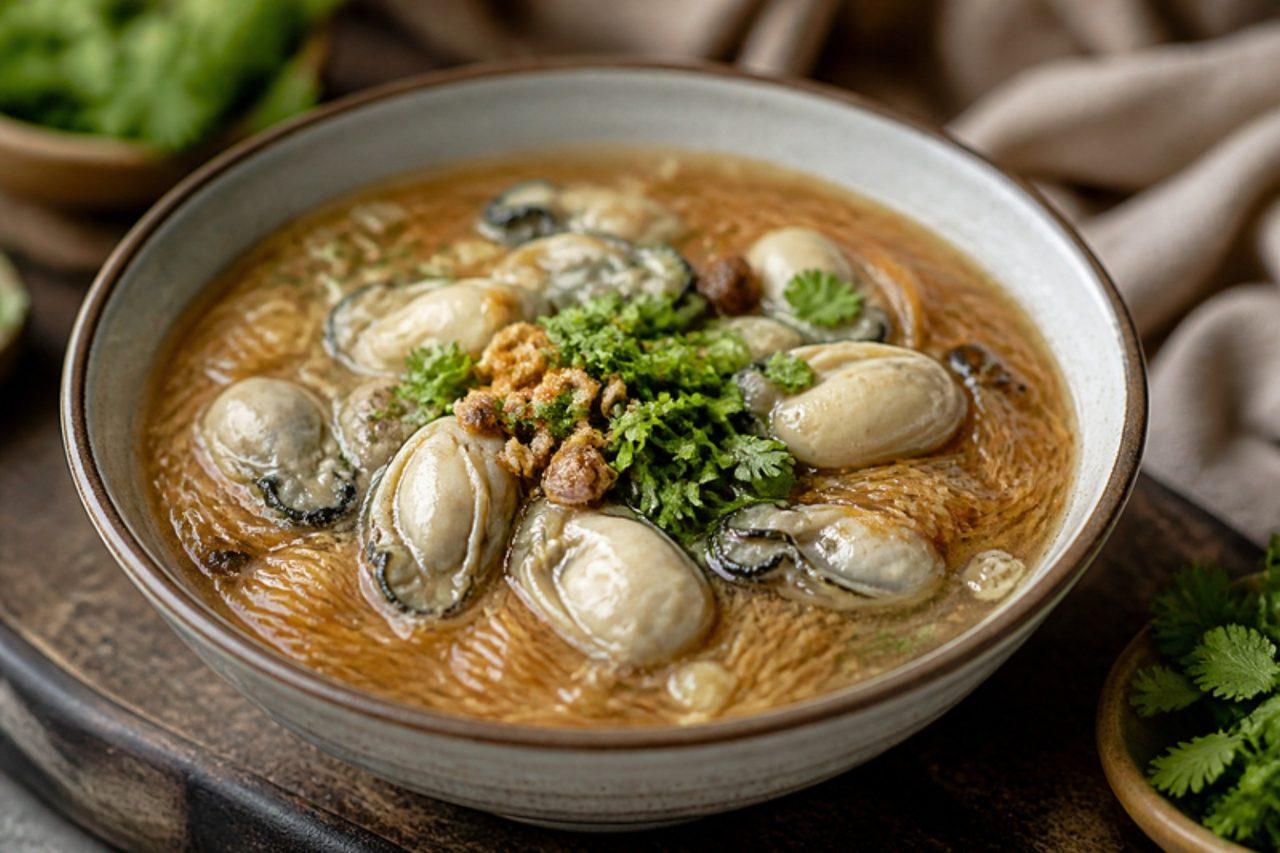
Around Ximending in Taipei, people queue at standing-room stalls for a paper cup of this, spooning it up on the pavement as an afternoon snack or a late supper after the cinema. The thin brown wheat vermicelli melts into a glossy, bonito-scented broth thickened with starch, with plump starch-coated oysters and chewy pieces of braised pork intestine through it, finished with black vinegar, garlic and coriander. Buy oysters already shucked and very fresh from a fishmonger you trust; braised pork belly makes an easy stand-in for the intestine. The usual mistake is boiling the noodles separately until they turn to mush: the red vermicelli is pre-steamed and only needs a few minutes in the broth to soften. Chef's tip: coat the oysters in starch and drop them into barely simmering broth at the very end, so they stay plump with a silky jacket instead of shrinking.

by KrazyBadal 0 views

Peanut ice cream rollPeanut brittle ice cream crepe

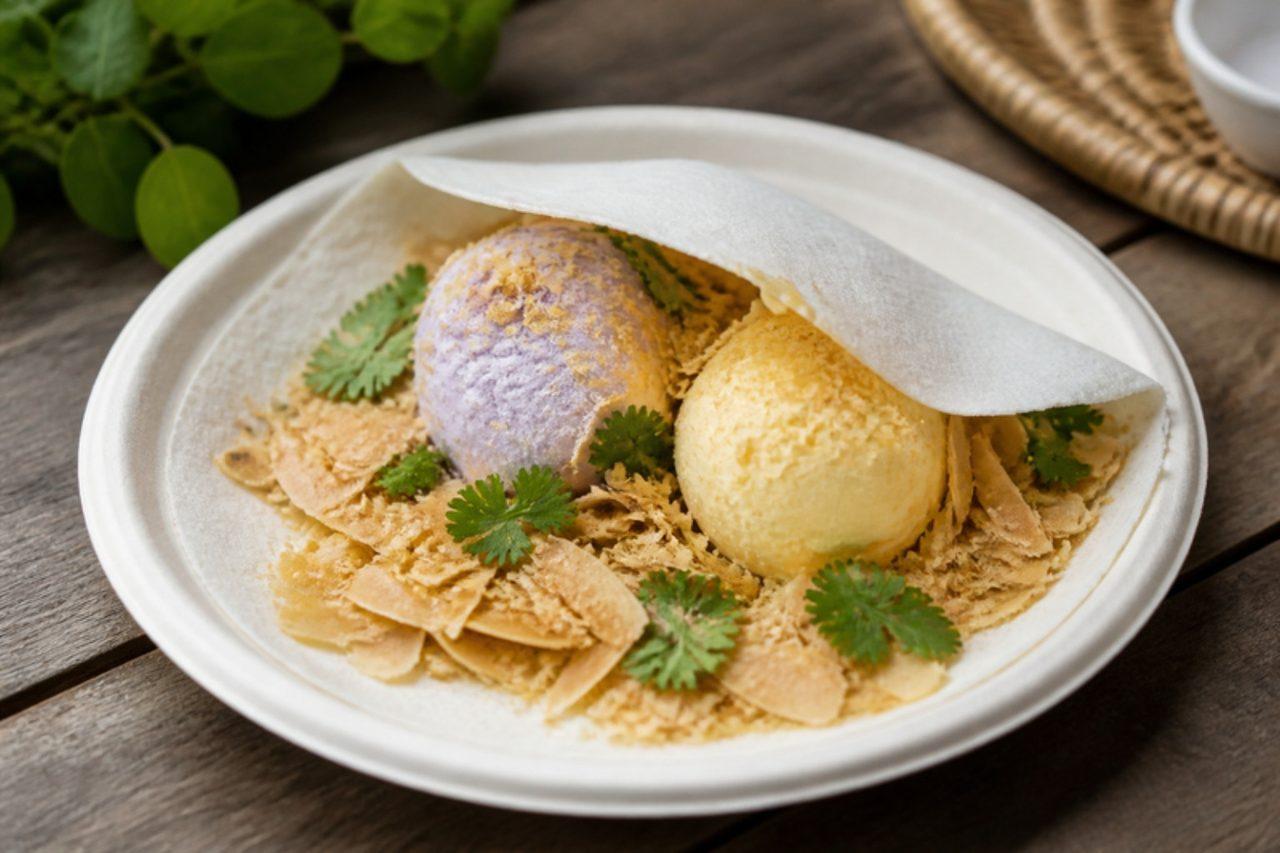
Strolling Jiufen's steep Old Street, or the night markets of Yilan where it was born, you'll find a vendor planing a huge block of peanut candy into fluffy shavings over a thin, soft wrapper, adding two scoops of taro or pineapple ice cream and, to the surprise of every visitor, a pinch of fresh coriander. Rolled up like a burrito, it's cold, crunchy, chewy and sweet all at once, and the herb lifts it with a bright, almost citrus note. The popiah wrapper is the same thin flour skin used for Taiwanese spring rolls. A dried-out wrapper is what usually ruins it: it cracks as you roll, so keep the skins under a damp cloth until the last second. Chef's tip: check that your ice cream is free of gelatine, and try one roll with coriander before deciding you hate it.

by KrazyBadal 0 views

Taiwanese peanut rice milkWarm rice and peanut drink

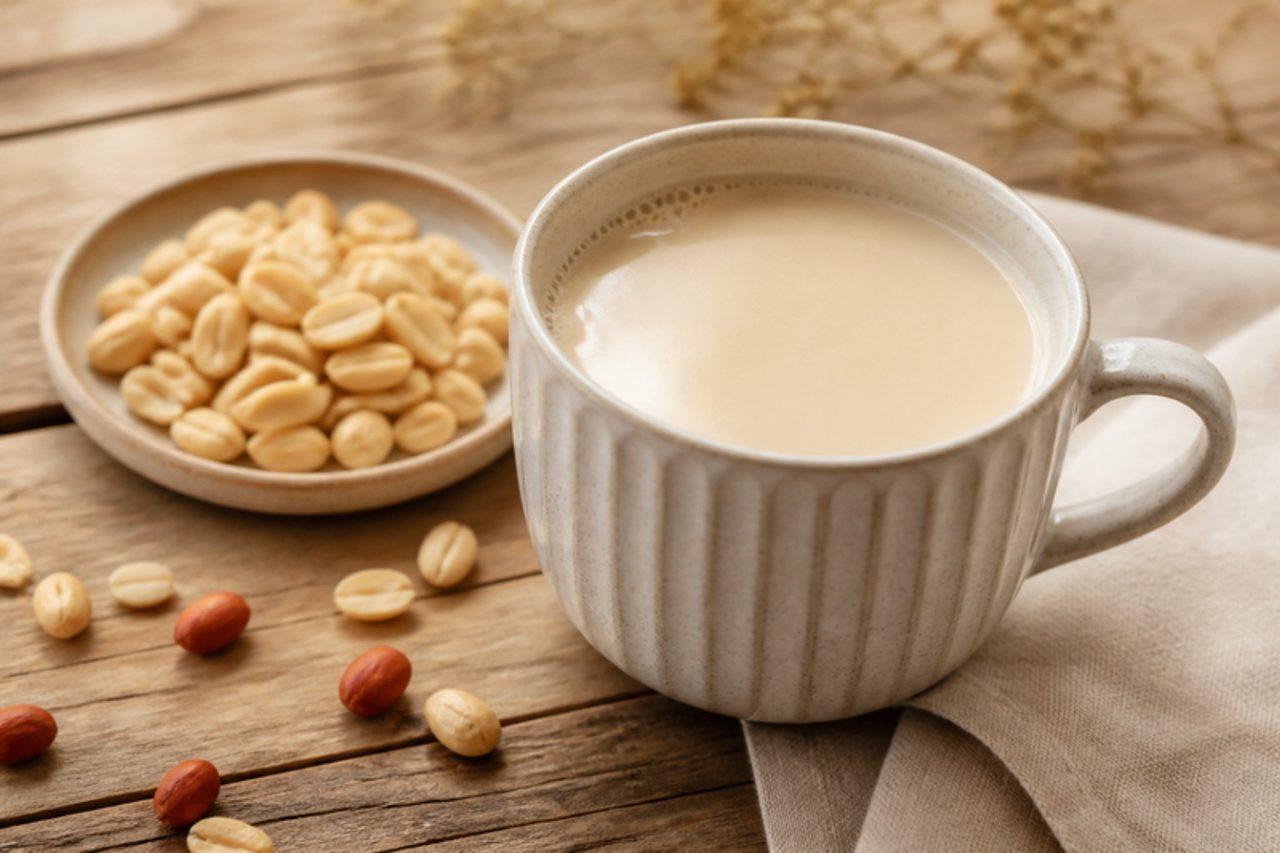
Beside the steel urns of soy milk at a Taiwanese breakfast shop stands a second urn of something beige, thicker and nuttier, and regulars know exactly what goes with it: a fat sticky-rice roll, fan tuan, eaten on the way to the MRT. Rice is toasted, blended with roasted peanuts and water, then simmered into a smooth, lightly sweet drink with a nutty, almost popcorn aroma, served hot in winter and chilled in summer. It's naturally dairy-free and very filling. Walking away from the pot is the usual mistake, because the starch settles and scorches in a minute, giving the whole batch a burnt taste. Chef's tip: toast the raw rice in a dry pan until it's golden; that step gives the drink its unmistakable breakfast-shop flavour.

by KrazyBadal 0 views

Taiwanese pepper bunsPeppery pork sesame buns

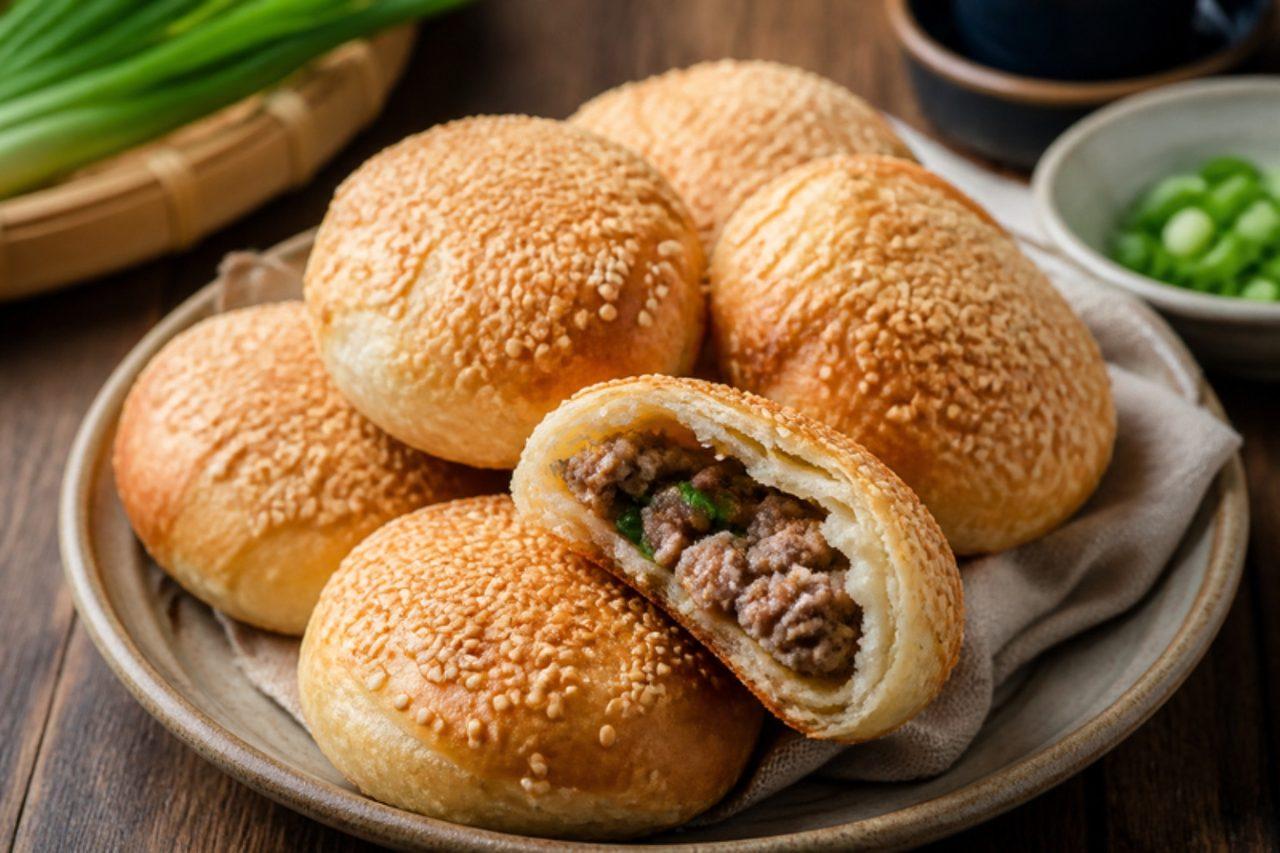
The queue at the entrance to Raohe night market in Taipei forms for these: buns slapped onto the inside wall of a blazing clay oven, then lifted out crackly, blistered and studded with sesame. Inside is a juicy filling of fatty pork mince heavy with white and black pepper and a mass of spring onion, its juices hot enough to burn, so locals nibble a small hole first and let the steam out. A home oven turned up as high as it goes, with a preheated tray or stone, gets close to the clay oven's crust. The usual mistake is mixing the spring onion into the pork in advance: it weeps water and makes the bun soggy, so add it only as you wrap. Chef's tip: chill the filling until firm before shaping; cold pork is far easier to seal inside the dough and makes a juicier bun.

by KrazyBadal 0 views

Taiwanese salty soy milkSavoury soy milk with youtiao

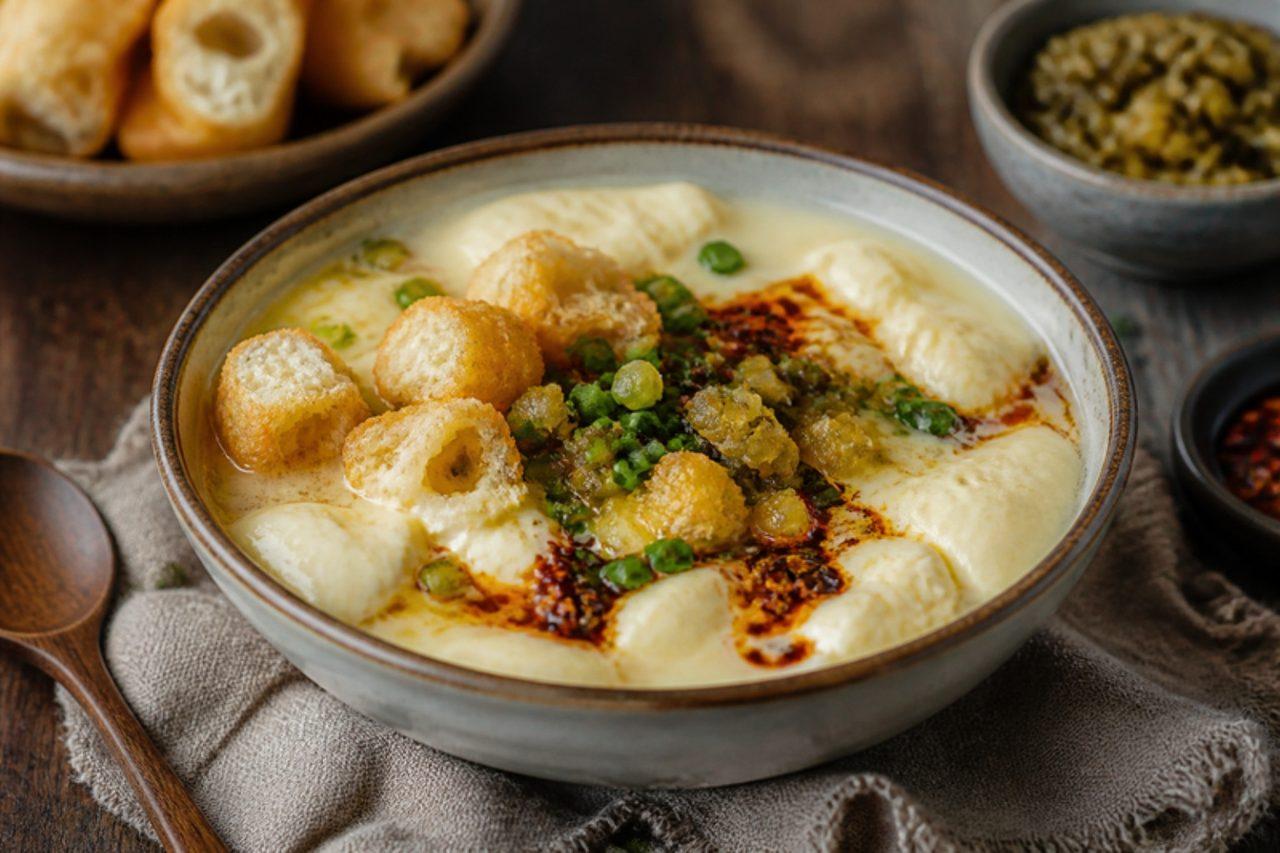
Long before sunrise, the soy-milk shops of Yonghe, just across the river from Taipei, pour bowl after bowl of this savoury breakfast for taxi drivers, students and night-shift workers. Scalding unsweetened soy milk hits a splash of vinegar and soy sauce in the bowl and splits into trembling, cloud-like curds, somewhere between a soup and a soft tofu pudding. Shops usually add dried shrimp; this vegetarian bowl gets its savoury crunch from chopped pickled radish, scallion, chilli oil and torn pieces of youtiao, with a sesame flatbread on the side. Pouring soy milk that is merely warm is where most people go wrong: it must be just off the boil, or it stays thin and never curdles. Chef's tip: pour the milk from a height in one go and don't stir, so the curds form big, soft clouds.

by KrazyBadal 0 views

Shaobing with youtiaoSesame flatbread with fried dough stick

Order this at a Yonghe-style breakfast shop and you get a lesson in contrasts: a long, flaky sesame flatbread, baked against the oven wall, split and folded around a freshly fried, airy youtiao. It's eaten before work across Taipei, almost always with a bowl of hot soy milk, sweet or salty. Both halves are vegan here, with the layers built from an oil-and-flour paste rather than lard. The most common slip is frying the dough sticks in oil that isn't hot enough, which leaves them flat, dense and greasy instead of puffed and hollow. Chef's tip: make the youtiao dough first and let it rest while you shape and bake the shaobing, so both are ready at the same moment.

by KrazyBadal 0 views

Sweet potato ballsFried sweet potato balls

Queue at almost any Taiwanese night market, from Shilin in Taipei to Tainan's Flower Market, and you'll see a vendor pressing a basket of golden balls against the bottom of a wok again and again until they swell up like ping-pong balls. That pressing is the trick: it pushes out air and stretches the tapioca dough, so each ball turns hollow, with a thin, crackly shell and a bouncy, chewy wall. They come in a paper bag, sometimes dusted with plum powder. The big mistake is dropping them into hot oil, which sets the crust before they can expand, so they stay small and solid; start them in warm oil. Chef's tip: steam the sweet potato rather than boiling it, as wet mash makes a sticky dough that never puffs.

by KrazyBadal 0 views

Wheel cakesRed bean or custard griddle cakes

Outside school gates and at the entrance of nearly every night market, a vendor in front of a cast-iron plate full of round wells turns out these fat, wheel-shaped cakes by the dozen, and the after-school queue tells you they're a children's favourite. A soft, slightly crisp shell, like a cross between a pancake and a waffle, encloses a generous centre of sweet red bean paste or warm vanilla custard; taro paste and even savoury fillings appear too. A wheel-cake or imagawayaki pan gives the right shape, though egg rings in a frying pan work. Overfilling the moulds with batter is the usual misstep: the halves then spill and won't close neatly. Chef's tip: grease the moulds well before every batch and keep the heat low, so the shells turn evenly golden while the filling heats through.

by KrazyBadal 0 views

LavangiWalnut-stuffed chicken

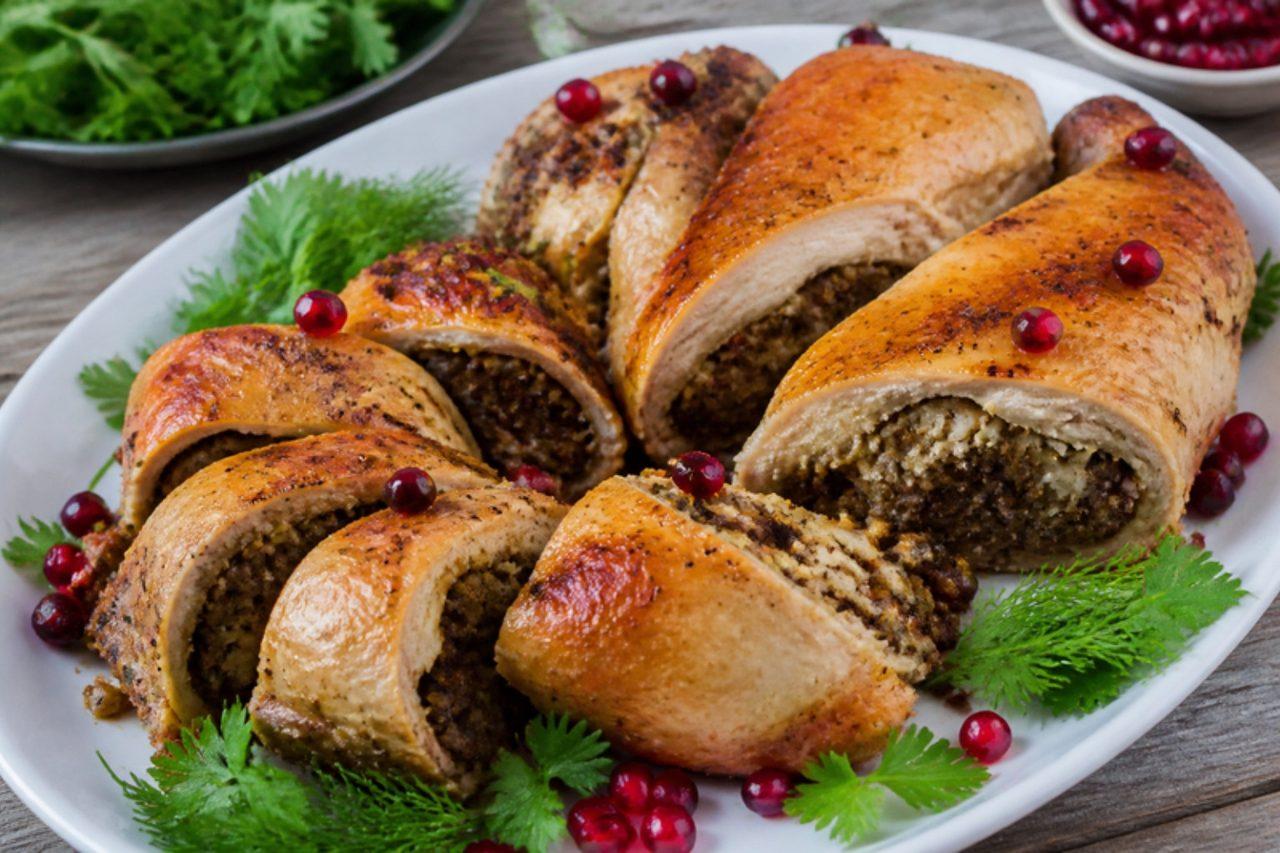
Lavangi is the famous feast dish of Lankaran and the southern Talysh villages: a whole chicken stuffed with a dark, tangy paste of ground walnuts, onion and sour plum leather (lavashana) or alcha, then roasted until golden. It is cooked for Novruz and weddings, and the same stuffing goes into Caspian kutum for the fish version. A common mistake is packing the cavity too tight; the filling swells and the heat cannot reach the centre. Chef's tip: spread a little of the stuffing under the breast skin too, which keeps the breast moist and flavours the whole bird. Chicken is done when the thigh and the stuffing reach 74 °C.

by KrazyBadal 0 views

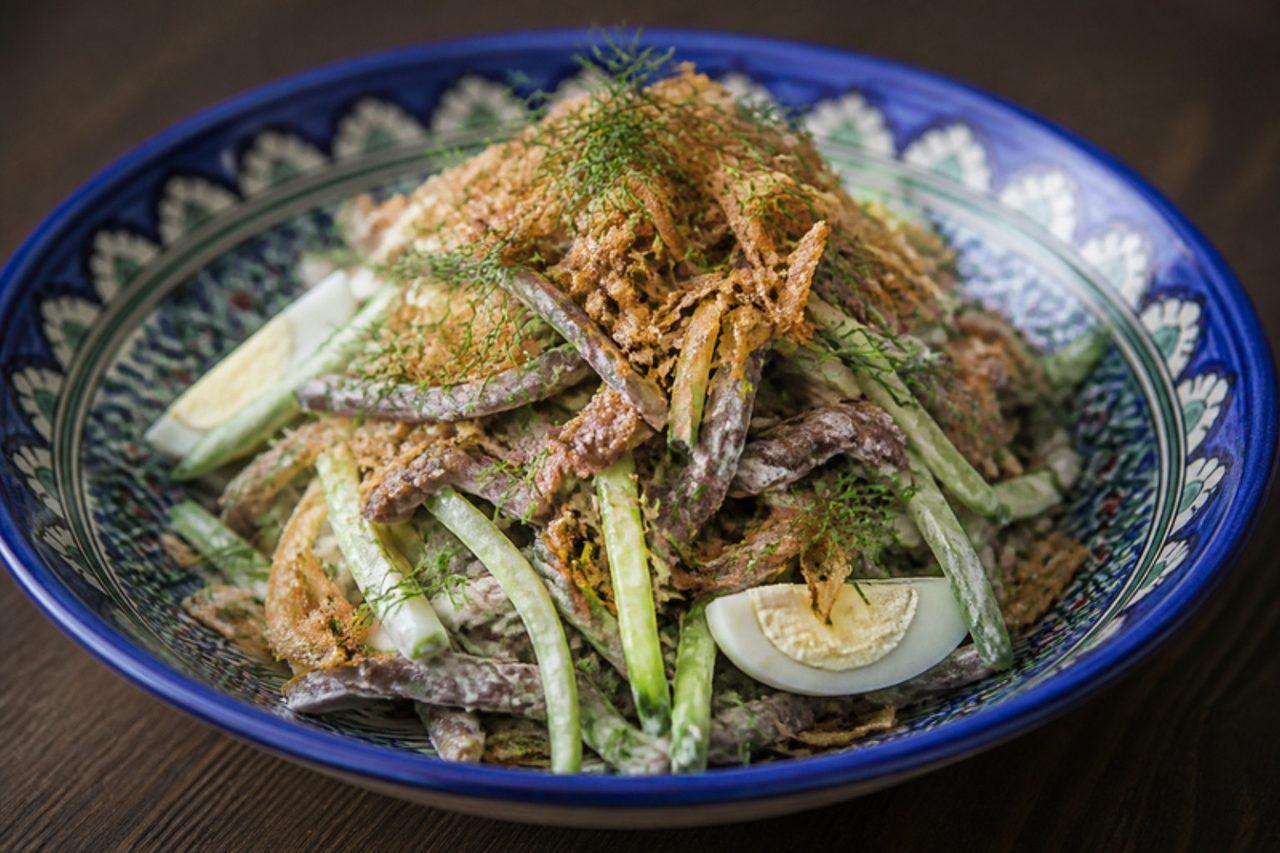
Tashkent saladRadish, beef and egg salad

Every Tashkent restaurant lists 'Tashkent salad', a Soviet-era favourite still served at birthdays and New Year: crunchy green radish (Margilan radish) cut into fine strips, tossed with thin slices of boiled beef, a heap of onion fried until crisp, and boiled egg, all dressed with mayonnaise. The crisp onion is what makes it, so don't skimp. A common mistake is dressing the radish too early, which makes the salad watery. Chef's tip: salt the radish strips for 10 minutes, squeeze them well, then dress just before serving.

110 minUzbekSaladsGluten free
by KrazyBadal 0 views

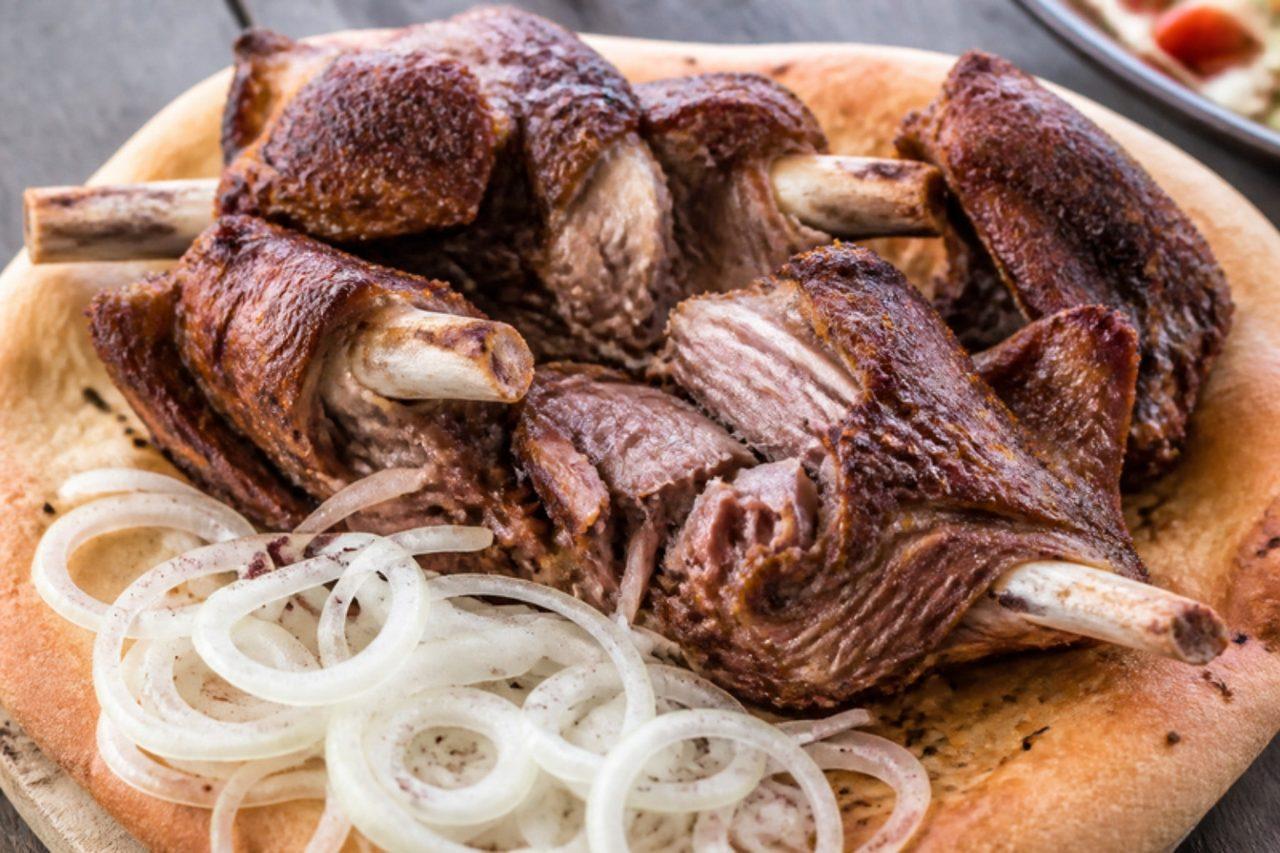
Tandir goshtSlow-cooked oven lamb

In Samarkand and Jizzakh, tandir gosht is cooked in a clay tandir oven that is fired until white-hot, then the coals are raked out, big pieces of lamb on the bone are hung inside on hooks, wrapped in leaves of the dzhida tree or grape, and the oven is sealed with clay for hours. The meat comes out smoky, falling-apart tender and crusty at the edges. This home version wraps the lamb in vine leaves and foil and slow-roasts it, finishing uncovered for colour. A common mistake is unwrapping too early; the meat needs the full time to turn tender. Chef's tip: rub the lamb with salt, cumin and a little crushed coriander the night before so the seasoning goes deep.

320 minUzbekMeat
by KrazyBadal 0 views

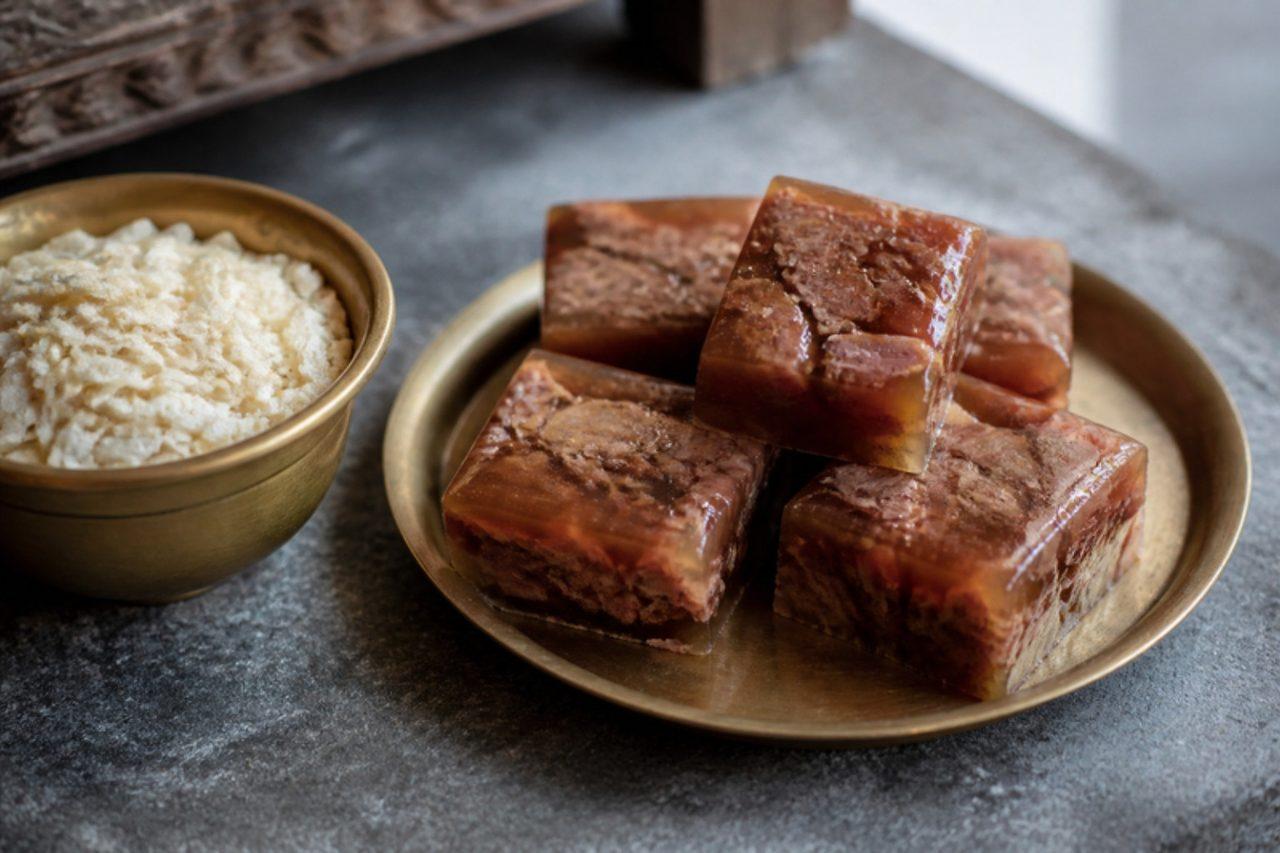
TakhaSpiced buffalo jelly

On cold Kathmandu winter mornings the clay bowls of takha that were left overnight by the window have set firm, and Newar families eat it cold in wobbly spoonfuls, a clear, glistening aspic studded with tender buffalo meat, tasting of ginger, garlic, cumin and timur. Its set comes entirely from the collagen in the skin, trotters and bony cuts, slowly simmered for hours; no gelatine is added. Takha is served with beaten rice at winter feasts and around the festival of Yomari Punhi. Buffalo is hard to find outside Nepal, so beef shin and a cleaned beef or veal trotter are the best stand-in. The most common failure is boiling the stock hard, which makes it cloudy and greasy; it should barely tremble. Chef's tip: test the set before you pour, by chilling a spoonful on a cold saucer for 10 minutes; if it stays runny, reduce the stock further.

240 minNepaliMeatGluten free
by KrazyBadal 0 views

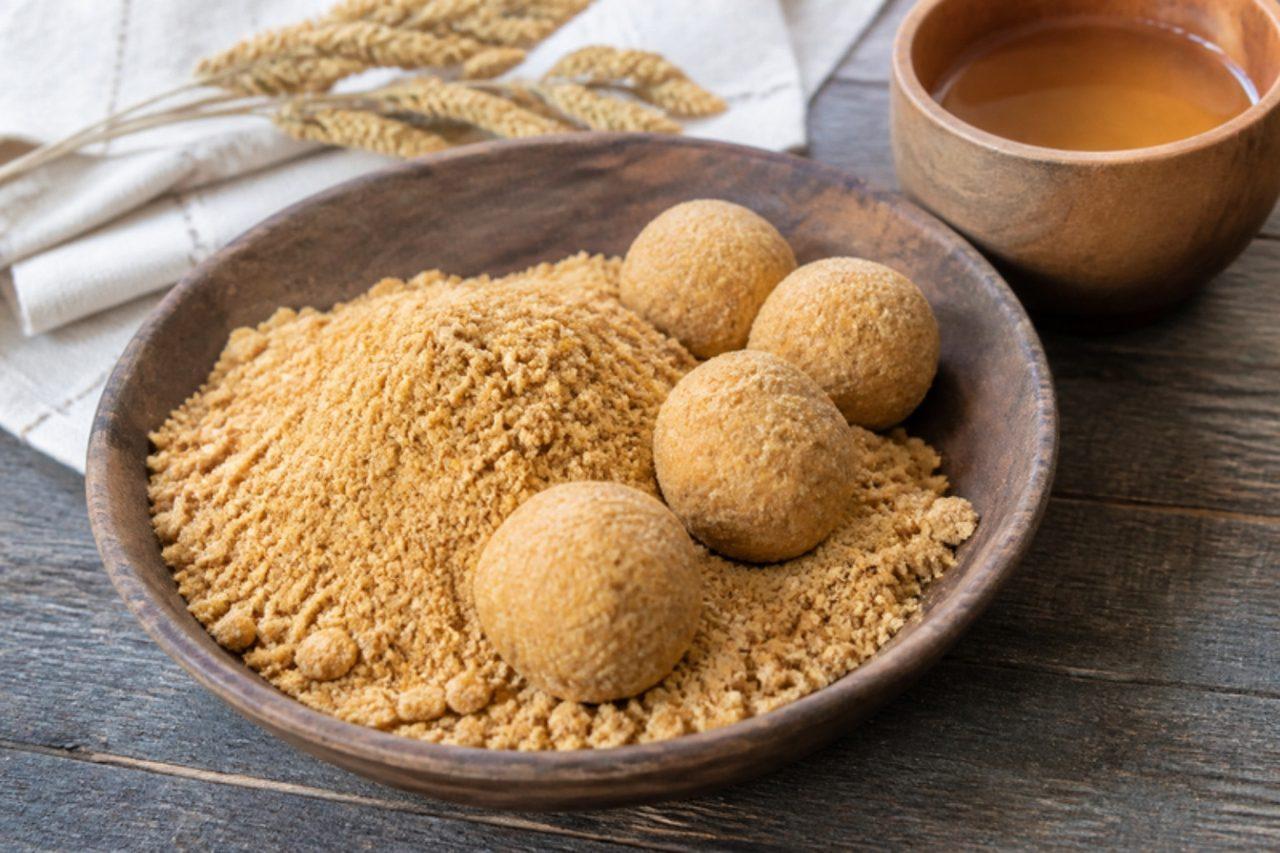
TalkanRoasted millet flour with butter

Talkan is an ancient nomad food from the Kazakh steppe: grain roasted in a dry kazan and ground into a fine, nutty flour that keeps for months and needs no cooking. In Kazakh homes it is mixed with melted butter and sugar or honey into crumbly sweets for children, stirred into hot milk tea, or pressed into balls for travel. Ready-made talkan is sold in Kazakh markets; roasting your own millet or wheat flour works well. A common mistake is roasting over high heat, which scorches the outside of the grains and leaves a bitter taste. Chef's tip: roast until it smells like popcorn, then grind finely while warm.

by KrazyBadal 0 views

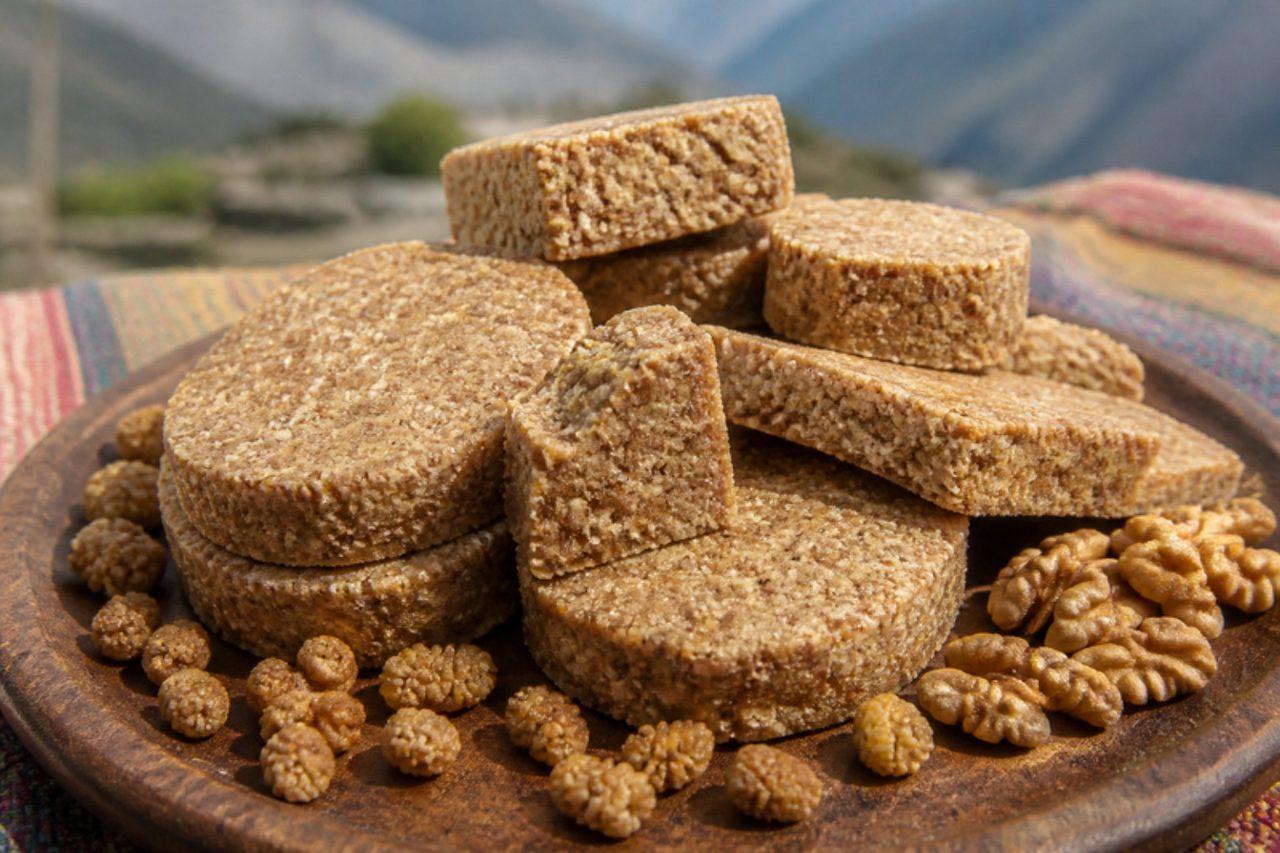
TalkhanMulberry and walnut cake

Around Bamiyan and Daikundi in the central mountains, where mulberry trees line the irrigation channels, families dry the white berries on rooftops in summer and pound them with walnuts into talkhan, a dense, chewy sweet that keeps for months. It was the food shepherds and travellers carried in a cloth for long days on foot, and it is still offered with green tea to guests in Hazara homes in winter. The flavour is honeyed, faintly fig-like and nutty, with no added sugar at all. Grinding it too fine and too long is the usual misstep, as the walnuts turn oily and the cake goes greasy; stop while there is still some texture. Chef's tip: toast the walnuts lightly and let them cool before pounding, which takes away any bitterness from the skins.

by KrazyBadal 0 views

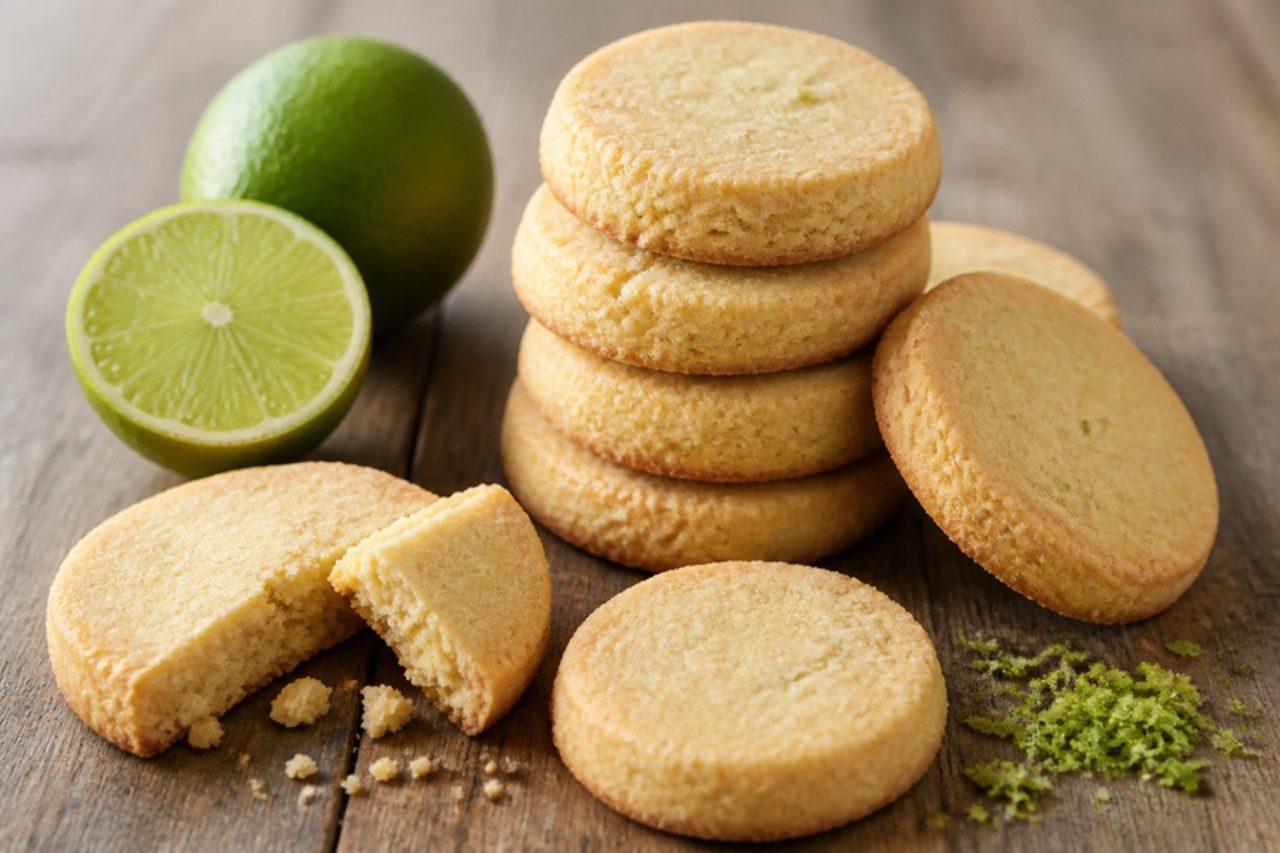
Torticas de MorónLime shortbread

The town of Morón in Ciego de Ávila gave its name to these crumbly little cookies, which Cuban bakeries sell in paper bags and grandmothers keep in a tin for visitors with coffee. They are pale, short and melt quickly, with a clear scent of lime zest. The common mistake is overworking the dough or baking until brown, which makes them hard rather than sandy, so pull them out while they are only just golden underneath. Chef's tip: chill the rolled dough for 20 minutes before cutting; the edges stay sharp and the cookies don't spread.

by KrazyBadal 0 views

SbitenHot honey and spice drink

Long before tea reached Russia, street sellers wrapped in shawls carried copper urns of sbiten through winter markets, pouring steaming glasses of spiced honey water for traders and coachmen. It comes back every Maslenitsa at fairs in Moscow and Suzdal, drunk beside blini. The taste is warming and sweet, with the bite of ginger, a bitter edge of bay and clove, and a resinous note from St John's wort or mint. Where most people go wrong is boiling the honey hard, which dulls its perfume; simmer the spices first and dissolve the honey off the boil. Honey should not be given to babies under one year old. Chef's tip: make the spiced base ahead and keep it in the fridge, then reheat a glass at a time and finish with a squeeze of lemon.

by KrazyBadal 0 views

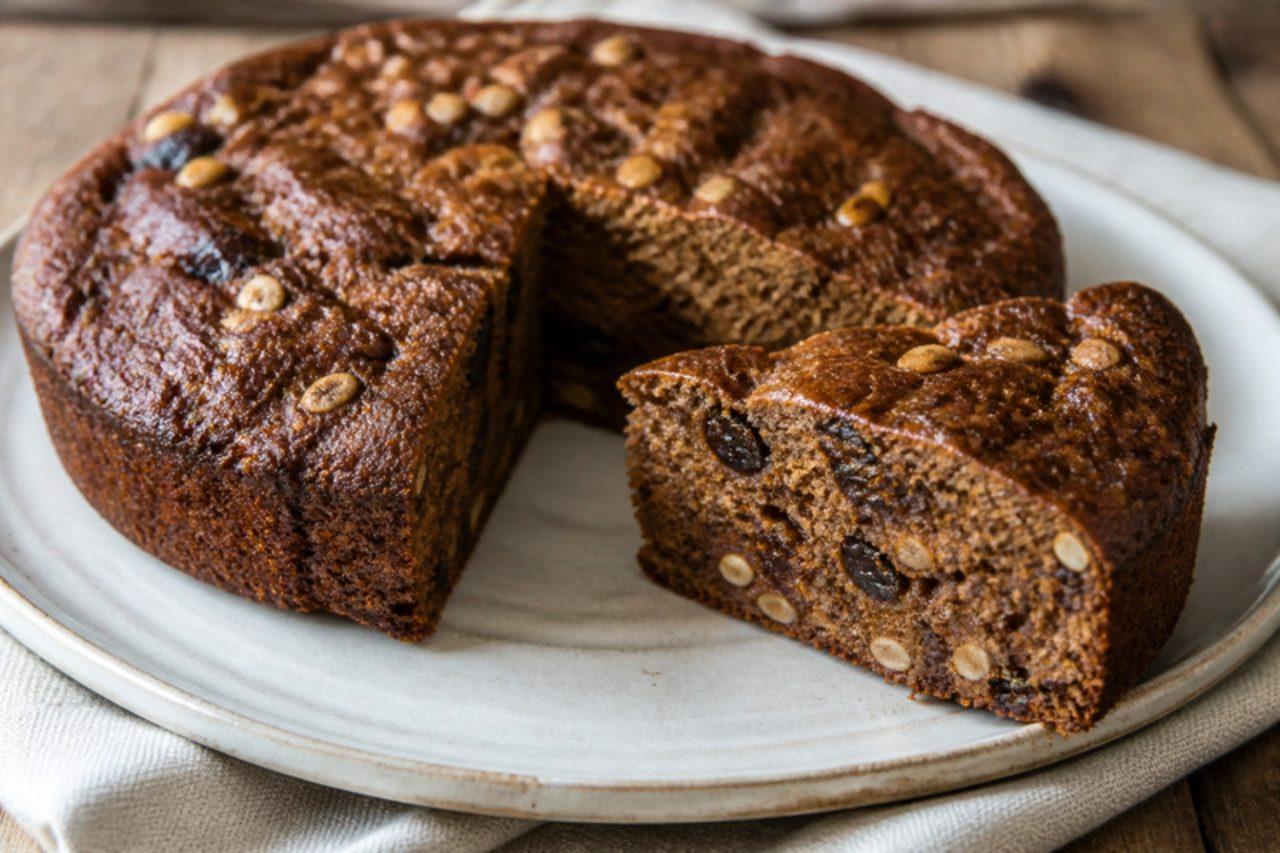
Torta di paneBread cake with cocoa and raisins

Torta di pane is the thrifty cake of Ticino, Switzerland's Italian-speaking south, made in every family and sold in bakeries in Lugano and Locarno: stale bread soaked overnight in milk, then mixed with cocoa, eggs, sugar, raisins, pine nuts, candied peel and lemon zest and baked into a dense, moist cake with a crisp top. Each family's recipe differs, and some add amaretti or a splash of grappa (this one has none). A common mistake is not soaking the bread long enough, which leaves dry lumps. Chef's tip: soak overnight and mash well, then let the cake cool completely before slicing; it firms up.

by KrazyBadal 0 views

Hong Kong yuenyeungCoffee and milk tea blend

Named after mandarin ducks, which are always seen in pairs, yuenyeung marries brewed coffee and silky milk tea in a single cup, and you will find it on the drinks board of every cha chaan teng in Hong Kong. Office workers order it at lunch with a toasted bun or a plate of noodles, hot in winter and iced through the humid summer, and it tastes of both and neither: the tea's tannic grip, the coffee's roast and the creamy body of evaporated milk, with a double dose of caffeine that makes it a poor choice for children or late evenings. Watery tea is where most homemade versions go wrong, letting the coffee take over; brew the tea strong and stewed. Chef's tip: pour the brewed tea back and forth through a fine strainer four or five times; this 'pulling' smooths out the tannins and gives the drink its silky body.

by KrazyBadal 0 views

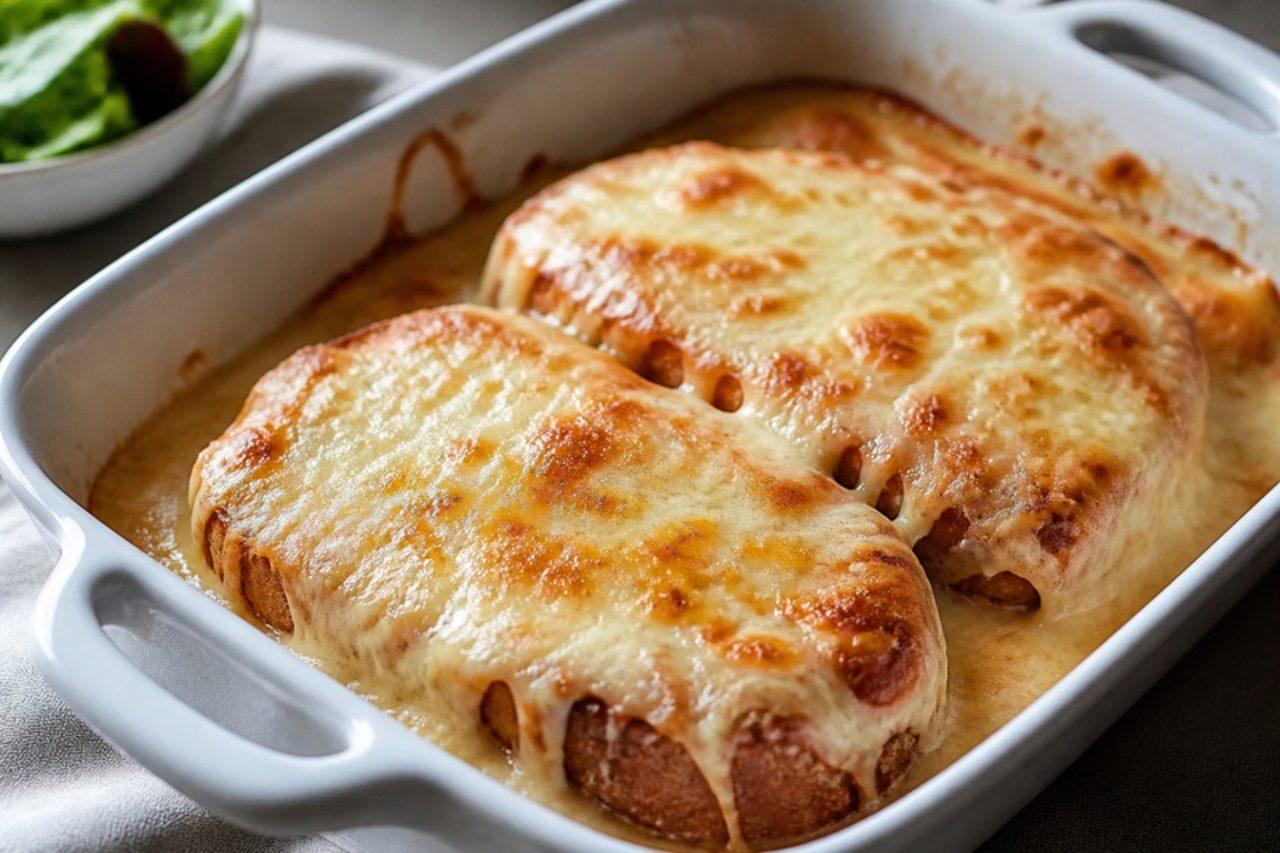
Croûte au fromageWine-soaked bread with Gruyère

Croûte au fromage is the après-ski supper of Valais and Vaud, served in mountain restaurants from Verbier to Zermatt in sizzling dishes: thick slices of stale bread sprinkled with white wine, rubbed with garlic, heaped with grated Gruyère and baked until bubbling, often with a fried egg on top. This recipe uses white wine, as it traditionally does; for an alcohol-free version, use the swap in the ingredient note. Gruyère is made with animal rennet, so choose a vegetarian Swiss-style cheese. A common mistake is soaking the bread with too much wine, which makes it soggy. Chef's tip: toast the bread first, then sprinkle, so it stays crisp underneath and soft on top.

by KrazyBadal 0 views

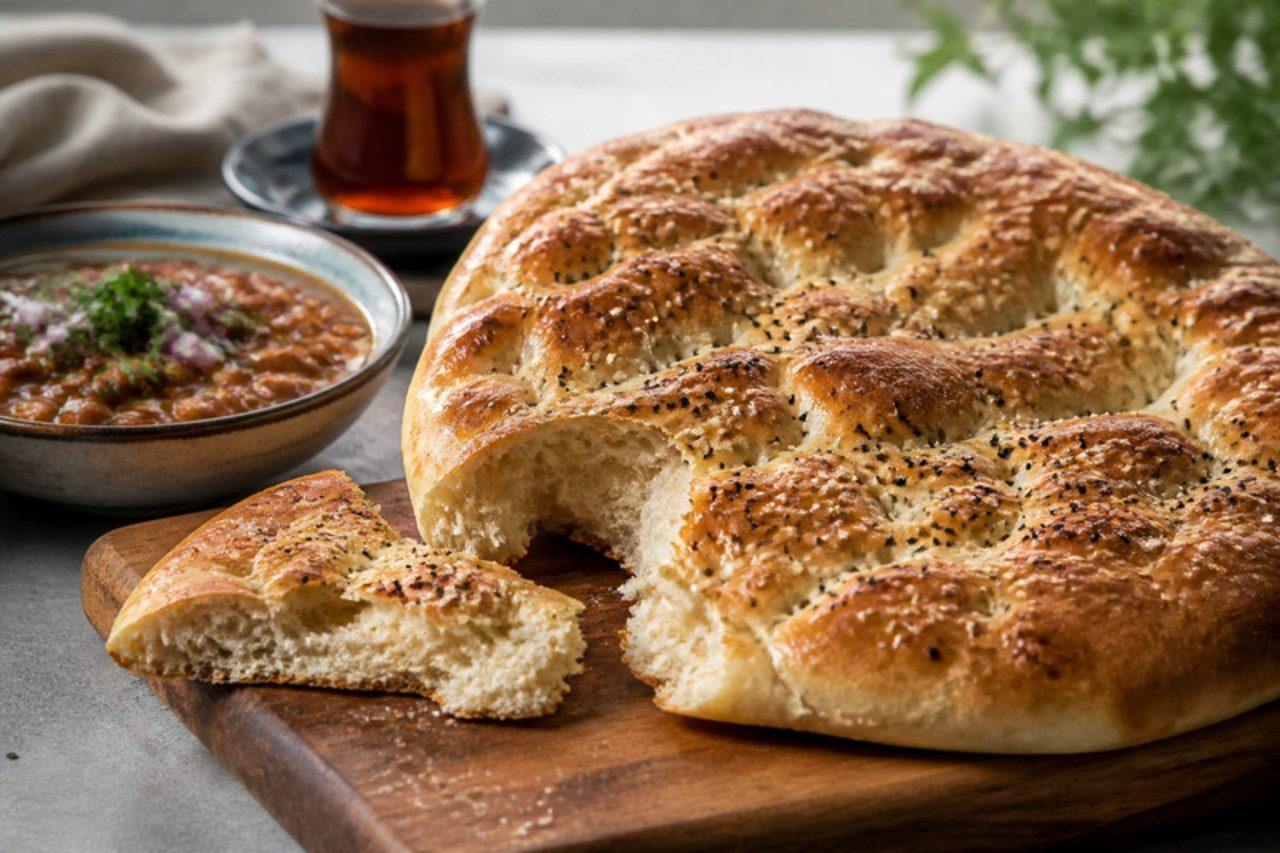
TameesGhee and sesame flatbread

In the old lanes of Jeddah and around Mecca, bakeries run by families of Afghan descent pull tamees from clay tandoors before dawn, and people queue for them still blistering hot to eat with ful, cheese or honey. The bread is wide and puffy, crisp on its sesame-studded face and chewy underneath, with deep finger dimples that hold pools of melted ghee. At home a very hot oven and a preheated baking stone or heavy tray stand in for the tandoor. The usual mistake is baking at a moderate heat: the bread then dries out before it can puff and stays pale and tough. Tear it at the table and serve with a pot of ful medames, white cheese and sweet tea. Chef's tip: press the dimples right down to the tray with three fingers; shallow marks disappear as the dough springs up.

by KrazyBadal 0 views

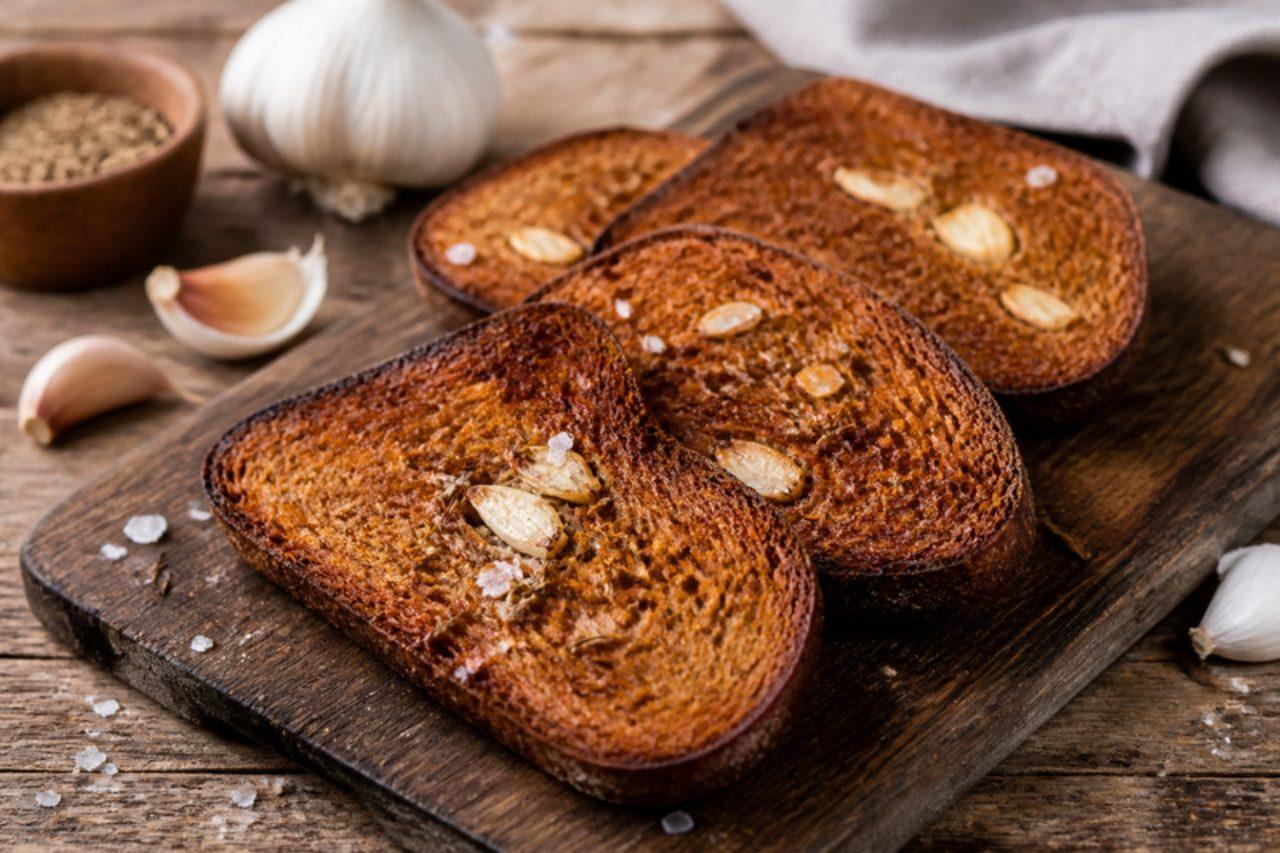
TopinkyGarlic fried rye bread

Midnight in a Prague beer hall, a basket of topinky arrives: thick slabs of rye-wheat bread fried until shatteringly crisp and rubbed hard with raw garlic, so the rough crust grates the clove like sandpaper. Czech pubs serve them as a snack with beer, and at home they are a quick supper with a glass of buttermilk or a bowl of soup. Some old cooks used lard; frying in oil keeps them vegan. The crumb should stay soft inside the golden crust, and the garlic should be sharp and fiery. A common mistake is frying in oil that is not hot enough, which makes the bread greasy instead of crisp. Chef's tip: choose a dense, day-old rye bread with caraway seeds; fresh, airy bread soaks up oil like a sponge.

by KrazyBadal 0 views

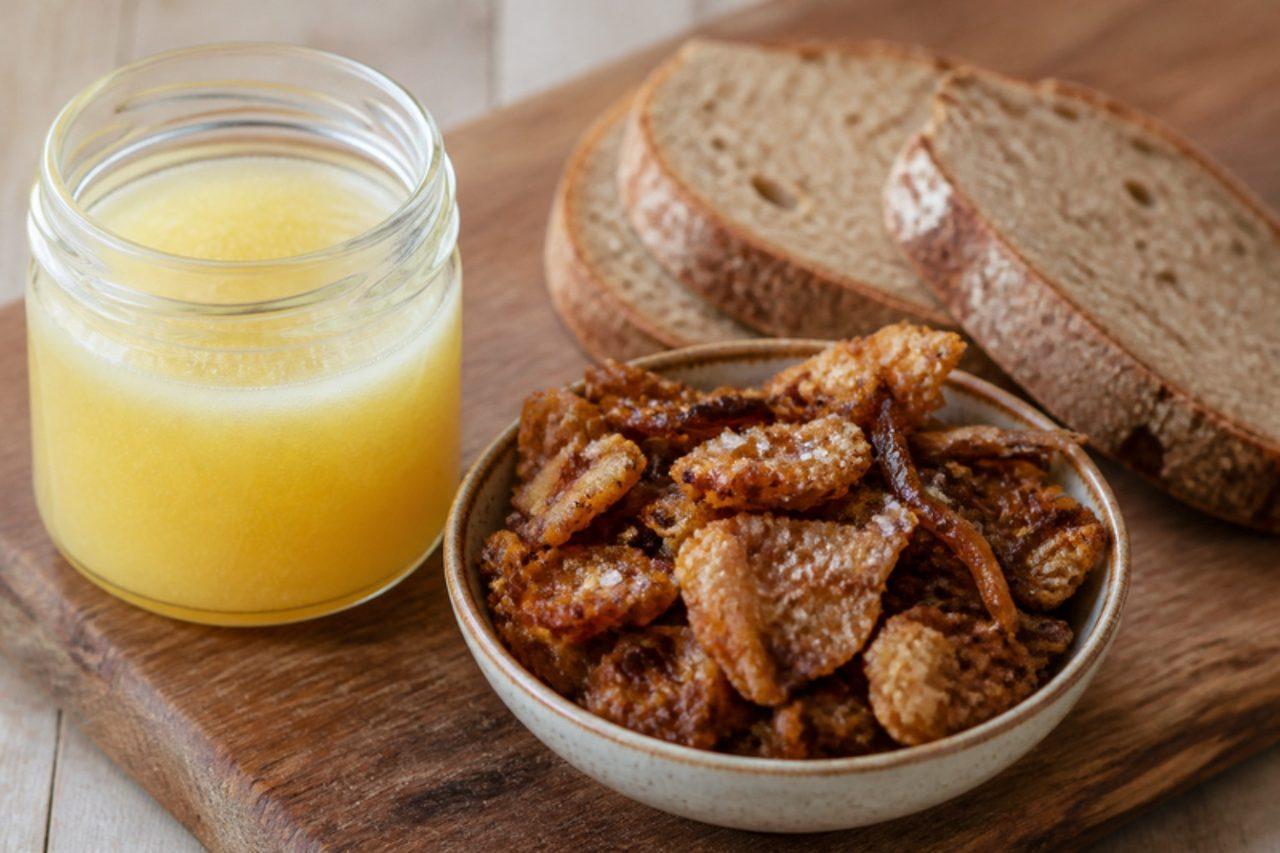
SchmaltzRendered chicken fat with crackling

Before vegetable oil reached the shtetl, rendered chicken fat was the cooking fat of every Ashkenazi kitchen that kept meat and dairy apart, and in Bnei Brak and Jerusalem's Geula many grandmothers still keep a jar of it in the fridge for roast potatoes, chopped liver and matzo balls. Skin and fat trimmed from chickens are melted slowly with a little water until the fat runs clear and gold, then onion is added so the fat takes on a sweet, savoury depth. The crisp scraps left behind, gribenes, are salted and nibbled like crackling or scattered over mashed potato. The usual mistake is turning the heat up to hurry it: the skin browns before the fat has melted out and the schmaltz tastes scorched. Chef's tip: ask a kosher butcher for skin and fat trimmings, or save them in a bag in the freezer each time you joint a chicken until you have enough.

by KrazyBadal 0 views

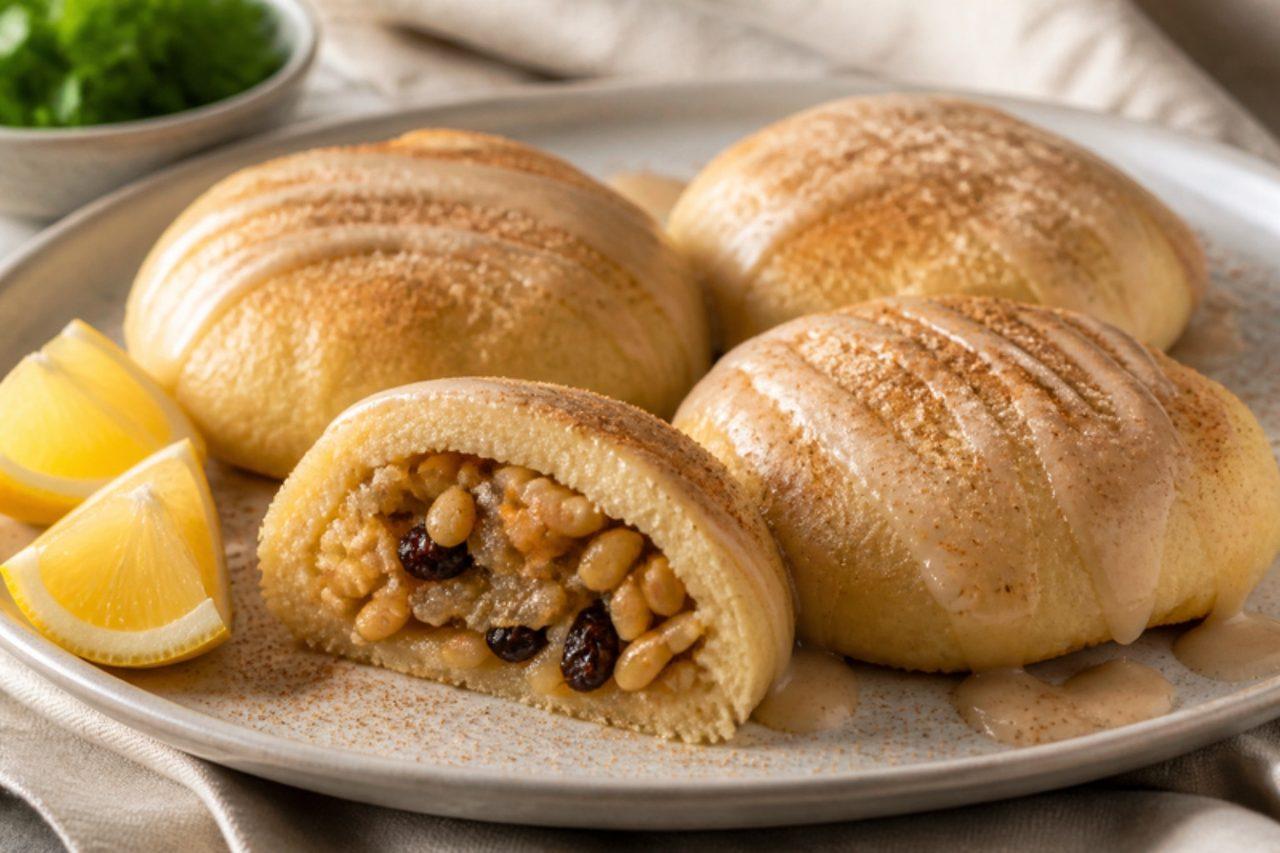
TopikChickpea parcels with spiced onion

Topik belongs to the Armenian community of Istanbul, where it is still made for Lent and served at Armenian restaurants in Kurtuluş: a smooth shell of mashed chickpeas and potato wrapped around a filling of slow-cooked onions with pine nuts, currants, cinnamon, allspice and tahini, tied in muslin and steamed. It is served cold in slices with lemon and a drizzle of oil. A common mistake is rushing the onions; they must cook down to a sweet, jammy mass, which takes the best part of an hour. Chef's tip: spread the chickpea mash on a damp cloth to wrap it, which makes it easy to roll into a neat ball without cracks.

by KrazyBadal 0 views

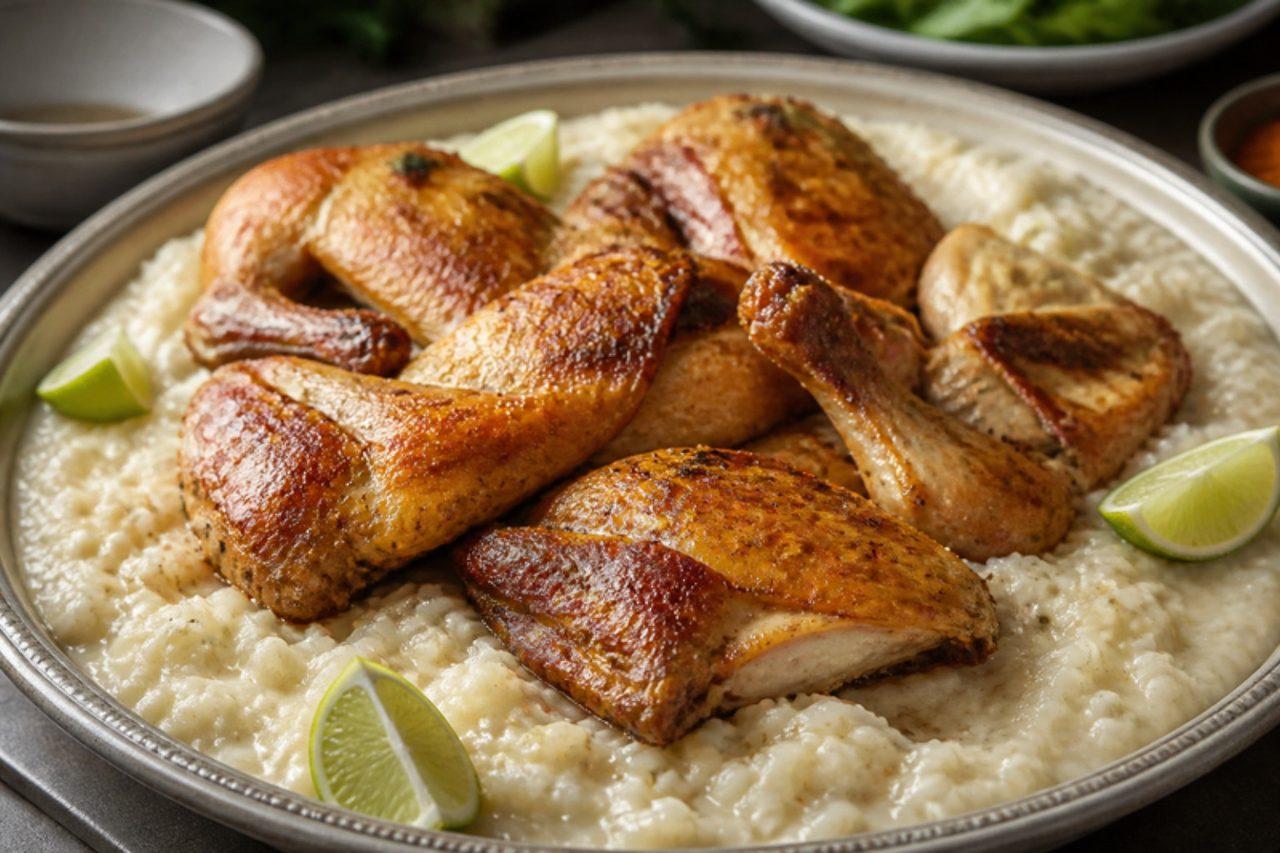
SaleegCreamy rice with roast chicken

In Taif and the cities of the Hejaz in western Saudi Arabia, saleeg is what families cook when someone needs comforting, and it turns up on Friday lunch tables and at gatherings through the cooler months. Short-grain rice is simmered slowly in the broth the chicken was poached in, then loosened with milk until it is as soft and creamy as a savoury rice pudding. The chicken pieces are roasted until golden and laid on top, and a spoonful of hot ghee is poured into a well in the middle just before serving. Eat it with daqqus tomato sauce or a squeeze of lime and a plate of sliced cucumber. The usual mistake is to stop stirring once the milk goes in, so the rice catches on the base and tastes scorched. Chef's tip: keep a ladle of hot broth beside the pot and add it whenever the rice looks stiff; saleeg should slowly flow when you tilt the plate.

by KrazyBadal 0 views

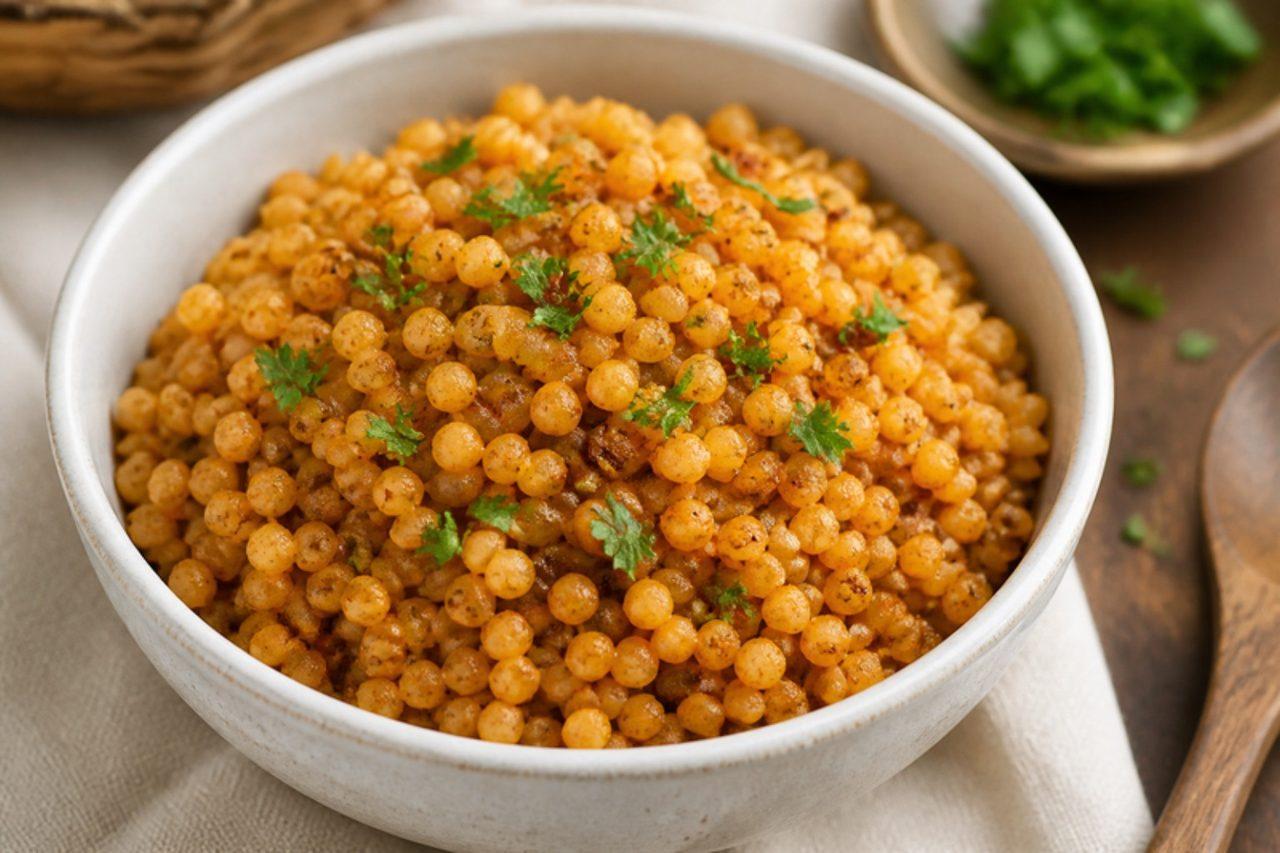
TarhonyaToasted egg barley

Tiny pebbles of dried egg pasta, tarhonya is one of the oldest Hungarian staples, once dried on cloths in the sun by farm women on the Great Plain and stored for the winter. It is toasted in fat until golden, then simmered in water like a pilaf until each grain is plump but separate. Hungarians serve it as the side for paprika stews, and in a vegetarian kitchen it is perfect next to lecsó or a mushroom paprikás. The flavour is nutty and savoury, with a light warmth from the paprika. A common mistake is stirring it during the simmer, which breaks the grains and makes it sticky; once the water is in, cover it and leave it alone. Chef's tip: toast it slowly and evenly to the colour of hazelnuts; that toasting is where all the flavour comes from.

by KrazyBadal 0 views

TompouceCustard puff pastry slice

The tompouce is the most Dutch of pastries: two thin, crisp layers of puff pastry with a thick yellow custard between them and a glossy pink icing on top, which turns orange on King's Day. It is sold in every bakery and supermarket, and eating one neatly is famously impossible. A common mistake is letting the pastry puff too much, which makes it hard to cut. Chef's tip: bake the pastry under a second tray to keep it flat and crisp, and set the custard firmly with enough cornflour so it holds when sliced.

by KrazyBadal 0 views

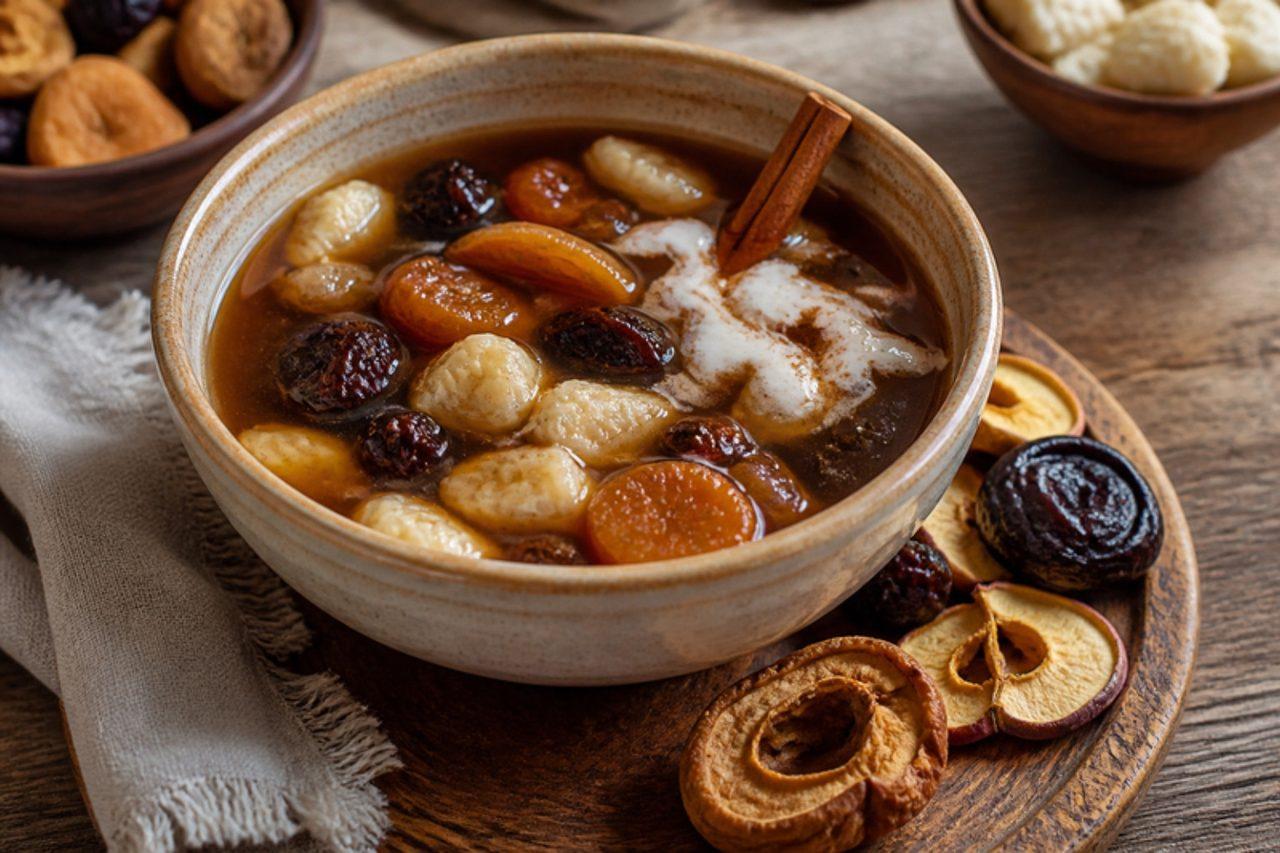
Zupa brzadowaSweet-sour dried fruit soup

Kashubian farmhouses near Kartuzy and Kościerzyna dried their pears, apples and plums over the stove every autumn, and the dried fruit, called brzad, went into this soup through the winter. It surprises newcomers: warm, sweet and gently sour, smelling of cloves and cinnamon, with tender fruit and little spoon-dropped dumplings, sometimes served with boiled potatoes as a full meal. In the past a meaty version existed too; this one is meat-free. A common mistake is sweetening it like compote; it should taste fruity first, with only a little sugar and a clear sour edge. Chef's tip: soak the fruit overnight if you can, and cook it in its soaking water for the best flavour.

by KrazyBadal 0 views

Žloutkové věnečkyChoux rings with yolk cream

"Little wreaths" are the jewel of a Czech wedding cake table, where trays of sweet pastries are handed out to every guest, and they are a staple of old-style patisseries in Prague. Rings of choux pastry are split and piped with a yolk-rich custard cream that is golden, silky and buttery, then dipped in a white sugar glaze. They taste of vanilla, egg and butter and are best within a day. Where most people go wrong is a custard that is not cooked enough: it must bubble for a minute so it sets and the yolks are fully cooked. Beat the cream only once the custard and butter are both at room temperature, or it splits. Bake the rings until properly dry so they keep their crisp shape. Chef's tip: a large star nozzle gives the rings a ridged surface that holds the glaze beautifully.

by KrazyBadal 0 views

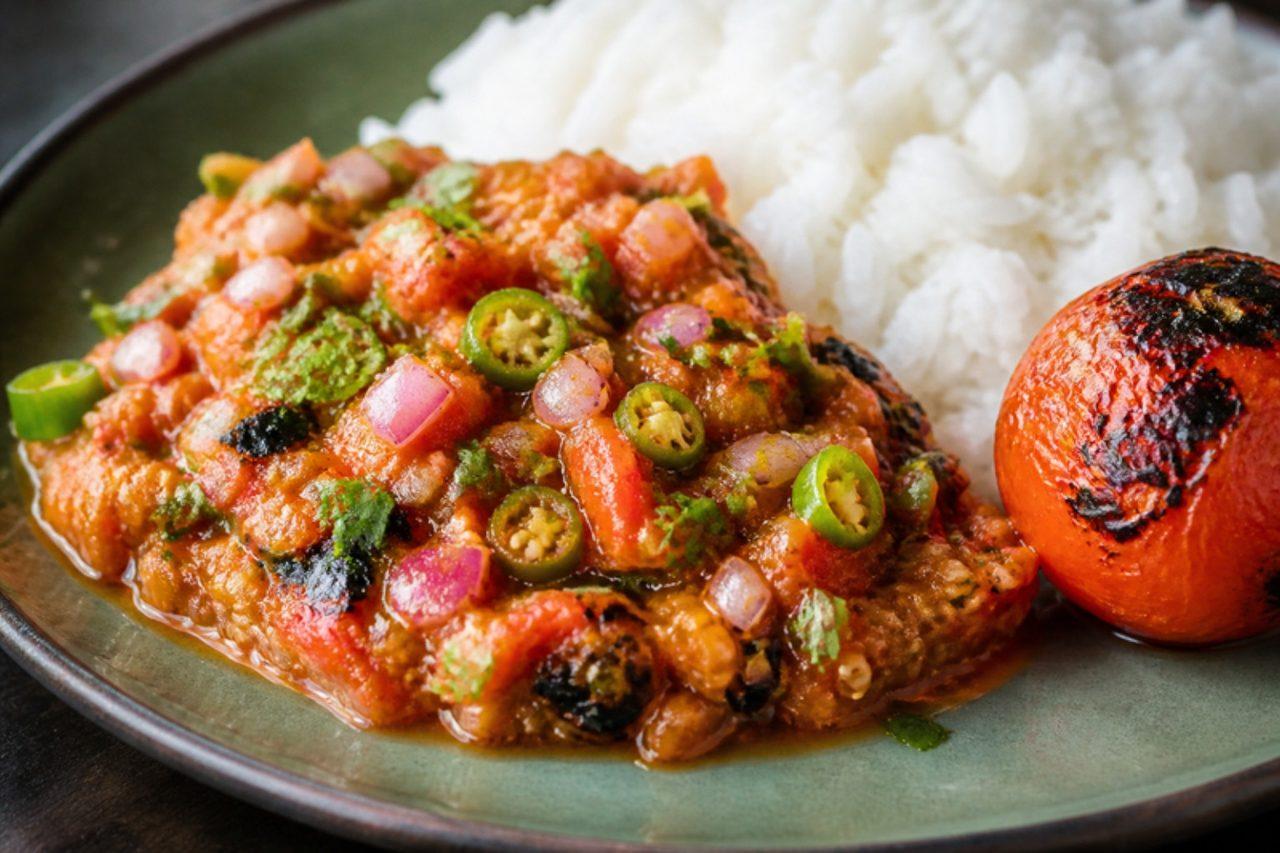
Tomato bhortaCharred tomato mash

Winter is tomato season in Bangladesh, when fat, red bilati begun, literally foreign aubergines, crowd the haats of Jessore and Bogura, and the simplest way to eat them is to blister them straight on the gas flame or in the ashes of the clay stove. The charred skins slip off and the soft, smoky flesh is crushed by hand with raw onion, green chilli, coriander and a thread of pungent mustard oil, so the bhorta is sweet, sharp and smoky at once. It goes with rice and dal, with khichuri on a rainy day, or with a plate of rice-flour ruti. Mashing it in a blender is where it goes wrong: the texture should be rough and juicy, squeezed through the fingers, never puréed. Chef's tip: char one green chilli alongside the tomatoes and crush it in for a deeper, rounder heat.

by KrazyBadal 0 views

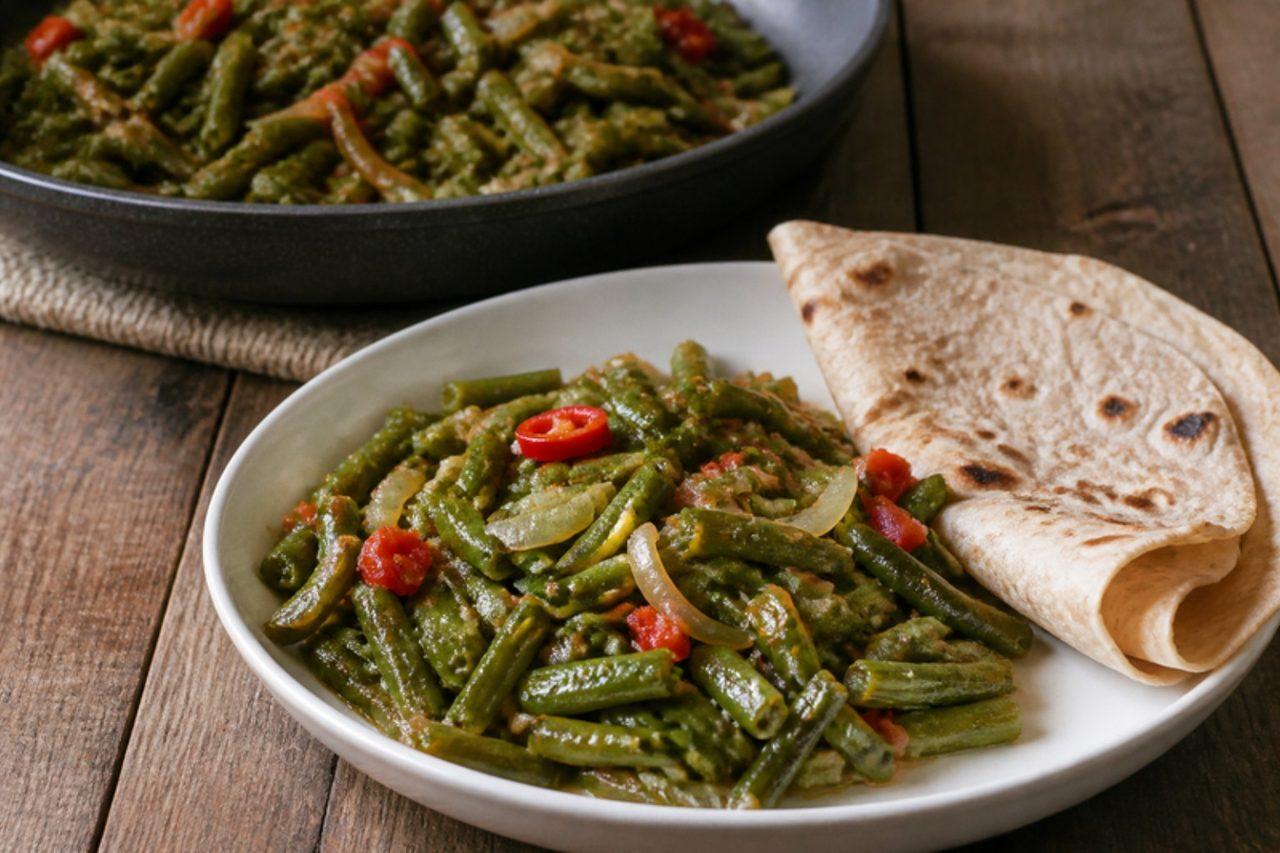
Trini fried bodiFried long beans

Bodi, the yard-long bean grown in back gardens all over south Trinidad, is cut into short lengths and fried down with onion, lots of garlic and a little hot pepper until it is tender and blistered in places. It turns up stuffed into sada roti for breakfast or beside rice and dhal for lunch. People often crowd the pan, so the beans steam grey instead of frying bright green with brown edges; use a wide pan. Green beans work if you cannot find bodi. Chef's tip: a pinch of roasted ground geera stirred in at the very end gives the beans a warm, nutty finish.

by KrazyBadal 0 views

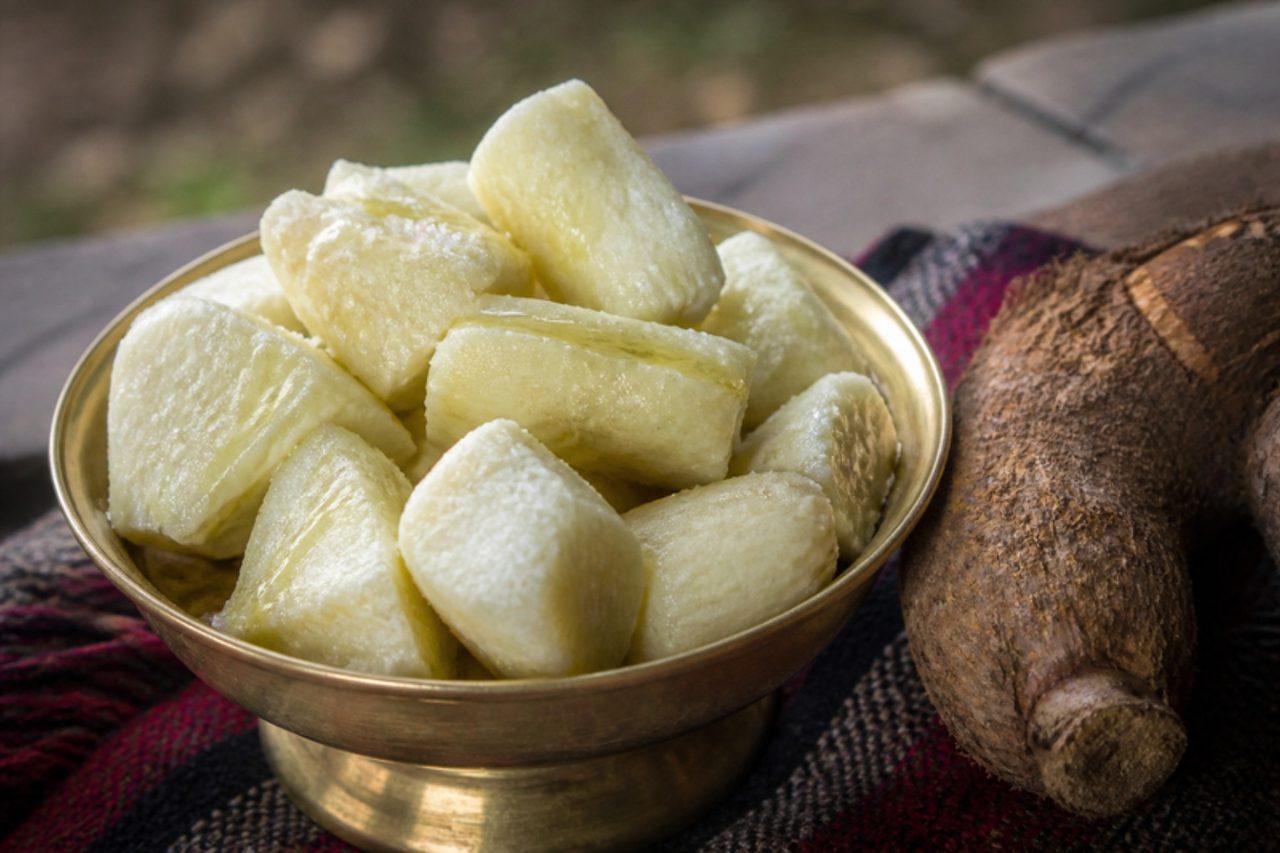
TarulBoiled yam with ghee

Ask a Nepali family what they eat on the first day of Magh, in mid-January, and the answer is almost always tarul: big, knobbly yams boiled until tender, peeled and eaten hot with a spoonful of ghee and a pinch of salt, alongside sweet potatoes, taro, chaku and sesame sweets laid out on one plate. It is a quiet, family breakfast after the morning ritual bath in the river, and in Kathmandu the street markets are piled with mud-covered yams for days beforehand. The flesh is dense, creamy and slightly sticky, with a mild nutty sweetness that the ghee and salt bring out. Raw yam can irritate the skin, and the usual problem is peeling it before cooking, which leaves itchy hands. Chef's tip: boil the yams in their skins and peel them after, when the skin slips off with a knife; rub some oil on your hands first if you must cut them raw.

by KrazyBadal 0 views

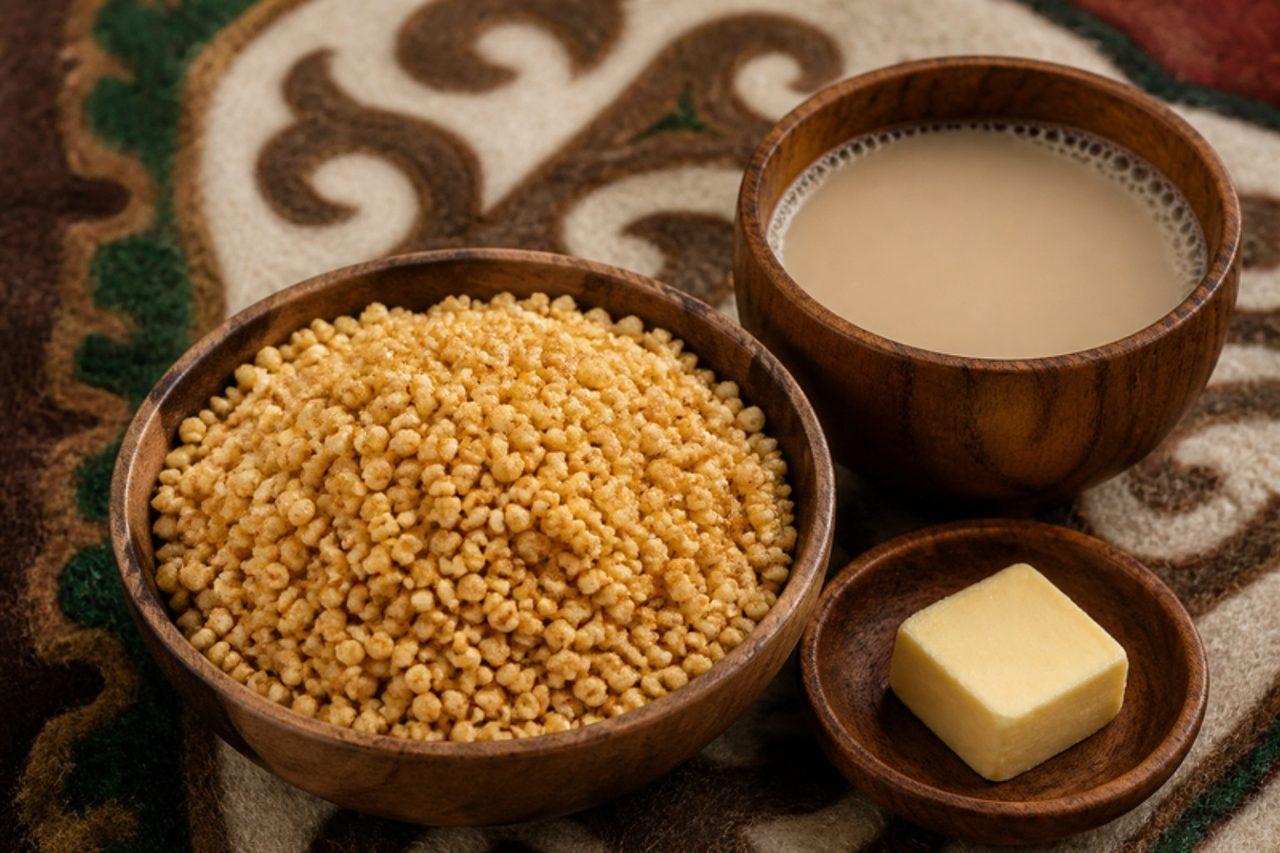
TaryRoasted millet

Tary is roasted millet, the oldest grain of the Kazakh steppe: soaked, boiled briefly, then roasted in a kazan until crunchy and golden, so it keeps for months in a leather bag. In Kazakh homes a bowl of tary sits on the dastarkhan tablecloth beside the tea, and people stir a spoonful into their milk tea, sprinkle it over sour cream or eat it with butter and sugar. A common mistake is skipping the pre-cooking, which leaves the grains rock-hard. Chef's tip: steam the millet briefly before roasting; the starch sets and the grains puff and crunch rather than shatter.

by KrazyBadal 0 views

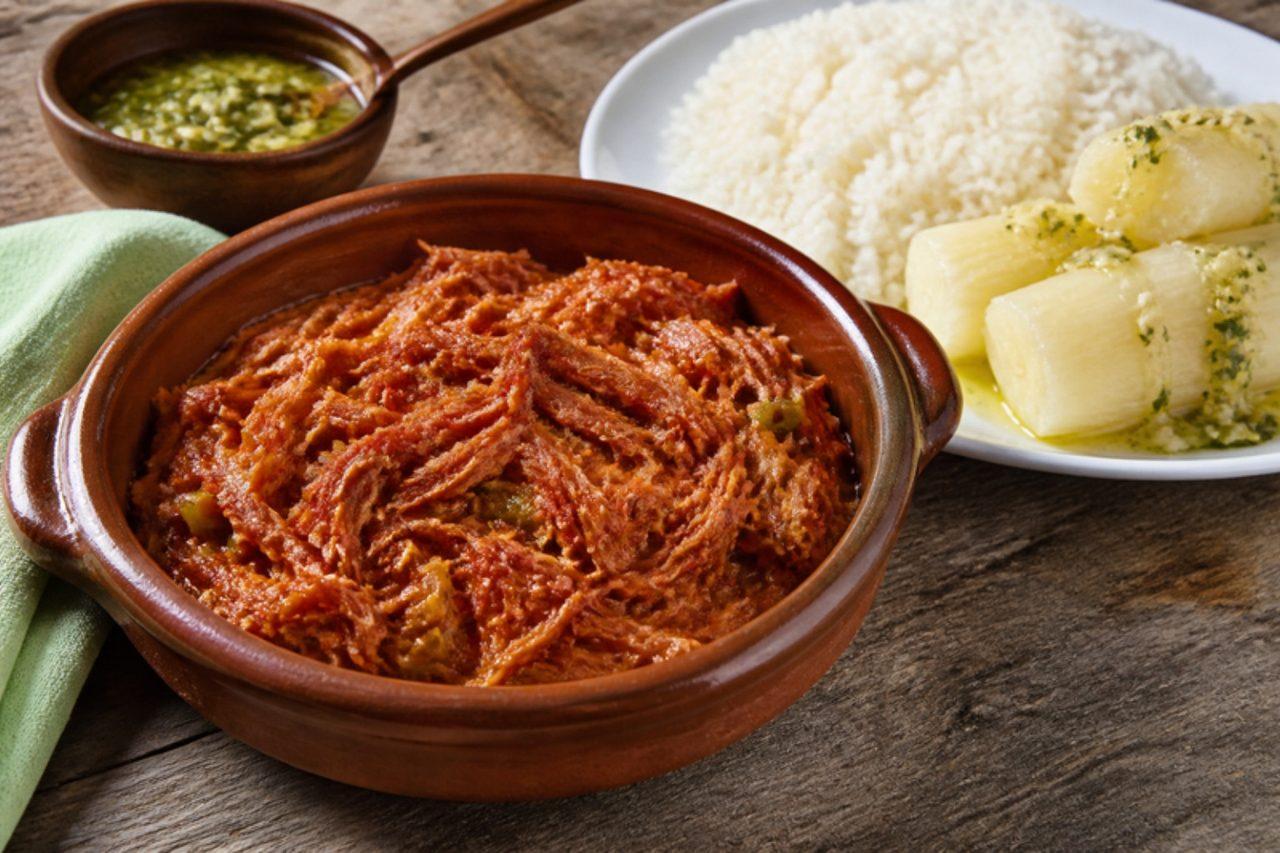
Tasajo a la cubanaShredded dried beef stew

Tasajo, beef that has been salted and dried until hard, has been a staple in Oriente since colonial times, when it kept for months without refrigeration; in Santiago it is still stewed for family meals with tomato, peppers and onion and eaten with white rice and boiled yuca. Most of the work is getting the salt out. The meat must soak in the fridge for at least 24 hours with the water changed several times, and the classic mistake is skipping a change of water, which leaves the dish far too salty to eat. Look for tasajo at Latin American butchers. Chef's tip: taste a small piece after the first boil; if it is still very salty, boil again in fresh water before shredding.

180 minCubanMeatGluten free
by KrazyBadal 0 views

Tash kordoStone-cooked lamb

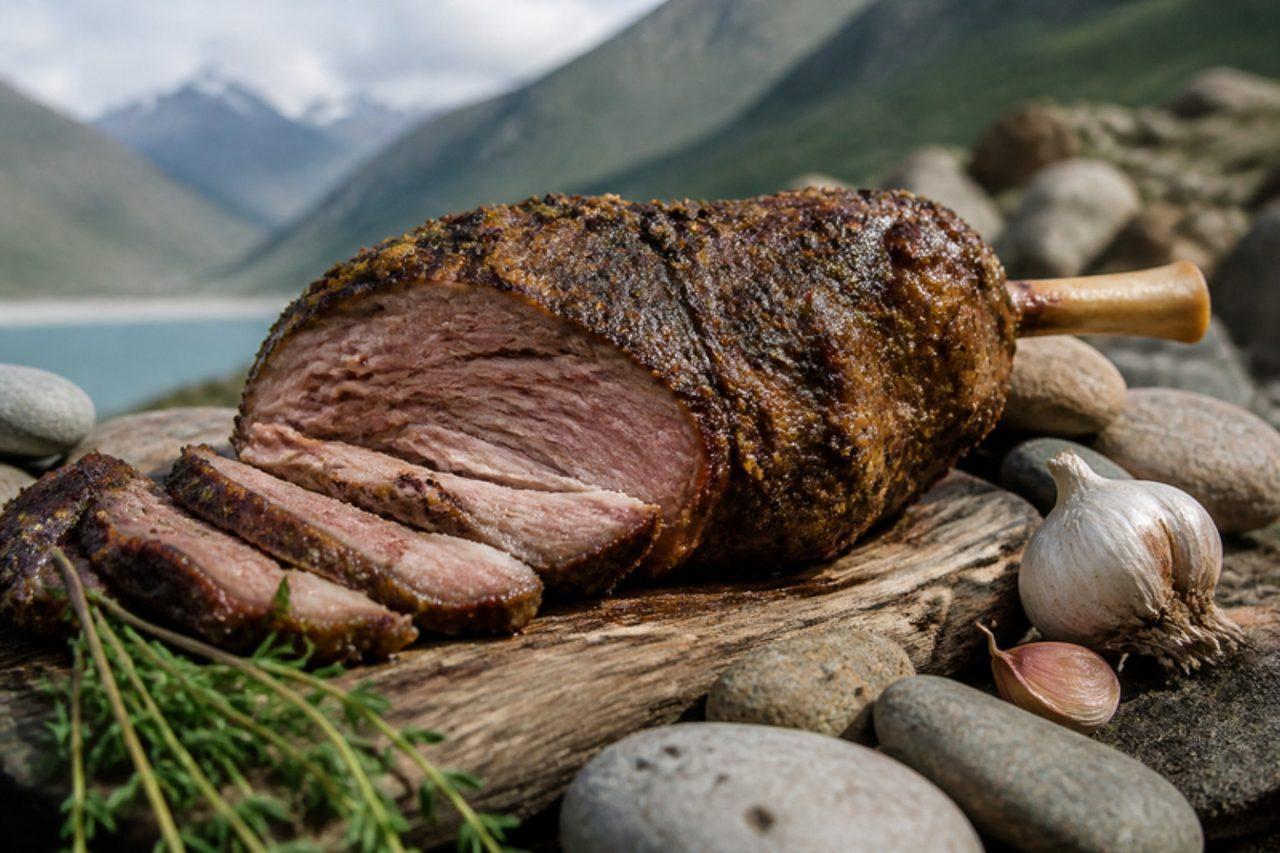
Tash kordo, 'stone pit', is the herders' feast of the Kyrgyz mountains around Naryn and Issyk-Kul: a pit is dug and lined with stones heated in a fire, a whole leg or shoulder of lamb wrapped in its own caul or in hide is laid inside with more hot stones, and the pit is covered with earth for several hours. The meat comes out smoky and spoon-tender. At home, a wrapped lamb shoulder slow-roasted in a sealed casserole over a few clean, heated stones gives a similar result. A common mistake is unwrapping too soon; it needs the full time. Chef's tip: lay a bed of fresh thyme and juniper under the lamb for the scent of mountain herbs.

270 minKyrgyzMeatGluten free
by KrazyBadal 0 views

Tasso kabritFried goat with sour orange

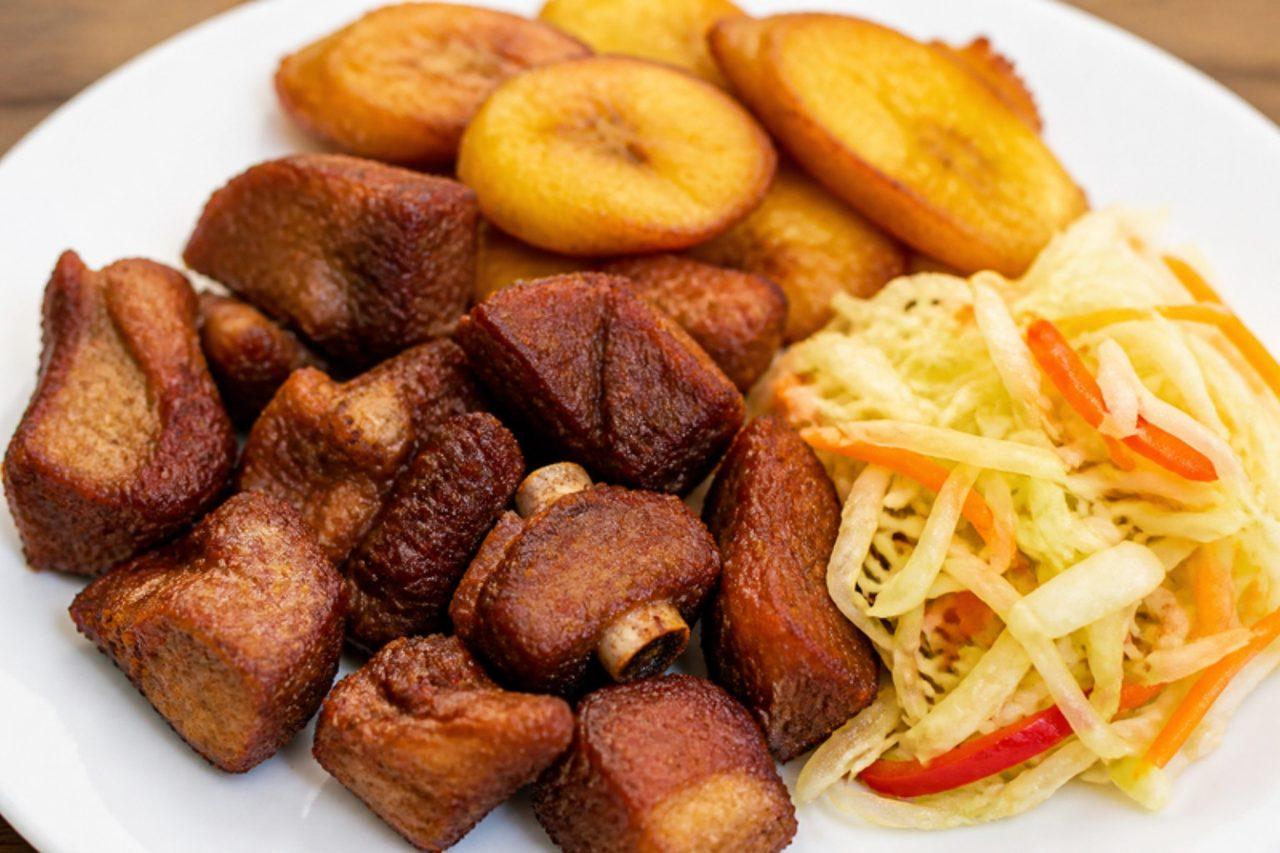
Tasso kabrit is festival and Sunday food all over Haiti: chunks of goat soaked in sour orange and epis, simmered until tender in the marinade, then fried hard until the edges turn crisp and dark. It is piled onto platters with fried plantain (bannann peze), pikliz and sòs ti malis, and is a must at first communions and New Year gatherings. The mistake many people make is frying the goat before it is fully tender; the long simmer comes first, or the meat stays tough however crisp it looks. Ask the butcher to cut bone-in goat shoulder or leg into pieces. Chef's tip: boil the simmering liquid down to a sticky glaze and toss the fried goat in it at the end.

120 minHaitianMeatGluten free
by KrazyBadal 0 views

Töltött savanyú paprikaCabbage-stuffed pickled peppers

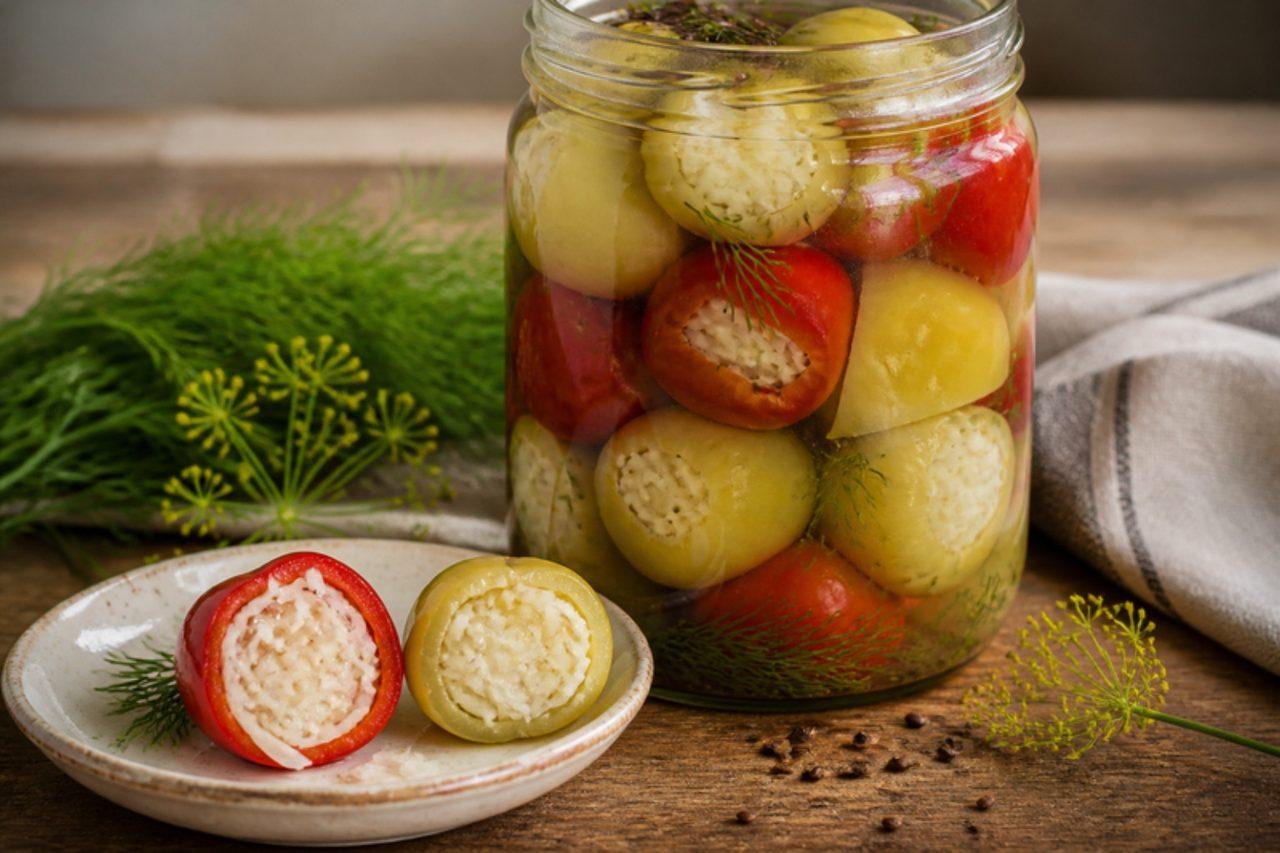
Lined up in a market jar, the little stuffed peppers look like lanterns: round or short, thick-walled pickling peppers, each packed with salted shredded cabbage and kept in a clear vinegar brine. Hungarian families put them up in September, and in winter one or two go on the plate beside roast pork, sausages or a bowl of bean soup for a sharp, crunchy contrast. The cabbage inside soaks up the brine and becomes a tart little slaw. Use vinegar of 5–6% acidity and don't weaken the brine below the amounts here. Where most people go wrong is stuffing the peppers loosely, so the cabbage floats out; pack it in firmly. Keep processed jars in a cool cupboard for up to 6 months; once opened, refrigerate and finish within 2 weeks. Chef's tip: a slice of fresh horseradish in each jar keeps the peppers crisp and adds a clean heat.

by KrazyBadal 0 views

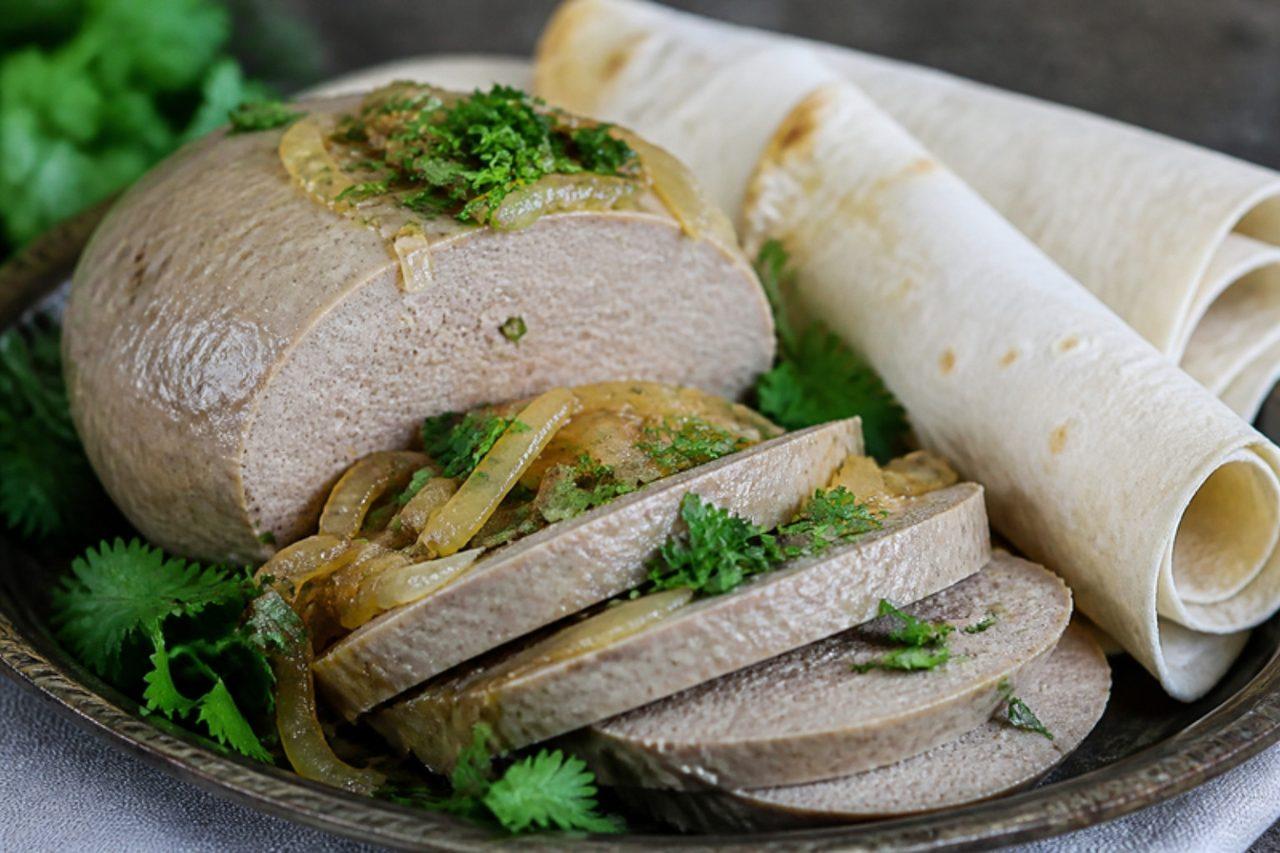
Yerevan kyuftaPoached pounded beef

Kyufta is a festive Armenian dish whose making is half the show: lean beef is pounded with a wooden mallet on a stone, traditionally by the men of the family, until it turns into a pale, smooth, springy paste, then mixed with fried onion, egg and a splash of milk (some families use brandy; this version does not), shaped into large balls and poached. In Yerevan homes it is sliced like a terrine and served warm or cold with butter and herbs. A food processor does the pounding at home. A common mistake is letting the meat warm up while processing, which makes the paste greasy and crumbly. Chef's tip: work with very cold beef and add crushed ice to the processor, as the cold keeps the texture silky. Poached meatballs are done at 71 °C in the centre.

120 minArmenianMeatGluten free
by KrazyBadal 0 views

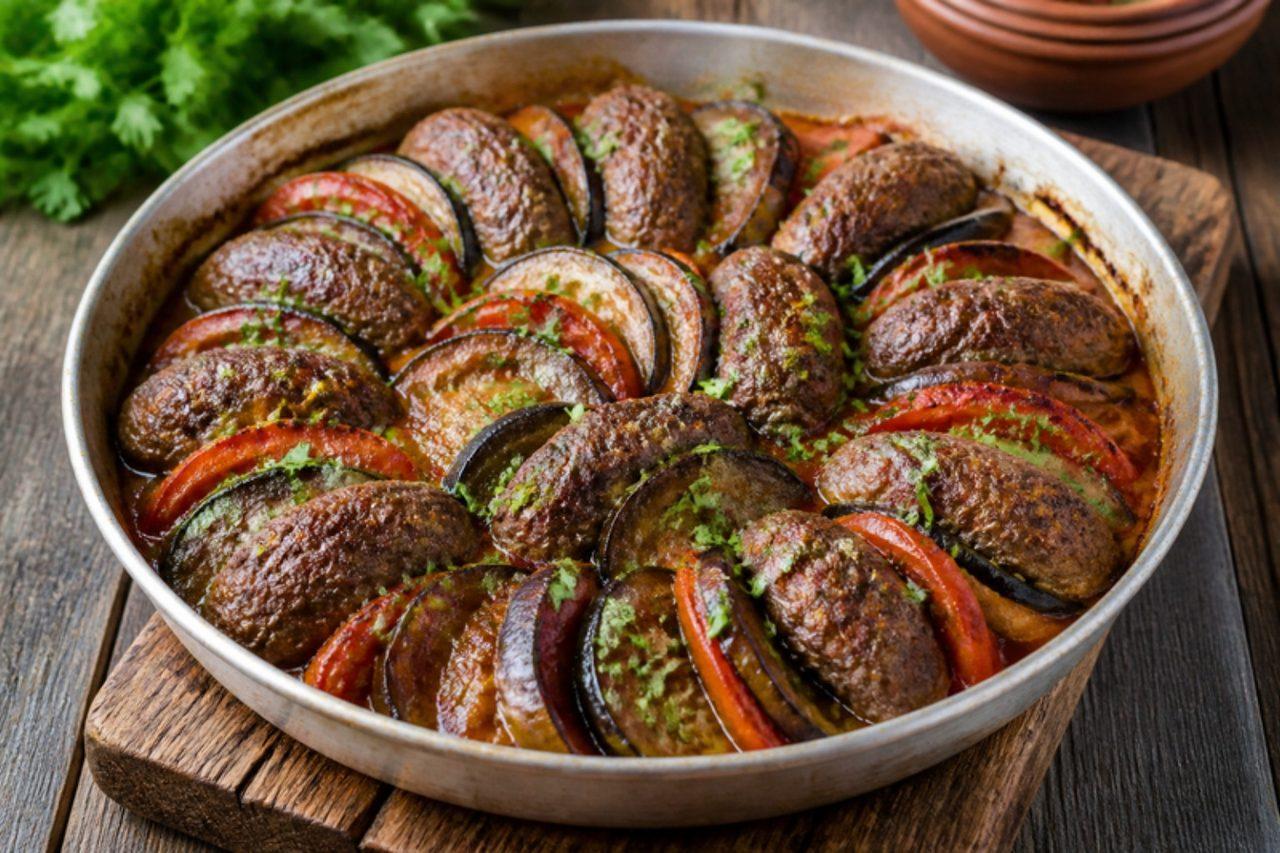
Tava kebabPan-baked lamb patties with aubergine

Tava kebab is a pan kebab from Ganja and the west of Azerbaijan, made when there's no grill: minced lamb and onion mixed with egg, shaped into small flat patties and fried, then arranged in a pan in rows with slices of fried aubergine and tomato, and finished together under a lid so the juices mingle. It is served in the pan with flatbread. A common mistake is skipping the egg; the patties fall apart when you layer them. Chef's tip: stand the patties and vegetables on their edges in tight rows, so everything sits in the juices and stays moist. Minced lamb must reach 71 °C.

by KrazyBadal 0 views

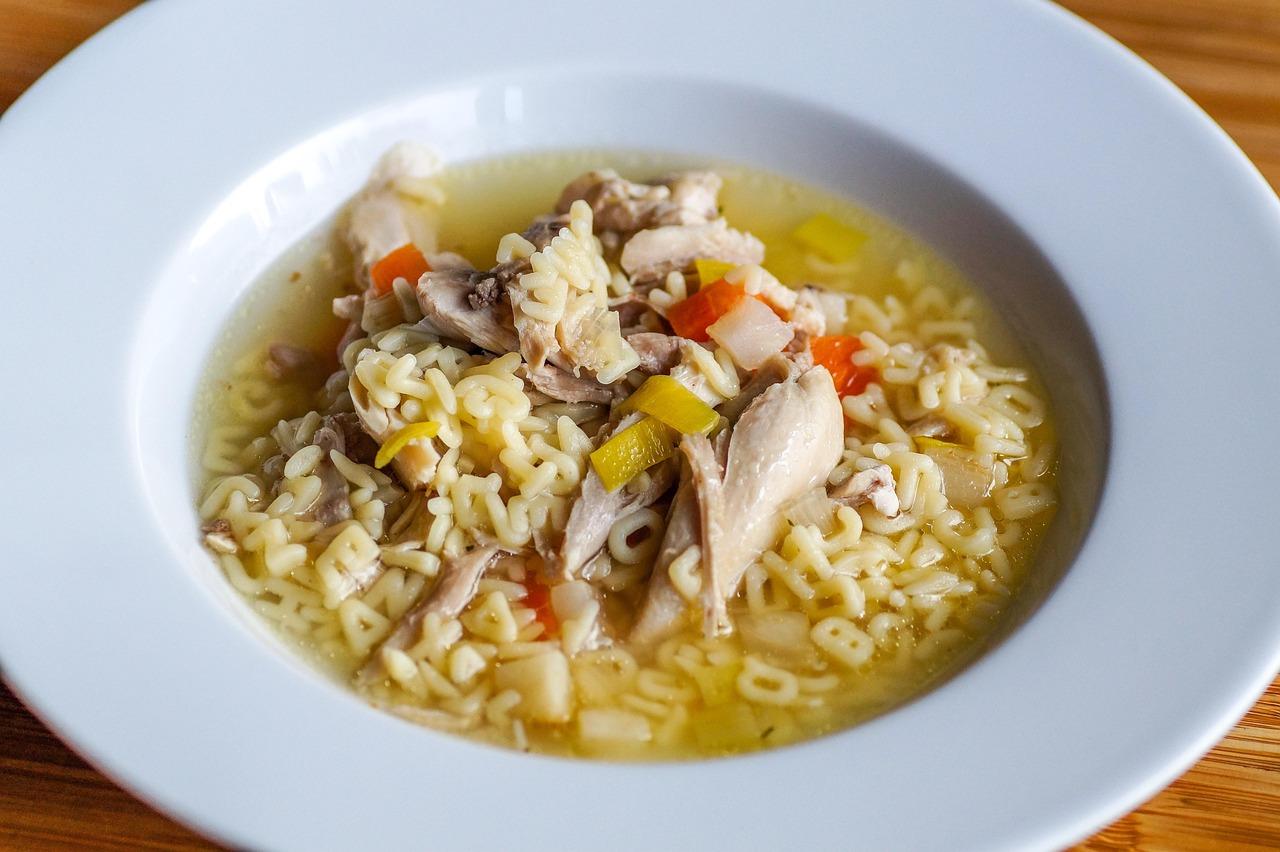
TokmachChicken broth with egg noodles

Tatar grandmothers in Kazan roll the noodle dough for this soup so thin you can read through it, then cut it into fine ribbons and dry them on a cloth. The broth is simple and golden: chicken legs, onion, a bay leaf, a little black pepper. It is the soup made for guests, for a sick child and for the morning after a wedding, and in Tatarstan it is often eaten with a slice of bread and a pot of black tea. Where most people go wrong is cooking the noodles in the clear broth straight from the board: they shed flour and cloud it, so shake off the excess first. Chef's tip: let the cut noodles dry for 20 minutes, they hold their shape in the hot broth and stay silky rather than gummy.

by KrazyBadal 0 views

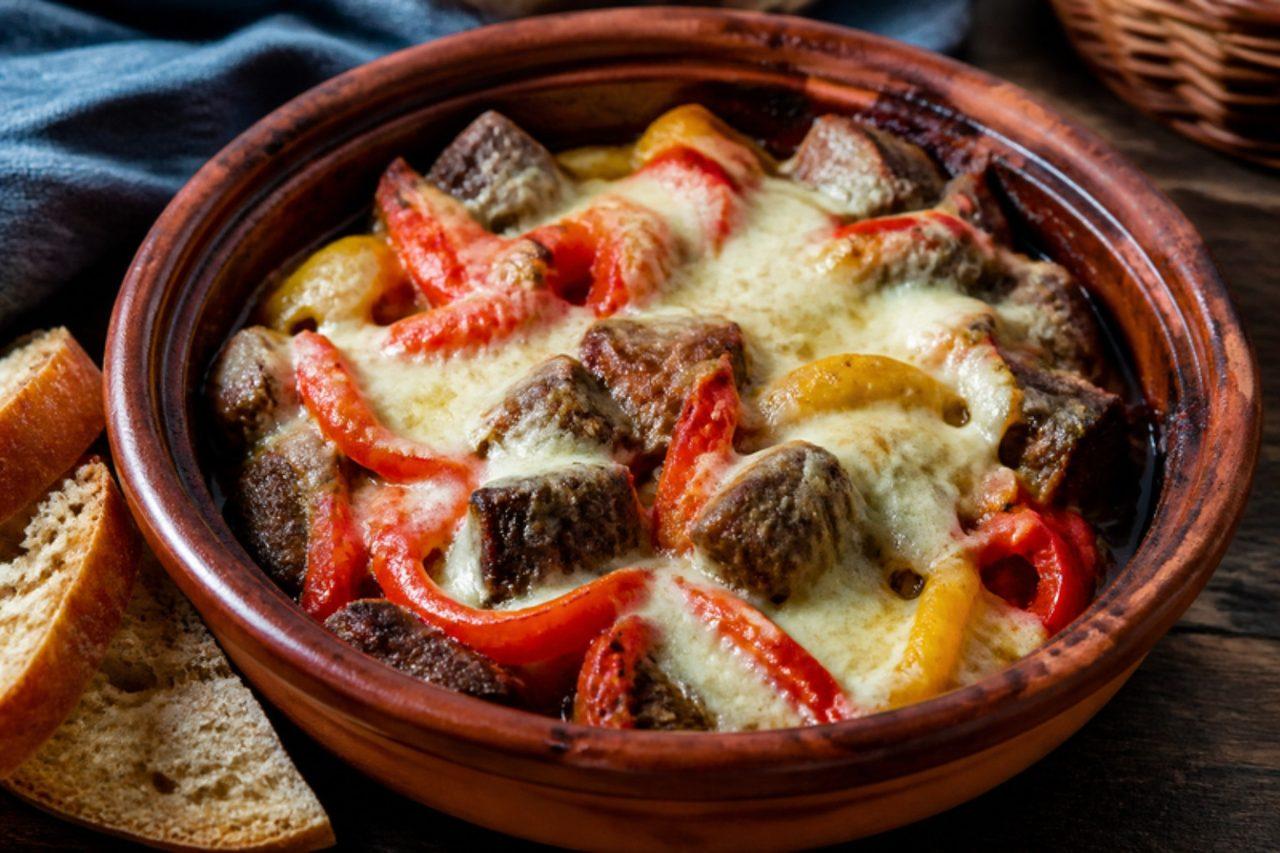
Tavë dheuLamb liver and pepper clay pot

The name means 'earthenware dish', and in Tirana's traditional restaurants tavë dheu arrives bubbling in its clay pot: tender pieces of liver cooked with peppers, tomato and garlic, then baked under a creamy blanket of gjizë, the Albanian salted curd cheese, until it browns. It is rich and tangy, a classic hot meze and lunch dish in Albania, eaten with plenty of bread. A common mistake is frying the liver too long before baking, which makes it tough and grainy. Chef's tip: soak the liver in milk in the fridge for 30 minutes before cooking; it softens any bitterness.

45 minBalkanMeatGluten free
by KrazyBadal 0 views

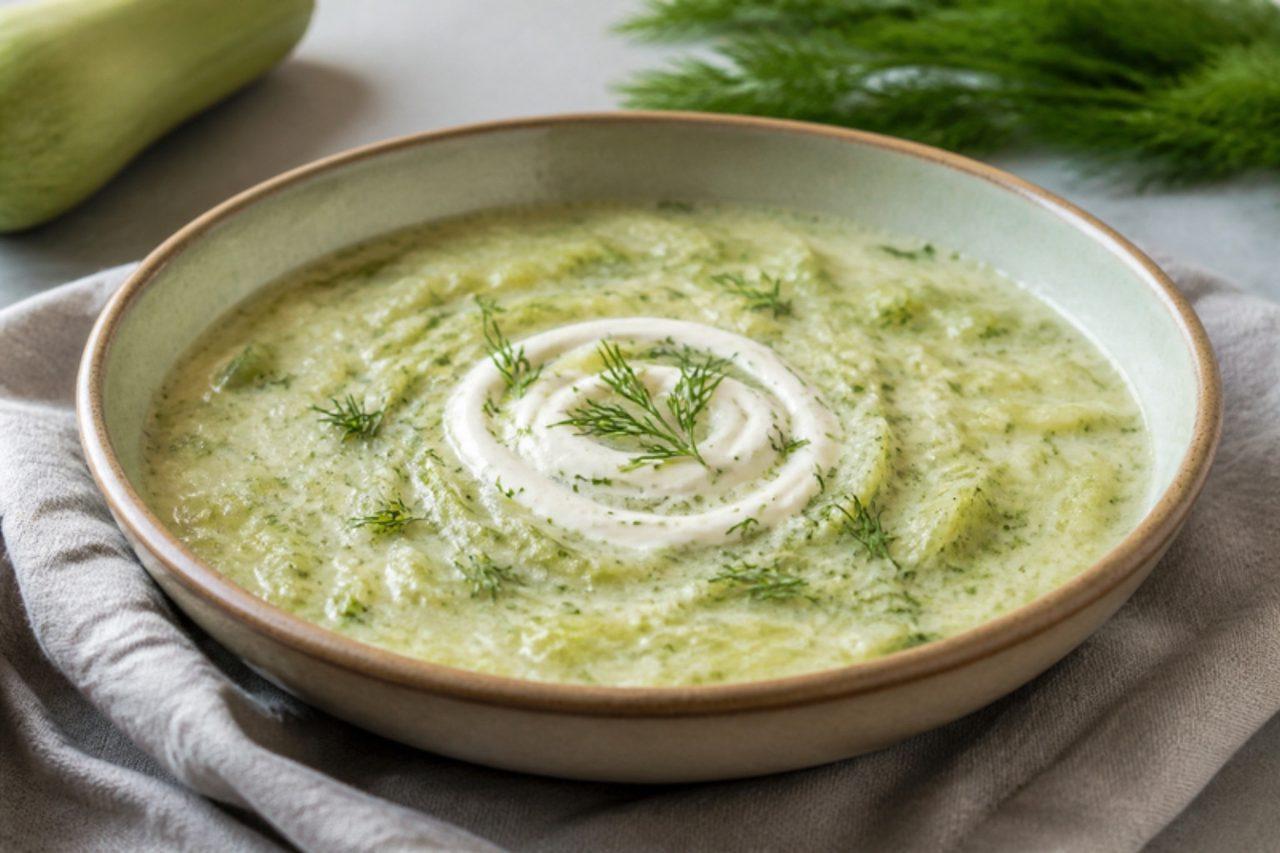
TökfőzelékMarrow stew with dill

Főzelék is a whole category of Hungarian cooking, a vegetable cooked down until thick enough to eat with a spoon, and tökfőzelék is the summer one. Shredded marrow is softened with onion, sharpened with vinegar, perfumed with lots of fresh dill and thickened with sour cream. Budapest school canteens and lunch counters have served it for generations, often topped with a fried egg or a few slices of pickled vegetables, with fresh white bread on the side. It tastes fresh, gently sour and creamy, with the marrow still keeping a little bite. Flour is the usual thickener, but here a spoonful of cornflour in the sour cream keeps it gluten free. The usual slip is skipping the salting: the marrow then floods the pan with water and the stew turns thin and bland. Chef's tip: squeeze the salted marrow hard in a clean towel; the drier it is, the deeper the flavour.

by KrazyBadal 0 views

SaloSalted pork fatback

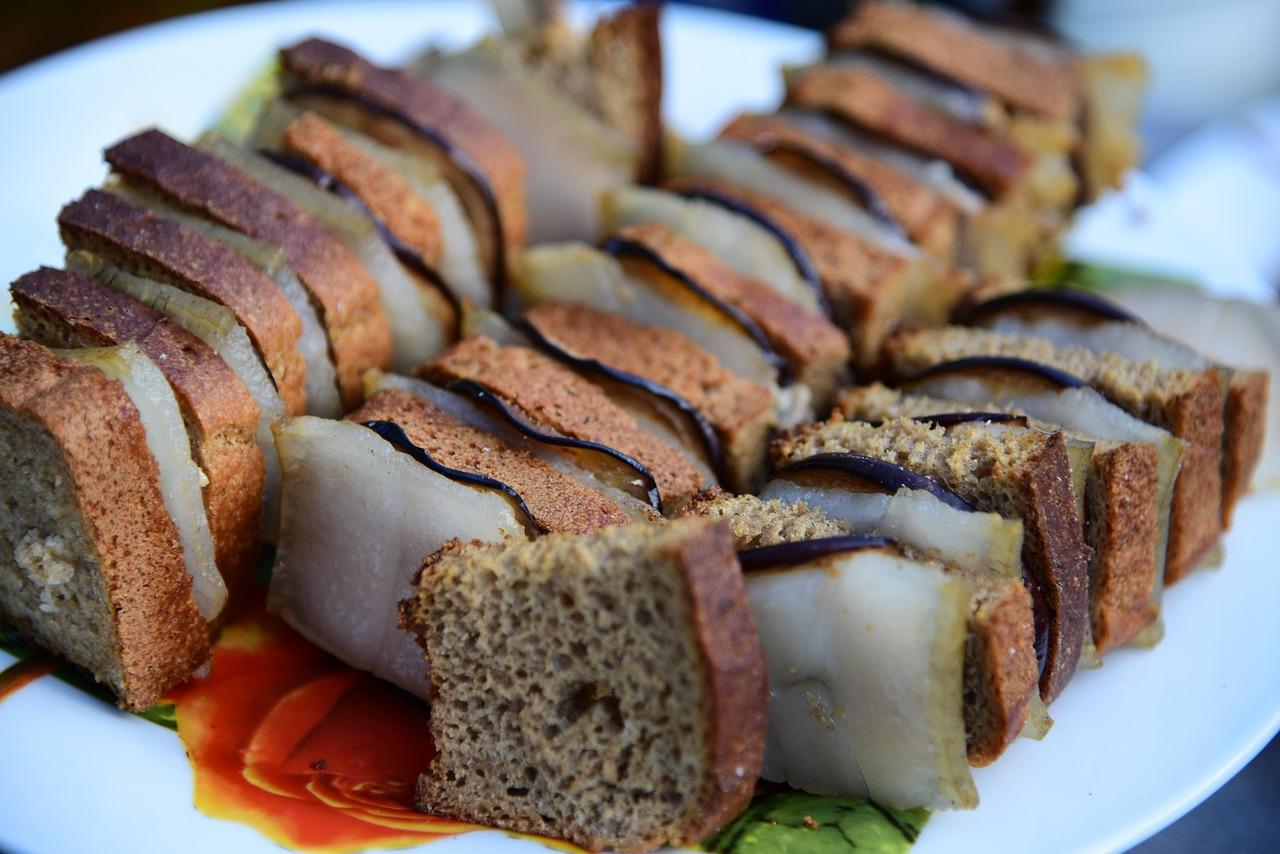
No food says Ukraine quite like salo, salted pork fatback, which appears on village tables, train picnics and wedding spreads with a heel of dark bread, raw garlic and a spring onion. Good salo is pure white or faintly pink, firm, mild and creamy as it melts on the tongue; rubbed with garlic, black pepper and a little paprika, it becomes a sharp, savoury snack. Salo is cured but never cooked, so use ready-salted salo from a butcher or market stall you trust, made from inspected pork and kept in the fridge. Like other uncooked cured pork, it is not for pregnant women, young children or anyone with a weakened immune system; for them, fry thin slices into crisp shkvarky instead. Slicing it at room temperature is where most people go wrong: the fat smears and tears. Chef's tip: wrap the seasoned piece and freeze it for 40 minutes, then cut paper-thin slices with your sharpest knife.

by KrazyBadal 0 views

TbitOvernight chicken and rice

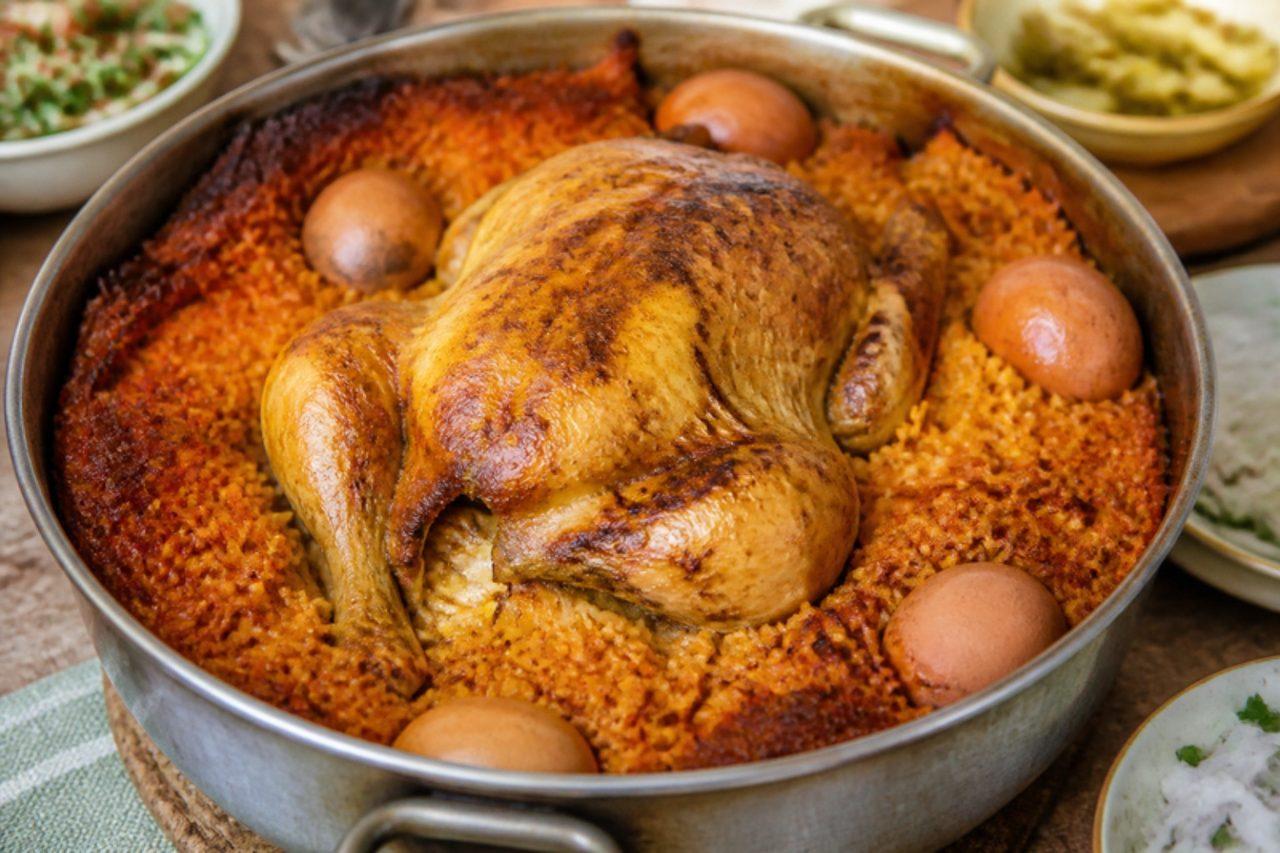
Tbit was the Saturday lunch of the Baghdadi Jewish community, set on a low flame before sunset on Friday so it could cook through the Sabbath without anyone touching it, and Iraqi families in Ramat Gan, Givatayim and Or Yehuda still lift the lid on it after synagogue. A whole chicken is stuffed with rice spiced with cardamom, cinnamon and baharat, then sunk in more rice and tomato and baked slowly for many hours, until the meat falls from the bone and the rice at the bottom turns into a crisp, caramelised crust everyone fights over. Eggs in their shells are often buried in the pot to brown overnight. The usual mistake is too little water: overnight rice soaks up a lot, so check the level before it goes in. Chef's tip: brown the chicken in the pot first; the fond flavours all the rice.

by KrazyBadal 0 views

TokányBeef strips in wine and onion

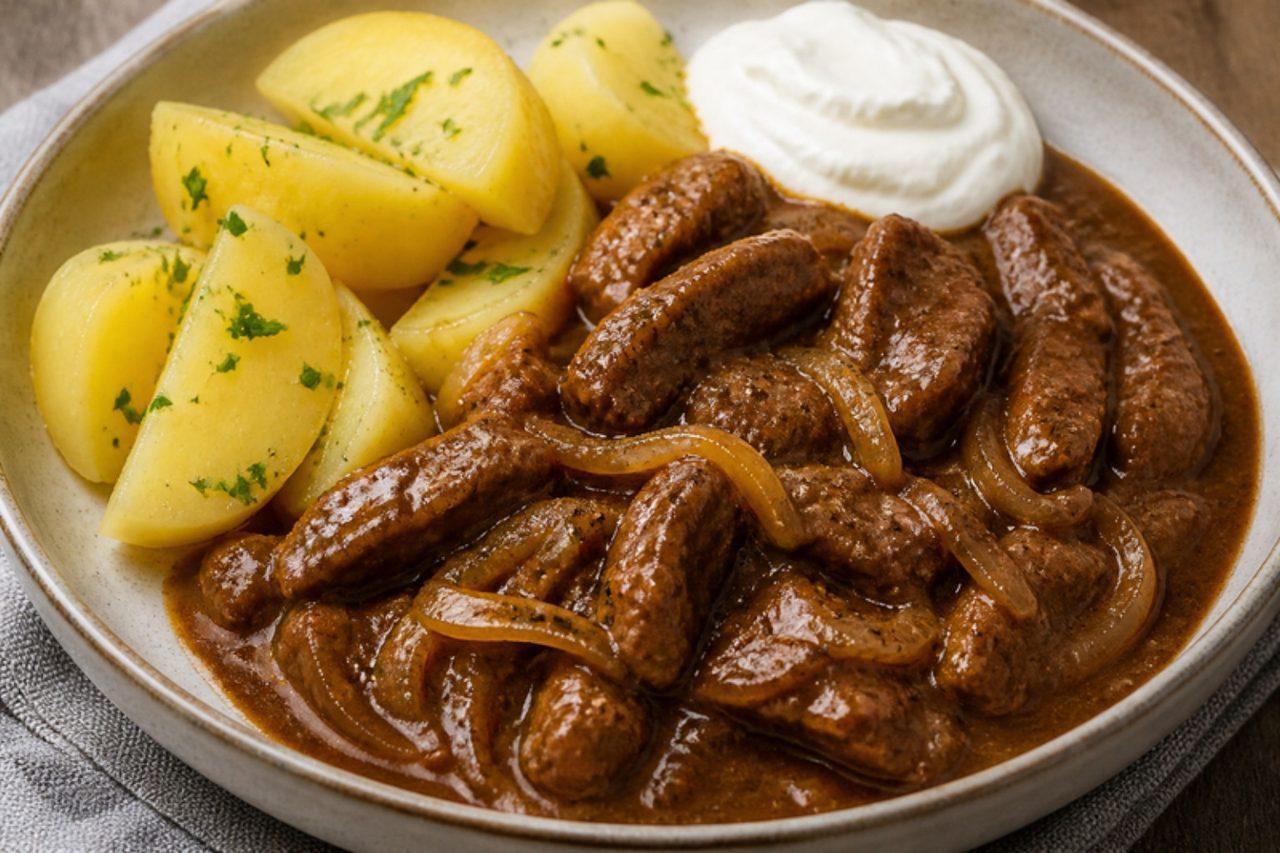
Among the Hungarian communities of Transylvania, especially the Székely towns of Harghita and Covasna, tokány is the stew that is not a gulyás: the meat is cut into finger-long strips rather than cubes, and it is seasoned with black pepper and marjoram and a splash of wine instead of a red cloud of paprika. The result is a pale, savoury, peppery sauce that clings to tender ribbons of beef. Dry white wine is traditional; for an alcohol-free pot use the same amount of beef stock with 1 tablespoon of white wine vinegar. Serve it with boiled rice, mashed potato or a heap of pickled cucumbers. The usual slip is cutting the strips with the grain, so they cook up stringy; slice across it. Chef's tip: let the onions melt slowly for a full 15 minutes before the meat goes in; they dissolve into the sauce and thicken it without any flour.

by KrazyBadal 0 views

TeiglachHoney-boiled dough knots

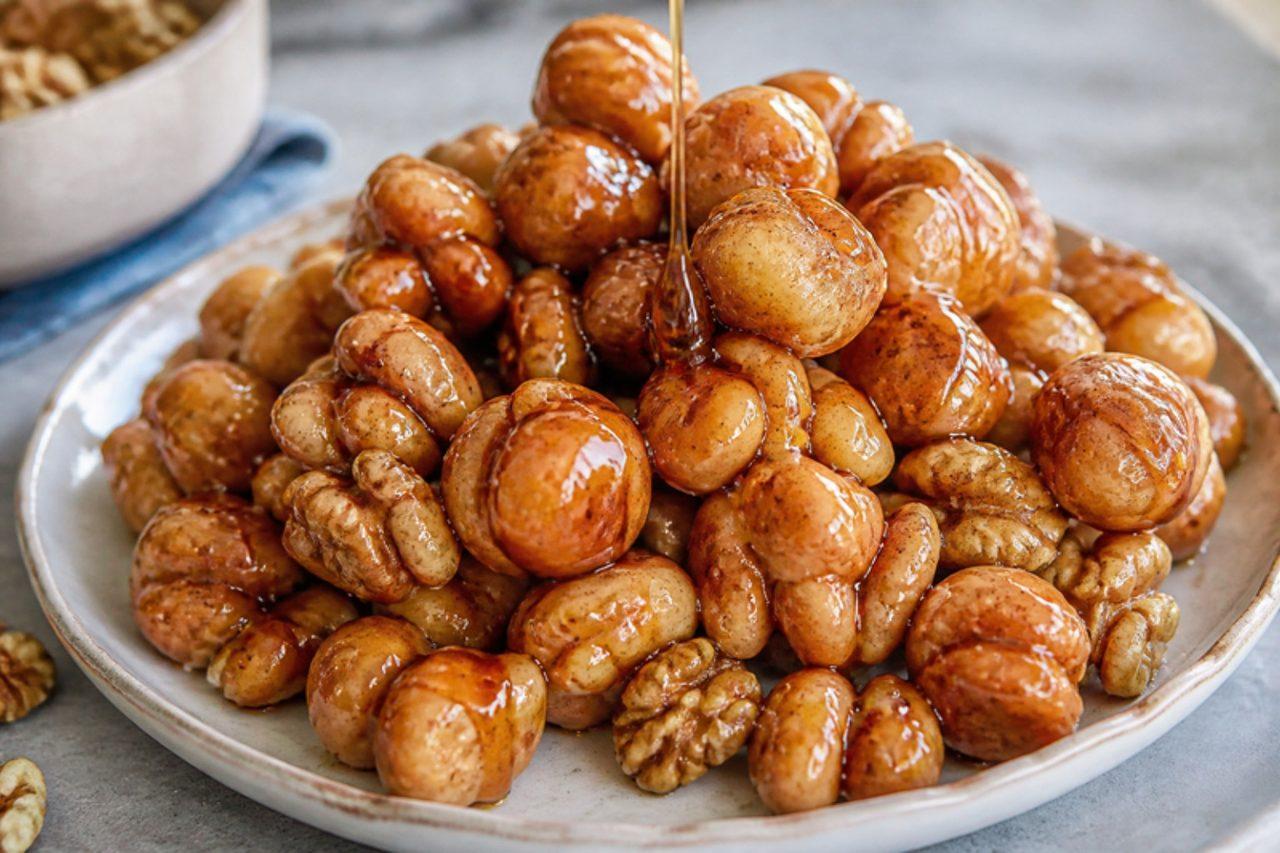
Teiglach were a Lithuanian-Jewish festive sweet that travelled to Israel, and a few bakeries in Jerusalem and Bnei Brak still pile them into glistening pyramids before Rosh Hashanah. Small knots of egg dough are dropped into boiling honey with ginger and cooked until they swell, harden and turn deep golden, then tossed with walnuts and sometimes candied cherries. The result is crunchy-chewy and very sweet, eaten in small pieces with tea. The usual mistake is lifting the lid during the first 10 minutes, which lets the honey cool so the knots stay doughy. Chef's tip: shake the covered pot instead of stirring, so the knots move without collapsing.

by KrazyBadal 0 views

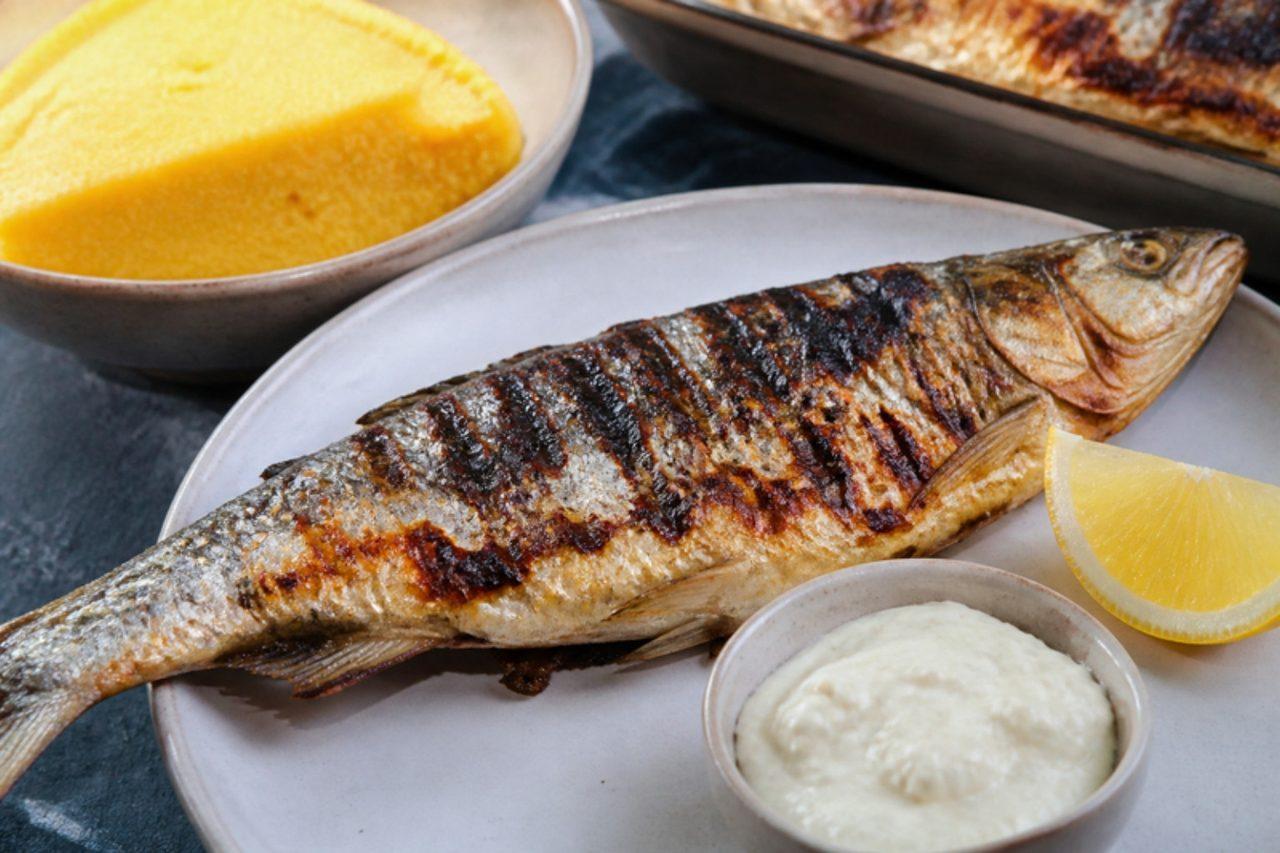
Scrumbie la grătarGrilled shad with garlic sauce

Every spring, when the shad swim up the Danube to spawn, the fish markets of Tulcea and Brăila fill with scrumbie, and the smell of it grilling drifts across the riverside terraces through April and May. The fish is oily and full of flavour, so it needs nothing more than salt, a hot grill and a bowl of mujdei, the raw garlic sauce, with soft mămăligă to calm the heat of the garlic. Shad has many fine bones; diners eat it slowly, lifting the flesh off in strips. If you cannot find shad, herring or mackerel are the closest substitutes. The usual slip is turning the fish too early, so the skin tears; wait until it lifts on its own. Chef's tip: slash the sides of the fish every 1.5 cm right down to the bone; the heat gets in and the tiny bones soften.

by KrazyBadal 0 views

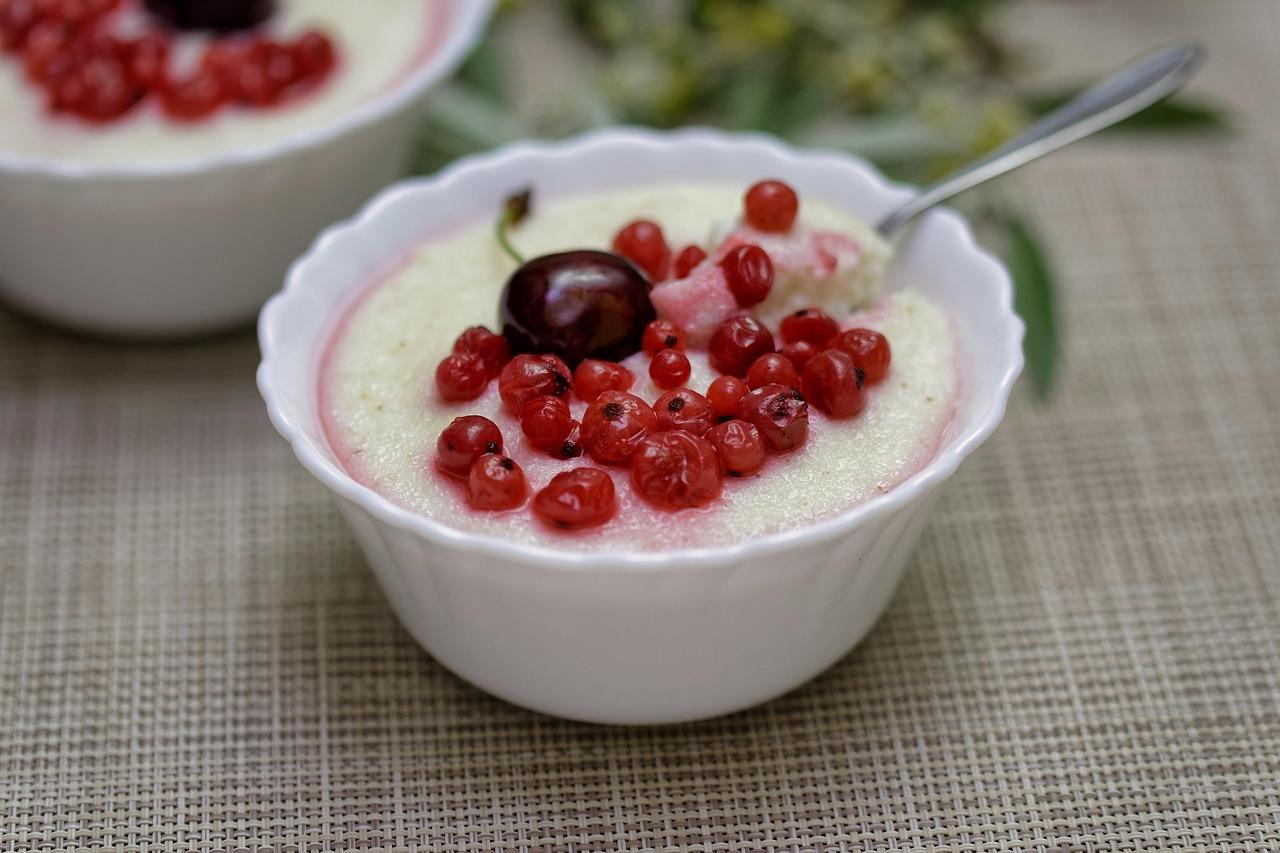
TejbegrízMilk semolina pudding

Ask Hungarians what they ate in the nursery or at the school canteen and tejbegríz comes up again and again: semolina cooked slowly in sweet milk until it is thick, smooth and comforting, then dusted with cocoa sugar or cinnamon sugar while it is still steaming. It is a supper for small children, a quick breakfast on a cold morning and the thing grown-ups make when they feel unwell. Some families add a spoon of jam or a knob of butter on top. Where most people go wrong is tipping the semolina in all at once, which makes lumps; rain it in slowly while you whisk. Chef's tip: take it off the heat when it is still slightly looser than you want, because it keeps thickening as it cools in the bowl.

by KrazyBadal 0 views

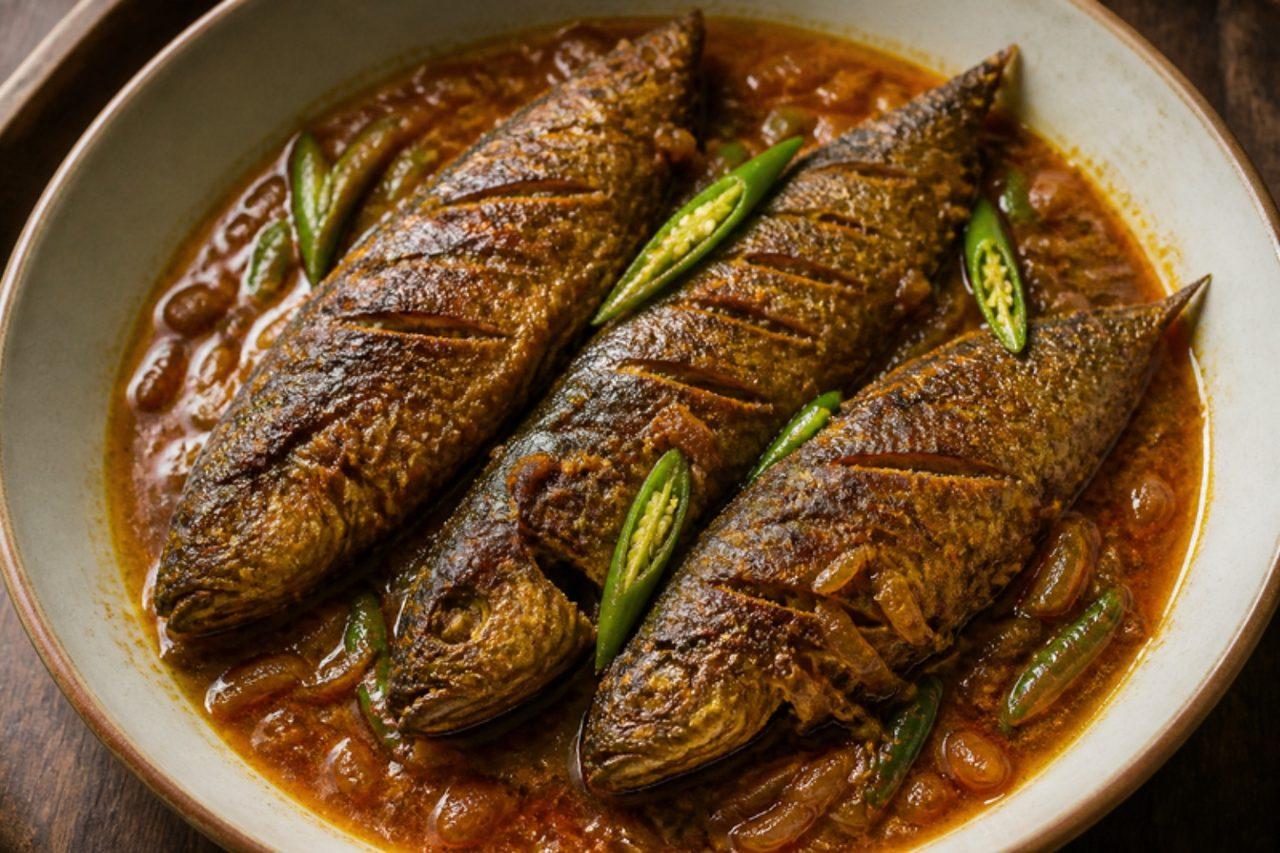
Tel koiFried climbing perch in gravy

Koi, the climbing perch, is a small, tough-scaled fish of ponds and rice fields with a sweet flesh that Bengalis prize above much bigger fish, and tel koi, koi in oil, is how Khulna households celebrate a good catch, especially when a son-in-law visits. The fish are fried whole until crisp and then slipped into a glossy gravy of onion, cumin, turmeric and whole green chillies that is meant to have a visible layer of mustard oil on top. They are eaten with plain rice, picking the soft flesh away from the many fine bones. You will find koi fresh or frozen in Bangladeshi grocers. The usual pitfall is a timid frying, which leaves the skin soft and the bones chewy; fry until the fins crisp. Chef's tip: score each fish twice on both sides so the spices get in and the thick back cooks as quickly as the belly.

by KrazyBadal 0 views

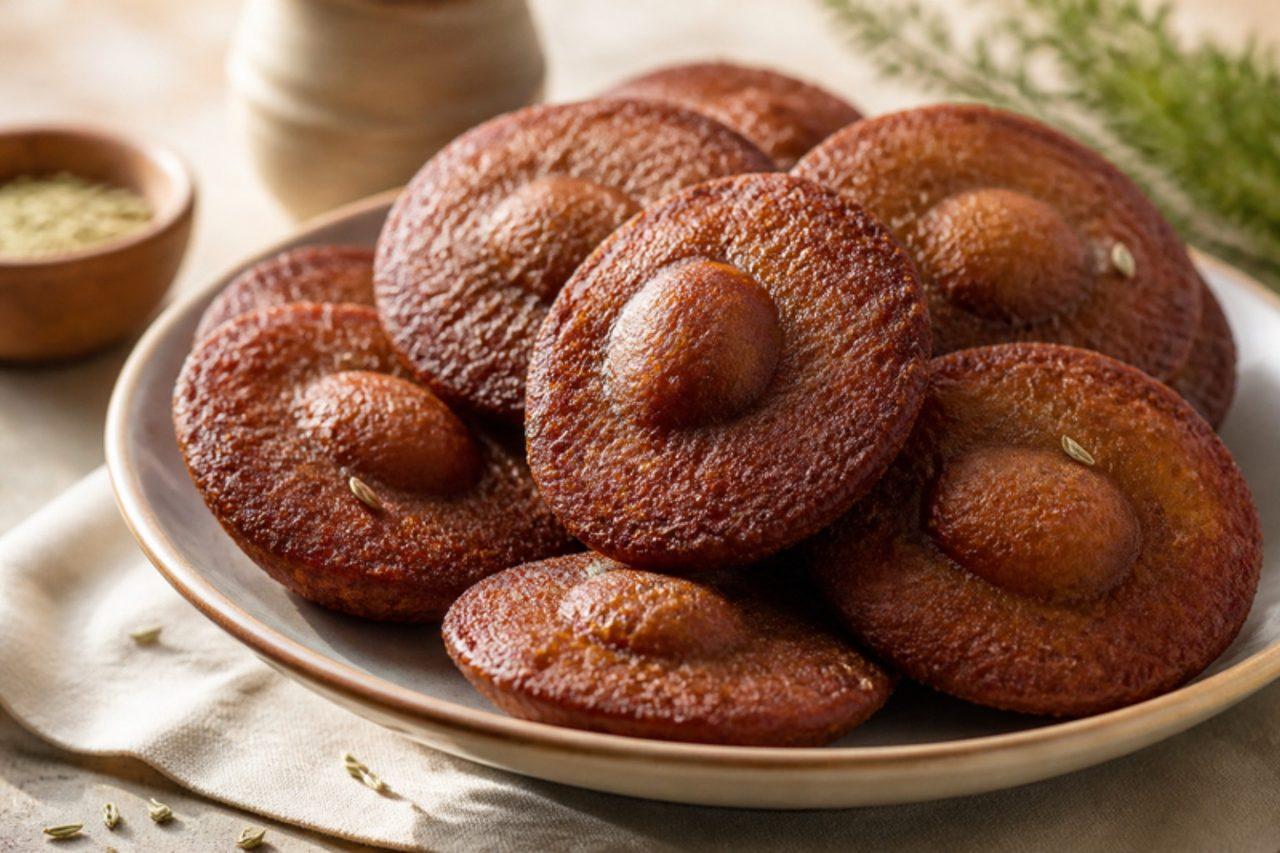
Teler pithaFried rice and jaggery cakes

Teler pitha, literally oil cake, is the easiest of the winter pithas and the one children wait for at the start of the date-palm season, when the first pots of fresh khejur rosh are boiled down into gur in the villages of Jessore and Faridpur. A batter of rice flour and melted jaggery is poured into hot oil a ladle at a time, and each cake puffs into a round with a little raised hump in the middle, crisp and brown outside, soft and chewy inside, tasting of caramel and fennel. They are eaten warm in the afternoon or packed for a journey. Oil that is too hot gives dark cakes with raw centres, which is where most people go wrong; keep it at a steady medium heat. Chef's tip: rest the batter for at least an hour, ideally two, so the rice flour swells and the cakes rise properly.

by KrazyBadal 0 views

MonyoFresh tomato and onion relish

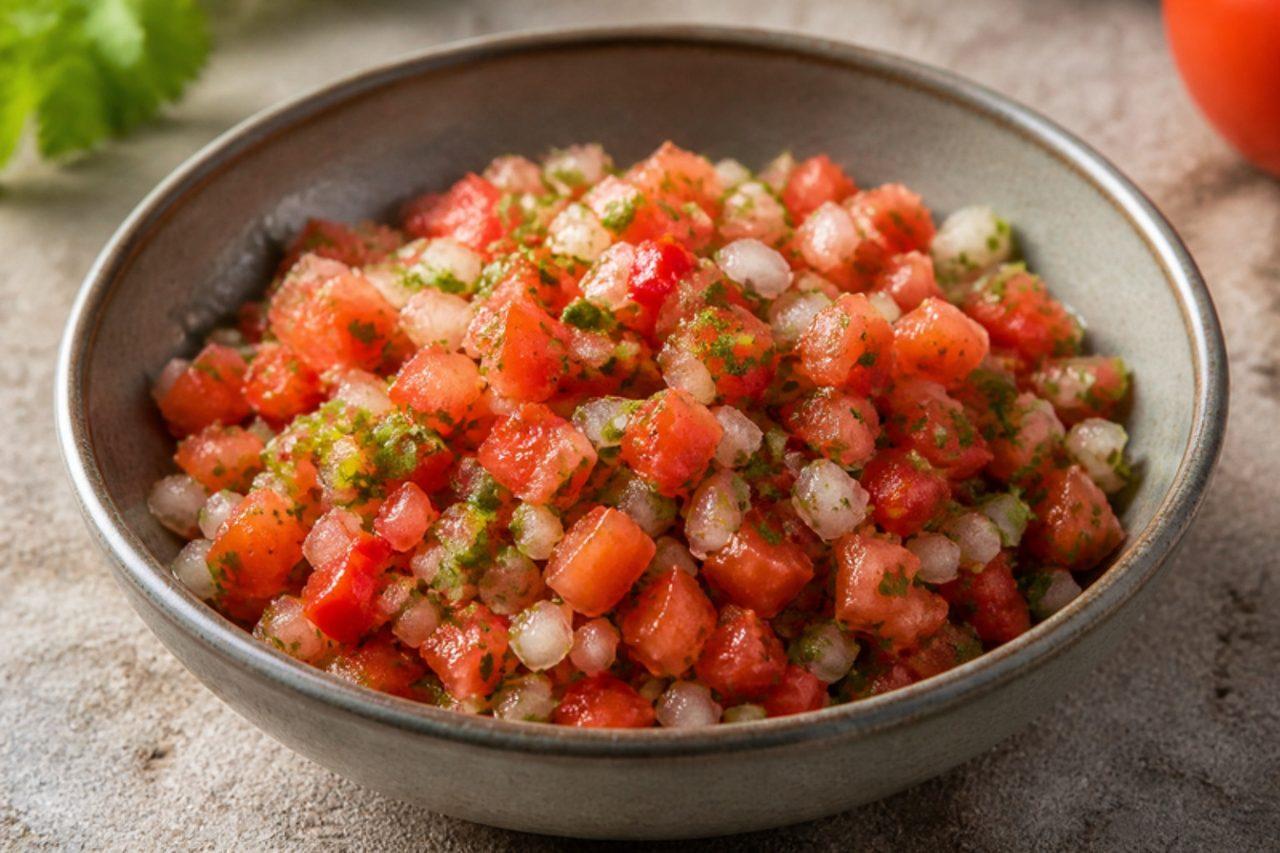
Grilled fish stalls along the beach road in Lomé and the lagoon in Cotonou always set down a bowl of monyo, a raw relish of finely diced tomato, onion and hot pepper sharpened with vinegar. It is bright, crunchy and fiery, cutting through anything fried or grilled: fish, chicken, yam chips, ablo or akassa. No cooking is involved, so it takes ten minutes and is best eaten soon after mixing, while the vegetables are still crisp. Chef's tip: dice everything very small and evenly, about the size of a lentil, so every spoonful carries tomato, onion and chilli together.

by KrazyBadal 0 views

TochiturăPork and sausage stew

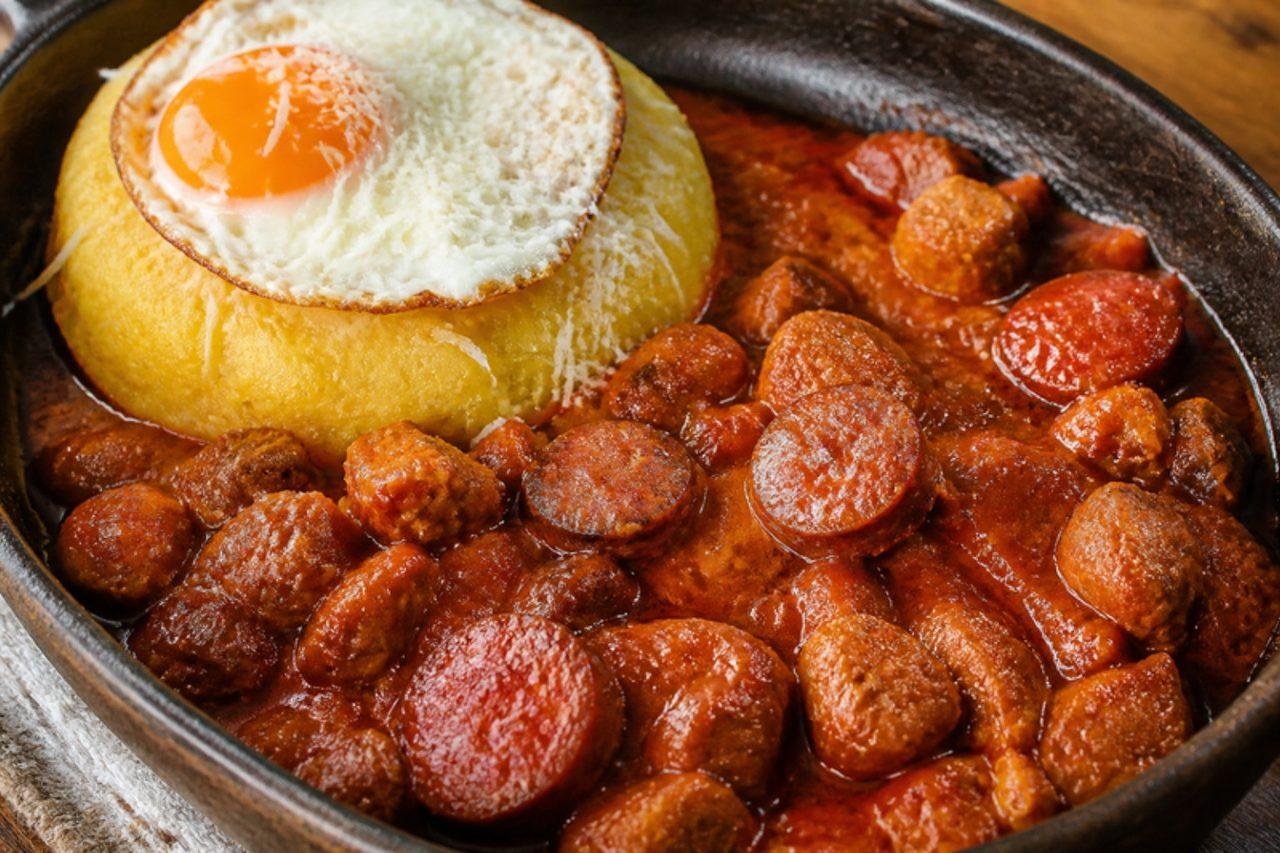
Ask for tochitură in a roadside han near Iași or Piatra Neamț and it arrives as a full plate: cubes of pork shoulder and pork sausage stewed in a garlicky, red-tinged sauce, a hill of mămăligă, a fried egg perched on top and crumbled salty sheep's cheese over everything. It is a dish for cold days and big appetites, rich, peppery and smoky. Traditionally a glass of dry white wine goes into the pan; for an alcohol-free version use the same amount of stock with 1 tablespoon of cider vinegar. The cheese is usually telemea or brânză de burduf. A frequent slip is cooking the pork hard and fast, which leaves it chewy; a gentle simmer turns it tender. Chef's tip: stir a spoon of crushed garlic into the sauce in the last minute only, so it stays fresh and fierce against the rich meat.

by KrazyBadal 0 views

Tobago toolumCoconut molasses ginger balls

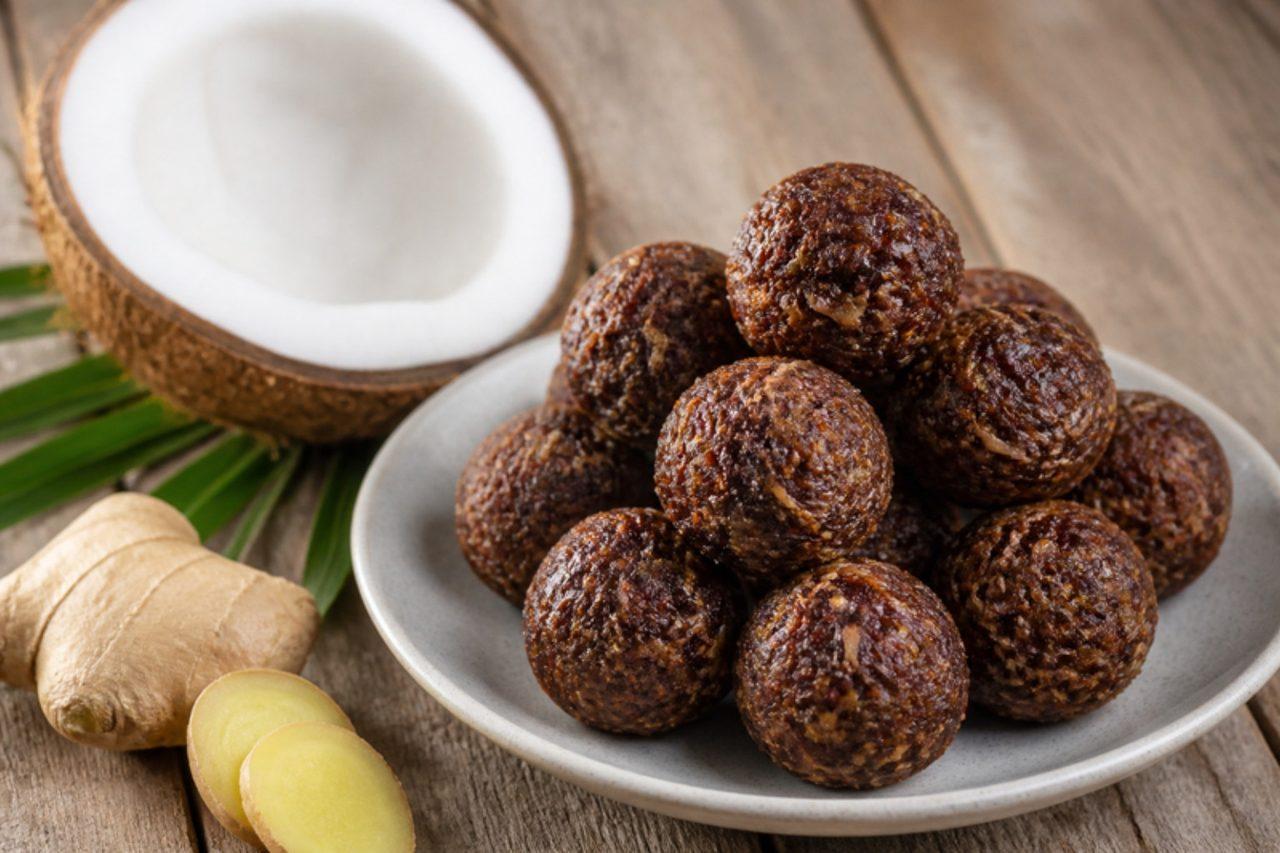
Toolum is one of Tobago's oldest sweets, made in villages like Moriah and Charlotteville from fresh grated coconut cooked down in molasses with grated ginger until dark and chewy, then rolled into rough balls. It is less crunchy than benne balls, with a deep, almost liquorice-like molasses taste and a ginger kick. The common mistake is stopping too early, when the mixture is still wet; it should pull away from the pan in one sticky mass. Freshly grated coconut gives the best chew. Chef's tip: stir with a wooden spoon and scrape the bottom constantly in the last 10 minutes, as molasses scorches quickly once the water has gone.

by KrazyBadal 0 views

CramiqueRaisin brioche

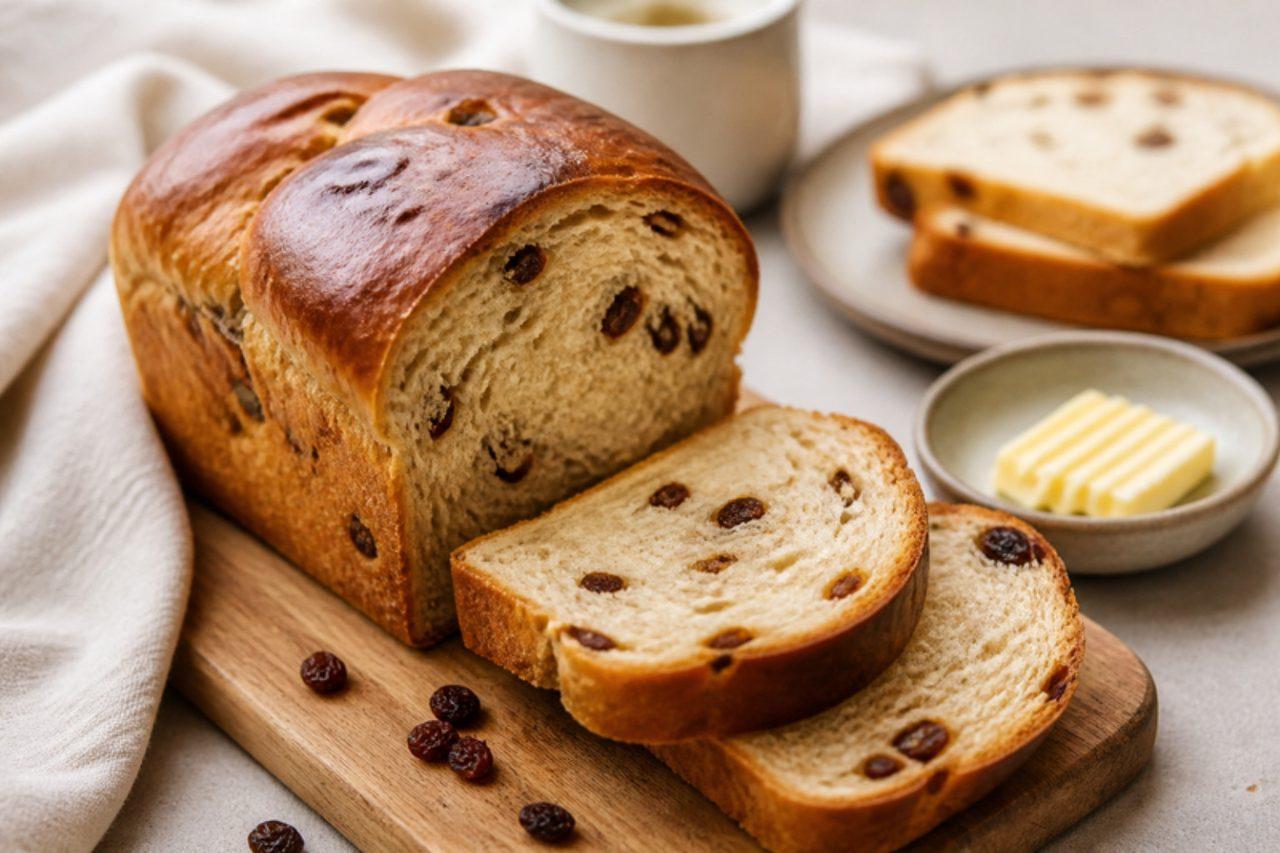
Cramique is the Sunday breakfast loaf of Brussels and Wallonia: a soft, golden brioche packed with raisins, bought from the bakery on Sunday morning and sliced thickly with salted butter. Its sister, craquelin, swaps the raisins for pearl sugar. A common mistake is adding the raisins at the start of kneading, which tears the gluten and turns the dough grey. Chef's tip: soak the raisins in warm tea for 20 minutes, then knead them in only at the end, gently.

by KrazyBadal 0 views

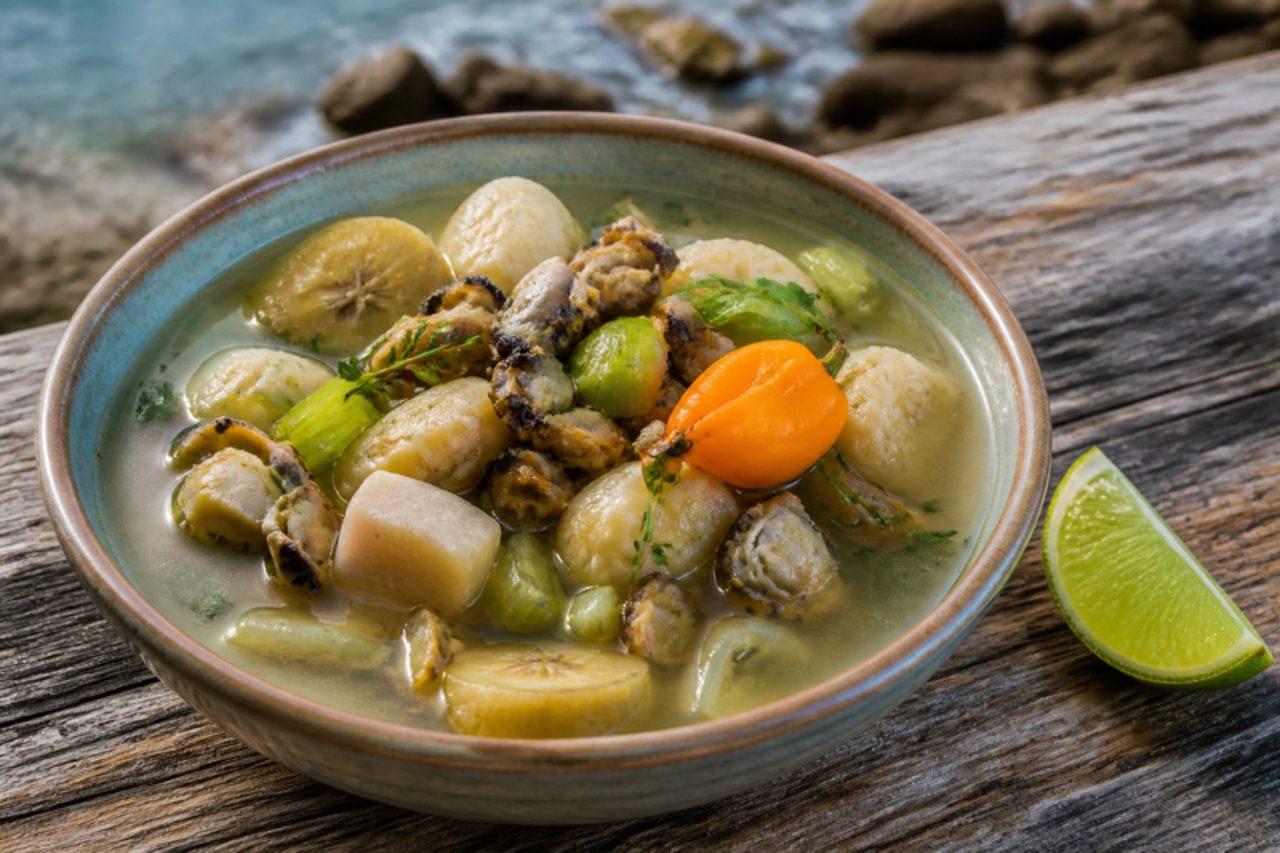
Tobago pacro waterChiton broth

Along Tobago's rocky windward coast, pacro (chitons) are prised off the rocks at low tide and made into pacro water, a light, herby broth with green fig, dasheen and dumplings that islanders swear by as a strengthening soup. The flavour is clean and briny, somewhere between clams and whelks. Pacro is seasonal and its harvest is restricted in places, so only use pacro gathered legally; clams or whelks make a good substitute. The common mistake is skipping the long scrub and soak: pacro carries a lot of grit. Chef's tip: once cooked, pull out the pacro, chop the meat small and return it, so every spoonful gets some.

by KrazyBadal 0 views

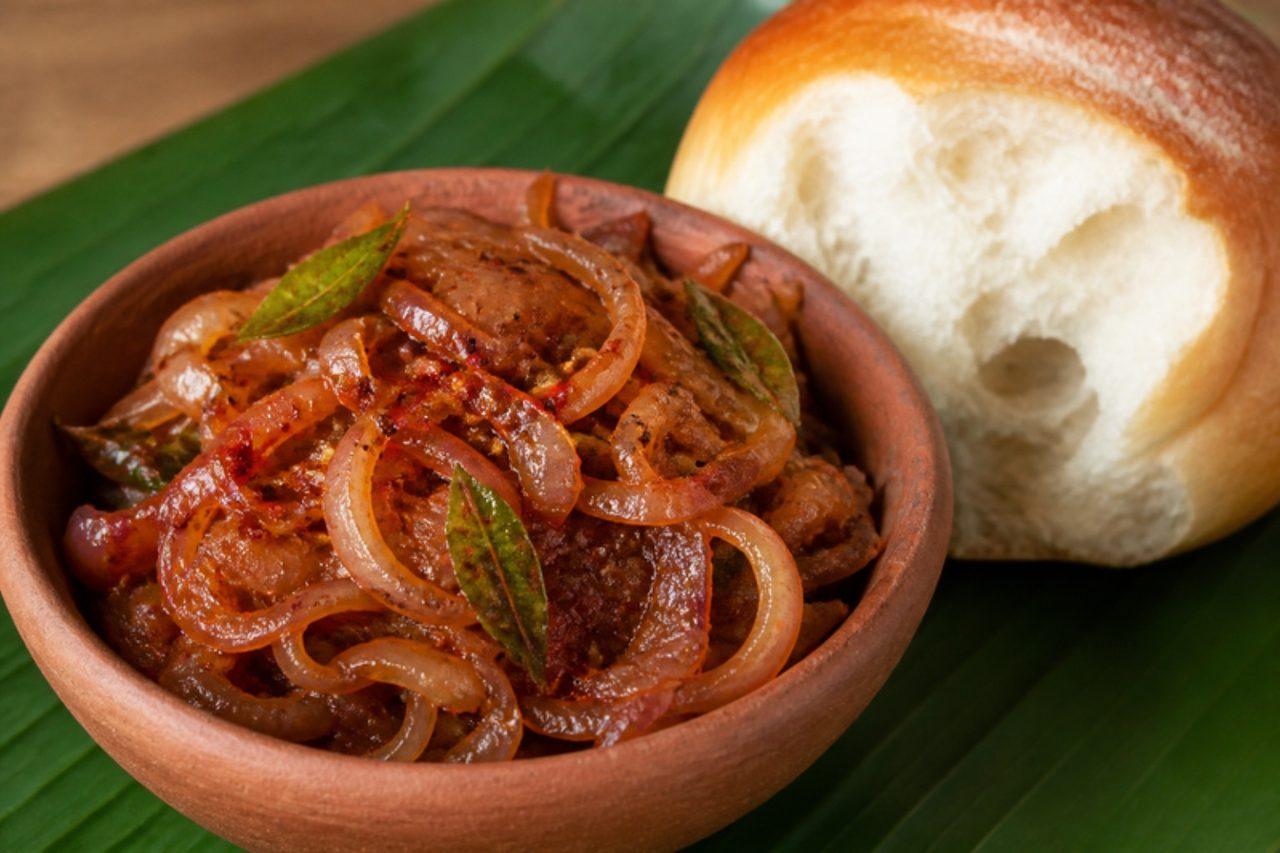
Seeni sambolCaramelised onion relish

Seeni means sugar in Sinhala, yet this dark, sticky relish is as much about chilli and sour tamarind as it is about sweetness. A whole kilo of red onions cooks down to a couple of jars' worth, and in Colombo it turns up everywhere: stuffed into soft bakery buns, spooned into plain hoppers, layered on kiri bath at New Year and folded into the lamprais parcel. Most households pound a handful of Maldive fish flakes into it for a smoky, savoury depth; this version leaves the fish out so it is fully vegan, and the long, patient browning gives it plenty of body anyway. Heat is the thing people get wrong: onions pushed on a high flame scorch at the edges before they ever turn sweet, so keep the pan at medium-low and give it time. Chef's tip: slice the onions as evenly as you can, about 3 mm thick, so they collapse at the same rate and the sambol ends up glossy rather than half-crisp, half-raw.

by KrazyBadal 0 views

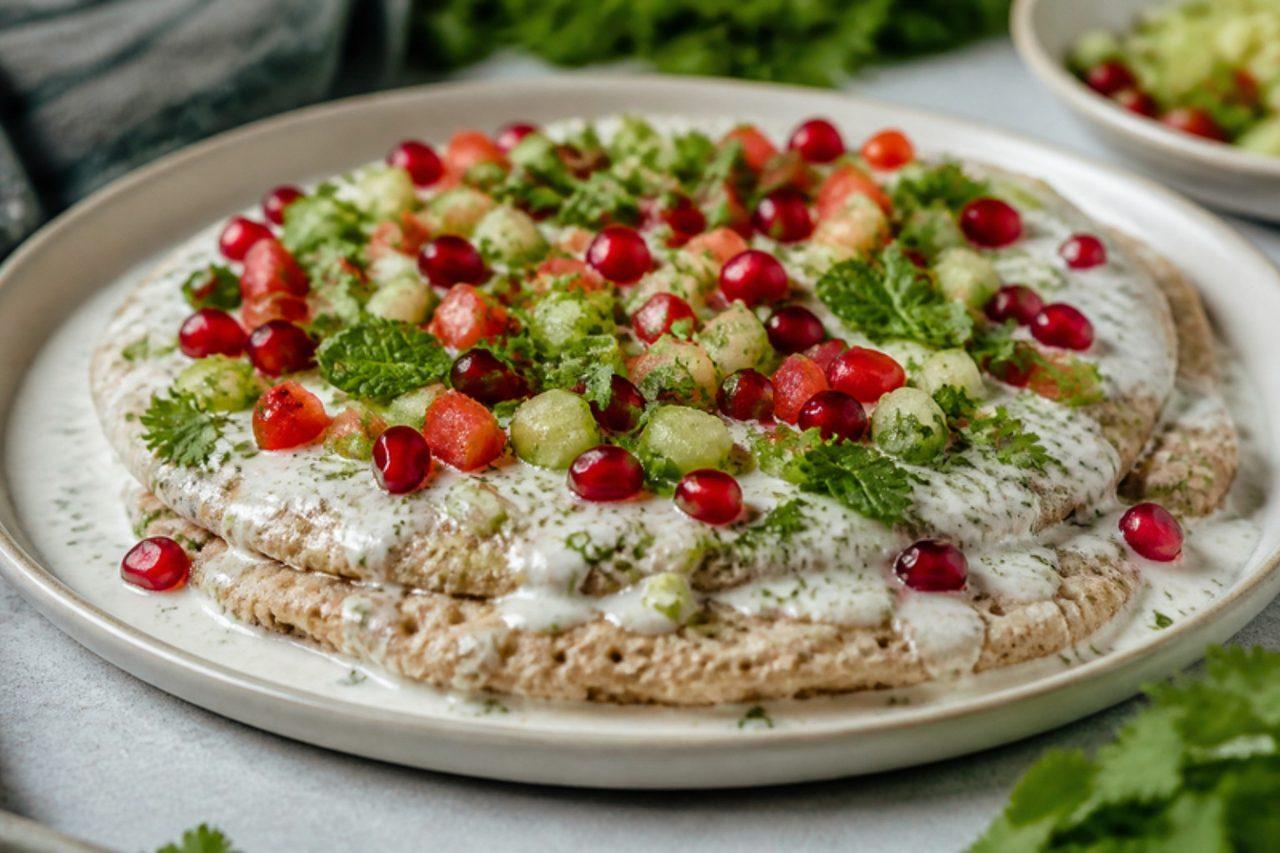
ShafootFlatbread in herby yogurt

Shafoot is the cooling dish set out first on the iftar cloth in Sana'a during Ramadan, before the soups and the hot breads: torn lahoh, Yemen's thin, holey fermented pancake, soaked in garlicky, minty laban until it is soft and sour-fresh. It tastes a little like a cross between a yogurt dip and a bread salad, sharp with green chilli and fragrant with herbs. Make it just before eating and serve it in a wide dish with fresh herbs and chopped vegetables on top. The common mistake is leaving it to soak for too long, until the bread falls into a paste; ten minutes is enough. Chef's tip: if you can't find lahoh, very thin crumpets or spongy flatbreads such as injera take the laban the same way.

by KrazyBadal 0 views

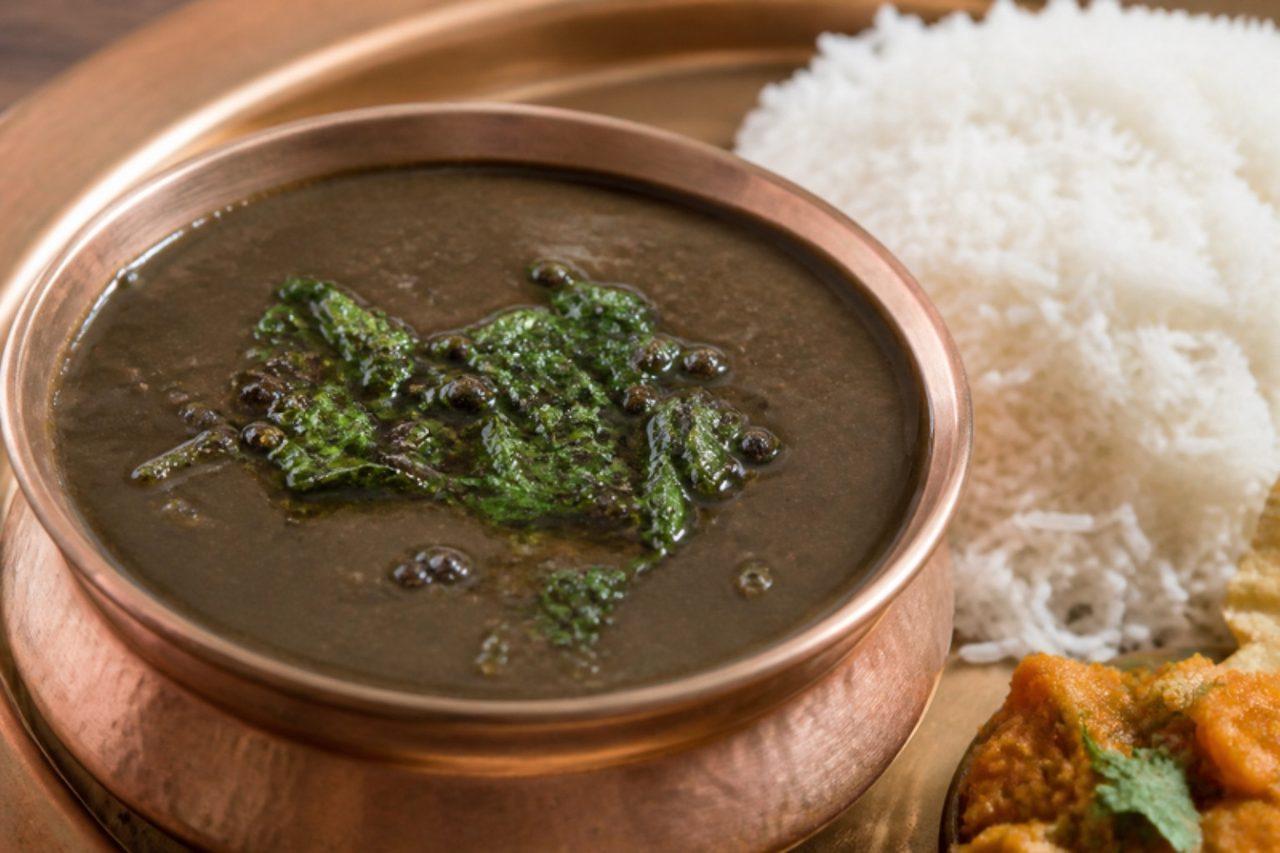
Thakali kalo dalBlack lentil dal

Trekkers on the Annapurna circuit meet Thakali food in the guesthouses of Marpha, Tukuche and Jomsom, and the dal on the brass Thakali plate is the dish they remember: whole black lentils simmered until creamy in a heavy iron pot, then finished with ghee crackling with jimbu, a dried Himalayan herb that tastes like a cross between chives and garlic. A pinch of timur adds a tingling citrus note. It is thick, smoky and deeply savoury, eaten with rice or buckwheat dhido, gundruk pickle, potatoes and a fresh tomato achar, and refilled until the guest says stop. Skip the overnight soak and you will taste it, because the lentils never turn creamy. Chef's tip: once the lentils are soft, mash about a quarter of them against the side of the pot with the back of a ladle, which gives body without any cream.

by KrazyBadal 0 views

Thala guliSesame and jaggery balls

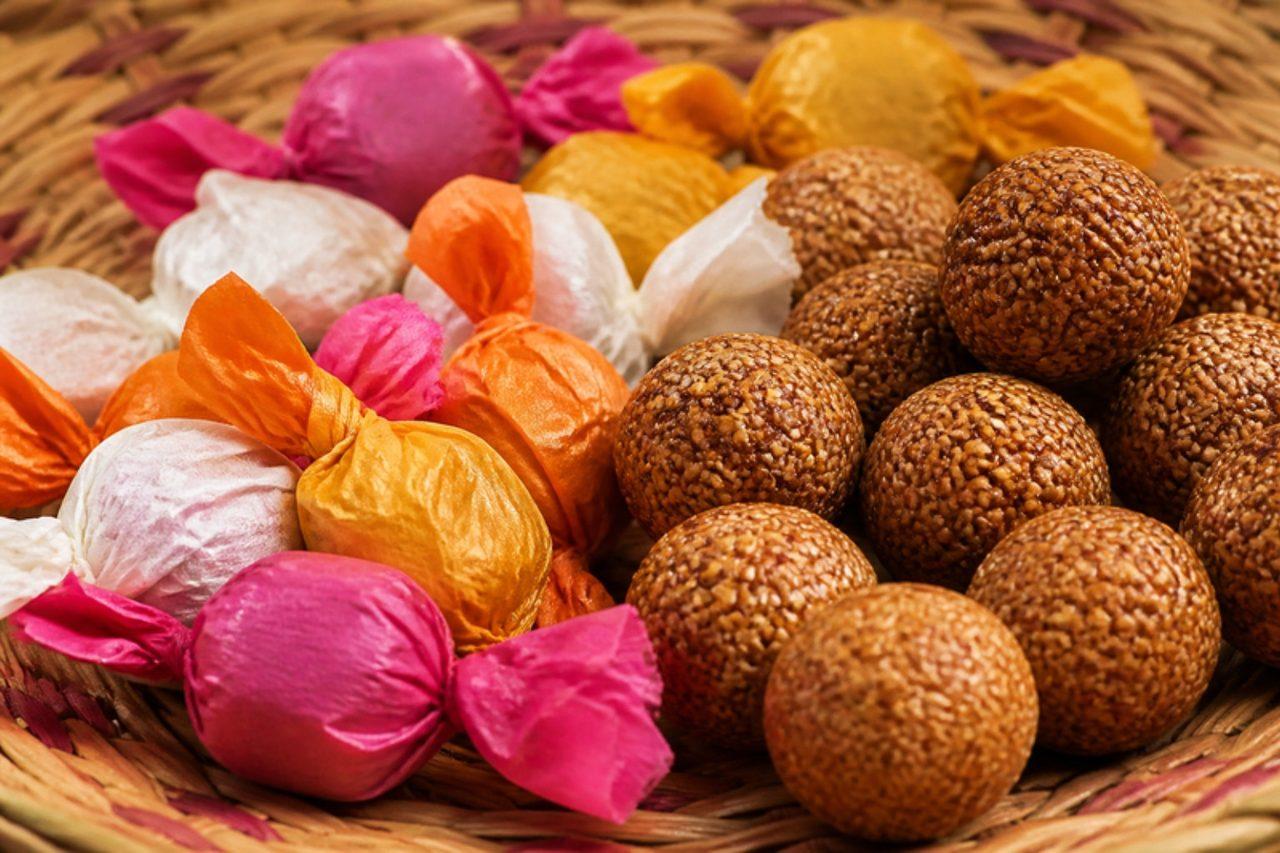
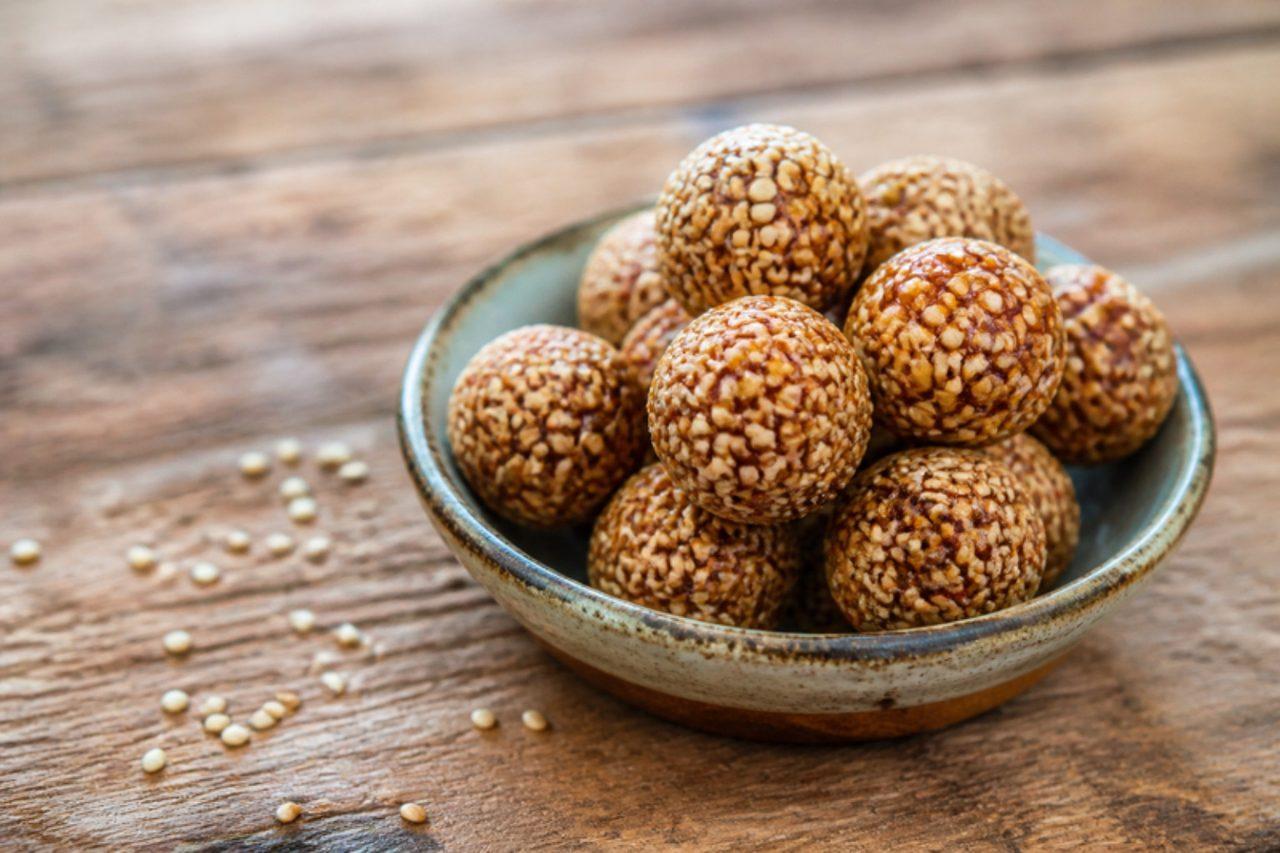
Small boutique shops all over Sri Lanka hang strings of thala guli by the till, each ball wrapped in a twist of coloured paper, and children spend their coins on them on the way home from school. They also have a place on the Avurudu table and at almsgivings, as sesame is considered an auspicious, strengthening food. Toasted sesame seeds are pounded with jaggery and a pinch of salt until the oil comes out and the mixture holds together, then rolled into little balls that are rich, nutty, slightly bitter and sweet. No cooking beyond toasting is needed, so they take barely twenty minutes. Under-toasting the seeds is the trap: pale seeds taste raw and will not release enough oil to bind, so roast until they pop and turn evenly golden. Chef's tip: pound while the seeds are still warm, when they give up their oil easily; a food processor in short pulses works too.

by KrazyBadal 0 views

Tobago benne ballsSesame molasses candies

Benne is the West African word for sesame that survived in Tobago, and benne balls are the little brown, crunchy candies sold in paper bags at Scarborough market and by vendors on the beach roads. Toasted seeds are stirred into molasses and sugar boiled to the hard stage, then rolled while warm into marble-sized balls. The common mistake is under-boiling the syrup, which gives soft, sticky balls that never set; test it in cold water. Work quickly and carefully, as the syrup is very hot. Chef's tip: toast the seeds only to pale gold; they keep darkening in the hot syrup and turn bitter if they start dark.

by KrazyBadal 0 views

Toast SkagenPrawn toast with dill mayonnaise

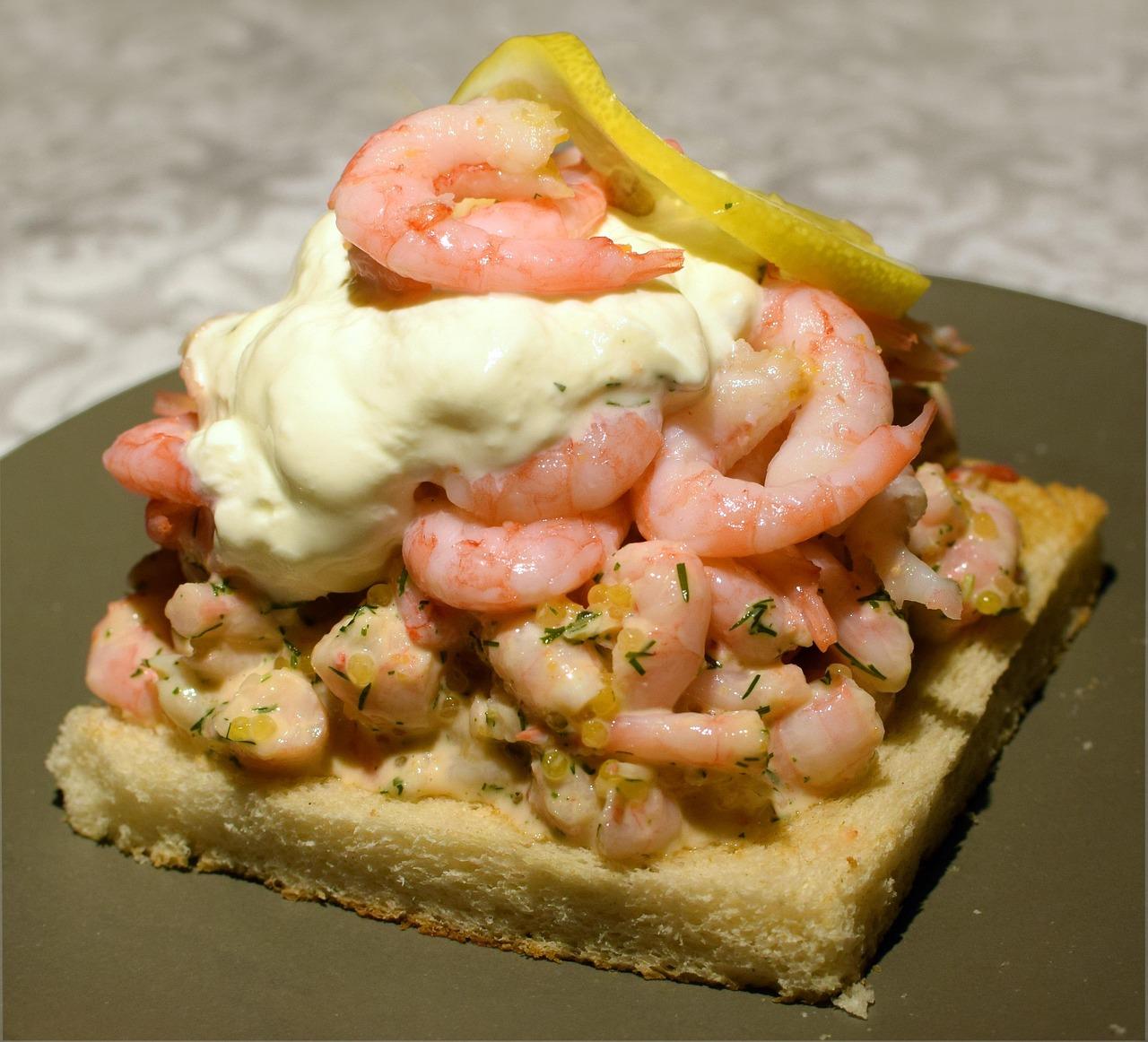
Toast Skagen was created in the 1950s by the Stockholm restaurateur Tore Wretman, named after the fishing port of Skagen at the tip of Denmark where he had sailed; it is still the starter Swedes order at old-fashioned Stockholm restaurants and make for birthdays at home. Peeled prawns are folded into a dill, lemon and mayonnaise dressing, piled on bread fried in butter and crowned with a spoon of fish roe. The roe is cured and uncooked, so it is not for pregnant women, young children or anyone with a weakened immune system; leave it off for them. A common mistake is using watery thawed prawns, which make the dressing thin. Chef's tip: drain the prawns well on kitchen paper, and fry the bread only at the last minute so it is still crisp when the topping goes on.

by KrazyBadal 0 views

TjvjikFried lamb offal with onion

In Armenian villages tjvjik is the dish cooked on the day a lamb is killed for a celebration, made with the fresh liver, heart and kidneys while the rest of the feast is being prepared; in Yerevan it is a cheap, hearty plate in taverns, eaten with lavash and a lot of onions. The offal is cut small and fried hard and fast, then tossed with tomato and herbs. A common mistake is cooking the liver as long as the heart, which turns it grainy and bitter. Chef's tip: add the pieces in order of toughness, heart first and liver last, so everything finishes tender together. Offal should be cooked until no pink remains, 71 °C.

by KrazyBadal 0 views

Thingyan riceJasmine water rice with dried fish

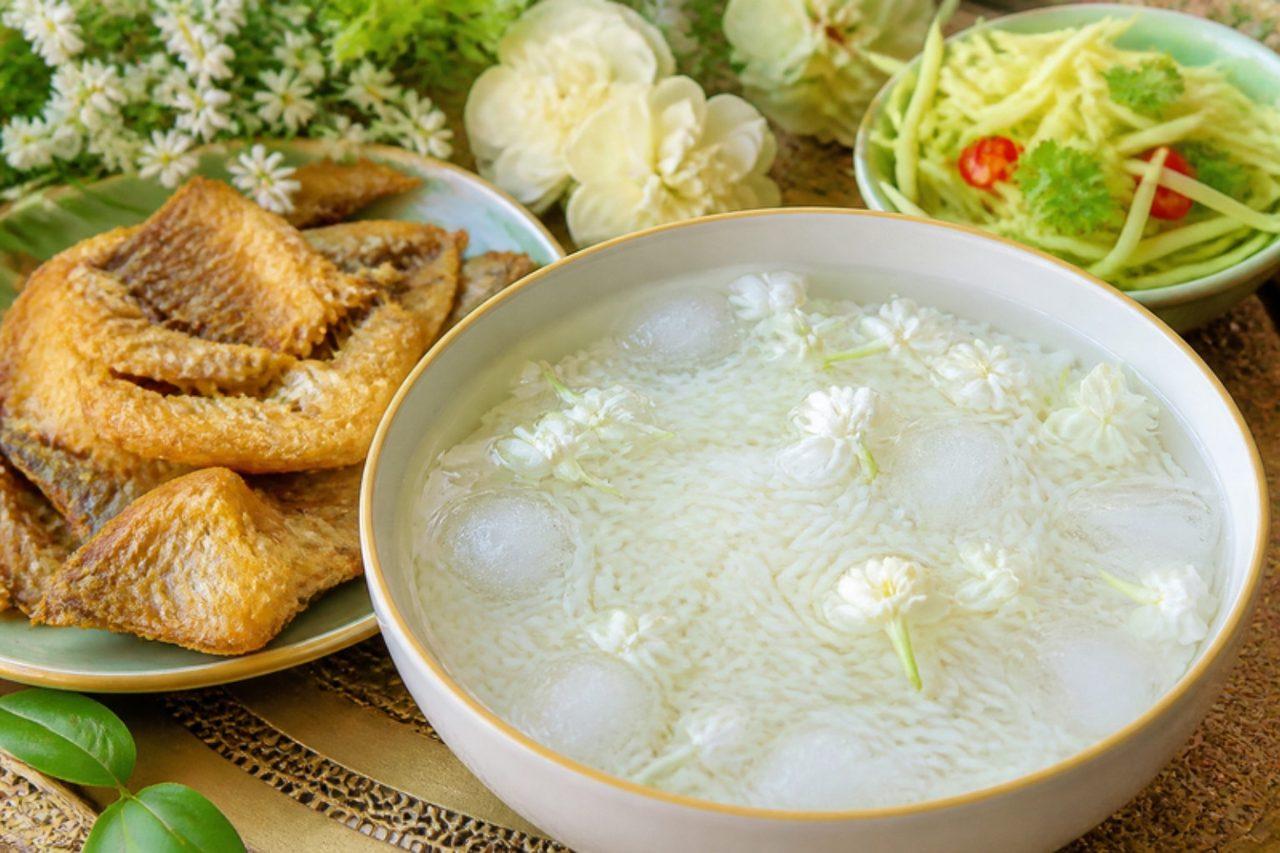
When the April water festival arrives and the heat is at its fiercest, Mon households in Mawlamyine and the villages around it prepare cool rice in jasmine-scented water, offer the first bowls to monks and elders, then share the rest with neighbours. The rice is cooked, rinsed until the grains are clean and separate, and served floating in chilled, flower-perfumed water; the same dish travelled to Thailand, where it became khao chae. Alongside go salty, crisp-fried dried fish, a sweet-sour green mango salad and fried shallots, and you take a little of each with every cold spoonful. Leaving the rice sitting warm on the counter before it is chilled is the mistake to avoid, both for safety and texture: cool it fast and keep it cold until serving. Chef's tip: use only unsprayed, edible jasmine flowers; if you can't find them, a few drops of food-grade jasmine water or a pandan leaf gives a gentle scent.

by KrazyBadal 0 views

QishrSpiced coffee husk drink

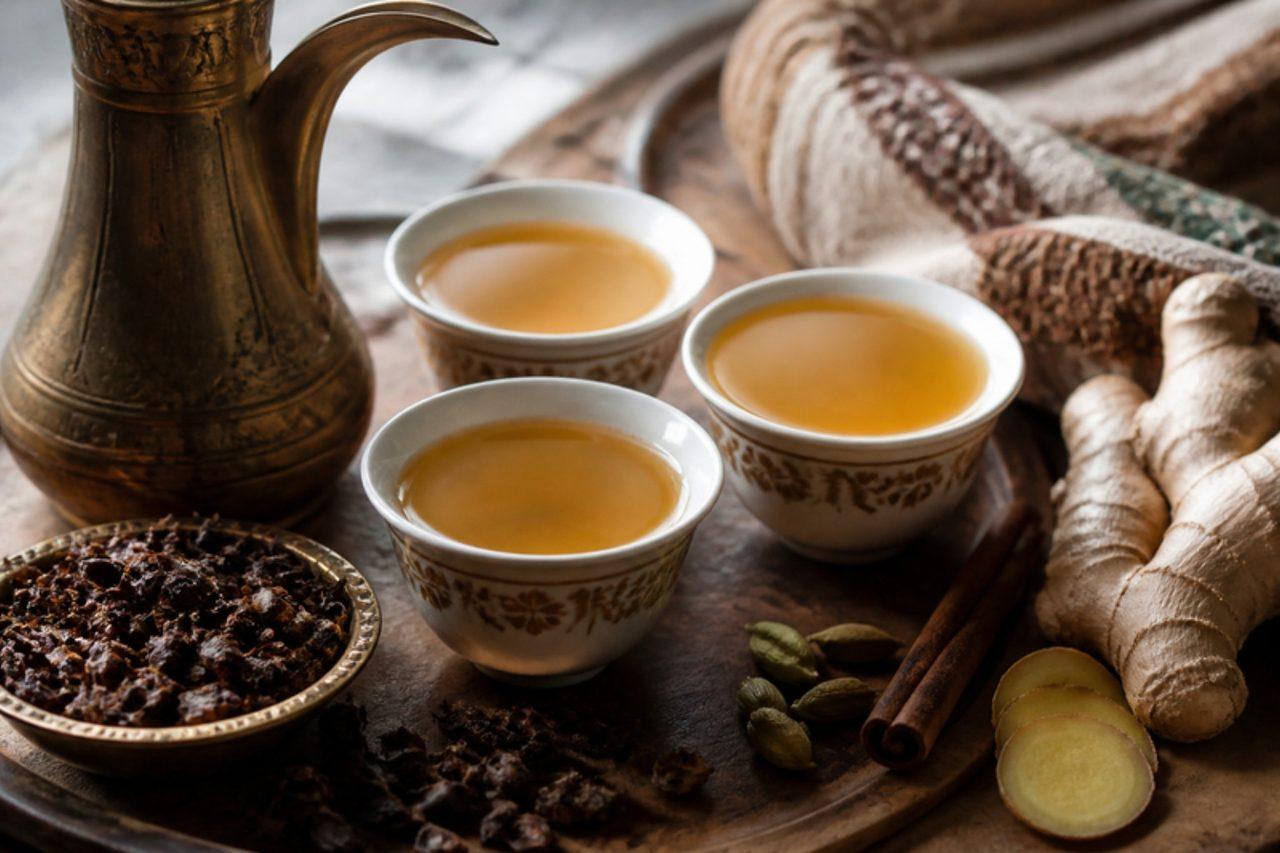
In the highlands around Sana'a and in the coffee towns of Yemen, qishr is the everyday hot drink, brewed from the dried husks of the coffee cherry rather than the bean, with ginger and often cinnamon or cardamom. It is lighter and sweeter than coffee, amber in colour, with a fruity, tea-like taste and a warming bite of ginger, and it is poured all day for guests, after meals and during long afternoon visits. Serve it hot in small glasses or cups, with dates or bint al sahn. Boiling it for too long makes it bitter, so let it simmer briefly and then steep. Chef's tip: grate fresh ginger straight into the pot; it gives a brighter heat than the dried powder.

by KrazyBadal 0 views

Sheki halvaHazelnut rice-flour lattice cake

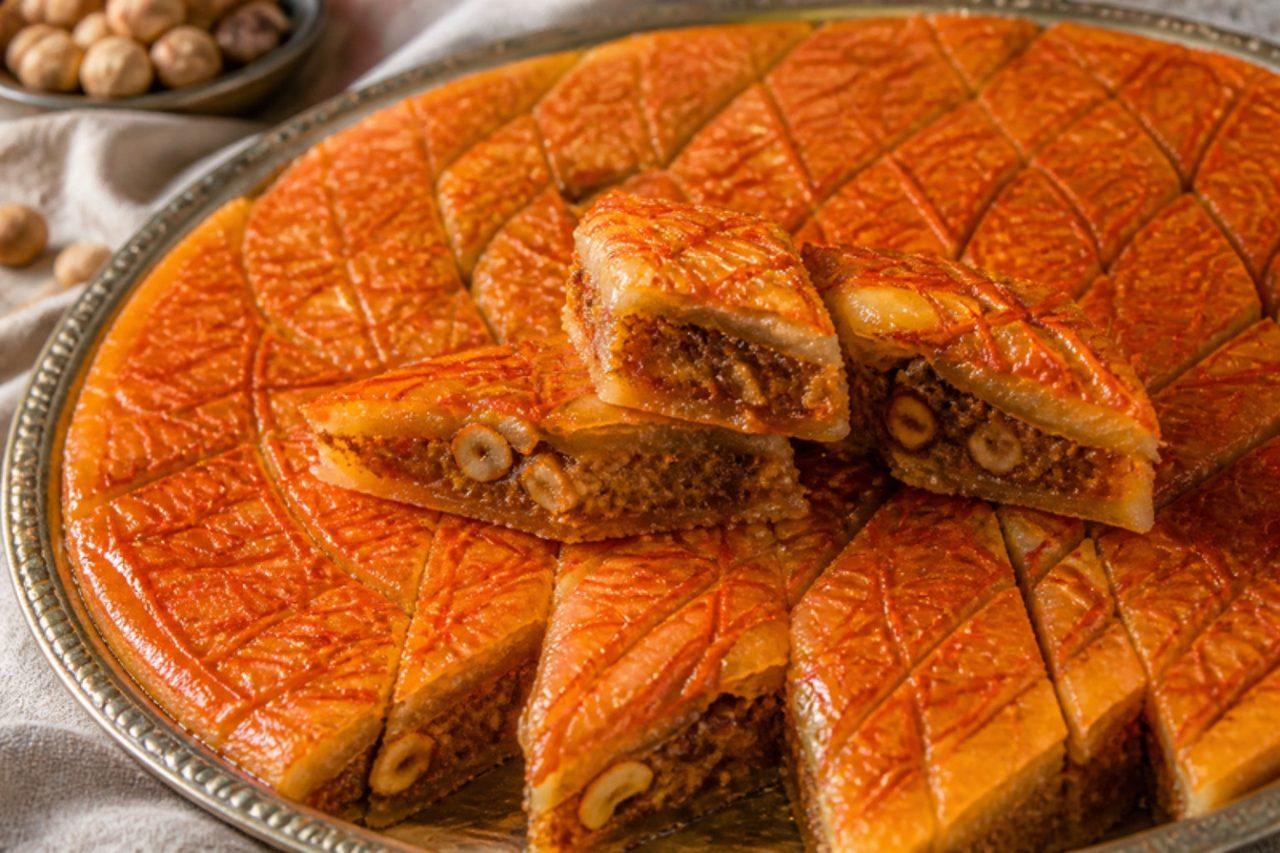
The silk town of Sheki, in the green foothills of the Greater Caucasus, is famous for its halva: a lacework of rice-flour batter drizzled from a funnel-like tool called a reshta onto a round tray, filled with crushed hazelnuts spiced with cardamom and coriander, topped with another lace layer and drenched in syrup until glossy and sticky. Sheki confectioners sell it from wooden trays in the old caravanserai streets. This home version uses a squeeze bottle for the lattice. A common mistake is making the lattice too thick, which turns it doughy instead of crisp and lacy. Chef's tip: keep each lattice layer thin and lacy, with gaps you can see the tray through, and drizzle the syrup while it is hot.

by KrazyBadal 0 views

TishpishtiWalnut cake in honey-orange syrup

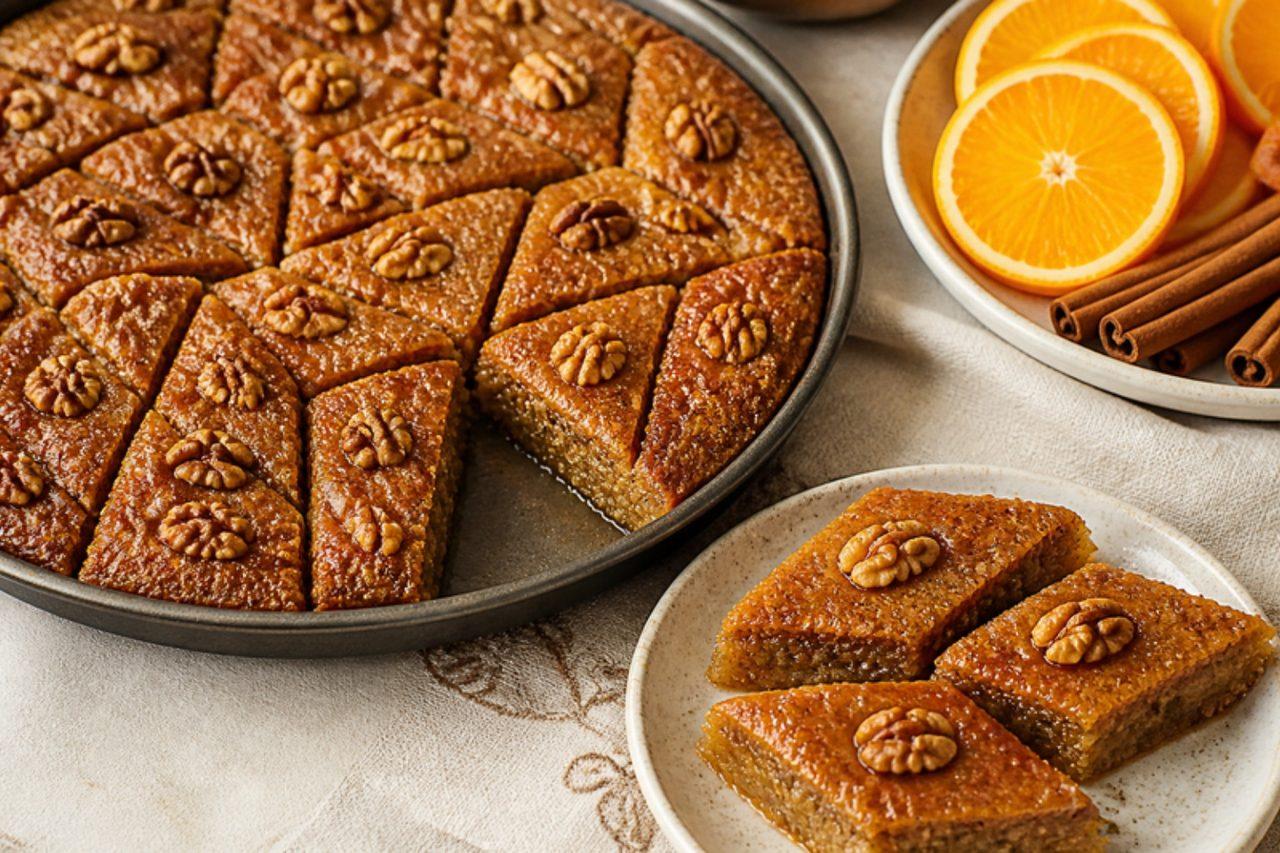
Tishpishti is a dense, syrup-drenched walnut cake that Jews from Izmir and Istanbul bake for Passover, made with matzo meal instead of flour; in Holon and Bat Yam it also appears all year with semolina. It is cut into diamonds before baking and then soaked with hot honey and orange syrup, so every piece is moist, nutty and fragrant, best with strong black coffee. Because it uses oil, not butter, it can follow a meat meal. The mistake is pouring cold syrup over a cold cake, or hot over hot; one must be hot and the other cooled, or the cake turns soggy or stays dry. Chef's tip: let it rest overnight before serving, when the syrup has soaked right through and the walnut flavour has deepened.

by KrazyBadal 0 views

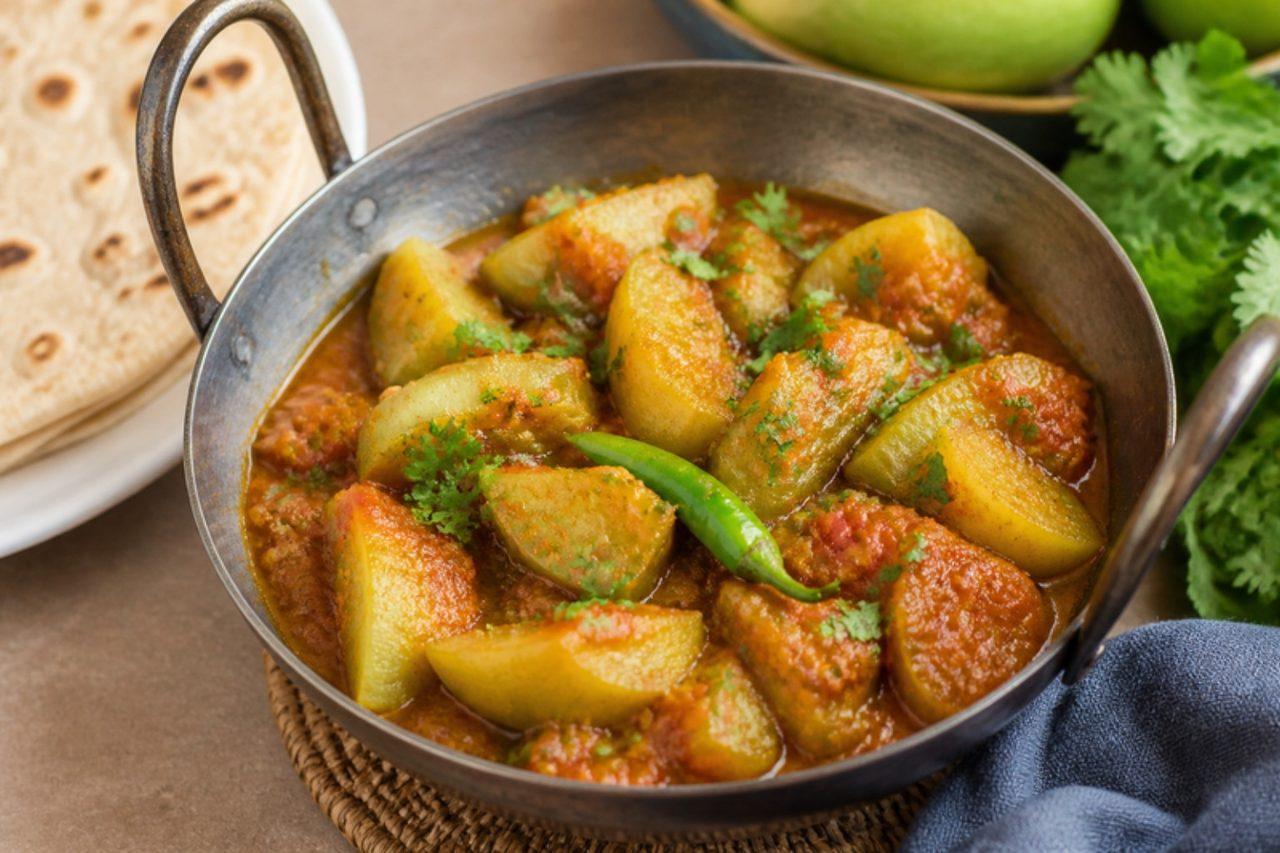
Tinday masalaRound gourd curry

Small, pale-green tinday arrive on Punjab's sabzi carts with the summer heat, and in Lahore and Faisalabad homes they are cooked through June and July, when nobody wants a heavy pot of meat. Cooked slowly with onion, tomato and a handful of green chillies, the little gourds turn tender and almost silky, soaking up the masala like a sponge while keeping a faint freshness that is a little like courgette. Expect to see it with hot chapati, a bowl of yogurt and a plate of kachumar for a light lunch. Many cooks drown tinday in water, and they end up soggy and grey; they release plenty of their own liquid and need only a splash. Chef's tip: choose small, firm tinday with soft fuzz on the skin, since large ones have hard seeds and a woody core.

by KrazyBadal 0 views

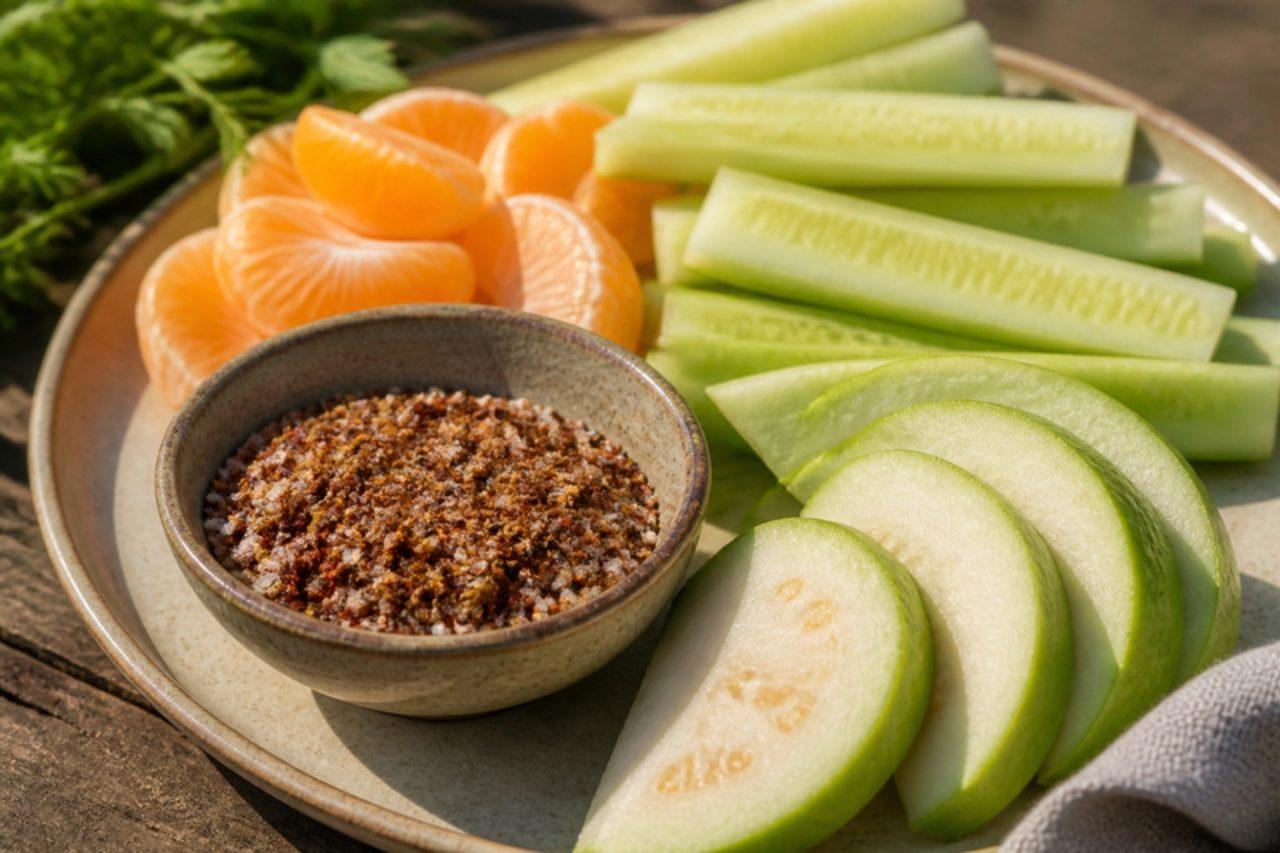
Timur ko chhopSichuan pepper dipping mix

Outside every school gate in Kathmandu and on bus rides through the hills, someone is selling sliced cucumber, green guava, raw mango or boiled potato with a twist of paper full of chhop, the reddish-brown powder you dip each bite into. It is little more than toasted timur, dried chilli and salt, sometimes with a pinch of cumin, but the combination is electric: salty, fiery, and with the citrusy, mouth-numbing tingle that only Nepali Sichuan pepper gives. Families keep a jar of it to sprinkle on fried snacks, fruit, chiura and boiled eggs. Grinding the timur with its shiny black seeds still inside is a typical error that makes the powder gritty and bitter. Chef's tip: shake the toasted husks in a sieve and pick out the black seeds before grinding, keeping only the open, fragrant red-brown shells.

by KrazyBadal 0 views

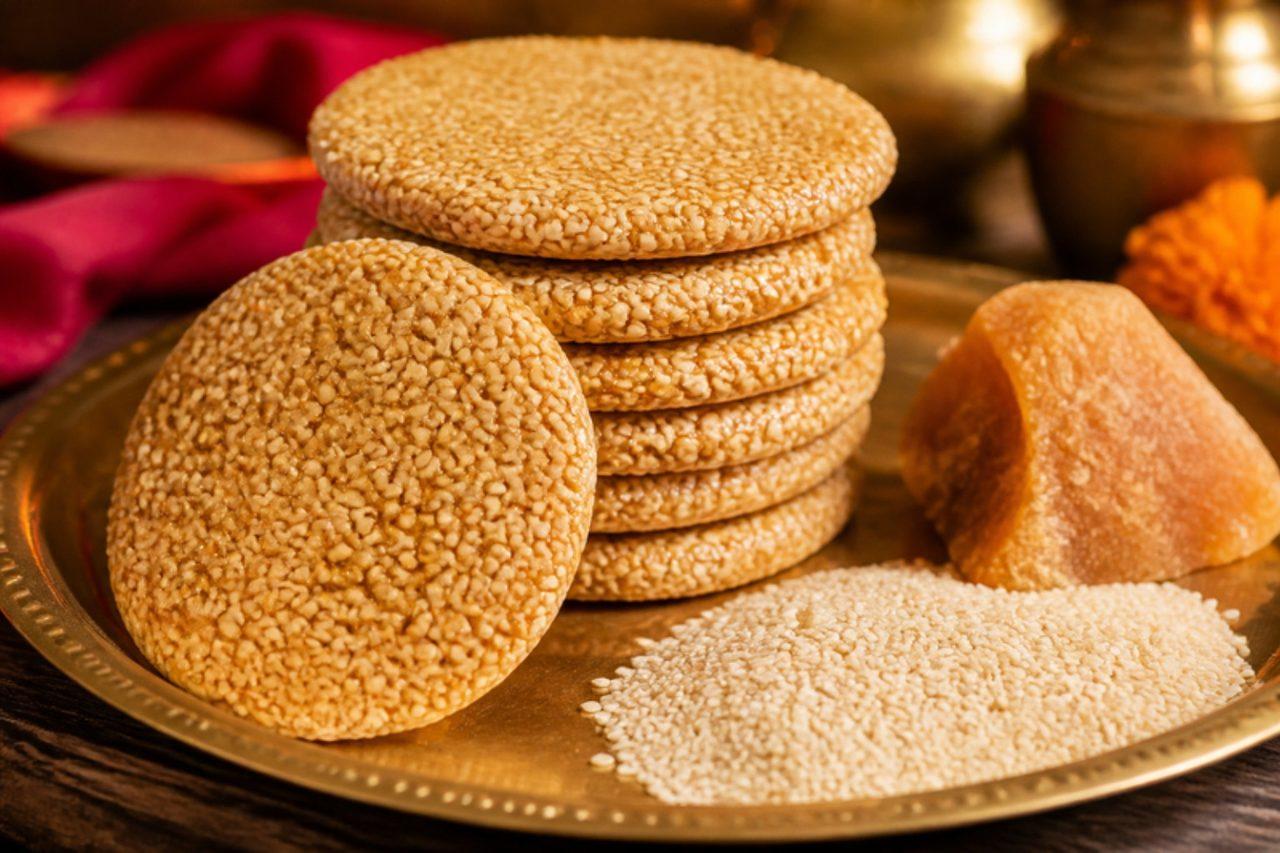
TilkutSesame and jaggery discs

In the second week of January the sweet shops of Janakpur, Birgunj and Rajbiraj fill with the dull thud of wooden pestles, as tilkut makers pound roasted sesame into hot jaggery for Maghe Sankranti, the festival that marks the end of the coldest month. The result is a brittle, crumbly disc with a rich, toasty flavour and a melting, slightly chewy middle, and families give it to each other and eat it with yoghurt, beaten rice and sweet potatoes on the festival morning. Sesame is believed to warm the body in winter, so it is eaten all month. The thing that spoils it is burning the sesame, which turns the whole batch bitter. Chef's tip: roast the seeds only until they smell nutty and one crushes easily between your fingers; they keep darkening for a minute after they leave the pan.

by KrazyBadal 0 views

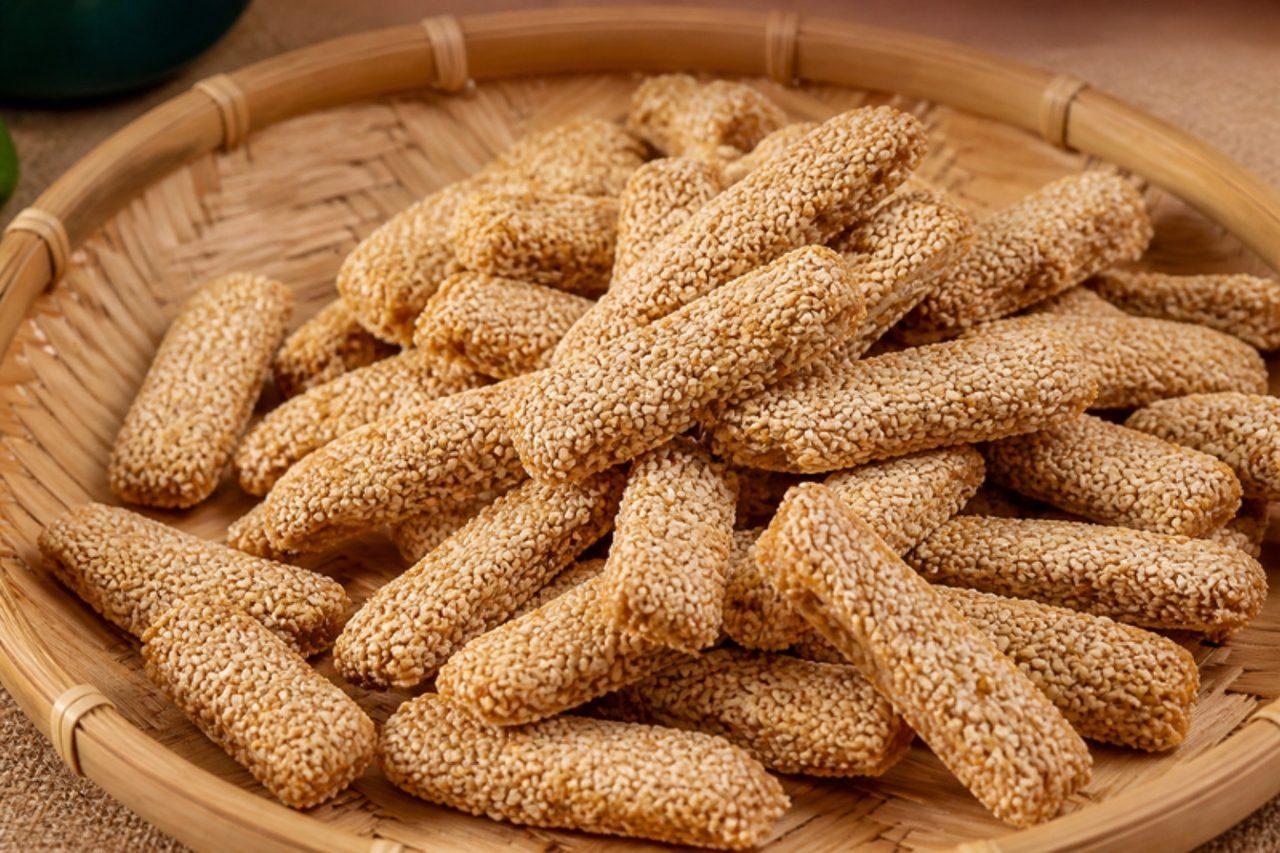
Tiler khajaSesame sugar sticks

Kushtia, on the Gorai river in the west of Bangladesh, has been famous for tiler khaja since before Partition, and the long white sticks dusted with sesame are sold at every bus stop and train station in the district, wrapped in paper bags for the journey. The sugar is boiled to a hard syrup, then pulled and folded by hand, often over a hook on the wall, until it turns from clear amber to opaque white and fills with tiny air pockets, so the finished sticks are brittle, crunchy and light, almost honeycombed, with nutty toasted sesame on the outside. They are snacked on with tea and given to children as a treat. The trap is waiting too long to pull, as the sugar sets glass-hard; it should be just cool enough to touch. Chef's tip: wear clean, heatproof kitchen gloves rubbed with a little oil, as hot sugar burns badly.

by KrazyBadal 0 views

Til ko acharSesame chutney

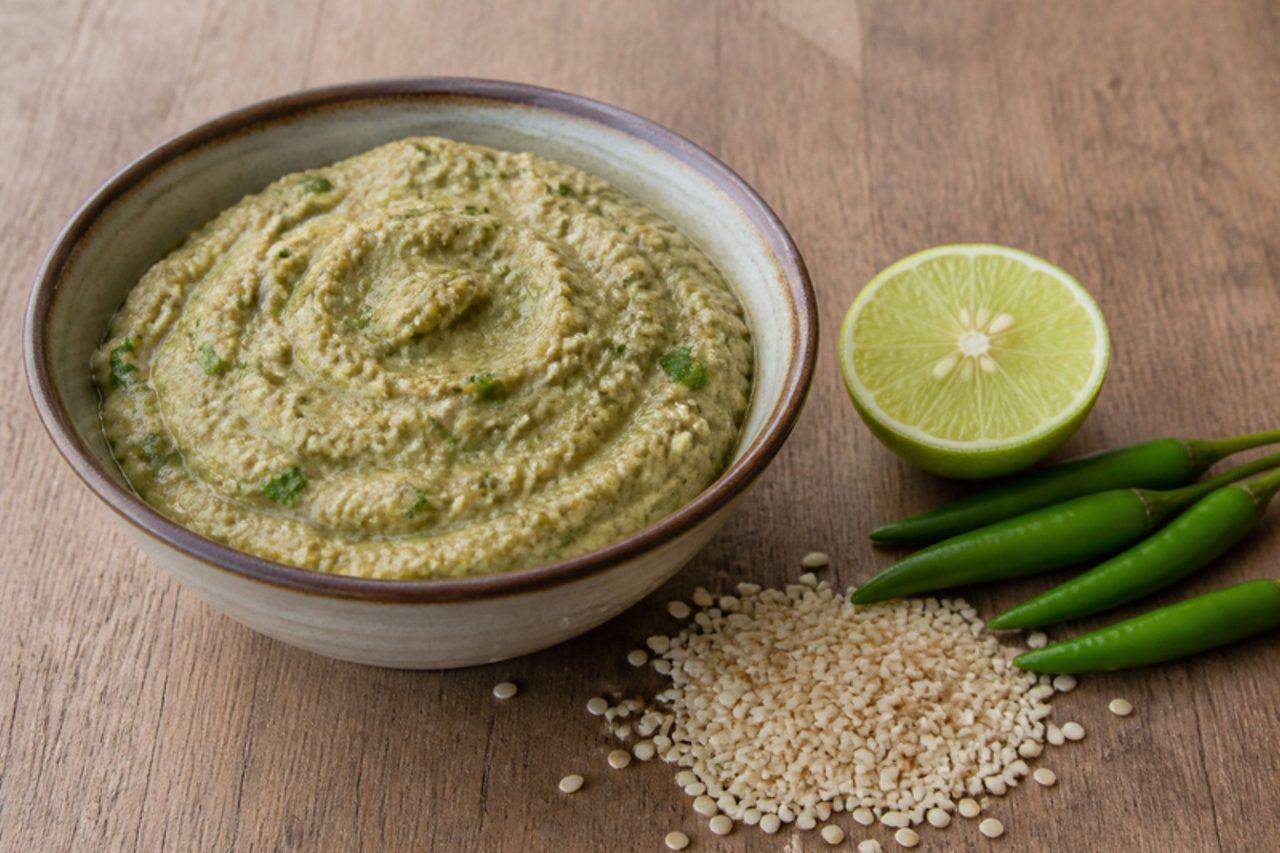
Walk into a dal bhat canteen in Thamel or a roadside bhojanalaya on the Prithvi Highway and a small saucer of til ko achar will be on the steel plate, a nutty, creamy, sharp paste of roasted sesame ground with green chilli, lime juice, coriander and a little turmeric. It is the most common achar in many homes because it takes ten minutes and needs nothing special, and it is equally good with momos, roti, boiled potatoes or as a dip for raw cucumber. The texture should be smooth and spoonable, a little like a loose tahini, with a bright sour finish. Bitterness is the risk if you take the sesame too dark, so stop roasting when the seeds are just golden. Chef's tip: finish with a tempering of fenugreek in smoking mustard oil poured over the top, which gives the restaurant-style aroma.

by KrazyBadal 0 views

Tidali dalThree-lentil dal

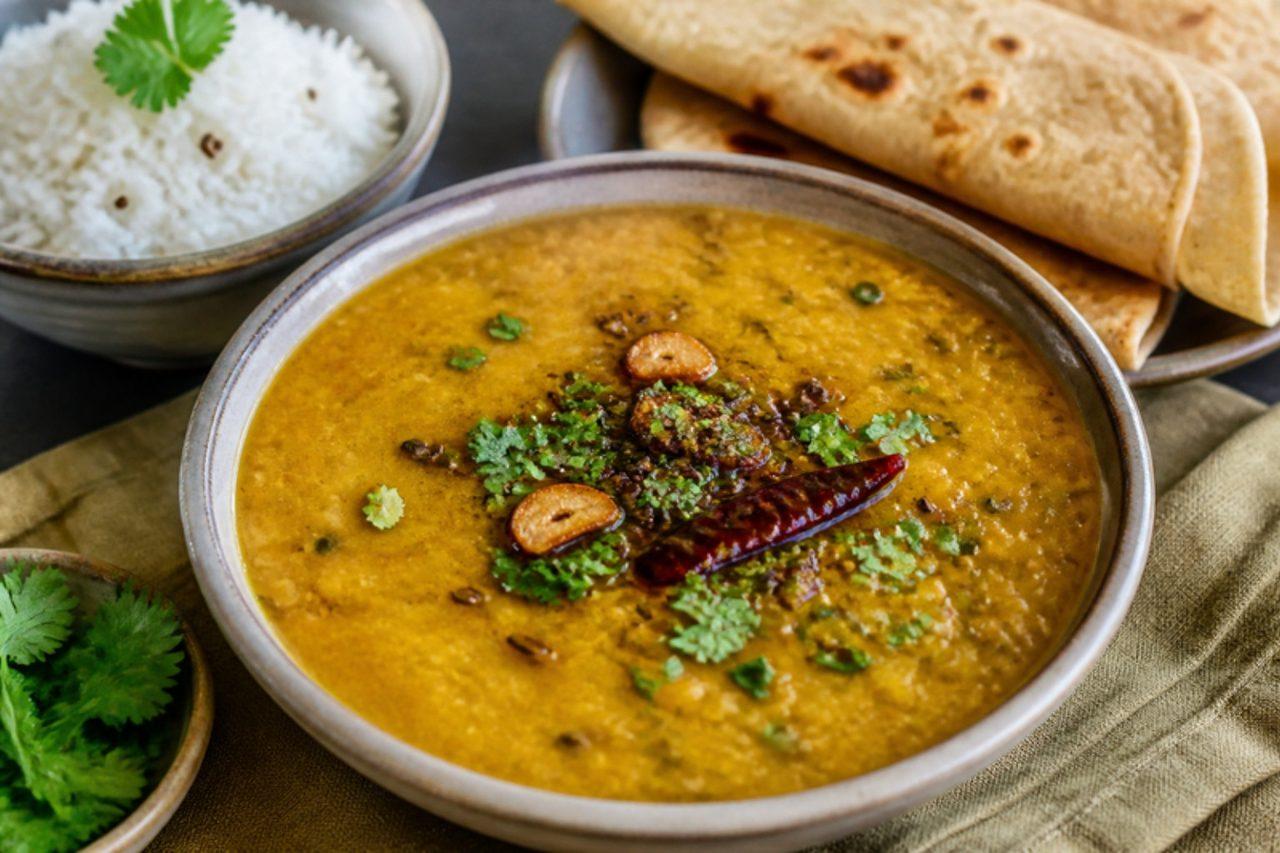
Tidali simply means three in Sindhi, and this dal brings together chana, moong and masoor, each cooking at its own pace so the finished pot has creamy body from the quick lentils and a pleasant bite from the chana. It is everyday food in Sindhi homes from Thatta to Nawabshah, cooked thick and golden, sharpened with tomato and green chilli and finished with a generous tarka of garlic and cumin fried in oil until crackling. Serve it with bhuga chawal or plain rice, a crisp papad, aloo tuk and a little pickle. Many cooks put all three lentils in at once, so the masoor dissolves to mush while the chana stays hard. Chef's tip: give the soaked chana dal ten minutes on its own, then add the moong and masoor so all three finish together.

by KrazyBadal 0 views

Ye-fyel watGoat in berbere stew

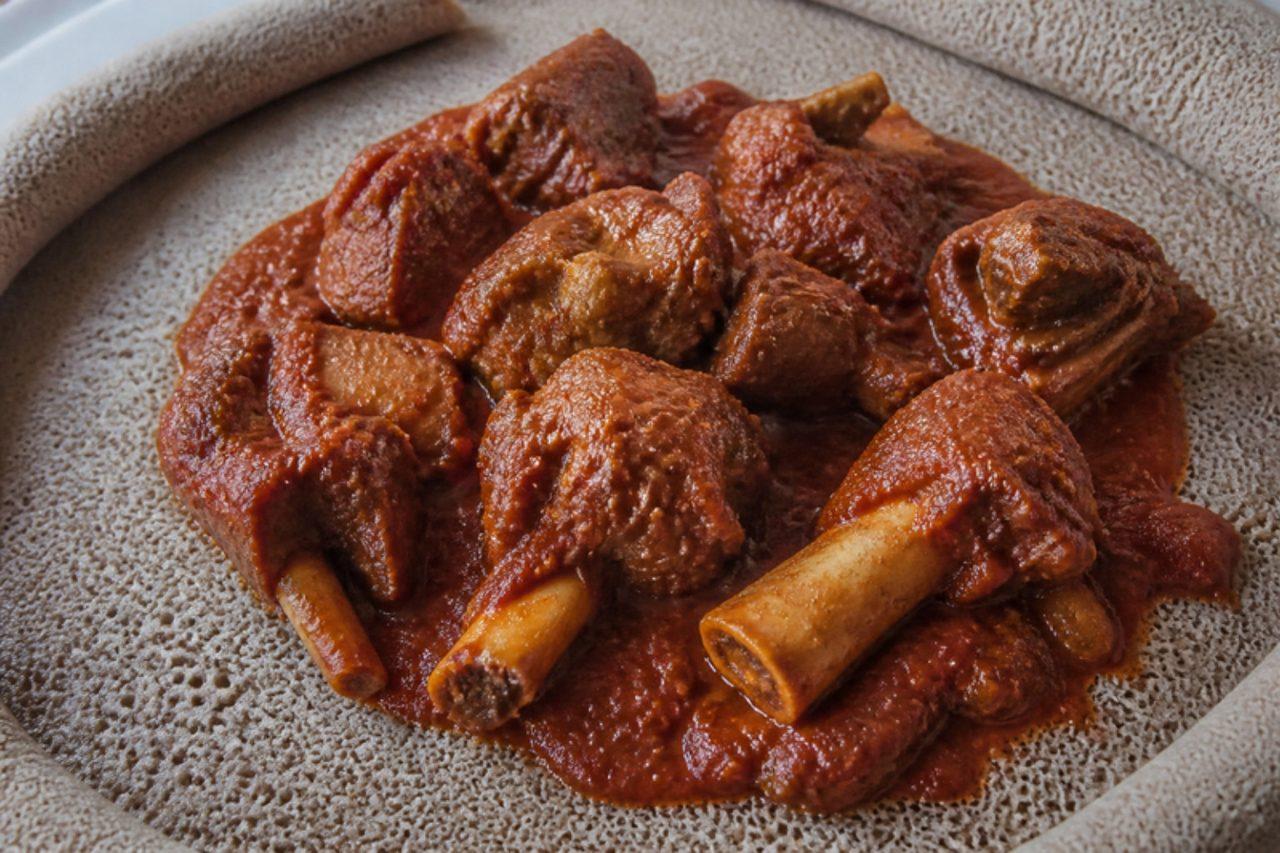
Goat is the everyday meat across Ethiopia's eastern lowlands, where herds do better than cattle in the dry heat, and a pot of ye-fyel wat marks holidays, Eid and the arrival of guests. The meat is cut small on the bone and cooked slowly in a dark, glossy sauce built on a mountain of onions and plenty of berbere, so it is spicy, deeply savoury and slightly sweet, with the faint gaminess of goat coming through. It is eaten from a shared platter of injera, often with a fresh salad of tomato and chilli on the side. This version is cooked in oil and is dairy free. The mistake to avoid is rushing the onions: if they are not cooked down for a good 20 minutes the sauce stays thin and sharp. Chef's tip: make it a day ahead; goat wat thickens and tastes even better after a night in the fridge.

by KrazyBadal 0 views

Ye-beg kikilLamb on the bone soup

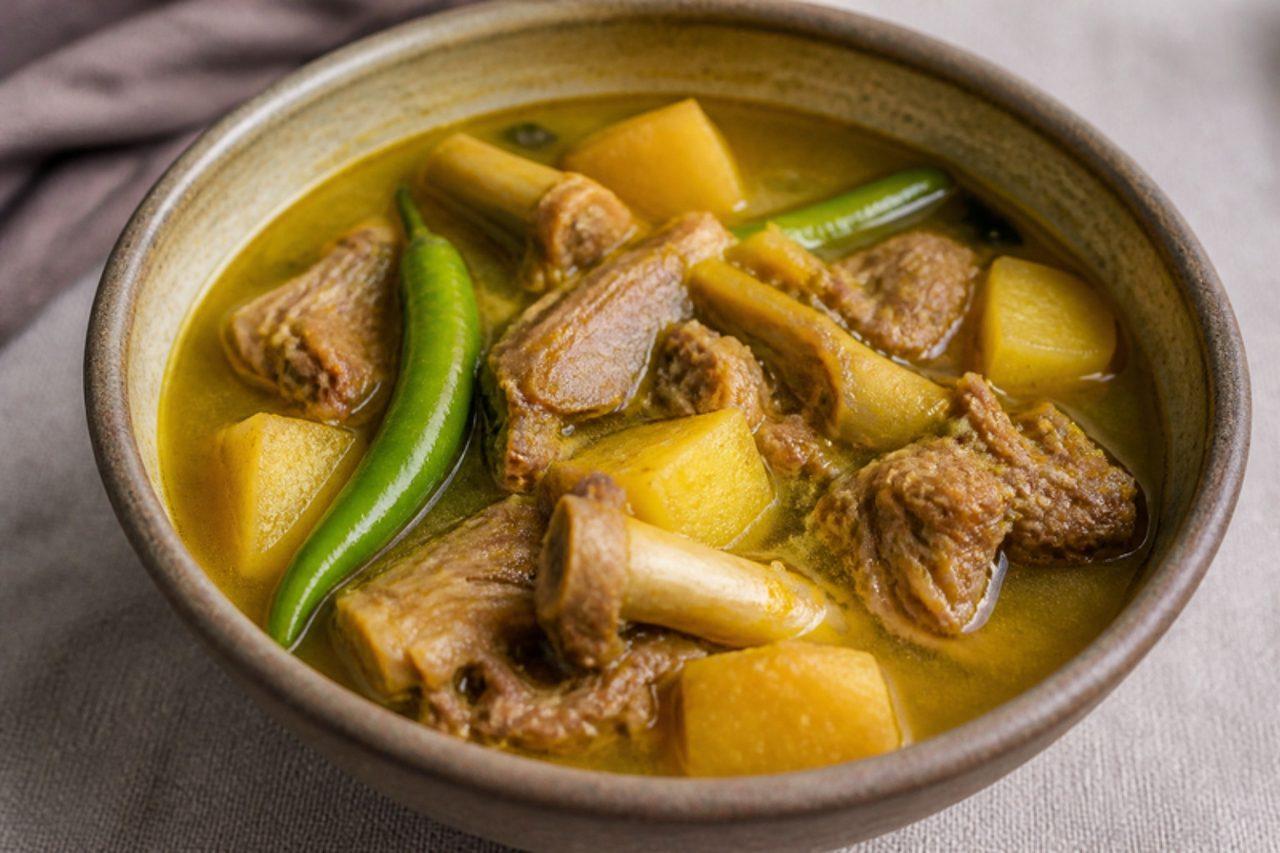
On chilly highland mornings, Addis Ababa's small eateries ladle out bowls of ye-beg kikil: chunks of lamb on the bone simmered slowly with onion, garlic, ginger, turmeric and whole green chillies until the meat slips off and the broth turns golden. There is no berbere, so it is gentle and clean-tasting, a welcome change from the red wats, and people sip the broth on its own as a pick-me-up after a long night or an illness. It is eaten with injera or bread, often with a little awaze on the side for those who want more heat. The usual mistake is boiling it hard, which clouds the broth and toughens the meat; keep it at a lazy simmer. Chef's tip: skim the grey foam carefully in the first 10 minutes for a clear, bright soup.

by KrazyBadal 0 views

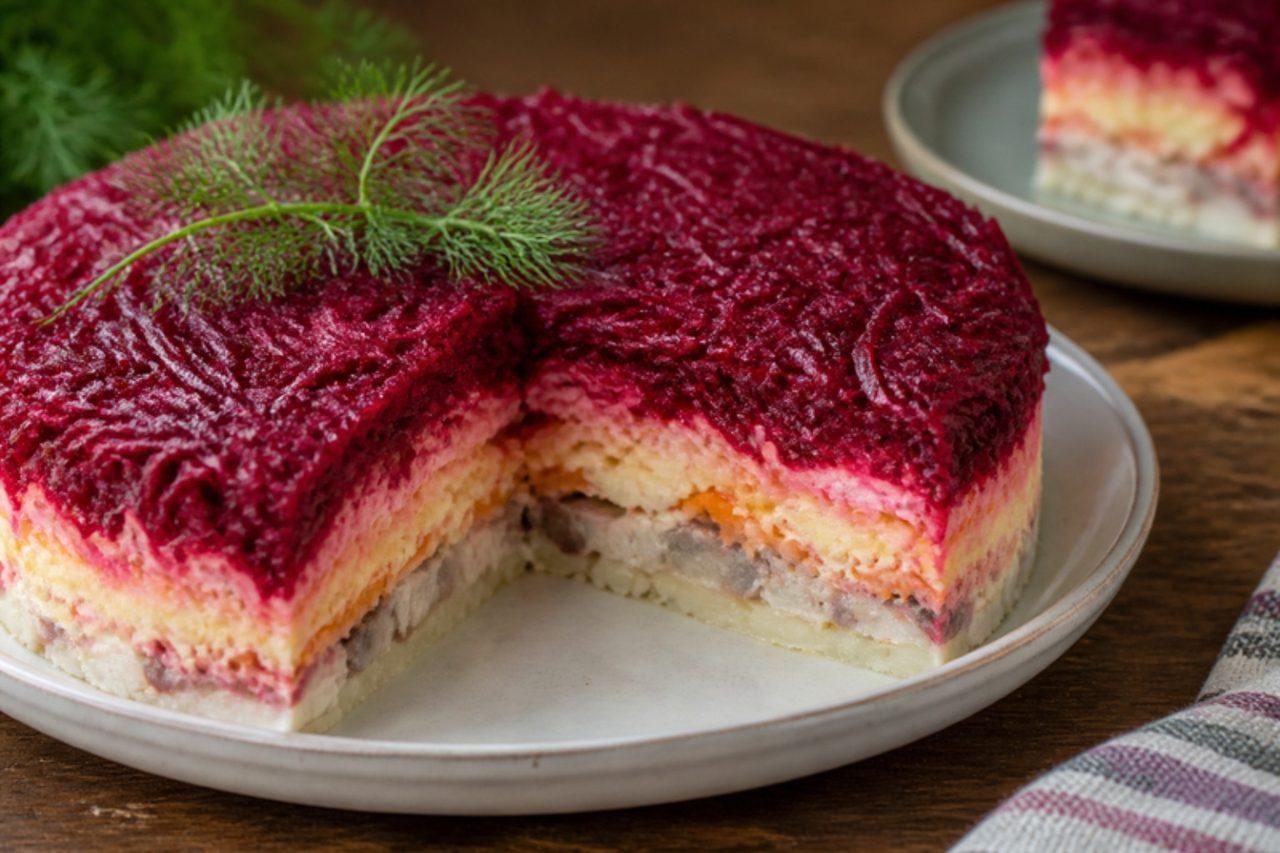
Seledka pod shuboiHerring under a fur coat

No New Year's Eve table in Russia is complete without this magenta-topped salad, made on the 31st of December and left overnight so the layers settle and turn soft and creamy. Salted herring sits at the bottom under onion, then potato, carrot, egg and finally grated beetroot, each coat spread with mayonnaise; the herring's salt seeps up through the vegetables. Herring here is cured, not cooked: use ready-salted fillets bought chilled from a good fishmonger or deli (made from previously frozen fish), keep everything in the fridge, and note it is not for pregnant women, young children or anyone with a weakened immune system. Use shop-bought mayonnaise, which is made with pasteurised egg. Where most people go wrong is grating the vegetables while warm, they turn to mush. Chef's tip: grate the beetroot last and squeeze it lightly so the top stays bright without bleeding everywhere.

by KrazyBadal 0 views

TikvenikPumpkin and walnut filo roll

On Bădni vecher, Christmas Eve, Bulgarian families set the table with an odd number of meatless dishes, and in the north of the country a coiled tikvenik is almost always among them. Sheets of filo are brushed with sunflower oil, filled with grated sweet pumpkin, walnuts, sugar and cinnamon, rolled into long snakes and coiled into a round tin, then baked until crisp and dusted with icing sugar. The pastry shatters, the filling is moist and spiced, and slices are passed around with the boiled wheat and stuffed peppers of the feast. Because it uses oil, not butter, it is naturally vegan; check that your filo has no butter or egg in it. The mistake most people make is skipping the squeeze: raw grated pumpkin weeps, so press out the juice or the pie goes soggy. Chef's tip: lightly sprinkle each filo sheet with water as well as oil, and the layers puff up flaky instead of dry.

by KrazyBadal 0 views

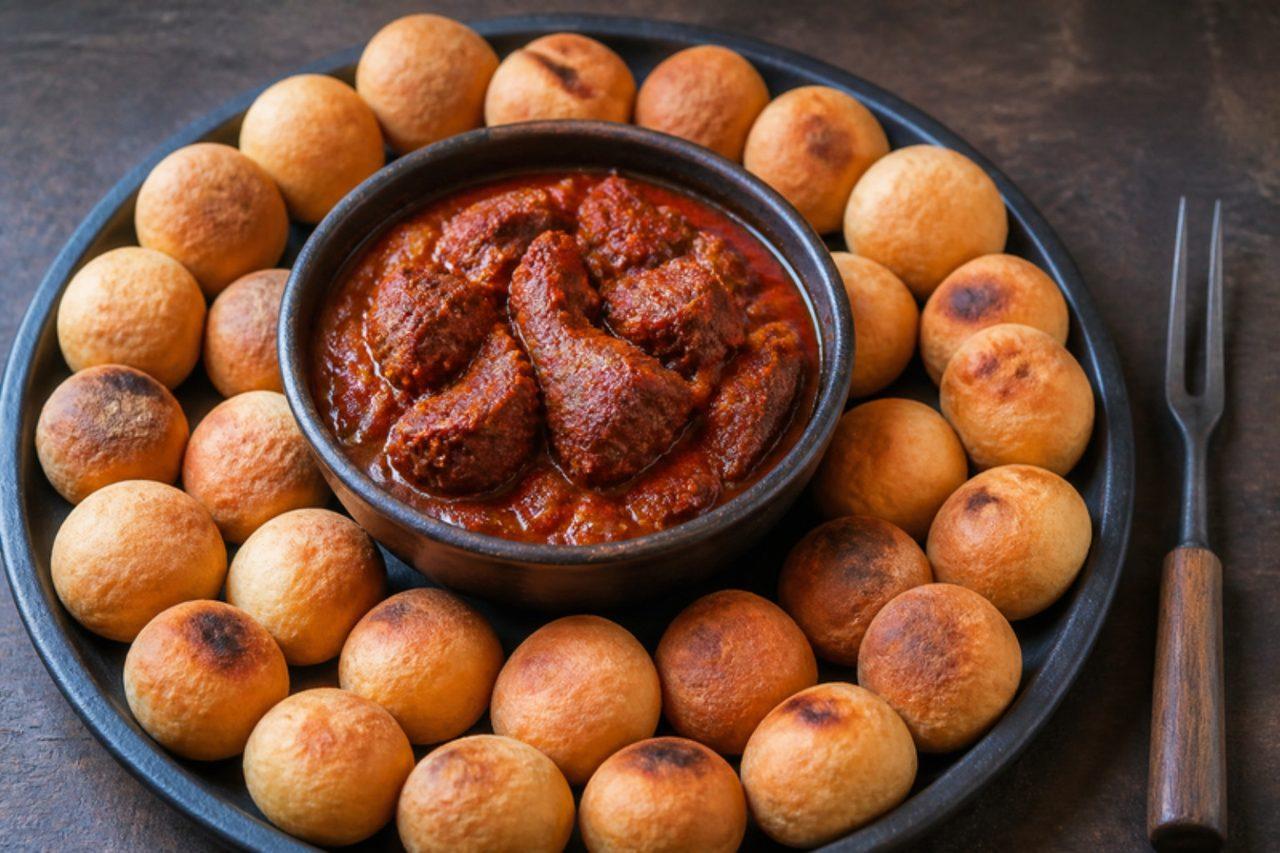
TihloBarley dough balls in spicy stew

From Enderta in southern Tigray, around Mekelle, tihlo is the dish of celebrations and of guests: small balls of dough made from roasted barley flour are arranged around a bowl of spicy stew, and everyone spears them with a long two-pronged fork and dunks them in. The barley gives a nutty, toasty flavour and a dense, chewy bite that soaks up the red sauce. On fasting days the same balls are dipped into thick shiro; this version uses a beef or lamb stew cooked in oil, so it is dairy free. Barley contains gluten. Chef's tip: make the dough firm, like modelling clay; a dough that is too wet is the usual mistake, as the balls slide off the fork and dissolve in the stew.

by KrazyBadal 0 views

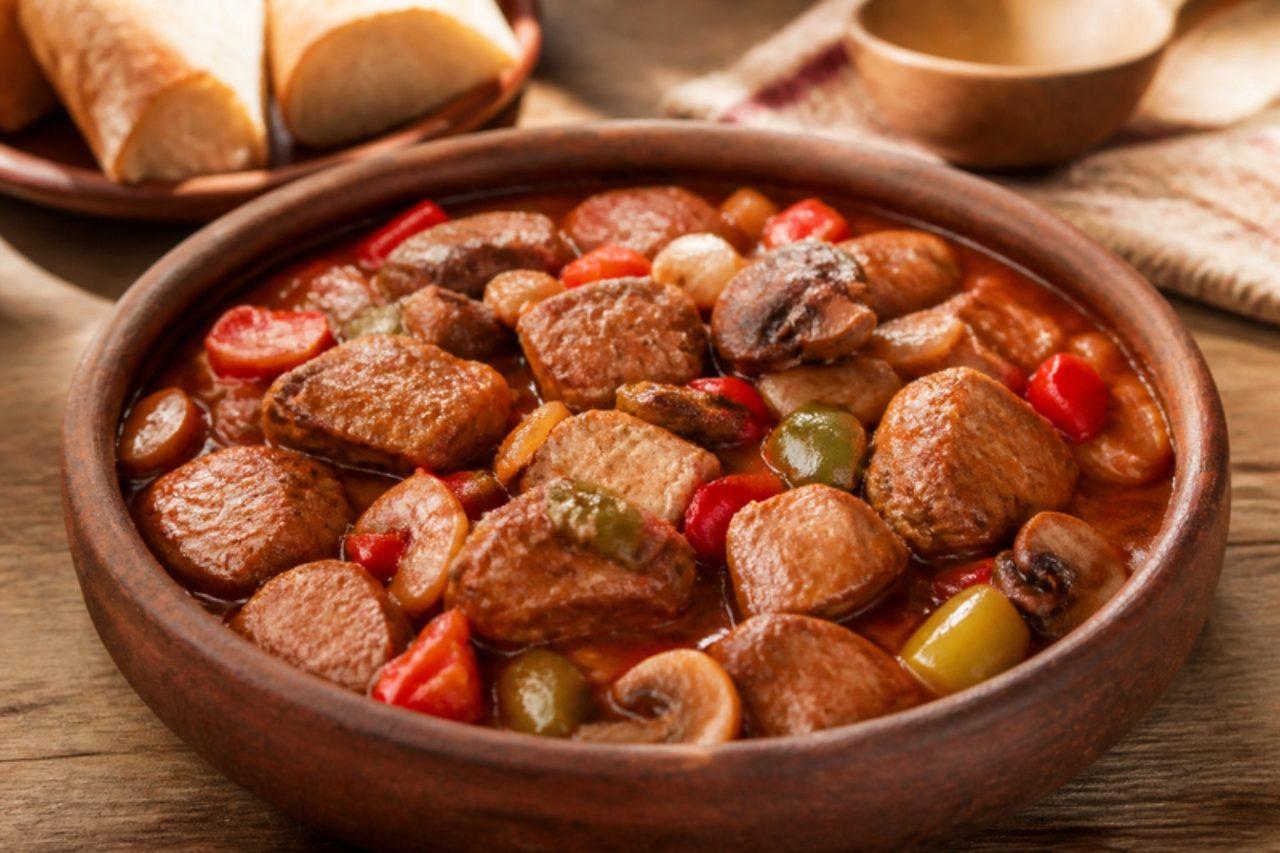
Selsko mesoPork, mushroom and pepper clay pot

Every mehana, the traditional tavern, in North Macedonia has selsko meso on its menu, brought sizzling to the table in an earthenware pot: chunks of pork browned with onion, mushrooms and peppers, spiced with paprika and baked until the sauce thickens around the meat. It is pork-based, rich and peppery, and is eaten with fresh bread, a shopska salad and a dollop of yogurt for those who take dairy. Where most people go wrong is crowding the pan, so the mushrooms stew grey instead of browning. Chef's tip: fry the mushrooms on their own first in a hot pan until golden, they bring a deep, almost meaty flavour.

90 minBalkanMeatGluten free
by KrazyBadal 0 views

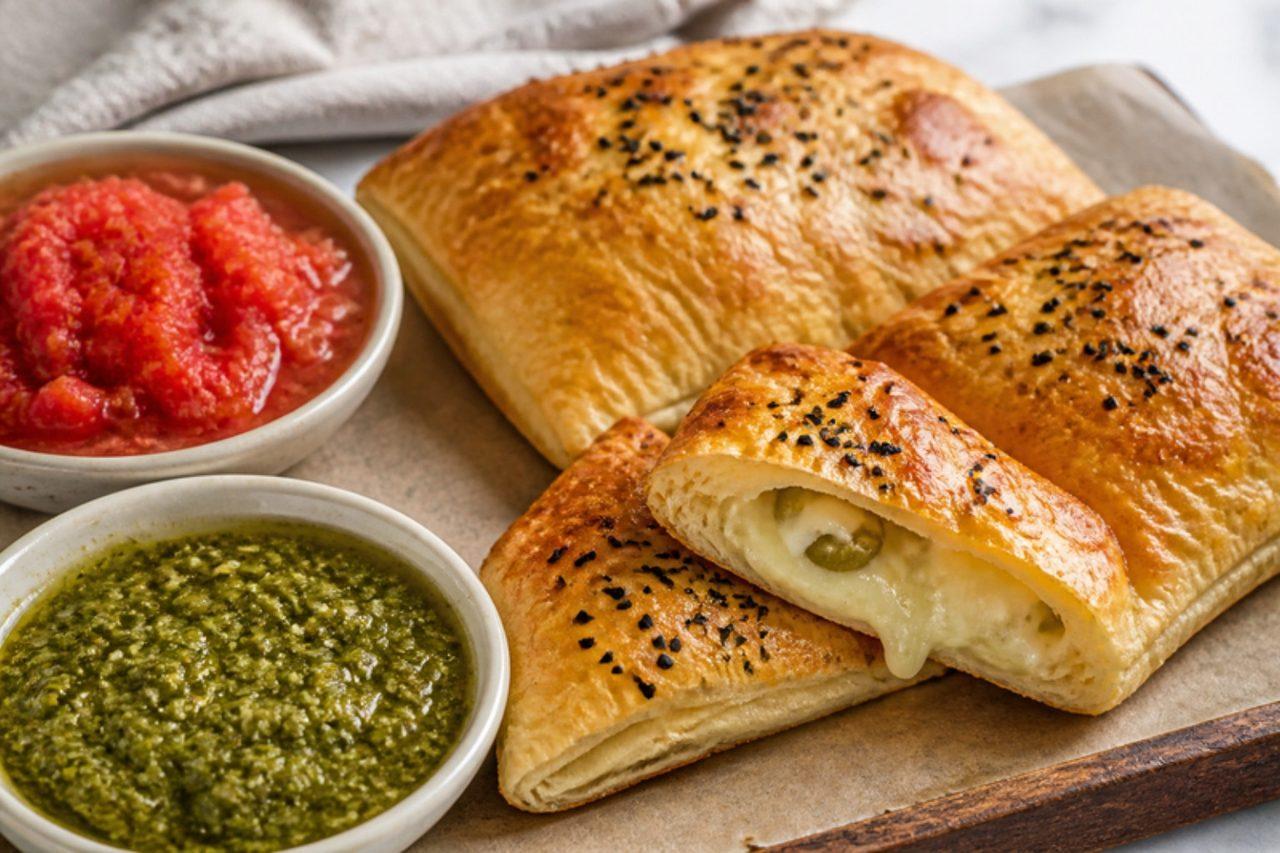
ZivaCheese and olive pastry

Ziva is a Tel Aviv café and bakery invention built on Yemenite malawach dough: flaky layers wrapped around salty white cheese and olives, baked until golden and served with grated tomato, zhug and a hard-boiled egg. You find it at weekend brunch in Jaffa and in the Yemenite Quarter, eaten with knife and fork. The pastry should shatter into buttery flakes against a soft, salty, melting centre. Feta and Bulgarian-style white cheeses are often made with animal rennet, so choose one labelled vegetarian if that matters to you. The usual mistake is overfilling, which makes the cheese leak and the base soggy. Chef's tip: use frozen ready-made malawach rounds straight from the freezer; they are much easier to fold while still firm.

by KrazyBadal 0 views

SemlaCardamom cream bun

Semlor arrive in Swedish bakeries straight after Christmas and peak on Fettisdagen, Shrove Tuesday, when Stockholm bakeries sell them by the tens of thousands: a soft cardamom bun with its top cut off, the crumb scooped out and mixed with almond paste and milk, then refilled, piled with whipped cream and the 'lid' put back with a dusting of icing sugar. Some eat theirs in a bowl of hot milk, as 'hetvägg'. A common mistake is overbaking the buns, which dries them; they should be soft and pale golden. Chef's tip: grate the almond paste and mix it with the scooped crumb and a splash of milk until it is spreadable but still textured.

by KrazyBadal 0 views

YarmaCracked wheat and lamb porridge

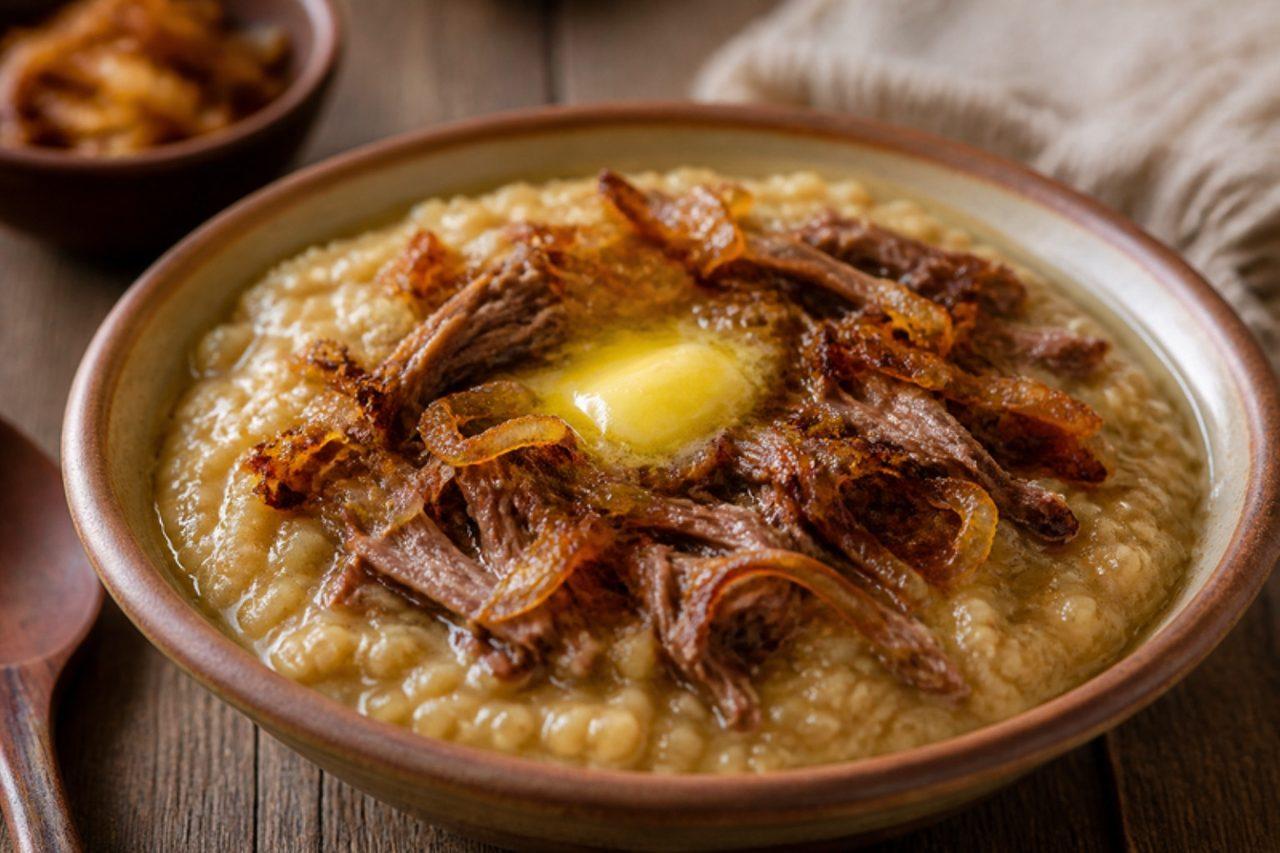
Yarma is a filling porridge of cracked wheat cooked slowly with lamb until the grains break down and the dish turns thick and creamy, a dish of Turkmen homes and of religious gatherings, when it is cooked in huge pots and shared out. It is seasoned simply with salt, pepper and onion fried in butter or fat poured over the top. A common mistake is not stirring enough, which lets the wheat catch on the bottom. Chef's tip: beat the yarma hard with a wooden spoon in the last 15 minutes, so the lamb shreds into the grain and it turns smooth and creamy.

by KrazyBadal 0 views

YantykCheese and herb griddle pastries

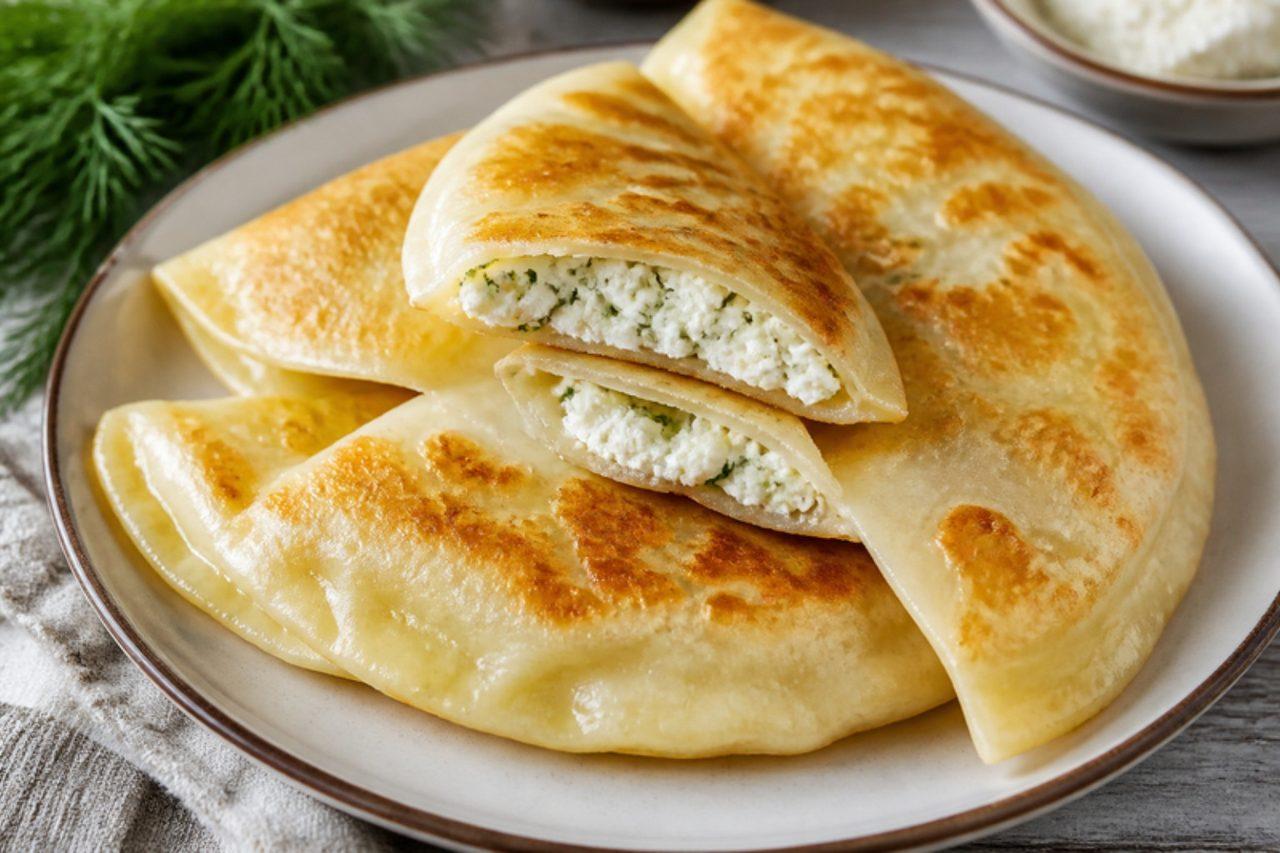
Crimean Tatar cafés from Bakhchysarai to the family-run places that opened in Kyiv and Kherson after 2014 make yantyk to order: a paper-thin unleavened dough folded over a filling, cooked on a dry hot griddle and brushed with butter as it comes off. Unlike chebureki, nothing is deep-fried, so the pastry is soft and blistered with charred spots and the cheese inside melts with dill and spring onion. They are eaten hot with sweet black tea or a glass of ayran. Brined white cheeses such as brynza and feta are often made with animal rennet; choose one labelled vegetarian. The common mistake is rolling the dough too thick, which gives a doughy, pale yantyk; it should be thin enough to see the board through. Chef's tip: stack the buttered yantyk on a plate and cover with a bowl for a minute, so the steam softens the pastry the way Crimean cooks like it.

by KrazyBadal 0 views

Ditakh juiceSweet-sour ditakh fruit juice

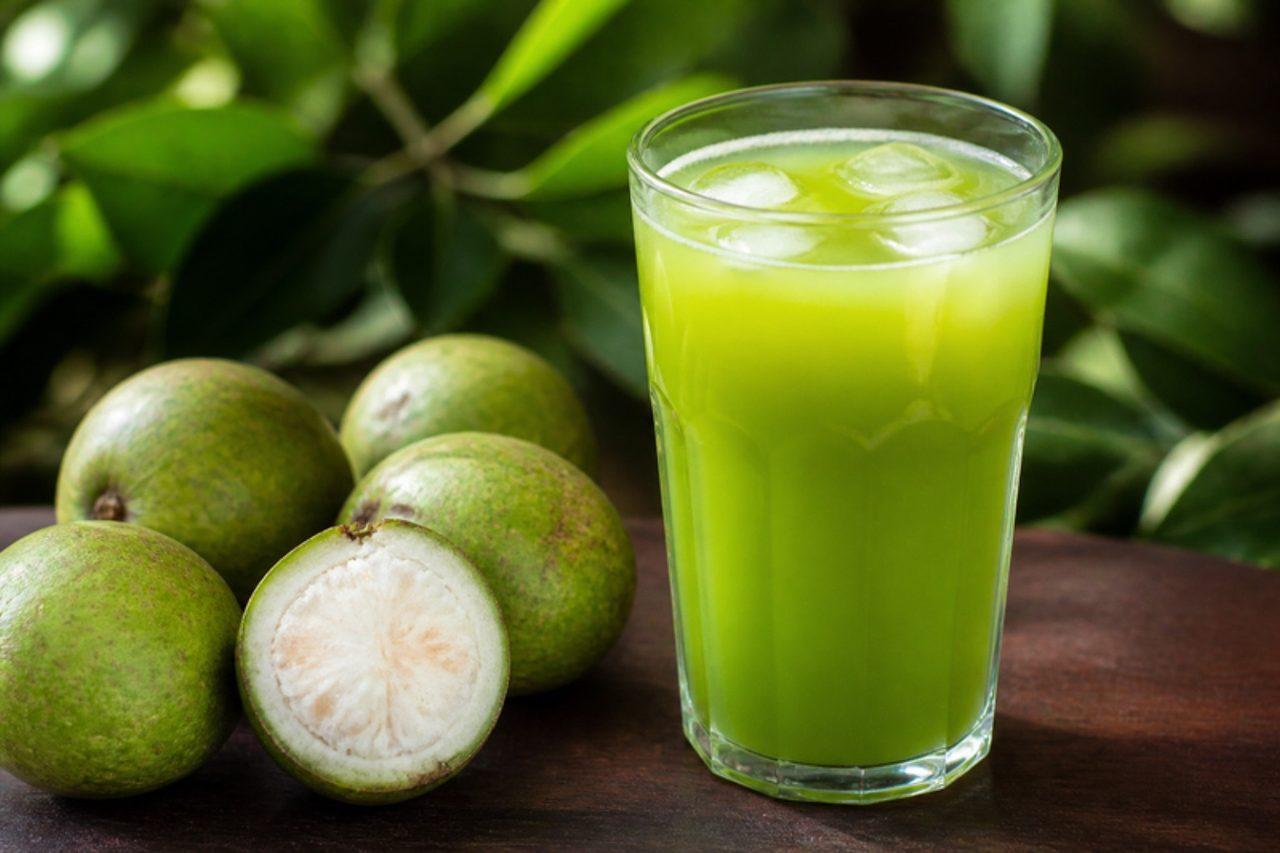
When the round, brown-shelled ditakh fruit comes into the markets of Dakar and Casamance, juice sellers turn its bright green, fibrous pulp into one of Senegal's most refreshing drinks. Ditakh grows on a wild tree of the region and is famously rich in vitamin C; its juice is vivid green, tart and fruity, somewhere between green apple, lime and tamarind. The pulp clings to a fibrous stone, so it is soaked and rubbed off by hand, then strained and sweetened. Outside Senegal look for frozen ditakh pulp in African shops; there is no real substitute. A frequent slip is blending the stones with the pulp, which makes the juice bitter. Chef's tip: work the flesh with your fingers rather than a blender, because blending crushes the bitter fibres and stone into the juice.

by KrazyBadal 0 views

Thiéré with vegetable sauceMillet couscous with vegetable sauce

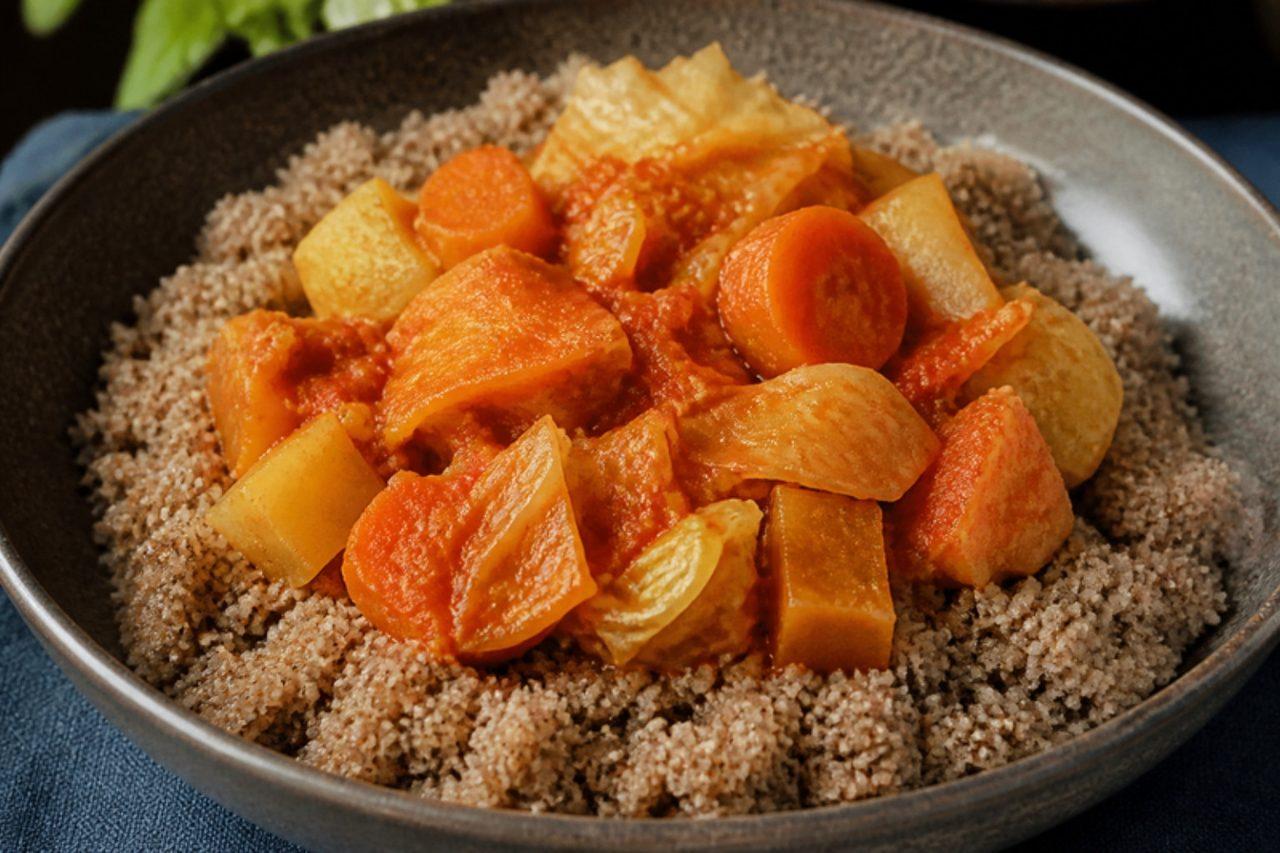
On the night of Tamkharit, the Muslim new year, families across Dakar and the Wolof heartland sit down to thiéré: fine millet couscous steamed until light, moistened with a rich sauce and eaten from a shared bowl, while children go door to door in costume afterwards. Most households add lamb or beef; this is the meat-free way, with cabbage, carrot, turnip, sweet potato and chickpeas in a tomato and black pepper broth. The millet is grainy, nutty and soft, the sauce soaks into it, and a whole Scotch bonnet adds perfume rather than burn if left unbroken. The usual mistake is steaming the millet only once, which leaves it gritty; it needs a second steaming after being moistened. Chef's tip: rub the couscous between your palms after the first steaming to break every clump; skipping this is why home thiéré turns heavy and lumpy.

by KrazyBadal 0 views

Dominican yaniquequesFried dough discs

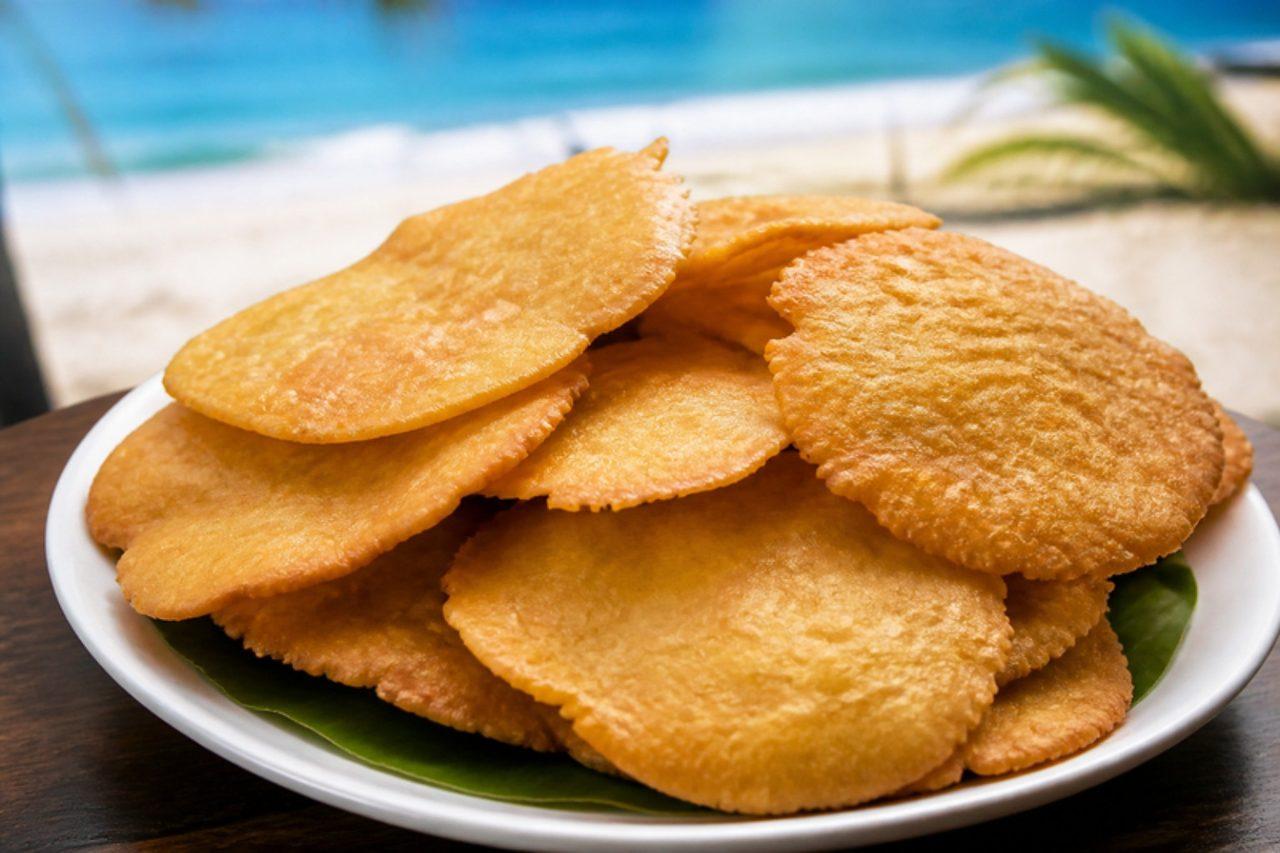
Boca Chica, just east of Santo Domingo, is where vendors walk the sand with trays of yaniqueques (the name comes from "johnny cakes"): wide, thin discs of dough fried until they puff, blister and crack like a cracker, sprinkled with salt or sugar and eaten with fried fish and a cold drink. The dough is just flour, baking powder, salt and water with a spoon of oil. The common mistake is rolling them too thick, which gives a bready fritter instead of a shatter-crisp one. Chef's tip: prick each disc a few times with a fork before frying so it blisters evenly instead of ballooning.

by KrazyBadal 1 views

Showing 90 of 9,360 recipes

Page 526 of 1,040