


Skip to content
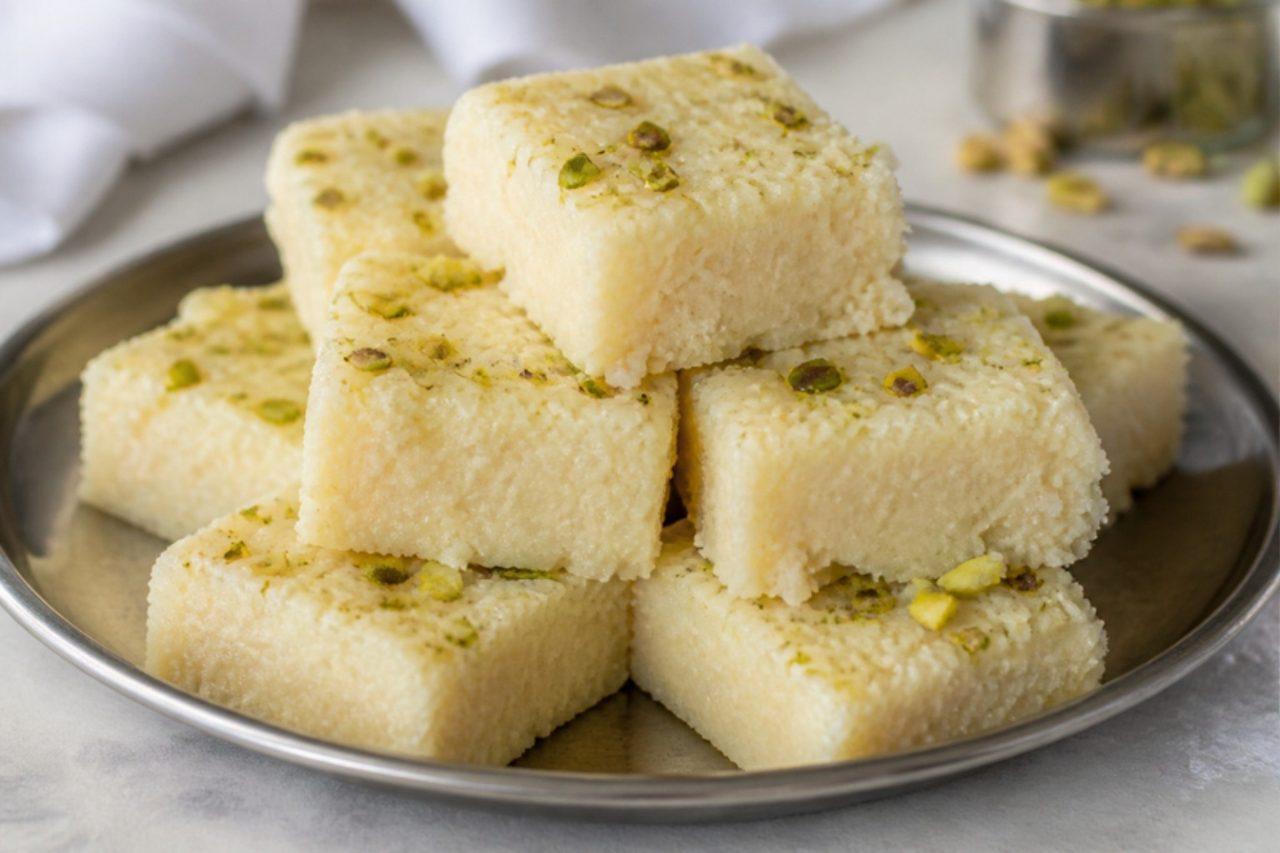
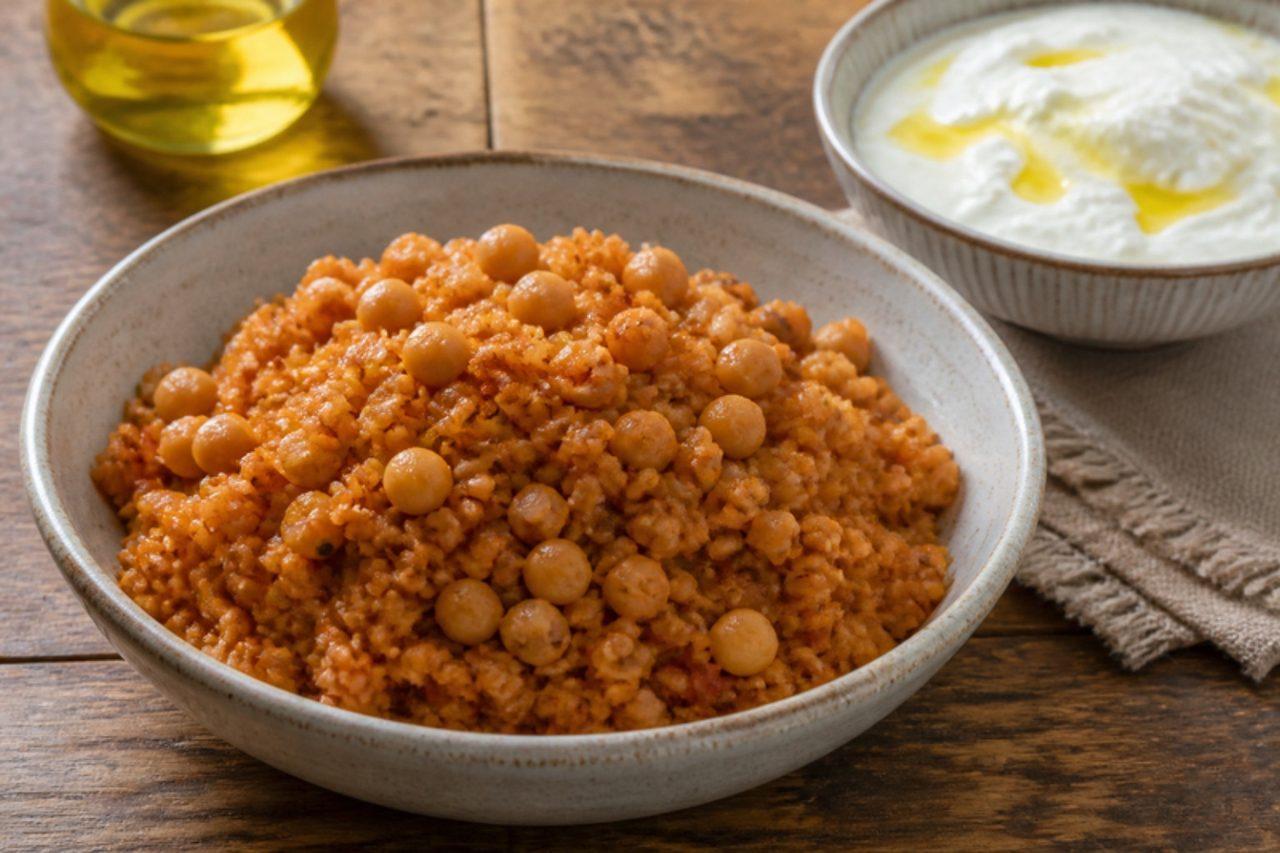
Firik pilavı
Featured recipe

Firik pilavı

Smoky green wheat pilaf

Each June farmers around Gaziantep cut wheat while it is still green and burn off the husks in the field, which gives firik its gentle campfire smell. Cooked as a pilaf with onion, pepper paste and a handful of chickpeas, it has a chewy, nutty bite that sits well beside grilled kebabs or simply a bowl of ayran and a tomato salad. It is the everyday grain of the region's home kitchens, cheaper than rice and more filling. Rinse the grains well: grit and bits of chaff are common in firik. Chef's tip: let it rest under a tea towel for ten minutes after cooking; the steam finishes the grains and they separate beautifully.

Read more 1 views

What to eat today?

Around the world

Today's trip: Persian

A new country every day, from every cuisine on the site.

Persian

Morabba-ye albaloo

Sour cherry preserve 65 minMore from Persian (131) →

This week's collection

Kid-friendly dinners
541 recipes · a new collection every Monday

Latest recipes

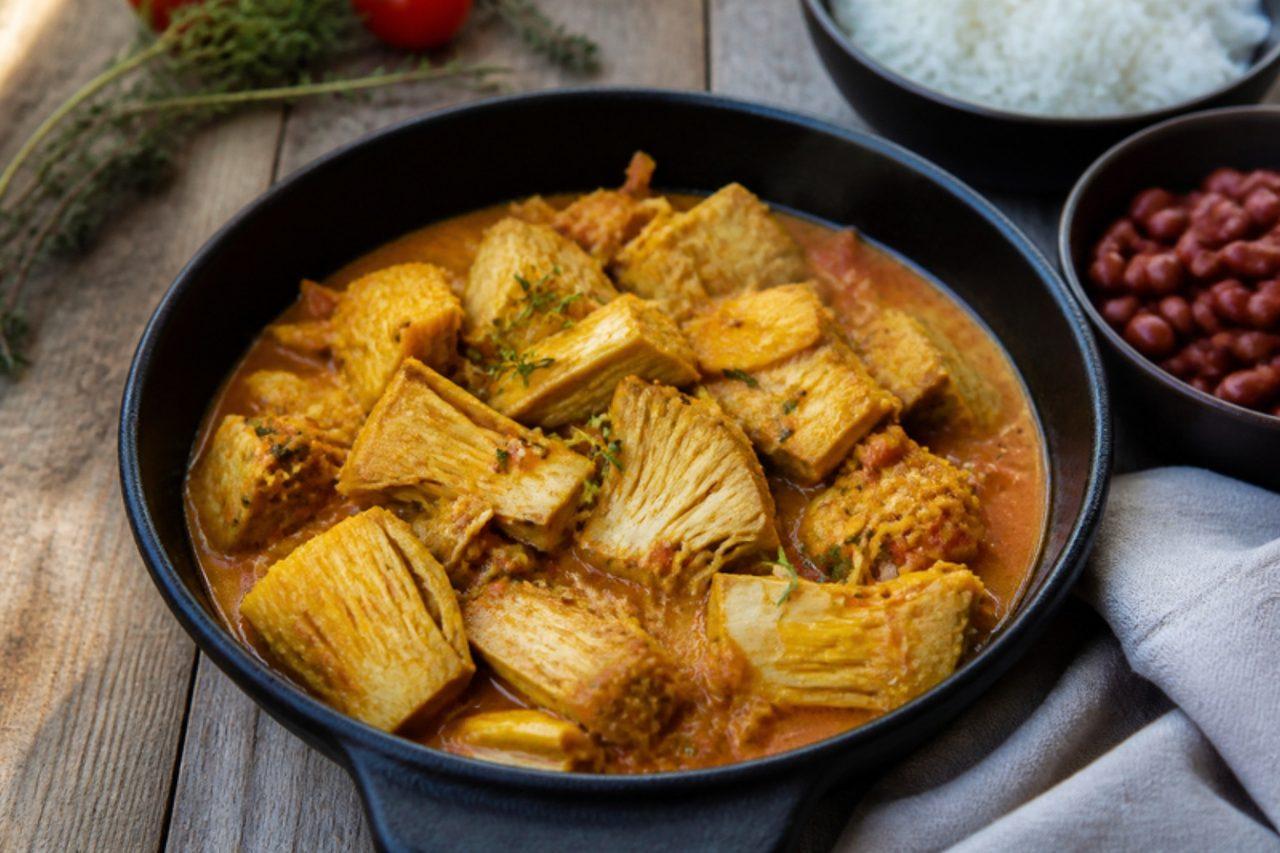
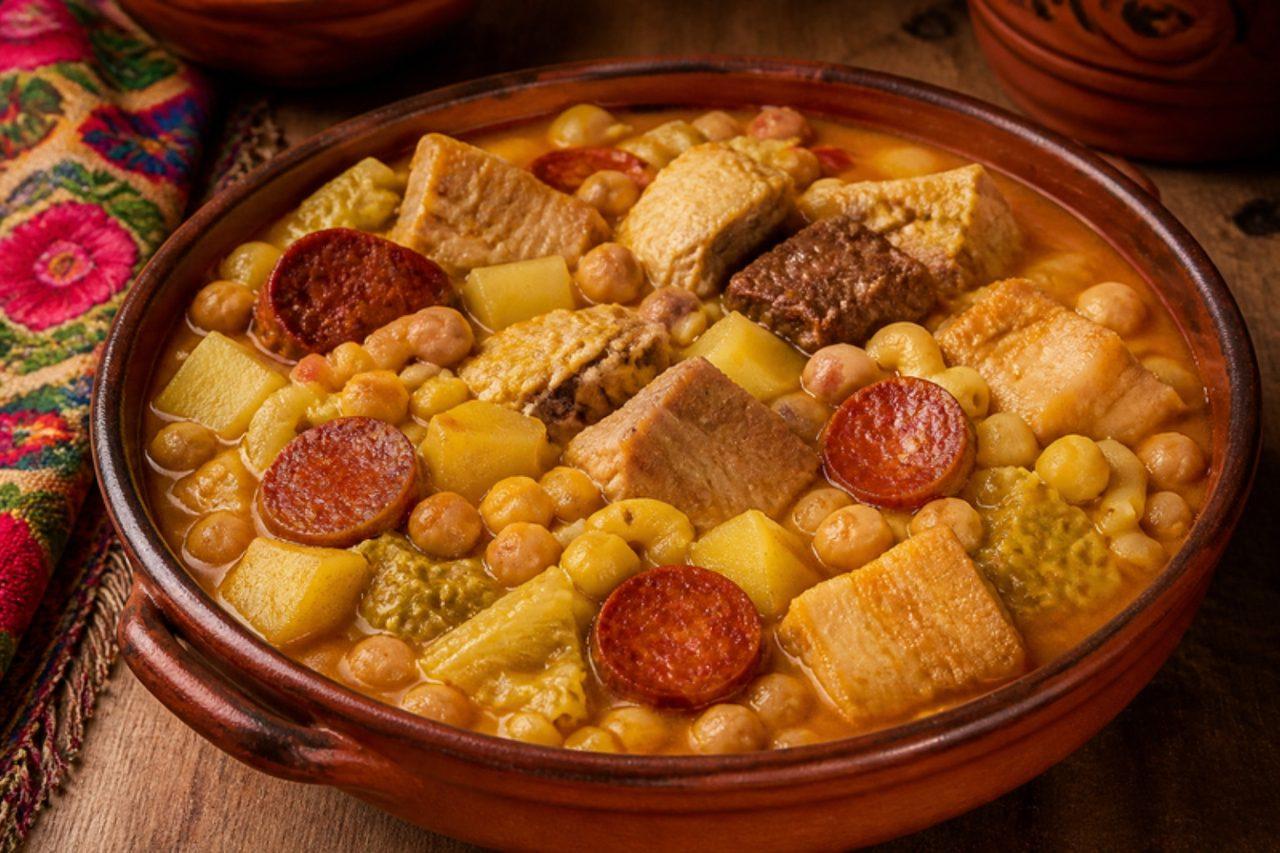
Rancho à minhotaChickpea, meat and macaroni stew

Rancho was the food of farmhands at harvest time around Viana do Castelo: one huge pot of chickpeas, beef, pork, chicken and chouriço, with cabbage, potatoes and short macaroni cooked in the broth to stretch it further. It is now a winter favourite in family restaurants, eaten from deep plates with plenty of the cooking liquid. This contains pork (pork belly and chouriço). Chef's tip: add the pasta only ten minutes before serving and keep the stew loose, as the macaroni soaks up broth fast.

by KrazyBadal 0 views

RanfañoteToasted bread dessert in spiced syrup

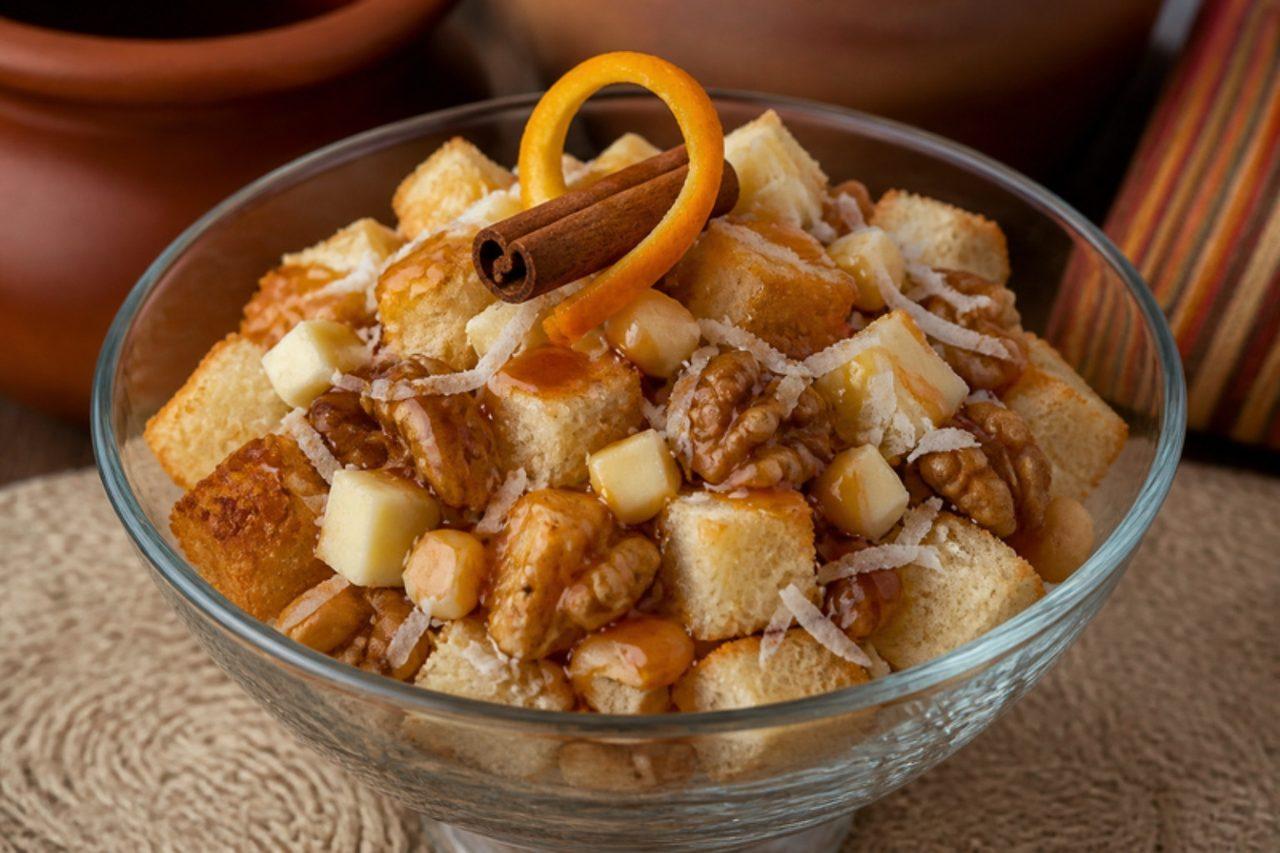
Made from leftovers in colonial Lima by Afro-Peruvian cooks, ranfañote is one of the city's oldest sweets and turns up today at criollo food fairs and at old-style dessert stalls in Barrios Altos. Cubes of day-old bread are toasted crisp, then layered with walnuts, coconut, raisins and little cubes of fresh cheese and drenched in a thick chancaca syrup scented with cinnamon, clove and orange peel. The cheese is not a typo: its saltiness cuts the syrup, and the contrast of crunchy bread, chewy fruit and soft cheese is the point. It is eaten warm or at room temperature on its own. The common error is pouring thin syrup over the bread, which drowns it; the syrup should be thick like honey. Queso fresco is generally made with animal rennet, so choose a vegetarian fresh cheese if you need to. Chef's tip: toast the bread in the oven rather than frying it; it stays crisp longer under the syrup and is less greasy.

by KrazyBadal 0 views

Pellkartoffeln mit Quark und LeinölJacket potatoes with herb quark

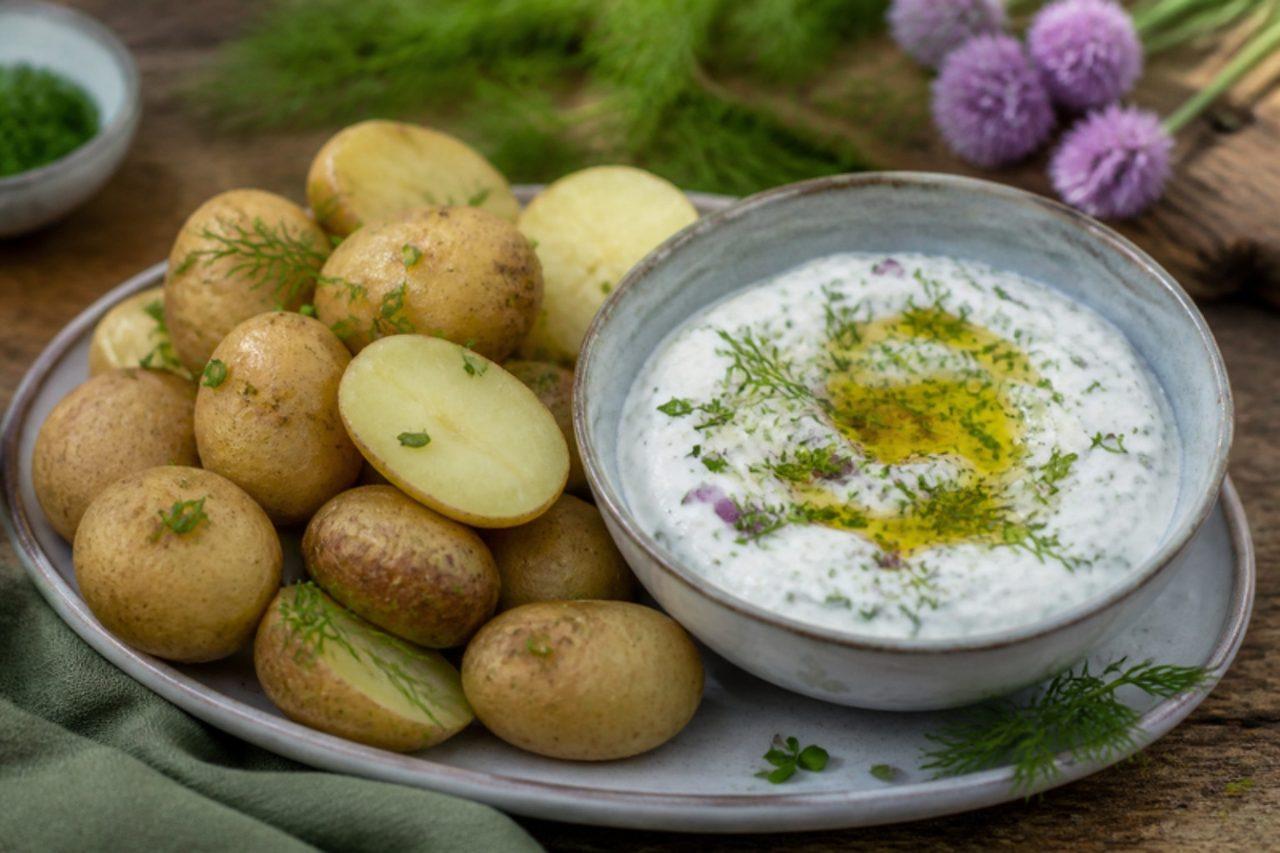
Ask anyone from the Spreewald, the river-and-forest country south-east of Berlin, for the taste of home and many will name this: small potatoes boiled in their skins, a bowl of cold herb quark and a thread of golden, nutty linseed oil poured over the top. It is a weekday supper in Brandenburg and Berlin, cheap, quick and surprisingly filling, often with a Spreewald gherkin on the side. Fresh linseed oil tastes of hay and walnuts; old oil turns bitter and fishy, so buy a small bottle and keep it in the fridge. A common mistake is peeling the potatoes before boiling; cooking them in their skins keeps them firm and flavourful. Chef's tip: beat a splash of milk or sparkling water into the quark, which makes it light and creamy instead of stodgy.

by KrazyBadal 0 views

RanginakWalnut-stuffed dates with butter flour

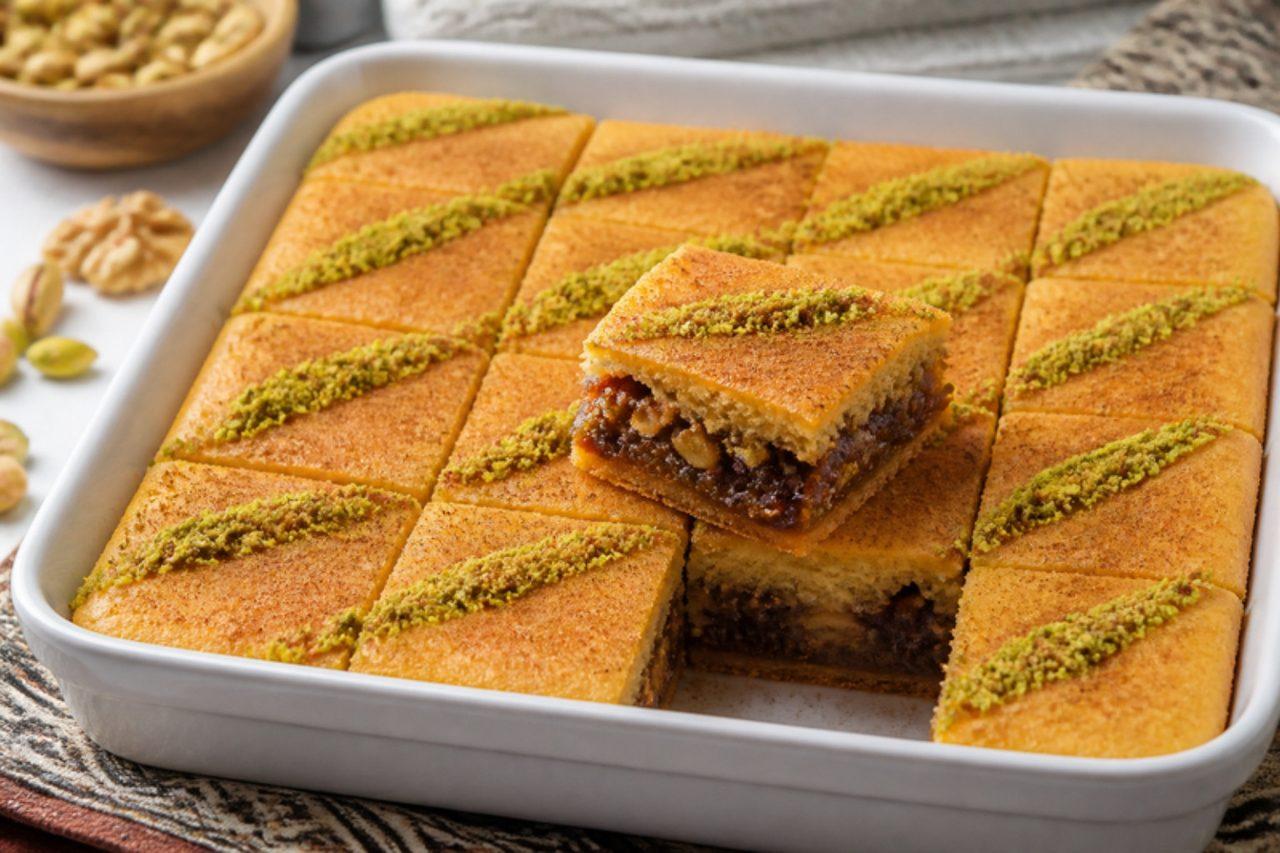
Ranginak is the date sweet of the south, made in Shiraz, Bushehr and Kerman in late summer when the new dates arrive and served in squares with bitter tea, and also at mourning gatherings and Ramadan iftar. Soft dates are stuffed with walnuts, packed into a dish and covered with flour slowly toasted in butter until it smells of biscuits, then dusted with cinnamon and pistachio. A common mistake is toasting the flour on too high a heat: it scorches before it turns nutty, so stir it patiently over a low flame. Chef's tip: use soft, moist dates such as Kabkab or Medjool; dry dates go hard once the butter sets.

by KrazyBadal 0 views

Caldereta de llagostaSpiny lobster stew

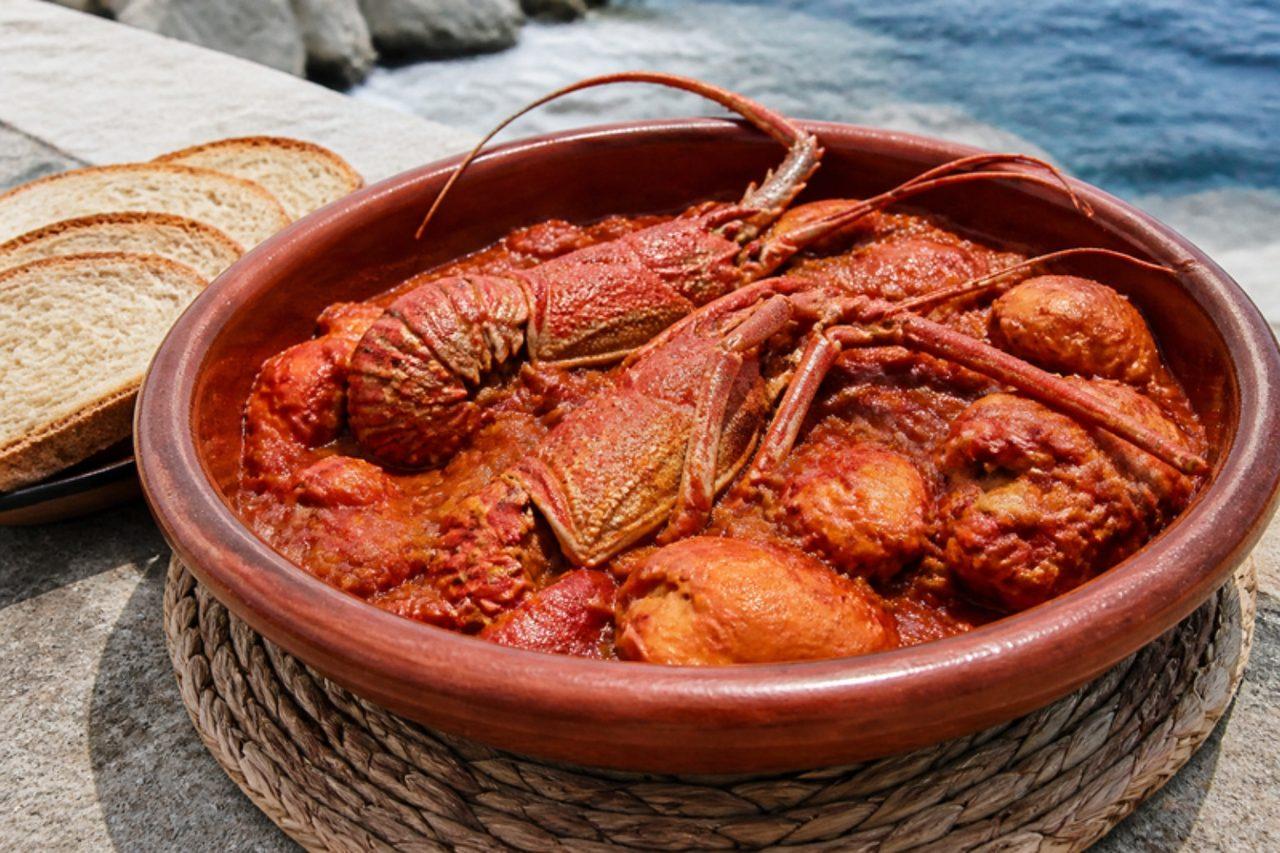
In the fishing village of Fornells, on Menorca's north coast, caldereta de llagosta is the summer splurge people plan a whole holiday around, ladled from a clay pot onto plates lined with thin slices of dry bread. Spiny lobster is cut into pieces and simmered in a deep, tomato-rich sofrito with onion, green pepper and garlic, then thickened with a picada of the lobster's own liver, almonds and parsley. A splash of brandy is common; it is optional here, and the stew is just as good without. Chef's tip: let the sofrito cook until dark and jammy before the lobster goes in, because that slow base is where the broth gets its depth.

by KrazyBadal 0 views

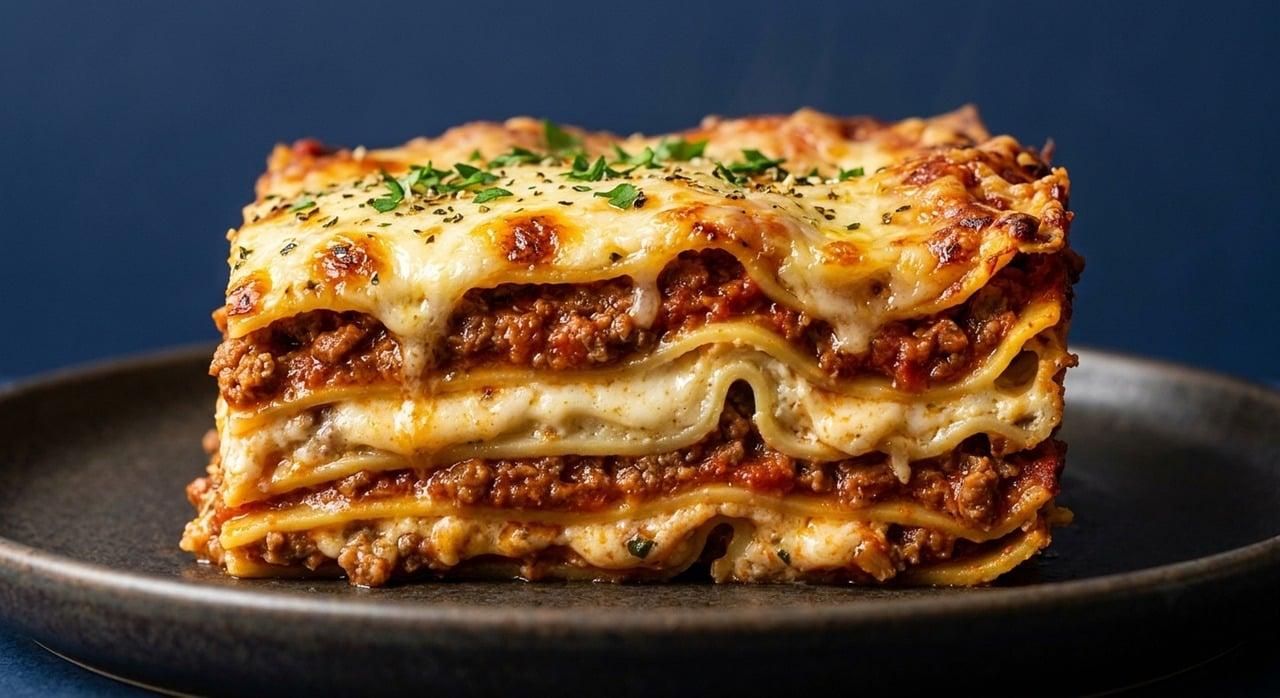
VincisgrassiBaked lasagne with meat ragù

Macerata, in the hills of the Marche, claims vincisgrassi as its own, and families still bake a tray for Sunday lunch, Christmas and Carnival. It is richer than the lasagne most people know: thin egg pasta sheets layered with a slow ragù of pork, veal and chicken livers, a nutmeg-scented béchamel and plenty of parmigiano, baked until the top is crusted and golden. Many cooks splash in white wine and a little Marsala; this version uses dry white wine, with an alcohol-free swap in the ingredient list, and the chicken livers are optional if you'd rather leave them out. Serve it in modest squares, followed by a crisp green salad. Chef's tip: make the ragù the day before and assemble cold, so the layers set firmly and slice cleanly.

by KrazyBadal 0 views

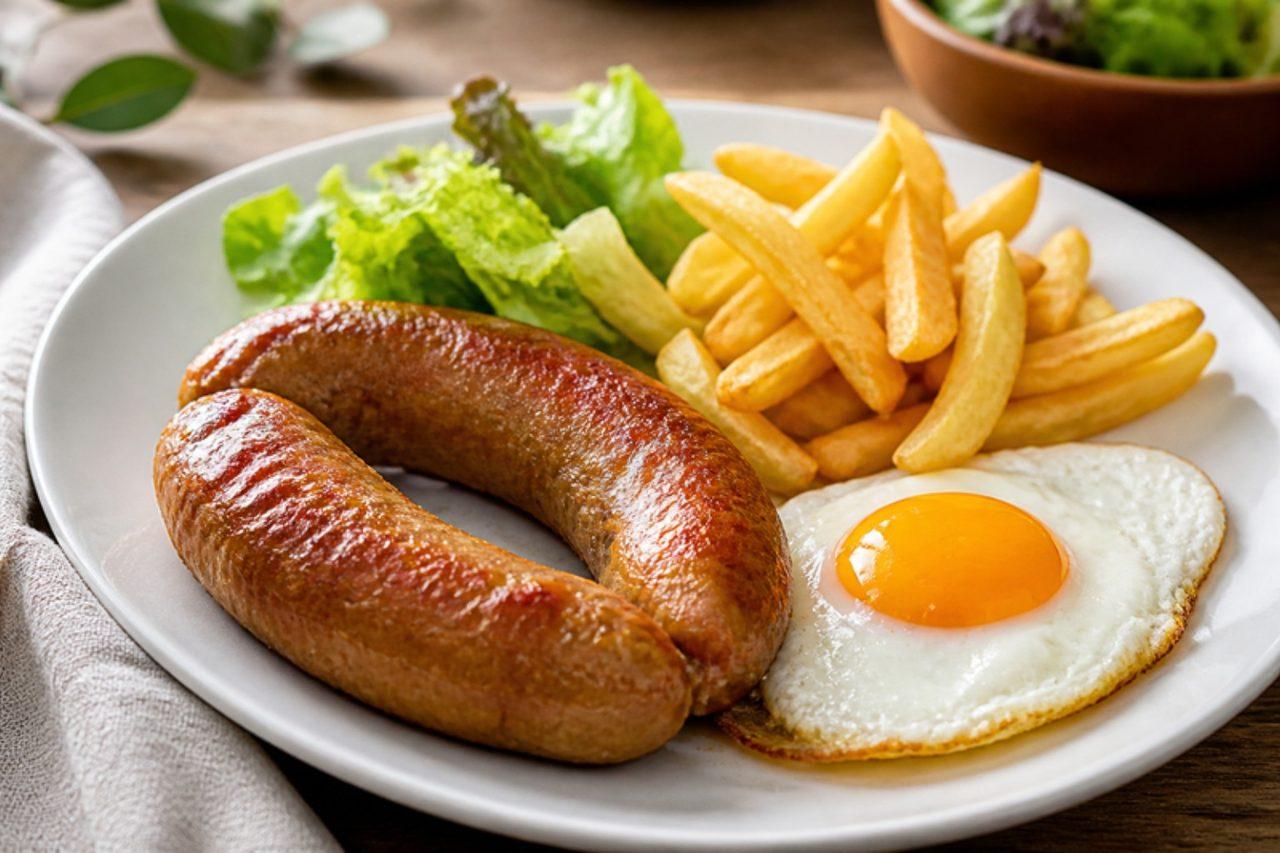
Alheira com ovo e batata fritaGarlic sausage with egg and chips

Mirandela, on the Tua river in Trás-os-Montes, is the home of alheira, a garlicky smoked sausage of bread and poultry, said to have been invented by Jewish families who needed something that looked like pork sausage. Today most alheiras contain pork, so this dish contains pork; look for the rare poultry-only kind if you avoid it. In every northern café it comes the same way: roasted until the skin crackles, with a fried egg, chips and sautéed greens. A common mistake is frying the alheira over a high heat, so the skin bursts and burns before the inside is hot. Chef's tip: prick the skin a few times and roast it in the oven rather than frying, so it stays whole and crisp.

by KrazyBadal 0 views

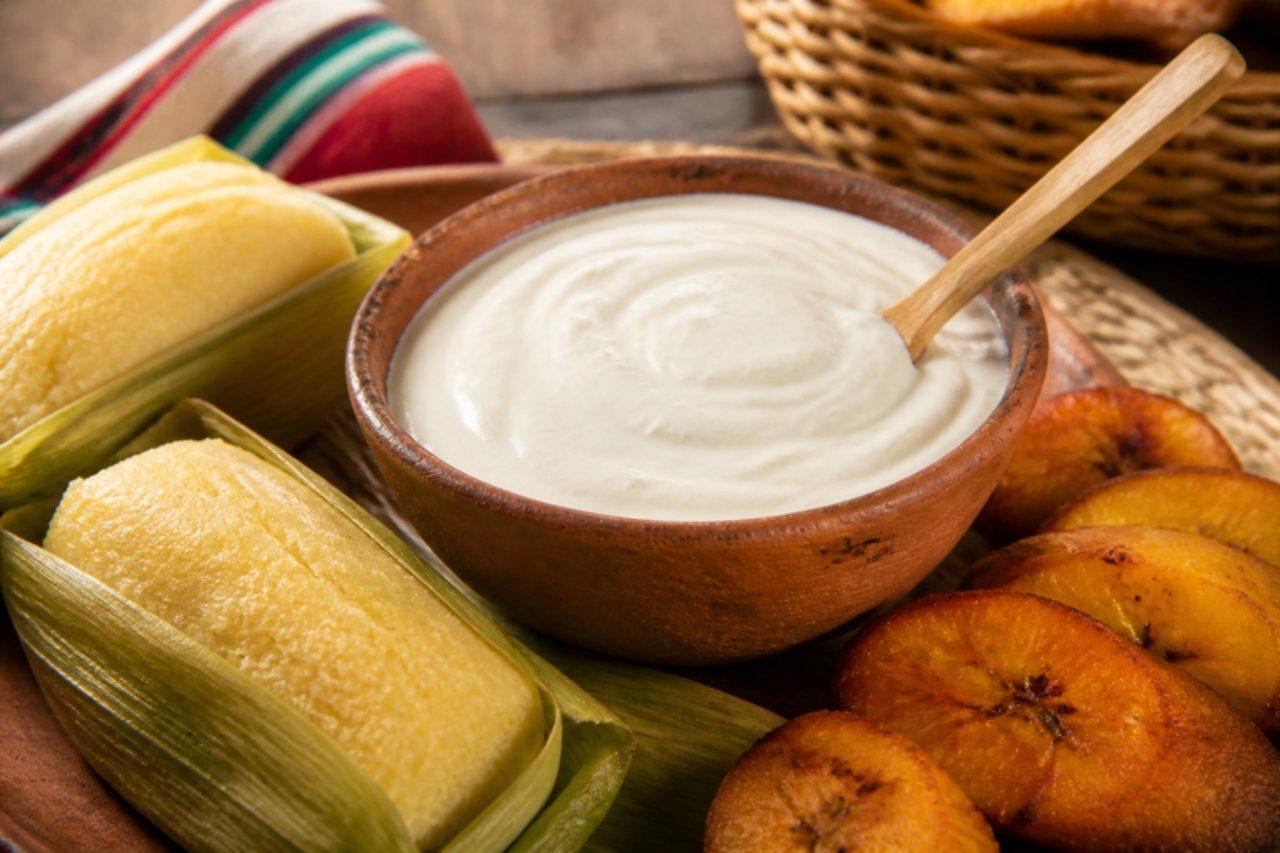
Suero costeñoTangy fermented cream

Market stalls in Montería, Sincelejo and Valledupar sell suero costeño from big tubs, ladled into bags: a sour, salty, spoonable cream that goes onto bollos, arepas, boiled cassava, fried plantain and mote de queso. Traditionally it comes from raw milk left to sour in the heat. This home version keeps the flavour but uses pasteurised cream and milk with live yogurt as a starter, which is far safer. Plan for 12–24 hours of fermenting plus chilling. Hygiene matters: wash the jar and spoon in hot soapy water and scald them with boiling water, never use raw milk, and keep the jar at room temperature (20–25 °C, out of direct sun) for no more than 24 hours before it goes into the fridge. Throw it out if you see mould, pink or orange patches, or it smells putrid rather than pleasantly sour. Leaving it out too long is the big mistake: it goes bitter and separates. Chef's tip: salt only after fermenting, as salt slows the cultures.

by KrazyBadal 0 views

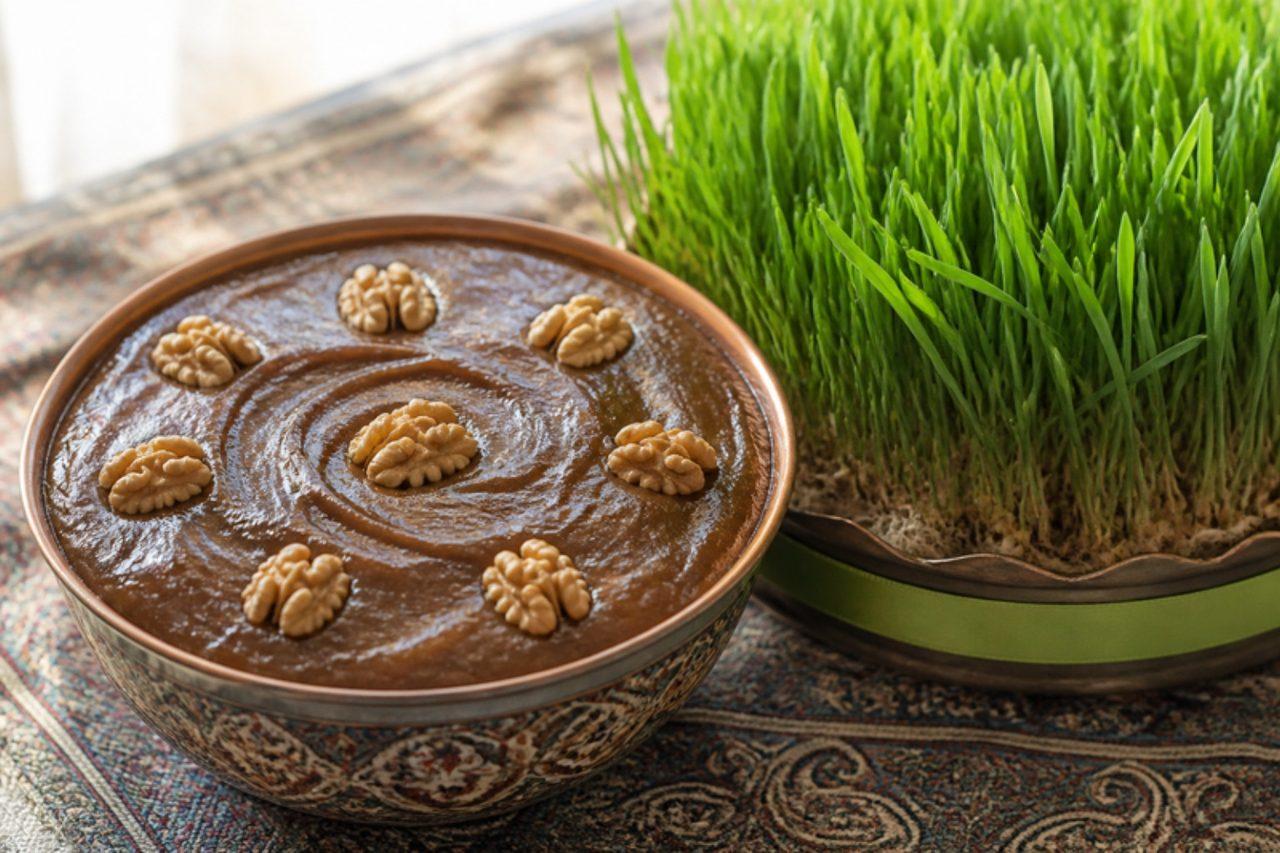
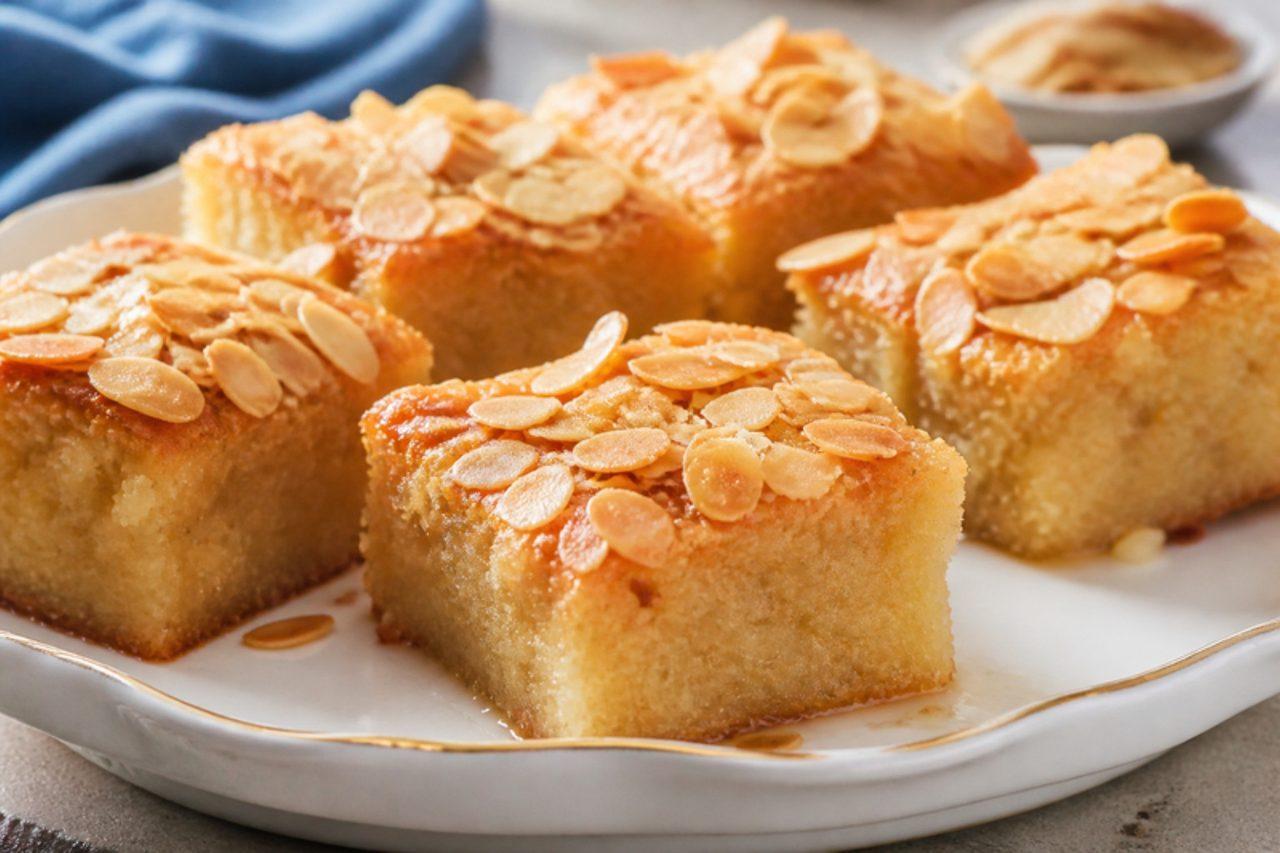
SamanuSprouted wheat pudding

Samanu is one of the seven 's' items on the Nowruz haft-sin table, standing for strength and abundance, and in many neighbourhoods of Tehran and Shiraz women still gather to stir the great pot through the night, singing and taking turns. It is made from nothing but sprouted wheat juice and flour, cooked very slowly for many hours until the natural malt sugars caramelise into a thick, toffee-brown, gently sweet pudding. This home version uses a smaller batch, but it still takes days of sprouting and a long, patient simmer. The common mistake is turning the heat up to rush it, which scorches the base and makes the samanu bitter. Chef's tip: drop a few clean walnut halves into the pot near the end; tradition says whoever finds one in their bowl will have a lucky year.

by KrazyBadal 0 views

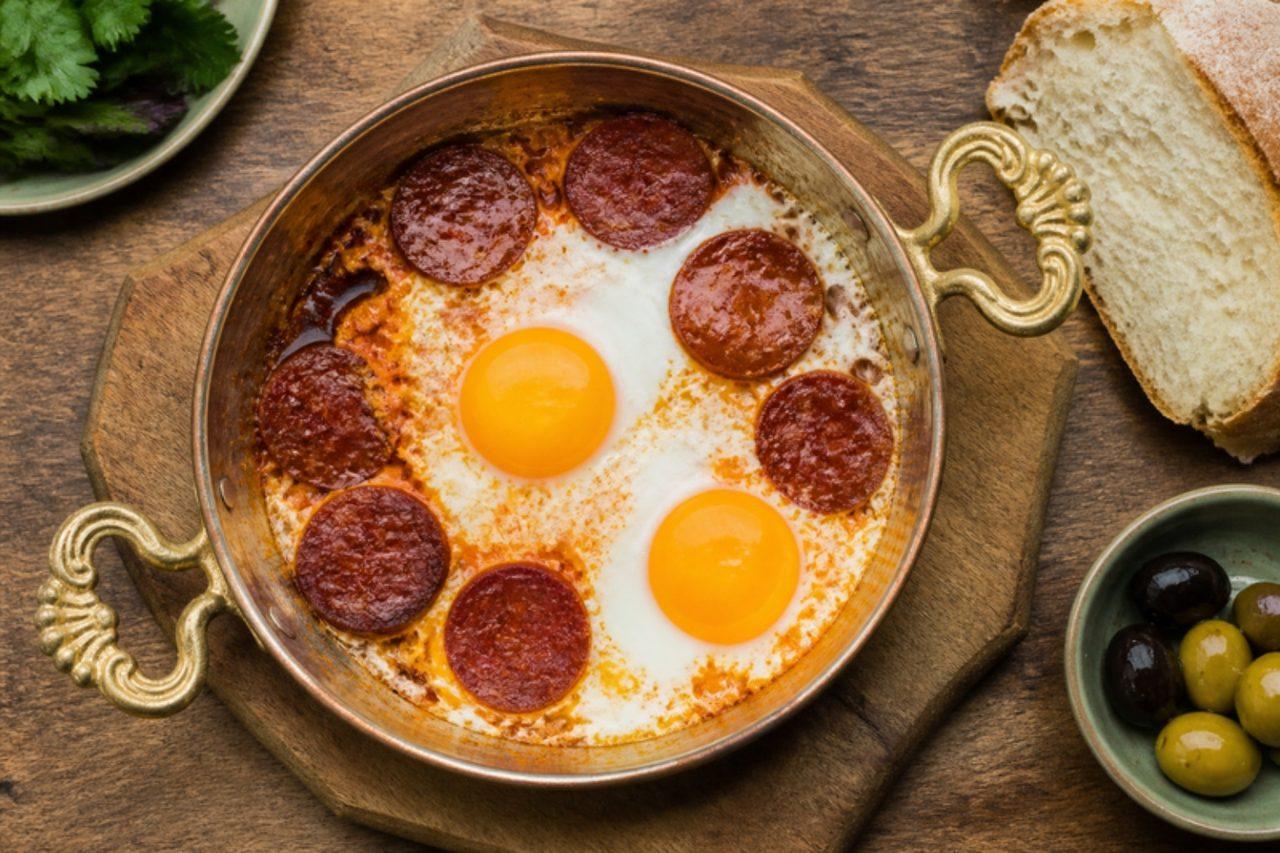
Sucuklu yumurtaSpicy sausage with eggs

No Turkish weekend breakfast spread feels complete without a sizzling sahan of sucuklu yumurta carried to the table: slices of garlicky, cumin-spiced beef sucuk fried in their own red fat, with eggs cracked over and cooked just until the whites set. Everyone tears bread and dips it straight into the pan, between bites of cheese, olives and tomato. Sucuk is a cured beef sausage; cook it thoroughly. Common mistake: frying the sucuk on high heat, which burns the spices and makes the slices curl and harden. Chef's tip: add a teaspoon of water to the pan once the sucuk has released its fat; it stops the slices burning and helps cook the egg tops.

by KrazyBadal 0 views

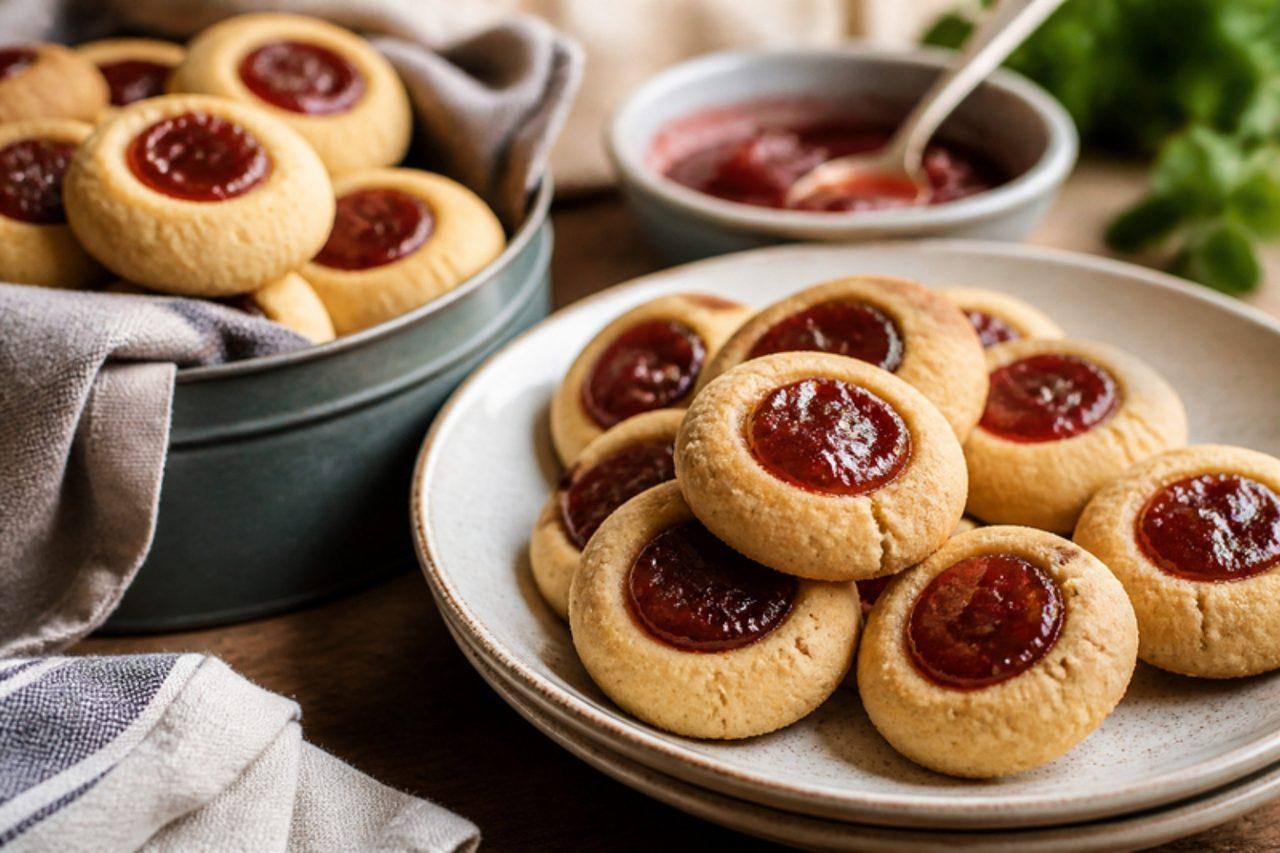
Pepas de membrilloQuince jam cookies

Pepas are the little round cookies with a jewel of quince jam in the middle that Argentine kiosks sell by the bag and grandmothers keep in a tin for the mate round. They are tender and crumbly, not crisp, with just enough sugar that the tart, dark membrillo stands out. Children love pressing the thumbprint and filling it, which makes them a good first baking job, and they keep for a week in an airtight jar. Kiosk versions are often made with margarine; butter tastes far better. Overbaking is the usual problem: take them out while the tops are still pale and only the bottoms are golden, because they firm up as they cool. Chef's tip: use quince paste softened with a spoonful of hot water and pipe it from a small bag; a spoon leaves smears on the dough that burn.

by KrazyBadal 0 views

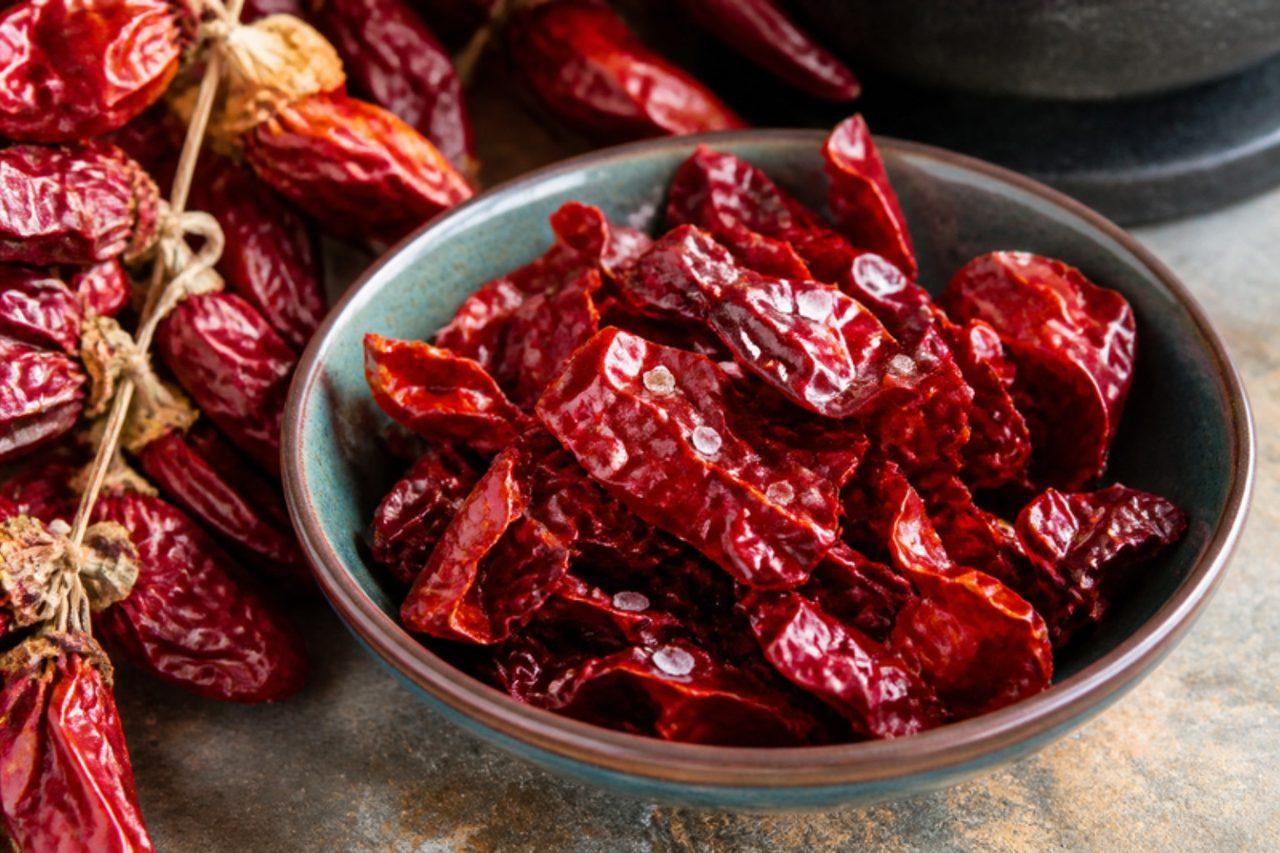
Peperoni cruschiCrisp fried dried peppers

In late summer the villages around Senise, in southern Basilicata, hang long garlands of thin red peppers from balconies to dry in the sun. Once dried, a few seconds in hot oil turns them into peperoni cruschi: glassy, brittle and sweet with a faint smoky note, eaten like crisps or crumbled over pasta, beans, fried eggs and mashed potatoes. Lucanians call them their red gold and keep a jar of them on the table all winter. Chef's tip: get the oil hot but not smoking and count to five; the colour should stay bright red.

by KrazyBadal 0 views

Suco de maracujáPassion fruit juice

Brazilian lunch counters, the pratos feitos joints known as PFs, list suco de maracujá on every chalkboard, and many people order it for its famously calming effect after a long morning. Yellow passion fruit is blended briefly with cold water, strained and sweetened, which gives a vivid, perfumed, very tart drink that goes with rice, beans and a grilled steak just as well as with a beach snack. Use wrinkled, heavy fruit for the most juice, or frozen unsweetened pulp from Latin shops. Over-blending is the slip people make: crushed seeds turn the juice gritty and bitter. Chef's tip: blend the pulp with only a little of the water first, in a couple of short pulses, strain, then add the rest of the water and the sugar.

by KrazyBadal 0 views

PepitoriaRice with goat offal

Santander's famous plate of cabrito (roast kid goat), sold in Bucaramanga, Barichara and the canyon towns, always comes with pepitoria next to it: rice cooked with the kid's chopped heart, liver and kidneys, a refrito of onion and tomato, and blood, which turns it a deep reddish-brown and gives it a rich, mineral flavour, a little like a soft black pudding. It's a dish that uses the whole animal, and it is worth trying if you like morcilla. Ask a halal, Caribbean or specialist butcher for very fresh goat offal and fresh blood (pig blood works if goat isn't available); keep both cold and cook them the same day. Offal must be cooked right through, and the blood until it has set and darkened with no liquid red left. The usual misstep is adding the blood too early, so that it scorches on the bottom; it goes in when the rice is nearly done. Chef's tip: if blood is impossible to find, double the offal and add 1 tsp extra achiote; you'll get a lighter but still very good rice.

by KrazyBadal 0 views

Suco de cupuaçuCupuaçu juice

Cupuaçu is a big, brown, furry-skinned fruit from the cacao family, and in Belém and Manaus its white pulp shows up in ice cream, sweets and above all juice, sold in every lanchonete and at the Ver-o-Peso market. The pulp is thick, creamy and intensely aromatic, with a flavour somewhere between pineapple, banana and chocolate, and very tart, so it is blended with water and sugar into a frothy, almost milkshake-like juice. Look for frozen cupuaçu pulp in Brazilian and Latin shops. Many cafés blend it with milk instead of water; that version is no longer vegan or dairy free. Too little blending is the usual problem, because the fibrous pulp stays stringy. Chef's tip: blend the pulp from frozen, in chunks, with the sugar and a little water first until smooth, then add the rest of the water.

by KrazyBadal 0 views

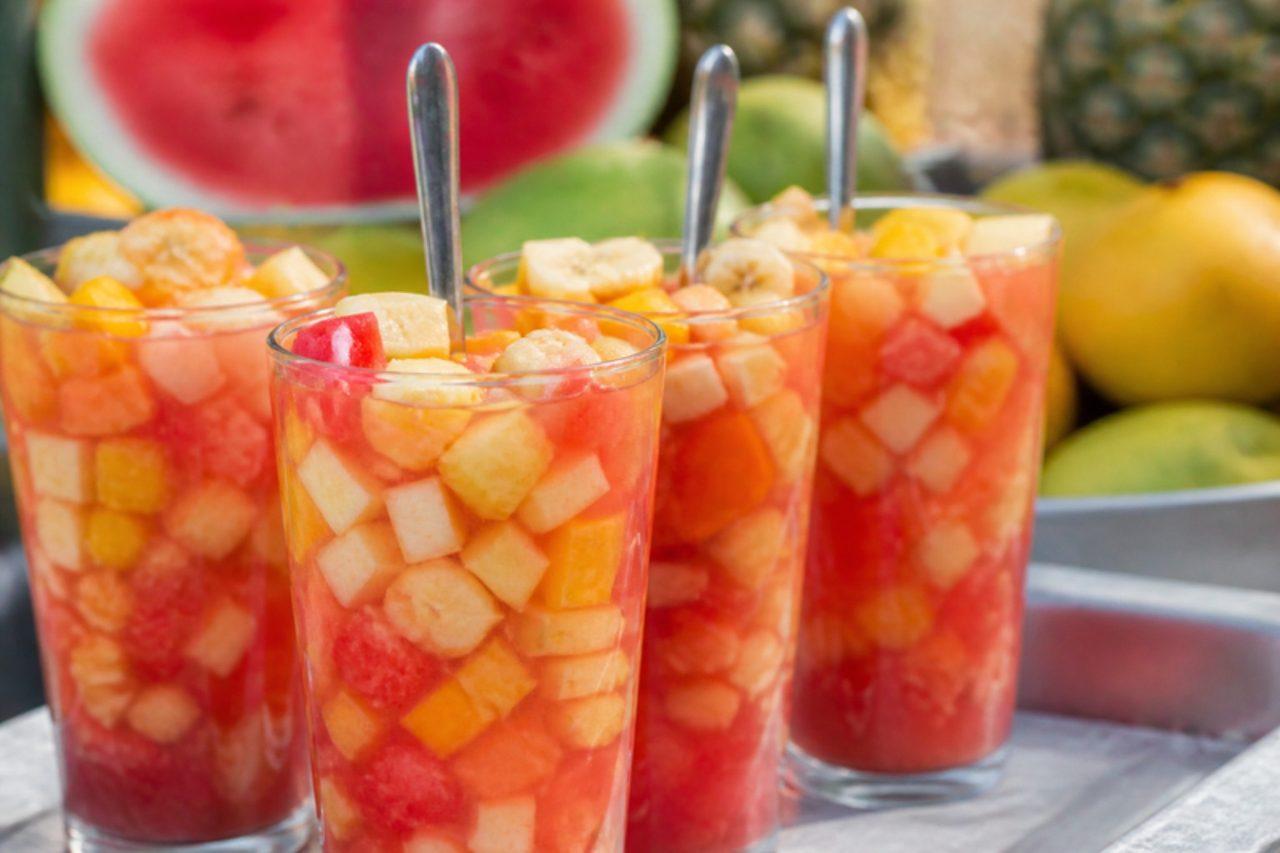
Salpicón de frutasDiced fruit in watermelon juice

Salpicón is what Caleños grab at fruit stands and in the parks of San Antonio when the afternoon heat sets in: a tall cup of tiny, jewel-like cubes of papaya, pineapple, mango, banana and apple, swimming in freshly blended watermelon juice, eaten with a spoon and drunk to the last drop. Some stalls top it up with a fizzy orange or lemon soda; this version keeps it to fresh juice. It is sweet, cool and very refreshing. The mistake people make is cutting the fruit too big; the joy is in tiny cubes you can drink through the juice. Chef's tip: blend and strain the watermelon just before serving and keep everything ice cold; watermelon juice loses its fresh taste within an hour.

by KrazyBadal 0 views

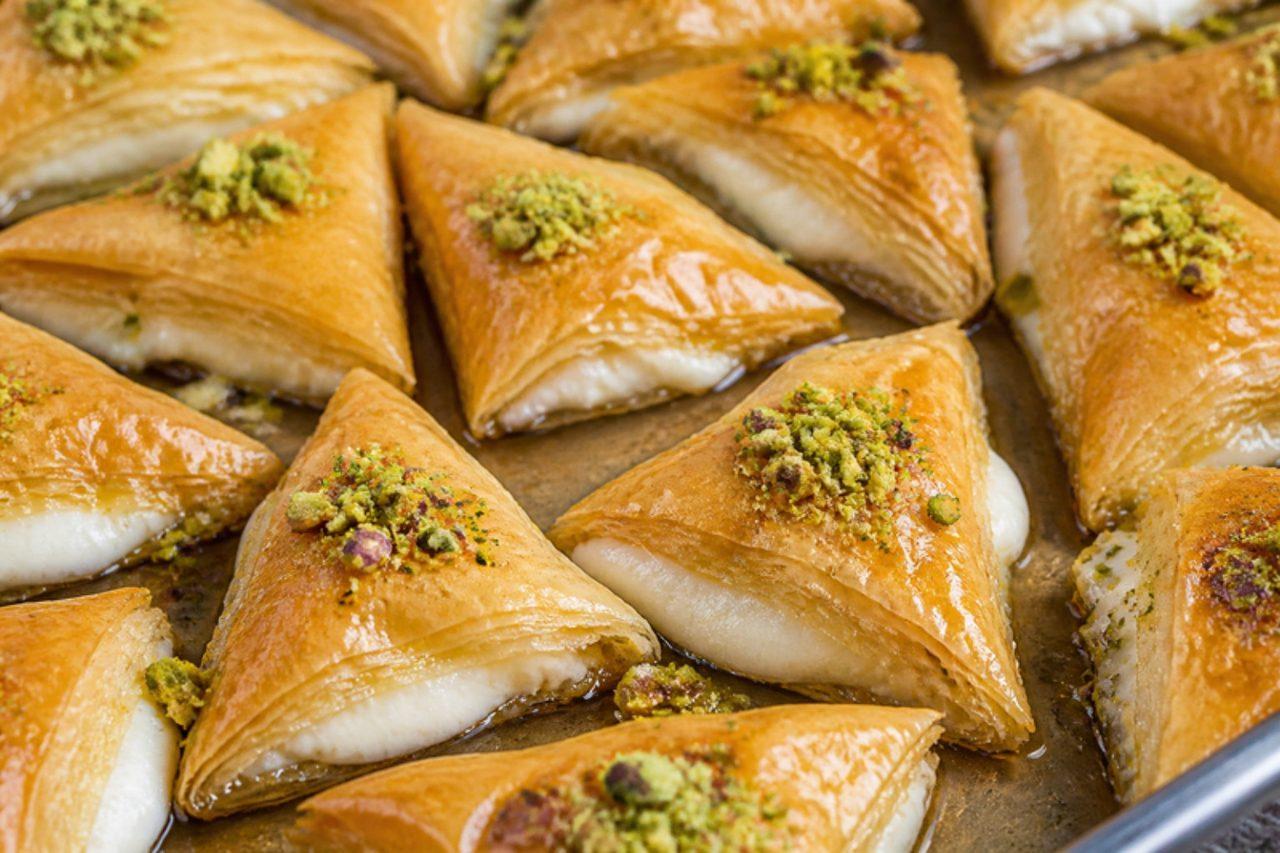
ShaabiyatCream-filled filo triangles in syrup

Shaabiyat is one of the jewels of Aleppo's pastry shops, made in huge trays for weddings and for Eid visits: buttery filo folded into triangles around a cool, thick milk cream, baked until golden and shatteringly crisp, then splashed with syrup and topped with ground pistachio. The cream stays cool and soft inside the crackling layers. Serve within a few hours of baking. Common mistake: letting the filo dry out while you work — keep the sheets under a damp tea towel. Chef's tip: syrup must be cold and the pastry hot when they meet, so it soaks in without making the layers soggy.

by KrazyBadal 0 views

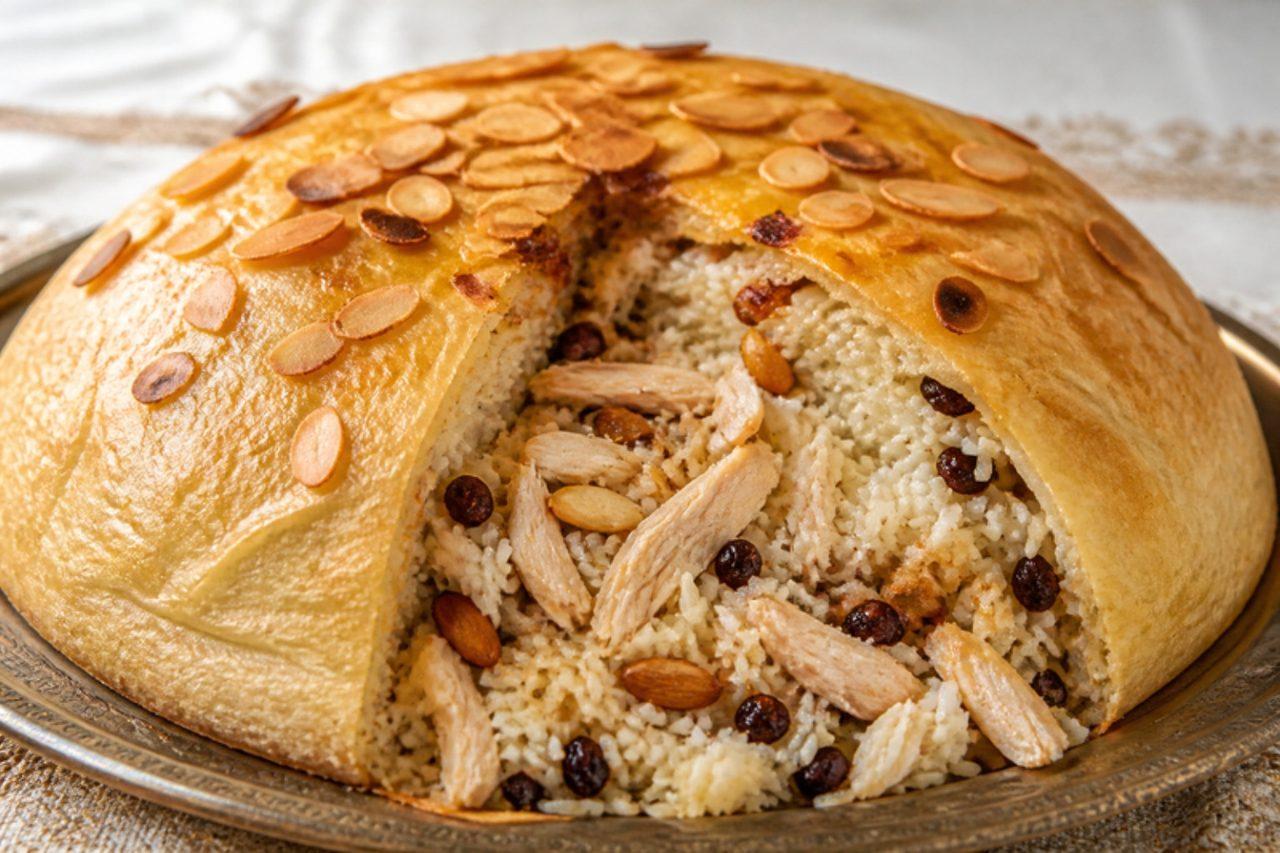
Perde pilavıChicken pilaf in pastry dome

At weddings in Siirt, perde pilavı is carried out whole and cut open at the table: a dome of buttery pastry 'curtain' (perde) hiding rice cooked with shredded chicken, toasted almonds, currants and black pepper. Each part carries a wish for the couple: the rice for plenty, the almonds for children, the pastry for a home that holds together. It makes a spectacular centrepiece for any celebration. Common mistake: a wet filling; the base of the pastry turns soggy, so cook the rice until just dry. Chef's tip: scatter almonds over the buttered tin before the pastry goes in; they become a jewelled top when you turn it out.

by KrazyBadal 0 views

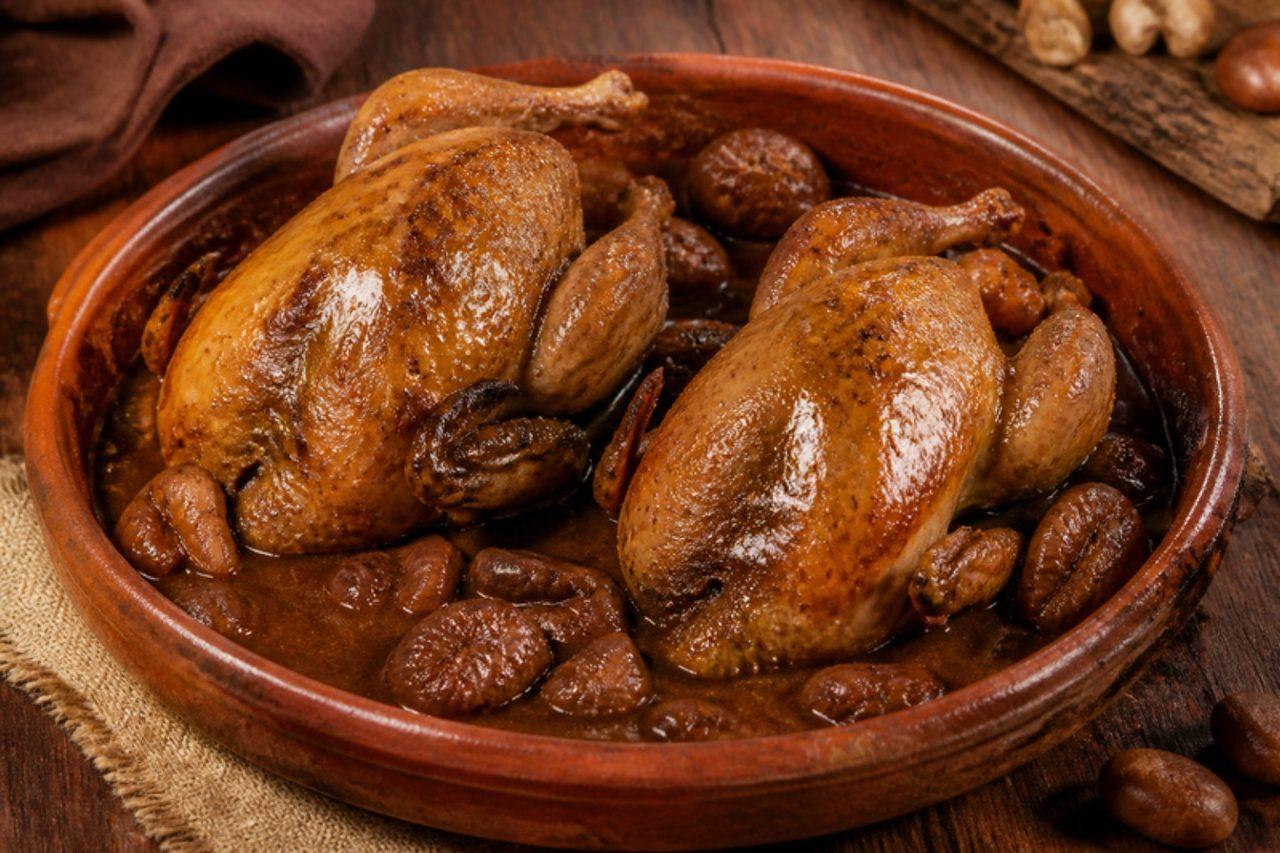
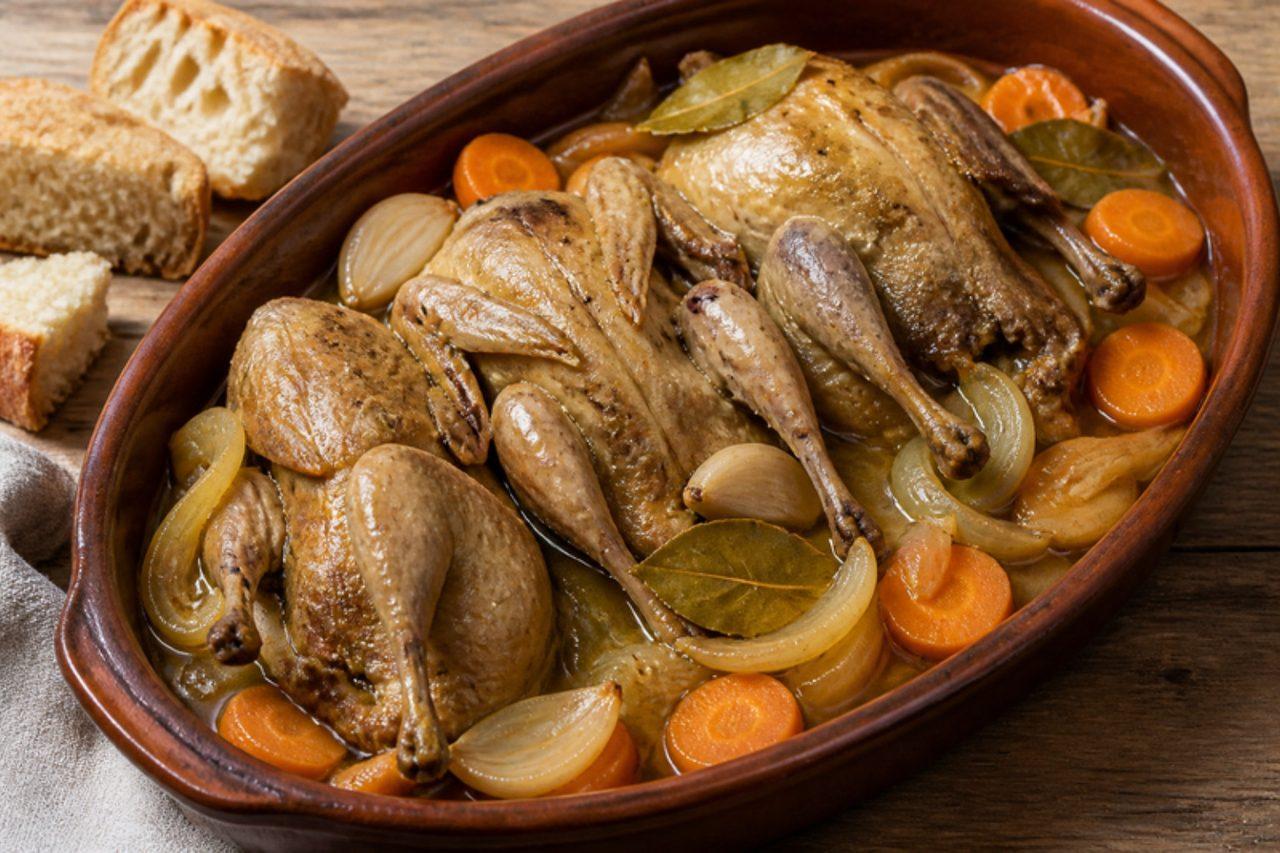
Perdiz al modo de AlcántaraStuffed partridge braised in port

This is the famous dish of the monastery of San Benito at Alcántara, near the Portuguese border. The story goes that French troops looted the library in 1807, and its recipe for partridges stuffed with liver and truffle, marinated for days in port, ended up in French cookbooks, which is why Escoffier listed it. Today it is a dish for autumn hunting-season dinners in Extremadura. Our home version uses chicken livers, mushrooms and an overnight marinade. The dish uses port; for an alcohol-free version, use red grape juice with 1 tbsp of red wine vinegar. Chef's tip: a few slices of black truffle in the stuffing make it truly special, but well-browned mushrooms are a fine everyday substitute.

110 minSpanishMeatGluten free
by KrazyBadal 0 views

Perdiz de escabechePickled partridge

Partridge shooting season fills the cork-oak plains of the Alentejo with hunters in autumn and winter, and escabeche was how their families kept the birds: browned in olive oil, then cooked slowly in vinegar with onion, garlic, bay and peppercorns, and left in the cool larder for days. Today it is made in the fridge and served cold or at room temperature as a starter, with bread and a green salad. A common mistake is serving it straight away; it needs at least a day for the sour, garlicky flavour to soak in. Chef's tip: use good olive oil, since it sets around the birds and is served as part of the dish.

by KrazyBadal 0 views

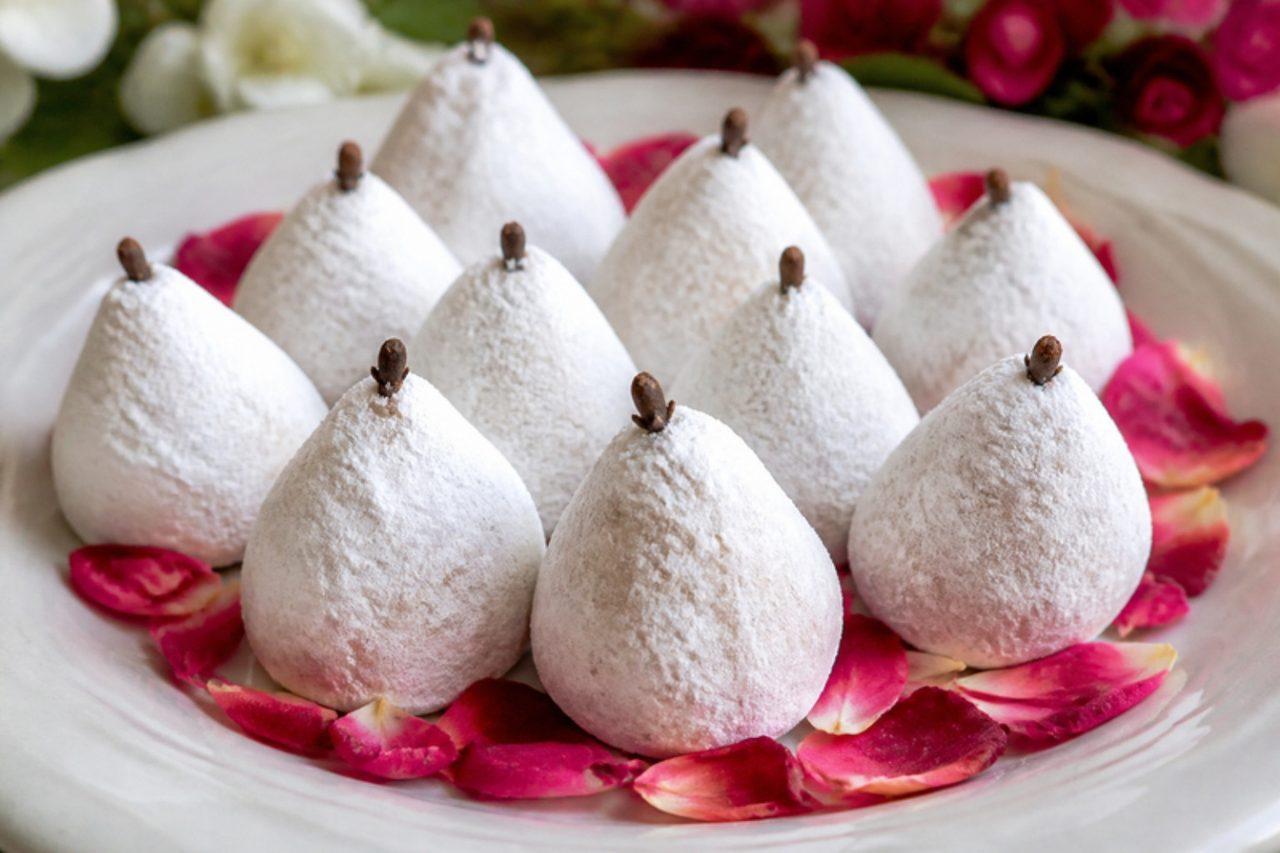
AmygdalotaAlmond sweets

Andros is famous for its almonds, and the island's amygdalota are handed round at weddings, baptisms and Easter: little pear-shaped sweets of ground almond and sugar, baked just long enough to set, then splashed with rosewater and buried in icing sugar. They are soft and chewy inside, perfumed and pure white, and they go with a small cup of Greek coffee. Common mistake: baking them until golden, which turns them dry and hard; they should stay pale. Chef's tip: grind the almonds with some of the sugar so they release less oil and the paste stays light.

by KrazyBadal 0 views

Suco de cajuCashew apple juice

Everyone in Ceará and Rio Grande do Norte has a cashew tree nearby, and in the season, roughly September to December, the fleshy yellow and red cashew apples hang heavily above the nuts. Their juice is the region's everyday drink: pale, cloudy, sweet-tart and faintly astringent, it leaves a slight dryness in the mouth that people love with fried fish or a plate of baião de dois. Fresh cashew apples rarely travel, so outside Brazil use frozen cashew-apple pulp (polpa de caju) from Brazilian shops. This is the fruit, not the nut, but anyone with a cashew allergy should still avoid it. Over-sweetening to hide the astringency is a common mistake, as the juice turns syrupy. Chef's tip: a few drops of lime and plenty of ice soften the dryness far better than extra sugar.

by KrazyBadal 0 views

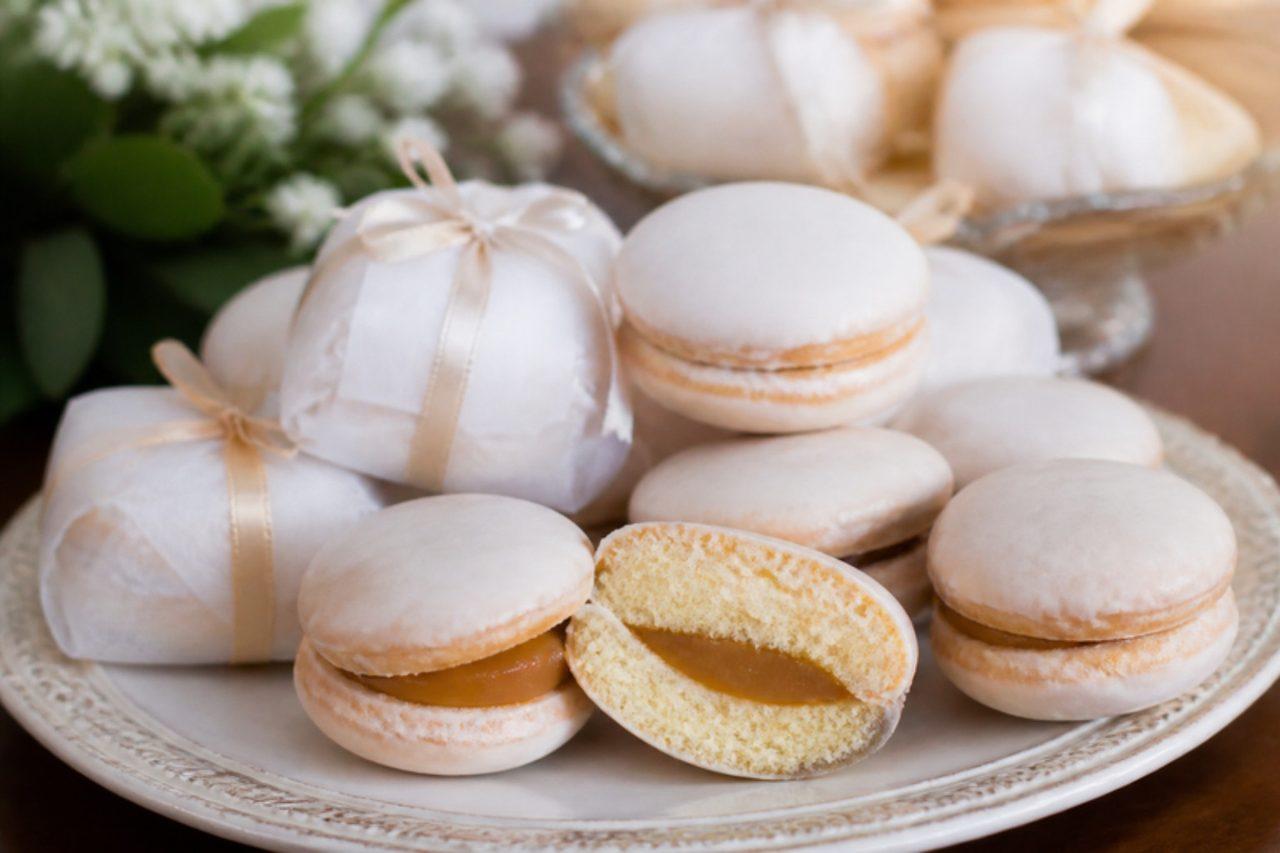
Bem-casadoSponge discs with caramel filling

Guests leaving a Brazilian wedding are handed a bem-casado, 'well married', wrapped in crepe paper and tied with ribbon, as a wish for the couple's happiness. The sweet is said to have taken its modern shape in Campos dos Goytacazes, in the north of Rio de Janeiro state, where confectioners still make it by the thousand. Two thin, airy sponge rounds hold a layer of doce de leite and are dipped in a thin sugar glaze that sets matt white and slightly crisp, so the inside stays soft for days. Doce de leite is sold in jars in Latin shops; use a thick, spoonable one. Over-baking the discs is where most batches fail: they turn dry and crack when sandwiched. Chef's tip: pipe the batter in small rounds and pull them from the oven as soon as they spring back and the edges barely colour; pale is right.

by KrazyBadal 0 views

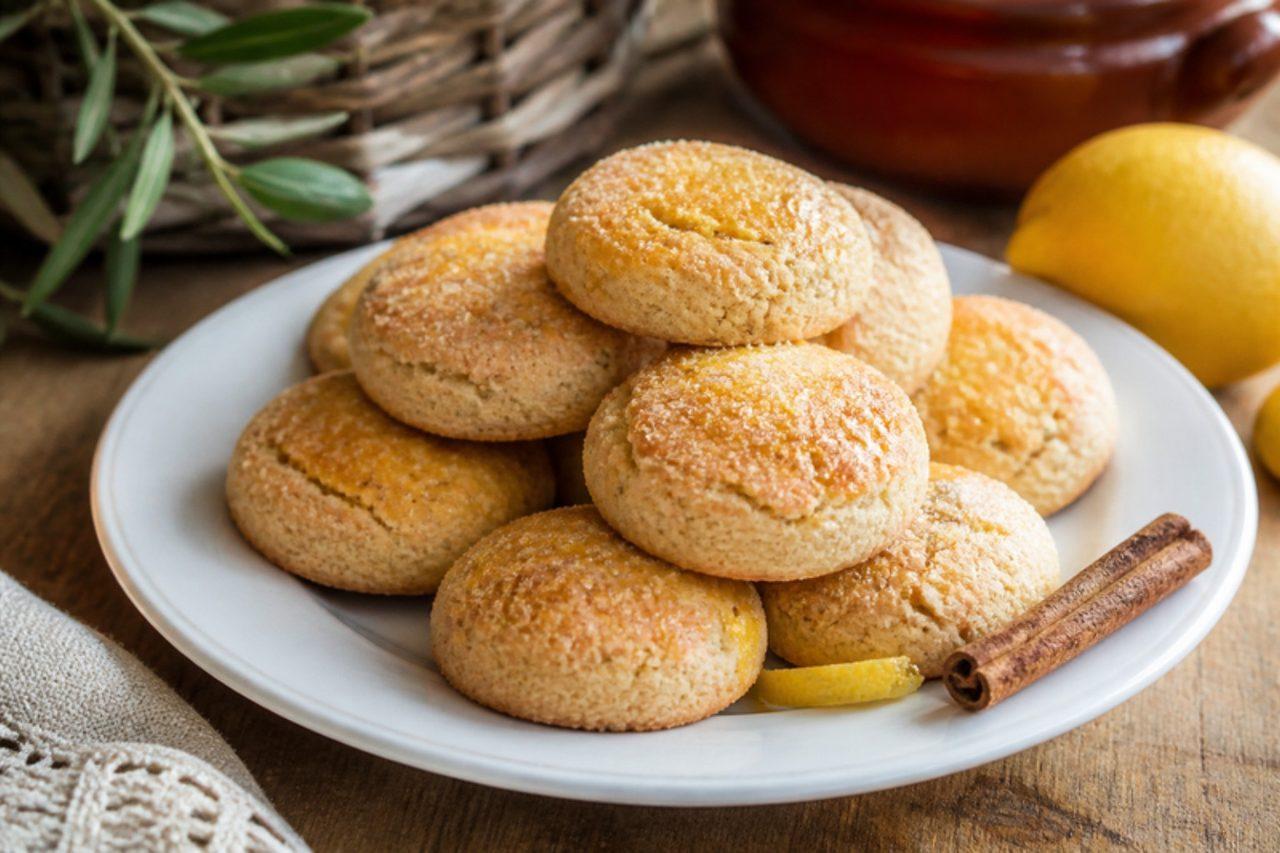
PerrunillasCinnamon and lemon lard cookies

Perrunillas are the cookies of Extremaduran grandmothers, baked in village ovens for Christmas, weddings and the days after the matanza, when fresh lard was plentiful. They are thick, pale and so short they crumble the moment you bite, with a crackly sugar top, and they are eaten with coffee or a glass of milk in the afternoon. This contains pork (pork lard), so they are not vegetarian. Chef's tip: beat the lard and sugar for a good few minutes until very pale and fluffy; that air is what makes them light.

by KrazyBadal 0 views

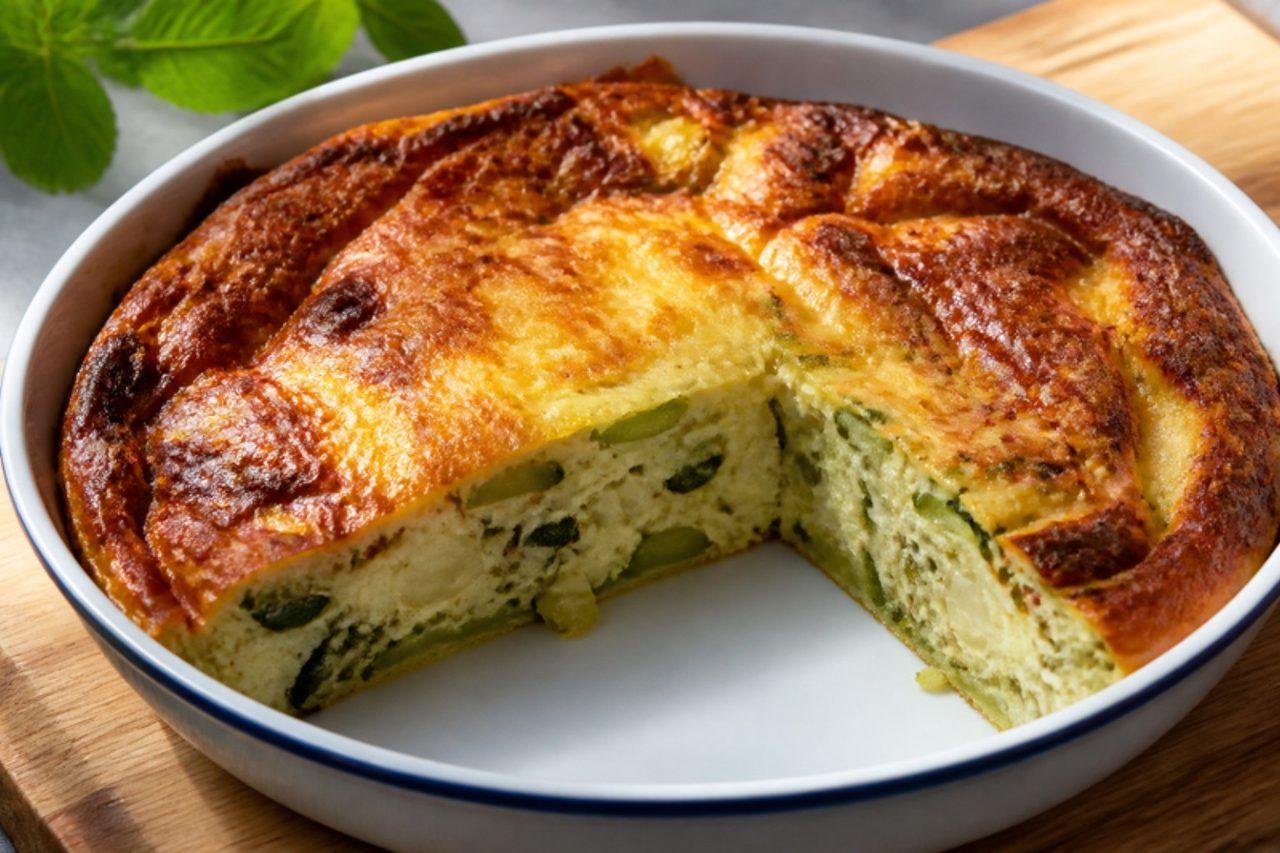
SfougatoCourgette and cheese oven omelette

Sfougato means 'sponge', which is just how this island oven omelette looks when it comes out puffed and golden; in the Cyclades and the Dodecanese it's the summer answer to too many courgettes. Grated courgette, spring onion and mint are softened in olive oil, mixed with eggs and cheese and baked, then cut into squares for lunch with bread and tomatoes or packed for a day at the beach. Kefalotyri and feta are usually made with animal rennet, so use vegetarian versions if you need to. Common mistake: leaving the courgettes wet, which gives a watery, rubbery omelette. Chef's tip: let the softened vegetables cool for a few minutes before adding the eggs so they don't scramble at the edges.

by KrazyBadal 0 views

Suco de acerolaAcerola cherry juice

Backyard acerola bushes are everywhere in Pernambuco, Paraíba and the rest of the Northeast, and the small, glossy red cherries fruit several times a year. Blended with water and a little sugar, they make a vivid orange-red juice, tart and cherry-like with a slightly floral finish, famously one of the richest natural sources of vitamin C. Lanchonetes often mix it with orange juice; at home it is the drink kids are handed when they have a cold. Fresh acerolas spoil within days, so outside Brazil use frozen acerola pulp. Letting it stand is the common mistake, since the vitamin C and colour fade quickly once blended. Chef's tip: blend it just before serving, and add the sugar sparingly, about a tablespoon per two glasses, to keep it light.

by KrazyBadal 0 views

SubmarinoHot milk with chocolate bar

Café tables in Buenos Aires have their own way with hot chocolate: the waiter brings a tall glass of frothy, steaming milk on a saucer with a slim bar of dark chocolate, and you drop the bar in yourself and watch it sink like a submarine. Stirred with a long spoon, it melts into a rich, not-too-sweet drink, and it is the classic order with medialunas on a cold winter afternoon or after school. At home it takes five minutes, and children love the moment of dropping the bar in. The common letdown is milk that is only warm: the chocolate sits in a lump at the bottom. Heat it until it is steaming and just starting to rise, but not boiling. Chef's tip: froth the hot milk with a whisk or milk frother before pouring; the foam on top is part of the café ritual and keeps the drink hot while the chocolate melts.

by KrazyBadal 0 views

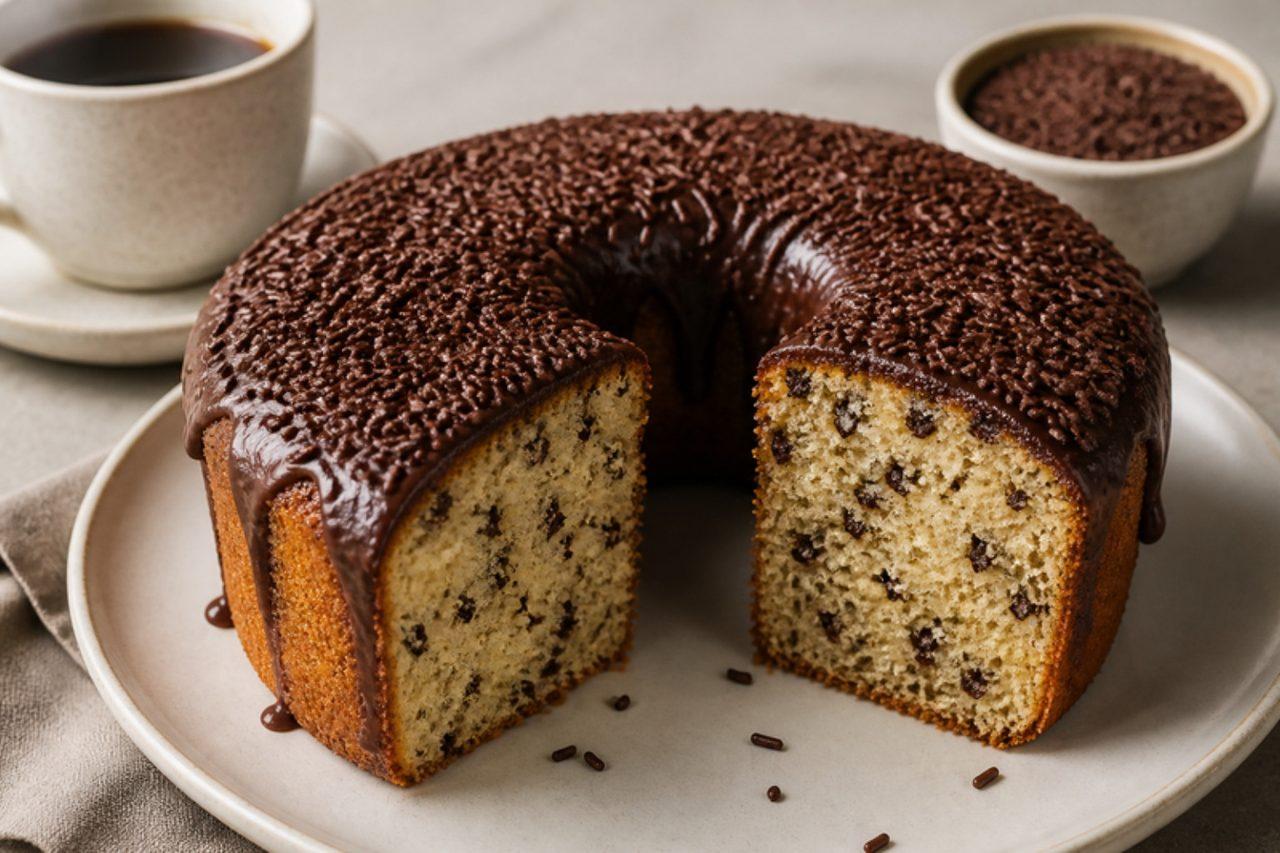
Bolo formigueiroVanilla sponge with chocolate sprinkles

Slice into a bolo formigueiro and the crumb is dotted with dark specks, like ants on a sandy anthill, which is where the name comes from. This is the cake a Brazilian kid would want at merenda time: a soft, buttery vanilla sponge with chocolate sprinkles (granulado) folded through, often finished with a simple chocolate glaze and more sprinkles on top. Padarias and lanchonetes from São Paulo to Belo Horizonte sell it by the slice with a coffee. The cake contains wheat flour, eggs and milk. People often stir the sprinkles into the batter at the start, so they melt and turn the cake muddy grey. Chef's tip: fold the sprinkles in last, with a light hand, and use the chocolate kind (not candy-coloured), which hold their shape in the oven.

by KrazyBadal 0 views

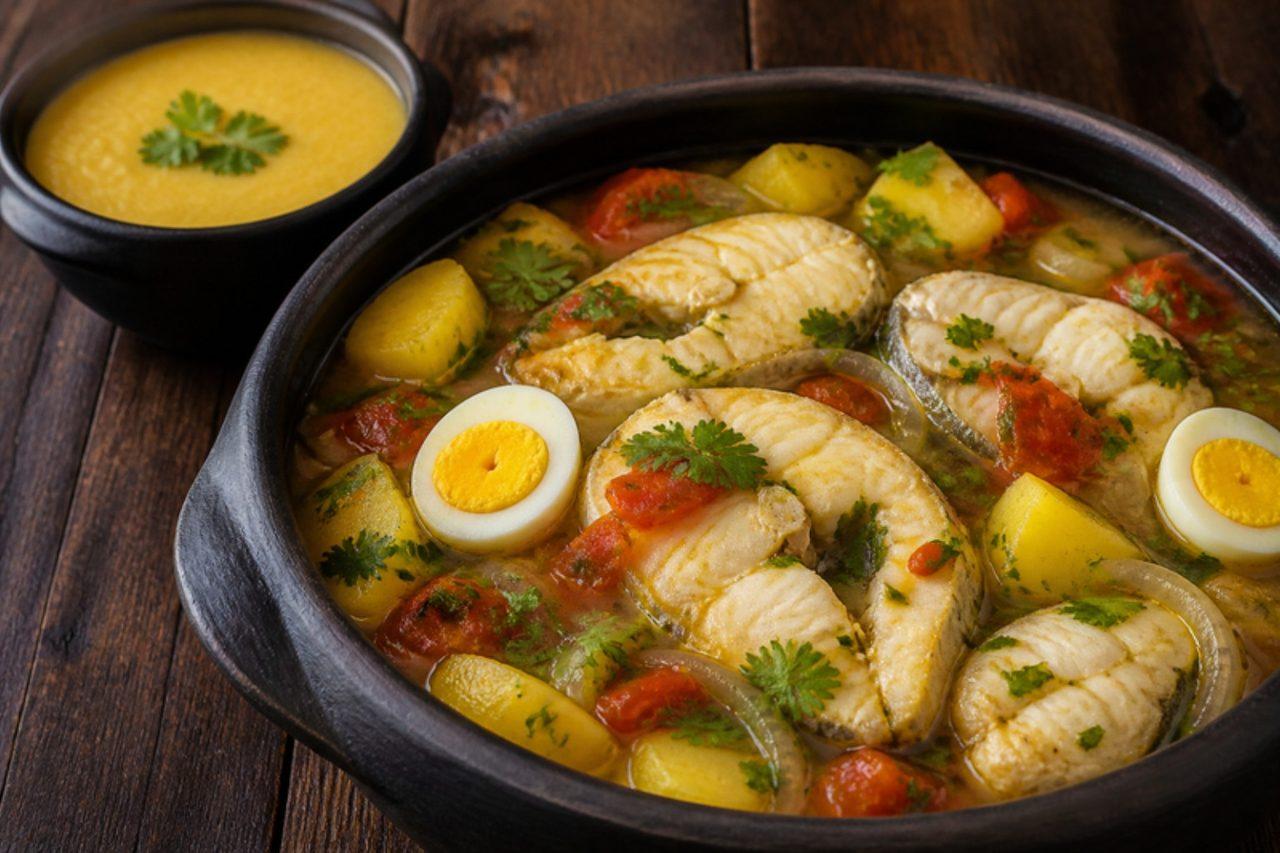
Caldeirada de tucunaréRiver fish stew

Peacock bass, tucunaré, is the prize of the Rio Negro, and in Manaus it ends up in caldeirada: a layered pot of firm fish steaks, potatoes, tomatoes, onions and peppers, simmered in their own broth with coriander and culantro and finished with boiled eggs. Riverside restaurants and Sunday lunches serve it in big clay pots with white rice, pirão made from the broth and plenty of pimenta-de-cheiro. The broth is light, tangy and fresh, the fish sweet and meaty. Outside Brazil, use sea bass, snapper or any firm white fish cut into steaks. The commonest slip is stirring the pot once the fish is in; shake it gently instead so the steaks stay whole. Chef's tip: layer the potatoes at the bottom where the heat is strongest, so they finish cooking just as the fish turns opaque on top.

by KrazyBadal 0 views

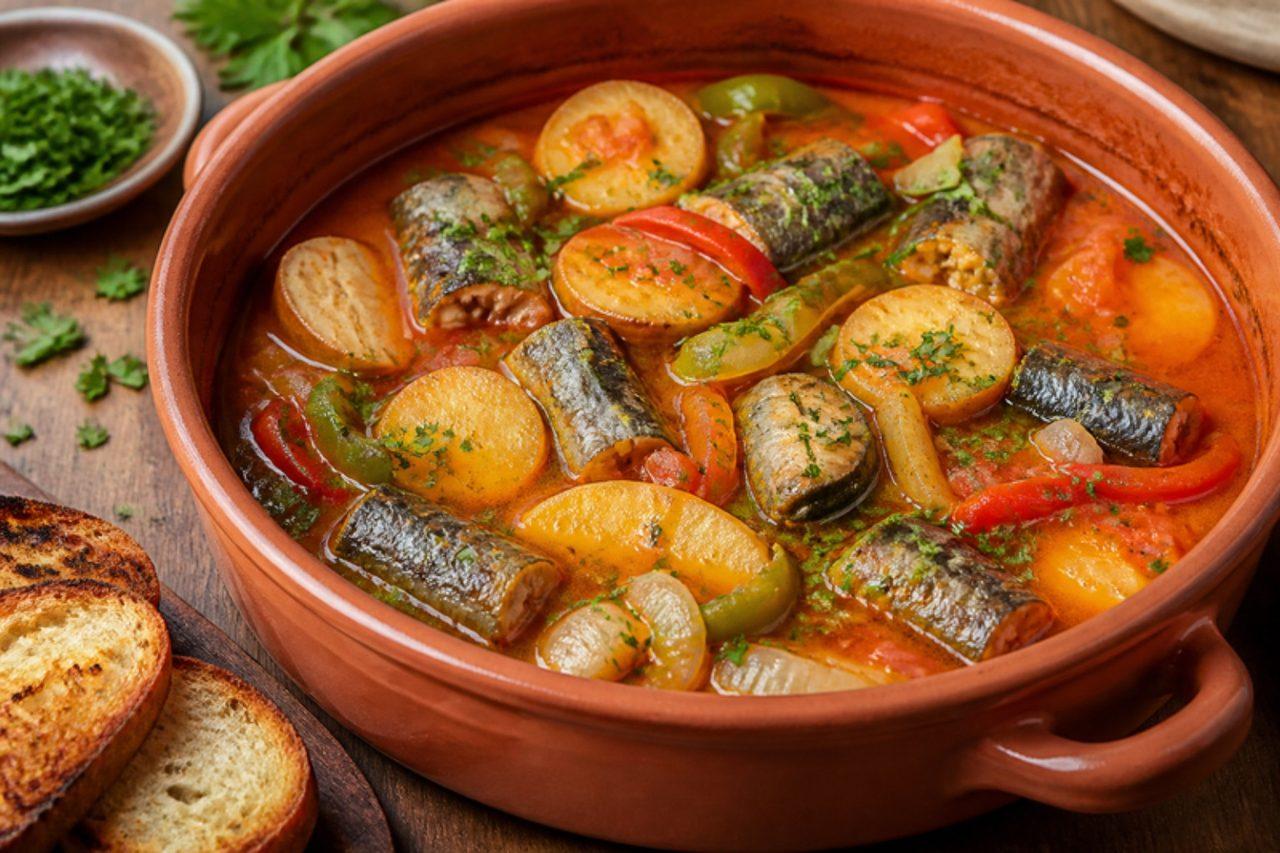
Caldeirada de enguiasEel stew with potatoes and peppers

Eels from the Ria de Aveiro, the lagoon behind the town, are a speciality of Murtosa and Torreira, where caldeirada is cooked in layers in a wide pot and eaten at long tables in waterside restaurants. Onions, potatoes, tomato and peppers stew with the eel pieces in olive oil until the broth is rich and orange, and it is ladled over slices of bread. Ask the fishmonger to skin and clean the eels; eel blood is toxic when raw, but thorough cooking makes it completely safe. Chef's tip: shake the pot rather than stirring once the eel is in, so the pieces stay whole.

by KrazyBadal 0 views

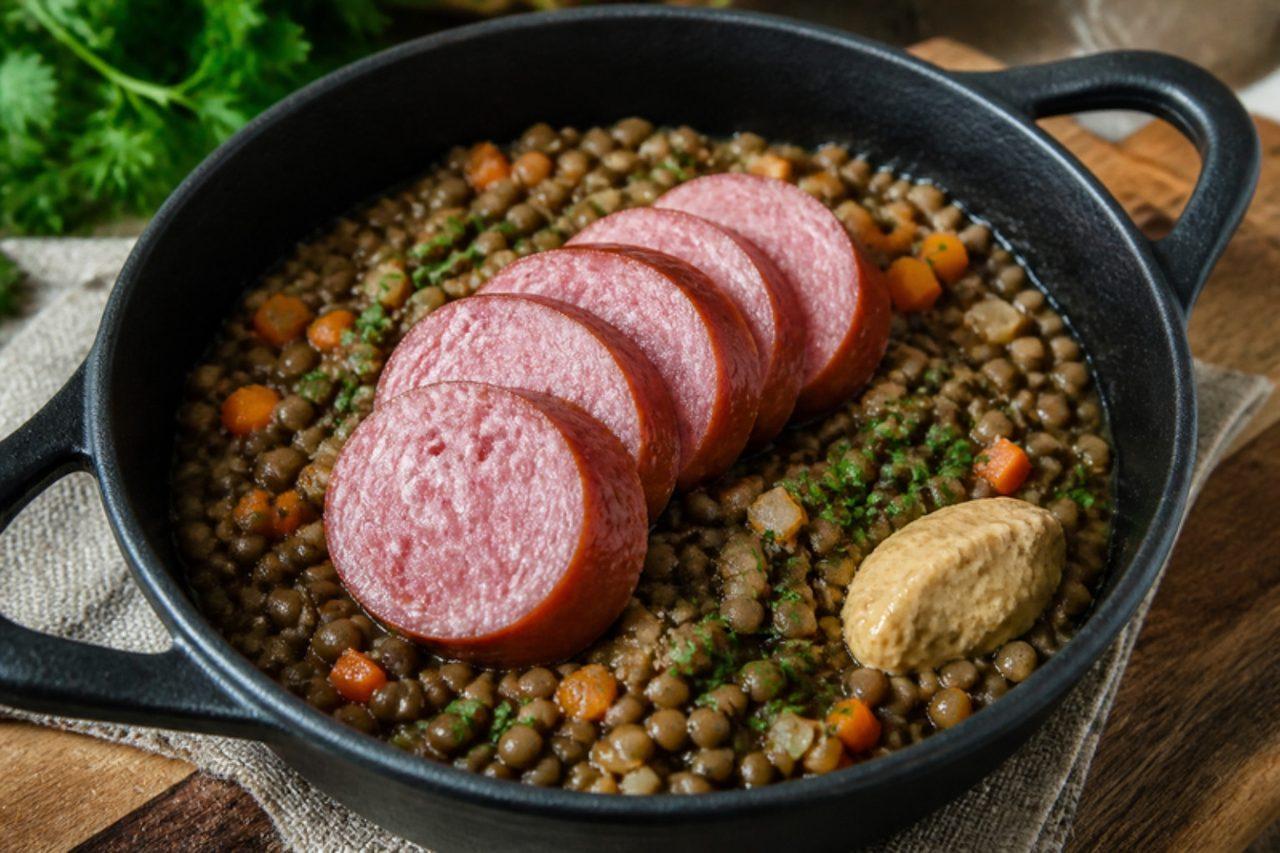
Saucisse de Morteau aux lentillesSmoked sausage with lentils

The Morteau sausage is the pride of the Haut-Doubs in Franche-Comté: a pure pork sausage slow-smoked over resinous pine in the tall chimneys of mountain farmhouses, recognisable by the little wooden peg at one end. On winter weekdays it is simmered with small green lentils, carrots and onions, so the lentils soak up its smoky, garlicky juices while staying whole and nutty. Slice the sausage thickly over the lentils and serve with Dijon mustard and a green salad. If you can't buy Morteau, use another good smoked pork sausage. Chef's tip: never prick a Morteau before cooking, or the juices that should flavour the lentils will leak out into the water and be lost.

65 minFrenchMeatGluten free
by KrazyBadal 0 views

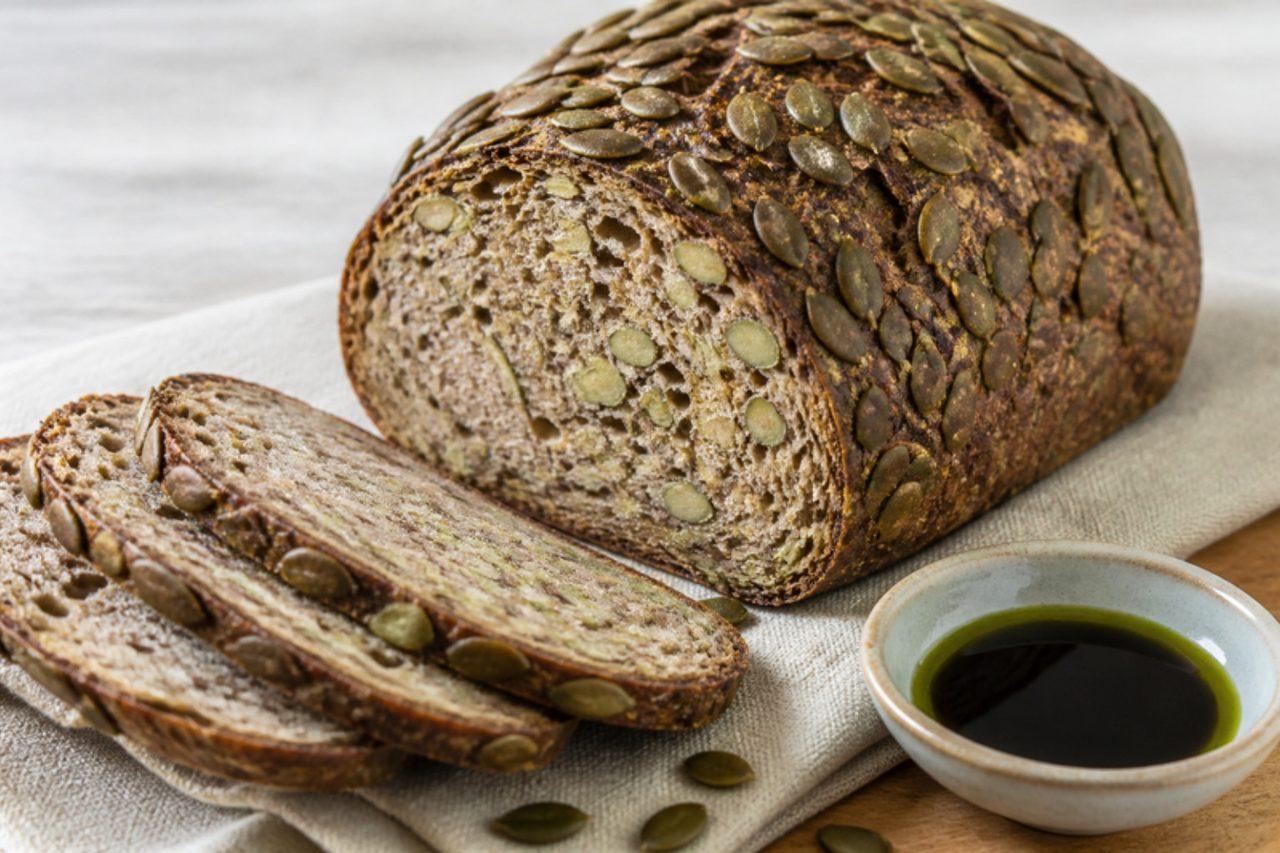
Styrian KürbiskernbrotPumpkin seed rye loaf

In Styria, the south-eastern corner of Austria where the hulless Styrian pumpkin is grown for its dark green seeds and oil, every bakery sells a loaf crowded with those seeds. Kürbiskernbrot is a light rye-wheat bread, nutty and slightly sweet, with toasted seeds through the crumb and pressed all over the crust. Locals eat it at a Buschenschank, the farmhouse wine tavern, with Liptauer, cured meats or a drizzle of pumpkin seed oil. A common mistake is adding the seeds raw: toasting them first gives the bread its deep, roasted flavour. Chef's tip: soak half the toasted seeds in hot water while you make the dough, so they stay tender inside the bread and don't pull moisture from the crumb.

by KrazyBadal 0 views

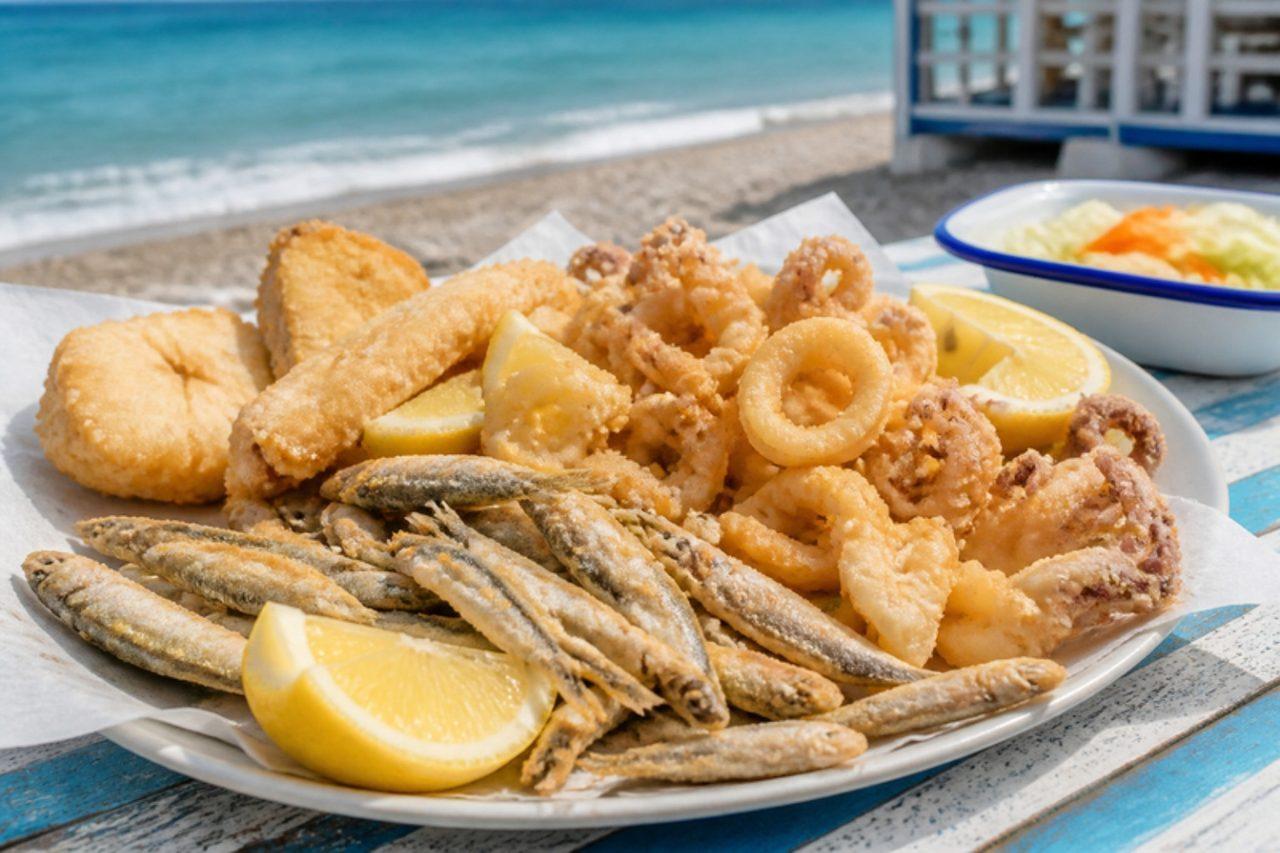
Pescaíto fritoMixed fried fish

On the beaches of Pedregalejo and El Palo in Málaga, chiringuito cooks shake small fish in flour and fry them by the basketful: whole fresh anchovies (boquerones), rings of squid, strips of dogfish and little red mullet, served piled on paper with lemon. The secret is a coarse frying flour, partly durum semolina, and very clean, hot oil, so each piece comes out crisp and dry. Eat it at once, at the table, with a cold drink and a salad. Chef's tip: shake off every bit of loose flour in a sieve before frying; excess flour burns and makes the oil dark and bitter.

by KrazyBadal 0 views

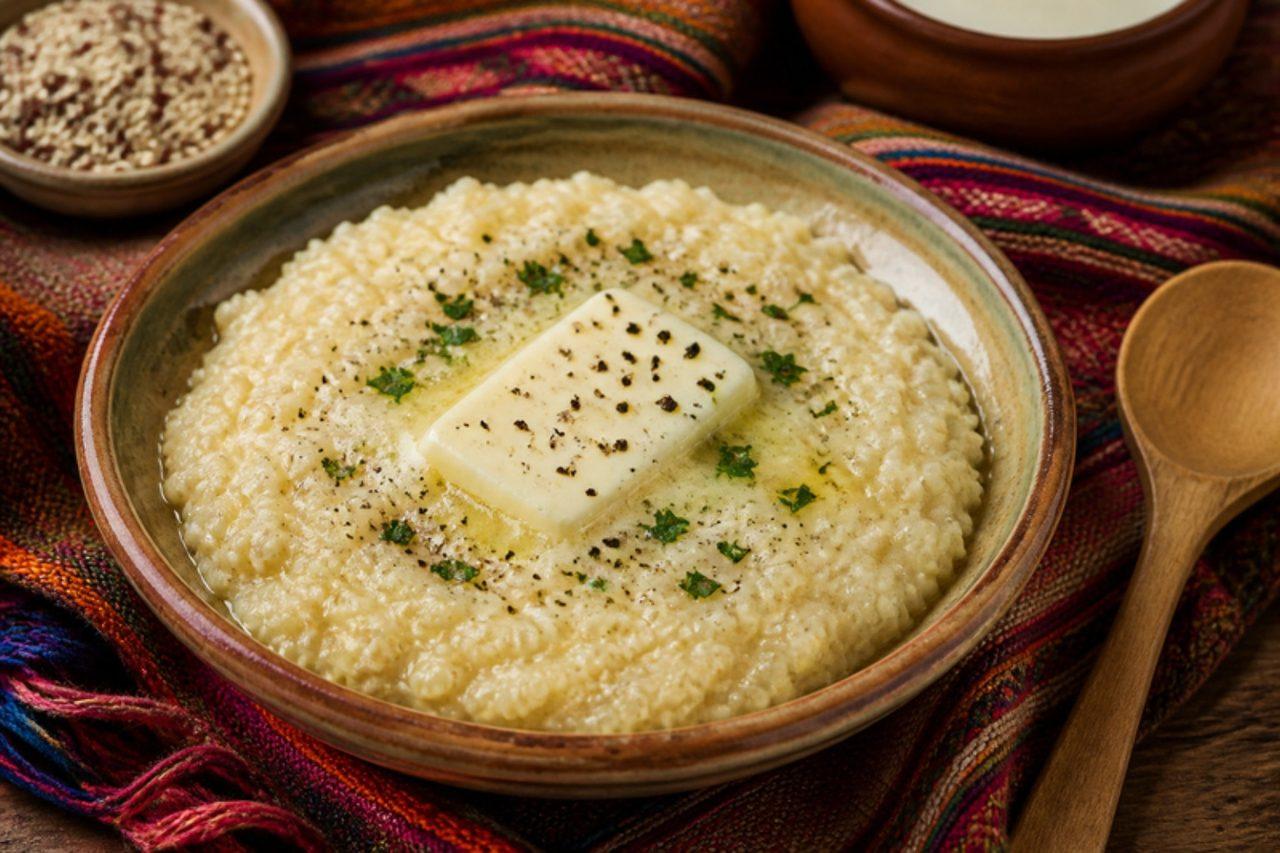
Pesque de quinuaCreamy quinoa with cheese

Up on the Altiplano around Lake Titicaca, where quinoa grows at almost 4,000 metres, pesque is everyday food: quinoa cooked until it collapses, then beaten with milk, a knob of butter and crumbled fresh cheese until it looks like a loose, savoury risotto. Puno families eat it for a warming lunch or supper, often with a glass of milk poured over or a fried egg on top, and in the cold dry air it is exactly what the body wants. It is soft, nutty and mildly salty. The step people skip is rinsing the quinoa, and the natural saponins then leave a soapy, bitter edge; rub it under running water until the foam stops. Serve with a tomato salad or a spoon of uchucuta for some heat. Andean fresh cheese is usually set with animal rennet, so choose a vegetarian fresh cheese if needed. Chef's tip: cook the quinoa in a little more water than usual and leave it a few minutes longer than for a salad, so it turns creamy and the grains burst.

by KrazyBadal 0 views

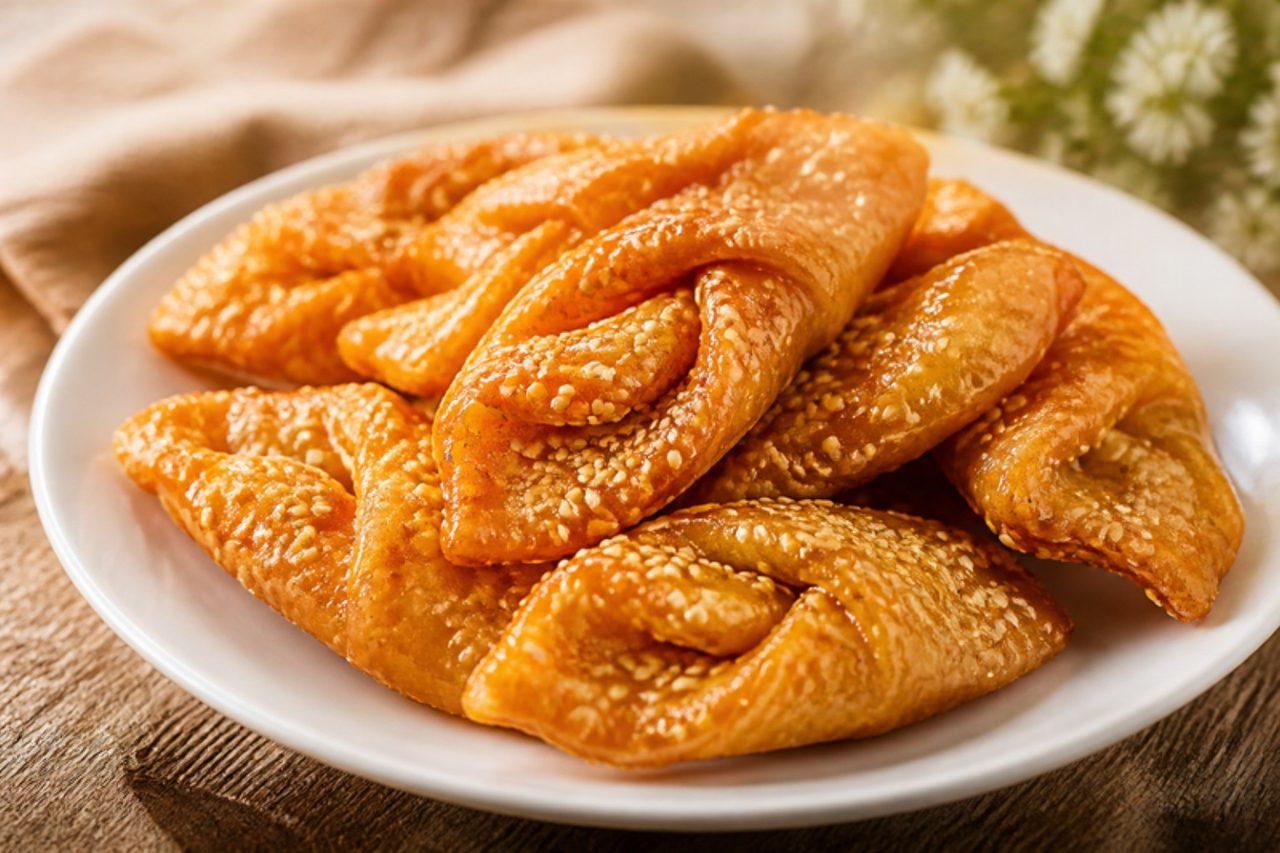
PestiñosAnise fritters in honey

When Holy Week and Christmas come round, convent turnstiles and village kitchens from Cádiz to Granada fill trays with pestiños: little folded parcels of dough flavoured with sesame, anise and orange, fried until crisp and blistered and then dipped in honey. The dough traditionally takes a splash of white wine, which makes it bubble and crunch; orange juice works too, and is the alcohol-free option in the list. A common mistake is frying them in oil that is too hot, which browns the outside before the folds of dough cook through and crisp. Chef's tip: roll the dough really thin; thick pestiños stay doughy in the middle and soak up oil.

by KrazyBadal 0 views

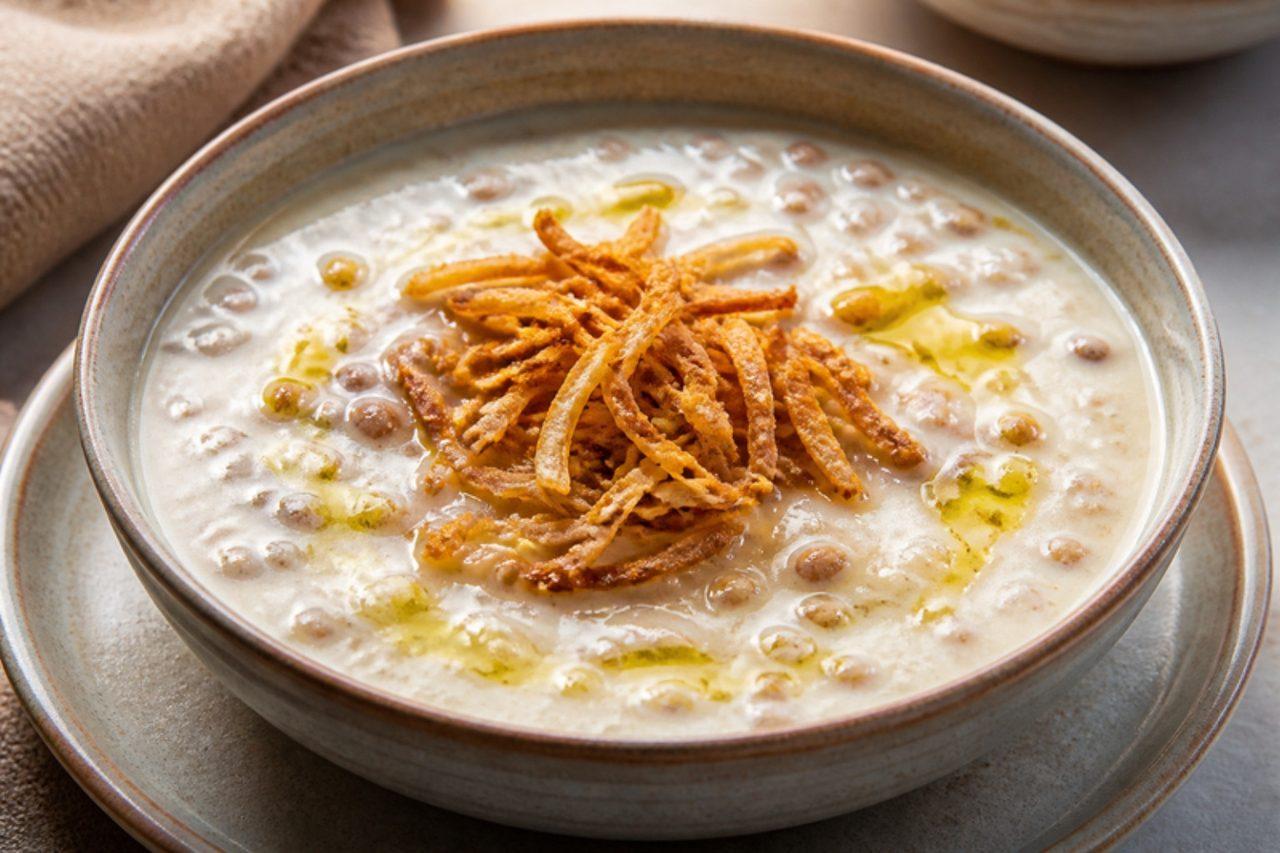
RashoofLentil and cracked wheat yoghurt soup

In the stone villages around Karak and Tafileh, rashoof is what simmers on cold, wet evenings: brown lentils and coarse bulgur cooked soft, then enriched with jameed, the dried salted yoghurt that is also the soul of mansaf. The result is thick, sour and comforting, almost a porridge, finished with a heap of onions fried golden in samneh. Jameed is sold in hard balls or as a liquid in Middle Eastern shops; thick strained yoghurt with a little extra salt makes a fine stand-in. The classic mistake is letting the soup boil hard once the yoghurt goes in, which makes it split into grainy curds. Chef's tip: temper the yoghurt with a ladle of hot soup first and stir in one direction over a low heat; it stays silky.

by KrazyBadal 0 views

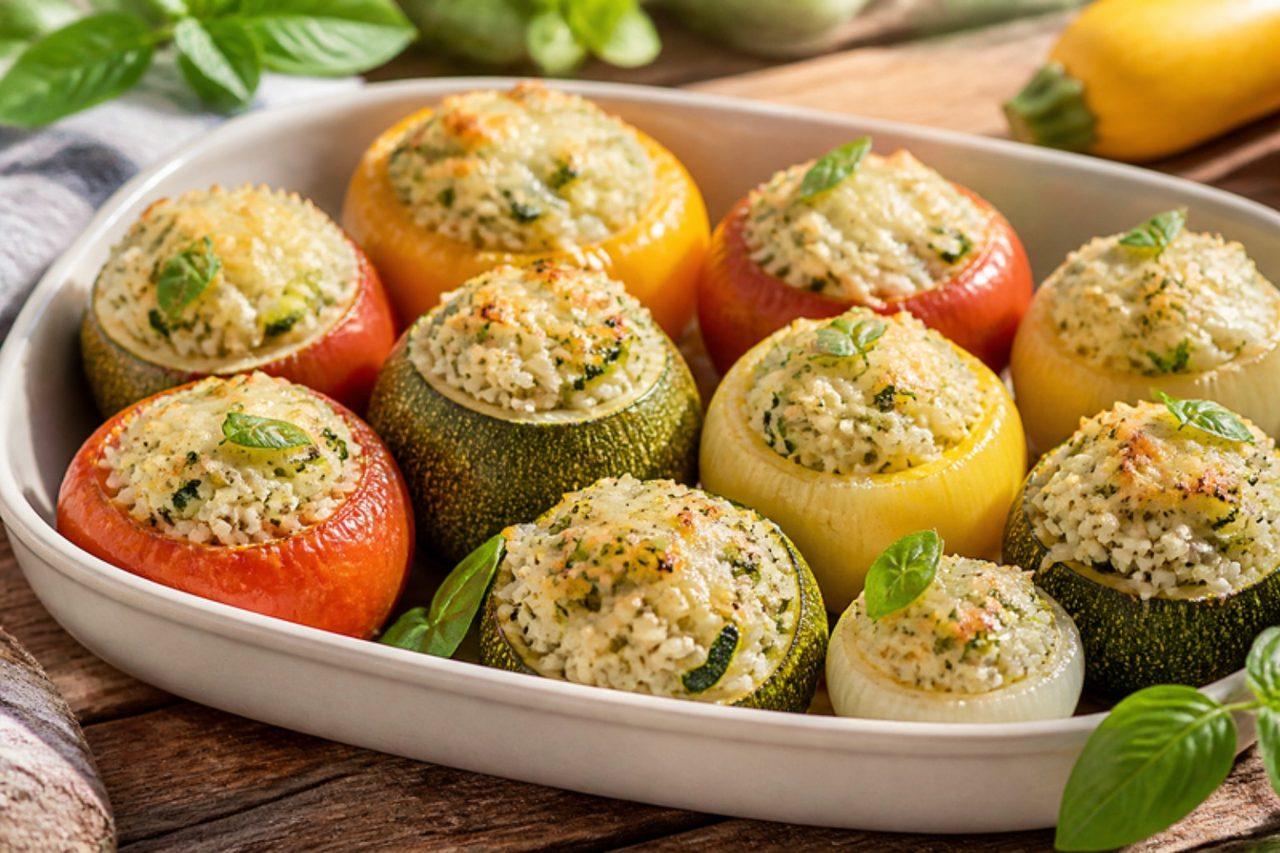
Petits farcis niçoisStuffed vegetables with rice and herbs

From June to September the traiteurs around the cours Saleya market in Nice sell trays of petits farcis: round courgettes, tomatoes and onions hollowed out, refilled and baked until wrinkled and caramelised at the edges. Niçois families often use up leftover daube in the stuffing; this meatless version, common on Fridays and at summer picnics, uses rice, herbs, the vegetables' own flesh and Parmesan. Parmesan is made with animal rennet, so use a vegetarian hard cheese if that matters to you. They are as good at room temperature the next day as hot from the oven. Chef's tip: choose vegetables of a similar size, so they all finish cooking at the same moment.

by KrazyBadal 0 views

Petits pâtés de PézenasSweet spiced lamb pies

Pézenas, the old Languedoc town of Molière, is famous for these little pies shaped like cotton reels, sold warm from its bakeries all winter and especially around Christmas. Local legend links them to the Indian cooks of Lord Clive, who stayed nearby in 1768, which would explain the unexpected sweet-savoury filling of minced lamb, brown sugar and lemon zest. They have a crisp, sturdy hot-water crust and a juicy, gently sweet centre with a hint of spice. Eat them warm as a starter, with a green salad, or as a mid-morning snack the way Piscénois do. Chef's tip: shape the pastry while it is still warm and supple; once it cools it cracks instead of folding.

by KrazyBadal 0 views

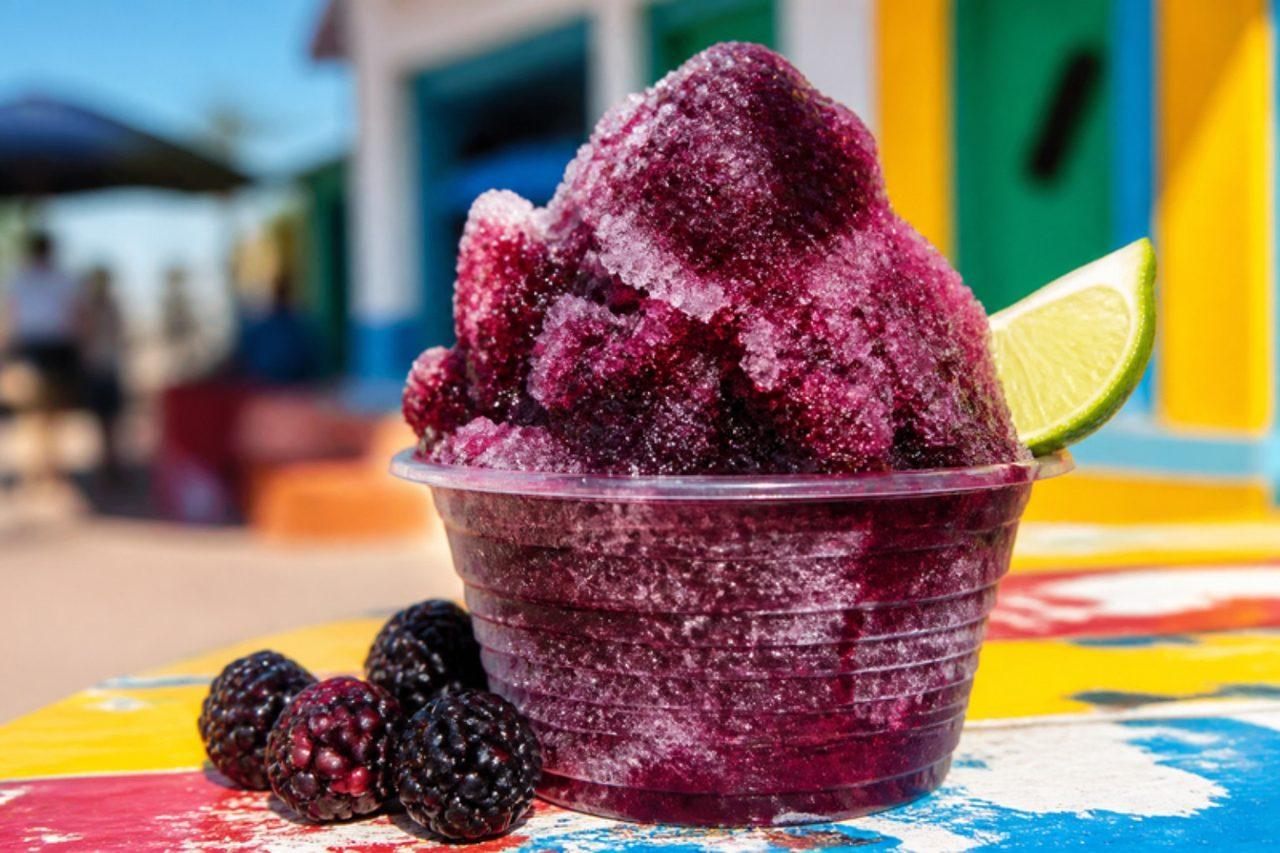
RaspaoShaved ice with blackberry syrup

On a hot Barranquilla afternoon, the raspao cart is the fastest way to cool down. The vendor scrapes a block of ice with a metal plane, packs the snow into a cup and floods it with bright syrups: kola, tamarind, lime, blackberry. Many add a ribbon of condensed milk on top, but this version stays vegan and lets the fruit carry it. Children love it, and it is a fun one to make at home with a blender and a jug of syrup. The usual misstep is pouring warm syrup over the ice, which melts it to slush in seconds, so chill the syrup completely first. Make the syrup a day ahead if you like; it keeps a week in the fridge. Chef's tip: freeze water in a shallow tray, then blitz the slab in pieces with a few pulses for fluffier, snow-like ice than ice cubes give.

by KrazyBadal 0 views

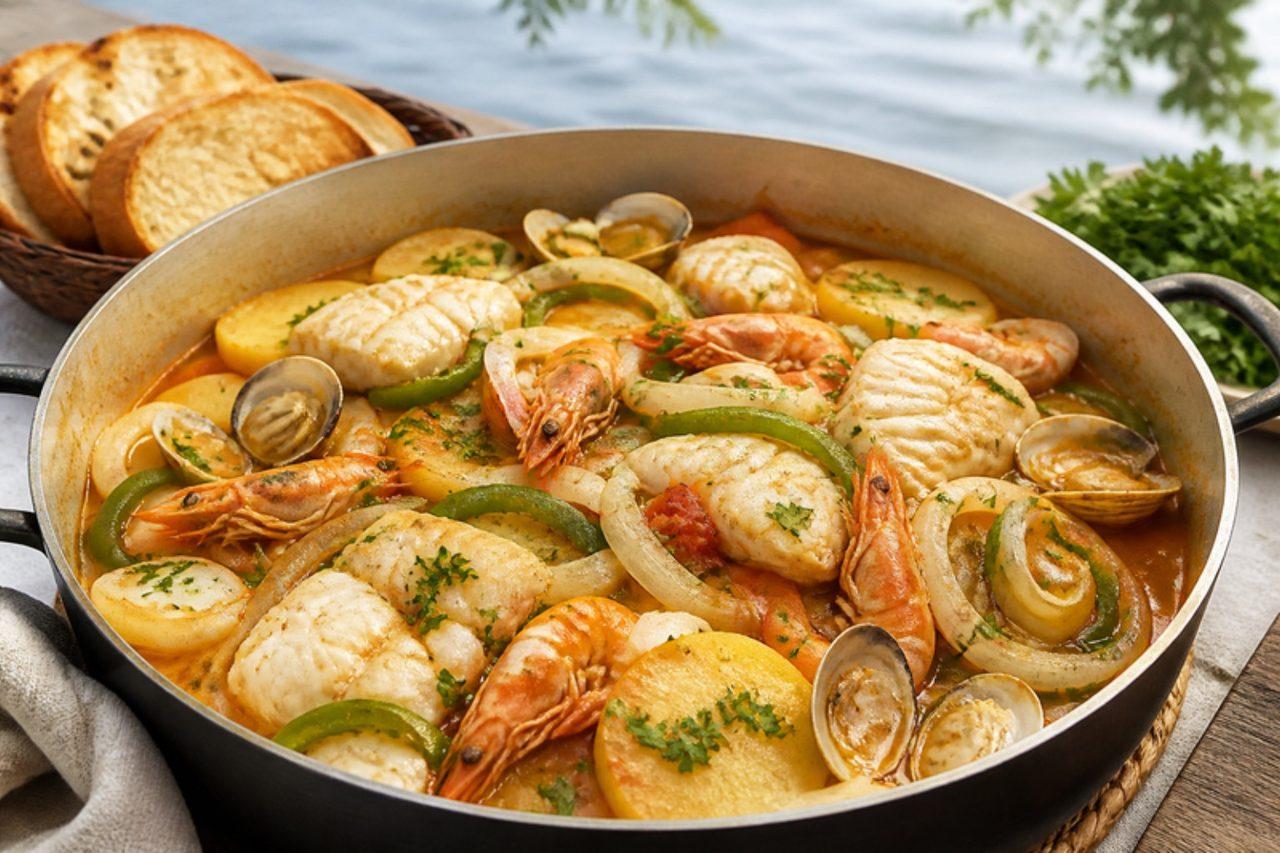
Caldeirada à fragateiraFish and potato stew

The fragateiros sailed the flat-bottomed barges that carried cargo up and down the Tagus, and on board they cooked whatever fish they had in one pot, layered with potatoes, onions, tomatoes and peppers and left to steam in olive oil and wine. Lisbon restaurants still make caldeirada for a long lunch, ladled over toasted bread. Use at least three kinds of fish, mixing firm white ones with something richer. The wine contains alcohol; fish stock with a squeeze of lemon makes a good alcohol-free version. A common mistake is stirring the pot, which breaks the fish; shake it instead. Chef's tip: put the firmest fish at the bottom and the most delicate on top, so everything is done at the same time.

by KrazyBadal 0 views

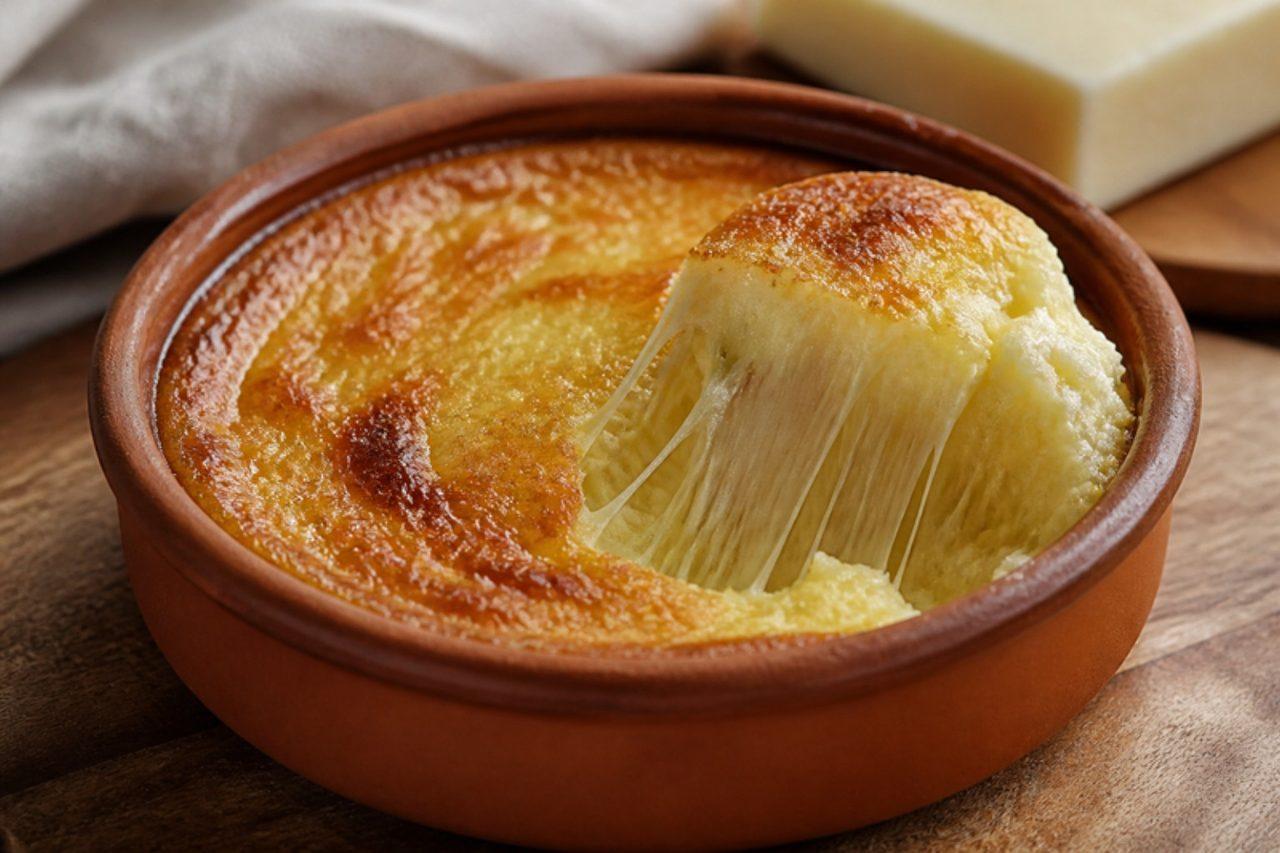
Peynir helvasıCheese and semolina halva

Around Çanakkale and the Dardanelles, peynir helvası is a soft, oven-browned halva made with fresh unsalted cheese, semolina, butter and sugar, sold warm in clay dishes at the market cafés. The top caramelises in spots, the inside stays creamy and stretchy, and the flavour sits somewhere between cheesecake and halva. Eat it warm on its own or with a glass of tea after a fish lunch. Chef's tip: use a mild, fresh, unsalted cheese and squeeze it well; salty or wet cheese gives a sour, runny halva.

by KrazyBadal 0 views

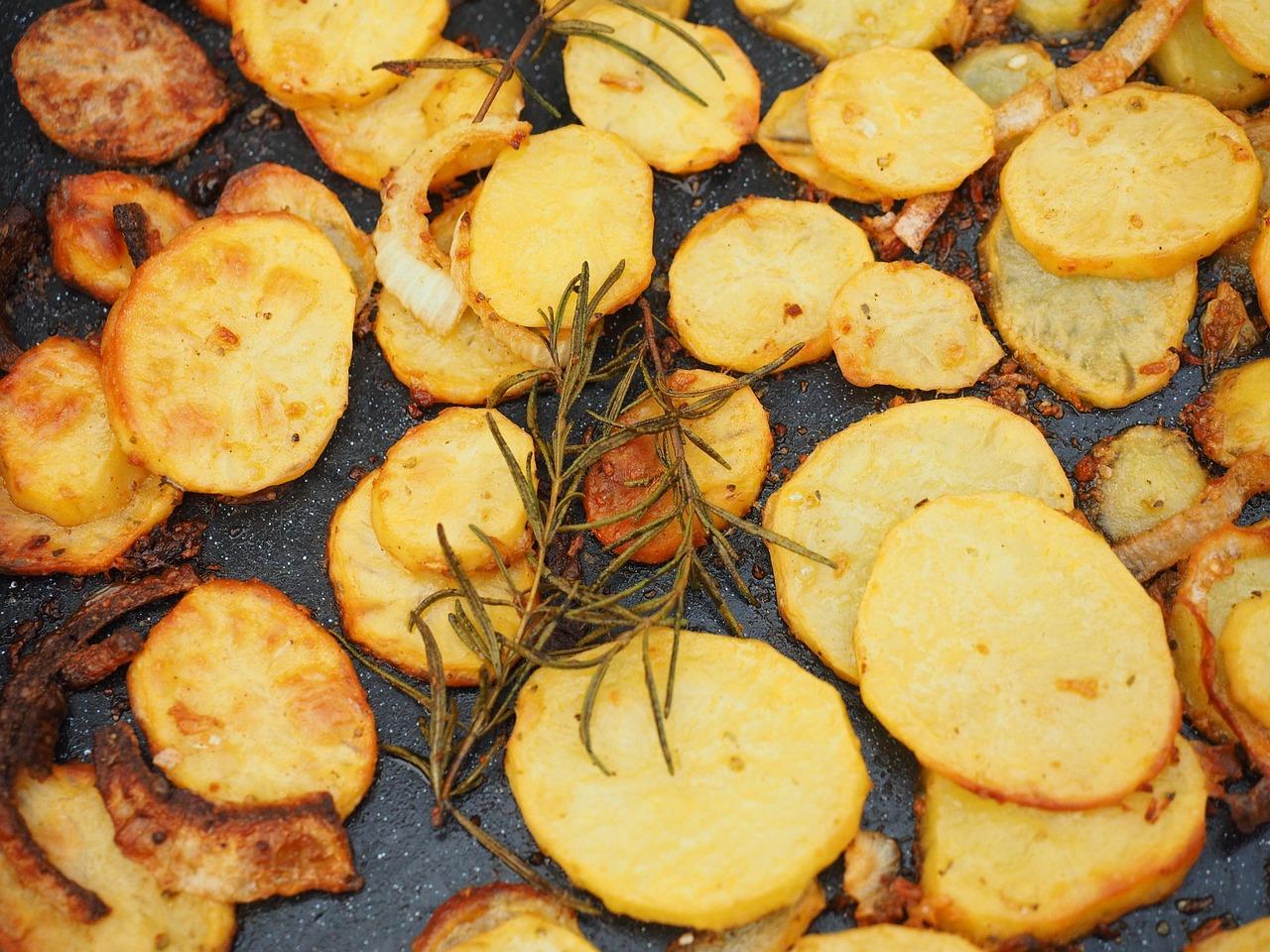
BratkartoffelnFried potatoes with onion

Bratkartoffeln are the potatoes of every German pub and home kitchen, from Hamburg to Munich: yesterday's boiled potatoes sliced and fried slowly in a heavy pan until the edges are crisp and brown, then tossed with onion. They come with fried eggs, pickled herring, Sülze or a green salad, and many cooks add bacon cubes; this version stays vegetarian with butter, onion and marjoram. The mistake everyone makes is stirring too often and crowding the pan: the slices steam instead of crisping. Chef's tip: use waxy potatoes boiled in their skins the day before; cold, firm slices hold their shape and brown far better than fresh ones.

by KrazyBadal 0 views

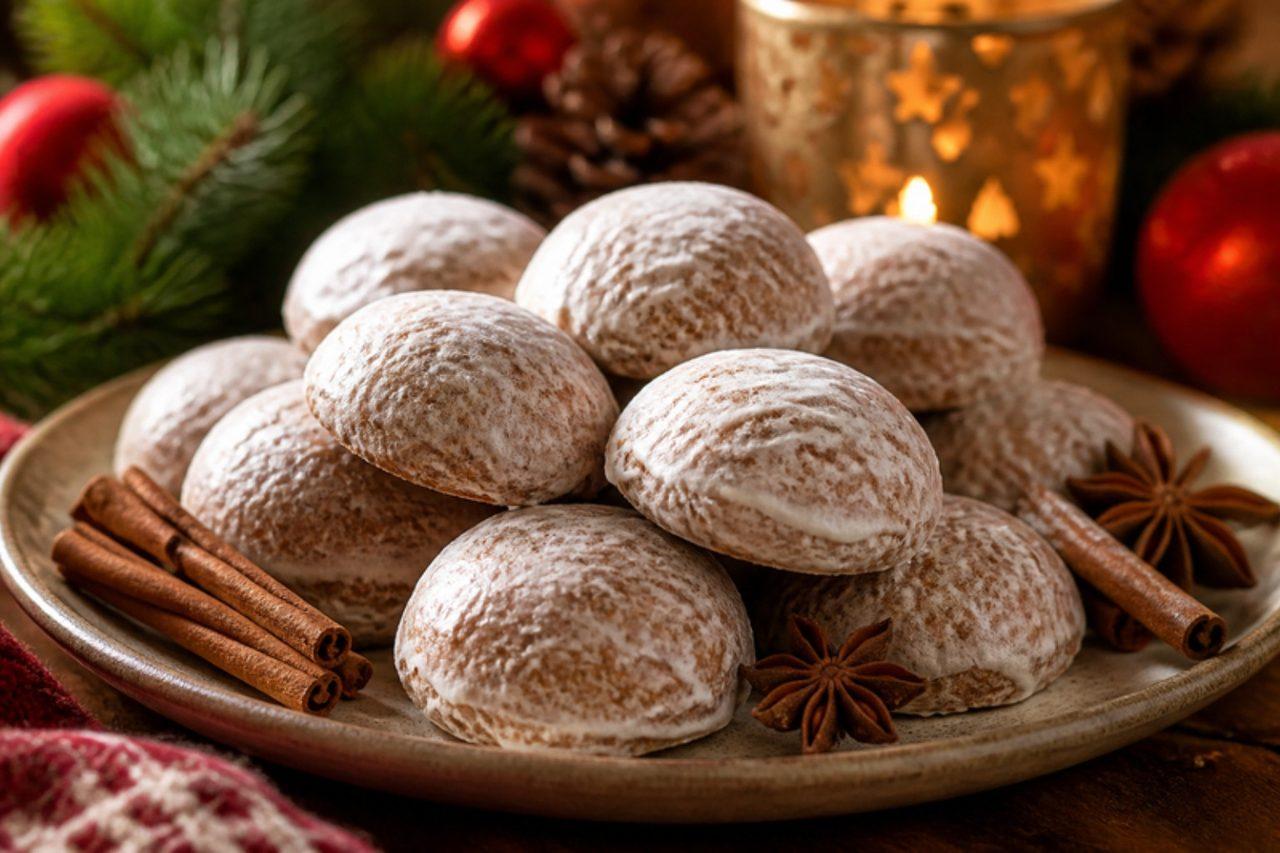
PfeffernüsseHoney spice biscuits

Pfeffernüsse are small domed biscuits baked in German homes through Advent, especially in the north and in Saxony, and sold in bags at Christmas markets everywhere. They are made with honey and a warm spice mix, and in old recipes the 'pepper' in the name meant exotic spices in general, though a pinch of real black pepper adds a lovely bite. A thin white glaze sets crisp over a chewy centre. The mistake many people make is eating them straight away; they are hard at first and need a few days in a tin with a slice of apple to soften. Chef's tip: warm the honey only until runny, never boiling, or the biscuits turn tough.

by KrazyBadal 0 views

PfefferpotthastPeppery beef and onion stew

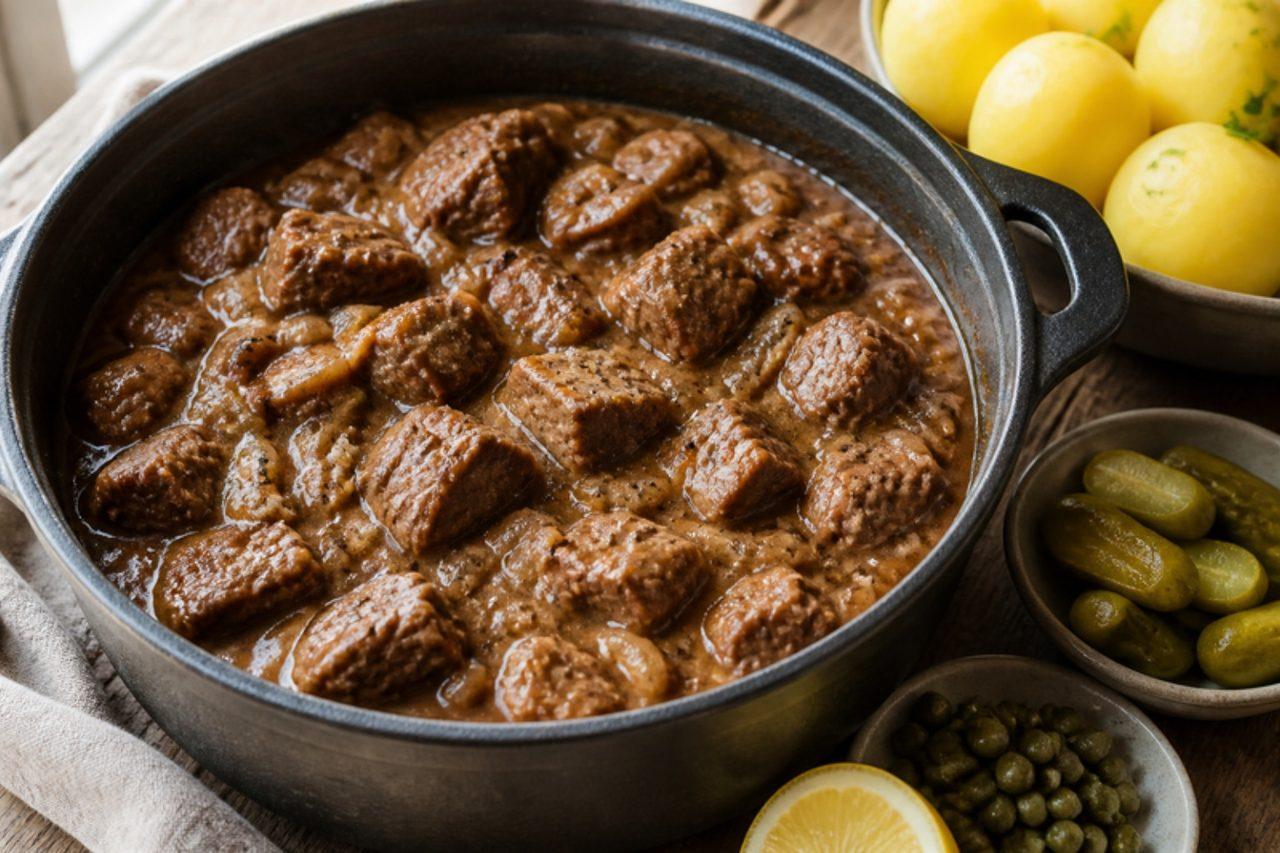
Pfefferpotthast is one of the oldest dishes of Westphalia, written about in Dortmund as far back as the 14th century and still cooked in the Münsterland and the Ruhr for big family meals. Beef is stewed with almost as much onion as meat, plenty of black pepper, cloves and bay, then thickened with breadcrumbs and sharpened with lemon and capers. Pickled gherkins and boiled potatoes go alongside. Chef's tip: grind the pepper coarsely and add half at the start and half at the end, so you get both deep warmth and a fresh bite.

by KrazyBadal 0 views

PfitzaufEgg-batter puffs with apple sauce

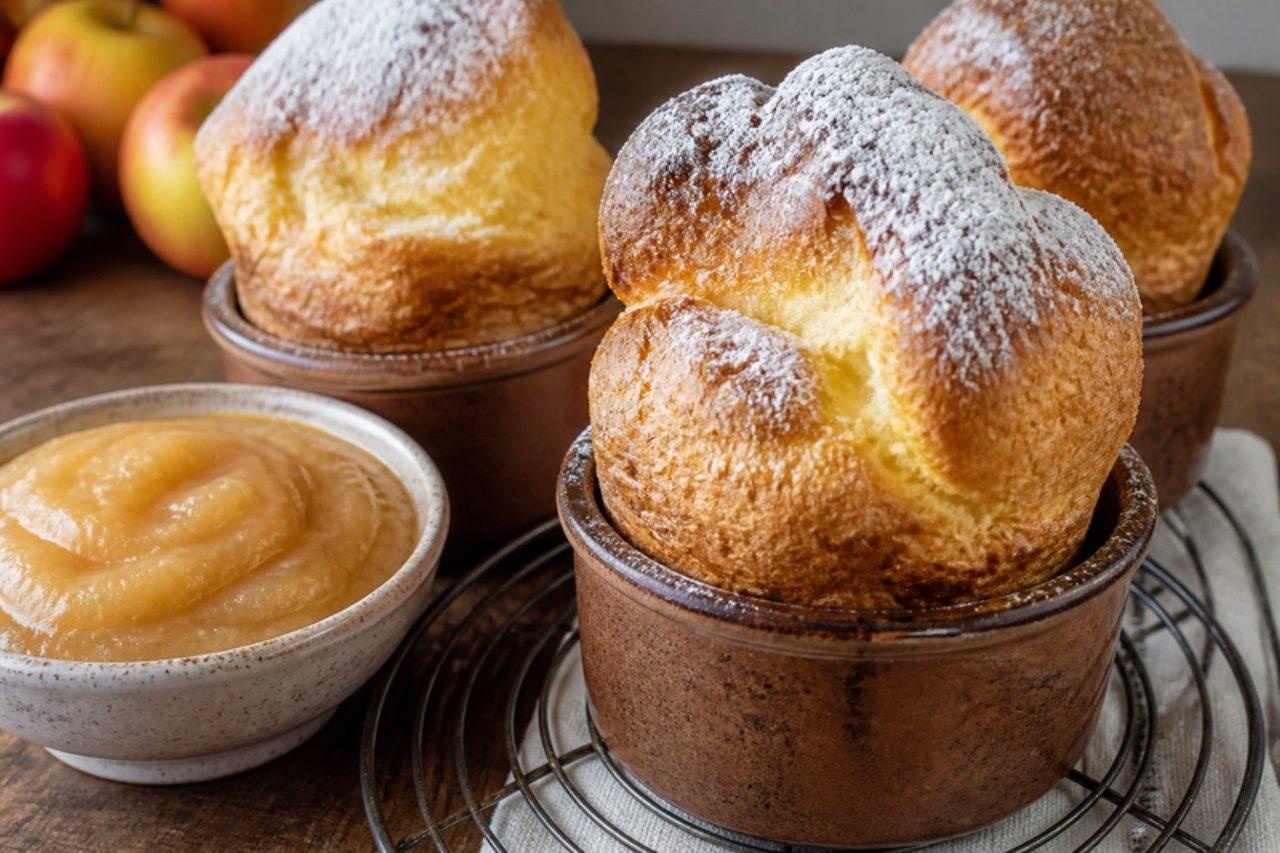
Pfitzauf is a Swabian Sunday-afternoon treat: a thin egg and milk batter poured into a heavy clay or tin mould with deep cups, which rises in the oven like a soufflé and 'pfitzt auf', pops up, far above the rim. Grandmothers on the Swabian Alb served it hot with apple sauce or vanilla sauce, sometimes with stewed cherries. A muffin tin or popover tin works too. The classic mistake is opening the oven during baking: the puffs collapse and never come back. Chef's tip: get the buttered tin really hot in the oven before pouring in the batter; the shock of heat is what makes them climb.

by KrazyBadal 0 views

Sancocho canarioSalt fish with potatoes and mojo

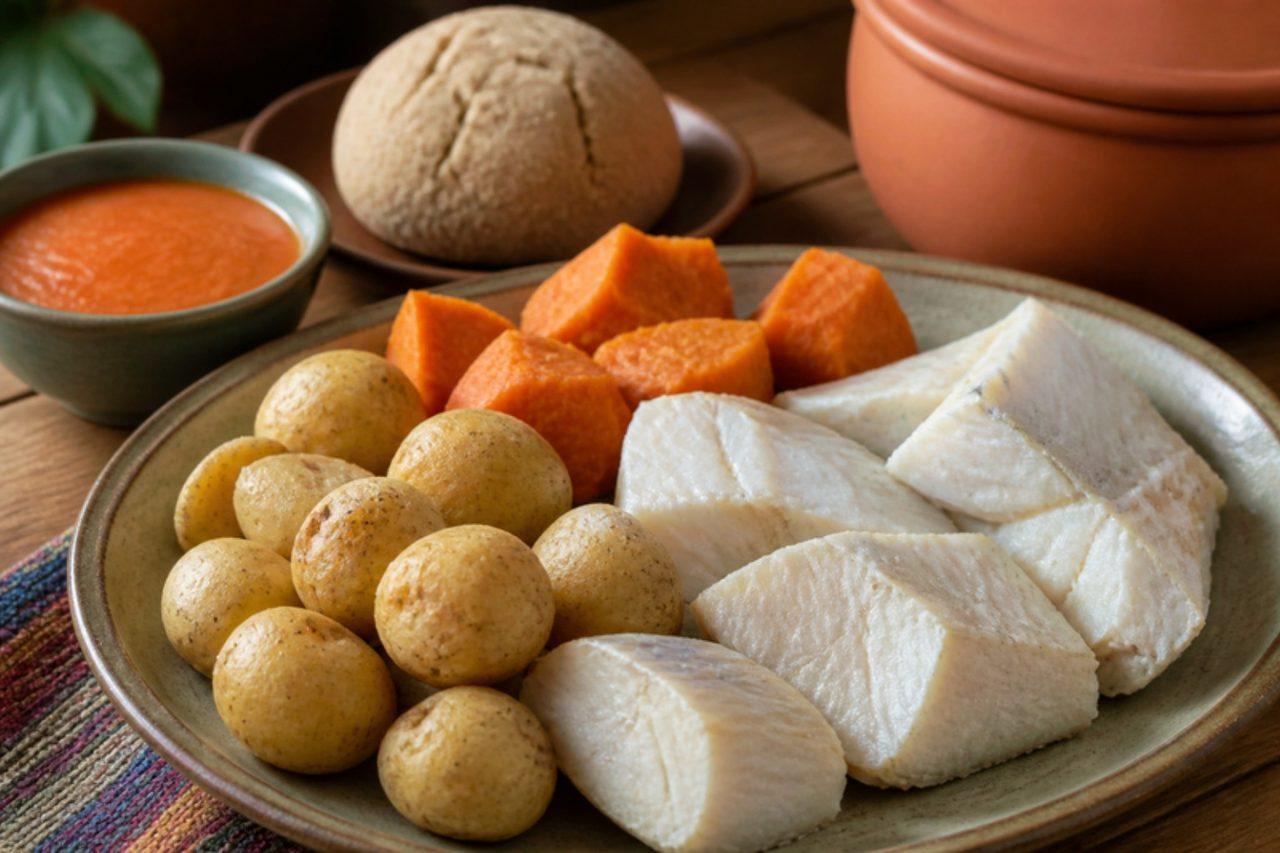
Sancocho is the Canary Islands' Good Friday dish and a Sunday favourite in Gran Canaria, where whole families sit down to a platter of desalted cherne (wreckfish), boiled potatoes and sweet potatoes, red mojo poured over the top and a ball of pella de gofio on the side. Salted cherne is soaked for a day or two in the fridge to draw out the salt, then poached gently. If you cannot find cherne, salt cod or fresh hake works well. Chef's tip: before cooking, poach a small flake in boiling water for a minute and taste it; it should be pleasantly seasoned, like well-salted fresh fish, and if it is still briny, soak a few hours more.

by KrazyBadal 0 views

Sauce chienHerb, lime and chilli sauce

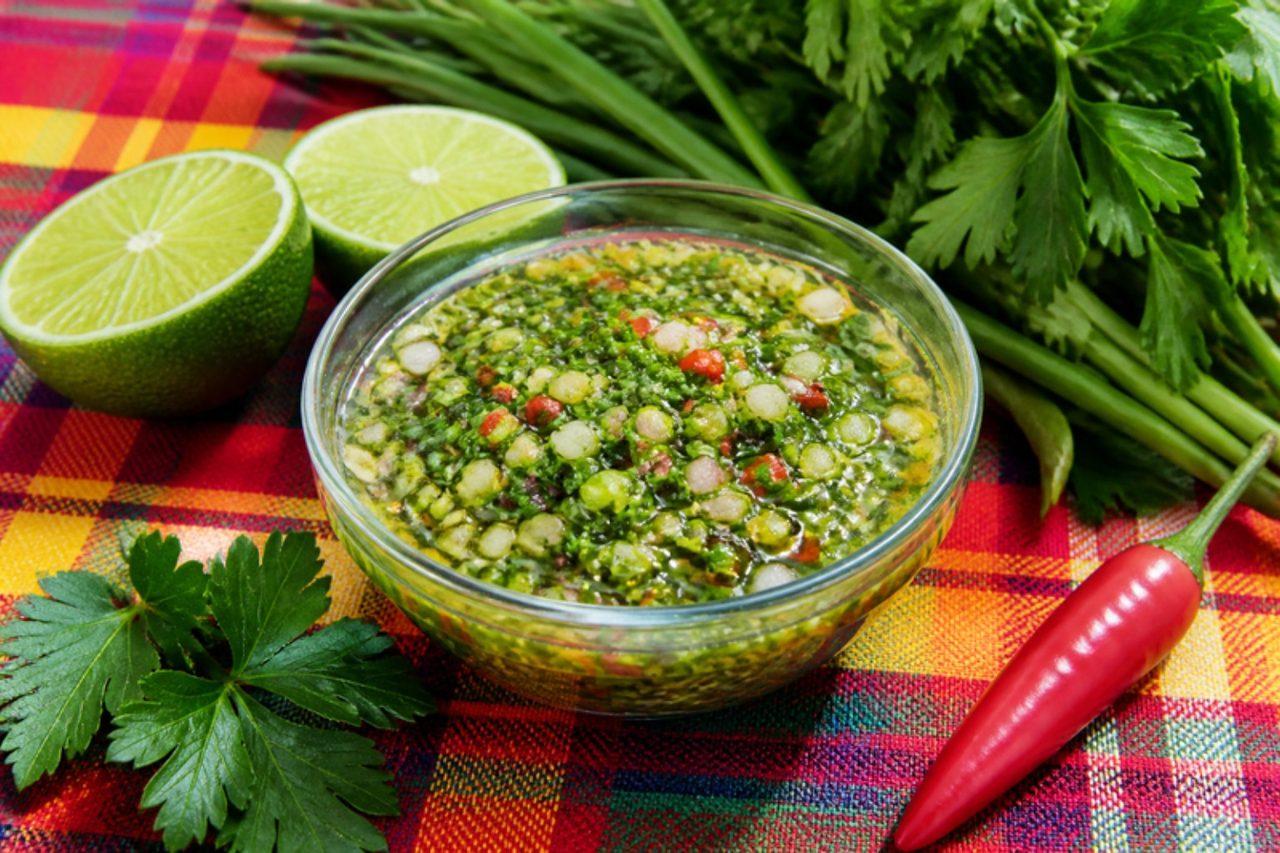
No grill in Martinique or Guadeloupe is complete without a bowl of sauce chien: shallot, garlic, spring onion, parsley and Scotch bonnet chopped very fine, then 'cooked' with a splash of boiling water, lime juice and oil. Islanders spoon it over grilled vegetables, plantain, rice and beans, and accras, at beach picnics and family barbecues on Sunday afternoons. One story says it is named after the knife used to chop the herbs, whose handle bore a dog. Chef's tip: pour the water on just off the boil; it softens the raw onion and garlic and brightens the green of the herbs.

by KrazyBadal 0 views

Calçots amb salvitxadaGrilled onions with nut sauce

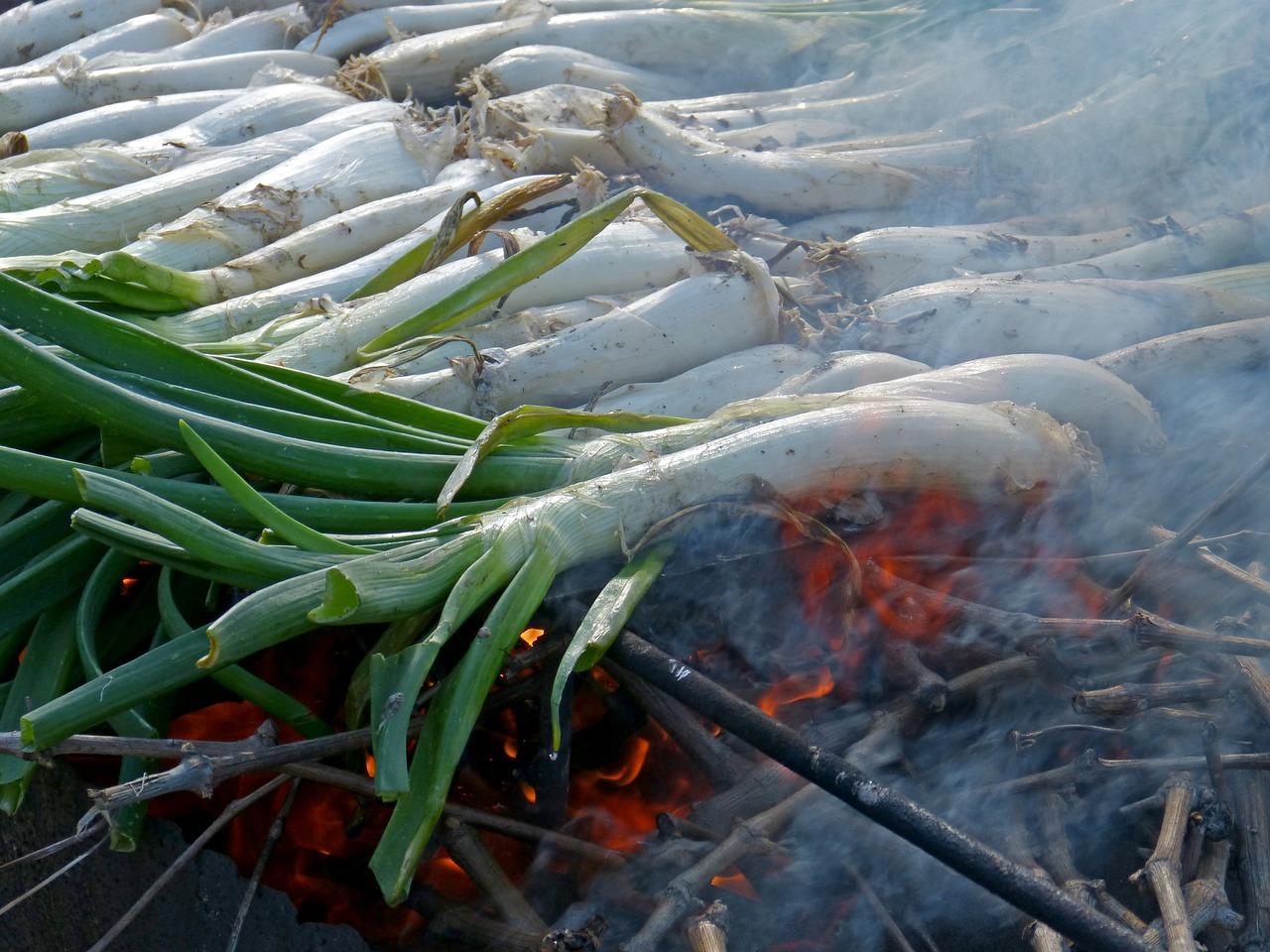
From January to April, the town of Valls near Tarragona and half of Catalonia go to calçotades: long country lunches where calçots, a tall, sweet onion grown banked up with earth, are flame-grilled until black, wrapped in newspaper to steam, then peeled by hand and dipped in salvitxada. Everyone wears a bib. This salvitxada leans on almonds, roasted tomato and garlic, with ñora peppers for colour and sweetness. If you cannot get calçots, use thick spring onions or slim young leeks. Chef's tip: hold a calçot by the green top, pull the charred outer layer off downwards in one go, then dip and lower it into your mouth from above.

by KrazyBadal 0 views

Strascinati con mollica e peperoni cruschiPasta with breadcrumbs and crisp peppers

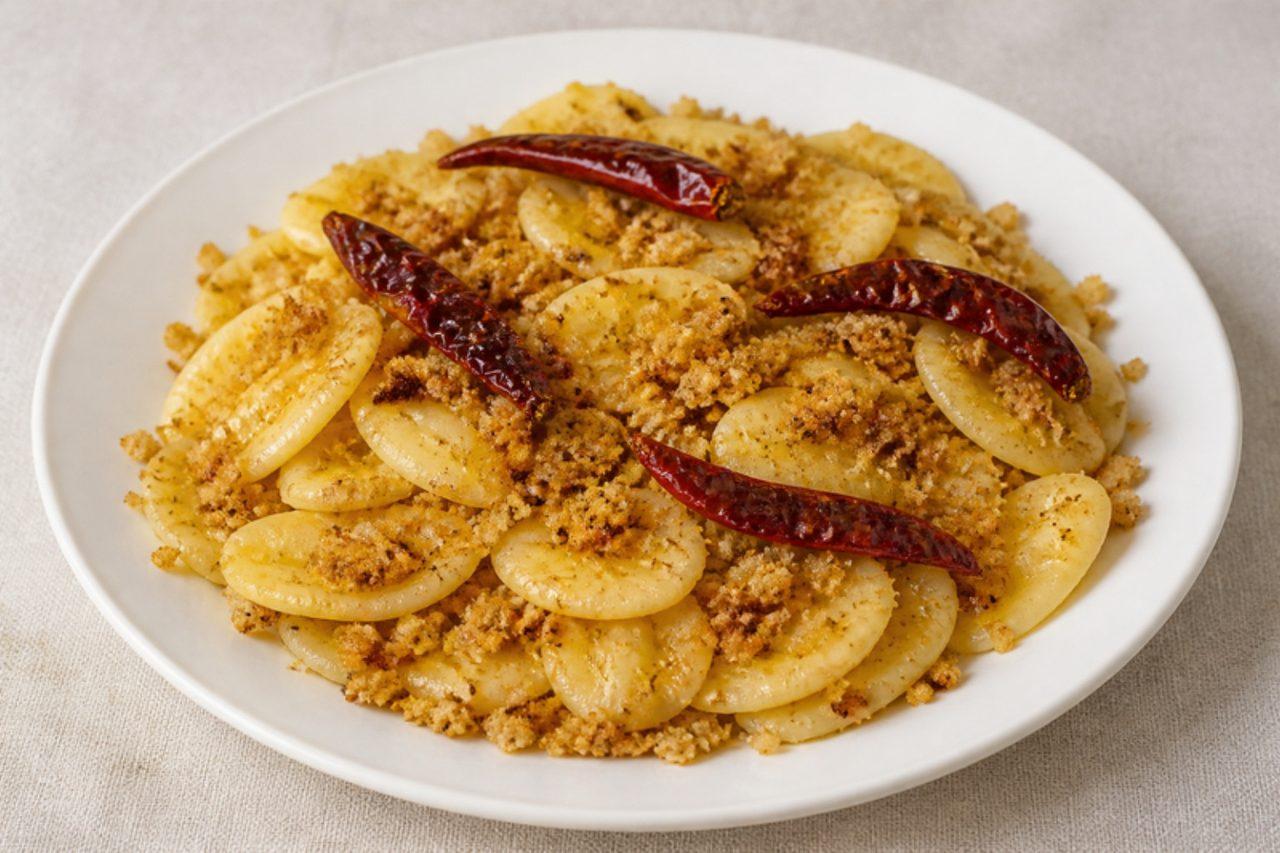
Strascinati get their name from the way they are made: a piece of semolina dough is dragged (strascinato) across a wooden board under two or three fingers, so it curls into a wide, ridged shell. In the hill towns of Basilicata they are rolled on Sunday mornings and tossed with the simplest dressing of the poor kitchen, olive oil, garlic, breadcrumbs fried until crunchy and crushed peperoni cruschi, the sweet dried peppers of Senise. The crumbs stand in for cheese, which once was a luxury. Chef's tip: fry the breadcrumbs separately and add them at the table, so they are still crackling when you eat.

by KrazyBadal 0 views

Brasato al BaroloBeef braised in red wine

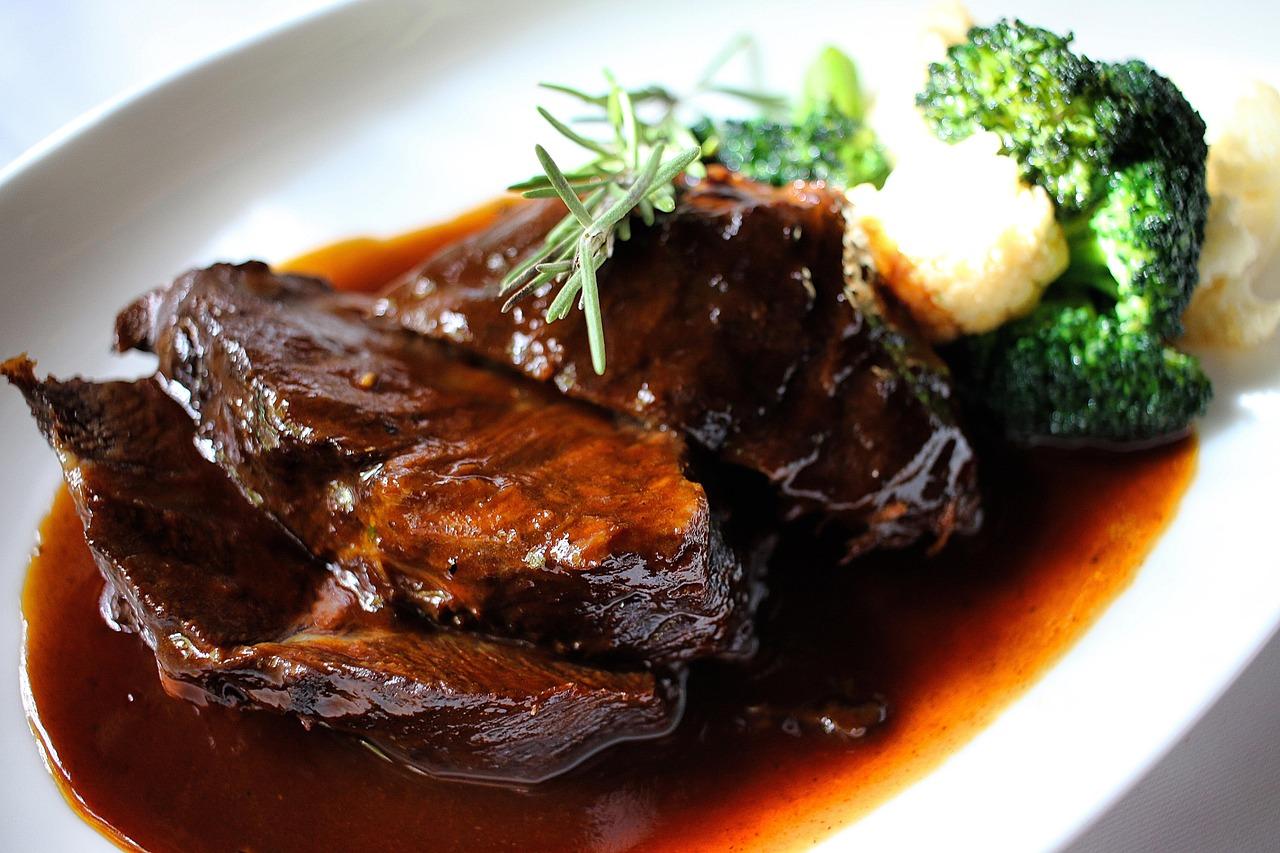
Brasato al Barolo is the winter centrepiece of the Langhe, the hills around Alba where Barolo is made, served for Christmas lunch and long autumn Sundays after the truffle fairs. A whole piece of beef is marinated overnight in red wine with vegetables and spices, then braised for hours until it can be cut with a spoon; the vegetables are blended into a dark, velvety sauce. The dish uses a whole bottle of red wine, and Barolo-style nebbiolo is traditional, but any full-bodied dry red works; an alcohol-free version with stock, grape juice and vinegar is given in the ingredient note. Serve thick slices with soft polenta or buttery mashed potato. Chef's tip: braise it a day ahead, chill it in its sauce and slice it cold; it cuts neatly, and the flavour deepens overnight.

230 minItalianMeatGluten free
by KrazyBadal 0 views

Ali nazikLamb on smoky aubergine and yoghurt

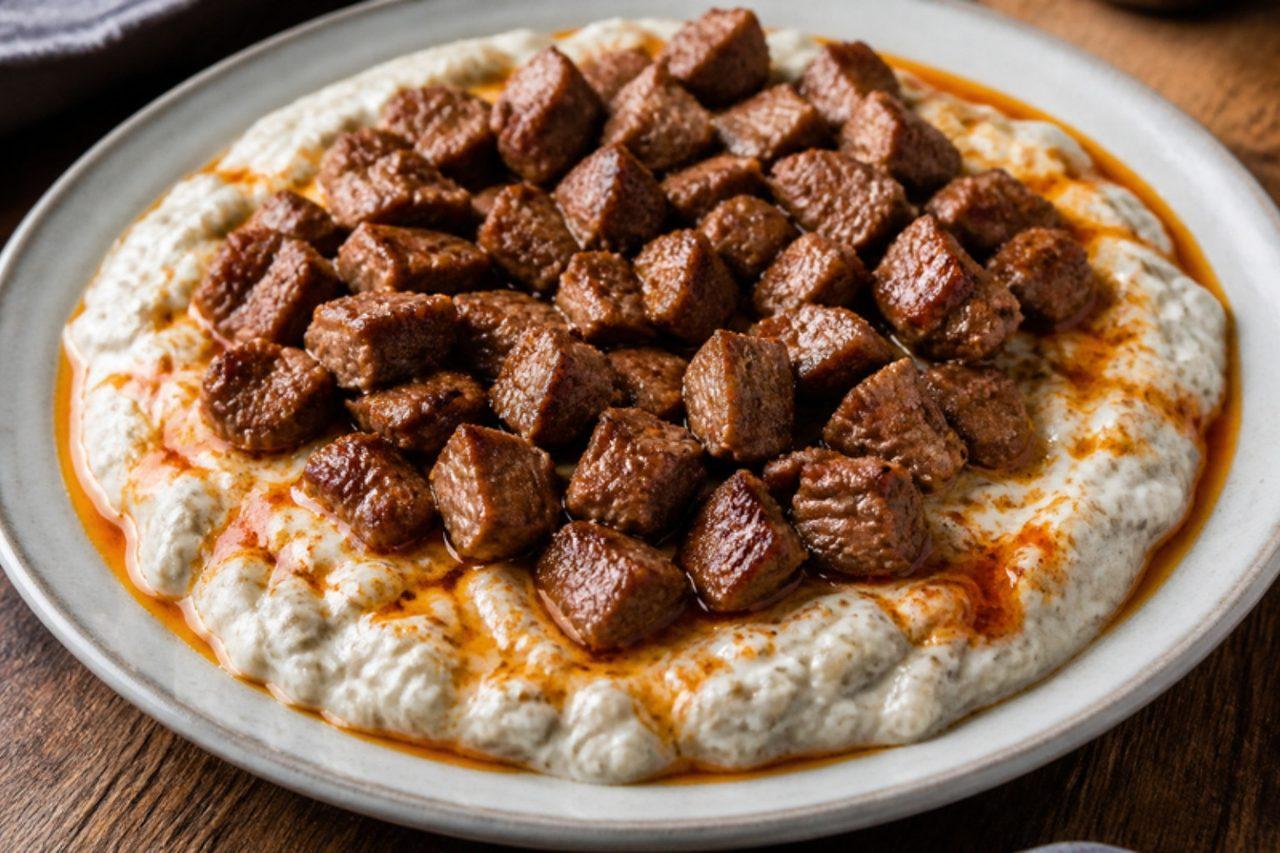
Gaziantep cooks char aubergines over coals until they collapse, mash the flesh with garlicky yoghurt and spoon pan-fried lamb with tomatoes and peppers on top: that is ali nazik, a lunchtime favourite in the city's lokantas. The cool, smoky base and the hot, buttery meat are the whole point, so assemble it just as you serve. A gas flame or a very hot grill gives the same smoky flesh at home. The usual mistake is not draining the aubergine, which makes the yoghurt runny and grey. Chef's tip: stir the yoghurt into the aubergine off the heat with a spoonful of butter; warm, not hot, keeps it from splitting.

by KrazyBadal 0 views

AmygdalopitaAlmond syrup cake

Kefalonia is almond country, and amygdalopita is what islanders bake for the feast of Agios Gerasimos in August and for guests all year round: a moist, flourless-leaning cake of ground almonds, eggs and breadcrumbs, soaked in light lemon syrup until it's dense and fragrant. Serve a small square with coffee or a spoon of thick yoghurt. Common mistake: grinding the almonds too long, so they turn oily and the cake heavy — pulse them until just sandy. Chef's tip: toast half the almonds before grinding for a deeper, nuttier flavour.

by KrazyBadal 0 views

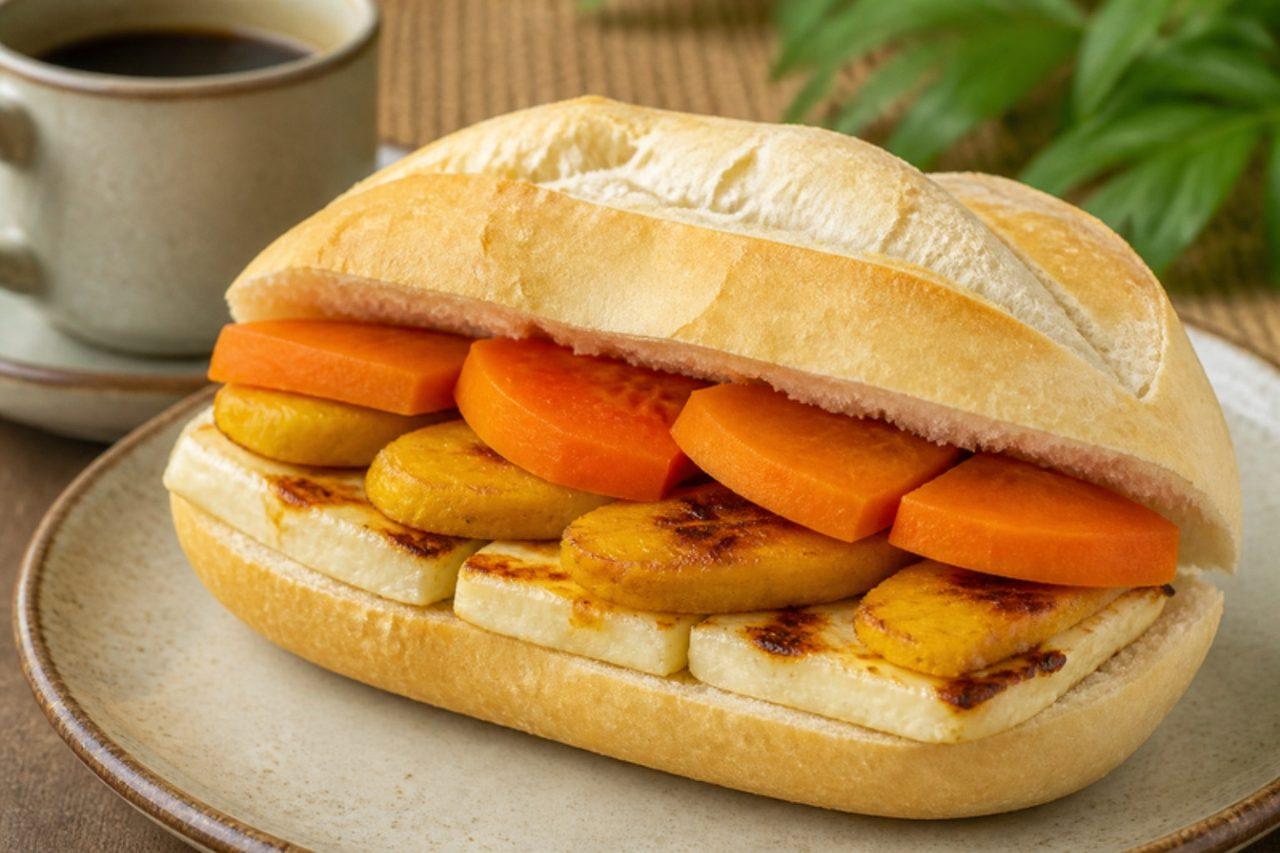
X-caboquinhoTucumã and plantain breakfast roll

Manaus starts the day with this sandwich, sold from cafés, street stalls and market counters near the Mercado Adolpho Lisboa. A crusty roll is split, buttered and toasted, then filled with slices of fried pacovã plantain, a slab of melted coalho cheese and shavings of tucumã, an orange Amazon palm fruit with an oily, nutty, slightly earthy flavour. The name plays on 'caboclo', the riverside people of the Amazon, and amazonenses defend it as a symbol of local pride. Frozen tucumã slices are sold in some Brazilian shops; there is no true substitute, though thin slices of ripe avocado give a different but pleasant result. Use a vegetarian coalho or halloumi, as most coalho uses animal rennet. People often add the tucumã to the hot pan, but it should go in cool and raw for its fresh flavour. Chef's tip: fry the plantain until really dark at the edges; its caramel sweetness is what balances the salty cheese and the palm fruit.

by KrazyBadal 0 views

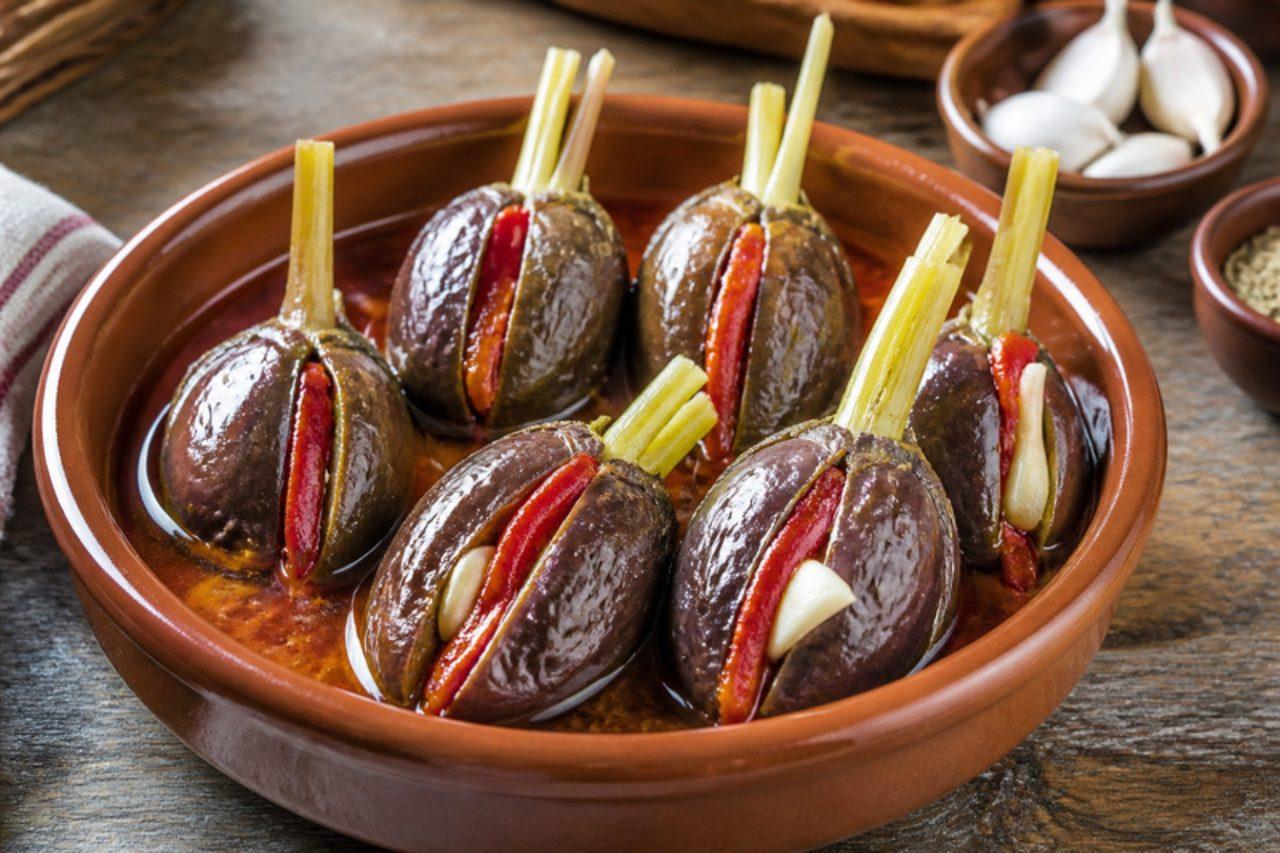
Berenjenas de AlmagroPickled baby aubergines

In the arcaded Plaza Mayor of Almagro, in the province of Ciudad Real, shops sell these little aubergines from barrels, each one split, stuffed with a strip of red pepper and pinned with a fennel stalk. They are eaten as a tapa with a cold drink, or bought by the jar during the town's summer theatre festival. The tangy dressing of vinegar, cumin, garlic and paprika soaks in over a few days in the fridge. Chef's tip: use the smallest, firmest aubergines you can find, no bigger than an egg; large ones go mushy.

by KrazyBadal 0 views

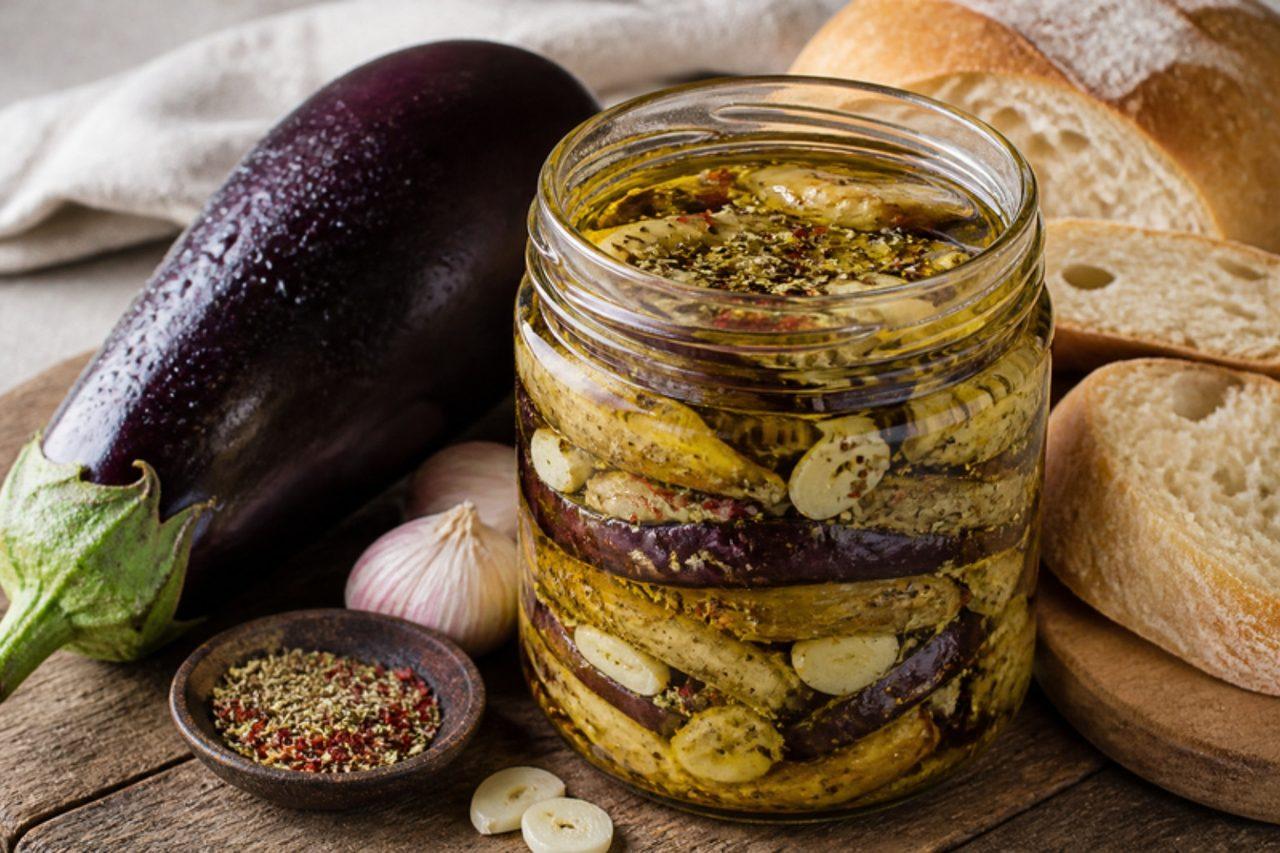
Berenjenas en escabechePickled aubergine in oil

Jars of these marinated aubergines sit in every Argentine grandmother's fridge, a legacy of Italian and Spanish immigrants, and they come out for the picada before the asado, alongside salami, cheese and bread, or to fill a sandwich. Strips of aubergine are salted, blanched briefly in vinegar and water, then layered with garlic, chilli flakes, oregano and plenty of oil. They turn soft, silky and sharp, with a slow heat from the chilli. Overboiling is the error: the strips should be just tender after 2–3 minutes, or they turn to mush in the jar. Allow 2 hours for salting before you start and a day in the fridge before eating. Garlic kept in oil can carry botulism, so keep the jar refrigerated and eat it within two weeks. Chef's tip: press the drained aubergine hard between tea towels before jarring; the drier the strips, the longer they stay firm.

by KrazyBadal 0 views

Berliner KartoffelsuppePotato and root vegetable soup

This is the soup of Berlin's cheap lunch counters and winter kitchens: potatoes and the 'Suppengrün' bundle of carrot, celeriac, leek and parsley root, simmered thick and seasoned with plenty of marjoram. In Berlin it usually comes with a sliced Wiener sausage floating on top; this vegetarian version is finished instead with crisp fried onions and croutons, which give the same savoury contrast. A common mistake is using waxy potatoes, which never thicken the soup; you want floury ones that collapse. Chef's tip: rub the dried marjoram between your palms as it goes in, which wakes up its sweet, piney scent.

by KrazyBadal 0 views

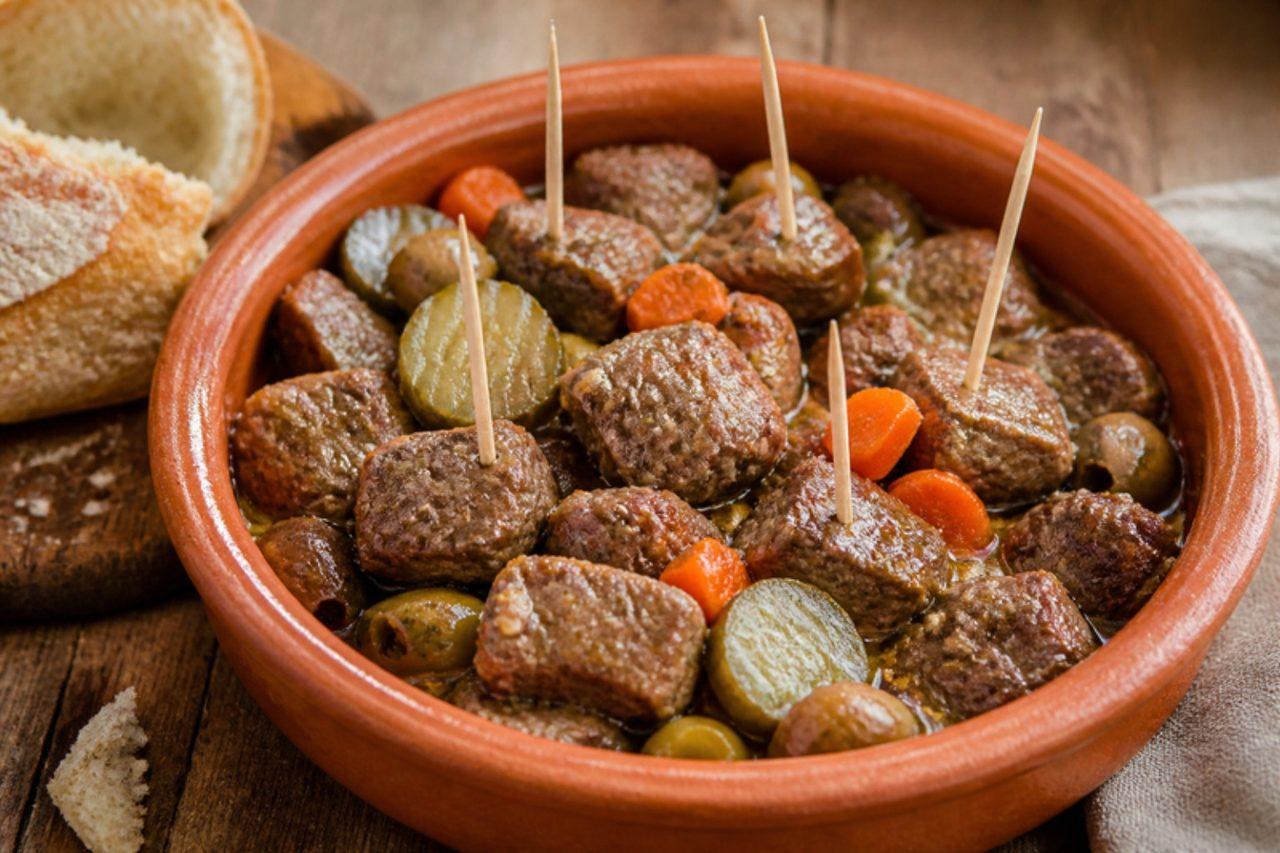
Pica-pauBeef in garlic mustard sauce

Pica-pau means woodpecker, and that is how you eat it: a crowd round a shared dish in a Lisbon cervejaria, pecking cubes of beef out of the sauce with toothpicks and dunking bread into the rest. The beef is seared quickly, then bathed in garlic, butter, mustard and a splash of white wine, and finished with tangy pickled vegetables. The wine contains alcohol; use stock with a teaspoon of vinegar instead. A common mistake is putting in all the meat at once: it stews grey instead of browning. Chef's tip: cut the beef into small, even 2 cm cubes so every piece browns fast and stays tender.

by KrazyBadal 0 views

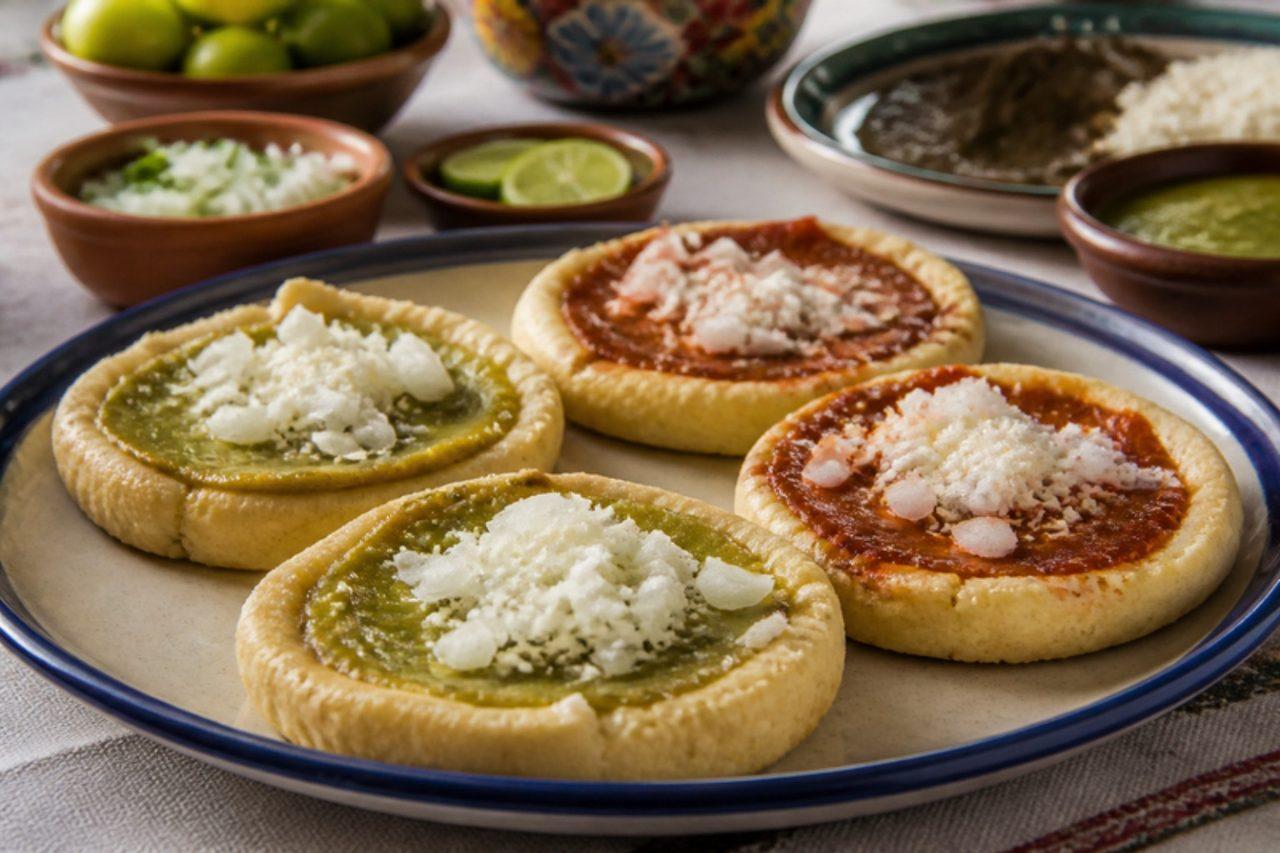
Picadas veracruzanasMasa cakes with salsa

Breakfast in the port of Veracruz and in Xalapa often starts with picadas at a market fonda or a café by the harbour: palm-sized rounds of fresh masa, cooked on the comal, then pinched all around while hot (picar means to pinch) to make little ridges that catch the salsa. Half are spooned with red salsa and half with green, then scattered with onion and crumbled cheese, and eaten with black coffee. Cooks there drizzle them with hot pork lard; this recipe uses a little oil instead. Chef's tip: wet your fingertips in cold water before pinching, so you can work the hot masa without burning yourself.

by KrazyBadal 0 views

Berliner PfannkuchenJam-filled doughnuts

In Berlin a Pfannkuchen is not a pancake but a round, sugar-dusted yeast doughnut with a pale ring around its middle and a squirt of jam inside; most of Germany calls them Berliner. Bakeries pile them up for New Year's Eve and for Carnival in February, and the old joke is to slip one filled with mustard into the batch. Good ones are light and springy, never greasy. A common mistake is frying in oil that is too hot, which browns the outside before the middle cooks; keep it at 170 °C. Chef's tip: let the shaped dough rise uncovered for the last 10 minutes so a thin skin forms; that is what gives the classic white band round the middle.

by KrazyBadal 0 views

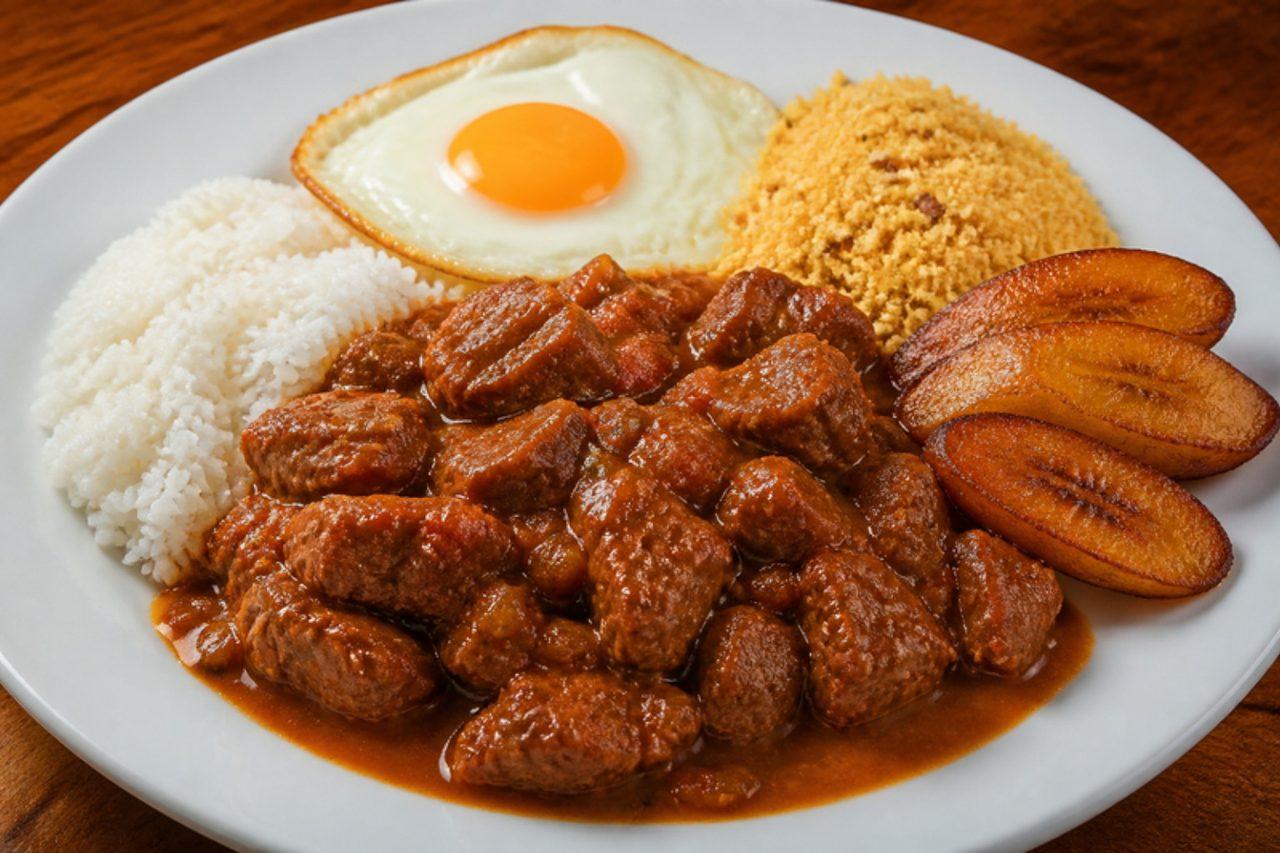
Picadinho cariocaDiced beef stew with rice

Diced small and simmered in a glossy tomato gravy, picadinho is the plate Rio de Janeiro orders at lunch counters and old bars in Centro, and the one cariocas cook at home when they want comfort. The tender cubes of beef come with white rice, a fried egg with a runny yolk, farofa and slices of banana, and every forkful mixes a bit of everything: savoury, sweet, crisp and soft. The everyday mistake is crowding the pan, so the beef boils grey instead of browning; fry it in batches. Cook the eggs until the whites are fully set; if you are serving pregnant women, young children or older people, cook the yolks firm too. Chef's tip: cut the beef into 1.5 cm cubes; any larger and it is a stew, any smaller and it dries out.

by KrazyBadal 0 views

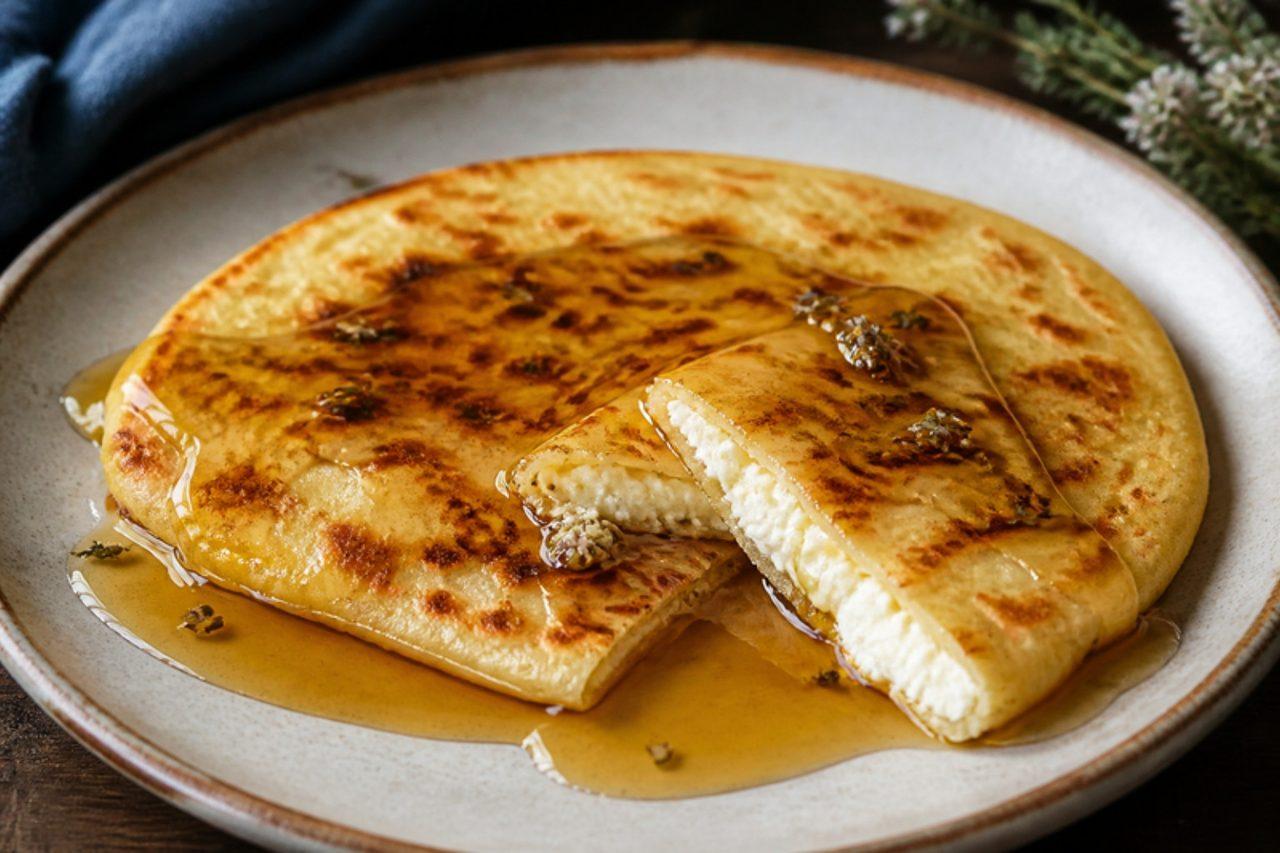
Sfakiani pitaCheese pancakes with honey

Shepherds in the mountains of Sfakia, on Crete's wild south coast, made these with what they had on hand: flour, oil, a ball of fresh cheese and the thyme honey from their hives. A soft dough is wrapped around the cheese, rolled out as thin as a plate and cooked in a dry pan, then eaten hot with honey running over it, for breakfast or as a late sweet with Greek coffee. Village cooks often add a splash of raki to the dough; here lemon juice does the same job and keeps it alcohol-free. The cheese is fresh mizithra, or use ricotta, which is usually rennet-free. Common mistake: cooking over too high a heat, which scorches the outside before the thin layer of cheese inside warms through. Chef's tip: roll from the centre outwards and give the disc a quarter turn each time so the cheese spreads evenly to the edge.

by KrazyBadal 0 views

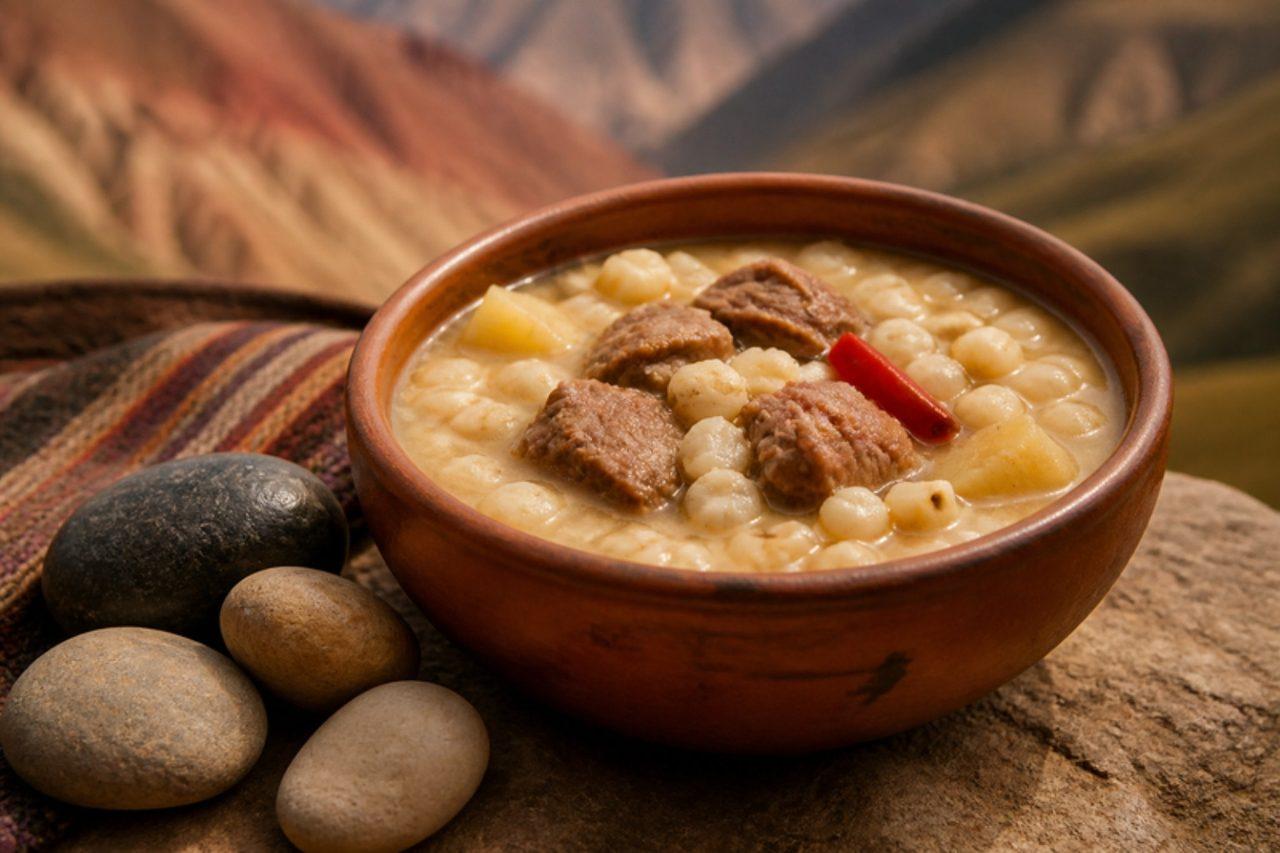
CalapurcaHominy and meat soup

Nobody hurries calapurca. In the villages of the Quebrada de Humahuaca, especially around Carnival and the August Pachamama rites, cooks heat stones in the fire until they glow and then drop them into a clay pot of soup made from dried maize, beef and lamb (or llama), potatoes and chilli, so it boils up in a hiss of steam and takes on a faintly smoky taste. Bowls are passed around the gathering with a sprinkle of fresh herbs. The stones are a ritual best left to people who know which ones are safe, because wet or river stones can crack or burst when heated, so this home version simply simmers on the stove. Look for dried white hominy (mote, or pozole corn) in Latin American shops; it needs soaking overnight. The usual problem is undercooked corn: it needs a good 2 hours before the meat goes in. Chef's tip: for a hint of the smoky flavour, char the onion and a dried chilli in a dry pan before adding them.

by KrazyBadal 0 views

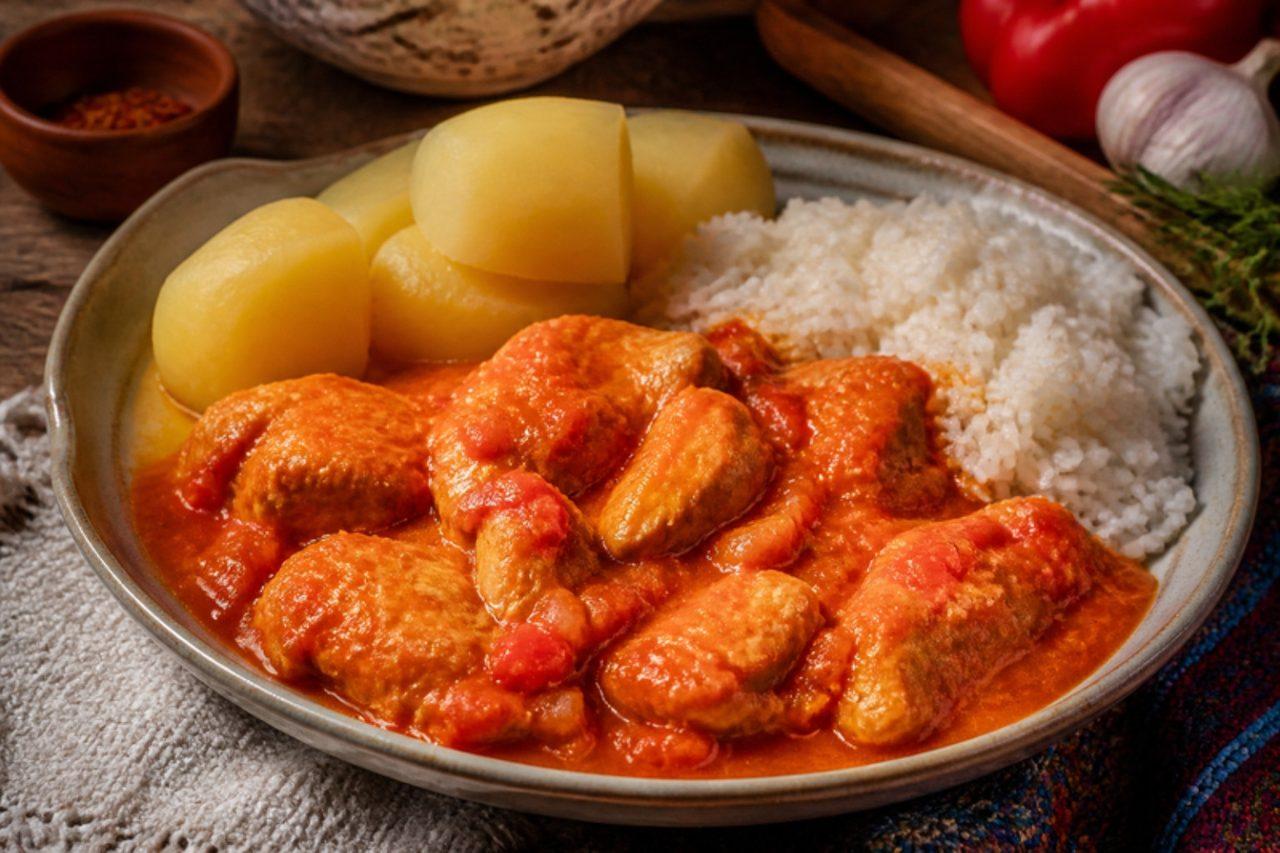
Picante de polloChicken in red chilli sauce

High up in Jujuy, picante de pollo is the dish cooks make for weddings, patronal feast days and Carnival in the Quebrada de Humahuaca, and the small comedores near the markets of San Salvador serve it every Sunday. Chicken pieces are first poached, then finished in a vivid red sauce of ají colorado (ground dried red chilli), lots of onion, tomato and garlic, thickened with the broth; on the plate it goes with white rice, boiled Andean potatoes and often a scattering of crunchy fried potato sticks (papas fritas en bastón) or chopped tomato and onion. It is warming rather than fiery, with a deep earthy chilli flavour. The chicken must reach 74 °C at the bone. Burning the ground chilli is the usual mistake: add it to the pan off the heat or over a gentle flame, or it turns bitter in seconds. Chef's tip: let the stew sit for 15 minutes before serving; the chicken absorbs the red sauce and the colour deepens.

by KrazyBadal 0 views

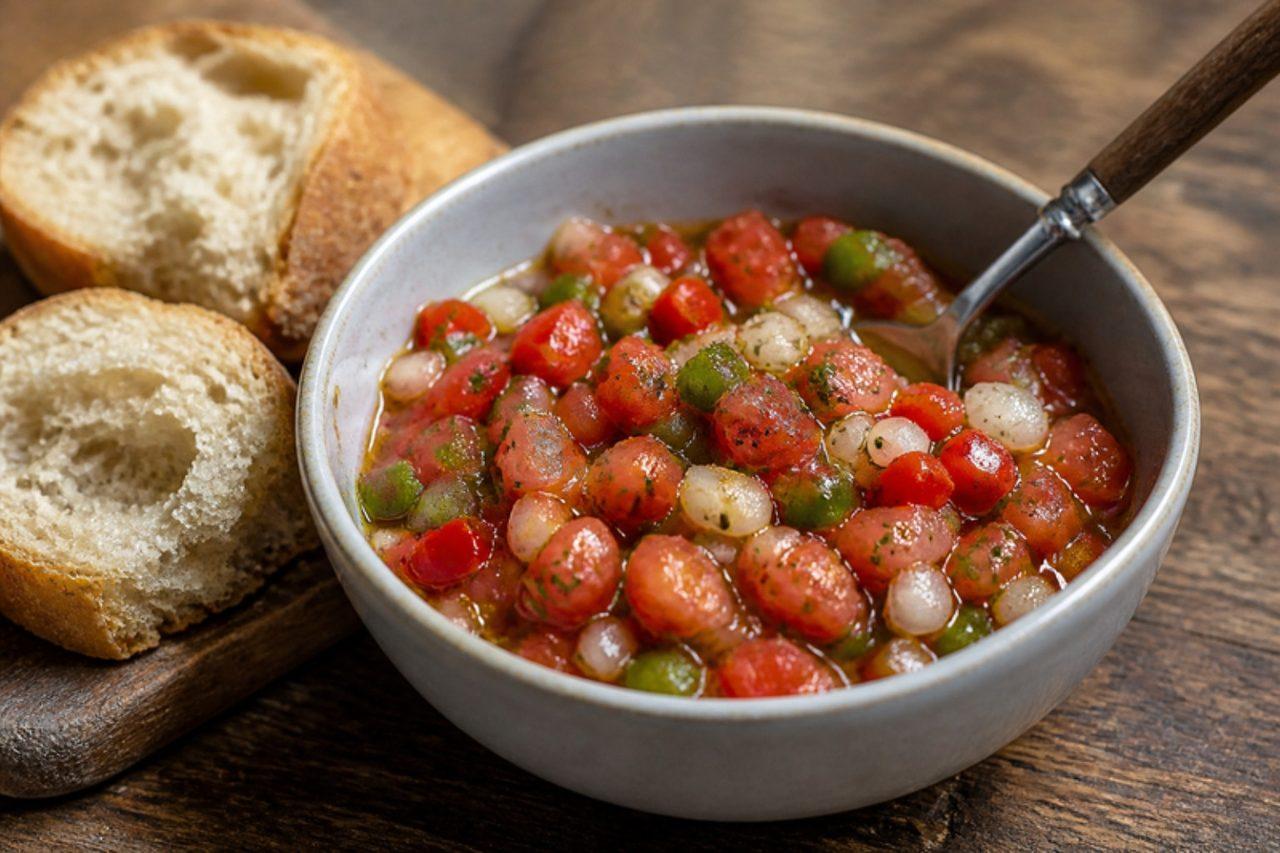
Salsa criollaTomato, onion and pepper relish

Chimichurri gets the fame, but at a Sunday asado anywhere from Buenos Aires to Salta the other bowl on the table is salsa criolla: tomato, onion and red and green pepper cut into small, even dice, dressed with vinegar, oil, oregano and salt, and left to sit until the juices pool. It is spooned over steak, chorizo and provoleta, piled into choripán, and eaten with grilled vegetables, and it brings freshness and acid to rich, smoky food. Expect crunch, a clean sour note and a mild sweetness from the peppers. Chopping it all in a food processor is the mistake: it turns watery and pulpy, so take the time to dice by hand. Some cooks use only red onion, others add spring onion or a pinch of chilli; adjust to taste. Chef's tip: dress the onion with the vinegar and salt first for 10 minutes before adding the rest; it softens the raw bite without losing the crunch.

by KrazyBadal 0 views

PickertFried yeasted potato loaf with raisins

Pickert is the bread of Lippe and the Teutoburg Forest in eastern Westphalia, made where wheat was scarce and potatoes plentiful: grated raw potato, flour, eggs and yeast baked into a dense, moist loaf, studded with raisins. Locals slice it the next day and fry the slices in butter until crisp, then eat them for breakfast or supper with plum butter, sugar beet syrup, jam or, for meat eaters, liver sausage. This vegetarian version serves it with jam and syrup. A common mistake is not squeezing the potatoes, which leaves the loaf soggy in the middle. Chef's tip: bake it a day ahead; cold Pickert slices cleanly and fries far better than warm.

by KrazyBadal 0 views

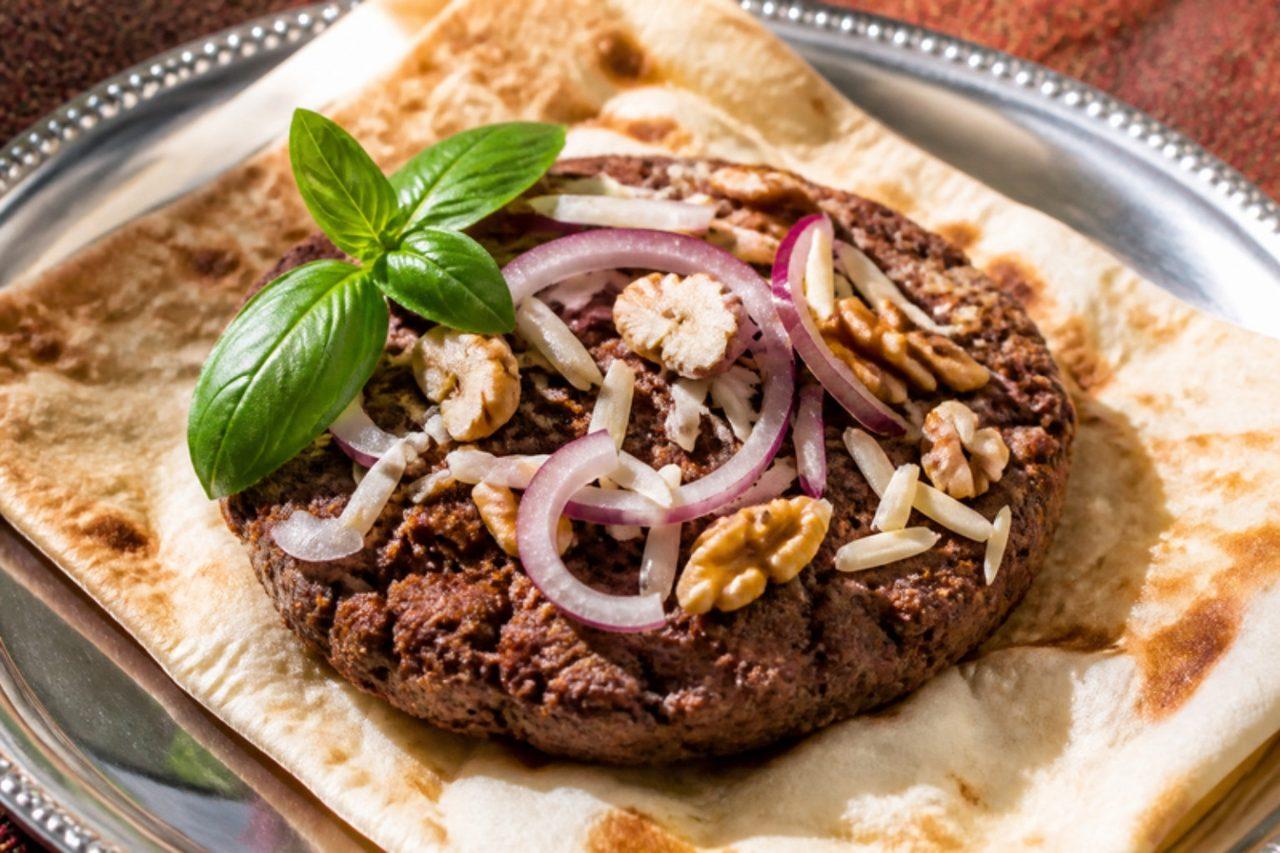
BeryaniSpiced lamb on flatbread with basil

Beryani is Isfahan's signature lunch, eaten in old bazaar eateries near Naqsh-e Jahan Square for more than a century, and nothing like the rice biryanis of South Asia. Lamb shoulder and, traditionally, lamb lung are simmered, minced, seasoned with cinnamon and fried on a small round pan with the fat from the pot, then turned out onto soft sangak or taftoon bread and eaten with fresh basil, raw onion and walnuts. Lung is hard to buy outside Iran, so this home version uses lamb shoulder and a little lamb mince for the same soft texture. A common mistake is draining away the cooking fat; Isfahanis spoon it over the bread for flavour, so keep it. Chef's tip: press the meat into a small frying pan to make a neat round patty, the way the bazaar cooks do.

120 minPersianMeat
by KrazyBadal 0 views

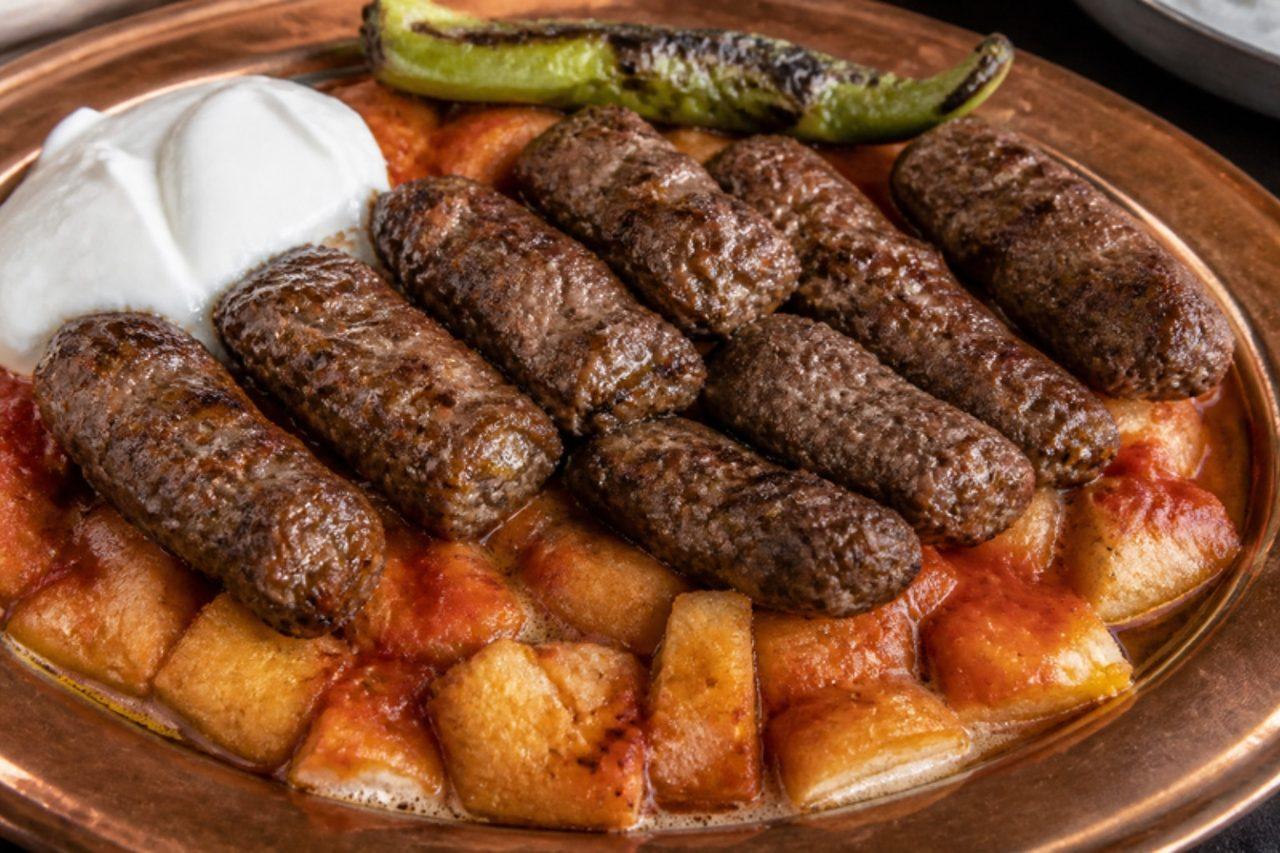
Pideli köfteGrilled meatballs on flatbread

Bursa, the city that gave the world İskender, has its own everyday answer for those who don't want doner: pideli köfte, served in workers' lokantas around the Ulu Cami. Small grilled köfte are laid over cubes of soft pide, drenched in a thin tomato sauce, then finished at the table with browned butter poured over so it hisses, with thick yoghurt on the side. It is rich, messy and very satisfying. Chef's tip: warm the pide in the oven before adding the sauce, so it soaks up the juices but keeps some chew.

by KrazyBadal 0 views

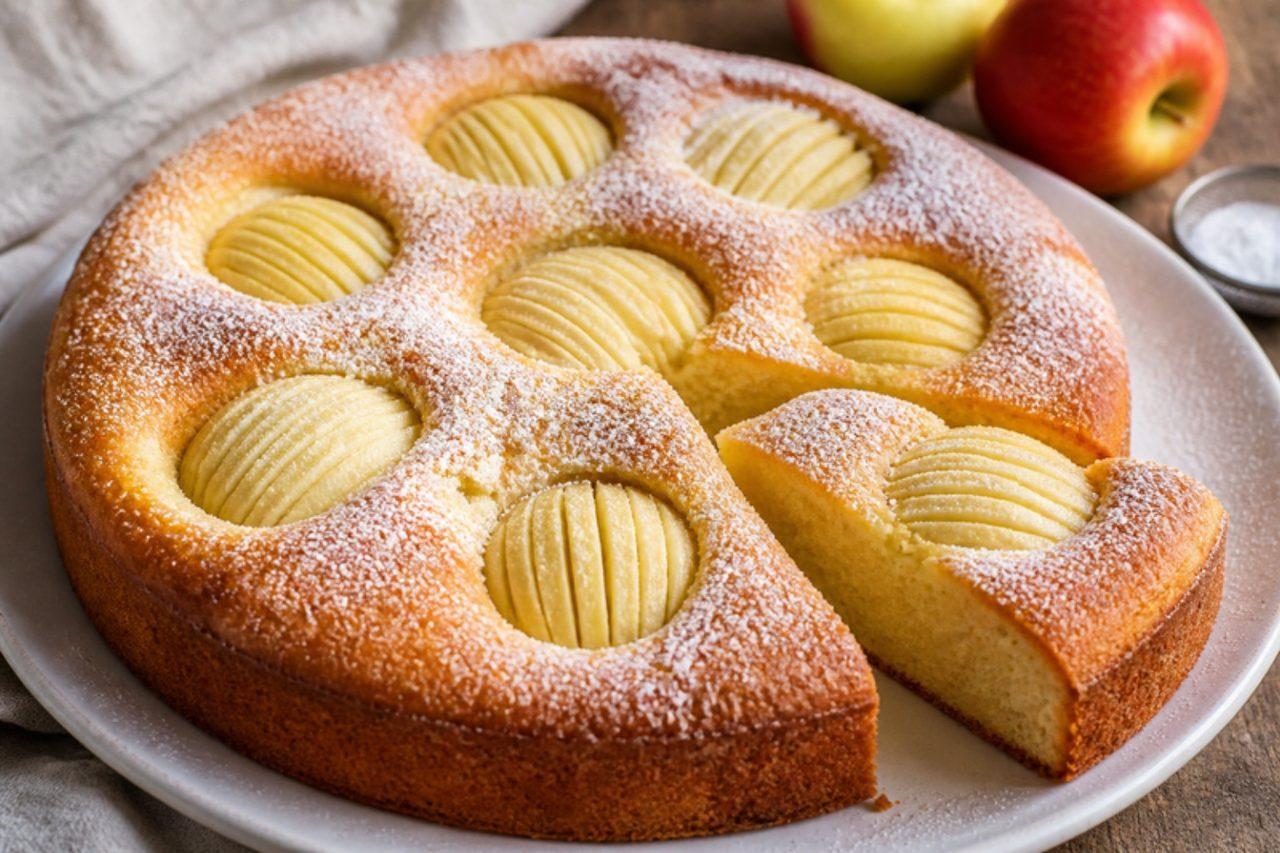
Versunkener ApfelkuchenSunken apple sponge

Versunkener Apfelkuchen, the sunken apple cake, is the quickest cake in the German home repertoire, made on autumn weekends when the first Boskoop and Elstar apples come in from the orchards of the Altes Land near Hamburg and Lake Constance. Peeled apple halves are scored like a fan and pressed into a rich lemon sponge, which rises up around them as it bakes until they seem to sink in. Children love it still warm with whipped cream. A common mistake is cutting the scores too deep, so the apples fall apart; cut about two-thirds of the way through. Chef's tip: brush the apples with apricot jam the moment the cake comes out of the oven; it gives a shiny bakery glaze and keeps them from drying.

by KrazyBadal 0 views

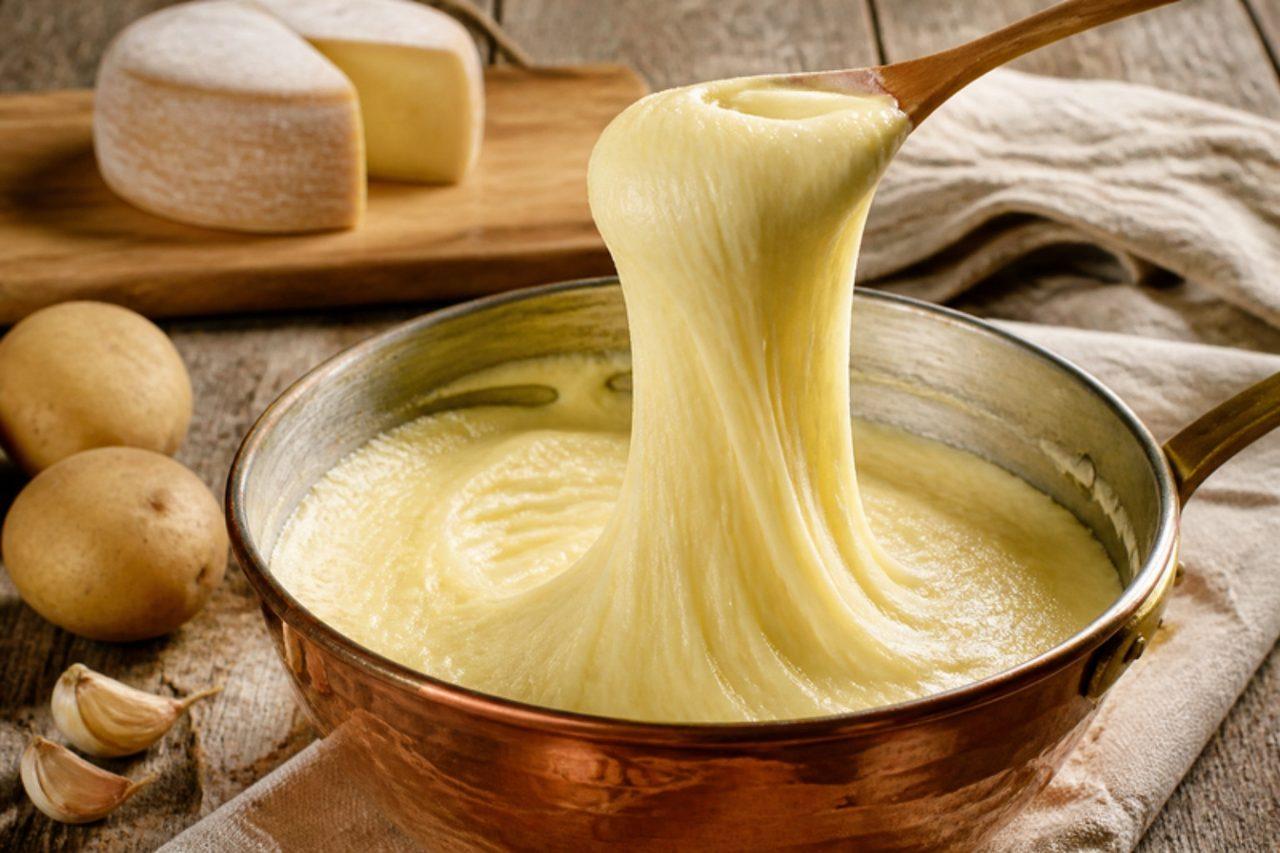
AligotCheesy garlic mashed potato

High on the Aubrac plateau, where Aveyron, Cantal and Lozère meet, aligot was once the meal monks gave to pilgrims on the road to Santiago. Today it is beaten in huge copper pans at village fêtes and buron farm restaurants around Laguiole, then lifted high on a wooden spoon in long, glossy ribbons before it is served beside sausages or, for a vegetarian table, a big green salad and roasted mushrooms. It is a mash of floury potato, butter, cream and garlic, worked with young tomme fraîche until it stretches like mozzarella. Tomme fraîche is made with animal rennet; a mix of vegetarian mozzarella and a vegetarian mild cheddar gives a similar stretch. Chef's tip: keep beating in a figure of eight once the cheese goes in; the stretch only comes with steady work.

by KrazyBadal 0 views

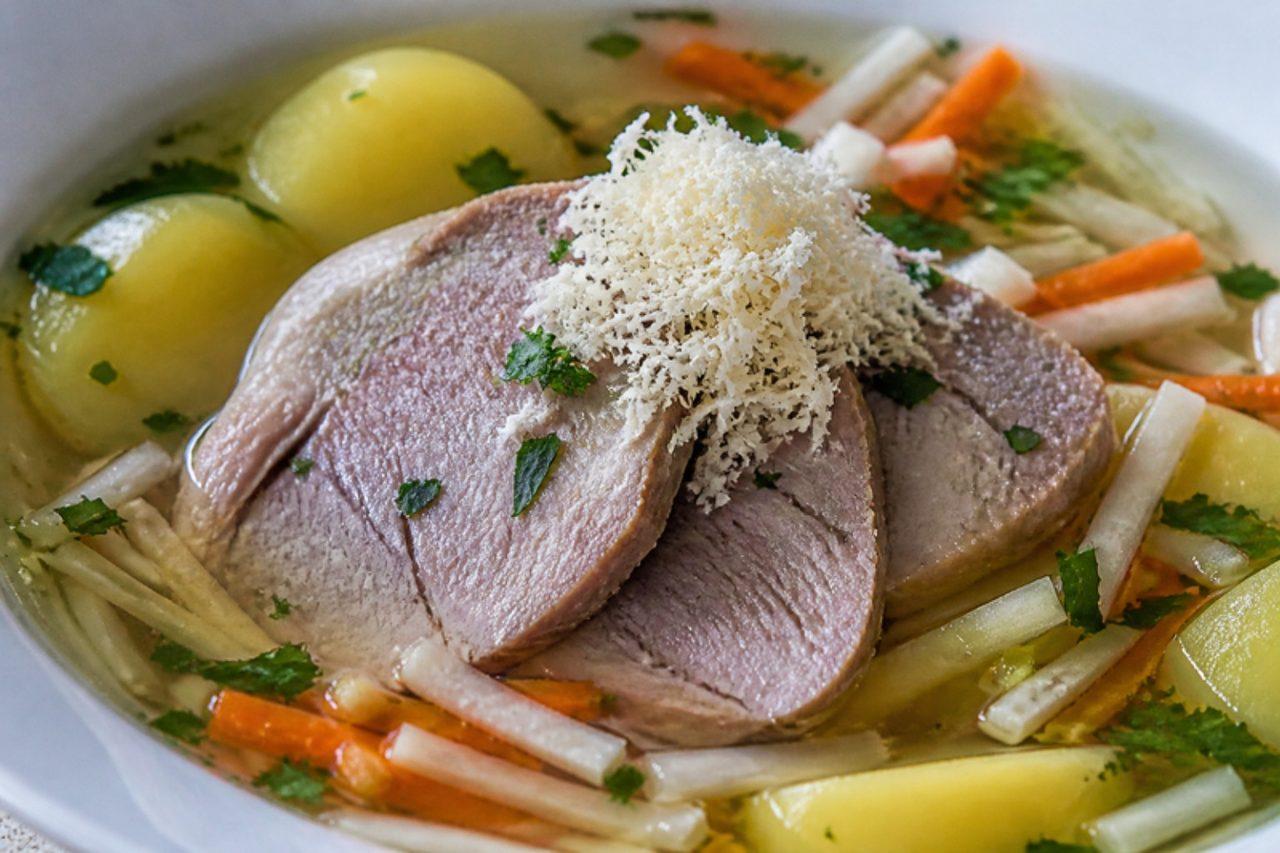
Steirisches WurzelfleischPork simmered with root vegetables

Wurzelfleisch, 'root meat', is a winter dish from the farms of Styria in south-east Austria, cooked in November and December when pigs were killed and the cellar was full of carrots, celeriac and parsley root. Pork shoulder is simmered in a lightly sour broth, then served in deep plates with thin strips of root vegetables, boiled potatoes and a snowfall of freshly grated horseradish. It is a gentle, clean-tasting dish, quite unlike a roast. Chef's tip: grate the horseradish at the table; it loses its bite within minutes.

130 minAustrianMeatGluten free
by KrazyBadal 0 views

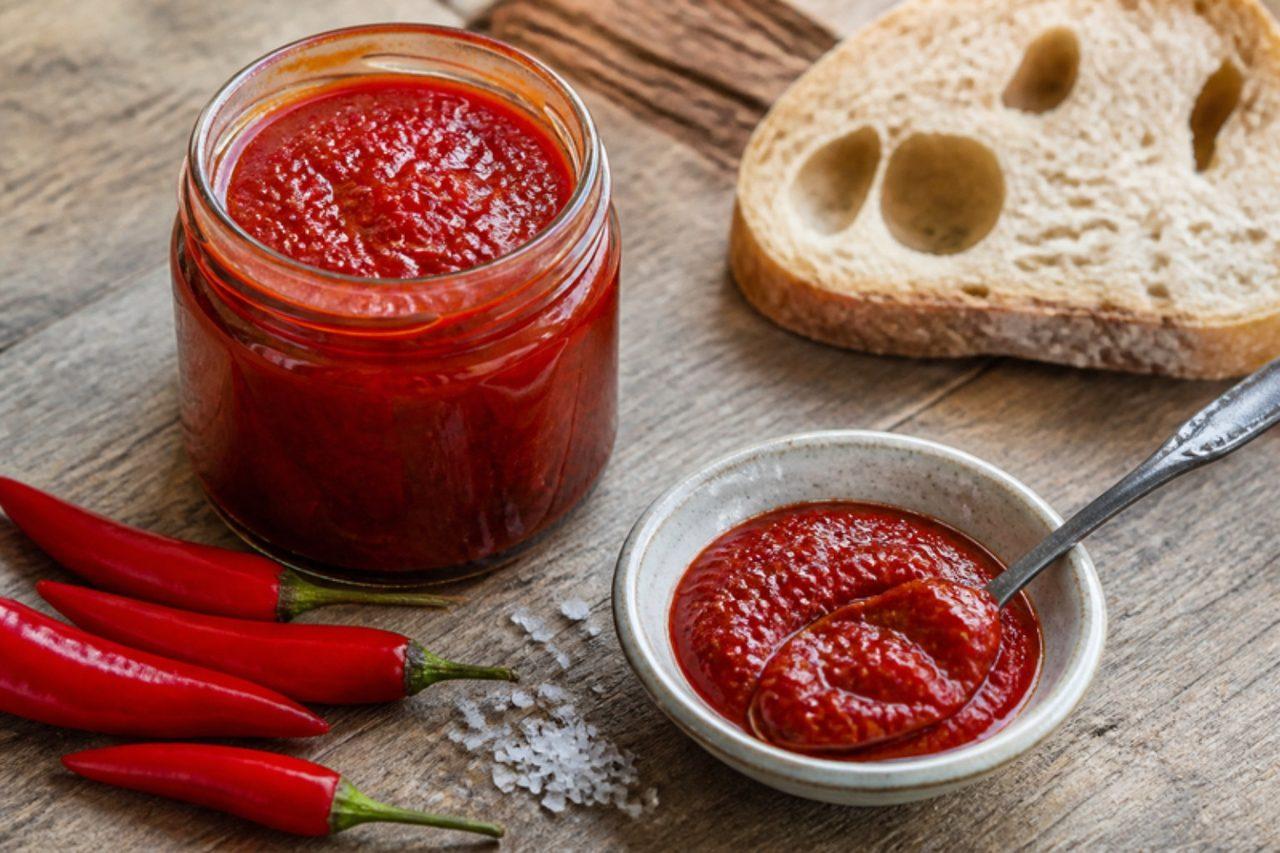
Pimenta da terraFermented red pepper paste

On São Miguel, nearly every kitchen has a jar of pimenta da terra, crushed red peppers salted and left to ferment for a few days until they turn tangy and deep red. It goes into stews, octopus, beans and sausages, onto grilled fish and into sandwiches of bolo lêvedo. It can be mild or fiery depending on the peppers. Make it in late summer when red peppers are cheap. Chef's tip: weigh the salt; too little lets the wrong bacteria take over, while the right amount keeps it safe and lets it ferment slowly.

by KrazyBadal 0 views

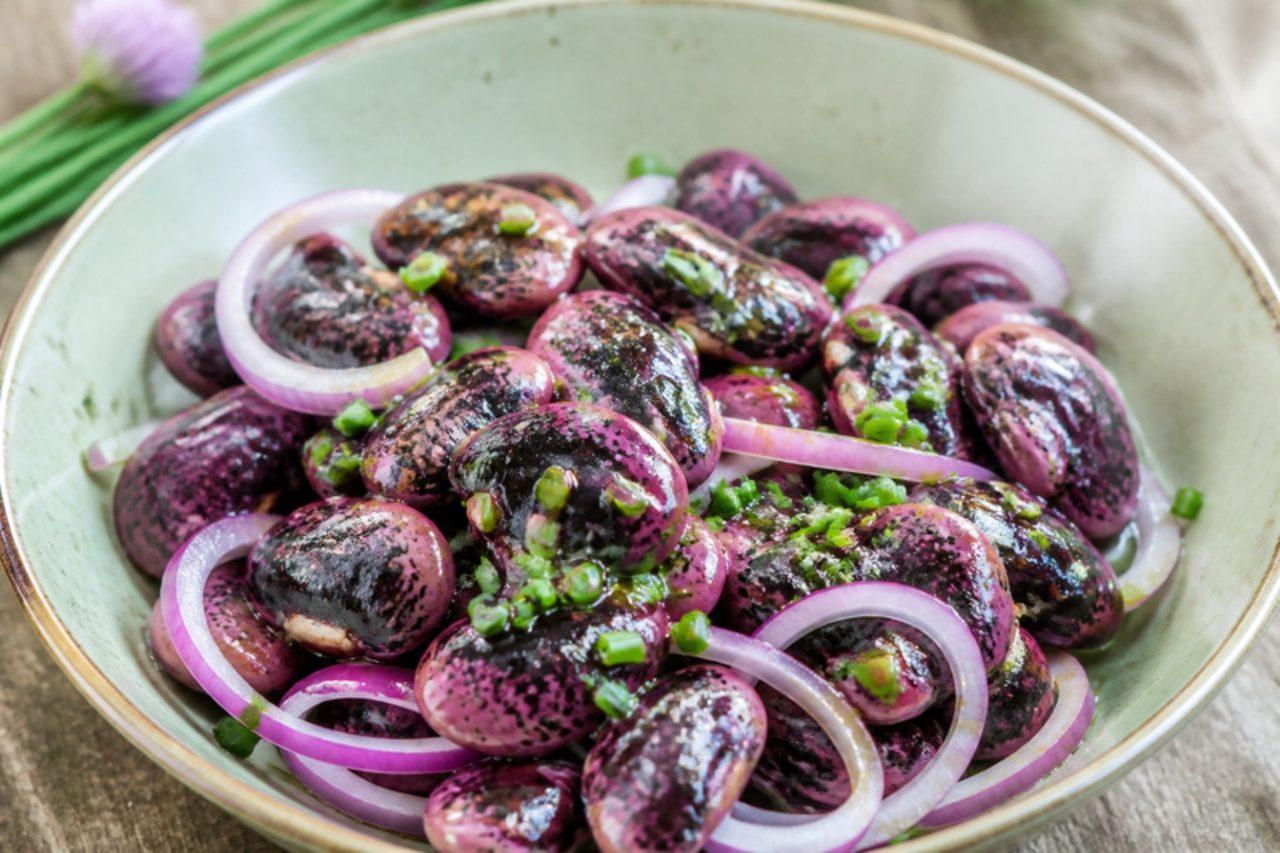
Steirischer KäferbohnensalatRunner bean pumpkin oil salad

In the hills of south-east Styria, fat purple-speckled runner beans called Käferbohnen, 'beetle beans', are dried every autumn and turned into this simple salad. It is a fixture of the Buschenschank, the farm wine taverns where you sit outdoors with a board of bread, cheese and spreads. The beans are soft and creamy, the red onion and cider vinegar sharp, and the dark green pumpkin seed oil gives a deep, toasty, nutty flavour. A common mistake is dressing cold beans straight from the fridge; dress them lukewarm so they soak up the vinegar. Chef's tip: add the pumpkin seed oil last and do not heat it; it turns bitter when warm.

by KrazyBadal 0 views

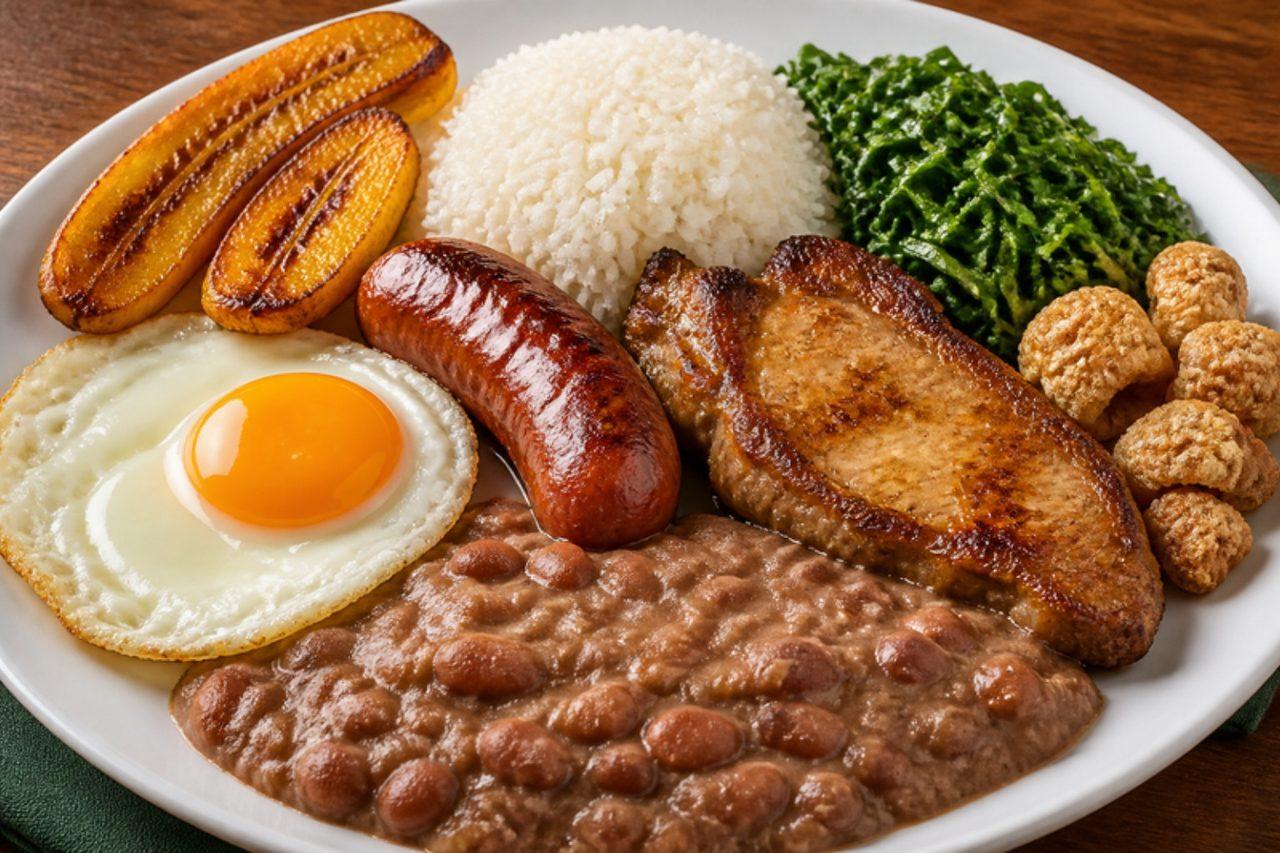
Virado à paulistaBeans, pork chop and sausage plate

Monday in São Paulo means virado à paulista: the city's lunch counters and botequins have served it as the prato do dia at the start of the week for generations. The plate goes back to the bandeirantes' travel food, and today it is a feast of pork: beans cooked down and thickened with cassava flour into a soft tutu, a pork chop, a grilled pork sausage, a crackling of torresmo if you like, a fried egg, garlicky collard greens, rice and fried banana. It is hearty, salty and sweet in turns. A common mistake is serving the pork chop well past done and dry; a whole pork chop is safe at 63 °C with a 3-minute rest, and juicy at that point. Some restaurants bread the banana; frying it plain keeps the plate gluten free. Chef's tip: cook the beans with a little bacon and let them sit for a few minutes after adding the farinha; it keeps thickening as it stands.

by KrazyBadal 0 views

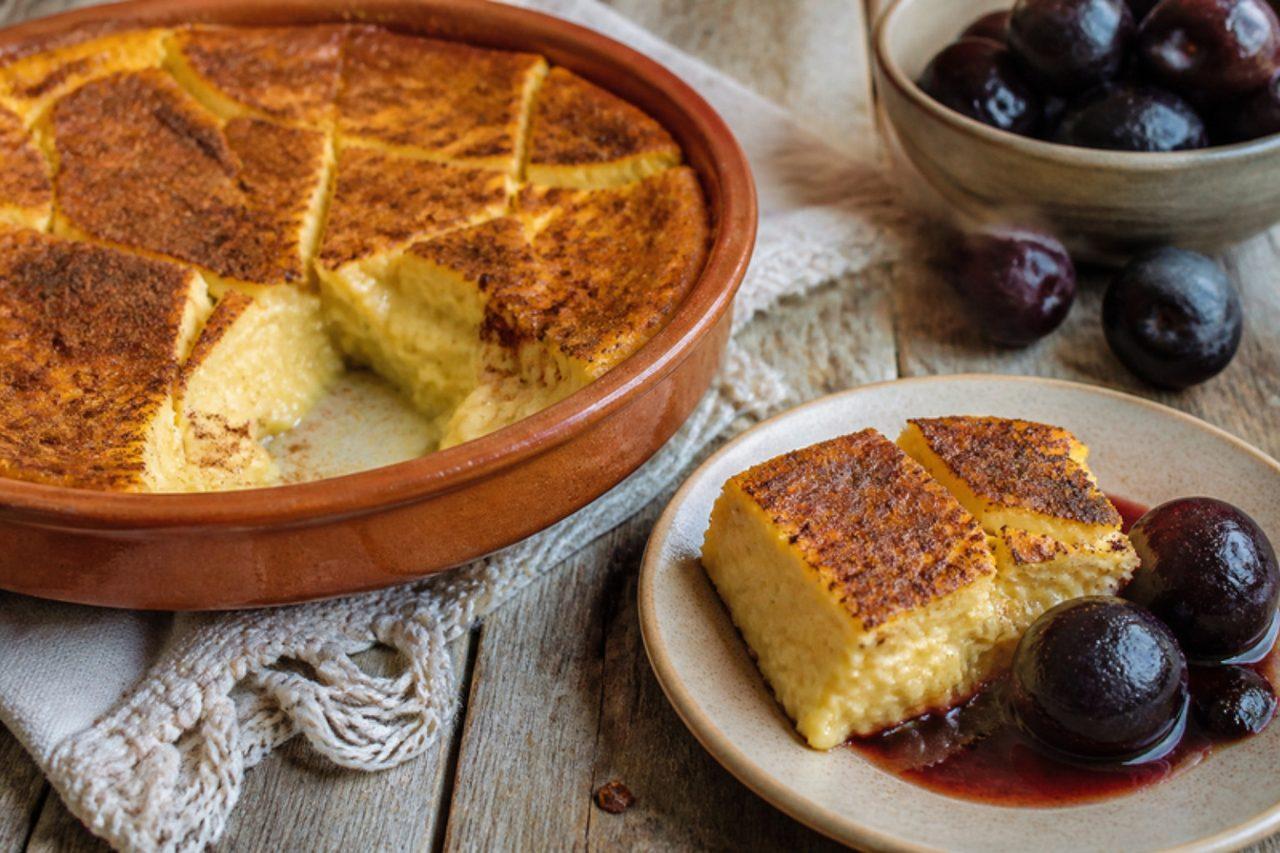
SericaiaCinnamon baked egg custard

Sericaia is the pride of Elvas, on the Spanish border, and of Alentejo convent baking: a light custard of eggs, milk and sugar lifted with beaten whites, spooned into a clay dish, dusted with cinnamon and baked until it puffs and splits into deep cracks. It is always served with Elvas plums in syrup, whose sharpness cuts the sweetness; any good plums poached in syrup will do. It is a Sunday and festive dessert across the region. A common mistake is spreading the mixture smooth: drop it in large spoonfuls so it bakes into the craggy, cracked top that defines it. Chef's tip: cook the yolk custard until really thick before folding in the whites; a thin custard collapses in the oven.

by KrazyBadal 0 views

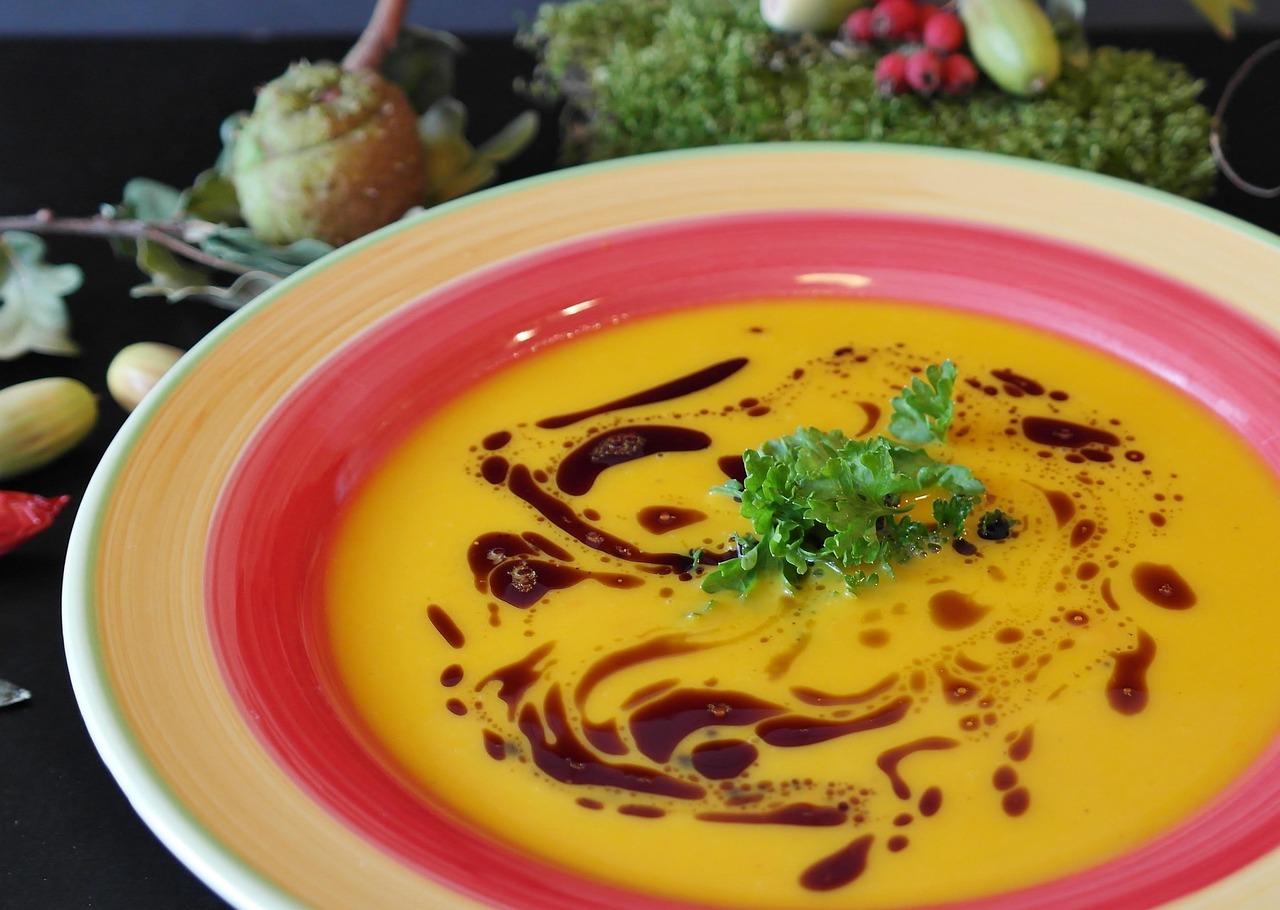
Steirische KürbiscremesuppeCreamy pumpkin soup

When the pumpkin fields of Styria turn orange in October, every inn from Graz to the Slovenian border puts this soup on the board. It is velvety and gently sweet, with a little nutmeg and a dash of vinegar for lift, and comes to the table with a swirl of almost black pumpkin seed oil and a scattering of toasted seeds. Serve it as a starter before a Sunday roast or with crusty bread for supper. A common mistake is boiling the soup hard after the cream goes in, which can split it and dull the colour. Check the stock if you need it gluten free. Chef's tip: toast the seeds dry in a pan until they puff and pop; it takes 3 minutes and doubles the nutty flavour.
by KrazyBadal 0 views

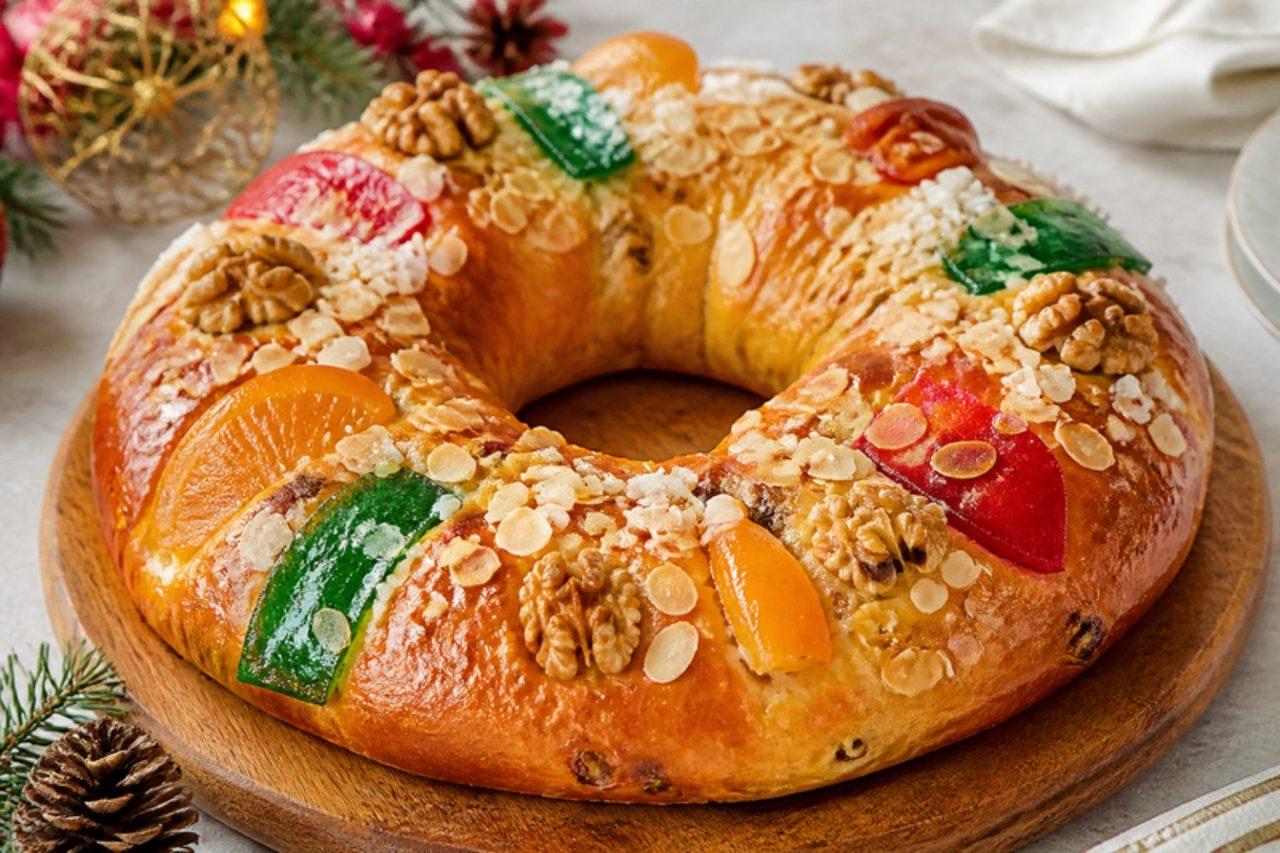
Bolo-reiCandied fruit and nut king cake

From early December to Twelfth Night every Lisbon pastelaria stacks its counter with these glossy rings, crowned with candied fruit and sugar, and families buy one for Christmas Eve and another for the Day of the Kings. A Lisbon confectioner brought the idea from France in the nineteenth century and it became the centre of the Portuguese Christmas table. Traditionally the raisins are soaked in port wine, which contains alcohol; orange juice works just as well. Old recipes hid a dried broad bean inside, and whoever found it bought next year's cake; we leave it out, as it is a choking hazard for children. Chef's tip: let the dough rise slowly in a cool place, even overnight in the fridge; the rich, buttery dough needs time to taste of anything.

by KrazyBadal 0 views

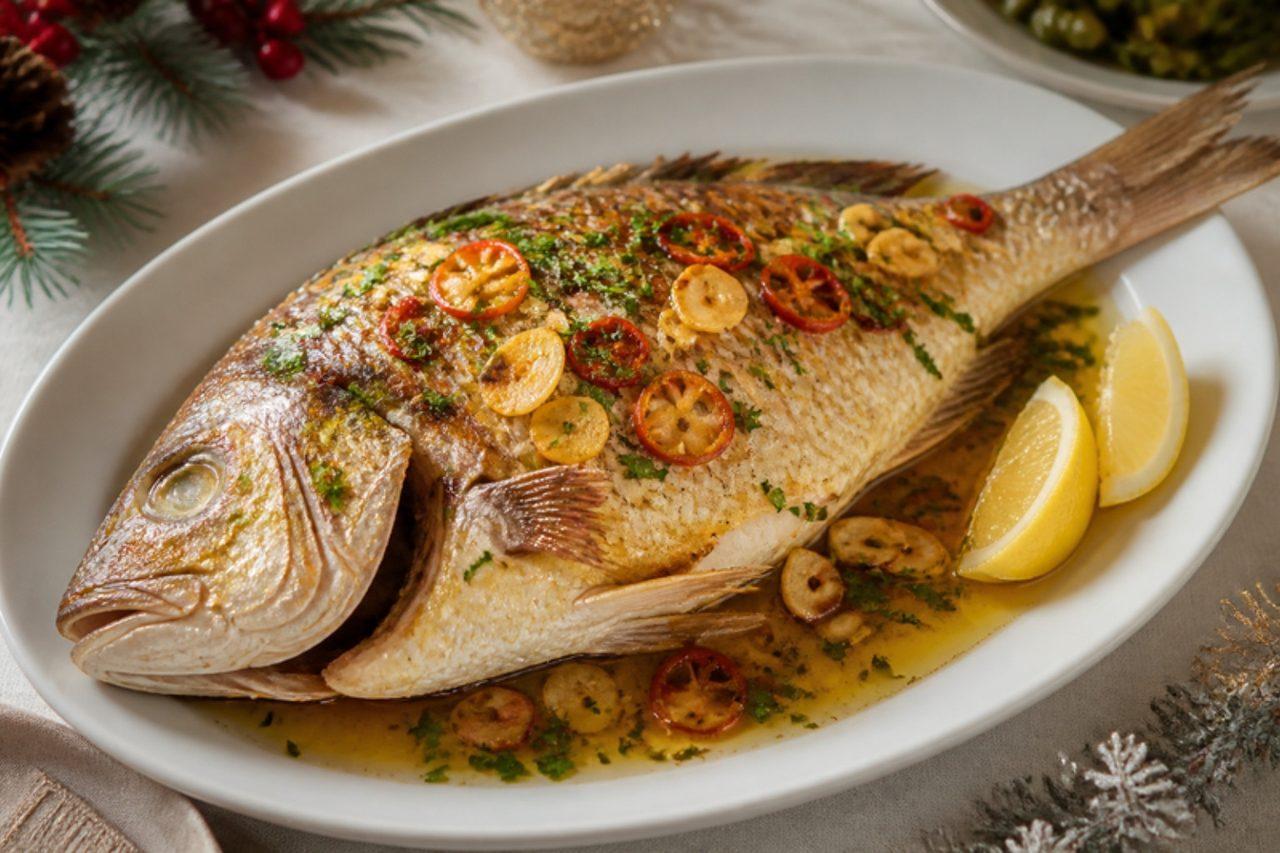
Besugo a la donostiarraSea bream with garlic vinegar dressing

For many San Sebastián families, Christmas Eve dinner isn't complete without a whole sea bream, roasted or grilled and finished with a refrito: hot olive oil with sliced garlic, dried chilli and a splash of vinegar poured over at the table. The traditional fish is red sea bream (besugo), but gilt-head bream works well. A common mistake is letting the garlic go dark brown, which makes the dressing bitter; take it off when it is pale gold. Chef's tip: cut a few slashes into the thick part of the fish so it cooks evenly and the dressing soaks in.

by KrazyBadal 0 views

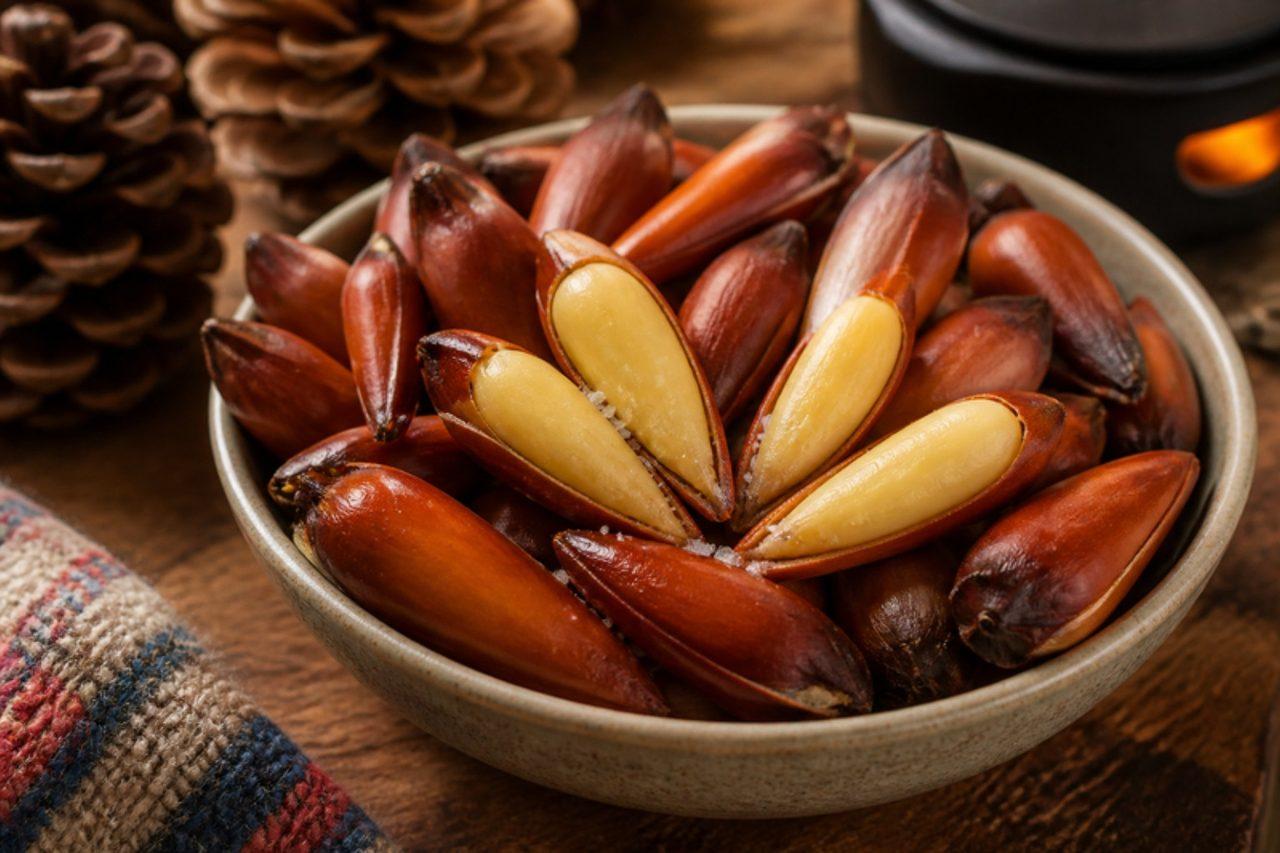
Pinhão cozidoBoiled pine nuts

When frost settles on the highlands of Paraná and Santa Catarina, every street fair and roadside stall in Curitiba, Lages and São Joaquim sells paper cones of hot pinhão. These are the seeds of the Araucaria pine, big as a thumb, with a leathery brown shell and a starchy, sweet centre that tastes somewhere between chestnut and boiled potato. Families boil a pot after supper and peel them around the wood stove, and the pinhão is also the star of the Festa do Pinhão in Lages each June. The season runs roughly April to July; outside the south, look for vacuum-packed or frozen pinhão in Brazilian shops, and if you cannot find any, fresh chestnuts cooked the same way are the closest stand-in. The common mistake is pulling them out too early: underdone pinhão is waxy, hard to peel and slightly bitter. Chef's tip: snip the pointed tip off each seed before boiling and the shell slips off in one piece once cooked.
by KrazyBadal 0 views

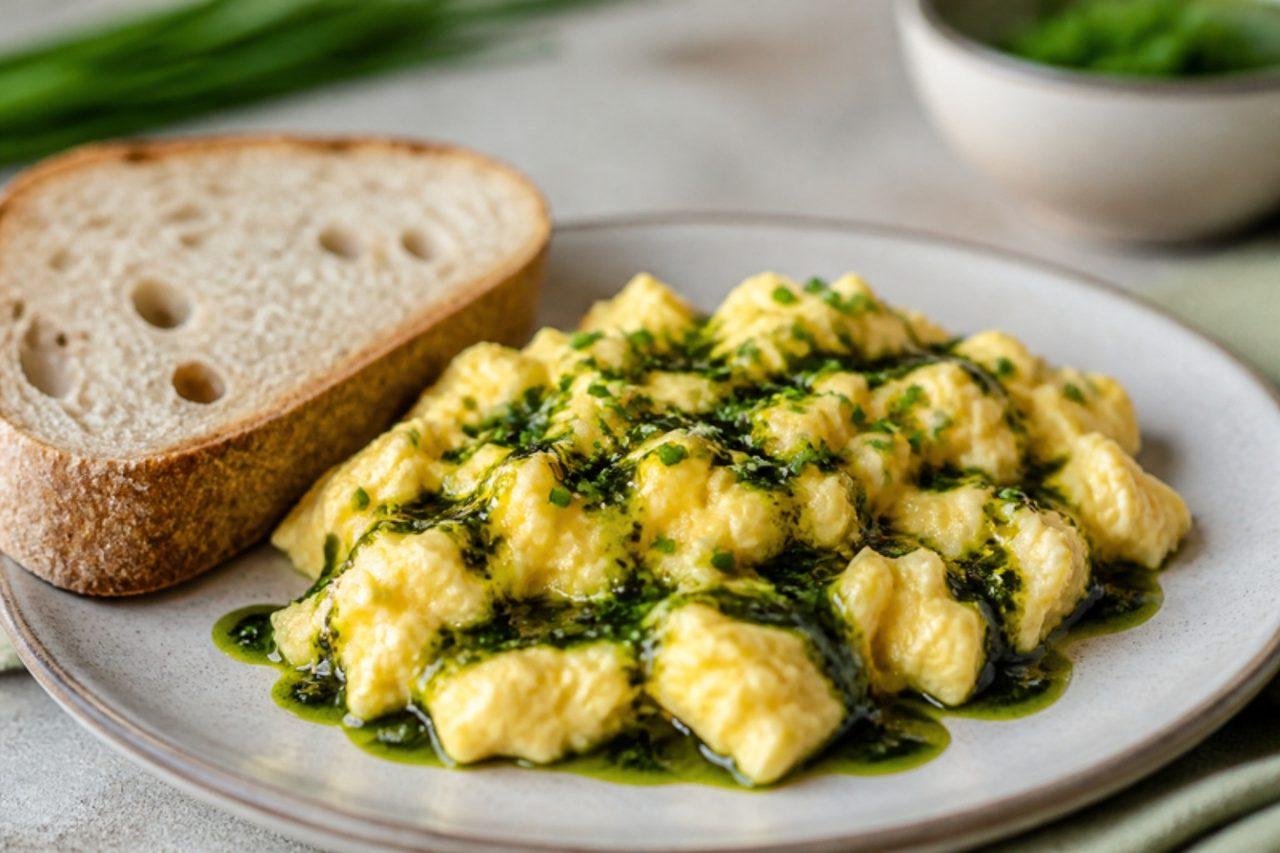
Steirische Kernöl-EierspeisScrambled eggs with pumpkin seed oil

Eierspeis is the Austrian word for scrambled eggs, and in Styria they get a final drizzle of the region's dark green pumpkin seed oil. It is a farmhouse breakfast or a late-night snack after a long evening in a Graz wine bar, eaten straight from the small pan it was cooked in with a slice of rye bread. The eggs are soft and creamy in big folds, and the oil adds a toasted, nutty depth that tastes almost like brown butter. A common mistake is stirring too fast on a high heat, which gives small dry crumbs instead of soft curds. Chef's tip: salt the eggs a few minutes before cooking; it helps them set more tenderly.
by KrazyBadal 0 views

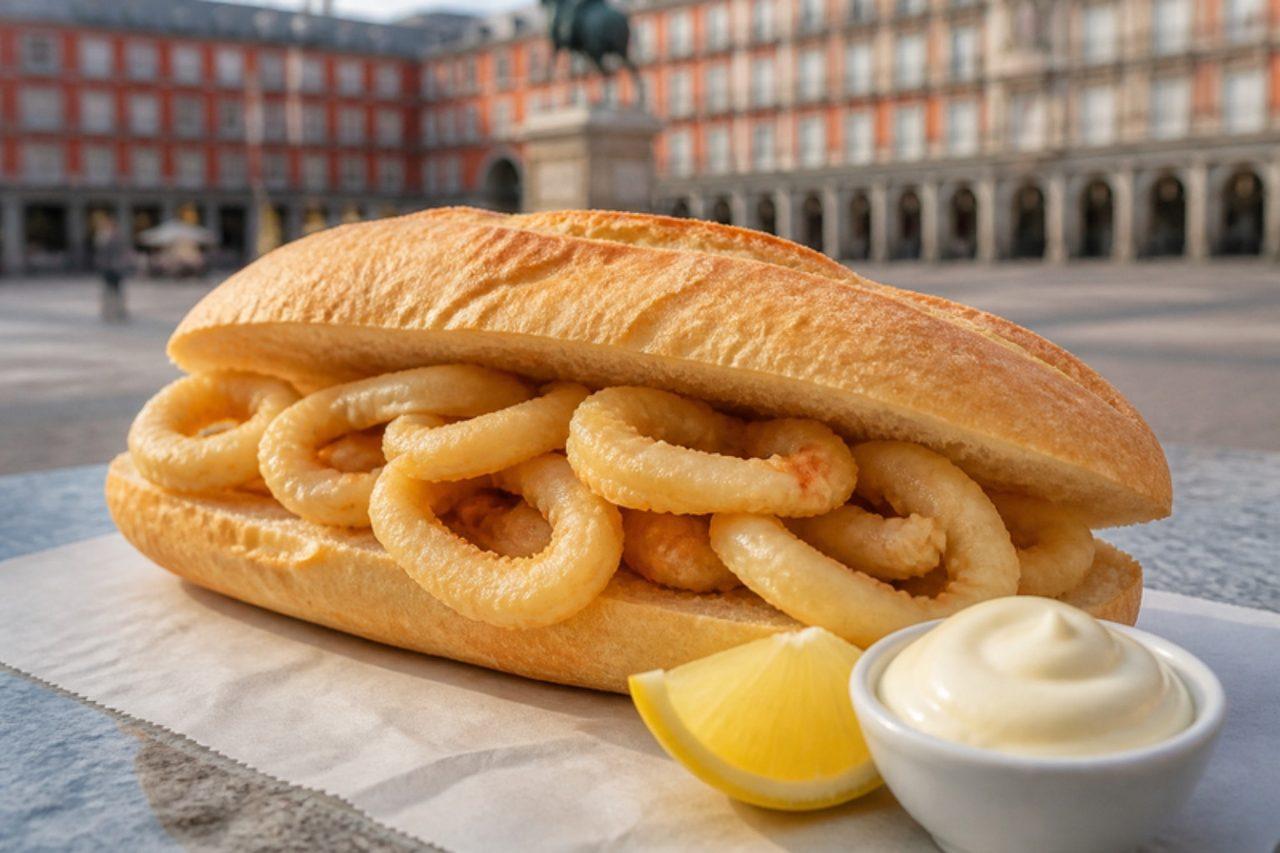
Bocadillo de calamaresFried squid sandwich

Madrid sits hundreds of kilometres from the sea, yet its most famous snack is a crusty roll stuffed with hot fried squid rings, eaten standing at the bars around the Plaza Mayor at any hour. Locals order one with a cold drink at the counter and squeeze over a little lemon; some add a smear of mayonnaise. Chef's tip: fry the squid in very hot oil and for barely a minute, so it stays tender inside a crisp coat.

by KrazyBadal 0 views

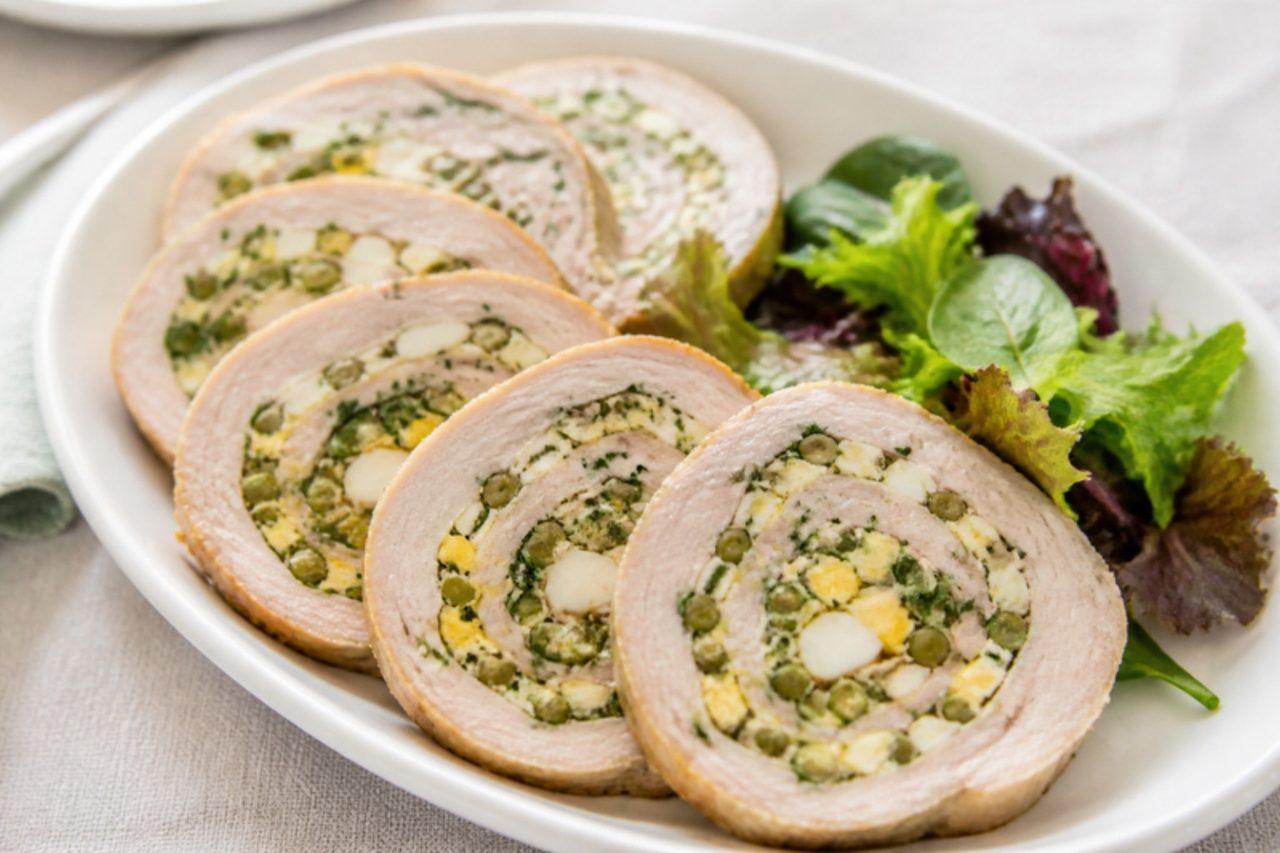
Cima alla genoveseStuffed cold veal breast

Cima alla genovese is a summer dish from Genoa and the Ligurian coast, sold by the slice in old delicatessens and set out for festive lunches and picnics. A pocket of veal breast is filled with a soft mixture of minced veal, egg, peas, parmigiano, pine nuts and marjoram, sewn shut and poached gently in broth, then pressed overnight so each cold slice shows a mosaic of green peas and golden egg. Traditional recipes add brains, sweetbreads and udder; this version keeps to veal mince so it is easier to make at home. Ask the butcher to cut the pocket for you. Serve it cool with a green salad and a little salsa verde. Chef's tip: fill the pocket only two-thirds full; the stuffing swells as it cooks and will burst the seams if packed tight.

195 minItalianMeat
by KrazyBadal 0 views

Showing 81 of 7,888 recipes

Show more recipes

Page 527 of 877