


Skip to content
Chambo with nsima
Featured recipe

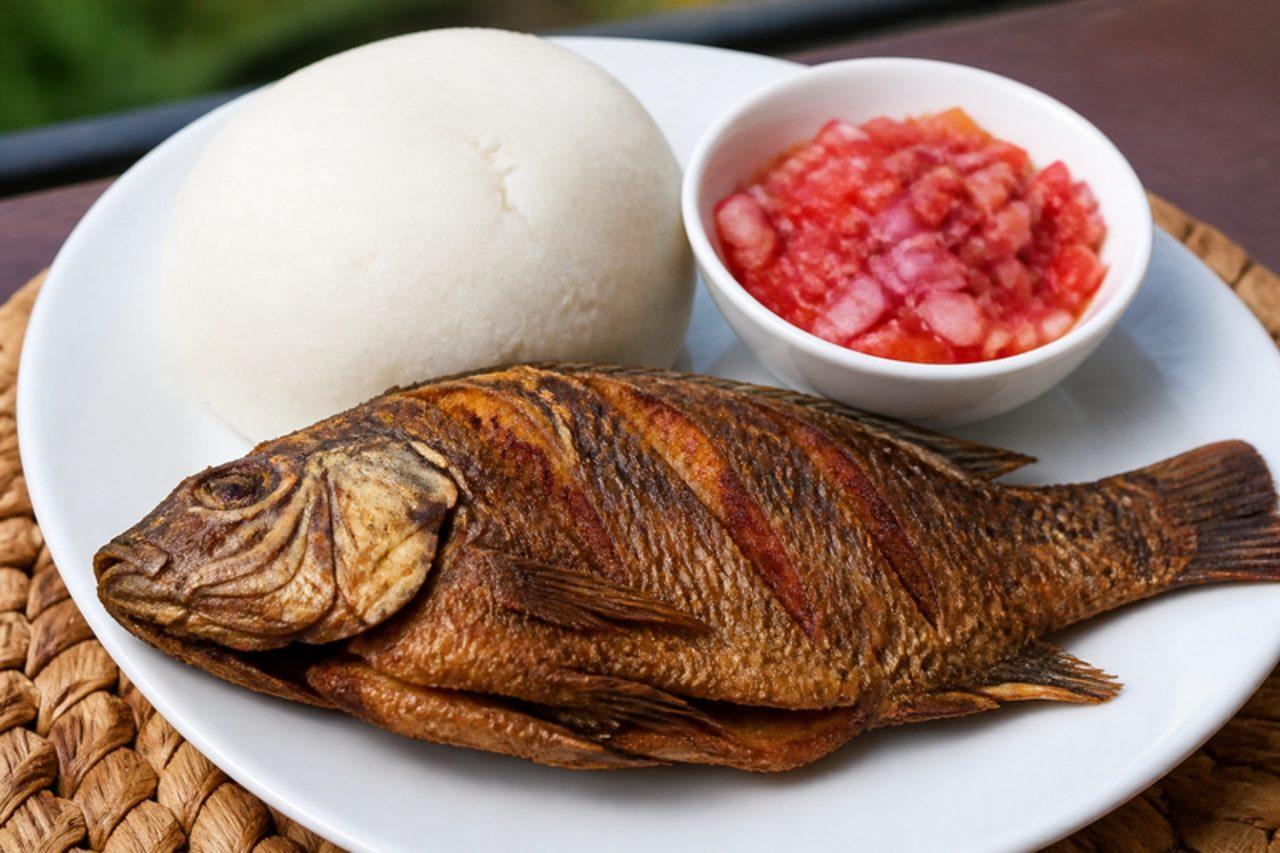
Chambo with nsima

Fried fish with maize porridge

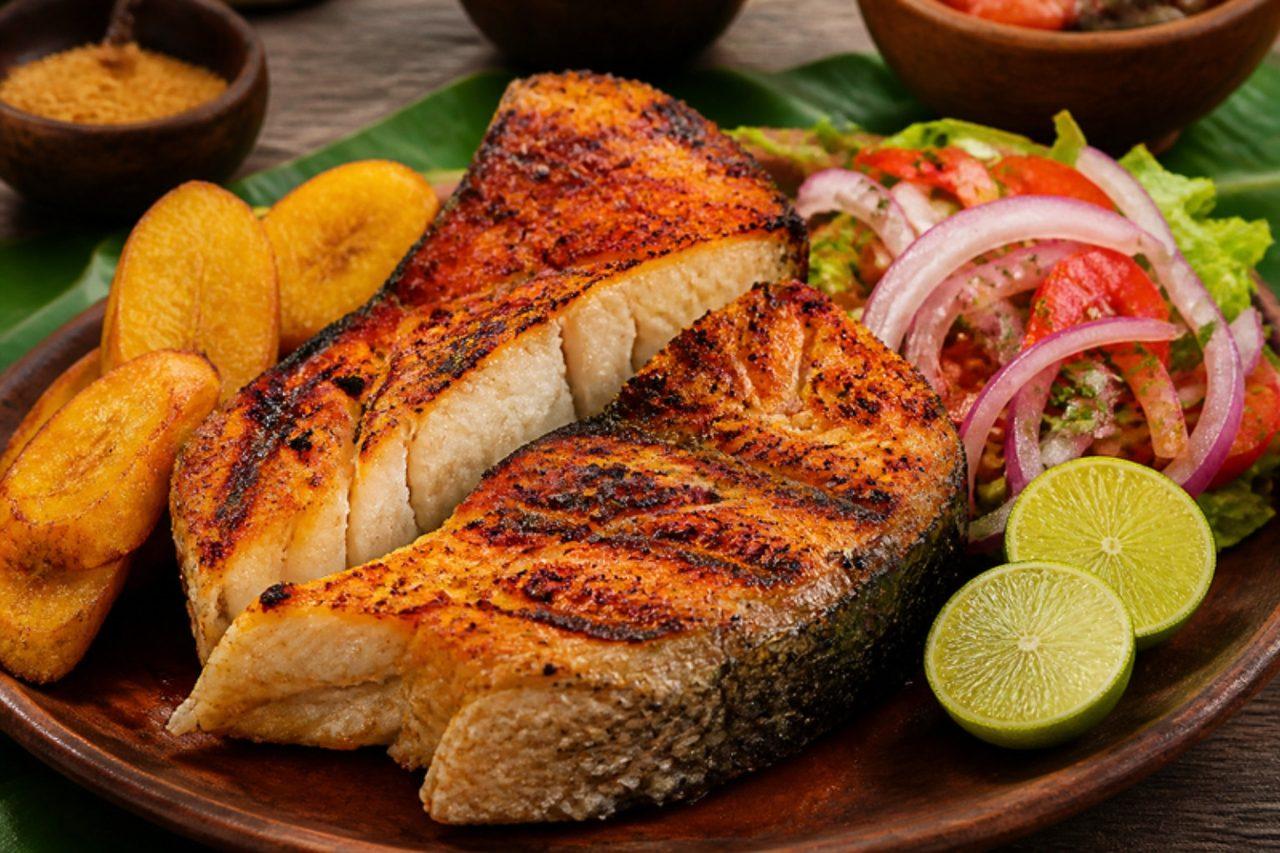
Chambo is a tilapia from Lake Malawi, and fried chambo with nsima (stiff maize porridge) is what visitors to Mangochi, Cape Maclear and Nkhata Bay are served at lakeside lunches. The fish is fried or grilled whole, then topped with a fresh tomato and onion relish; the nsima is pinched off and used to scoop up the fish and juice. The mistake is skipping the relish, which keeps the meal fresh; make it while the fish fries. Chef's tip: any whole tilapia or sea bream works if you can't find chambo.

Read more 0 views

What to eat today?

Around the world

Today's trip: Persian

A new country every day, from every cuisine on the site.

Persian

Ash-e shalgham

Turnip and rice soup 65 minMore from Persian (131) →

This week's collection

Kid-friendly dinners
537 recipes · a new collection every Monday

Latest recipes

Sequência de camarãoPrawn feast in several styles

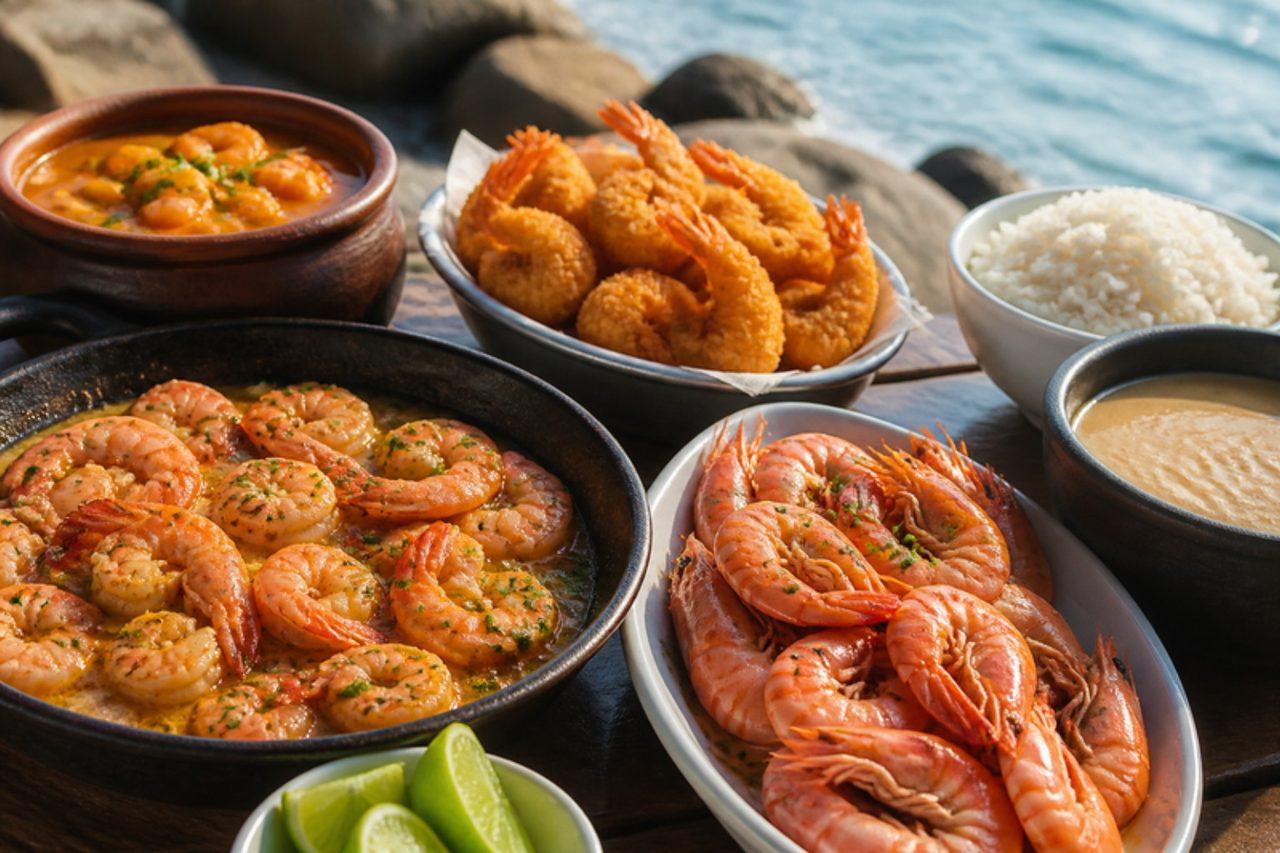
Around the Lagoa da Conceição and the old fishing village of Santo Antônio de Lisboa, Florianópolis restaurants serve sequência de camarão, a parade of prawn dishes that keeps arriving until you give up: prawns fried in garlic oil, crisp breaded prawns, a light prawn stew with tomato and coconut milk, and pirão made from the shells, with rice and salad. This home version brings the four together for a long lunch. Prawns must be very fresh and kept cold, and every batch is cooked only until pink and opaque right through. The usual mistake is cooking all the prawns at once and serving them lukewarm; the sequence works because each dish arrives hot. Make the stew and pirão first and keep them warm, then fry at the last minute. Chef's tip: buy shell-on prawns and simmer the heads and shells for the pirão; it gives the whole meal its sea flavour.
by KrazyBadal 0 views

PaçocaPeanut and cassava flour sweet

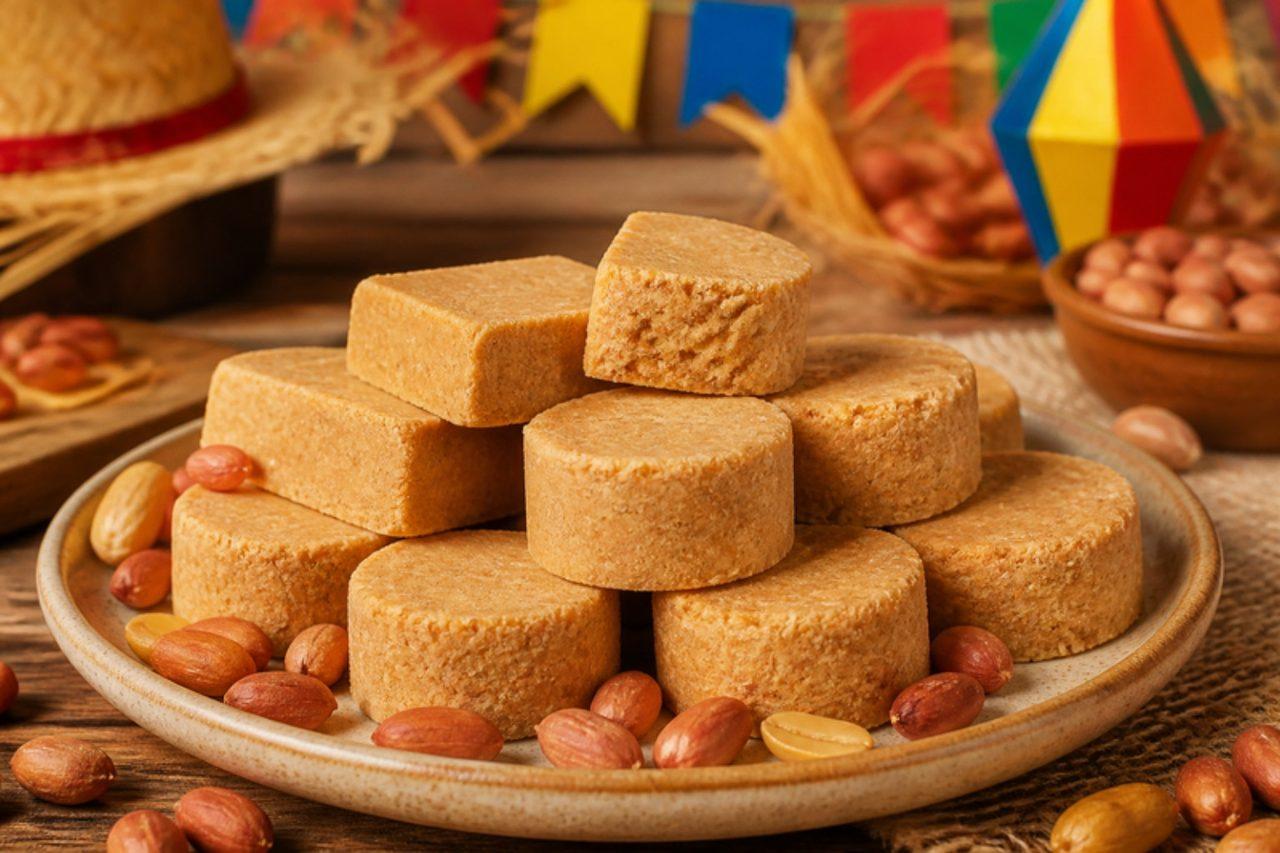
Kids across Brazil grow up on paçoca, the pale peanut sweet that melts into sandy crumbs the moment it is bitten, and no festa junina bag of treats is complete without a few. It started in the countryside of São Paulo and Minas as a way to use the peanut harvest, pounded in a wooden pestle with sugar and cassava flour, and today it is mostly pressed into little discs called rolhas. The flavour is pure toasted peanut, salty-sweet, with a texture between shortbread and fudge. Fine cassava flour (farinha de mandioca fina) is sold in Brazilian shops; you can leave it out for a richer, softer paçoca. Under-roasting the peanuts is the usual pitfall: pale peanuts give a raw, beany taste. Chef's tip: grind the mixture only until it just starts to clump; if it turns to butter, it will not hold a crumbly shape.

by KrazyBadal 0 views

SericaiaCinnamon baked egg custard

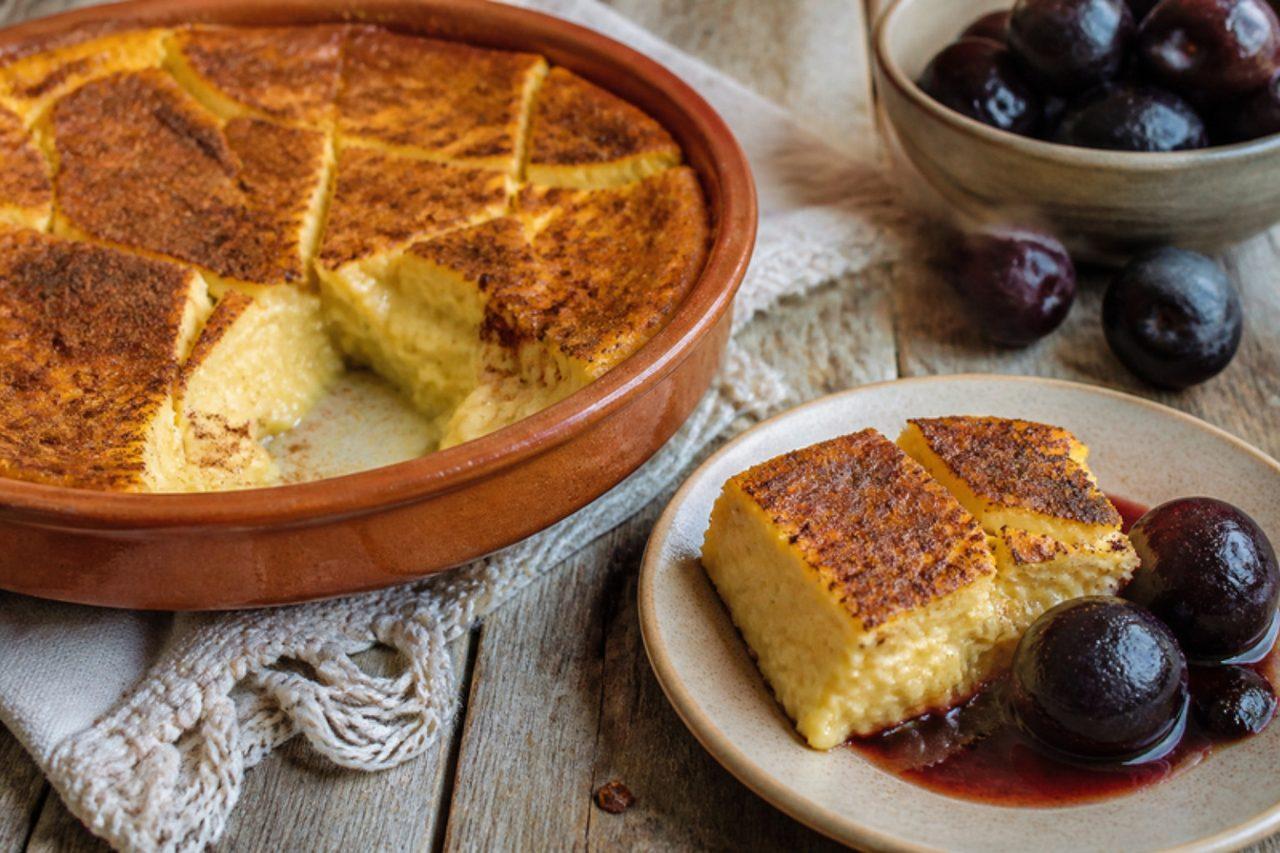
Sericaia is the pride of Elvas, on the Spanish border, and of Alentejo convent baking: a light custard of eggs, milk and sugar lifted with beaten whites, spooned into a clay dish, dusted with cinnamon and baked until it puffs and splits into deep cracks. It is always served with Elvas plums in syrup, whose sharpness cuts the sweetness; any good plums poached in syrup will do. It is a Sunday and festive dessert across the region. A common mistake is spreading the mixture smooth: drop it in large spoonfuls so it bakes into the craggy, cracked top that defines it. Chef's tip: cook the yolk custard until really thick before folding in the whites; a thin custard collapses in the oven.

by KrazyBadal 0 views

Nan-e tiriPaper-thin rolled bread

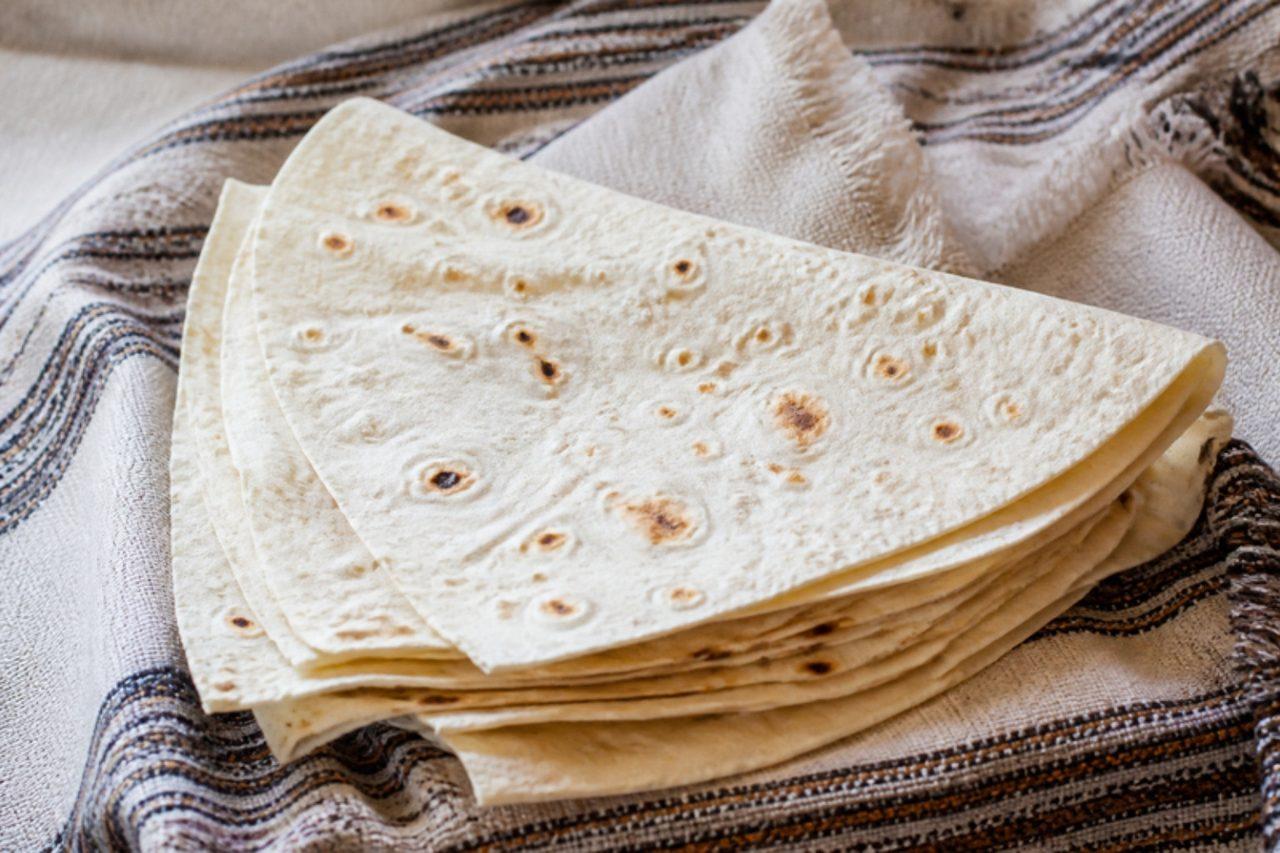
In the Zagros mountains of Lorestan and among the Bakhtiari nomads, women roll out nan-e tiri with a long, thin rod (the tir) until the dough is almost see-through, then flip it onto a domed iron saj over a wood fire. It cooks in seconds and is stacked high, and because it dries so thin it keeps for weeks and is softened with a sprinkle of water before eating. It needs only flour, water and salt. The usual mistake is resting the dough too little; it fights back and shrinks when rolled. Chef's tip: wind the dough around a long thin rolling pin as you roll and unroll it, as the Lori bakers do; it stretches the dough evenly without tearing.

by KrazyBadal 0 views

GhotabFried almond crescents

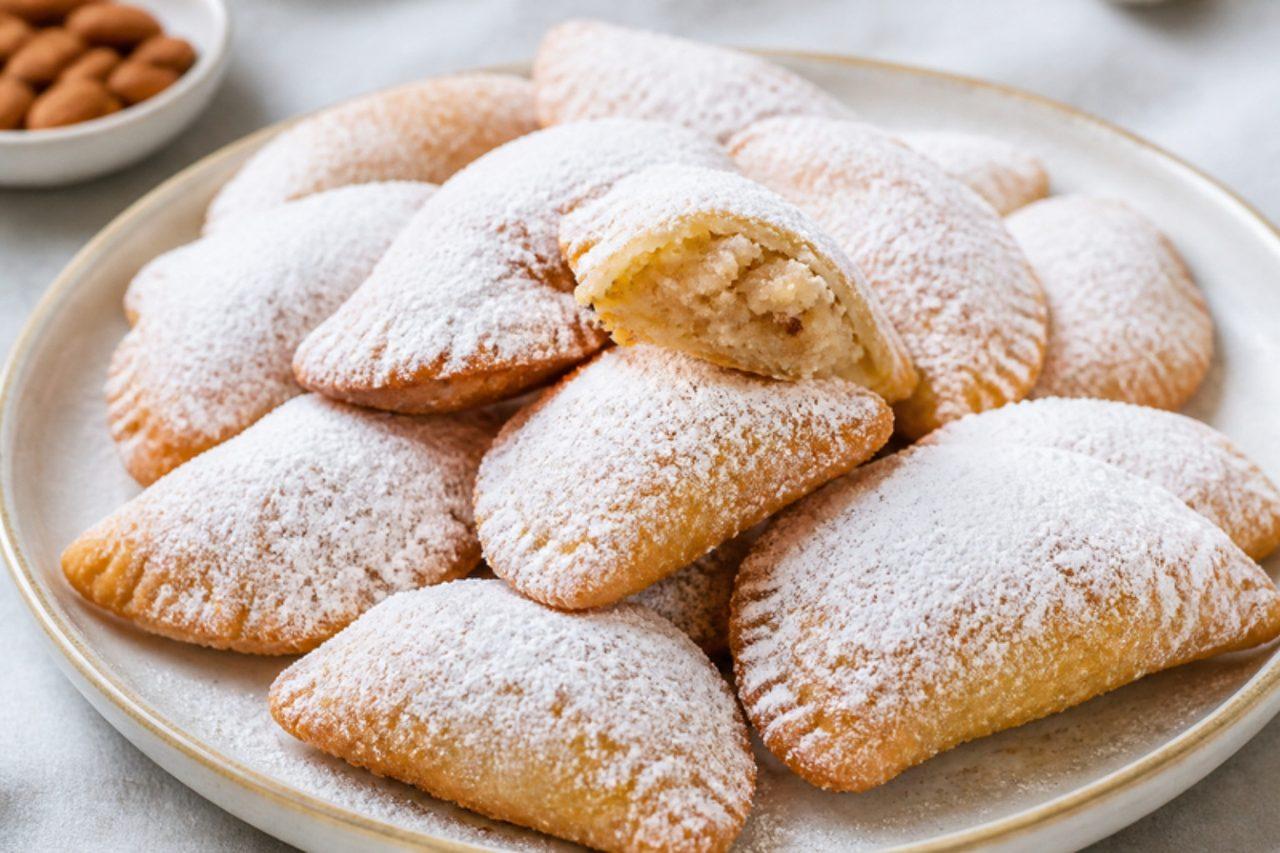
Ghotab are the little fried crescents that Yazd's confectioners have been making for generations, packed into boxes for Nowruz and carried as gifts by anyone travelling from the city. A tender yogurt dough is wrapped around ground almonds, sugar and plenty of cardamom, fried until blond and crisp, then buried in icing sugar. A common mistake is frying too hot, which browns the outside before the dough inside the fold cooks through, leaving it doughy. Chef's tip: roll the ghotab in icing sugar while still warm, then again once cold, for a thick snowy coat.

by KrazyBadal 0 views

Pimenta da terraFermented red pepper paste

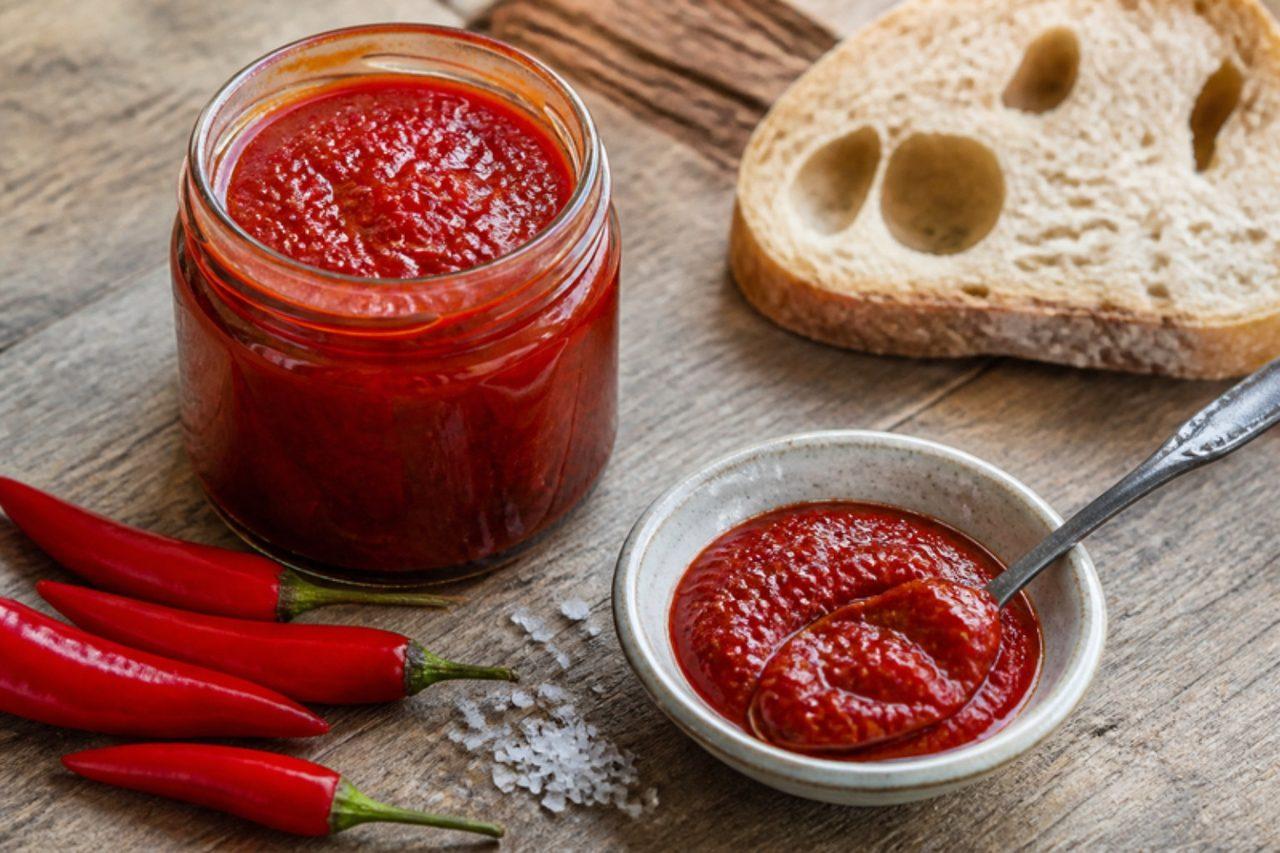
On São Miguel, nearly every kitchen has a jar of pimenta da terra, crushed red peppers salted and left to ferment for a few days until they turn tangy and deep red. It goes into stews, octopus, beans and sausages, onto grilled fish and into sandwiches of bolo lêvedo. It can be mild or fiery depending on the peppers. Make it in late summer when red peppers are cheap. Chef's tip: weigh the salt; too little lets the wrong bacteria take over, while the right amount keeps it safe and lets it ferment slowly.

by KrazyBadal 0 views

Paçoca de carne de solPounded dried beef with cassava flour

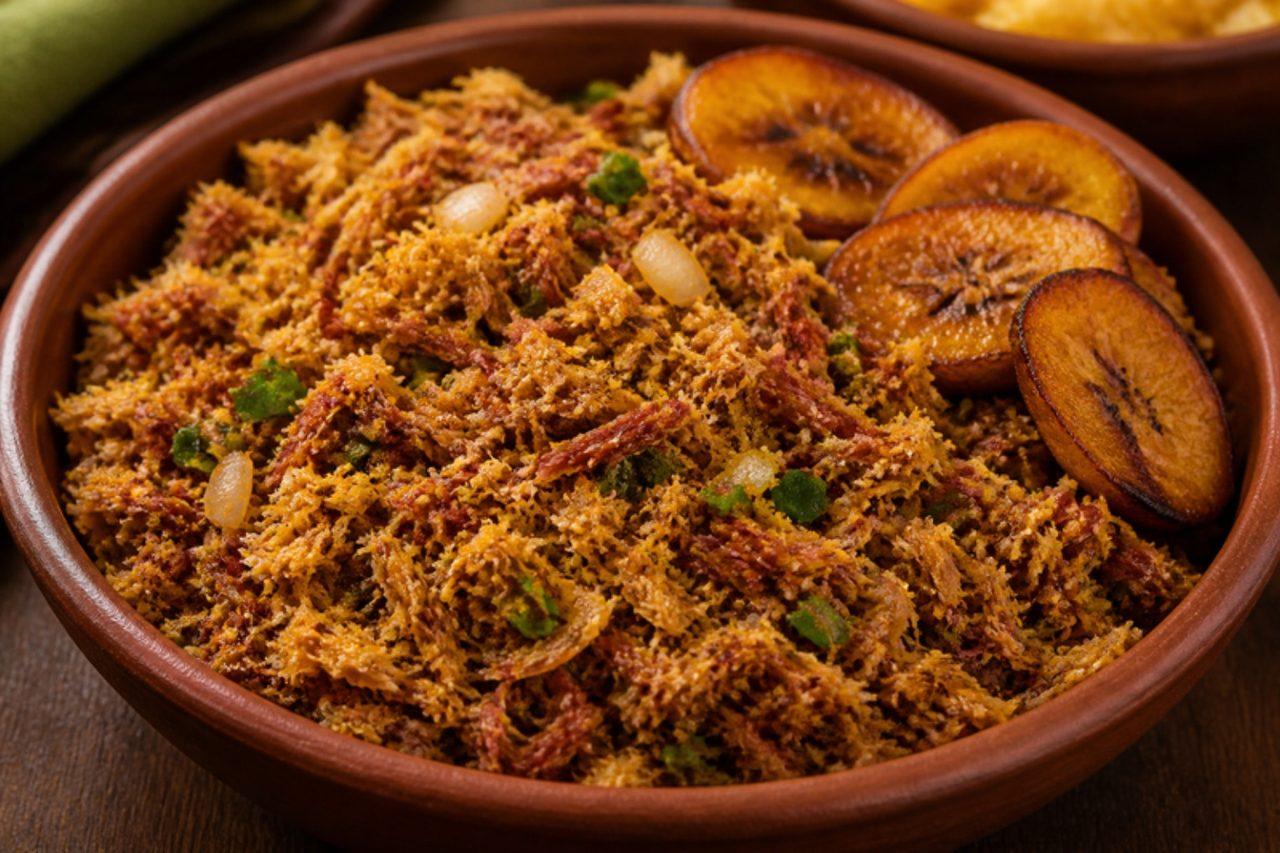
Not the peanut sweet of the same name: in Ceará, Piauí and Maranhão, paçoca is a savoury, fluffy tangle of fried carne de sol pounded with toasted cassava flour and onion in a big wooden pilão. Cowboys of the sertão carried it on long rides because it keeps for days, and today it is served at roadside restaurants and at home with baião de dois, boiled macaxeira, ripe banana and a cold glass of cajá juice. It should be dry, crumbly and full of crisp beef threads, salty and deeply savoury. The thing that goes wrong most often is adding the cassava flour to a wet pan, which turns it into paste; the beef must be fried really dry first. Without a pilão, a large mortar or short pulses in a food processor do the job. Chef's tip: let the pounded paçoca rest for ten minutes before serving; the farinha soaks up the beef fat and the texture turns soft and fluffy.

by KrazyBadal 0 views

HindbehDandelion greens with fried onions

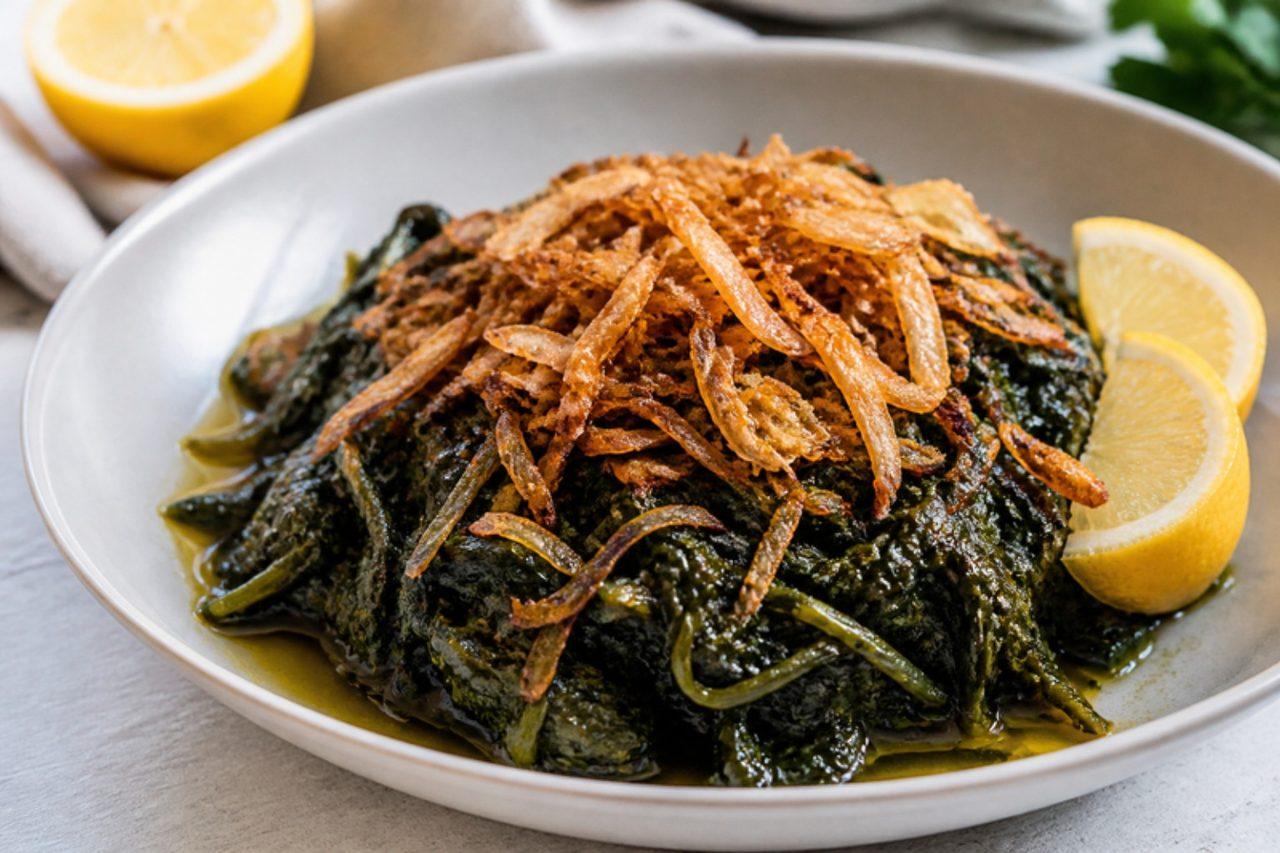
Each spring, people in the Lebanese hills go out with a knife and a bag to gather wild chicory and dandelion for hindbeh, a Lenten favourite in Christian homes and a regular on mezze tables all year. The bitter greens are blanched, squeezed and fried with garlic in olive oil, then piled with a tangle of deeply browned, crisp onions and served with lemon wedges. The bitterness, the sweetness of the onions and the sharp lemon balance each other, and it is eaten at room temperature with bread. Cultivated dandelion or curly endive from a greengrocer works well. Common mistake: not squeezing the greens dry; water stops them frying and dilutes the oil. Chef's tip: fry the onions slowly and pull them out a shade lighter than you want — they keep darkening on the paper.

by KrazyBadal 0 views

MazamorraHominy milk pudding

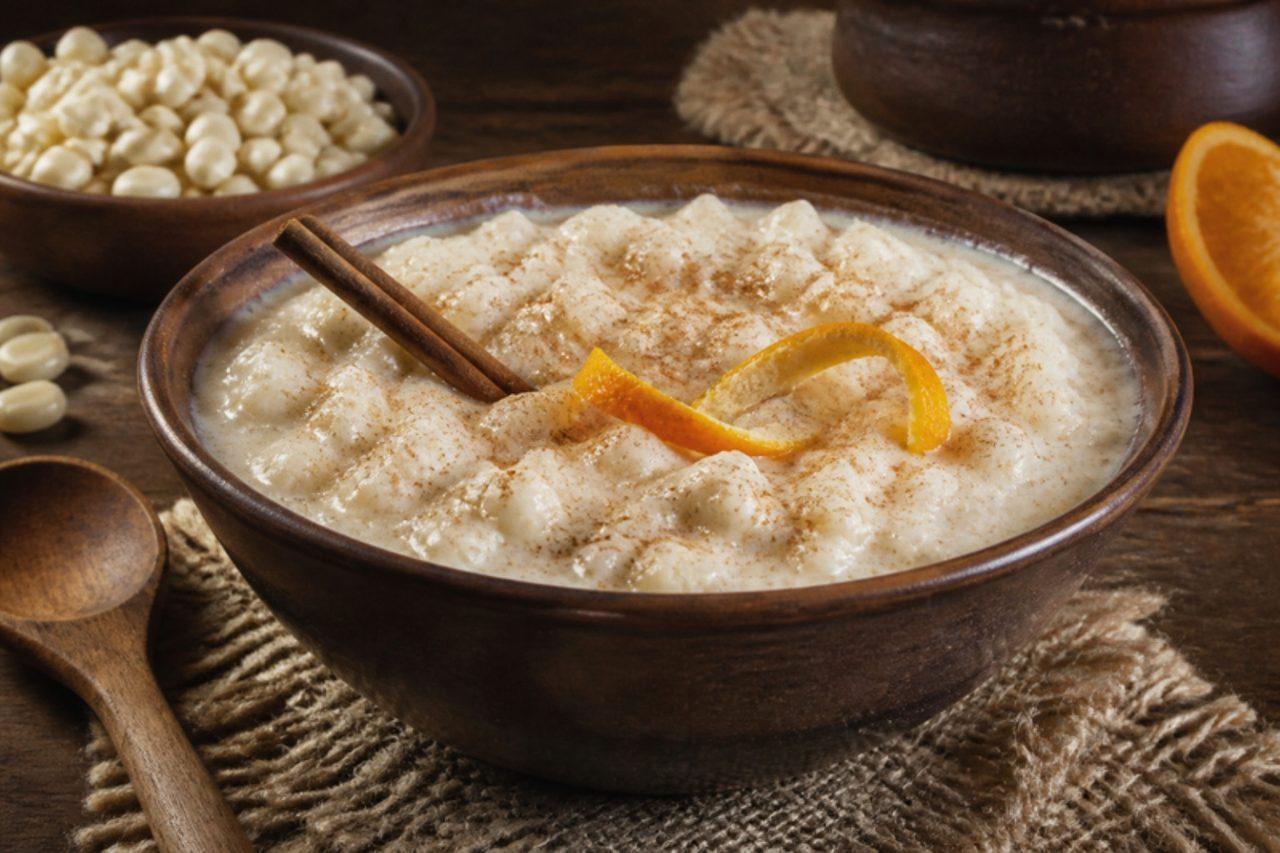
Long before cake, there was mazamorra: dried white maize, soaked and simmered with water until the kernels burst, then finished with milk, sugar and cinnamon. In colonial Buenos Aires mazamorreras sold it from clay pots on the street, and it still turns up at school and town-hall celebrations every 25 May and on cold evenings in the interior, eaten warm or cold from a bowl. The kernels stay pleasantly chewy in a creamy, gently sweet milk, a bit like rice pudding with more bite. Look for maíz blanco pisado (cracked white hominy) in Latin American shops; dried white pozole corn is the closest substitute. Plan ahead: the corn needs soaking overnight. Adding the milk too early is the main mistake, because the corn will not soften in milk and the pot catches on the bottom, so cook it in water first. Chef's tip: stir in a little of the hot liquid with the sugar before you add the rest of the milk, and serve it with a dusting of cinnamon or a spoonful of honey.

by KrazyBadal 0 views

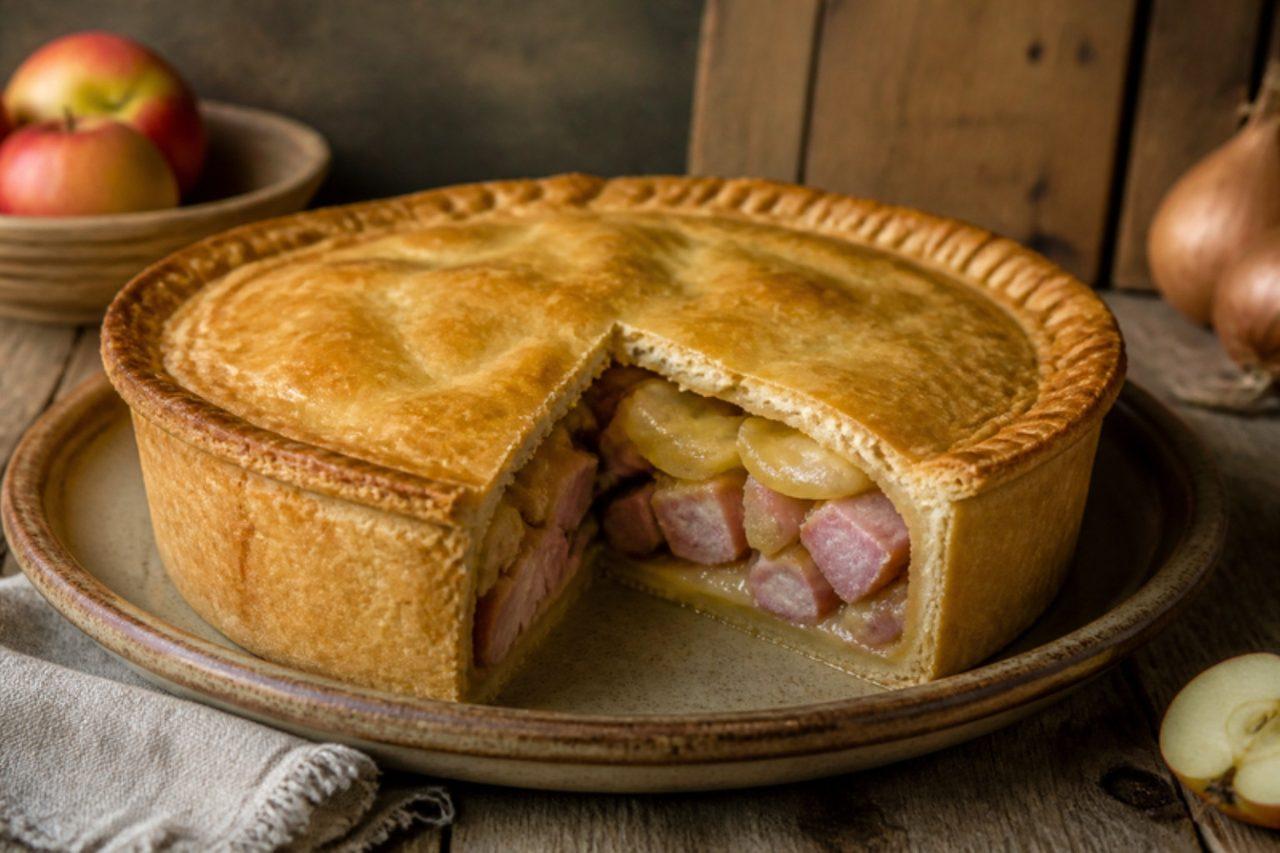
Huntingdon fidget pieGammon, apple and onion pie

Fidget pie is a harvest pie from Huntingdonshire and the Fens around Cambridge, baked for farm workers bringing in the crops in autumn. It is a pork dish: chunks of gammon (cured pork) are layered with sharp cooking apples and onions in a cider gravy under shortcrust, so it is salty, sweet and fruity all at once. This recipe contains alcohol from the cider; for alcohol-free use cloudy apple juice with a teaspoon of cider vinegar. Chef's tip: soak salty gammon in cold water for an hour first, or the pie can be too salty.

by KrazyBadal 0 views

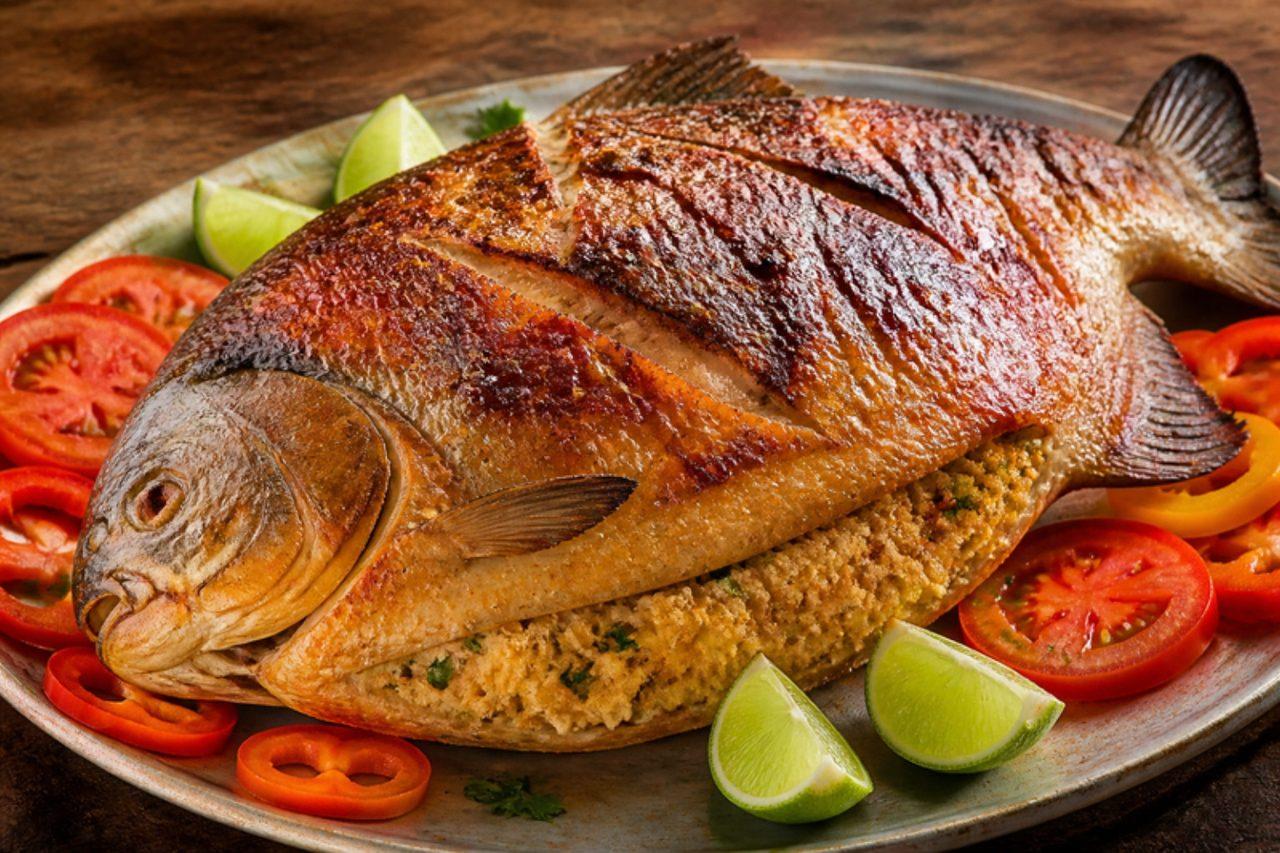
Pacu assadoRoast whole river fish

Cuiabá's fish restaurants and weekend riverside lunches in the Pantanal put a whole pacu on the table, stuffed with farofa and roasted until the skin is golden and crisp. Pacu is a round, fat-rich river fish with sweet, juicy flesh; ask your fishmonger for whole sea bream, pompano or a large tilapia if pacu is not available. The stuffing is cassava flour toasted with onion, garlic, pepper, tomato and herbs, and it soaks up the fish juices as it cooks. Serve with white rice, a tomato vinagrete and lime. The mistake to watch for is over-roasting until the flesh dries out; check at the backbone and stop when it is just opaque. Pacu has fine Y-shaped bones in the belly, so eat carefully. Chef's tip: cut deep slashes on both sides and push a little lime-garlic paste into them; it seasons the thick flesh and helps it cook evenly.

by KrazyBadal 0 views

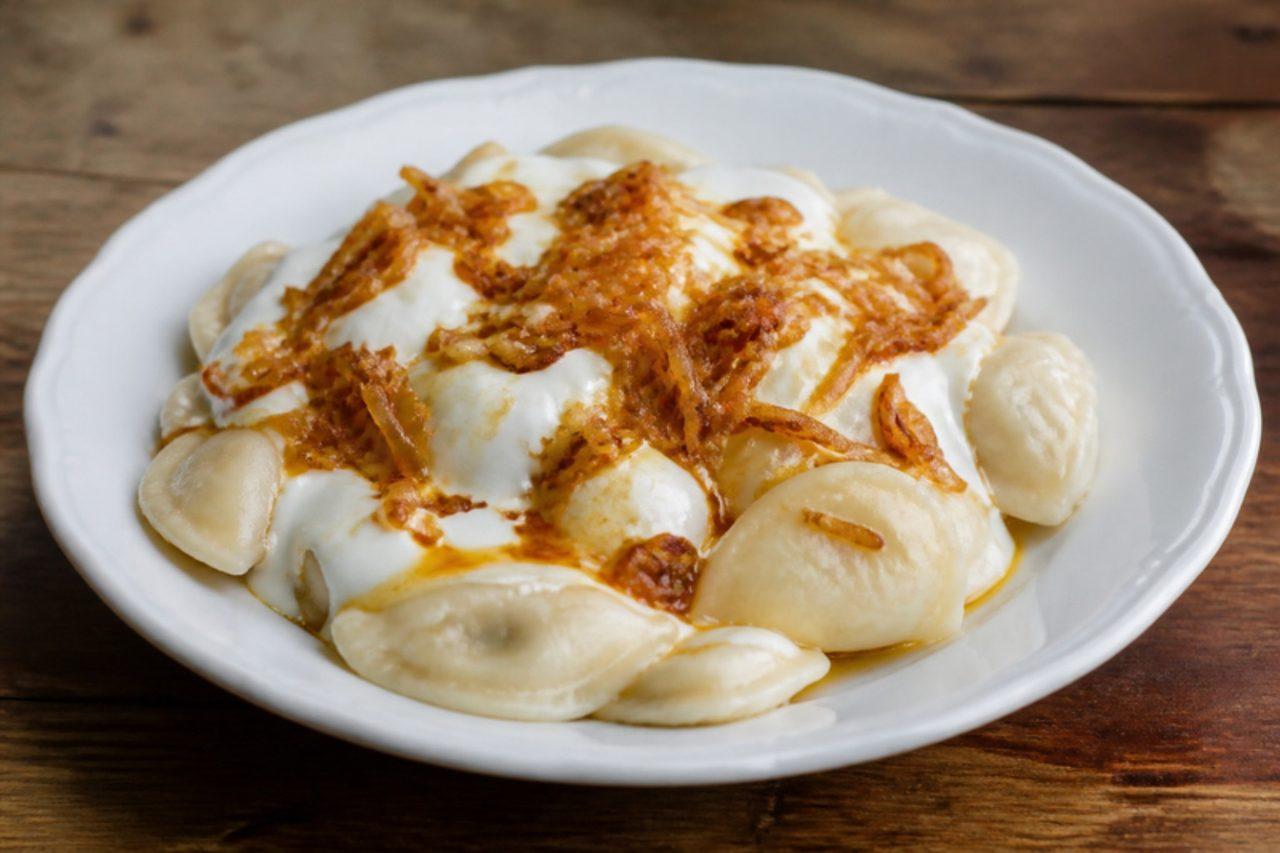
HingelPotato dumplings with browned butter

Hingel is the comfort food of Kars and Ardahan, on Turkey's high north-eastern border, where long winters made potatoes and butter everyday staples. Half-moon dumplings are filled with mashed potato and onion, boiled, then smothered in caramelised onions, garlic yoghurt and plenty of browned butter, much like manti but larger and softer. Common mistake: a wet potato filling that leaks through the seams; dry the boiled potatoes in the pan for a minute before mashing. Chef's tip: fry the onions slowly in the same butter you pour over at the end; it picks up their sweetness.

by KrazyBadal 0 views

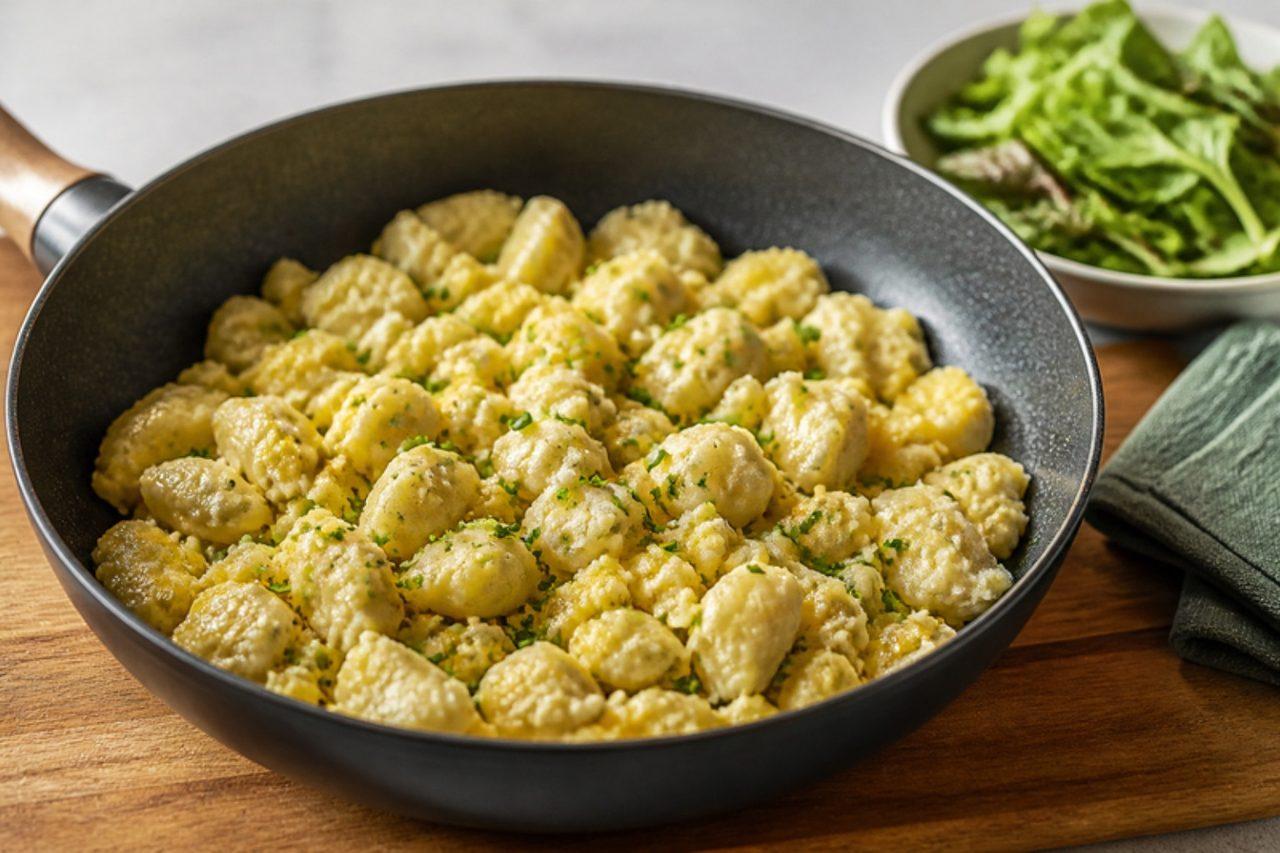
EiernockerlSoft dumplings with scrambled eggs

Eiernockerl is what Viennese grandmothers cook when the larder is nearly bare: a loose flour batter is scraped in little nubs into boiling water, then tossed in foaming butter and set with beaten eggs. In Vienna it turns up on weekday lunch tables and in old-fashioned Beisln, usually with a green salad in a sharp vinegar dressing on the side. The nockerl should be soft and slightly chewy, the egg just set and glossy, with lots of chives. A common mistake is cooking the eggs until dry and grainy; take the pan off the heat while they still look a little wet. Chef's tip: let the batter rest for 10 minutes before you cut it into the water, so the flour swells and the nockerl hold their shape.

by KrazyBadal 0 views

Sfakiani pitaCheese pancakes with honey

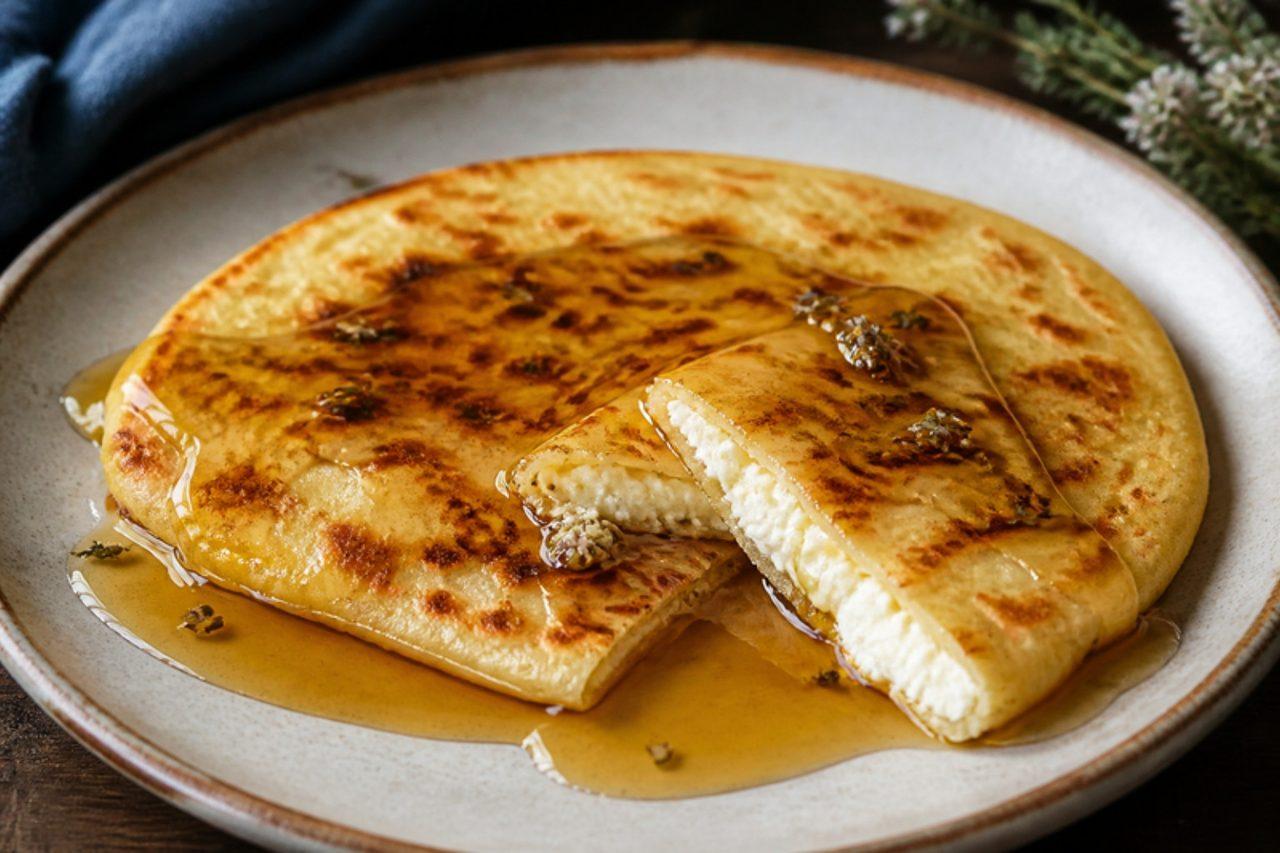
Shepherds in the mountains of Sfakia, on Crete's wild south coast, made these with what they had on hand: flour, oil, a ball of fresh cheese and the thyme honey from their hives. A soft dough is wrapped around the cheese, rolled out as thin as a plate and cooked in a dry pan, then eaten hot with honey running over it, for breakfast or as a late sweet with Greek coffee. Village cooks often add a splash of raki to the dough; here lemon juice does the same job and keeps it alcohol-free. The cheese is fresh mizithra, or use ricotta, which is usually rennet-free. Common mistake: cooking over too high a heat, which scorches the outside before the thin layer of cheese inside warms through. Chef's tip: roll from the centre outwards and give the disc a quarter turn each time so the cheese spreads evenly to the edge.

by KrazyBadal 0 views

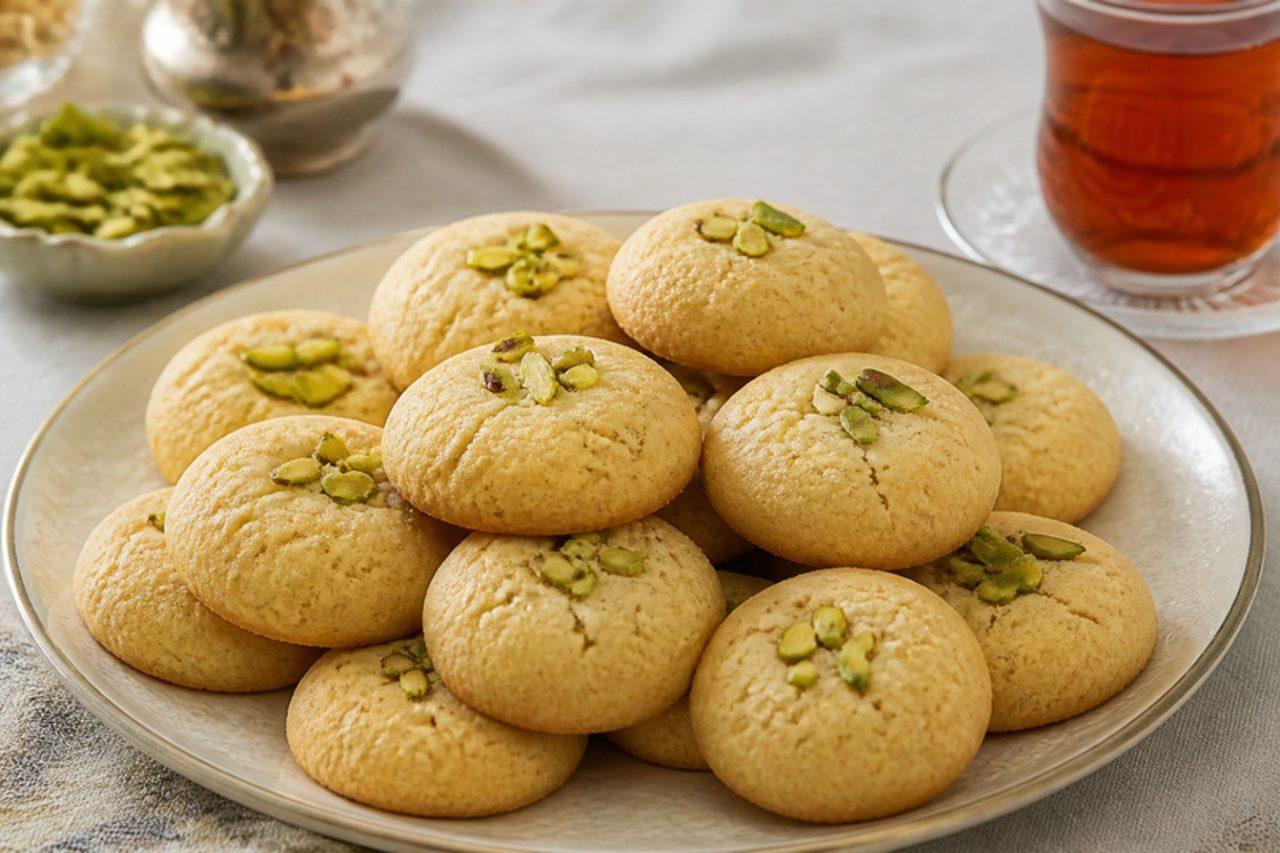
Nan-e YazdiCardamom and rosewater cupcakes

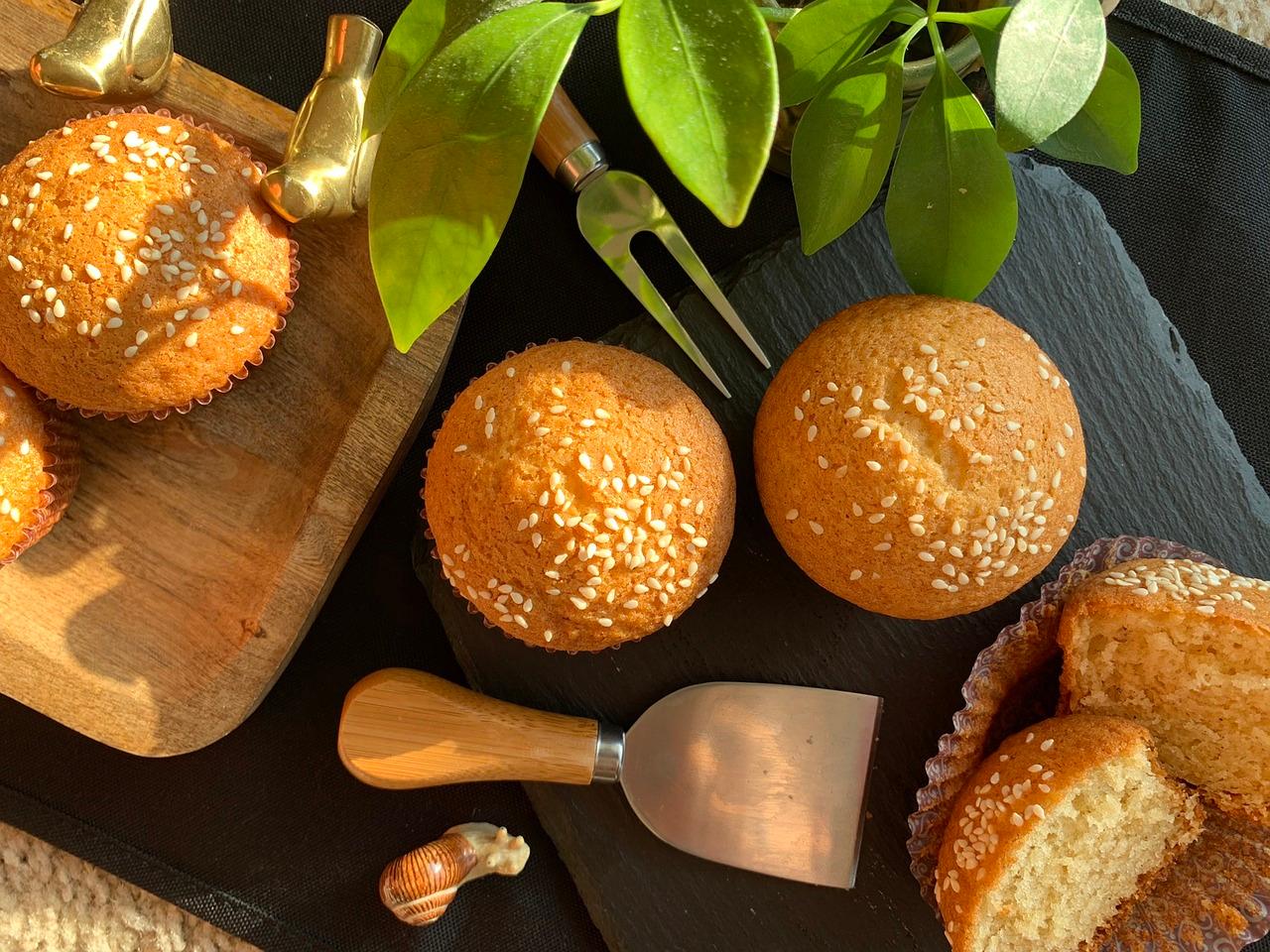
Nan-e Yazdi, often called Yazdi cakes, are the small domed cupcakes every Iranian bakery sells for breakfast and afternoon tea, first made in Yazd and now loved in Tehran and far beyond. The crumb is soft and a little dense, perfumed with cardamom and rosewater, and the tops are scattered with pistachio or sesame before baking. Children eat them dunked in milk. A common mistake is overbeating after the flour goes in, which makes the cakes tough and peaked; fold just until smooth. Chef's tip: rest the batter in the fridge for an hour before baking for a taller, crackled dome.

by KrazyBadal 0 views

Northumberland pan haggertyLayered potato, onion and cheese

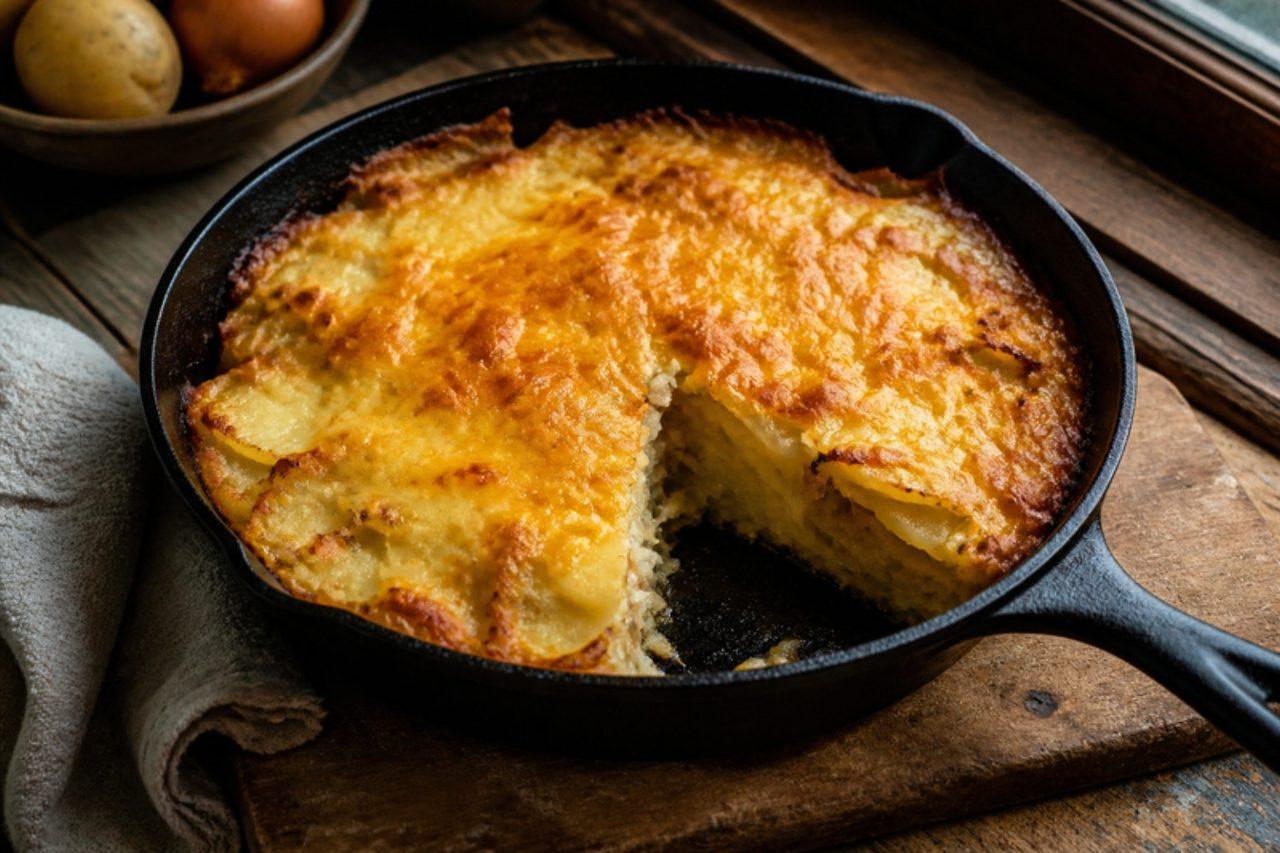
Pan haggerty is a frugal supper from Northumberland and the Durham pit villages, made in a single heavy frying pan from thin layers of potato, onion and grated cheese. The bottom turns crisp and brown while the top melts under the grill, and it is eaten straight from the pan with pickles. Cheddar is often made with animal rennet, so use a vegetarian cheddar. Chef's tip: slice the potatoes paper-thin and dry them in a tea towel; wet slices steam instead of browning.

by KrazyBadal 0 views

Pinhão cozidoBoiled pine nuts

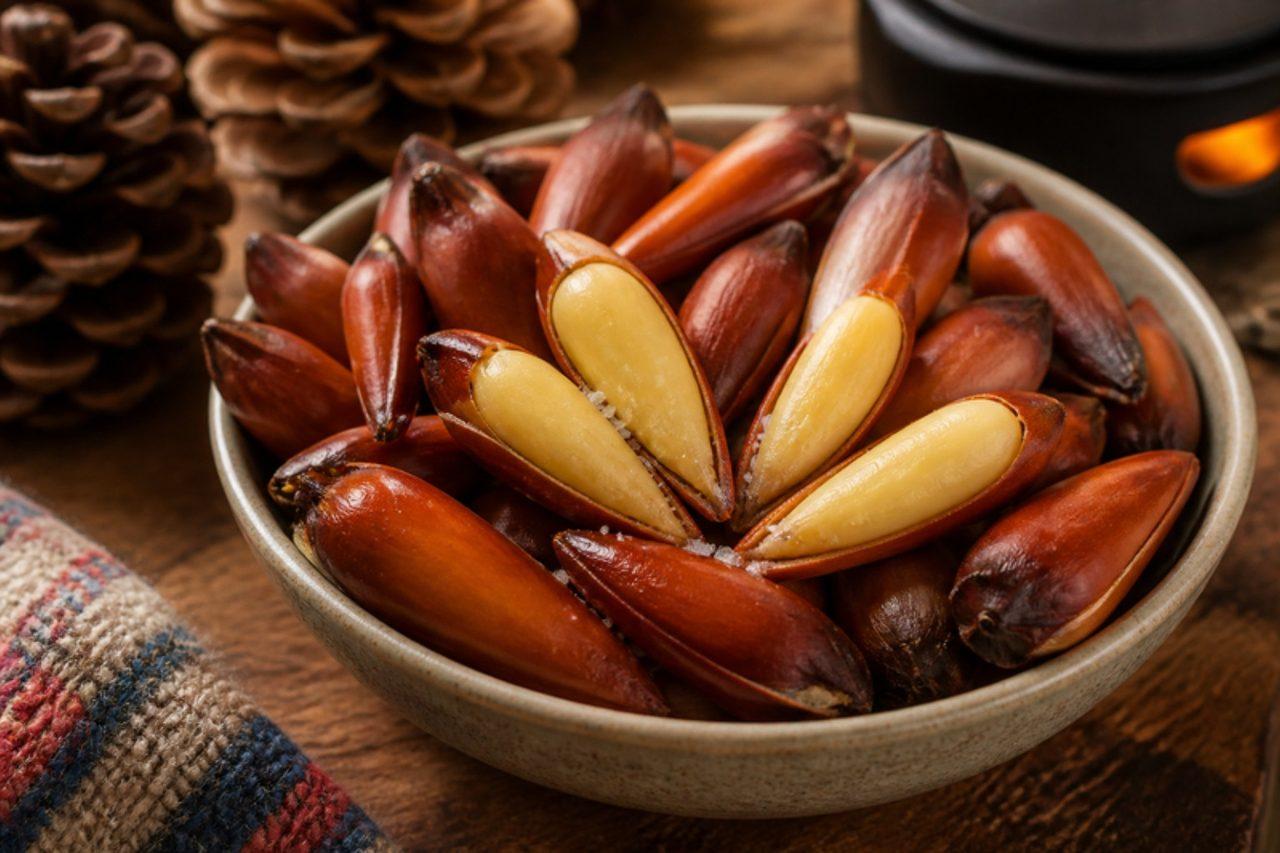
When frost settles on the highlands of Paraná and Santa Catarina, every street fair and roadside stall in Curitiba, Lages and São Joaquim sells paper cones of hot pinhão. These are the seeds of the Araucaria pine, big as a thumb, with a leathery brown shell and a starchy, sweet centre that tastes somewhere between chestnut and boiled potato. Families boil a pot after supper and peel them around the wood stove, and the pinhão is also the star of the Festa do Pinhão in Lages each June. The season runs roughly April to July; outside the south, look for vacuum-packed or frozen pinhão in Brazilian shops, and if you cannot find any, fresh chestnuts cooked the same way are the closest stand-in. The common mistake is pulling them out too early: underdone pinhão is waxy, hard to peel and slightly bitter. Chef's tip: snip the pointed tip off each seed before boiling and the shell slips off in one piece once cooked.

by KrazyBadal 0 views

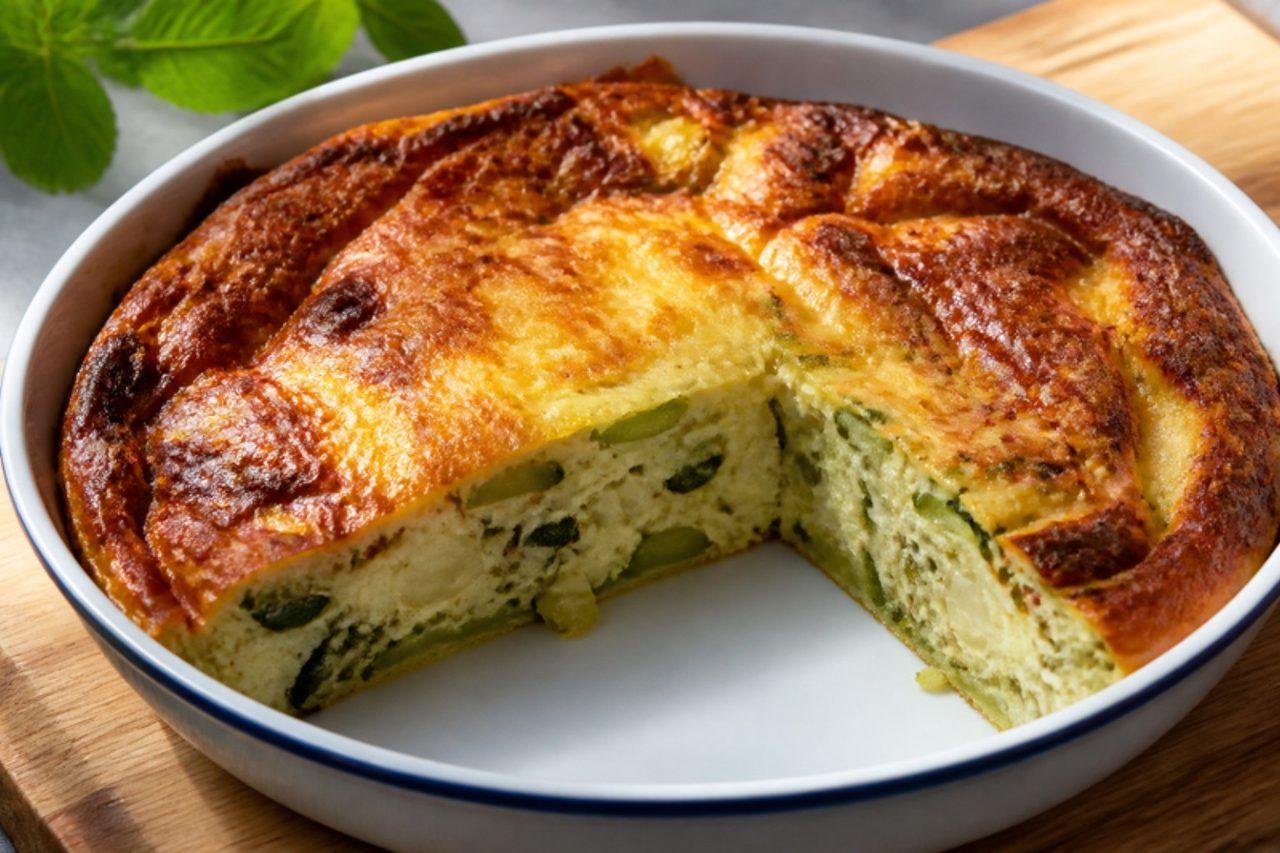
SfougatoCourgette and cheese oven omelette

Sfougato means 'sponge', which is just how this island oven omelette looks when it comes out puffed and golden; in the Cyclades and the Dodecanese it's the summer answer to too many courgettes. Grated courgette, spring onion and mint are softened in olive oil, mixed with eggs and cheese and baked, then cut into squares for lunch with bread and tomatoes or packed for a day at the beach. Kefalotyri and feta are usually made with animal rennet, so use vegetarian versions if you need to. Common mistake: leaving the courgettes wet, which gives a watery, rubbery omelette. Chef's tip: let the softened vegetables cool for a few minutes before adding the eggs so they don't scramble at the edges.

by KrazyBadal 0 views

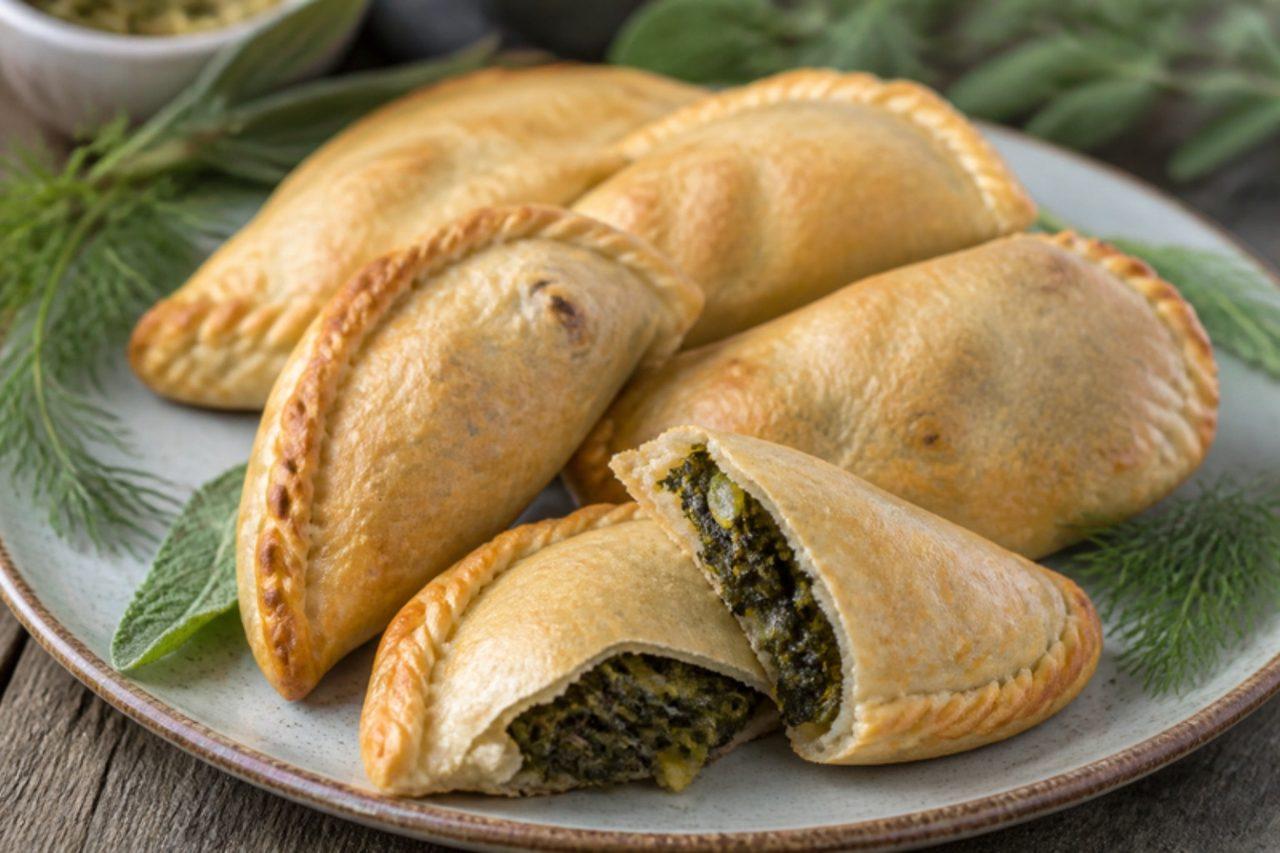
Ege ot böreğiWild greens hand pies

In spring, Aegean women around Urla and Ayvalık forage for wild greens (radika, mallow, wild fennel, chard and sorrel) and fold them into little half-moon pies, fried or baked, for the Hıdırellez spring festival and village picnics. Spinach and chard with lots of dill and mint make a good shop-bought substitute. They are herby, a little sour, and lovely warm or cold with yoghurt. Chef's tip: wilt and squeeze the greens thoroughly; any water left in the filling turns the pastry soggy and makes it burst.

by KrazyBadal 0 views

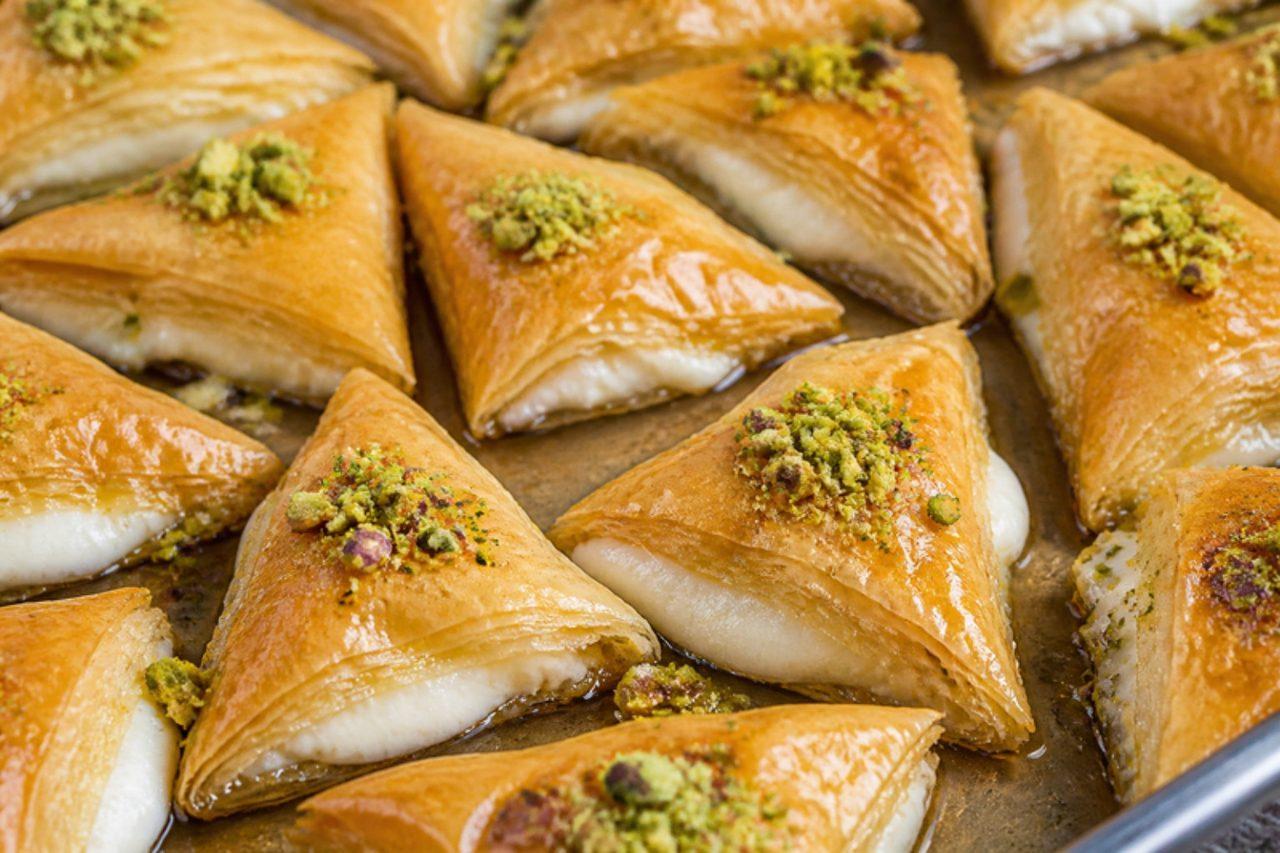
ShaabiyatCream-filled filo triangles in syrup

Shaabiyat is one of the jewels of Aleppo's pastry shops, made in huge trays for weddings and for Eid visits: buttery filo folded into triangles around a cool, thick milk cream, baked until golden and shatteringly crisp, then splashed with syrup and topped with ground pistachio. The cream stays cool and soft inside the crackling layers. Serve within a few hours of baking. Common mistake: letting the filo dry out while you work — keep the sheets under a damp tea towel. Chef's tip: syrup must be cold and the pastry hot when they meet, so it soaks in without making the layers soggy.

by KrazyBadal 0 views

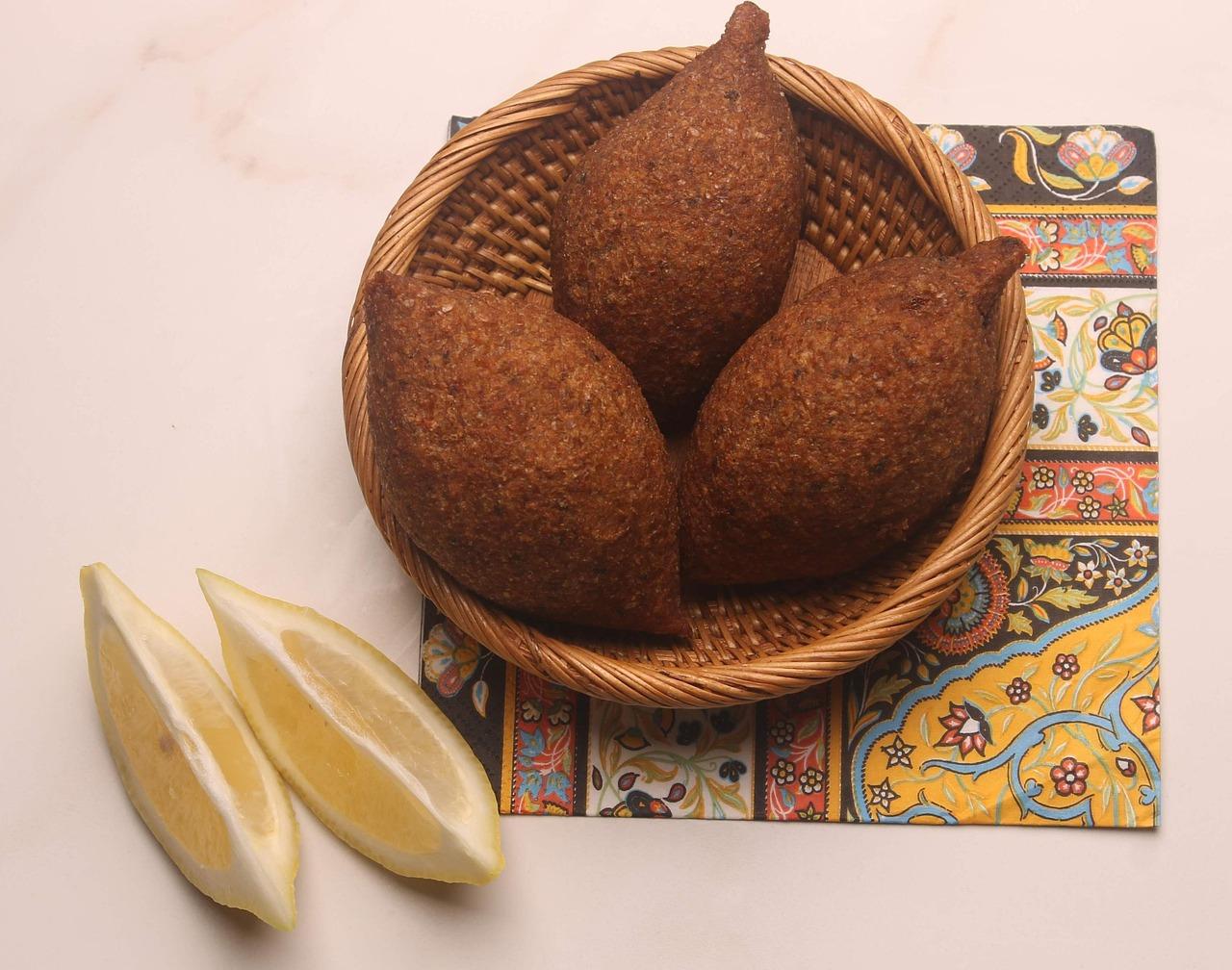
İçli köfteStuffed bulgur shells

Making içli köfte is the test of a southeastern Turkish cook: a thin, even shell of bulgur dough is hollowed out on a finger and filled with mince fried with onion, walnuts and spices, then sealed into a pointed torpedo. Families in Mardin, Urfa and Diyarbakır make dozens before bayram, freezing them to fry for guests. Crisp outside, juicy inside, they are served hot with lemon. Common mistake: a thick shell; it cracks in the oil and tastes doughy. Chef's tip: keep a bowl of iced water by you and wet your fingers constantly; the dough becomes smooth and stretches thin without tearing.

115 minTurkishMeat
by KrazyBadal 0 views

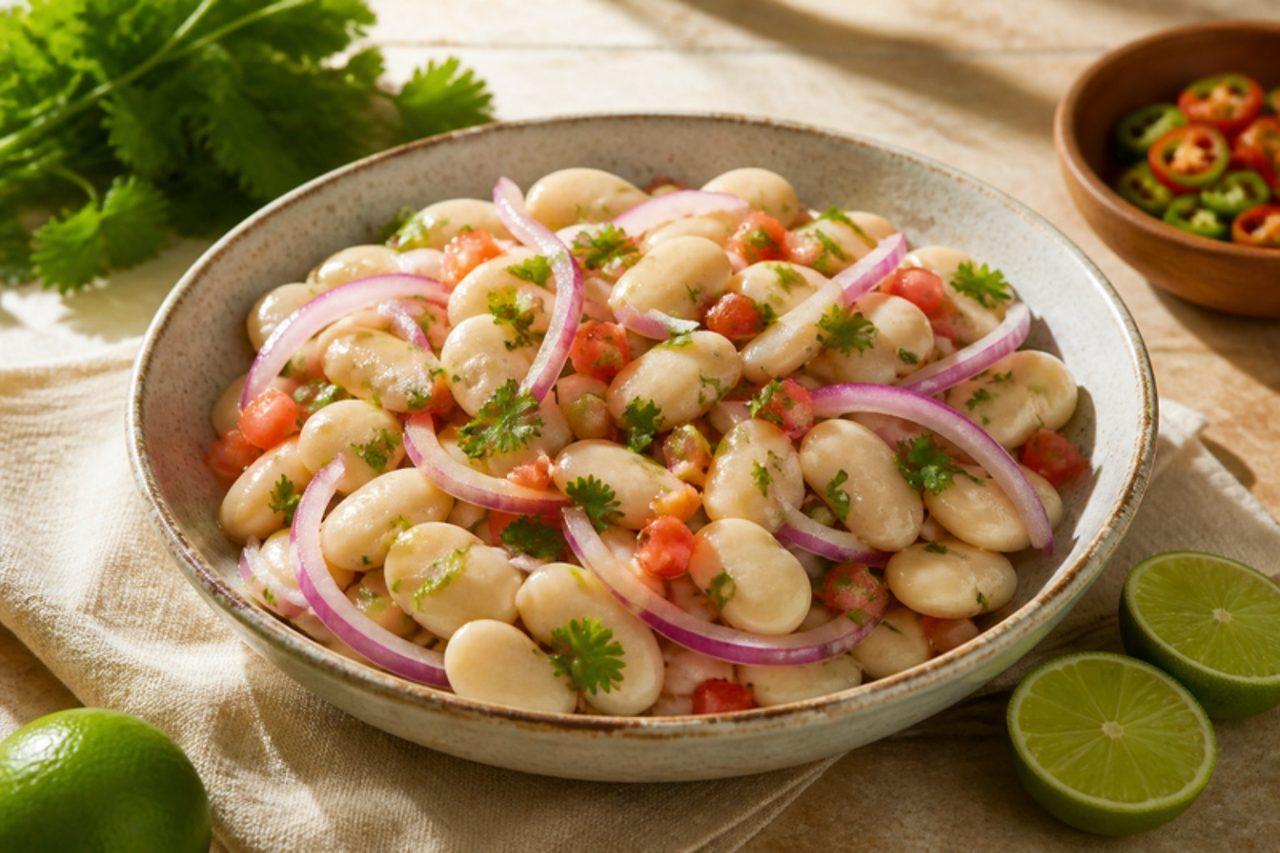
Ensalada de pallaresLima bean and red onion salad

Around Ica, on Peru's southern desert coast, pallares grow in irrigated valleys and dry into fat, flat beans the size of a thumbnail; the region holds them in high regard and sells them by the sack at the Ica market. Cooked until creamy and dressed while warm, they become a filling salad that sits on the table beside fried fish, rice or a plate of boiled sweet potato, and it works as a light lunch on its own. The onion is cut the Peruvian way, in fine half-moons, rinsed so it stays crisp without biting, and the ají limo gives a fruity heat that you can turn up or down. A frequent slip is dressing the beans straight from the fridge: they stay chalky and the lime slides off instead of soaking in. Using dried beans adds an overnight soak; good jarred or canned large lima beans make it a 20-minute dish. Chef's tip: dress the beans while they are still warm with half the lime and salt, then add the onion, tomato and the rest of the lime just before serving.

by KrazyBadal 0 views

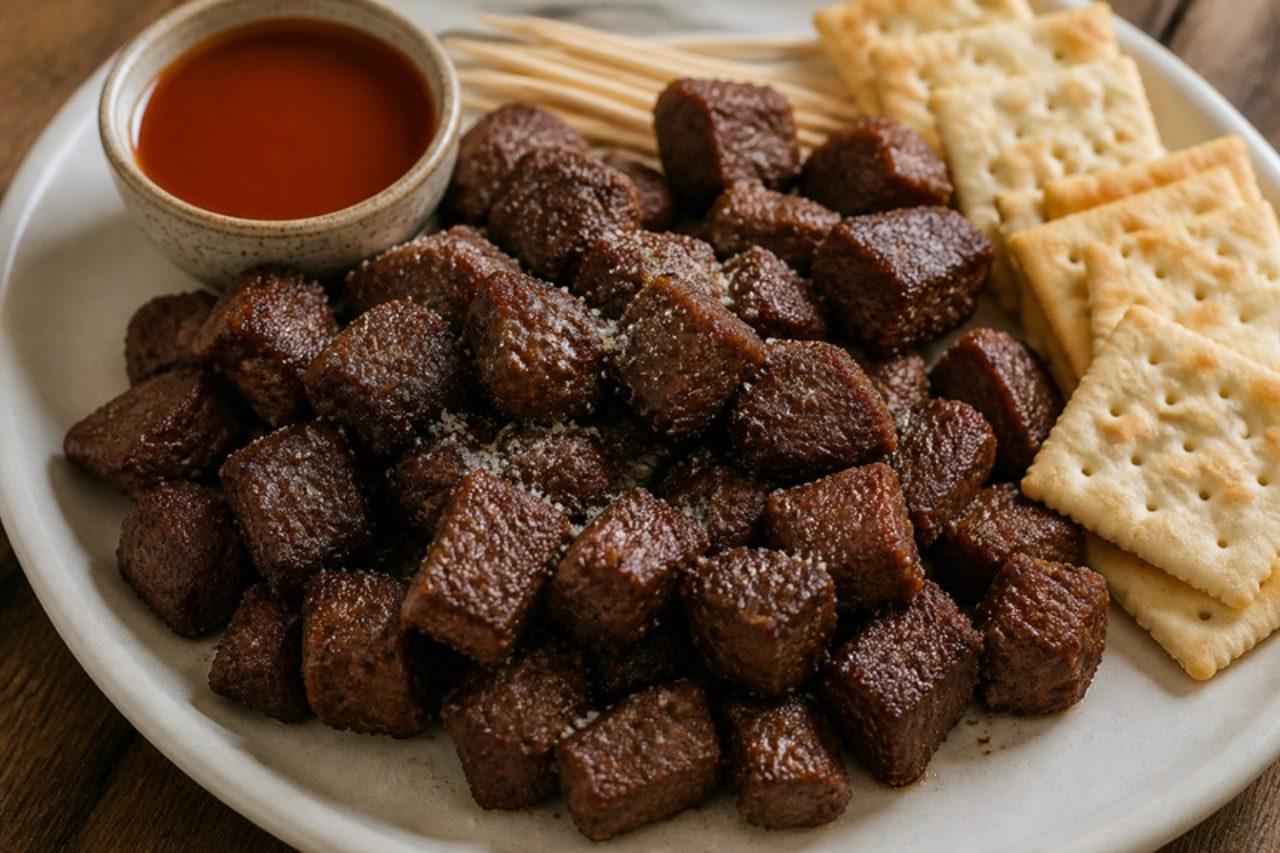
South Dakota chislicFried lamb cubes

Chislic is the official nosh of South Dakota, brought to the prairie by Germans from Russia and served at taverns and county fairs around Freeman and Sioux Falls. Bite-size cubes of lamb or mutton are deep-fried or grilled on skewers, tossed in garlic salt and eaten with cocktail sticks, with saltine crackers and hot sauce on the side. Chef's tip: cut the cubes all the same size, about 2 cm, so they cook evenly in the short time in the oil.

by KrazyBadal 0 views

Ghorabieh TabriziAlmond and egg-white cookies

Every traveller to Tabriz is expected to bring back a box of ghorabieh from the bazaar confectioners: pale, domed almond cookies with a thin crackled shell and a soft, chewy middle, scented with vanilla and sometimes topped with a sliver of pistachio. They are a Nowruz favourite in Azerbaijan province and keep well, so families bake them a week ahead. A common mistake is baking them too hot, which browns the outside before the inside sets and leaves them hollow. Chef's tip: let the piped cookies sit for 20 minutes before baking so a skin forms; that skin gives the classic crackled top.

by KrazyBadal 0 views

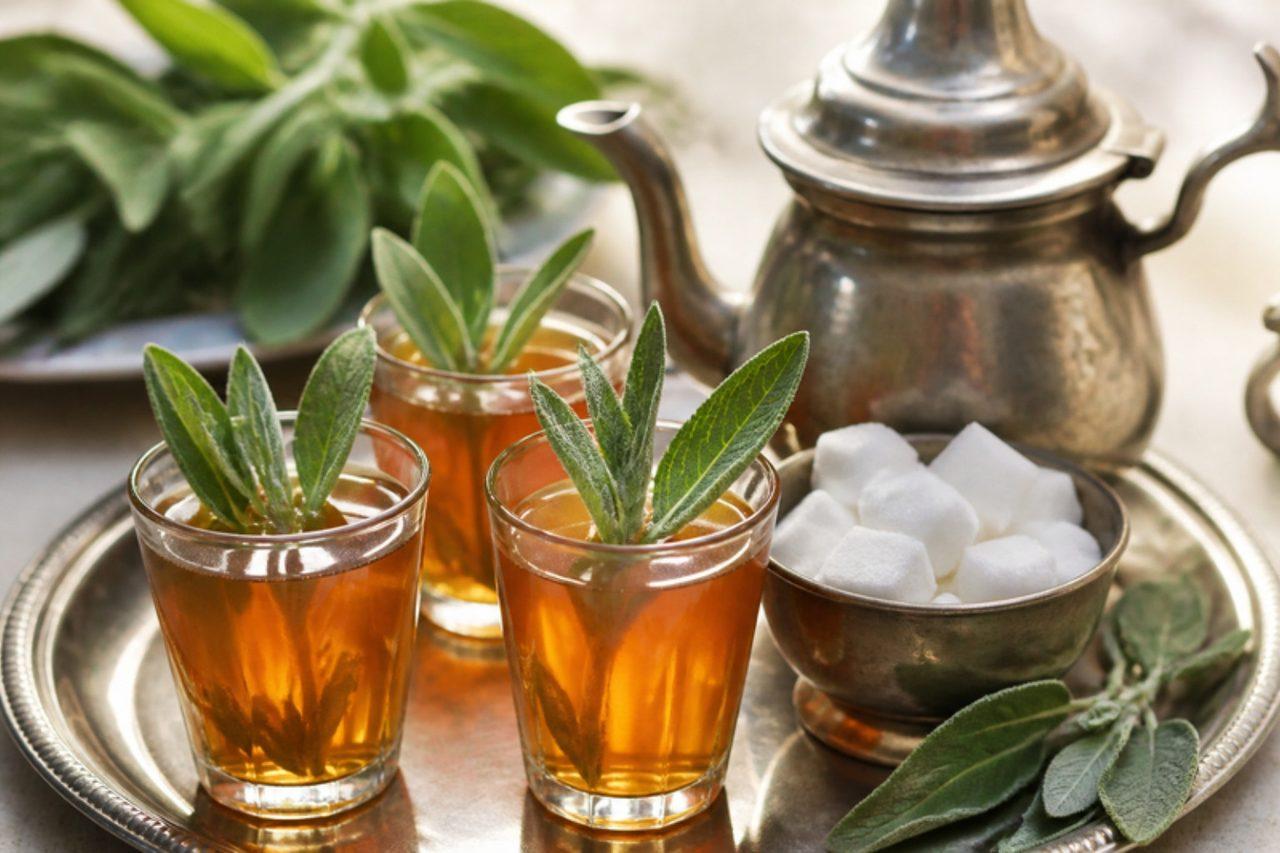
Shai bil maramiyaSage tea

Offer a guest tea in a Palestinian home and it will most likely come in small glasses, sweet, strong and fragrant with maramiya, the soft-leaved sage that grows on every terrace and is said to settle the stomach after a heavy meal. In winter the leaves are dried; in spring they are picked fresh. Common mistake: boiling the sage with the tea, which brings out a medicinal bitterness; it goes in after the heat is off. Chef's tip: bruise the sage leaves between your fingers before dropping them in, and let them steep only 2–3 minutes.

by KrazyBadal 0 views

MondeghiliFried beef and mortadella meatballs

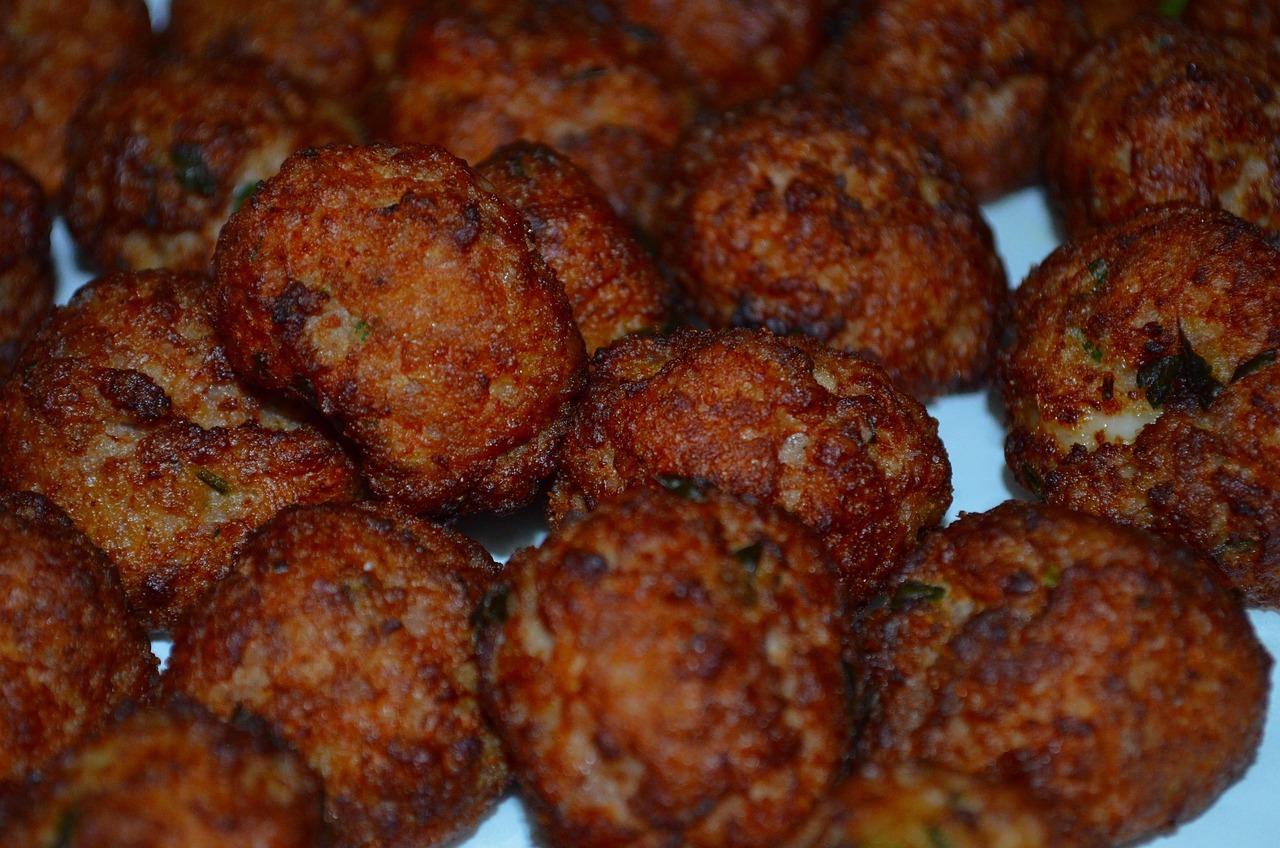
Mondeghili are the thrifty meatballs of Milan, invented to use up the beef left from a pot of bollito misto and now a fixture on the aperitivo counters of the city's bars. The cooked beef is minced with mortadella, a soft pork sausage, then bound with milk-soaked bread, egg, grana and lemon zest, flattened slightly and fried in butter until crisp and brown. They are best warm, with a squeeze of lemon, a spoonful of green sauce or simply a cold drink before dinner. Leftover roast beef or veal works just as well as boiled meat. Chef's tip: flatten each ball a little before frying; they cook through evenly and get more of that crunchy crust.

by KrazyBadal 0 views

Tas kebabıBraised beef with rice

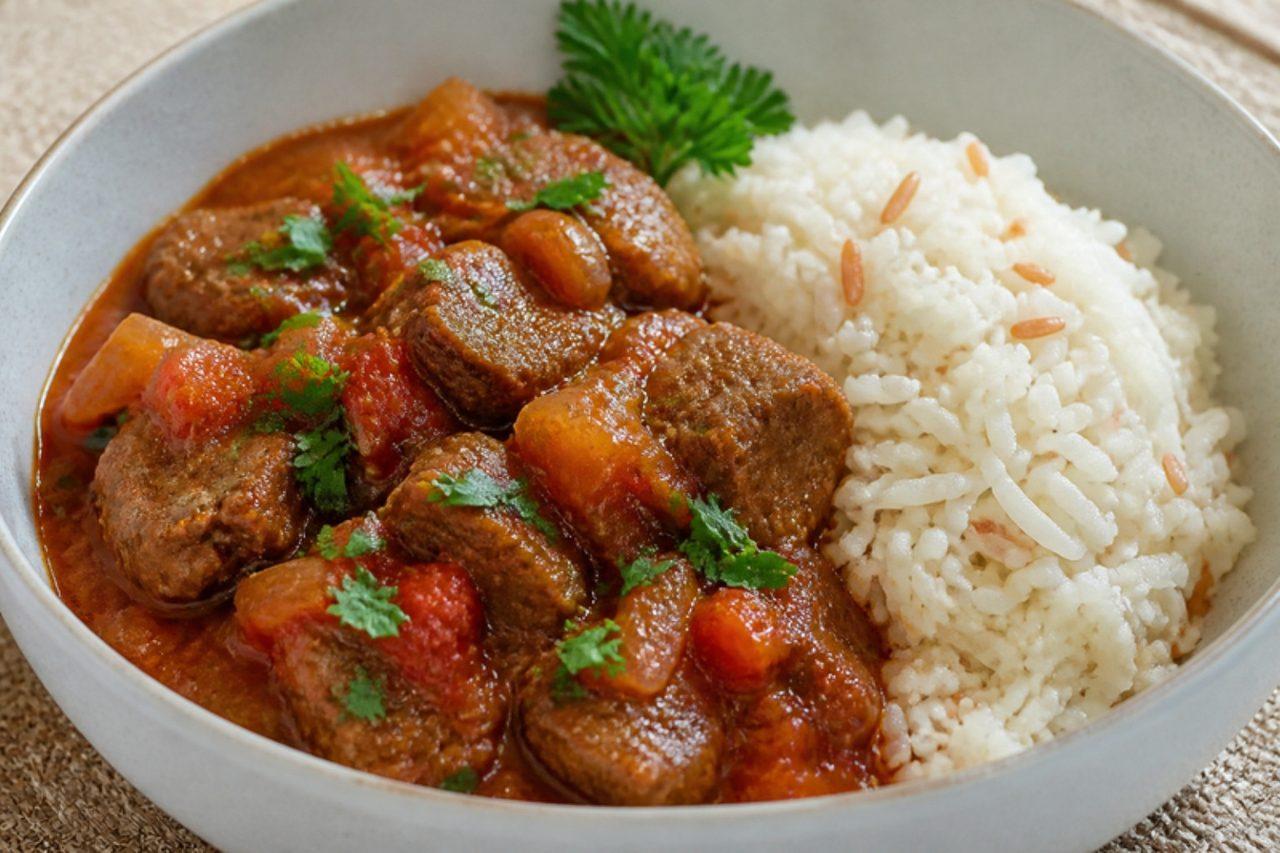
Despite the name, tas kebabı never sees a grill: it is a bowl ('tas') of beef braised slowly with lots of onion, tomato and a little pepper paste until the meat is soft and the sauce is rich and glossy. It is a mainstay of esnaf lokantası, the tradesmen's restaurants where workers eat a hot lunch from steam trays, and is served over buttery rice pilaf or alongside mashed potato. Common mistake: crowding the pan when browning, so the beef boils grey. Chef's tip: cook the onions down until jammy before the tomato goes in; they melt into the sauce and give it body without any flour.

125 minTurkishMeatGluten free
by KrazyBadal 0 views

Paiche a la parrillaGrilled paiche steaks

Paiche (arapaima), one of the largest freshwater fish on earth, has thick, white, almost boneless flesh, and in Iquitos it is farmed and cut into meaty steaks that sizzle on the grills of riverside restaurants. Marinated briefly in garlic, lime, cumin and achiote, it chars on the outside and stays juicy and mild inside, a little like cod but firmer. Serve it with a tomato and onion salad, rice, or tacacho (mashed fried plantain balls). Frozen farmed paiche is sold in some fishmongers; thick cod, halibut or hake loin are good stand-ins. Leaving it in lime too long is the big mistake: the acid starts to 'cook' the surface and it sticks and tears on the grill, so 15 minutes is plenty. Chef's tip: oil the fish, not the grill, and don't move it for the first 3 minutes so it forms a crust and releases cleanly.

by KrazyBadal 0 views

ShakriyehLamb shanks in yoghurt sauce

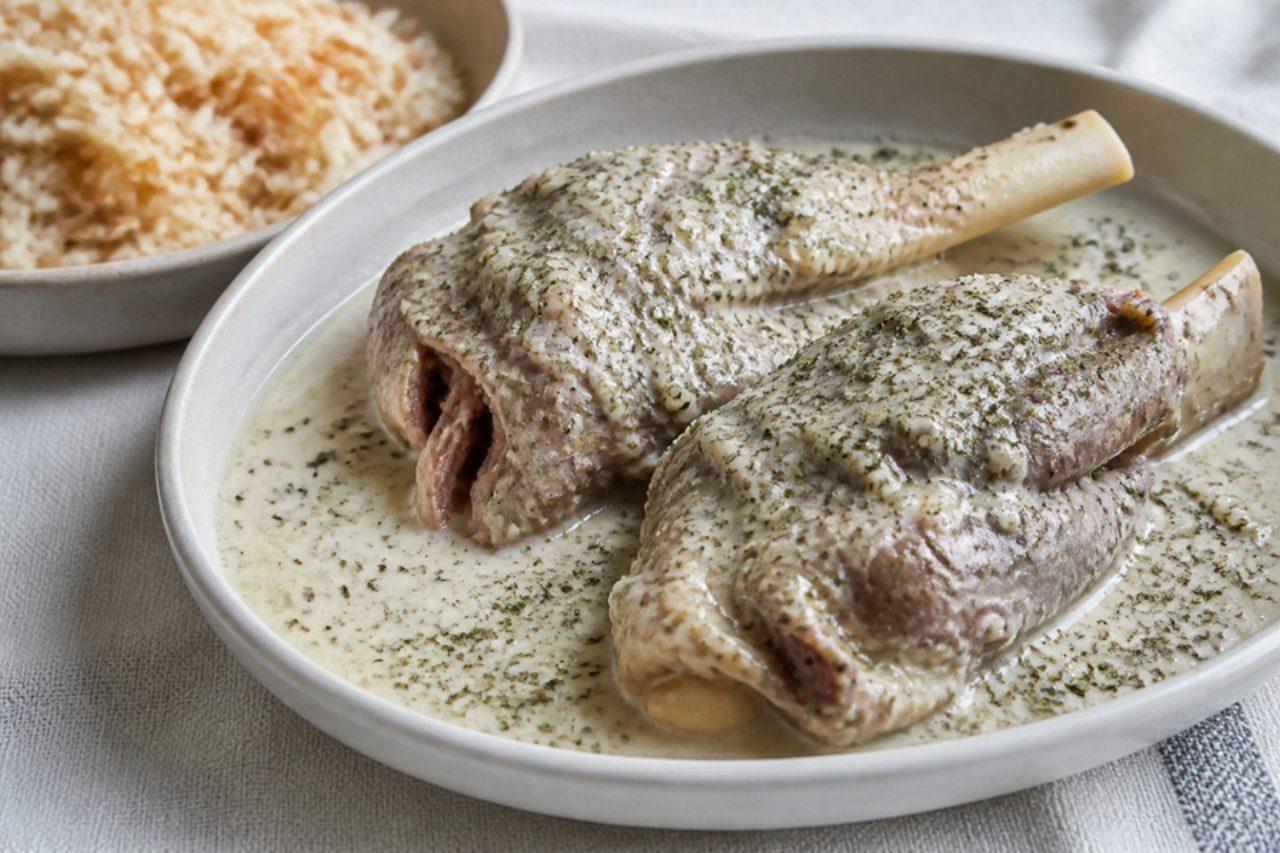
In Damascus, shakriyeh is festive food, cooked for Eid and for welcoming guests because its creamy white sauce is considered a sign of good luck. Lamb on the bone is simmered until tender, then finished in yoghurt that has been stabilised and cooked down into a smooth, tangy sauce with garlic and dried mint. It is spooned over vermicelli rice and eaten piping hot. Common mistake: adding yoghurt straight from the fridge into boiling stock — it splits; cook the yoghurt separately first and stir in one direction. Chef's tip: keep half a cup of the meat broth to thin the sauce at the end — it should flow like single cream.

135 minSyrianMeatGluten free
by KrazyBadal 0 views

Pionono de dulce de lecheDulce de leche sponge roll

Pionono is the flat, springy sponge sheet that Argentine supermarkets sell ready-made for party rolls; at home it takes 10 minutes to bake and makes a far lighter roll. The sweet version, filled with dulce de leche and softly whipped cream, is a birthday and Sunday-tea classic in Buenos Aires and Córdoba, cut into spirals that show off the swirl. Savoury piononos rolled around ham, cheese, tomato and mayonnaise are just as common at parties; this one is the sweet, vegetarian kind. The sponge is a fatless, egg-rich batter that relies on air, so whisk the eggs until they hold a trail for several seconds. Most cracked rolls come from letting the sponge cool flat before rolling. Chef's tip: turn the hot sponge out onto a clean tea towel dusted with sugar, peel off the paper and roll it up in the towel while warm, then unroll to fill once cool; it remembers the shape and doesn't split.

by KrazyBadal 0 views

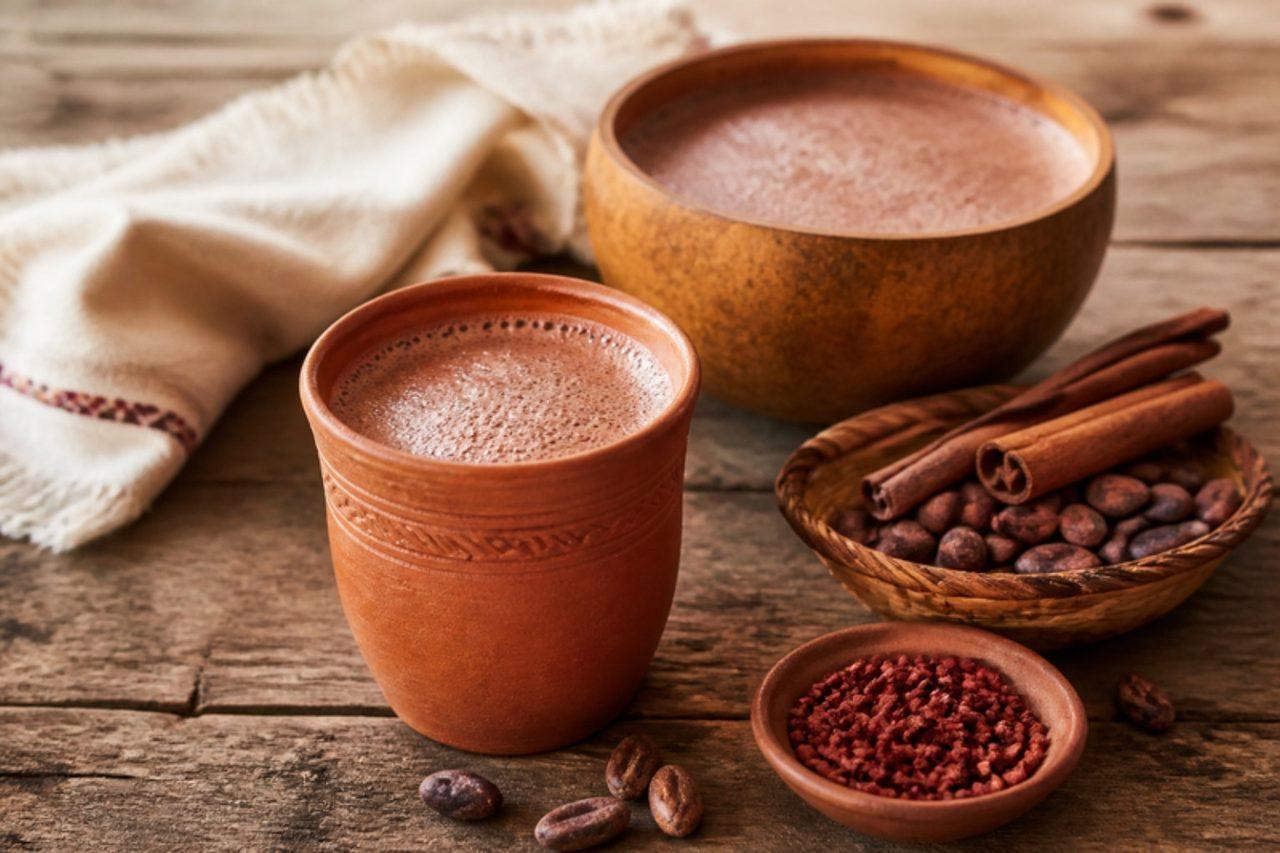
TascalateToasted corn and cacao drink

Tascalate is the drink of the Chiapas central valley, sold in Chiapa de Corzo and Tuxtla in tall glasses at markets and given to guests at fiestas. A powder of toasted tortillas, cacao, pine nuts, sugar, cinnamon and a little achiote is whisked into cold water or milk, so it is orange-brown, thick and nutty with a sweet chocolate finish. The powder keeps for weeks, so make a jar. Made with water it is vegan. Chef's tip: toast the tortillas until they snap cleanly; any softness leaves the powder clumpy.

by KrazyBadal 0 views

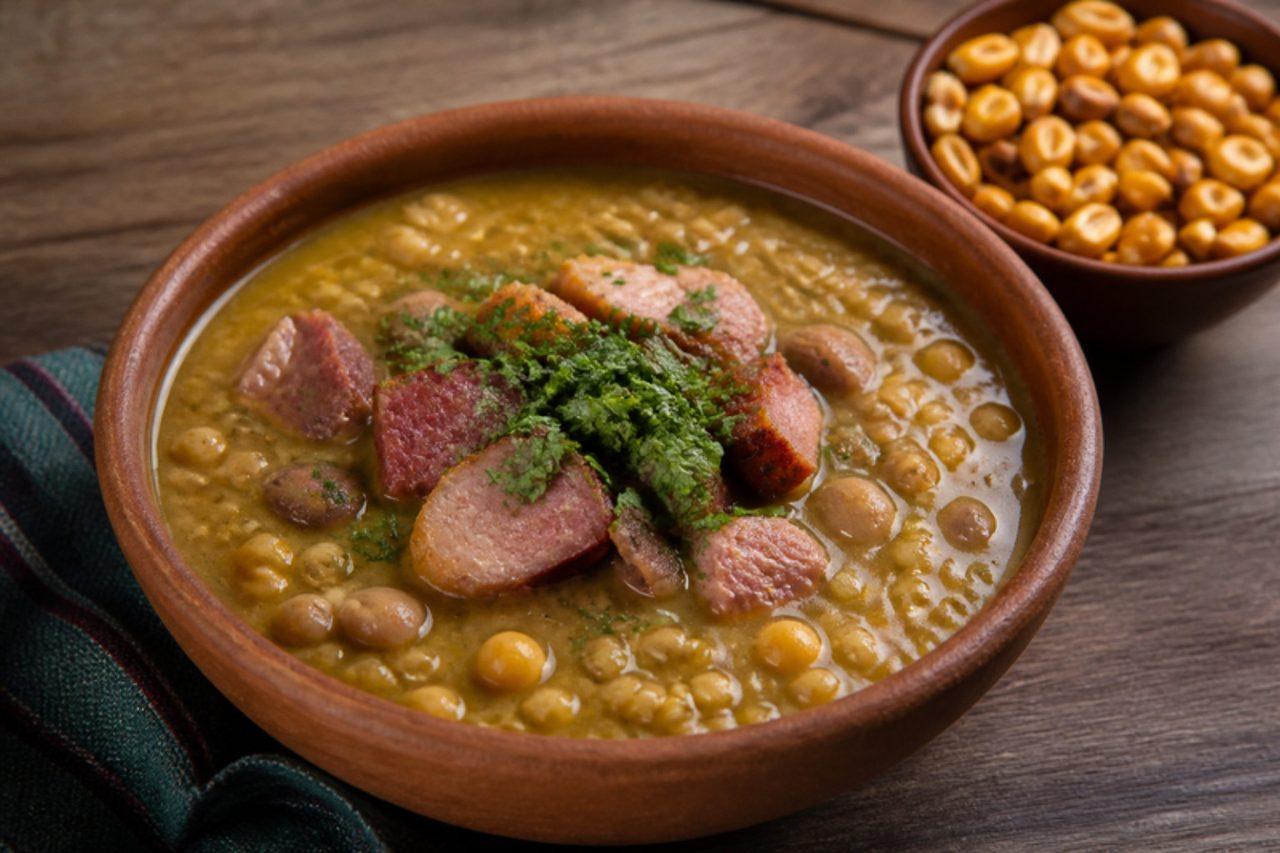
ShámbarWheat, bean and smoked pork soup

Mondays in Trujillo mean shámbar: market stalls and huariques across the city put out pots of this thick, smoky soup of cracked wheat, chickpeas, broad beans, peas and canary beans, cooked with smoked ham hock, pork ribs and pork skin, then stirred through with a fried paste of ají panca and garlic and a handful of mint. It is earthy, porky and rib-sticking, and each bowl gets a scoop of crunchy cancha just before eating. Soak the beans and the wheat overnight. People often cook everything together from the start, and the peas turn to mush before the chickpeas soften; cook the hardest pulses first. Chef's tip: toast the wheat in a dry pan before soaking it; it gives the soup a nutty depth the locals look for.

by KrazyBadal 0 views

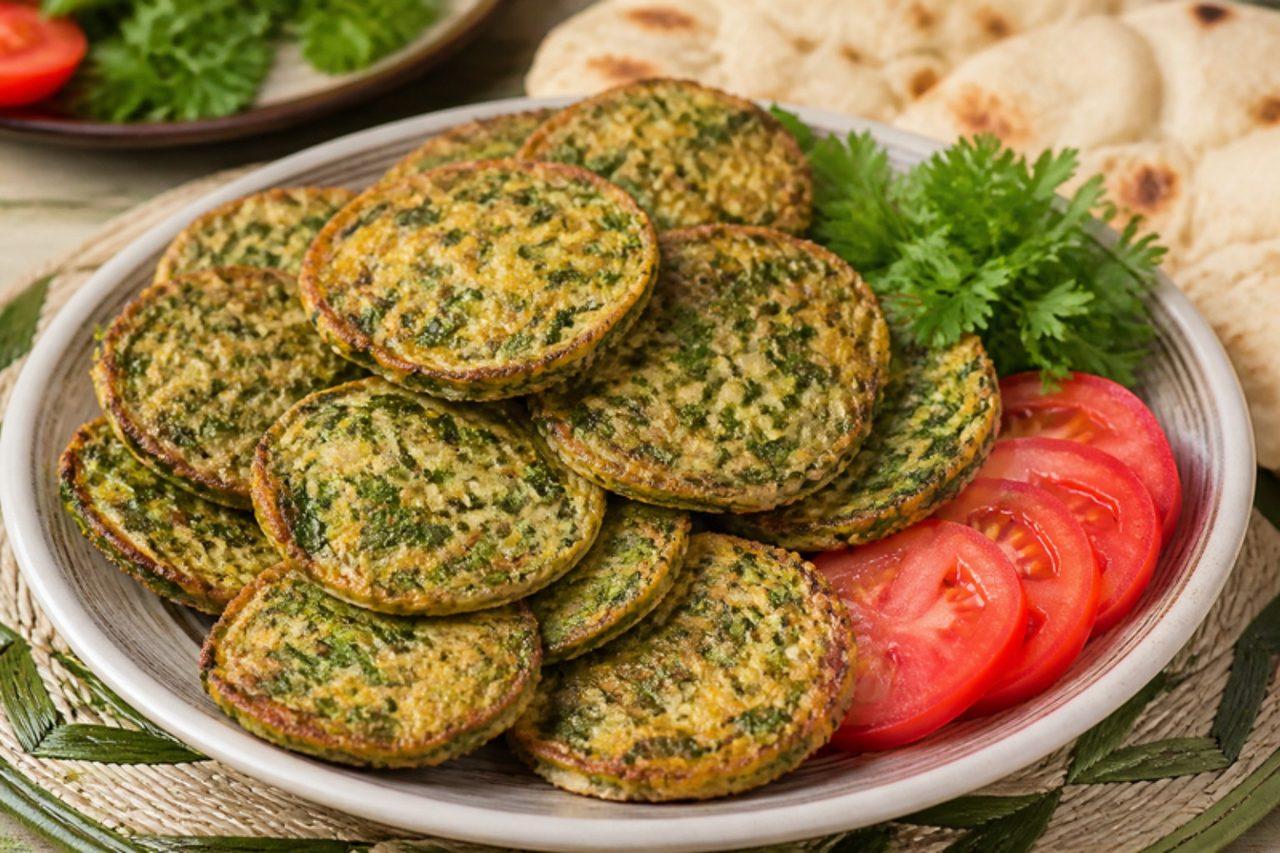
IjjehHerb omelette cakes

Ijjeh is the quick supper of Palestinian and Levantine homes: eggs beaten with so much parsley, mint and spring onion that they turn green, spiced with a little cinnamon and allspice, then fried as thick little patties. They are tucked into warm bread with tomatoes and pickles for school lunches, or served on a breakfast spread with olives and labneh. Common mistake: frying in too little oil over a high heat, so the outsides burn before the herbs inside cook. Chef's tip: a spoonful of flour and a pinch of baking powder make them puff and stay soft when eaten cold the next day.

by KrazyBadal 0 views

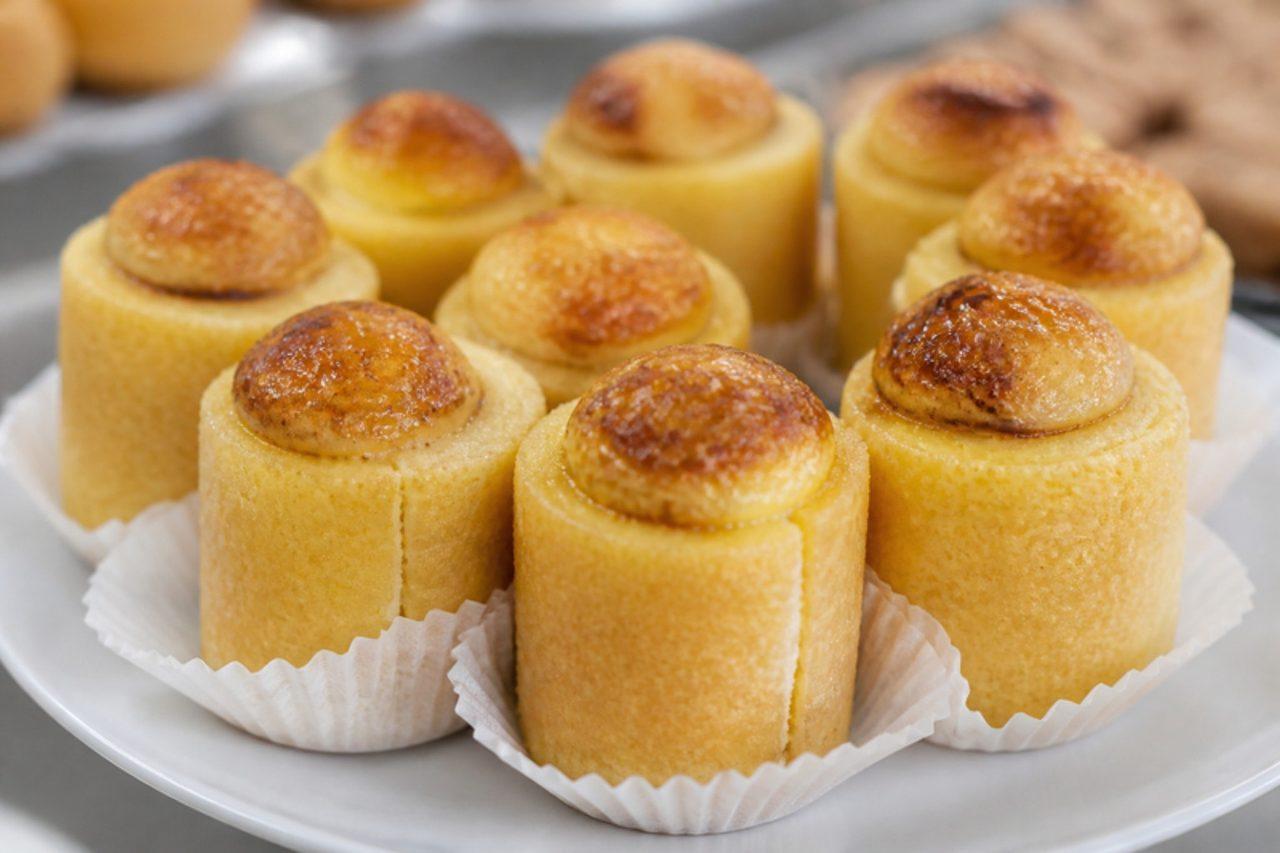
Piononos de Santa FeSponge rolls with toasted cream

The pionono was invented in Santa Fe, on the plain outside Granada, in the late nineteenth century by a local pastry maker who named it after Pope Pius IX, Pío Nono in Spanish. The town still sells them by the dozen from its bakeries, and granadinos carry boxes home for Sunday coffee. Each one is a little standing roll of thin sponge soaked in cinnamon syrup, filled with custard and capped with a dome of custard burnt under a hot iron or torch. Chef's tip: roll the sponge while it is still warm and pliable; once cool it cracks instead of curling.

by KrazyBadal 0 views

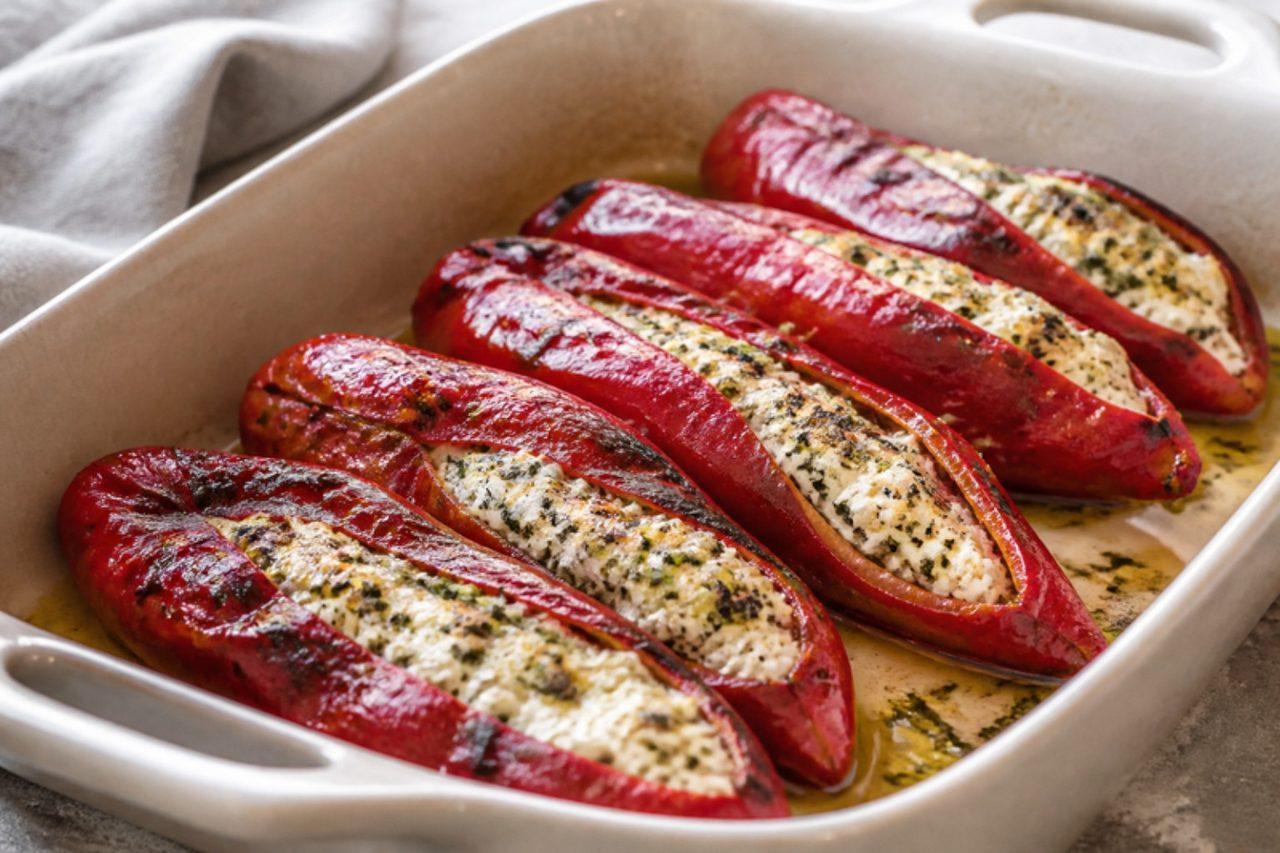
Piperies Florinis gemistesFeta-stuffed roasted peppers

Every autumn the long crimson peppers of Florina, near the borders of north-west Macedonia, are roasted over wood in courtyards and either jarred for winter or stuffed and eaten straight away. Here they are charred, peeled and filled with soft feta beaten with herbs and a little chilli, then baked until the cheese just begins to melt. They're a meze for the ouzeri table, with bread for the juices, or a light supper with a salad. Feta is traditionally made with animal rennet, so pick a vegetarian feta-style cheese if that matters. Common mistake: tearing the peppers while peeling — let them steam under a lid first and the skins slip right off. Chef's tip: keep the stalks on; they hold the peppers together and make them easy to lift.

by KrazyBadal 0 views

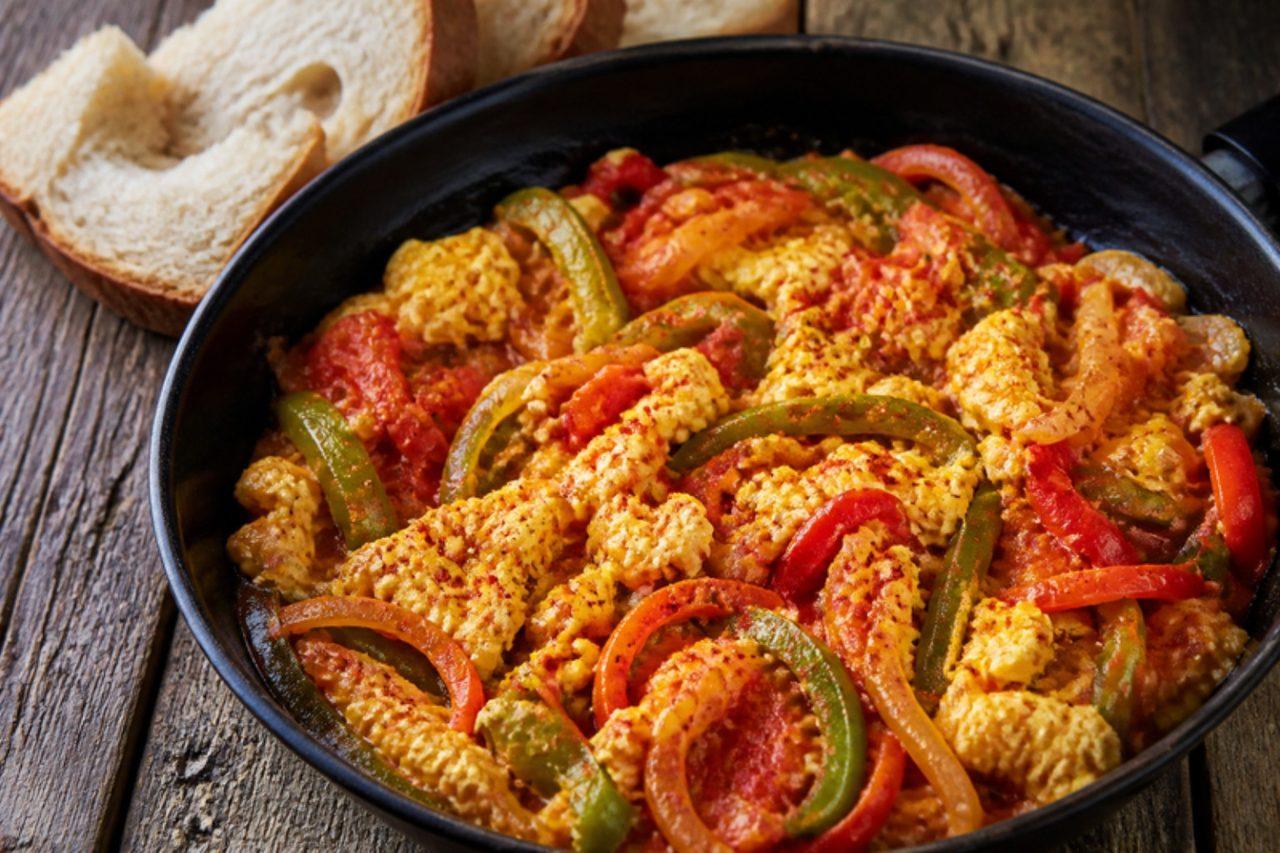
PiperradaPeppers and tomato with eggs

Piperrada belongs to late summer on both sides of the Pyrenees, when the market stalls of Bayonne, Gernika and Pamplona are piled with green and red peppers. The vegetables are stewed slowly in olive oil until sweet and jammy, and in many Basque homes beaten eggs are stirred in at the end for a light supper. It is often served with cured ham alongside; this version is vegetarian. A common mistake is rushing the peppers over a high heat: they should collapse slowly, or the dish tastes raw and sharp. Chef's tip: take the pan off the heat while the eggs still look slightly wet, because they keep cooking on the way to the table.

by KrazyBadal 0 views

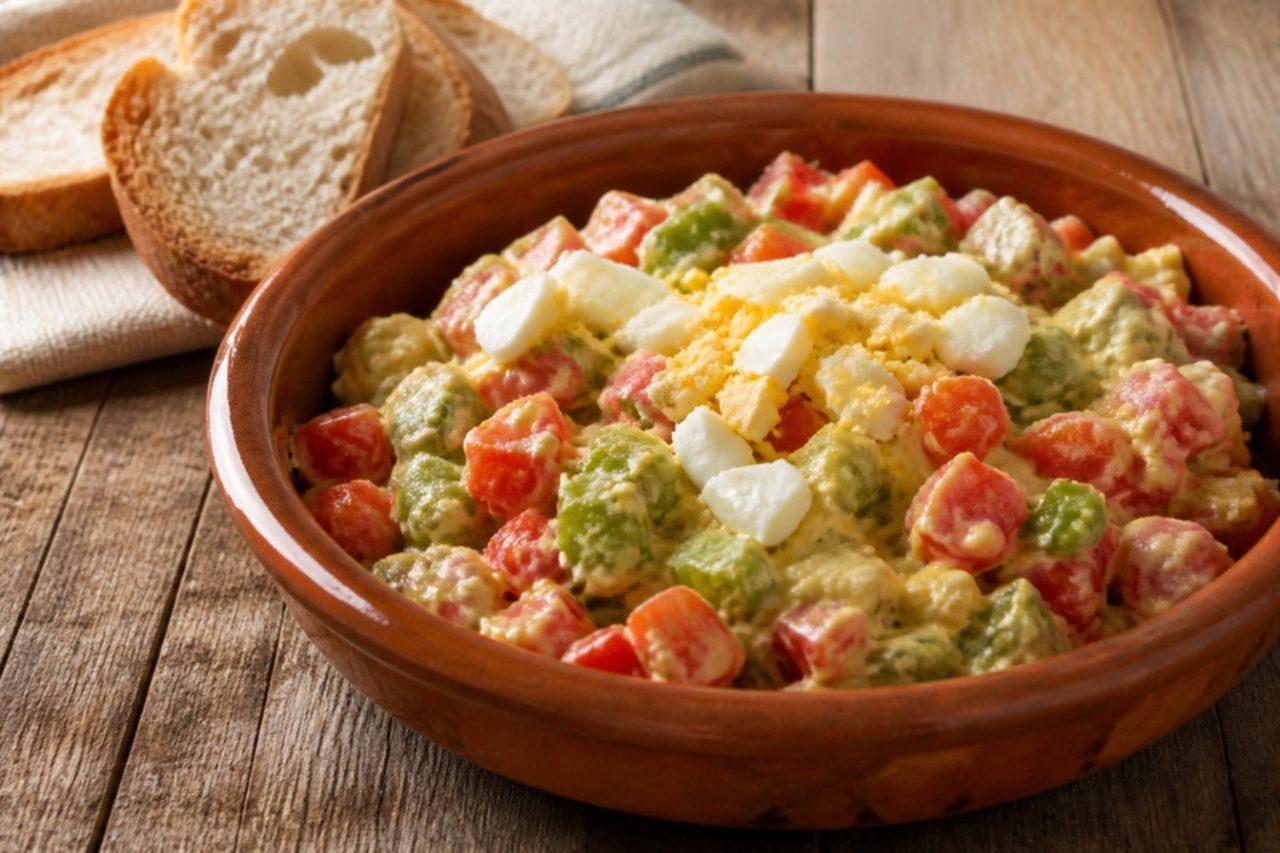
Pipirrana jaeneraTomato pepper salad with egg yolk

Olive pickers in the province of Jaén used to carry the makings of pipirrana into the groves, and in the city it is still the salad people set out on a hot July evening, with bread for the juices. What sets the Jaén version apart is the dressing: garlic, salt and boiled egg yolk are pounded together, then loosened with the province's own peppery oil until it turns creamy. Some cooks add tinned tuna; this one stays vegetarian. The usual mistake is chopping the vegetables in large chunks; everything should be cut small enough to fit a fork. Chef's tip: peel the tomatoes before dicing, so the dressing clings to soft flesh instead of slipping off tough skin.

by KrazyBadal 0 views

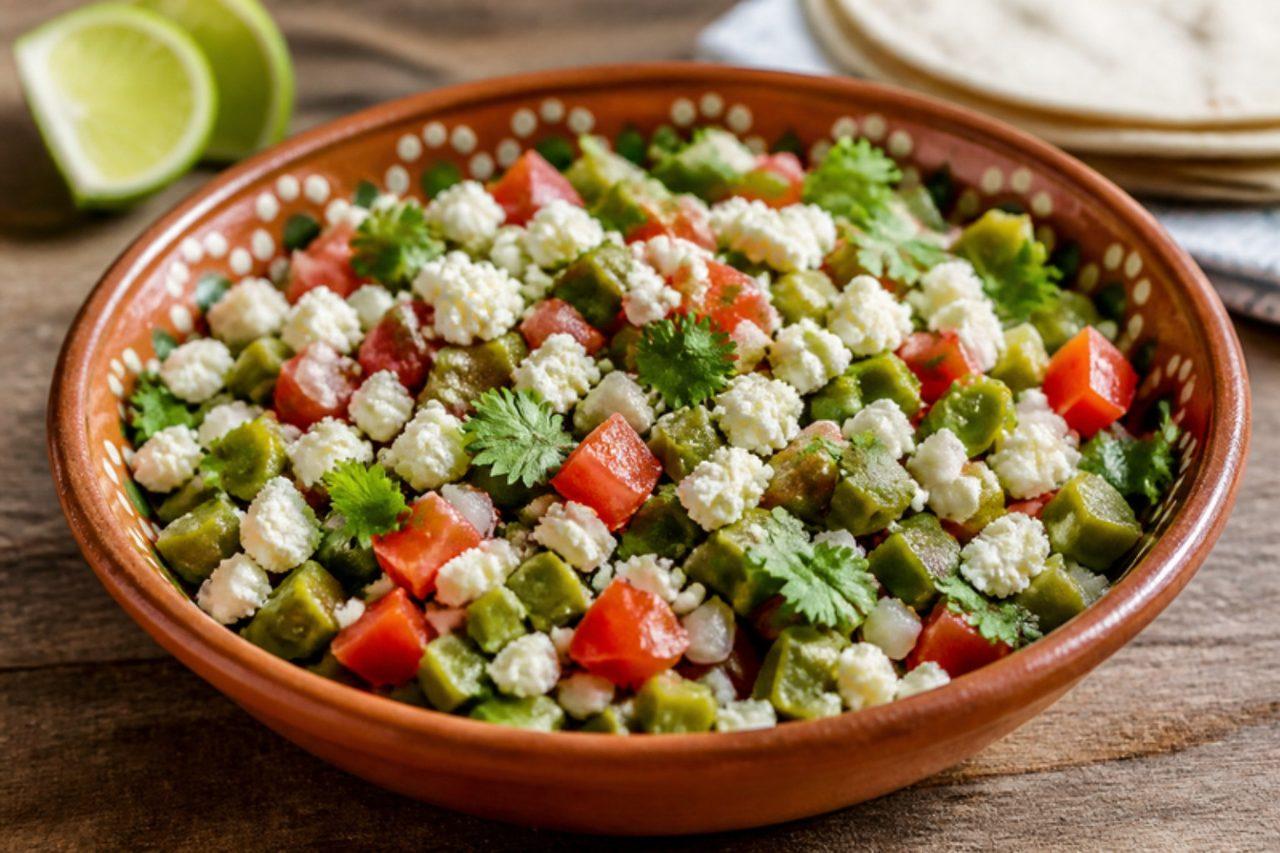
Ensalada de nopalesCactus salad

In the markets of Milpa Alta, south of Mexico City, the nopal growers sell paddles already scraped of their thorns, stacked in towers, and the salad they become is on the side of every comida corrida in the region. Cooked cactus tastes a little like green beans with a lemony edge; dressed with tomato, white onion, chilli, coriander and lime, it is cool and crisp, and the crumbled cheese softens the sharpness. Serve it with rice and beans, inside tacos, or on a tostada. Chef's tip: cook the nopales with a few onion slices and a pinch of bicarbonate of soda; they keep their bright colour and the slime washes away faster.

by KrazyBadal 0 views

Pipoca doceCaramelised popcorn

Pink, sticky and crunchy, sweet popcorn is the smell of a São João fairground and of the pipoqueiro carts outside schools and squares all year. The popcorn pops directly in a sugar syrup, so every kernel gets a thin, glassy, crackly shell; a few drops of red colouring turn it the classic festival pink. It takes about 10 minutes, so it is a favourite to make with kids watching from a safe distance. Use a plant-based red colouring if you want it vegan, as some red colourings are made from insects. Many cooks add too much colouring or sugar, which makes a sticky clump that never goes crisp. Chef's tip: shake the pan constantly once the popping slows, then tip it out immediately onto a tray and separate the kernels with two forks while still hot.

by KrazyBadal 0 views

ShanklishAged yoghurt cheese balls

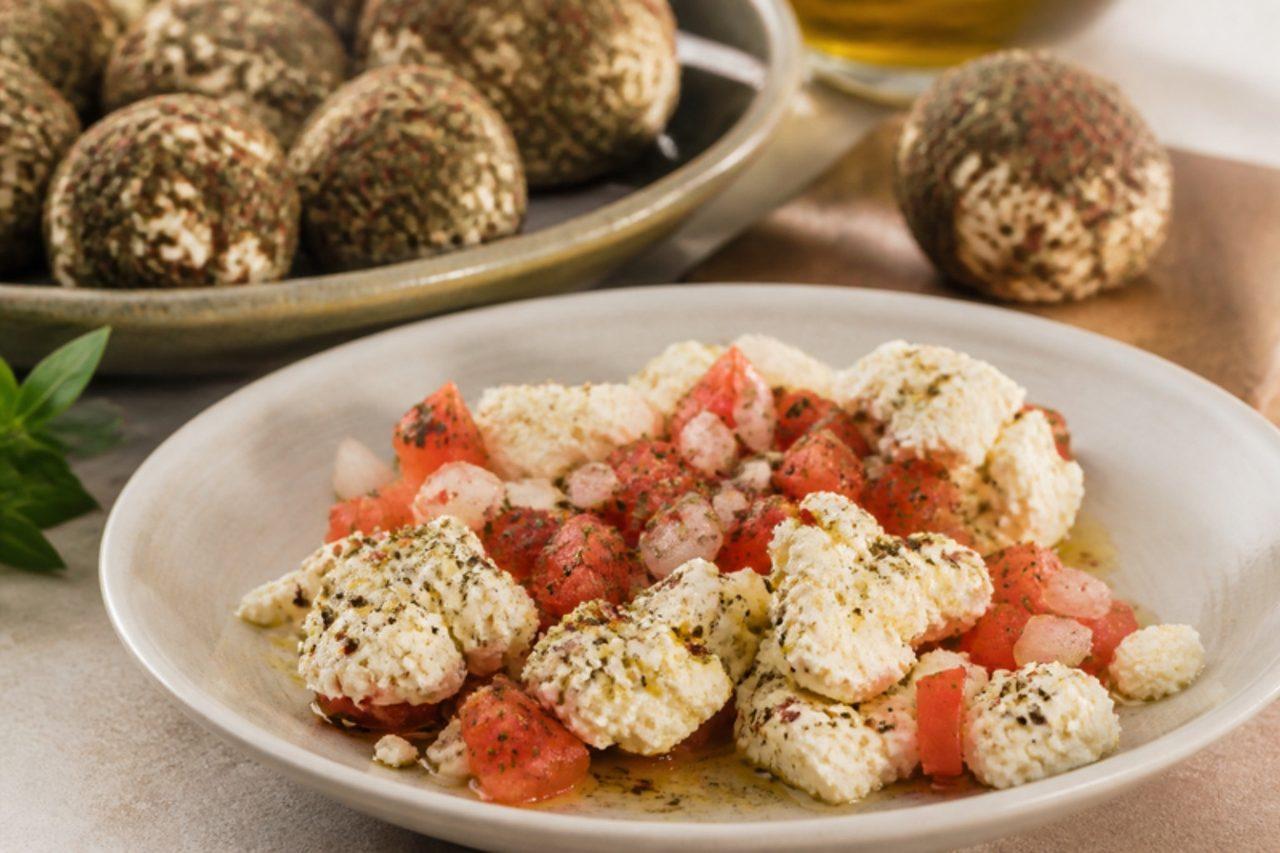
Up in the mountain villages of northern Lebanon and around Tartus on the Syrian coast, families once made shanklish at the end of summer to keep milk through the winter. This home version starts from strained yoghurt (labneh), seasoned and dried into firm balls, then coated in za'atar and Aleppo pepper for a tangy, crumbly cheese with a herby crust. Crumble it over chopped tomato and onion, drown it in olive oil and eat it with bread for breakfast or as mezze. Because it is made from labneh rather than rennet cheese, it is fully vegetarian. Common mistake: rolling the balls while the labneh is still soft; it must be firm enough to hold a thumbprint. Chef's tip: dry the balls uncovered in the fridge for two extra days if you like a sharper, more crumbly cheese.

by KrazyBadal 0 views

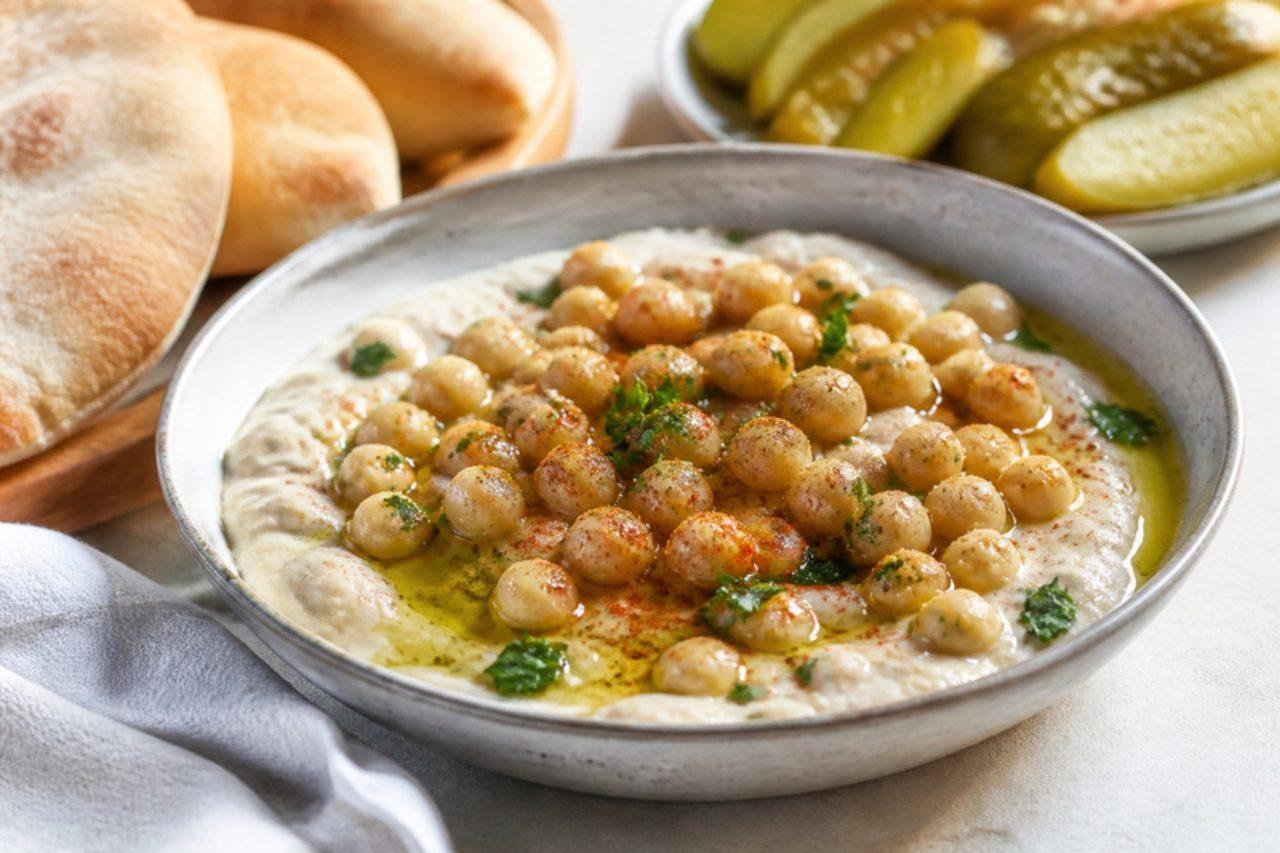
MsabbahaWhole chickpeas in tahini sauce

Hummus shops in Jerusalem's Old City and in Nablus open before dawn, and alongside the smooth hummus they ladle out msabbaha: whole, just-cooked chickpeas bathed in a loose, garlicky tahini and lemon sauce, still warm. It is a working breakfast, eaten with raw onion wedges, green chilli and plenty of bread, and it is just as popular in south Lebanon. The texture is the point, soft chickpeas in a creamy pool rather than a purée. The common mistake is making the tahini sauce too thick; it should pour like double cream so it seeps around every chickpea. Chef's tip: crush a handful of the hot chickpeas into the sauce before you spoon it over; it makes the msabbaha richer and creamier.

by KrazyBadal 0 views

Sharbat-e albalooSour cherry syrup drink

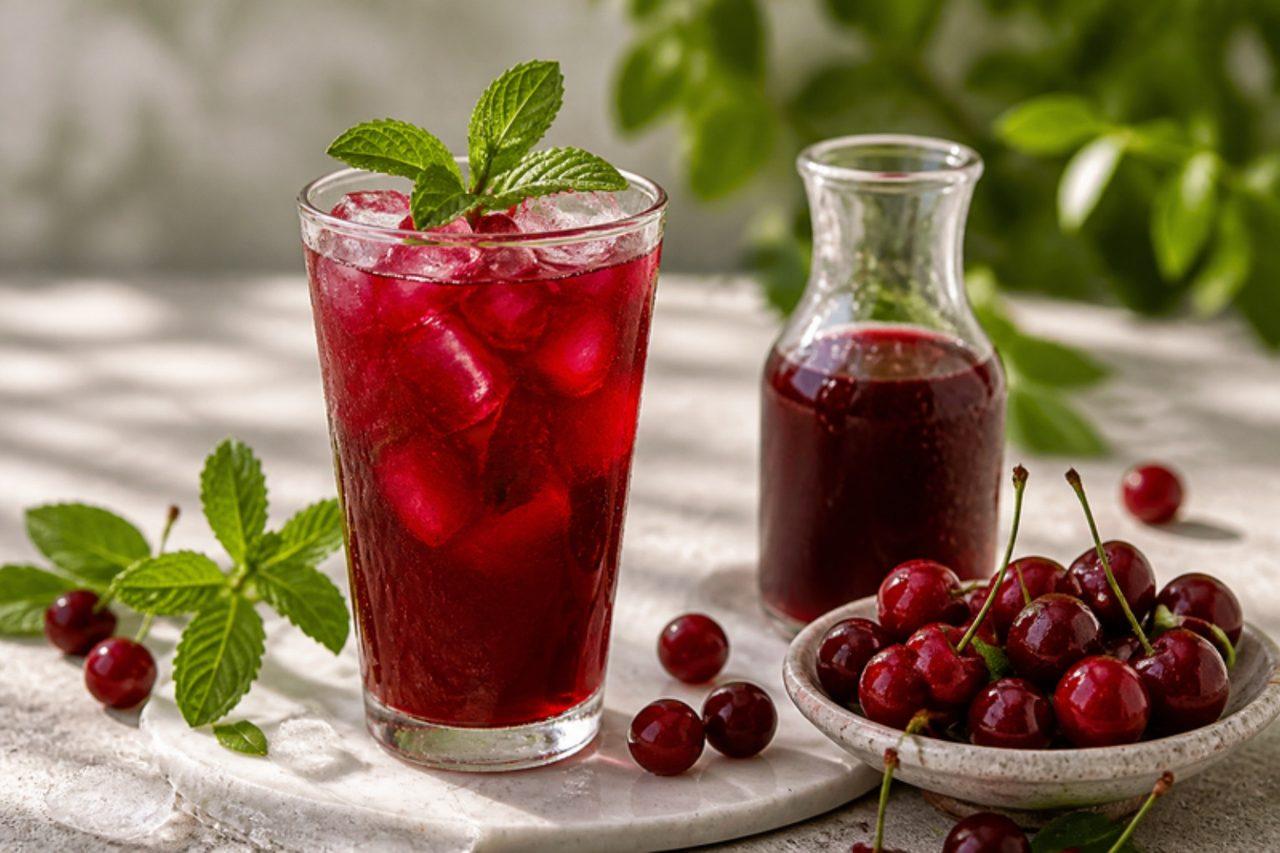
In early summer, when sour cherries arrive from the orchards around Karaj and Mashhad, families make a big batch of sharbat-e albaloo, the deep ruby syrup that is mixed with iced water for guests through the hot months. It is sweet, sharp and very refreshing, and the cooked cherries left over are not wasted: they go into albaloo polo, the cherry rice. A splash of the syrup also goes over shaved ice or yogurt. Chef's tip: stop cooking as soon as the syrup coats a spoon thinly; overcooked syrup loses its fresh cherry flavour and tastes of jam.

by KrazyBadal 0 views

Sharbat-e beh limooQuince and lime syrup drink

Quince and lime syrup is an old-fashioned Persian cooler, the drink grandmothers in Isfahan and Tehran bring out on hot afternoons, said to settle the stomach and cool the body. Grated quince simmered in syrup turns from cream to a soft rosy amber and gives a floral, almost honeyed scent; fresh lime juice cuts through the sweetness. Diluted with iced water, it is lovely after a heavy meal of rice and stew. Chef's tip: cook the grated quince gently for the full time; the colour only turns pink after long, slow simmering.

by KrazyBadal 0 views

Sharbat-e khakshirIced rosewater drink with seeds

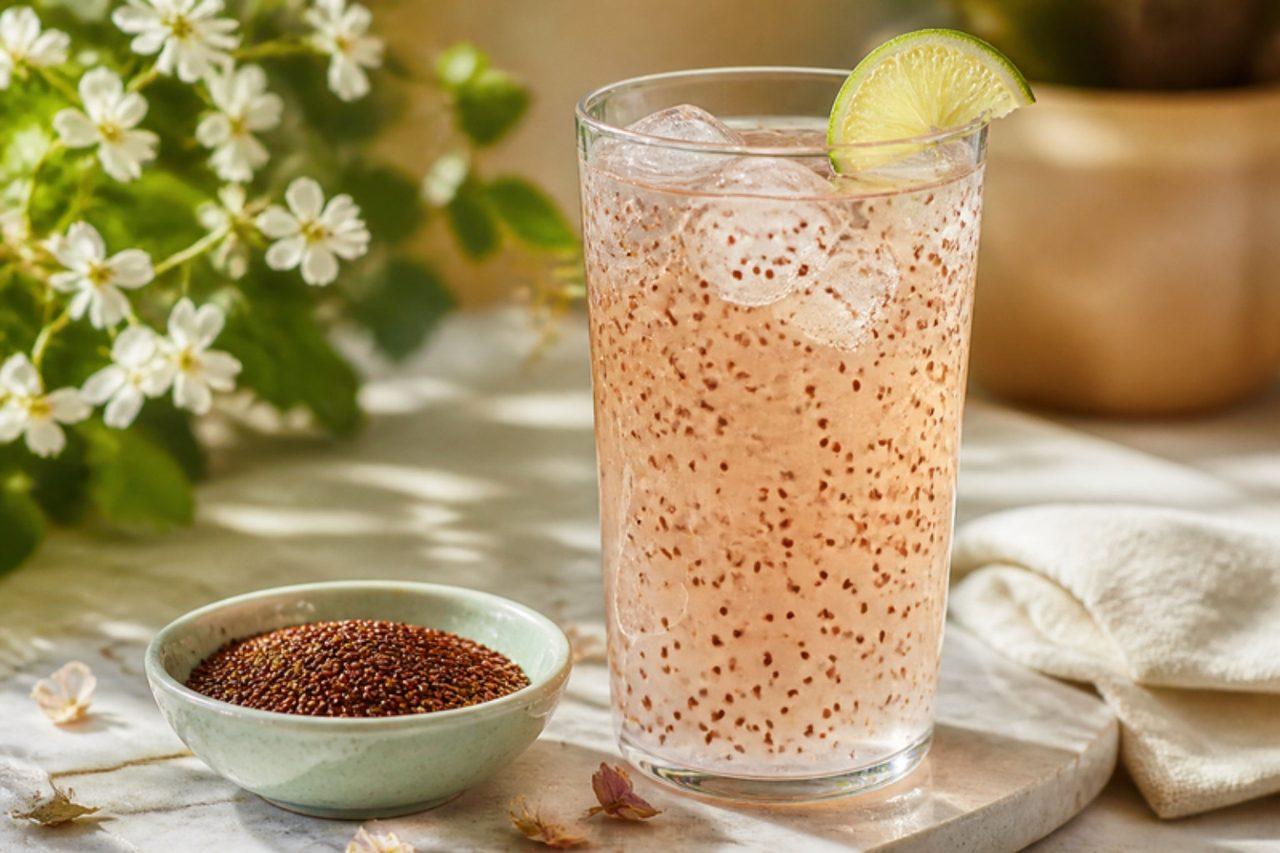
Khakshir are the tiny reddish seeds of flixweed, and in Yazd, Kashan and across the hot centre of Iran a glass of khakshir sharbat is what people drink on scorching summer afternoons and to break the fast on long Ramadan days. The seeds swell slightly and float through sweet iced water perfumed with rosewater, giving a gentle crunch; some add a squeeze of lime or a little sour cherry syrup. Find khakshir at Iranian grocers. Chef's tip: rinse the seeds in several changes of water and pour off anything that floats; dust and grit come away with it.

by KrazyBadal 0 views

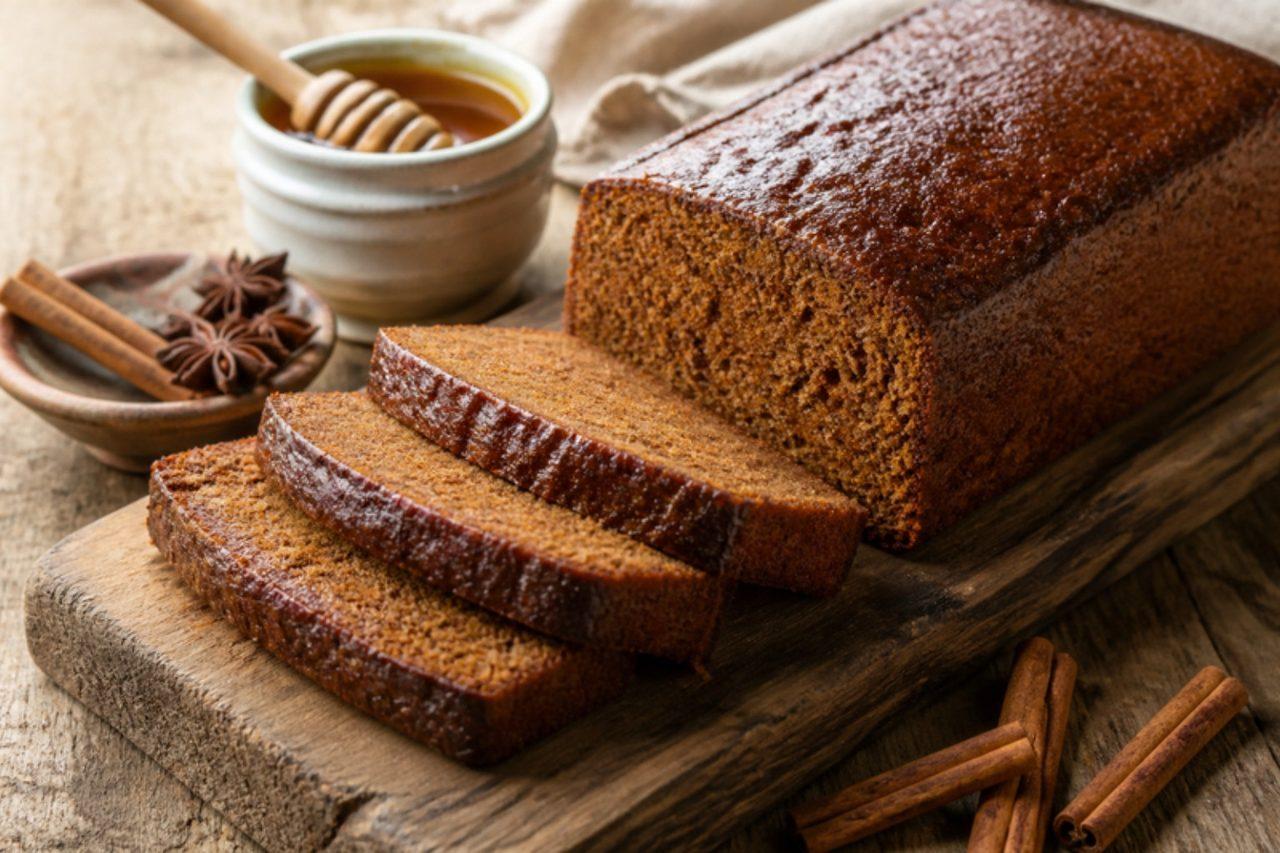
Pain d'épices de DijonHoney spice loaf

Dijon has been baking pain d'épices since the Middle Ages, and the shops near the old ducal palace still sell it by the slice, plain or glazed with orange. It is a dense, fragrant honey loaf, sold all year but eaten most in December, when Burgundian families toast slices for breakfast, spread them with butter, or serve them with cheese and pears. The Dijon style uses wheat flour and a whole egg, which makes it softer than the rye-flour loaves of Reims. Chef's tip: wrap it and wait a day before cutting; the crumb turns moist and the spices settle and deepen.

by KrazyBadal 0 views

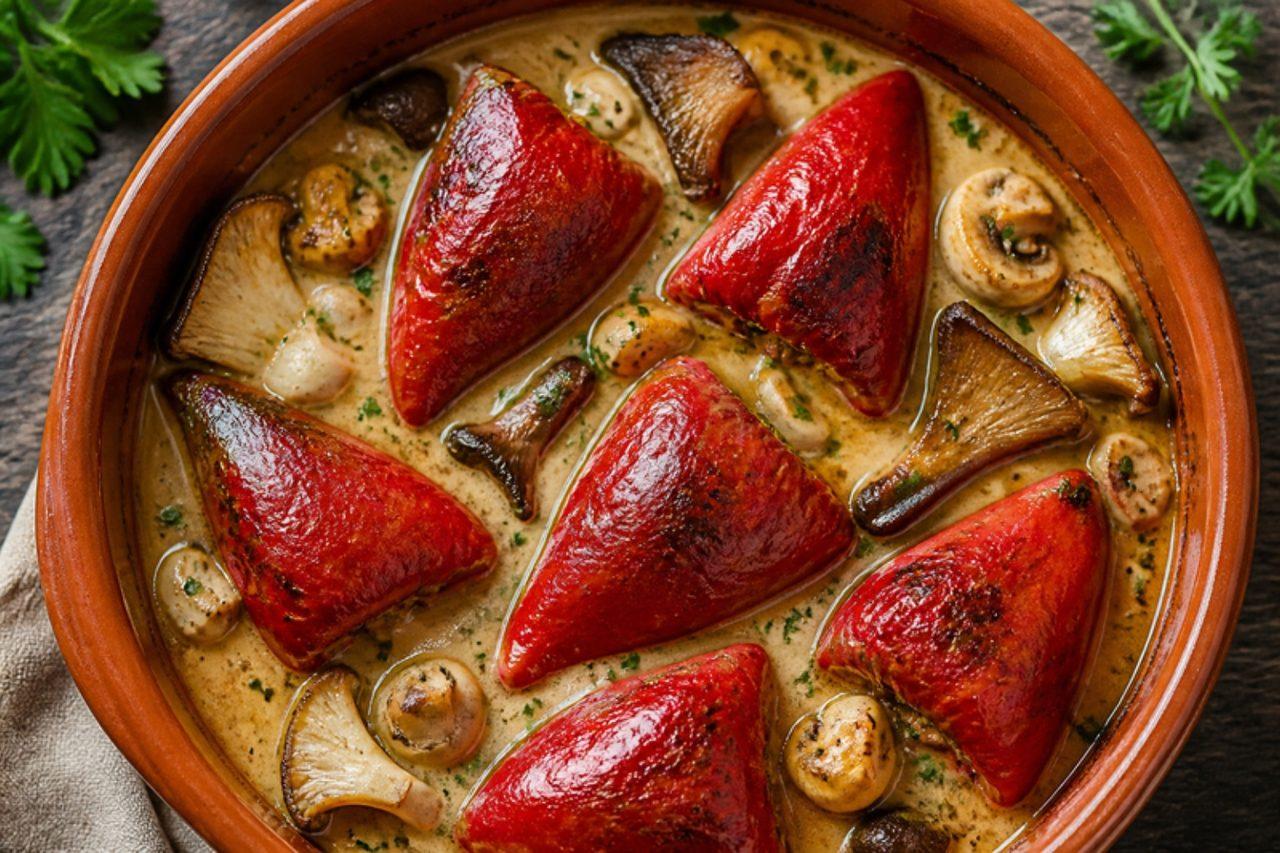
Piquillos rellenos de setasPeppers stuffed with mushrooms

Lodosa, on the Ebro in southern Navarre, roasts its little pointed piquillo peppers over wood, peels them by hand and jars them under its own protected name. When the autumn rains bring mushrooms up in the Navarrese hills, the peppers get stuffed with a thick mushroom béchamel, coated and fried, and served as a starter at family lunches or as a pintxo in the old town of Pamplona. A smooth sauce made from a few extra peppers goes underneath. Chef's tip: chill the filling until it is firm enough to scoop, which makes filling the soft peppers far easier.

by KrazyBadal 0 views

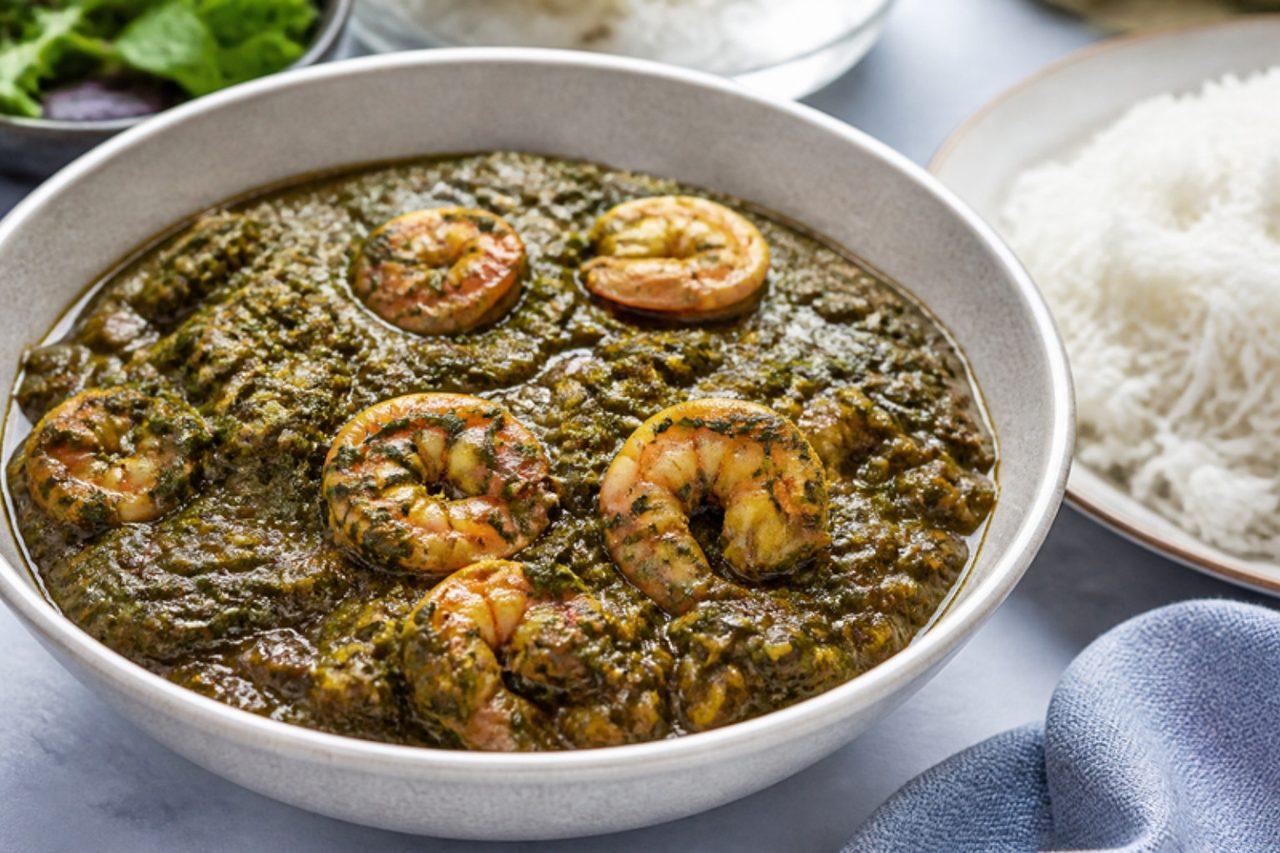
Ghalieh meygooSpicy prawn and tamarind stew

In Bushehr, where the fishing boats bring in Gulf prawns every morning, ghalieh meygoo is the dish cooks make when they want something quicker and a little more festive than the fish version. The same base of slow-fried coriander, fenugreek and garlic is soured with tamarind and fired up with chilli, then the prawns go in for just a few minutes so they stay sweet and juicy. It is eaten with plain chelow rice and a raw onion on the side. A common mistake is simmering the prawns with the sauce from the start, which leaves them rubbery and small. Chef's tip: simmer the prawn shells in the water for 10 minutes first and use that stock; it gives the sauce a real taste of the sea.

by KrazyBadal 0 views

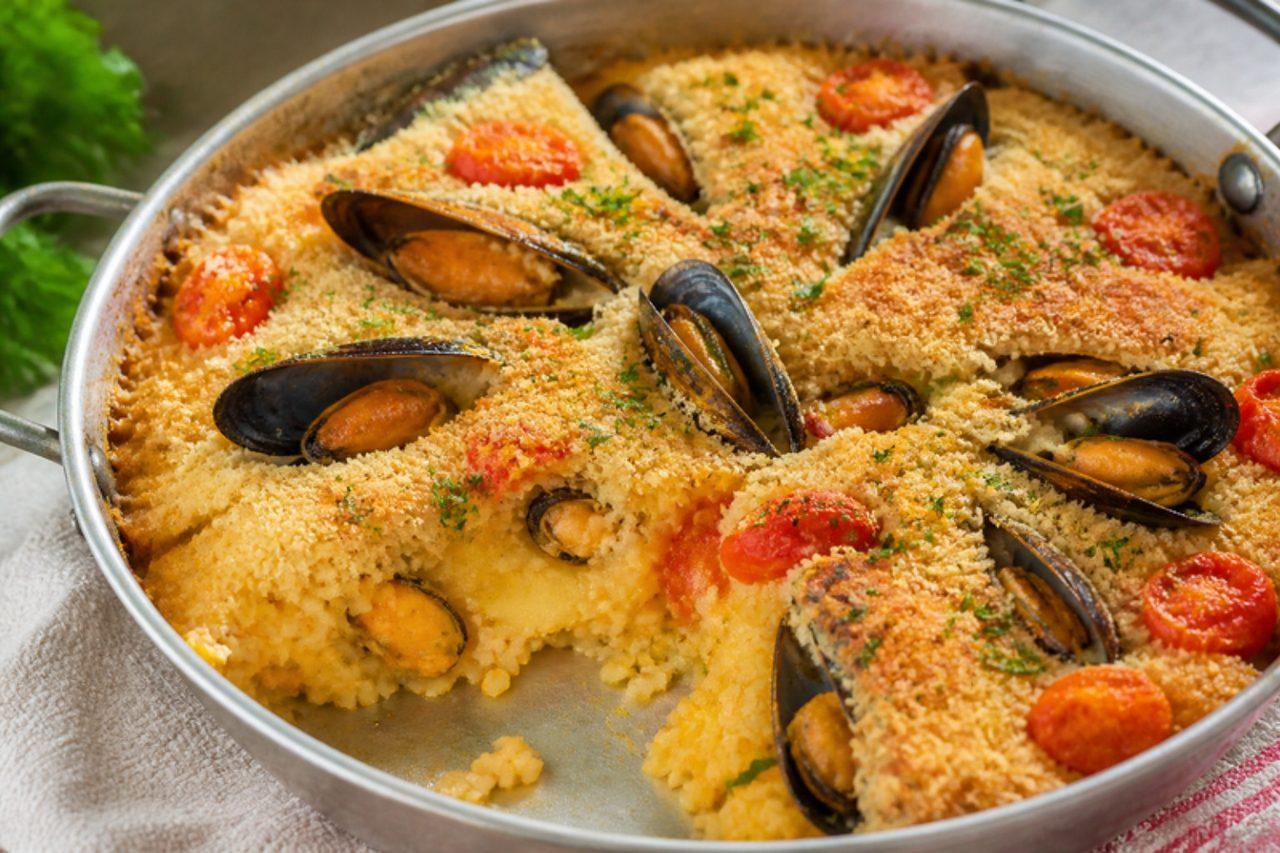
Tiella bareseBaked rice, potatoes and mussels

Every family in Bari has its own tiella, also called riso, patate e cozze, and it turns up at Sunday lunches and summer gatherings along the Puglian coast. Layers of thinly sliced potato, raw rice, mussels opened on the half shell, onion, tomato, parsley and pecorino are packed into a deep baking dish, then baked with water until the rice has drunk up the sea-salty juices and the top is crisp. It's served warm, as a one-dish meal, followed by a salad. Chef's tip: open the mussels raw with a knife over a bowl and keep every drop of their liquid; it seasons the rice better than any stock.

by KrazyBadal 0 views

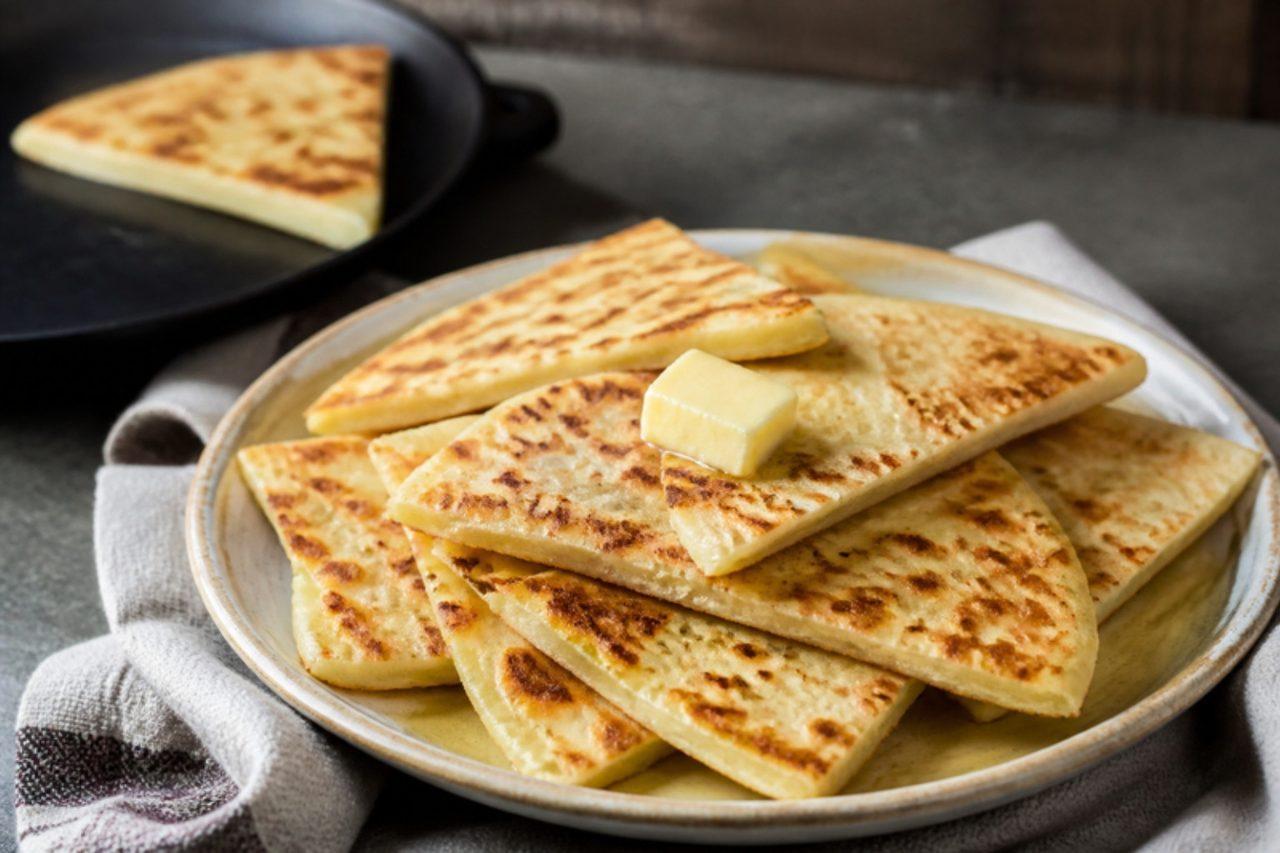
Tattie sconesPotato griddle scones

Tattie scones are thin triangles of mashed potato and flour cooked on a dry girdle, part of a full Scottish breakfast and sold in packs in every Glasgow bakery. They are soft, slightly chewy and speckled brown, and are best fried in butter and eaten with eggs or rolled round a filling. Chef's tip: use the potato while warm; cold mash needs more flour and makes them heavy.

by KrazyBadal 0 views

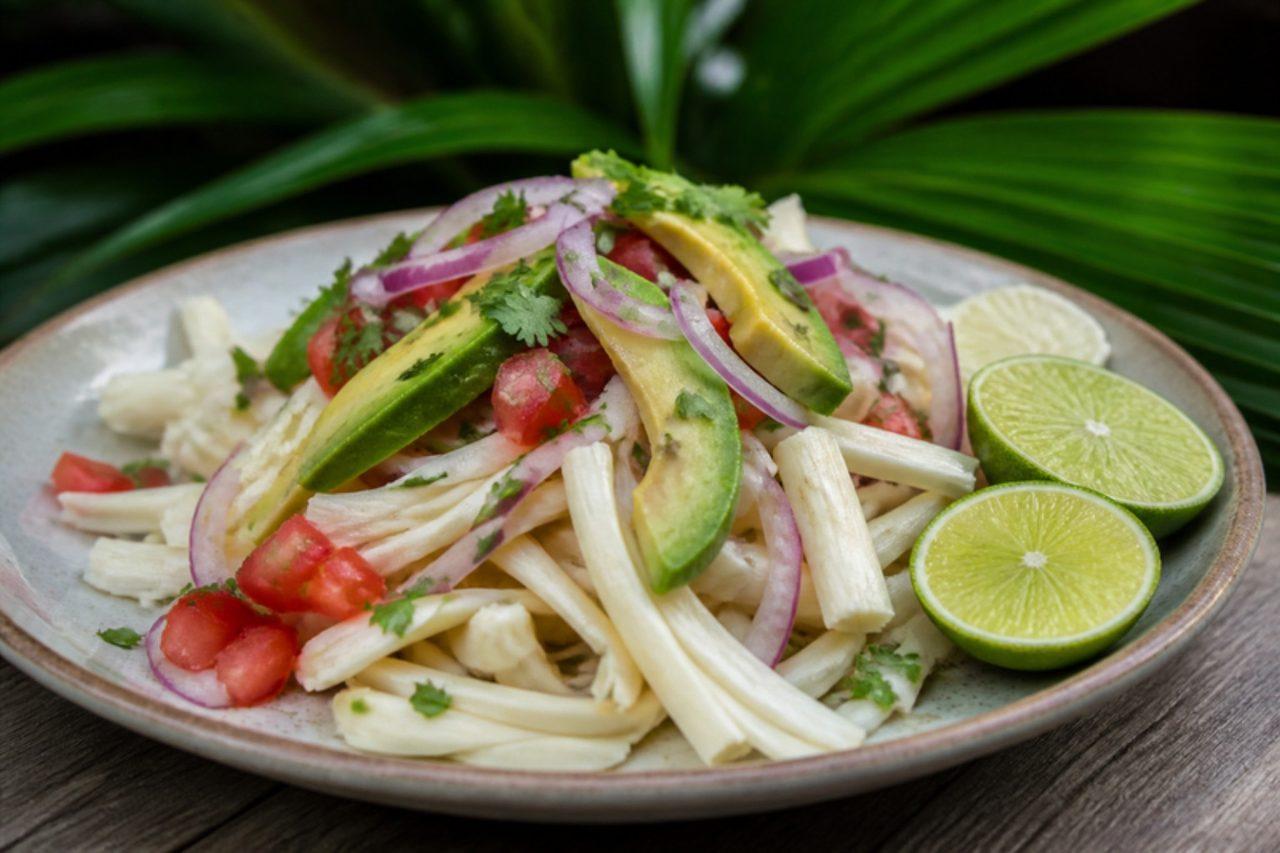
Ensalada de chontaPalm heart salad

Iquitos restaurants and the riverside cafés of the Peruvian Amazon serve ensalada de chonta as a cool counterpoint to grilled fish and juanes: long, pale ribbons of fresh palm heart, crisp and faintly sweet, tossed with tomato, avocado, red onion and lots of lime. At Belén market you can watch sellers shave the chonta into curls with a big knife. Outside the Amazon, fresh palm heart is hard to find, but good jarred hearts of palm cut into thin strips work well, and the salad becomes a ten-minute job. It's crunchy, juicy and sharp, perfect with rice and beans or any fried snack. Where most people go wrong is adding the avocado and salt early, so the salad turns soupy and grey; dress it at the last moment. Chef's tip: slice the palm hearts lengthwise on a mandoline or with a peeler for thin, curling ribbons that look like the Iquitos original.

by KrazyBadal 0 views

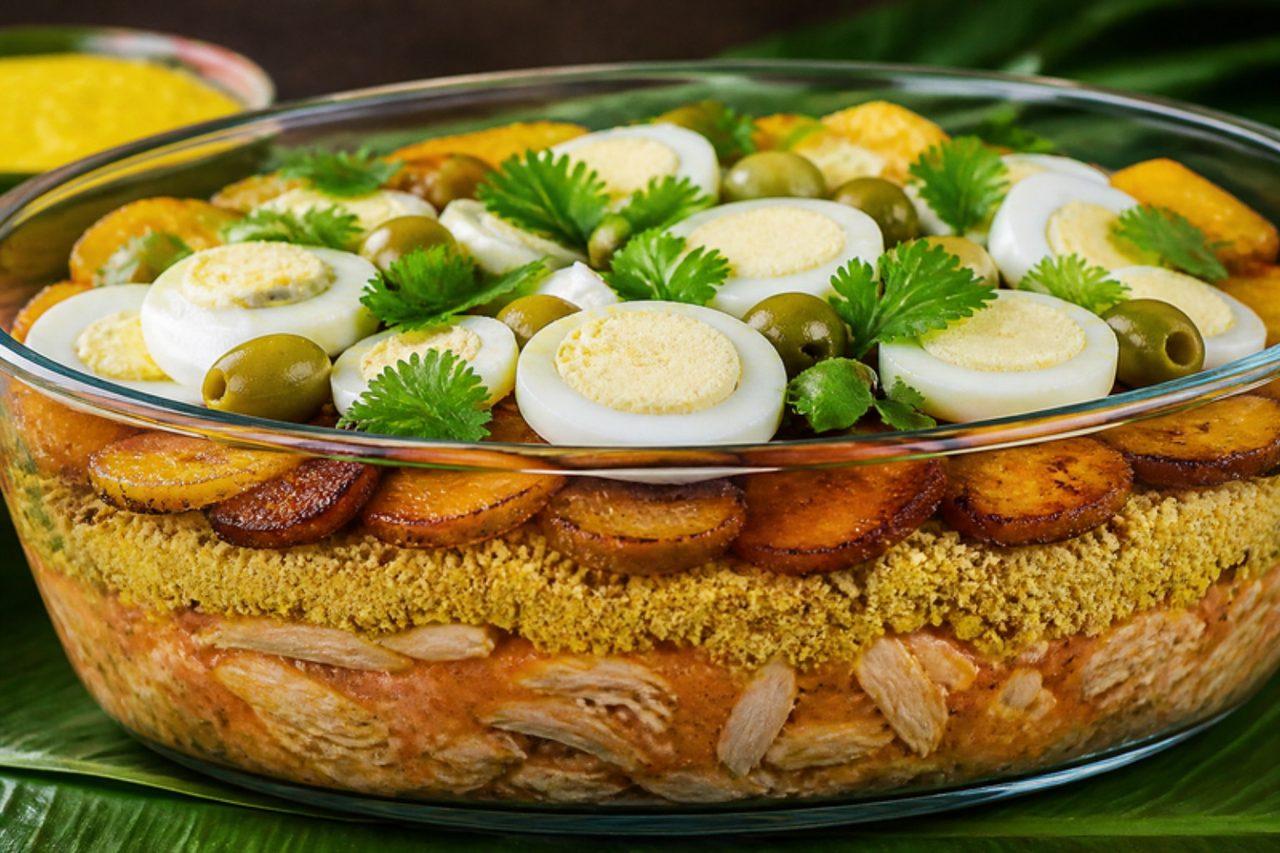
Pirarucu de casacaLayered dried fish, farofa and plantain

A party dish from Manaus and the Amazonas interior, pirarucu de casaca (pirarucu in a coat) is built in a big dish for birthdays and Christmas: a bed of buttery-looking farofa, a layer of shredded salt pirarucu cooked with tomato and coconut milk, golden slices of fried plantain, more farofa, and a scattering of raisins, olives, egg and herbs. Each spoonful is salty, sweet and crunchy at once. Pirarucu, the giant Amazon fish, is sold salted and dried like cod; salt cod is the easy substitute. Allow 24 hours to soak the fish in the fridge. A common slip-up is under-soaking, which makes the dish too salty to eat; taste a flake before you cook. Chef's tip: use very ripe, black-skinned plantain, fried slowly, so it caramelises and balances the salt of the fish.

by KrazyBadal 0 views

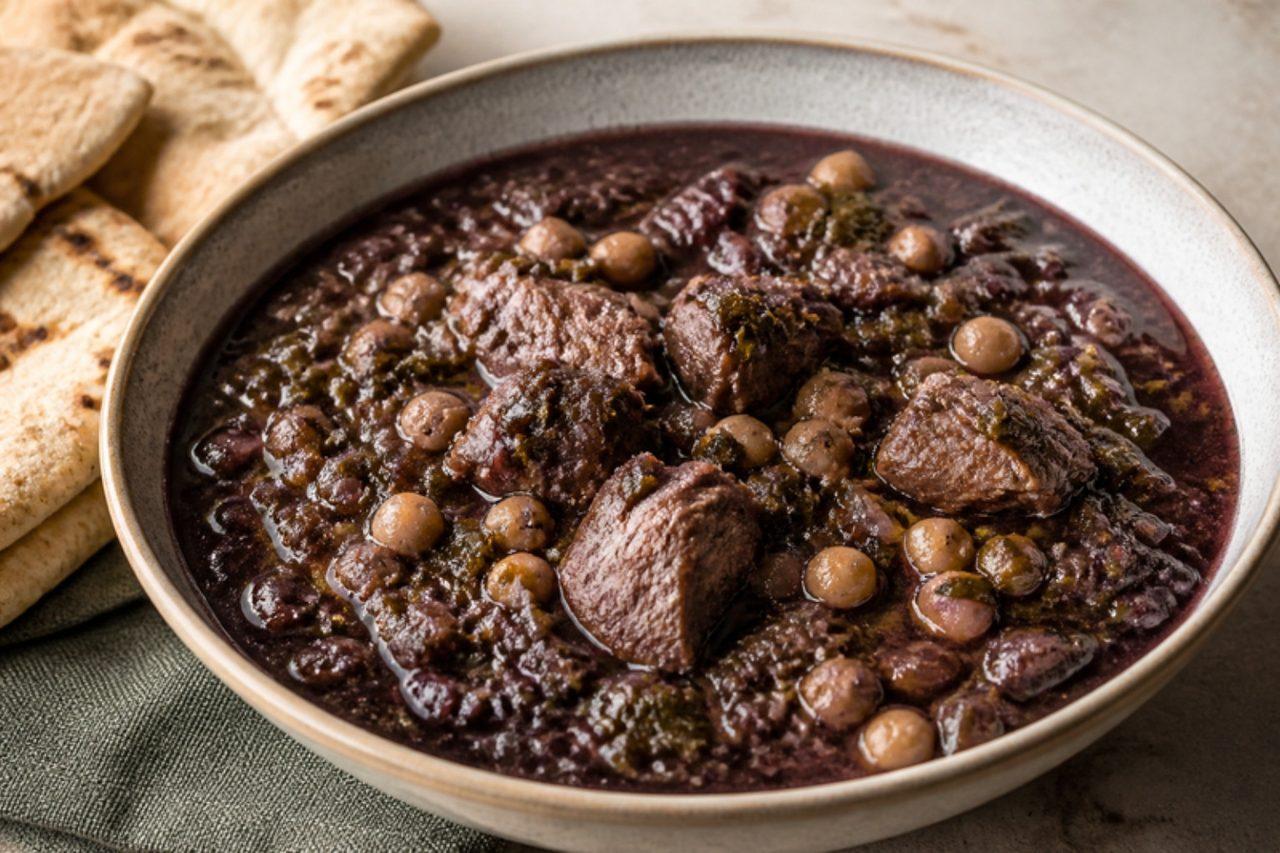
SumaghiyyehSumac, chard and lamb stew

Sumaghiyyeh is Gaza's festive dish, cooked in big pots for Eid al-Fitr and eaten cold the next days with bread: chunks of lamb and chickpeas in a thick, purple-brown sauce of sumac, chard, tahini, garlic, dill and chilli. It tastes sour, nutty and herby all at once and is served at room temperature, sealed under a film of olive oil. Common mistake: using ground sumac straight into the pot, which leaves it gritty; soak the sumac and use the strained liquid. Chef's tip: make it a day ahead; the sauce sets and the flavours deepen, just as Gazan families serve it.

by KrazyBadal 0 views

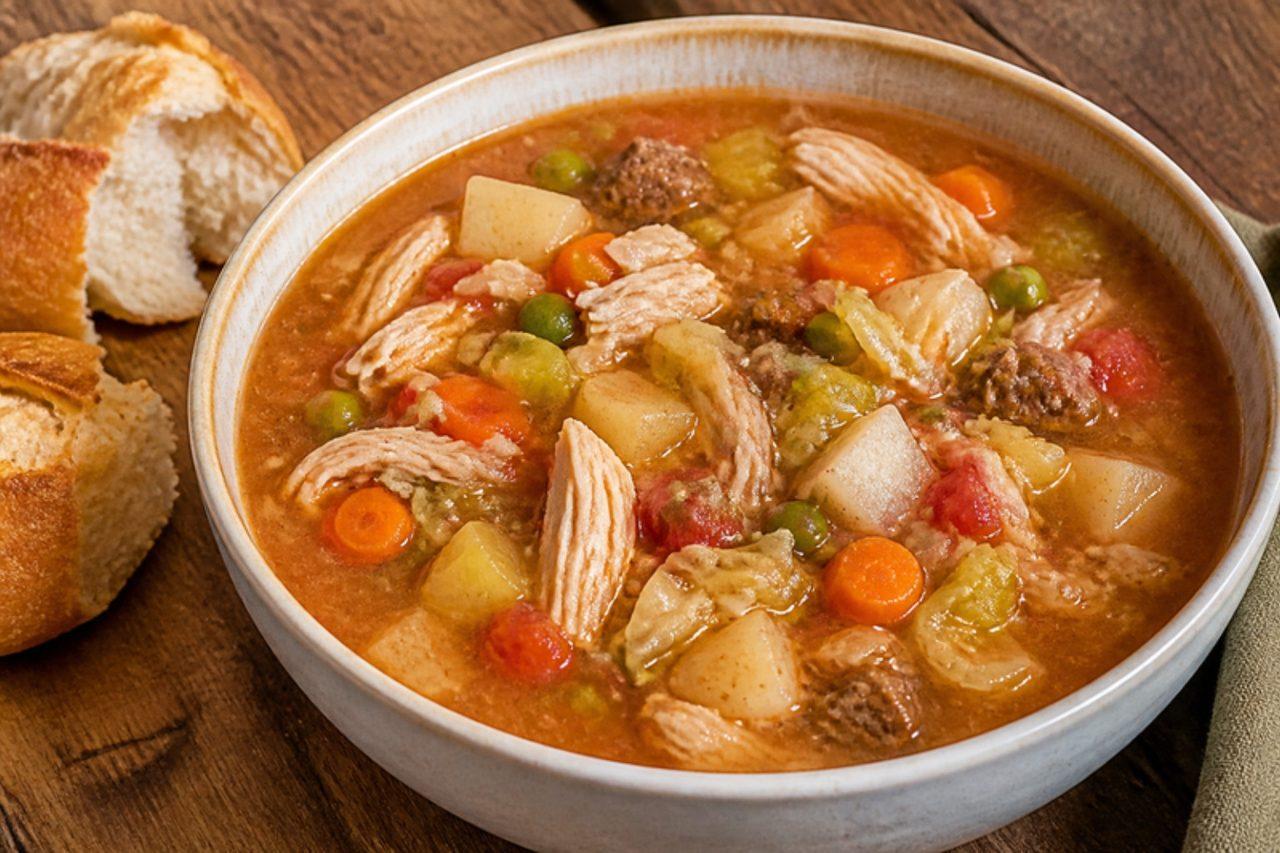
Green Bay chicken booyahChicken and vegetable stew

Booyah is the great community stew of north-east Wisconsin, brought by Belgian and French-Canadian settlers around Green Bay; church picnics and fire stations cook it in huge kettles over wood fires all day and sell it by the quart at fall festivals and Packers tailgates. It is a thick, peppery stew of chicken, a little beef and lots of vegetables, cooked until the chicken falls apart. Chef's tip: cook it long and slow and stir it often; a good booyah is thick enough that the spoon nearly stands up.

by KrazyBadal 0 views

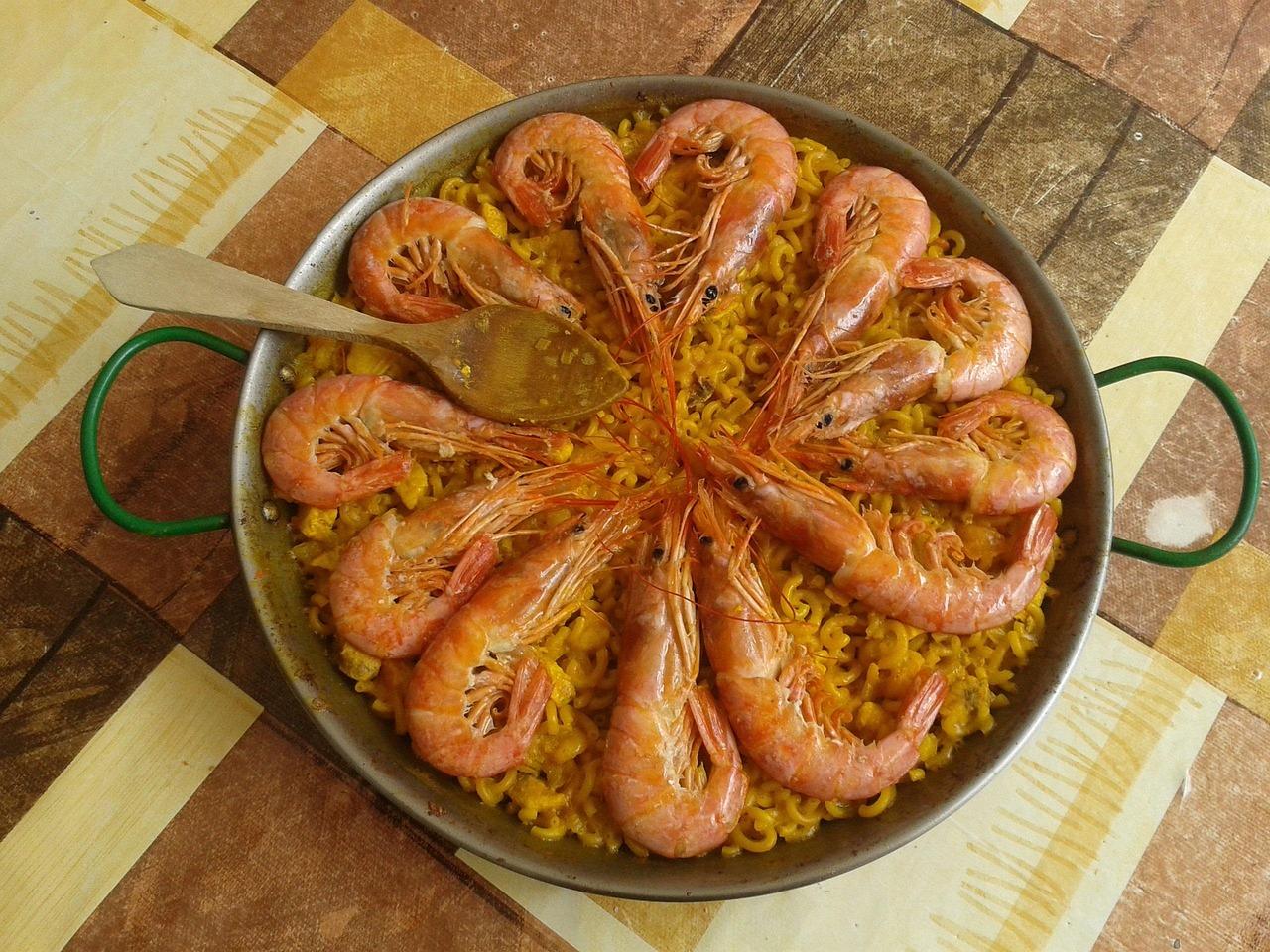
FideuàSeafood noodle paella

Gandia, on the coast south of Valencia, claims fideuà as its own and holds a contest for it every summer: a paella pan of short, thin noodles toasted in oil and cooked in a deep seafood stock with monkfish, squid and prawns until the liquid has gone and the tips of the noodles curl upwards. It is served straight from the pan with a bowl of allioli to stir in. A common mistake is stirring once the stock is in; the noodles release starch and turn sticky instead of separate and slightly crisp. Use a well-flavoured fish stock, as it is the backbone of the dish. Chef's tip: finish the pan for a few minutes under a hot grill, the trick that makes the noodles stand up like little hooks.

by KrazyBadal 0 views

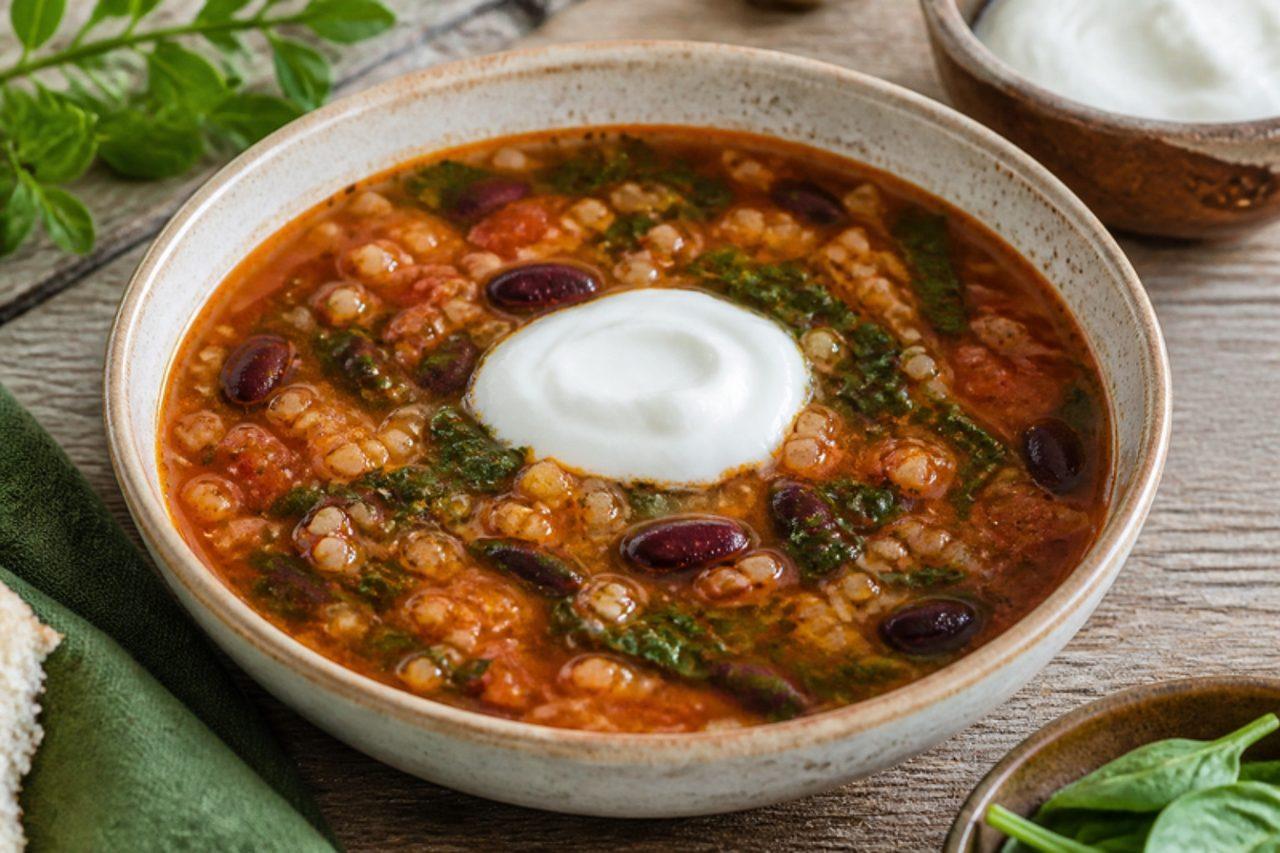
Pirpirim çorbasıPurslane, bean and bulgur soup

Purslane grows wild between the tea rows and maize fields of Giresun and Ordu, and in high summer it ends up in pirpirim çorbası, a lemony, slightly tangy soup thickened with cracked wheat and soft white beans. Families make it in big pots on hot days because it is just as good served lukewarm as piping hot. The fleshy leaves turn silky, the bulgur gives a gentle chew and a spoon of yoghurt on top makes it a full lunch. Common mistake: adding the purslane too early so it turns slimy and grey; it needs only 10 minutes. Chef's tip: keep a few raw sprigs back and stir them in at the end for crunch and a fresh green colour.

by KrazyBadal 0 views

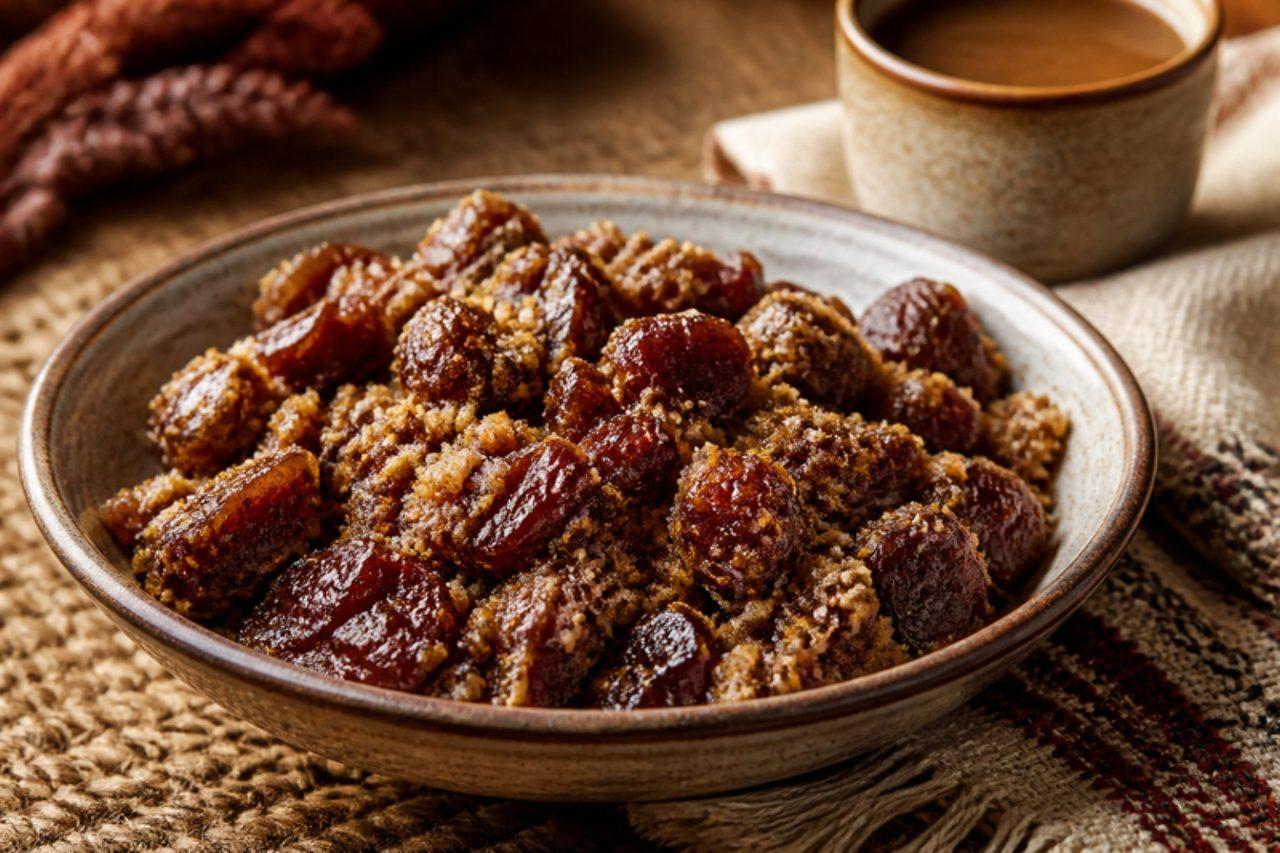
HaneenehWarm dates with breadcrumbs and ghee

Haneeneh is desert comfort food from the Bedouin tents of the Jordanian Badia: soft dates mashed into hot samneh with crumbs of yesterday's flatbread, scented with cardamom and pressed into a rich, fudgy sweet. It is made for guests, for new mothers and for cold mornings before herding, eaten by hand with black tea or Arabic coffee. It takes ten minutes and uses only store-cupboard things. The mistake to avoid is cooking the dates too long once they meet the ghee; they turn stiff and chewy instead of jammy. Chef's tip: toast the crumbs in the ghee first until nutty, then add the dates off the heat so the mixture stays soft.

by KrazyBadal 0 views

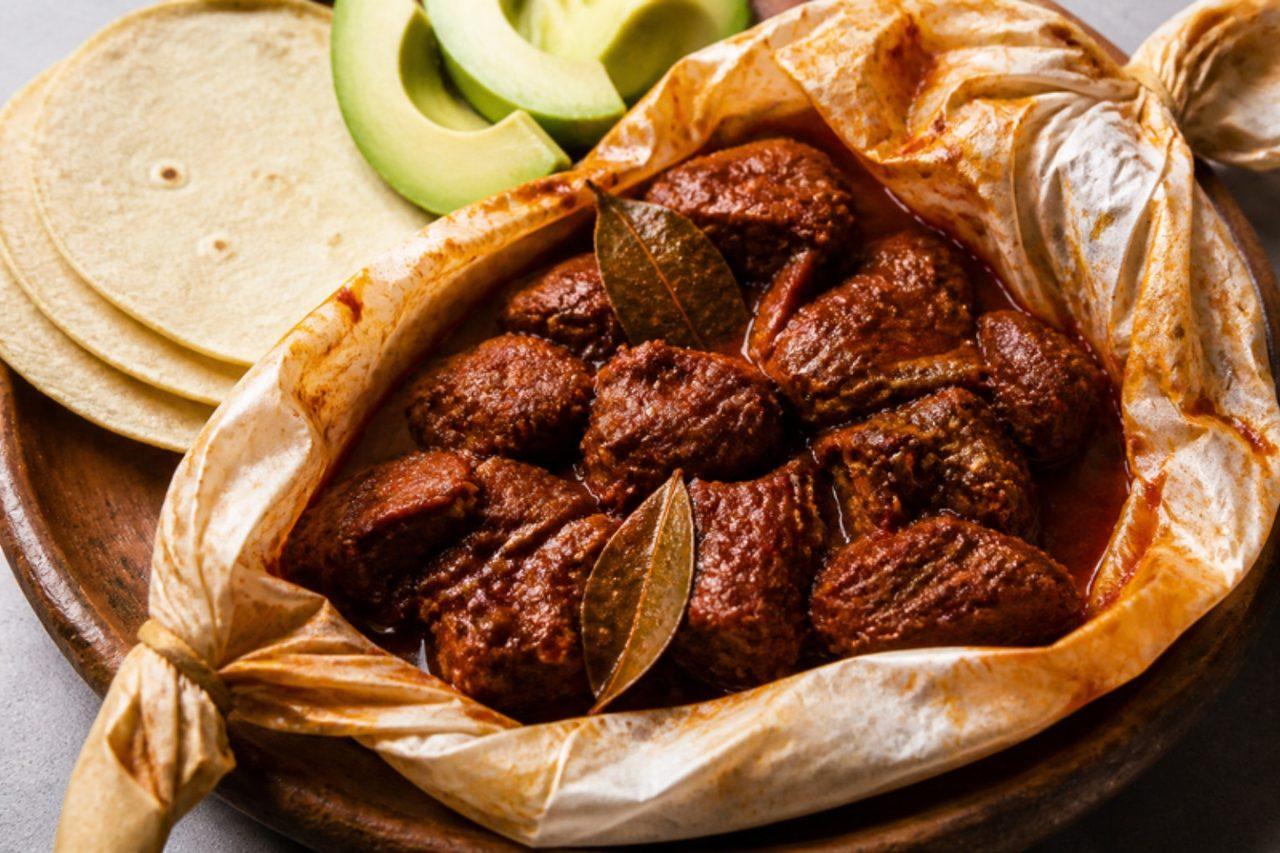
MixiotesChilli lamb steamed in parchment

Mixiotes belong to the high plains of Hidalgo and Tlaxcala, where they are a Sunday and fiesta dish sold from steaming pots at weekly markets. Chunks of lamb (or chicken) are soaked in a dark, aromatic paste of guajillo and ancho chillies with garlic, cumin and cloves, wrapped in parcels and steamed until the meat collapses into its own rich red juices. The traditional wrapper is mixiote, the thin skin peeled from maguey leaves, which is now protected and hard to buy, so this recipe uses baking parchment tied with string. The lamb marinates in the fridge for at least 4 hours or overnight. Open the parcels at the table and serve with corn tortillas, salsa verde and avocado. Chef's tip: twist and tie the parcels tightly so no steam gets in; a sealed parcel keeps the sauce thick and concentrated.

420 minMexicanMeatGluten freeSpicy
by KrazyBadal 0 views

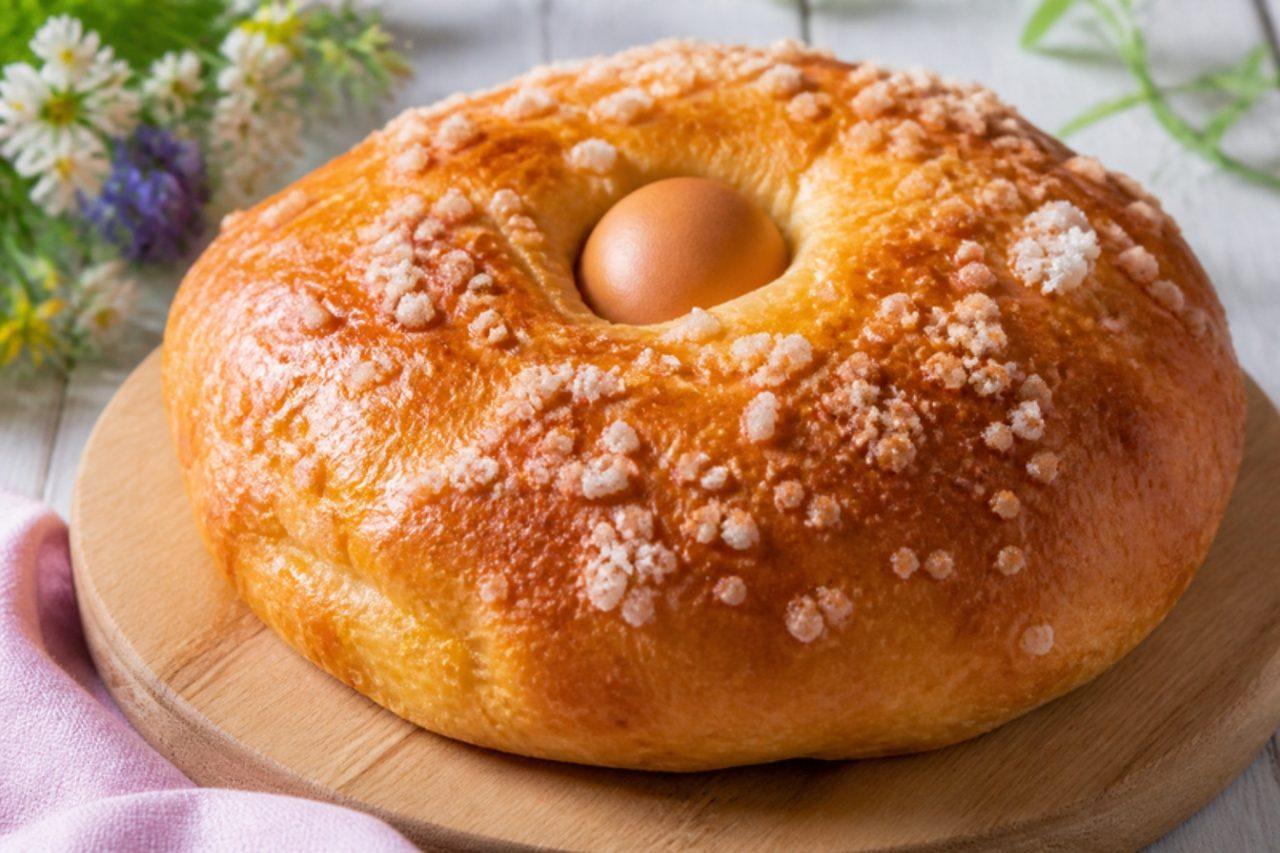
Mona de PascuaEaster brioche with egg

On Easter Monday, families across the Valencian Community head out to the countryside or the beach to "menjar-se la mona": they eat an orange-scented sweet brioche, often with a whole egg baked on top, and children crack the egg on a friend's forehead. The bun is soft and fluffy, glazed and sprinkled with sugar or coloured aniseed sprinkles. Here the eggs are hard-boiled first, so they are cooked through whatever the size of your bun. A common mistake is adding all the flour at once to a sticky dough; it softens as you knead, so hold back the last 50 g until you've kneaded for a few minutes. Chef's tip: make the starter the evening before and the dough on the day; the slow start gives a lighter crumb that stays soft for two days.

by KrazyBadal 0 views

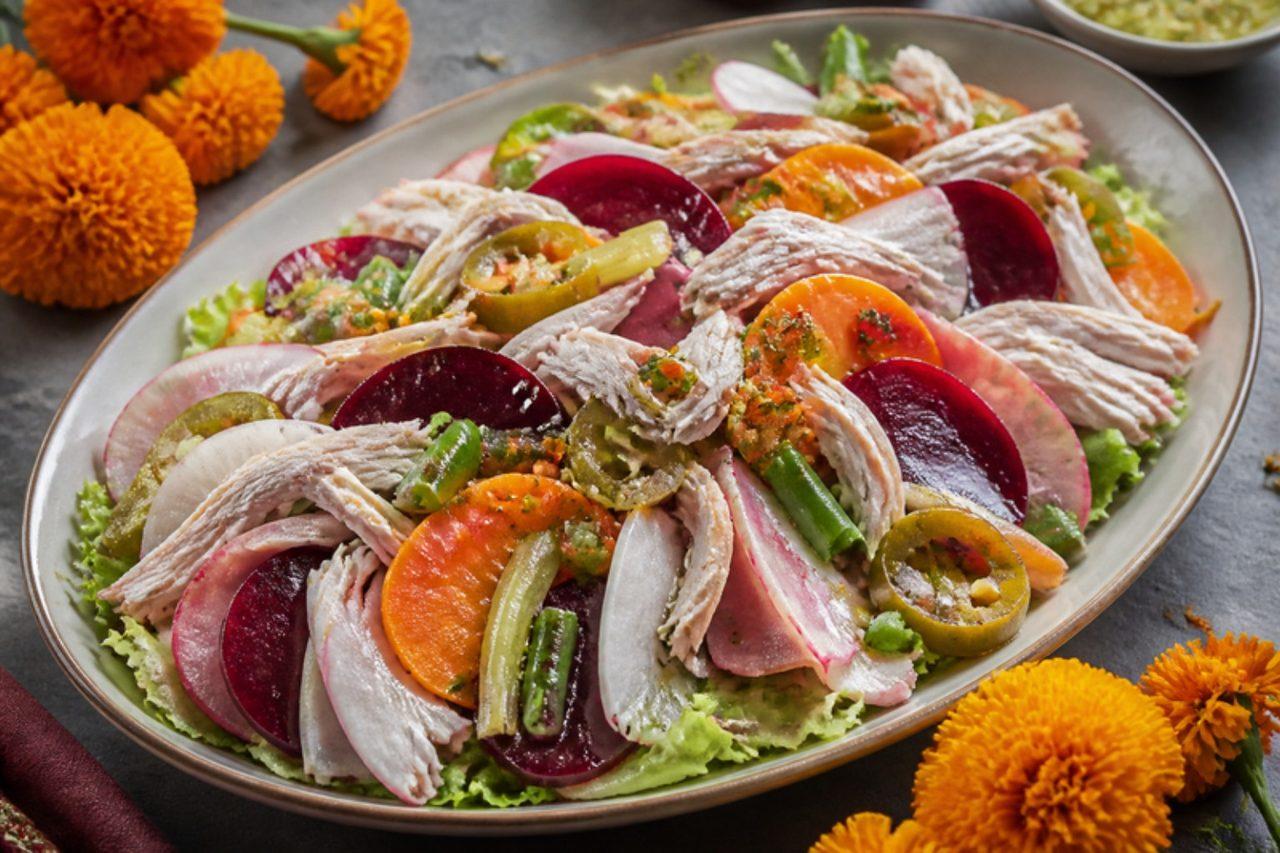
Fiambre de San MiguelCold pickled meat and fruit salad

In San Miguel de Allende, families make fiambre for All Saints' and the Day of the Dead at the start of November, setting it on the table and the home altar alongside bread of the dead. It is a cold, colourful platter of vinegar-dressed vegetables, beetroot, jícama, orange, apple and banana, with cooked chicken and pork, sharp, sweet and crunchy at once. Pickled pig's trotters are the traditional meat; this version makes them optional and uses cooked pork tongue or good ham with poached chicken, so it is still a pork dish. Serve well chilled with bread or tostadas. Chef's tip: dress the sturdy vegetables and meats hours ahead, but add the lettuce, banana and avocado just before serving so they stay fresh.

by KrazyBadal 0 views

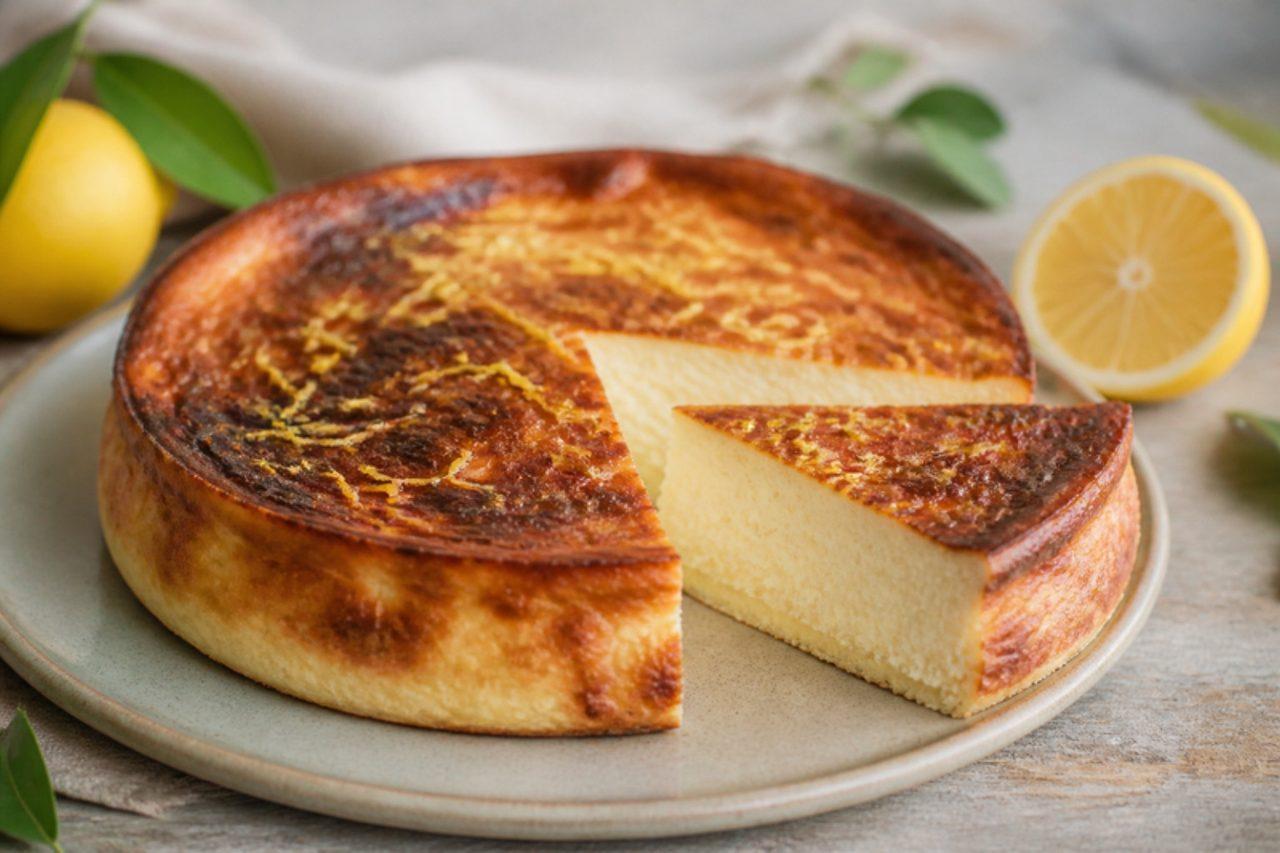
FiadoneLemon cheesecake

Fiadone is the cake of Corsican Easter and village feast days: fresh brocciu, the island's soft ewe's- or goat's-milk whey cheese, beaten with eggs, sugar and lemon zest and baked until the top is freckled brown. There is no base, so it is naturally gluten free, and it tastes lighter and less sweet than most cheesecakes. Brocciu is made from whey left after rennet cheesemaking, so it is not strictly vegetarian; well-drained ricotta labelled vegetarian is the usual stand-in outside Corsica. Some families add a spoon of local eau-de-vie; it is left out here. Chef's tip: drain the cheese well; a dry cheese gives the light, almost soufflé-like texture.

by KrazyBadal 0 views

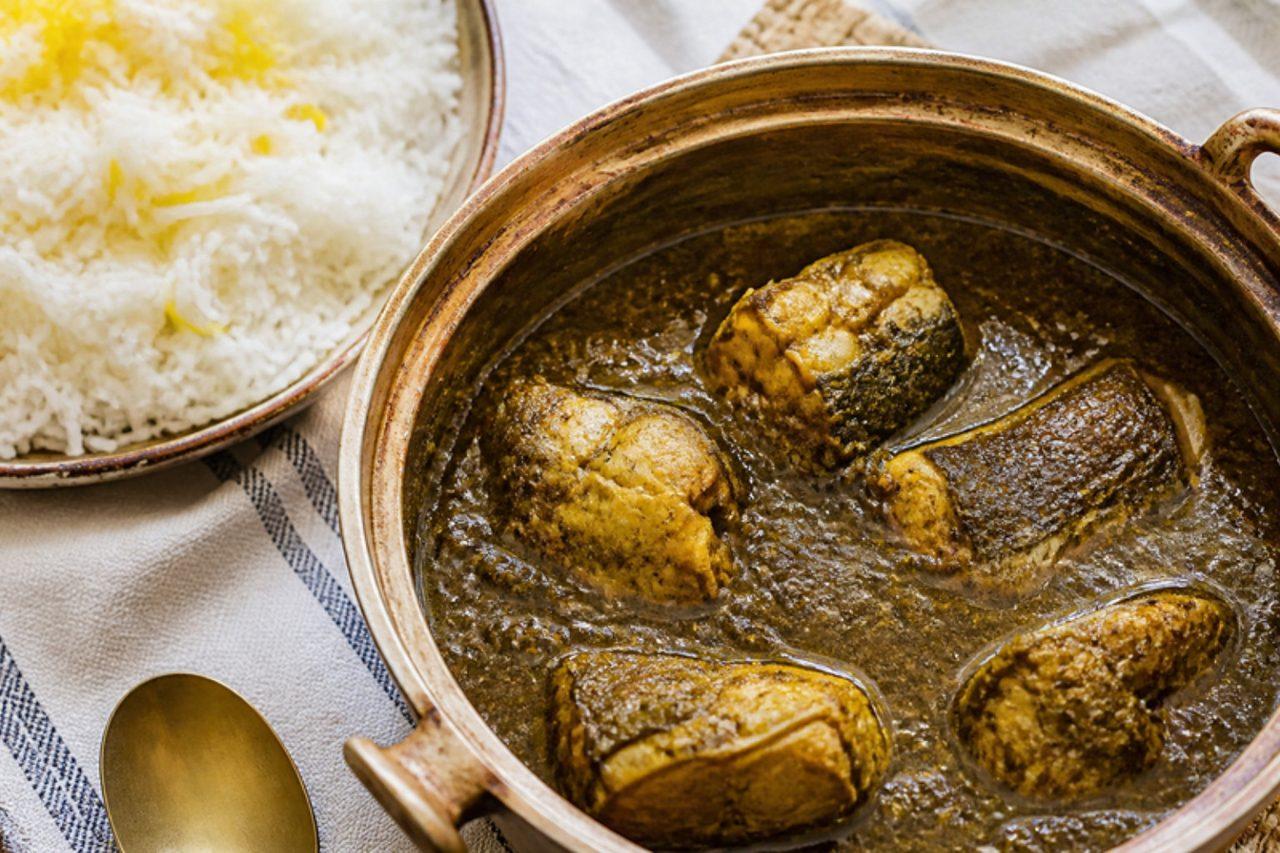
Ghalieh mahiFish stew with coriander and tamarind

Ghalieh mahi is the signature stew of the Persian Gulf ports of Bushehr and Abadan, cooked for Friday lunches and big family gatherings. It starts with a mountain of coriander and a little fenugreek fried slowly in oil with garlic until almost black-green, then sharpened with tamarind and warmed with chilli and turmeric before chunks of firm fish are poached in it. The result is dark, sour, fragrant and properly hot, eaten over plain white rice. A common mistake is rushing the herbs: they need a full 20 minutes of frying or the stew tastes grassy instead of deep. Chef's tip: brown the fish pieces quickly before they go into the sauce; they hold together better and add a little roasted flavour.

by KrazyBadal 0 views

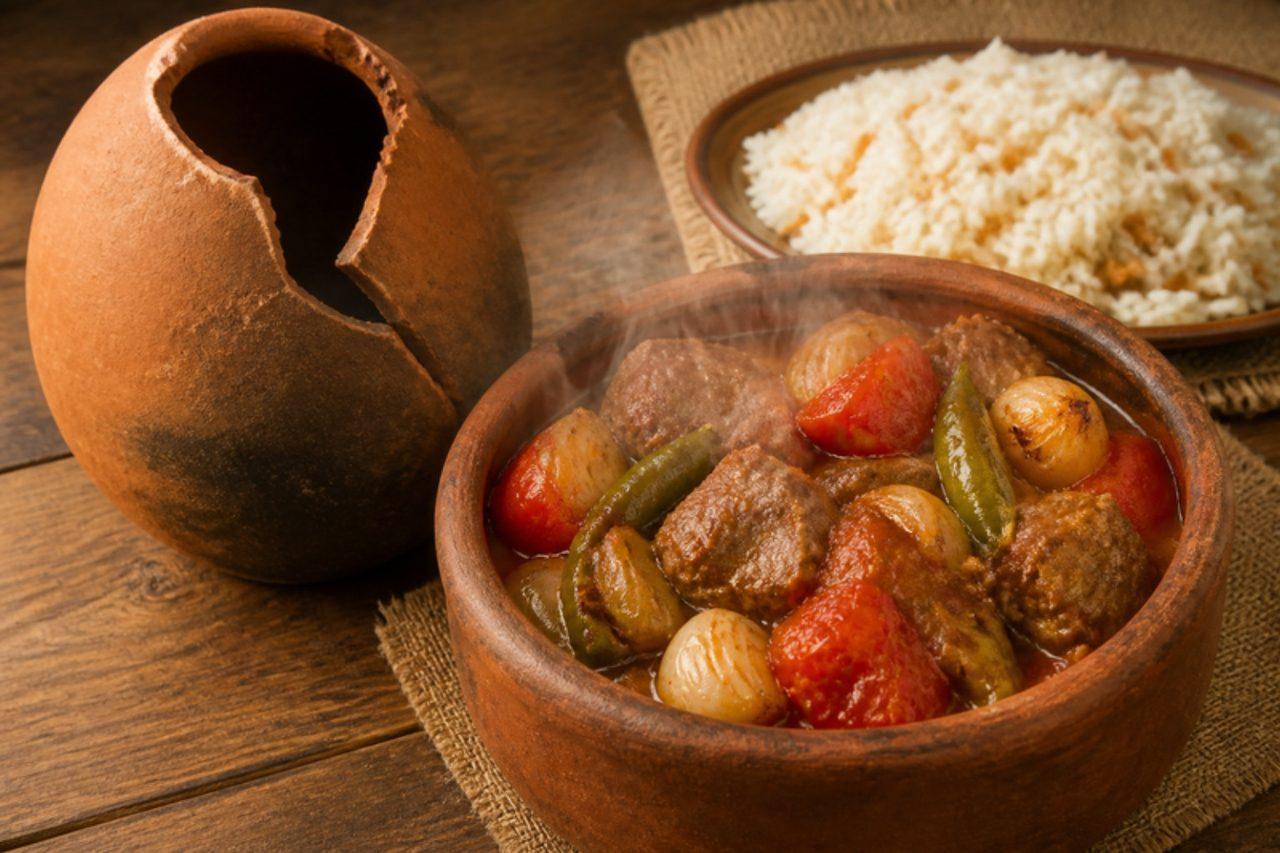
Testi kebabıLamb and vegetable clay-jug stew

In the cave restaurants of Göreme and Avanos, testi kebabı arrives as a sealed clay jug, glowing from the oven, which the waiter cracks open at the table with a sharp tap of a knife. Inside is beef or lamb stewed with tomatoes, peppers, garlic and onion until tender in its own rich juices. A lidded casserole works perfectly at home, and you can still seal the lid with dough for the drama. Serve with plain rice pilaf. Common mistake: adding a lot of water; the vegetables give off plenty and the sealed pot should braise, not boil. Chef's tip: brown the meat in two batches first for a deeper, savoury sauce.

175 minTurkishMeat
by KrazyBadal 0 views

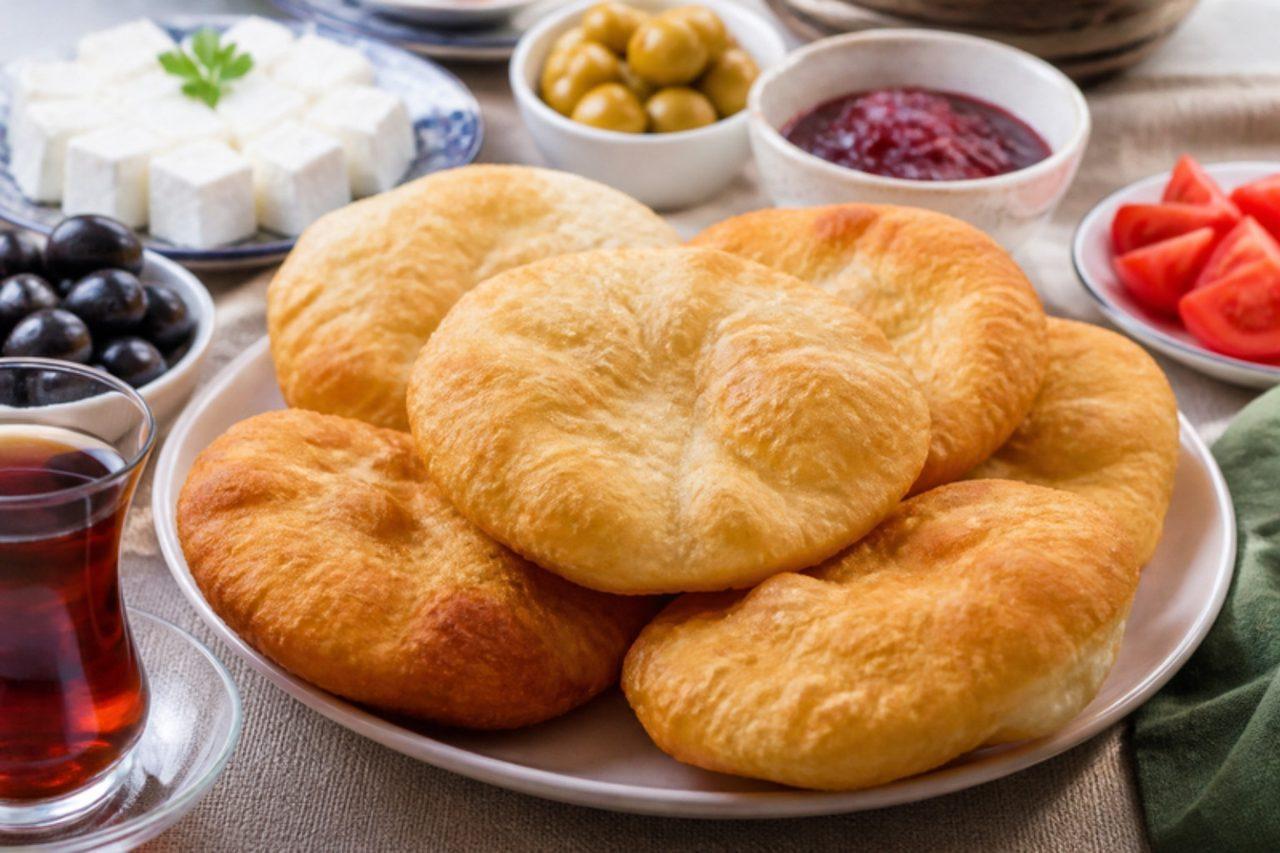
PişiFried dough puffs

When a Turkish family has time for a long Sunday breakfast, someone stands at the stove frying pişi while the rest of the table fills with white cheese, olives, tomatoes, honey and endless tea. The yeasted dough is stretched thin with oiled fingers and fried until it balloons, golden and crisp outside and chewy inside. In villages across Anatolia it is also the treat made on bread-baking day from the last of the dough. Common mistake: oil that isn't hot enough; the pişi soaks it up and turns greasy. Chef's tip: poke a hole in the middle of each round before frying so it puffs evenly and cooks through.

by KrazyBadal 0 views

Showing 63 of 7,762 recipes

Show more recipes

Page 532 of 863