


Skip to content
Amala ko achar
Featured recipe

Amala ko achar

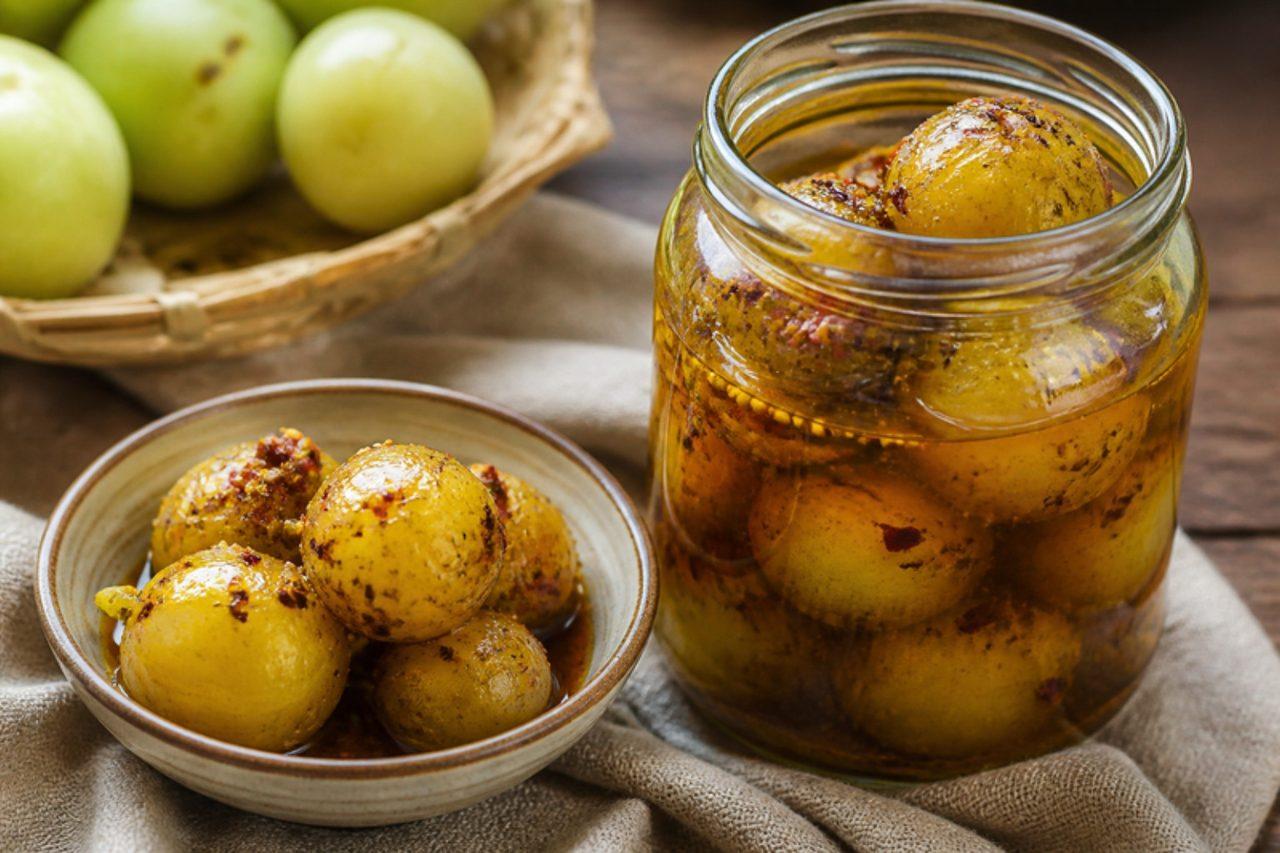
Gooseberry pickle

Amala trees grow wild across the Chure hills and the lower valleys of Nepal, and in winter the hard, translucent green gooseberries are piled high in vegetable markets in Kathmandu, Hetauda and Butwal, prized as a source of vitamin C during the cold months. Steamed until they split into neat segments, then mixed with chilli, turmeric, fenugreek and hot mustard oil, they make a pickle that is crunchy, astringent, sour and spicy all at once, with a lingering sweetness that comes up after each bite. A spoonful goes alongside dal bhat or with a plain bowl of rice porridge when someone is unwell. The trap to avoid is steaming the berries too long, which turns them mushy and dull. Chef's tip: stop as soon as the first cracks appear on the skins; the segments should pull off the stone easily but still have a firm bite.

Read more 0 views

What to eat today?

Around the world

Today's trip: Persian

A new country every day, from every cuisine on the site.

Persian

Ash-e shalgham

Turnip and rice soup 65 minMore from Persian (131) →

This week's collection

Kid-friendly dinners
537 recipes · a new collection every Monday

Latest recipes

Pollo alla romanaChicken with peppers and tomato

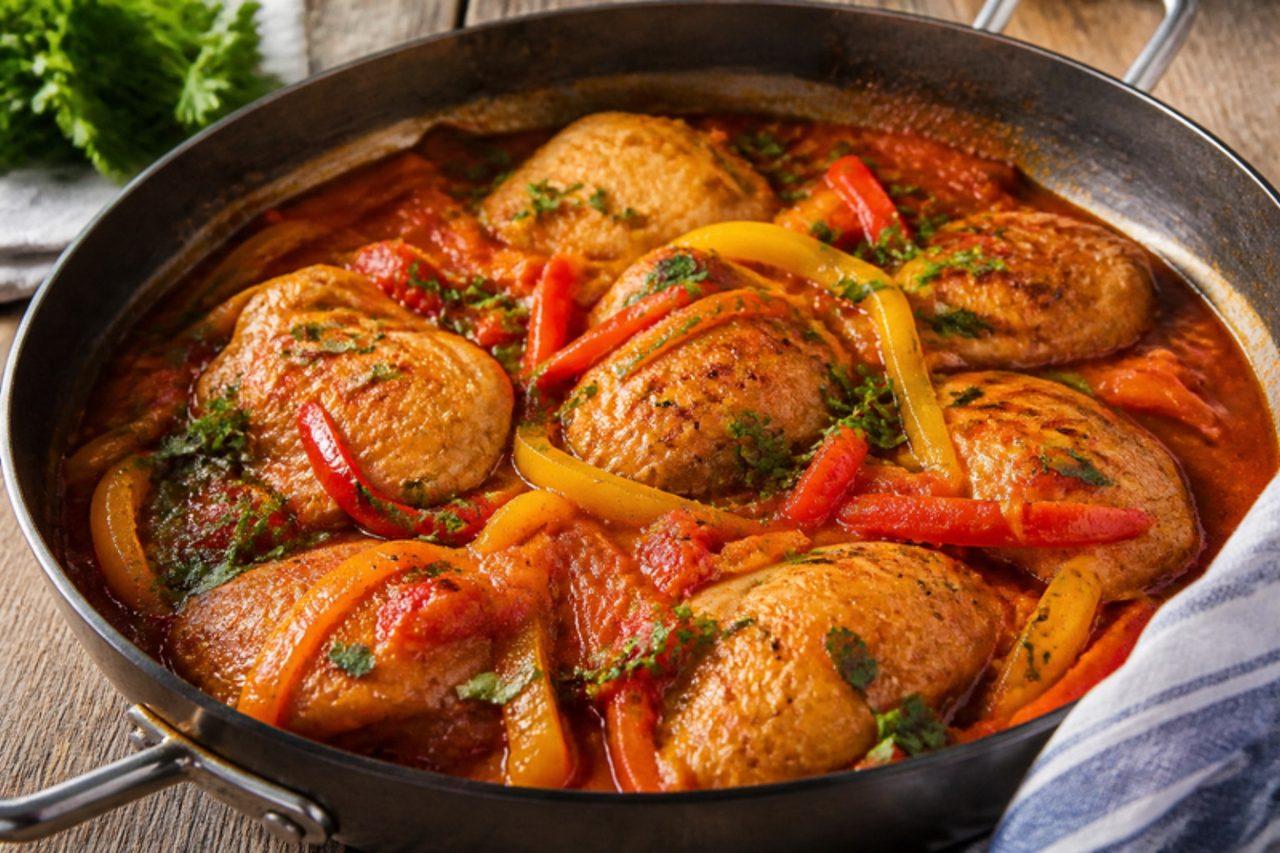
On Ferragosto, the 15 August holiday when half of Rome heads for the coast, families who stay behind cook pollo alla romana, often the day before so it can be eaten at room temperature. Jointed chicken is browned, then stewed slowly with sweet red and yellow peppers, tomato, garlic and marjoram until the peppers collapse into a sweet, glossy sauce. A little white wine goes in at the start; there's an alcohol-free swap in the ingredients. Serve it with crusty bread for the sauce and a plate of tomatoes or green beans. Chef's tip: season the chicken a few hours ahead and keep it covered in the fridge, so the salt reaches right into the meat.

by KrazyBadal 0 views
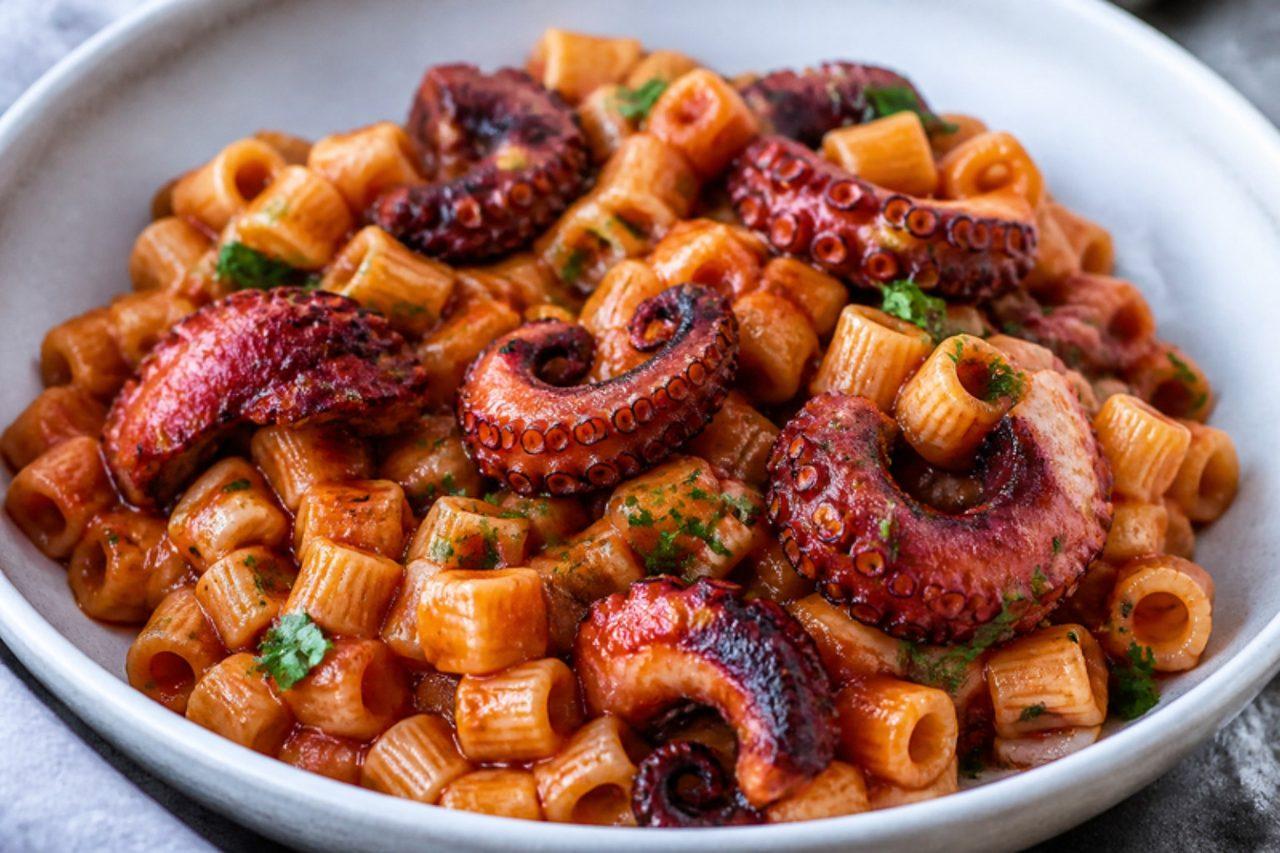

Htapodi me kofto makaronakiOctopus and pasta in tomato

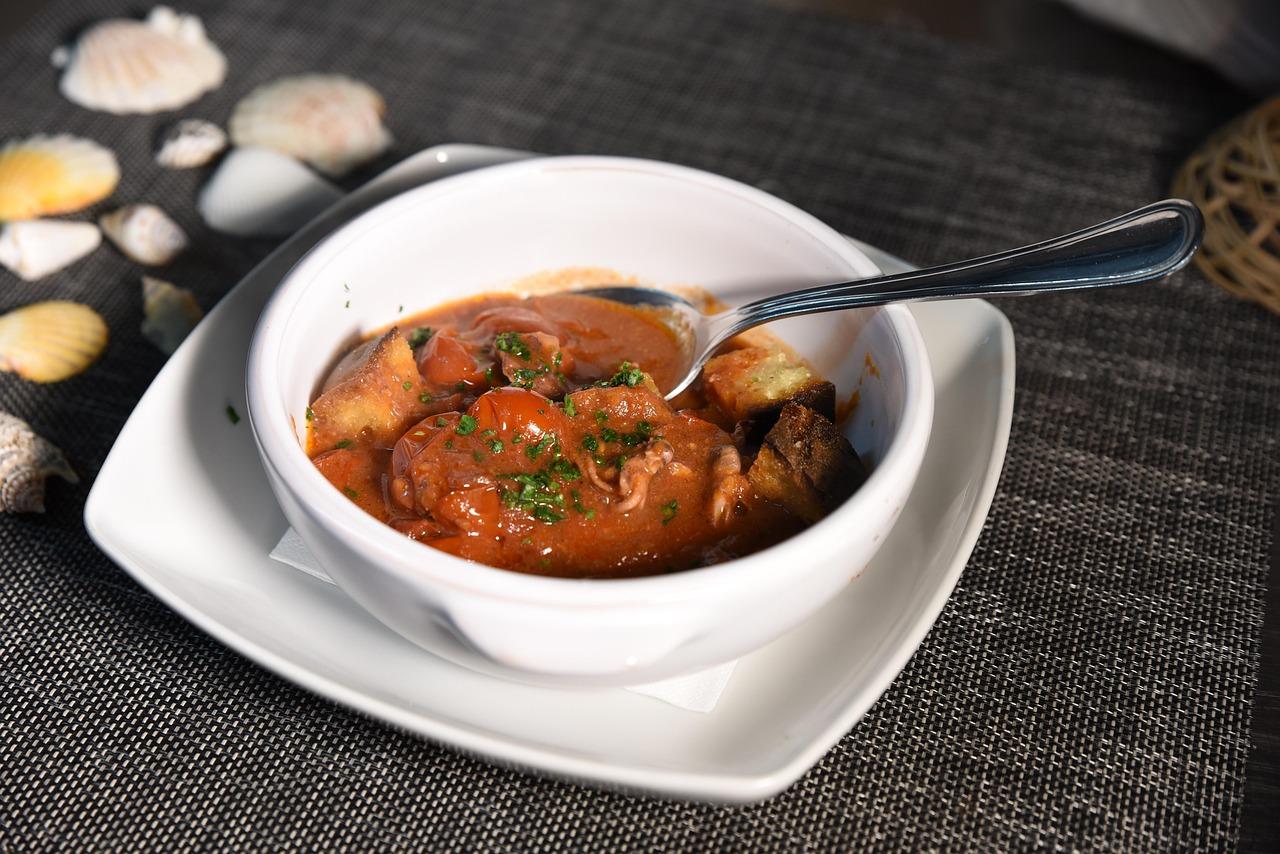
During Lent and on fasting days, coastal families in Crete and the islands turn to octopus, which the church counts as fasting food. In this one-pot dish it is first stewed in its own juices until tender, then simmered in tomato with cinnamon and allspice, and finally the little cut pasta tubes cook right in the sauce, soaking up the deep red, faintly sweet liquid. It is served hot with a squeeze of lemon and a green salad. Common mistake: salting the octopus at the start, which tightens it; season only once it is tender. Chef's tip: buy frozen octopus or freeze fresh for a day; freezing breaks down the tough fibres and saves you the traditional beating on the rocks.

110 minGreekFish
by KrazyBadal 0 views

Malloreddus alla campidaneseSaffron gnocchetti with sausage

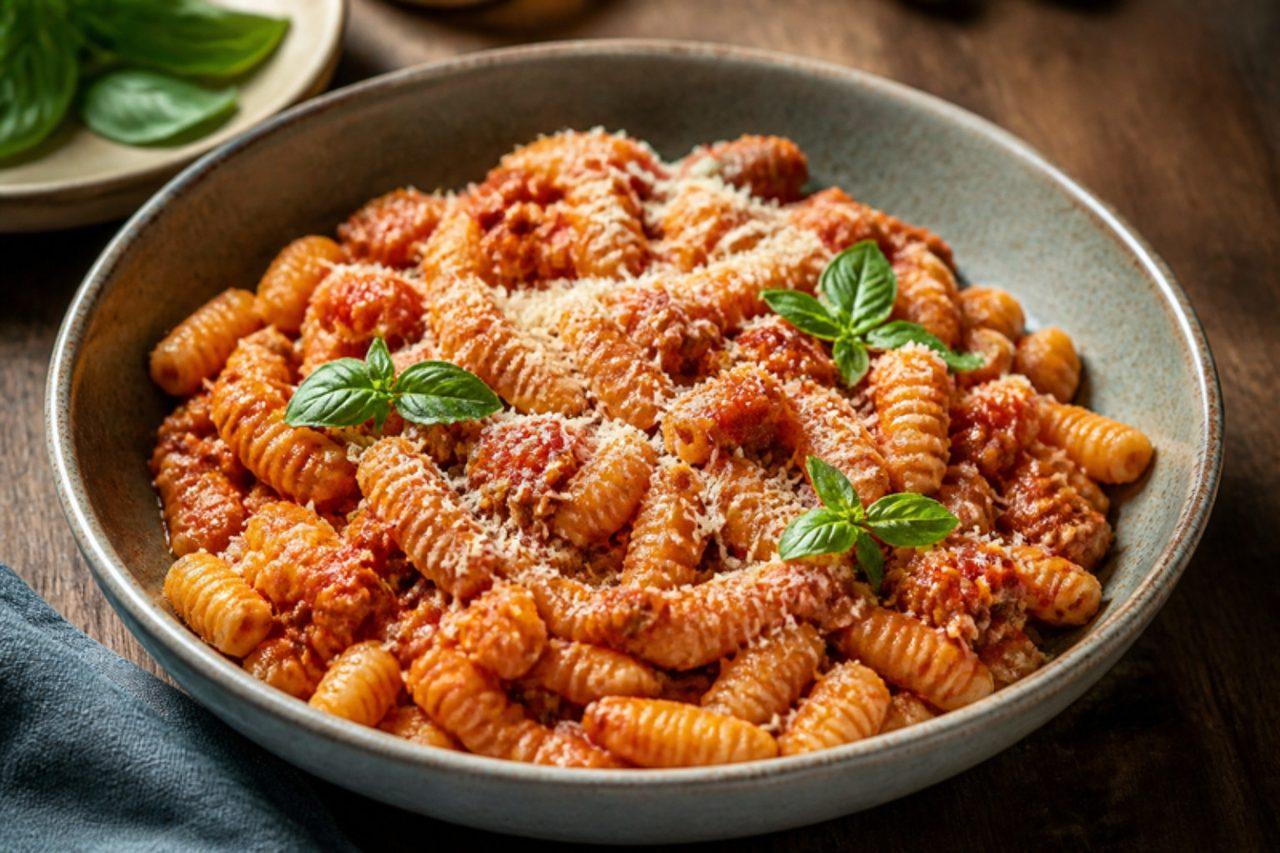
Malloreddus, small ridged shells of semolina pasta coloured with saffron, are Sardinia's festive pasta, and on the plain of Campidano, north of Cagliari, they're served at weddings, saints' days and Sunday lunch with this sauce. It's a pork dish: crumbled fennel pork sausage is browned, then simmered with tomato until rich, and the little ridged shells catch every bit of it. A shower of sharp pecorino sardo finishes it. Dried malloreddus (sometimes sold as gnocchetti sardi) are easy to find; homemade ones are a lovely weekend project. Chef's tip: steep the saffron in a spoonful of hot water before adding it to the sauce; the colour and perfume spread evenly instead of staying in threads.

by KrazyBadal 0 views

Pollo chi jau kayFried chicken in oyster sauce

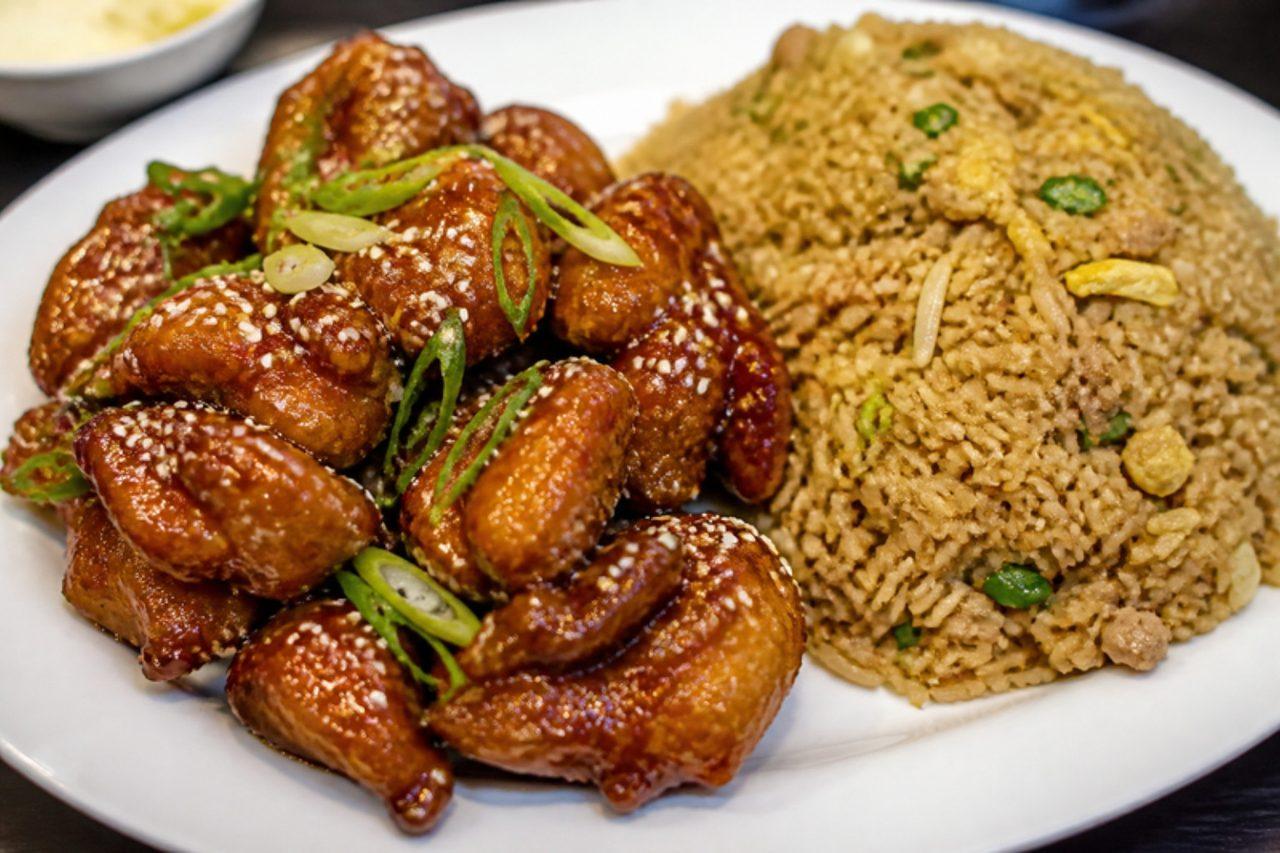
Any chifa in Lima, from the old dining rooms of Barrio Chino on Calle Capón to the corner chifa in every district, will have chi jau kay on the menu: boneless chicken marinated in soy and ginger, fried in a crisp coating and served under a dark, glossy oyster sauce, scattered with sesame seeds and spring onion. The crust stays crunchy where the sauce hasn't reached and goes sticky where it has. It is shared with arroz chaufa or plain rice and a Chinese soup. The usual misstep is tossing the chicken in the sauce in the pan, which makes it soggy; Lima chifas pour the sauce over at the table. Chef's tip: fry the chicken twice, once to cook and once very hot for a minute to crisp, and it will stay crunchy under the sauce.

by KrazyBadal 0 views

Kibbeh safarjaliehKibbeh with quince in pomegranate sauce

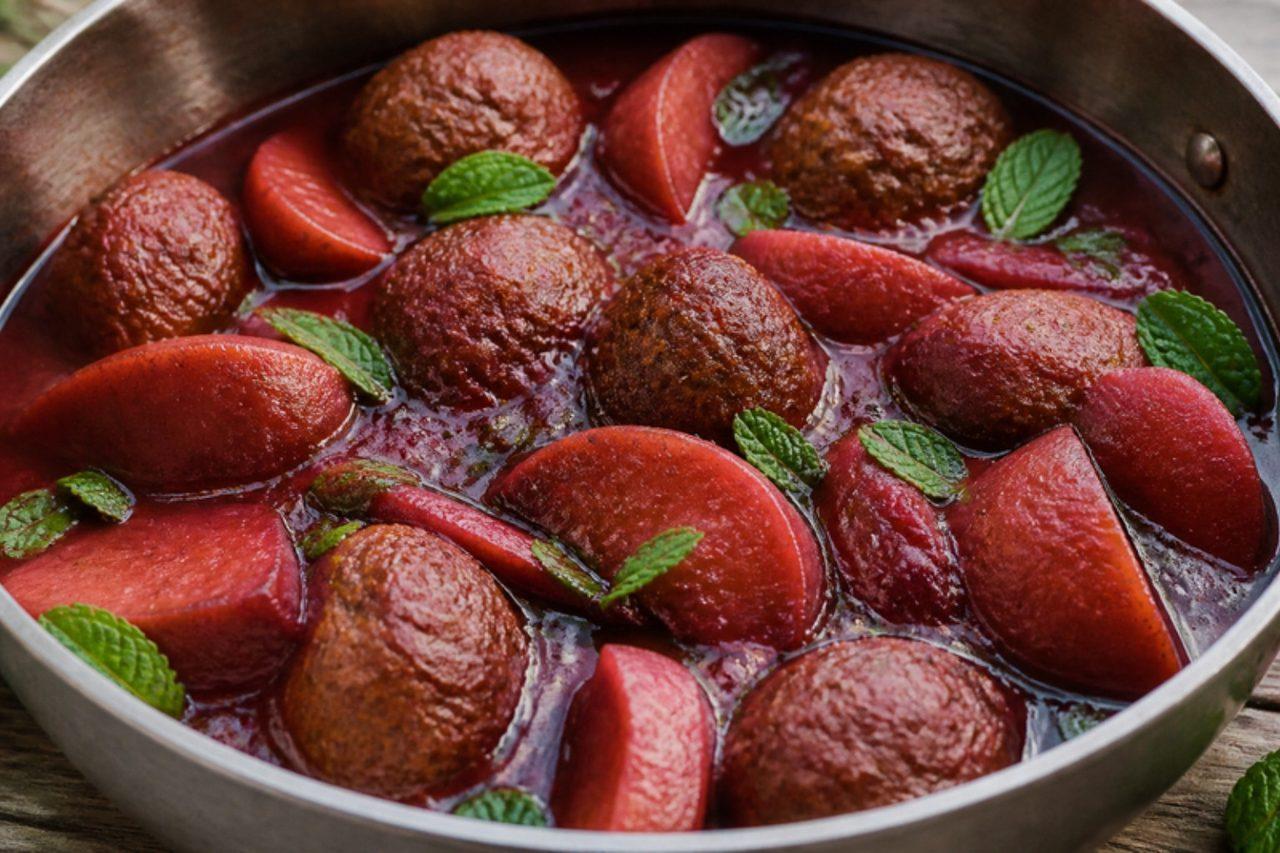
Aleppo is known as the city of a hundred kibbehs, and kibbeh safarjalieh is its autumn showpiece, made when quinces turn golden in the markets. Stuffed kibbeh are simmered with chunks of quince and a little lamb in a sauce sharpened with pomegranate molasses and lemon and scented with dried mint. The fruit softens and blushes pink, and the sauce is sweet, sour and fragrant all at once. Serve with plain rice or bread. Common mistake: cutting the quince too early; it browns fast, so drop each piece into lemon water as you go. Chef's tip: leave the quince skin on — it holds the pieces together and helps colour the sauce.

110 minSyrianMeat
by KrazyBadal 0 views

Mamón en almíbarCandied green papaya

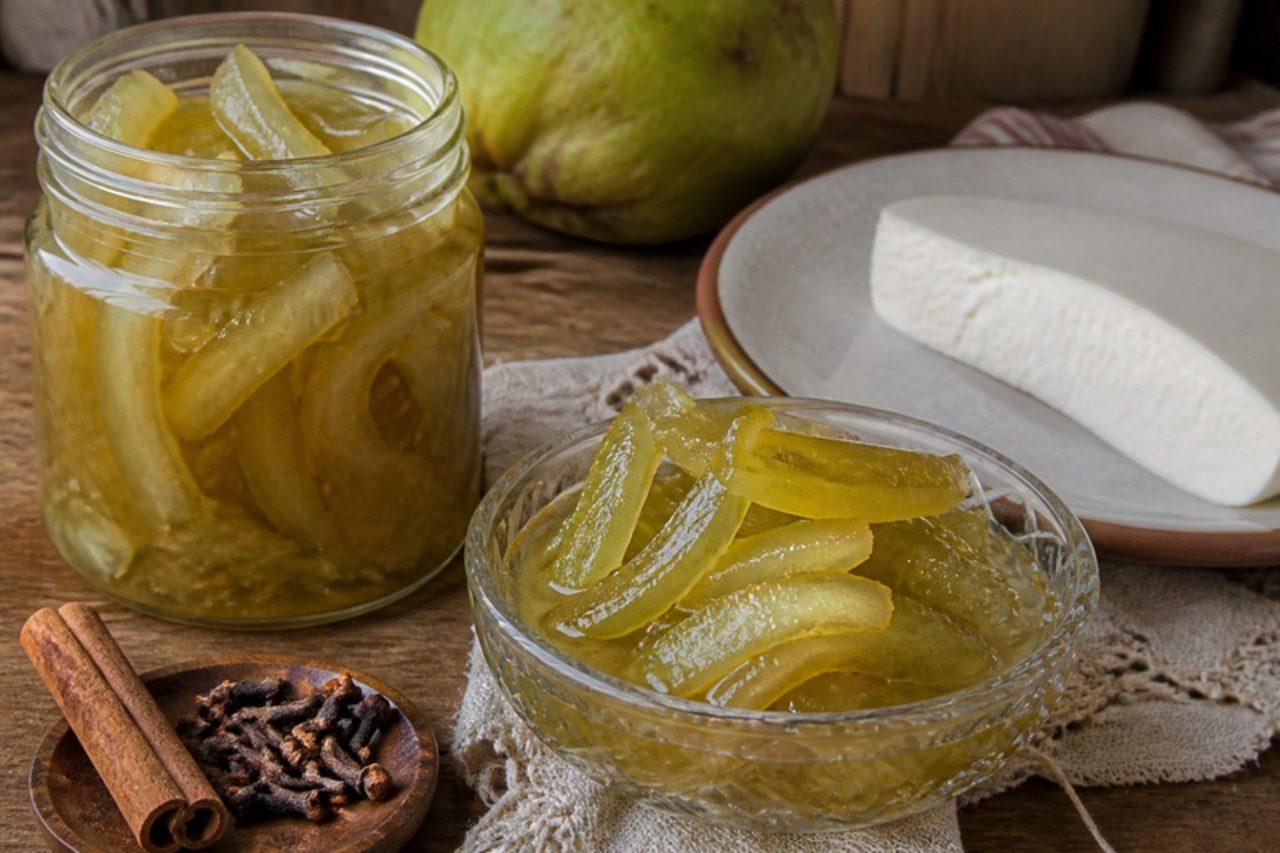
Along the subtropical northeast, papaya (mamón) trees grow in backyards from Corrientes to Formosa, and the unripe fruit is turned into this old-fashioned dessert: strips of firm green papaya poached slowly in syrup with cloves and cinnamon until they turn amber and translucent, chewy at the edges and tender inside. It is served cold in little bowls, traditionally next to a slice of fresh cheese for that sweet-and-salty contrast (choose a plant-based cheese to keep it vegan). Rushing the syrup is the misstep that turns the papaya hard and sugary on the outside and raw within, so the heat stays low for well over an hour. Green papaya is sold in Asian and Latin grocers. Wear gloves when peeling; the milky sap can irritate the skin. Chef's tip: soak the strips in water with a teaspoon of bicarbonate of soda for an hour before cooking; it firms the outside so the pieces hold their shape in the syrup.

by KrazyBadal 0 views

MamouniehSemolina pudding with cinnamon

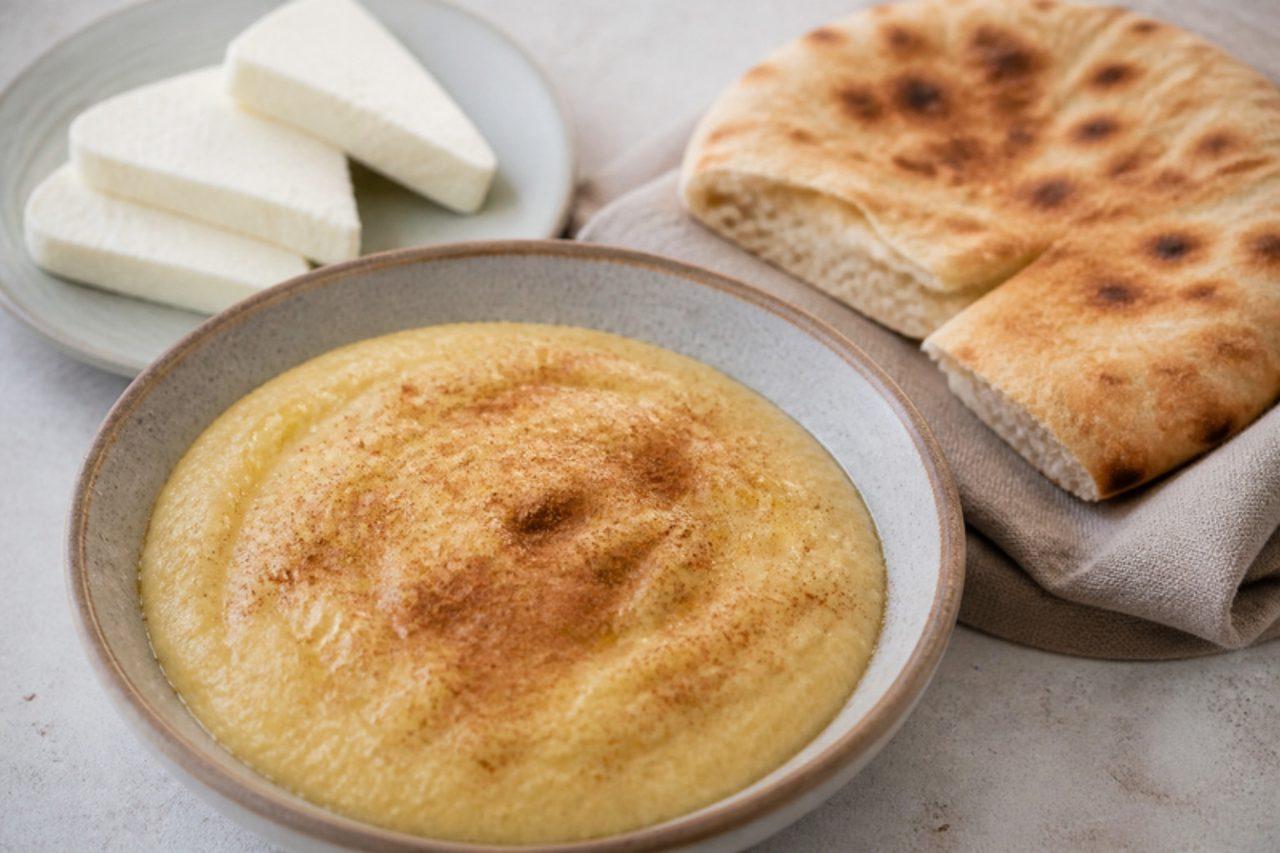
In the old souks of Aleppo, mamounieh shops open at dawn, serving bowls of this hot, buttery semolina pudding to workers before the day starts. Semolina is toasted in butter, then cooked in a light syrup until it sets soft and spoonable, and dusted with cinnamon; Aleppans eat it with a slice of salty white cheese and warm bread on the side, which makes the sweetness sing. Common mistake: pouring cold syrup onto the hot semolina; use hot syrup so it doesn't seize into lumps. Chef's tip: toast the semolina only to pale straw colour — any darker and it loses its delicate milky flavour. Akkawi and halloumi are often made with animal rennet; choose a vegetarian white cheese if needed.

by KrazyBadal 0 views

Kibbeh labaniehKibbeh in garlic yoghurt sauce

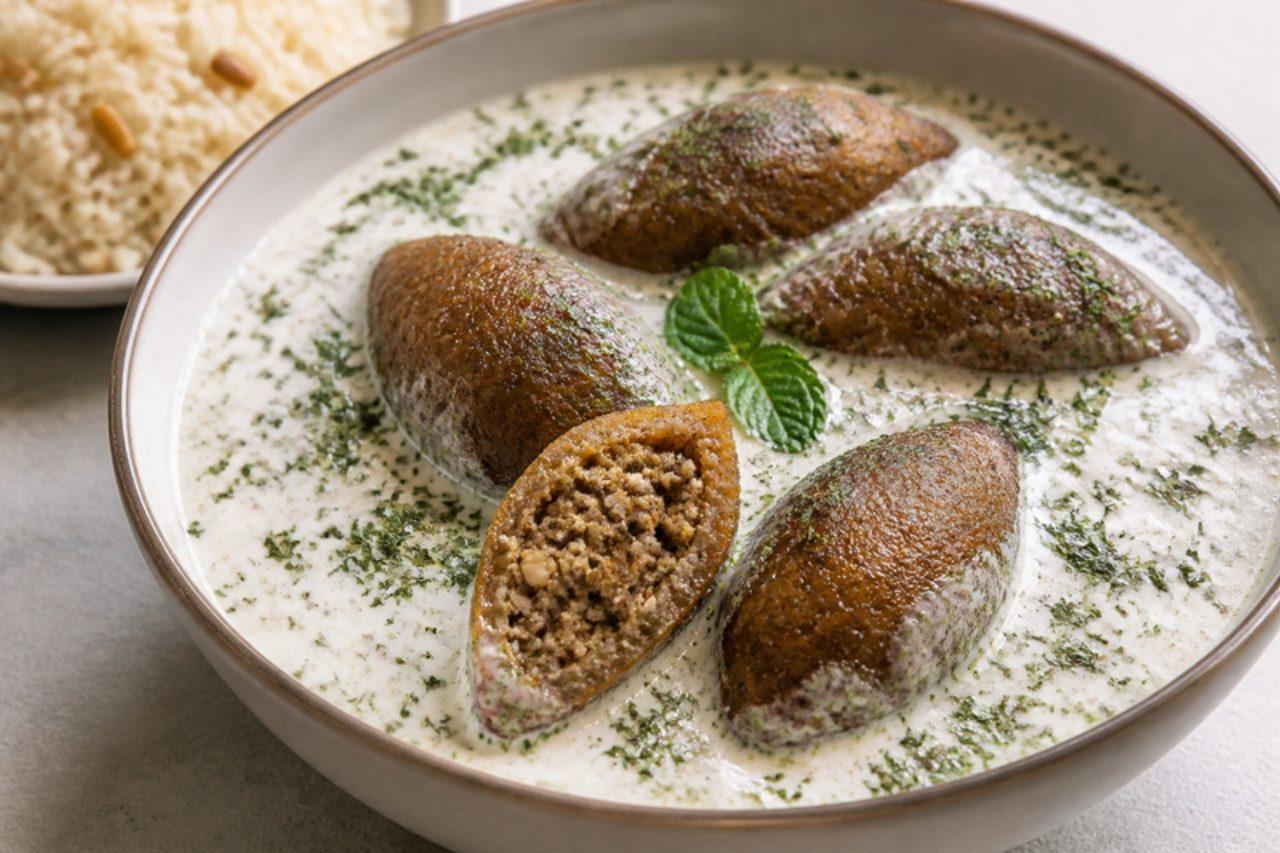
In Lebanese homes, kibbeh labanieh is the dish that turns a batch of stuffed kibbeh into a comforting winter supper: the little torpedo-shaped shells of bulgur and lamb, filled with spiced mince and pine nuts, are poached in a silky yoghurt sauce scented with garlic and dried mint. It is eaten hot, ladled over vermicelli rice. The yoghurt has to be stabilised with cornflour and stirred in one direction while it heats, or it splits. Common mistake: letting the sauce boil hard before it has thickened; it curdles instantly. Chef's tip: make the kibbeh balls a day ahead and freeze them on a tray — they hold their shape better in the sauce.

by KrazyBadal 0 views

Polvo à lagareiroRoast octopus with garlic oil

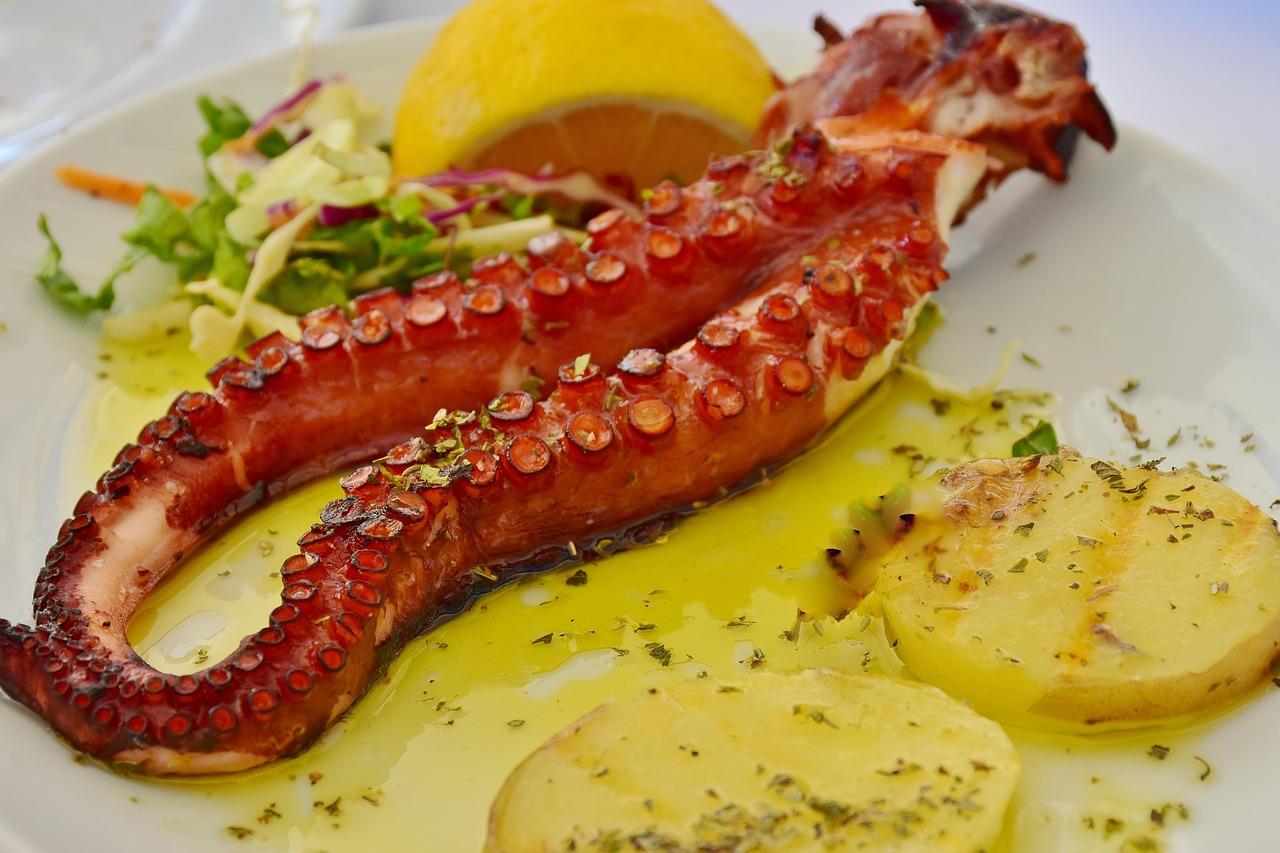
The name honours the lagareiros, the men who worked the olive presses, and the dish is about as generous with olive oil as you'd expect: octopus first simmered until tender, then roasted hot with garlic and oil until the tentacles crisp at the tips. It is a Christmas Eve favourite in many Lisbon homes and a Friday treat in restaurants, always with batatas a murro, small potatoes roasted in their skins then punched open. A common mistake is a rolling boil, which turns octopus tough and peels the skin; keep the water at a lazy simmer. Chef's tip: buy frozen octopus, or freeze fresh for a day; freezing breaks the fibres and makes it far more tender.

by KrazyBadal 0 views

Polvo guisado à açorianaOctopus stewed in red wine

On Pico and Terceira, octopus caught among the black volcanic rocks is stewed slowly in red wine with onions, garlic, allspice and a spoonful of pimenta da terra, until the pieces are tender and the sauce is dark and rich. It is a dish for village festas and cold winter Sundays, ladled over potatoes with bread on the side. The recipe uses red wine; for an alcohol-free version, use water with a tablespoon of red wine vinegar. Chef's tip: buy frozen octopus, or freeze fresh octopus for a day; freezing breaks down its fibres and makes it far more tender.

by KrazyBadal 0 views

Kibbeh bil saniehBaked tray kibbeh

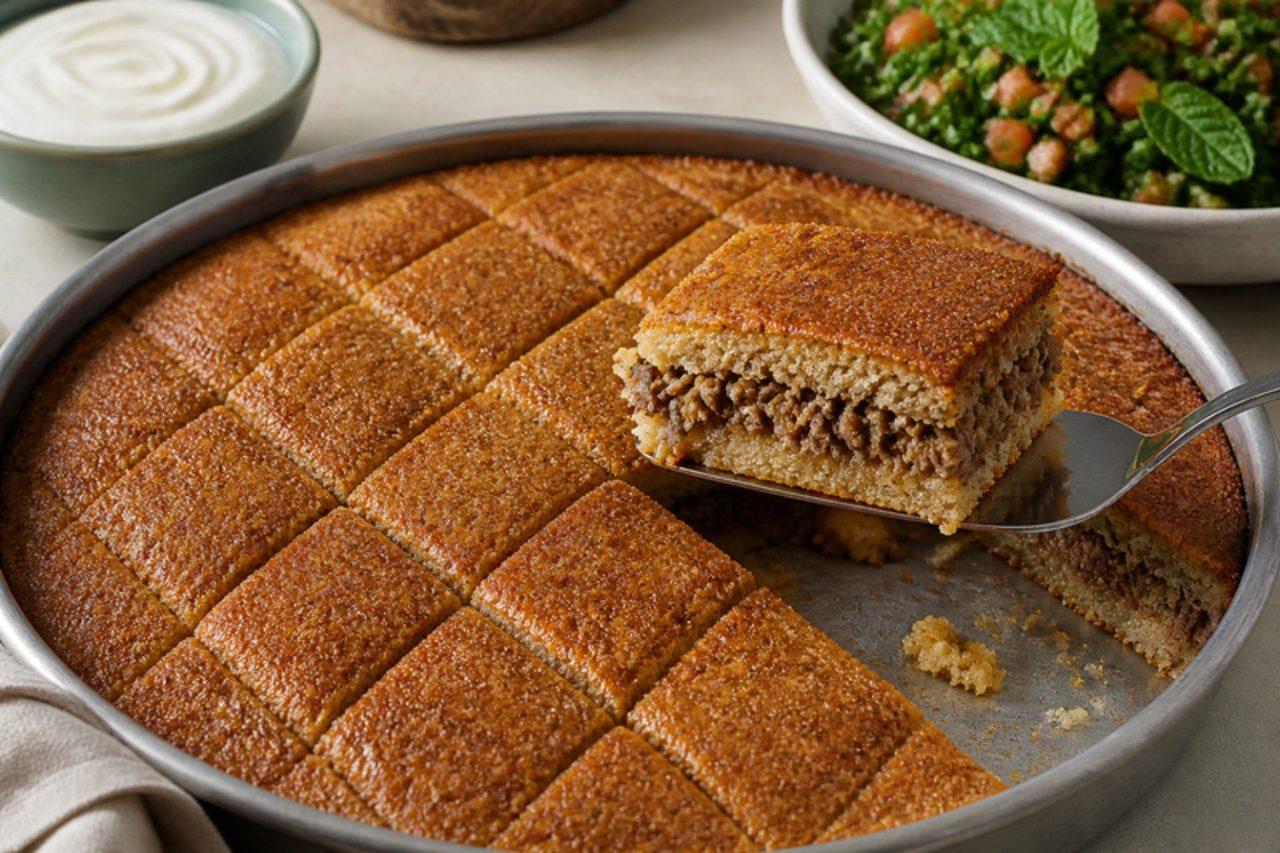
When a Lebanese family is expecting a crowd for Sunday lunch, out comes the round tray of kibbeh bil sanieh, cut into diamonds before baking so everyone can lift a neat piece. Two layers of lamb and fine bulgur kneaded with onion and spices sandwich a filling of minced lamb fried with onions and toasted pine nuts; the top bakes crisp and brown while the inside stays moist. Serve it warm or at room temperature with yoghurt, cucumber salad or fattoush. Common mistake: using coarse bulgur, which won't bind; you need fine bulgur (number 1). Chef's tip: dip your hands in iced water while you press the top layer — it smooths the surface and stops the mixture sticking.

by KrazyBadal 0 views

Mango bicheGreen mango with salt and lime

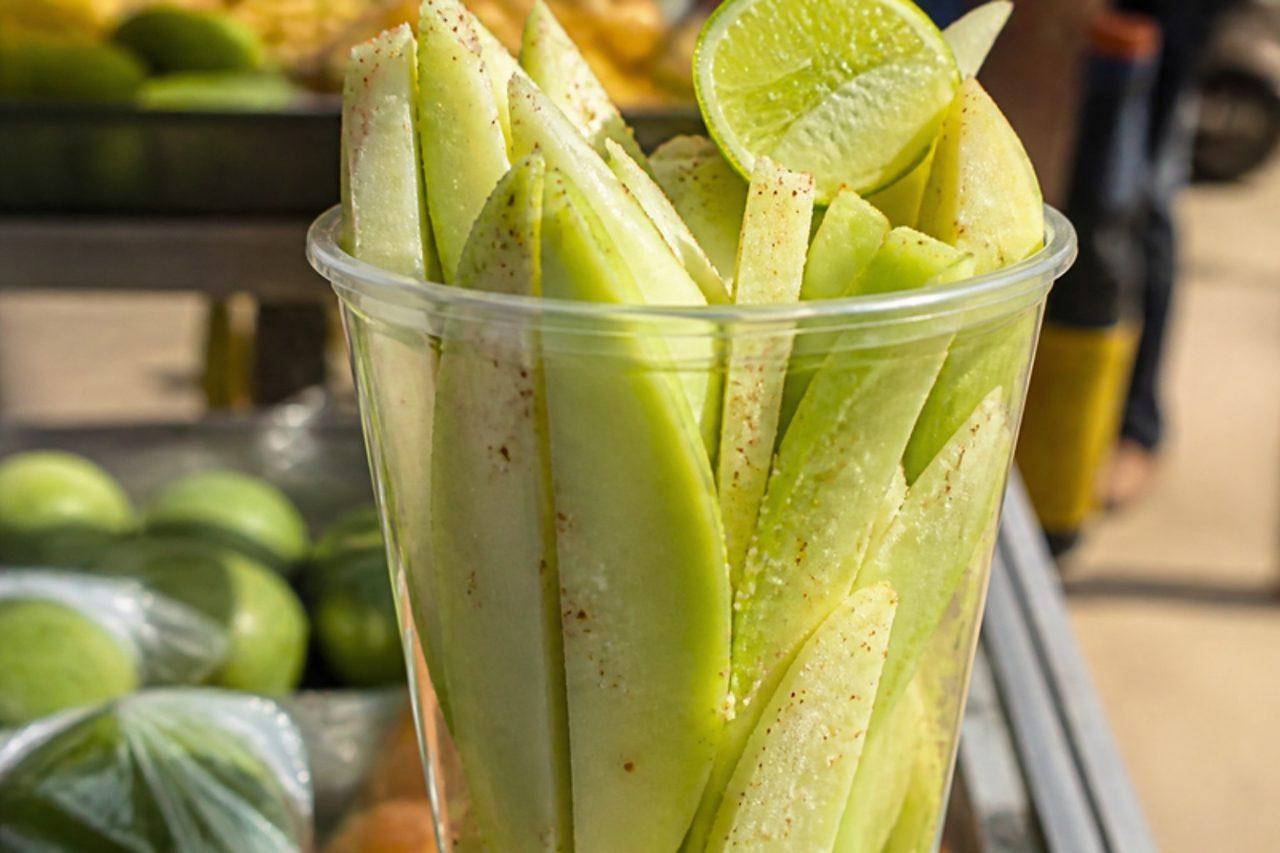
Paper and plastic cones of mango biche are sold from street carts in Cali, Barranquilla and Bogotá, especially around schools, parks and bus stops. Biche means unripe: the mango is still hard and pale green inside, so it is crunchy and mouth-puckeringly sour, and the vendor cuts it into long strips and shakes on salt, lime and black pepper, sometimes a pinch of chilli. It is a refreshing, almost savoury snack, eaten in the afternoon heat. Choosing a mango that has started to ripen is the slip that spoils it: the flesh should be firm and white-green with no yellow, or it turns soft and sweet. Look for green mangoes in Asian and Latin shops. Chef's tip: chill the mango for 30 minutes before cutting; the strips stay crisp and the salt and lime cling better.

by KrazyBadal 0 views

Khubz taboonDimpled flatbread

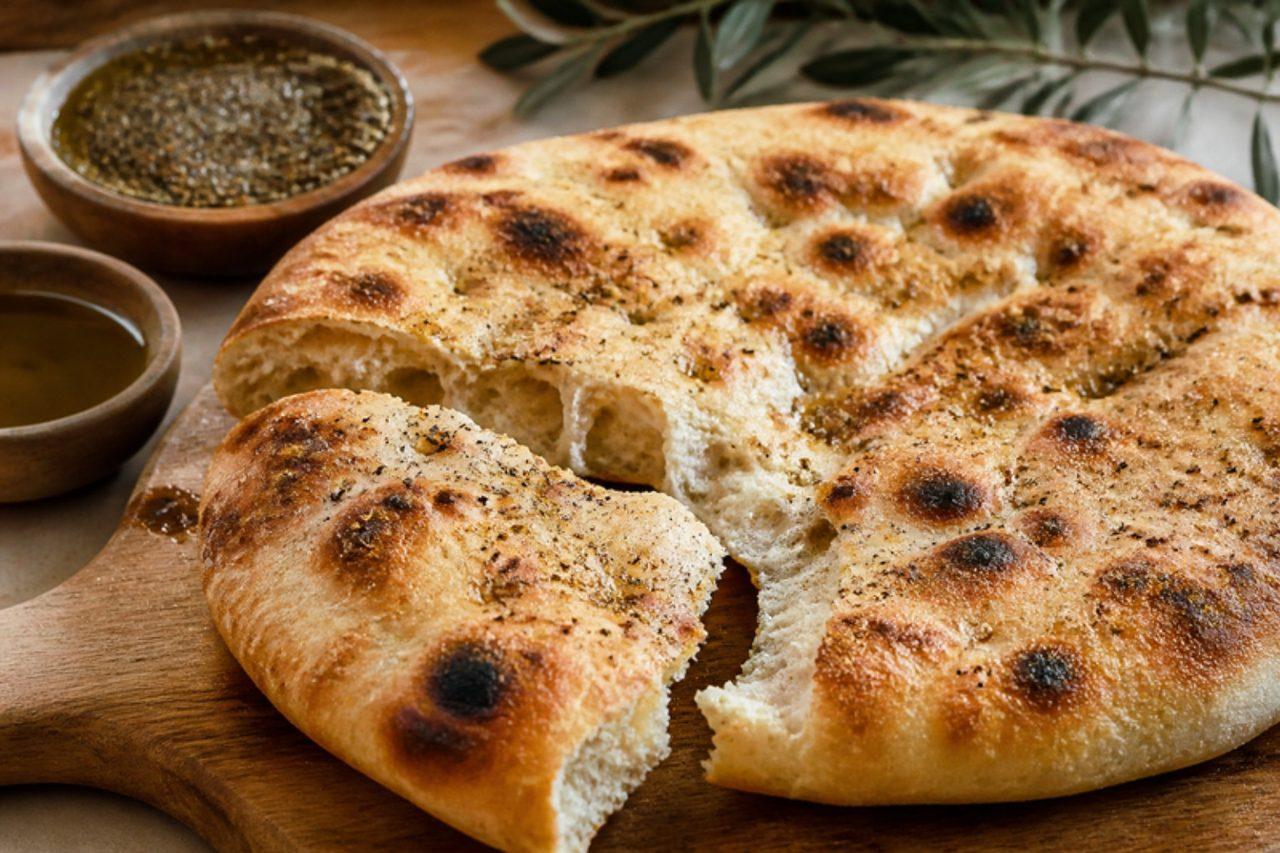
In Palestinian villages the taboon is a small clay oven lined with hot pebbles, and the bread baked on them comes out round, chewy and pocked with dimples where the stones pressed in. Women still bake it at dawn in the Galilee and around Nablus, and it is the bread that wraps musakhan, gets dipped in olive oil and za'atar, and is torn for breakfast with labneh. At home, a tray of clean pebbles or a very hot baking steel gets you close. Common mistake: rolling it too thin, which makes a cracker; it should be about 1 cm thick. Chef's tip: a little wholemeal flour and an overnight rest in the fridge give the nutty, slightly sour taste of village bread.

by KrazyBadal 0 views

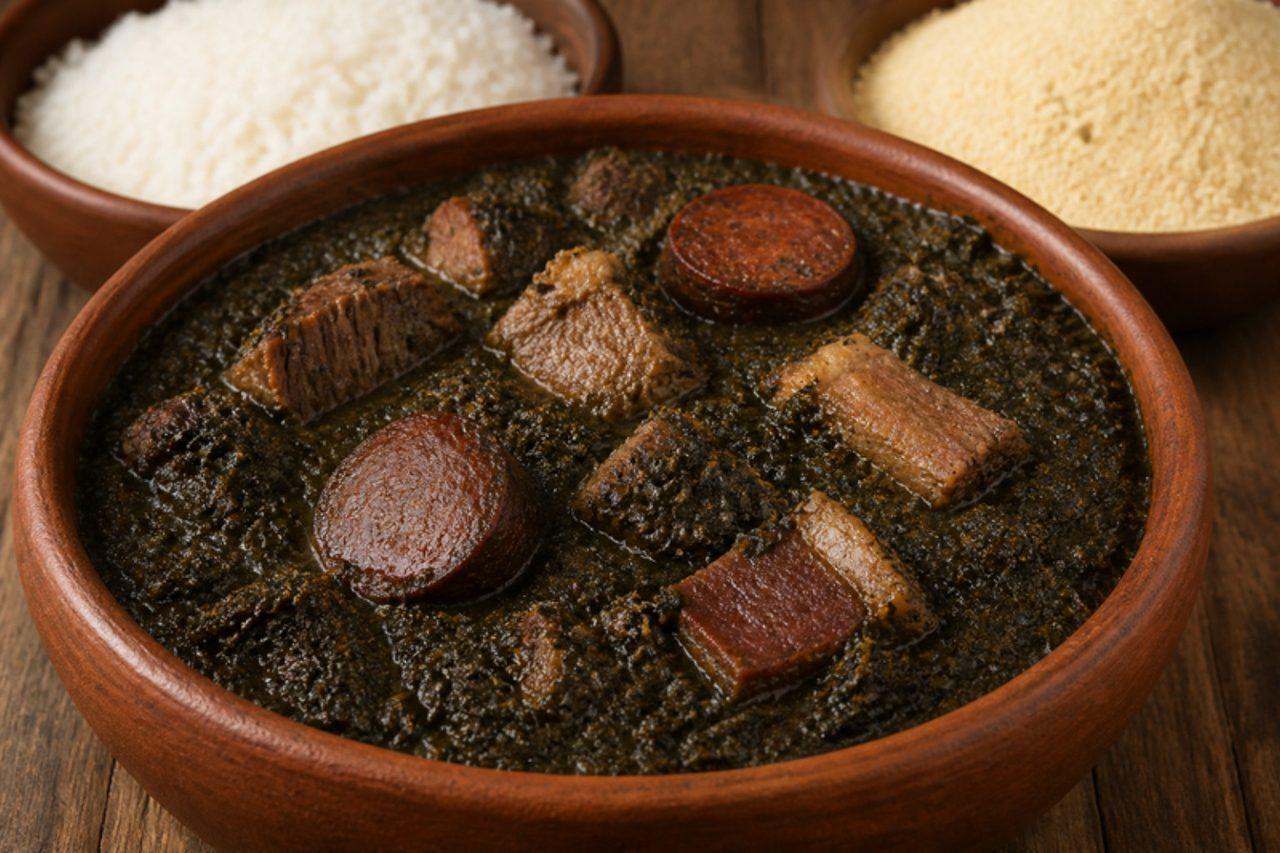
ManiçobaManioc leaf and smoked pork stew

Black-green, smoky and rich, maniçoba is the dish Belém cooks for the Círio de Nazaré in October, when families gather after the great procession, and it is sold all year at the Ver-o-Peso market. Its base is maniva, ground manioc leaves, which contain natural cyanide and must be cooked for days before they are safe; in Pará cooks simmer it for up to a week. Never use raw or home-ground manioc leaves for this dish. Buy only ready-cooked ground maniva (sold frozen in Brazilian shops and labelled pre-cooked), and follow the pack's further cooking time if it is longer than ours. The leaves are then simmered for hours with the cuts of a feijoada: salted pork ribs, smoked bacon, smoked pork sausage, beef jerky and pig's trotter, until the meat falls apart into a thick, smoky, faintly bitter stew. Serve it with white rice, farinha d'água and pimenta-de-cheiro. Plan ahead: the salted meats need soaking overnight. The usual mistake is adding the meat too early, so it disintegrates. Chef's tip: maniçoba tastes even better reheated the next day.

by KrazyBadal 0 views

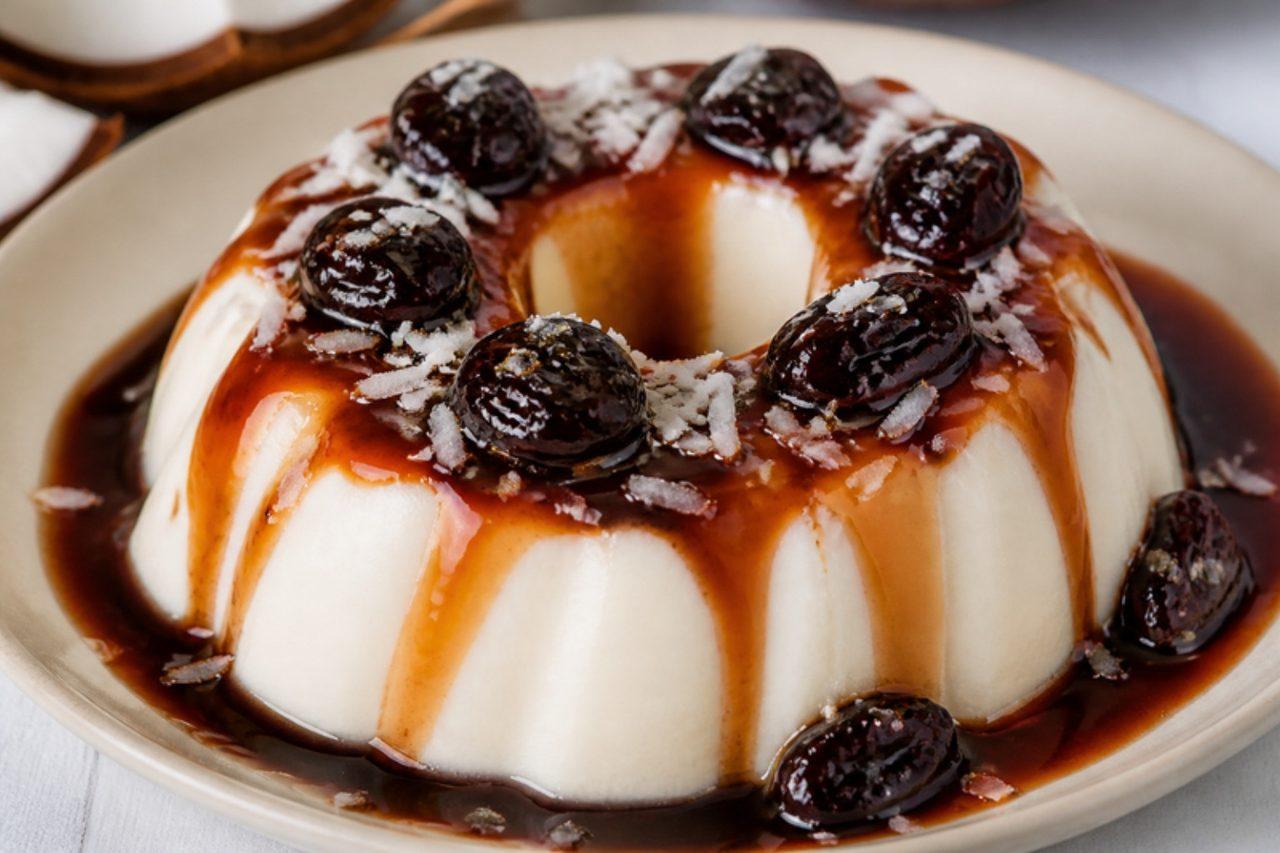
Manjar de cocoCoconut blancmange with prune syrup

Sunday lunch at a grandmother's in Rio, Minas or Pernambuco often ends with a manjar, a snowy ring of coconut blancmange turned out of its mould and drowned in glossy, nearly black prune syrup. It is smooth and cool, with a soft wobble, the mild sweet coconut cream set off by the deep, winey taste of the prunes. The dessert is set with cornflour alone, so it is gluten free, and it has to be made at least 4 hours ahead. Under-cooking the cornflour is what usually goes wrong: the manjar tastes chalky and breaks when turned out. Chef's tip: wet the mould with cold water instead of greasing it, then shake out the drops; the manjar slides out cleanly with a coconut taste unspoilt by oil.

by KrazyBadal 0 views

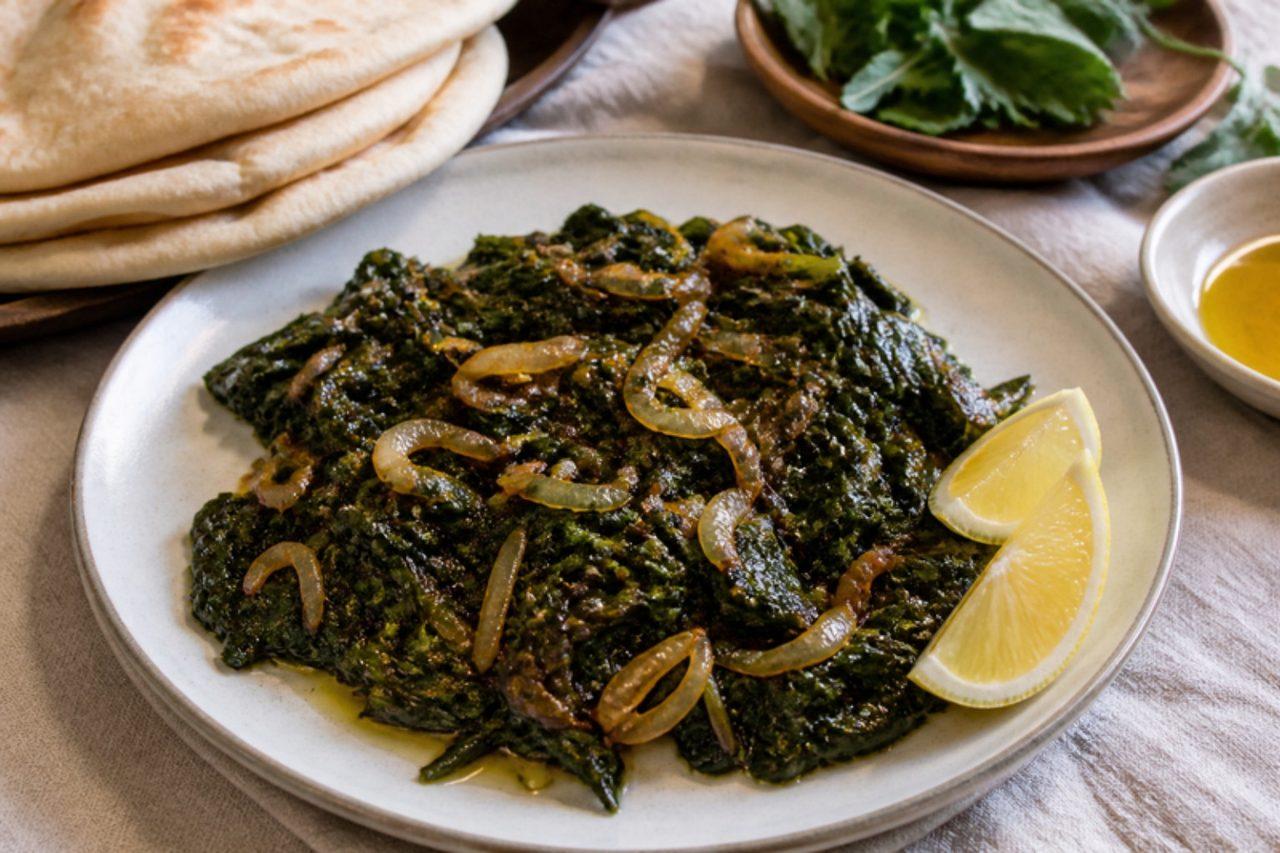
KhubeizehSautéed mallow greens

After the winter rains, mallow (khubeizeh) springs up along field edges and roadsides in Palestine, and families gather bags of it for a humble, much-loved dish: the leaves chopped and wilted with lots of onion fried in olive oil, sometimes with a handful of bulgur or rice to stretch it. It is eaten warm with bread and lemon, soft and earthy like spinach with a slightly silky texture. If you can't forage mallow, use chard or spinach with a little baby kale. Common mistake: drowning the greens in water; they release their own and only need a splash. Chef's tip: brown half the onions deeply and keep the rest soft; you get sweetness and crunch together.

by KrazyBadal 0 views

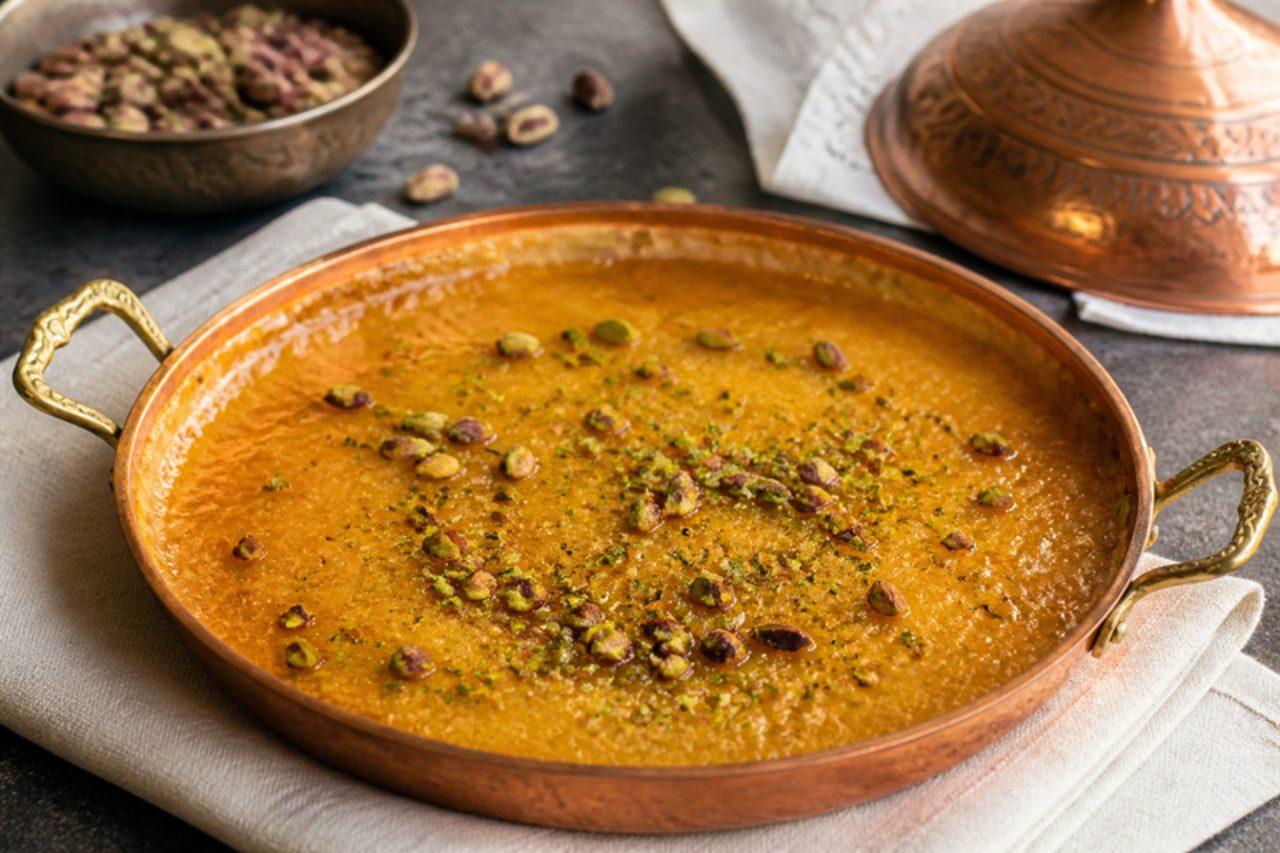
HöşmerimCheese and semolina halva

Höşmerim is a winter dessert of the Erzurum plateau and the Bolu highlands, made from unsalted fresh cheese melted with butter and semolina until it turns golden and gives off its own butter, then soaked with syrup. It's eaten warm in small bowls, chewy and rich, topped with crushed walnuts or pistachios, often after a long cold day. Common mistake: using salty or aged cheese, which turns oily and bitter; you need a soft, unsalted fresh cheese such as lor or ricotta. Chef's tip: keep cooking until the fat starts seeping out at the edges and the mixture is the colour of light toffee; that's where the flavour comes from.

by KrazyBadal 0 views

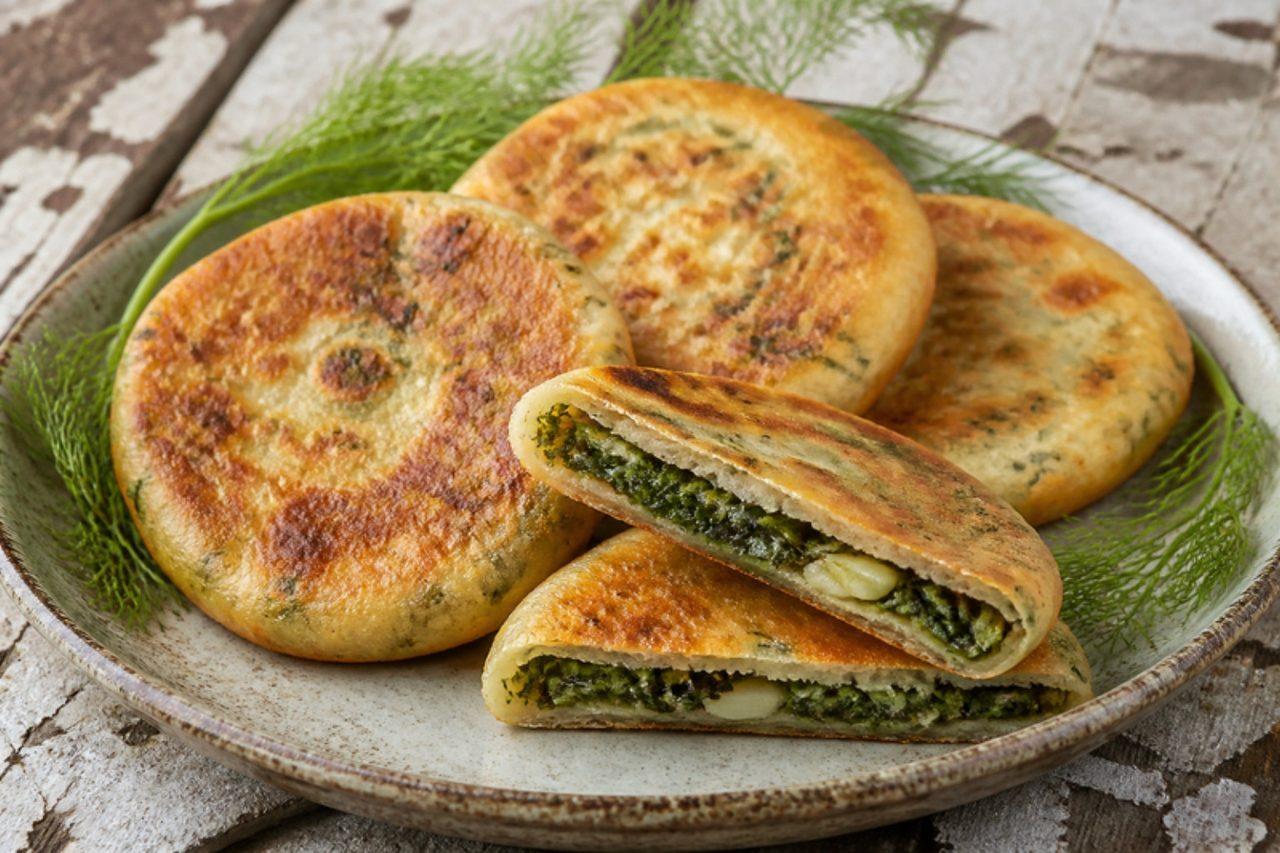
MarathopitesFennel hand pies

In early spring, when wild fennel sprouts along the field walls around Rethymno, Cretan cooks gather armfuls of the feathery fronds for marathopites, thin olive-oil pastry wrapped round a green, aniseed-sweet filling and cooked in a pan. They are Lenten food, so they contain no cheese or egg, and they are eaten warm with olives and a glass of water or tea. Wild fennel can be hard to find outside the Mediterranean; the fronds from bulb fennel mixed with dill give a close flavour. Common mistake: leaving the greens wet after washing, which steams the pastry from inside and splits it. Chef's tip: salt the chopped greens and squeeze them hard in a cloth before mixing the filling.

by KrazyBadal 0 views

Showing 18 of 7,762 recipes

Show more recipes

Page 561 of 863