


Skip to content
Crème brûlée
Featured recipe

Crème brûlée

Burnt cream custard

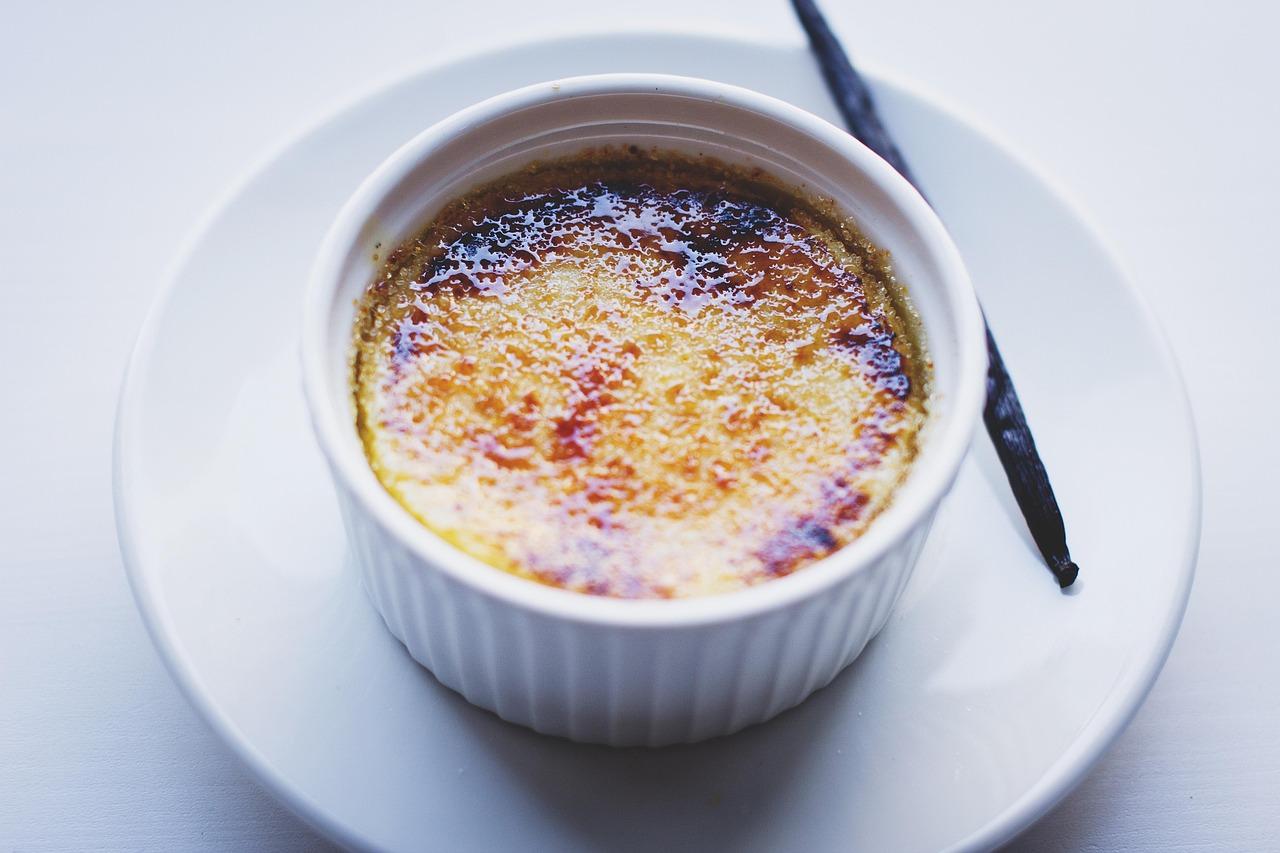
Crème brûlée, 'burnt cream', is the dessert on almost every Paris bistro menu: a shallow dish of rich vanilla custard, cold and silky, under a thin sheet of caramelised sugar you crack with the back of a spoon. Unlike the stovetop Spanish crema catalana, it's made with cream and baked gently in a water bath. The custards are made a day ahead, which makes it ideal for dinner parties; only the sugar is burnt at the last minute. Chef's tip: take them out of the oven while the middle still wobbles like jelly; overbaking is the common mistake and the custard turns grainy and splits.

Read more 0 views

What to eat today?

Around the world

Today's trip: Persian

A new country every day, from every cuisine on the site.

Persian

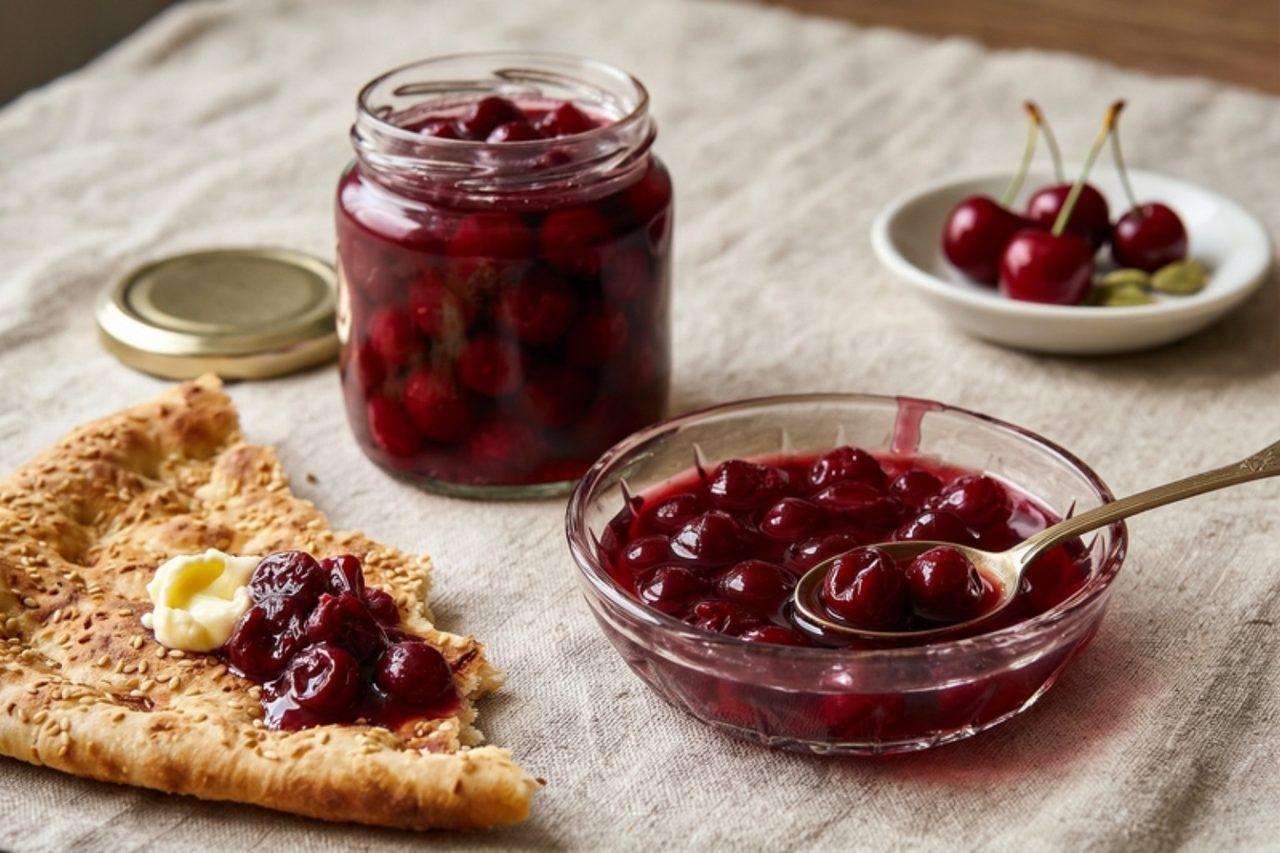
Morabba-ye albaloo

Sour cherry preserve 65 minMore from Persian (131) →

This week's collection

Kid-friendly dinners
541 recipes · a new collection every Monday

Latest recipes

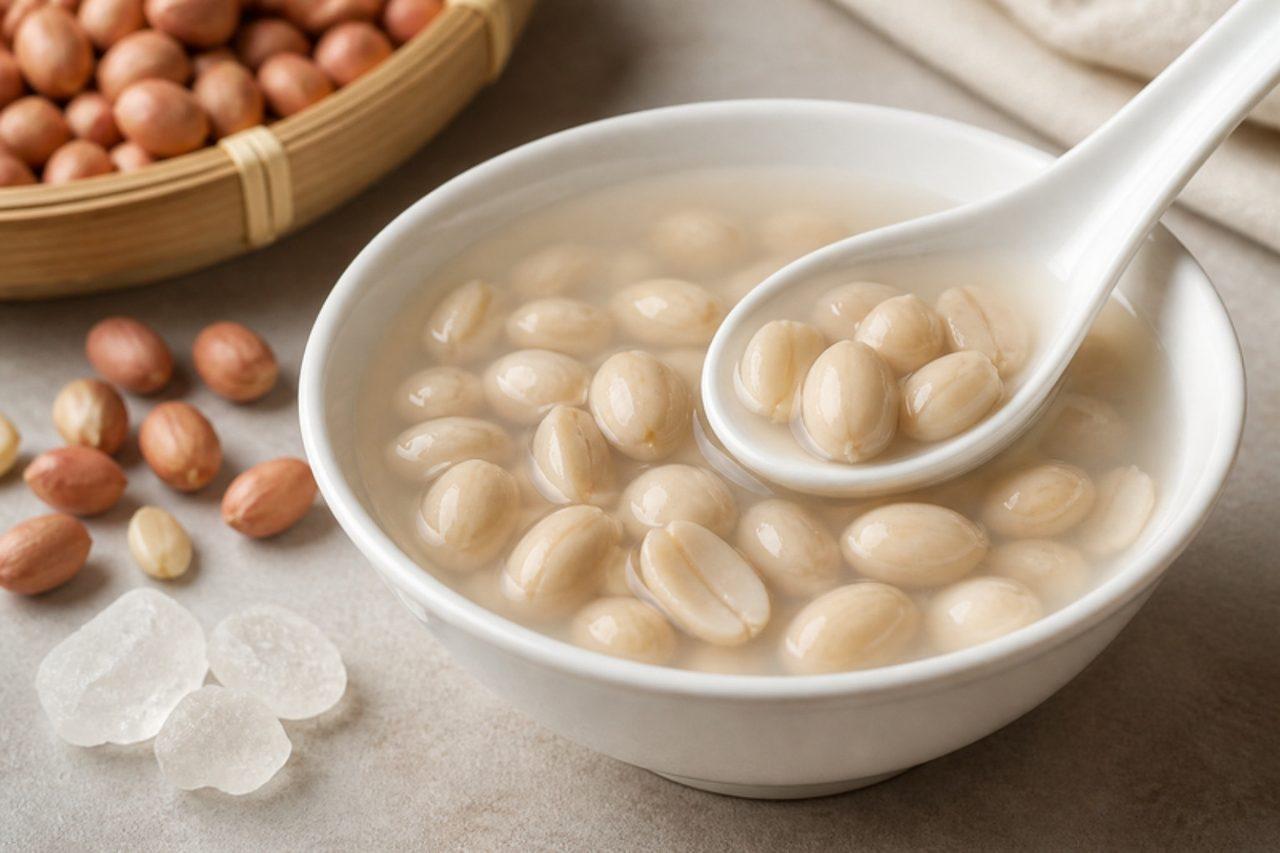
Xiamen sweet peanut soup

In Xiamen on the Fujian coast, peanut soup is breakfast, mid-morning snack and late-night treat, sold from steaming pots in the old arcades along Zhongshan Road. The peanuts are cooked so slowly that they become soft and creamy while keeping their shape, and the broth turns milky and lightly sweet. Locals often dunk a fried dough stick into it. Chef's tip: soak the peanuts, then freeze them overnight; the ice crystals break down the cell walls and the peanuts cook to that melting texture much faster.

by KrazyBadal 0 views
Bajan fish cakesSalt cod fritters
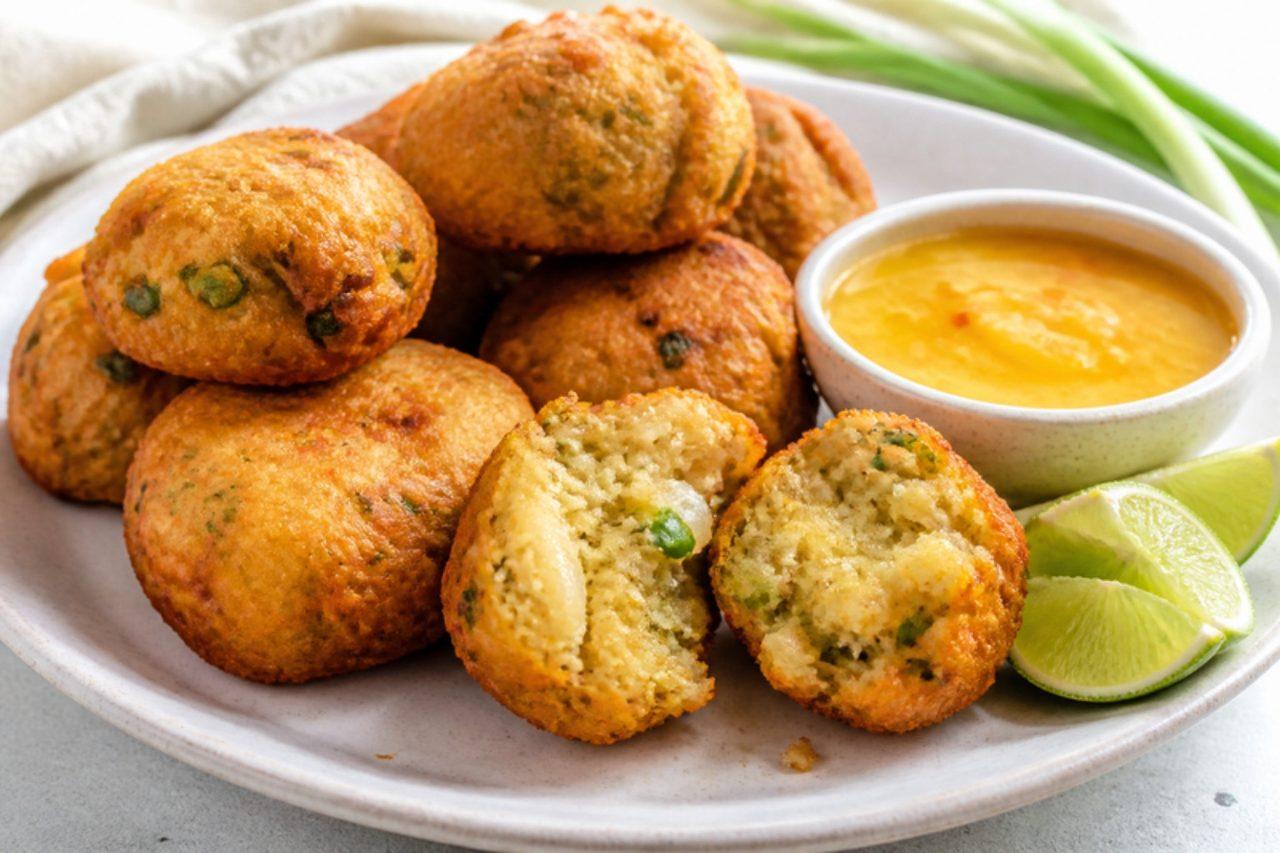
Fish cakes are on every Bajan party table and in every rum-shop snack box, and on Friday nights at Oistins Fish Fry they are tucked into a split salt bread roll as 'bread and two'. These are not potato patties but spoonfuls of light, herby batter full of flaked salt cod, spring onion, thyme and Scotch bonnet, fried until puffed and golden. Serve them hot with Bajan pepper sauce or a squeeze of lime. The mistake that gives flat, greasy fish cakes is a thin batter; it should drop from the spoon in a soft blob, not pour. Chef's tip: taste a flake of the cooked cod before mixing; if it is still salty, don't add any more salt to the batter.

by KrazyBadal 0 views

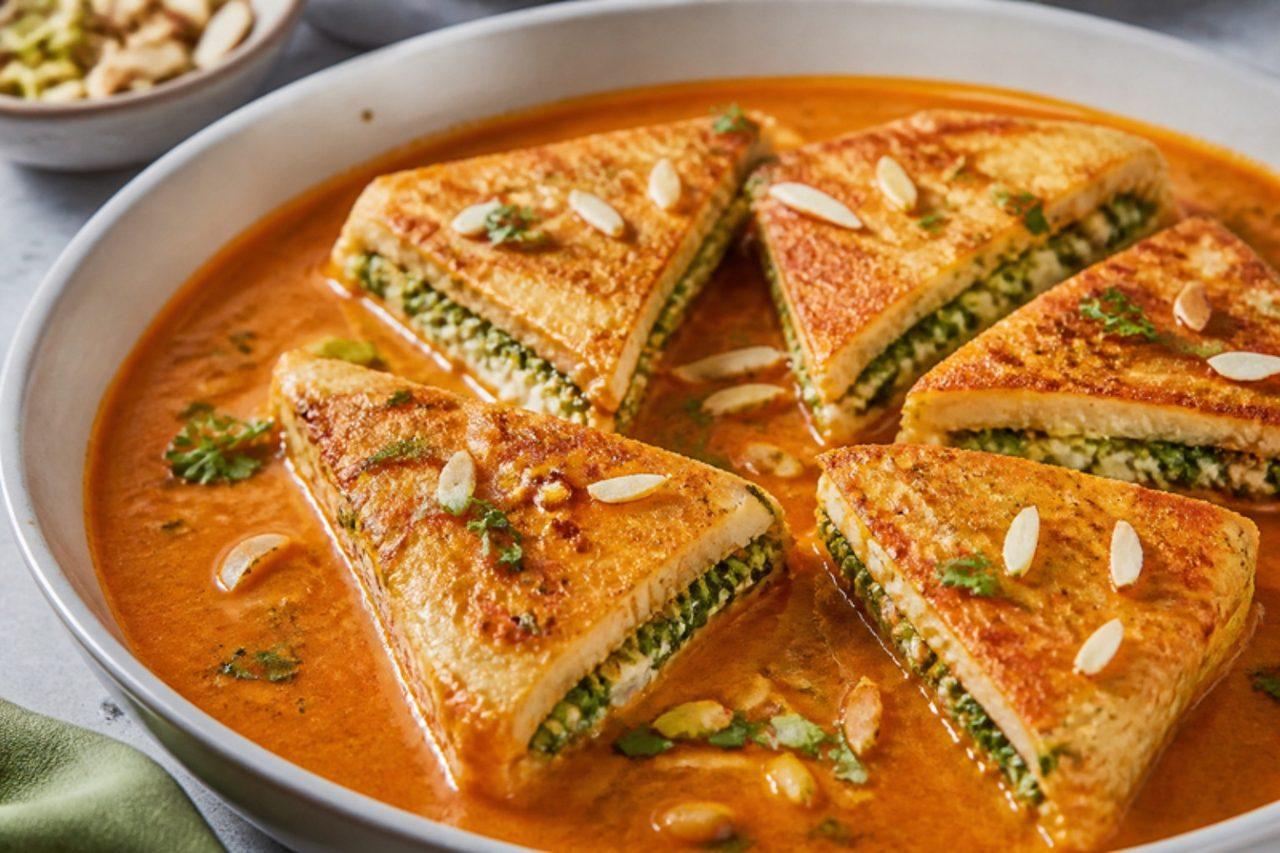
Hakka stuffed tofu with mushroom filling

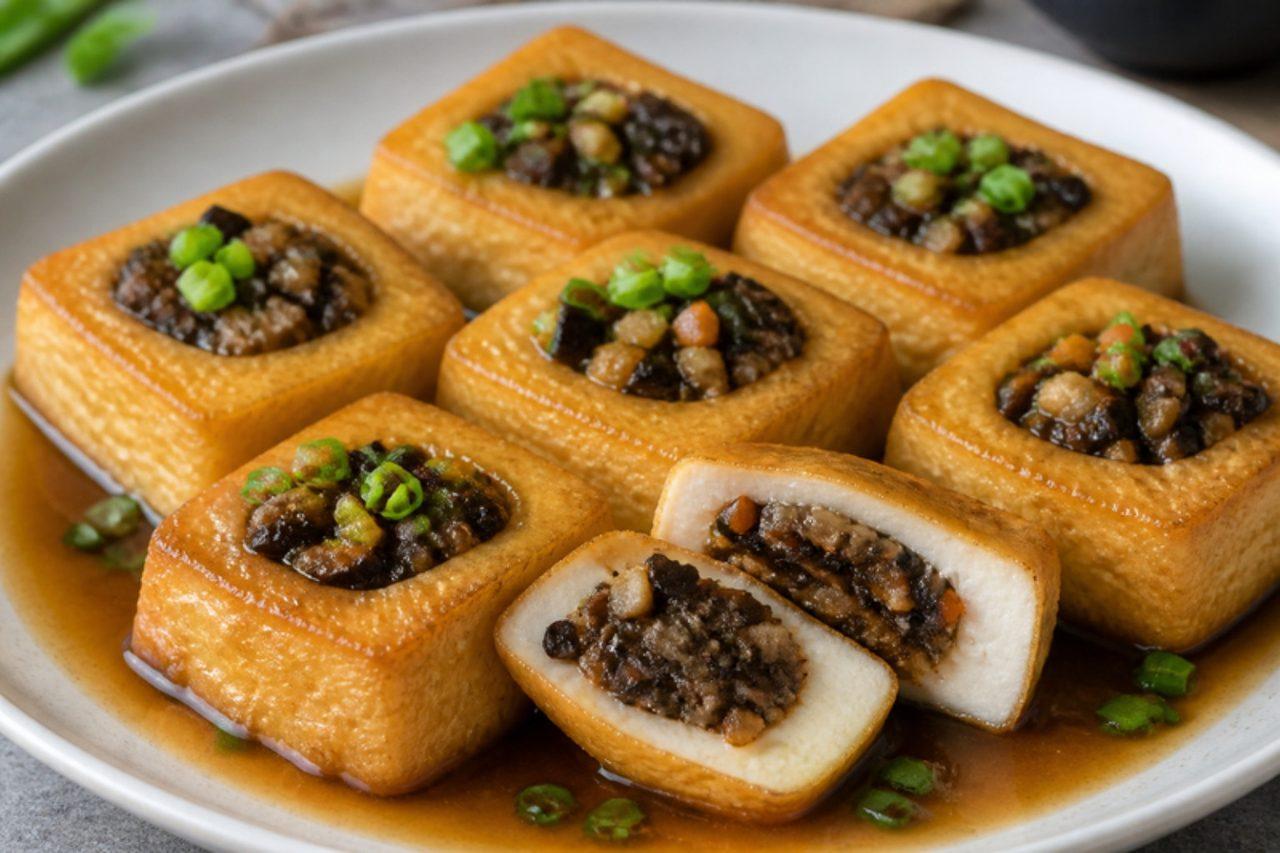
In Meizhou, the heart of Hakka country in east Guangdong, tofu stuffed with a meat filling is one of the dishes everyone expects at a family meal or a New Year table. Buddhist Hakka cooks fill it with mushroom, water chestnut and tofu instead, and that vegetarian version is given here. The squares are fried stuffed side down until crisp, then braised briefly so they soak up the sauce. Serve with rice and a plate of greens. Chef's tip: dust each hollow with cornflour before filling; it works like glue and stops the filling falling out.

by KrazyBadal 0 views

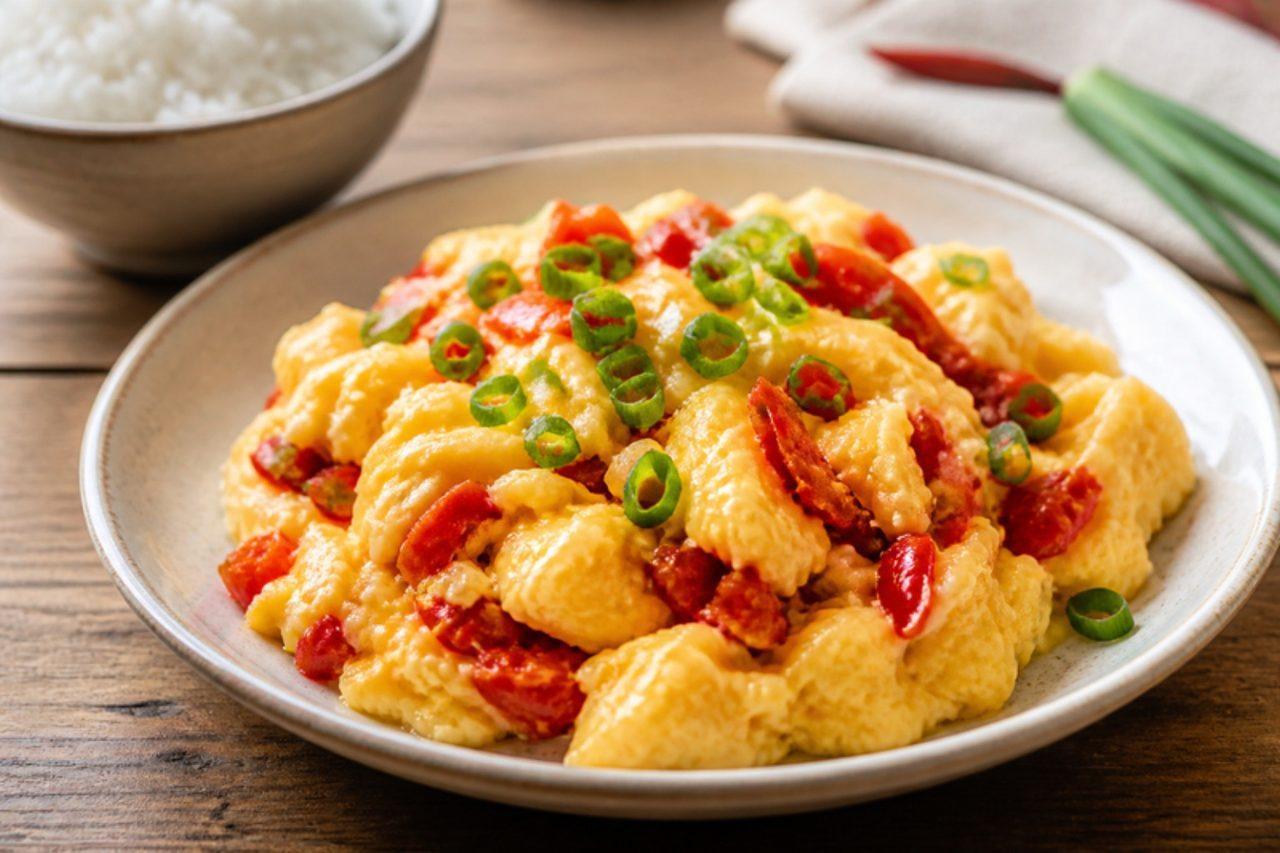
Hunan scrambled eggs with chopped chillies

Duò jiāo, salted chopped red chillies left to ferment in jars, is the backbone of Hunan home cooking, and this ten-minute dish is how many families use it on a weeknight. The eggs are cooked in hot oil until they puff into big soft curds, then tossed back through the bright red chillies, which are salty, sour and very hot. Serve with rice and a green vegetable. Chef's tip: get the oil properly hot before the eggs go in, so they puff and set at once instead of soaking up oil.

by KrazyBadal 0 views

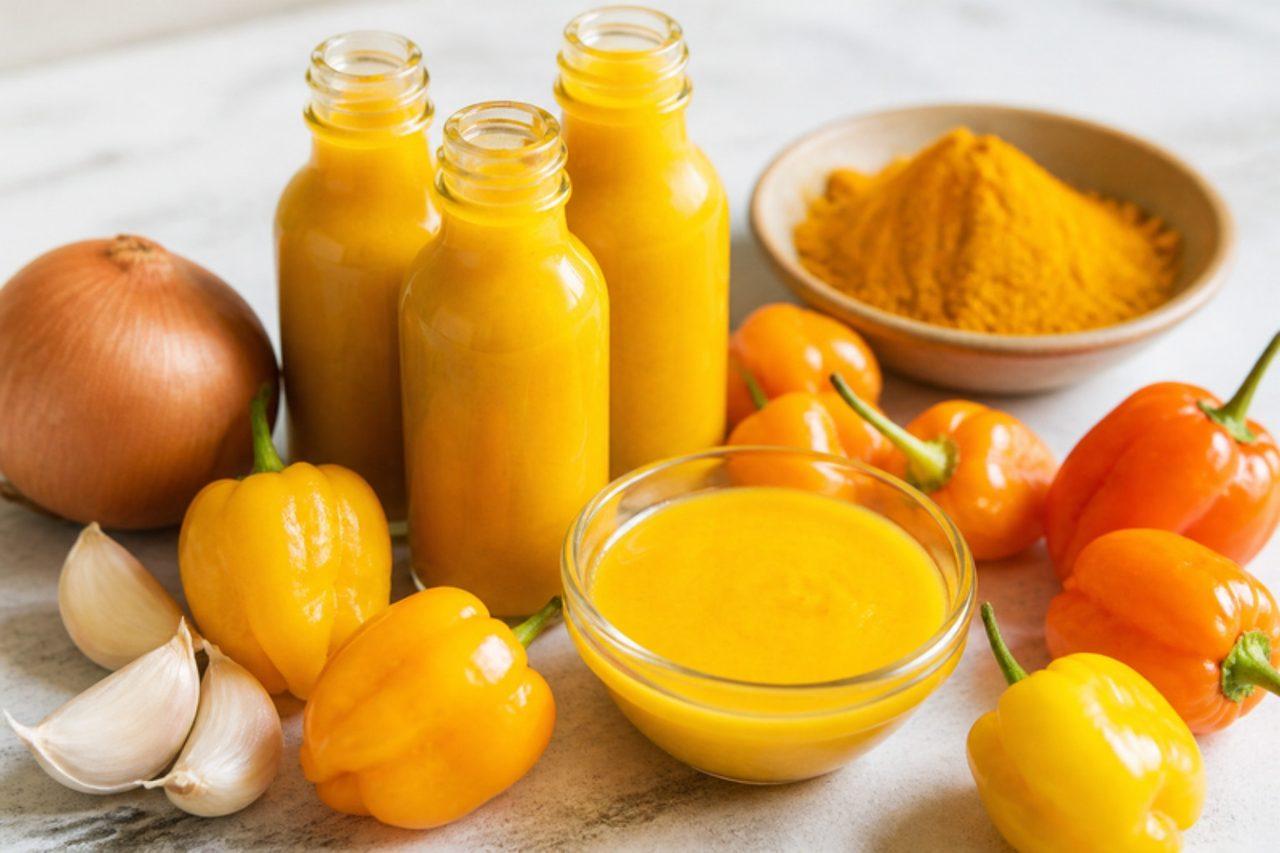
Bajan pepper sauceMustard scotch bonnet hot sauce

On every table in Barbados, from rum shops in Oistins to Sunday lunch at home, there's a bottle of yellow pepper sauce. Bajan pepper sauce is unlike the red sauces of other islands: scotch bonnets are blended with onion, yellow mustard, turmeric and vinegar, which give it its colour and a tangy, mellow edge under the fierce, fruity heat. A few drops lift fish cakes, cou-cou, macaroni pie and rice. Chef's tip: let it rest for a few days before using; the mustard and vinegar soften the raw onion and the heat becomes rounder.

by KrazyBadal 0 views

Bajan seasoningHerb and pepper seasoning
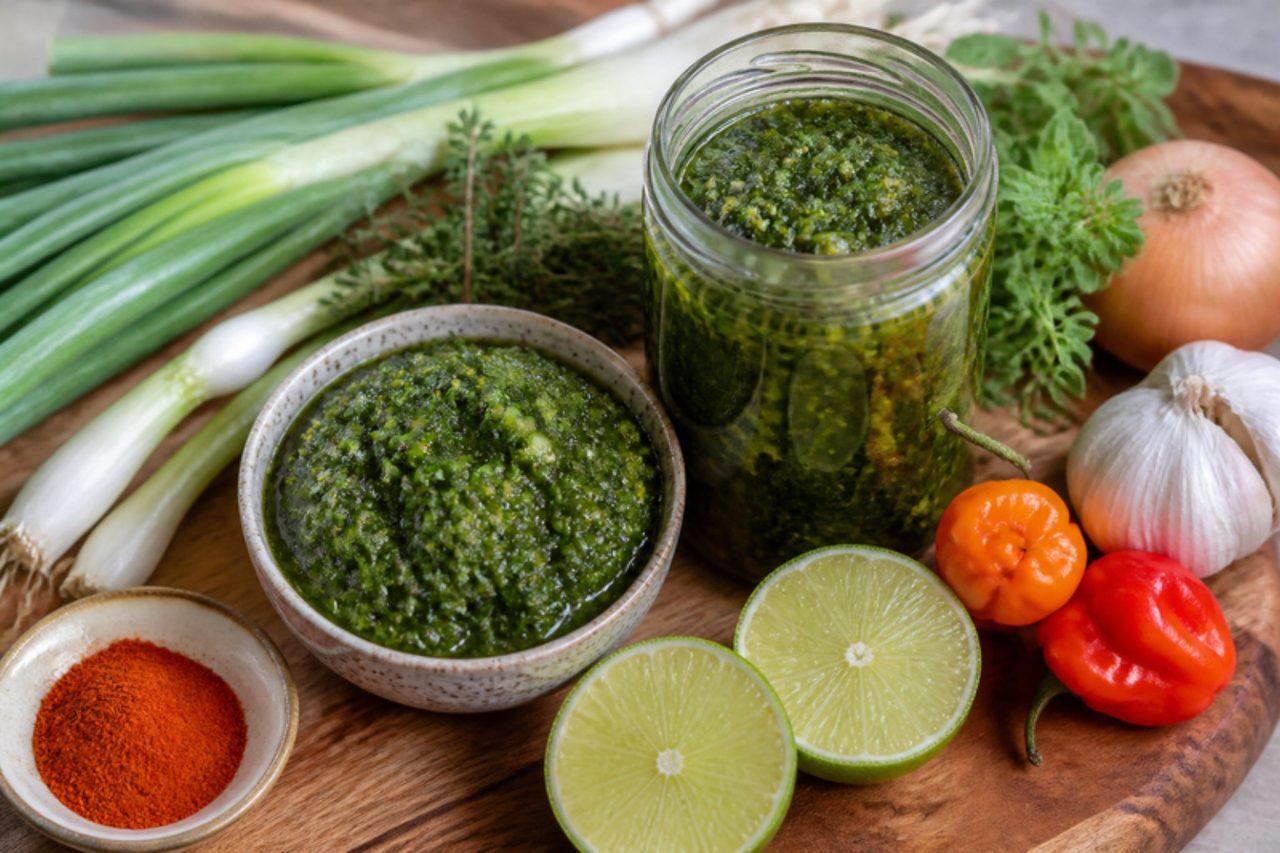
Every cook in Barbados keeps a jar of Bajan seasoning, and families in Bridgetown and St Philip guard their own blend. It's a wet, coarse paste of spring onion, onion, garlic, fresh thyme, marjoram and parsley, sharpened with lime and given a backbone of clove, paprika and scotch bonnet. Bajans press it into slits in fish and meat; here it goes into stews, onto roasted vegetables, tofu and halloumi, and into the stew for cou-cou. It smells strongly herby and peppery, and keeps for weeks. Chef's tip: marjoram is the herb that makes it Bajan; don't skip it, and use fresh if you can find it.

by KrazyBadal 0 views

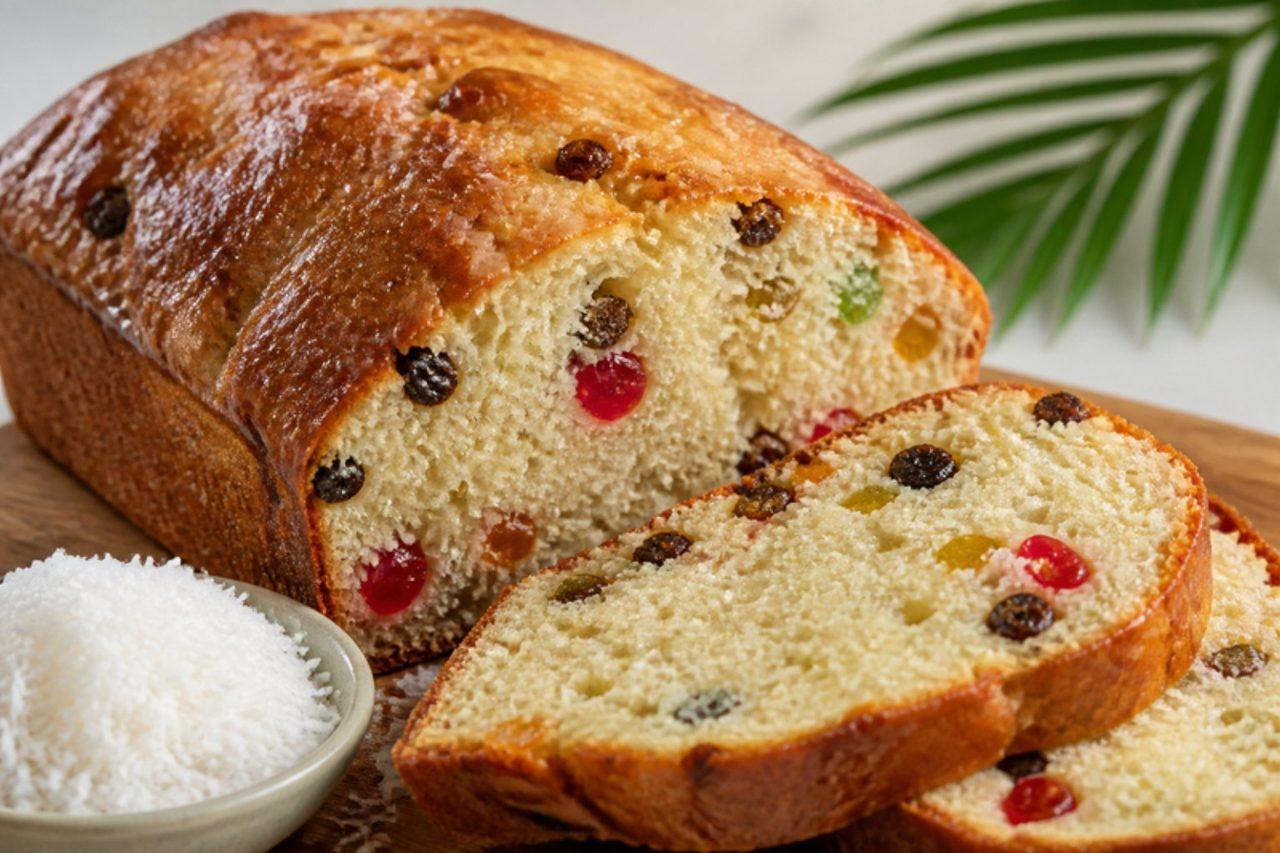
Bajan sweet breadCoconut and raisin loaf
Sweet bread is what Barbadian families bake in December, wrapped in foil and handed over at Christmas visits around the island, and it's sold year round in bakeries from Bridgetown to Speightstown. It isn't a yeast bread but a dense, moist loaf packed with freshly grated coconut, sweet with brown sugar and scented with almond essence, with raisins, mixed peel and bright red glacé cherries in every slice. The top gets brushed with sugar syrup for a sticky shine. Chef's tip: use fresh or frozen grated coconut if you can; desiccated coconut makes a drier loaf unless you soak it first in the milk for 20 minutes.

by KrazyBadal 0 views

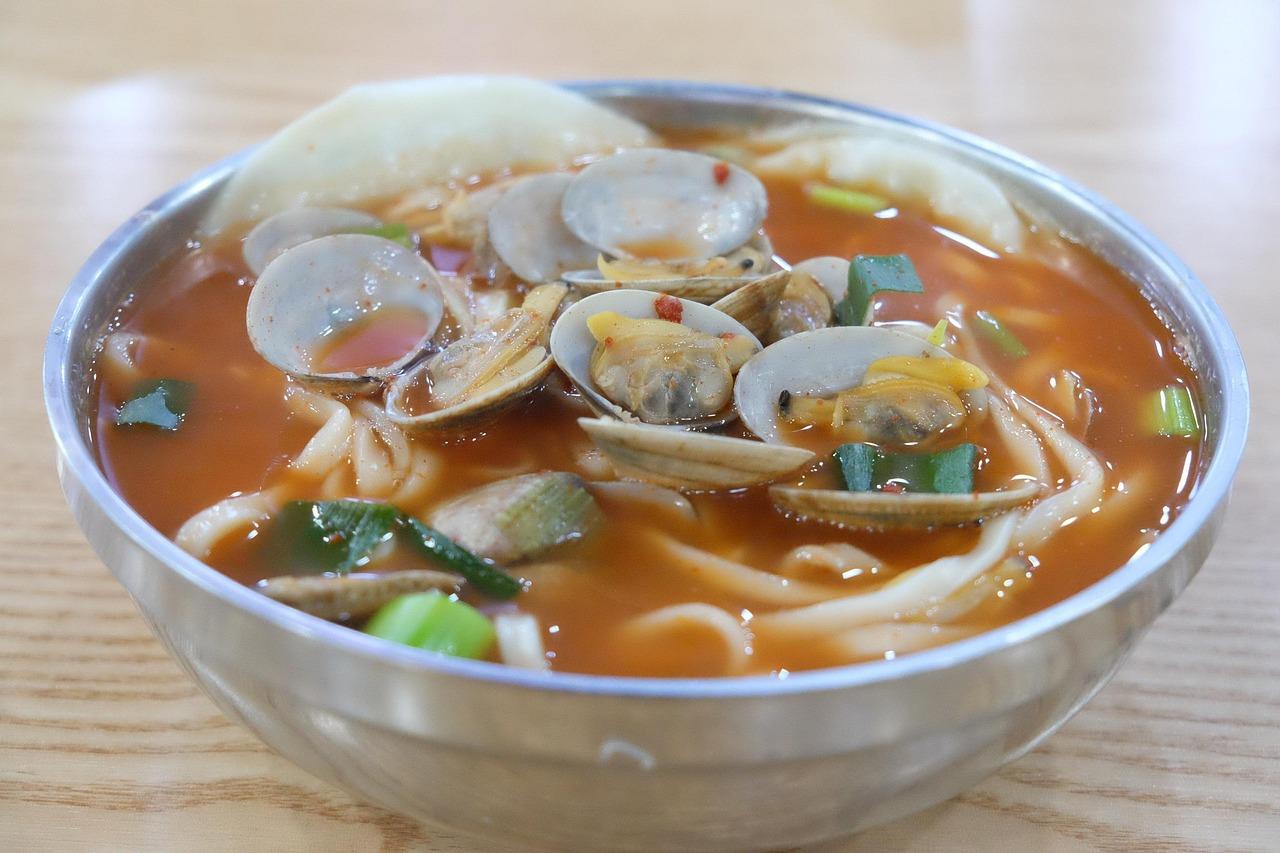
Kalguksu with clamsClam noodle soup

Kalguksu means 'knife noodles': a soft wheat dough is rolled thin and cut by hand. Korean noodle shops serve it all year, but it is the dish people crave on a rainy day, often with a crisp pajeon on the side. Along the west coast, near the mudflats where clams are dug, the broth is loaded with them. The flour clinging to the noodles thickens the soup slightly as they cook, giving it a gentle, silky body. Chef's tip: shake off most of the flour before the noodles go into the pot, so the broth turns silky rather than gluey.

by KrazyBadal 0 views

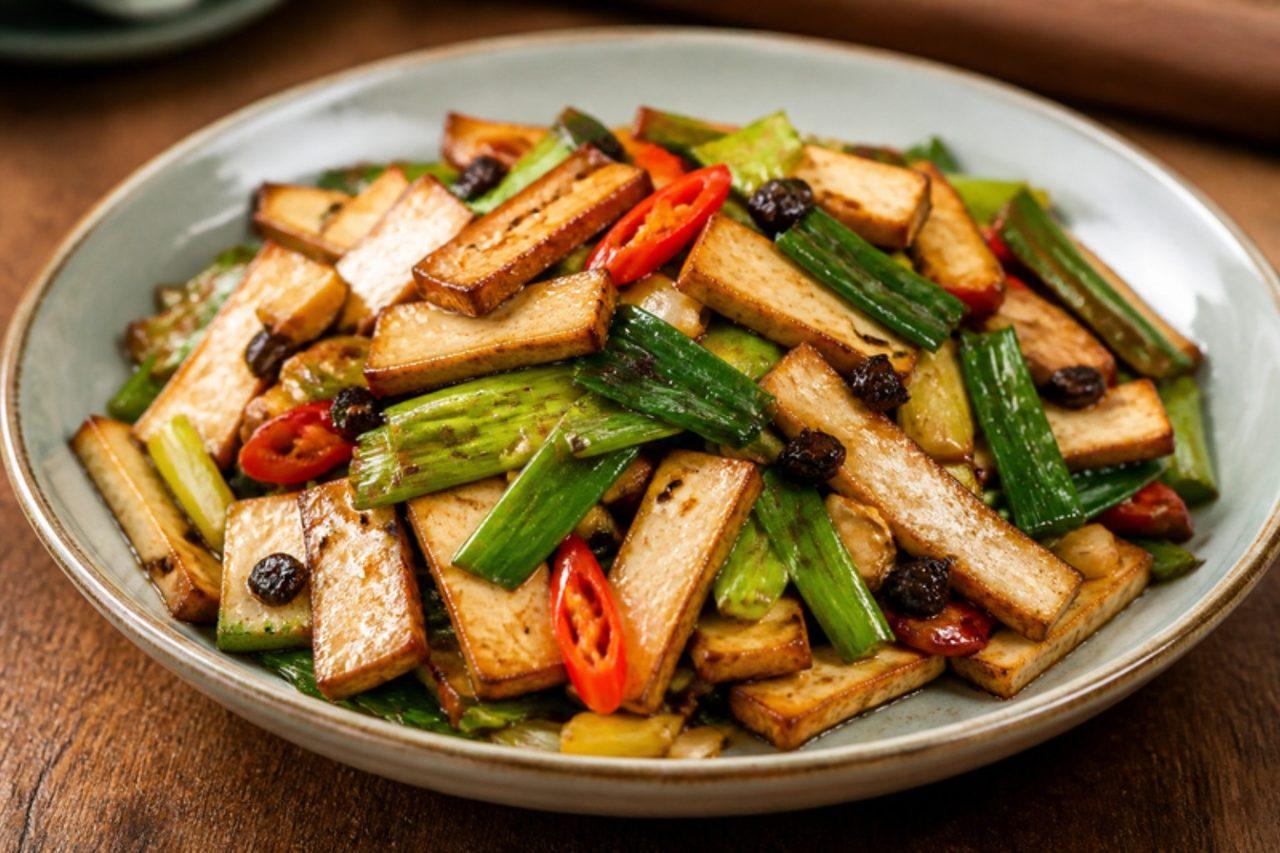
Hunan smoked tofu with leeks and chilli

Smoked tofu (xiāng gān) hangs in strings in Hunan markets, firm and brown from wood smoke. Restaurants in Changsha usually toss it with a little pork, but leaving the meat out is common at home and in Buddhist eateries. The tofu soaks up the black beans and chillies, and the leeks go sweet and soft. Serve it with plenty of rice. Chef's tip: cut the tofu about 5 mm thick; thinner slices break apart in the wok.

by KrazyBadal 0 views

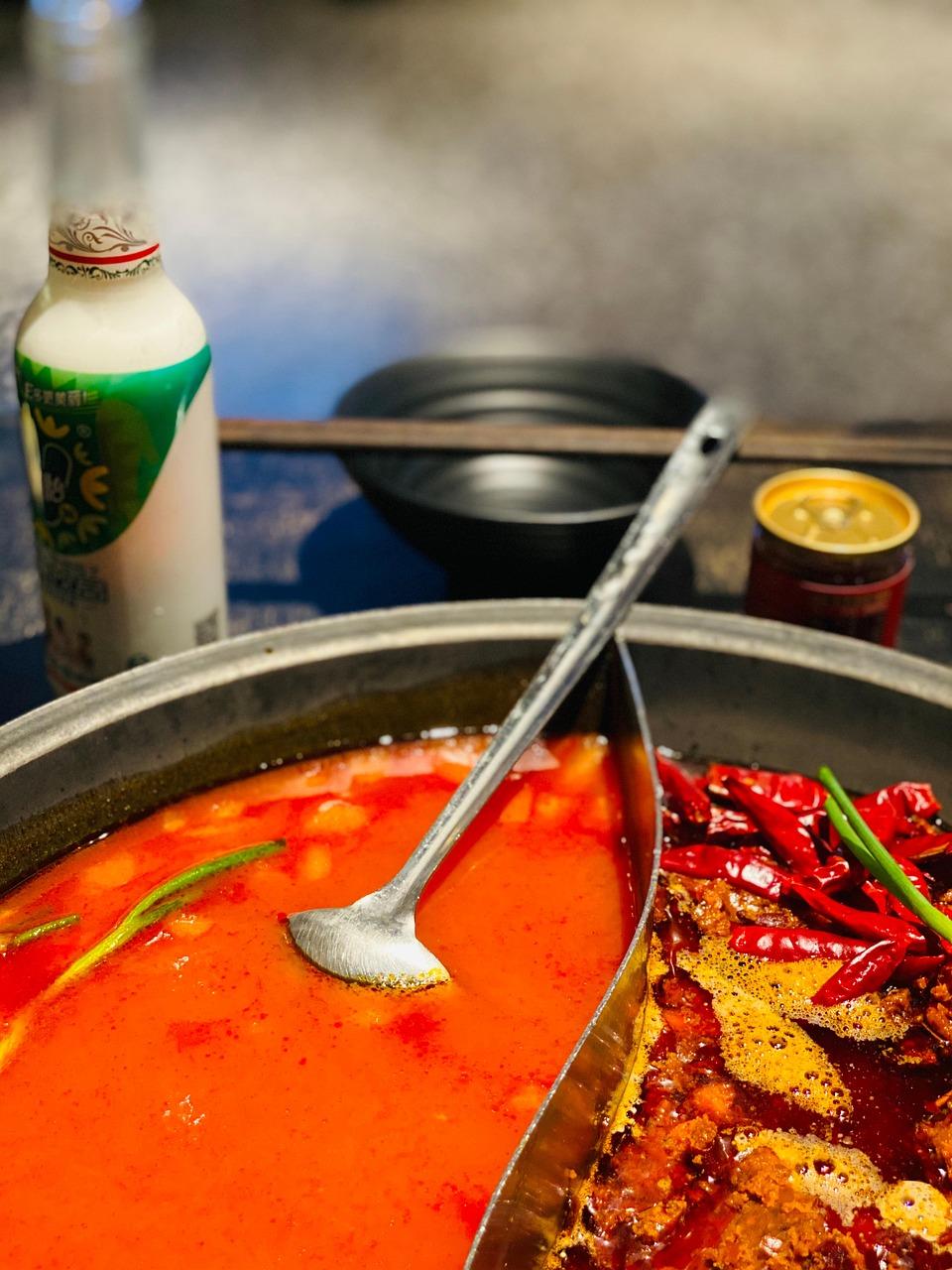
Sichuan vegetable hot pot

Across Chengdu and Chongqing, friends spend whole evenings round a bubbling pot of red broth, dipping in mushrooms, tofu and greens a few at a time and fishing them out with chopsticks. The best-known bases are cooked in beef tallow; the clear-oil style (qīngyóu huǒguō) uses rapeseed oil instead, which keeps it vegetarian without losing the heat and tingle. You need a portable burner or electric hot pot on the table. Chef's tip: give each person a bowl of sesame oil with crushed garlic for dipping; it cools each mouthful just enough to keep going.

by KrazyBadal 0 views

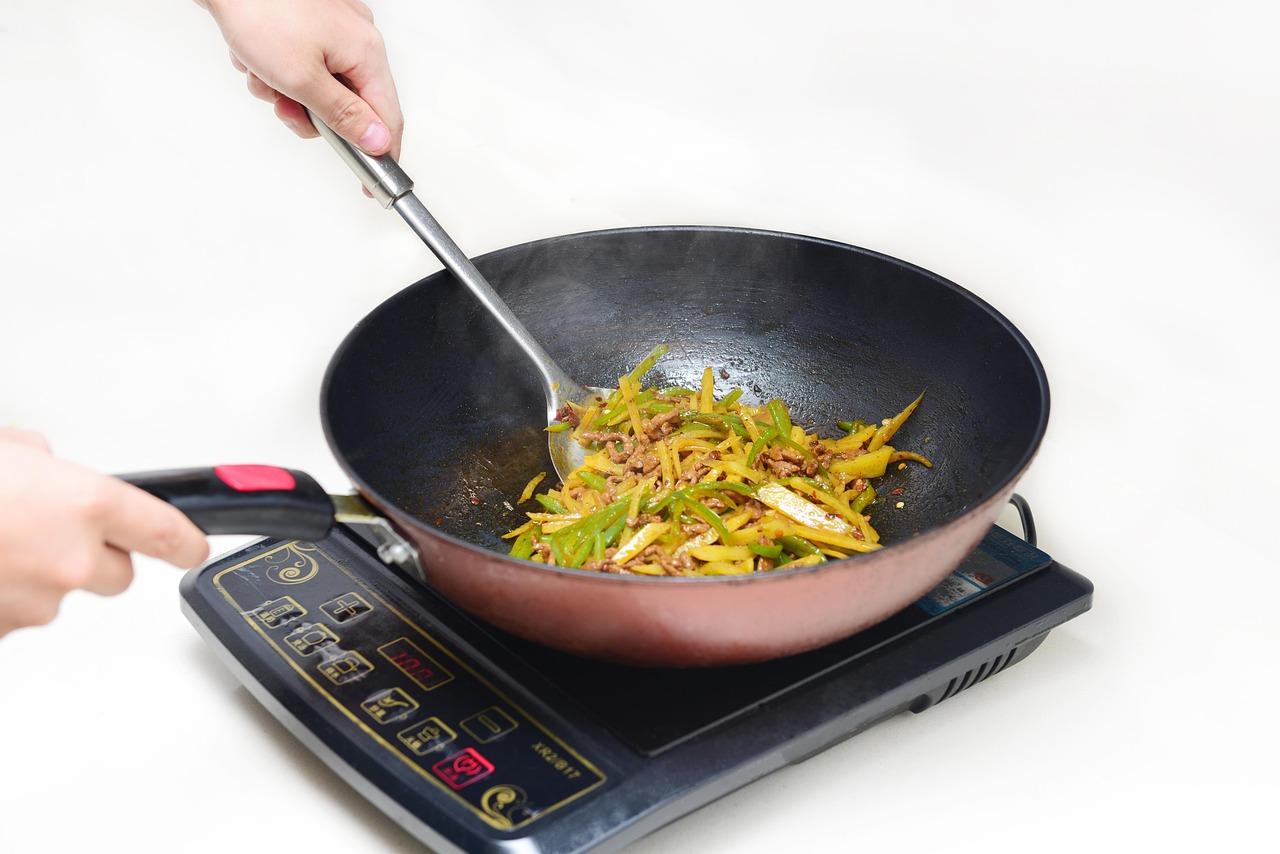
Hot and sour potato shreds

In Chengdu this is the dish a family orders when the table already has something rich: a heap of potato cut as fine as matchsticks, cooked for barely two minutes so it stays crunchy, sharp with vinegar and warm with dried chilli. Over the border in Shanxi the same dish is made with the province's dark aged vinegar (lǎo chéncù) and less chilli, and it tastes deeper and slightly sweet; both versions are given here. It goes with plain rice and any braised tofu or bean dish. Chef's tip: rinse the cut potato until the water runs clear, because that washed-off starch is what turns the shreds gluey in the wok.

by KrazyBadal 0 views

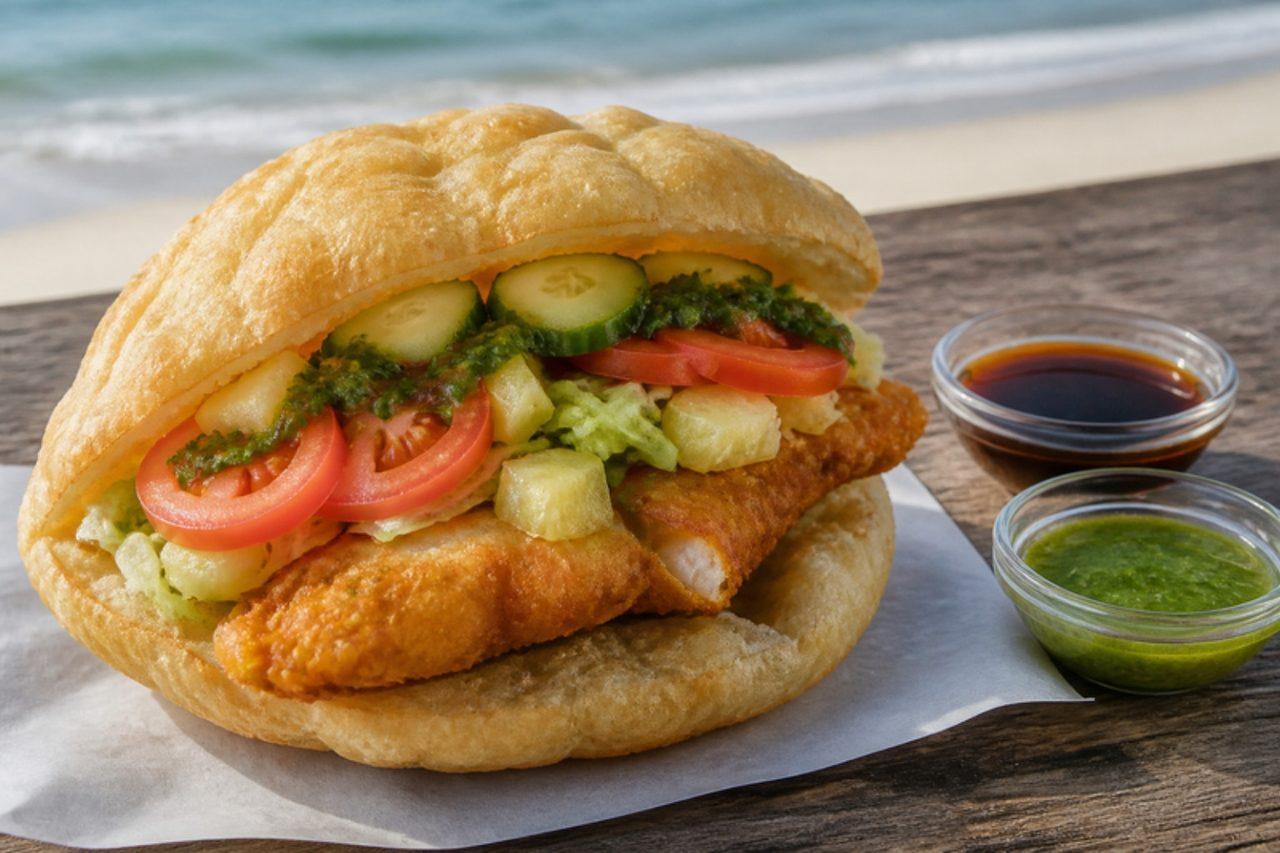
Bake and sharkFried shark in fried bread

After a swim at Maracas Bay on Trinidad's north coast, the queue at the beach huts is for bake and shark: a puffy fried bread split open around a piece of seasoned, crisp-fried fish, then loaded at a toppings bar with coleslaw, cucumber, pineapple, tamarind sauce, pepper sauce and the bright green chadon beni (culantro) sauce. Shark is the tradition, but many shark species are now overfished and some build up mercury, so this recipe uses a firm, sustainably caught white fish such as hake, pollock, catfish or mahi-mahi; use shark only from a source you trust. Chef's tip: let the bake dough rest for a full 30 minutes; relaxed dough puffs up like a pillow in the hot oil instead of frying flat and tough.

by KrazyBadal 0 views

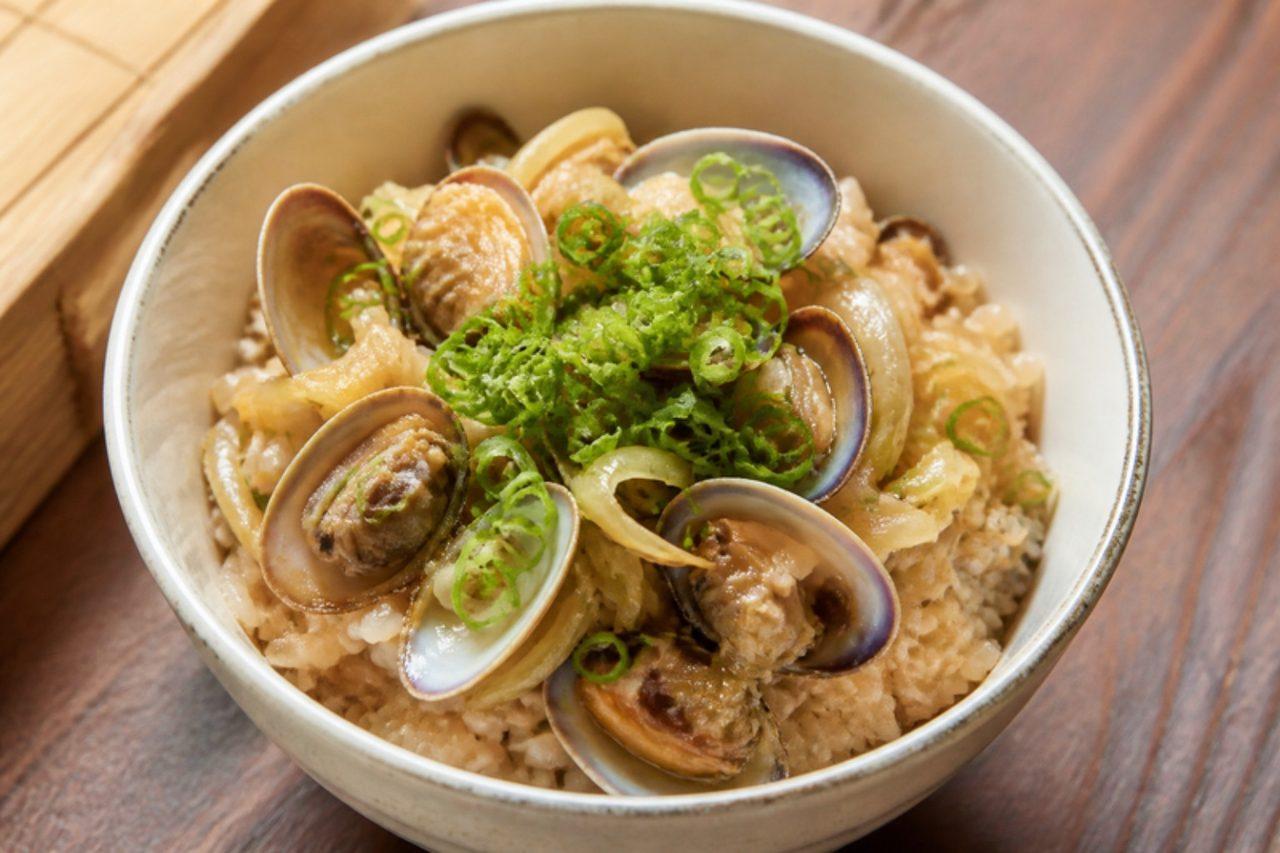
Fukagawa-meshi (Tokyo clam and miso rice)

Clam diggers on the shallow shores of Fukagawa, in what is now Koto ward in eastern Tokyo, used to make a fast meal by simmering fresh asari clams with leek in miso soup and tipping it over rice. The bay has long since been built over, but small restaurants near Monzen-Nakacho and Kiyosumi-Shirakawa still serve it in bowls or lacquered boxes, and it is a well-known station lunch box. Some cooks steam the clams into the rice instead; this is the older poured-over style. It is savoury, briny and very quick. Chef's tip: steam the clams open first and take them out of the pot, then return them only for the last 30 seconds, so they stay plump instead of shrinking into rubbery nubs.

by KrazyBadal 0 views

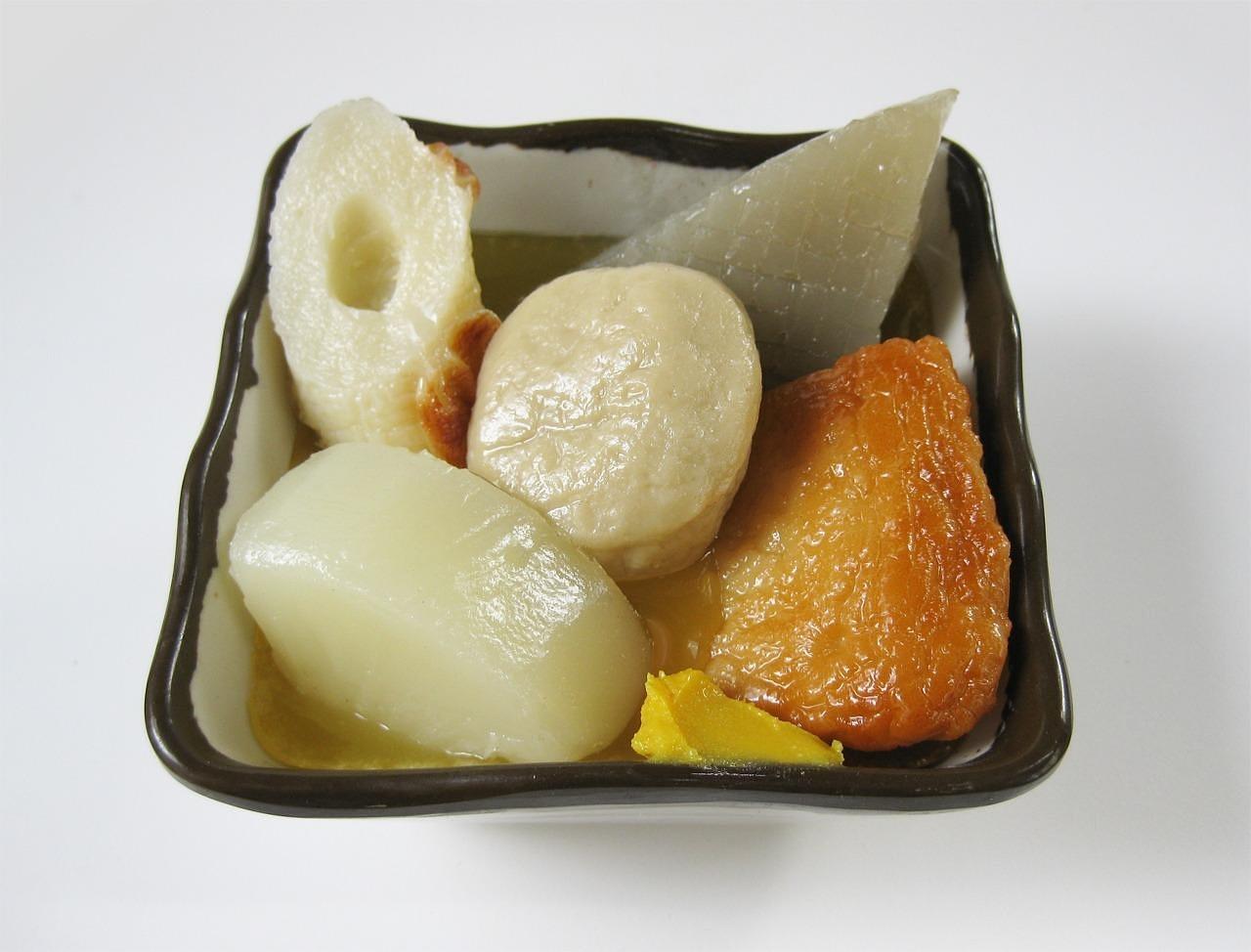
Oden (Tokyo style)

When the evenings turn cold, Tokyo's convenience stores set out steaming trays of oden by the till, and small oden bars and street stalls fill up with office workers. Tokyo's style uses a darker, soy-seasoned dashi than the paler Kansai one, and it includes chikuwabu, a chewy tube of wheat dough that is rarely seen outside the Kanto region. Everything simmers gently for a long time, so the daikon turns translucent and soaks up the broth. Serve it straight from the pot with a dab of hot Japanese mustard. Chef's tip: make oden a day ahead and let it cool in the broth overnight; the daikon and eggs take on far more flavour as they cool than while they boil.

by KrazyBadal 0 views

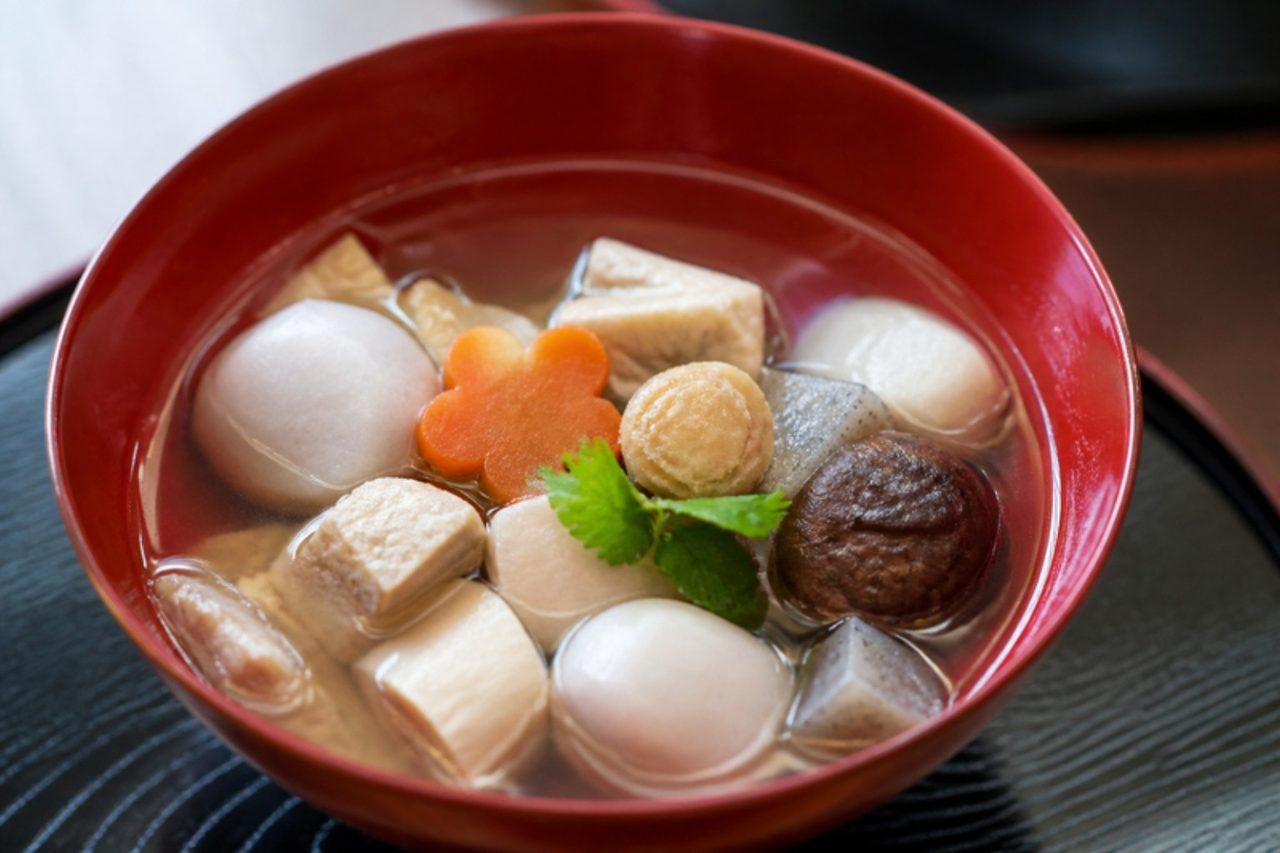
Kozuyu (Aizu dried scallop soup)

Far inland in the Aizu basin of Fukushima, the old castle town of Aizu-Wakamatsu builds its festive soup on dried scallops, which reached these mountains by trade from the northern coast. Kozuyu is served at New Year, weddings and other celebrations in shallow red lacquer bowls, and it is polite to accept a second or third helping. The stock is clear and lightly salted, full of small cubes of taro, carrot, mushroom, konjac noodles and tiny wheat gluten balls. Expect a delicate, sweet sea flavour rather than anything strong. Chef's tip: keep every drop of the scallop soaking water; it is the whole stock, and the scallops themselves shred into soft threads in the soup.

by KrazyBadal 0 views

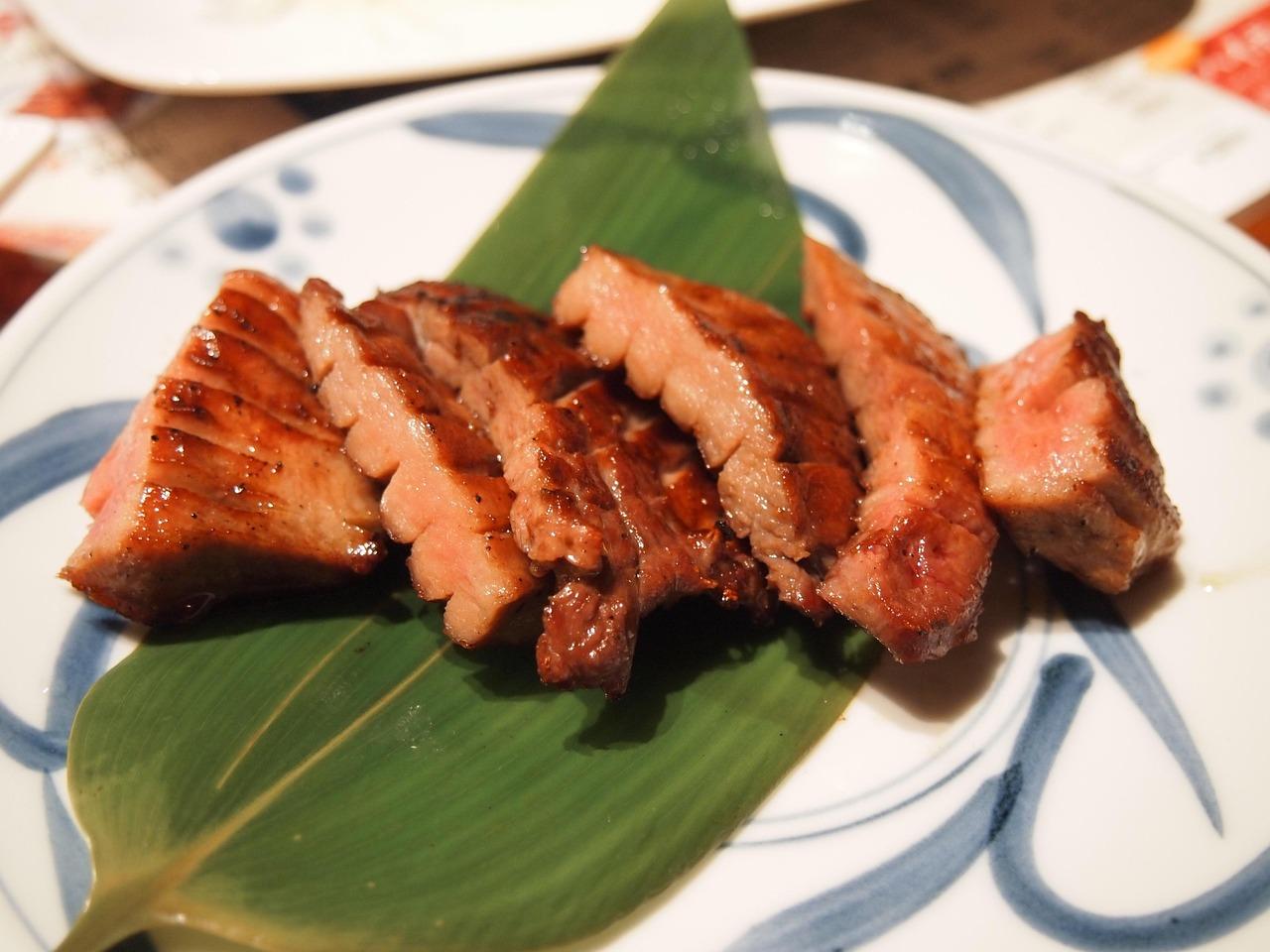
Gyutan (Sendai grilled beef tongue)

Sendai, the biggest city in Miyagi prefecture, turned beef tongue into its signature dish in the years after the Second World War. Specialist gyutan restaurants line the streets around Sendai Station, and the classic set is always the same: grilled tongue, a bowl of rice cooked with barley, a clear oxtail soup and a few pickles with a green chilli miso. This home version uses tongue sliced by a butcher, a short salt cure and a very hot pan, with a quick clear beef soup in place of the long-simmered oxtail. The meat should be chewy in a pleasant, bouncy way, with a smoky crust. Chef's tip: ask the butcher to peel the tongue and cut it into 1 cm slices; thick slices with shallow cuts on both sides stay juicy, while thin ones dry out in seconds.

by KrazyBadal 0 views

Chhum hanSteamed vegetables with chilli dip

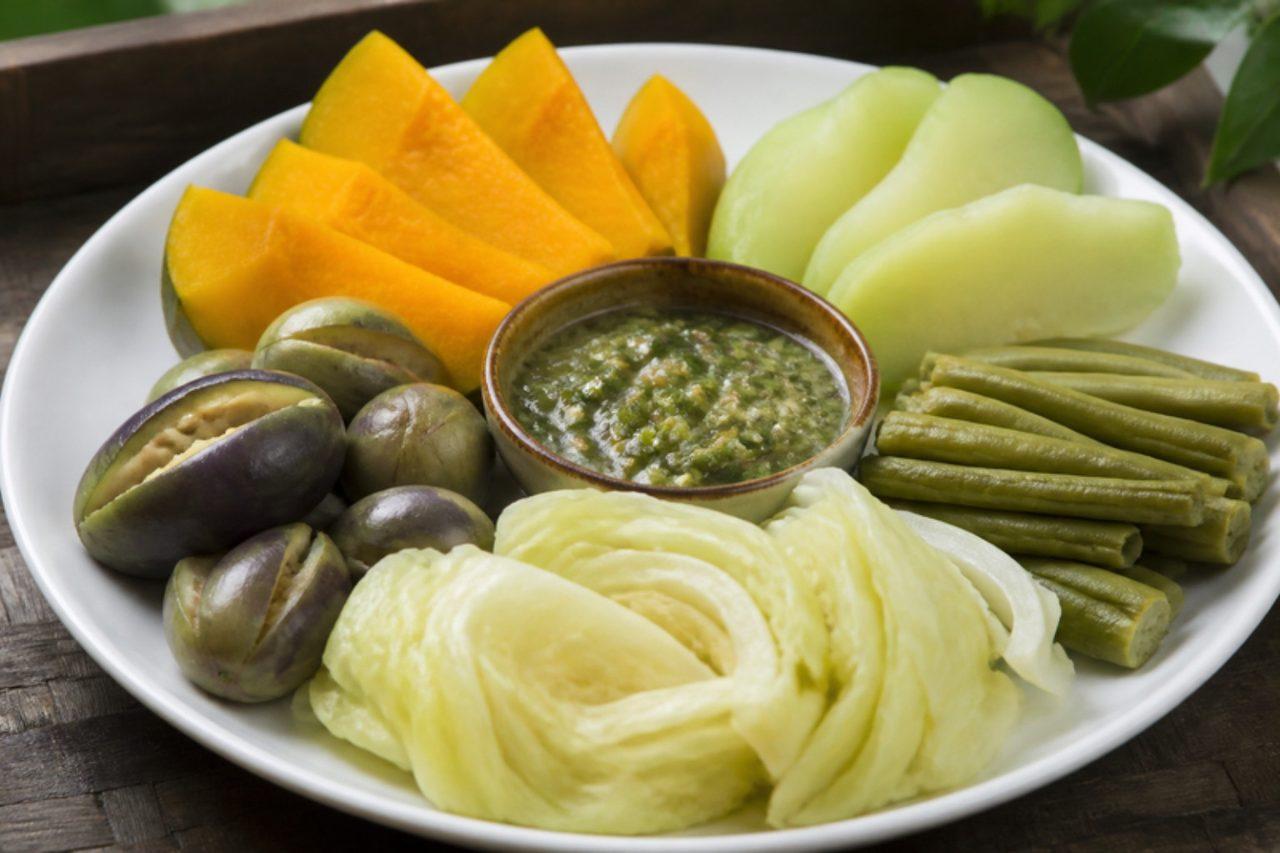
Chhum han is how Mizo families eat vegetables at their simplest: whatever is in the garden (pumpkin, chayote, beans, aubergine, cabbage, potato) steamed or boiled until just tender and served on a plate with a sharp dip of crushed chilli, garlic, salt and herbs. In Aizawl it is part of almost every home meal, eaten with rice and bai. The vegetables taste of themselves, and the dip does the work. Chef's tip: steam each vegetable for its own time and take it off when a knife slides in; overcooked chhum han is watery and dull.

by KrazyBadal 0 views

BaksoBeef meatball soup

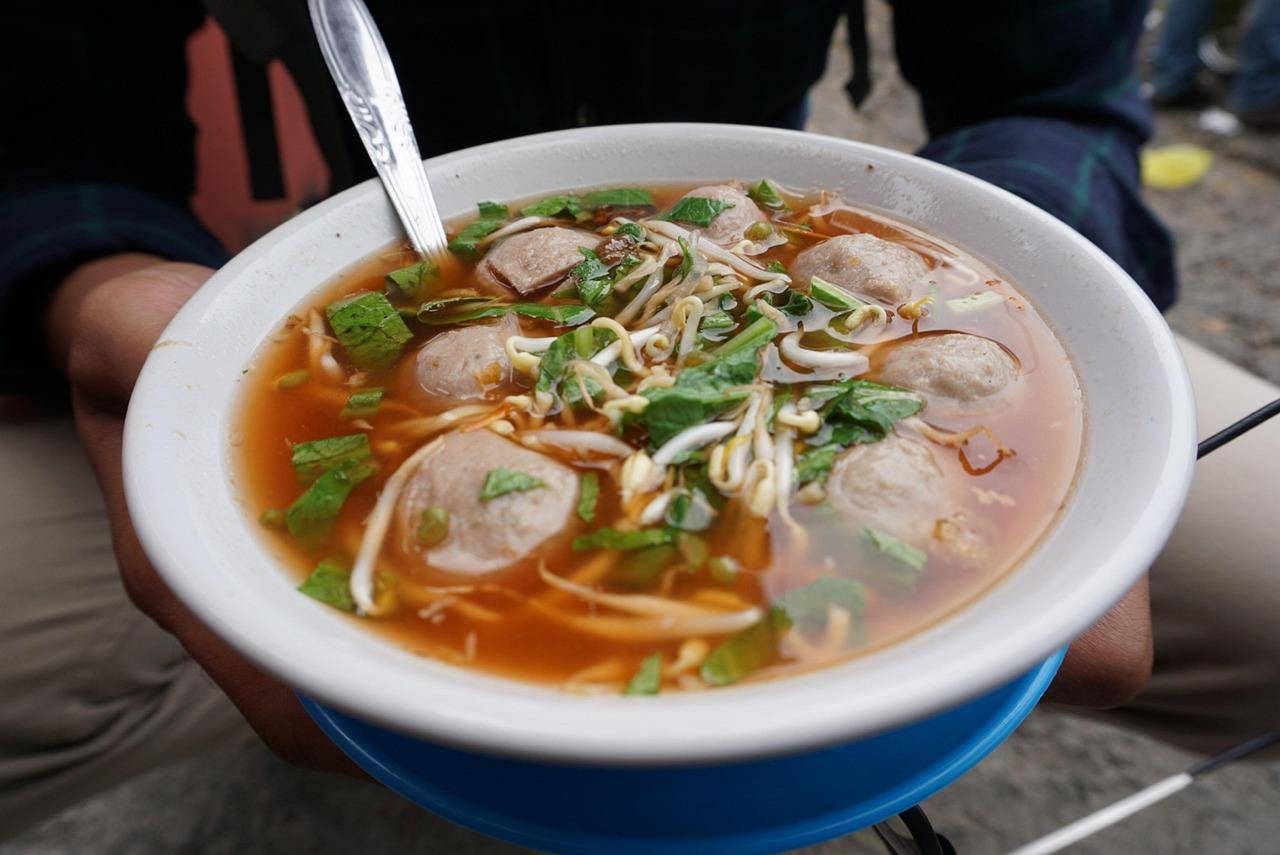
Listen for a spoon tapped against a bowl in any Indonesian neighbourhood and you will find a bakso cart, its glass case stacked with meatballs and two kinds of noodles. The meatballs are springy, almost bouncy, sitting in a clear, garlicky beef broth with yellow noodles, glass noodles and a little green veg. Everyone then builds their own bowl at the counter with sambal, sweet soy sauce, vinegar and a scattering of fried shallots; it is the go-to comfort on a wet afternoon. Chef's tip: keep the beef and everything that touches it ice-cold while you blend, because warm meat gives dense, crumbly balls instead of that famous bounce.

by KrazyBadal 0 views

Bal mithaiChocolate-brown fudge with sugar balls

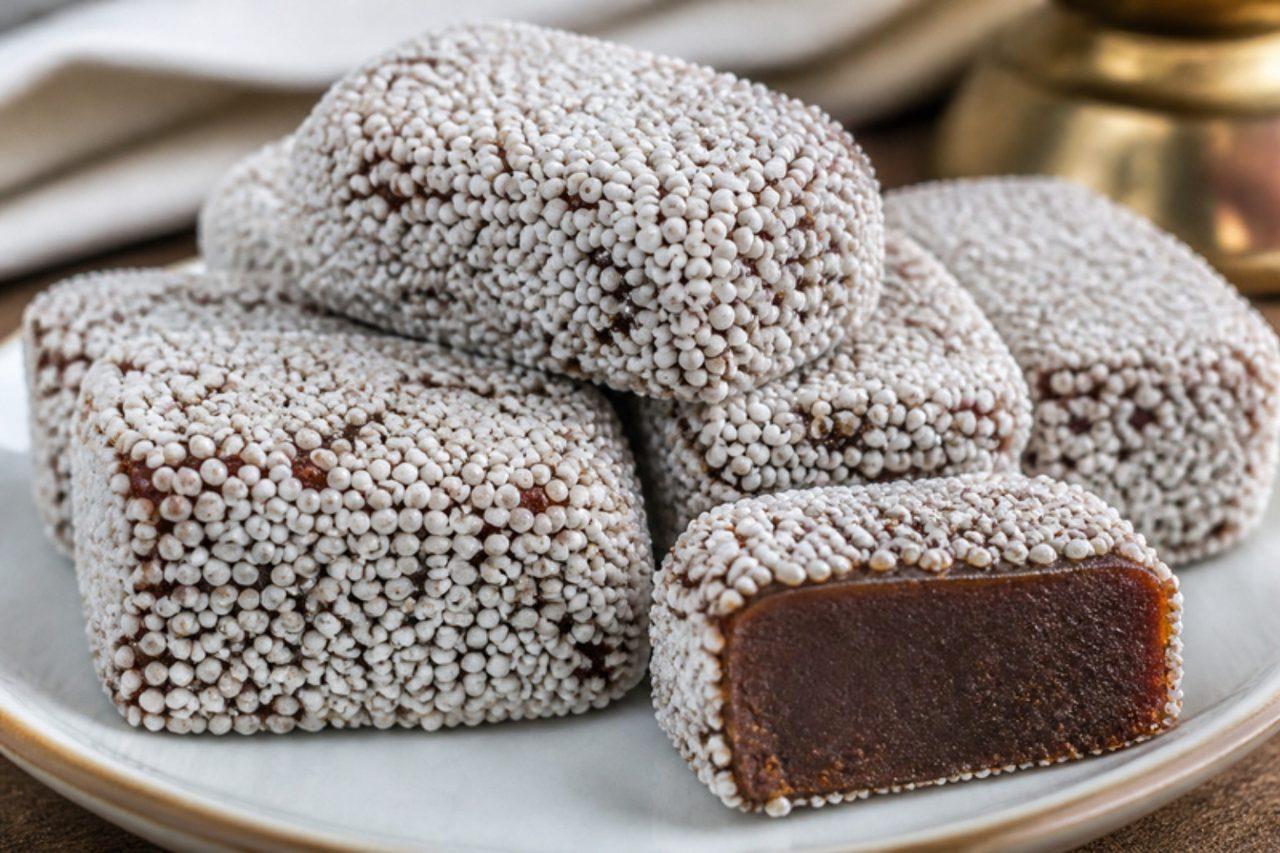
Bal mithai belongs to Almora in Kumaon, where sweet shops on the old Lala Bazaar have sold it for well over a century. Khoya is cooked slowly with sugar until it caramelises to the colour of dark chocolate, set into bars and rolled in little white sugar balls, which give a crunchy bite against the fudgy middle. Families carry boxes of it home from the hills as the town's best-known souvenir. The flavour is deep and toffee-like, with no added colour or cocoa. Chef's tip: keep the heat low and be patient; the deep brown comes from slow caramelising over half an hour, not from turning the flame up.

by KrazyBadal 0 views

Imoni (Yamagata taro and beef stew)

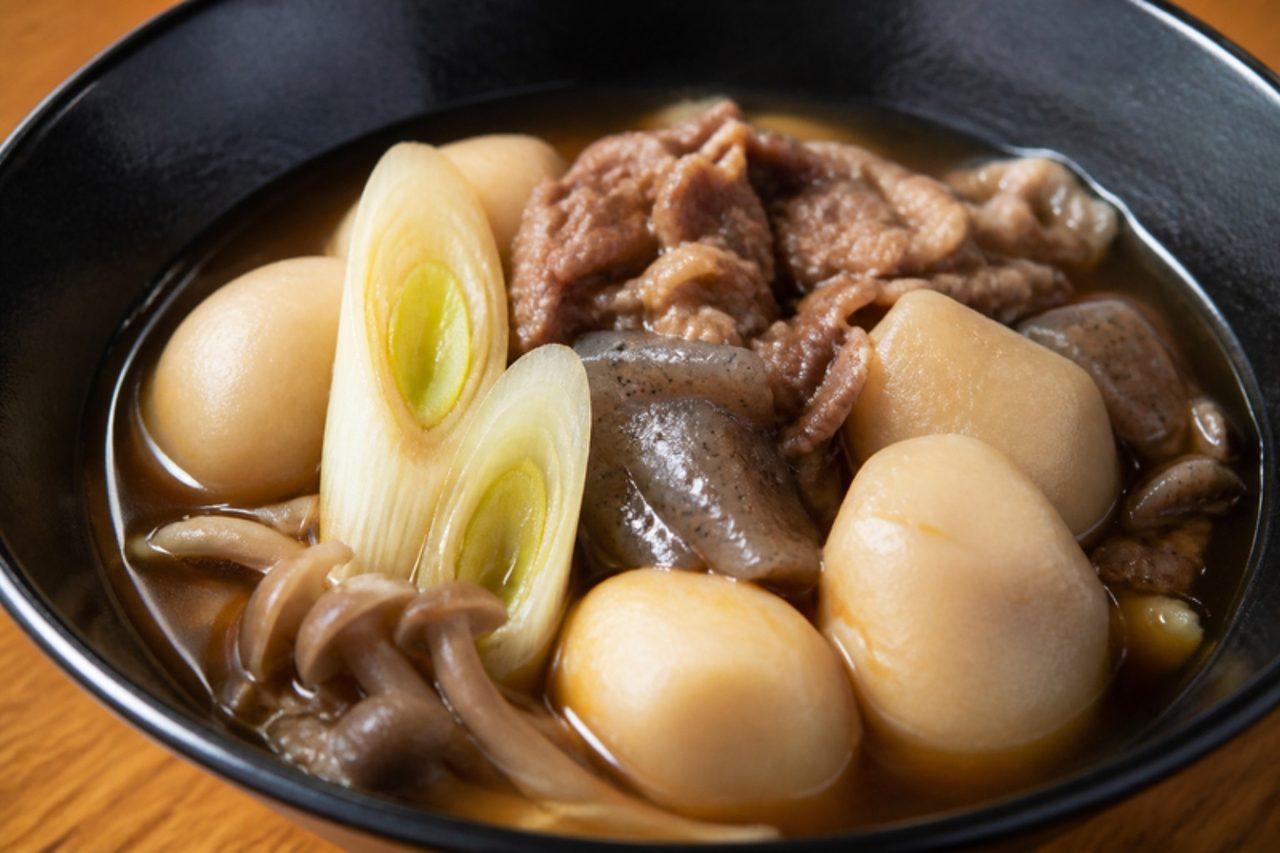
On autumn weekends in Yamagata, friends, families and workmates carry big pots, firewood and bags of taro down to the riverbanks and cook imoni outdoors; the gathering is called an imoni-kai. Yamagata city even holds a festival on the Mamigasaki River where the stew is made in a giant pot and ladled out with a mechanical digger. The Yamagata version uses beef and a soy broth, while neighbouring Miyagi makes it with pork and miso. Taro gives the soup a soft, slightly thick body, konjac adds bite and the leeks go in last so they stay sweet. Chef's tip: rub the peeled taro with salt and rinse it before cooking; this removes most of the slippery coating, so the broth stays clean rather than gluey.

by KrazyBadal 0 views

Baladi saladChopped tomato and cucumber salad

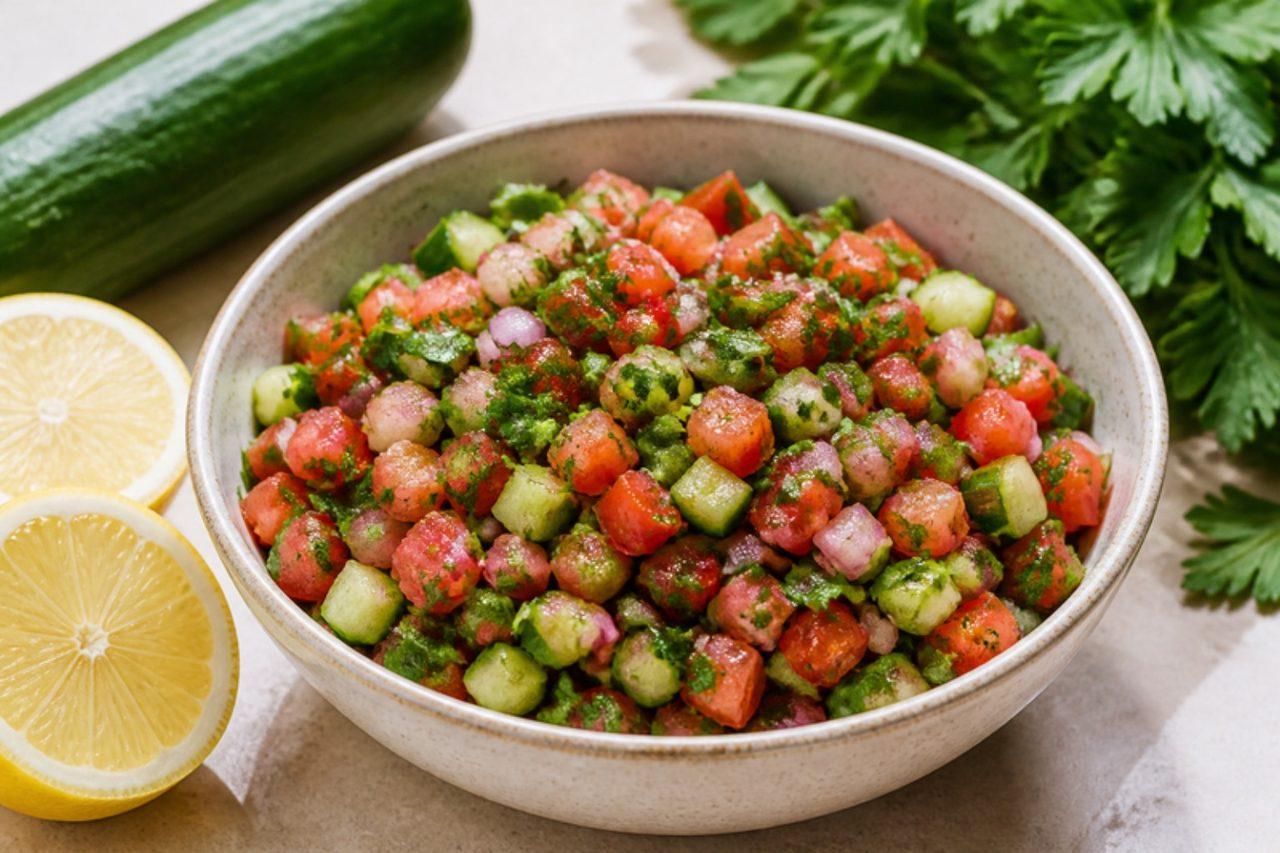
Salata baladi, the 'country salad', is on every Egyptian table, from Cairo koshari shops to Alexandria fish restaurants and home lunches, next to the rice and bread. It is finely diced tomato, cucumber, onion and green chilli, with a little parsley, a big squeeze of lemon and a pinch of cumin that makes it taste Egyptian rather than Levantine. It takes ten minutes and cuts through rich food like molokhia or mahshi. Chef's tip: dice everything small, about the size of a chickpea, so each spoonful carries a bit of everything.

by KrazyBadal 0 views

Lahpet thokePickled tea leaf salad

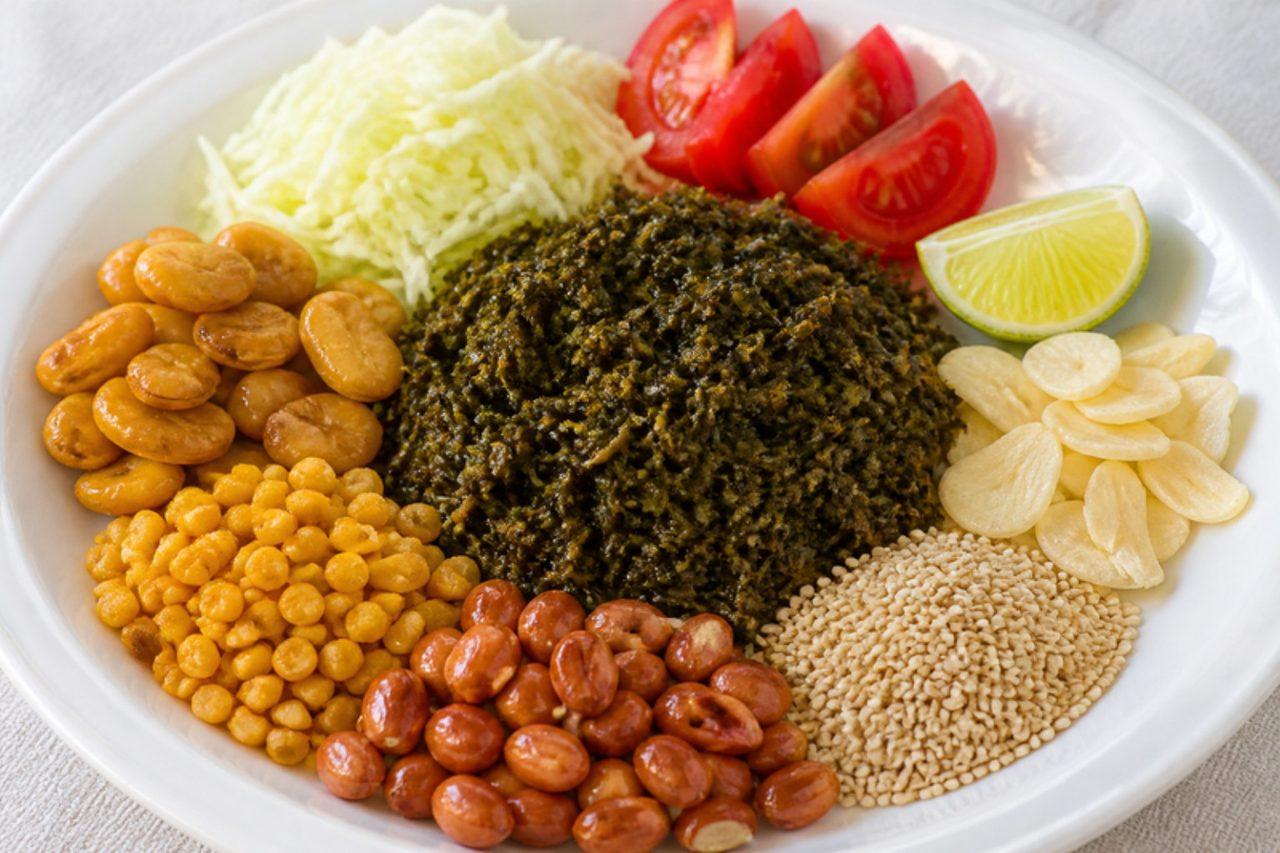
Lahpet thoke is how Myanmar welcomes a guest: a lacquered tray of pickled tea leaves surrounded by fried beans, peanuts, sesame and garlic, offered after meals, at weddings and at monk feasts from Mandalay to Yangon. Mixed into a salad with cabbage, tomato, chilli and lime, it becomes the country's most famous dish: bitter, sour, salty and crunchy at once, with a gentle caffeine lift. Ready-made lahpet sometimes contains fish sauce and the crunchy mix often has dried shrimp, so this version quick-pickles loose green tea at home. Chef's tip: soak the tea in several changes of hot water and squeeze it hard each time; that's what tames the bitterness.

by KrazyBadal 0 views

BalaleetSweet vermicelli with omelette

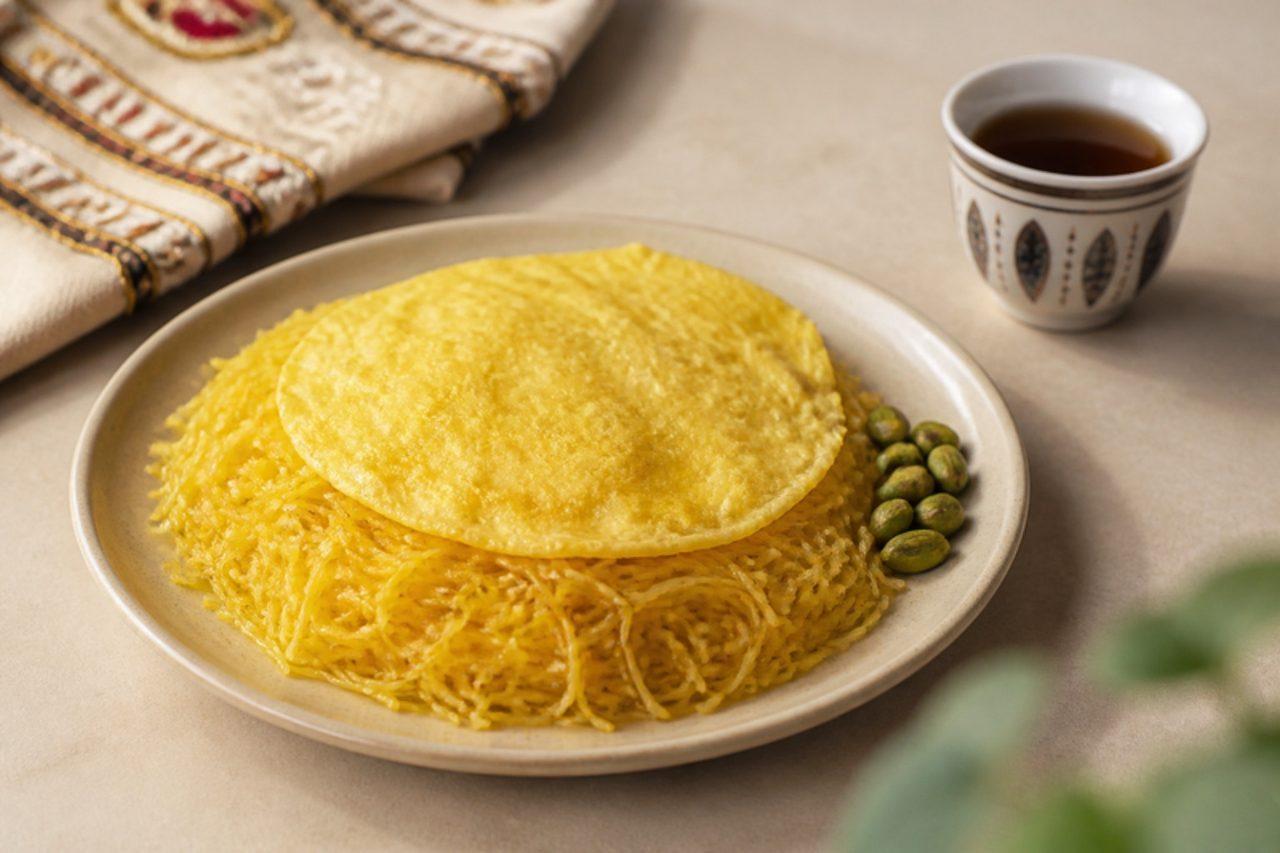
Sweet noodles for breakfast surprise visitors, but in the UAE and Qatar balaleet is the dish of Eid mornings and lazy weekend brunches. Fine vermicelli is toasted in butter, then steamed with sugar, saffron, cardamom and rose water until soft and glossy, and finally capped with a thin, salty-edged omelette. The contrast of sweet, fragrant noodles and savoury egg is the whole point, so serve them together in one wedge. Chef's tip: toast the vermicelli until it is the colour of a biscuit; pale noodles taste flat and floury.

by KrazyBadal 0 views

Darjeeling first flush tea

Darjeeling's first flush is picked in March and April on estates clinging to the hills above the town, and in Darjeeling's tea rooms it is served plain: pale gold, flowery and slightly astringent, with a 'muscatel' note in the later second flush. It is the opposite of a strong breakfast tea, so it is never boiled, stewed or given milk. Hill families drink it from morning till dusk, and it is a souvenir every visitor buys from Chowrasta. Chef's tip: use water just off the boil (about 90°C) and time the brew; overheated or overbrewed first flush turns bitter and loses its scent.

by KrazyBadal 0 views

Chicken teriyaki

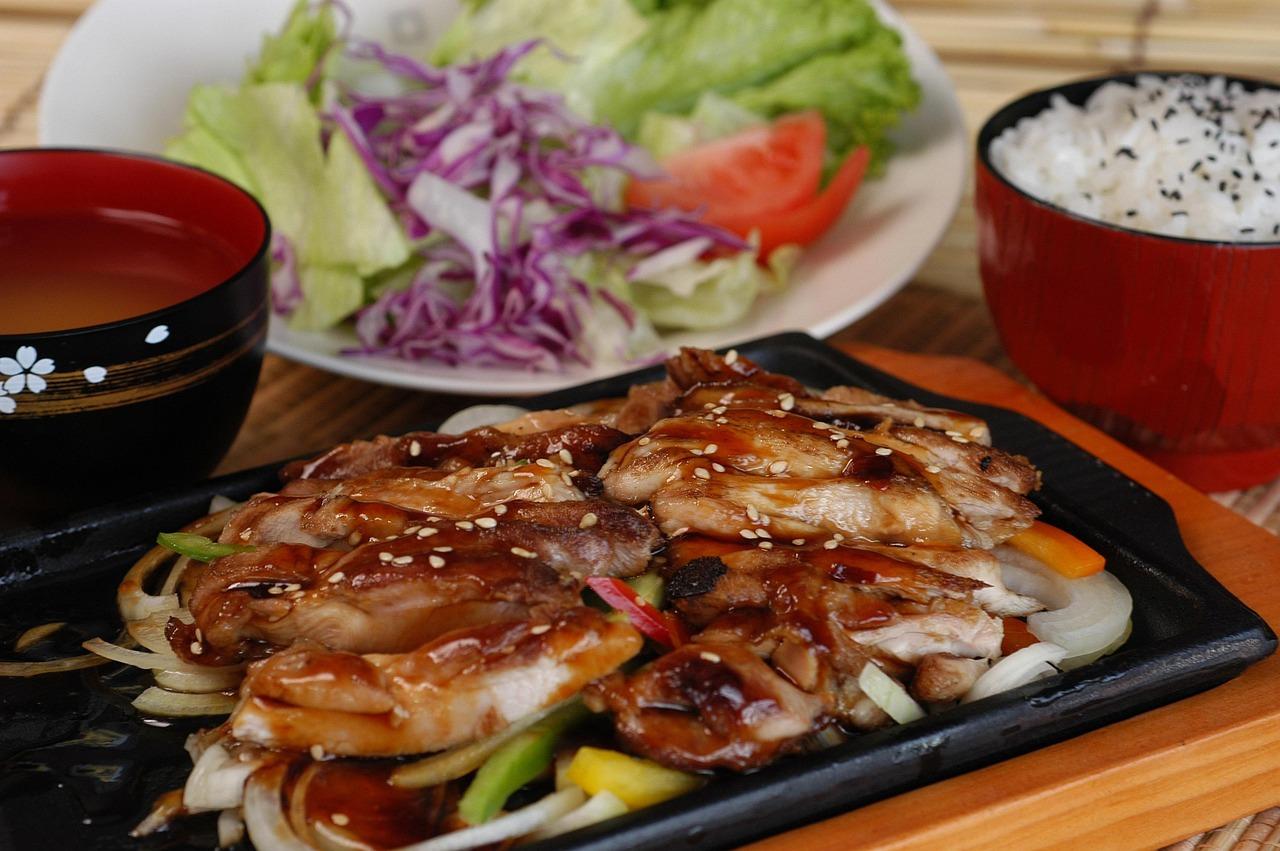
Teri means shine and yaki means grilled, which sums up the glossy, lacquered finish of this weeknight favourite. Japanese restaurants often save the teriyaki treatment for yellowtail in winter, but at home it is usually chicken thighs, cooked in one frying pan and sliced over rice or packed into a lunchbox. The sauce is just soy sauce, mirin, sake and sugar, bubbled down in the pan until it clings. Serve it with shredded cabbage and a bowl of miso soup. Chef's tip: wipe the fat out of the pan with kitchen paper before the sauce goes in, so the glaze thickens and shines instead of sitting in a greasy pool.

by KrazyBadal 0 views

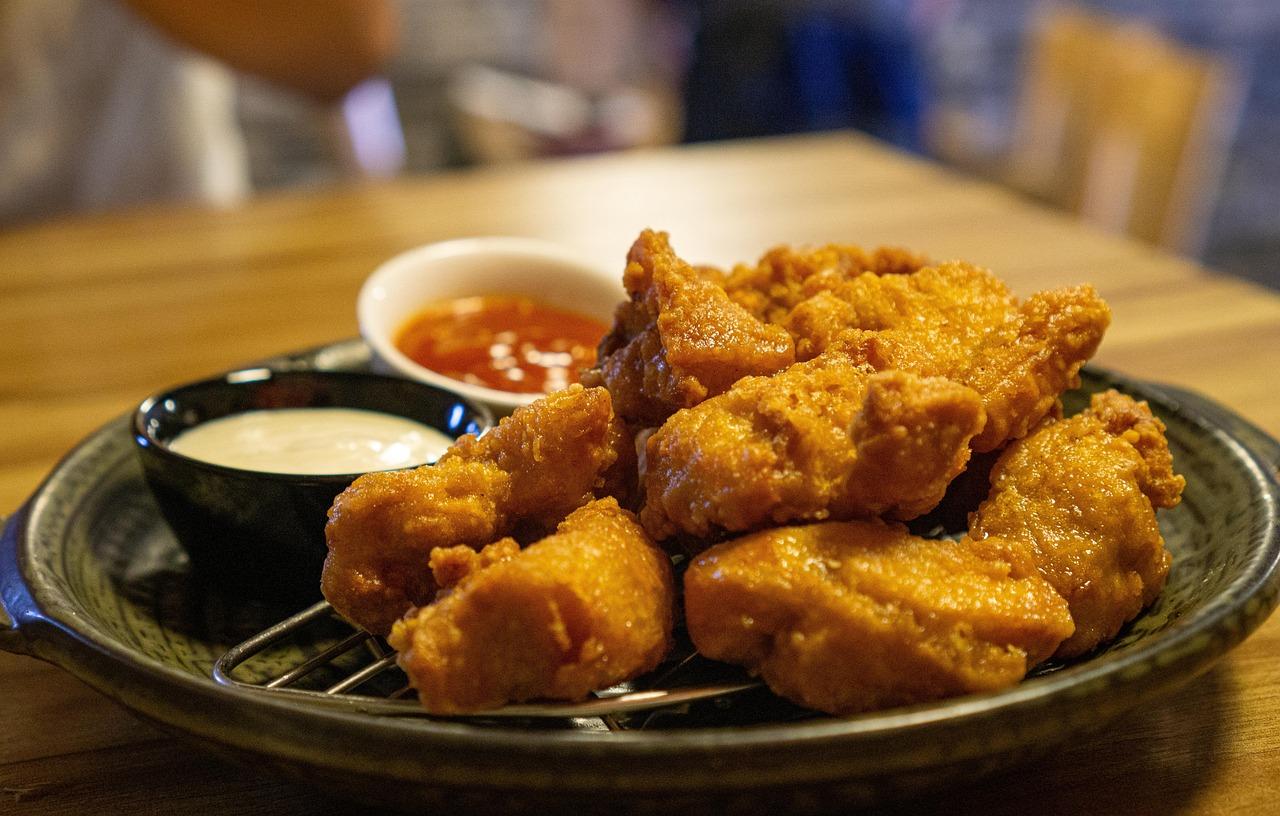
Chicken karaage

Nakatsu, a city in Oita prefecture on Kyushu, calls itself the capital of karaage and has dozens of takeaway shops selling it by weight. Across Japan, these bite-size nuggets fill school bento boxes, sit in the hot cabinet of every convenience store and arrive with a squeeze of lemon at izakaya bars. Boneless thigh soaks briefly in soy, ginger and garlic, then a dusting of potato starch fries into a thin, glassy crust. Frying twice keeps the meat juicy and the outside crisp for longer. Chef's tip: once you have tossed the chicken in starch, wait 5 minutes until the coating looks damp in patches, which is what gives that craggy, crunchy finish.

by KrazyBadal 0 views

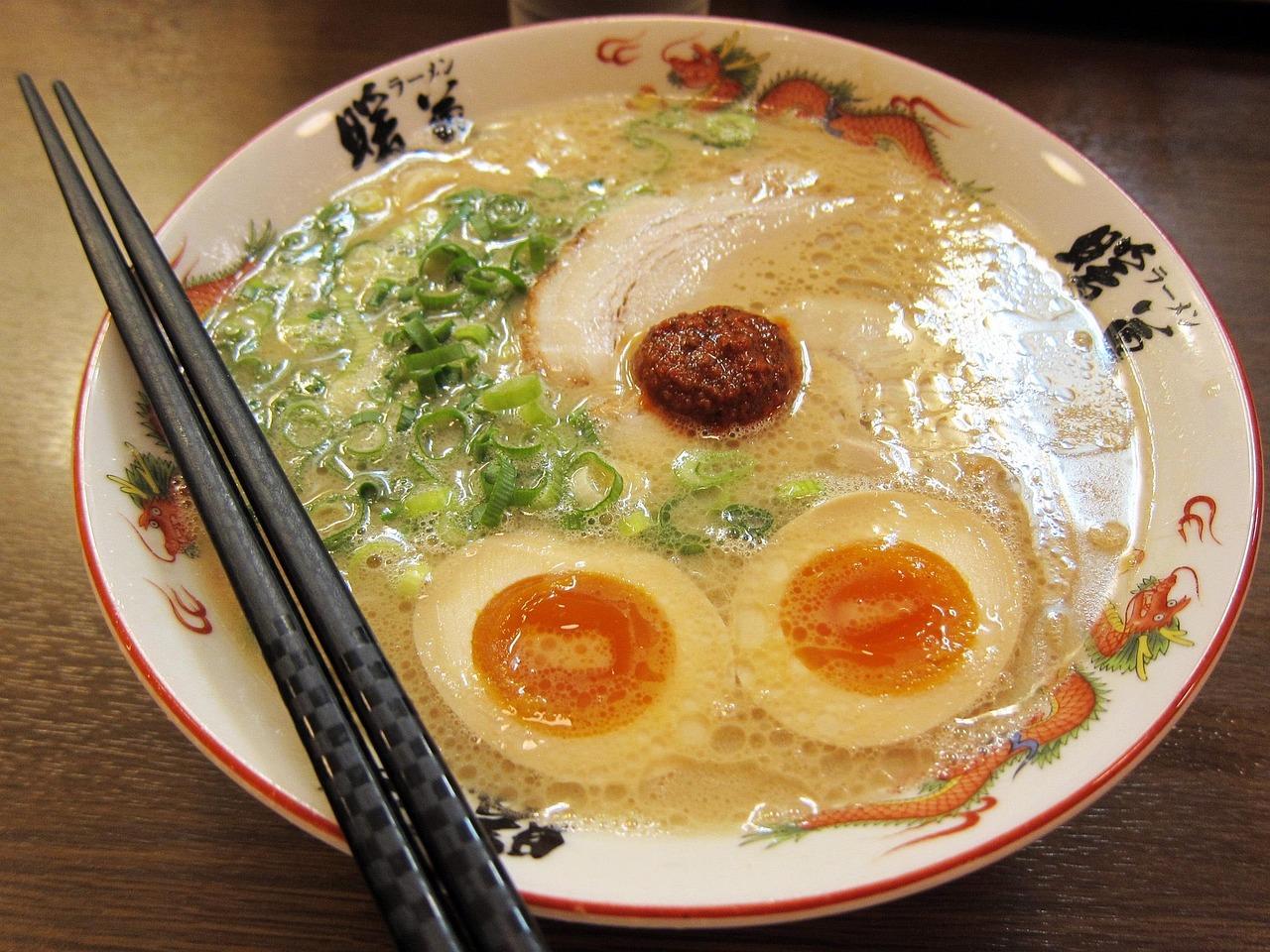
Tonkotsu ramen

Late at night along the river in Nakasu, Fukuoka, the yatai street stalls ladle out bowls of creamy, opaque pork-bone soup to people heading home. Hakata noodles are thin and straight and cooked very firm, and regulars order a second ball of noodles, called kaedama, into the same soup. Making it at home is a weekend project: the bones need about 10 hours at a fierce boil to break down into that milky broth, while rolled pork belly braises on the side. Red pickled ginger, sesame and spring onion cut through the richness. Chef's tip: ask your butcher to split the trotters and saw the bones in half, as the exposed marrow and collagen are what make the soup turn white and silky.

by KrazyBadal 0 views

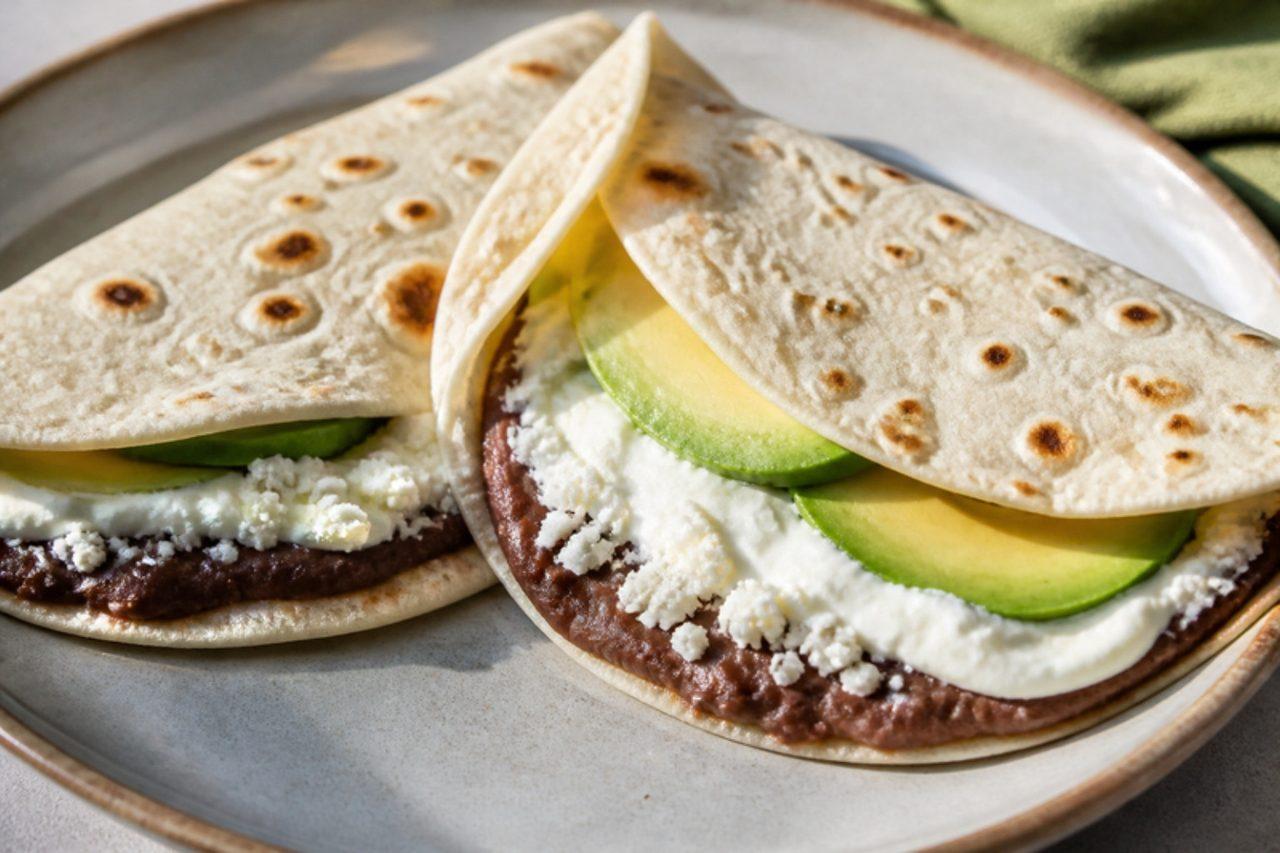
BaleadasFolded tortillas with beans and cheese

Baleadas are what Hondurans grab for breakfast on the way to work, from street stands in San Pedro Sula to the beaches of La Ceiba on the north coast. A thick, soft flour tortilla, warm from the comal, is spread with refried red beans, sprinkled with dry salty cheese and a spoon of mantequilla (sour cream), then folded in half. A 'baleada sencilla' stops there; add avocado, scrambled egg or fried plantain for a fuller one. Chef's tip: rest the dough balls a full 30 minutes; relaxed dough stretches thin by hand and puffs on the pan instead of shrinking back.

by KrazyBadal 0 views

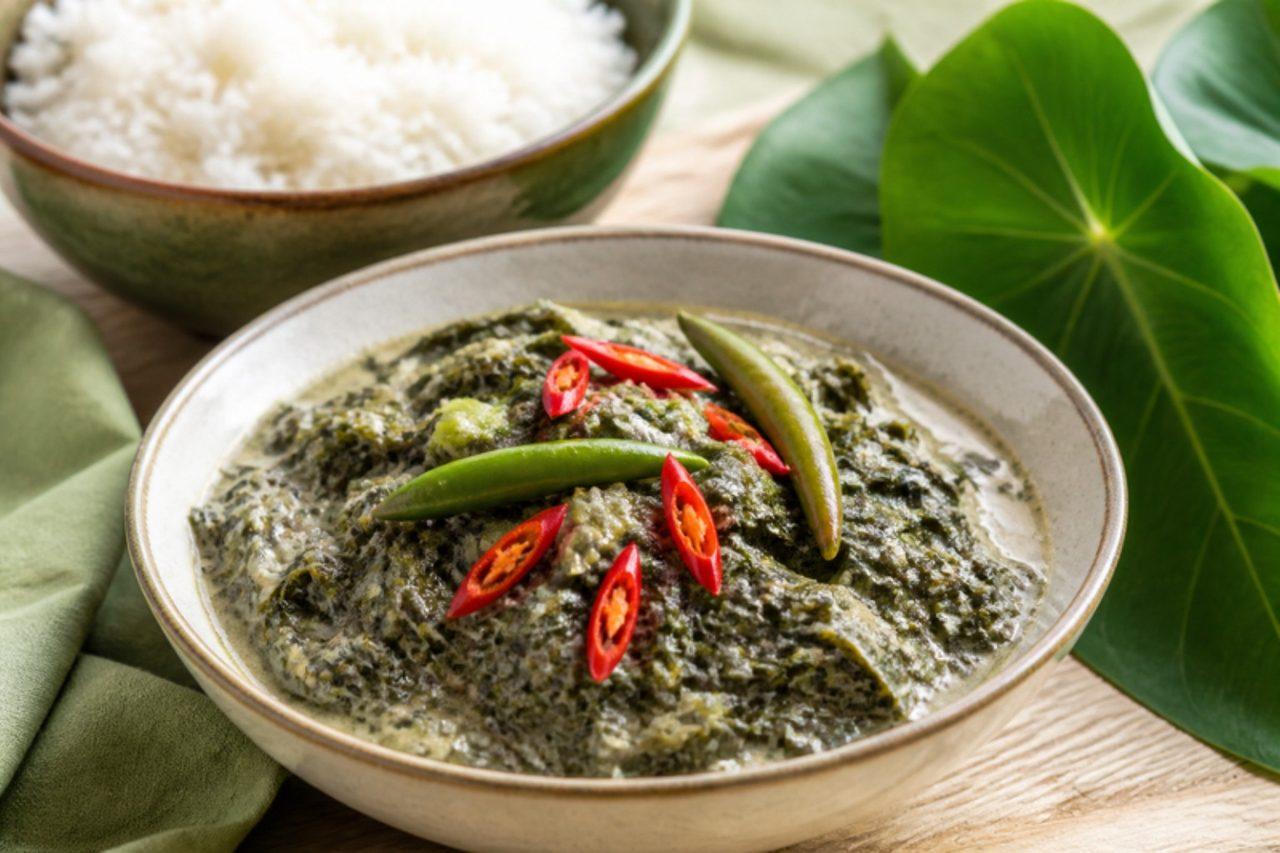
LaingTaro leaves in coconut milk

Laing is the pride of Bicol, the chilli-loving region at the southern tip of Luzon. Dried taro leaves are simmered for close to an hour in coconut milk with ginger, lemongrass and siling labuyo until they collapse into a dark, creamy, spicy mass, then finished with thick coconut cream. Bicolano cooks usually add pork or dried fish and shrimp paste; this vegetarian version leans on extra ginger and a little salt and stays rich. Eat it with plain rice, often as a Friday or Lenten dish. Chef's tip: lay the leaves on top of the coconut milk and don't stir until they have soaked it up; stirring raw taro leaves early is said to leave an itchy taste.

by KrazyBadal 0 views

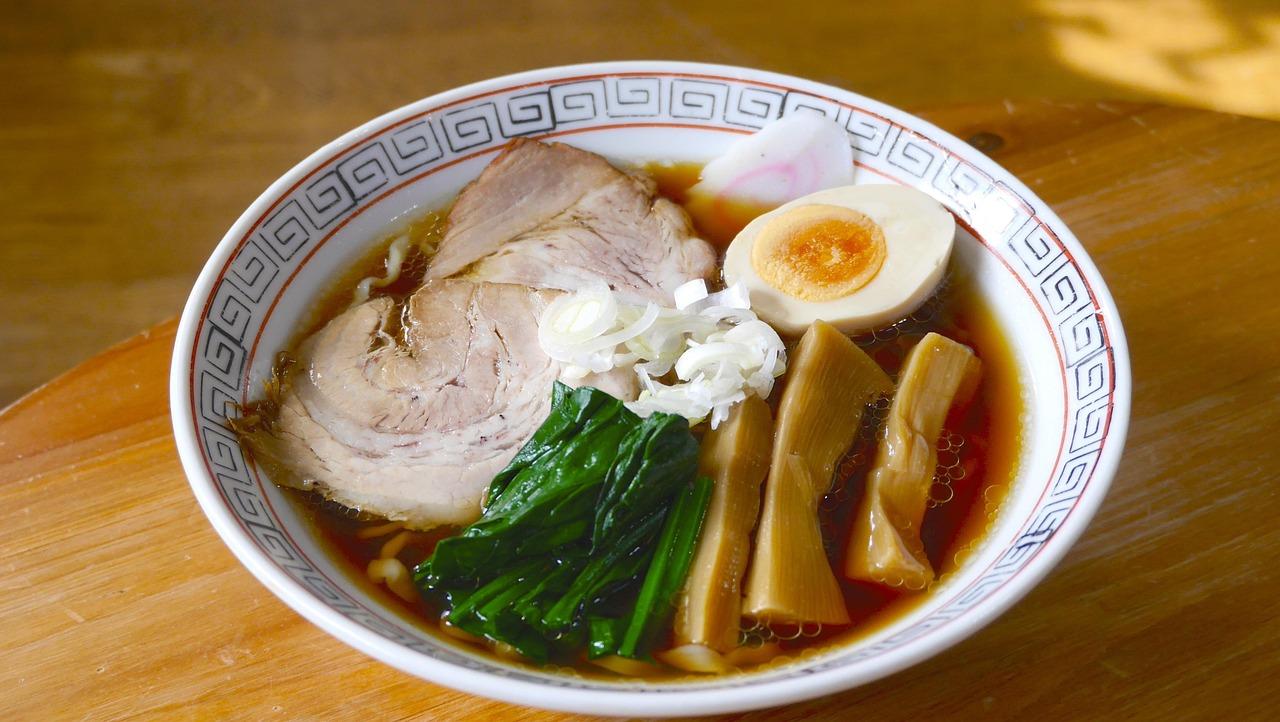
Shoyu ramen

Tokyo's earliest ramen counters, starting with one in Asakusa in 1910, served a clear brown soup seasoned with soy sauce, and that style still defines a Tokyo bowl. You'll find it in old-fashioned shops with a ticket machine by the door and a short lunchtime queue outside. This home version simmers chicken wings for under an hour, so the broth tastes clean and light, a world away from the milky pork soup of Kyushu. Wavy noodles catch the soup, and poached chicken, a jammy egg, nori and spring onion go on top. Chef's tip: float a spoonful of the yellow chicken fat you skim off the broth on each bowl, as it carries the aroma of the soy to your nose with every slurp.

by KrazyBadal 0 views

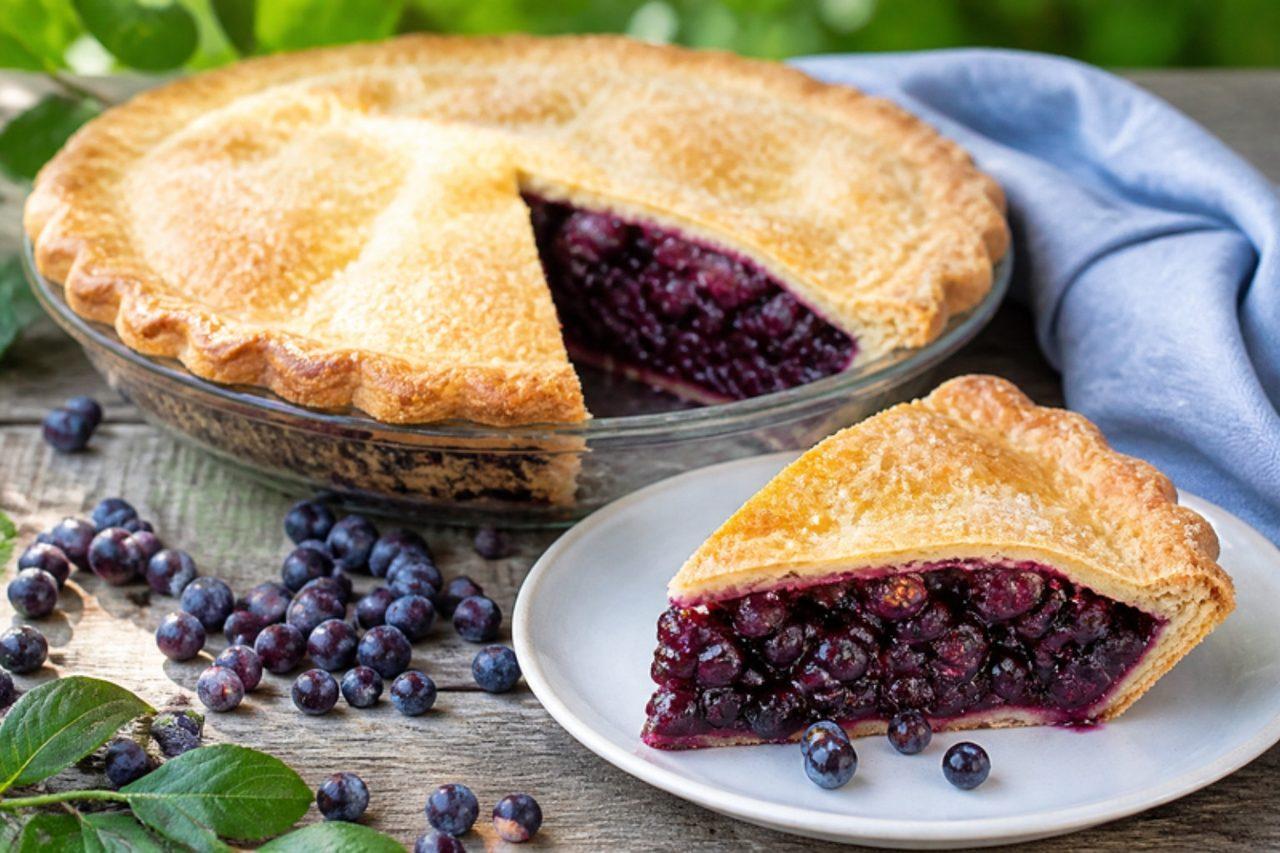
Saskatoon berry pie

Saskatoon berries grow wild across the Canadian prairies, and in July families in Saskatchewan, Alberta and Manitoba pick them by the pail for pie. They look like blueberries but taste sweeter and nuttier, almost like a cross with cherry and almond, with soft seeds. The city of Saskatoon takes its name from the Cree word for the berry, misâskwatômina. A double-crust saskatoon pie with ice cream is classic prairie summer dessert. Chef's tip: saskatoons are low in acid, so lemon juice is essential to wake up the flavour; outside Canada, use blueberries with a few drops of almond extract.

by KrazyBadal 0 views

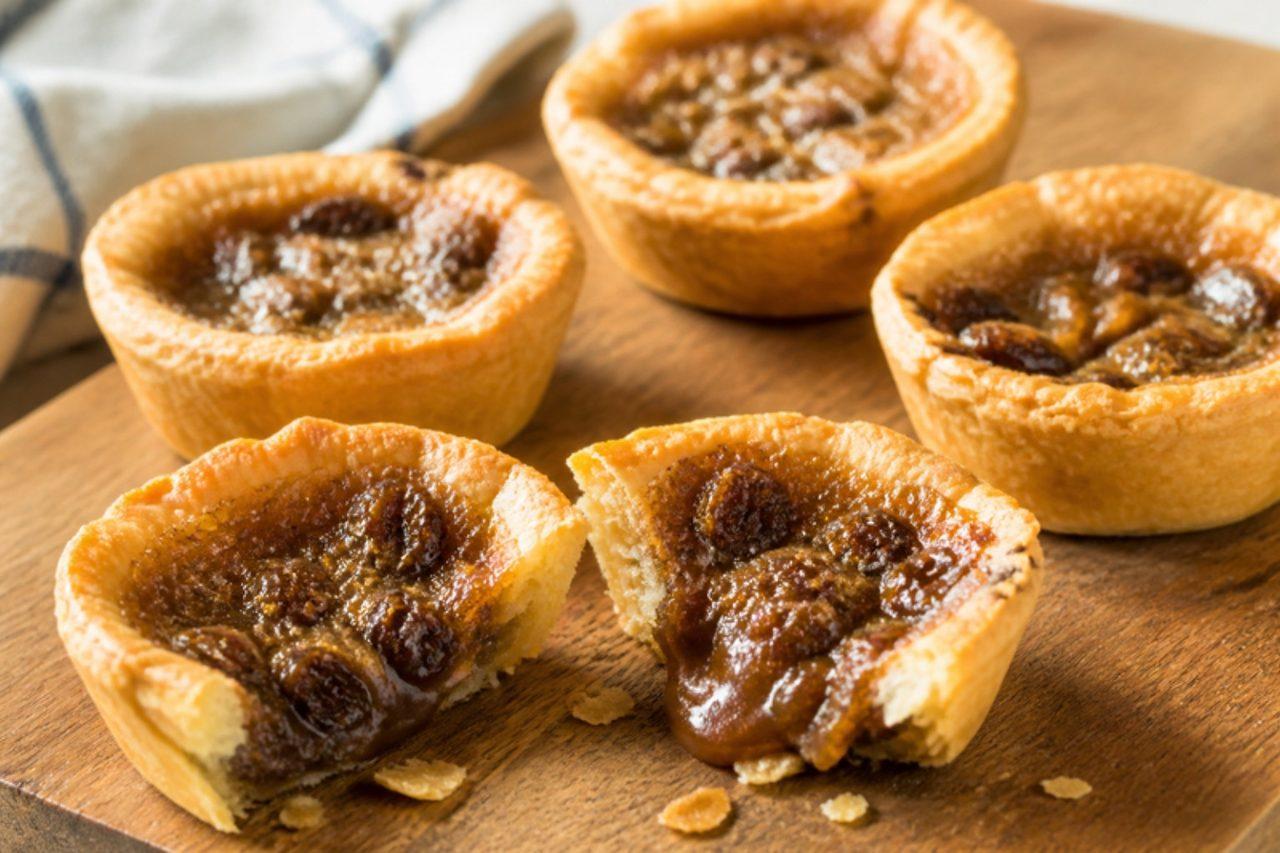
Butter tarts

Butter tarts are fiercely loved in Ontario, where towns along the 'Butter Tart Trail' near Midland and Wellington County hold contests, and where Canadians argue about whether raisins belong in them. Small, flaky pastry cups hold a filling of brown sugar, butter, egg and syrup that bakes into a gooey, caramel-like centre with a crackled top. This version adds a little maple syrup and leaves raisins optional. Chef's tip: bake only until the filling bubbles and the edges are set but the centre still jiggles; runny is the goal, but overbaked tarts turn sugary and hard.

by KrazyBadal 0 views

Nanaimo bars

Named after the city of Nanaimo on Vancouver Island, these three-layer bars have been Canada's favourite tray bake since the 1950s, when the recipe appeared in local community cookbooks. A crumbly base of biscuit crumbs, cocoa, coconut and nuts is topped with a thick yellow custard-flavoured buttercream and a snap of dark chocolate. They're made for church sales, Christmas cookie tins and coffee breaks, and need no oven. Chef's tip: dip the knife in hot water and wipe it between cuts; it slices through the chocolate cleanly without cracking it.

by KrazyBadal 0 views

Roasted red pepper & fennel

Big pieces of sweet red pepper and fennel tossed with lemon, black pepper and olive oil and roasted until soft and just starting to brown, then topped with black olives, toasted pine nuts and fresh herbs. It works as a side or a light starter, warm or cold. The vegetables can also be roasted on the barbecue jiko.

by KrazyBadal 0 views

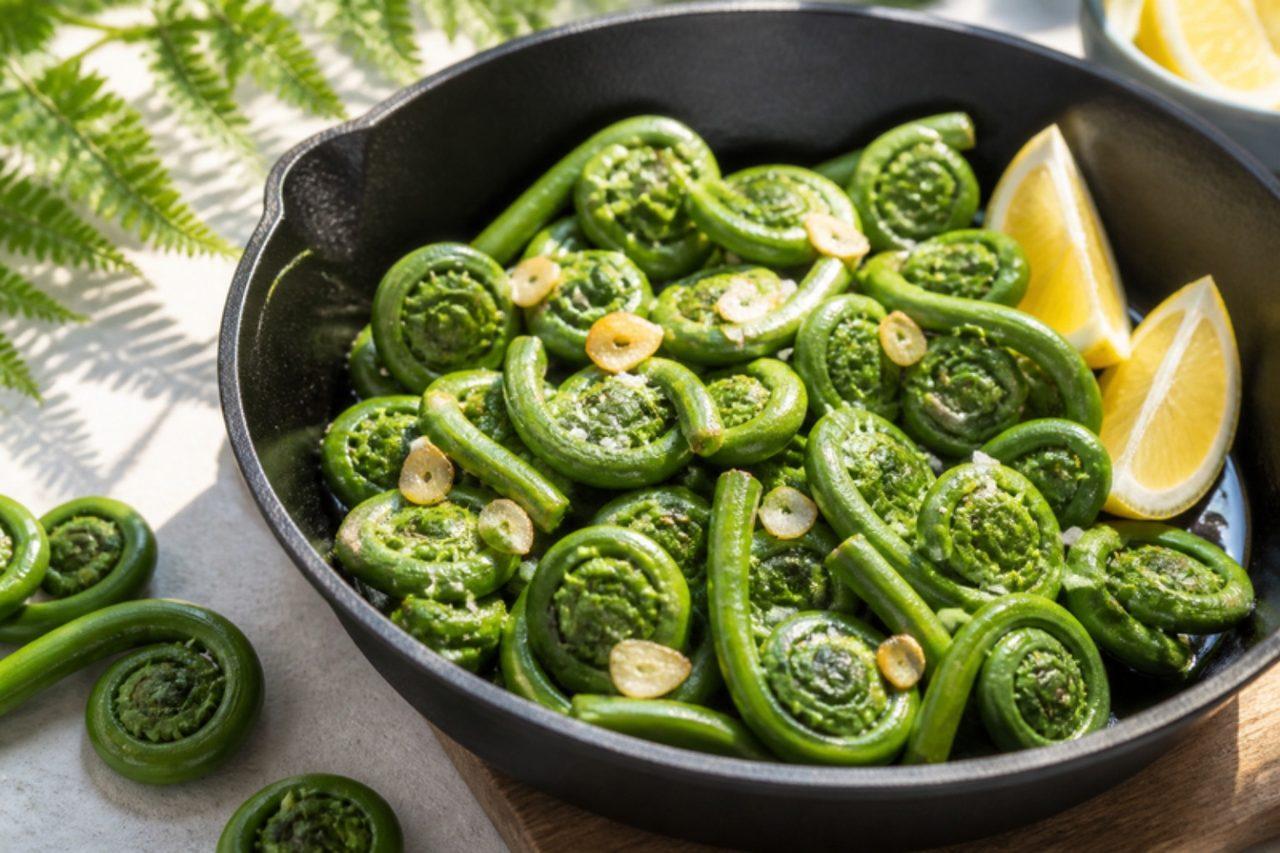
Fiddleheads with garlic butter

For a few weeks in May, the riverbanks of New Brunswick, along the Saint John River, and parts of Maine and Québec sprout fiddleheads: the tightly coiled young shoots of the ostrich fern. Locals forage them or buy them by the bag at roadside stands and farmers' markets, and eat them simply, with butter, garlic and lemon, tasting somewhere between asparagus and green beans with a grassy snap. They're a true taste of Atlantic Canadian spring. Chef's tip: fiddleheads must be boiled for a full 15 minutes before sautéing; undercooked fiddleheads can cause stomach upset, so this step is not optional.

by KrazyBadal 0 views

Mushroom-gravy poutine

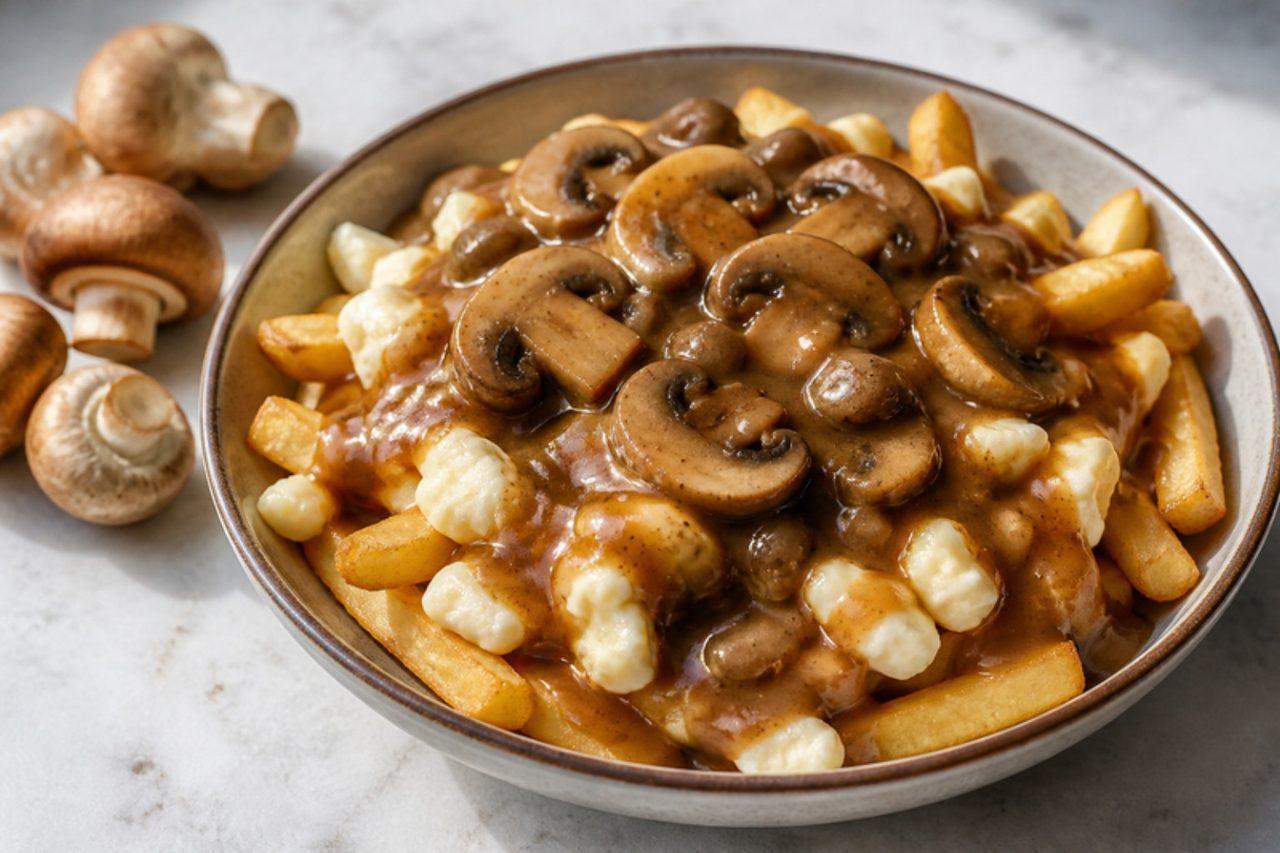
Poutine was born in rural Québec in the 1950s, at snack bars (casse-croûtes) in towns like Warwick and Drummondville, and is now eaten across Canada at 2 a.m. after a night out and at hockey arenas. The rules are simple: crisp fries, fresh cheese curds that squeak against your teeth, and a hot, savoury gravy poured over so the curds soften but don't fully melt. This gravy is made with browned mushrooms and vegetable stock instead of the usual chicken-beef stock. Chef's tip: keep the curds at room temperature and the gravy very hot; cold curds stay rubbery and lukewarm gravy makes the fries soggy without softening the cheese.

by KrazyBadal 0 views

Vegetarian banh tet

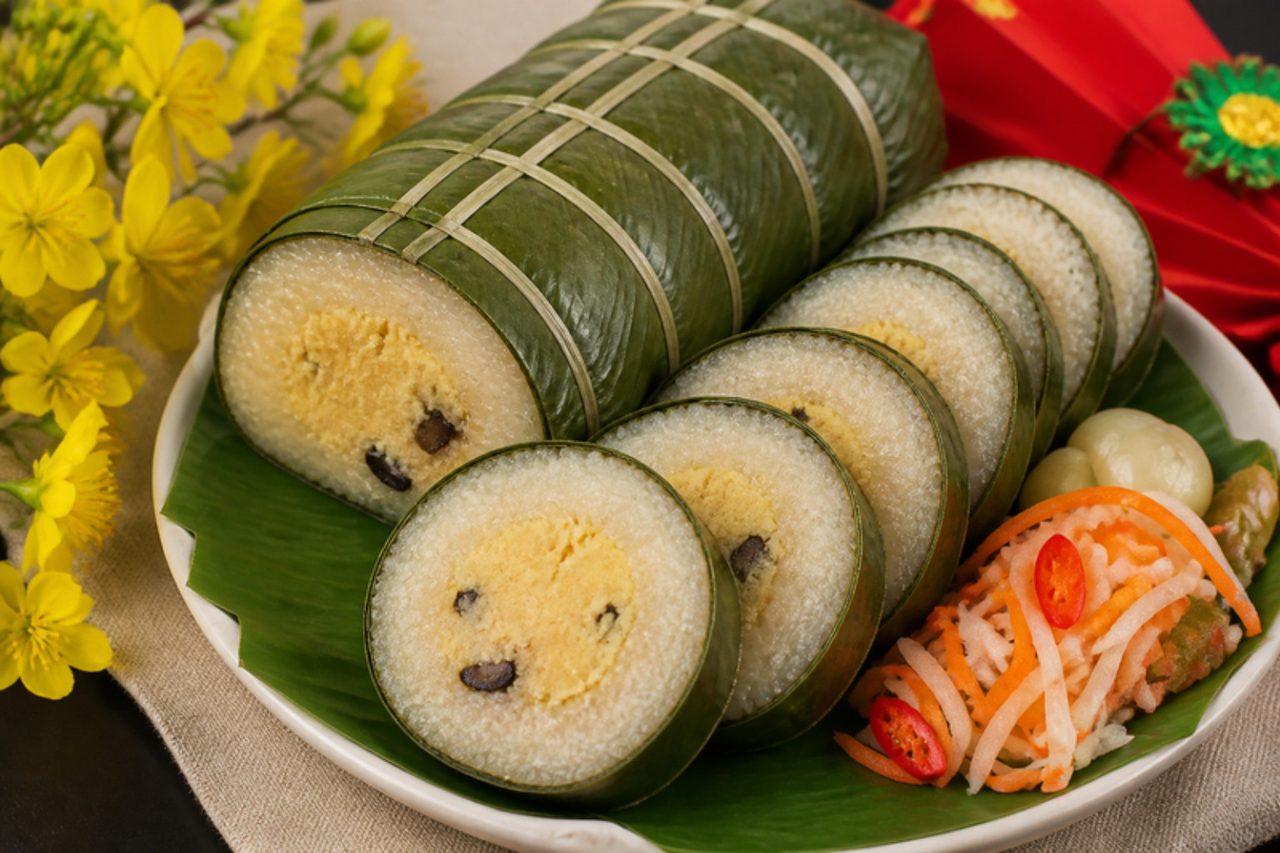
In the Mekong Delta, families gather in the days before Tết (Lunar New Year) to wrap bánh tét: long, round logs of coconut-scented sticky rice around a core of mung bean, tied in banana leaves and boiled overnight over a wood fire. The everyday version hides a strip of pork belly in the middle; the chay version here, with peppery shallot-seasoned mung bean, is the one made in Buddhist pagodas and vegetarian households, and some cooks make a sweet bánh tét chuối with ripe banana instead. Slices are cut with a loop of string, eaten with pickled vegetables, or fried until crisp in the days after Tết. Chef's tip: roll and tie the log tightly; a firm parcel is what keeps the water out and gives clean, dense slices.

by KrazyBadal 0 views

BambalouniSugared fried dough rings

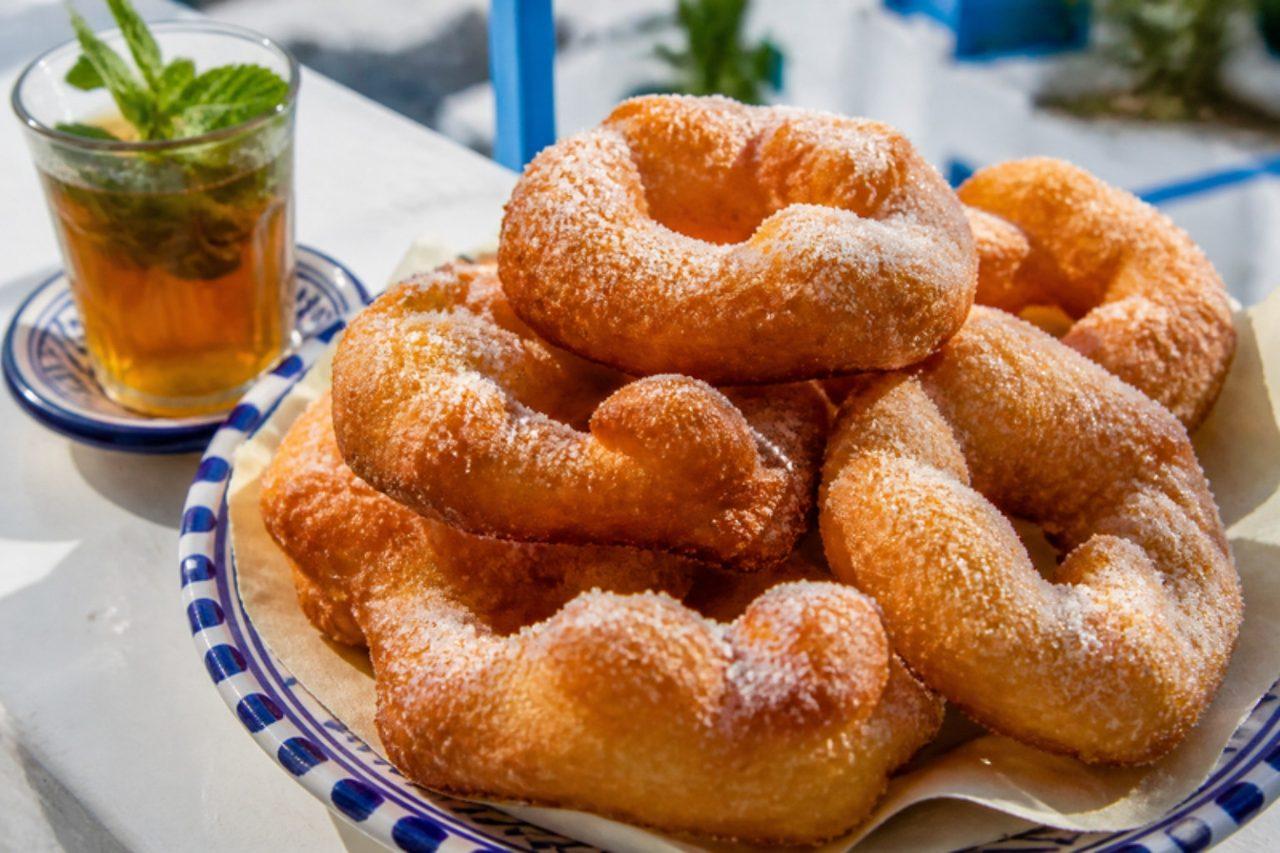
Bambalouni are the big, flat, chewy doughnuts sold hot and wrapped in paper at the top of the blue-and-white village of Sidi Bou Said, outside Tunis, and on beaches all along the coast in summer. The dough is very soft and yeasty; it is stretched by hand into a ring and fried until puffed and blistered, then rolled in sugar. They are best eaten warm with a mint tea. Chef's tip: oil your hands, not the bench, to shape them; floured dough browns too fast and loses its blistered look.

by KrazyBadal 0 views

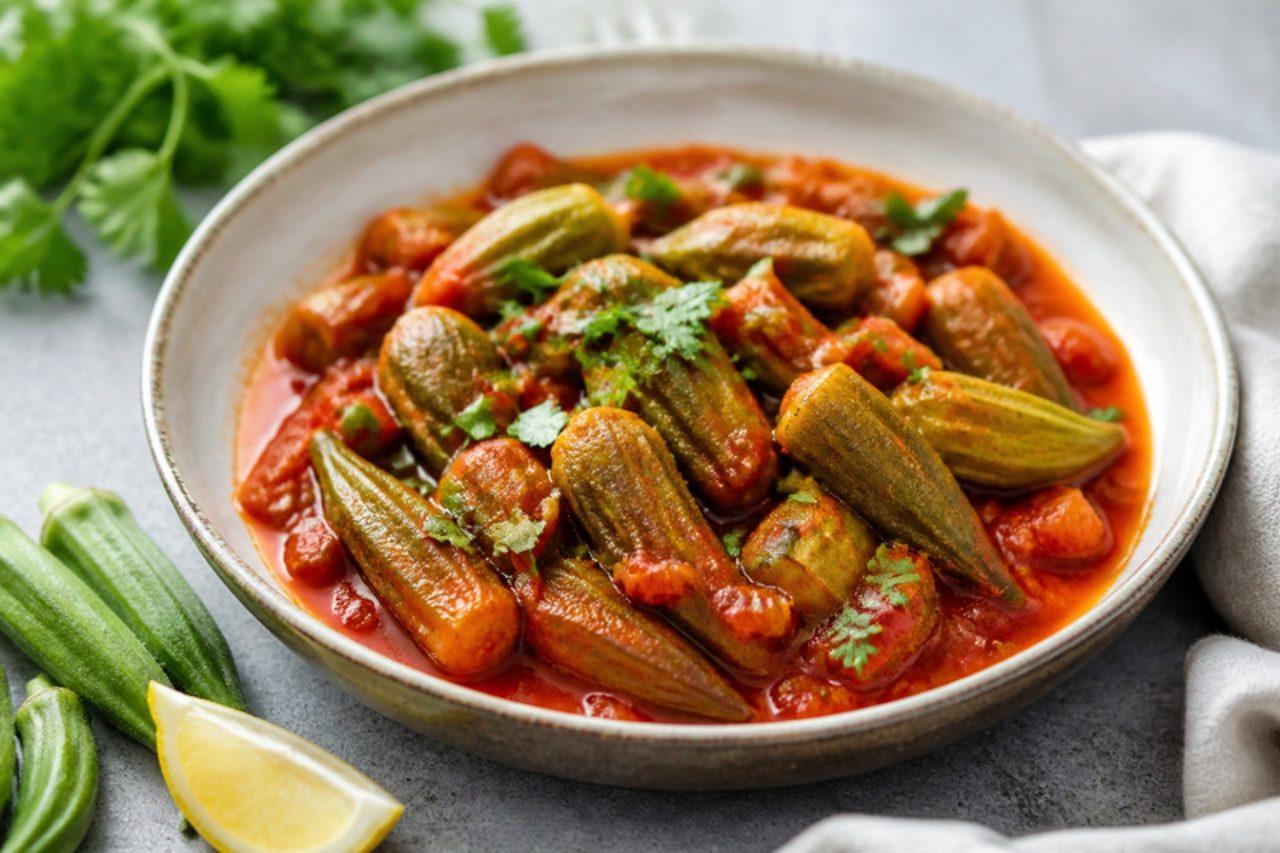
Bamia bil lahmaOkra and lamb stew

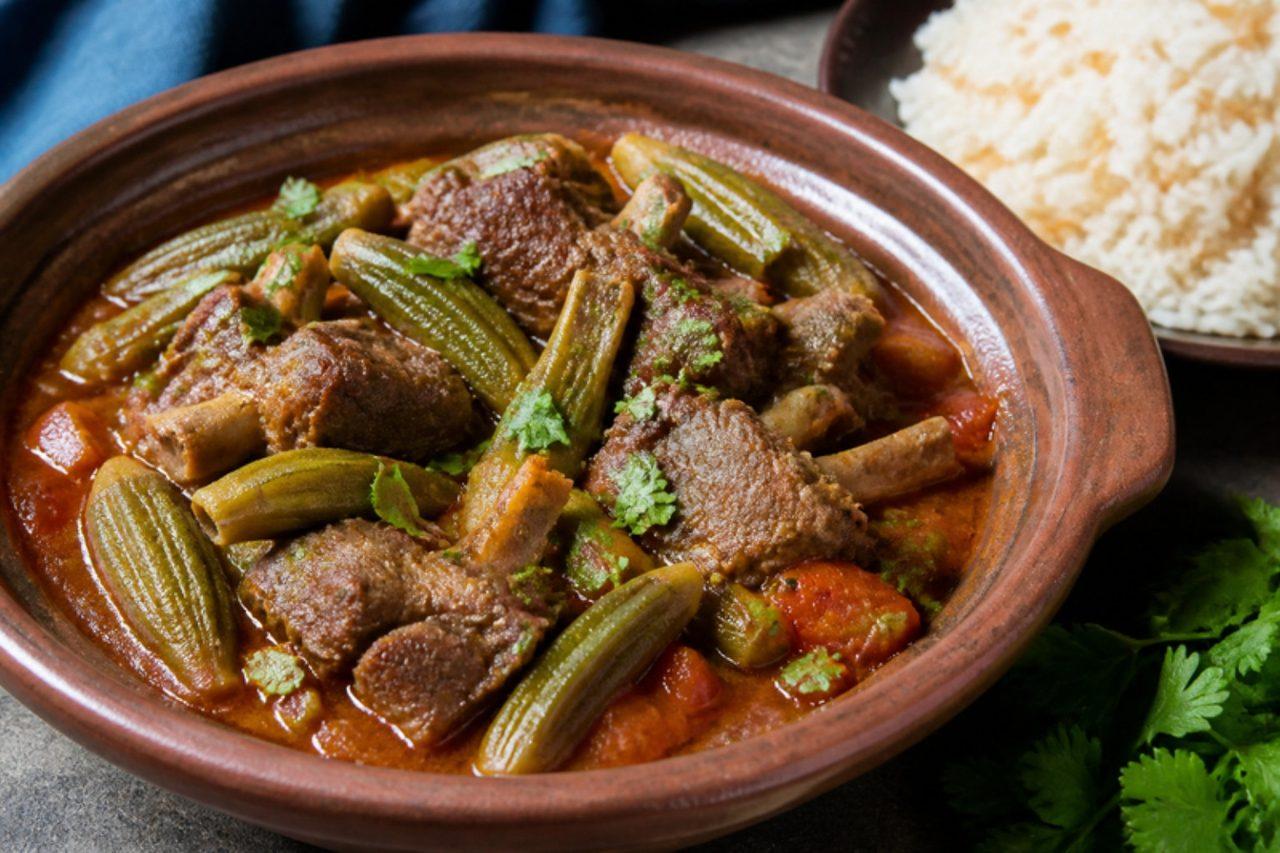
Bamia is on every Egyptian family table from Alexandria to Aswan, usually on a weekday with a plate of vermicelli rice. Chunks of lamb on the bone are simmered until tender, then baby okra is cooked in the rich tomato broth with garlic fried in ghee and fresh coriander, a finish called the ta'leya. The sauce is loose, sweet-sour and silky. The common mistake is cutting the okra pods open before cooking, which lets out the slime; trim only the very top of each cap. Chef's tip: fry the okra briefly in a hot pan before it goes into the stew so it holds its shape and stays bright green.

by KrazyBadal 0 views

BamiehOkra stewed in olive oil

Late summer in the Damascus and Beirut markets means piles of tiny okra pods, and bamieh, okra stewed in tomato with coriander and garlic, follows on many family tables. This meat-free version is the one Lebanese Christians cook during Lent and serve with vermicelli rice or flatbread. Small, whole pods are the secret: kept intact and seared first, they stay tender without turning slimy, and a squeeze of lemon at the end sharpens the sauce. Chef's tip: trim only the very top of each cap without cutting into the pod; a pierced pod lets the sticky juice escape into the sauce.

by KrazyBadal 0 views

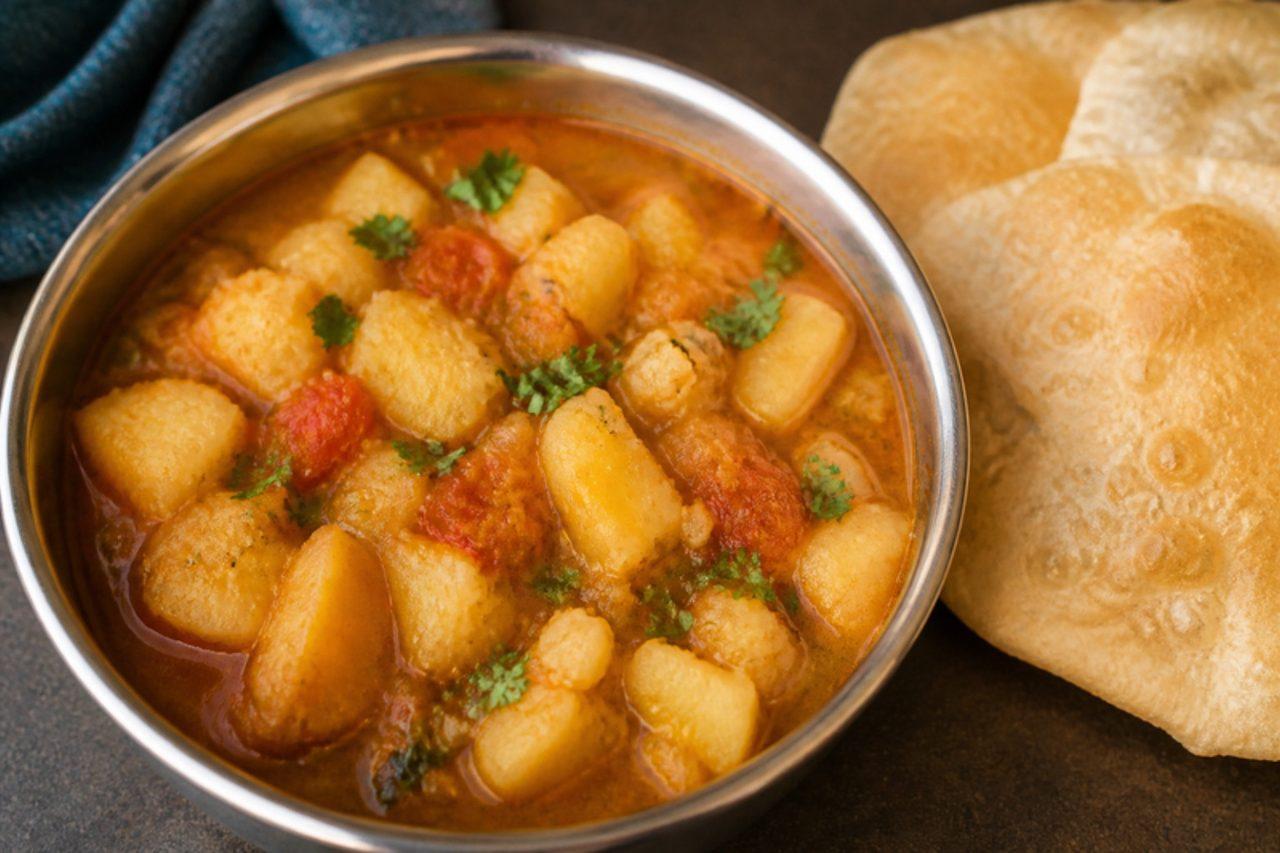
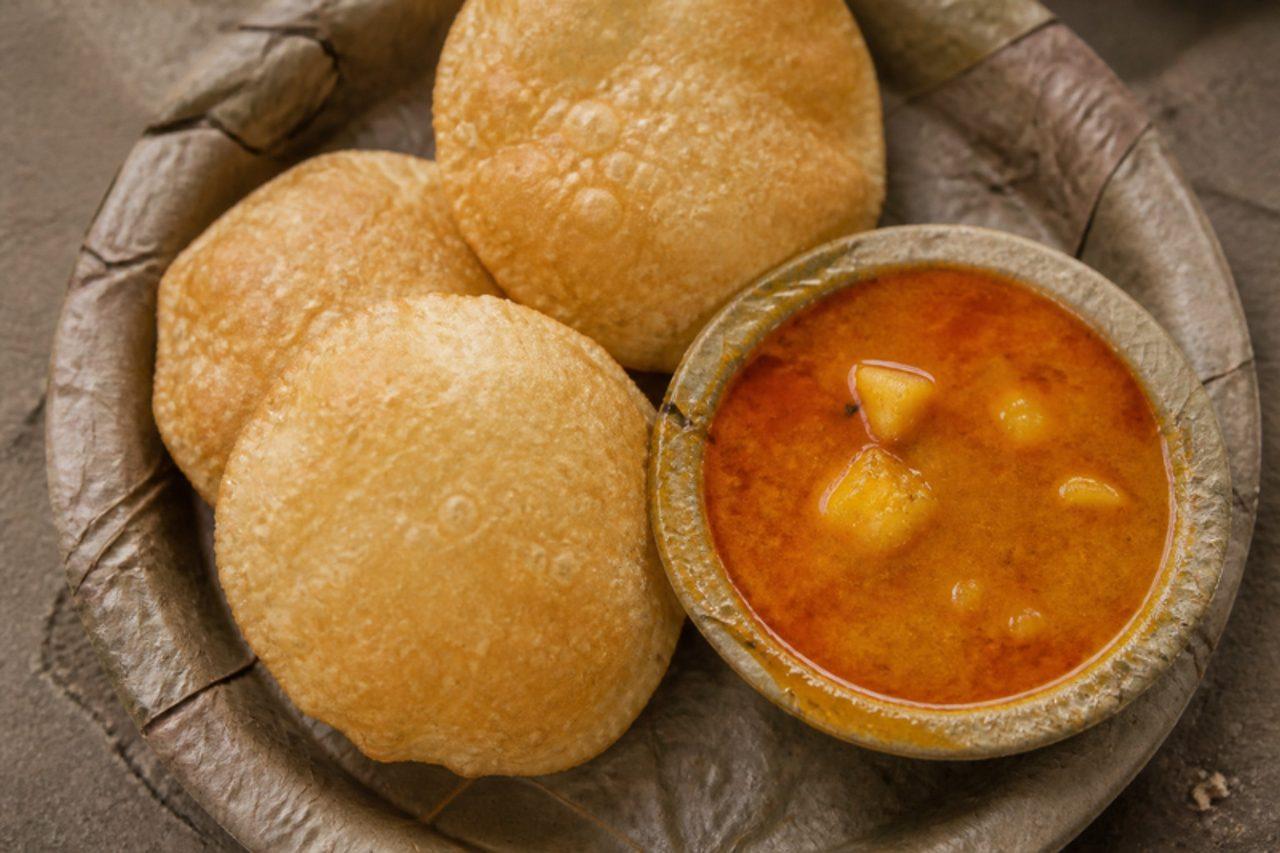
Banarasi kachori sabziUrad dal puris with potato curry

Walk the ghats of Varanasi in Uttar Pradesh at dawn and you'll smell kachori sabzi frying in huge karahis. Banarasi kachori is small and puffed like a puri, with soaked urad dal ground with ginger and fennel worked straight into the wholewheat dough rather than stuffed inside. It comes with a thin, peppery potato and tomato rasa made without onion or garlic, scented with hing and fenugreek seeds, and is usually followed by a hot jalebi. Chef's tip: roll the puris evenly to 3 mm and slide them into really hot oil, pressing gently with a slotted spoon; even thickness and fierce heat are what make them balloon.

by KrazyBadal 0 views

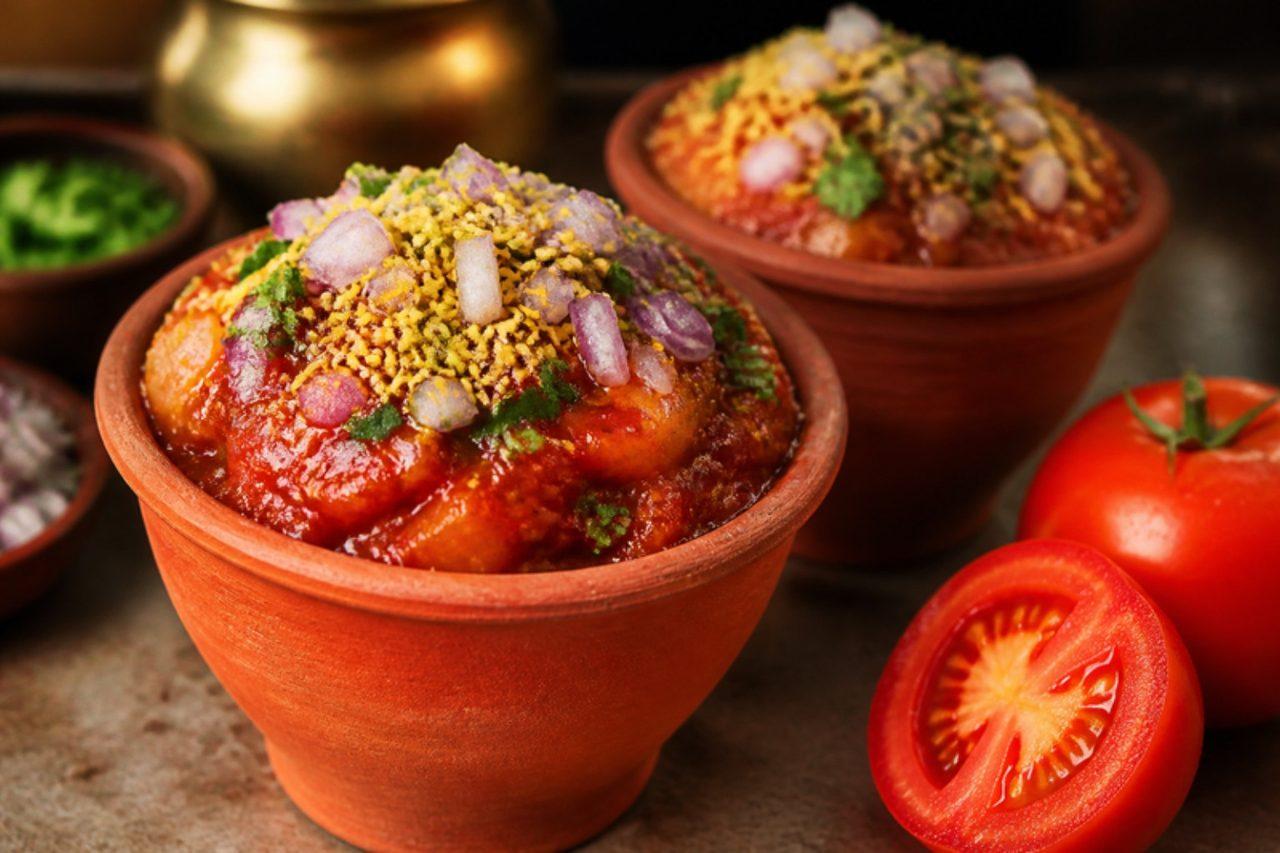
Banarasi tamatar chaatMashed tomato and potato chaat

Walk through the lanes near Dashashwamedh Ghat in Varanasi in the evening and you will see vendors mashing tomatoes and potatoes in large iron pans, cooking them with ghee and spices until thick, then spooning the mixture into small clay cups. Tamatar chaat is unique to Banaras: served hot, spicy, tangy, and finished with a thin sugar syrup and a pinch of chaat masala, then topped with crisp sev for crunch. Locals eat it standing up after the aarti, often followed by a glass of lassi. Many people forget the sugar syrup, but that's what balances the sourness and makes it Banarasi. Chef's tip: use very ripe, soft tomatoes and mash them right in the pan with the back of the ladle, leaving some texture.

by KrazyBadal 0 views

Lotus seed and longan sweet soup

Hue, the old imperial capital on the Perfume River, is famous for its chè: sweet soups and puddings sold from tiny shops where the menu runs to dozens of kinds. The most elegant is chè hạt sen long nhãn, once a palace dessert. Lotus seeds from the city's lakes are simmered until soft and creamy, then tucked inside juicy longan fruit and served in a light, clear syrup. It is eaten warm on cool rainy afternoons or over crushed ice in the hot months. Chef's tip: split each dried lotus seed and pick out any green germ inside before cooking; one missed germ makes the whole bowl bitter.

by KrazyBadal 0 views

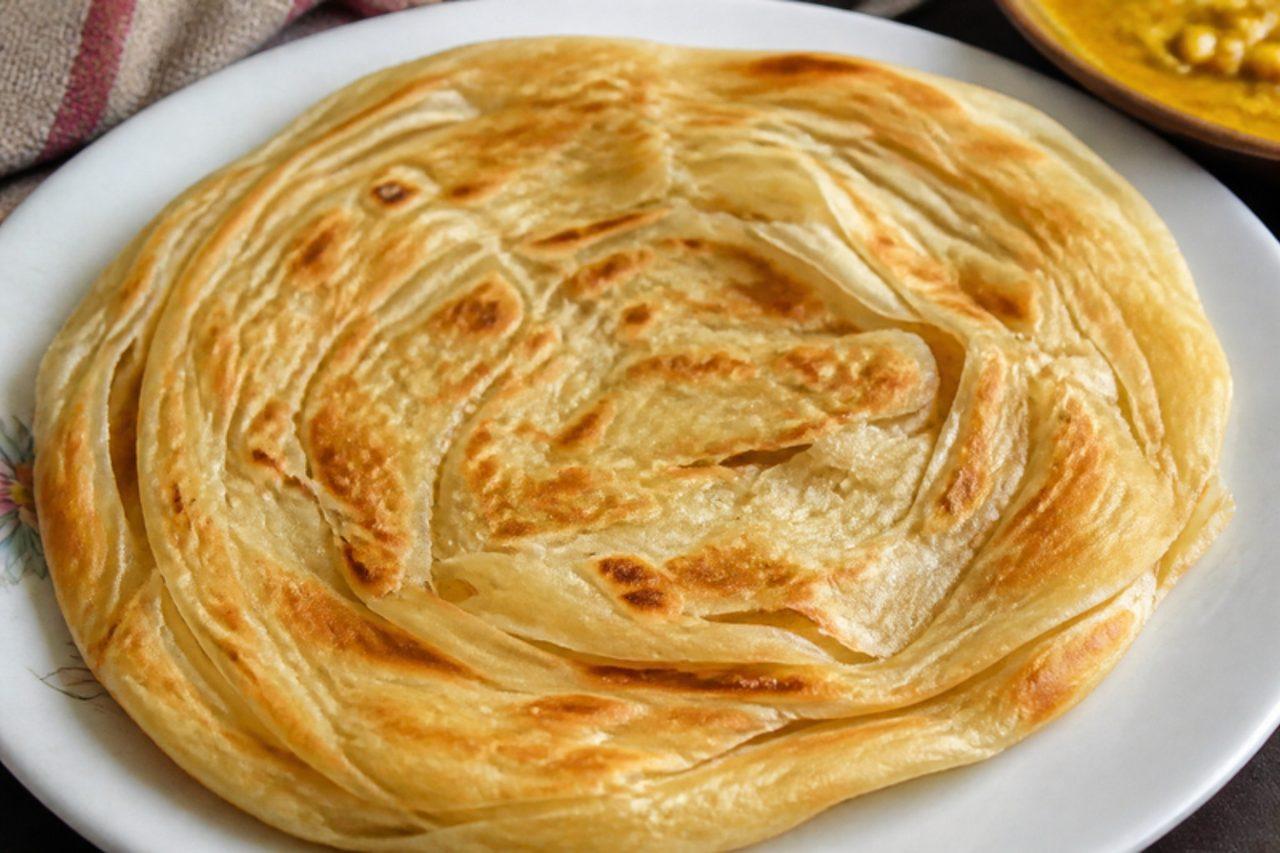
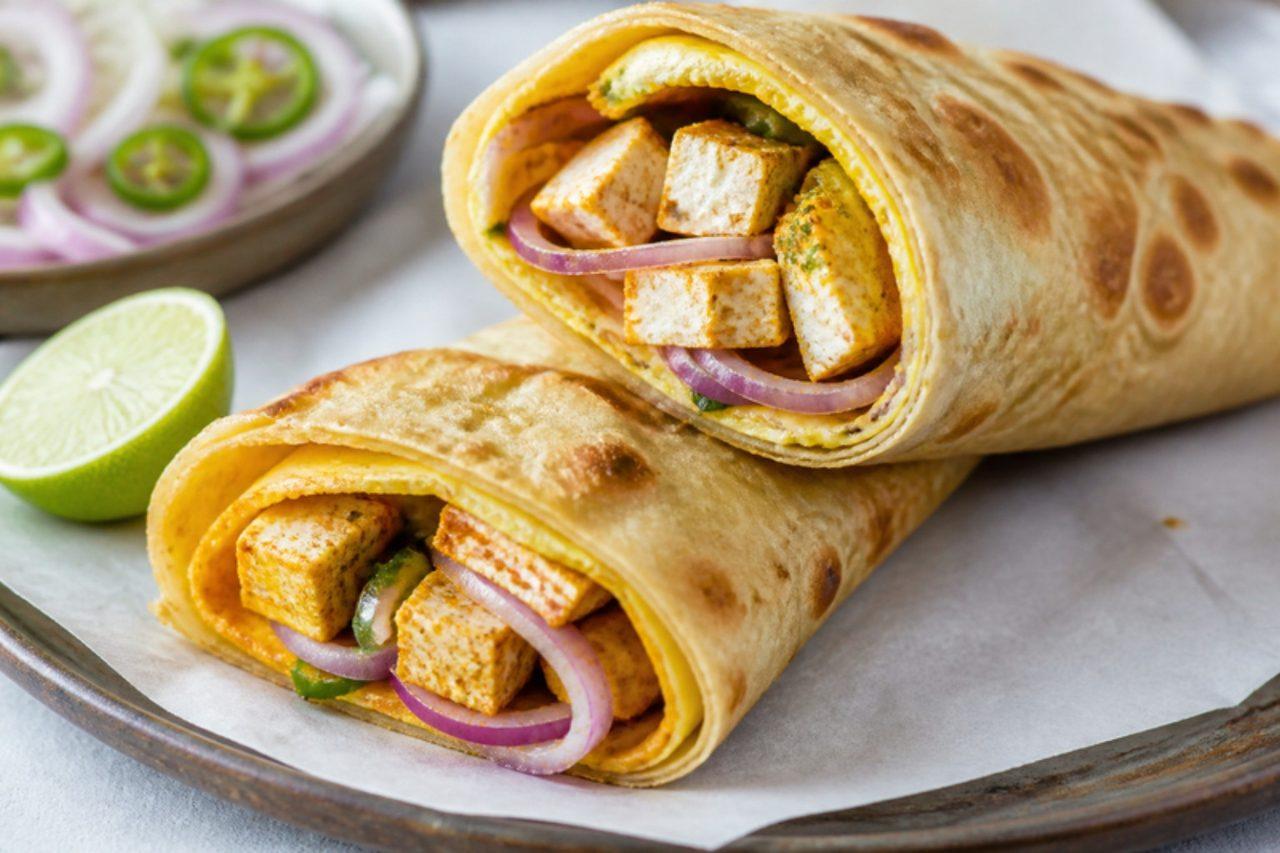
Paneer kathi roll with egg

The kathi roll was born on Park Street in Kolkata, where kebabs once came on bamboo sticks (kathi) and were later wrapped in a paratha so office workers could eat them walking. This is the egg-and-paneer roll the stalls on Park Street and Gariahat sell to vegetarians: a flaky, ghee-fried paratha with an egg cooked right onto one side, then rolled round charred paneer, raw onion, green chilli, lime and a squirt of chilli sauce. Chef's tip: wrap the bottom half in paper as soon as it is rolled; the steam softens the paratha just enough to hold together.

by KrazyBadal 0 views

Filter coffee

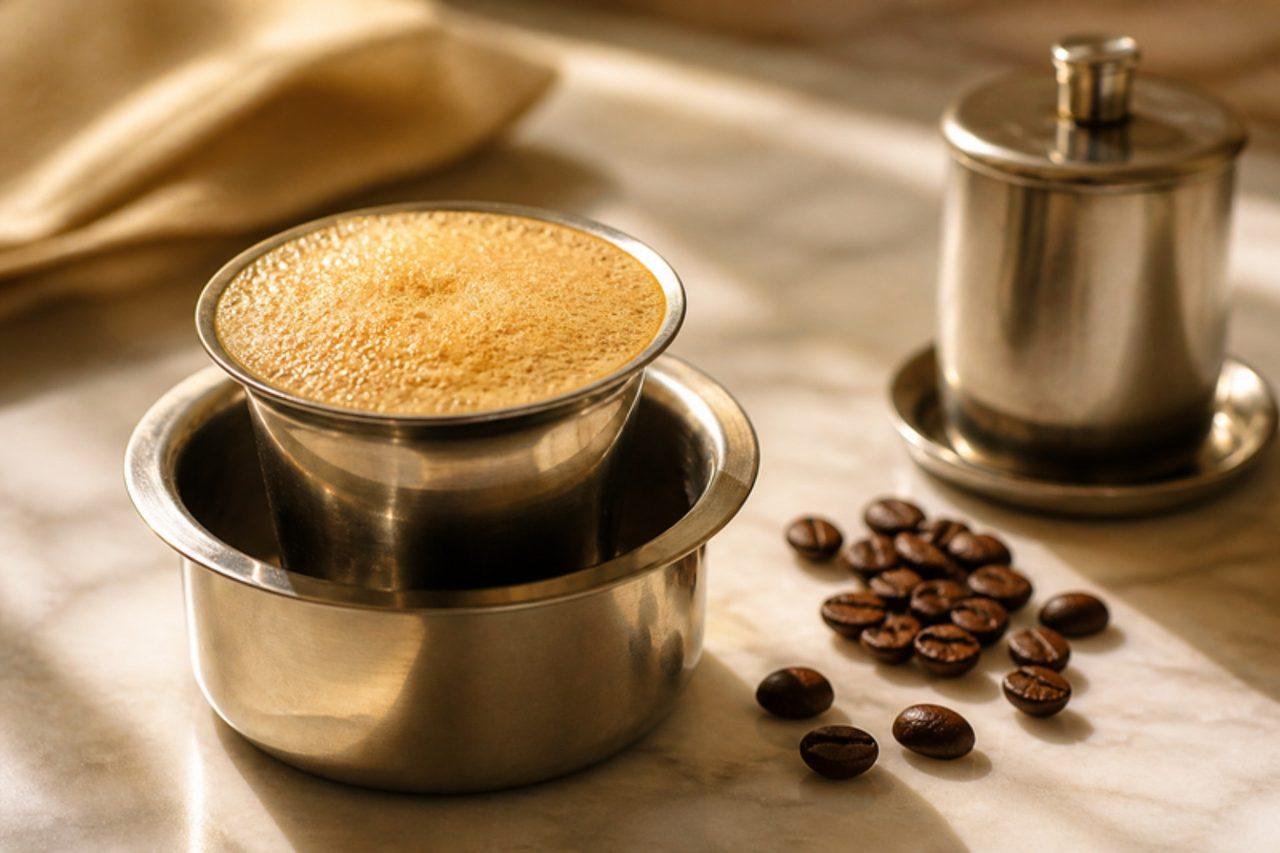
In Tamil Nadu the day starts with filter coffee: a strong decoction dripped slowly through a two-tier steel filter, mixed with plenty of hot, boiled milk and sugar, and frothed by pouring it from a height between a steel tumbler and its little bowl, the davara. It's served at every Chennai and Kumbakonam 'hotel' and in nearly every home, and it's thick, sweet and slightly bitter from the chicory in the coffee powder. Chef's tip: press the coffee only lightly in the filter and pour the water in slowly; packed too tight, it drips for an hour, and too loose, the decoction is thin.

by KrazyBadal 0 views

Bandeja paisaBeans, rice and pork platter

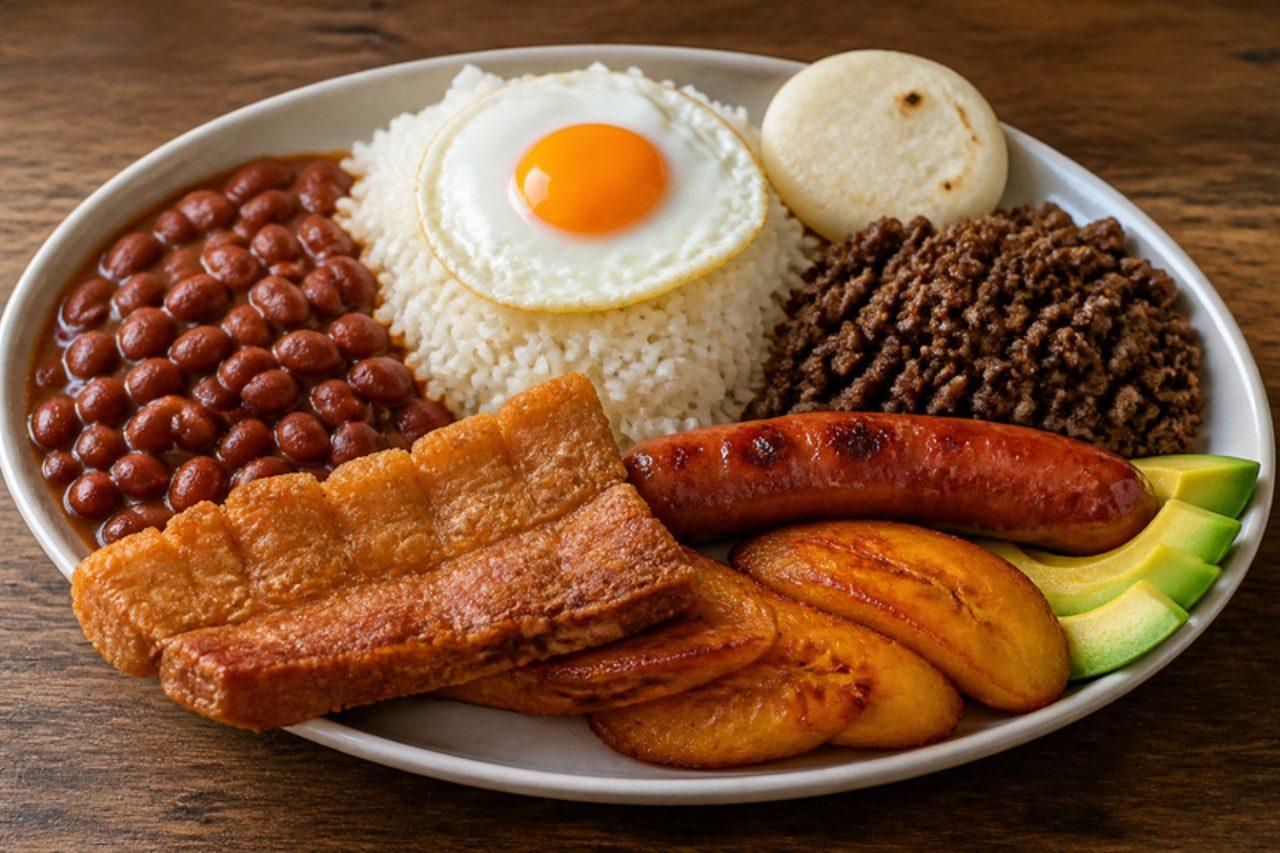
Bandeja paisa is the farmhouse feast of Antioquia and the coffee region around Medellín, served on an oval platter so big it barely fits on the table. This is a pork dish: crisp chicharrón (fried pork belly) and chorizo sit next to red beans, white rice, seasoned minced beef, a fried egg, ripe plantain, a small arepa and avocado. Paisas eat it for a long Sunday lunch, and restaurants in Medellín serve it every day. It looks like a lot of work, but most parts can be made ahead and finished together. The mistake most people make is frying the pork belly too hot from the start; it needs to simmer in its own fat first, or the outside burns before the inside turns tender. Chef's tip: cook the beans a day ahead; they thicken and taste better, and the day itself is then only frying.

by KrazyBadal 0 views

Guyanese vegetable chow mein

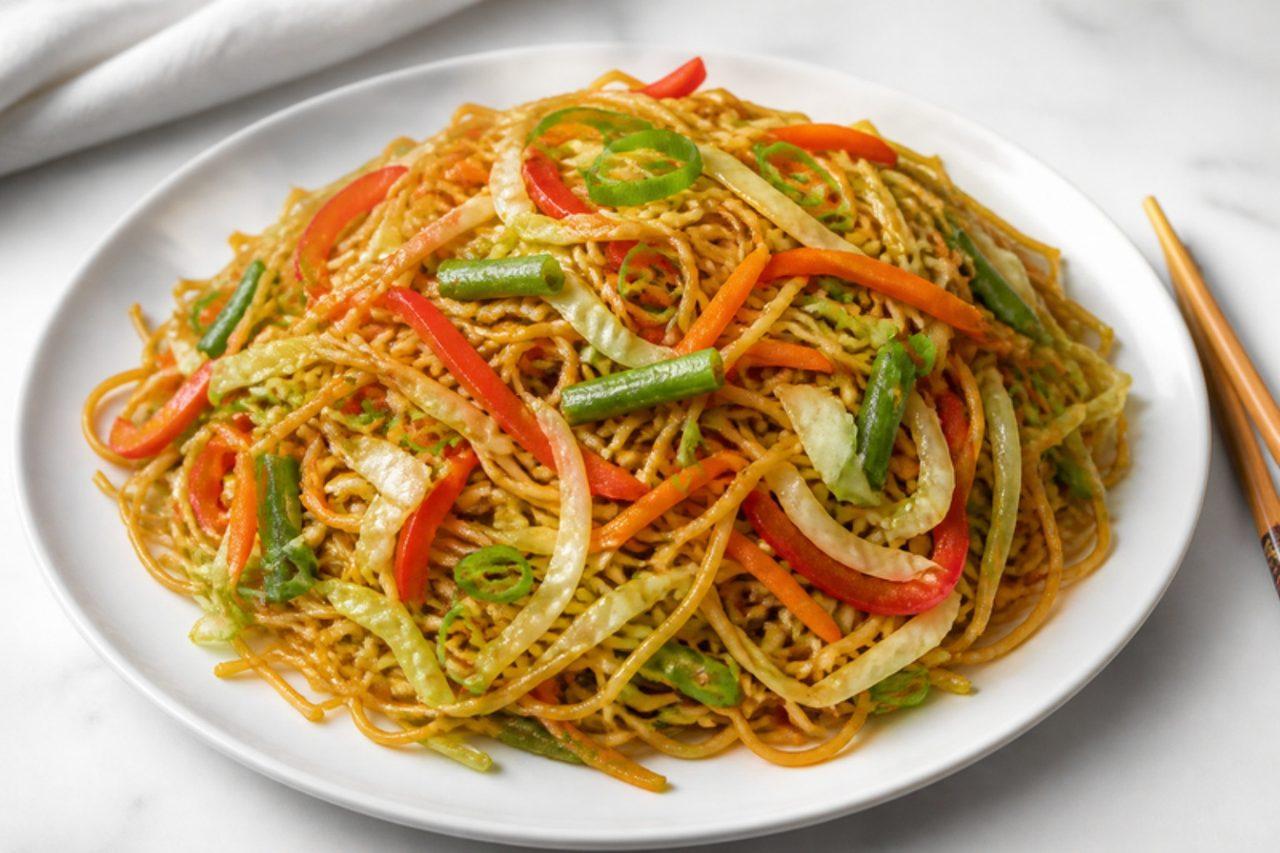
Chow mein arrived in Guyana with Chinese immigrants in the 1850s and became a party staple: at birthdays and weddings in Georgetown it sits in a huge tray beside fried rice and cook-up. Guyanese chow mein is a little sweeter and darker than Chinese versions, coloured with soy sauce and a touch of browning (burnt sugar), with long bora beans, cabbage and plenty of garlic, plus a hit of wiri wiri pepper. Chef's tip: cook the noodles until just tender, rinse them cold and toss with a little oil; dry, separate noodles fry without clumping.

by KrazyBadal 0 views

Bhorta platter (aloo, begun and dal bhorta)Mashed potato, aubergine and dal

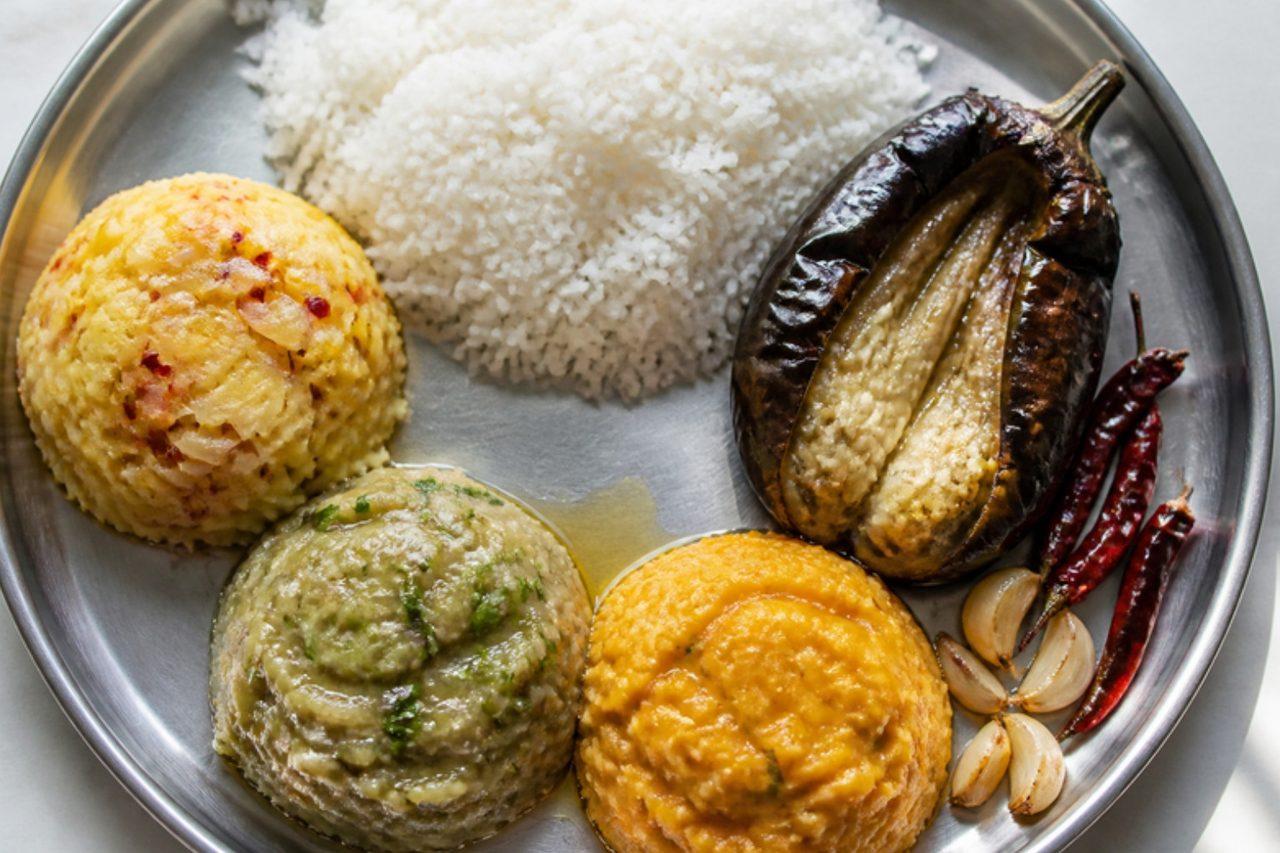
No word says home cooking in Bangladesh like bhorta: anything boiled, roasted or fried, then mashed by hand with raw mustard oil, sliced onion, green or burnt chillies and coriander. A family lunch in Dhaka or Khulna might set out three or four bhortas in little heaps around a mound of rice, and this page makes the classic trio: aloo (potato), begun (fire-roasted aubergine) and dal (dry-fried red lentil). They share one method, so they live together here. Chef's tip: mash with your fingers, not a fork, rubbing the onion and chilli into the oil first; it bruises them and releases their sharpness into every bite.

by KrazyBadal 0 views

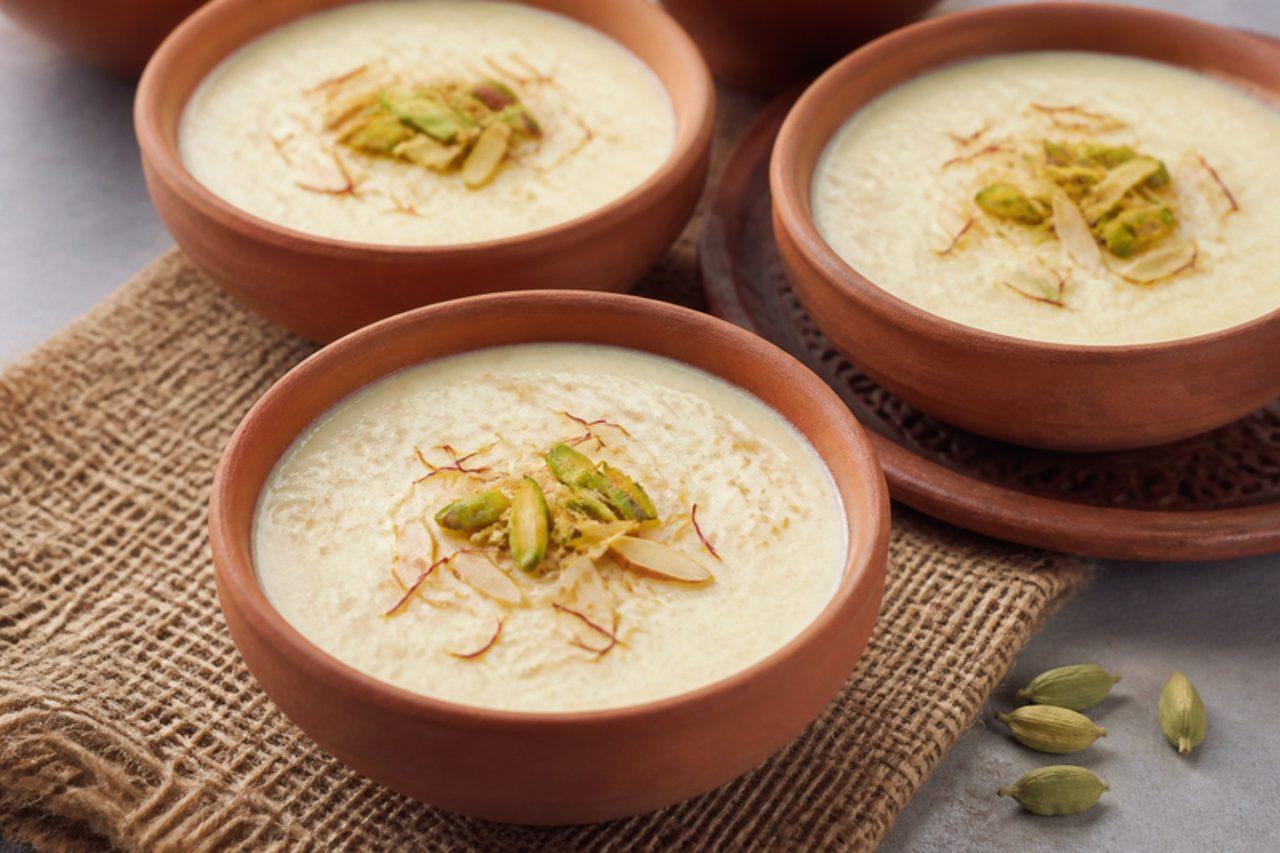
FirniGround rice milk pudding

Firni is the dessert that turns up in little clay bowls on Eid tables across Bangladesh, especially after the evening meal on Eid-ul-Fitr. It is smoother and thicker than payesh: instead of whole rice grains, coarsely ground rice is simmered in milk until it sets into a silky pudding, scented with cardamom and rose water and scattered with pistachios and almonds. It is served chilled, so it's made a day ahead. Chef's tip: grind the soaked rice to a coarse semolina-like grit, not a fine powder; that slight texture is what makes firni feel rich.

by KrazyBadal 0 views

Guyanese cheese rolls

In Georgetown bakeries, cheese rolls sit in the glass cabinet next to pine tarts and patties, and no Guyanese birthday party is complete without a tray. Short, buttery pastry is rolled around a sharp cheddar filling seasoned with mustard and hot pepper, then baked until the cheese bubbles out of the ends and crisps. They're eaten warm or at room temperature with a cold drink. Chef's tip: keep the butter and water ice-cold and handle the dough briefly; that's what gives flaky layers rather than a hard biscuit.

by KrazyBadal 0 views

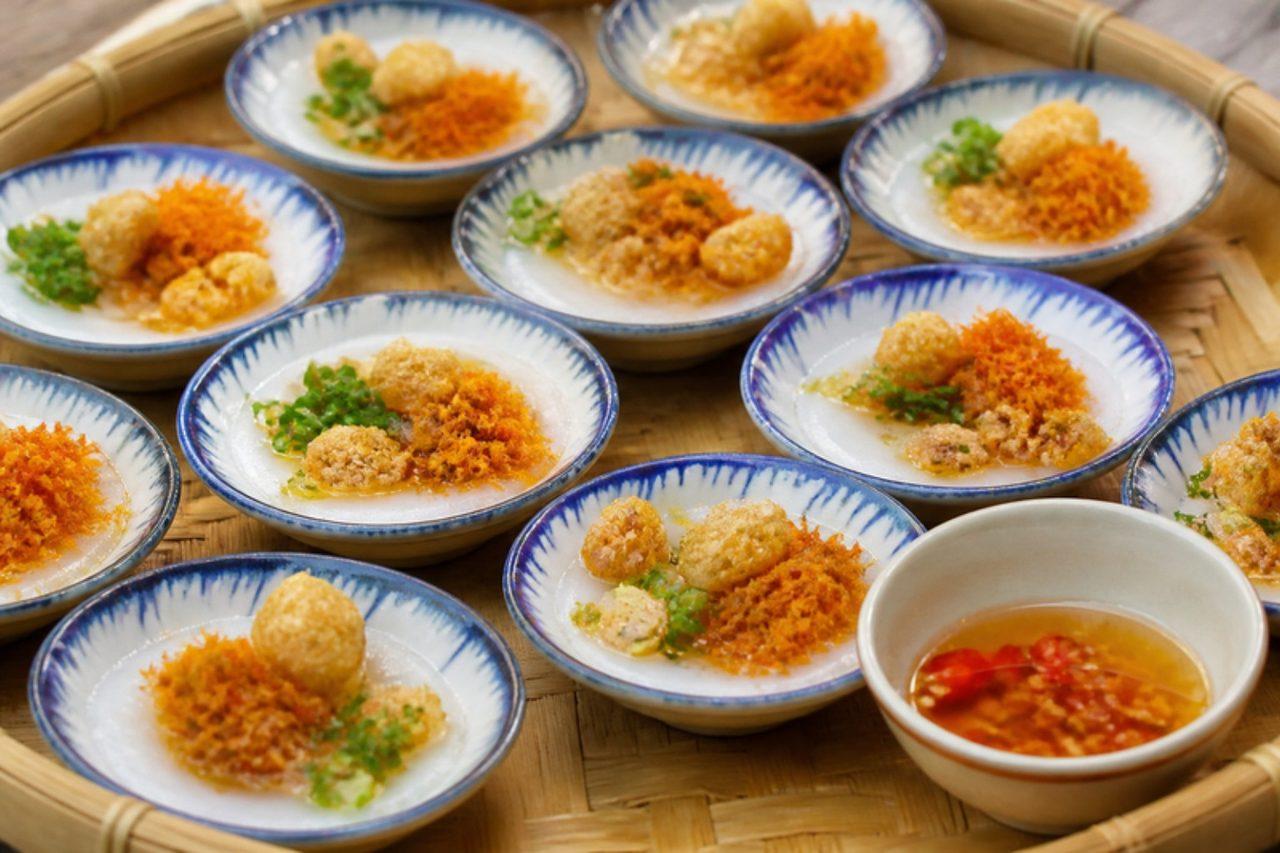
Banh beoSteamed rice cakes with shrimp

Bánh bèo are named after the water fern that floats on Huế's ponds, which the little round cakes resemble. In the city they arrive at the table by the dozen, each still in its own small saucer, topped with pink shrimp floss and spring onion oil. You spoon sweet fish sauce over and scoop each one out in a single mouthful. They're a mid-afternoon snack or a light lunch alongside other Huế rice cakes. Small ramekins, egg poaching cups or a silicone mini-muffin tray all work as moulds. Chef's tip: heat the empty saucers in the steamer for a minute before adding the batter; the cakes then set with the little dimple in the middle that holds the toppings.

by KrazyBadal 0 views

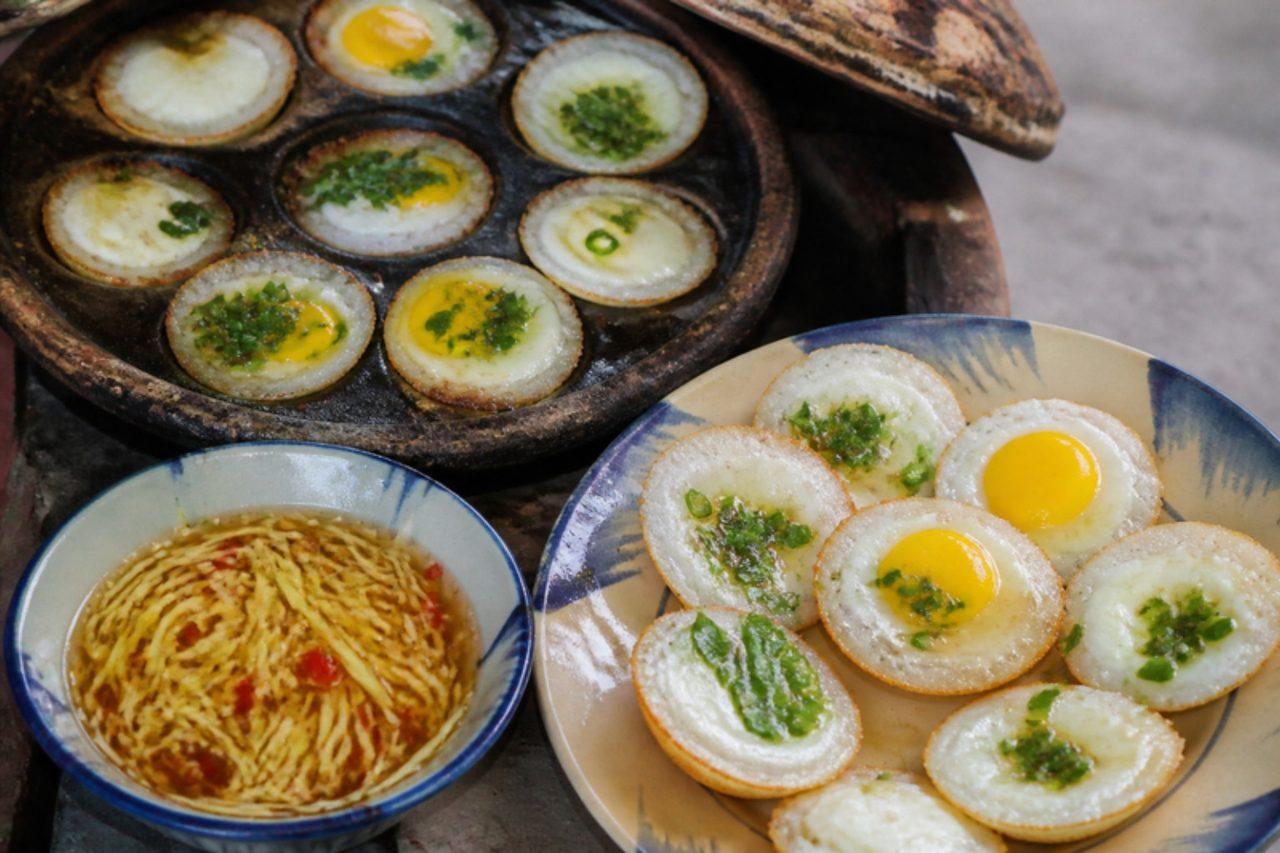
Banh canMini rice flour cakes with egg

Bánh căn comes from Phan Rang on the south-central coast and is now a favourite of chilly evenings in Da Lat, where sellers crouch over charcoal and rows of small clay moulds, cracking a quail egg into each little cup of rice batter. The cakes come out crisp and browned underneath and soft and steamy on top, and are eaten in pairs, dunked in a sweet-sour dipping sauce with shredded green mango and herbs. Most stalls use a fish sauce dip and sometimes add squid or shrimp; this version keeps it vegetarian with a tamari sauce and spring onion oil. Chef's tip: let a little of the cooked rice in the batter go into the blender; it gives the cakes their soft, slightly chewy middle.

by KrazyBadal 0 views

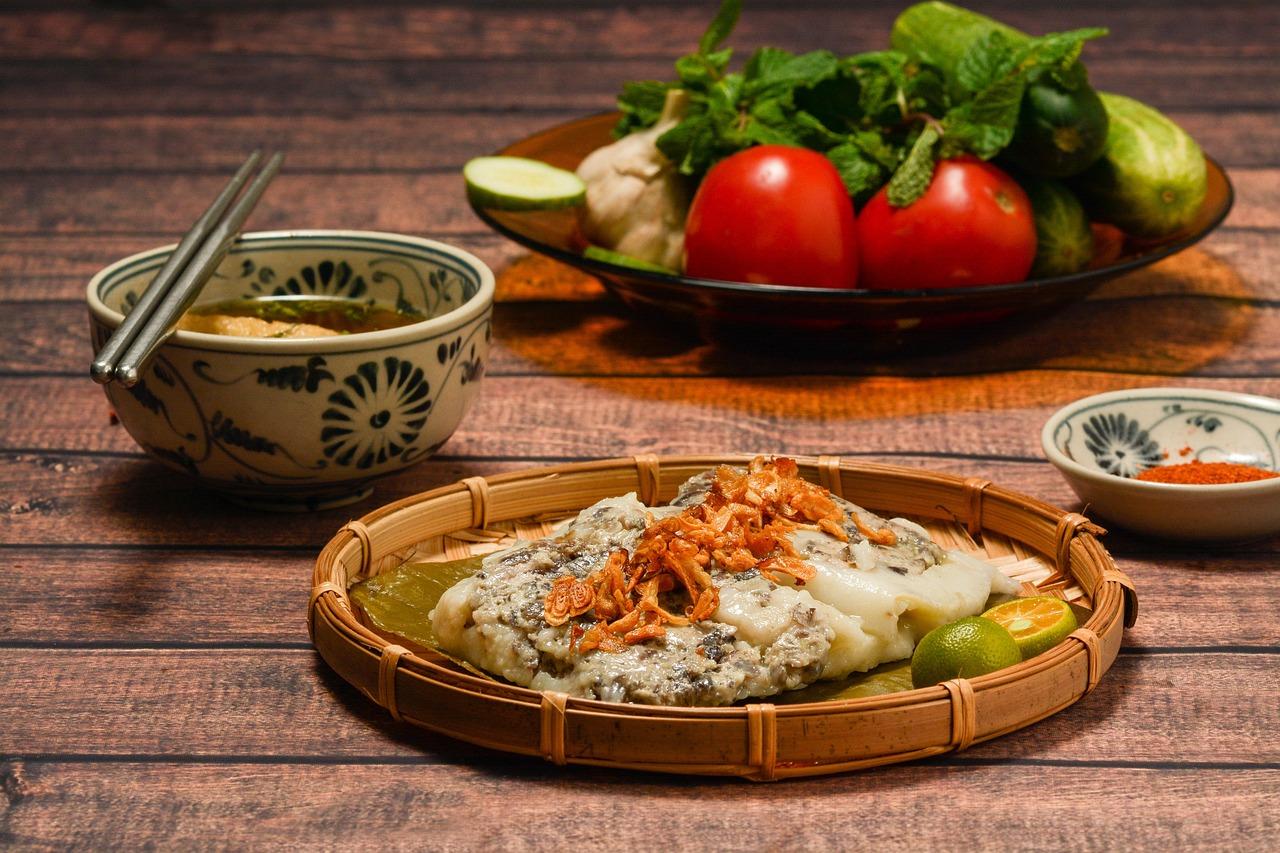
Banh cuonSteamed rice rolls

In Hanoi, banh cuon shops open early, and the cook sits beside a pot of boiling water stretched over with cloth, spreading batter across it in one sweep and lifting off sheets thin enough to see through. Each sheet is rolled around a little minced pork and crunchy wood-ear mushroom, cut into pieces, showered with crispy shallots and dipped into warm fish sauce. Slices of Vietnamese pork roll and a sprig of herbs often come on the side. At home a lidded non-stick frying pan does the job of the cloth, and once you find the rhythm the sheets come quickly. Chef's tip: make a practice sheet first; the first one is almost always a little too thick, and it tells you how much batter to use.

by KrazyBadal 0 views

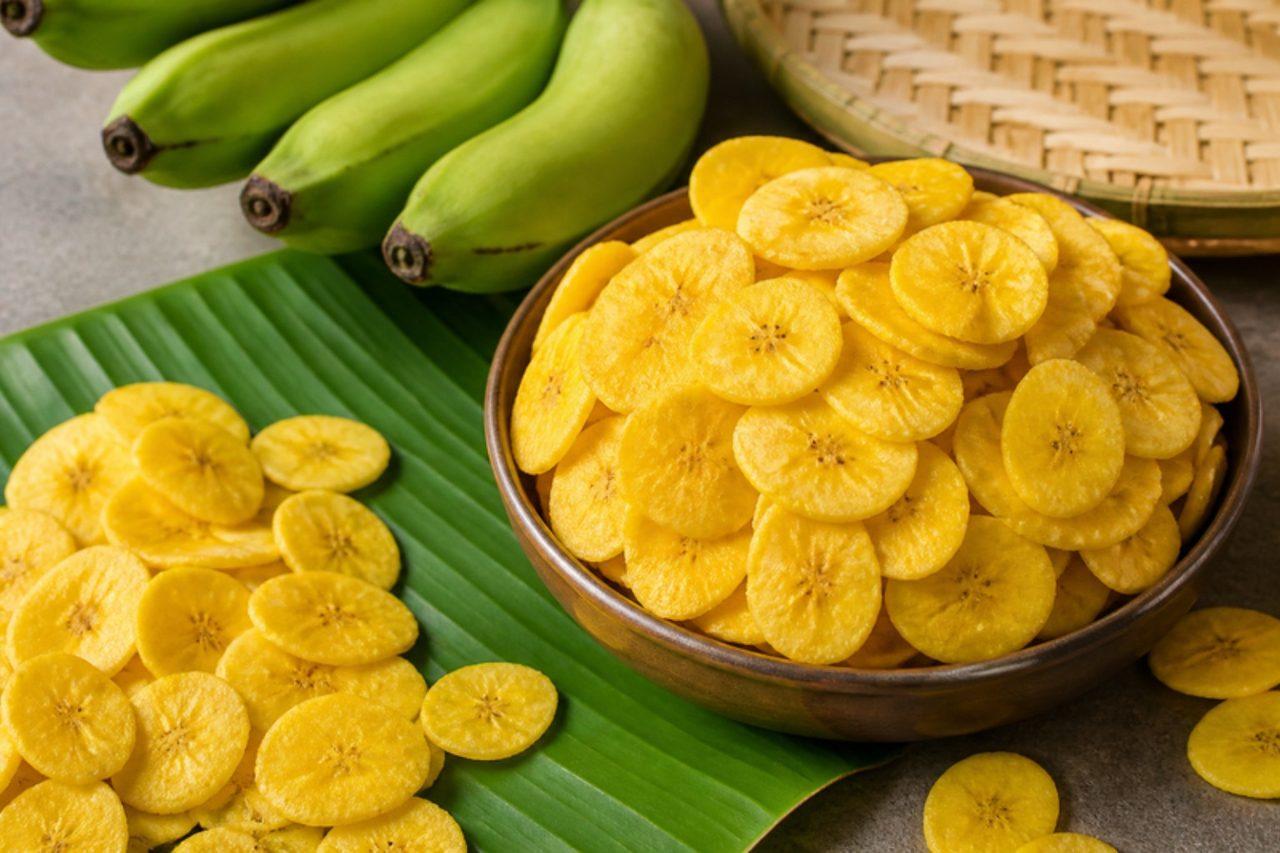
Kerala banana chips

Upperi, the yellow raw-banana chips of Kerala, are fried in huge cauldrons in the snack shops of Kozhikode and Thrissur and handed round in bags at every Onam sadya, where they are one of the first things laid on the leaf. Green nendran bananas are sliced straight into hot coconut oil, and a splash of salted water goes in at the end, so the salt clings to every chip. The result is crisp, golden and faintly sweet, with that unmistakable coconut-oil smell. Chef's tip: rub a little oil on your hands before peeling the bananas; the sap stains skin and is very hard to wash off.

by KrazyBadal 0 views

Showing 54 of 7,888 recipes

Show more recipes

Page 590 of 877