


Skip to content
Khlii
Featured recipe

Khlii

Spiced dried preserved beef

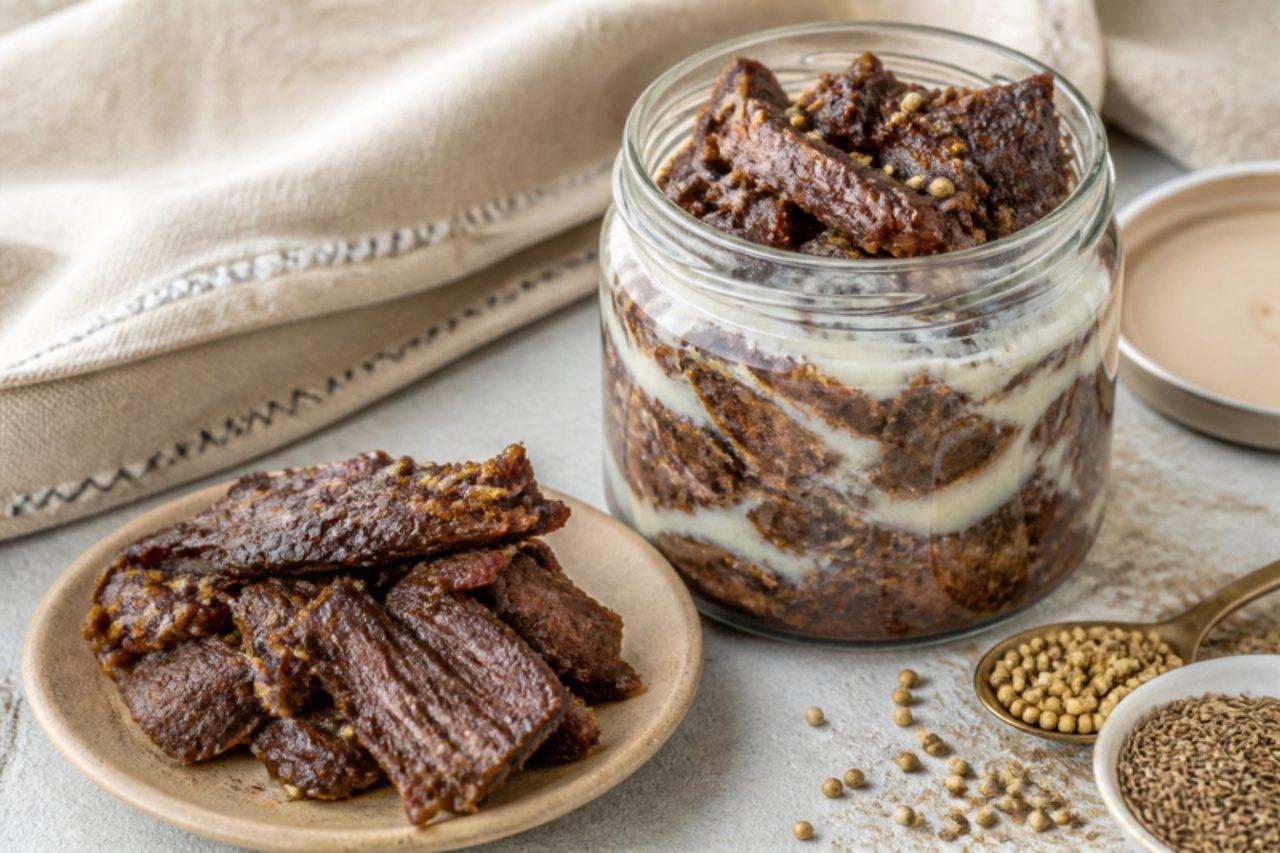
Once made in late summer from the Eid al-Adha meat, khlii was marinated, hung on rooftop lines in the Fez medina sun, then simmered in beef fat and olive oil and packed into earthenware jars for the year. It is deeply savoury and chewy, scented with coriander seed, cumin and garlic, and the fat it sits in is as prized as the meat, for frying eggs, enriching lentils or folding into couscous. This home version swaps the rooftop for the fridge and a low oven: the meat marinates for 24 hours in the fridge, dries for about 6 hours at a temperature that takes it well above 71 °C, then confits for about 90 minutes and goes back into the fridge, where it keeps for up to a month under its fat. Because it is a home-preserved meat, it is not for pregnant women, young children or anyone with a weakened immune system. Chef's tip: slice the beef with the grain into long strips no thicker than your little finger; thicker strips stay wet inside and spoil.

Read more 0 views

What to eat today?

Around the world

Today's trip: Paraguayan

A new country every day, from every cuisine on the site.

Paraguayan

Chipa

Cheese bread rings 50 minMore from Paraguayan (27) →

This week's collection

Kid-friendly dinners
537 recipes · a new collection every Monday

Latest recipes

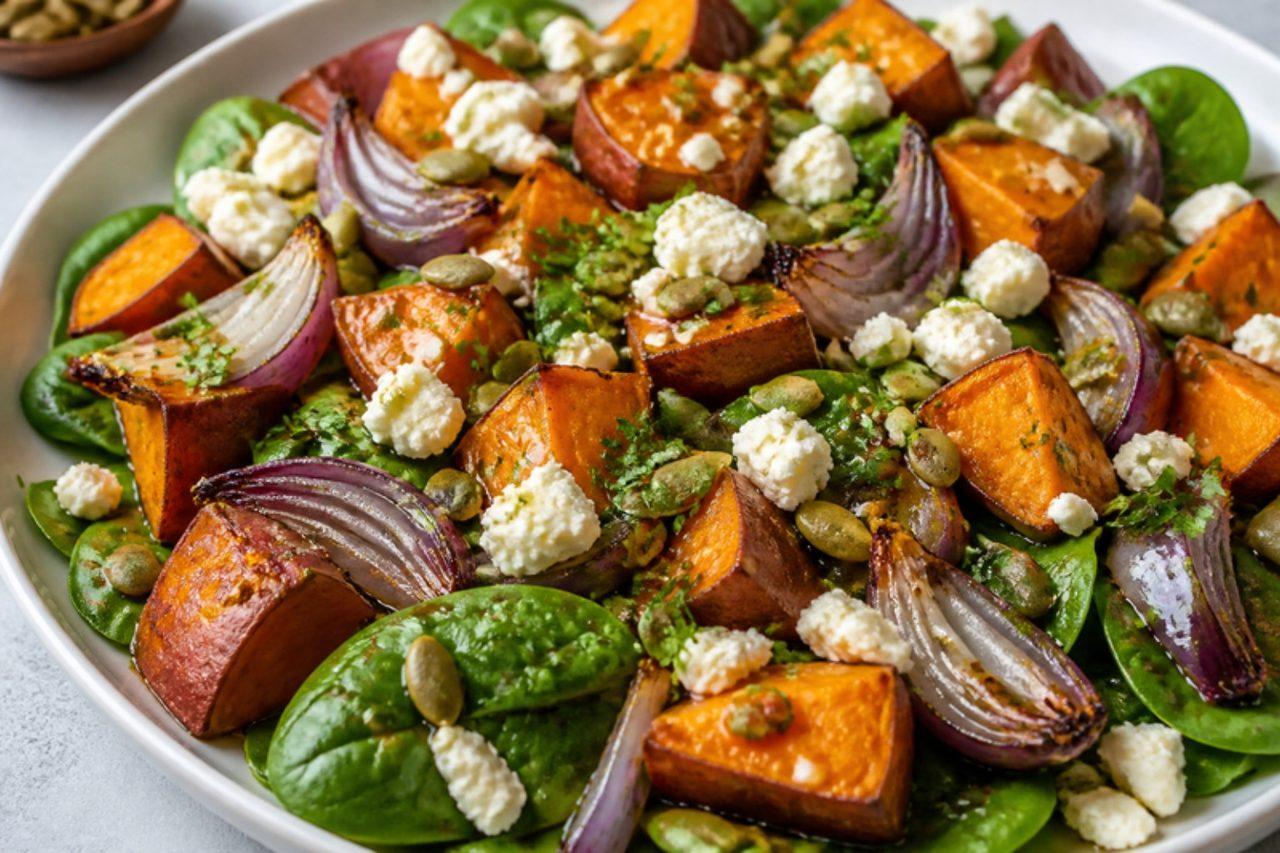
Kūmara and feta saladRoasted sweet potato and feta salad

Kūmara, the sweet potato the Māori brought to Aotearoa centuries ago, is grown mostly around Dargaville in Northland, and a big bowl of roasted kūmara salad turns up at just about every New Zealand barbecue, 'bring a plate' gathering and Christmas lunch. Chunks of red-skinned kūmara roast until sticky and caramelised, then get tossed while warm with red onion, baby spinach, salty feta and toasted pumpkin seeds in a sweet-sharp honey and mustard dressing. Chef's tip: give the kūmara plenty of room on the tray and a hot oven; crowded pieces steam and go soft instead of browning at the edges.

by KrazyBadal 0 views

NgohiongFive-spice spring rolls

Ngohiong grew from the Chinese-Filipino kitchens of Cebu City and is now street food all over Cebu: a lumpia filled with heart of palm (ubod) or jicama seasoned with five-spice, then dipped in batter and fried, so it has a thick, golden coat rather than a thin crisp skin. It is eaten with a glossy, sweet-hot dipping sauce and often with rice. Cebu stalls mix in a little pork or shrimp; this version is all vegetable. Chef's tip: cook the filling until dry and cool it fully; wet filling tears the wrapper and spits in the oil.

by KrazyBadal 0 views

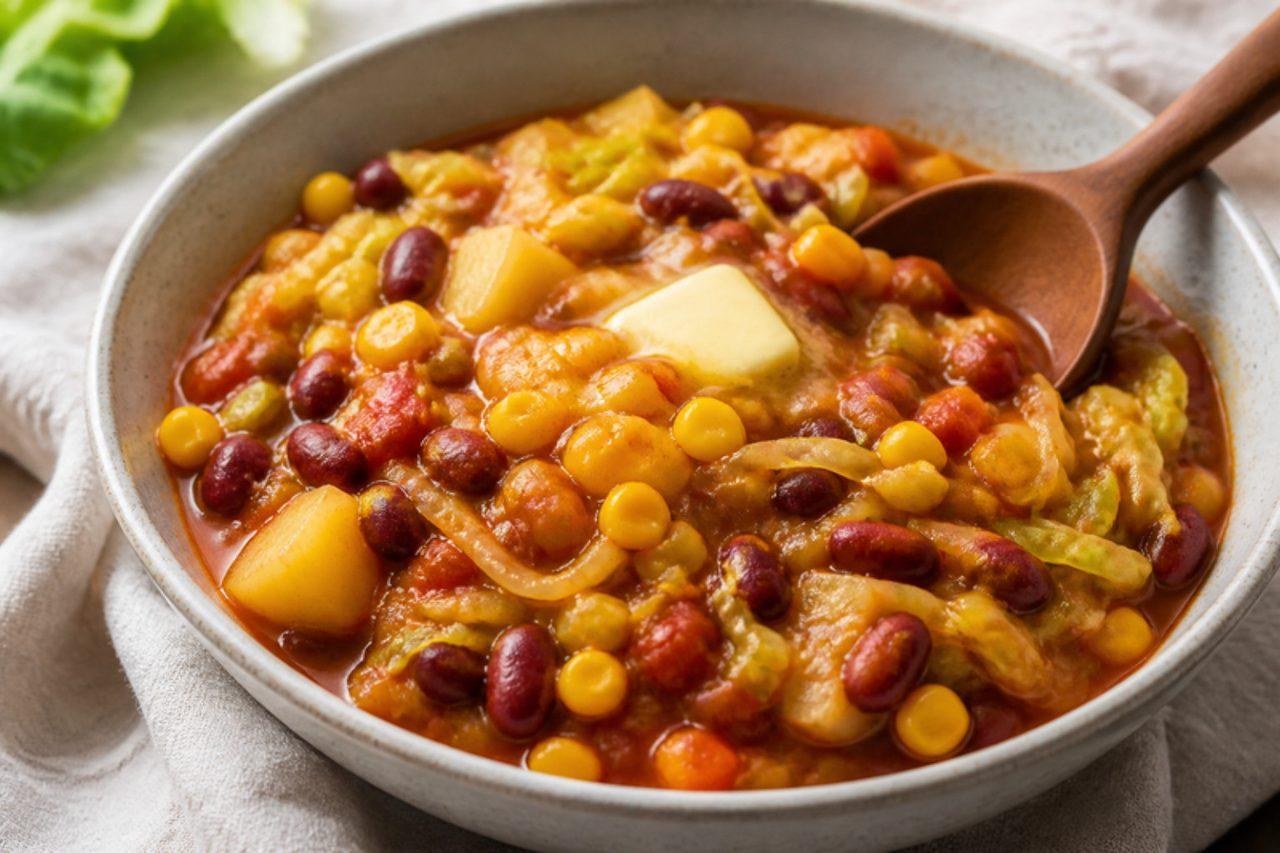
GitheriKidney bean and corn stew

Kenya's everyday one-pot meal of kidney beans and corn, cooked with browned onion, tomato paste, chilli, potatoes and cabbage and finished with a knob of butter. It's hearty, comforting and cheap to make. Serve hot with ugali and sukumawiki.

by KrazyBadal 0 views

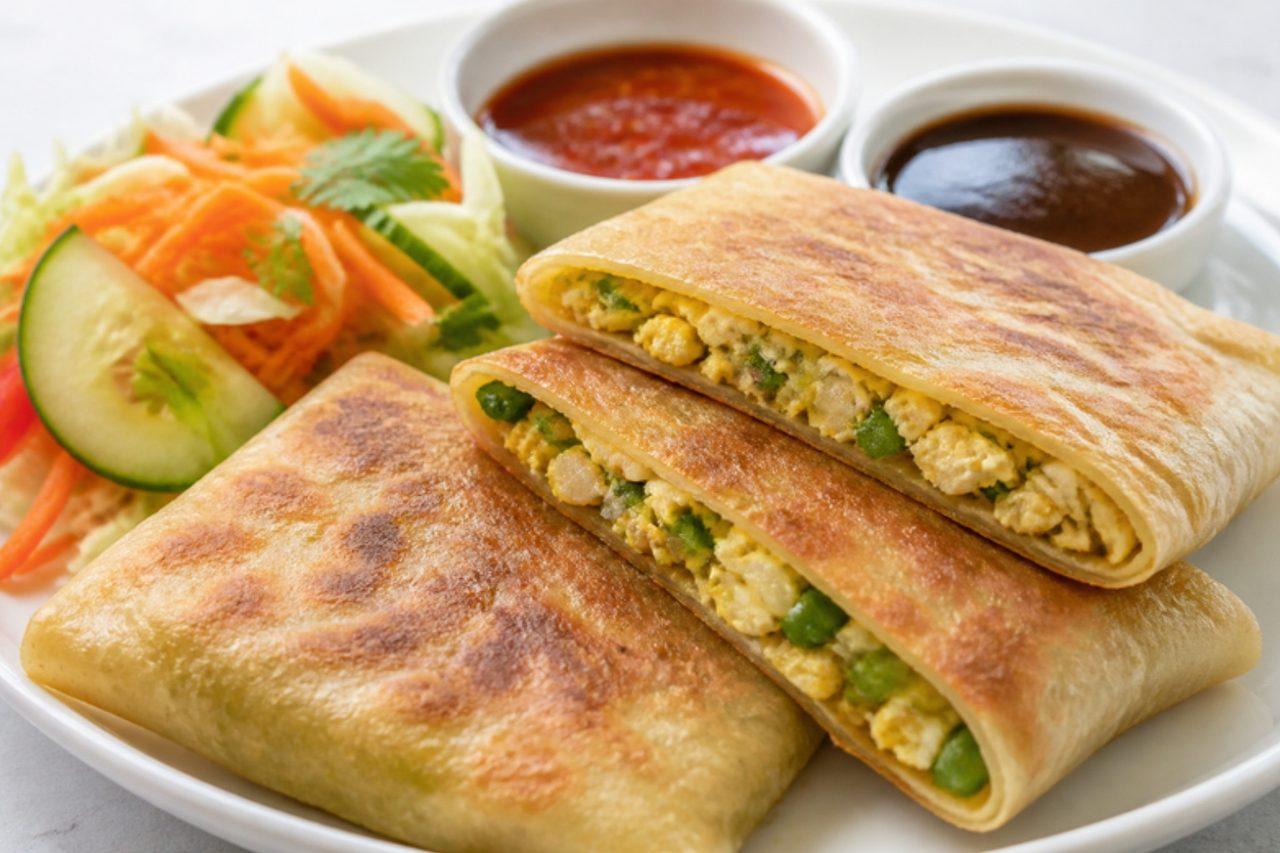
Coast egg chapatiEgg-filled chapati parcels

The famous coast street snack: paper-thin dough wrapped around a samosa chapati, spiced onion and capsicum filling and a beaten egg, folded into a square parcel and fried slowly until crisp and golden. Make them just before serving. Serve hot with a crunchy carrot, cabbage and cucumber salad and red chilli and tamarind chutneys. Contains egg.

by KrazyBadal 0 views

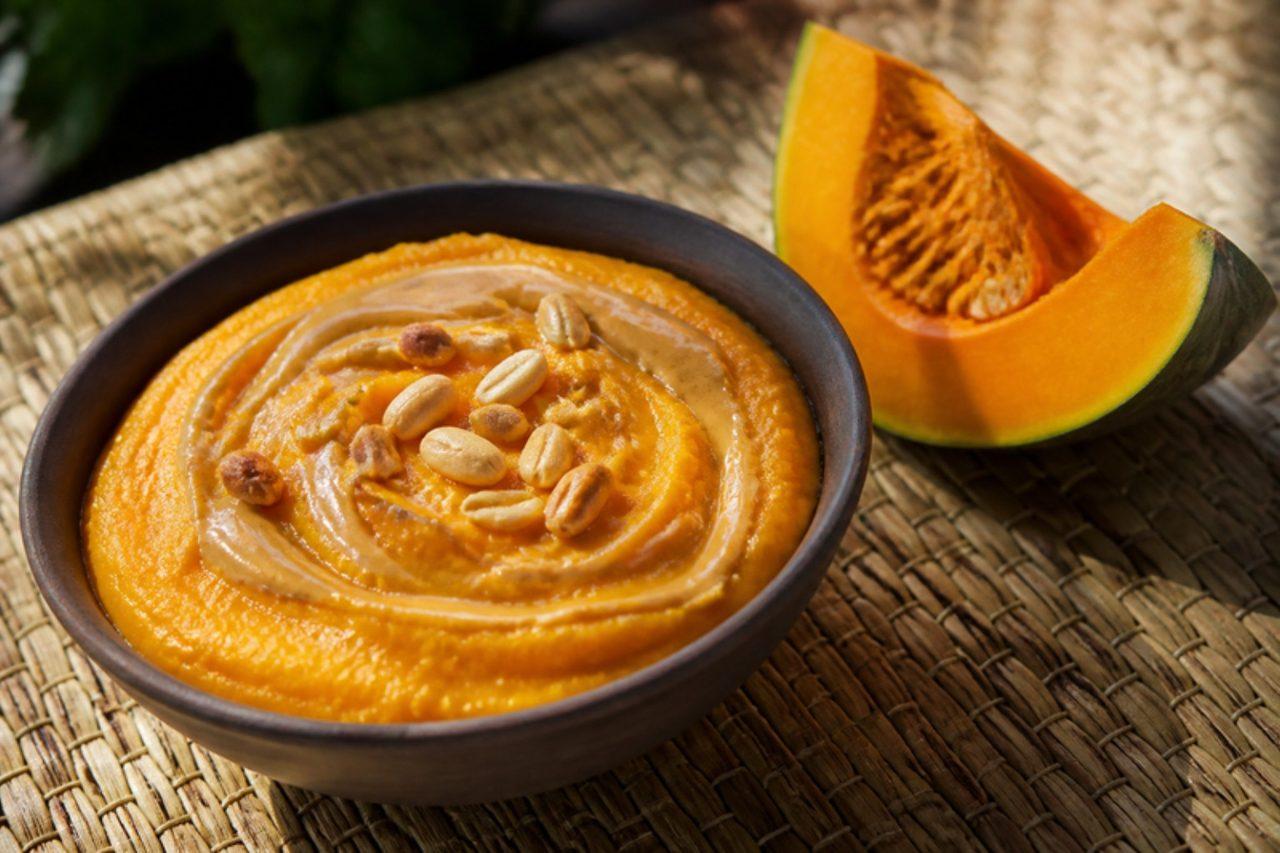
NhopiPumpkin and peanut butter mash

Nhopi is a simple Shona dish from Zimbabwe, made at harvest time when the pumpkins come in: pumpkin or butternut boiled soft, mashed and enriched with peanut butter. Some families stir in a little maize meal to make it thicker (nhopi dovi), and it is eaten for breakfast or as a side with greens. It is sweet, nutty and loved by children. Chef's tip: drain the pumpkin very well before mashing, or the nhopi turns thin and watery.

by KrazyBadal 0 views

Pad kra pao gaiChicken and holy basil stir-fry

Ask a Bangkok office worker what they had for lunch and the answer is very often 'kra pao gai, khai dao': chopped chicken flash-fried with garlic, chillies and holy basil, spooned over rice and crowned with a fried egg whose edges have blistered into brown lace. Street stalls and food courts across the city cook it to order in a roaring wok in about three minutes. The chicken should be slightly sticky and salty-sweet, the basil peppery with a hint of clove, and the runny yolk becomes a sauce for the rice. A saucer of prik nam pla (sliced chillies in fish sauce) on the side is all it needs. Chef's tip: chop the chicken by hand with a heavy knife instead of buying fine mince; the coarse, uneven bits catch the sauce and stay juicy.

by KrazyBadal 0 views

Kunming grilled erkuaiGrilled rice cakes

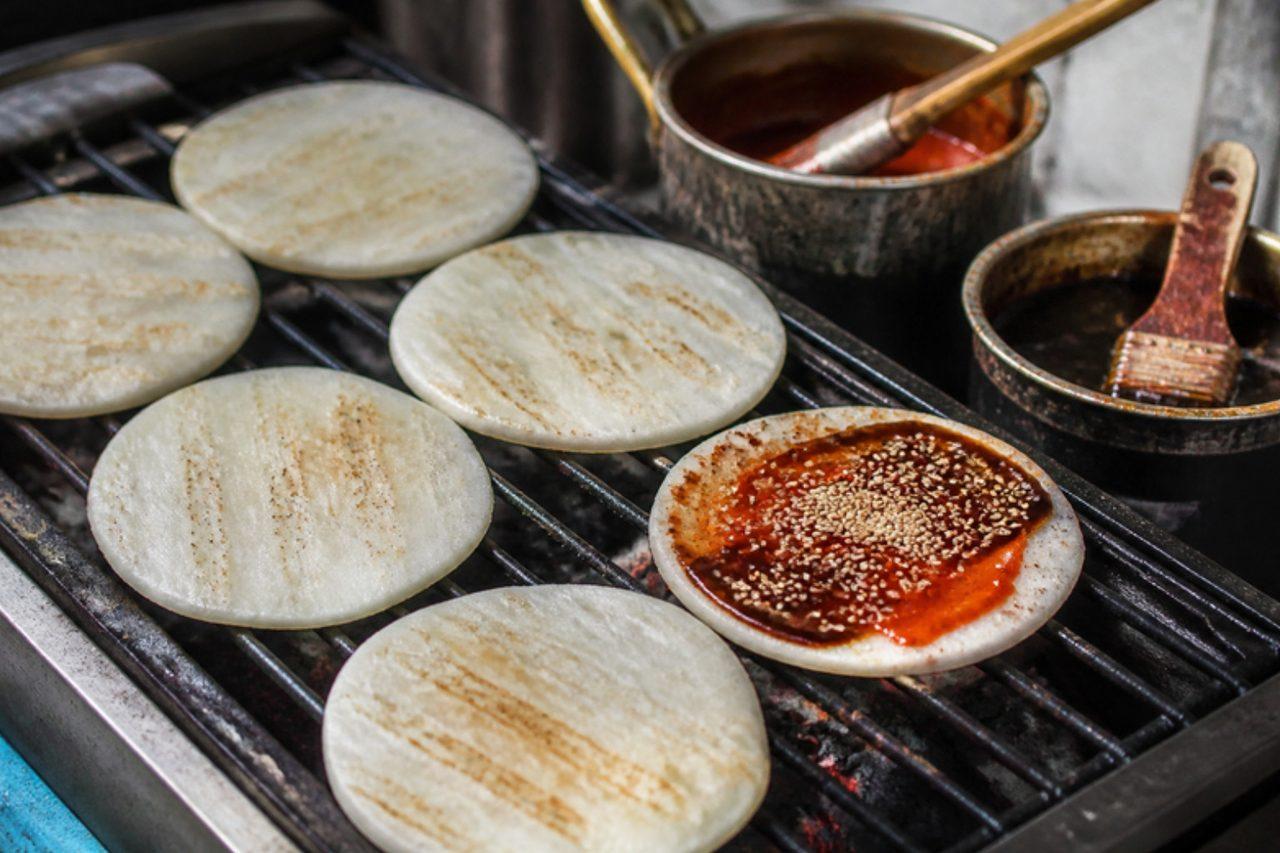
Erkuai is Yunnan's everyday rice cake, made by steaming and pounding rice into a dense, chewy dough. In Kunming and Tengchong, morning vendors grill thin rounds of it over charcoal until they blister, brush on sweet bean sauce, chilli and sesame, and fold it round fried dough or spicy potato shreds. Real erkuai is hard to find abroad, so the rounds here are made from rice flour and steamed, which comes close. Chef's tip: keep the rounds covered while you work, because the surface dries out and cracks quickly.

by KrazyBadal 0 views

KurtDried salted yogurt balls

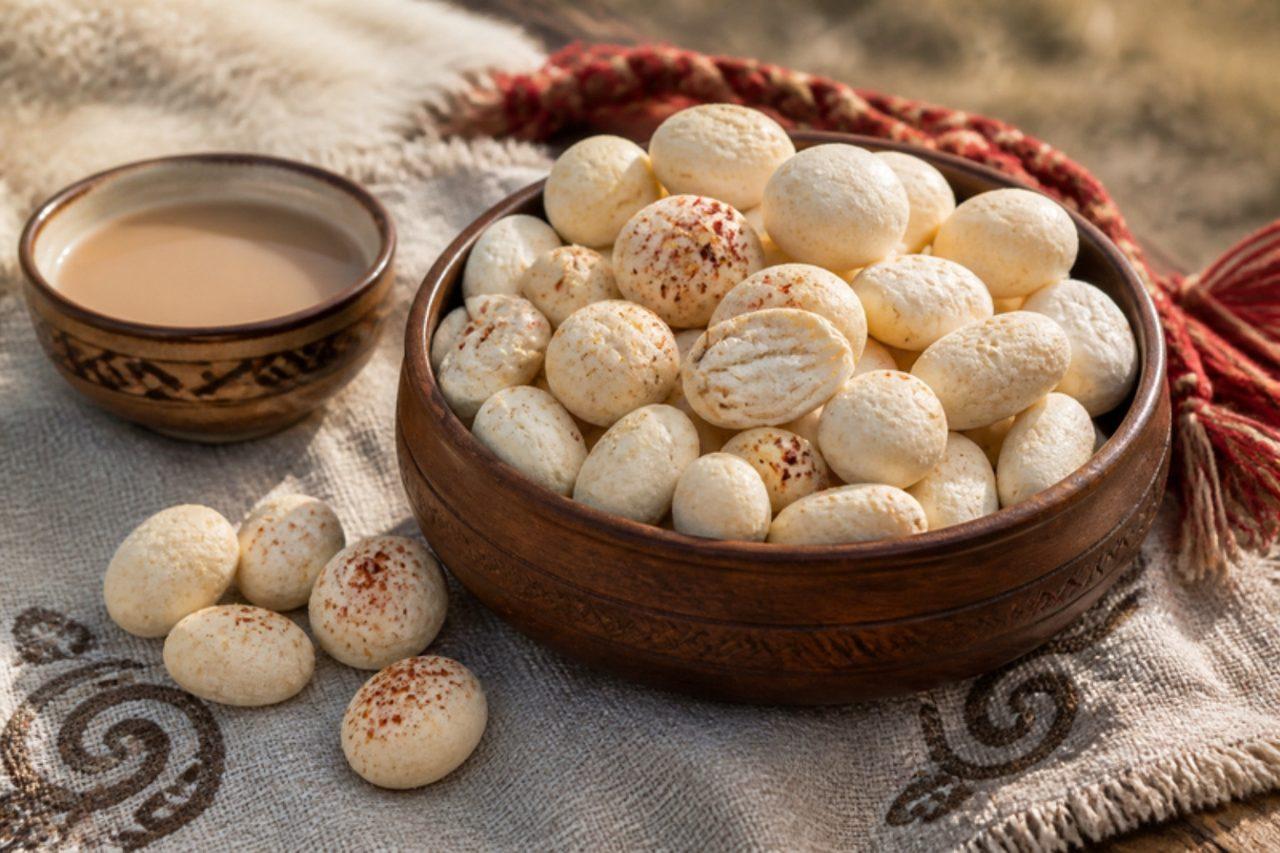
Kurt is the snack of the steppe: thick, salted yogurt pressed into balls and dried until rock-hard, so it keeps for months in a saddlebag. Herders in Kazakhstan and Kyrgyzstan make it in summer, when the animals give the most milk, and dry it on reed mats in the sun. Children suck on it like a sweet, adults crumble it into soups, or dissolve it in hot water to make a sour drink. Bazaars from Shymkent to Bishkek sell it in white, smoked and red-pepper versions. Chef's tip: drain the yogurt until it's as firm as cream cheese; if it's still wet the balls crack and turn mouldy before they dry.

by KrazyBadal 0 views

Kurthi dalHorse gram dal

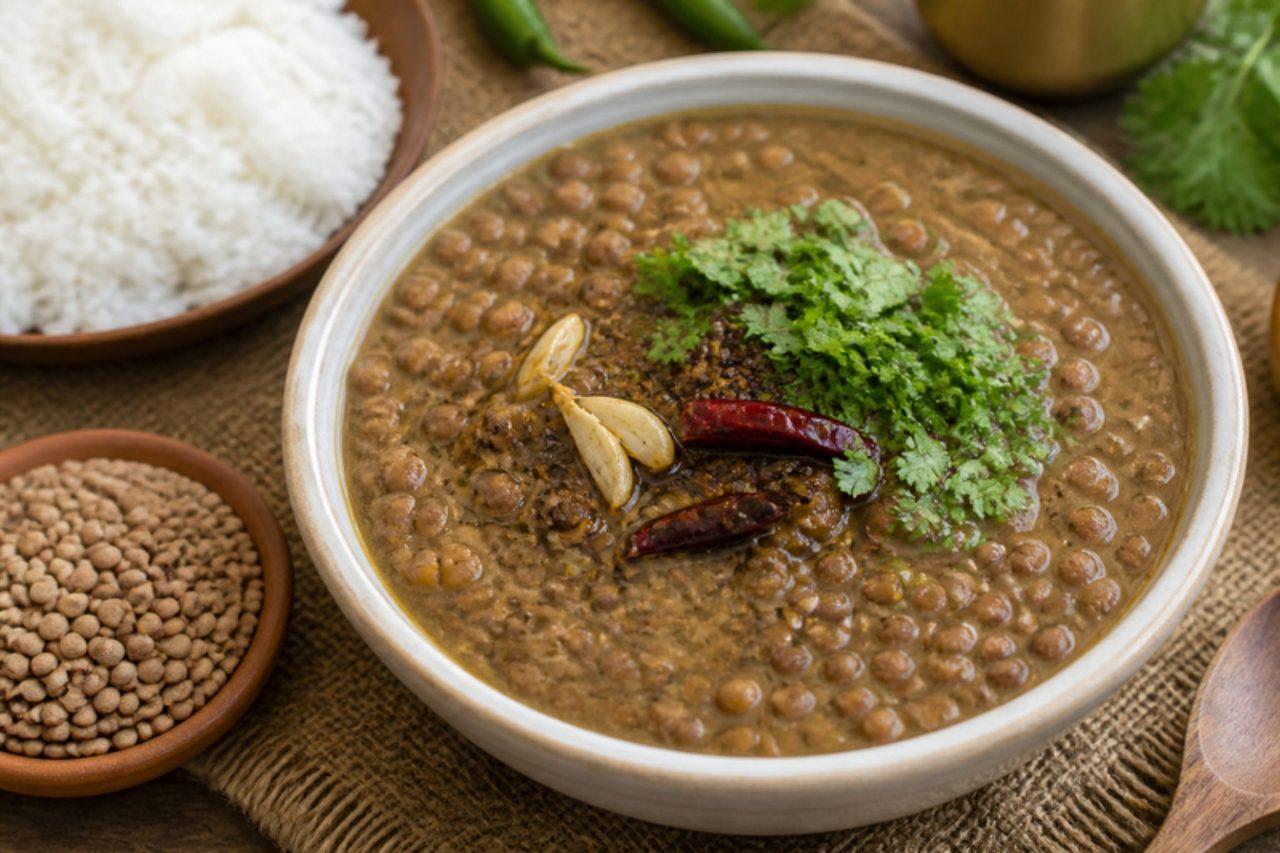
Kurthi, as horse gram is called in Jharkhand, grows on poor, dry upland soil where little else will, and it has fed the plateau's Adivasi and farming families for centuries. Cooked slowly into dal, it is dark, earthy and filling, with a slightly smoky taste, and it is eaten through the cold months with rice and a dry vegetable, as it is believed to warm the body. The tempering of garlic, dried chilli and smoking mustard oil is what makes it Jharkhandi. Chef's tip: mash a ladle of the cooked gram against the side of the pot; it thickens the dal without any flour.

by KrazyBadal 0 views

KürtőskalácsChimney cake

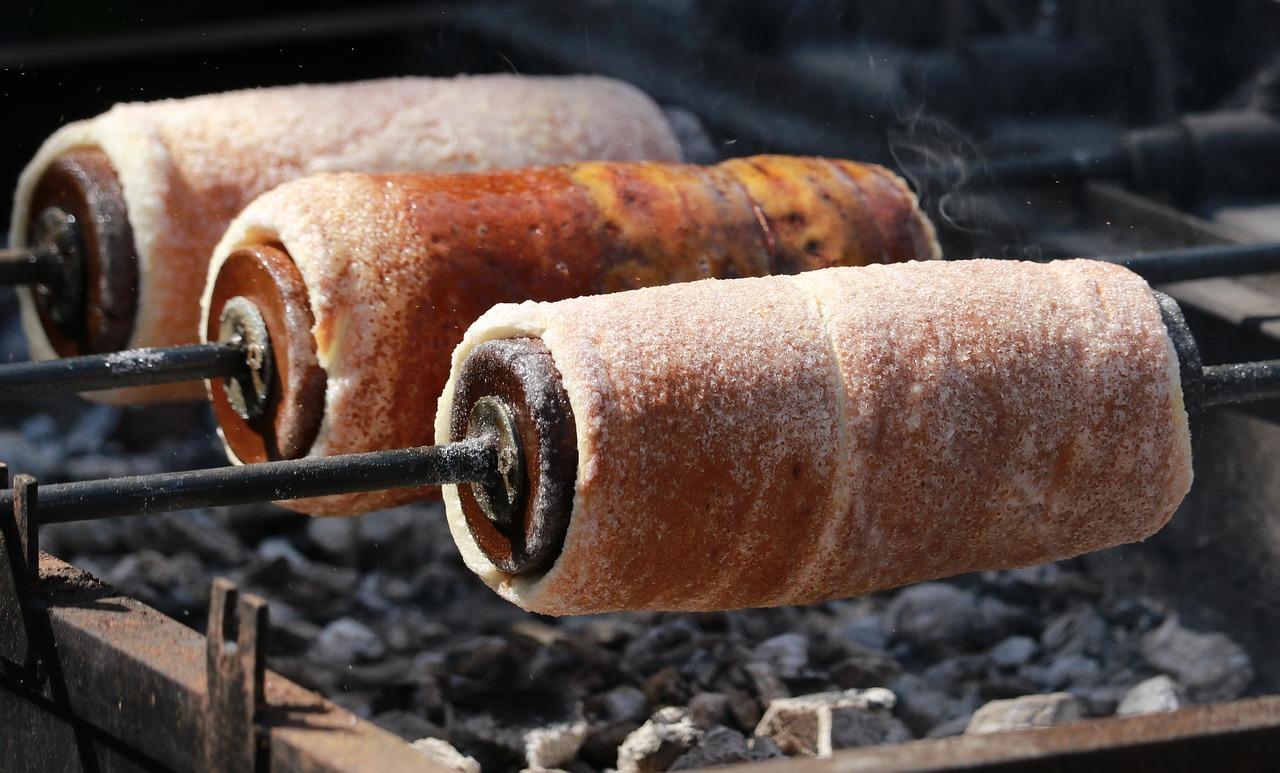
Kürtőskalács, or chimney cake, comes from the Székely Hungarian villages of Transylvania and is now sold at every Budapest Christmas market and summer festival, turning on spits over glowing coals. A strip of sweet yeast dough is wound around a wooden roller, rolled in sugar and baked until the sugar caramelises into a thin, crackling shell; you unwind the soft, steaming spiral as you eat it. At home you can bake it in the oven on foil-wrapped rolling pins or tins. Chef's tip: press the dough spiral firmly into the sugar before baking; loose sugar falls off, but pressed sugar melts into the glassy crust. A common mistake is leaving gaps between the strips, which makes the cake tear apart when you slide it off.

by KrazyBadal 0 views

Kuru fasulyeWhite bean stew

Kuru fasulye is close to a national dish in Turkey: a pot of white beans stewed in a red, paprika-scented sauce, eaten with rice pilaf, pickles (turşu) and raw onion at home and in the bean restaurants of Istanbul's Süleymaniye district. Many versions start with lamb or sucuk; this one leans on good olive oil, sweet and hot pepper paste and slow cooking, so the beans become creamy inside and the sauce silky and rich. It is a winter Friday-night staple for lots of families and tastes even better reheated the next day. Serve with domatesli bulgur pilavı or plain rice, a wedge of onion and crusty bread. Chef's tip: add the salt only once the beans are almost tender; salting at the start keeps the skins tough however long you cook them.

by KrazyBadal 0 views

Kutchi dabeliSpiced potato buns

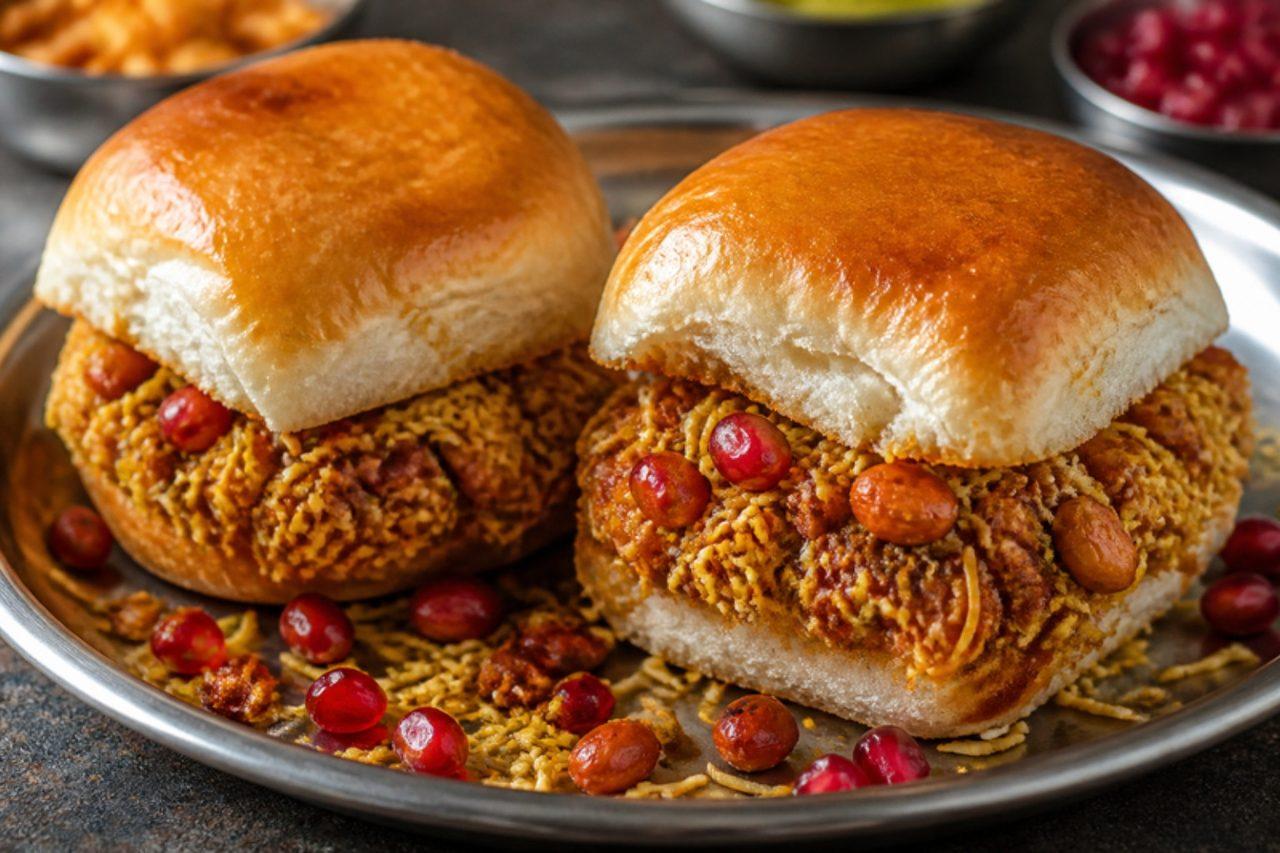
Dabeli was born in Mandvi, a port town in Kutch, Gujarat, and spread from there to every street corner in Mumbai. Soft pav are split, spread with sweet tamarind and fiery garlic chutneys, and stuffed with a potato filling spiced with dabeli masala, a warming blend of roasted coriander, cumin, cinnamon, clove and dried chilli. Masala peanuts, pomegranate seeds, onion and sev add crunch and sparkle, and the buns are toasted in butter until crisp at the edges. Children love them for the sweetness, adults for the heat. Chef's tip: make the dabeli masala yourself and toast the whole spices until they just smell warm; shop-bought powders lack that fresh, smoky sweetness, and a jar keeps for a month.

by KrazyBadal 0 views

KutiaWheat berries with poppy seeds

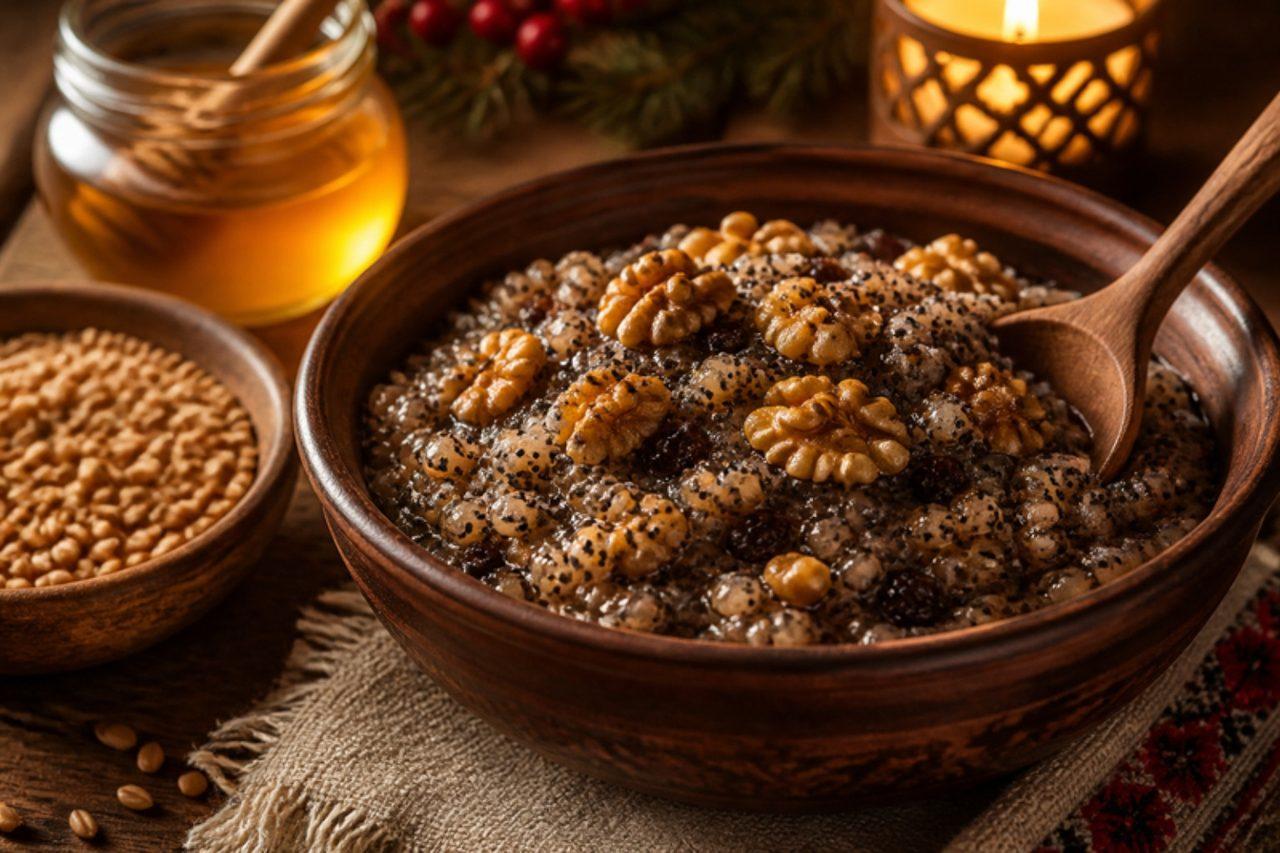
Kutia is the first dish tasted on Ukrainian Christmas Eve, once the first star appears in the sky: a bowl of whole wheat berries mixed with ground poppy seed 'milk', honey, walnuts and raisins. Families in Lviv, Ternopil and the villages of the west traditionally throw a spoonful at the ceiling for luck and set a bowl aside for departed relatives, and the head of the house greets the evening with it. It is eaten at room temperature, sweet, nutty and chewy, and the spoon must touch every guest's plate. Chef's tip: soak and grind the poppy seed until it turns white and milky; common mistake is using it whole, which leaves kutia gritty and grey instead of creamy.

by KrazyBadal 0 views

Kuy teavPork bone rice noodle soup

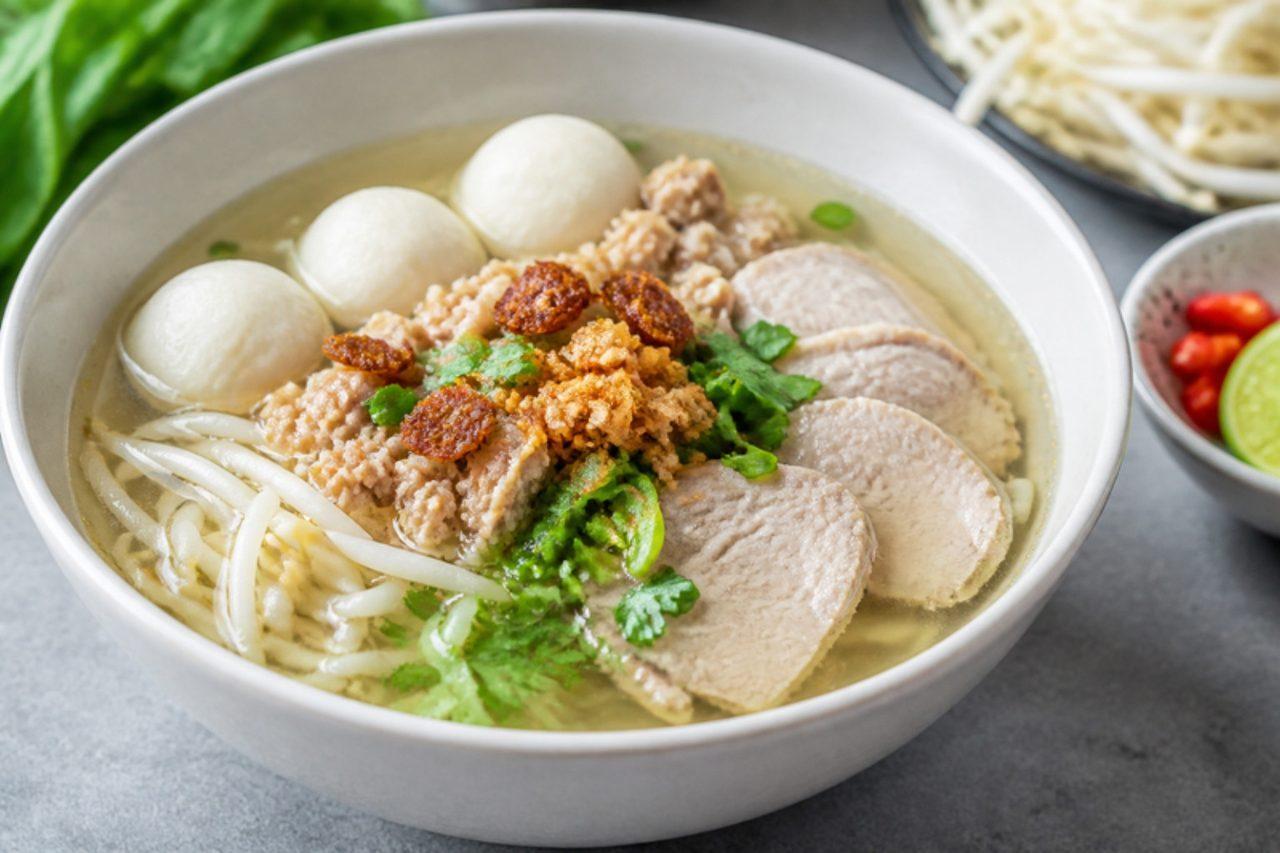
Kuy teav is what Phnom Penh eats for breakfast: before 8 am the city's street stalls and markets are busy with people bent over bowls of it. It is a pork soup: a clear, slightly sweet broth simmered from pork bones with dried squid or shrimp and charred onion is poured over rice noodles, sliced pork, minced pork and prawns, and everyone finishes their bowl with lime, chilli, bean sprouts and fried garlic. Chef's tip: never boil the broth hard; keep it barely trembling so it stays crystal clear.

by KrazyBadal 0 views

KuyrdakFried lamb with offal

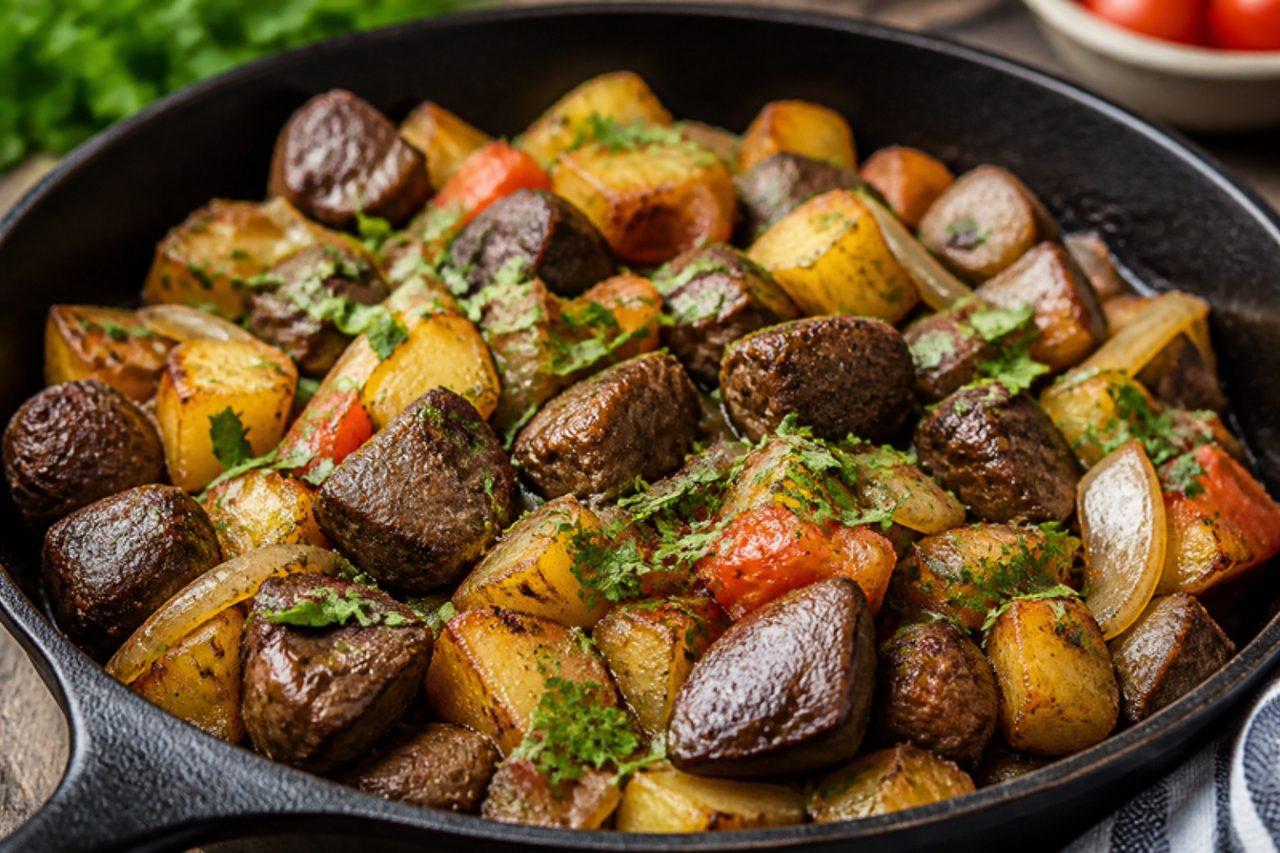
Kuyrdak is the first meal cooked when a sheep is slaughtered on a Kazakh farm, made quickly from the freshest cuts and the offal: lamb meat, liver, heart and kidneys fried in a kazan with onion and potatoes. Today it is an everyday dish in Almaty and the steppe villages, eaten hot from the pan with bread and strong tea. Every part is cut to the same size so it all cooks evenly. Overcooking the liver is the most common fault; it goes in last and should be just cooked through and still soft, not grainy. Chef's tip: soak the kidneys in salted cold water for 30 minutes to remove any strong smell.

80 minKazakhMeatGluten free
by KrazyBadal 0 views

Kuzhi paniyaramSavoury rice dumplings

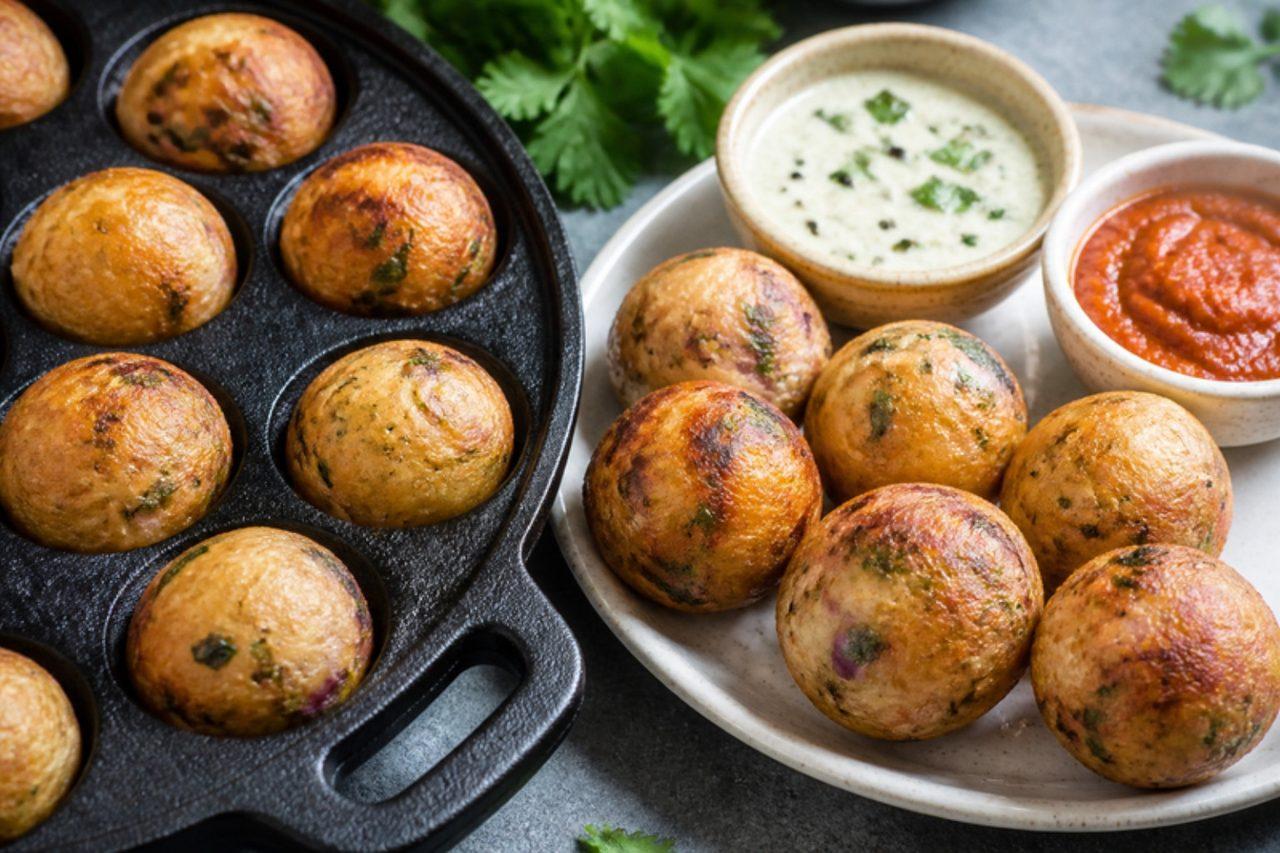
In Chettinad, kuzhi paniyaram is what happens to the last of the idli and dosa batter: it's mixed with shallots, chilli and curry leaves and cooked in a cast-iron pan full of round hollows until each ball is crisp and golden outside and soft as idli inside. Karaikudi households make them for evening tiffin and they're sold hot from street griddles in Madurai. Eat them straight from the pan with coconut chutney or a red tomato-onion kara chutney. Chef's tip: use batter that's a day or two old and slightly sour; it gives lighter, puffier paniyarams than fresh batter.

by KrazyBadal 0 views

KwatiMixed sprouted bean soup

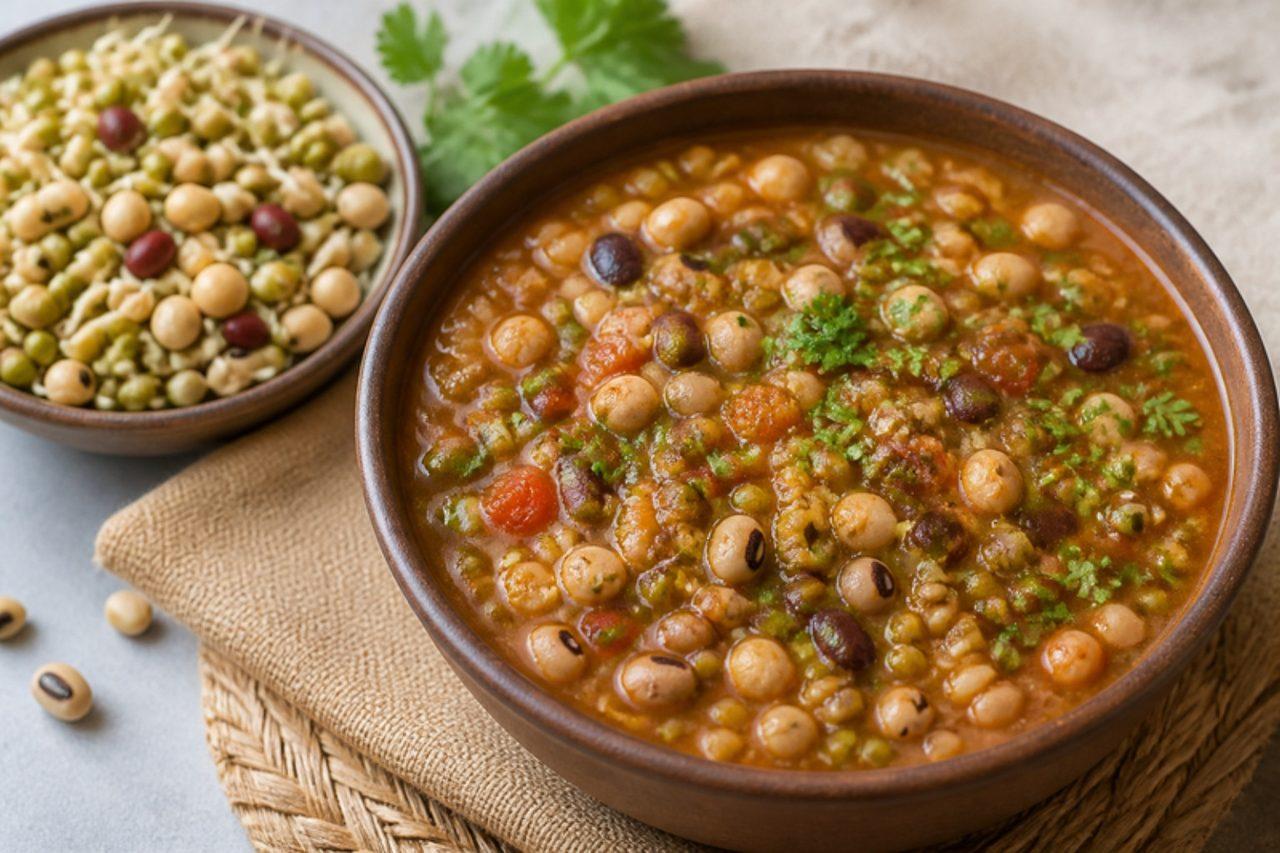
Kwati is a thick, warming soup of nine kinds of sprouted beans that the Newar families of the Kathmandu Valley cook on Janai Purnima, the August full moon also called Kwati Punhi, when the monsoon is at its height and people are said to need strength against the damp. The mix usually includes black gram, green mung, chickpeas, soybeans, field peas, kidney beans, cowpeas, field beans and rice beans, soaked and sprouted for two or three days beforehand, then cooked with ajwain, ginger, garlic, tomato and a pinch of timur. Markets in Asan sell ready-mixed kwati beans in the week before the festival. It is eaten in bowls with beaten rice or simply on its own. The mistake people make is skipping the sprouting, which leaves the soup heavy and the beans hard. Chef's tip: fry the ajwain until it crackles; its thyme-like warmth makes the beans easier to digest and is the flavour of the festival.

by KrazyBadal 0 views

Kway chapRice sheets in braising broth

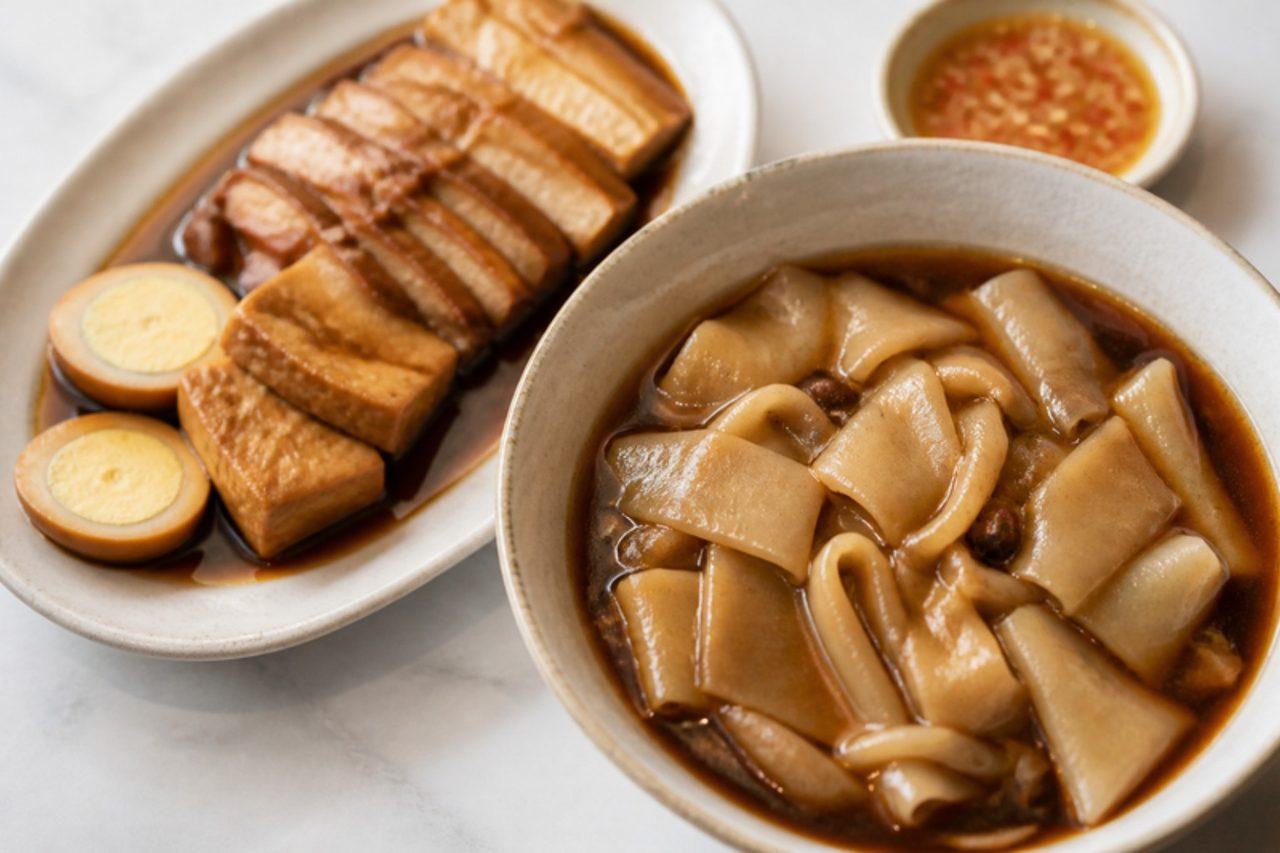
Breakfast in Shantou and Chaozhou often means a steaming bowl of kway chap from a market stall: squares of rice sheet simmered until soft and silky in a dark, gently spiced broth, with braised pork belly, tofu and eggs on the side. Teochew emigrants carried it to Singapore, where it became a hawker centre favourite, but the original is simpler, cheaper and very comforting on a cool morning. The broth tastes of soy, star anise and cinnamon, slightly sweet, and the rice sheets drink it up. Eat it with chilli vinegar, pickled mustard greens and plenty of white pepper. Chef's tip: braise the pork the night before; the flavours settle and you can lift the hardened fat off the top.

by KrazyBadal 0 views

Kyiv cakeHazelnut meringue cake

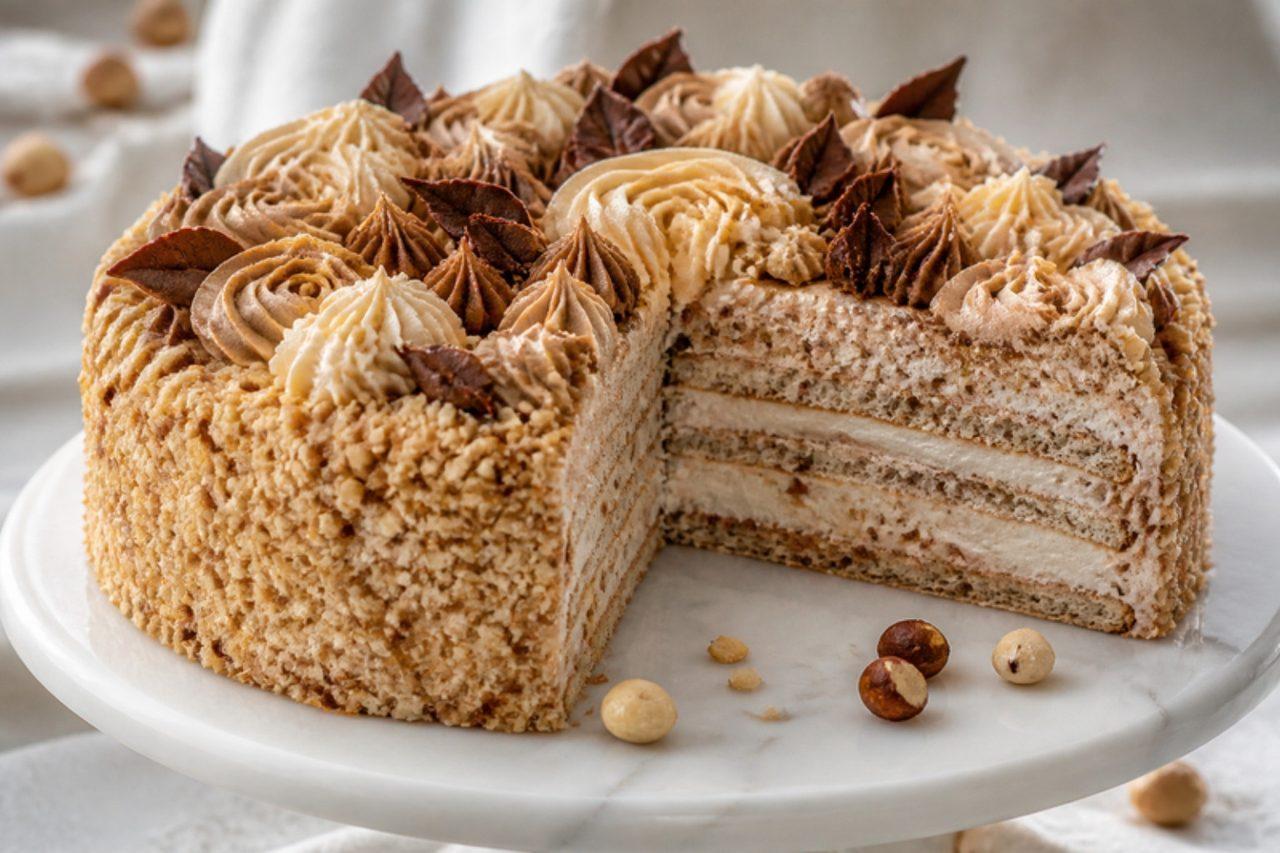
Kyiv cake was created in 1956 at the Karl Marx confectionery factory in Kyiv, and for decades a round box tied with string, bought at the station kiosk, was the souvenir every visitor carried home from the capital. Two crisp, chewy layers of nut meringue are sandwiched with a rich vanilla and cocoa buttercream and decorated with more cream. It contains no flour, so it is naturally gluten free, and no gelatine. Our home version uses hazelnuts, as the original did before cashews became the norm. Chef's tip: dry the meringue long and slow and let it cool in the switched-off oven; common mistake is pulling it out too early, when it is still soft inside, and then it turns sticky and collapses under the cream.

by KrazyBadal 0 views

Kyoto takiawaseSimmered vegetables

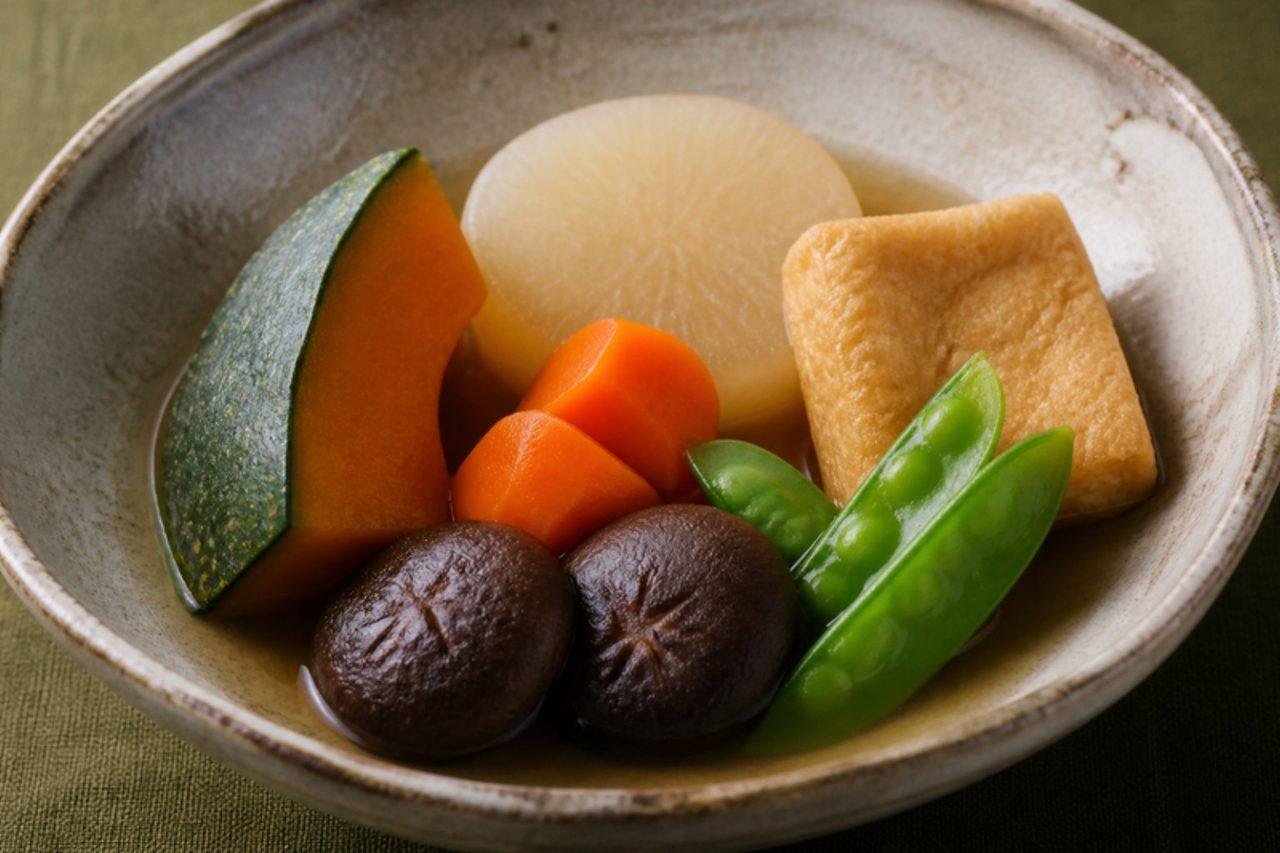
Obanzai is what Kyoto calls its everyday home cooking: thrifty, seasonal side dishes that families keep in the fridge and that small restaurants line up in bowls along the counter. Takiawase, 'simmered together', is one of its finest. Each vegetable is cooked separately in a pale, delicate broth, so the kabocha stays orange, the daikon turns translucent and the carrot keeps its colour, then they are arranged side by side in one dish. Kyoto cooks season with light-coloured usukuchi soy, which is saltier than regular soy but doesn't darken the food. Serve it warm or at room temperature with rice and miso soup. Chef's tip: let everything cool in its broth. The vegetables soak up most of their flavour as they cool, not while they boil.

by KrazyBadal 0 views

Kyrgyz shorpoLamb and vegetable broth

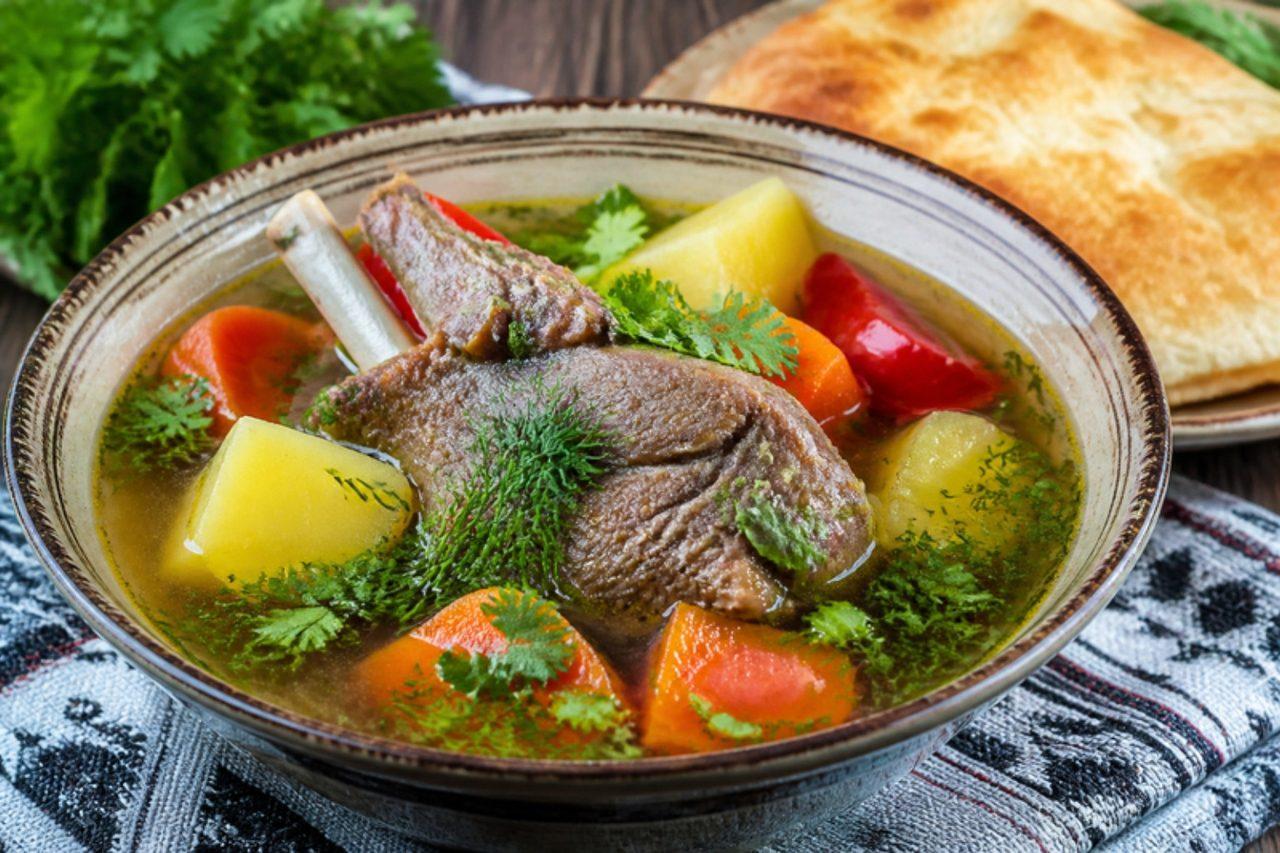
Shorpo is the soup that keeps Kyrgyz herders warm in the summer pastures around Issyk-Kul and in yurts high in the Tian Shan: big pieces of lamb on the bone simmered slowly with whole potatoes, carrots and onion until the broth is clear and golden. The meat and vegetables are often served on a plate and the broth in bowls, with fresh herbs and bread torn into it. It is simple, so the quality of the lamb matters. Letting it boil hard is the usual mistake; a rolling boil makes the broth cloudy and the meat stringy. Chef's tip: start the lamb in cold water and skim patiently for the first 15 minutes.

145 minKazakhSoupsGluten free
by KrazyBadal 0 views

La bandera dominicanaRice, beans and chicken plate

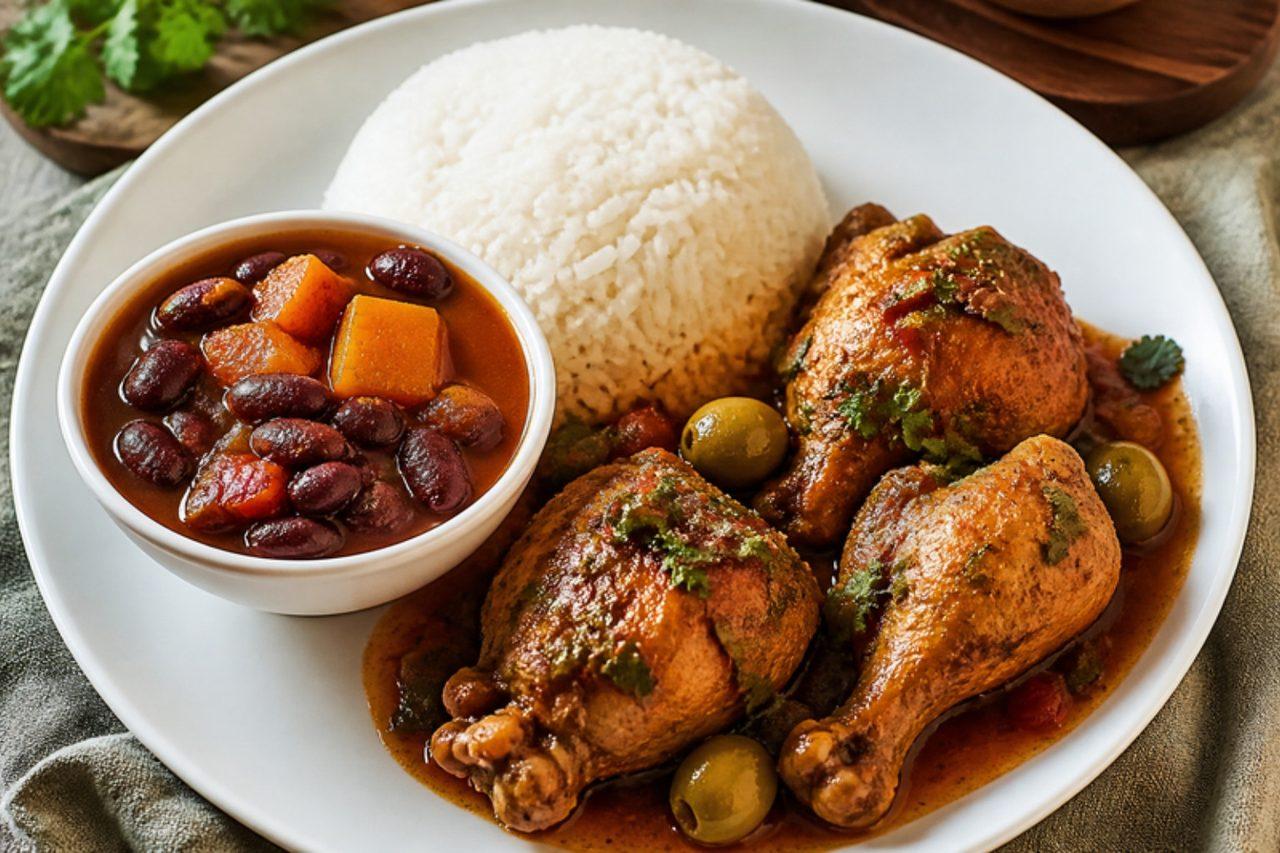
Across the Dominican Republic, from Santo Domingo office canteens to family kitchens in Santiago, the midday meal is la bandera, named after the flag: white rice, red beans stewed with squash, and braised chicken. It is eaten almost every weekday, often with a green salad and fried plantain. Dominican cooks start the chicken by caramelising sugar in the oil, which gives the sauce its deep brown colour, and they prize the concón, the crisp layer of rice at the bottom of the pot. The mistake to avoid is letting the sugar go past dark amber; burnt sugar makes the whole stew bitter. Chef's tip: marinate the chicken with lime, garlic and oregano the night before; it takes on far more flavour than a quick 30 minutes.

by KrazyBadal 0 views

La Paz batchoyPork noodle soup

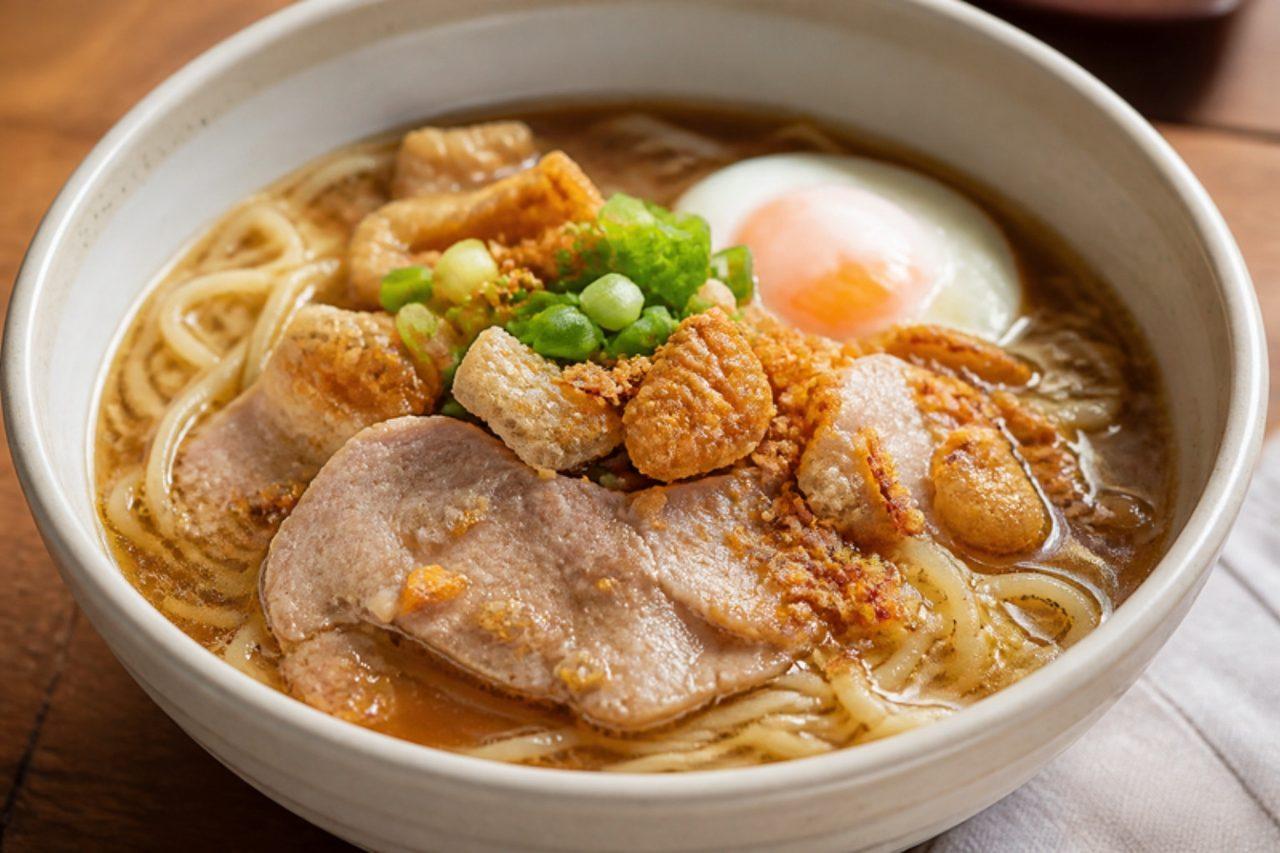
La Paz batchoy was born in the market of La Paz, a district of Iloilo City on Panay, where stalls ladle it out from early morning to late at night. It is a pork noodle soup through and through: fresh egg noodles (miki) in a deep pork-bone broth seasoned with a little shrimp paste, topped with sliced pork, liver, crushed pork crackling (chicharrón) and lots of fried garlic. Locals often crack a raw egg into the bowl and ask for extra broth. It is a warming, savoury bowl for rainy afternoons. Chef's tip: make the broth the day before and chill it; the fat sets on top so you can lift most of it off and fry the garlic in it.

by KrazyBadal 0 views

Laal maasFiery red mutton curry

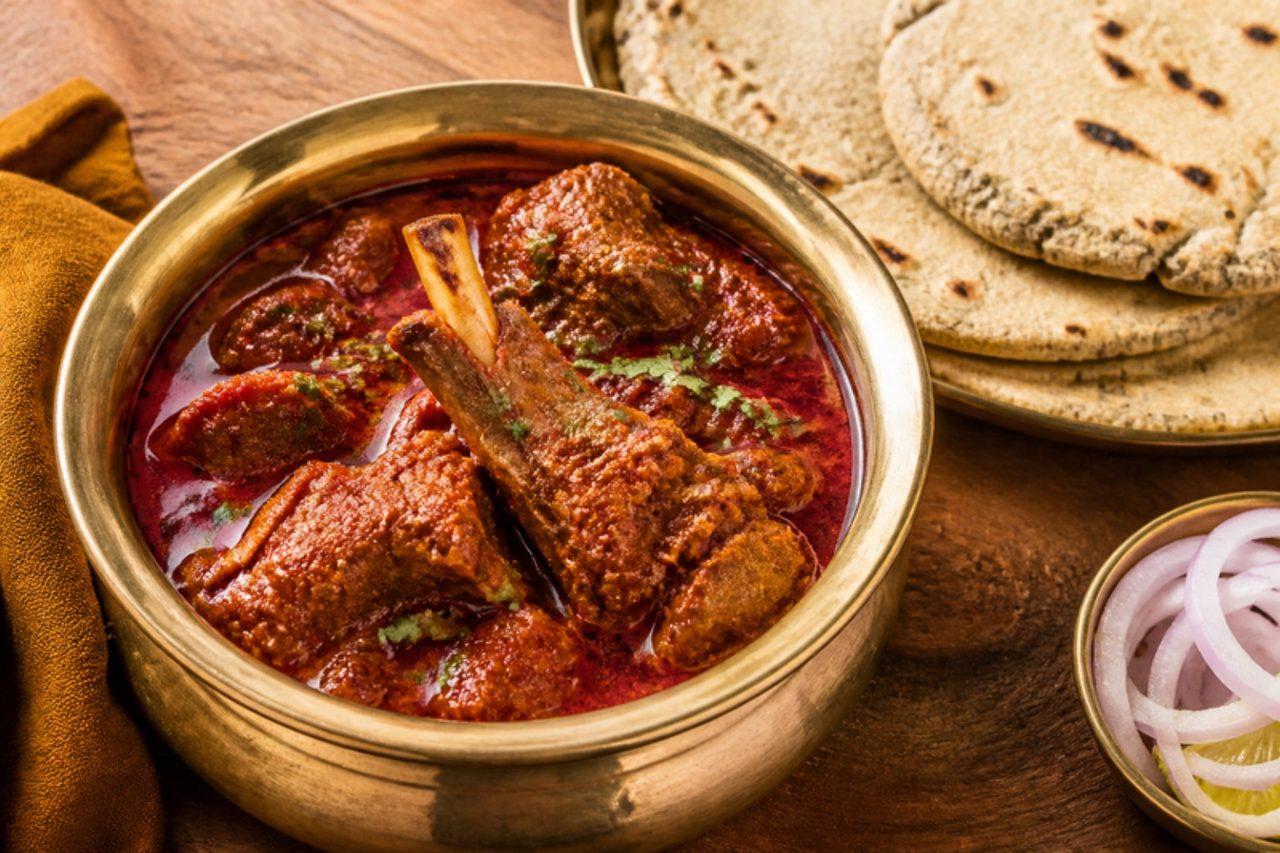
Laal maas grew out of the Rajput hunting tradition in the desert country around Jodhpur and Jaisalmer, where game was cooked with plenty of garlic and red chillies to carry it. Today it's made with goat or lamb and is the dish Rajasthanis cook for a winter feast, served with bajra roti or plain rice and a bowl of yogurt to cool things down. The fierce colour comes from Mathania chillies, grown near Jodhpur, which are deep red, aromatic and properly hot. Some cooks finish it with a burning coal set in the pot to give it a smoky edge, an optional step included here. Chef's tip: soak and grind the dried chillies to a paste instead of using chilli powder; it gives the deep red colour and a rounder heat that doesn't scorch.

140 minIndianMeatGluten freeSpicy
by KrazyBadal 0 views

Tandoori tinniesTandoori baby vegetable skewers

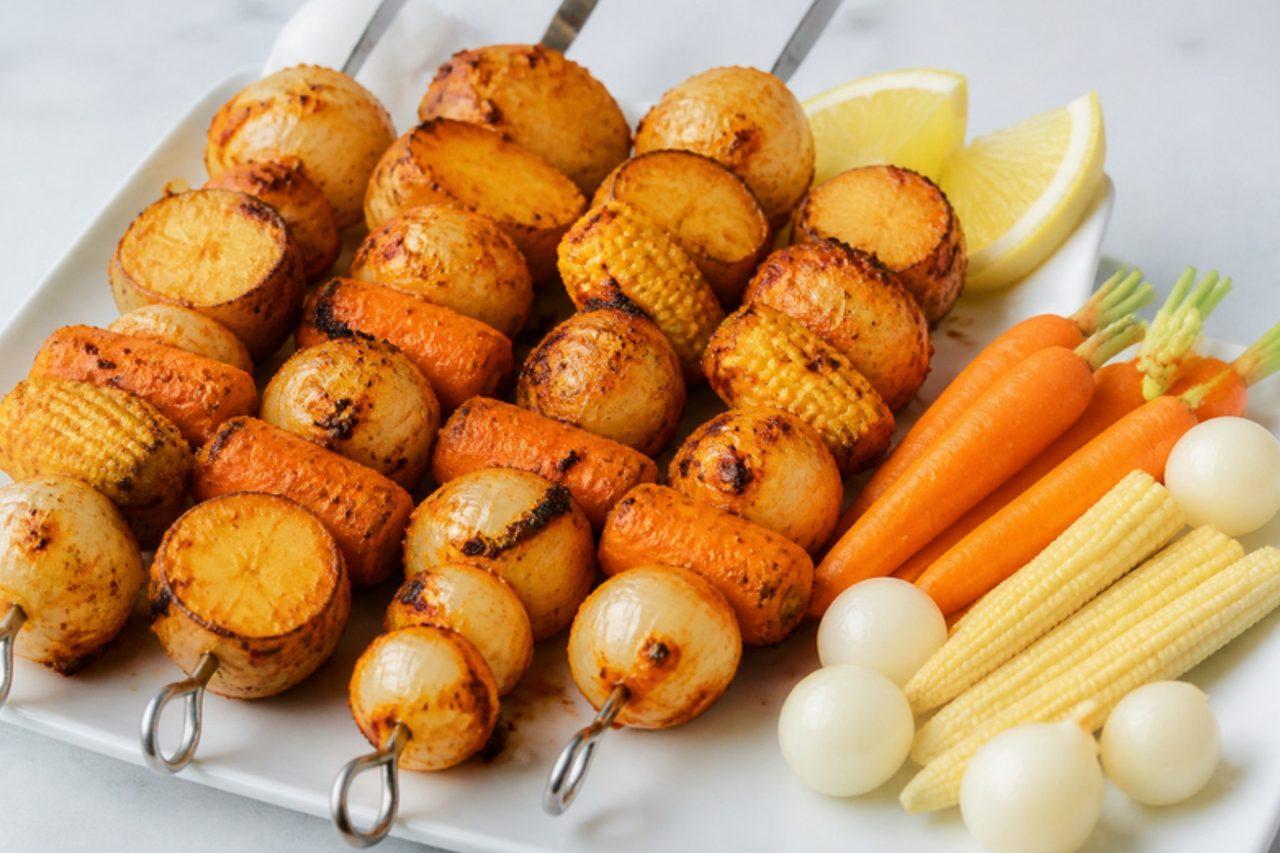
Baby onions, carrots, potatoes and corn par-boiled, coated in a creamy, fiery marinade of red chilli, garlic, ginger, coriander-cumin and dried fenugreek, then grilled on skewers over charcoal until golden. They're small, colourful and bursting with flavour. Serve hot with lemon wedges.

by KrazyBadal 0 views

LablabiChickpea soup with bread

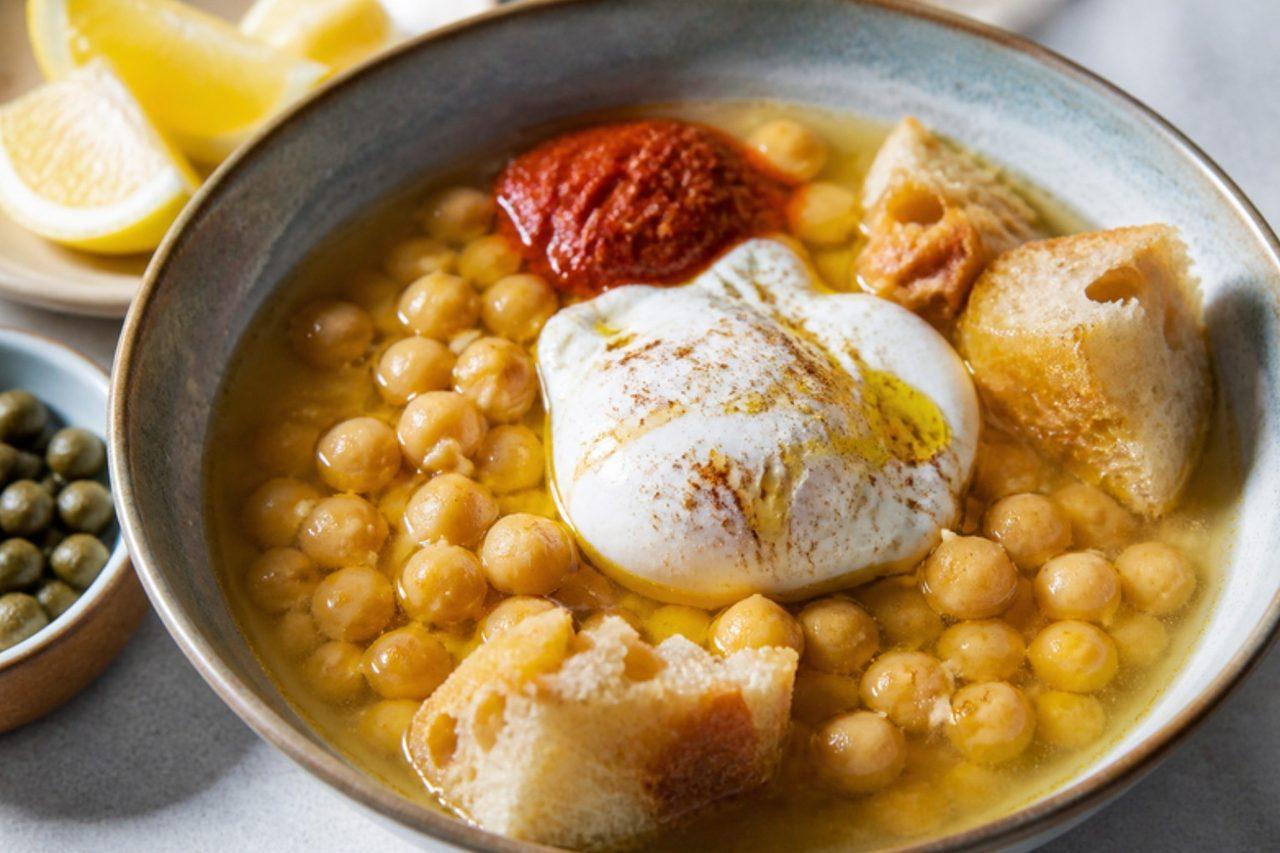
Lablabi is the working breakfast of Tunis, served from steaming cauldrons in tiny shops near the medina and the markets from dawn, and eaten all over Tunisia on cold winter mornings. Torn day-old bread goes into the bowl first, then hot chickpeas and their garlicky broth, and everyone dresses their own with harissa, cumin, olive oil, lemon and capers; many add a soft-poached egg that is broken through the bread. Chef's tip: let the bread soak for a minute before you stir in the harissa, so it turns soft and spoonable but not mushy.

by KrazyBadal 0 views

Labneh with za'atarStrained yogurt with za'atar

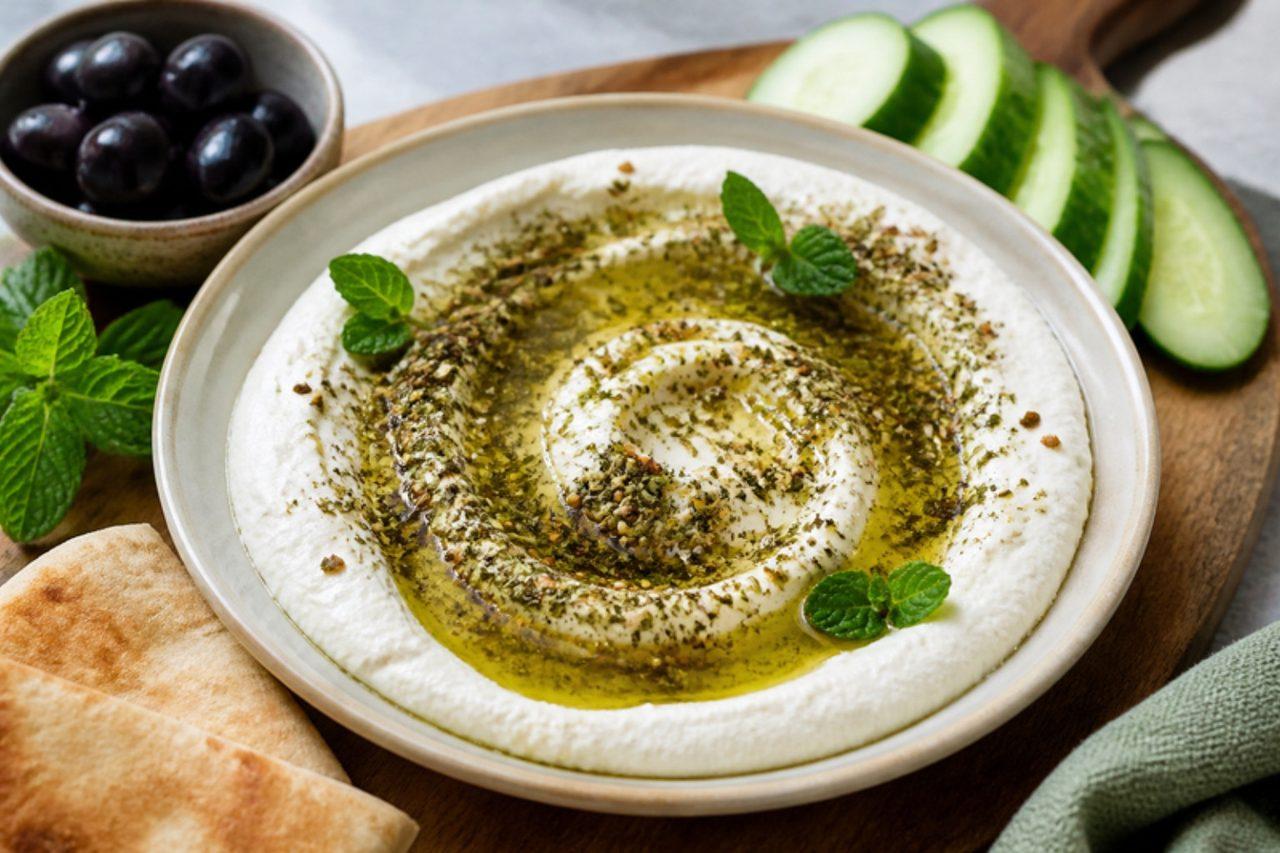
Labneh is the thick, tangy strained yogurt that Lebanese, Syrian and Palestinian families spread on a plate every morning, swirl with olive oil and scatter with za'atar, the wild-thyme, sumac and toasted sesame mix of the Levant. It sits beside olives, cucumber, tomato and warm khubz at breakfast in Beirut and on the mezze table at night, and the firmer version is rolled into small balls and kept in jars of olive oil for weeks. Here salted yogurt hangs for a full day until it is as thick as cream cheese, then goes out two ways: spread in a dish, and rolled into balls. A common mistake is using low-fat or set yogurt with gelatine; it gives a thin, chalky labneh, so choose full-fat plain yogurt with only milk and cultures. Chef's tip: stir the salt in before straining, not after, because it draws out more whey and seasons the yogurt all the way through.

by KrazyBadal 0 views

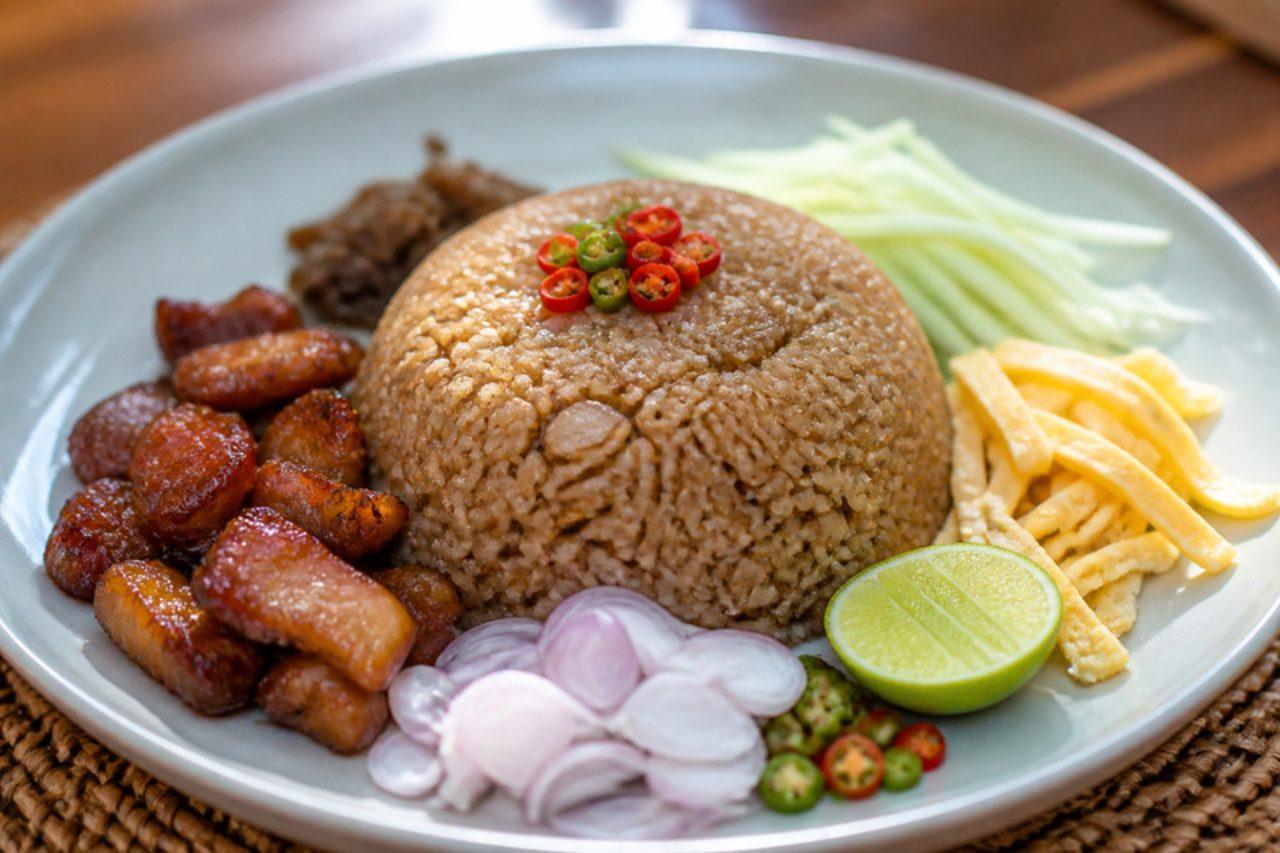
Khao kluk kapiShrimp paste rice

Everything on this central Thai plate is arranged in little heaps around a mound of rice tossed with garlic and fermented shrimp paste: sticky caramelised pork (moo wan), threads of sour green mango, shallots, chillies, sliced long beans, crisp dried shrimp and ribbons of thin omelette. You mix a bit of each into every spoonful, so salty, sweet, sour and hot arrive together. It's a favourite at Bangkok's curry-and-rice shops and a clever way to use up yesterday's rice at home; lime wedges and cucumber cool it down. Chef's tip: use day-old jasmine rice straight from the fridge, because freshly cooked rice clumps and smears the shrimp paste instead of coating each grain.

by KrazyBadal 1 views

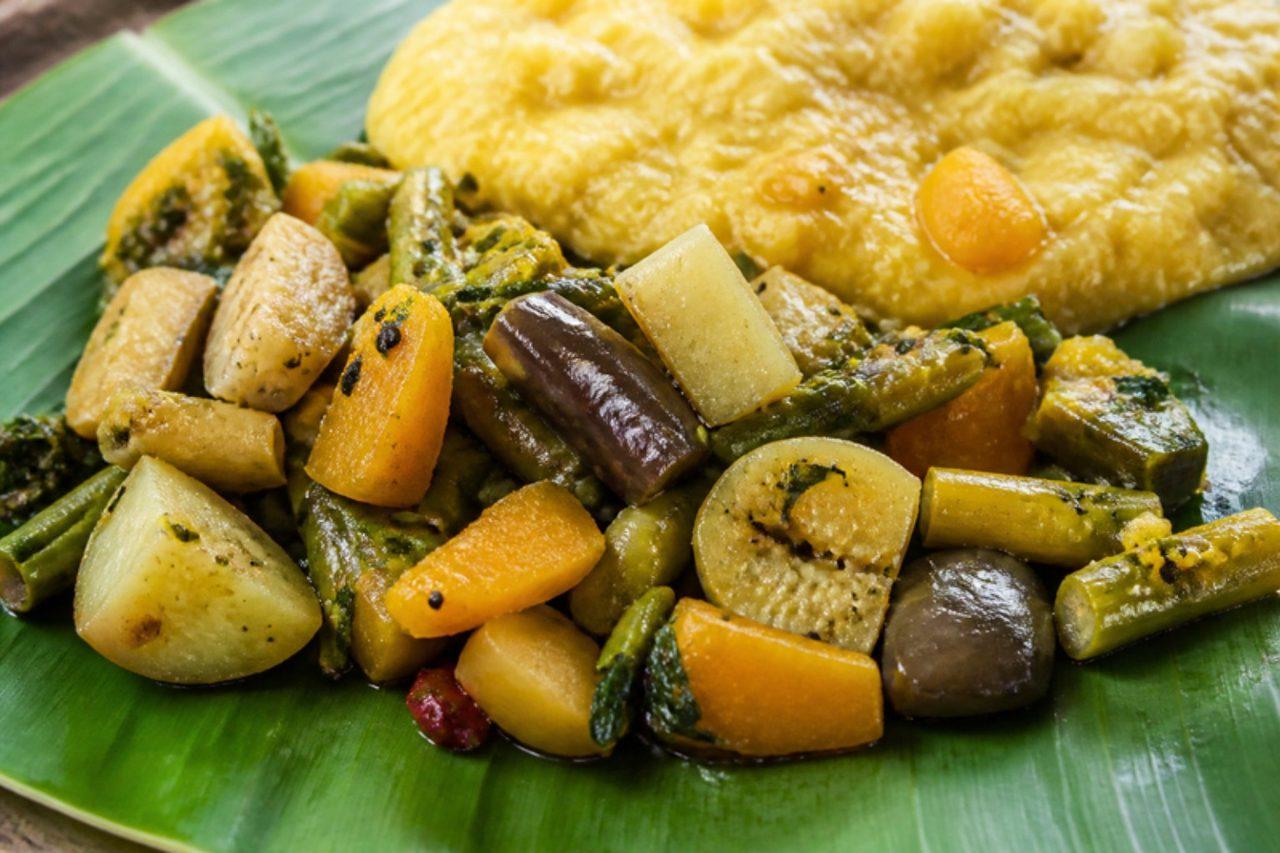
LabraMixed vegetable curry

Labra is the vegetable dish of Durga Puja bhog: in community pandals across Bengal it is ladled out beside khichuri and a sweet tomato chutney to hundreds of people sitting in rows. It is a loose jumble of pumpkin, potato, aubergine, radish, sweet potato, raw banana and spinach stalks, cooked with panch phoron and ginger until some pieces melt and others hold. No onion or garlic goes in, because it is temple food. Chef's tip: add the vegetables in order of hardness, so the pumpkin goes soft and sweet while the radish and banana keep their shape.

by KrazyBadal 0 views

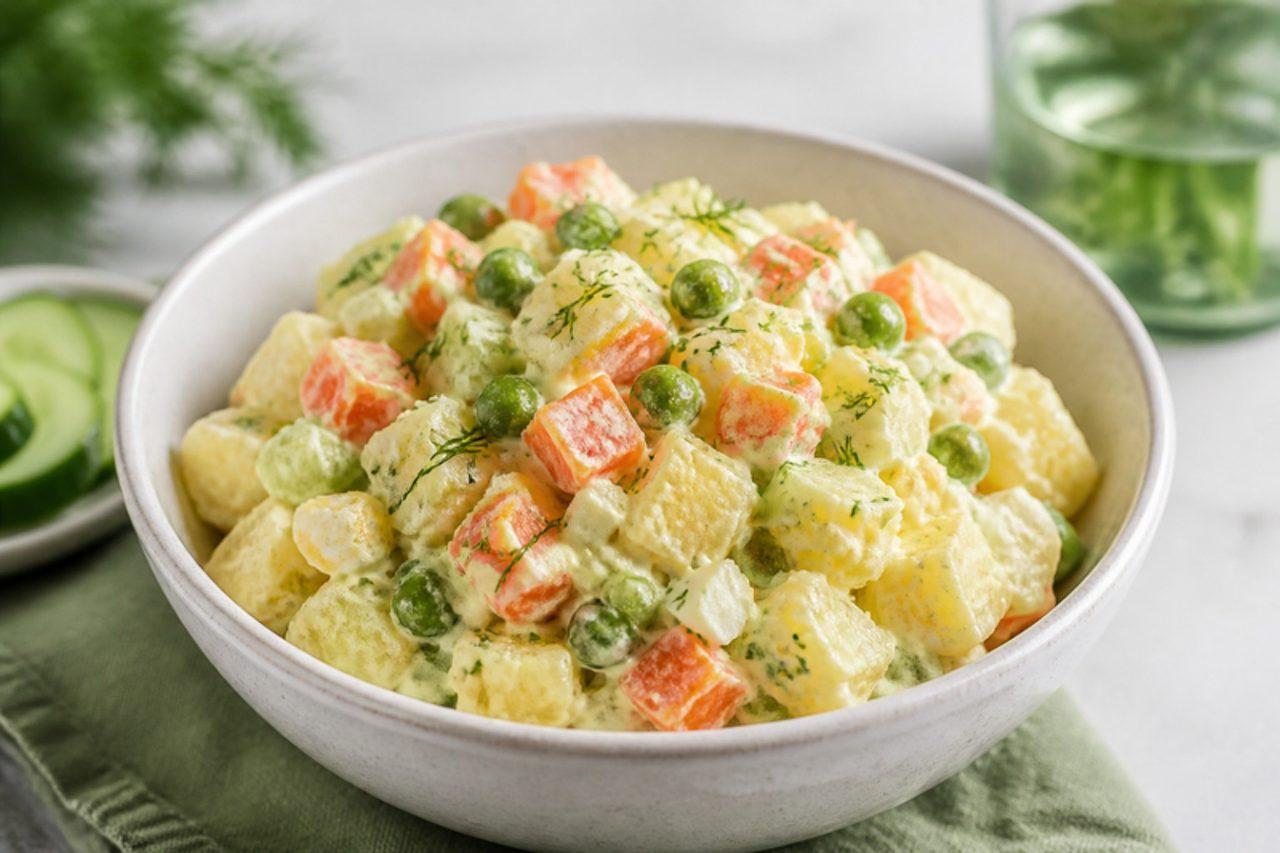
Niislel saladPotato and egg salad

Niislel means 'capital', and this creamy salad is the one served across Ulaanbaatar at Tsagaan Sar (Lunar New Year), birthdays and in every canteen. It descends from the Russian Olivier salad of the Soviet era, made Mongolian with plenty of cucumber and sometimes apple; it usually includes ham or sausage, left out here and replaced with extra egg. It's cool and comforting next to hot buuz (dumplings) or tsuivan. Chef's tip: cut everything into small, even cubes the size of a pea; that uniform dice is what makes it niislel and not just potato salad.

by KrazyBadal 0 views

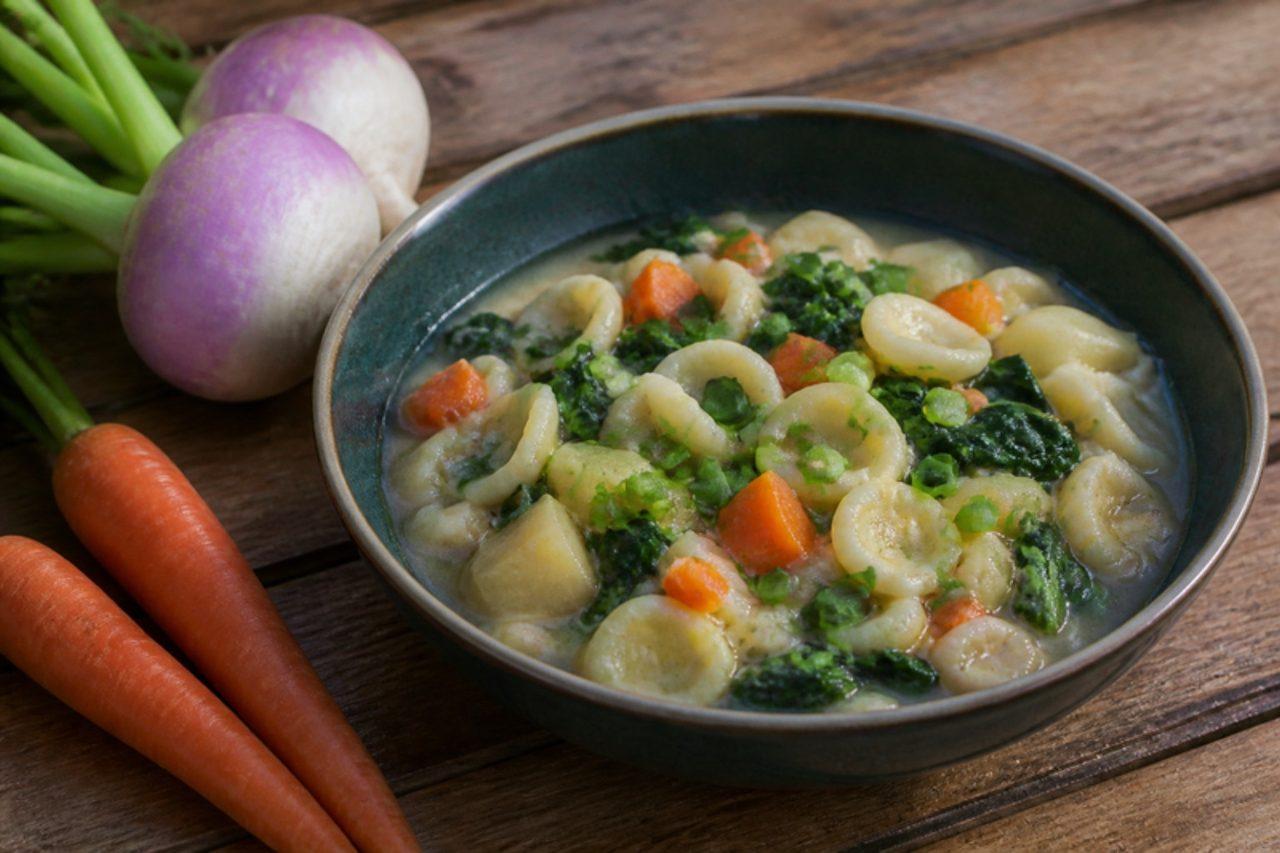
Ladakhi skyuWheat dough and root vegetable stew

Skyu is what Ladakhi families in Leh and the villages along the Indus cook when the passes close and fresh vegetables run short: a thick stew of turnip, potato and carrot with little cups of wheat dough pressed with the thumb, a bit like orecchiette. It is filling, gently peppery and made in a single pot on the kitchen stove that also heats the house. Some homes finish it with a splash of milk or a crumble of dried cheese; this version keeps it plant-based and lets the vegetables flavour the broth. Chef's tip: press each piece of dough thin enough to see the thumbprint clearly; thick pieces stay doughy in the middle.

by KrazyBadal 0 views

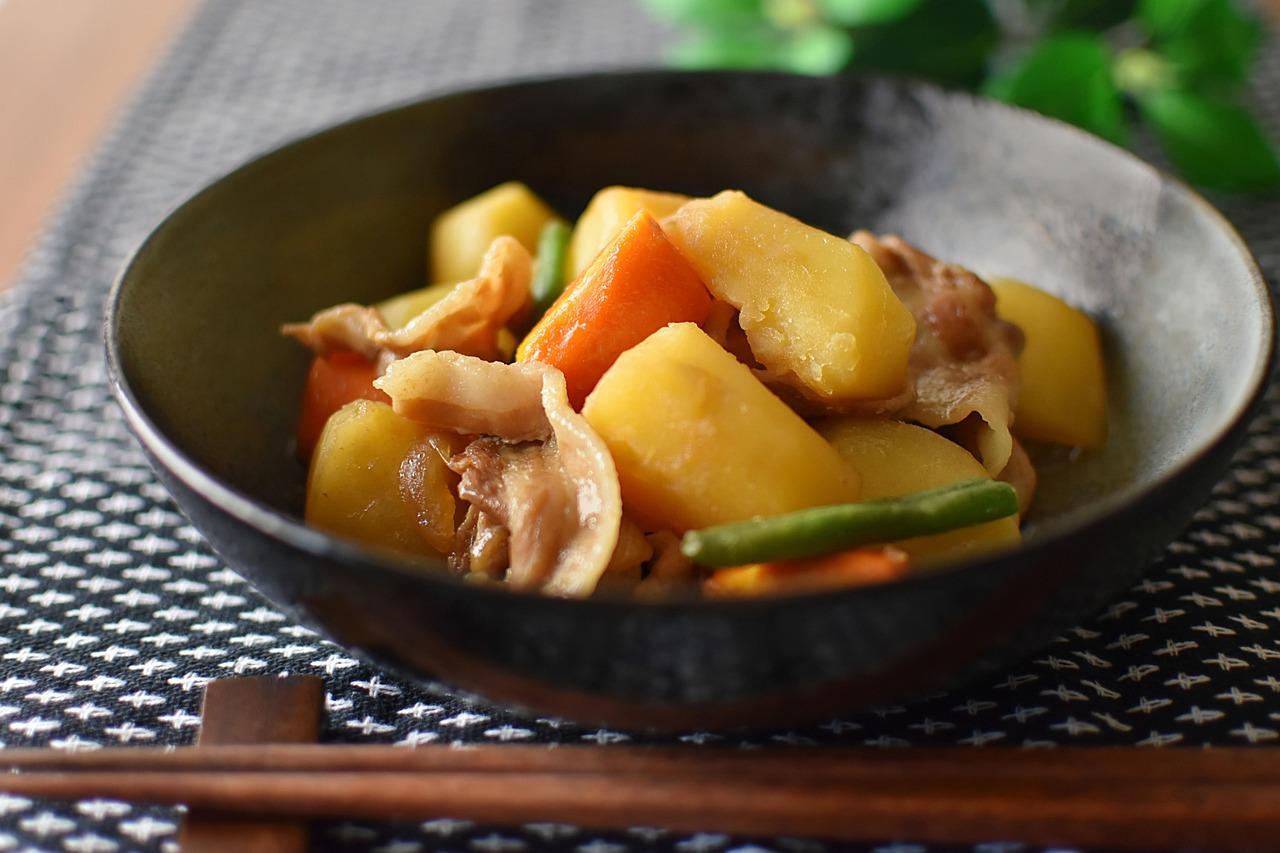
NikujagaBeef and potato stew

Two naval port towns, Maizuru near Kyoto and Kure near Hiroshima, both claim nikujaga was first cooked in their navy galleys. Whatever its start, it became the dish many Japanese people think of as mum's cooking, simmered on autumn and winter evenings and served with rice and miso soup. Thin slices of beef, chunks of potato, onion and carrot cook gently in dashi seasoned with soy and sugar until the potatoes are tender and soaked with flavour. Families in eastern Japan often use pork; in the west, beef is usual. Chef's tip: cover the stew with a circle of baking paper with a small hole in the middle (an otoshibuta, or drop lid), so the small amount of liquid bastes everything evenly.

by KrazyBadal 0 views

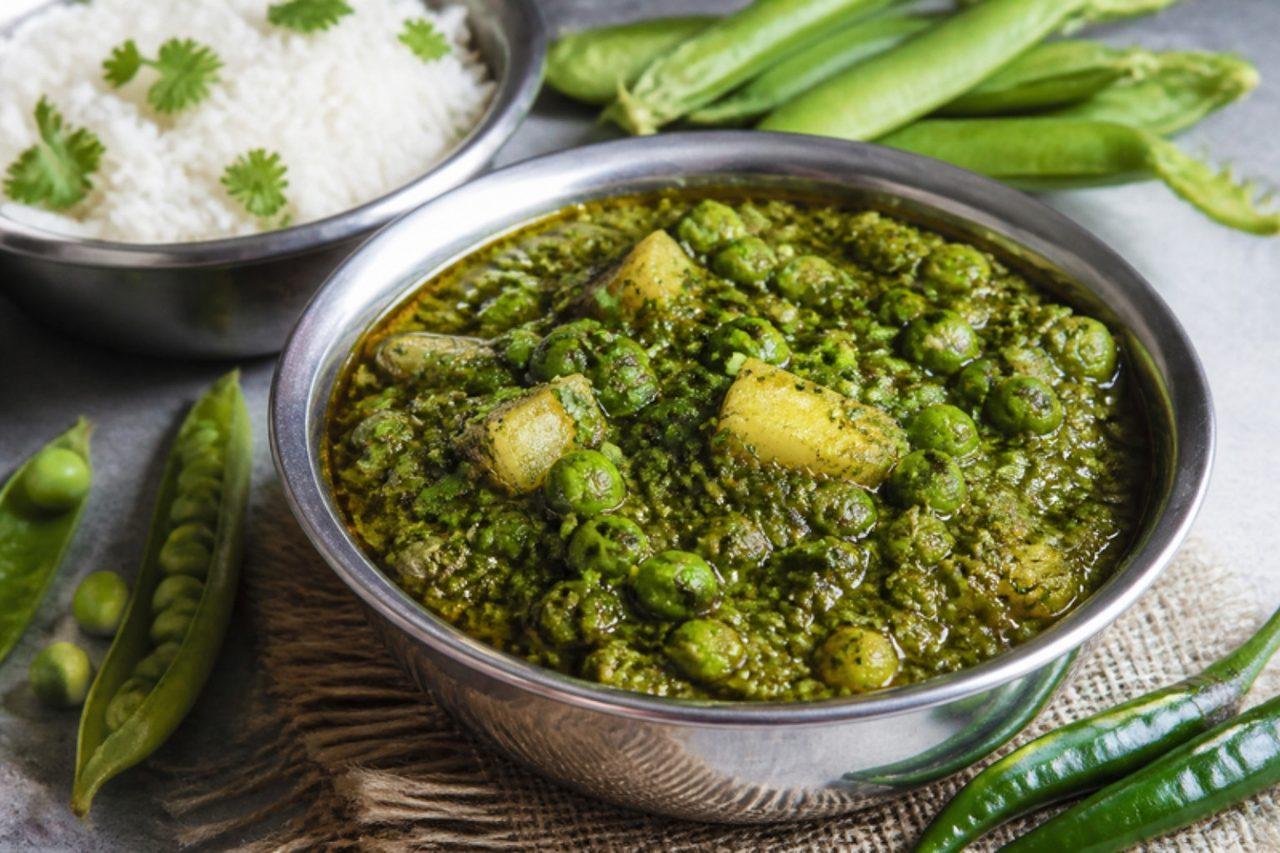
NimonaFresh green pea curry

When fresh peas fill the markets of Varanasi and Gorakhpur in December, almost every household makes nimona. The peas are coarsely ground and fried in mustard oil until they lose their raw smell and turn a darker, nutty green. Potatoes are then added and everything simmers in a thin, spicy gravy. It is eaten with plain rice on a winter afternoon, and some families add fried moong dal vadis for extra bite. The most common mistake is grinding the peas into a smooth paste; nimona should have texture, like crushed peas rather than soup. Chef's tip: pulse the peas with the green chillies, ginger and garlic in short bursts, and stop as soon as they look like coarse, wet crumbs.

by KrazyBadal 0 views

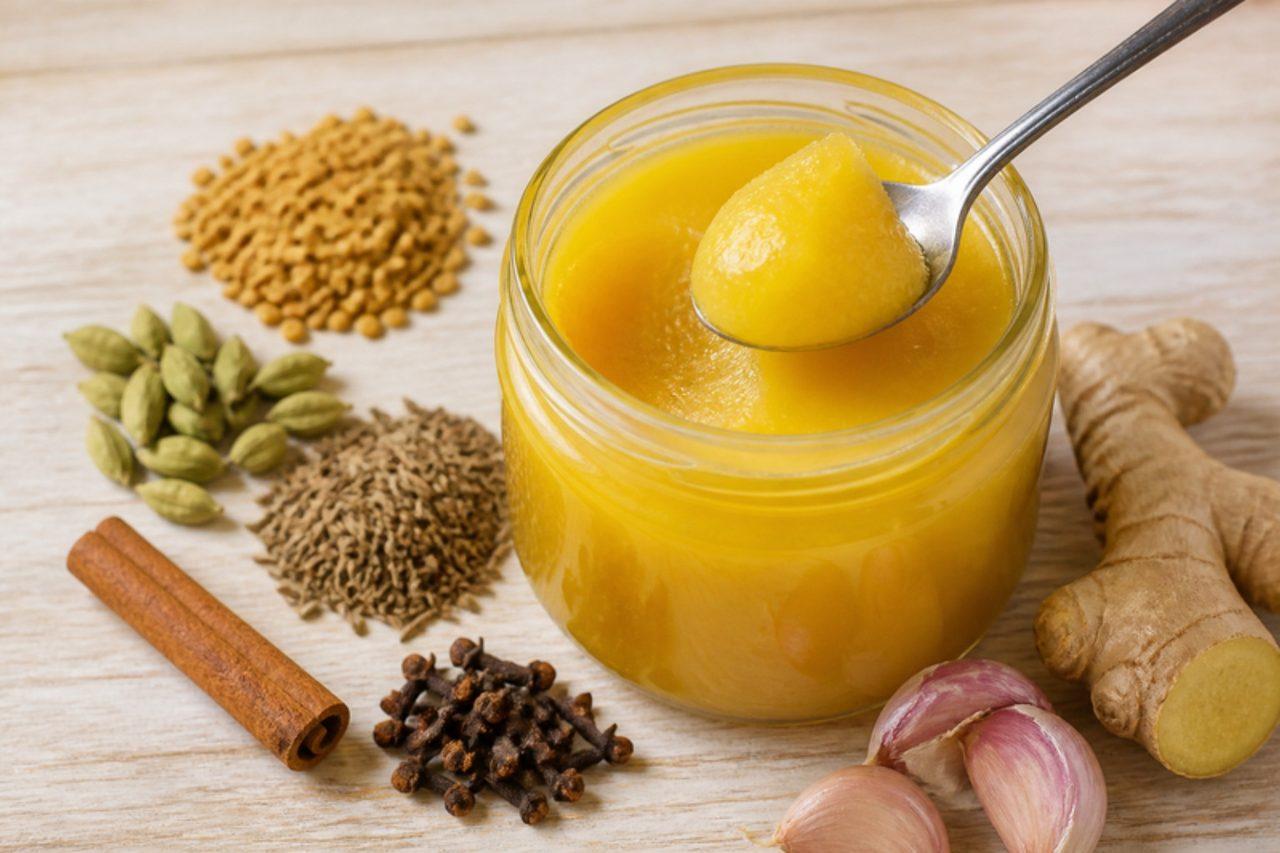
Niter kibbehSpiced clarified butter

Niter kibbeh is the golden spiced butter used across the Ethiopian highlands on non-fasting days, when a spoonful goes into doro wat, kitfo, genfo or a simple pan of scrambled eggs. Butter is melted slowly with onion, garlic, ginger, fenugreek, cardamom, sacred basil (besobela) and other spices, then strained, leaving a fragrant, nutty fat that keeps for months. Because it is dairy it is never eaten during fasts; for those dishes, Ethiopians use plain oil, or you can warm 250 ml vegetable oil with the same spices for 15 minutes and strain it for a vegan spiced oil. Chef's tip: keep the heat very low; the butter should barely shiver, and if the milk solids burn the whole batch tastes acrid.

by KrazyBadal 0 views

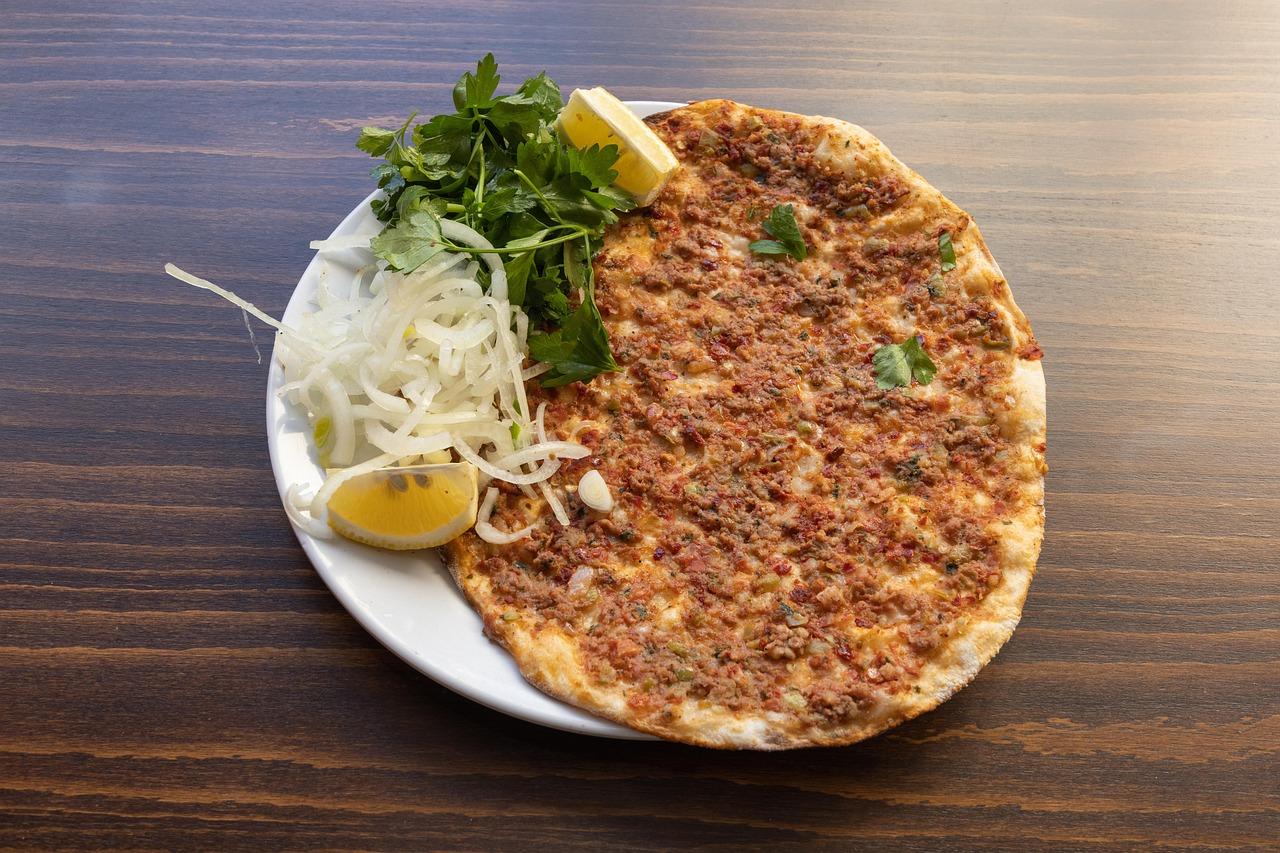
LahmacunThin spiced meat flatbread

Lahmacun belongs to south-east Turkey, especially Gaziantep and Şanlıurfa, where bakeries slide dozens at a time into wood-fired ovens and people eat them on the street at any hour, often with a cold ayran. The dough is rolled almost see-through and spread with a raw paste of minced lamb, onion, peppers, tomato and herbs that cooks in minutes in fierce heat. To eat, squeeze lemon over, add a handful of parsley and onion, roll it up and fold. Chef's tip: blitz the topping vegetables to a fine paste and squeeze out the excess juice, so the meat spreads in a thin, even layer that bakes crisp rather than soggy.

by KrazyBadal 0 views

Lahori charghaSteamed and fried spiced chicken

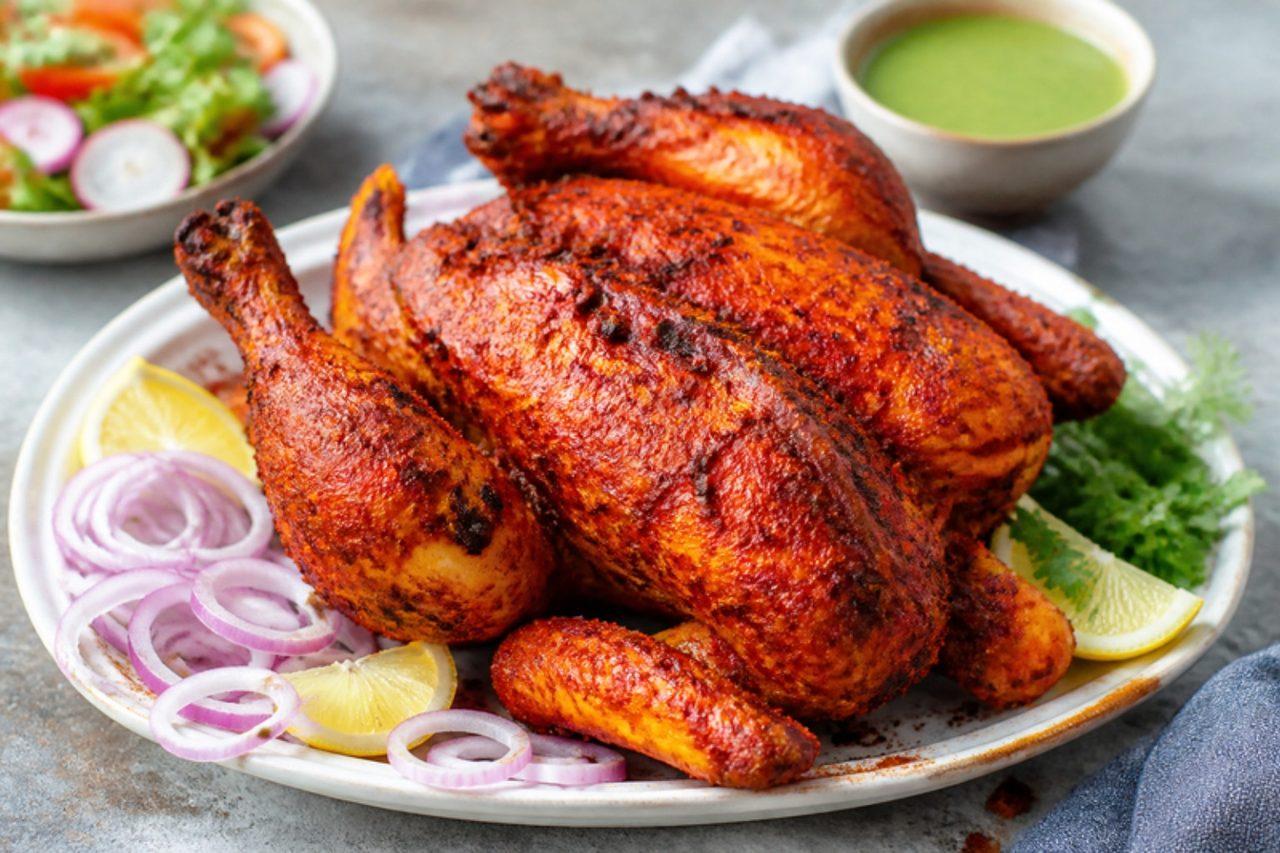
Chargha is a Lahore speciality, sold from the busy food streets of Lakshmi Chowk and the old city, where whole birds are coated in a red, tangy masala, steamed in big pots and then dropped into hot oil to order. It is the centrepiece of wedding dinners and Saturday-night family outings, and makes an impressive home dinner for guests. Steaming keeps the meat moist and cooked through before frying gives it a crisp, spicy skin. Serve it with naan, raita, salad and a squeeze of lime. Chef's tip: slash the chicken deeply to the bone so the masala and steam reach the thickest parts.

by KrazyBadal 0 views

Lahpet thokePickled tea leaf salad

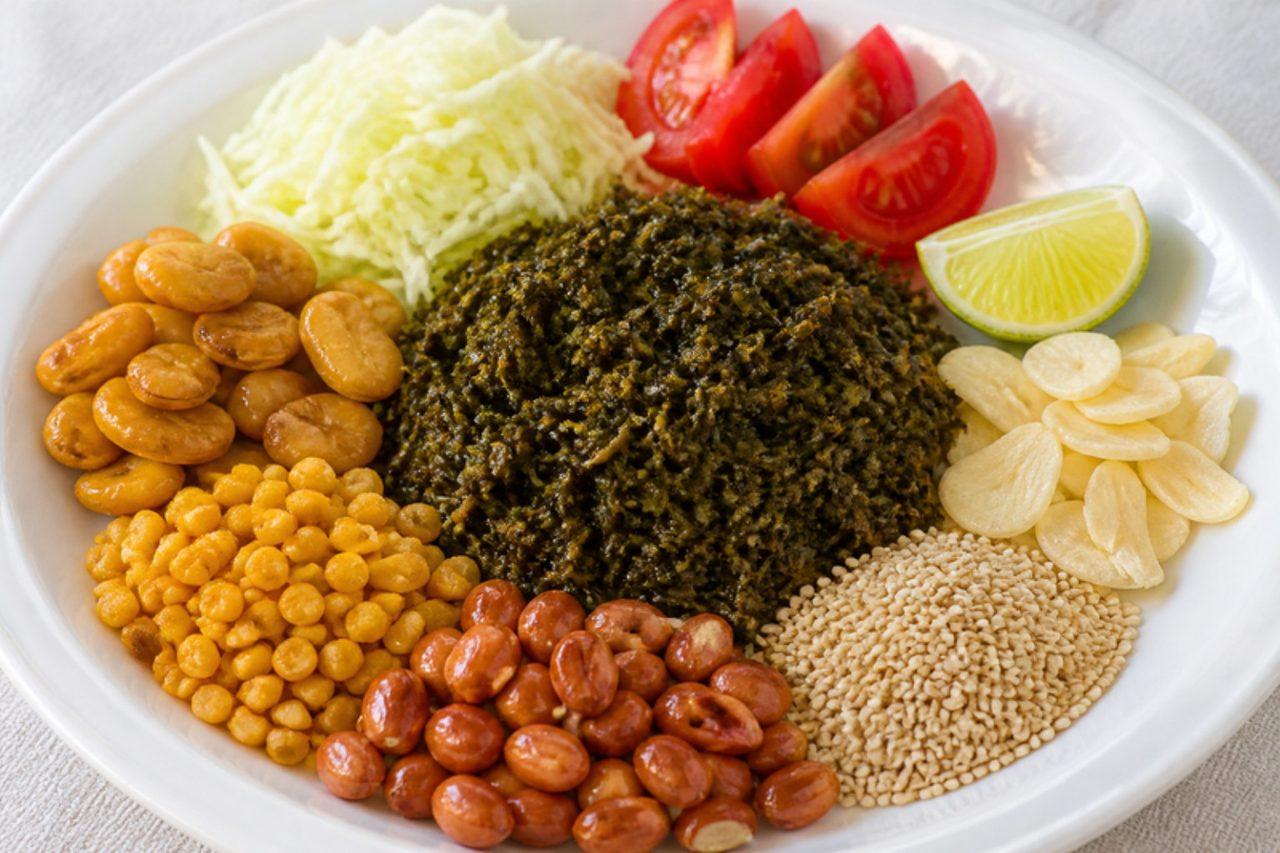
Lahpet thoke is how Myanmar welcomes a guest: a lacquered tray of pickled tea leaves surrounded by fried beans, peanuts, sesame and garlic, offered after meals, at weddings and at monk feasts from Mandalay to Yangon. Mixed into a salad with cabbage, tomato, chilli and lime, it becomes the country's most famous dish: bitter, sour, salty and crunchy at once, with a gentle caffeine lift. Ready-made lahpet sometimes contains fish sauce and the crunchy mix often has dried shrimp, so this version quick-pickles loose green tea at home. Chef's tip: soak the tea in several changes of hot water and squeeze it hard each time; that's what tames the bitterness.

by KrazyBadal 0 views

LaingTaro leaves in coconut milk

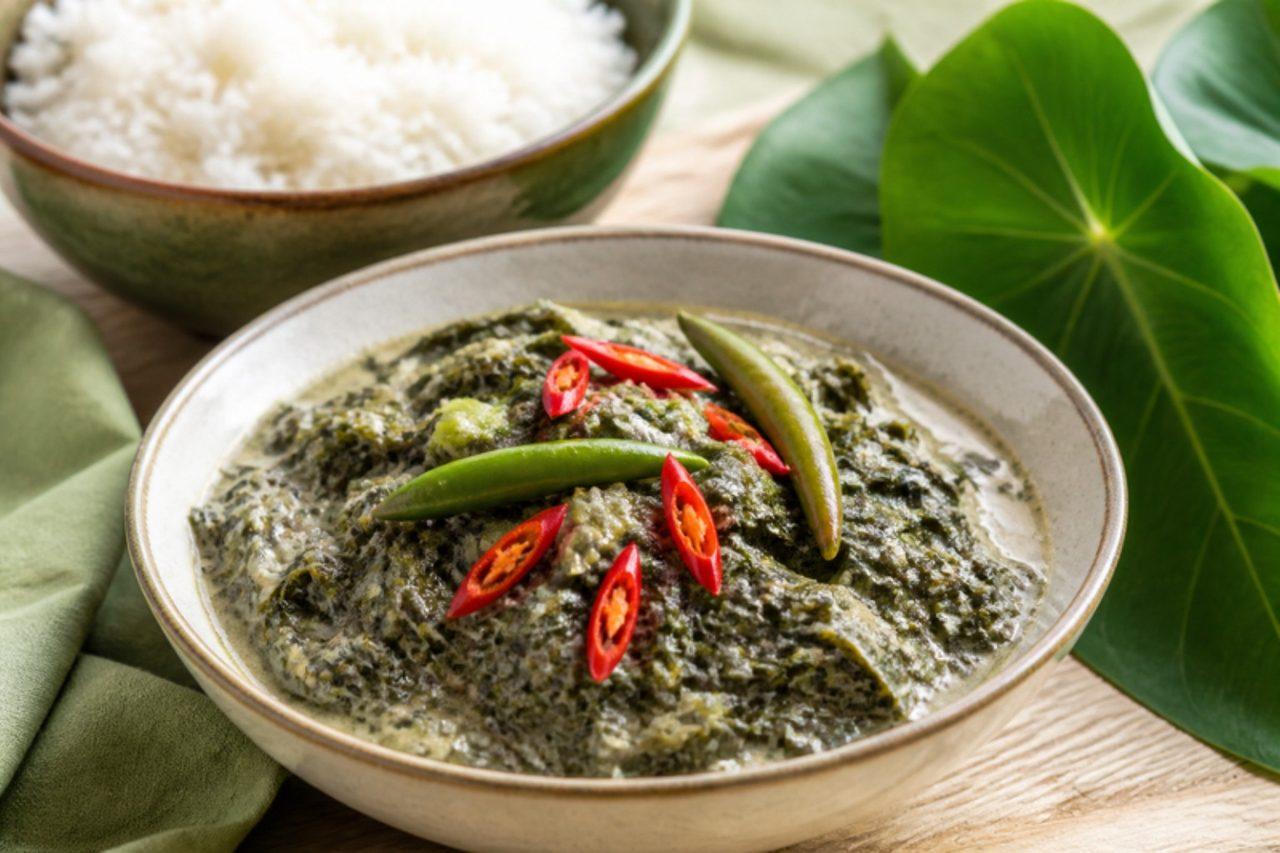
Laing is the pride of Bicol, the chilli-loving region at the southern tip of Luzon. Dried taro leaves are simmered for close to an hour in coconut milk with ginger, lemongrass and siling labuyo until they collapse into a dark, creamy, spicy mass, then finished with thick coconut cream. Bicolano cooks usually add pork or dried fish and shrimp paste; this vegetarian version leans on extra ginger and a little salt and stays rich. Eat it with plain rice, often as a Friday or Lenten dish. Chef's tip: lay the leaves on top of the coconut milk and don't stir until they have soaked it up; stirring raw taro leaves early is said to leave an itchy taste.

by KrazyBadal 0 views

LaksamRice noodles in coconut fish gravy

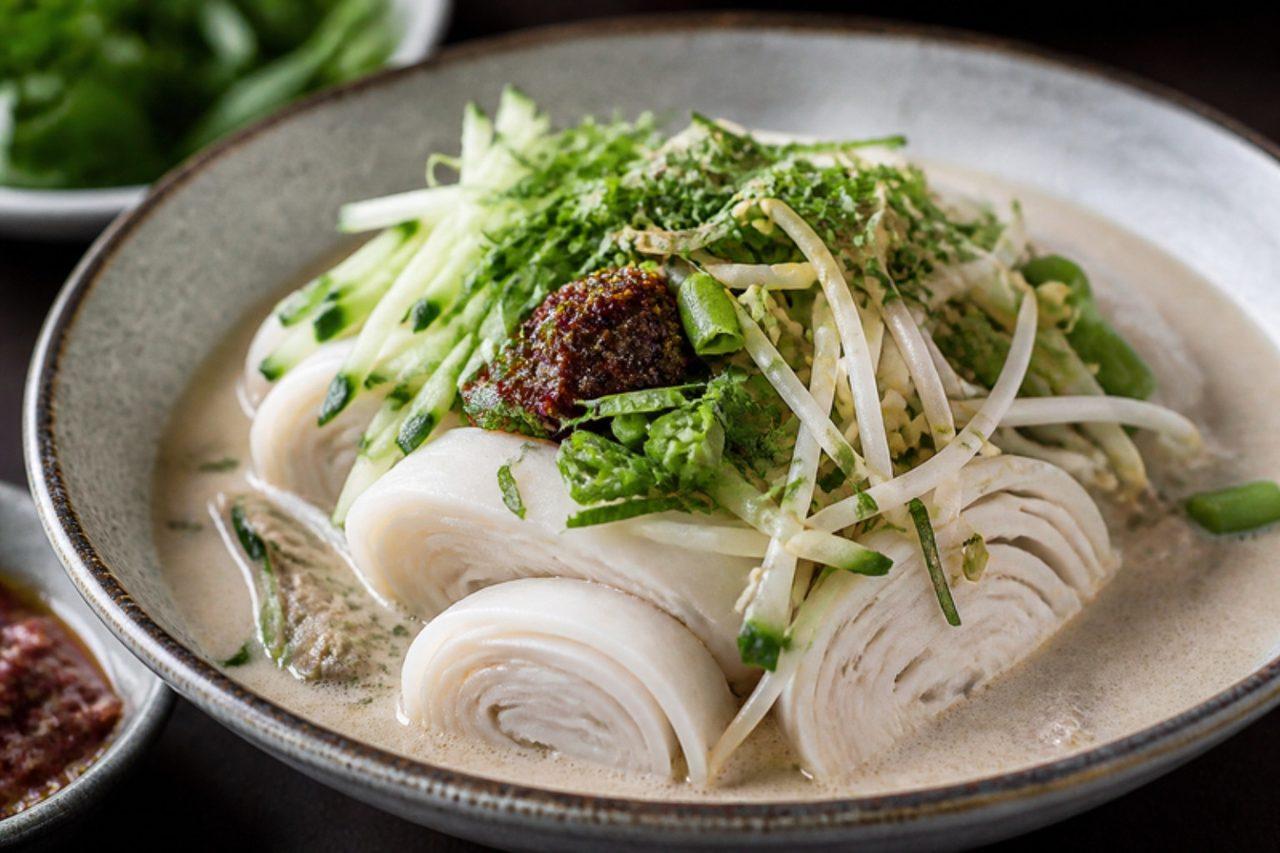
Kota Bharu's morning market has its own noodle: laksam, thick sheets of steamed rice batter rolled up like little carpets and sliced into wheels. They are drowned in a pale, creamy gravy of pounded fish and coconut milk, then heaped with raw herbs and vegetables (ulam): cucumber, long beans, bean sprouts, daun kesum and torch ginger flower, with a spoonful of fiery chilli and budu, the region's fermented anchovy sauce. The result is soft and slippery, rich and cool at the same time. Locals eat it for breakfast or as a mid-morning snack. Chef's tip: pound the cooked fish with the shallots instead of blending it smooth; the gravy should feel faintly textured, like a thin porridge.

by KrazyBadal 1 views

Lal sahRed tea

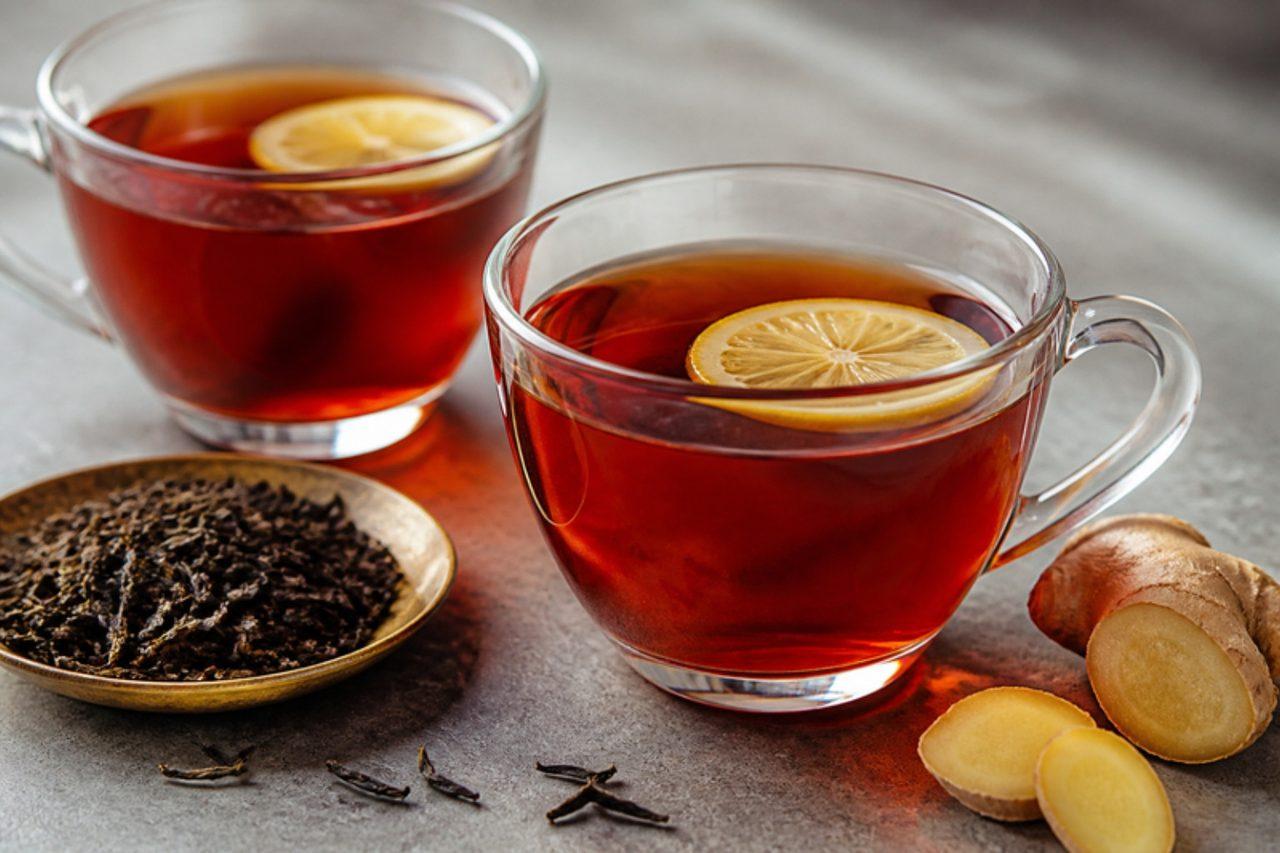
In Assam, the home of half of India's tea, the everyday cup is lal sah, 'red tea': strong CTC or orthodox Assam leaf brewed briefly, poured off, sweetened and drunk black. It is what tea-garden workers, Guwahati office-goers and grandmothers drink from morning till evening, often with a slice of lemon, a crushed piece of ginger or, in upper Assam, a bay leaf. Its colour is a deep, clear red and its taste is malty and brisk, never stewed. Chef's tip: take the pan off the heat before adding the leaves; boiling them makes the tea harsh and cloudy.

by KrazyBadal 1 views

LamingtonsChocolate coconut sponge squares

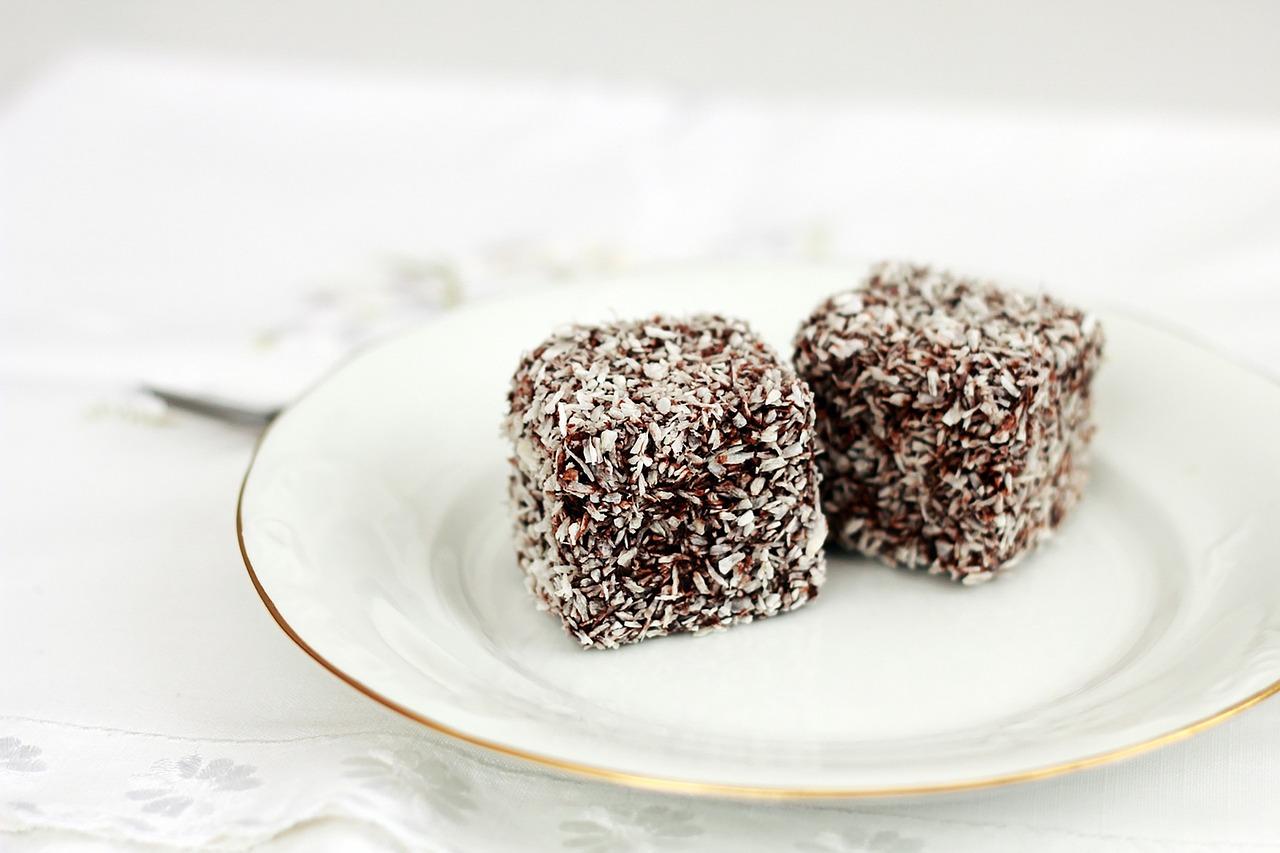
Lamingtons are said to be named after Lord Lamington, Governor of Queensland at the turn of the twentieth century, and they're the cake of Australian school fundraisers, Country Women's Association stalls and morning tea at work; there's even a National Lamington Day on 21 July. Cubes of light butter sponge are dunked in a thin, glossy chocolate icing and rolled in desiccated coconut, so each one has a soft, chocolate-soaked outside and a fluffy middle. Some bakeries split them and fill them with jam and cream. Chef's tip: bake the sponge a day ahead, or freeze the cut squares for an hour; fresh sponge crumbles in the icing, firm sponge dips cleanly.

by KrazyBadal 0 views

Lamprais (home version)Rice parcel with meat curry

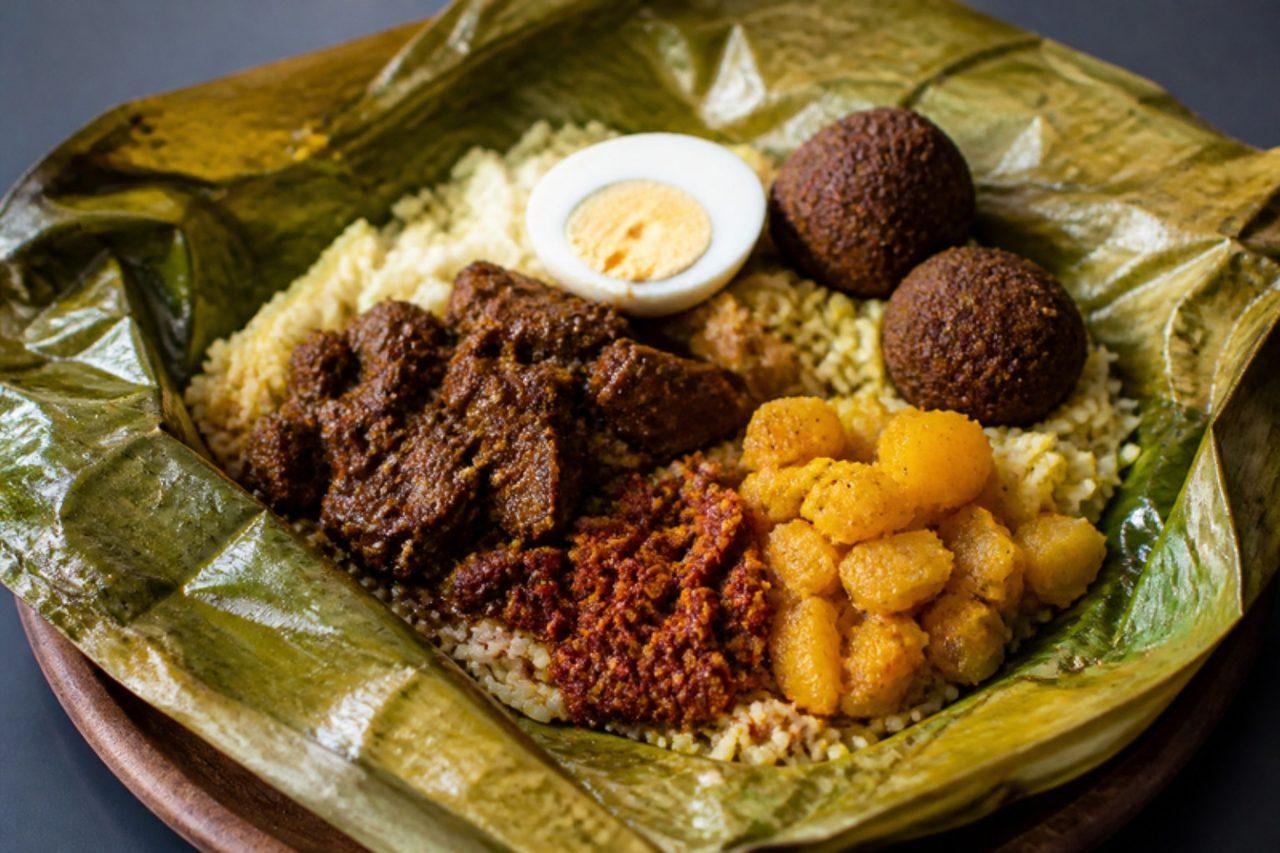
Lamprais came to Sri Lanka with the Dutch Burgher community, and Colombo's Burgher families still make it for Sunday lunch, christenings and Christmas. Each banana-leaf parcel holds rice cooked in rich stock, a mixed meat curry, little fried meatballs called frikkadels, a hard-boiled egg, aubergine moju and seeni sambol, all baked together until the leaf perfumes everything. The traditional version uses three meats including pork; this home version keeps it to chicken and beef so it is manageable in one day, and the steps still take time. Chef's tip: make the curry and frikkadels the day before; on lamprais day you only cook the rice and wrap.

by KrazyBadal 0 views

LángosFried bread with garlic and cheese

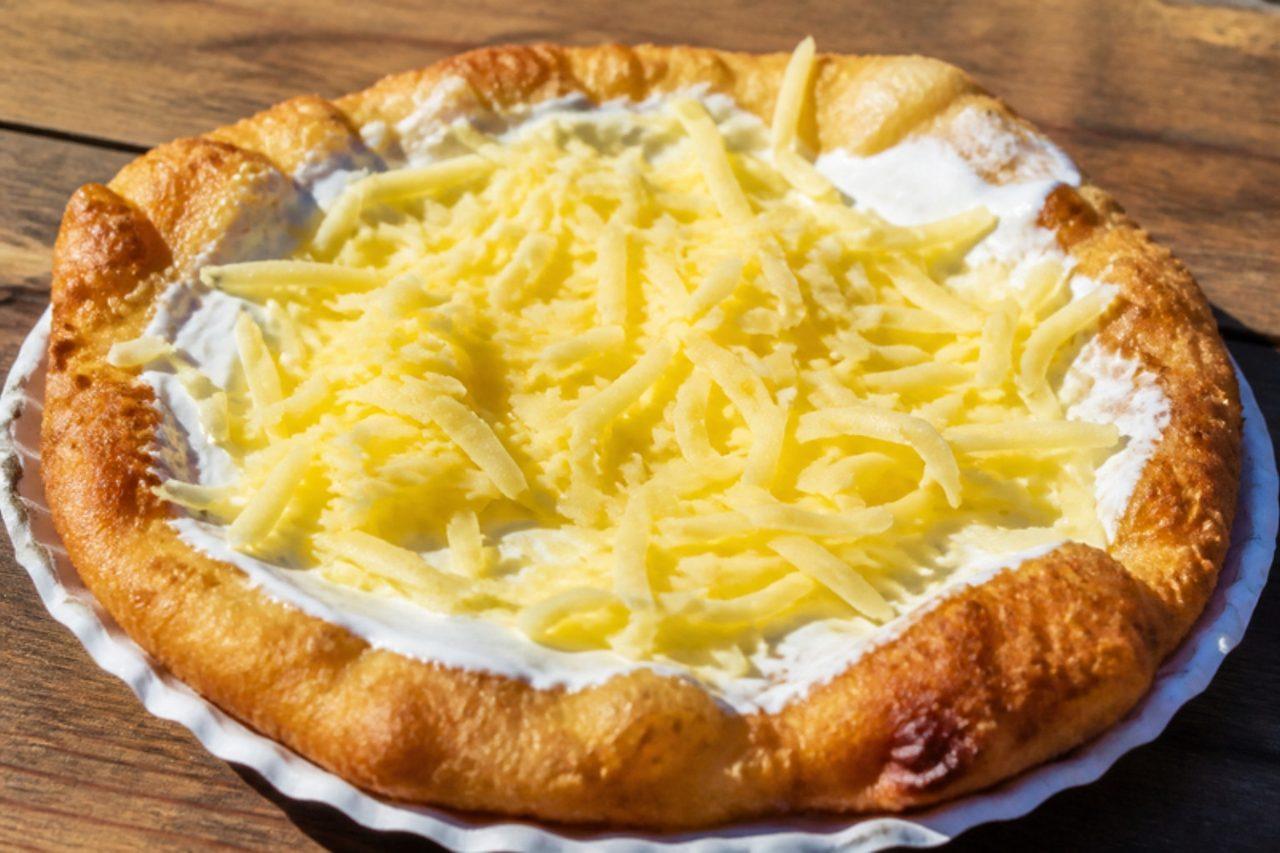
Lángos is the deep-fried flatbread of Hungarian beaches and markets: it is eaten in swimsuits on the shore of Lake Balaton, at Budapest's Great Market Hall and at every summer fair. The dough is soft and yeasted, often enriched with mashed potato, and it fries into a puffy disc that is crisp at the edges and chewy in the middle. The classic topping is garlic water brushed on hot, then sour cream and a snowfall of grated cheese. Chef's tip: stretch the dough thinner in the centre than at the rim; the edge puffs into a crisp crust while the middle stays soft enough to hold the toppings. Choose a cheese made with vegetarian rennet (many supermarket Cheddars and Edams are).

by KrazyBadal 0 views

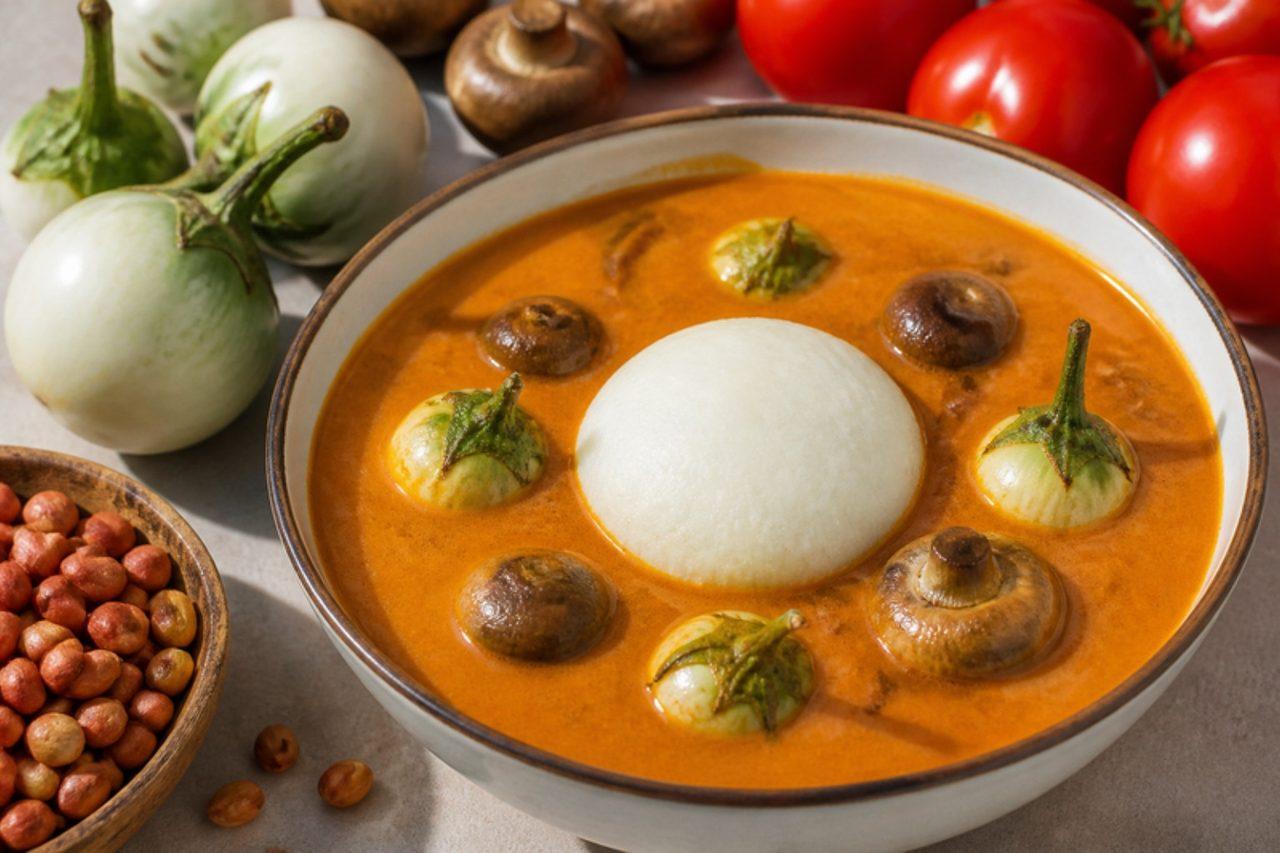
Groundnut soup (nkatenkwan)Peanut soup

Nkatenkwan is the Sunday soup of Ghanaian homes, simmered while families are at church and eaten afterwards with omo tuo (soft rice balls) or fufu. Roasted groundnut paste is cooked slowly in a peppery tomato and ginger broth until the oil separates and turns the soup a rich orange-brown. It usually carries chicken or goat; here garden eggs (small African aubergines) and mushrooms keep it meaty without meat. Chef's tip: cook the groundnut paste long and slow; it is ready only when reddish oil rises and pools on top, and rushing it leaves a raw, pasty taste.

by KrazyBadal 0 views

Pad pak ruamStir-fried mixed vegetables

Pad pak ruam, 'stir-fried mixed vegetables', is the dish every Bangkok made-to-order (aharn tam sang) cook can make in ninety seconds over a roaring flame, and the one Thai office workers add to a lunch order so there is something green on the table. The vegetables stay crisp and bright, coated in a thin, glossy sauce of garlic, soy and mushroom stir-fry sauce. Restaurants use oyster sauce; the vegetarian mushroom version tastes almost the same. Serve it with jasmine rice and a fried egg, or as a side to curry. Chef's tip: cut everything before you light the stove, and add the vegetables in order of hardness, so the carrots soften while the greens stay snappy.

16 minThaiSidesVegan
by KrazyBadal 0 views

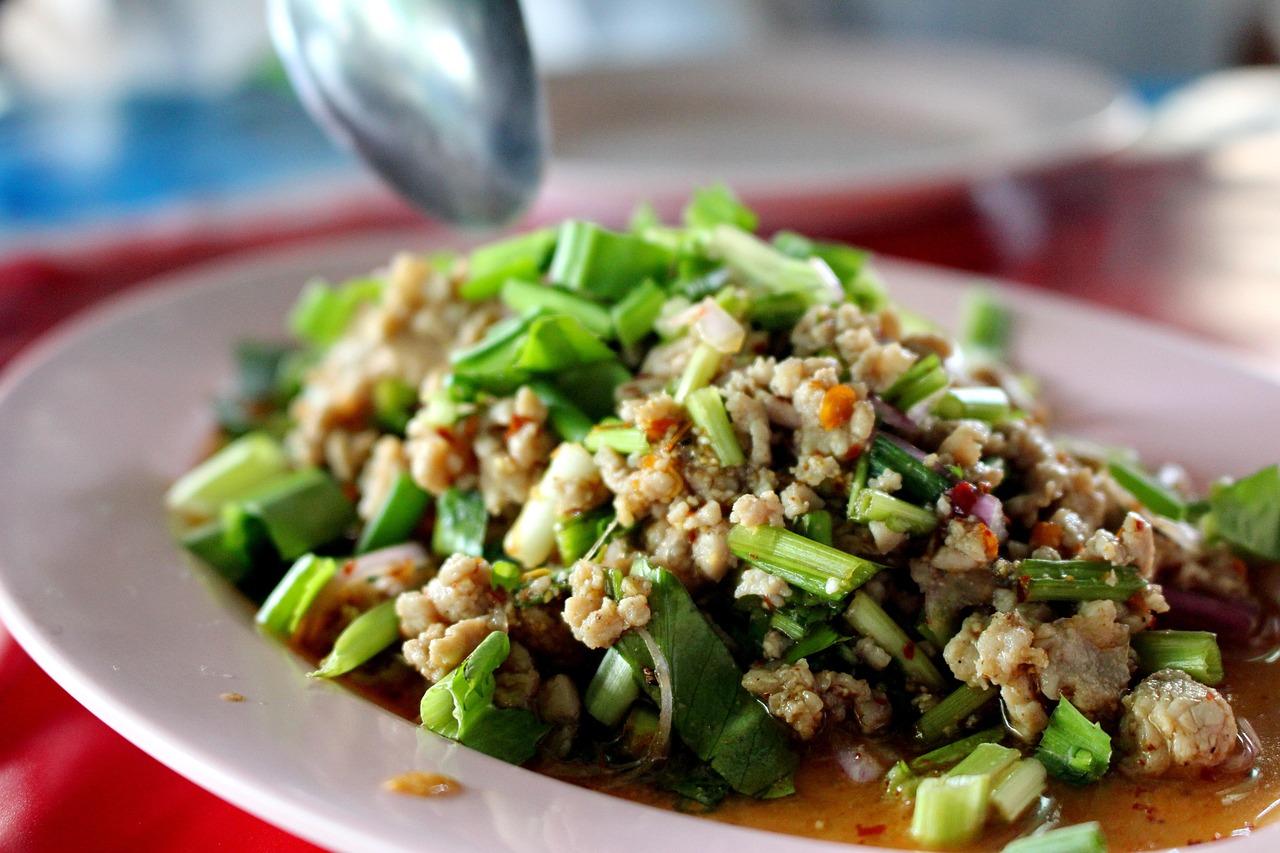
Larb gaiSpicy chicken salad

Out in the rice-farming provinces of Isan, a plate of larb turns up at almost every family meal and roadside som tam shack, always with a basket of sticky rice and a pile of raw greens. Warm minced chicken is tossed with fish sauce, plenty of lime, dried chilli and a fistful of mint, then finished with nutty, crunchy toasted rice powder. The result is bright, sour, salty and hot all at once, with a pleasing coarse texture. Wrap spoonfuls in lettuce, or eat it with sticky rice, cucumber and long beans. Chef's tip: toast your own rice powder; shop-bought tastes flat, and freshly ground grains smell like popcorn.

25 minThaiSaladsGluten freeSpicy
by KrazyBadal 0 views

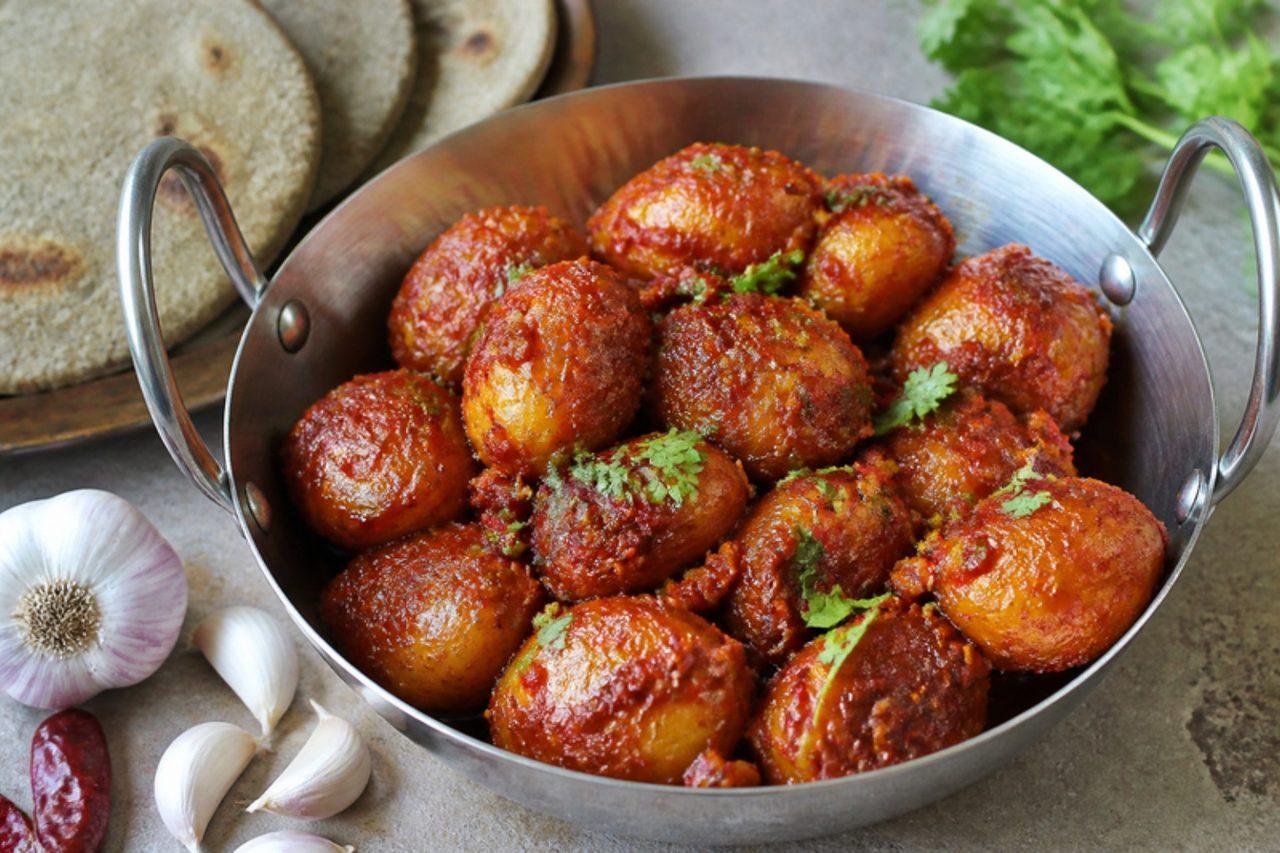
Lasaniya batakaGarlic potatoes

Lasaniya bataka is a dhaba favourite along the highways of Kathiawad, where it lands on the table next to bajra rotla, a lump of white butter, raw onion and a glass of chaas. Baby potatoes are boiled, lightly fried, then coated in a thick paste of pounded garlic and red chilli that has been cooked down until it smells sweet rather than sharp. It is hot, garlicky and a little tangy, the kind of side dish that turns plain flatbread into a meal. Make it for a winter lunch with Kathiawadi kadhi and khichdi. Chef's tip: pound the garlic and chilli in a mortar instead of blending; a slightly coarse paste clings to the potatoes and gives you little bursts of garlic.

by KrazyBadal 0 views

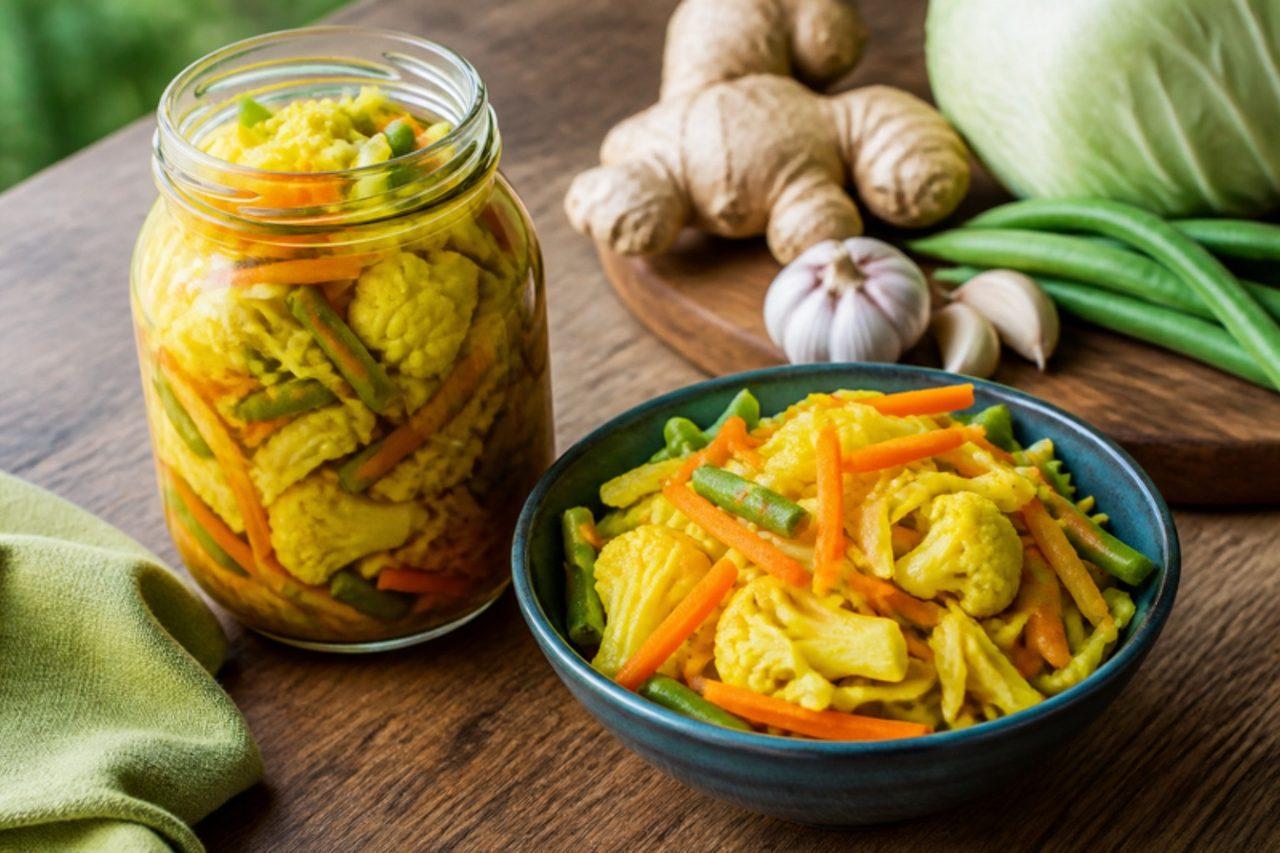
Lasary legiomaTurmeric pickled vegetables

Lasary legioma, vegetable lasary, is a tangy, turmeric-yellow pickle of carrot, green beans and cabbage that sits on the table in Malagasy homes and hotelys (small canteens) to brighten rice and plain dishes. It is close to the achards of Réunion and Mauritius and is made in large jars to last the week. Chef's tip: blanch the vegetables for only a minute and cool them fast; they should stay crunchy, not cooked.

by KrazyBadal 0 views

Lasary voatabiaTomato and spring onion relish

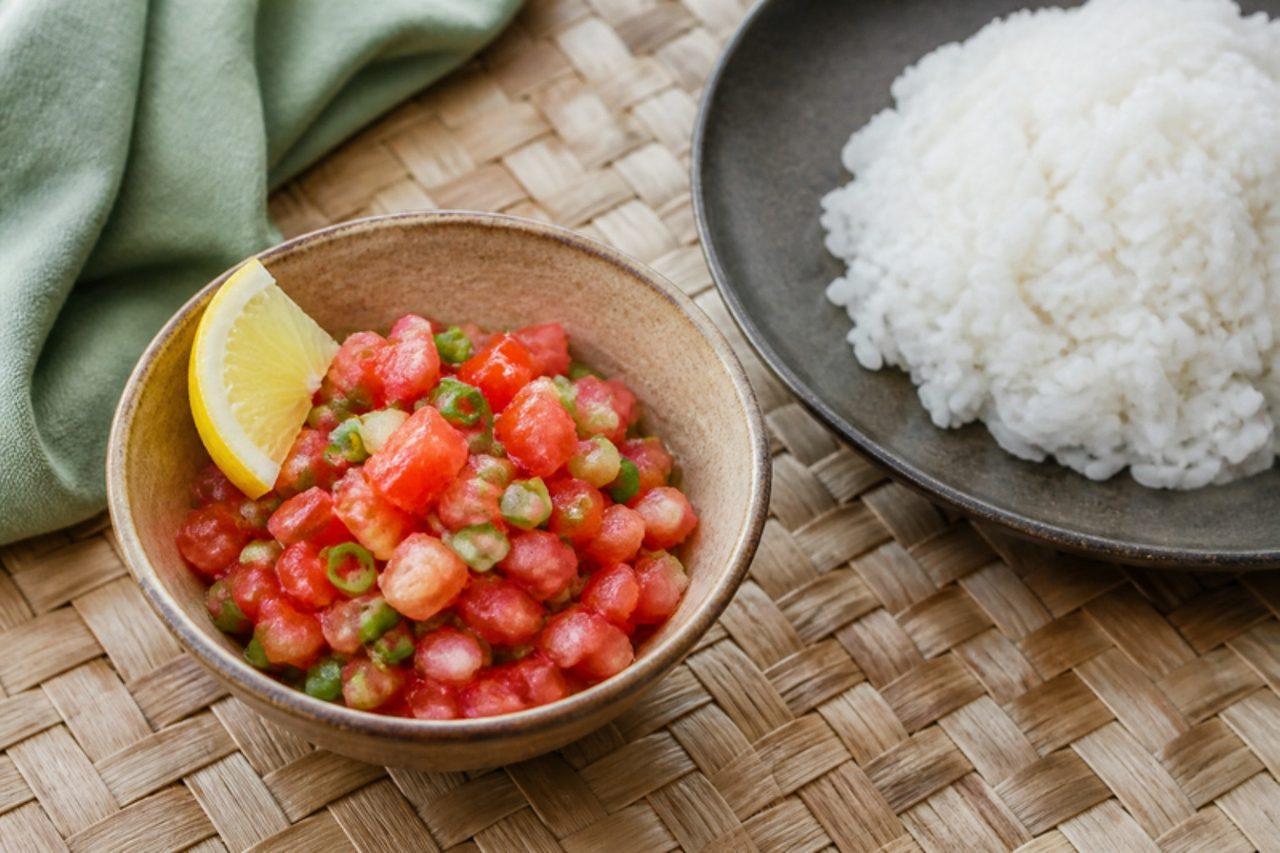
Lasary voatabia is the fresh tomato relish served beside the rice at almost every Malagasy meal, from Antananarivo's highland homes to the coast. Tomatoes and spring onion are chopped very small, sharpened with lime or vinegar and a little sakay (chilli), and spooned onto the rice to wake up broths like romazava. It is juicier and finer than a salad. Chef's tip: chop the tomatoes very small, almost to a pulp at the edges; the juice is meant to soak into the rice.

by KrazyBadal 0 views

LaugenbrezelSoft pretzels

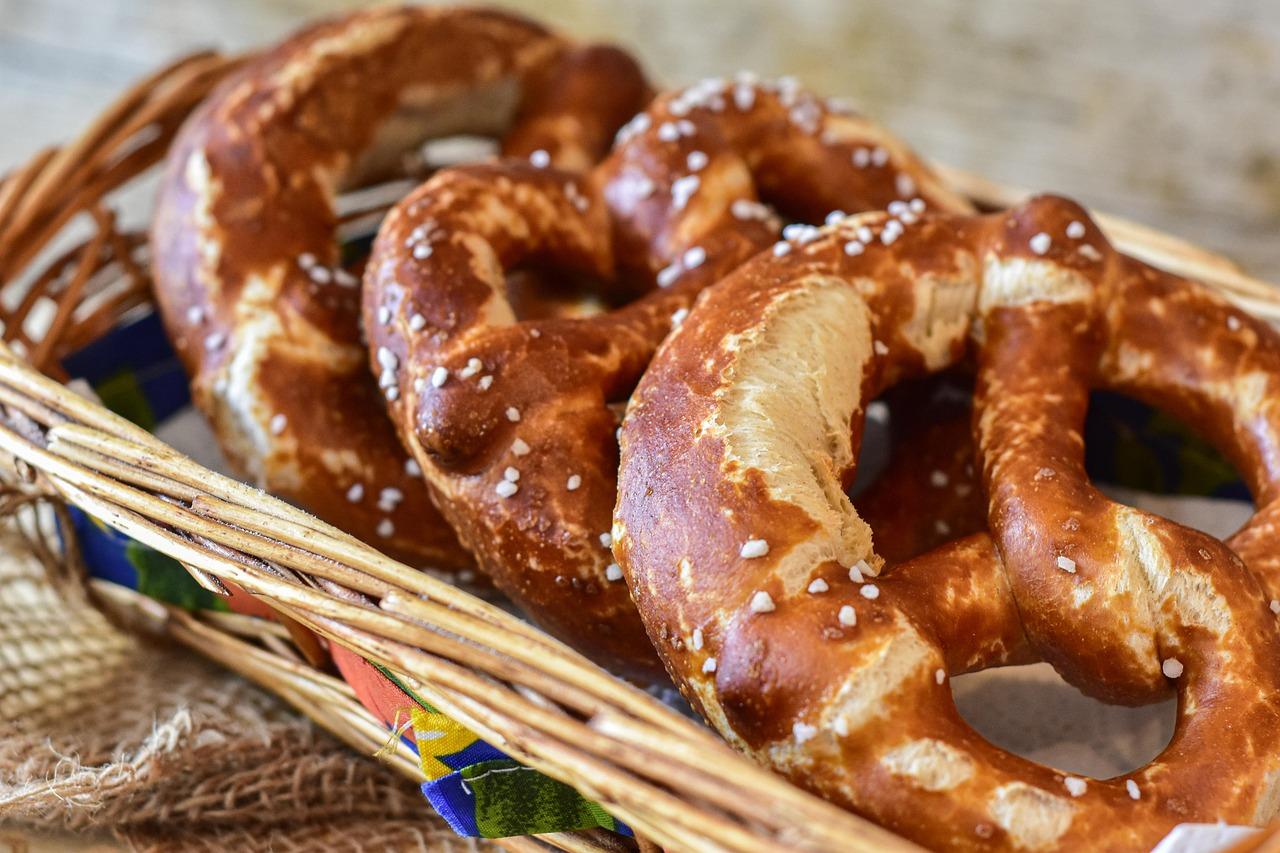
The Brezel is the emblem of German bakeries in Bavaria and Swabia: deep chestnut-brown and shiny outside, soft and chewy inside, with a fat 'belly' and thin crisp arms, studded with coarse salt. In Munich it's eaten with sweet mustard and Obatzda in beer gardens; in Stuttgart it's split and buttered for breakfast. Bakeries dip them in a lye solution, which is too caustic for most home kitchens; a bath of baked baking soda gets close in colour and flavour and is safe to handle. Chef's tip: chill the shaped pretzels uncovered for 30 minutes before the bath; a slightly dry skin holds its shape and turns darker and shinier.

120 minGermanBakingVegan
by KrazyBadal 0 views

NokedliSoft egg dumplings

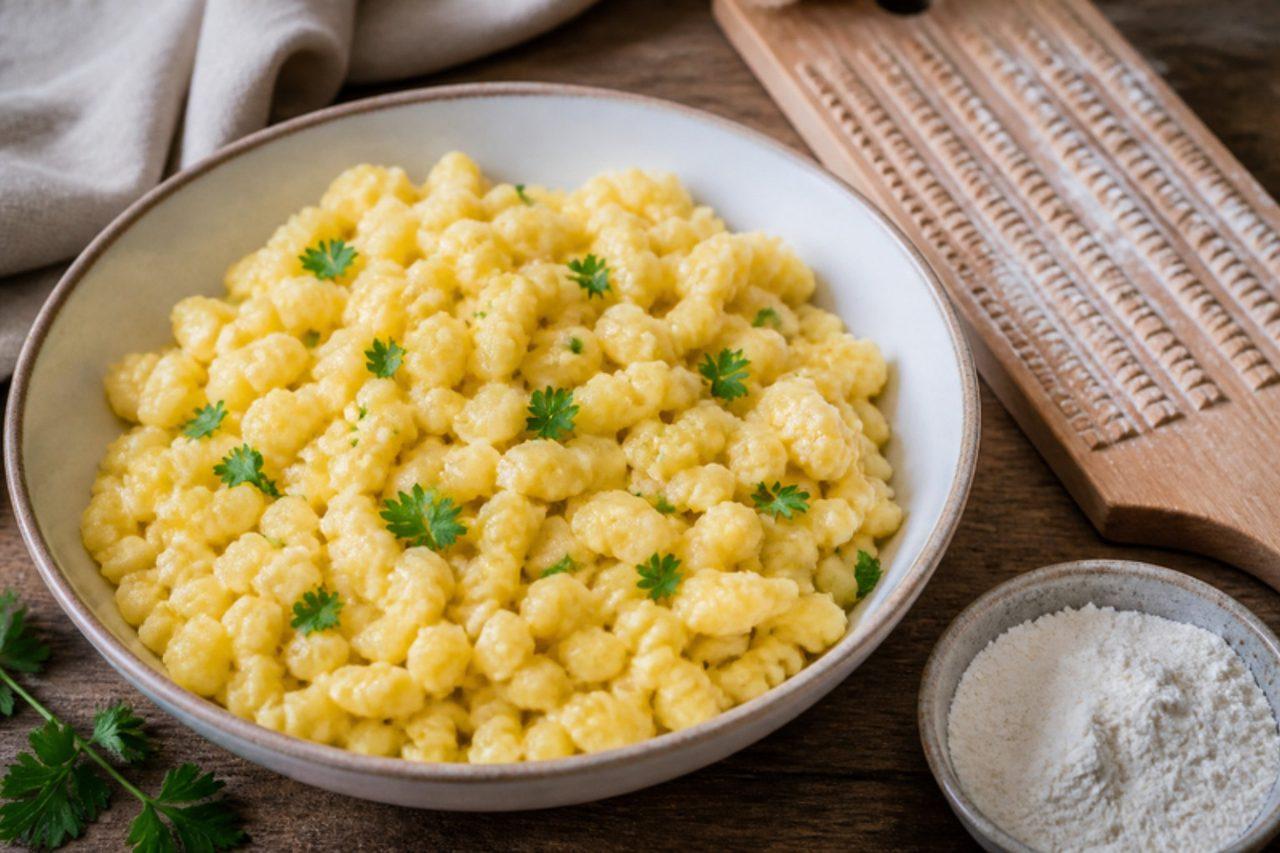
Nokedli, also called galuska, are the small, soft, irregular egg dumplings that sit under almost every paprikás in Hungary, from Budapest lunch canteens to Sunday tables in the villages of the Great Plain. Unlike German Käsespätzle, they are not baked with cheese: they are a plain, buttery side whose job is to soak up a red, sour-cream sauce. Grandmothers scrape the batter off a wet board with a knife, but a nokedli grater (nokedliszaggató) or a colander with large holes is quicker at home. Serve them with gombapaprikás or lecsó, or toss them with fried egg for a quick supper. Chef's tip: let the batter rest for 10 minutes before cooking; the flour hydrates and the dumplings hold together instead of dissolving into the water.

by KrazyBadal 0 views

Nom banh chok with green curry brothRice noodles in green curry broth

Before seven in the morning, women carrying baskets on shoulder poles sell nom banh chok across Cambodia; around Siem Reap there is even a lane of stalls near the temples known for it. Soft, slippery rice noodles are piled into a bowl, ladled with a pale green broth of kroeung and coconut milk, then buried under shredded banana blossom, cucumber, beansprouts, long beans and handfuls of herbs. The market version thickens the broth with pounded fish; here pumpkin and creamy white beans give it the same body. Chef's tip: be generous with the raw vegetables and herbs; the dish is meant to be more garden than noodle, and the cool crunch is what balances the warm broth.

by KrazyBadal 0 views

Łazanki with cabbage and mushroomsSquare noodles with cabbage and mushrooms

Łazanki are short, square egg noodles, and in the Podhale highlands and around Kraków they are tossed with soft-fried white cabbage, a little sauerkraut and mushrooms for a cheap weekday supper, especially in autumn when the cabbage is new. Most cooks add smoked bacon; this version leaves it out and gets its depth from dried ceps, browned fresh mushrooms and plenty of black pepper and marjoram. It is soft, savoury and slightly sour. Serve it on its own with a glass of buttermilk or kefir, as people do in the mountains. Chef's tip: let the cabbage catch and brown in places before you add the noodles; that browning is the flavour bacon would otherwise give.

by KrazyBadal 0 views

KaftaGrilled minced meat skewers

Kafta is the everyday grilled mince of Lebanon, Syria, Jordan and Palestine: a Sunday barbecue staple in the Lebanese mountains and a quick dinner in city flats, cooked on skewers, shaped into fingers for the pan, or baked in a tray with potatoes and tomato. Lamb and beef are mixed with plenty of onion and parsley and warmed with baharat (seven spice). Wrap them in bread with tomato, onion and a smear of hummus or tahini sauce. Chef's tip: grate the onion and squeeze it hard in a clean cloth; dry onion keeps the kafta firm on the skewer and stops it steaming.

by KrazyBadal 0 views

Nom krokCoconut rice cakes

Nom krok are a street snack you hear before you see: the hiss of batter hitting a charcoal-heated cast-iron pan full of small round hollows, outside markets and schools across Phnom Penh in the late afternoon. Each little cake has a lacy, crunchy rice-flour shell and a molten top of salted coconut cream with spring onion, and two halves are pressed together to eat hot from a banana leaf. A Danish aebleskiver or Japanese takoyaki pan works perfectly at home. Chef's tip: let the pan get properly hot before the first batter goes in, about 4 minutes on a medium-high heat; a cool pan makes pale, sticky cakes that won't come out cleanly.

by KrazyBadal 0 views

Leche flanCaramel custard

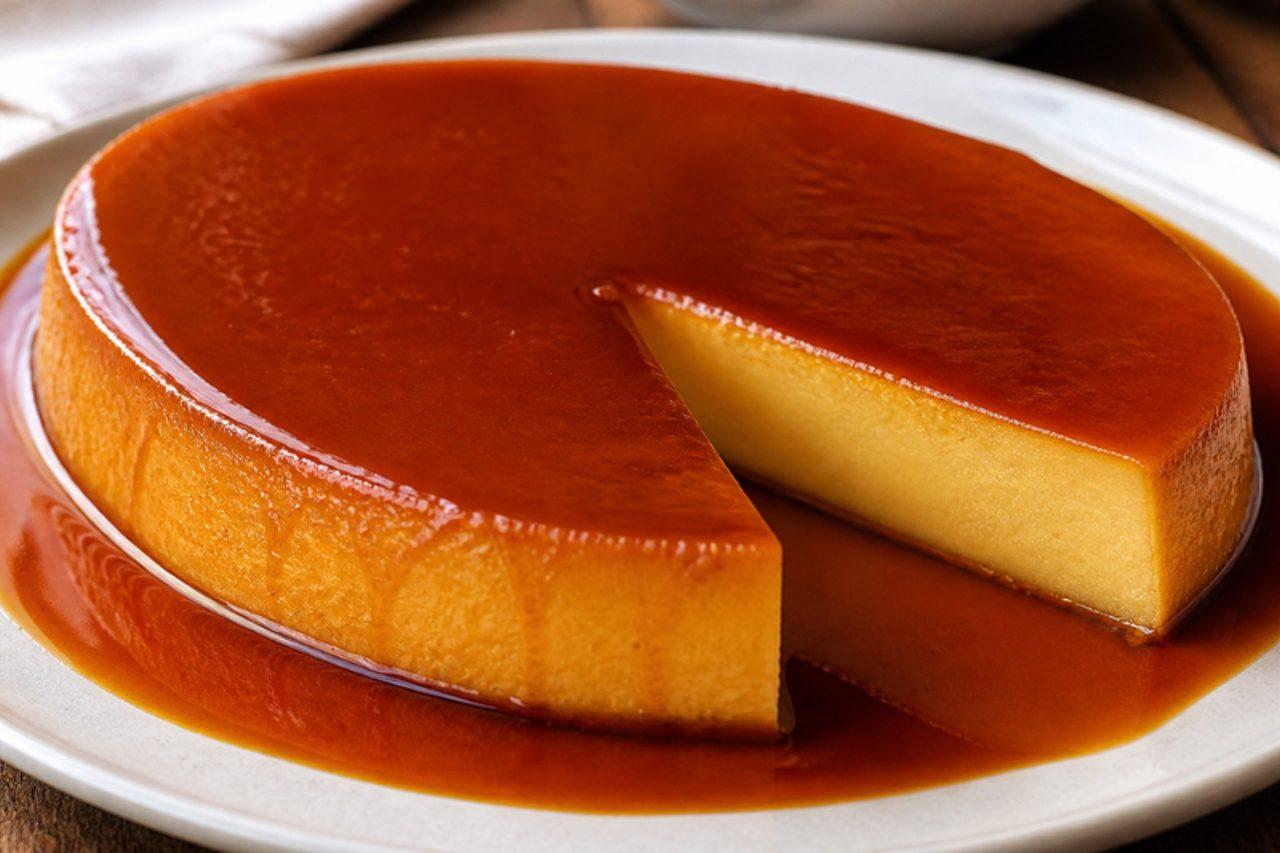
Leche flan is on the table for every Filipino Noche Buena on Christmas Eve, at fiestas and at birthdays, steamed in the oval aluminium tins called llaneras and turned out shining under a dark caramel. Unlike Spanish flan or the Brazilian pudim, it is made with egg yolks only, condensed milk and evaporated milk, so it is much denser and smoother, almost like a firm custard fudge, and a little goes a long way. A grating of calamansi or lime zest cuts the richness, and many cooks steam rather than bake it. The leftover whites go into meringue biscuits. Chef's tip: strain the custard twice and stir, don't whisk; air bubbles become holes in the finished flan.

by KrazyBadal 0 views

Lechón asadoRoast pork with mojo

This is a pork dish. In Cuba a whole pig is roasted for Nochebuena, Christmas Eve, and for big family parties, often in a pit in the yard; at home in Miami or Havana the same flavour comes from a pork shoulder soaked overnight in mojo, the sour-orange, garlic and oregano marinade. The meat roasts slowly until it pulls apart, and the skin turns to crackling. Serve it with moros y cristianos, yuca con mojo and a squeeze of lime. A common mistake is leaving the shoulder in the marinade on the kitchen counter: it must always marinate in the fridge. Chef's tip: if you can't find sour (Seville) oranges, mix two parts orange juice with one part lime juice for the same sharp edge.

330 minCubanMeatGluten free
by KrazyBadal 0 views

Lechon kawaliCrispy fried pork belly

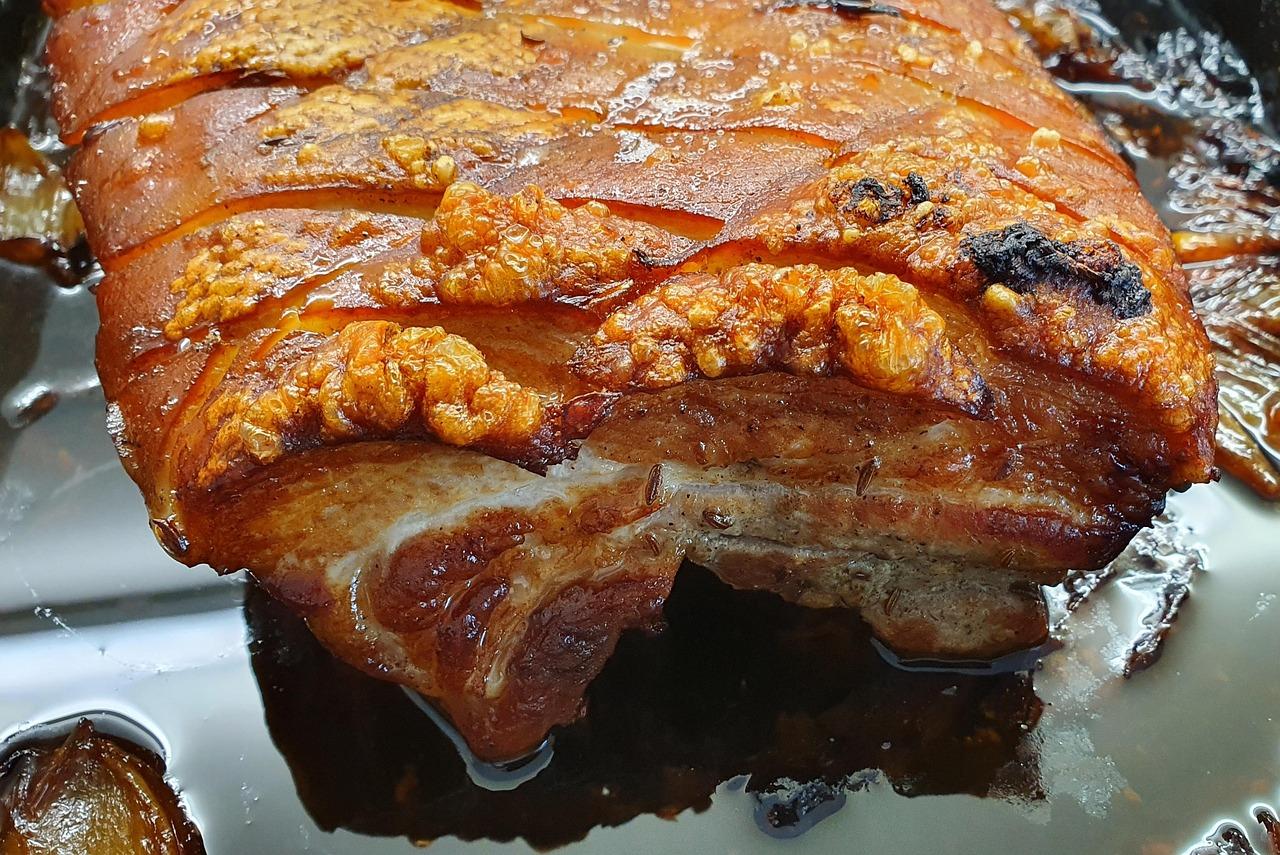
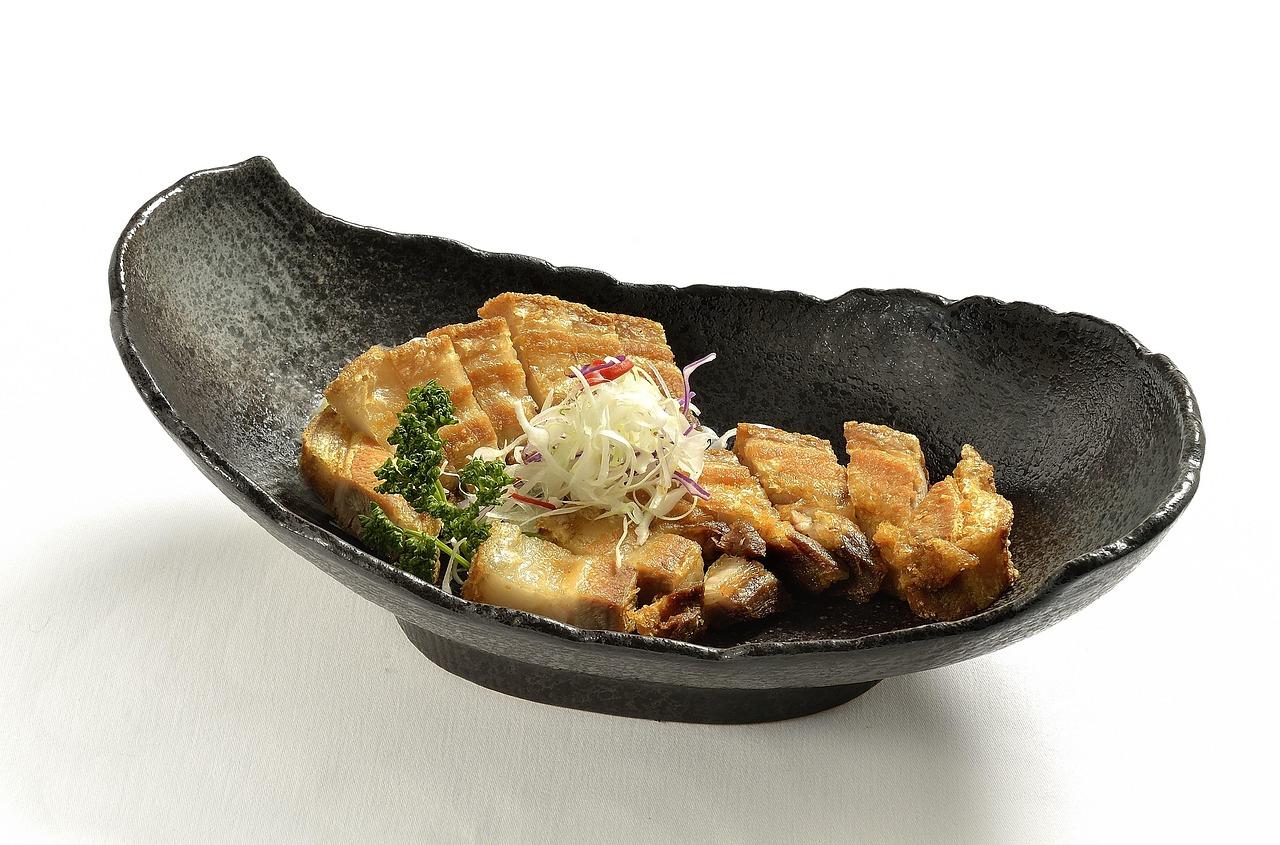
Lechon kawali is pork belly, boiled with garlic and bay, dried, then fried in a wok (kawali) until the rind blisters into crackling. It is the everyday cousin of the whole roast pig: Manila carinderias sell it by the slice at lunchtime, and home cooks make it for weekend lunches all over Luzon. Each piece should be shatteringly crisp on top and juicy underneath. Serve it chopped with rice and a sharp garlic-vinegar dip, or with the sweet liver sauce sold in jars. Chef's tip: after boiling, leave the belly uncovered in the fridge overnight; a bone-dry rind puffs up and spits far less in the oil.

110 minFilipinoMeat
by KrazyBadal 0 views

LecsóPepper and tomato stew

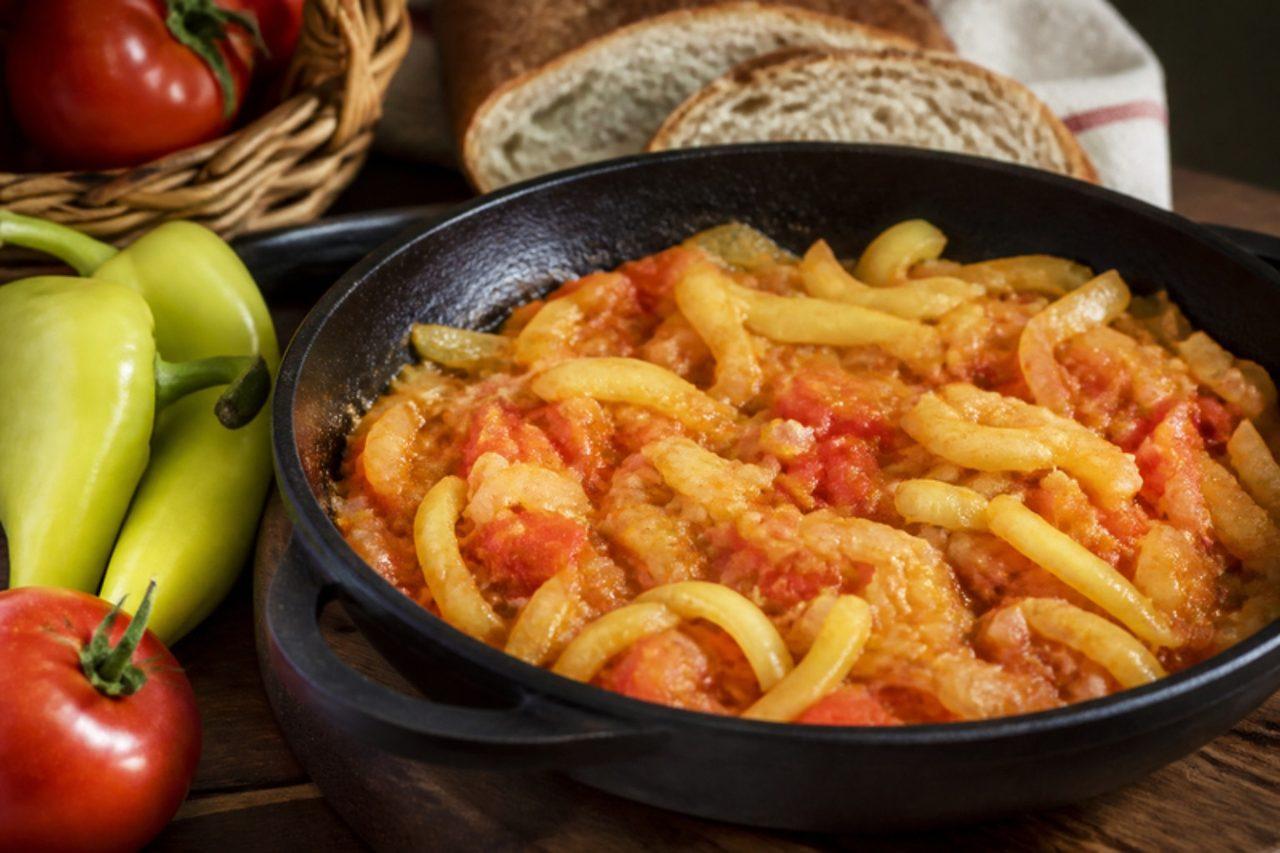
Lecsó is what Hungarian kitchens cook in late August, when markets in Szeged and Kecskemét are heaped with pale yellow wax peppers and over-ripe tomatoes. It is a soft, sweet-sour stew of peppers and tomato cooked down in paprika-scented oil; many families add smoked sausage or scramble eggs into it, but this version keeps it vegan and lets the peppers carry the flavour. Eat it hot with crusty bread or rice, or cold the next day, and jars of it are put up for winter. Chef's tip: add the tomatoes only once the peppers have softened; if they go in together, the tomato juice stews the peppers instead of letting them sweeten in the oil.

by KrazyBadal 0 views

LefseSoft potato flatbread

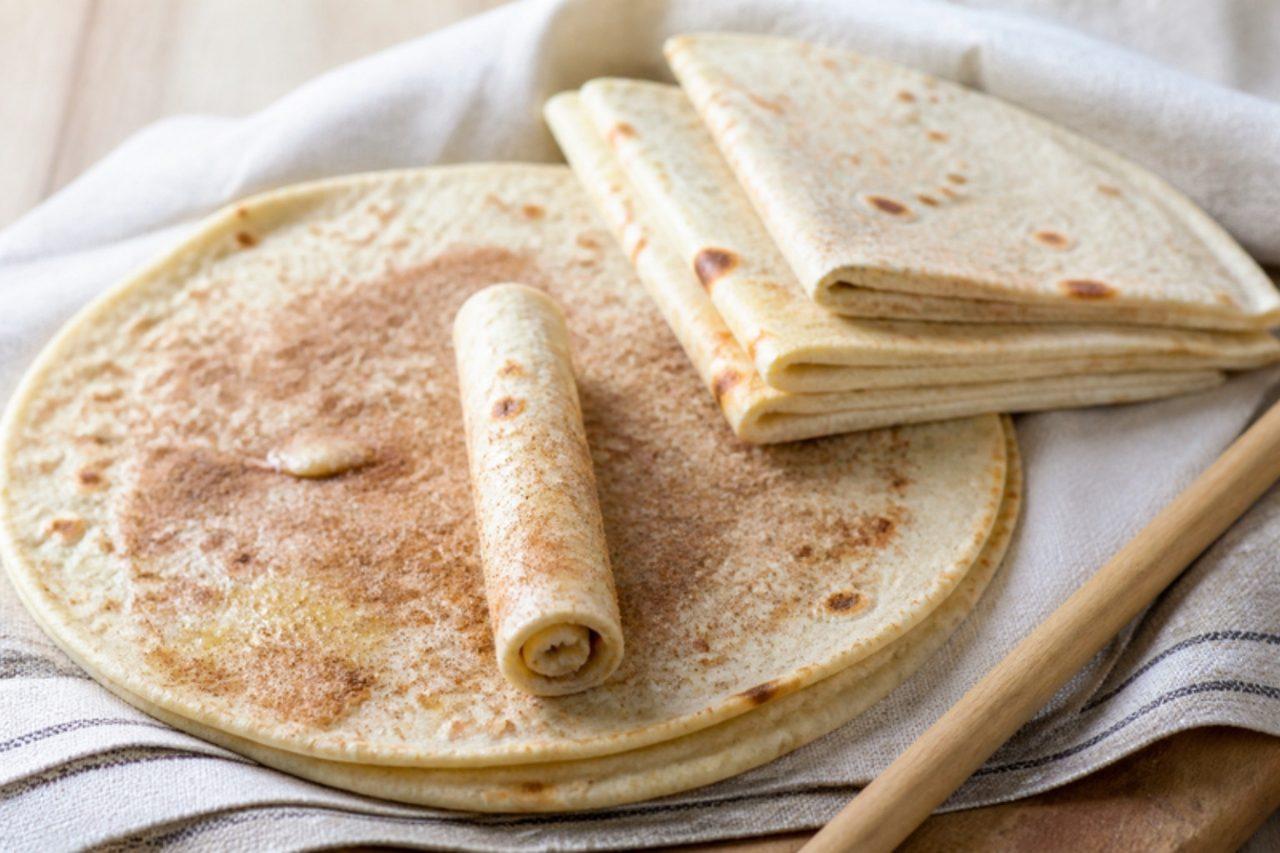
In Norway, and among Norwegian-American families in Minnesota and the Dakotas, lefse appears at Christmas in towering stacks wrapped in tea towels. These are soft, almost cloth-thin rounds made from riced potato and a little flour, cooked dry on a hot griddle until freckled with brown spots. The classic way to eat them in Telemark and Hallingdal is spread with butter, sprinkled with sugar and sometimes cinnamon, then rolled up or folded into triangles; savoury rolls with cheese are just as common. Home cooks use a grooved rolling pin and a long wooden stick to turn them, but a floured ordinary pin and a wide spatula do the job. Chef's tip: rice the potatoes while hot and let the mash cool completely, even overnight; warm potato soaks up too much flour and the lefse go tough.

by KrazyBadal 0 views

LegimMashed vegetable stew

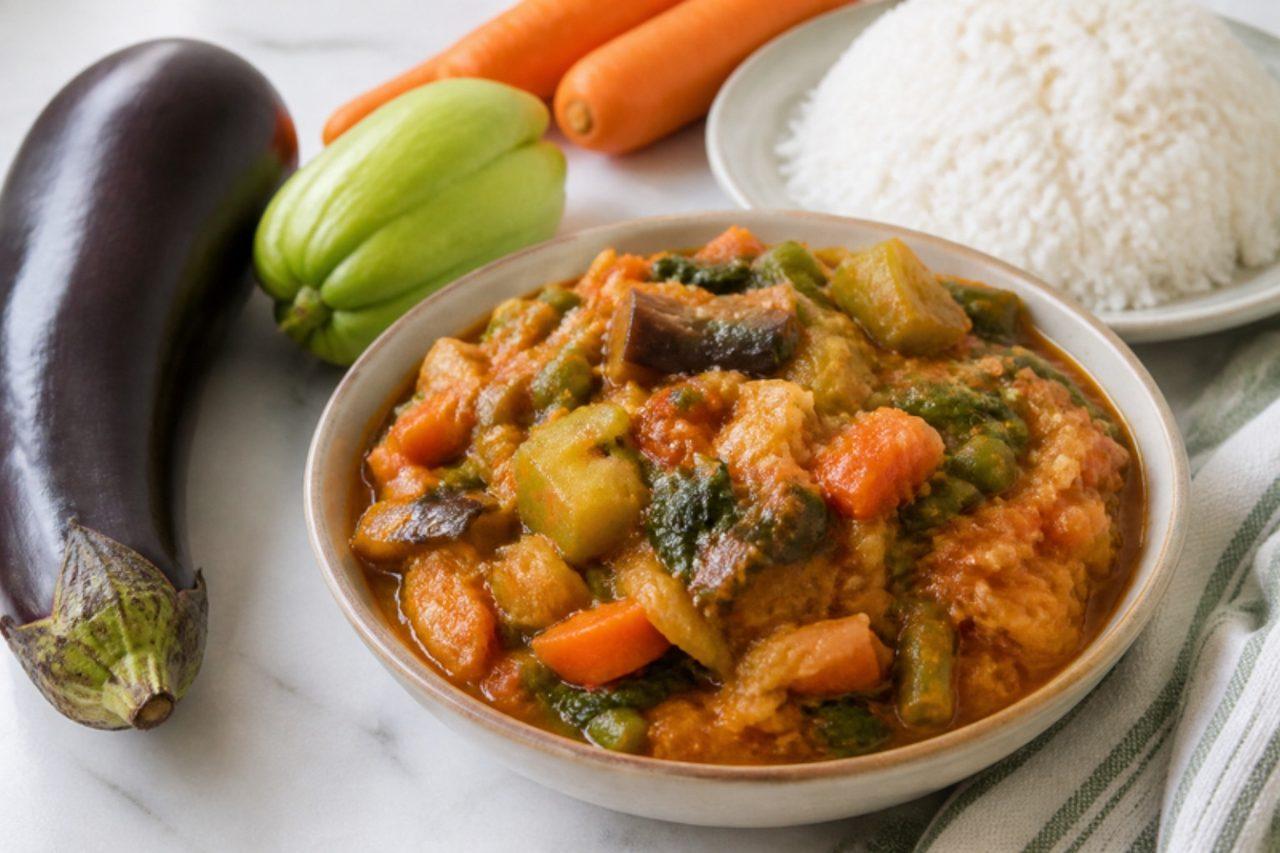
Legim (from the French légumes) is a Haitian Sunday dish, made in big pots in Port-au-Prince and the countryside and eaten with white rice or diri kole. Aubergine, cabbage, chayote (mirliton), carrots and spinach or watercress are cooked down slowly with epis and tomato paste until soft, then crushed with a pilon or spoon into a thick, rough, savoury mash. It's often cooked with beef or crab; this vegetable version is just as traditional for the days without meat. It tastes deep and green, gently sweet from the carrot and warm from clove and scotch bonnet. Chef's tip: cook it uncovered at the end until the liquid has almost gone and the oil shows at the edges; that's when the flavours concentrate and it stops tasting boiled.

by KrazyBadal 0 views

Lentil bobotieCurried lentil bake

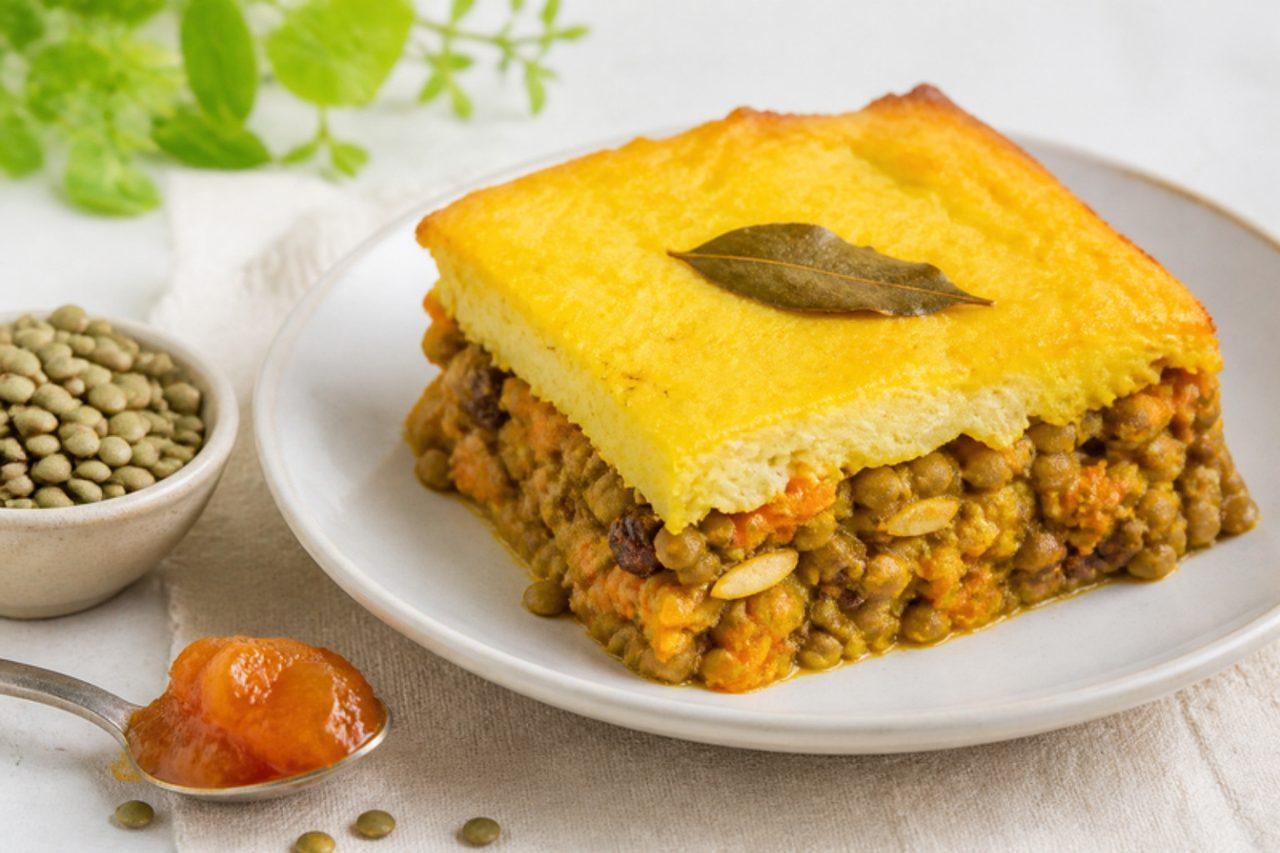
Bobotie is the dish Cape Town is proudest of, brought to the Cape by Malay and Indonesian cooks centuries ago and still baked for Sunday lunch in the Bo-Kaap and across the Western Cape. Its flavour sits between sweet, sour and mildly hot: curry spices, apricot jam, fruit chutney and lemon, with a set egg-and-milk custard on top scented with bay leaves. The classic uses beef mince and milk-soaked bread; here brown lentils carry the spices so well that no bread is needed. Serve with yellow rice, chutney and a sliced banana and tomato sambal. Chef's tip: let the lentil filling cook down until thick and almost dry before baking, or the custard sinks into it instead of setting on top.

by KrazyBadal 0 views

Lentilles du Puy saladGreen lentil salad

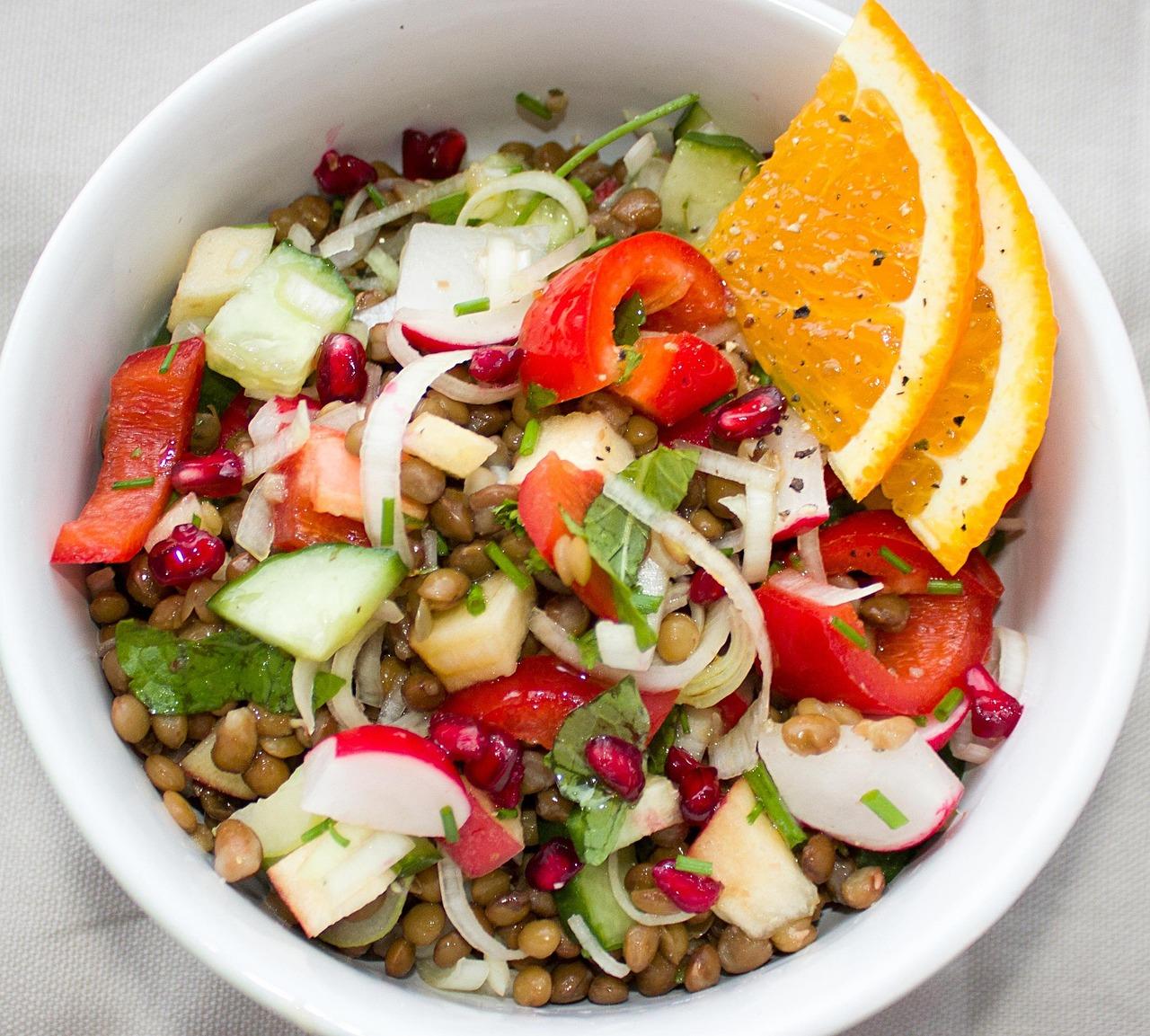
Le Puy-en-Velay, in the volcanic hills of the Auvergne, grows a small, slate-green lentil with its own protected name. Lentilles du Puy hold their shape when cooked and have a peppery, almost mineral taste, which makes them perfect for salad. In French homes and bistros this salad is dressed while warm with a sharp mustard vinaigrette, shallot, carrot and parsley, then eaten as a starter, a packed lunch or a side to a quiche. Chef's tip: dress the lentils while they're still warm so they absorb the vinaigrette; dressing them cold is the common mistake and the flavour just sits on the outside.

by KrazyBadal 0 views

Vegetable pizza

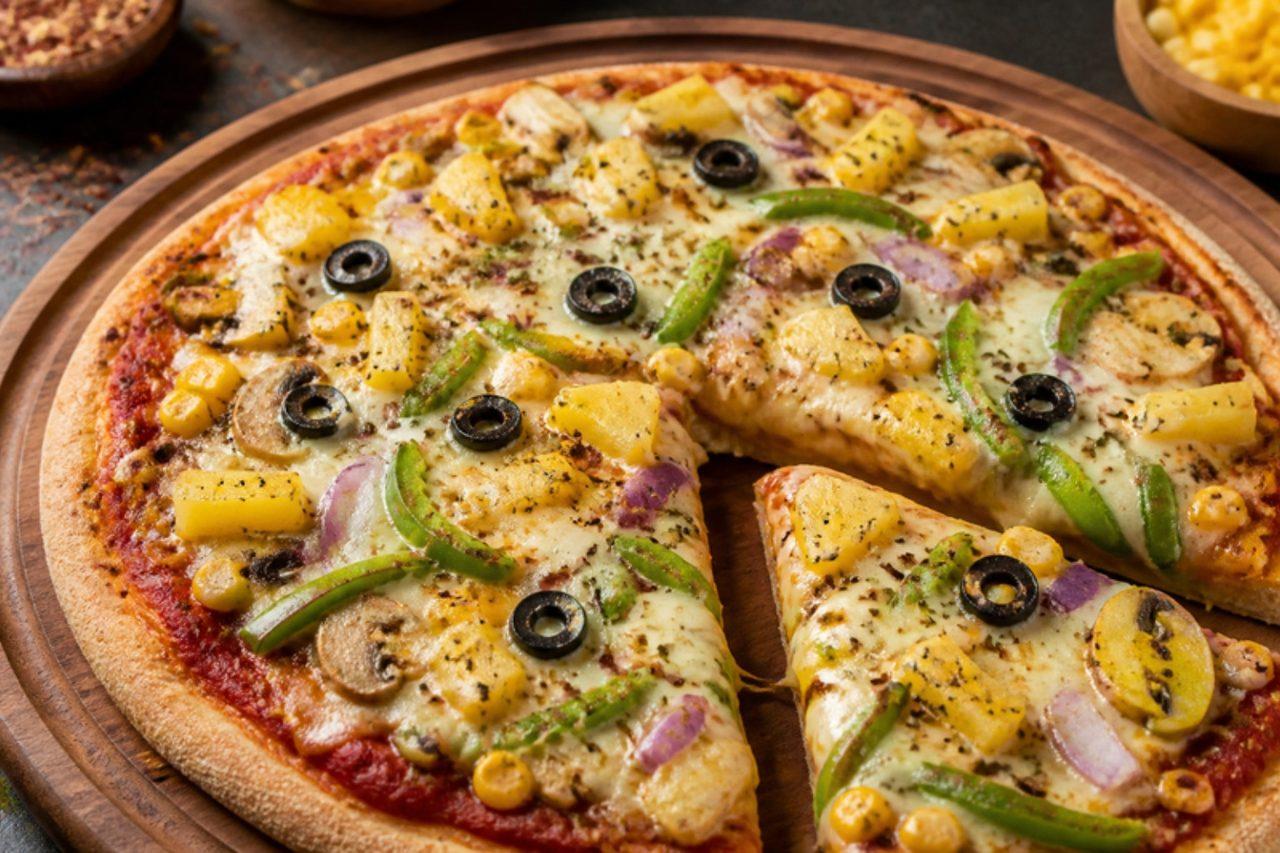
Eight small pizzas on a soft yogurt dough made with half wholewheat flour, spread with hot pizza gravy and loaded with capsicum, pineapple, onion, mushrooms, olives, sweetcorn, chilli flakes and both mozzarella and cheddar. The bases can be baked ahead and topped when the guests arrive. Cut into quarters and serve hot.

125 minItalianPizza
by KrazyBadal 0 views

LebkuchenSpiced gingerbread cookies

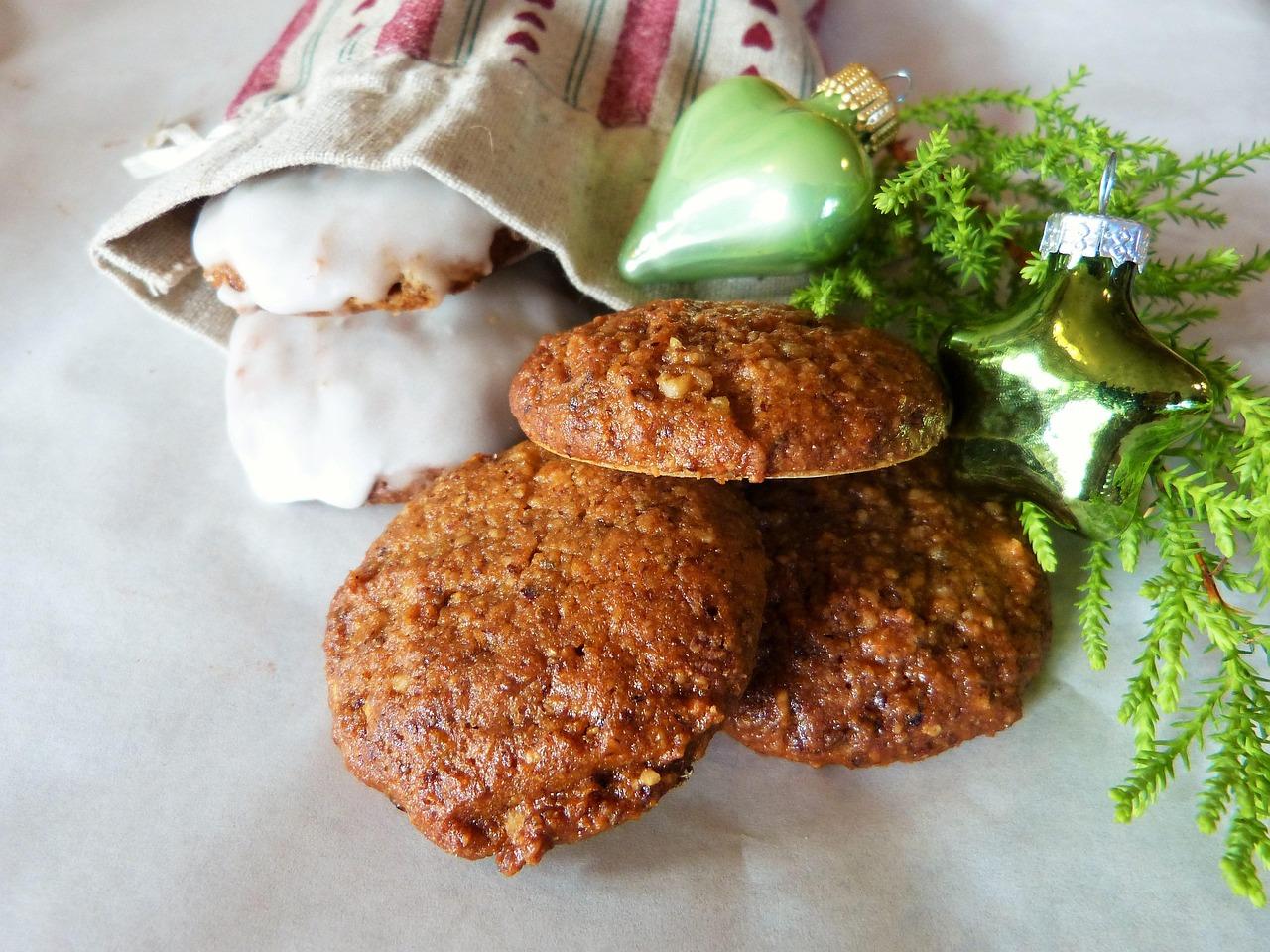
Nuremberg has been the German capital of Lebkuchen since the Middle Ages, when the city sat on the spice trade routes, and at its Christkindlesmarkt the stalls are piled with them every Advent. The finest kind, Elisenlebkuchen, contain almost no flour: they're made mostly of ground nuts, candied peel, eggs, sugar and a warm spice mix, baked on thin Oblaten wafers so they stay soft and chewy inside, then glazed with chocolate or sugar. They keep for weeks in a tin and get better as they rest. Chef's tip: bake them only until just set; a common mistake is baking until firm, which makes them dry and hard by the next day.

by KrazyBadal 0 views

Pain à la grecquePearl sugar bread

Despite the name, pain à la grecque is pure Brussels: the 'Greek' is thought to come from the Flemish gracht, the canal next to the old abbey on the Wolvengracht whose monks handed out bread to the poor. Today it is a long, flat stick of cinnamon-spiced bread pressed into pearl sugar and baked until the sugar melts into a crunchy, glassy crust. Brussels bakeries such as those around the Sablon sell it by the slab, and it is eaten with coffee in the afternoon or dunked at breakfast. Chef's tip: press the dough hard into the pearl sugar on both sides; loosely scattered sugar just falls off in the oven.

by KrazyBadal 0 views

LinseneintopfLentil stew

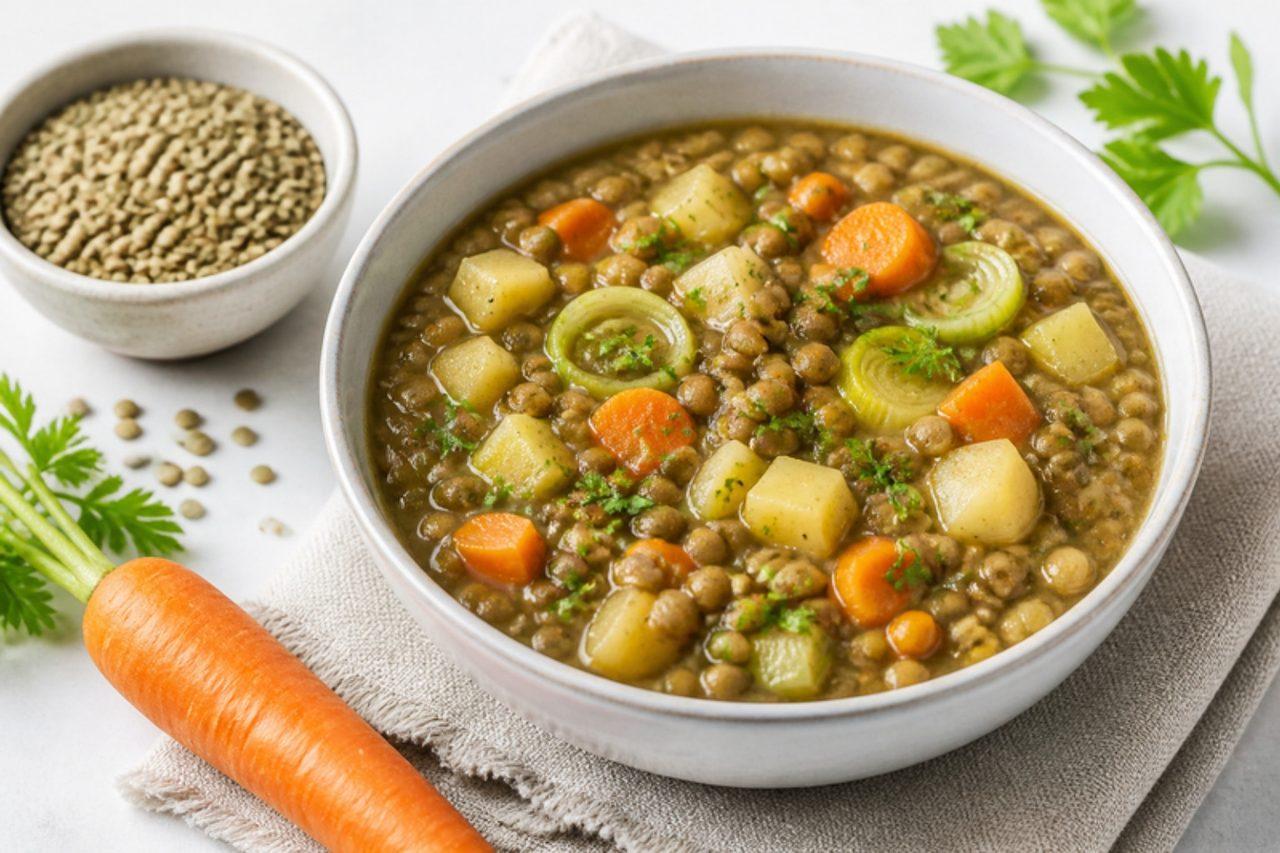
Linseneintopf is the one-pot lentil stew that German families cook on cold weekdays, and in many school and works canteens it's still the Thursday or Saturday lunch. Brown lentils simmer with potatoes, carrots, celeriac and leek until thick and soft; the finishing touch, all over Germany, is a good splash of vinegar at the table, which wakes the whole bowl up. It's usually made with smoked sausage or bacon; here smoked paprika and vegetable stock give the smoky depth instead. Chef's tip: add the vinegar only at the end, because acid added early keeps the lentils hard.

by KrazyBadal 0 views

Litti chokhaStuffed wheat balls with mashed vegetables

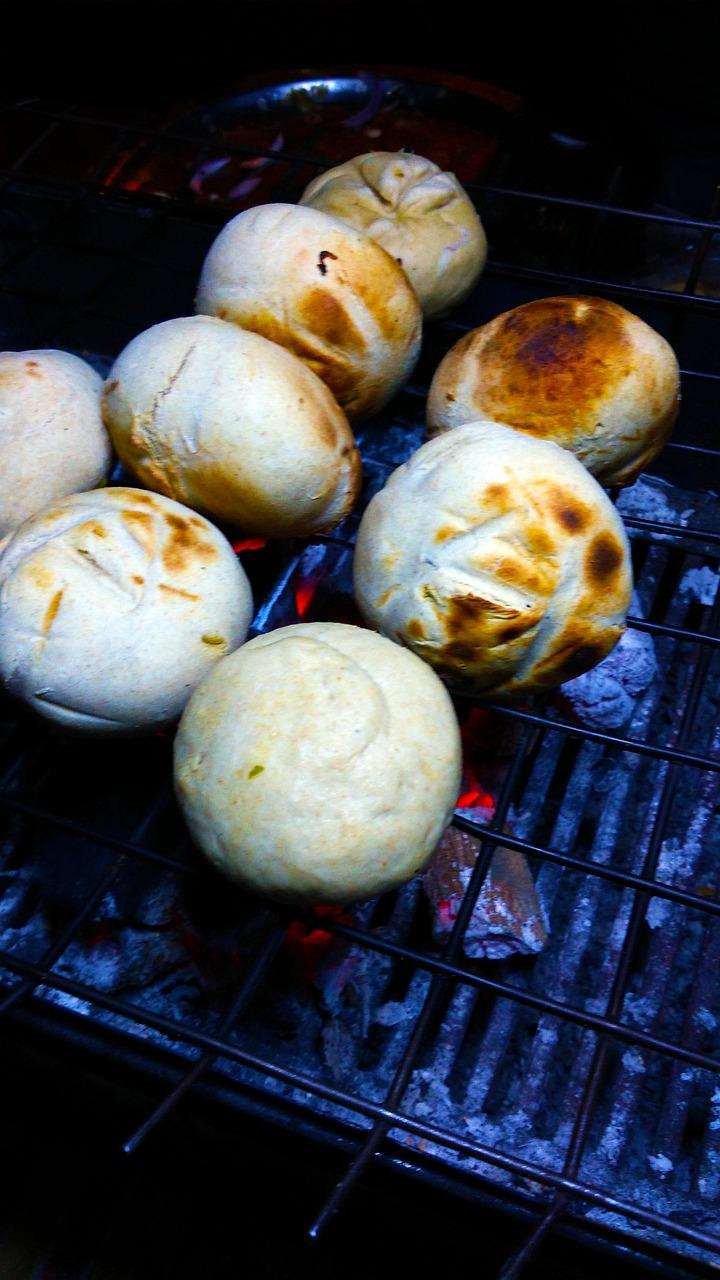
Litti chokha is Bihar's signature meal, cooked on street corners and at village gatherings over smouldering embers. Litti are rustic wheat balls stuffed with sattu (roasted gram flour) sharpened with garlic, ginger, mustard oil and pickle masala; they bake until crusty outside and crumbly inside. Chokha is a smoky mash of fire-roasted aubergine, potato and tomato with raw mustard oil and green chilli. Together they are filling, protein-rich and deeply savoury. Many Biharis dunk hot litti in melted ghee; for a vegan plate, brush them with mustard oil instead. Chef's tip: roast the aubergine and tomatoes right on a gas flame until the skins are black all over; that charring is the whole flavour of chokha.

by KrazyBadal 0 views

Num ansom chekBanana sticky rice parcels

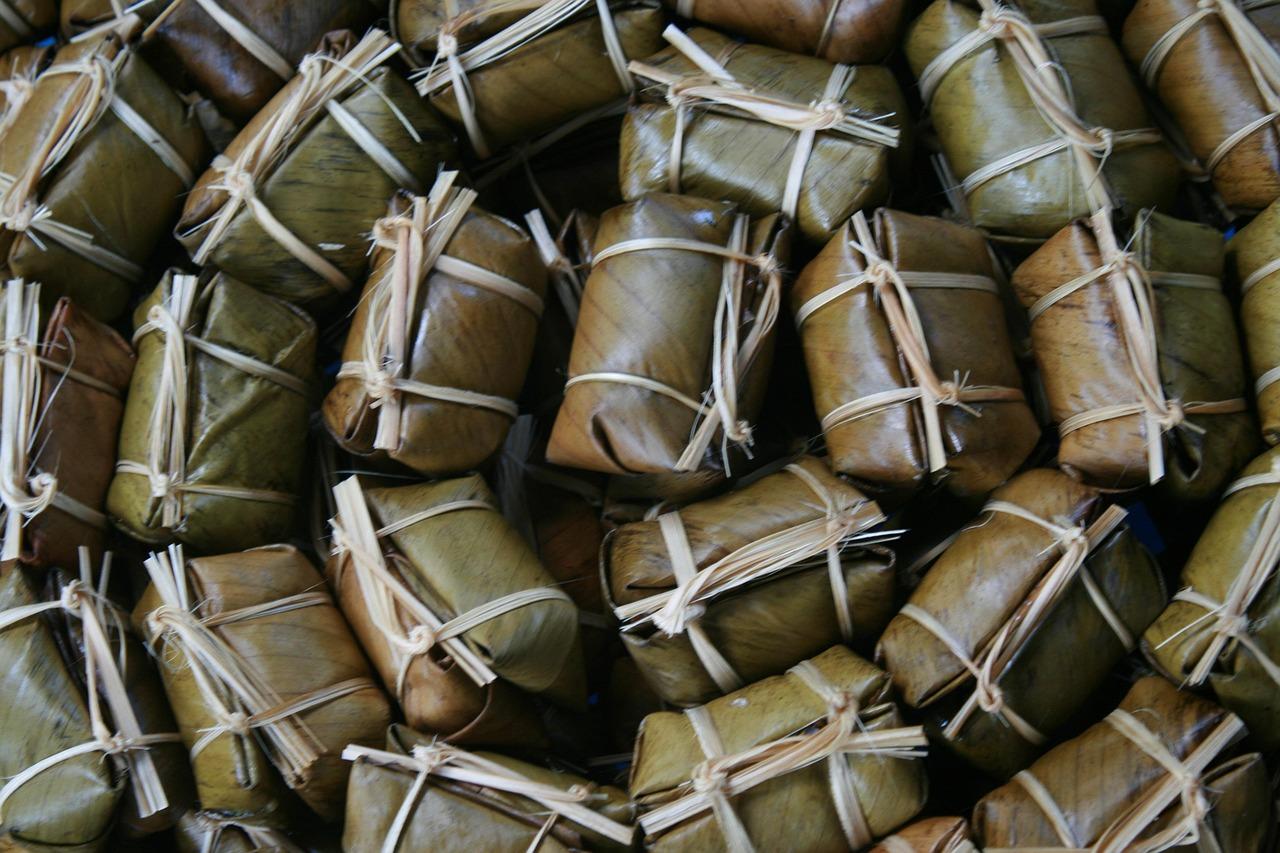
Num ansom chek are wrapped by the dozen in April for Khmer New Year and again in autumn for Pchum Ben, when families carry them to the pagoda as offerings. A ripe banana is hidden inside a jacket of glutinous rice that has been seasoned with coconut milk and dotted with black beans, then the whole thing is rolled tightly in banana leaf and boiled until the rice turns sticky and the banana goes jammy and blush-pink. Unwrapped, they're eaten at room temperature or sliced and grilled the next morning. Chef's tip: use bananas that are fully yellow with a few brown freckles; green ones stay chalky and the pink colour never comes.

by KrazyBadal 0 views

LlajwaTomato and chilli salsa

No Bolivian table is set without llajwa, the fiery, bright salsa that goes on soups, potatoes, cheese empanadas and anything grilled. In La Paz and Cochabamba it's ground on a batán, a flat grinding stone with a rocking stone on top, which crushes tomatoes and locoto (a fleshy, very hot chilli) into a rough, juicy sauce. The signature herb is quirquiña, with a smell somewhere between coriander and rocket. Chef's tip: no stone? Pound in a mortar or pulse briefly; a blender whips in air and turns llajwa pink and foamy.

by KrazyBadal 0 views

LlapingachosPotato cheese patties

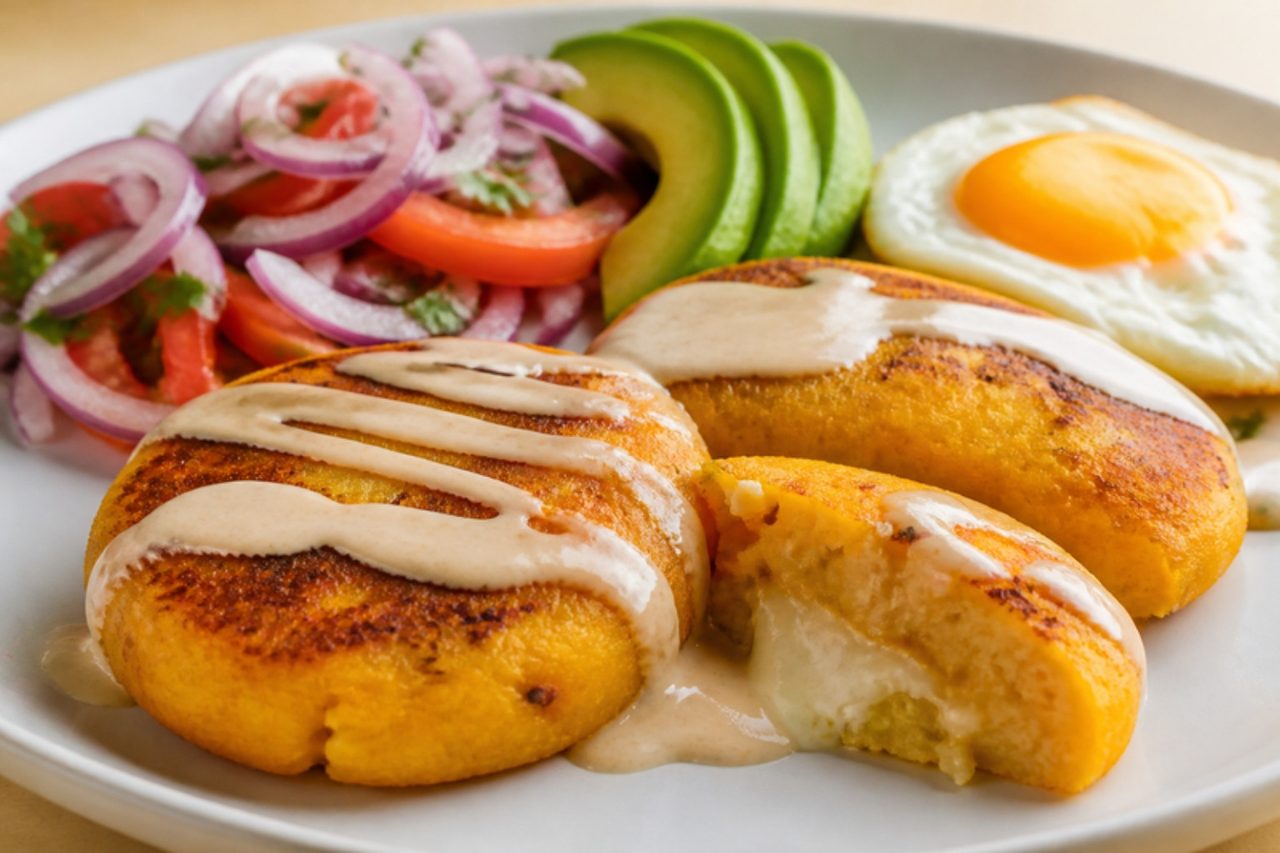
Llapingachos come from the central highlands of Ecuador, especially Ambato and the markets of Riobamba, where women fry them by the dozen on huge round griddles. The patties are mashed potato coloured with achiote, stuffed with cheese and spring onion, and browned until crisp. A full plate adds peanut sauce, a lime-dressed onion and tomato salad, avocado and a fried egg (the market version also includes chorizo, left out here). Chef's tip: chill the shaped patties for 30 minutes; cold patties hold their shape and get a better crust.

by KrazyBadal 0 views

LobianiBean-filled bread

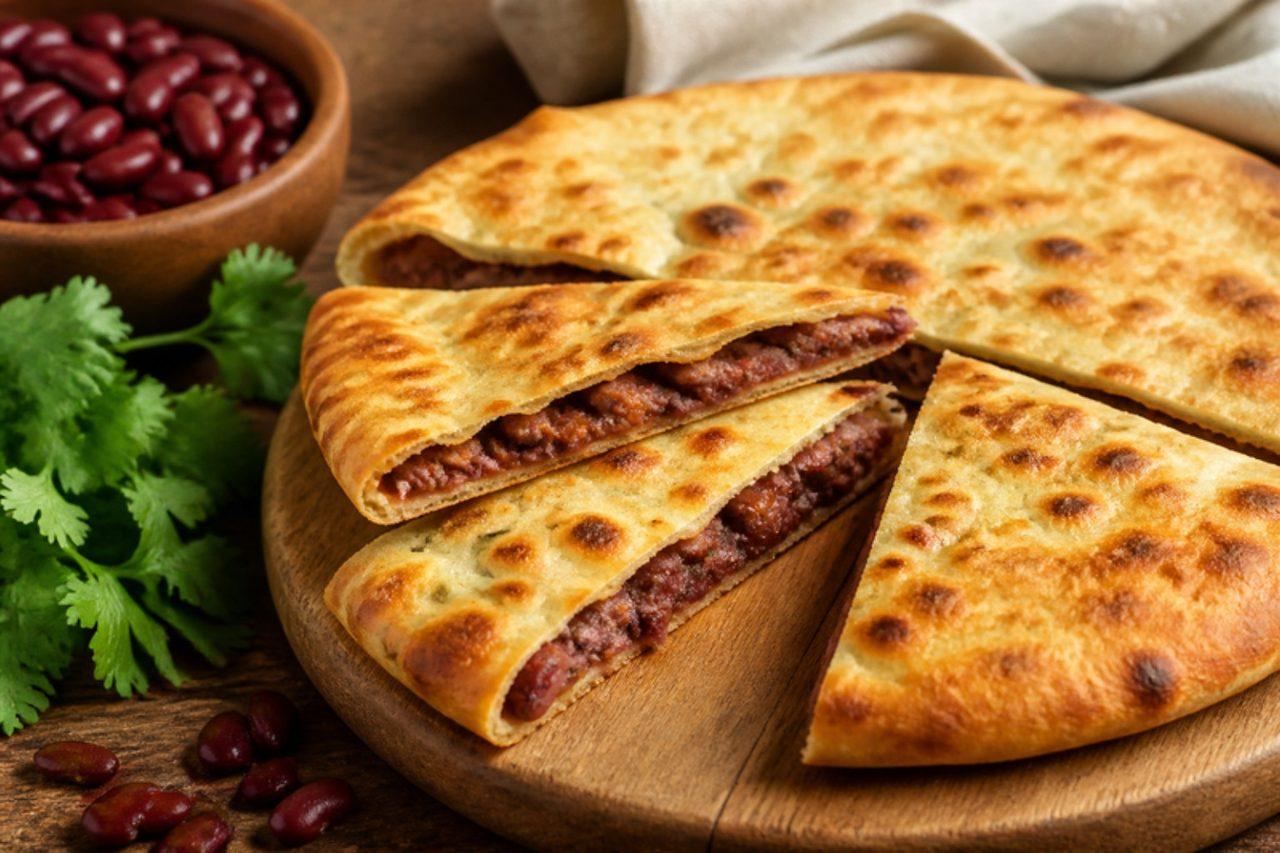
Lobiani is a round bread stuffed with spiced mashed kidney beans, and in Georgia it belongs above all to Barbaroba, St Barbara's Day on 17 December, when households across the country bake it for neighbours and guests. In the highland region of Racha it is often made with ham; this is the plain bean version that is also baked through Orthodox Lent, so the dough here is made with water and oil and the whole bread is vegan. The filling is soft and peppery with coriander and blue fenugreek, and the crust is thin and chewy. A common mistake is making the bean filling too wet, which turns the dough soggy and makes it burst: the mash should hold its shape on a spoon. Chef's tip: fry the onion for the filling until properly golden, not just soft; its sweetness is what makes the beans taste of something.

by KrazyBadal 0 views

Showing 72 of 7,762 recipes

Show more recipes

Page 603 of 863