


Skip to content
Pondicherry fish assad
Featured recipe

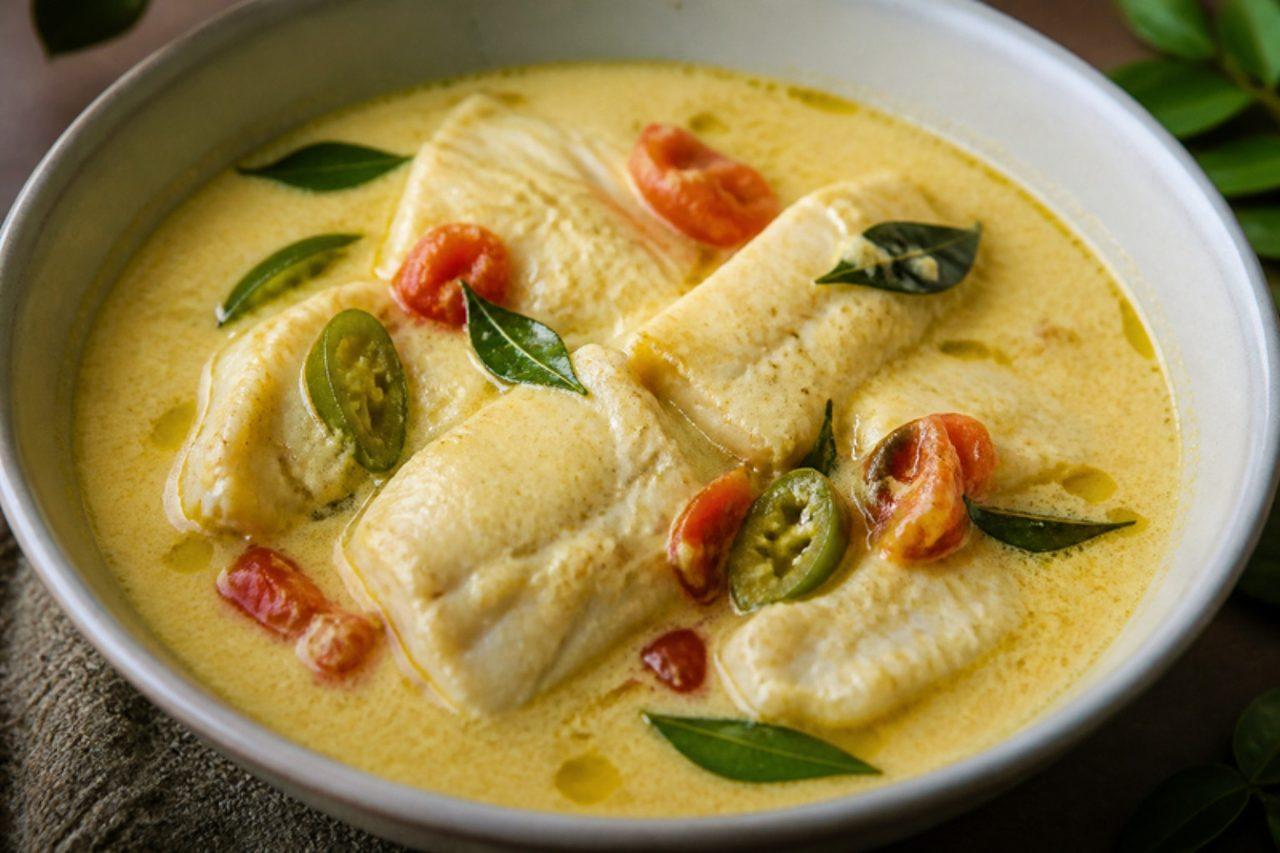
Pondicherry fish assad

Fish in coconut milk curry

In Puducherry, the former French enclave on the Tamil coast, Creole families of mixed Tamil and French descent cook a fish curry that is softer and creamier than anything else along that shore. Assad is mild and pale, fragrant with fennel, pepper and curry leaves, with the fish poached in thin coconut milk and finished with a thick, rich pour. It is a Sunday-lunch and Christmas dish in these homes, eaten with plain rice or a crusty loaf from the town's bakeries. Chef's tip: add the thick coconut milk only at the very end and keep the curry below a boil, so it stays silky and white.

Read more 0 views

What to eat today?

Around the world

Today's trip: Paraguayan

A new country every day, from every cuisine on the site.

Paraguayan

Buñuelos de algas

Sea lettuce fritters 35 minMore from Paraguayan (27) →

This week's collection

Kid-friendly dinners
537 recipes · a new collection every Monday

Latest recipes

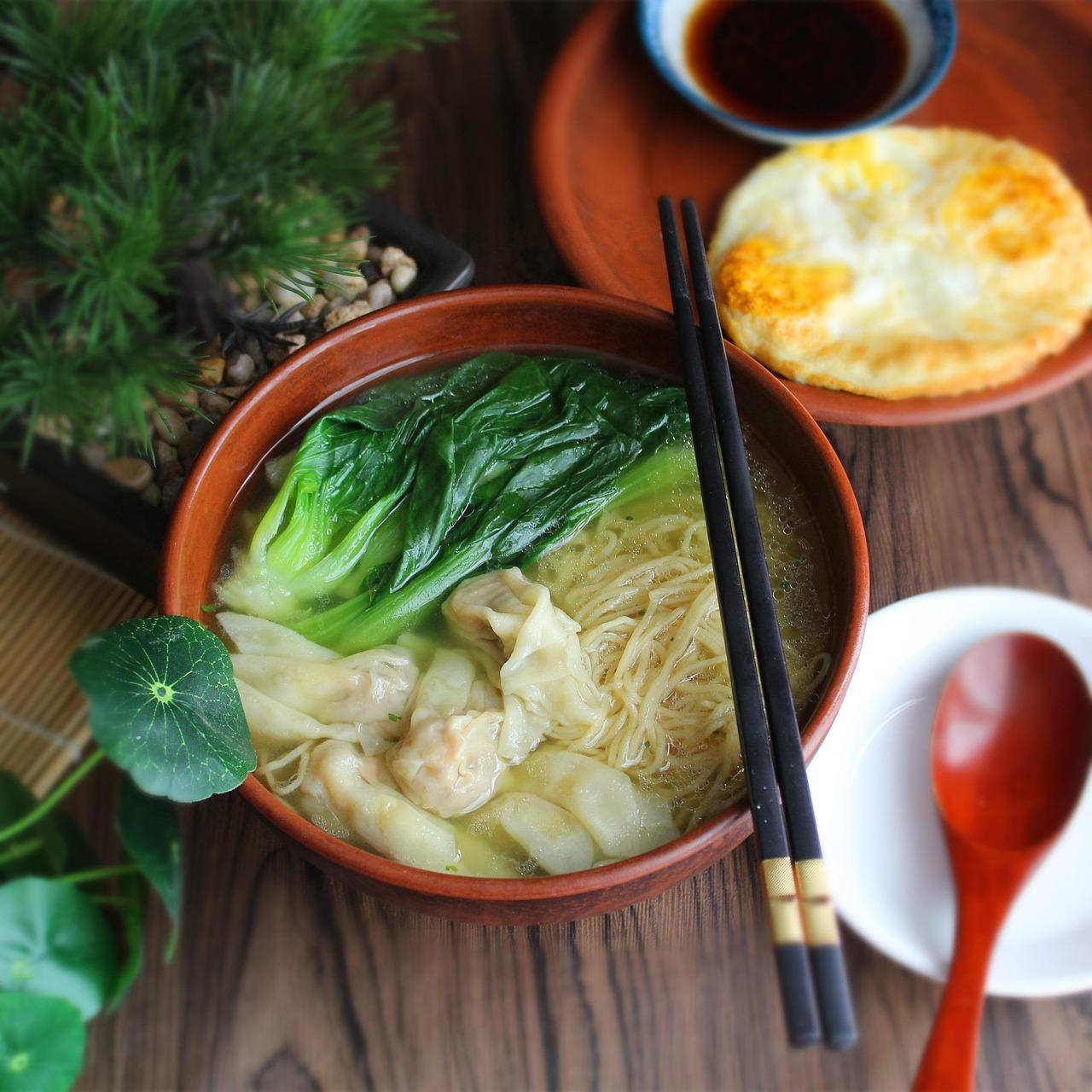
Wonton noodle soup

Small, steamy noodle shops all over Hong Kong sell this bowl from breakfast until late at night, often from a counter facing the street. Plump wontons, mostly prawn with a little pork, sit under a nest of thin, springy egg noodles in a clear, savoury broth fragrant with dried shrimp and ginger. The bowl is small and meant to be eaten fast, before the noodles soften, with a spoonful of chilli oil and a side of blanched greens. Shop wrappers make the wontons manageable on a weeknight. Chef's tip: put the wontons in the bowl first and the noodles on top, as Hong Kong cooks do, so the noodles sit above the broth and keep their bite.

by KrazyBadal 0 views
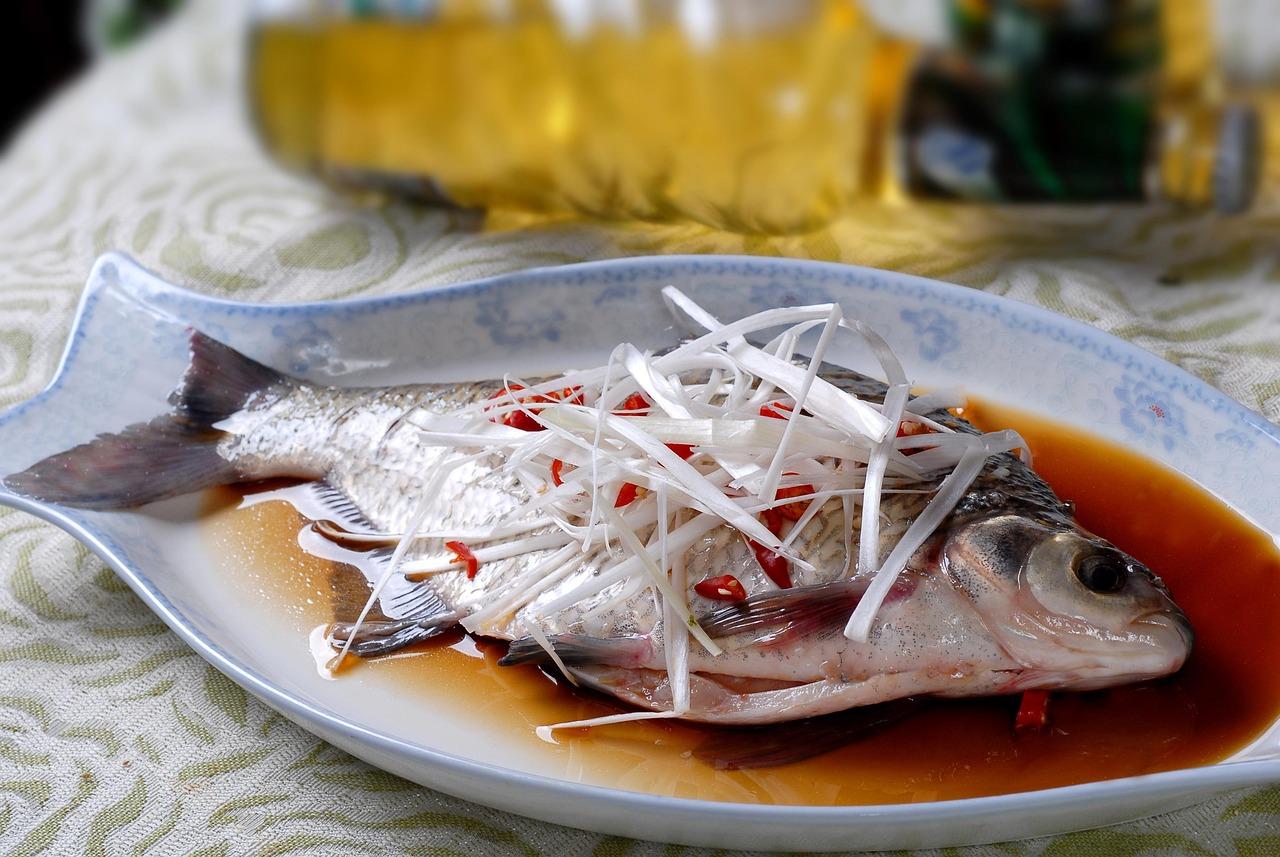
Cantonese steamed whole fish

Whole fish arrives near the end of every Cantonese banquet and Lunar New Year dinner across Guangdong, because the word for fish sounds like 'surplus'. At home it is one of the quickest dishes on the table: the fish is steamed plainly over ginger, then showered with shredded spring onion and a hiss of smoking oil, and finished with a light, slightly sweet soy dressing. Done right, the flesh is silky and just slips off the bone. Serve it in the middle of the table with steamed rice and stir-fried greens, letting everyone pick from the fish. Chef's tip: lay two chopsticks under the fish on the plate so steam circulates underneath and it cooks evenly.

by KrazyBadal 0 views

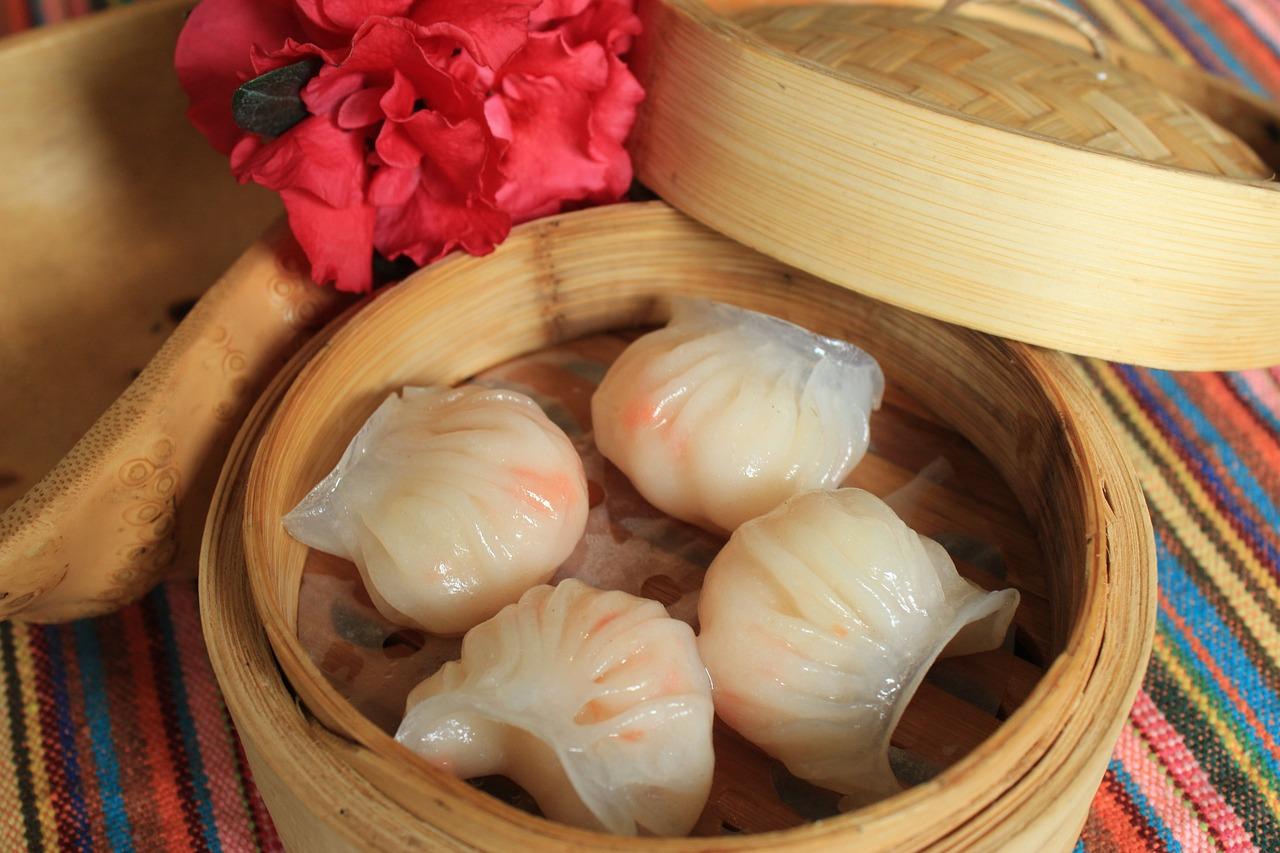
Har gowPrawn dumplings

No basket at a Guangzhou yum cha is judged more harshly than the har gow: a dim sum chef is said to prove themselves by folding ten or more pleats into each one. The wrapper is made from wheat starch and tapioca, so it steams clear and slightly chewy, showing the pink prawns inside; the filling is snappy, sweet and lightly seasoned with sesame and bamboo shoot. They take patience rather than special skill, and a batch made on a weekend morning feels like a trip to a teahouse. Serve them straight from the steamer with jasmine or pu'er tea and a little chilli oil on the side. Chef's tip: roll each wrapper only when you are ready to fill it, because the thin starch dough dries and cracks within minutes.

by KrazyBadal 0 views

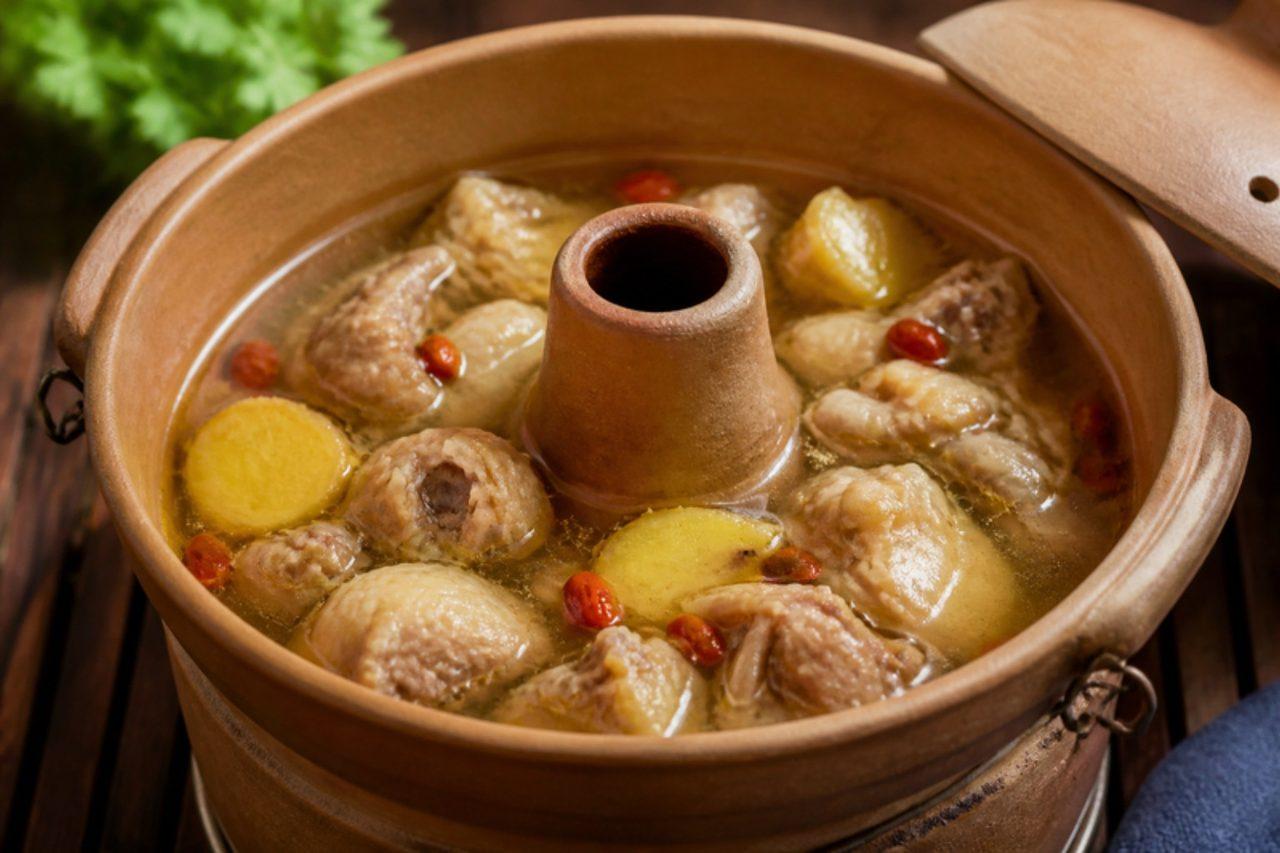
Yunnan steam-pot chicken

In the old town of Jianshui in southern Yunnan, potters still make the purple clay qiguo, a lidded pot with a chimney rising through its centre. Set over boiling water, it lets steam rise into the pot, where it meets the chicken, condenses and drips back as a pure, golden broth, with no water added at all. After three hours the meat falls from the bone and the soup tastes intensely of chicken and ginger, clean and restorative; in Kunming it is the dish for guests, for convalescents and for winter weekends. Serve the broth in small bowls first, then the chicken with rice and a chilli dip. Chef's tip: if you don't own a steam pot, a heatproof bowl covered with a plate in a steamer works well; it just needs a small splash of water to start the broth.

by KrazyBadal 0 views

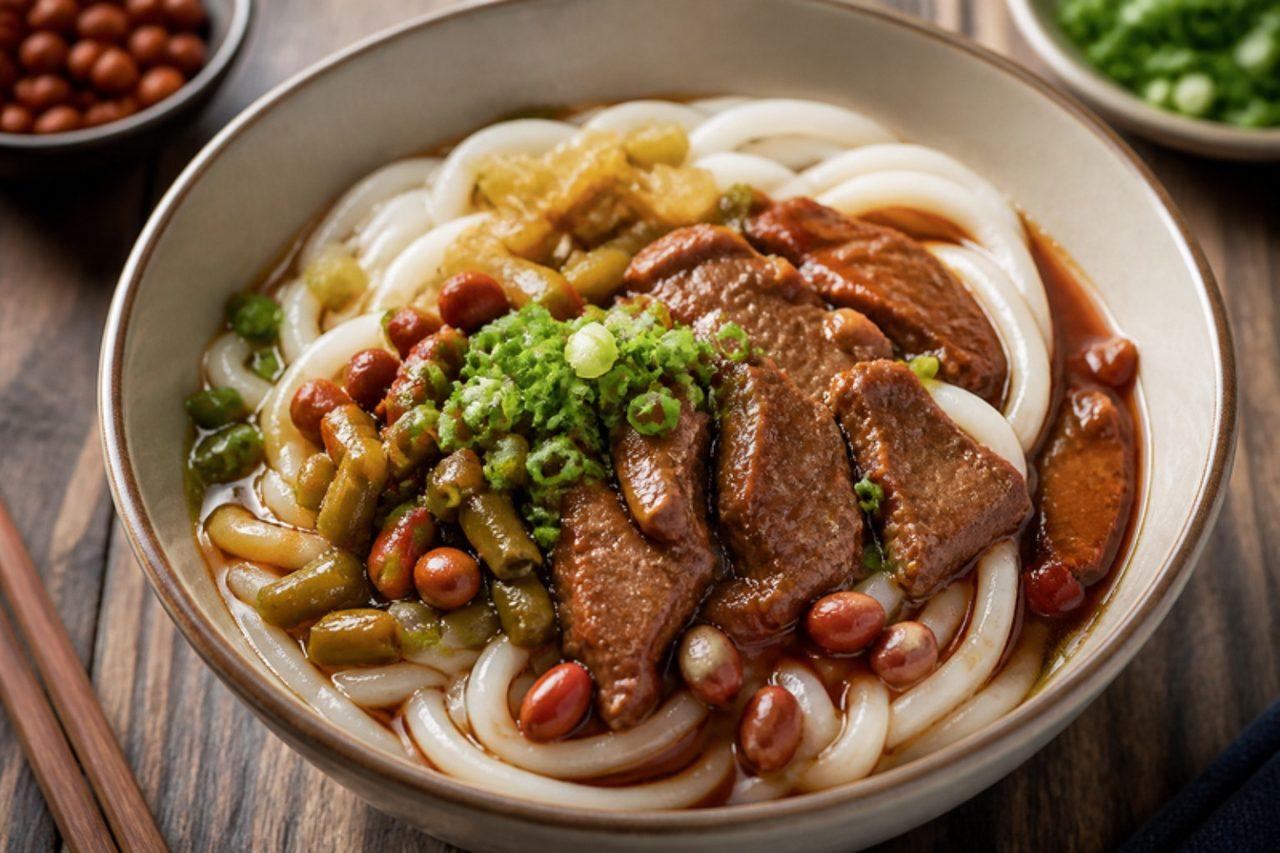
Guilin rice noodles

Guilin, among the karst peaks of Guangxi, starts its day with mifen: round, slippery rice noodles that are not served in soup at all but tossed with a few ladles of lu shui, the dark, spiced braising liquid in which the beef was cooked. On top go thin slices of that beef, crunchy fried peanuts, sour pickled beans and bamboo shoots, chilli and spring onion; you stir it all together and, if you like, add a splash of hot broth at the end. Street shops in the city serve it fast and cheap from breakfast till late. The flavour is savoury, sweet-spiced and sour, with crunch in every mouthful. Chef's tip: make the braised beef the day before and chill it in its liquid; cold beef can be sliced paper-thin, which is how Guilin cooks serve it.

by KrazyBadal 0 views

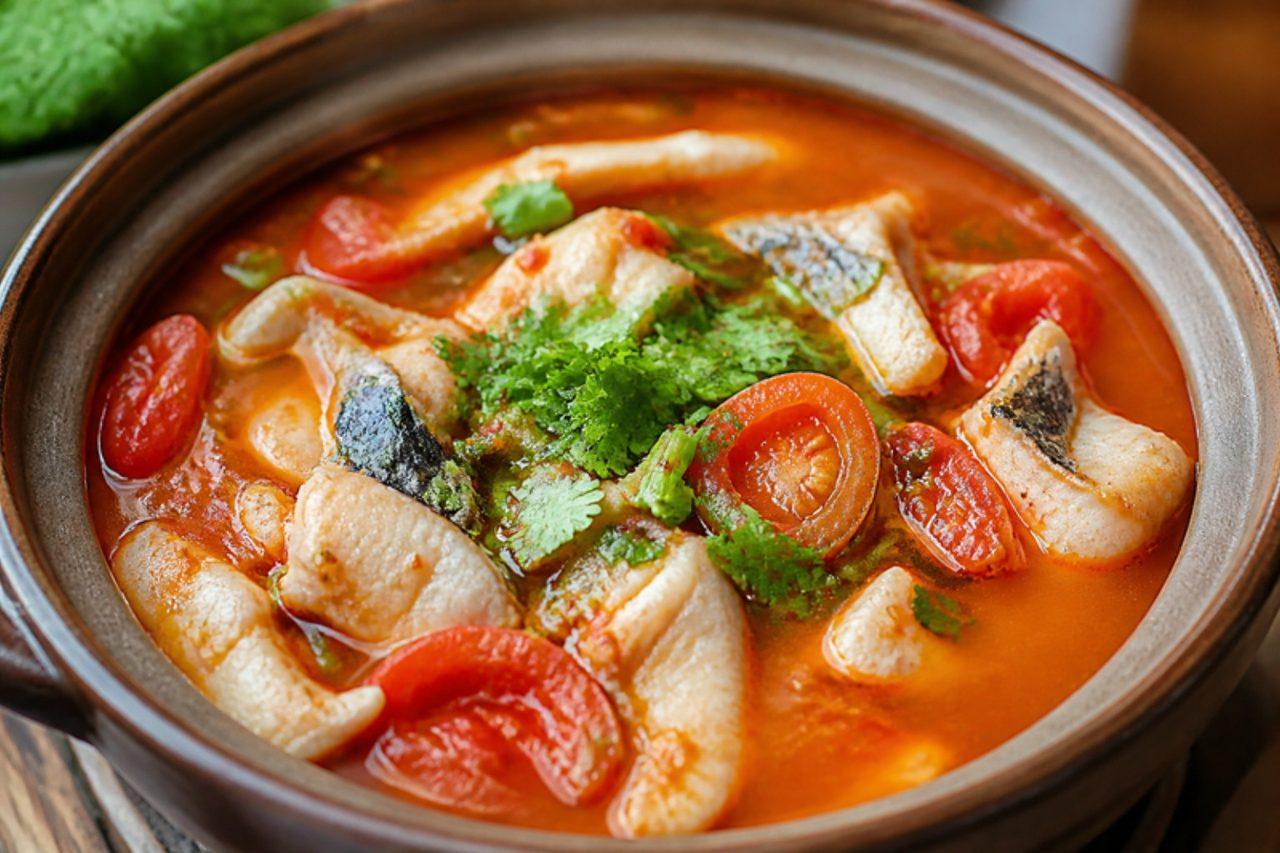
Guizhou sour fish soup

For the Miao people around Kaili in south-east Guizhou, a pot of sour soup is the heart of a meal, served in a wide pot over a burner with everyone dipping in. Their famous red sour soup is made by fermenting wild tomatoes with chillies for weeks, and it gives the broth a bright, tangy, lightly spicy taste that is fruity rather than vinegary. Chunks of fresh river fish, tofu and bean sprouts simmer in it until tender, and each piece is dunked in a little dish of chilli and herbs before eating. This home version gets close with very ripe tomatoes, fermented chillies and a splash of rice vinegar. Eat it with rice on a cold evening. Chef's tip: cook the tomatoes until they completely collapse into a thick red paste before you add any water; that is where the colour and the deep sourness come from.

by KrazyBadal 0 views

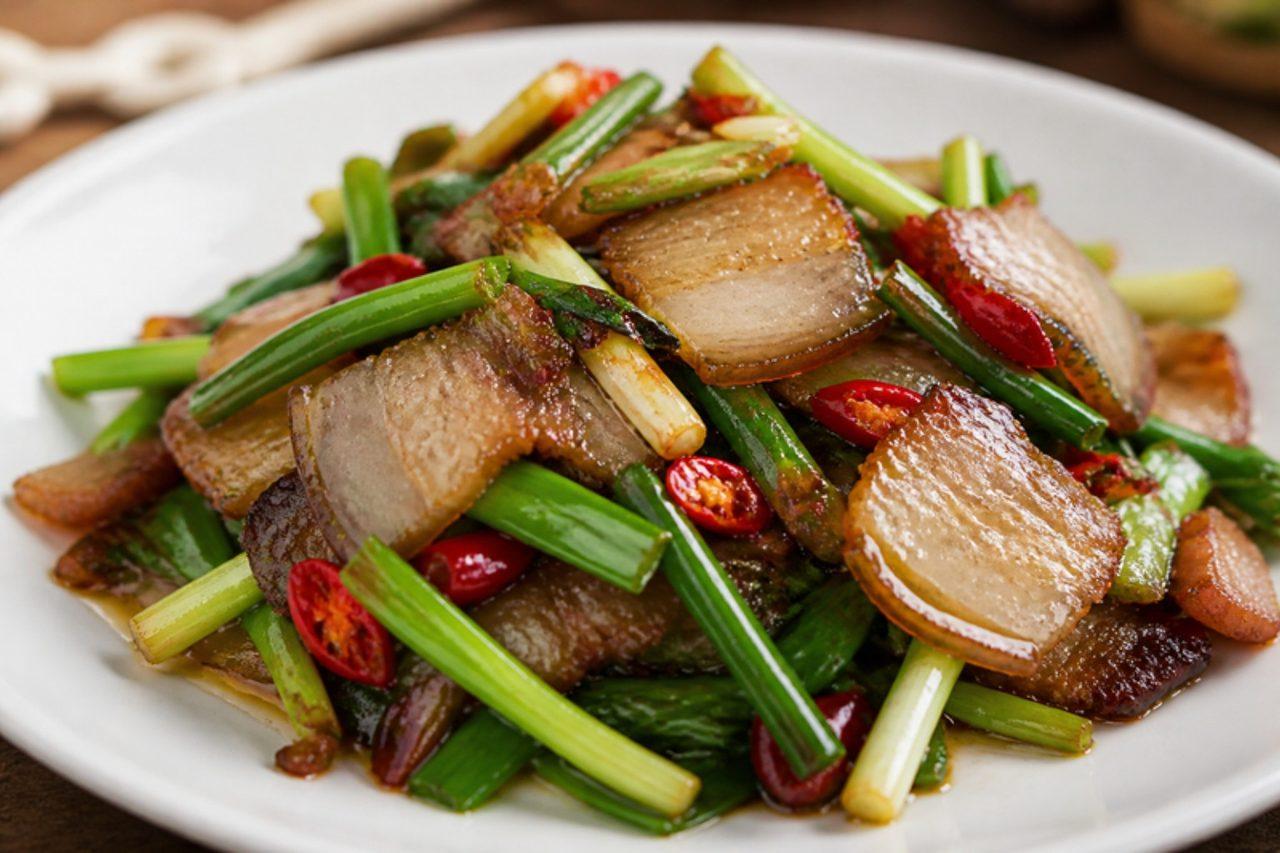
Hunan cured pork with garlic shoots

Every winter, Hunan households hang strips of salted pork belly over a wood fire until they turn dark and smoky, and this quick stir-fry is the most common way to eat them through the cold months. Thin slices of the cured belly are fried until the fat turns clear and the edges crisp, then tossed with green garlic shoots, which turn sweet and tender and soak up the smoky fat, plus fresh chilli and fermented black beans for a salty, spicy kick. It is a plain everyday dish that sits beside rice on a farmhouse table. Serve it with steamed rice and a light soup. Chef's tip: simmer the cured pork before slicing; it softens the meat and draws out some of the salt, so the finished dish is savoury rather than harsh.

by KrazyBadal 0 views

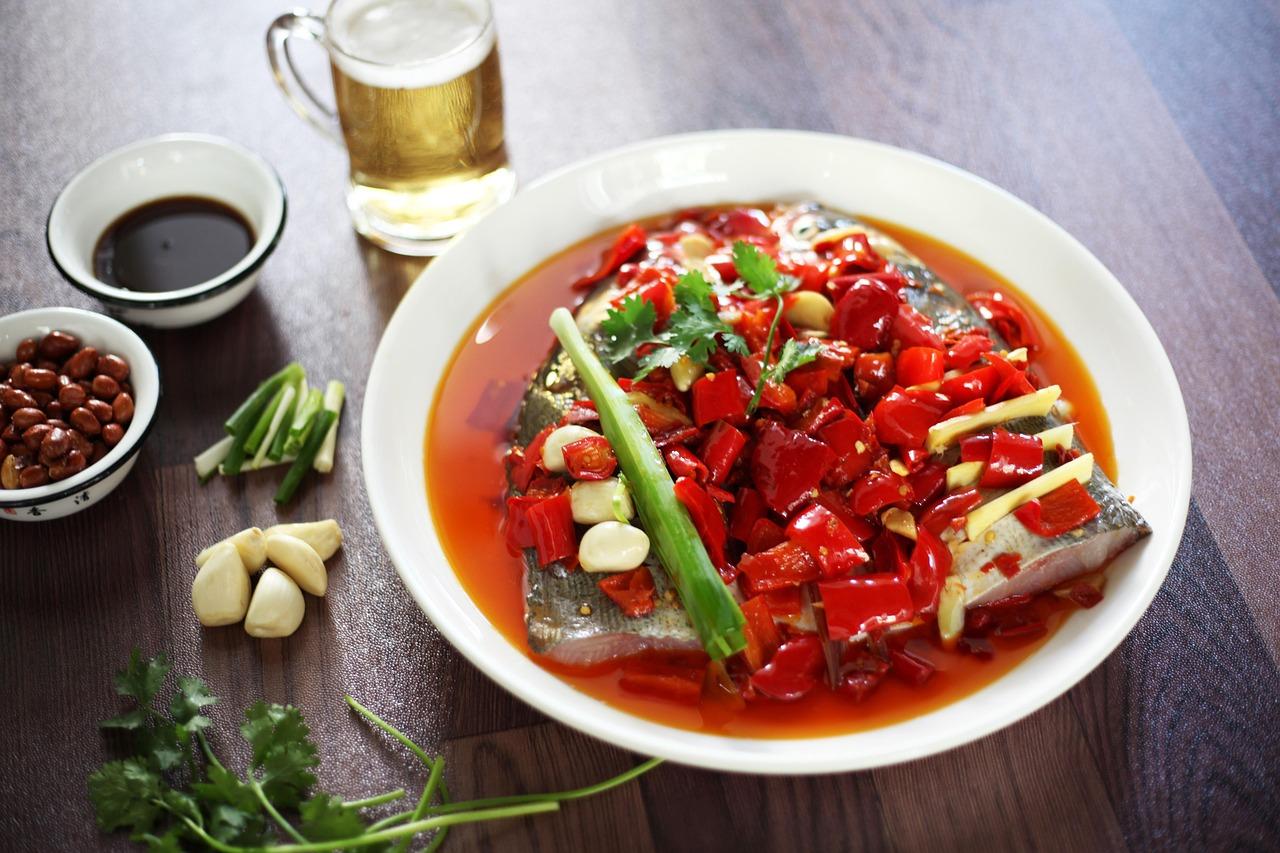
Hunan steamed fish head with chopped chillies

Walk into almost any restaurant in Changsha and a split fish head blanketed in scarlet chopped chillies will be on the table next to you. The chillies are salted and fermented, so they taste bright, sour and fruity as well as hot, and the steam carries their juices into the sweet, soft fish beneath; the meaty cheeks and the jelly-like flesh around the head are the prized parts. A last drizzle of smoking oil wakes it all up. When the fish is gone, Hunanese diners tip plain noodles into the leftover juices, and so should you. Chef's tip: buy the head from a fishmonger who has just cut it, with clear eyes and bright red gills; if that's hard to find, thick bone-in fish steaks work just as well.

by KrazyBadal 0 views

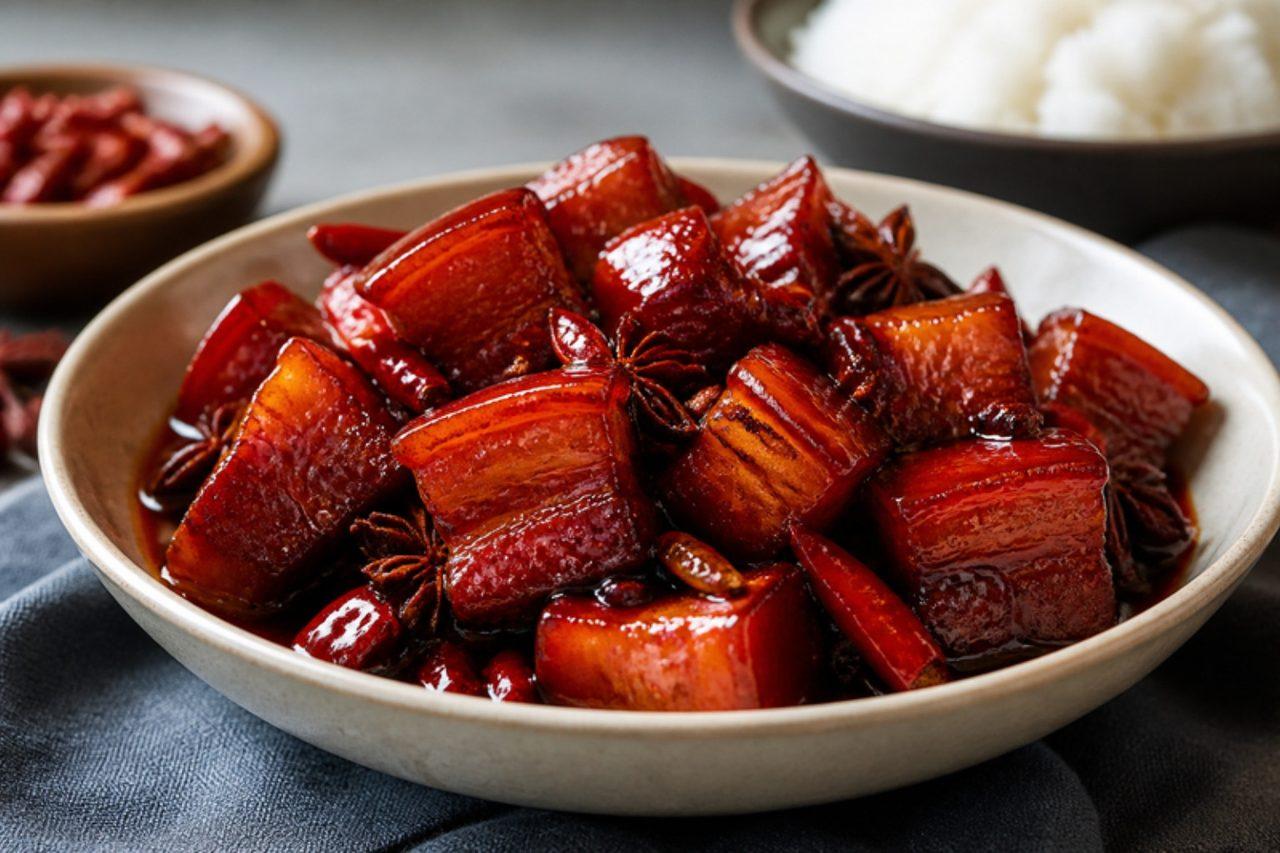
Chairman Mao's red braised pork

Restaurants in Shaoshan, Mao Zedong's home village in Hunan, all put this pork on the menu because it was said to be his favourite food. What sets the Hunan way apart from the soy-dark braises of Shanghai is that the deep mahogany colour comes from caramelised sugar alone, with dried chillies and warm spices in the pot, so the sauce tastes cleaner and slightly smoky. After an hour of gentle simmering the cubes of belly are wobbly and melting under a sticky, sweet-salty glaze. It is celebration food at Hunan family dinners, eaten with steamed rice and a sharp stir-fried green vegetable to cut the richness. Chef's tip: dry the blanched pork well before it meets the caramel, so it doesn't spit, and stop the caramel at the colour of strong tea; a few seconds longer and it turns bitter.

by KrazyBadal 0 views

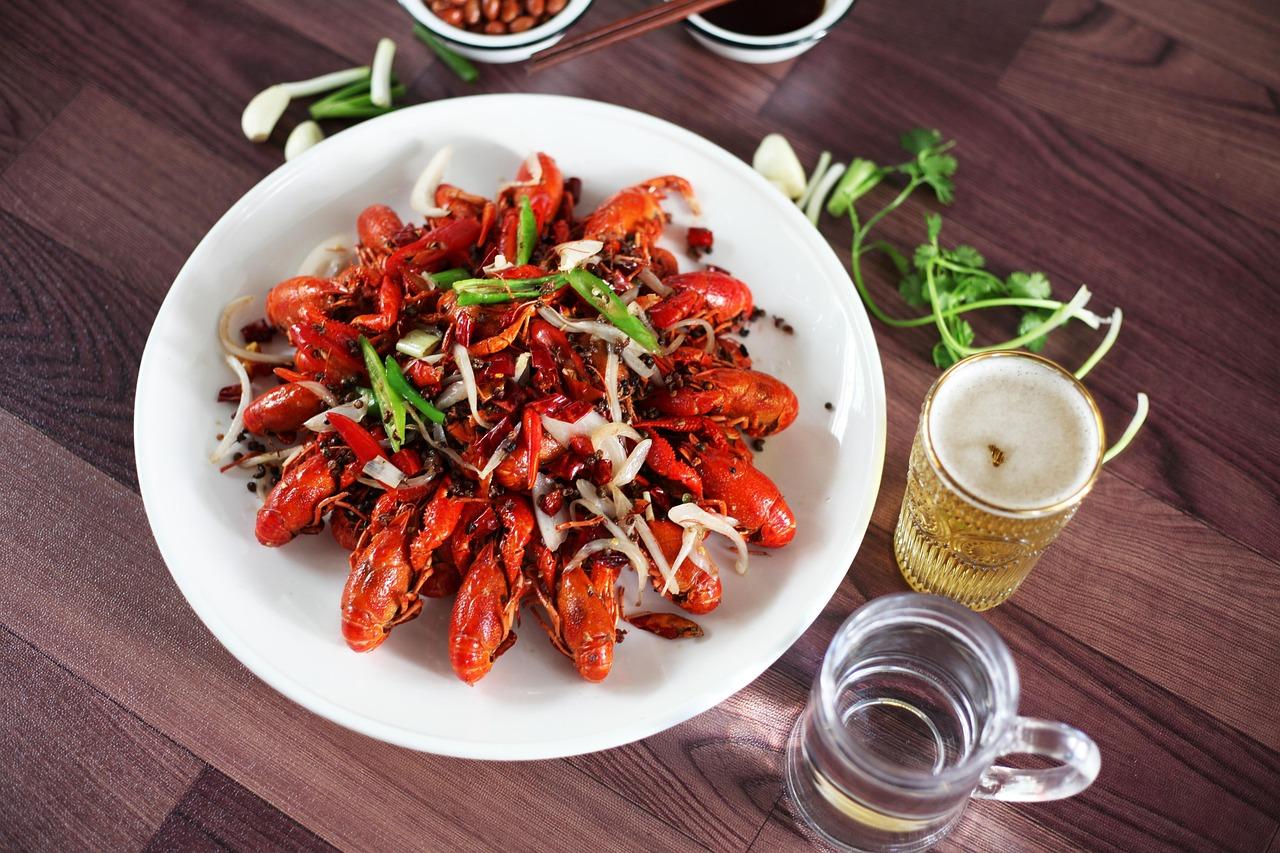
Mala crayfish

On summer nights the pavements of Changsha and Wuhan fill with folding tables, plastic gloves and mountains of glossy red crayfish, the season's great shared feast from May to August. Each little shell is sucked for its spicy sauce before you twist off the tail for a sweet, firm bite of meat; the sauce is hot from chillies and bean paste, numbing from Sichuan pepper and rounded out with garlic and a bottle of lager. Large shell-on prawns make an easy swap if you can't buy live crayfish. Serve with cold drinks, cucumber, steamed buns or rice to mop up the sauce, and lots of napkins. Chef's tip: once the crayfish turn red, simmer them for no more than 8 minutes; longer and the tail meat goes mushy and comes away in shreds.

by KrazyBadal 0 views

Chongqing grilled fish

The river port of Wanzhou on the Yangtze gave the country kao yu, now a late-night favourite in every Chinese city: a whole fish, split open and grilled over charcoal until the skin crackles, then laid in a metal tray of bubbling chilli broth and kept hot over a burner in the middle of the table. Friends pick at the crisp skin and soft flesh, then work through the potatoes, bean sprouts and celery underneath, which soak up the spicy, savoury, faintly numbing sauce. This home version uses a hot oven and a roasting tin. Serve it with rice and plenty of cold drinks. Chef's tip: dry the fish inside and out with kitchen paper and oil the tin well; a wet fish steams instead of crisping and sticks to the metal.

by KrazyBadal 0 views

Ensalada de aguacate y piñaAvocado and pineapple salad

Cuban home cooks dress avocado very simply, and in summer around Havana it often meets ripe pineapple and thin rings of red onion in a lime and olive oil dressing. The creamy avocado, juicy sweet-sour pineapple and sharp onion make it the cool, fresh plate beside rice and beans or yuca con mojo. It takes ten minutes. Chef's tip: soak the onion rings in cold water for 5 minutes first; they stay crisp but lose their harsh bite.

by KrazyBadal 0 views
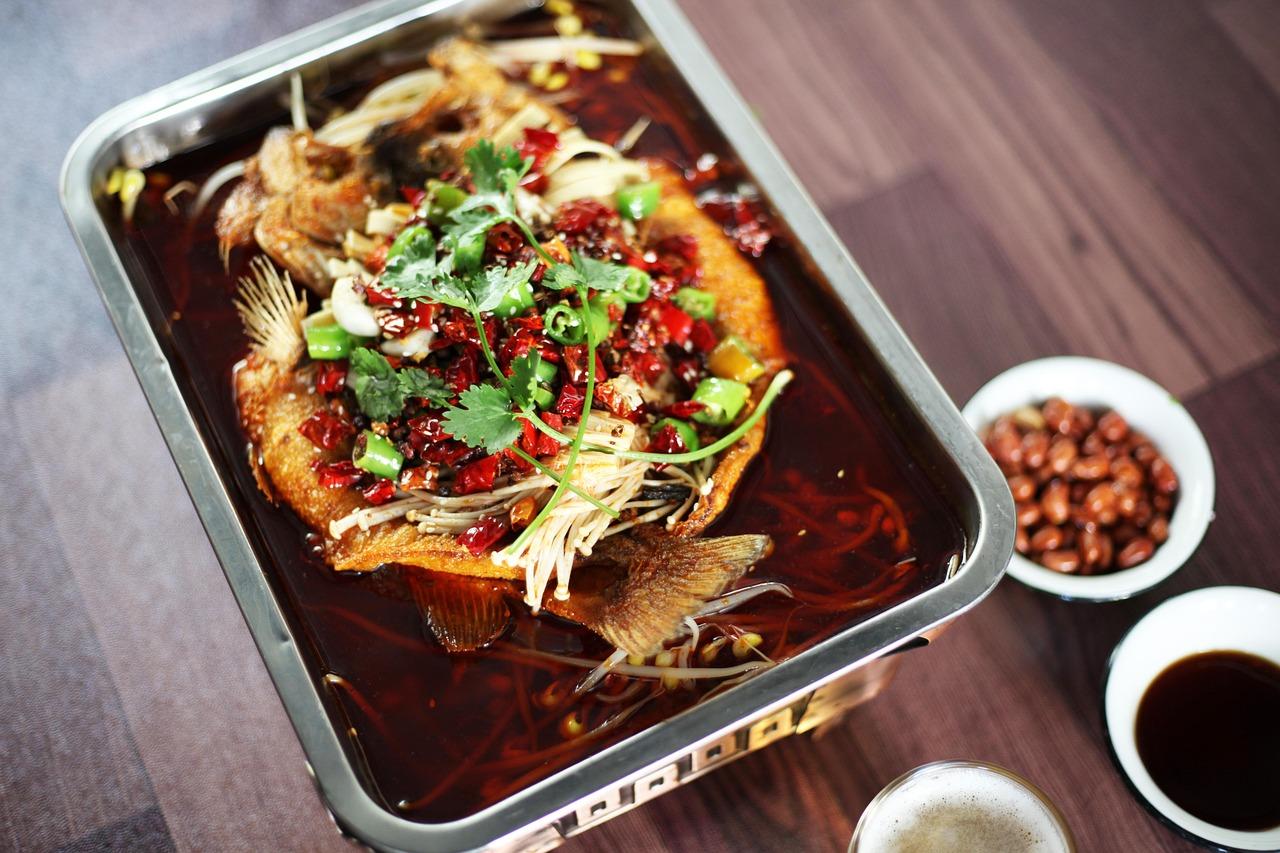
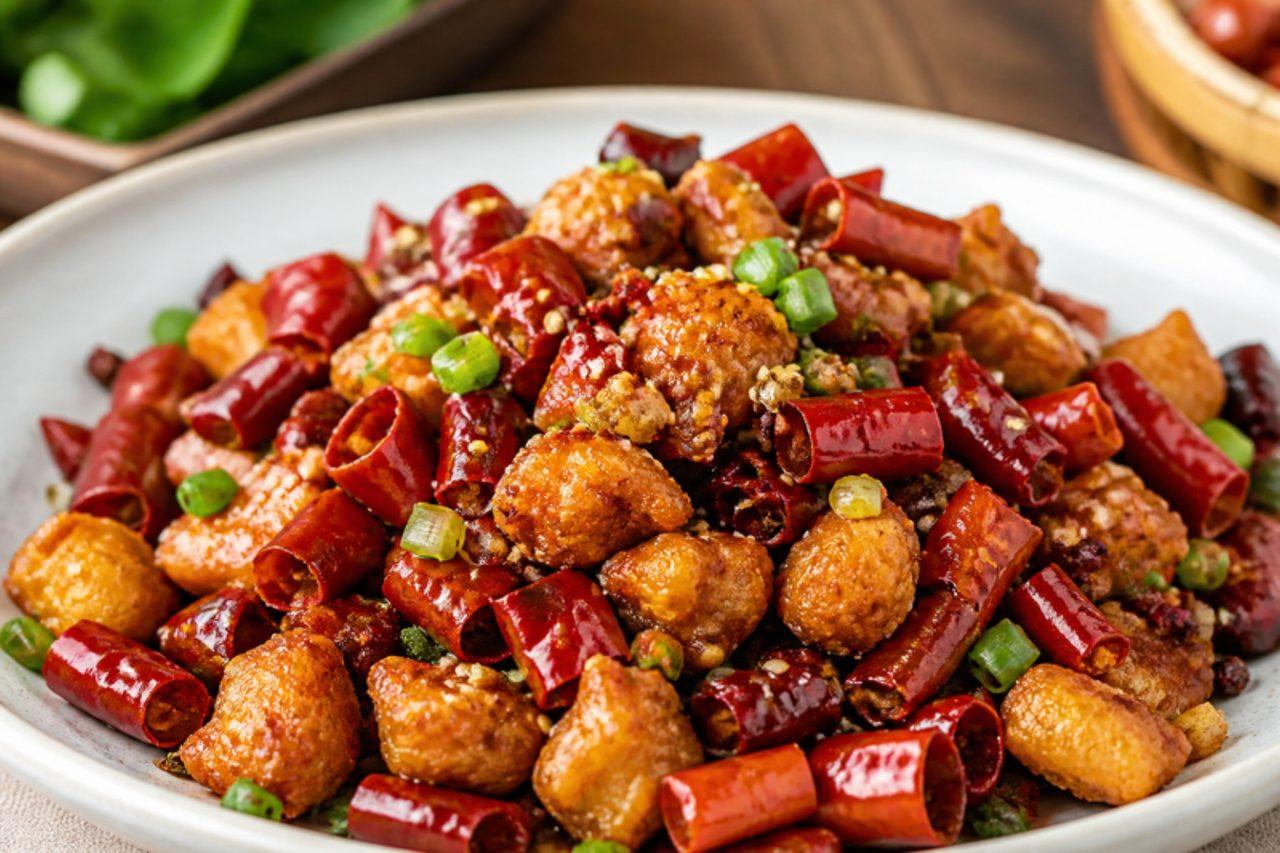
La zi ji (Chongqing chilli chicken)

Truck drivers stopping on Geleshan, the hill outside Chongqing, made this dish famous at roadside canteens in the 1980s, and it still arrives at tables there as a platter that looks like nothing but dried chillies. Hidden among them are small pieces of chicken fried twice until the outside is dry and crunchy and the inside juicy, then tossed with garlic, ginger and handfuls of Sichuan pepper. Eating it is a game: you hunt through the red pile with chopsticks for the morsels, which are smoky, salty, numbing and surprisingly moreish with a cold beer or a pot of tea. Serve it with rice and a mild soup or stir-fried greens. Chef's tip: fry the chicken in two batches and give it a second, hotter fry; crowding the oil is the most common mistake and leaves the coating soft.

by KrazyBadal 0 views

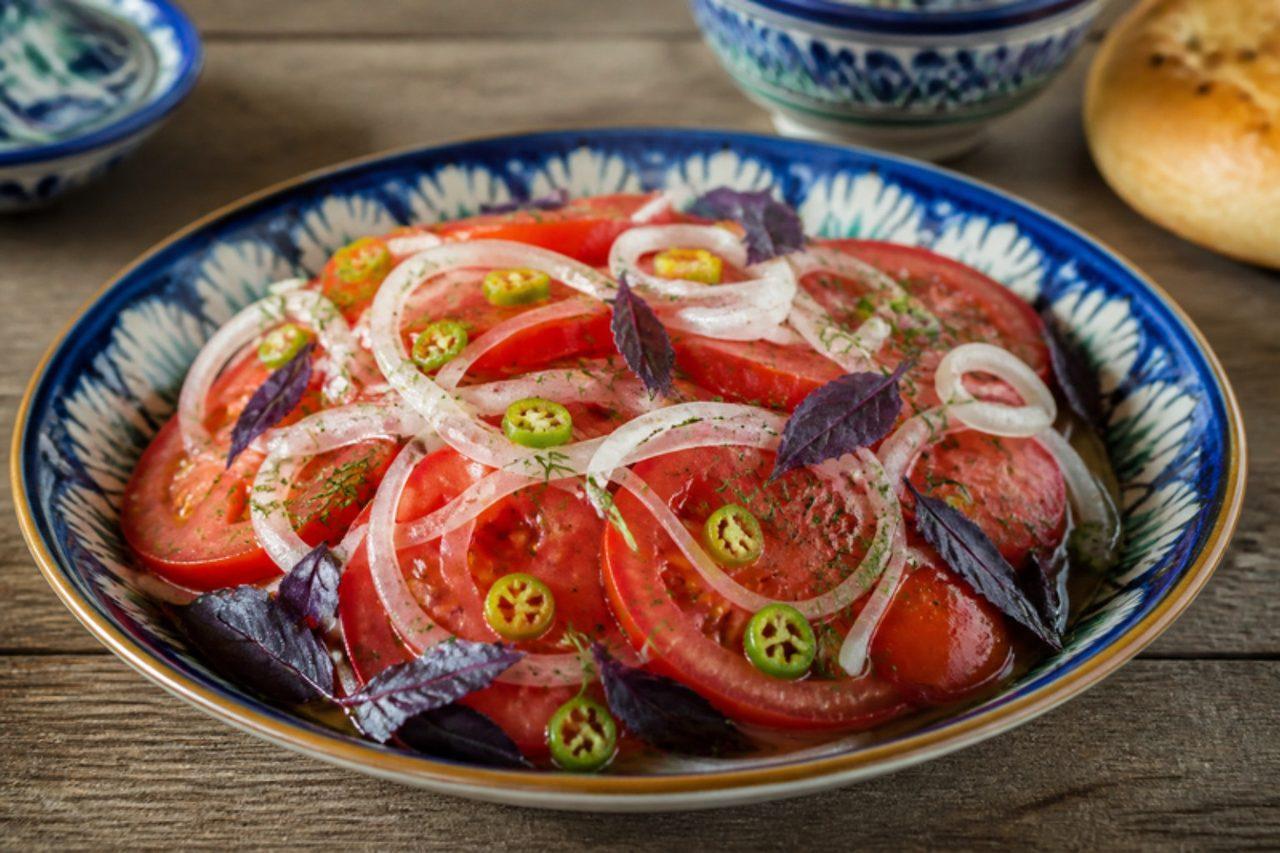
AchichukTomato and onion salad

Achichuk, which means 'sharp' in Uzbek, is the thin-sliced tomato and onion salad that sits beside every platter of plov from Bukhara to the Ferghana Valley. In summer Tashkent markets overflow with heavy, sweet tomatoes and this salad is little more than those tomatoes, rings of mild onion, a hot green chilli, salt and black pepper, with a fistful of basil (reyhan) or dill. Some families call it shakarob. It is meant to cut through the richness of rice cooked in oil, so it has no dressing beyond the juice the tomatoes give. Chef's tip: soak the onion in salted iced water for 10 minutes; it loses its harsh bite but stays crunchy, which is how Uzbek cooks get the onion so gentle.

by KrazyBadal 0 views

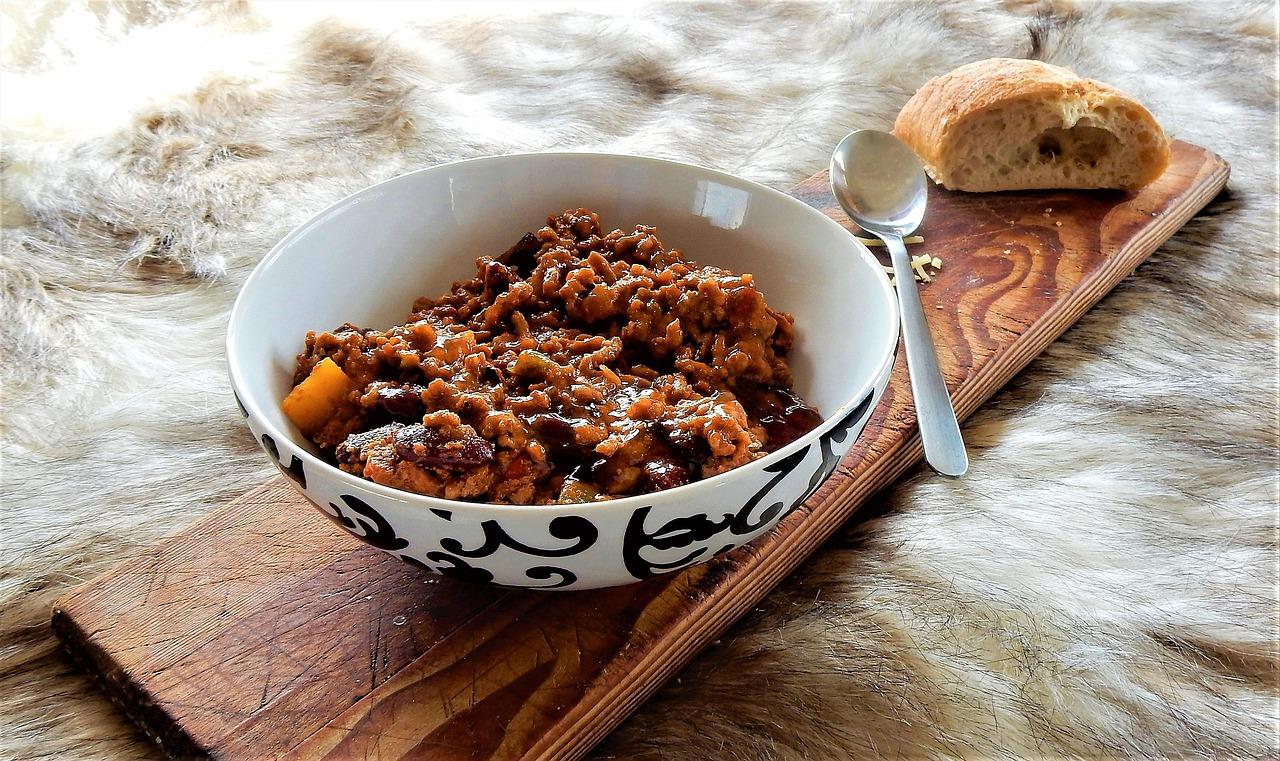
Texas chili con carne

Texans call it a 'bowl of red', and at chili cook-offs from San Antonio to Terlingua the rules are firm: chunks of beef, a sauce made from dried chillies, cumin and garlic, and no beans in the pot. Beef chuck braises slowly in a brick-red purée of toasted ancho and guajillo chillies until it falls apart at a touch. Serve with chopped onion, grated cheese and crackers or cornbread. Chef's tip: toast the dried chillies only until they smell fragrant and soften, about 30 seconds per side; burnt chillies make the whole pot bitter.

210 minAmericanMeatGluten freeSpicy
by KrazyBadal 0 views

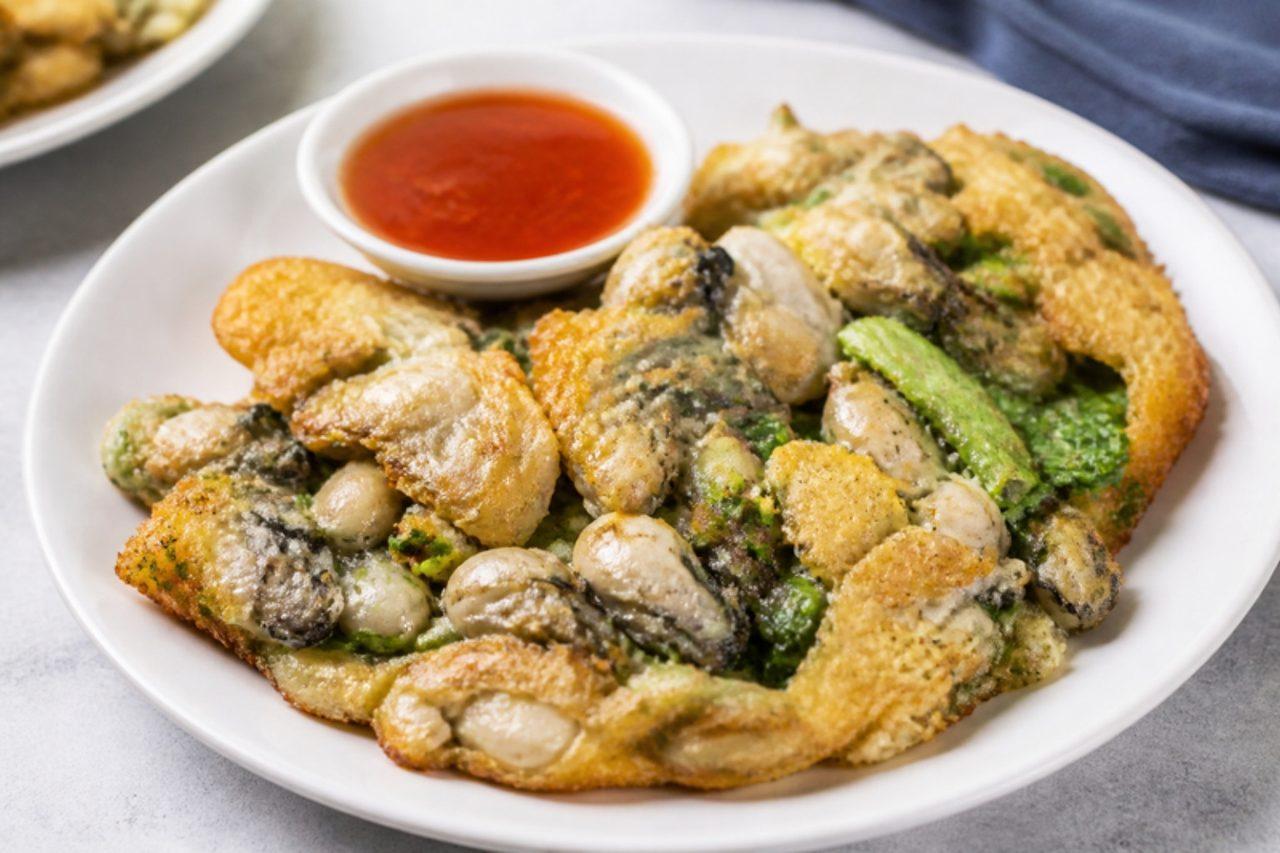
Fujian oyster omelette

Along Zhongshan Road and the night markets of Xiamen, cooks fry this on wide griddles all evening, one portion after another. Small fresh oysters are scattered into a batter of sweet potato starch and water, which sets clear and chewy, then eggs are swirled over the top so it ends up crisp at the edges and soft and gooey in the middle. It is salty from the sea, eggy and pleasantly sticky, with a squeeze of sweet chilli sauce to balance it. Eat it hot from the pan as a snack or with rice porridge for a light supper. Chef's tip: stir the batter just before pouring it in; the starch sinks to the bottom within seconds.

by KrazyBadal 0 views

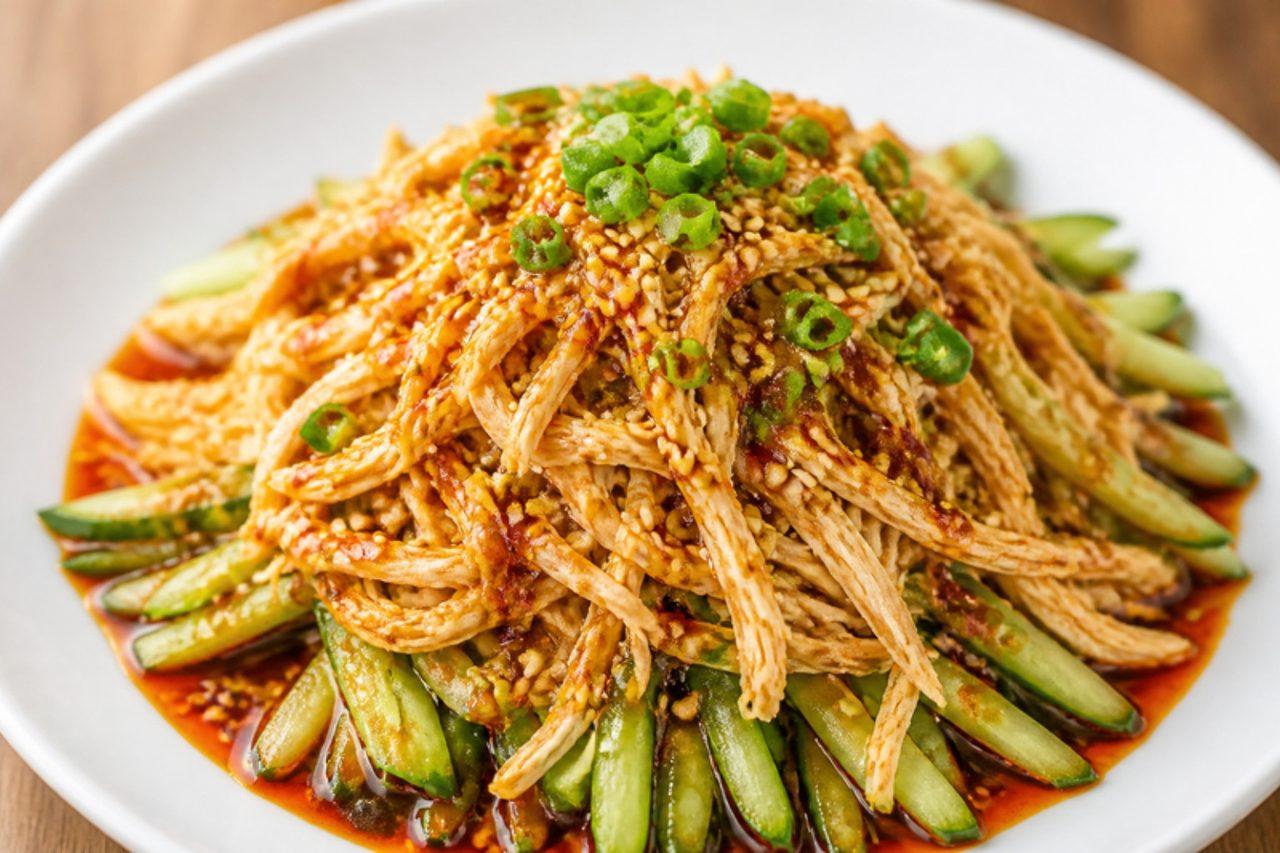
Bang bang chicken

Street vendors in Leshan, the river town below the Giant Buddha, used to cut their poached chicken by tapping a wooden stick against the back of the cleaver, and that knocking gave bang bang ji its name. It is a cold dish, eaten as a starter at banquets or bought by the bagful for a picnic: silky shreds of chicken piled on cool cucumber and drenched in a nutty, sweet, tingling sauce of sesame paste, chilli oil and ground Sichuan pepper. The contrast of cold meat, crisp vegetable and rich dressing makes it ideal for a hot day. Serve it with other cold plates, a bowl of rice or simply some flatbread. Chef's tip: beat the cooked breasts gently with a rolling pin before shredding; the fibres loosen and pull apart into long, soft strands that hold the sauce.

by KrazyBadal 0 views

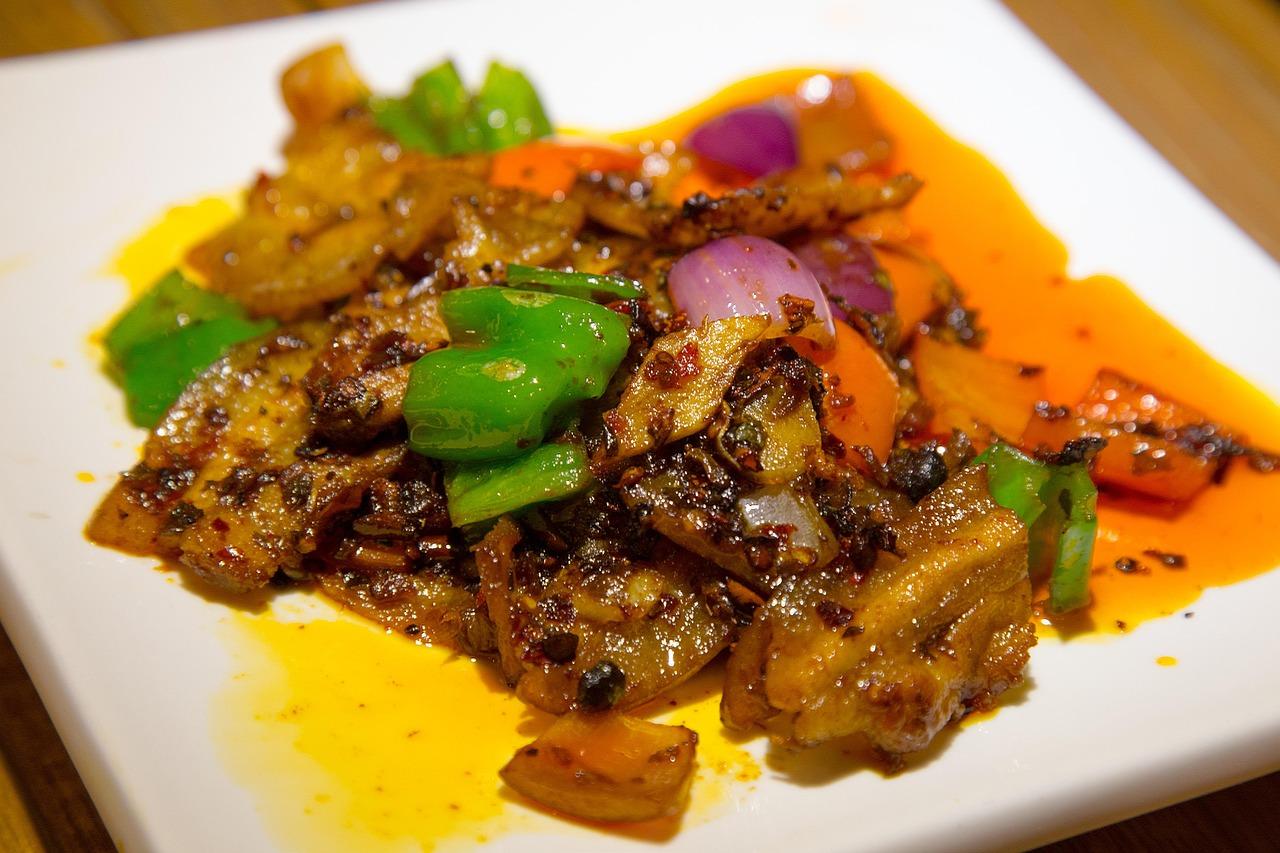
Twice-cooked pork

Sichuan families say no dish is more homely than hui guo rou, literally 'meat returned to the pot': pork belly is simmered whole, cooled, sliced paper-thin and then fried again with fermented chilli bean paste until the fat turns translucent and the slices curl into little cups. It was once the treat cooked after ancestral offerings, when the boiled pork came back to the kitchen, and it is still the dish many Chengdu people crave most when they are far from home. The flavour is rich, salty and savoury with a slow chilli warmth rather than a sharp burn, and the leeks bring a sweet, green crunch. Eat it with a big bowl of rice to soak up the red oil. Chef's tip: chill the boiled pork for 15 minutes in the freezer before slicing; firm pork gives clean, even 3 mm slices that curl beautifully in the wok.

by KrazyBadal 0 views

Showing 18 of 7,762 recipes

Show more recipes

Page 619 of 863