


Skip to content
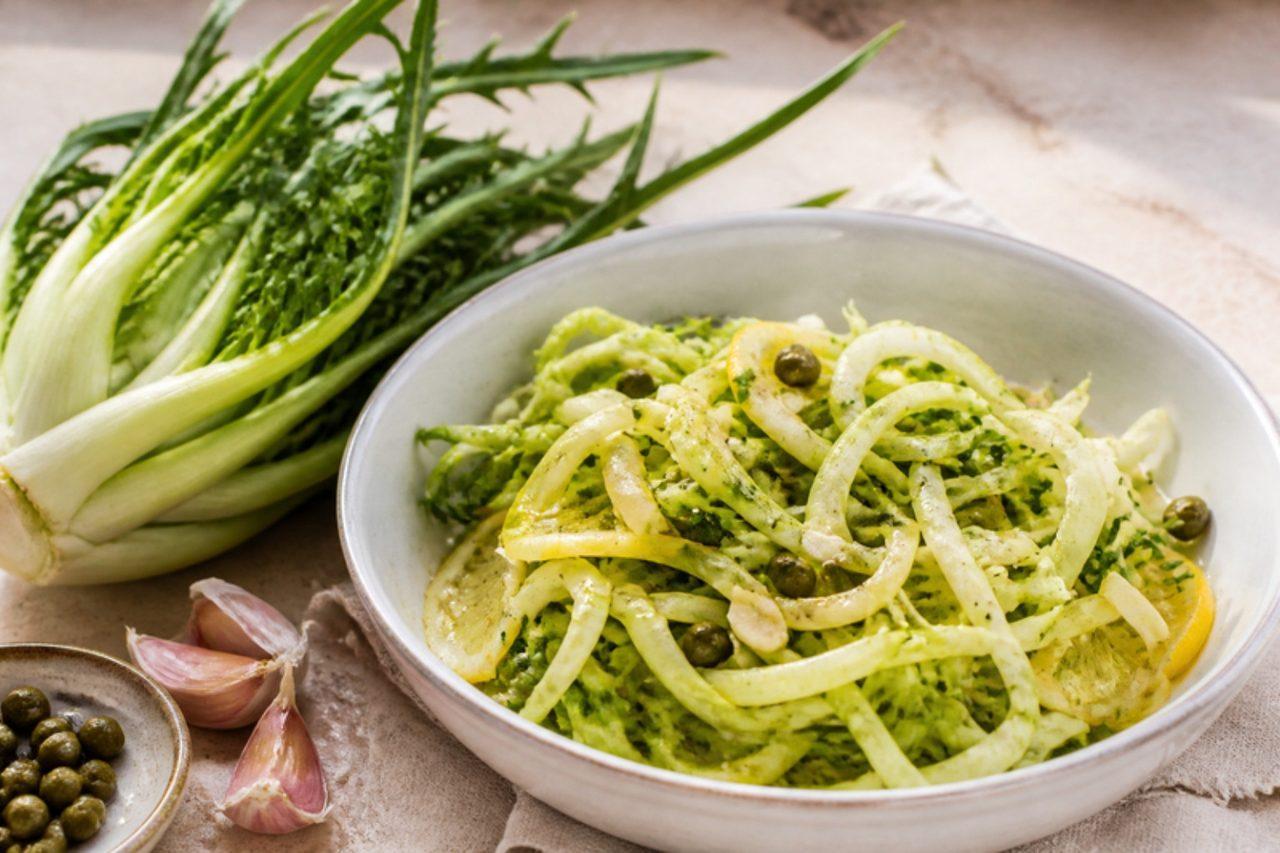
Puntarelle alla romana
Featured recipe

Puntarelle alla romana

Chicory shoots with garlic dressing

From November to February, Rome's markets at Campo de' Fiori and Testaccio sell puntarelle: the pale, hollow shoots from the heart of a Catalogna chicory, sold already split into curls by the stallholders. Soaked in iced water, they turn crunchy and curl up, and they are dressed with crushed garlic, oil and something sharp. The Roman dressing is pounded with anchovy; this vegetarian version uses capers and lemon for the same salty, tangy punch. Serve it as a side next to cacio e pepe or a plate of artichokes. Chef's tip: slice the shoots as thinly as you can, lengthways; thin strips curl tighter in the ice water and hold the dressing better.

Read more 0 views

What to eat today?

Around the world

Today's trip: Paraguayan

A new country every day, from every cuisine on the site.

Paraguayan

Chipa

Cheese bread rings 50 minMore from Paraguayan (27) →

This week's collection

Kid-friendly dinners
537 recipes · a new collection every Monday

Latest recipes

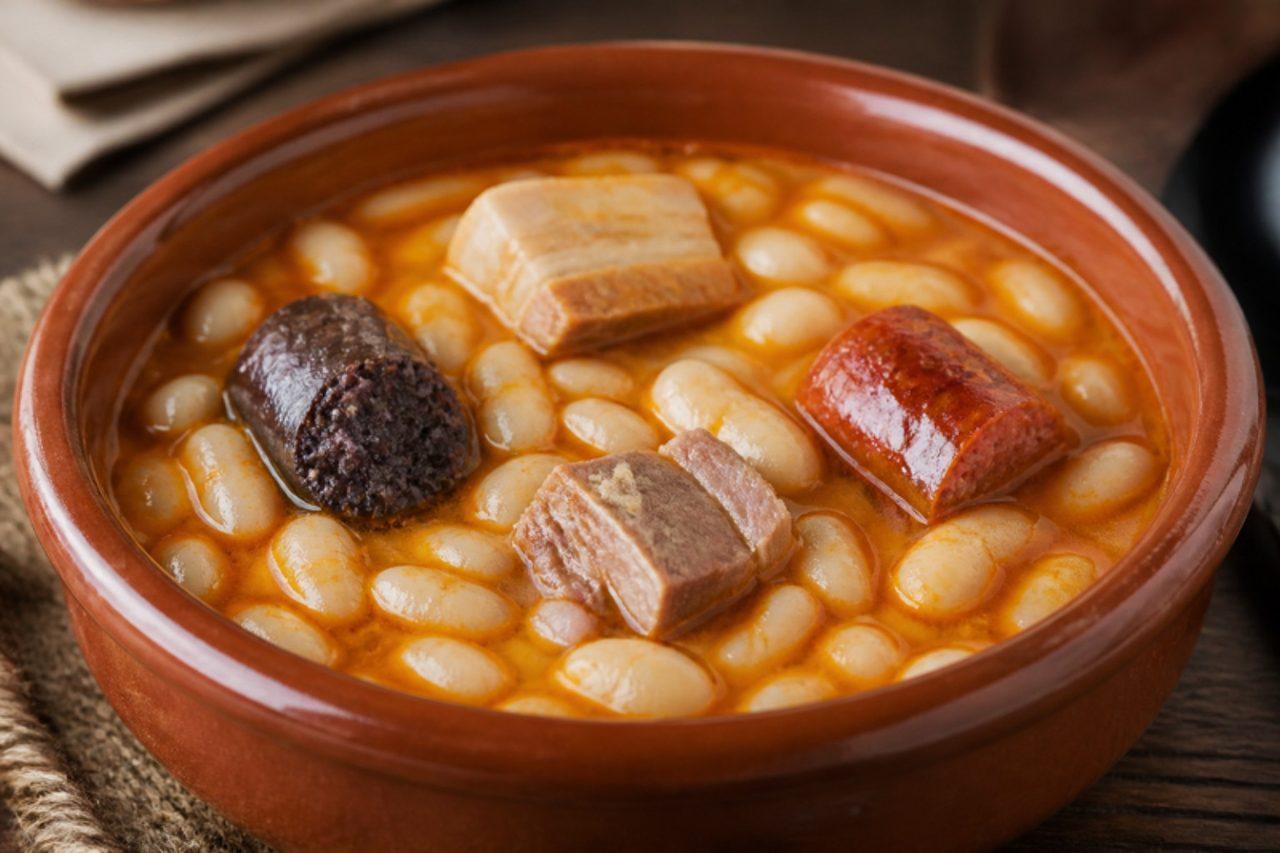
Fabada asturianaAsturian white bean stew

Fabada is the great midday stew of Asturias, on Spain's green, rainy north coast, eaten in winter at long lunches in village casas de comida and cider houses, usually followed by a quiet afternoon. Big, buttery fabes (Asturian white beans) cook slowly with the compango: smoked Asturian chorizo, morcilla, pork belly and lacón (cured pork shoulder). The beans should end up creamy inside and whole outside, in a thick, orange broth coloured by the chorizo. Large dried white beans such as judión or butter beans are the closest substitute if you can't find fabes. Chef's tip: make it the day before; it thickens and tastes better after a night in the fridge.

150 minSpanishMeat
by KrazyBadal 0 views

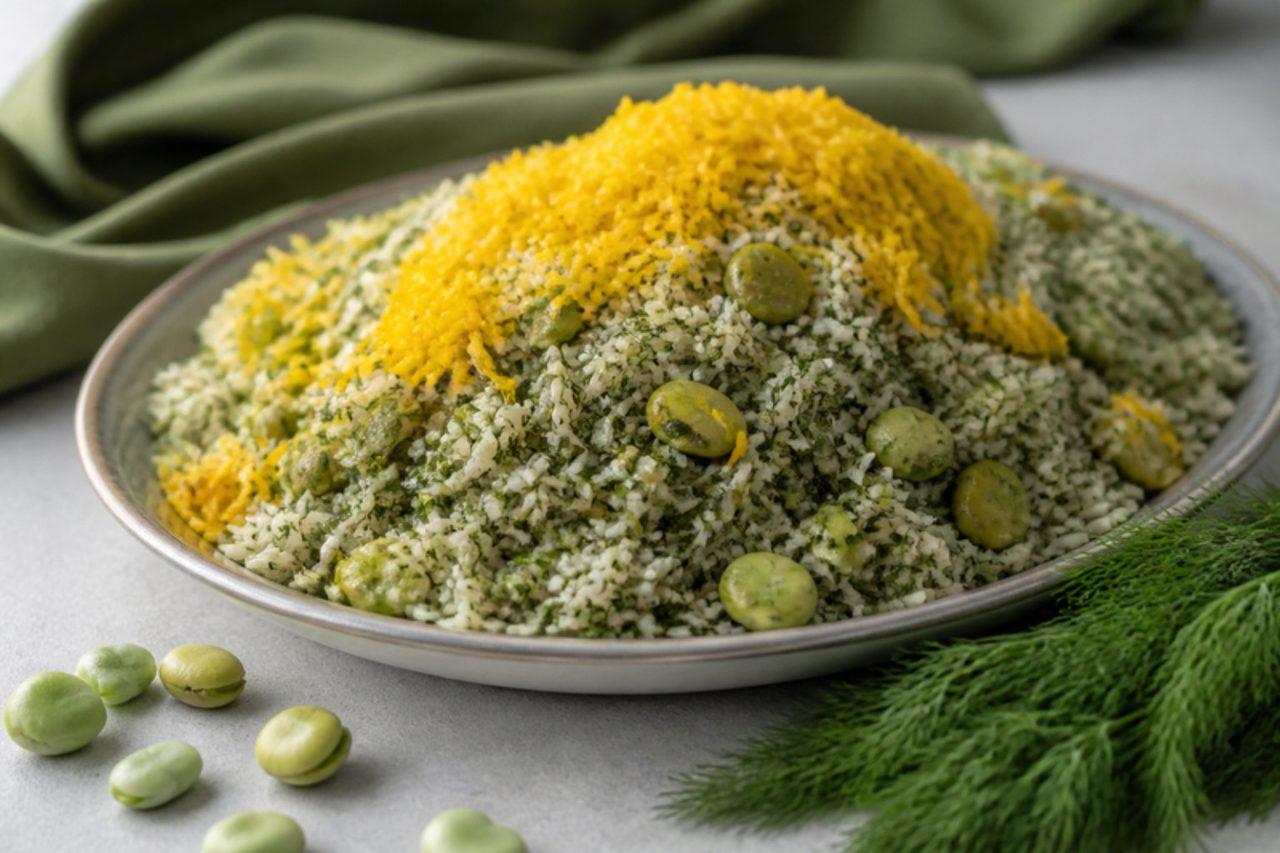
Baghali poloDill and broad bean rice

Baghali polo is the rice Iranians cook when fresh broad beans appear in the markets of Tehran and Shiraz in late spring, though frozen beans keep it on the table all year and it turns up at parties and weddings across the country. Bright green beans and plenty of dill are folded through steamed saffron rice, giving a soft, buttery, herb-heavy dish with sweet nuggets of bean in every mouthful. It is often served with lamb; at a vegetarian table pair it with a fried egg, mast-o khiar and a sharp salad. Chef's tip: peel the inner skins off the broad beans; the bright green centres are tender and sweet, the skins tough.

by KrazyBadal 0 views

BaghrirThousand-hole semolina pancakes

Baghrir are the spongy, lacy pancakes that Moroccan families make for breakfast on weekends and at Ramadan, when they are piled high at the iftar table. A smooth semolina batter is blended until thin, rested so the yeast and baking powder can work, then cooked on one side only: as it heats, hundreds of tiny holes open across the surface. The holes soak up the warm butter and honey poured over before serving. Chef's tip: the batter must be as thin as single cream; too thick and the holes won't break through to the top.

by KrazyBadal 0 views

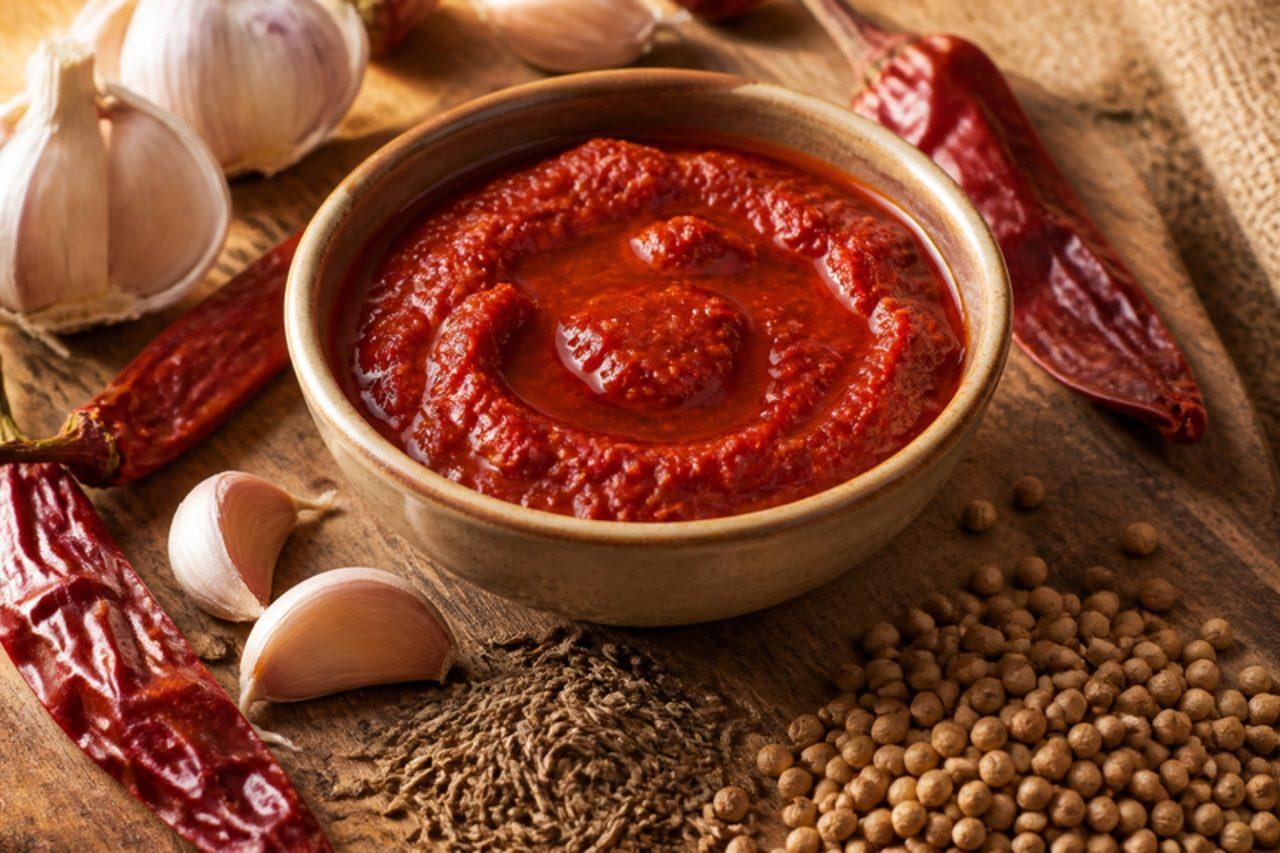
Harissa

Harissa is Tunisia's essential condiment, made in every household from the dried red chillies of Nabeul and Cap Bon, which are hung in strings on house walls in late summer to dry. It goes into lablabi, brik, kafteji, couscous and soups, and is spread on bread with olive oil as a snack. Homemade harissa is brighter and less salty than the tubes. Chef's tip: toast the caraway and coriander seeds only until they smell warm; burnt seeds make the paste bitter.

by KrazyBadal 0 views

Bagna càudaWarm garlic and anchovy dip

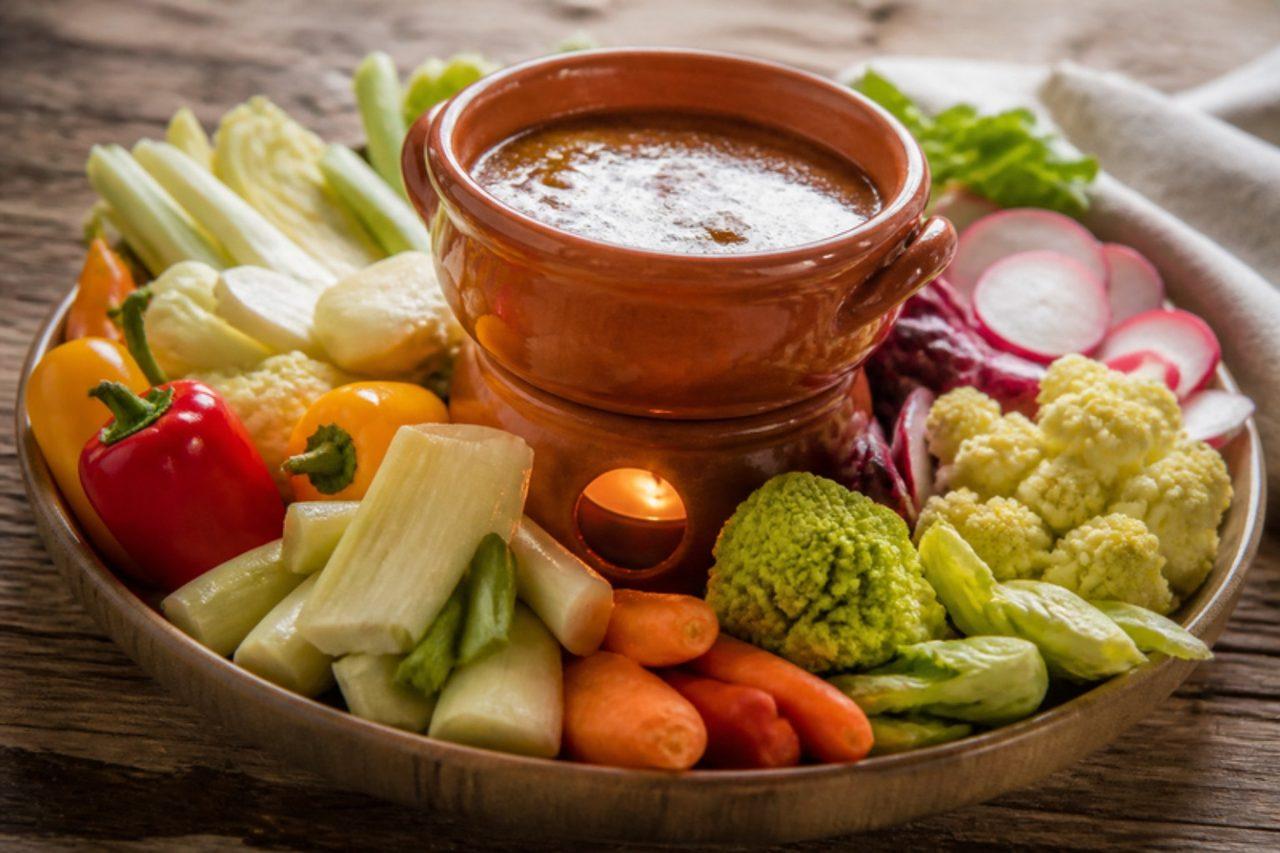
When the grape harvest is over in the Langhe and Monferrato, Piedmontese friends gather round a terracotta pot of bagna càuda, the 'hot bath', kept warm over a little flame in the middle of the table. Everyone dips raw and cooked vegetables into it: peppers, cardoons, fennel, cabbage leaves, Jerusalem artichokes, boiled potatoes and beetroot. The sauce is mellow rather than fierce, because the garlic is poached in milk before it melts with anchovies into olive oil and a little butter, giving a rich, salty, nutty bath. Hunks of bread catch the drips, and a young red wine is the usual partner. Chef's tip: keep it hot but never bubbling, on a fondue burner or tea-light warmer; if it fries, the garlic turns bitter and the anchovies harsh.

by KrazyBadal 0 views

BagnetCrispy fried pork belly

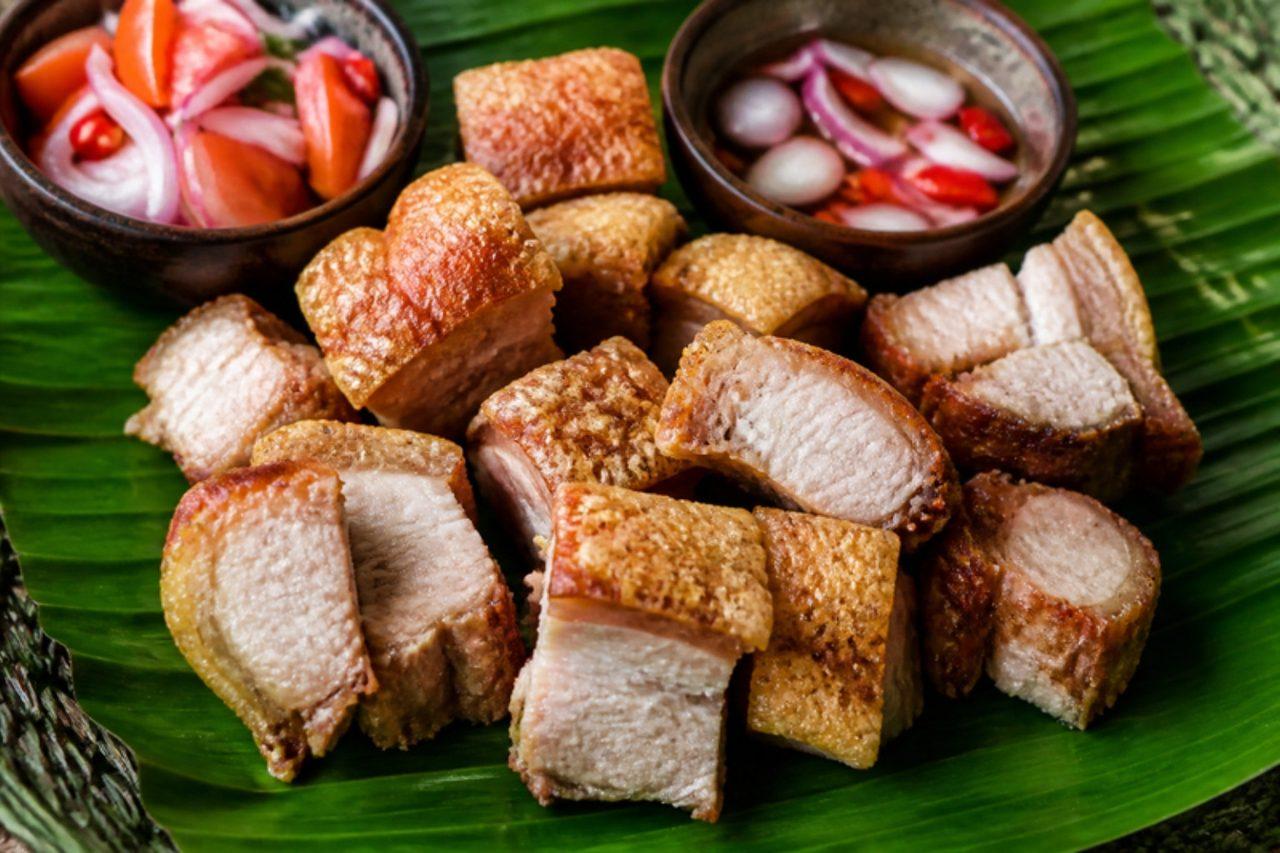
Up in Ilocos Norte and Ilocos Sur, in towns like Vigan and Batac, bagnet hangs in market stalls in golden slabs: pork belly that has been boiled, dried and deep-fried so the rind is puffed and crunchy all the way through. Ilocanos chop it into rice bowls, add it to pinakbet and dinengdeng, or eat it with sukang Iloco, the region's dark sugarcane vinegar. It is richer and crunchier than lechon kawali because it is fried twice. A tomato and onion salad with a little shrimp paste cuts the fat. Chef's tip: the second fry, in hotter oil after a rest, is what makes the rind bubble; skip it and you get chewy skin.

150 minFilipinoMeatGluten free
by KrazyBadal 0 views

Ukrainian borscht

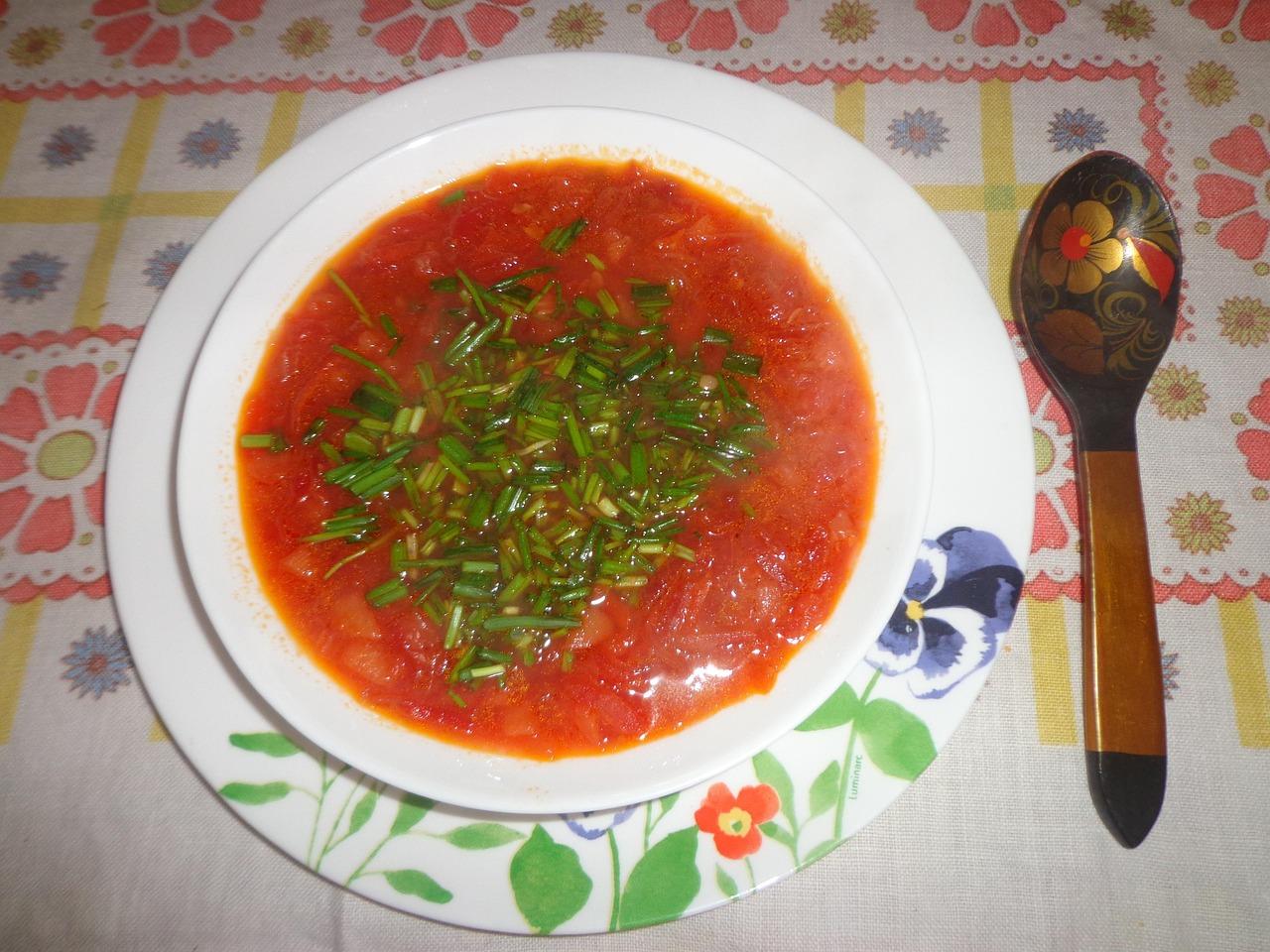
Borshch is the soup Ukrainians measure every kitchen by: a deep ruby pot of beetroot, cabbage, potato and beans, soured just enough and finished with garlic and dill. Every region argues for its own version, from Poltava's with beans to Kyiv's with apples, and in 2022 the cooking of Ukrainian borshch was added to UNESCO's list of culture in need of urgent safeguarding. Traditionally it is simmered on a pork or beef bone stock; this version uses a well-seasoned vegetable stock and white beans, which is how many families cook it during Lent anyway. Serve it hot with a spoon of sour cream and garlic pampushky, and know that it tastes even better the next day. Chef's tip: fry the grated beetroot with a splash of vinegar before it goes into the pot; the acid fixes the red colour, so the soup stays bright instead of fading to brown.

by KrazyBadal 0 views

Flat white

Sydney and Wellington both claim the flat white, first poured in their cafés in the mid-1980s, and today it's the everyday coffee across Australia and New Zealand, from Melbourne's laneway cafés to a beach kiosk in Raglan. It's smaller and stronger than a latte: a double shot of espresso topped with milk steamed to a smooth, glossy microfoam with only a thin layer of froth on top, so the coffee stays at the front. It's velvety, rich and sweet-tasting without sugar. For a vegan version, use a barista-style oat milk. Chef's tip: stretch the milk only for the first few seconds, then sink the wand and let it spin; you want paint-like milk, not a hat of stiff foam.

by KrazyBadal 0 views

Beef bulgogi

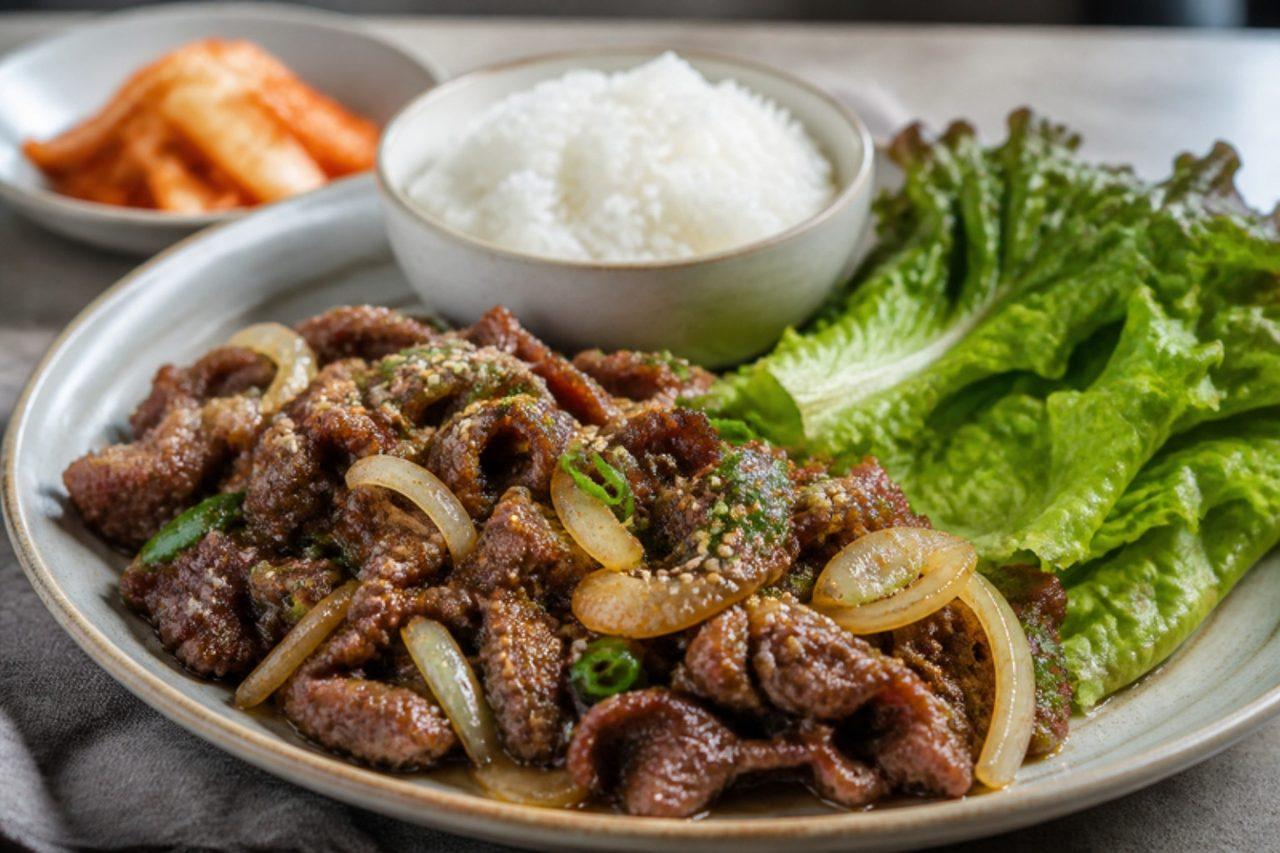
In Seoul, bulgogi restaurants still cook it on a domed grill set into the table, with a moat around the edge that catches the sweet juices for spooning over rice. At home it is made in a hot pan, and it is a favourite for family dinners, lunch boxes and birthday tables. Grated Asian pear softens the meat and adds a gentle sweetness to the soy and garlic. Wrap it in lettuce with a little ssamjang, or eat it over rice. Chef's tip: put the beef in the freezer for 30 minutes before slicing; firm meat cuts into wafer-thin slices easily.

40 minKoreanMeat
by KrazyBadal 0 views

BakabanaFried plantain fritters

Bakabana are Suriname's favourite snack: long slices of ripe plantain dipped in a light batter and fried until crisp outside and custard-soft within. In Paramaribo they're sold from warung stalls (the Javanese-Surinamese snack bars), and in Dutch cities with Surinamese communities, always with a spicy peanut sauce on the side for dipping. The sweet fruit, crisp shell and salty-hot sauce make them hard to stop eating. Chef's tip: pick plantains that are yellow with lots of black spots but still firm; fully black and soft ones fall apart in the batter.

by KrazyBadal 0 views

Okinawa soba with soki

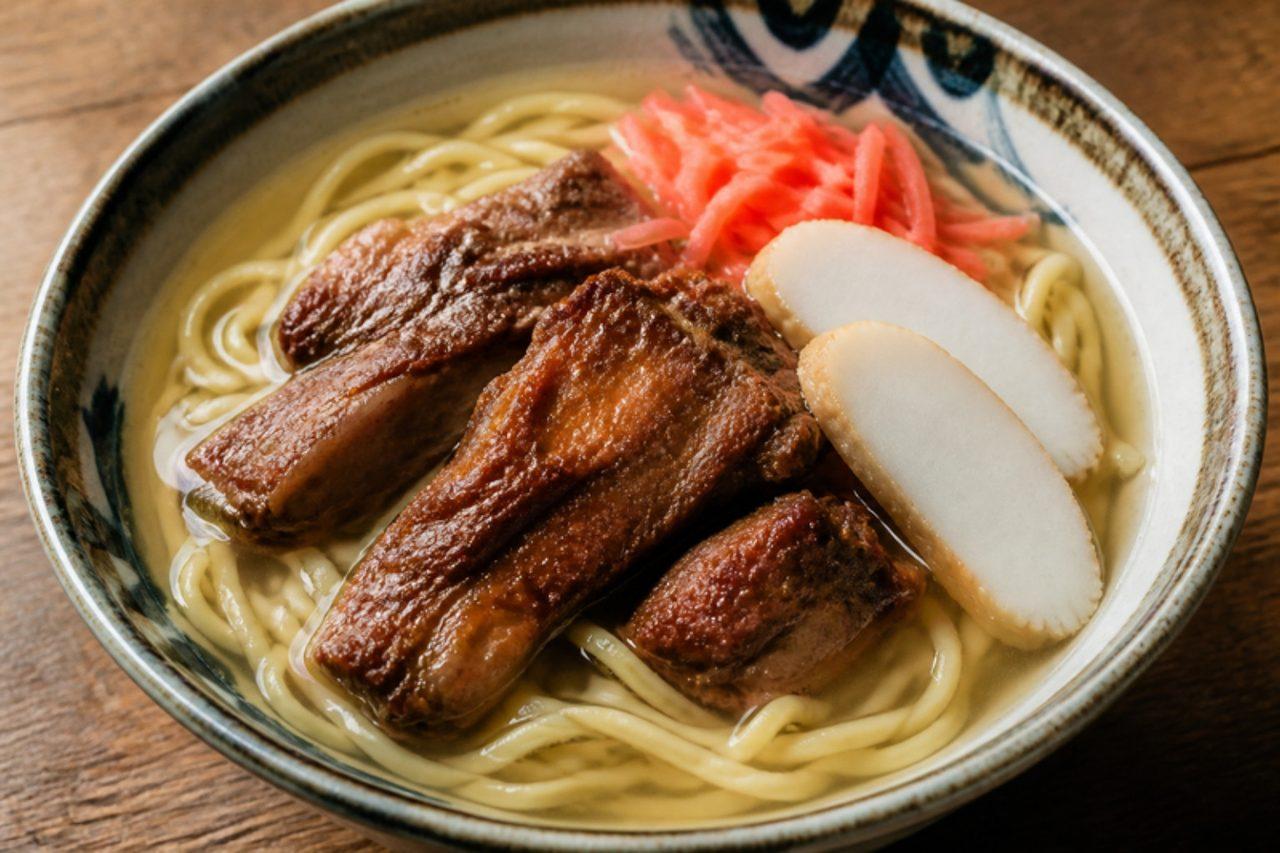
Okinawa soba has nothing to do with buckwheat: the noodles are thick, chewy and made from wheat, and the dish is the islands' everyday lunch. Small soba shops all over Okinawa serve it in a clear, gentle broth of pork and bonito, and the soki version is crowned with spare ribs braised so long that even the cartilage turns soft. Slices of fishcake, spring onions and red pickled ginger finish the bowl, and every table has a bottle of chilli steeped in awamori to splash on. October 17 is Okinawa Soba Day on the islands. Chef's tip: braise the ribs a day ahead; cold, the fat sets on top of the cooking liquid and lifts off in one piece, and the broth is cleaner for it.

by KrazyBadal 0 views

Kagoshima kurobuta shabu-shabu

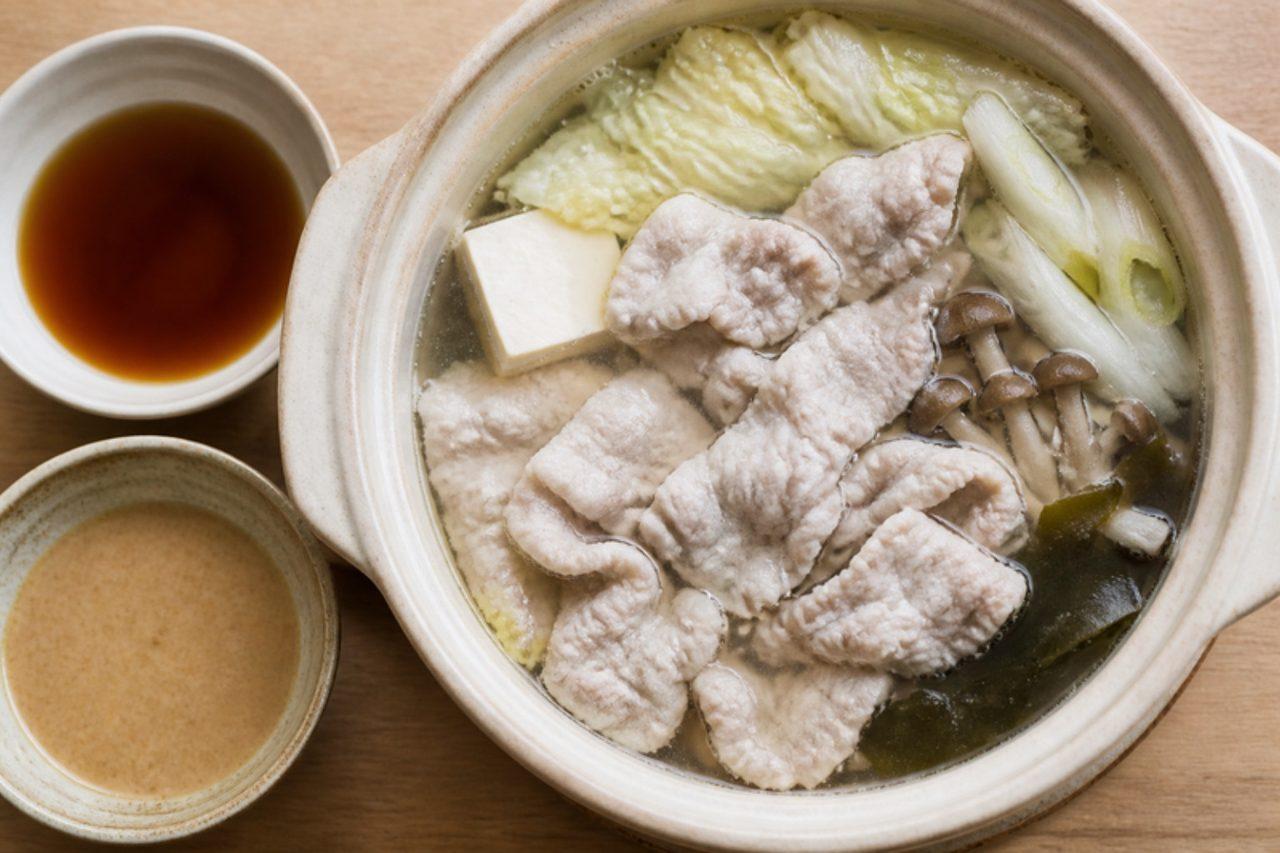
Kagoshima, at the southern tip of Kyushu, is known across Japan for kurobuta, black Berkshire pork raised on farms in the prefecture. The meat is sweet with soft, clean-tasting fat, and shabu-shabu restaurants in Kagoshima city serve it sliced paper-thin so diners can cook it themselves at the table. Any thinly sliced pork loin or belly works well at home; Asian grocers sell it frozen for hot pots. Each slice is swished through the simmering kombu broth, then dipped in tangy ponzu or creamy sesame sauce. Chef's tip: when the meat is finished, cook a handful of rice or noodles in the leftover broth; it has taken on all the flavour of the pork and vegetables.

by KrazyBadal 0 views

Kumamoto ramen

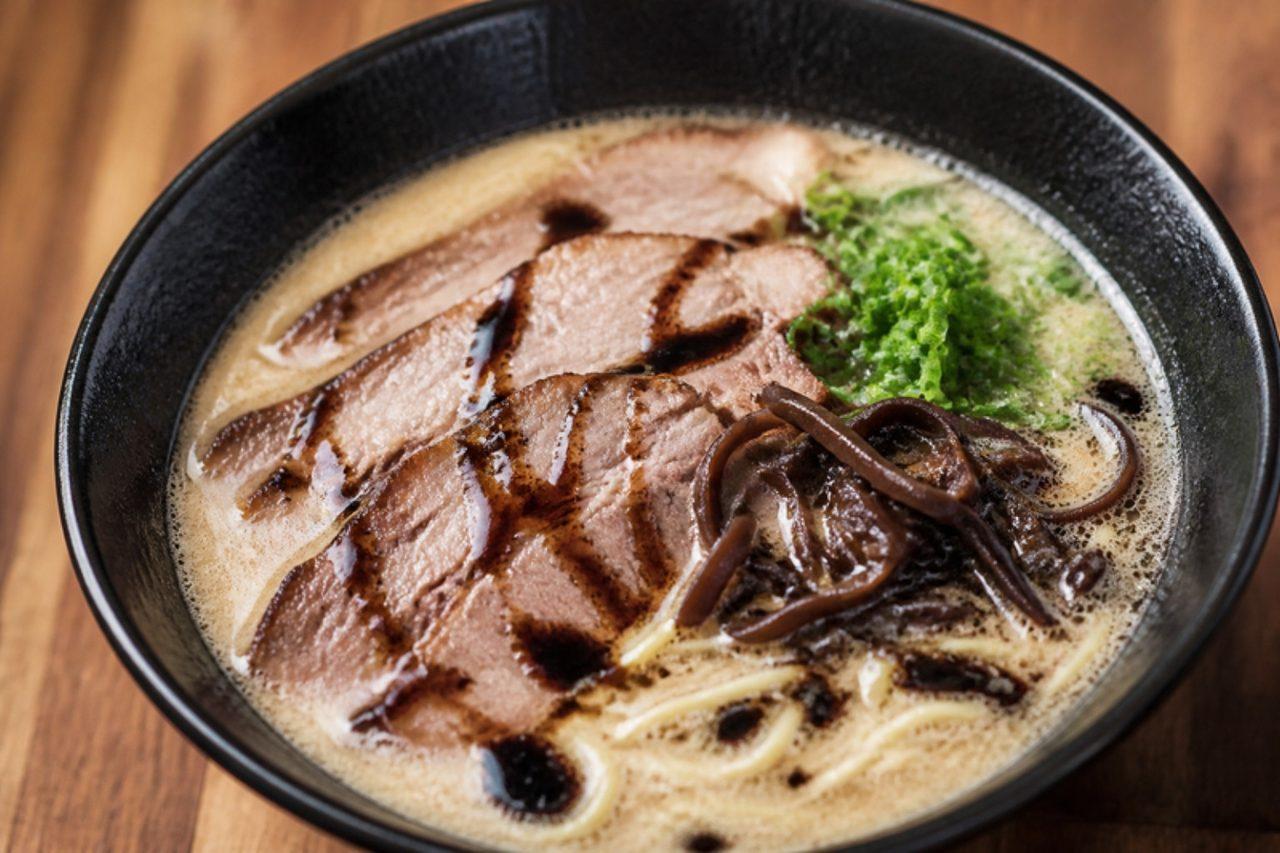
Kumamoto's ramen grew from the same Kyushu pork-bone tradition as Hakata's, but it took its own road. The broth blends pork bones with chicken for a rounder, milder soup, the noodles are thicker and firmer, and every bowl is finished with mayu, a black oil made by slowly burning garlic, plus a handful of crisp fried garlic chips. Ramen shops around Kumamoto city and its castle serve it with chashu, wood ear mushroom and a seasoned egg. This version is a long weekend project, but the mayu and the chashu can be made a day ahead. Chef's tip: make the mayu over low heat and keep stirring; the garlic must go slowly from gold to brown to black, which takes about 15 minutes.

by KrazyBadal 0 views

Pavlova

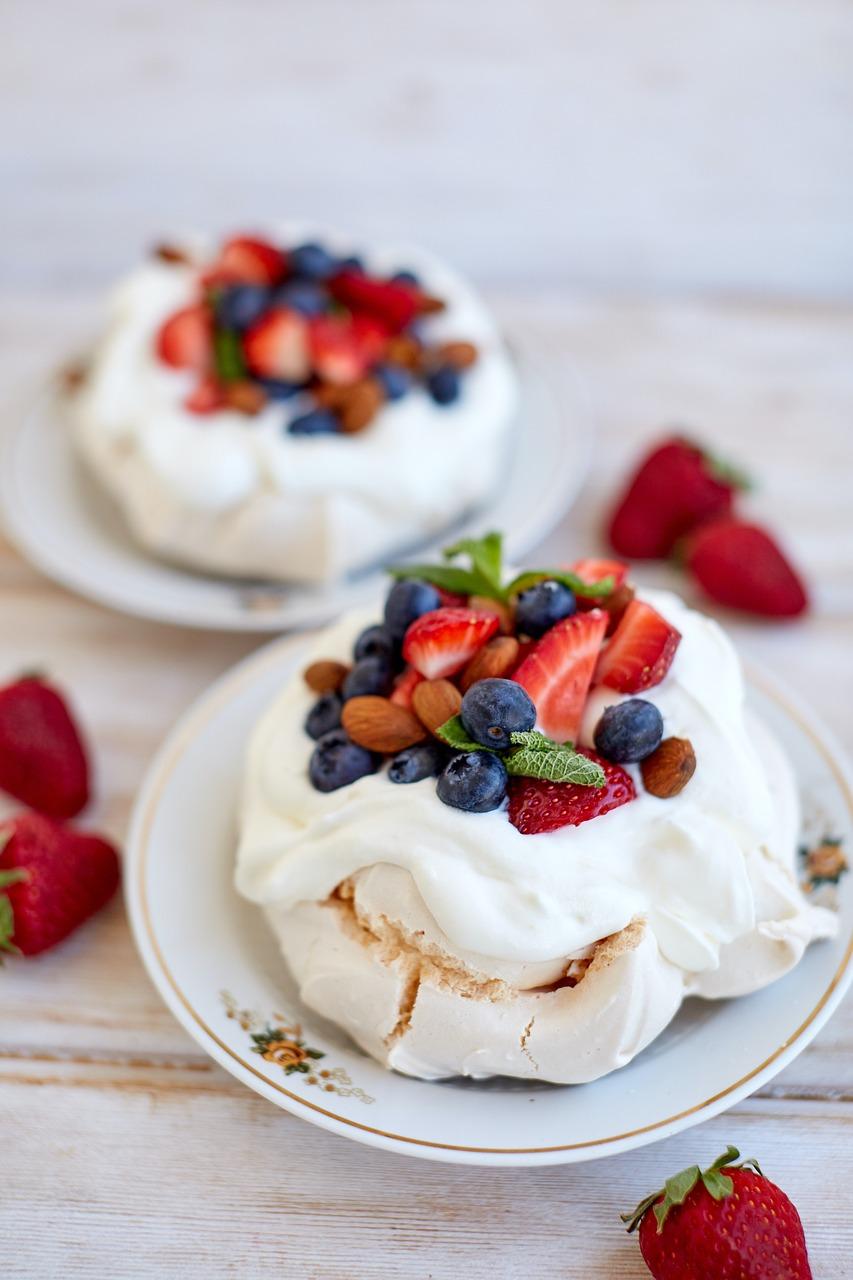
Australians and New Zealanders have argued for a century over who invented pavlova, named after the Russian ballerina Anna Pavlova after her tours of both countries in the 1920s; both make it for Christmas lunch in the height of summer. A good pav has a thin, crisp shell that cracks under the knife and a soft, marshmallowy centre, piled with whipped cream and the sharp fruit of the season, above all passionfruit, kiwifruit and strawberries. Chef's tip: add the sugar one spoon at a time and keep whisking until you can't feel any grains when you rub a little meringue between your fingers.

by KrazyBadal 0 views

Bai sach chroukGrilled pork over rice

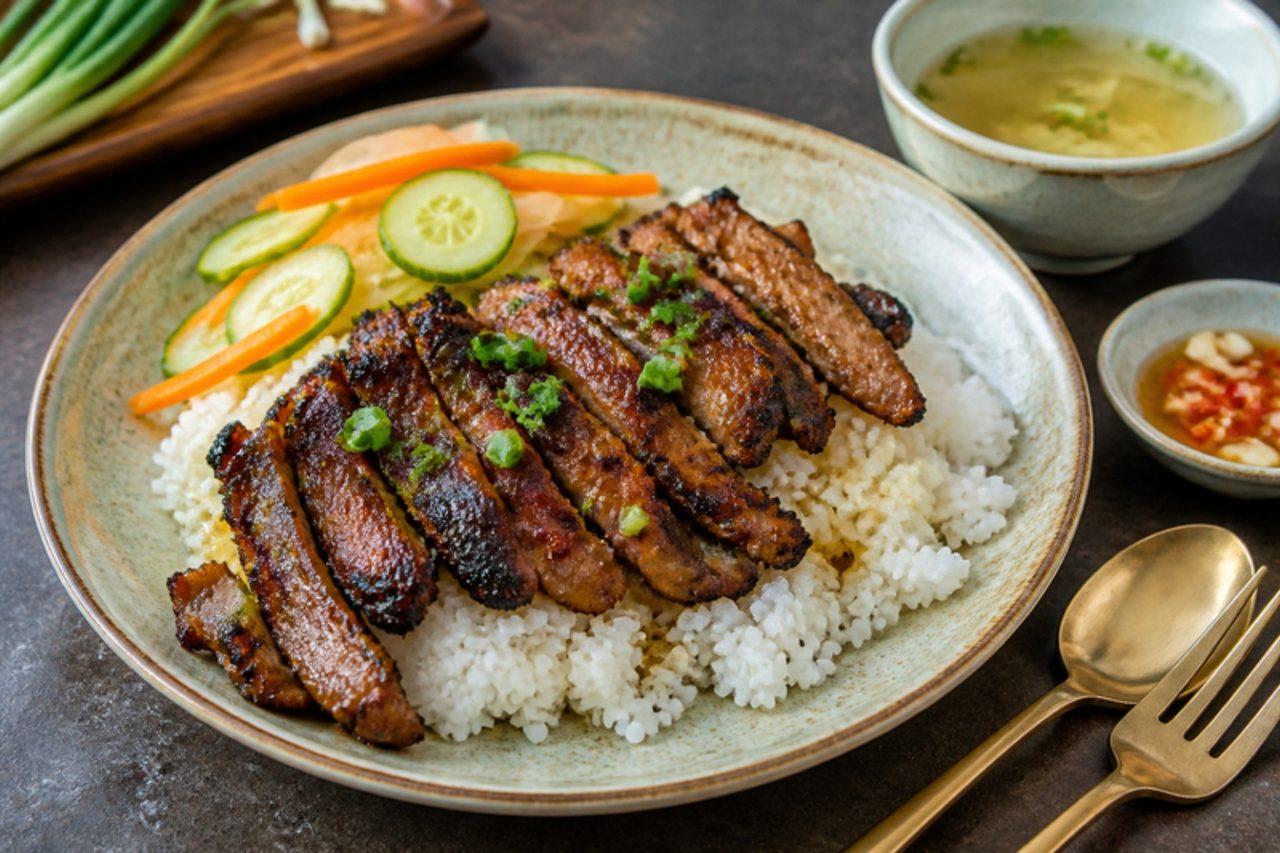
Bai sach chrouk, 'rice with pork', is the classic Cambodian street breakfast, grilled over charcoal on pavements in Phnom Penh and Siem Reap in the early morning and eaten before work and school. It is a pork dish: thin slices of pork are marinated overnight in coconut milk, garlic and palm sugar, then grilled until caramelised and smoky and served on broken rice with quick-pickled cucumber and carrot and a small bowl of clear broth. Chef's tip: slice the pork thinly, about 5 mm; it marinates faster and chars before it dries out.

by KrazyBadal 0 views

Vegetarian gołąbkiBuckwheat and mushroom cabbage rolls

Gołąbki, little doves, are cabbage leaves rolled around a filling and baked in sauce, and they turn up at name-day parties, weddings and Sunday dinners all over Poland. The best-known filling is pork and rice, but in the east, around Lublin and Podlasie, gołąbki filled with kasza gryczana (toasted buckwheat) and mushrooms are an old meatless version, often made for Christmas Eve and Lent. This one is fully plant-based: nutty buckwheat, fried onion and mushrooms, wrapped in soft cabbage and baked in a sweet-sour tomato sauce. They taste even better reheated the next day. Chef's tip: shave down the thick central rib of each leaf with a small knife; it lets the leaf roll tightly without cracking.

by KrazyBadal 0 views

Bajan fish cakesSalt cod fritters

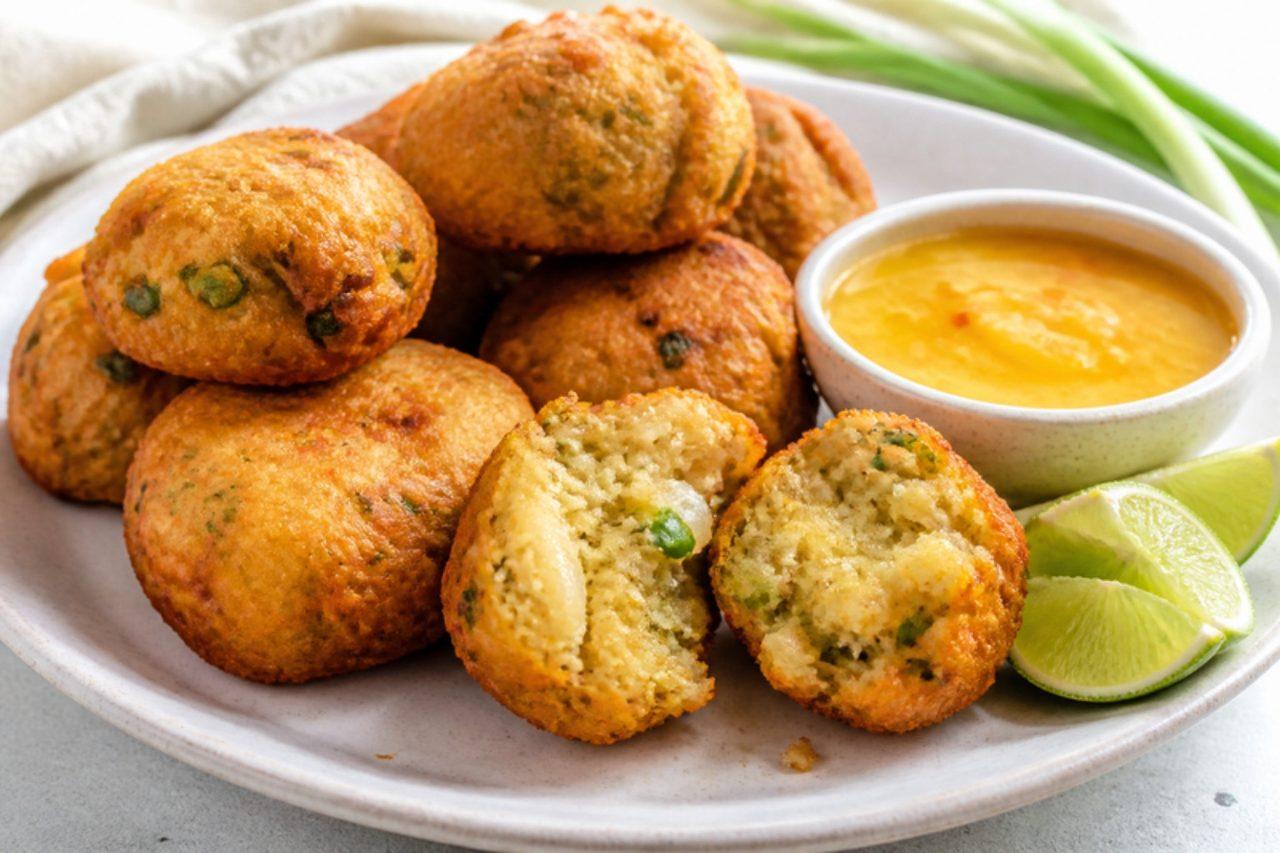
Fish cakes are on every Bajan party table and in every rum-shop snack box, and on Friday nights at Oistins Fish Fry they are tucked into a split salt bread roll as 'bread and two'. These are not potato patties but spoonfuls of light, herby batter full of flaked salt cod, spring onion, thyme and Scotch bonnet, fried until puffed and golden. Serve them hot with Bajan pepper sauce or a squeeze of lime. The mistake that gives flat, greasy fish cakes is a thin batter; it should drop from the spoon in a soft blob, not pour. Chef's tip: taste a flake of the cooked cod before mixing; if it is still salty, don't add any more salt to the batter.

by KrazyBadal 0 views

Vegetarian sausage rolls

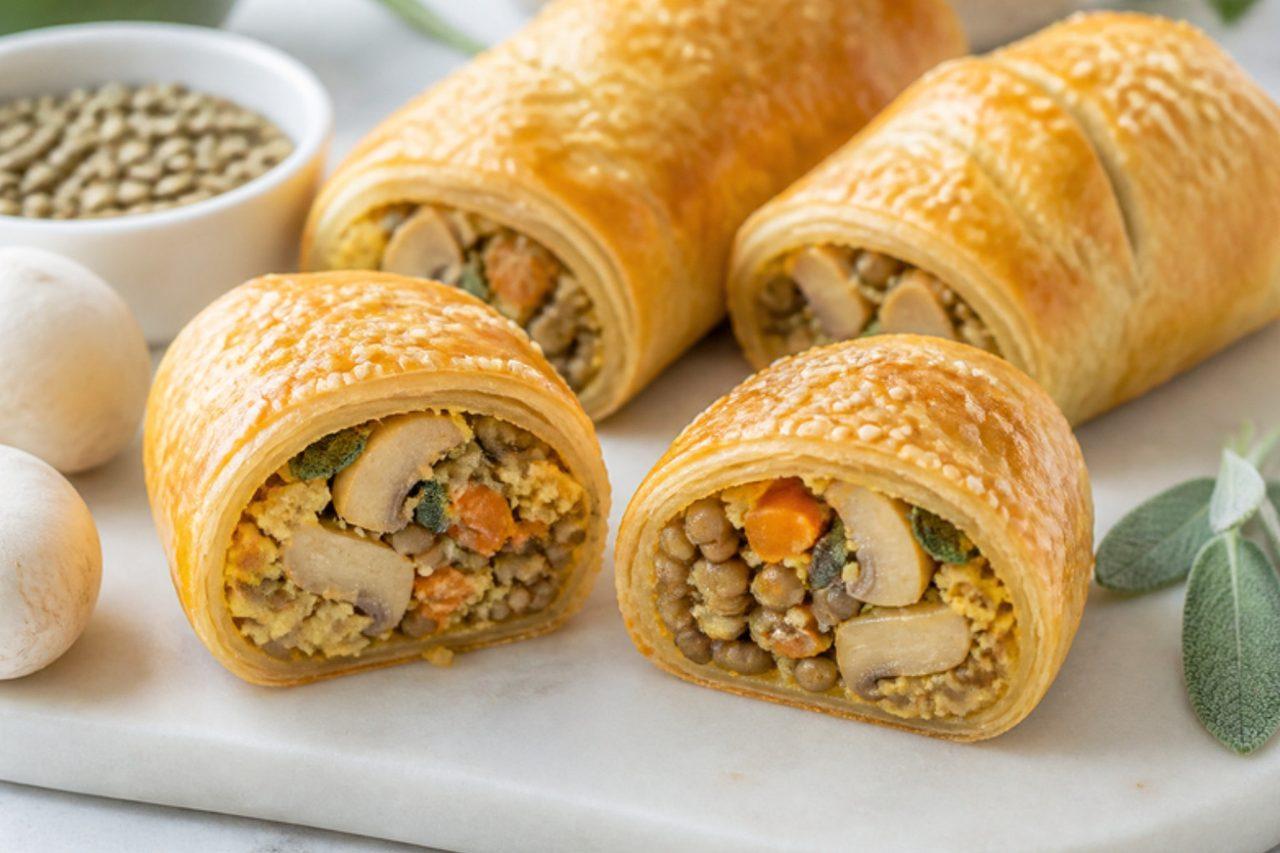
Sausage rolls are the snack of Australian bakeries, school canteens and footy grounds, eaten from a paper bag with a squeeze of tomato sauce, and they're on the table at every kids' party from Perth to Hobart, and across the Tasman too. This vegetarian version wraps crisp, buttery puff pastry around a savoury filling of browned mushrooms, lentils, carrot, cheddar and sage, firm enough to slice and with the peppery, herby taste of a good bakery roll. The meat original uses raw seasoned pork or beef mince in place of the filling, as noted in the steps. Chef's tip: cook the mushrooms until they are dry and browned; any leftover liquid will turn the pastry soggy from the inside.

by KrazyBadal 0 views

Blueberry pierogi

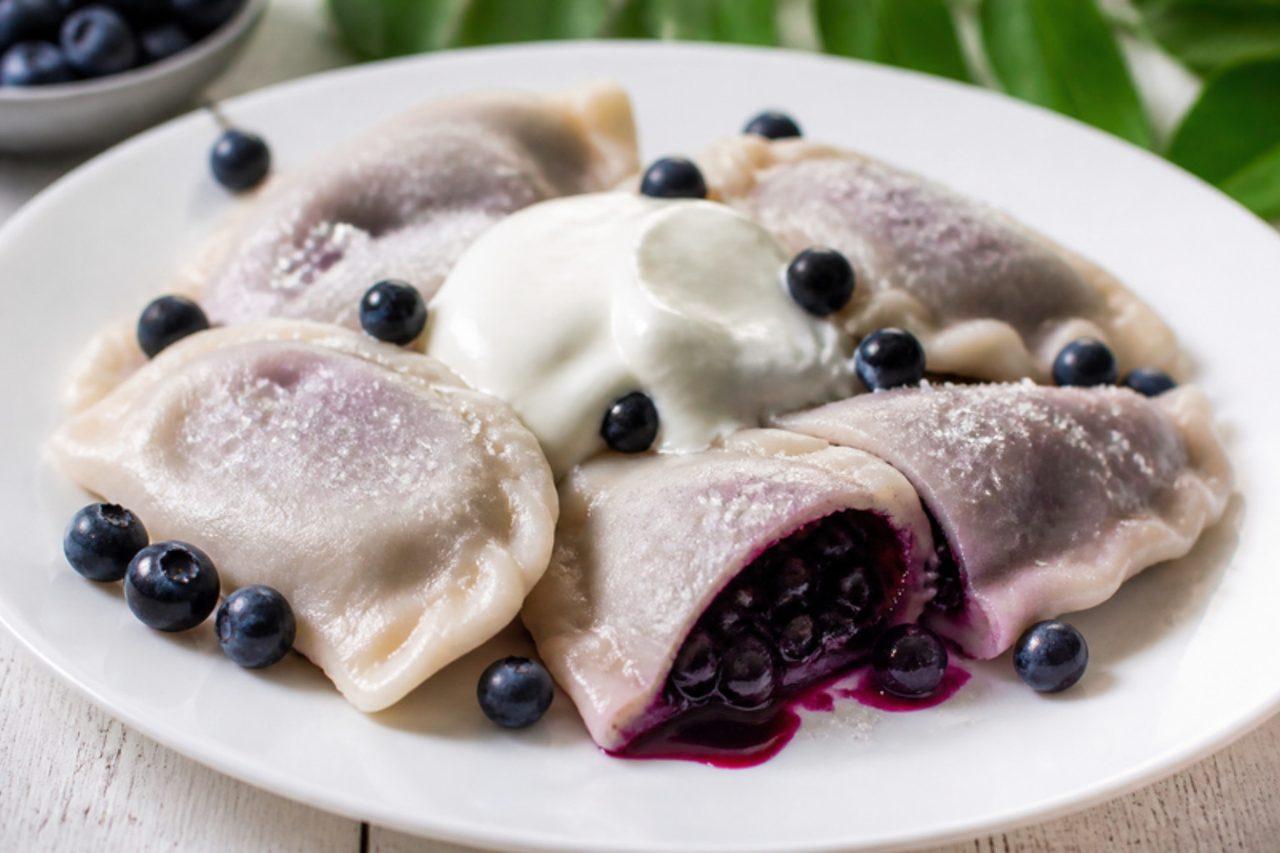
When wild bilberries ripen in the pine forests of Podlasie and Masuria in July, roadside sellers appear with jars of them and half of Poland makes pierogi z jagodami for lunch. The dumplings are boiled, so the berries burst into a hot, purple, jammy filling inside a soft dough, and they are eaten with cold sweetened soured cream and a dusting of sugar. Cultivated blueberries work well; frozen wild bilberries are closer to the original. Chef's tip: toss the berries with potato starch, but add the sugar only on top when you serve; sugared berries weep juice, and that juice is what makes the pierogi burst.

by KrazyBadal 0 views

Bajan pepper sauceMustard scotch bonnet hot sauce

On every table in Barbados, from rum shops in Oistins to Sunday lunch at home, there's a bottle of yellow pepper sauce. Bajan pepper sauce is unlike the red sauces of other islands: scotch bonnets are blended with onion, yellow mustard, turmeric and vinegar, which give it its colour and a tangy, mellow edge under the fierce, fruity heat. A few drops lift fish cakes, cou-cou, macaroni pie and rice. Chef's tip: let it rest for a few days before using; the mustard and vinegar soften the raw onion and the heat becomes rounder.

by KrazyBadal 0 views

Bajan seasoningHerb and pepper seasoning

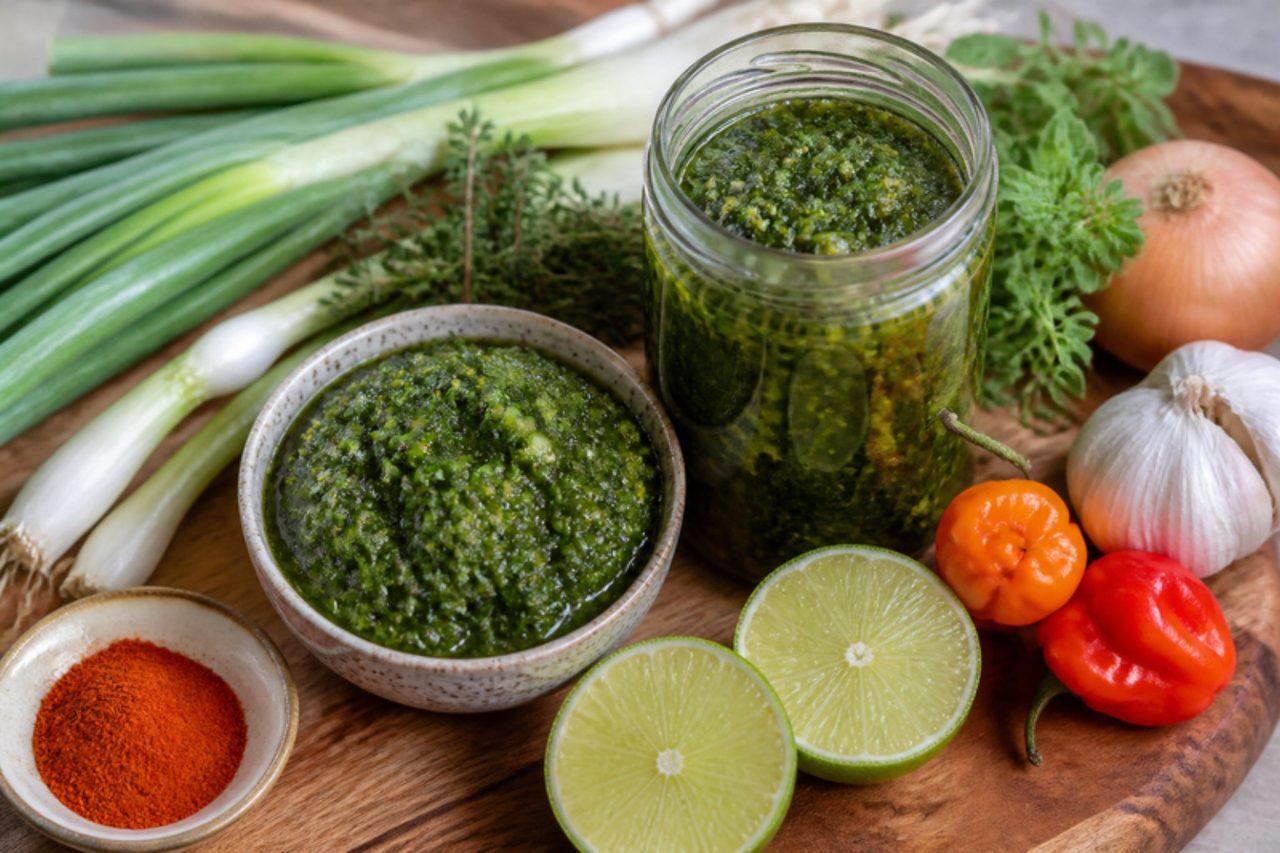
Every cook in Barbados keeps a jar of Bajan seasoning, and families in Bridgetown and St Philip guard their own blend. It's a wet, coarse paste of spring onion, onion, garlic, fresh thyme, marjoram and parsley, sharpened with lime and given a backbone of clove, paprika and scotch bonnet. Bajans press it into slits in fish and meat; here it goes into stews, onto roasted vegetables, tofu and halloumi, and into the stew for cou-cou. It smells strongly herby and peppery, and keeps for weeks. Chef's tip: marjoram is the herb that makes it Bajan; don't skip it, and use fresh if you can find it.

by KrazyBadal 0 views

Bajan sweet breadCoconut and raisin loaf

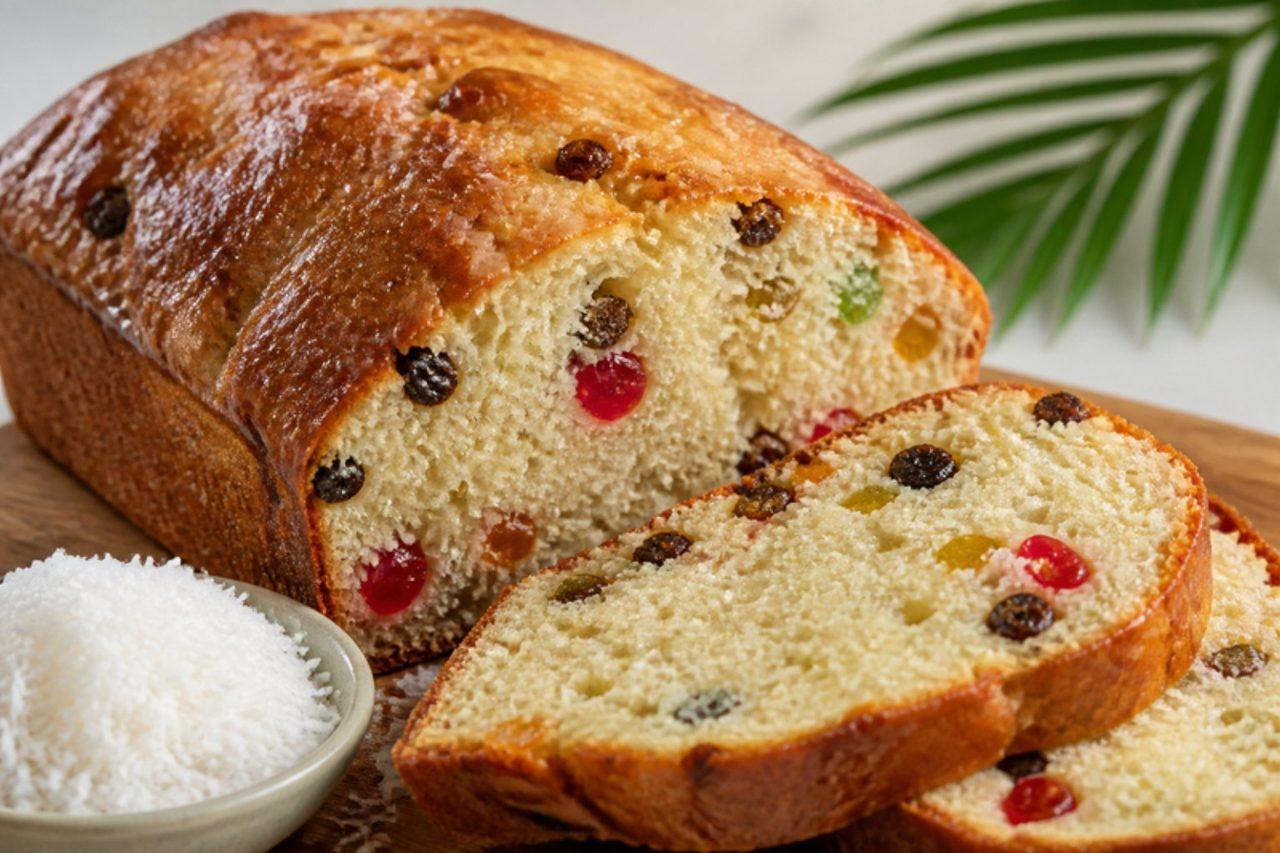
Sweet bread is what Barbadian families bake in December, wrapped in foil and handed over at Christmas visits around the island, and it's sold year round in bakeries from Bridgetown to Speightstown. It isn't a yeast bread but a dense, moist loaf packed with freshly grated coconut, sweet with brown sugar and scented with almond essence, with raisins, mixed peel and bright red glacé cherries in every slice. The top gets brushed with sugar syrup for a sticky shine. Chef's tip: use fresh or frozen grated coconut if you can; desiccated coconut makes a drier loaf unless you soak it first in the milk for 20 minutes.

by KrazyBadal 0 views

Kalguksu with clamsClam noodle soup

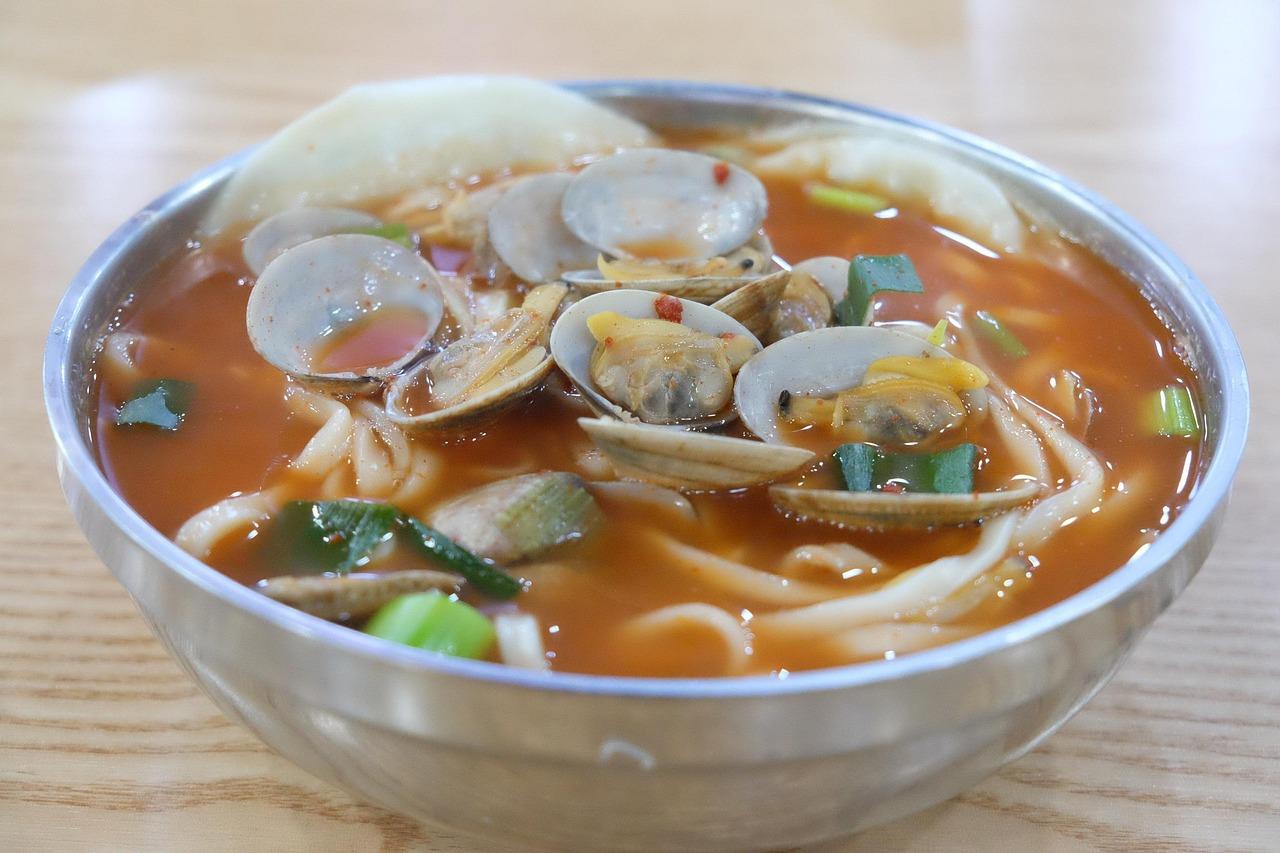
Kalguksu means 'knife noodles': a soft wheat dough is rolled thin and cut by hand. Korean noodle shops serve it all year, but it is the dish people crave on a rainy day, often with a crisp pajeon on the side. Along the west coast, near the mudflats where clams are dug, the broth is loaded with them. The flour clinging to the noodles thickens the soup slightly as they cook, giving it a gentle, silky body. Chef's tip: shake off most of the flour before the noodles go into the pot, so the broth turns silky rather than gluey.

by KrazyBadal 0 views

Sauerkraut and mushroom pierogi

On Wigilia, the meatless Christmas Eve supper, almost every Polish family puts out a plate of pierogi z kapustą i grzybami, sour cabbage and forest mushroom dumplings. The filling is dark and savoury: sauerkraut simmered until soft, then chopped with dried ceps or bay boletes gathered in autumn and onion fried in oil, so the whole dish is plant-based and fits the old fasting rules of the evening. In Kraków and the south they are boiled; in many homes the leftovers are fried crisp on 25 December. Chef's tip: save the mushroom soaking water; a few spoons of it in the filling give far more depth than any stock cube.

by KrazyBadal 0 views

Malva pudding

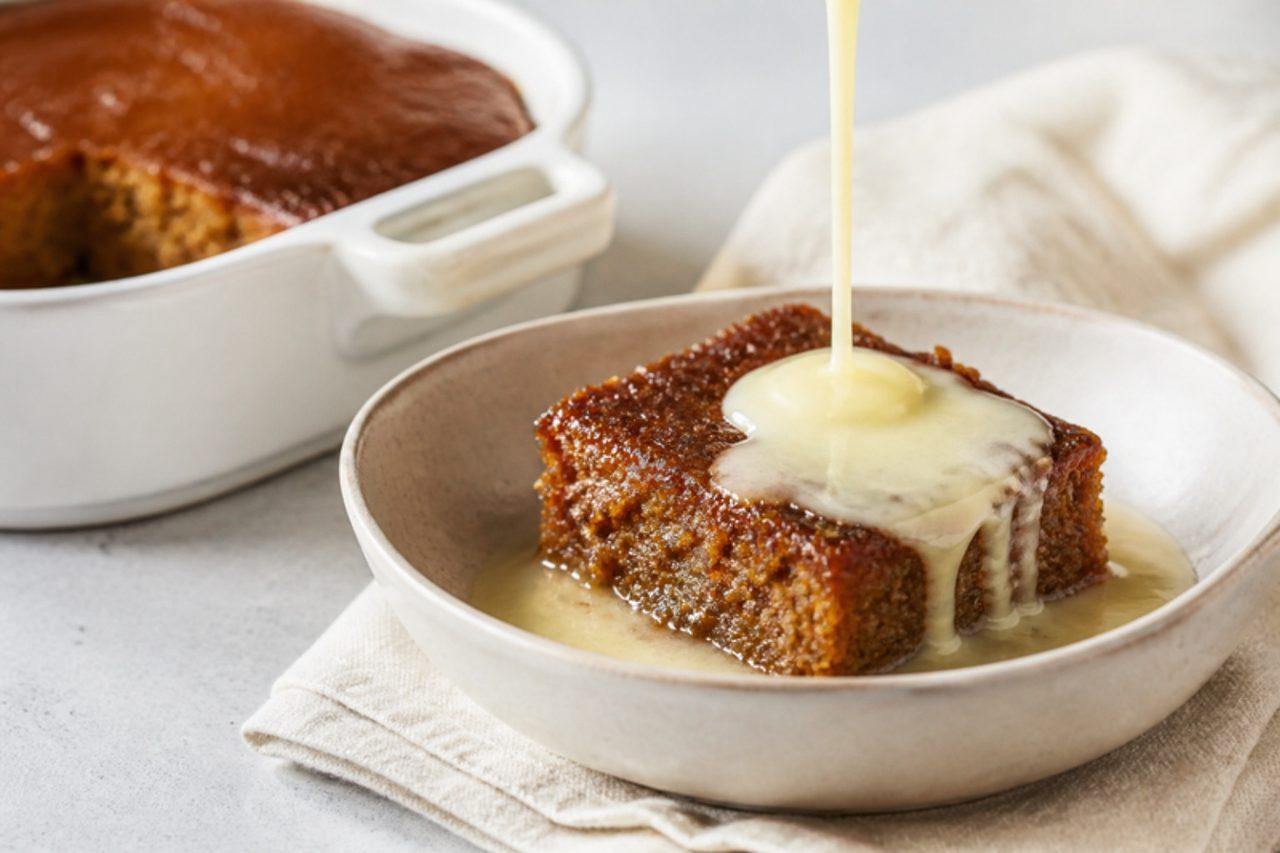
Malva pudding is a South African classic with roots in the Cape, served warm after Sunday lunch and at almost every South African restaurant with a pudding menu. A light, caramelised sponge made with apricot jam and a dash of vinegar is baked, then drenched while hot with a buttery cream sauce that it drinks up completely, so it ends up sticky, spongy and toffee-like. It is eaten with custard or vanilla ice cream. Chef's tip: pour the sauce over the pudding the moment it comes out of the oven and give it time to soak in; a cold pudding won't absorb it.

by KrazyBadal 0 views

AkaraBlack-eyed bean fritters

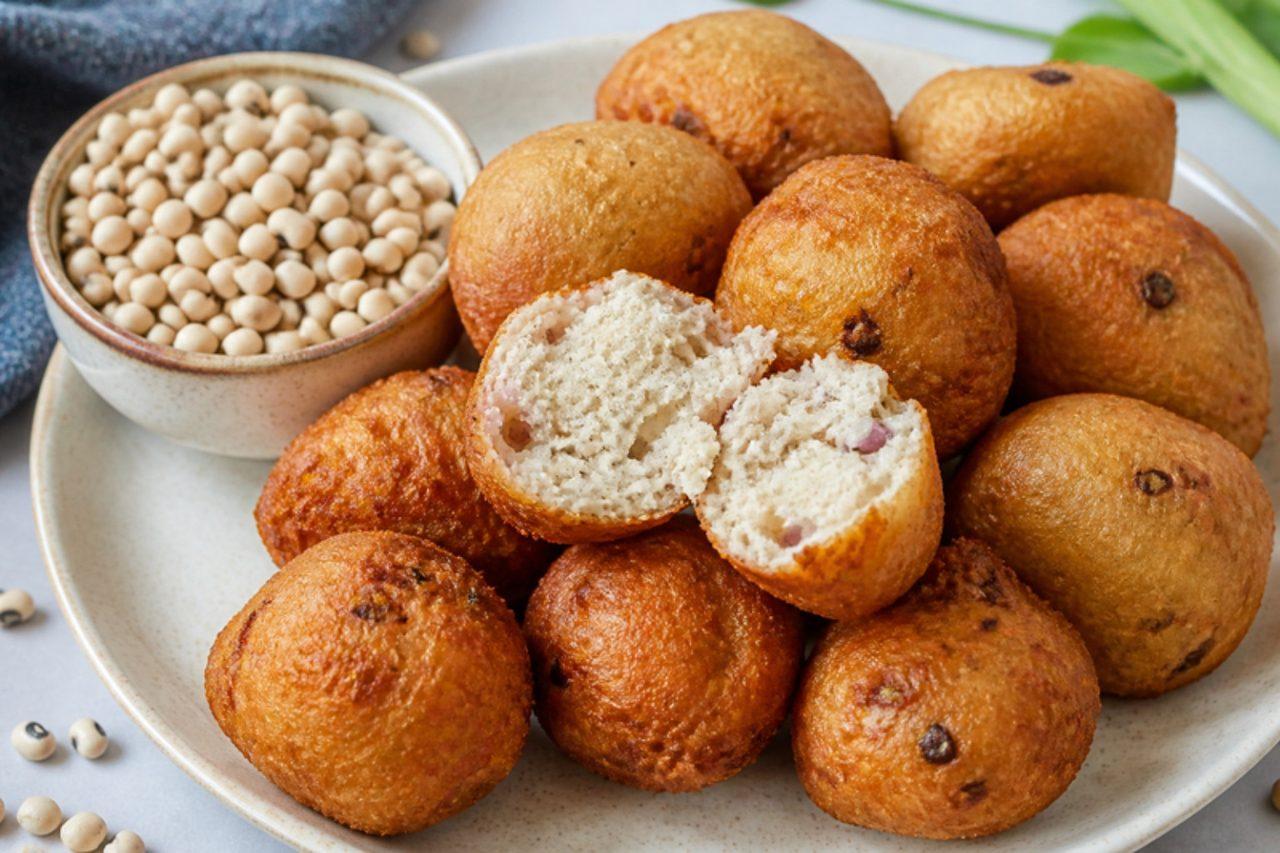
Akara is fried at dawn on street corners across south-west Nigeria, where it is bought hot in paper and eaten with soft agege bread, or dunked into a bowl of warm ogi (fermented corn porridge). It is made from nothing but peeled beans, onion, chilli and salt, whipped until airy, then dropped into hot oil, so the outside turns crisp and craggy while the inside stays soft and light. It is a weekend breakfast at home too, often with custard or pap. Chef's tip: beat the blended bean paste hard for a few minutes before frying; the trapped air is what makes akara puff instead of turning heavy and oily.

by KrazyBadal 0 views

Bake and sharkFried shark in fried bread

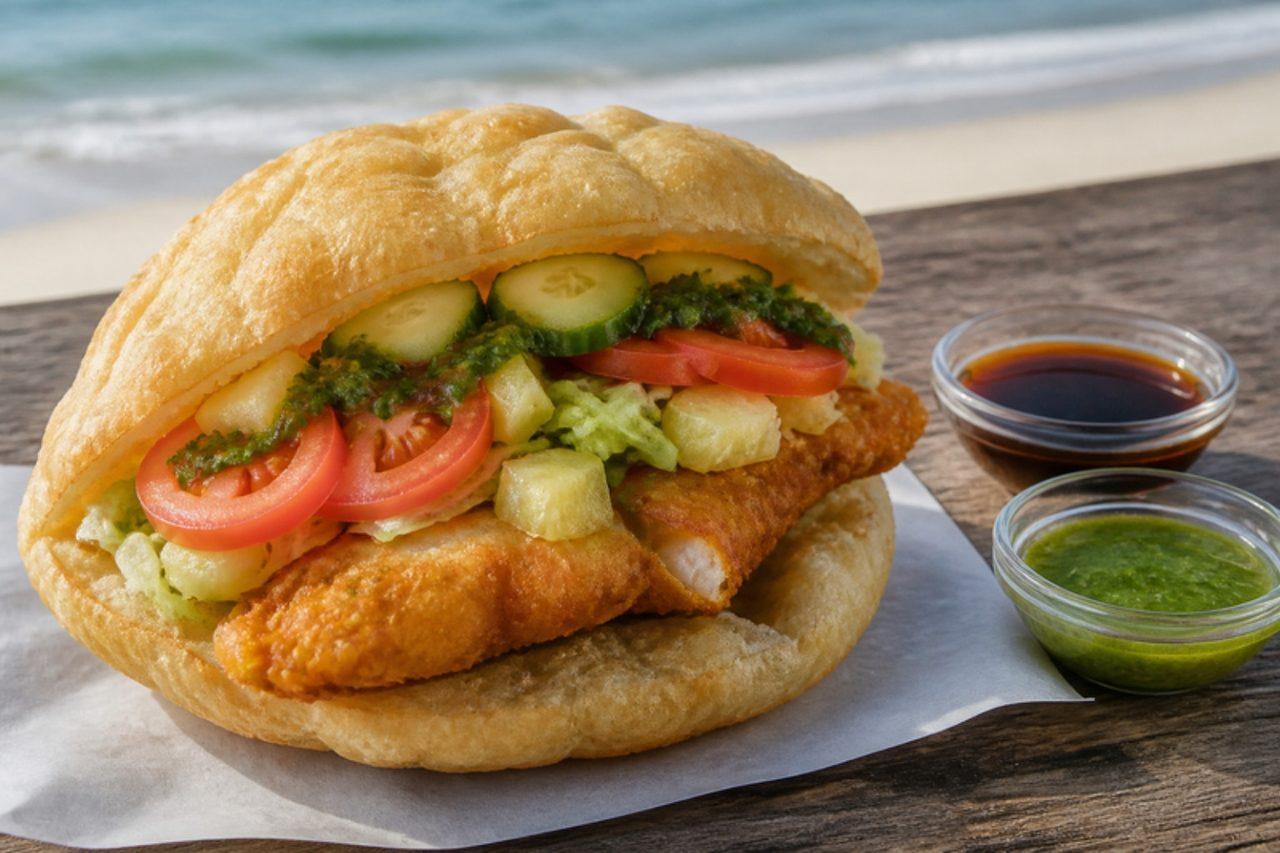
After a swim at Maracas Bay on Trinidad's north coast, the queue at the beach huts is for bake and shark: a puffy fried bread split open around a piece of seasoned, crisp-fried fish, then loaded at a toppings bar with coleslaw, cucumber, pineapple, tamarind sauce, pepper sauce and the bright green chadon beni (culantro) sauce. Shark is the tradition, but many shark species are now overfished and some build up mercury, so this recipe uses a firm, sustainably caught white fish such as hake, pollock, catfish or mahi-mahi; use shark only from a source you trust. Chef's tip: let the bake dough rest for a full 30 minutes; relaxed dough puffs up like a pillow in the hot oil instead of frying flat and tough.

by KrazyBadal 0 views

Nigerian fried rice

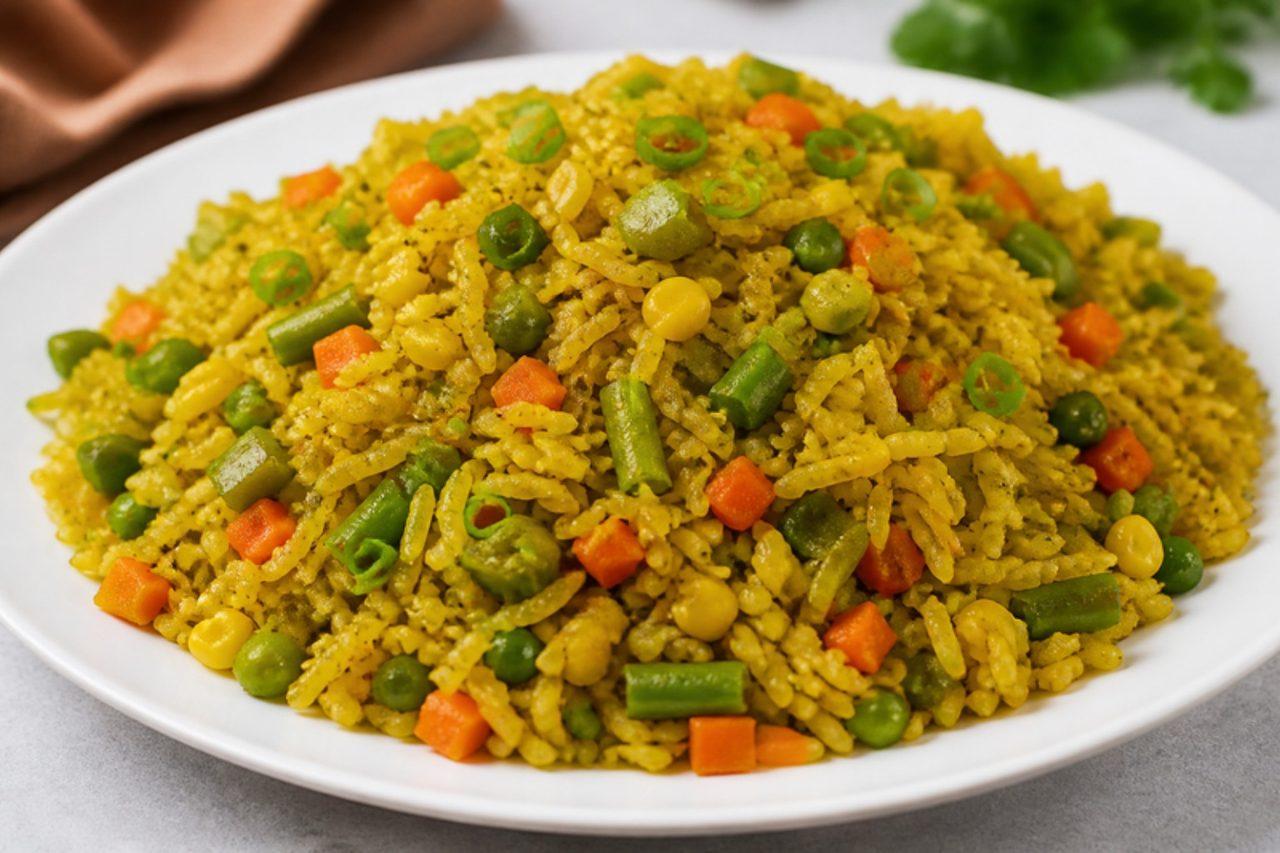
Nigerian fried rice sits next to jollof at nearly every party buffet from Abuja to Port Harcourt, its pale yellow colour and confetti of vegetables making the two a classic pair on one plate. It owes nothing to Chinese fried rice: the grains are first boiled in stock with curry powder and thyme, then tossed in a hot pan with small diced vegetables. Party versions often hide liver or prawns; this one stays fully vegetable and serves well with fried plantain, moi moi or a spicy pepper sauce. Chef's tip: cut every vegetable to the size of a pea so they cook in the same couple of minutes and each spoonful gets a bit of everything.

by KrazyBadal 0 views

Nigerian jollof rice

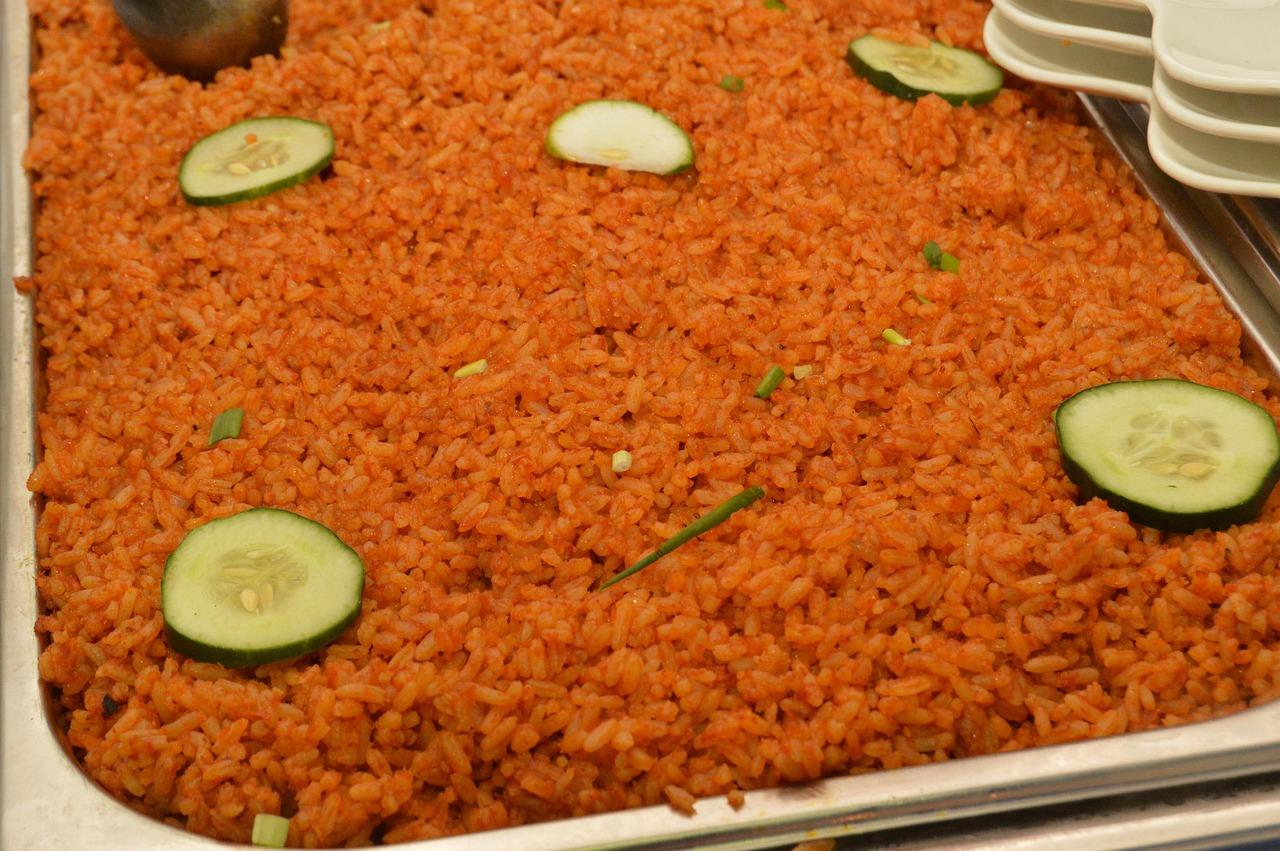
Every Nigerian wedding, naming ceremony and Saturday owambe in Lagos has a giant pot of jollof, and the guests judge it before they judge the bride's dress. The rice is long-grain parboiled rice, cooked in a thick base of fried red peppers, tomatoes and scotch bonnet until every grain is orange, separate and lightly smoky. The prized bit is the slightly scorched layer at the bottom of the pot, which party cooks call the 'bottom pot' flavour. Serve it with fried ripe plantain, moi moi and a crunchy coleslaw. Chef's tip: fry the tomato paste and the blended pepper base hard, until the oil floats on top and the raw, sour smell is gone, before a single grain of rice goes in.

by KrazyBadal 0 views

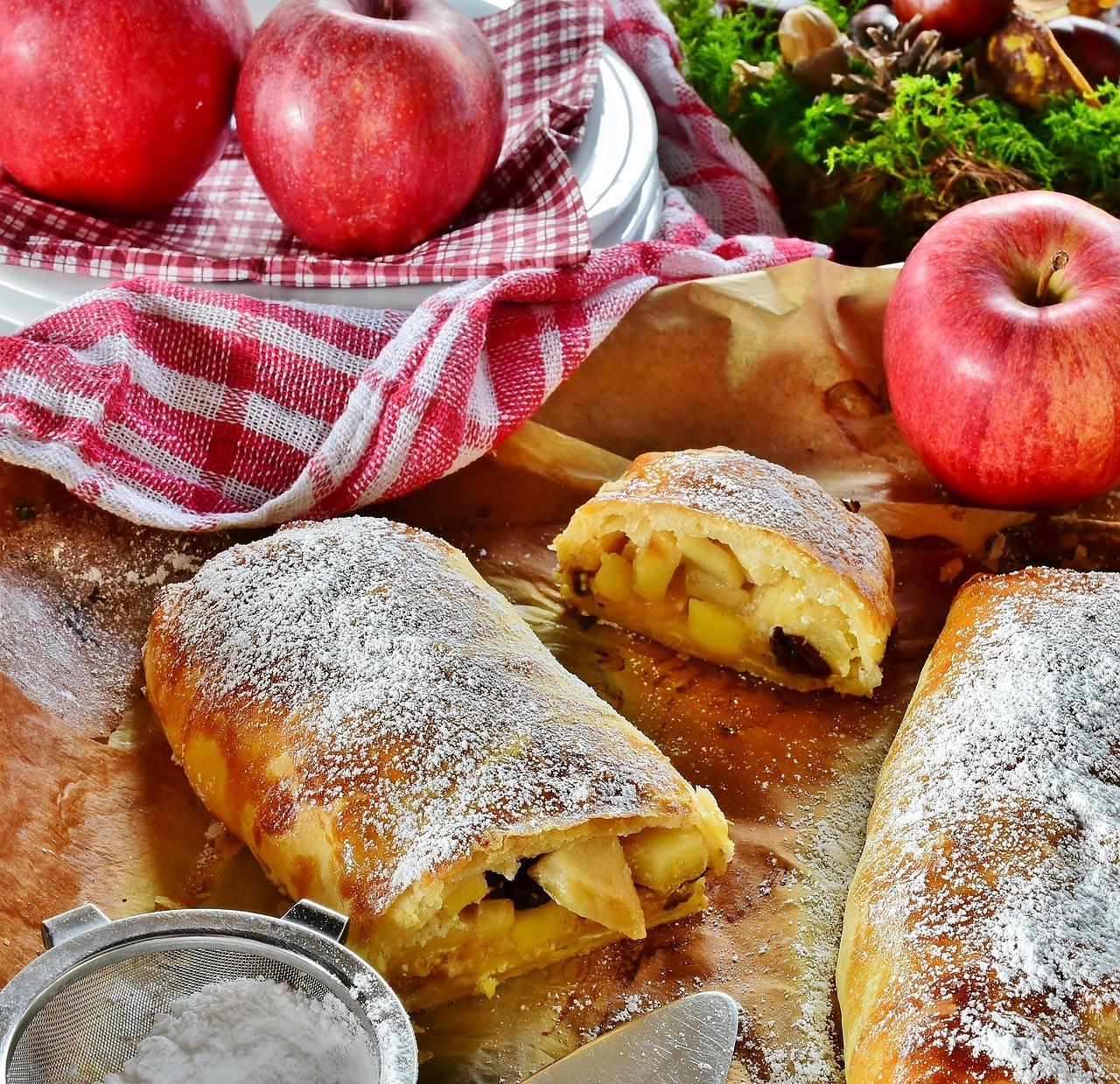
ApfelstrudelApple strudel

Apfelstrudel is the pride of Vienna's coffee houses, eaten warm in the afternoon with Schlagobers (whipped cream), vanilla sauce or ice cream. The secret is the dough: a soft, oiled dough stretched by hand over a floured cloth on the kitchen table until it is so thin you could read a newspaper through it, then rolled around tart apples, raisins, cinnamon and butter-fried breadcrumbs. It takes practice but not special skill. Chef's tip: fry the breadcrumbs in butter until golden before scattering them over the dough; they soak up the apple juices and stop the bottom of the strudel going soggy.

by KrazyBadal 0 views

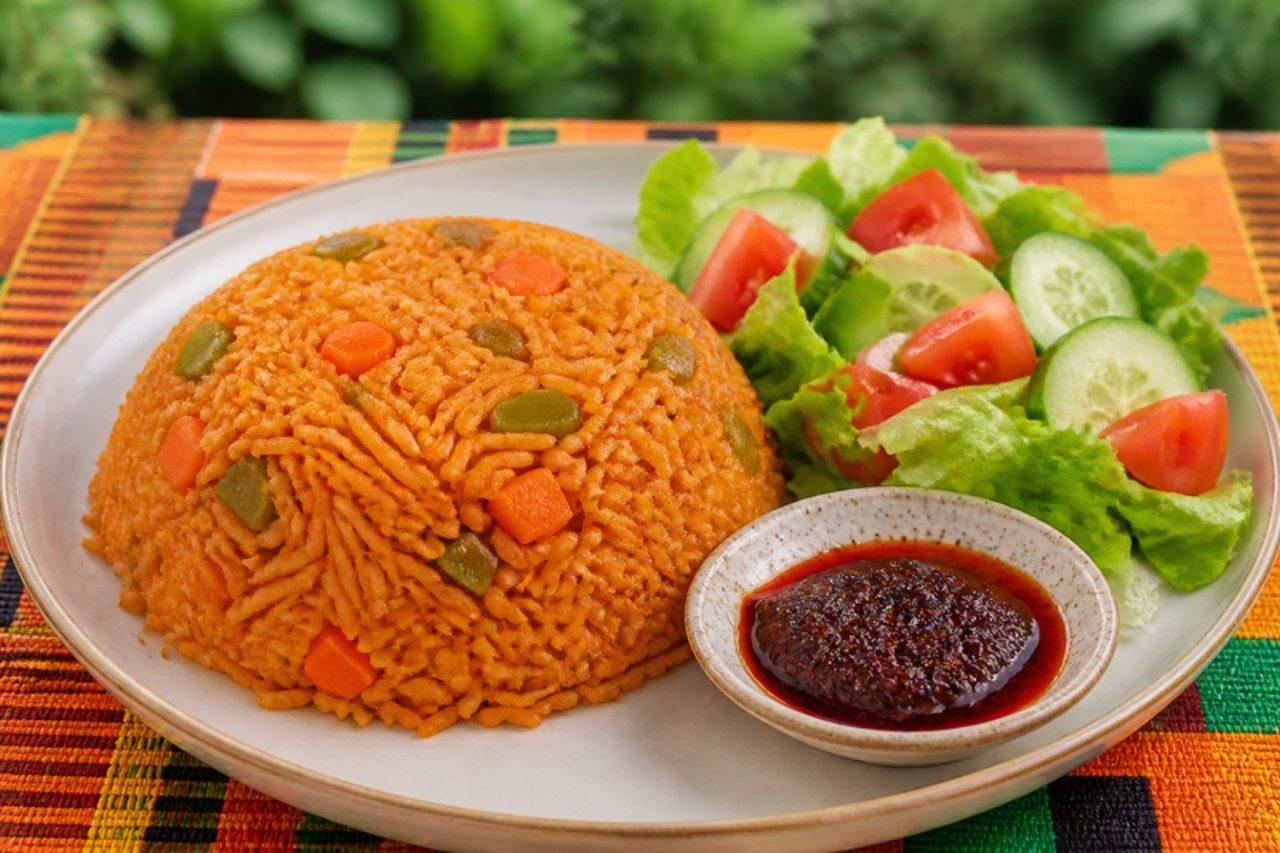
Ghana jollof rice

Ask anyone in Accra and Ghana jollof is the only jollof worth arguing about, a friendly rivalry with Nigeria that plays out at every West African party and all over social media. The difference is real: Ghanaians favour long, fragrant basmati or jasmine rice rather than parboiled rice, a base heavier on ginger and garlic, and a softer, more aromatic finish without the smoky 'bottom pot'. It is served with fried plantain, a fresh salad and shito, Ghana's dark pepper sauce, on the side. Chef's tip: wash the basmati until the water runs clear and keep the liquid tight; fragrant rice turns sticky very quickly if it swims in sauce.

by KrazyBadal 0 views

Rooibos iced tea

Rooibos grows only in the Cederberg mountains north of Cape Town, and on hot Western Cape afternoons it is brewed strong and poured over ice rather than drunk hot. The tea is naturally caffeine-free and slightly sweet with notes of honey and vanilla, so it needs little added sugar. Orange, lemon and fresh mint make it a summer jug for the stoep (veranda). Chef's tip: brew the tea double strength and pour it straight over plenty of ice; it chills in seconds and the melting ice dilutes it to the right strength.

by KrazyBadal 0 views

BaksoBeef meatball soup

Listen for a spoon tapped against a bowl in any Indonesian neighbourhood and you will find a bakso cart, its glass case stacked with meatballs and two kinds of noodles. The meatballs are springy, almost bouncy, sitting in a clear, garlicky beef broth with yellow noodles, glass noodles and a little green veg. Everyone then builds their own bowl at the counter with sambal, sweet soy sauce, vinegar and a scattering of fried shallots; it is the go-to comfort on a wet afternoon. Chef's tip: keep the beef and everything that touches it ice-cold while you blend, because warm meat gives dense, crumbly balls instead of that famous bounce.

by KrazyBadal 0 views

Bal mithaiChocolate-brown fudge with sugar balls

Bal mithai belongs to Almora in Kumaon, where sweet shops on the old Lala Bazaar have sold it for well over a century. Khoya is cooked slowly with sugar until it caramelises to the colour of dark chocolate, set into bars and rolled in little white sugar balls, which give a crunchy bite against the fudgy middle. Families carry boxes of it home from the hills as the town's best-known souvenir. The flavour is deep and toffee-like, with no added colour or cocoa. Chef's tip: keep the heat low and be patient; the deep brown comes from slow caramelising over half an hour, not from turning the flame up.

by KrazyBadal 0 views

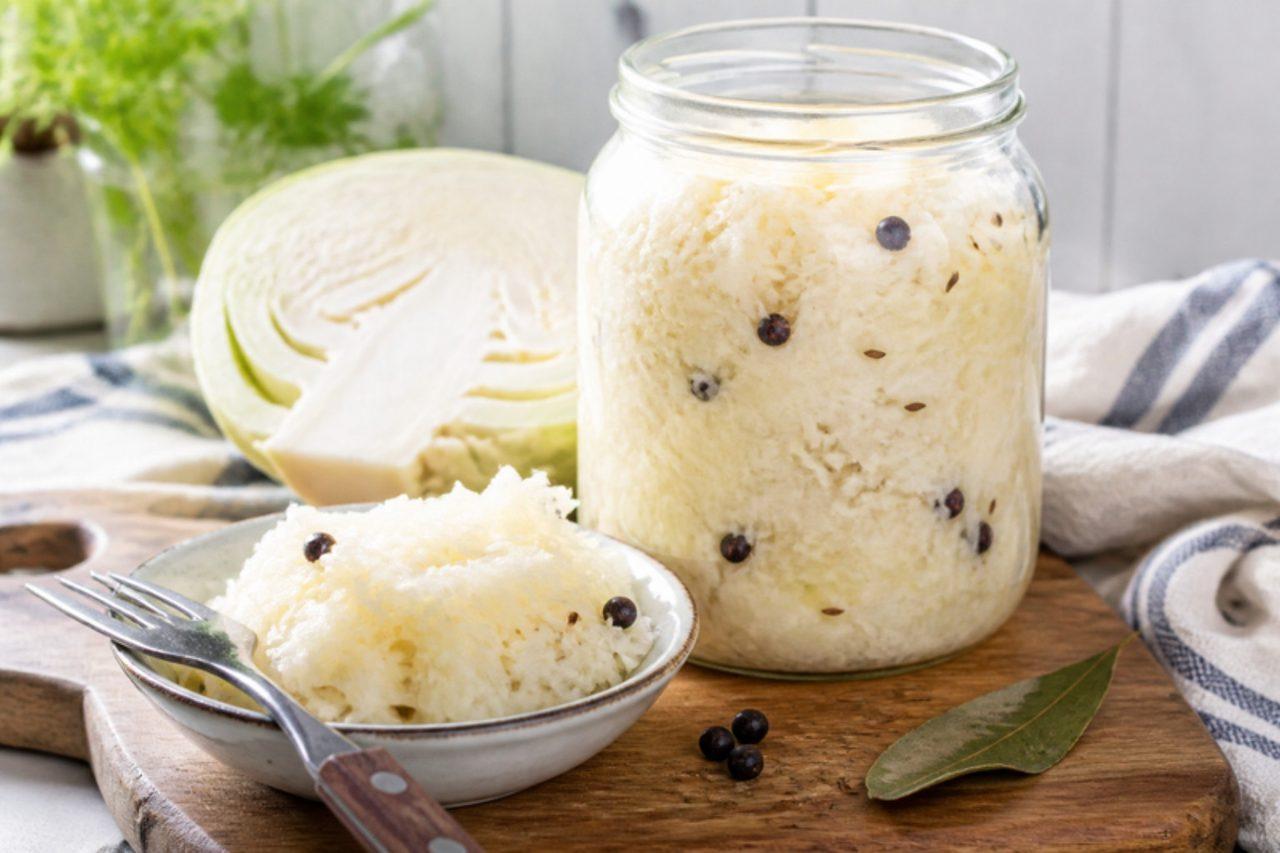
Sauerkraut

Sauerkraut is how German households have kept cabbage through the winter for centuries, and autumn is still when families in Baden, Franconia and Alsace shred the new white cabbage into stoneware crocks. It's nothing but cabbage and salt: the salt pulls out the juice and natural lactic acid bacteria do the rest, turning it sour, crunchy and full of flavour in a few weeks. Raw homemade sauerkraut tastes far fresher than the jar and is a lovely side for Kartoffelpuffer or potato mash; for a warm side, simmer it with onion and a grated apple. Chef's tip: weigh the cabbage and use exactly 2% of its weight in salt; too little and it goes soft and mouldy, too much and it won't ferment.

by KrazyBadal 0 views

Baladi saladChopped tomato and cucumber salad

Salata baladi, the 'country salad', is on every Egyptian table, from Cairo koshari shops to Alexandria fish restaurants and home lunches, next to the rice and bread. It is finely diced tomato, cucumber, onion and green chilli, with a little parsley, a big squeeze of lemon and a pinch of cumin that makes it taste Egyptian rather than Levantine. It takes ten minutes and cuts through rich food like molokhia or mahshi. Chef's tip: dice everything small, about the size of a chickpea, so each spoonful carries a bit of everything.

by KrazyBadal 0 views

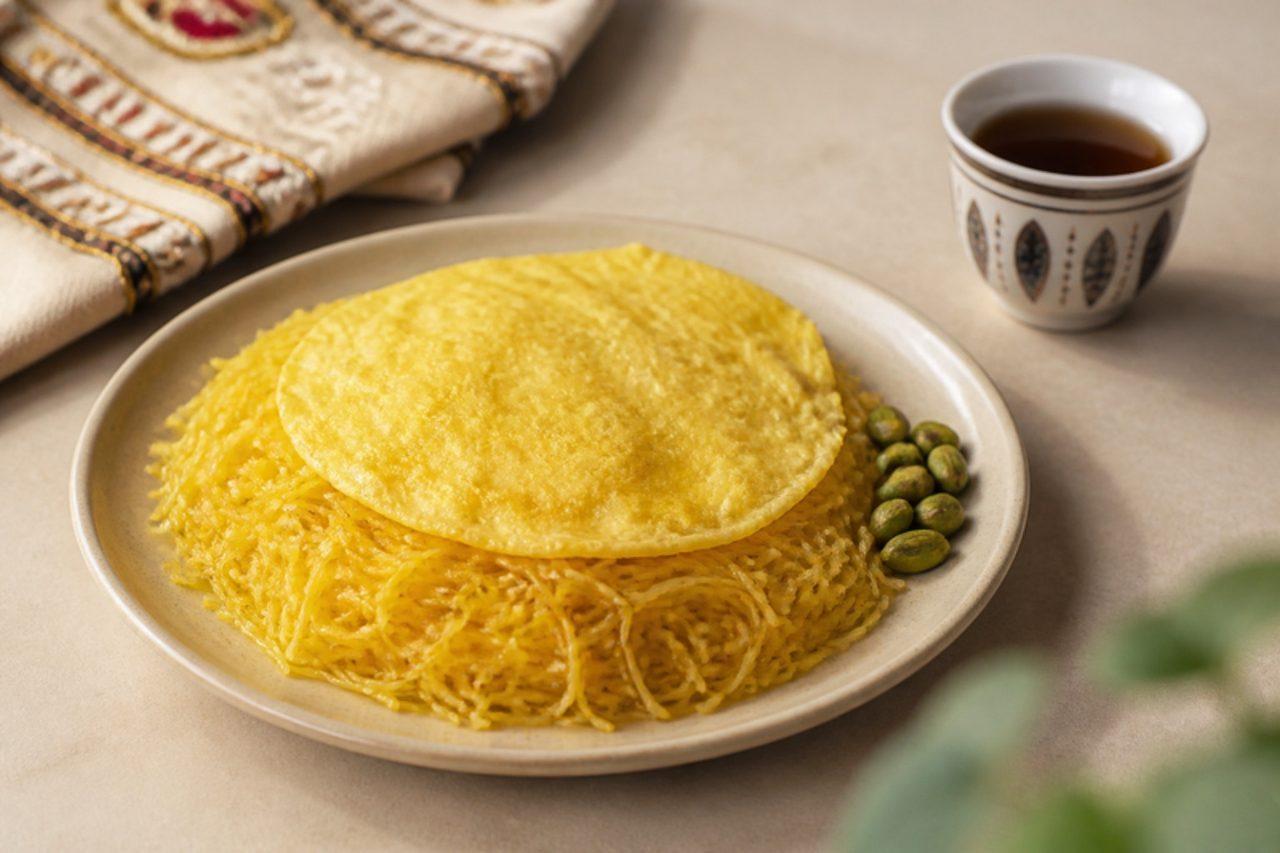
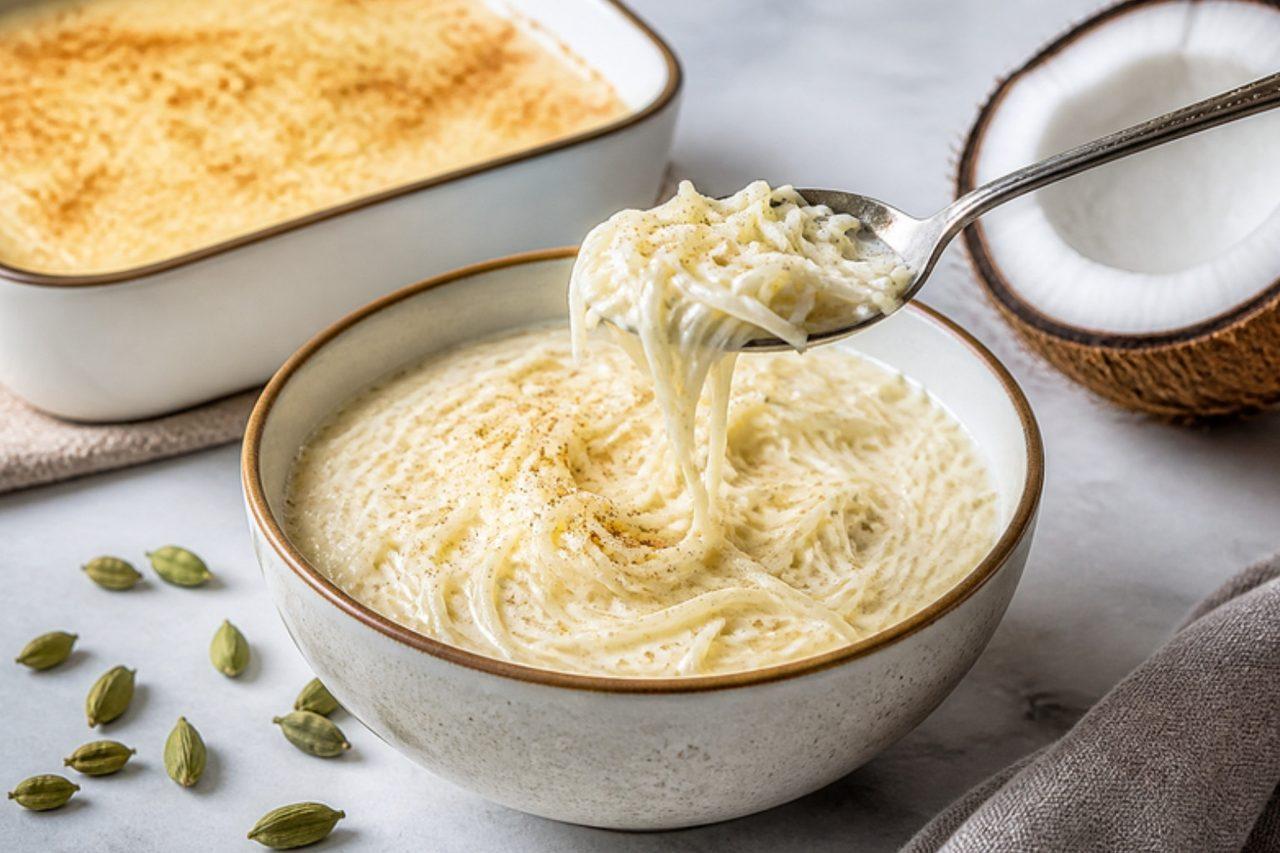
BalaleetSweet vermicelli with omelette

Sweet noodles for breakfast surprise visitors, but in the UAE and Qatar balaleet is the dish of Eid mornings and lazy weekend brunches. Fine vermicelli is toasted in butter, then steamed with sugar, saffron, cardamom and rose water until soft and glossy, and finally capped with a thin, salty-edged omelette. The contrast of sweet, fragrant noodles and savoury egg is the whole point, so serve them together in one wedge. Chef's tip: toast the vermicelli until it is the colour of a biscuit; pale noodles taste flat and floury.

by KrazyBadal 0 views

Chimichurri

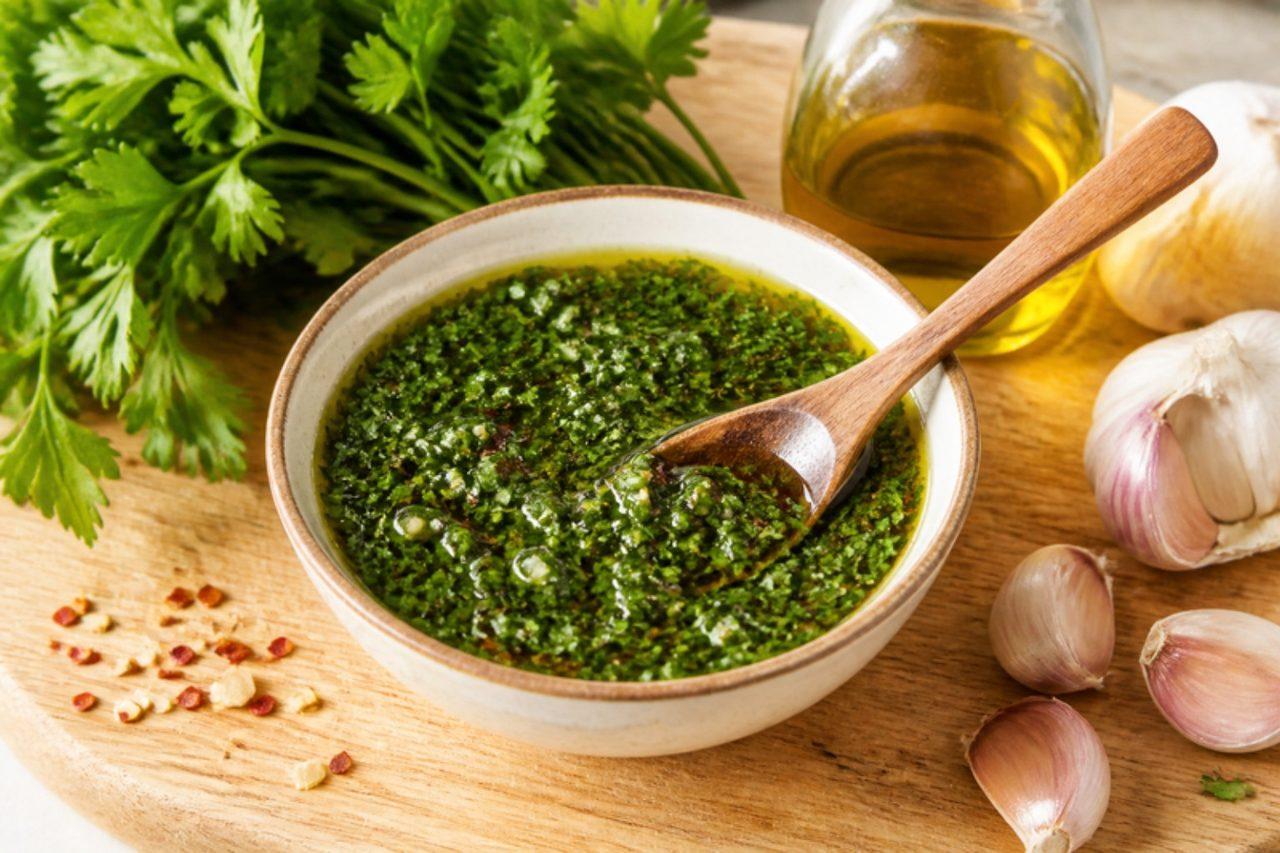
No Argentine asado (barbecue), from a Buenos Aires rooftop to an estancia in the Pampas, is complete without a jar of chimichurri on the table. It is a loose, oily sauce of finely chopped parsley, garlic, dried oregano and chilli flakes in red wine vinegar and oil, sharp and herby rather than smooth like pesto. Spoon it over grilled vegetables, provoleta, halloumi, potatoes and bread. Chef's tip: chop everything by hand and let it sit for a few hours; a food processor bruises the parsley into a green purée and the flavours never settle.

by KrazyBadal 0 views

Caldo verde

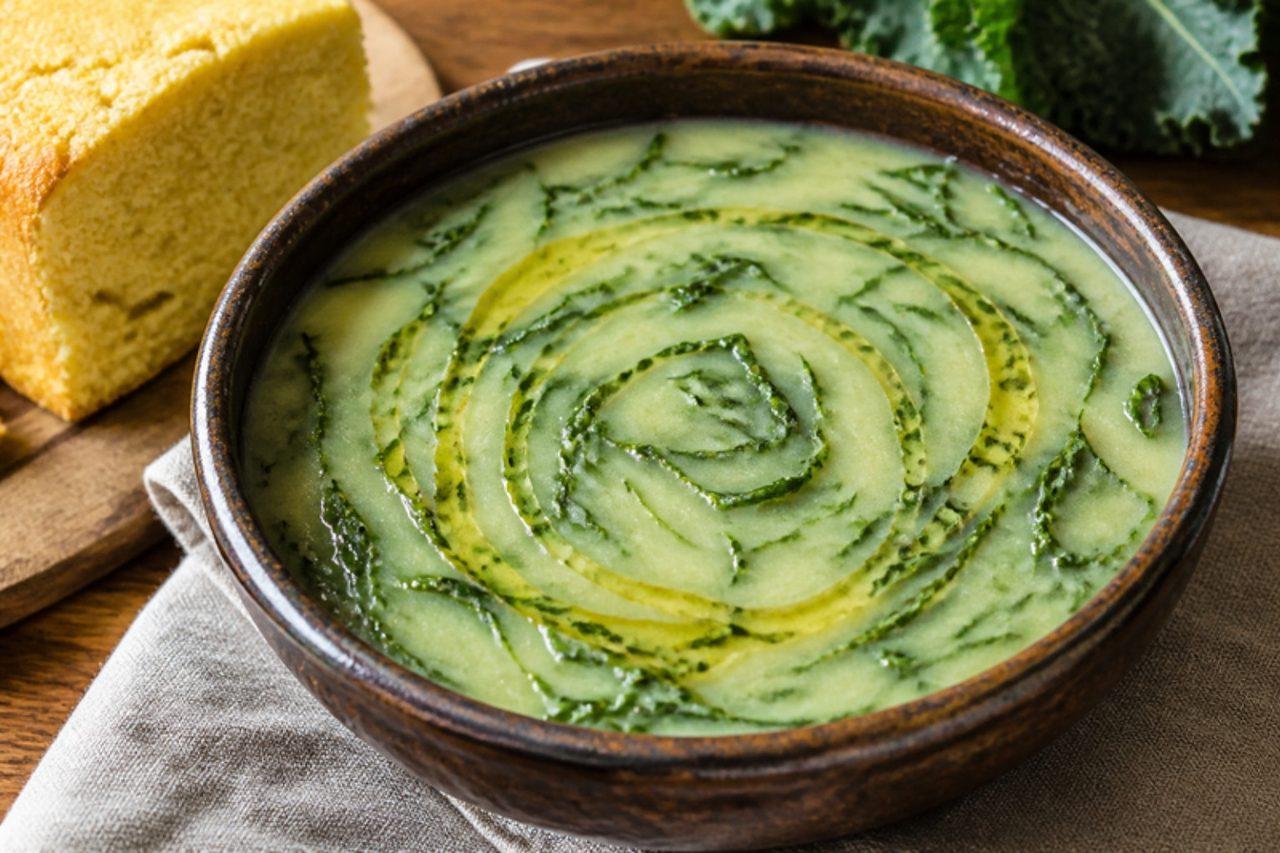
Caldo verde comes from the Minho, the green, rainy corner of northern Portugal above Porto, where couve galega (a tall, flat-leaved cabbage) grows in every back garden. It is a plain purée of potato and onion with ribbons of dark green cabbage cut as fine as string, finished with a thread of raw olive oil, and it is drunk from earthenware bowls at the Santos Populares street festivals in June, at weddings at midnight and on any cold evening with a slice of broa (maize bread). In the north a coin of chouriço is usually floated on top; this version keeps the soup vegetarian and lets a little smoked paprika in the oil stand in for it. Chef's tip: shred the greens as thinly as you can, rolled up tight like a cigar, because they only cook for a few minutes and thick strips stay chewy.

by KrazyBadal 0 views

Persian love cake

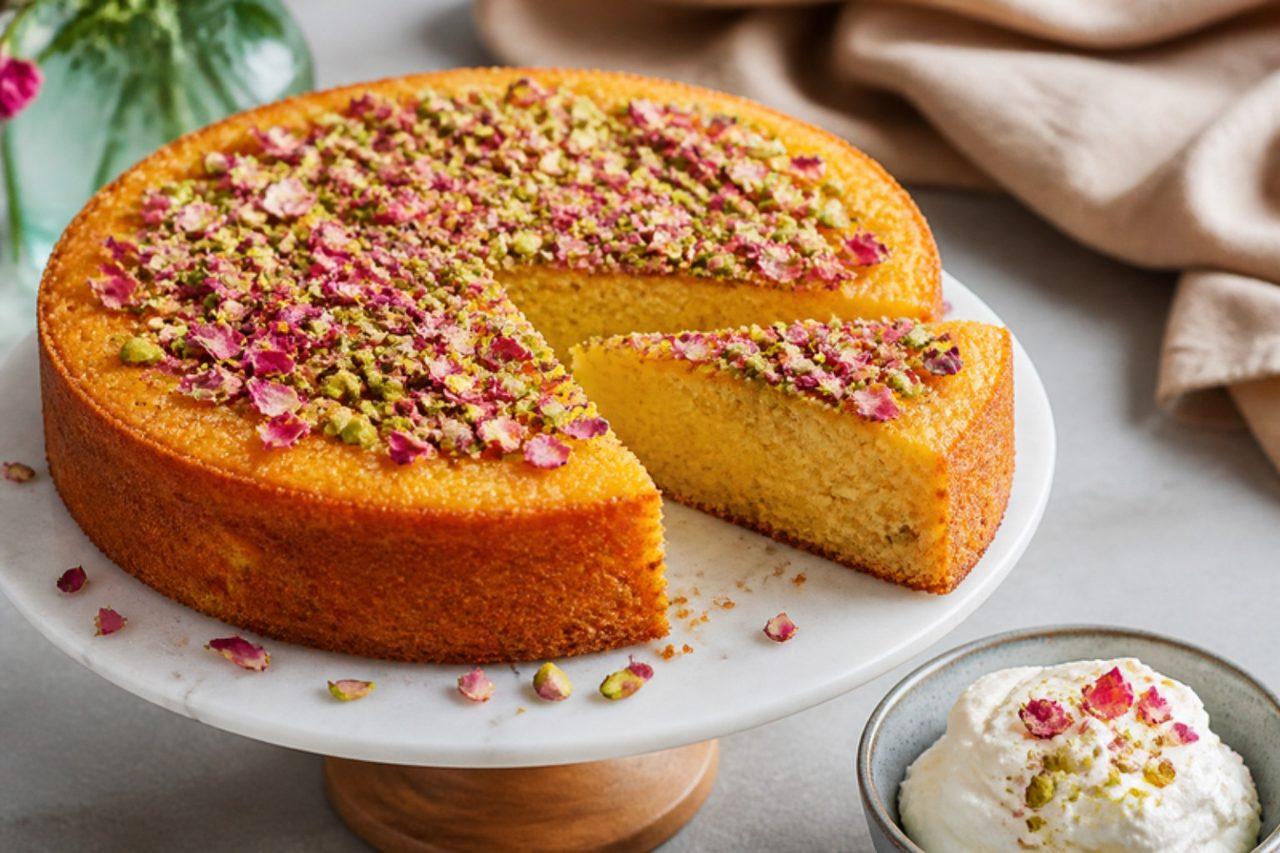
Persian love cake is not an old Iranian recipe but a modern one from the Iranian diaspora, popular in cafés in London and Melbourne, built on the flavours of Persian sweets: almond, cardamom, nutmeg, rosewater and pistachio. The name comes from a story about a woman who baked a spell-binding cake for a prince. It has a crunchy almond base and a soft, moist, yogurt-rich top, finished with rose-scented cream, green pistachios and pink petals, and it is lovely for birthdays and Nowruz tea. Made with ground almonds and no wheat flour, it is naturally gluten free. Chef's tip: press the base layer firmly into the tin; that crunchy bottom is the signature of this cake.

by KrazyBadal 0 views

BolaniStuffed flatbread

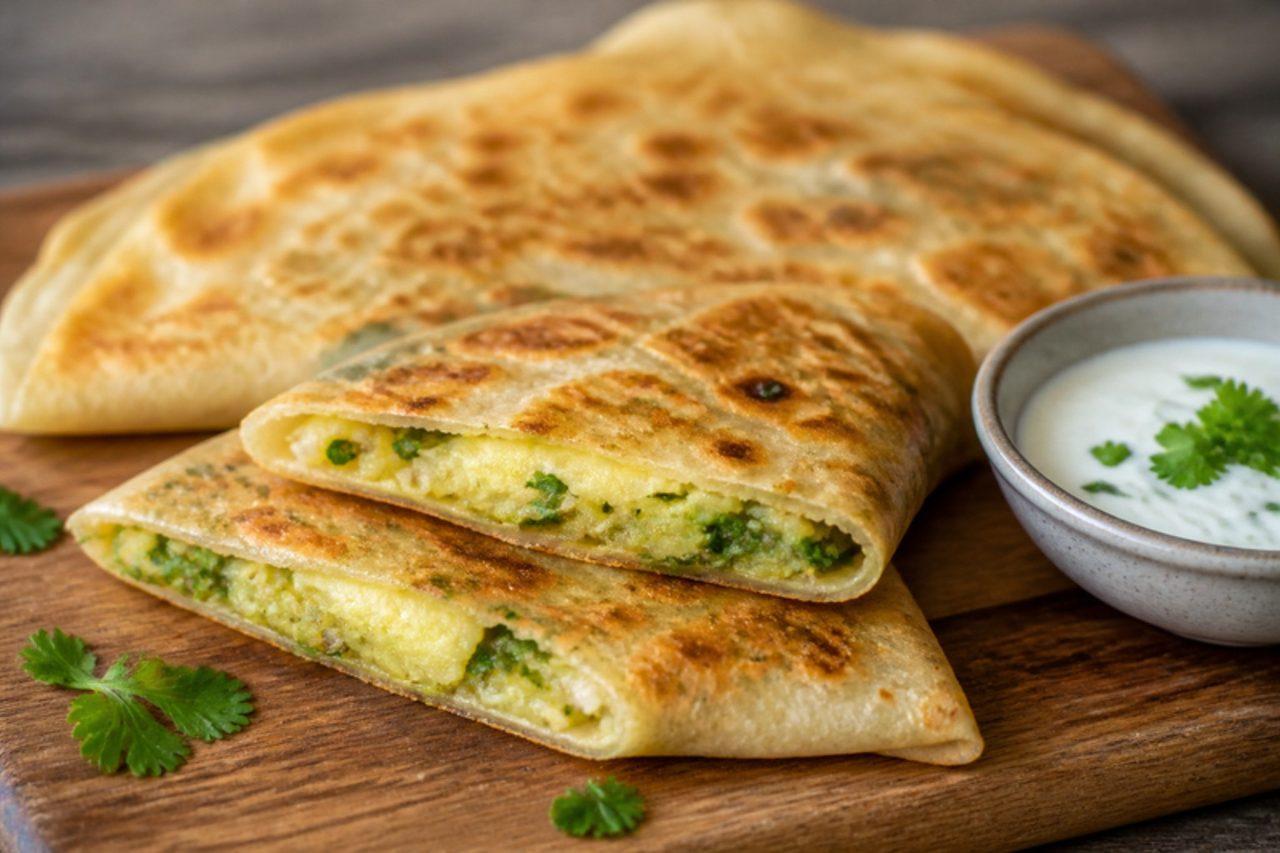
Bolani are thin, crisp half-moon flatbreads sold hot from griddles in Kabul's bazaars and made at home for Ramadan iftar, picnics and guests who drop in unannounced. The dough is rolled paper-thin, filled with mashed potato and spring onion (or with leeks or pumpkin), folded and fried in a little oil until blistered and golden. Cut them into wedges and serve with plain yoghurt or a green chutney. Chef's tip: spread the filling in a thin, even layer right to the edges; bolani should be flat and crackly, not puffy and doughy.

by KrazyBadal 0 views

Bolas de BerlimCustard-filled doughnuts

On Portuguese beaches in summer, from Praia da Rocha in the Algarve to Nazaré and Figueira da Foz, vendors walk the sand with a glass box on their shoulder calling 'Olha a bola!': soft fried doughnuts rolled in sugar, split along one side and stuffed with thick yellow creme pasteleiro. Though named after the Berliner, the Portuguese version is cut open rather than injected, so the custard shows like a smile. They are eaten in swimsuits, sticky-fingered, mid-afternoon, and in cafés the rest of the year. Chef's tip: let the shaped balls rise until they look puffy and a gentle finger press springs back slowly; under-proved dough fries dense and over-proved dough collapses and soaks up oil.

by KrazyBadal 0 views

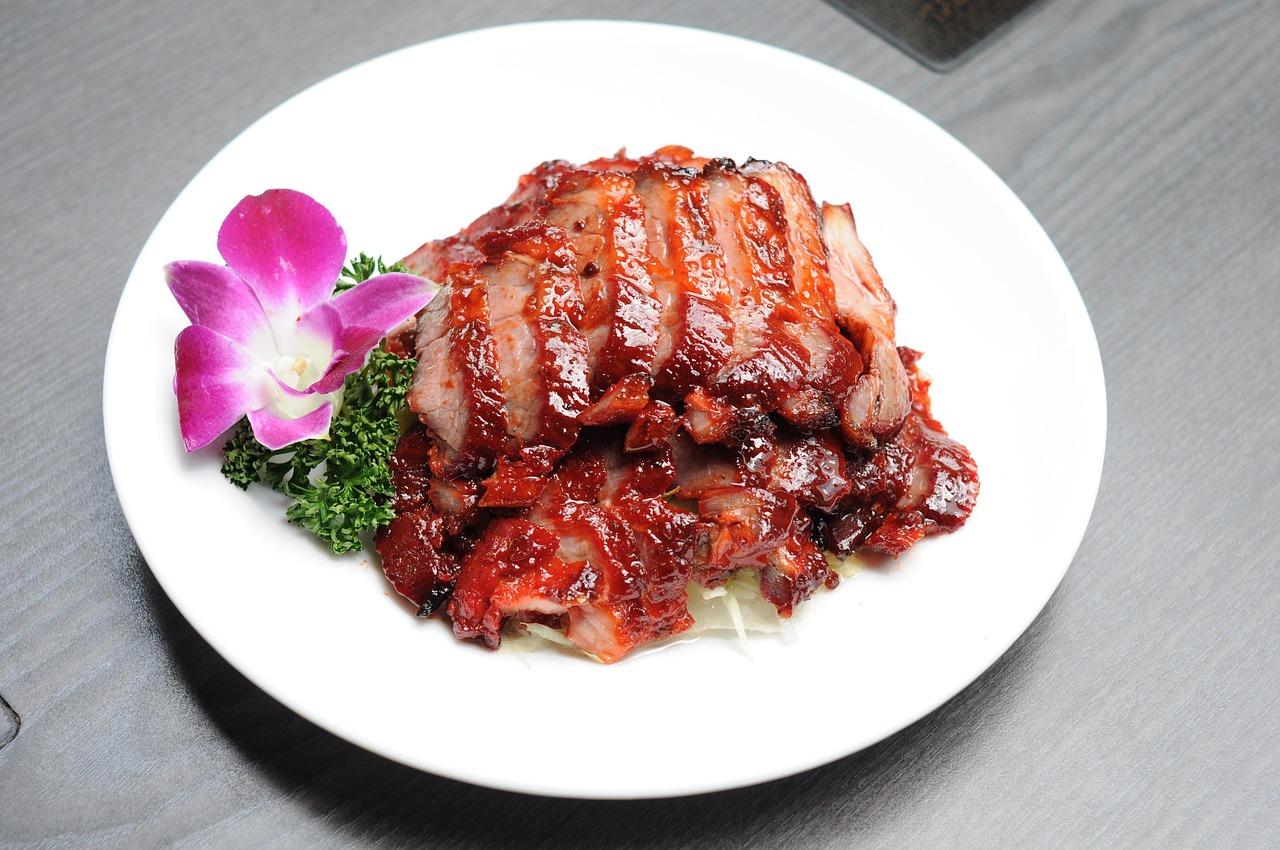
Char siuHoney roast pork

Hanging in long glossy strips in the windows of Guangzhou's siu mei shops, char siu is the roast pork Cantonese families pick up on the way home to put on rice, noodles or into steamed buns. The outside is lacquered, sweet and a little charred at the edges; the inside stays juicy, savoury and faintly scented with five-spice. Shoulder (pork butt) is the cut to use, because its marbling keeps the strips moist through a hot oven. Marinate it overnight in the fridge, roast it the next day and eat it warm with steamed rice and blanched greens, or cold in fried rice and noodle soups. Chef's tip: save the honey for the last ten minutes; brushed on at the start it burns black long before the pork is cooked.

120 minChineseMeat
by KrazyBadal 1 views

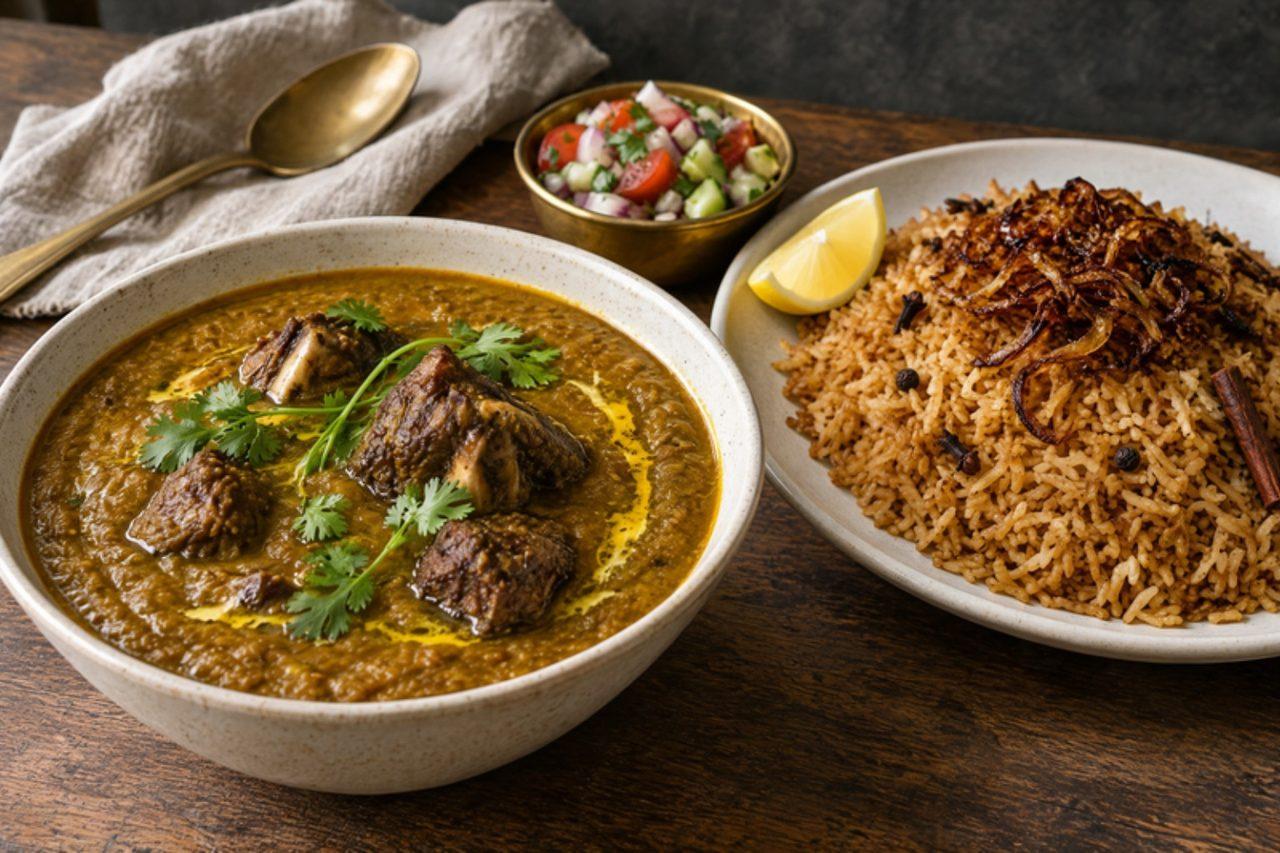
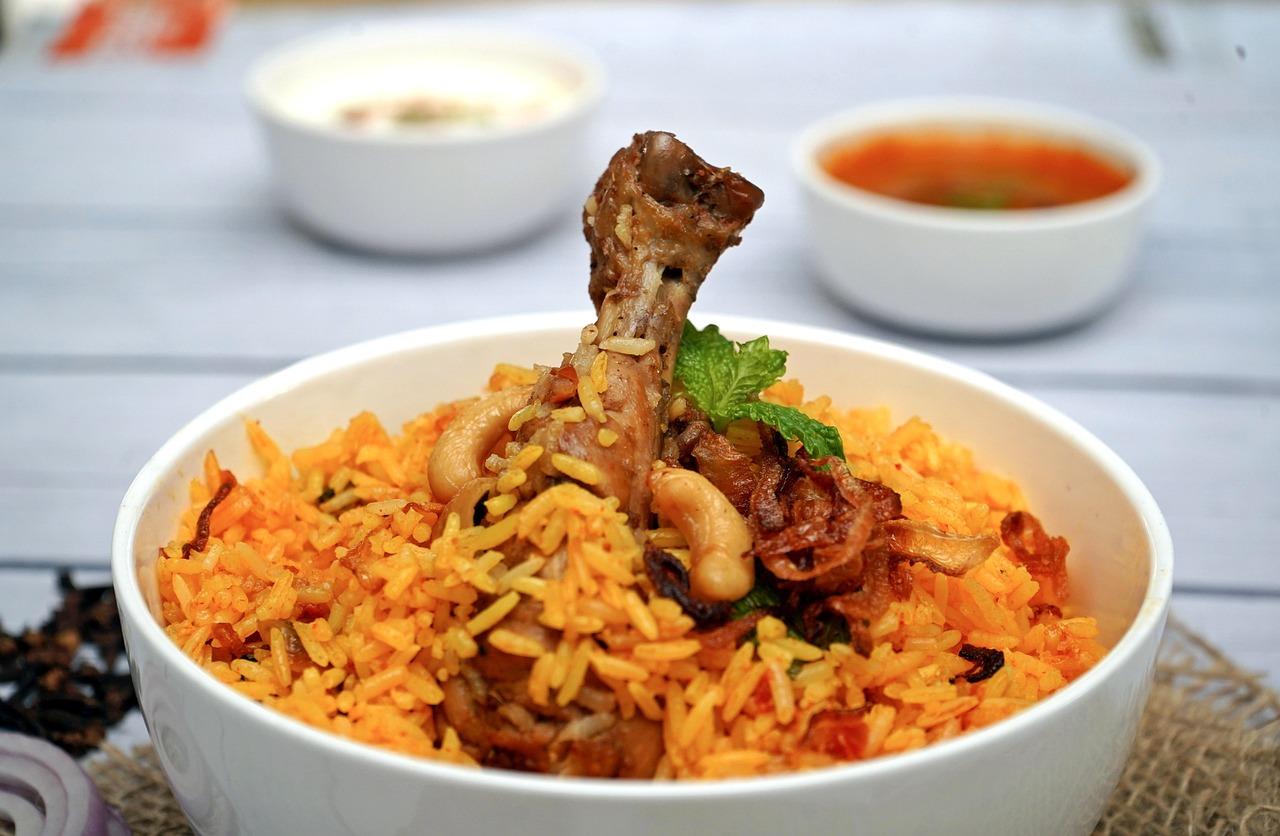
Hyderabadi chicken dum biryani

Hyderabad's biryani grew up in the kitchens of the Nizams, and the kacchi style is its proudest form: the chicken goes into the pot raw, in a thick yogurt, mint and fried-onion marinade, and cooks only in the steam trapped under part-cooked basmati. In the old city it is wedding and Eid food, ordered in huge copper deghs, and at home it's the Sunday showpiece, served with mirchi ka salan and a cooling raita. Because the meat cooks without being stirred, small bone-in thigh and drumstick pieces work best. Chef's tip: marinate overnight in the fridge — the yogurt tenderises the chicken and the flavours go right to the bone.

by KrazyBadal 1 views

Patodi rassaGram flour squares in spicy gravy

Patodi rassa (also called patwadi rassa) comes from the dry, hot districts of Vidarbha around Nagpur and Amravati, where gram flour often takes the place of vegetables. Gram flour is cooked thick like a polenta, spread on a plate, scattered with coconut, sesame and poppy seeds and cut into squares. Just before eating, the squares go into bowls and a spicy, thin rassa of roasted onion and dry coconut is poured over them so they soak it up. It's a dish for a Sunday lunch or a wedding feast in the region, served with jowar bhakri or chapatis and rice. Chef's tip: pour the rassa over the patodi at the table, not in the pot; simmered together, the squares fall apart.

by KrazyBadal 0 views

Gâteau patateSweet potato turnovers

Gâteau patate are little half-moon pastries made from mashed sweet potato dough and filled with sweetened grated coconut and cardamom, then fried until golden. They are a teatime treat in Mauritian homes and are sold at markets and fairs, especially around Divali and the end of the year. Chef's tip: use the sweet potatoes while still warm to make the dough; cold mash needs more flour and the gâteaux turn heavy.

by KrazyBadal 0 views

PatoleoRice dumplings in turmeric leaves

In August, when the monsoon makes turmeric leaves grow tall in Goan backyards, families make patoleo. Catholic households steam them for the Feast of the Assumption on 15 August, and Hindu families make the same sweet, called patoli, for Nag Panchami and Ganesh Chaturthi. A thin layer of rice paste is spread on a turmeric leaf, filled with fresh coconut and dark Goan jaggery, folded and steamed. The leaf leaves a sweet, gingery perfume on the rice that nothing else can copy, so look for fresh turmeric leaves in Indian grocers; banana leaves are a fair substitute. Chef's tip: spread the rice paste as thin as you can while still covering the leaf; thick patoleo are stodgy and the filling gets lost.

by KrazyBadal 0 views

Fijian cassava cakeCassava and coconut cake

In Fiji, cassava (tavioka) is everyday food, and grated sweet cassava cake turns up at village feasts, church bazaars and morning tea across Viti Levu. Fresh cassava is finely grated and baked with coconut milk, sugar, butter and a little vanilla into a heavy, chewy, golden cake that's cut into squares. It's naturally gluten free and keeps well for a couple of days. Chef's tip: squeeze some of the liquid out of freshly grated cassava; too wet and the cake stays gluey in the middle.

by KrazyBadal 0 views

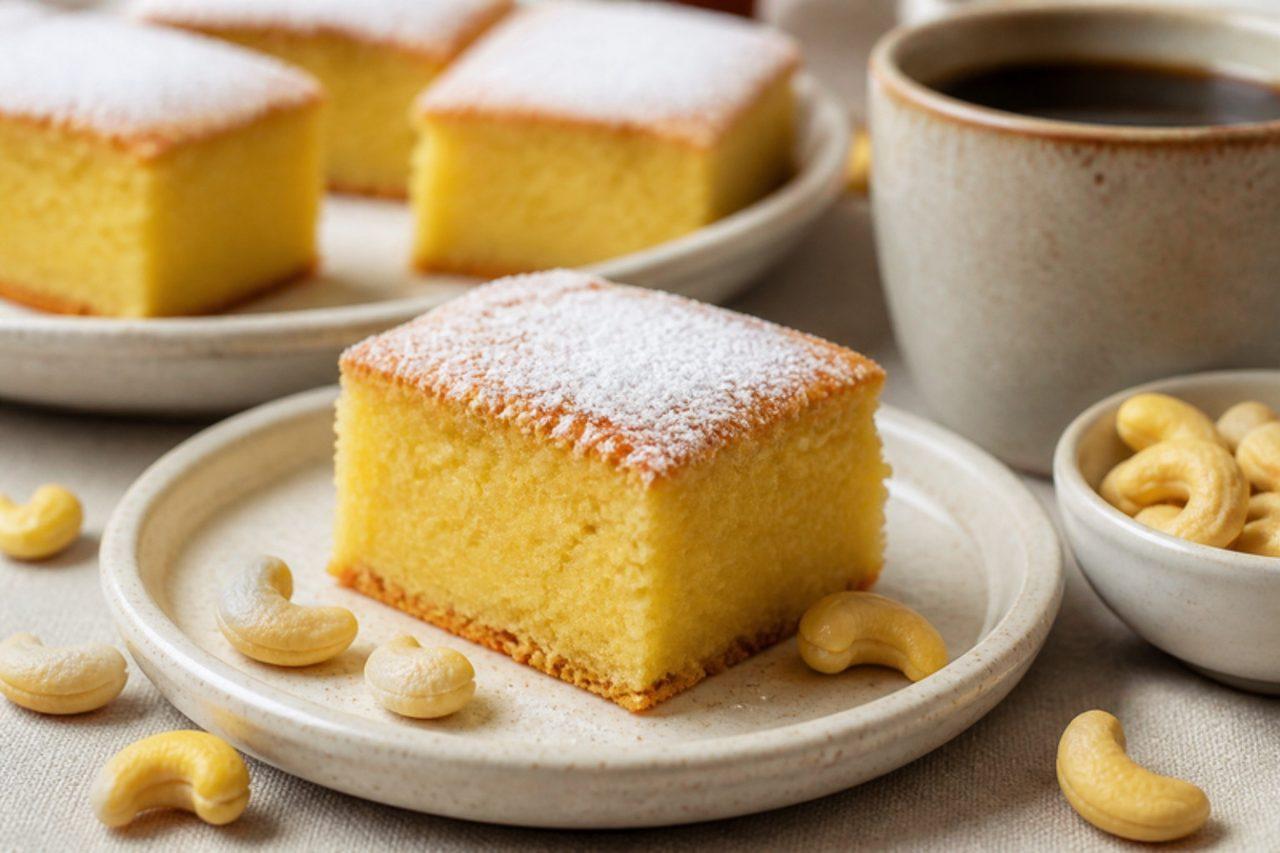
Bolo polanaCashew and potato cake

Bolo polana takes its name from the old Polana district of Maputo and is a celebration cake in Mozambique, made for birthdays and Christmas, built on two of the country's great crops: cashew nuts and potatoes. Ground cashews and mashed potato make it dense, fragrant and very moist, with orange zest to lift it. It shows the Portuguese baking tradition meeting local ingredients. Chef's tip: grind the cashews in short pulses with a spoon of the sugar; ground alone, they turn to cashew butter.

by KrazyBadal 0 views

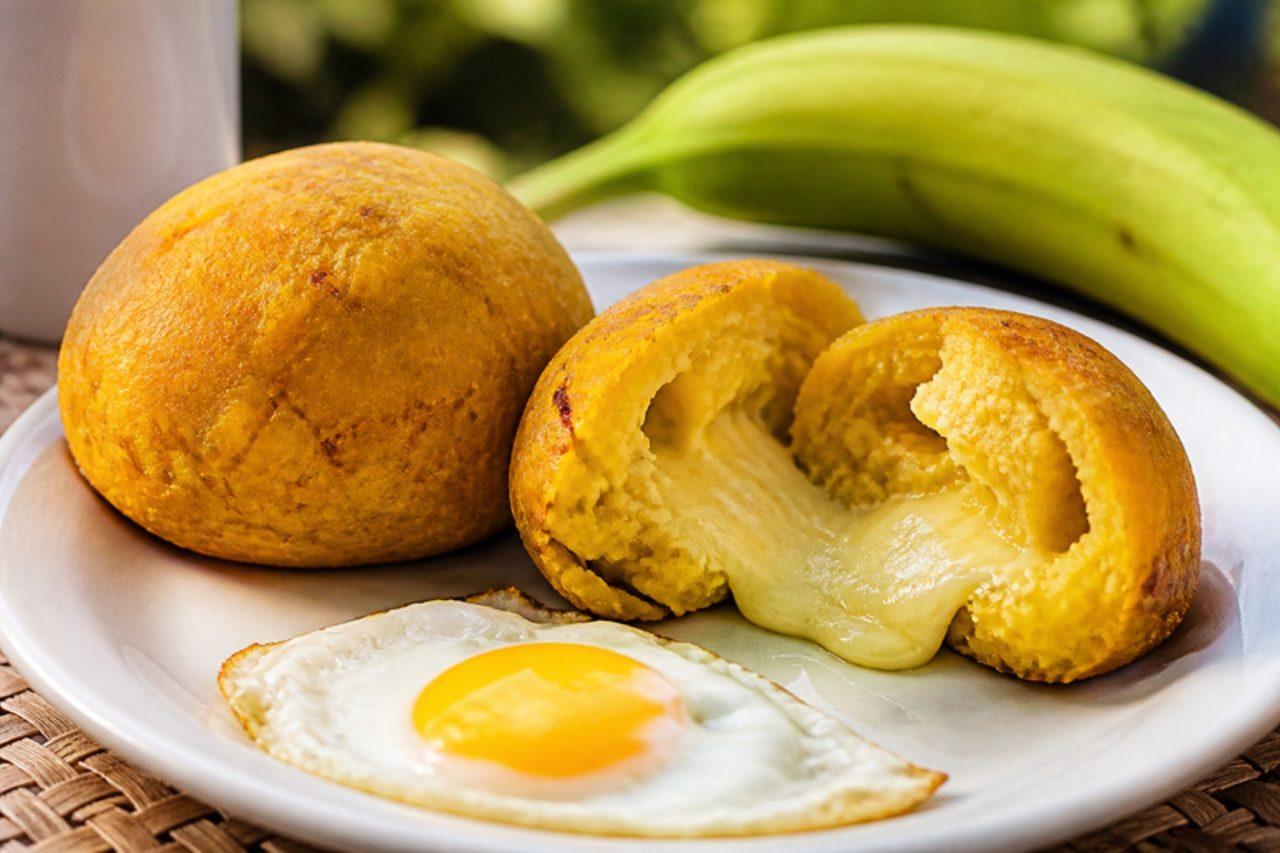
Bolón de verde con quesoPlantain and cheese balls

On Ecuador's coast, in Guayaquil and Manabí, breakfast is often a bolón: green plantain fried, pounded while hot with butter and salty cheese, shaped into a fist-sized ball and fried again until crusty. It comes with a cup of strong black coffee and a fried egg, and a little ají on the side; the other classic version uses pork crackling, but cheese bolón is just as common. Chef's tip: shape them while the plantain is still hot; once cold the starch sets and won't stick together.

by KrazyBadal 0 views

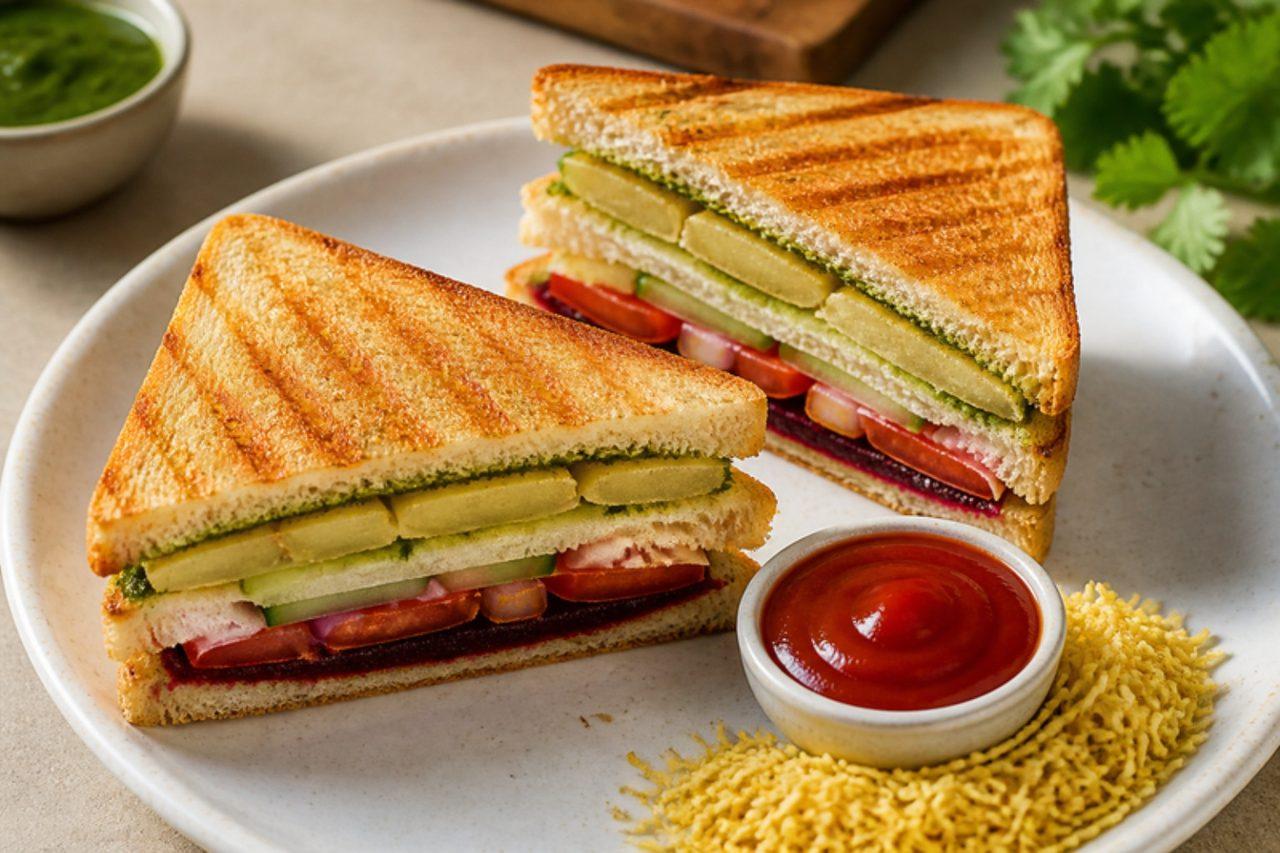
Bombay sandwichToasted vegetable sandwich

Every busy corner in Mumbai, from Churchgate station to the lanes of Dadar, has a sandwich-wallah with a stack of white bread, a tub of butter, a bowl of green chutney and a cast-iron toaster held over a flame. The Bombay sandwich is built in thin layers of boiled potato, beetroot, cucumber, tomato, onion and green pepper, each layer dusted with a peppery sandwich masala, then toasted until crisp and cut into neat squares. Cheese is grated over the top if you ask. It's a commuter's breakfast, a school snack and a late-night bite after the cinema. Serve with ketchup and more chutney. Chef's tip: slice every vegetable as thin as a coin; thick slices slide out when you bite and stop the sandwich toasting evenly.

by KrazyBadal 0 views

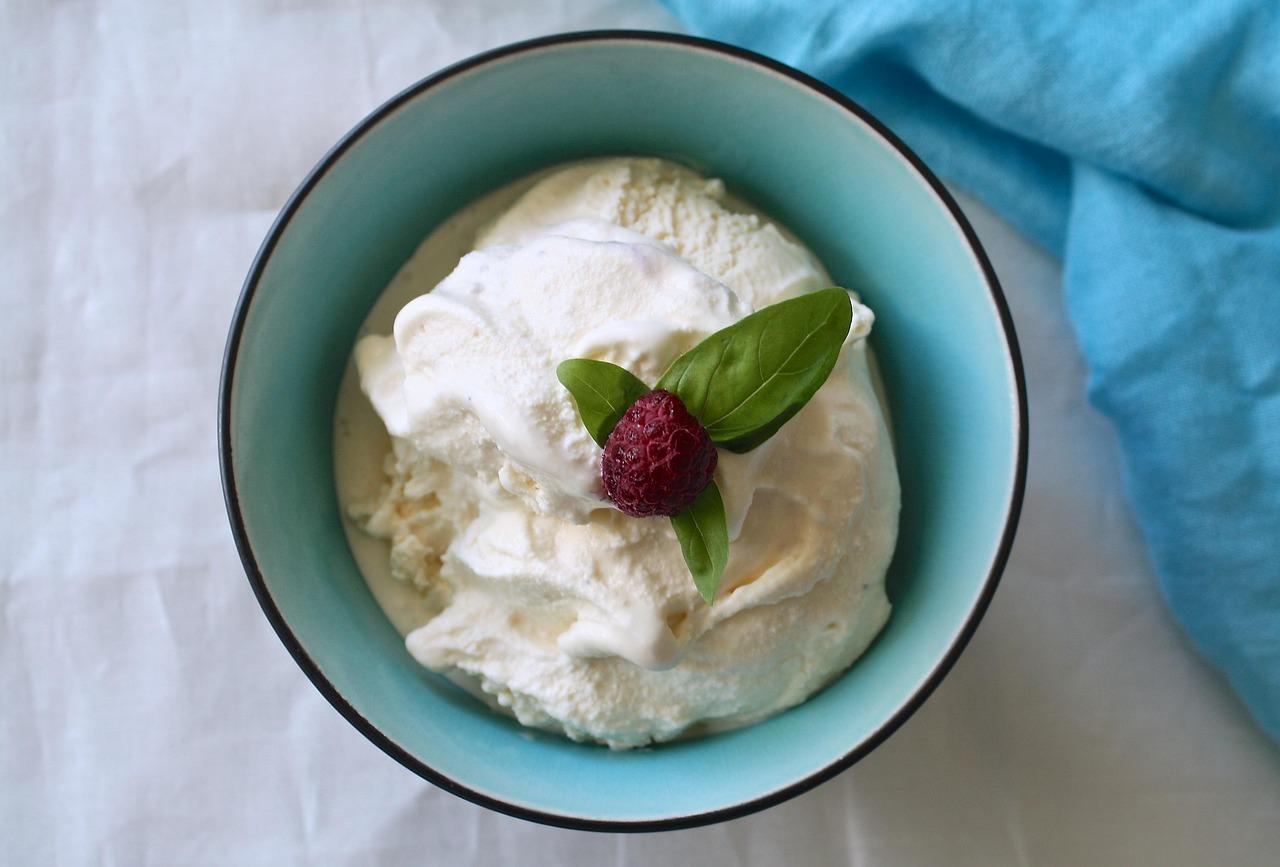
Coconut ice cream (ice-cream ya nazi)

An easy no-churn ice cream of coconut milk, sweetened condensed milk and evaporated milk, scented with nutmeg or cardamom and a little rose. Whisking it once while it freezes keeps it smooth and fluffy. Garnish with shredded coconut and a sprig of mint.

by KrazyBadal 0 views

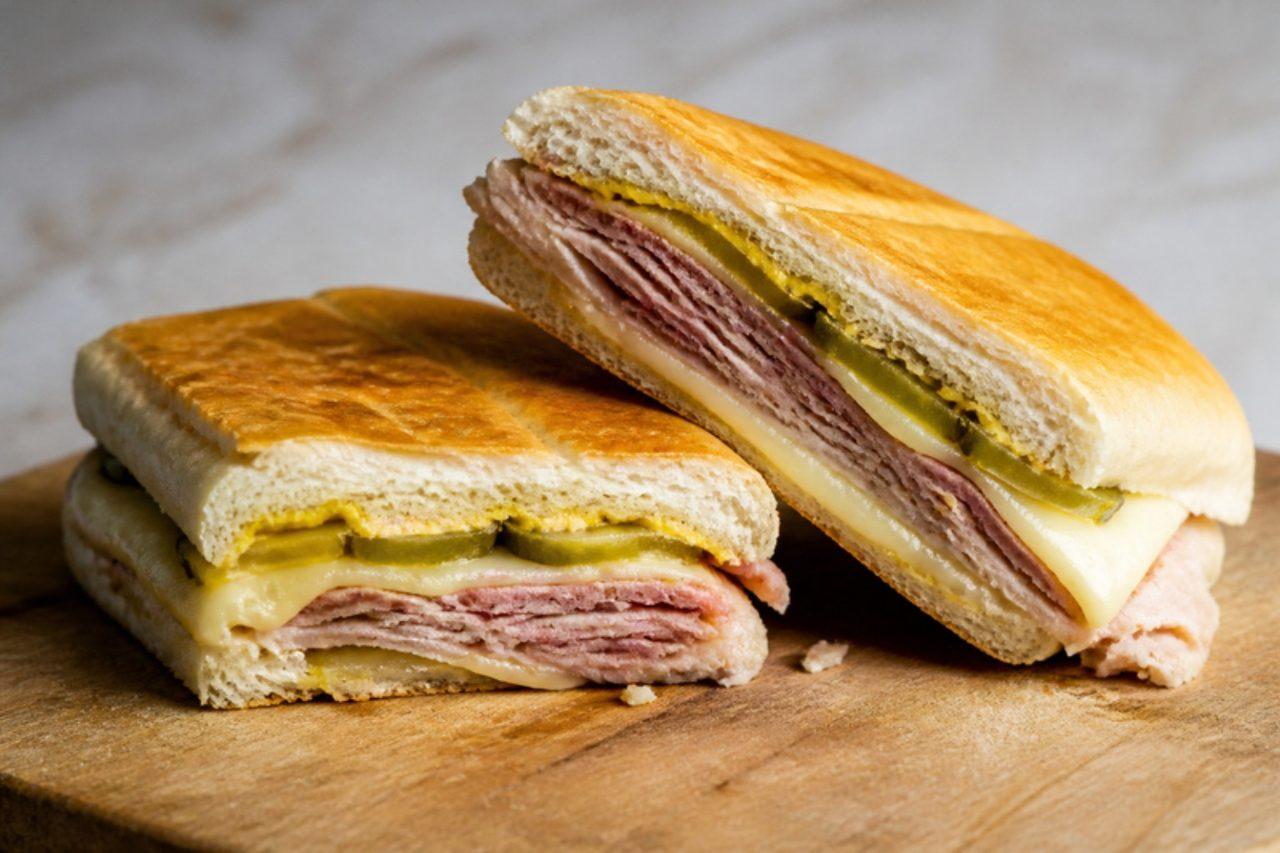
Sándwich cubanoPressed pork and ham sandwich

This is a pork sandwich. The Cubano was the lunch of cigar workers going between Havana and Tampa, and Miami's Little Havana cafés still press it to order on a hot plancha. Soft Cuban bread is layered with mojo roast pork, boiled ham, Swiss cheese, dill pickles and yellow mustard, then flattened and toasted until the cheese melts and the crust shatters. It is the best use of leftover lechón asado. Drink it with a café cubano. The usual mistake is pressing on too high a heat, which burns the bread before the middle is hot. Chef's tip: butter the outside of the bread, not the inside, and weigh it down with a heavy pan so it crisps evenly.

by KrazyBadal 0 views

Picanha churrascoGrilled beef rump cap

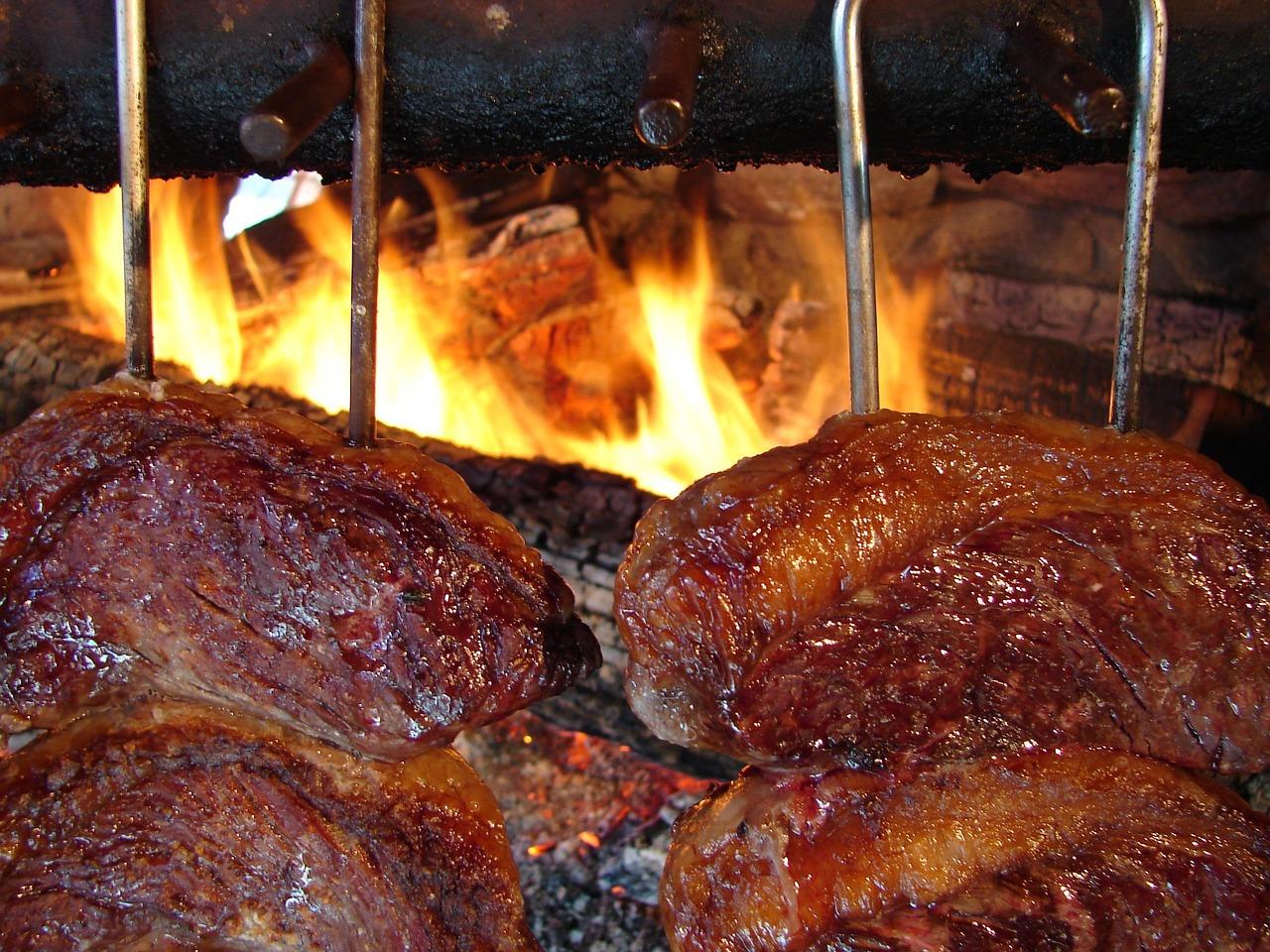
Picanha, the rump cap with its thick white fat layer, is the cut Brazilians prize most at a churrasco. The tradition comes from the gaúchos, the cattle herders of Rio Grande do Sul, and lives on in Sunday family barbecues in the south and in churrascarias across the country, where waiters carry the meat from table to table on long skewers. It is seasoned with nothing but coarse rock salt (sal grosso) and cooked over charcoal with the fat left on, so it bastes the meat. You can fold thick steaks into a C shape on skewers, as in the churrascarias, or grill them flat. Chef's tip: before slicing, knock the excess salt off with the back of a knife; the crust keeps just enough.

by KrazyBadal 0 views

Borani banjanFried aubergine in tomato sauce

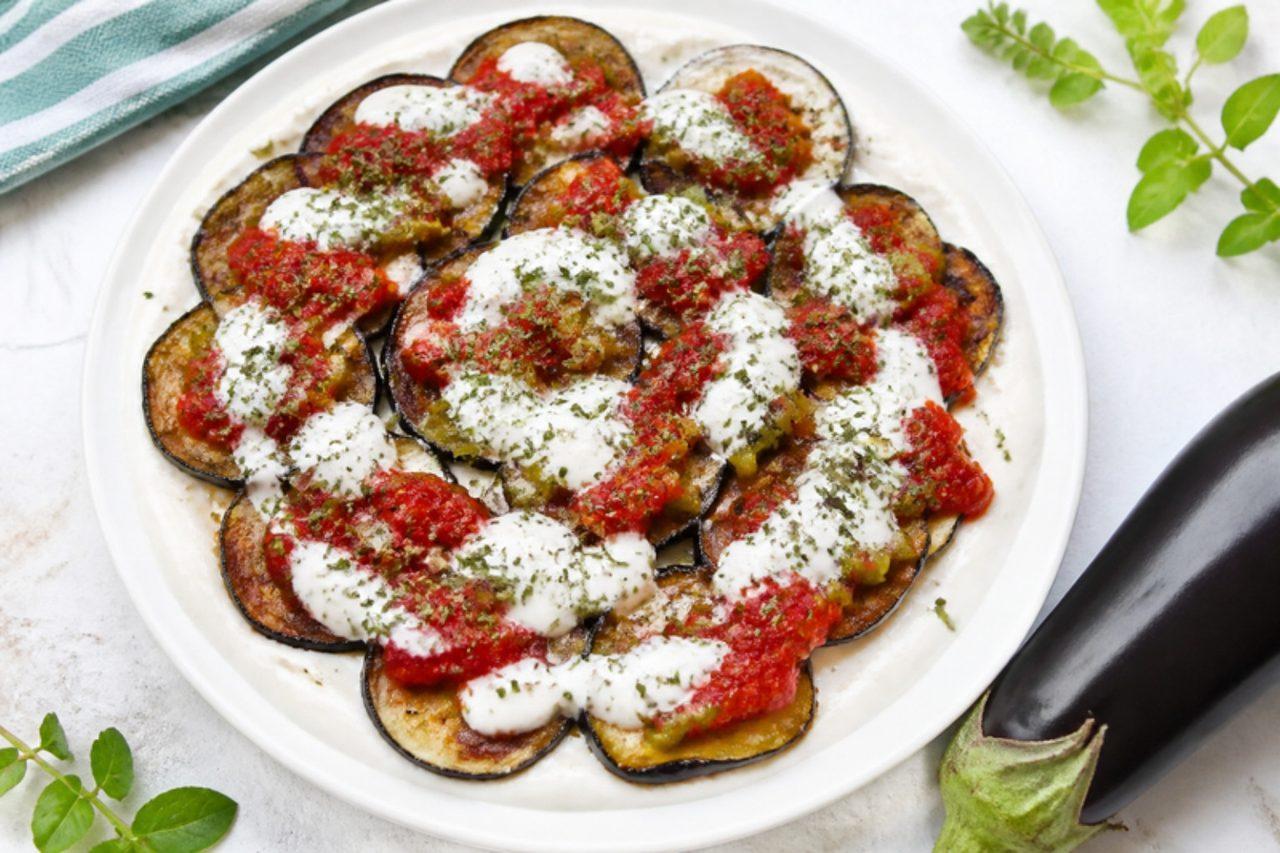
Borani banjan is the aubergine dish Afghan hosts set out at almost every dinner party and Eid meal, from Herat to Mazar-i-Sharif. Thick slices of aubergine are fried until golden, then simmered in a tomato and pepper sauce until meltingly soft and laid over a bed of garlic yoghurt, with dried mint on top. It's eaten warm with naan, or as a side to rice. Chef's tip: fry the aubergine slices in a hot pan and let them drain well before they go into the sauce; well-browned slices hold their shape and give the dish its deep, almost sweet flavour.

by KrazyBadal 0 views

Corn & cassava in coconut milk

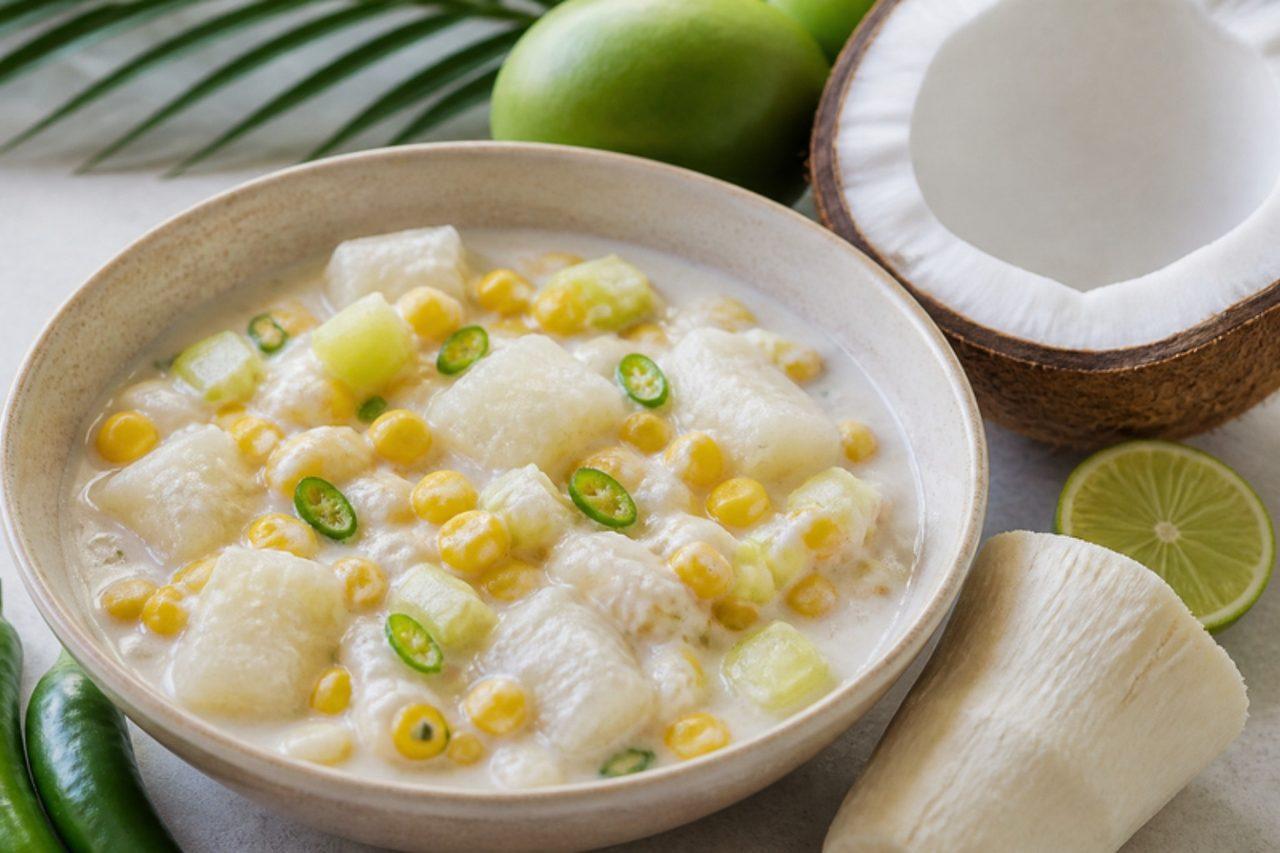
A simple Swahili dish of tender cassava and sweetcorn simmered in thick coconut milk with green chillies, a little raw mango and lemon. It's creamy, mild and filling. Serve hot as a side or a light meal.

by KrazyBadal 0 views

Bore baasiSoaked rice with onion

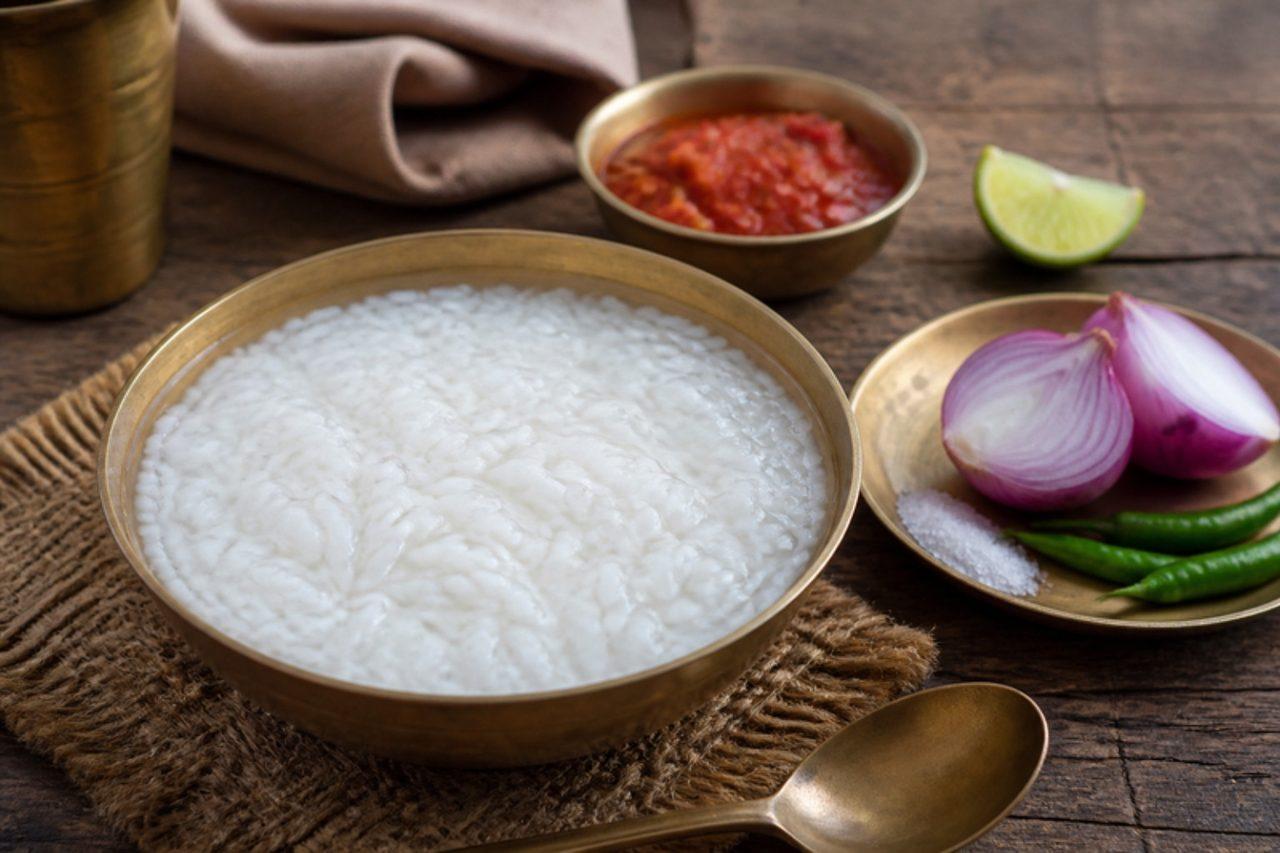
Bore baasi is the summer meal of Chhattisgarh's farmers: cooked rice soaked in water, either for a few hours (bore) or overnight (baasi), then eaten from the bowl with its slightly sour water, raw onion, green chilli and a pinch of salt. It is cooling, filling and easy on the stomach in the heat, and in recent years the state has made 1 May, Labour Day, the day to eat it as Bore Baasi Tihar. Many families add a ladle of buttermilk or curd and something fried or roasted on the side. Food safety matters with any cooked rice left standing, so this version cools the rice fast and soaks it in the fridge. Chef's tip: cool and cover the rice within an hour of cooking; rice left warm on the counter is the real risk, not the soaking.

by KrazyBadal 0 views

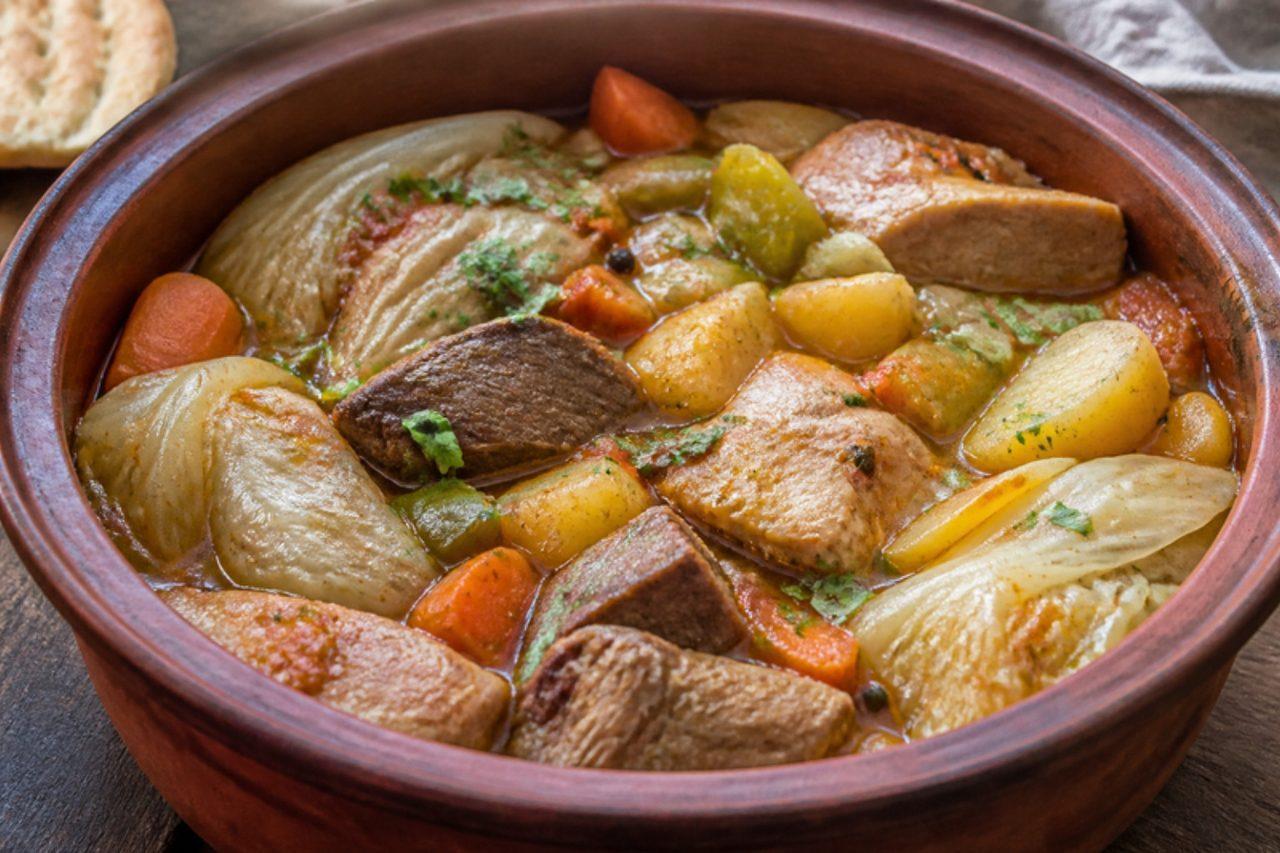
Bosanski lonacLayered meat and vegetable pot

Bosanski lonac goes back to Bosnian village hearths, where a tall clay pot was layered with meat and vegetables and left in the embers for hours; in Sarajevo and Mostar it is still cooked for name-day gatherings and cold winter weekends. This home version layers chunks of beef, lamb and pork with cabbage, potatoes, carrots, tomatoes and peppers, then cooks it slowly in a covered pot with only a little water, so everything stews in its own juices. This recipe contains pork; use all beef and lamb if you prefer. The mistake people make is stirring it: the layers should stay intact and steam gently. Chef's tip: put the meat and onions at the bottom and the watery vegetables like tomatoes at the top, so the juices drip down through everything.

215 minBalkanMeatGluten free
by KrazyBadal 0 views

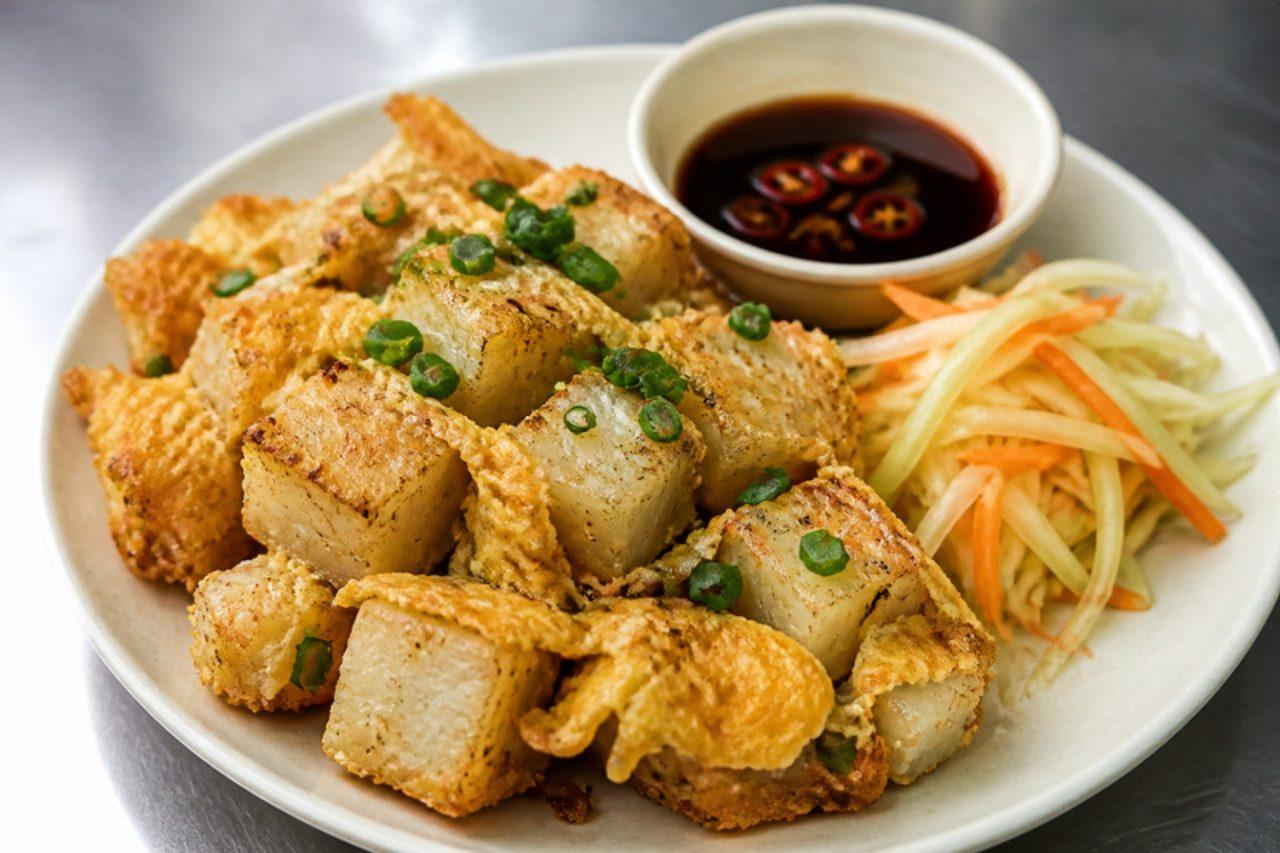
Bot chienFried rice flour cakes with egg

Bột chiên came to Saigon with the Teochew Chinese community of Chợ Lớn and is now an after-school snack sold from street pans across the city in the late afternoon. Cubes of steamed rice-flour cake are fried in a wide pan until crisp outside and soft inside, then an egg is poured over and stirred until it binds them in golden scraps. It is eaten with shredded pickled green papaya and a sweet, sour soy dipping sauce. Chef's tip: make the cake the day before and chill it overnight; cold, firm cake cuts into neat cubes and crisps far better.

by KrazyBadal 0 views

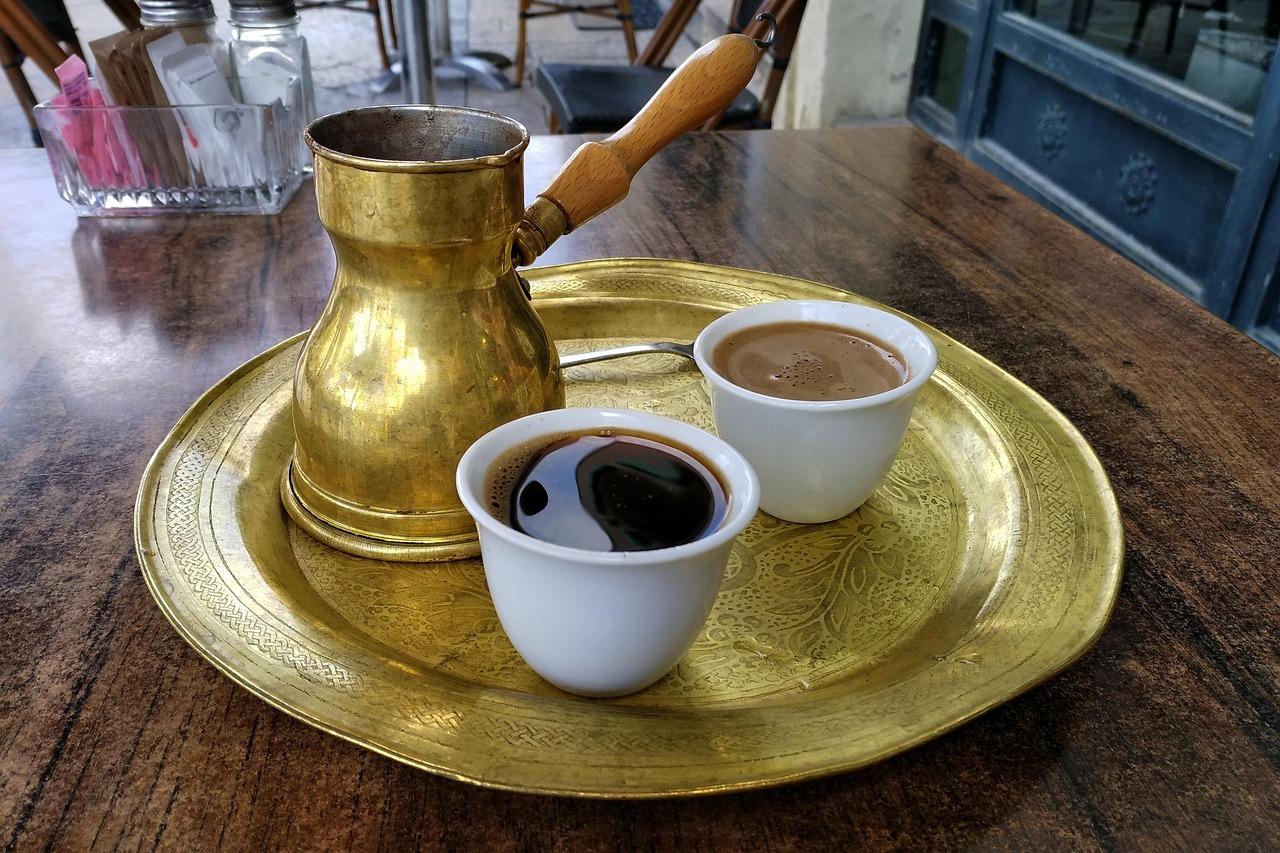
Zanzibar coffee (kahawa)

Kahawa is the strong, spiced black coffee poured from brass pots on the streets of Stone Town: freshly ground coffee boiled with cardamom pods and finished with ginger and ground cardamom. It's bitter-sweet and aromatic. Serve hot in small kahawa cups.

by KrazyBadal 0 views

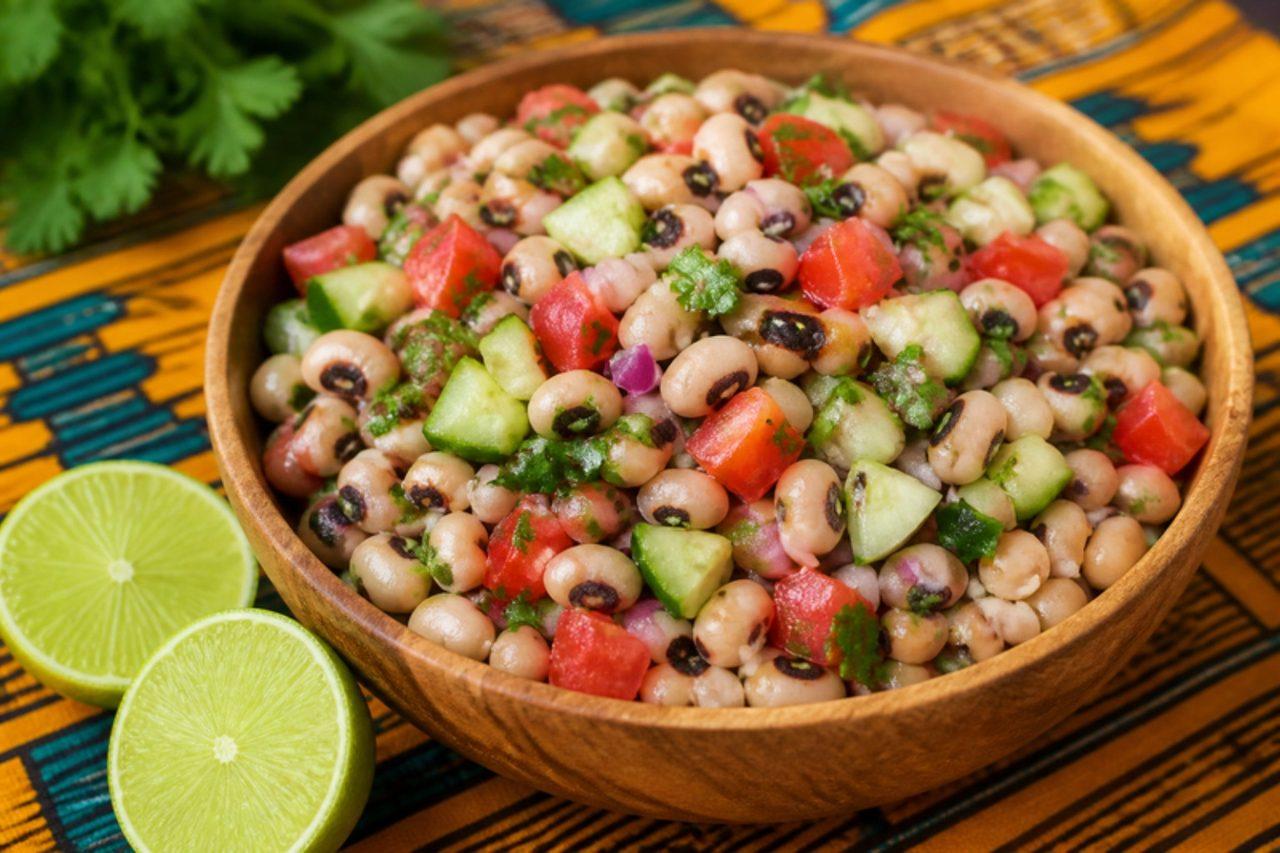
Salade de niébéBlack-eyed bean salad

Niébé is the Wolof and French name for black-eyed beans, and this bright salad turns up at Senegalese family lunches, baptism feasts and Ramadan break-fast tables next to grilled dishes and rice. The beans are dressed while warm with lime, mustard and onion, then mixed with crunchy raw vegetables and a little hot pepper. It travels well and tastes better after an hour. Chef's tip: dress the beans while they are still warm so they drink in the lime; cold beans stay bland however much dressing you pour over.

by KrazyBadal 0 views

Zanzibar pillau

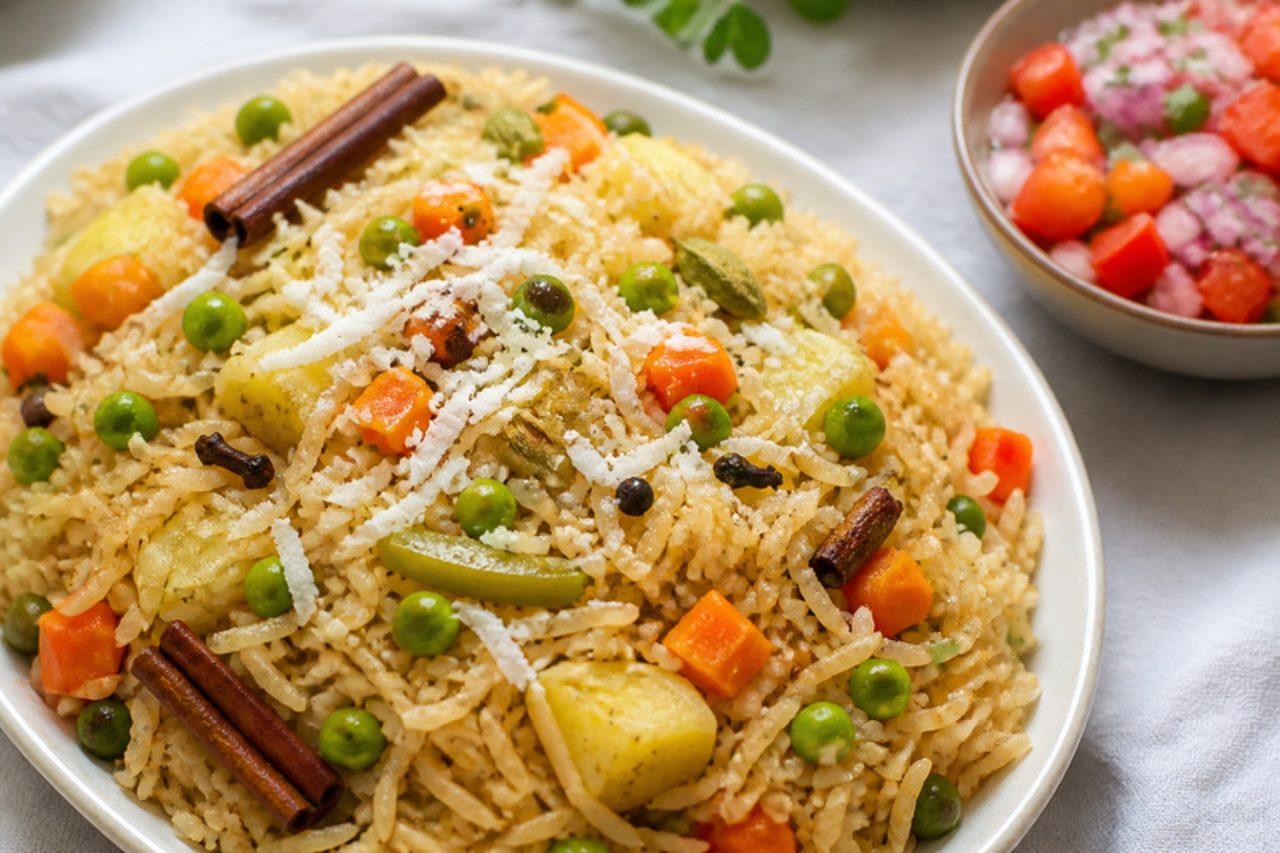
Zanzibar's spiced pilau: rice cooked with onions, garlic, whole cinnamon, cloves, cardamom, peppercorns, cumin and nutmeg and plenty of vegetables, then finished with coconut milk and baked until fluffy. It's fragrant rather than hot. Garnish with grated coconut and serve hot with kachumbari or a curry.

by KrazyBadal 0 views

Zanzibar spiced tea (chai ya viungo)

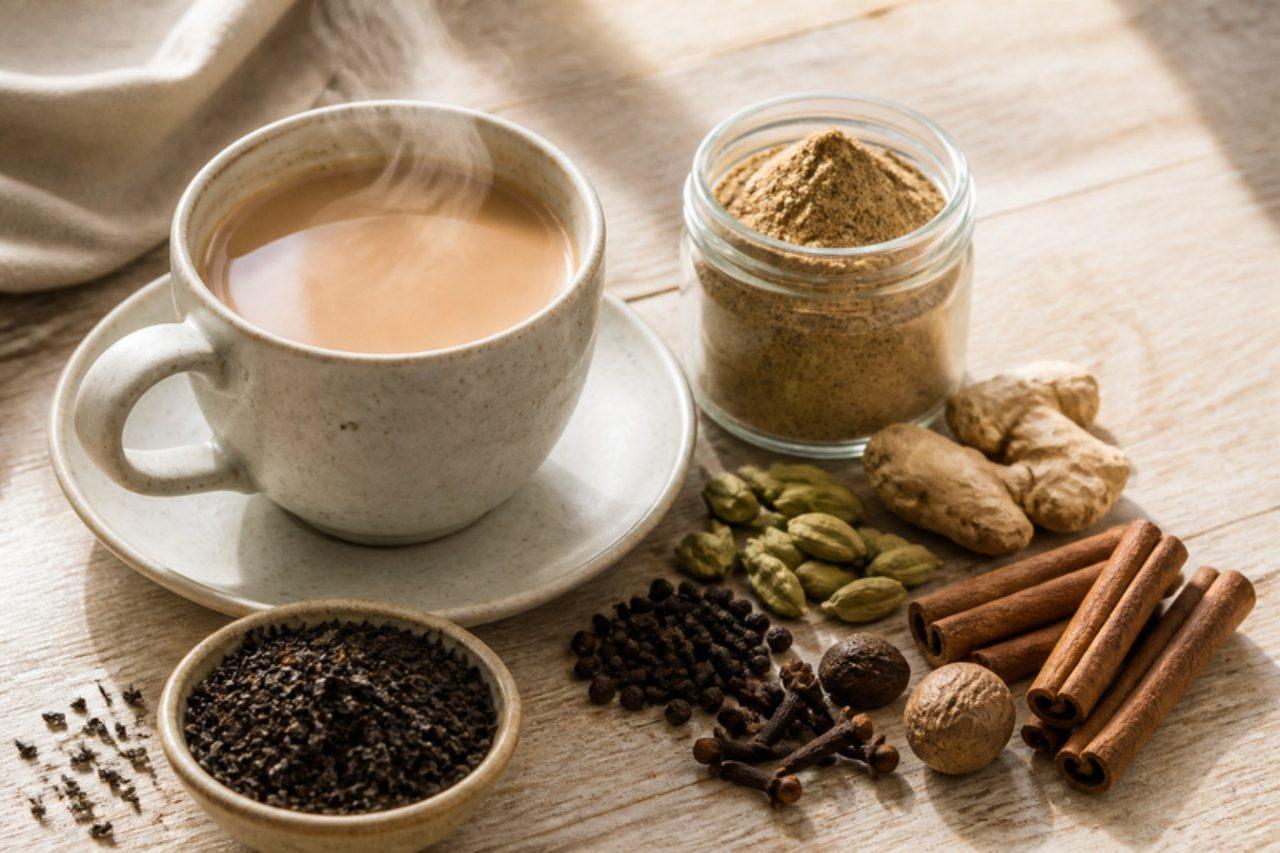
Zanzibar is the spice island, and chai ya viungo is its everyday tea: black tea boiled with a home-roasted masala of cardamom, dry ginger, black pepper, cloves, cinnamon and nutmeg. The masala keeps for months in an airtight jar. Milk is optional; serve the tea hot.

by KrazyBadal 0 views

Rice pancakes (mukari)

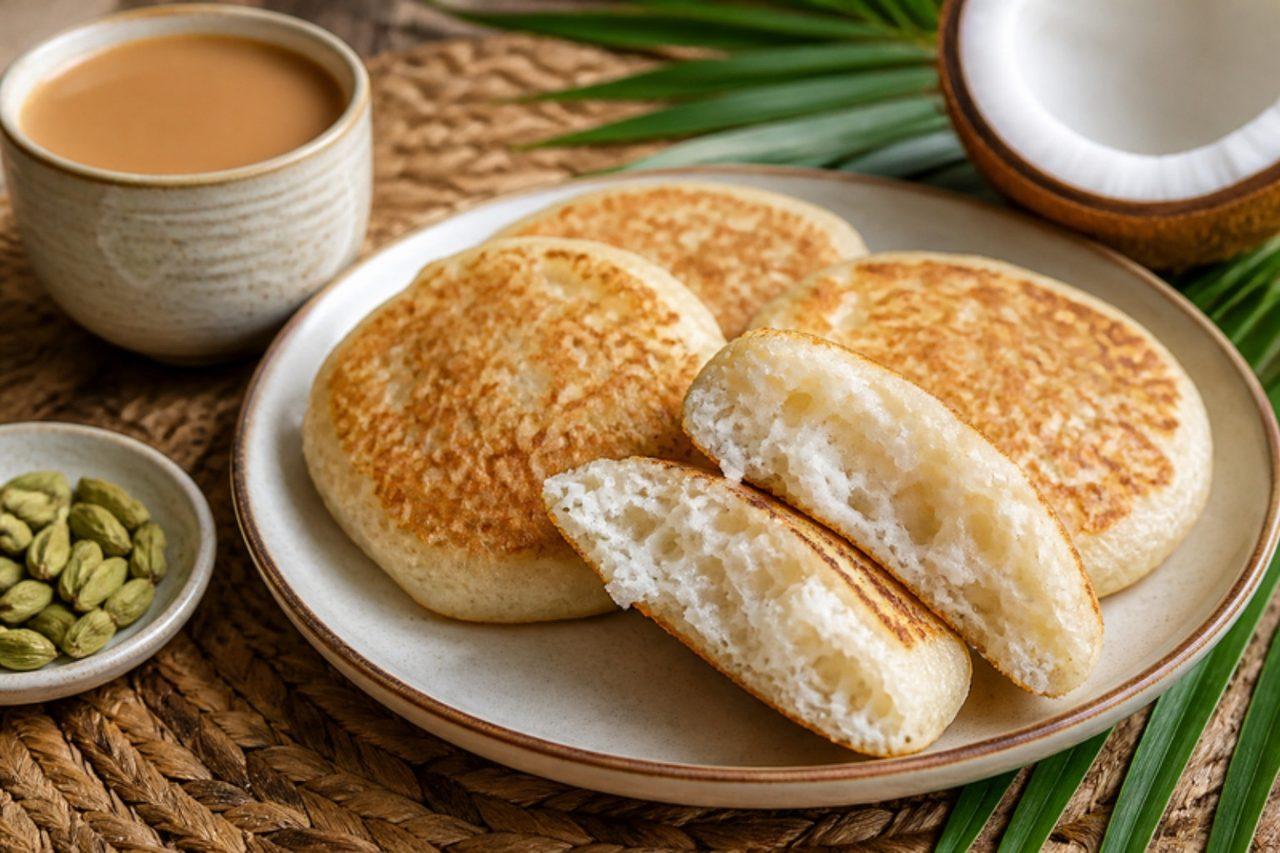
Mukari are soft, lightly sweet Zanzibari pancakes made from a yeasted rice flour and coconut milk batter scented with cardamom. They're cooked covered over a low heat so they puff up and stay spongy. Serve warm with tea.

by KrazyBadal 0 views

Baked bananas (ndizi ya kuoka)

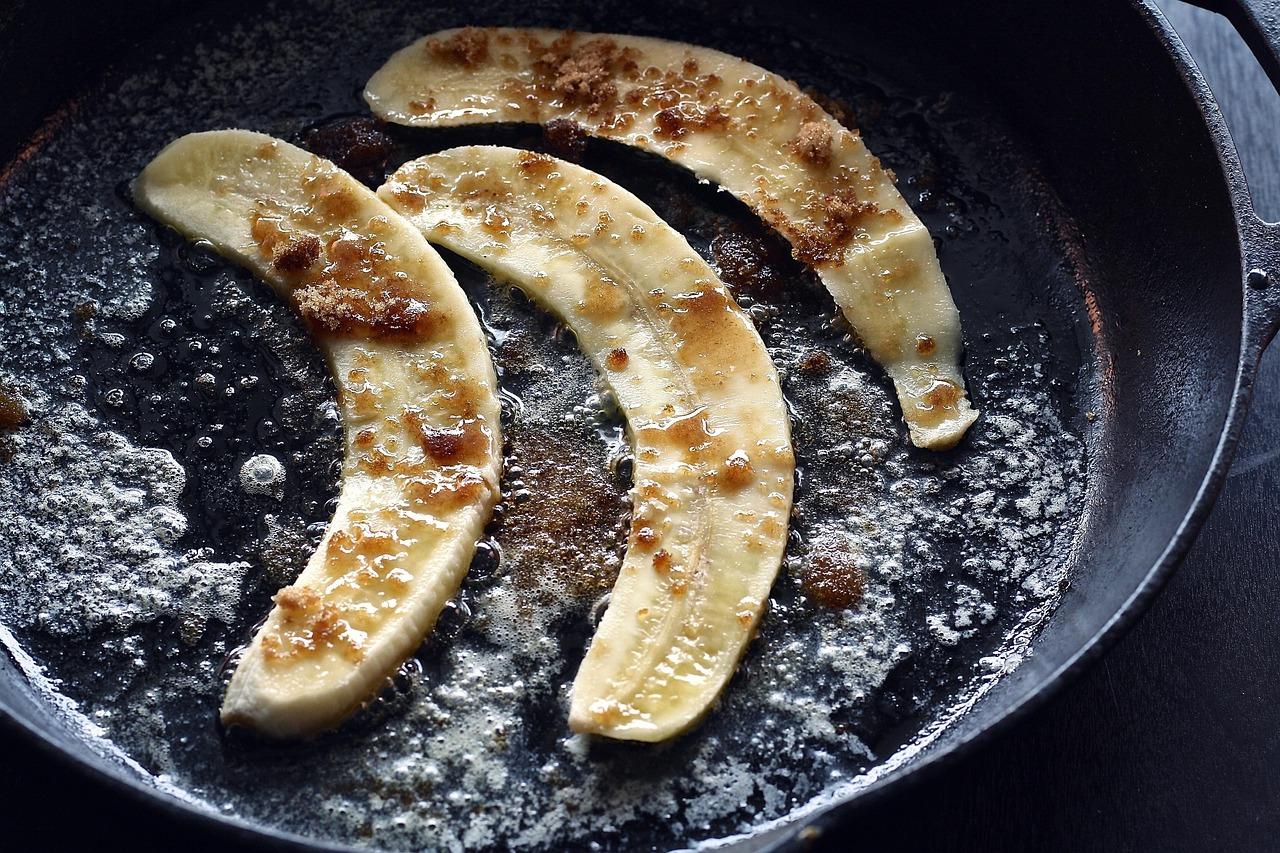
Ndizi ya kuoka: small bananas halved and baked with lemon juice, brown sugar and cinnamon until soft and syrupy, then served with lightly sweetened cream and a grating of nutmeg. It's a quick, warm pudding. The book's Handy Hints say bananas are good for the heart.

by KrazyBadal 0 views

BougatsaSemolina custard pie

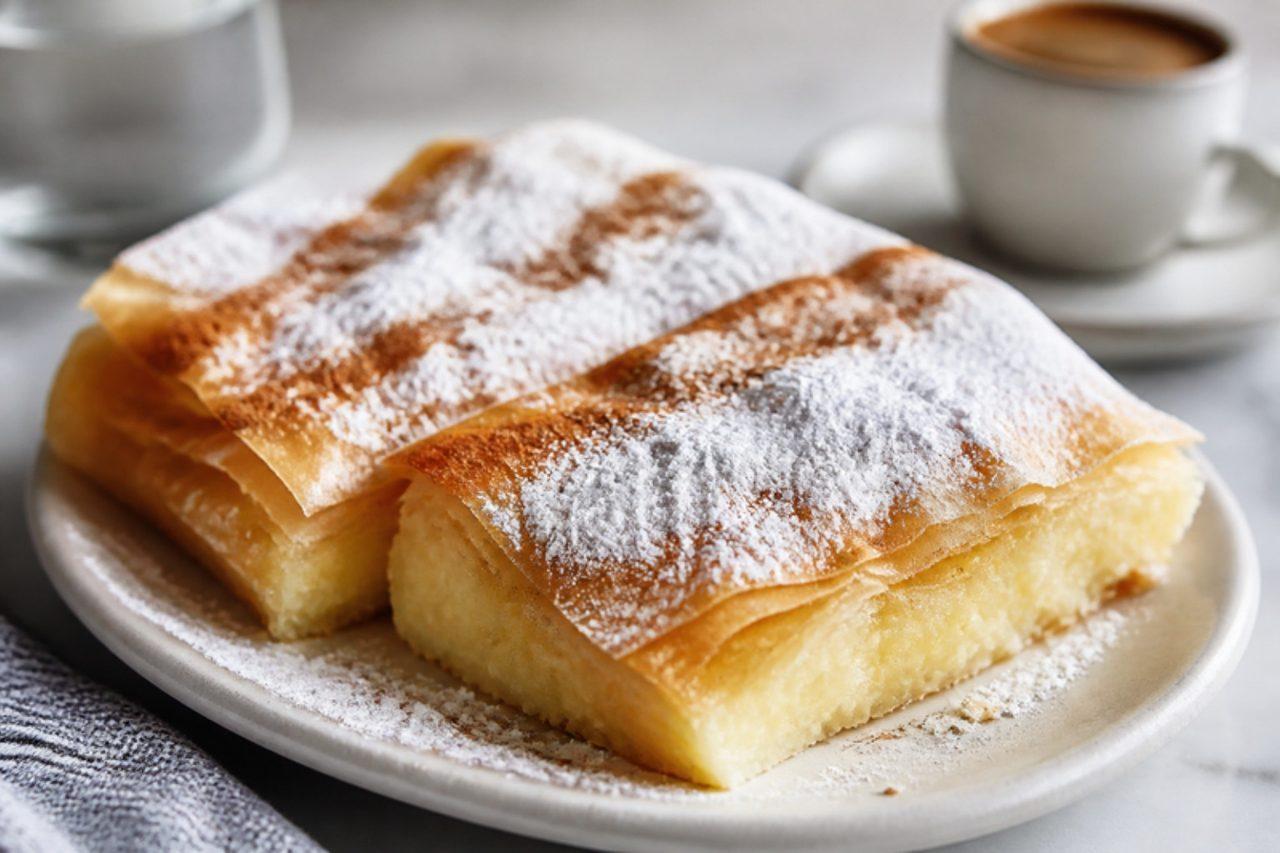
In Thessaloniki, breakfast is often a plate of bougatsa eaten at a marble counter at seven in the morning: warm vanilla custard wrapped in crackly pastry, chopped into bite-size pieces in front of you and dusted with icing sugar and cinnamon. The city's bougatsa shops stretch the dough paper-thin by hand; at home, shop fillo does a fine job. The custard is thickened with fine semolina, so it slices cleanly but stays soft and wobbly. Eat it warm with a Greek coffee or a cold frappé. Chef's tip: whisk the semolina into the milk in a slow stream and keep whisking; dumping it in at once is the usual mistake and leaves lumps you can't beat out.

by KrazyBadal 0 views

Ginger drink (tangawizi)

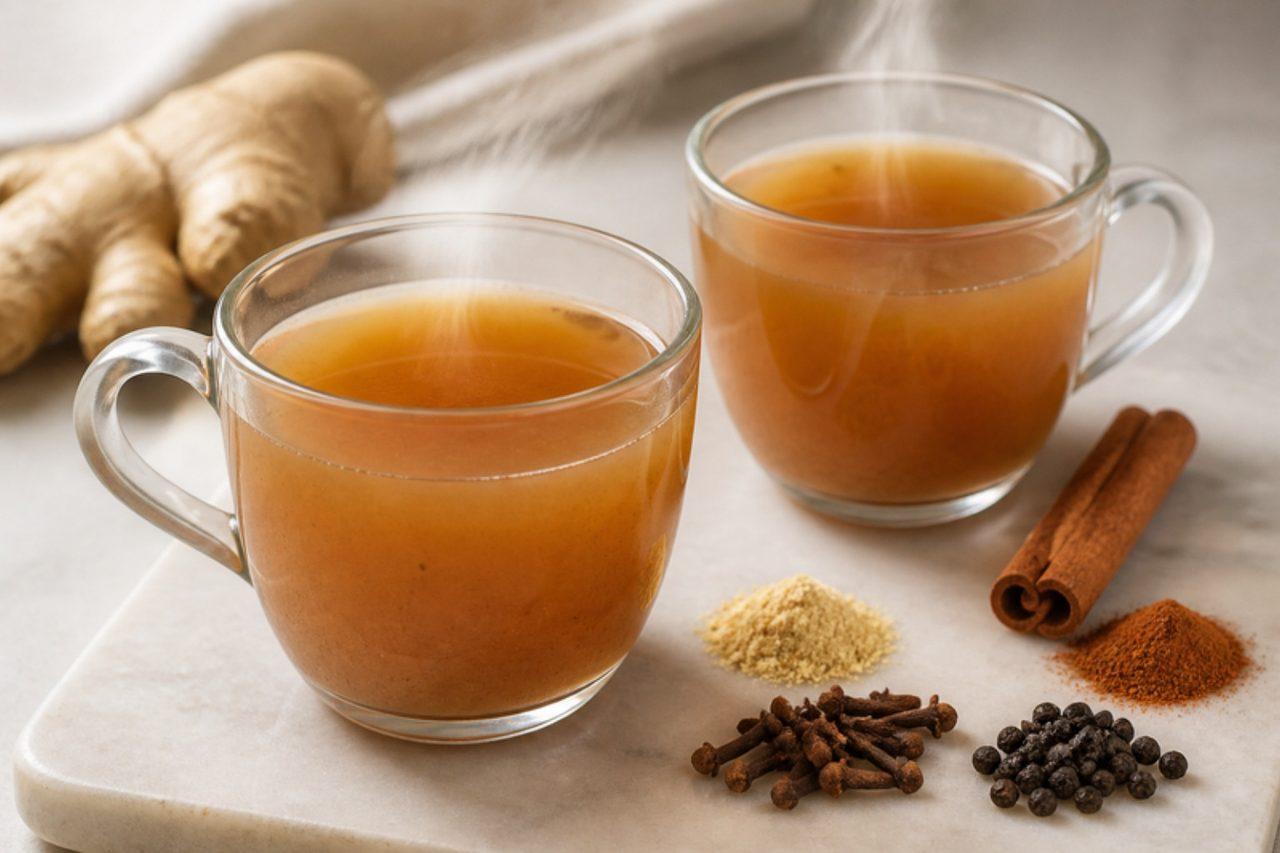
Tangawizi is a warming Swahili drink of ginger boiled with cinnamon, clove and black pepper and sweetened to taste. It's hot, peppery and soothing on a cool evening or when you have a cold. Serve hot in small kahawa cups.

by KrazyBadal 0 views

Boulets liégeoisMeatballs in sweet-sour fruit sauce

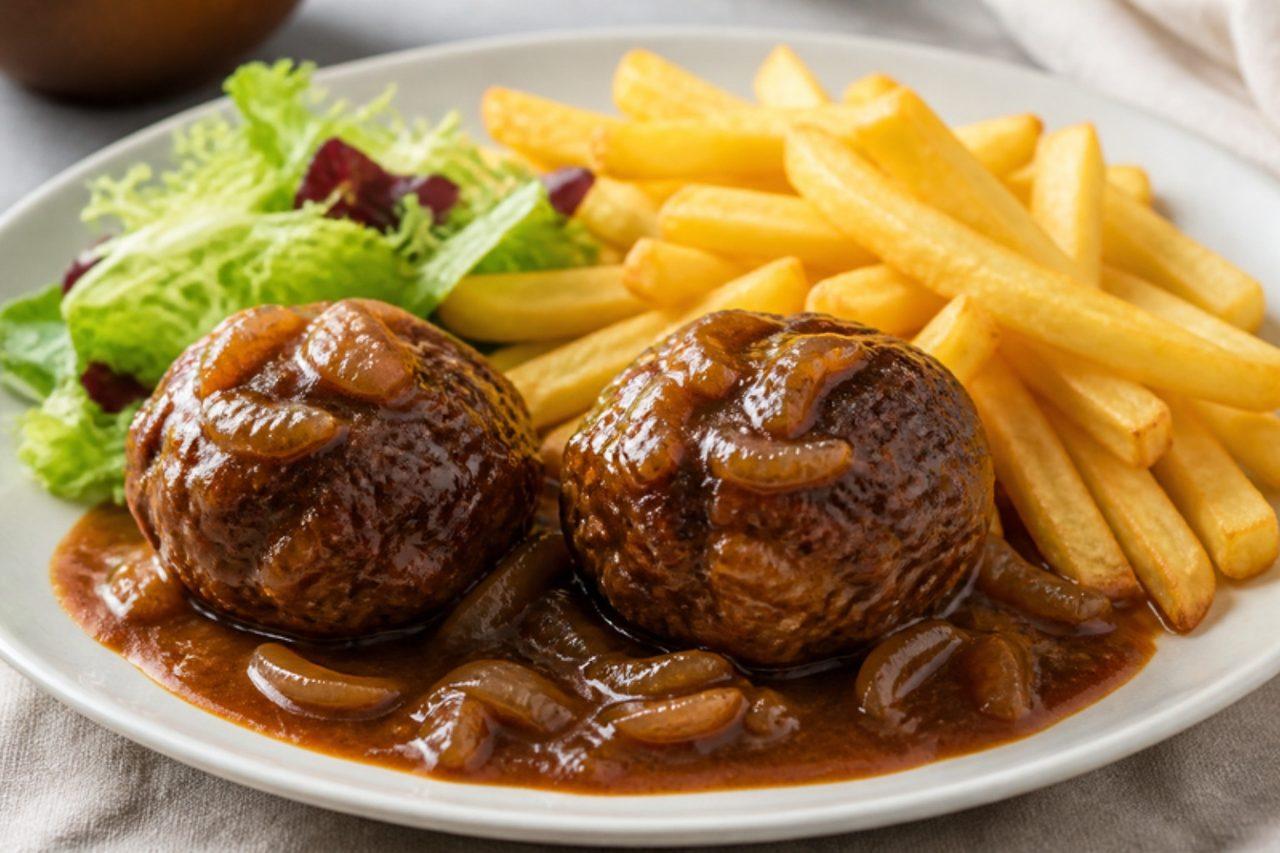
Liège is famous for its boulets: big, tennis-ball-sized meatballs served in a dark, sticky sauce made with sirop de Liège, the region's thick apple-and-pear syrup, with onions and a little vinegar. They are a brasserie staple across Wallonia, eaten with a mountain of chips and a side of salad, and families make them for Sunday lunch. The mix is half pork, half beef, so this is a pork dish. Rushing the onions is the step most people get wrong: they need a good 20 minutes to turn sweet before the sauce comes together. Chef's tip: if you cannot find sirop de Liège, use 3 tablespoons of apple butter or date syrup with 1 tablespoon of black treacle for the same dark, fruity tang.

by KrazyBadal 0 views

Coconut sweet (kashata ya nazi)

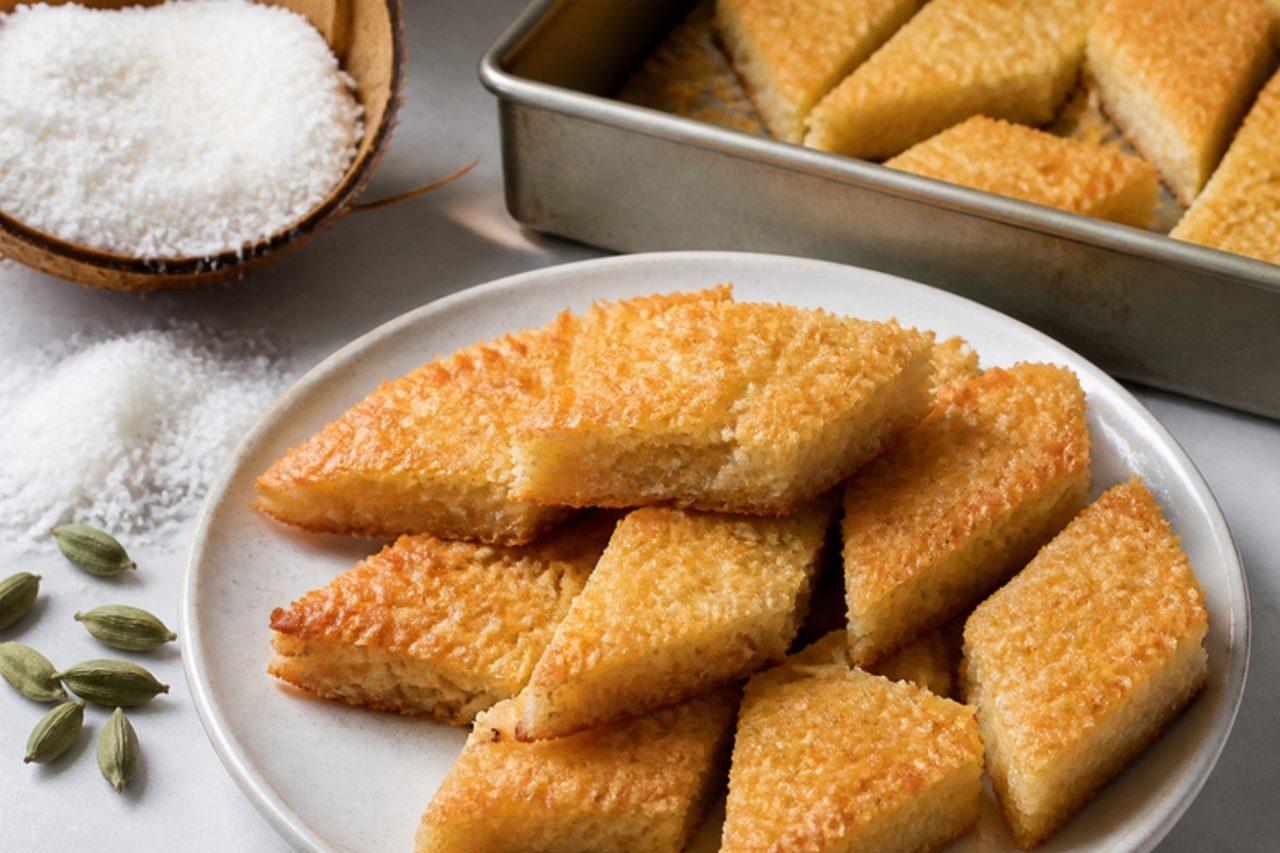
Kashata ya nazi is a simple Swahili sweet of desiccated coconut cooked with milk, sugar, evaporated milk and cardamom until thick, then pressed into a dish and cut into diamonds. It's chewy and sweet, and it keeps well. Store in an airtight container.

by KrazyBadal 0 views

Vermicelli in coconut (tambi ya nazi)

Tambi ya nazi: soft vermicelli stirred into sweetened coconut milk with crushed cardamom, then baked briefly so it sets lightly. It's creamy, gently sweet and fragrant, and is often made for Eid. Serve hot, sprinkled with more cardamom.

by KrazyBadal 0 views

BourekasFeta and potato pastry triangles

Bourekas are what Israelis grab from the bakery on a Friday morning or bring to a family gathering: puff pastry shapes with savoury fillings, shiny with egg and dotted with sesame. The tradition came from Sephardi Jews of Turkey and the Balkans, but in Israel it settled into puff pastry, with the shape telling you the filling at a glance (triangles for cheese, rectangles for potato in many bakeries). This version fills triangles with feta and ricotta and rectangles with herby mashed potato, and goes with a hard-boiled egg, pickles and grated tomato. Chef's tip: keep the pastry cold right up to the oven; warm puff pastry won't rise into flaky layers.

by KrazyBadal 0 views

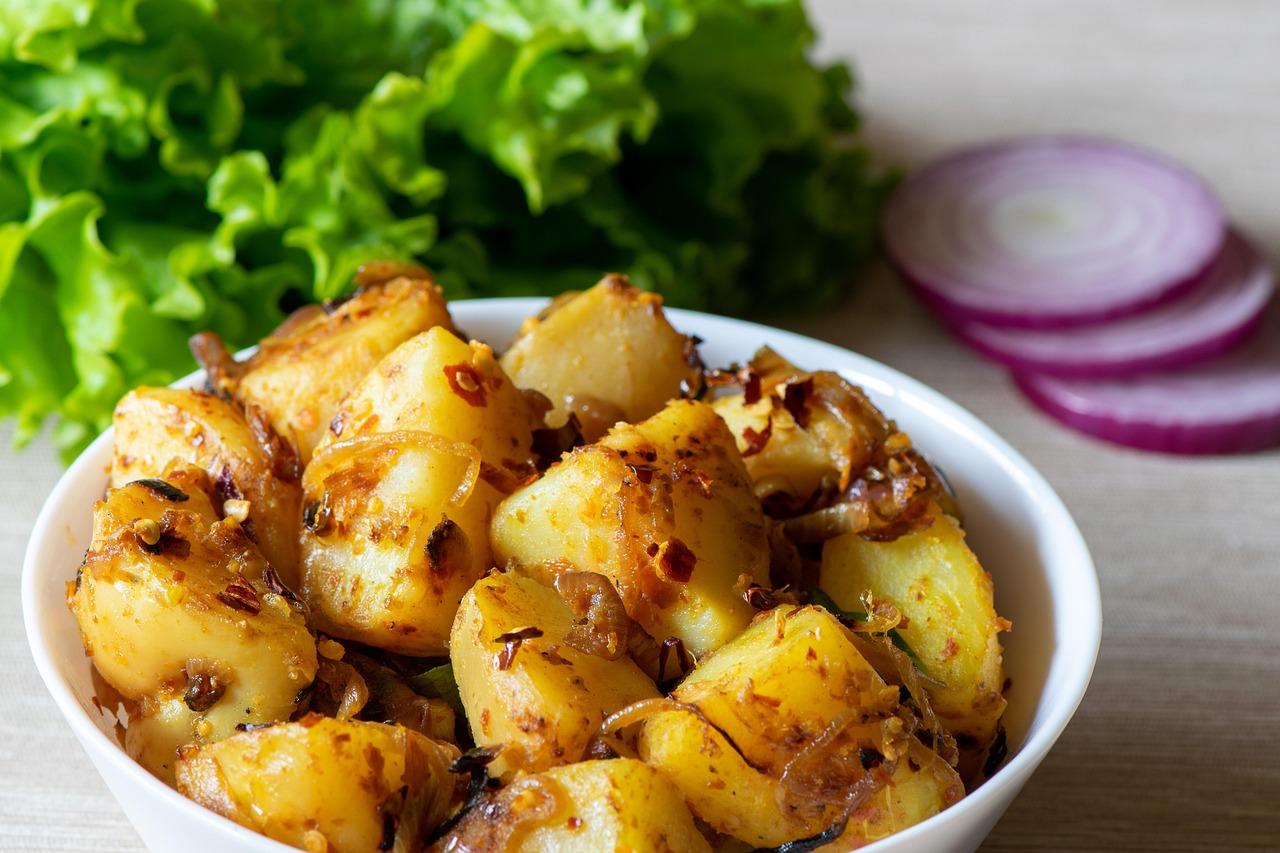
Mombasa kachri batetaPotatoes in garlic tomato sauce

A Mombasa street favourite: potatoes cooked in a thin, garlicky tomato and raw mango sauce, ladled into bowls and piled with crushed potato crisps, crunchy sev and a fresh coconut and mango chutney. Everyone builds their own bowl to taste. Serve straight away so the crisps stay crunchy.

by KrazyBadal 0 views

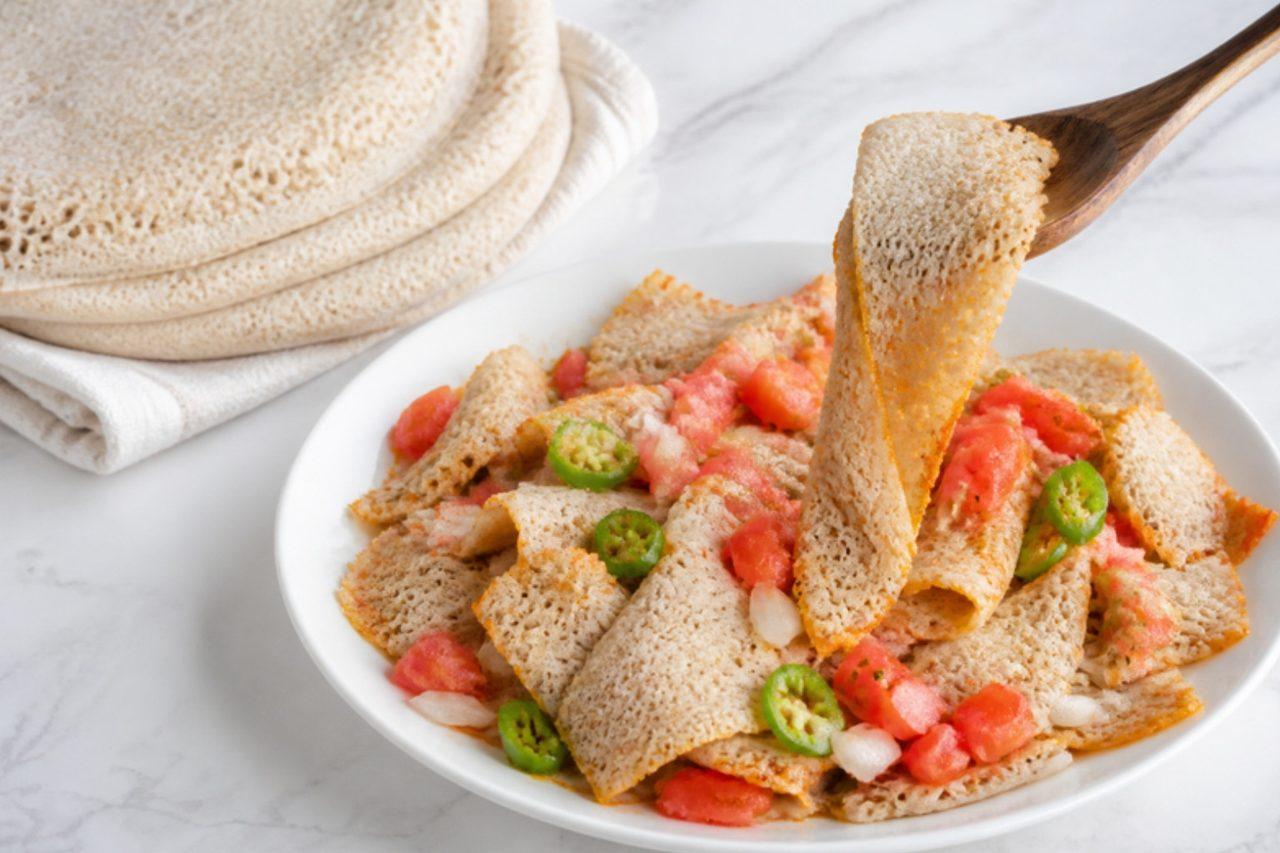
FirfirTorn injera in spicy sauce

Firfir (or fitfit) is what Ethiopian households do with yesterday's injera: torn into pieces and tossed in a hot, oniony berbere sauce until it soaks up all the flavour. It is breakfast in Addis Ababa cafés and homes alike, eaten with a spoon or, more often, scooped up with fresh injera. This version uses oil, making it suitable for fasting days; on other days a spoon of niter kibbeh adds richness. Chef's tip: use day-old injera; fresh injera is too soft and turns to mush in the sauce.

by KrazyBadal 0 views

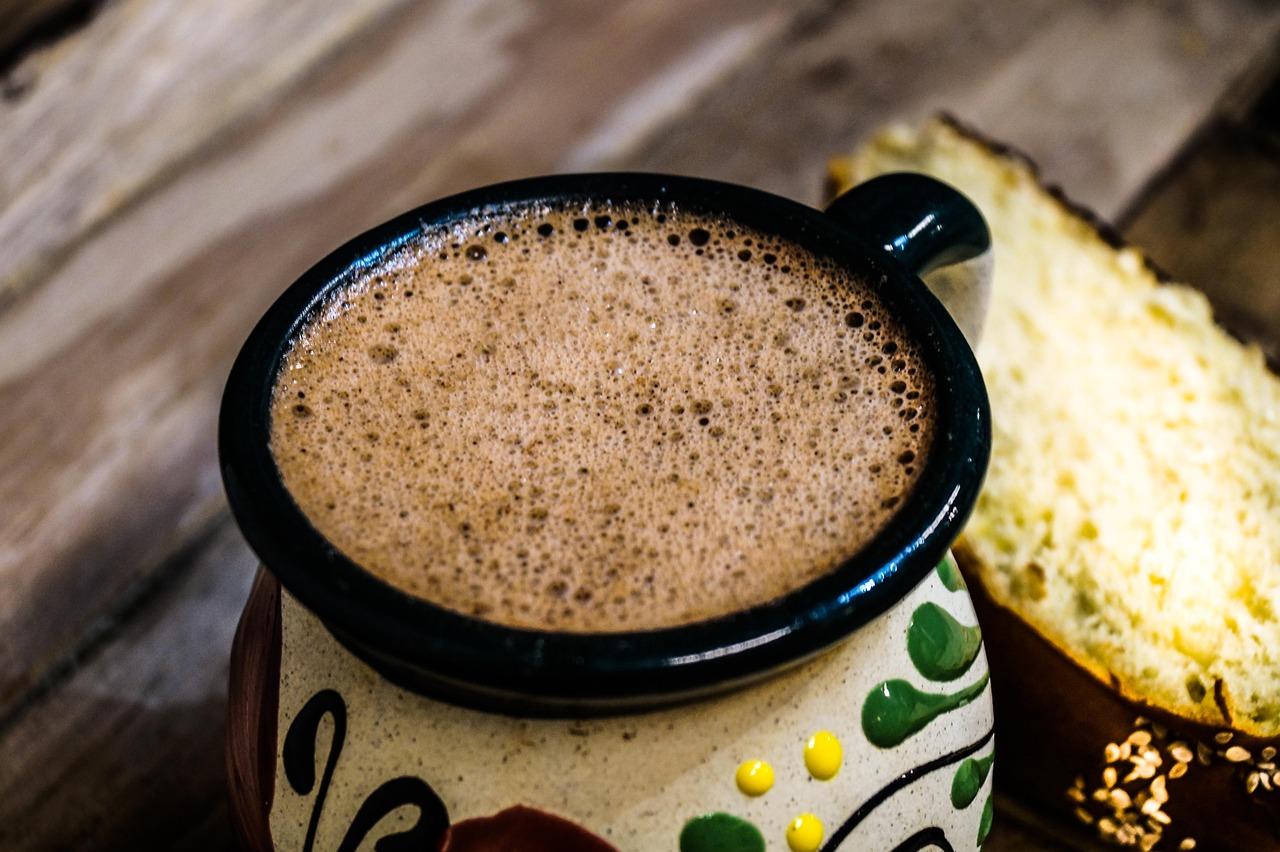
ChampurradoThick masa hot chocolate

Champurrado is a chocolate atole, the thick, hot corn drink Mexicans have drunk since before the Spanish arrived. Masa harina is whisked into water and milk with Mexican chocolate (stone-ground with sugar and cinnamon) and piloncillo, a dark unrefined cane sugar, and cooked until velvety and spoon-coating. It is drunk on cold mornings with tamales or conchas, and above all during Día de Muertos and Christmas posadas. Chef's tip: always dissolve the masa harina in cold liquid before it meets the hot pot, and whisk constantly once it's in; dumped into hot milk it seizes into lumps.

by KrazyBadal 0 views

Pazham poriBanana fritters

Pazham pori is what the glass cases of Kerala's roadside tea shops are full of at four in the afternoon: long slices of ripe nendran banana dipped in a sweet batter and fried in coconut oil until puffed and golden. Bite through the crisp, slightly chewy coat and the banana inside is soft, hot and honeyed. People eat them standing at the counter with a glass of frothy, milky chaya, or carry a paper parcel home for the family. Chef's tip: wait until the nendran skins are mostly black; the banana must be fully ripe to turn creamy when fried.

by KrazyBadal 0 views

Fırın sütlaçBaked rice pudding

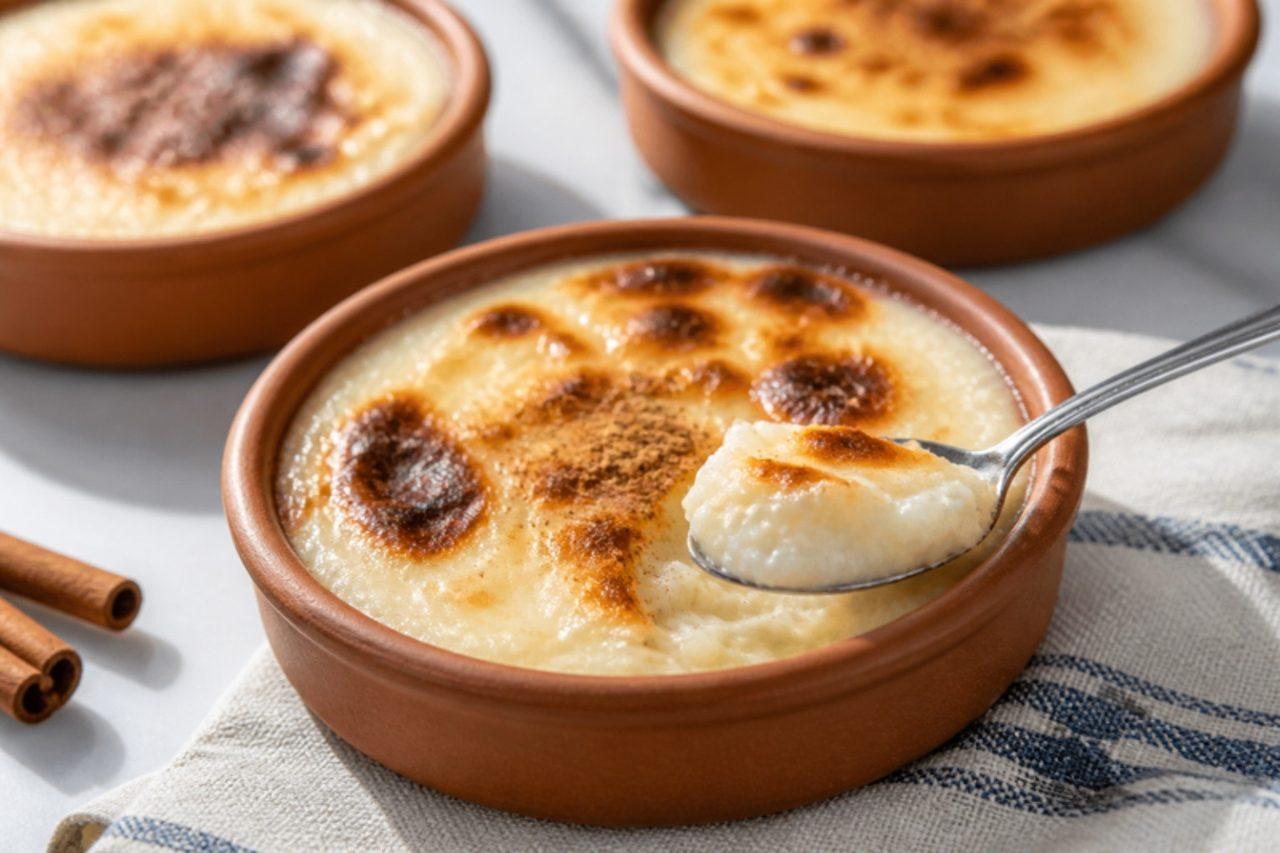
In Turkish pudding shops (muhallebici) from Istanbul to Ankara, fırın sütlaç is served chilled in little clay bowls, its surface blistered dark brown under the grill while the rice pudding beneath stays creamy and cool. It is a dessert families make on Sunday or for guests, since it has to set in the fridge for a few hours, and it travels well to neighbours during Ramadan evenings. The flavour is clean milk and vanilla, thickened with rice flour rather than eggs, so it is light compared with Western rice puddings. Eat it cold, plain or dusted with cinnamon or ground hazelnuts. Chef's tip: stand the filled bowls in a tray of cold water before they go under the grill; the water keeps the pudding from boiling up while the top browns.

by KrazyBadal 0 views

Champaran muttonSlow-cooked mutton curry

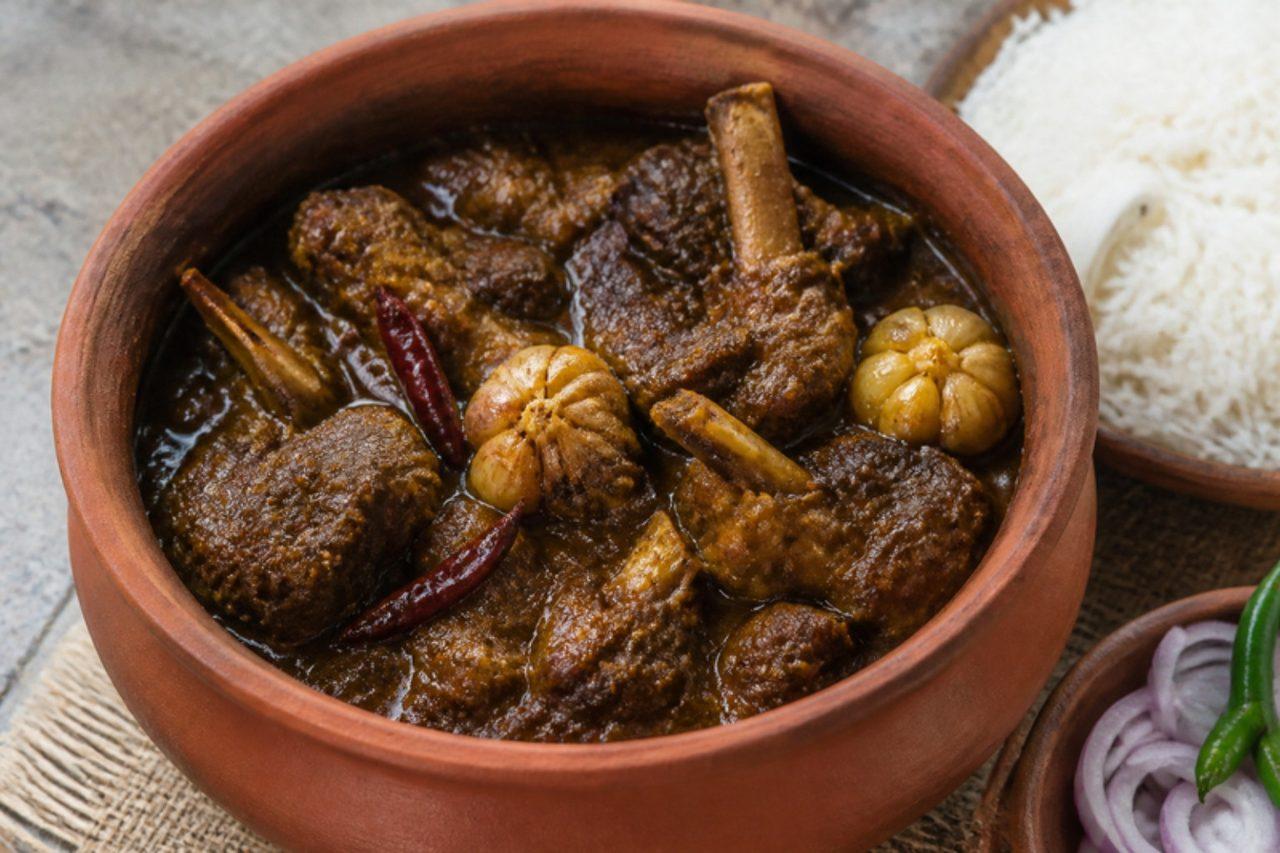
In the Champaran district of north-west Bihar, near the Nepal border, mutton is cooked in an ahuna or handi: a clay pot packed with raw meat, whole bulbs of garlic, onions, mustard oil and spices, sealed shut with dough and left for hours on a slow charcoal fire. Nobody adds water and nobody stirs; the meat cooks in its own juices and the garlic turns soft and sweet. Roadside dhabas on the highways out of Motihari made it famous, and it is now cooked at family picnics and parties right across Bihar, eaten with rice or rotis. This home version uses a heavy pot sealed with foil and a lid. Chef's tip: shake the pot instead of opening it; every time the lid comes off, steam escapes and the meat dries out.

135 minIndianMeatGluten freeSpicy
by KrazyBadal 0 views

AzifaMasoor lentil salad

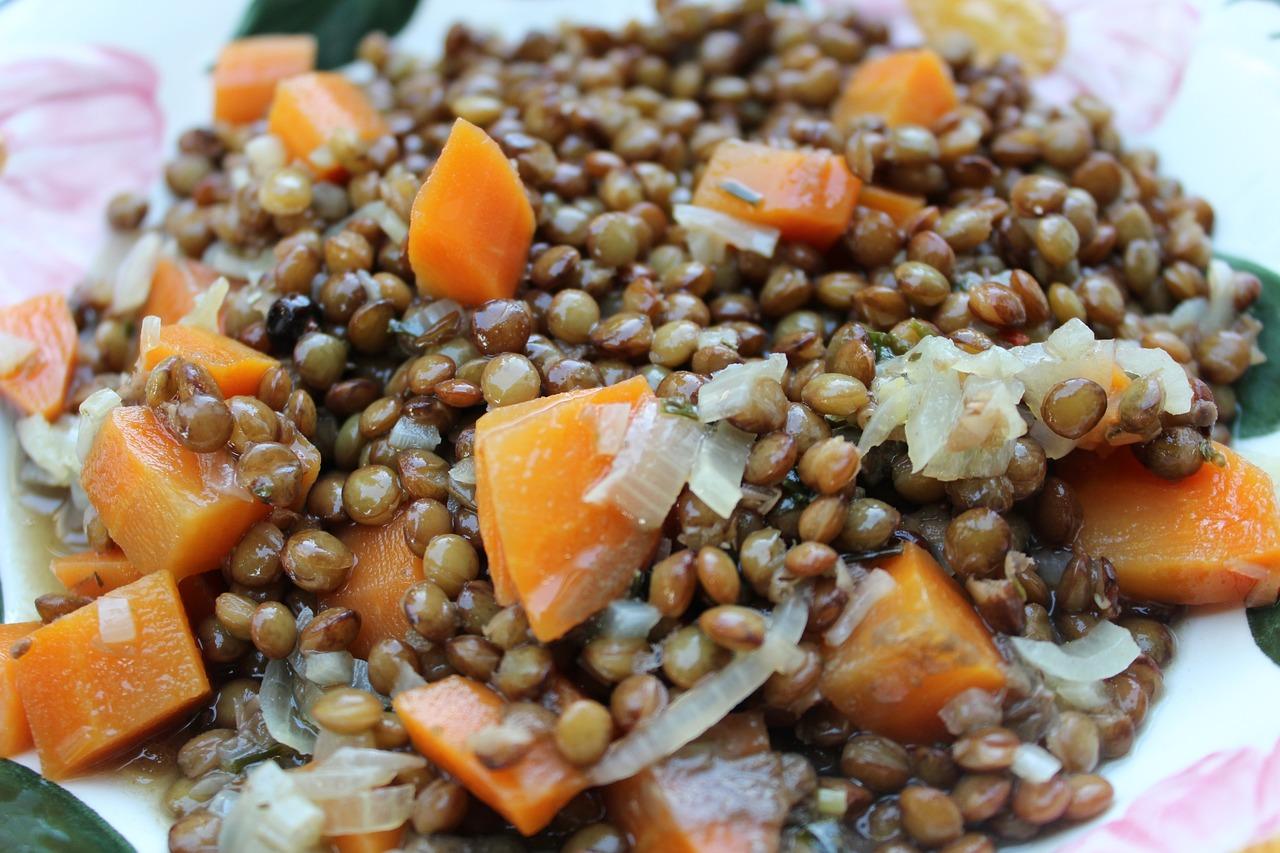
A thick, tangy Ethiopian sauce of soft masoor lentils blended with onion, garlic, green capsicum, chilli and mustard. It's eaten cool or warm as part of a spread of injera and stews. Serve hot azifa with injera.

by KrazyBadal 0 views

KvassFermented rye bread drink

Before the cola era, kvass was Russia's everyday thirst-quencher, sold every summer from yellow barrel trailers on Moscow street corners and poured into glass mugs. At home it is brewed from dried rye bread, sugar and a pinch of yeast, fermented for a day or two until it tastes malty, a little sour and gently fizzy, and only about 1% alcohol. It is drunk ice cold and is also the broth for okroshka. Chef's tip: toast the bread until really dark, almost burnt at the edges; that is where kvass gets its deep colour and its toasted, malty taste.

by KrazyBadal 0 views

Ethiopian injeraFermented rice flour flatbread

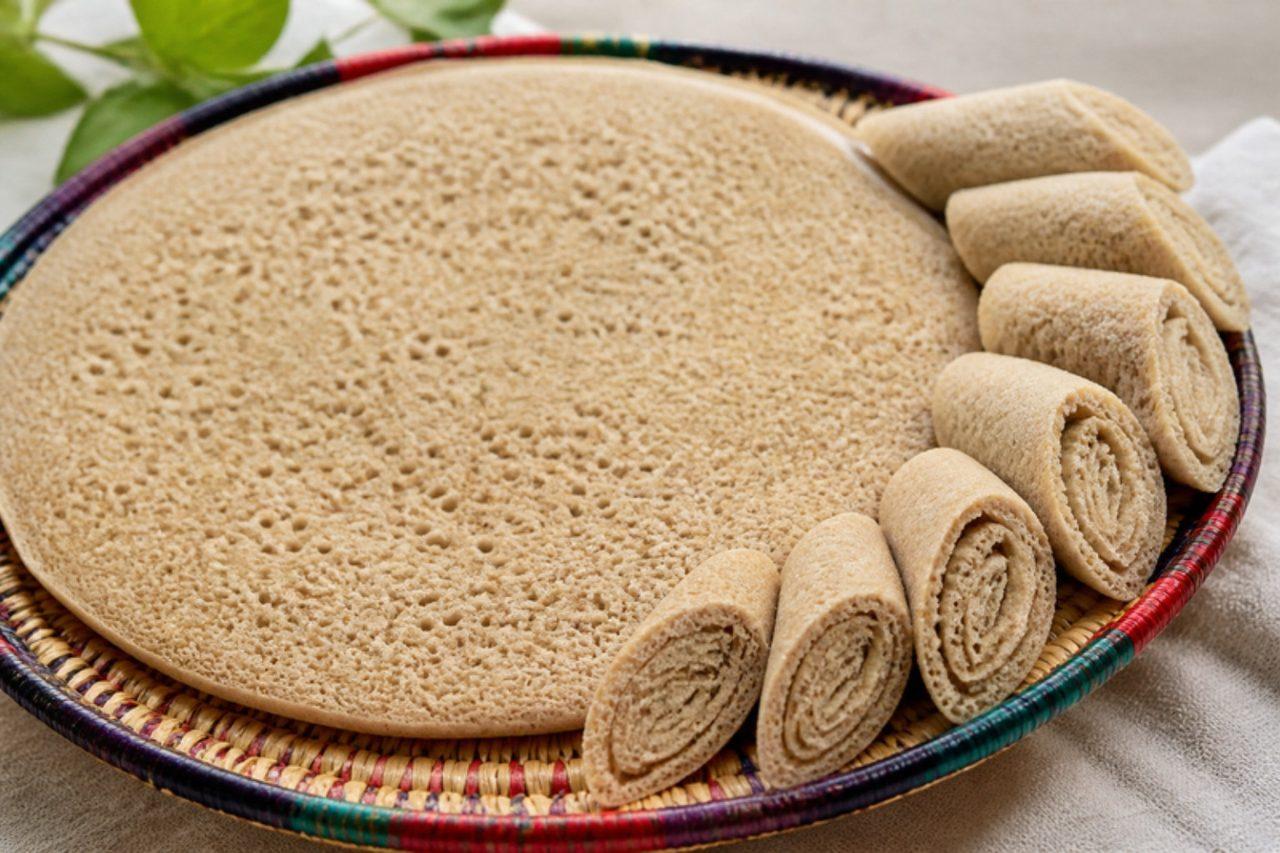
Injera is the soft, spongy, slightly sour flatbread eaten with Ethiopian stews: you tear it and scoop the food up with it. This home version uses rice and plain flour fermented with a home-made starter over a few days, then cooked on one side until covered in tiny holes. Serve rolled and sliced with missir wat, azifa and atter kik. Any fermented batter left over keeps in the fridge for the next batch.

by KrazyBadal 0 views

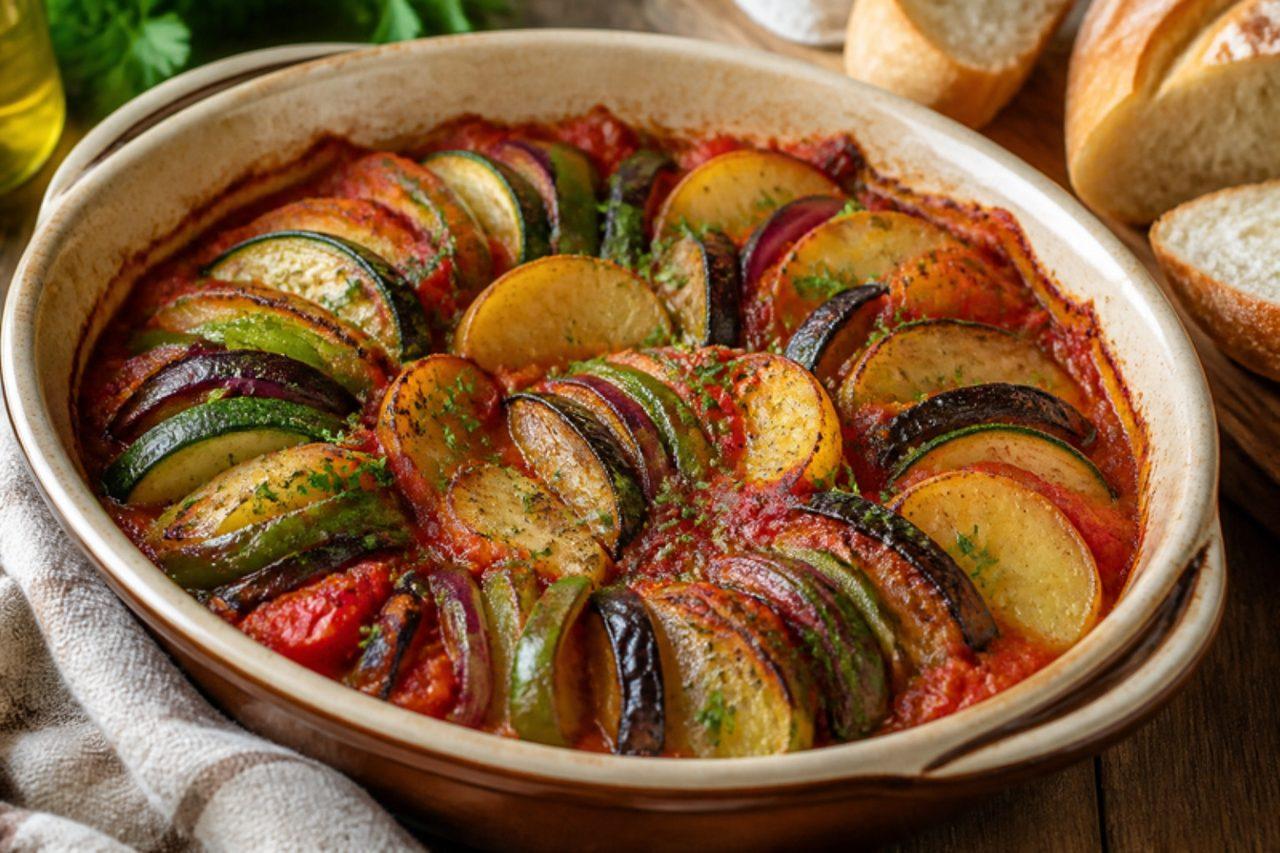
BriamRoasted summer vegetables

Briam is what Greek home cooks put in the oven on a hot afternoon when the garden is full of courgettes: potatoes, courgettes, aubergine, peppers and onions tumbled with grated tomato, garlic and oregano, then roasted slowly until soft and caramelised at the edges. It is one of the ladera, dishes cooked in olive oil and eaten as a main course, usually at room temperature with feta and bread. It tastes better the next day, when the flavours have settled. Chef's tip: cut the potatoes thinner than everything else so they cook in the same time; same-size chunks are the common mistake that leaves you with hard potatoes and mushy courgettes.

by KrazyBadal 0 views

Showing 81 of 7,762 recipes

Show more recipes

Page 654 of 863