Skip to content
Soda farls
Featured recipe

Soda farls

Griddled soda bread

Soda farls are the griddle bread of Northern Ireland, cooked on a flat pan rather than baked, and split and fried in the Ulster fry or eaten warm with butter and jam. Plain flour, bicarbonate of soda and buttermilk make a quick, light dough that is shaped into a round and cut into four farls. Chef's tip: get the griddle hot before the dough is mixed; the soda starts working as soon as the buttermilk goes in.

Read more 0 views

What to eat today?

Around the world

Today's trip: Paraguayan

A new country every day, from every cuisine on the site.

Paraguayan

Chipa

Cheese bread rings 50 minMore from Paraguayan (27) →

This week's collection

Kid-friendly dinners
537 recipes · a new collection every Monday

Latest recipes

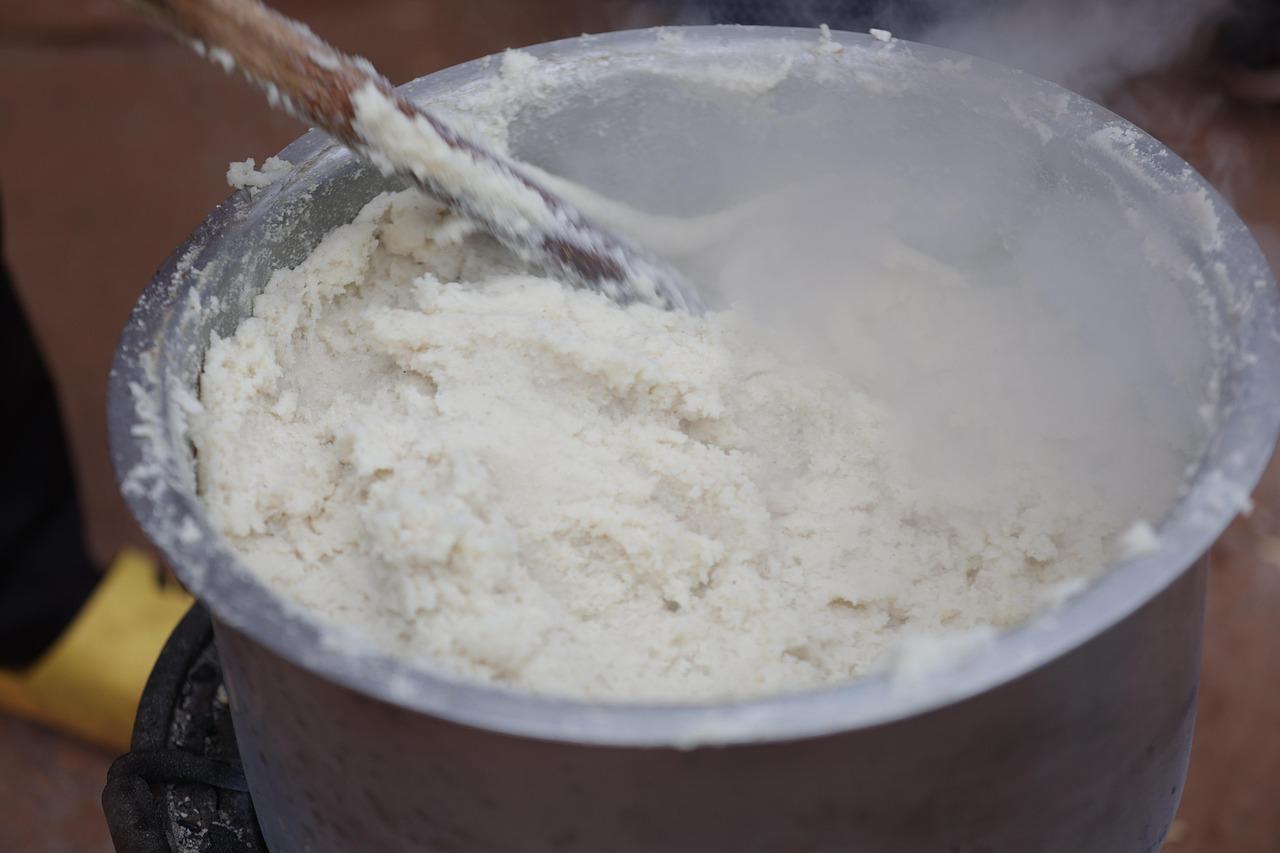
Masala ugaliSpiced maize meal porridge

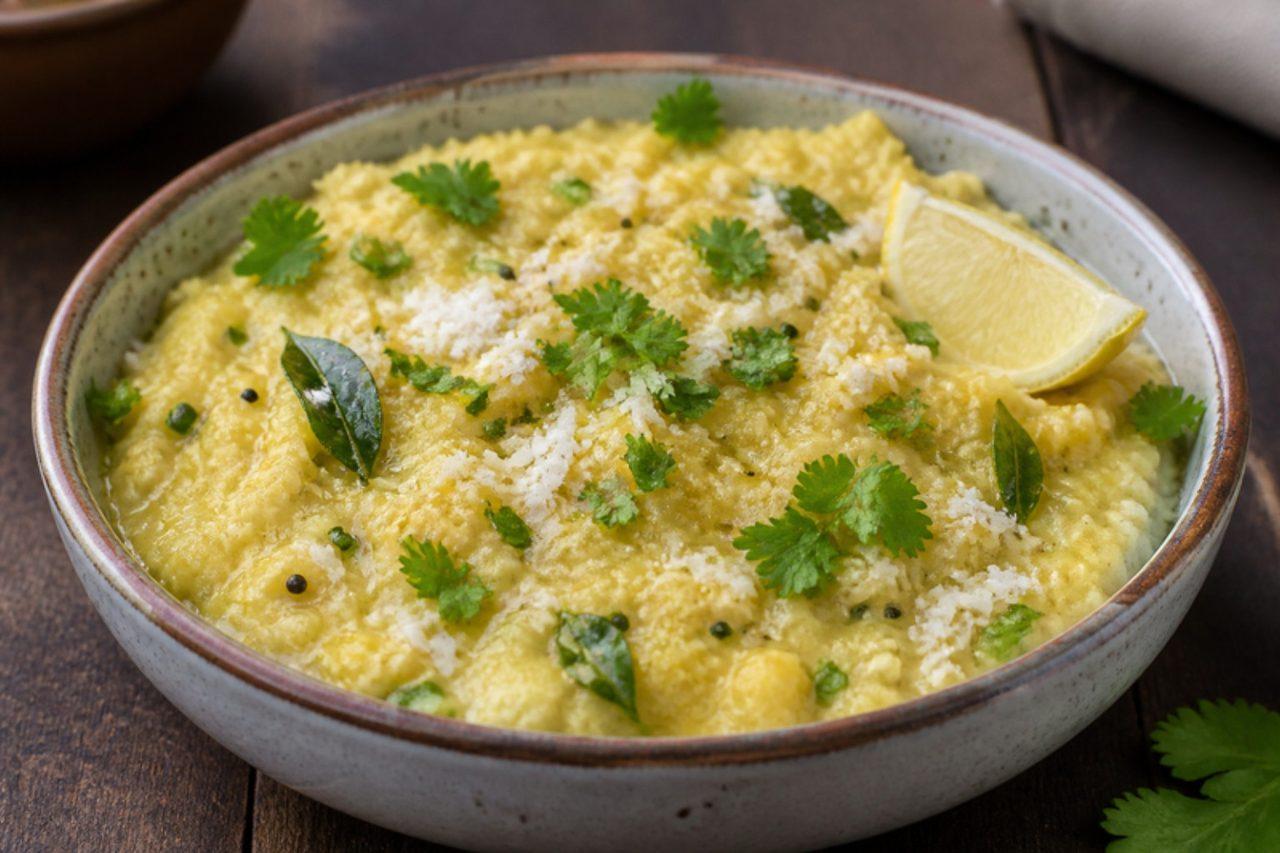
Ugali, East Africa's staple of maize meal cooked into a stiff porridge, given a lift with toasted cumin, butter, fresh coriander and green chilli. Stir it hard and keep it soft. Serve hot with sukumawiki or any stew.

by KrazyBadal 1 views

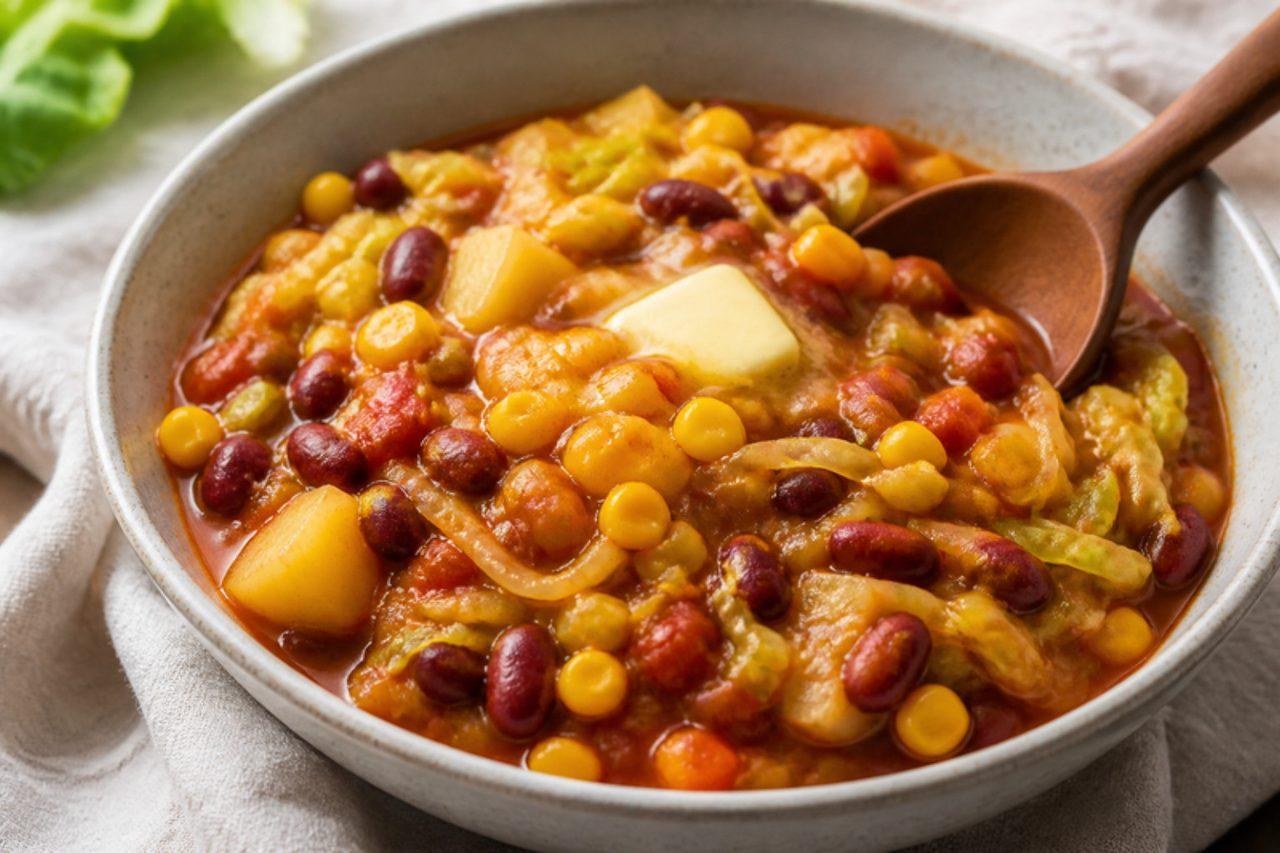
GitheriKidney bean and corn stew

Kenya's everyday one-pot meal of kidney beans and corn, cooked with browned onion, tomato paste, chilli, potatoes and cabbage and finished with a knob of butter. It's hearty, comforting and cheap to make. Serve hot with ugali and sukumawiki.

by KrazyBadal 0 views

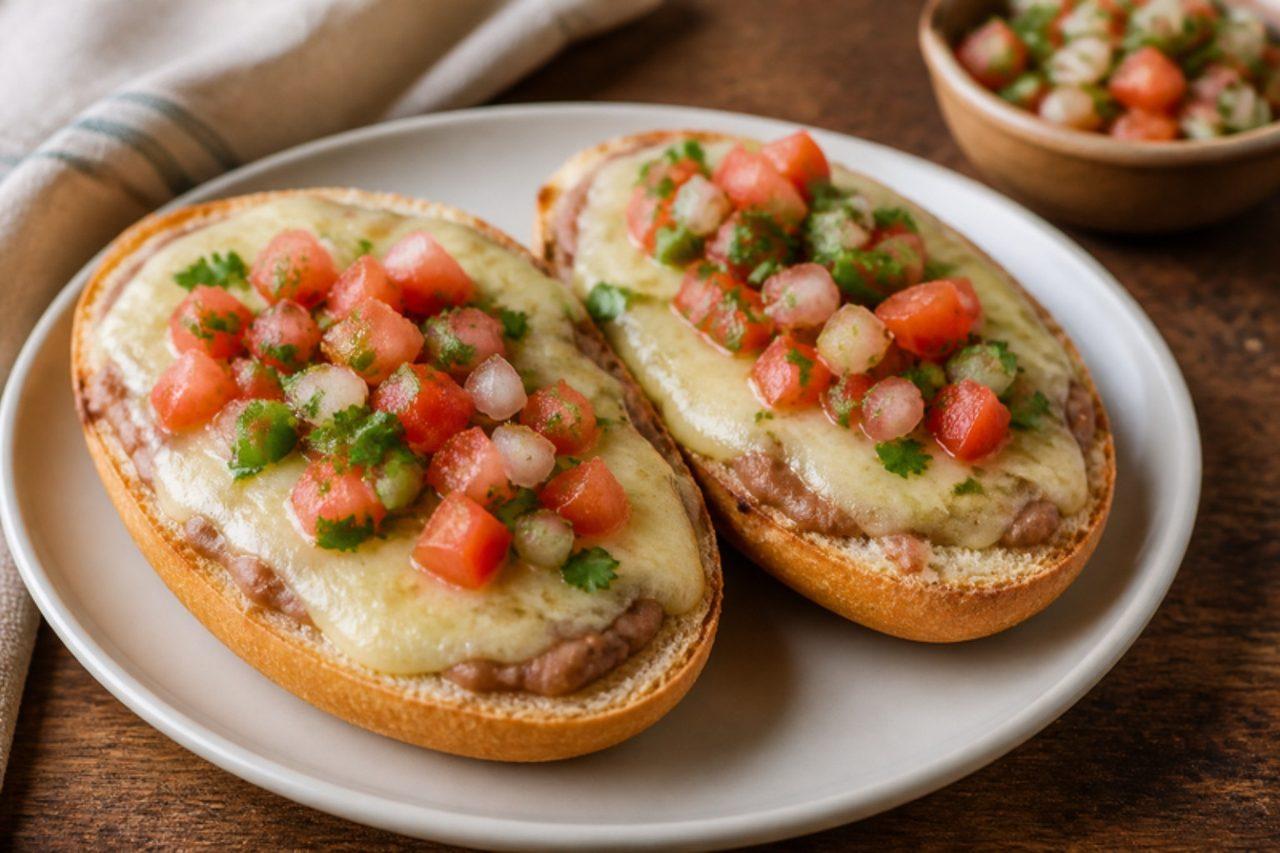
MolletesOpen bean and cheese rolls

Molletes are a favourite cheap breakfast and after-school snack across Mexico, especially in Mexico City cafés: a bolillo (a crusty, oval white roll) split, buttered and toasted, spread with refried beans, covered with cheese and grilled until bubbling, then topped with fresh pico de gallo. They are crunchy, creamy and gooey, and children love them. Use crusty white rolls or short pieces of baguette if you can't get bolillos, and a mild melting cheese made with vegetarian rennet, such as mild cheddar, mozzarella or Oaxaca cheese. Chef's tip: toast the buttered rolls before adding the beans, so the bread stays crisp underneath instead of going soggy.

by KrazyBadal 0 views

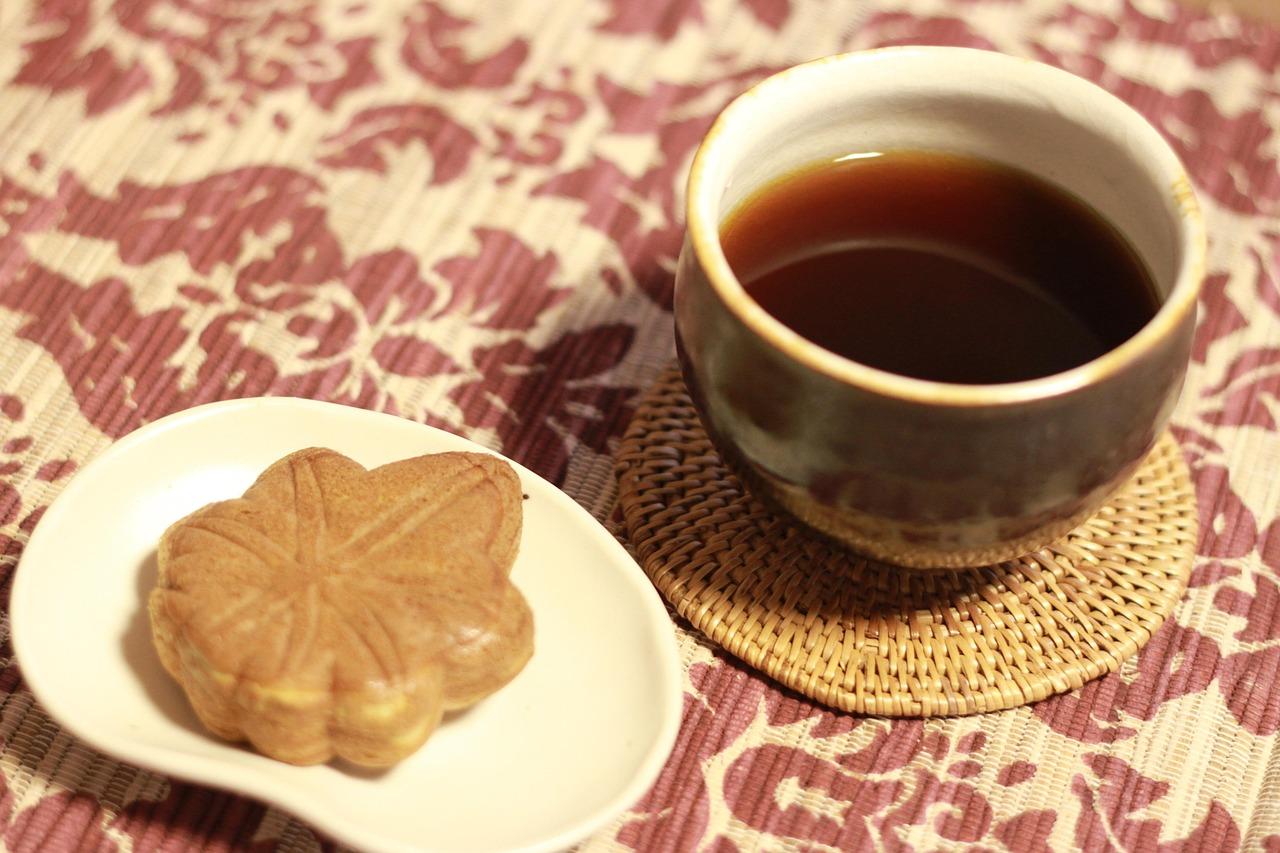
Momiji manjuMaple leaf sponge cakes

Momiji manju are the souvenir of Miyajima, the sacred island off Hiroshima famous for its floating red torii gate and its maple trees, which turn scarlet each November. A confectioner there first baked them around 1906, and today shops along the island's main street still turn them out of iron moulds while visitors watch. The cake is a soft, honey-scented sponge, the filling smooth red bean paste. Tokyo's Asakusa sells a near twin, ningyo-yaki, baked in the shapes of dolls and temple lanterns; this recipe makes both, depending on your mould. Serve with green tea. Chef's tip: rest the batter for 30 minutes before baking. The flour hydrates, the bubbles settle and the cakes come out smooth and evenly brown.

by KrazyBadal 0 views

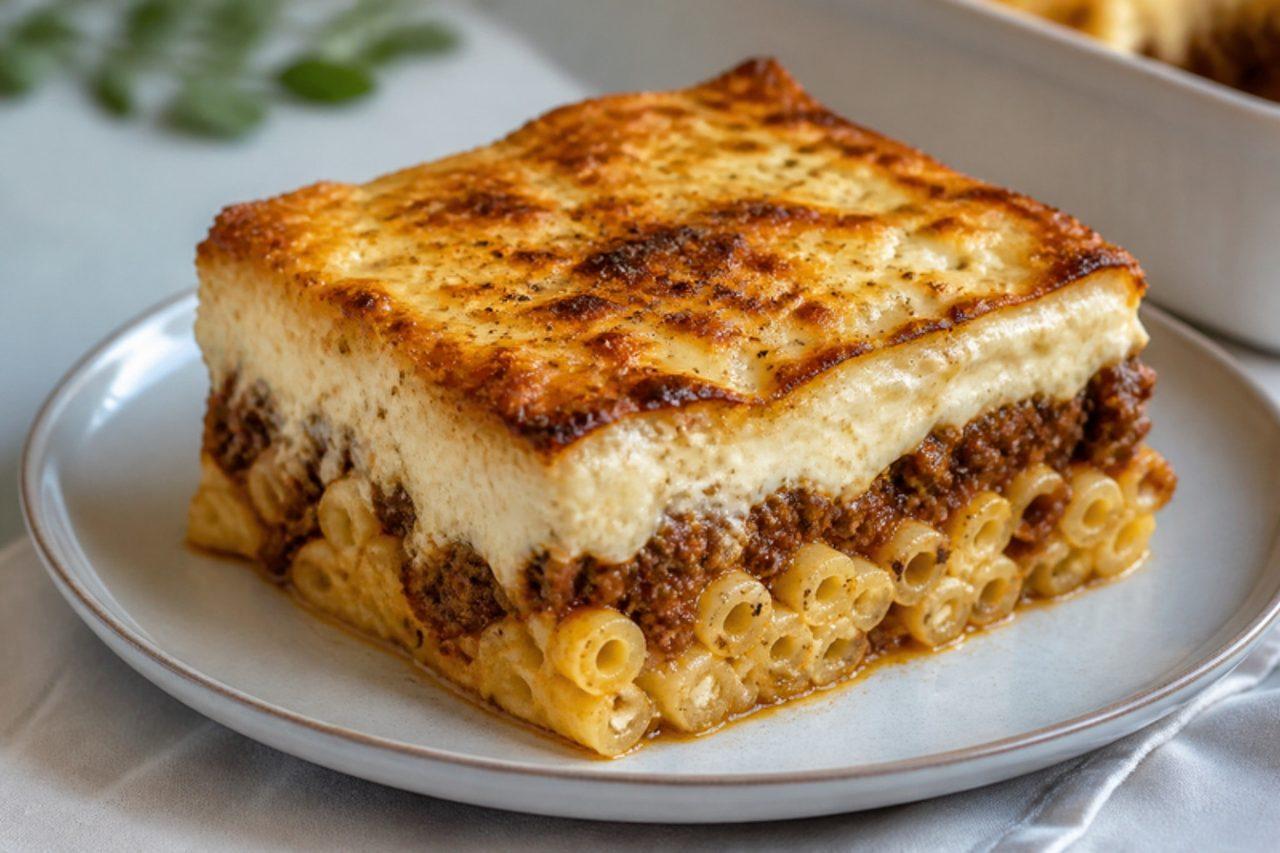
PastitsioBaked pasta with spiced beef

Pastitsio is the dish Greek mothers make for big Sunday lunches and christenings, and the one every Athens taverna keeps warm in a deep tray at lunchtime. Long tubular pasta is layered with a beef and tomato sauce scented with cinnamon and allspice, then topped with a deep, wobbly béchamel that bakes to a golden crust. Cut it into neat squares once it has rested and serve with a green salad. Chef's tip: let it rest for at least 30 minutes after baking; cut hot, it slumps, but rested it slices into clean layers.

by KrazyBadal 0 views

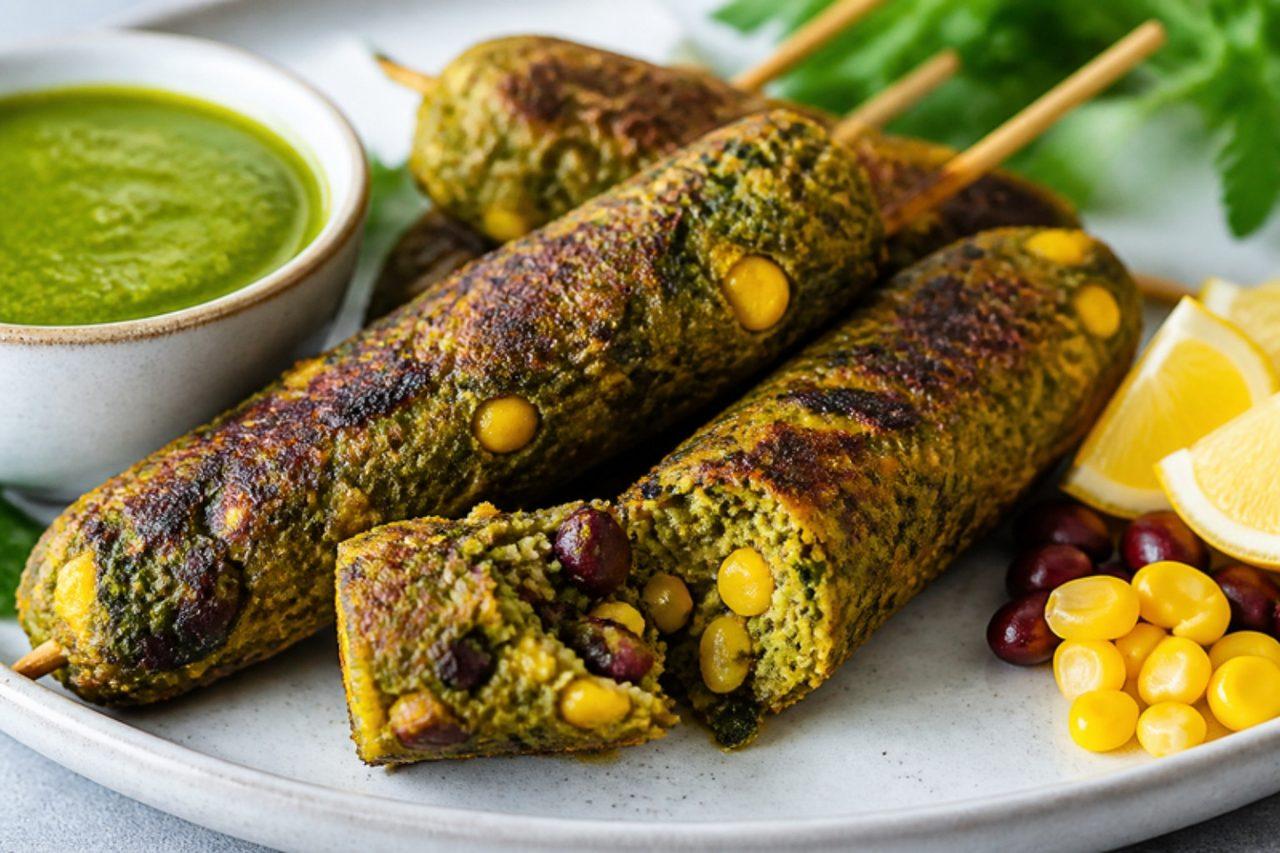
Corn & beans kebabs

Soft vegetarian seekh-style kebabs of sweetcorn, kidney beans and potato with fenugreek, spinach, ginger and green chilli, pressed onto skewers and browned over charcoal. They're crisp outside and soft inside. Serve hot with green chutney and mint and yogurt chutney.

by KrazyBadal 0 views

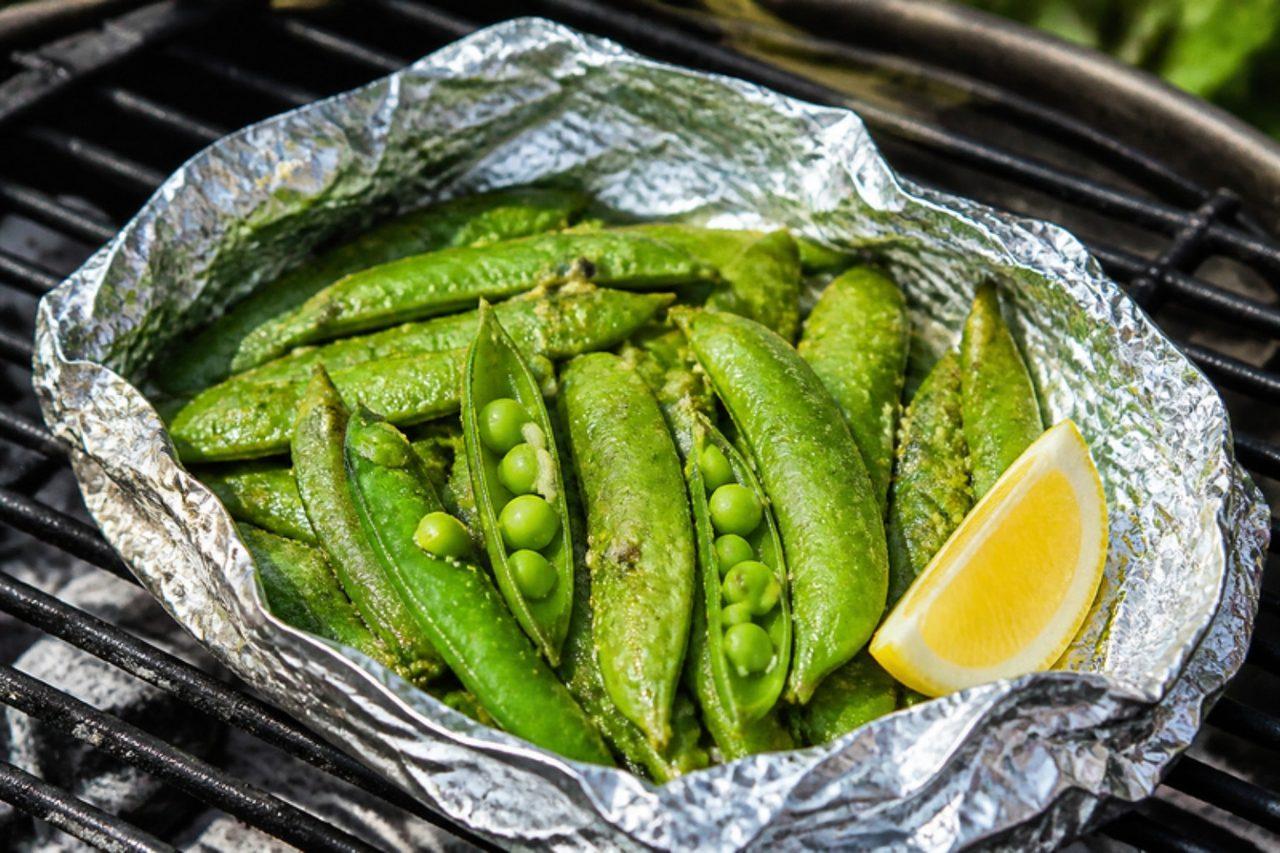
Barbequed peas

Tender peas in their pods tossed with chilli, ginger, garlic and lemon, sealed in foil and steamed on the barbecue. Everyone shells their own at the table and gets the spice on their fingers. Use the youngest, sweetest pods you can find.

by KrazyBadal 0 views

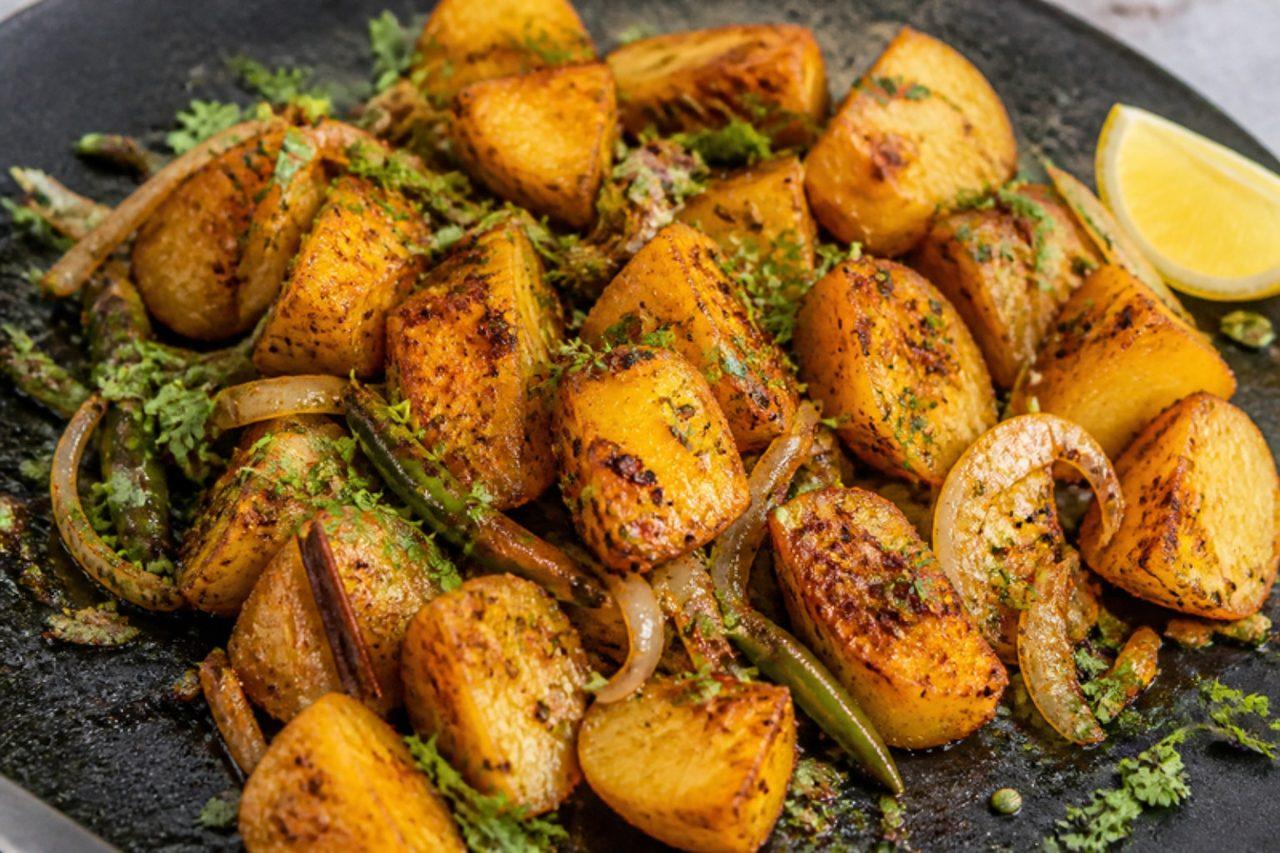
Tawa chilli potatoes

A big tawa of potato cubes tossed with a fragrant tempering of mustard, cumin, coriander seeds, aniseed, cloves, cinnamon and black pepper, then onions, ginger, garlic and two kinds of chilli. It's hot, aromatic and great as a barbecue starter. Swap the potatoes for steamed paneer cubes for a change.

by KrazyBadal 0 views

Pigeon peas in coconut milk (mbaazi)

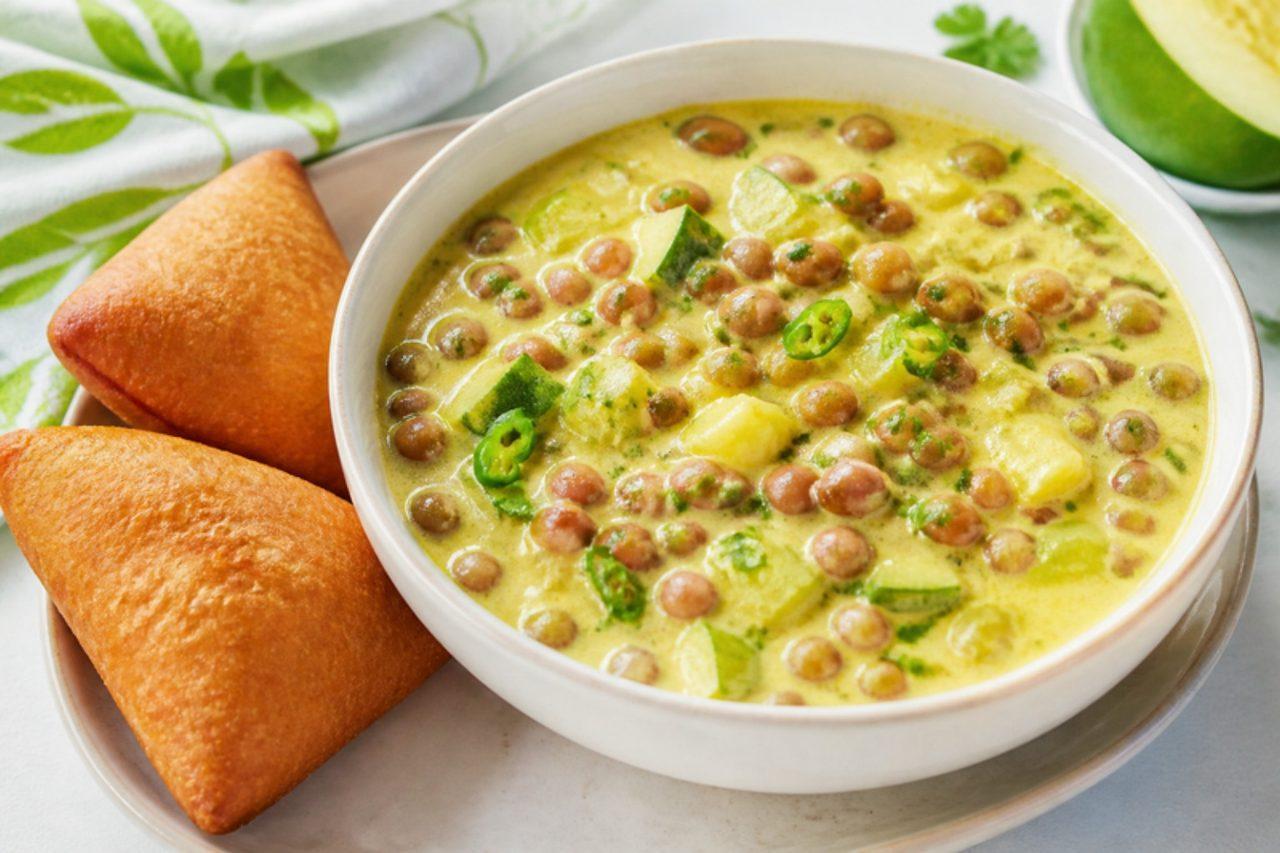
Mbaazi wa nazi: soft pigeon peas cooked in thick coconut milk with onion, raw mango, ginger-chilli paste and a pinch of turmeric until creamy. It's mild, rich and comforting. Serve with mamri (mandazi) for the classic Swahili pairing.

by KrazyBadal 0 views

Soft doughnuts (kaimati)

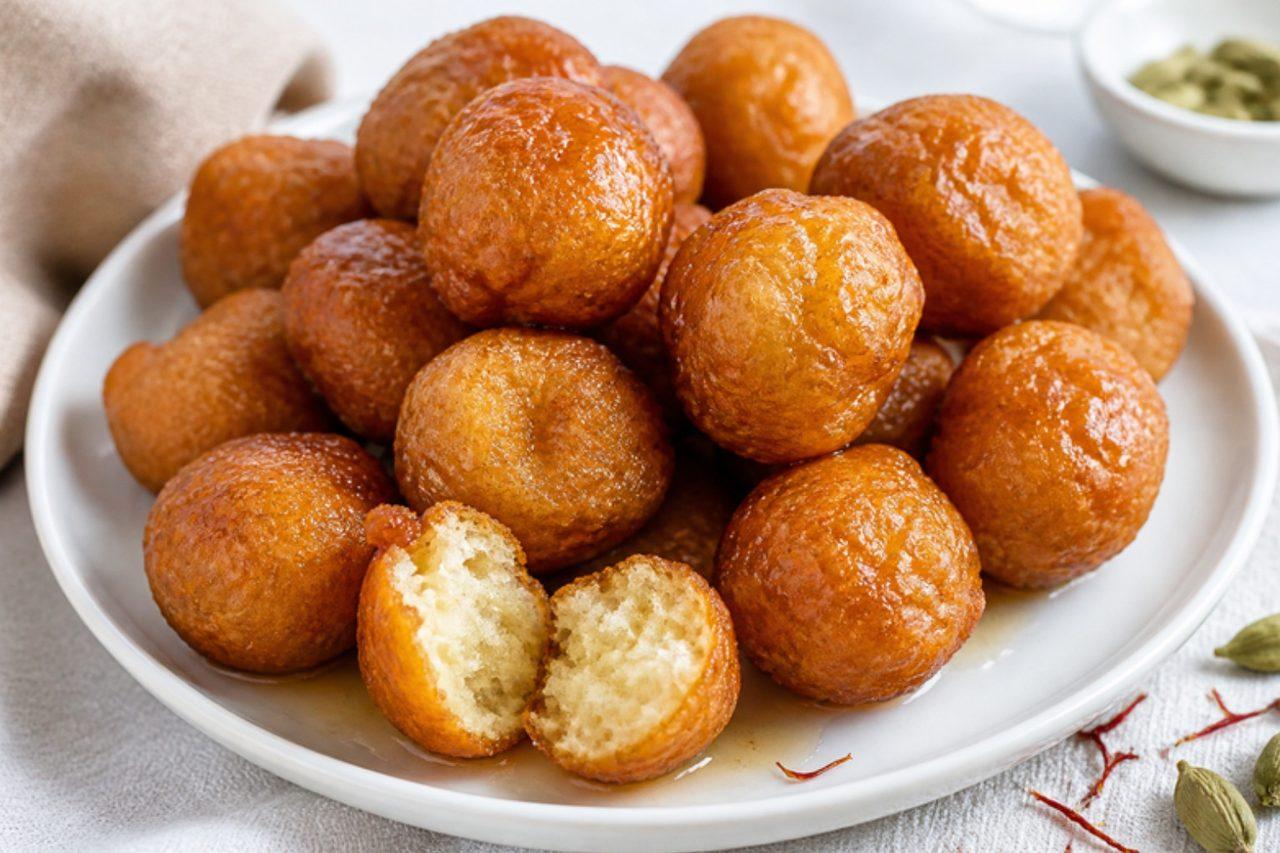
Kaimati are bite-size Swahili doughnuts: a yeasted cardamom and coconut batter dropped by the spoonful into hot oil, then dipped in a fragrant saffron, cardamom and rose syrup while still hot. They're crisp outside and soft inside. Serve with tea.

by KrazyBadal 0 views

Lentil fritters (bhadali bhajia)

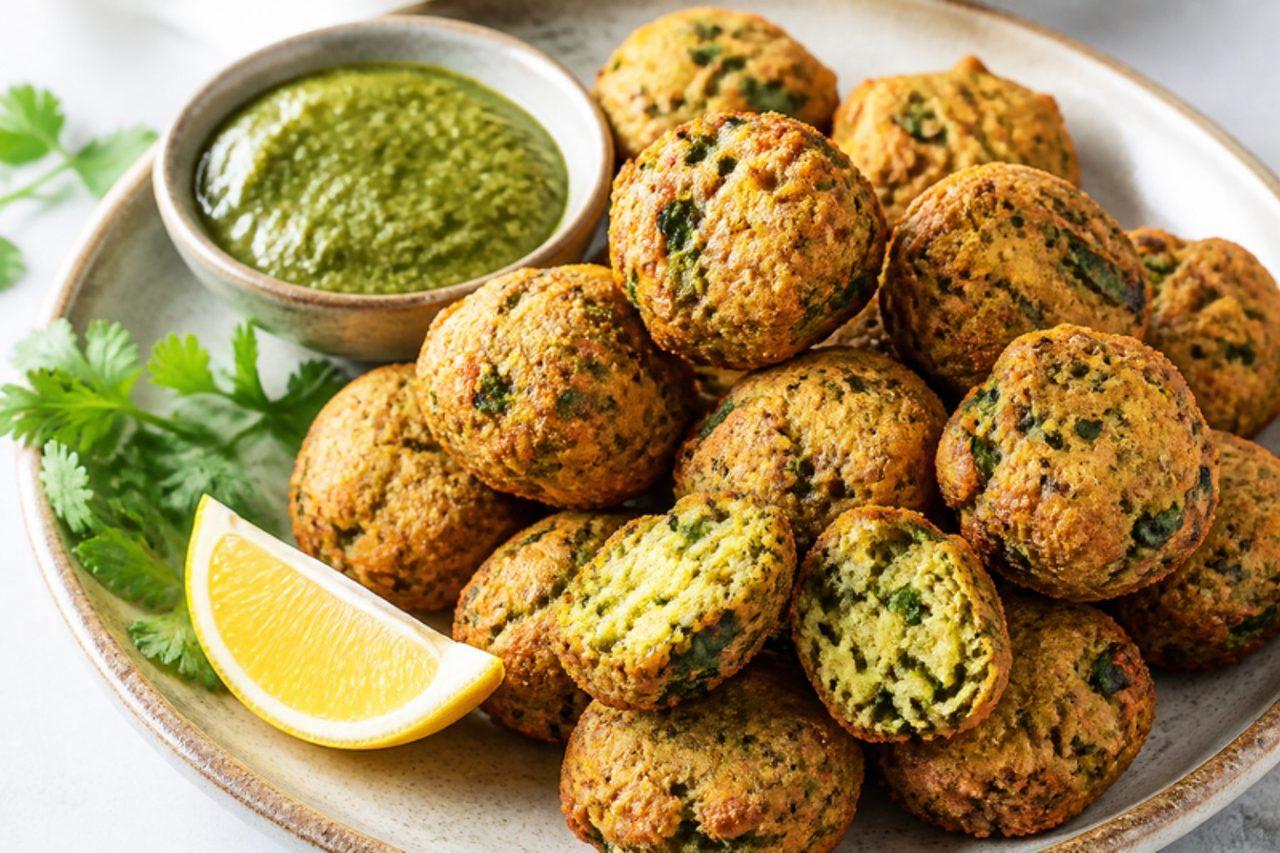
Golden fritters of coarsely ground black-eyed bean and green gram lentils with fenugreek, spinach, coriander, spring onion and chilli. They're crunchy outside and fluffy inside, and they go into Zanzibar mix and Coastal Mombasa mix too. Serve hot with coconut chutney.

by KrazyBadal 0 views

AmbashaSpiced celebration bread

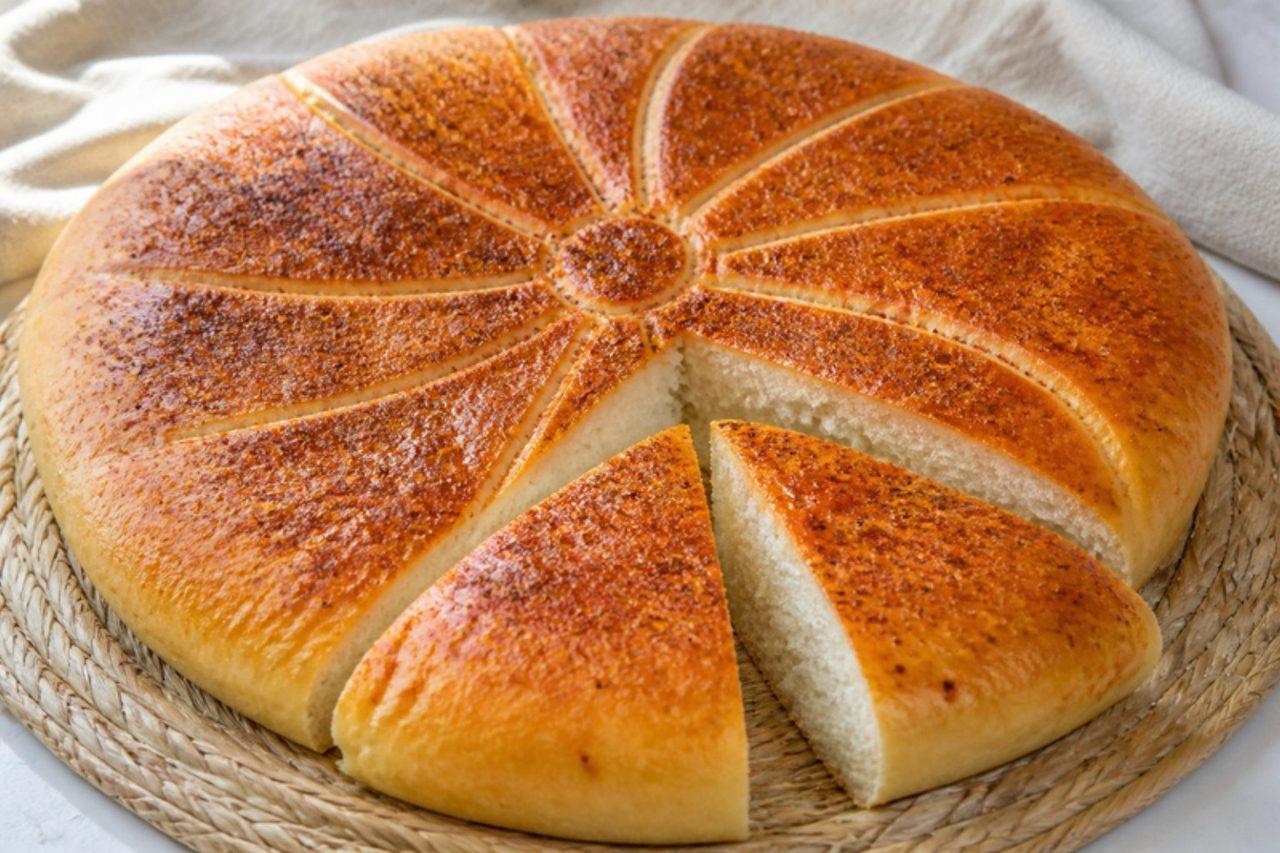
Ambasha is the round, slightly sweet festival bread of Tigray and Amhara, baked for holidays such as Easter (Fasika) and Meskel and for welcoming guests. The dough is scented with fenugreek, cardamom and coriander seed, and before baking the top is cut with a knife into a wheel-like pattern, so it comes out of the oven looking like a decorated plate; it is brushed with niter kibbeh and berbere and served torn into pieces with coffee. Chef's tip: cut the pattern deep (about 1 cm), or it disappears as the bread rises in the oven.

by KrazyBadal 0 views

Bungo juiceSweet-sour bungo fruit juice

Maji ya bungo is a favourite Zanzibar street drink made from the orange, sweet-sour pulp of the bungo fruit (Saba comorensis), soaked off the seeds, blended with sugar and water and strained. It's tangy, fruity and very refreshing. Serve well chilled.

by KrazyBadal 0 views

Badrijani nigvzitAubergine rolls with walnut paste

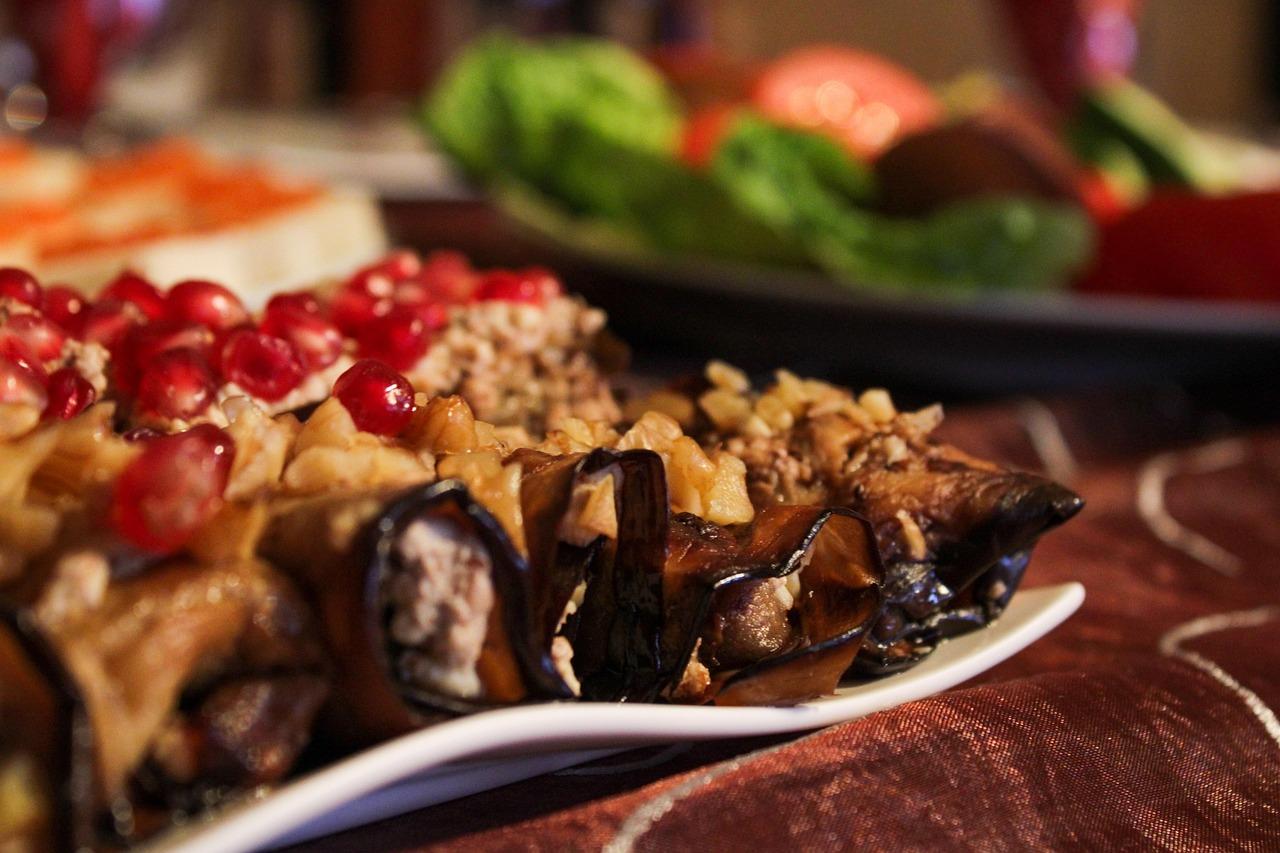
Badrijani nigvzit, aubergine with walnuts, is the summer starter of Tbilisi and Kakheti: thin slices of aubergine fried until silky, spread with a garlicky, spiced walnut paste and rolled up, then scattered with pomegranate seeds. They sit on every supra table between the cheeses and pkhali, and on restaurant menus from June until the frosts. Served cold, they are rich and soft, with sour pops of pomegranate. The common mistake is undercooking the aubergine: if it is still firm it cracks when you roll it and tastes raw, so fry each slice until it is limp and golden. Chef's tip: dry the fried slices on kitchen paper and press them gently; you lose surplus oil, and the paste spreads and sticks better.

by KrazyBadal 0 views

Bai sach chroukGrilled pork over rice

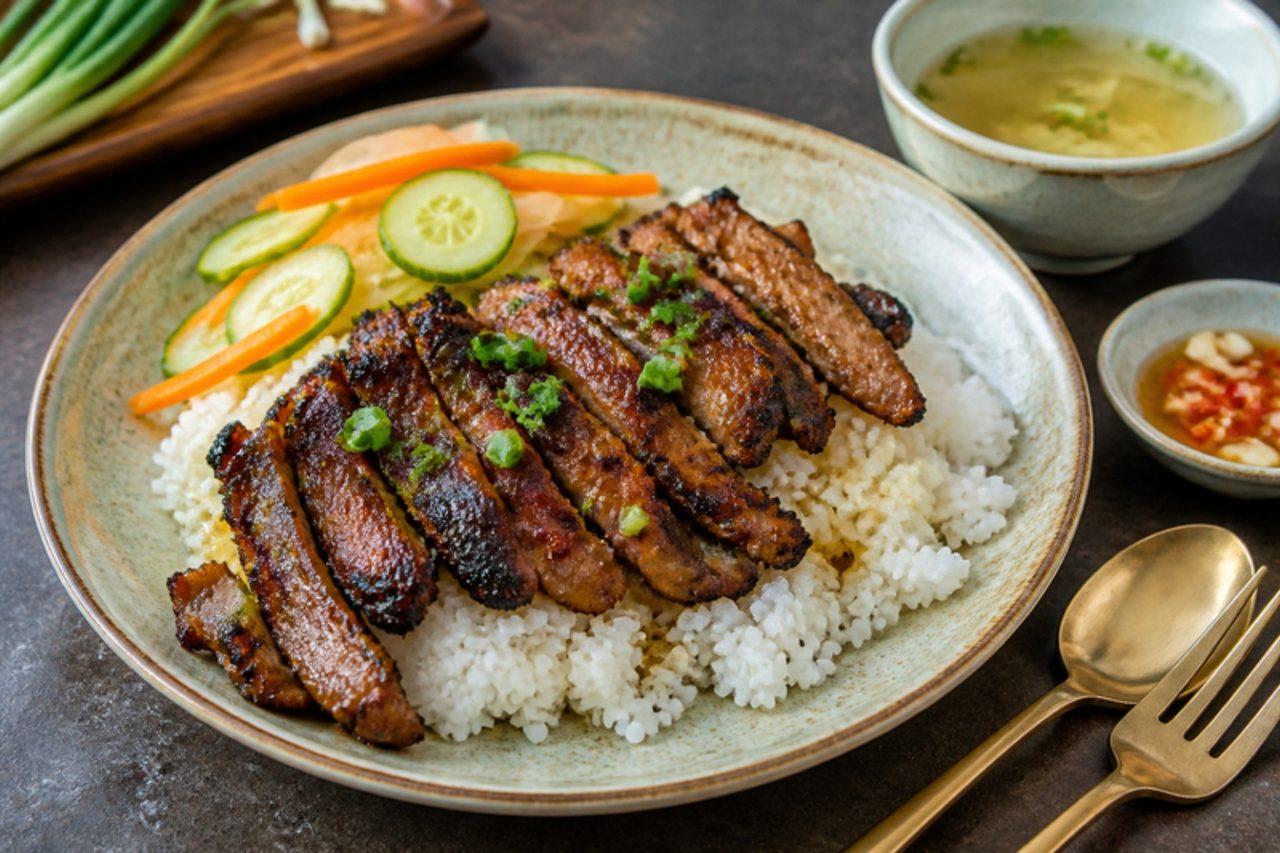
Bai sach chrouk, 'rice with pork', is the classic Cambodian street breakfast, grilled over charcoal on pavements in Phnom Penh and Siem Reap in the early morning and eaten before work and school. It is a pork dish: thin slices of pork are marinated overnight in coconut milk, garlic and palm sugar, then grilled until caramelised and smoky and served on broken rice with quick-pickled cucumber and carrot and a small bowl of clear broth. Chef's tip: slice the pork thinly, about 5 mm; it marinates faster and chars before it dries out.

by KrazyBadal 0 views

Bajan fish cakesSalt cod fritters

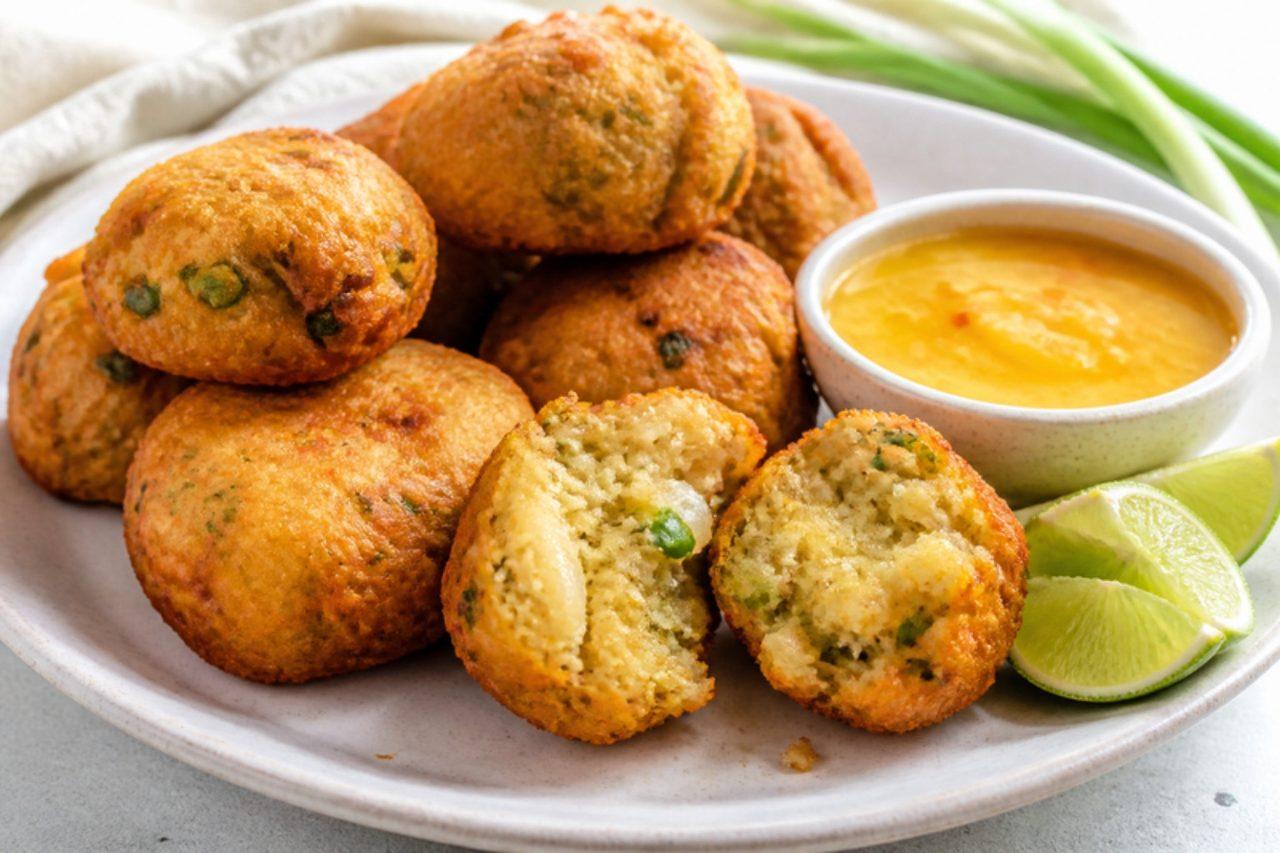
Fish cakes are on every Bajan party table and in every rum-shop snack box, and on Friday nights at Oistins Fish Fry they are tucked into a split salt bread roll as 'bread and two'. These are not potato patties but spoonfuls of light, herby batter full of flaked salt cod, spring onion, thyme and Scotch bonnet, fried until puffed and golden. Serve them hot with Bajan pepper sauce or a squeeze of lime. The mistake that gives flat, greasy fish cakes is a thin batter; it should drop from the spoon in a soft blob, not pour. Chef's tip: taste a flake of the cooked cod before mixing; if it is still salty, don't add any more salt to the batter.

by KrazyBadal 0 views

BaksoBeef meatball soup

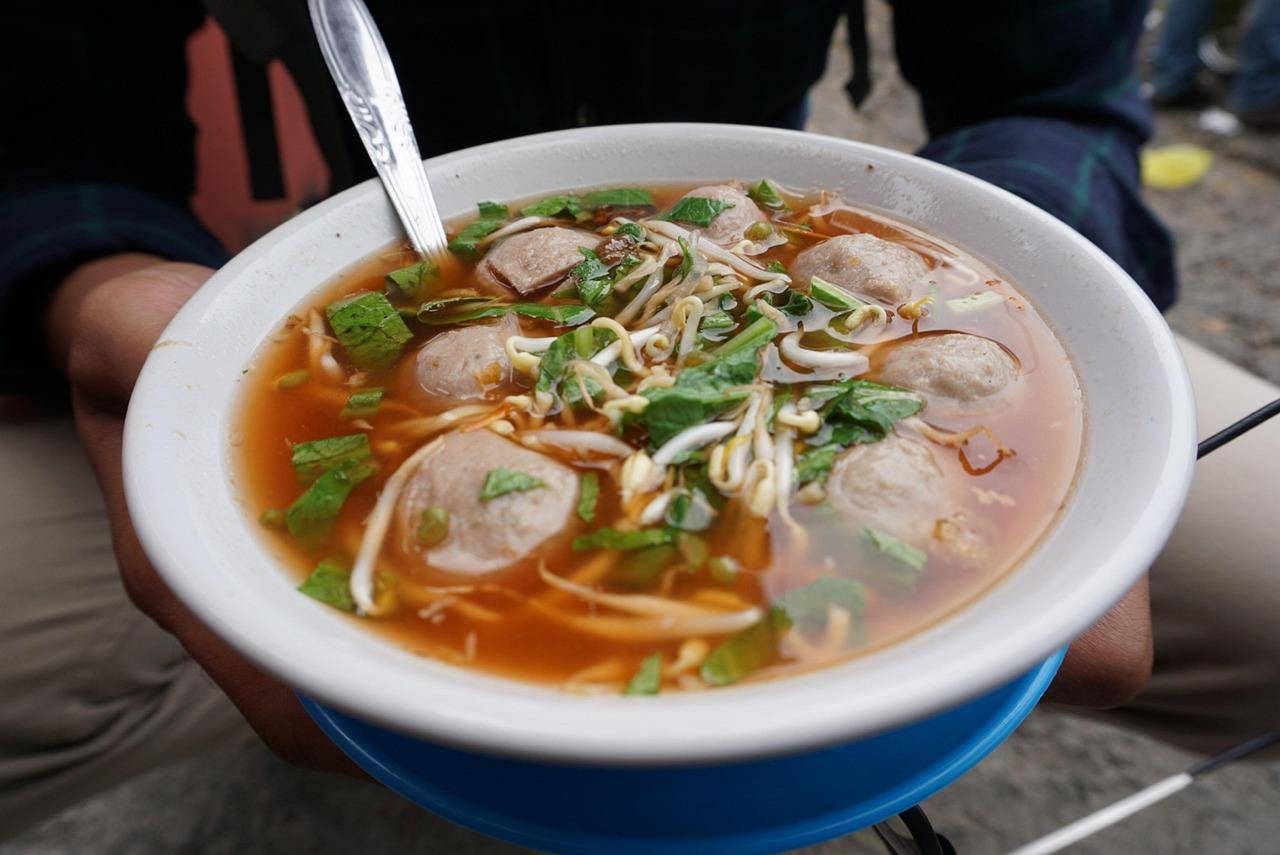
Listen for a spoon tapped against a bowl in any Indonesian neighbourhood and you will find a bakso cart, its glass case stacked with meatballs and two kinds of noodles. The meatballs are springy, almost bouncy, sitting in a clear, garlicky beef broth with yellow noodles, glass noodles and a little green veg. Everyone then builds their own bowl at the counter with sambal, sweet soy sauce, vinegar and a scattering of fried shallots; it is the go-to comfort on a wet afternoon. Chef's tip: keep the beef and everything that touches it ice-cold while you blend, because warm meat gives dense, crumbly balls instead of that famous bounce.

by KrazyBadal 0 views

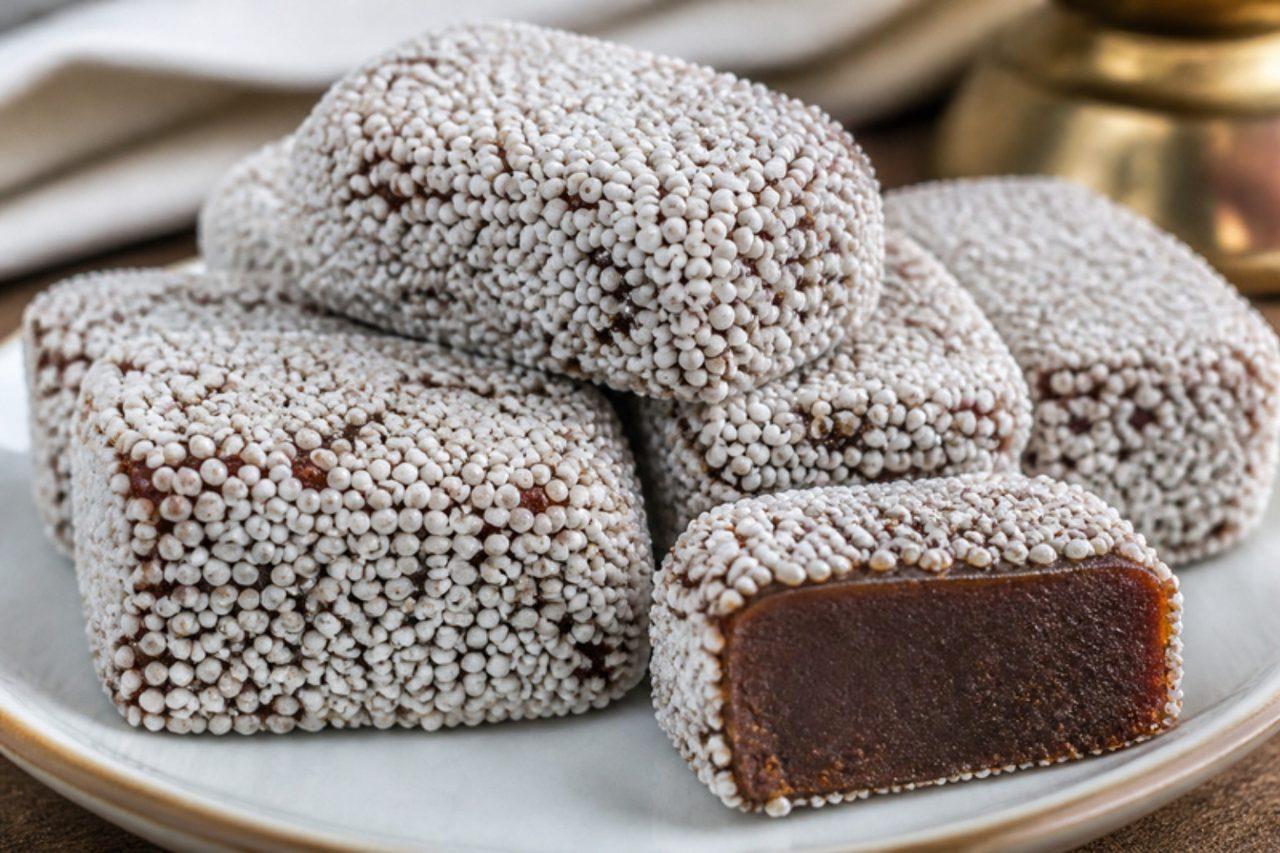
Bal mithaiChocolate-brown fudge with sugar balls

Bal mithai belongs to Almora in Kumaon, where sweet shops on the old Lala Bazaar have sold it for well over a century. Khoya is cooked slowly with sugar until it caramelises to the colour of dark chocolate, set into bars and rolled in little white sugar balls, which give a crunchy bite against the fudgy middle. Families carry boxes of it home from the hills as the town's best-known souvenir. The flavour is deep and toffee-like, with no added colour or cocoa. Chef's tip: keep the heat low and be patient; the deep brown comes from slow caramelising over half an hour, not from turning the flame up.

by KrazyBadal 0 views

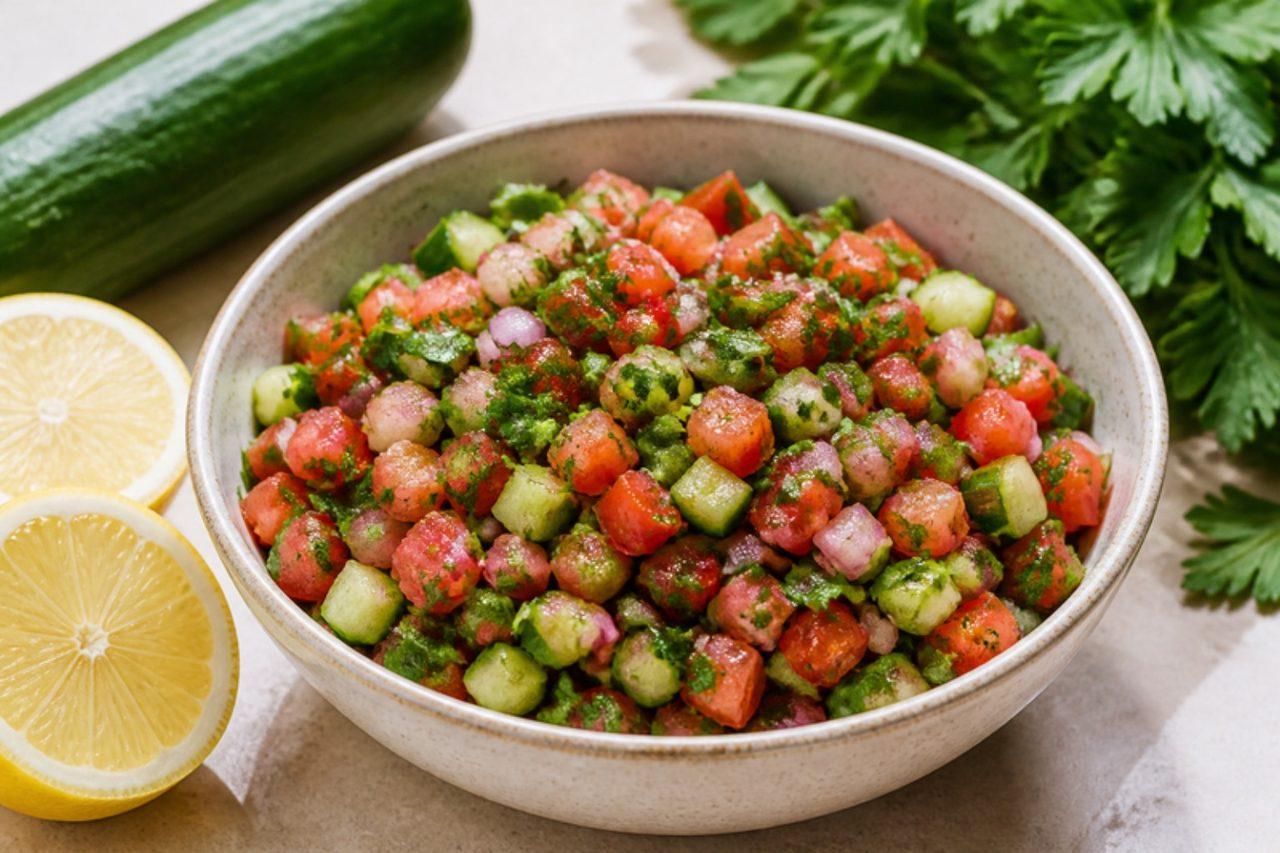
Baladi saladChopped tomato and cucumber salad

Salata baladi, the 'country salad', is on every Egyptian table, from Cairo koshari shops to Alexandria fish restaurants and home lunches, next to the rice and bread. It is finely diced tomato, cucumber, onion and green chilli, with a little parsley, a big squeeze of lemon and a pinch of cumin that makes it taste Egyptian rather than Levantine. It takes ten minutes and cuts through rich food like molokhia or mahshi. Chef's tip: dice everything small, about the size of a chickpea, so each spoonful carries a bit of everything.

by KrazyBadal 0 views

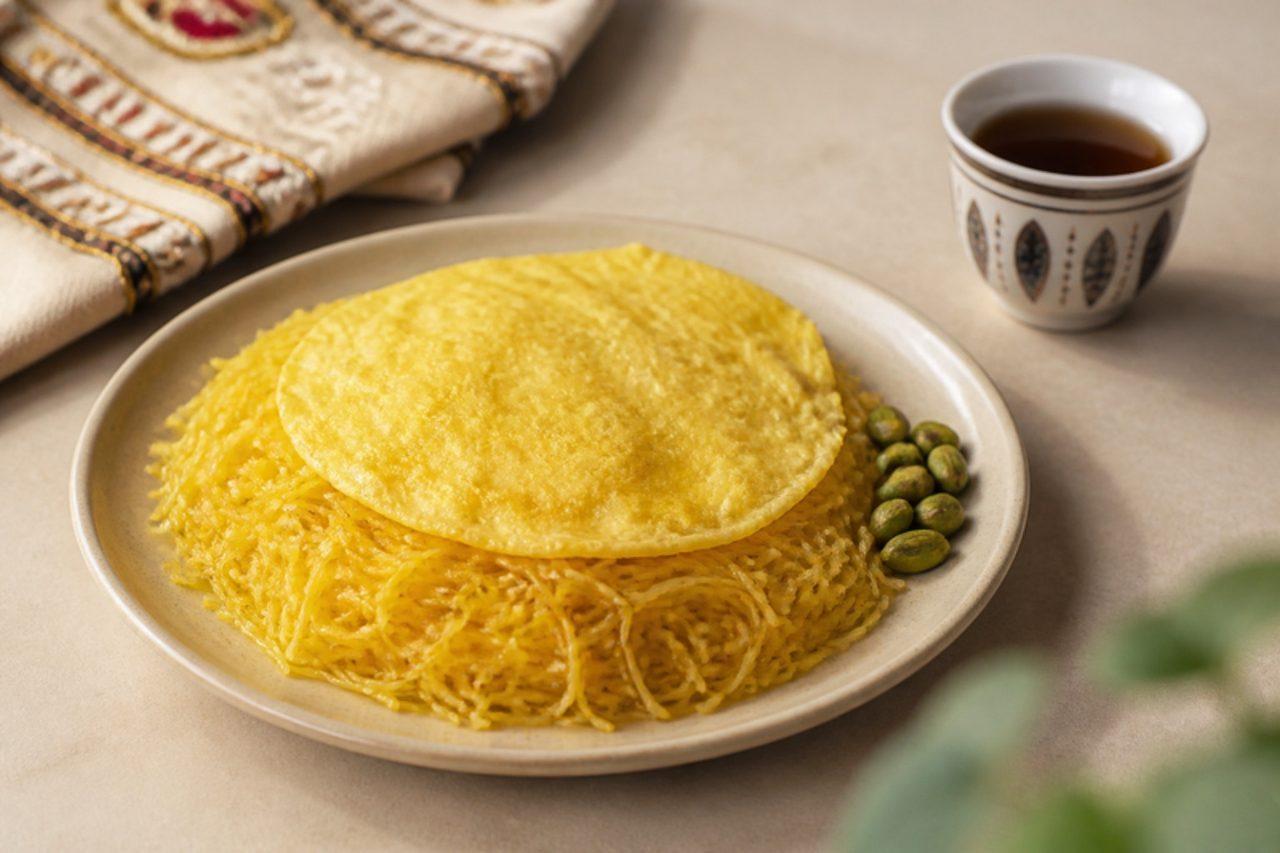
BalaleetSweet vermicelli with omelette

Sweet noodles for breakfast surprise visitors, but in the UAE and Qatar balaleet is the dish of Eid mornings and lazy weekend brunches. Fine vermicelli is toasted in butter, then steamed with sugar, saffron, cardamom and rose water until soft and glossy, and finally capped with a thin, salty-edged omelette. The contrast of sweet, fragrant noodles and savoury egg is the whole point, so serve them together in one wedge. Chef's tip: toast the vermicelli until it is the colour of a biscuit; pale noodles taste flat and floury.

by KrazyBadal 0 views

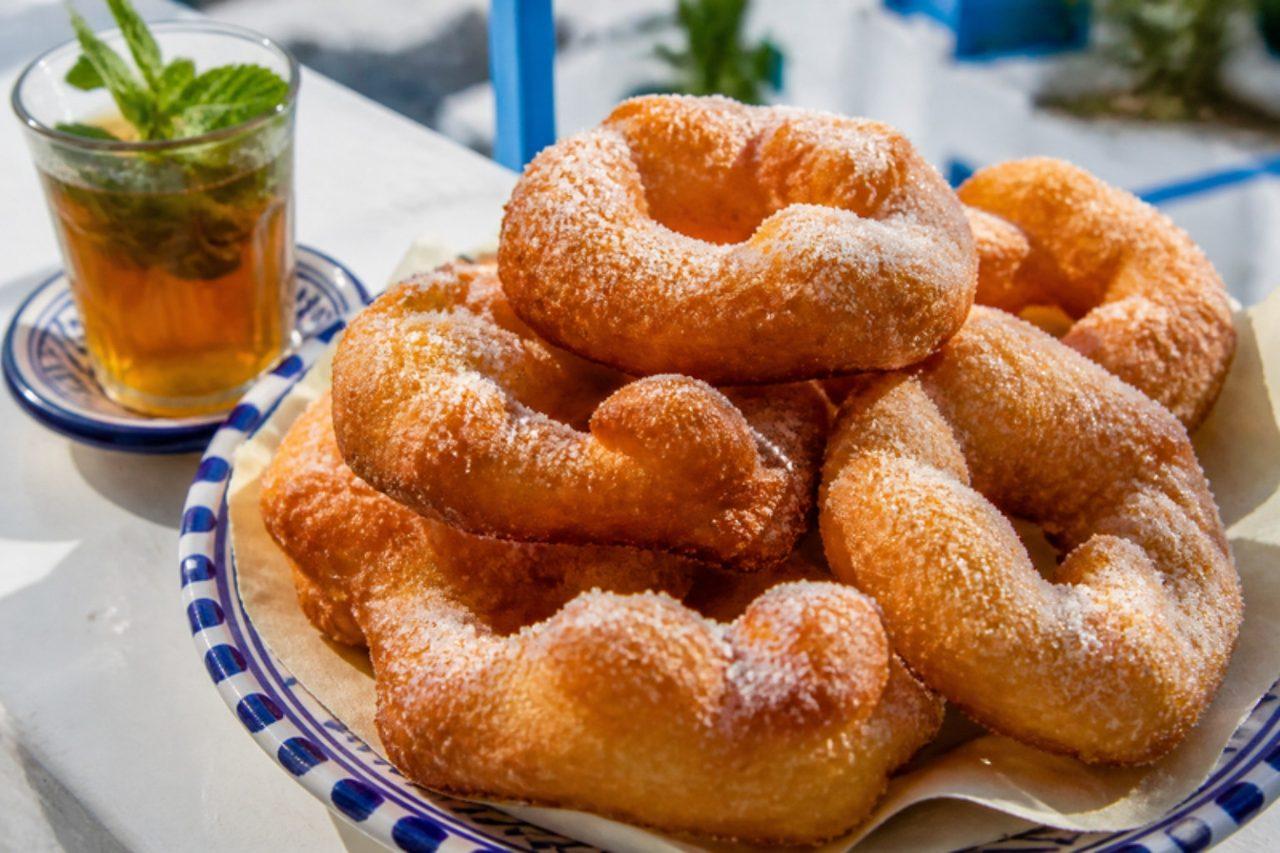
BambalouniSugared fried dough rings

Bambalouni are the big, flat, chewy doughnuts sold hot and wrapped in paper at the top of the blue-and-white village of Sidi Bou Said, outside Tunis, and on beaches all along the coast in summer. The dough is very soft and yeasty; it is stretched by hand into a ring and fried until puffed and blistered, then rolled in sugar. They are best eaten warm with a mint tea. Chef's tip: oil your hands, not the bench, to shape them; floured dough browns too fast and loses its blistered look.

by KrazyBadal 0 views

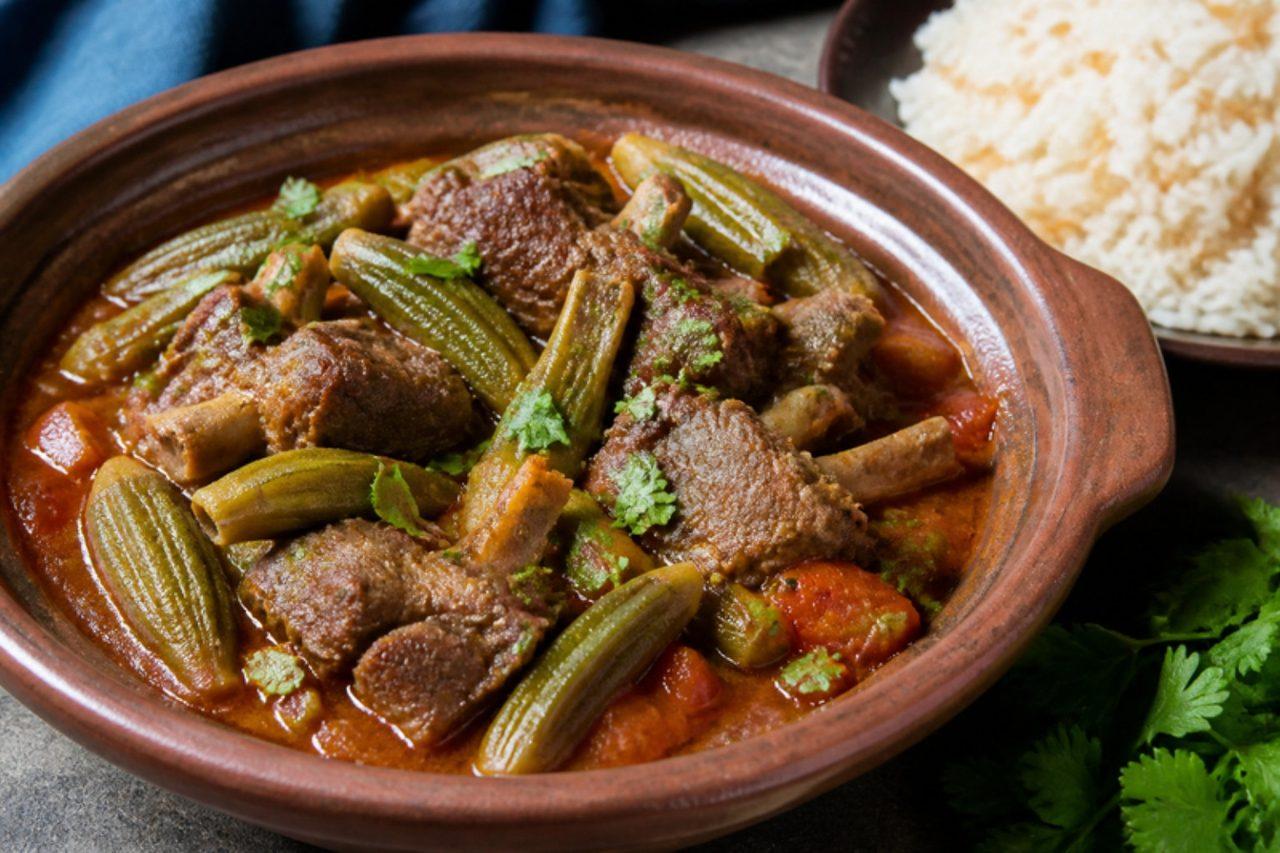
Bamia bil lahmaOkra and lamb stew

Bamia is on every Egyptian family table from Alexandria to Aswan, usually on a weekday with a plate of vermicelli rice. Chunks of lamb on the bone are simmered until tender, then baby okra is cooked in the rich tomato broth with garlic fried in ghee and fresh coriander, a finish called the ta'leya. The sauce is loose, sweet-sour and silky. The common mistake is cutting the okra pods open before cooking, which lets out the slime; trim only the very top of each cap. Chef's tip: fry the okra briefly in a hot pan before it goes into the stew so it holds its shape and stays bright green.

by KrazyBadal 0 views

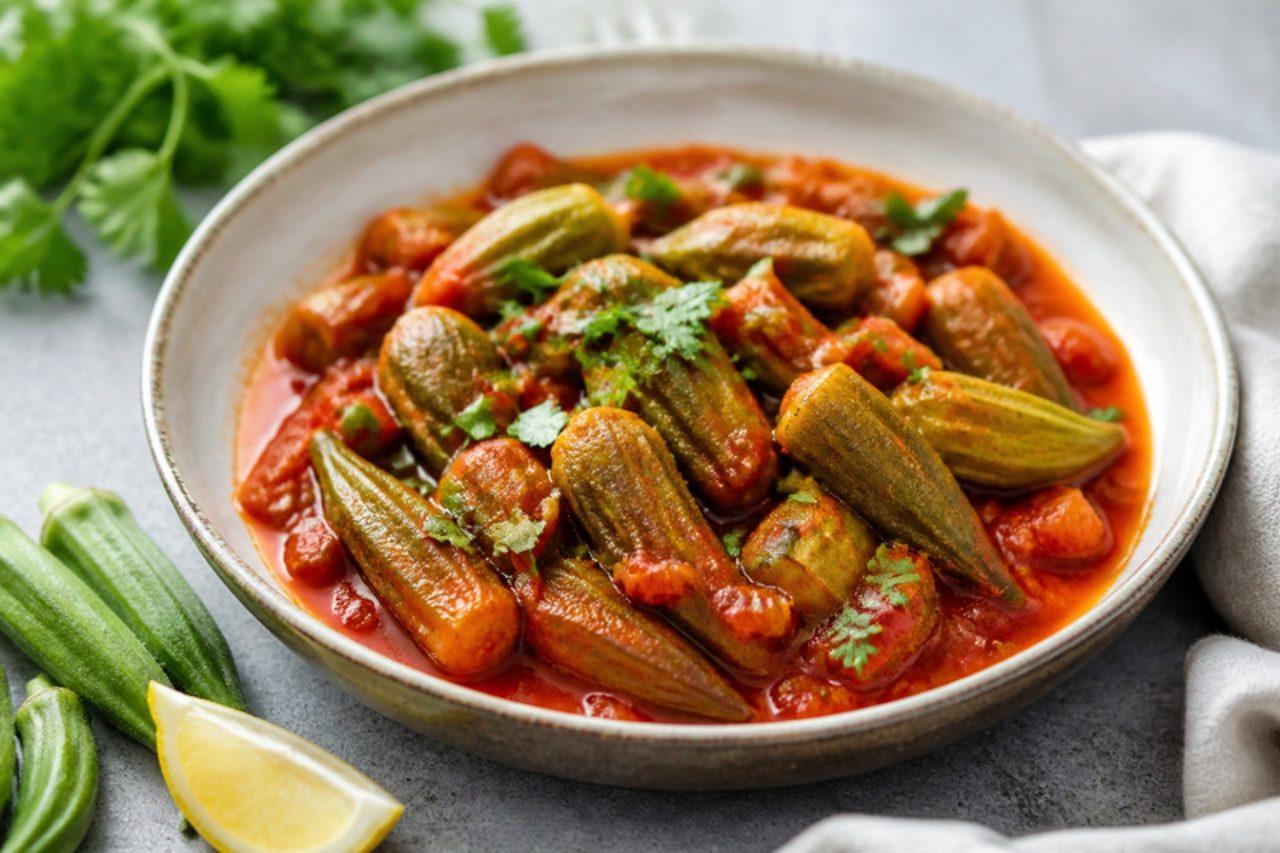
BamiehOkra stewed in olive oil

Late summer in the Damascus and Beirut markets means piles of tiny okra pods, and bamieh, okra stewed in tomato with coriander and garlic, follows on many family tables. This meat-free version is the one Lebanese Christians cook during Lent and serve with vermicelli rice or flatbread. Small, whole pods are the secret: kept intact and seared first, they stay tender without turning slimy, and a squeeze of lemon at the end sharpens the sauce. Chef's tip: trim only the very top of each cap without cutting into the pod; a pierced pod lets the sticky juice escape into the sauce.

by KrazyBadal 0 views

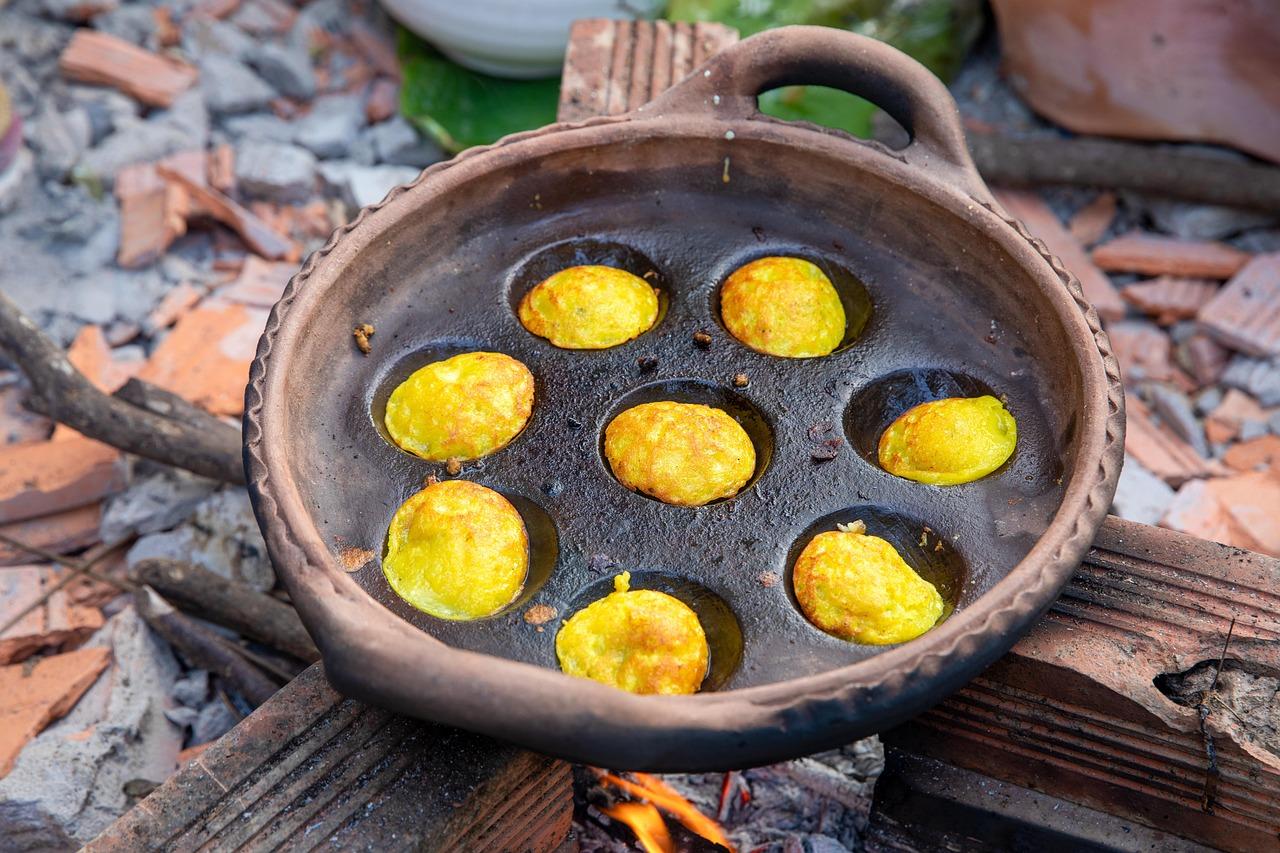
Banh khotMini coconut rice pancakes

Weekend visitors from Saigon who drive down to the beach town of Vũng Tàu make a point of eating bánh khọt at open-air stalls, where cooks tend rows of dimpled clay or cast-iron pans over charcoal. The batter of rice flour, coconut milk and turmeric fries into bite-sized cups with a shatteringly crisp base and a soft, custardy top, each finished with a small shrimp and spring onion oil. You wrap them in mustard greens or lettuce with herbs and dip them in sweet-sour fish sauce. At home, an aebleskiver or takoyaki pan works well. Chef's tip: cover the pan for the first minute so steam sets the tops, then uncover so the bottoms crisp in the oil.

by KrazyBadal 0 views

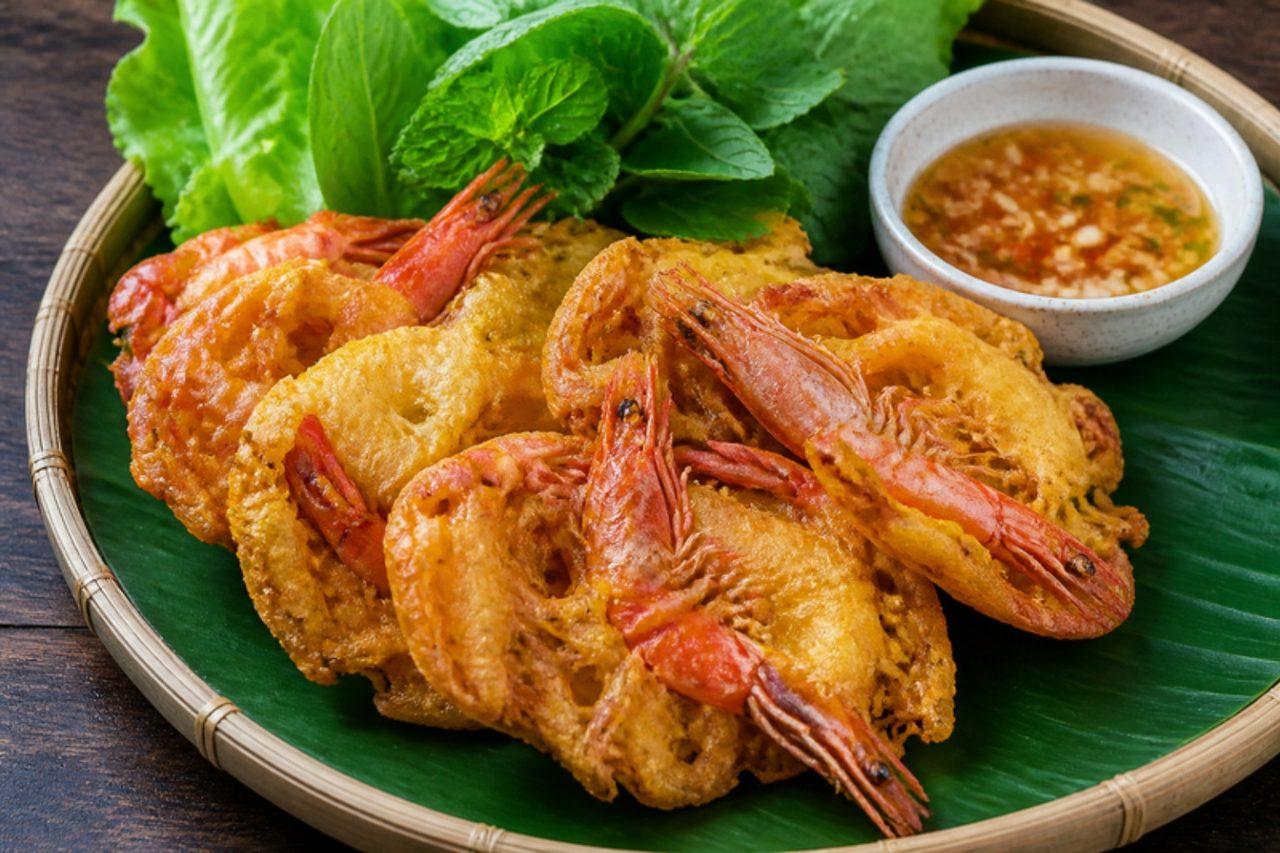
Banh tom Ho TaySweet potato and shrimp fritters

Lakeside cafés on the shore of West Lake (Hồ Tây) in Hanoi have sold these fritters for generations, and locals still ride out on cool autumn afternoons to eat them looking over the water. Each one is a nest of sweet-potato matchsticks held together by a thin, turmeric-tinted batter, with a whole small shrimp pressed on top so its shell fries crisp. They come piled on a plate with lettuce, herbs and a bowl of sweet-sour fish sauce dotted with slices of green papaya or kohlrabi. You wrap a piece of fritter in a lettuce leaf with a few herbs and dunk it. Chef's tip: soak the cut sweet potato in cold water for 10 minutes and then dry it really well; washing off the surface starch is what keeps the strands separate and crunchy.

by KrazyBadal 0 views

Banh trang nuongGrilled rice paper pizza

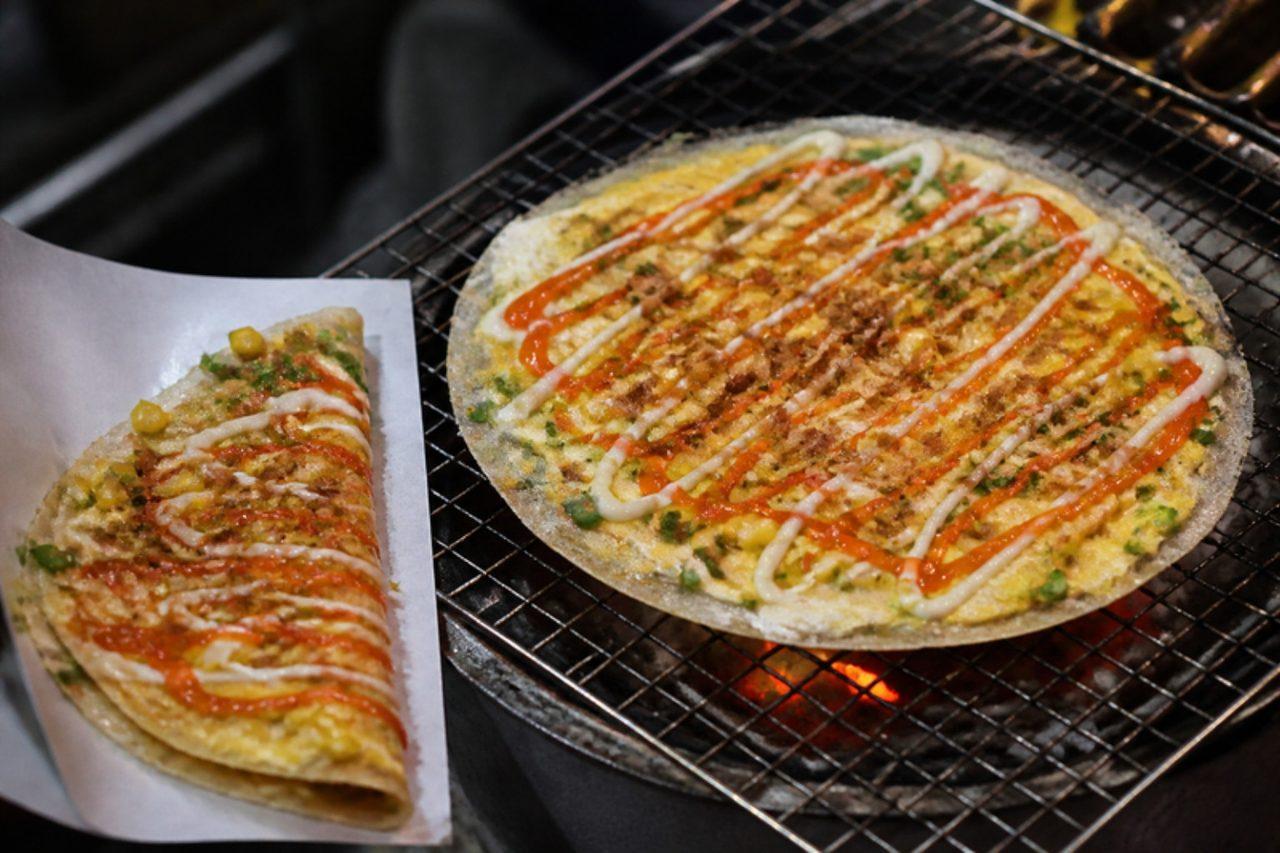
Bánh tráng nướng is the snack of Da Lat's night market, where vendors grill sheets of rice paper over small charcoal braziers, crack on an egg, spread it with a bamboo brush and fold the crackling disc in half to hand over in a paper napkin. Visitors call it Vietnamese pizza. The usual toppings include dried shrimp and sausage; this vegetarian version keeps the egg, spring onion, sweetcorn and crispy shallots, finished with chilli sauce and squiggles of mayonnaise. A dry frying pan does the job at home. Chef's tip: keep the heat low to medium; rice paper scorches in seconds, and it needs time for the egg to set on top while it crisps underneath.

by KrazyBadal 0 views

BanitsaFilo pie with cheese and egg

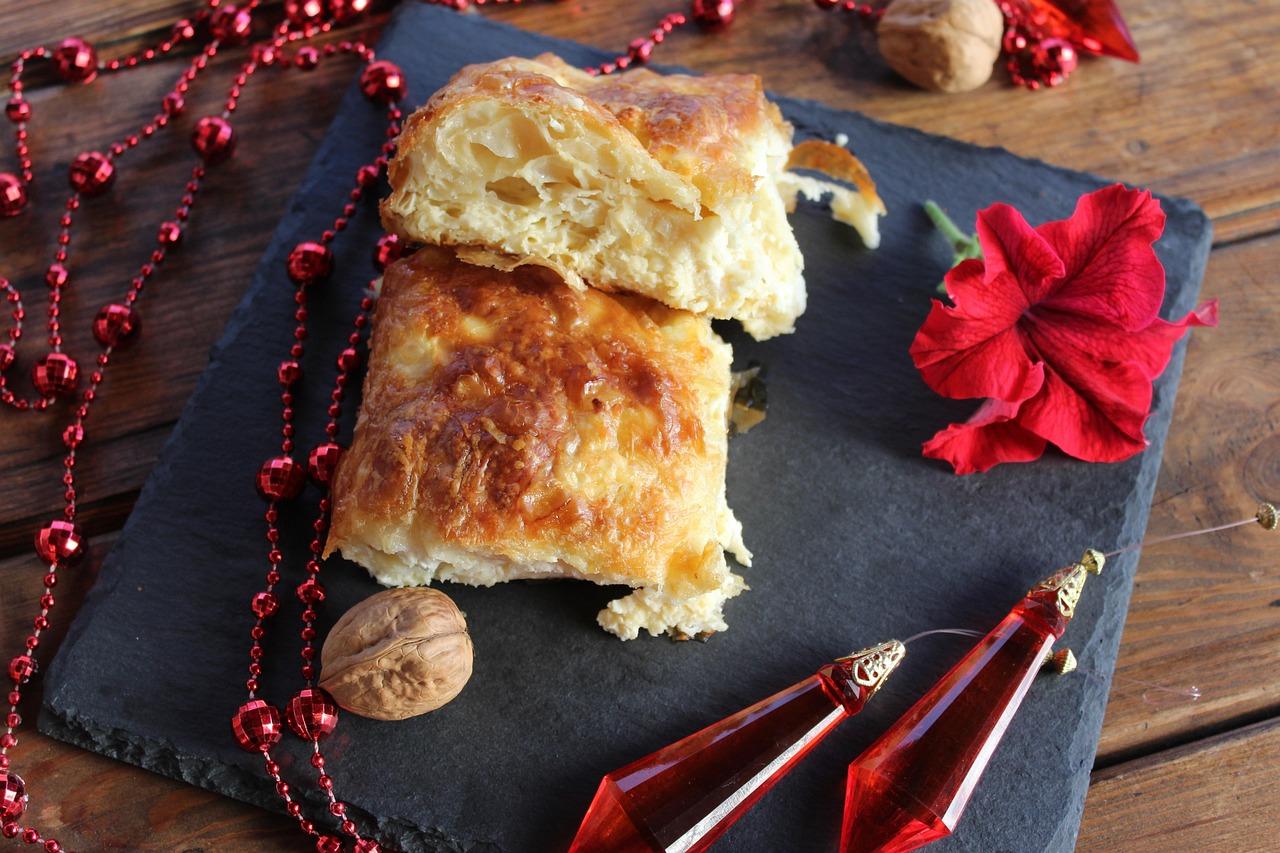
Banitsa is the Bulgarian breakfast pie, bought warm in paper from corner bakeries in Sofia and Plovdiv with a bottle of ayran or boza, and baked at home on New Year's Eve with lucky charms (kasmeti) tucked inside. Crumpled sheets of filo are layered with crumbled sirene and a custard of yogurt and eggs, then baked until the top is shatteringly crisp and the inside soft and tangy. It is not boiled like Turkish su böreği: the yogurt custard is what makes it Bulgarian. Chef's tip: crumple the filo loosely rather than laying it flat; flat, tightly packed sheets are the usual mistake and give a dense, doughy pie.

by KrazyBadal 0 views

BannockSkillet bread

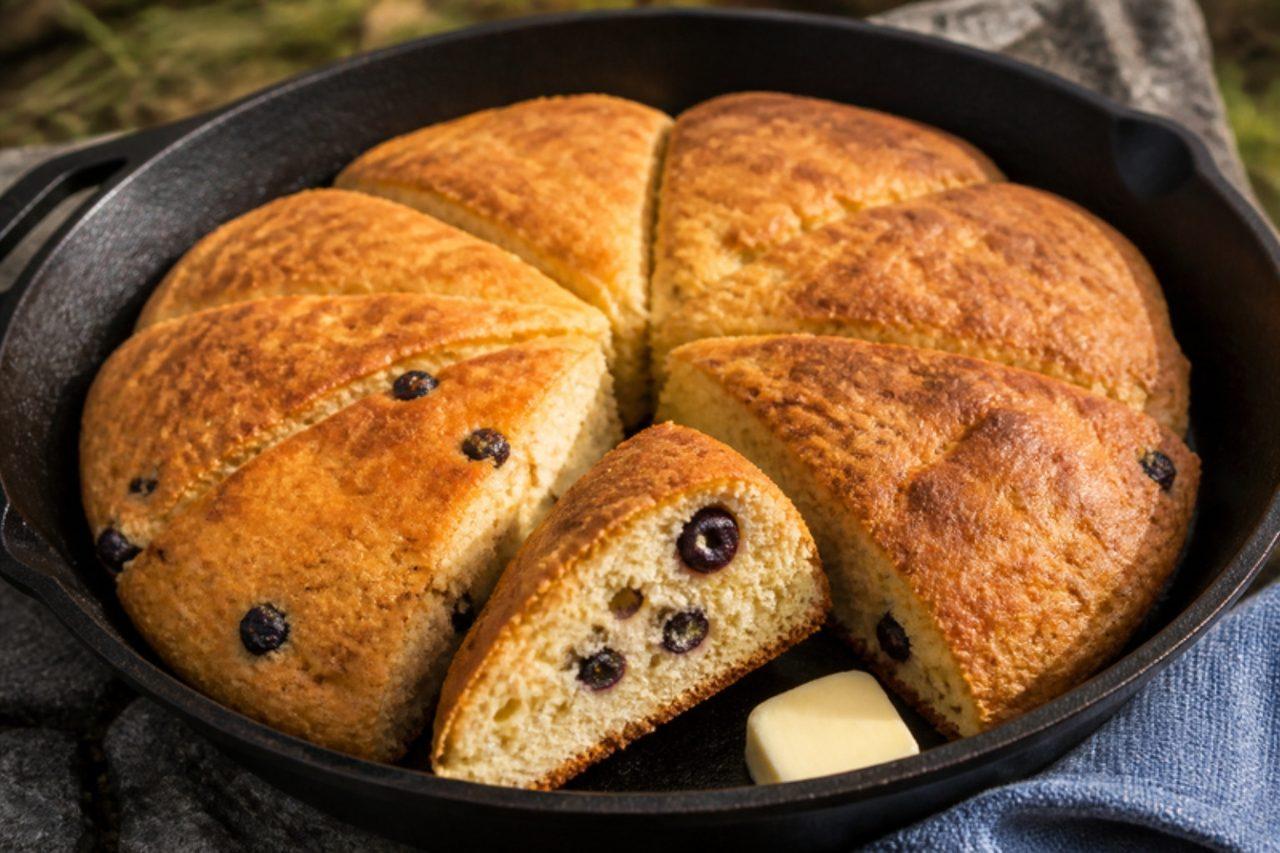
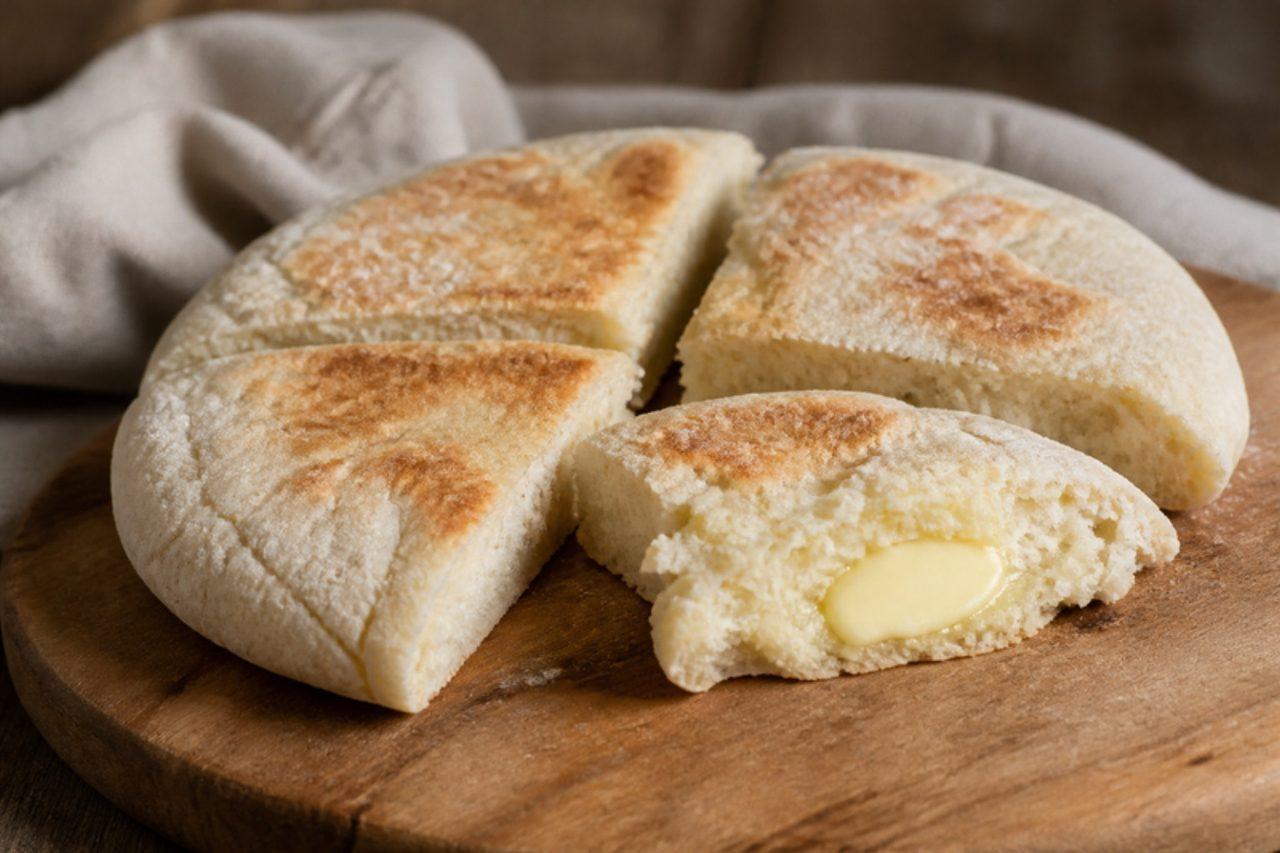
Bannock is a quick bread of flour, baking powder, fat and water, cooked in a cast-iron pan, baked, fried or wrapped around a stick over a campfire. It's eaten in First Nations, Métis and Inuit communities across Canada, at powwows, family meals and on the land, and every family has its own version. Its history is complicated: wheat flour and lard reached many communities through trade and government rations, and bannock became both a food of survival and a living symbol of community and resilience. Long before that, Indigenous breads were made from local plants and roots. This is a simple home pan version, not any one nation's recipe. Chef's tip: mix only until the dough just comes together; overworking makes bannock tough.

by KrazyBadal 0 views

BanoshCornmeal with sour cream and cheese

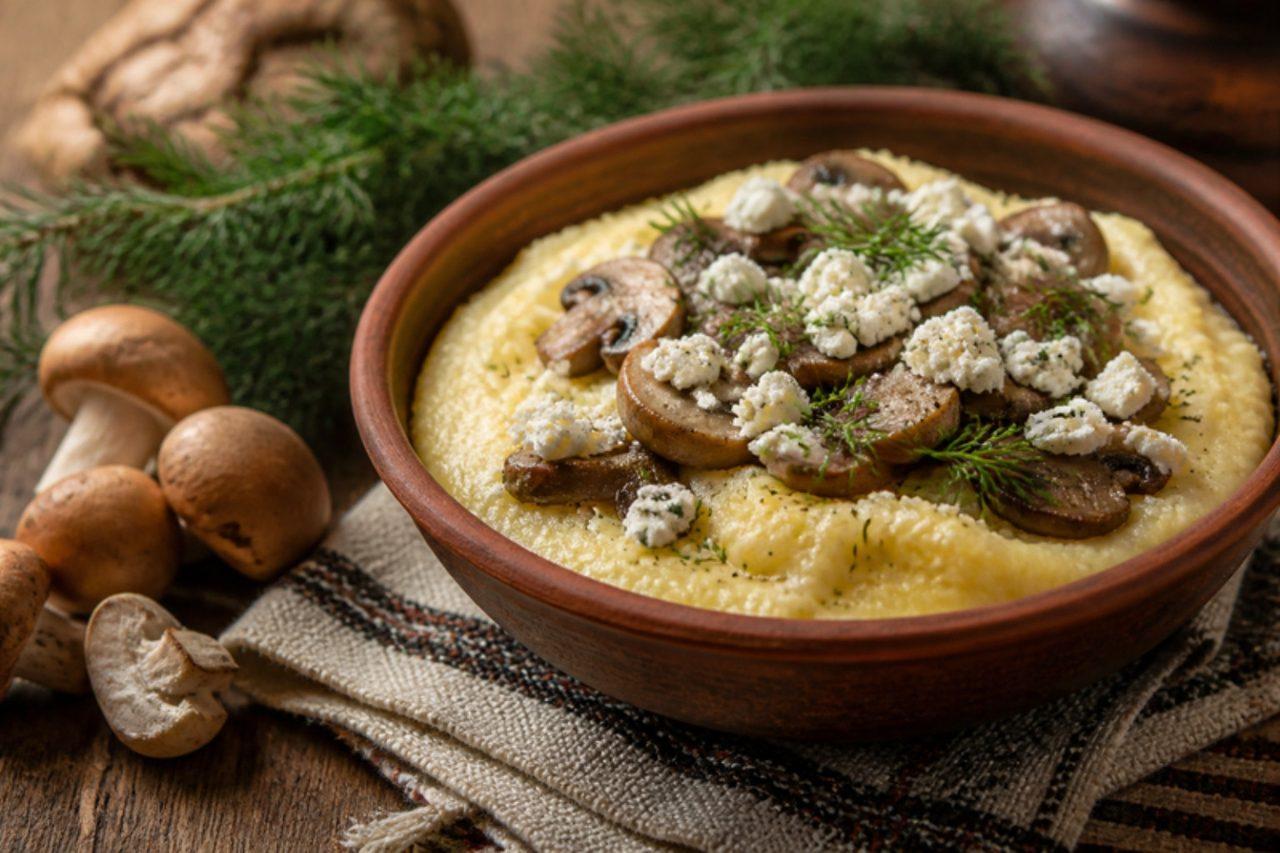
Banosh is the shepherds' dish of the Hutsul highlands in the Ukrainian Carpathians, around Verkhovyna, Kosiv and Yaremche. Coarse cornmeal is stirred into simmering sour cream over a fire until the butterfat beads on the surface, then heaped on plates and crumbled with salty bryndza sheep's cheese and forest mushrooms; tourists queue for it in the mountain kolyba restaurants. Traditionally it is also topped with crisp pork crackling, which this vegetarian version leaves out in favour of extra buttery mushrooms. Bryndza is usually made with animal rennet, so look for a sheep's or feta cheese labelled vegetarian. Chef's tip: stir in one direction only with a wooden spoon, as the Hutsuls insist; it keeps the porridge smooth and helps the fat separate out, which tells you it is ready.

by KrazyBadal 0 views

Bastar aamatMixed vegetable curry

Aamat comes from the forested Bastar region of southern Chhattisgarh, where Gond and Halba families cook whatever the garden and forest give: pumpkin, brinjal, beans, drumsticks and, in the monsoon, sour fermented bamboo shoot. There is almost no oil and no heavy masala. Instead a paste of soaked rice turns the broth silky, and garlic, ginger and green chilli carry the flavour. It is served in bowls with plain rice, especially at village feasts and the Bastar Dussehra gatherings. Tinned bamboo shoot works well; leave it out and add lime at the end if you cannot find it. Chef's tip: keep stirring as you pour in the rice paste, because it sinks and sets into lumps on the bottom of the pot if left alone.

by KrazyBadal 0 views

BasundiThickened sweet milk

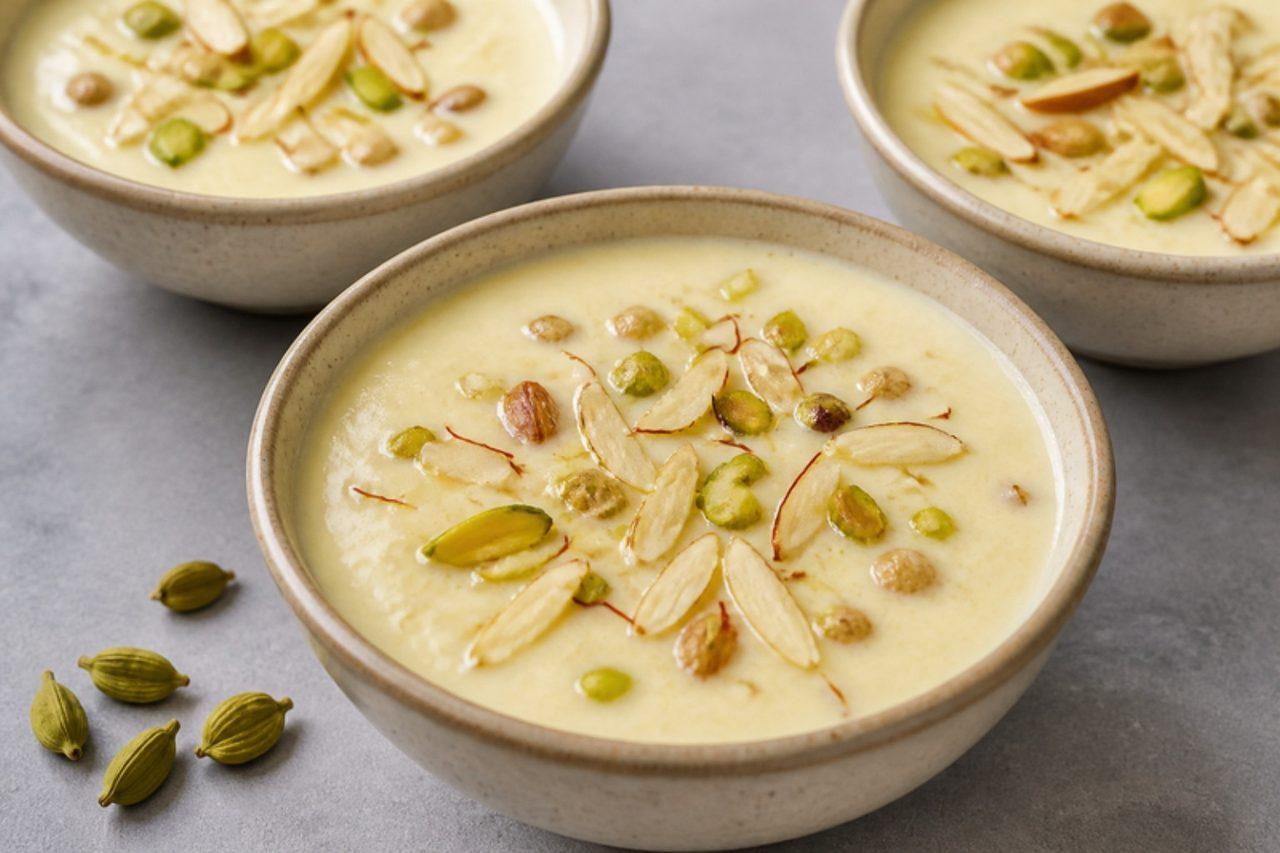
Basundi is the reduced-milk dessert of Maharashtra and Gujarat: whole milk simmered patiently in a wide pan, with the skin that forms on top scraped back in, until it is thick, cream-coloured and a little grainy, then sweetened and scented with cardamom and saffron. In Maharashtra it's served with hot puris for Gudi Padwa and Bhau Beej; in Gujarat it turns up at weddings and on Sharad Purnima, and it's also the base of the famous custard-apple (sitafal) basundi. Make it a day ahead; it thickens and tastes richer after a night in the fridge. Chef's tip: use a wide, heavy pan rather than a deep one; more surface means faster evaporation and less time standing at the stove.

by KrazyBadal 0 views

Batata harraSpicy garlic potatoes

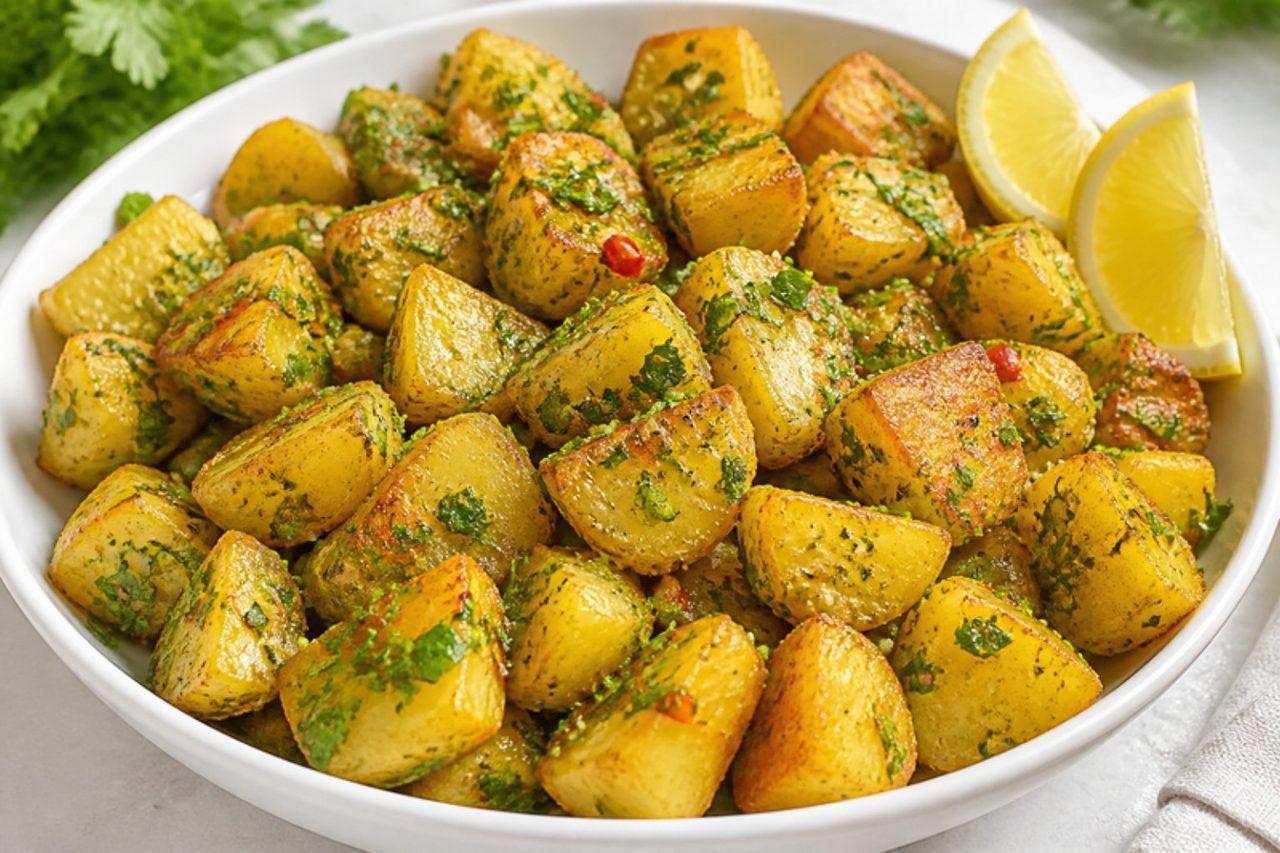
Batata harra, meaning hot potatoes, is a staple of the hot mezze in Beirut restaurants and at home: crisp cubes of potato tossed while still sizzling in garlic, chilli and a heap of fresh coriander, then squeezed with lemon. Expect it next to falafel and hummus at a Sunday spread or as a side for grilled vegetables on a summer evening. This home version roasts the potatoes instead of deep-frying them, which gives the same golden crunch with much less oil. People often add the garlic and coriander too early, so the garlic burns and turns bitter; they go in only for the last minute in the pan. Chef's tip: parboil the cubes and shake them in the colander until their edges look fluffy, because those rough edges are what turn crisp in the oven.

by KrazyBadal 0 views

BaursakPuffed fried dough

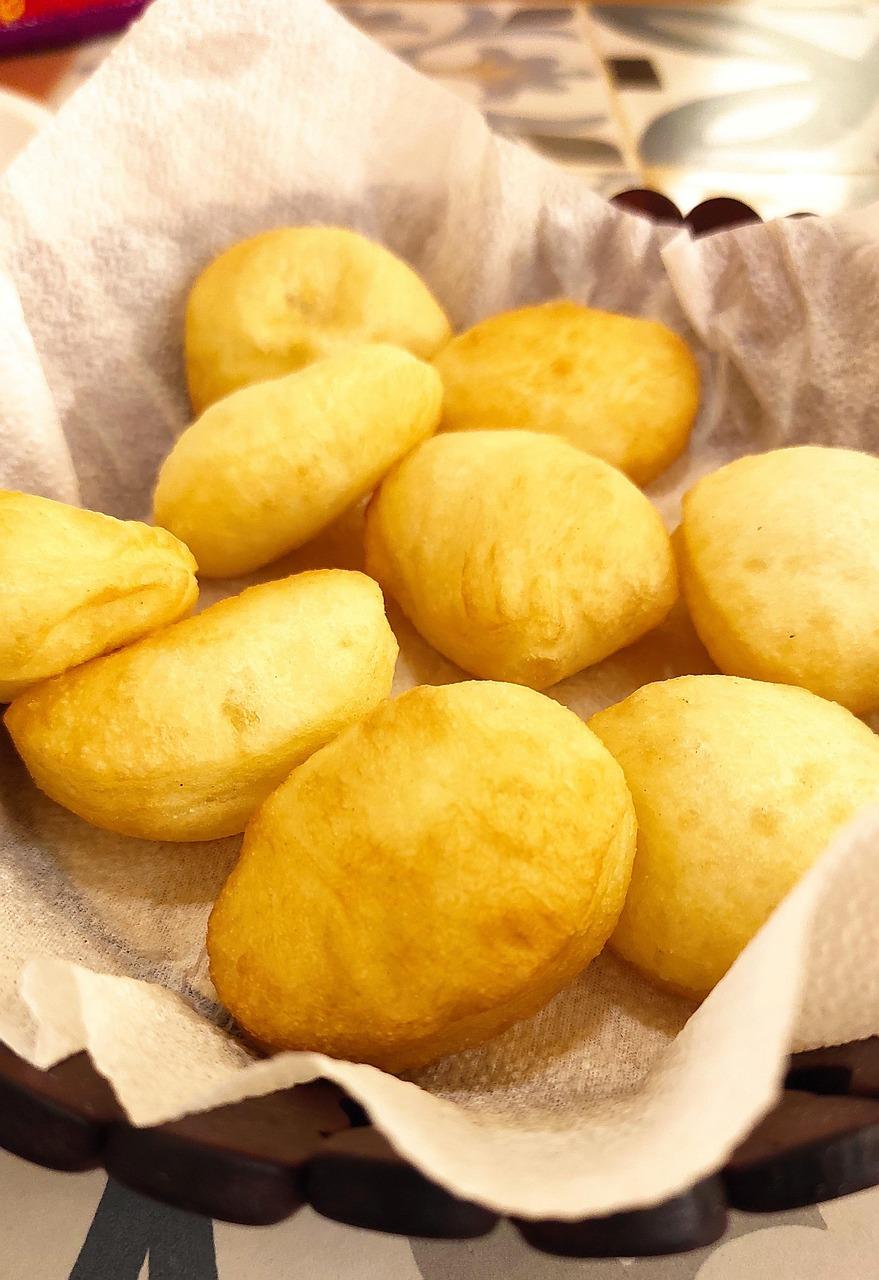
No Kazakh dastarkhan, the cloth spread with food for guests, is complete without a heap of baursak: soft, hollow pillows of yeasted dough fried until they balloon. They are scattered over the table at weddings, at Nauryz in March and at funerals, where the smell of frying baursak is said to reach the departed. In Almaty families fry hundreds at a time and eat them through the evening with milk tea, butter, jam or honey. Kyrgyz and Turkmen households make almost identical versions. Chef's tip: roll the dough just 1 cm thick and keep the oil hot; thin dough in hot oil puffs into a hollow ball, thick dough stays bready.

by KrazyBadal 0 views

Beef nihariSlow-cooked beef shank stew

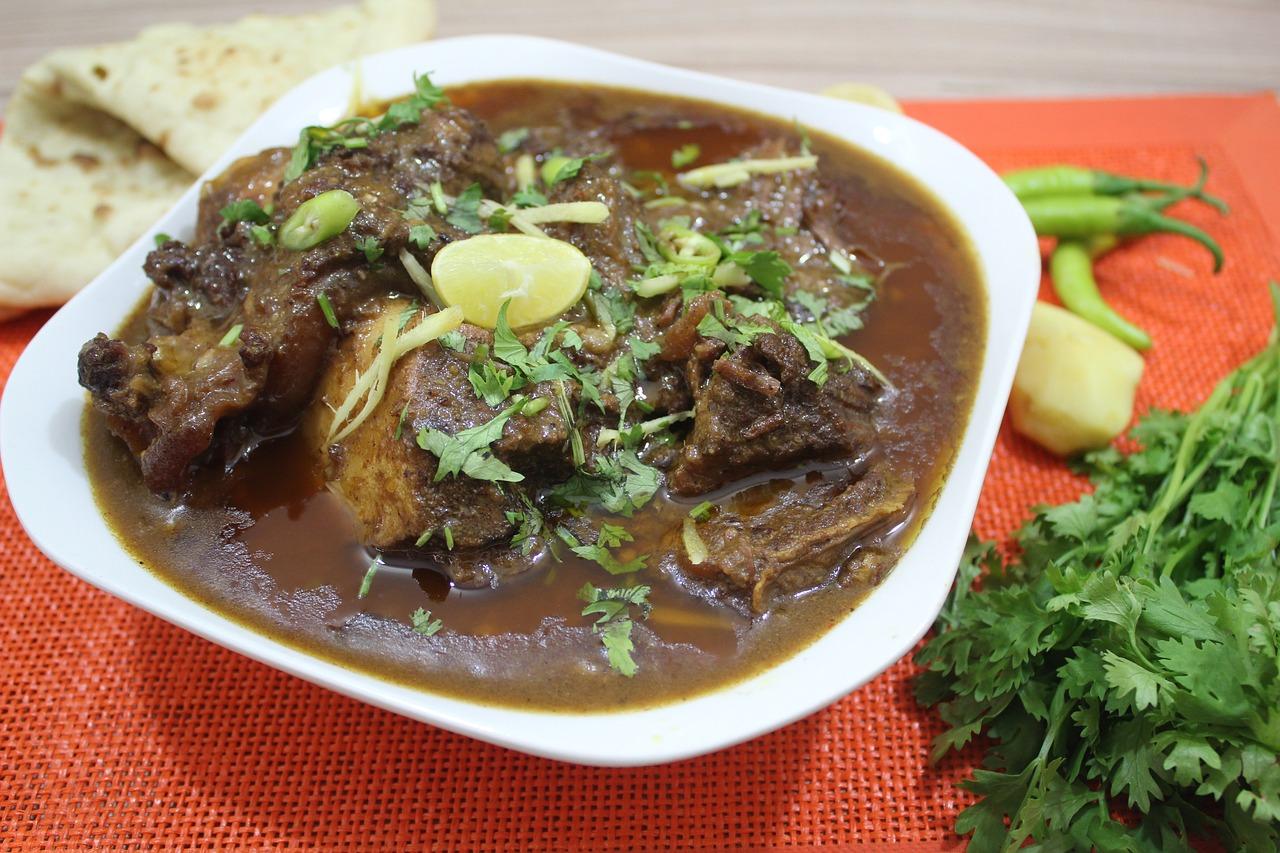
Nihari takes its name from nahar, the Arabic word for morning, and in Karachi and Lahore it is still a breakfast dish: the big pots simmer through the night and shops open at dawn for office workers and families. Beef shank cooks for hours until the meat falls apart and its marrow and gelatine turn the spiced gravy rich and silky, thickened at the end with a little toasted flour. At home it makes a perfect weekend brunch or Eid lunch, and it reheats beautifully. Serve with naan, fresh ginger, green chilli, coriander and lemon at the table. Chef's tip: cook it the day before and chill it overnight, then lift off some of the fat that sets on top before reheating.

by KrazyBadal 0 views

Beef ularthiyathuDry-fried spiced beef

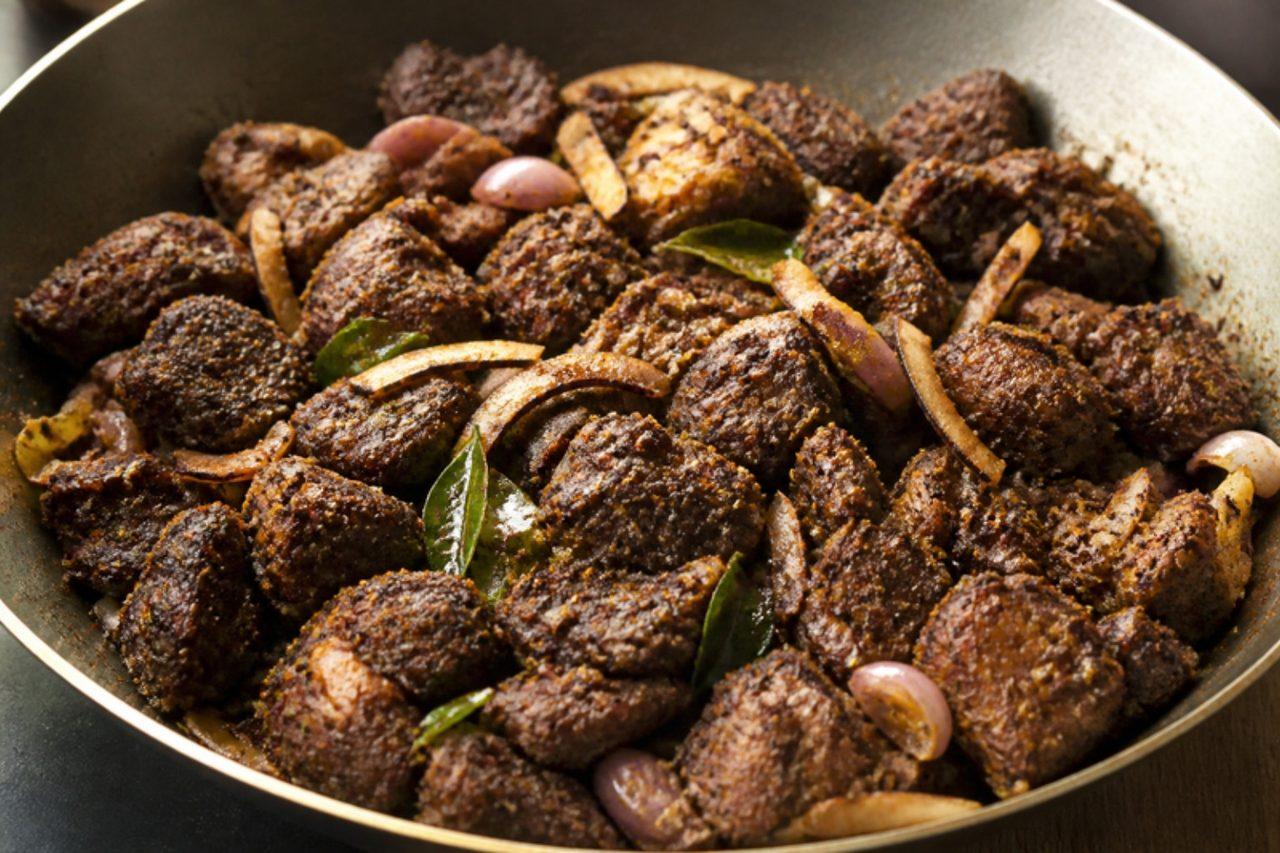
Among the Syrian Christian families of central Kerala, from Kottayam to Pala, a pan of beef ularthiyathu sits on the table at Christmas and Easter, at weddings and with Sunday appam. The beef is first stewed soft in pepper, fennel and coriander, then roasted slowly in coconut oil with shallots, curry leaves and crunchy slivers of fresh coconut until it turns almost black and every piece is coated. It keeps well for days and is just as good with porotta, rice or a cold glass of something fizzy. Chef's tip: keep the final roast at medium-low and be patient; the dark colour should come from slow caramelising, not scorching.

140 minIndianMeatGluten freeSpicy
by KrazyBadal 0 views

Begun bhajaFried aubergine slices

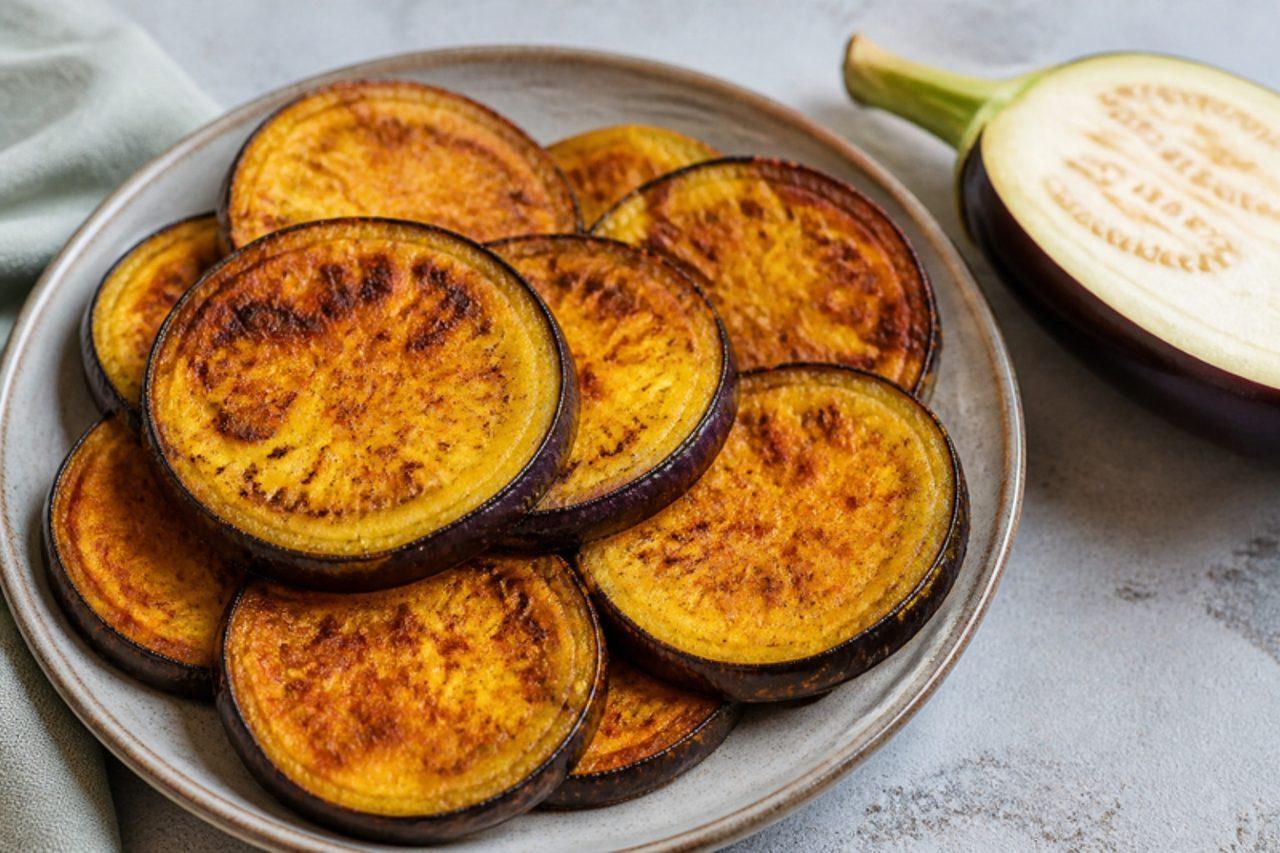
Begun bhaja is the crisp-edged, creamy aubergine slice that sits beside dal and rice on almost every Bangladeshi lunch plate, from Chittagong to Sylhet, and it is a must with bhuna khichuri on a rainy afternoon. Thick rounds are rubbed with turmeric, chilli and salt, then shallow-fried in mustard oil until the outside is caramelised and the inside melts like custard. Chef's tip: salt the slices and leave them for 10 minutes, then pat dry; they drink up far less oil and brown more evenly.

by KrazyBadal 0 views

BeguniBattered aubergine fritters

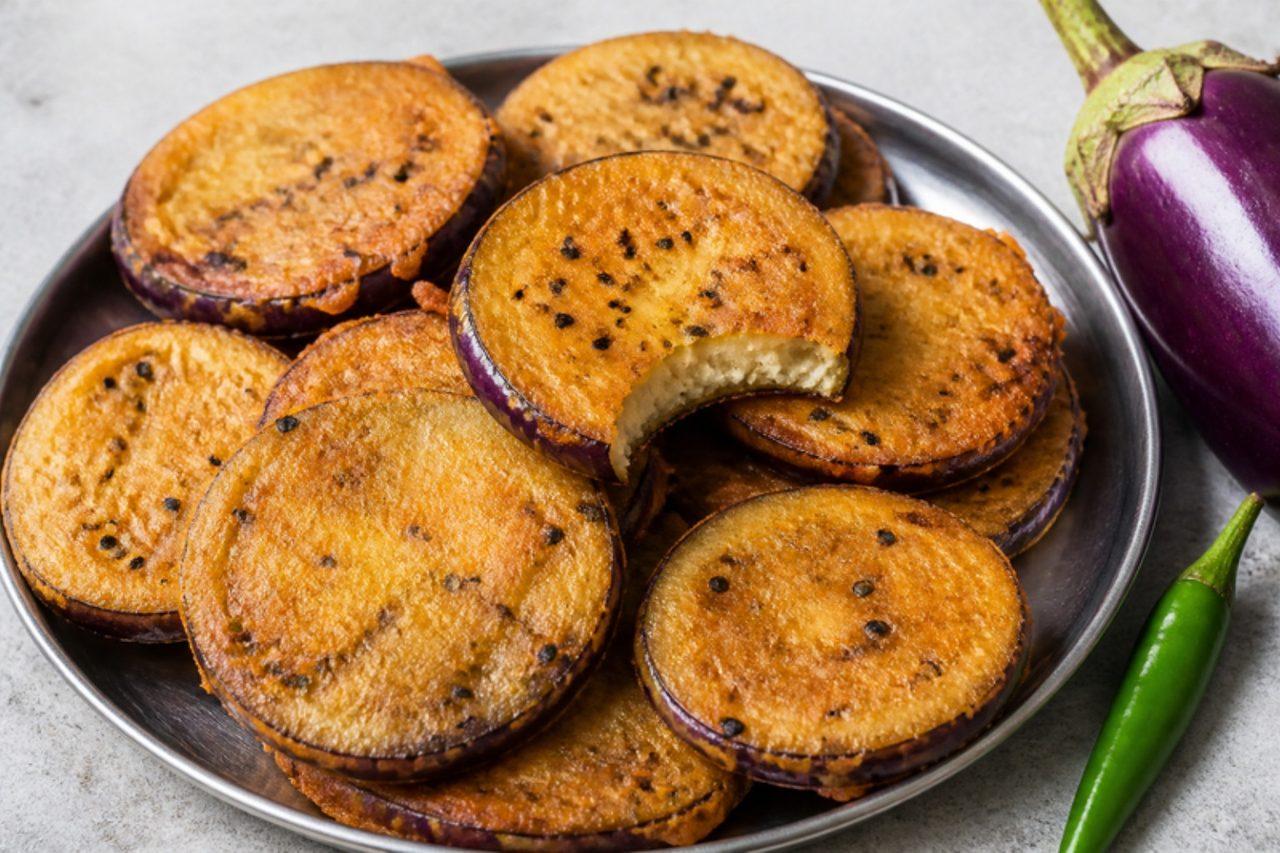
When the monsoon arrives in Kolkata, the telebhaja shops at every para corner start frying beguni: long, thin slices of aubergine dipped in a spiced gram-flour batter and fried until the coat puffs and turns golden. It is eaten with muri and a cup of tea, or alongside khichuri on a wet Saturday. The inside should be soft and creamy, the shell thin and crackly. Chef's tip: a spoonful of rice flour and a pinch of nigella in the batter keep it crisp long after frying. This is a different dish from begun bhaja, where the slices are fried bare with turmeric and salt.

by KrazyBadal 0 views

Ludagun (donkey rolls)Rice rolls with red bean paste

The name means 'donkey rolling in the dust', after the golden soybean flour that coats these soft rolls like a donkey that has rolled on a dusty road. It's one of the old Beijing sweets sold at temple fairs and in snack streets near Houhai, often next to pea-flour cakes. Inside is chewy glutinous rice dough spread with red bean paste and rolled into a spiral. Chef's tip: toast the soybean flour yourself until it smells of roasted nuts; the shop-bought kind is often pale and flat-tasting.

by KrazyBadal 0 views

Beijing sesame shaobingSesame paste flatbreads

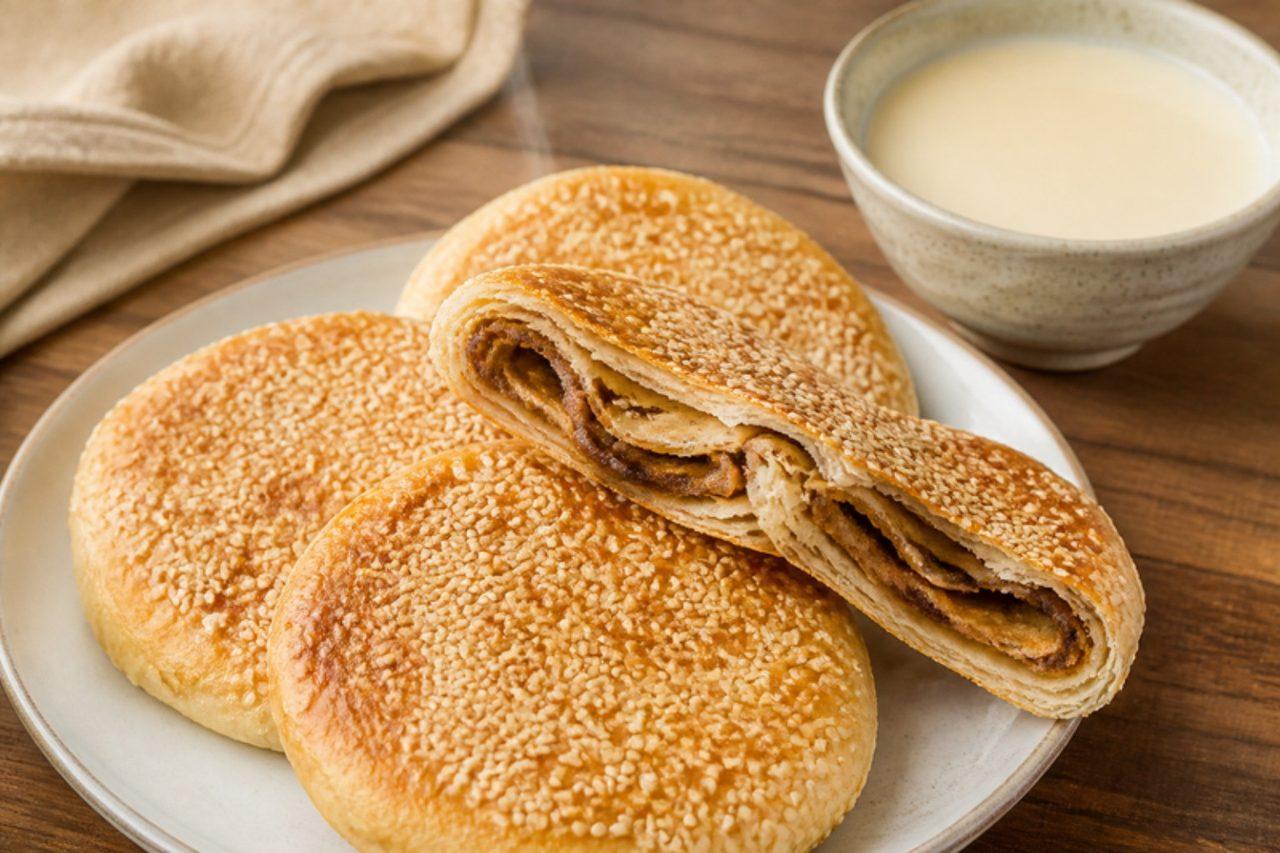
Old Beijing eats these at breakfast with a bowl of soy milk, or tears them up beside a lamb hot pot. The dough is spread with toasted sesame paste and ground Sichuan pepper, rolled up and coiled, so a cut loaf shows a spiral of dozens of thin brown layers. The top is crusted with sesame seeds and baked until it shatters. Chef's tip: spread the paste right to the edges and roll tightly; air pockets make the layers separate and burst.

by KrazyBadal 0 views

BerbereRed chilli spice blend

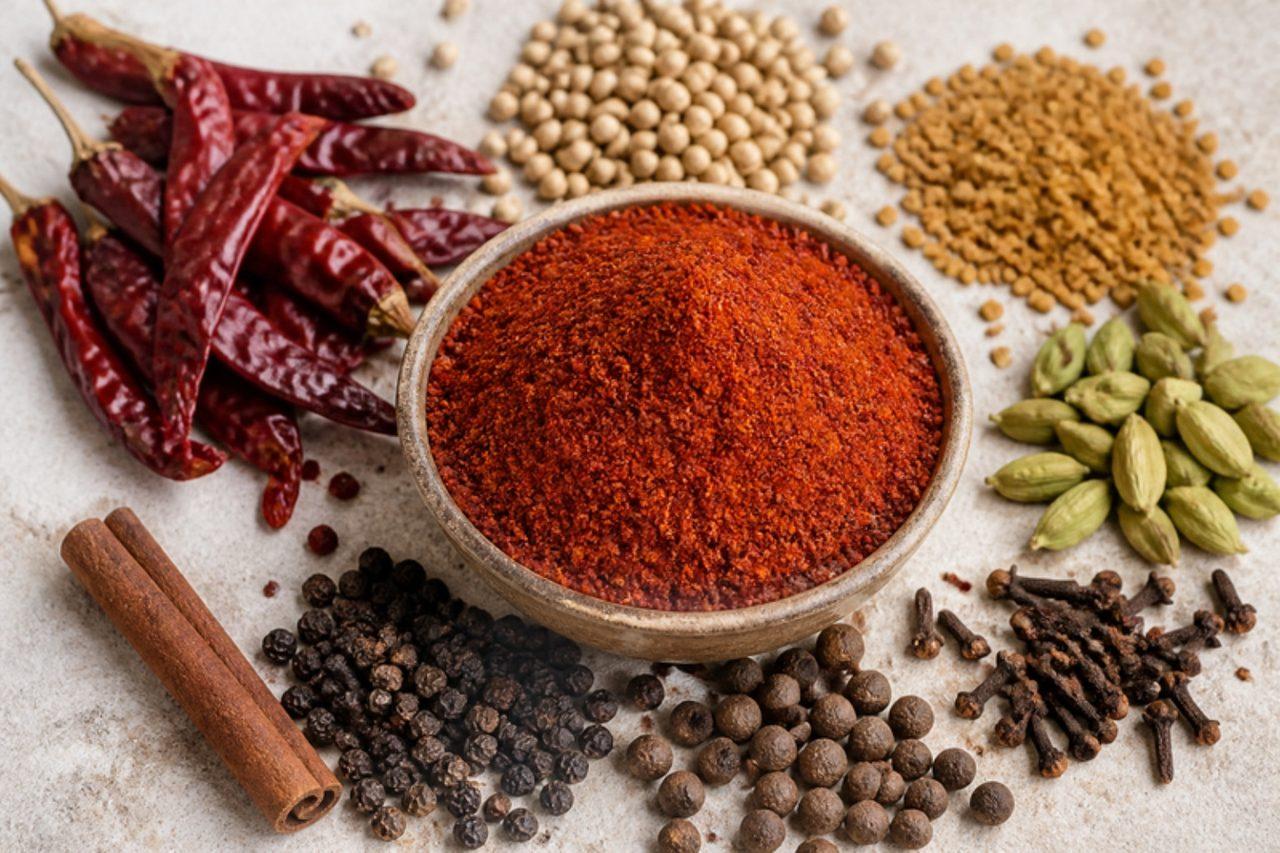
Berbere is the red, warmly spiced powder that gives Ethiopian wats their colour and heat. In markets like Addis Mercato, women sell it by the scoop, and in Gojjam and Gondar families still dry chillies on rooftops and grind their own mix once a year. Each household's version differs, but most combine hot dried red chillies with paprika, fenugreek, coriander, cardamom, ginger, cloves and allspice. This quick home version toasts whole spices and grinds them with ready-ground chilli. The hotter blend mitmita (bird's eye chilli, cardamom, cloves and salt) is its fiery cousin for sprinkling at the table. Chef's tip: toast the whole spices only until they smell fragrant; once fenugreek turns dark brown it becomes bitter.

by KrazyBadal 0 views

Bhapa pithaSteamed rice flour cakes

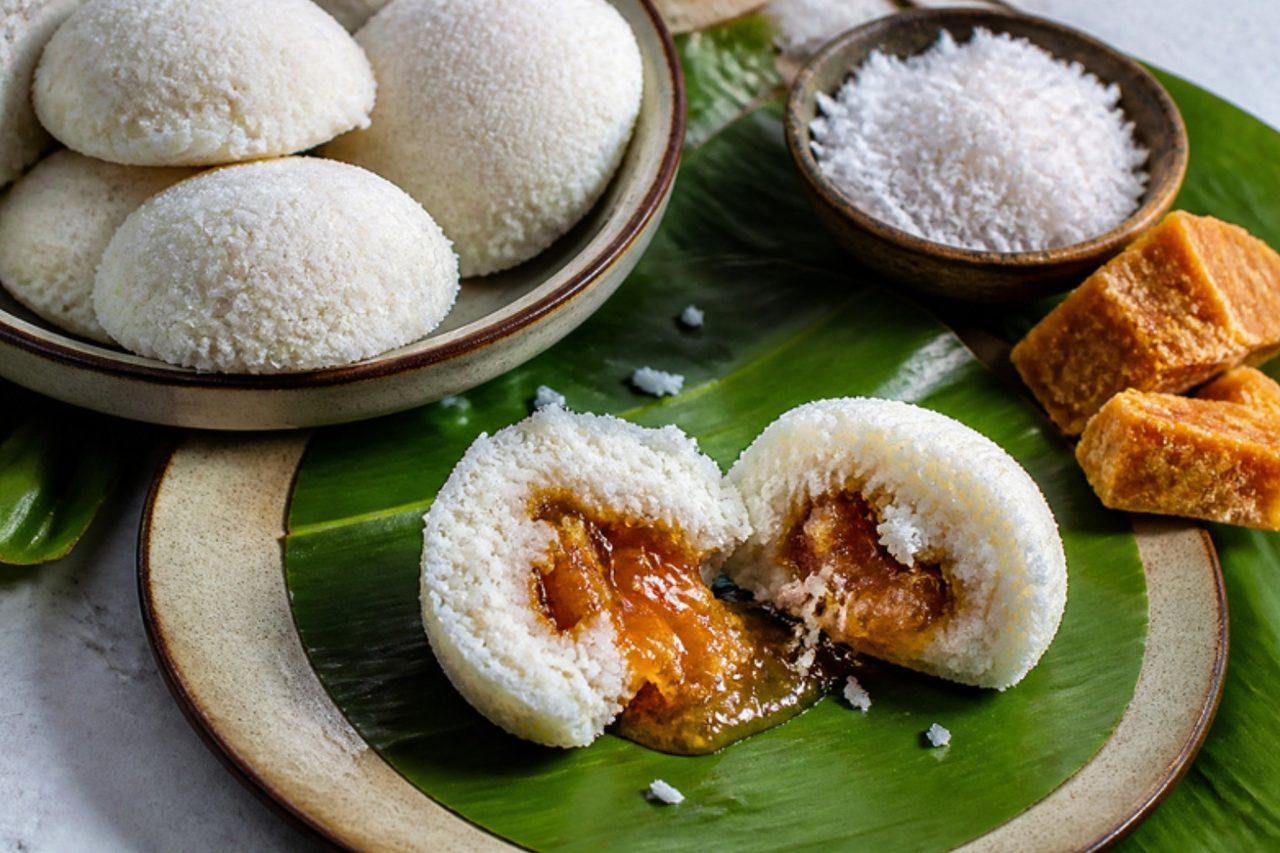
When the date palm sap starts flowing in early winter, small steaming pots appear on street corners all over Bangladesh, from Rajshahi to Dhaka's Karwan Bazar, selling bhapa pitha in the dark mornings. Damp, lightly salted rice flour is packed into a small bowl around a layer of grated coconut and khejur gur (date jaggery), wrapped in cloth and steamed over a narrow-necked pot until soft, fluffy and fragrant. Eat them warm, straight from the cloth. Chef's tip: the rice flour should feel like damp sand that just holds when squeezed; too wet and the cake turns gummy, too dry and it crumbles.

by KrazyBadal 0 views

Bhuna khichuriFried rice and moong dal

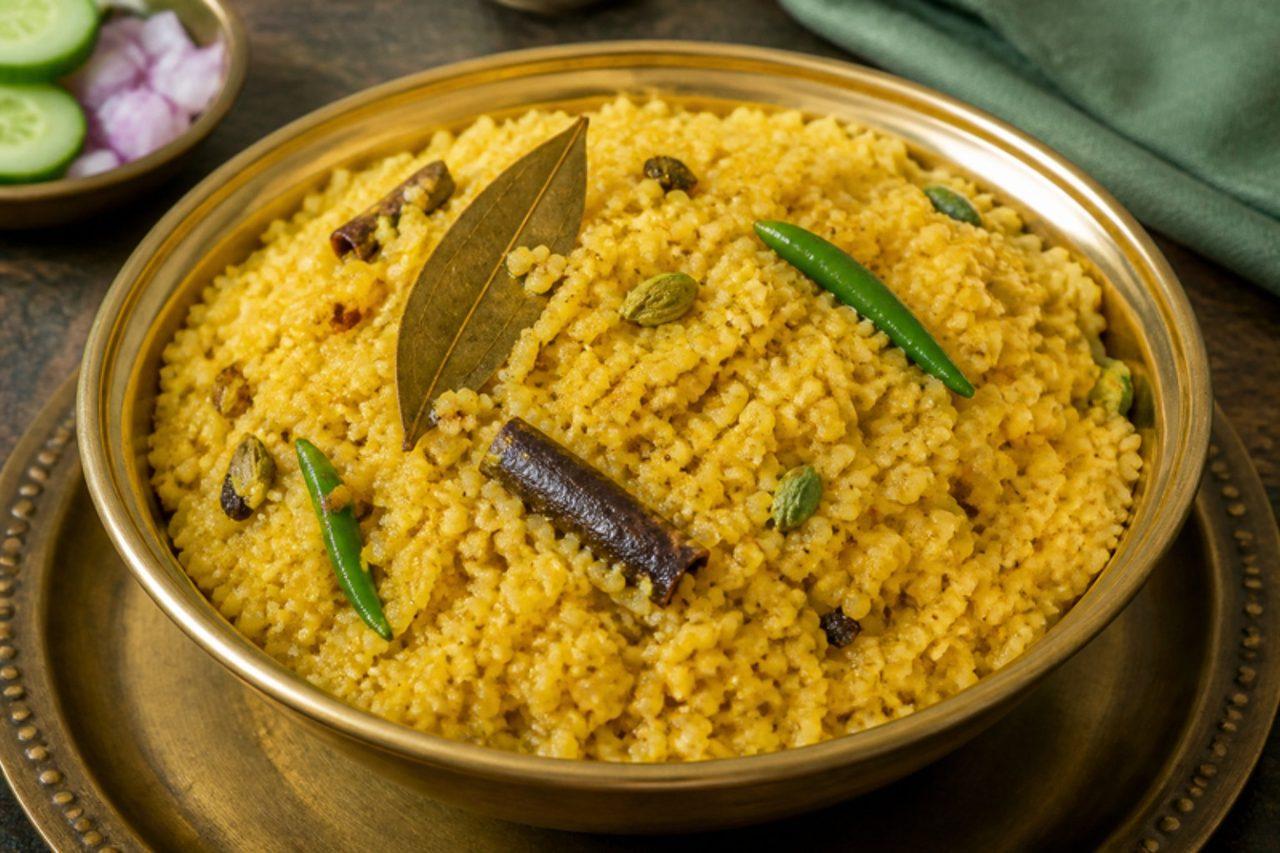
In Dhaka, the first heavy monsoon downpour sends people home craving bhuna khichuri, and Eid mornings in old Dhaka often start with a pot of it too. Unlike the loose, porridge-like khichdi of north India, the Bangladeshi bhuna version is dry and fluffy: dry-roasted moong dal and short-grain rice are fried in ghee with onions and whole spices until fragrant, then cooked with just enough water so the grains stay separate. Serve it hot with begun bhaja, a bhorta or two and a spoon of pickle. Chef's tip: roast the moong dal in a dry pan until it smells like toasted nuts before you wash it; that roasted note is what makes this khichuri taste of Bangladesh.

by KrazyBadal 0 views

Bhutte ka halwaSweetcorn halwa

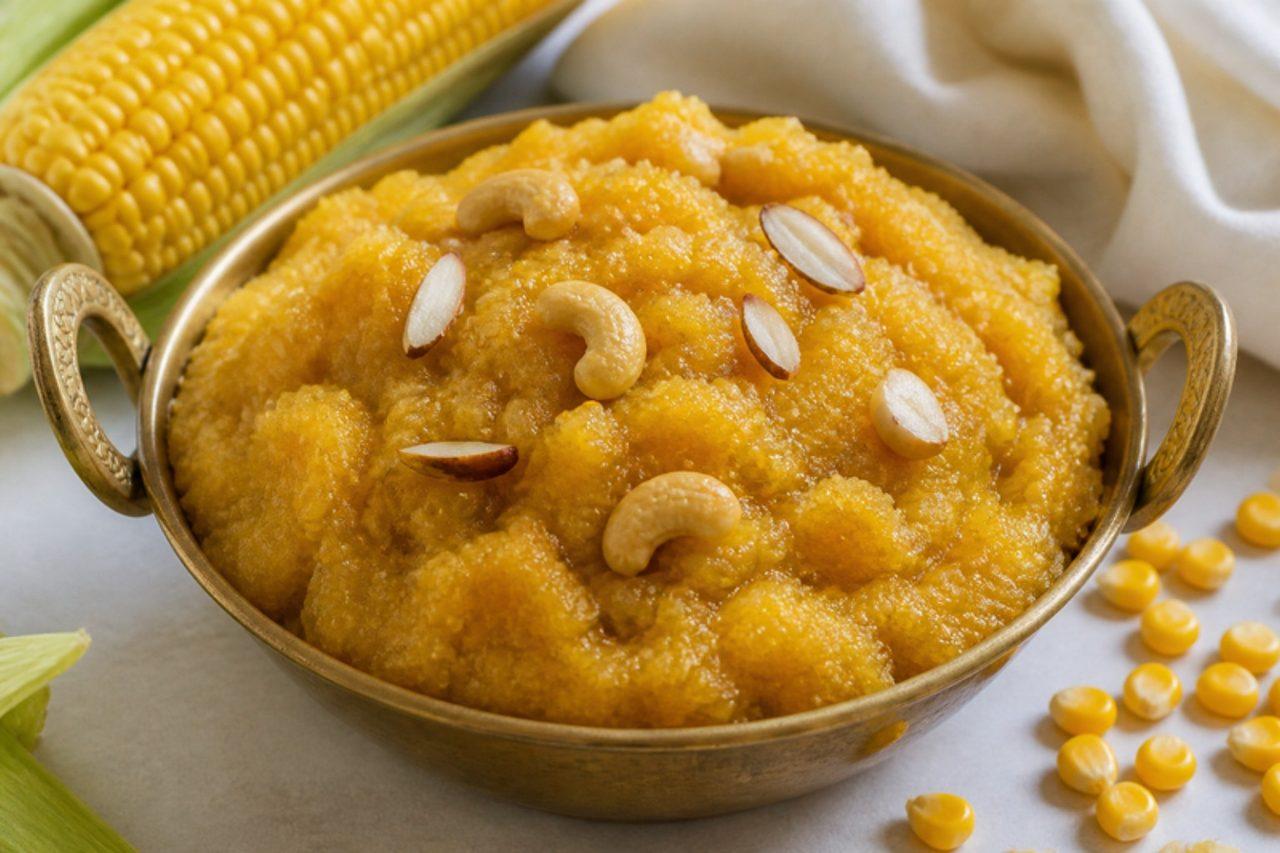
In monsoon Indore, when the fields around the city are full of tender maize, sweet shops turn the same corn into halwa: kernels ground coarsely, roasted in ghee until they smell like buttered popcorn, then cooked with milk and sugar until glossy. It is lighter and less cloying than many halwas, with a gentle bite from the corn. Families make it for guests and for small festivals, and it is just as good warm from the pan or at room temperature the next day. Chef's tip: grind the corn in short pulses to a coarse, porridgy texture; a smooth purée turns gluey and sticks.

by KrazyBadal 0 views

Bhutte ka keesGrated corn cooked in milk

Bhutte ka kees is a monsoon favourite from Indore in Madhya Pradesh, sold at the city's famous night market, Sarafa. Fresh corn is grated and cooked in ghee with mustard seeds and green chilli, then simmered in milk until it turns thick, creamy and gently sweet. A squeeze of lemon, fresh coriander and grated coconut finish it. Eat it hot with a spoon as an evening snack. Chef's tip: grate the corn off the cob on the coarse side of a box grater rather than blending it; you get juicy, starchy pulp that thickens the milk naturally.

by KrazyBadal 0 views

Biang biang noodlesHand-pulled belt noodles

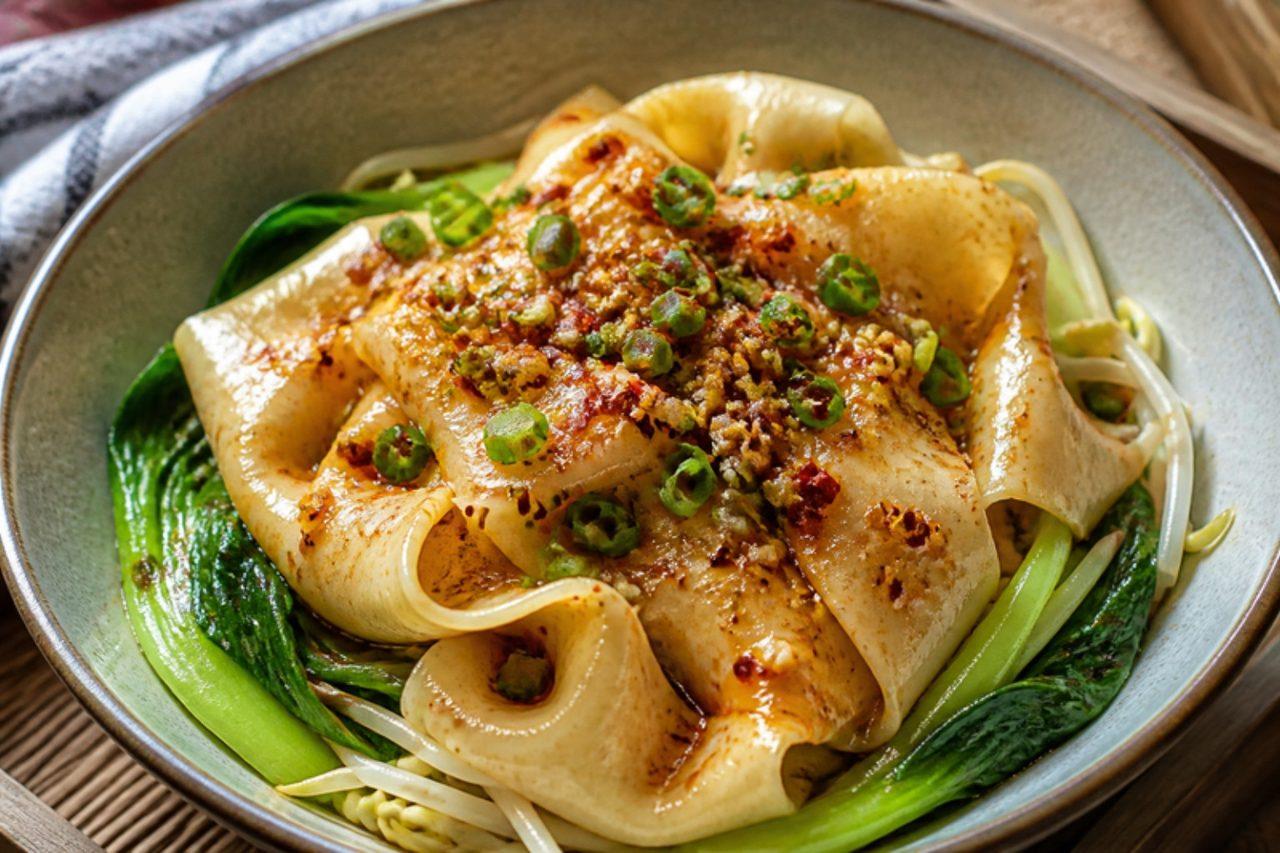
Biang biang mian are the wide, belt-like noodles of Xi'an in Shaanxi, named, some say, after the slapping sound the dough makes as it's pulled and banged on the counter. The written character for biang is one of the most complicated in Chinese. Each noodle is as wide as a belt and chewy; the classic topping is chilli flakes, garlic and spring onion, sizzled with smoking hot oil, then splashed with vinegar and soy. Chef's tip: let the oiled dough pieces rest for at least 30 minutes, longer if you can; relaxed gluten stretches long and thin without snapping.

by KrazyBadal 0 views

Showing 45 of 7,762 recipes

Show more recipes

Page 676 of 863