


Skip to content
Chamba chukh
Featured recipe

Chamba chukh

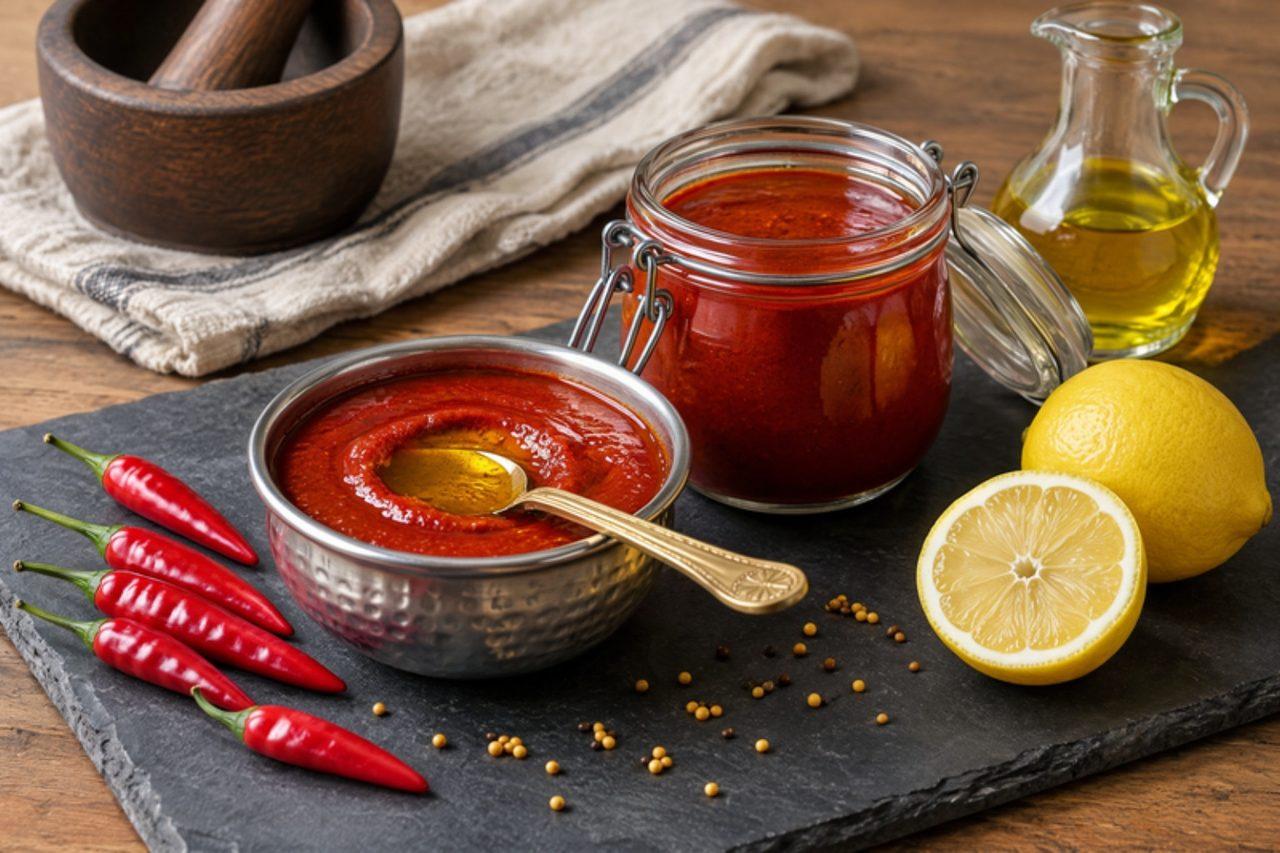
Chilli and lemon paste

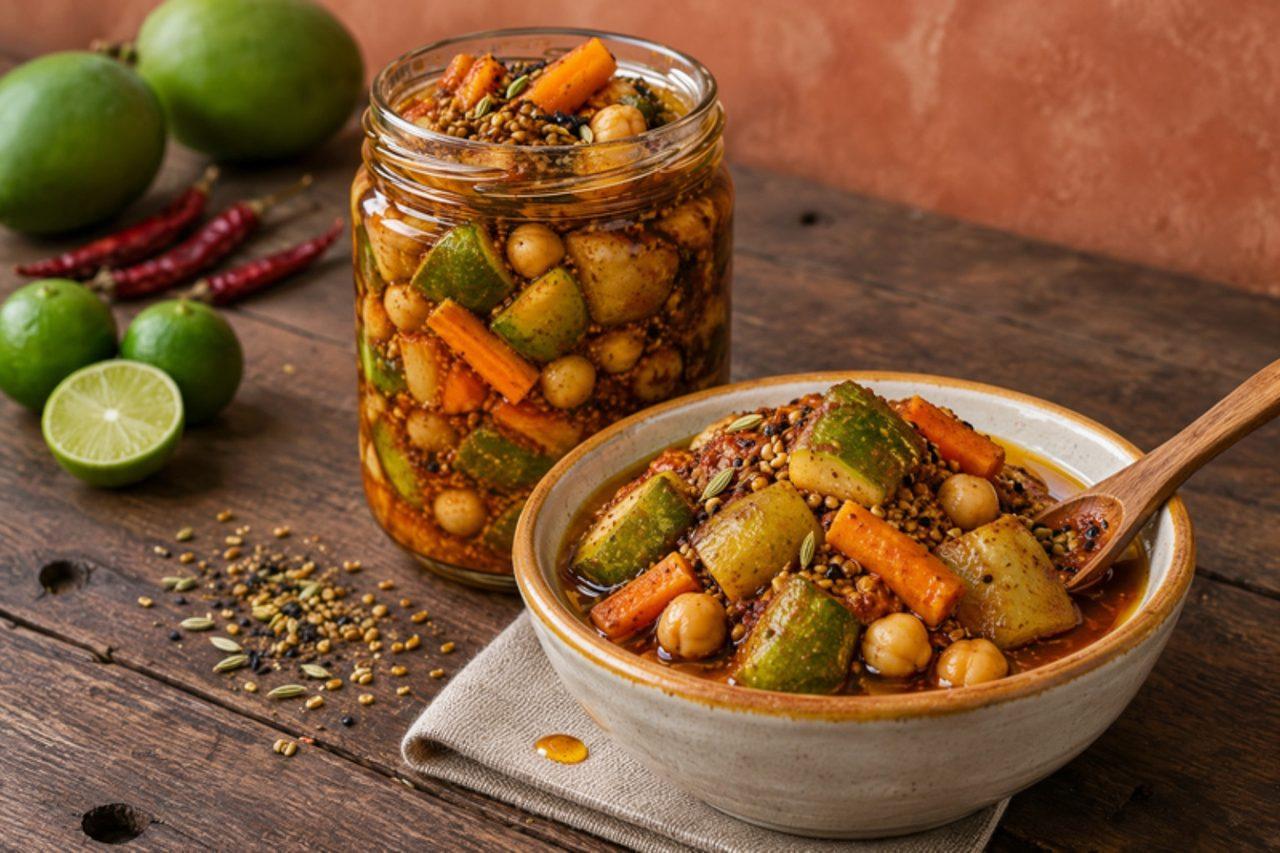
Chukh is the fiery condiment of Chamba in western Himachal, made at the end of summer when red and green chillies are abundant, and kept for months to brighten dal, rice and rajma through the winter. Chillies are lightly cooked in mustard oil, pounded with lemon juice and salt, and stored in glass jars under a film of oil. Just a dab is used at a time. The common mistake is leaving moisture in the jar, which lets mould grow; use a bone-dry, sterilised jar and a dry spoon. Chef's tip: wear gloves when handling this many chillies, and do not touch your eyes for hours afterwards.

Read more 0 views

What to eat today?

Around the world

Today's trip: Paraguayan

A new country every day, from every cuisine on the site.

Paraguayan

Chipa

Cheese bread rings 50 minMore from Paraguayan (27) →

This week's collection

Kid-friendly dinners
537 recipes · a new collection every Monday

Latest recipes

NimonaFresh green pea curry

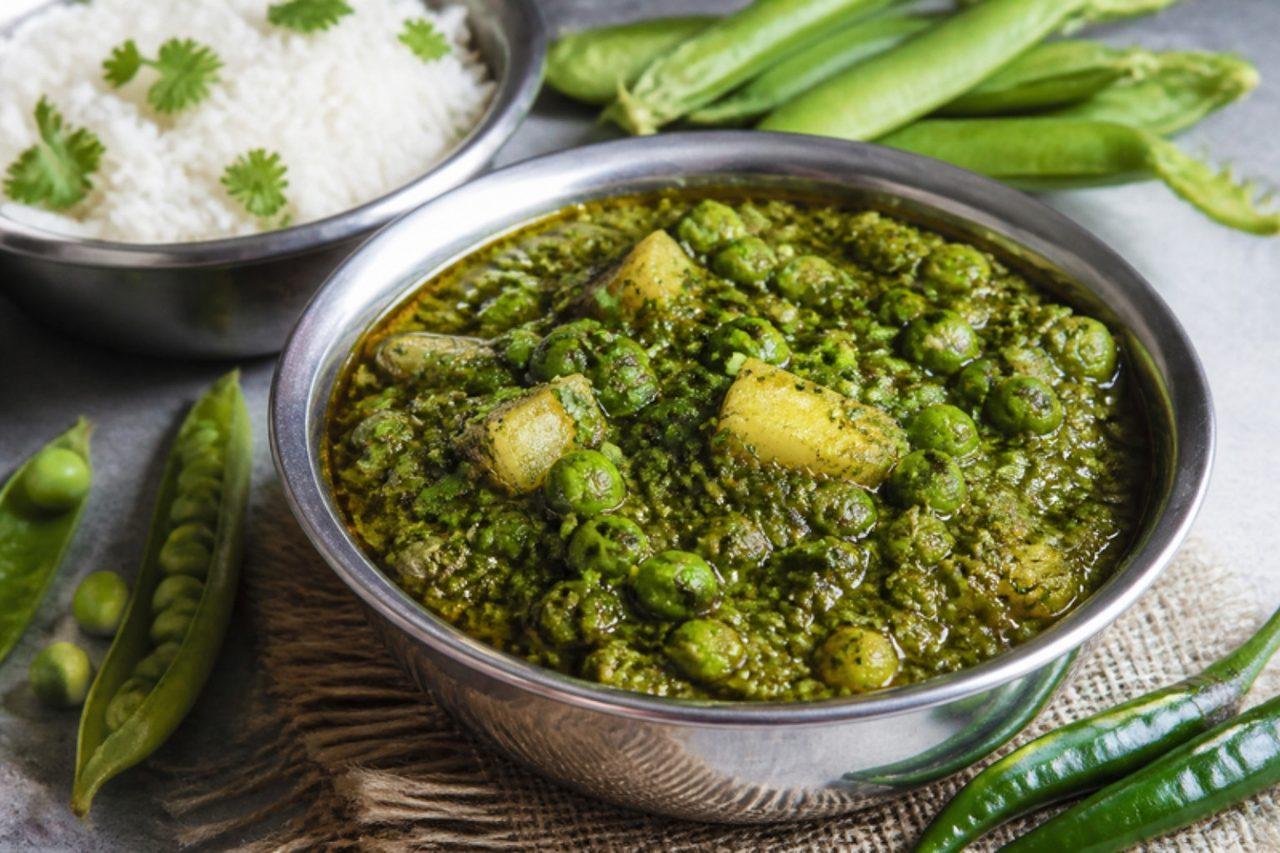
When fresh peas fill the markets of Varanasi and Gorakhpur in December, almost every household makes nimona. The peas are coarsely ground and fried in mustard oil until they lose their raw smell and turn a darker, nutty green. Potatoes are then added and everything simmers in a thin, spicy gravy. It is eaten with plain rice on a winter afternoon, and some families add fried moong dal vadis for extra bite. The most common mistake is grinding the peas into a smooth paste; nimona should have texture, like crushed peas rather than soup. Chef's tip: pulse the peas with the green chillies, ginger and garlic in short bursts, and stop as soon as they look like coarse, wet crumbs.

by KrazyBadal 0 views
Vegetable curry laksaCoconut curry noodle soup

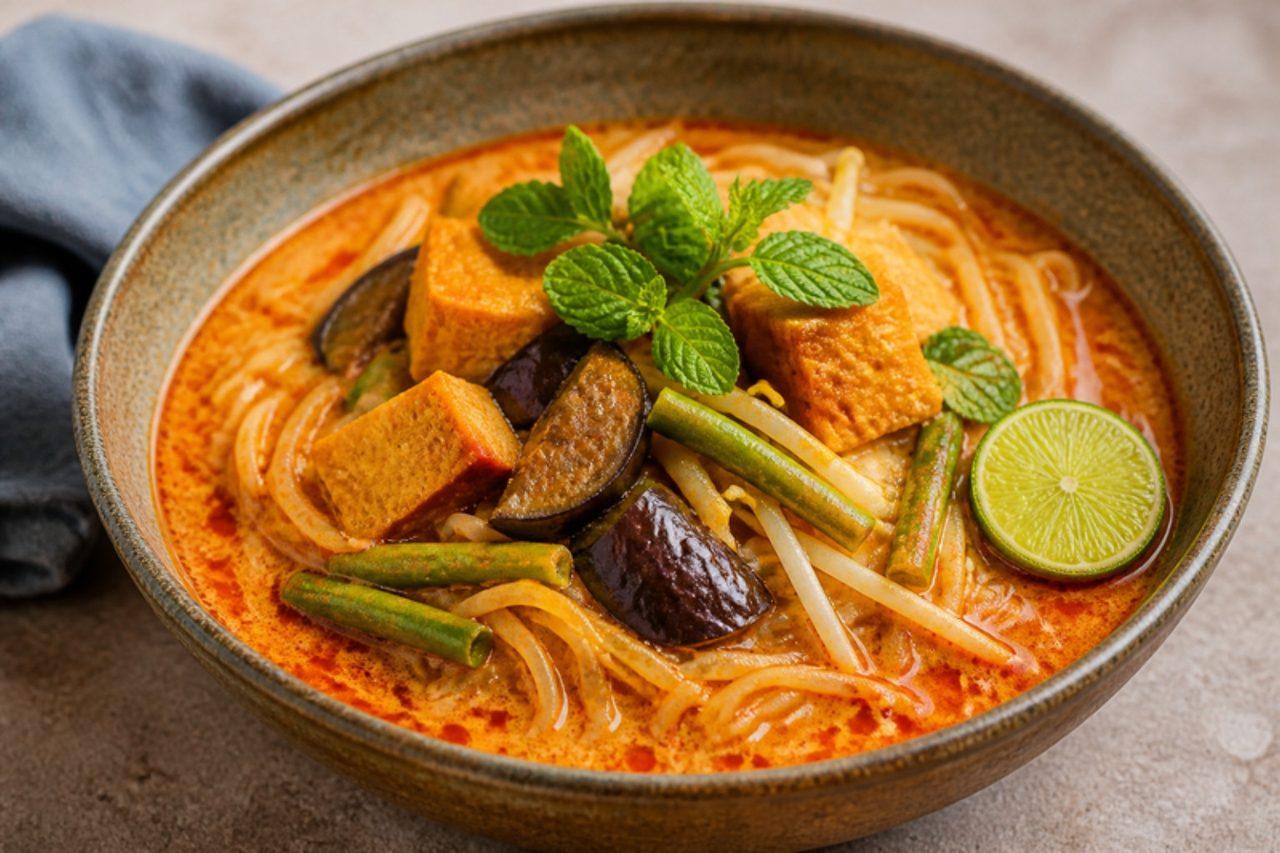
Curry laksa, or curry mee, is the coconut-rich laksa of Kuala Lumpur and the west coast, a hawker breakfast as often as a lunch, ladled from huge pots into bowls of noodles. The broth is a fried spice paste of chillies, lemongrass, galangal and candlenuts loosened with coconut milk, so it's spicy, creamy and fragrant at once. Stalls top it with chicken, cockles or prawns; ours is all vegetable: tofu puffs that soak up the soup like sponges, soft aubergine, long beans, crunchy bean sprouts and mint. Chef's tip: once the coconut milk goes in, keep it at a gentle simmer; a rolling boil splits it and leaves the broth greasy and grainy.

by KrazyBadal 0 views

Vegetable egusi soupMelon seed soup

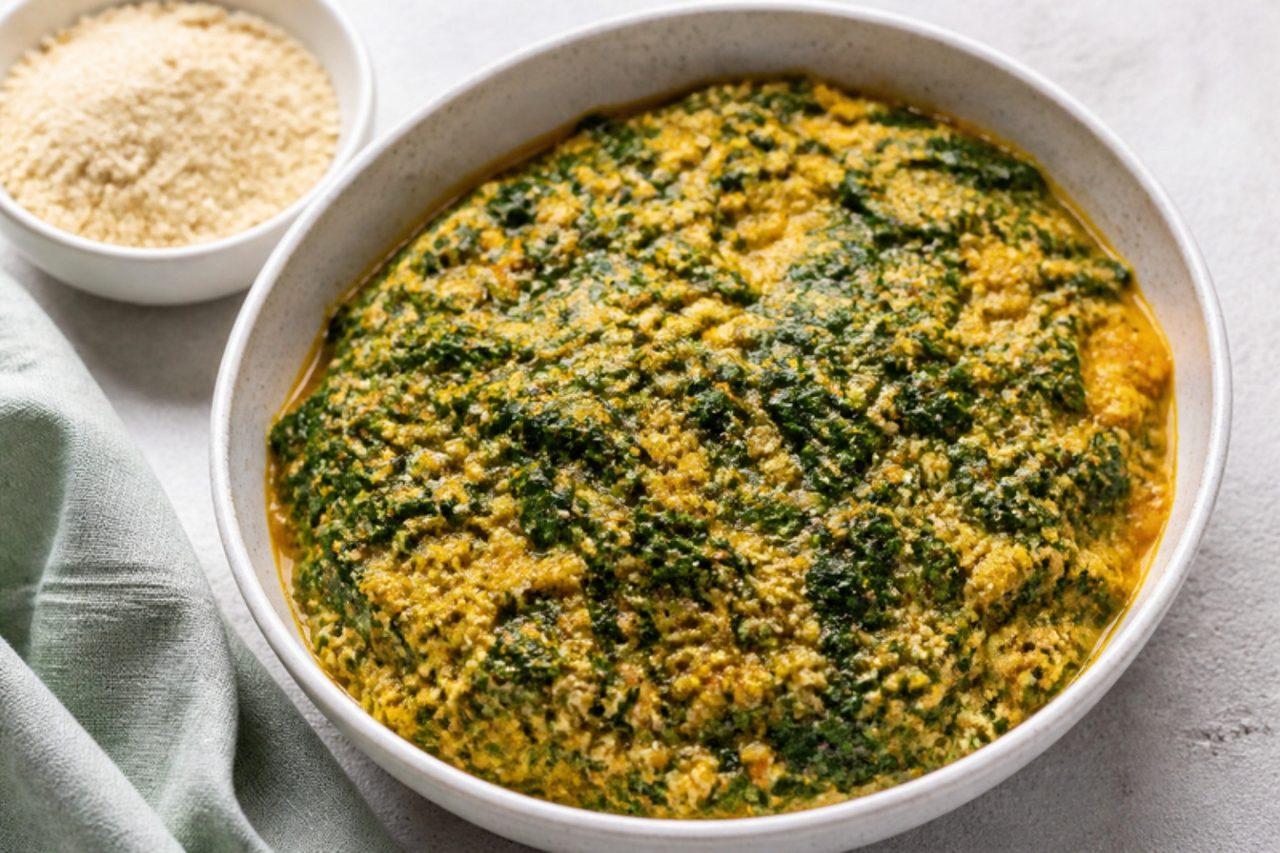
Egusi soup is cooked right across Nigeria, from Igbo kitchens in Enugu to Yoruba homes in Abeokuta, and it is the soup most people mean when they say 'swallow and soup'. Ground egusi (the protein-rich seeds of a wild melon) is fried and simmered in a pepper and palm-oil base until it forms soft, savoury curds, then finished with greens. It is eaten by hand with pounded yam, eba or fufu. The usual meats, stockfish and crayfish are left out here; mushrooms, iru and vegetable stock do the work. Chef's tip: let the egusi paste sit in the hot sauce without stirring for 5 minutes so it sets into fluffy curds before you break it up.

by KrazyBadal 0 views

Vegetable Hokkien meeBraised black noodles with vegetables

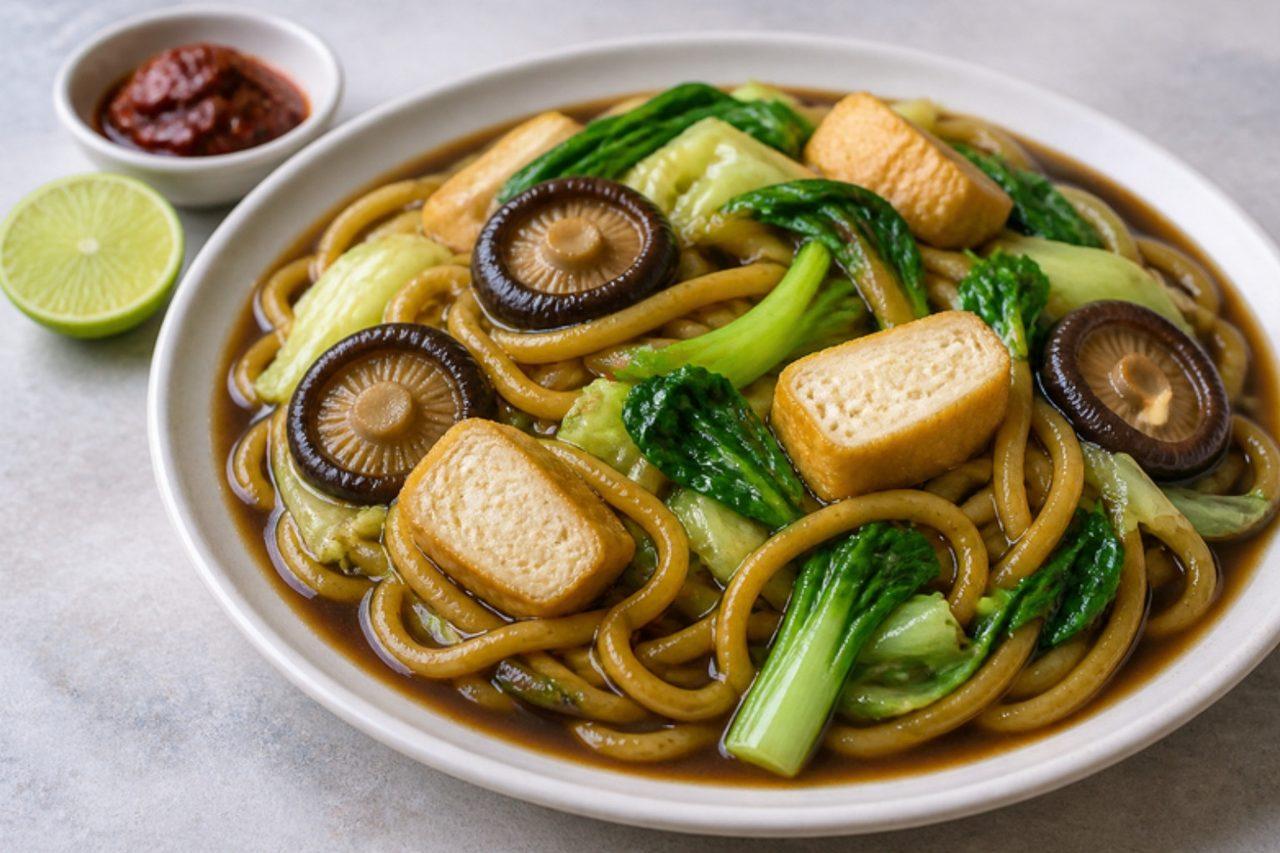
In Kuala Lumpur, Hokkien mee means thick yellow noodles braised in a dark, caramel-sweet soy sauce until they turn almost black, a late-night hawker dish that Petaling Street and Jalan Alor stalls still cook over roaring flames long after midnight. The originals carry pork, prawns and crisp lard; ours uses meaty shiitake, tofu puffs that drink up the sauce, cabbage and choy sum, with fried shallots for the crunch the lard would give. It's smoky, salty-sweet and very slurpable. Chef's tip: let the noodles braise until the sauce has thickened and clings to every strand, with only a spoonful left in the wok.

by KrazyBadal 0 views

Schwäbischer KartoffelsalatWarm potato salad

Swabian potato salad is nothing like the creamy kind. In Stuttgart and across Baden-Württemberg it is made with waxy potatoes sliced while still warm and soaked in hot stock, vinegar, onion and oil until it turns glossy and slightly 'schlonzig', a local word for that loose, juicy texture. It is eaten lukewarm, never fridge-cold, beside Maultaschen or vegetarian schnitzel, and at every summer garden party. This version uses vegetable stock. Chef's tip: pour the hot dressing over the potatoes while they are still warm; cold potatoes won't drink it in and the salad stays dry.

by KrazyBadal 0 views

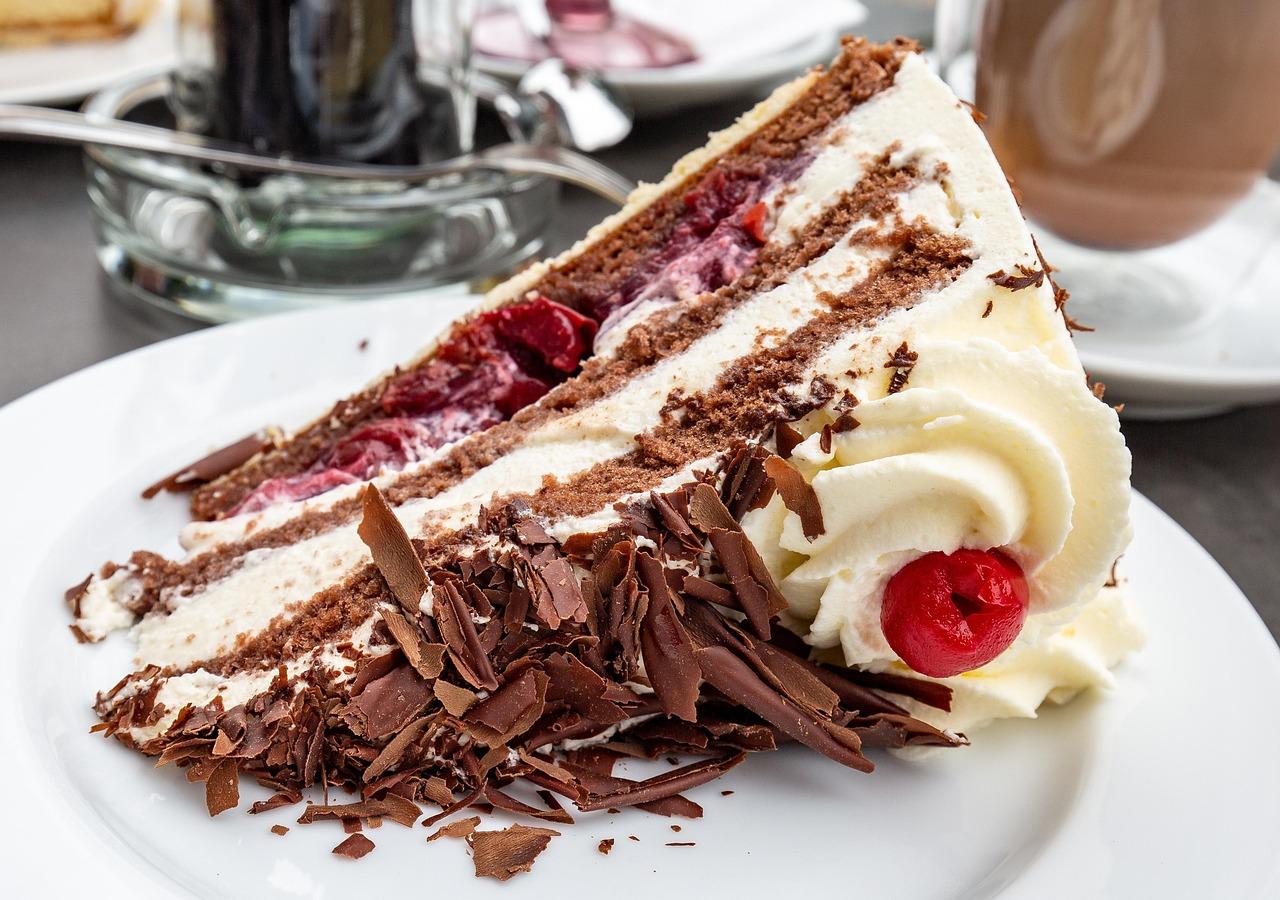
Schwarzwälder KirschtorteBlack Forest gâteau

Schwarzwälder Kirschtorte comes from the Black Forest in south-west Germany, a region famous for its sour cherries and the clear cherry brandy, Kirschwasser, distilled from them. Layers of light chocolate sponge are soaked with cherry syrup (and traditionally kirsch), filled with thickened sour cherries and lots of whipped cream, then covered in cream and chocolate shavings and topped with cherries. It's the cake of birthdays, Sunday Kaffee und Kuchen and Konditorei windows. This version leaves out gelatine: the cherries are set with cornflour and the cream with a little mascarpone. Chef's tip: chill the assembled cake for at least 4 hours; cut too early and the layers slide apart.

by KrazyBadal 0 views

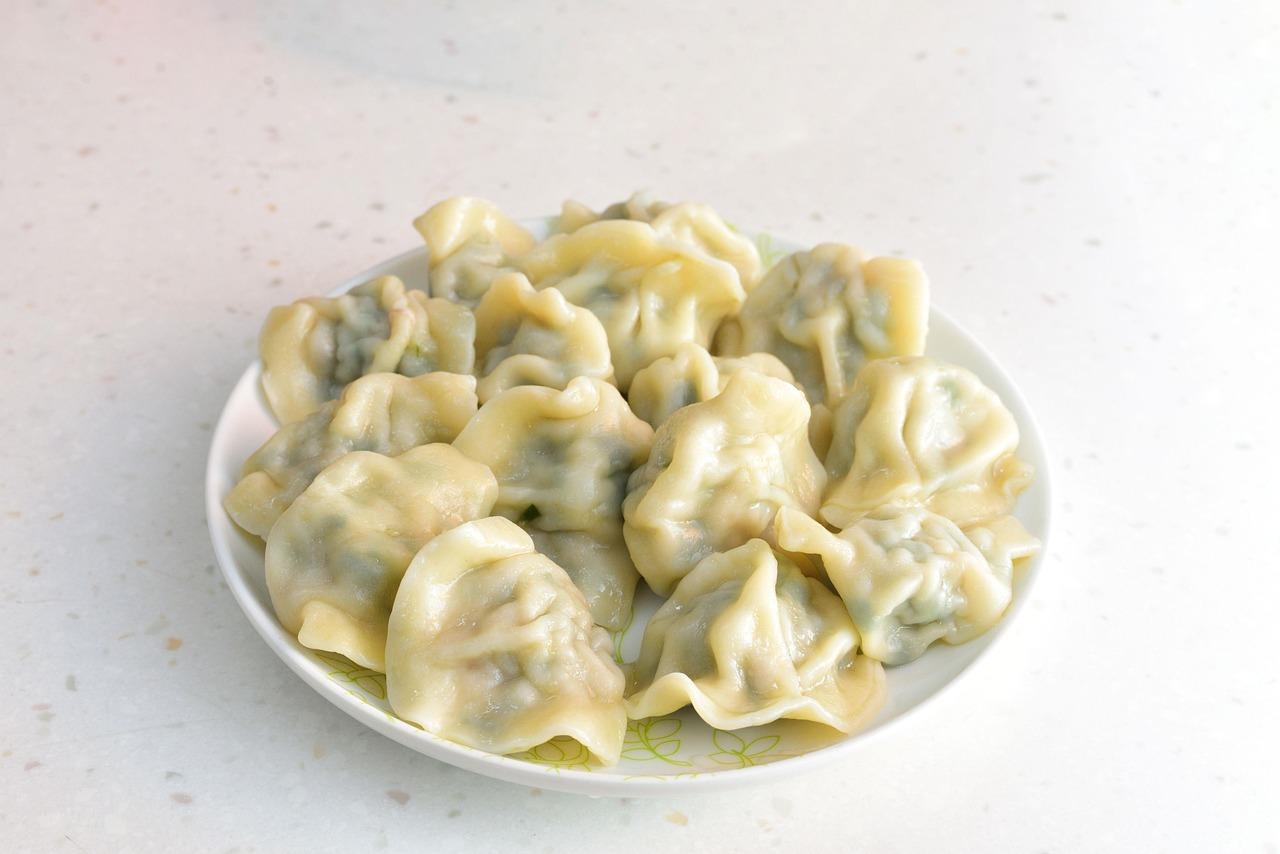
Egg and chive jiaoziEgg and chive dumplings

In northern China, from Shandong to Dongbei, families sit round the table on Chinese New Year's Eve and fold jiaozi together to eat at midnight. Jiu cai ji dan, egg and garlic chive, is the classic meat-free filling: soft scrambled egg, bright green chives and a few glass noodles to soak up the juices. Boil them and serve with black vinegar and chilli oil, or pan-fry the leftovers the next day. Chef's tip: stir a spoonful of oil into the chopped chives before adding the salt; the oil seals in their juice so the filling doesn't go watery.

by KrazyBadal 0 views

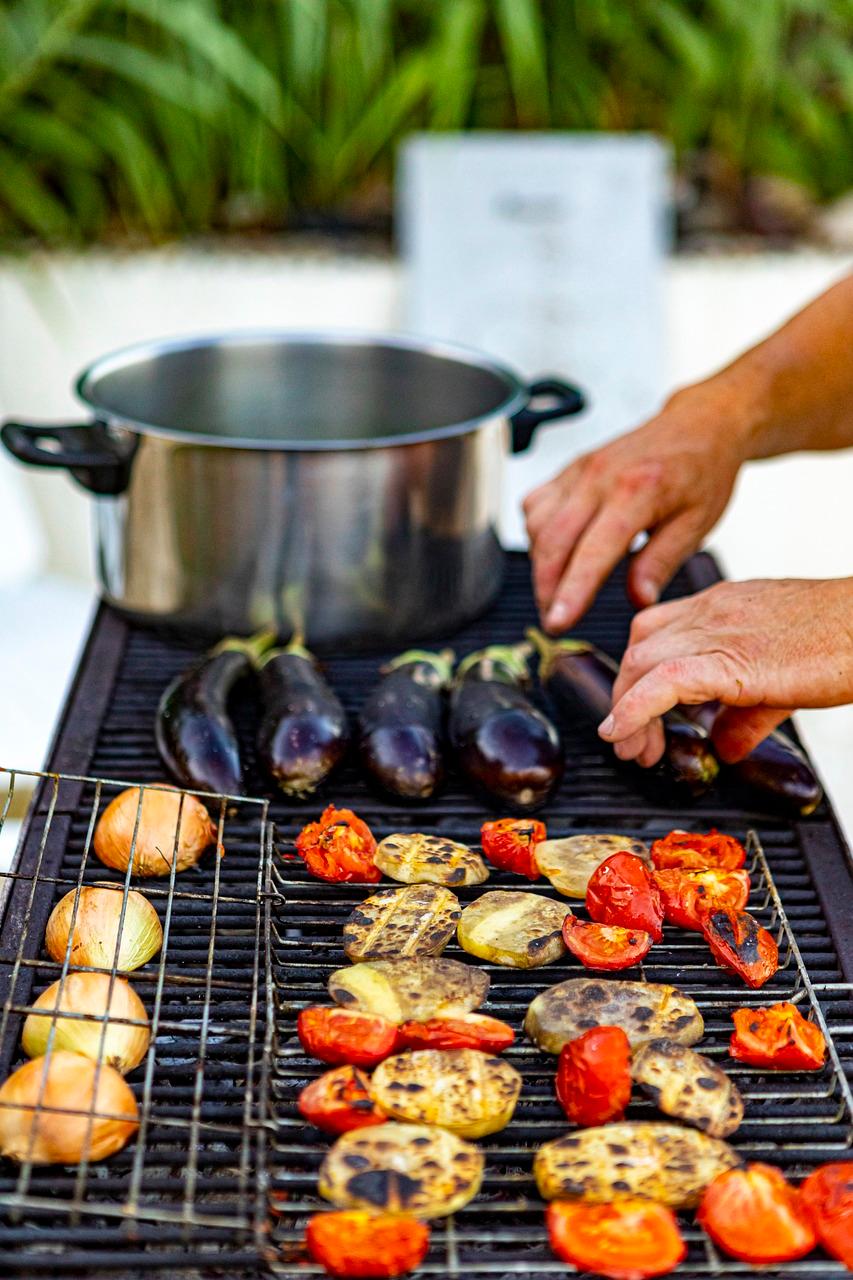
Vegetable khorovatsGrilled aubergine, peppers and tomatoes

No Armenian summer weekend at the dacha passes without a khorovats, the charcoal grill fired up in the garden from Dilijan to Lake Sevan. Alongside the skewers, whole aubergines, peppers and tomatoes are grilled until black and collapsing, then peeled and chopped with raw onion, garlic and herbs into a smoky, juicy salad. Served on its own with lavash, salty cheese and pickles, it makes a full meal, and it is one of the dishes that Armenians say tastes of summer itself. It works on a barbecue or straight on a gas flame. Chef's tip: grill the vegetables whole, without oil and without cutting them; the skins burn and peel away, while the flesh steams inside and soaks up the smoke.

by KrazyBadal 0 views

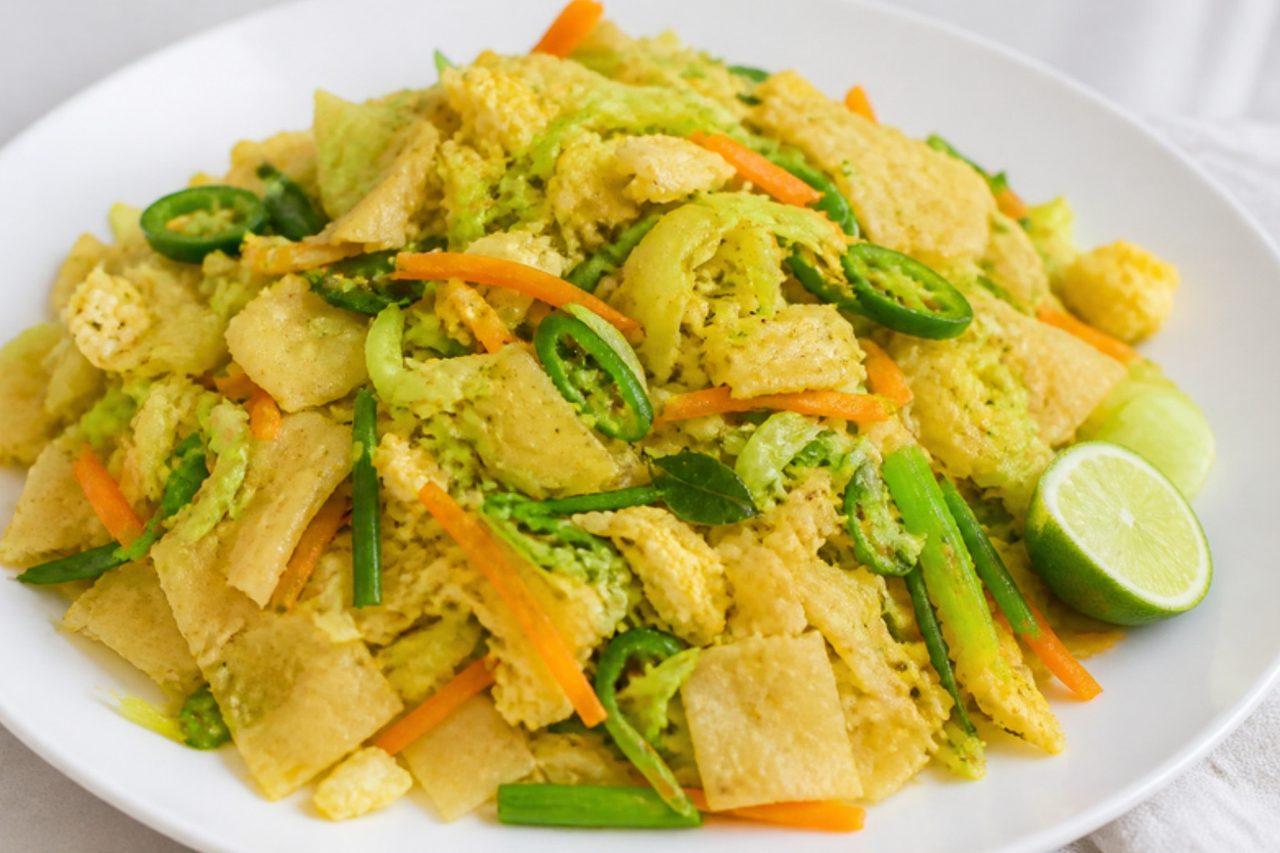
Vegetable kottu rotiChopped roti stir-fried with vegetables

After dark in Colombo you hear kottu before you see it: the rhythmic clang of two steel blades chopping roti on a hot flat-top at every street stall from Pettah to Wellawatte. Shredded godamba roti is stir-fried with leeks, carrot, cabbage, onion, chilli and egg, then moistened with a spoonful of spicy curry gravy so it's soft, smoky and messy in the best way. Stalls usually ladle on chicken curry gravy; we make a quick vegetable curry sauce instead, and the egg keeps it vegetarian rather than vegan. Leftover parathas or frozen flaky flatbreads stand in well for godamba roti. The common mistake is overcrowding a small pan, which steams everything; cook in two batches if your pan is under 30 cm. Chef's tip: chop the roti into strips while it is still slightly warm, then let it dry for 10 minutes so it fries rather than turns mushy.

by KrazyBadal 0 views

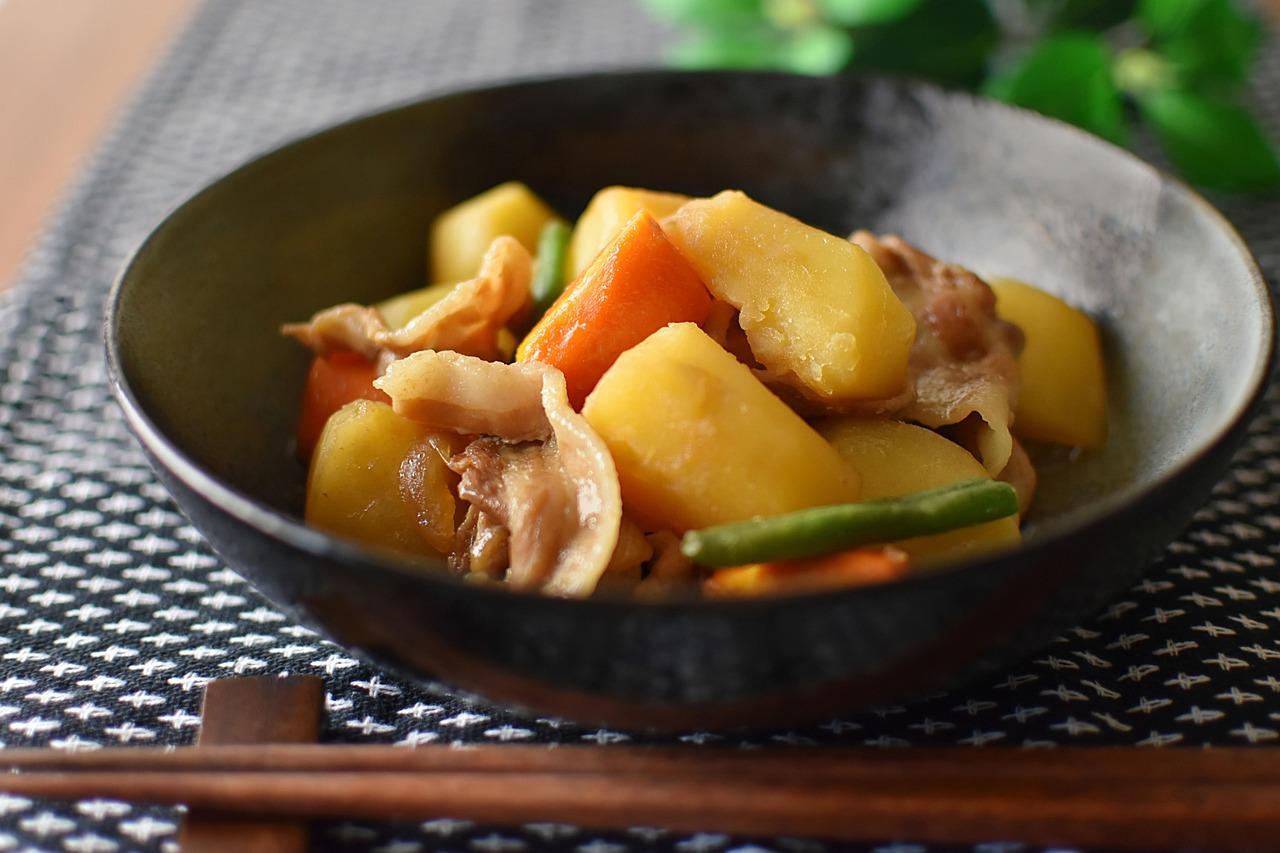
NikujagaBeef and potato stew

Two naval port towns, Maizuru near Kyoto and Kure near Hiroshima, both claim nikujaga was first cooked in their navy galleys. Whatever its start, it became the dish many Japanese people think of as mum's cooking, simmered on autumn and winter evenings and served with rice and miso soup. Thin slices of beef, chunks of potato, onion and carrot cook gently in dashi seasoned with soy and sugar until the potatoes are tender and soaked with flavour. Families in eastern Japan often use pork; in the west, beef is usual. Chef's tip: cover the stew with a circle of baking paper with a small hole in the middle (an otoshibuta, or drop lid), so the small amount of liquid bastes everything evenly.

by KrazyBadal 0 views

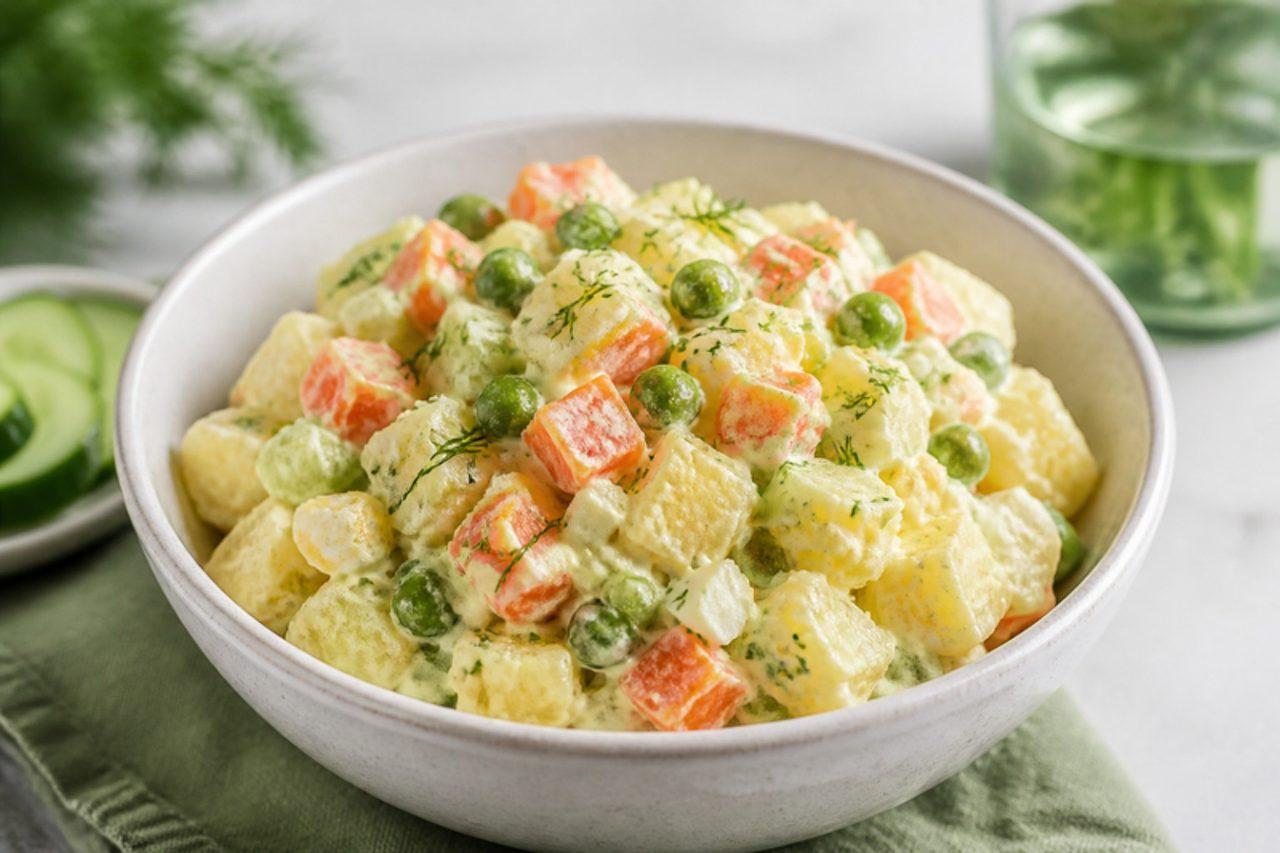
Niislel saladPotato and egg salad

Niislel means 'capital', and this creamy salad is the one served across Ulaanbaatar at Tsagaan Sar (Lunar New Year), birthdays and in every canteen. It descends from the Russian Olivier salad of the Soviet era, made Mongolian with plenty of cucumber and sometimes apple; it usually includes ham or sausage, left out here and replaced with extra egg. It's cool and comforting next to hot buuz (dumplings) or tsuivan. Chef's tip: cut everything into small, even cubes the size of a pea; that uniform dice is what makes it niislel and not just potato salad.

by KrazyBadal 0 views

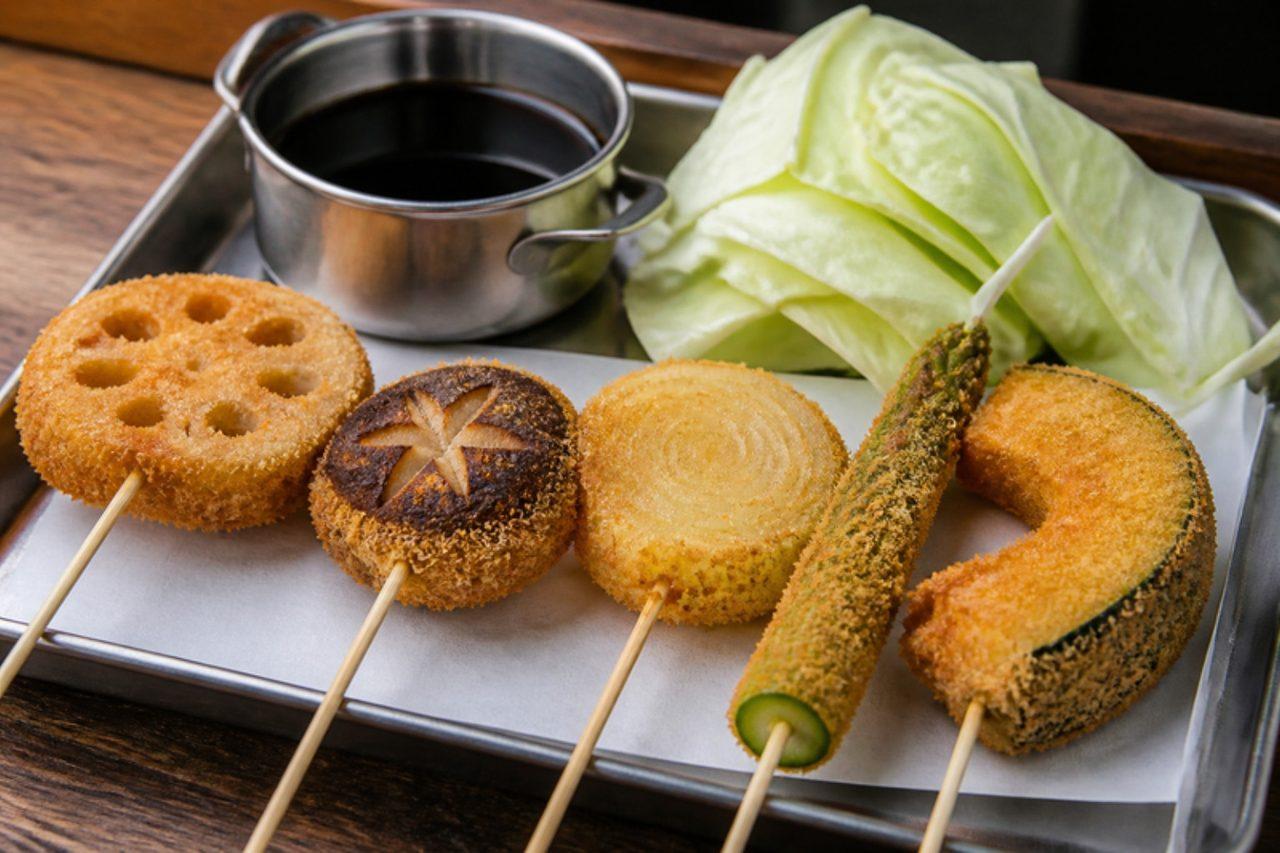
Vegetable kushikatsuBreaded vegetable skewers

Kushikatsu belongs to Shinsekai, the neon-lit old entertainment district at the foot of Osaka's Tsutenkaku tower. Since the 1920s, labourers have stood at its counters eating skewers fried to order, dunked in a shared steel pot of thin, fruity sauce. The famous house rule, 'no double dipping', is printed on signs everywhere. Vegetables are as popular as meat there: lotus root, shiitake, onion, asparagus and, a local favourite, chewy mochi and cheese. Have a plate of raw cabbage leaves on the side; they're free at every shop and used to scoop extra sauce. Chef's tip: use fine panko, or blitz ordinary panko briefly. Fine crumbs give the thin, crunchy jacket that Osaka shops are known for.

by KrazyBadal 0 views

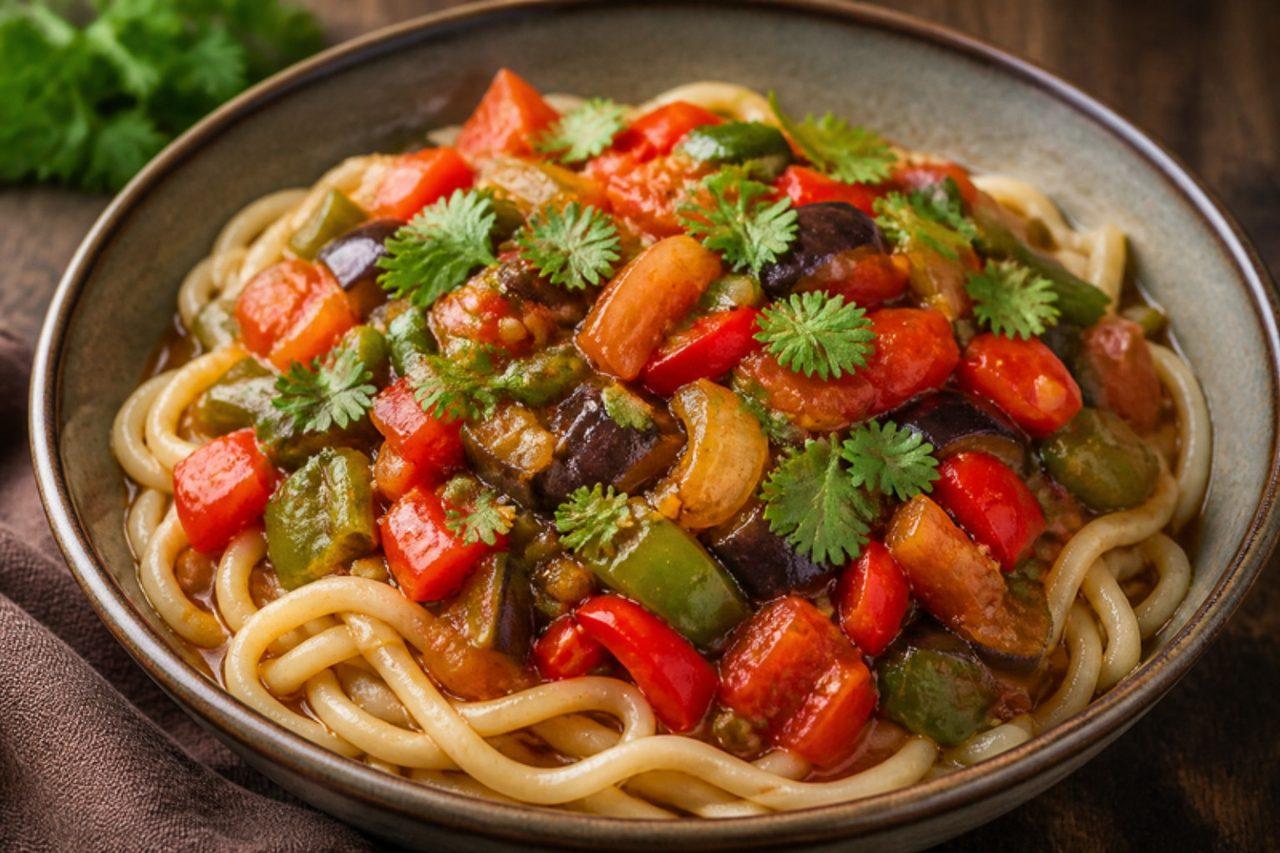
Vegetable lagmanHand-pulled noodles with vegetables

Lagman came to the Ferghana Valley with Uyghur and Dungan cooks, and in Andijan and Namangan it is still made the old way: a soft dough oiled, rested and pulled by hand into long, springy noodles, then topped with a stew of peppers, radish, green beans and tomato called vadja. Ferghana lagman is usually 'dry' (quwurma), the sauce thick enough to cling, rather than a soup. Locals eat it at lunchtime from noodle houses near the bazaar, with a dash of vinegar and chilli oil at the table. This version uses only vegetables. Chef's tip: oil the dough ropes generously and let them rest a full 30 minutes; well-rested dough stretches to arm's length without snapping.

by KrazyBadal 0 views

Seco de polloChicken stewed with coriander and beer

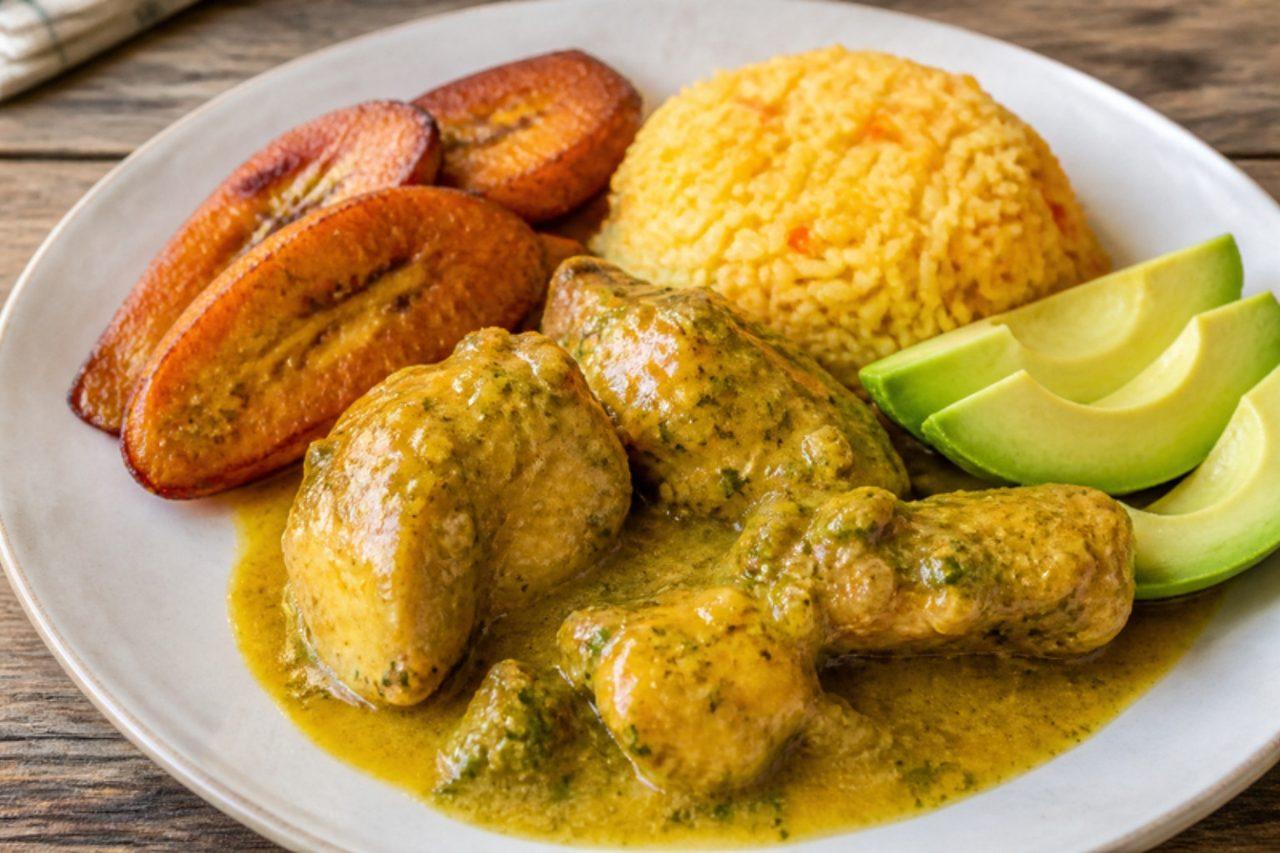
Seco de pollo is the weekday stew of Ecuadorian homes, from Quito to Cuenca, and the dish most lunch places serve on Mondays: chicken simmered in a green-gold sauce of onion, peppers, garlic, cumin and lots of coriander, soured with naranjilla (lulo) juice and often cooked with a little beer. It is served with yellow rice, fried ripe plantain and avocado. This recipe uses beer; for an alcohol-free version replace it with the same amount of chicken stock plus a teaspoon of sugar. The mistake is using too little coriander: the sauce should be fragrant and green. Chef's tip: if you can't find naranjilla, use half orange juice and half lime juice.

by KrazyBadal 0 views

Vegetable lawarBean and toasted coconut salad

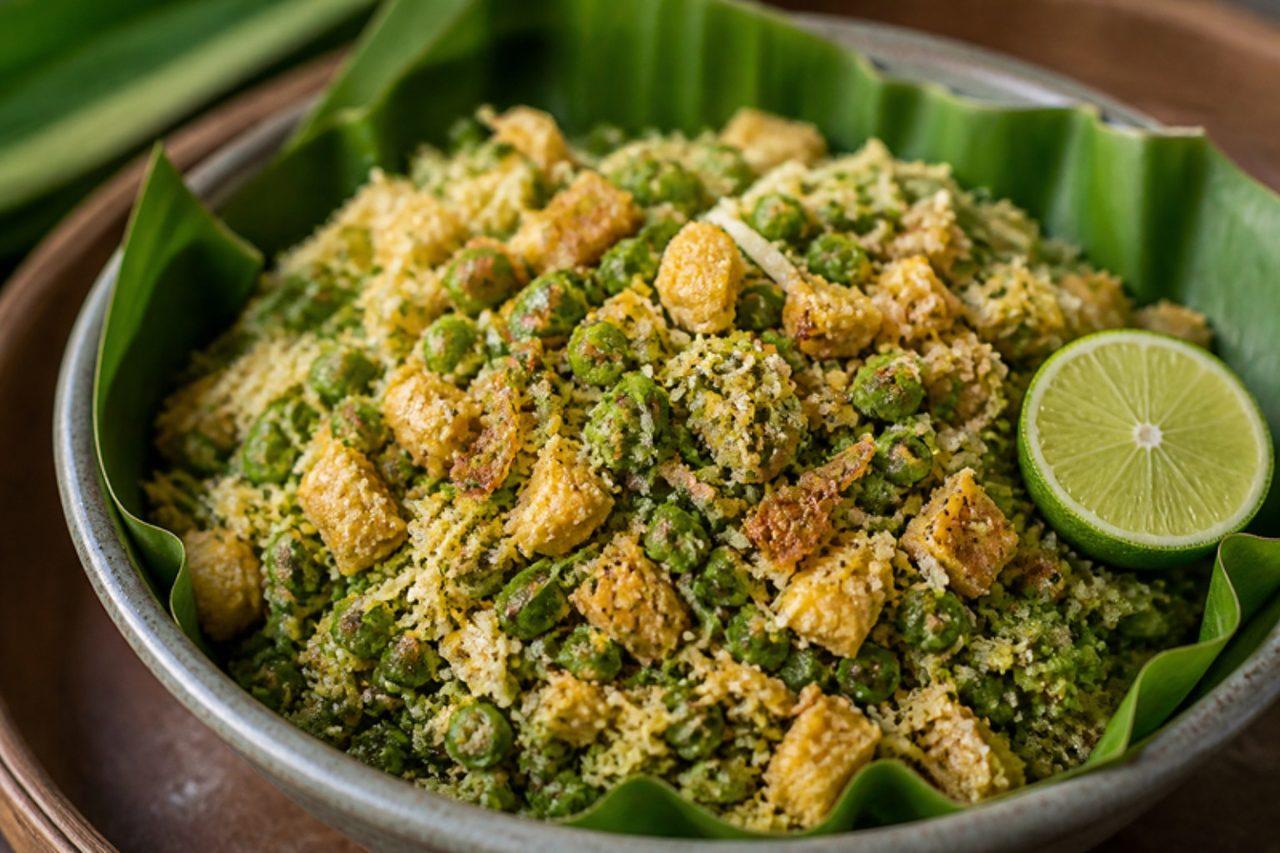
Lawar is the dish of Balinese ceremonies: before a temple festival or a family rite, the men of the banjar gather at dawn to chop and mix it by hand in huge quantities. Many versions include meat, but lawar kacang, made with long beans, is common at home and at Balinese warungs, and it shows off base genep, the island's master spice paste of shallot, garlic, galangal, kencur, turmeric and chilli. Mixed with toasted grated coconut, it's crunchy, fragrant, sour and hot, and is eaten with rice the day it's made. Chef's tip: mix the lawar just before serving and with your hands, squeezing gently, so the spice paste works into the beans; made too early, it goes watery and dull.

by KrazyBadal 0 views

NhopiPumpkin and peanut butter mash

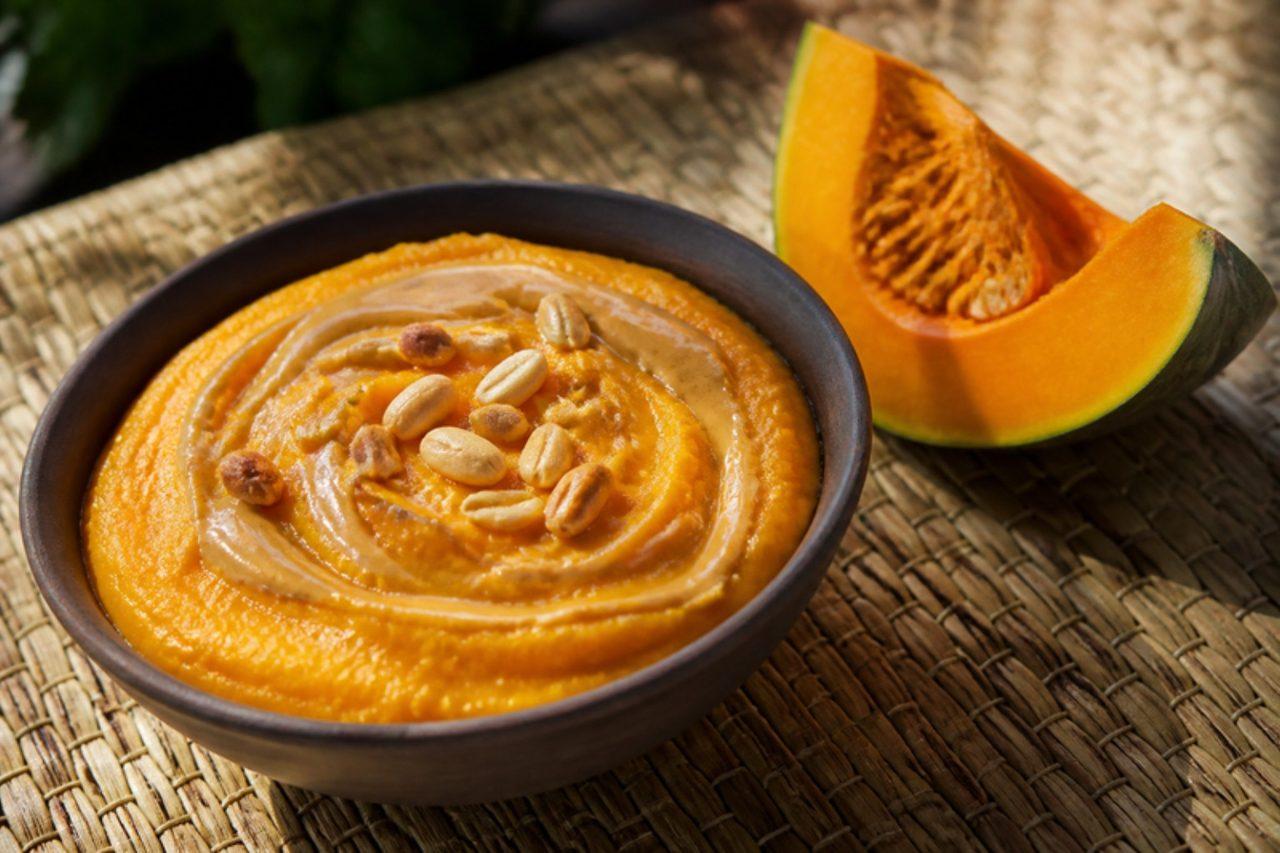
Nhopi is a simple Shona dish from Zimbabwe, made at harvest time when the pumpkins come in: pumpkin or butternut boiled soft, mashed and enriched with peanut butter. Some families stir in a little maize meal to make it thicker (nhopi dovi), and it is eaten for breakfast or as a side with greens. It is sweet, nutty and loved by children. Chef's tip: drain the pumpkin very well before mashing, or the nhopi turns thin and watery.

by KrazyBadal 0 views

SeffaSweet steamed vermicelli

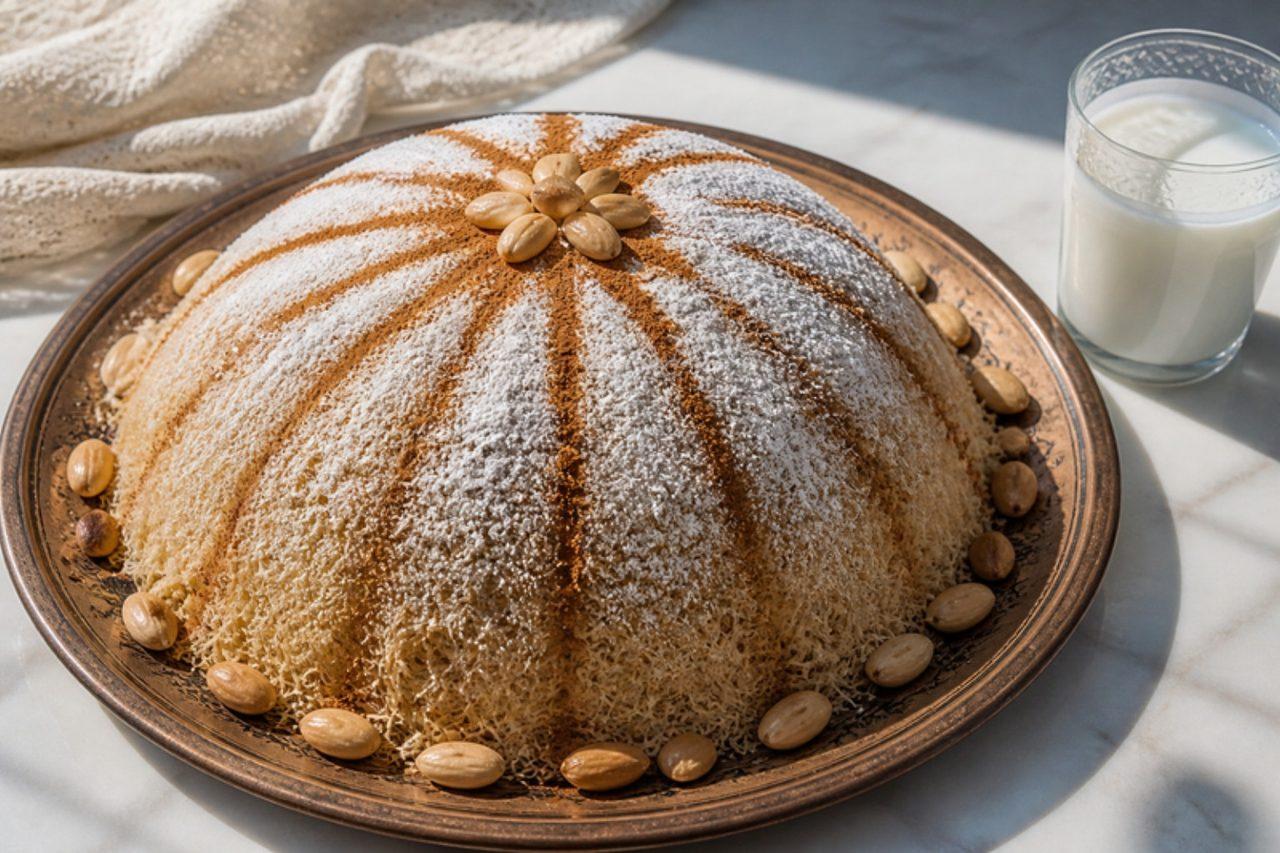
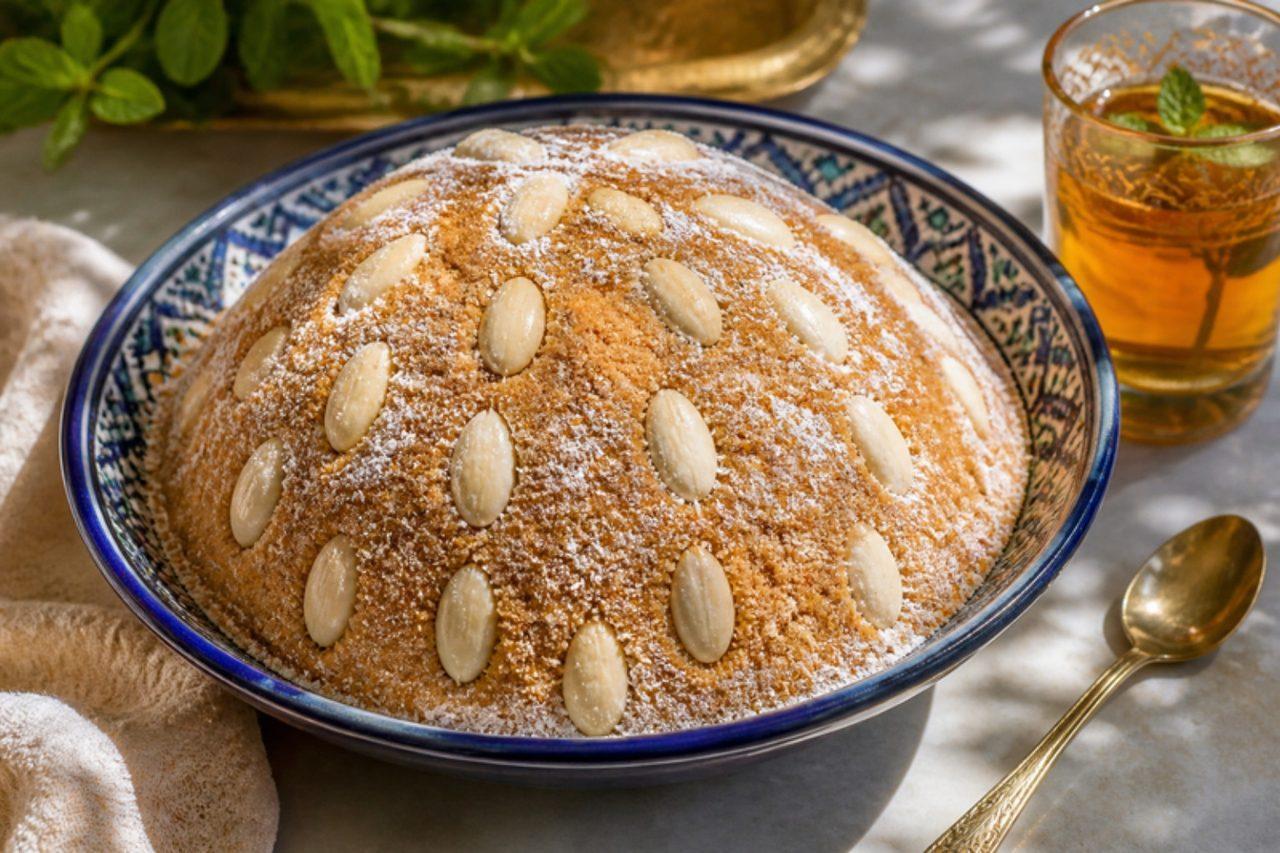
Seffa comes from the old medina of Fez, where it is carried out at the end of wedding feasts and served for breakfast after a baby's naming day: a mountain of fine steamed vermicelli tossed with butter, then decorated with lines of cinnamon, icing sugar and crushed almonds. The noodles are steamed rather than boiled, so they stay soft and separate rather than sticky. Each person eats from their side of the cone, often with a glass of cold milk. Chef's tip: steam the vermicelli in short bursts and fork it apart between each one; a single long steaming leaves it clumped.

by KrazyBadal 0 views

Vegetable machboosSpiced rice with vegetables

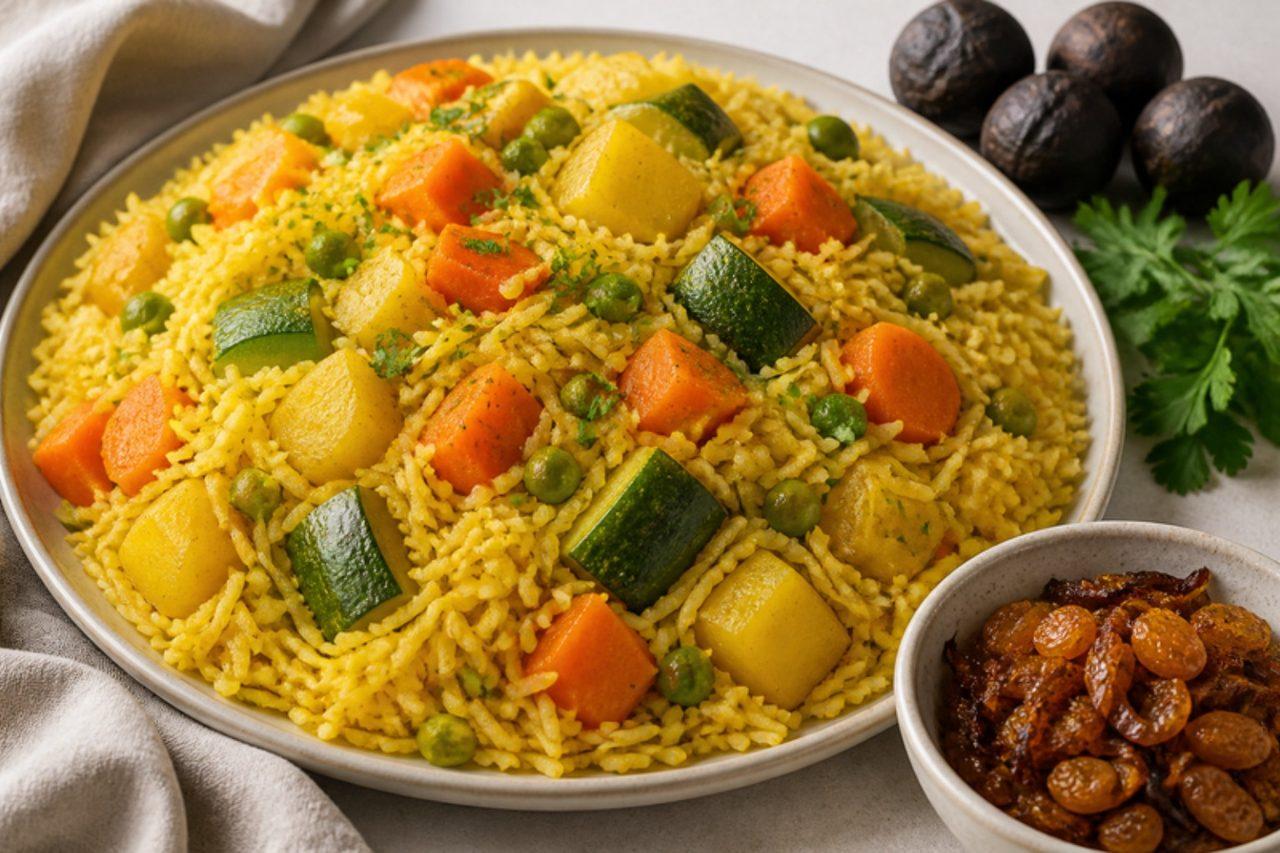
In Bahrain and Kuwait machboos is the rice dish of the home kitchen: deeper yellow than Saudi kabsa, with more turmeric, more dried lime and a last splash of rose water that perfumes the whole pot. Families cook it for the big midday meal, especially on Fridays and through Ramadan, and pile it high on a round metal tray. Here potatoes, cauliflower and peppers take the place of chicken, and the rice is crowned with hashu, soft caramelised onions with raisins and a pinch of black lime powder. Chef's tip: brown the potatoes and cauliflower before the rice goes in; their golden edges give the meaty depth the chicken usually brings.

by KrazyBadal 0 views

Sopa paraguayaCheesy cornbread

Paraguayans love telling visitors that their national 'soup' is eaten with a fork: sopa paraguaya is a dense, moist cornbread baked with sweated onions, fresh cheese, eggs and milk. It's on every table at asados, weddings and the Christmas meal, and sold in squares at bus stations from Asunción to Encarnación. The crust is golden and the inside soft and cheesy, more like a savoury pudding than bread. Chef's tip: soak the cornmeal in the milk for 15 minutes before mixing; hydrated cornmeal bakes up tender instead of gritty.

by KrazyBadal 0 views

NgohiongFive-spice spring rolls

Ngohiong grew from the Chinese-Filipino kitchens of Cebu City and is now street food all over Cebu: a lumpia filled with heart of palm (ubod) or jicama seasoned with five-spice, then dipped in batter and fried, so it has a thick, golden coat rather than a thin crisp skin. It is eaten with a glossy, sweet-hot dipping sauce and often with rice. Cebu stalls mix in a little pork or shrimp; this version is all vegetable. Chef's tip: cook the filling until dry and cool it fully; wet filling tears the wrapper and spits in the oil.

by KrazyBadal 0 views

Nga thongbaLight fish curry with potato

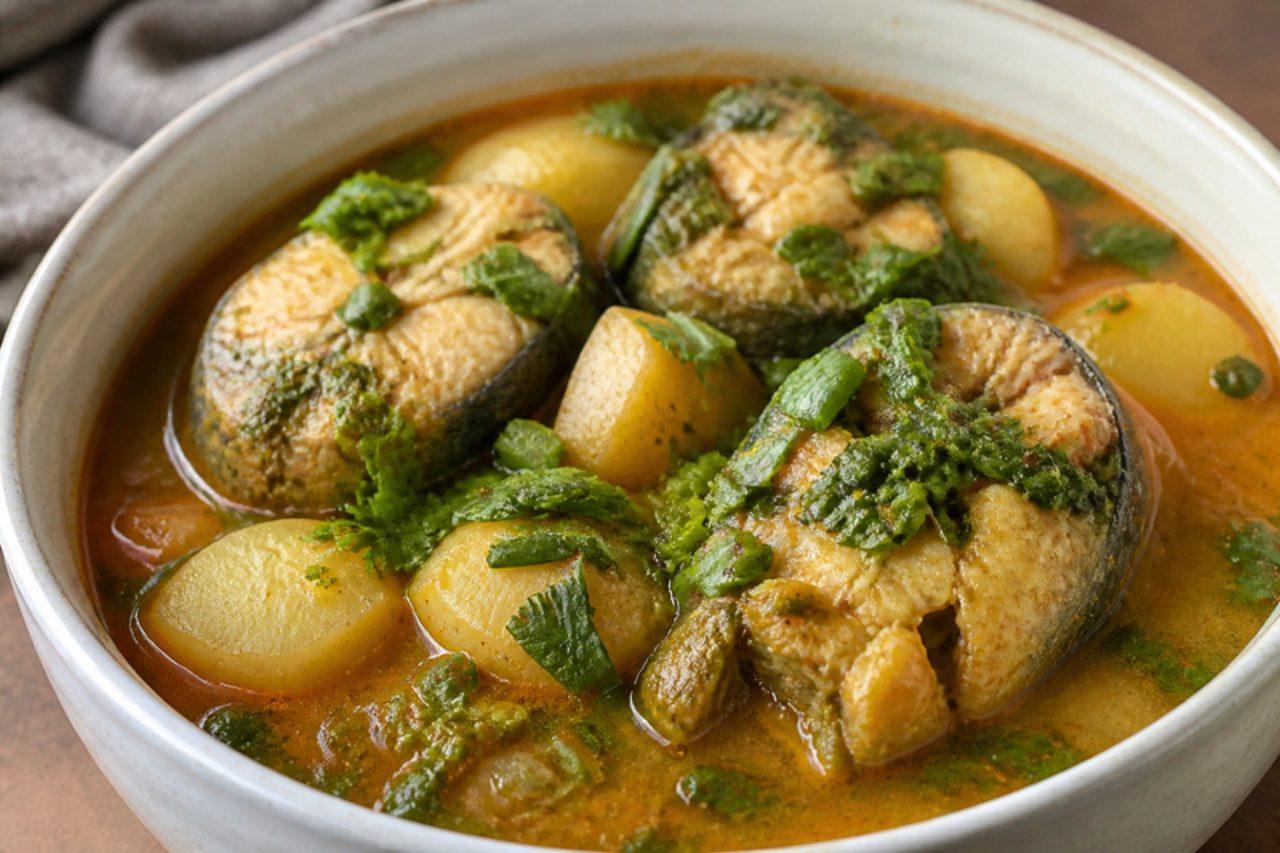
In the Imphal Valley fish comes from Loktak Lake and the paddy-field ponds, and nga thongba is how most Meitei families cook it on an ordinary weekday. It is a thin, gently spiced curry with potatoes, finished with a big handful of herbs such as maroi nakupi (a local chive) and coriander, so it smells green and fresh. It is eaten with sticky or plain rice, alongside a chilli chutney. Chef's tip: lightly fry the fish first so it stays in neat pieces in the thin gravy.

45 minIndianFishGluten free
by KrazyBadal 0 views

SekuwaSpiced grilled meat skewers

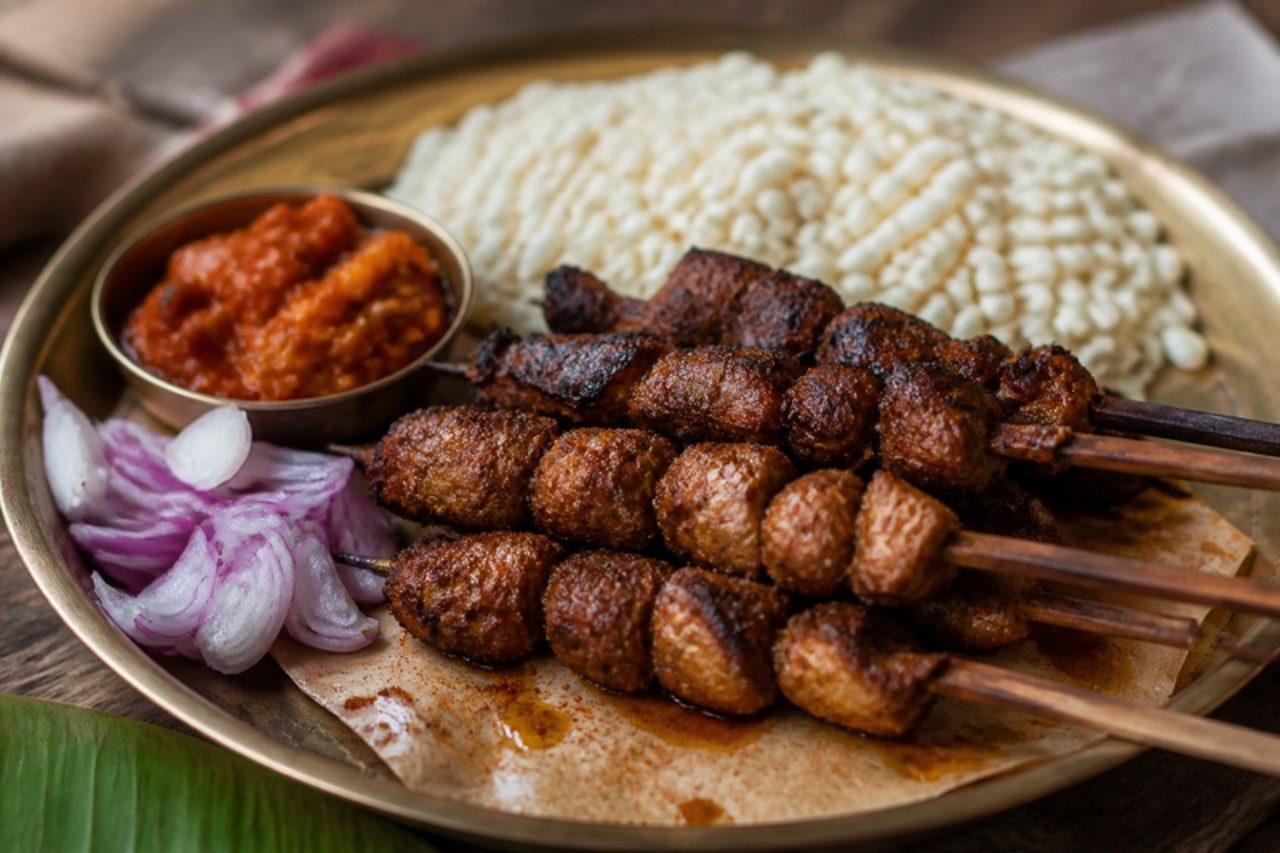
Dharan, in Nepal's eastern hills, is famous for its 'sekuwa corner', a lane of smoky grills where families and friends gather in the evening for spiced goat, chicken and pork skewers fresh off the fire. The meat is marinated in a dry-ish paste of garlic, ginger, cumin, chilli and timur (Nepali Sichuan pepper), with a little mustard oil, then grilled until charred at the edges. It is the classic picnic and party food, eaten with puffed rice, a tomato-sesame achar and sliced onion. This recipe uses lamb or mutton shoulder in place of goat. Chef's tip: soak wooden skewers for 30 minutes and leave a little space between the pieces so the heat reaches all sides.

40 minNepaliMeatGluten freeSpicy
by KrazyBadal 0 views

Sel rotiSweet rice flour rings

When Tihar, the five-day festival of lights, arrives in late autumn, kitchens all over Nepal fill with the smell of sel roti: big, thin rings of sweetened rice batter fried in hot oil until crisp and russet outside and soft and slightly chewy inside. They are stacked high to offer to the gods, to sisters during Bhai Tika and to every guest, and they are also made at Dashain and for weddings, travelling well and keeping for days. Rice is soaked overnight and ground with sugar into a thick, pourable batter, then poured by hand in one confident circle into the oil. Many families add ghee to the batter, which makes the rings richer but means they are vegetarian rather than vegan; this version uses oil. The common mistake is oil that is not hot enough, so the batter drinks fat and turns greasy. Chef's tip: let the batter rest for an hour after grinding; it thickens and ferments slightly, and the rings puff and hold their shape better.

by KrazyBadal 0 views

BaraBlack lentil patties

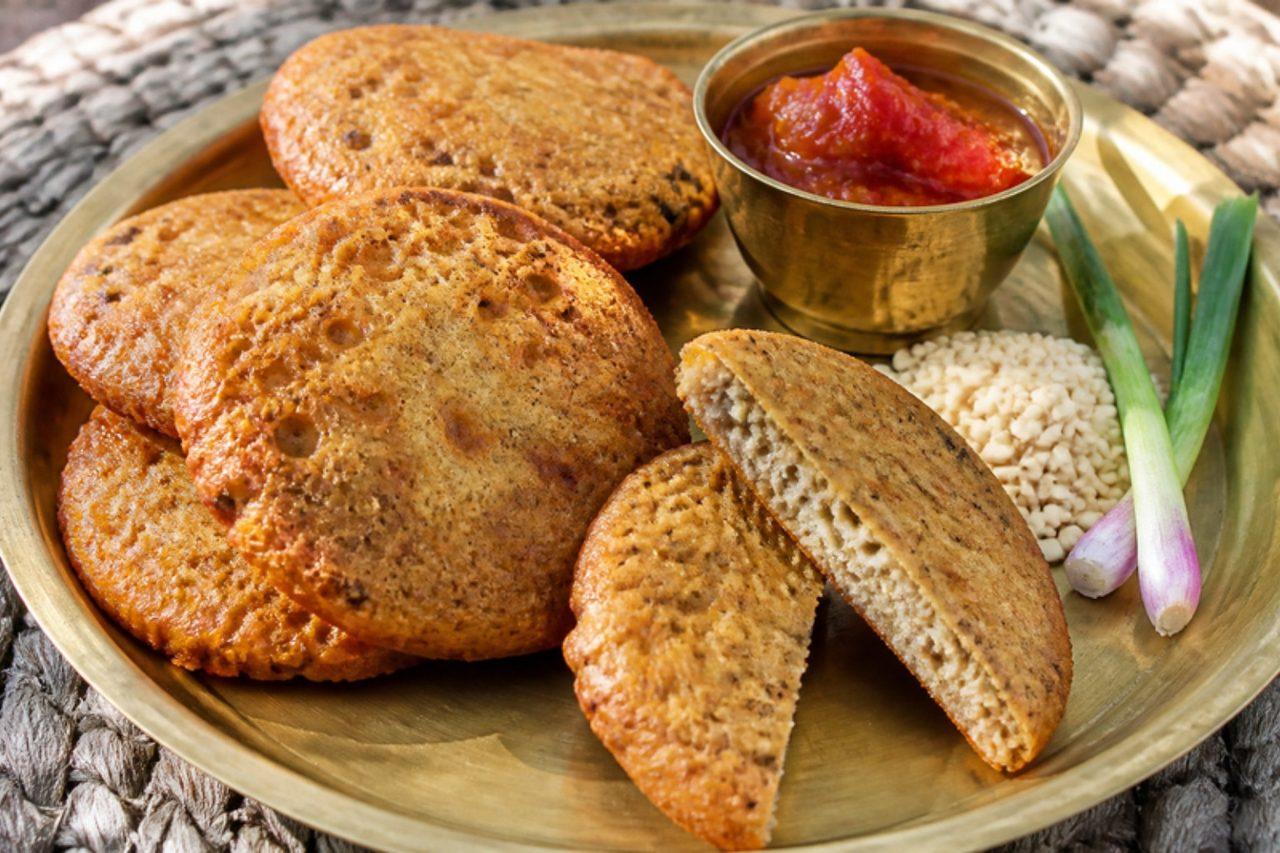
Bara, or wo in the Newar language, is a thick, savoury pancake of ground black lentils that the Newar people of the Kathmandu Valley have made for centuries. It is cooked on a flat griddle until spotted brown and lacy at the edges but soft and airy inside. It is festival food above all: it appears at Sithi Nakha in early summer, on the plates of Newar feasts and at roadside stalls in Kirtipur and Patan, where it is often topped with a cracked egg. This plant-based version keeps it plain, with ginger, garlic and cumin in the batter. Eat it hot with golbheda ko achar. The usual mistake is to add too much water when grinding: the batter must be thick enough to hold a peak, or the bara spread thin and go flat. Chef's tip: beat the ground batter by hand for 3–4 minutes until it turns pale and fluffy; the air you whip in is what makes the bara light.

by KrazyBadal 0 views

SellouToasted flour and almond sweet

Sellou (also called sfouf or zmita) is made in big batches across Morocco for Ramadan, for new mothers and for Eid, and is served in a mound beside mint tea. Flour is toasted slowly in a dry pan until it turns the colour of sand and smells like biscuits, then mixed with ground toasted almonds and sesame, anise, cinnamon, butter and honey. The result is a crumbly, nutty, not-too-sweet sweet that you eat by the spoonful, or press into balls. It keeps for weeks. Chef's tip: toast the flour patiently over a low heat and keep it moving; scorched flour tastes bitter and the whole batch is lost.

by KrazyBadal 0 views

Neer dosaThin rice crepes

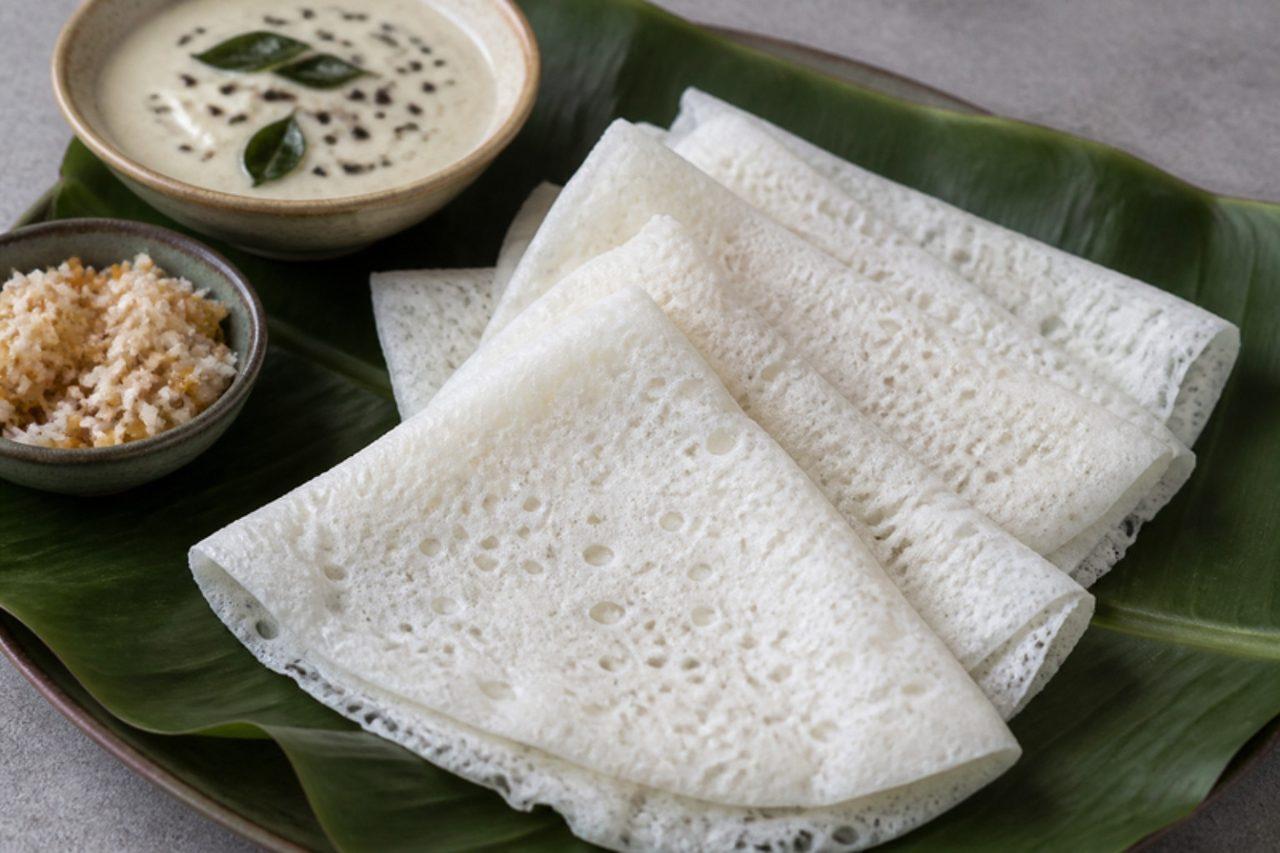
Neer means water in Tulu and Kannada, and that is the whole idea: a batter as thin as milk, poured onto a hot pan where it sets into a soft, lacy crêpe full of tiny holes. In Mangaluru and Udupi homes it is made fresh for breakfast or a Sunday lunch, folded into quarters and eaten warm with coconut chutney, a vegetable sagu, or simply with grated coconut and jaggery for children. Unlike most dosas, the batter is not fermented, so you can soak rice in the morning and eat by lunchtime. The crêpes are pale white, never browned, and should be tender enough to fold without cracking. Chef's tip: stir the batter from the bottom before every single dosa; the rice settles within a minute, and a batter poured from the top runs too thin and tears.

by KrazyBadal 0 views

Vegetable mandu-gukVegetable dumpling soup

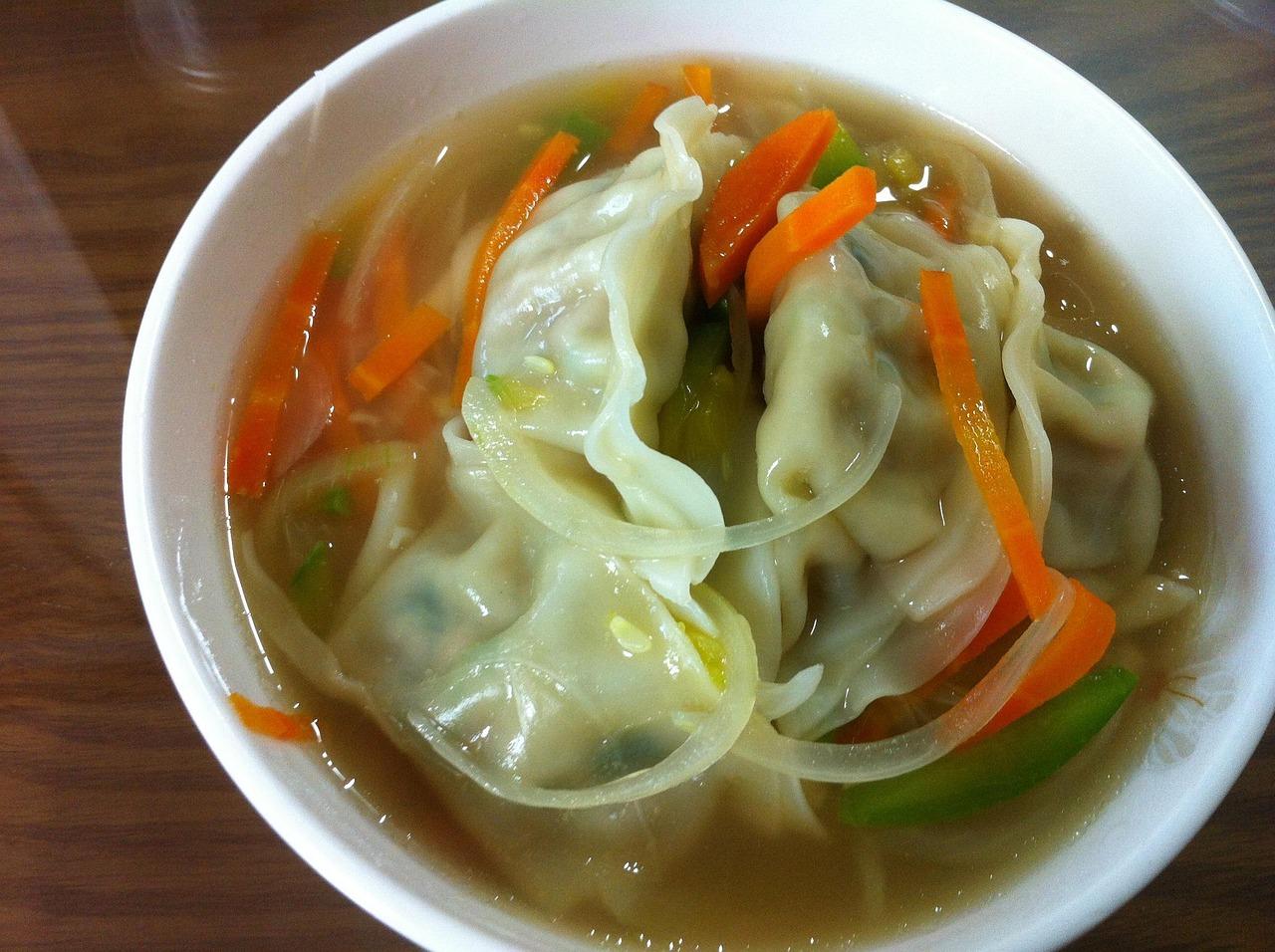
In Seoul and the surrounding Gyeonggi province, the first meal of Seollal (Lunar New Year) is often mandu-guk (만두국): plump dumplings and coin-shaped rice cakes floating in clear broth, finished with ribbons of yellow and white egg and strips of toasted laver. The northern half of the peninsula has always favoured dumplings over rice cake soup, and Seoul families tend to combine the two. These mandu are filled with tofu, glass noodles, cabbage, mushrooms and chives, and the broth is a kelp and shiitake stock instead of beef. Fold the dumplings a day ahead and the soup comes together in 15 minutes. Chef's tip: squeeze the tofu and cabbage hard in a cloth; a wet filling turns the wrappers soggy and the dumplings split in the pot.

by KrazyBadal 0 views

Neenish tartsJam and cream tarts

Neenish tarts have sat in the windows of Australian country bakeries for more than a century, and they're also found across the Tasman in New Zealand. Where the name comes from is still argued over, with one story placing it in the small town of Grong Grong in New South Wales. A crisp sweet pastry case holds a thin layer of raspberry jam and a fluffy mock cream, a beaten mixture of butter, sugar and milk, and the top is iced in two halves: one white, one chocolate. Many bakery mock creams use gelatine; this one doesn't. Chef's tip: beat the mock cream for a long time, a full 8–10 minutes, until the sugar has dissolved and it is white and fluffy, not gritty.

by KrazyBadal 0 views

Ndolé with peanuts and greensBitter leaf and peanut stew

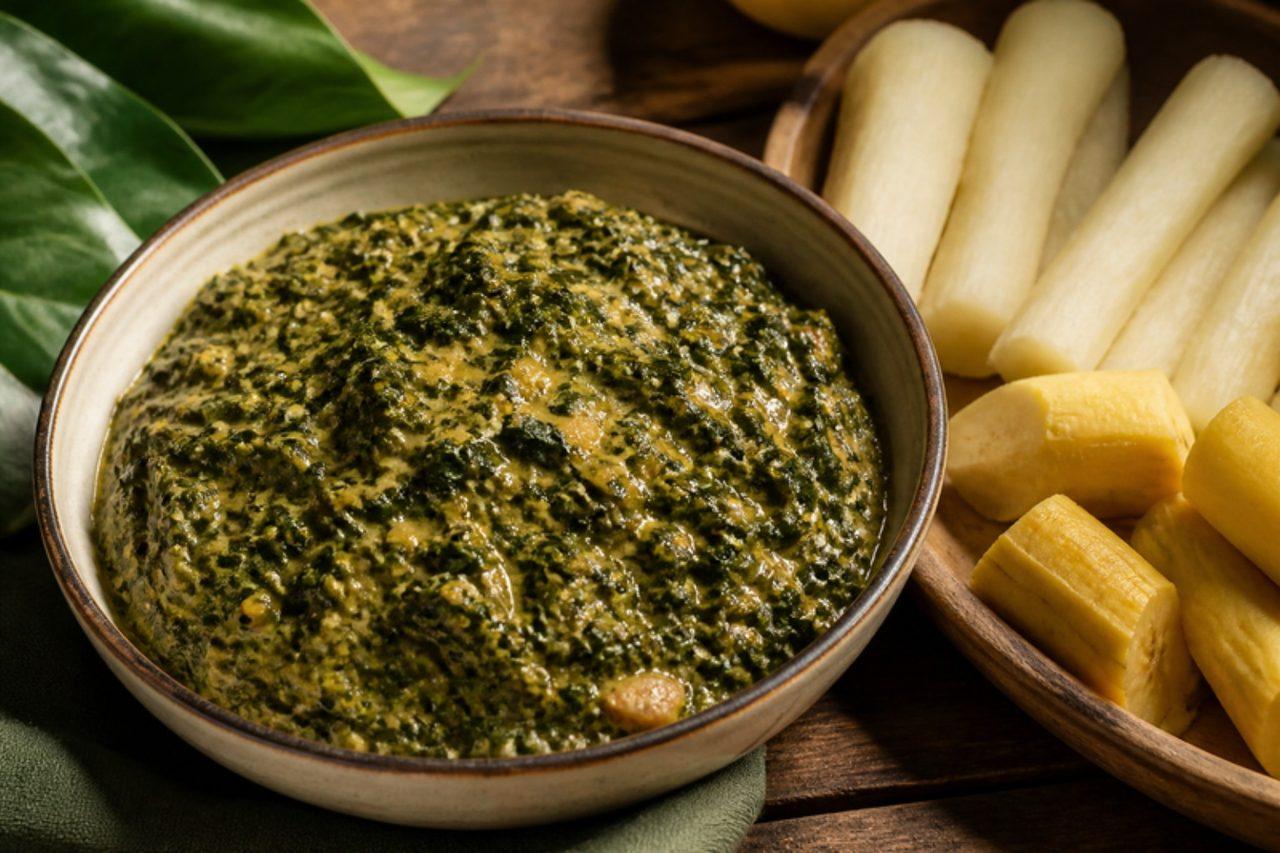
Ndolé comes from the Douala coast and is Cameroon's national dish, cooked for Sunday lunches, weddings and funerals: bitter leaves washed until only a gentle bitterness remains, simmered in a thick sauce of boiled, ground peanuts. Traditionally it is finished with beef, smoked fish and prawns; this version keeps the greens and peanuts at the centre and tops it with crisp fried onions, the way Douala cooks always do. Serve with boiled plantain, miondo or rice. As a variation, add prawns or beef the traditional way. Chef's tip: use raw peanuts, boiled and ground, not peanut butter; ndolé should be nubbly and pale, not like a smooth satay sauce.

by KrazyBadal 0 views

Semmelknödel with mushroom sauceBread dumplings with mushroom sauce

Semmelknödel are the bread dumplings of Bavaria and Austria, made to use up yesterday's rolls (Semmeln) soaked in warm milk and bound with egg, onion and parsley. With a creamy mushroom sauce, Semmelknödel mit Schwammerlsoße, they become a full meal and a favourite in Munich beer gardens and Alpine inns from late summer, when foraged chanterelles and ceps reach the markets. Chef's tip: simmer the dumplings in barely trembling water, never a rolling boil; hard boiling breaks them apart, which is the most common Knödel disaster.

by KrazyBadal 0 views

NdambéBlack-eyed bean stew

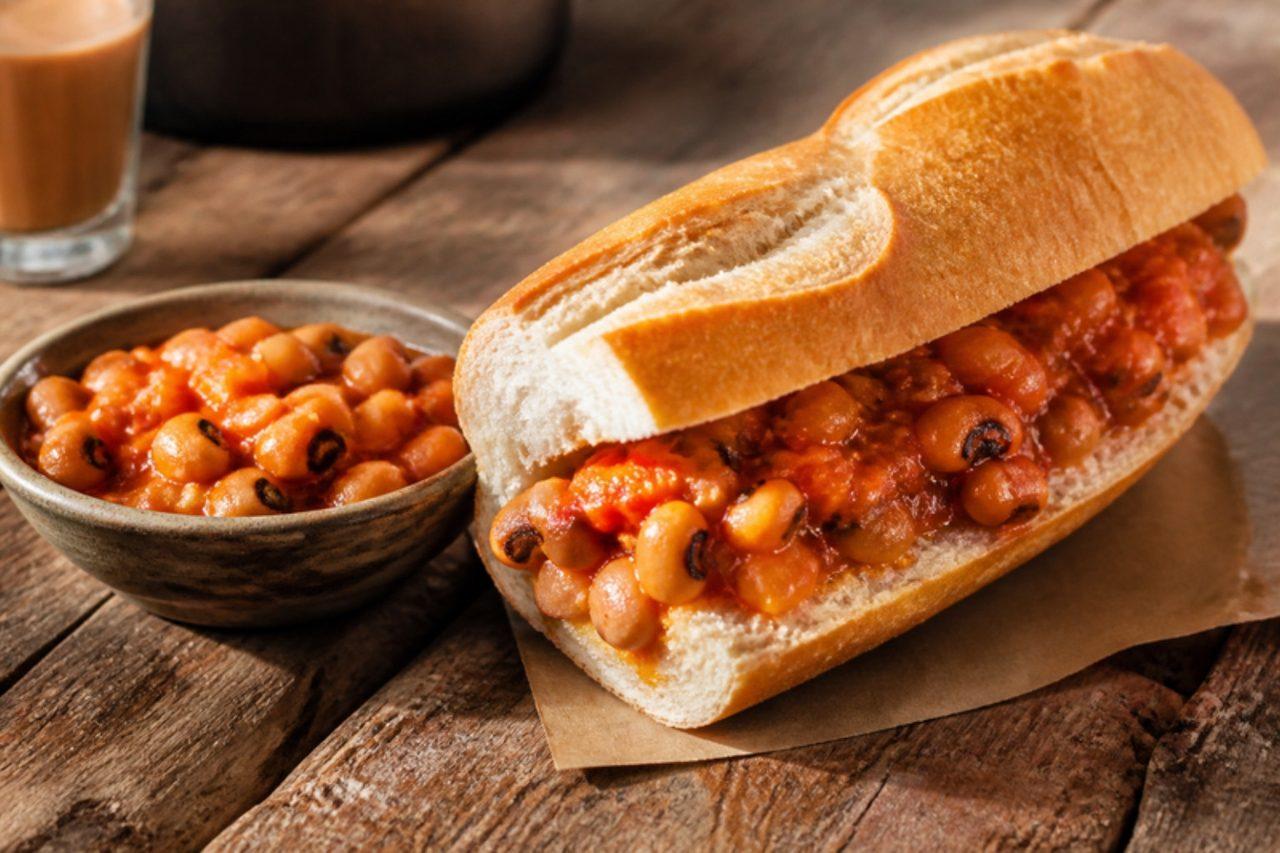
Ndambé is what Dakar eats for breakfast on the way to work: a thick, peppery stew of black-eyed beans with onion and tomato, sold from pots on street corners and spooned into a split baguette (tapalapa or pain de mie) with a smear of chilli sauce. At home it is just as good with rice or bread for supper. The beans are cooked until some break down and thicken the sauce, so it holds together in the bread. Chef's tip: soak the beans and cook them separately in plain water first; adding the tomato too early keeps the skins tough.

by KrazyBadal 0 views

NazookSour cream pastry rolls

Nazook is the slice-shaped pastry stacked in the windows of Yerevan bakeries and sold by the box at every Armenian church fair from Glendale to Marseille. A yeasted dough enriched with sour cream is rolled thin, spread with a vanilla-scented filling of flour, butter and sugar, rolled into a log and cut on the slant before baking. The result is flaky outside, with a soft, buttery swirl inside, sweet but not sticky. It is a coffee pastry, served to guests and packed for long journeys because it keeps well. Chef's tip: keep the filling cold and spread it right to the side edges; the swirl looks finished and every slice gets its share.

by KrazyBadal 0 views

Vegetable maféPeanut and vegetable stew

Mafé is the Sunday-lunch stew of Senegal and Mali: a rust-coloured sauce of roasted peanut paste and tomato, simmered until oil glistens on top and ladled over broken rice. In Dakar it usually carries lamb or beef; this version uses sweet potato, carrot, cabbage and okra, which soak up the sauce just as well. In Côte d'Ivoire the same idea is called sauce d'arachide and is eaten with rice or foutou; make it slightly thinner and add aubergine for the Abidjan style. Chef's tip: use plain, unsweetened peanut paste and cook it long enough that a thin layer of red oil rises to the surface; that is the sign the peanut has lost its raw taste.

by KrazyBadal 0 views

Vegetable maqlubaUpside-down rice and vegetables

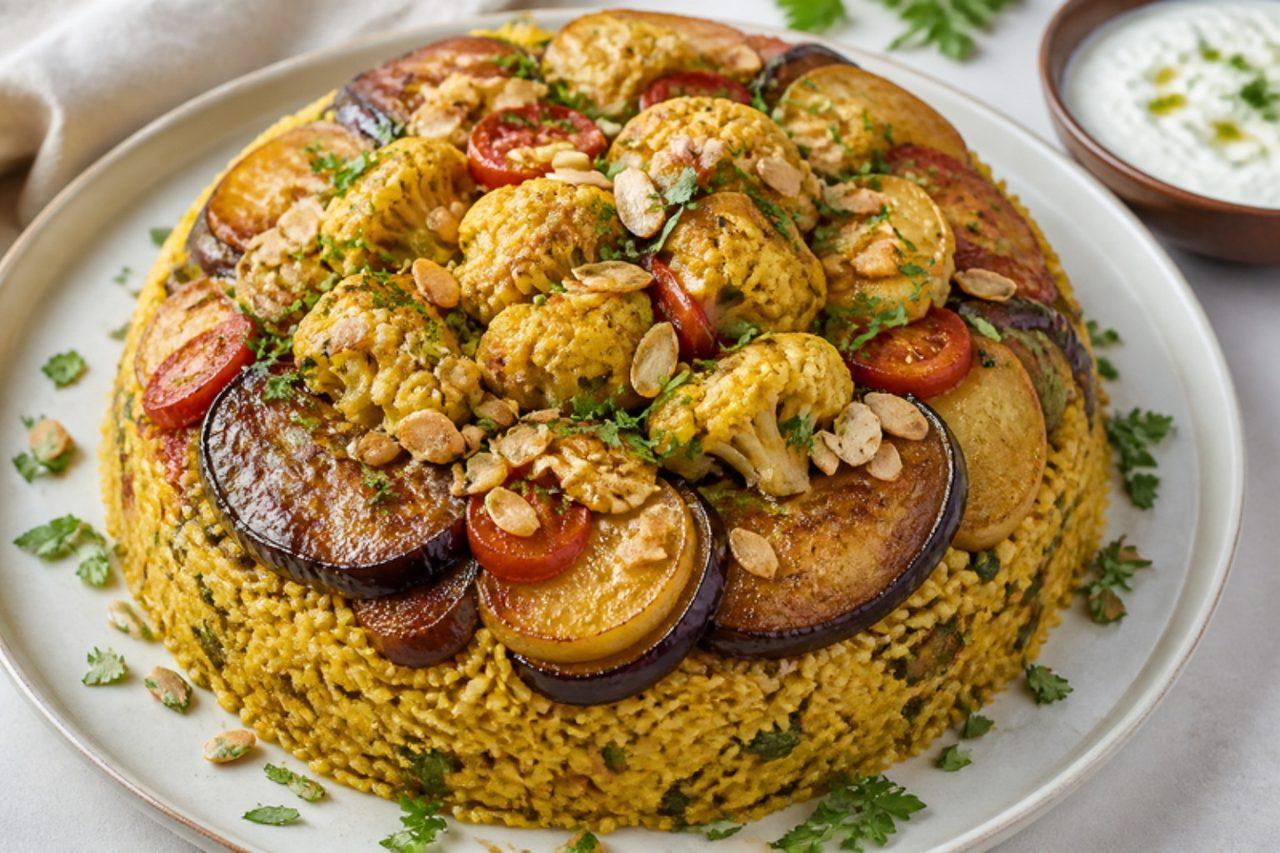
Maqluba means 'upside down', and in Palestinian homes from Jerusalem to Nablus the moment the big pot is flipped onto a tray at a Friday family lunch is greeted with clapping. Under the pot comes a golden cake of fried aubergine, cauliflower and potato with spiced rice packed between them. It is also cooked across Lebanon, Jordan and Syria. This meat-free version uses vegetable stock and is served with a cucumber and tomato salad or a bowl of yogurt for those who eat dairy. Chef's tip: once the pot is turned over, wait five minutes before lifting it so the layers settle and the tower holds.

by KrazyBadal 0 views

BanoshCornmeal with sour cream and cheese

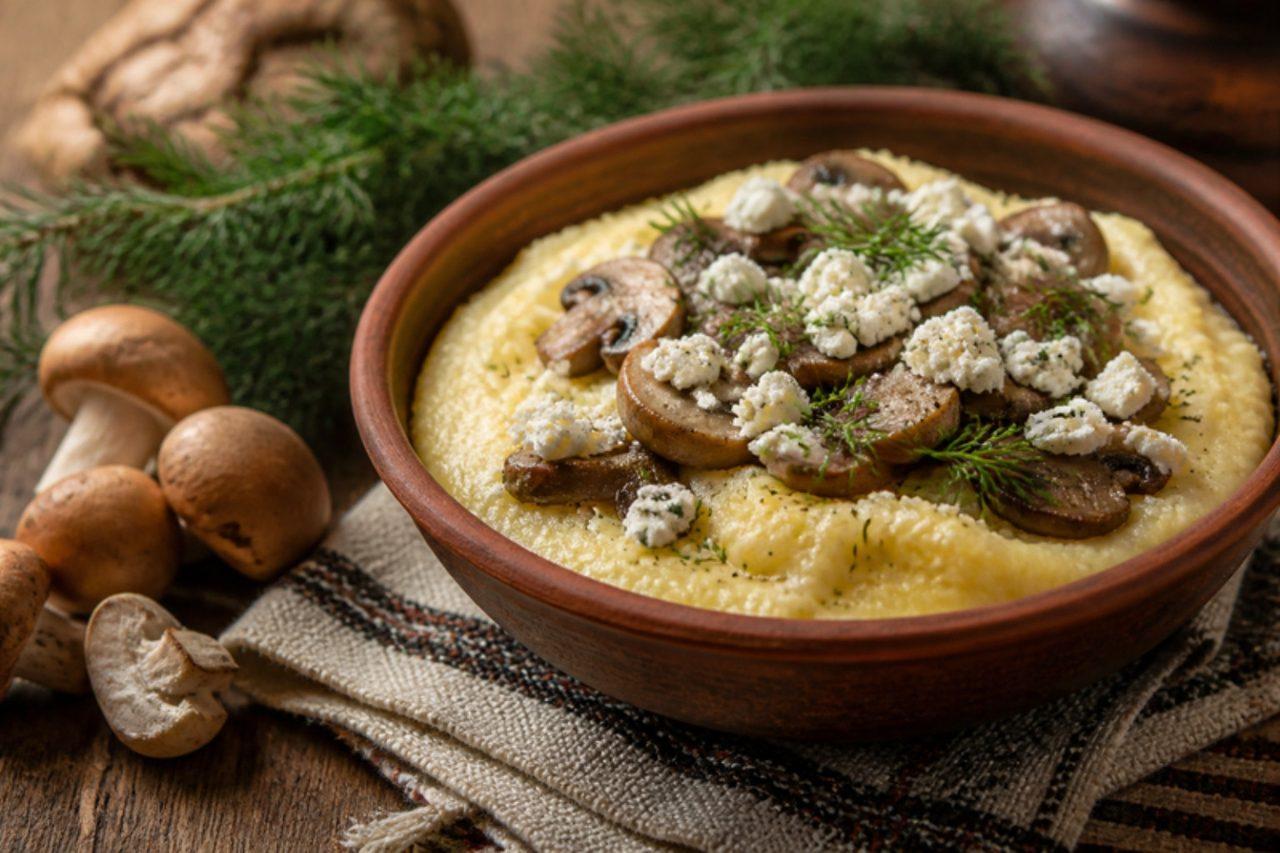
Banosh is the shepherds' dish of the Hutsul highlands in the Ukrainian Carpathians, around Verkhovyna, Kosiv and Yaremche. Coarse cornmeal is stirred into simmering sour cream over a fire until the butterfat beads on the surface, then heaped on plates and crumbled with salty bryndza sheep's cheese and forest mushrooms; tourists queue for it in the mountain kolyba restaurants. Traditionally it is also topped with crisp pork crackling, which this vegetarian version leaves out in favour of extra buttery mushrooms. Bryndza is usually made with animal rennet, so look for a sheep's or feta cheese labelled vegetarian. Chef's tip: stir in one direction only with a wooden spoon, as the Hutsuls insist; it keeps the porridge smooth and helps the fat separate out, which tells you it is ready.

by KrazyBadal 0 views

Natilla colombianaPanela and cinnamon milk pudding

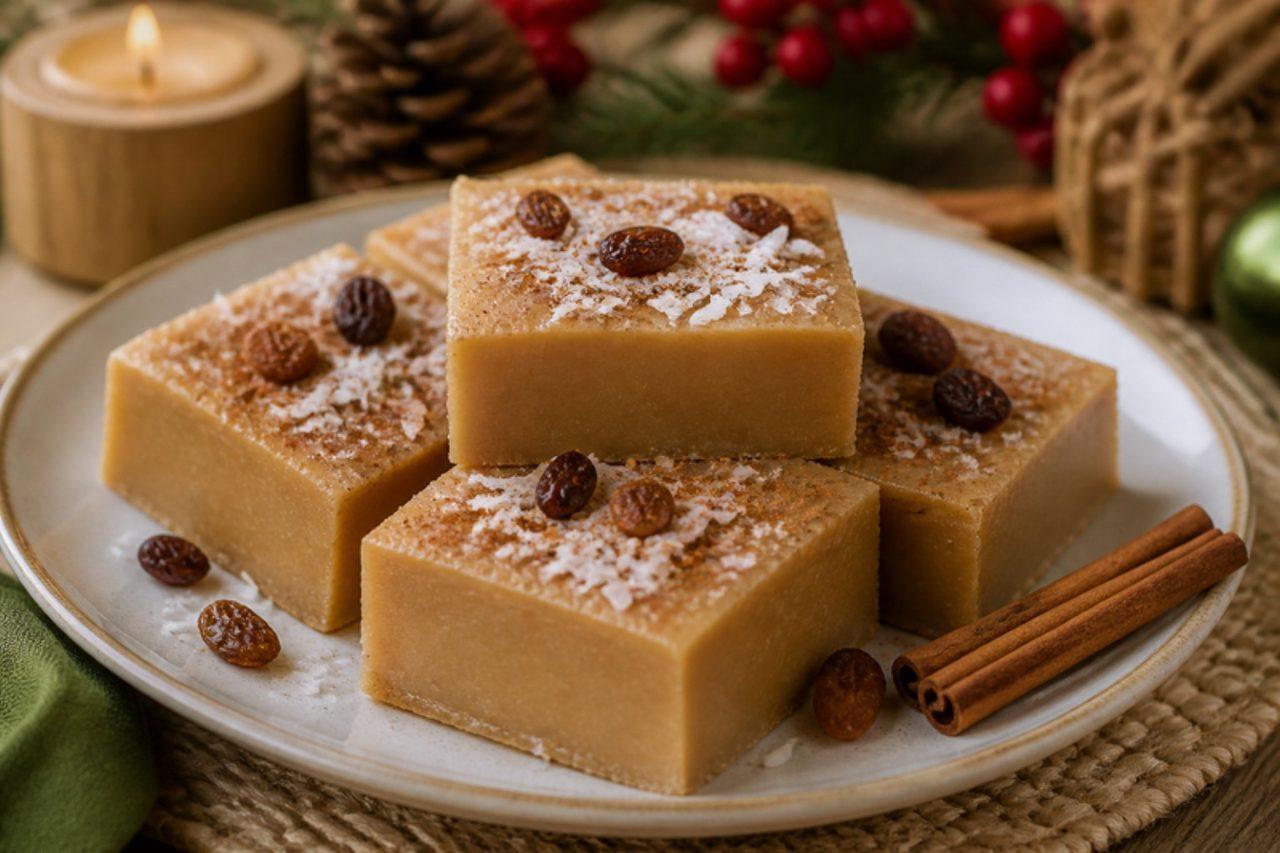
Natilla is the firm, sliceable Christmas pudding of Colombia, stirred on the night of the alumbrado (7 December) and through the novenas, and always shared with buñuelos. Milk is infused with cinnamon, sweetened with panela (unrefined cane sugar), thickened with cornflour and finished with grated coconut and raisins, then poured into a dish to set. It is dark gold, caramel-scented and soft, a bit like a firm flan. Chef's tip: stir without stopping once the cornflour goes in, scraping the corners of the pan, or lumps and a scorched bottom will form.

by KrazyBadal 0 views

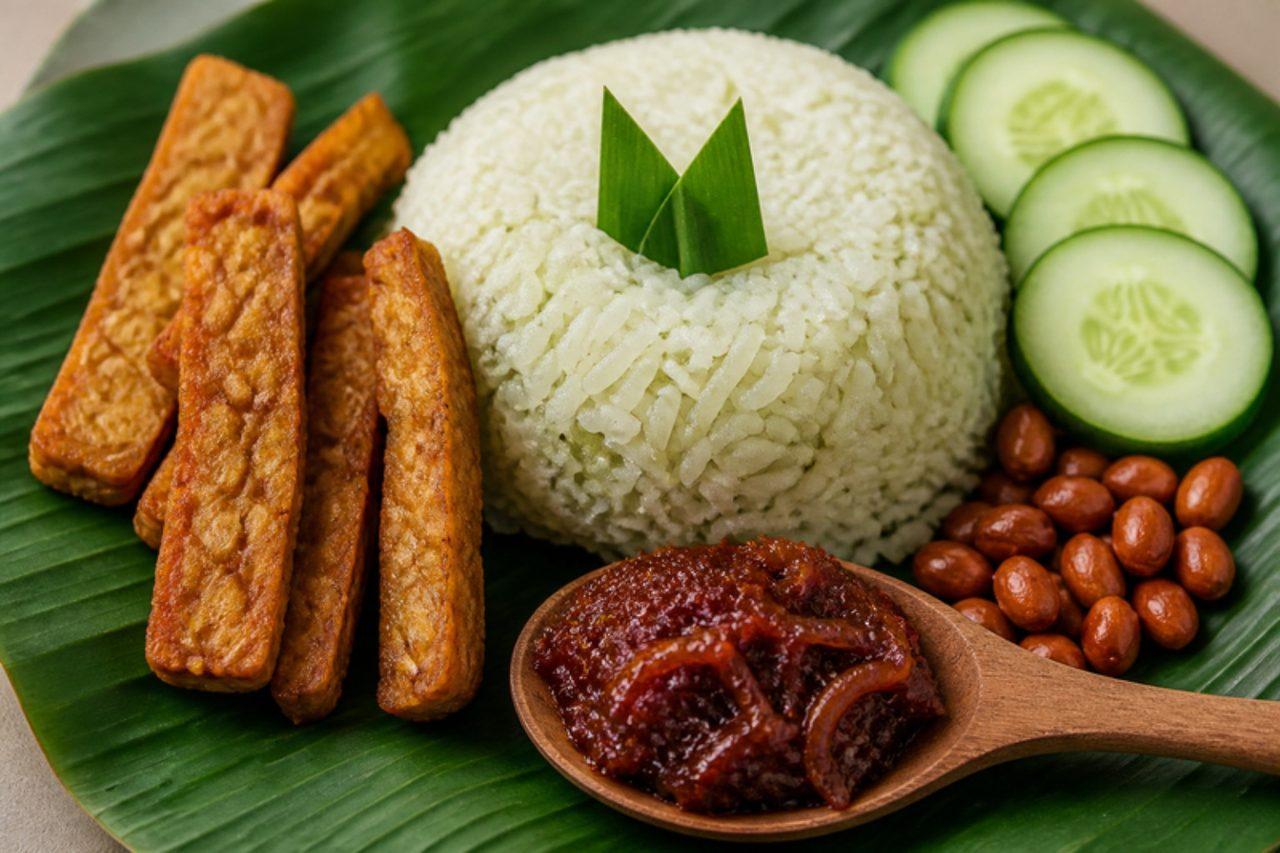
Nasi lemakCoconut rice with sambal

All over Malaysia, nasi lemak is what people grab before work: a pyramid of banana leaf or brown paper from a roadside stall, opened at a desk or on a car bonnet, with fragrant rice steamed in coconut milk, a dab of sticky red sambal, crunchy peanuts and cool cucumber. Stalls usually add fried anchovies and boiled egg; our meat-free plate keeps the morning ritual but swaps the anchovies for thin batons of tempeh fried until they shatter, and the sambal is cooked without belacan, so the depth comes from slow-fried chillies, tamarind and palm sugar. Eat it for breakfast, brunch or a lazy supper. Chef's tip: give the sambal the full time on a low flame; it is ready only when a shiny red oil floats free around the edge.

by KrazyBadal 0 views

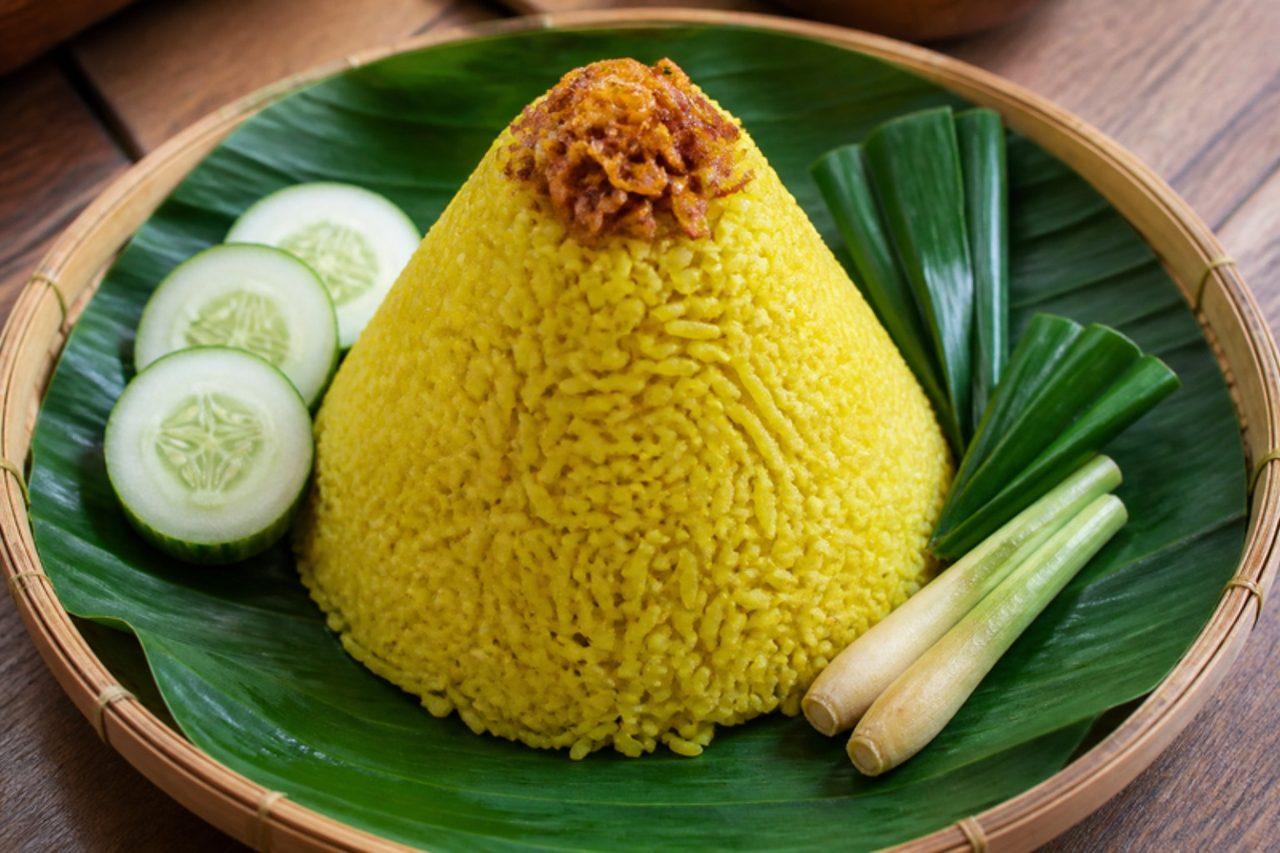
Nasi kuningTurmeric coconut rice

Yellow rice is Indonesia's rice for good news: shaped into a tall cone called tumpeng, it's the centrepiece at birthdays, housewarmings and thanksgiving gatherings across Java, Bali and Sulawesi, and in Manado and Banjarmasin it's also a weekday breakfast wrapped in banana leaf. The grains are cooked in coconut milk with turmeric, lemongrass, salam and lime leaf, so they come out fluffy, golden and gently fragrant, rich without being heavy. Serve it with tempe orek, perkedel, sambal and cucumber for a festive platter. Chef's tip: steam the rice after its first absorption, Javanese style, or rest it covered off the heat for 10 minutes — skipping this gives sticky, uneven grains.

by KrazyBadal 0 views

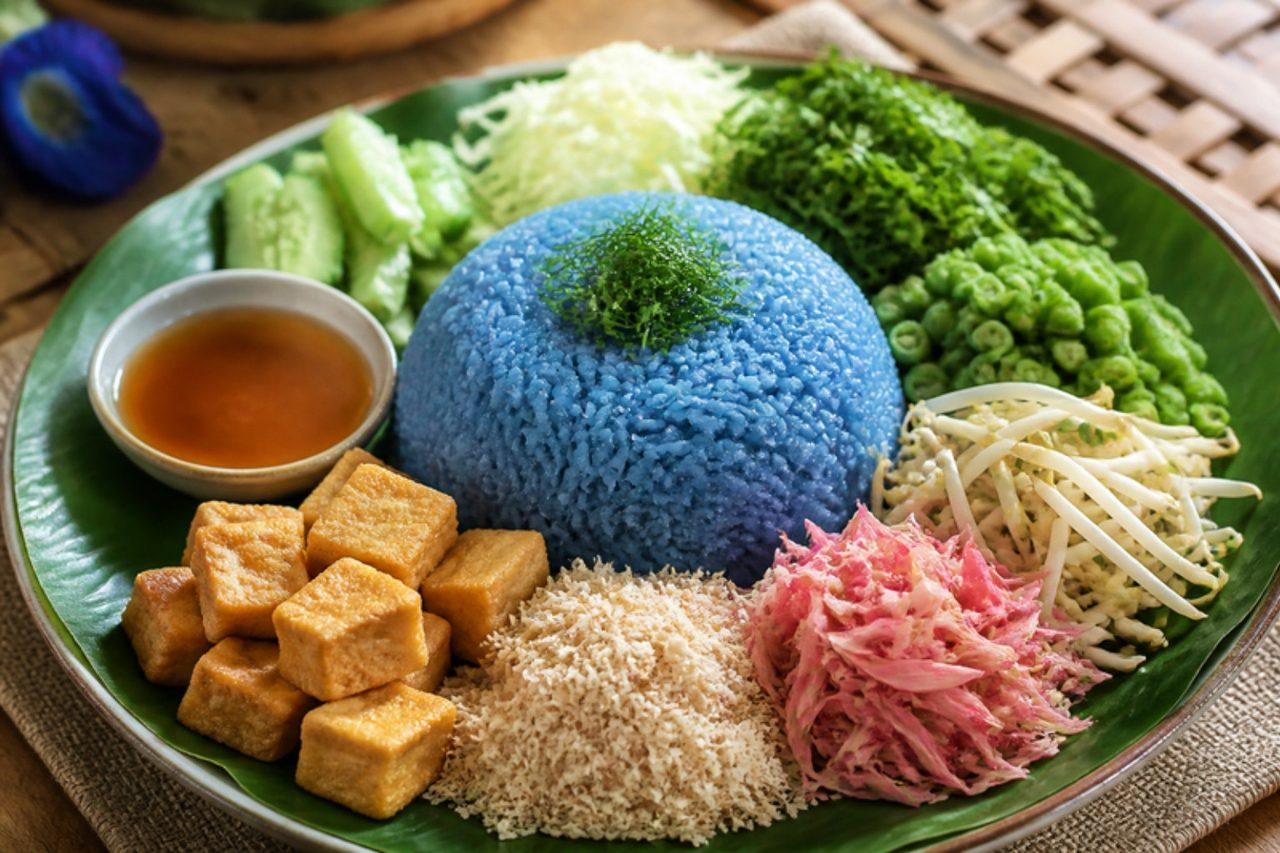
Nasi kerabuBlue rice with herbs

Nasi kerabu comes from Kelantan on the north-east coast, and in Kota Bharu it is a breakfast and lunch staple, sold in the morning markets in mounds of startlingly blue rice. The colour comes from butterfly pea flowers. Around the rice sit 'ulam', raw herbs and vegetables sliced as fine as thread: lime leaves, lemongrass, long beans, bean sprouts, cucumber, mint and basil, with nutty toasted coconut on top. Kelantanese stalls dress it with budu, a fermented fish sauce, so this version uses a sharp tamarind, lime and chilli dressing instead. It's light, crunchy and full of perfume. Chef's tip: slice the herbs as thinly as you can with a sharp knife; the finer the shreds, the more they scent every mouthful of rice.

by KrazyBadal 0 views

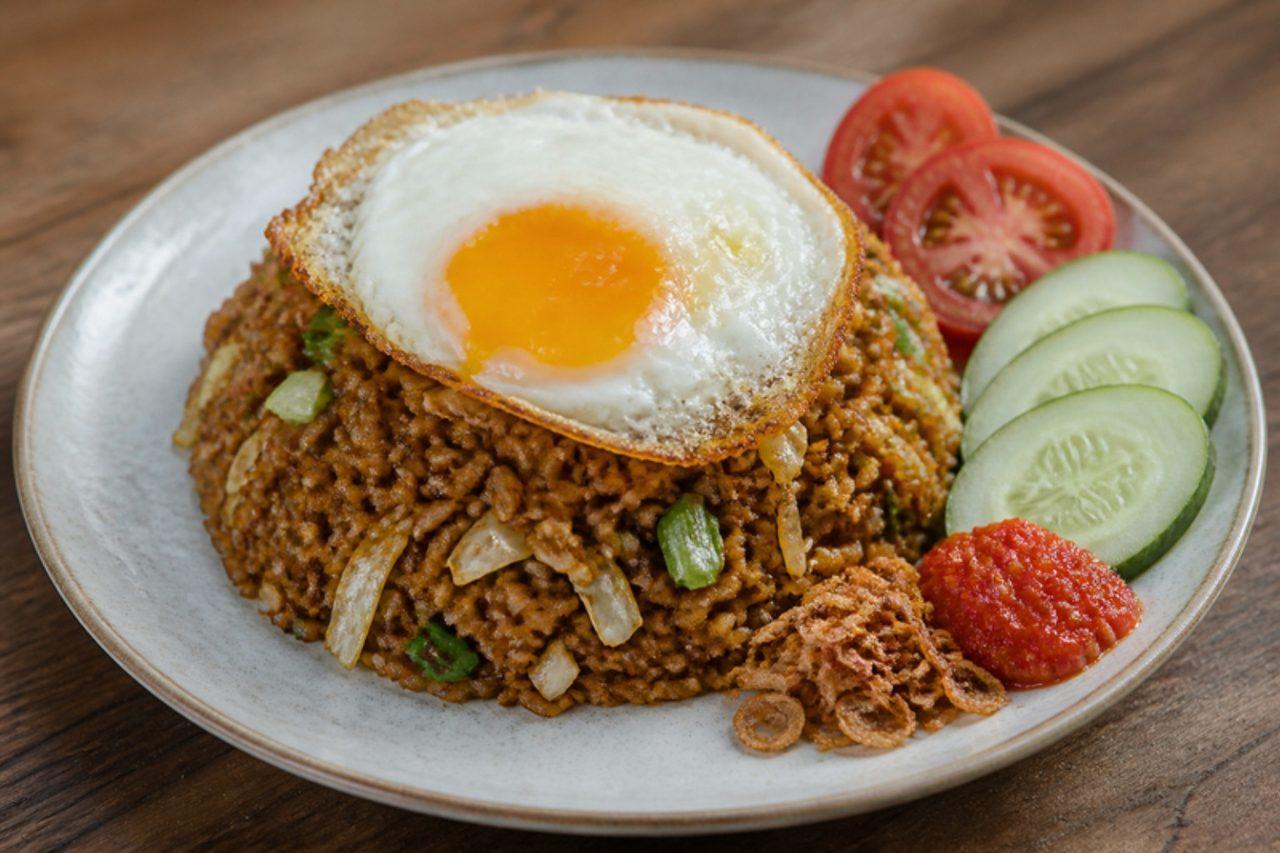
Nasi gorengIndonesian fried rice

Every warung and night stall from Medan to Makassar has its own nasi goreng, but the starting point is always yesterday's rice, a pounded paste of shallot, garlic and chilli, and a glug of kecap manis that turns the grains glossy and caramel-brown. Indonesians eat it for breakfast as readily as for a late supper, crowned with a fried egg and served with cucumber, tomato and a heap of crackers. This vegetarian version keeps all the smoky-sweet depth without the usual shrimp paste. Chef's tip: get the wok properly hot and add the kecap manis down the side of the pan, not onto the rice, so it sizzles and caramelises before you toss it through.

by KrazyBadal 0 views

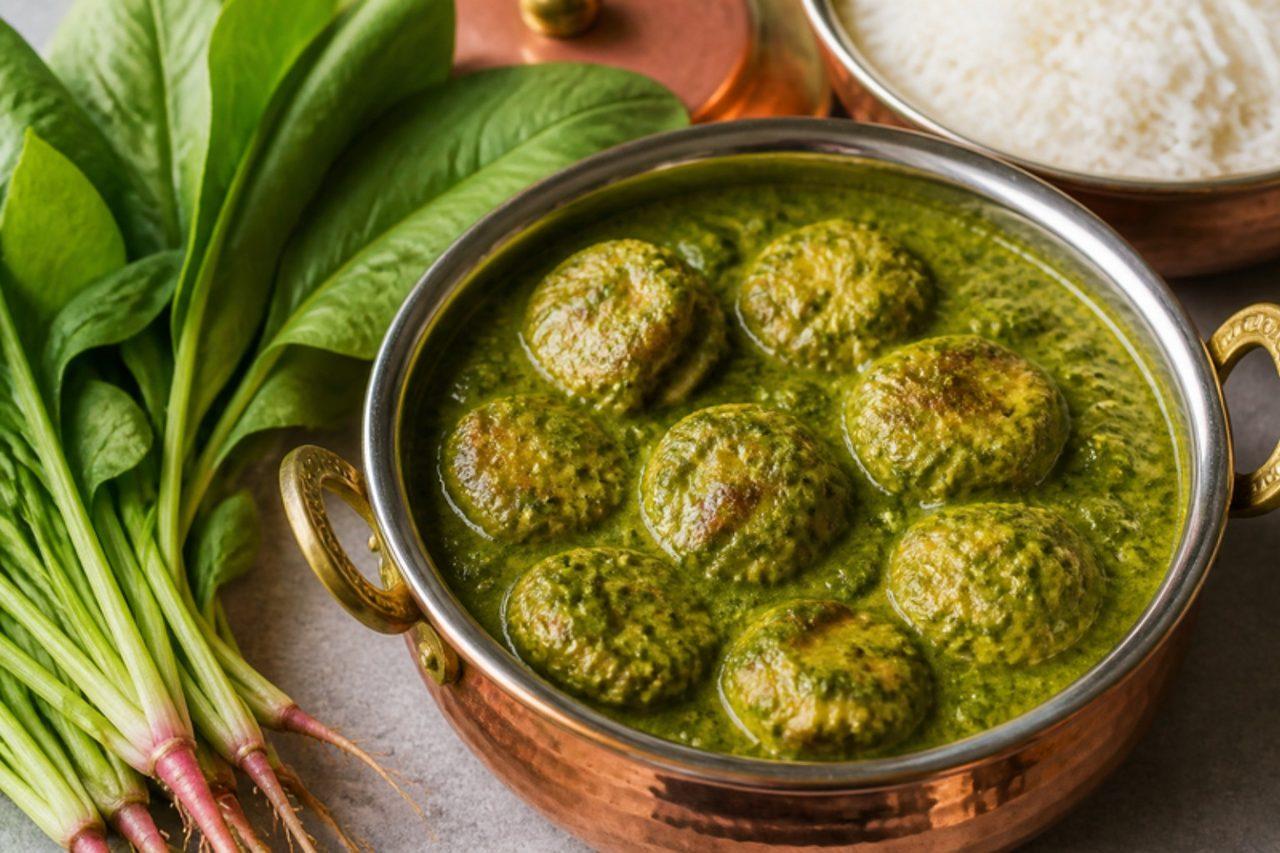
Sepu vadiLentil dumplings in spinach yogurt gravy

No dham in Mandi district of Himachal Pradesh is complete without sepu vadi. Light urad-dal dumplings are fried, softened in warm water and then simmered in a smooth spinach gravy tangy with yogurt, until they swell up and turn spongy. The botis who cook the feast make huge copper pots of it, served on leaf plates with rice and eaten with the fingers. At home it makes a rich weekend curry with rice or chapati. Chef's tip: beat the ground dal by hand for a few minutes before frying; the air you whip in is what makes the vadi light.

by KrazyBadal 0 views

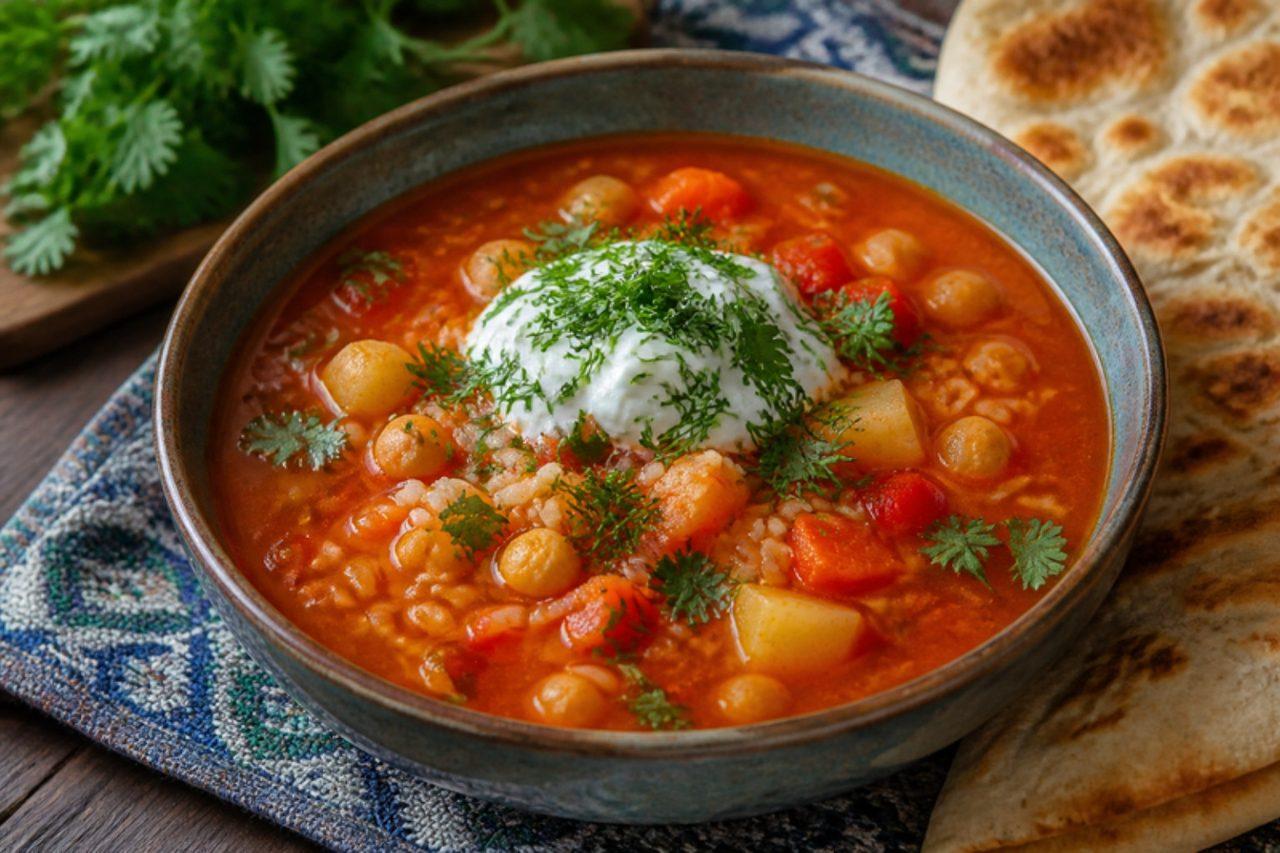
Vegetable mastavaVegetable and rice soup

Mastava is the soup Uzbek mothers make on a cold weeknight: rice simmered in a tomato-red broth with carrot, potato, pepper and chickpeas, finished at the table with a spoon of thick suzma or sour cream and a handful of herbs. It is eaten all over the country but is especially loved in Tashkent households in late autumn. The base is fried first, like plov, so the soup tastes rich even without meat; this version uses vegetables and chickpeas only. Chef's tip: fry the tomato paste in the oil until it turns brick-red before adding water — that is where the depth comes from.

55 minUzbekSoupsGluten free
by KrazyBadal 0 views

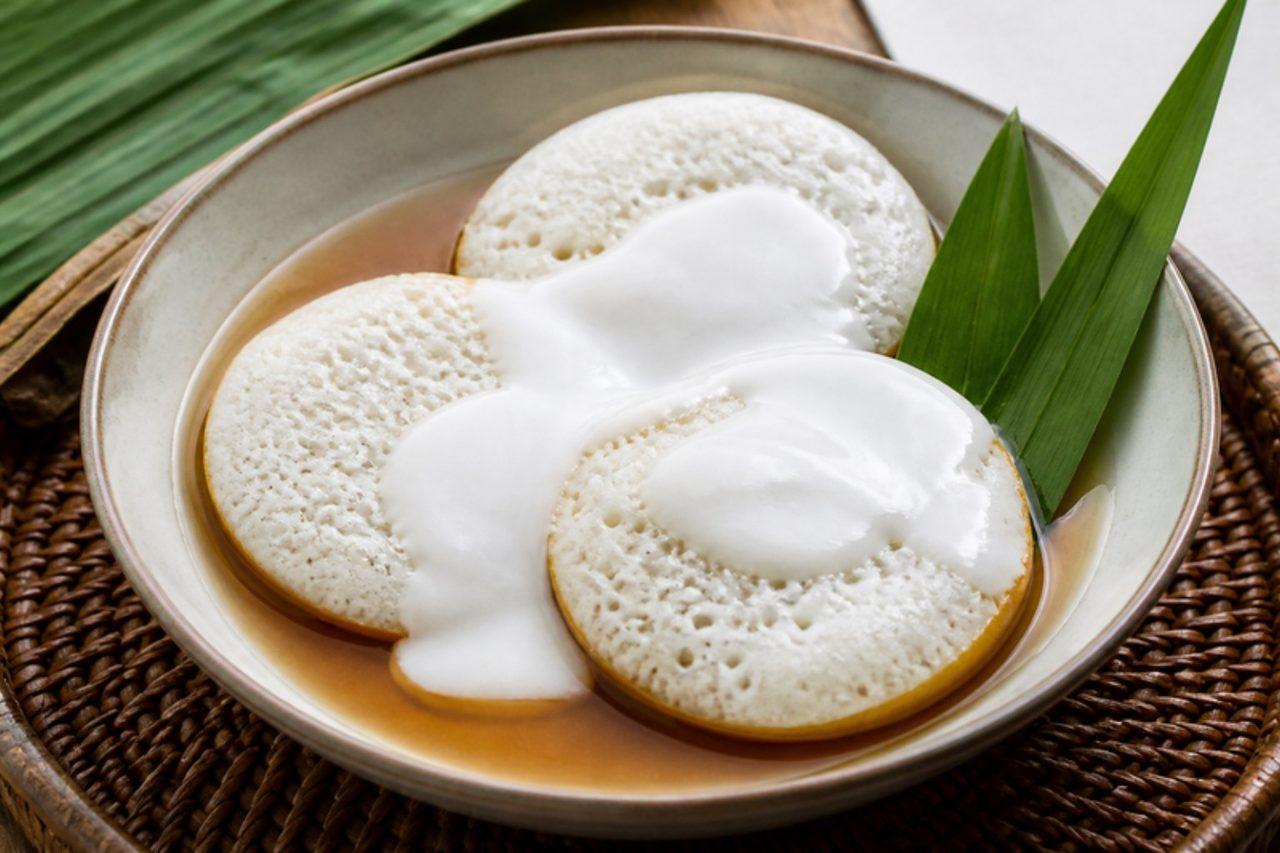
SerabiCoconut rice pancakes

Serabi are small, thick pancakes cooked one at a time in clay pans over charcoal, sold at dawn in Solo and Bandung. The rice-flour batter, rich with coconut milk, sets with a spongy, bubbly top and a crisp, lacy base. In Bandung they come with a pour of kinca, a warm palm-sugar syrup scented with pandan; Solo's version is rolled in a banana leaf with a dot of thick coconut cream. Chef's tip: don't flip them; covering the pan lets steam cook the top while the bottom crisps.

by KrazyBadal 0 views

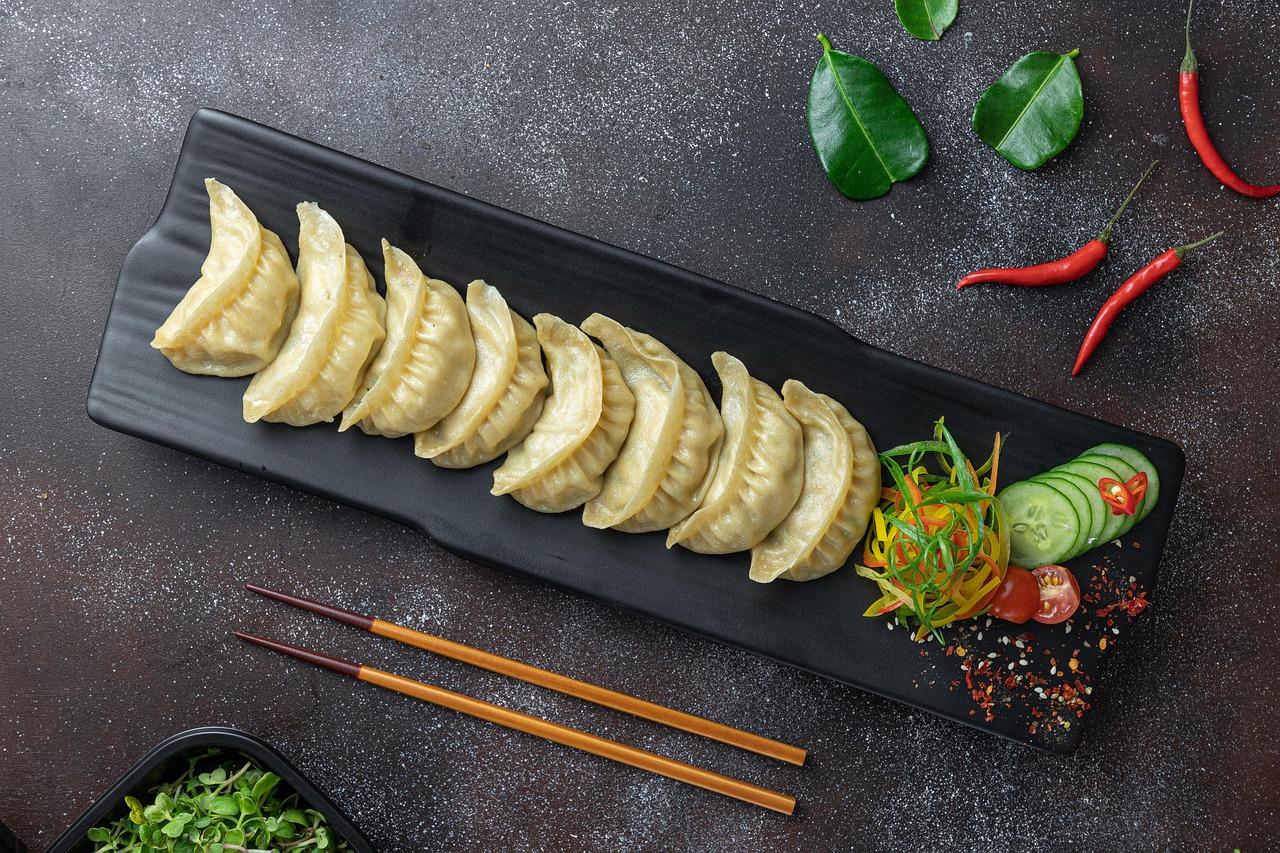
Vegetable momosSteamed vegetable dumplings

Momos came to Sikkim and the Darjeeling hills with Tibetan settlers and are now the snack of the whole Himalayan Northeast, steamed in tall stacked steamers at every street corner. Thin, soft wrappers hold a juicy filling of cabbage, carrot, onion and tofu with plenty of ginger, garlic and spring onion. They are dipped in a hot, garlicky tomato and red chilli achar. Serve straight from the steamer, with a bowl of clear soup if you like. Chef's tip: salt the chopped cabbage and squeeze out its water before mixing the filling; it keeps the wrappers from turning soggy and tearing.

by KrazyBadal 0 views

SernikBaked cheesecake

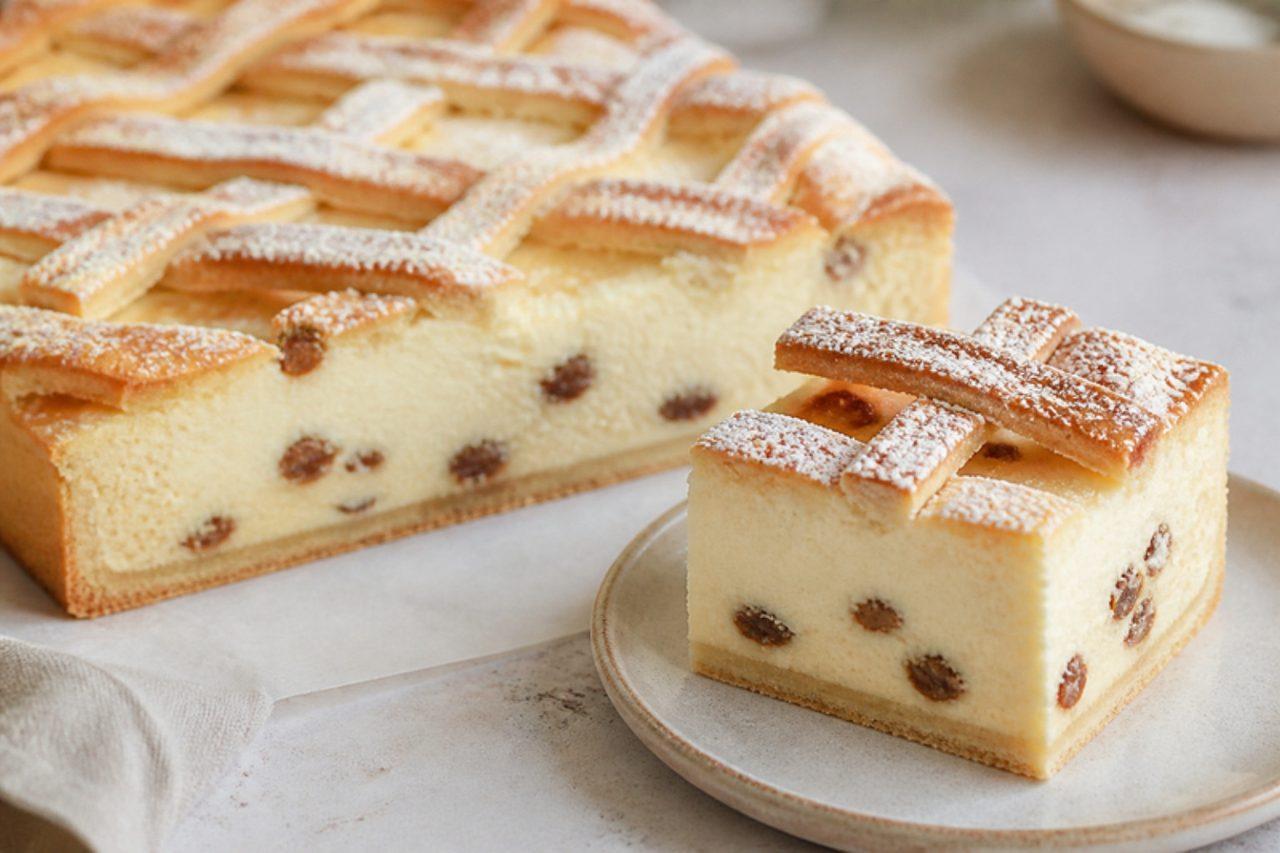
Sernik is the baked cheesecake Polish grandmothers make for Easter and Christmas, and in Kraków it often comes as sernik krakowski, with raisins in the filling and a lattice of pastry on top. Unlike the American kind it is made with twaróg, a dry, tangy curd cheese, so the filling is light and fine-grained rather than dense, set with eggs and a little potato starch, never gelatine. This version keeps a buttery shortcrust base and a smooth vanilla-lemon top. Chef's tip: the twaróg must be put through a mincer or sieve twice, or bought as ready-ground twaróg sernikowy in a tub; lumpy cheese gives a grainy cake.

110 minPolishBaking
by KrazyBadal 0 views

Showing 45 of 7,762 recipes

Show more recipes

Page 681 of 863