


Skip to content
Basque burnt cheesecake
Featured recipe

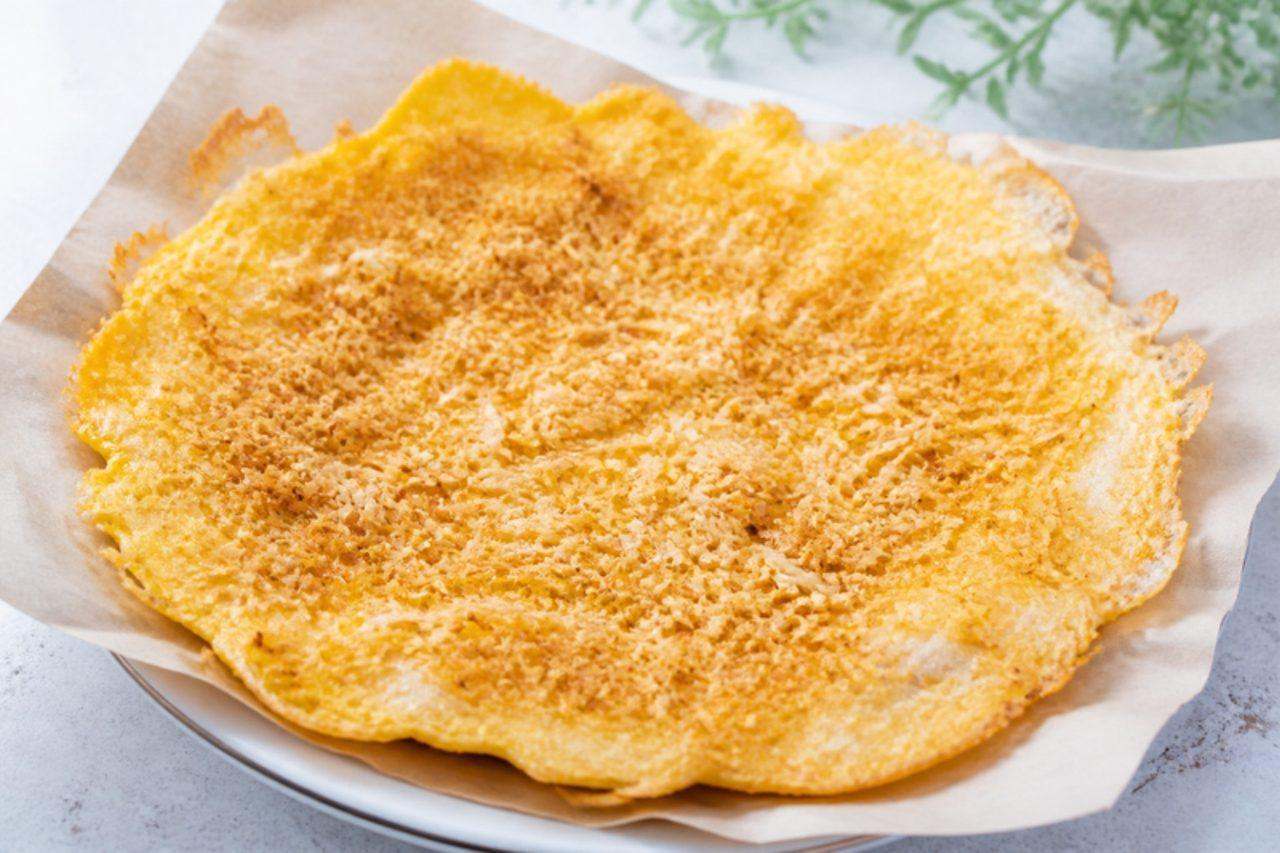
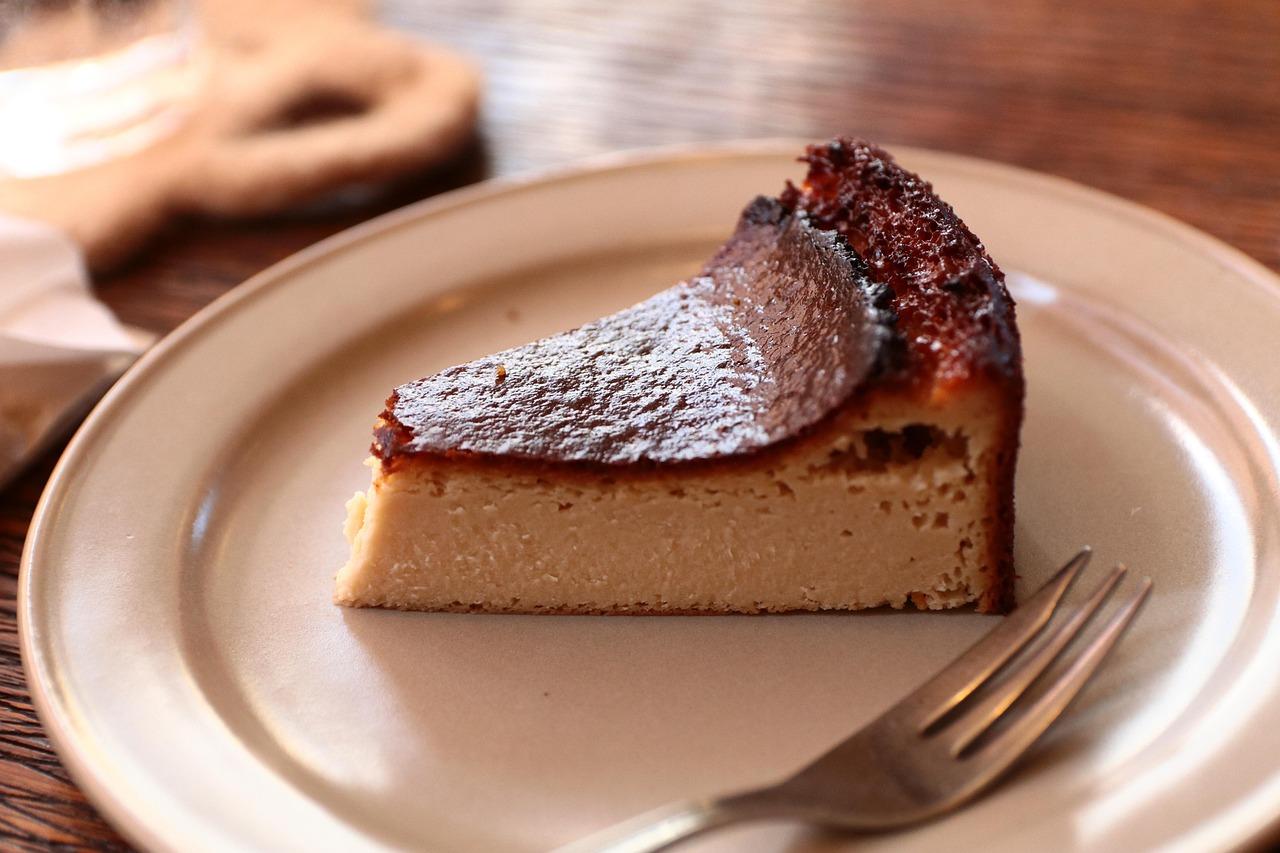
Basque burnt cheesecake

This crustless cheesecake was created in the early 1990s at La Viña, a pintxos bar in the old town of San Sebastián (Donostia) in the Basque Country, and is now famous around the world. It's baked very hot so the top caramelises almost black and the sides rise and crack, while the middle stays soft and creamy, almost runny. There's no base and no water bath, and the rough, rustic look is the point: it's lined with crumpled baking paper. La Viña uses a spoonful of wheat flour; cornflour does the same job and keeps it gluten free. Chef's tip: take it out of the oven while the centre still wobbles like a soft set custard; it firms up as it cools, and if it looks set in the oven, the middle will be dry instead of creamy.

Read more 1 views

What to eat today?

Around the world

Today's trip: Persian

A new country every day, from every cuisine on the site.

This week's collection

Kid-friendly dinners
612 recipes · a new collection every Monday

Coming up

All occasions →

Latest recipes

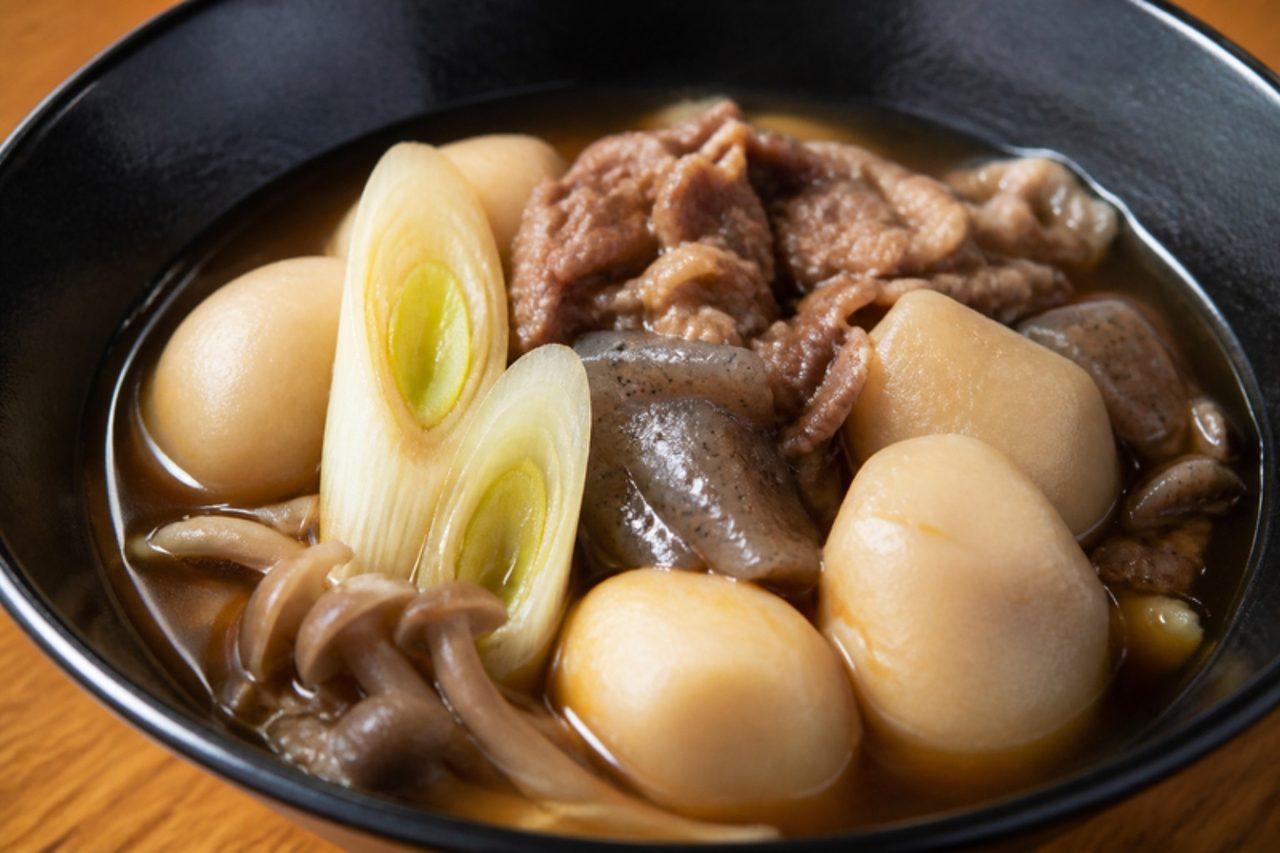
Imoni (Yamagata taro and beef stew)

On autumn weekends in Yamagata, friends, families and workmates carry big pots, firewood and bags of taro down to the riverbanks and cook imoni outdoors; the gathering is called an imoni-kai. Yamagata city even holds a festival on the Mamigasaki River where the stew is made in a giant pot and ladled out with a mechanical digger. The Yamagata version uses beef and a soy broth, while neighbouring Miyagi makes it with pork and miso. Taro gives the soup a soft, slightly thick body, konjac adds bite and the leeks go in last so they stay sweet. Chef's tip: rub the peeled taro with salt and rinse it before cooking; this removes most of the slippery coating, so the broth stays clean rather than gluey.

by KrazyBadal 0 views
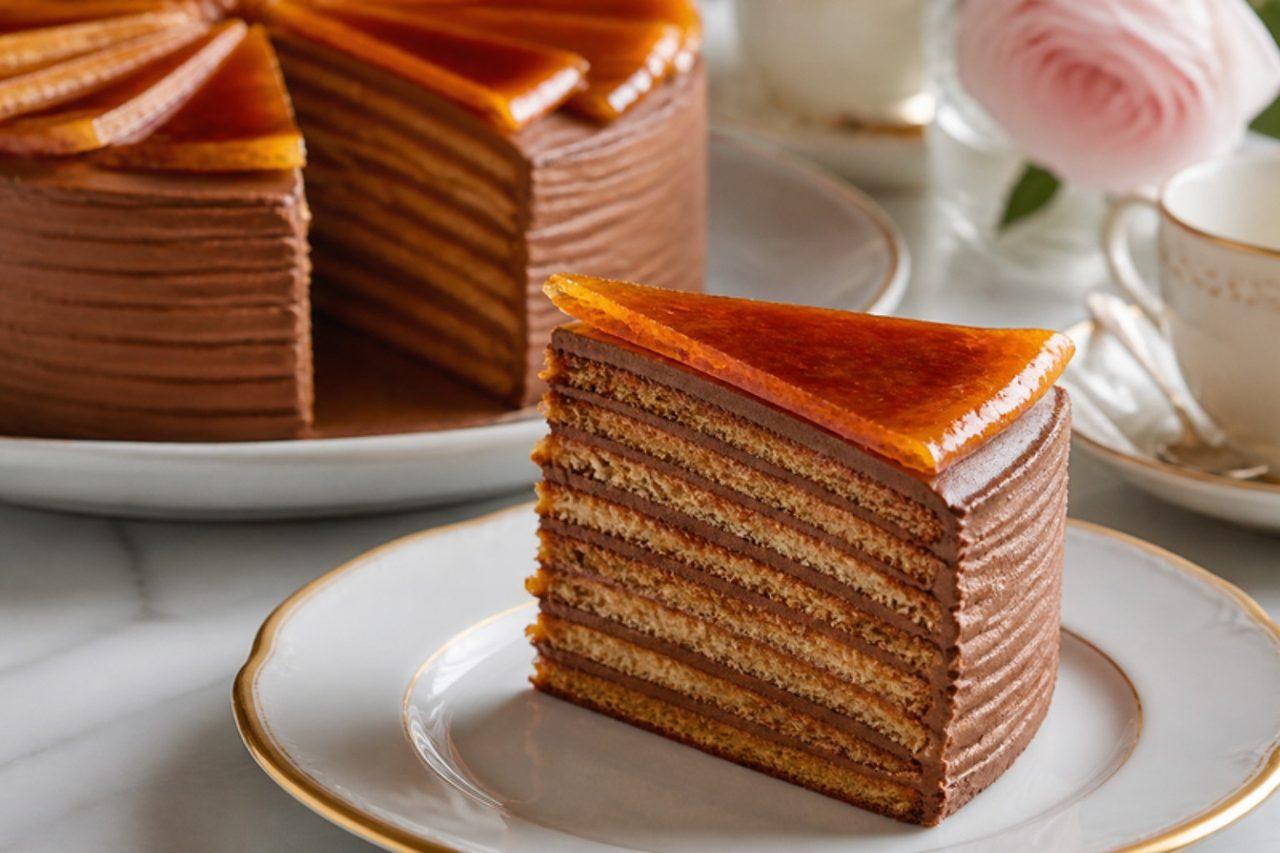
Dobos tortaLayered chocolate caramel cake

Dobos torta was created in Budapest in 1885 by the confectioner József C. Dobos, and it is still the cake Hungarians order in old coffee houses on Andrássy Avenue and bake for name days and big birthdays. Six thin sponge layers are stacked with a rich chocolate buttercream, and the top layer is glazed with hard amber caramel, cut into wedges and set at an angle like a fan. It is a project cake, but each stage is simple and the finished torte keeps for days. Chef's tip: mark the caramel into wedges with an oiled knife within the first minute; once it sets, it shatters instead of cutting.

by KrazyBadal 0 views

Darjeeling first flush tea

Darjeeling's first flush is picked in March and April on estates clinging to the hills above the town, and in Darjeeling's tea rooms it is served plain: pale gold, flowery and slightly astringent, with a 'muscatel' note in the later second flush. It is the opposite of a strong breakfast tea, so it is never boiled, stewed or given milk. Hill families drink it from morning till dusk, and it is a souvenir every visitor buys from Chowrasta. Chef's tip: use water just off the boil (about 90°C) and time the brew; overheated or overbrewed first flush turns bitter and loses its scent.

by KrazyBadal 0 views

Kerak telorSticky rice and egg omelette

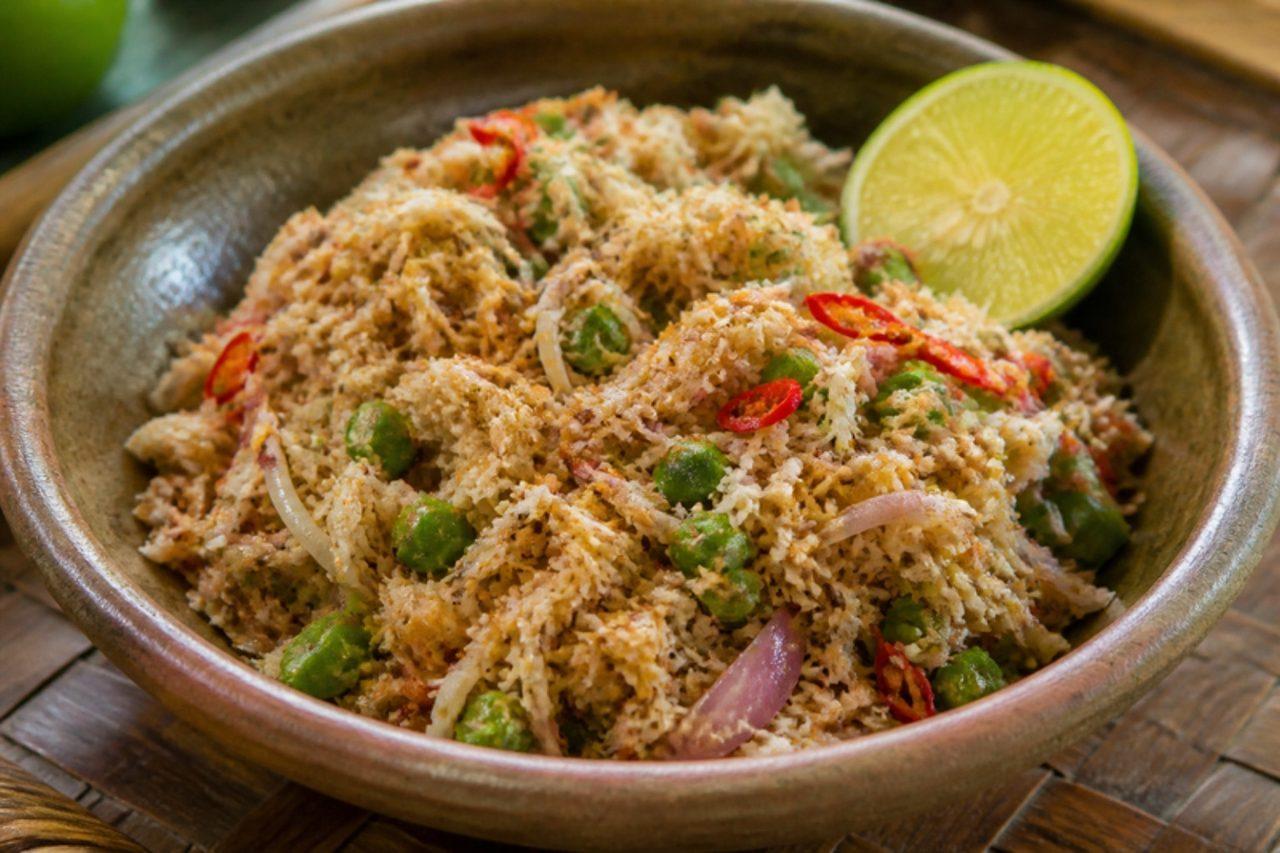
Kerak telor is the Betawi snack of Jakarta, cooked over charcoal by vendors at the Jakarta Fair and around Monas: a little soaked sticky rice is cooked in a tiny wok, an egg cracked on top, then the wok is turned upside down over the coals so the bottom forms a crust. It is finished with serundeng, a spiced toasted coconut, and fried shallots. Vendors usually add dried shrimp to the coconut; this version doesn't. Chef's tip: soak the sticky rice overnight; half-soaked grains stay hard in the middle.

by KrazyBadal 0 views

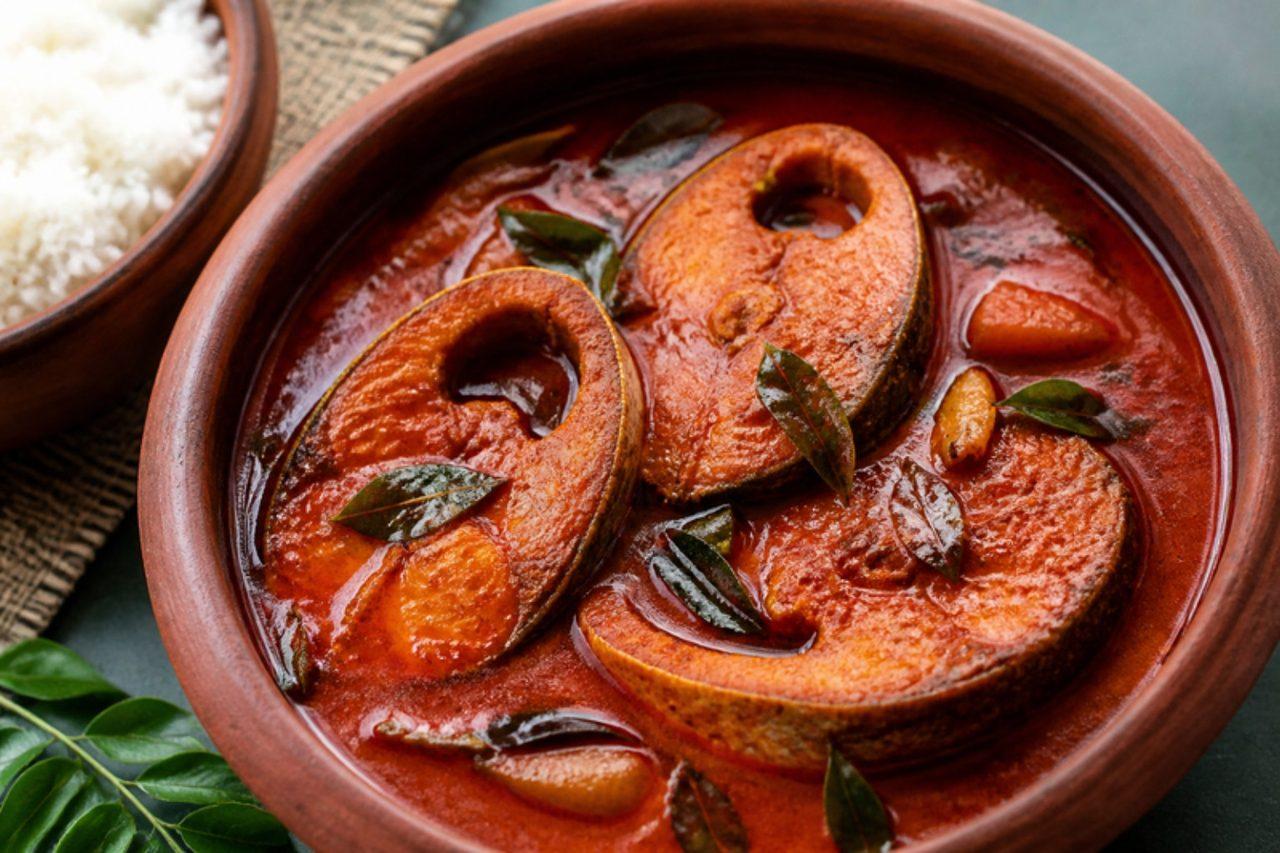
Kerala meen currySour red fish curry

Down the southern backwater districts of Travancore, around Kottayam and Alappuzha, the everyday fish curry has no coconut at all: just a brick-red gravy of chilli, shallots and coconut oil, made sour and smoky with kudampuli (Malabar tamarind). It is traditionally made in a clay pot (manchatti) and left to sit, because it tastes better hours later or the next morning, when the fish has soaked up the sourness. Kingfish, sardines and mackerel are the usual choices; eat it with boiled red Kerala rice or tapioca. Chef's tip: once the fish is in, never use a spoon — hold the pot with a cloth and swirl it so the sauce coats the pieces without breaking them.

45 minIndianFishGluten freeSpicy
by KrazyBadal 0 views

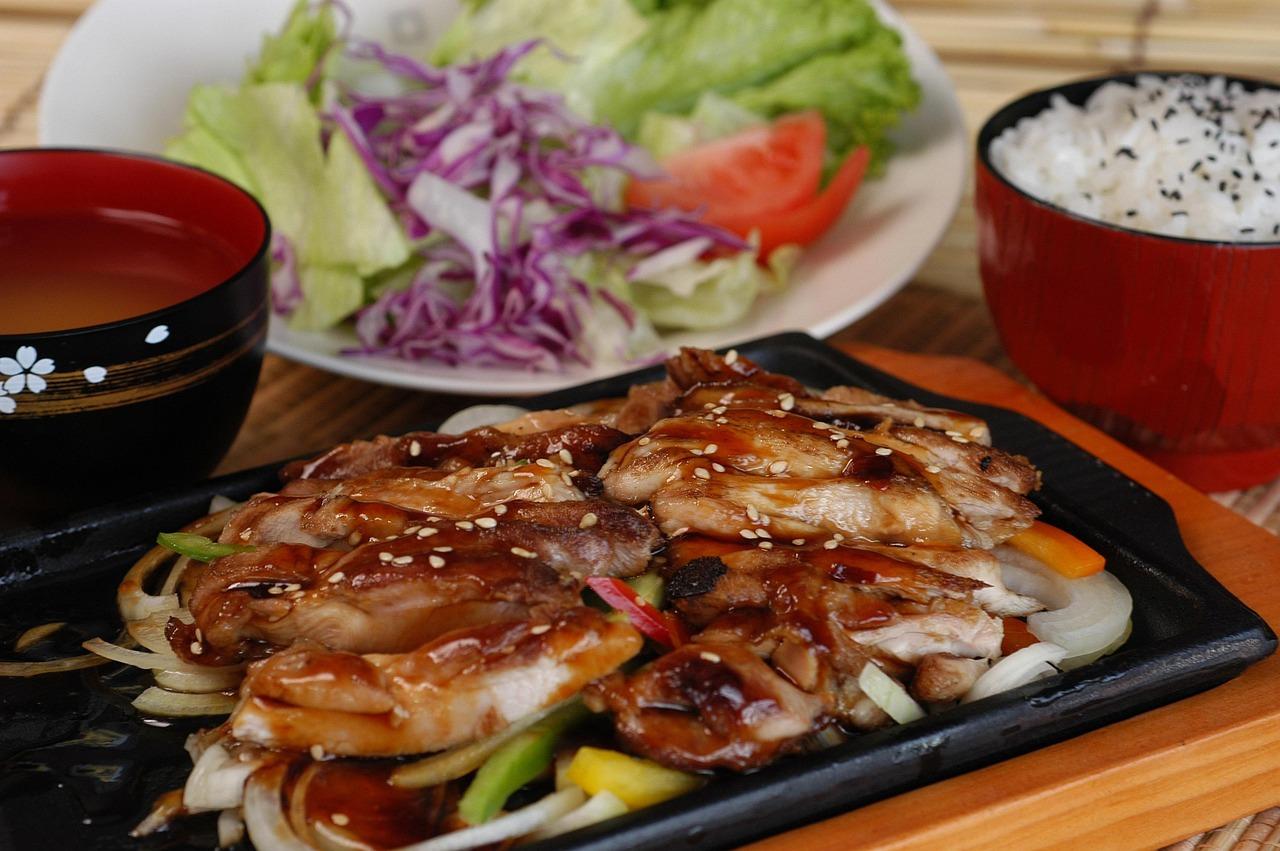
Chicken teriyaki

Teri means shine and yaki means grilled, which sums up the glossy, lacquered finish of this weeknight favourite. Japanese restaurants often save the teriyaki treatment for yellowtail in winter, but at home it is usually chicken thighs, cooked in one frying pan and sliced over rice or packed into a lunchbox. The sauce is just soy sauce, mirin, sake and sugar, bubbled down in the pan until it clings. Serve it with shredded cabbage and a bowl of miso soup. Chef's tip: wipe the fat out of the pan with kitchen paper before the sauce goes in, so the glaze thickens and shines instead of sitting in a greasy pool.

by KrazyBadal 0 views

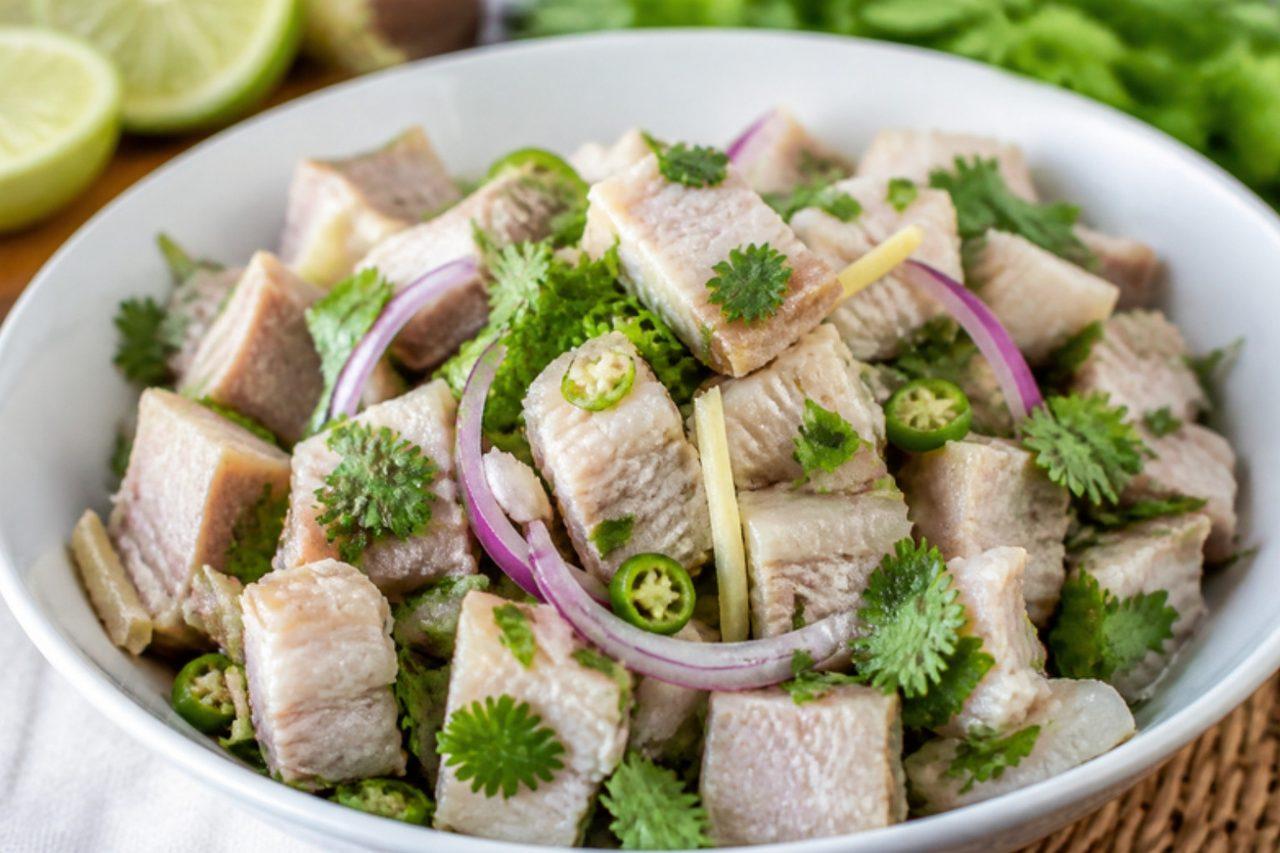
Doh khliehBoiled pork salad

Doh khlieh is the cool, sharp side dish that sits next to jadoh on almost every Khasi table in Meghalaya. Tender boiled pork is chopped small and tossed with raw onion, ginger, green chilli and lime, so it is fresh and fiery rather than rich. In Shillong it is eaten at lunch and at gatherings, and some families add boiled pork brain, which this version leaves out. Chef's tip: chop the pork while it is still slightly warm; it takes up the lime and ginger much better.

by KrazyBadal 0 views

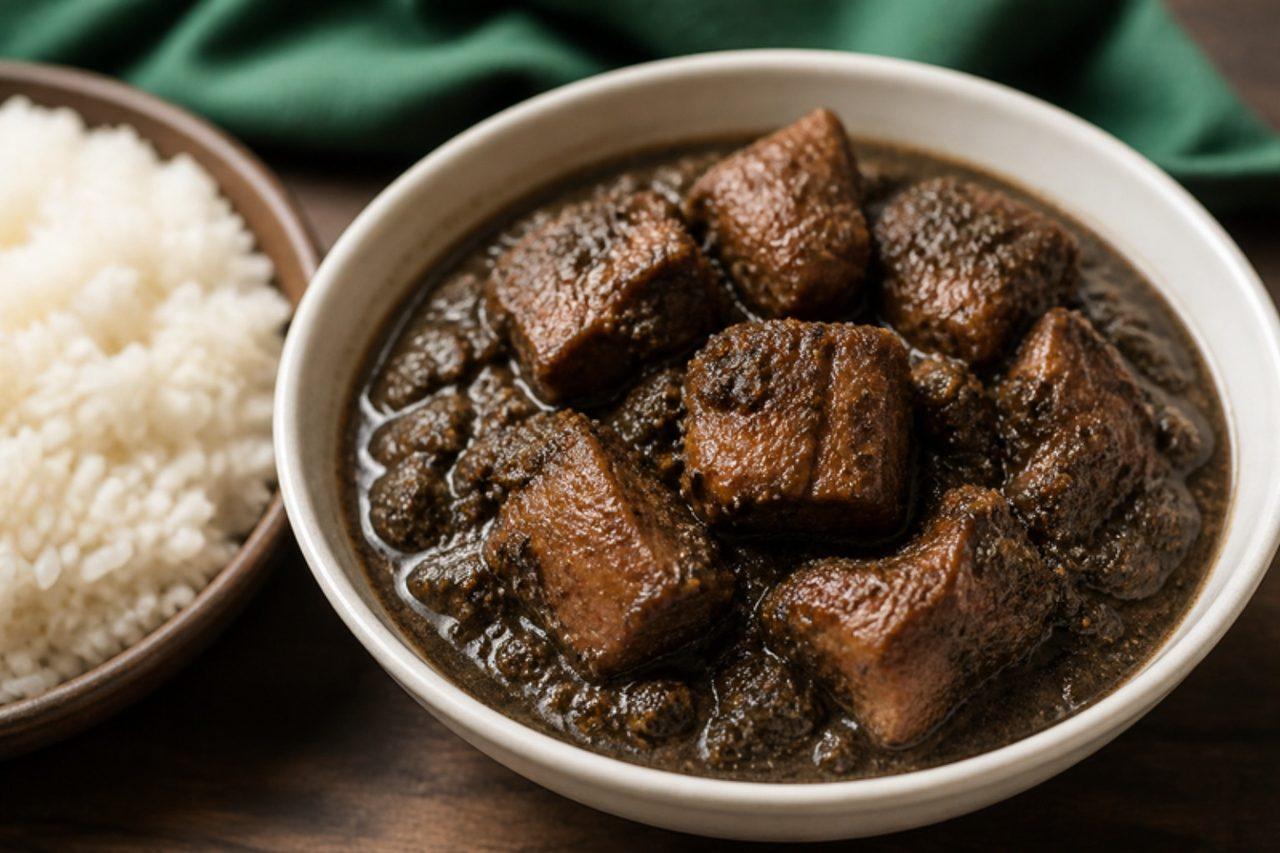
DohneiiongPork in black sesame gravy

The name says it plainly in Khasi: 'doh' is meat and 'neiiong' is black sesame. In the Khasi Hills around Shillong this near-black pork curry is cooked for family feasts and Sunday meals, and its roasted, nutty flavour is unlike any other curry in India. The sesame is toasted and ground into a paste that thickens the gravy and coats the pork. Serve with plain rice or jadoh. Chef's tip: pork belly gives the silkiest result; mix it half and half with shoulder if you prefer it less rich.

90 minIndianMeatGluten free
by KrazyBadal 0 views

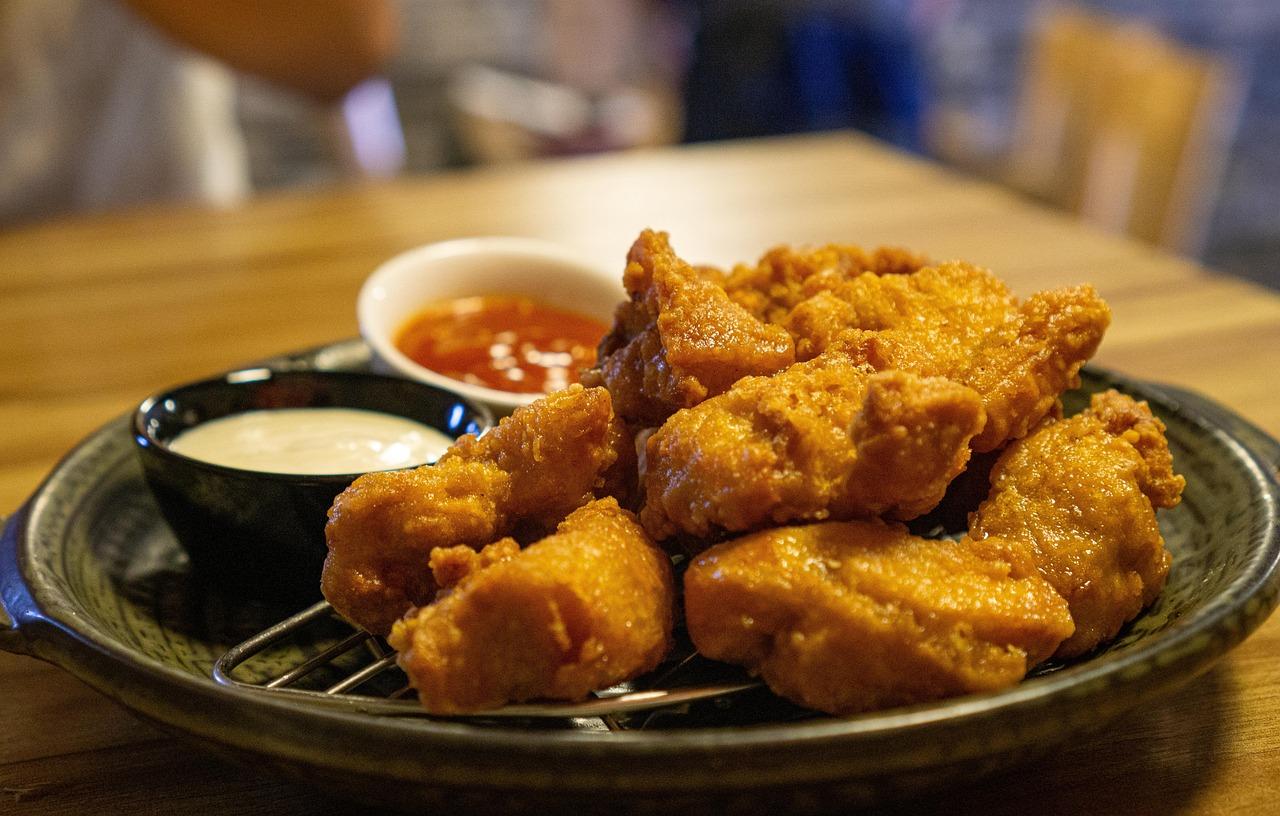
Chicken karaage

Nakatsu, a city in Oita prefecture on Kyushu, calls itself the capital of karaage and has dozens of takeaway shops selling it by weight. Across Japan, these bite-size nuggets fill school bento boxes, sit in the hot cabinet of every convenience store and arrive with a squeeze of lemon at izakaya bars. Boneless thigh soaks briefly in soy, ginger and garlic, then a dusting of potato starch fries into a thin, glassy crust. Frying twice keeps the meat juicy and the outside crisp for longer. Chef's tip: once you have tossed the chicken in starch, wait 5 minutes until the coating looks damp in patches, which is what gives that craggy, crunchy finish.

by KrazyBadal 0 views

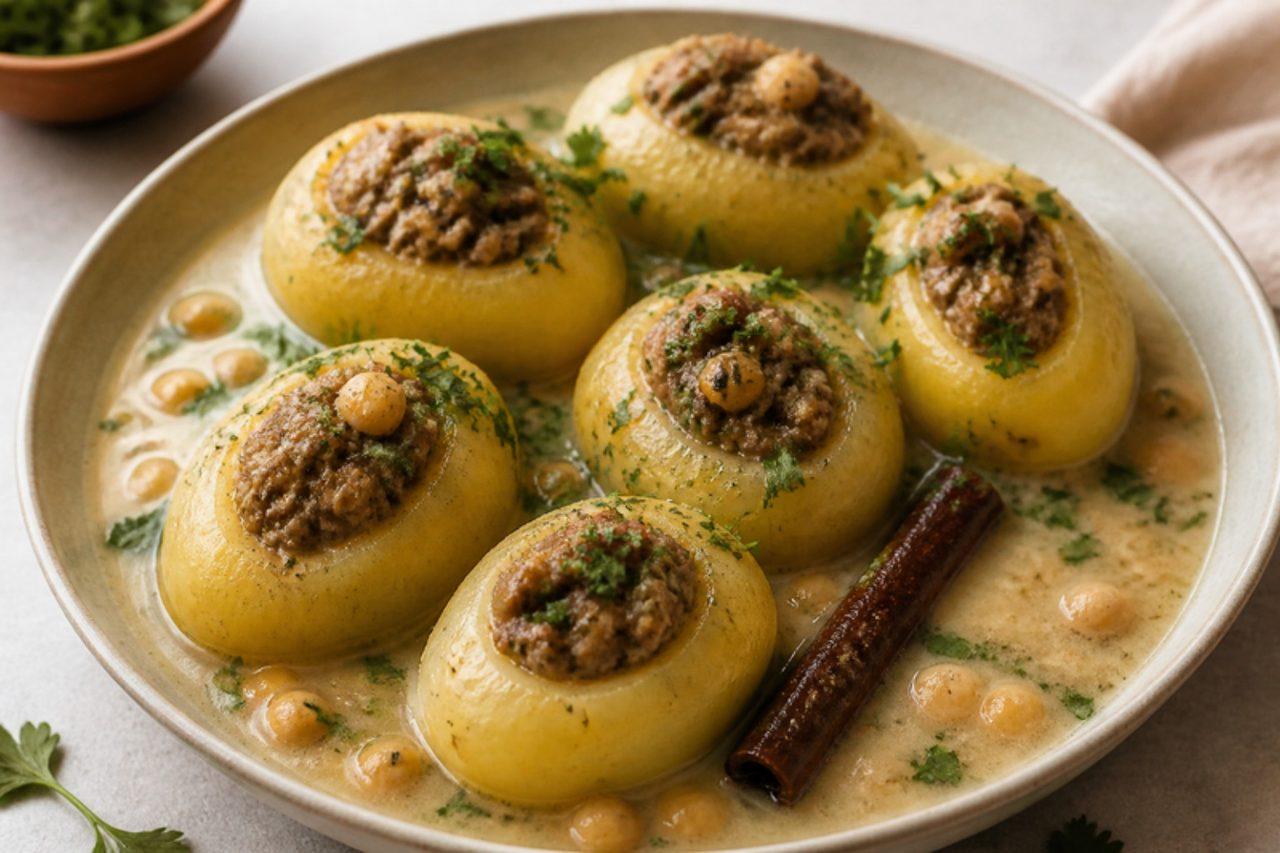
Dolma batataStuffed potatoes in chickpea sauce

Dolma batata belongs to the Algiers home kitchen, where it is a Ramadan favourite and a Friday dish: hollowed potatoes filled with beef mince, onion, parsley and cinnamon, fried until golden, then simmered in a pale sauce (marqa beida) of onion, chickpeas, black pepper and cinnamon. The sauce stays white because no tomato goes in. The mistake is hollowing the potatoes too thinly, so they split in the pot; leave walls about 1 cm thick. Chef's tip: fry the scooped-out potato flesh and add it to the sauce to thicken it.

by KrazyBadal 0 views

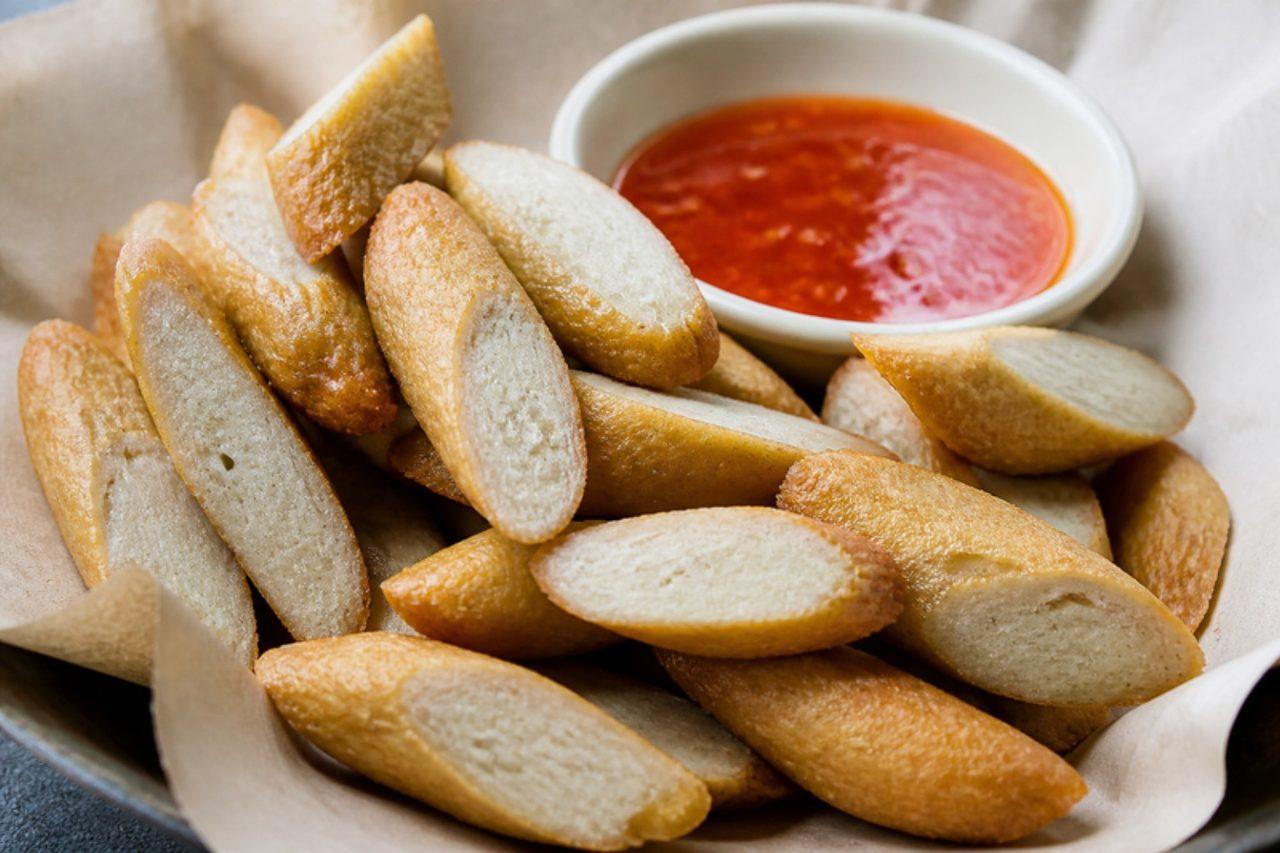
Keropok lekorFried fish sausages

Along the beach road from Kuala Terengganu to Marang, roadside huts sell keropok lekor in paper bags, still hot from the wok. These are long, grey-white sausages of fish and sago starch, boiled until they float and then sliced and fried, so the outside puffs and crisps while the inside stays dense, bouncy and tasting clearly of the sea. Locals dip them in a sweet, garlicky chilli sauce and eat them with tea in the late afternoon. They freeze well after boiling, ready to fry any time. Chef's tip: knead the fish with ice-cold water; keeping the dough cold is what gives the springy bite.

by KrazyBadal 0 views

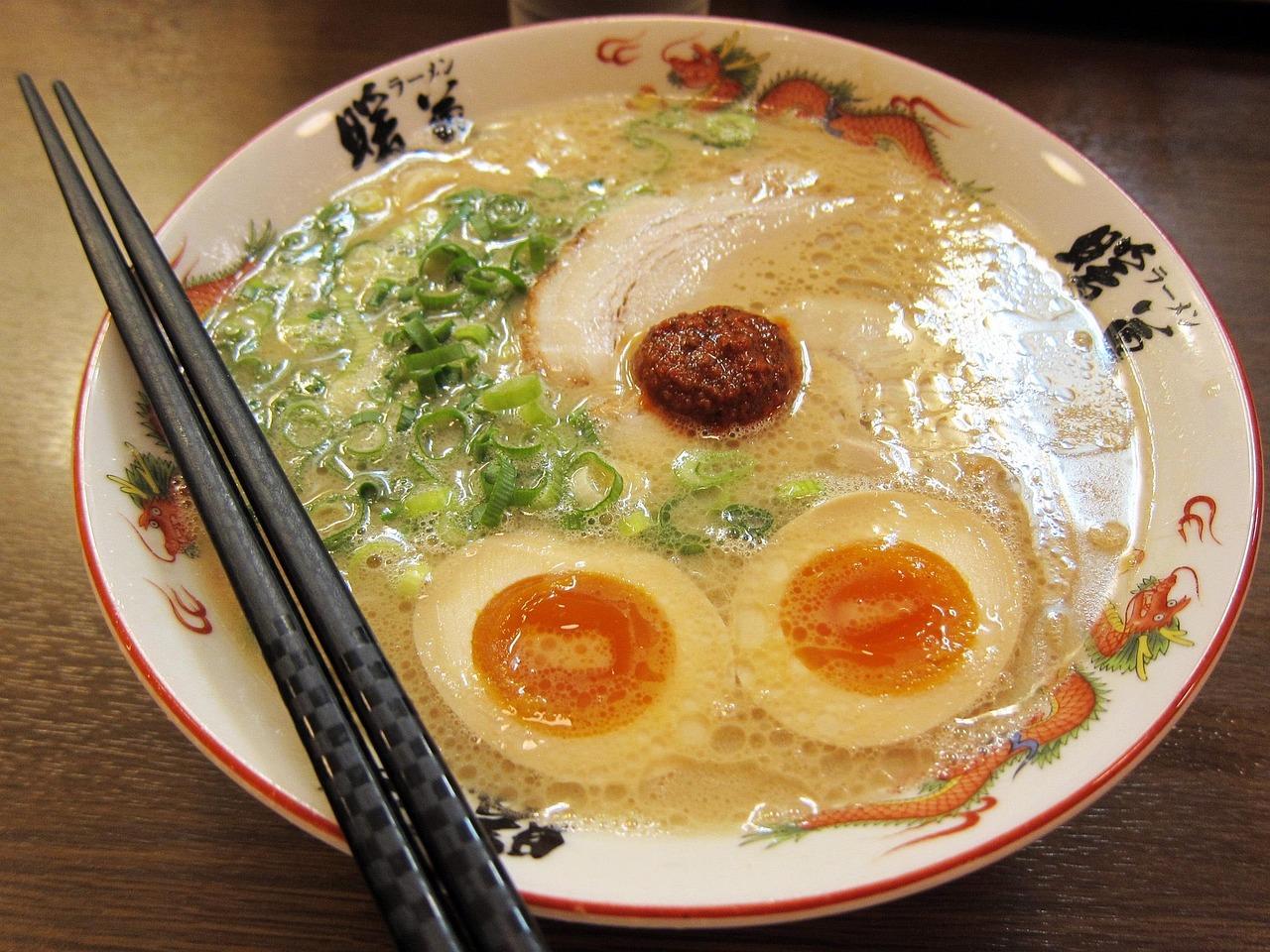
Tonkotsu ramen

Late at night along the river in Nakasu, Fukuoka, the yatai street stalls ladle out bowls of creamy, opaque pork-bone soup to people heading home. Hakata noodles are thin and straight and cooked very firm, and regulars order a second ball of noodles, called kaedama, into the same soup. Making it at home is a weekend project: the bones need about 10 hours at a fierce boil to break down into that milky broth, while rolled pork belly braises on the side. Red pickled ginger, sesame and spring onion cut through the richness. Chef's tip: ask your butcher to split the trotters and saw the bones in half, as the exposed marrow and collagen are what make the soup turn white and silky.

by KrazyBadal 0 views

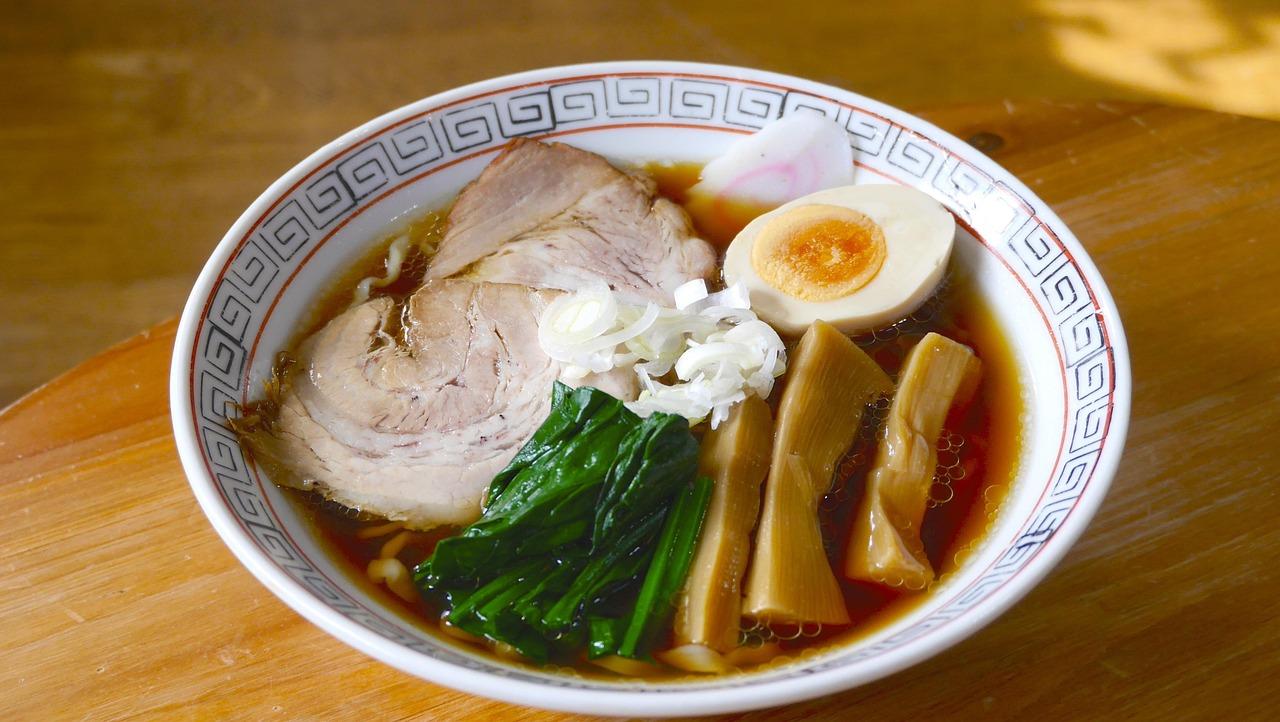
Shoyu ramen

Tokyo's earliest ramen counters, starting with one in Asakusa in 1910, served a clear brown soup seasoned with soy sauce, and that style still defines a Tokyo bowl. You'll find it in old-fashioned shops with a ticket machine by the door and a short lunchtime queue outside. This home version simmers chicken wings for under an hour, so the broth tastes clean and light, a world away from the milky pork soup of Kyushu. Wavy noodles catch the soup, and poached chicken, a jammy egg, nori and spring onion go on top. Chef's tip: float a spoonful of the yellow chicken fat you skim off the broth on each bowl, as it carries the aroma of the soy to your nose with every slurp.

by KrazyBadal 0 views

Domatesli bulgur pilavıTomato bulgur pilaf

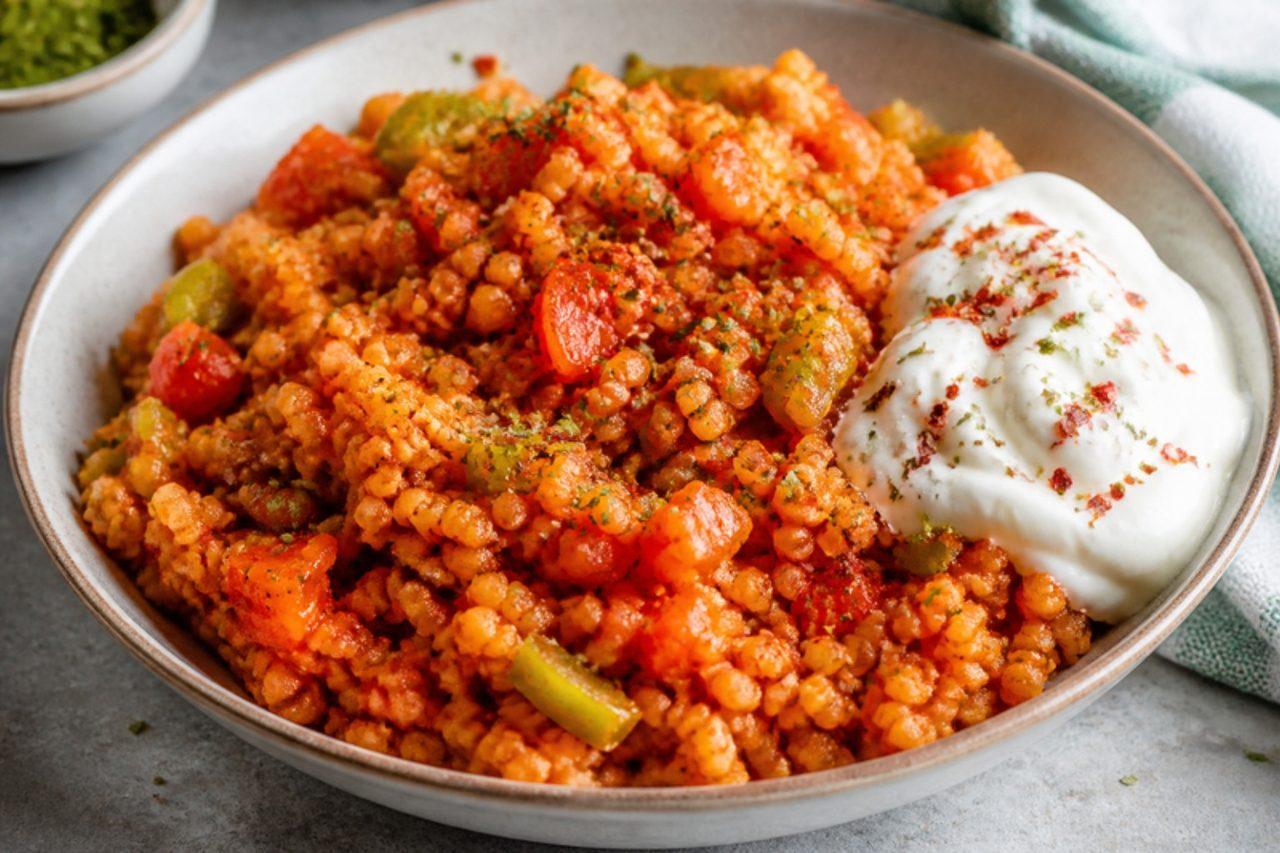
Across Turkey, from Anatolian village kitchens to Istanbul lunch counters (esnaf lokantası), a pot of bulgur pilaf sits beside beans, stuffed vegetables and yogurt as reliably as bread does. Coarse bulgur (pilavlık bulgur) is cooked with onion, sweet pepper paste, grated tomato and a green pepper until every grain is separate, tender and lightly reddish. It is nuttier and chewier than rice pilaf and ready in half an hour, which is why so many families make it on weeknights. Spoon it next to kuru fasulye, cacık or a simple salad, or eat a bowl on its own with a dollop of yogurt. Chef's tip: once the water is absorbed, lay a clean tea towel under the lid and let the pilaf rest off the heat for 10 minutes; the towel catches the steam so the grains turn fluffy instead of wet.

by KrazyBadal 0 views

Saskatoon berry pie

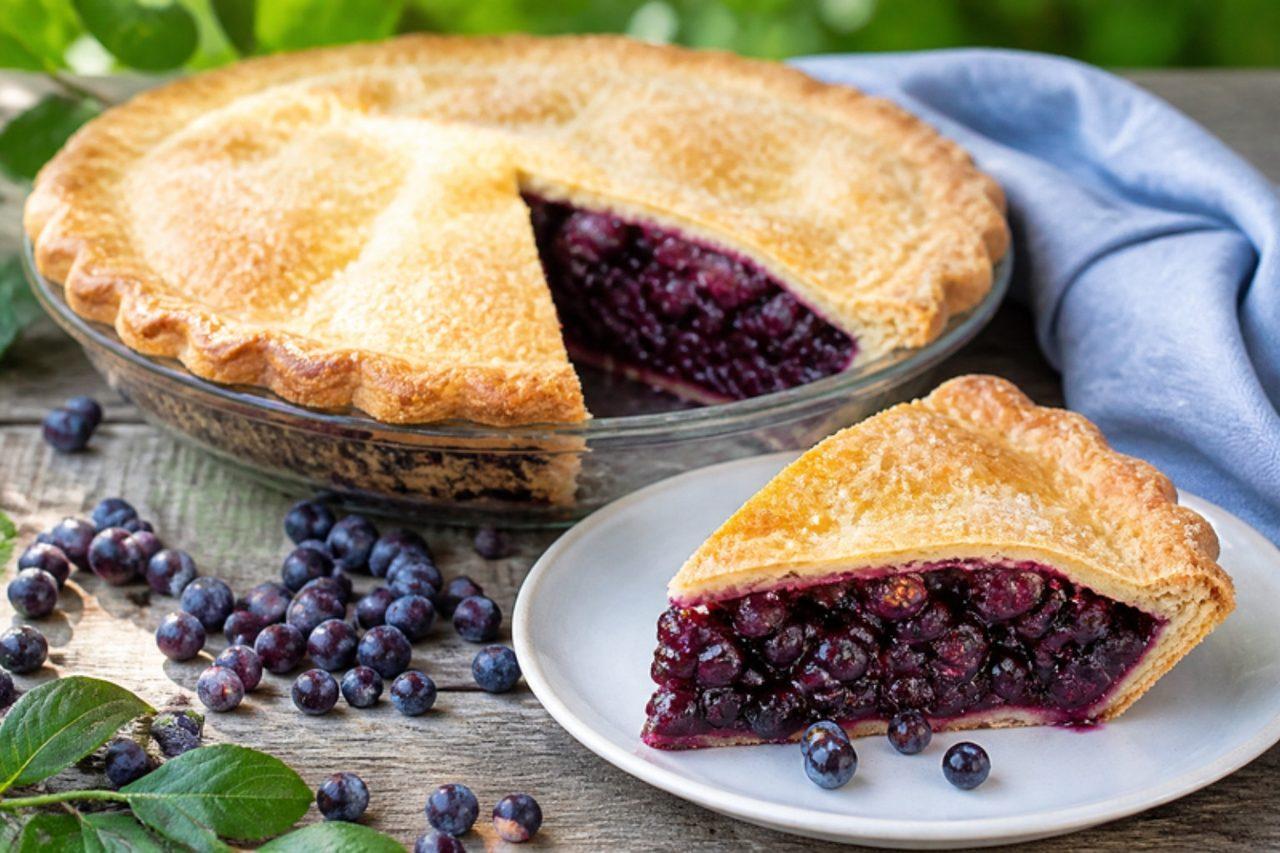
Saskatoon berries grow wild across the Canadian prairies, and in July families in Saskatchewan, Alberta and Manitoba pick them by the pail for pie. They look like blueberries but taste sweeter and nuttier, almost like a cross with cherry and almond, with soft seeds. The city of Saskatoon takes its name from the Cree word for the berry, misâskwatômina. A double-crust saskatoon pie with ice cream is classic prairie summer dessert. Chef's tip: saskatoons are low in acid, so lemon juice is essential to wake up the flavour; outside Canada, use blueberries with a few drops of almond extract.

by KrazyBadal 0 views

Butter tarts

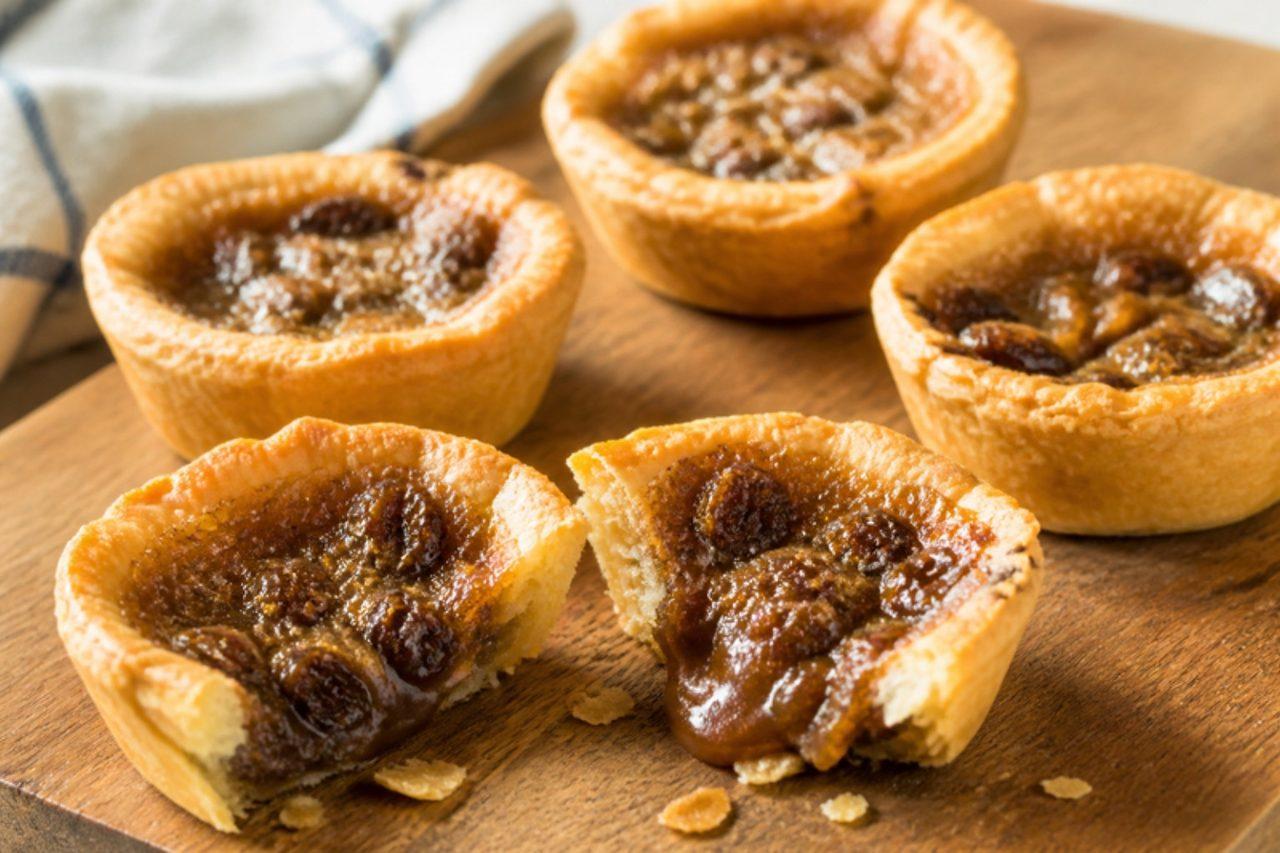
Butter tarts are fiercely loved in Ontario, where towns along the 'Butter Tart Trail' near Midland and Wellington County hold contests, and where Canadians argue about whether raisins belong in them. Small, flaky pastry cups hold a filling of brown sugar, butter, egg and syrup that bakes into a gooey, caramel-like centre with a crackled top. This version adds a little maple syrup and leaves raisins optional. Chef's tip: bake only until the filling bubbles and the edges are set but the centre still jiggles; runny is the goal, but overbaked tarts turn sugary and hard.

by KrazyBadal 0 views

Nanaimo bars

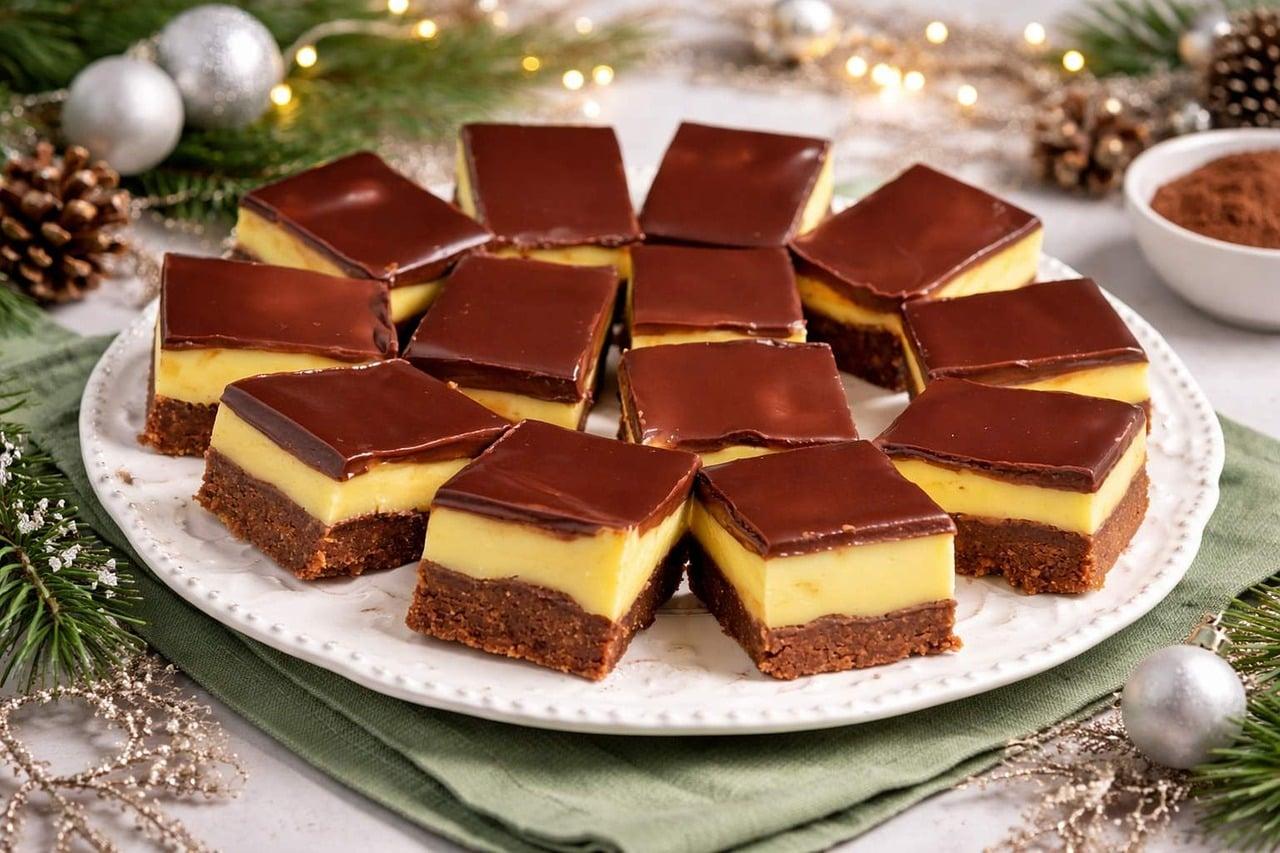
Named after the city of Nanaimo on Vancouver Island, these three-layer bars have been Canada's favourite tray bake since the 1950s, when the recipe appeared in local community cookbooks. A crumbly base of biscuit crumbs, cocoa, coconut and nuts is topped with a thick yellow custard-flavoured buttercream and a snap of dark chocolate. They're made for church sales, Christmas cookie tins and coffee breaks, and need no oven. Chef's tip: dip the knife in hot water and wipe it between cuts; it slices through the chocolate cleanly without cracking it.

by KrazyBadal 0 views

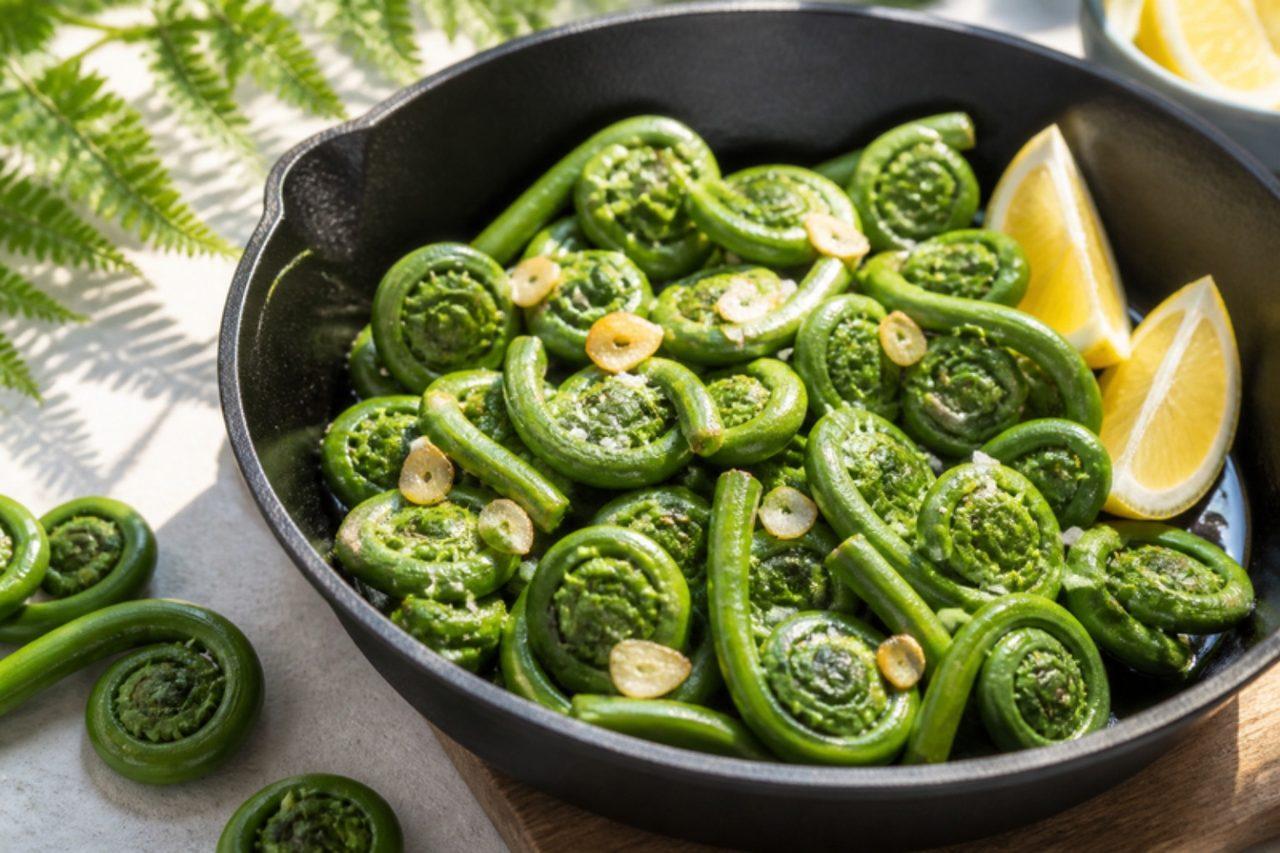
Fiddleheads with garlic butter

For a few weeks in May, the riverbanks of New Brunswick, along the Saint John River, and parts of Maine and Québec sprout fiddleheads: the tightly coiled young shoots of the ostrich fern. Locals forage them or buy them by the bag at roadside stands and farmers' markets, and eat them simply, with butter, garlic and lemon, tasting somewhere between asparagus and green beans with a grassy snap. They're a true taste of Atlantic Canadian spring. Chef's tip: fiddleheads must be boiled for a full 15 minutes before sautéing; undercooked fiddleheads can cause stomach upset, so this step is not optional.

by KrazyBadal 0 views

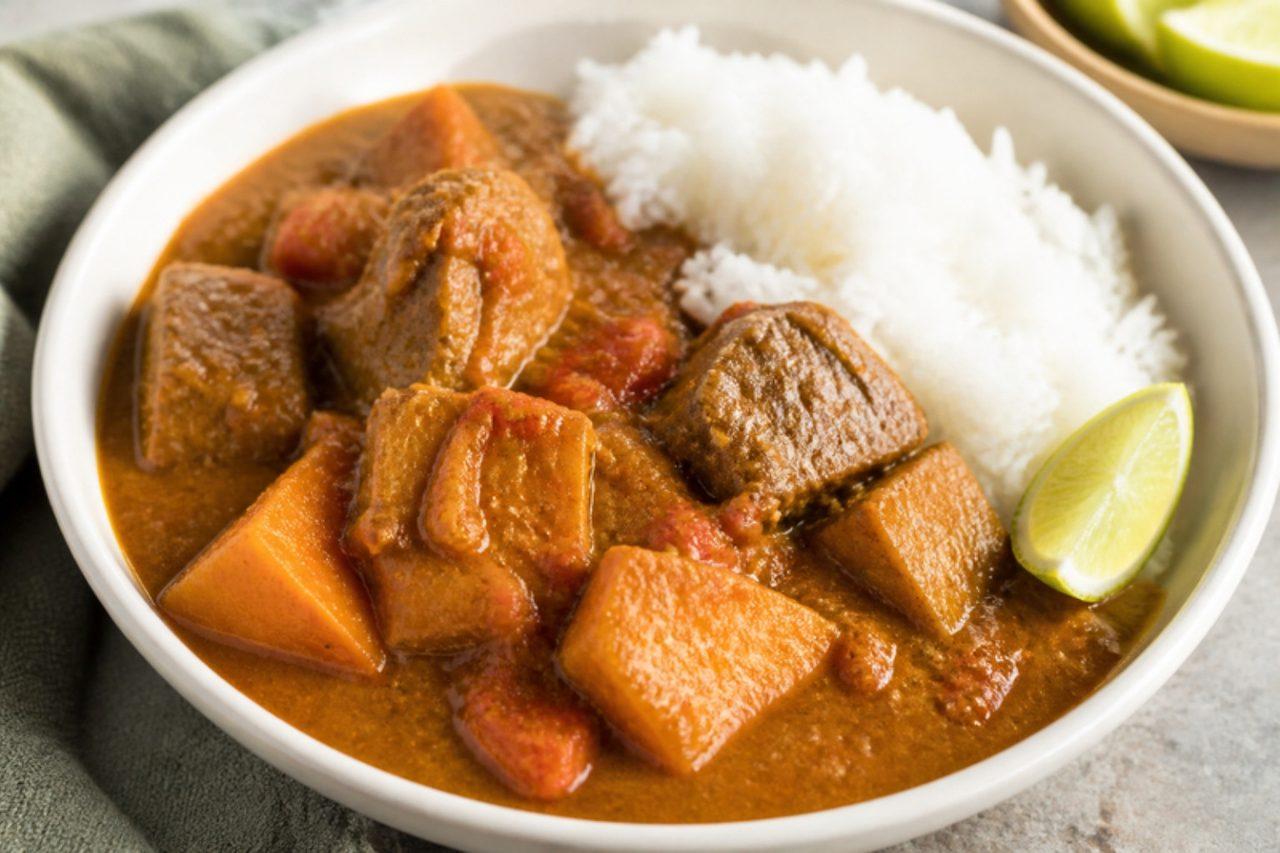
DomodaBeef and peanut stew

Domoda is the stew that most families in the Gambia, from Banjul to the riverside villages upcountry, cook several times a week. Beef is browned and simmered with tomato and onion, then smooth peanut butter is stirred in until the sauce turns thick, glossy and rich, with pumpkin and sweet potato melting into it. It is spooned over white rice with a squeeze of lime, and a scotch bonnet floats in the pot for whoever likes it hot. The mistake to avoid is adding the peanut butter too early and leaving it unstirred, as it catches and burns on the bottom; add it once the beef is nearly tender and stir often. Chef's tip: whisk the peanut butter with a ladle of hot broth before it goes in, so it melts smoothly instead of forming lumps.

by KrazyBadal 0 views

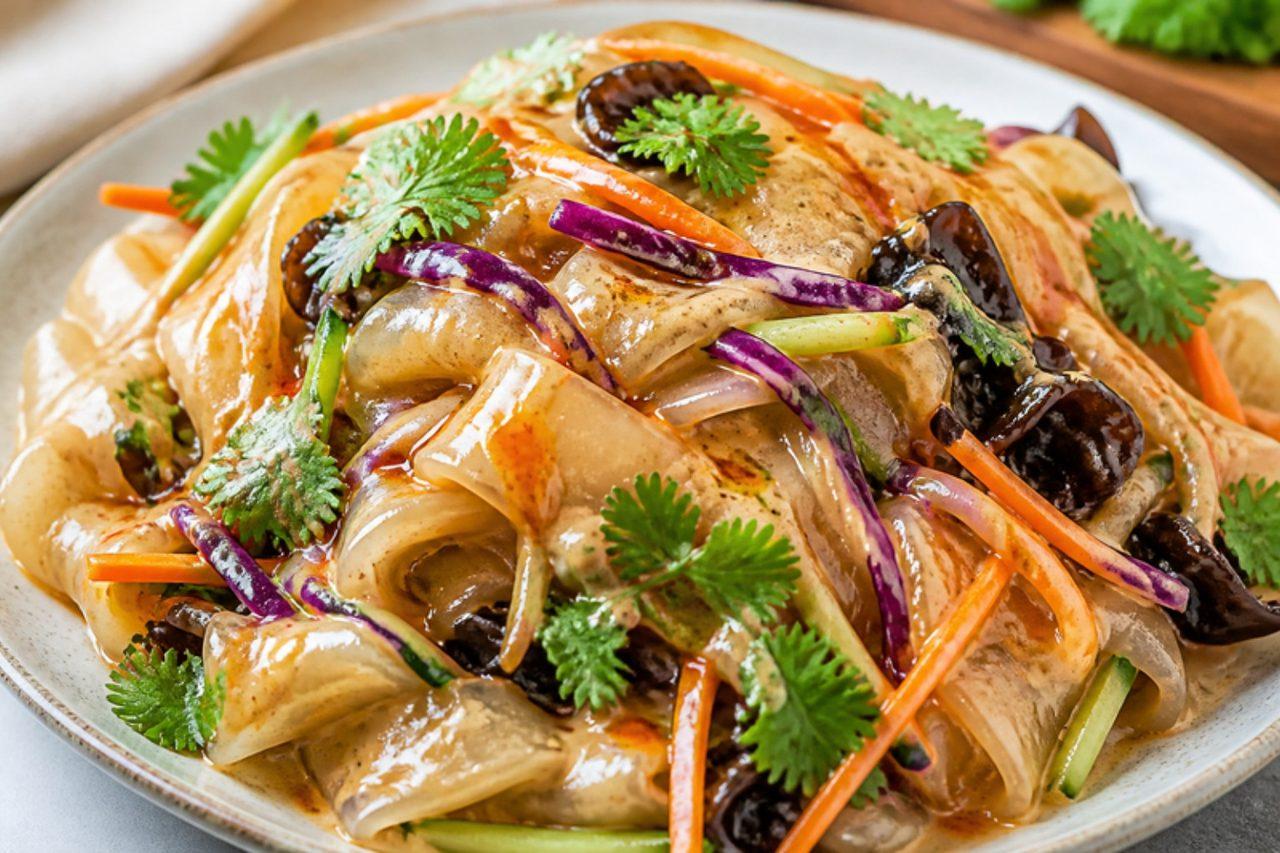
Dongbei da la piMung bean sheet salad

In north-east China, a big platter of this arrives at almost every family dinner and restaurant table, often next to the stews and dumplings. Wide, glassy sheets of mung-bean starch sit on a bed of shredded cucumber, carrot and cabbage, with a sesame, garlic and vinegar sauce and a dab of mustard poured over at the table. It's cool, slippery and crunchy. Look for dried la pi sheets or wide mung-bean noodles in Chinese supermarkets. Chef's tip: the sheet noodles must be fully cold before mixing, or they go soft and sticky.

by KrazyBadal 0 views

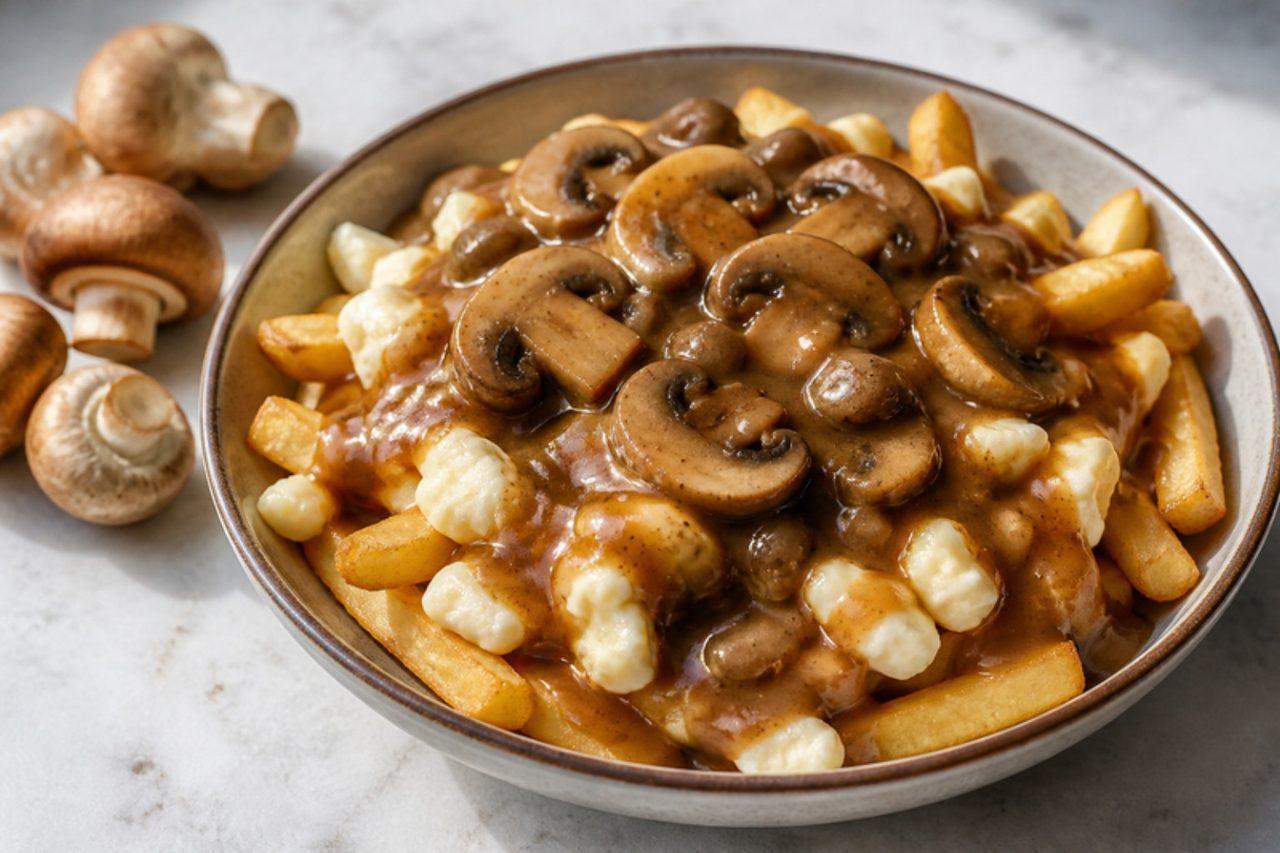
Mushroom-gravy poutine

Poutine was born in rural Québec in the 1950s, at snack bars (casse-croûtes) in towns like Warwick and Drummondville, and is now eaten across Canada at 2 a.m. after a night out and at hockey arenas. The rules are simple: crisp fries, fresh cheese curds that squeak against your teeth, and a hot, savoury gravy poured over so the curds soften but don't fully melt. This gravy is made with browned mushrooms and vegetable stock instead of the usual chicken-beef stock. Chef's tip: keep the curds at room temperature and the gravy very hot; cold curds stay rubbery and lukewarm gravy makes the fries soggy without softening the cheese.

by KrazyBadal 0 views

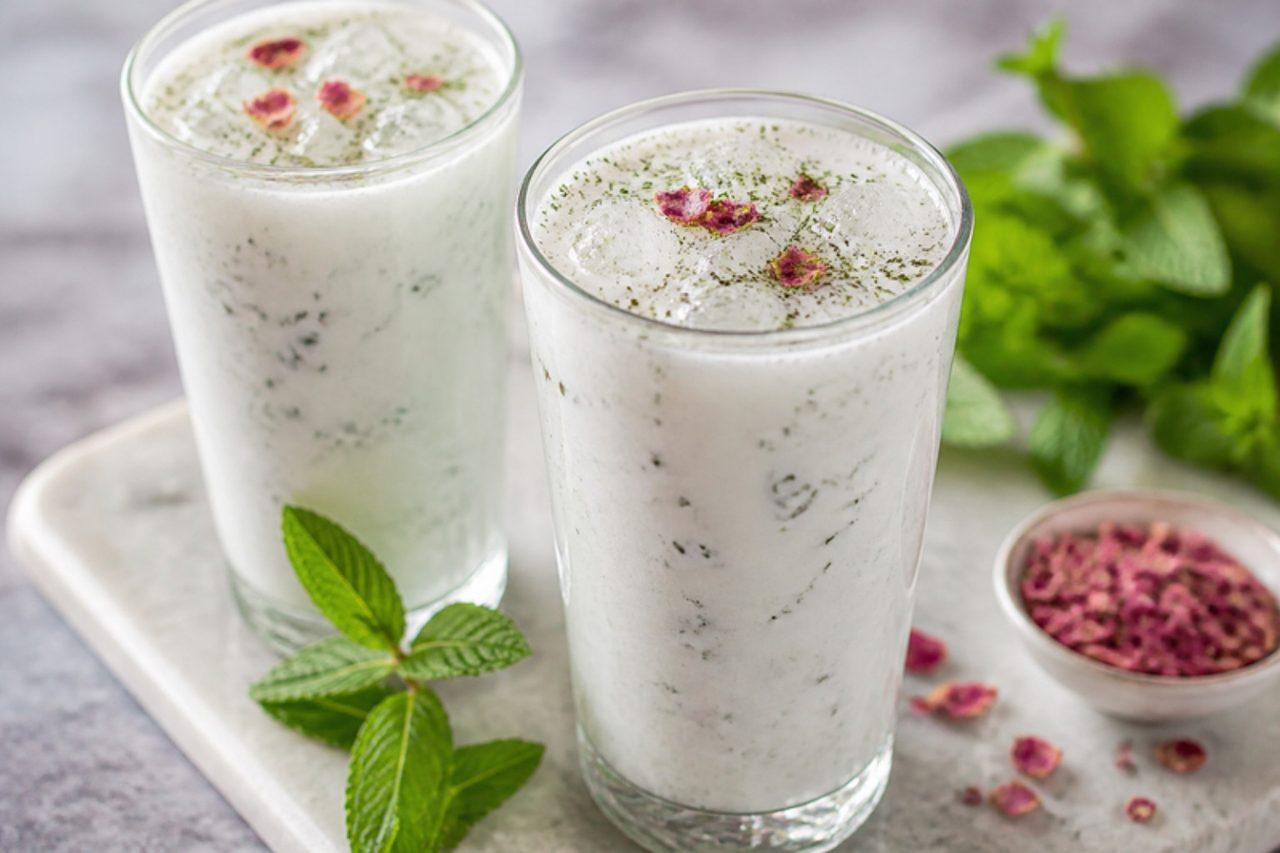
DooghSalted yogurt drink

Doogh is the salty, fizzy yogurt drink served in tall glasses with lunch across Iran, and above all with kebab and rice at the chelow-kababi restaurants of Tehran. Bottled sparkling doogh from the mineral springs of Abali, in the mountains east of the capital, is the famous one; at home it is mixed from yogurt, cold water and soda water with crumbled dried mint, and sometimes wild pennyroyal (kakuti) or rose petals. Its bubbles and mint set it apart from plainer, still yogurt drinks. It is cooling and good with rich, herby food. Chef's tip: add the sparkling water last and stir gently, or the fizz disappears before it reaches the glass.

by KrazyBadal 0 views

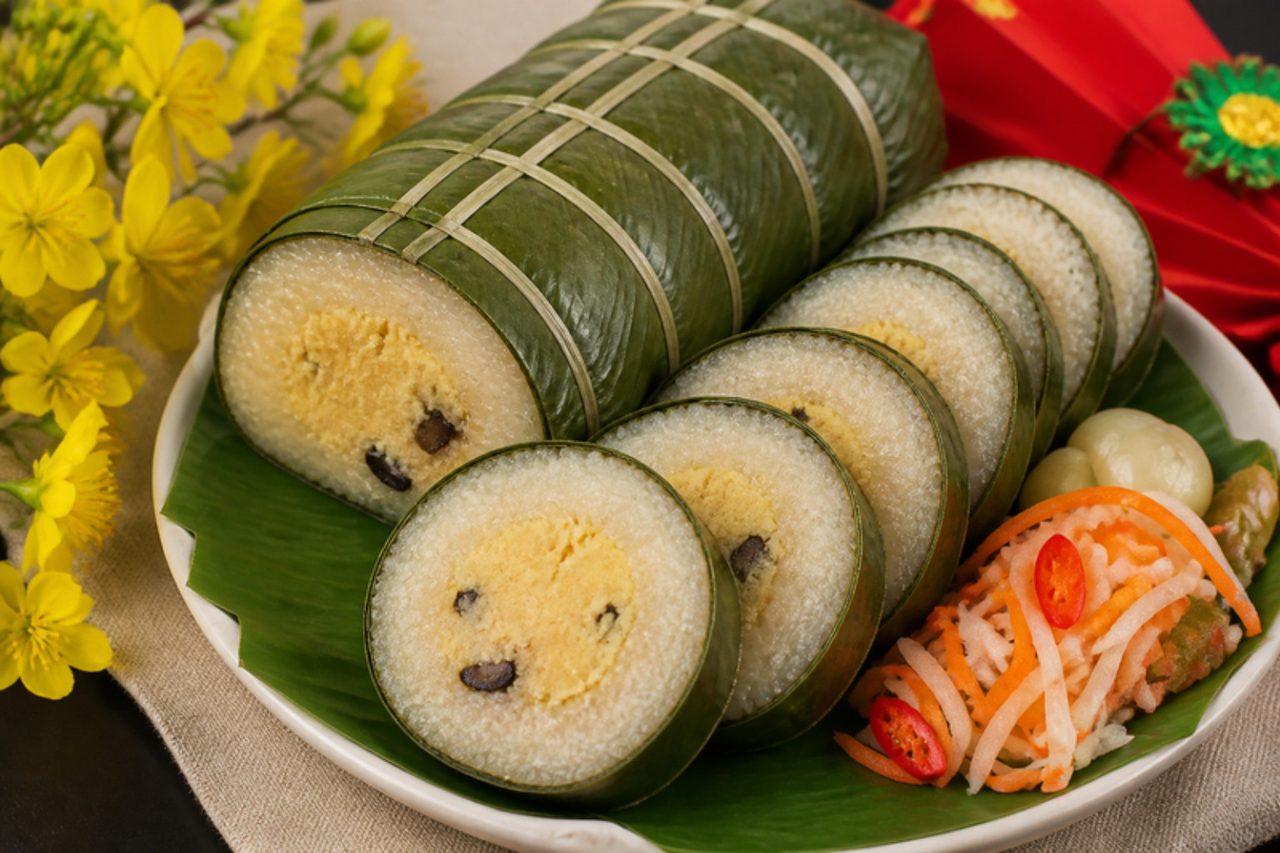
Vegetarian banh tet

In the Mekong Delta, families gather in the days before Tết (Lunar New Year) to wrap bánh tét: long, round logs of coconut-scented sticky rice around a core of mung bean, tied in banana leaves and boiled overnight over a wood fire. The everyday version hides a strip of pork belly in the middle; the chay version here, with peppery shallot-seasoned mung bean, is the one made in Buddhist pagodas and vegetarian households, and some cooks make a sweet bánh tét chuối with ripe banana instead. Slices are cut with a loop of string, eaten with pickled vegetables, or fried until crisp in the days after Tết. Chef's tip: roll and tie the log tightly; a firm parcel is what keeps the water out and gives clean, dense slices.

by KrazyBadal 0 views

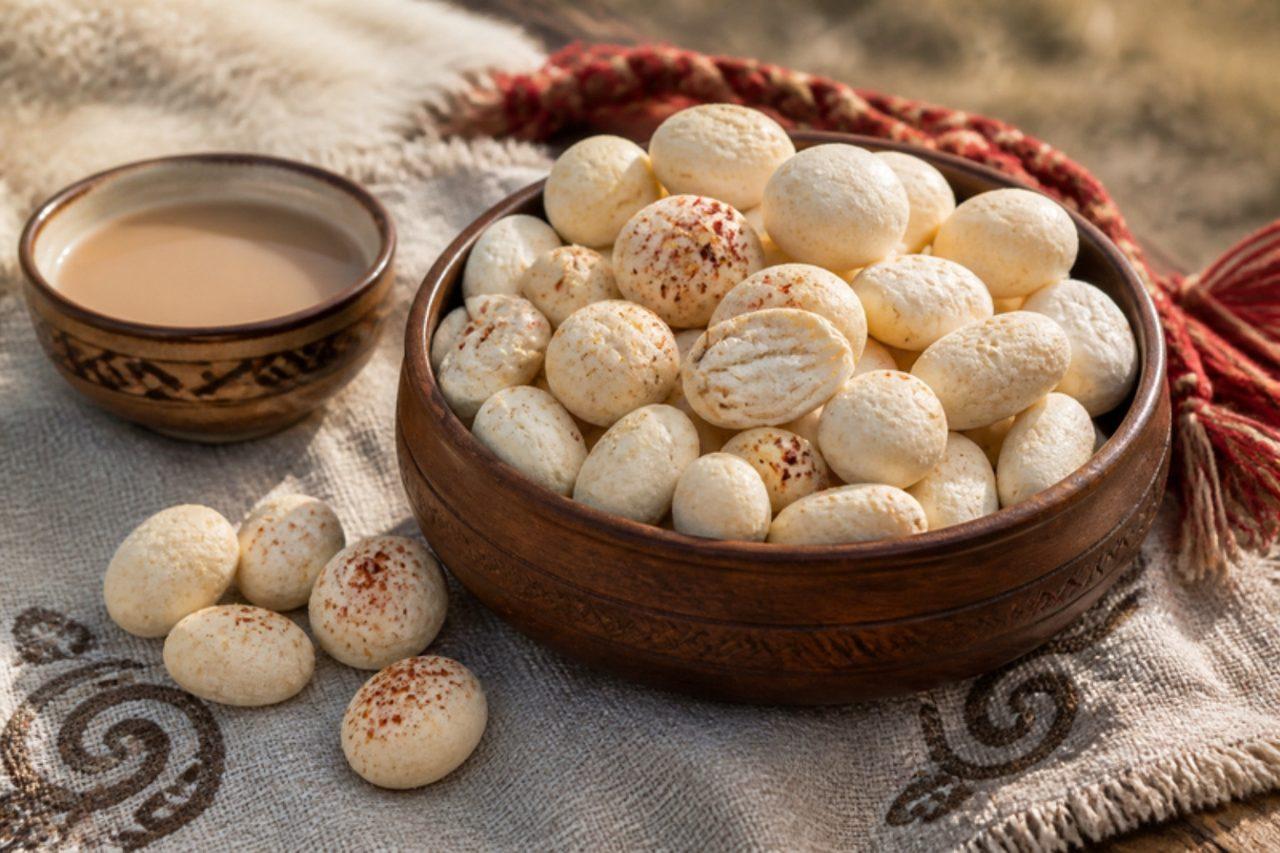
KurtDried salted yogurt balls

Kurt is the snack of the steppe: thick, salted yogurt pressed into balls and dried until rock-hard, so it keeps for months in a saddlebag. Herders in Kazakhstan and Kyrgyzstan make it in summer, when the animals give the most milk, and dry it on reed mats in the sun. Children suck on it like a sweet, adults crumble it into soups, or dissolve it in hot water to make a sour drink. Bazaars from Shymkent to Bishkek sell it in white, smoked and red-pepper versions. Chef's tip: drain the yogurt until it's as firm as cream cheese; if it's still wet the balls crack and turn mouldy before they dry.

by KrazyBadal 0 views

Alicha wat (chicken)Mild turmeric chicken stew

Not every Ethiopian stew is fiery: alicha wat is the gentle, golden one, coloured with turmeric instead of berbere and seasoned with ginger, garlic and a few green chillies. Families across the country cook doro alicha when someone wants something soothing, when children are at the table, or as the mild partner to a spicy wat on a festive spread. The chicken simmers in a soft onion and spiced-butter sauce until tender, with a fragrant, buttery and slightly peppery flavour. Serve with injera or rice and a fresh tomato salad. Chef's tip: add the green chillies whole and fish them out before serving if you want flavour without heat.

by KrazyBadal 0 views

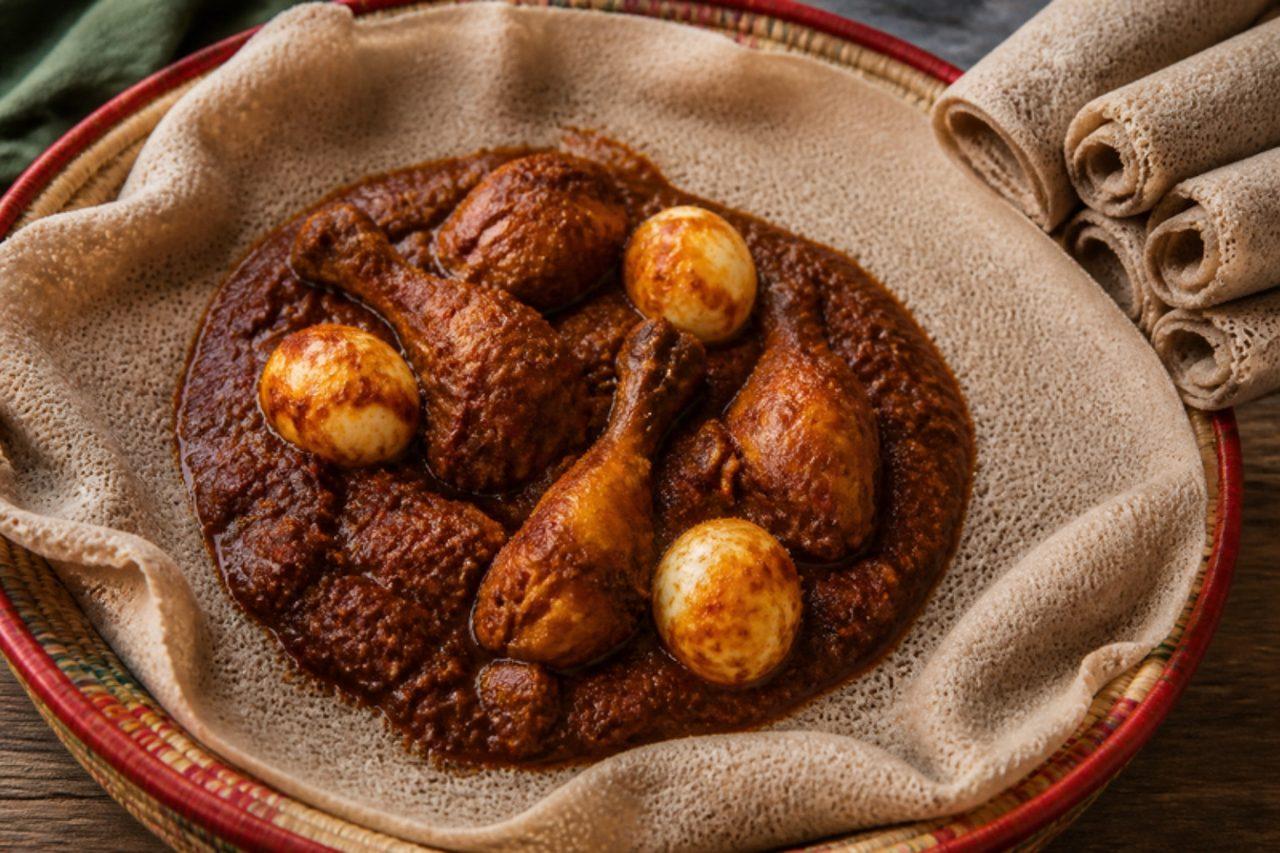
Doro watSpicy chicken and egg stew

Ethiopian families make doro wat for the biggest days of the year, especially Genna (Christmas) and Fasika (Easter), when it breaks weeks of meatless fasting. Its secret is patience: a mountain of red onions is cooked down slowly with no fat at all until jammy and dark, then enriched with spiced butter and fiery berbere. Chicken pieces and whole hard-boiled eggs simmer in the sauce until it is thick, glossy and brick red, with a deep, smoky heat. Ladle it onto injera, with ayib (fresh cheese) alongside to cool things down. Chef's tip: score the boiled eggs lightly all over before adding them, so the sauce seeps right into the whites.

by KrazyBadal 0 views

Lotus seed and longan sweet soup

Hue, the old imperial capital on the Perfume River, is famous for its chè: sweet soups and puddings sold from tiny shops where the menu runs to dozens of kinds. The most elegant is chè hạt sen long nhãn, once a palace dessert. Lotus seeds from the city's lakes are simmered until soft and creamy, then tucked inside juicy longan fruit and served in a light, clear syrup. It is eaten warm on cool rainy afternoons or over crushed ice in the hot months. Chef's tip: split each dried lotus seed and pick out any green germ inside before cooking; one missed germ makes the whole bowl bitter.

by KrazyBadal 0 views

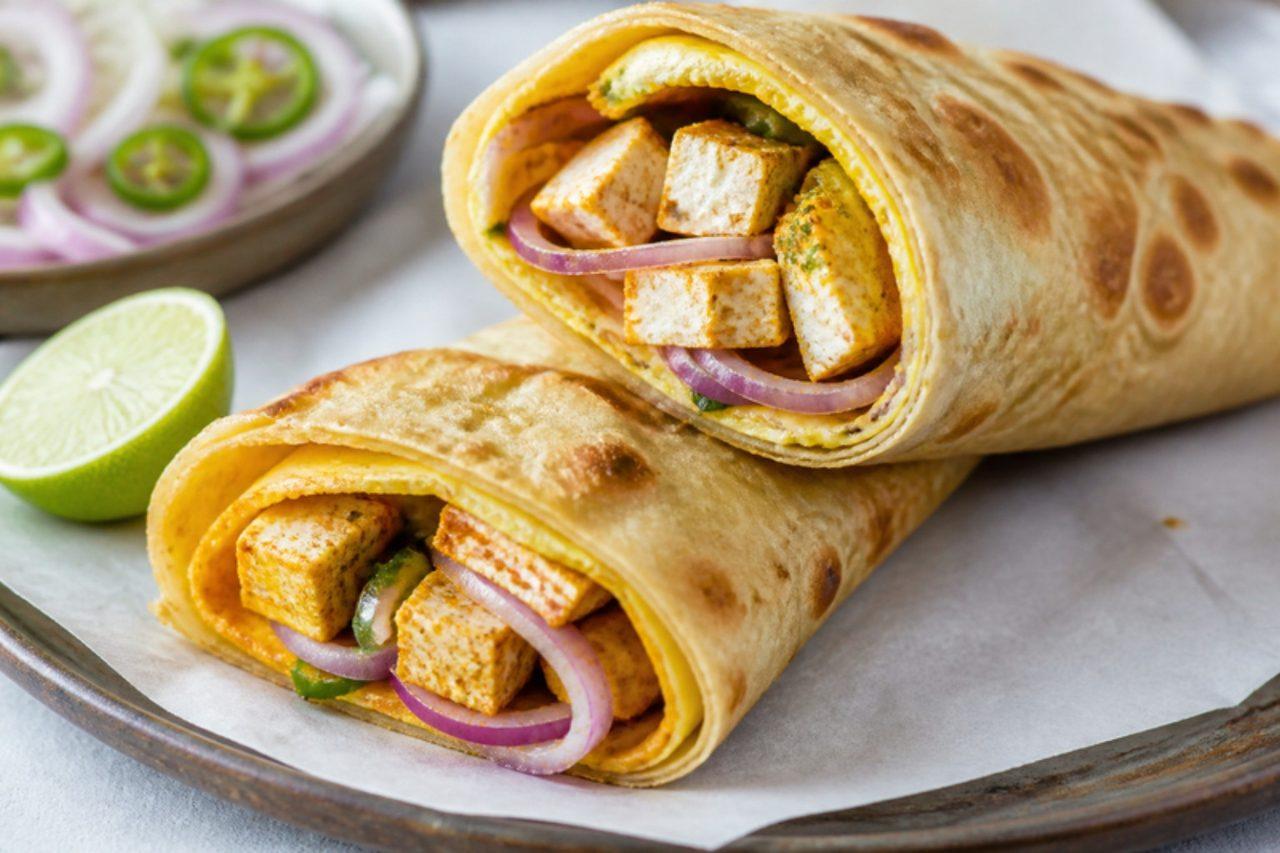
Paneer kathi roll with egg

The kathi roll was born on Park Street in Kolkata, where kebabs once came on bamboo sticks (kathi) and were later wrapped in a paratha so office workers could eat them walking. This is the egg-and-paneer roll the stalls on Park Street and Gariahat sell to vegetarians: a flaky, ghee-fried paratha with an egg cooked right onto one side, then rolled round charred paneer, raw onion, green chilli, lime and a squirt of chilli sauce. Chef's tip: wrap the bottom half in paper as soon as it is rolled; the steam softens the paratha just enough to hold together.

by KrazyBadal 0 views

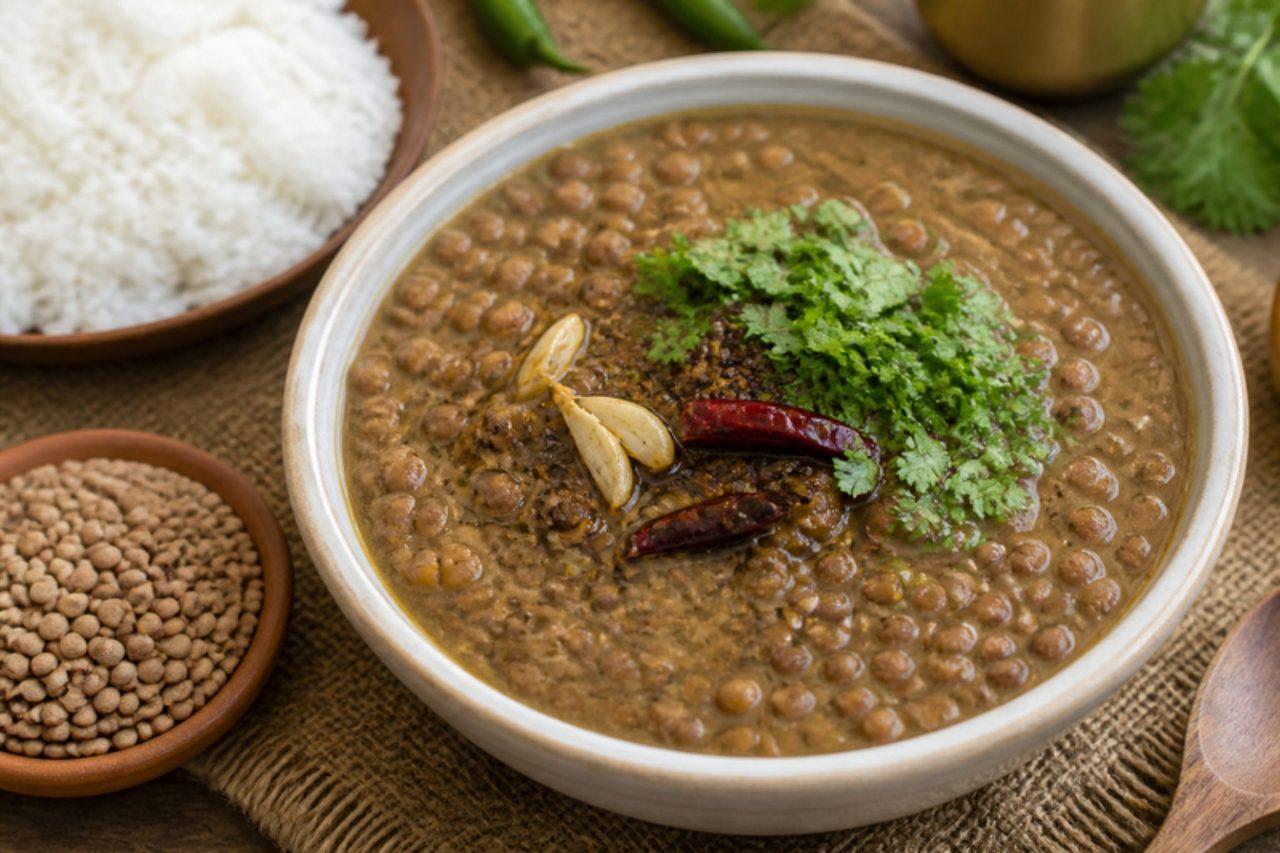
Kurthi dalHorse gram dal

Kurthi, as horse gram is called in Jharkhand, grows on poor, dry upland soil where little else will, and it has fed the plateau's Adivasi and farming families for centuries. Cooked slowly into dal, it is dark, earthy and filling, with a slightly smoky taste, and it is eaten through the cold months with rice and a dry vegetable, as it is believed to warm the body. The tempering of garlic, dried chilli and smoking mustard oil is what makes it Jharkhandi. Chef's tip: mash a ladle of the cooked gram against the side of the pot; it thickens the dal without any flour.

by KrazyBadal 0 views

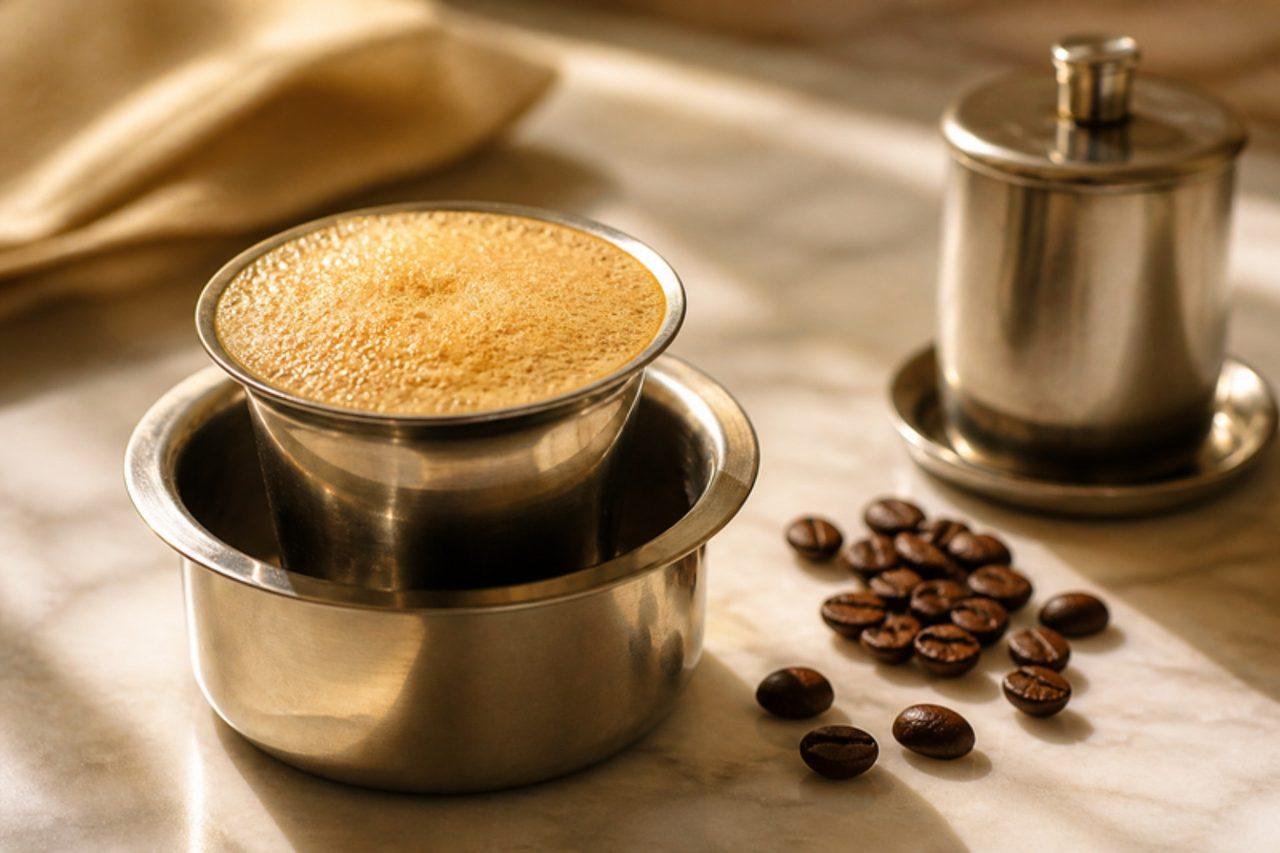
Filter coffee

In Tamil Nadu the day starts with filter coffee: a strong decoction dripped slowly through a two-tier steel filter, mixed with plenty of hot, boiled milk and sugar, and frothed by pouring it from a height between a steel tumbler and its little bowl, the davara. It's served at every Chennai and Kumbakonam 'hotel' and in nearly every home, and it's thick, sweet and slightly bitter from the chicory in the coffee powder. Chef's tip: press the coffee only lightly in the filter and pour the water in slowly; packed too tight, it drips for an hour, and too loose, the decoction is thin.

by KrazyBadal 0 views

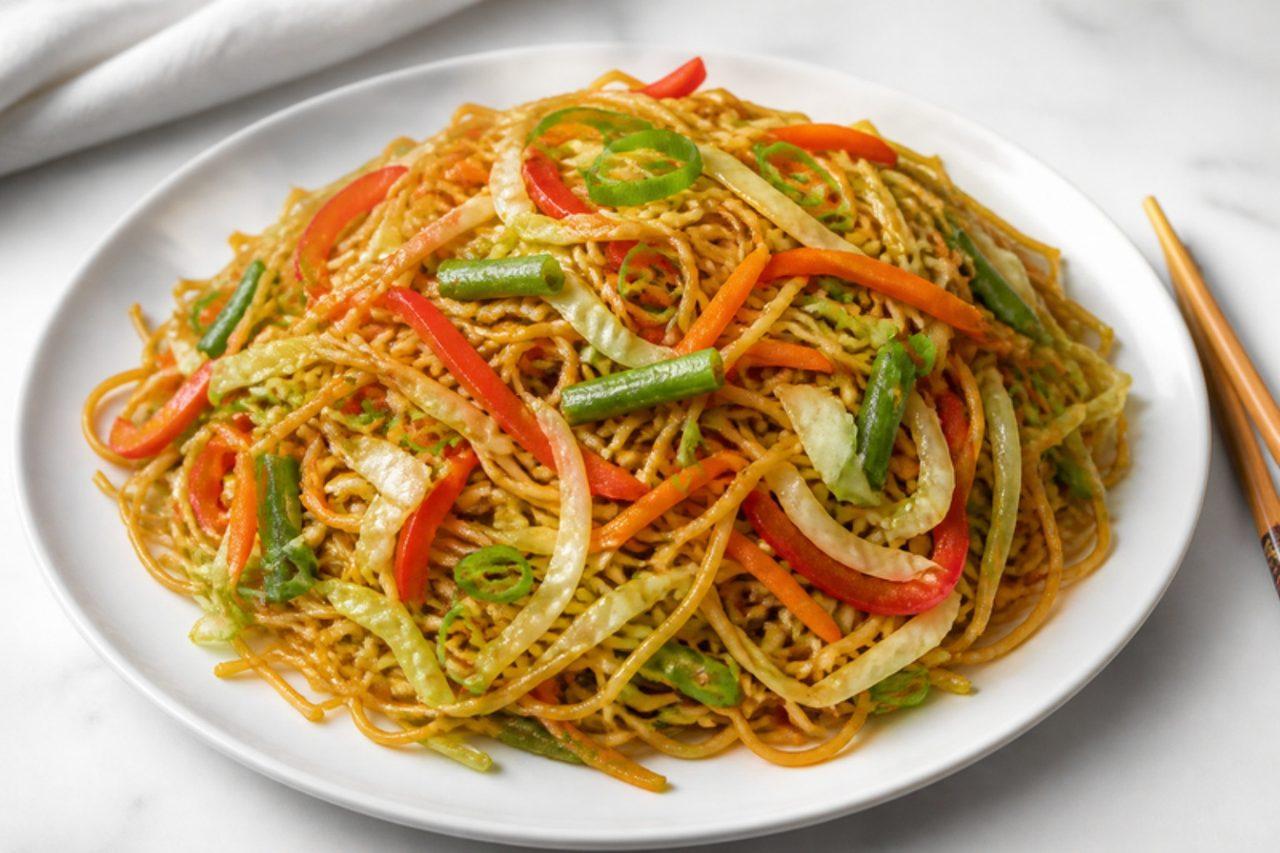
Guyanese vegetable chow mein

Chow mein arrived in Guyana with Chinese immigrants in the 1850s and became a party staple: at birthdays and weddings in Georgetown it sits in a huge tray beside fried rice and cook-up. Guyanese chow mein is a little sweeter and darker than Chinese versions, coloured with soy sauce and a touch of browning (burnt sugar), with long bora beans, cabbage and plenty of garlic, plus a hit of wiri wiri pepper. Chef's tip: cook the noodles until just tender, rinse them cold and toss with a little oil; dry, separate noodles fry without clumping.

by KrazyBadal 0 views

DovgaHerb and yogurt soup

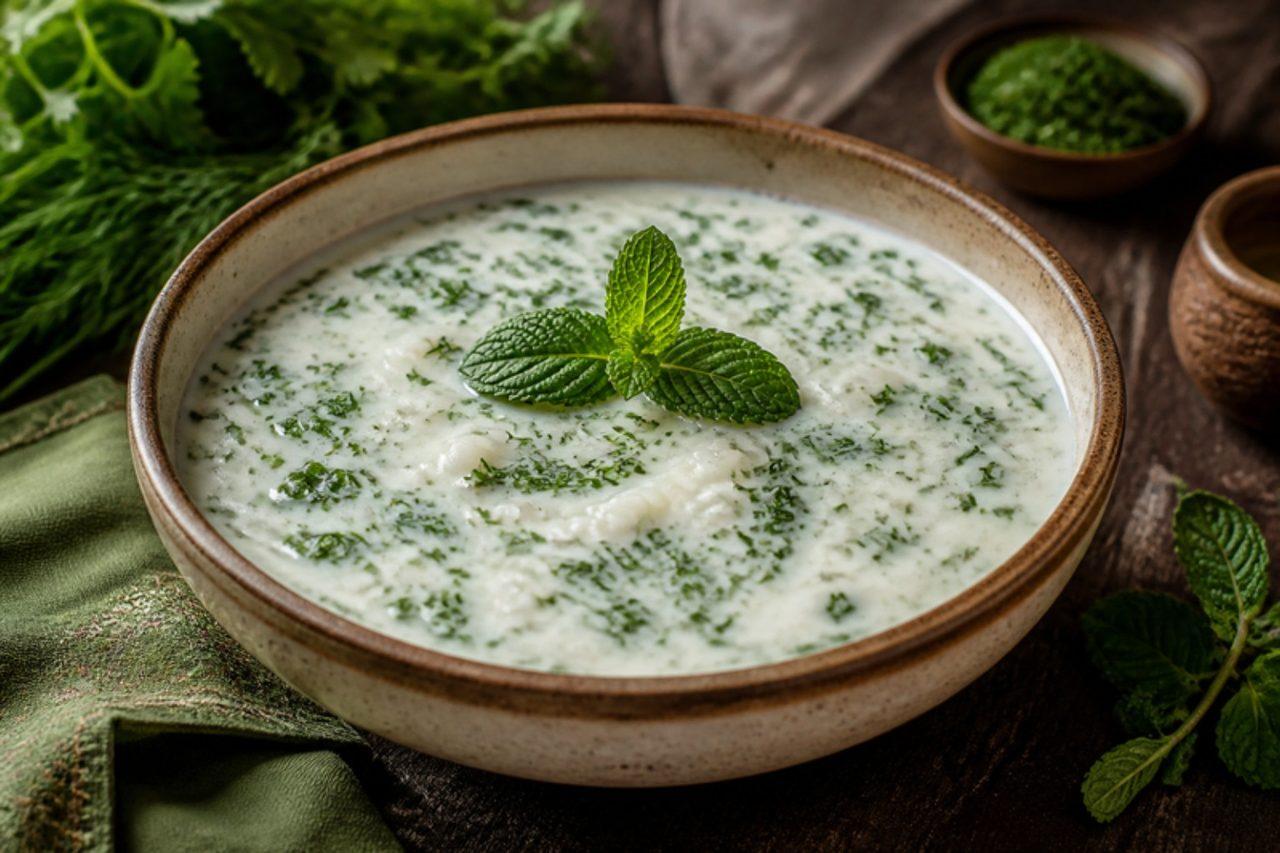
Dovğa is green, tangy and cooling, the soup Azerbaijanis drink cold from glasses on hot Baku afternoons and eat hot in bowls when the Absheron wind turns chilly. Yogurt is thinned, thickened with rice and egg, then packed with chopped spinach, dill, coriander, mint and sorrel, until the soup is more herbs than dairy. It is served at weddings and at Novruz to settle the stomach after rich food, and many cooks add chickpeas. Unlike Armenian spas, there is no fried onion or wheat; the flavour is all fresh herbs and sour yogurt. Chef's tip: add the herbs only once the yogurt is boiling steadily and stable; they wilt in seconds, and the colour stays bright green.

by KrazyBadal 0 views

Guyanese cheese rolls

In Georgetown bakeries, cheese rolls sit in the glass cabinet next to pine tarts and patties, and no Guyanese birthday party is complete without a tray. Short, buttery pastry is rolled around a sharp cheddar filling seasoned with mustard and hot pepper, then baked until the cheese bubbles out of the ends and crisps. They're eaten warm or at room temperature with a cold drink. Chef's tip: keep the butter and water ice-cold and handle the dough briefly; that's what gives flaky layers rather than a hard biscuit.

by KrazyBadal 0 views

StollenFruit Christmas bread

Dresden has baked Christstollen for more than 500 years, and every December the city holds a Stollen festival with a giant loaf paraded through the old town to the Striezelmarkt. The loaf's shape, folded over and dusted white, is said to show the Christ child wrapped in swaddling cloth. It's a rich, dense yeast bread, heavy with butter, raisins, candied peel and almonds, brushed with melted butter straight from the oven and buried in sugar. It's baked weeks before Christmas and sliced thinly through Advent. Chef's tip: wrap it tightly and let it rest for at least a week before cutting; the flavours ripen and the crumb turns moist.

120 minGermanBaking
by KrazyBadal 0 views

Kerala banana chips

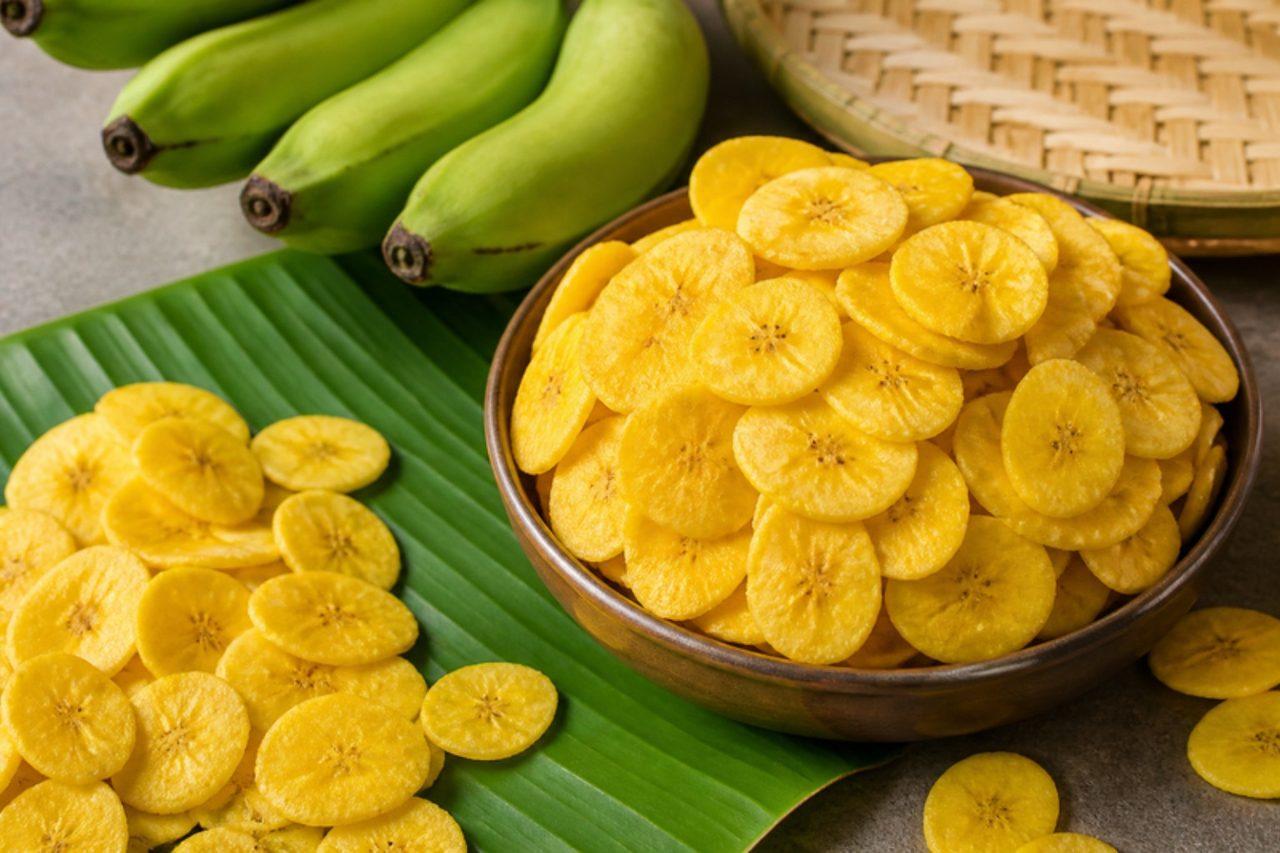
Upperi, the yellow raw-banana chips of Kerala, are fried in huge cauldrons in the snack shops of Kozhikode and Thrissur and handed round in bags at every Onam sadya, where they are one of the first things laid on the leaf. Green nendran bananas are sliced straight into hot coconut oil, and a splash of salted water goes in at the end, so the salt clings to every chip. The result is crisp, golden and faintly sweet, with that unmistakable coconut-oil smell. Chef's tip: rub a little oil on your hands before peeling the bananas; the sap stains skin and is very hard to wash off.

by KrazyBadal 0 views

Awadhi vegetable dum biryani

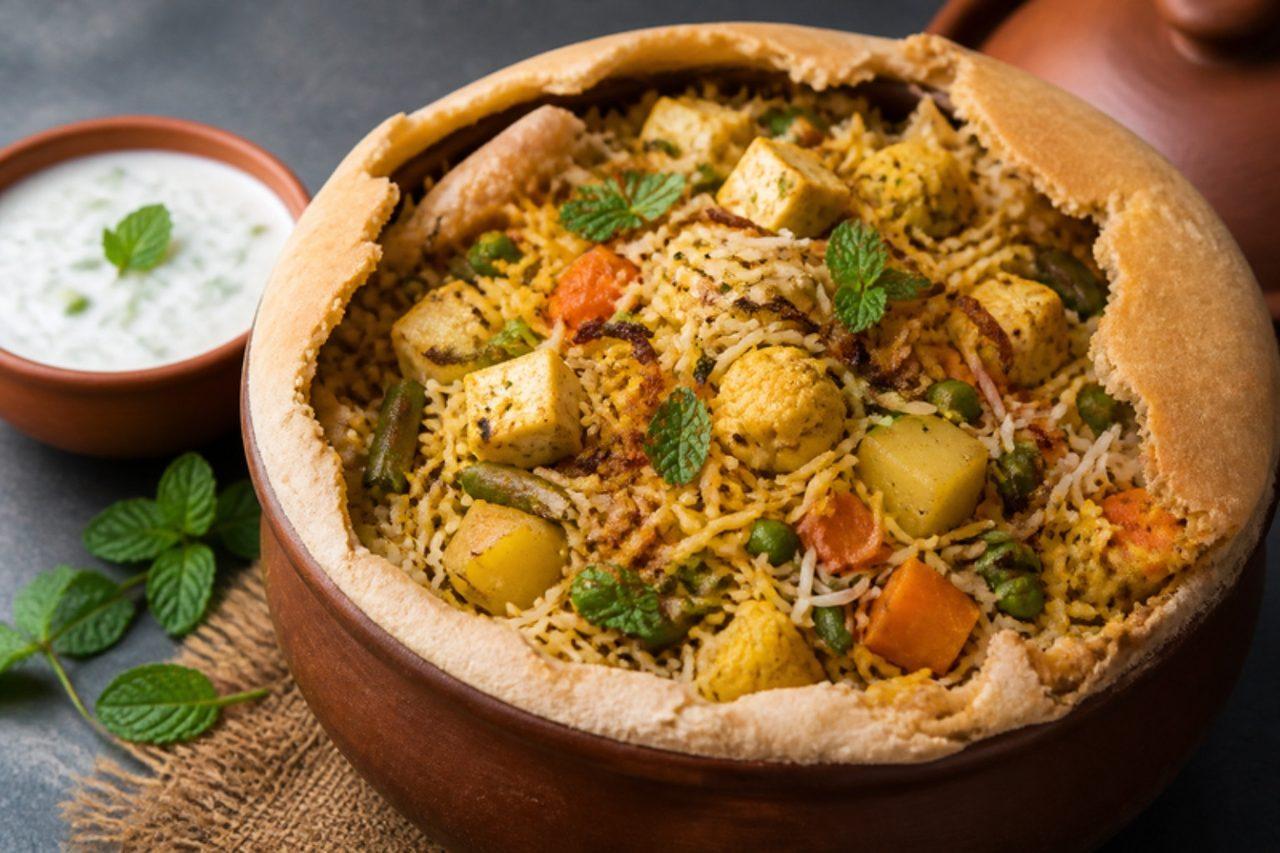
Lucknow's cooks built their reputation on restraint: the Awadhi biryani is perfumed rather than fiery, with no tomato, very little chilli and whole spices that whisper instead of shout. Vegetables are cooked in spiced yogurt, layered with long-grain rice that is only three-quarters done, then sealed under a dough lid so everything finishes in its own steam, a technique the city calls dum pukht. It is the dish for Eid gatherings, wedding buffets and long Sunday lunches across Uttar Pradesh, served with a cooling raita and a sliced onion salad. The common mistake is boiling the rice fully before layering; it then turns soft and sticky under the lid instead of separating into long, distinct grains. Chef's tip: lift a grain and press it between your fingers before draining; it should break into two or three firm pieces with a white core.

by KrazyBadal 0 views

Jushi (Okinawan mixed rice)

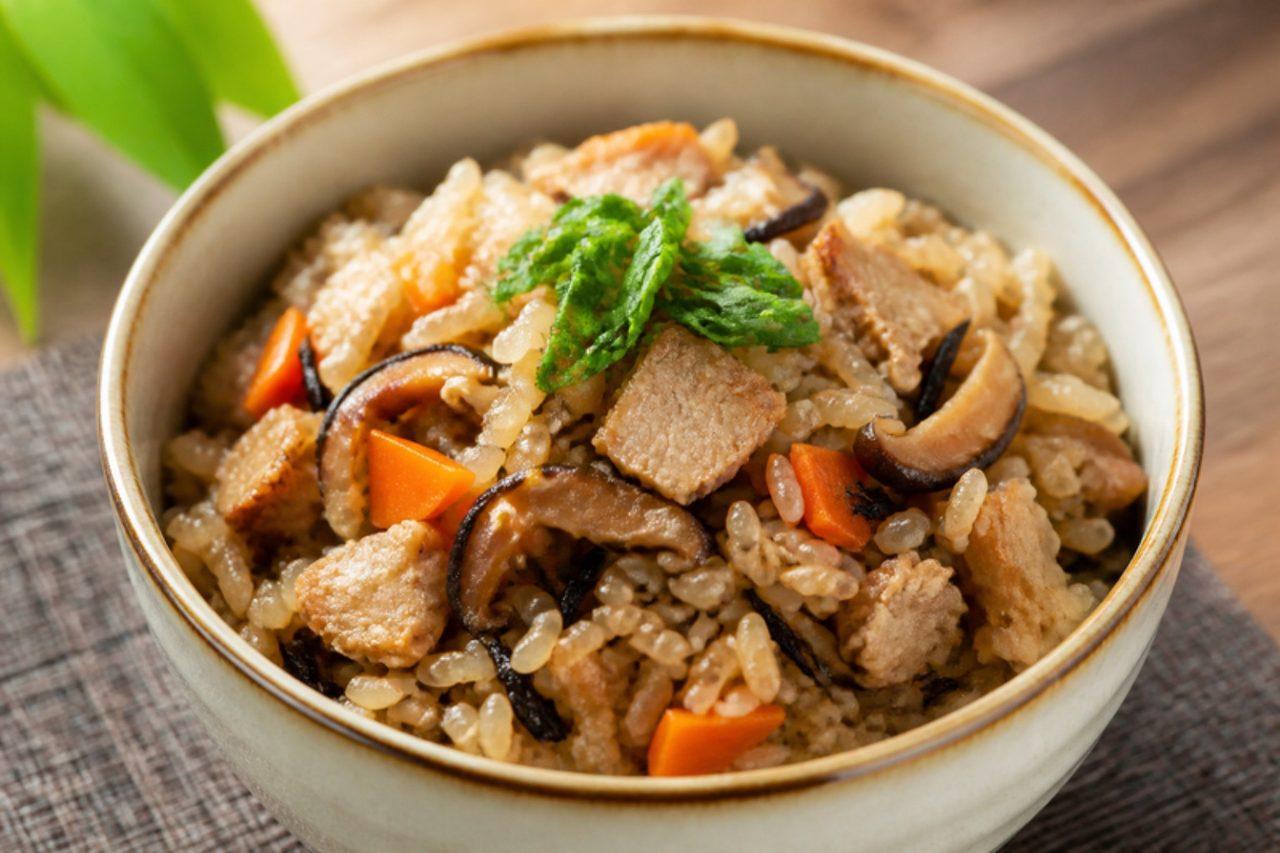
Jushi is Okinawa's seasoned rice, cooked with pork, vegetables and bonito stock. The firm kind, kufa-jushi, is what you find in rice balls at Okinawan supermarkets and alongside soba at lunch counters; a soupy, porridge-like version is cooked as well. On the winter solstice many families make a special jushi with taro root. Pork fat is part of its flavour, so the rice is cooked with a little lard and the belly pork itself. Chef's tip: measure the liquid carefully; the soy and stock replace part of the water, and firm, separate grains are what you want.

by KrazyBadal 0 views

Rafute (Okinawan braised pork belly)

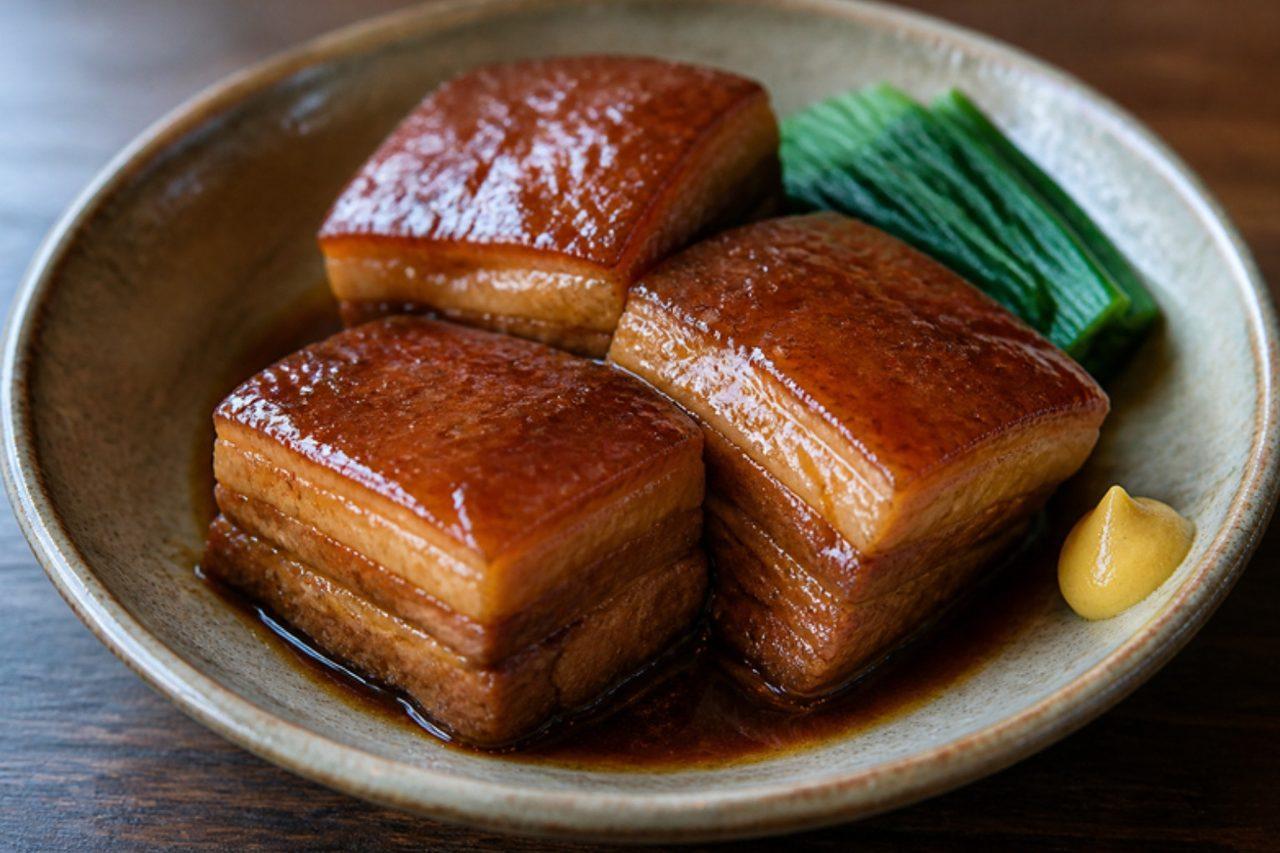
Rafute comes from the cooking of the old Ryukyu court in Okinawa, where pork has long been the most important meat. Thick blocks of skin-on belly are boiled to remove fat, then braised slowly in awamori, the local rice spirit, with soy, bonito stock and the islands' dark brown sugar. Today it is a dish for family celebrations and the Okinawan New Year, a staple of izakayas in Naha, and a topping for Okinawa soba. Expect deep amber pieces that hold their shape but cut with chopsticks. Chef's tip: cook it the day before; chilling lets you lift off the set fat, and the flavour soaks deeper into the meat overnight.

180 minJapaneseMeat
by KrazyBadal 0 views

Roasted bananas in chocolate

Whole bananas roasted on the barbecue until soft and sweet, cut into quarters, put on skewers, half-dipped in melted dark chocolate and rolled in chopped almonds, pistachios and cashews. It's a quick barbecue dessert that children love to help make. Serve them straight away while the chocolate is still soft.

20 minDessertsGluten free
by KrazyBadal 0 views

Kyiv cakeHazelnut meringue cake

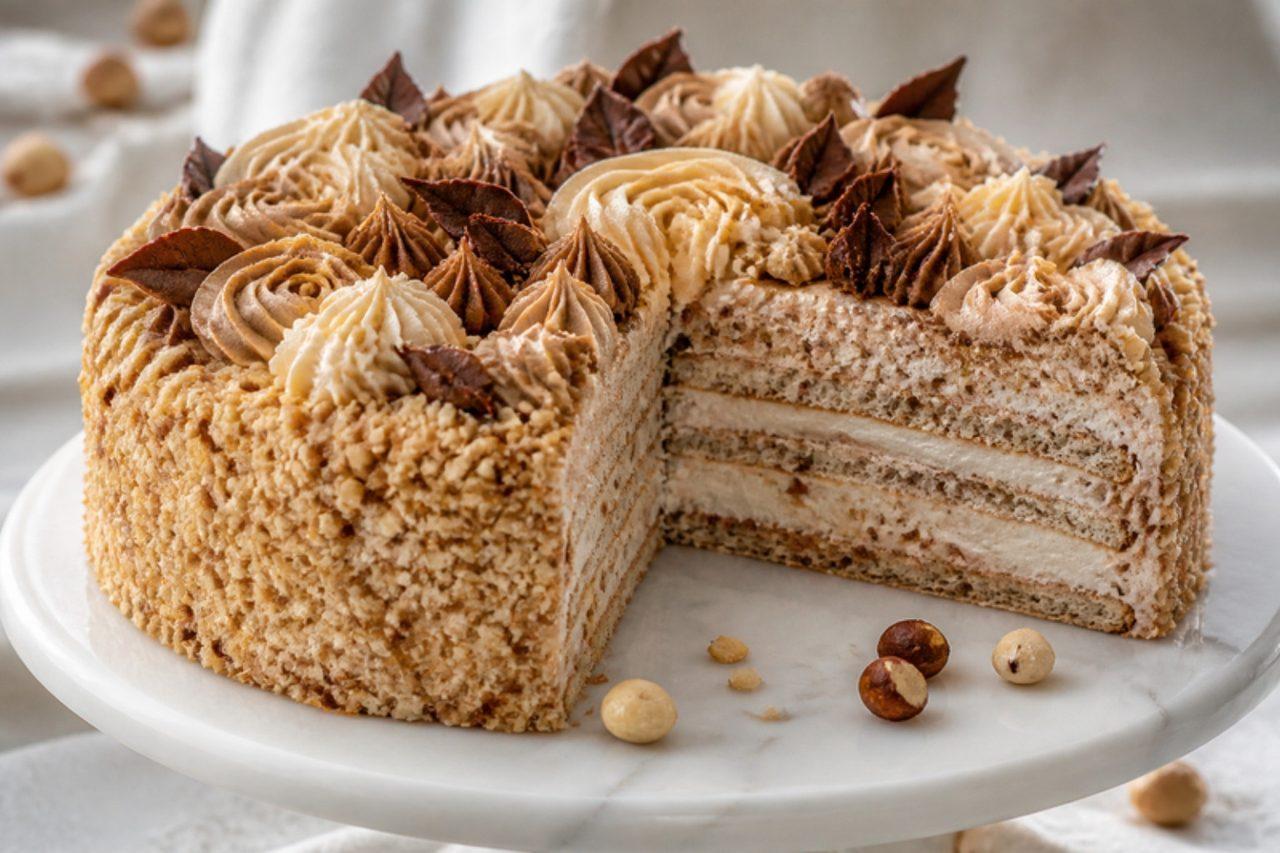
Kyiv cake was created in 1956 at the Karl Marx confectionery factory in Kyiv, and for decades a round box tied with string, bought at the station kiosk, was the souvenir every visitor carried home from the capital. Two crisp, chewy layers of nut meringue are sandwiched with a rich vanilla and cocoa buttercream and decorated with more cream. It contains no flour, so it is naturally gluten free, and no gelatine. Our home version uses hazelnuts, as the original did before cashews became the norm. Chef's tip: dry the meringue long and slow and let it cool in the switched-off oven; common mistake is pulling it out too early, when it is still soft inside, and then it turns sticky and collapses under the cream.

by KrazyBadal 0 views

GhapamaRice and fruit stuffed pumpkin

Ghapama is the dish Armenians carry to the table at New Year and on Christmas Day (6 January), with a folk song, "Hey jan ghapama", sung while the pumpkin is cut. A whole pumpkin is hollowed out, packed with half-cooked rice, dried apricots, prunes, raisins, walnuts and honey, and baked until the flesh is soft enough to scoop. At the table it is sliced from top to bottom like a flower opening, so each wedge comes with its own share of filling. Serve it as a festive main with a herb and cucumber salad, or as a sweet course after a lighter meal. Chef's tip: choose a squat, thick-walled pumpkin with a hard shell; thin-walled ones collapse in the oven before the rice is cooked.

by KrazyBadal 0 views

GhevarLacy fried batter sweet in syrup

During the monsoon festival of Teej and through Raksha Bandhan, Jaipur's sweet shops stack golden, honeycomb discs of ghevar in their windows. The batter is little more than flour, chilled ghee and ice-cold water, poured into hot ghee in thin streams so it foams into a lacy round. It is then soaked in syrup and finished with rabri, sliced pistachios and a pinch of saffron. Married daughters traditionally receive it from their mothers' homes during Teej. The most common mistake is batter that is too warm or too thick; it fries into a heavy pancake instead of a web. Chef's tip: whisk the ghee with ice cubes until it is white and fluffy before adding flour, and keep the batter bowl in a tray of ice water while frying. A narrow, deep pan, or a metal ring set in a saucepan, gives the sides that help the batter build up.

by KrazyBadal 0 views

GheymehLamb and split pea stew

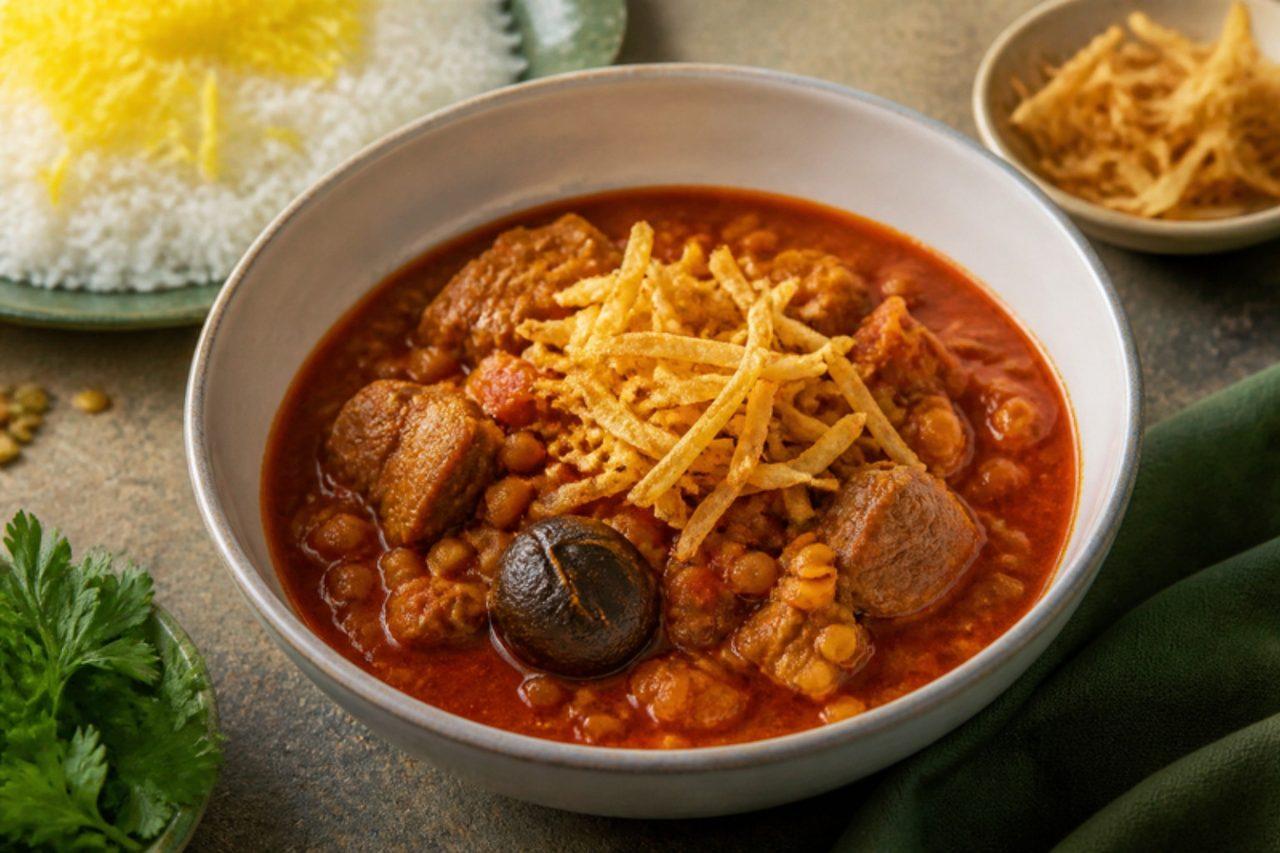
Gheymeh is the stew that big pots are made for: in Iran it is cooked by the cauldron and handed out to neighbours during Muharram, especially on Tasua and Ashura, and it is a fixture of weddings and Friday lunches. Small cubes of lamb simmer with yellow split peas, tomato and dried Persian limes until the sauce is tangy, savoury and a little fragrant with cinnamon. A tangle of crisp, salty potato straws goes on top just before serving. Eat it with chelow rice. Chef's tip: pierce the dried limes and soak them for 10 minutes before adding; they release their sourness faster and don't float.

140 minPersianMeatGluten free
by KrazyBadal 0 views

Vegetarian ghormeh sabziHerb and kidney bean stew

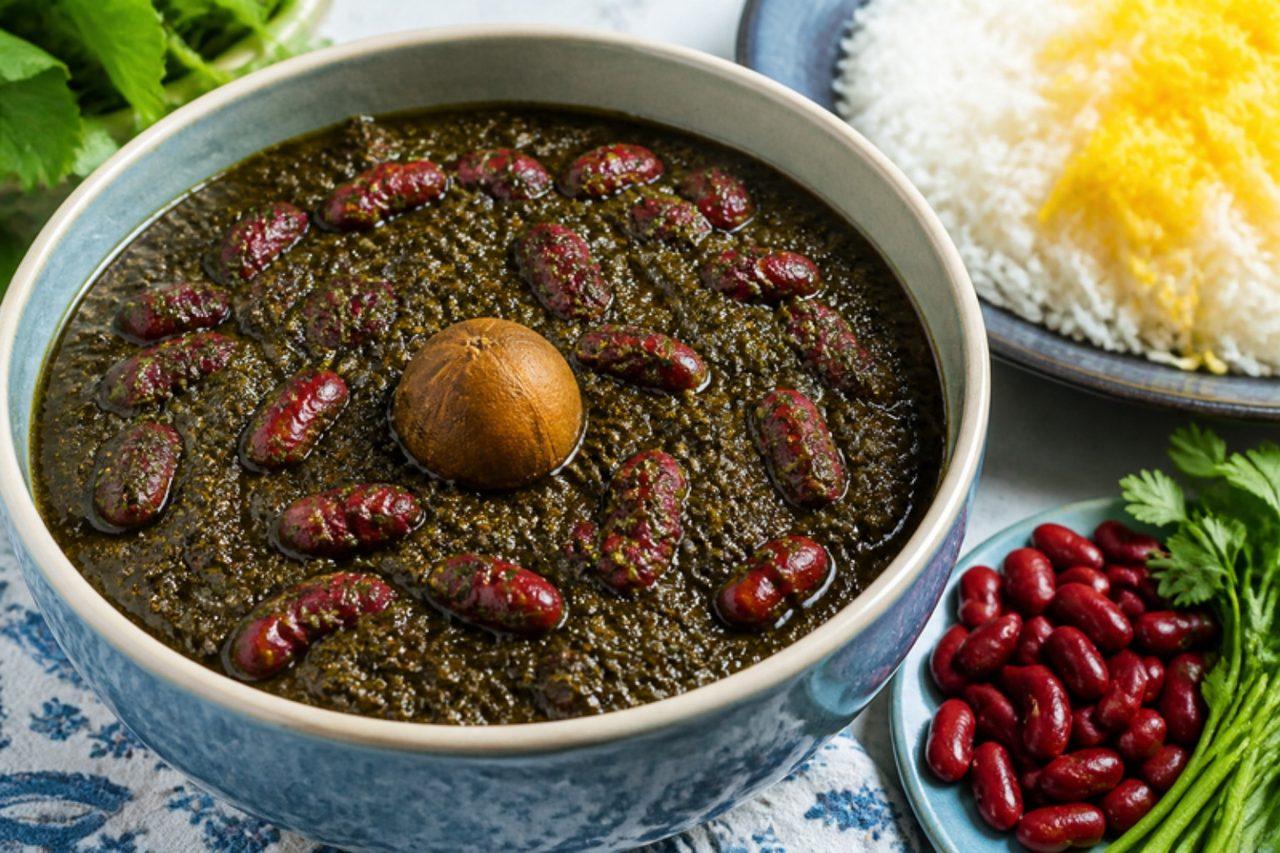
Ghormeh sabzi is often called Iran's national dish: a dark green stew of slowly fried herbs, kidney beans and whole dried limes that perfumes Iranian kitchens on Friday mornings and turns up at nearly every family gathering. The original is made with lamb; this vegetarian version uses mushrooms and plenty of beans for body, and keeps the deep, sour, almost smoky herb flavour that makes the dish. It is spooned over chelow with its crust on the side. Chef's tip: fry the herbs in oil until they turn very dark green and smell nutty; that long frying is the flavour of the stew.

by KrazyBadal 0 views

Kohu-kohuSmoked tuna salad

Ambon's fish markets sell ikan asar, tuna smoked over coconut husks, and one of the best things to do with it is kohu-kohu. Flakes of the smoky fish are tossed with crisp shredded long beans, bean sprouts, lightly toasted coconut, raw shallot, chilli and plenty of lime, making a salad that is crunchy, smoky, sour and hot all at once. It's a staple at Maluku family meals, often served next to papeda and fish soup or simply with rice. Chef's tip: mix it no more than an hour before eating; fresh coconut goes limp and sour if it sits around, and the salad loses its crunch.

by KrazyBadal 0 views

Ghugni churaBlack chickpea curry with flattened rice

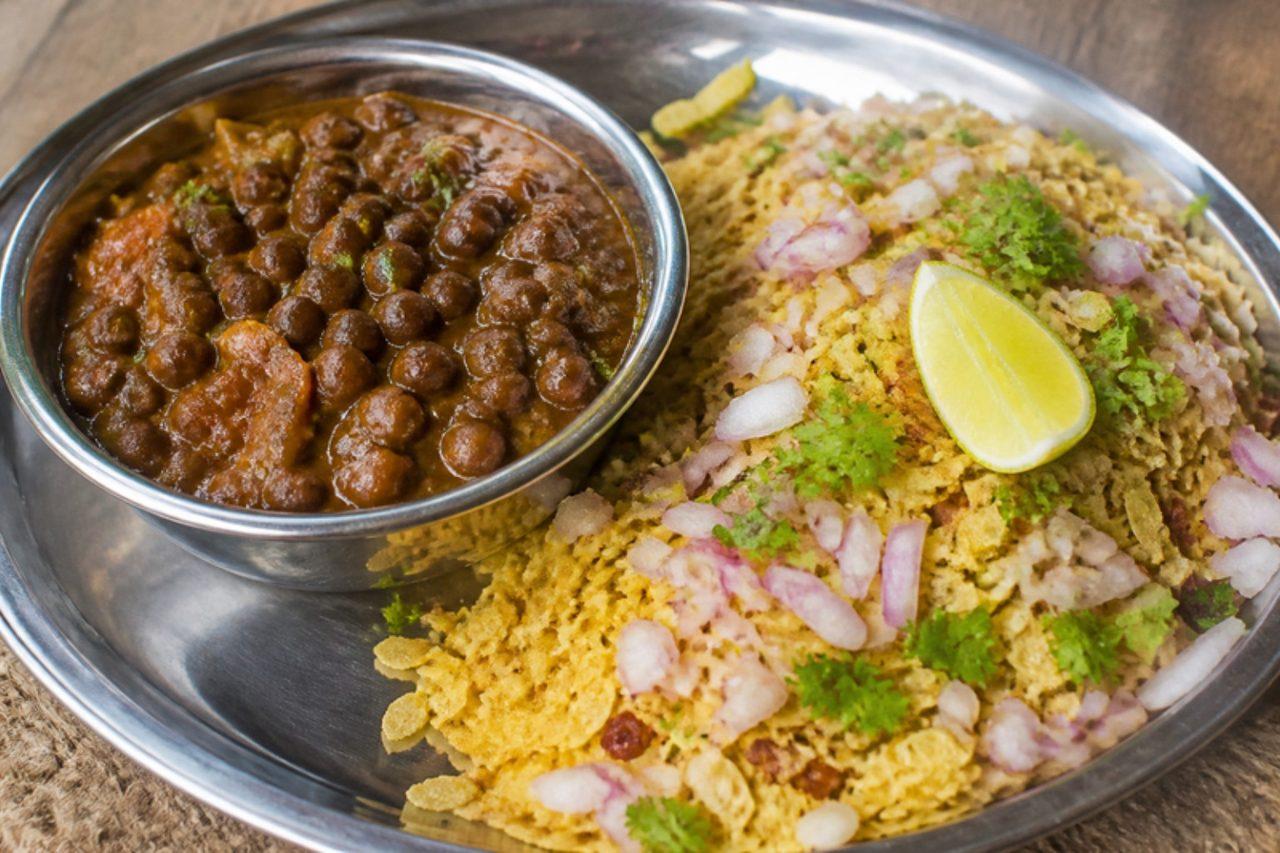
In Patna and the towns along the Ganges, ghugni chura is the morning and evening snack people queue for at the tea stall: a spicy, onion-rich curry of small black chickpeas served alongside chura, flattened rice that is fried or toasted in mustard oil until it crackles. You scoop a bit of each into your mouth together, with raw onion and green chilli for crunch. At home it is just as likely to be breakfast on a winter Sunday or what is offered to guests with tea. Chef's tip: cook the chana until it squashes easily between two fingers; firm chickpeas never soak up the masala.

by KrazyBadal 0 views

Gigantes plakiBaked giant beans

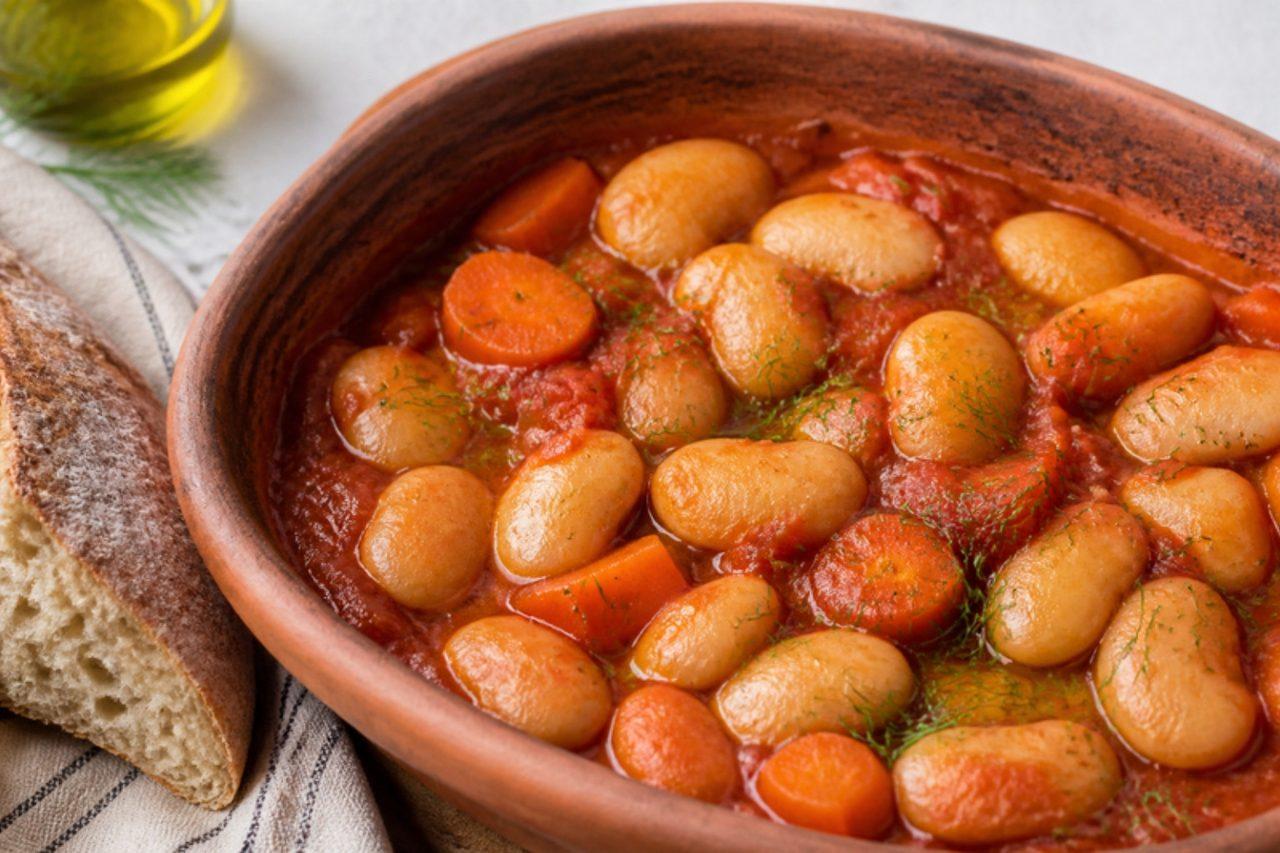
Gigantes plaki is a tray of fat, creamy beans baked in a thick tomato sauce until the top catches and wrinkles. You find it in every taverna's display of oven dishes, on meze tables with bread and olives, and in home kitchens during Lent. The best beans come from Kastoria and Prespes in northern Greece, but any large dried butter beans work. The beans are boiled first, then baked with onions, carrot, celery, garlic and dill. Serve warm or at room temperature with feta for those who eat dairy and crusty bread. Start the night before: the beans need to soak for at least 12 hours. Chef's tip: don't salt the boiling water or add tomato until the beans are already tender; acid and salt too early are the common mistake that keeps the skins tough.

by KrazyBadal 0 views

Gin thokeYoung ginger salad

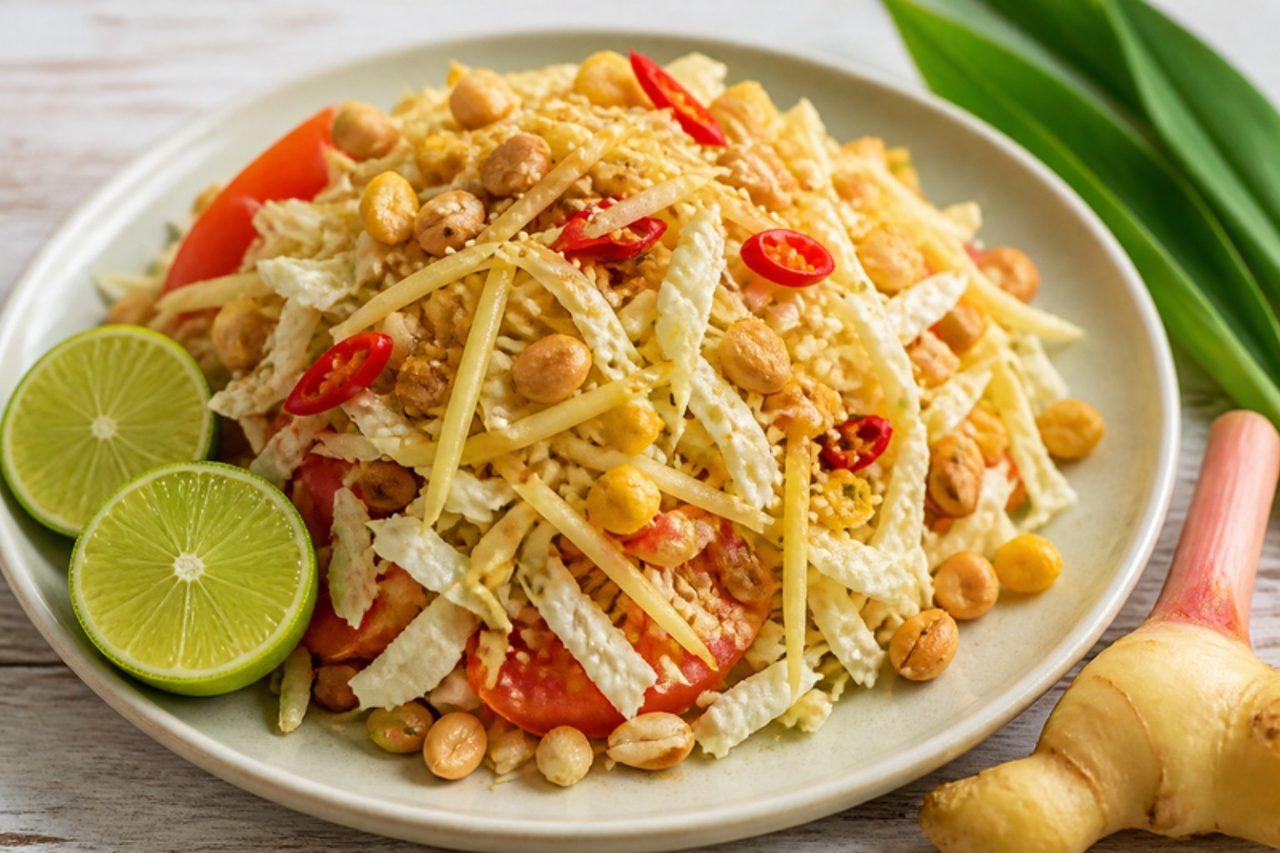
Gin thoke is lahpet thoke's livelier cousin, served on the same lacquered trays at teashops in Yangon and as a palate-wakener after a rich curry lunch. Young ginger is cut into fine threads and pickled in lime and salt so it turns pink and juicy, then tossed with cabbage, tomato, peanuts, fried beans and sesame. Burmese cooks often add fish sauce; salt, lime and a little toasted chickpea flour give the dressing body without it. Chef's tip: use young ginger with thin, pinkish skin if you can find it; mature ginger is fibrous and too fiery to eat in this quantity, so slice it extra thin.

by KrazyBadal 0 views

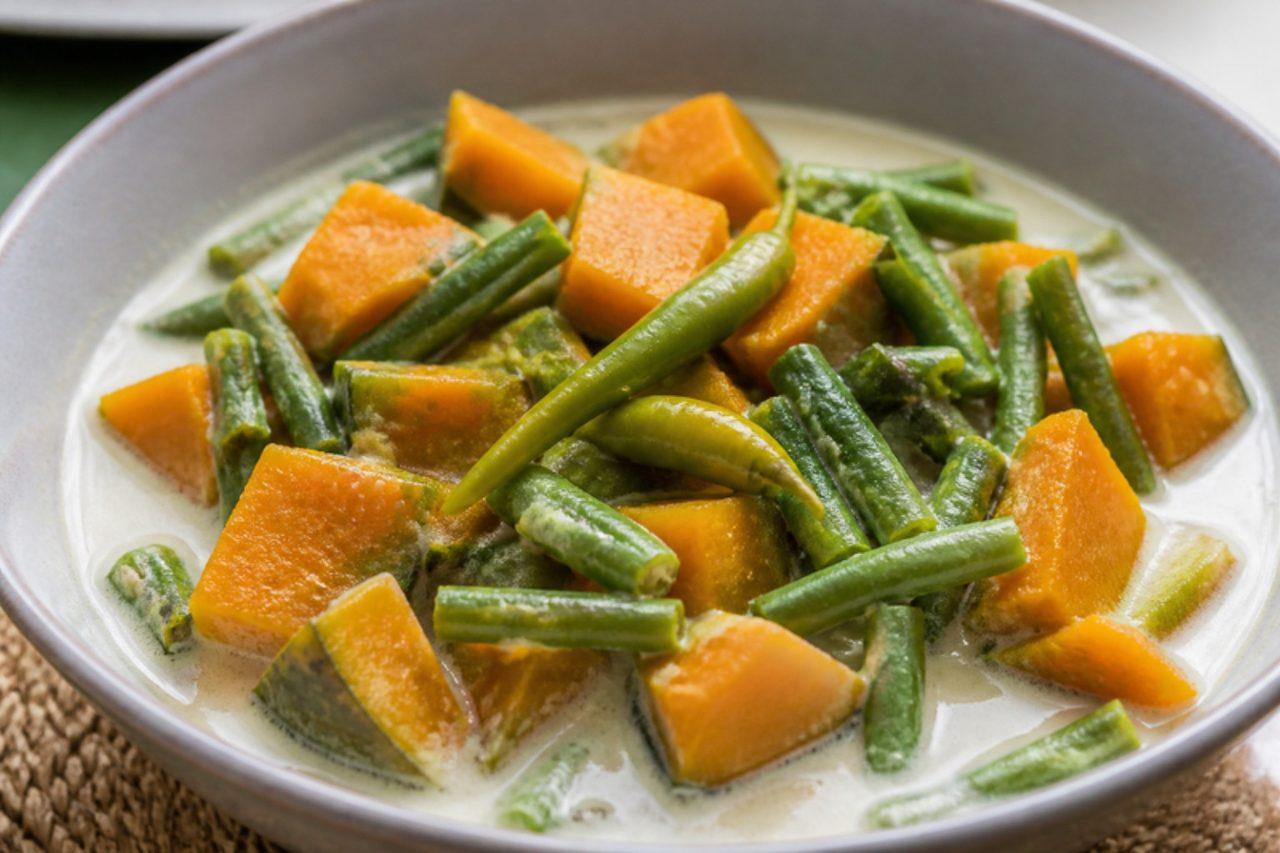
Ginataang kalabasa at sitawSquash and long beans in coconut milk

Ginataan means 'cooked in coconut milk', and in the coconut country of Bicol and Southern Tagalog it is how a lot of weeknight vegetables end up on the table. Ginataang kalabasa at sitaw is the homely version: chunks of orange squash and lengths of yard-long beans simmered in coconut milk with garlic, onion and ginger until the squash just starts to melt into the sauce, turning it pale gold and lightly sweet. Bicolano cooks drop in a long green chilli or two for warmth. It is a one-pot dish served with rice, and many families make it on days when there is no money for meat. Chef's tip: keep back a few chunks of squash to mash into the sauce at the end; it thickens it naturally.

by KrazyBadal 0 views

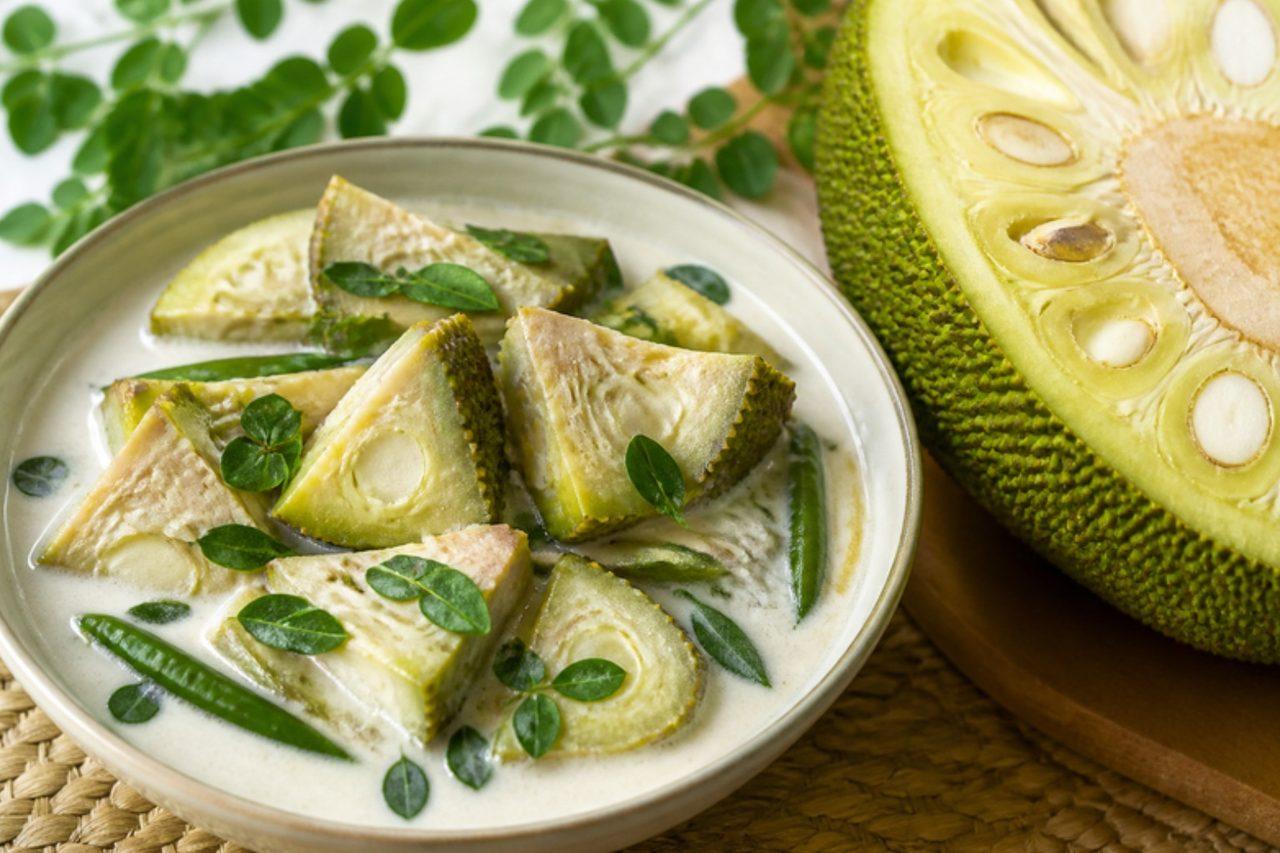
Ginataang langkaYoung jackfruit in coconut milk

In Bicol and across the Tagalog provinces, ginataang langka is what happens when a jackfruit tree drops its fruit too early: the unripe flesh is sliced and cooked in coconut milk with plenty of ginger until tender and creamy. Unlike Java's sweet, dark gudeg or Padang's turmeric gulai nangka, it is pale, savoury and peppery, lifted at the end with malunggay (moringa) leaves and a splash of vinegar. Home cooks often add shrimp or pork; this version is vegetable-only. Chef's tip: oil your knife and hands before cutting fresh jackfruit, as its sap is very sticky; tinned young jackfruit avoids the problem altogether.

by KrazyBadal 0 views

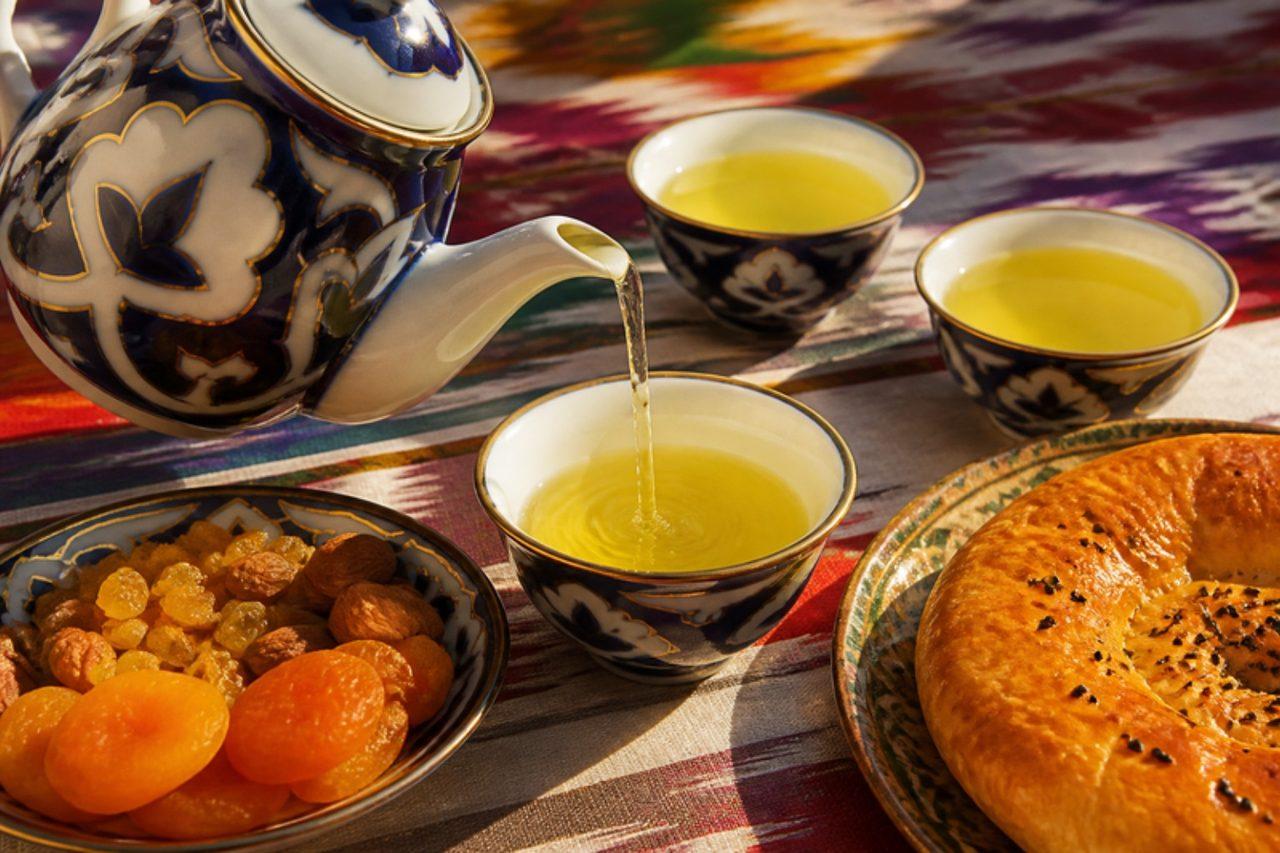
Kok choyGreen tea

In an Uzbek chaikhana, from Tashkent's shady teahouses to the courtyards of Khiva, the first thing to arrive is a teapot of kok choy, green tea, with small bowls (piala) and a plate of raisins, almonds and sweets. The host performs qaytarish: pours a bowl, tips it back into the pot, and repeats three times to blend the brew, then serves each guest a bowl only half full, a sign they should stay and be topped up. Green tea is drunk with plov to cut the oil, and all through hot summer days. Chef's tip: use water just off the boil (about 90°C) and warm the pot first; boiling water straight from the kettle makes Chinese green tea taste harsh.

by KrazyBadal 0 views

KokiSteamed black-eyed bean pudding

Koki is a dense, orange-red bean cake from the Douala and Bakweri country of Cameroon, made from skinned black-eyed beans blended with red palm oil, chilli and greens, then wrapped in banana leaves and steamed for hours. It is weekend food and market food, eaten with boiled plantain, cassava or ripe banana. It is related to Nigerian moi moi but heavier, richer with palm oil and full of cocoyam leaves or spinach. Chef's tip: warm the palm oil just until liquid before beating it in; poured in cold and solid it leaves streaks of fat instead of an even orange colour.

by KrazyBadal 0 views

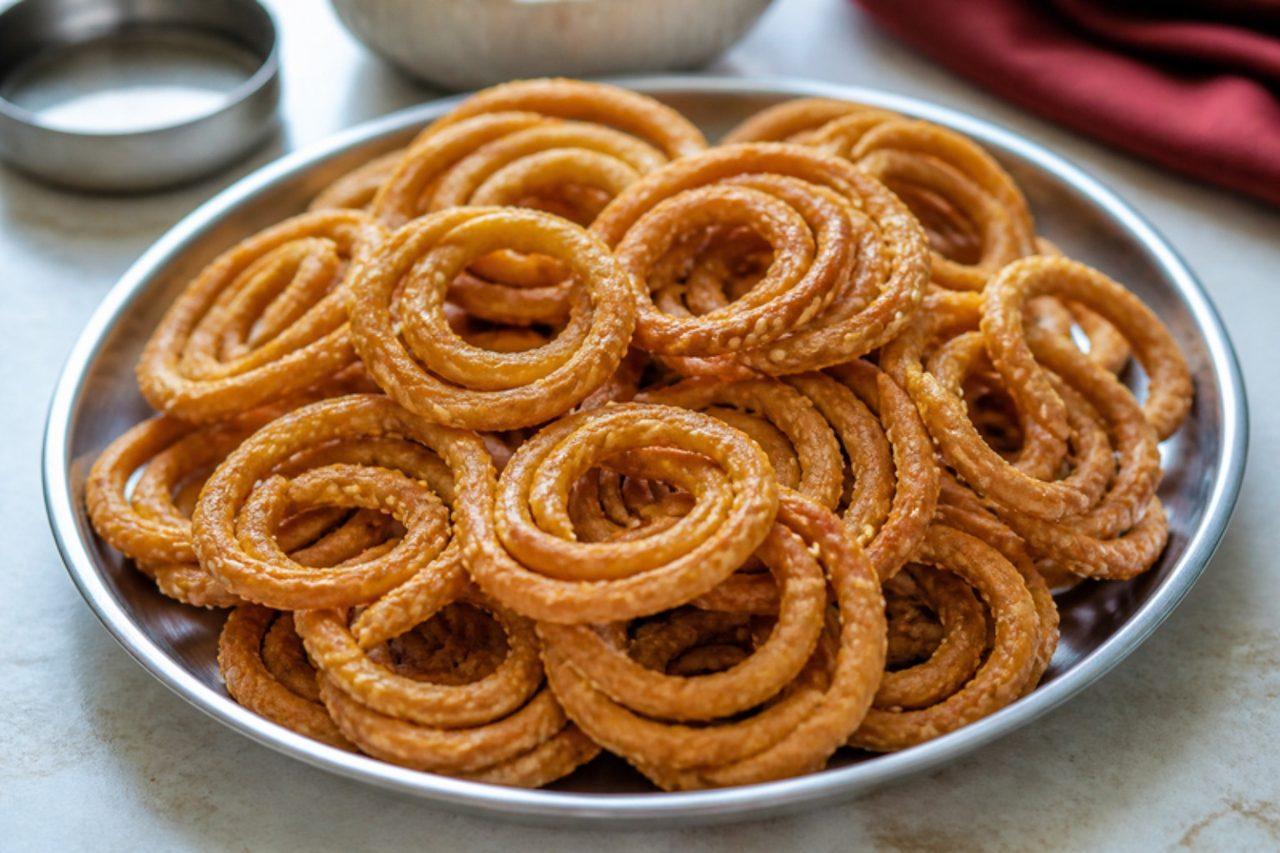
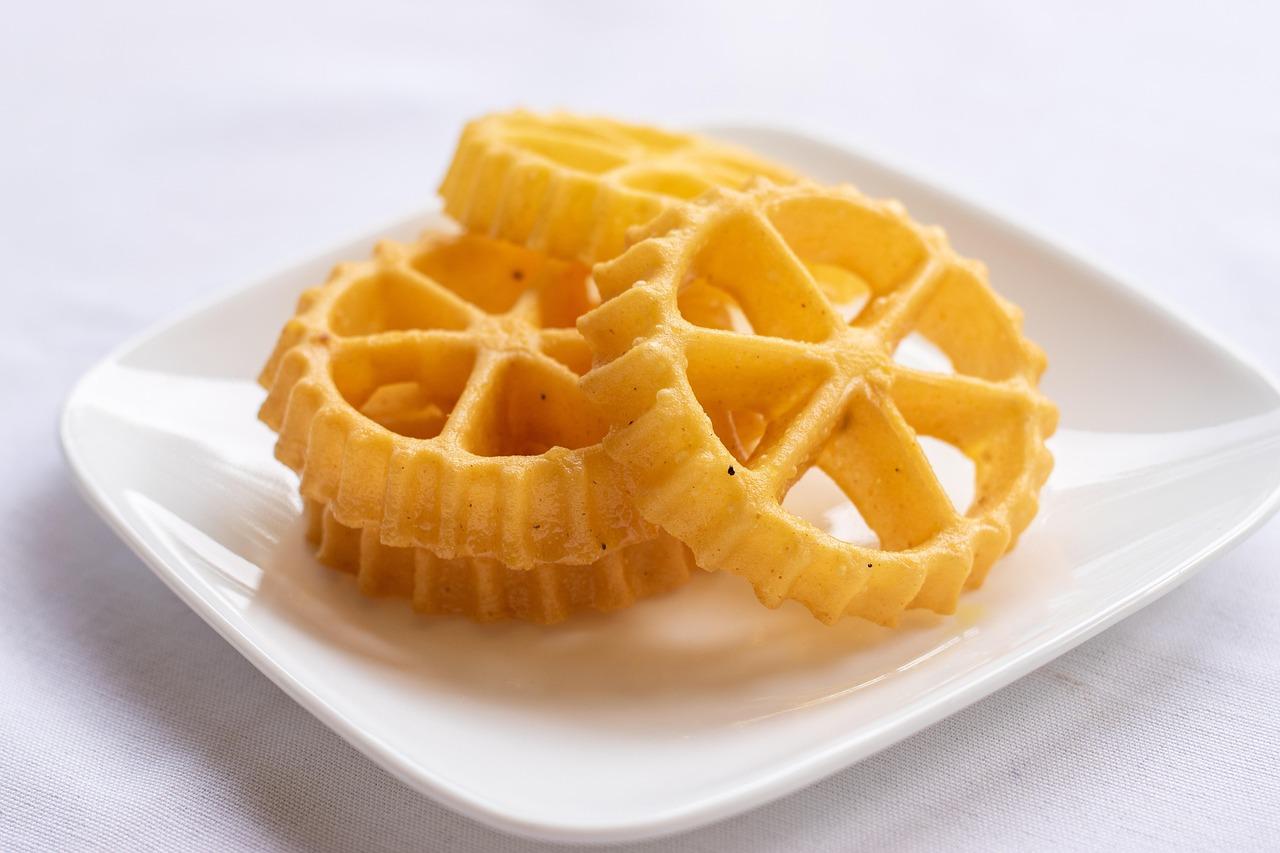
KokisCrisp rice flour flowers

Kokis are the lacy, wheel-shaped crisps that every Sri Lankan family fries in the days before Sinhala and Tamil New Year in April, piled onto the Avurudu table beside kavum, kiri bath and banana. A thin batter of rice flour, thick coconut milk, egg and a little turmeric is picked up on a hot brass kokis mould, dipped into the oil, and shaken free as it sets, so each one is light, salty-sweet and shatteringly crunchy. They're a cousin of the rosette cookie but savoury rather than sugary. The usual mistake is dipping the mould right under the batter, so the kokis sticks and won't release; dip it only three-quarters of the way up its sides. Chef's tip: heat the mould in the oil for a full minute before the first dip, and return it to the oil between every kokis; a cold mould won't pick up batter.

by KrazyBadal 0 views

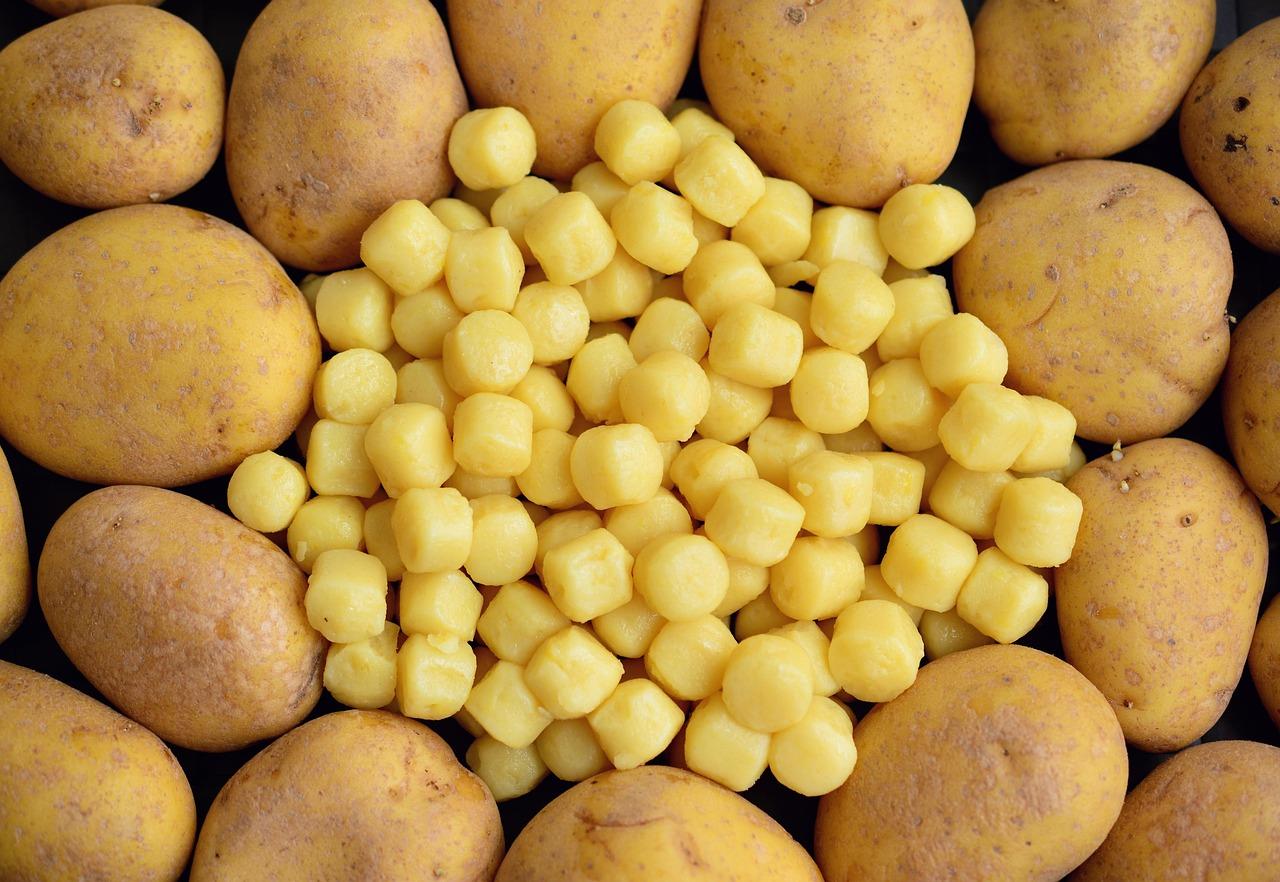
Potato gnocchiPotato gnocchi with sage butter

Potato gnocchi are made all over Italy, from Friuli to Rome, where trattorie still serve them on Thursdays ('giovedì gnocchi'). They are just floury potatoes and flour (an egg yolk is optional and makes them easier to handle) rolled into little pillows that cook in two minutes. Good gnocchi are light and tender, never chewy. Serve them with sage butter, as here, or a simple tomato sauce for children. Chef's tip: bake the potatoes in their skins instead of boiling; drier potatoes need less flour, and less flour means lighter gnocchi.

by KrazyBadal 0 views

Showing 54 of 8,687 recipes

Show more recipes

Page 692 of 966