


Skip to content
Bichak
Featured recipe

Bichak

Pumpkin-filled half-moon pastries

Across northern Afghanistan, around Mazar, Kunduz and Shibirghan, the autumn pumpkin harvest is turned into bichak, plump half-moon pastries that show the region's Uzbek and Turkmen neighbours in their name and shape. A soft, thin wheat dough wraps a filling of grated pumpkin and onion seasoned only with salt, black pepper and a little chilli, which bakes into something sweet, savoury and juicy, best eaten warm with a glass of tea or alongside a bowl of yogurt. Some families bake them, others fry them in a wok of oil; this version bakes them. The filling must not be wet, or the bottoms go soggy and the seams burst, so squeeze the grated pumpkin hard before mixing. Chef's tip: grate the onion finely too, so it melts into the pumpkin instead of staying in crunchy pieces.

Read more 0 views

What to eat today?

Around the world

Today's trip: Paraguayan

A new country every day, from every cuisine on the site.

Paraguayan

Lampreado

Cassava starch cheese fritters 30 minMore from Paraguayan (27) →

This week's collection

Kid-friendly dinners
537 recipes · a new collection every Monday

Latest recipes

GolfeadosSticky panela and cheese spiral buns

Golfeados are the sticky sweet buns of Caracas bakeries and especially of the old roadside panaderías on the road to El Junquito, eaten warm with a slice of salty white cheese and a coffee. The soft yeast dough is rolled up with grated papelón (panela), anise seeds and crumbled cheese, baked in a tight tray and soaked with a dark panela syrup so they glisten. They are sweet, salty and fragrant. Chef's tip: roll them tightly and pack them close together in the tin; they rise up instead of out and stay soft and moist.

by KrazyBadal 0 views

Golbheda ko acharRoasted tomato relish

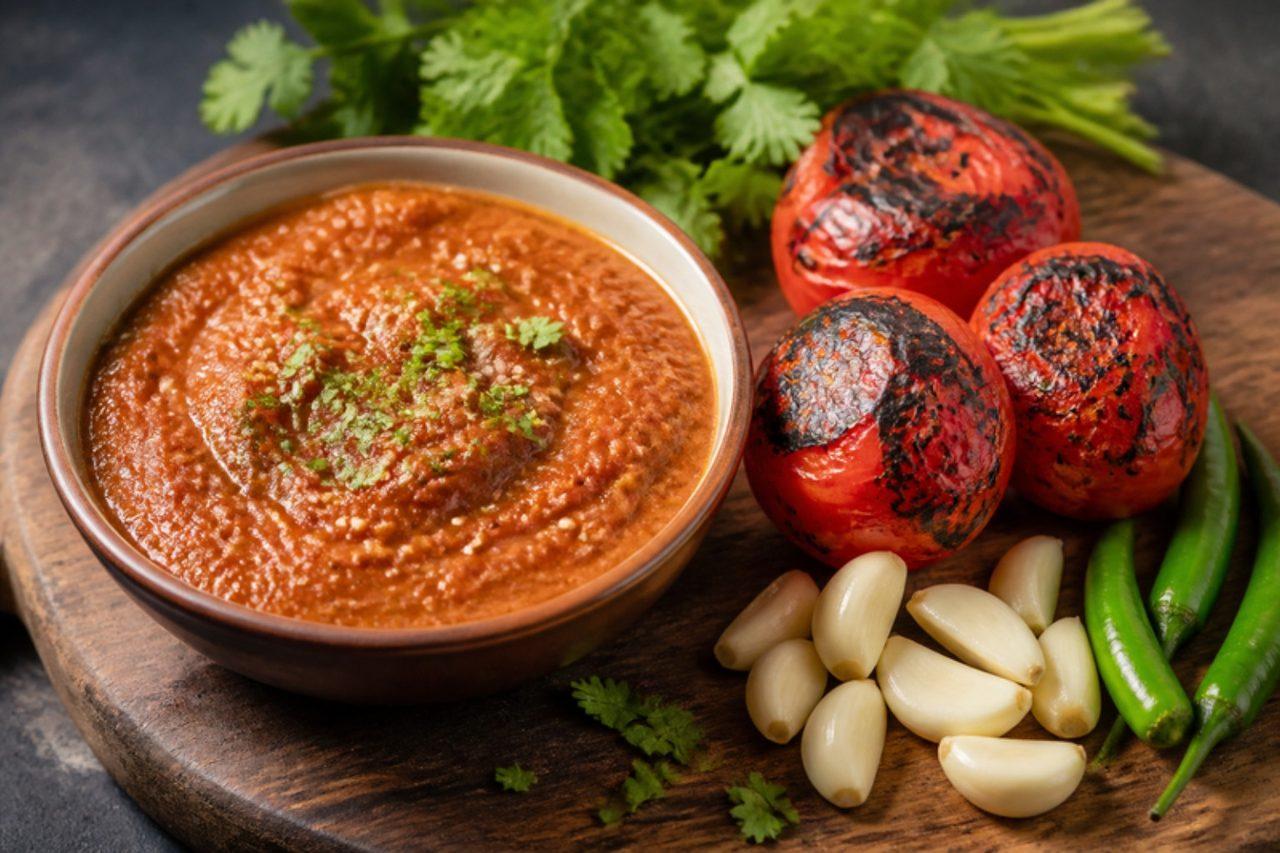
No momo is served in Nepal without a small bowl of golbheda ko achar, and no dal bhat feels complete without a dab of it on the side. Tomatoes (golbheda) are charred over a flame or on a dry griddle until black-blistered and soft, then pounded with garlic, green chilli and timur, the citrusy Nepali pepper that leaves a buzz on the tongue. Grandmothers grind it on the flat stone silauto; a blender or mortar does the job at home. It is smoky, sour and hot, and is made fresh in most kitchens every day or two. A spoonful of toasted sesame or soybean powder thickens the version served with momos in Kathmandu. Don't purée it smooth: the skins and seeds give it its rustic body. Chef's tip: char the garlic and chillies beside the tomatoes; their sharp edge softens and the achar tastes sweeter and deeper.

by KrazyBadal 0 views

Gogi guksuPork noodle soup

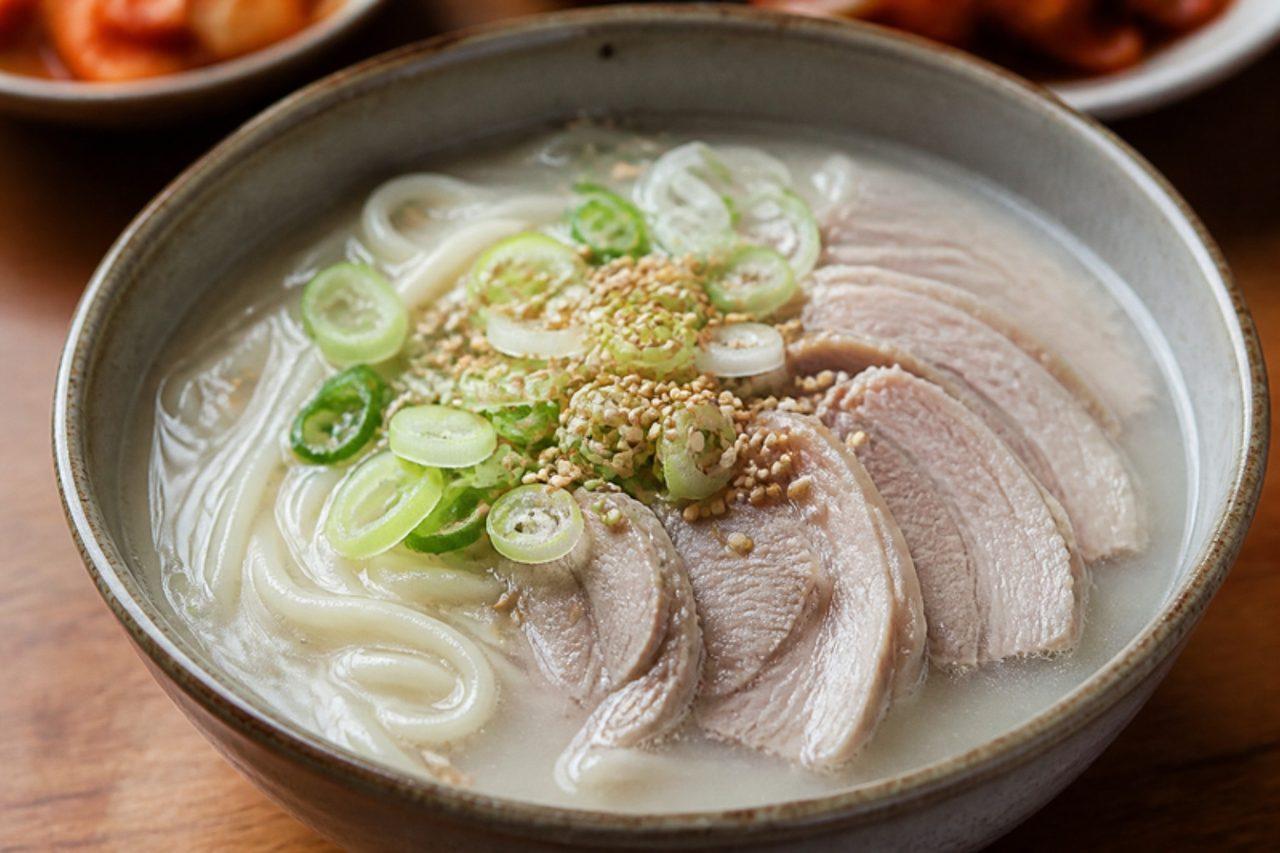
Gogi guksu goes back to Jeju's village feasts, where a pig was slaughtered for a wedding or funeral and its bones were boiled into broth for noodles to feed everyone. In Jeju City there is now a street of noodle restaurants near Samseonghyeol shrine, popular for a quick lunch and with visitors fresh off the plane. The broth is cloudy and rich, the noodles are thick and chewy, and the slices of boiled pork on top are often from the island's black pigs. Diners add chilli flakes and spring onion as they like. Chef's tip: dip the cooked noodles into the hot broth in a sieve for 20 seconds before they go in the bowl; they heat through without going soft.

180 minKoreanSoups
by KrazyBadal 0 views

Goan vegetable xacutiRoasted coconut vegetable curry

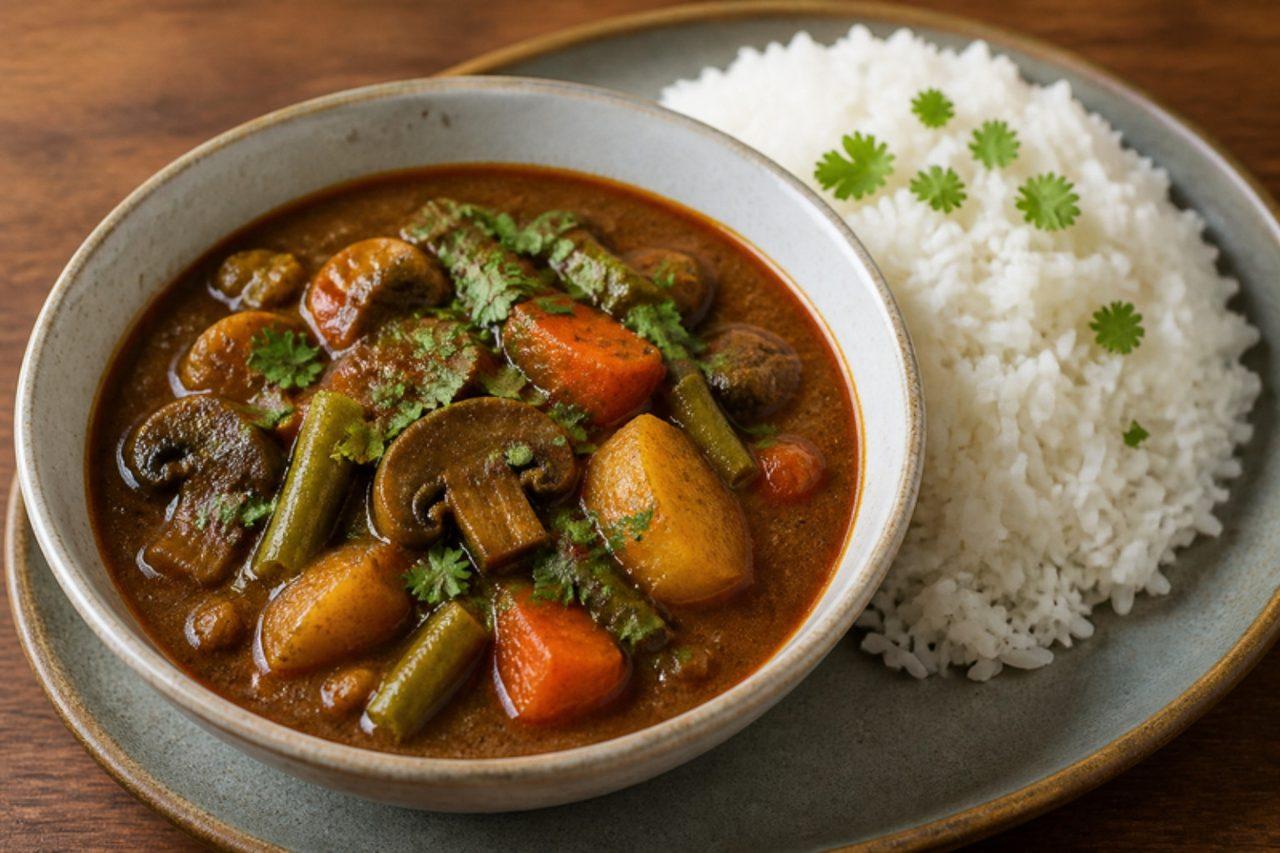
Xacuti (sha-koo-tee) is one of Goa's most complex curries: grated coconut is roasted until deep brown with poppy seeds, dried chillies and a long list of whole spices, then ground into a thick, aromatic masala. In Goa it's usually made with chicken; vegetarian Goan families make it with mushrooms, potatoes, peas and other vegetables, and the roasted coconut gives it all the depth it needs. It's warm and fragrant rather than fiery, with a touch of tamarind and jaggery. Serve with rice, pao or chapatis. Chef's tip: roast the coconut slowly over a low heat until it's the colour of milk chocolate and smells like toasted nuts; that colour is the xacuti's flavour, and pale coconut gives you a pale, flat curry.

by KrazyBadal 0 views

RöstiPotato cake

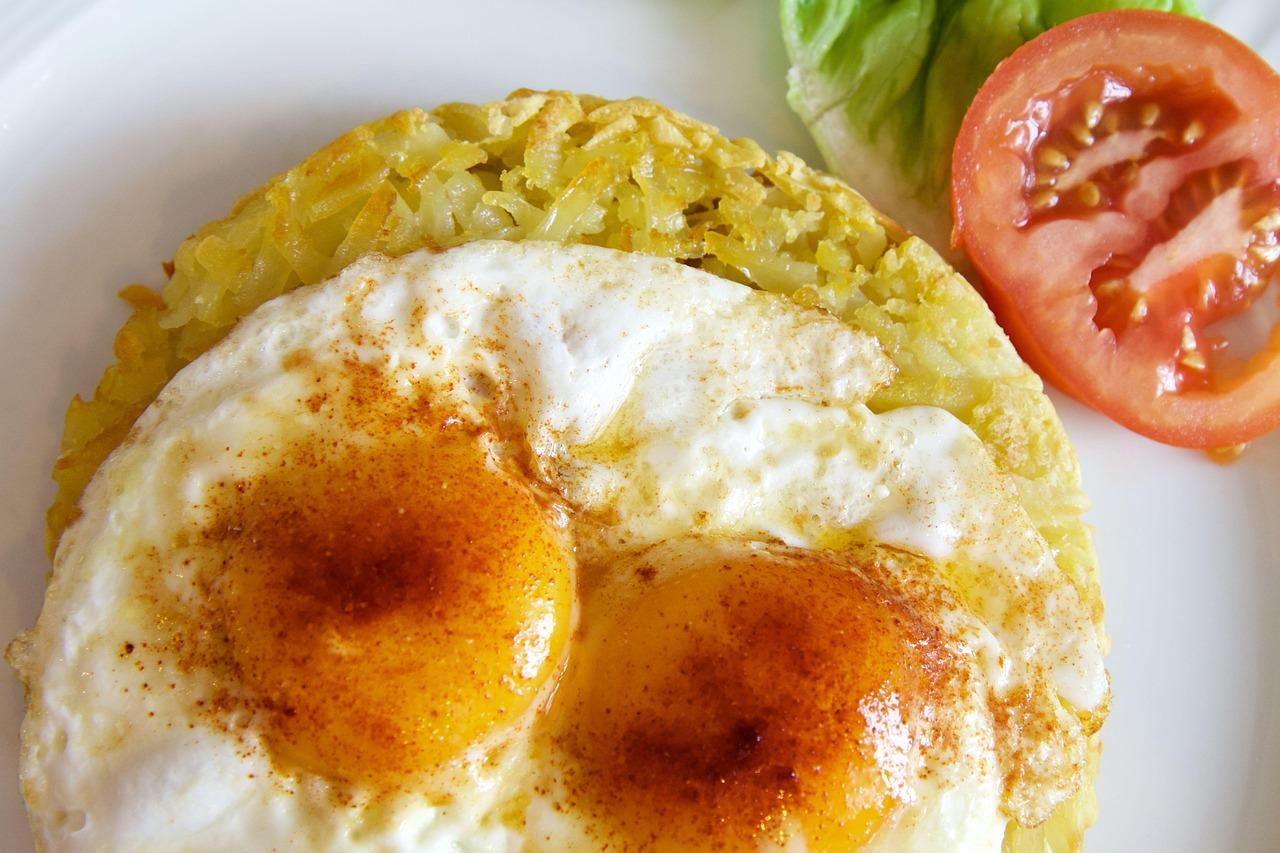
Rösti was once the farmer's breakfast in the canton of Bern, fried in the morning from potatoes boiled the night before, and it is still the plate Bernese families make on a Sunday or eat with a fried egg for supper. It is so tied to German-speaking Switzerland that the language border with the French-speaking west is jokingly called the Röstigraben, the rösti ditch. Coarsely grated, cold, parboiled potato is pressed into a hot pan of butter and left alone until the underside turns a deep, crunchy gold, while the inside stays soft. Serve it with fried eggs and a tomato salad, with melted cheese on top, or next to mushrooms in cream. Chef's tip: parboil the potatoes a day ahead and chill them overnight; cold, firm potato grates into clean strands that stay separate and crisp.

60 minSwissSidesGluten free
by KrazyBadal 0 views

Goan pork sorpotelSpicy vinegar pork stew

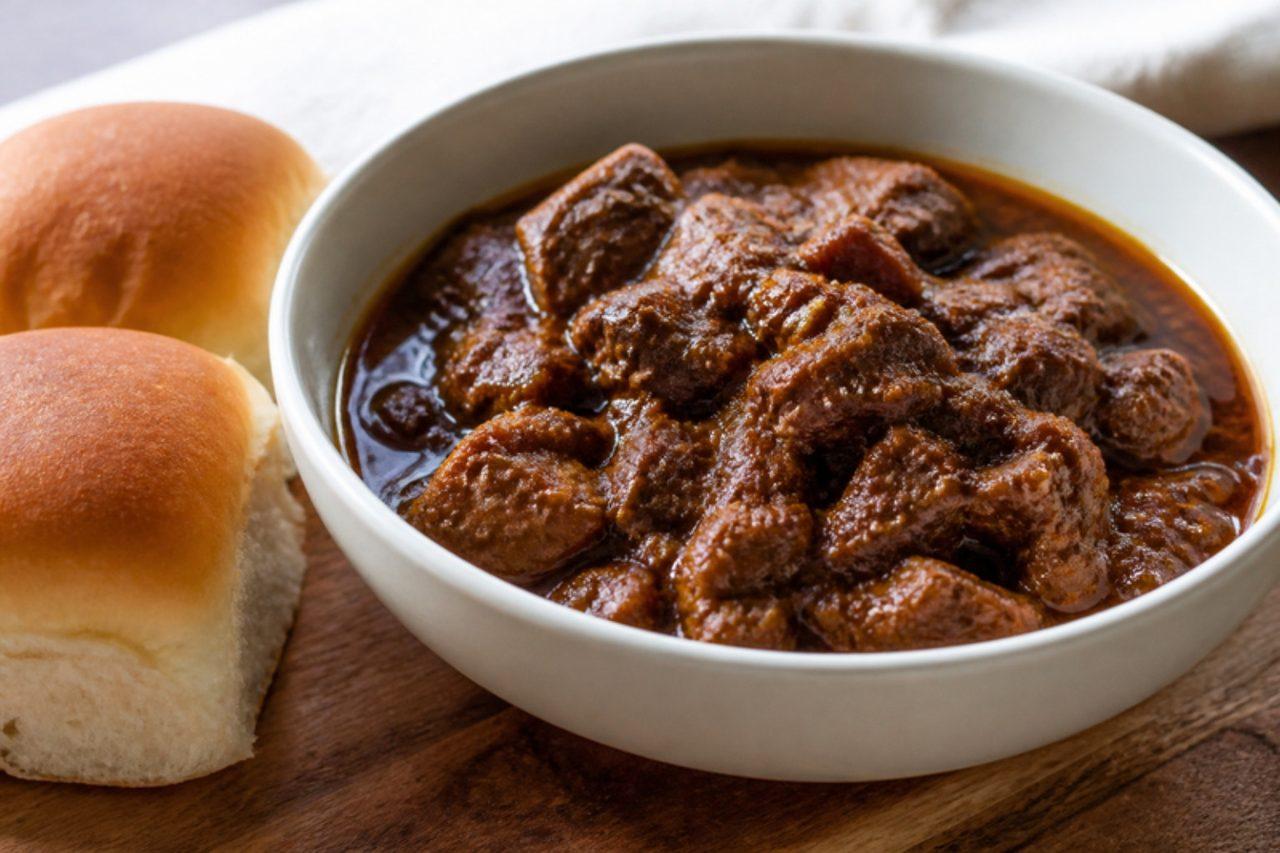
No Goan Christmas, wedding or village feast in Salcete is complete without sorpotel, a dark, sharp curry of finely diced pork that is made days in advance and reheated every day until it is eaten. Traditionally it uses pork, liver, heart and sometimes blood; this home version uses pork shoulder with optional liver, which most city cooks prefer. It is eaten with sannas (steamed rice cakes) or soft pao. Chef's tip: boil the pork in one piece first and dice it once it is cooked; you get neat little cubes that stay tender instead of turning stringy.

155 minIndianMeatGluten freeSpicy
by KrazyBadal 0 views

UzvarDried fruit drink

Uzvar is the dark, smoky-sweet drink brewed from dried apples, pears and plums that closes the Holy Supper on Ukrainian Christmas Eve, Sviat Vechir, where it is one of the twelve meatless dishes alongside kutia. In villages across Podillia and the Carpathians the fruit is dried in the oven or over smoke in autumn, which gives uzvar its distinctive campfire note; market stalls sell ready-mixed bags in December. It is drunk warm in winter and chilled in summer, and is naturally vegan when sweetened with sugar instead of honey. Chef's tip: simmer gently, then let it steep for several hours; common mistake is boiling it hard, which turns the fruit to mush and the drink cloudy.

by KrazyBadal 0 views

Goan poiGoan wholewheat pocket bread

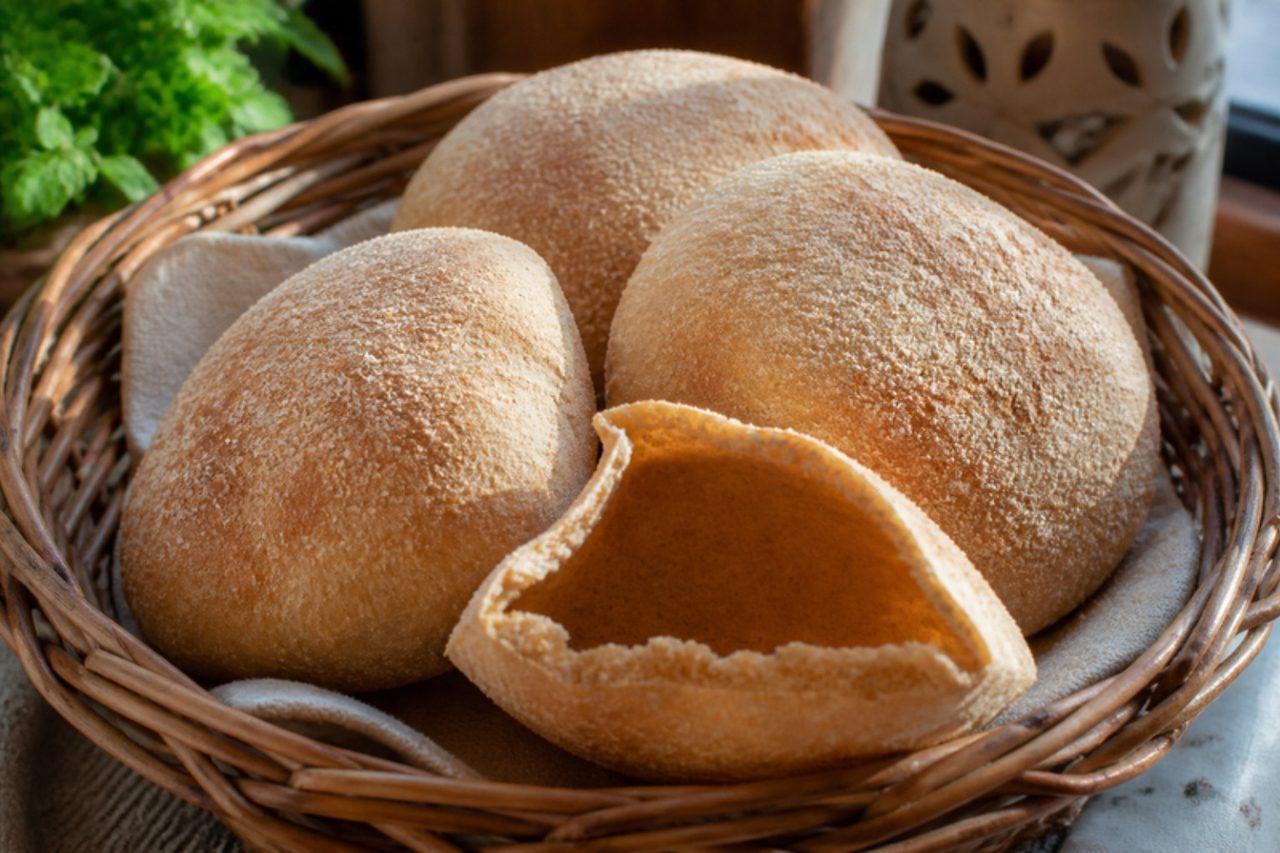
Every morning in Goan villages the poder, the local baker, cycles from house to house honking a horn, his basket full of warm bread. Poi is the one Goans miss most when they leave home: a flat, round, wholewheat-and-white-flour bread dusted with wheat bran, baked in a very hot wood oven so it puffs into a hollow pocket. It's torn open for chorizo pao in Goa, but just as good stuffed with spicy chickpea ros, dipped in a vegetable xacuti, or eaten with butter and tea. Traditionally the dough was raised with palm toddy; at home, yeast does the job. Chef's tip: preheat a heavy baking tray in the oven for at least 20 minutes; the shock of hot metal is what makes the poi puff.

by KrazyBadal 0 views

RotkohlBraised red cabbage

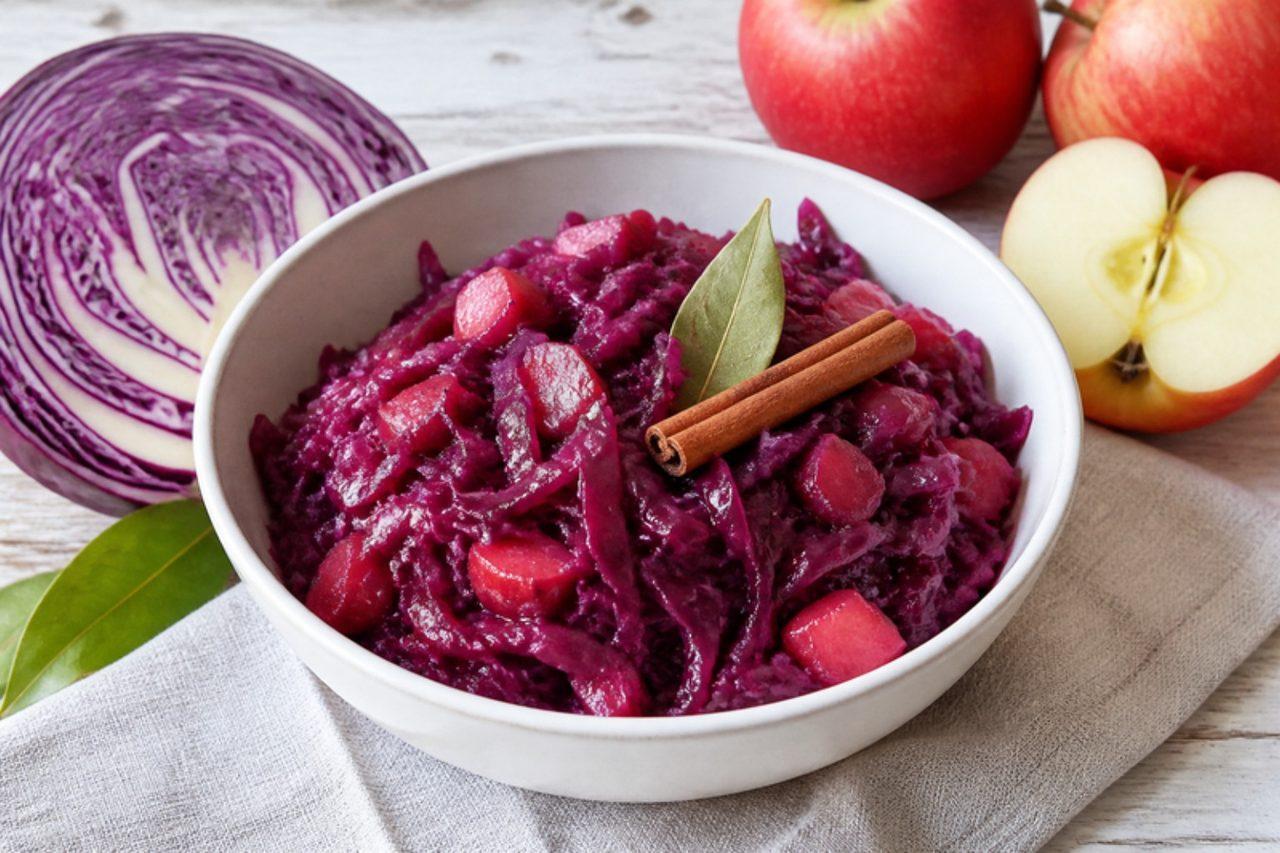
Rotkohl, called Blaukraut in Bavaria and Austria, is the purple braised cabbage that sits next to dumplings and potatoes on German plates from autumn to Christmas. Red cabbage is cooked slowly with apple, onion, vinegar, bay and clove until meltingly soft, sweet-sour and glossy, a deep wine-red because the acid keeps the colour bright. Traditionally it's started in goose fat or lard; oil works perfectly and keeps it vegan. It's one of those dishes that is better the next day, so families make a big pot before Christmas. Chef's tip: add the vinegar at the start, not the end; without acid the cabbage turns an unappetising blue-grey as it cooks.

by KrazyBadal 0 views

Rou jia moSpiced pork flatbread sandwich

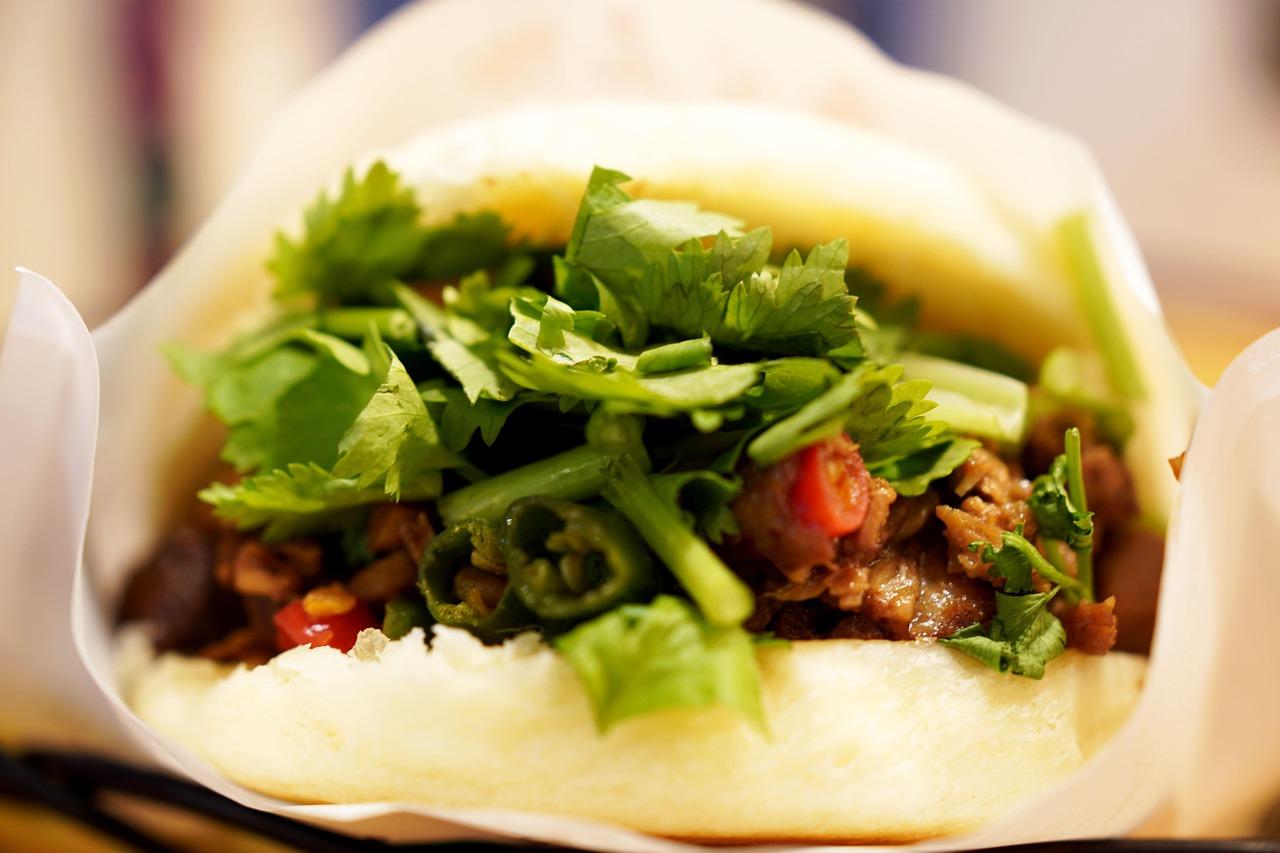
Walk through Xi'an's Muslim Quarter or any Shaanxi bus station and you will see cooks chopping steaming braised pork on thick wooden blocks and stuffing it into split, griddle-crisped buns. The bread, called baijimo, has a crackly shell with an 'iron ring' edge, a 'tiger-back' top and a spiral 'chrysanthemum heart' inside; the pork is slow-cooked in a soy broth with a dozen warm spices until it falls apart. Chopped with green chilli and coriander and moistened with the braising juices, it makes one of the world's oldest sandwiches. Eat it hot in the hand, with cold liangpi noodles or a bowl of soup alongside. Chef's tip: keep the braising liquid as a master stock in the freezer; the next batch of pork tastes even better.

by KrazyBadal 0 views

RougailleSpiced tomato sauce with eggs

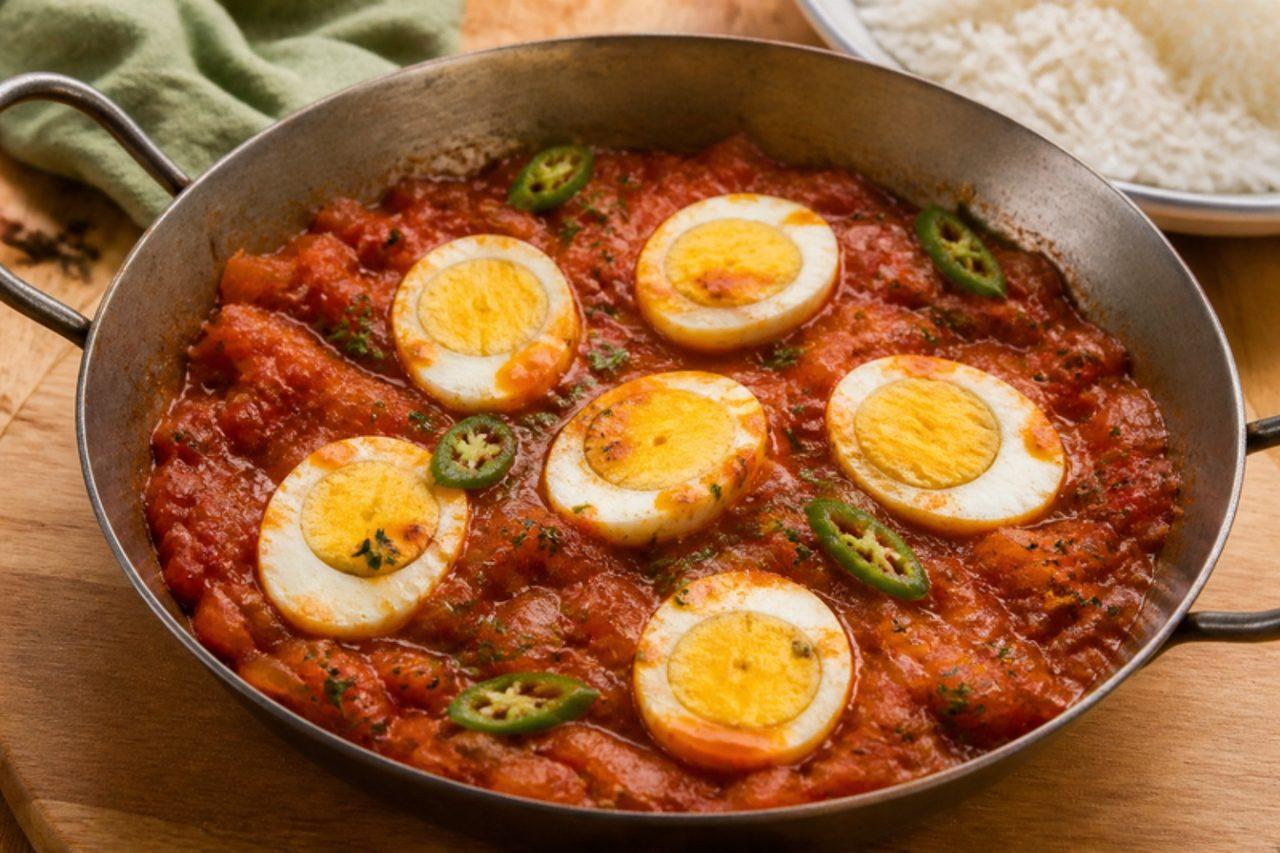
Rougaille is the Creole tomato sauce at the heart of Mauritian home cooking, made in every kitchen from Port Louis to Mahébourg and also in the Seychelles and Réunion. Tomatoes are cooked down with onion, garlic, ginger, thyme and chilli until thick, and then something is simmered in it: sausages, salted fish, or, in many homes on a weeknight, hard-boiled eggs. Serve with rice, lentils (dholl) and chatini. Chef's tip: cook the tomatoes until the oil separates at the edges; watery rougaille tastes thin.

by KrazyBadal 0 views

Royyala iguruThick prawn curry

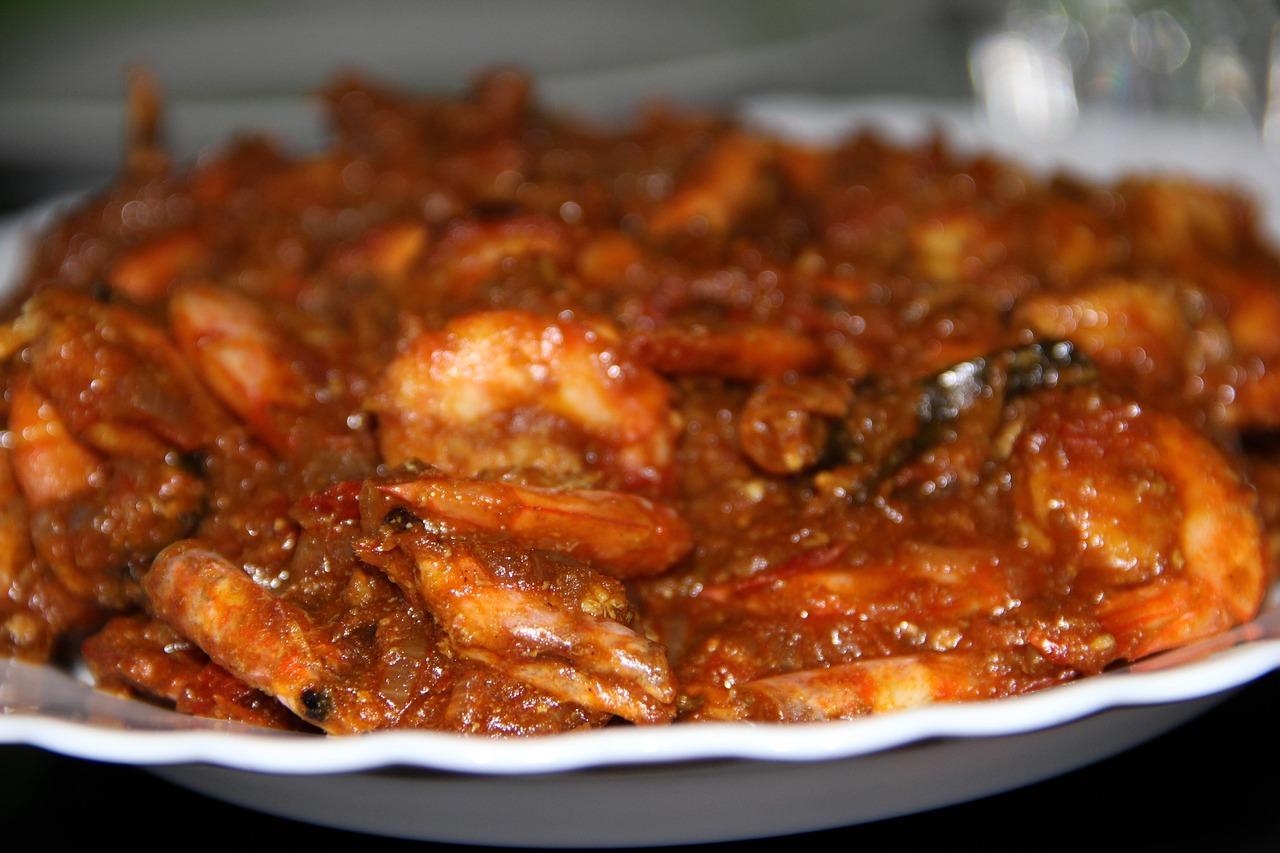
Along the coastal Andhra delta, where the Godavari meets the sea near Kakinada and Bhimavaram, prawns come in fresh every morning and often end up as iguru. The word means cooked down: the onion-chilli masala is reduced until it clings to the prawns, with only a spoonful of sauce left in the pan. It goes onto hot rice with ghee, alongside sambar or pappu, and is a favourite in Telugu homes on weekends. Chef's tip: cook the masala fully first and add the prawns only for the last few minutes, so they stay plump.

40 minIndianFishGluten freeSpicy
by KrazyBadal 0 views

Roz bel labanRice pudding

Roz bel laban (rice with milk) is the pudding of Egyptian homes and dessert shops alike, sold in clay pots and little foil cups across Cairo and eaten all year, especially in the evenings of Ramadan. It is made with short Egyptian rice cooked slowly in milk, thickened with a little cornflour so it sets creamy and spoonable, and scented with vanilla or orange blossom water. This is the roz bel laban fel forn version, finished in a very hot oven so the top blisters with brown spots, the way the Cairo dessert shops sell it. Serve it cold, scattered with pistachios or coconut. Chef's tip: stir the cornflour into cold milk before adding it; dropped straight into the hot pot it turns into lumps you can't whisk out.

by KrazyBadal 0 views

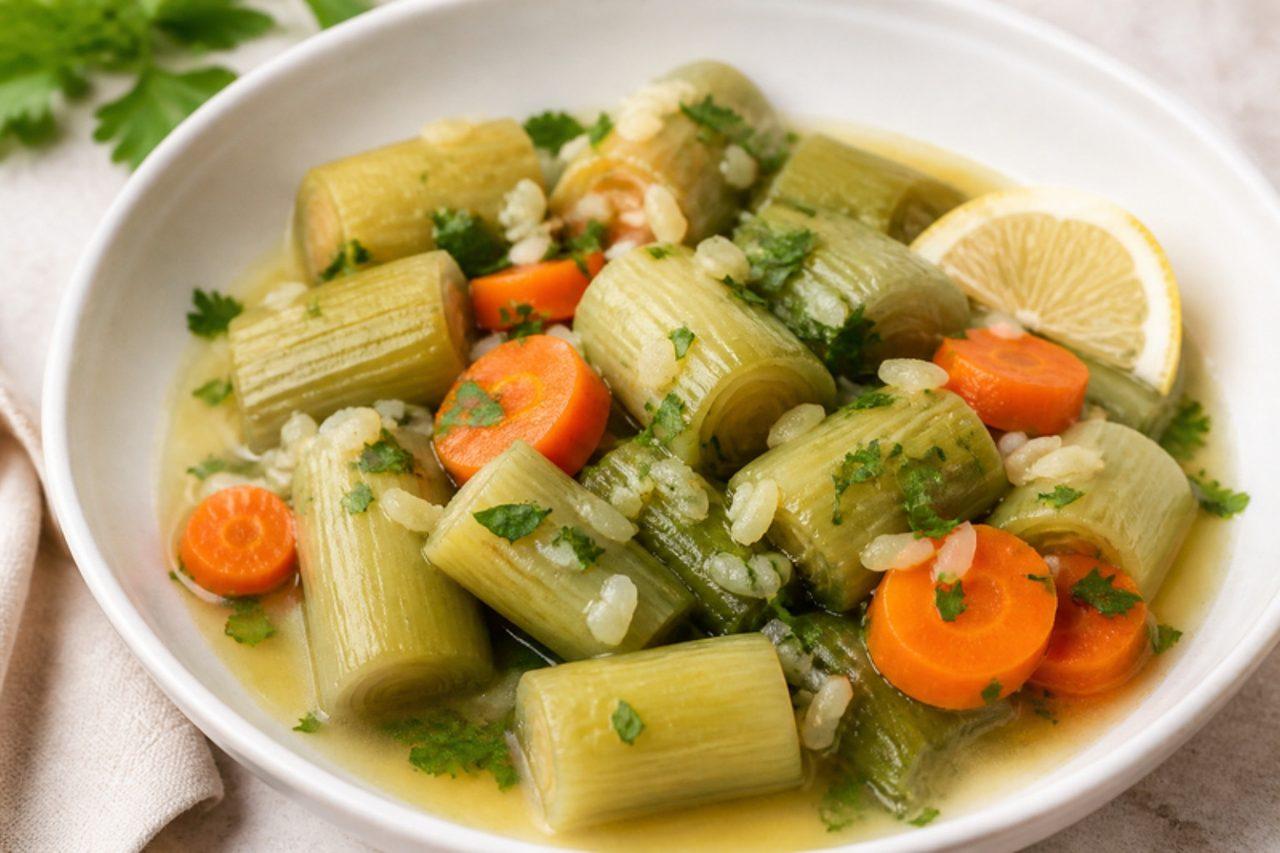
Zeytinyağlı pırasaLeeks braised in olive oil

Winter in Istanbul brings fat leeks to every neighbourhood market, and zeytinyağlı pırasa is how many households use them: chunks of leek and carrot stewed gently in olive oil with a handful of rice to thicken the juices, finished with lemon. It is served at room temperature on the side of a winter table, or as a light lunch with bread and white cheese, and grandmothers often say it is better the second day. The usual mistake is skipping a proper wash: grit hides between the layers and ruins the whole pot. Chef's tip: cut the leeks on a slant into thick pieces and keep them whole rather than separating the rings, so they hold their shape through the slow braise.

by KrazyBadal 0 views

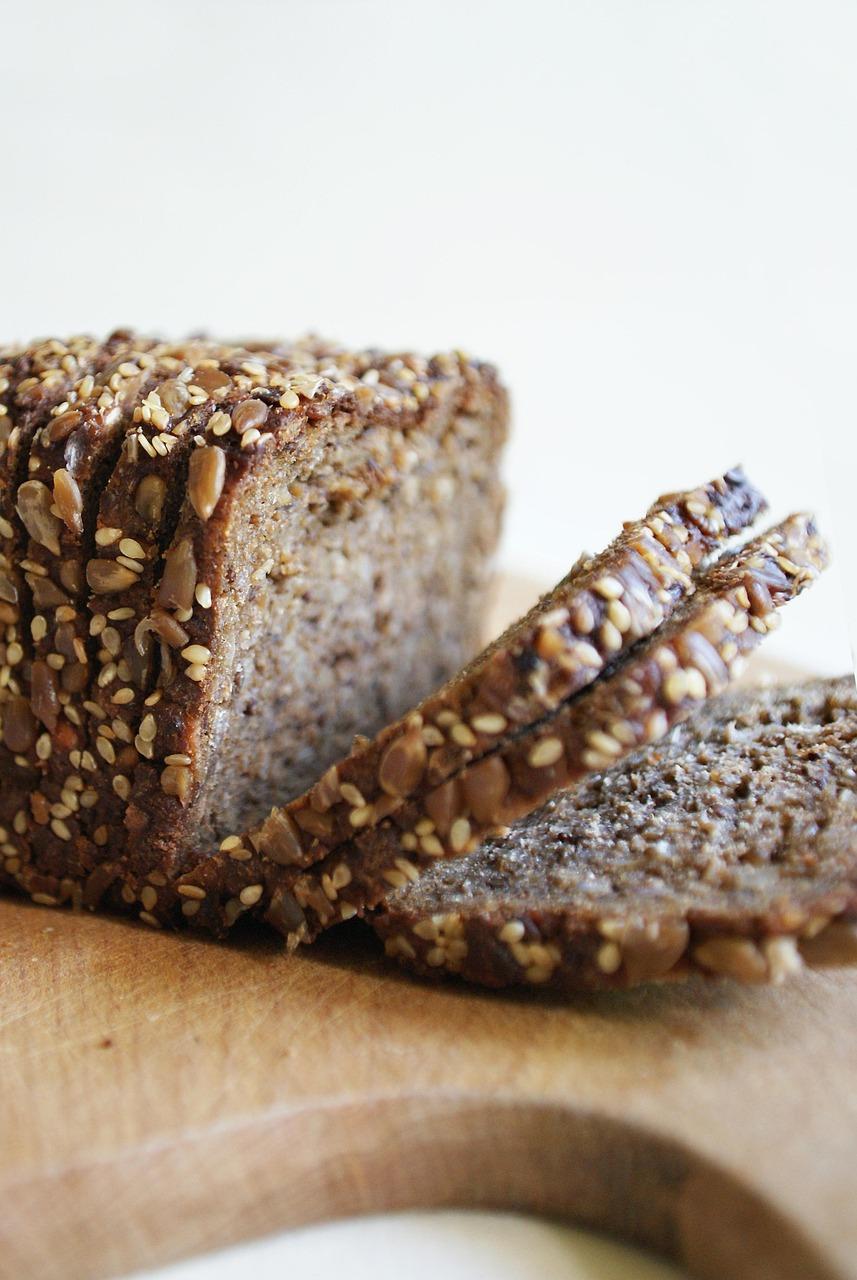
RugbrødDark rye loaf

In Denmark rugbrød is not a speciality but the daily bread: a dark, dense, slightly sour loaf of rye flour, cracked rye kernels and seeds, baked in a tin and sliced thin for every smørrebrød lunch. Bakeries in Aarhus and Copenhagen sell it by the brick, and many households keep a jar of rye sourdough starter in the fridge just for it. The dough is more of a thick porridge than a dough; you spoon it into the tin rather than shape it. It needs patience: a long sour, a long bake and a full day of resting before it is cut. Chef's tip: wait at least 12 hours, ideally 24, before slicing; the crumb is still setting as it cools and cut early it will be gummy.

by KrazyBadal 0 views

RugelachCream cheese cinnamon crescents

Rugelach came from the Jewish bakeries of Eastern Europe, and today they are piled high on trays in Jerusalem's Machane Yehuda market and in every New York deli bakery, eaten with coffee on Friday or packed for a Hanukkah visit. The American-style dough made with cream cheese and butter bakes up tender and flaky, and each wedge is rolled up around a filling of brown sugar, cinnamon, chopped walnuts and raisins into a small crescent. Chef's tip: chop the walnuts and raisins finely; big pieces tear the thin dough as you roll it.

by KrazyBadal 0 views

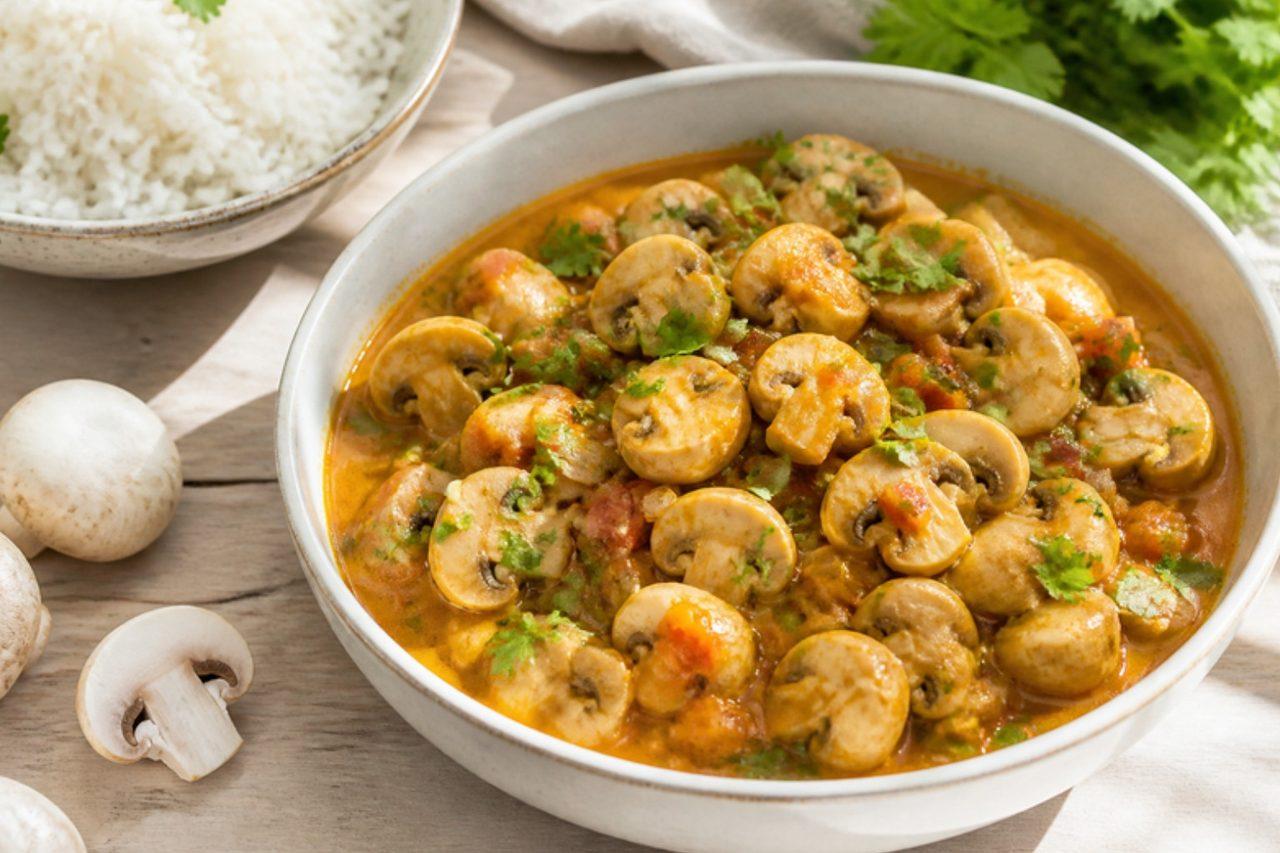
Rugra curryPuffball mushroom curry

Rugra are small, round underground mushrooms that push up under sal trees in Jharkhand's forests after the first monsoon rains. Tribal villagers dig them out and sell them by the basket in Ranchi markets for a few short weeks, and families cook them into a dark, spicy curry with onion, tomato and mustard oil. They have a firm skin and a meaty, earthy bite. Outside Jharkhand, small whole button or chestnut mushrooms make a fine version. Chef's tip: rugra come caked in soil, so soak and scrub them several times, then halve one to check the inside is white; grey or black ones are past their best.

by KrazyBadal 0 views

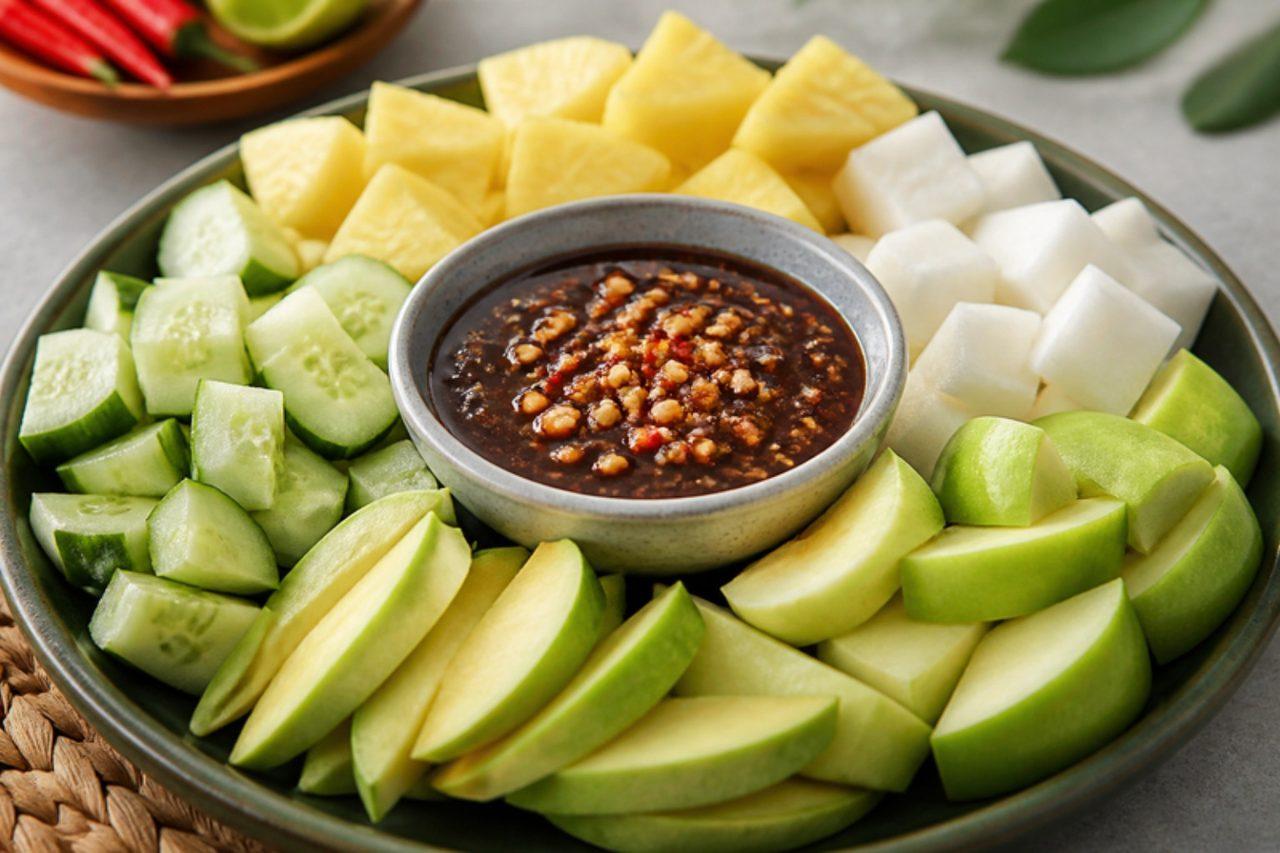
Rujak buahFruit salad with tamarind dip

Across Java, rujak buah is the afternoon snack that office workers share from a paper cone: crisp green mango, jicama, pineapple and cucumber dragged through a dark, sticky sauce of palm sugar, tamarind and crushed chilli. Hawkers usually add shrimp paste; many make a version without, which is what this is, with a few roasted peanuts for body. The mix of sour fruit and hot, sweet sauce wakes you up on a humid day. Chef's tip: chill the fruit but keep the sauce at room temperature, so it stays loose enough to cling.

by KrazyBadal 0 views

Potato gnocchiPotato gnocchi with sage butter

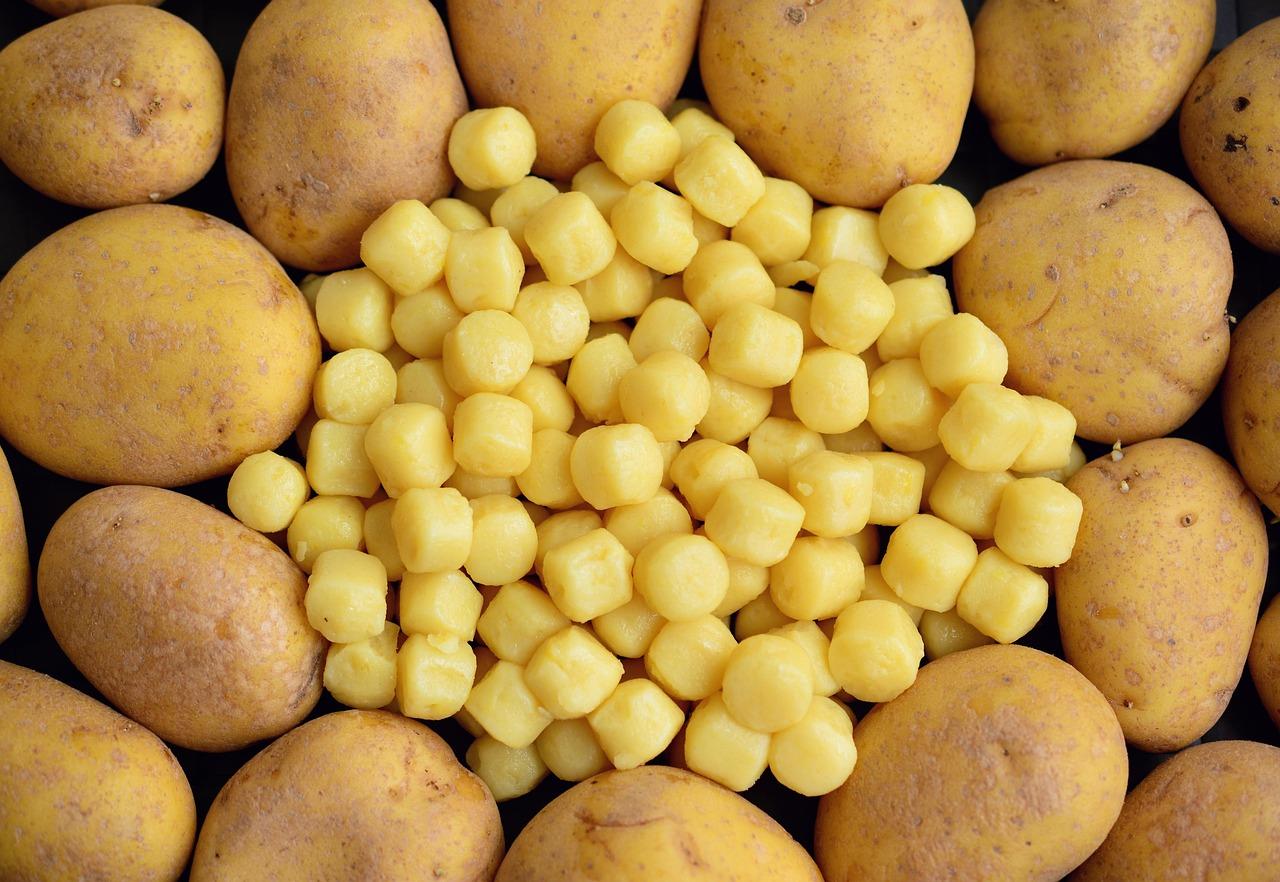
Potato gnocchi are made all over Italy, from Friuli to Rome, where trattorie still serve them on Thursdays ('giovedì gnocchi'). They are just floury potatoes and flour (an egg yolk is optional and makes them easier to handle) rolled into little pillows that cook in two minutes. Good gnocchi are light and tender, never chewy. Serve them with sage butter, as here, or a simple tomato sauce for children. Chef's tip: bake the potatoes in their skins instead of boiling; drier potatoes need less flour, and less flour means lighter gnocchi.

by KrazyBadal 0 views

Bai sach chroukGrilled pork over rice

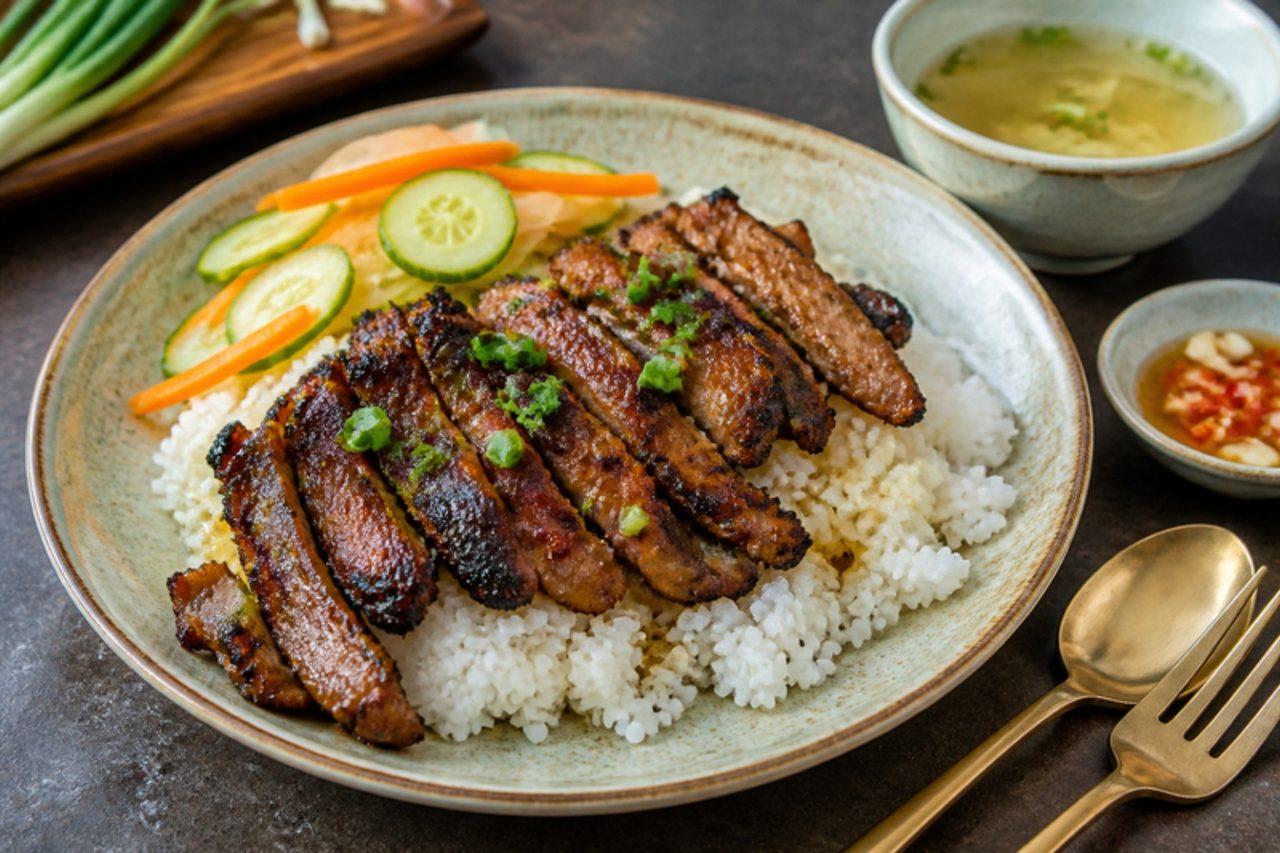
Bai sach chrouk, 'rice with pork', is the classic Cambodian street breakfast, grilled over charcoal on pavements in Phnom Penh and Siem Reap in the early morning and eaten before work and school. It is a pork dish: thin slices of pork are marinated overnight in coconut milk, garlic and palm sugar, then grilled until caramelised and smoky and served on broken rice with quick-pickled cucumber and carrot and a small bowl of clear broth. Chef's tip: slice the pork thinly, about 5 mm; it marinates faster and chars before it dries out.

by KrazyBadal 0 views

Ginataang langkaYoung jackfruit in coconut milk

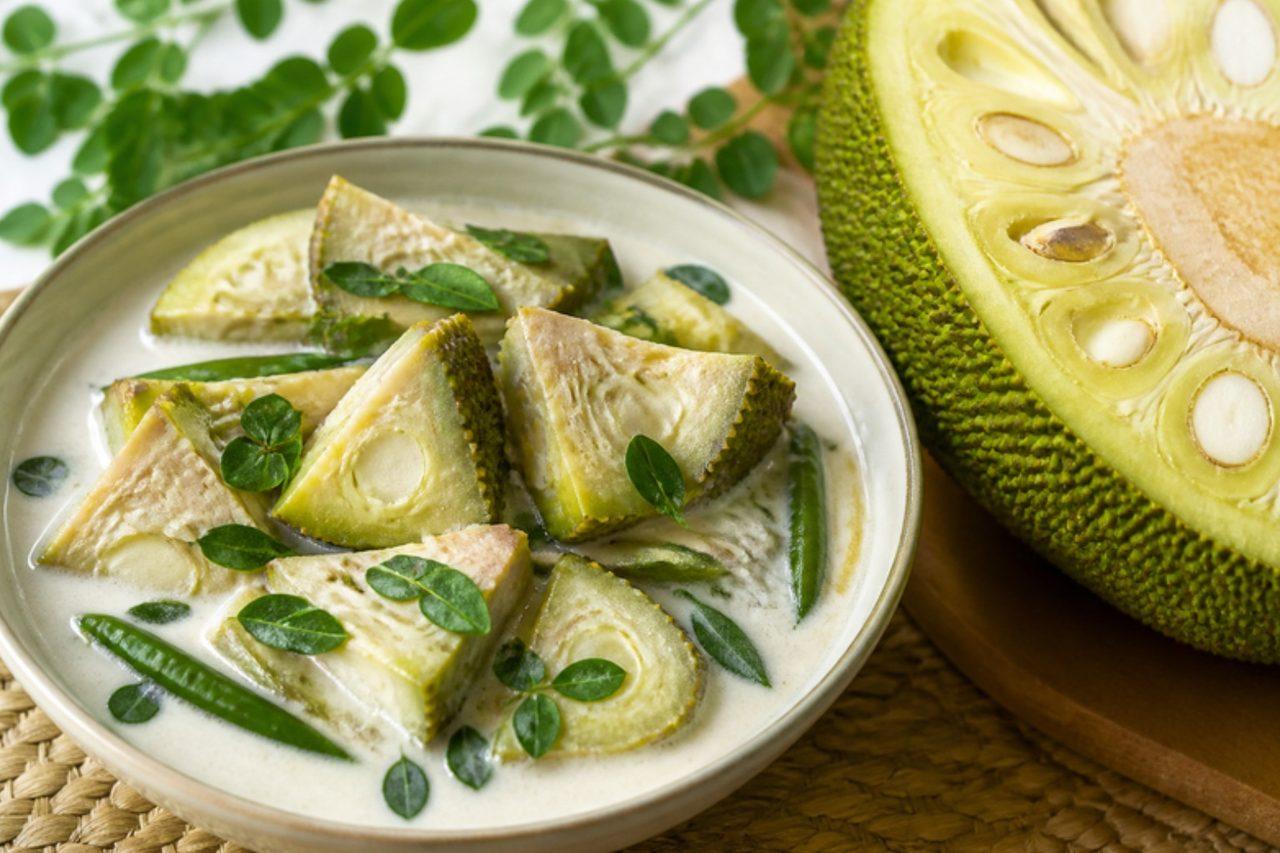
In Bicol and across the Tagalog provinces, ginataang langka is what happens when a jackfruit tree drops its fruit too early: the unripe flesh is sliced and cooked in coconut milk with plenty of ginger until tender and creamy. Unlike Java's sweet, dark gudeg or Padang's turmeric gulai nangka, it is pale, savoury and peppery, lifted at the end with malunggay (moringa) leaves and a splash of vinegar. Home cooks often add shrimp or pork; this version is vegetable-only. Chef's tip: oil your knife and hands before cutting fresh jackfruit, as its sap is very sticky; tinned young jackfruit avoids the problem altogether.

by KrazyBadal 0 views

Ginataang kalabasa at sitawSquash and long beans in coconut milk

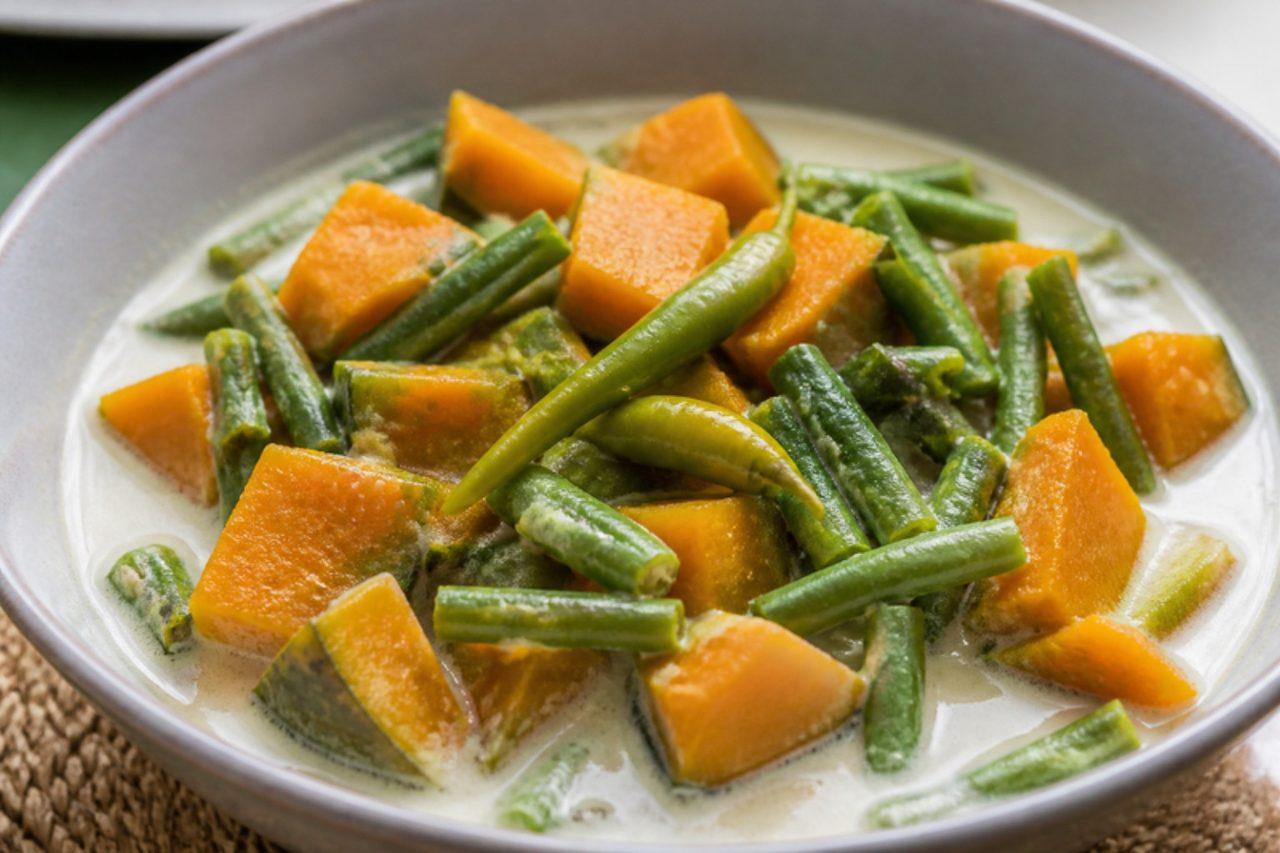
Ginataan means 'cooked in coconut milk', and in the coconut country of Bicol and Southern Tagalog it is how a lot of weeknight vegetables end up on the table. Ginataang kalabasa at sitaw is the homely version: chunks of orange squash and lengths of yard-long beans simmered in coconut milk with garlic, onion and ginger until the squash just starts to melt into the sauce, turning it pale gold and lightly sweet. Bicolano cooks drop in a long green chilli or two for warmth. It is a one-pot dish served with rice, and many families make it on days when there is no money for meat. Chef's tip: keep back a few chunks of squash to mash into the sauce at the end; it thickens it naturally.

by KrazyBadal 0 views

Gin thokeYoung ginger salad

Gin thoke is lahpet thoke's livelier cousin, served on the same lacquered trays at teashops in Yangon and as a palate-wakener after a rich curry lunch. Young ginger is cut into fine threads and pickled in lime and salt so it turns pink and juicy, then tossed with cabbage, tomato, peanuts, fried beans and sesame. Burmese cooks often add fish sauce; salt, lime and a little toasted chickpea flour give the dressing body without it. Chef's tip: use young ginger with thin, pinkish skin if you can find it; mature ginger is fibrous and too fiery to eat in this quantity, so slice it extra thin.

by KrazyBadal 0 views

Gigantes plakiBaked giant beans

Gigantes plaki is a tray of fat, creamy beans baked in a thick tomato sauce until the top catches and wrinkles. You find it in every taverna's display of oven dishes, on meze tables with bread and olives, and in home kitchens during Lent. The best beans come from Kastoria and Prespes in northern Greece, but any large dried butter beans work. The beans are boiled first, then baked with onions, carrot, celery, garlic and dill. Serve warm or at room temperature with feta for those who eat dairy and crusty bread. Start the night before: the beans need to soak for at least 12 hours. Chef's tip: don't salt the boiling water or add tomato until the beans are already tender; acid and salt too early are the common mistake that keeps the skins tough.

by KrazyBadal 0 views

Ghugni churaBlack chickpea curry with flattened rice

In Patna and the towns along the Ganges, ghugni chura is the morning and evening snack people queue for at the tea stall: a spicy, onion-rich curry of small black chickpeas served alongside chura, flattened rice that is fried or toasted in mustard oil until it crackles. You scoop a bit of each into your mouth together, with raw onion and green chilli for crunch. At home it is just as likely to be breakfast on a winter Sunday or what is offered to guests with tea. Chef's tip: cook the chana until it squashes easily between two fingers; firm chickpeas never soak up the masala.

by KrazyBadal 0 views

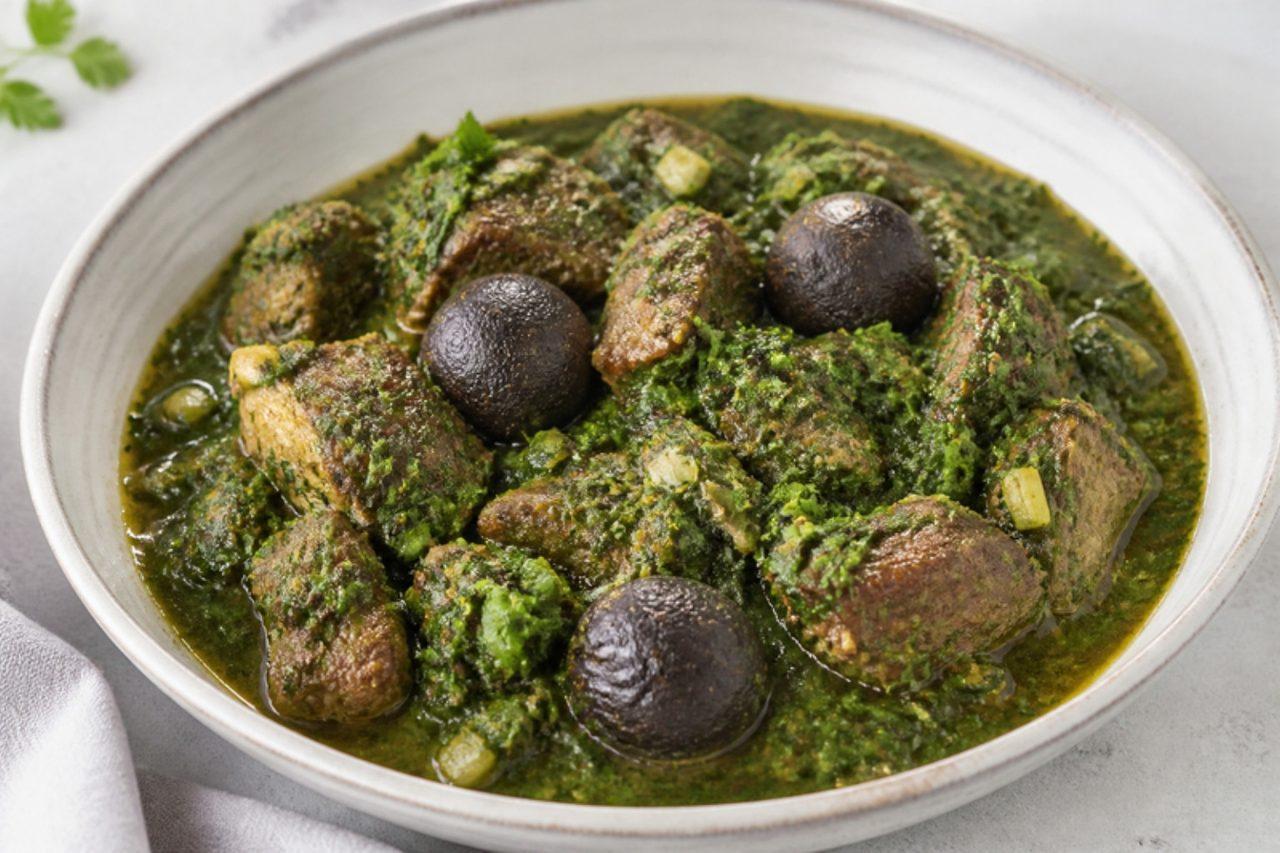
Vegetarian ghormeh sabziHerb and kidney bean stew

Ghormeh sabzi is often called Iran's national dish: a dark green stew of slowly fried herbs, kidney beans and whole dried limes that perfumes Iranian kitchens on Friday mornings and turns up at nearly every family gathering. The original is made with lamb; this vegetarian version uses mushrooms and plenty of beans for body, and keeps the deep, sour, almost smoky herb flavour that makes the dish. It is spooned over chelow with its crust on the side. Chef's tip: fry the herbs in oil until they turn very dark green and smell nutty; that long frying is the flavour of the stew.

by KrazyBadal 0 views

GheymehLamb and split pea stew

Gheymeh is the stew that big pots are made for: in Iran it is cooked by the cauldron and handed out to neighbours during Muharram, especially on Tasua and Ashura, and it is a fixture of weddings and Friday lunches. Small cubes of lamb simmer with yellow split peas, tomato and dried Persian limes until the sauce is tangy, savoury and a little fragrant with cinnamon. A tangle of crisp, salty potato straws goes on top just before serving. Eat it with chelow rice. Chef's tip: pierce the dried limes and soak them for 10 minutes before adding; they release their sourness faster and don't float.

140 minPersianMeatGluten free
by KrazyBadal 0 views

GhevarLacy fried batter sweet in syrup

During the monsoon festival of Teej and through Raksha Bandhan, Jaipur's sweet shops stack golden, honeycomb discs of ghevar in their windows. The batter is little more than flour, chilled ghee and ice-cold water, poured into hot ghee in thin streams so it foams into a lacy round. It is then soaked in syrup and finished with rabri, sliced pistachios and a pinch of saffron. Married daughters traditionally receive it from their mothers' homes during Teej. The most common mistake is batter that is too warm or too thick; it fries into a heavy pancake instead of a web. Chef's tip: whisk the ghee with ice cubes until it is white and fluffy before adding flour, and keep the batter bowl in a tray of ice water while frying. A narrow, deep pan, or a metal ring set in a saucepan, gives the sides that help the batter build up.

by KrazyBadal 0 views

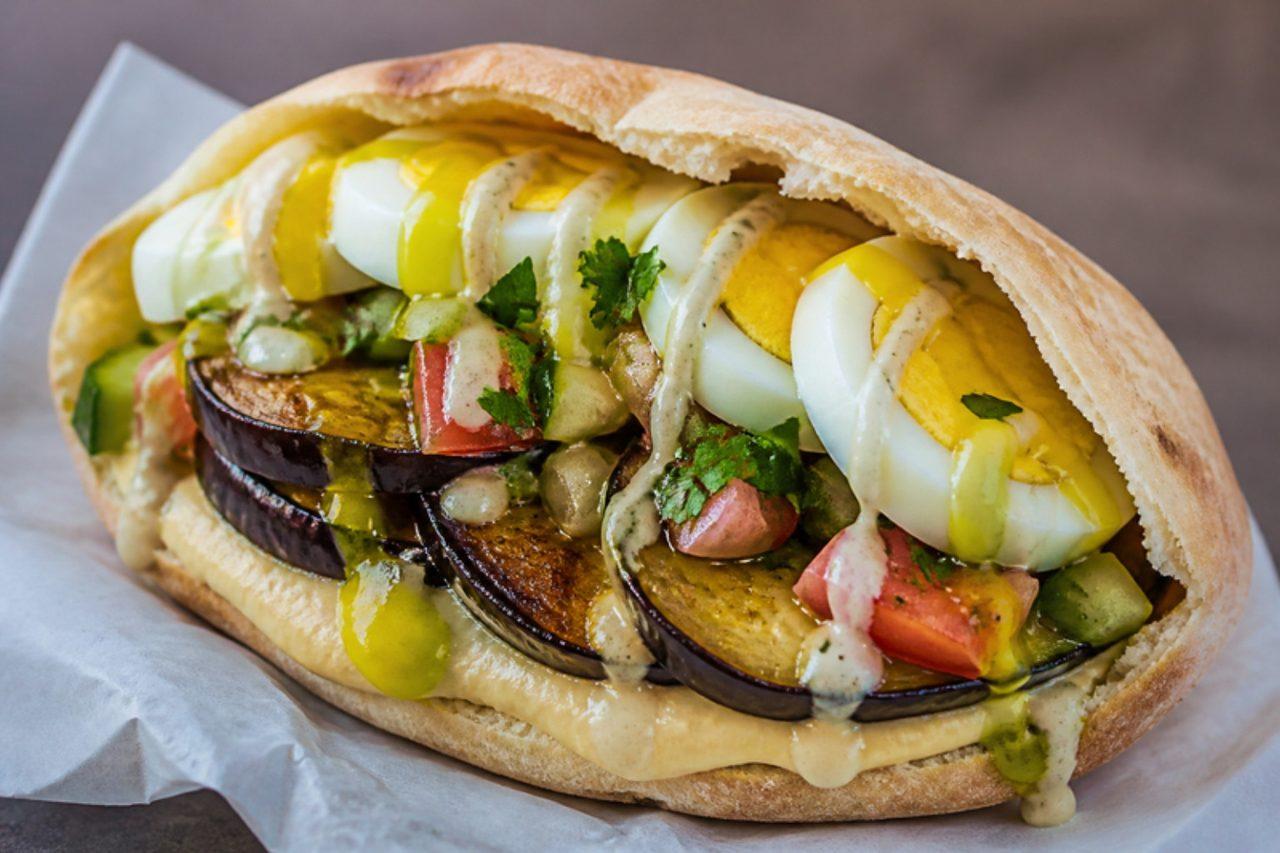
SabichAubergine and egg pita

Sabich came to Israel with Iraqi Jews, who ate fried aubergine and hard-boiled eggs on Saturday mornings when no cooking was allowed. In Ramat Gan in the 1950s someone stuffed it all into a pita, and today it is street food all over Tel Aviv: crisp-edged aubergine, sliced egg, hummus, tahini, chopped salad and a spoonful of tangy amba mango pickle, with zhug for heat. It is messy, rich and best eaten standing up with a paper napkin. Chef's tip: salt the aubergine and dry it well before frying; it soaks up far less oil and comes out creamy instead of greasy.

by KrazyBadal 0 views

GhapamaRice and fruit stuffed pumpkin

Ghapama is the dish Armenians carry to the table at New Year and on Christmas Day (6 January), with a folk song, "Hey jan ghapama", sung while the pumpkin is cut. A whole pumpkin is hollowed out, packed with half-cooked rice, dried apricots, prunes, raisins, walnuts and honey, and baked until the flesh is soft enough to scoop. At the table it is sliced from top to bottom like a flower opening, so each wedge comes with its own share of filling. Serve it as a festive main with a herb and cucumber salad, or as a sweet course after a lighter meal. Chef's tip: choose a squat, thick-walled pumpkin with a hard shell; thin-walled ones collapse in the oven before the rice is cooked.

by KrazyBadal 0 views

BakabanaFried plantain fritters

Bakabana are Suriname's favourite snack: long slices of ripe plantain dipped in a light batter and fried until crisp outside and custard-soft within. In Paramaribo they're sold from warung stalls (the Javanese-Surinamese snack bars), and in Dutch cities with Surinamese communities, always with a spicy peanut sauce on the side for dipping. The sweet fruit, crisp shell and salty-hot sauce make them hard to stop eating. Chef's tip: pick plantains that are yellow with lots of black spots but still firm; fully black and soft ones fall apart in the batter.

by KrazyBadal 0 views

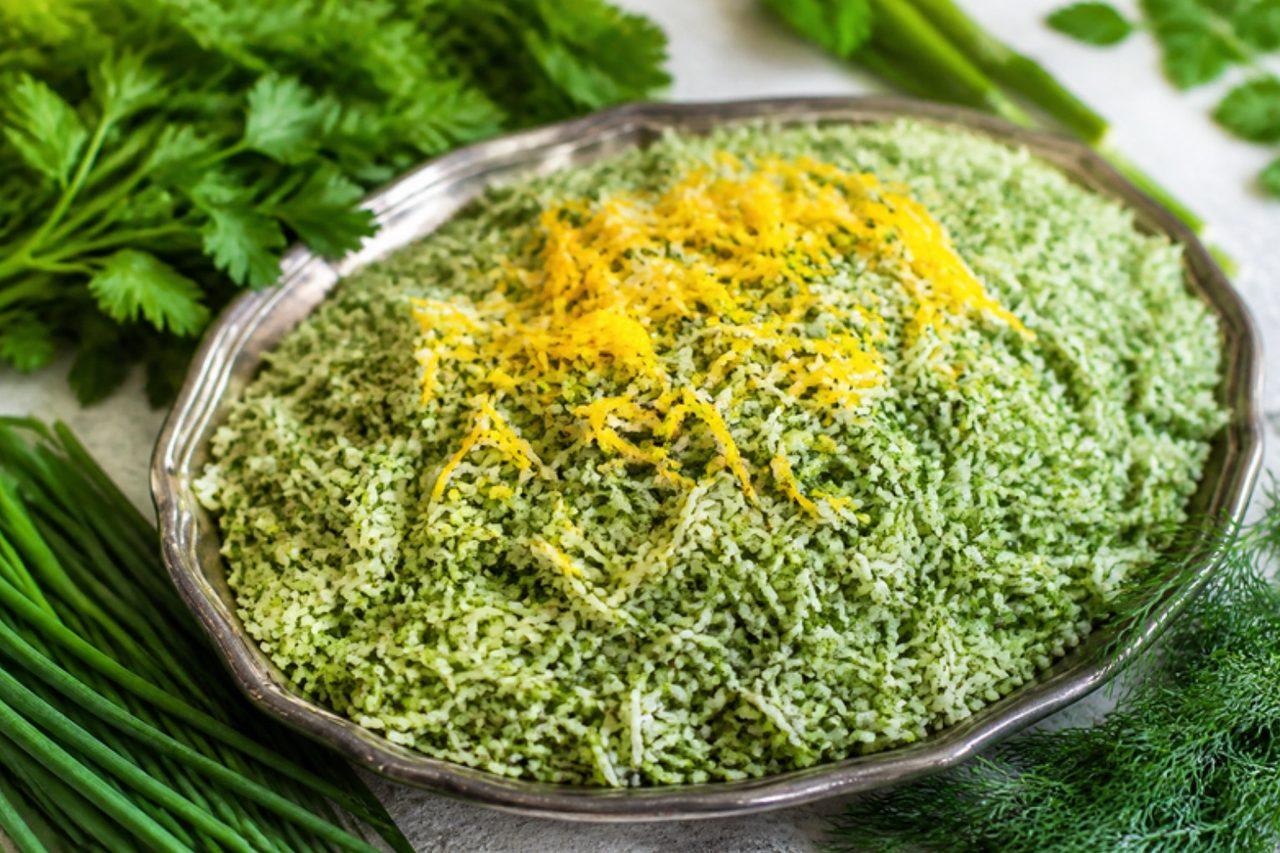
Sabzi poloGreen herb rice

Sabzi polo is the rice of Nowruz, the Persian New Year on the spring equinox, when families across Iran sit down on the first evening to a mound of rice speckled green with dill, parsley, coriander and chives. Fresh green herbs stand for renewal, and the dish is traditionally paired with fish on the New Year table; a vegetarian house serves it with kuku sabzi, the herb omelette, fried eggs or a bowl of yogurt. The rice tastes bright and grassy, with a gentle garlic note and a golden lavash crust underneath. Chef's tip: chop the herbs the day before and spread them on a tray to dry slightly; damp herbs make the rice heavy and clumpy.

by KrazyBadal 0 views

Sabzi qovurmaLamb with fresh herbs

Sabzi qovurma is a home dish across Azerbaijan, made especially in spring when the markets of Ganja and Baku are full of bundles of green herbs. Pieces of lamb are fried until golden, then cooked with masses of chopped coriander, dill, spinach, spring onion and leek, sharpened by dried black lime or sour plums. It is served with plain plov rice or bread and a bowl of yogurt. The trap is adding wet herbs straight to the pan; they stew rather than fry and the dish goes flat and grassy. Chef's tip: dry the herbs well and fry them on their own until they darken before they join the meat.

by KrazyBadal 0 views

Geraardsbergse mattentaartCurd tartlets

The small town of Geraardsbergen in East Flanders is so proud of its mattentaart that the little round puff-pastry tart has protected (PGI) status in the EU, and only bakers in the area may sell it under that name. It is filled with matten, a fresh curd made by curdling hot milk with buttermilk, mixed with eggs, sugar and a hint of almond, and baked until puffed and golden. Locals eat it with coffee, especially in late February when the town holds its Krakelingen festival. You make the curd yourself the day before. Chef's tip: hang the curd for a full night; too much whey left in it makes the filling weep and the pastry soggy.

by KrazyBadal 0 views

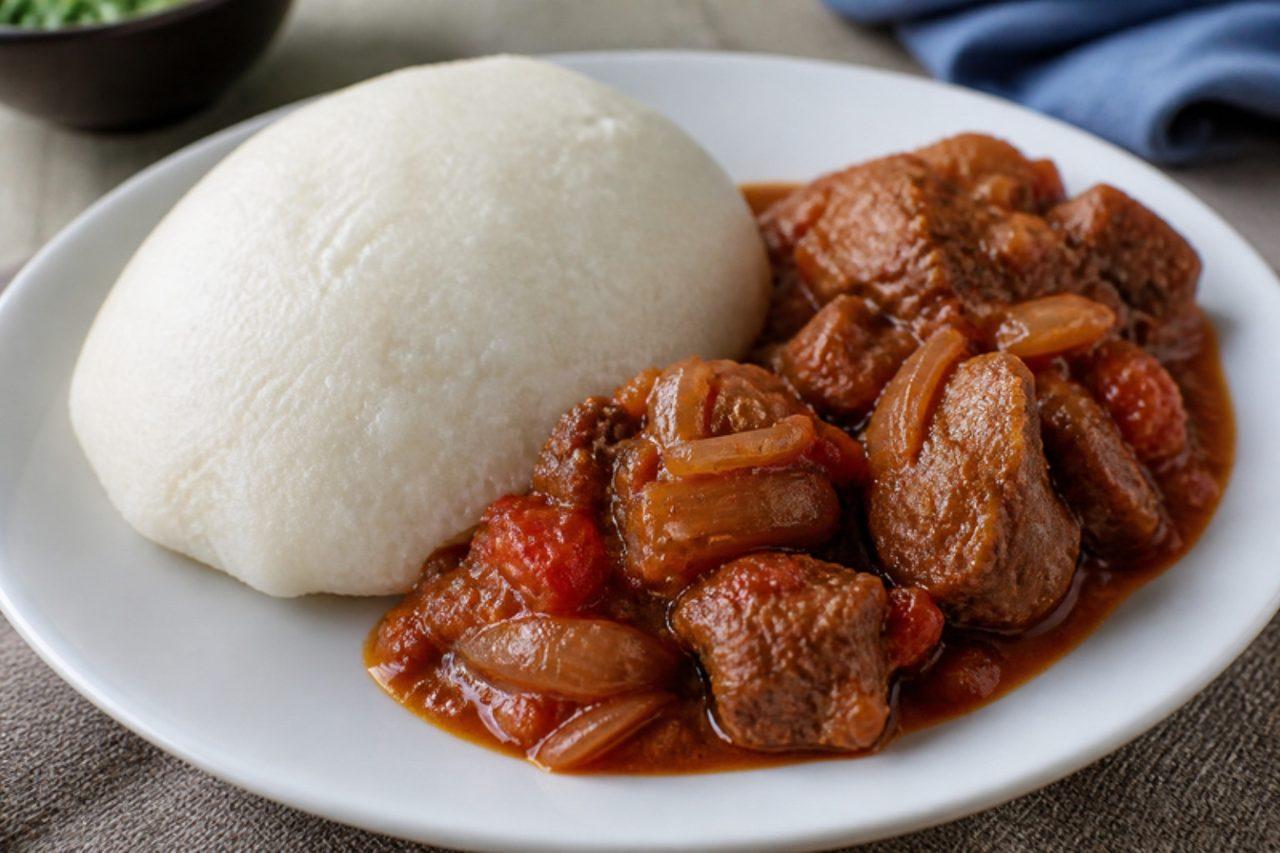
Sadza with beef stewMaize porridge with beef stew

Sadza ne nyama, sadza with meat, is the meal most Zimbabweans would call home: a stiff, smooth porridge of white maize meal shaped into rounds with a wooden spoon, served with a beef stew and a side of greens such as covo or rape. Families in Harare and Bulawayo eat it at lunch or supper, rolling a little sadza into a ball in the right hand and dipping it in the gravy. The mistake is adding all the maize meal at once, which makes lumps; stir in a paste first, then add the rest gradually. Chef's tip: let the porridge "rest and cook" under a lid for a few minutes between additions so the meal tastes cooked, not raw.

by KrazyBadal 0 views

Gentse waterzooiCreamy chicken and vegetable stew

Ghent claims waterzooi as its own, and in the cafés around the Korenmarkt it is served in deep plates as a cross between soup and stew. Originally made with river fish, the city's version today is nearly always chicken, poached gently with leek, carrot, celery and potato, then the broth is enriched with cream and egg yolk until it turns silky and pale gold. It is eaten all year but tastes best on a damp Flemish evening, with crusty bread for the last of the broth. The mistake to avoid is boiling it after the yolks go in, which scrambles them; keep it below a simmer while it thickens. Chef's tip: cut the vegetables into fine, even julienne so they cook in the same time and look neat in the bowl.

by KrazyBadal 0 views

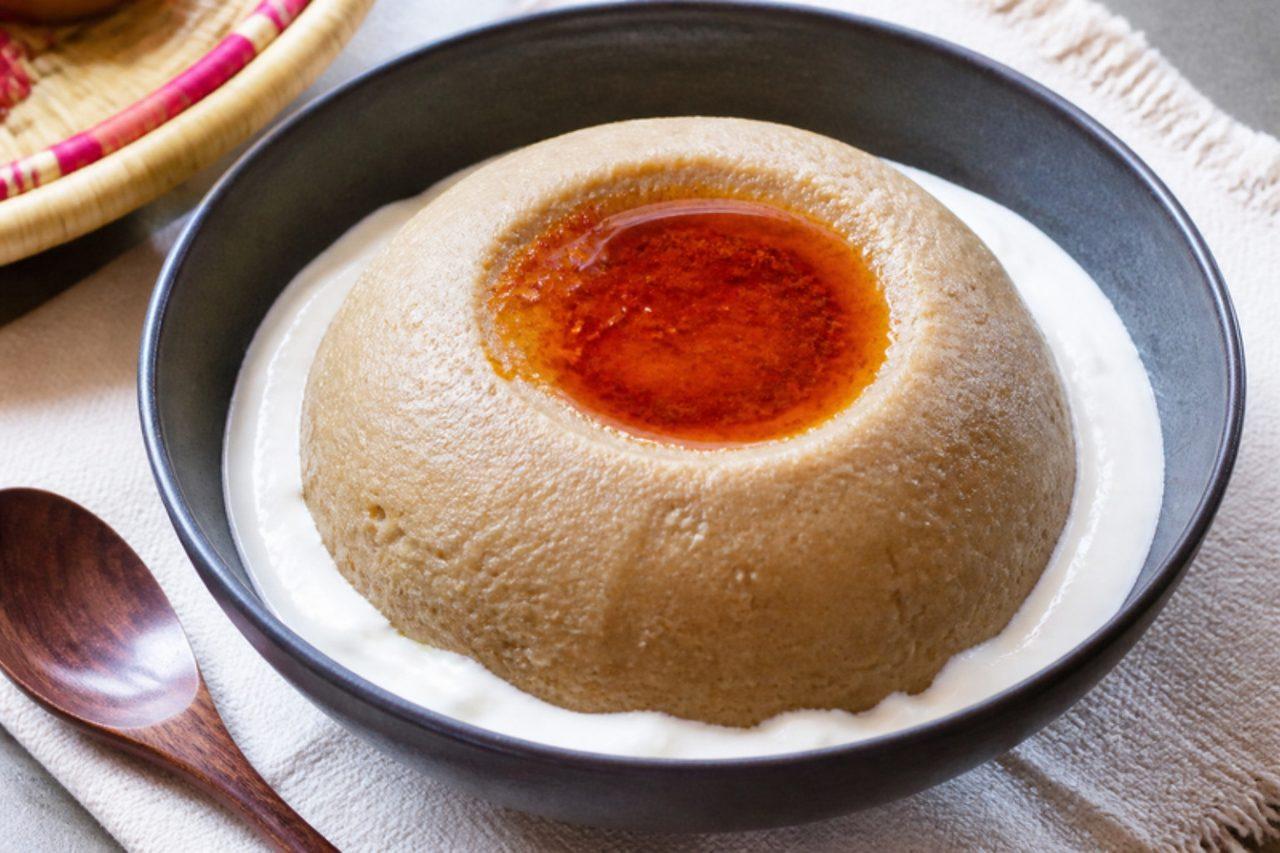
GenfoThick barley porridge

Genfo is a very thick barley porridge from the Tigray and Amhara highlands, cooked for breakfast on cold mornings and above all for new mothers, who are given it for weeks after birth to regain strength. The porridge is shaped into a mound, a hollow is made in the middle and filled with niter kibbeh and berbere, and everyone dips spoonfuls of porridge into the spicy butter, often with yoghurt around the edge. For a fasting version, fill the well with spiced oil. Chef's tip: stir with a wooden spoon the whole time you add the flour, and be firm; genfo is meant to be as thick as stiff mashed potato.

by KrazyBadal 0 views

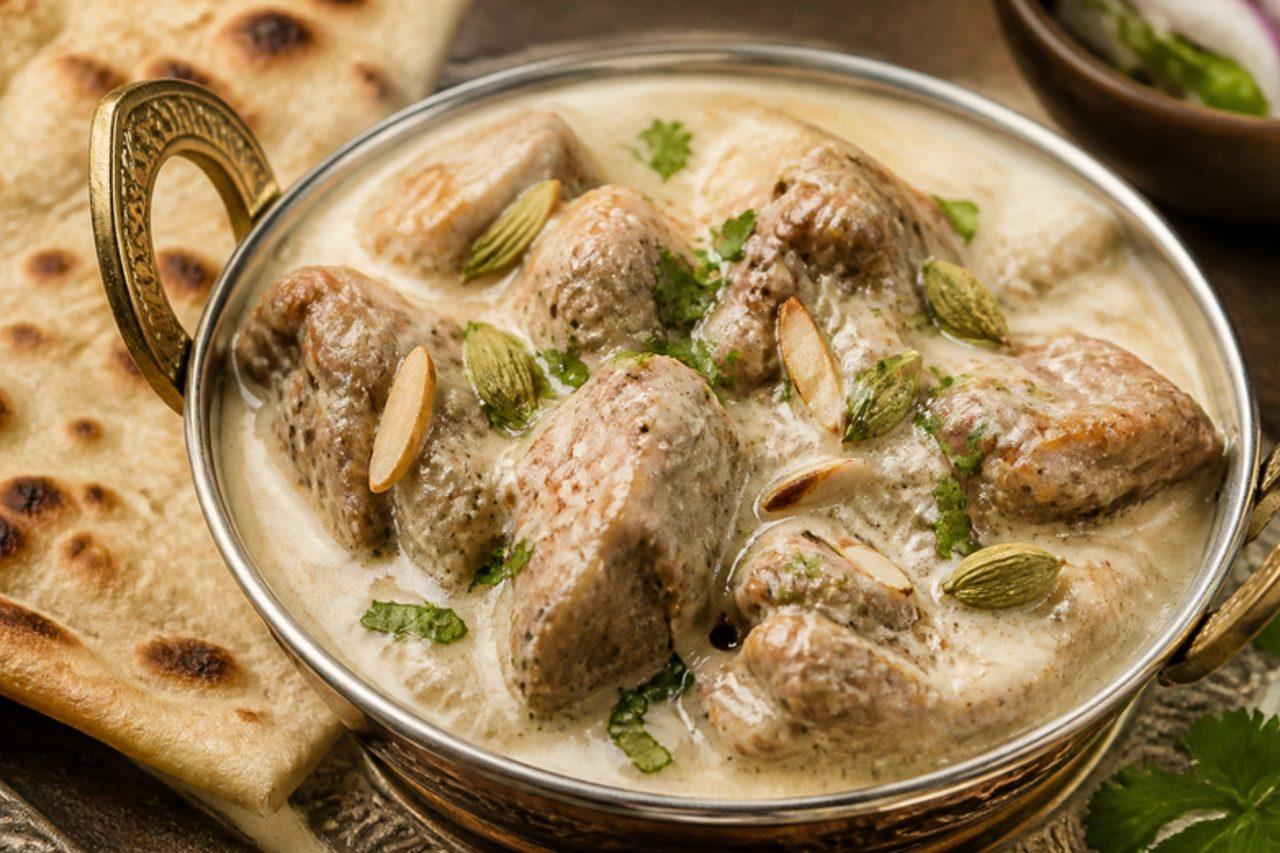
Safed maasMutton in white gravy

Safed maas is the quiet sibling of fiery laal maas, created in the palace kitchens of Rajasthan's princely states such as Jaipur and Udaipur, where cooks prized dishes that looked as refined as they tasted. There is no turmeric, no red chilli and no browning: the mutton is cooked white with yogurt, a paste of cashews and almonds, cream and white pepper, scented with cardamom and kewra. Its heat is gentle and comes from white pepper and a few green chillies. It's served at weddings and festive dinners with soft rotis or saffron pulao. Chef's tip: keep the heat low from start to finish; the moment the meat or the spices brown, the gravy turns beige and loses that ivory look.

125 minIndianMeatGluten free
by KrazyBadal 0 views

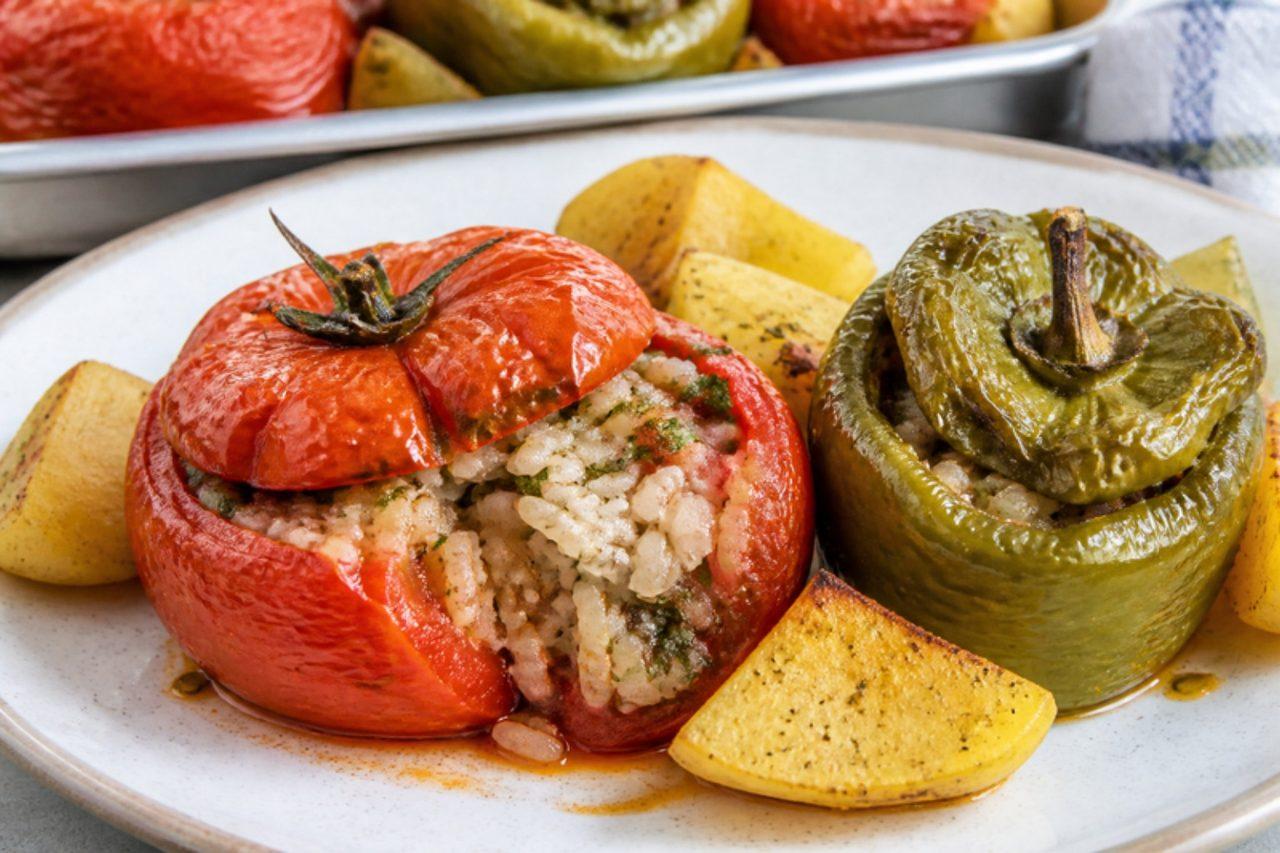
GemistaRice-stuffed tomatoes and peppers

Gemista is the dish of a Greek August, when tomatoes are cheap, sweet and bursting. Home cooks hollow out the tomatoes and peppers, stir the scooped-out pulp into rice with onions, mint and parsley, and bake everything in one big tray with wedges of potato tucked in between. The vegetables slump and blister, the rice soaks up the tomato juice and olive oil, and the potatoes go sticky at the edges. This vegetarian version is the one most families make in summer and during fasting periods. Serve warm or at room temperature with feta for those who eat dairy and plenty of bread to wipe the tray. Chef's tip: fill the vegetables only three-quarters full; the rice swells as it bakes, and overfilling is the common mistake that splits the tomatoes and leaves the rice hard.

by KrazyBadal 0 views

Yellow rice (geelrys)Sweet turmeric rice

Geelrys, or yellow rice, is the bright, faintly sweet rice that comes to the table in the Western Cape with bobotie, curries and Sunday roasts, and at Cape Malay weddings and funerals alike. It is cooked with turmeric, a stick of cinnamon, a little sugar and plump raisins, then finished with a knob of butter so the grains gleam. The sweetness is gentle, just enough to soften a spicy curry. Chef's tip: add the raisins at the start so they plump in the cooking water; added at the end they stay tough and chewy.

by KrazyBadal 0 views

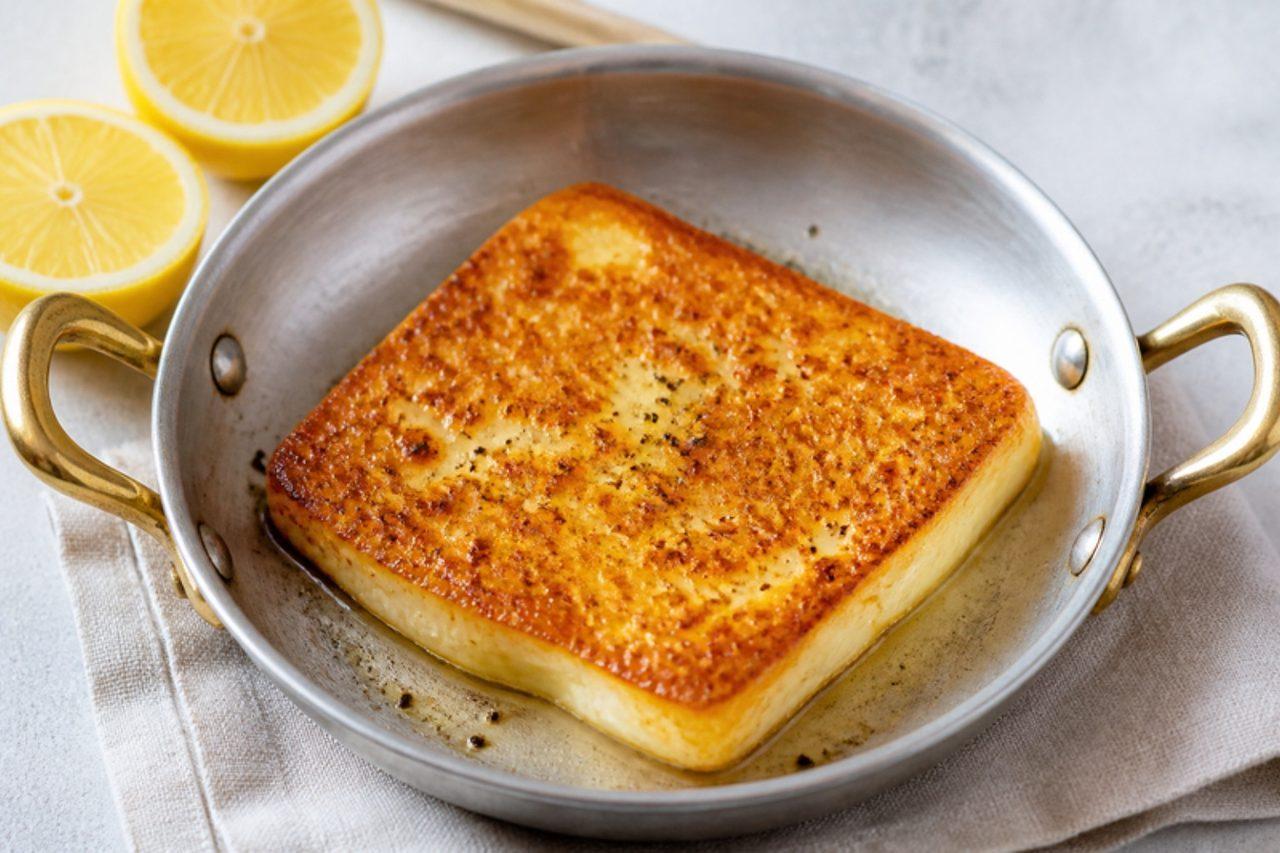
SaganakiPan-fried cheese

Saganaki takes its name from the small two-handled pan it's cooked in. A thick slice of hard sheep's-milk cheese, usually kefalograviera or kefalotyri, is dusted with flour and fried until it has a crisp, golden crust and a soft, stretchy middle, then splashed with lemon. In Greek tavernas it arrives sizzling at the start of the meal, to share with bread, salad and a cold drink. Traditional Greek hard cheeses are often made with animal rennet, so use a vegetarian alternative such as a vegetarian graviera or halloumi. We dust it with rice flour so it is gluten free. Chef's tip: chill the cheese and get the pan properly hot before it goes in; a lukewarm pan is the common mistake and the cheese melts into a puddle before it crisps.

by KrazyBadal 0 views

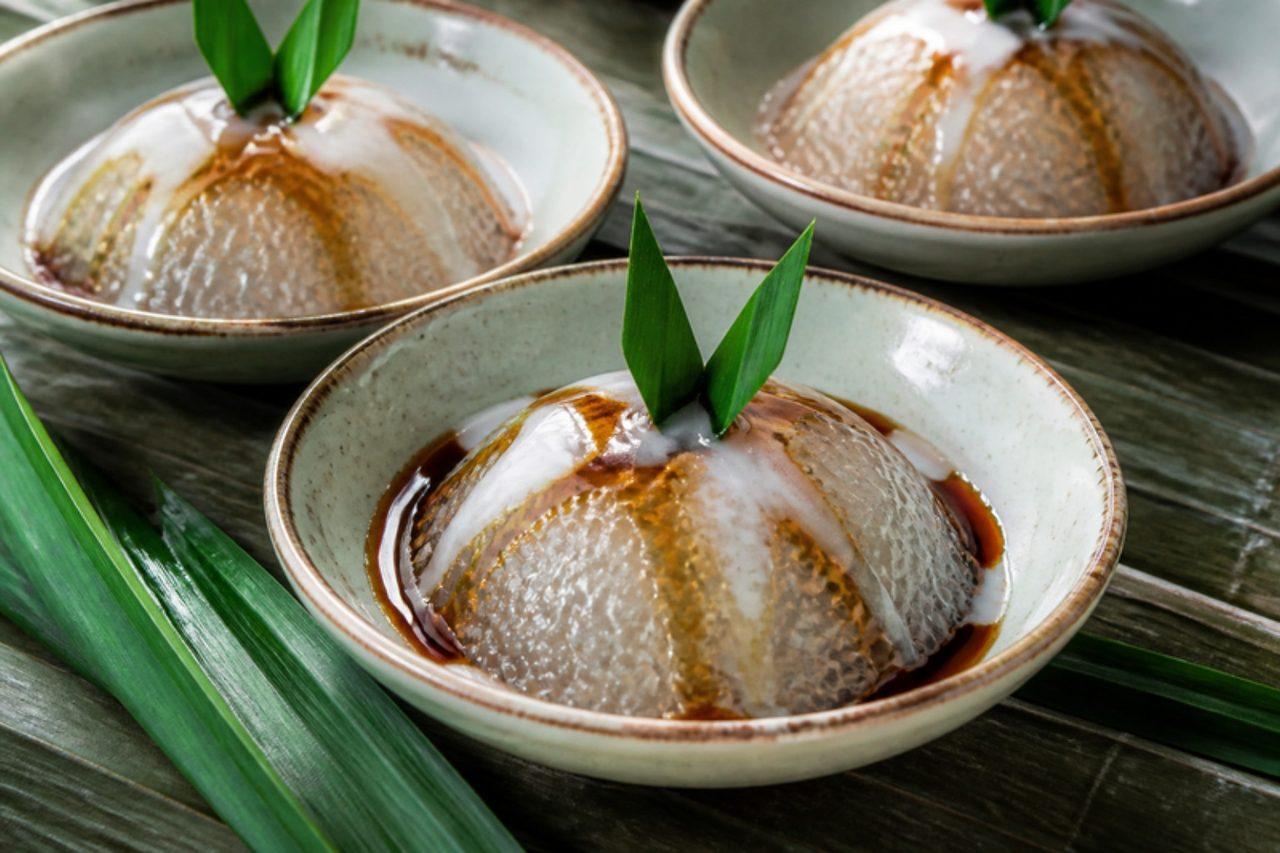
Sago gula MelakaSago pudding with palm sugar

This cool, wobbly pudding is named after the dark palm sugar made from coconut-flower sap around Melaka, and it's on the menu at Peranakan restaurants there and at many a Malaysian dinner party. Little domes of clear sago pearls are chilled until set, then turned out and drowned in salted coconut milk and smoky gula Melaka syrup. The pearls are soft and bouncy, the sauces rich and caramel-dark, and it can all be made the day before. Chef's tip: pour the sago into the water only once it's at a full rolling boil, and stir straight away; tepid water turns it into a gluey lump.

by KrazyBadal 0 views

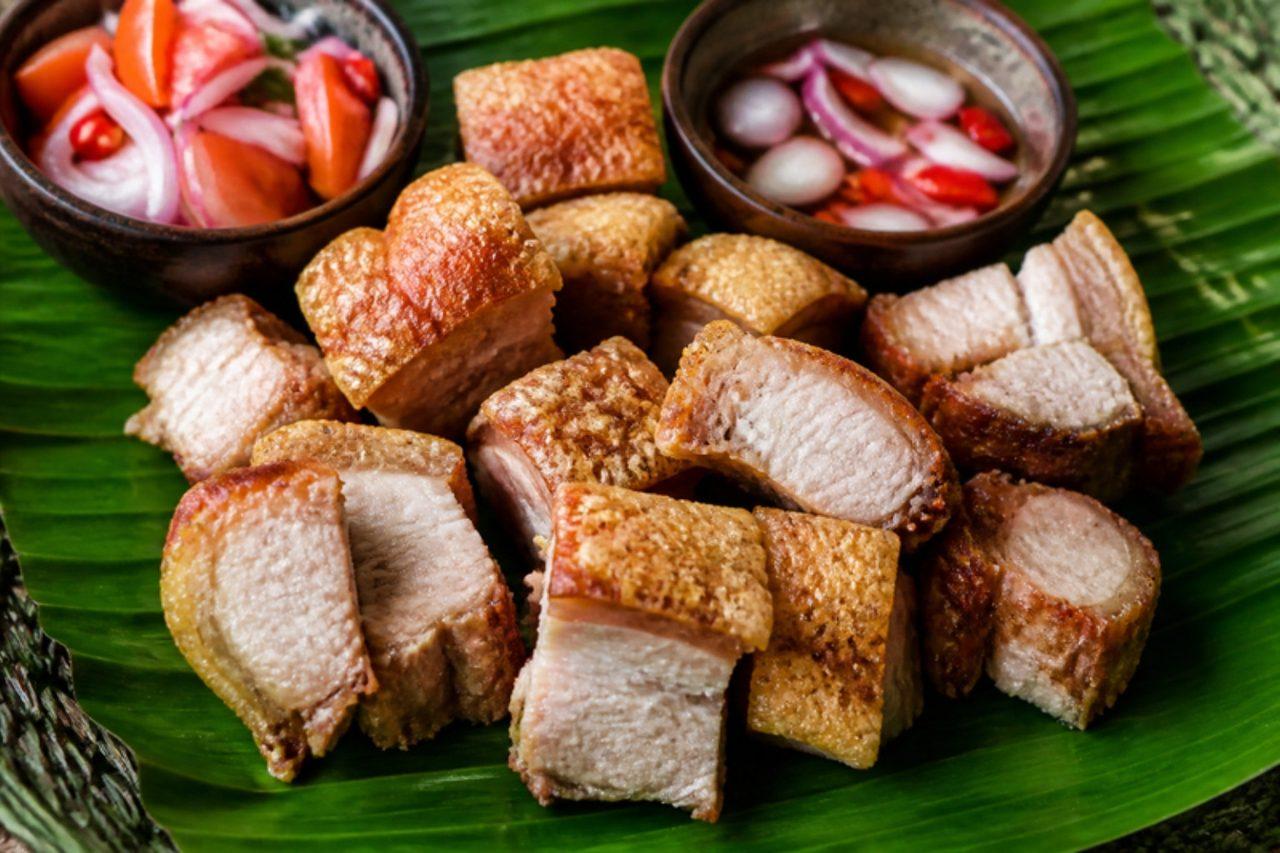
BagnetCrispy fried pork belly

Up in Ilocos Norte and Ilocos Sur, in towns like Vigan and Batac, bagnet hangs in market stalls in golden slabs: pork belly that has been boiled, dried and deep-fried so the rind is puffed and crunchy all the way through. Ilocanos chop it into rice bowls, add it to pinakbet and dinengdeng, or eat it with sukang Iloco, the region's dark sugarcane vinegar. It is richer and crunchier than lechon kawali because it is fried twice. A tomato and onion salad with a little shrimp paste cuts the fat. Chef's tip: the second fry, in hotter oil after a rest, is what makes the rind bubble; skip it and you get chewy skin.

150 minFilipinoMeatGluten free
by KrazyBadal 0 views

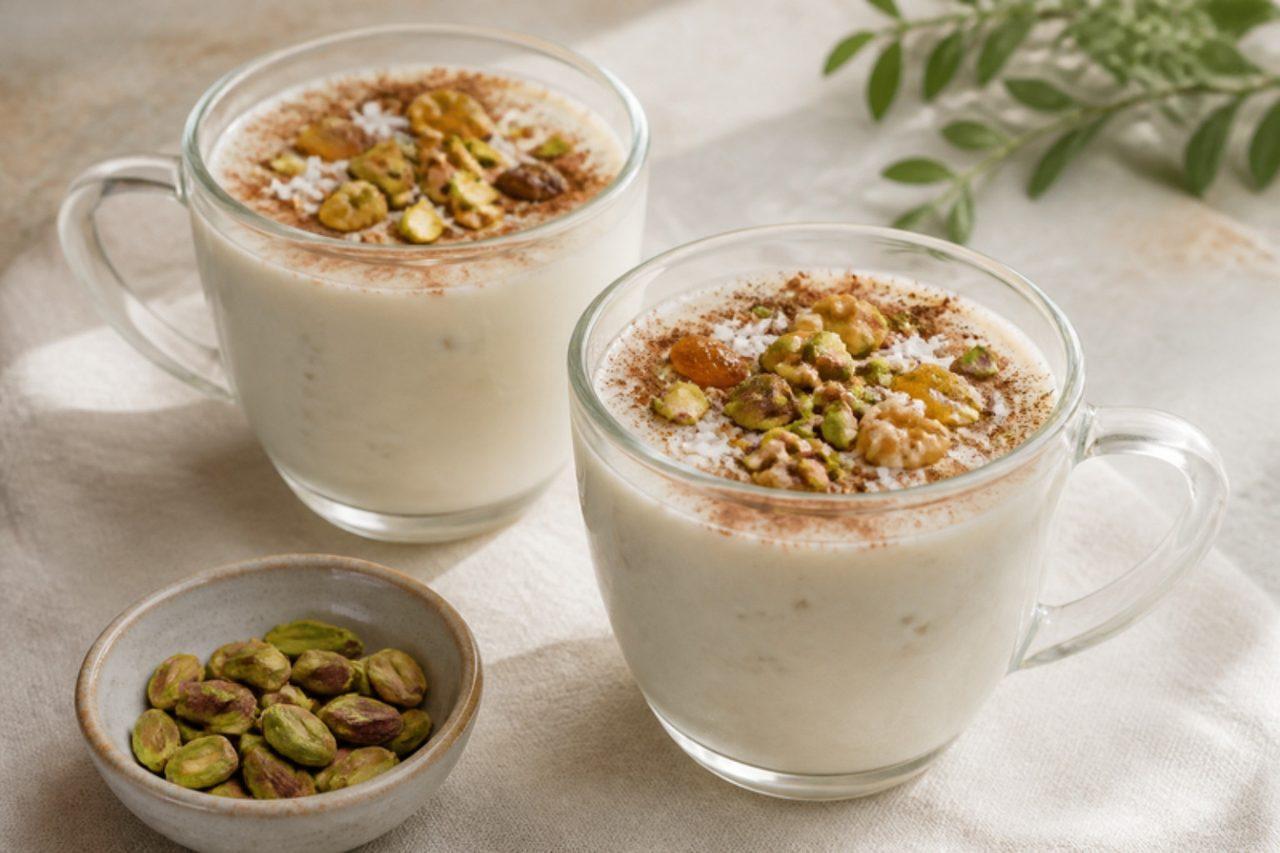
SahlabWarm milk drink

Sahlab is what Cairo drinks on a cold winter evening: a thick, sweet, steaming glass of milk sold in cafés and from street carts, topped with cinnamon, coconut, chopped nuts and a few raisins, and eaten as much with a spoon as drunk. The original thickener is powdered orchid root, which is now rare and protected, so most Egyptian households and many cafés use cornflour or a ready-made sahlab mix instead, as here. Chef's tip: keep whisking from the moment the thickened milk goes in until it boils; stop for a minute and it catches on the bottom of the pan and tastes scorched.

by KrazyBadal 0 views

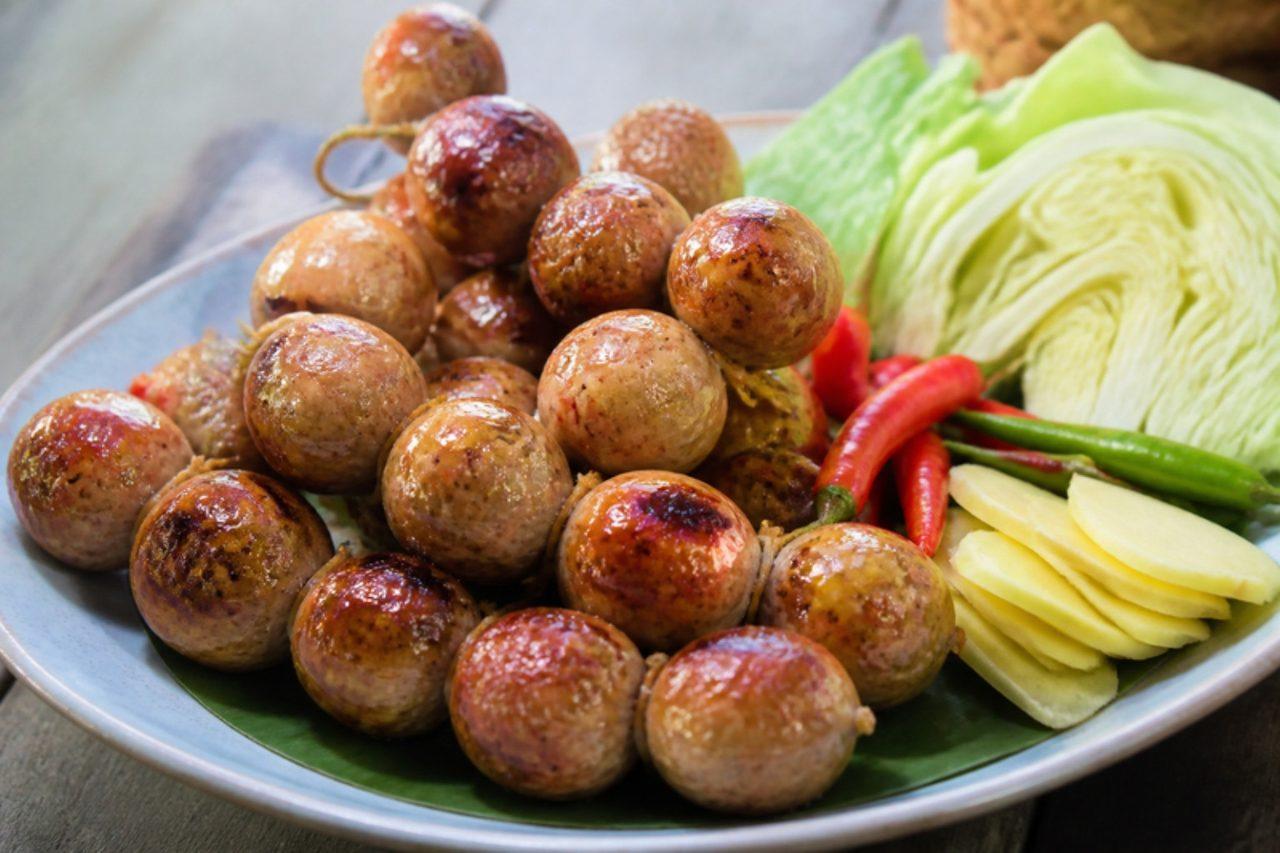
Sai krok IsanSour pork and rice sausage

Strung in little round links and grilled at night markets from Khon Kaen to Udon Thani, these garlicky sausages are tangy from fermentation, with soft rice grains in a juicy pork filling. Vendors serve them with fresh ginger slices, bird's eye chillies, raw cabbage and roasted peanuts, and every bite is a mix of sour, salty, hot and crunchy. Traditionally they are left at room temperature for two or three days to sour; that is a real food-safety risk at home without controlled cultures and curing salts, so this version cures in the fridge instead. Expect a milder tang than street-stall sai krok; a squeeze of lime at the table makes up the difference. Chef's tip: use day-old cooked rice that went into the fridge quickly; freshly cooked warm rice turns the filling mushy and keeps it in the danger zone.

65 minThaiMeatGluten free
by KrazyBadal 0 views

Sai ouaHerby grilled pork sausage

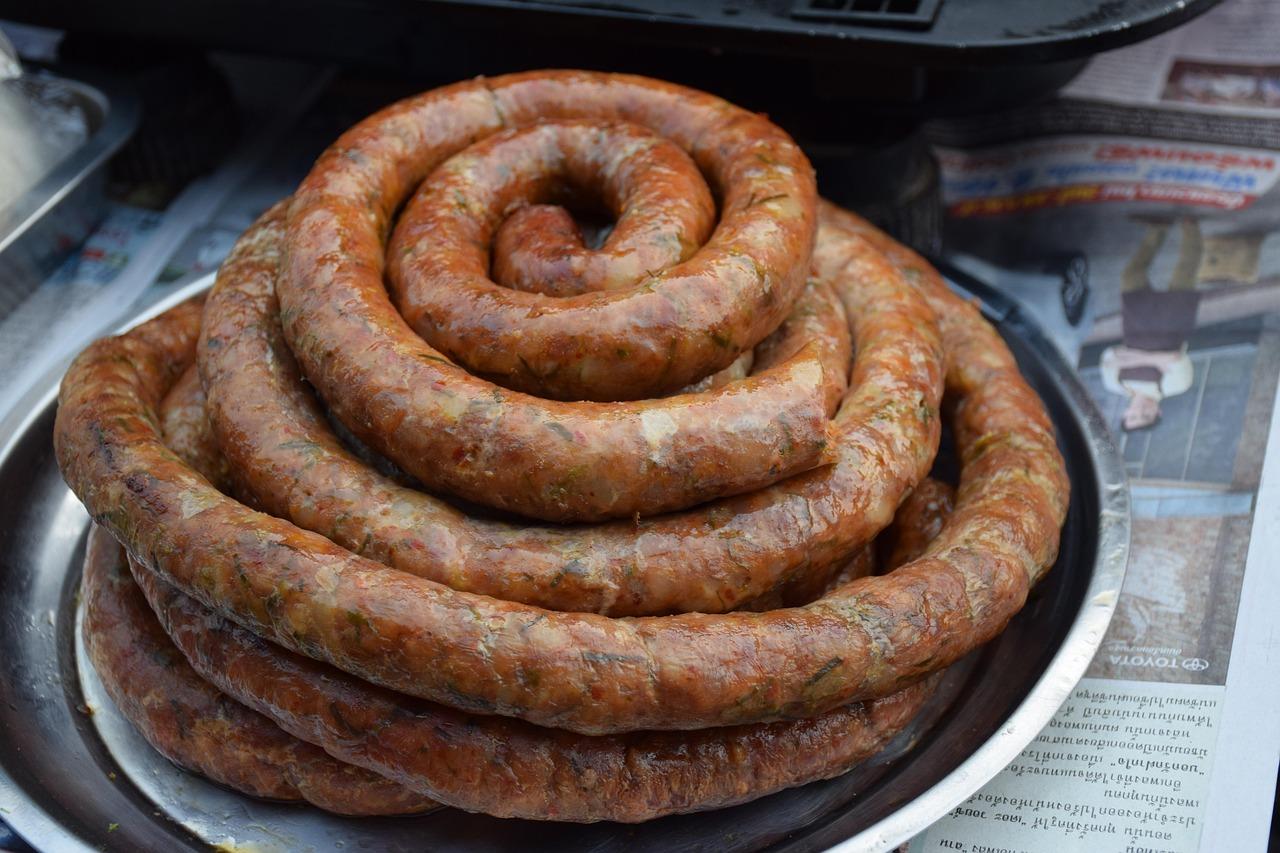
Walk through Chiang Mai's Warorot market and you will smell sai oua before you see it: long coils of sausage smoking over charcoal, flecked green with lime leaf and orange with chilli paste. The meat is coarse and juicy, the flavour loud with lemongrass, galangal and turmeric, and Northern Thais eat it in thick slices with sticky rice, raw cabbage, nam prik noom and a few slices of fresh ginger. If you have no casings or sausage stuffer, the same mixture makes excellent flat patties. Chef's tip: fry a teaspoon of the mixture before you stuff anything and taste it; this is your only chance to fix the salt and chilli.

90 minThaiMeatGluten freeSpicy
by KrazyBadal 0 views

Gatte ki sabziGram flour dumplings in spiced yogurt gravy

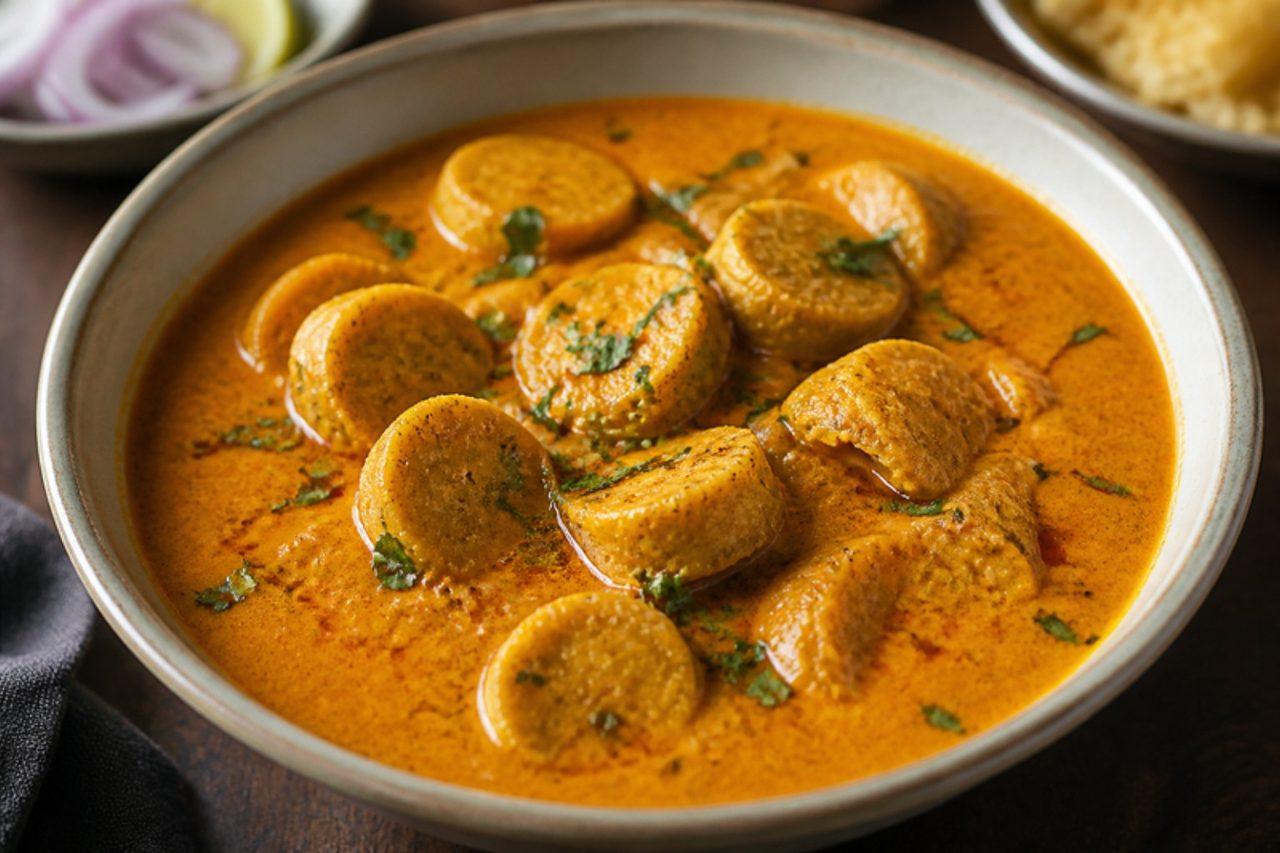
Gatte ki sabzi comes from the deserts of Rajasthan, where fresh vegetables were scarce and cooks turned gram flour into 'vegetables' instead. Firm, spiced besan rolls are boiled, sliced into little wheels and then simmered in a tangy yogurt gravy until they soak up its flavour. The dumplings are soft but hold their shape and the gravy is gently sour with a warming heat. Serve with phulka, bajra roti or steamed rice. Chef's tip: keep the cooking water from the gatte and use it for the gravy; it carries their flavour and a little starch that helps keep the yogurt from splitting.

by KrazyBadal 0 views

GataSweet bread with buttery filling

Gata is the sweet bread Armenians bake for Candlemas (Trndez) in February and for New Year, often with a coin hidden inside for luck; whoever finds it is set for the year. Every region shapes it differently, but the best-known are the large golden rounds sold by women at the roadside near Garni temple and Geghard monastery, cut into wedges for the drive home. Inside a tender, slightly flaky dough made with matsun (yogurt) and butter is khoriz, a sweet crumble of flour, sugar and butter that bakes into a soft, sandy layer. Eat it with black coffee or tea. Chef's tip: roll the dough thin and fold the khoriz inside like an envelope before rolling again; the folding creates layers so the gata is light rather than doughy.

by KrazyBadal 0 views

Gat kimchiMustard leaf kimchi

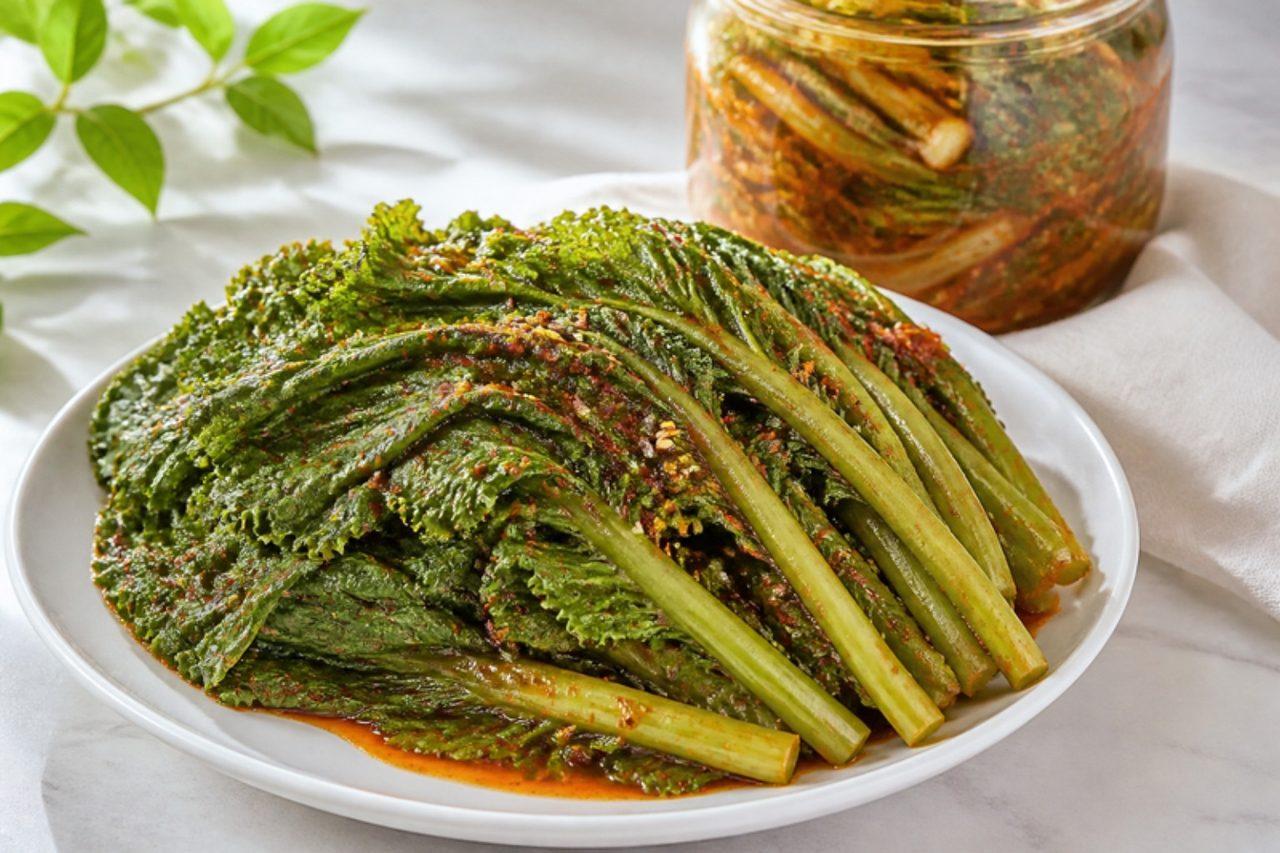
Dolsan island, off the port city of Yeosu in South Jeolla, grows a purple-tinged mustard green called gat that is milder and more tender than mainland mustard leaves, and gat kimchi (갓김치) made from it is the region's pride. The leaves keep a hot, wasabi-like bite that softens and turns tangy after a week or two of fermenting. Jeolla kimchi is usually heavy with fish sauce and salted anchovy; this version gets its depth from a kelp-and-rice porridge, pear, onion and soy, so it is vegan. Eat it with plain rice, noodles or on the side of jeon. Chef's tip: salt the leaves stems-first and turn them halfway; the thick stems need longer than the leaves.

by KrazyBadal 0 views

Bagna càudaWarm garlic and anchovy dip

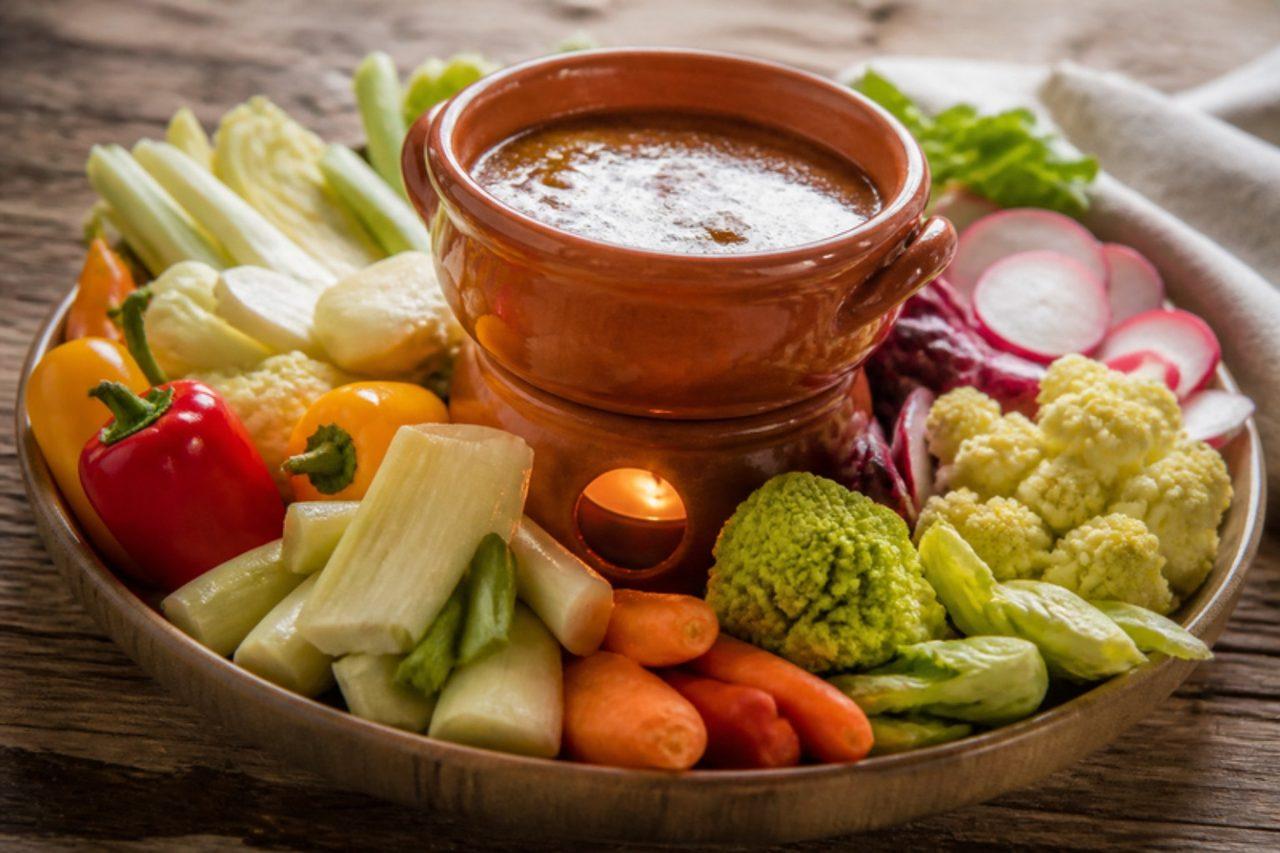
When the grape harvest is over in the Langhe and Monferrato, Piedmontese friends gather round a terracotta pot of bagna càuda, the 'hot bath', kept warm over a little flame in the middle of the table. Everyone dips raw and cooked vegetables into it: peppers, cardoons, fennel, cabbage leaves, Jerusalem artichokes, boiled potatoes and beetroot. The sauce is mellow rather than fierce, because the garlic is poached in milk before it melts with anchovies into olive oil and a little butter, giving a rich, salty, nutty bath. Hunks of bread catch the drips, and a young red wine is the usual partner. Chef's tip: keep it hot but never bubbling, on a fondue burner or tea-light warmer; if it fries, the garlic turns bitter and the anchovies harsh.

by KrazyBadal 0 views

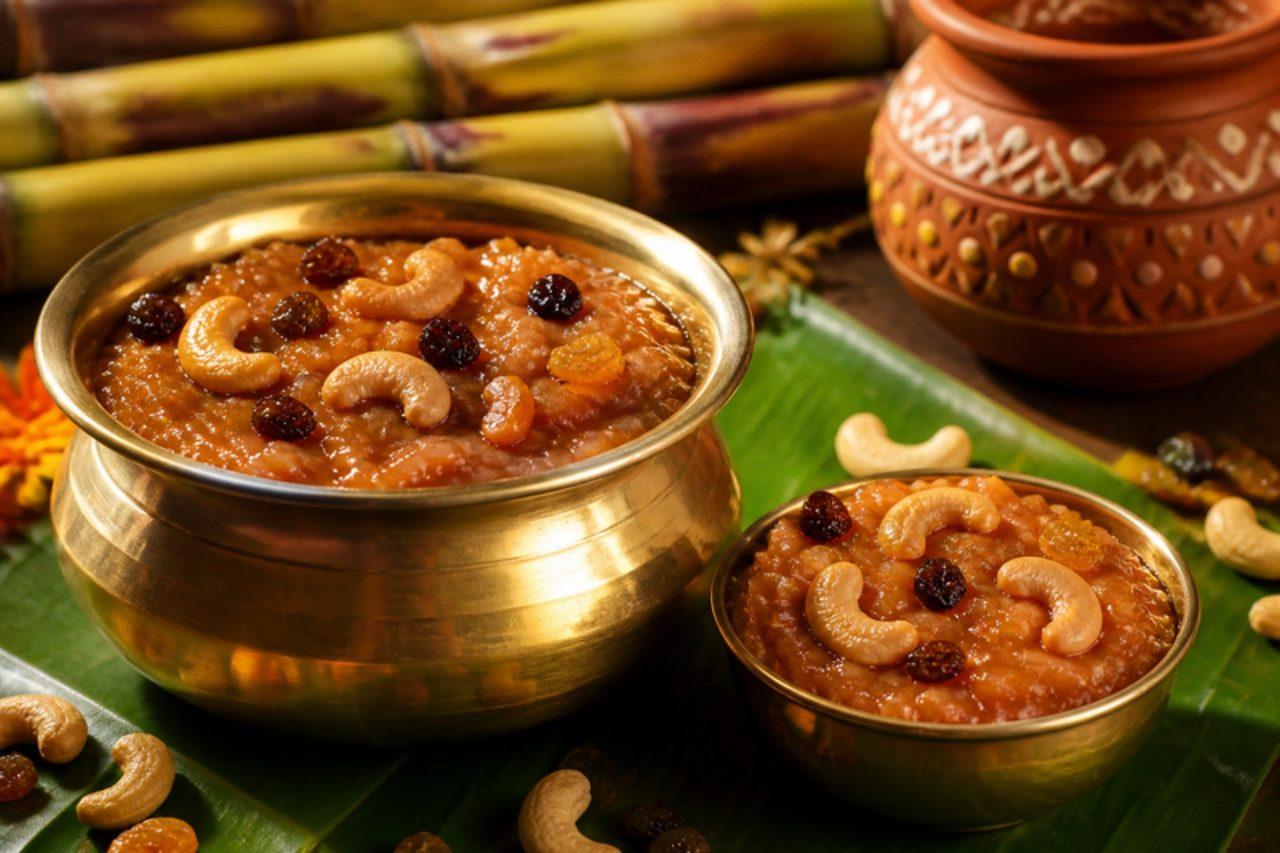
Sakkarai pongalSweet rice and moong dal

On the morning of Thai Pongal in mid-January, families across Tamil Nadu cook new-harvest rice in a clay pot in the courtyard and wait for the milk to bubble over: 'pongalo pongal!'. That pot becomes sakkarai pongal, a sticky, golden-brown sweet of rice and moong dal cooked soft, then simmered with melted jaggery and finished with lots of ghee, cardamom, edible camphor and cashews and raisins fried golden. It's also the classic prasadam at Vishnu temples. It's the sweet twin of the peppery ven pongal. Chef's tip: dry-roast the moong dal until it smells nutty before cooking; it adds a toasty depth that plain boiled dal can't give.

by KrazyBadal 0 views

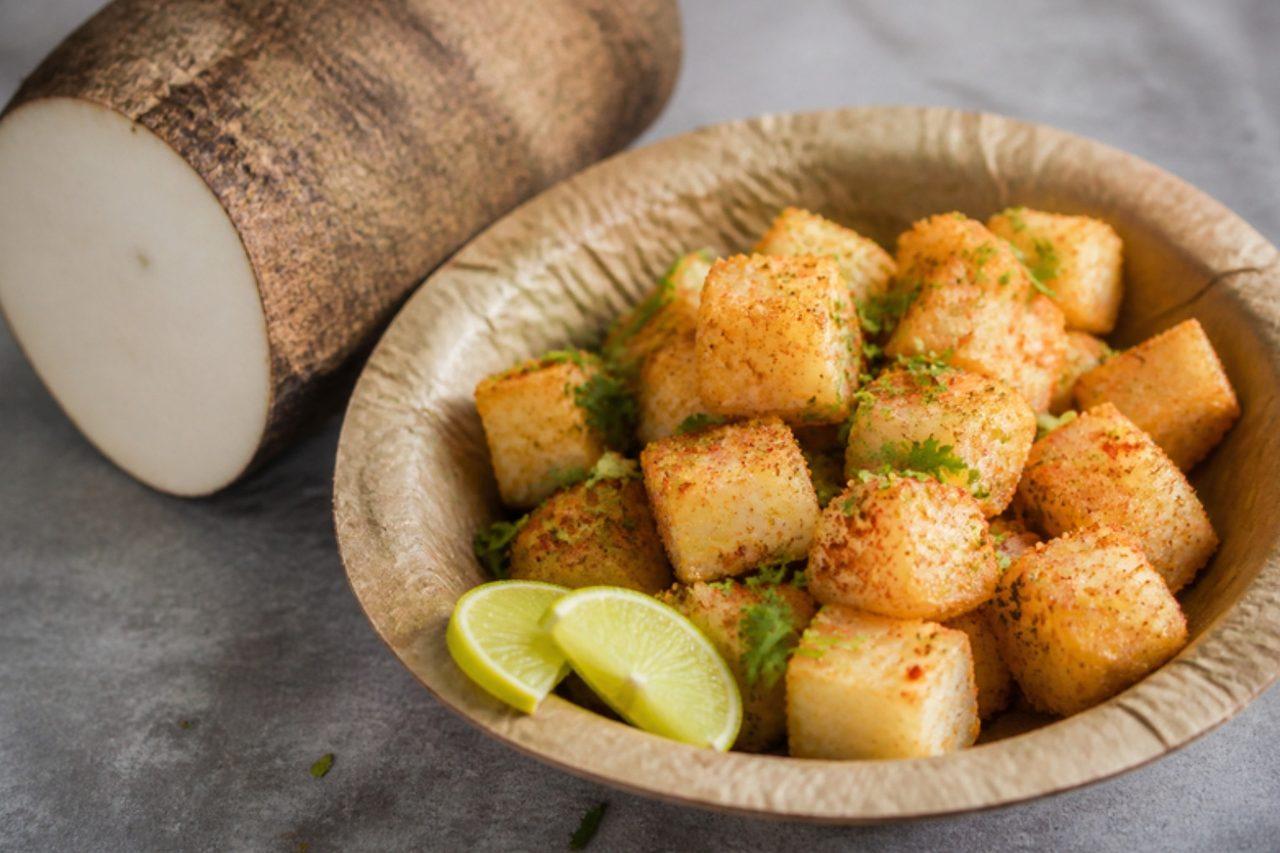
Garadu chaatFried yam chaat

When the nights turn cold in Indore, the stalls of Sarafa Bazaar pile their woks with garadu, a starchy, slightly sticky yam that only appears from November to February. It is boiled, fried until the edges crunch, then shaken with a punchy masala of roasted cumin, black salt and chilli and finished with lime. People eat it standing up from a leaf bowl, often as the savoury stop between jalebi and rabri. Garadu can be hard to find outside Madhya Pradesh; purple yam or white yam from an Asian or African grocer is the closest match, and taro (arbi) works in a pinch. Chef's tip: boil the cubes only until a knife meets slight resistance, then let them steam dry completely, because wet yam spits in the oil and never crisps.

by KrazyBadal 0 views

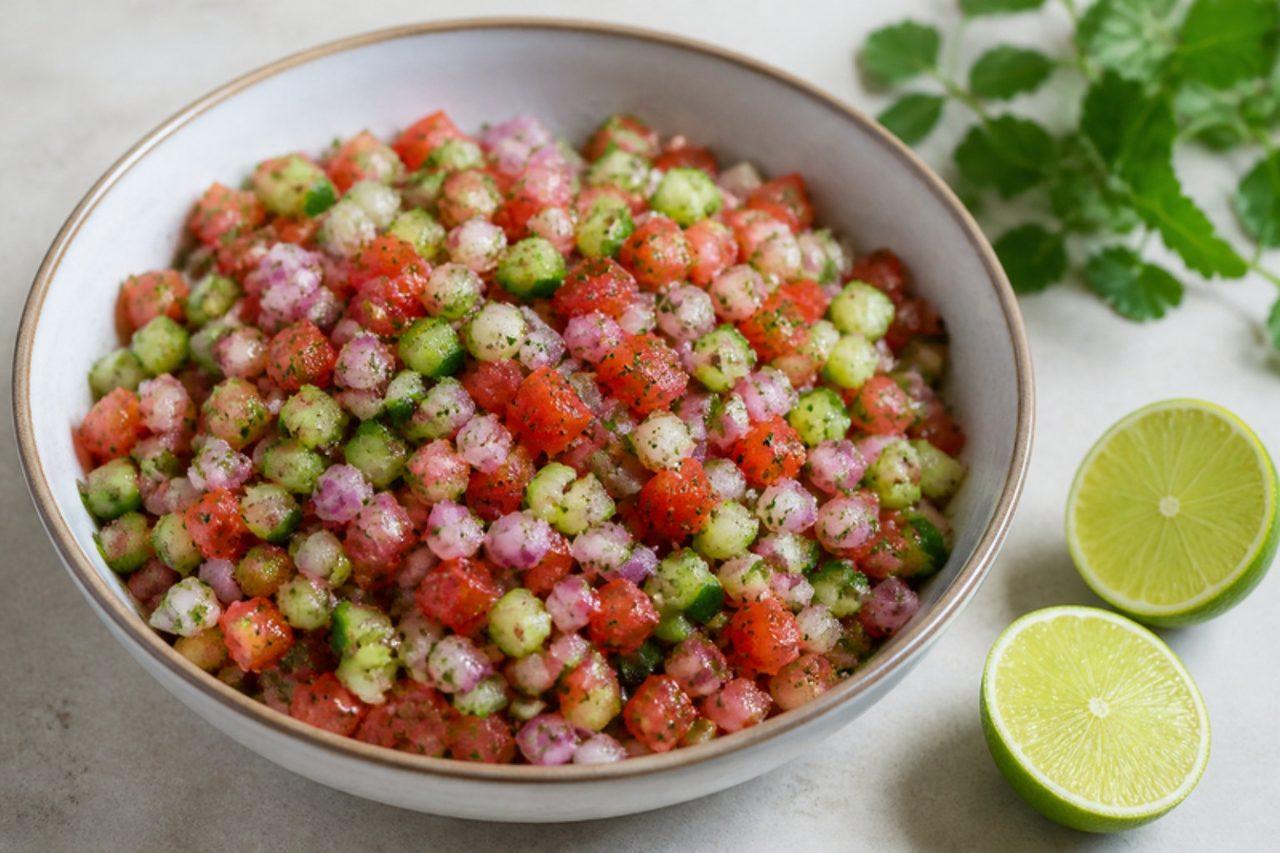
Salad shiraziTomato, cucumber and onion salad

Salad shirazi is named after Shiraz, the city of gardens in Fars province, and it is the salad served with almost every Persian rice and kebab meal. Tomato, cucumber and onion are cut into tiny, even dice and dressed simply with lime juice (or sour grape verjuice, ab-ghooreh, in Shiraz itself), dried mint and a little oil. There are no peppers or herbs to muddy it: it is crunchy, sharp and cold, and is spooned onto rice as a relish. Chef's tip: dice everything as small as a pea; the tiny cubes are what make it taste like Shirazi rather than a chopped salad.

by KrazyBadal 0 views

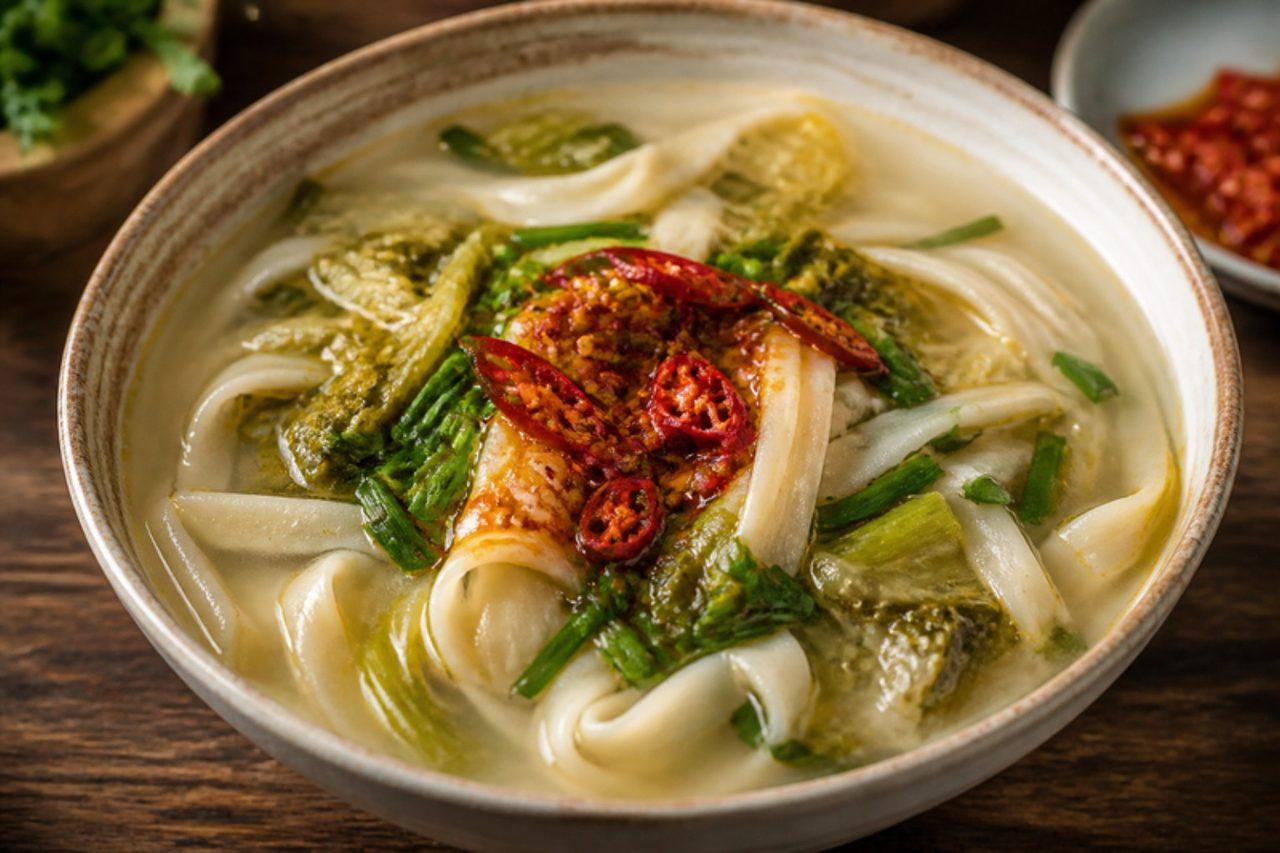
Gansu jiangshui noodlesNoodles in tangy fermented vegetable broth

Tianshui and other towns in Gansu keep a crock of jiangshui going all summer: a pale, sour liquid made by fermenting greens in starchy noodle water. It is heated with chilli, Sichuan pepper and garlic chives and poured over hand-cut noodles, a cooling, refreshing bowl that people say beats the heat. The ferment takes 3–4 days in a warm kitchen, then keeps going for weeks if you top it up. Chef's tip: a spoonful of sauerkraut brine jump-starts the first batch, so it sours cleanly instead of growing off-flavours.

by KrazyBadal 0 views

Showing 54 of 7,762 recipes

Show more recipes

Page 703 of 863