


Skip to content
Hyderabadi chicken dum biryani
Featured recipe

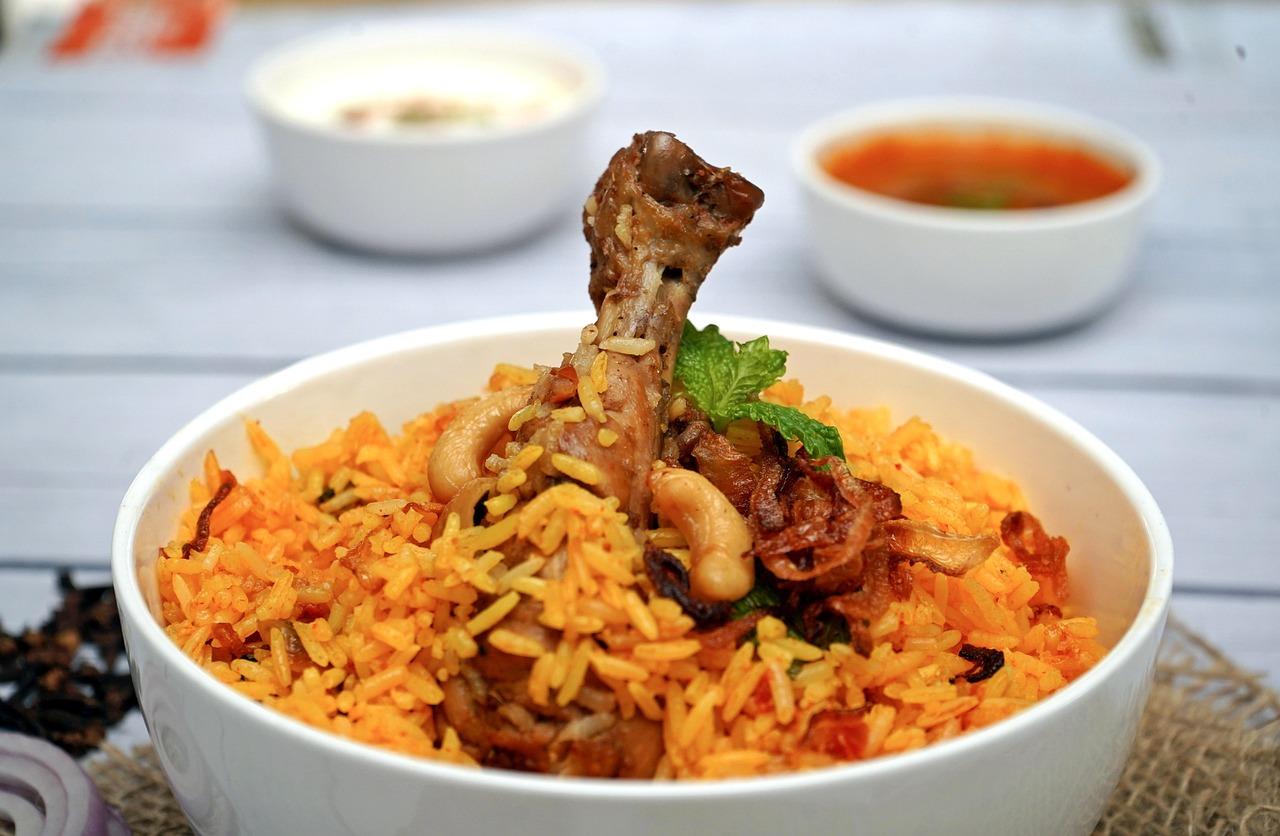
Hyderabadi chicken dum biryani

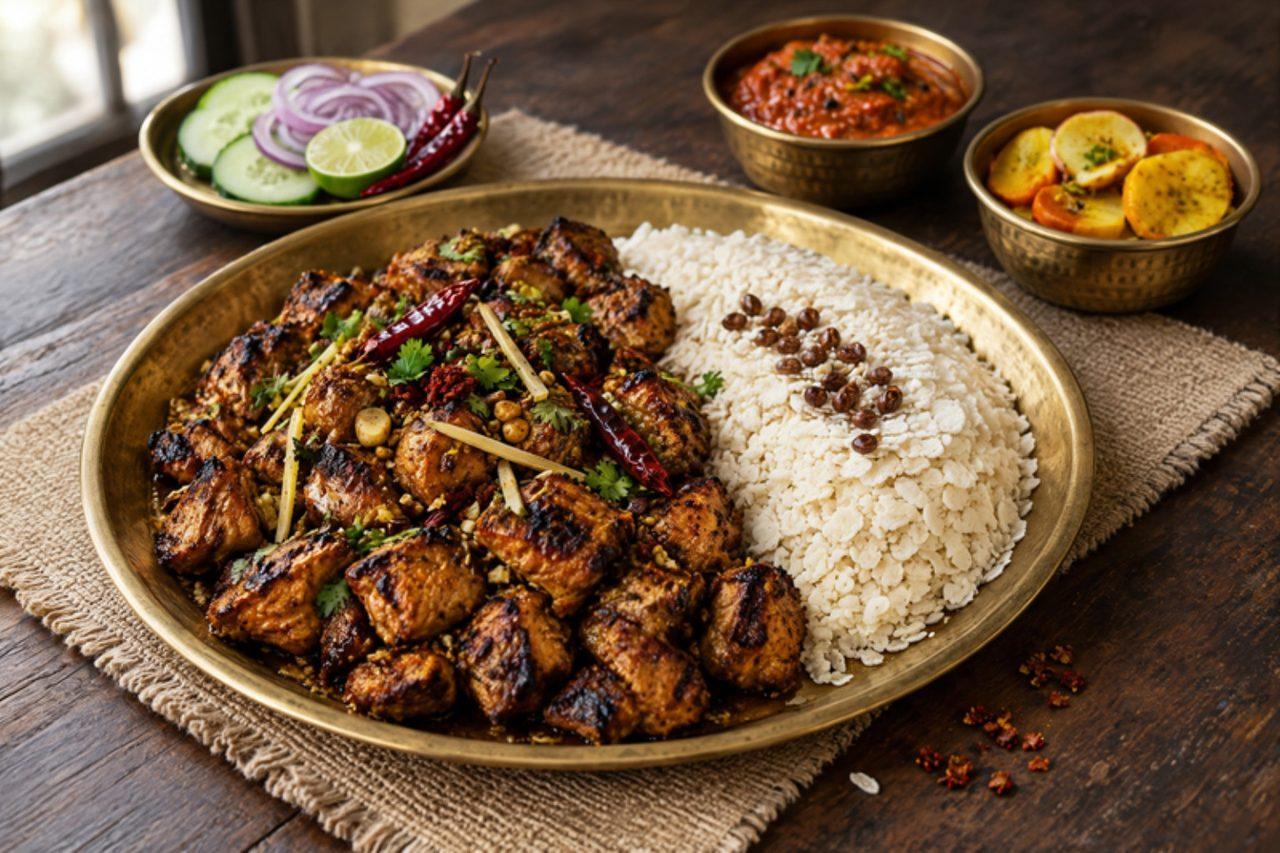
Hyderabad's biryani grew up in the kitchens of the Nizams, and the kacchi style is its proudest form: the chicken goes into the pot raw, in a thick yogurt, mint and fried-onion marinade, and cooks only in the steam trapped under part-cooked basmati. In the old city it is wedding and Eid food, ordered in huge copper deghs, and at home it's the Sunday showpiece, served with mirchi ka salan and a cooling raita. Because the meat cooks without being stirred, small bone-in thigh and drumstick pieces work best. Chef's tip: marinate overnight in the fridge — the yogurt tenderises the chicken and the flavours go right to the bone.

Read more 1 views

What to eat today?

Around the world

Today's trip: Persian

A new country every day, from every cuisine on the site.

Persian

Dizi

Lamb and chickpea stew 245 minMore from Persian (131) →

This week's collection

Kid-friendly dinners
537 recipes · a new collection every Monday

Latest recipes

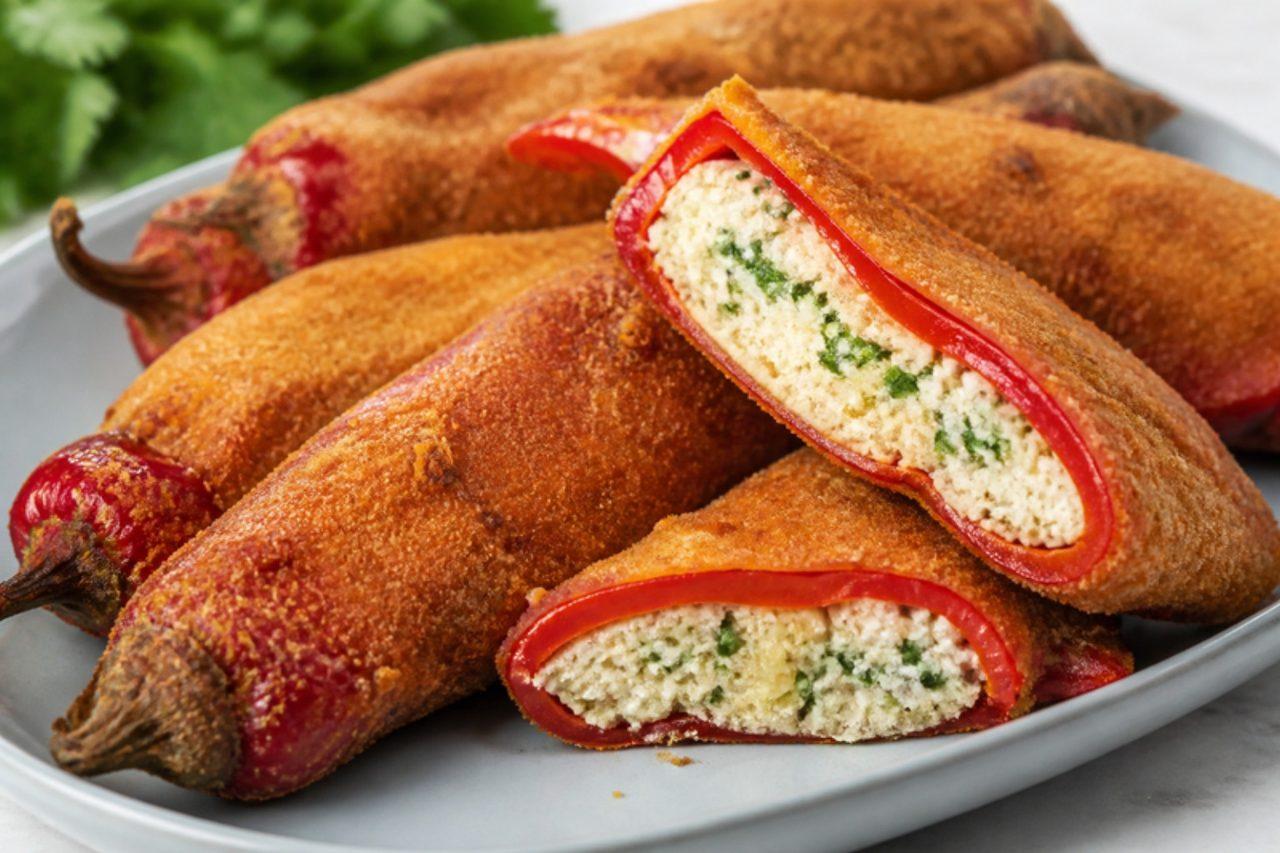
Chushki byurekFried cheese-stuffed peppers

Chushki byurek are one of the great autumn dishes of Bulgaria: in September, when the long red peppers ripen around Plovdiv and Pazardzhik, they are roasted, peeled, filled with sirene and egg, then dipped in flour, egg and breadcrumbs and fried. The outside crunches, the pepper is silky and sweet, and the salty cheese melts inside. They are served hot as a main course with a tomato salad, or cold the next day. Chef's tip: dry the peeled peppers well before filling; a wet pepper is the usual mistake, and the batter slides off and the oil spits.

by KrazyBadal 0 views

Churpi ningroFiddlehead fern curry

In the monsoon, ningro (fiddlehead fern) shoots appear in the hill markets of Gangtok, Namchi and Darjeeling, curled like violin scrolls. Sikkimese homes cook them quickly with onion, tomato and green chilli, then stir in crumbled soft churpi, a fresh, tangy cheese made from yak or cow's milk, which melts into a creamy, slightly sour sauce. It is a side dish for rice and dal, and tastes green and grassy, a little like asparagus. Chef's tip: always boil ferns for a few minutes and drain before cooking; it removes bitterness. Ricotta or crumbled feta is a fair stand-in for churpi.

by KrazyBadal 0 views

ChurchkhelaWalnuts in grape juice coating

Churchkhela are the candle-shaped sweets you see hanging in bunches at every Georgian market, but they are made at home during rtveli, the grape harvest in Kakheti in September and October. Walnuts are threaded on a string and dipped again and again in tatara, fresh grape must thickened with flour, then hung up to dry for a week, until firm and chewy outside and tender within. They are eaten at New Year and kept for months. A common mistake is a tatara that is too thin, which slides off the nuts; it should coat the back of a spoon thickly and fall in ribbons. Chef's tip: let each coat set for 10–15 minutes before the next dip; three or four thin coats look and keep better than one thick one.

by KrazyBadal 0 views

ChoripánChorizo sandwich

Choripán is what fans buy outside football stadiums in Buenos Aires, what the asador hands round while the beef is still cooking, and what stalls sell along Costanera Sur on a Sunday afternoon. This is a pork dish: a fat Argentine-style fresh chorizo (pork, sometimes mixed with beef) is grilled slowly, split open (a mariposa) and tucked into a crusty roll with chimichurri or salsa criolla. That's it, and it doesn't need more. The common mistake is grilling the chorizos too hot, so the skins burst and the centre stays raw; low and slow is the rule. Chef's tip: once cooked, split each chorizo lengthways and give the cut sides 1 minute on the grill so they char a little.

by KrazyBadal 0 views

Atol de eloteWarm fresh corn drink

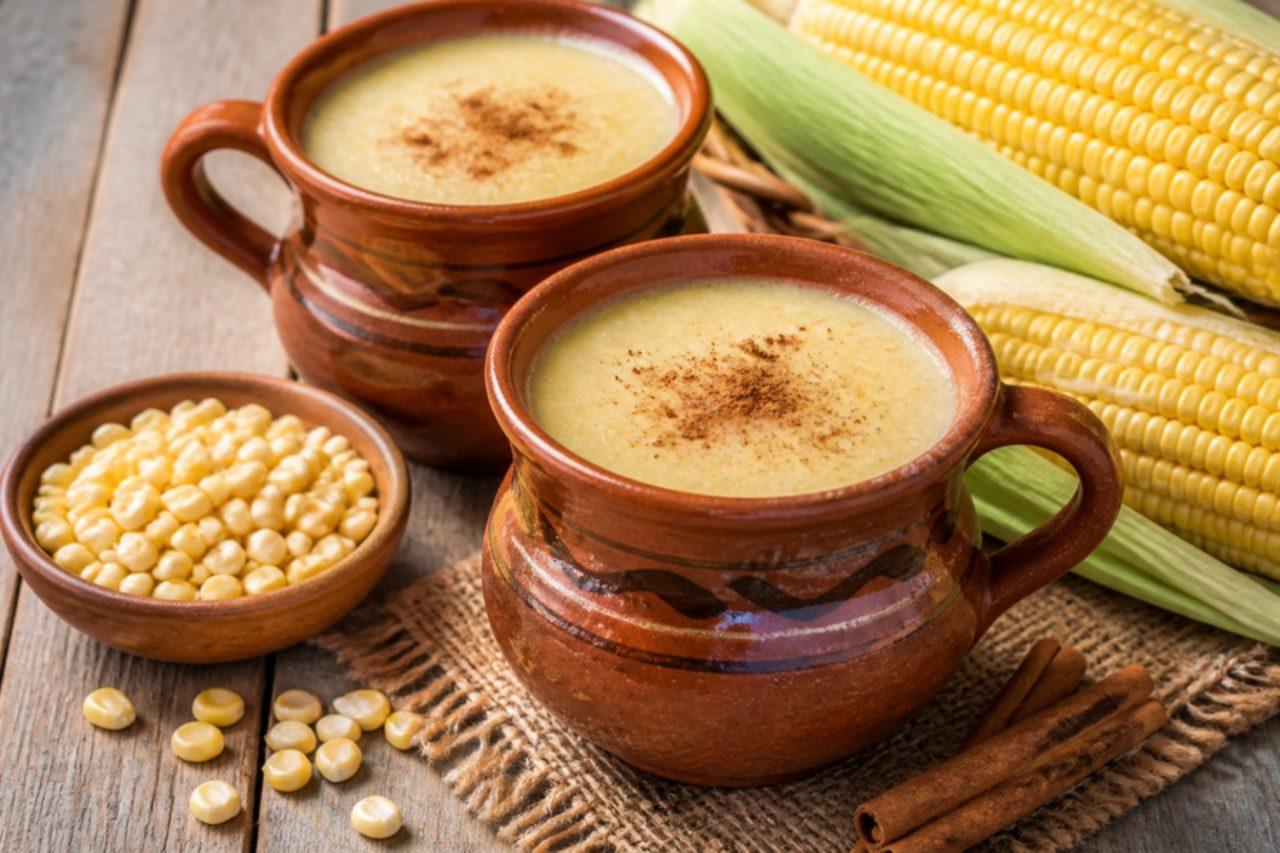
When the new maize comes in, Central Americans drink their corn: atol de elote is fresh sweetcorn blended, strained and cooked with milk and cinnamon into a thick, pale-yellow drink, sipped from a cup or a gourd. In El Salvador it's sold at roadside stands with tamales de elote; in Guatemala it warms chilly highland evenings. Taste is like sweet corn custard you can drink. Chef's tip: strain the blended corn through a fine sieve and press hard; the skins make the drink gritty.

by KrazyBadal 0 views

Vegetable chorba frikTomato soup with green wheat

Chorba frik is the soup that breaks the fast in Algerian homes every evening of Ramadan, from Algiers to Constantine, and it is just as common in Libya as shorba. Frik is young green wheat, roasted and cracked, which gives the tomato broth a smoky, nutty depth. It usually cooks with lamb; here chickpeas, celery and courgette carry it. Serve with lemon wedges and bread. Chef's tip: add the frik only once the broth is boiling and stir for the first minute, or it sinks and sticks.

by KrazyBadal 0 views

Vegetable pancit bihonRice noodles with vegetables

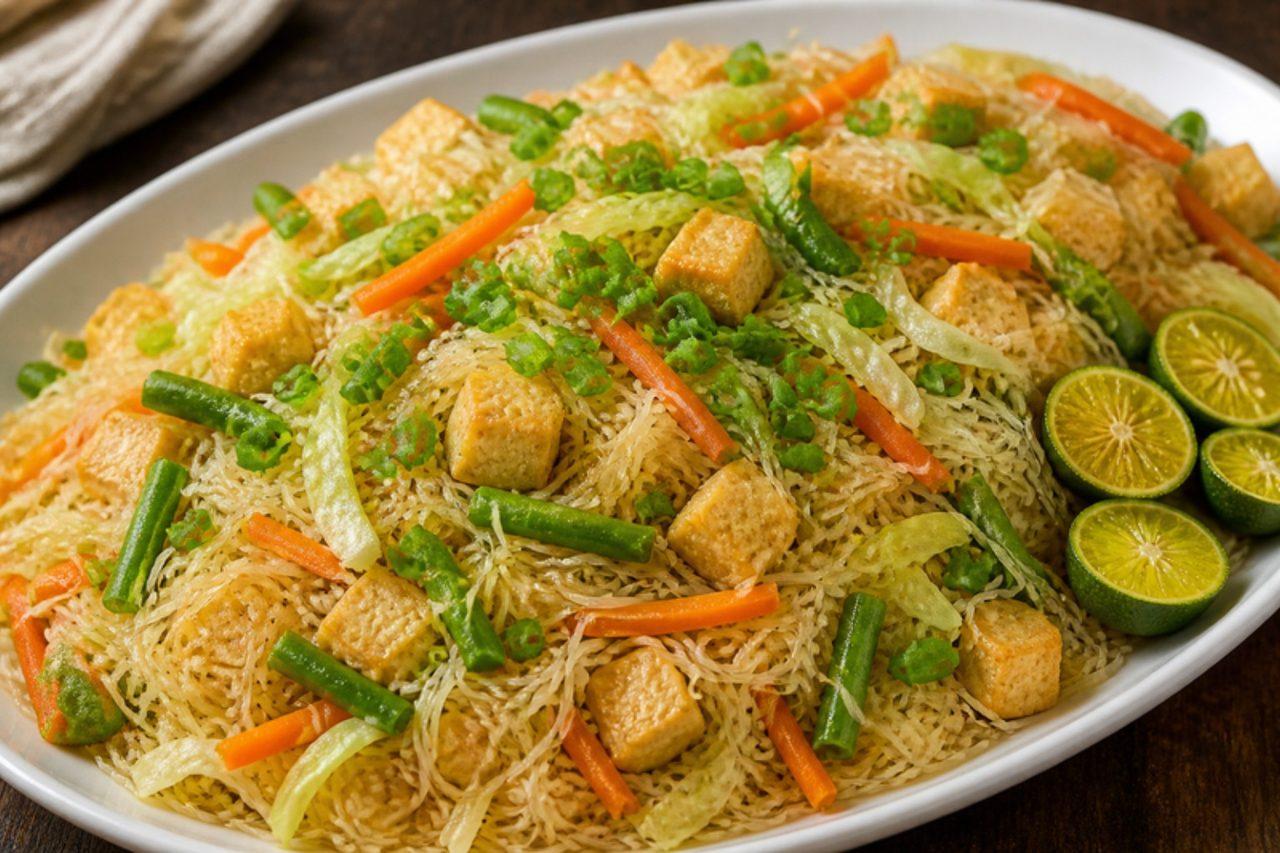
No Filipino birthday is complete without a big tray of pancit, because long noodles stand for a long life; aunts arrive at the party carrying it in foil trays, and it sits on the table next to the cake. Pancit bihon uses thin rice vermicelli tossed with sautéed vegetables and a soy-seasoned stock until the noodles drink up every drop and turn light brown and glossy. This version is vegetarian, with fried tofu standing in for the usual chicken, shrimp and sausage, and vegetable stock in the pan. Squeeze calamansi (or lime) over each plate; the sharp citrus is what lifts it. Chef's tip: never cut the noodles before serving, for luck, and cook them in the stock rather than boiling them first.

by KrazyBadal 0 views

Pancit MoloPork dumpling soup

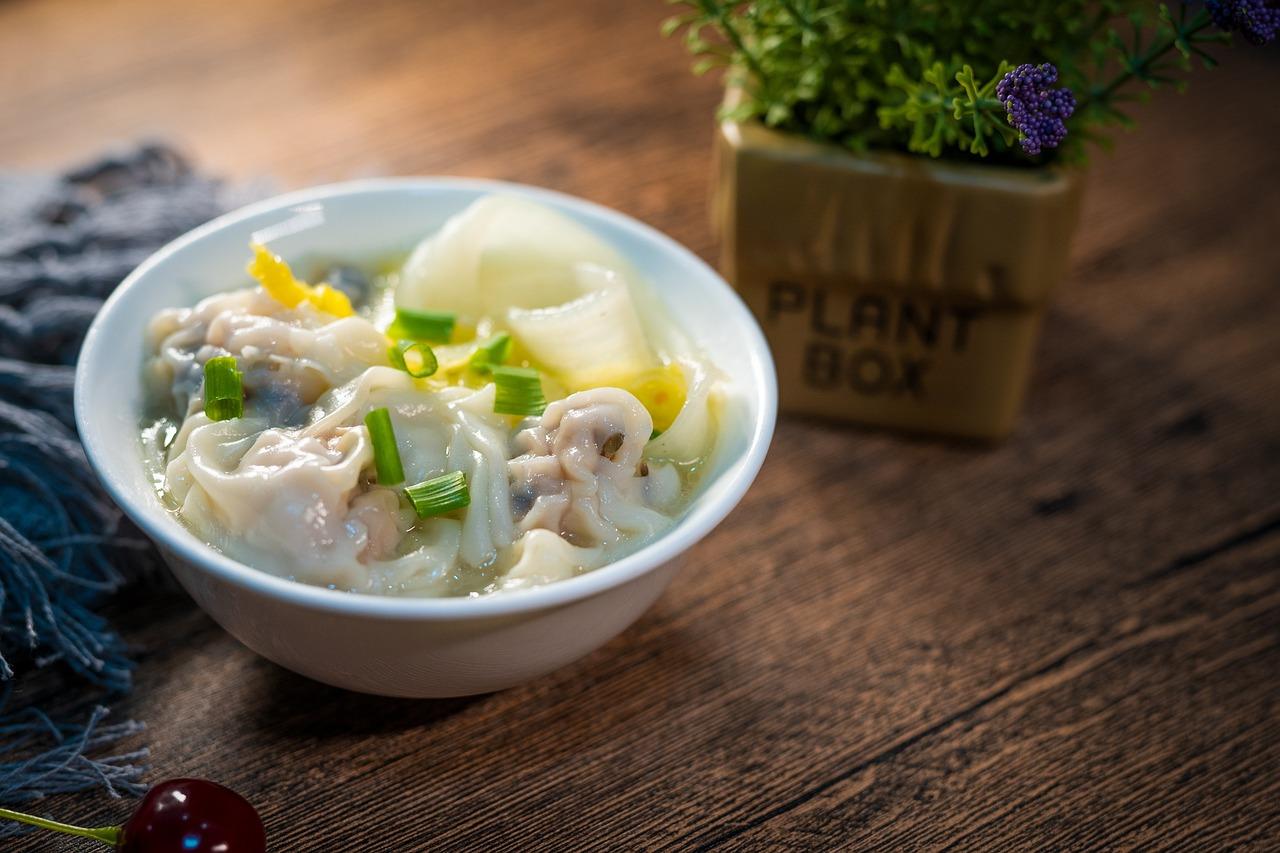
Pancit Molo is named after the Molo district of Iloilo City, where Chinese traders settled centuries ago. Despite the word pancit, there are no noodles: the wonton wrappers are the 'noodle', folded around a filling of pork and prawns and simmered in a clear chicken broth with plenty of fried garlic. Ilonggo families serve it on rainy days, at fiestas and at Christmas gatherings, often as a starter before the main feast. The broth should be light, the dumplings silky. Chef's tip: let the wrappers trail a loose 'tail' when you fold them; those soft, frilly edges are what make molo different from a tight Chinese wonton.

by KrazyBadal 0 views

PandebonoCassava starch cheese bread

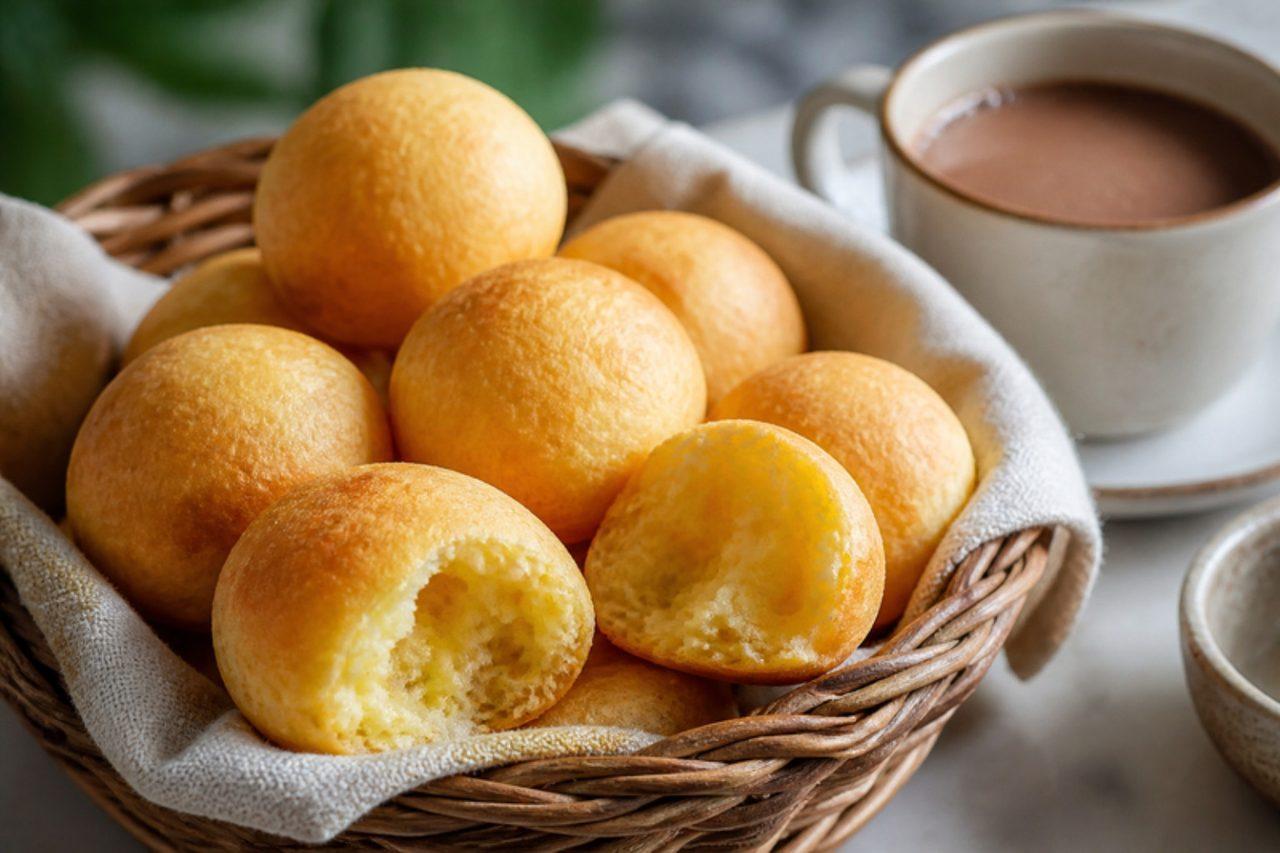
Pandebono is the warm cheese bread of the Valle del Cauca, the region around Cali, eaten for breakfast or as an afternoon snack (onces) with hot chocolate or a coffee. It looks like Brazilian pão de queijo but tastes different: the dough is cassava starch and a little precooked cornmeal kneaded with lots of crumbly fresh cheese, with no milk or cooking, so the rings bake up with a slightly crisp skin and a soft, stretchy, tangy middle. Chef's tip: shape them into rings or balls and bake them straight away; the dough dries out if it sits.

by KrazyBadal 0 views

PandesalSoft bread rolls

Pandesal is the bread of the Filipino morning: small, soft, slightly sweet rolls with a fine breadcrumb coating, bought hot at dawn in brown paper bags from the neighbourhood panaderia (bakery) and eaten before school or work. They are torn open and filled with butter, cheese or peanut butter, or dunked straight into a cup of coffee, and at night the leftovers are toasted. Despite the name ('salt bread'), they are gently sweet, with a pillowy crumb and a thin crust. Home-made ones are best eaten within hours of baking. Chef's tip: the classic shape comes from rolling the dough into a log, coating it in crumbs and cutting slices, which bake into those familiar oval rolls with cut sides up.

by KrazyBadal 0 views

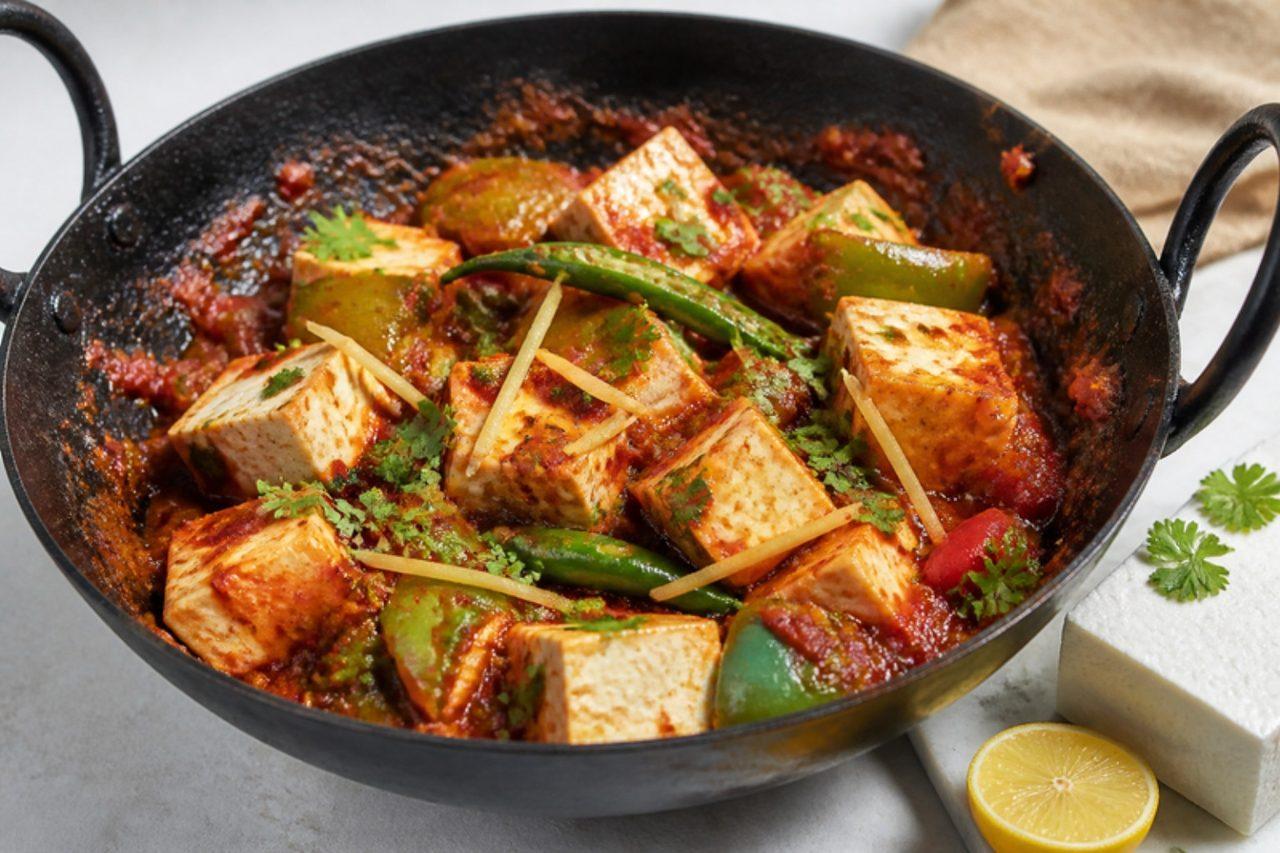
Paneer karahiPaneer in tomato and chilli gravy

Karahi is named after the heavy round-bottomed wok it is cooked and served in, and the roadside dhabas of Lahore and the Grand Trunk Road through Punjab are where it is at its loudest: a cook working three pans at once over a roaring flame, late at night, for tables of friends tearing naan. The Pakistani style is lean on spice and big on tomato, garlic, ginger, green chilli and crushed black pepper, with no onion and no cream, so the masala tastes bright and sharp rather than rich. Paneer takes the place of meat here and only needs warming through. The usual mistake is pouring in water to make more gravy; a karahi gets its sauce only from tomatoes cooked down until the oil comes back out. Chef's tip: crush the coriander seeds and black pepper yourself just before cooking; the coarse, fresh crunch is what makes it taste like a dhaba karahi.

by KrazyBadal 0 views

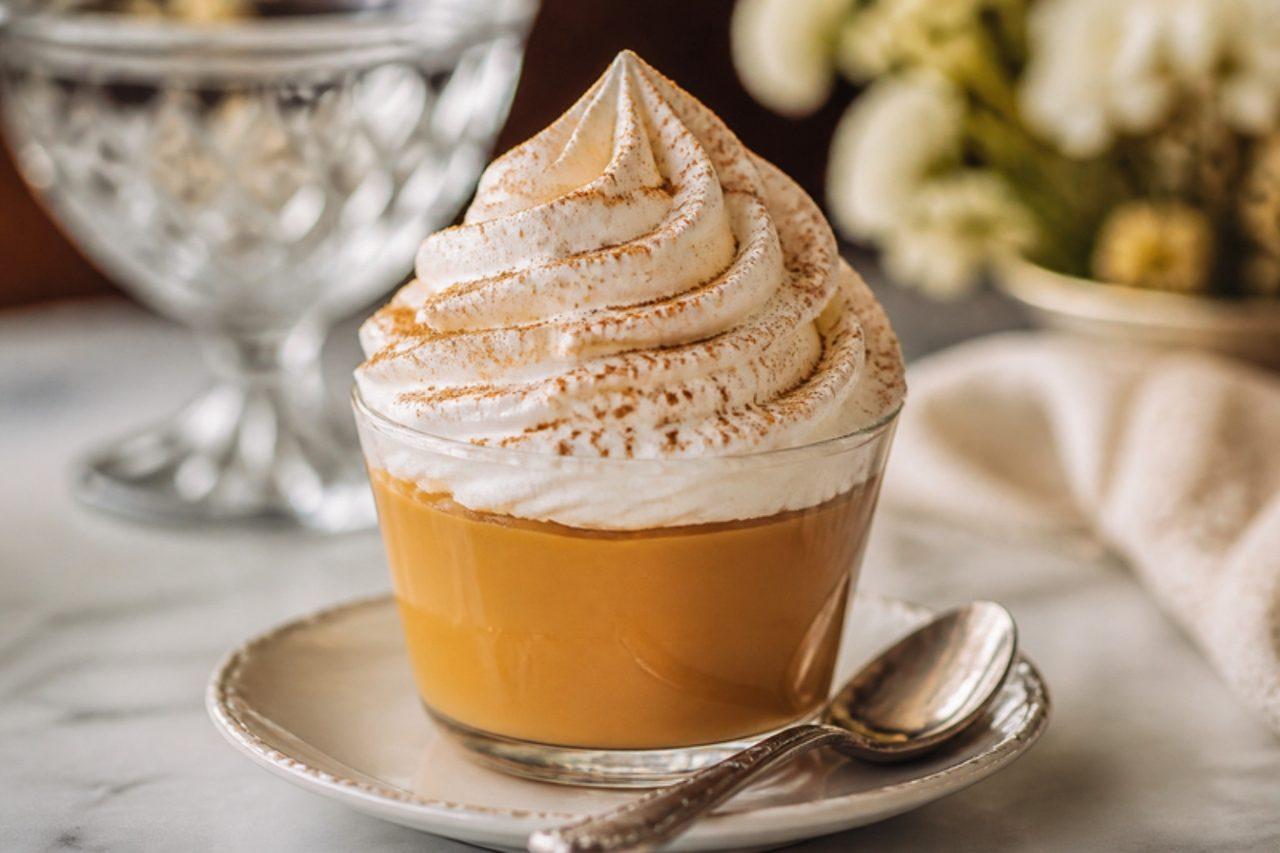
Suspiro limeñaCaramel custard with port meringue

Suspiro a la limeña, 'the sigh of a Lima woman', is the city's grand dessert from colonial times, said to have been named by the poet José Gálvez for its sweetness. A thick manjar blanco, milk slowly cooked down to a silky caramel cream and enriched with egg yolks, is topped with a cloud of glossy Italian meringue flavoured with port and dusted with cinnamon. It is very sweet and very rich, so serve it in small glasses. Make it in the morning for the evening. Chef's tip: the manjar is ready when a spoon dragged across the bottom of the pan leaves a clear path for a moment; undercooked, it stays runny and the meringue sinks into it.

by KrazyBadal 0 views

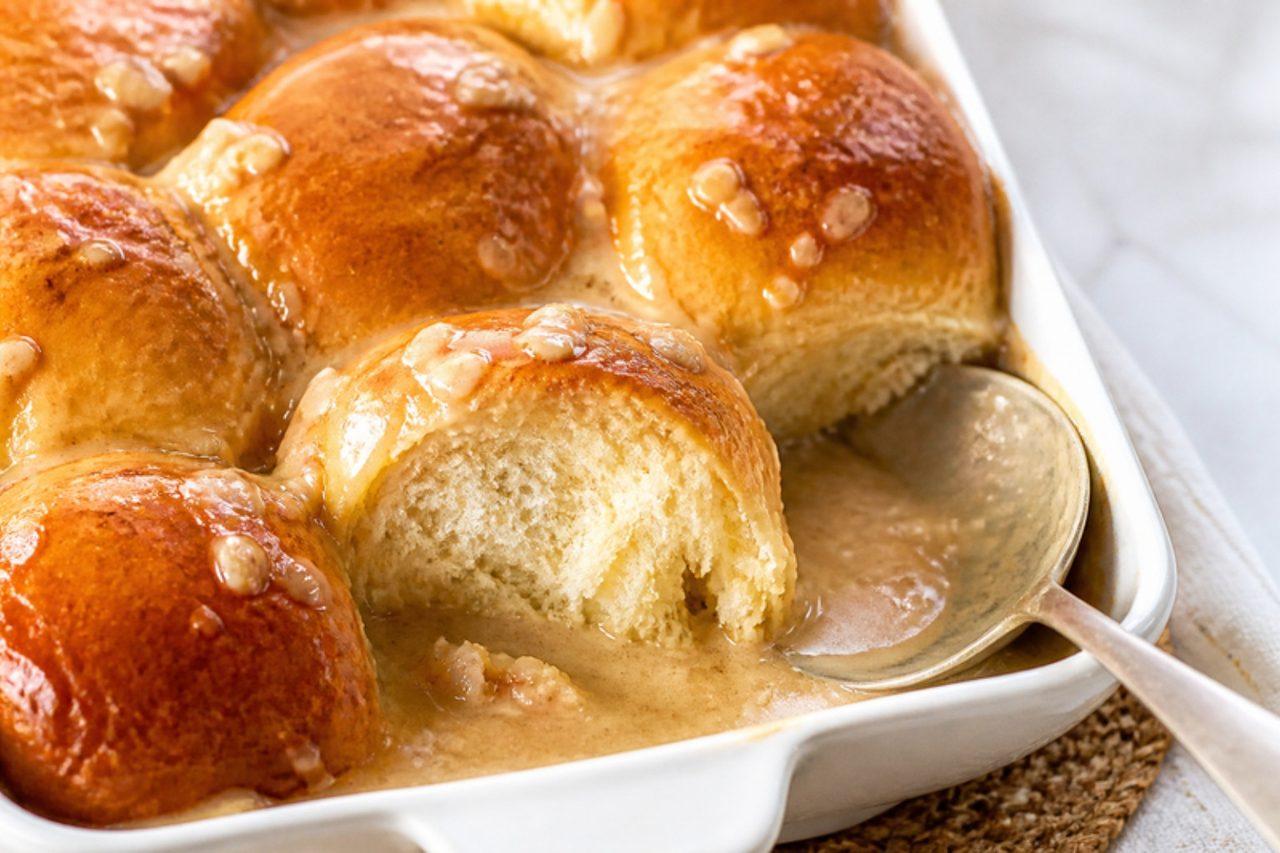
PanipopoSweet rolls in coconut sauce

Panipopo (from 'pani', bun, and 'popo', coconut) are soft, sweet bread rolls baked sitting in a pool of coconut milk and sugar, which bubbles into a sticky, caramel-coloured sauce around them. Samoan families bake them for Sunday lunch, fundraisers and church gatherings, and they've spread to Samoan communities in Auckland and Hawaii. Served warm with the sauce spooned over, they're somewhere between a cinnamon roll and a pudding. Chef's tip: pour the coconut sauce around the rolls just before baking, not hours ahead, or the bottoms go soggy instead of sticky.

by KrazyBadal 0 views

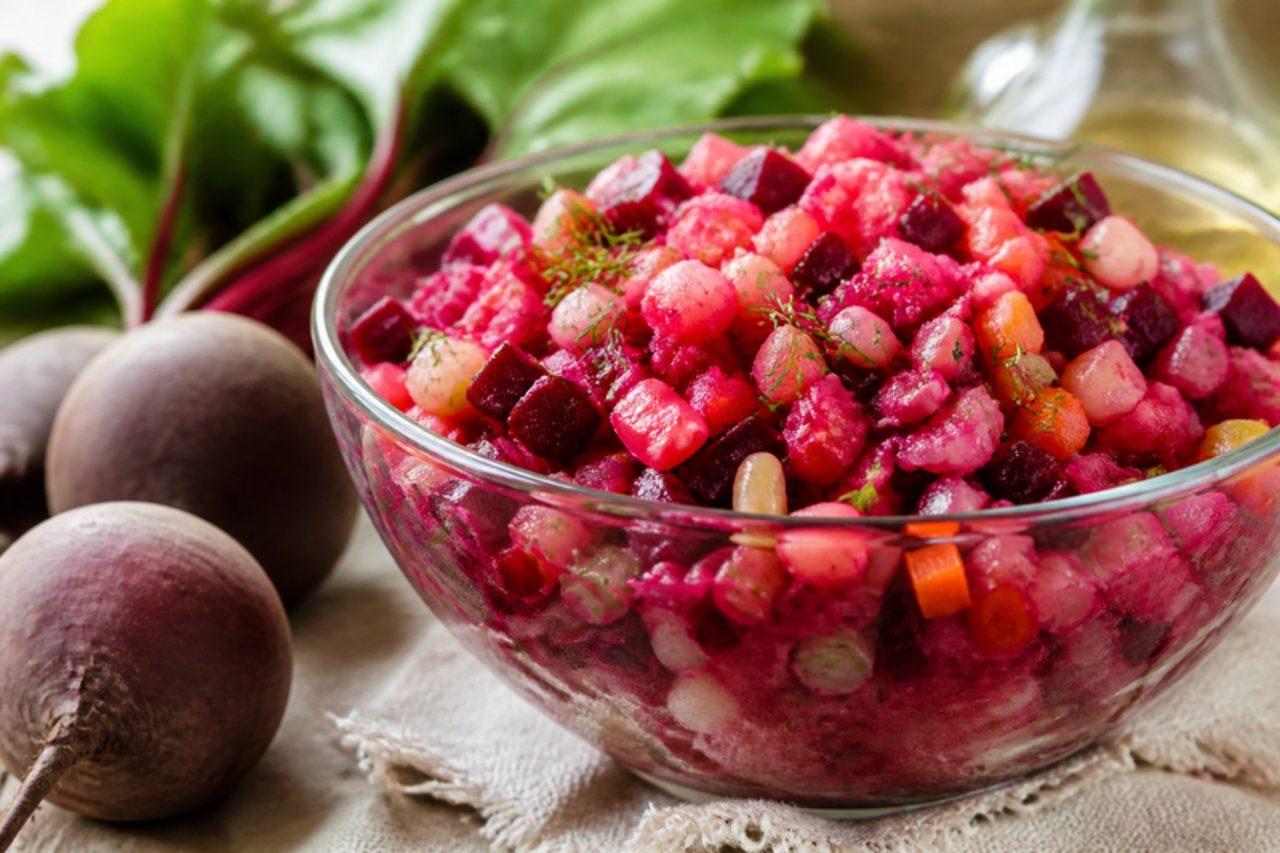
VinegretBeetroot and potato salad

Vinegret is the ruby-coloured salad that sits on almost every Ukrainian New Year and Christmas table, alongside olivier, and fills lunch boxes through the winter. Cooked beetroot, potato and carrot are diced small and tossed with sauerkraut, pickled cucumbers and beans, then dressed with fragrant unrefined sunflower oil, the kind sold by the bottle at markets in Poltava and Kherson. Despite the name there is often no vinegar at all; the sourness comes from the pickles. It is vegan, cheap and keeps for days. Chef's tip: dress the diced beetroot with oil on its own first, then mix in everything else; the oil coats it so the potatoes stay pale and the salad looks like a mosaic rather than all pink.

by KrazyBadal 0 views

PannenkoekenDutch dinner pancakes

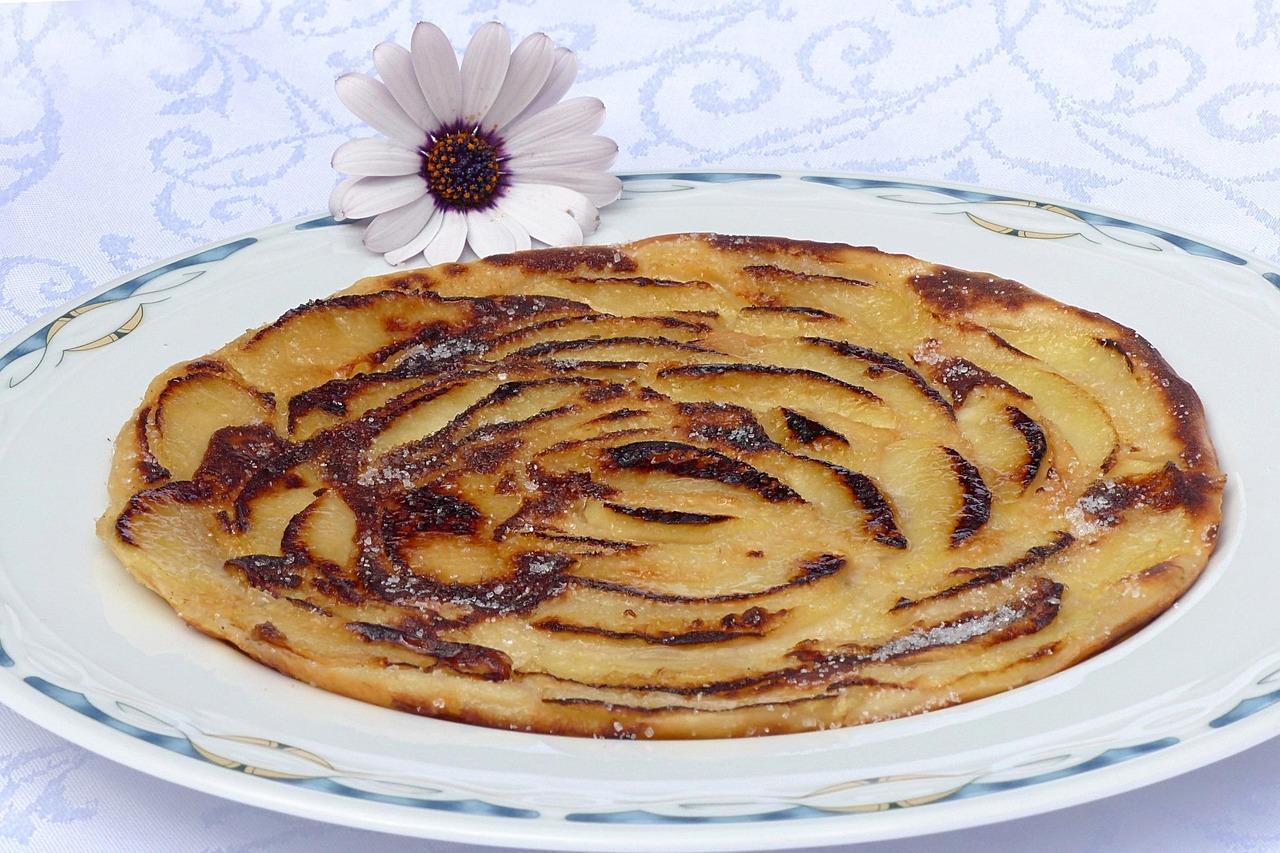
Dutch pannenkoeken are a meal, not a dessert: plate-sized, thicker than a French crêpe, and eaten for dinner with whatever has been baked straight into the batter. A pannenkoekenhuis in Amsterdam or by the dunes in Zeeland will offer dozens of fillings, but at home the favourites are apple (appel), young Gouda (kaas), or the two together, all finished with a thread of dark syrup (stroop). Kids eat them rolled up by hand. Chef's tip: lay the apple slices or cheese in the pan first and pour the batter over them, not the other way round; the fruit caramelises against the hot pan and the cheese becomes a crisp golden lace.

by KrazyBadal 0 views

Panqueques con dulce de lecheCrêpes with dulce de leche

In Argentina and Uruguay, panqueques are not fluffy American pancakes but thin crêpes, and the classic way to eat them is rolled around dulce de leche, often as the dessert at a neighbourhood parrilla or on a rainy Sunday afternoon at home. Some restaurants sprinkle them with sugar and caramelise the top with a hot iron; at home a dusting of sugar is enough. Chef's tip: rest the batter for 20 minutes so the flour relaxes and the crêpes come out thin and tender rather than rubbery.

by KrazyBadal 0 views

Suwon galbiGrilled beef short ribs

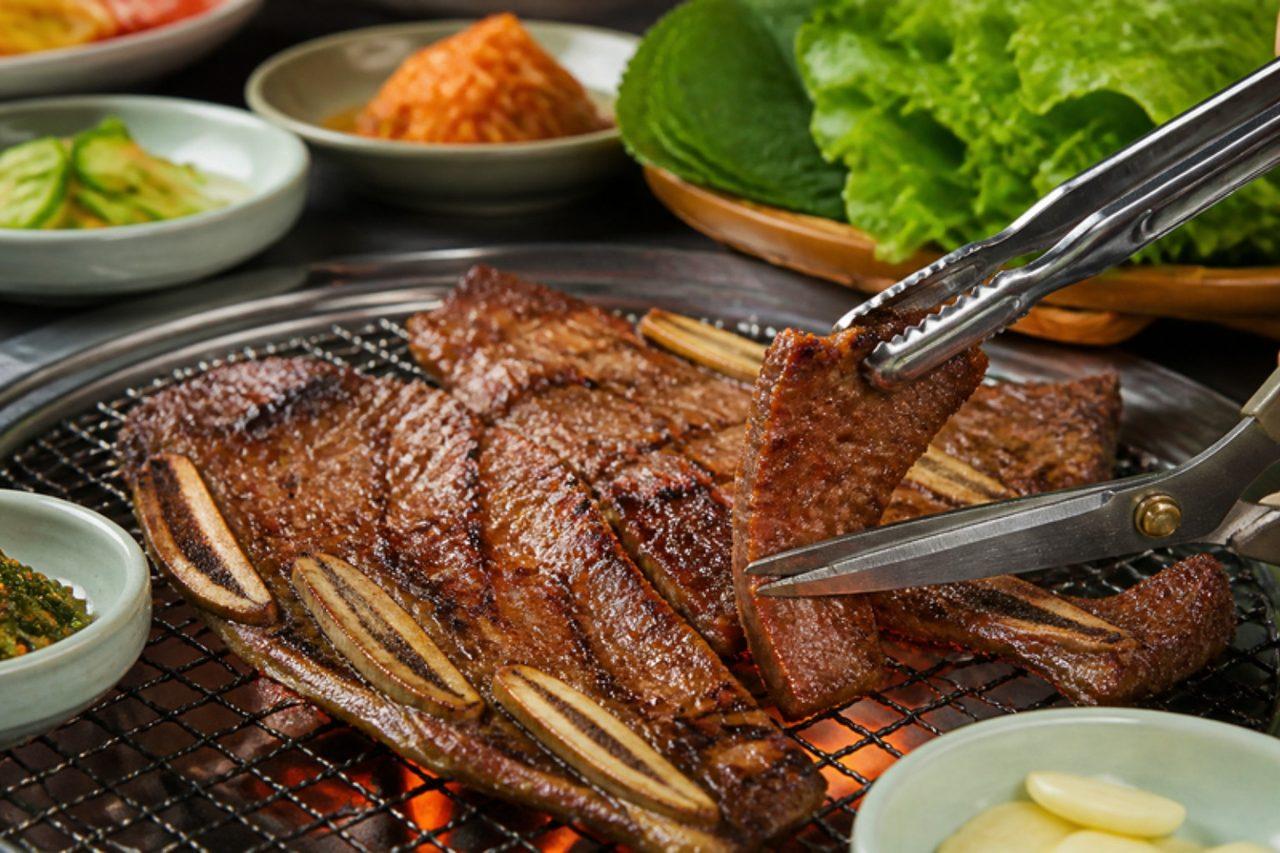
Suwon, south of Seoul in Gyeonggi province, once had one of the largest cattle markets in Korea, and its galbi houses grew up around that trade. The city's style is unusual: the long, butterflied short ribs are seasoned mainly with salt, garlic and sesame oil rather than the soy marinade most people know. Families and office groups grill them at the table over charcoal, snip them into pieces with scissors and wrap each bite in lettuce with ssamjang and raw garlic. At home a ridged griddle pan or a barbecue does the job well. Chef's tip: score the opened-out meat lightly in a criss-cross pattern on both sides, so the salt seasoning soaks in and the ribbon of meat stays flat on the grill.

90 minKoreanMeat
by KrazyBadal 0 views

SuyaSpiced beef skewers

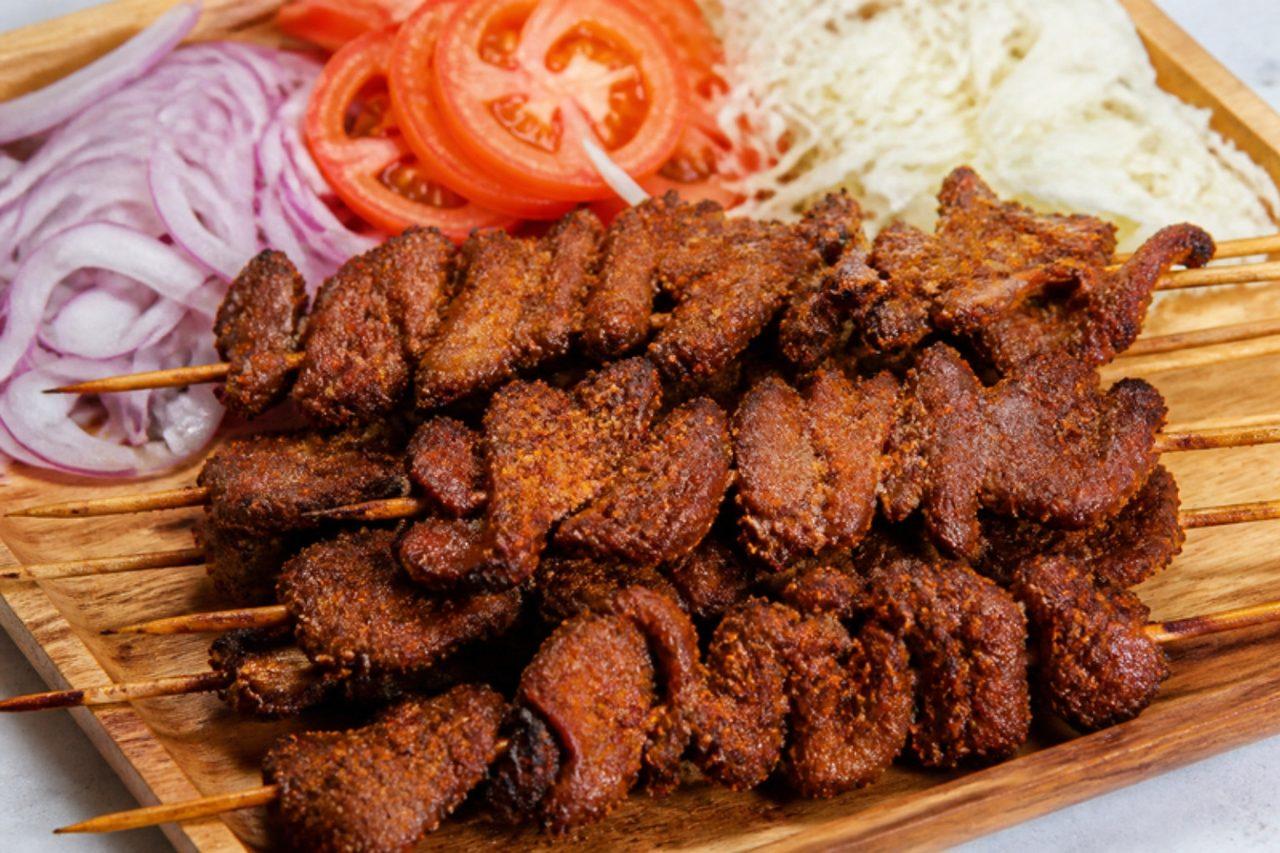
Suya comes from the Hausa north, from Kano and Kaduna, but now every Nigerian city has a mai suya grilling beef over charcoal by the roadside once the sun goes down. Thin slices of beef are threaded onto skewers, rubbed with yaji, a fiery mix of roasted peanut powder, chilli, ginger and stock spices, and grilled until charred at the edges. It comes wrapped in newspaper with sliced raw onion, tomato and extra yaji for dipping. The common mistake is cutting the beef thick; it needs to be thin enough to see light through, so it cooks fast and stays tender. Chef's tip: put the beef in the freezer for 30 minutes first, and it will slice wafer thin with ease.

by KrazyBadal 0 views

ChivitoSteak sandwich with ham and egg

The chivito was created in the 1940s at a restaurant in Punta del Este, Uruguay, and became the national sandwich: a soft roll filled with thin, tender steak, ham, melted mozzarella, a fried egg, bacon, lettuce, tomato, olives and mayonnaise. It is eaten in Montevideo's parrillas and corner bars with chips on the side. This sandwich contains pork. The mistake is a thick, chewy steak: use thinly sliced sirloin and sear it fast. Chef's tip: toast the cut sides of the rolls so they stand up to all the juices.

by KrazyBadal 0 views

Chipa guasuFresh corn and cheese bake

Chipa guasu (Guaraní for 'big chipa') is sopa paraguaya's softer cousin, made from fresh corn instead of cornmeal. The kernels are grated or blended into a milky purée and baked with onion, cheese and whipped eggs into a tender, gently sweet bake that rises and wobbles. It's a summer dish at Paraguayan asados and fiestas patronales (saints' days), eaten beside grilled meat or simply with a tomato salad. Chef's tip: fold in the whisked egg whites last; it's what makes chipa guasu light and puffed rather than dense.

by KrazyBadal 0 views

PanzanellaTomato and bread salad

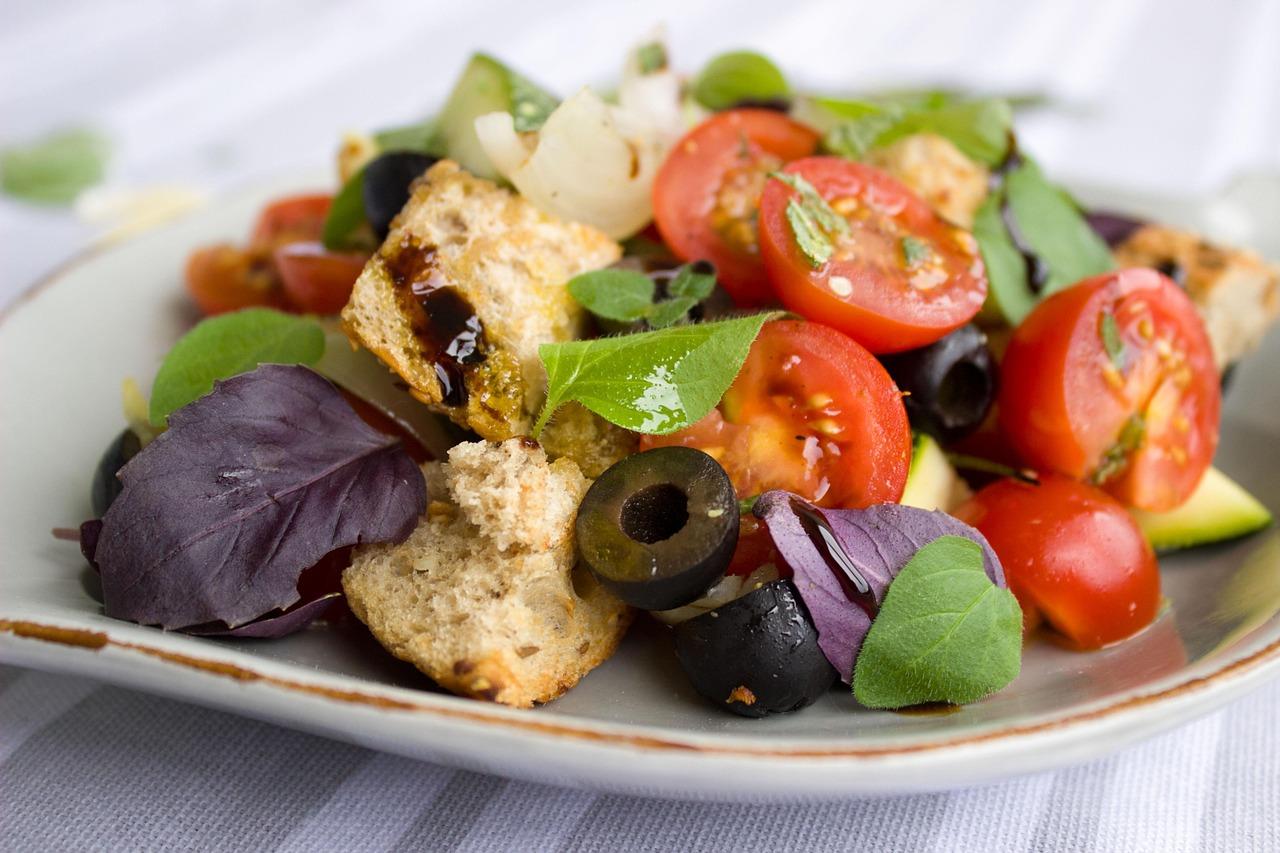
Panzanella is how Tuscans eat old bread in summer: hard, unsalted loaf soaked in water, squeezed and crumbled with juicy tomatoes, cucumber, red onion and basil, then dressed with vinegar and plenty of olive oil. In Florence and the Maremma it is a cool lunch for the hottest days, and every family argues about cucumber. Make it 30 minutes before eating so the bread drinks the tomato juice but keeps some bite. Chef's tip: salt the tomatoes first and let them weep in a bowl; that juice becomes the dressing.

by KrazyBadal 0 views

Pão de ló de OvarMolten-centred sponge cake

Pão de ló is Portugal's oldest sponge cake, made with nothing but eggs, sugar and a little flour, and every region claims its own. In Ovar, a town on the lagoon coast south of Porto, it is baked only briefly, so a thin golden crust hides a centre of barely set, glossy egg cream that oozes when cut. It is the cake for Easter, when godparents give it to their godchildren, and it is sold all year at the town's bakeries wrapped in the paper it was baked in. Eat it at room temperature with a spoon, on its own or with a glass of port. Chef's tip: whisk the eggs and sugar for a full 12–15 minutes until the mixture is very thick and white; that air is the only thing that lifts the cake.

by KrazyBadal 0 views

Pap (stywe pap and krummelpap)Maize porridge

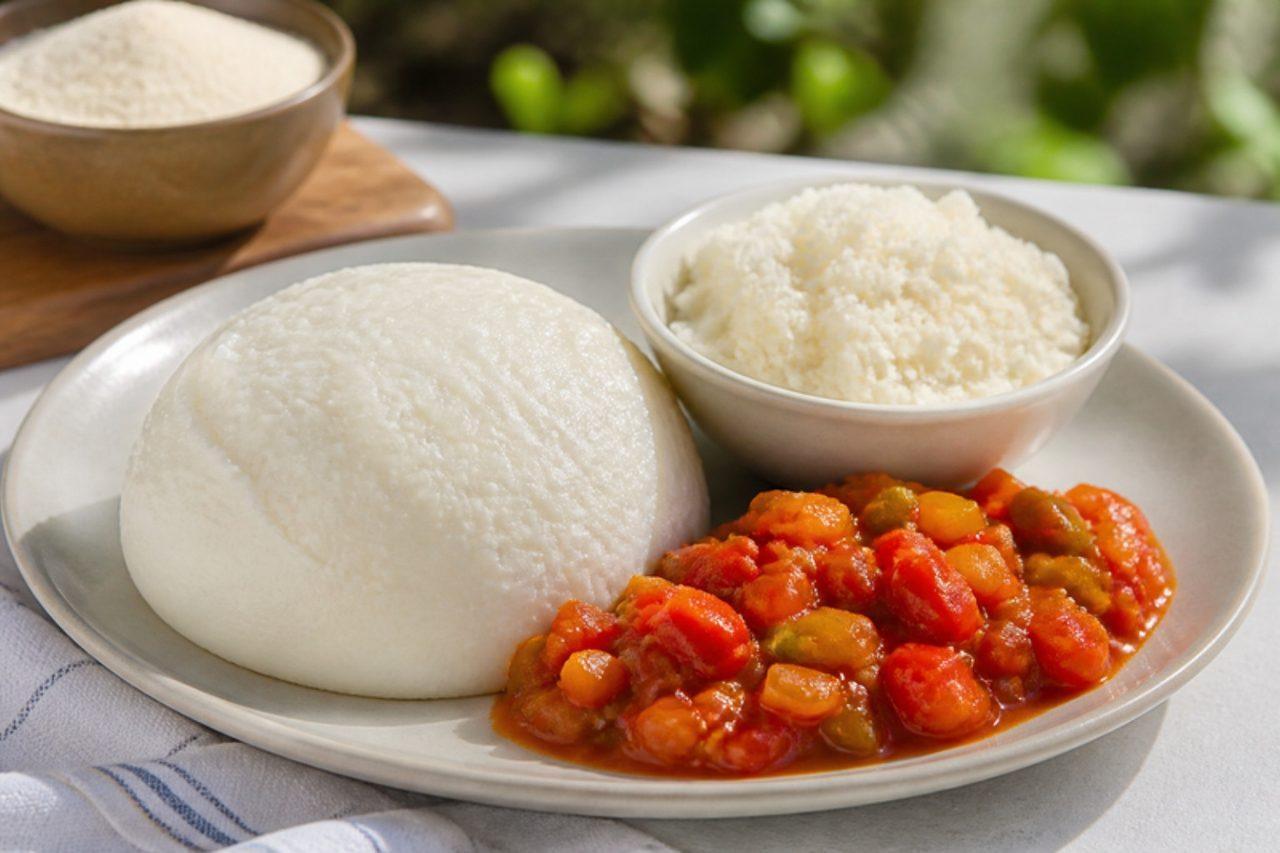
Pap is the everyday staple of South Africa, eaten in Soweto kitchens and Limpopo villages at almost every evening meal, and in a three-legged pot at every braai. It is plain white maize meal cooked in water, in two main styles: stywe pap (stiff pap), smooth enough to roll into balls and dip into relish, and krummelpap (crumbly pap), steamed into dry, fluffy crumbs. Both are eaten with chakalaka or a tomato-and-onion sauce. Chef's tip: wet the meal to a paste before it hits the boiling water, or you'll be fighting lumps for the next 20 minutes.

by KrazyBadal 0 views

Chingri malaikariPrawns in coconut milk curry

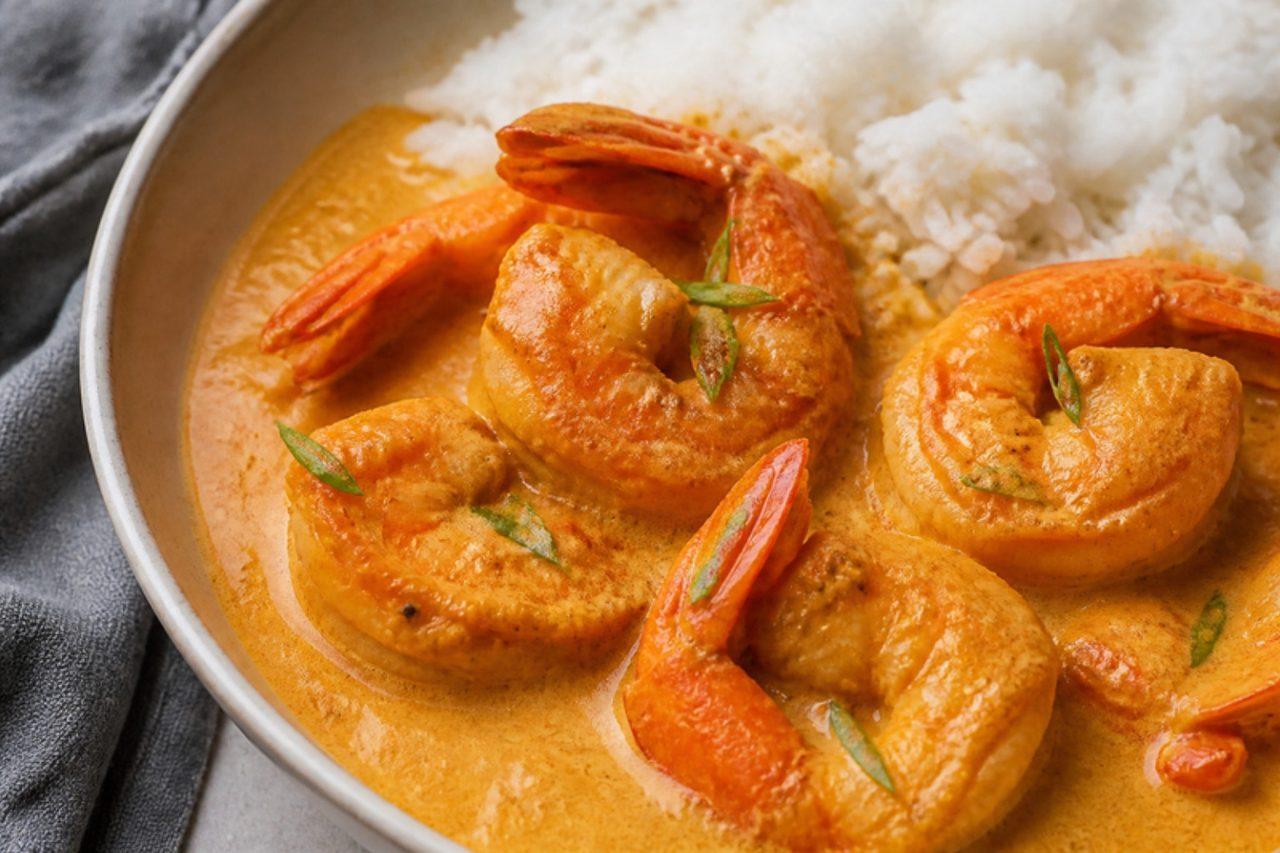
Big prawns in a pale, silky coconut gravy are what a Bengali family cooks for guests, for a new son-in-law at Jamai Sasthi, or for a wedding lunch. The dish is gently spiced, a little sweet, and leans on the head fat of the prawns for richness, so it tastes of the sea rather than of chilli. Serve it with steamed gobindobhog or basmati rice. Chef's tip: if you can find shell-on prawns with heads, leave the heads on; squeeze them into the gravy as you eat for the full flavour.

45 minIndianFishGluten free
by KrazyBadal 0 views

Papa a la huancaínaPotatoes in spicy cheese sauce

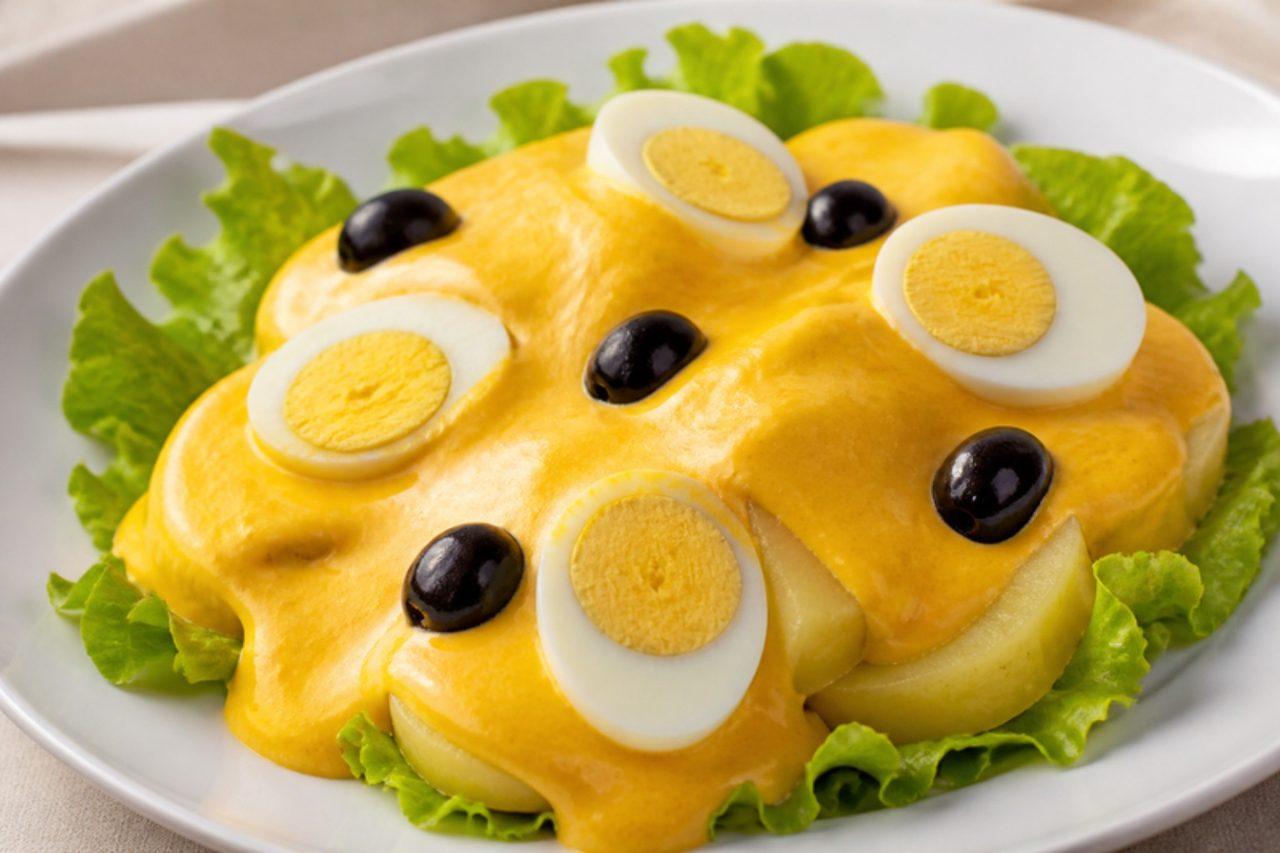
Papa a la huancaína is named after Huancayo in Peru's central Andes, but it is eaten everywhere, from Lima's set-lunch counters to Sunday family tables. Thick slices of cold boiled potato are blanketed in huancaína sauce, a silky, mildly hot sauce of ají amarillo, fresh cheese and evaporated milk, then finished with boiled egg and black olives. It is served cold as a starter, and the sauce is also the favourite dip for boiled corn and fried yuca. Use a queso fresco made with vegetarian rennet if you want it fully vegetarian (or a mild feta rinsed of salt). Chef's tip: fry the chillies, onion and garlic before blending; this takes off their raw edge and gives the sauce its rounded, sweet heat.

by KrazyBadal 0 views

Papad ki sabziPapad curry

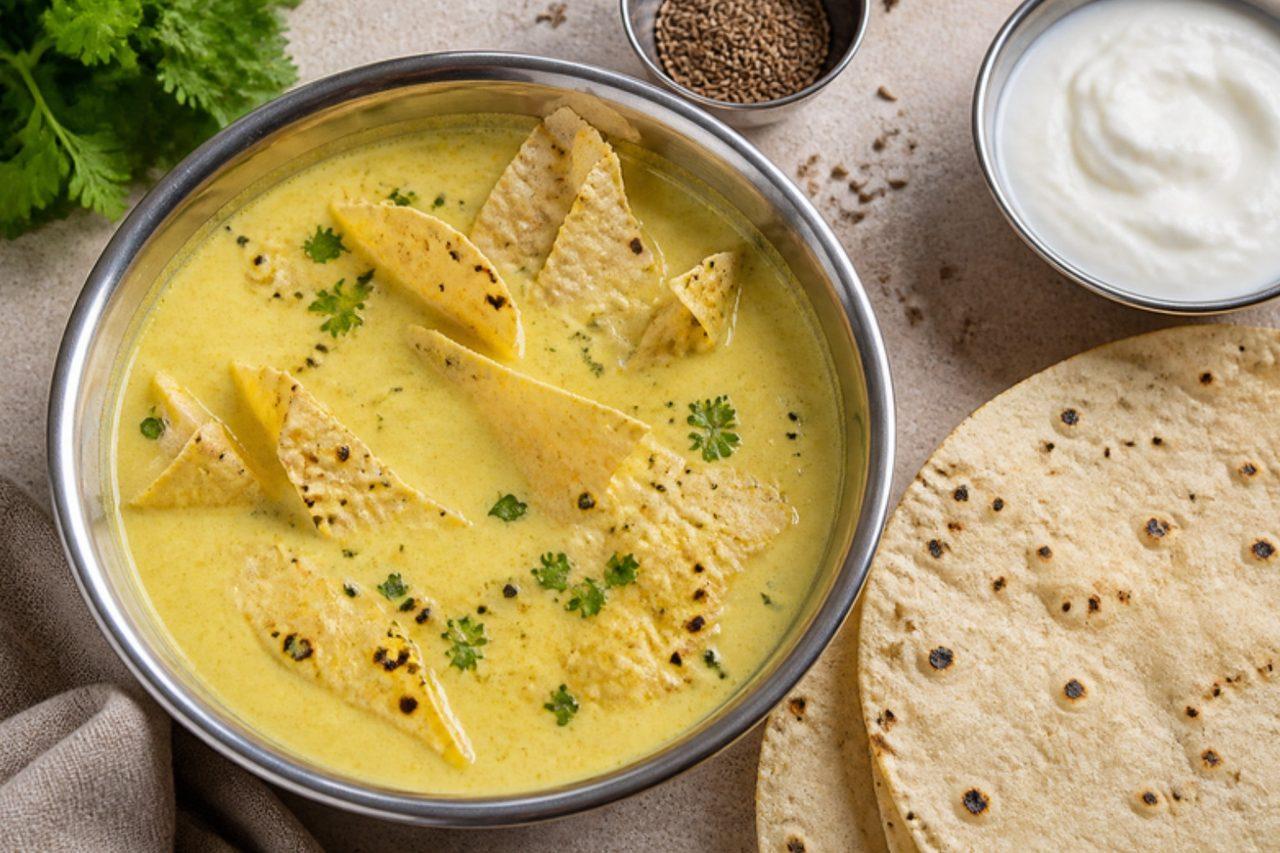
Papad ki sabzi comes from Rajasthan's dry interior, where fresh vegetables were scarce and pantries relied on sun-dried staples. Roasted papads are broken into a hot, spiced yogurt gravy at the last minute, so they soften but keep a little chew. Marwari households still make it on days when the vegetable basket is empty, eating it with bajra roti or phulka and a little ghee. Because it's ready in minutes, it's also a favourite for unexpected guests. The common mistake is adding the papads too early: they swell and turn to mush. Chef's tip: go easy on the salt, because papads are already well salted; season after tasting with the papad in.

by KrazyBadal 0 views

PapanașiFried cheese doughnuts

Papanași are the dessert Romanians order after almost any restaurant meal, from the old town of Bucharest to the mountain chalets of Sinaia and Bran. A soft dough of fresh cheese, egg and semolina is shaped into a ring with a little ball on top, fried until puffed and golden, then crowned with cold smântână and sour cherry or blueberry jam. Warm, tangy and very rich, one is a full dessert. Chef's tip: use dry, crumbly cheese and drain it if it's wet; a common mistake is a sloppy dough that soaks up oil and falls apart, so add flour only until it just stops sticking.

by KrazyBadal 0 views

Chinese tawa potatoesSoy and chilli potato chips

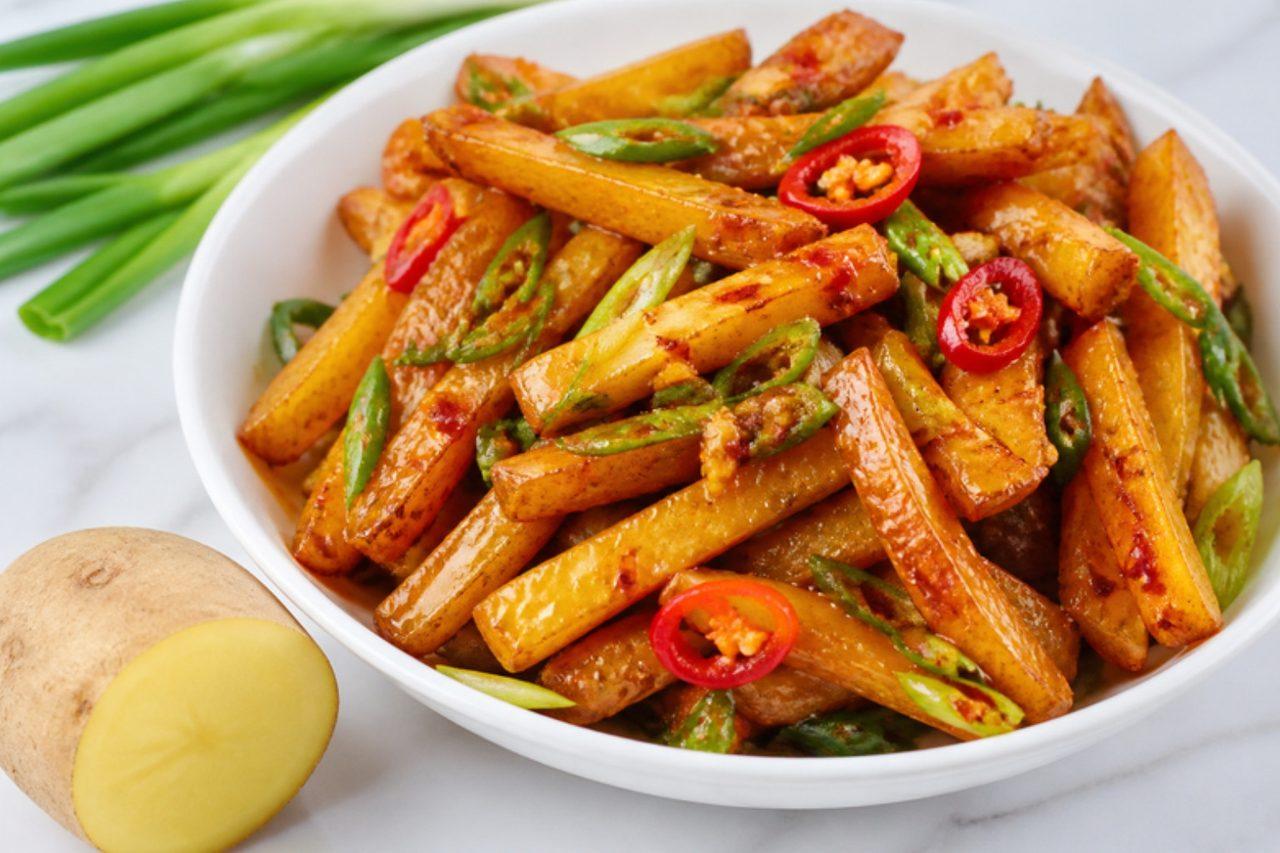
An Indo-Chinese favourite from the barbecue tawa: crisp fried potato chips tossed with garlic, ginger, soy sauce, ketchup and plenty of chillies and spring onion, then glazed with a little cornflour sauce. Sticky, salty and hot. Serve straight away as a starter.

by KrazyBadal 0 views

Papdi chaatCrisp wafers with potato and chickpeas

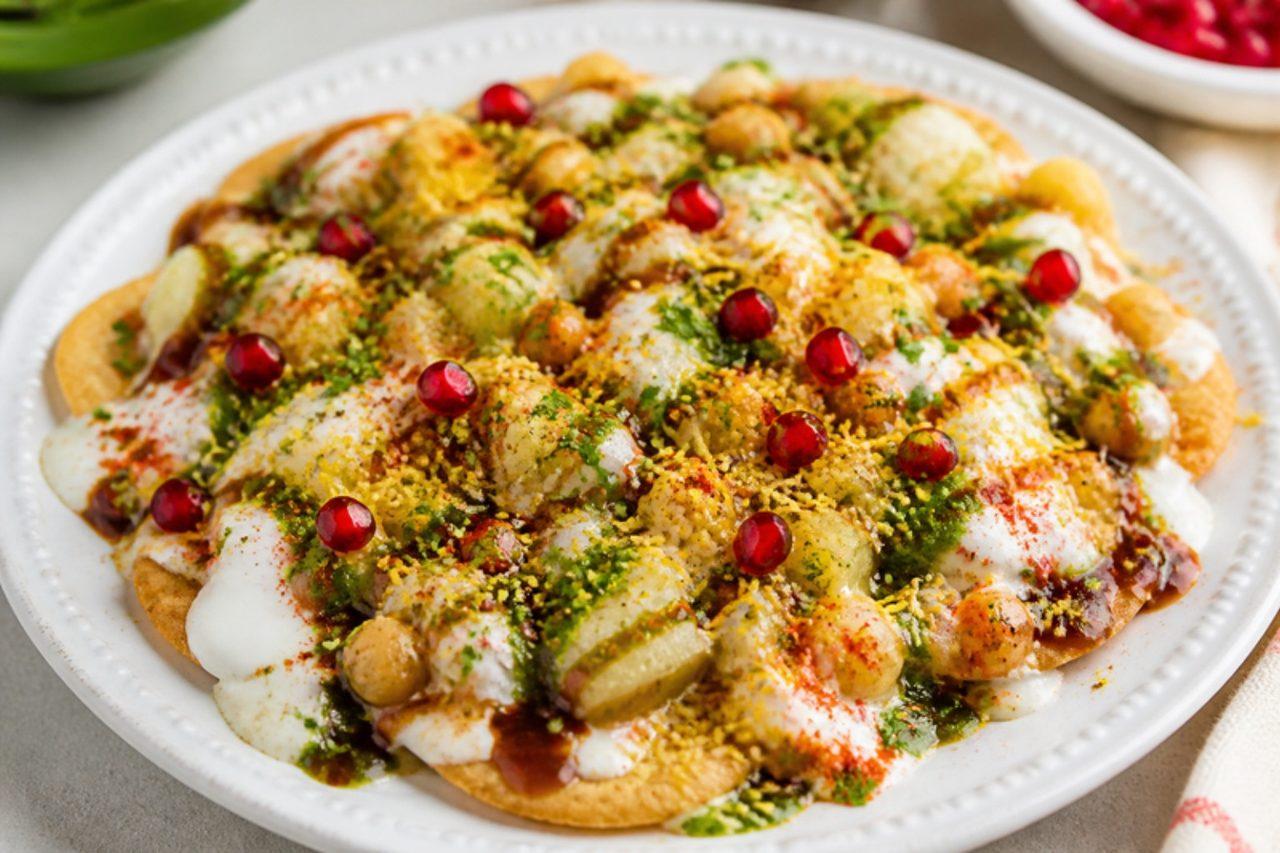
Papdi chaat is the plate Delhi orders without thinking about it, from the stalls outside Bengali Market to wedding buffets. Small, flaky wheat wafers called papdi are laid flat, topped with potato and chickpeas, drowned in sweetened yogurt and streaked with tamarind and green chutney, so you get crunch and creaminess in the same spoonful. Homemade papdi, crisp with ajwain, are far better than shop ones and keep for a week in a tin, though bought papdi will do on a busy day. Chef's tip: rub the oil into the flour until it holds together when squeezed; that shortening is what makes the papdi flaky rather than hard.

by KrazyBadal 0 views

Papeda with ikan kuah kuningSago porridge with fish soup

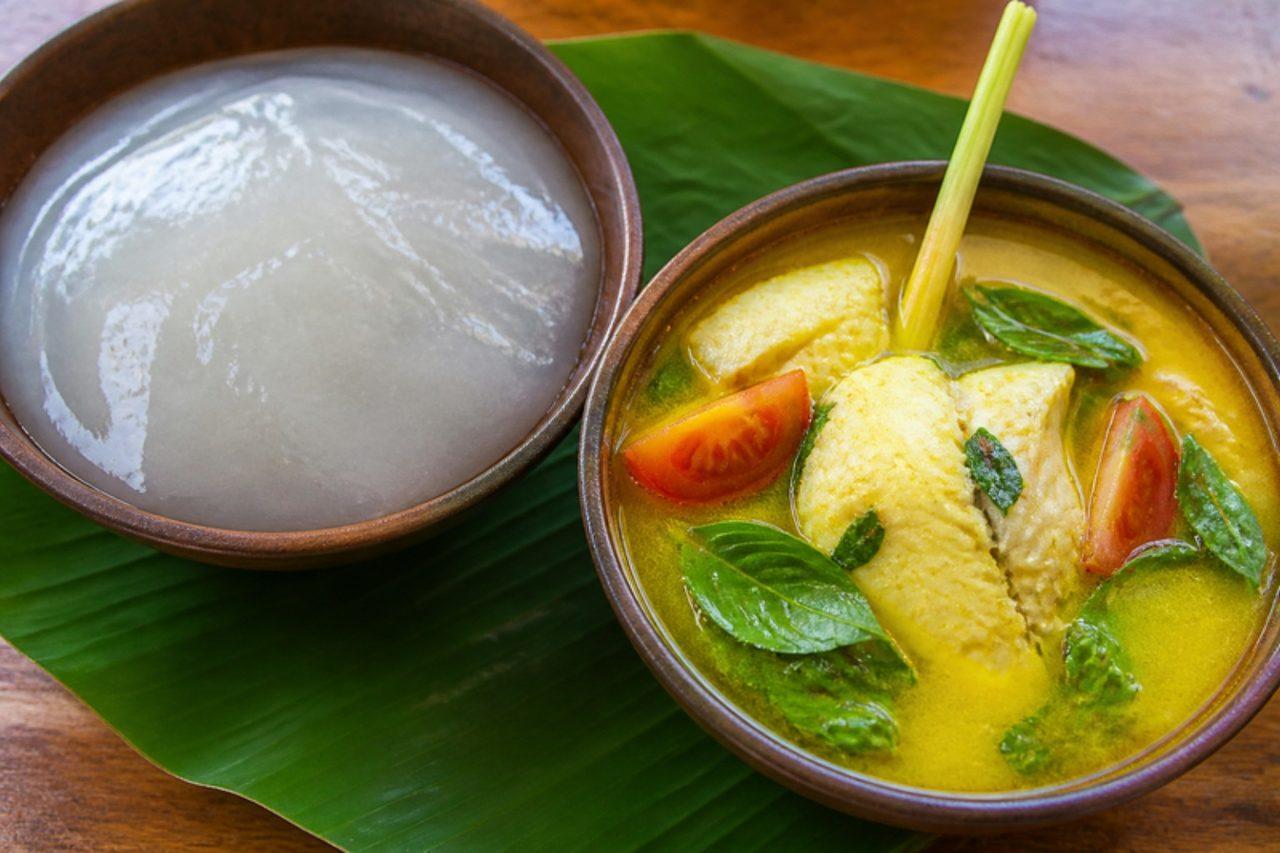
In Ambon, Jayapura and the islands between, the everyday staple isn't rice but papeda: sago starch stirred with boiling water into a translucent, glue-like porridge. It has almost no taste of its own, which is the point; it's eaten with ikan kuah kuning, a sharp, yellow fish soup bright with turmeric, lime and lemon basil. Families twirl the papeda out of the pot on two sticks, drop it into a bowl and ladle the soup over, then slurp it down without chewing. The texture is surprising the first time: slippery, soft and soothing next to the hot, sour broth. Chef's tip: the water must be at a full rolling boil when it hits the sago, or the papeda stays white and lumpy instead of turning clear.

by KrazyBadal 0 views

Papelón con limónIced panela and lime drink

Papelón con limón is the cold drink of Venezuela, served in jugs alongside arepas, empanadas and every Sunday lunch, and sold by the glass from street stalls in the heat of Maracaibo and the plains. Papelón is the Venezuelan name for panela, the dark block of unrefined cane sugar; melted into water and mixed with lots of fresh lime, it tastes like a caramel-scented lemonade. The hot Colombian cousin is aguapanela. Chef's tip: dissolve the papelón in warm water first, then chill; it never fully dissolves in cold water and leaves grains at the bottom.

by KrazyBadal 0 views

Zeytinyağlı taze fasulyeGreen beans braised in olive oil

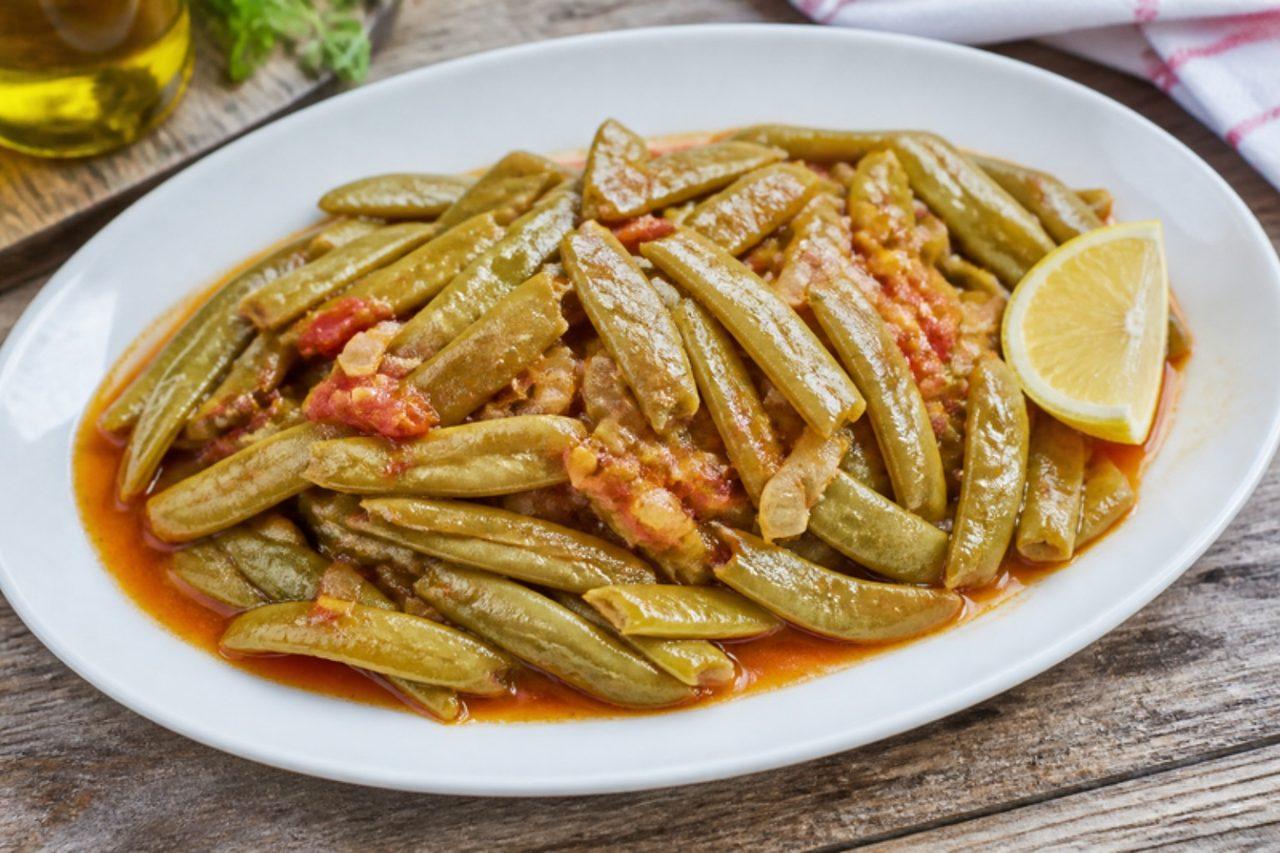
Along the Aegean coast, from İzmir down to Bodrum, summer lunch often begins with a plate of flat green beans that have been stewed in olive oil and tomato until they are silky, then left to cool to room temperature. It belongs to the zeytinyağlı family: vegetables cooked in olive oil, with no meat, and eaten cold or barely warm with bread to mop up the orange-red juices. Home cooks make a big pan in the morning and serve it over two or three days, because it tastes better after a night in the fridge. The most common mistake is rushing it on a high flame: the beans stay squeaky and the oil never turns glossy. Chef's tip: lay the beans on top of the onions and tomatoes without stirring, cover tightly and let the steam do the work; stirring breaks the beans and turns the sauce muddy.

by KrazyBadal 0 views

Pappa al pomodoroTomato and bread soup

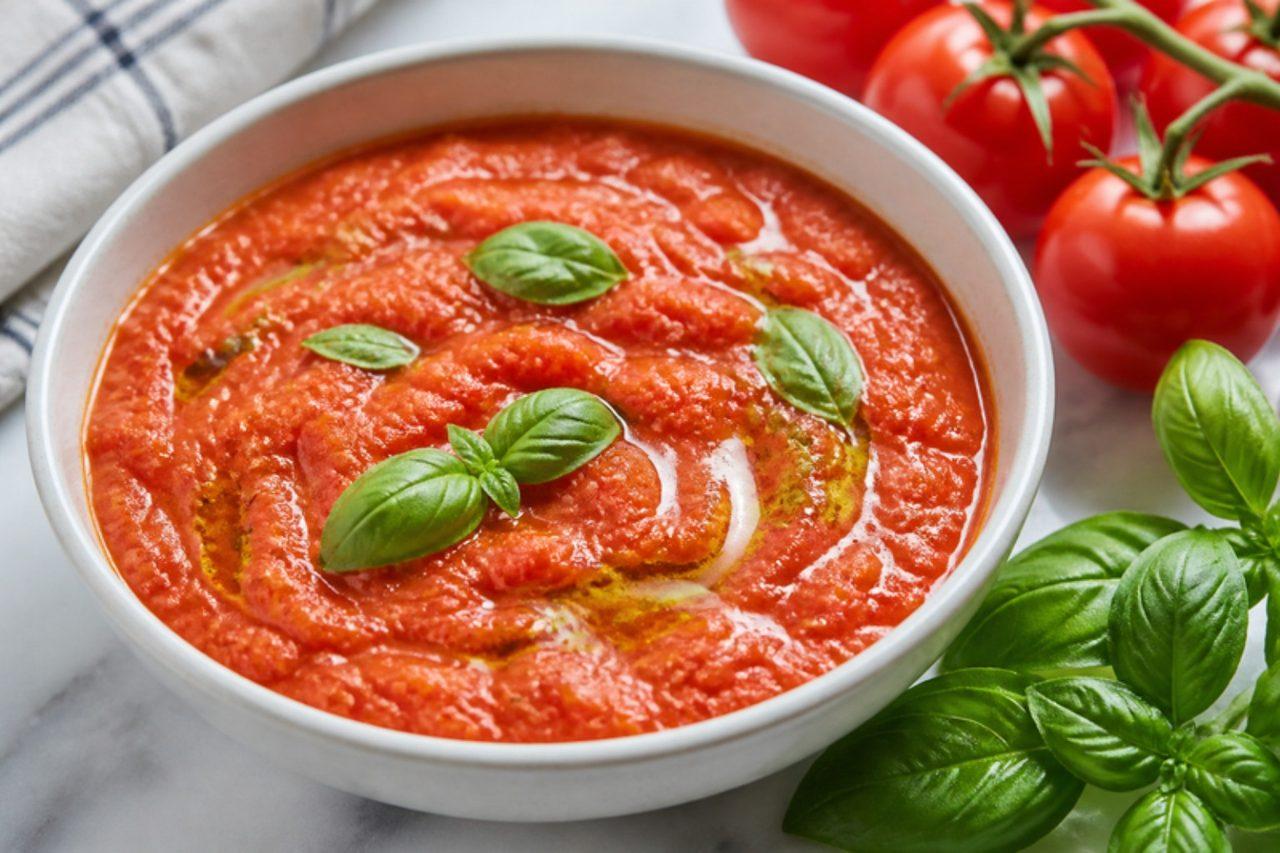
Pappa al pomodoro is what Florentine grandmothers make in July and August, when tomatoes are almost too ripe and yesterday's unsalted Tuscan bread is going hard. Bread, tomatoes, garlic and basil are cooked together and beaten into a soft, spoonable porridge (pappa means mush, the word for baby food). It is eaten warm, at room temperature or even cold on hot days, never piping hot. Chef's tip: stir it hard with a whisk at the end; it breaks the bread down into a velvety texture without a blender.

by KrazyBadal 0 views

Chiles rellenosCheese-stuffed poblano peppers

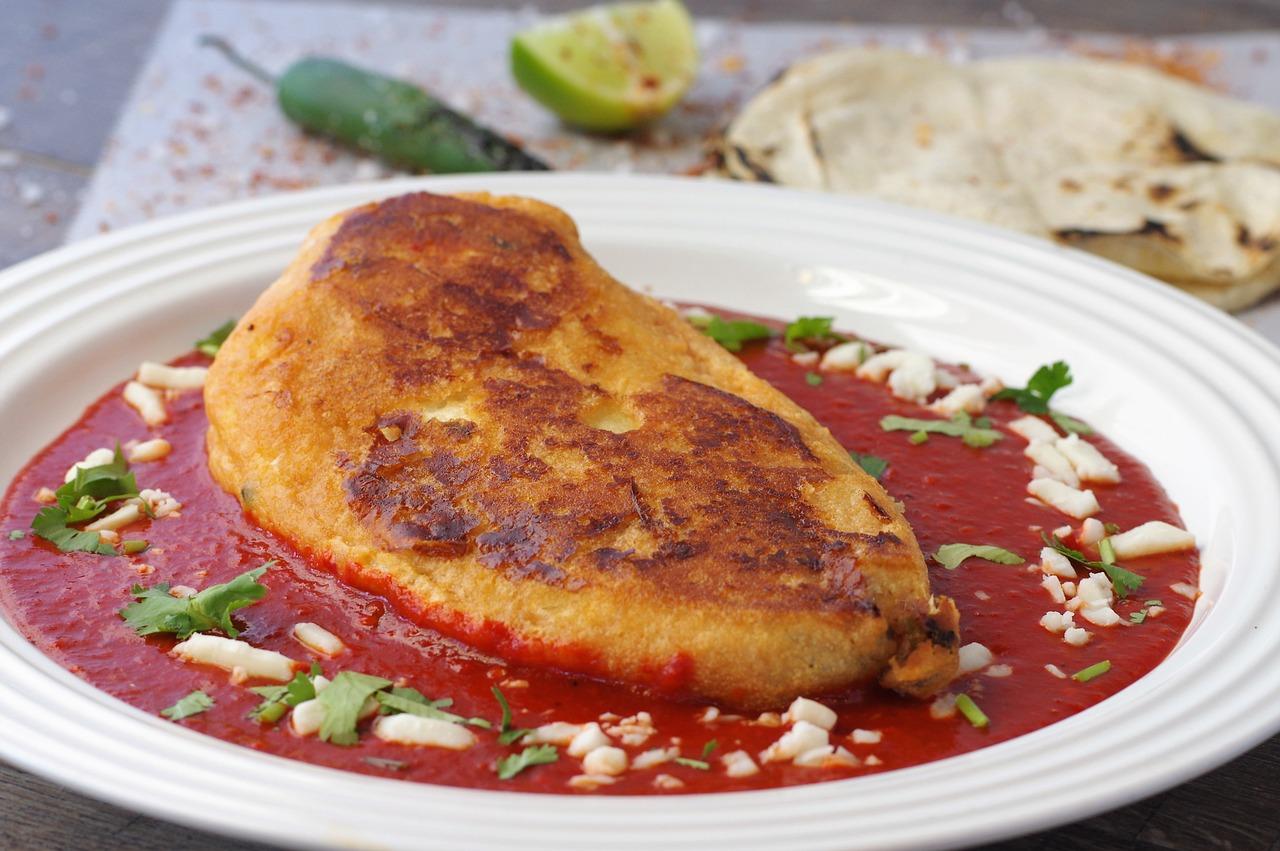
Chiles rellenos de queso are a Puebla classic and a fixture of Mexican home cooking: roasted poblano peppers filled with melting cheese, coated in an airy egg batter called capeado, fried until golden and served swimming in a thin, mildly spiced tomato broth (caldillo). The batter is like a soufflé omelette that hugs the chilli, and the cheese inside stretches in long strings. Serve with arroz rojo and warm tortillas. Choose an Oaxaca cheese or mozzarella made with vegetarian rennet. Chef's tip: the chillies must be completely dry and dusted with rice flour before they go into the batter; any moisture makes the egg slide off in the pan.

by KrazyBadal 0 views

Ash reshtehNoodle, bean and herb soup

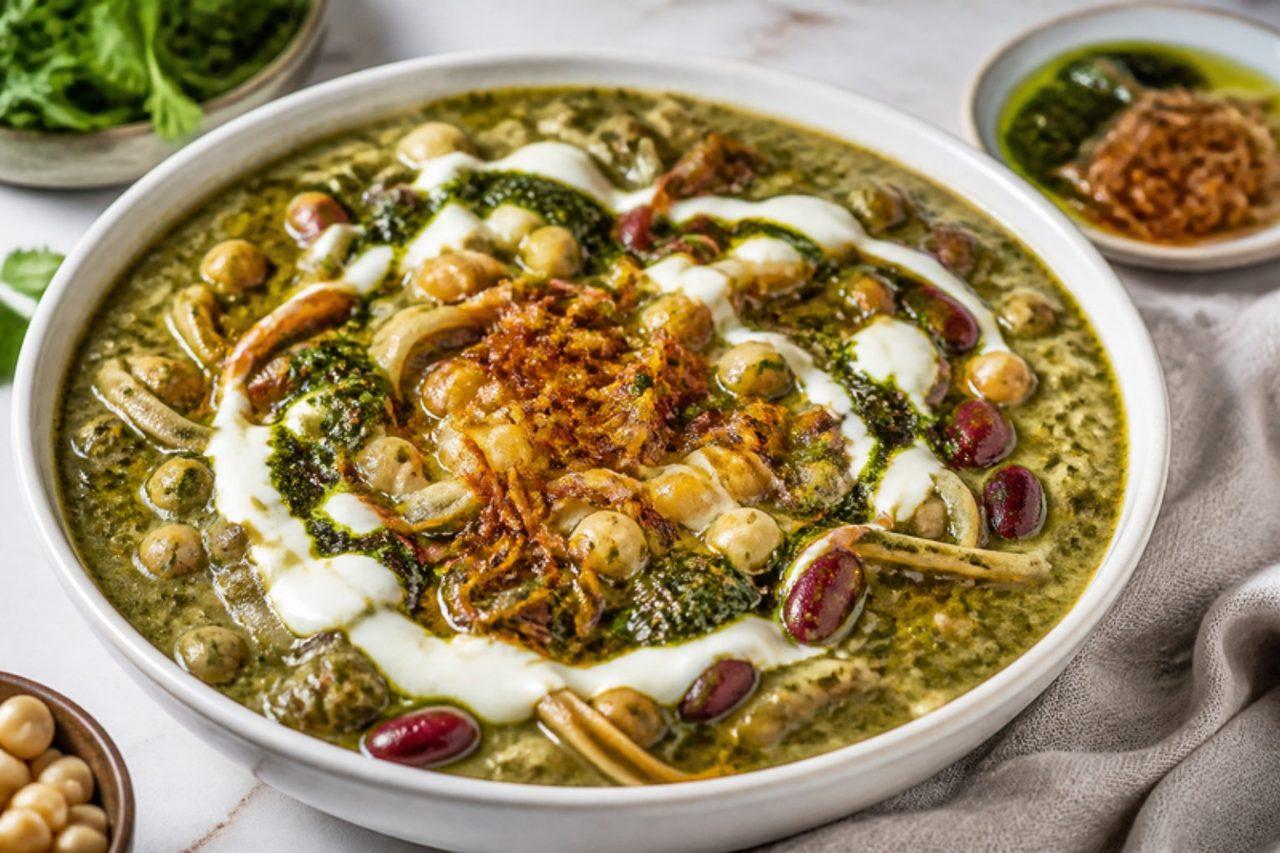
Ash reshteh is the thick soup Iranians cook in big pots in the days before Nowruz and for Sizdah Bedar, the spring picnic day, when the noodles (reshteh) are said to help you grasp the threads of good luck for the coming year. Chickpeas, beans and lentils are simmered with a mountain of green herbs and spinach, thickened with flat noodles and finished at the table with tangy kashk, crisp onions and a sizzling swirl of mint oil. It is a meal in a bowl, hearty and herby. Kashk is usually made without rennet, but check the label; strained yogurt is a good substitute. Chef's tip: add the noodles only once the beans are soft, and stir often after that, because they thicken the pot and it can catch on the bottom.

120 minPersianSoups
by KrazyBadal 0 views

Paprikás krumpliPaprika potato stew

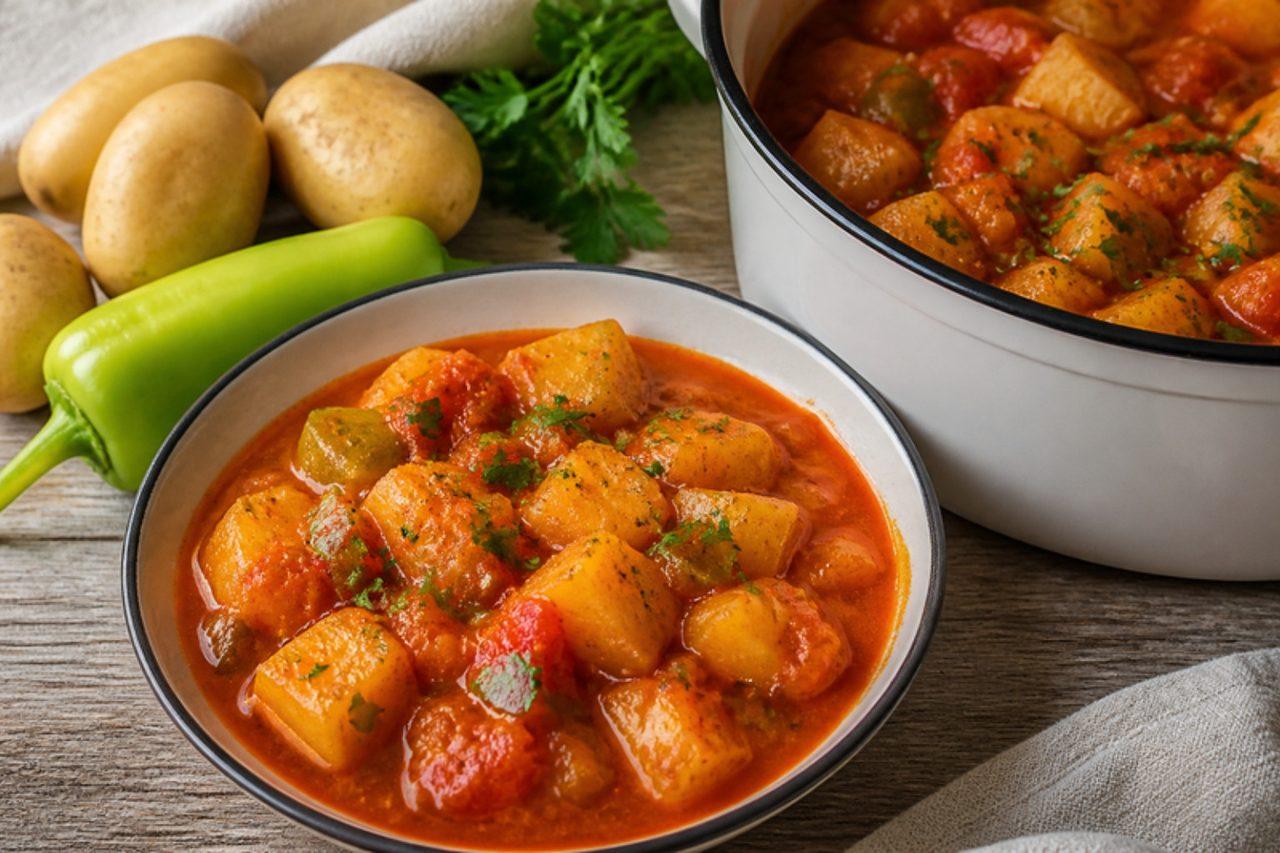
Paprikás krumpli is a thrifty potato stew that every Hungarian student learns to cook, and it turns up at school dinners, on autumn weekdays and in cauldrons at village harvest festivals. Potatoes simmer in an onion and paprika base with pepper and tomato until they start to break and thicken their own sauce. Most versions add sliced smoked sausage; this vegan one swaps it for a pinch of smoked paprika and caraway, which give the same savoury depth. Serve in bowls with crusty bread and a pickled cucumber or a spoon of pickled peppers on the side. Chef's tip: cut the potatoes unevenly on purpose; the smaller pieces melt and thicken the sauce while the bigger ones stay whole.

by KrazyBadal 0 views

SyrnykyCurd cheese pancakes

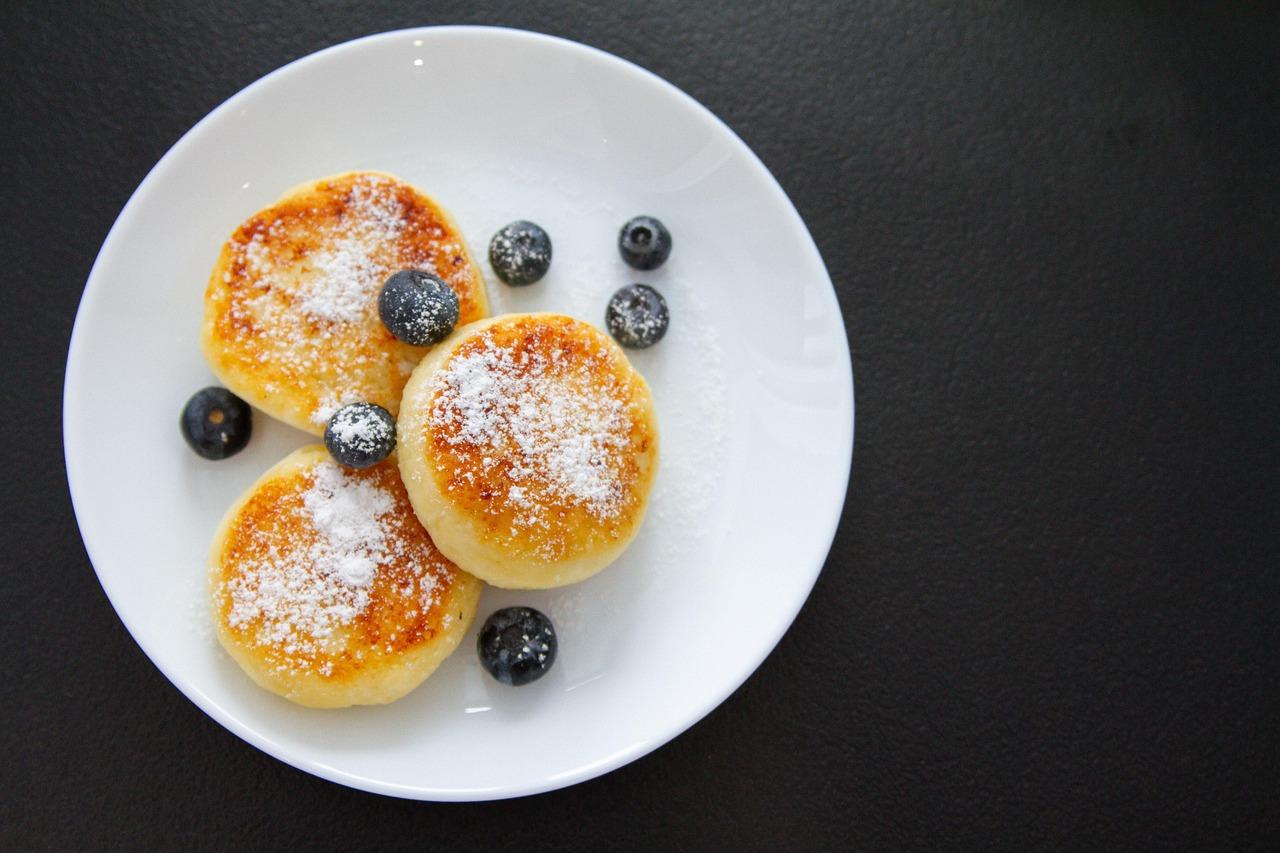
Syrnyky are the Sunday breakfast of Ukrainian childhoods: small, thick pancakes made almost entirely of tvorih, the dry farmer's cheese sold at every market in Odesa and Lviv, held together with an egg and a little flour and fried until golden. Inside they should be soft and creamy, like a baked cheesecake, outside lightly crisp. They are served with sour cream and cherry jam, or honey. Tvorih is made with lactic culture rather than rennet, so it suits vegetarians; dry cottage cheese pressed through a sieve or quark also works. Chef's tip: if your cheese is wet, wrap it in a cloth and press it under a weight for an hour; common mistake is adding extra flour to rescue a wet mixture, which makes syrnyky dense and rubbery.

by KrazyBadal 0 views

SzarlotkaApple cake

Szarlotka is the apple cake every Polish café and grandmother has a version of, from Zakopane mountain inns to the cake counters of Poznań. In the classic home style, a sweet, crumbly shortcrust (kruche ciasto) is pressed into a tray, filled with a thick layer of tart apples cooked briefly with cinnamon, and topped with the rest of the pastry grated over like crumble. It is served in squares, dusted with icing sugar, often warm with a scoop of vanilla ice cream or whipped cream. Sharp autumn apples such as Szara Reneta or Bramley give the right sour-sweet balance. Chef's tip: grate the frozen top layer of dough straight onto the apples; it bakes into a light, sandy crust instead of a heavy lid.

by KrazyBadal 0 views

Parippu vadaiCrunchy split pea fritters

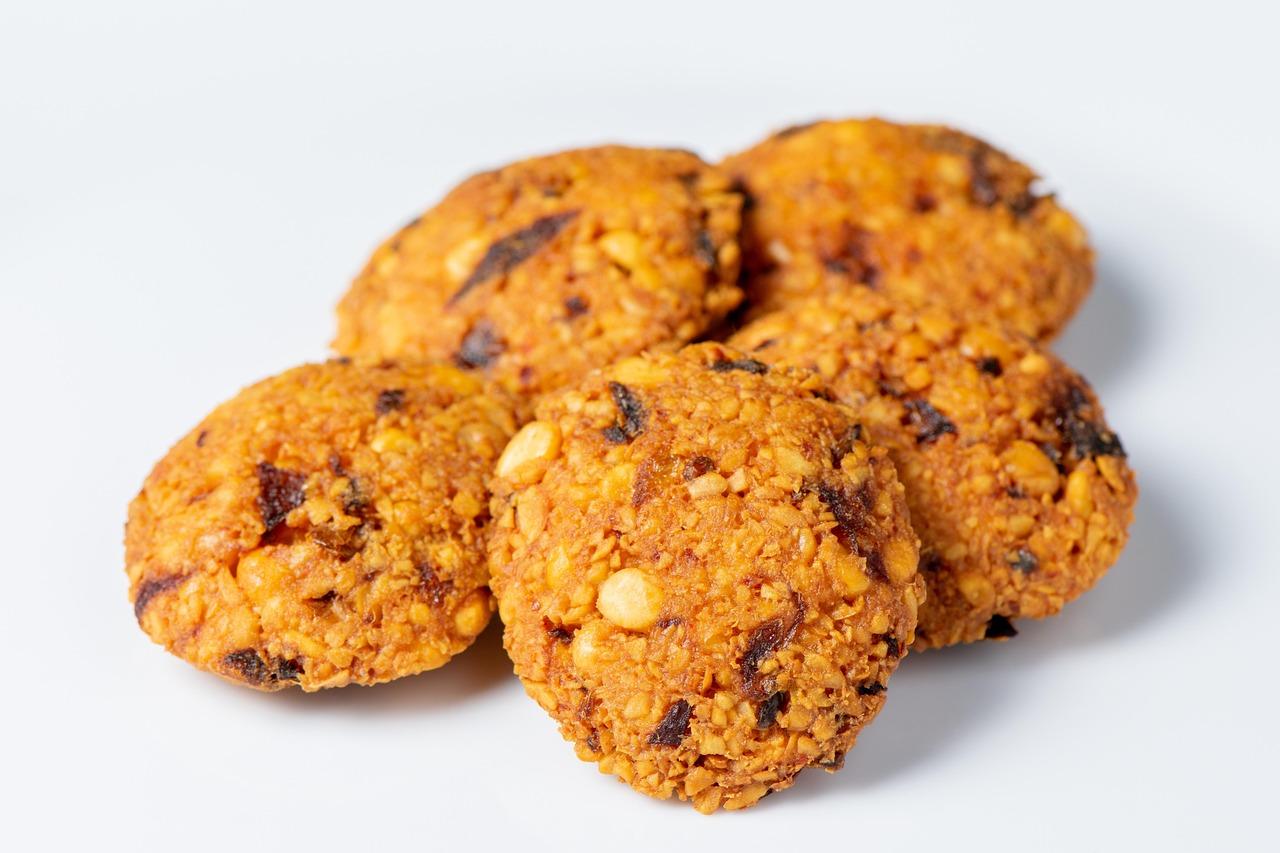
Parippu vadai are the crunchy, lumpy fritters sold from glass boxes on Sri Lankan trains and from carts along Colombo's Galle Face Green at sunset, often with a couple of fried prawns pressed on top; ours are the plain vegetarian kind, which are just as common. Soaked yellow split peas (kadala parippu) are coarsely ground with green chilli, onion, curry leaves and fennel, shaped into flat discs and deep-fried until craggy and golden, crisp outside and nubbly within. Eat them hot with a cup of plain tea or a spoonful of seeni sambol. They're different from South Indian medu vada, which are made with smooth black lentil batter. The common mistake is grinding the lentils to a smooth paste; leave plenty of whole and half peas for the crunch. Chef's tip: hold back about a quarter of the soaked peas and stir them in whole after grinding.

by KrazyBadal 0 views

WaakyeRice and black-eyed beans

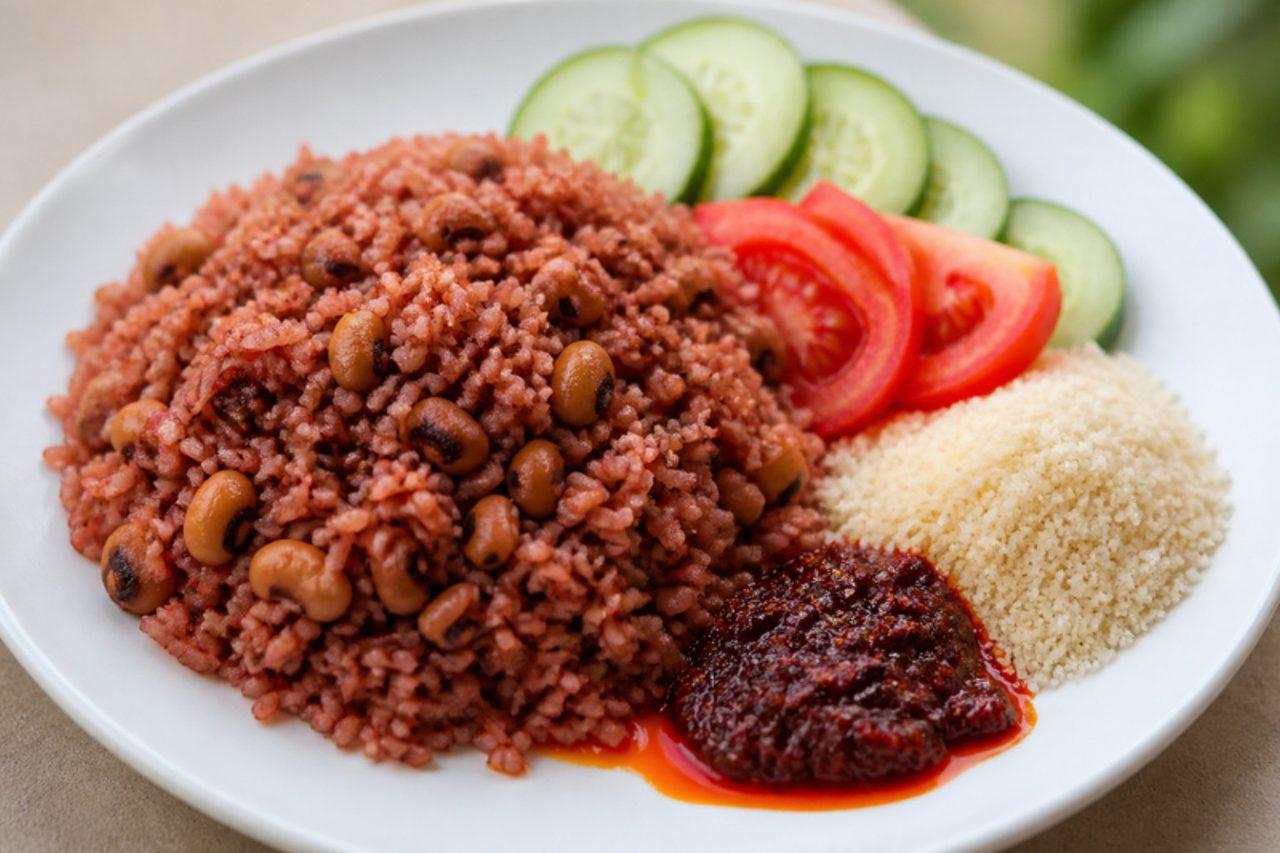
Waakye (say 'waa-chay') came south from the Hausa communities of northern Ghana and is now Accra's favourite breakfast and lunch, sold from big pots wrapped in leaves at roadside stalls before most offices open. Rice and black-eyed beans are cooked together with dried sorghum leaf stalks (waakye leaves), which dye the pot a deep reddish brown and add a faint earthy note. A full plate comes loaded with shito, gari, spaghetti (talia), salad and fried plantain. Chef's tip: cook the beans almost soft before the rice goes in; beans and rice finishing together is the whole trick.

by KrazyBadal 0 views

Parmigiana di melanzaneBaked aubergine with tomato and mozzarella

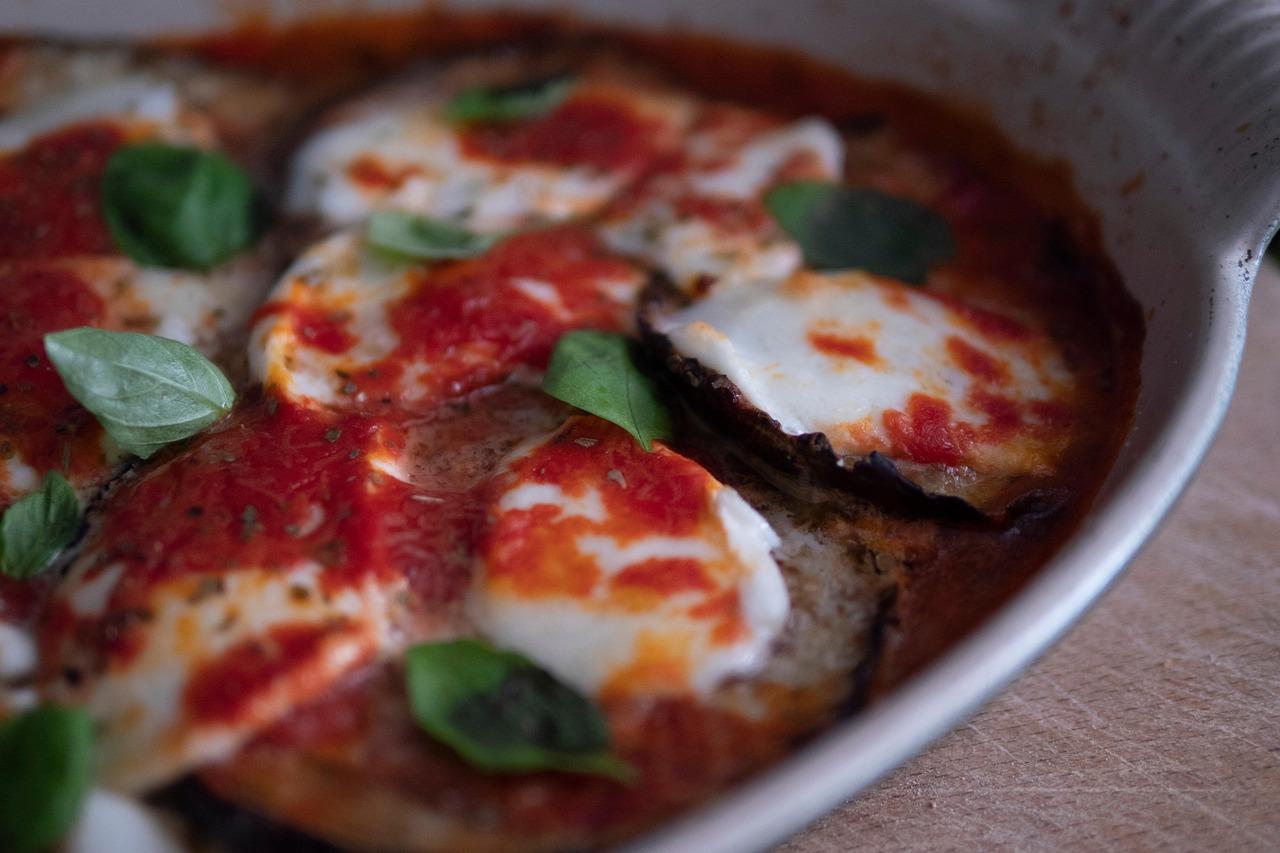
Parmigiana di melanzane is Campania's big summer bake, made when aubergines are cheap and glossy and served for Sunday lunch or carried in a tin to the beach. Fried slices of aubergine are layered with a quick basil tomato sauce, fior di latte and grated hard cheese, then baked until the edges bubble and darken. It is better warm than piping hot, and better still the next day, cut into neat squares. Chef's tip: salt the slices and press them for 30 minutes before frying; they drink less oil and the layers stay distinct instead of watery.

by KrazyBadal 0 views

Chiles en nogadaStuffed poblanos in walnut sauce

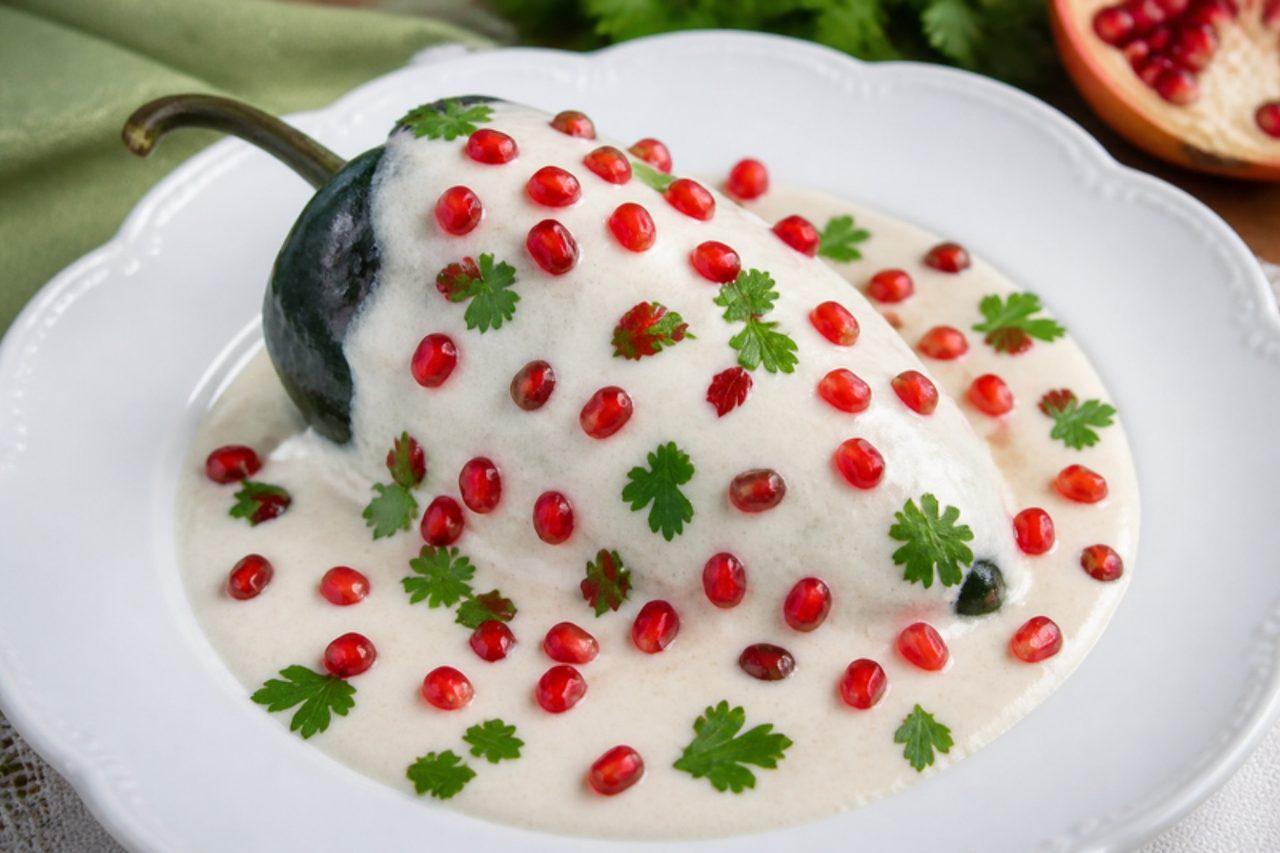
Chiles en nogada belong to Puebla and to September, when fresh walnuts, peaches, pears and pomegranates are all in season and Mexico celebrates its independence: the green chilli, white walnut sauce and red pomegranate are the colours of the flag. Roasted poblano peppers are stuffed with picadillo, a sweet-savoury hash of fruit, nuts and spices, then cloaked in nogada, a cool sauce of fresh walnuts, milk and fresh cheese. Our vegetarian picadillo uses mushrooms for the savoury depth that minced meat usually gives. It is served at room temperature, never hot, as a centrepiece for a celebration lunch. Chef's tip: soak the walnuts in milk overnight and rub off as much of the papery skin as you can; the skins make the nogada bitter and grey. Use a fresh cheese made with vegetarian rennet.

by KrazyBadal 0 views

Tacu tacuPan-fried beans and rice cake

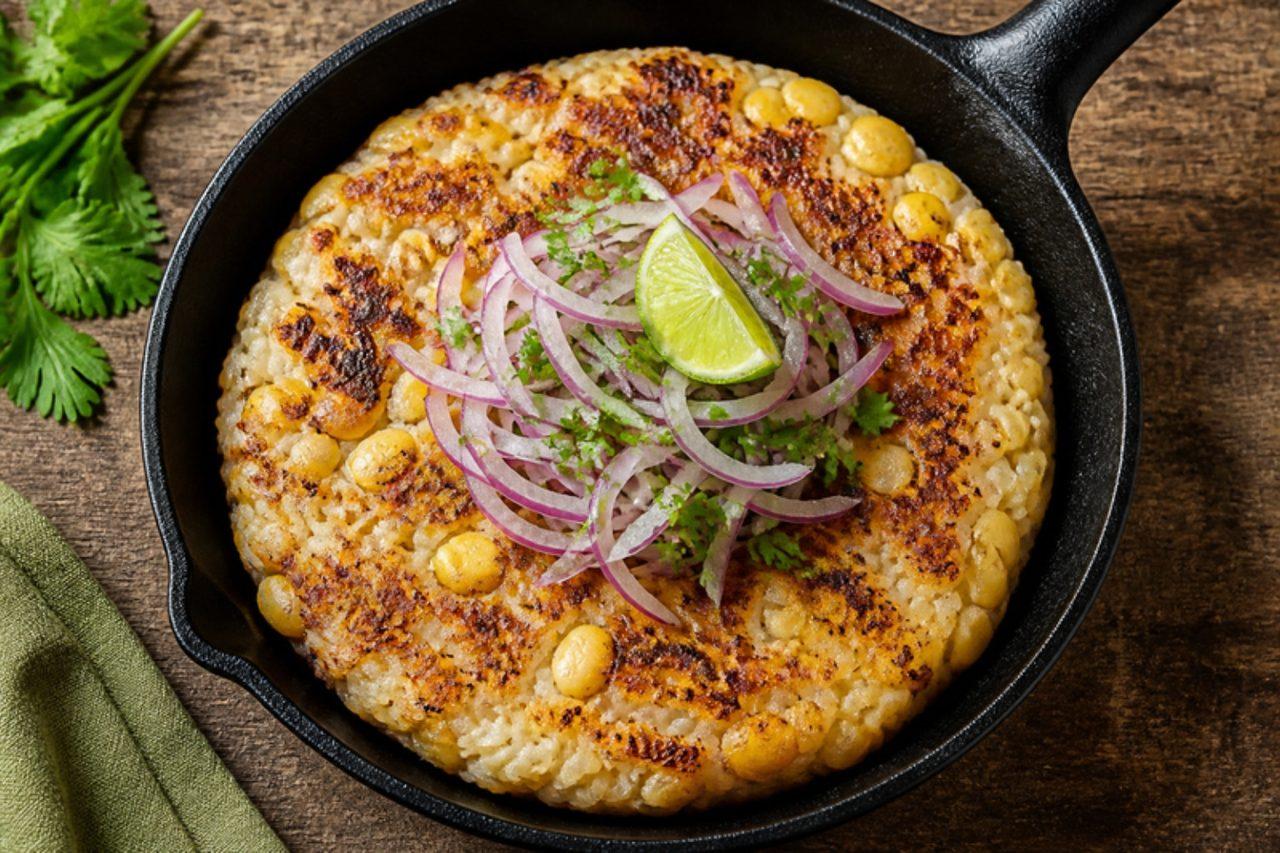
Tacu tacu was born in the Afro-Peruvian kitchens of Lima, as a thrifty way to turn yesterday's beans and rice into something new; today it appears on the menus of smart criollo restaurants too. Mashed canario beans and rice are fried with garlic, onion and ají amarillo, then shaped in the pan into a long, crisp-edged cake, soft inside and golden outside. It is a hearty lunch for two with a sharp salsa criolla of onion and lime, and often a fried ripe plantain on the side. Canario beans are pale yellow and creamy; pinto or cannellini beans work well. Chef's tip: use cold, day-old rice and beans; warm, freshly cooked ones are too soft to hold their shape and the tacu tacu falls apart.

by KrazyBadal 0 views

Chickpea kabsaSpiced rice with chickpeas

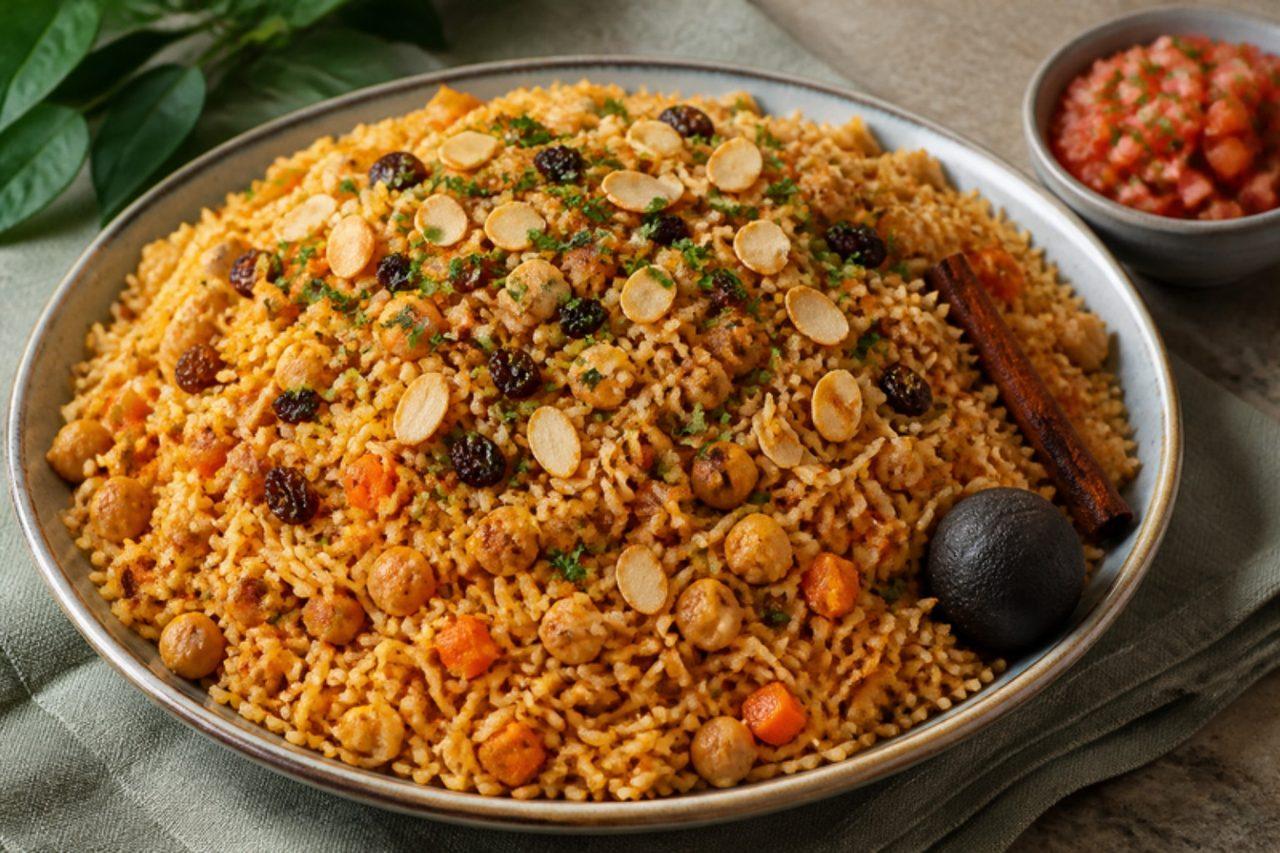
Across Saudi Arabia, from Riyadh flats to Jeddah family compounds, a Friday lunch usually means one huge tray of kabsa set on a cloth on the floor, everyone eating from their own side. The rice cooks in a tomato broth scented with dried lime, cinnamon and cardamom, so every grain turns orange-red and fragrant; this version swaps the usual chicken for chickpeas and carrot, which soak up the spices just as well. It is topped with raisins and toasted almonds and comes with daqqus, a sharp tomato-chilli sauce spooned over at the table. Chef's tip: pierce the dried limes before they go in; whole ones float and give little flavour, pierced ones fill the broth with a sour, smoky depth.

by KrazyBadal 0 views

PasemburVegetable and fritter salad

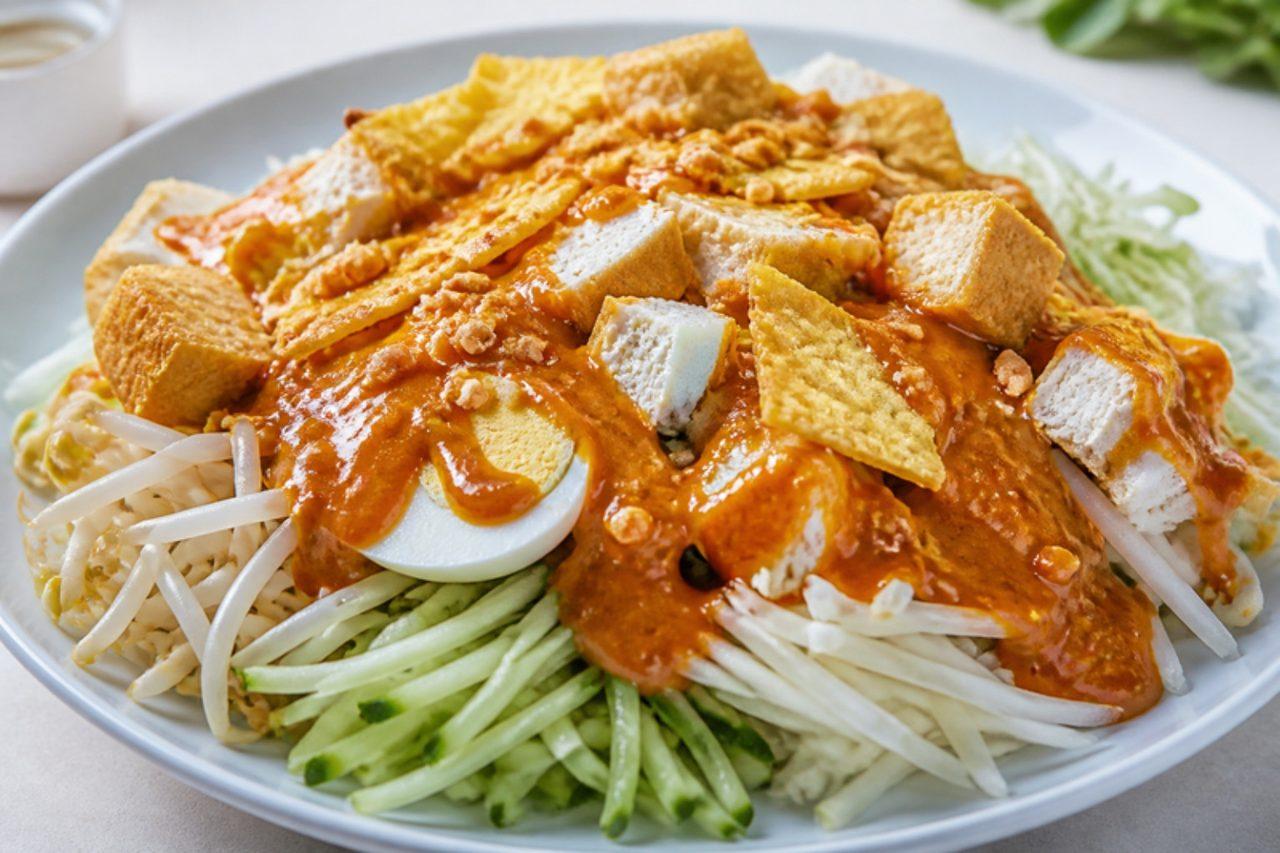
Pasembur is sold from Indian-Muslim (mamak) stalls along Penang's Gurney Drive and Esplanade: shredded cucumber, jicama and bean sprouts piled with sliced fried tofu, boiled egg and crisp fritters, all buried under a thick, sweet, gently spicy sauce made from sweet potato, chilli and peanuts. You pick your fritters at the stall; prawn fritters are common, but here they are crunchy cabbage and onion ones. Chef's tip: dress it at the very last moment and eat at once, so the fritters stay crisp under the sauce.

by KrazyBadal 0 views

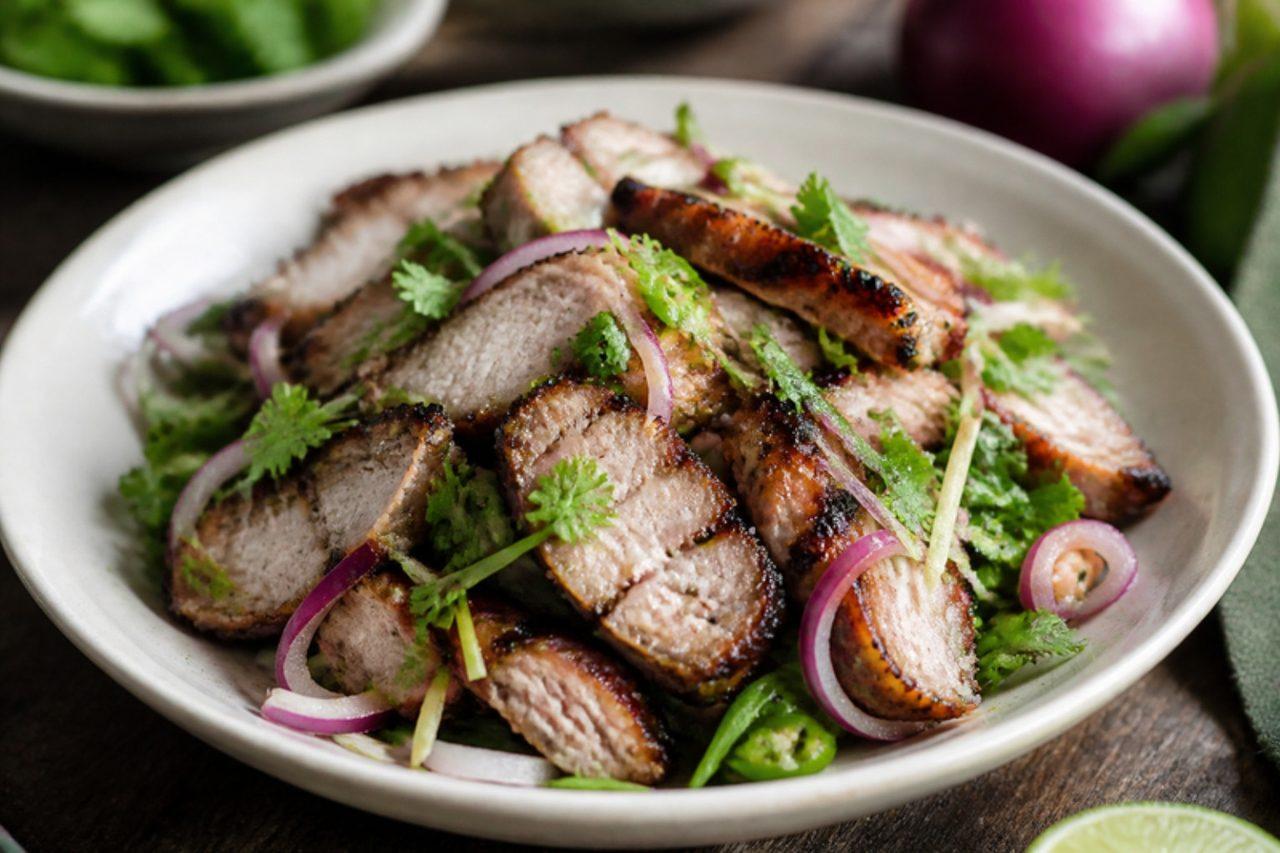
Wahan mosdengGrilled pork salad

Wahan means pork and mosdeng a fiery mashed relish in Kokborok, the language of the Tripuri people of Tripura. Pork is boiled until tender, grilled over charcoal for a smoky crust, then tossed with raw onion, green chilli, ginger and coriander. In Agartala and the villages it is party and festival food, eaten during Garia Puja in April with rice beer or rice. Chef's tip: grill the boiled pork really hot and fast; you want charred edges without drying the meat.

by KrazyBadal 0 views

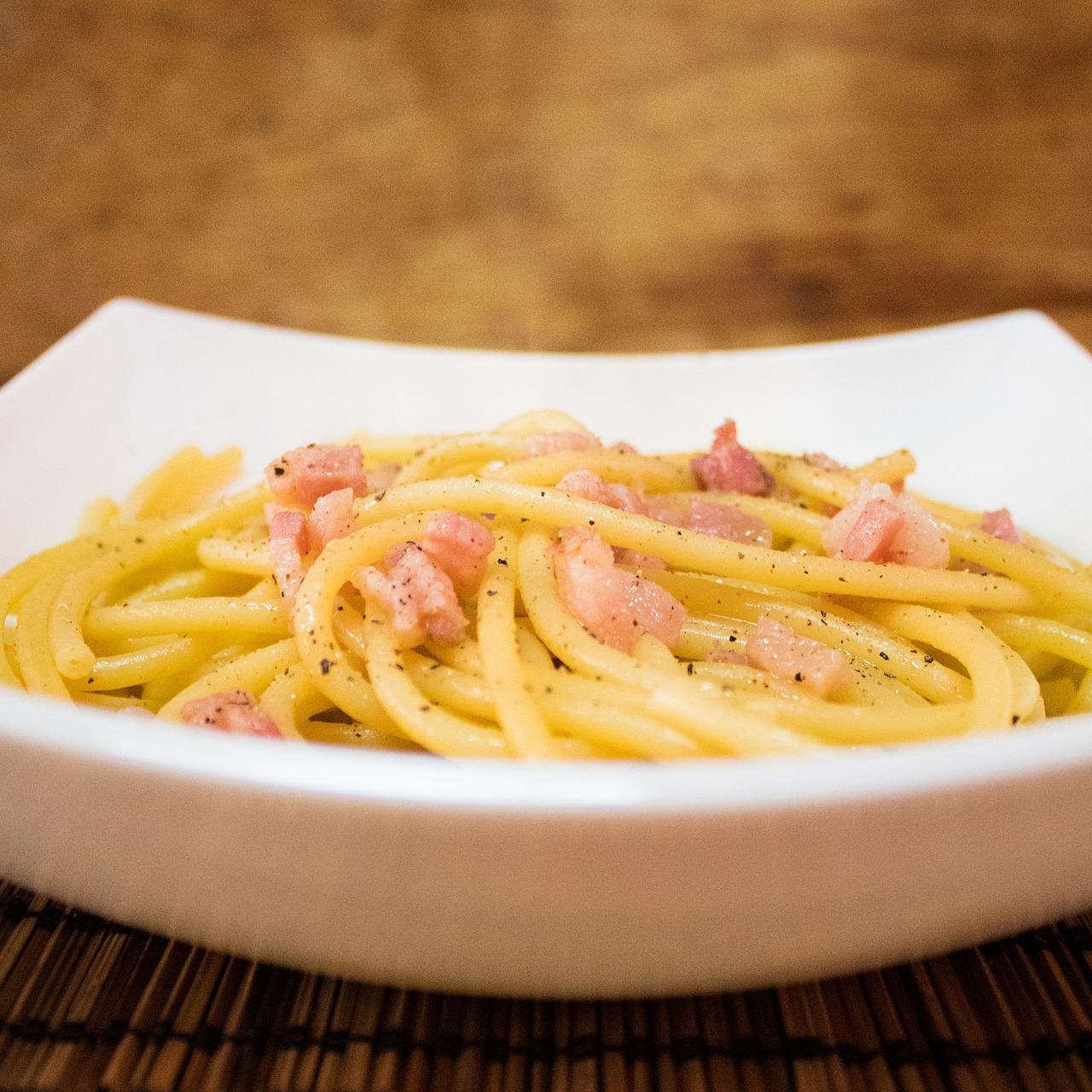
Pasta alla griciaPasta with guanciale and pecorino

Older than both carbonara and amatriciana, gricia is the white pasta of the Roman hills: no egg, no tomato, nothing but guanciale, pecorino and pepper brought together with starchy cooking water. On a Roman menu it often sits with its siblings under the heading of the four great Roman pastas, and it is many locals' quiet favourite for a weekday lunch. Short rigatoni catch the creamy, salty sauce in their ridges and tubes, and the guanciale is cooked until amber and crisp-edged so its fat flavours everything. Follow it with something light, such as sautéed chicory with garlic. Chef's tip: before you finish the pasta, mash the pecorino in a bowl with a few spoonfuls of cooled pasta water into a smooth cream; it melts into the sauce instead of seizing into strings.

by KrazyBadal 0 views

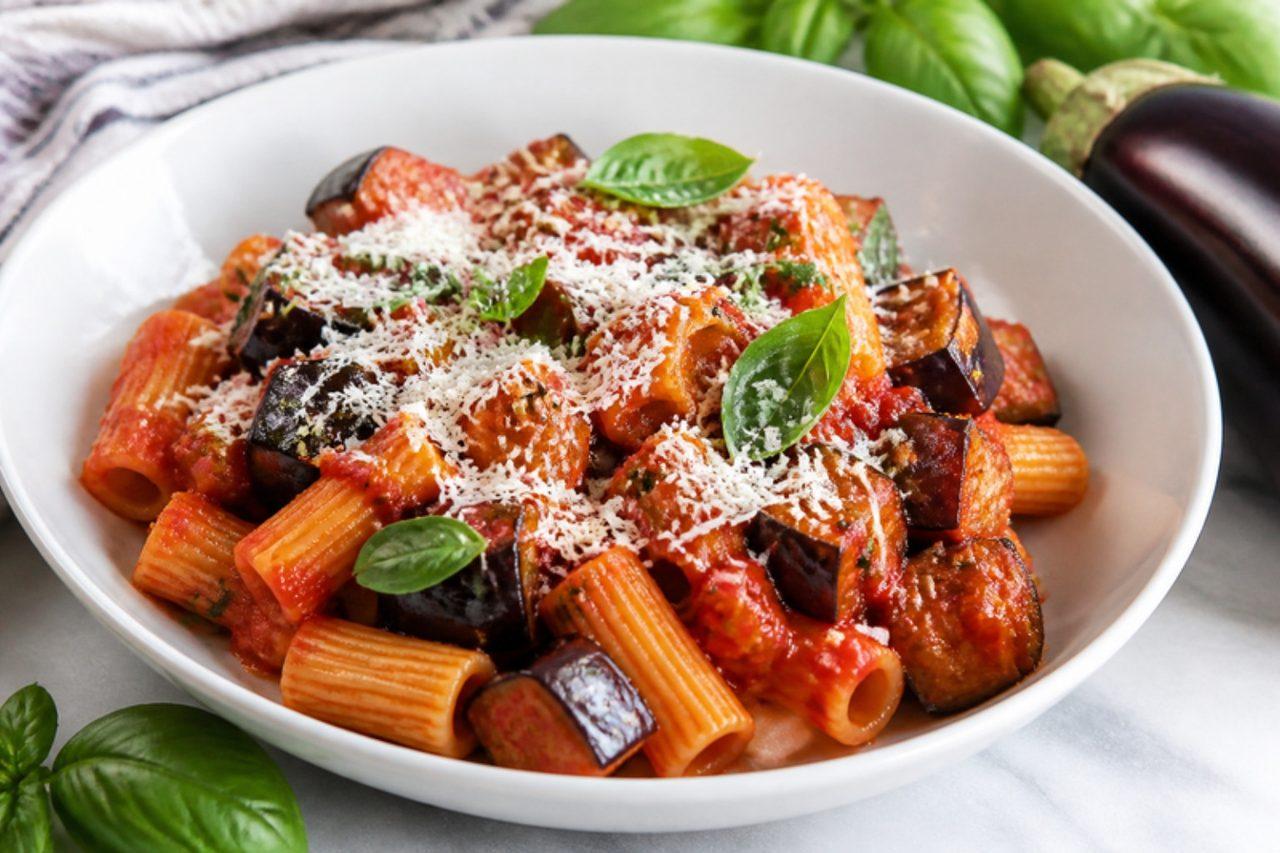
Pasta alla NormaPasta with fried aubergine and tomato

Pasta alla Norma comes from Catania, in the shadow of Mount Etna, and is named after Norma, the opera by the city's own composer Vincenzo Bellini; a local writer is said to have called the dish 'a real Norma', meaning a masterpiece. Fried aubergine, a simple garlic and basil tomato sauce and a snowfall of salty ricotta salata make one of Sicily's best summer lunches. Chef's tip: keep a few of the best fried aubergine slices aside and lay them on top at the end; the rest melt into the sauce and the top ones stay silky.

by KrazyBadal 0 views

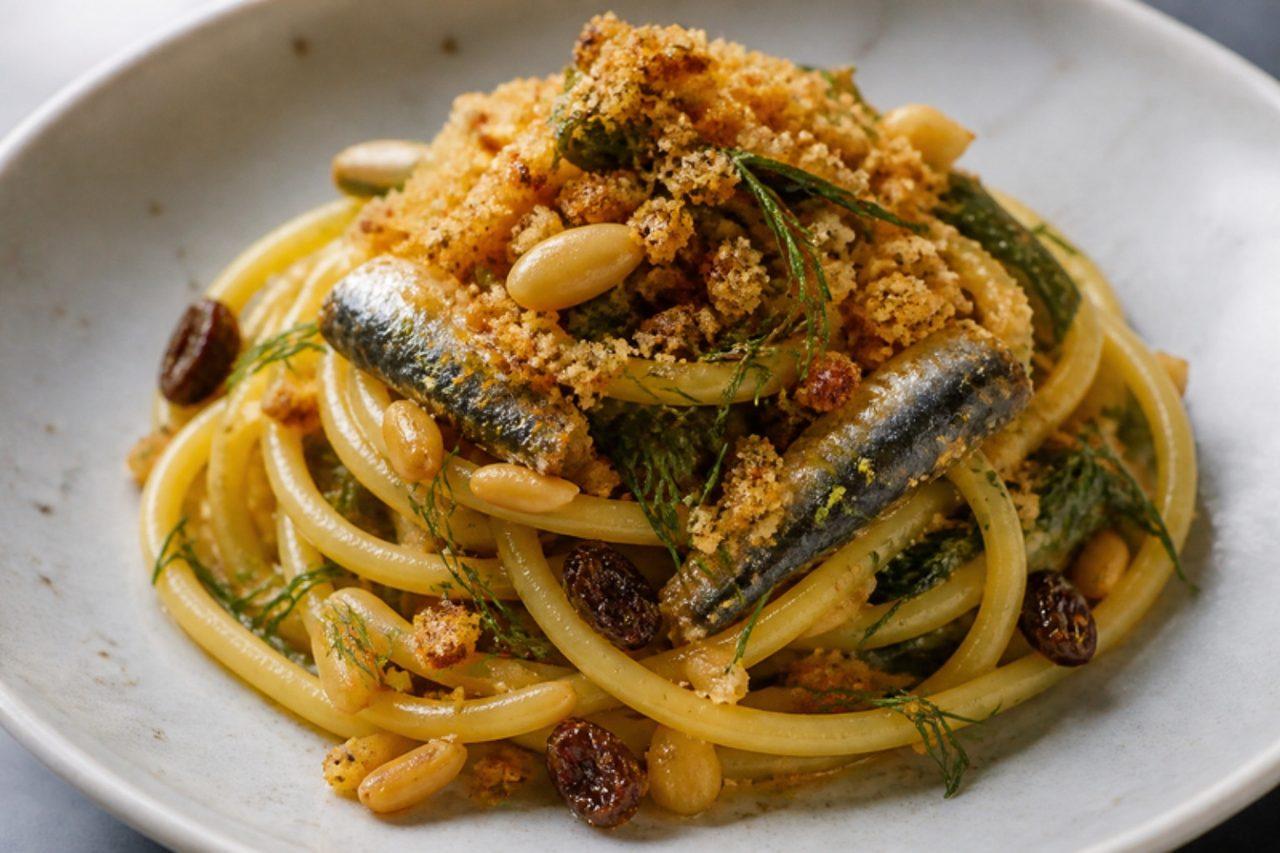
Pasta con le sardePasta with sardines and fennel

Sweet, salty and grassy all at once, Palermo's favourite pasta carries the island's history in one pan: Arab raisins, pine nuts and saffron meet fresh sardines and the wild fennel that grows on every Sicilian hillside in spring. It is cooked at home and in the city's old trattorie from March to the start of summer, and on 19 March for the feast of San Giuseppe. Instead of cheese, it is finished with olive oil toasted breadcrumbs, the crunchy 'muddica' that Sicilians call poor man's parmesan. Wild fennel is hard to find outside Italy; the fronds from two fennel bulbs plus a few fennel seeds come close. Serve it warm, or at room temperature as Palermitans often do. Chef's tip: blanch the fennel greens in the pasta pot first and cook the bucatini in that same green, aniseed-scented water, so the flavour runs right through the pasta.

by KrazyBadal 0 views

Chickpea chapli kebabFlat chickpea kebabs

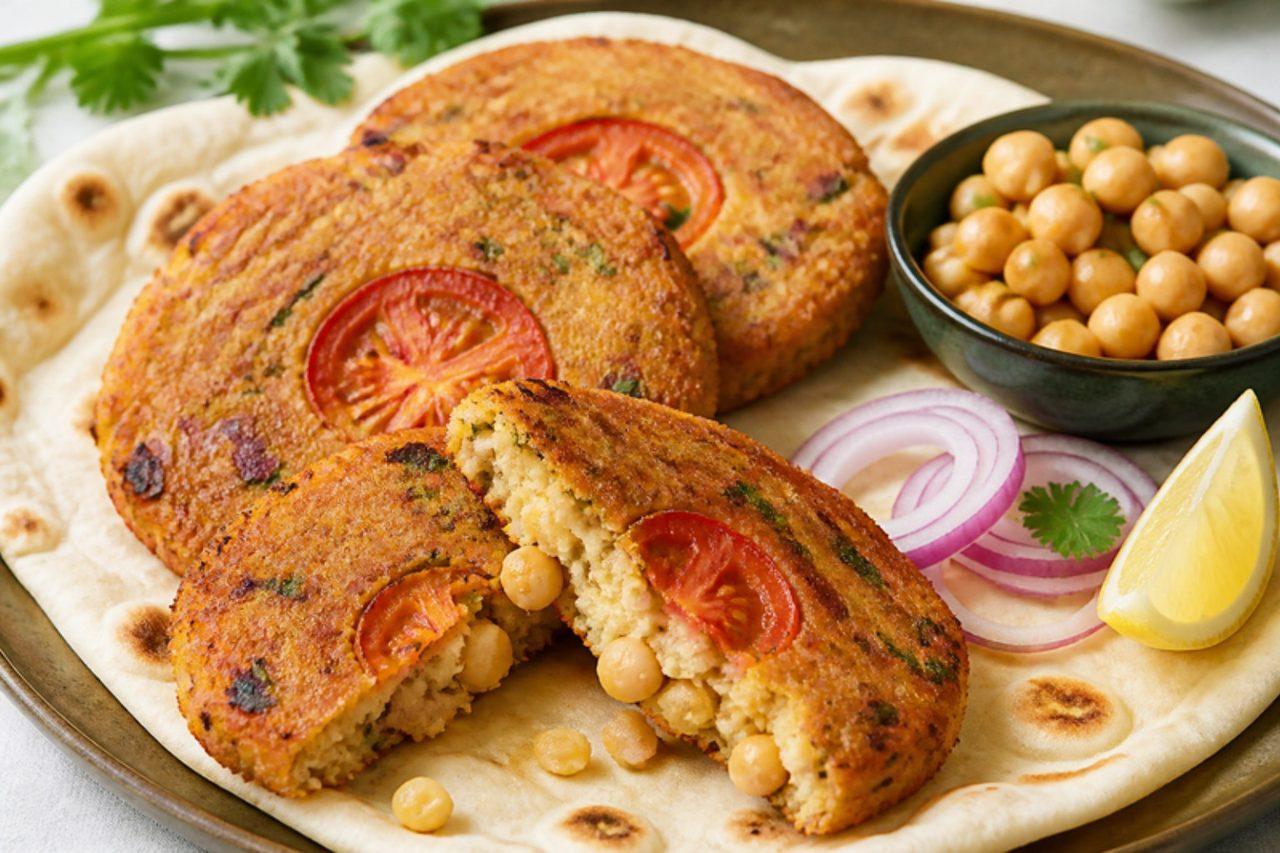
Chapli kebab comes from Peshawar, where Namak Mandi and the Qissa Khwani Bazaar are lined with cooks frying giant flat kebabs in shallow iron pans; the name comes from chaprikh, flat in Pashto. This chickpea version keeps everything that makes a chapli kebab taste right: coarsely crushed coriander seeds, dried pomegranate seeds (anardana) for sourness, chilli flakes, green chilli, onion, tomato and a little maize flour to bind it, with a slice of tomato pressed into each one so it chars in the pan. Serve them with naan, sliced onion and a sharp green chutney. The usual mistake is blitzing the chickpeas to a smooth paste in a processor; the kebab needs texture, so mash by hand and leave some pieces. Chef's tip: press them really thin, about 1 cm, and with ragged edges; the thin edges go crunchy, which is the whole point of a chapli.

by KrazyBadal 0 views

Chicken sajjiRoast salted chicken

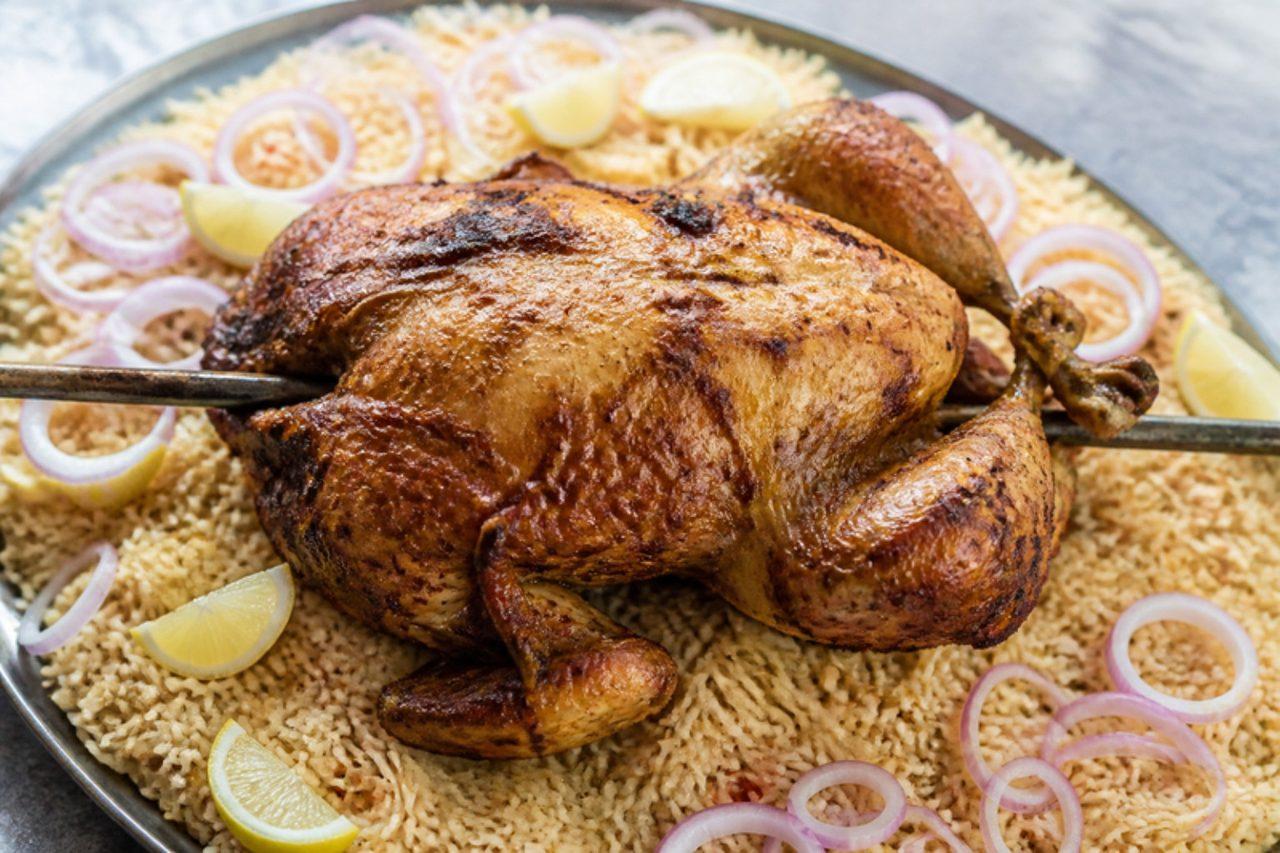
Sajji comes from Balochistan, where shepherds once roasted whole lambs on sticks around an open fire with nothing but salt. In Quetta and Karachi's Balochi restaurants it is now usually a whole chicken, lightly spiced, roasted slowly until the skin is crisp and the meat drips with juice, then served on a heap of rice or with flat kaak bread. It is a festive dish for gatherings and family Sundays. This oven version stays true to the simple style: salt, a little lemon and green papaya, and slow heat. Chef's tip: roast it low first and finish hot; slow cooking keeps the meat juicy while the final blast crisps the skin.

by KrazyBadal 0 views

Pasta e fagioliBean and pasta soup

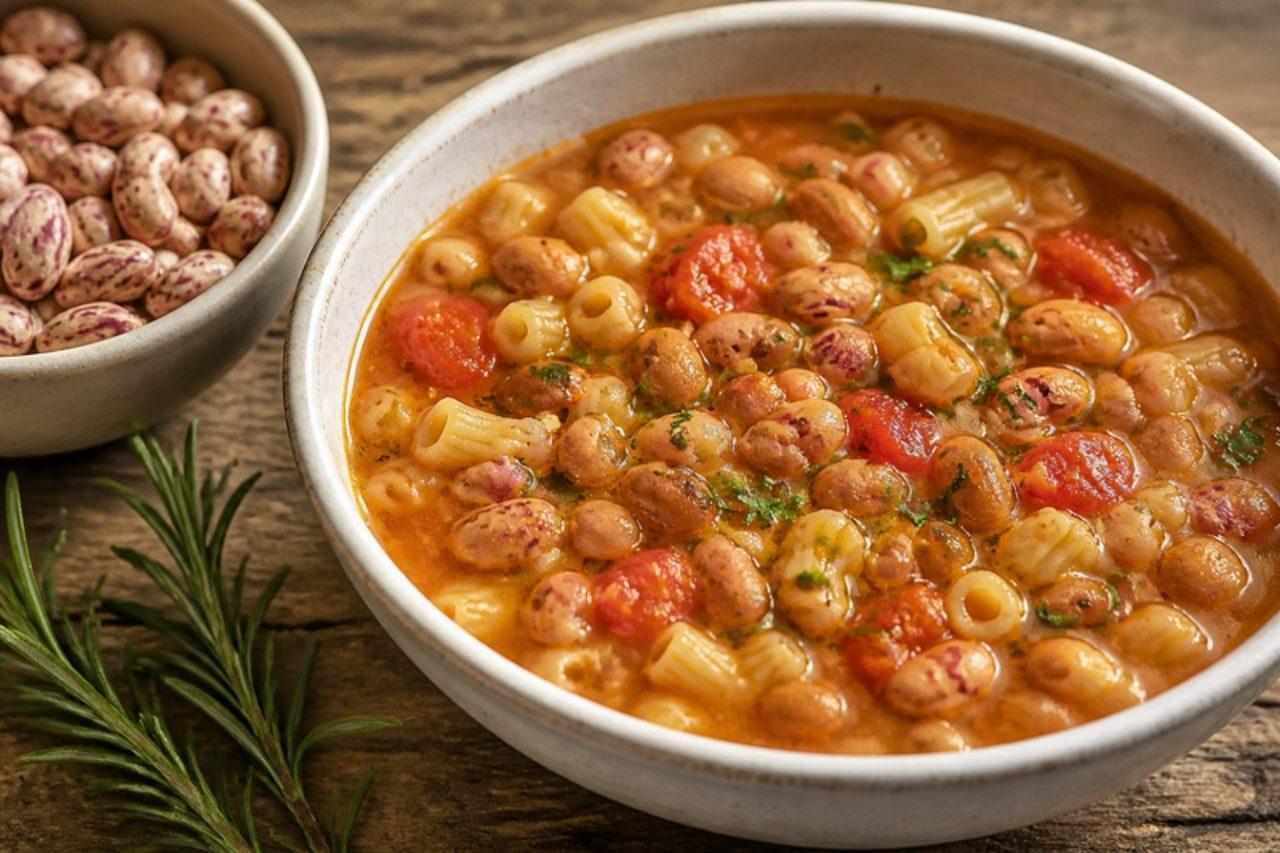
In Naples pasta e fagioli (pasta e fasule in dialect) is thick enough to stand a spoon in, made with cannellini or borlotti beans, a few cherry tomatoes, garlic and broken pasta cooked straight in the bean broth. It is a cheap, filling Friday-night meal in many Neapolitan homes, and the bean starch, not cream or cheese, makes it velvety; this version stays vegan. Chef's tip: blend a ladle of the beans before the pasta goes in; it thickens the soup naturally so the pasta is coated, not swimming.

by KrazyBadal 0 views

Pasta e patatePasta with potatoes

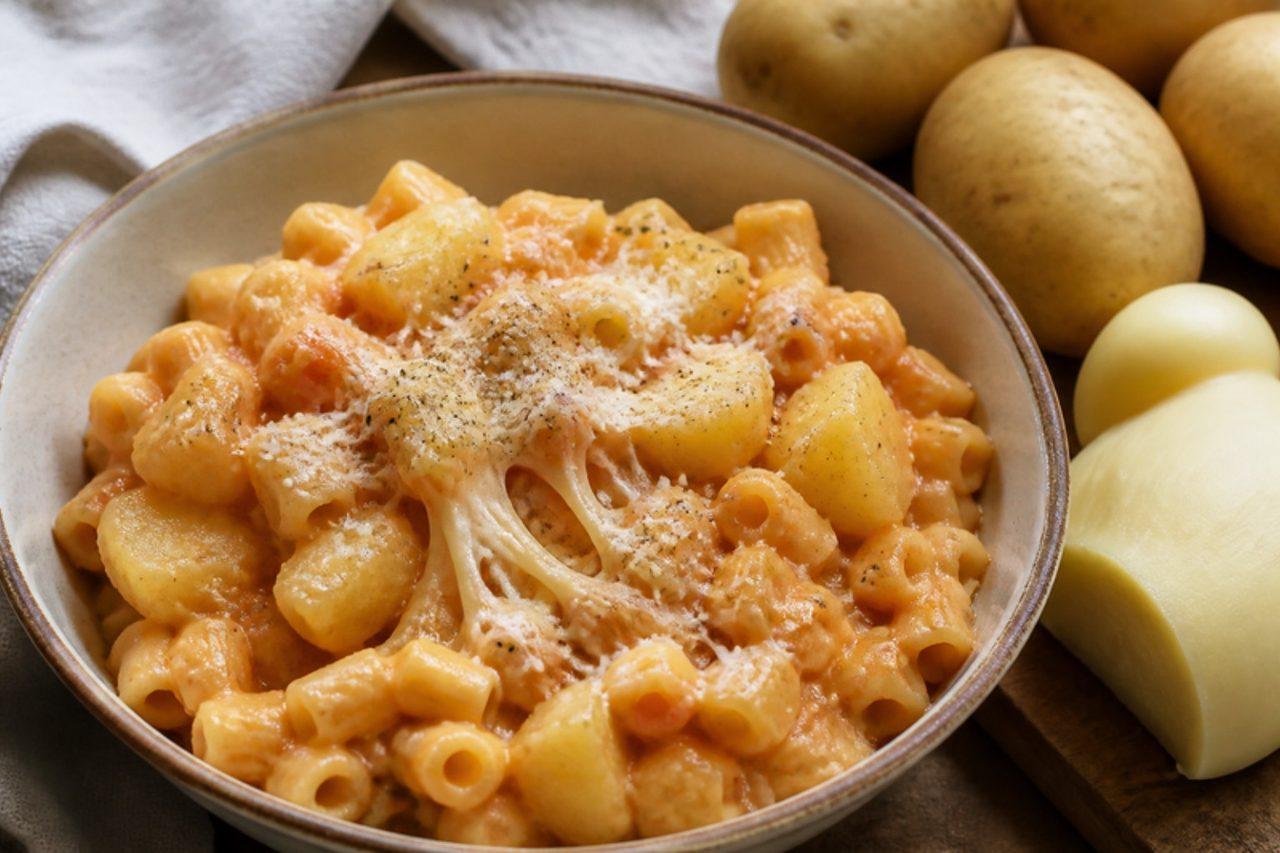
Pasta e patate is Neapolitan home cooking at its most thrifty: potatoes and mixed broken pasta (pasta mista, the odds and ends from many packets) cooked together in one pot like a risotto, until the potato breaks down and the starch makes everything creamy. Naples families eat it on weekday evenings in winter, and many stir in cubes of smoked provola at the end so it goes stringy (pasta patate e provola). Children love it. Chef's tip: cut half the potato small and half larger; the small pieces melt into the sauce while the larger ones keep their shape.

by KrazyBadal 0 views

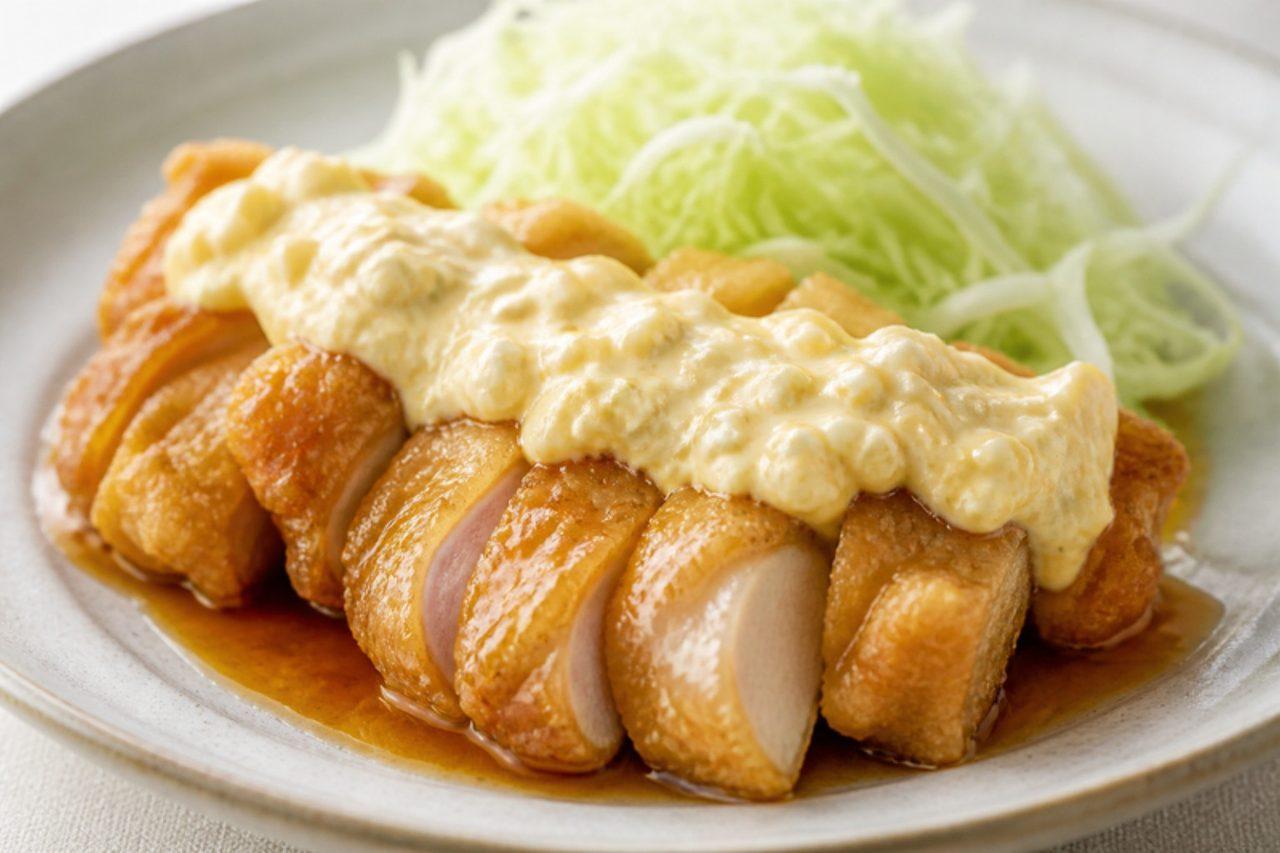
Chicken nanbanFried chicken with tartar sauce

Chicken nanban comes from Miyazaki prefecture in Kyushu, where it was created in the city of Nobeoka in the mid 20th century as staff food at a Western-style restaurant. Today it is the region's best-known lunch set, served in diners all over Miyazaki with shredded cabbage, rice and miso soup. Chicken thighs are dipped in flour and beaten egg, fried golden, then briefly bathed in sweet soy vinegar and covered with a chunky egg tartar. The sharp vinegar and the rich tartar balance each other. Chef's tip: dip the hot chicken in the vinegar only for a few seconds per side; you want it seasoned, not soaked.

by KrazyBadal 0 views

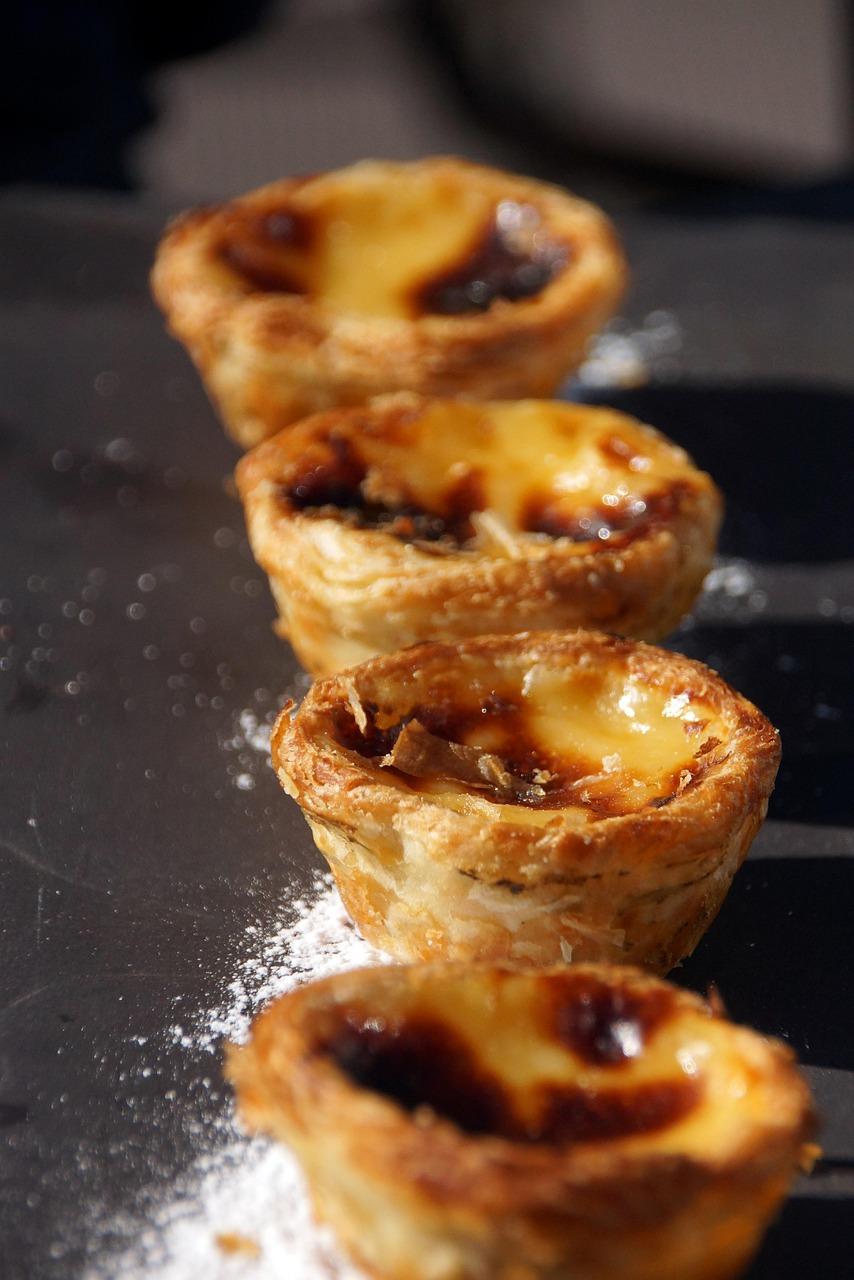
Pastéis de nataCustard tarts

Pastéis de nata were first baked by monks of the Jerónimos Monastery in Belém, on the Lisbon waterfront, who used surplus egg yolks (whites went to starch habits) in a lemon-and-cinnamon custard. Today every pastelaria in Portugal sells them warm from first thing in the morning, eaten standing at the counter with a bica or galão, dusted with cinnamon and icing sugar. The pastry is a spiral of thin, buttery layers pressed up the sides of the tin with a wet thumb; the custard is baked in the hottest oven you have, so it sets creamy and catches dark freckles in under 15 minutes. Chef's tip: chill the rolled log of pastry well and press the discs from the centre outwards, so the edge stands slightly above the rim; that thin rim is what shatters when you bite.

by KrazyBadal 0 views

Vegetarian pastel de chocloMushroom and corn bake

In Chile pastel de choclo is the taste of January and February, when choclo (big-kernelled starchy corn) is in every market from Santiago to Talca and families bake it in individual clay dishes called pailas. Underneath is the pino, a slow-cooked onion filling with olives, raisins and hard-boiled egg; on top, fresh corn blended with basil and a little milk, scattered with sugar so it browns into a crackly crust. This version makes the pino with mushrooms instead of beef. Chef's tip: cook the corn topping on the hob until it thickens like polenta before it goes in the oven, or it will stay runny.

by KrazyBadal 0 views

ChoilaSpiced grilled chicken

Choila belongs to the Newar community of the Kathmandu Valley, where it is served at festivals like Dashain and at feasts in Bhaktapur and Patan, alongside beaten rice (chiura) and a glass of something strong. Traditionally it is water buffalo, grilled over straw so the meat tastes smoky, then tossed while warm with raw mustard oil, garlic, ginger, chilli and a sizzling fenugreek tempering. This version uses chicken thighs, with buffalo or beef as an option, and it is always fully cooked before tossing. Serve it as a starter or snack with chiura and pickled radish. Chef's tip: let the mustard-oil tempering smoke for a few seconds before pouring it over; the hot oil loses its raw bite and coats the meat with a nutty, pungent flavour.

by KrazyBadal 0 views

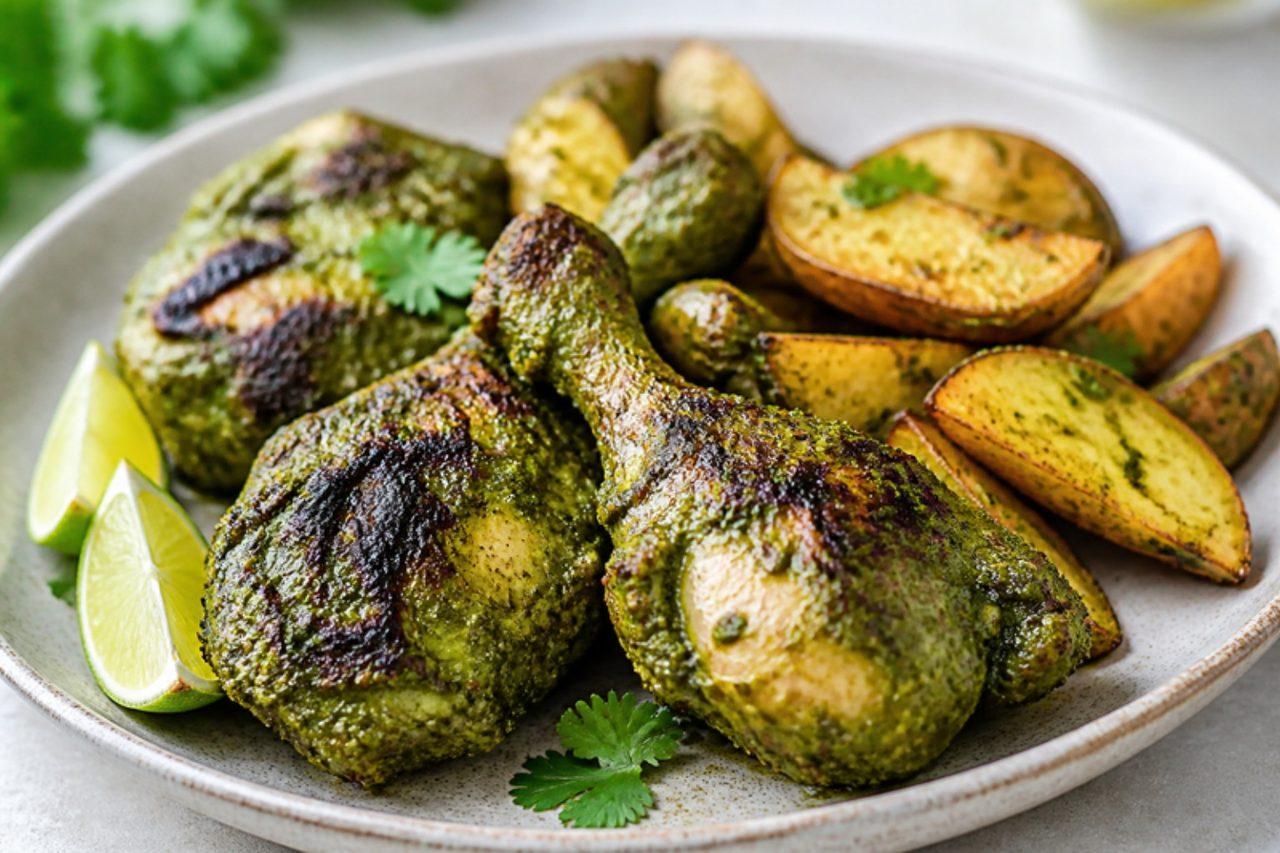
Chicken cafrealGreen masala chicken

Cafreal came to Goa through Portuguese soldiers from Mozambique and became a fixture of the taverns and beach shacks around Panjim and Margao, where it is served with chips, a lime wedge and a cold drink. Chicken legs soak overnight in a vivid green paste of coriander, green chilli, garlic and warm spices, then fry slowly until the paste clings in dark, tangy patches. Chef's tip: use the coriander stems as well as the leaves; they carry most of the flavour and make the paste greener.

by KrazyBadal 0 views

Pastel mandi'oCassava turnovers with beef

Pastel mandi'o are the golden half-moons sold at bus stations and street stalls all over Paraguay, especially in Asunción and around Holy Week: a soft dough of cooked cassava (mandi'o in Guaraní) and a little corn flour, wrapped round minced beef with onion, pepper, boiled egg and cumin, then fried. The mistake is a wet cassava dough that sticks and tears; drain the cassava well and add starch until it is smooth and pliable. Chef's tip: shape them between two sheets of cling film, which stops the soft dough sticking to the worktop.

by KrazyBadal 0 views

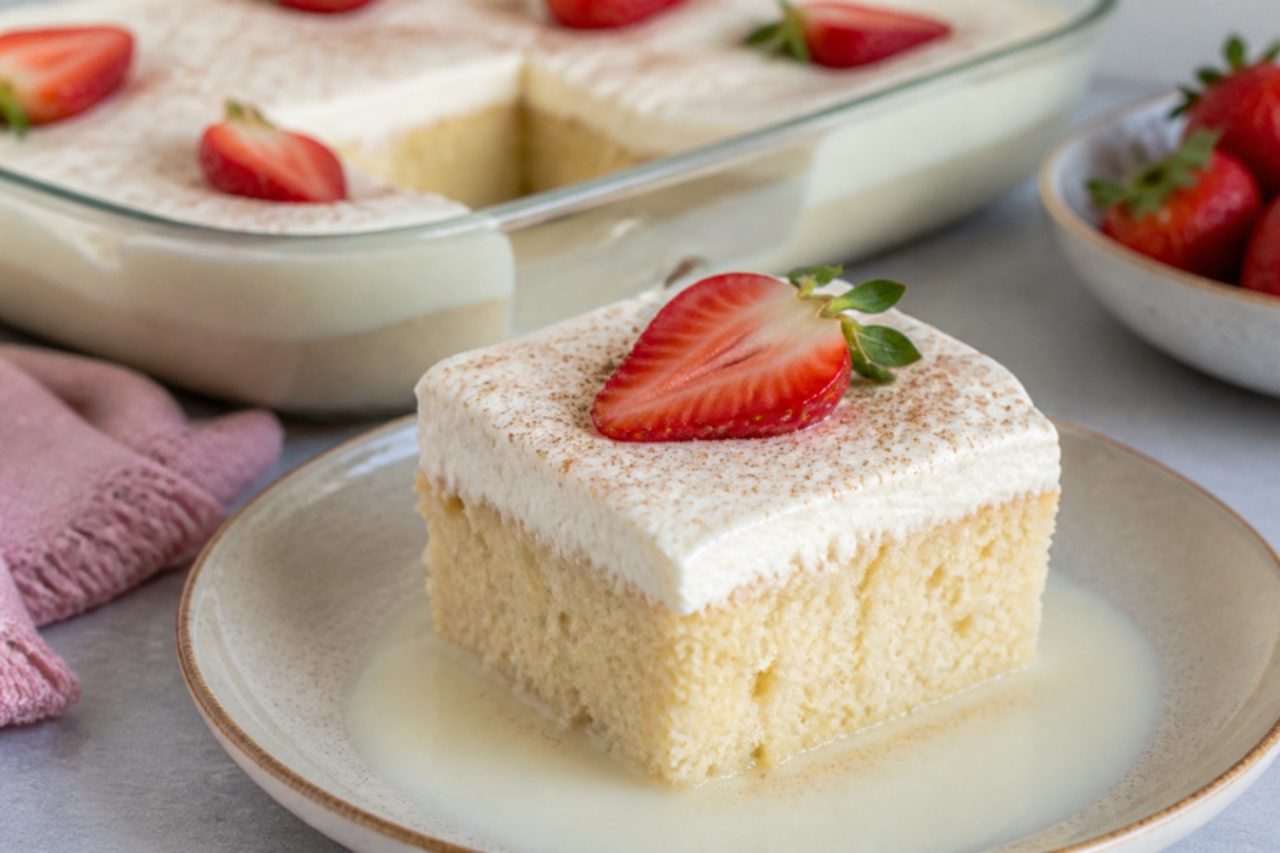
Pastel tres lechesThree milks cake

Pastel de tres leches is the birthday and celebration cake of Mexico and much of Latin America: a light, airy sponge drenched in a mixture of three milks (evaporated milk, sweetened condensed milk and cream) until it is soaked through but still holds its shape, then topped with whipped cream. It is cold, milky and sweet, and every bakery from Mexico City to Guadalajara sells it by the slice. The sponge is made with whisked eggs for lightness, so it drinks up the milk without collapsing. Chef's tip: let the cake soak in the fridge for at least 4 hours, ideally overnight; the milk needs time to work its way into the centre and the cake slices far more neatly when cold.

by KrazyBadal 0 views

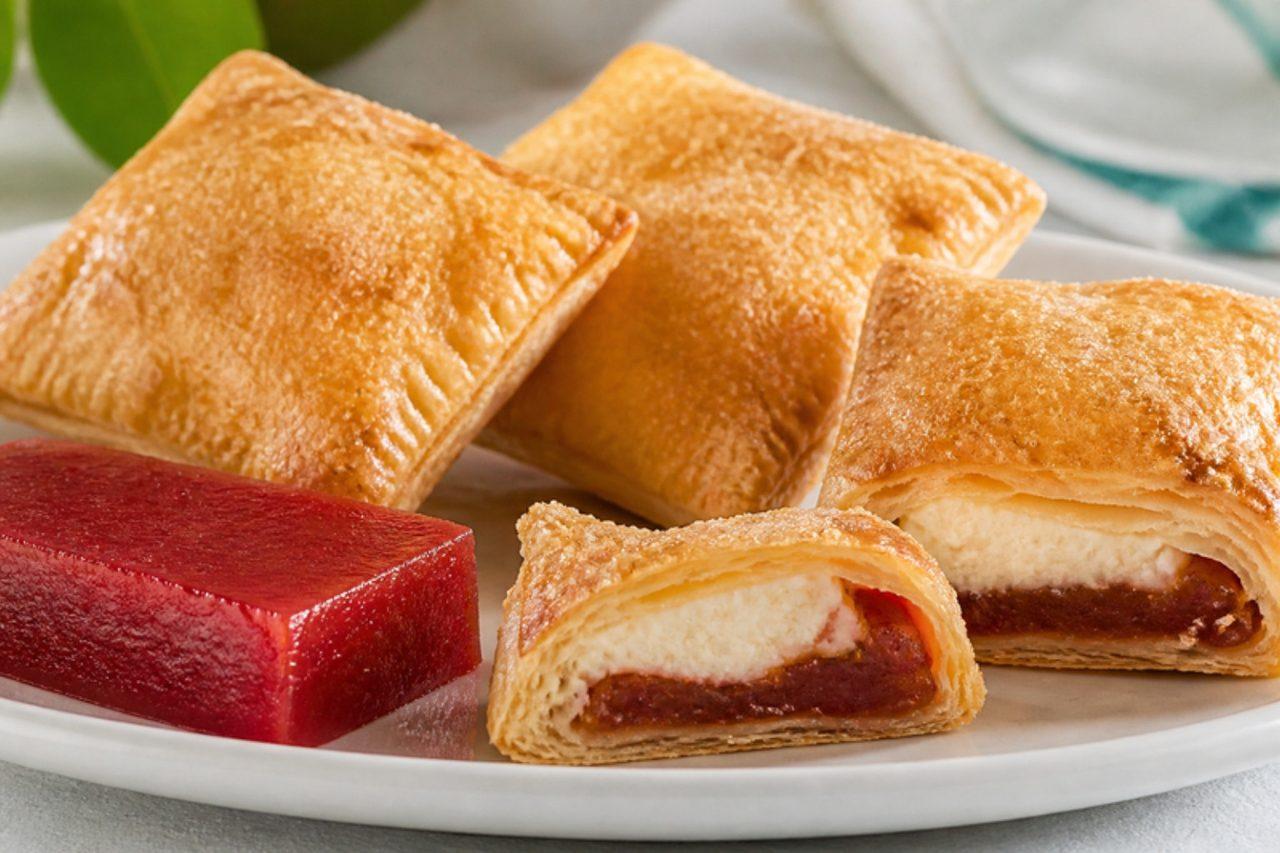
Pastelitos de guayabaGuava and cream cheese pastries

Pastelitos de guayaba are the flaky puff pastry squares sold warm from the glass cases of Cuban bakeries, eaten standing up with a café cubano mid-morning. Havana bakers fill them with dense guava paste, often with a layer of cream cheese (de guayaba y queso), and brush the tops with sugar syrup so they shine. Shop-bought all-butter puff pastry makes them easy at home. Chef's tip: chill the filled tray for 15 minutes before baking; cold pastry rises higher and the filling is less likely to leak.

by KrazyBadal 0 views

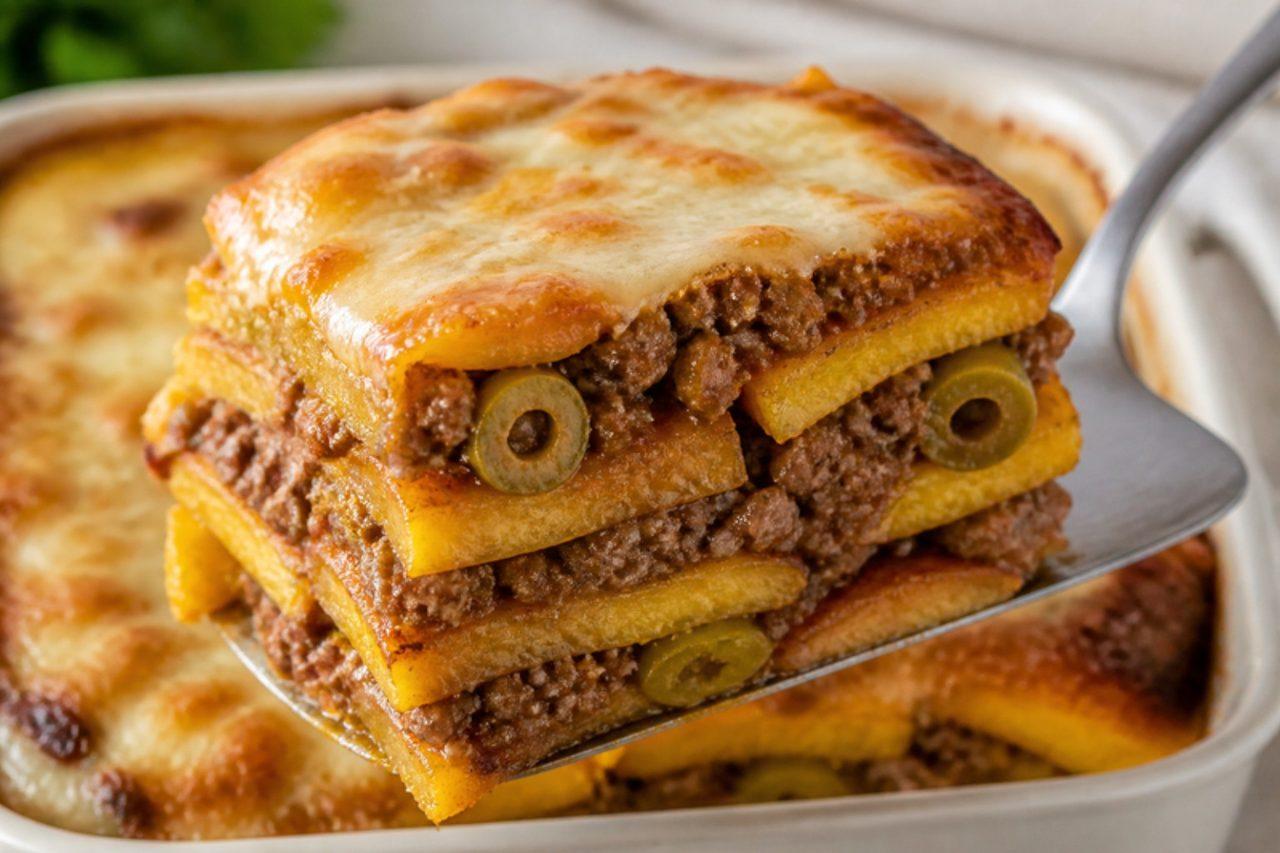
PastelónPlantain and beef bake

Pastelón turns up at Puerto Rican Sunday lunches and Christmas parties all over the island, from San Juan to Ponce, usually next to a pot of rice and beans. Instead of pasta it is layered with long slices of fried ripe plantain, so every bite is sweet and salty at once: soft caramelised plantain, a savoury beef picadillo with olives and capers, melted cheese and a light egg binding. Cut it into squares like a lasagne. The mistake to avoid is using yellow or green plantains; they stay starchy and dry, so wait until the skins are almost black. Chef's tip: leave the pastelón to rest for 15 minutes after baking; the egg and cheese set and the squares come out clean.

by KrazyBadal 0 views

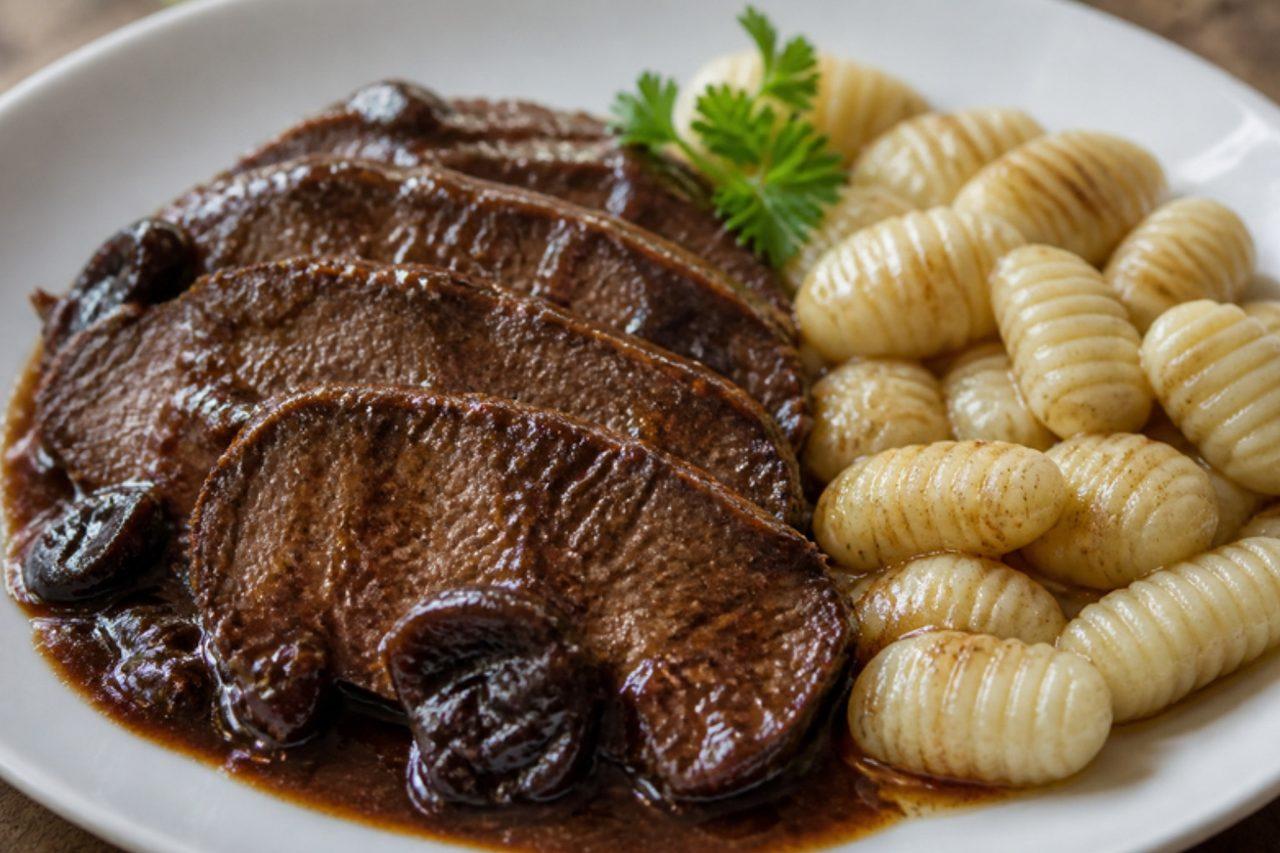
PašticadaWine and prune braised beef

Split and the Dalmatian coast reserve pašticada for weddings, christenings and Christmas, and the preparations start days ahead. A piece of beef is studded with garlic and cured ham (so this recipe contains pork), marinated overnight in wine vinegar, then braised for hours with onions, dried prunes, tomato and a little sweet Prošek or red wine until the sauce turns dark, glossy and sweet-sour. In Split it is always served with homemade gnocchi; pasta works too. This recipe uses red wine and dried figs or prunes; for an alcohol-free version use grape juice with a spoon of red wine vinegar. The common mistake is rushing the braise: it needs a low, steady heat for at least three hours. Chef's tip: blend the cooked onions and prunes back into the sauce for that velvet texture.

280 minBalkanMeat
by KrazyBadal 0 views

PastilRice parcels with shredded chicken

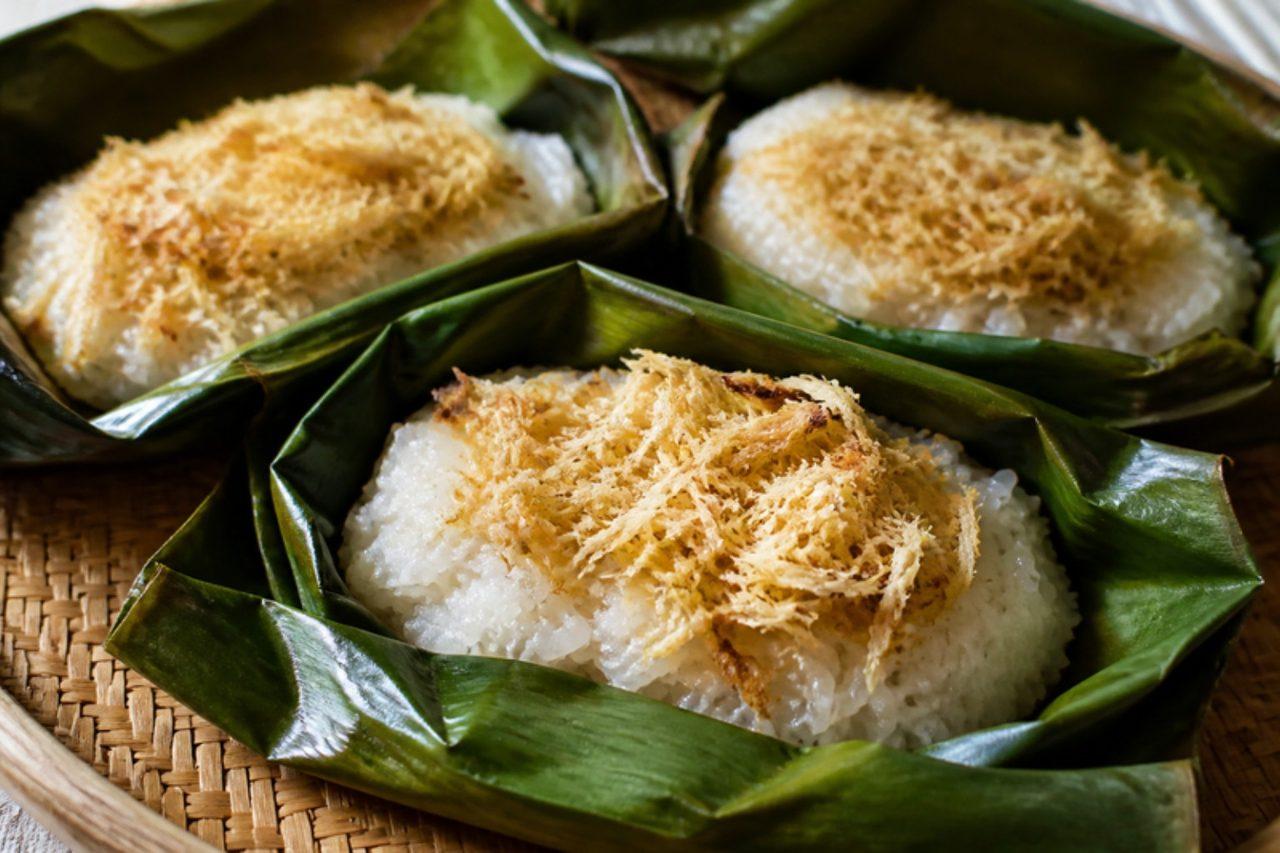
Pastil is the grab-and-go breakfast of Cotabato City and the Maguindanao region of Mindanao: a mound of warm rice wrapped in a banana leaf, topped with shredded chicken that has been fried dry with garlic and onion (kagikit). Vendors sell them by the dozen from early morning, and Muslim families pack them for the pre-dawn meal during Ramadan. Each parcel is small, cheap and filling. Eat them warm with a hot chilli vinegar. Chef's tip: fry the chicken flakes until they are dry and fluffy, almost like floss; moist chicken makes the rice soggy inside the leaf.

by KrazyBadal 0 views

PastitsioBaked pasta with spiced beef

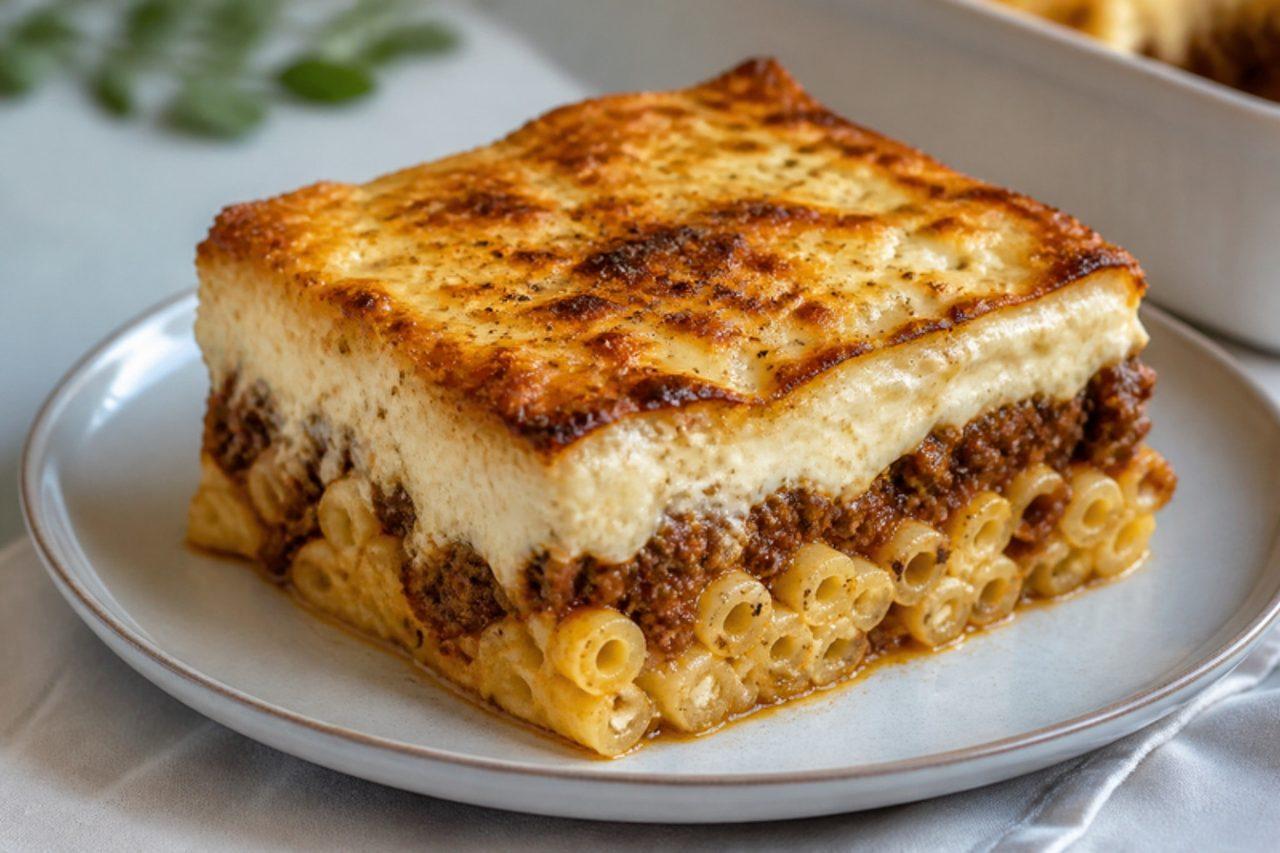
Pastitsio is the dish Greek mothers make for big Sunday lunches and christenings, and the one every Athens taverna keeps warm in a deep tray at lunchtime. Long tubular pasta is layered with a beef and tomato sauce scented with cinnamon and allspice, then topped with a deep, wobbly béchamel that bakes to a golden crust. Cut it into neat squares once it has rested and serve with a green salad. Chef's tip: let it rest for at least 30 minutes after baking; cut hot, it slumps, but rested it slices into clean layers.

by KrazyBadal 0 views

Tagliatelle al ragùTagliatelle with meat sauce

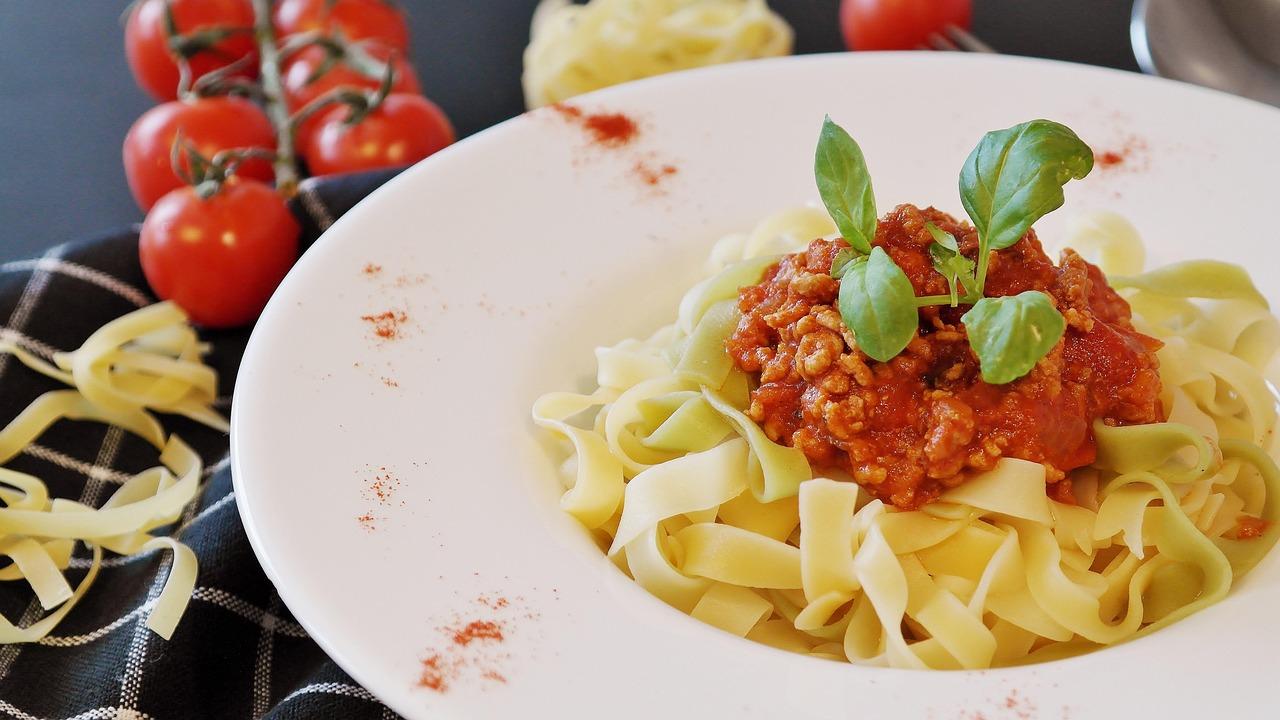
Ask for spaghetti bolognese in Bologna and you will get a polite smile: at home the ragù goes on wide ribbons of fresh egg tagliatelle, or into lasagne, never on thin spaghetti. It is a Sunday-lunch sauce, made with beef and pork mince, a little pancetta, a soffritto of onion, carrot and celery, white wine, milk and only a spoonful or two of tomato, then left to murmur for three hours until it turns deep, savoury and almost creamy. Freshly made tagliatelle are traditional, but good bought fresh or dried egg tagliatelle are absolutely fine. Grated parmigiano goes on at the table, and the ragù keeps for three days in the fridge or three months in the freezer. Chef's tip: make the ragù a day ahead; it thickens and tastes rounder after a night in the fridge, and reheating it gently with a splash of water brings it back to life.

by KrazyBadal 0 views

ChorrillanaChips with beef, onions and eggs

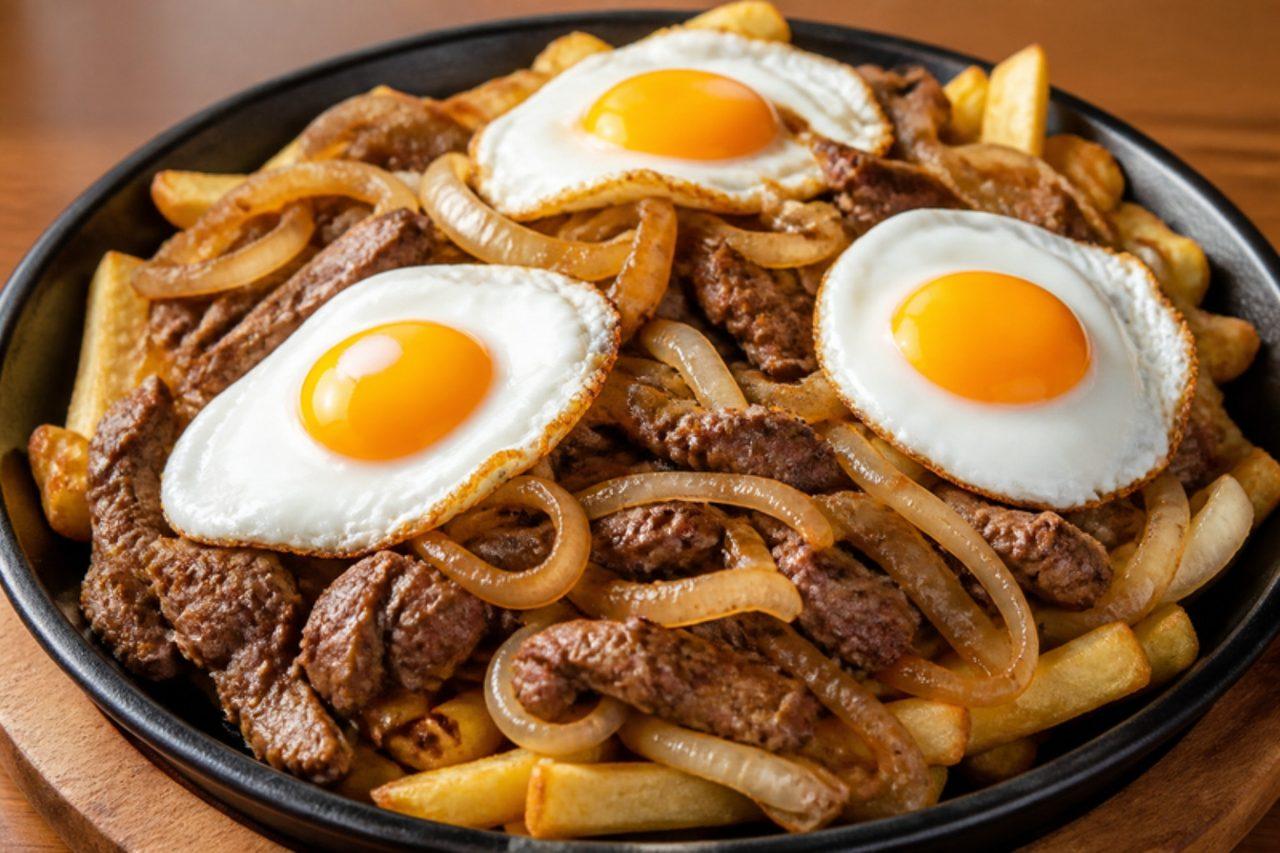
Chorrillana was made famous by the old picadas (cheap eateries) of Valparaíso's port, where it arrived on huge platters for friends to share late at night: a mound of chips covered with strips of beef, soft fried onions and scrambled or fried eggs. The mistake is cooking the onions too fast; they should be soft, sweet and golden to bring the dish together. Chef's tip: season the beef only at the end so it browns rather than steams. Some bars add a splash of wine to the onions; this version leaves it out.

by KrazyBadal 0 views

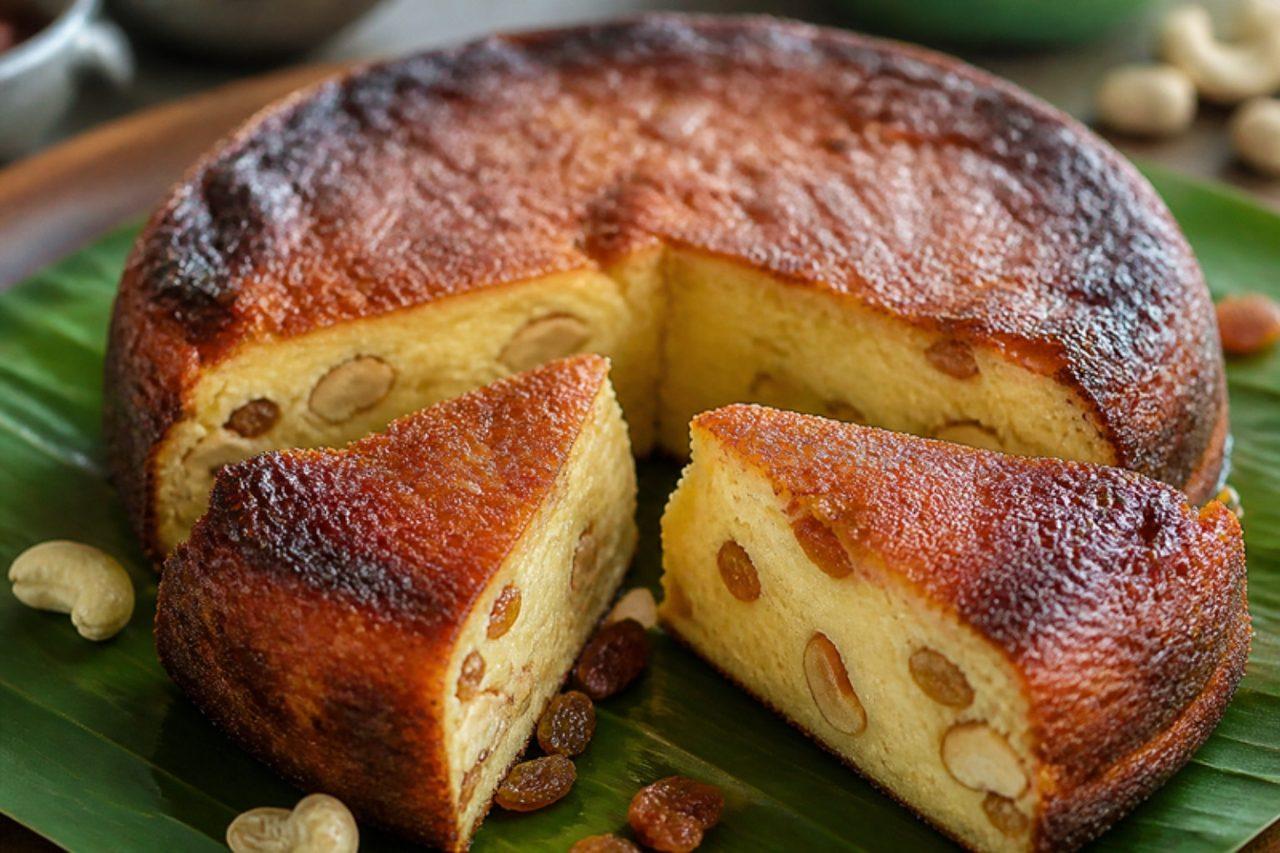
Chhena podaBaked cheese cake

Chhena poda means 'burnt cheese', and it is Odisha's most famous sweet. It was first made in Nayagarh district, where a sweet maker is said to have left chhena and sugar overnight in a cooling wood oven. Fresh chhena is kneaded with sugar, a spoon of rice flour or semolina, and cardamom, then baked slowly until the outside caramelises into a dark, sticky crust and the inside stays moist and fudgy. It is offered to Lord Jagannath and sold in slabs at every Odia sweet shop. Chef's tip: line the tin with ghee-brushed banana leaf if you can; it adds the smoky note of the original.

by KrazyBadal 0 views

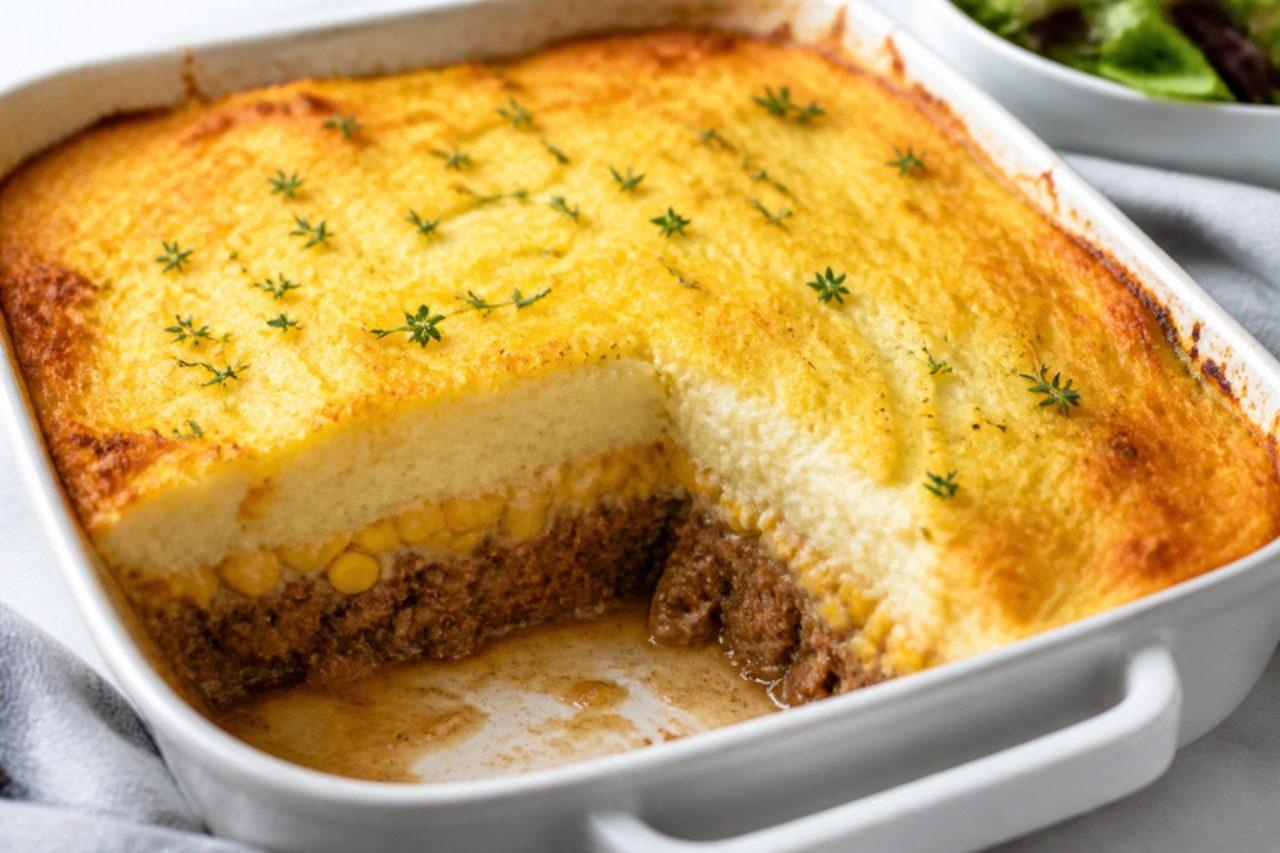
Pâté chinoisBeef, corn and mashed potato bake

Pâté chinois is the weeknight family bake of Quebec, served in school canteens and home kitchens from Montreal to the Gaspé: a layer of seasoned minced beef, a layer of creamed corn, and a thick layer of buttery mashed potato, baked until the top is golden and served with ketchup or pickled beets. Its name is said to come from cooks who fed the Chinese workers building Canada's railway. The mistake is skipping the creamed corn in favour of whole kernels only; the creamed corn holds the layers together. Chef's tip: fluff the top of the mash with a fork so the ridges turn crisp.

by KrazyBadal 0 views

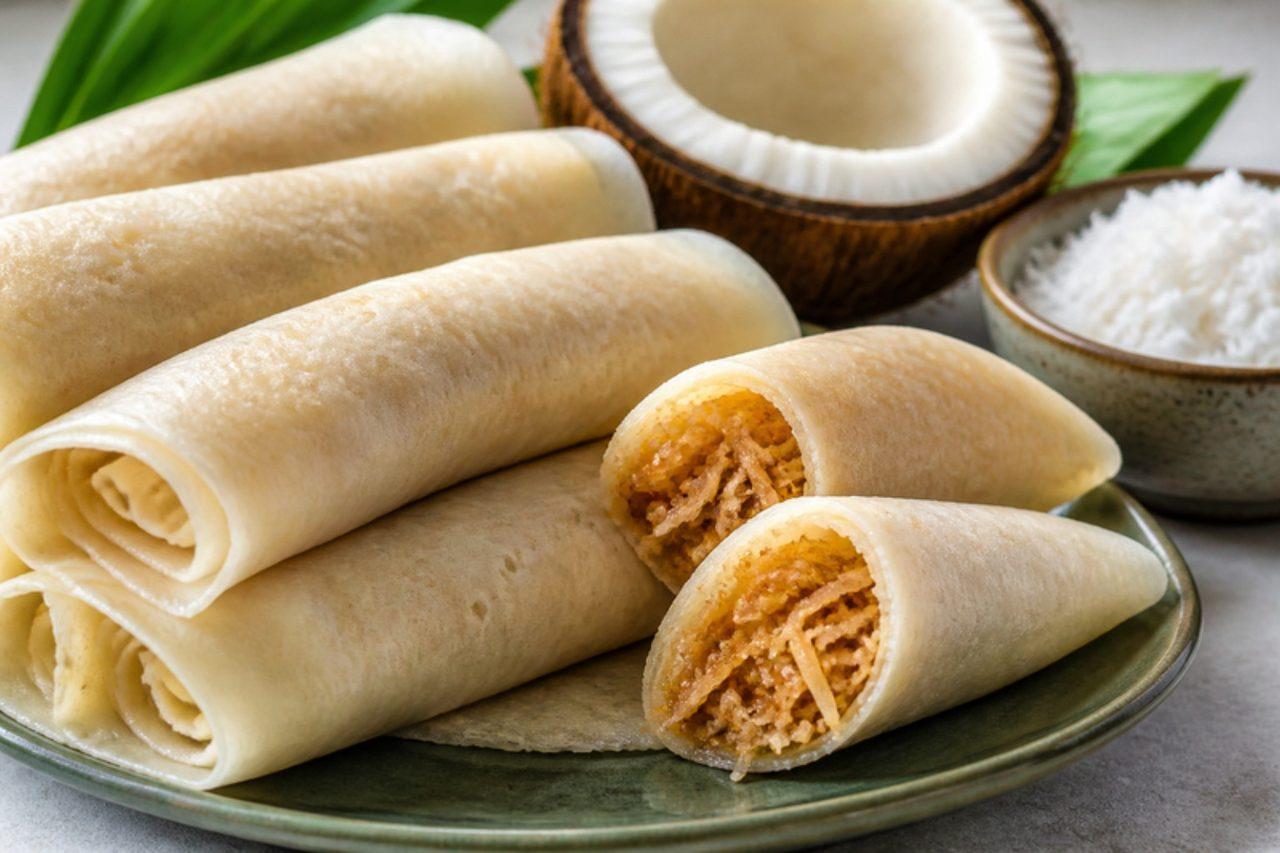
PatishaptaCoconut-filled rice crepes

Patishapta is the star of Poush Sankranti in mid-January, when Bengali homes make pithe-puli, sweets of new rice, coconut and the season's nolen gur (date-palm jaggery). A loose batter of rice flour, semolina, plain flour and milk is swirled thin on a hot pan and rolled round a sticky filling of coconut cooked with jaggery and cardamom. The crêpe should be soft and pale, never crisp. Chef's tip: keep the heat low and grease the pan only lightly with a cut potato dipped in ghee, which spreads a film rather than a pool.

by KrazyBadal 0 views

Patodi rassaGram flour squares in spicy gravy

Patodi rassa (also called patwadi rassa) comes from the dry, hot districts of Vidarbha around Nagpur and Amravati, where gram flour often takes the place of vegetables. Gram flour is cooked thick like a polenta, spread on a plate, scattered with coconut, sesame and poppy seeds and cut into squares. Just before eating, the squares go into bowls and a spicy, thin rassa of roasted onion and dry coconut is poured over them so they soak it up. It's a dish for a Sunday lunch or a wedding feast in the region, served with jowar bhakri or chapatis and rice. Chef's tip: pour the rassa over the patodi at the table, not in the pot; simmered together, the squares fall apart.

by KrazyBadal 0 views

PatoleoRice dumplings in turmeric leaves

In August, when the monsoon makes turmeric leaves grow tall in Goan backyards, families make patoleo. Catholic households steam them for the Feast of the Assumption on 15 August, and Hindu families make the same sweet, called patoli, for Nag Panchami and Ganesh Chaturthi. A thin layer of rice paste is spread on a turmeric leaf, filled with fresh coconut and dark Goan jaggery, folded and steamed. The leaf leaves a sweet, gingery perfume on the rice that nothing else can copy, so look for fresh turmeric leaves in Indian grocers; banana leaves are a fair substitute. Chef's tip: spread the rice paste as thin as you can while still covering the leaf; thick patoleo are stodgy and the filling gets lost.

by KrazyBadal 0 views

Chhena gajaFried cheese blocks in syrup

Chhena gaja is the sweet pilgrims carry home from Puri in boxes from the stalls along the Bada Danda, the grand road to the Jagannath temple. Fresh chhena is kneaded with semolina, cut into rectangles, fried until golden and crisp, then soaked briefly in sugar syrup so the outside turns glassy and crunchy while the inside stays soft and grainy. It travels well and keeps for days. Chef's tip: dry the fried blocks for an hour after syruping; the sugar sets into a thin crust.

by KrazyBadal 0 views

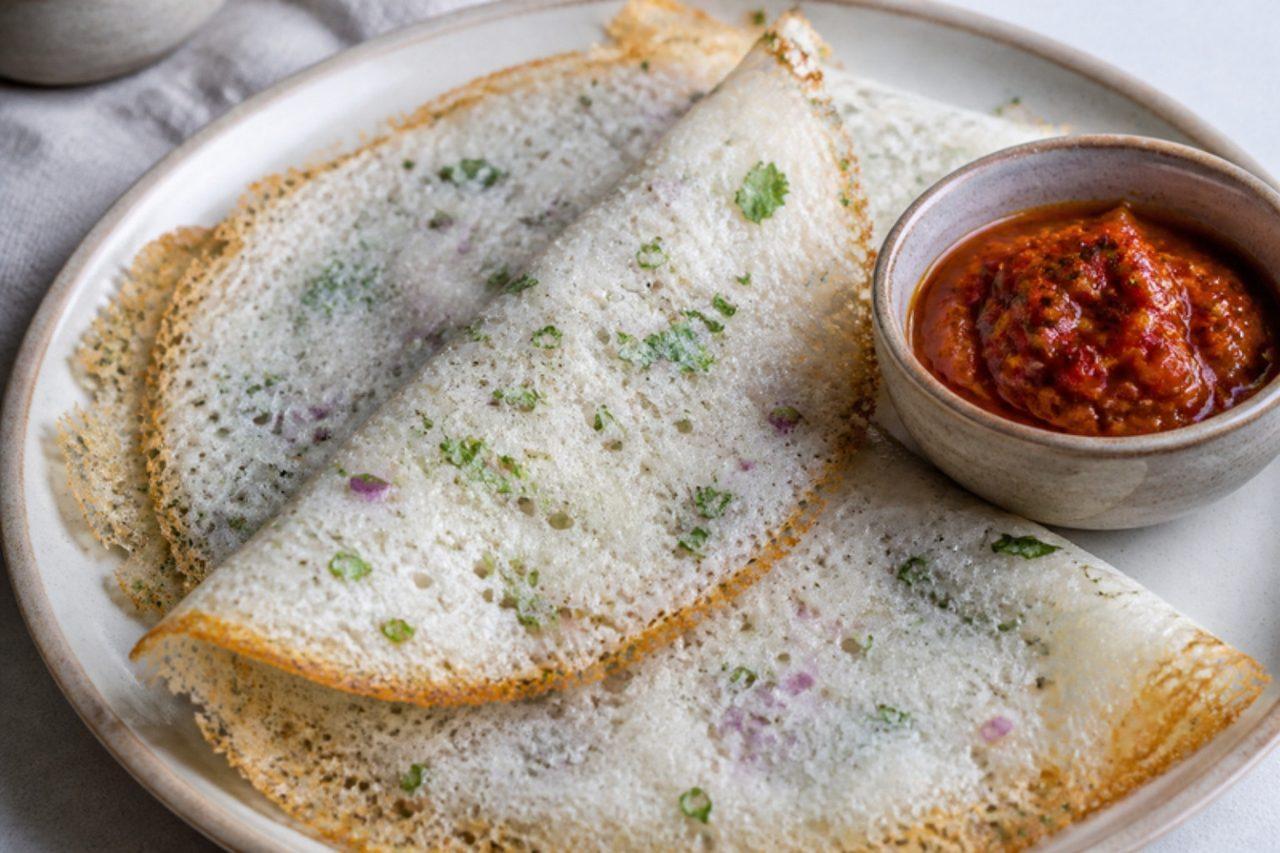
Chhattisgarhi chilaRice flour pancakes

Chhattisgarh calls itself the rice bowl of India, and its everyday breakfast proves it: chila made from nothing more than rice batter, salt and a few aromatics, poured paper-thin onto a hot tawa. Village kitchens grind soaked rice on a stone; rice flour makes it quick enough for a weekday. The pancakes are soft in the middle with crisp, lacy edges and come with a rough chutney of fire-roasted tomato, garlic and green chilli. This is different from the thick gram-flour chila common elsewhere in India. Chef's tip: stir the batter before every ladle, because rice flour sinks fast and the last chilas otherwise turn thick and gummy.

by KrazyBadal 0 views

Chhanar dalnaFresh cheese and potato curry

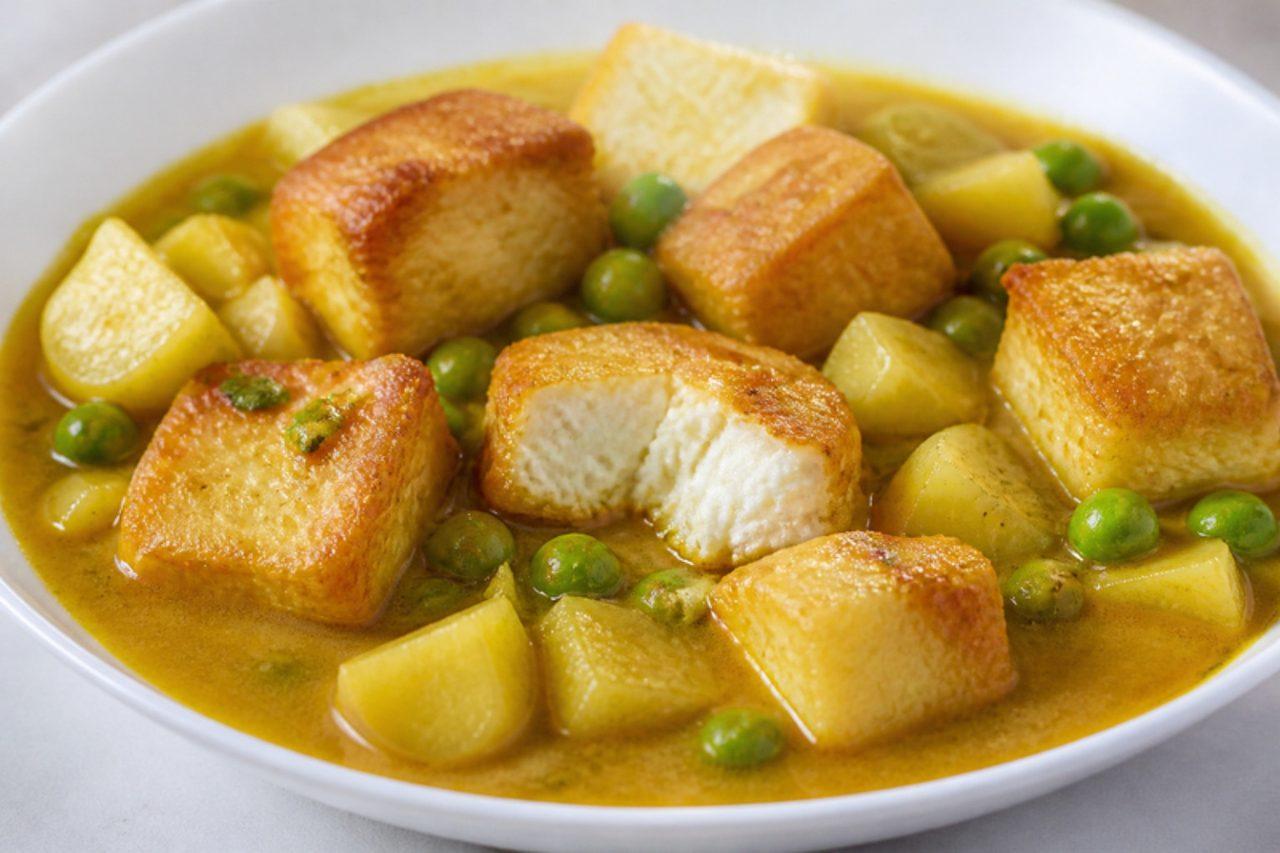
Chhanar dalna is how Bengal uses its fresh chhena, the same curd cheese that goes into rasgulla and sandesh, for a savoury lunch. Freshly split milk is kneaded with a little flour, pressed, cut into squares and fried, then simmered with potato in a thin, gingery tomato gravy scented with bay leaf and cardamom. It is lighter than a North Indian paneer curry and is a favourite on Thursdays and niramish days in Kolkata homes. Chef's tip: knead the chhena with your palm until it feels smooth and slightly greasy; that is what holds the cubes together in the gravy.

by KrazyBadal 0 views

Pazham poriBanana fritters

Pazham pori is what the glass cases of Kerala's roadside tea shops are full of at four in the afternoon: long slices of ripe nendran banana dipped in a sweet batter and fried in coconut oil until puffed and golden. Bite through the crisp, slightly chewy coat and the banana inside is soft, hot and honeyed. People eat them standing at the counter with a glass of frothy, milky chaya, or carry a paper parcel home for the family. Chef's tip: wait until the nendran skins are mostly black; the banana must be fully ripe to turn creamy when fried.

by KrazyBadal 0 views

PebreCoriander and tomato relish

Every Chilean asado and every basket of warm bread in a picada (simple eatery) comes with pebre: a fresh relish of finely chopped coriander, onion, tomato and ají verde (green chilli) loosened with oil and a splash of vinegar. In Santiago it's spooned on marraqueta bread while waiting for the grill, and on sopaipillas in winter. It's more herb-heavy and oilier than Mexican pico de gallo. Chef's tip: rinse the chopped onion in cold water and drain it well; it takes away the harsh bite without losing crunch.

by KrazyBadal 0 views

PecelBlanched greens in peanut sauce

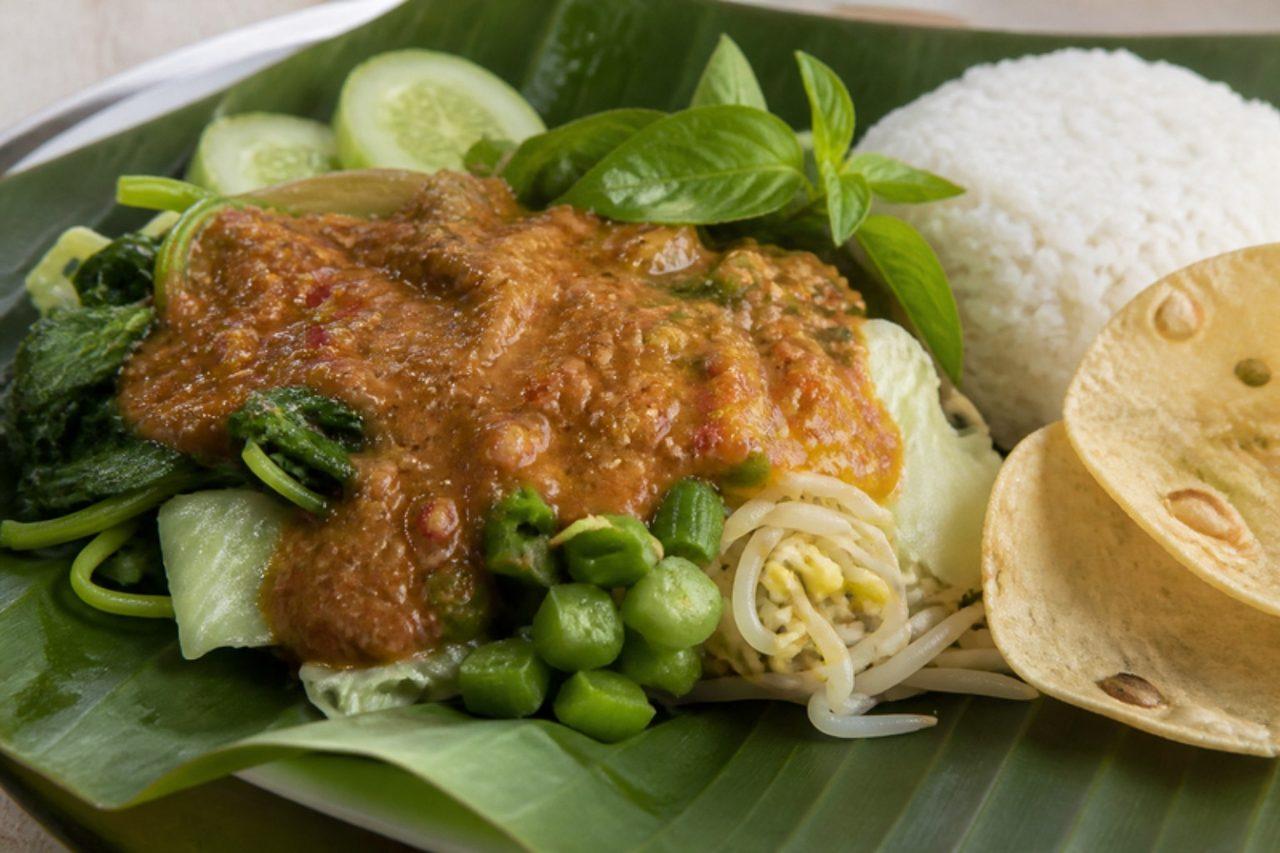
Madiun, in East Java, calls itself the home of nasi pecel, and its stalls serve it from early morning on banana leaf: rice under a heap of blanched spinach, bean sprouts, long beans and cabbage, drowned in a peanut sauce that's thinner, hotter and more herbal than gado-gado's. The difference is kencur, an earthy, camphor-scented root that gives pecel its signature smell, and lime leaf pounded into the paste. A crisp peanut rempeyek cracker is broken on top. Chef's tip: make a block of pecel paste ahead and dissolve just what you need in hot water each time — that's how East Javanese households do it, and it keeps for weeks in the fridge.

by KrazyBadal 0 views

Tahu gejrotFried tofu in sweet-sour sauce

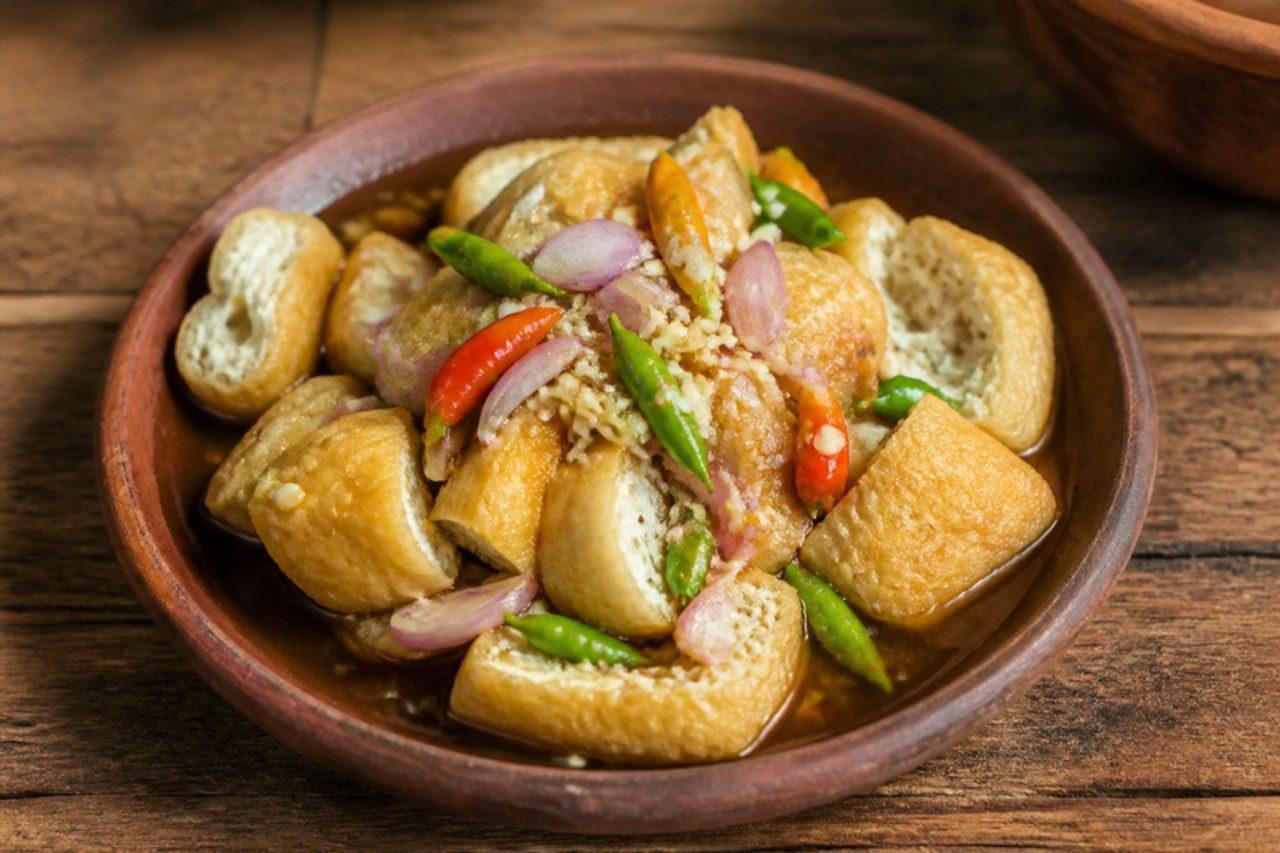
Tahu gejrot is street food from Cirebon on the north coast of West Java, where vendors carry their kit on a shoulder pole and serve it in little clay plates called cobek. Hollow fried tofu puffs are snipped into pieces and drenched in a runny palm sugar and tamarind sauce, poured over freshly crushed garlic, shallot and bird's eye chilli. It's a mid-afternoon snack: sweet, sour, garlicky and as hot as you can take it, with the puffy tofu soaking up every drop. Chef's tip: crush the garlic, shallot and chilli raw in the serving bowl and pour the sauce over while it's still warm, so the aromatics bloom without losing their bite.

by KrazyBadal 0 views

Tahu telurTofu and egg omelette

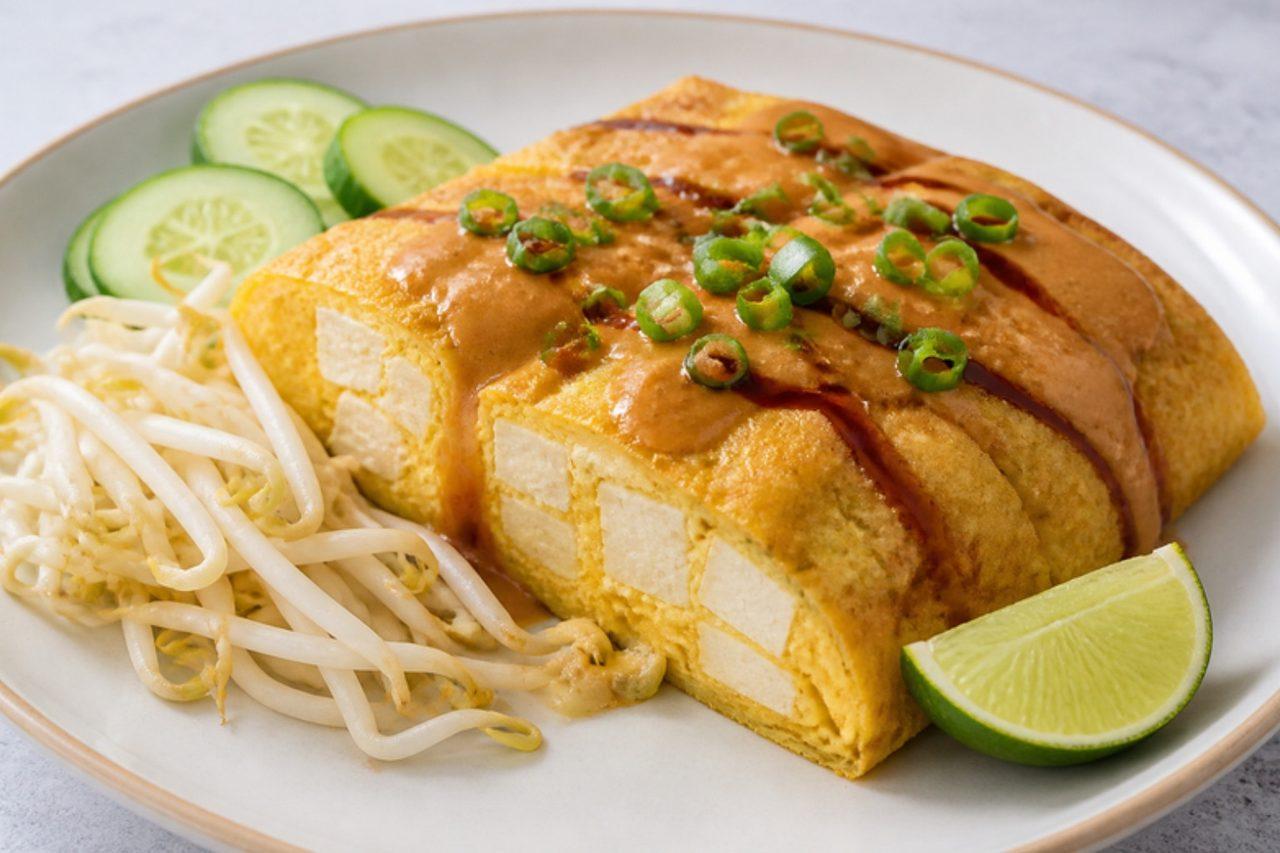
Tahu telur is a night-market favourite in Surabaya, East Java: cubes of tofu are stirred into beaten egg and fried in a small wok so the omelette rises into a thick, crisp-edged tower. It is topped with bean sprouts, cucumber and a dark sauce of peanuts and sweet soy. Sellers in Surabaya stir shrimp paste (petis) into the sauce; this vegetarian version uses a little extra garlic and kecap manis instead. Eat with rice or lontong for a filling supper. Chef's tip: use a small, deep pan so the egg piles up around the tofu instead of spreading thin.

by KrazyBadal 0 views

PehakFermented soybean and chilli chutney

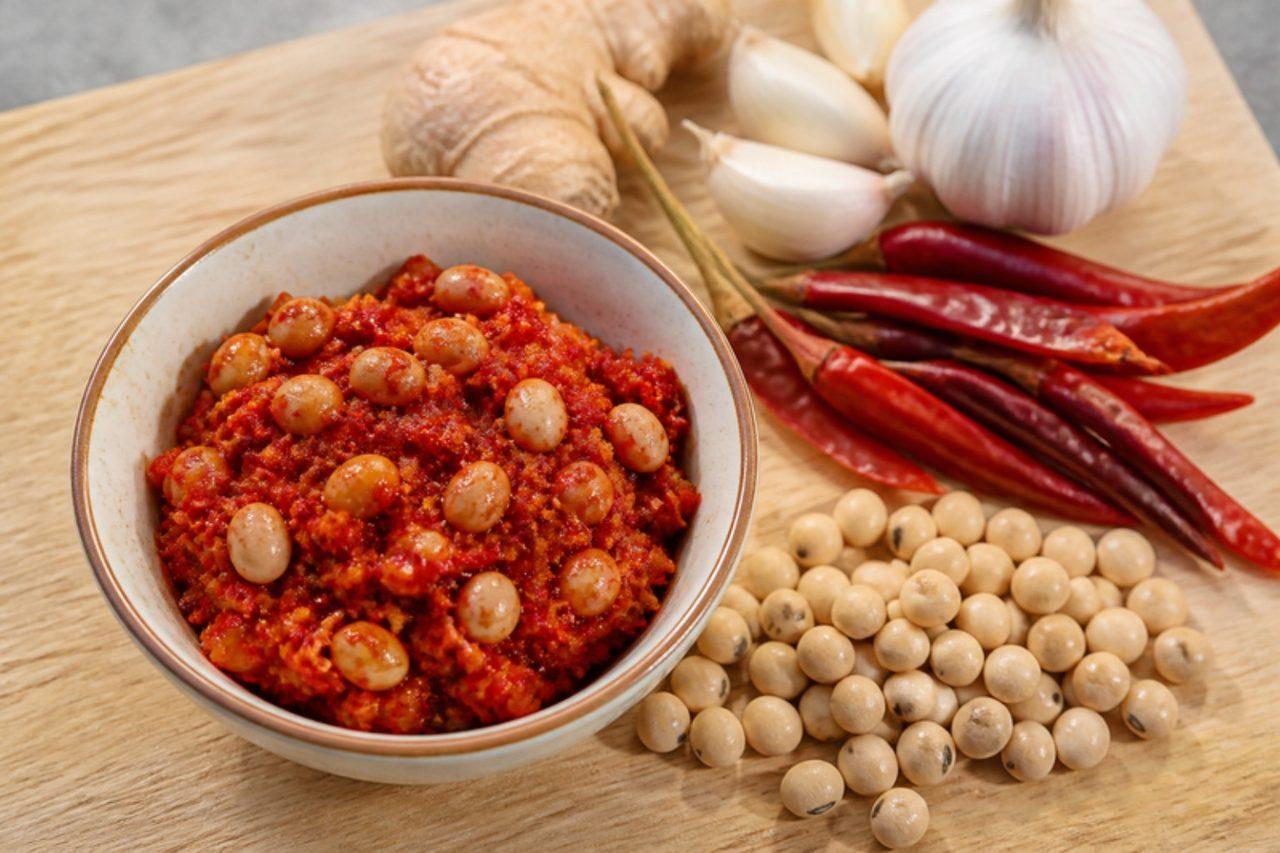
Pehak is the Apatani chutney of the Ziro valley in Arunachal Pradesh: fermented soybean pounded with roasted chillies, ginger and salt into a thick, pungent paste. It goes with nearly every meal, a little at a time, with rice, boiled vegetables or millet. It is savoury, salty and very hot, and it keeps for weeks. Chef's tip: dry-roast the fermented soybean briefly before pounding; it mellows the sharp smell and brings out a toasty depth. Natto or Naga axone work if you can't get local soybean.

by KrazyBadal 0 views

ChebakiaSesame honey flower cookies

Chebakia are the dark, sticky, flower-shaped cookies that every Moroccan family associates with Ramadan; women in Fez, Meknes and Casablanca spend a whole day in the weeks before the holy month folding hundreds of them, and they are served at iftar with harira and dates. The dough is scented with anise, cinnamon, saffron and toasted sesame, cut into rectangles, folded into a rose, fried and dropped straight into hot, perfumed honey. They are crisp, chewy and very sweet. Chef's tip: work in small batches and keep the honey hot but not boiling; hot honey soaks in properly, while cool honey just coats the outside.

by KrazyBadal 0 views

PelamushiGrape juice pudding

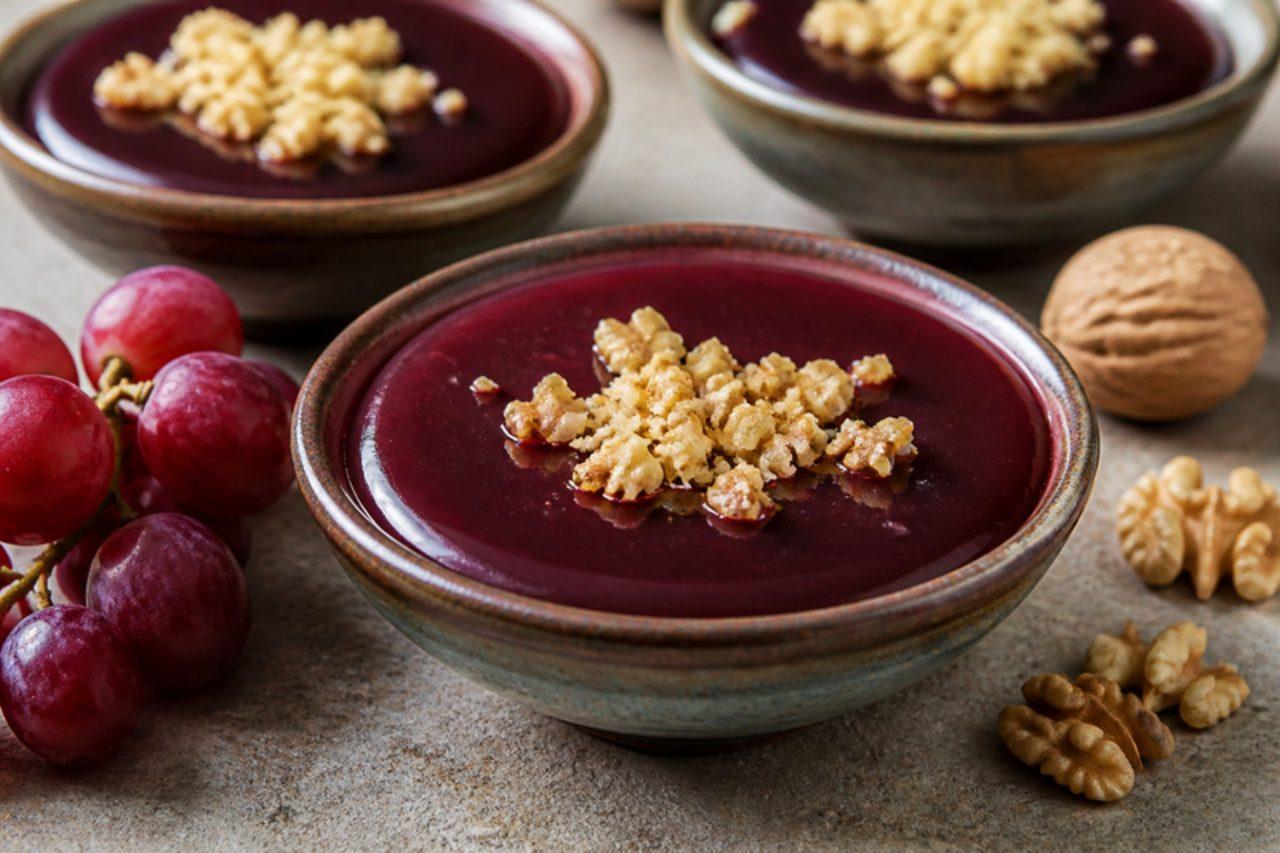
Pelamushi is the spoonable cousin of churchkhela: the same thickened grape must, tatara, poured into bowls instead of over walnuts and left to set into a soft, wobbly pudding. In Kakheti it is made in harvest season with fresh must straight from the press, and in Imereti it is often thickened with cornmeal instead of wheat flour. It is served chilled with chopped walnuts, and it is a favourite Lenten dessert because it needs no egg or dairy. A common mistake is adding the flour straight to hot juice, which makes lumps that never cook out; always mix it with cold juice first. Chef's tip: stop cooking when the pudding plops thickly from the spoon; it firms up a lot as it cools.

by KrazyBadal 0 views

Ada pradhamanRice flake pudding with coconut milk

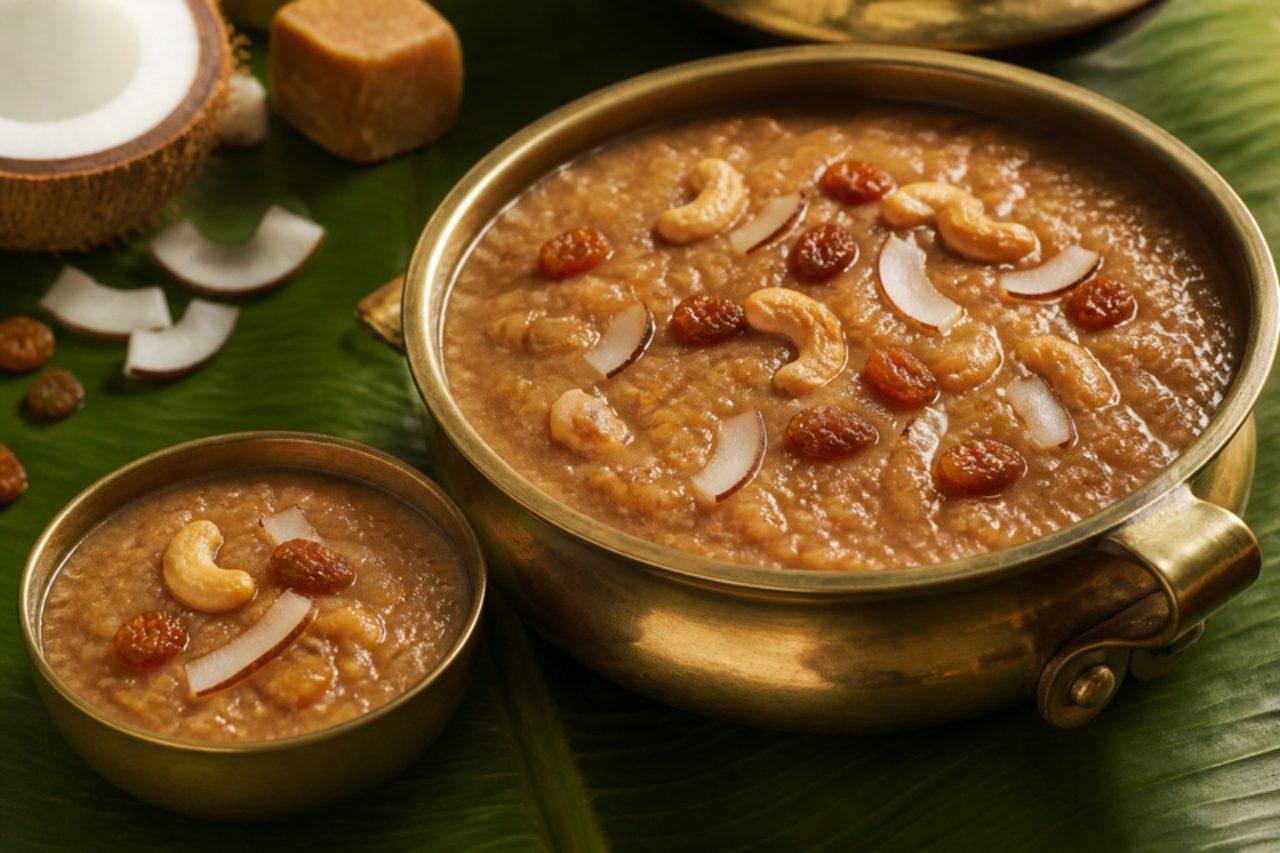
Ada pradhaman is the king of payasams on the Onam sadya across Kerala, served last on the banana leaf, sometimes with a crushed pappadam stirred in. Small flakes of rice ada are cooked soft, glazed in ghee and jaggery syrup, then simmered in thin coconut milk and finished with thick first-press milk, cardamom and a pinch of dried ginger. It is deep caramel-brown, silky and chewy at once. Serve warm in small bowls, or slightly chilled the next day. Chef's tip: rinse the cooked ada under cold water straight away; it stops the flakes sticking into a lump.

by KrazyBadal 0 views

PelmeniMeat dumplings

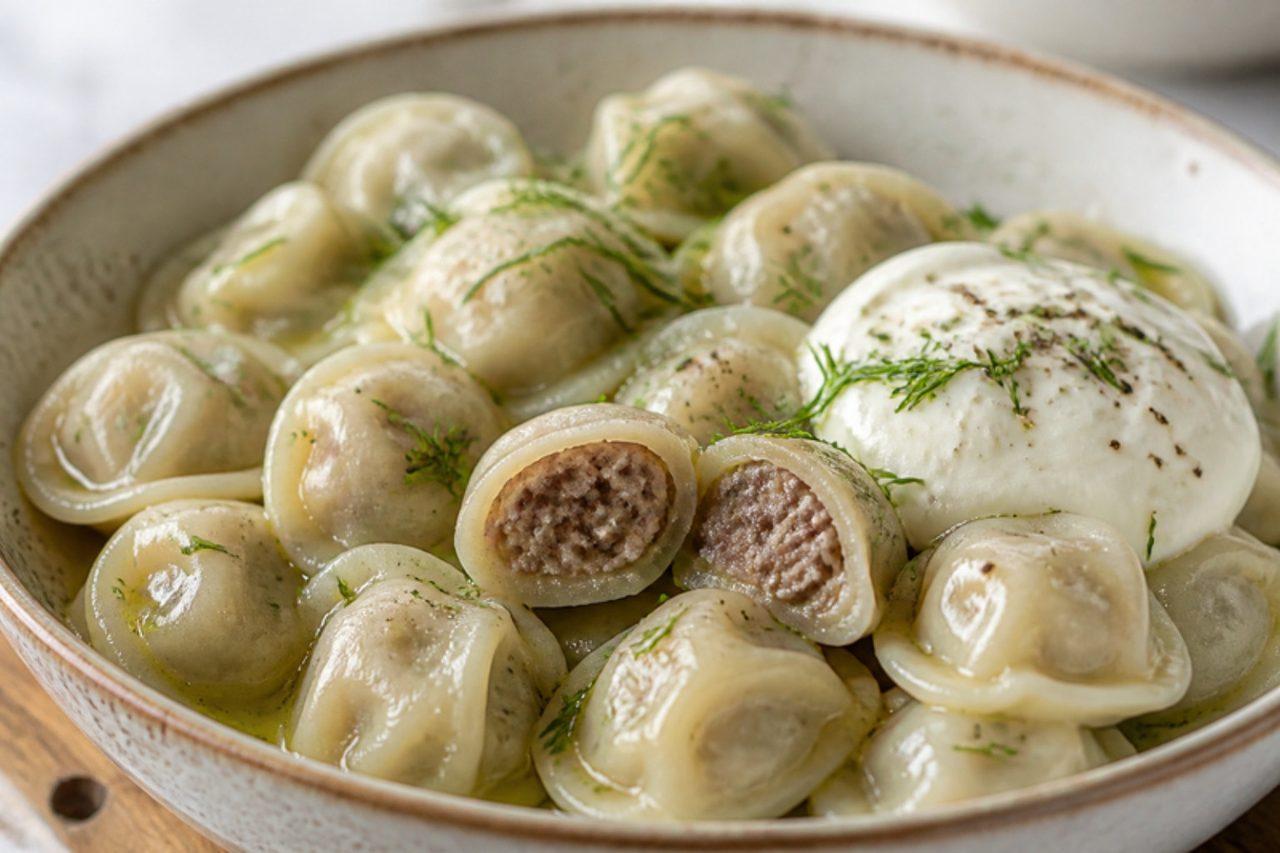
In Siberian villages whole families sat round the table before the long winter to fold hundreds of pelmeni, then froze them in sacks outside where the frost kept them for months. Today every Russian freezer holds a bag, and a bowl with butter and sour cream is a quick supper from Novosibirsk to Moscow. The little ear-shaped dumplings have a thin, springy dough wrapped round a juicy filling of pork and beef with onion; it contains pork. Unlike Ukrainian varenyky, they are always meat-filled and boiled in seasoned water or broth. The classic mistake is rolling the dough too thick, which leaves you chewing flour instead of tasting the filling; aim for 1–2 mm. Chef's tip: work a few spoons of ice-cold water into the mince; it turns to juice inside the dumpling as it cooks.

by KrazyBadal 0 views

PempekFish and tapioca cakes

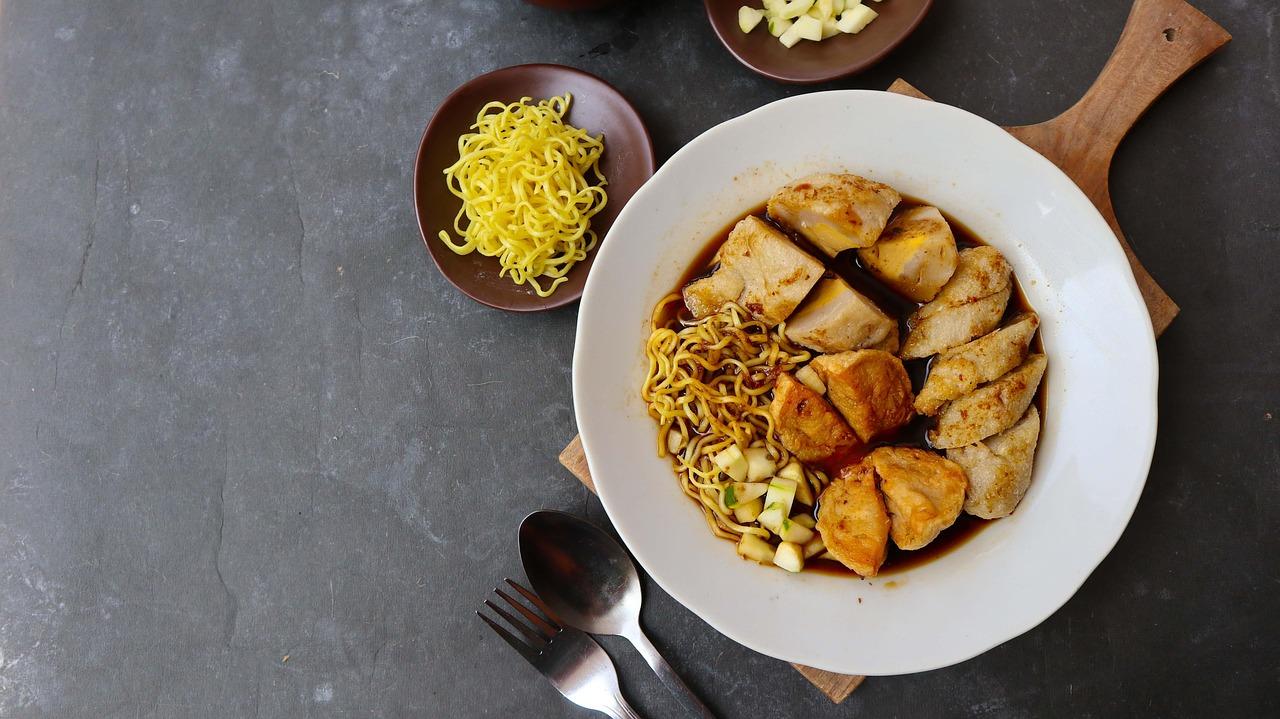
Palembang in South Sumatra is pempek country: shops line the streets selling these chewy fish cakes by the dozen, and visitors fly home with boxes of them in their luggage. Fresh fish is worked with tapioca starch into a dough, shaped into logs, poached, then sliced and fried until blistered and golden outside while staying springy within. The real star is cuko, a thin, dark, sweet-sour-hot sauce of palm sugar, tamarind, garlic and chilli that is poured over everything, ideally with diced cucumber and a few yellow noodles. People eat it any time of day as a snack, often sipping the cuko straight from the bowl. Chef's tip: make the cuko first; it tastes best after resting for an hour or more.

by KrazyBadal 0 views

Pen patatSweet potato pudding

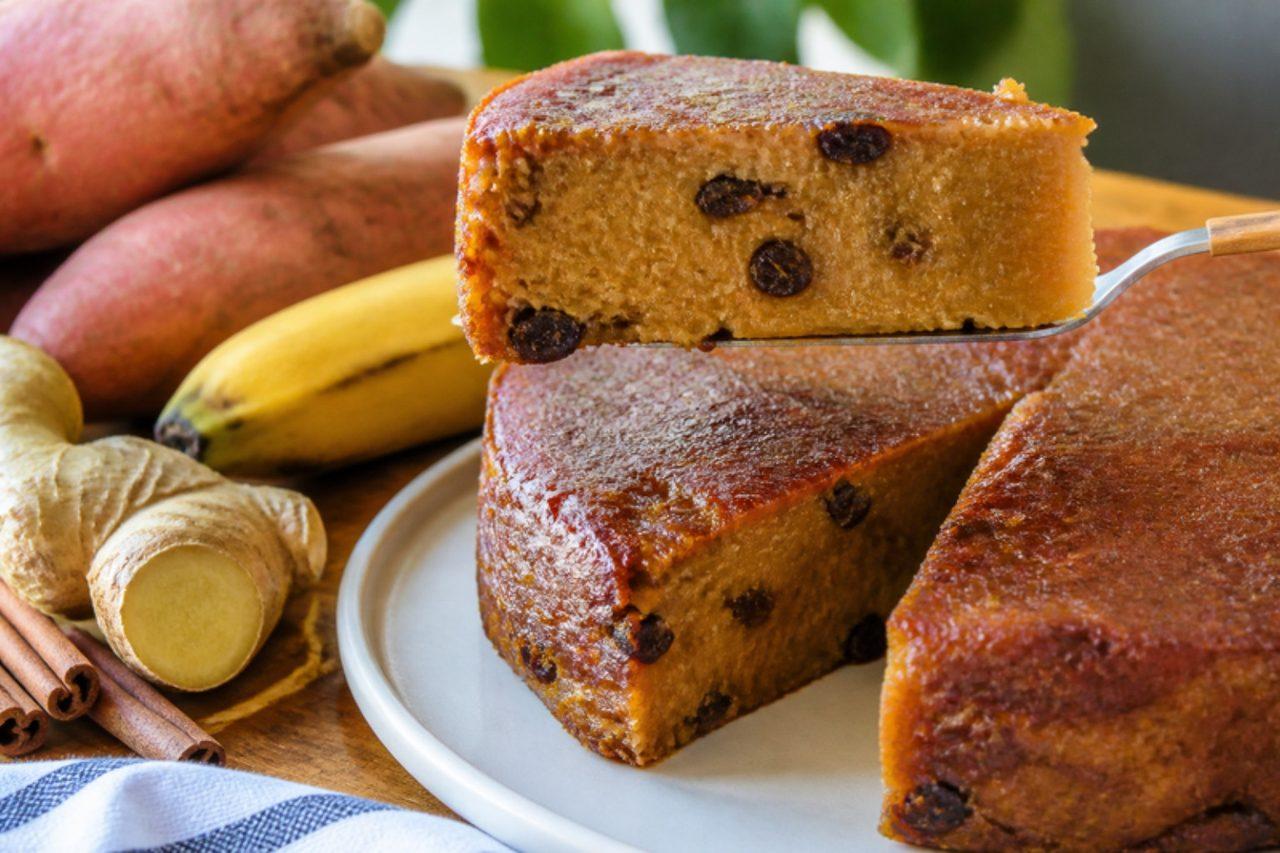
Pen patat, sweet potato 'bread', is the Haitian pudding sold in squares by street vendors and baked at home for Sunday afternoons and holidays, from the hills above Pétion-Ville to Haitian bakeries abroad. Grated white sweet potato (patat) and ripe banana are baked with coconut milk, evaporated milk, fresh ginger and warm spices until set and caramel-brown on top. It is dense, moist and fudgy, a little like a spiced cake and a little like a custard, and it's eaten warm or cold with coffee. Chef's tip: grate the sweet potato finely on the small holes; coarse shreds stay stringy, fine ones melt into a smooth pudding.

by KrazyBadal 0 views

Penang asam laksaSour fish noodle soup

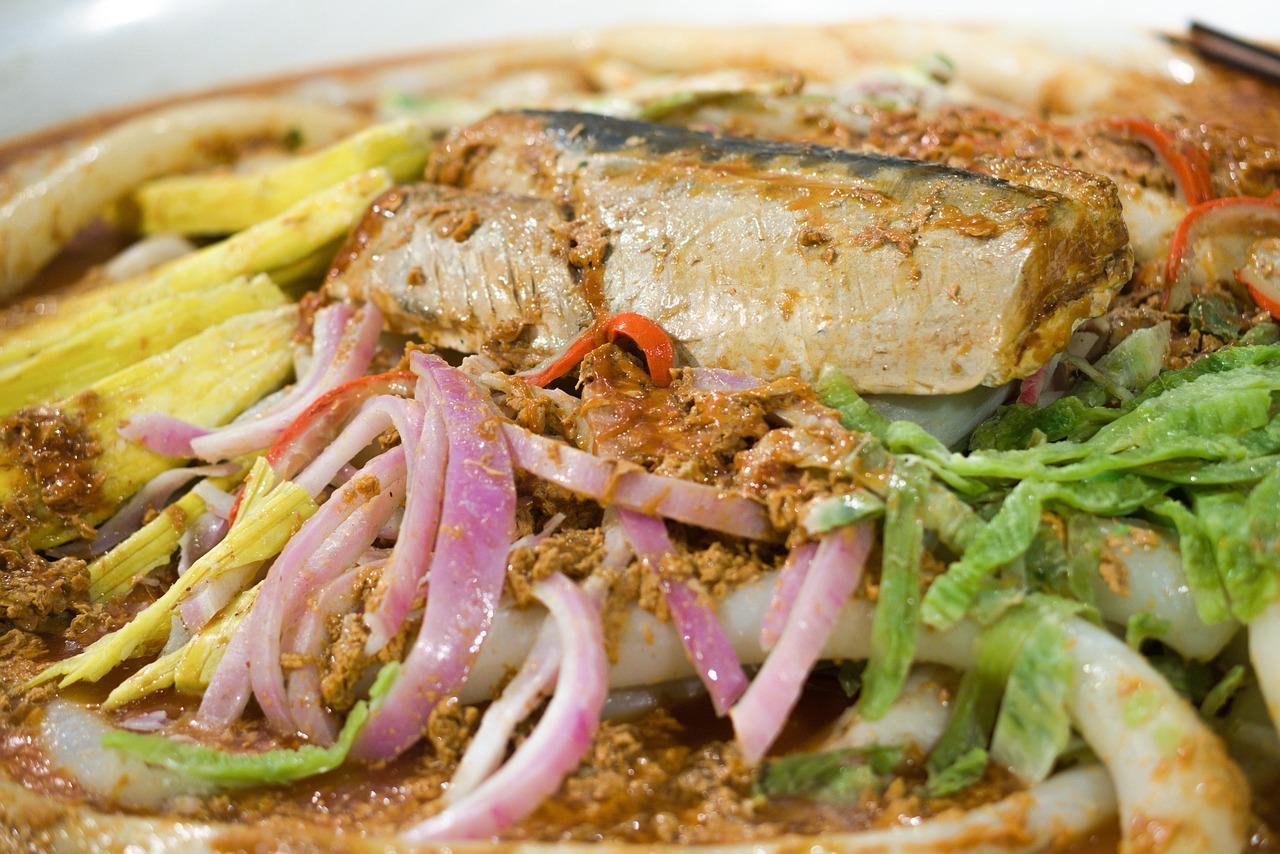
Forget coconut and cream: Penang's asam laksa is all sour, hot and herbal, a dark tamarind broth thickened with flaked mackerel and poured over thick, slippery rice noodles. Hawkers at Air Itam market and along Gurney Drive pile the bowl with shredded pineapple, cucumber, red onion, lettuce, torn mint and a spoon of sticky, sweet prawn paste (hae ko) that you stir in as you eat. Torch ginger flower and Vietnamese mint (daun kesum) give it a smell that is wholly its own. It is a hot-afternoon dish, eaten fast while the herbs are still crisp. Chef's tip: poach the mackerel in the broth whole, then flake it back in; the bones and skin give the soup much of its body.

by KrazyBadal 0 views

Penang lor bakFive-spice pork rolls

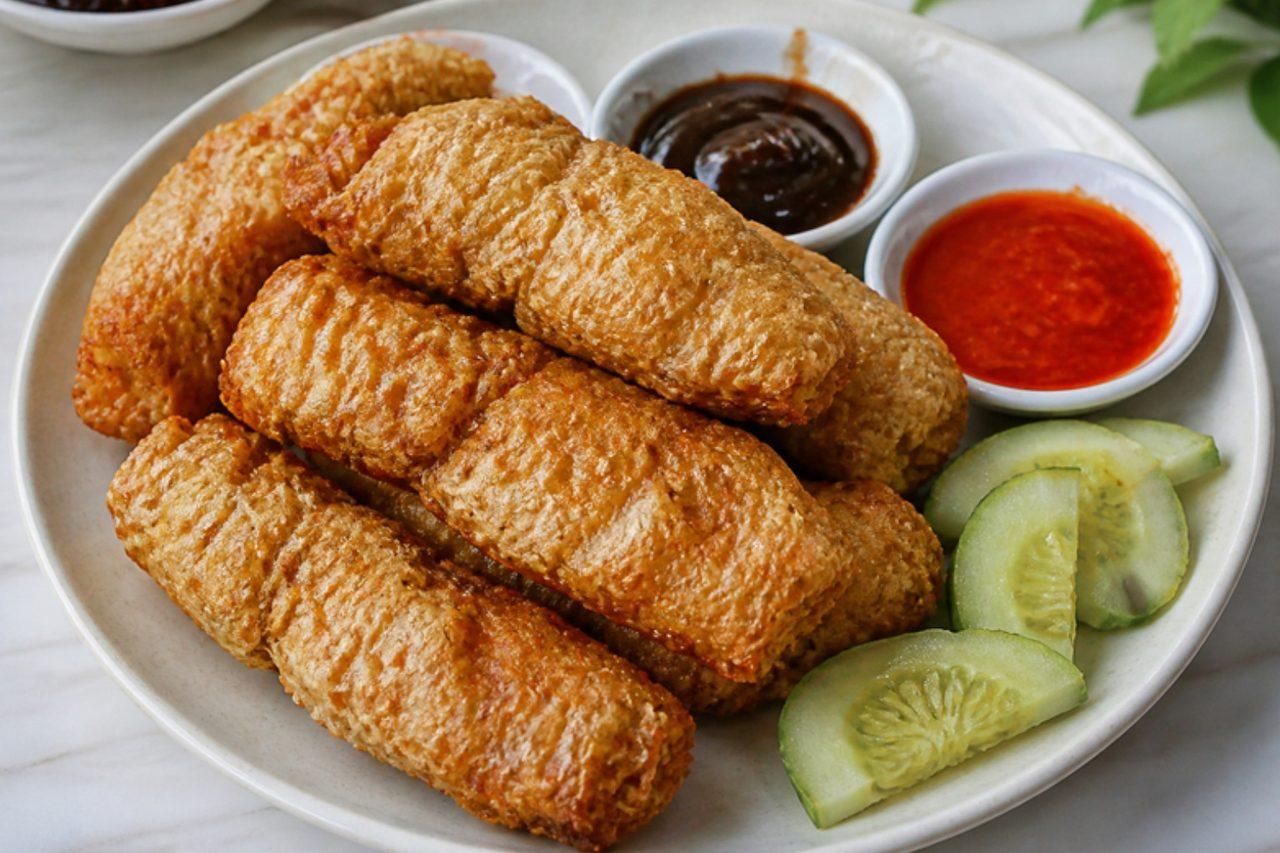
Every Penang lor bak stall shows off a tray of fried things, but the five-spice pork roll is the reason people queue. Minced pork and chopped water chestnut, seasoned with five-spice, soy and garlic, are rolled tight in sheets of dried beancurd skin, steamed, then fried until the skin shatters like thin pastry. Slices are dipped in two sauces: a thick, starchy 'lor' gravy streaked with egg and a bright chilli sauce. They are a favourite with drinks at the hawker centres along Kimberley Street or as part of a Chinese New Year spread. Chef's tip: wipe the beancurd skin with a damp cloth rather than soaking it; too wet and it tears and will not crisp.

by KrazyBadal 0 views

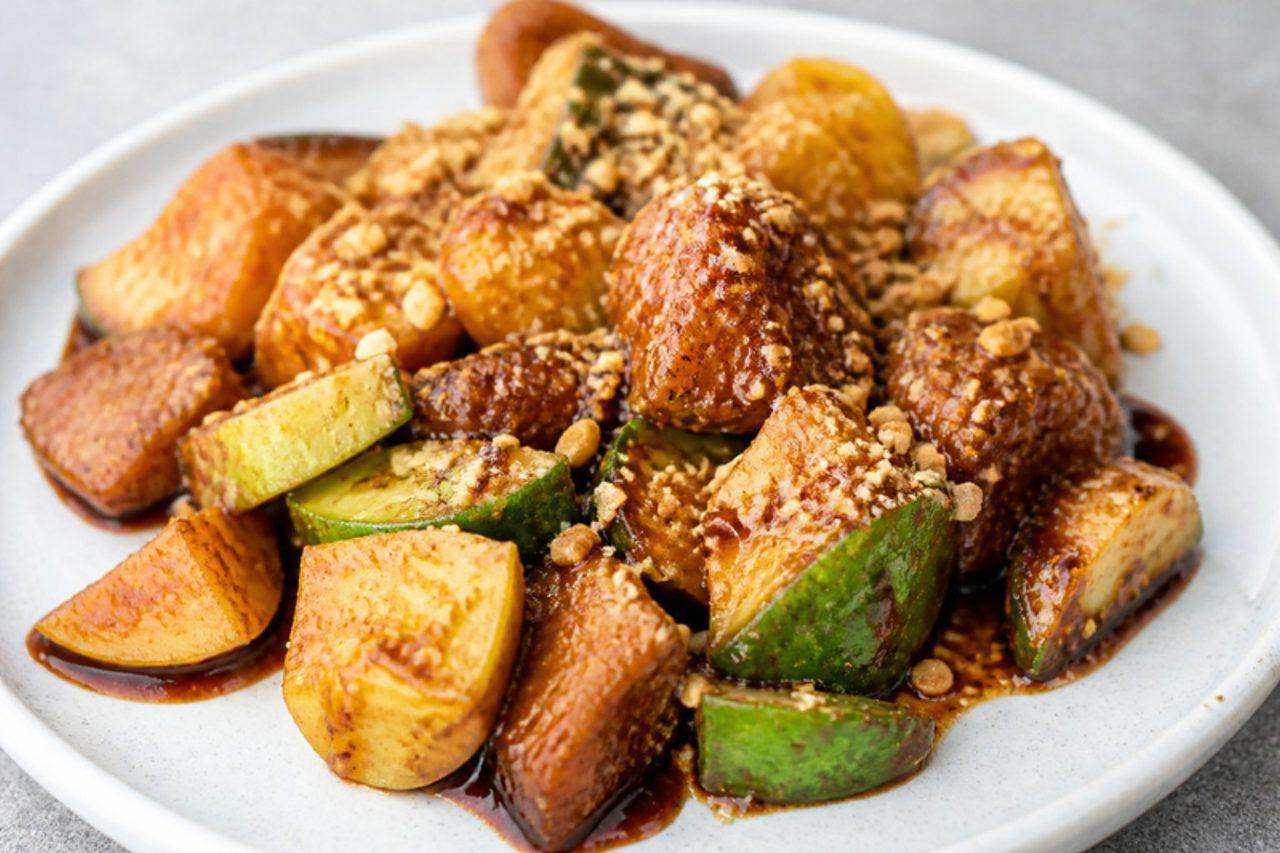
Penang rojakFruit salad with prawn paste dressing

Few salads are as divisive or as loved as the rojak sold from carts along Penang's Gurney Drive: crisp jicama, cucumber, green mango, pineapple and guava cut into bite-size pieces and tossed in a black, toffee-thick dressing of hae ko (fermented prawn paste), tamarind and sugar. The fruit stays cold and crunchy while the sauce is sweet, sour, salty and funky at once, finished with a snowfall of crushed peanuts. Stalls often add fried dough fritters and tofu puffs for chew. Eat it as an afternoon snack or alongside grilled meats. Chef's tip: toss only just before serving; the salt in the dressing draws water out of the fruit and turns it watery within 15 minutes.

by KrazyBadal 0 views

Showing 90 of 7,762 recipes

Page 708 of 863