Skip to content
Mix capsicum peanut salad
Featured recipe

Mix capsicum peanut salad

A crunchy salad of red, yellow and green peppers with roasted peanuts, cucumber, carrots and celery, dressed with lemon, dill, mint and celery leaves. Just before serving, olive oil mixed with sesame seeds is poured over the top. It's colourful, filling and full of protein.

Read more 2 views

What to eat today?

Around the world

Today's trip: Paraguayan

A new country every day, from every cuisine on the site.

Paraguayan

Chipa

Cheese bread rings 50 minMore from Paraguayan (27) →

This week's collection

Kid-friendly dinners
537 recipes · a new collection every Monday

Latest recipes

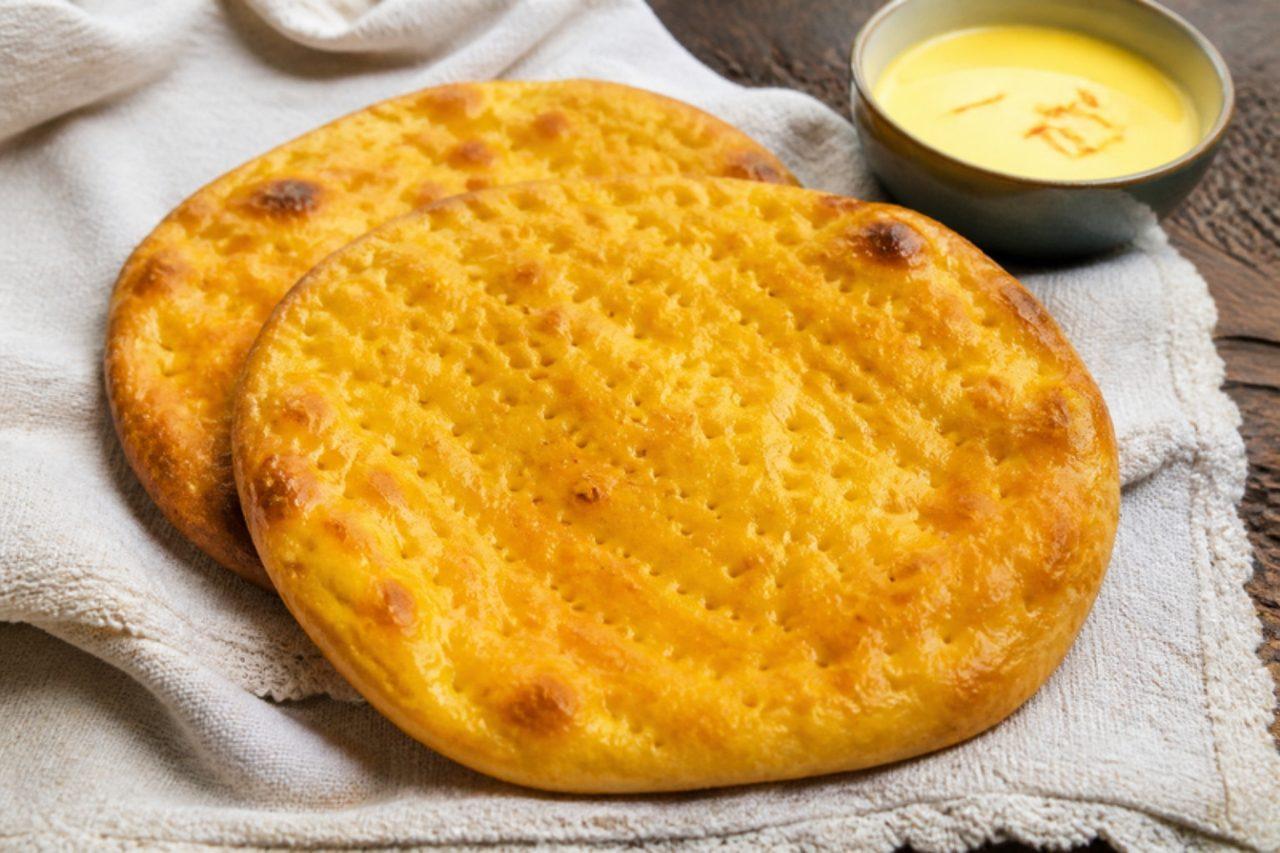
Lucknowi sheermalSaffron sweet milk flatbread

Sheermal is a soft flatbread made with milk and ghee instead of water, lightly sweet, and brushed with saffron milk so it bakes to a glossy amber colour. In Lucknow's old quarters like Chowk and Aminabad, bakers still make it in tandoors each morning, and families buy it for Eid, weddings and Ramadan iftar, eating it alongside rich kormas or simply with a cup of milky tea. It sits halfway between bread and pastry. The usual mistake is adding too much flour while kneading because the dough feels sticky; a dry dough gives a tough, crumbly sheermal. Chef's tip: oil your hands instead of flouring the surface, and let the rich dough rise until it is truly doubled.

by KrazyBadal 0 views
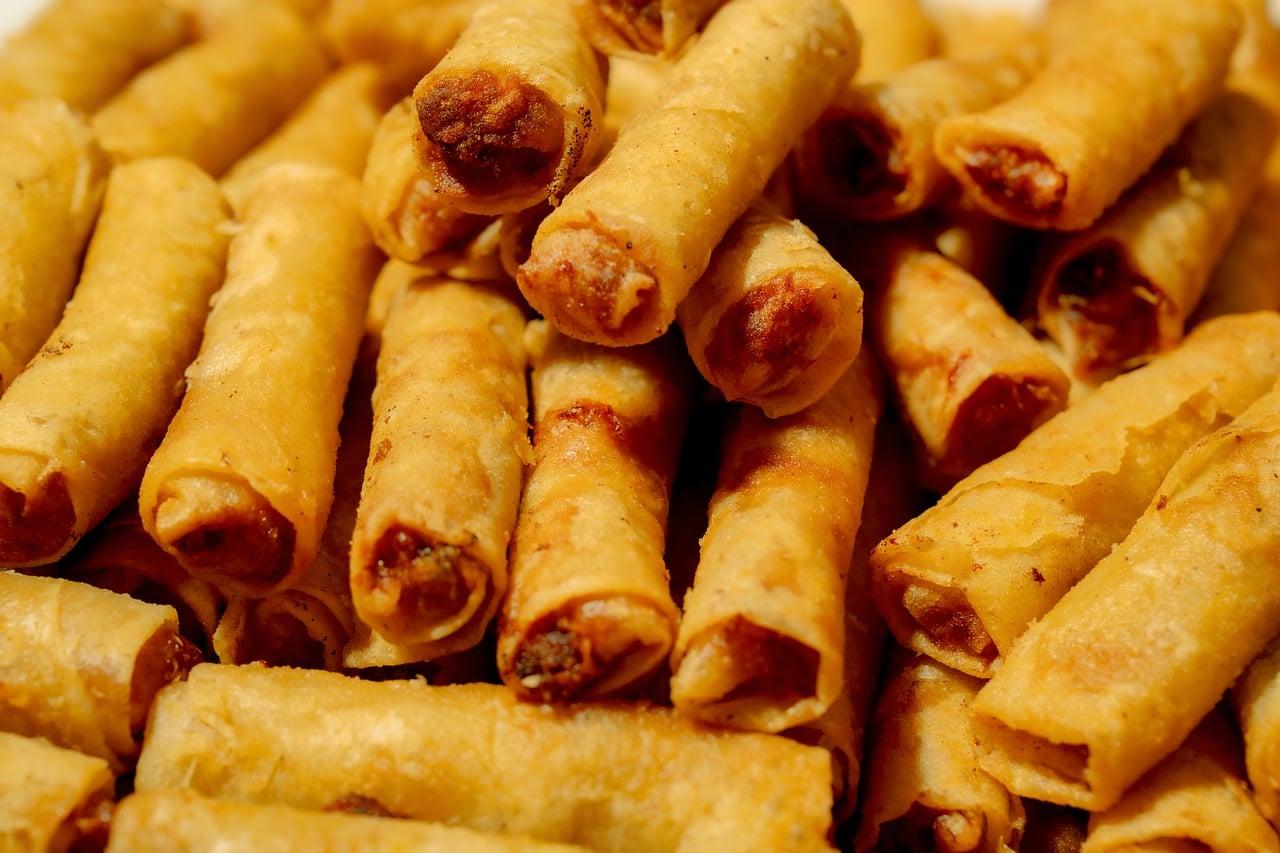
Lumpiang shanghaiPork spring rolls

No Filipino party table is complete without a platter of lumpiang shanghai, the pencil-thin pork spring rolls that disappear first at birthdays, Christmas Eve (Noche Buena) and family reunions. They came from the Chinese-Filipino cooks of Manila, and the filling is seasoned minced pork with carrot, onion and water chestnut, rolled tight in thin wrappers and fried until they crackle. Dip them in sweet chilli sauce or banana ketchup. Chef's tip: roll them no thicker than your finger; thin rolls cook through in the time the wrapper takes to turn golden.

by KrazyBadal 0 views

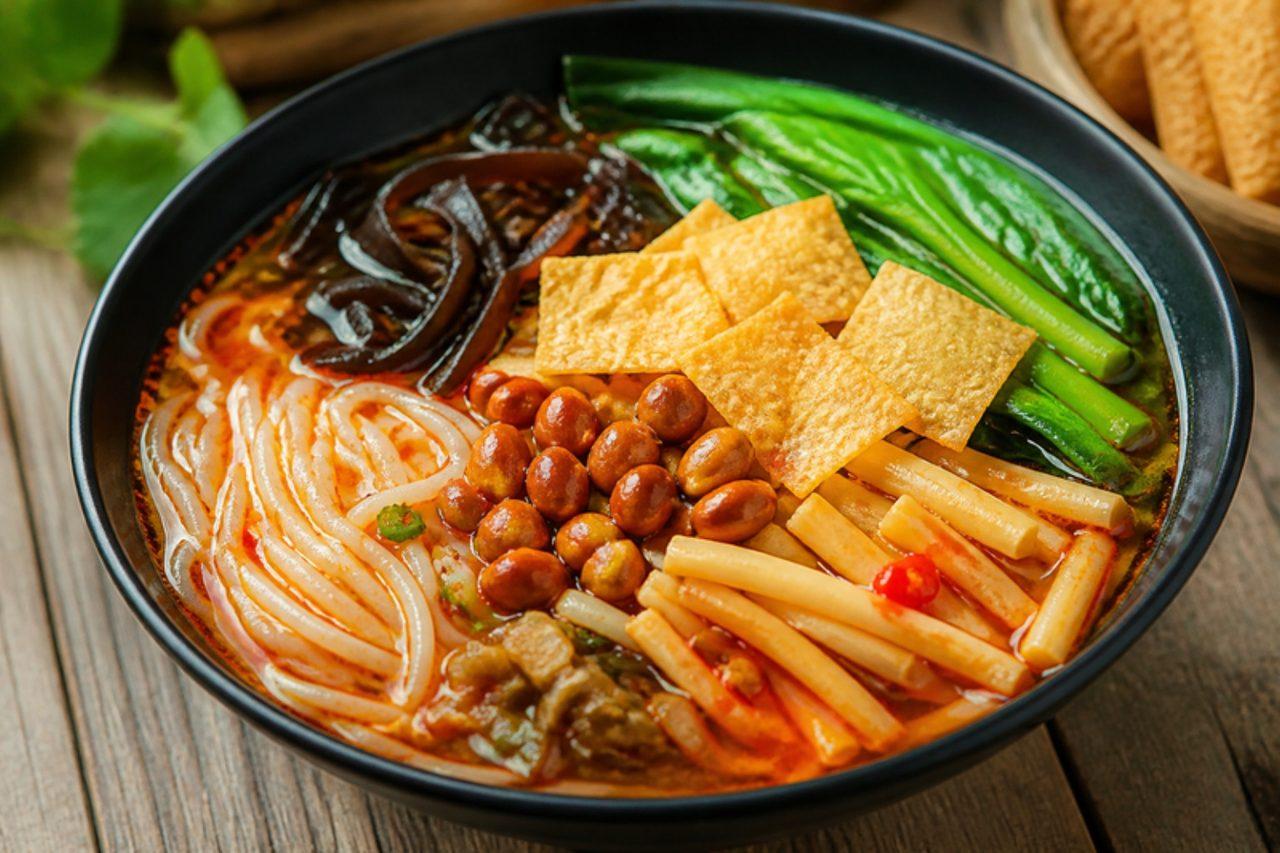
LuosifenRiver snail rice noodles

Liuzhou, an industrial city in Guangxi, turned its late-night snail noodle stalls into a national obsession, and the smell alone makes luosifen famous: sour fermented bamboo shoots give it a funky, love-it-or-hate-it aroma that fills the kitchen. The broth itself is rich and savoury from pork bones and river snails, red with chilli oil, and the bowl is piled with crunchy fried tofu skin, peanuts, pickled beans, greens and slippery rice noodles. Taste-wise it is hot, sour and deeply savoury all at once. It is a meal in a bowl, best eaten with the window open and a cold drink. Chef's tip: use only snails sold ready-cooked and cleaned, frozen or canned, never wild-gathered ones, and still boil them in the broth for at least 15 minutes; if you can't find them, dried shrimp make a good snail-free broth.

120 minChineseSoupsSpicy
by KrazyBadal 0 views

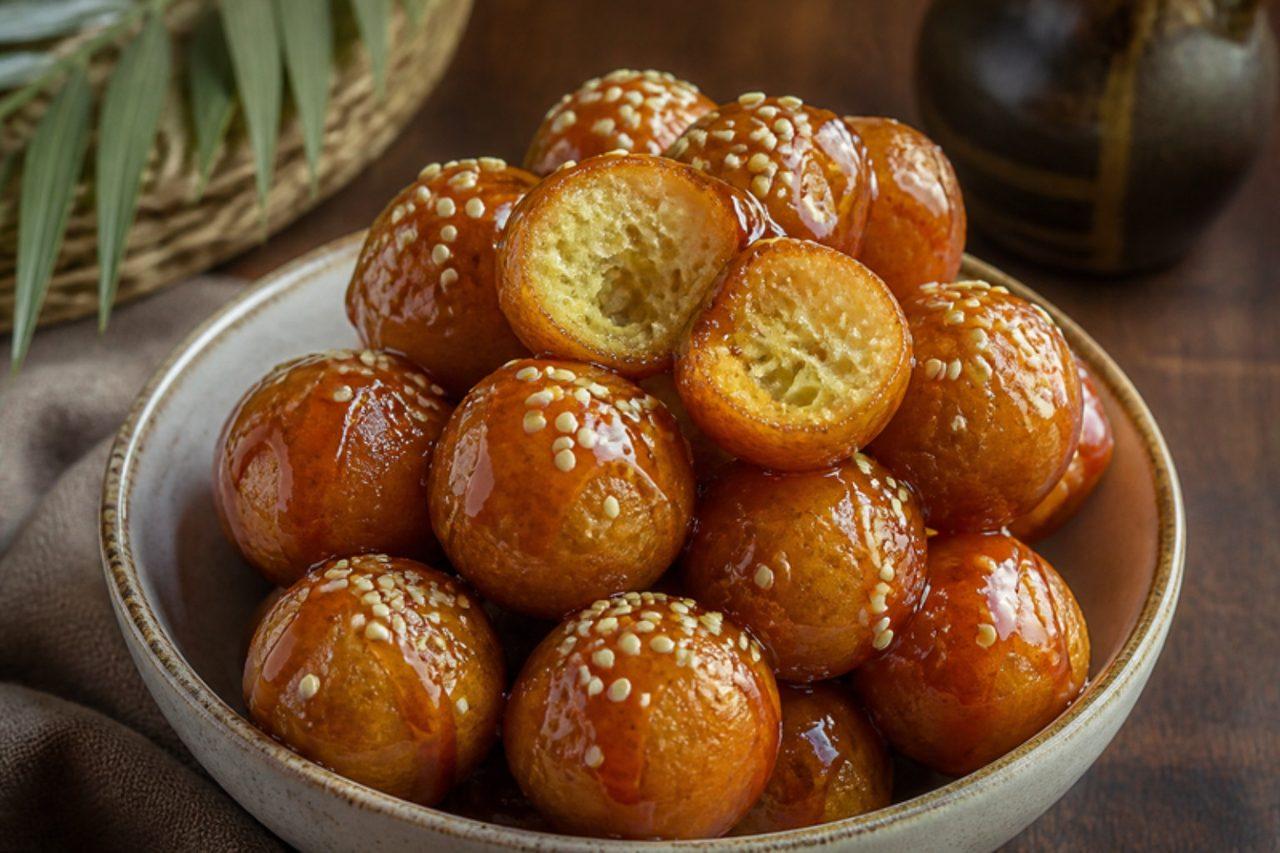
LuqaimatSaffron dumplings with date syrup

When the sun goes down during Ramadan in Dubai, Sharjah or Muscat, plates of luqaimat appear on iftar tables and in mosque courtyards. The little balls of yeasted batter, scented with saffron and cardamom, are fried until crisp and golden outside and soft as a cloud inside, then drizzled with dibs (date syrup) and scattered with sesame. Unlike syrup-soaked fritters, they are glazed only lightly, so they stay crunchy. Chef's tip: a teaspoon of oil on your thumb and a wet spoon stop the sticky batter clinging, so the balls drop round into the oil.

by KrazyBadal 0 views

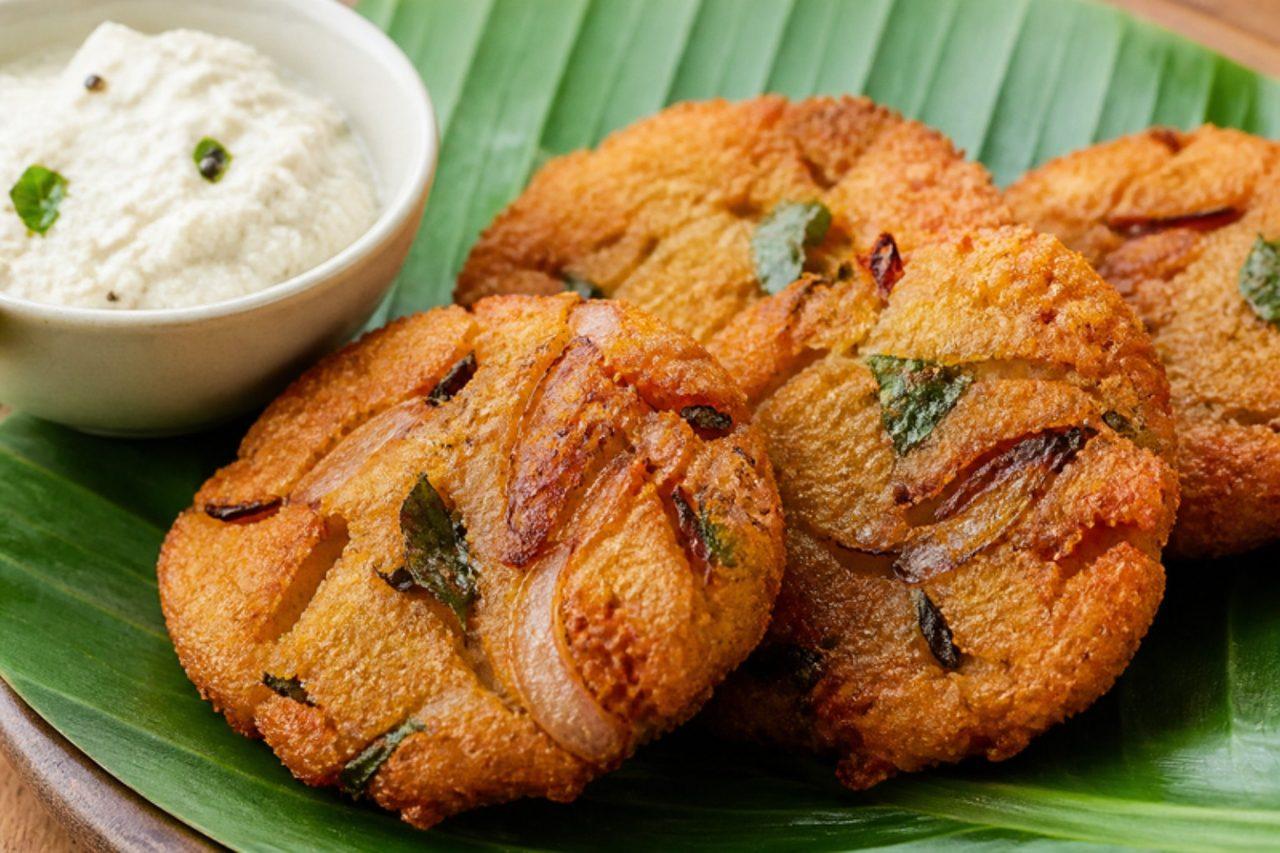
Maddur vadaOnion and semolina fritters

Maddur is a small town halfway between Bengaluru and Mysuru, and for nearly a century travellers on that road have stopped at its railway station and highway stalls for one snack: Maddur vada. Unlike soaked-lentil vadas, these are made from rice flour, semolina and plain flour rubbed with hot oil and loaded with sliced onion, curry leaves and green chilli, then patted flat and fried until crunchy and golden all the way through. They keep their crunch for hours, so they are packed for long journeys. Serve with coconut chutney and filter coffee. Chef's tip: add the onions first and let them sit with the salt for ten minutes; their juice moistens the flours, so you need very little water and the vada stays crisp.

by KrazyBadal 0 views

MadraChickpeas in yogurt

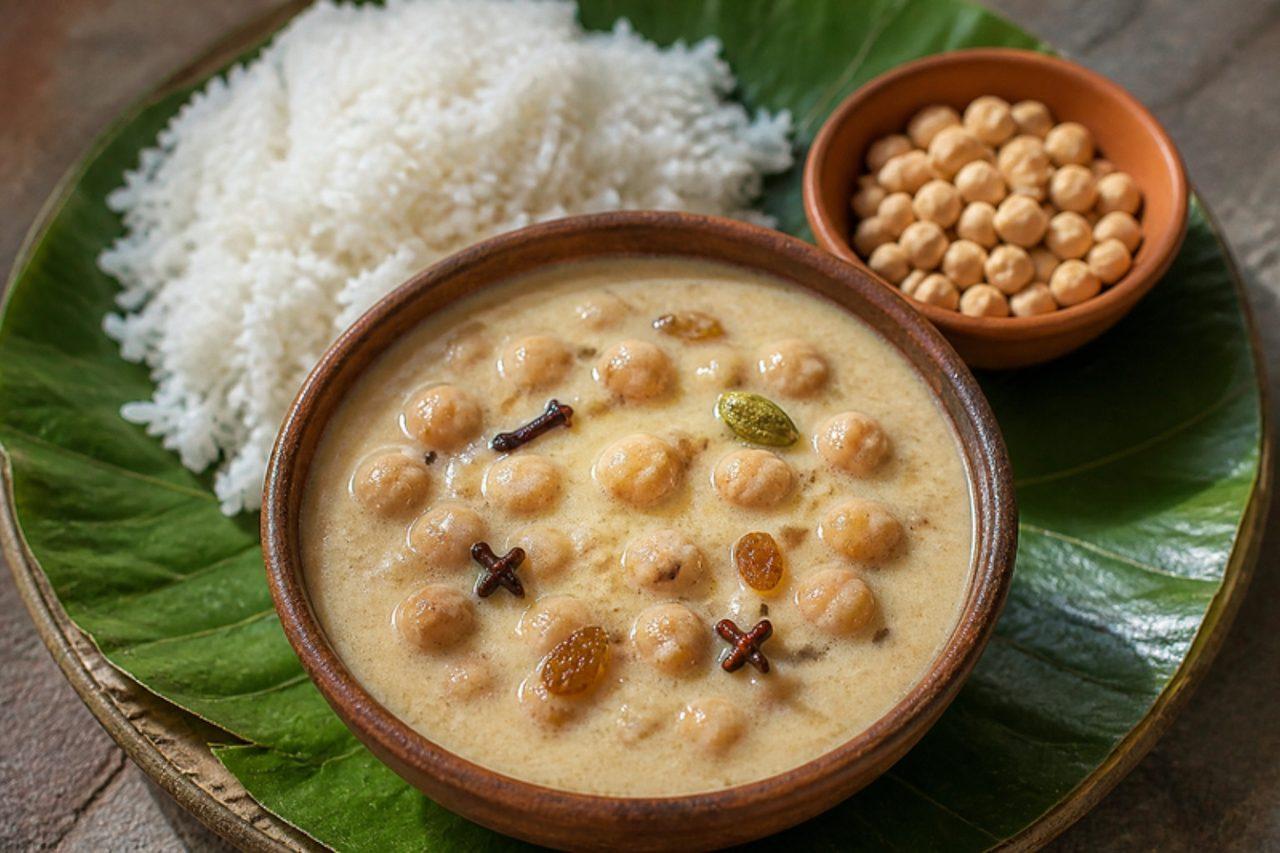
Madra is the pride of the Himachali dham, the communal feast cooked by hereditary cooks called botis at weddings and temple fairs in Chamba and Kangra. Chickpeas are simmered in yogurt with ghee, cloves, cardamom and cinnamon until the sauce turns thick, pale and rich, with no onion or garlic at all. It arrives on a leaf plate beside rice, rajmah and kadhi, and some families add a few raisins or cashews for a festive touch. Chef's tip: cook the chickpeas until they squash easily between two fingers before they go into the yogurt; they won't soften further once the sauce is in.

by KrazyBadal 0 views

JigarthandaChilled milk almond gum drink

Jigarthanda means 'cool heart', and on a hot evening in Madurai crowds queue around the carts near the Meenakshi temple for a tall glass of it. It's layered rather than blended: a spoonful of soaked almond gum (badam pisin), a glug of nannari (Indian sarsaparilla) syrup, chilled milk reduced until creamy and lightly caramel-coloured, then a scoop of vanilla ice cream on top. The result is cold, floral, wobbly and rich all at once. This home version uses shop-bought vanilla ice cream; check that yours is eggless and gelatine-free. Chef's tip: let the reduced milk chill overnight; cold, thick milk is what makes it taste like the street version rather than flavoured milk.

by KrazyBadal 0 views

MageuFermented maize drink

Mageu (also amahewu or mahewu) is a thin, sour, nourishing drink of fermented maize porridge, made in homes across Zimbabwe, South Africa, Zambia and Botswana and drunk by farm workers, schoolchildren and anyone needing a filling lift on a hot afternoon. A little wheat flour or a spoonful of the last batch starts the fermentation overnight. Commercial cartons are sold everywhere, but home-made tastes fresher. Chef's tip: let the porridge cool to lukewarm before adding the starter; too hot and it kills the fermentation.

by KrazyBadal 0 views

Maharagwe ya naziRed beans in coconut milk

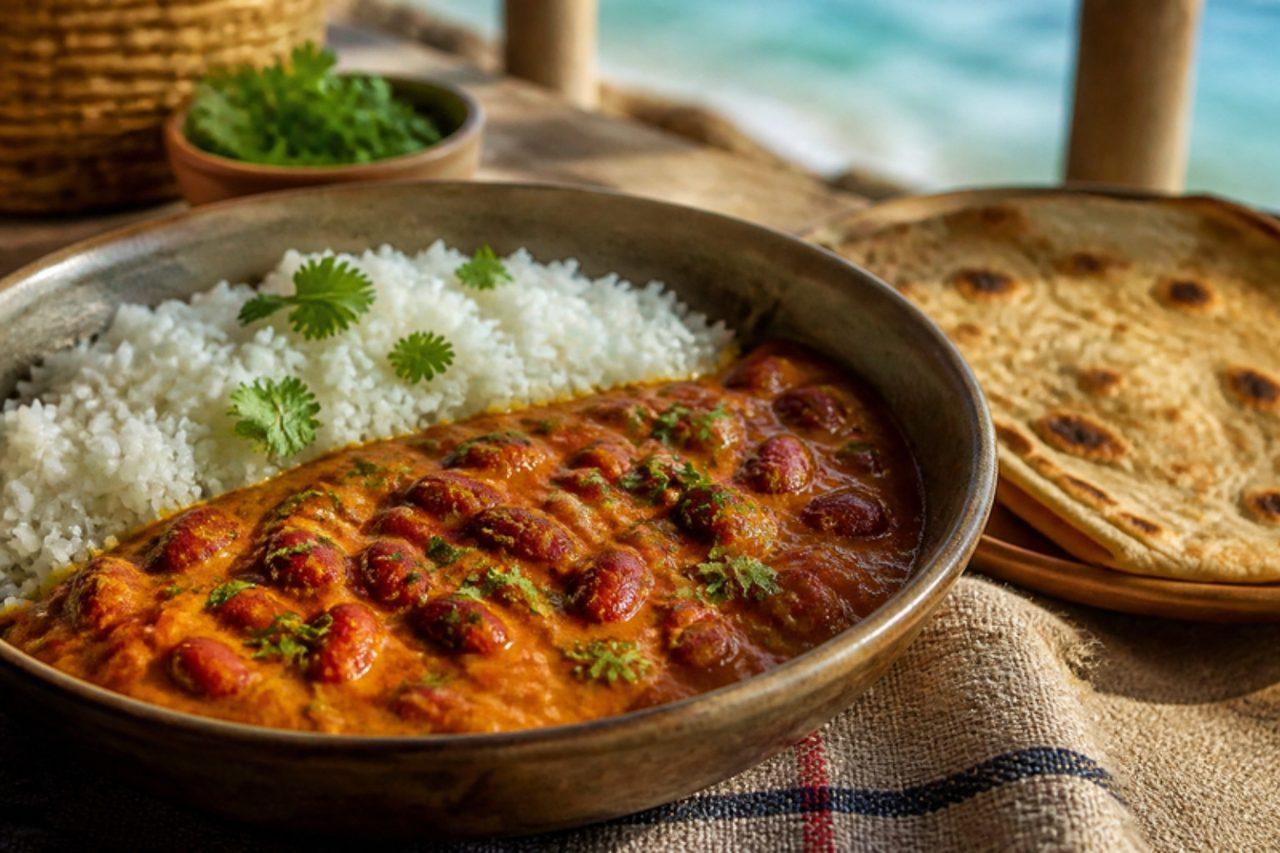
Maharagwe ya nazi, red beans in coconut, is a weekday staple along the Swahili coast from Mombasa to Dar es Salaam and on Zanzibar, eaten with chapati, rice or mandazi. The beans are cooked until creamy, then simmered in a gently spiced tomato and coconut sauce. It differs from mbaazi wa nazi (pigeon peas) in its red kidney beans and its tomato-based, curry-spiced sauce. Chef's tip: add the coconut milk at the end and keep it at a bare simmer; boiled hard, it splits and turns oily.

by KrazyBadal 0 views

Maharashtrian aamtiSweet and sour dal

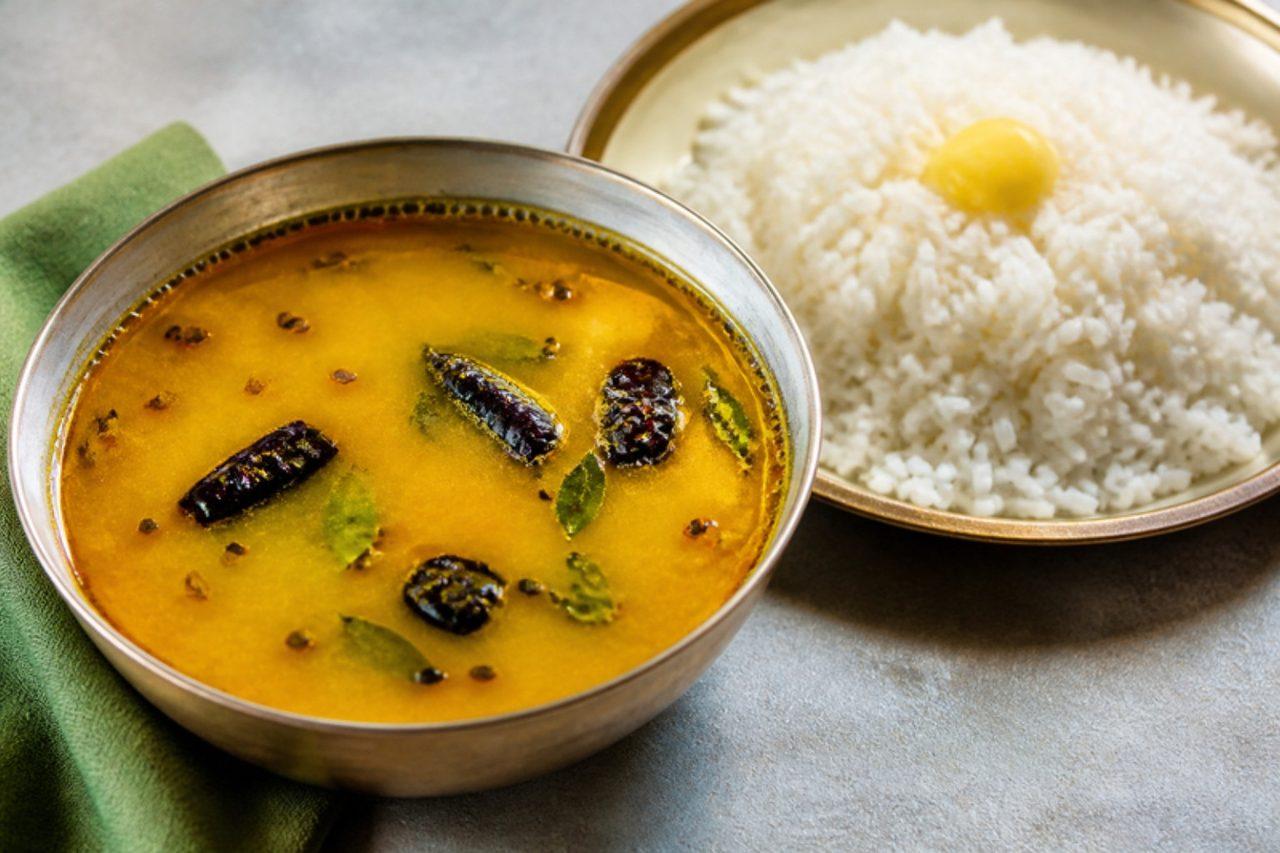
Aamti is the everyday dal of Maharashtrian homes from Pune to Kolhapur: toor dal cooked soft, soured with kokum, sweetened with a little jaggery and seasoned with goda masala, the dark, aromatic spice blend of the state. It's thinner than a Punjabi dal and has a gentle sweet-sour-hot balance. Before the tempering goes in, many cooks scoop out a bowl of the plain cooked dal for varan bhaat, the simple turmeric-yellow dal with rice, ghee and lemon that every Maharashtrian child grows up on and that starts every festive thali. Chef's tip: add the kokum near the end and taste after 5 minutes; it keeps releasing sourness, and it's easy to overshoot.

by KrazyBadal 0 views

MahshiStuffed vegetables

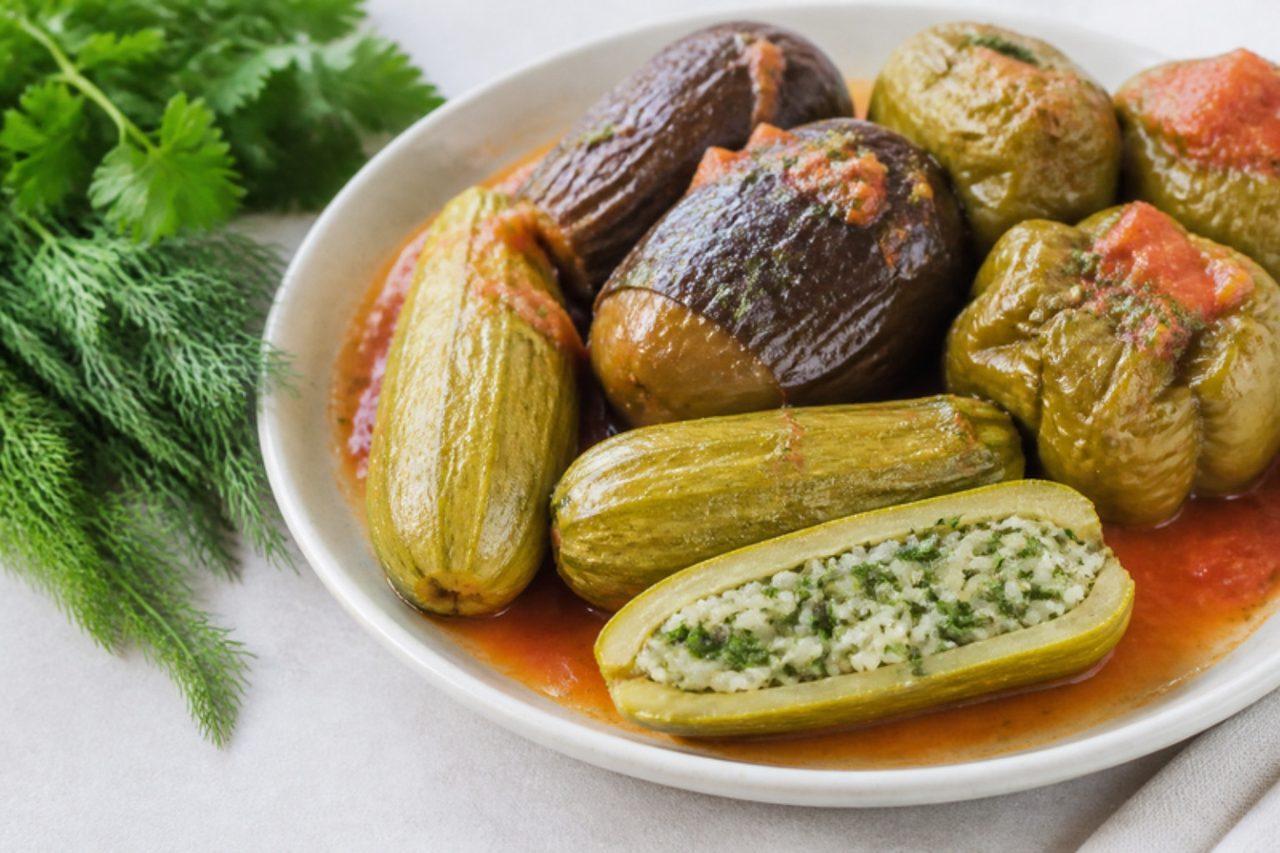
Mahshi is the pride of the Egyptian home kitchen: a big pot of courgettes, small aubergines, peppers and tomatoes, hollowed out and stuffed with short-grain rice, tomato, onion and a fistful of dill, parsley and coriander, then packed tightly and simmered in tomato broth. It turns up for Friday family lunches and on feast days, and making it is often a shared afternoon job around the kitchen table. Some families add minced meat to the stuffing; this version is the everyday vegetable-and-rice one. Chef's tip: fill each vegetable only three-quarters full; the rice swells as it cooks, and overstuffed vegetables burst and leave hard, undercooked rice in the middle.

by KrazyBadal 0 views

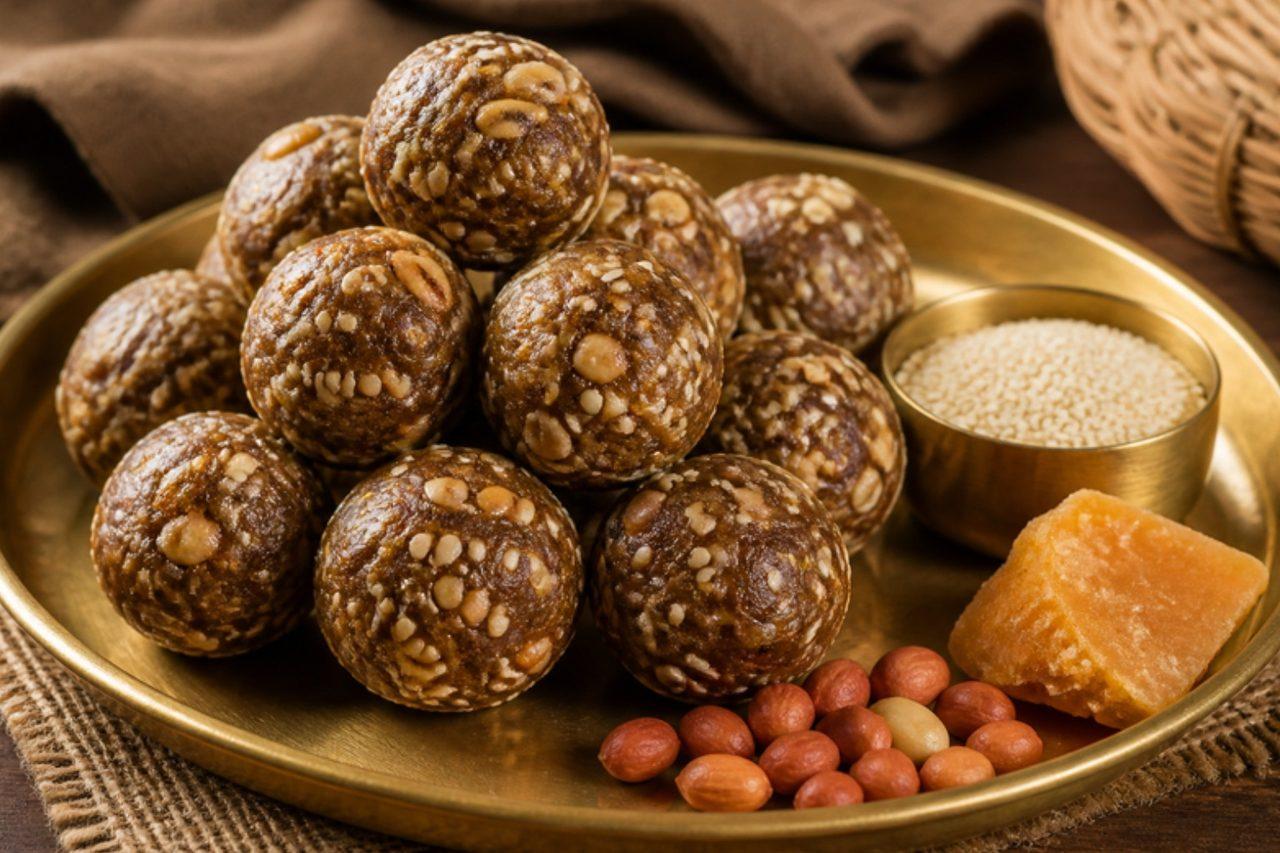
Mahua ladduMahua flower balls

Mahua trees flower across Jharkhand in March and April, and before dawn whole families gather the fallen, creamy, honey-scented flowers from the forest floor and dry them in the sun. In Santhal, Munda and Oraon homes, the dried flowers are roasted and pounded with sesame and peanuts into laddus that need almost no added sugar, a store-cupboard sweet for the lean months and for festivals like Sarhul. They taste of raisins, caramel and toasted nuts. Chef's tip: roast the flowers until they puff slightly and smell like caramel; underroasted mahua tastes raw and slightly bitter.

by KrazyBadal 0 views

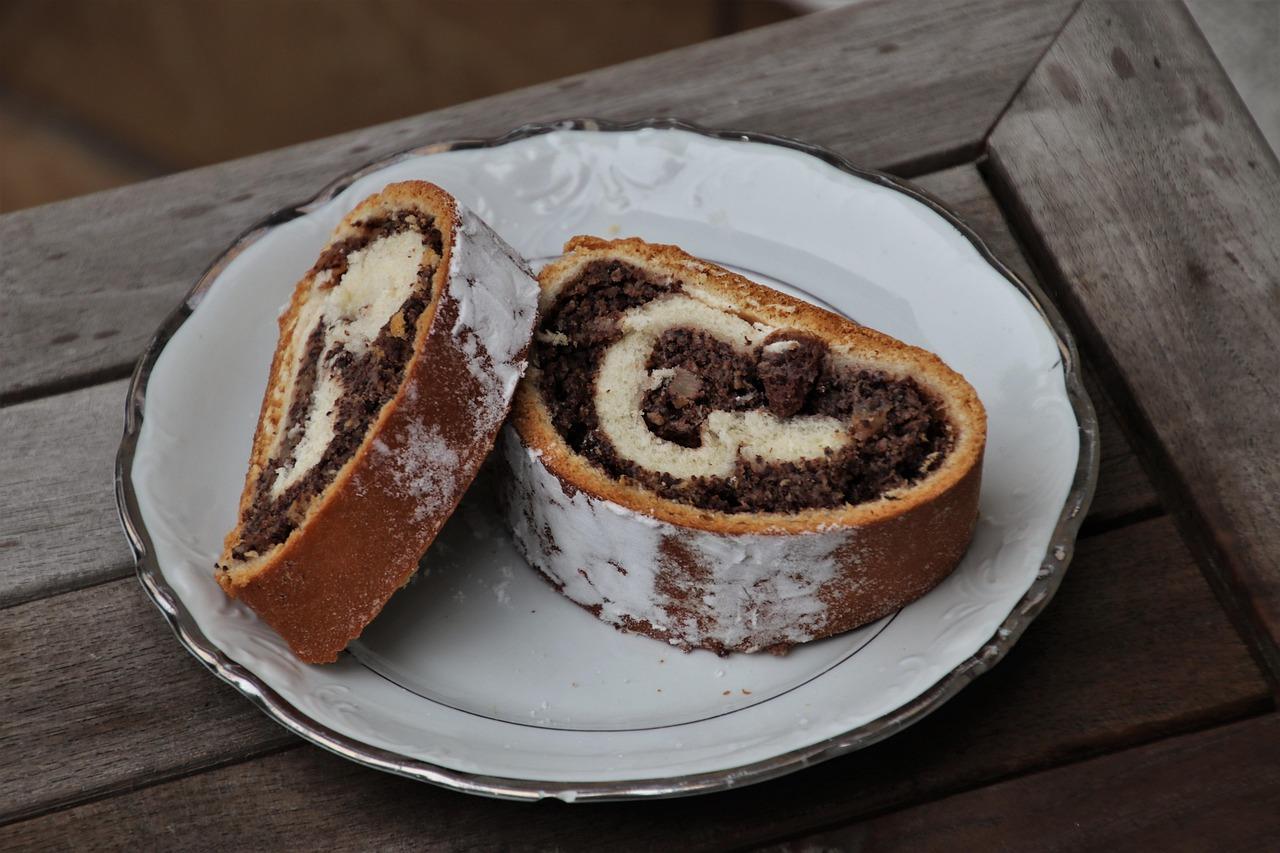
MakowiecPoppy seed roll

Makowiec is the poppy seed roll that sits on almost every Polish Christmas Eve and Easter table; in Silesia and Lesser Poland poppy seeds stand for plenty in the year ahead. A soft, buttery yeast dough is rolled around a thick, black, honey-sweet filling of ground poppy seeds with raisins, walnuts and candied orange peel, then baked and glazed so each slice shows a tight spiral. It takes time, but the process is calm and the roll keeps for days. Chef's tip: grind the soaked poppy seeds two or three times, until they look grey and pasty; whole or once-ground seeds give a gritty filling that falls out of the slices.

135 minPolishBaking
by KrazyBadal 0 views

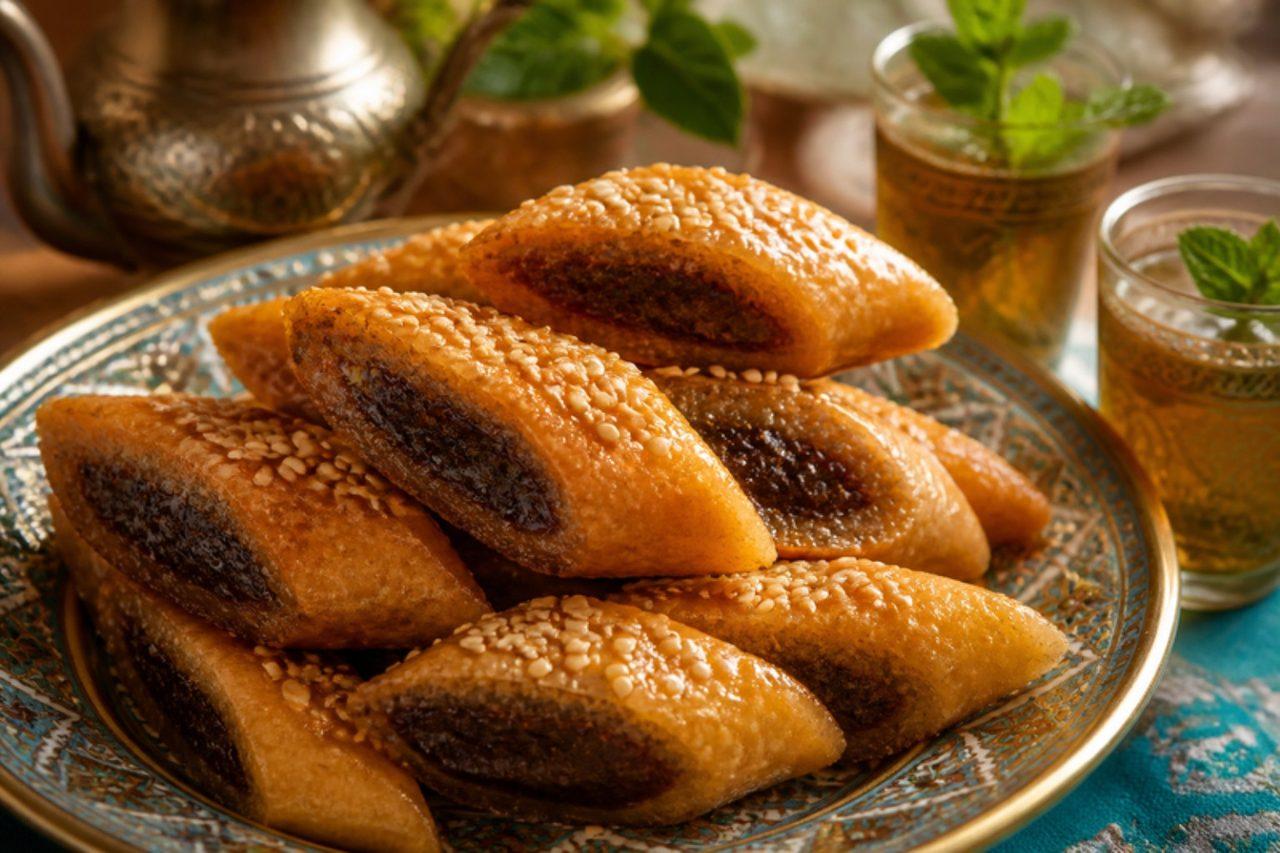
MakroudhDate-filled semolina pastries

Makroudh is the sweet that Kairouan is famous for; the old holy city in central Tunisia sells it in boxes from shops around the medina, and it is made at home for Eid and weddings across the country. A soft dough of semolina and olive oil is wrapped around a roll of date paste scented with cinnamon and orange blossom, cut into diamonds, fried and dipped in syrup. Chef's tip: rest the semolina dough for an hour after mixing; the grains need time to drink the oil and water, or the makroudh cracks in the oil.

by KrazyBadal 0 views

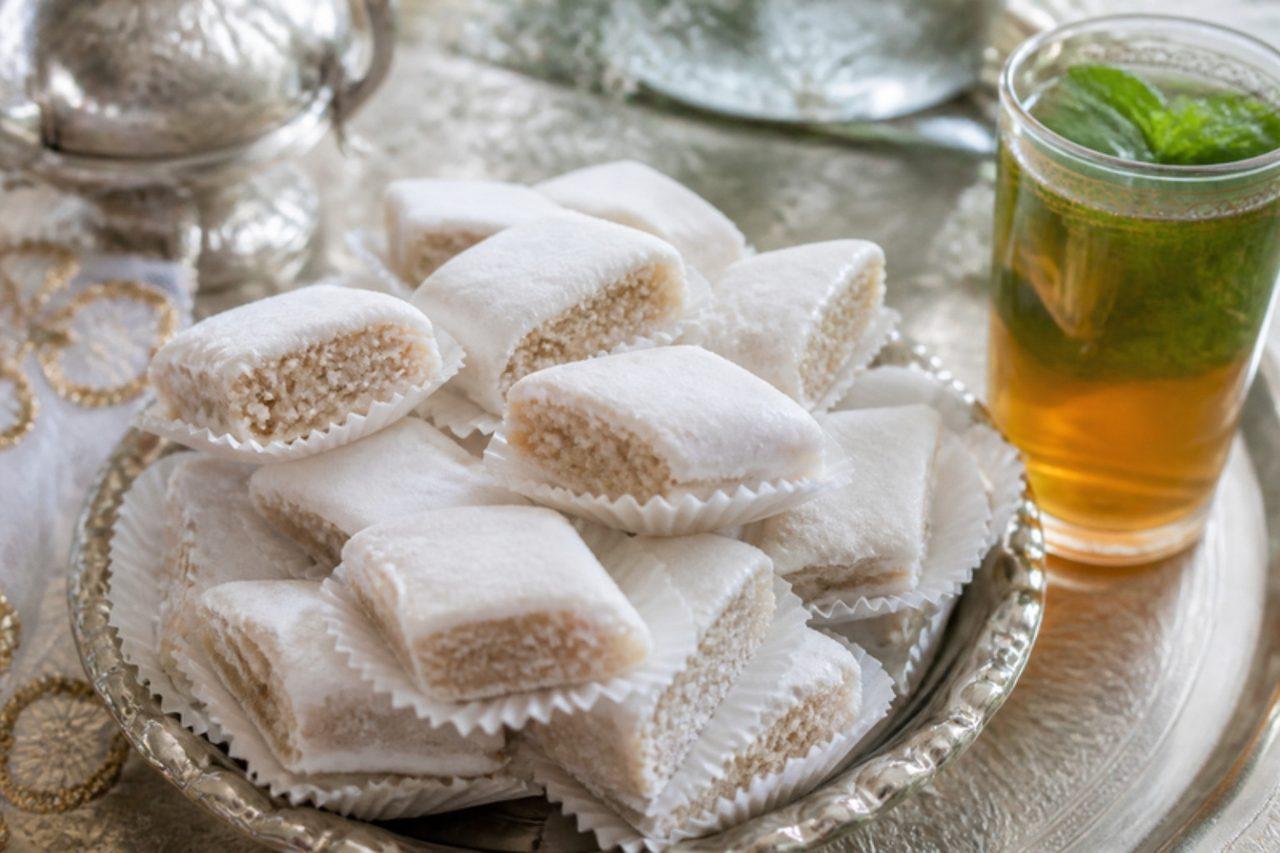
Makrout el louzIced almond diamonds

Makrout el louz are the elegant almond sweets of Algiers and Constantine, piled on silver trays for weddings, Eid and engagement visits. Unlike fried, date-filled makroudh, they are baked: a paste of ground almonds, sugar, egg and lemon zest is cut into diamonds, baked pale, then dipped in a light syrup and rolled in icing sugar so they look frosted. Chef's tip: bake them only until firm and barely coloured underneath; brown edges harden and stop the syrup soaking in.

by KrazyBadal 0 views

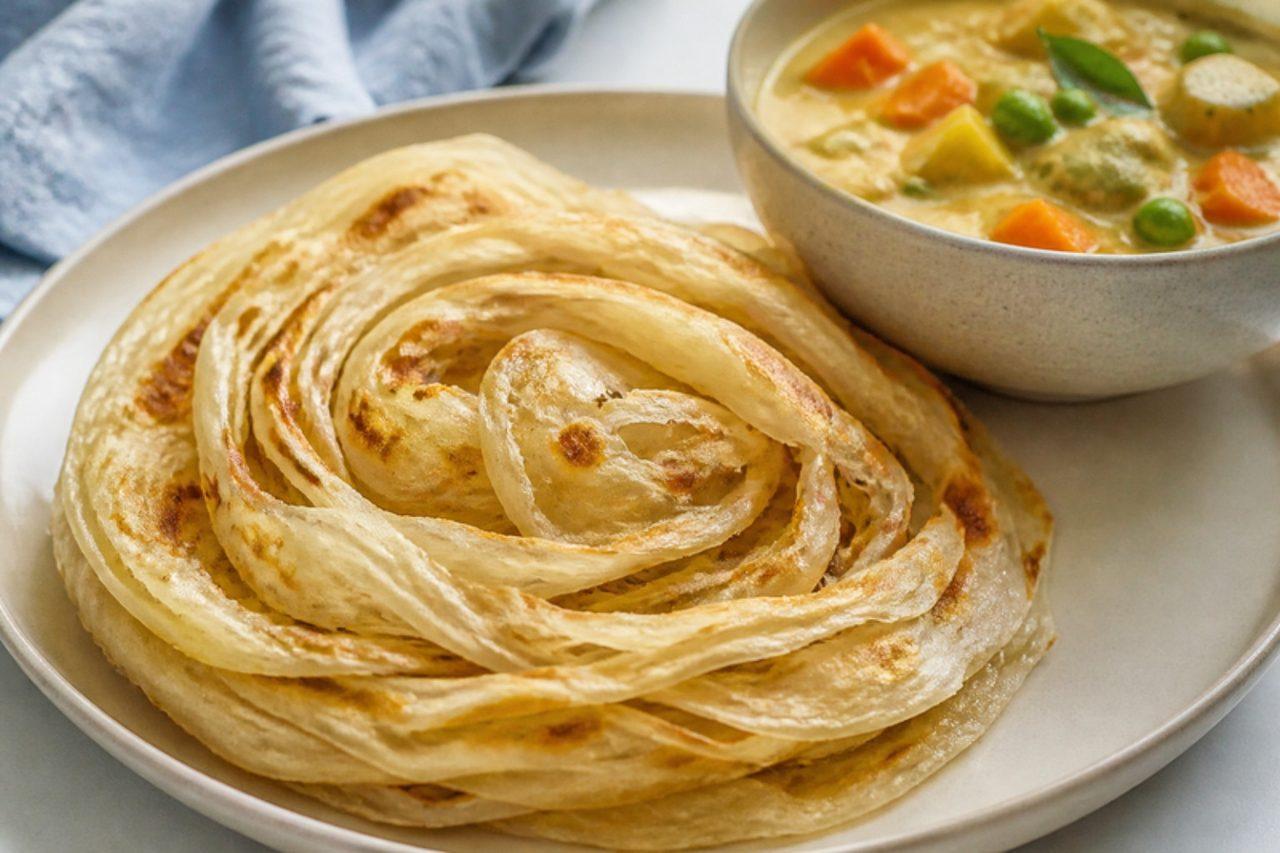
Malabar parottaLayered flatbread

Malabar parotta came from the hotels and tea stalls of Malabar in north Kerala and is now made all over the state, where parotta men slap and stretch dough on oiled marble counters late into the night. The soft dough is stretched paper-thin, pleated, coiled like a snail and griddled, then clapped between the hands so the layers pull apart into flaky ribbons. Eat it torn into vegetable kurma or a spicy black chickpea curry. Chef's tip: give the dough its full rest; well-rested dough stretches thin without tearing, which makes the layers.

by KrazyBadal 0 views

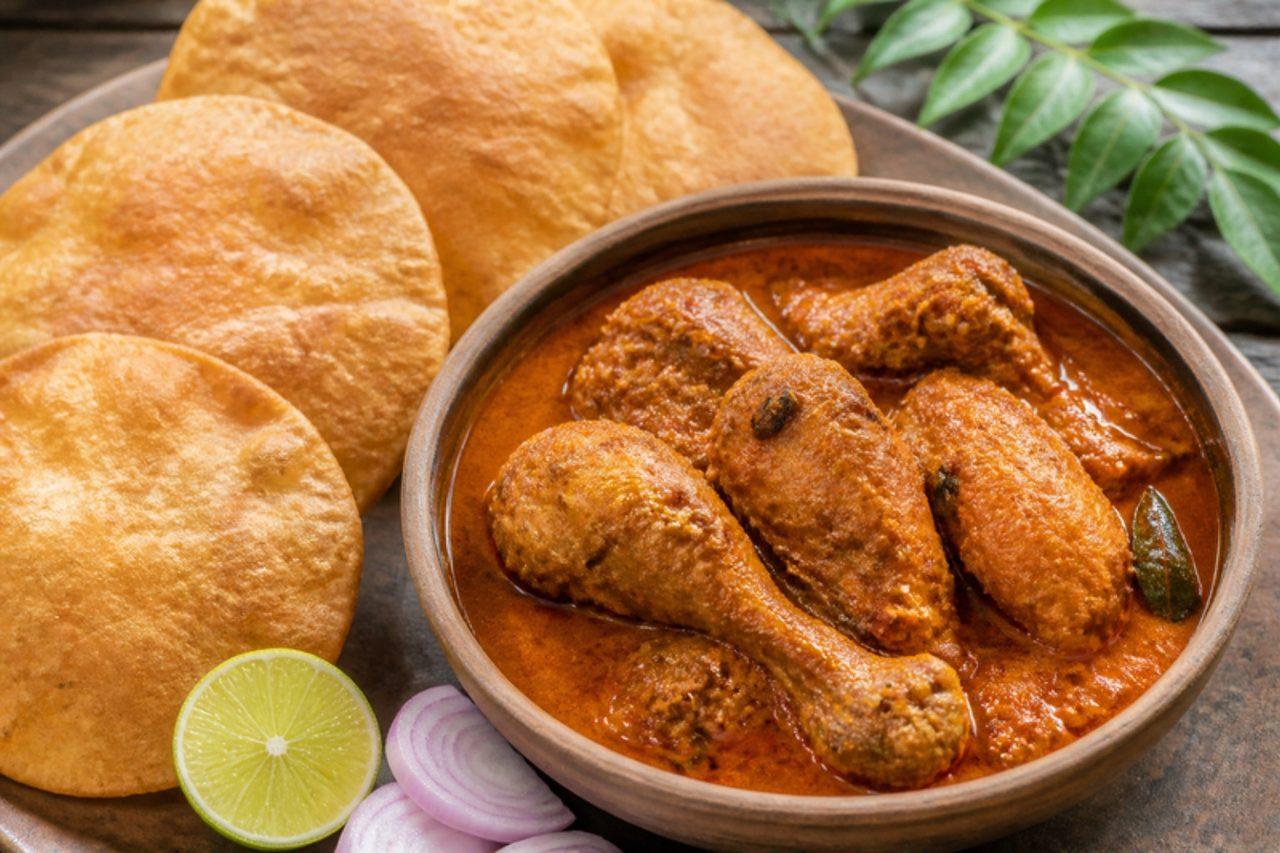
Malvani kombdi vadeChicken curry with puffed bread

Along the Malvan coast of Sindhudurg, kombdi vade is what families cook for a festive Sunday or for guests arriving by the morning bus from Mumbai. Kombdi is chicken, simmered in a gravy of roasted coconut and Malvani masala; vade are rice-flour breads fragrant with fennel that puff like balloons in hot oil. You tear the vade, dunk them in the curry and finish with a squeeze of lime and raw onion. Chef's tip: pat the vade on an oiled sheet of plastic or banana leaf rather than rolling them, and slide them into the oil straight away; thin, even discs puff best.

by KrazyBadal 0 views

MămăligăCornmeal mush

Mămăligă is the golden cornmeal staple of the Romanian countryside, from the hill villages of Oltenia to the farms of Maramureș, where it was once eaten more often than bread. It is cooked in water until thick enough to hold a spoon upright, turned out onto a wooden board and cut with a thread, then eaten hot with crumbled salty brânză and a cold spoon of smântână (soured cream). Unlike Ukrainian banosh, which is cooked in sour cream, mămăligă is plain cornmeal and water; the richness goes on top. It sits beside stews such as tocăniță or under a fried egg for supper. Chef's tip: rain the cornmeal in through your fingers while whisking, and keep stirring from the bottom; dumping it in at once is the classic mistake that leaves raw, gritty lumps.

by KrazyBadal 0 views

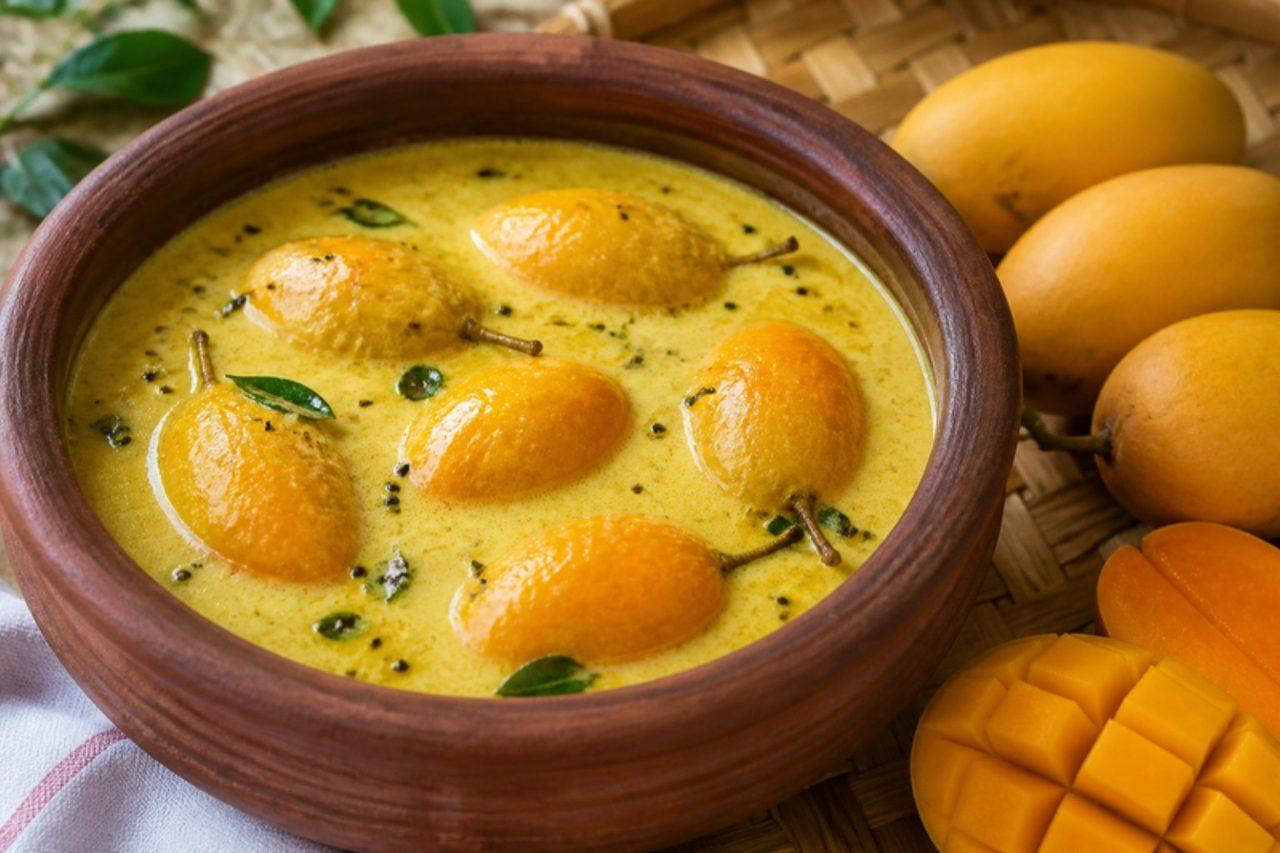
Mambazha pulisseryRipe mango yogurt curry

Mambazha pulissery appears in Kerala kitchens in April and May, when small, fragrant village mangoes fall from the trees, and it is often on the Vishu sadya. Whole small ripe mangoes, or chunks of bigger ones, are simmered with jaggery and chilli until syrupy, then loosened with a coconut-cumin paste and lightly soured yogurt. Unlike kalan, it stays thin and pourable: sweet, tangy and mildly hot, with the fenugreek tempering on top. Pour it over rice, with a thoran on the side. Chef's tip: use very ripe, slightly fibrous mangoes; firm ones make it sour and the sweetness never comes through.

by KrazyBadal 0 views

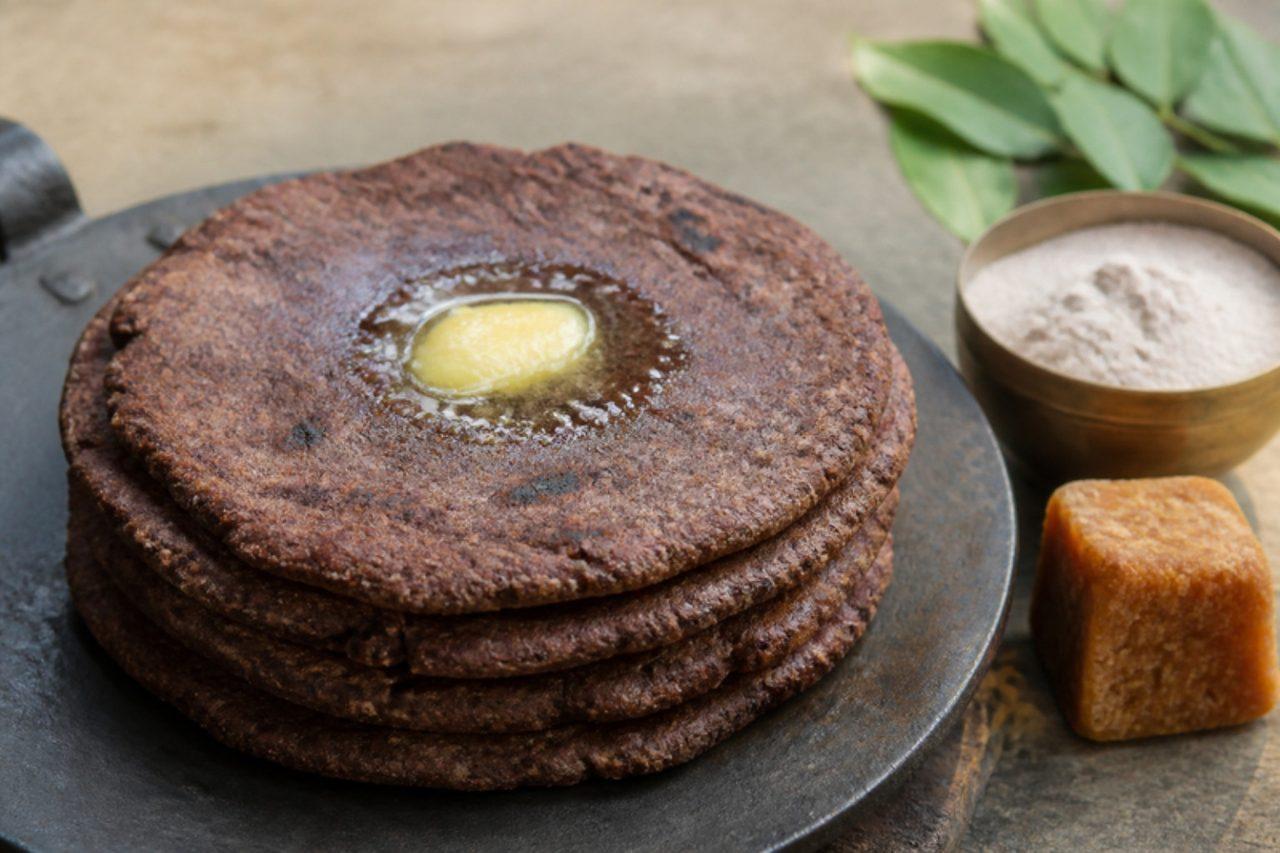
Mandua ki rotiFinger millet flatbread

Mandua, or finger millet, is the grain that hill farmers in Uttarakhand have relied on for generations, and its roti is the staple of a pahadi winter kitchen. The rotis come out dark brown, slightly sweet and earthy, and they are eaten hot from the tawa with a spoon of ghee, kafuli or a bowl of chainsoo, sometimes with jaggery on the side. With no gluten to hold it together the dough is fragile, so cooks pat it out between wet palms rather than rolling it. Chef's tip: knead the dough in two small batches with hot water; millet dough dries and cracks quickly, so the second batch stays fresh while you cook the first.

by KrazyBadal 0 views

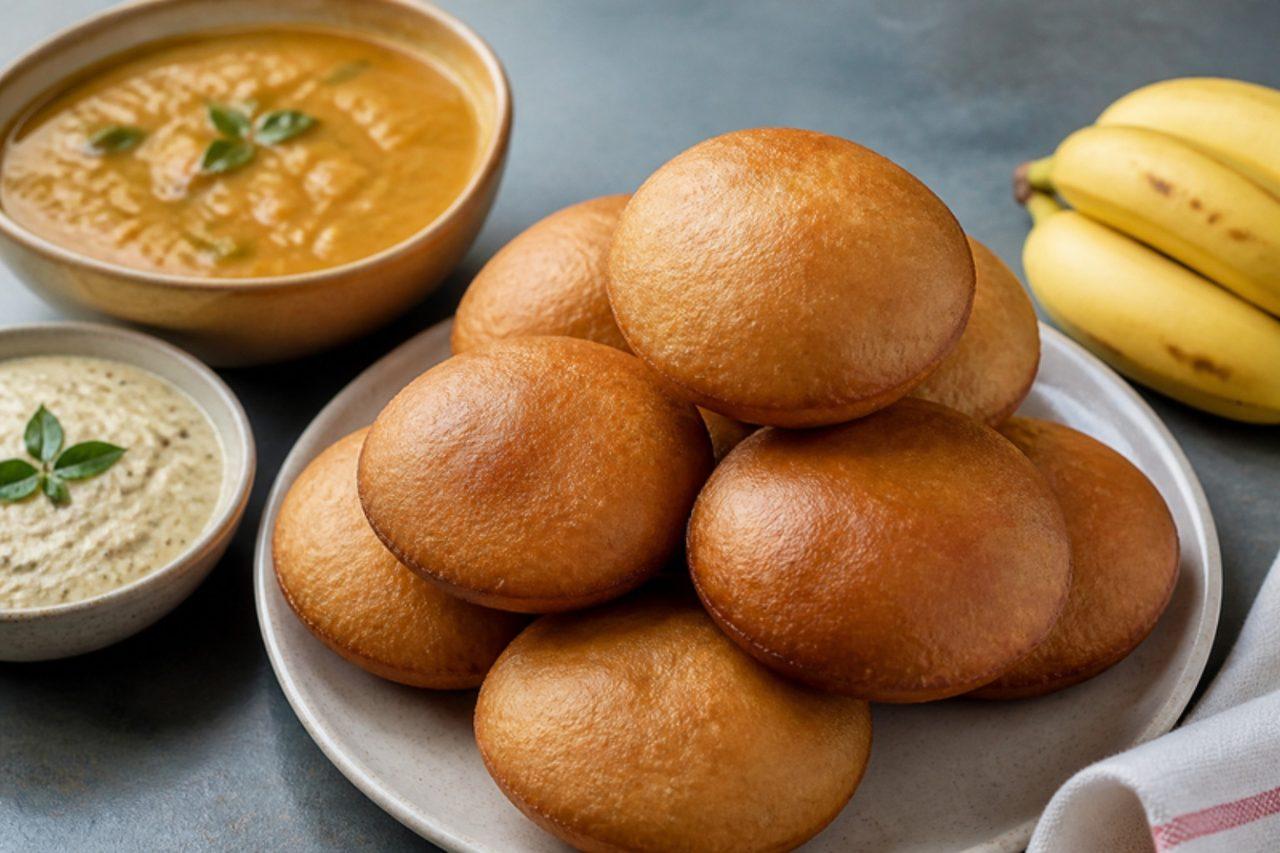
Mangalore bunsSweet banana puris

Despite the name, Mangalore buns are not baked at all: they are thick, soft puris made from a dough of overripe bananas, sugar, yogurt and flour, left for hours to turn slightly tangy, then deep-fried until they balloon. Every Udupi restaurant in coastal Karnataka has them on the breakfast board, served with coconut chutney and sambar, and children love them on their own. They are lightly sweet with a hint of cumin and a soft, bready inside. Chef's tip: use bananas with black-flecked skins; underripe bananas give a dense, pale bun that won't brown.

by KrazyBadal 0 views

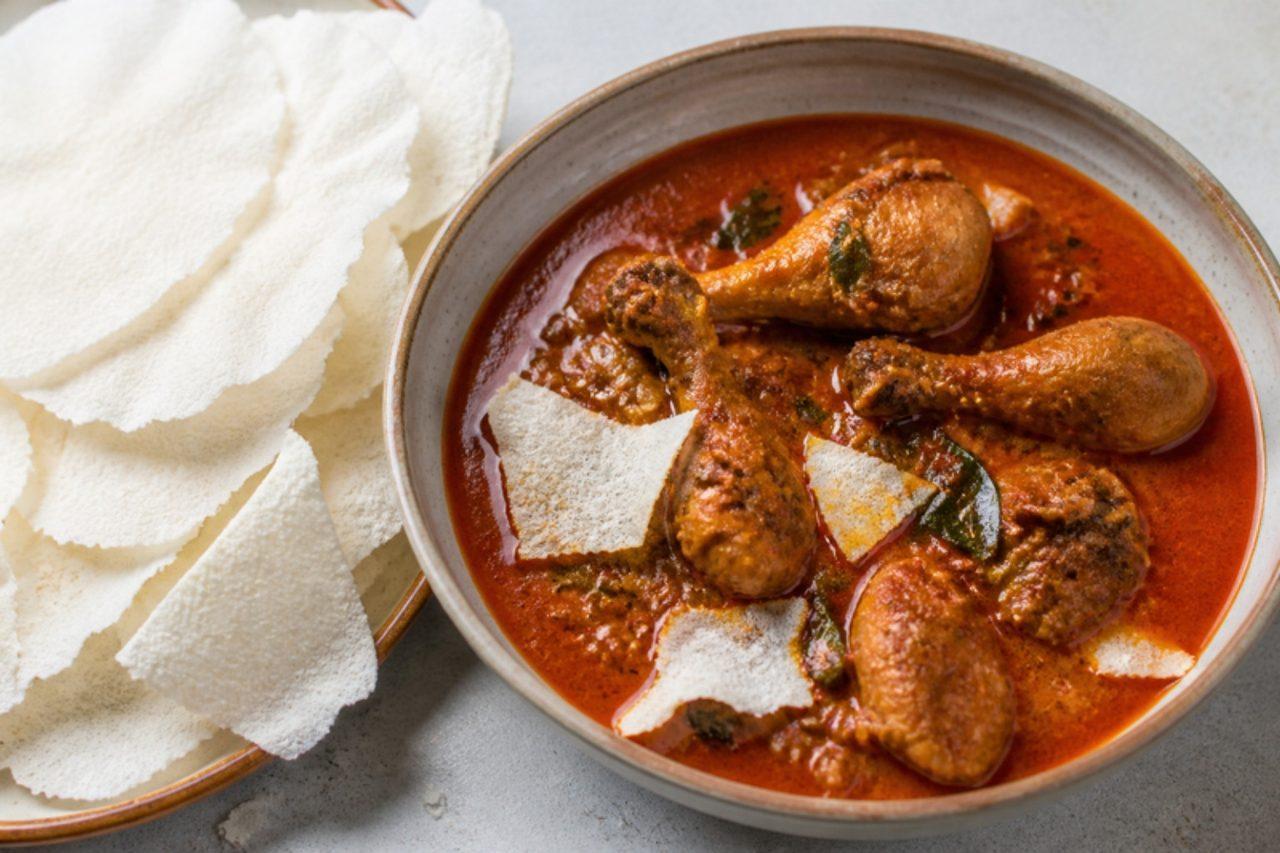
Mangalorean kori rottiCoconut chicken curry

Kori rotti belongs to the Bunt community of Mangalore and Udupi, where it is cooked for weddings, the Aati festival and Sunday lunches. Kori is chicken, simmered in a thin, red coconut-milk gravy built on roasted Byadgi chillies; rotti are paper-thin dried rice wafers, bought in stacks and crumbled into the plate just before the curry goes over. They soften at the edges and stay crunchy in the middle. Chef's tip: pour the curry over the rotti only at the table; left to sit, the wafers turn to mush.

by KrazyBadal 0 views

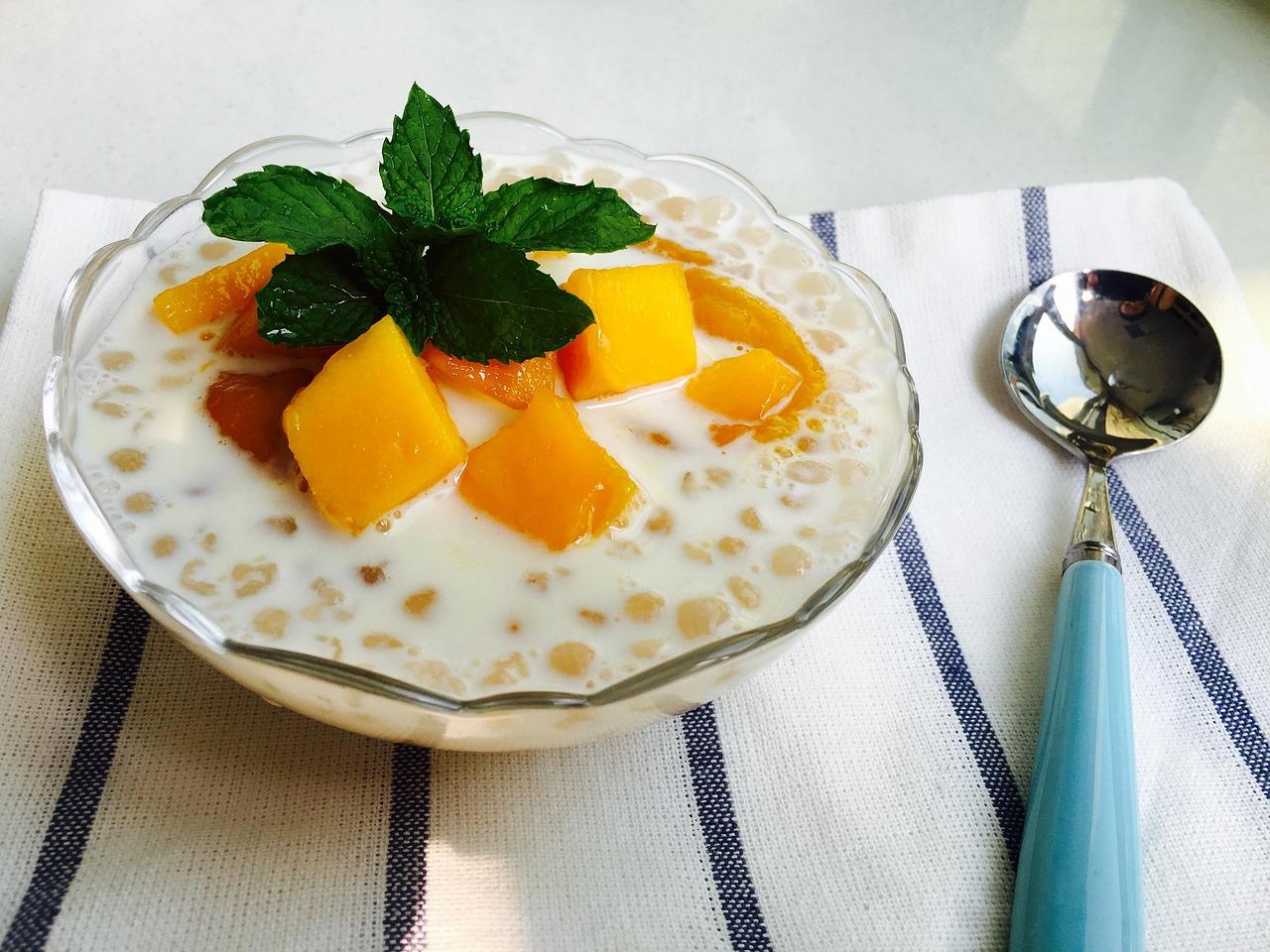
Mango pomelo sagoMango, pomelo and sago dessert

Yeung chi gam lo was created in a Hong Kong restaurant in the 1980s and quickly became the city's favourite summer dessert, served in dessert shops late into the night. It's half drink, half pudding: puréed ripe mango mixed with coconut and evaporated milk, studded with chewy sago pearls, mango cubes and juicy pomelo. Chef's tip: rinse the cooked sago under cold water until it stops feeling slimy; this keeps each pearl separate and the dessert clean-tasting.

by KrazyBadal 0 views

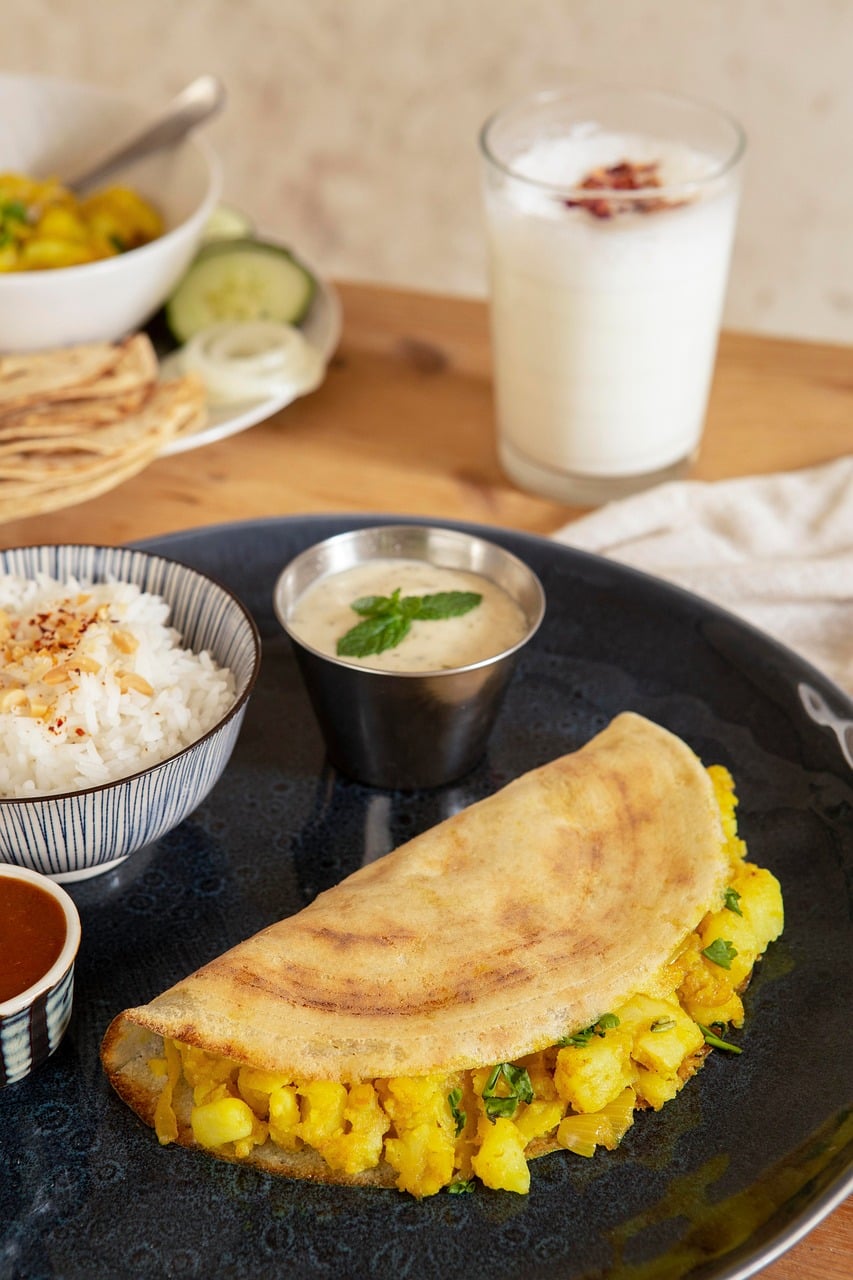
Masala dosaPotato-filled rice crêpes

Masala dosa is the breakfast of Tamil Nadu and Karnataka: a huge, thin, golden crêpe of fermented rice and urad dal batter, crisp at the edges and soft in the middle, folded around a turmeric-yellow potato and onion filling tempered with mustard seeds and curry leaves. In Chennai and Bengaluru it's eaten at small tiffin rooms with coconut chutney and a bowl of sambar, torn by hand. The batter takes planning, soaking in the morning and fermenting overnight, but one batch makes dosas for two or three days. Chef's tip: wipe the hot griddle with a cut onion dipped in oil, then sprinkle on water; if it sizzles away in a second the pan is ready, and the batter will spread thin without sticking.

by KrazyBadal 0 views

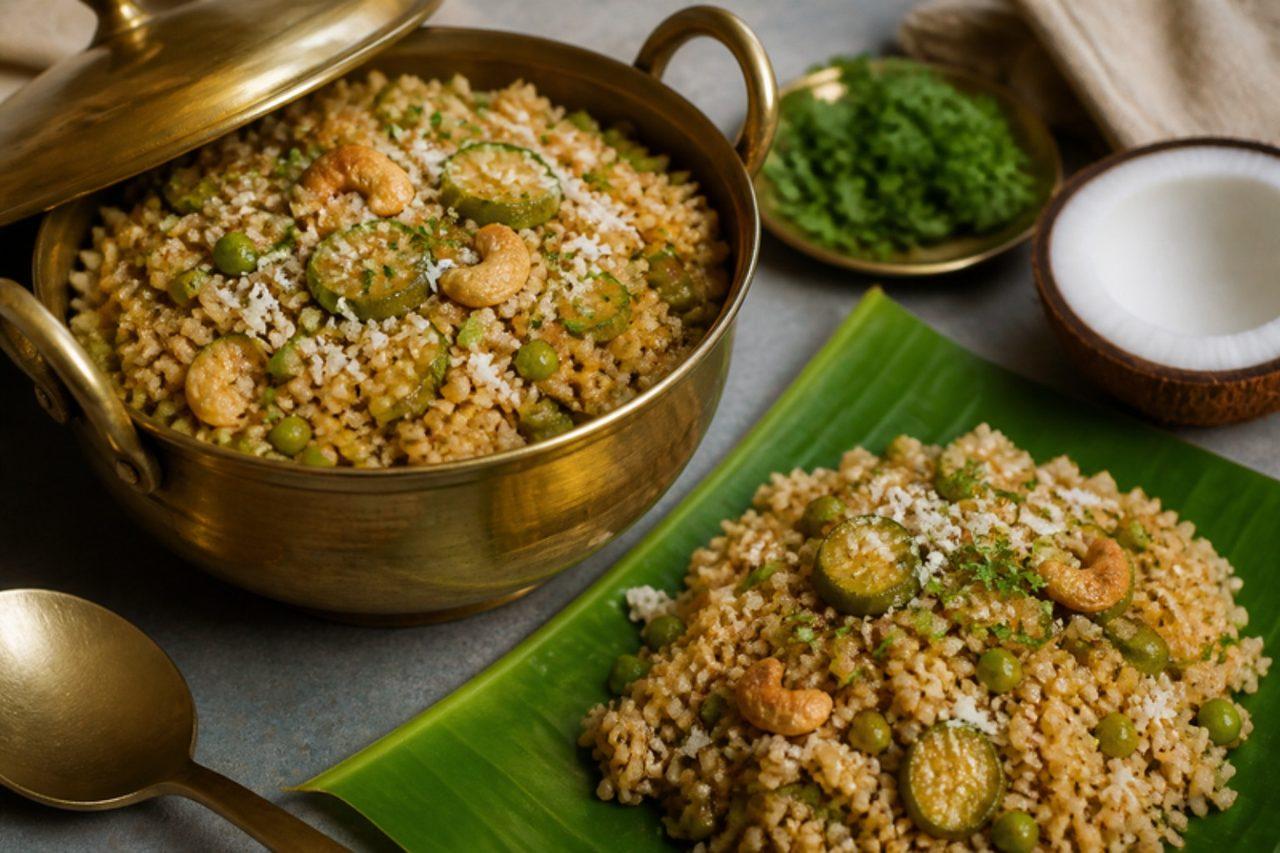
Masale bhaatSpiced rice with ivy gourd

At a traditional Maharashtrian wedding lunch in Pune, the masale bhaat arrives in a steel bucket, deep brown-gold with goda masala, studded with tondli, peas and cashews and topped with fresh coconut and coriander. Unlike a pulao it is not delicate: it's spiced, a touch sweet from jaggery, and made with short-grain ambemohor or indrayani rice that turns soft and fragrant. A squeeze of lemon, a spoon of ghee and a bowl of kadhi or mattha (spiced buttermilk) on the side make it a meal. Chef's tip: slice the ivy gourd lengthways into quarters, not rounds, so it holds its shape and stays crunchy through the steaming.

by KrazyBadal 0 views

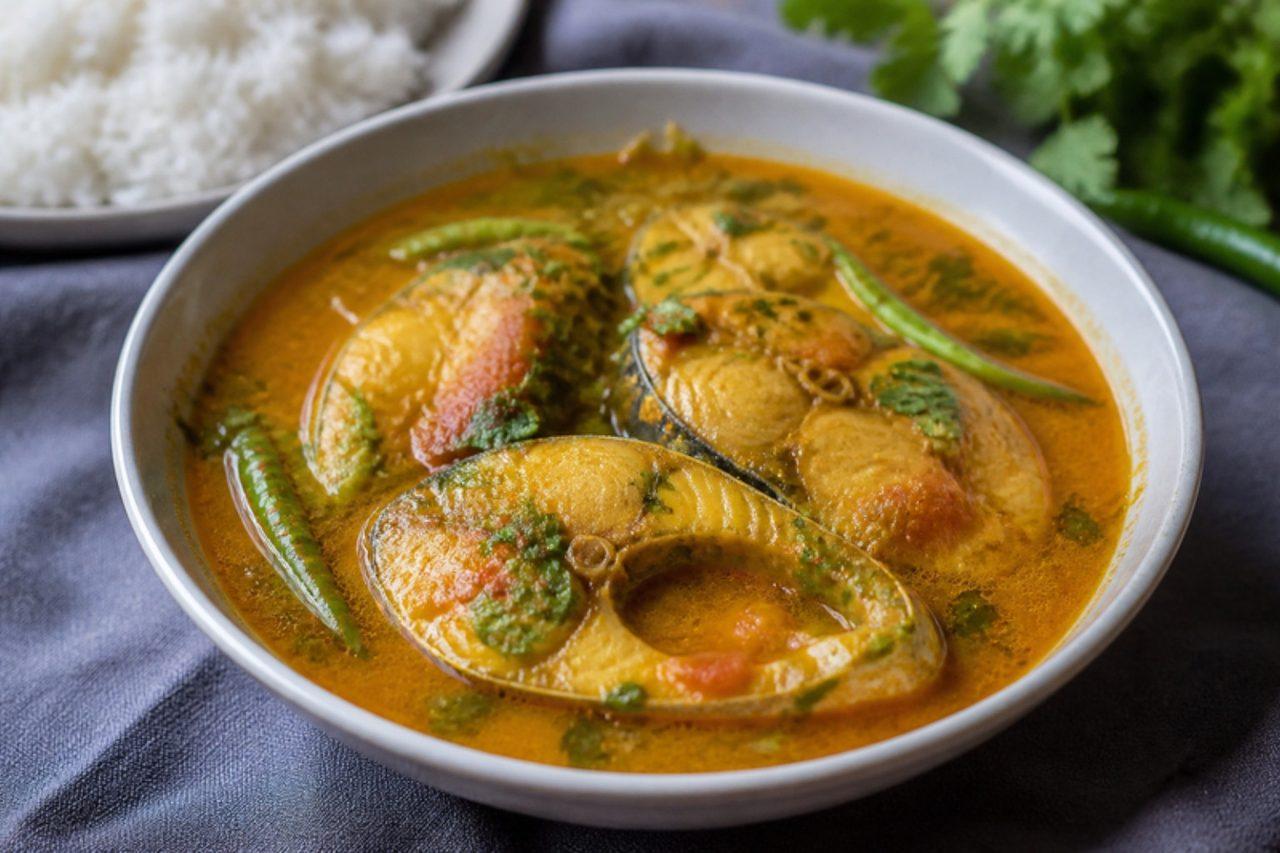
Masor tengaSour fish curry

In Assamese homes the meal usually ends, not begins, with a sour dish, and masor tenga is the most loved of them: river fish in a thin, tangy broth of ripe tomatoes and lemon. It is light enough for a hot afternoon on the Brahmaputra plains and is eaten with plenty of plain rice. Some families sour it with elephant apple or dried mangosteen (thekera) instead of lemon. Chef's tip: cook it in mustard oil and let a few fenugreek seeds sizzle first; that slight bitterness is the backbone of the broth.

40 minIndianFishGluten free
by KrazyBadal 0 views

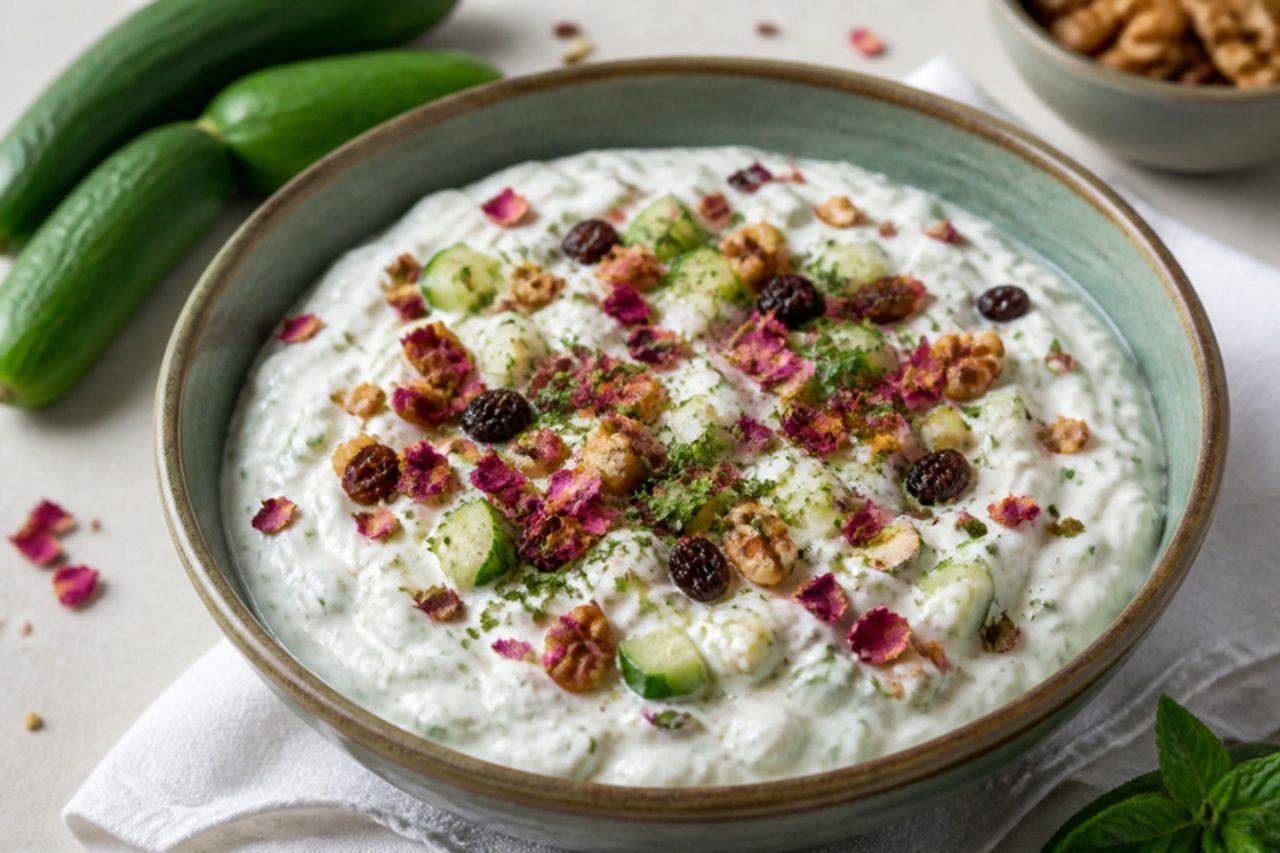
Mast-o khiarCucumber yogurt

Mast-o khiar is the cool yogurt bowl that sits beside rice and stew on Iranian tables all summer, and families pack it in a cool box for picnics in the parks of Tehran and Isfahan. Thick yogurt is mixed with crunchy diced cucumber and dried mint, then dressed up with walnuts, raisins and a scattering of dried rose petals, which make it sweeter and more fragrant than the plain garlic-cucumber dips of its neighbours. Serve it with polo, kuku or simply with bread. Chef's tip: soak the raisins in warm water for 10 minutes first so they are plump, not chewy.

by KrazyBadal 0 views

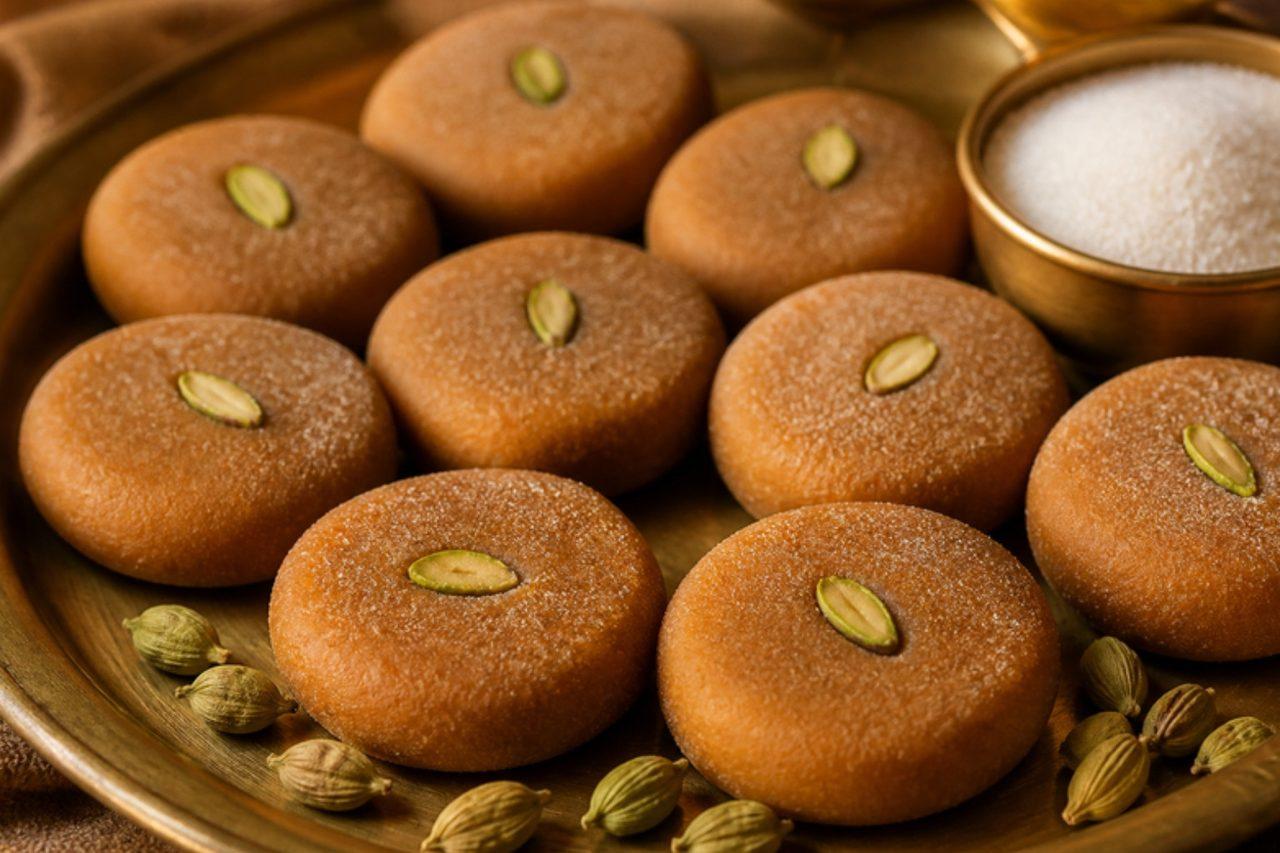
Mathura pedaMilk fudge discs

Mathura in Uttar Pradesh, Krishna's birthplace, has a peda all its own: not the pale milky kind found elsewhere, but a dusty-brown disc with a deep, toffee-like flavour from milk solids slowly roasted until they caramelise. Pilgrims buy boxes after visiting the temples, and they are made in huge batches around Janmashtami as an offering. The texture should be dense yet slightly grainy, rolled in fine boora sugar so the outside sparkles. The usual mistake is rushing the roasting over high heat, which scorches the khoya in spots and makes it bitter and greasy. Chef's tip: keep the heat low and scrape the bottom of the pan constantly; the colour should change gradually from cream to light brown, then to the shade of milky coffee.

by KrazyBadal 0 views

Mawa batiMilk solid dumplings

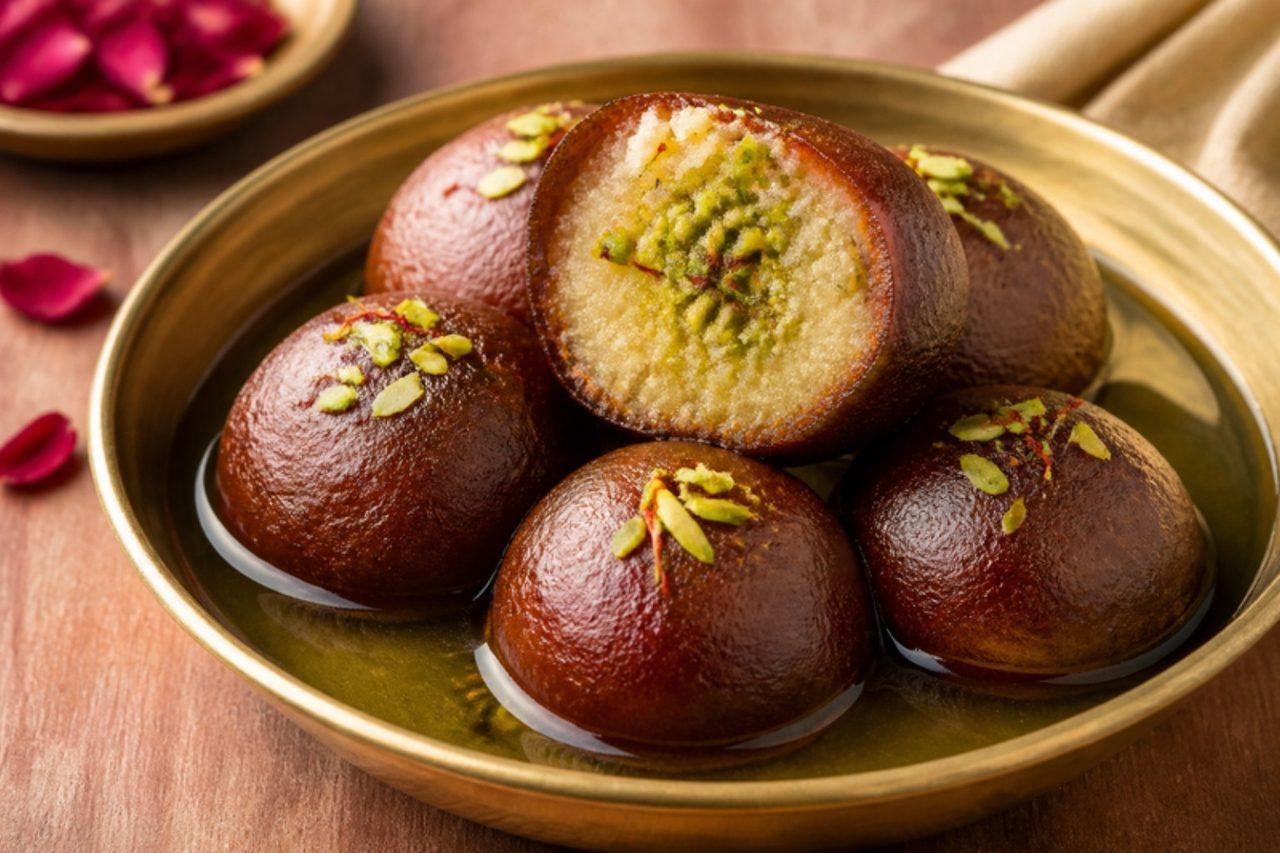
Ask a halwai in Ujjain, Indore or Ratlam for something festive and they will point to mawa bati: a fist-sized cousin of gulab jamun, made richer with more khoya, fried slowly to a near-mahogany shell and stuffed with nuts, saffron and cardamom. It turns up on wedding menus across Malwa and in sweet-shop boxes at Diwali, usually served warm with a spoonful of its own syrup. Cutting one open to find the green-gold filling is half the pleasure. Chef's tip: fry on a really gentle heat, with the oil barely shimmering; the bati should take a full 12–15 minutes to darken, which is how the middle cooks through.

by KrazyBadal 0 views

Mawa jalebiMilk solid jalebi

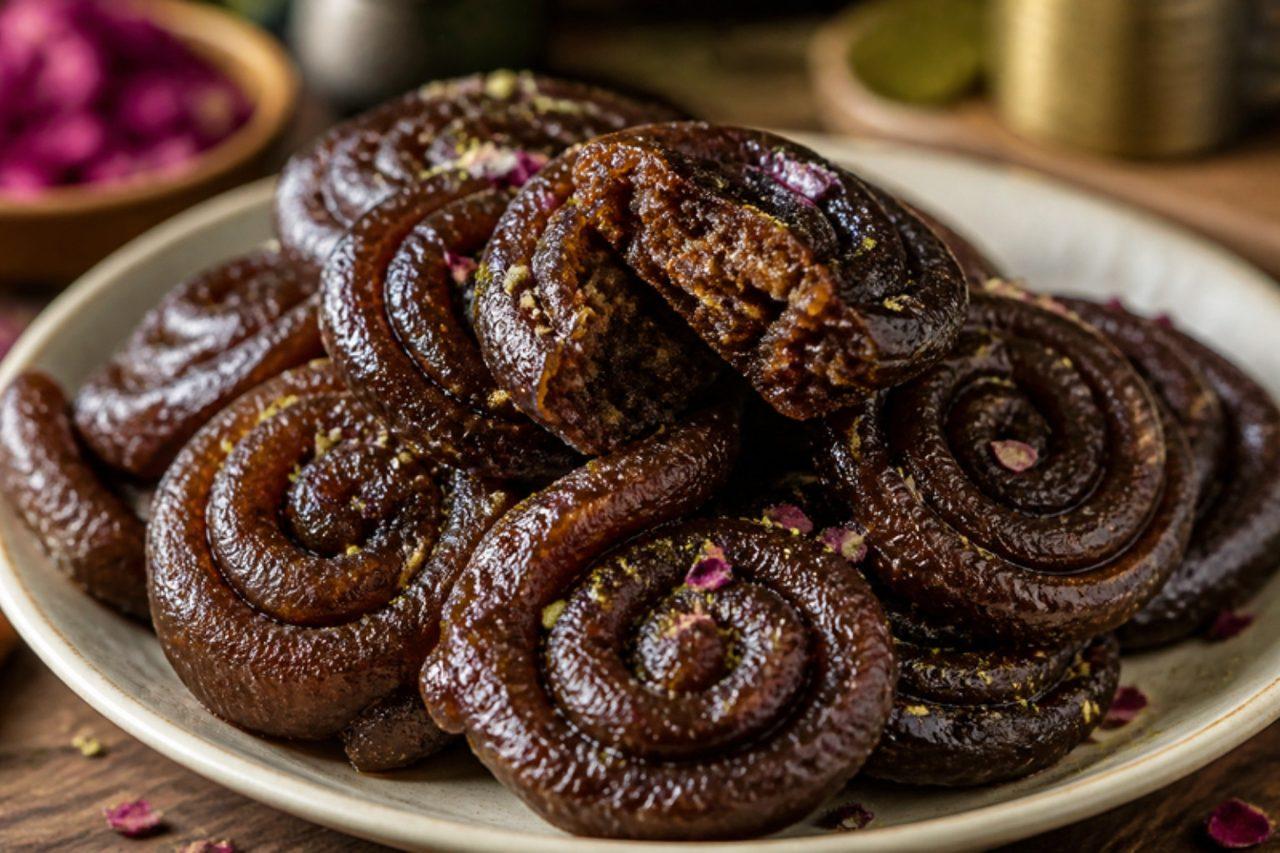
Mawa jalebi, sometimes called khoya jalebi, belongs to Jabalpur and the towns of the Mahakoshal region of Madhya Pradesh, where sweet shops sell them stacked like dark brown coils. Unlike the crisp batter jalebi piped into hot oil, these are rolled from a soft khoya dough into ropes, coiled by hand and fried slowly, so they come out tender and almost fudgy inside a thin caramelised skin. They are eaten warm on winter mornings and bought by the kilo for weddings. Chef's tip: roll the ropes no thicker than a pencil; thicker coils look generous but stay doughy at the core.

by KrazyBadal 0 views

MedovikHoney layer cake

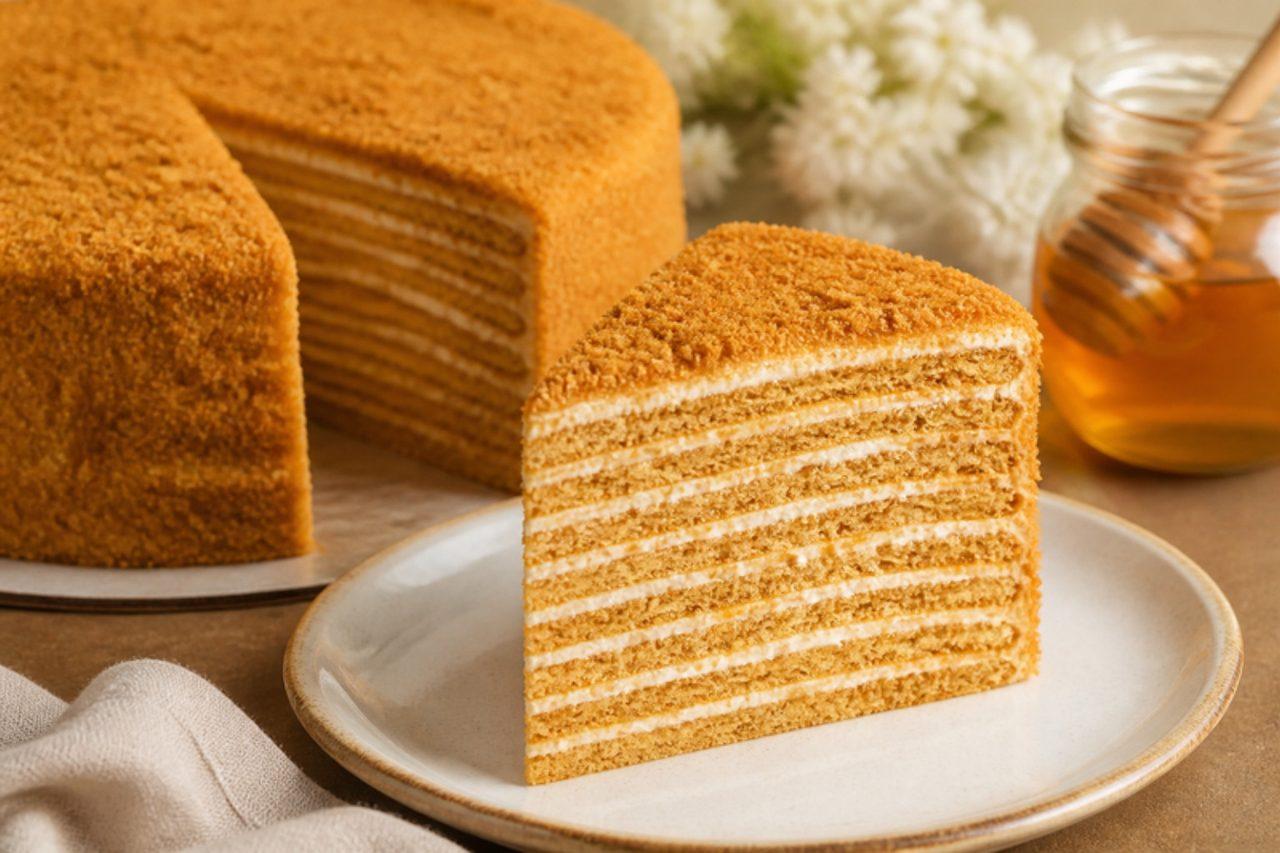
Medovik, the honey cake, is the birthday and name-day cake of countless Ukrainian homes, from Dnipro to Zaporizhzhia, and is shared with kitchens across the former Soviet Union. Eight thin layers of honey-caramel dough are baked like biscuits, then stacked with a tangy sour-cream frosting and left overnight, when they soften into a tender, moist cake. The crumbs from trimming coat the outside. Because it is made with honey and eggs, it is vegetarian but not vegan. Chef's tip: cook the honey, sugar and butter until it turns a deep amber before the bicarbonate goes in; that caramel is the whole flavour of the cake. Common mistake: cutting it the same day, before the layers have soaked up the cream, when it is still dry and hard.

by KrazyBadal 0 views

Medu vadaUrad dal doughnuts

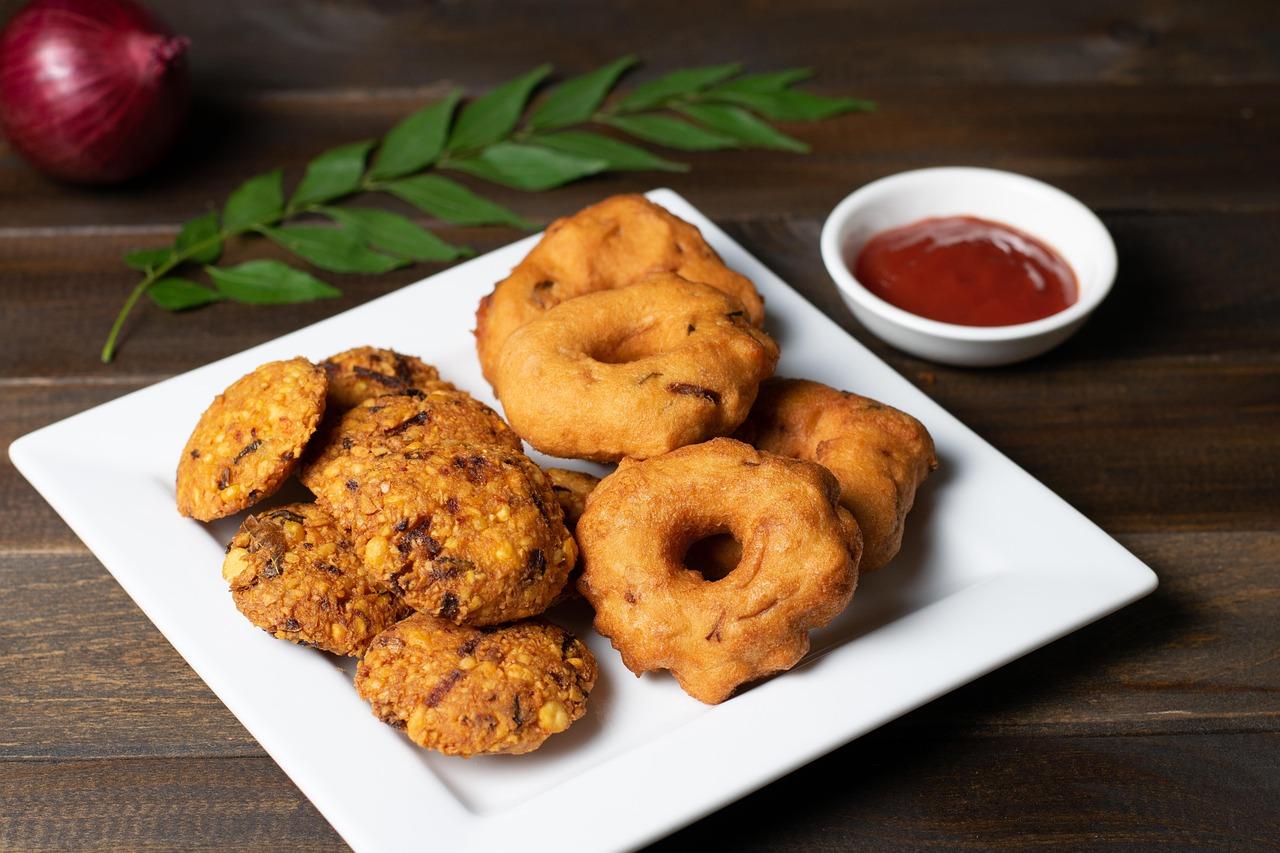
Medu vada are the ring-shaped lentil fritters eaten all over Tamil Nadu and the rest of the south for breakfast, with idli, sambar and coconut chutney. A good one has a thin, crisp, golden shell and an inside as light and airy as a cloud, flecked with black pepper, ginger, green chilli and curry leaves. The secret is a very thick batter ground with as little water as possible and then whipped full of air. Serve them hot, dunked in sambar, or soaked in rasam as 'rasa vada'. Chef's tip: drop a little batter into a bowl of water before you shape them; if it floats, it's airy enough, and if it sinks, beat it by hand for another few minutes.

by KrazyBadal 0 views

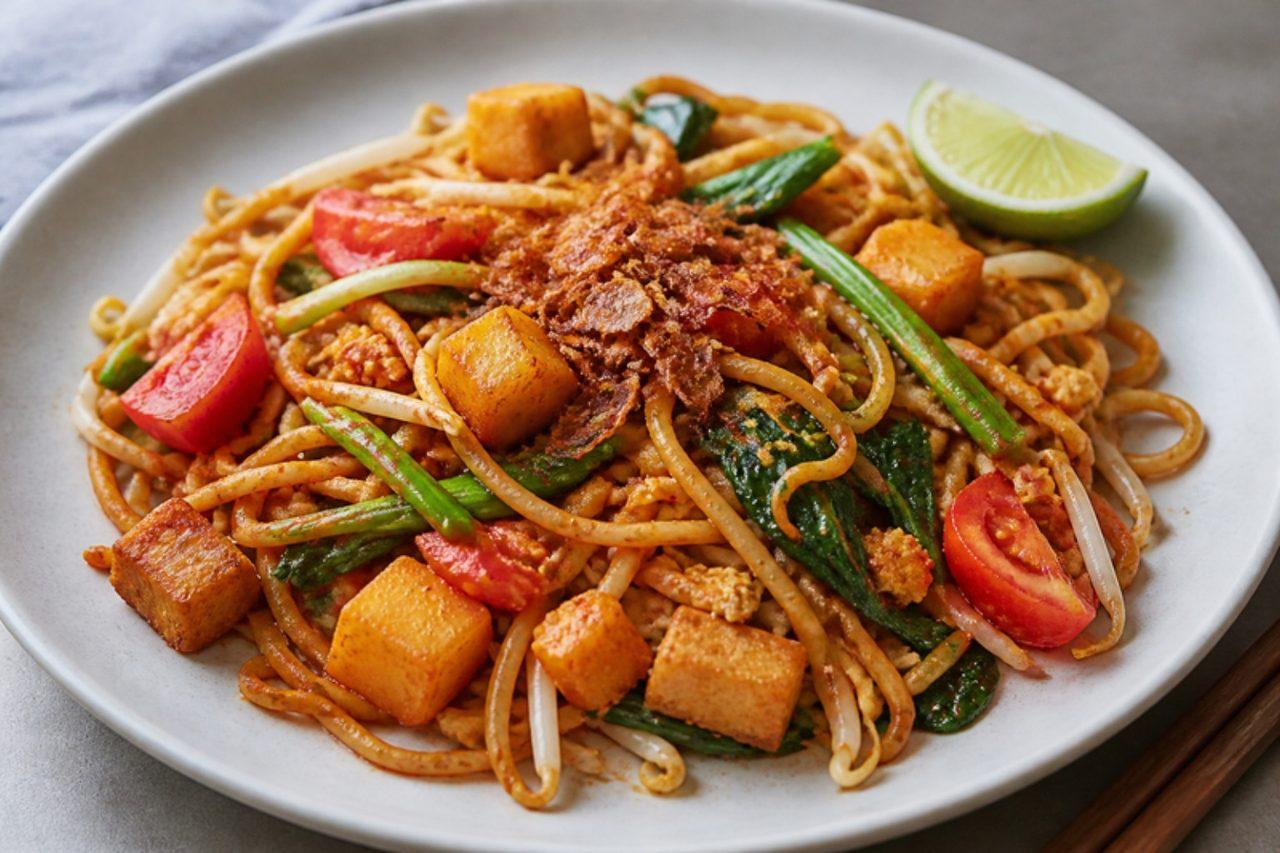
Mee goreng mamakFried yellow noodles

Mamak stalls, the round-the-clock cafés run by Malaysia's Tamil Muslim families, are where friends meet after a football match or a late film, and mee goreng mamak is the plate everyone orders with a glass of pulled tea. It's yellow noodles tossed hard in a wok with tomato sauce, chilli, soy, a pinch of curry powder, soft potato that breaks into the sauce, tofu, egg and bean sprouts, finished with a squeeze of lime. Stalls often add squid or prawns; here the tofu does that job. It's sweet, smoky, tangy and a little messy, as it should be. Chef's tip: get the wok really hot and let the noodles sit untouched for 20 seconds between tosses so they char in spots.

by KrazyBadal 0 views

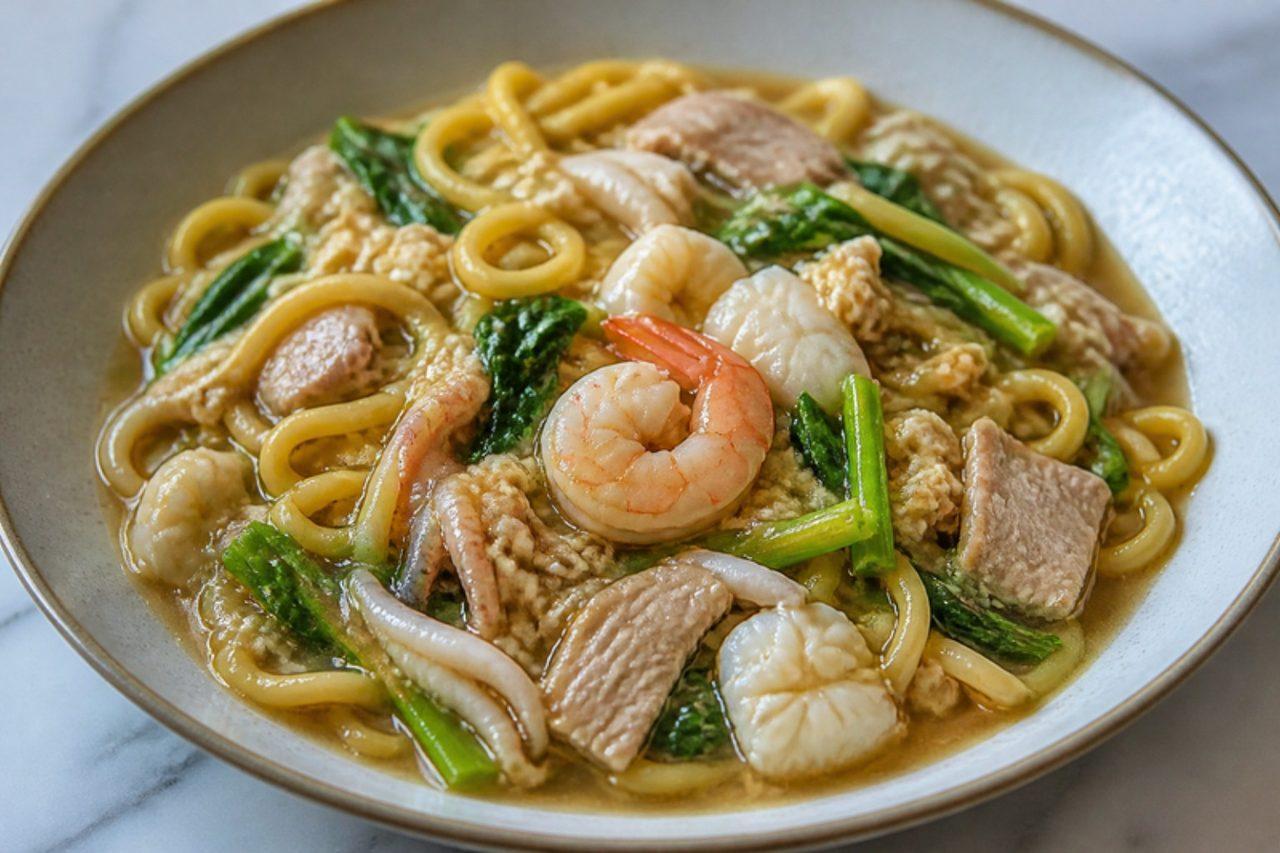
Mee hokkien PhuketThick yellow noodle stir-fry

In the Sino-Portuguese shophouses of Phuket Town, descendants of Hokkien tin miners still begin the day with this: fat, chewy yellow egg noodles fried with pork, prawns and squid, then simmered in a little stock until the sauce becomes a savoury gravy that coats every strand, with an egg stirred through at the end. It is the island's signature noodle, ordered in old coffee shops with a glass of strong local coffee or a bowl of clear pork soup. The texture is slippery and thick, the flavour mellow and peppery rather than hot, so chilli vinegar goes on the table. Chef's tip: loosen the fresh noodles under hot water before they go in the wok; cold, stuck-together noodles snap into short pieces when tossed.

by KrazyBadal 0 views

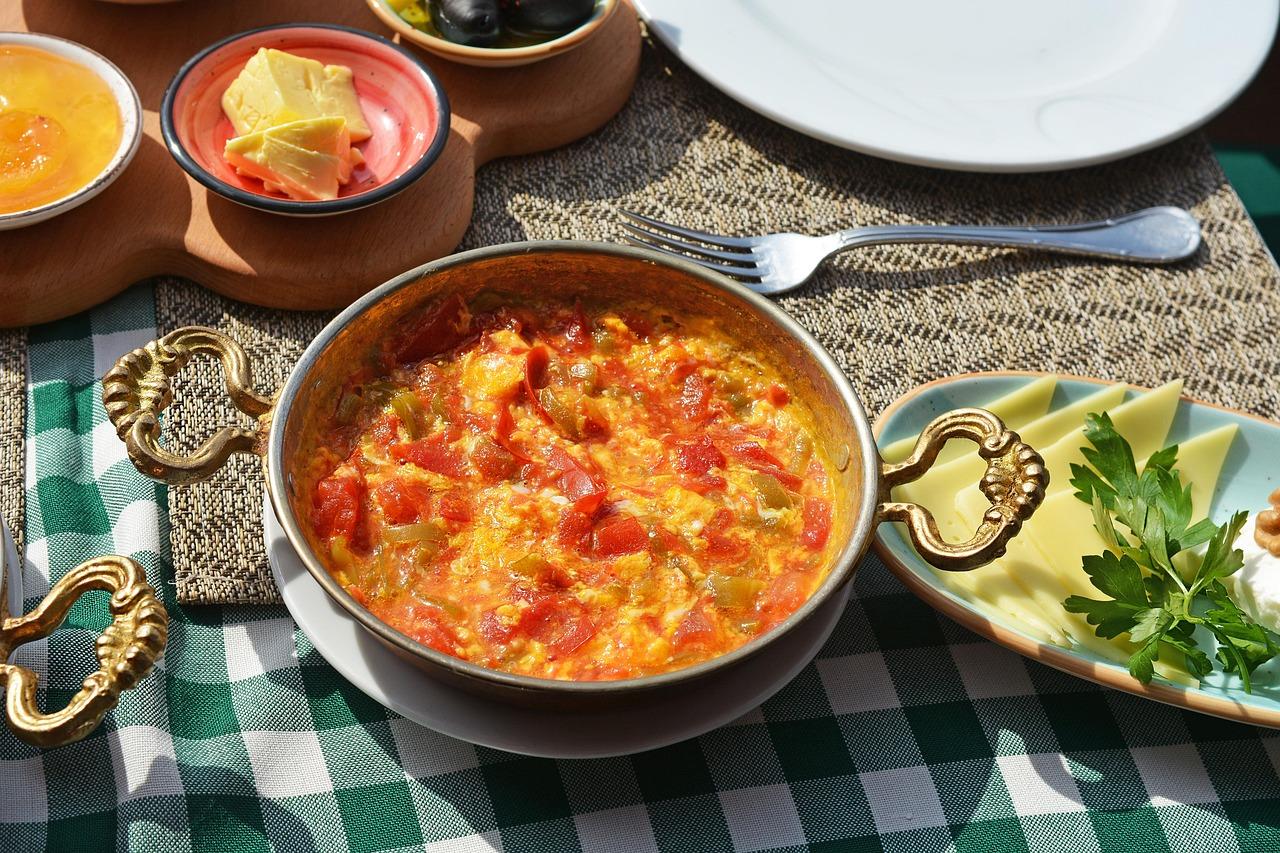
MenemenScrambled eggs with peppers and tomato

Sunday breakfast in Turkey rarely passes without a sizzling pan of menemen set in the middle of the table, crowded by olives, cheese, cucumber and glasses of tea. Mild green peppers are softened in olive oil, ripe tomatoes are cooked down to a jammy sauce, and then the eggs are broken in and gently stirred so they set into soft, juicy ribbons streaked with red. Everyone eats from the pan, tearing bread to scoop it up. Whether onion belongs in it is a national argument; here it is optional. Chef's tip: let the tomatoes bubble until almost all their liquid has gone before the eggs go in, or the menemen will be watery.

by KrazyBadal 0 views

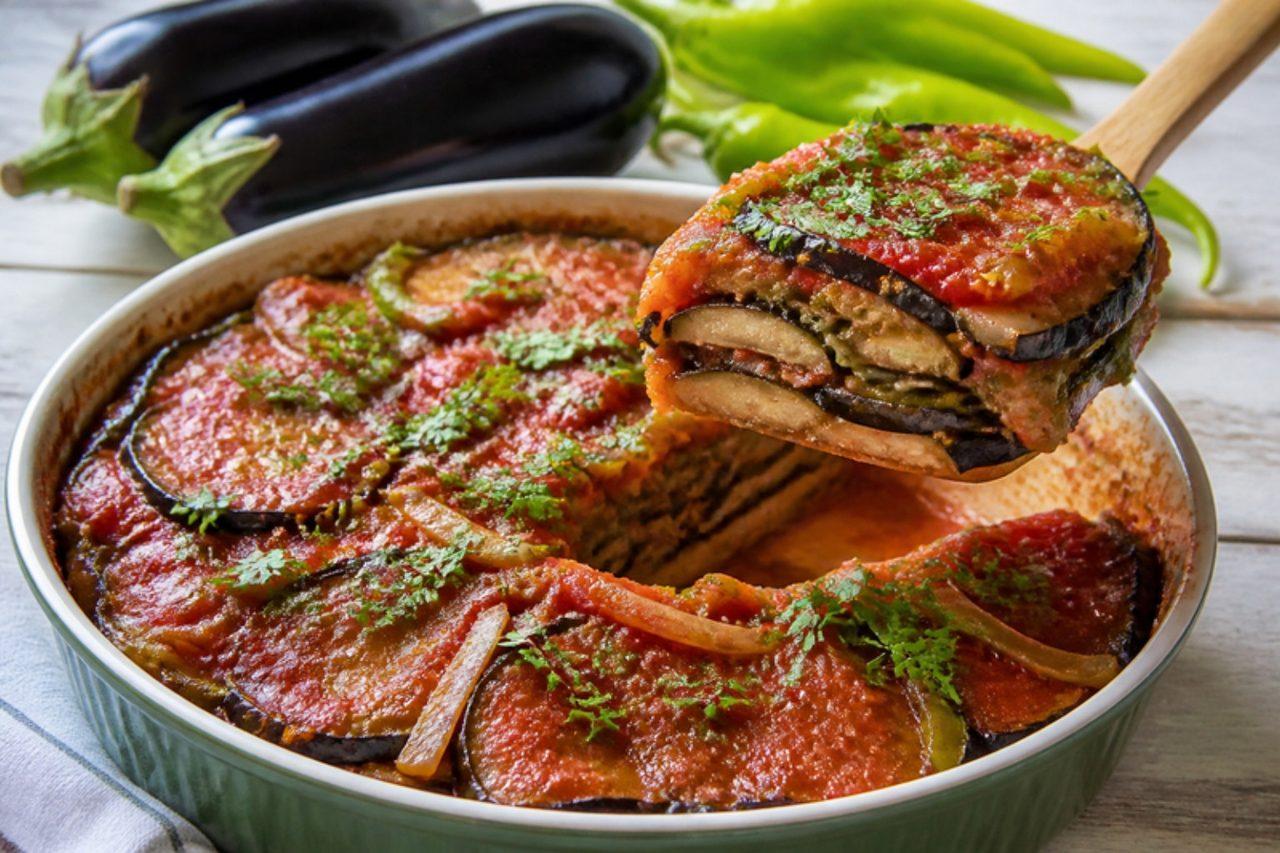
Mesaqa'aBaked aubergine and pepper

Mesaqa'a shares a name with Greek moussaka but is a different dish: there's no béchamel and no cheese, just fried aubergine slices baked in a garlicky tomato sauce with green peppers and chilli until soft and jammy. In Cairo it is a weekday family dish and a favourite during the summer heat and in the Coptic fasting seasons, when many families eat no animal products; it tastes even better the next day at room temperature, scooped up with baladi bread. Chef's tip: salt the aubergine and press it dry, then roast or shallow-fry it until truly golden; pale aubergine makes a watery, grey mesaqa'a.

by KrazyBadal 0 views

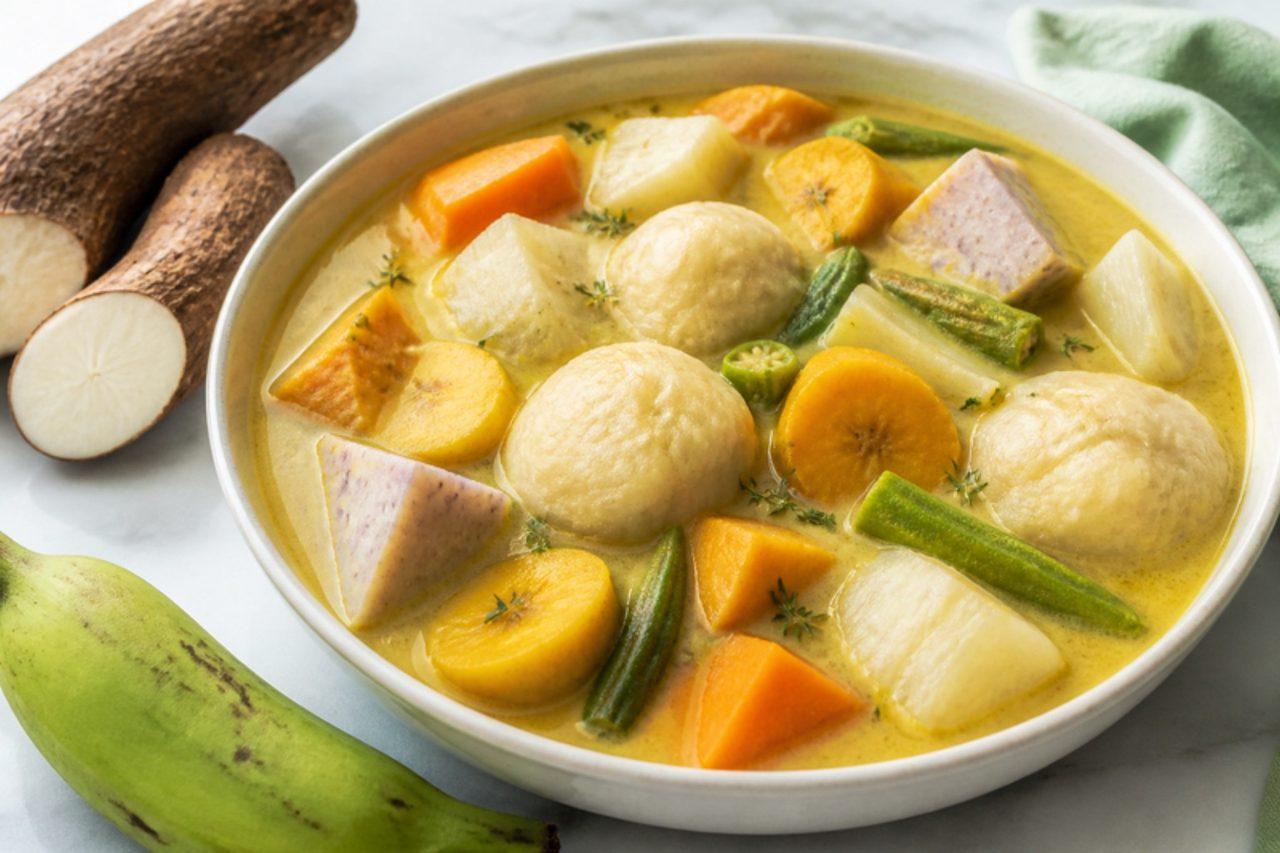
MetemgeeRoot vegetable and dumpling stew

Metemgee (also mettagee or 'mettem') is Guyanese country food from the coastal villages: ground provisions, cassava, eddoes, sweet potato, yam and plantain, layered in a pot and cooked in coconut milk until soft, with duff (dumplings) steamed on top. The broth thickens from the starch into a creamy, thyme-and-pepper gravy. It's usually served with fried salt fish; here it's all vegetables, with okra added. Chef's tip: layer the hardest vegetables at the bottom and the softest on top, then don't stir; everything ends up cooked at the same moment.

by KrazyBadal 0 views

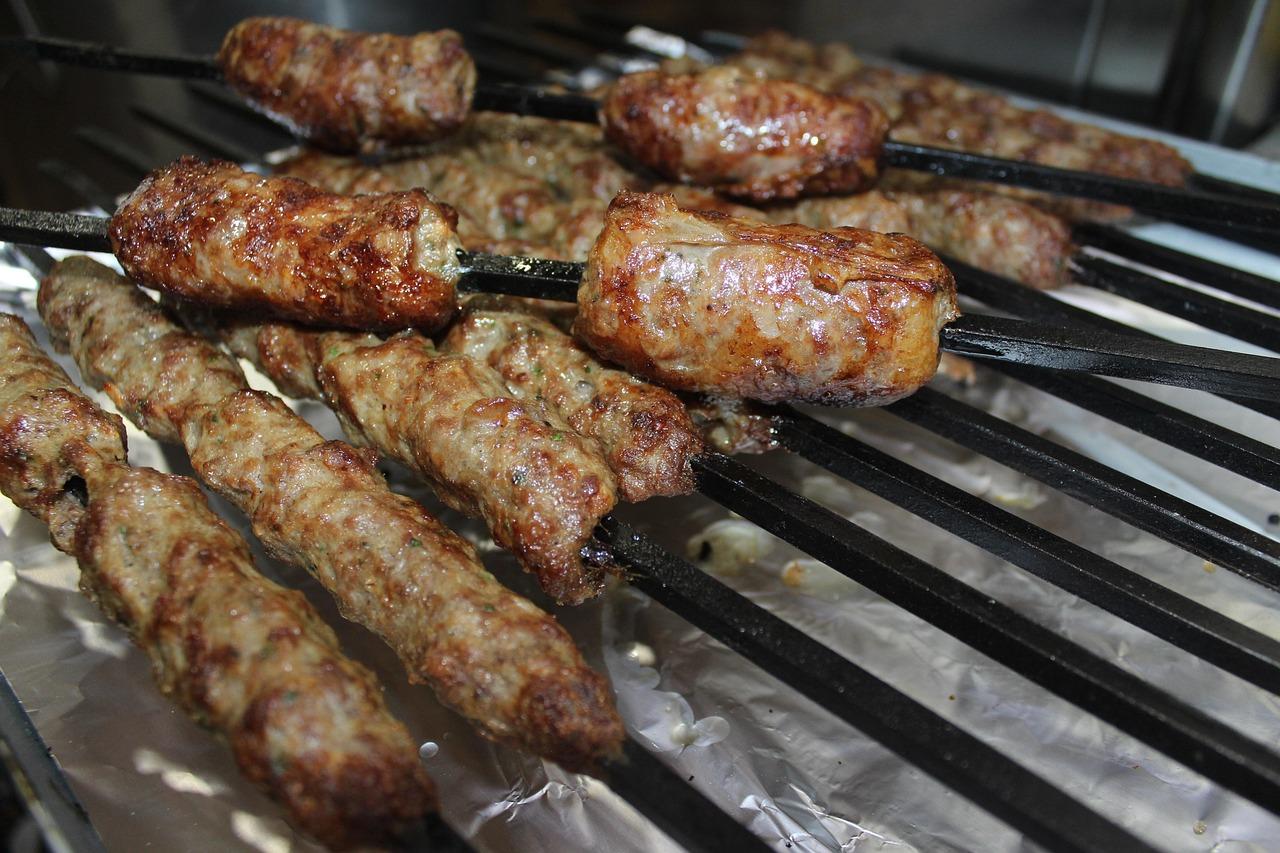
MiciGrilled skinless sausages

Every Romanian park, beer garden and May Day picnic smells of mici, the little skinless rolls of minced beef and lamb that sizzle on charcoal grills from Bucharest's Obor market to the Black Sea coast. The mince is beaten with garlic, thyme, a strong beef stock and a little bicarbonate of soda, which makes them springy and juicy inside with a crusty outside. They come in tens, with plenty of mustard, fresh bread and sometimes chips. The usual error is cooking them straight after mixing: the mince needs a night in the fridge for the bicarbonate and garlic to work. Chef's tip: shape them with oiled hands on an oiled tray, and grill them no thicker than your thumb so the middle cooks before the outside burns.

by KrazyBadal 0 views

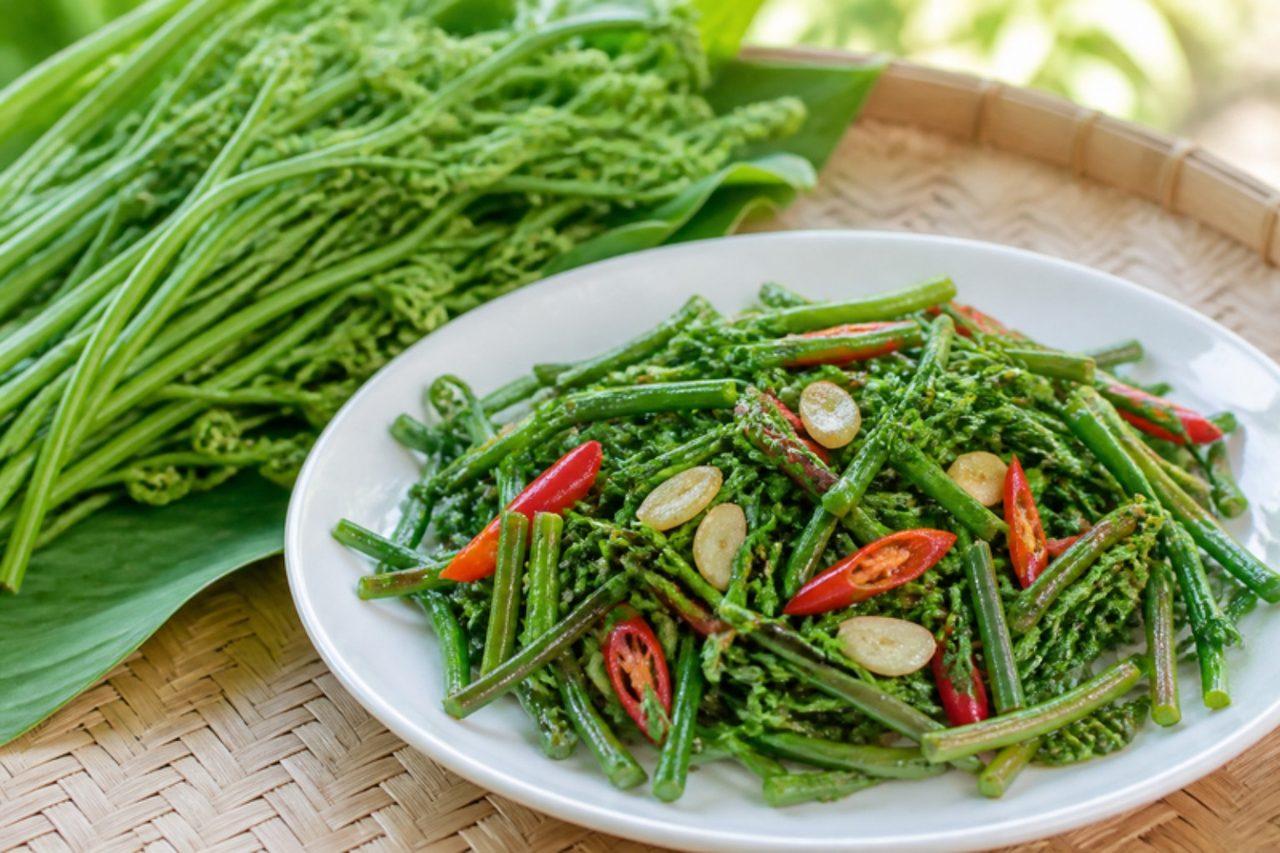
Midin gorengStir-fried jungle fern

Midin is a wild fern that grows in Sarawak's forests, with curly tips that stay crunchy when cooked, and Kuching restaurants serve it at almost every meal. The best-known version uses belacan (shrimp paste); just as common, and what this is, is midin fried hard and fast with plenty of garlic and a little chilli. Outside Borneo, fiddlehead ferns are the nearest match, and young pea shoots or asparagus tips make a good everyday stand-in. Chef's tip: fry in a very hot wok and serve in under 3 minutes; ferns lose their snap quickly.

by KrazyBadal 0 views

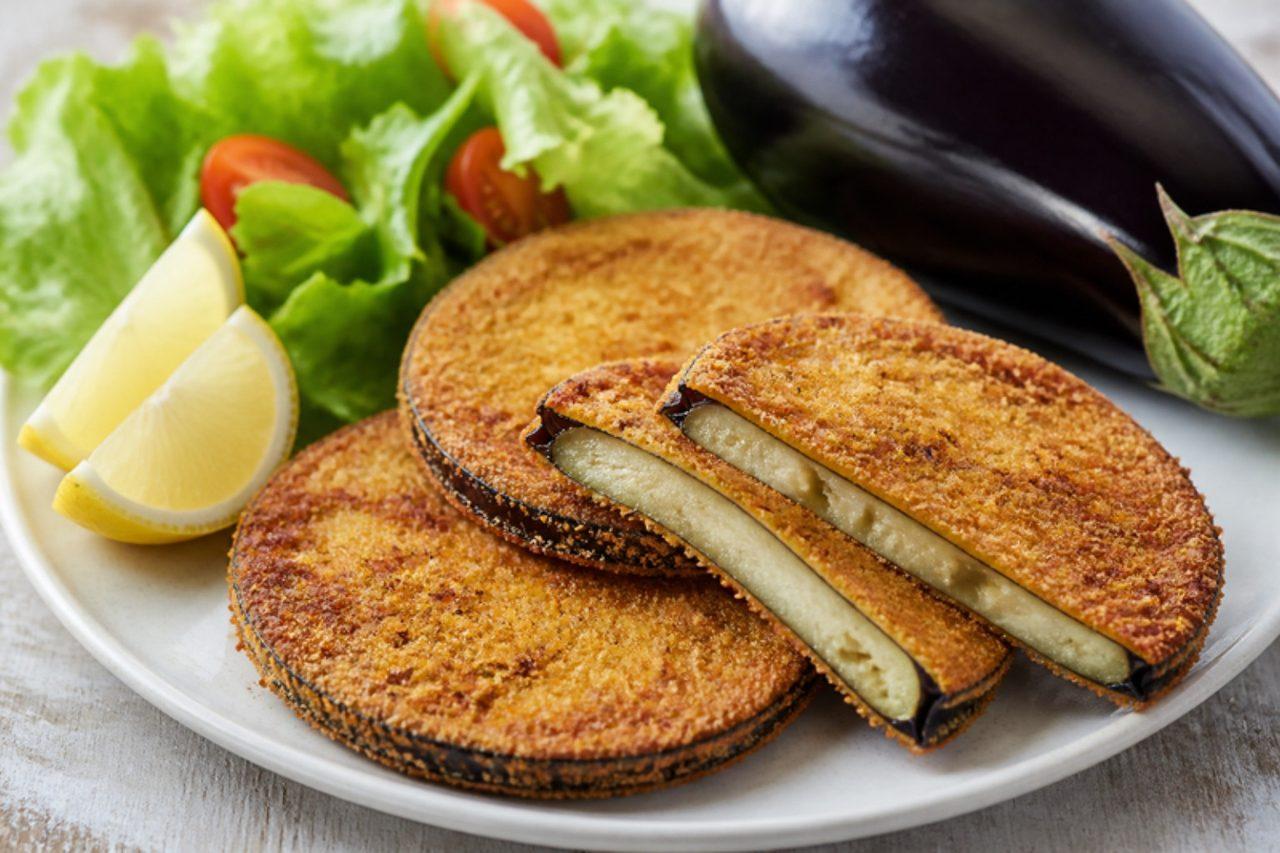
Milanesa de berenjenaBreaded aubergine cutlets

Milanesas, thin breaded cutlets brought by Italian immigrants, are the everyday dinner of Argentina and Uruguay, made in every home from Rosario to Mendoza. Vegetarian families make them with aubergine slices, which turn creamy inside a crunchy golden crumb, and serve them with mashed potato, salad or between bread as a sandwich de milanesa. Children love them with a squeeze of lemon. Turn them into milanesa a la napolitana by topping with tomato sauce and mozzarella and grilling. Chef's tip: season the egg, not just the crumbs: garlic and parsley in the egg are what make an Argentine milanesa taste like home.

by KrazyBadal 0 views

Milanesa de carneBreaded beef cutlet

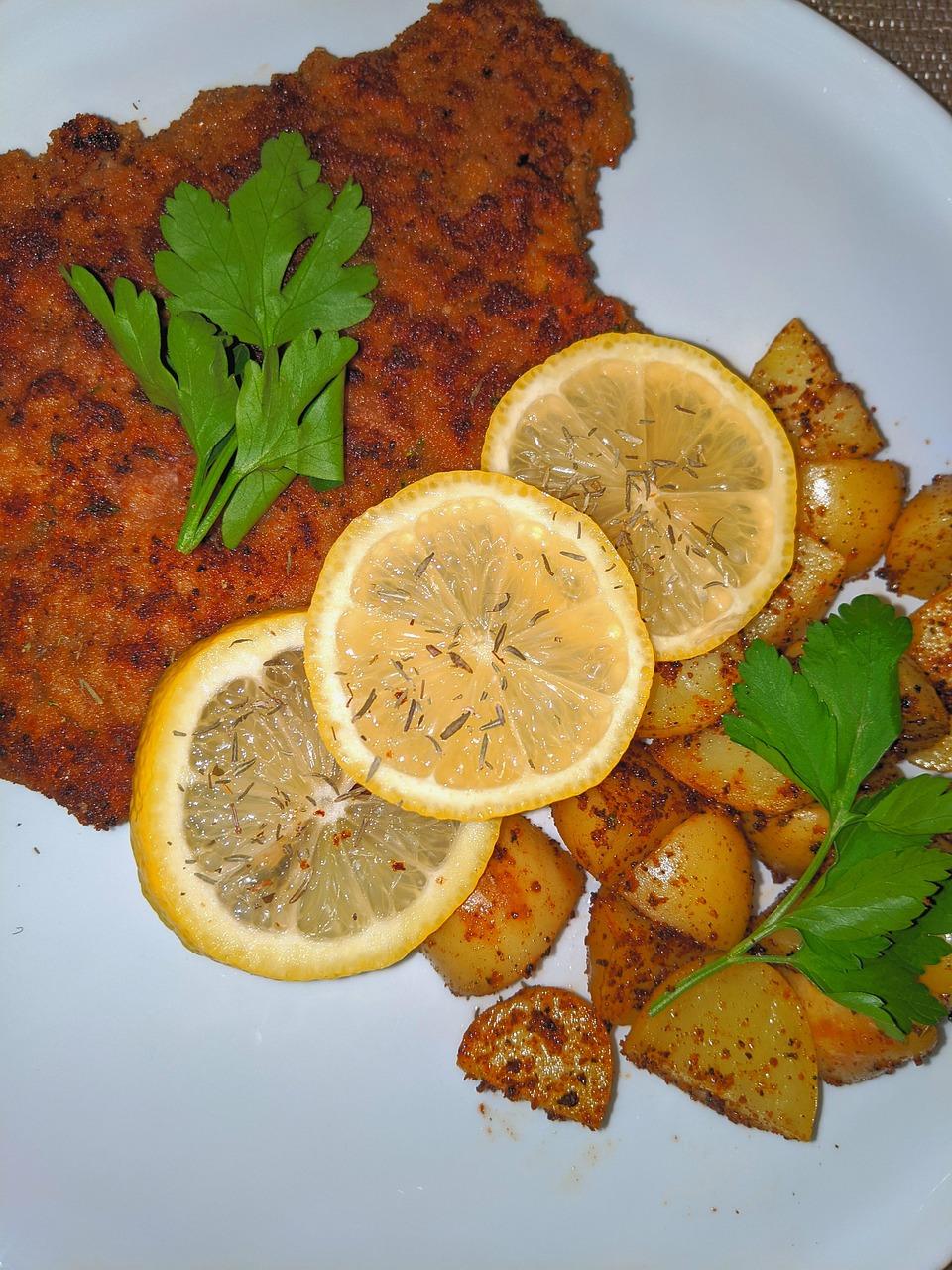
If there is one dinner every Argentine child grows up on, it is milanesa: beef pounded very thin, dipped in garlicky egg, coated in breadcrumbs and fried until golden. It came with Italian immigrants to Buenos Aires and Rosario, and today it is eaten on weekday nights with mashed potato or chips, cold in sandwiches the next day (milanesa al pan), and on long car trips. Lemon wedges are a must. The mistake most people make is leaving the beef too thick; it should be about 5 mm, so it cooks through by the time the crumb is golden. Chef's tip: bread the milanesas, lay them on a tray and chill them for 30 minutes before frying, so the coating sticks firmly and doesn't fall off in the pan.

by KrazyBadal 0 views

Milk tart (melktert)Cinnamon custard tart

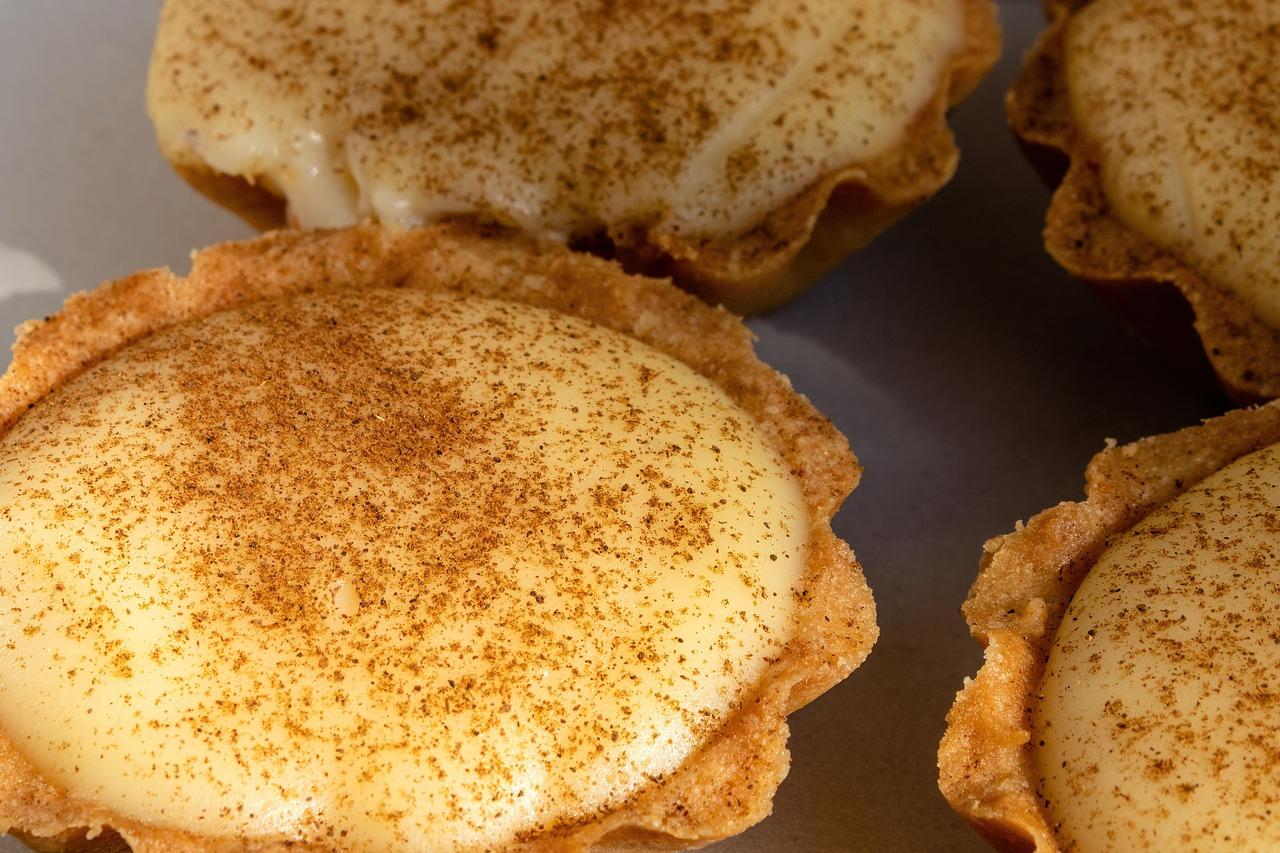
Melktert is South Africa's coffee-time tart, made by Afrikaner and Cape Malay families alike, sold at church bazaars and in farm stalls along the Garden Route, and even celebrated with its own National Milk Tart Day on 27 February. A crisp sweet pastry case holds a thick, wobbly custard made with milk and flavoured with a cinnamon stick, then finished with a heavy dusting of ground cinnamon. It is lighter and more milky than a baked egg custard tart. Chef's tip: stir the custard constantly as it thickens and keep cooking for 2 minutes after it bubbles so the flour loses its raw taste.

by KrazyBadal 0 views

MilmyeonCold wheat noodles

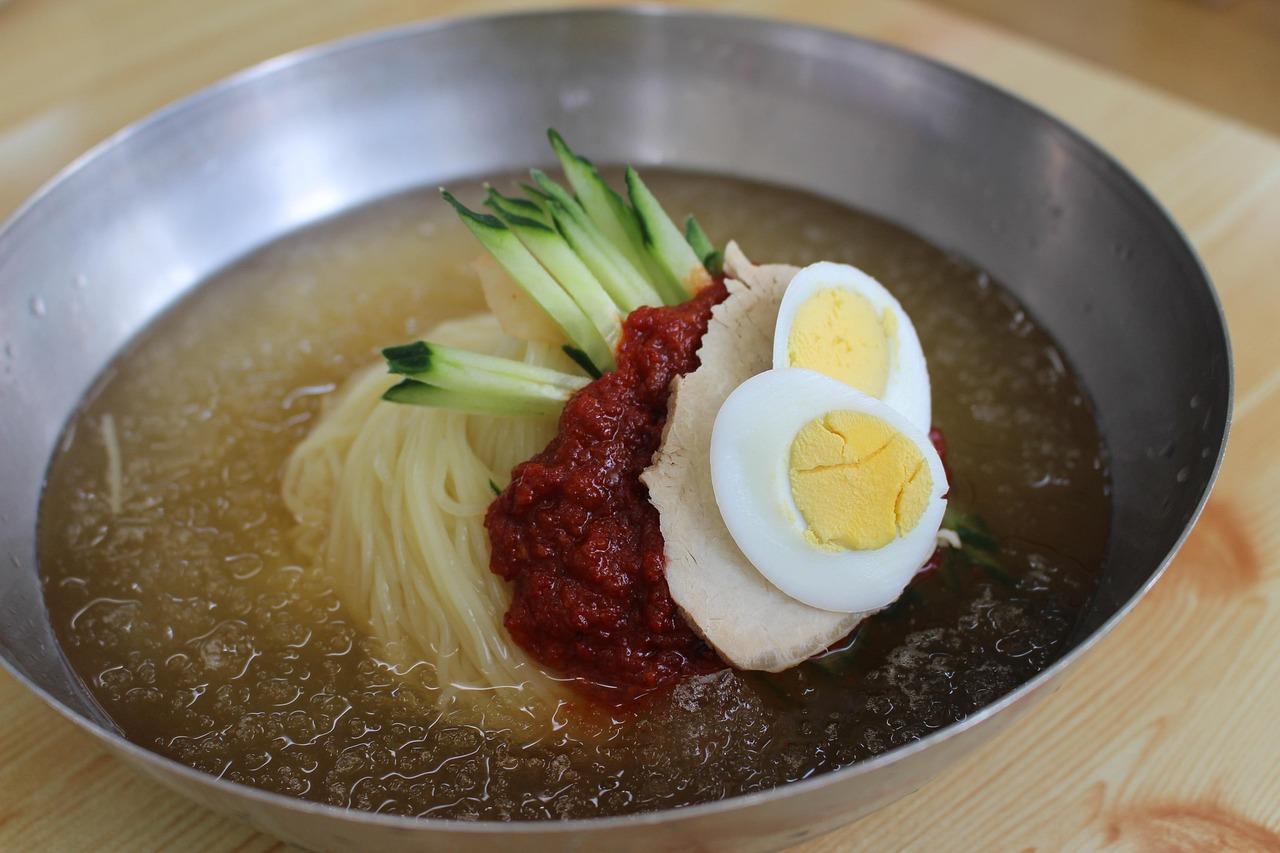
Busan's milmyeon was born in the refugee years of the Korean War, when people from the north who had fled to the port city wanted the cold buckwheat noodles of home but could only get wheat flour, much of it from food aid. The noodles that resulted are chewier and paler than naengmyeon, and the broth is flavoured with beef bones, vegetables and sometimes medicinal herbs, then served icy cold. A spoonful of spicy red sauce sits on top, and diners add vinegar and mustard to taste. In summer, long queues form outside milmyeon shops across Busan. Making the broth the day before is easiest, though an ice bath and the freezer get it cold in about an hour. Chef's tip: serve the broth so cold that a slushy layer of ice floats on top, as Busan shops do; a wide container in the freezer gets it there.

by KrazyBadal 0 views

Mirza ghasemiSmoky aubergine with garlic and tomato

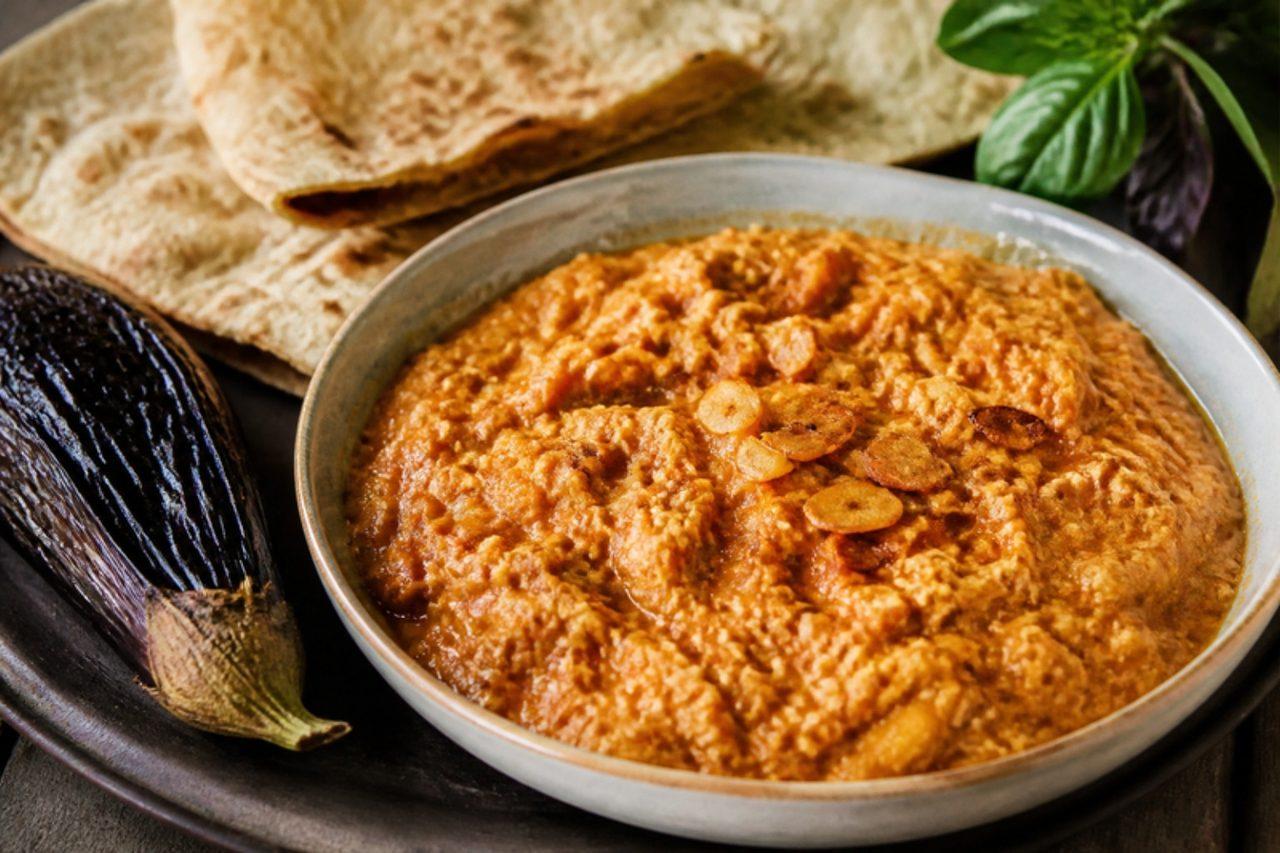
Mirza ghasemi comes from Gilan, the green, rainy Caspian province around Rasht, where it is eaten as a starter or a light lunch with bread or rice. Aubergines are charred whole until smoky and soft, then cooked down with a lot of garlic, turmeric and tomato, and finished by stirring in eggs so they set in soft streaks through the purée. It tastes smoky, sweet and garlicky, and is best scooped up with warm flatbread and pickles. Chef's tip: char the aubergines over a gas flame or under a hot grill until the skin is papery and black all over; a pale-skinned aubergine gives no smoke.

by KrazyBadal 0 views

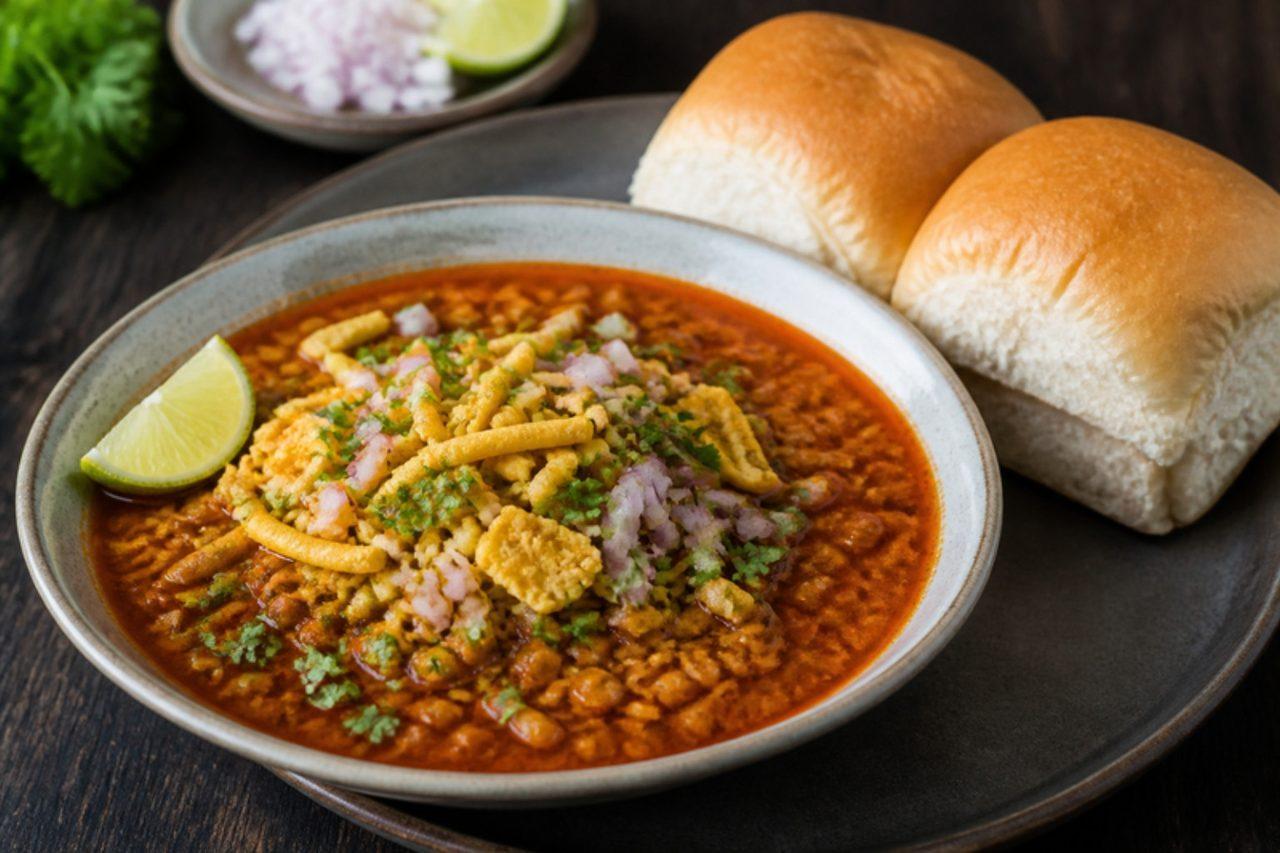
Misal pavSprouted bean curry with bread rolls

Misal pav is Maharashtra's great street breakfast, eaten from Pune's old eateries to the hot, red misal of Kolhapur. Sprouted moth beans (matki) are cooked into a thick usal, then drowned at the table in a fiery, oily, thin curry called kat or tarri, and topped with crunchy farsan, raw onion, coriander and a squeeze of lemon. It comes with soft pav to mop it all up. Each person builds their own bowl, adding as much tarri as their tongue can take. Chef's tip: let the kat simmer until a red layer of oil floats on top; Pune vendors skim this 'tarri' off and spoon it over each bowl, and that oily, spicy film is the whole point of a good misal.

by KrazyBadal 0 views

Showing 45 of 7,762 recipes

Show more recipes

Page 711 of 863