


Skip to content
Chraime
Featured recipe

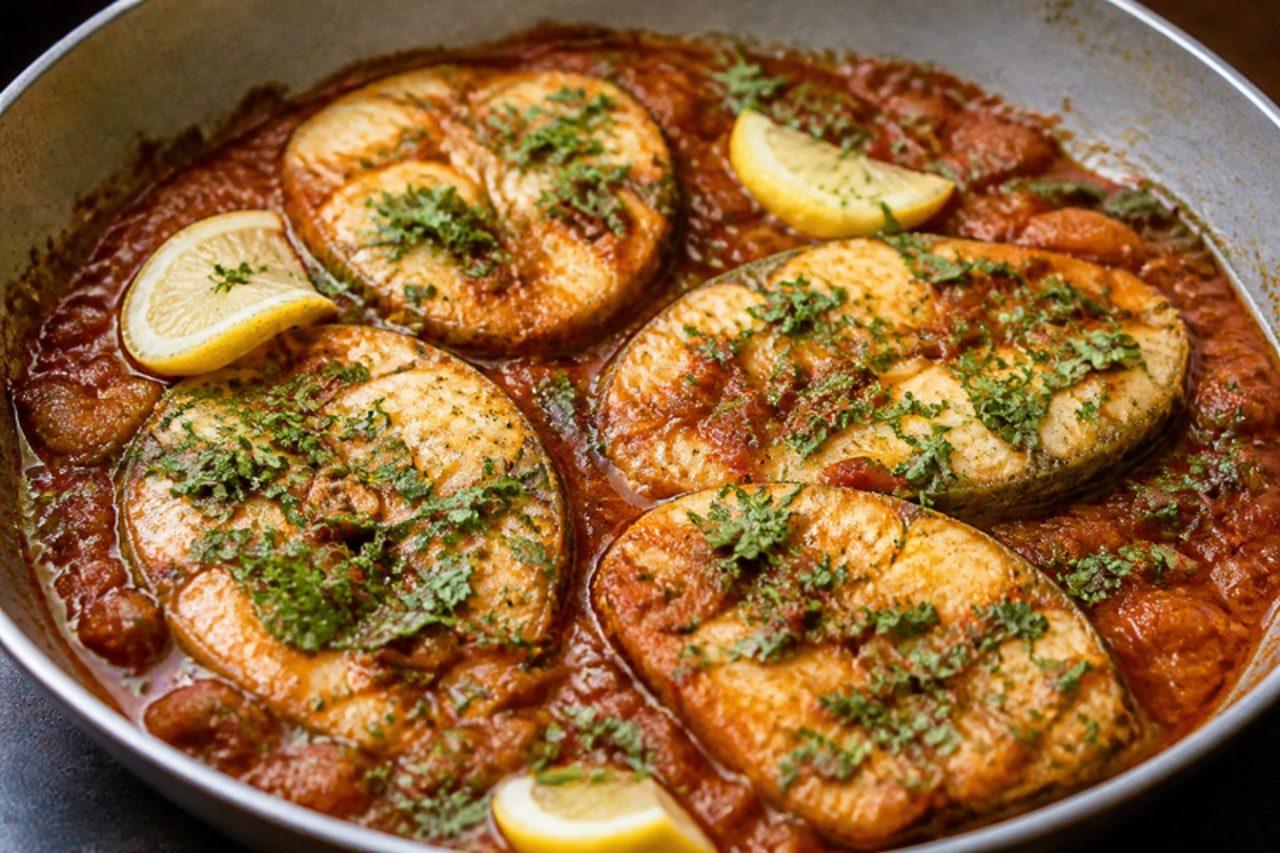
Chraime

Fish in spicy garlic paprika sauce

Friday night in Moroccan and Libyan Jewish homes, from Casablanca to Tripoli and now Paris and Tel Aviv, often begins with a plate of chraime before the main course. Thick fish steaks simmer in a brick-red sauce built from a frightening amount of garlic, sweet and hot paprika, chilli, caraway and cumin, loosened with oil and a squeeze of lemon. It is spicy, garlicky and very savoury, and the oily sauce begs to be mopped up with challah or other good bread. It is also eaten cold the next day. Chef's tip: cook the spices in the oil over a low heat until they smell toasty but not dark; burnt paprika tastes acrid and you cannot rescue it.

Read more 1 views

What to eat today?

Around the world

Today's trip: Paraguayan

A new country every day, from every cuisine on the site.

Paraguayan

Ka'i ladrillo

Peanut molasses bricks 40 minMore from Paraguayan (27) →

This week's collection

Kid-friendly dinners
537 recipes · a new collection every Monday

Latest recipes

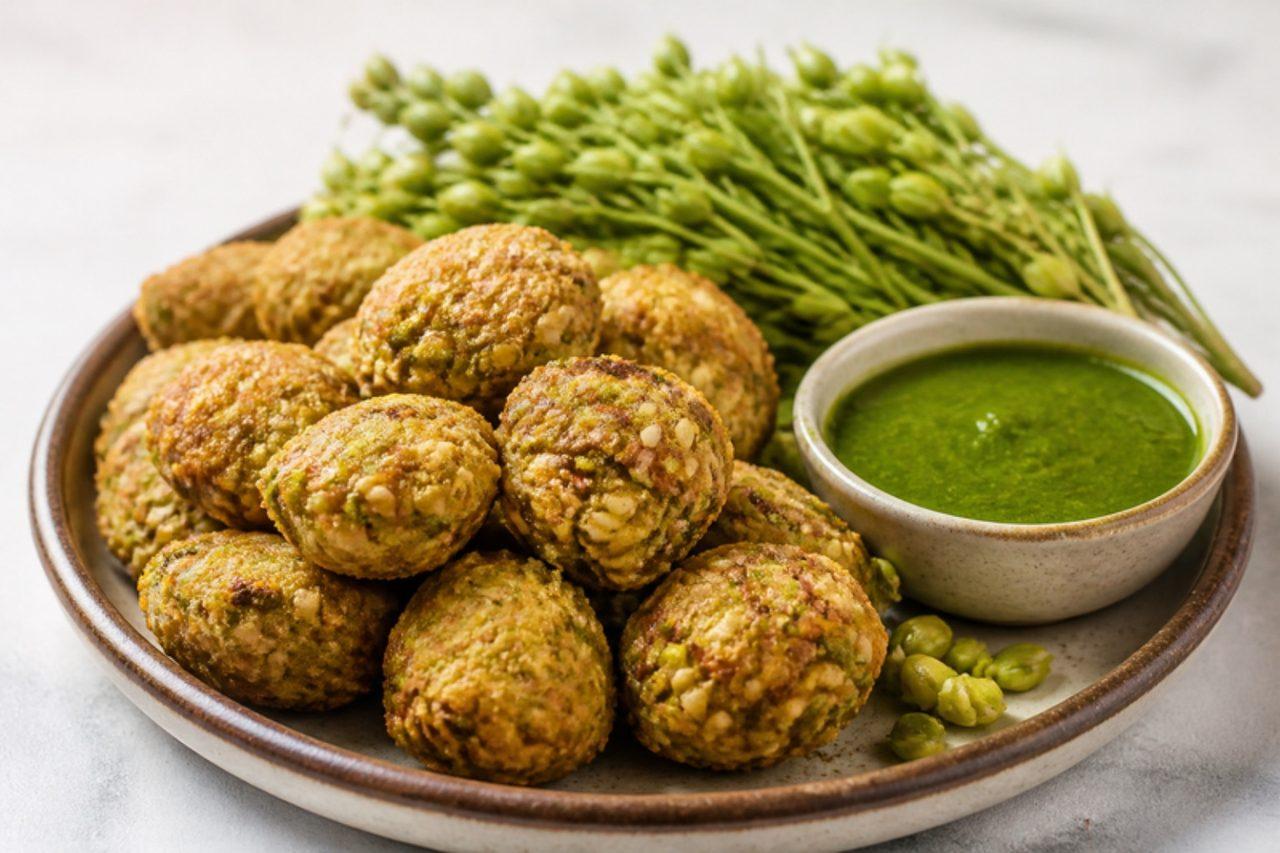
Surti ponk vadaGreen sorghum fritters

Every December and January, farms around Surat roast bundles of young green jowar heads over embers and thresh out ponk, soft, sweet, pale-green grains that last only a few weeks. Surtis turn the trip into a picnic, eating ponk by the handful with lemon-pepper sev and garlic chutney, then frying the leftovers into these crunchy vada. The grains are crushed coarsely with chilli and ginger, bound with a little gram and rice flour, and fried until the outside is lacy and crisp while the inside stays tender and grassy-sweet. Look for frozen ponk in Gujarati grocers outside the season. Chef's tip: crush the ponk only roughly; whole grains popping through the crust is what makes these vada special.

by KrazyBadal 0 views

QuesitosCream cheese pastry rolls

Every panadería in Puerto Rico has a tray of quesitos by the till, and a warm one with a café con leche is a standard island breakfast, from Old San Juan to small-town bakeries in the mountains. Puff pastry is rolled around a log of sweet vanilla cream cheese and baked until it shatters, then brushed with sugar syrup so the top turns glossy and sticky. The filling stays soft and slightly tangy inside the crisp layers. Chef's tip: chill the filling before you roll, so it holds its shape and doesn't squeeze out of the ends in the oven.

by KrazyBadal 0 views

SopaipillasFried pumpkin flatbreads

When it rains in Santiago, Chileans make sopaipillas. These round, pricked discs of dough are made with mashed pumpkin, which gives them a soft orange crumb, and are fried until puffed. Street carts sell them with pebre, mustard or ketchup; at home on wet winter afternoons they're 'pasadas', simmered briefly in a spiced chancaca (raw cane sugar) syrup with orange peel and cinnamon. Chef's tip: prick each disc several times with a fork before frying, so they puff evenly and don't balloon into one big bubble.

by KrazyBadal 0 views

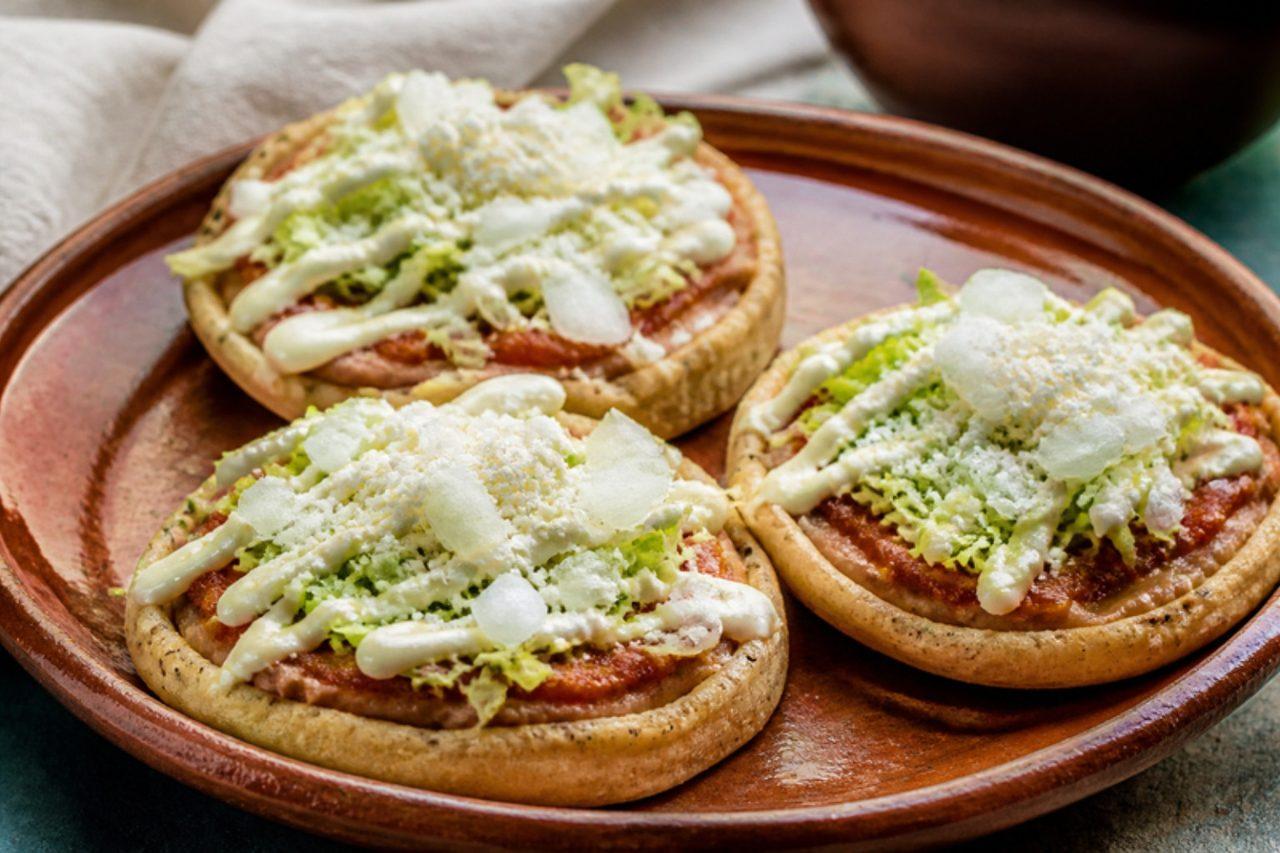
SopesThick masa cakes with toppings

Sopes are a classic antojito of central Mexico: small, thick discs of corn masa cooked on a comal, pinched up at the edge while hot to make a little rim, then crisped in a film of oil and piled with refried beans, salsa, lettuce, crema and crumbled cheese. The base is crisp underneath and soft and steamy inside, with the sweet, earthy taste of nixtamalised corn. Serve two or three per person as a starter or a light supper. Use masa harina for tortillas, made from nixtamalised corn; cornmeal or polenta will not hold together. Choose queso fresco made with vegetarian rennet, or use a mild feta. Chef's tip: pinch the rims as soon as the sopes come off the comal; once they cool the masa sets and cracks.

by KrazyBadal 0 views

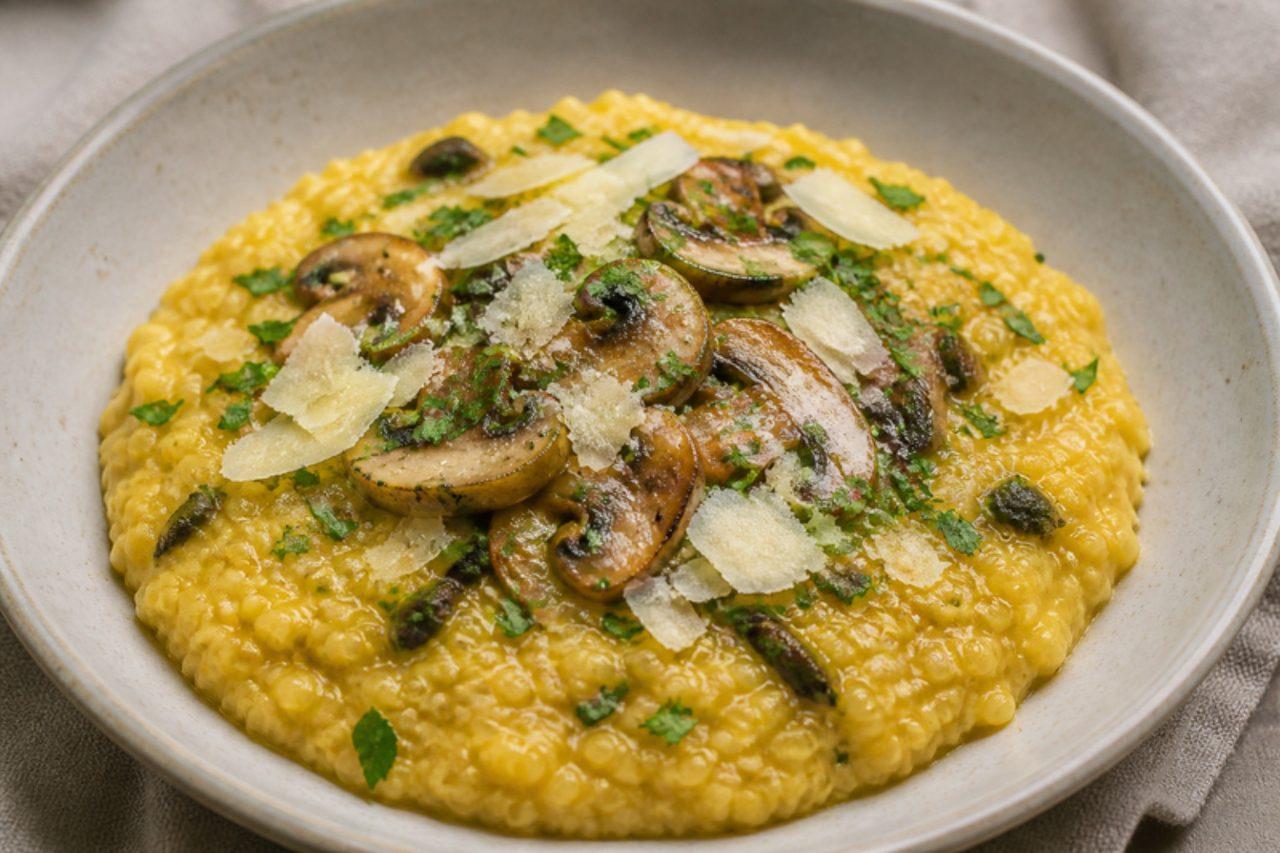
QuinottoCreamy quinoa with mushrooms

Quinotto is quinoa cooked like a risotto, a dish from the new Andean cooking of Cusco and Lima that marries Italian technique with the grain of the high Andes. Quinoa is toasted with onion and garlic, simmered in stock with white wine, then finished with mushrooms, butter, cream and grated cheese until creamy and loose. It has a pleasant pop and nutty flavour that rice never has, and a gentle warmth from ají amarillo. Serve it as a main with a green salad. Use a hard cheese made with vegetarian rennet. Chef's tip: quinoa has little starch, so the creaminess comes at the end; stir in the butter, cheese and cream off the heat and serve straight away while it still flows.

by KrazyBadal 0 views

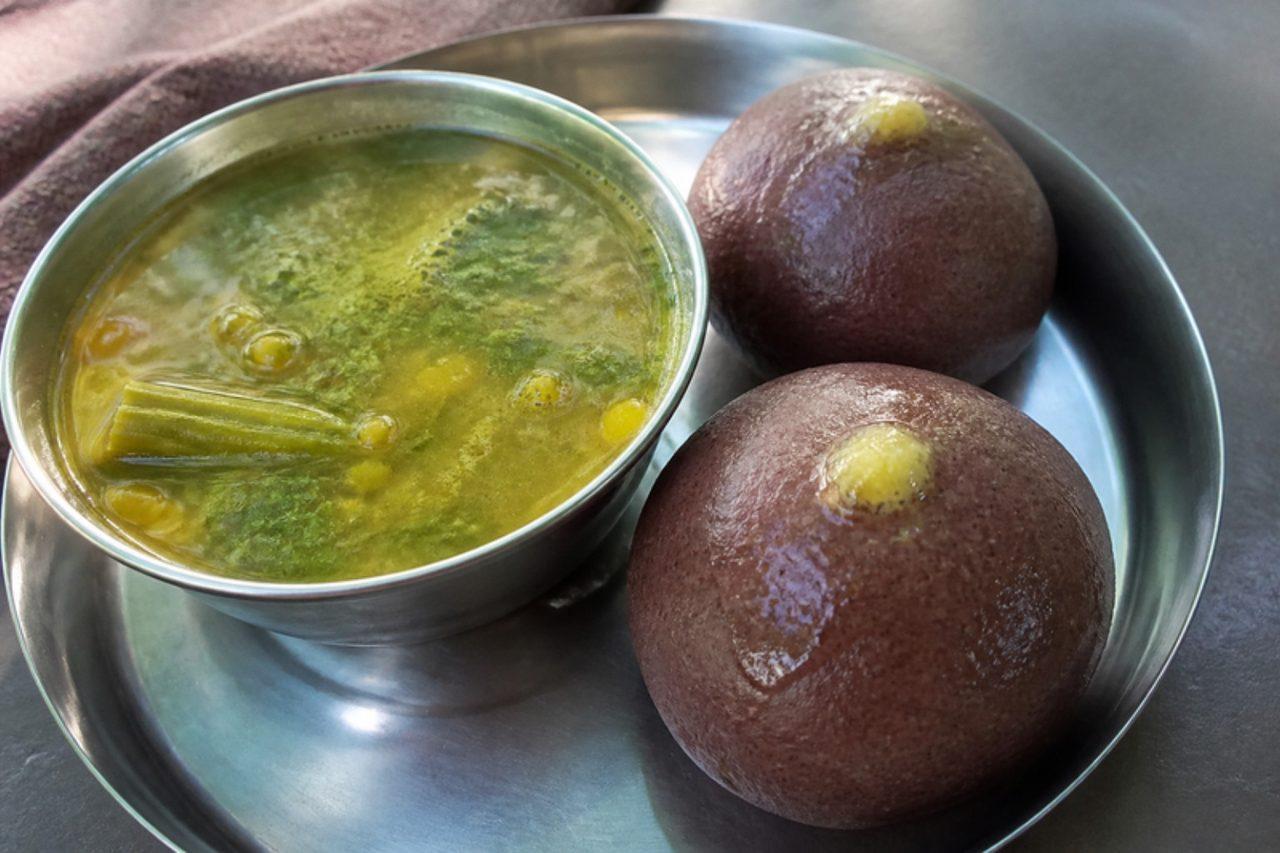
Ragi mudde with bassaruFinger millet balls with dal broth

In the villages around Mandya, Mysuru and Hassan, the farmers' lunch is ragi mudde: steaming balls of finger millet cooked into a firm, smooth dough, eaten with a thin, spicy bassaru. Bassaru literally means 'drained water': greens and dal are cooked together, the liquid is poured off and spiced into a peppery broth (the saaru), and the solids become a dry palya on the side. You pinch off a piece of mudde, roll it in the saaru and swallow it without chewing. It is filling, very nourishing and naturally gluten-free. Chef's tip: the wooden stick (mudde kolu) matters; stirring with the handle of a wooden spoon pushes the flour into the water and gets rid of lumps far better than a whisk.

by KrazyBadal 0 views

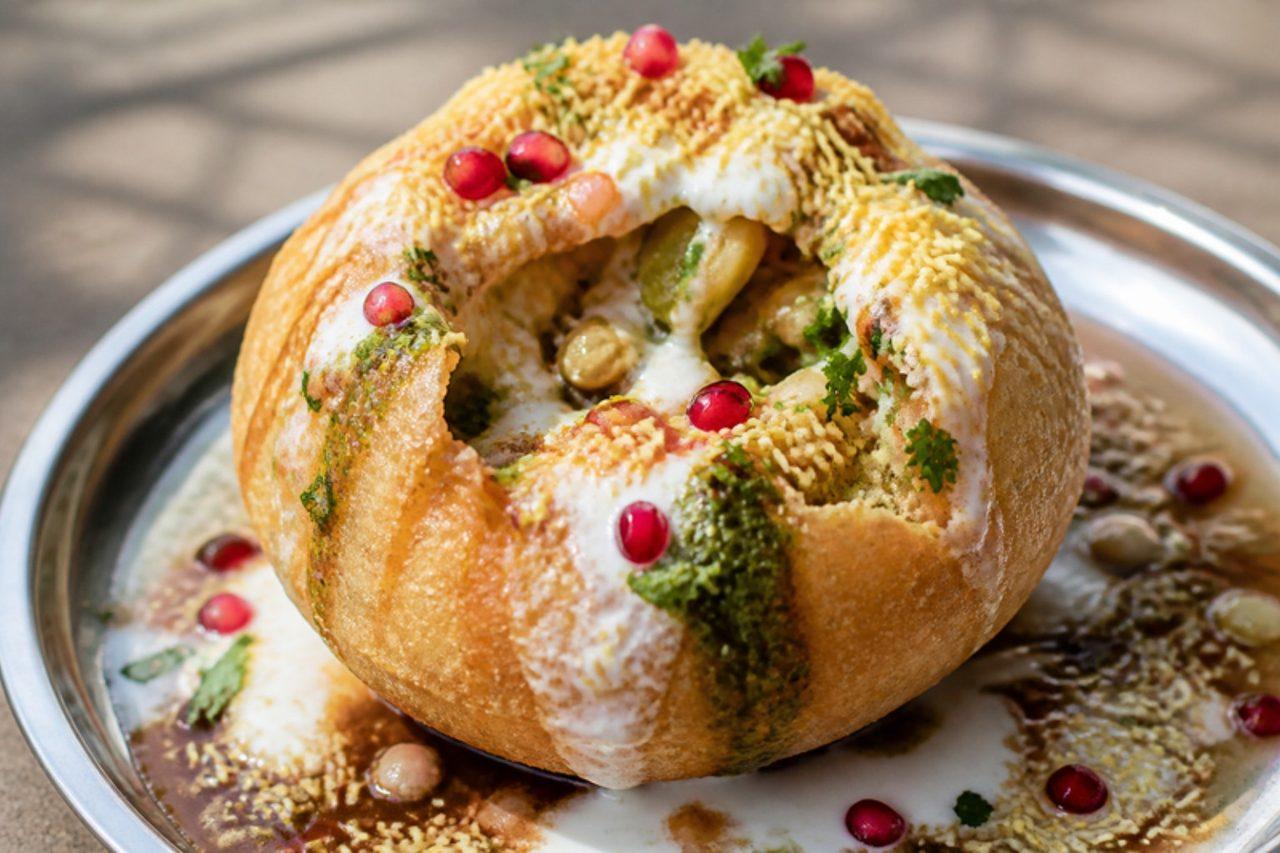
Raj kachoriGiant puri chaat

Raj kachori is the showpiece at Delhi's sweet-and-chaat shops: a fist-sized puri, fried until it balloons and turns crisp as a biscuit, then cracked open and stuffed with potato, chickpeas, sprouted moong, sweet yogurt, two chutneys and a snowfall of sev. It arrives on a steel plate at weddings and family outings, and it's eaten with a spoon because there's no other way. Every bite is crunchy, cold, sweet, sour and spicy at once. The puris can be fried a day ahead and kept in a tin. Chef's tip: roll the dough thin and even, and keep the oil properly hot; a puri rolled thicker on one side won't puff into a full ball.

by KrazyBadal 0 views

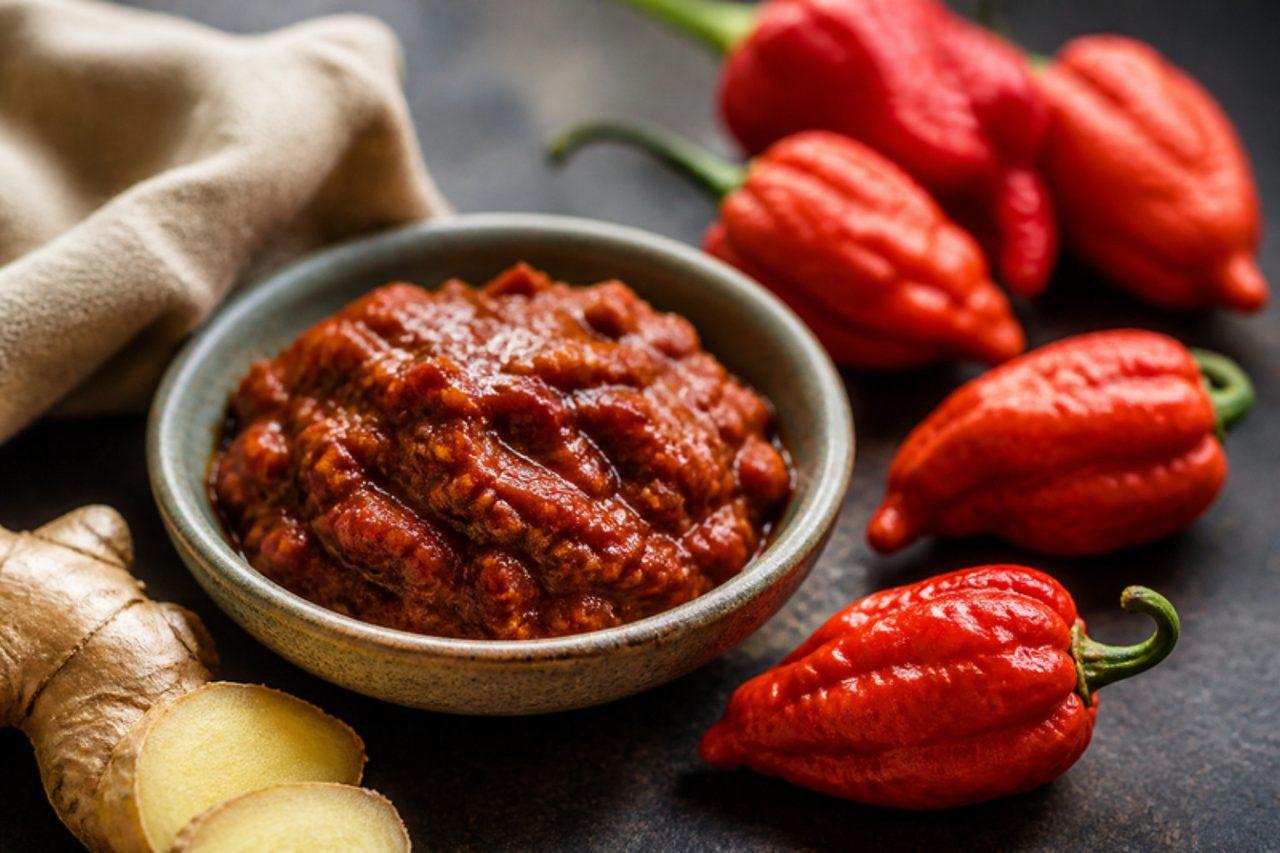
Raja mircha chutneyGhost pepper chutney

Raja mircha, the king chilli or bhut jolokia, is grown in the hills around Kohima and Dimapur and was once ranked the hottest chilli in the world. Naga households pound it with tomatoes smoked in the embers, ginger, garlic and salt into a thick red chutney that is fruity, smoky and ferociously hot. It is eaten in tiny amounts with rice and boiled vegetables, and at the Hornbill Festival there are eating contests. Chef's tip: one king chilli is plenty for this amount; wear gloves, open the window when roasting, and keep the seeds if you are brave.

by KrazyBadal 0 views

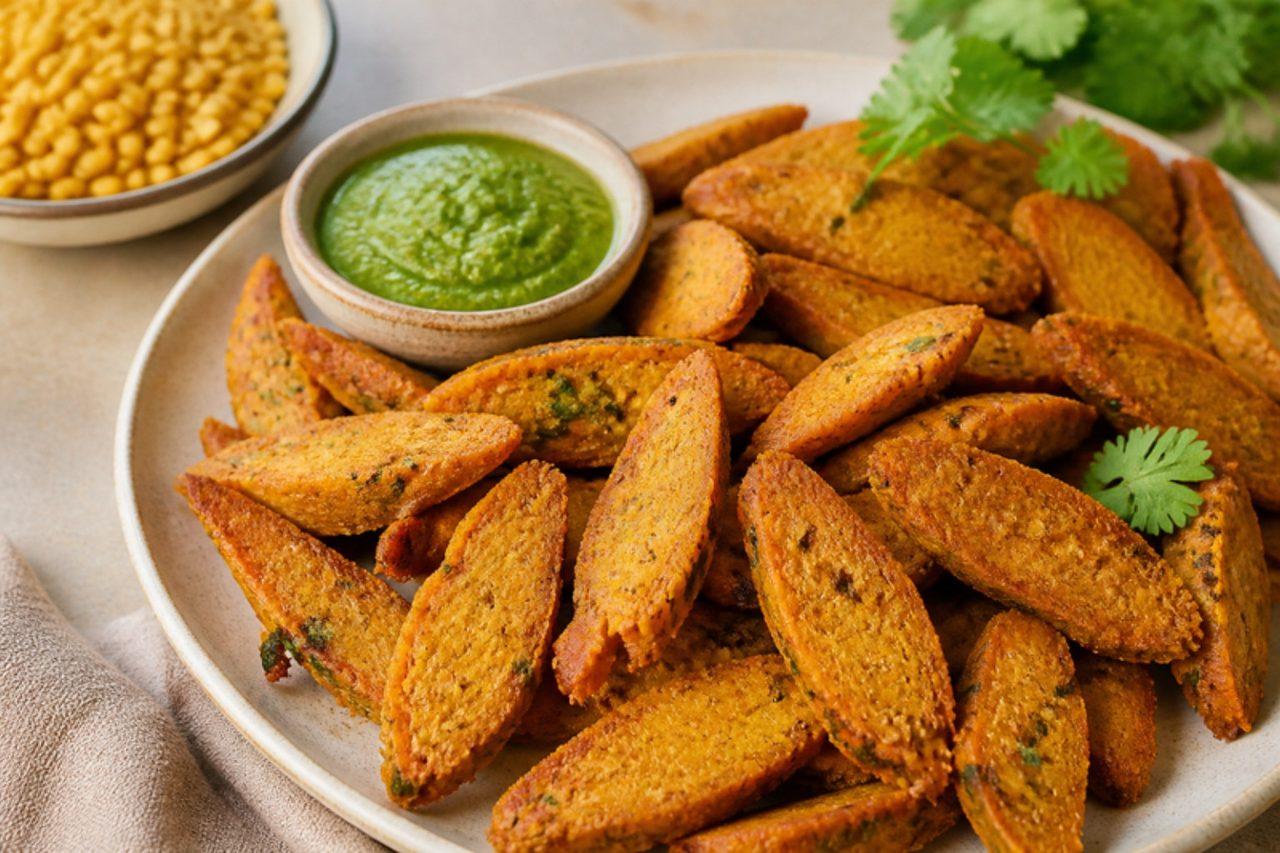
Rajasthani kalmi vadaChana dal fritters

Kalmi vada gets its name from kalam, the Hindi word for pen: the fried chana-dal log is sliced into thin, slanted pieces that resemble pen nibs, then fried again until the slices are crunchy right through. In Jaipur and Ajmer, kalmi vadas are sold by weight from big trays, especially during the monsoon, and served with mint chutney and hot tea. The dal is ground coarse and spiced with whole coriander, fennel and chilli, so every bite crackles. The mistake to avoid is adding water when grinding; a wet mix won't hold its shape and absorbs oil. Chef's tip: let the first-fried logs cool completely before slicing, or they'll crumble under the knife.

by KrazyBadal 0 views

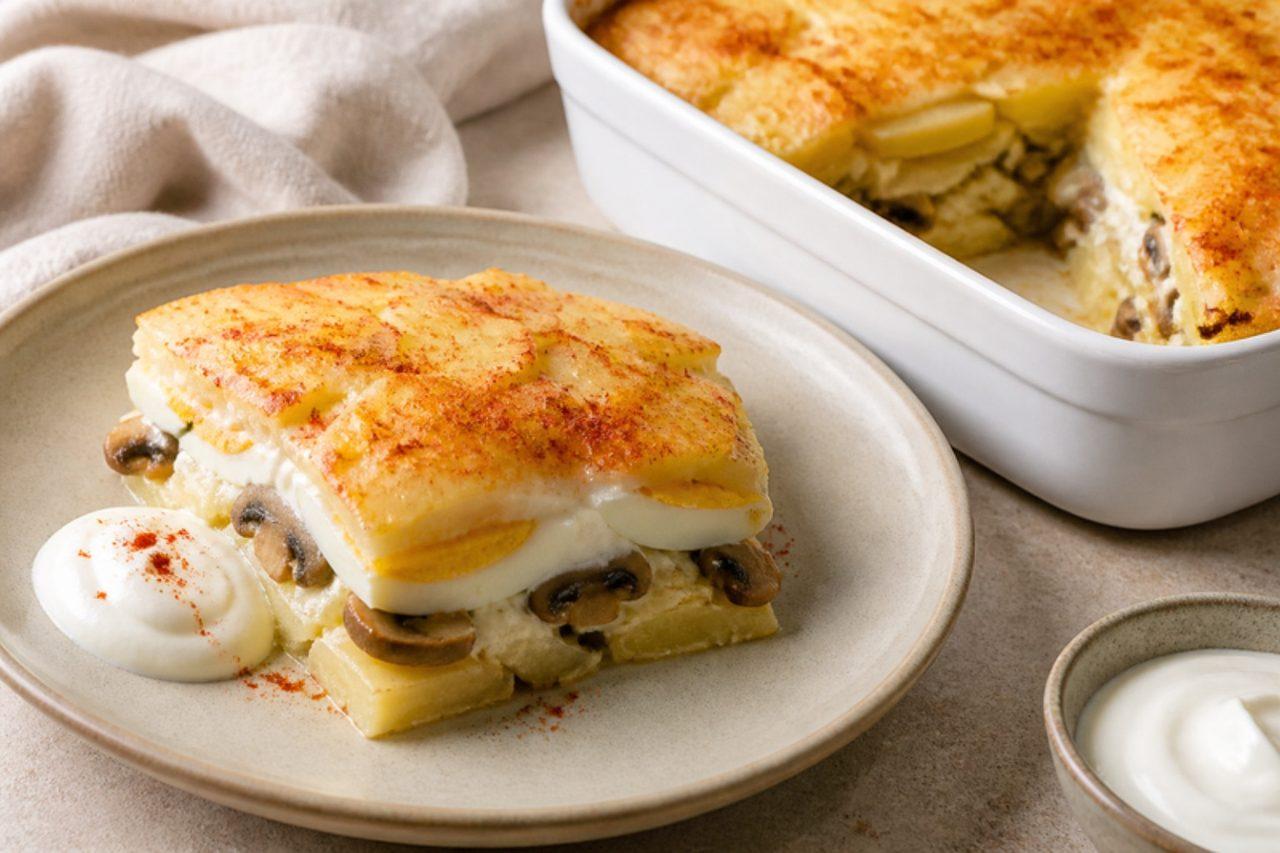
Rakott krumpliLayered potato and egg bake

Rakott krumpli means 'layered potatoes', and it is a family supper baked all over Hungary, especially in winter in the north-east around Miskolc and Eger, where every household layers it slightly differently. Slices of boiled potato are stacked with hard-boiled eggs and plenty of sour cream, then baked until bubbling and golden. Many versions add smoked sausage; this vegetarian one uses sautéed mushrooms and a dusting of smoked paprika for depth. It is rich, creamy and needs only a sharp cucumber salad or pickles alongside. Chef's tip: boil the potatoes in their skins and peel them while warm; they slice cleanly and don't soak up water.

by KrazyBadal 0 views

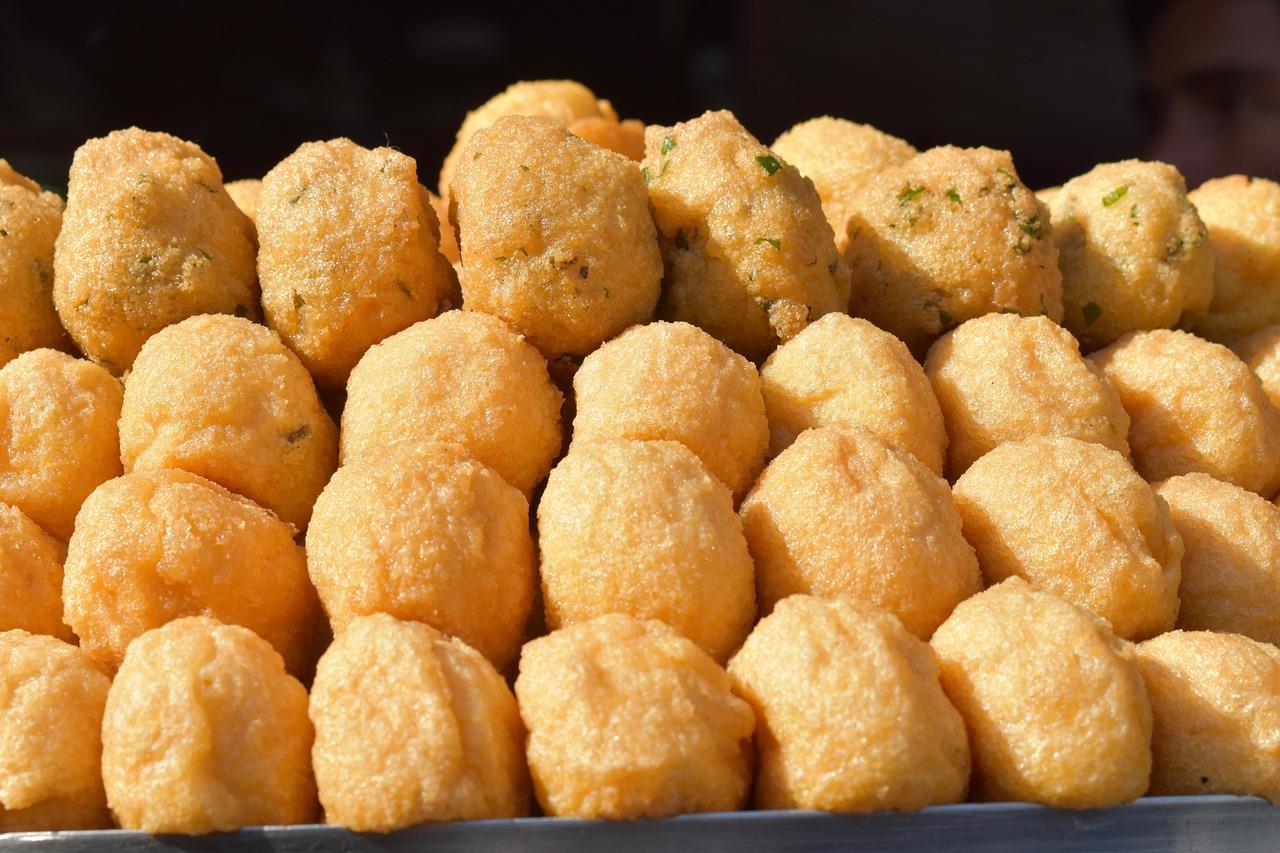
Ram ladooMoong dal fritters with chutney

Despite the name, ram ladoo aren't sweet. They're small, crisp moong and chana dal fritters, sold from carts across Delhi in winter, when white radish is at its best. The vendor splits a few hot ones, smears them with a sharp coriander chutney and buries them under a heap of grated mooli and its leaves, with lemon and chaat masala over the top. Hot, crunchy fritters against cold, peppery radish is the whole appeal; it's a light snack for a foggy evening. Chef's tip: grind the soaked dal with as little water as possible, then beat the batter by hand for 3–4 minutes; air whipped into it is what makes the ladoos puff up and stay light.

by KrazyBadal 0 views

Suspiro limeñaCaramel custard with port meringue

Suspiro a la limeña, 'the sigh of a Lima woman', is the city's grand dessert from colonial times, said to have been named by the poet José Gálvez for its sweetness. A thick manjar blanco, milk slowly cooked down to a silky caramel cream and enriched with egg yolks, is topped with a cloud of glossy Italian meringue flavoured with port and dusted with cinnamon. It is very sweet and very rich, so serve it in small glasses. Make it in the morning for the evening. Chef's tip: the manjar is ready when a spoon dragged across the bottom of the pan leaves a clear path for a moment; undercooked, it stays runny and the meringue sinks into it.

by KrazyBadal 0 views

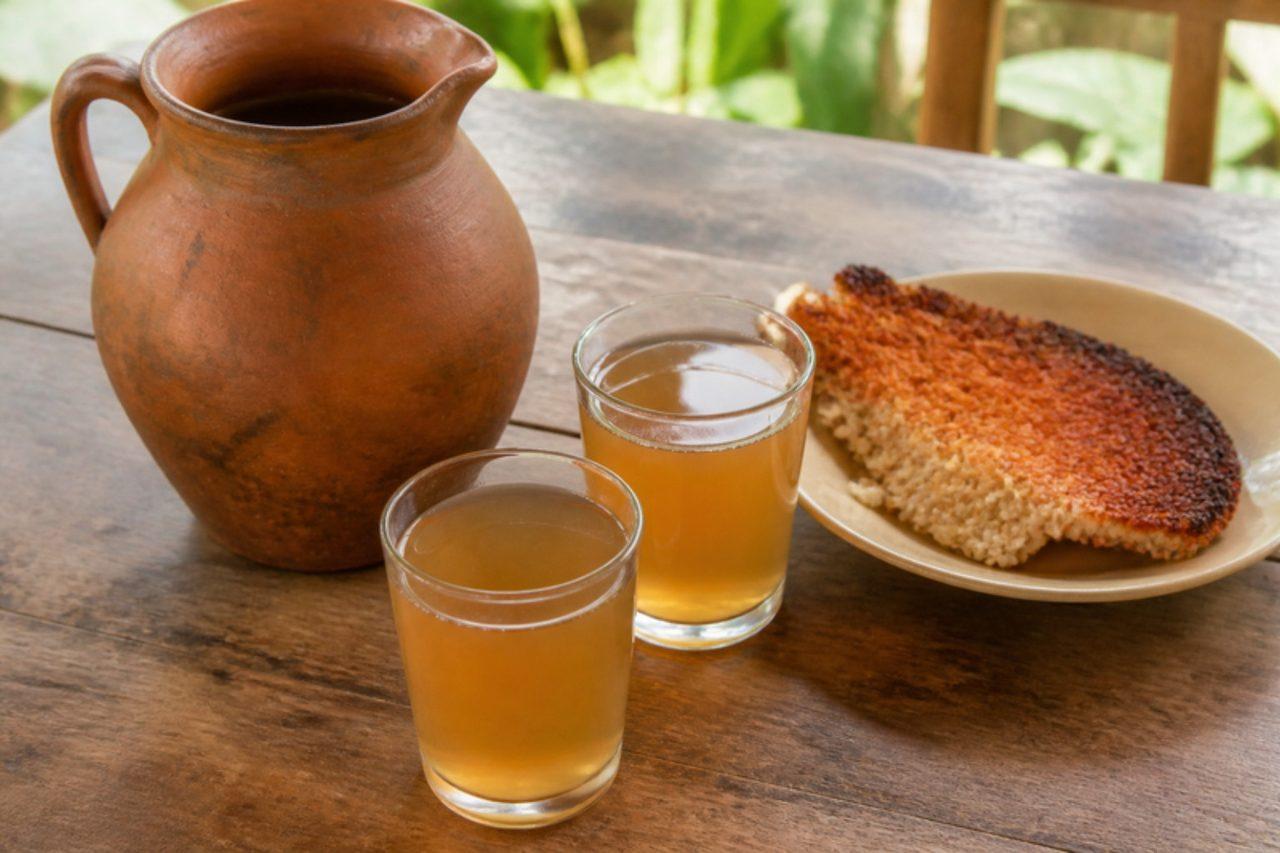
Ranon'apangoToasted rice water

Ranon'apango is the everyday drink of Madagascar: after rice is cooked, the crust at the bottom of the pot is left to toast until golden, then water is boiled with it to make a pale amber, nutty, slightly smoky drink. It is served warm or cold in jugs alongside meals in homes and hotelys, and is a safe way to drink boiled water. Chef's tip: toast the crust until golden-brown, not black; burnt rice makes the drink bitter.

by KrazyBadal 0 views

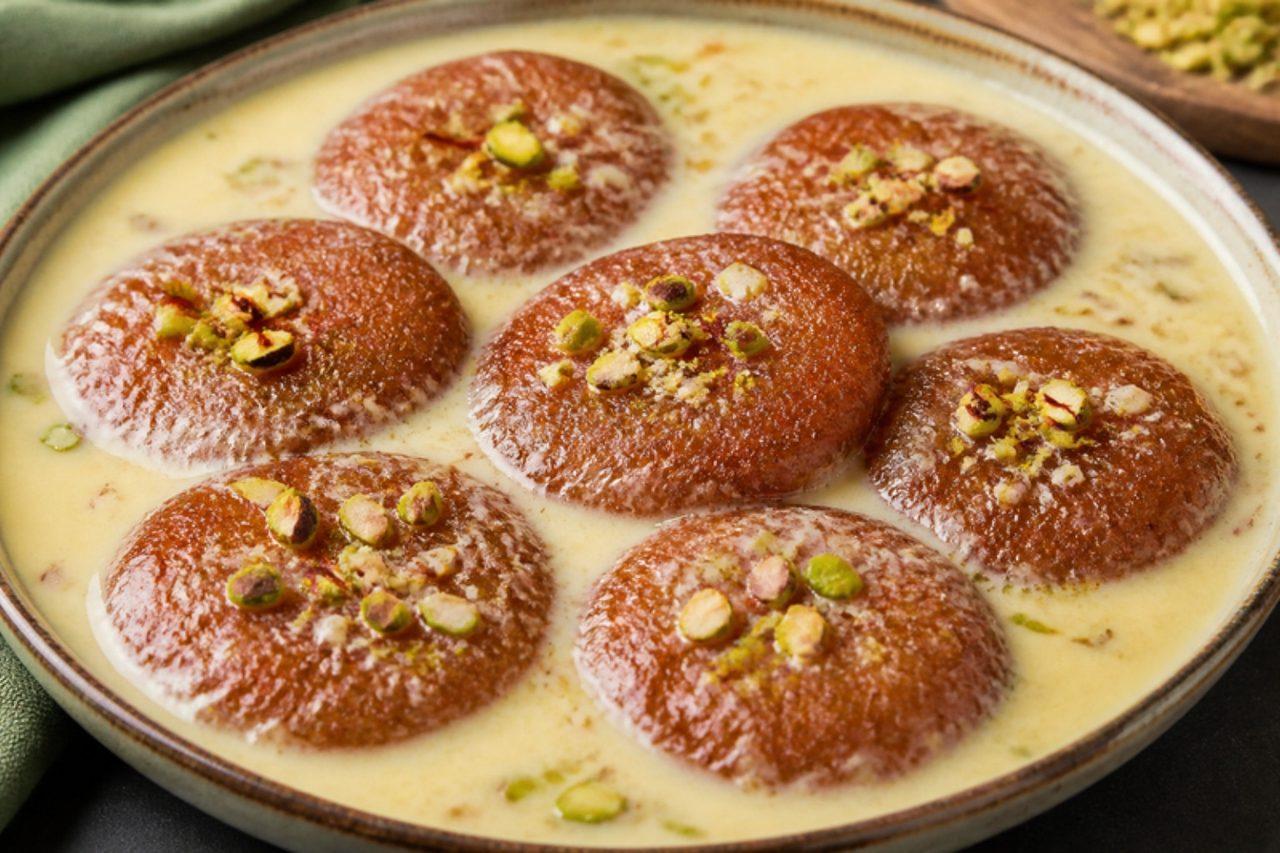
RasabaliFried cheese discs in milk

Rasabali comes from the Baladevjew temple in Kendrapara and is one of the 56 offerings of Puri's Jagannath temple. Flattened discs of chhena are deep-fried until reddish-brown, then soaked in milk that has been simmered down until thick and sweet with cardamom. Unlike rasmalai, whose discs are poached in syrup, rasabali's are fried, so they keep a chewy, slightly caramelised skin under the milk. It is eaten chilled at festivals and weddings in Odisha. Chef's tip: press a dimple into the centre of each disc before frying, so it fries evenly and holds more milk.

by KrazyBadal 0 views

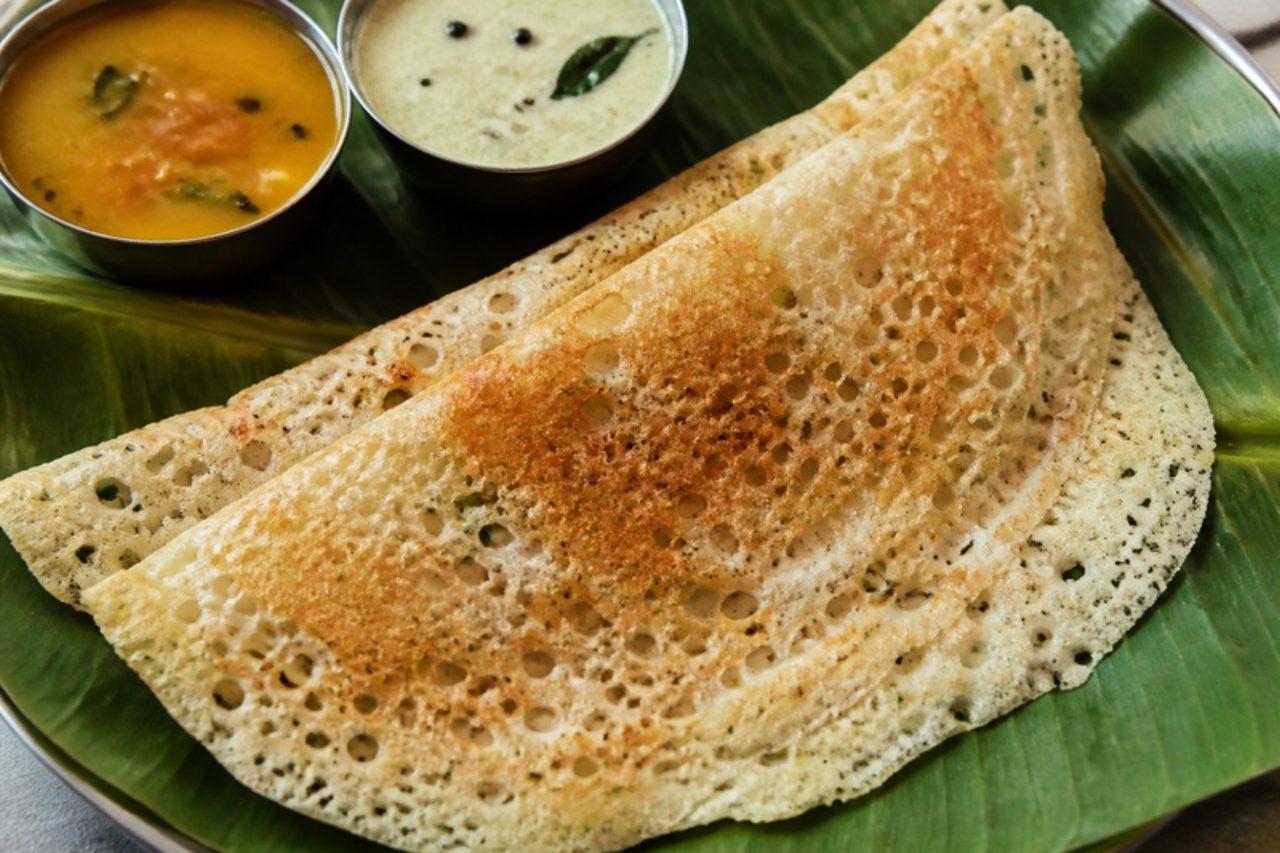
Rava dosaCrisp semolina crêpes

Rava dosa is the instant dosa of Karnataka's Udupi restaurants: a thin, pourable batter of semolina and rice flour, studded with cumin, cracked pepper, ginger and curry leaves, poured onto a very hot griddle so it sets into a crisp, holey lace. There's no soaking or fermenting, so it's the dosa to make when the craving strikes. Serve straight from the pan with coconut chutney and sambar. Because it contains semolina it's not gluten free. Chef's tip: the batter must be watery, thinner than single cream; pour it from a height onto the pan instead of spreading it, and stir the bowl before every dosa because the semolina sinks.

by KrazyBadal 0 views

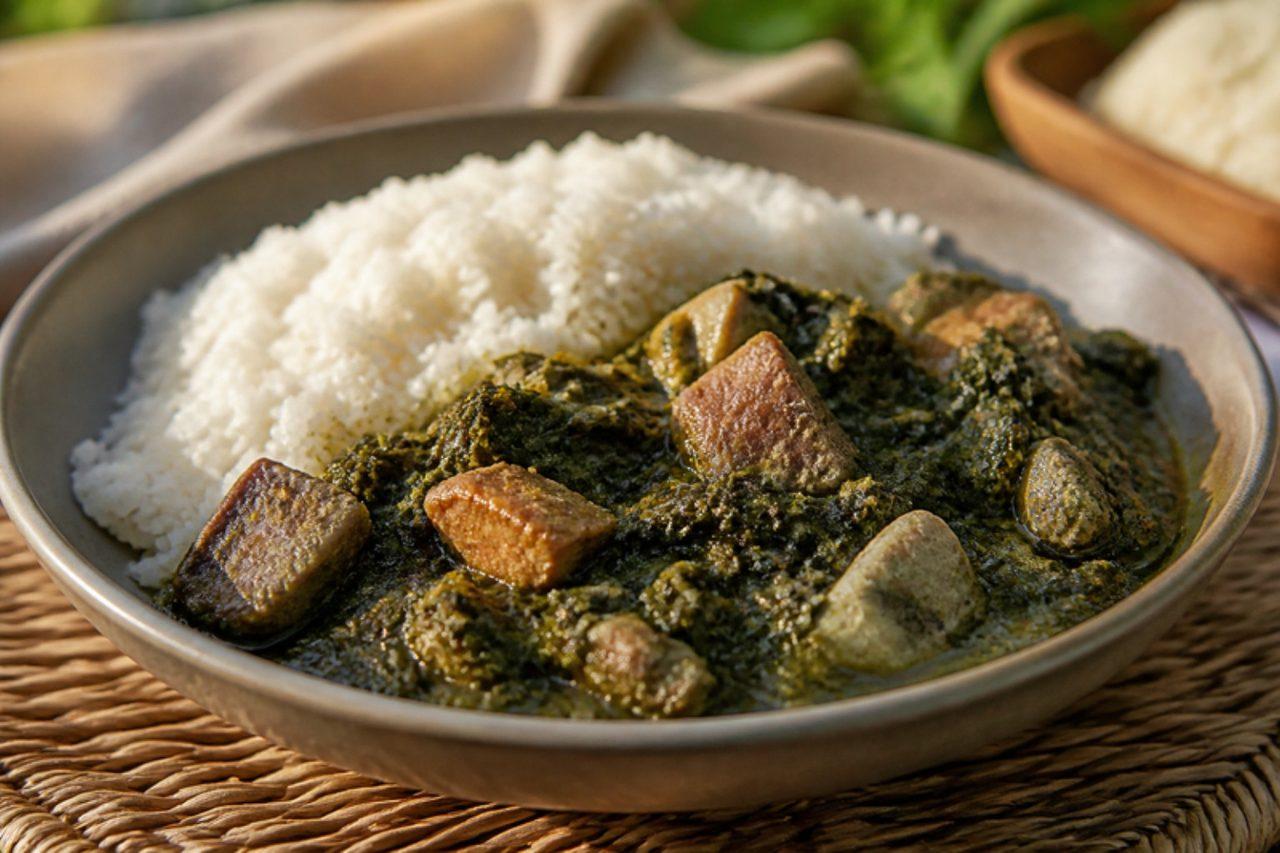
Ravitoto with porkPounded cassava leaves with pork

Ravitoto sy henakisoa, cassava leaves with pork, is a favourite of the Malagasy highlands around Antananarivo and is served at family Sunday lunches with a mound of white rice. This dish contains pork. The cassava leaves are pounded to a dark green paste and simmered for a long time with fatty pork, garlic and ginger until rich and soft, often finished with coconut milk. The mistake is undercooking the cassava leaves: they must cook for at least an hour to be safe and lose their bitterness, so don't cut it short. Chef's tip: frozen pounded cassava leaves (sold as ravitoto, pondu or saka saka) save a lot of work.

120 minMalagasyMeatGluten free
by KrazyBadal 0 views

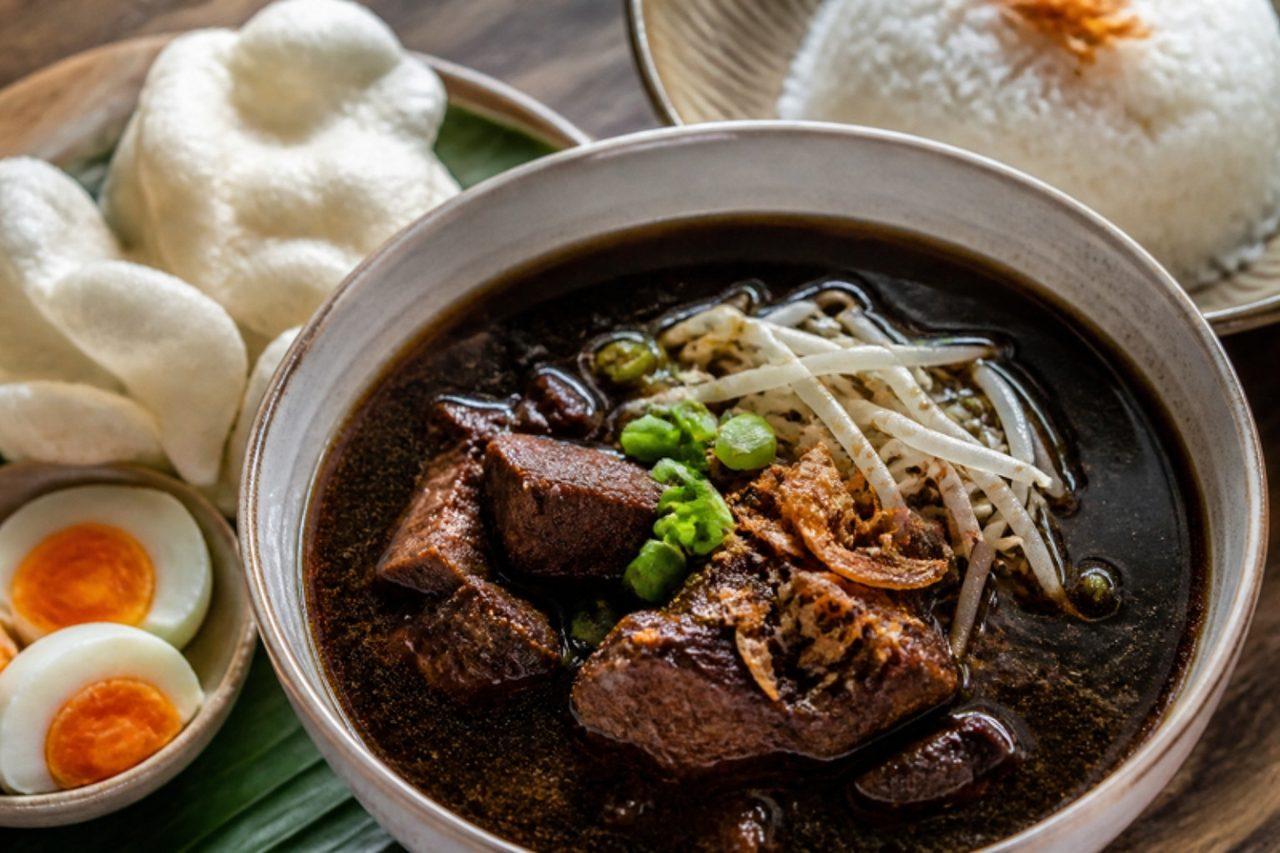
RawonBlack beef soup

Nothing else on the table looks like rawon: a beef soup as dark as strong coffee, served in Surabaya from breakfast through to the late-night warungs that stay open after the football. Its colour and flavour come from keluak (kluwek), the fermented kernel of a tropical tree nut, which tastes earthy and faintly bitter, somewhere between black olive, cocoa and mushroom. Tender beef cubes swim in the broth, and it's served with rice, short crunchy bean sprouts, a salted duck egg and prawn crackers for crunch. Raw keluak contains a natural poison and is only safe after long processing, so always buy ready-prepared kluwek nuts from an Asian grocer. Chef's tip: crack one nut first and taste a crumb; good flesh is moist, black and smells chocolatey, while sour or dry, pale flesh should be thrown away.

by KrazyBadal 0 views

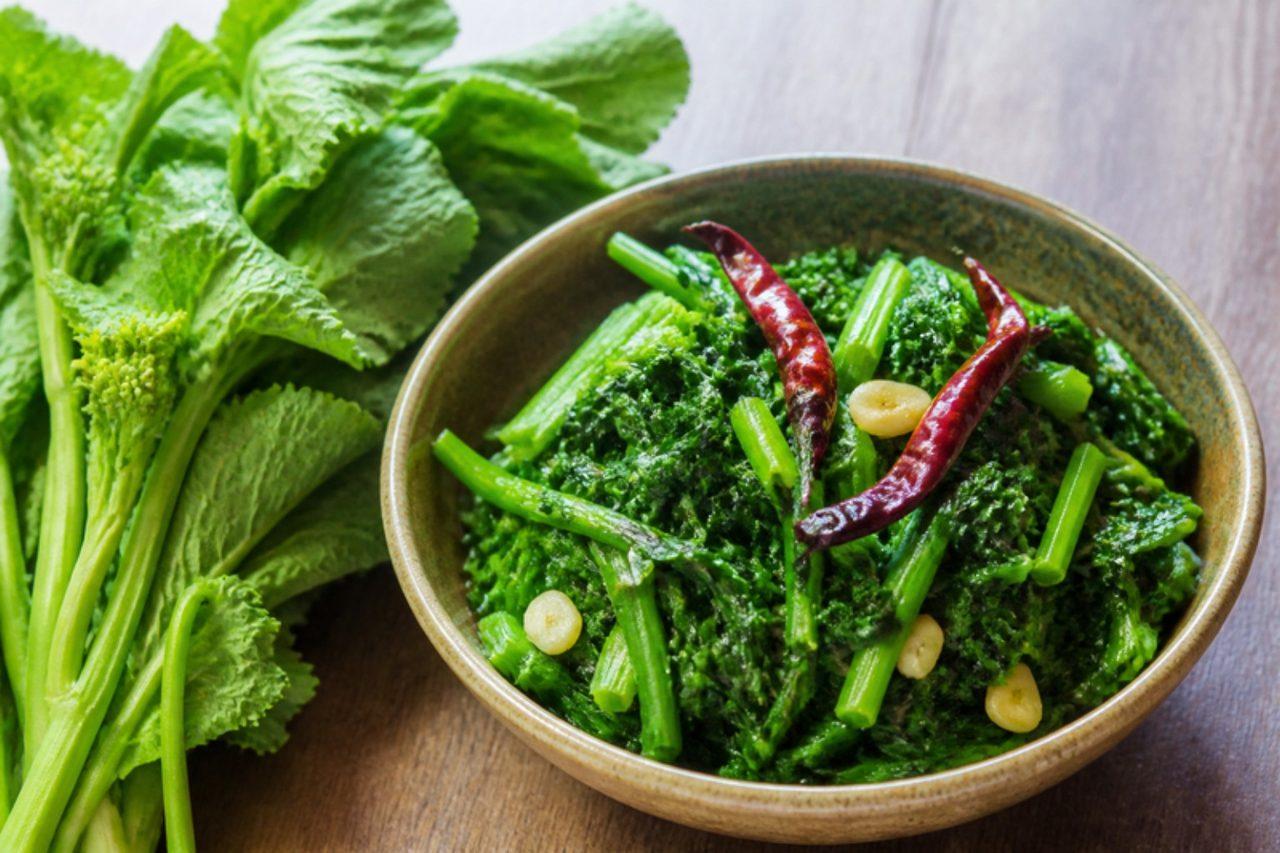
Saag (rayo ko saag)Mustard greens stir-fry

Ask for saag anywhere in Nepal and you will get the leafy part of the dal bhat plate: a tangle of greens, most often rayo (a broad-leafed mustard green), fried fast in mustard oil with garlic and a dried chilli until just wilted. It is nothing like the slow-cooked, puréed sarson ka saag of Punjab. Nepali saag keeps its bright colour, a little bite in the stems and a pleasant bitterness. It grows in every kitchen garden from the Terai to the hills and is on the table most days from autumn to spring. Spinach, chard or Chinese mustard greens all work the same way. The common mistake is to cover the pan, which stews the leaves to a grey mush; keep the heat high and the lid off. Chef's tip: add the stems a minute before the leaves so both are done at the same moment.

by KrazyBadal 0 views

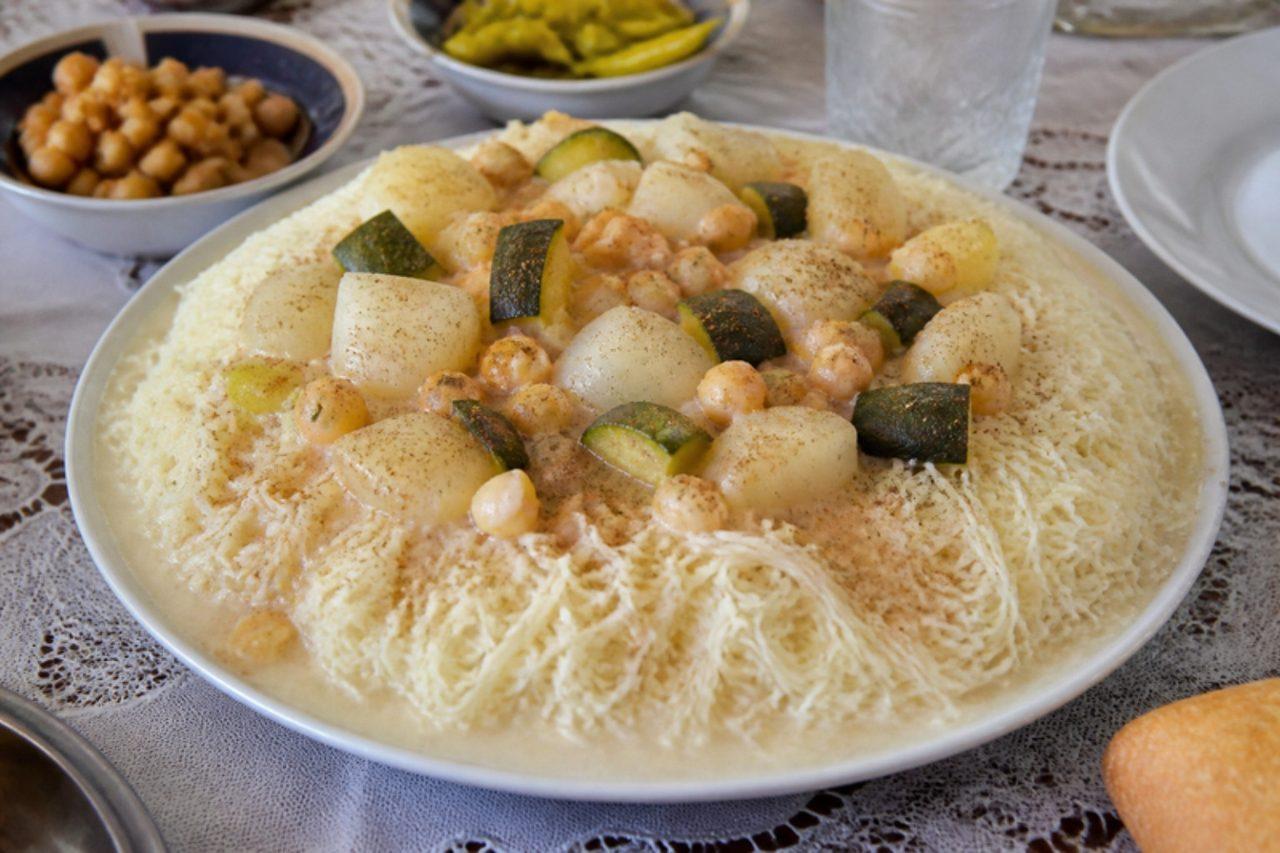
Rechta with vegetable sauceNoodles in turnip and chickpea broth

Rechta is the dish of Algiers and Blida for Mouloud, Ashura and the first day of the new year: thin, square-cut fresh noodles steamed in a couscoussier like couscous, then drenched in a pale, cinnamon-scented white sauce of turnips, courgette and chickpeas. It is usually made with chicken; this vegetable version keeps the gentle, peppery broth. Dried rechta is sold in North African shops; very thin dried egg-free noodles work too. Chef's tip: steam the noodles twice and rub them with oil in between, so they stay separate and silky.

by KrazyBadal 0 views

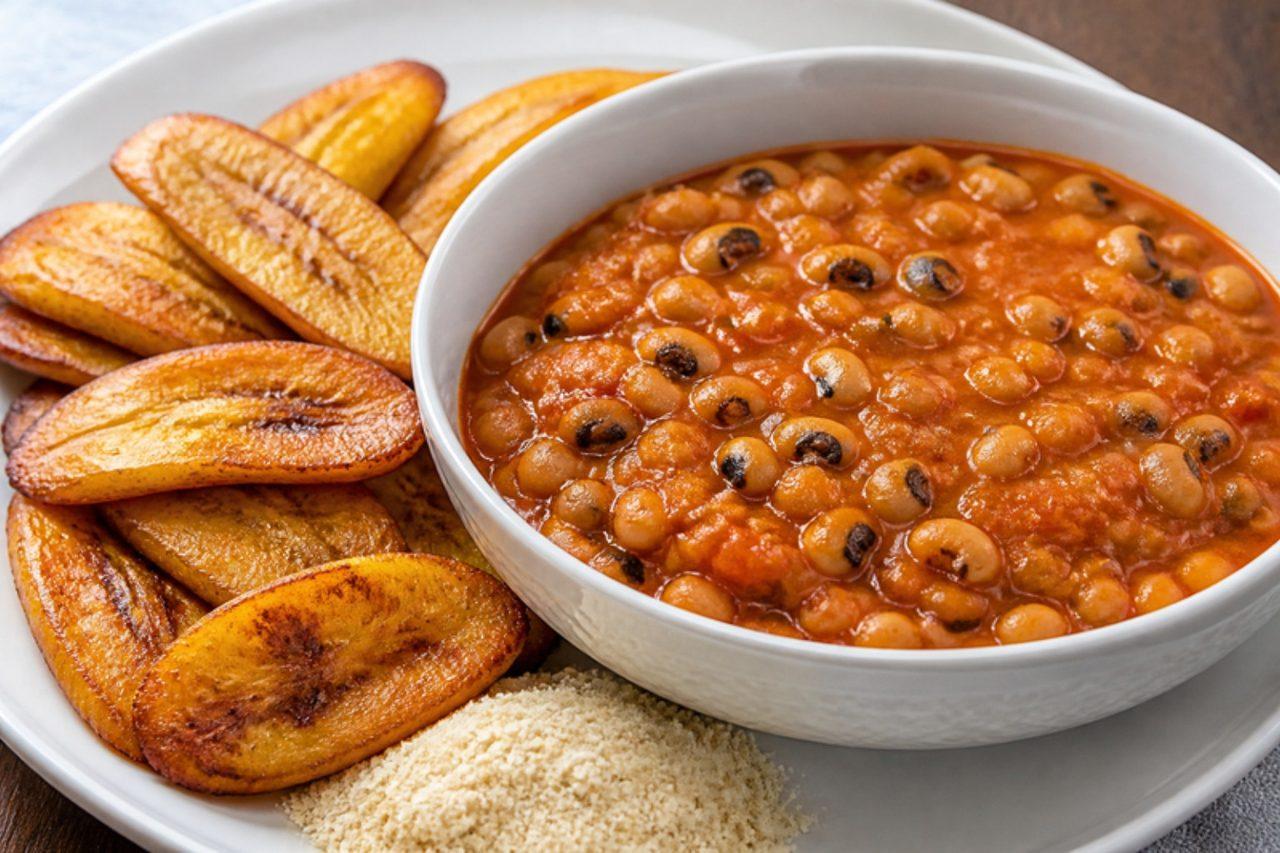
Red redBean stew in palm oil

Red red is Ghanaian chop-bar comfort food, eaten at lunchtime from Kumasi to Cape Coast, and it gets its name from its two reds: the bean stew glowing with palm oil and the fried ripe plantain served alongside. Black-eyed beans simmer in a tomato and onion sauce until creamy, then a sprinkle of gari on top adds crunch. It is often made with smoked fish or momoni; this meat-free version uses smoked paprika for the same savoury edge. Chef's tip: choose plantains with mostly black skins; they fry up sweet and caramelised, the perfect partner for the salty stew.

by KrazyBadal 0 views

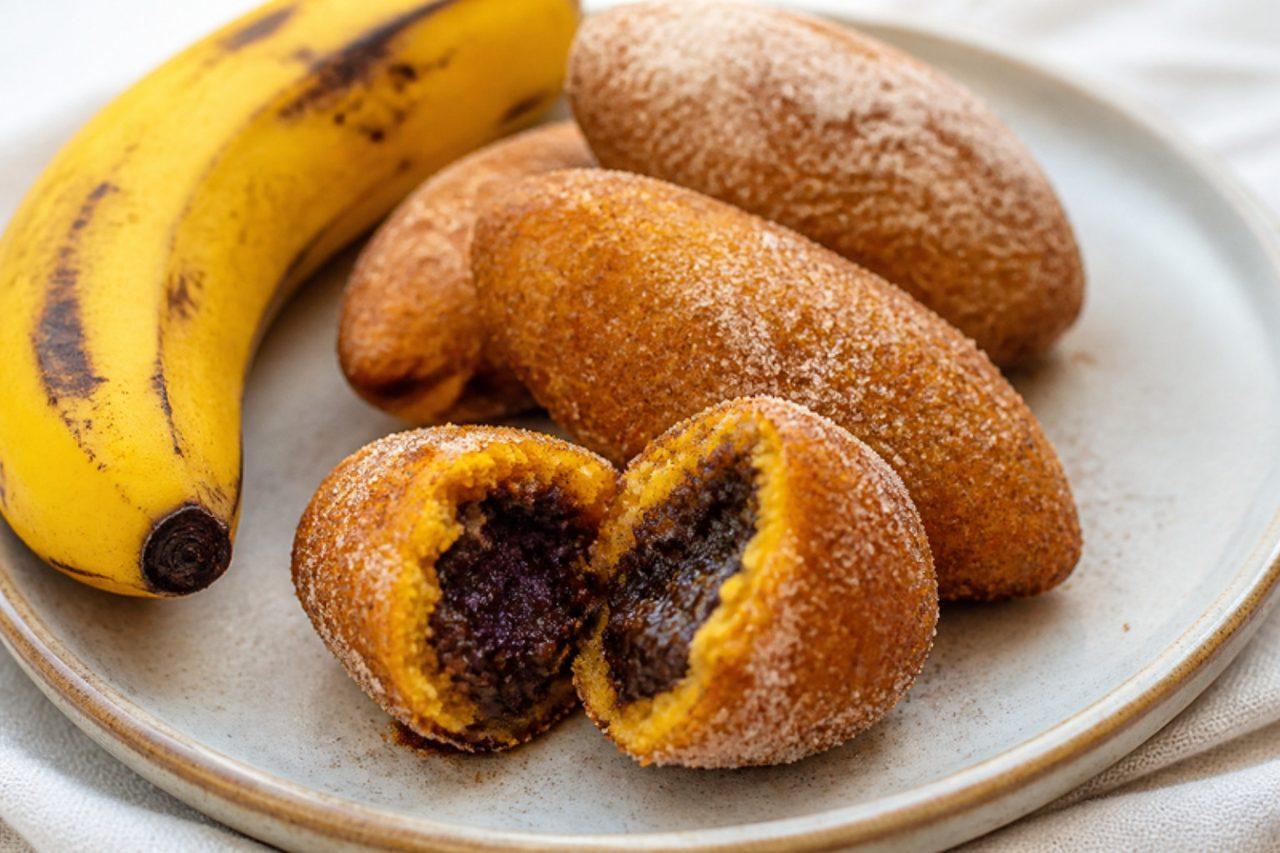
Rellenitos de plátanoPlantain dumplings with sweet beans

Rellenitos surprise everyone who hasn't grown up in Guatemala: soft, sweet plantain dough wrapped around a filling of black beans cooked down with chocolate, cinnamon and sugar, then fried and rolled in sugar. They're sold in panaderías and at fairs, and made at home for afternoon coffee and Christmas. The beans taste nothing like a savoury dish; think of a fudgy chocolate paste. Chef's tip: mash the plantains while hot and chill the dough for 20 minutes; cold dough wraps cleanly without sticking to your hands.

by KrazyBadal 0 views

Soto ayamTurmeric chicken soup

From Lamongan to Semarang, Java's soto carts start ladling before the morning commute, and a bowl of soto ayam is how many people begin a working day. The broth is light but bright yellow with fresh turmeric, scented with lemongrass and lime leaf, and poured over slippery glass noodles, shredded chicken, crunchy bean sprouts and half a boiled egg. Squeeze in lime, stir in as much sambal as you dare and eat it with plain rice or rice cakes on the side. In East Java vendors finish it with koya, a sandy powder of prawn crackers and fried garlic that thickens the broth as you eat. Chef's tip: keep the pot at a lazy simmer the whole time; a hard boil turns the golden broth cloudy and greasy.

by KrazyBadal 0 views

Soto BanjarSpiced chicken soup

Along the rivers of Banjarmasin in South Kalimantan, breakfast often means soto Banjar eaten at a wooden riverside warung, sometimes after a dawn trip to the floating market. Unlike the turmeric sotos of Java, this broth is pale and clear, perfumed with the sweet spices that traders brought up the river centuries ago: cinnamon, cloves, star anise, cardamom and nutmeg. Shredded chicken, glass noodles, carrot and a boiled egg go into the bowl with rice cakes, and lime and a little chilli sharpen it at the table. Chef's tip: toast the whole spices in the pan for a minute before the paste goes in; it brings out their sweetness without the dusty edge of ground spice.

by KrazyBadal 1 views

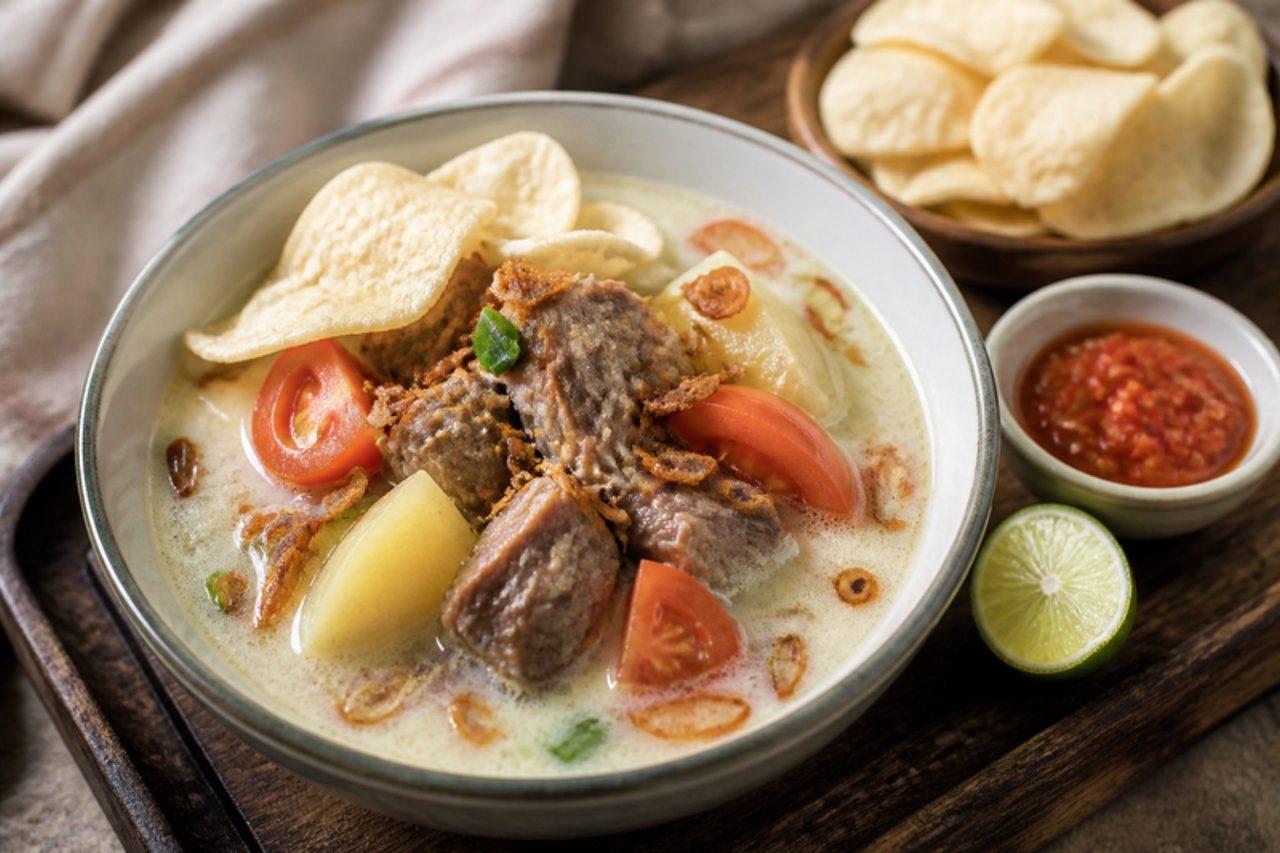
Soto BetawiBeef and coconut milk soup

Jakarta's original Betawi community gave the capital this rich, pale-gold soup, and on a Sunday the soto Betawi stalls along the city's side streets are packed with families. Beef brisket (and, for many, tripe) simmers until tender, then goes into a gently spiced broth made creamy with coconut milk and a splash of fresh milk, scented with lemongrass, cinnamon and cloves. Each bowl is loaded with fried potato, raw tomato and spring onion and comes with rice, lime, sambal and bitter-crisp emping crackers. It's comforting and mellow rather than fiery. Chef's tip: for a dairy-free bowl, swap the milk for more coconut milk; the soup will be a little heavier but just as good.

by KrazyBadal 0 views

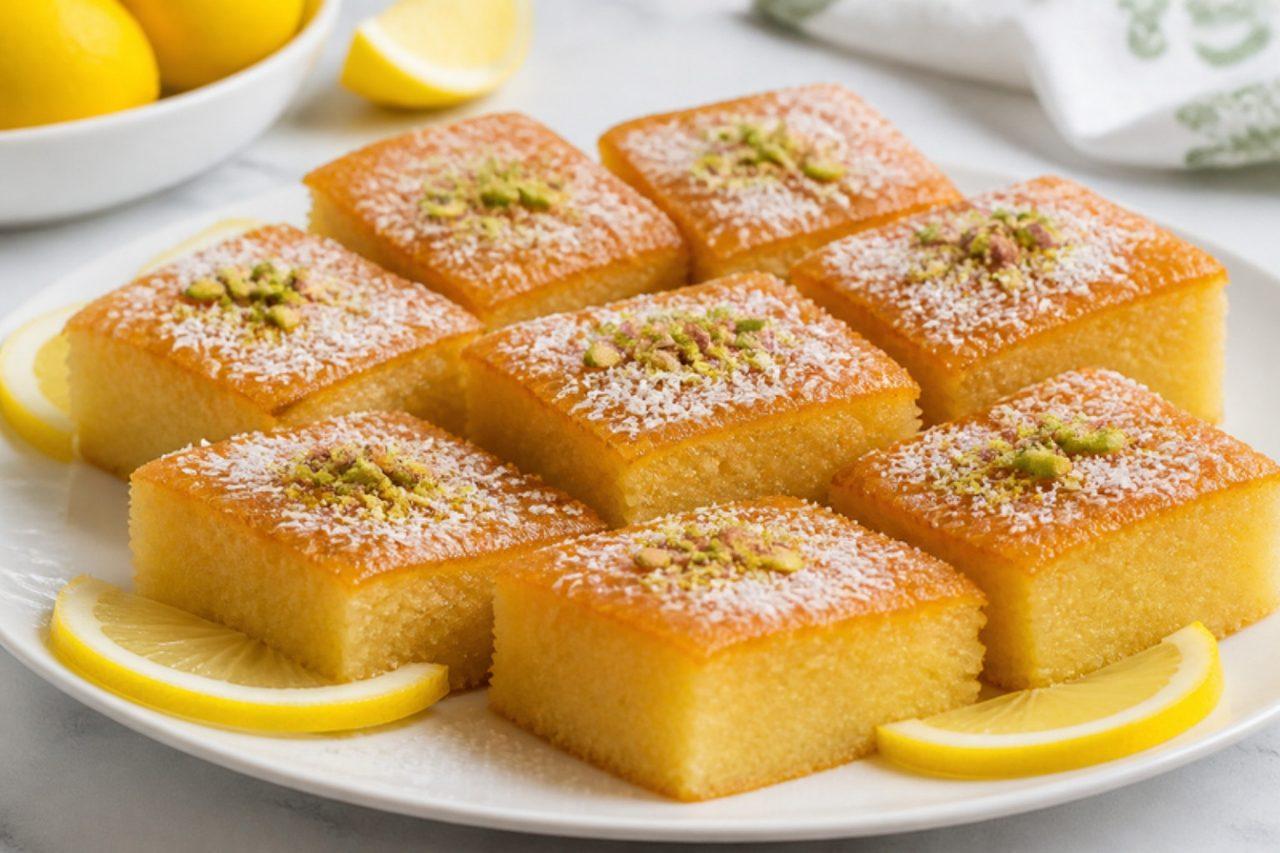
RevaniSemolina cake in lemon syrup

Revani is the syrup cake you meet in Turkish pastry shops and on home tea tables, especially at bayram visits, when trays of it are cut into diamonds and handed round with çay. Unlike a dense eggless semolina bake, it is a light, airy sponge of whisked eggs, semolina and a little flour, which drinks in cold lemon syrup straight from the oven until it is moist right through yet still holds a clean cut. It sweetens with sugar syrup rather than icing and is often finished with desiccated coconut or crushed pistachios. Serve it at room temperature or chilled, with tea or a spoon of kaymak or thick cream. Chef's tip: pour cool syrup over the hot cake (or hot over cool), never hot on hot; that contrast lets the sponge soak up syrup without collapsing into mush.

by KrazyBadal 0 views

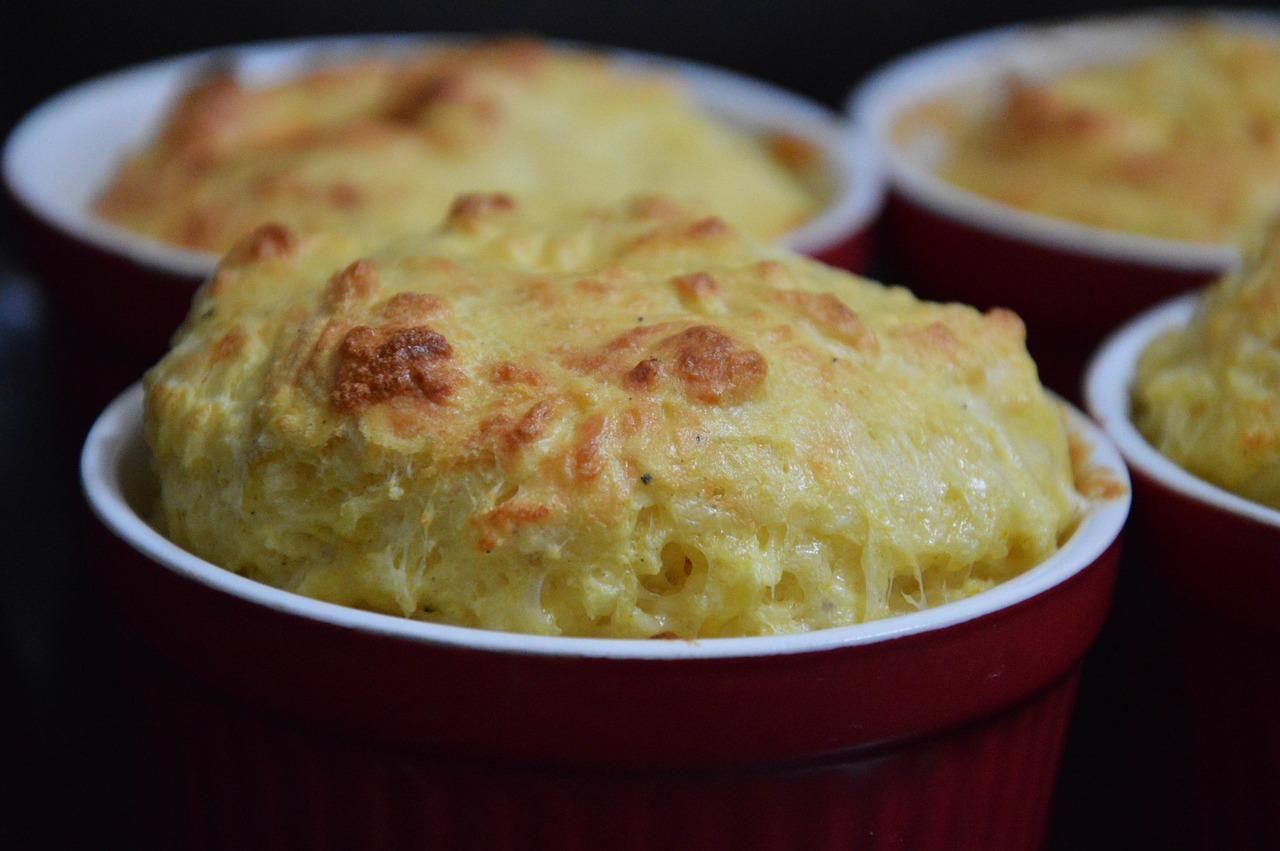
Soufflé au fromageCheese soufflé

The cheese soufflé is a French bistro classic and a favourite family starter or light supper all over France, often served with a green salad and a glass of white wine. A thick cheese sauce is lightened with whisked egg whites and baked until it rises tall above the dish, golden and crusty outside and soft, almost creamy in the middle. It sounds hard but it's mostly about timing. We thicken the sauce with cornflour so it's gluten free (classic recipes use plain flour). Comté and Gruyère are made with animal rennet, so use a vegetarian alternative. Chef's tip: fold the whites in gently with a big spoon, in three goes; stirring hard is the common mistake that knocks out the air so it never rises.

by KrazyBadal 0 views

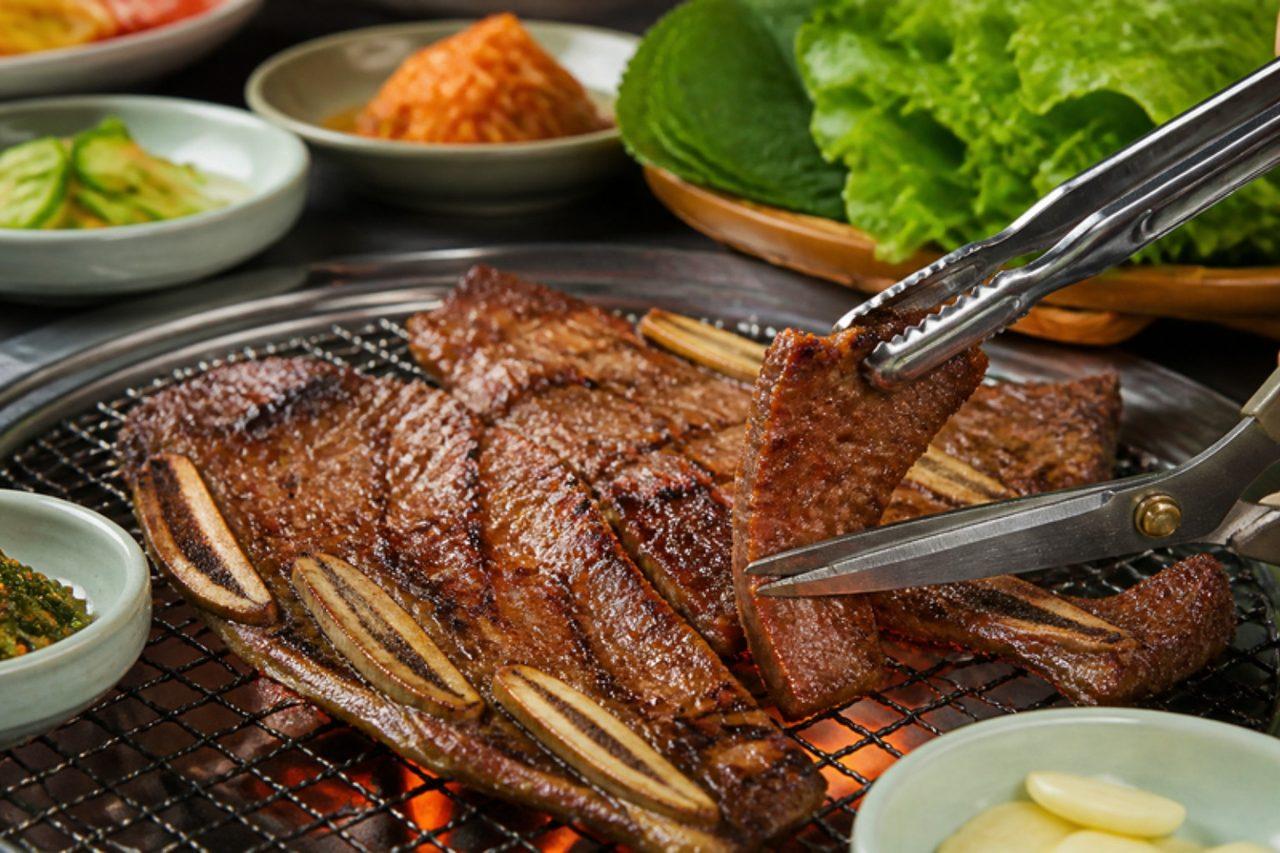
Suwon galbiGrilled beef short ribs

Suwon, south of Seoul in Gyeonggi province, once had one of the largest cattle markets in Korea, and its galbi houses grew up around that trade. The city's style is unusual: the long, butterflied short ribs are seasoned mainly with salt, garlic and sesame oil rather than the soy marinade most people know. Families and office groups grill them at the table over charcoal, snip them into pieces with scissors and wrap each bite in lettuce with ssamjang and raw garlic. At home a ridged griddle pan or a barbecue does the job well. Chef's tip: score the opened-out meat lightly in a criss-cross pattern on both sides, so the salt seasoning soaks in and the ribbon of meat stays flat on the grill.

90 minKoreanMeat
by KrazyBadal 0 views

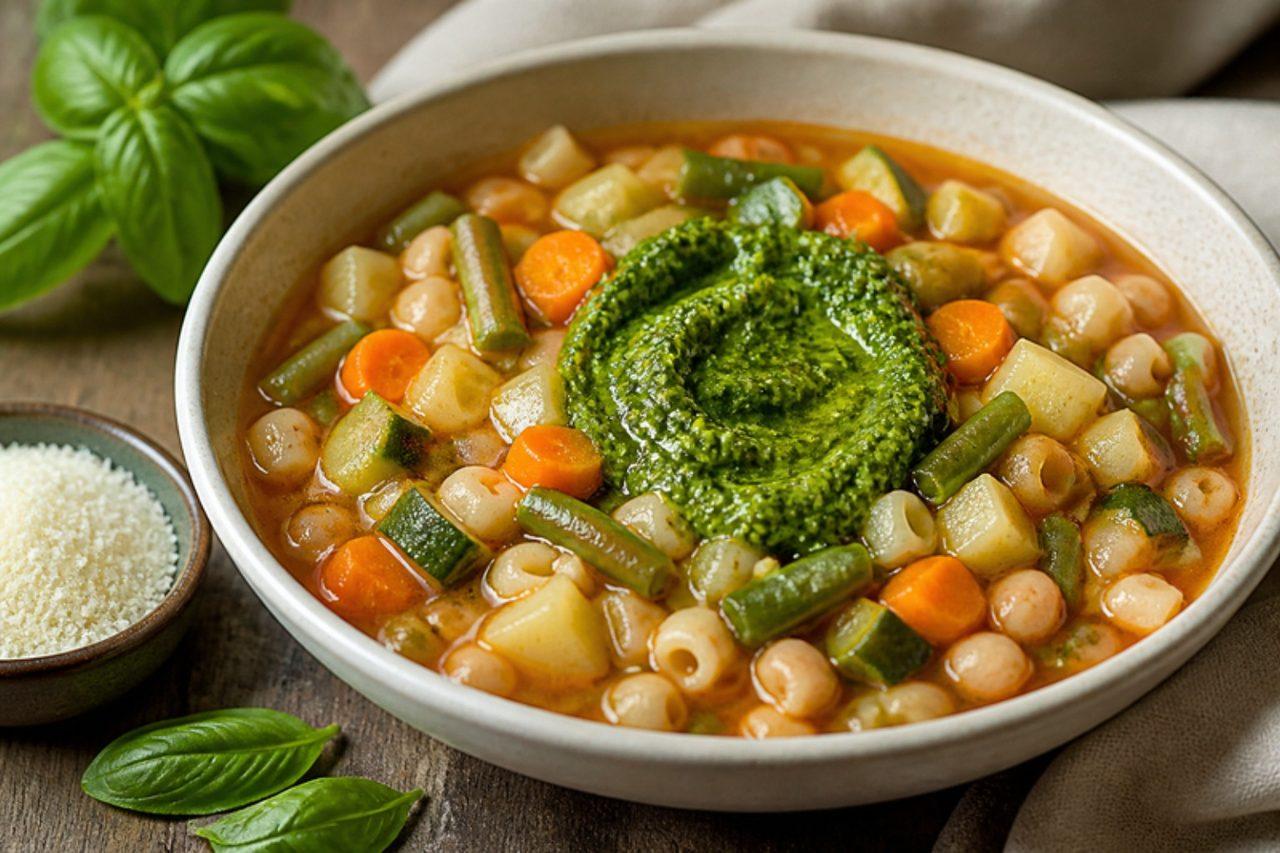
Soupe au pistouBean and vegetable soup with basil

Soupe au pistou is Provence's summer minestrone, eaten from July to September when basil grows thick in the gardens around Marseille and Avignon. Beans, courgettes, green beans, carrots, potato and small pasta simmer in a light broth, then each bowl gets a spoonful of pistou, a pounded paste of basil, garlic, olive oil and hard cheese with no pine nuts. Stirred in at the table, it turns the broth fragrant and green. It is a whole meal with bread. The traditional cheese is Parmesan or aged Gouda, so use a vegetarian hard cheese. Chef's tip: never boil the pistou; adding it to the pot is the common mistake that turns the basil dark and kills its smell.

by KrazyBadal 0 views

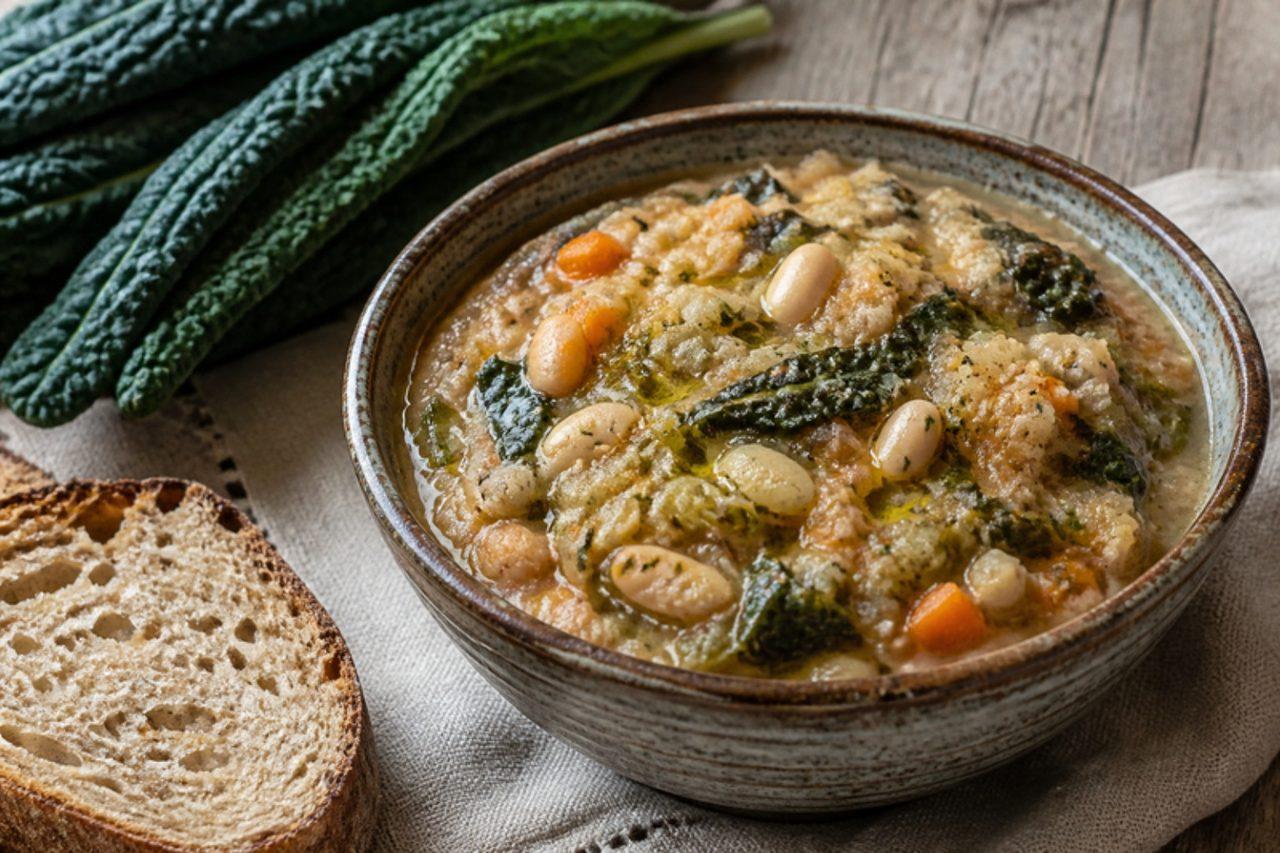
RibollitaBread and bean soup

Ribollita means 'reboiled': a Tuscan peasant soup of cannellini beans, cavolo nero and other vegetables, layered with stale bread and heated again the next day until thick enough to eat with a fork. Florentines eat it through the cold months, when cavolo nero is sweetest after the first frosts, finished with a green thread of new-season olive oil. Make it a day ahead, because the reboil is the point. Chef's tip: when reheating, let the bottom catch very slightly before stirring; that toasty edge is what Tuscans love about day-two ribollita.

by KrazyBadal 0 views

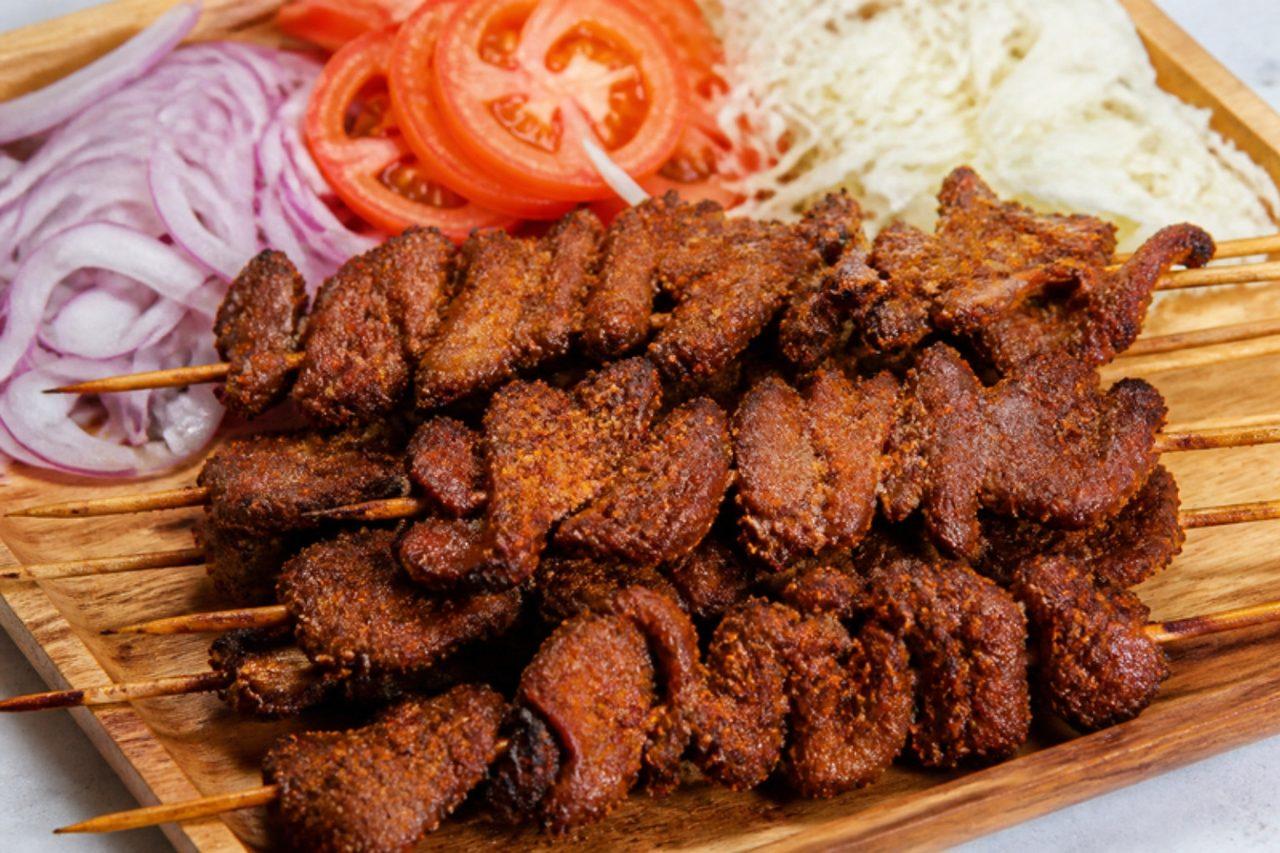
SuyaSpiced beef skewers

Suya comes from the Hausa north, from Kano and Kaduna, but now every Nigerian city has a mai suya grilling beef over charcoal by the roadside once the sun goes down. Thin slices of beef are threaded onto skewers, rubbed with yaji, a fiery mix of roasted peanut powder, chilli, ginger and stock spices, and grilled until charred at the edges. It comes wrapped in newspaper with sliced raw onion, tomato and extra yaji for dipping. The common mistake is cutting the beef thick; it needs to be thin enough to see light through, so it cooks fast and stays tender. Chef's tip: put the beef in the freezer for 30 minutes first, and it will slice wafer thin with ease.

by KrazyBadal 0 views

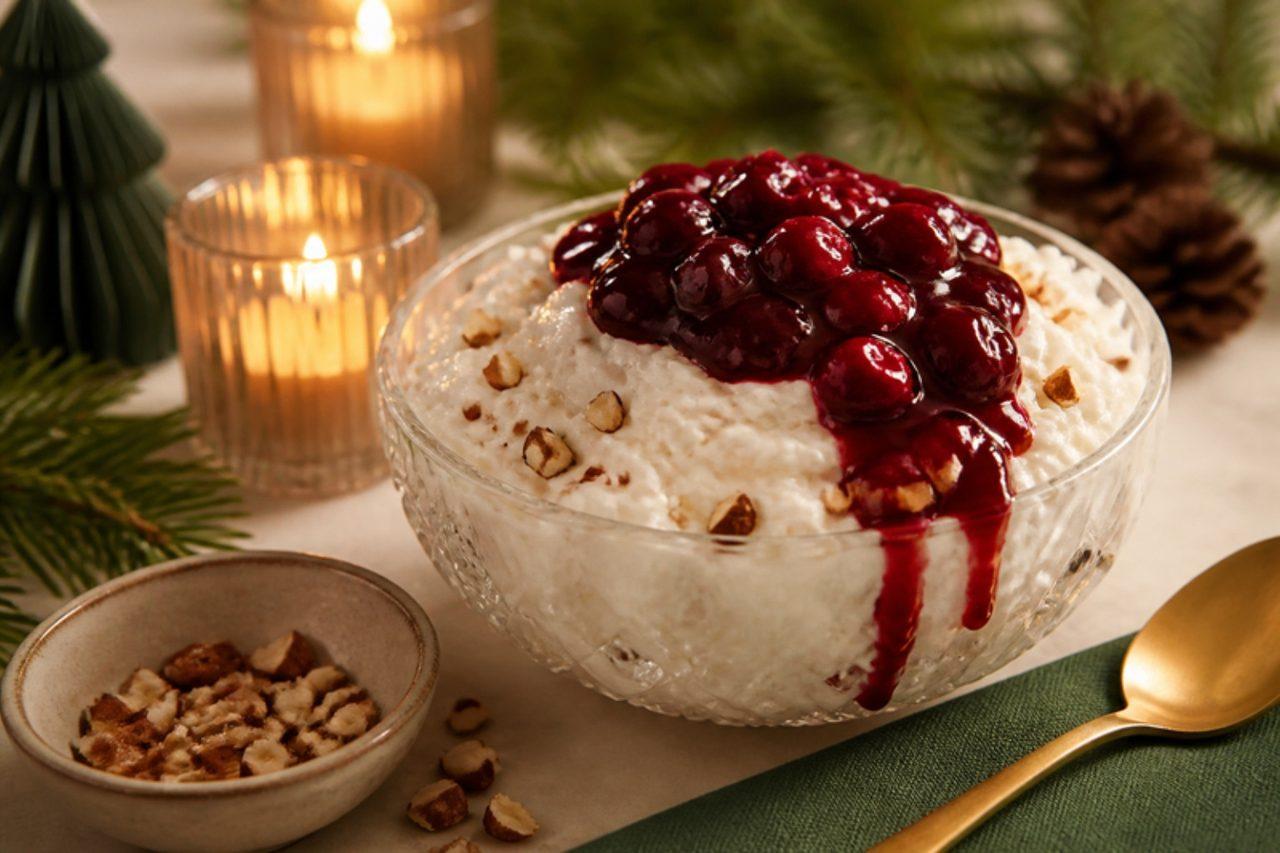
RisalamandeRice pudding with cherry sauce

On Christmas Eve, almost every Danish family ends dinner with risalamande, a cold vanilla rice pudding lightened with whipped cream and chopped almonds and served with a hot cherry sauce poured over the top. Hidden somewhere in the bowl is one whole almond, and whoever finds it wins the mandelgave, the almond prize, usually a marzipan pig. Some finders keep the almond in their cheek until everyone has eaten far too much. The rice base, risengrød, is often cooked on 23 December, eaten warm with butter and cinnamon, and the leftovers become risalamande the next night. Chef's tip: let the rice pudding cool completely before folding in the cream; warm rice melts the whipped cream and the pudding turns heavy instead of airy.

by KrazyBadal 0 views

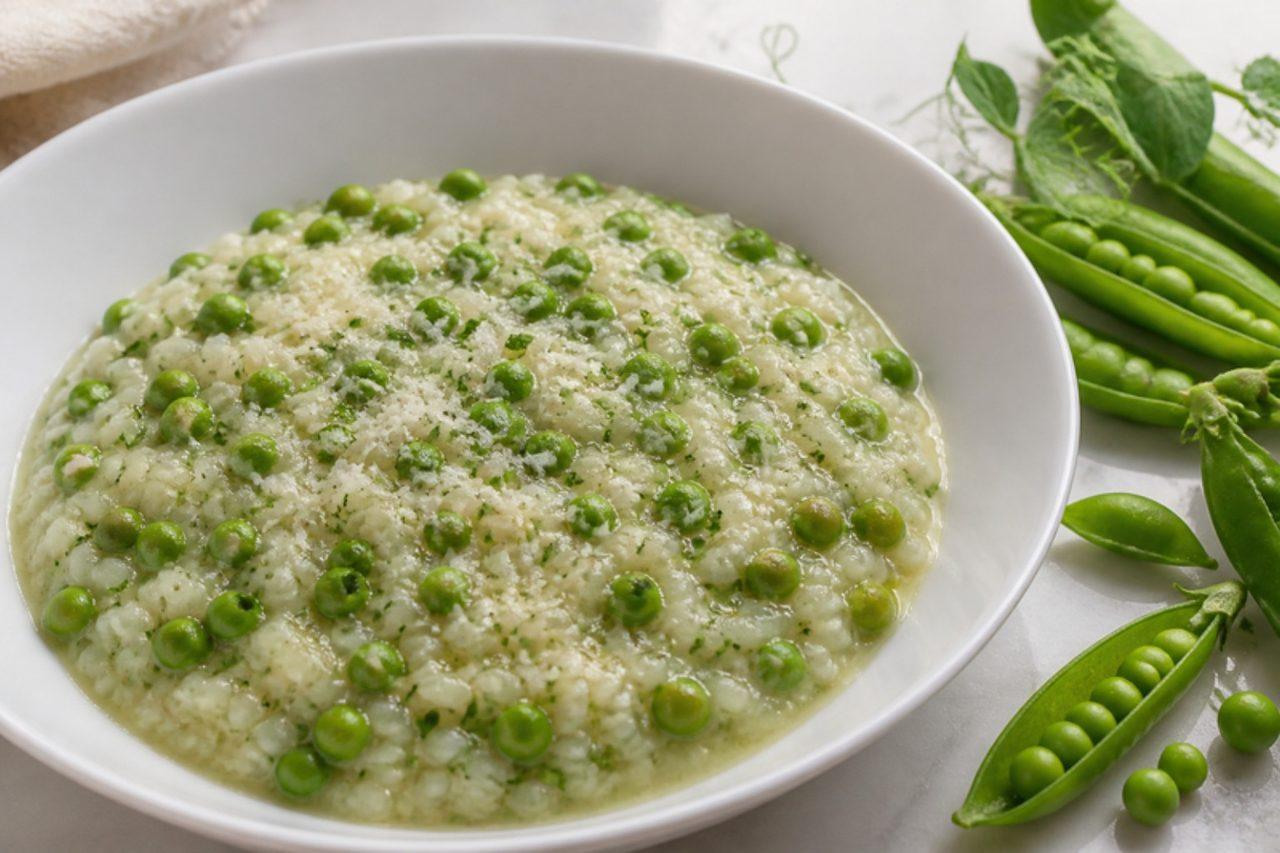
Risi e bisiRice and peas

Risi e bisi was once served to the Doge of Venice every 25 April, the feast of Saint Mark, when the first tender peas arrived from the lagoon islands. It sits between a soup and a risotto: thicker than a minestra, looser than risotto, eaten with a spoon. Venetians make a quick broth from the empty pods, which gives a sweet, grassy flavour no stock cube can match; pancetta often goes in, but this version keeps it vegetarian with parsley and butter. Chef's tip: when podding fresh peas, keep the pods; simmered for 20 minutes they make the whole dish taste of spring.

by KrazyBadal 0 views

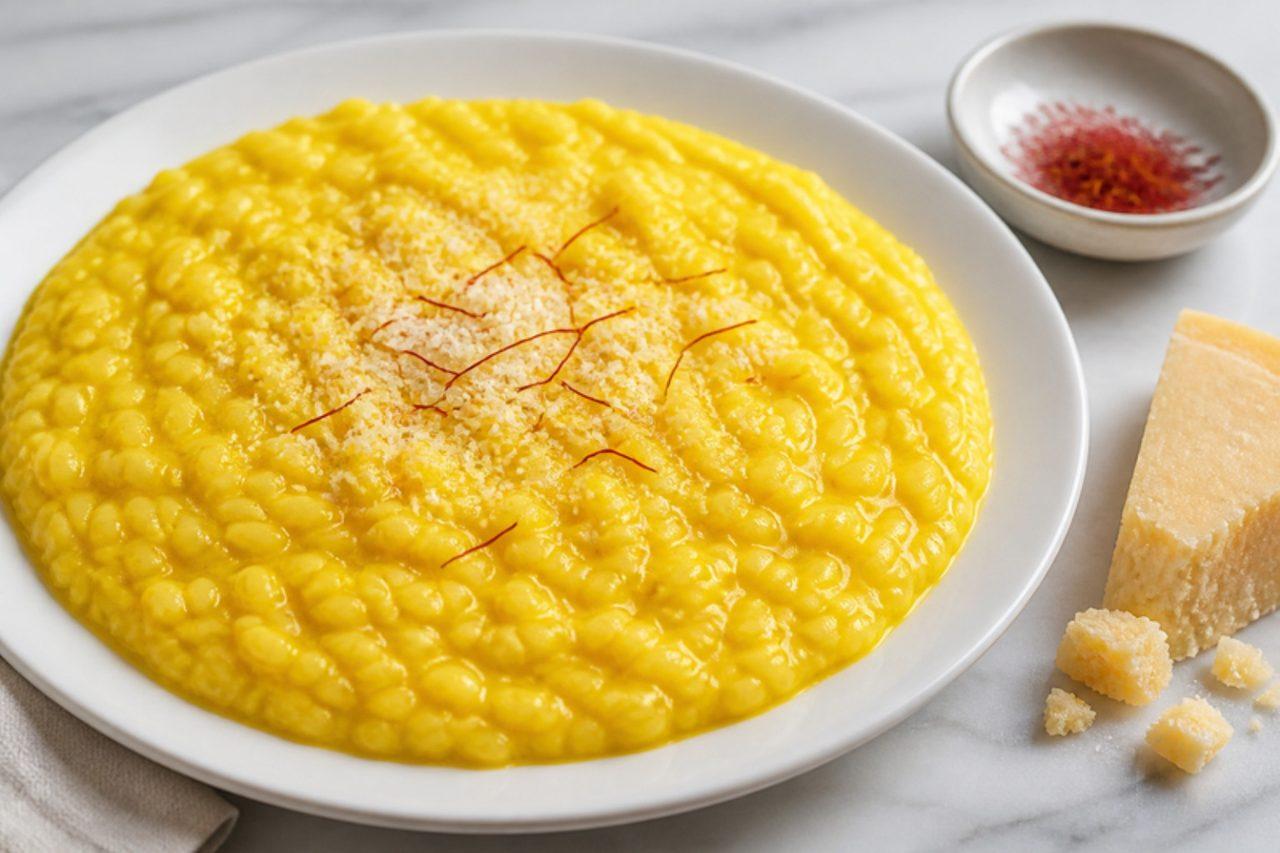
Risotto alla milaneseSaffron risotto

Risotto alla milanese is the saffron risotto of Milan, served on its own as a first course or beside ossobuco on Sunday tables, and a legend says it was first made in 1574 by a glass-painter's apprentice working on the Duomo who coloured rice with saffron. Milanese cooks use beef marrow and meat broth; here a well-flavoured vegetable stock keeps it vegetarian, with butter and hard cheese for richness. It should be all'onda: loose enough to ripple like a wave when you shake the plate. Chef's tip: keep the stock at a bare simmer beside the rice; cold stock stops the cooking and makes the grains chalky.

by KrazyBadal 0 views

Rocoto rellenoStuffed rocoto peppers

Rocoto relleno is the pride of Arequipa's picanterías: fiery rocoto peppers stuffed with a sweet-savoury filling, topped with cheese and baked over sliced potato in an egg and milk custard. The traditional filling is minced beef; this vegetarian version uses mushrooms and lentils fried with ají panca, cumin, peanuts, raisins, olives and boiled egg, which gives the same rich, spiced, slightly sweet bite. The peppers are first blanched several times in fresh water with sugar and vinegar to tame their heat, which is the real skill of the dish. If you can't find rocotos, use small red bell peppers and add a little habanero to the filling. Chef's tip: taste a sliver of rocoto after the second blanching; stop when it is hot but pleasant, and blanch once more if it still burns.

by KrazyBadal 0 views

Rooh Afza sherbetRose syrup drink

During Ramadan almost every household in Pakistan breaks the fast at sunset with a jug of this bright red sherbet on the table, from Karachi apartments to village courtyards in Punjab. It is made with the herbal rose syrup sold as Rooh Afza (any rose sherbet syrup works), stirred into ice-cold water with a squeeze of lemon and a spoonful of swollen basil seeds (tukh malanga) that are said to cool the body after a long, hot day without water. Some families make it with cold milk instead, which turns it pink and creamy. The mistake people make is adding the basil seeds dry; they clump into hard lumps, so soak them first. Chef's tip: chill the water and syrup well before mixing so you need less ice and the sherbet does not taste watered down.

by KrazyBadal 0 views

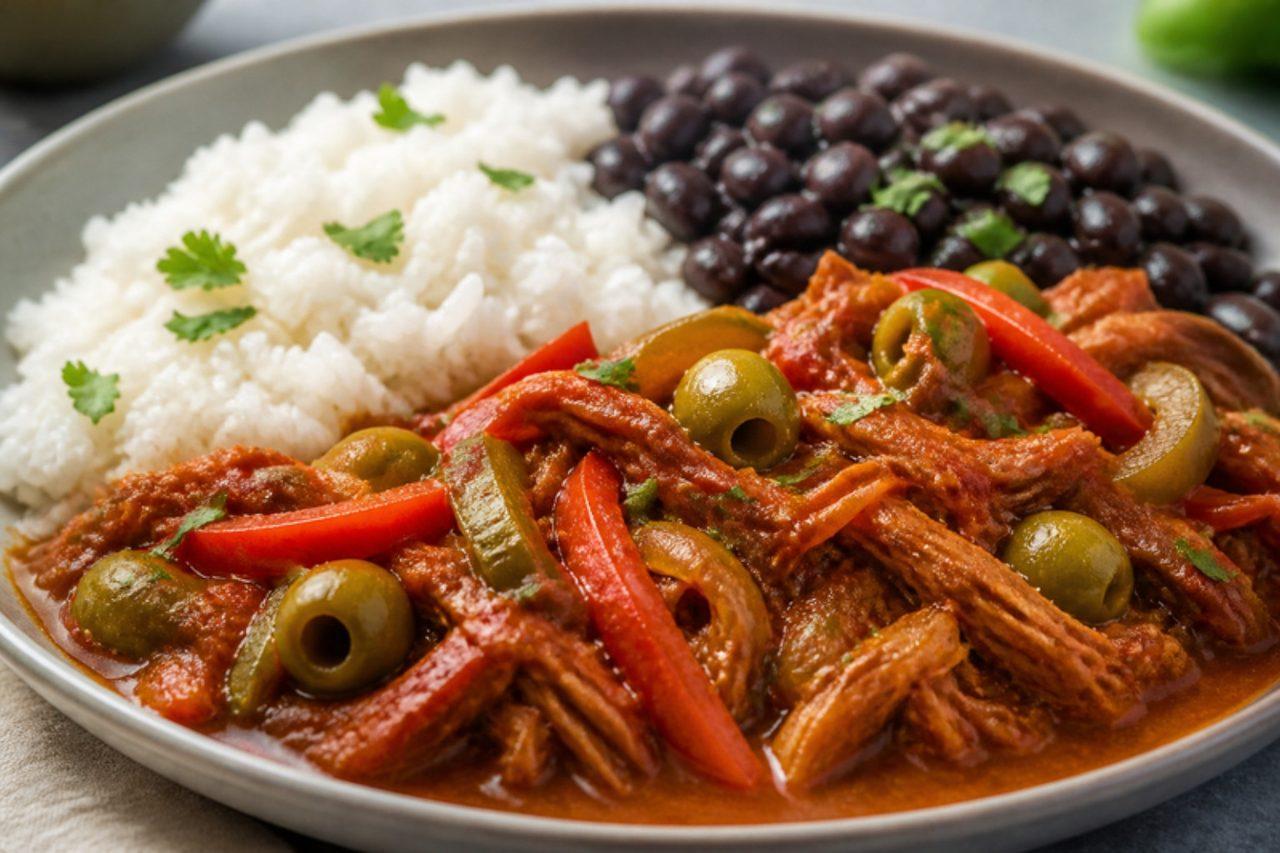
Ropa viejaShredded beef stew

Ropa vieja means 'old clothes', after the ragged strands the beef falls into, and it is the dish Cubans name first when asked about home cooking. Families in Havana and Camagüey make a big pot on a weekend: flank steak is simmered until soft, pulled into threads and then stewed again in a sofrito of peppers, onion, tomato, cumin and green olives. It is eaten with white rice, black beans and fried ripe plantain, and it tastes even better reheated the next day. The common mistake is cutting the beef across the grain before cooking; leave it whole so it shreds into long strands. Chef's tip: keep the cooking liquid from the first simmer and use it instead of water in the sauce, because it carries most of the beefy flavour.

190 minCubanMeatGluten free
by KrazyBadal 0 views

Showing 36 of 7,762 recipes

Show more recipes

Page 713 of 863