


Skip to content
Bebek betutu
Featured recipe

Bebek betutu

Spiced slow-roasted duck

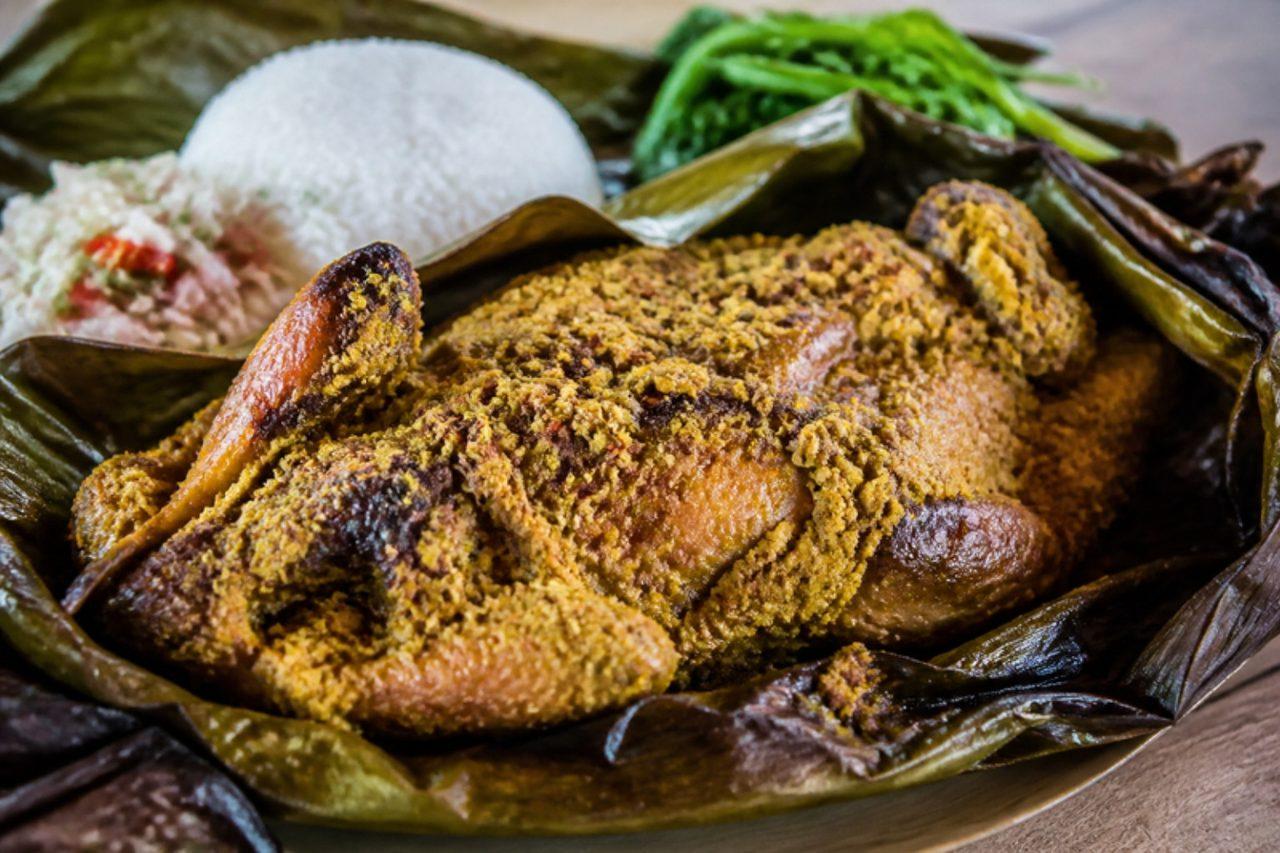
For ceremonies in the villages around Gianyar in central Bali, a whole duck is stuffed and smothered with base genep, wrapped in banana leaves and areca-palm sheath, and buried overnight in smouldering rice husks. By morning the meat has turned meltingly soft, the fat has rendered into the spices and the parcel smells of turmeric, smoke and lime leaf. This home version keeps the stuffing and the leaf parcel but uses a low oven for three hours, then opens the parcel for a short blast to colour the skin. Serve it in its juices with rice, a sharp sambal matah and long beans or water spinach. Chef's tip: marinate the duck overnight in the fridge if you can; the paste needs time to get past the fat and into the meat.

Read more 0 views

What to eat today?

Around the world

Today's trip: Persian

A new country every day, from every cuisine on the site.

Persian

Ash-e shalgham

Turnip and rice soup 65 minMore from Persian (131) →

This week's collection

Kid-friendly dinners
537 recipes · a new collection every Monday

Latest recipes

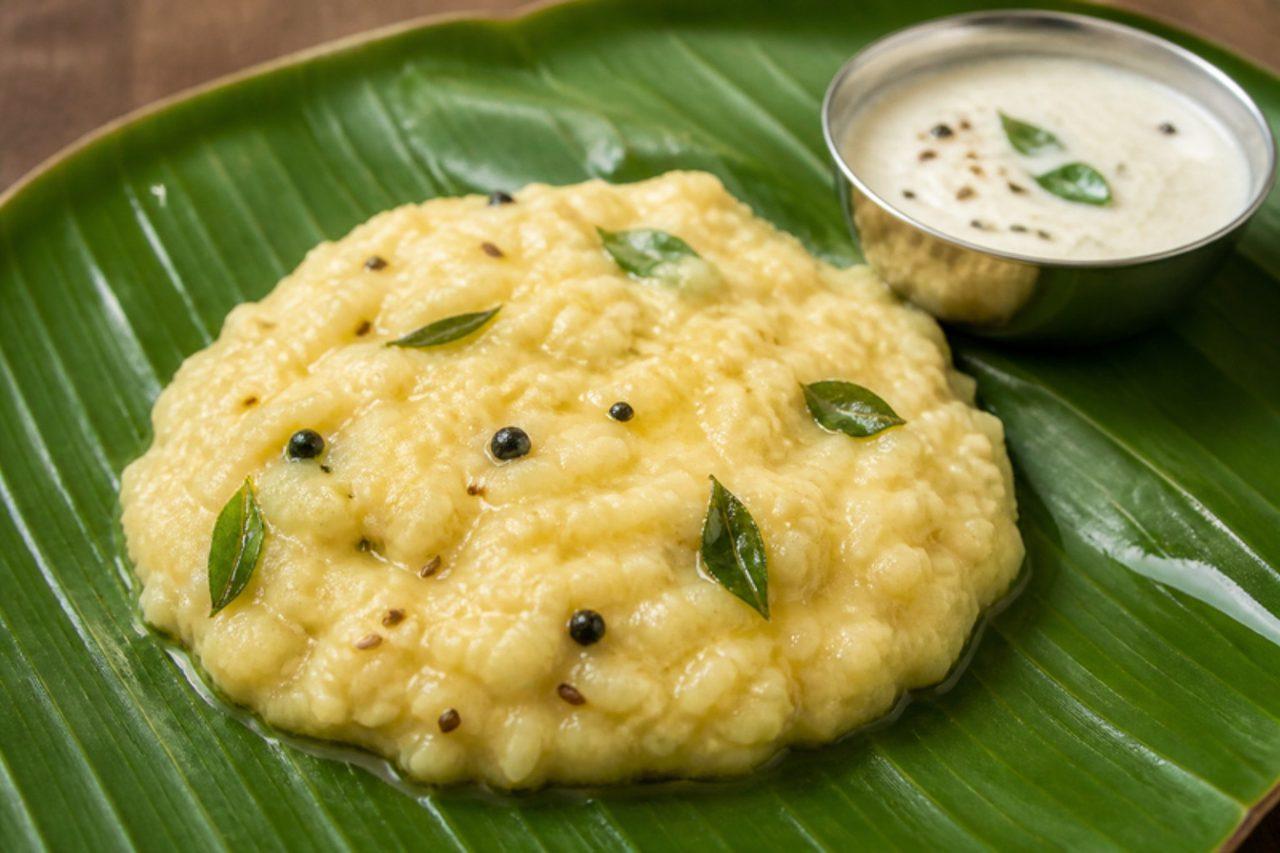
Ven pongalRice and moong dal porridge

Ven pongal, 'white pongal', is the gentle, savoury breakfast of Tamil Nadu, served in homes, temples and Chennai's tiffin halls. Rice and roasted yellow moong dal are cooked together until soft and creamy, then finished with a ghee tempering of whole black pepper, cumin, ginger, cashews and curry leaves. It's mild and comforting, with little bursts of heat from the peppercorns. Serve it with coconut chutney and sambar, or with medu vada on a Sunday. Chef's tip: dry-roast the moong dal for a few minutes before cooking until it smells nutty; it takes the pongal from plain to deeply savoury.

by KrazyBadal 0 views
Mushroom tacos al pastorChilli mushroom tacos

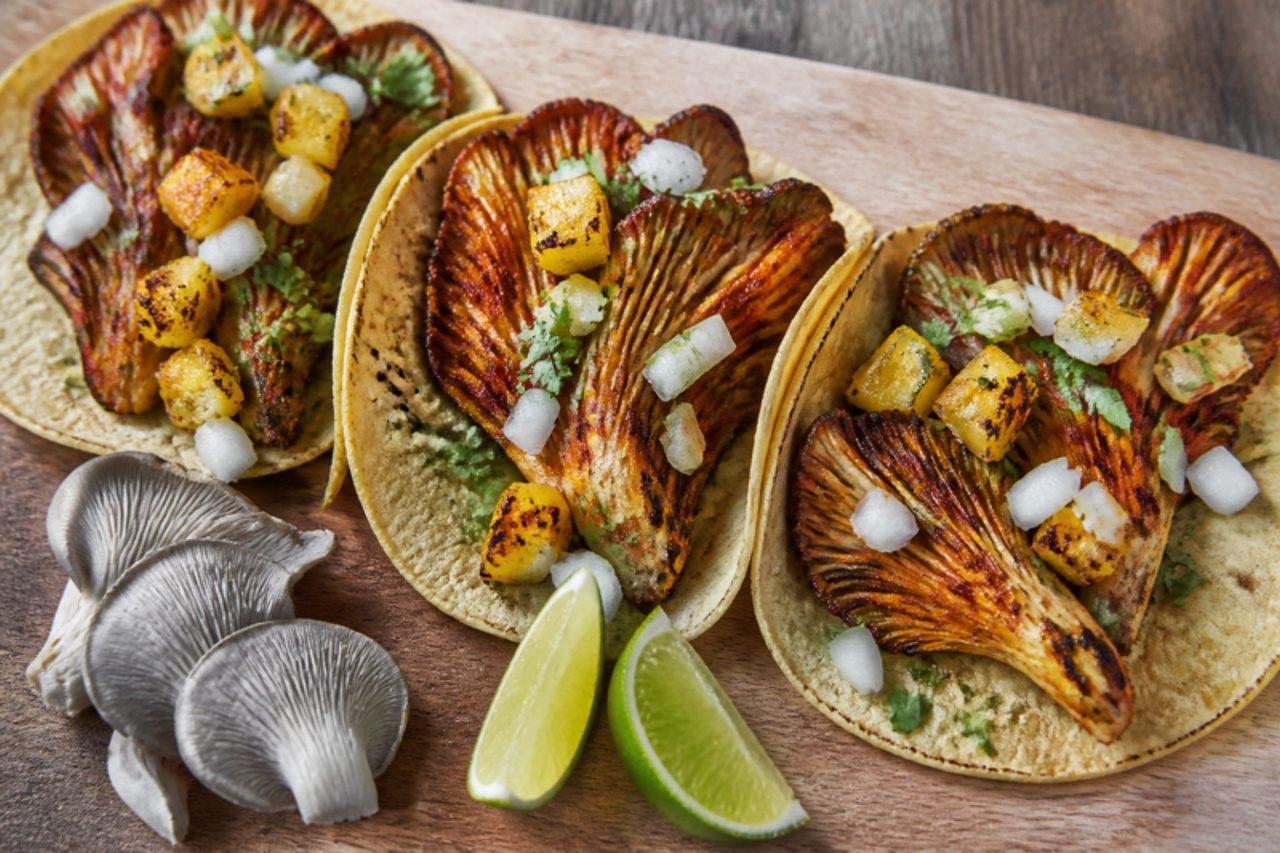
Tacos al pastor are the night-time taco of Mexico City, born when Lebanese immigrants' spit-roasted shawarma met Mexican dried chillies: meat marinated in guajillo and achiote is stacked on a vertical spit (the trompo), shaved into small corn tortillas and finished with pineapple, onion and coriander. This vegetarian version, tacos al pastor de hongos, uses torn oyster mushrooms in the same brick-red adobo, seared hard in a hot pan until the edges crisp and char like meat cut from the trompo. Expect smoky, tangy, gently hot tacos with bursts of sweet, caramelised pineapple; serve them with salsa verde and lime wedges. Chef's tip: press the mushrooms flat with a spatula and leave them alone in a very hot pan; moving them around makes them steam and go soft instead of crisp.

by KrazyBadal 0 views

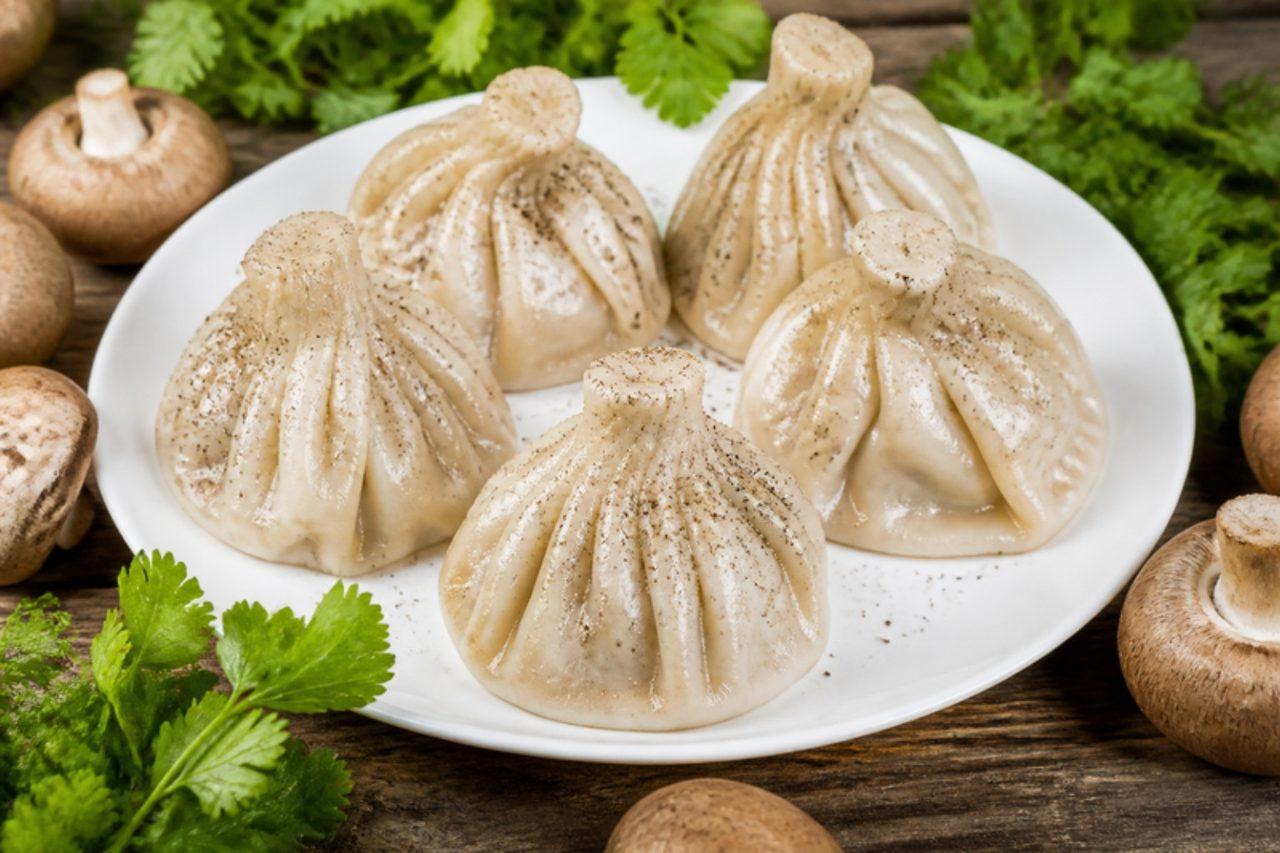
Mushroom khinkaliMushroom dumplings

Khinkali come from the mountain villages of Pshavi, Khevsureti and Tusheti in Georgia's north-east, and the roadside khinkali houses of Pasanauri on the Georgian Military Road are where many Tbilisi families stop for them. The classic filling is meat, but mushroom khinkali (sokos khinkali) are made all through Orthodox Lent and are on most menus. You hold each one upside down by its twisted topknot, bite a small hole, sip the hot juices, then eat the rest and leave the doughy knot on the plate to count how many you have eaten. The common mistake is rolling the wrappers too thin or the dough too soft, so they tear in the pot and lose their juice. Chef's tip: grind black pepper over them generously at the table, as Georgians do; it wakes up the mushrooms.

by KrazyBadal 0 views

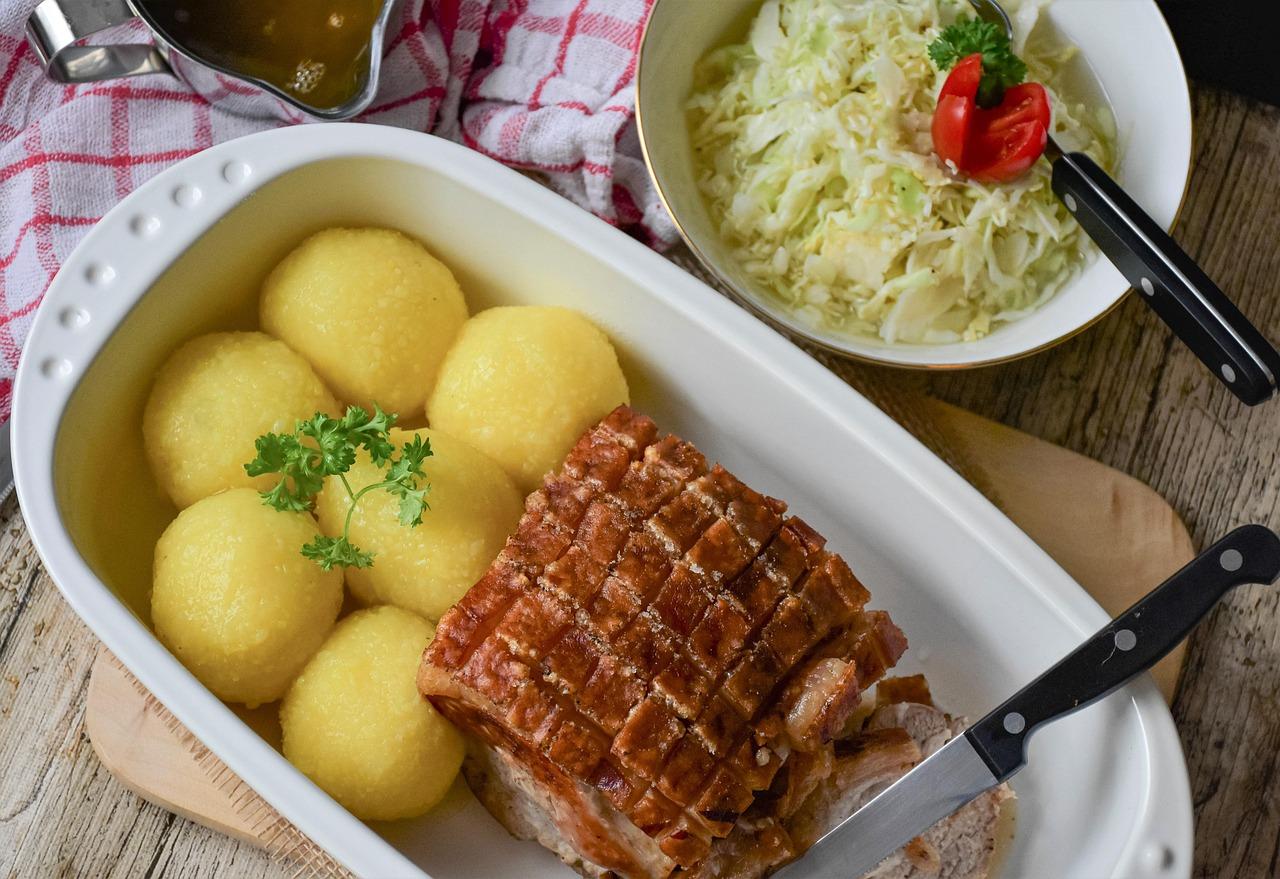
Vepřo knedlo zeloRoast pork with dumplings and cabbage

Ask anyone in Prague, Brno or a village pub in Moravia for the most Czech meal of all and they will name vepřo knedlo zelo: roast pork, dumplings and cabbage, eaten at Sunday lunch and washed down in pubs with a cold lager. This is a pork dish: shoulder rubbed with garlic, caraway and salt and roasted slowly in a little water until it falls into tender slices, the pan juices becoming the gravy. Alongside go slices of soft bread dumpling and red or white cabbage braised sweet and sour. The trap is roasting the pork too hot and too dry; a splash of water in the tin and a low oven keep it juicy. Chef's tip: lay the pork fat side down for the first hour, then turn it fat side up so the fat renders and crisps at the end.

210 minCzechMeat
by KrazyBadal 0 views

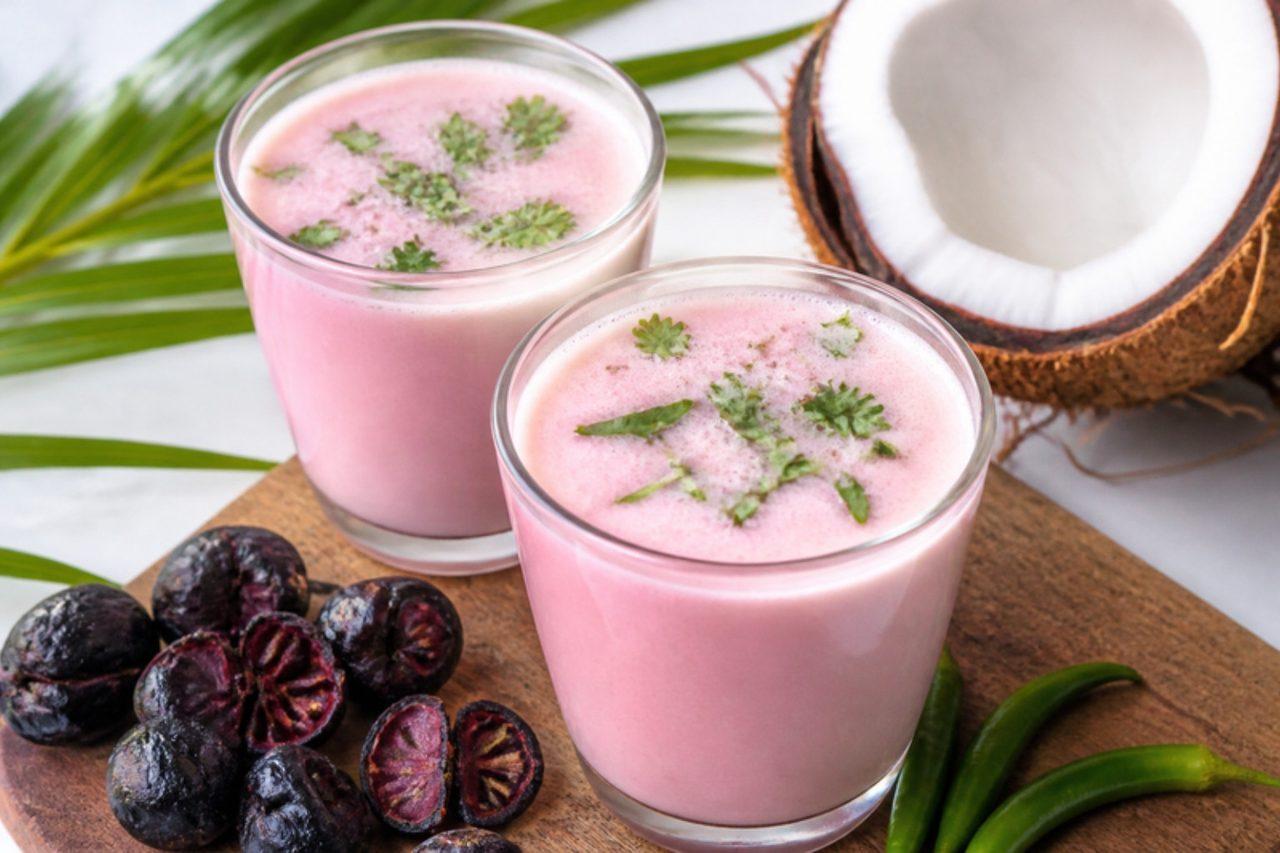
Sol kadhiKokum and coconut milk drink

Sol kadhi is the pale pink drink served at the end of every meal along the Konkan coast, from Malvan to Ratnagiri. Fresh coconut milk is mixed with the deep purple soaking water of kokum, a sour fruit that grows in the coastal hills, and seasoned with a little garlic, green chilli and salt. It's cool, tangy and gently creamy, and it soothes the stomach after a spicy Malvani thali. Drink it from a small glass or pour it over rice as the last course. Chef's tip: make it with fresh coconut if you can; the milk you squeeze yourself is lighter and sweeter than tinned and gives the classic blush-pink colour.

by KrazyBadal 0 views

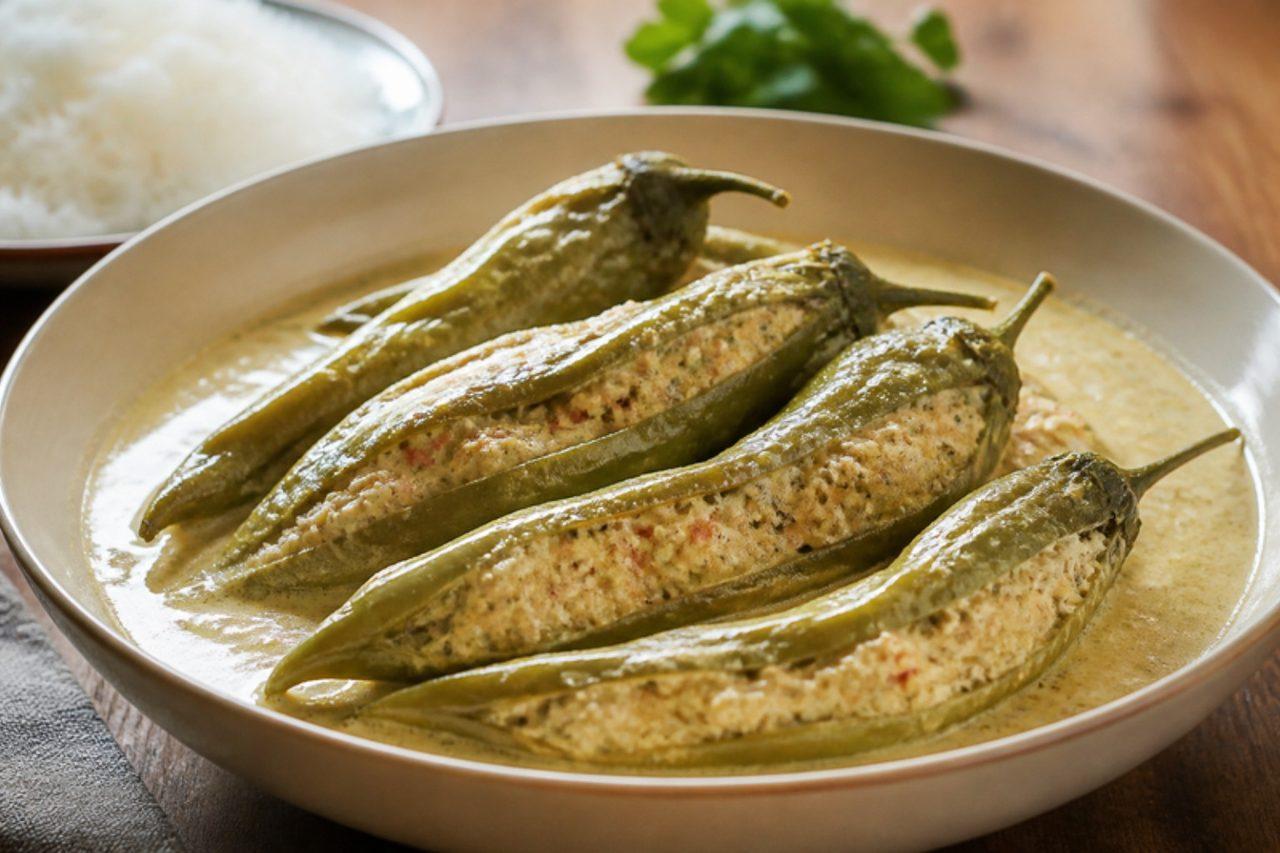
Solok ladaFish-stuffed green chillies

Bulky green chillies are the cases for this Kelantan festive dish, cooked for weddings and Raya tables in Kota Bharu. Each one is slit, scraped out and packed with a pale filling of fish, freshly grated coconut, shallots, ginger and black pepper, then simmered gently in coconut milk until the chillies slump and the gravy turns rich and faintly smoky. The filling is soft and sweet; the skins bring gentle heat and a green, grassy bite. Serve two or three per person with rice and a sambal, or with nasi kerabu. Chef's tip: choose large, mild chillies (or long sweet peppers for a gentler version) and tie each with a strip of pandan or a toothpick so the filling stays inside.

by KrazyBadal 0 views

SolteritoBroad bean, corn and cheese salad

Solterito, the 'little bachelor', is a cold salad from Arequipa in southern Peru, so called because it was simple enough for a single man to make. Broad beans, sweet corn, fresh cheese, tomato and red onion are tossed with black olives, parsley and a little rocoto chilli in an oil and vinegar dressing. It is eaten with the spicy dishes of Arequipa's picanterías, or on its own as a light lunch. Rocoto is a fat, fiery red chilli; a red pepper with a little habanero gives a similar crunch and heat. Use queso fresco made with vegetarian rennet. Chef's tip: peel the broad beans after blanching; the pale skins are tough and the bright green beans inside make the salad sweet and tender.

by KrazyBadal 0 views

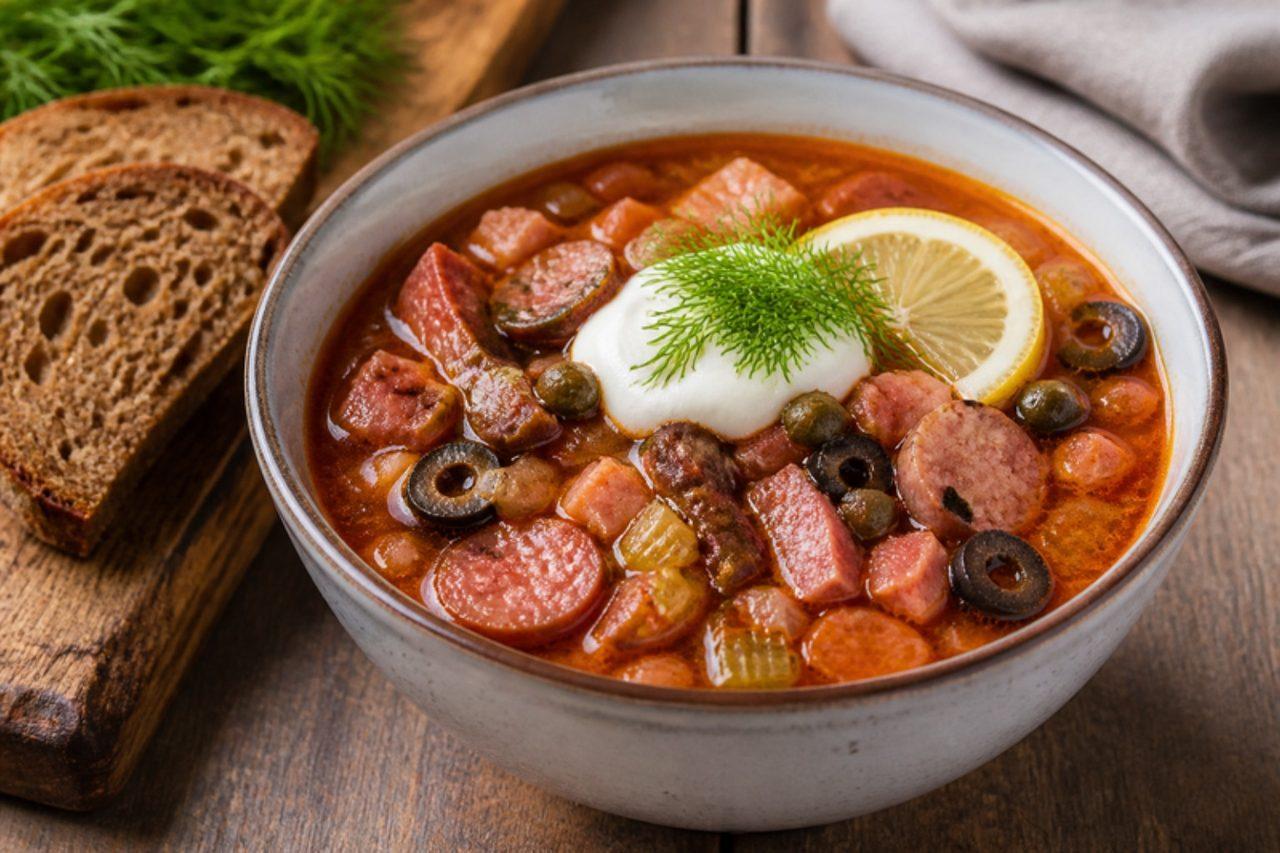
SolyankaSour mixed-meat soup

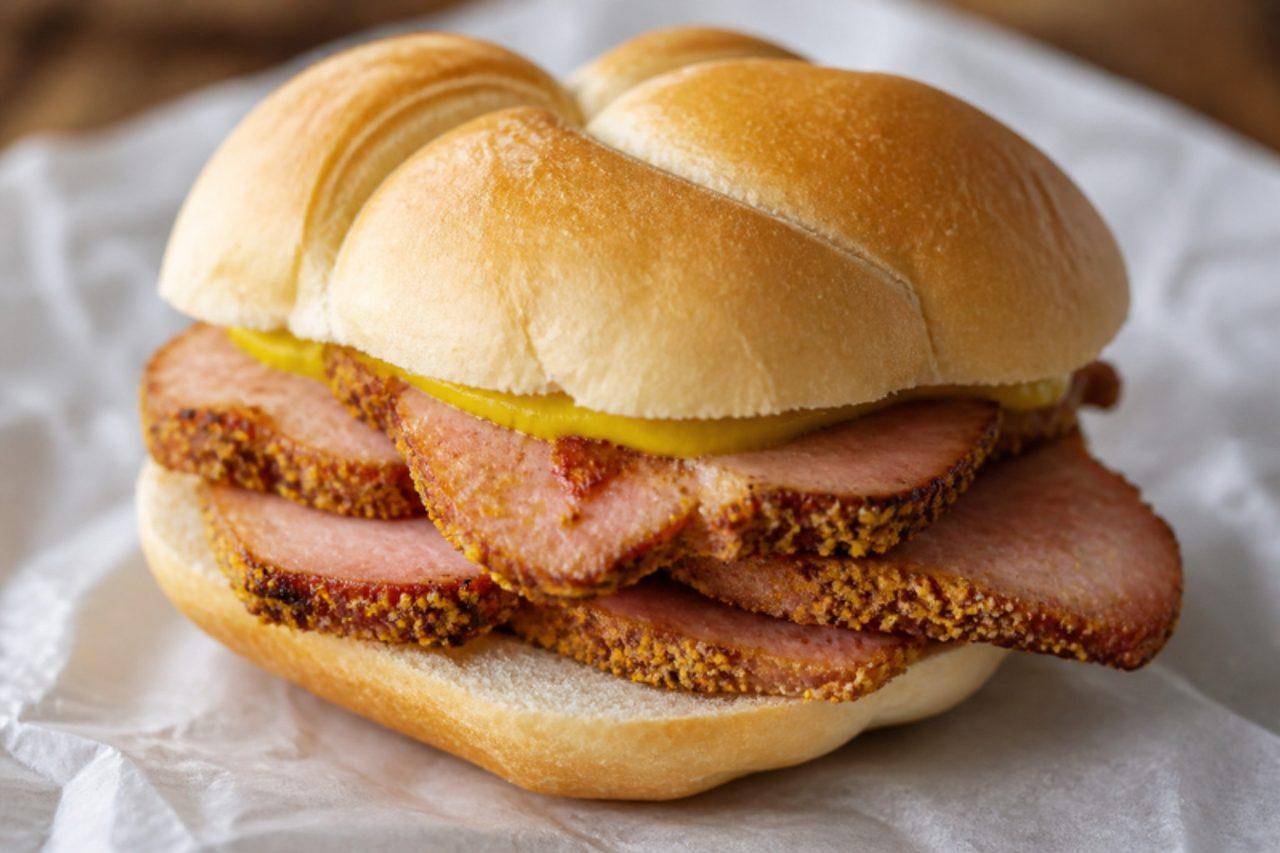
Sbornaya myasnaya solyanka is the soup Russian cooks make on 2 January, when the fridge is full of leftover ham and sausage from the New Year table; Moscow restaurants also keep it on the menu all winter as the cure for a heavy night. A beef broth is sharpened with pickled cucumbers and their brine, then loaded with strips of smoked sausage, ham and tender beef, salty olives and capers, and finished in the bowl with a slice of lemon and a spoon of sour cream. It contains pork (ham and smoked sausage). Serve it with rye bread. The usual mistake is salting the broth early: pickles, brine, capers, olives and sausage all bring salt, so season only at the very end. Chef's tip: fry the tomato paste with the pickles until it darkens before it meets the broth; it takes away the raw tinny taste and gives solyanka its deep orange colour.

140 minRussianSoups
by KrazyBadal 0 views

Somlói galuskaHungarian sponge trifle

Somlói galuska was first served at the Gundel restaurant in Budapest in the 1950s and named after the Somló wine hill in western Hungary. Today it is the dessert everyone orders at the end of a Sunday lunch: spoonfuls of three sponges (plain, walnut and cocoa) soaked in rum syrup and layered with vanilla custard, then topped with chocolate sauce and whipped cream. It is assembled the day before and spooned out into rough dumplings, which is where 'galuska' comes from. This version thickens the custard with flour and egg yolk rather than gelatine. Chef's tip: soak the sponge only lightly; it should be moist but still hold a spoon-shaped scoop.

by KrazyBadal 0 views

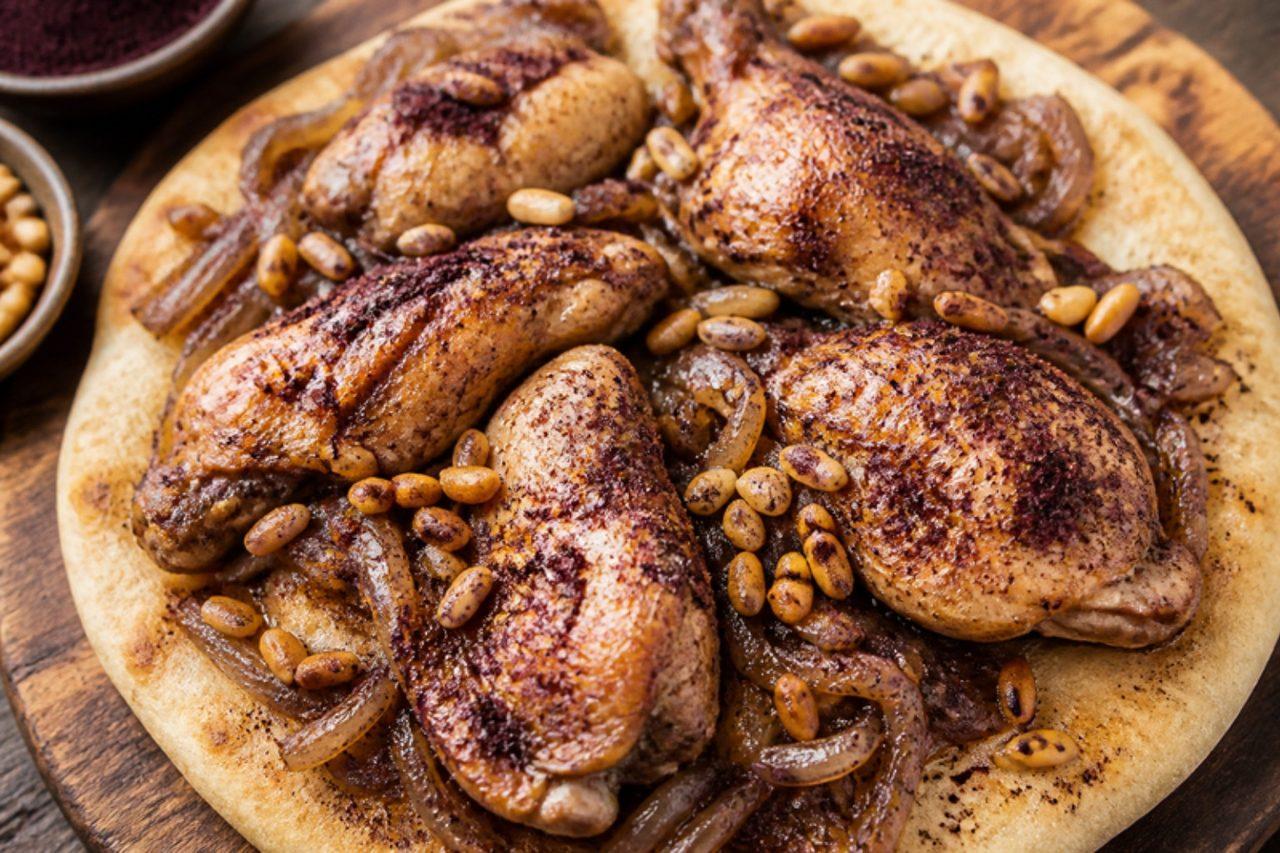
MusakhanSumac chicken on flatbread

Musakhan is the dish Palestinian families in the villages around Jenin and Tulkarem make in late autumn, when the olives have been pressed and the first green, peppery oil comes home from the mill. Mounds of onion are cooked slowly in that oil with plenty of sumac, piled onto taboon bread with roast chicken and baked until the bread's edges crisp and its middle soaks up the purple-red juices. It is eaten with your hands, shared from one big tray, with yogurt and a chopped salad. Chef's tip: use more oil than feels right; the bread is meant to drink it, and a dry musakhan misses the point.

by KrazyBadal 0 views

Mushroom luwomboSteamed mushroom groundnut stew

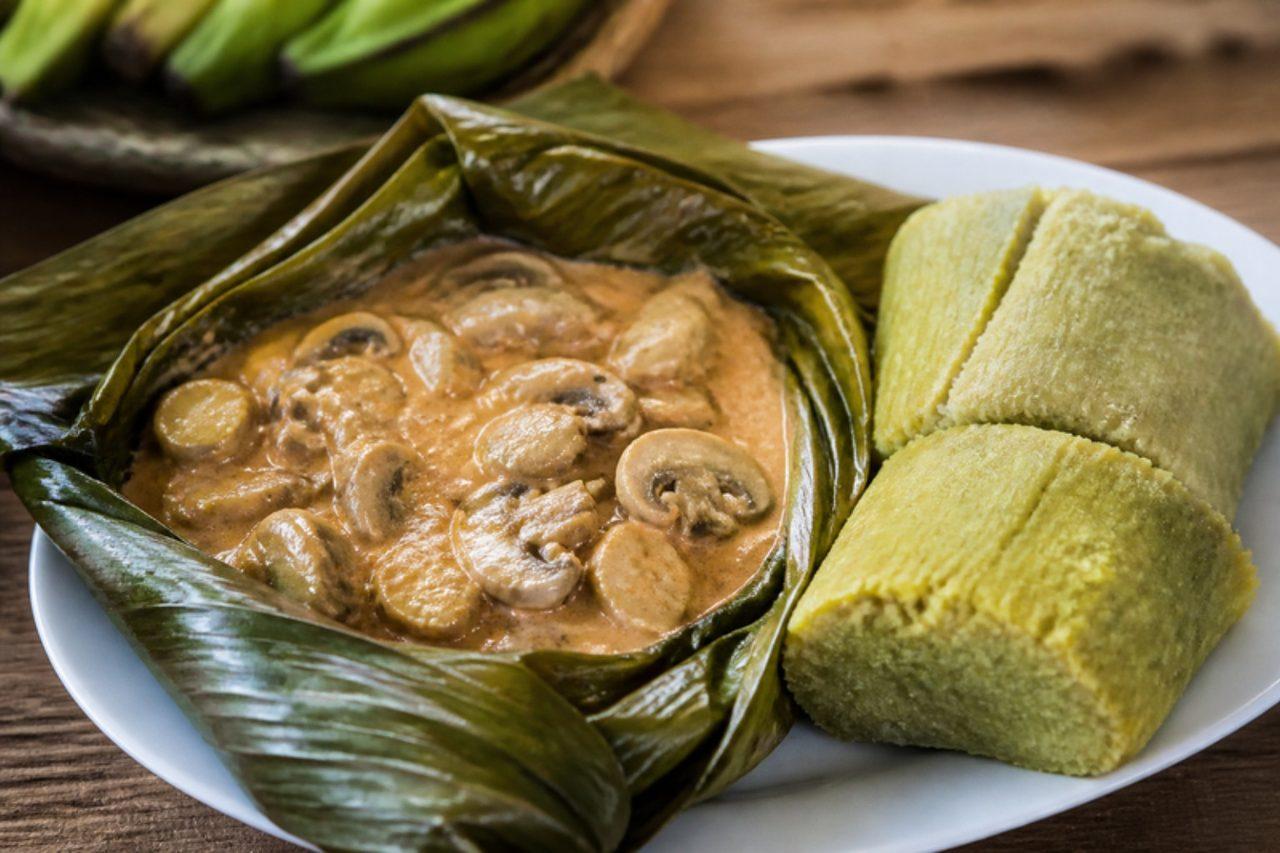
Luwombo is a royal dish of the Buganda kingdom in central Uganda, served at weddings, introduction ceremonies and Christmas: a stew wrapped and tied in softened banana leaves and steamed for hours so the leaf perfumes everything. Chicken, beef or smoked fish are traditional, but mushroom luwombo in a groundnut (peanut) sauce is a well-loved meat-free version, especially with the large wild mushrooms sold in Kampala markets. Serve with matoke. Chef's tip: wilt the banana leaves over a flame until they turn glossy and bendy; stiff leaves split and the sauce runs out.

by KrazyBadal 0 views

So'o yosopyGround beef and rice soup

So'o yosopy, "pounded meat" in Guaraní, is a soup Paraguayans make for anyone who is tired or recovering, and on cold days in Asunción's winter: beef is ground very finely and stirred into cold water so it breaks into soft, delicate threads, then simmered with onion, tomato, pepper and a little rice and oregano. The texture is smooth and the broth light. The mistake is adding the beef to boiling water, which makes it clump into meatballs; mix it into cold water first and stir as it heats. Chef's tip: ask the butcher to mince lean beef twice, or pulse it very fine in a food processor.

by KrazyBadal 0 views

MurtabakStuffed griddled bread

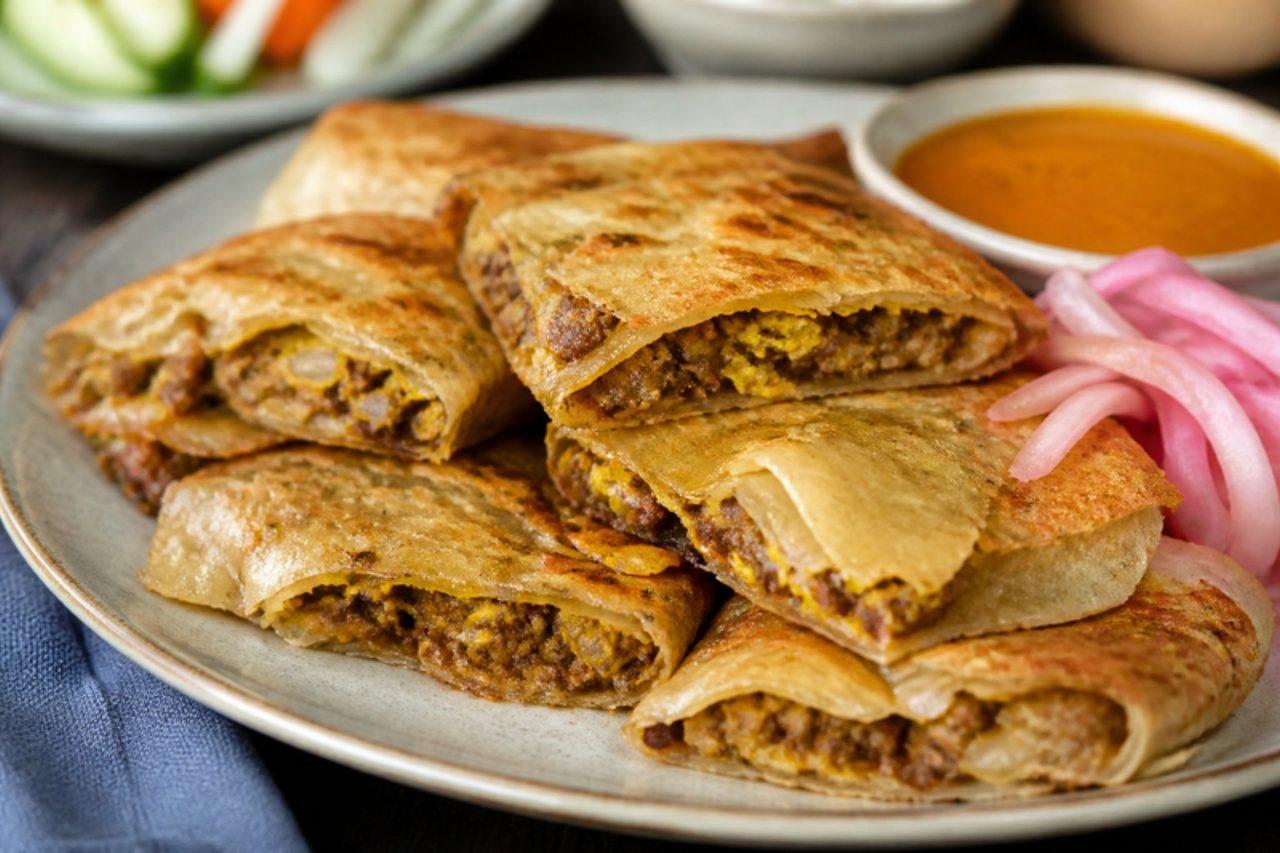
Mamak shops stay open late across Malaysia, and the man at the big flat griddle swinging dough into a translucent sheet is half the show. Murtabak is that dough wrapped around a filling of curried minced meat, onion and beaten egg, folded into a fat square parcel and fried until blistered and crisp outside, soft and steamy within. Ramadan bazaars sell piles of it at dusk for breaking the fast. Cut into squares and serve with a ladle of dhal or curry gravy and pickled red onion. Chef's tip: oil your hands and the work surface generously; murtabak dough wants to be stretched, never rolled, and the oil lets it glide.

by KrazyBadal 0 views

Sopa da pedraBean and pork soup

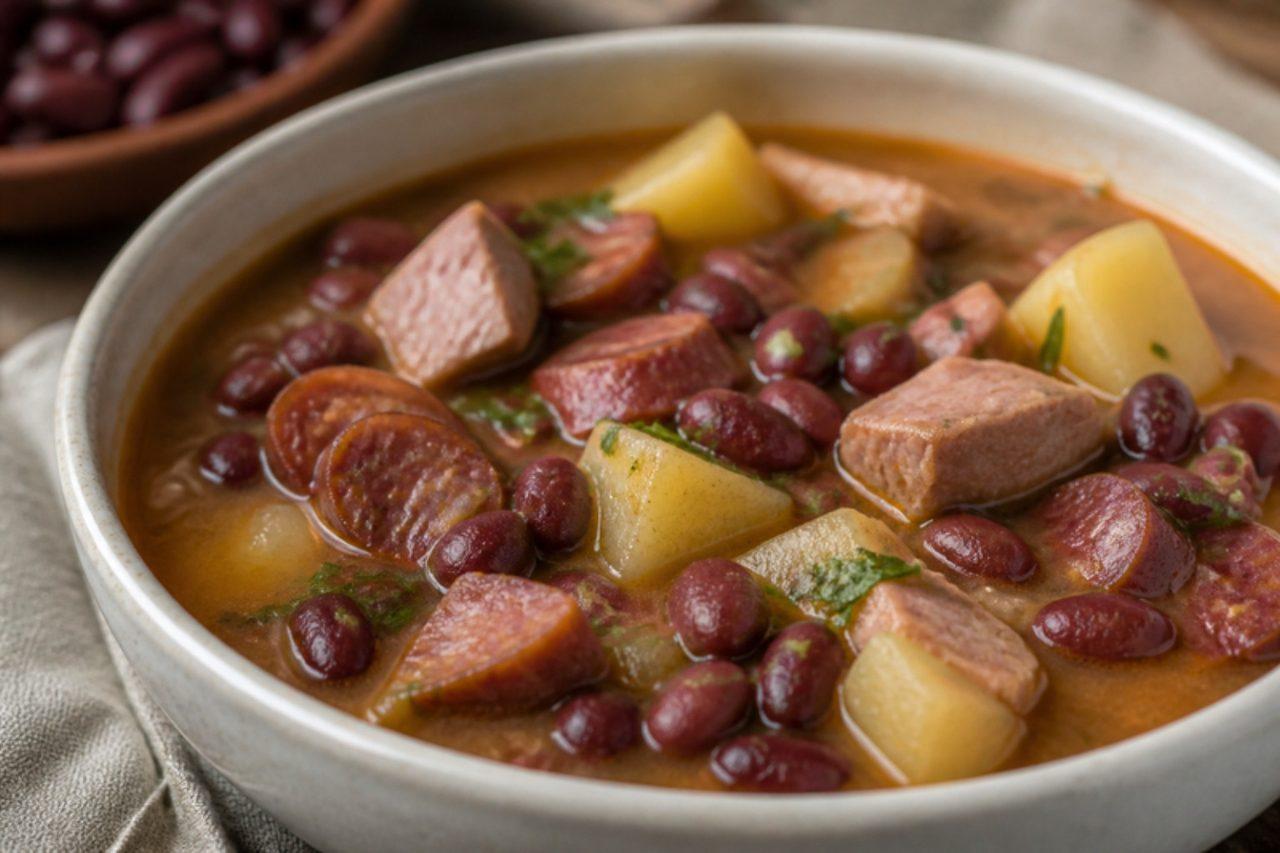
Almeirim, a market town in the Ribatejo, is the capital of this soup; its restaurants serve it every day, and each bowl arrives with a clean stone at the bottom, after the folk tale of a friar who 'made soup from a stone' by talking villagers into giving him everything else. This is a pork soup: red kidney beans simmer with chouriço, morcela blood sausage and a piece of pork belly, then potatoes, carrots and coriander finish it into a thick, hearty bowl. Chef's tip: cook the sausages whole and slice them at the end, so they stay juicy and don't turn the broth greasy.

by KrazyBadal 1 views

DamperSoda bread

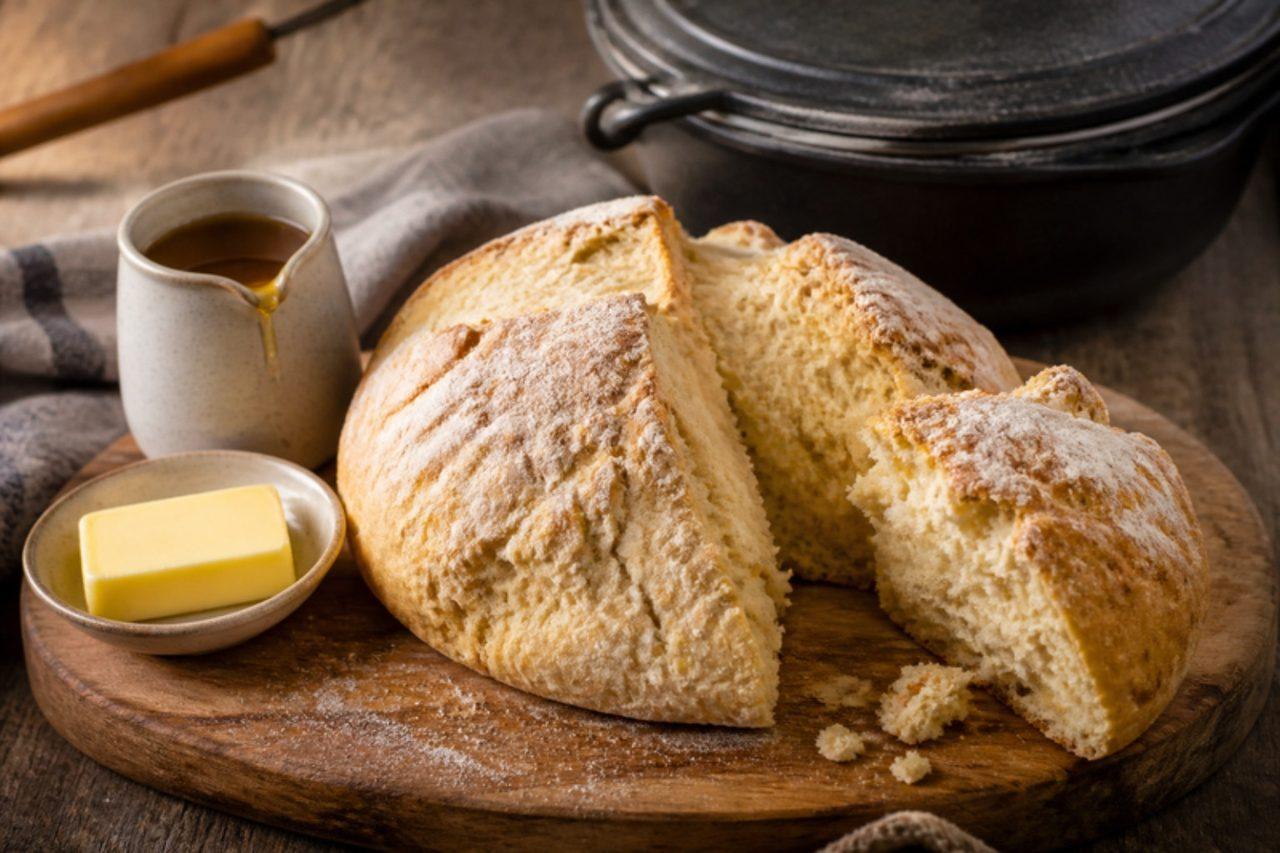
Damper is the bread of the Australian bush: drovers, stockmen and swagmen carried flour and salt across the Outback and baked loaves in the ashes of the campfire, and it's still made in cast-iron camp ovens on camping trips from the Flinders Ranges to the Kimberley. Long before that, Aboriginal peoples ground native seeds into flour and baked seed cakes in the coals. Modern damper uses self-raising flour, a little butter and milk, so it rises into a craggy, golden round with a crisp crust and a soft, scone-like crumb. Tear it while warm and eat it with butter and golden syrup, which bush cooks called cocky's joy, or with soup. Chef's tip: mix with a knife and work quickly; the less you handle the dough, the lighter the damper.

by KrazyBadal 0 views

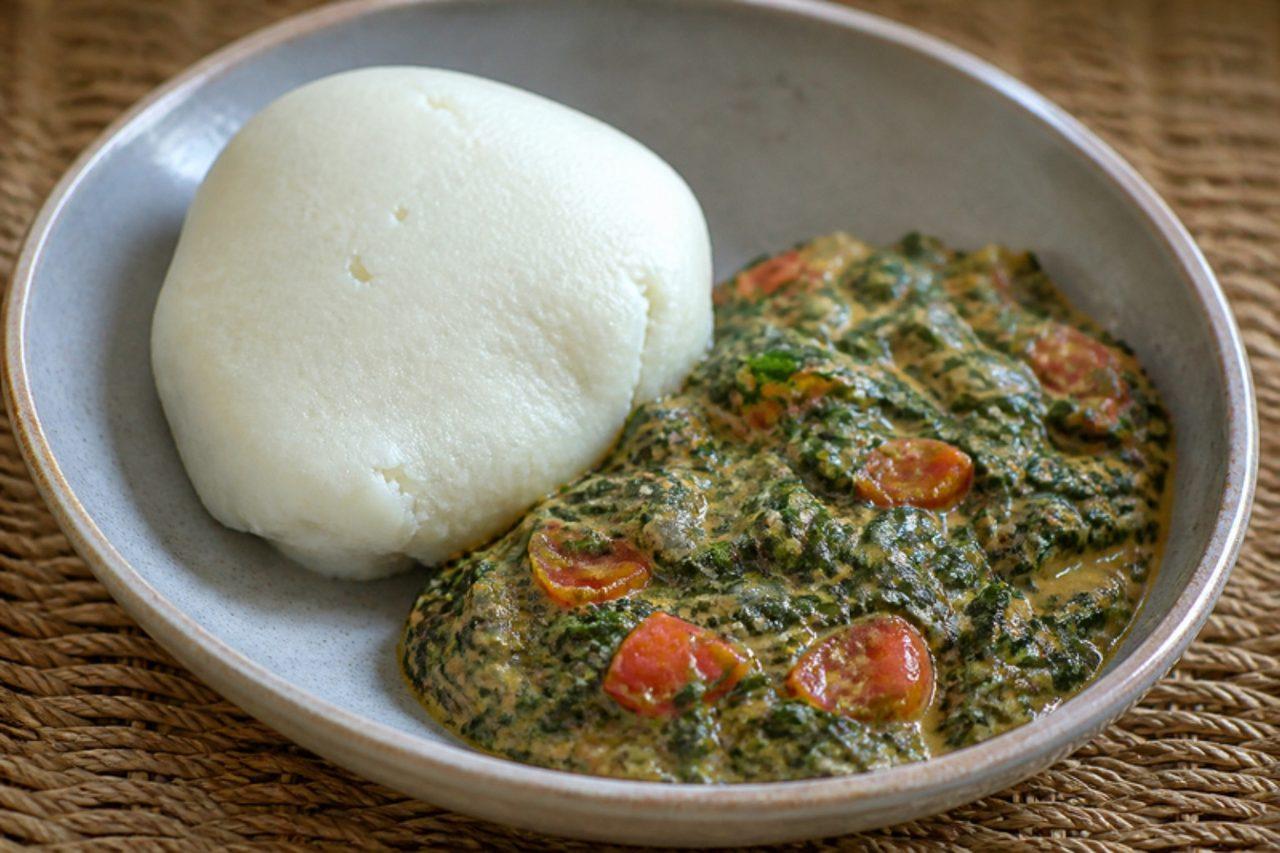
Muriwo une doviGreens in peanut butter sauce

Muriwo une dovi, greens with peanut butter, is a daily relish in Zimbabwean homes, eaten with sadza at lunch and supper. Collard greens, rape or pumpkin leaves are cooked with onion and tomato, then stirred into a creamy peanut sauce. Zambia's ifisashi is the same idea, usually without tomato and often made with pumpkin leaves or spinach and eaten with nshima. Chef's tip: add the peanut butter at the end and cook just long enough to thicken; long boiling makes it gluey.

by KrazyBadal 0 views

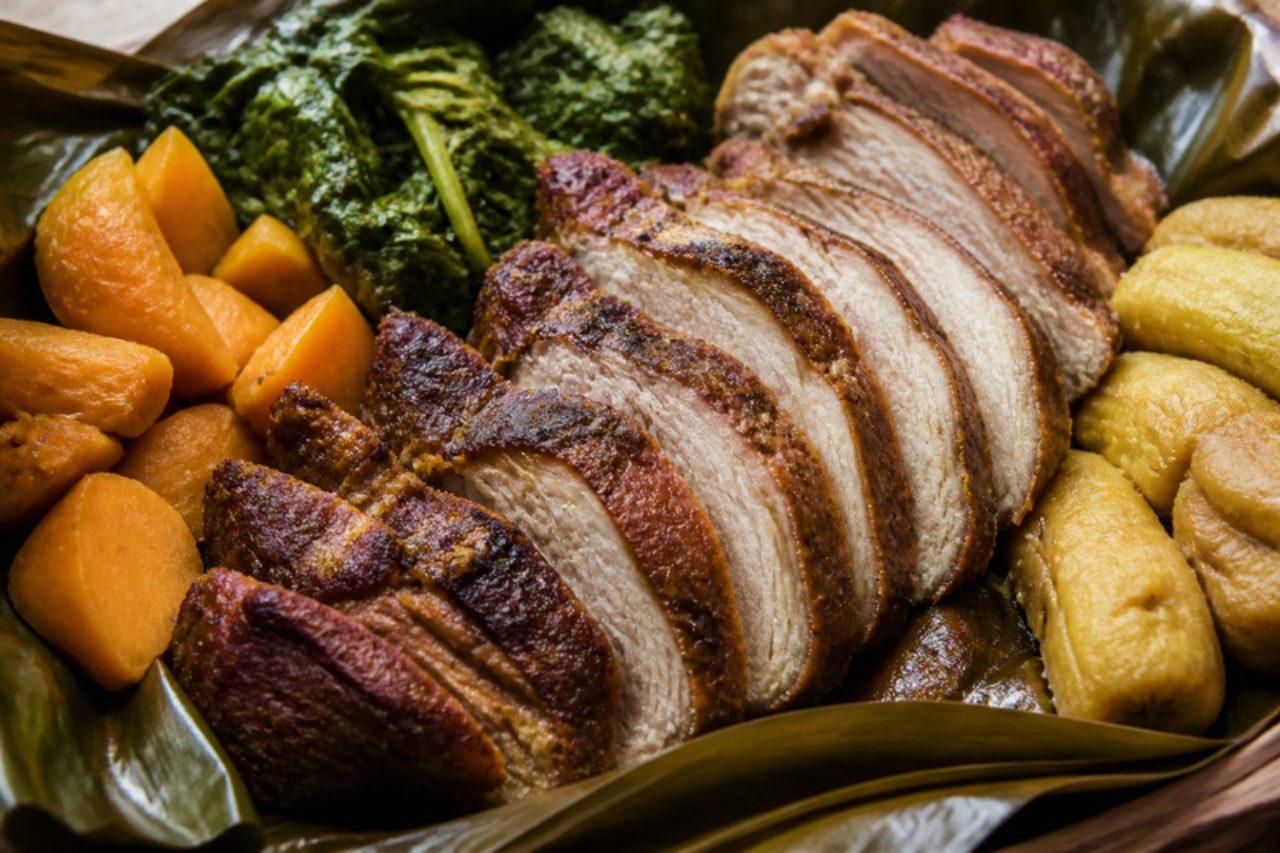
Mumu-style pork roastOven-roasted pork with sweet potato

A mumu is the earth oven of the Papua New Guinea highlands, around Mount Hagen and Goroka, made for feasts, bride-price ceremonies and Christmas: pork, kaukau (sweet potato), bananas and greens are wrapped in banana leaves and steamed over hot stones for hours. This dish contains pork. This home version packs the same ingredients, with coconut milk, into a covered roasting tin and cooks them slowly until the pork is soft. The mistake is cooking the pork fast and hot; it needs long, gentle heat to become tender. Chef's tip: add the greens only for the last 30 minutes so they stay bright.

by KrazyBadal 0 views

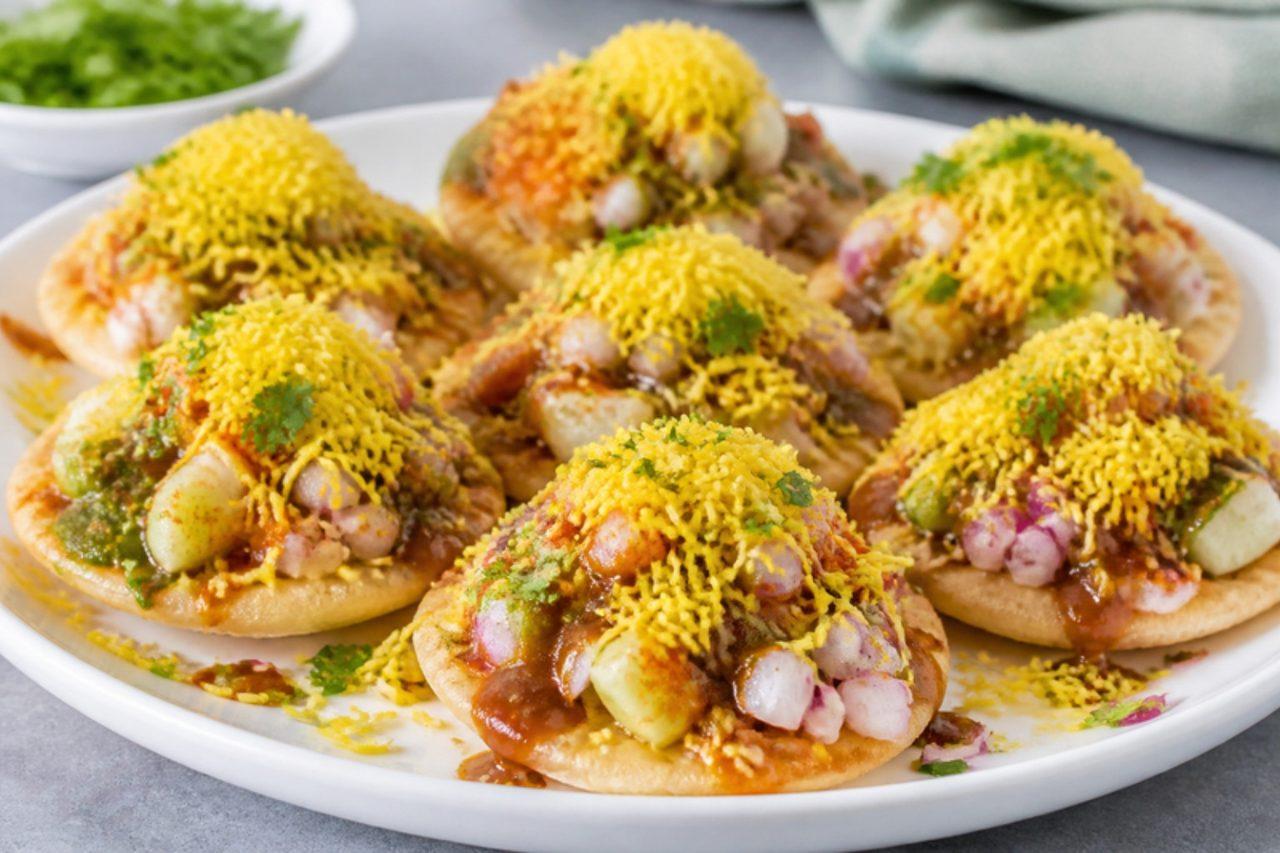
Sev puriPuri topped with potato and chutneys

Sev puri is the snack Mumbaikars eat standing up at Juhu and Girgaum Chowpatty, or at the chaat stall outside the office in the evening. Flat, crisp papdi are laid out on a plate, topped with potato, onion and raw mango, splashed with green, sweet tamarind and red garlic chutneys, then buried under a snowfall of fine sev. It must be eaten within a couple of minutes, before the papdi soften. Here the papdi are made at home, but good shop-bought ones work fine on a busy day. Chef's tip: assemble each plate just before it's eaten, in the order given; chutney on bare papdi makes them soggy, so the potato always goes down first.

by KrazyBadal 0 views

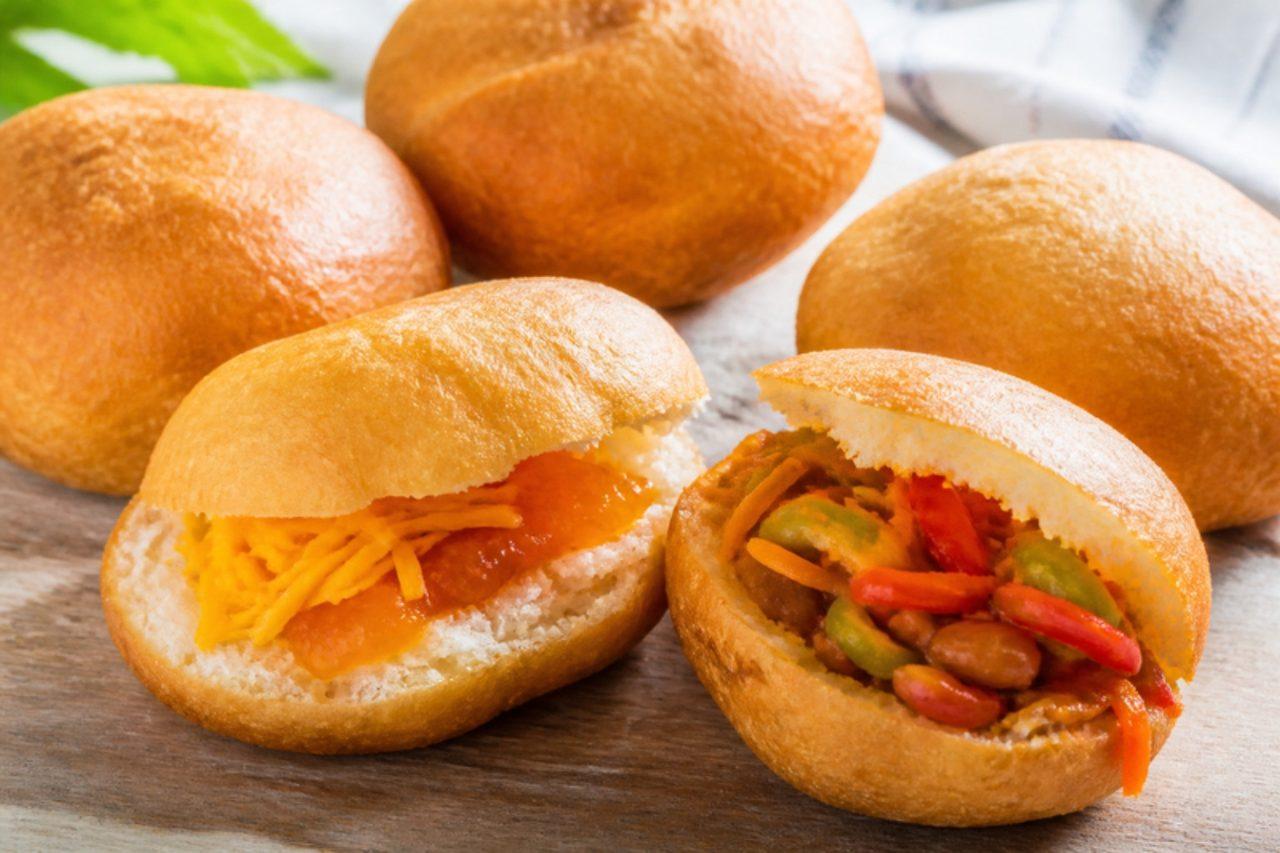
VetkoekFried bread puffs

Vetkoek ('fat cake' in Afrikaans) is fried at church fêtes, rugby matches and roadside stalls all over South Africa, and in townships it's known as amagwinya. The yeast dough fries into a crisp golden ball with a soft, steamy middle, split open while still warm. The best-known filling is curried mince, but just as many people eat them with grated cheese and apricot jam, golden syrup, or a spoon of chakalaka, as here. Chef's tip: keep the oil at a steady medium heat and turn the vetkoek often so they colour evenly and cook right through.

by KrazyBadal 0 views

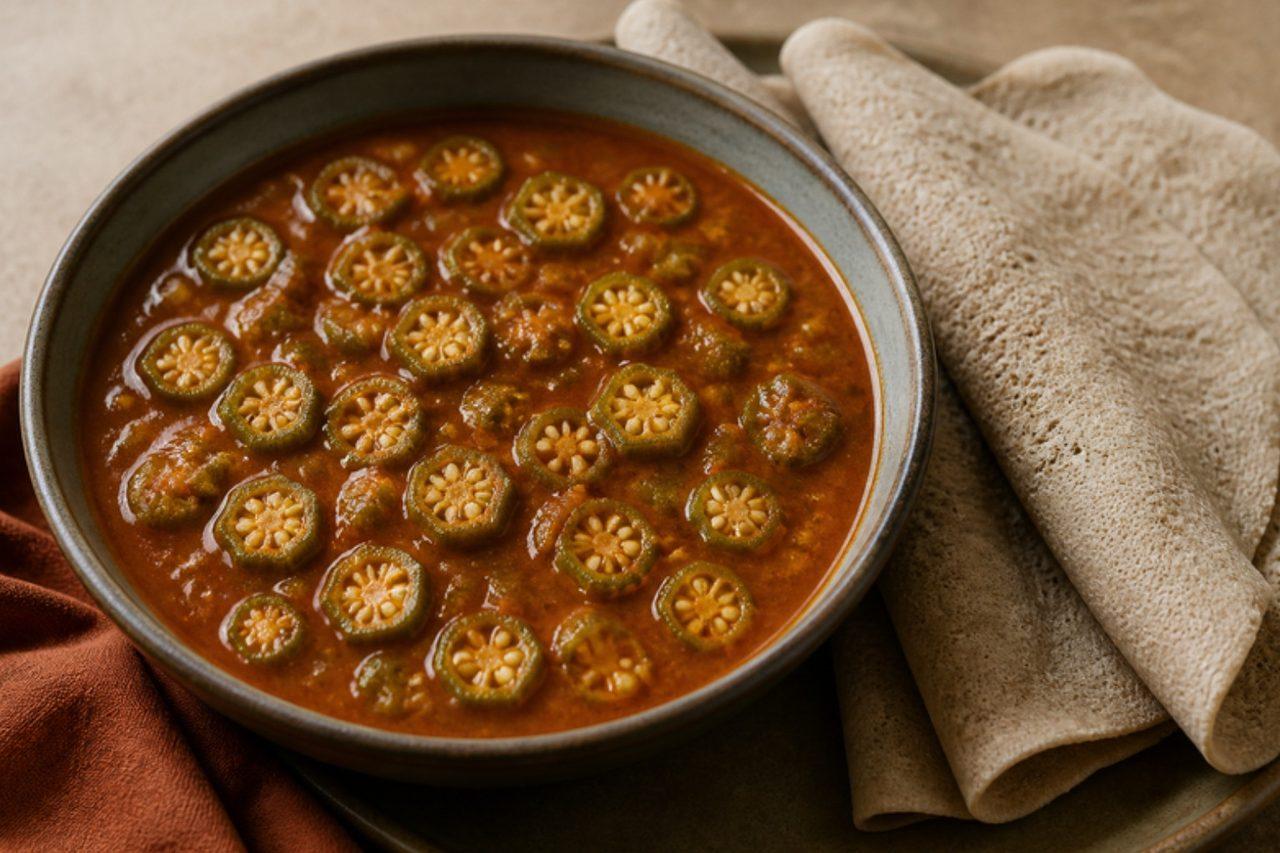
Mullah bamiaOkra stew

Mullah is the Sudanese word for the thick stews that go with kisra and aseeda, and mullah bamia, with okra, is one of the most loved, cooked in homes from Khartoum to Kassala. The base is a large amount of onion cooked very slowly until it melts, then tomato and garlic; the okra is left to soften until the sauce turns silky. Many households add dried ground okra (weika) for a thicker, earthier stew. It is normally made with meat; here it is all vegetable. Chef's tip: cook the onions until they collapse into a jam before adding anything else; that slow base is what gives mullah its depth.

by KrazyBadal 0 views

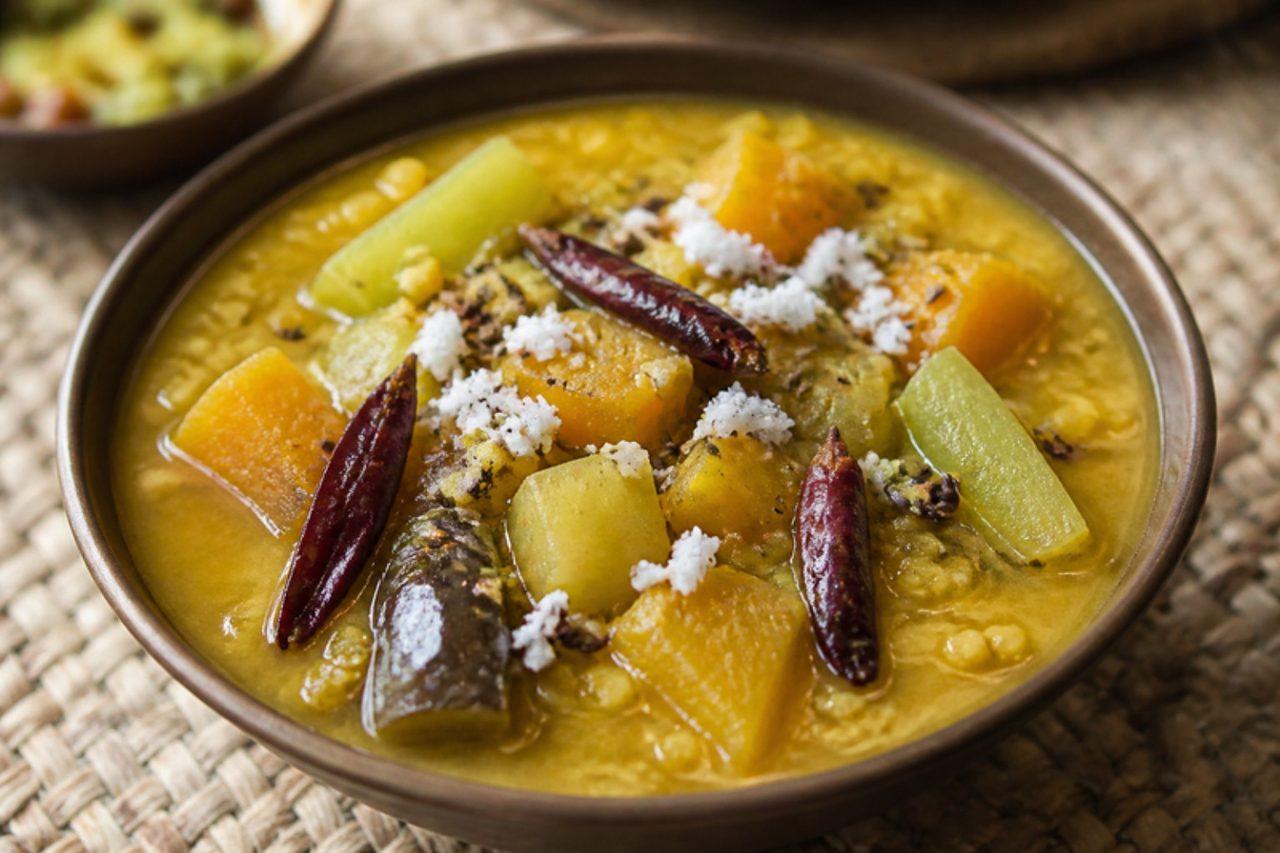
DalmaPigeon pea and vegetable dal

Dalma is the comfort food of Odisha and the dal offered at the Jagannath temple in Puri. Toor dal is cooked together with chunky vegetables, usually raw banana, pumpkin, aubergine and potato, so they soften into it and make it hearty enough to be a meal. A tempering of panch phoron and dried chilli and a sprinkle of roasted cumin-chilli powder give it its smoky warmth; a little grated coconut is often added on top. Odia homes finish it with a spoonful of ghee; this version uses oil so it stays vegan. Serve with plain rice. Chef's tip: add the vegetables halfway through cooking the dal, not at the start, so they keep their shape and the dal stays thick rather than watery.

by KrazyBadal 0 views

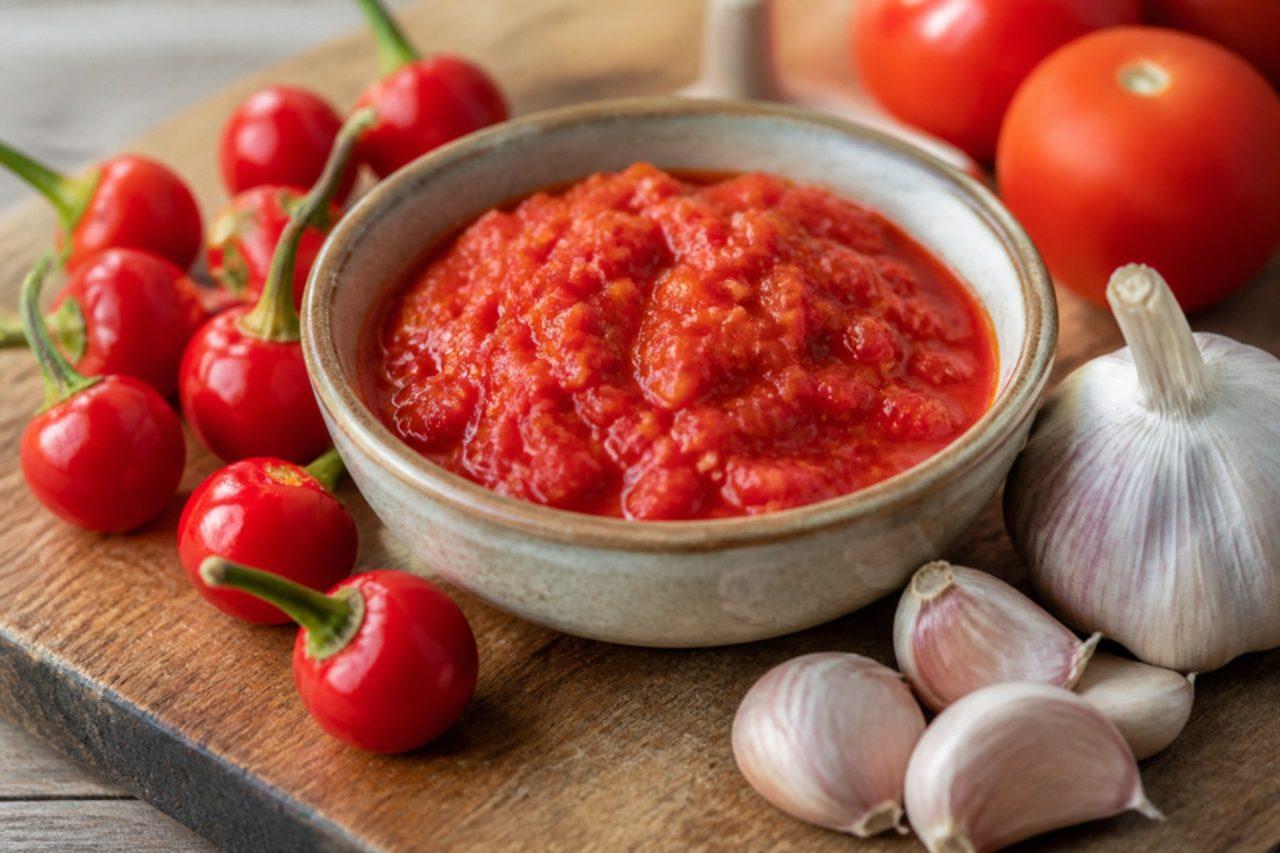
Dalle chutneyRound chilli and tomato chutney

Dalle khursani is Sikkim's round, cherry-sized chilli, grown in every hill garden and among the hottest chillies in India. No meal in Gangtok goes without a little bowl of dalle achar beside the rice or momos. This fresh version pounds the chillies with blistered tomato, garlic, a pinch of timur (Sichuan-type pepper) and lemon into a coarse red chutney that is searingly hot, sharp and fruity. Eat it by the dot. Chef's tip: wear gloves when cutting dalle, and never touch your eyes; the heat stays on your hands for hours. Use a mix of habanero and bird's-eye chillies if you can't get dalle.

by KrazyBadal 0 views

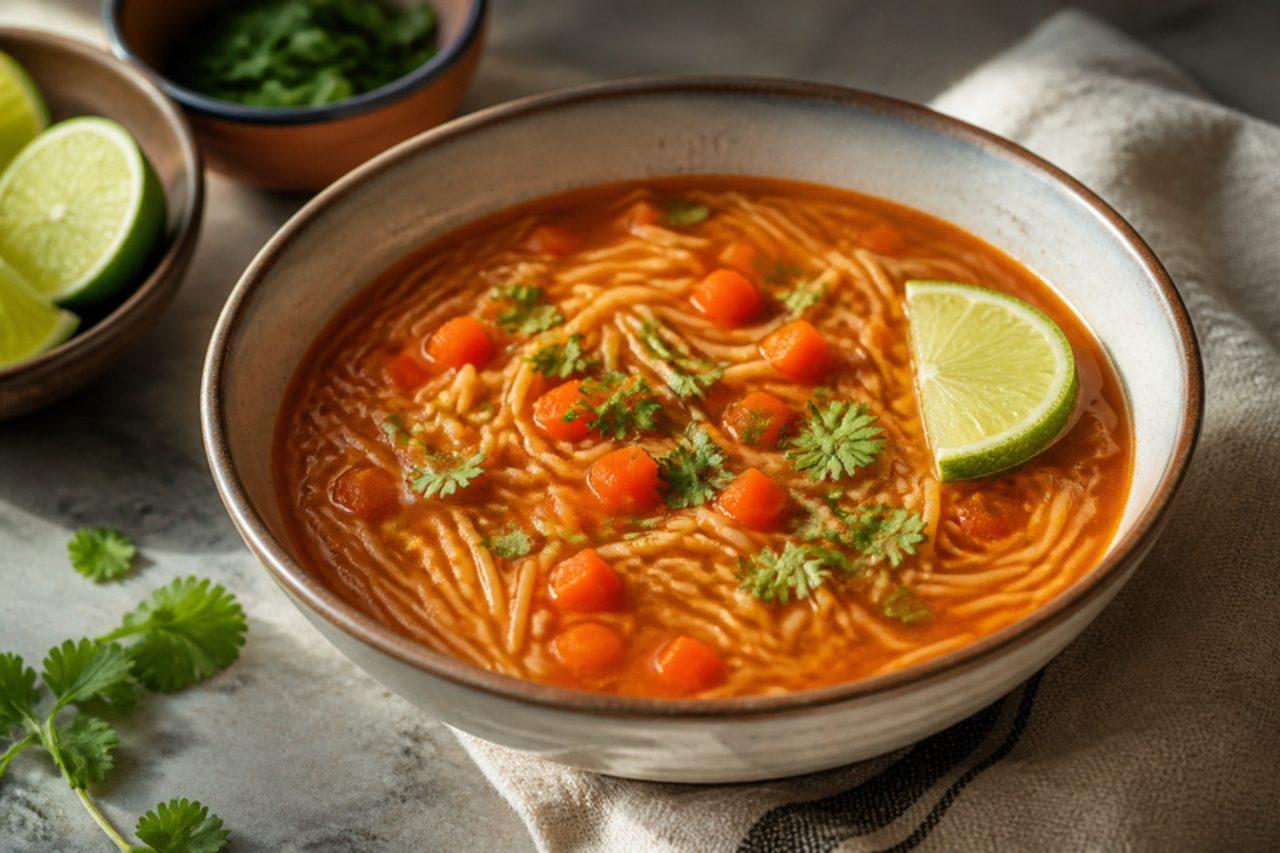
Sopa de fideoToasted noodle soup

Sopa de fideo is the soup almost every Mexican grew up on, served at home from Monterrey to Mérida as the first course of the midday meal. Thin fideo noodles (short broken vermicelli) are fried in oil until golden before the tomato broth goes in, which gives them a toasty, nutty flavour and stops them turning to mush. This version uses a vegetable stock, so it is vegan and very kind to small children. Serve it with lime, a little dried chilli for the grown-ups and bread or tortillas. Chef's tip: fry the noodles over a medium heat and keep stirring; they go from pale to golden to burnt in seconds, and you want the colour of a digestive biscuit.

by KrazyBadal 0 views

Chocolate babkaChocolate swirl loaf

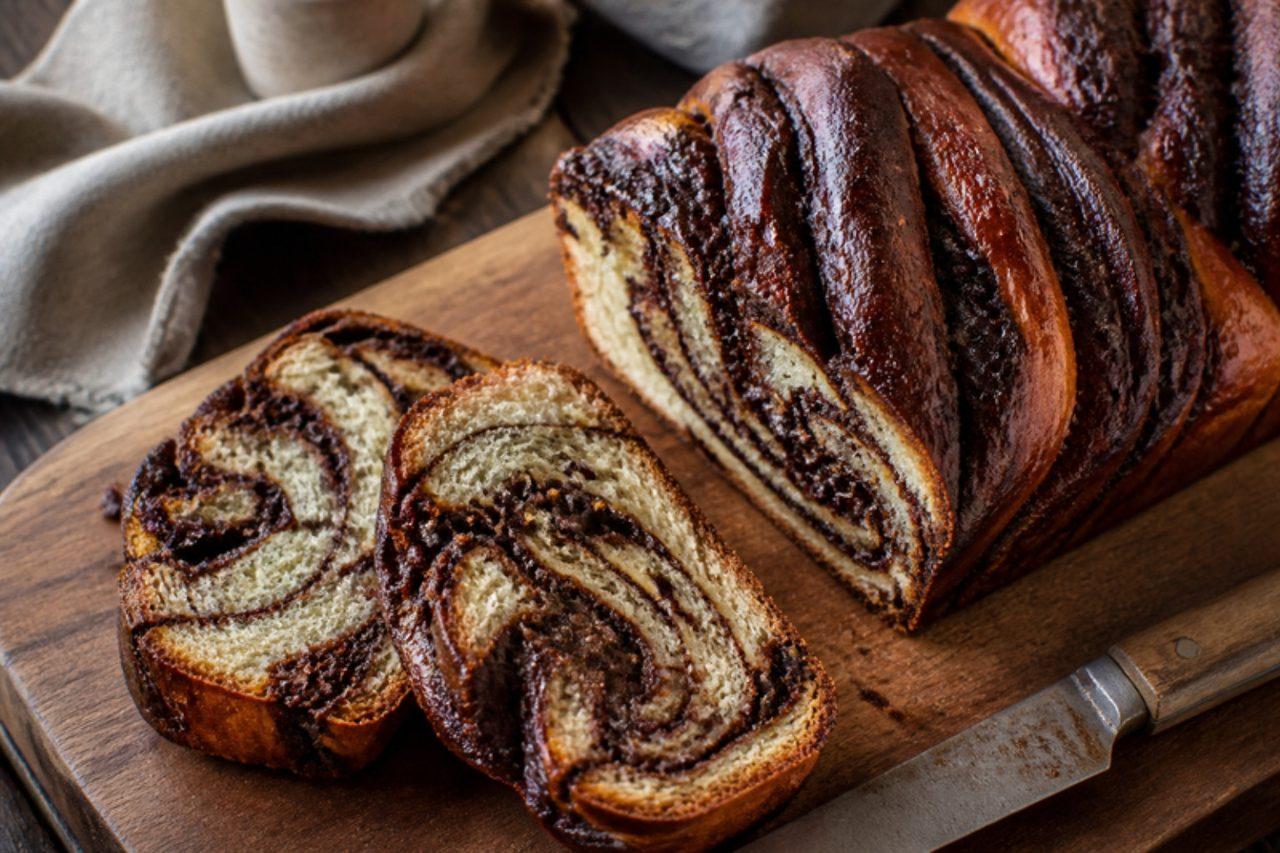
Babka grew from the sweet yeasted breads of Polish and Ukrainian Jewish kitchens, and Tel Aviv and New York bakeries turned it into today's showpiece: a rich, buttery dough rolled around dark chocolate, cut open lengthways and twisted so the layers show, then soaked in syrup as it leaves the oven. Israelis buy it for Shabbat afternoon coffee, and a slice keeps its gooey layers for days. It takes time but little skill: an overnight chill makes the soft dough easy to roll. Chef's tip: chill the dough overnight; cold, firm dough rolls thin and twists cleanly instead of smearing the chocolate.

by KrazyBadal 0 views

Chocolat chaudThick hot chocolate

Paris's grand tearooms have served chocolat chaud since the 1800s, and it is nothing like a powdered cocoa drink: dark chocolate is melted into hot milk and cream until it is thick, glossy and rich enough to coat the cup. Parisians drink it in small cups on cold afternoons, often with a pot of whipped cream on the side and a pastry. It is also a winter treat at home after a walk. Use chocolate you'd enjoy eating. Chef's tip: keep the heat low and whisk; letting it boil is the common mistake and the chocolate can turn grainy and catch on the bottom.

by KrazyBadal 0 views

Sopa de maníPeanut soup

Sopa de maní is a pride of Cochabamba, Bolivia's food capital, where it starts the big midday meal in homes and market comedores. Raw peanuts are blended into a pale, creamy broth with vegetables and peas, and every bowl is topped with a tangle of thin, crisp fried potatoes and chopped parsley. It's usually made with beef broth; vegetable stock and a little more garlic keep it full-flavoured. Chef's tip: use raw (unroasted) peanuts and blend them very finely with water; that's what gives the soup its milky colour and silkiness.

by KrazyBadal 0 views

Zhajiangmian with mushroom and tofuNoodles in bean paste sauce

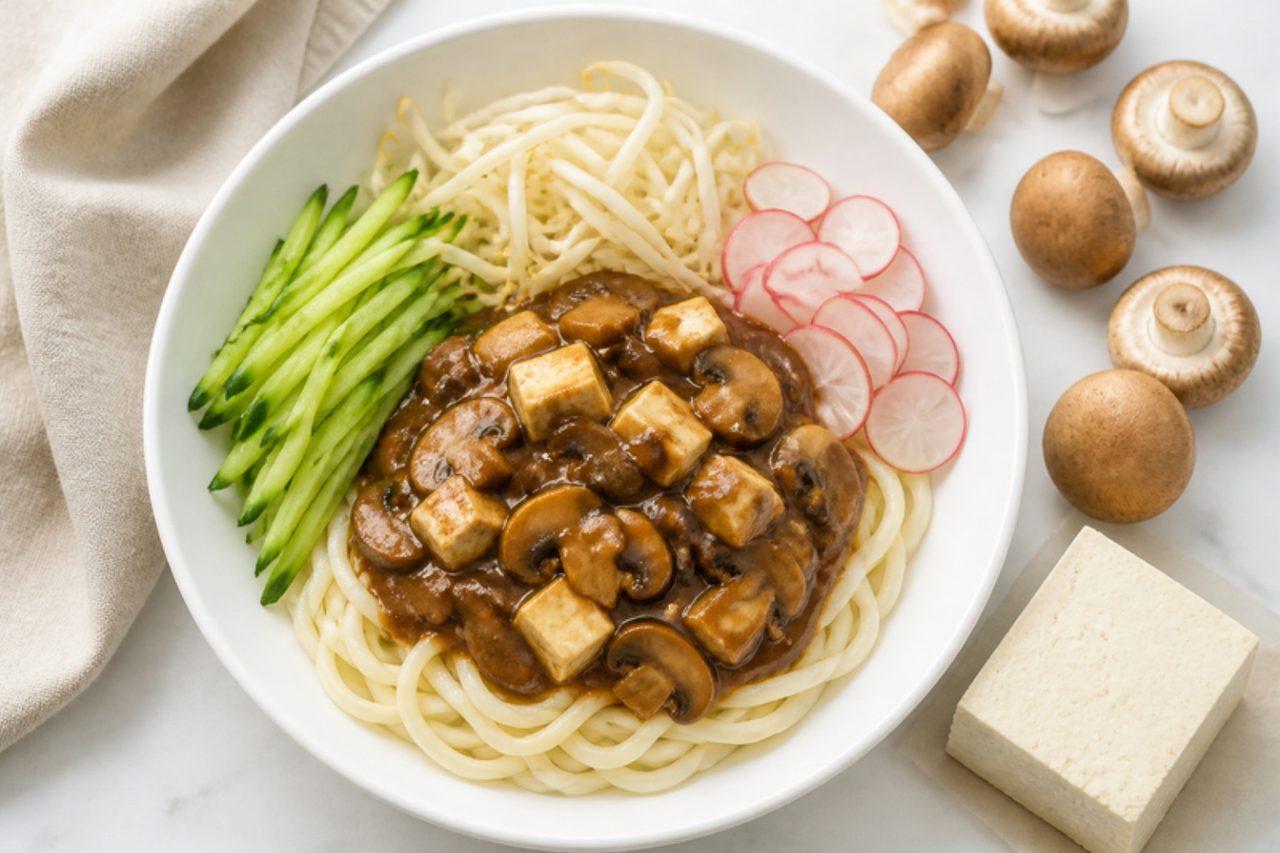
Zhajiangmian is old Beijing's comfort food, eaten in hutong noodle houses and at home on hot summer days. Thick wheat noodles are topped with a dark, salty-sweet sauce of fermented soybean paste fried slowly in oil, then piled with raw cucumber, radish and beansprouts that you mix in at the table. Pork is traditional; diced firm tofu and mushrooms give the sauce the same chunky body here. Chef's tip: fry the bean paste gently and patiently, on a low heat, until the oil separates out and it smells toasty; rushed, it tastes raw and harsh.

by KrazyBadal 0 views

Showing 27 of 7,762 recipes

Show more recipes

Page 723 of 863