


Skip to content
Jamaican Irish moss drink
Featured recipe

Jamaican Irish moss drink

Sea moss drink

Sold chilled in bottles by roadside vendors and in Kingston juice bars, Jamaican Irish moss is a thick, creamy drink made from dried sea moss boiled down until it releases its natural jelly. Blended with milk, nutmeg, cinnamon and vanilla, it tastes like a cool, spiced milkshake and is often drunk as a pick-me-up. The usual mistake is skipping the soak and rinse, which leaves a sandy, fishy taste. Chef's tip: the gel thickens a lot in the fridge, so blend it a little thinner than you want and chill it before judging.

Read more 0 views

What to eat today?

Around the world

Today's trip: Persian

A new country every day, from every cuisine on the site.

Persian

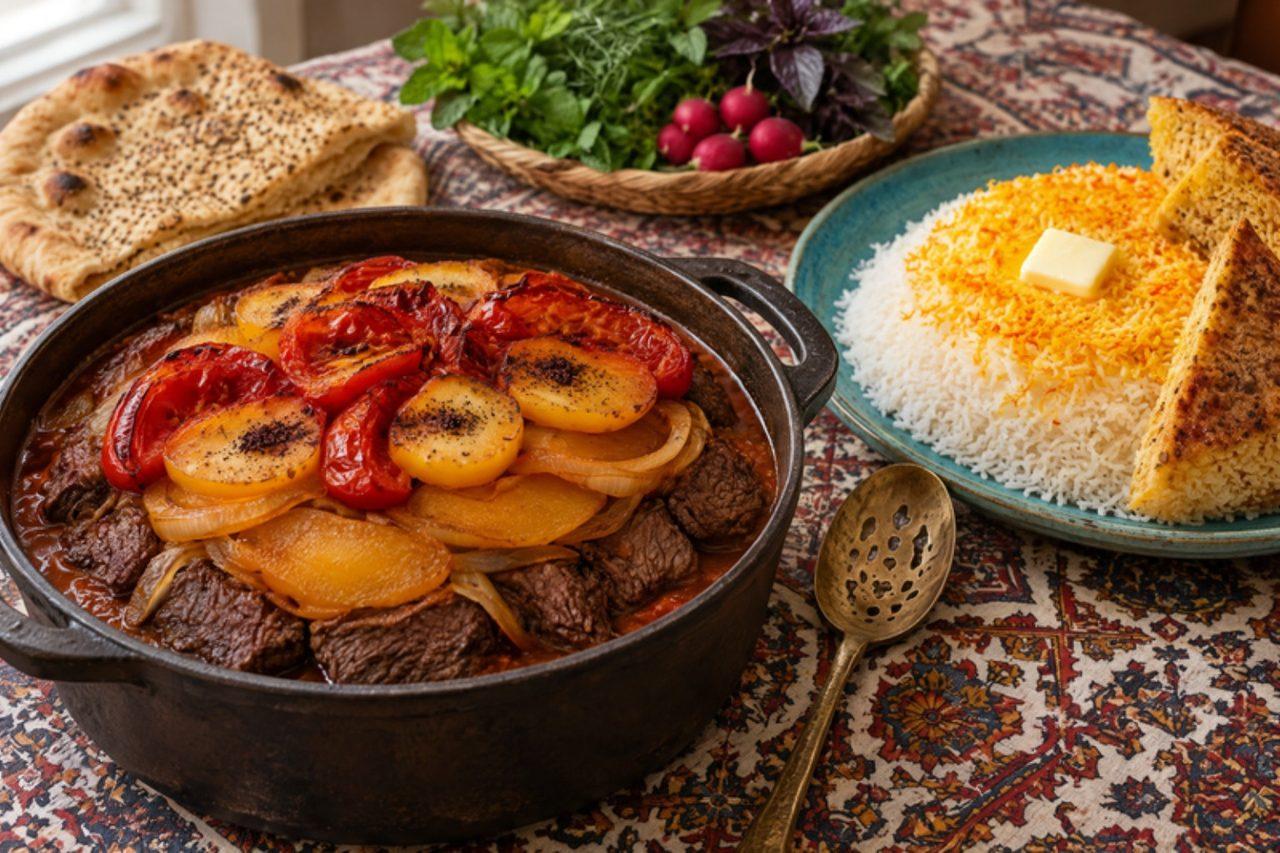
Tas kabab

Layered meat, potato and quince stew 150 minMore from Persian (131) →

This week's collection

Kid-friendly dinners
541 recipes · a new collection every Monday

Latest recipes

FårikålLamb and cabbage stew

Fårikål has been voted Norway's national dish, and on the last Thursday of September families from Bergen to Tromsø hold Fårikålens festdag, when the new season's lamb meets the autumn cabbage harvest. There are only a handful of ingredients: bone-in lamb, wedges of white cabbage and a generous pouch of whole black peppercorns, layered in a heavy pot and left to simmer until the meat slides off the bone and the cabbage turns sweet and silky. It is eaten with plain boiled potatoes and, in many homes, lingonberry jam. The thing that ruins it is drowning the pot: add only a little water, because the cabbage releases plenty of its own juice. Chef's tip: tie the peppercorns in a muslin bag so you get their warmth without crunching on them, and make it a day ahead; it tastes even better reheated.

by KrazyBadal 0 views

Peynirli pideBoat-shaped cheese bread

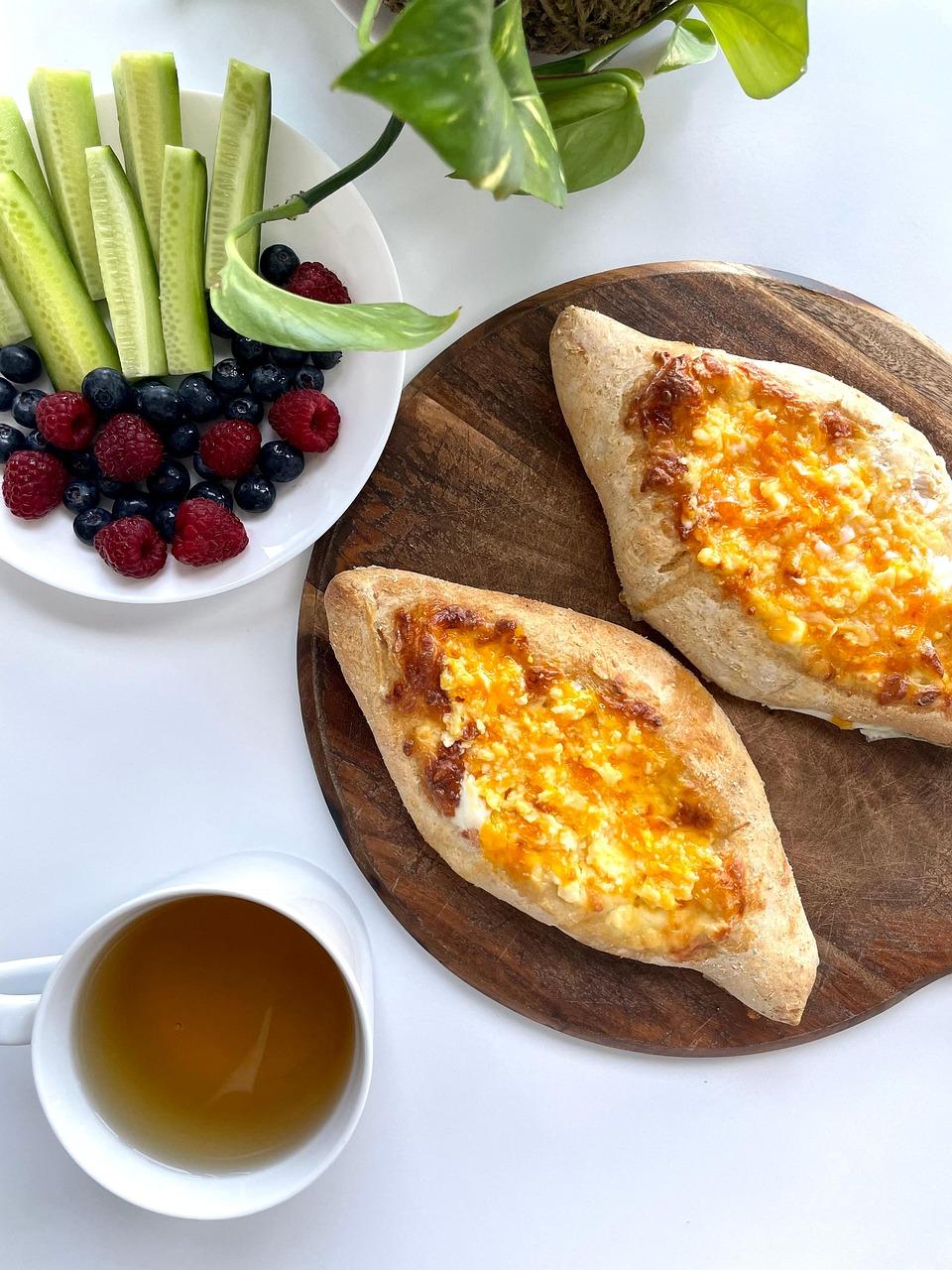
Along the Black Sea coast, from Samsun to Trabzon, the pide salon is where families go on a Friday night, and the oven man shapes each boat of dough by hand before sliding it onto the hot stone floor of a wood-fired oven. The Black Sea way is generous: a pool of melted kaşar and white cheese held inside a rim of soft bread, an egg cracked into the middle for the last few minutes and a knob of butter dropped on as it comes out. Children love tearing off the crusty ends to drag through the cheese. Chef's tip: heat a heavy baking tray or pizza stone in the oven for a full 30 minutes; the hot base is what gives a crisp underside rather than a soft one.

120 minTurkishPizza
by KrazyBadal 0 views

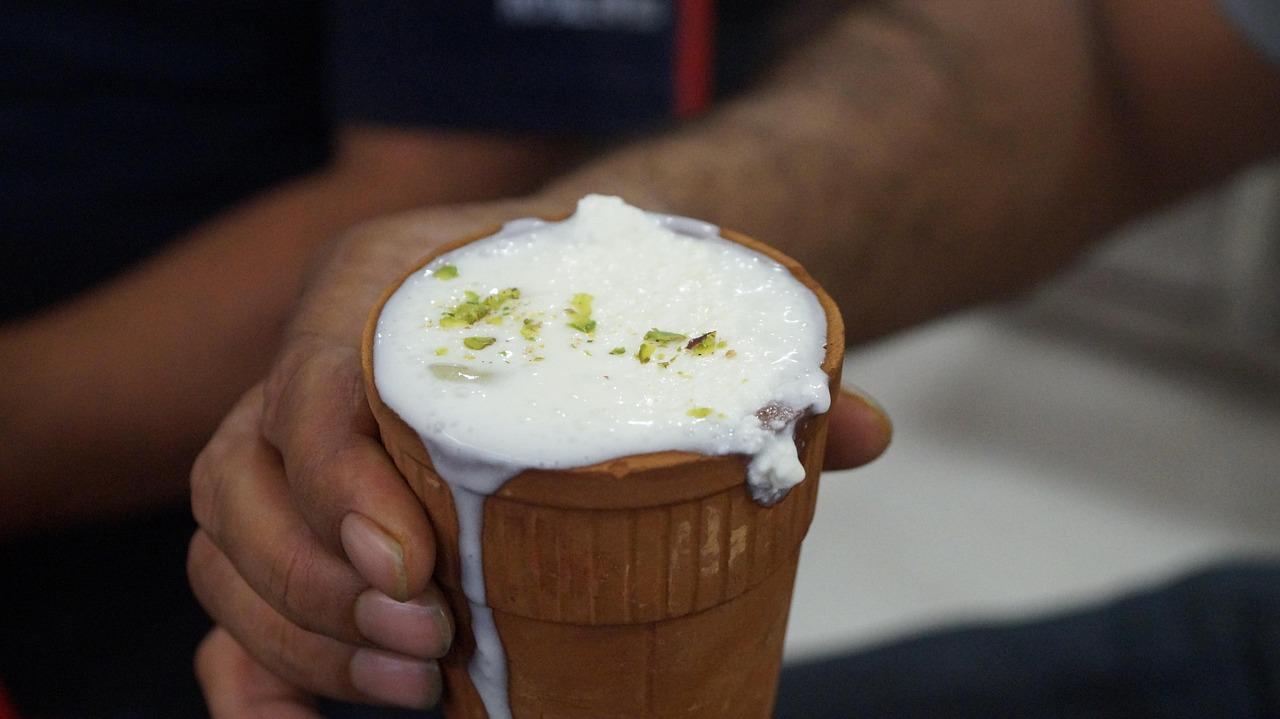
Punjabi lassiSweet yogurt drink with cream

In Amritsar and on the highways across Punjab, lassi comes in a tall steel or brass glass, churned so thick a spoon nearly stands up in it, with a raft of malai (clotted cream) floating on top. It is a summer drink, but Punjabis drink it all year with a stuffed paratha breakfast or after a heavy lunch. This is the plain sweet kind, with no fruit, so the tang of good full-fat yogurt is the whole point. Chef's tip: chill the yogurt, milk and glasses beforehand; cold lassi stays thicker.

by KrazyBadal 0 views

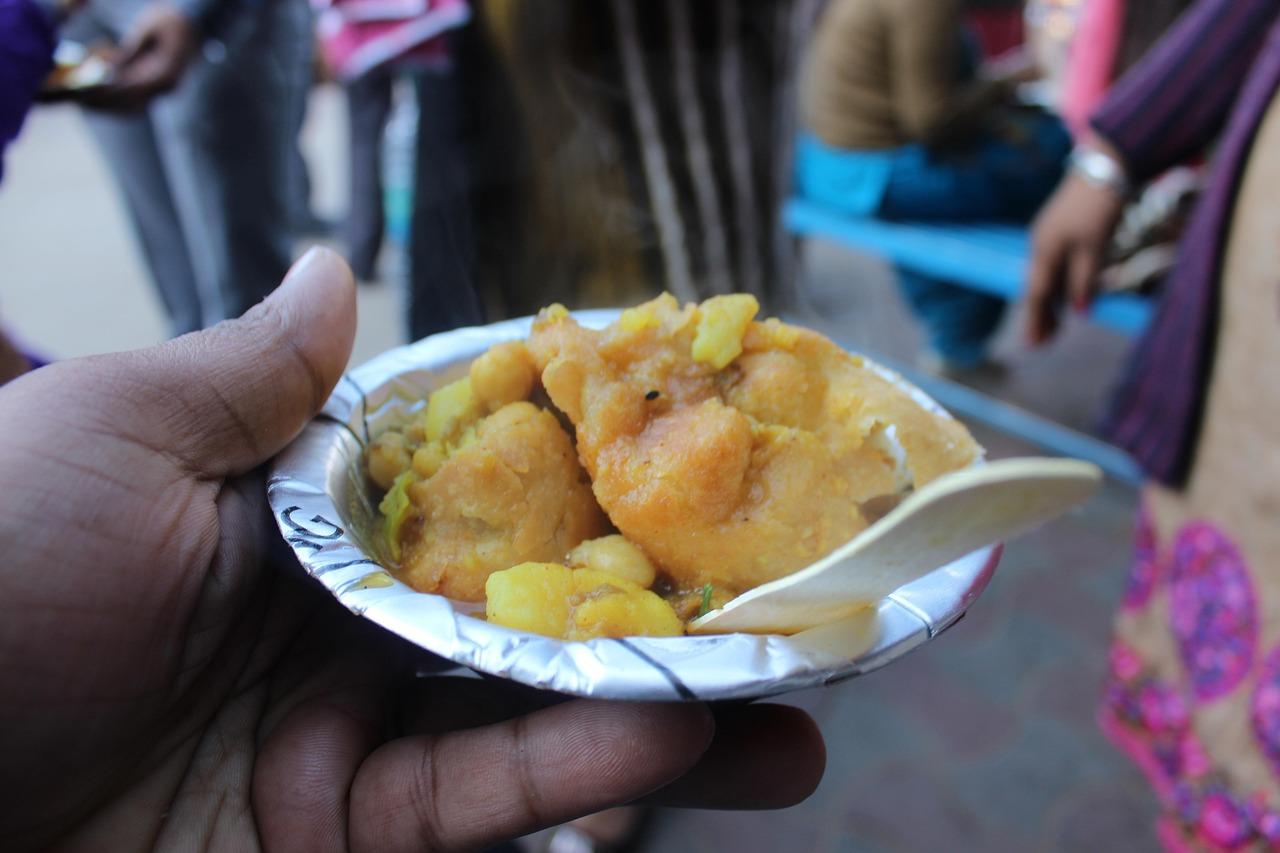
Khasta kachori with aloo sabziFlaky urad dal pastries with potato curry

In the lanes of Old Delhi, breakfast often means a leaf plate of khasta kachori broken into a hot, thin potato curry, with a dollop of pickle and a cup of chai. The kachoris are large and flat with a peppery filling of coarsely ground urad dal, fried slowly until they blister and puff, and the aloo sabzi is fiery with chilli and sharp with tomato and dried mango. It's a weekend dish, filling enough to last until lunch. Chef's tip: break the boiled potatoes by hand rather than chopping them; the rough edges melt into the gravy and thicken it naturally.

by KrazyBadal 0 views

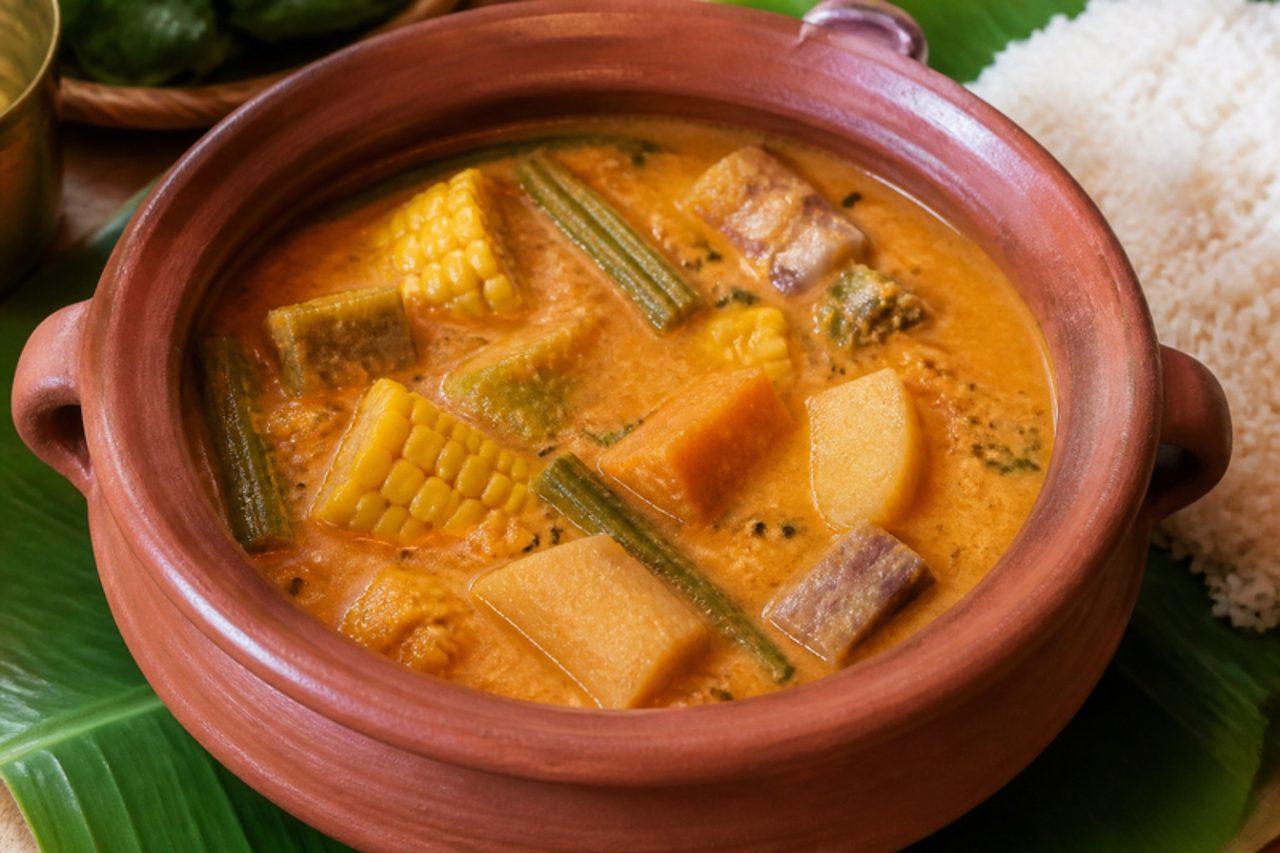
KhatkhatemMixed vegetable and dal stew

Khatkhatem is the vegetable stew Goan Hindu families cook for Ganesh Chaturthi and wedding feasts, when onion and garlic are kept out of the kitchen. It takes whatever the monsoon garden gives: pumpkin, sweet potato, raw banana, corn on the cob, drumsticks, yam and the long Goan cucumber, simmered with a little toor dal in a ground paste of coconut, red chillies and coriander seeds. The flavour comes from tirphal, a dried berry from the Western Ghats with a woody, citrusy, slightly numbing bite. Serve it with rice and a crisp papad as part of the festive spread. Chef's tip: add the vegetables in stages, hardest first; khatkhatem should have every vegetable tender but whole, not a mush.

by KrazyBadal 0 views

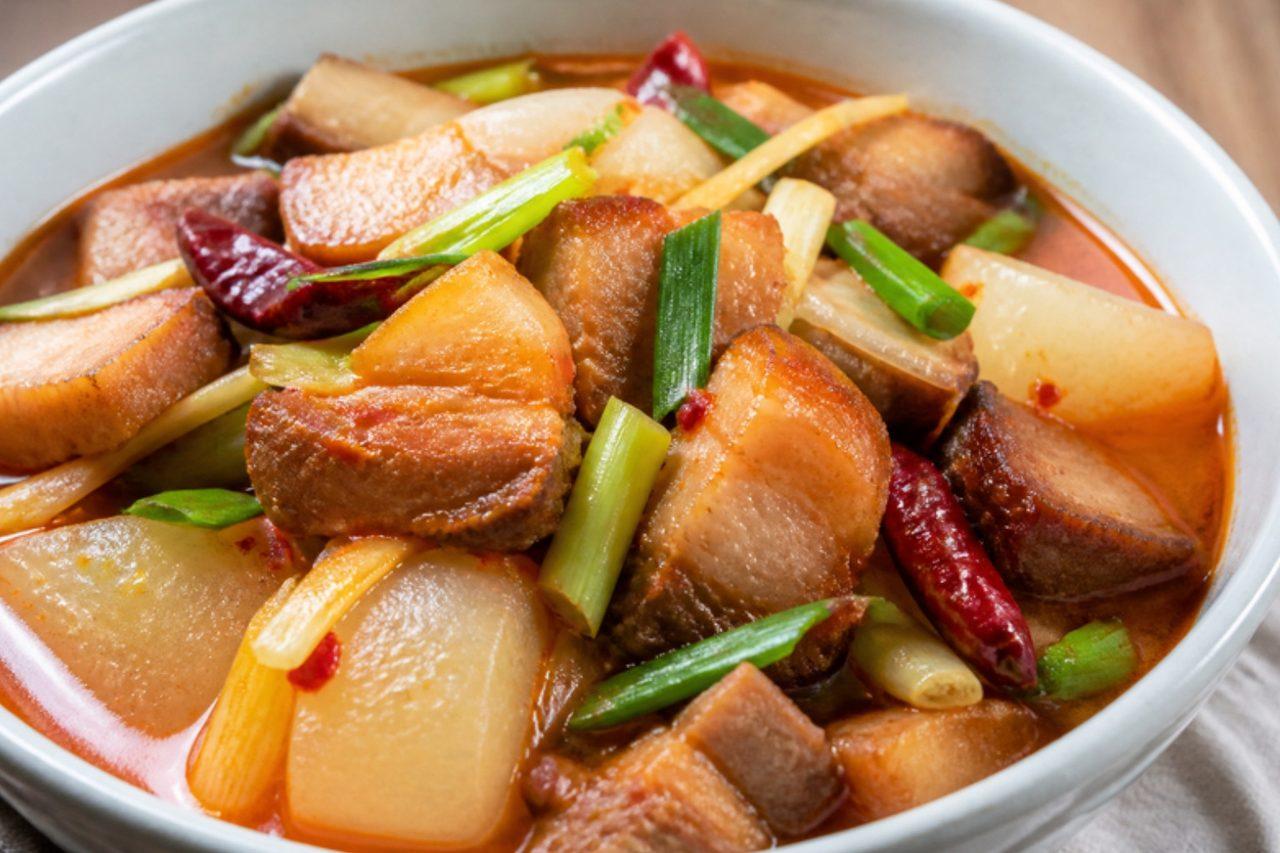
PhagshapaPork with radish and chilli

High in the hills of Sikkim, where winters are long and cold, Bhutia and Lepcha households make phagshapa from fatty strips of pork, white radish and fiery dried red chillies. Traditionally it uses no oil at all: the pork renders its own fat, and the radish soaks it up and turns meltingly soft. It is everyday warming food in Gangtok kitchens, eaten with rice and a bowl of clear soup. Chef's tip: cut the radish thick, in batons, so it holds its shape through the long simmer.

80 minIndianMeatGluten freeSpicy
by KrazyBadal 0 views

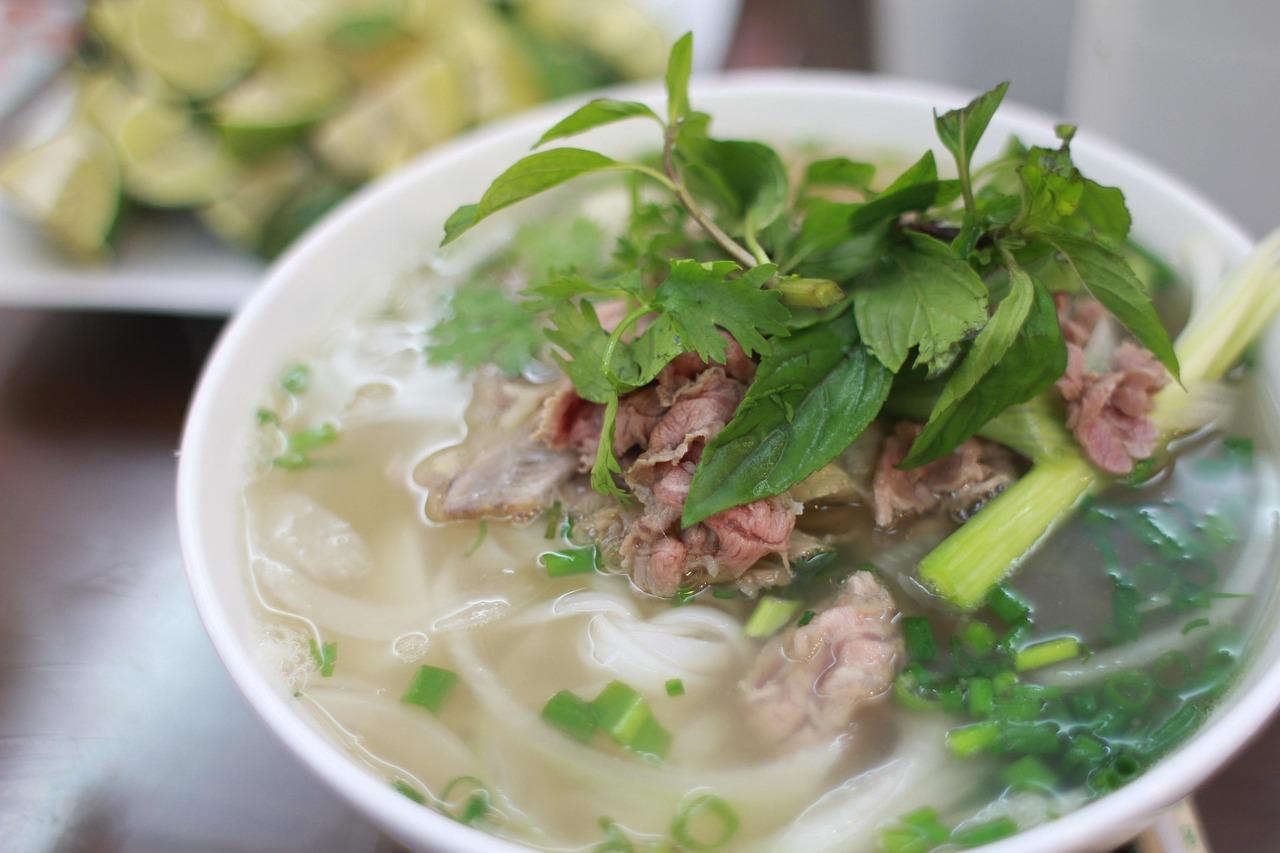
Pho boBeef noodle soup

Before Hanoi's offices open, pavement pho stalls are already busy, with diners on low plastic stools bent over bowls of rice noodles in a clear, spiced beef broth. The northern style is restrained: brisket and thin slices of raw beef that cook in the bowl, spring onion and a little coriander, with lime and chilli on the side rather than a heap of herbs and sauces. The work is in the broth, simmered slowly from bones with blackened onion and ginger and a small bag of toasted spices. Make it on a weekend; it keeps for three days and the bowls then take ten minutes. Chef's tip: char the onion and ginger until they are properly black in patches, because that smoky sweetness is what makes the broth taste of pho rather than plain beef stock.

by KrazyBadal 1 views

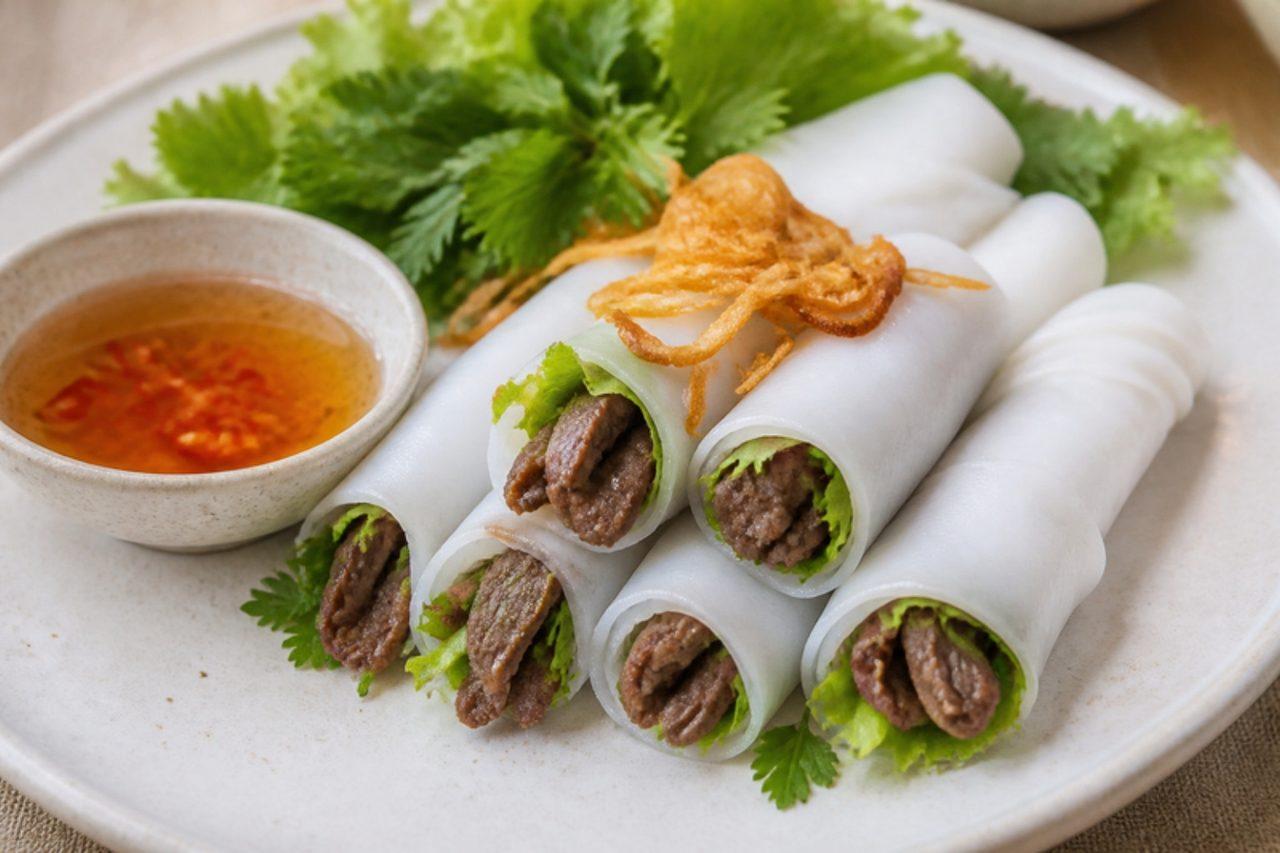
Pho cuonBeef rice noodle rolls

On Ngũ Xã, a little island of streets between Trúc Bạch lake and West Lake in Hanoi, whole rows of restaurants sell nothing but pho in different shapes, and phở cuốn is the one people order by the plateful in the evening. Instead of cutting the fresh rice-noodle sheet into ribbons, the cooks leave it whole and roll it round seared beef, lettuce and herbs. The rolls are soft, cool and slightly chewy, and you dip them in a light, sweet fish sauce with pickled carrot. Look for fresh rice-noodle sheets in the chiller of an Asian supermarket, often sold for Chinese ho fun. Chef's tip: if the sheets are stiff from the fridge, steam or microwave them for 30 seconds under a damp cloth before separating, or they tear.

by KrazyBadal 0 views

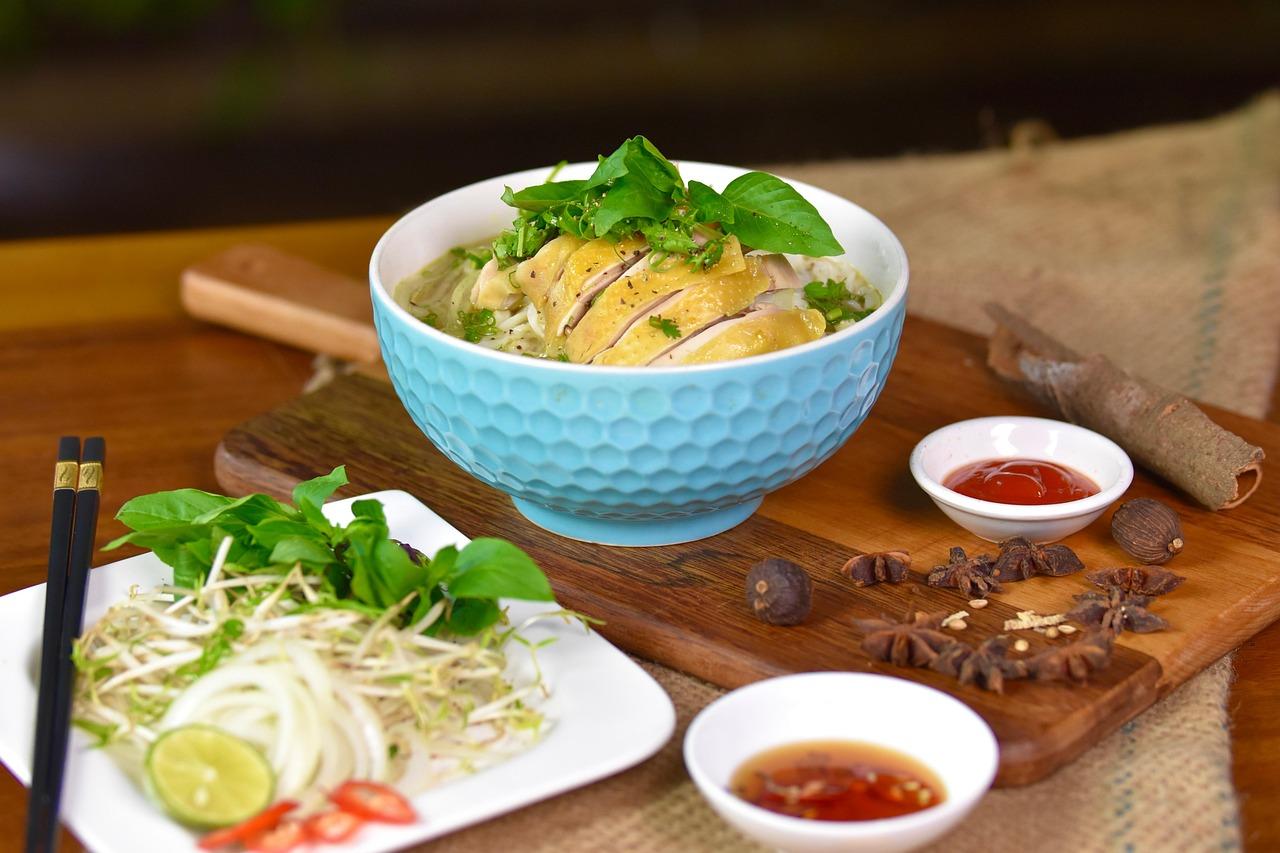
Pho gaChicken noodle soup

In Hanoi some shops sell nothing but chicken pho, and locals often choose it over beef for a gentler breakfast or a late bowl after an evening out. The broth is lighter than the beef version, made in about an hour from a whole bird with a few charred aromatics and only a hint of spice. The northern signature is a tangle of makrut lime leaf, cut as fine as thread, scattered over the hot chicken just before serving. It's a good first pho to make at home, since the timing is forgiving and the chicken poaches in the same pot. Chef's tip: plunge the cooked chicken into iced water for 5 minutes; the skin turns firm and slightly springy, the way Hanoi cooks like it.

by KrazyBadal 0 views

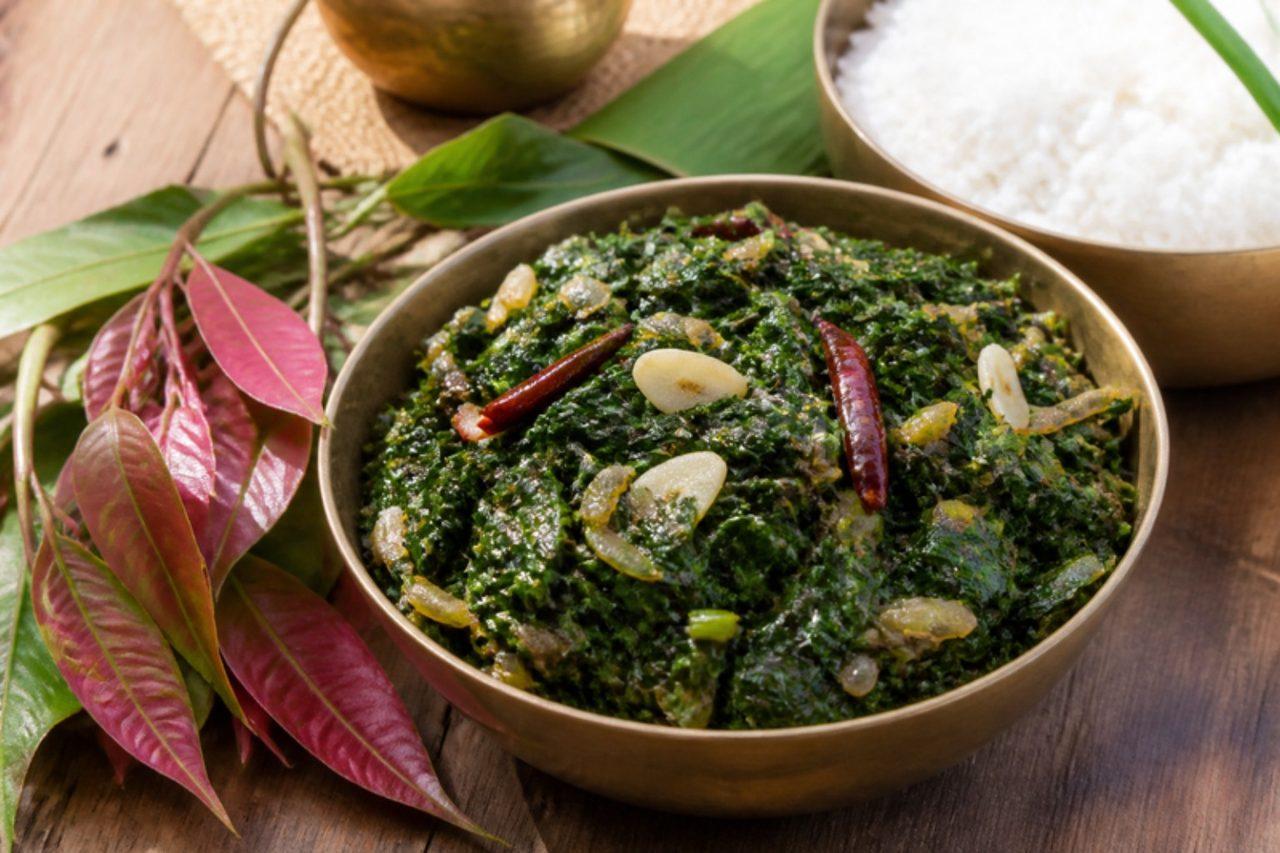
Phutkal saagStir-fried fig-tree leaves

In spring, before the rains, the phutkal tree (a wild fig) puts out tender pink-green shoots, and women across Jharkhand climb or hook them down to cook as saag. The leaves are naturally sour, so the dish needs no tomato or tamarind: they are boiled, squeezed and fried with garlic, dried chilli and mustard oil. Much of the harvest is dried in the sun and sold in Ranchi markets to cook through the year, and dried phutkal is what most people outside the state can find. Chef's tip: boil and squeeze the leaves well; this tames any bitterness and keeps the saag from turning watery.

by KrazyBadal 0 views

PiadinaGriddled flatbread

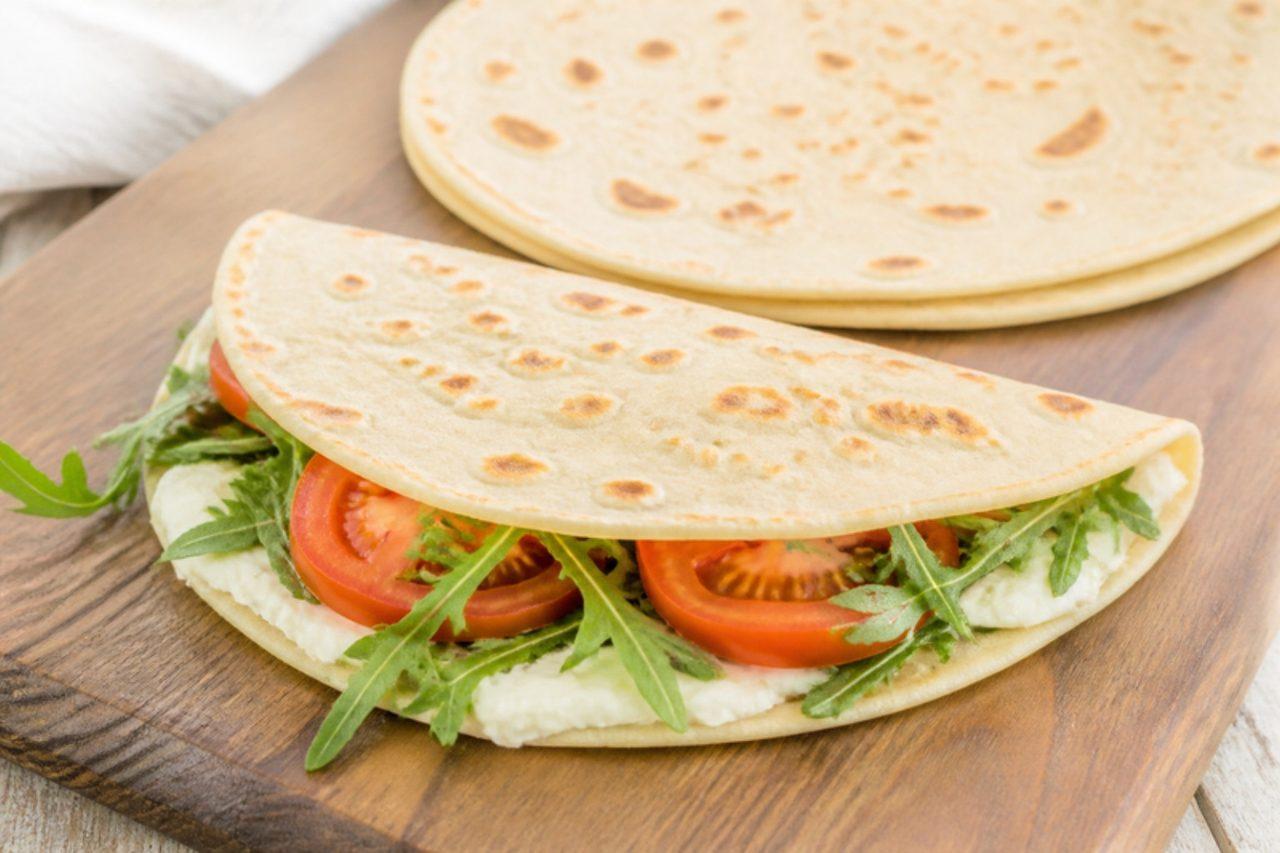
Piadina is Romagna's everyday bread, cooked on a hot griddle (traditionally a terracotta testo) in chalet-style kiosks from Rimini to Ravenna and eaten folded around soft squacquerone cheese and rocket, or with grilled vegetables. It needs no yeast and is ready in half an hour, which is why families make it at home for quick suppers. The old recipe uses lard; olive oil gives a lighter, vegetarian result. Chef's tip: let the griddle get properly hot and cook the piadina dry, without oil; you want brown freckles and a few blisters, not a fried bread.

by KrazyBadal 0 views

Pian'er chuan noodlesNoodle soup with pickled greens

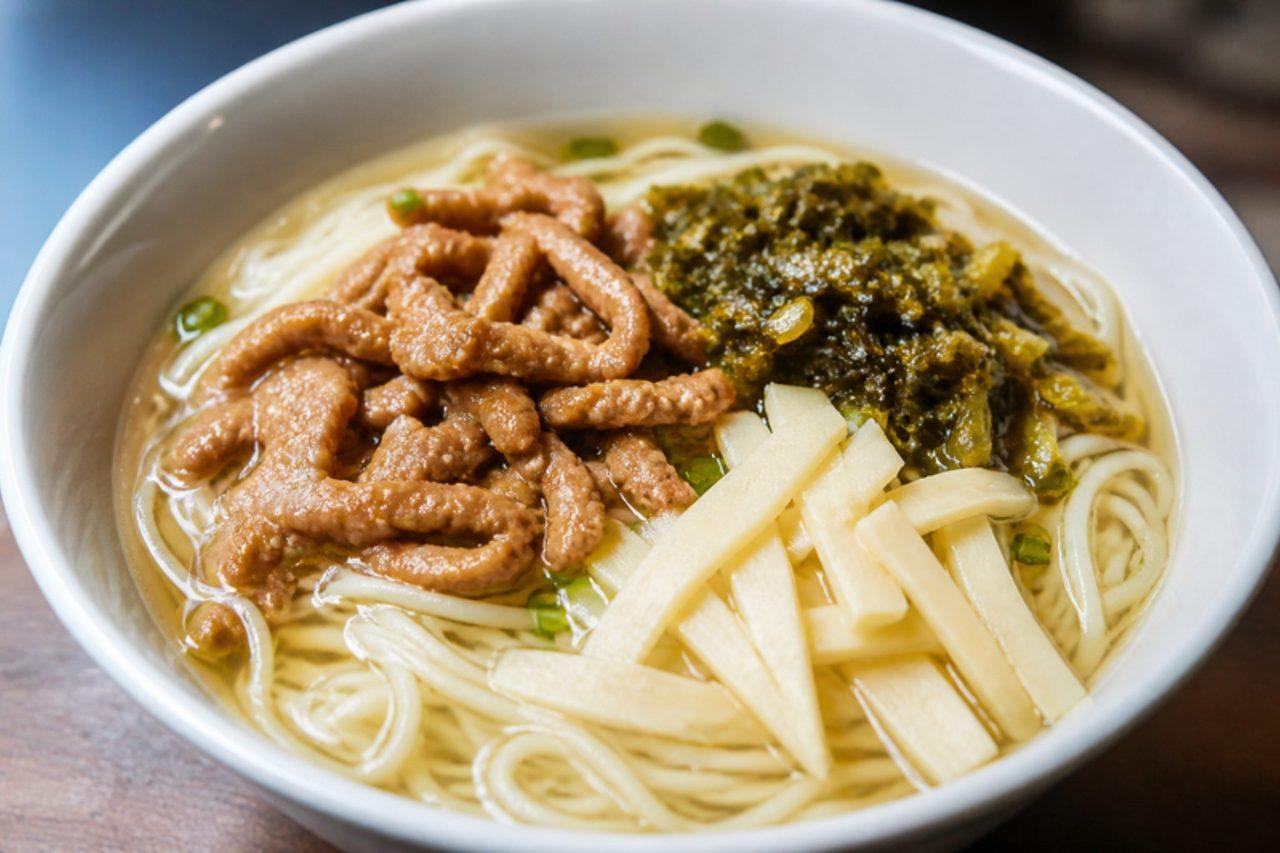
Ask a Hangzhou local what they eat at a noodle shop and the answer is often pian'er chuan, a quick bowl named for its sliced (pian) pork and bamboo that are flash-cooked (chuan) in the broth. Salty, crunchy pickled mustard greens give it its savoury depth, the bamboo adds a clean sweetness, and the thin noodles soak up a cloudy, peppery soup. It is everyday lunch food, eaten at speed. A common mistake is skipping the rinse on the pickled greens; unrinsed, they make the whole bowl too salty. Chef's tip: slice the pork as thinly as you can while it is half-frozen, so it cooks in seconds and stays tender.

by KrazyBadal 0 views

PiayaMuscovado-filled flatbread

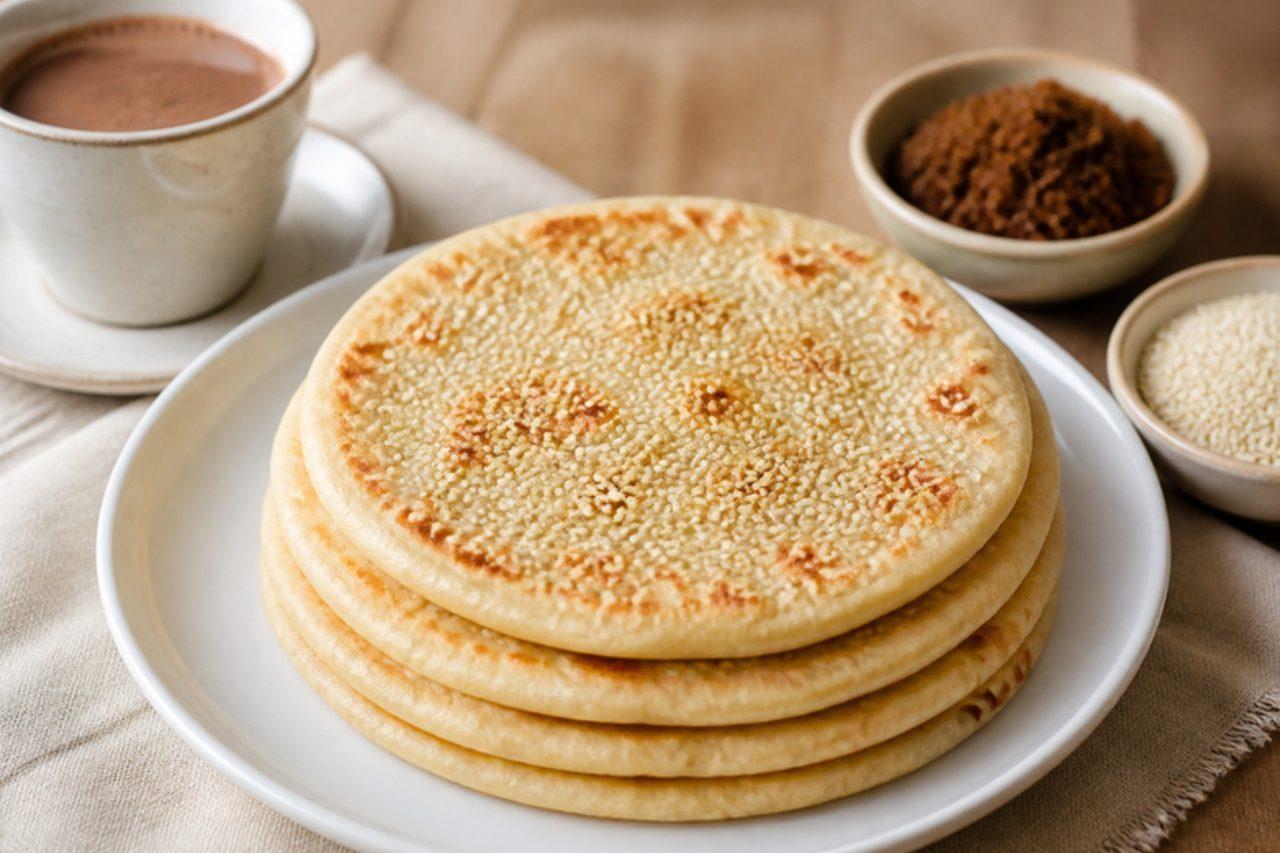
Piaya is the sweet everyone brings home from Bacolod and the sugar-growing island of Negros: a thin, flaky round of unleavened dough with a layer of dark muscovado inside, cooked on a dry griddle until blistered, and dotted with sesame seeds. The sugar melts and turns chewy as it cools. It is eaten with coffee in the afternoon, and newer shops fill it with ube. Lard is traditional in the dough; vegetable shortening gives the same flakiness. Chef's tip: roll the filled dough gently from the centre outward and keep it thin, or the sugar bursts through.

by KrazyBadal 0 views

Hu tieuPork and prawn noodle soup

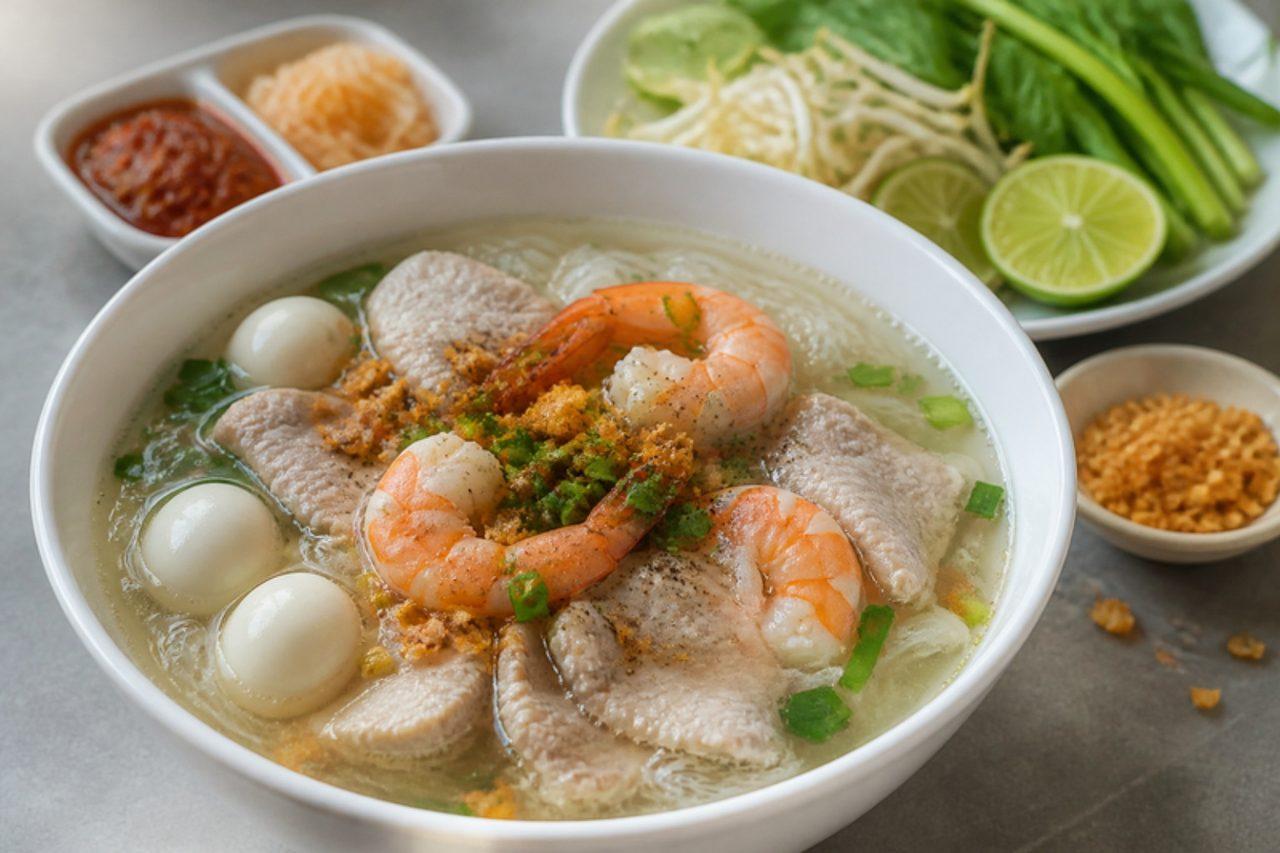
Hủ tiếu came to southern Vietnam with Teochew Chinese and Cambodian influences, and in Saigon it's as everyday as pho, sold from street carts at dawn and again late into the night. The broth is light and clear, sweet from pork bones, daikon and dried shrimp, and the bowl is loaded with sliced pork, minced pork, prawns and often quail eggs. Clear, chewy noodles and a spoon of crispy garlic oil set it apart. Many people order it khô, dry, with the noodles tossed in sauce and the soup on the side. Chef's tip: toast the dried squid over a flame before it goes in the pot; it gives the broth a sweet, savoury depth that's hard to place.

by KrazyBadal 0 views

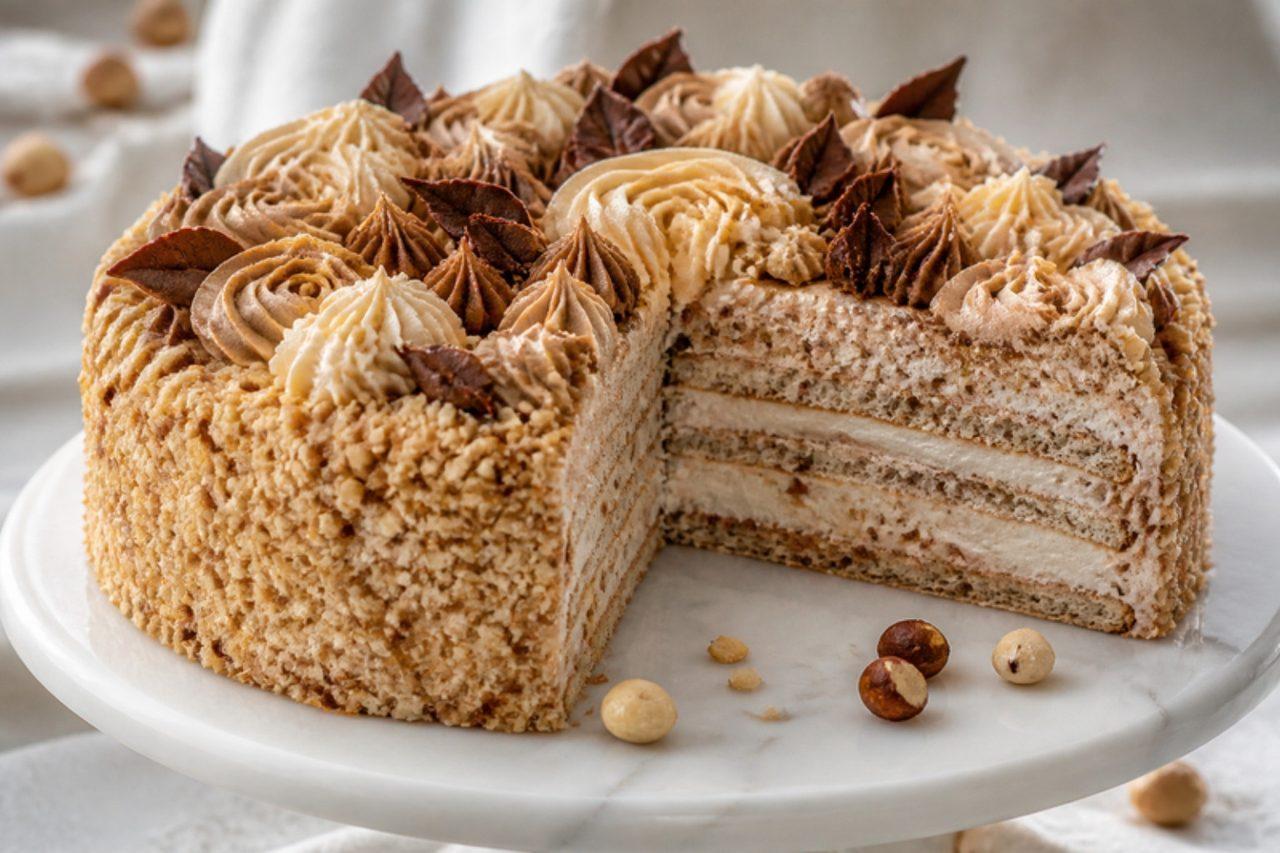
Kyiv cakeHazelnut meringue cake

Kyiv cake was created in 1956 at the Karl Marx confectionery factory in Kyiv, and for decades a round box tied with string, bought at the station kiosk, was the souvenir every visitor carried home from the capital. Two crisp, chewy layers of nut meringue are sandwiched with a rich vanilla and cocoa buttercream and decorated with more cream. It contains no flour, so it is naturally gluten free, and no gelatine. Our home version uses hazelnuts, as the original did before cashews became the norm. Chef's tip: dry the meringue long and slow and let it cool in the switched-off oven; common mistake is pulling it out too early, when it is still soft inside, and then it turns sticky and collapses under the cream.

by KrazyBadal 0 views

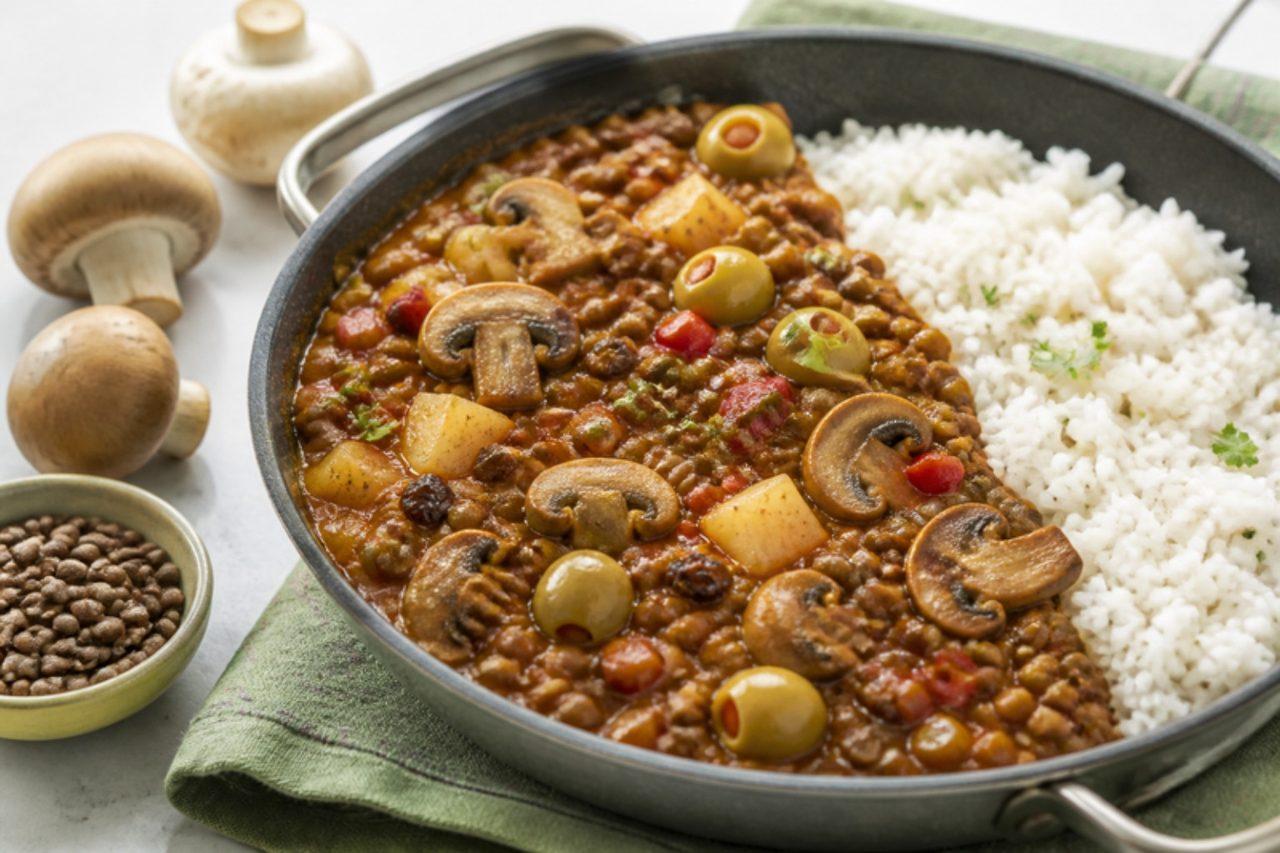
Picadillo vegetarianoLentil and mushroom picadillo

Picadillo a la habanera is Havana's everyday savoury hash, sweet with raisins, salty with olives and capers and sharp with tomato and sofrito. This vegetarian version swaps the meat for brown lentils and finely chopped mushrooms, which give the same crumbly, juicy texture and a deep savoury flavour. Spoon it over white rice with fried ripe plantain, or use it to fill empanadas and stuffed peppers. Chef's tip: let the mushrooms fry until all their liquid has gone and they turn brown; that browning is what makes it taste rich.

by KrazyBadal 0 views

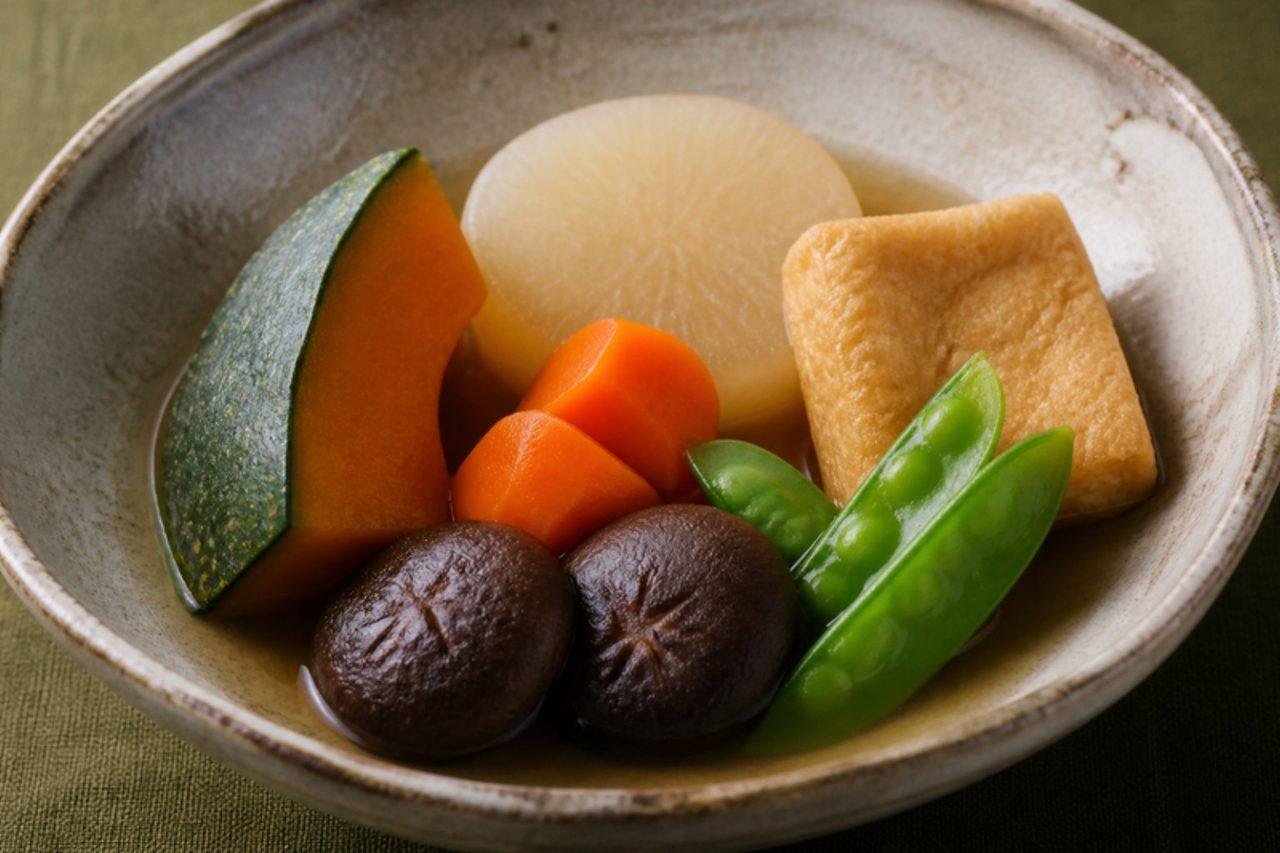
Kyoto takiawaseSimmered vegetables

Obanzai is what Kyoto calls its everyday home cooking: thrifty, seasonal side dishes that families keep in the fridge and that small restaurants line up in bowls along the counter. Takiawase, 'simmered together', is one of its finest. Each vegetable is cooked separately in a pale, delicate broth, so the kabocha stays orange, the daikon turns translucent and the carrot keeps its colour, then they are arranged side by side in one dish. Kyoto cooks season with light-coloured usukuchi soy, which is saltier than regular soy but doesn't darken the food. Serve it warm or at room temperature with rice and miso soup. Chef's tip: let everything cool in its broth. The vegetables soak up most of their flavour as they cool, not while they boil.

by KrazyBadal 0 views

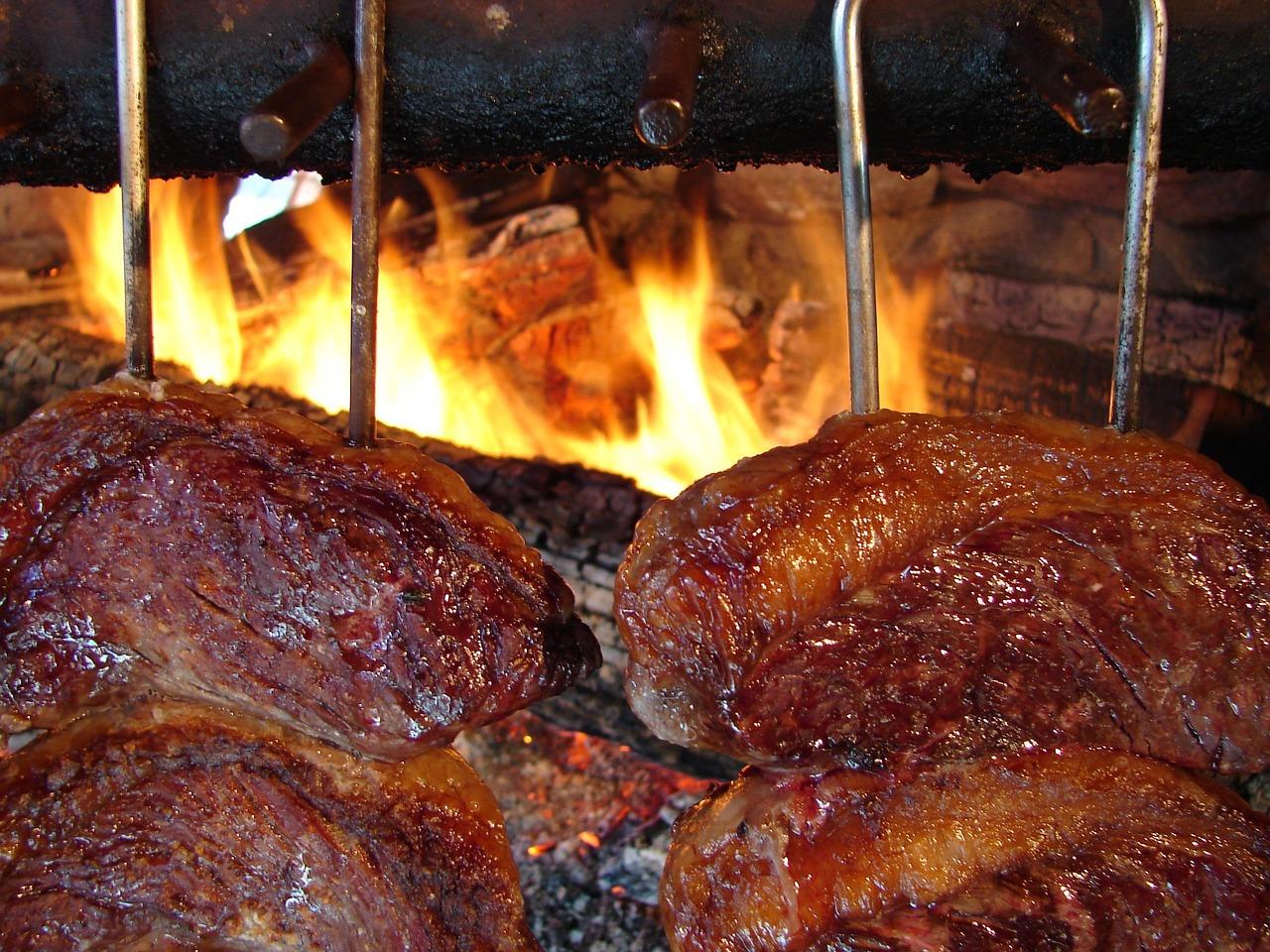
Picanha churrascoGrilled beef rump cap

Picanha, the rump cap with its thick white fat layer, is the cut Brazilians prize most at a churrasco. The tradition comes from the gaúchos, the cattle herders of Rio Grande do Sul, and lives on in Sunday family barbecues in the south and in churrascarias across the country, where waiters carry the meat from table to table on long skewers. It is seasoned with nothing but coarse rock salt (sal grosso) and cooked over charcoal with the fat left on, so it bastes the meat. You can fold thick steaks into a C shape on skewers, as in the churrascarias, or grill them flat. Chef's tip: before slicing, knock the excess salt off with the back of a knife; the crust keeps just enough.

by KrazyBadal 0 views

Punjene paprikeStuffed peppers

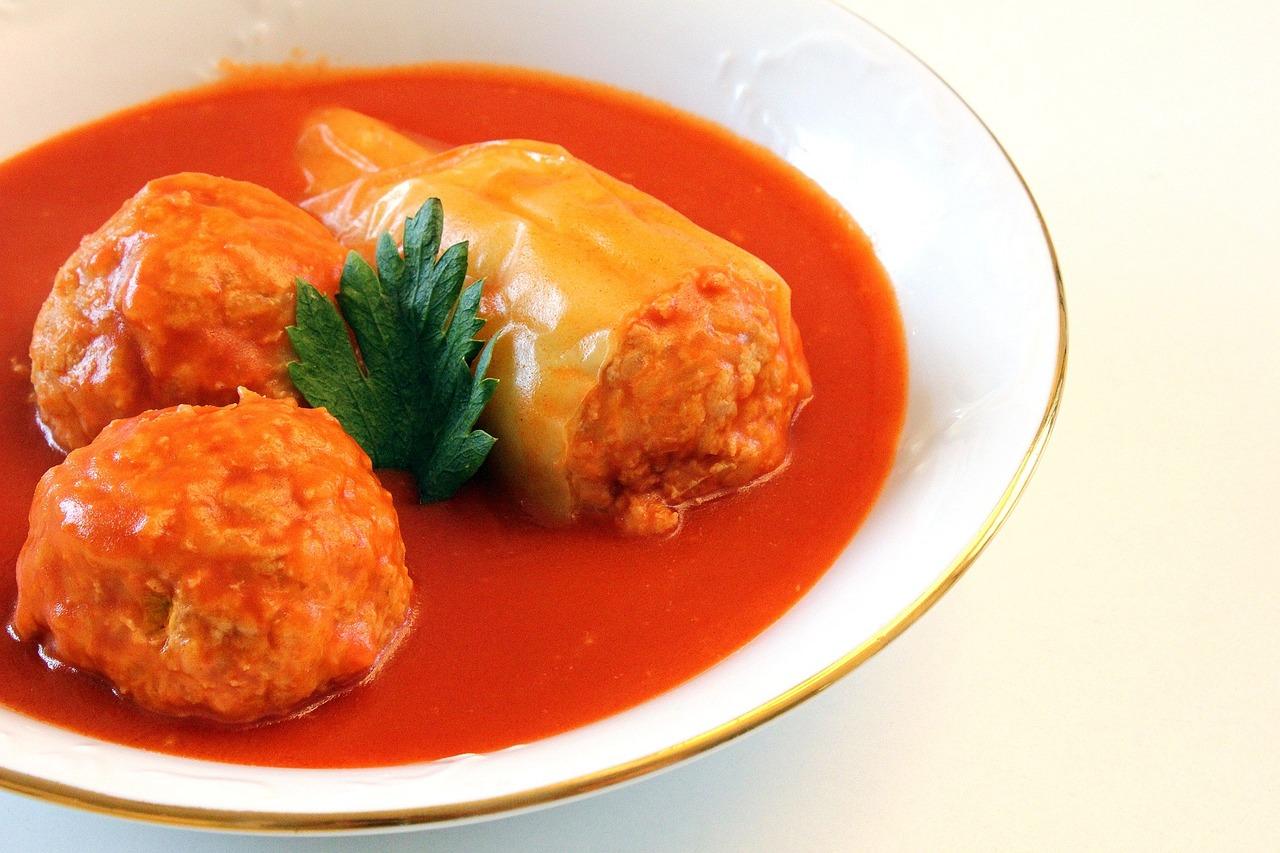
When late-summer markets in Novi Sad and Belgrade fill up with pale yellow and light green peppers, Serbian kitchens make big pots of punjene paprike to eat for several days. The peppers are packed with seasoned beef and pork mince and rice, stood upright and simmered slowly in a light tomato sauce until meltingly soft. They are served with a dollop of sour cream and bread to mop up the sauce. This recipe contains pork. The easy mistake is stuffing the peppers too tightly: the rice swells and splits them, so leave the top 2 cm empty. Chef's tip: plug each pepper with a slice of potato or tomato before simmering, so the filling stays inside.

105 minBalkanMeatGluten free
by KrazyBadal 0 views

PicaronesSweet potato and squash doughnuts

Picarones are Lima's favourite street sweet, fried to order at stalls in the parks and outside churches, especially in October during the Señor de los Milagros processions. The light, chewy rings are made from a yeasted dough of sweet potato and squash, scented with anise, fried until crisp and drenched in miel de chancaca, a dark syrup of unrefined cane sugar with orange peel, cinnamon and cloves. They are eaten hot, straight from the oil, with plenty of syrup. Chancaca is sold in Latin shops; dark muscovado or piloncillo makes a very good syrup too. Chef's tip: the dough should be very soft and sticky, like a thick batter; resist adding more flour, or the picarones turn heavy and bready.

by KrazyBadal 0 views

KhobzRound semolina bread

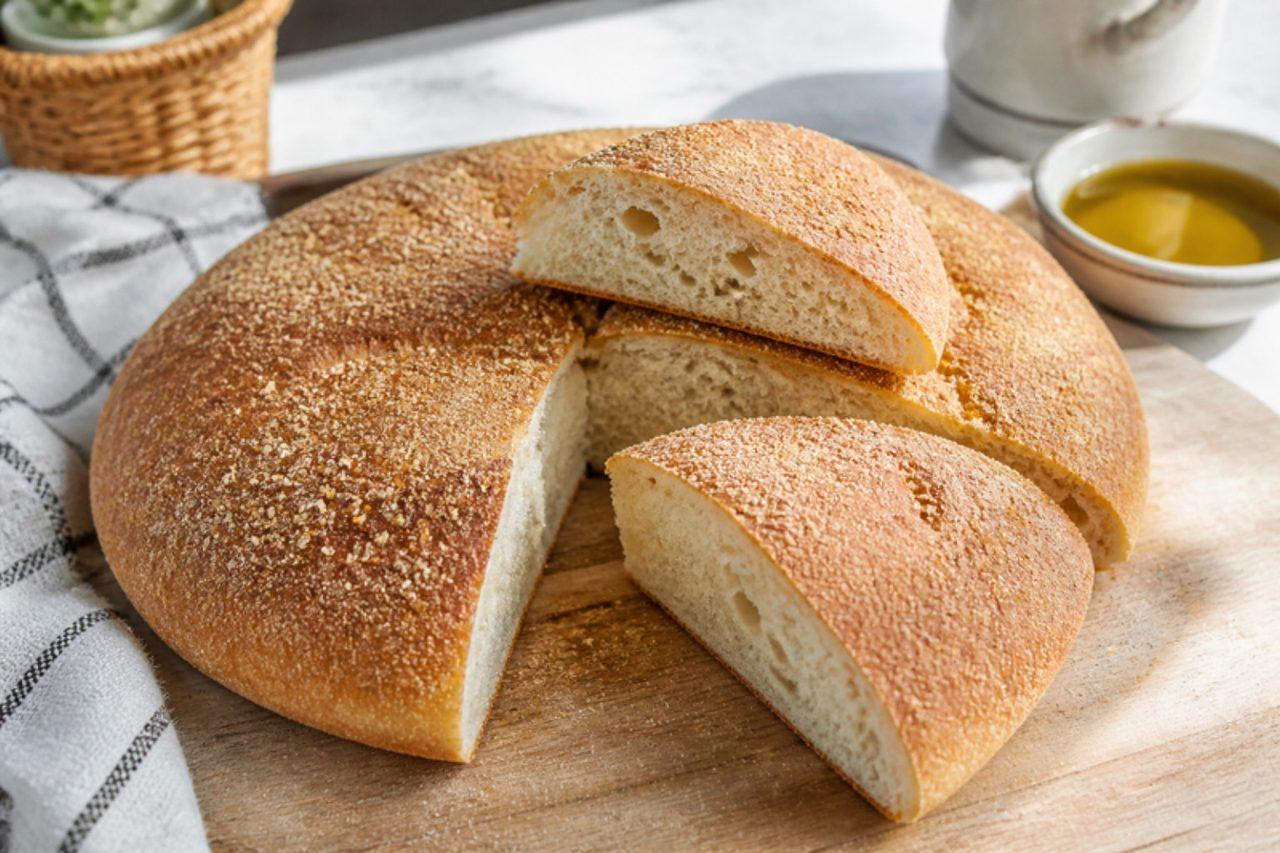
Khobz is the round, flat loaf that sits on every Moroccan table, used instead of cutlery to scoop up tagine and salads. In the older quarters of Fez and Marrakech families still shape their dough at home and carry it on wooden boards to the neighbourhood wood-fired oven, the ferran; at home it bakes perfectly on a hot tray. The semolina and wholemeal give it a slightly nutty taste and a soft, chewy crumb with a thin crust. It keeps for a day wrapped in a cloth and is wonderful toasted. Chef's tip: prick the top all over before baking so it rises evenly and stays flat instead of puffing like a pitta.

by KrazyBadal 0 views

Lasary voatabiaTomato and spring onion relish

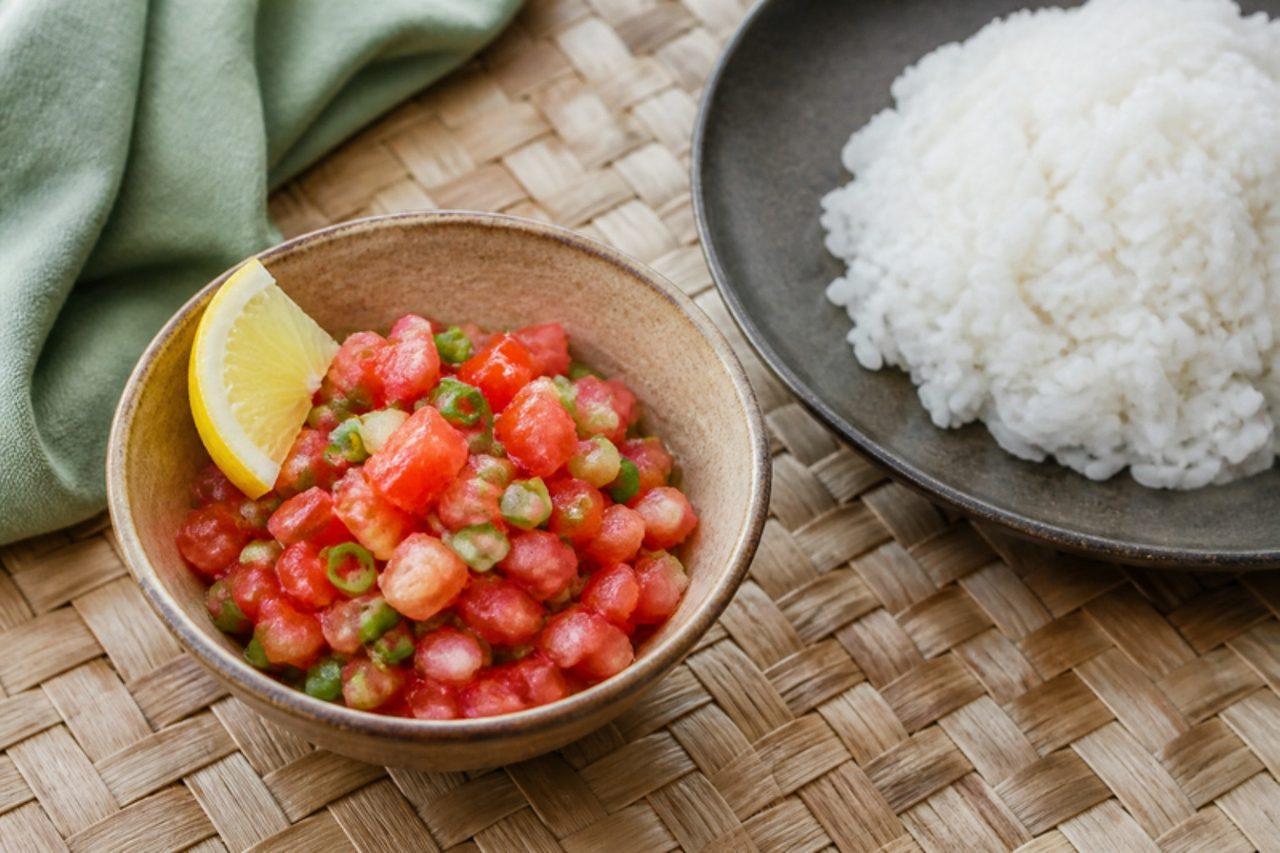
Lasary voatabia is the fresh tomato relish served beside the rice at almost every Malagasy meal, from Antananarivo's highland homes to the coast. Tomatoes and spring onion are chopped very small, sharpened with lime or vinegar and a little sakay (chilli), and spooned onto the rice to wake up broths like romazava. It is juicier and finer than a salad. Chef's tip: chop the tomatoes very small, almost to a pulp at the edges; the juice is meant to soak into the rice.

by KrazyBadal 0 views

Pico de galloFresh tomato salsa

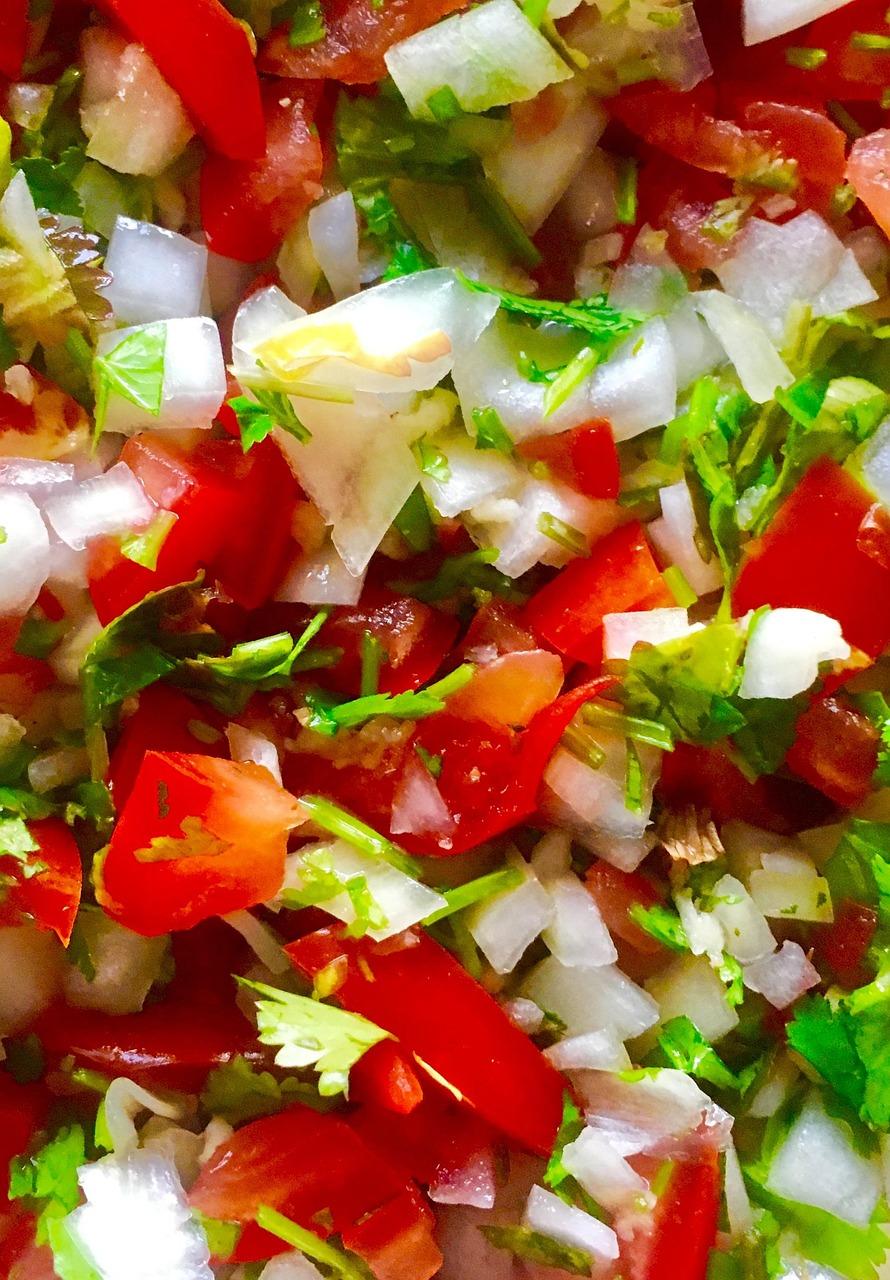
Pico de gallo, also called salsa fresca or salsa mexicana, is the fresh, uncooked salsa that sits on every Mexican table: diced ripe tomato, white onion, serrano chilli and coriander, brightened with lime juice and salt. It is crunchy, juicy and clean-tasting, with just enough heat, and goes with tacos, quesadillas, eggs, beans, rice and tortilla chips. It is best within an hour of making. Chef's tip: add the salt just before serving; salt draws water out of the tomatoes and leaves the salsa sitting in a puddle.

by KrazyBadal 0 views

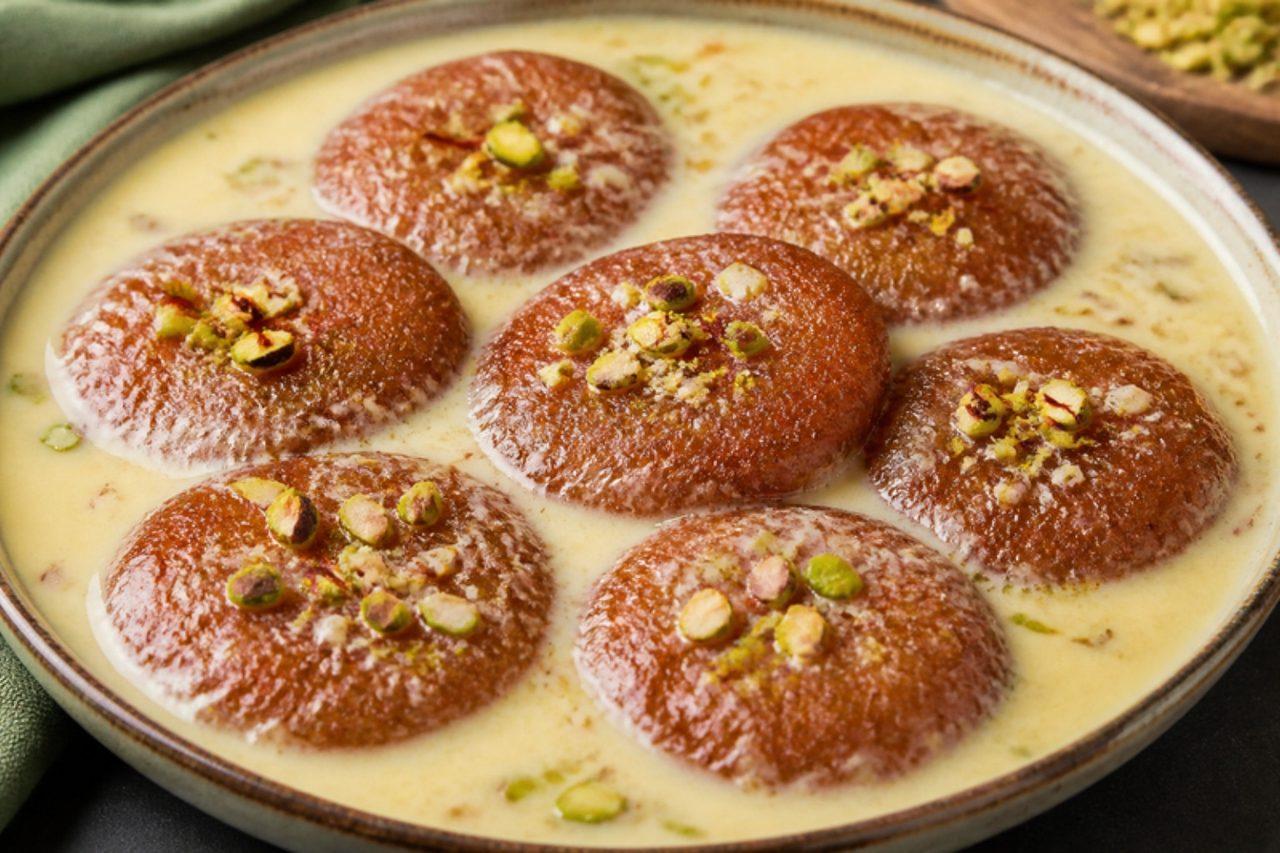
RasabaliFried cheese discs in milk

Rasabali comes from the Baladevjew temple in Kendrapara and is one of the 56 offerings of Puri's Jagannath temple. Flattened discs of chhena are deep-fried until reddish-brown, then soaked in milk that has been simmered down until thick and sweet with cardamom. Unlike rasmalai, whose discs are poached in syrup, rasabali's are fried, so they keep a chewy, slightly caramelised skin under the milk. It is eaten chilled at festivals and weddings in Odisha. Chef's tip: press a dimple into the centre of each disc before frying, so it fries evenly and holds more milk.

by KrazyBadal 0 views

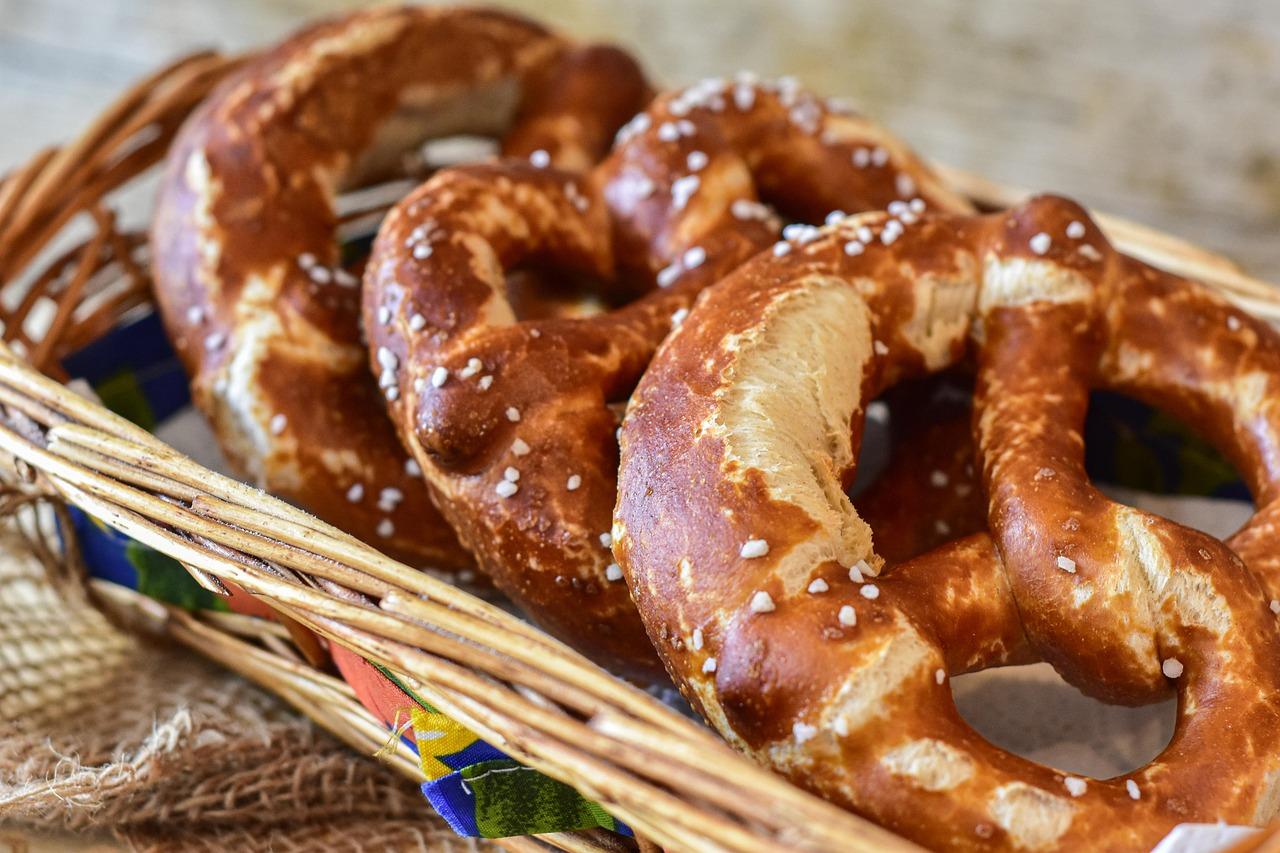
LaugenbrezelSoft pretzels

The Brezel is the emblem of German bakeries in Bavaria and Swabia: deep chestnut-brown and shiny outside, soft and chewy inside, with a fat 'belly' and thin crisp arms, studded with coarse salt. In Munich it's eaten with sweet mustard and Obatzda in beer gardens; in Stuttgart it's split and buttered for breakfast. Bakeries dip them in a lye solution, which is too caustic for most home kitchens; a bath of baked baking soda gets close in colour and flavour and is safe to handle. Chef's tip: chill the shaped pretzels uncovered for 30 minutes before the bath; a slightly dry skin holds its shape and turns darker and shinier.

120 minGermanBakingVegan
by KrazyBadal 0 views

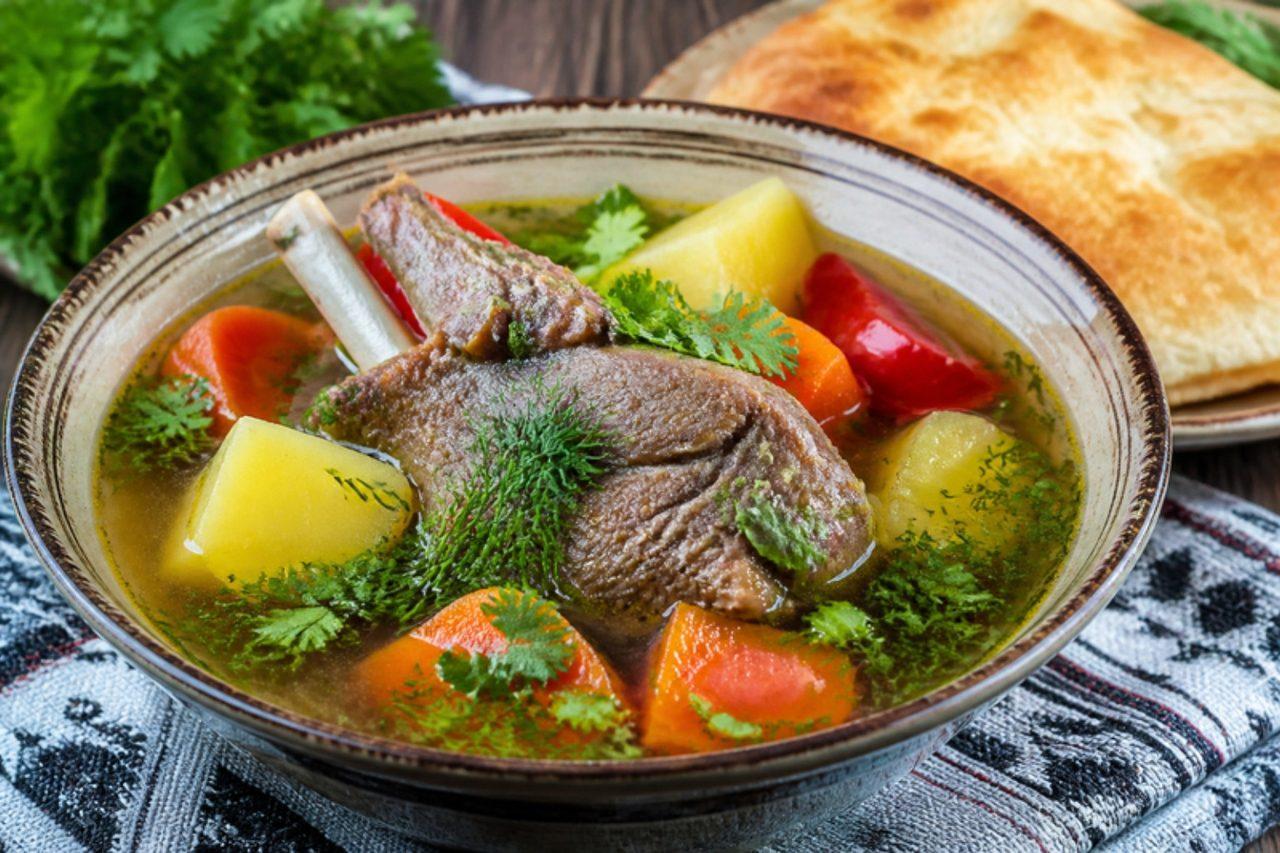
Kyrgyz shorpoLamb and vegetable broth

Shorpo is the soup that keeps Kyrgyz herders warm in the summer pastures around Issyk-Kul and in yurts high in the Tian Shan: big pieces of lamb on the bone simmered slowly with whole potatoes, carrots and onion until the broth is clear and golden. The meat and vegetables are often served on a plate and the broth in bowls, with fresh herbs and bread torn into it. It is simple, so the quality of the lamb matters. Letting it boil hard is the usual mistake; a rolling boil makes the broth cloudy and the meat stringy. Chef's tip: start the lamb in cold water and skim patiently for the first 15 minutes.

145 minKazakhSoupsGluten free
by KrazyBadal 0 views

Ensalada de aguacate y piñaAvocado and pineapple salad

Cuban home cooks dress avocado very simply, and in summer around Havana it often meets ripe pineapple and thin rings of red onion in a lime and olive oil dressing. The creamy avocado, juicy sweet-sour pineapple and sharp onion make it the cool, fresh plate beside rice and beans or yuca con mojo. It takes ten minutes. Chef's tip: soak the onion rings in cold water for 5 minutes first; they stay crisp but lose their harsh bite.

by KrazyBadal 0 views

Halo-haloShaved ice dessert

Halo-halo ('mix-mix') is what the Philippines eats through the hot dry months of March to May, bought from roadside stalls and snack shops and eaten slowly with a long spoon in a tall glass. Sweetened beans and chickpeas, banana cooked in brown sugar, jackfruit, nata de coco and sugar-palm fruit go in first, then a mountain of finely shaved ice, a splash of evaporated milk and a crown of ube halaya, a slice of leche flan or a scoop of ube ice cream, with crunchy pinipig (toasted pounded rice) on top. Unlike Malaysian ais kacang, there's no syrup over the ice: the sweetness comes from the layers and the milk. You stir everything together before eating. Chef's tip: chill the glasses and the toppings first so the ice doesn't melt before you have finished building.

by KrazyBadal 0 views

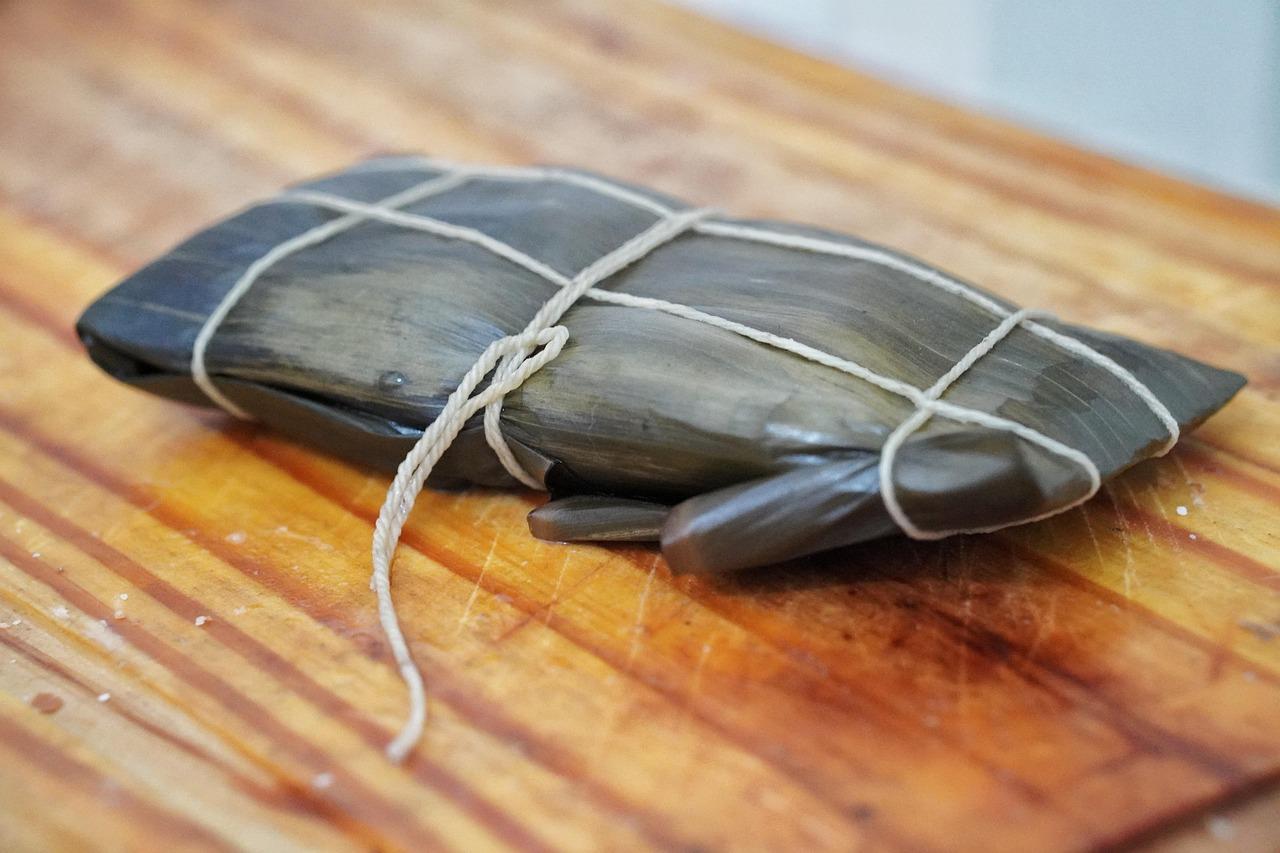
HallacasStuffed corn parcels

Hallacas are Venezuelan Christmas. In December whole families gather around a kitchen table in Caracas, Maracaibo or the Andes to make dozens at once: one person cleans banana leaves, another spreads the annatto-tinted corn dough, another adds the guiso (a stew of pork, beef and chicken) and the garnishes, and someone else ties the parcels. This is a pork dish. The guiso is traditionally finished with red wine; for an alcohol-free version use the same amount of beef stock with a tablespoon of red wine vinegar. They are eaten with pan de jamón and chicken salad from Christmas Eve to New Year. The common mistake is spreading the dough too thick, which makes heavy, stodgy parcels; it should be thin enough to almost see the leaf through it. Chef's tip: make the guiso a day ahead and chill it, so it is firm and easy to portion.

by KrazyBadal 0 views

Hallabong adeSparkling tangerine drink

Hallabong (한라봉) is Jeju's pride: a large, sweet, easy-peel tangerine with a knob on top that is said to look like Hallasan, the island's volcano. Every café on Jeju sells hallabong ade (한라봉에이드), a tall glass of hallabong syrup topped up with sparkling water and ice, often with the fruit sliced into it. Koreans make the syrup, hallabong-cheong, by layering the sliced fruit with sugar in jars; this quick version is ready in 10 minutes. Outside Korea, use dekopon, sumo or any very sweet mandarin. Chef's tip: add a squeeze of lemon to the syrup; hallabong is so sweet that the drink tastes flat without a little extra acid.

by KrazyBadal 0 views

Pierogi ruskiePotato and cheese dumplings

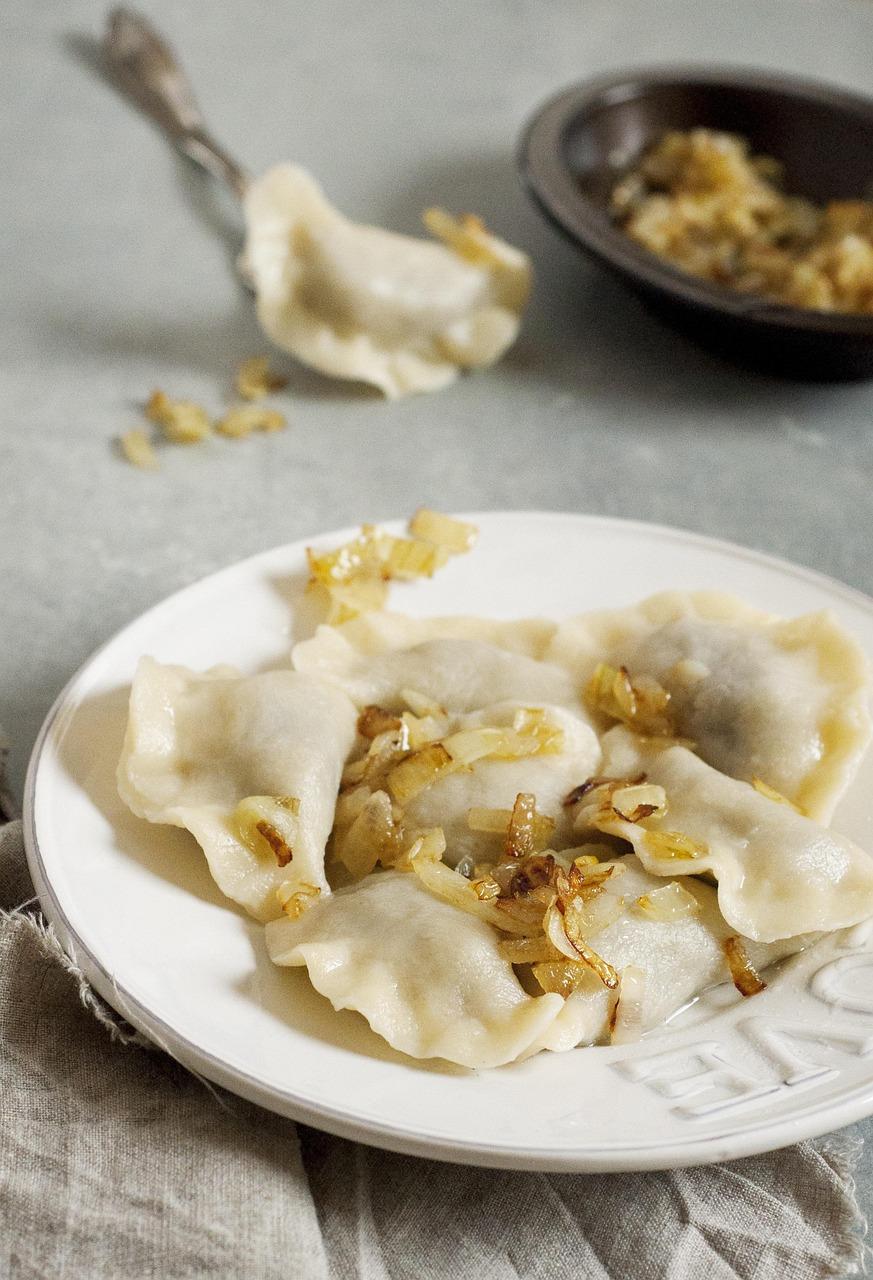
Pierogi ruskie take their name from Red Ruthenia, the old borderland around Lwów and Przemyśl, and today they are the pierogi every Polish milk bar (bar mleczny) from Kraków to Gdańsk keeps on the menu. The filling is the Polish one: floury potato mashed with crumbly twaróg curd cheese, plenty of slowly browned onion and a lot of black pepper, wrapped in a thin, soft dough. Kraków even holds a pierogi festival every August, and ruskie are always the best sellers. Serve them boiled with more golden onion and a spoon of soured cream, or fry leftovers in butter the next day. Chef's tip: let the filling cool completely and taste it before you fill a single dumpling; it should taste over-seasoned on its own, because the dough mutes it.

by KrazyBadal 0 views

PiklizSpicy pickled cabbage

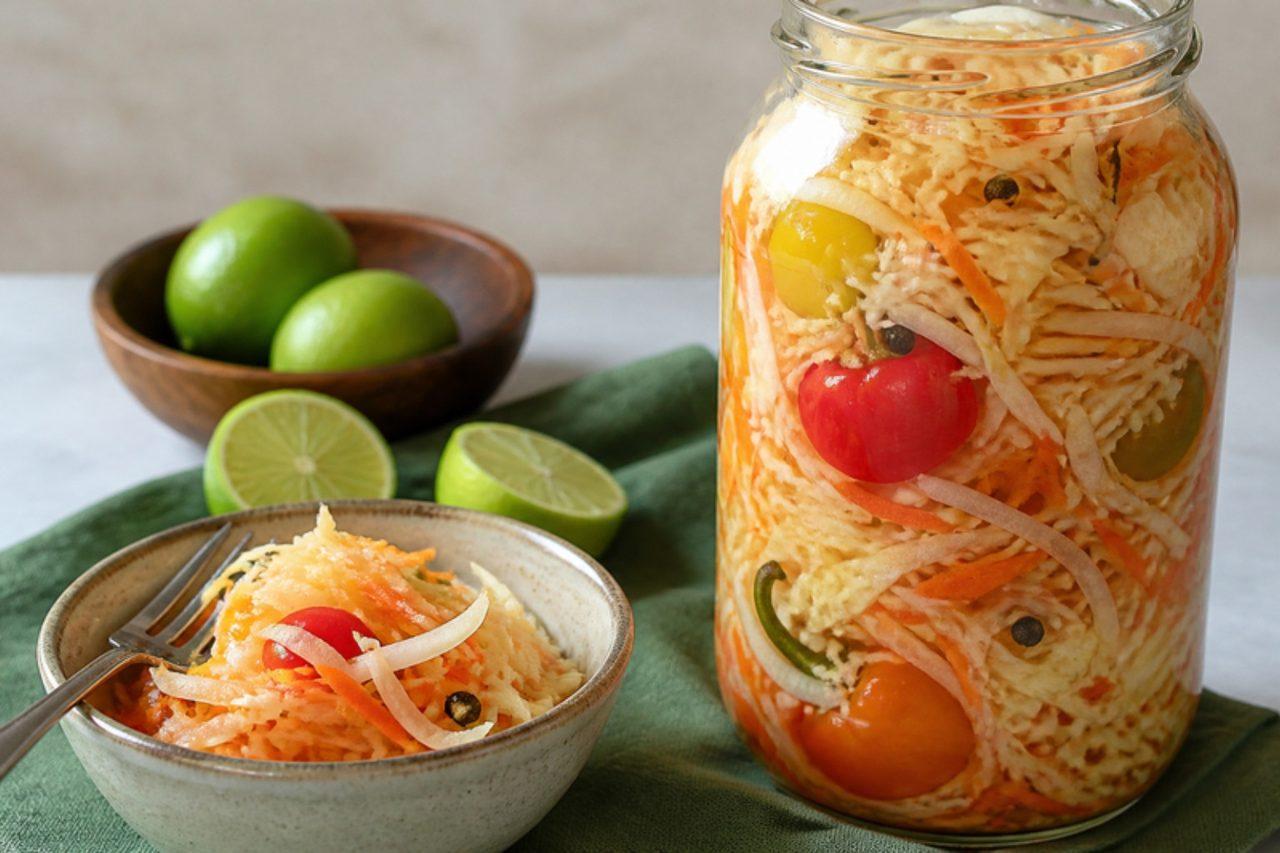
Pikliz is the fiery slaw-pickle that sits on every Haitian table, in a big glass jar in the middle, and no plate of fried food in Haiti is served without it: it's spooned over fried plantain (bannann peze), fritters and rice. Shredded cabbage, carrot, onion and peppers are packed with hot scotch bonnets, cloves and peppercorns, then drowned in vinegar and lime. After a few days it is crunchy, sour and properly hot, and the vinegar itself becomes a hot sauce you sprinkle over everything. Chef's tip: slice the scotch bonnets thinly rather than leaving them whole; the heat spreads evenly through the jar and every forkful has a kick.

by KrazyBadal 0 views

Łazanki with cabbage and mushroomsSquare noodles with cabbage and mushrooms

Łazanki are short, square egg noodles, and in the Podhale highlands and around Kraków they are tossed with soft-fried white cabbage, a little sauerkraut and mushrooms for a cheap weekday supper, especially in autumn when the cabbage is new. Most cooks add smoked bacon; this version leaves it out and gets its depth from dried ceps, browned fresh mushrooms and plenty of black pepper and marjoram. It is soft, savoury and slightly sour. Serve it on its own with a glass of buttermilk or kefir, as people do in the mountains. Chef's tip: let the cabbage catch and brown in places before you add the noodles; that browning is the flavour bacon would otherwise give.

by KrazyBadal 0 views

KaftaGrilled minced meat skewers

Kafta is the everyday grilled mince of Lebanon, Syria, Jordan and Palestine: a Sunday barbecue staple in the Lebanese mountains and a quick dinner in city flats, cooked on skewers, shaped into fingers for the pan, or baked in a tray with potatoes and tomato. Lamb and beef are mixed with plenty of onion and parsley and warmed with baharat (seven spice). Wrap them in bread with tomato, onion and a smear of hummus or tahini sauce. Chef's tip: grate the onion and squeeze it hard in a clean cloth; dry onion keeps the kafta firm on the skewer and stops it steaming.

by KrazyBadal 0 views

Sarva pindiRice flour and peanut flatbread

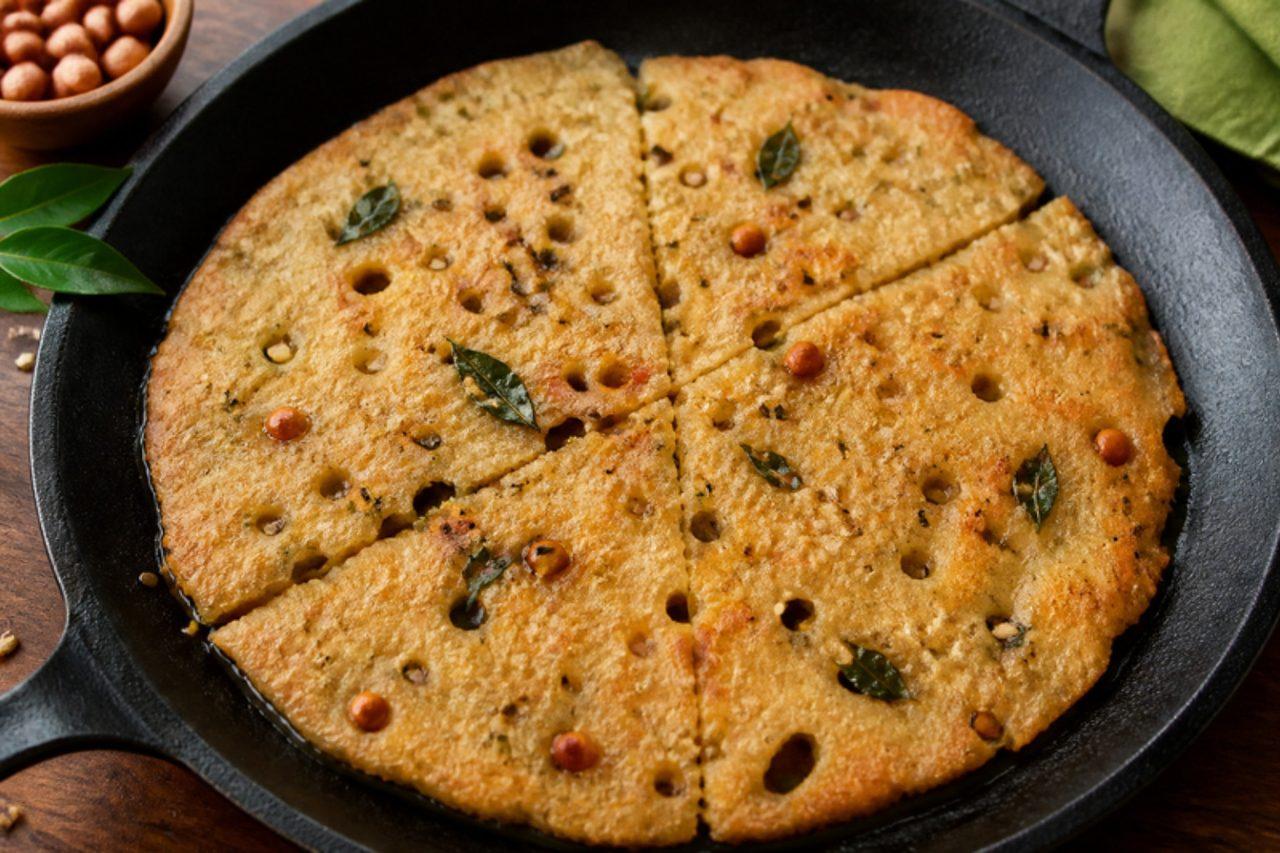
Sarva pindi, also called ginne appa or tapala chekka, is a thick, crisp rice-flour bread from rural Telangana, pressed by hand into a heavy pan, studded with holes and baked slowly in oil until the base is golden and crunchy. The dough is full of soaked chana dal, peanuts, sesame, green chilli, curry leaves and coriander, so every bite is savoury and nutty. It is the snack that waits on the stove when children come home from school, and a favourite for Sankranti and long train journeys because it keeps well. Chef's tip: press the dough into a cold pan, not a hot one; it spreads evenly and the holes stay open as it heats.

by KrazyBadal 0 views

PinakbetMixed vegetable stew

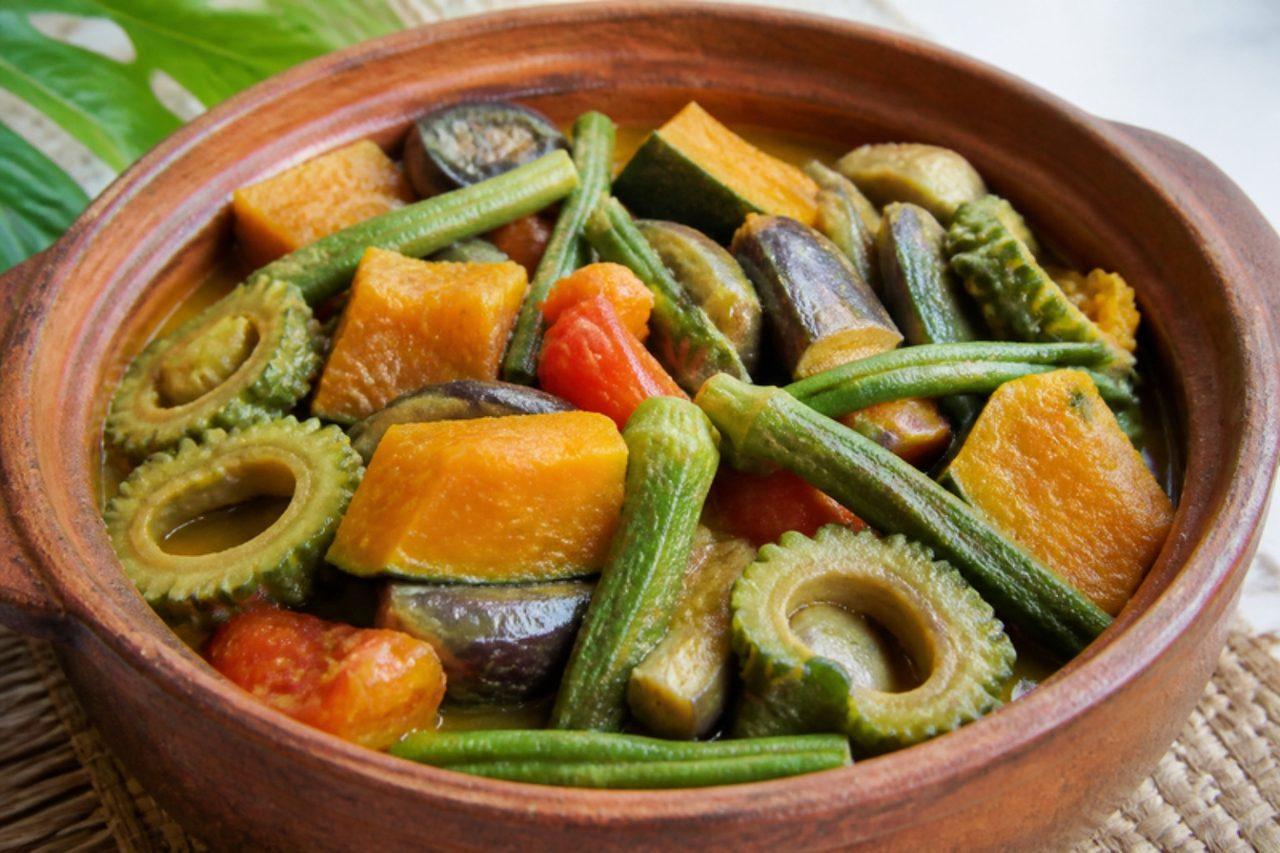
Pinakbet comes from the Ilocos region in the far north-west of Luzon, where families cook whatever grows behind the house: bitter melon, small aubergines, okra, yard-long beans and tomatoes, simmered with very little water until the vegetables shrink and wrinkle (the name comes from the Ilocano for 'shrivelled'). Ilocanos season it with fermented fish paste; here white miso gives the same savoury, salty depth without any fish, and a little squash (more common in the Tagalog version) adds sweetness. It is an everyday lunch dish, eaten with rice and often a spoonful of extra miso on the side. Chef's tip: choose small, firm bitter melon and don't scrape out every bit of the pith; a little bitterness is the point.

by KrazyBadal 0 views

Showing 36 of 7,888 recipes

Show more recipes

Page 753 of 877