


Skip to content
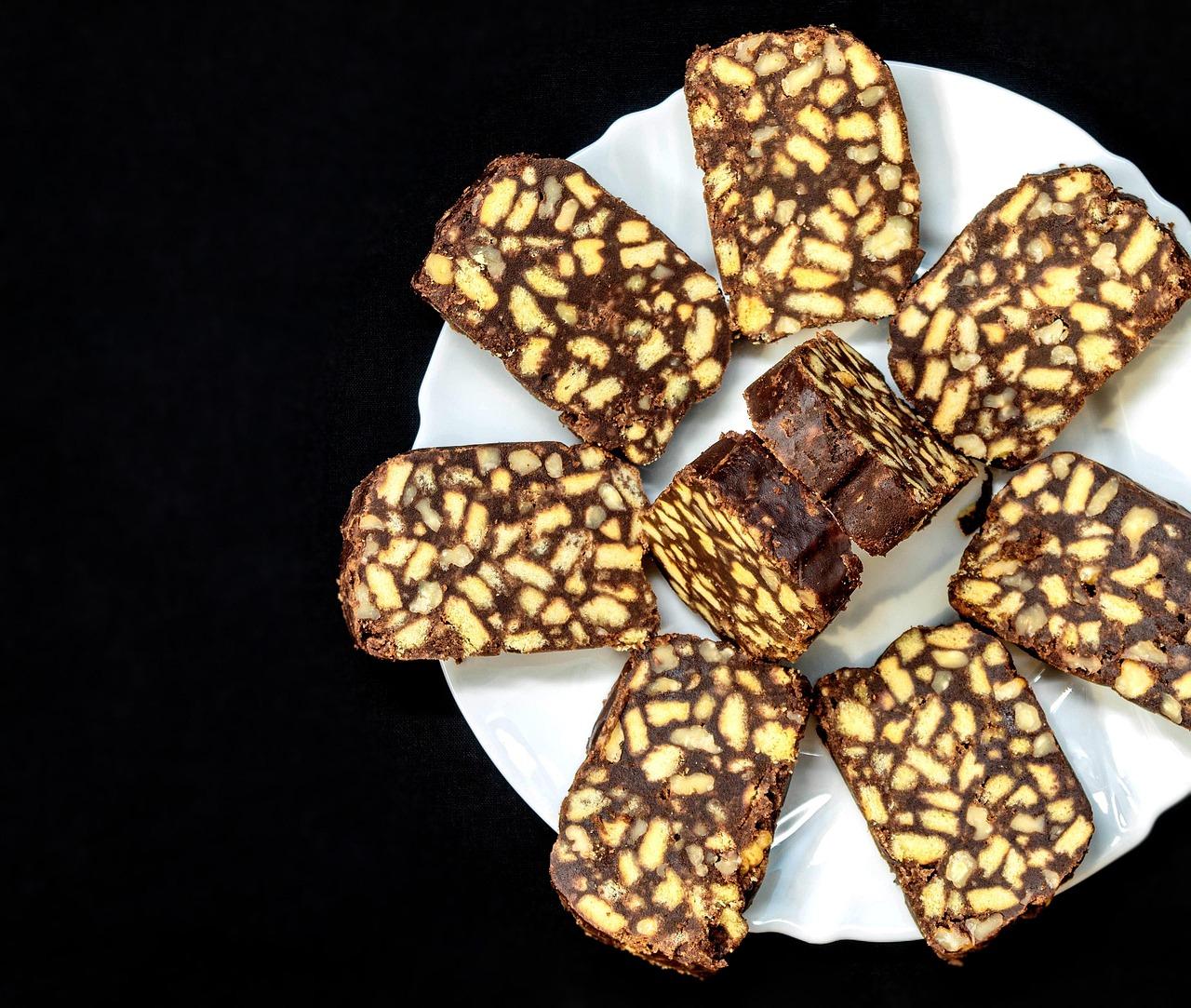
Cherry almond fudge slice
Featured recipe

Cherry almond fudge slice

A no-bake chocolate fudge loaf layered with plain biscuits and packed with brazil nuts, ground almonds, apricots, peel and glacé cherries, finished with scribbles of white chocolate. Make it the day before: it needs 8 hours to set. Serve in thin slices.

Read more 0 views

What to eat today?

Around the world

Today's trip: Paraguayan

A new country every day, from every cuisine on the site.

Paraguayan

Mbaipy

Cheesy polenta 40 minMore from Paraguayan (27) →

This week's collection

Kid-friendly dinners
537 recipes · a new collection every Monday

Latest recipes

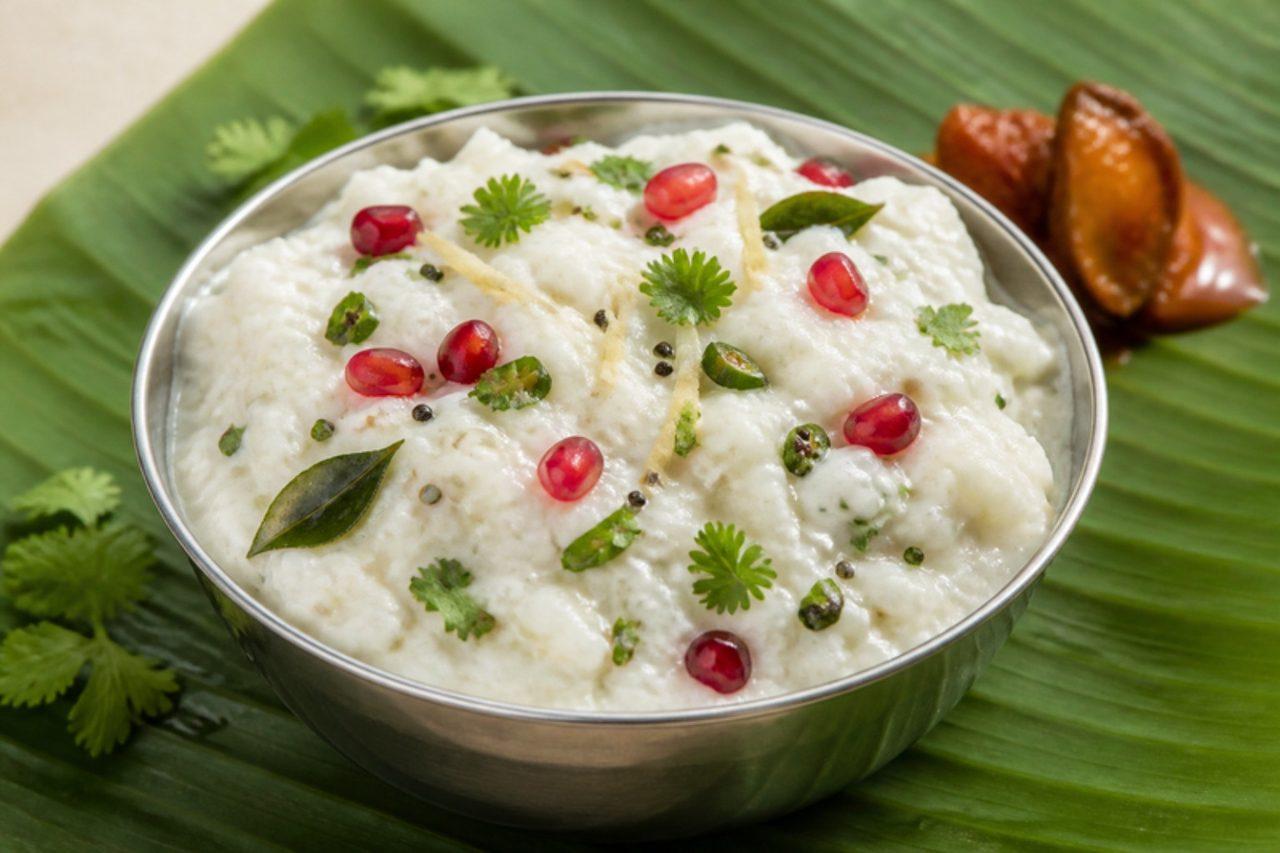
Thayir sadamCurd rice

No Tamil meal is really finished without thayir sadam. It's the last course on a banana-leaf lunch, the comfort food packed for train journeys and school tiffins, and the prasadam handed out in some Tamil Nadu temples. Soft, mashed rice is mixed with cool yogurt and a splash of milk, seasoned with ginger, green chilli and curry leaves popped in hot oil, then dotted with pomegranate, grated carrot or green grapes. It's eaten slightly cool with a spoonful of pickle or a fried vathal on the side. Chef's tip: mix a little milk in with the yogurt; it keeps the rice creamy and stops it turning sour if you pack it for lunch several hours ahead.

by KrazyBadal 0 views
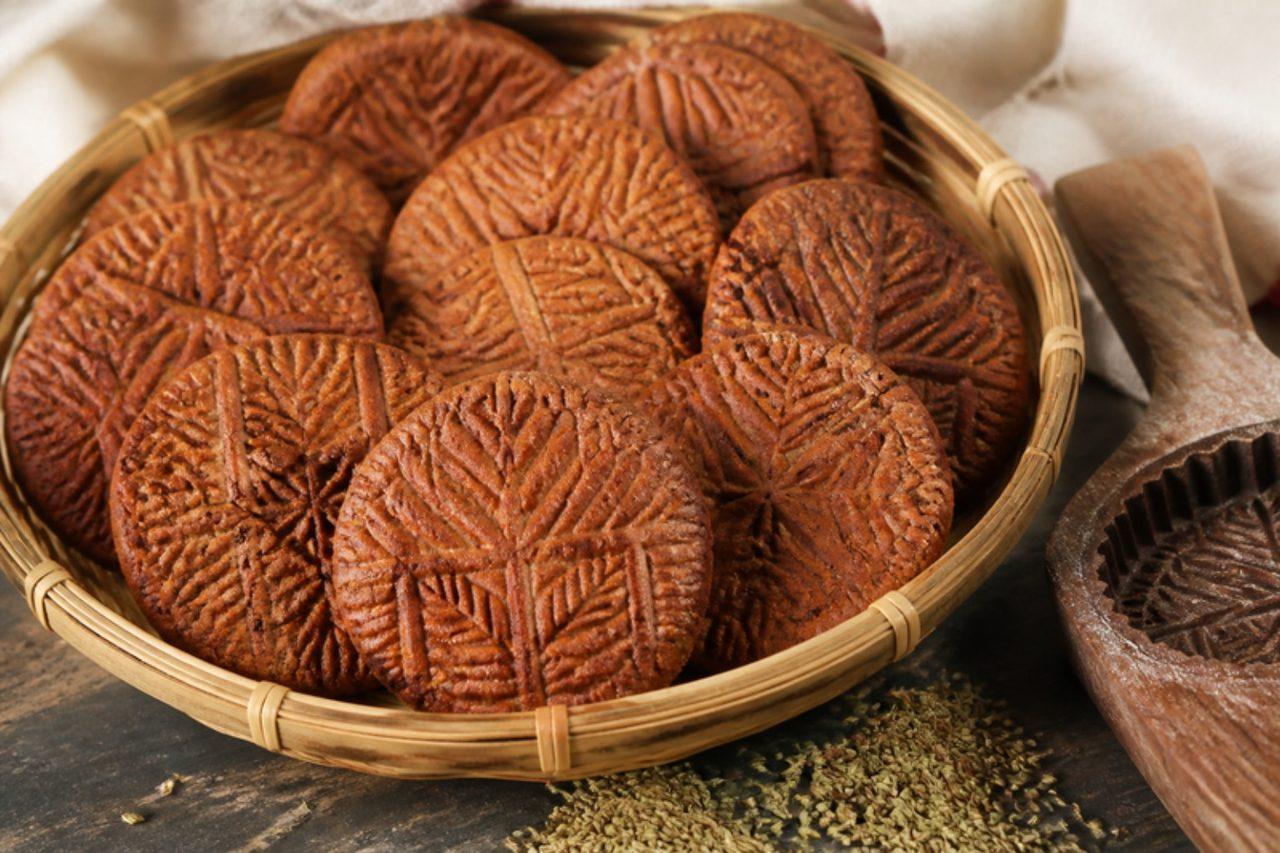
ThekuaWheat and jaggery cookies

During Chhath Puja, when families across Bihar stand in rivers and ponds to make offerings to the setting and rising sun, thekua fill the bamboo baskets carried to the ghats. Women make them at home in the days before, pressing jaggery-sweetened wheat dough into carved wooden moulds (sancha) and frying them in ghee until dark and crunchy. Outside the festival they are the snack Bihari students take back to hostels in the city, because they keep for weeks. Chef's tip: the dough must be stiff, and the frying slow; soft dough loses the pattern and hot oil leaves them pale and soft inside.

by KrazyBadal 0 views

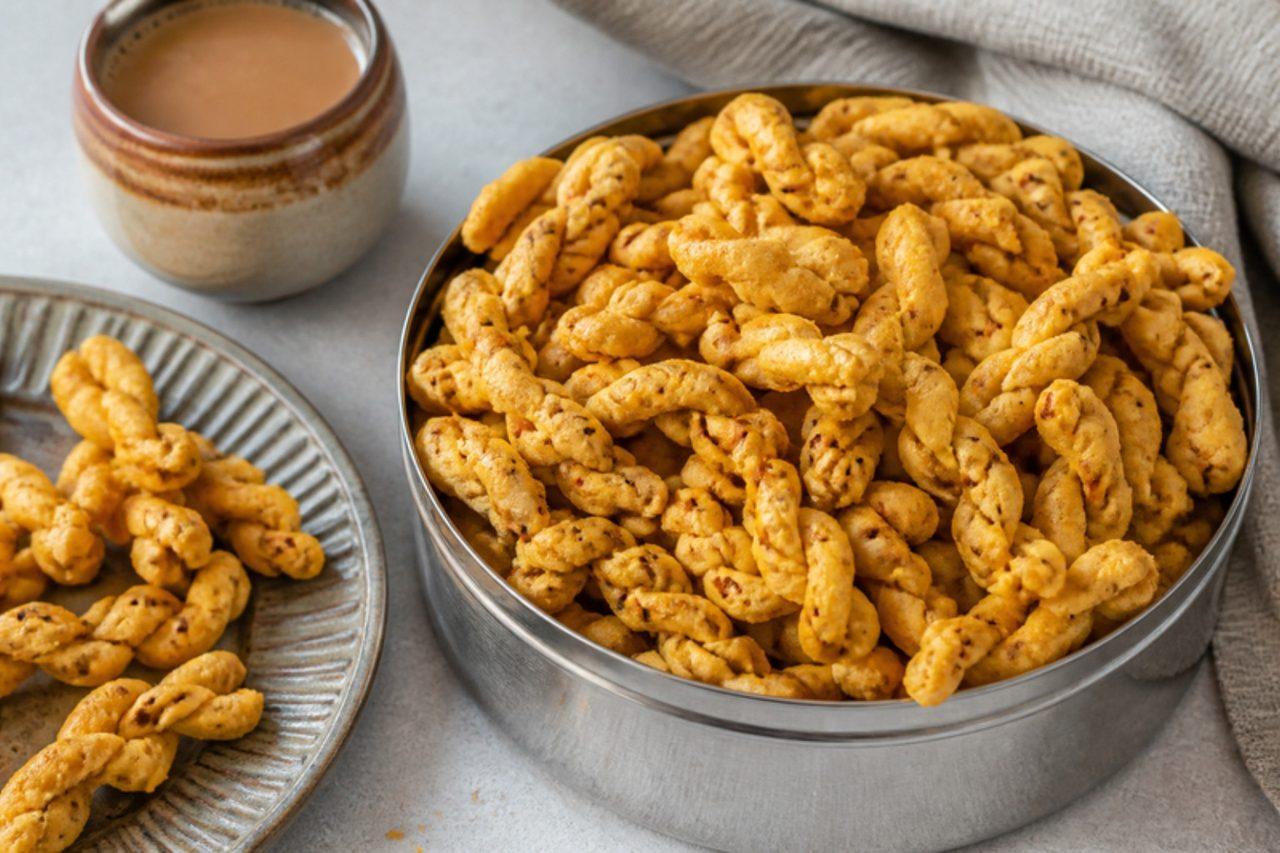
ThethriGram flour twists

No Teeja in Chhattisgarh passes without a tin of thethri: knotted and twisted pieces of gram-flour dough, seasoned with ajwain and chilli and fried slowly until they shatter when you bite. Married daughters coming home for the festival are sent back with them, alongside the sweet khurmi, and they keep for weeks. Each family has its favourite shape, from simple knots to little spirals and braided rings. Chef's tip: fry on a medium-low flame and be patient; thethri fried hot puff up and brown outside but stay soft and chewy inside.

by KrazyBadal 0 views

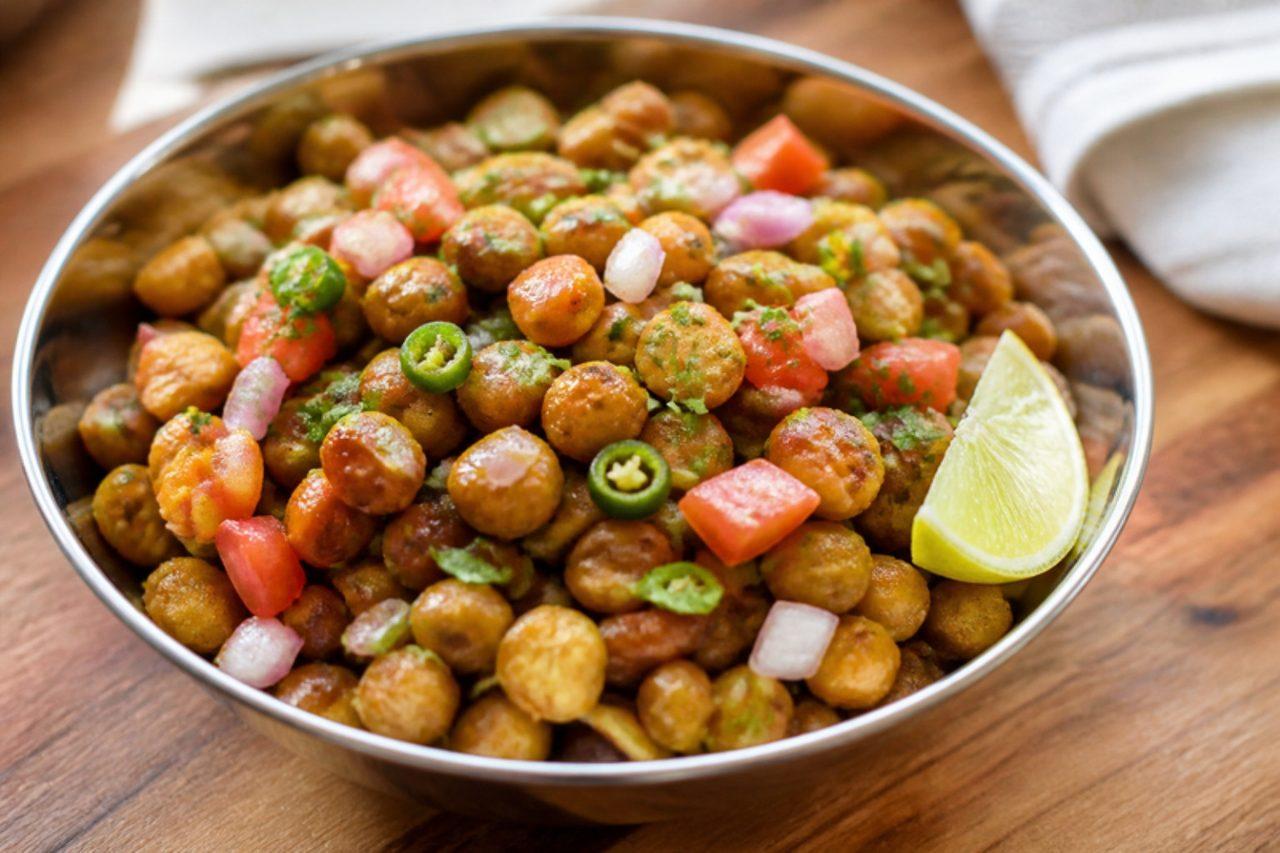
Chana jor garamSpiced flattened chickpea snack

Chana jor garam is sold from a tin box slung round a vendor's neck on the Kolkata Maidan, at Babughat and along Esplanade, with a sing-song call to match its name. Chickpeas are soaked, pressed flat, and fried or roasted until crunchy, then tossed to order with raw onion, tomato, green chilli, coriander, lime and a spice mix, and handed over in a paper cone. It is lighter than jhalmuri and much crunchier. The same snack is sold on Mumbai beaches; this is the Kolkata cart version. Chef's tip: flatten the soaked chickpeas while still damp, with a rolling pin between two cloths, so they split into thin discs.

by KrazyBadal 0 views

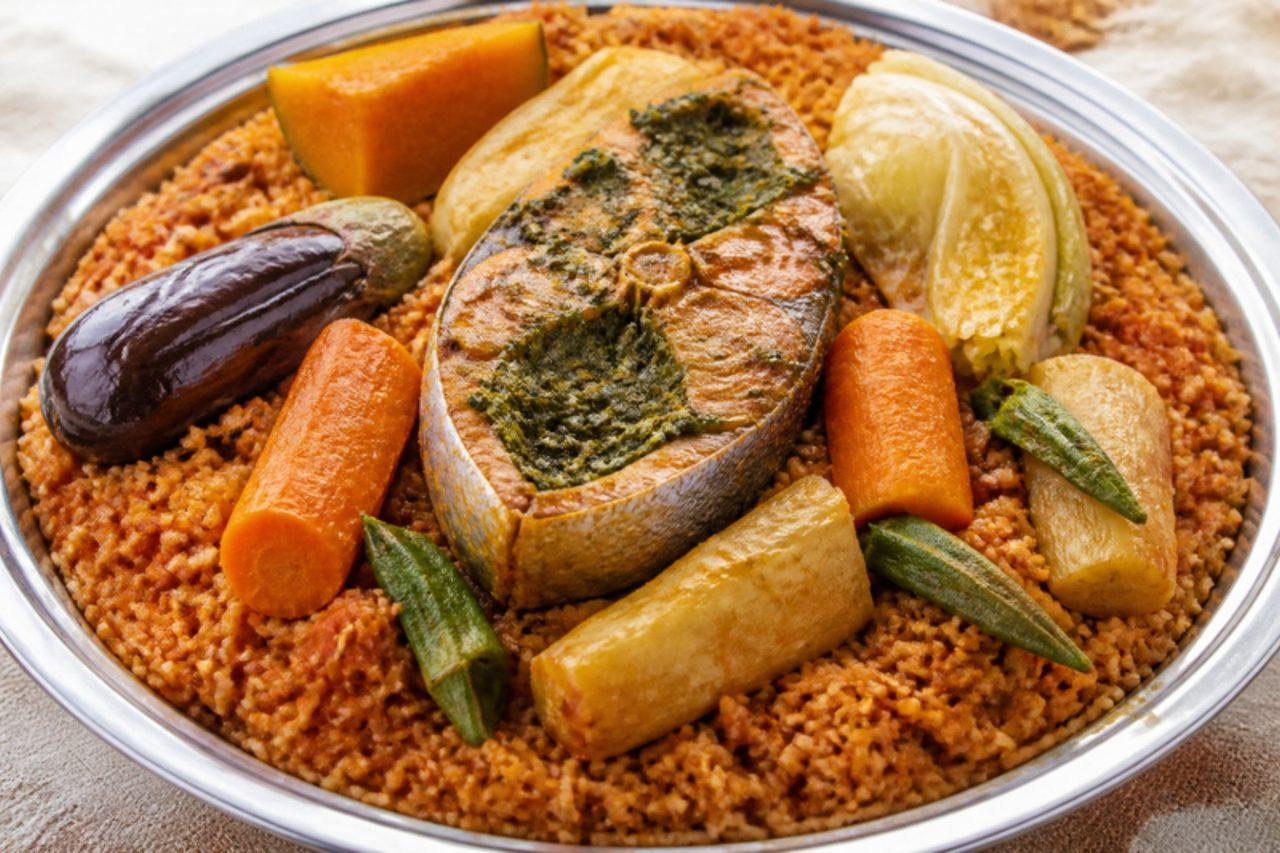
ThieboudienneFish and rice in tomato broth

Ceebu jën, "rice and fish" in Wolof, is the dish Saint-Louis claims as its own and the whole of Senegal cooks for the big Friday or Sunday lunch, served on one wide platter that the family eats from together. Thick fish steaks are stuffed with a green paste of parsley, garlic and chilli, browned, then simmered in a deep tomato broth with whole cassava, carrot, cabbage and aubergine; the broken rice then soaks up that same broth until it turns orange and fragrant. The prized part is the xoon, the crust that forms at the bottom of the pot, which is shared out at the end. The usual mistake is leaving the fish in the pot while the rice cooks, so it falls apart; lift it out with the vegetables and keep it warm. Chef's tip: rinse the broken rice three times and steam it briefly before it goes into the broth, so the grains stay separate instead of turning to porridge.

by KrazyBadal 0 views

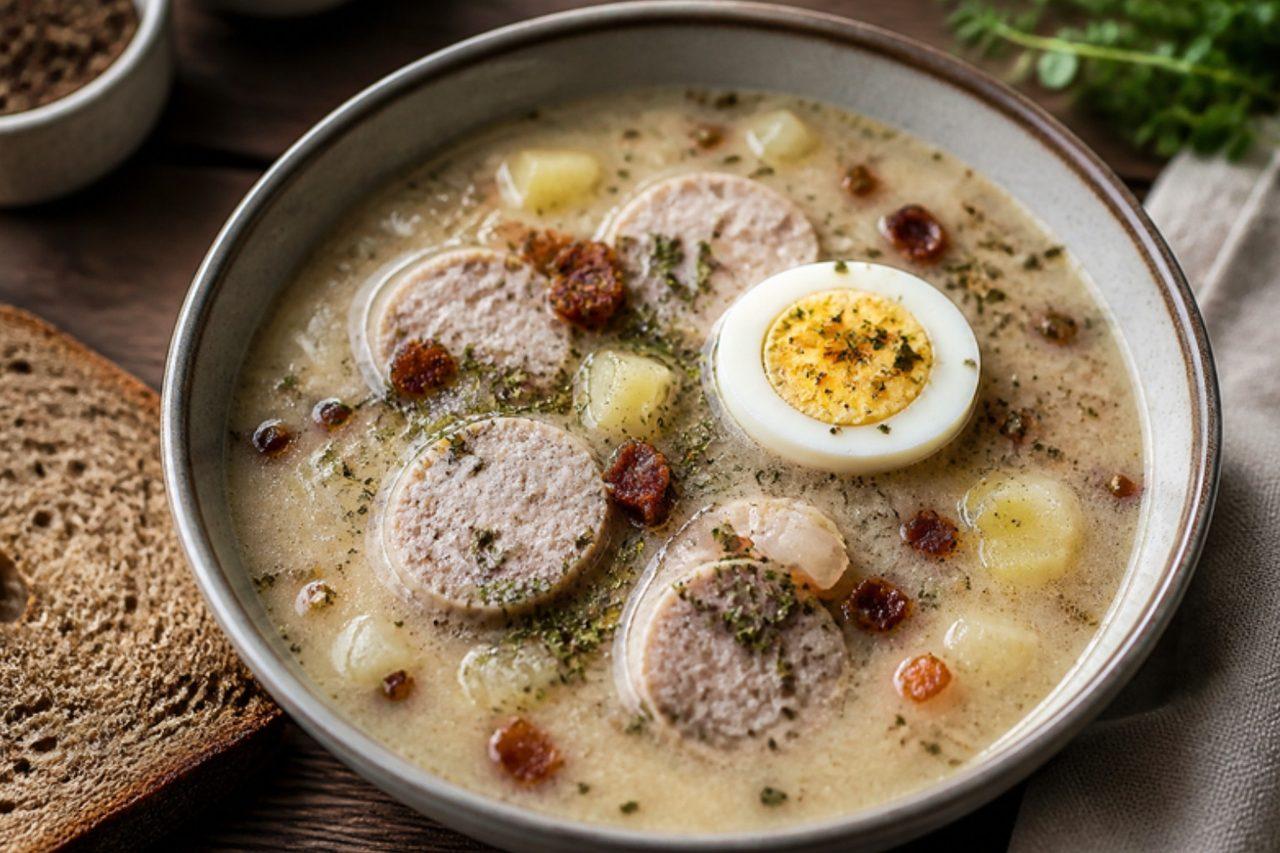
ŻurekSour rye soup with sausage

Żurek is the soup of Polish Easter, served in homes from Kraków to Gdańsk on Easter Sunday morning, and in highland Zakopane restaurants it comes in a hollowed-out bread loaf all year. Its tang comes from zakwas, a fermented rye-flour starter, simmered with marjoram, garlic and stock. This version contains pork: white sausage (biała kiełbasa) and smoked bacon, plus halved hard-boiled eggs. Chef's tip: shake the jar of zakwas before you pour it in; the flour settles and the soup will be thin without it.

by KrazyBadal 0 views

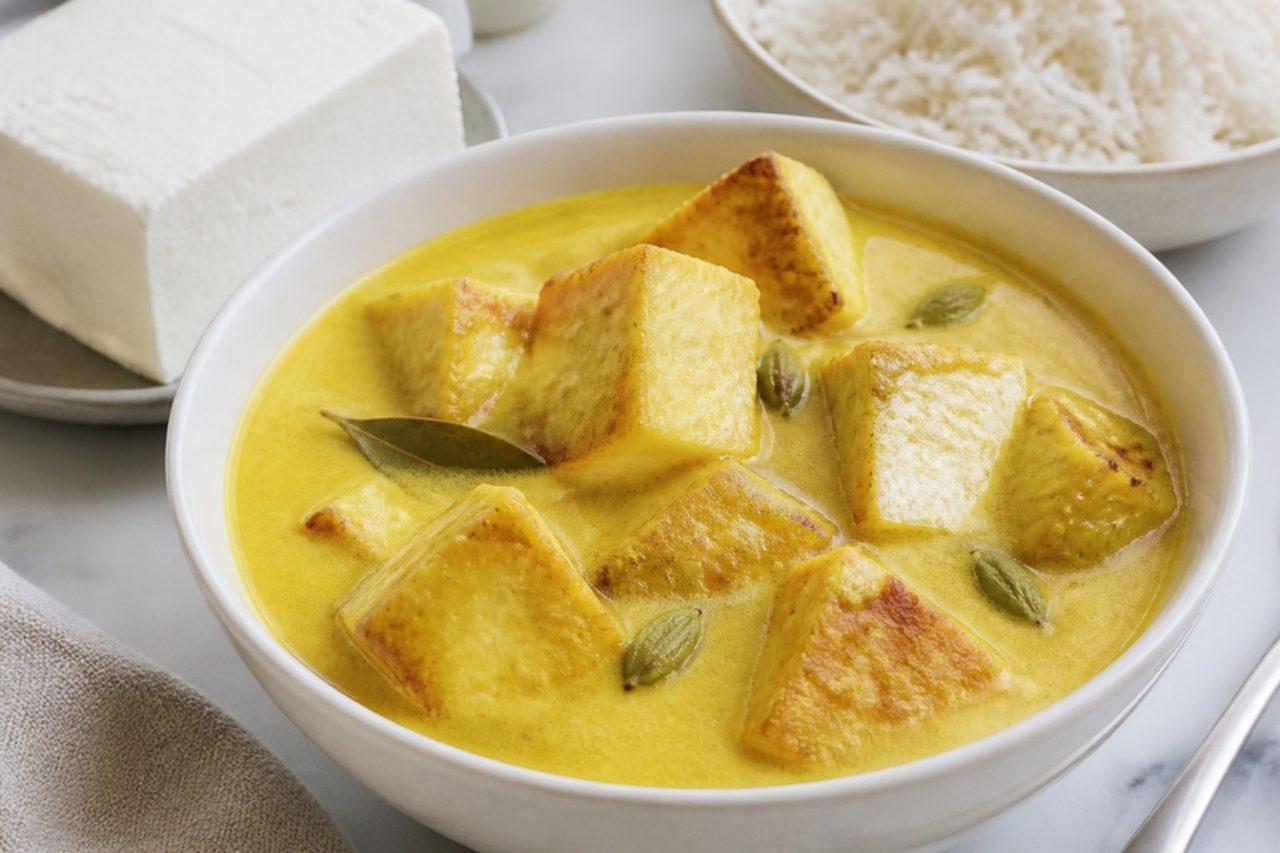
Chaman kaliyaPaneer in turmeric milk gravy

In Kashmir paneer is called chaman, and kaliya is the name for a gravy coloured bright yellow with turmeric rather than red with chilli. Kashmiri Pandit cooks fry thick slabs of paneer, rest them in warm water so they stay spongy, then simmer them in milk with fennel, dry ginger and cardamom. The result is mild, sweet-scented and soothing, a dish that sits beside the fiery ones on a wedding or festival spread and is just as welcome on a weekday with rice. Chef's tip: use a generous spoon of good turmeric; the gravy should glow a deep gold, and the milk mellows any rawness.

by KrazyBadal 0 views

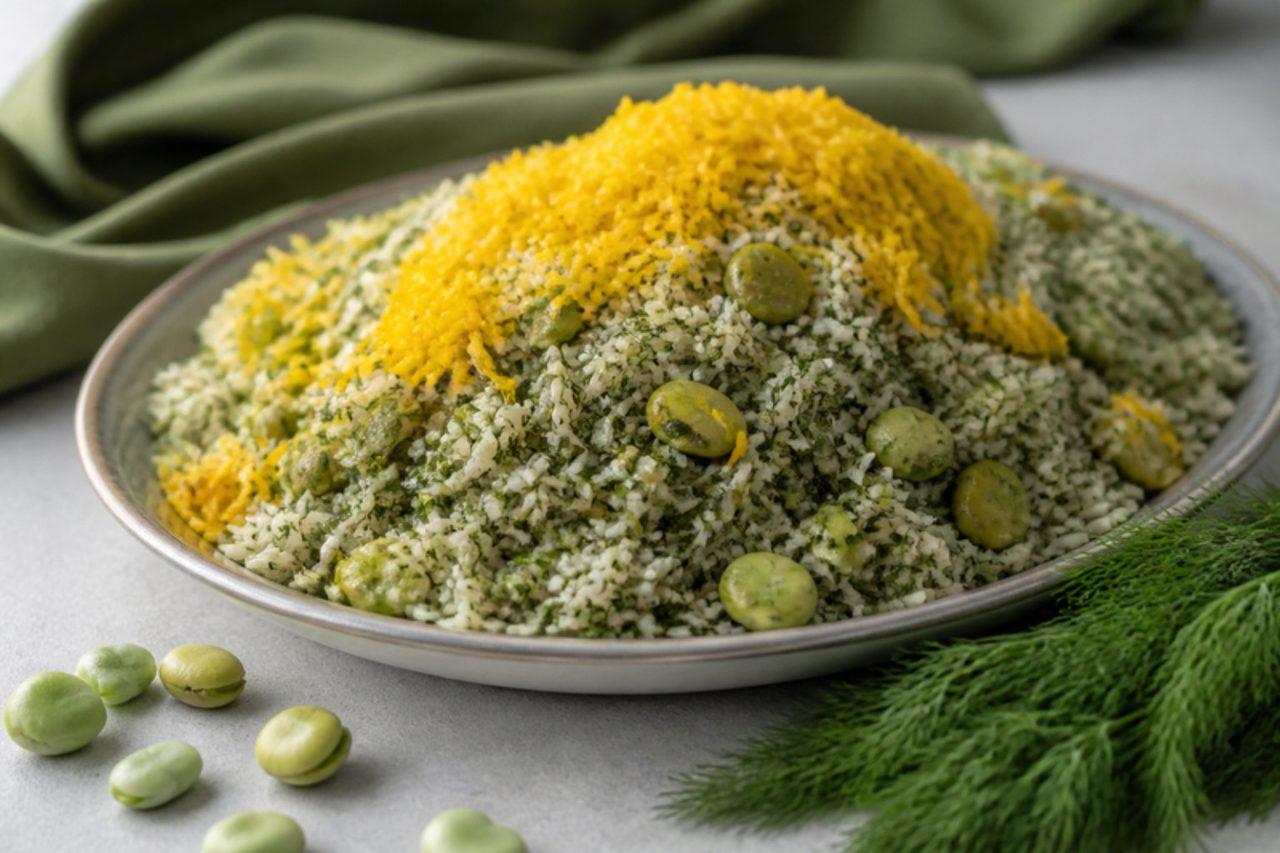
Baghali poloDill and broad bean rice

Baghali polo is the rice Iranians cook when fresh broad beans appear in the markets of Tehran and Shiraz in late spring, though frozen beans keep it on the table all year and it turns up at parties and weddings across the country. Bright green beans and plenty of dill are folded through steamed saffron rice, giving a soft, buttery, herb-heavy dish with sweet nuggets of bean in every mouthful. It is often served with lamb; at a vegetarian table pair it with a fried egg, mast-o khiar and a sharp salad. Chef's tip: peel the inner skins off the broad beans; the bright green centres are tender and sweet, the skins tough.

by KrazyBadal 0 views

Bagara bainganBaby aubergines in peanut sesame sauce

Bagara baingan is a Hyderabadi wedding dish of small aubergines cooked whole in a dark, tangy gravy of roasted peanuts, sesame, dried coconut and tamarind. Unlike a Gujarati stuffed brinjal, the aubergines here are only quartered at the base and fried until silky, then left to soak up a thin-but-rich sauce that is finished with a tempering, the 'baghar' that gives the dish its name. It's sour, nutty and gently spiced, and is served with biryani, bagara rice or plain rice. Chef's tip: choose small, glossy purple aubergines that feel heavy for their size; soft, light ones are full of seeds and turn mushy before the gravy has a chance to cling.

by KrazyBadal 2 views

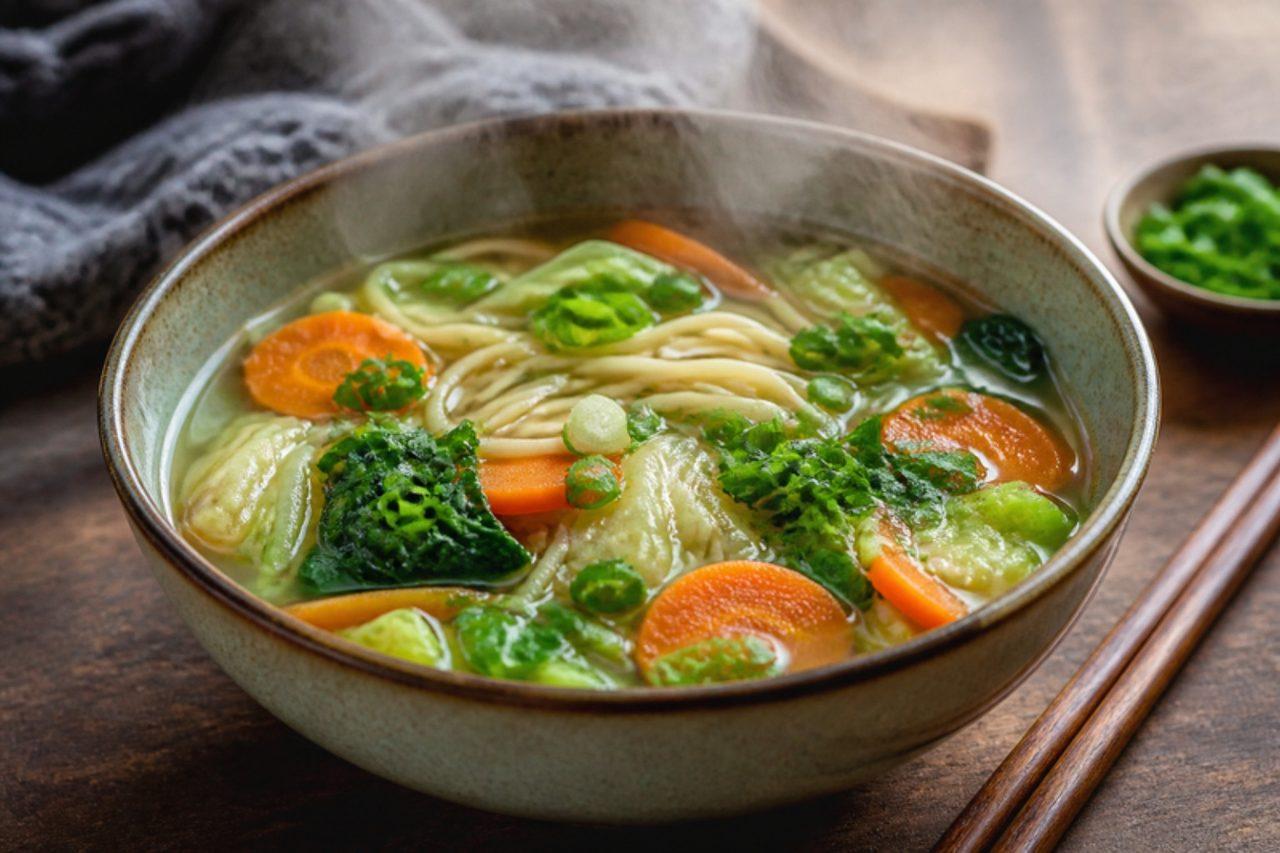
ThukpaHimalayan noodle soup

Thukpa is the warming noodle soup of the Himalayas, eaten in Sikkim, Ladakh and the Tibetan settlements of the hills on cold evenings. A gingery, garlicky broth is cooked with carrot, cabbage and tomato, then wheat noodles and spinach go straight into the pot. It's light yet filling, savoury with soy and pepper and as spicy as you like with chilli on the side. Serve in deep bowls with a squeeze of lemon. Chef's tip: cook the noodles in the soup only just before serving; left standing, they keep drinking up the broth and turn soft.

by KrazyBadal 0 views

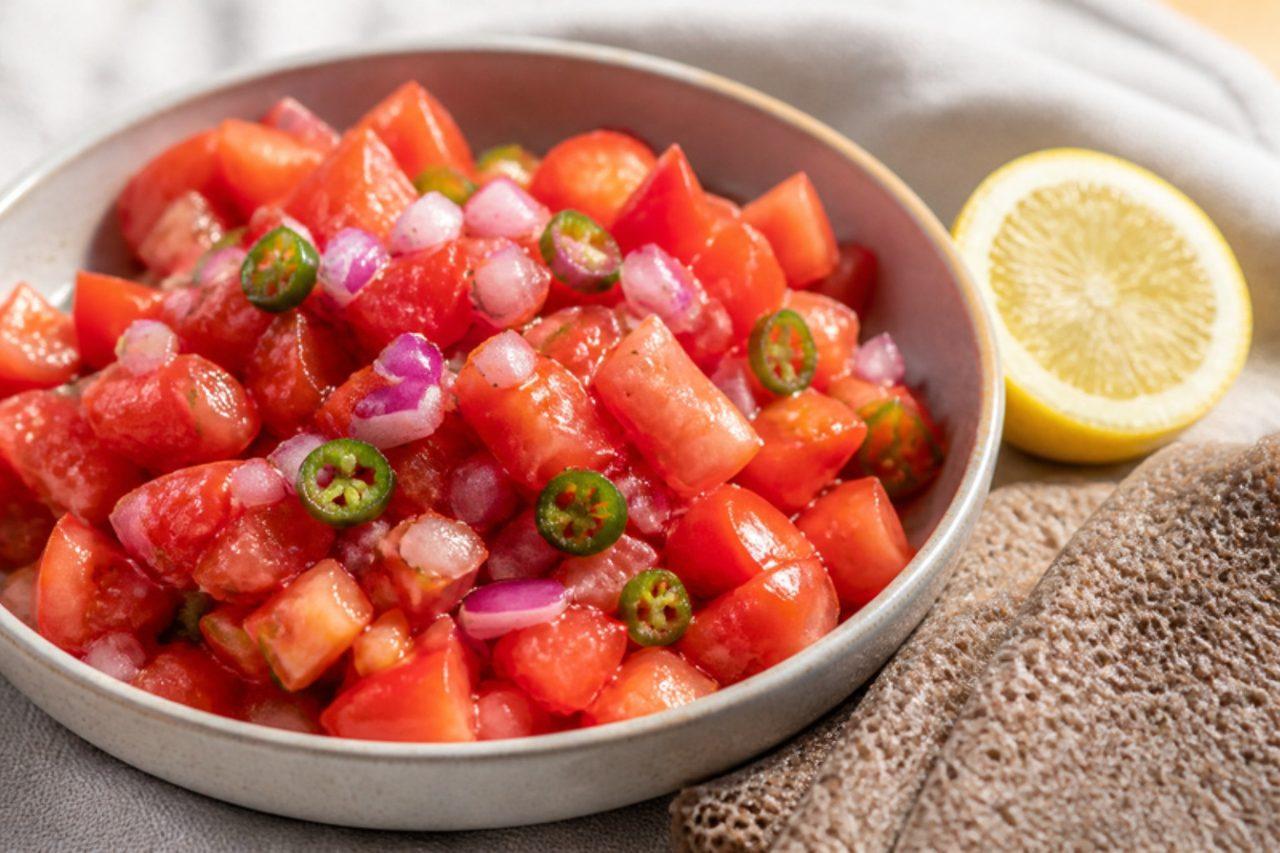
Timatim salataTomato and onion salad

Timatim salata is the cool, crunchy salad served alongside the stews of an Ethiopian meal, from roadside restaurants in Tigray to home tables in Addis Ababa. Ripe tomatoes, red onion and green chilli are dressed with lemon juice and oil, and the salad is left to stand so the juices mingle; mixed with torn injera it becomes timatim fitfit. Chef's tip: salt the tomatoes only a few minutes before serving, or they release so much liquid the salad turns soupy.

by KrazyBadal 0 views

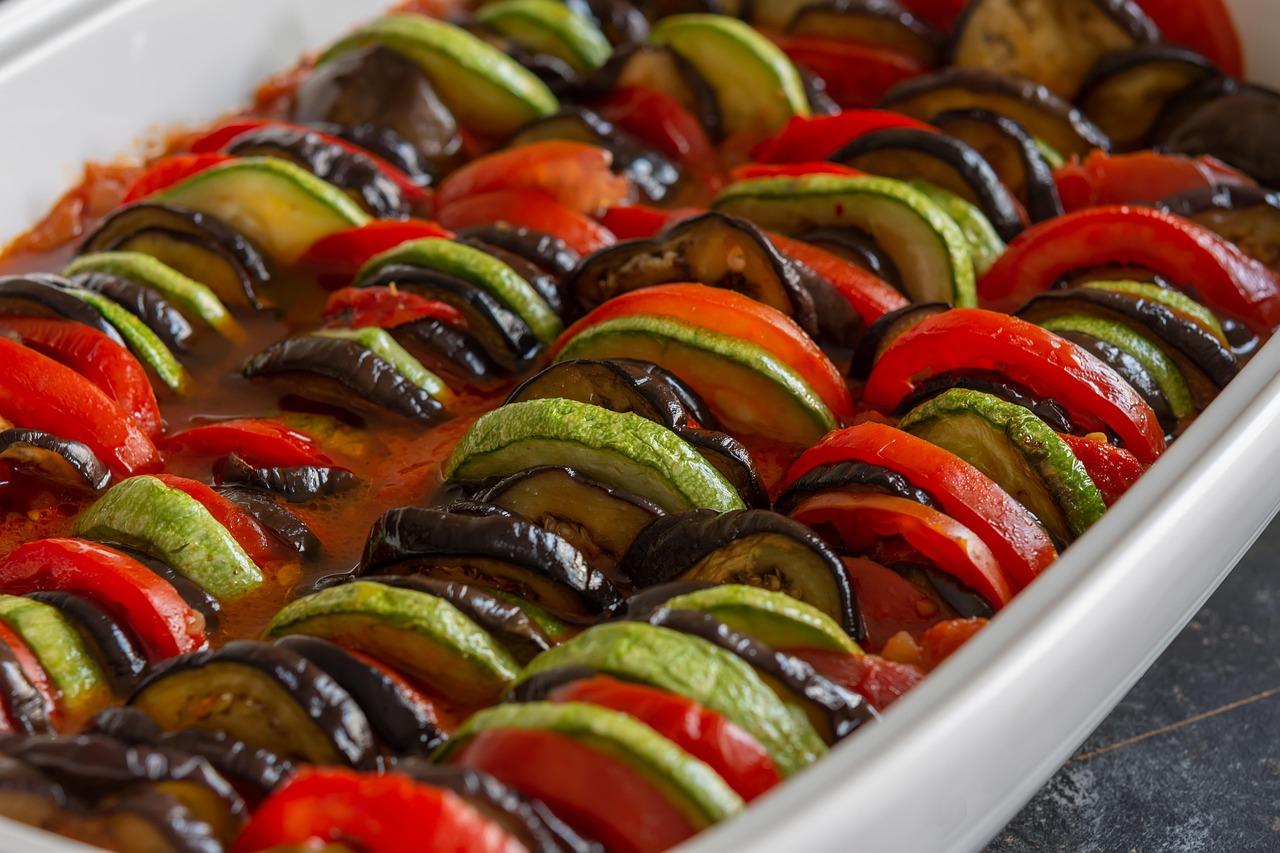
Tian provençalBaked layered summer vegetables

A tian is named after the shallow earthenware dish Provençal cooks use to bake vegetables, and the most famous version lines up thin slices of courgette, aubergine, tomato and onion in tight rows like roof tiles. In Provence it's a Sunday side for the whole family and a light supper with a green salad in summer. The vegetables roast in their own juices with olive oil, garlic and thyme until soft, sweet and lightly browned on top. Unlike ratatouille, nothing is fried first, so it is lighter and more delicate. Chef's tip: choose vegetables of the same width and slice them all 3–4 mm thick; uneven slices are the common mistake and cook unevenly, some raw, some collapsed.

by KrazyBadal 0 views

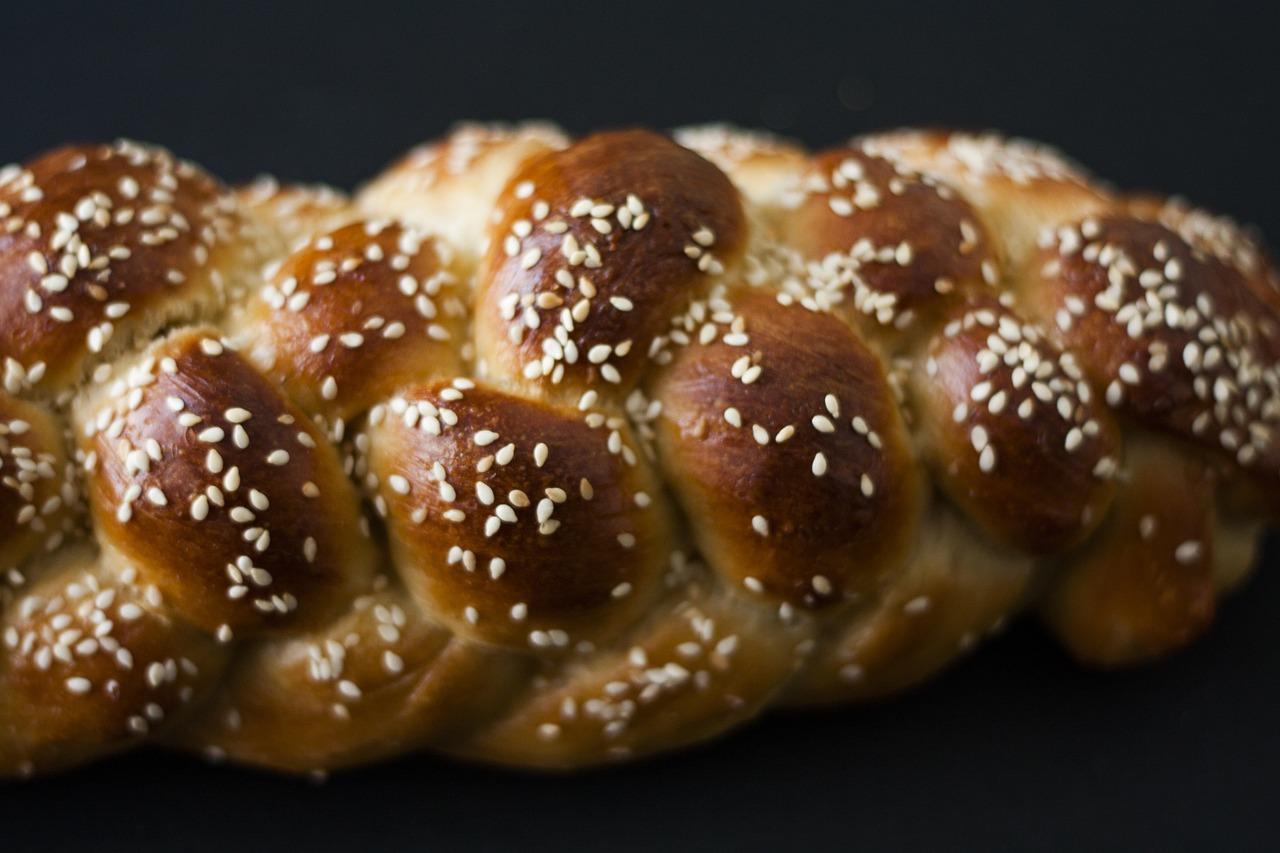
ChallahBraided egg bread

On Friday afternoons the bakeries of Jerusalem's Mahane Yehuda market and every Jewish neighbourhood from Brooklyn to Golders Green fill with plaited, shiny challah for the Shabbat table, where two loaves sit under an embroidered cloth until the blessing. The dough is enriched with eggs, oil and a little honey, so the crumb is soft, faintly sweet and pulls apart in feathery strands, and the crust bakes deep mahogany. Leftovers make wonderful French toast. Chef's tip: brush the egg glaze twice, once before rising and once just before baking, for the deep, lacquered shine.

by KrazyBadal 0 views

Chakuli pithaRice and urad dal pancakes

Chakuli pitha is Odisha's breakfast pancake and the first of the pithas a child learns to love; it is offered to Lord Jagannath and made at home on Sundays and for Manabasa Gurubar in the month of Margasira. Rice and a little urad dal are soaked, ground and fermented overnight, then poured onto a hot pan into a pancake that is thinner than an uttapam but softer and thicker than a dosa, with a lacy, holey top. It is eaten with aloo bhaja, ghuguni or simply with jaggery. Chef's tip: cook only on one side under a lid; the steam sets the top and keeps the holes.

by KrazyBadal 0 views

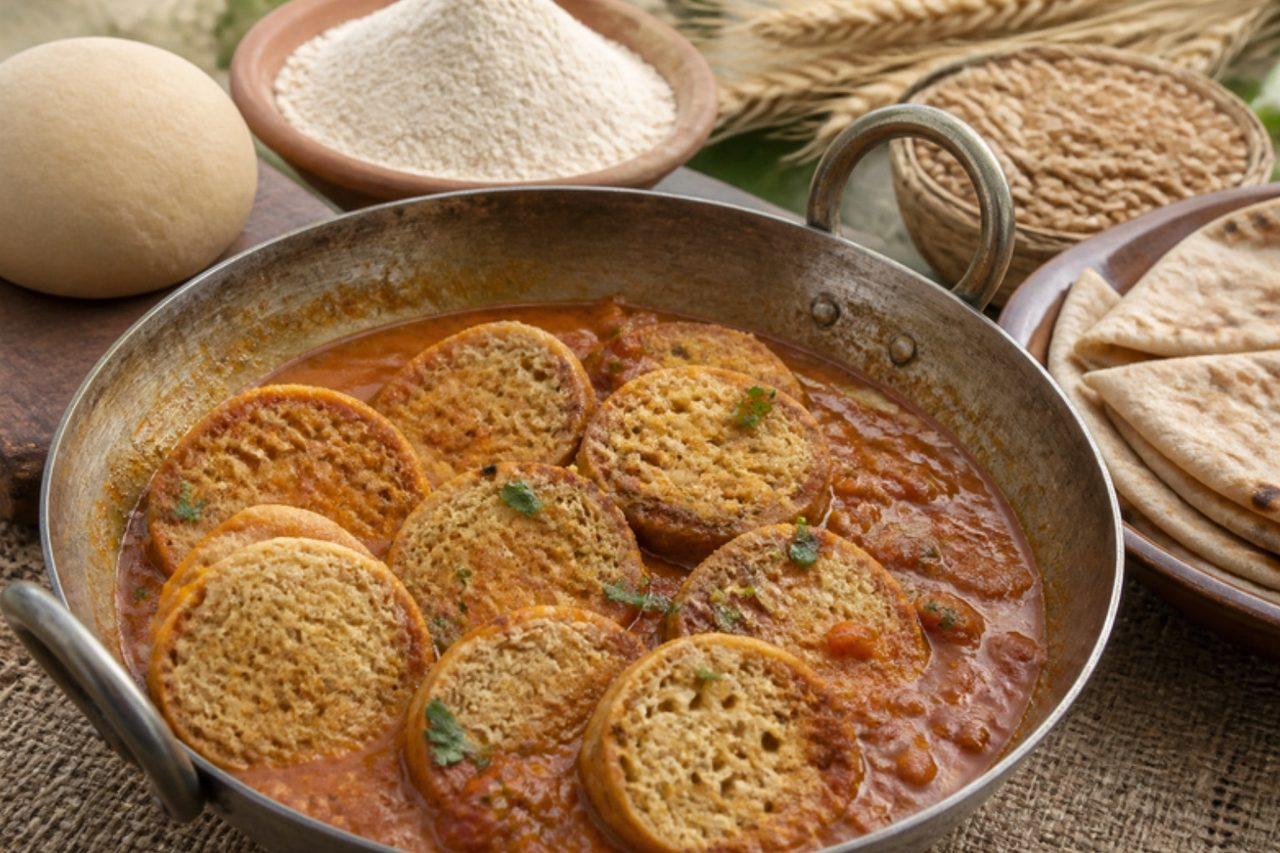
Chakki ki shaakWheat gluten curry

This Malwa dish from around Indore and Ujjain is a lesson in thrift: wheat dough is washed under water until only its stretchy gluten remains, then steamed into a firm block and cut into rounds that look like little grinding stones, or chakki. Fried and simmered in a spiced yogurt gravy, the pieces turn chewy and meaty, soaking up flavour like a sponge. It is a Sunday or special-occasion sabzi in Marwari and Malwi homes, eaten with hot rotis or bafla. It takes time, but most of it is hands-off resting and washing. Chef's tip: whisk the yogurt with the coriander powder and add it off the heat, then bring it back slowly, so the gravy stays smooth instead of curdling.

by KrazyBadal 0 views

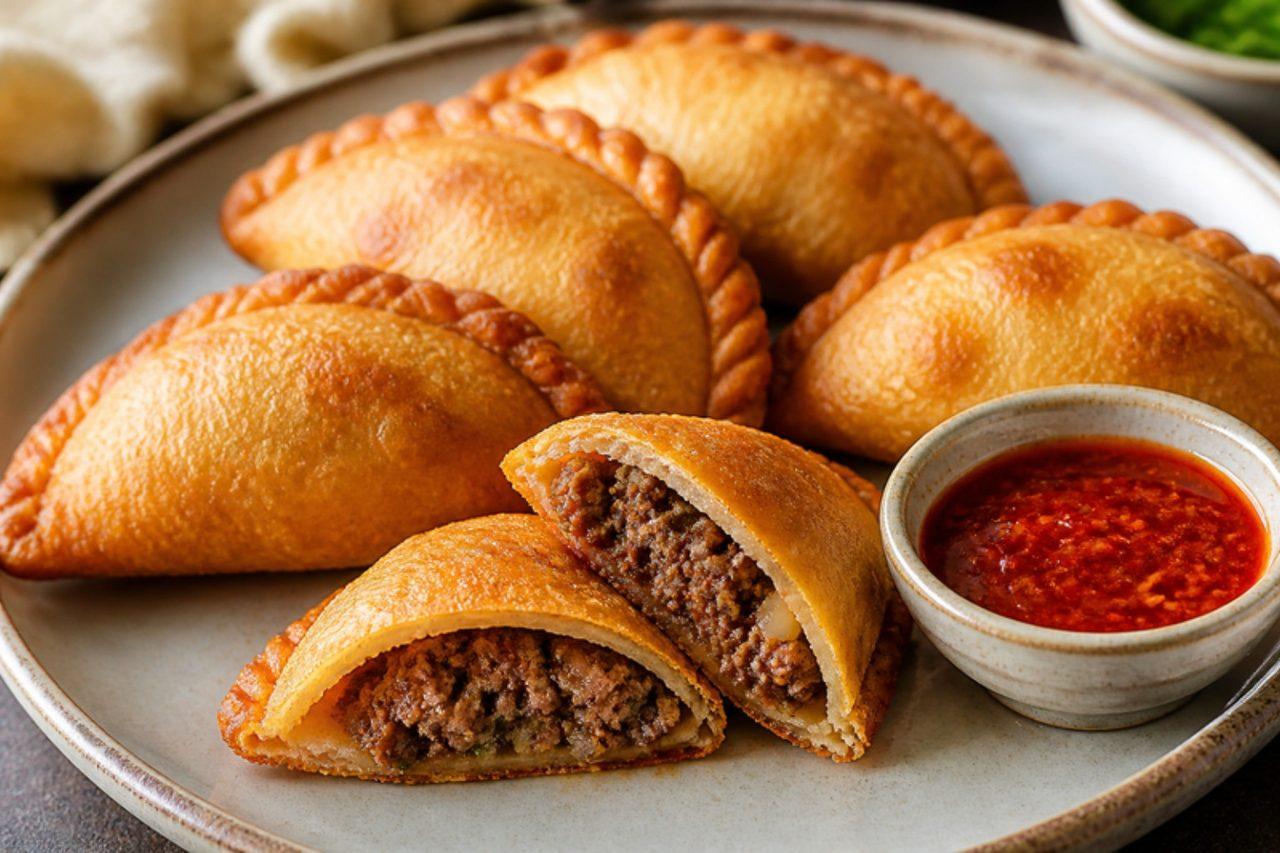
ShabhaleyFried beef pastries

Tibetan families in Lhasa and across the plateau make these crisp, half-moon or disc-shaped pies for Losar, the Tibetan New Year, and for gatherings with friends; Tibetan cafés in exile communities sell them by the plate too. The name means meat bread, and the filling of minced beef with onion, ginger, coriander and a pinch of Sichuan pepper stays juicy inside a thin, crackly crust. They are hearty, savoury and lightly numbing, never fiery. Serve them hot with a tomato chilli sauce (sepen) and a cup of butter tea or black tea. Chef's tip: keep the oil at 170 °C; hotter and the pastry browns before the meat inside is cooked.

by KrazyBadal 0 views

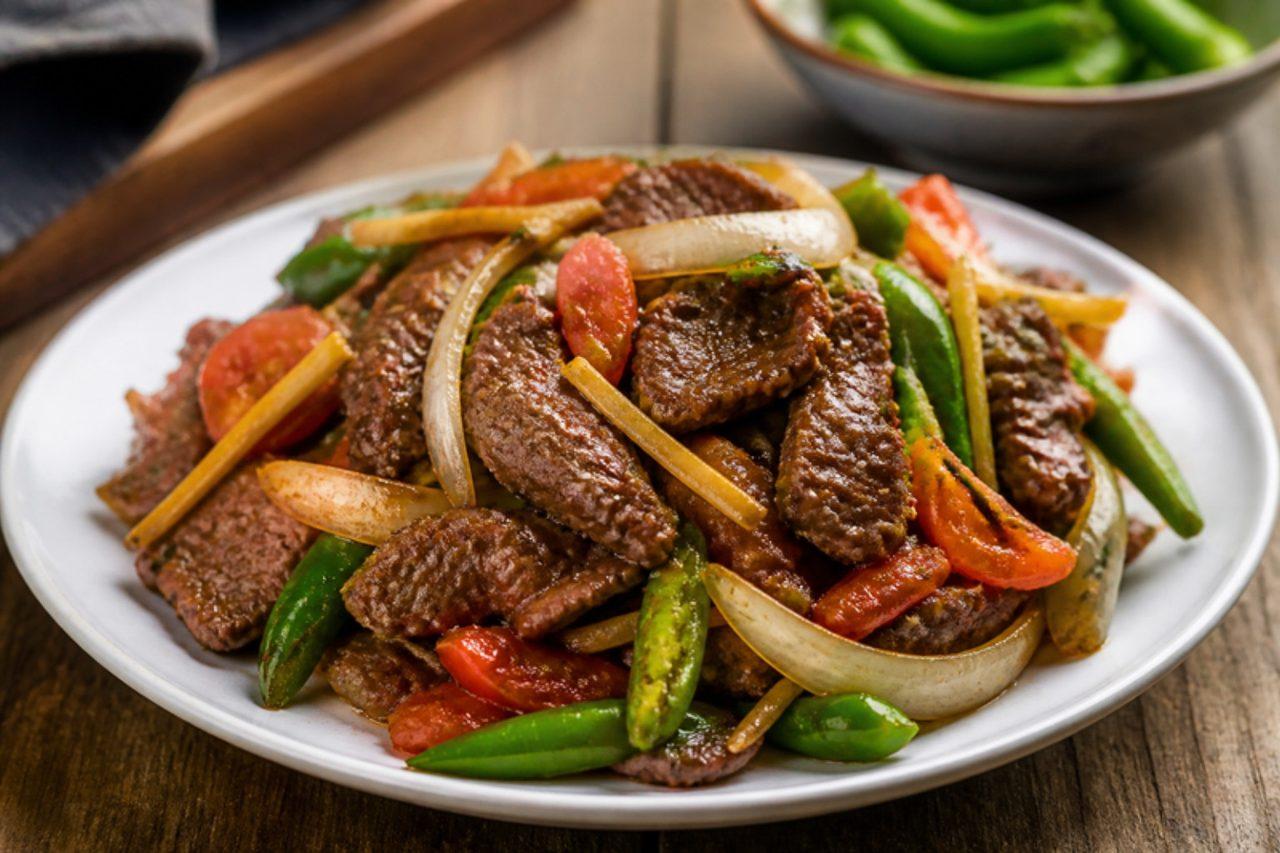
ShaptaStir-fried yak with chillies

Herding families on the Tibetan plateau traditionally cook yak meat this way, and today shapta is a favourite at Tibetan restaurants from Lhasa to Kathmandu and Delhi. Thin slices of meat are seared with onion, green chillies and tomato, and seasoned with ginger, garlic and timur (Sichuan pepper), which gives a gentle tingle. Lean and full of flavour, it comes out savoury, slightly smoky and pleasantly hot. Serve it with tingmo (steamed bread), rice or flatbread, and a simple radish salad. Chef's tip: yak is very lean, so slice it thin and cook it fast; beef sirloin or rump is the easiest substitute.

by KrazyBadal 0 views

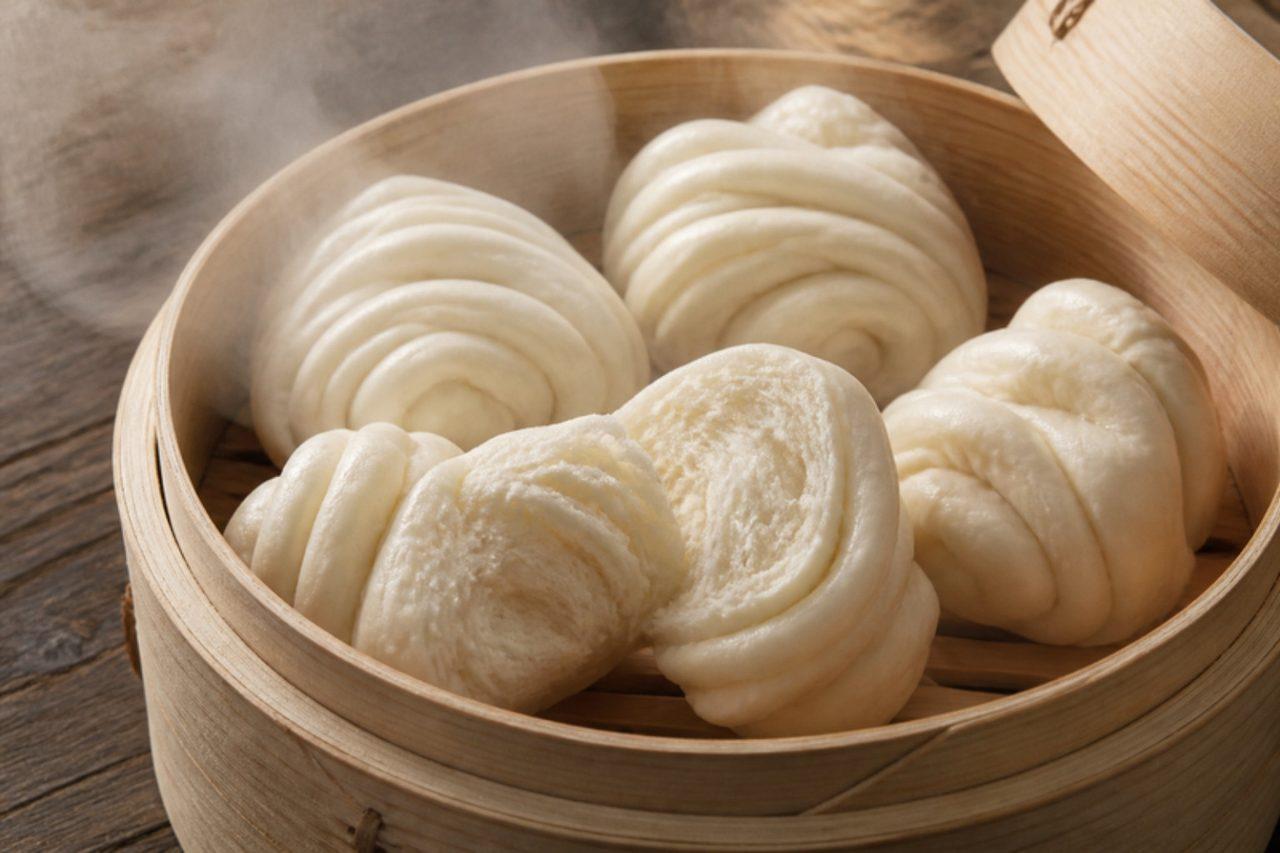
Tibetan tingmoSteamed twisted buns

Tingmo are the everyday bread of Tibet: plain steamed buns made by stretching and twisting oiled strips of dough into a knot, so they open into soft, pull-apart layers. Families in Lhasa and Tibetan communities in Nepal and India eat them with spicy vegetable stews, dal and chilli sauce, tearing off pieces to mop up the sauce. The dough is simple; the twist takes a little practice. Chef's tip: once the steaming time is up, turn off the heat and wait 3 minutes before lifting the lid, so the buns don't collapse.

by KrazyBadal 0 views

TsampaRoasted barley flour with butter tea

Tsampa, roasted highland barley flour, has been the staple food of the Tibetan plateau for centuries. Every morning, families in Lhasa and in nomad tents put a handful in a bowl, pour in butter tea, add a knob of butter and knead it with their fingers into small, nutty balls called pak. It's filling, quick and easy to carry. Barley flour is easy to find; toast it in a dry pan if it isn't already roasted. Chef's tip: add the tea a little at a time; you want a dough like firm marzipan, not a paste.

by KrazyBadal 0 views

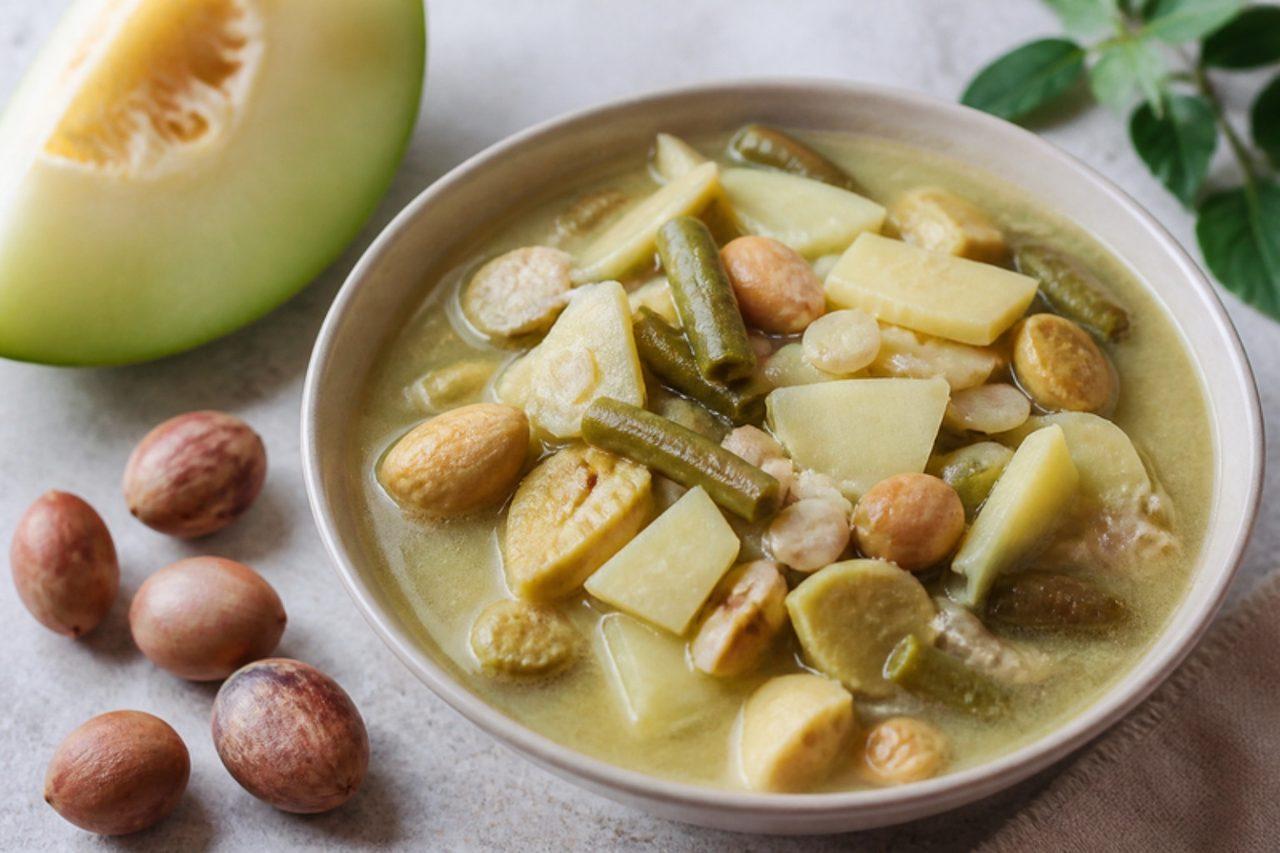
ChakhwiJackfruit seed and papaya stew

Chakhwi is a Tripuri festive stew cooked at weddings and family feasts around Agartala, where the defining ingredient is 'khar' or soda, made by filtering water through banana-plant ash. It softens vegetables and gives a smooth, gently alkaline taste. Pork chakhwi is the best known; the vegetarian version is cooked with raw papaya, jackfruit seeds, bamboo shoot and long beans, with ginger and green chilli. It is soupier than Assamese khar and has no lentils. Chef's tip: use bicarbonate of soda if you have no ash water, but only a pinch; you should be able to taste it, not feel it.

by KrazyBadal 0 views

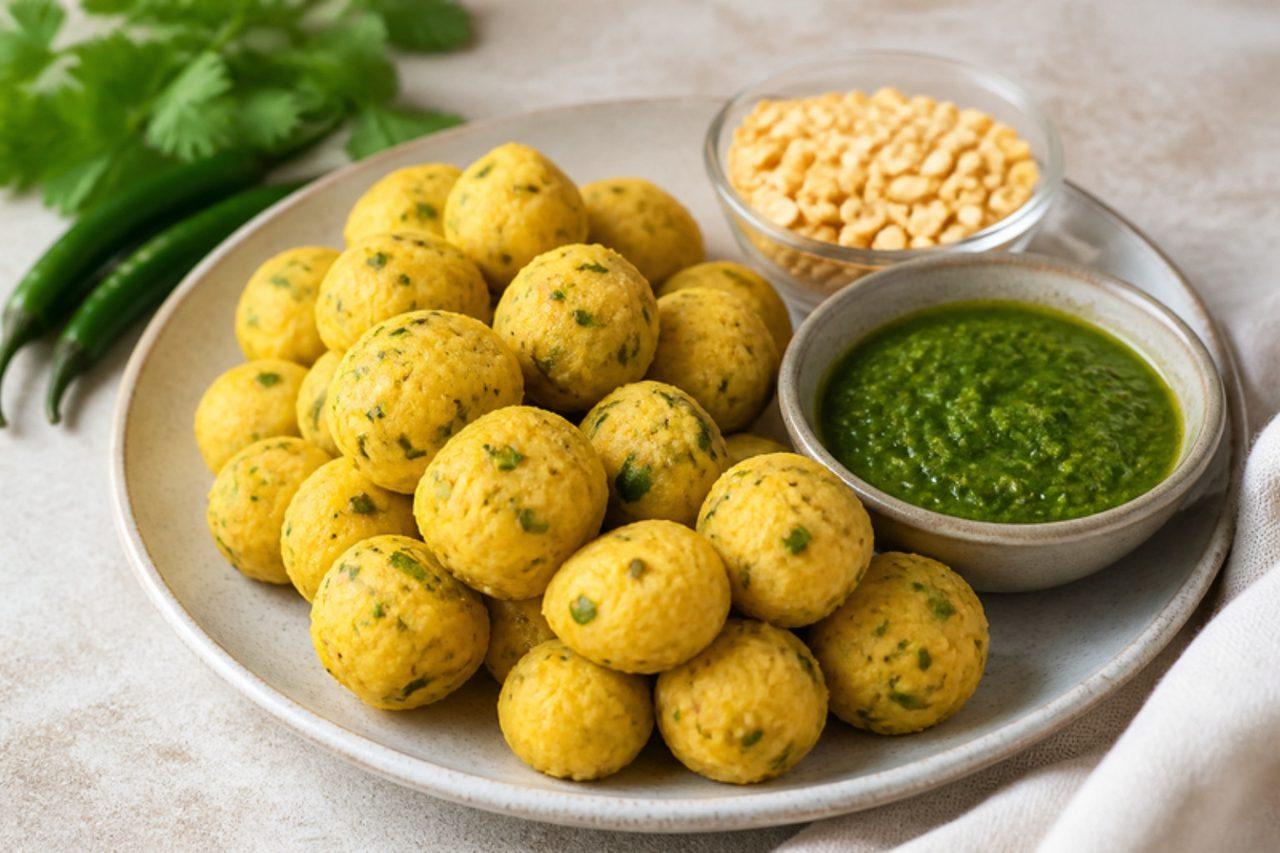
BafauriSteamed chana dal dumplings

Bafauri comes from the same Chhattisgarhi home kitchens that make fara and chila, and it is the region's answer to a fried pakora without the frying. Soaked chana dal is ground coarse with ginger, garlic and chilli, mixed with onion and herbs, then steamed into little dumplings that are firm, nubbly and high in protein. They are eaten hot at teatime with tomato chutney, and many families also toss them in a quick mustard-seed tadka. Chef's tip: grind the dal with only 2–3 tablespoons of water; a wet paste spreads flat in the steamer and loses the rough texture that makes bafauri good.

by KrazyBadal 0 views

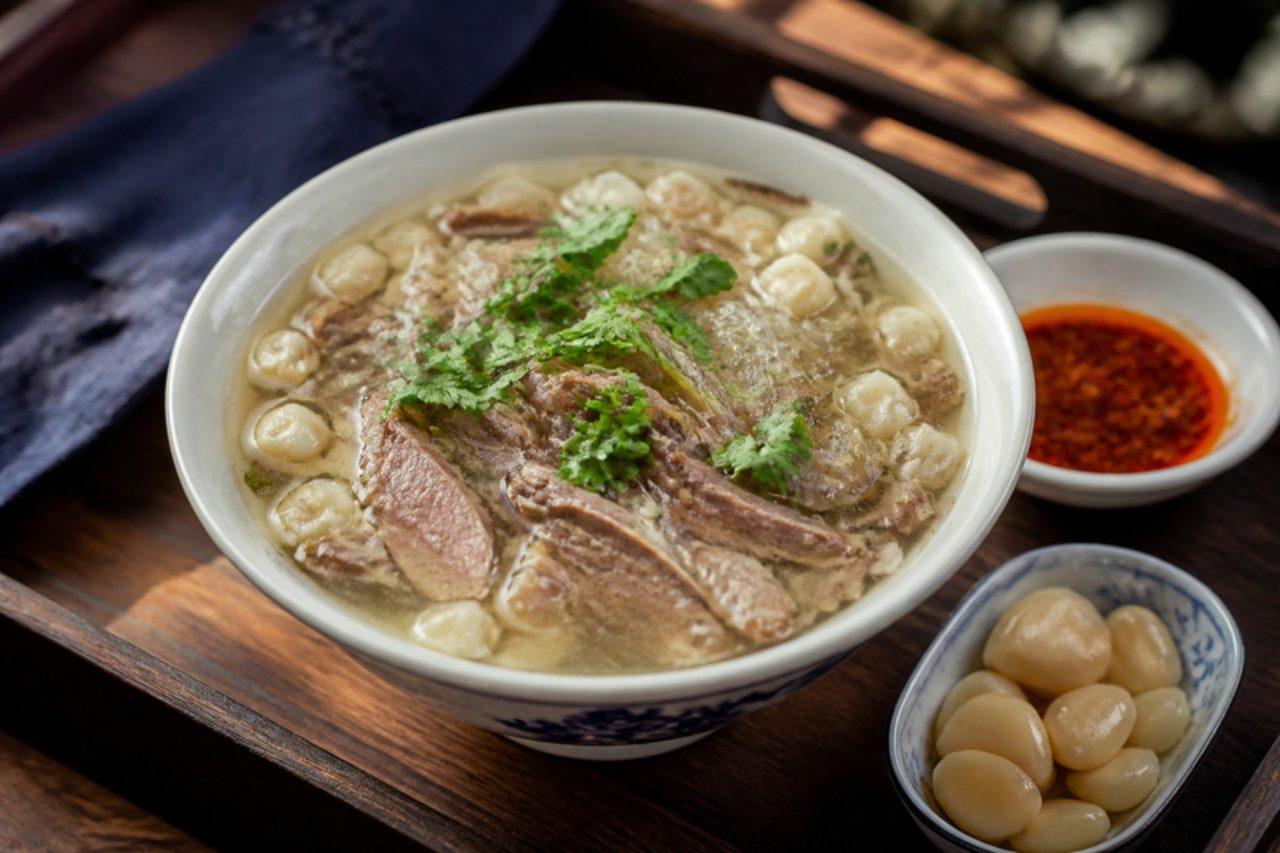
Yangrou paomoLamb soup with flatbread

Order this soup in one of the old Hui restaurants around Xi'an's Drum Tower and you are handed a dense, barely leavened flatbread and expected to tear it yourself into pea-sized crumbs while you chat; the kitchen then cooks it in rich lamb broth until each crumb is soft yet still chewy. Slices of tender lamb, glass noodles and wood ear mushrooms go in too, and the bowl comes with sweet pickled garlic and chilli sauce on the side. It is a soothing, filling soup, especially on Xi'an's freezing winter mornings. Expect a deep, clean lamb flavour scented with warm spices. Chef's tip: tear the bread small, no bigger than a soybean; big lumps stay doughy in the middle.

180 minChineseSoups
by KrazyBadal 0 views

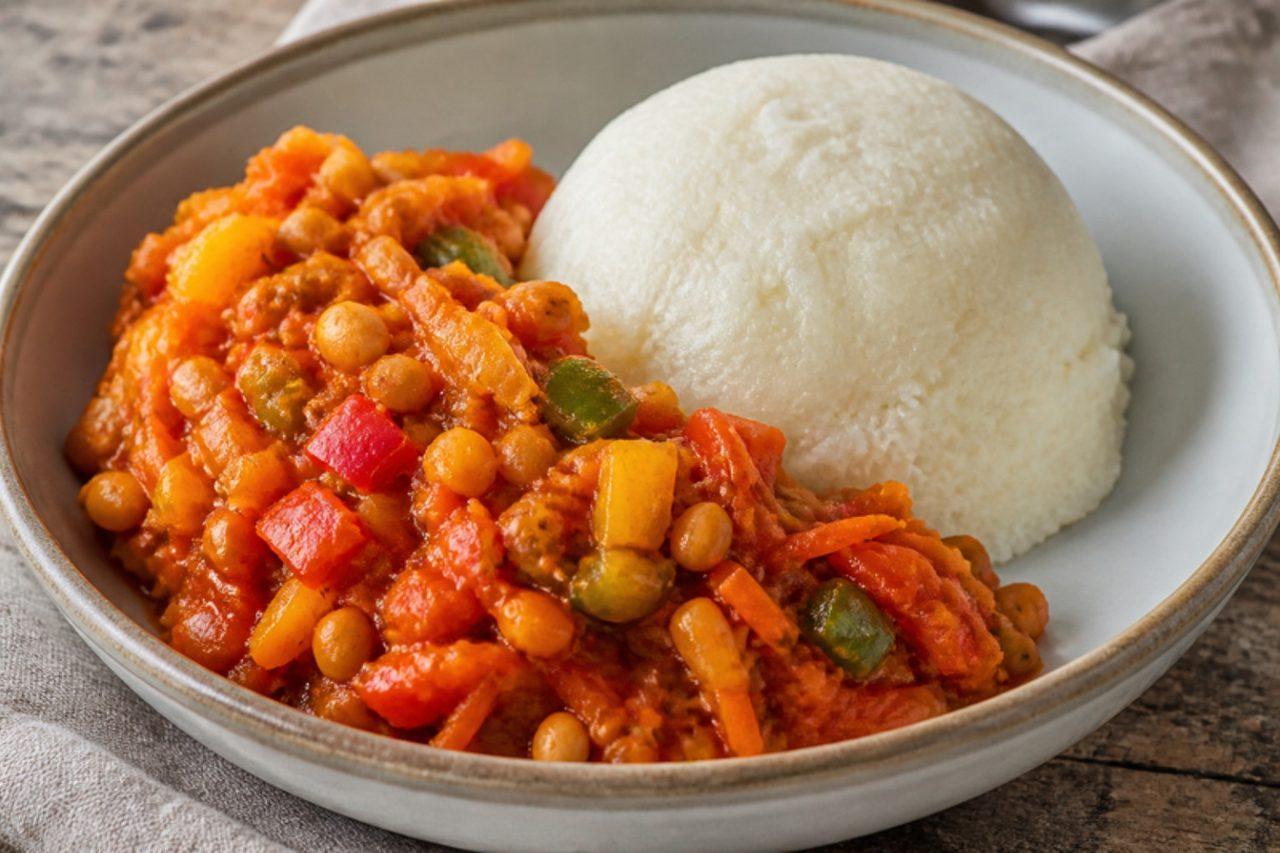
ChakalakaSpicy vegetable and bean relish

Chakalaka is said to have started in the townships and mines around Johannesburg, where workers cooked tinned beans and vegetables with chilli and curry powder over open fires. Today no South African braai (barbecue) is complete without a pot of it, and it goes on the table at Sunday lunch, at funerals and weddings, served warm or cold alongside pap. It is spicy, a little sweet from the carrots and peppers, and tangy from the tomato and beans. Chef's tip: grate the carrots rather than chopping them; they melt into the relish and give it its characteristic soft, spoonable texture.

by KrazyBadal 0 views

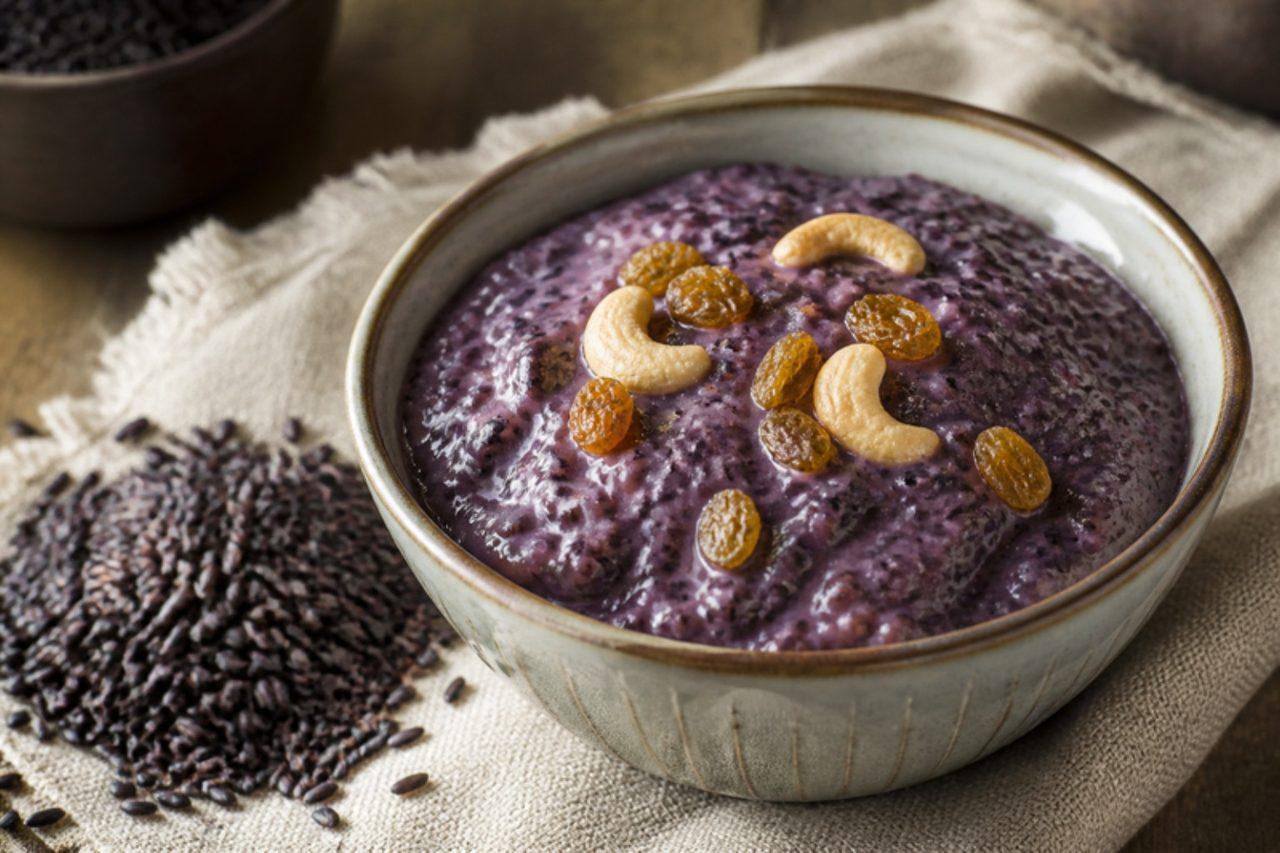
Chak-hao kheerBlack rice pudding

Chak-hao is Manipur's aromatic black rice, grown in the valley around Imphal; when cooked slowly in milk it turns a deep violet and makes chak-hao kheer, the pudding served at Meitei feasts, weddings and Ningol Chakouba, the festival when married daughters come home for a meal. The grains stay slightly chewy and nutty, and the milk takes on a lavender colour. Chef's tip: soak the rice for at least 3 hours, or overnight; black rice has a hard bran layer and won't soften in the milk otherwise.

by KrazyBadal 0 views

Tikil gomenCabbage, carrot and potato stew

Tikil gomen means 'cabbage stew', and it is the mild, golden side on almost every beyaynetu fasting platter in Addis Ababa and Bahir Dar. White cabbage, carrots and potatoes are cooked slowly with onion, garlic, ginger and turmeric until soft and sweet, with no chilli heat apart from a few strips of green pepper. Children love it, and it balances the spicy red wats beautifully. Chef's tip: let the cabbage cook down until it is sweet and slightly caramelised at the edges; that is where all the flavour comes from.

by KrazyBadal 0 views

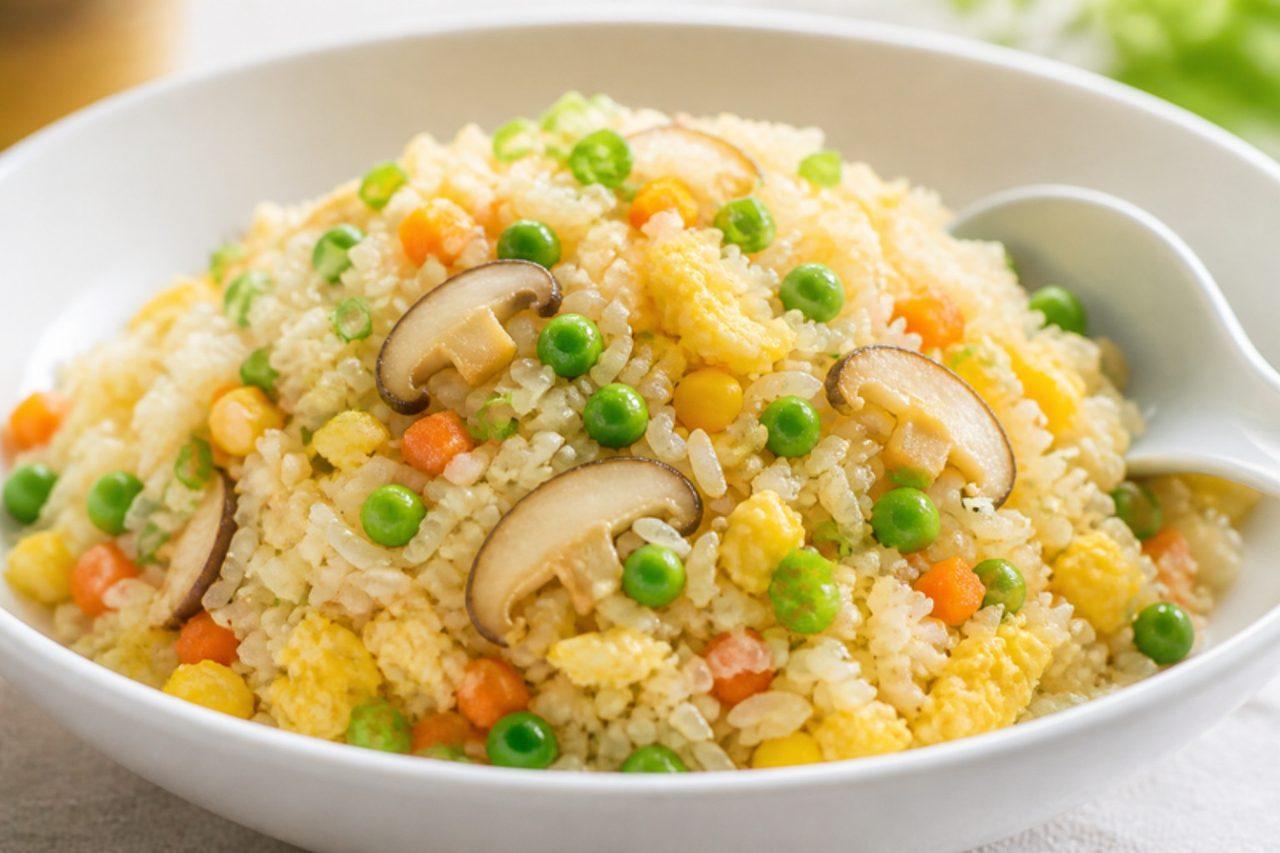
Yangzhou-style vegetable fried riceEgg and vegetable fried rice

Yangzhou in Jiangsu gave its name to China's most famous fried rice, which is supposed to show off a cook's skill: separate, glossy grains, small even dice and egg in every mouthful. The original carries ham and shrimp; this vegetable version swaps them for shiitake, peas, carrot and sweetcorn, and keeps the seasoning light (salt and a little soy) so the rice stays pale and golden rather than brown. It's a meal on its own or a side for stir-fries. Chef's tip: use rice cooked the day before and chilled uncovered; fresh rice is too soft and clumps.

by KrazyBadal 0 views

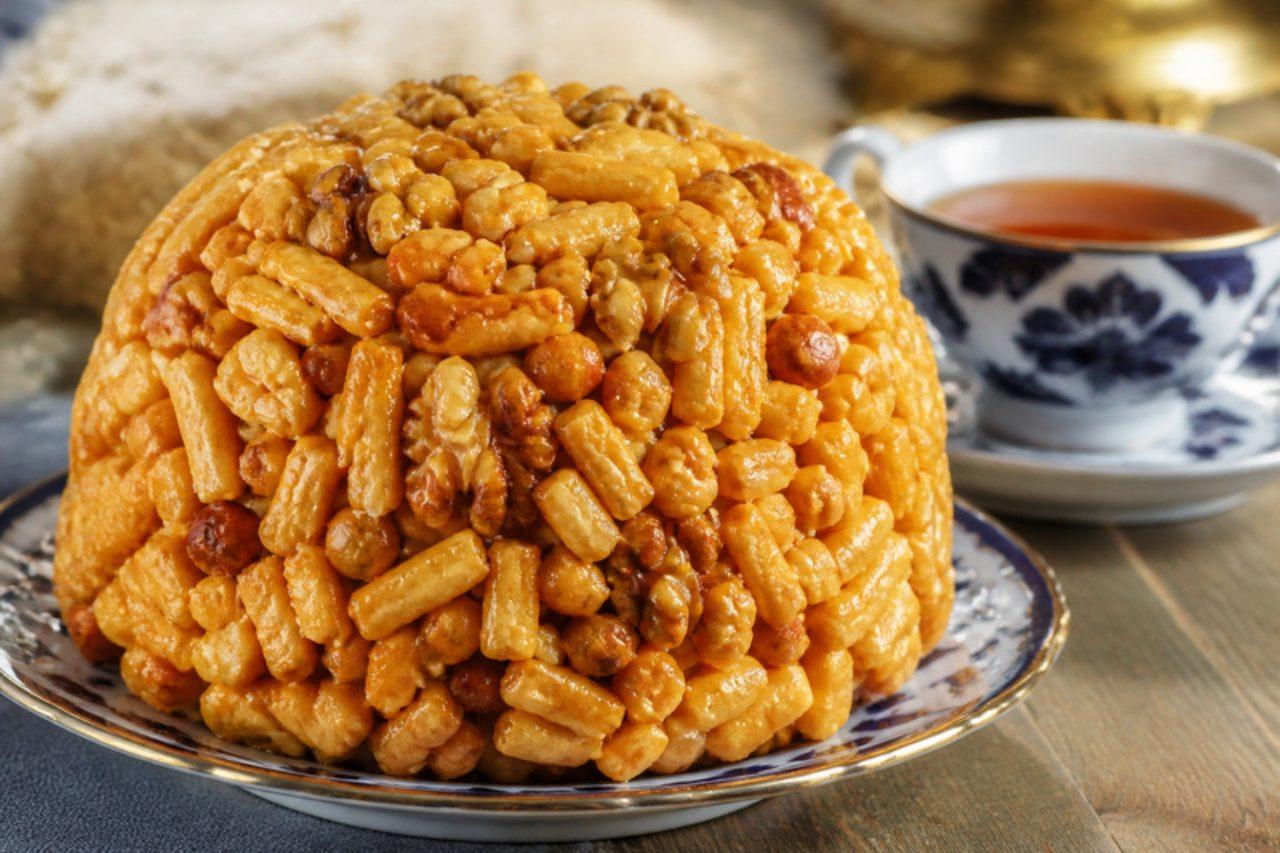
Chak-chakHoney-bound fried dough

Chak-chak arrived in Uzbekistan with Tatar families and is now a fixture of wedding tables and Navruz spreads in Tashkent and Samarkand: tiny nuggets of egg dough fried crisp, then tossed in hot honey syrup and pressed into a mound or ring that's broken apart with the fingers. Guests nibble it all evening with green tea. It keeps for a week, so it's often made a day or two ahead. Chef's tip: cook the honey syrup only to the soft-ball stage (about 115°C); boil it longer and the chak-chak sets as hard as brittle.

by KrazyBadal 0 views

ChajáSponge, peach and cream cake

Chajá was created in 1927 at a bakery in Paysandú, a city on the Uruguay River, and named after a local bird whose feathers look as fluffy as its crumbly meringue coat. Today it's Uruguay's birthday and celebration cake: layers of light sponge soaked in peach syrup, filled with whipped cream, peaches and dulce de leche, then covered in crushed meringue. It's sweet, soft and crunchy at once, best on the day it's assembled. Chef's tip: soak the sponge but not too much; it should feel moist, not wet, or the layers slide.

by KrazyBadal 0 views

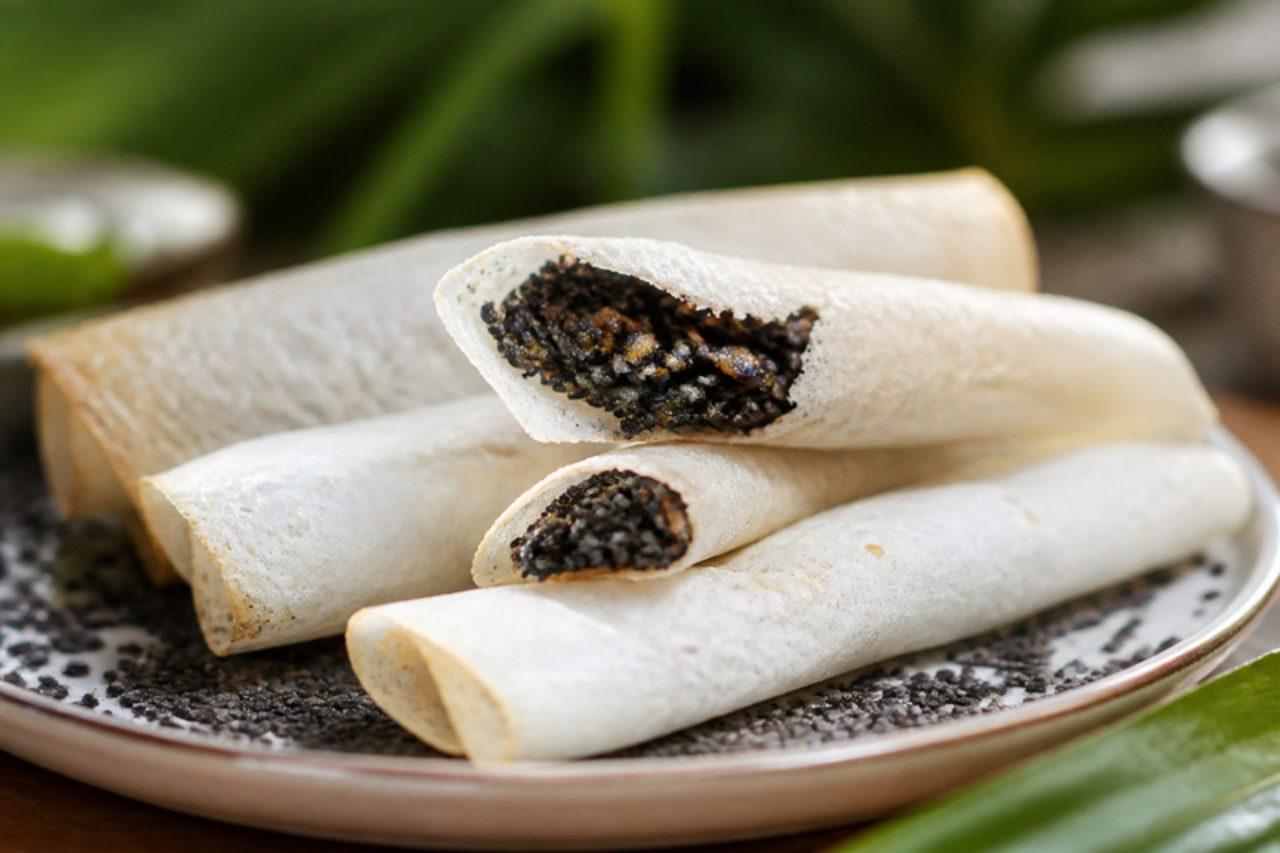
Til pithaSesame rice rolls

Til pitha is the essential sweet of Magh Bihu, the January harvest festival, when Assamese homes stay up late around the fire, frying and toasting. Fresh flour of soaked bora (sticky) rice is spread thin on a hot pan into a round, filled with roasted black sesame and jaggery and rolled into a cigar while still soft; it crisps as it cools. Tins of til pitha are carried to every house visited during Bihu. Chef's tip: the flour must be freshly ground from soaked sticky rice and still slightly damp; dry shop rice flour won't fuse into a sheet.

by KrazyBadal 0 views

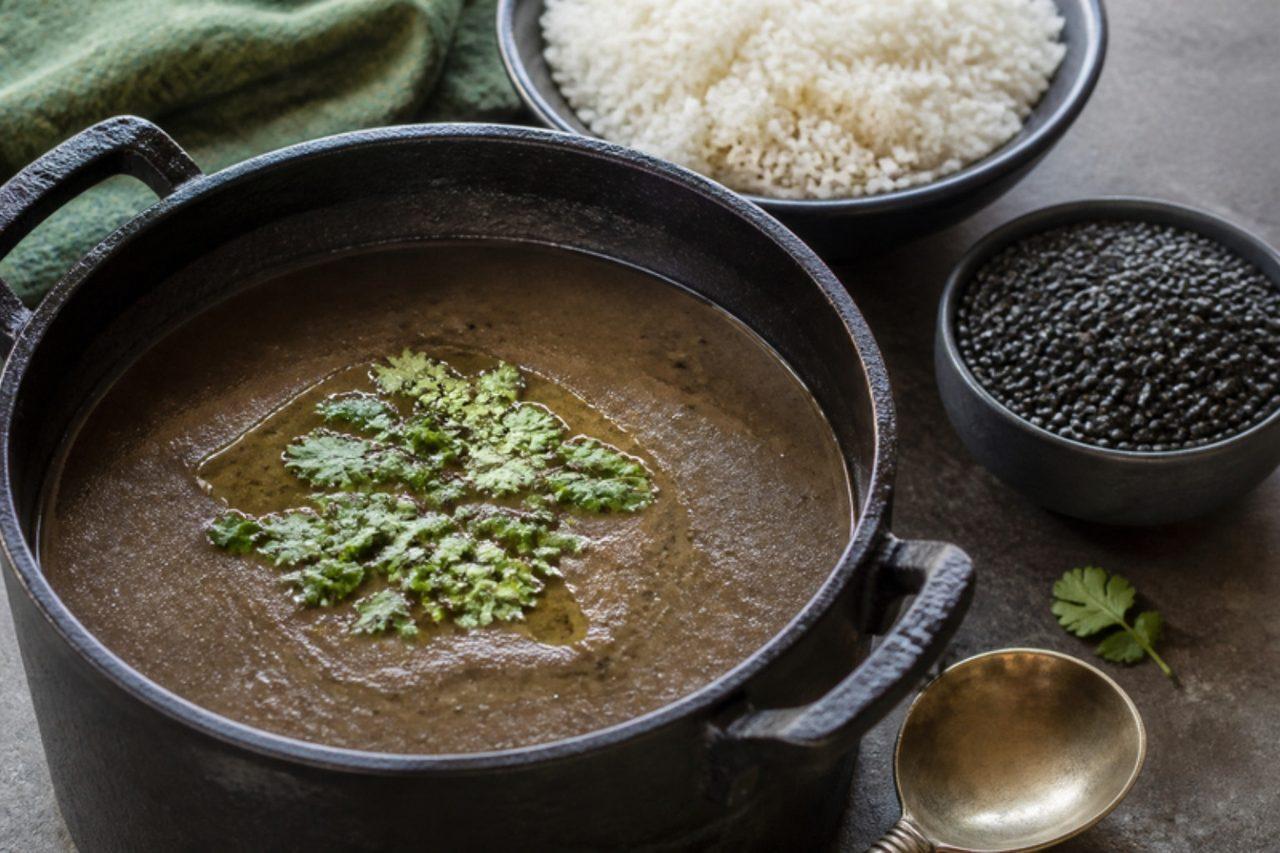
ChainsooRoasted black gram dal

Chainsoo comes from the Garhwal hills, where whole black urad is roasted in a dry pan until it smells like toasted bread, ground coarsely on a hand mill and cooked into a thick, smoky dal. It is a winter dish: heavy, warming and full of protein, eaten with plain rice or jhangora and a drizzle of ghee for anyone who isn't keeping it vegan. Village cooks make it in a lohe ki kadhai, the iron pan that turns it almost black. The texture should be grainy and spoonable, somewhere between a dal and a porridge. Chef's tip: roast the urad slowly over a medium-low heat; the moment it turns from golden to dark brown it tastes bitter, so keep stirring and pull it off early.

by KrazyBadal 0 views

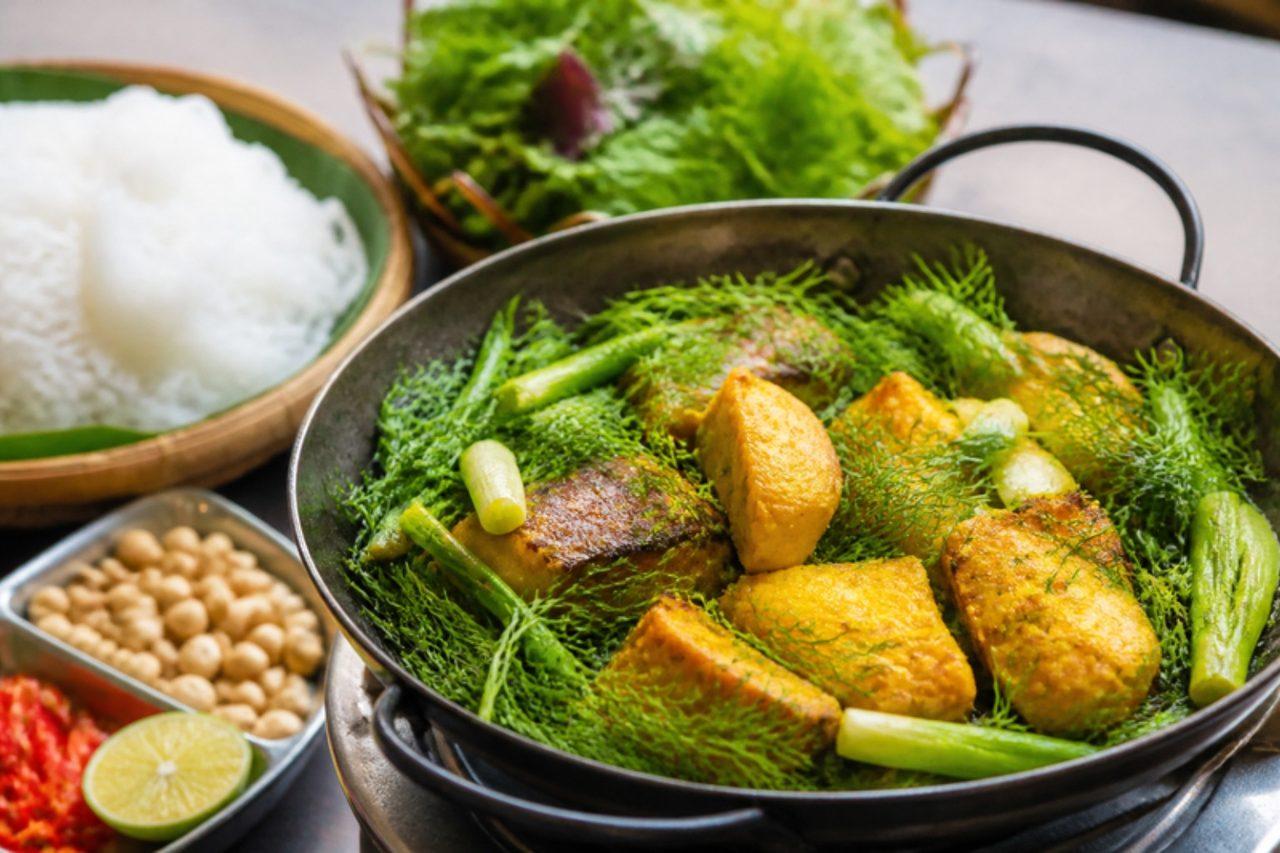
Cha ca La VongTurmeric fish with dill

A family restaurant in Hanoi's Old Quarter served this one dish for so long that the street itself was renamed Chả Cá, Grilled Fish Street. Chunks of white fish are marinated in turmeric and galangal, cooked until golden, then brought to the table in a pan of hot oil where everyone throws in handfuls of dill and spring onion to wilt. You eat it over rice vermicelli with peanuts, fresh herbs and a pungent shrimp-paste dip. Dill is rare elsewhere in Vietnamese cooking, which is why this dish tastes so distinct. Chef's tip: use a lot more dill than seems sensible; it is treated as a vegetable here, not a garnish.

by KrazyBadal 0 views

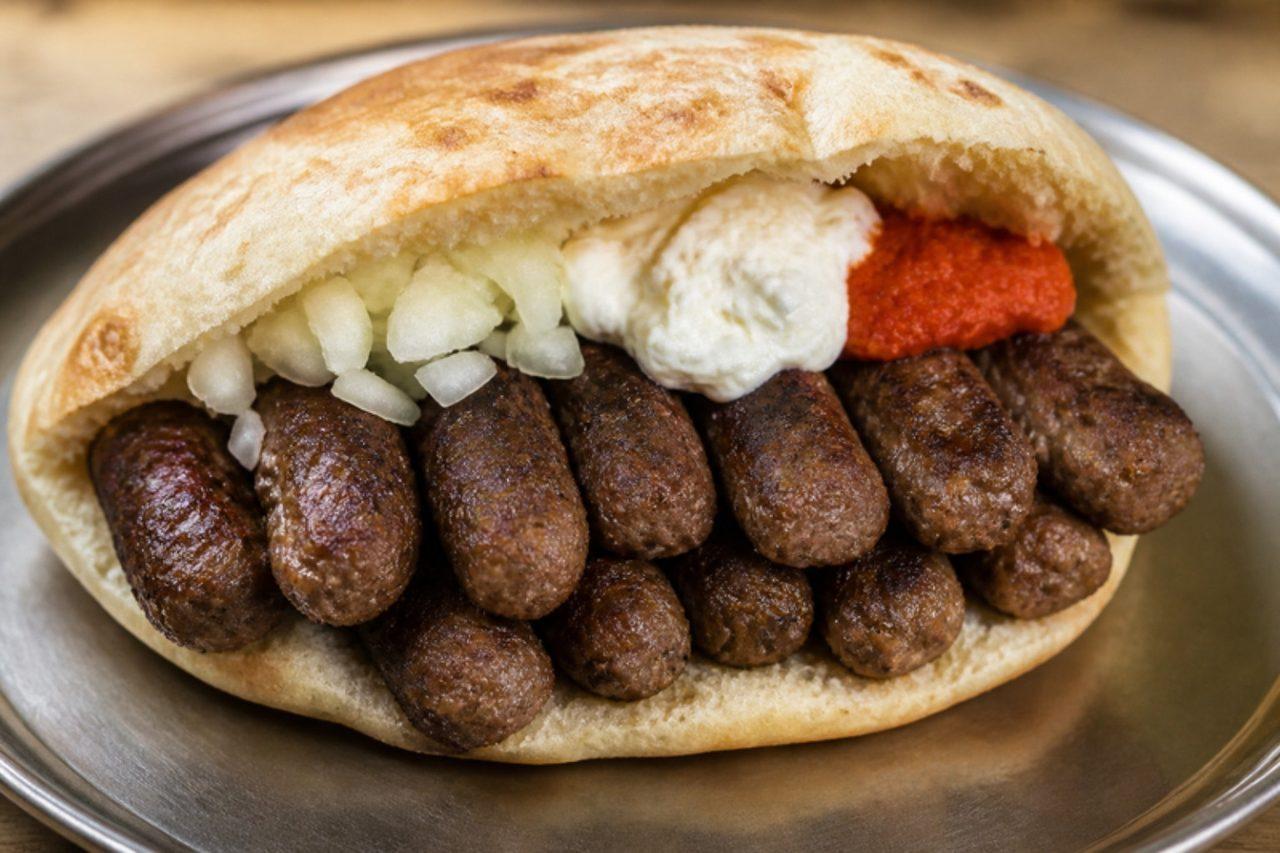
ĆevapiGrilled minced meat fingers

In Sarajevo's old Baščaršija bazaar, ćevabdžinicas grill ćevapi from morning till late night, serving them ten at a time stuffed into a puffy, griddle-warmed somun flatbread with raw onion and a spoon of kajmak. The little skinless fingers are made from beef (often mixed with lamb), seasoned with nothing more than salt, pepper, garlic and a little bicarbonate of soda, which gives them their bouncy bite. Belgrade and Banja Luka have their own versions, but the idea is the same: smoky meat, soft bread, sharp onion. People often over-season them with herbs and paprika; the Bosnian way is plain, letting the meat and charcoal speak. Chef's tip: chill the shaped ćevapi well before grilling and turn them only once or twice, so they keep a juicy centre and a crusty outside.

40 minBalkanMeat
by KrazyBadal 0 views

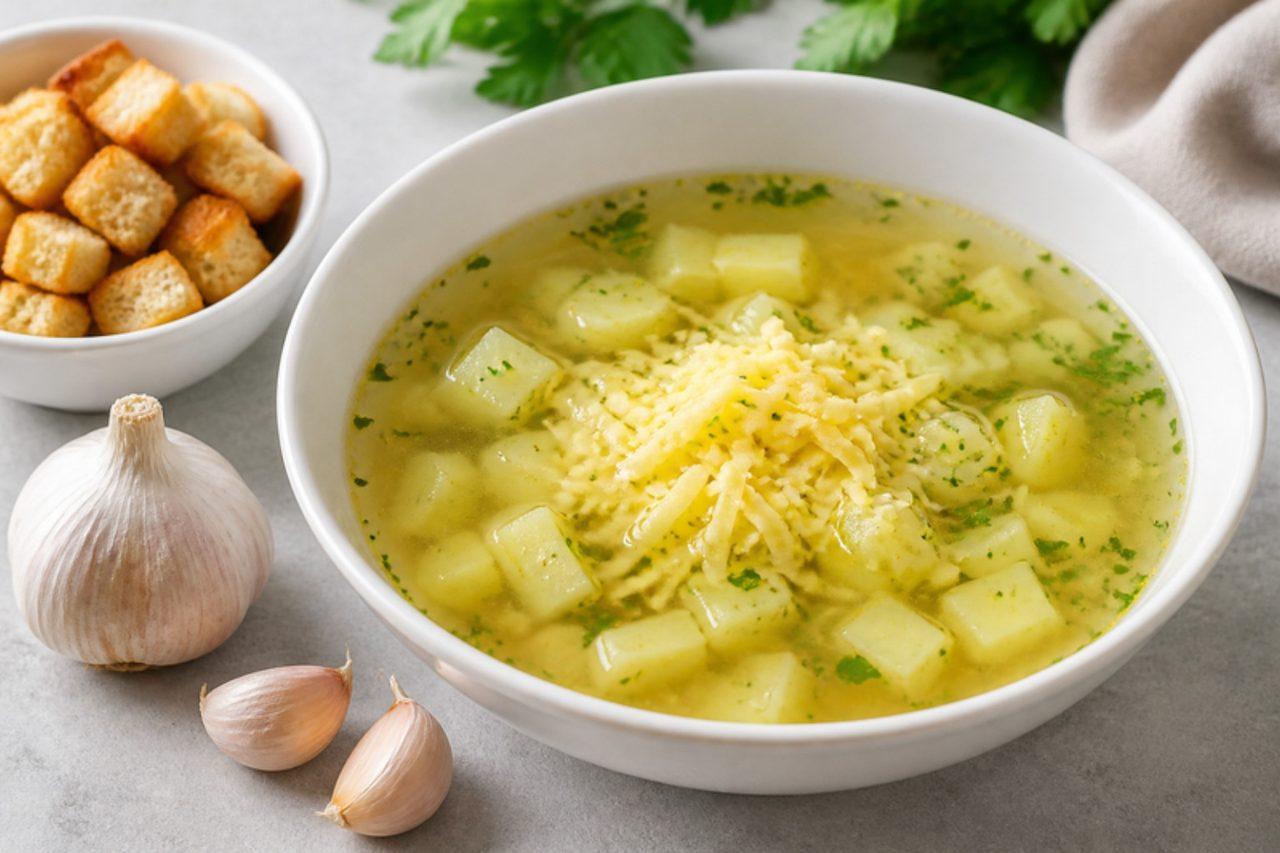
ČesnečkaGarlic soup

Česnečka is the soup Czechs swear by after a long night in a Prague pivnice: a thin, savoury broth fragrant with raw garlic, caraway and marjoram, with soft potato cubes, crunchy fried bread and a fistful of grated cheese melting into each bowl. It costs almost nothing, comes together in half an hour and is served in workers' canteens and village pubs all winter. This version uses vegetable stock instead of the old meat bouillon. Chef's tip: crush the garlic into the bowls or add it right at the end off the heat; boiled garlic goes sweet and mild, and česnečka should bite.

30 minCzechSoups
by KrazyBadal 0 views

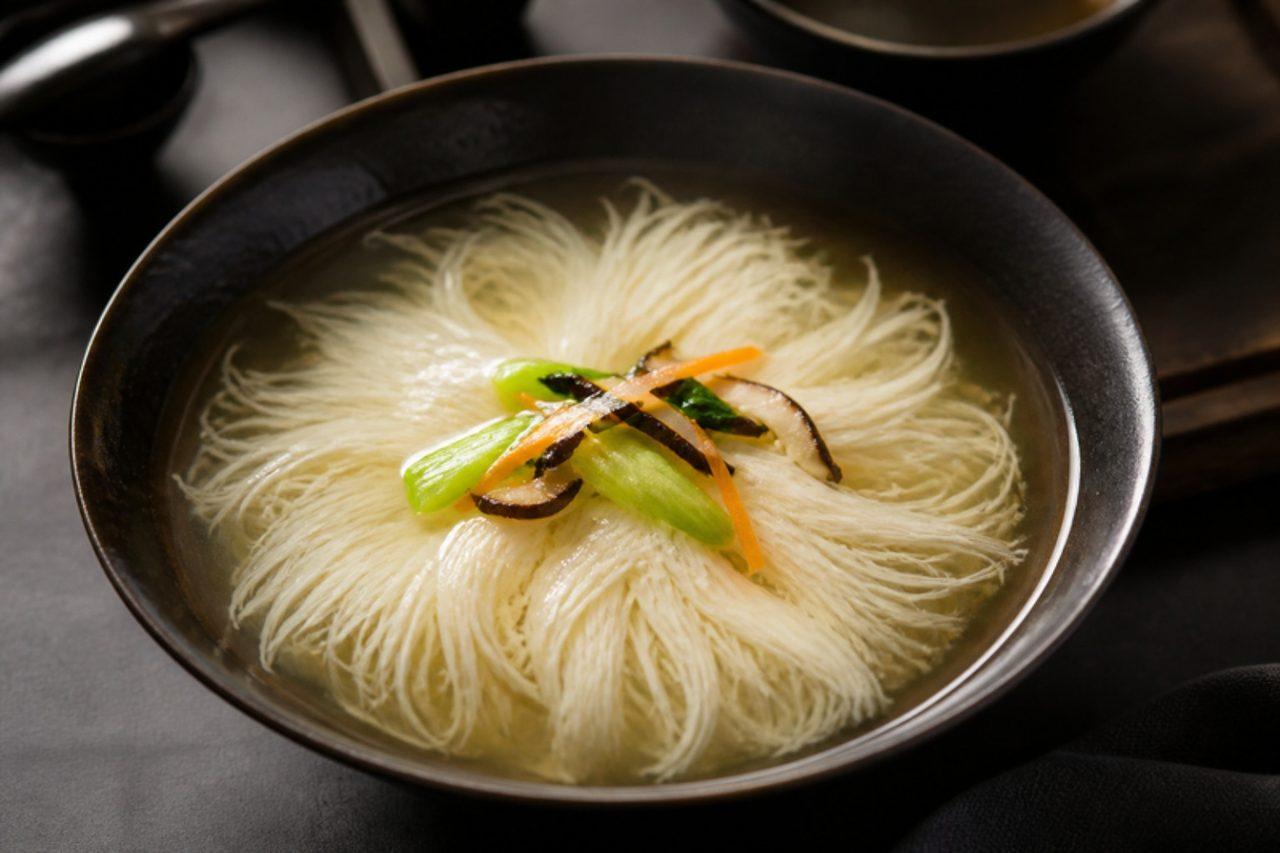
Wensi tofu soupShredded tofu soup

This Yangzhou soup is a test of knife skill: a block of soft tofu is sliced and shredded so finely that the threads drift apart like silk in the bowl. It is credited to a Buddhist monk named Wensi, who served it at a temple in Yangzhou during the Qing dynasty, so a meat-free broth is true to its roots. Huaiyang banquets still serve it as a quiet, delicate course. Chef's tip: wet the knife and slice in one smooth stroke without lifting; the tofu then stays together until you fan it into water.

by KrazyBadal 0 views

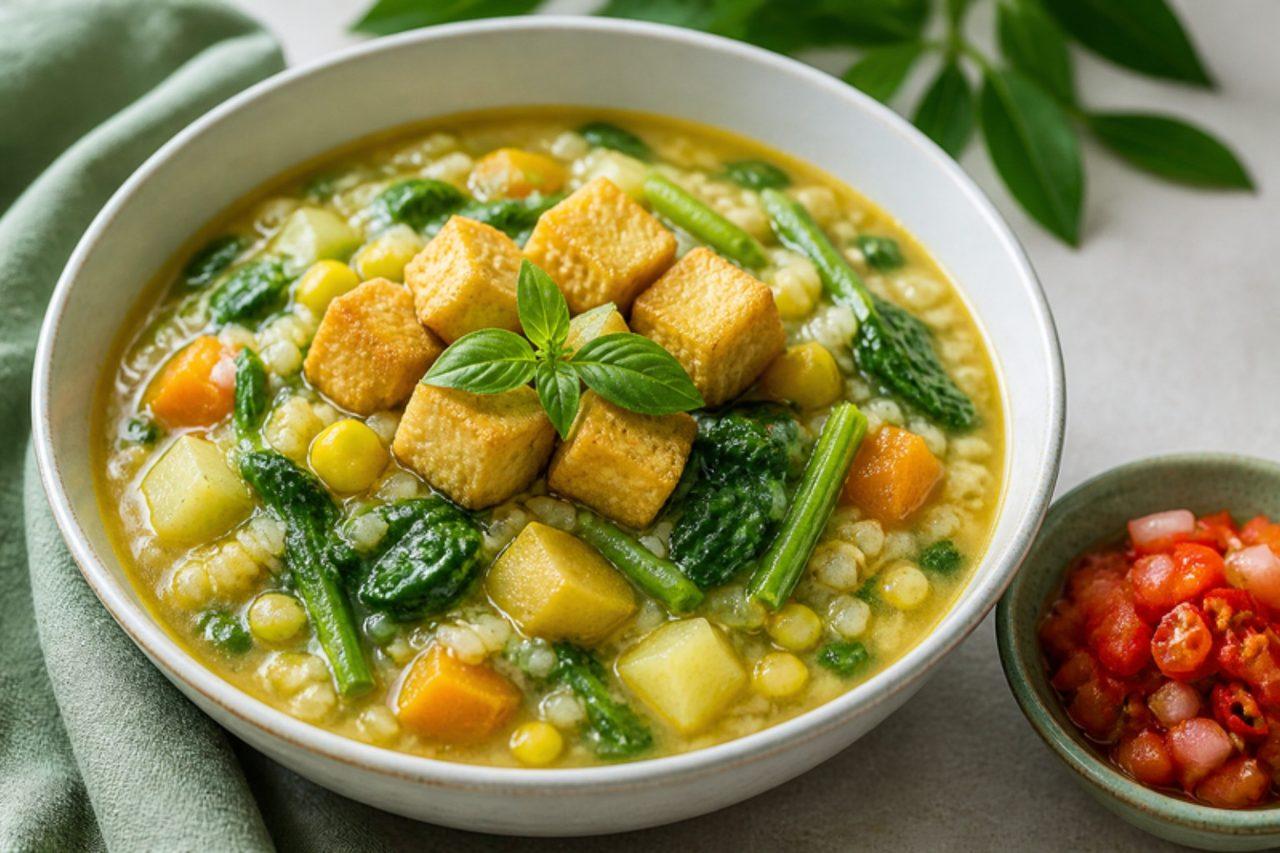
TinutuanRice porridge with pumpkin and greens

Tinutuan, also called bubur Manado, is what North Sulawesi eats for breakfast: rice simmered with pumpkin until the pumpkin melts and turns the porridge golden, then loaded with sweetcorn, cassava and a big handful of greens and lemon basil at the end. In Manado it comes with small fried fish and a fiery tomato dabu-dabu; this version skips the fish and pairs it with fried tofu. It is filling, gentle and naturally vegan. Chef's tip: add the leafy greens only in the last 3 minutes so they stay green and fresh.

by KrazyBadal 0 views

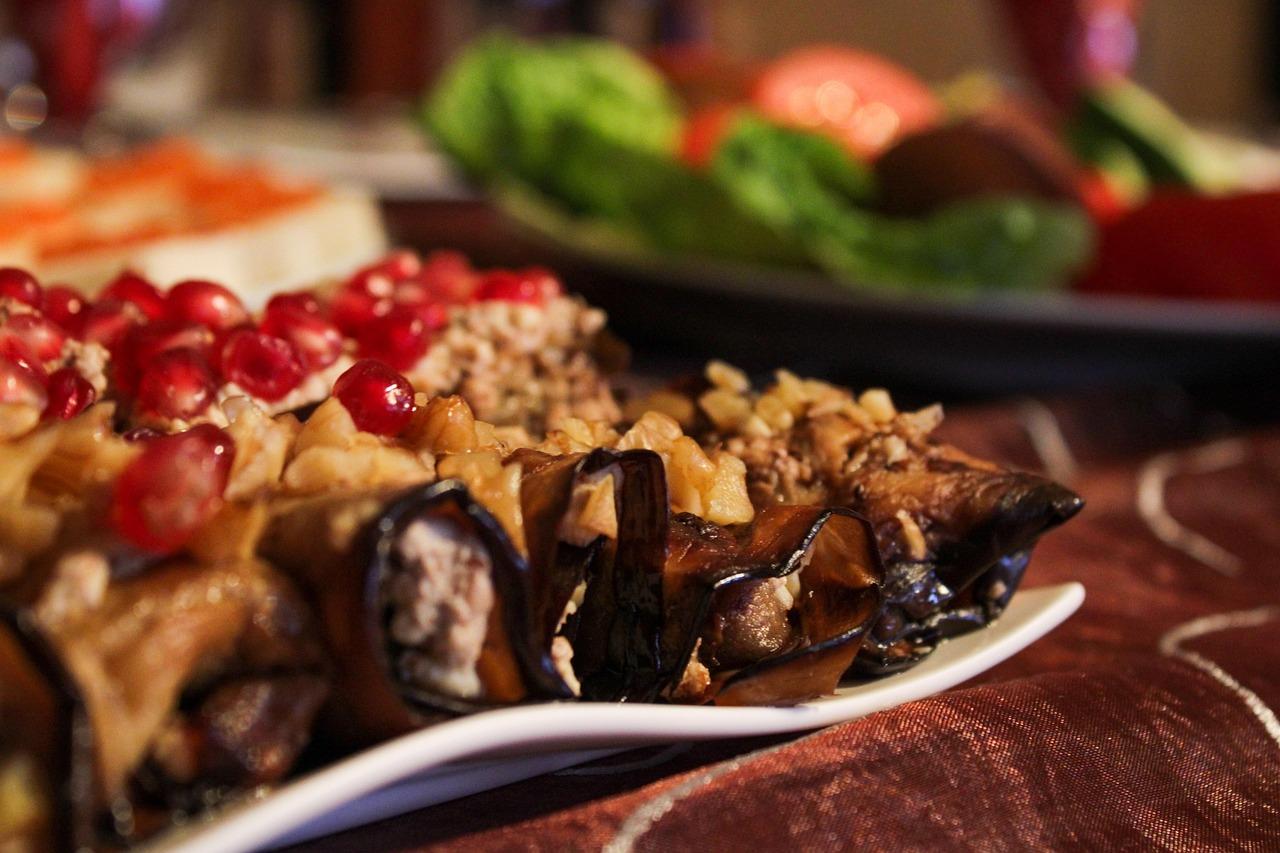
Badrijani nigvzitAubergine rolls with walnut paste

Badrijani nigvzit, aubergine with walnuts, is the summer starter of Tbilisi and Kakheti: thin slices of aubergine fried until silky, spread with a garlicky, spiced walnut paste and rolled up, then scattered with pomegranate seeds. They sit on every supra table between the cheeses and pkhali, and on restaurant menus from June until the frosts. Served cold, they are rich and soft, with sour pops of pomegranate. The common mistake is undercooking the aubergine: if it is still firm it cracks when you roll it and tastes raw, so fry each slice until it is limp and golden. Chef's tip: dry the fried slices on kitchen paper and press them gently; you lose surplus oil, and the paste spreads and sticks better.

by KrazyBadal 0 views

Showing 36 of 7,762 recipes

Show more recipes

Page 756 of 863