


Skip to content
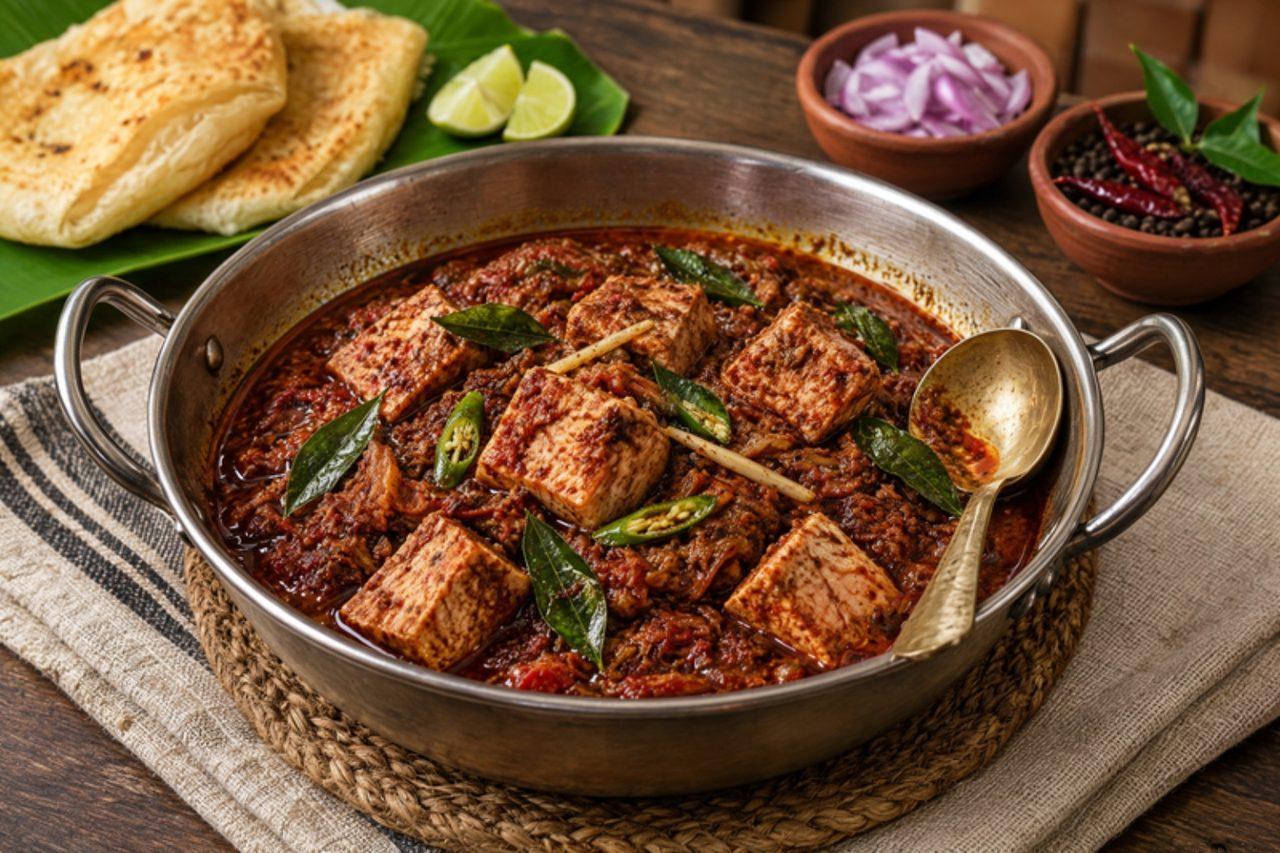
Mus kavab
Featured recipe

Mus kavab

Tuna in onion and tomato masala

Despite the name, mus kavab is not grilled but a thick, almost dry tuna masala, the Lakshadweep dish that turns up at Eid lunches, weddings and on any day a good catch comes in. Chunks of tuna are marinated in chilli, turmeric and lime, briefly shallow-fried, then folded into a deep-red masala of slow-cooked onion, tomato, ginger and garlic so the gravy clings to every piece. The common mistake is overcooking the tuna, which turns it dry and grainy; it needs only a few minutes in the masala, until opaque and just flaking. Chef's tip: cut the tuna in large 4 cm chunks, which stay juicy far better than small cubes.

Read more 0 views

What to eat today?

Around the world

Today's trip: Paraguayan

A new country every day, from every cuisine on the site.

Paraguayan

Lampreado

Cassava starch cheese fritters 30 minMore from Paraguayan (27) →

This week's collection

Kid-friendly dinners
537 recipes · a new collection every Monday

Latest recipes

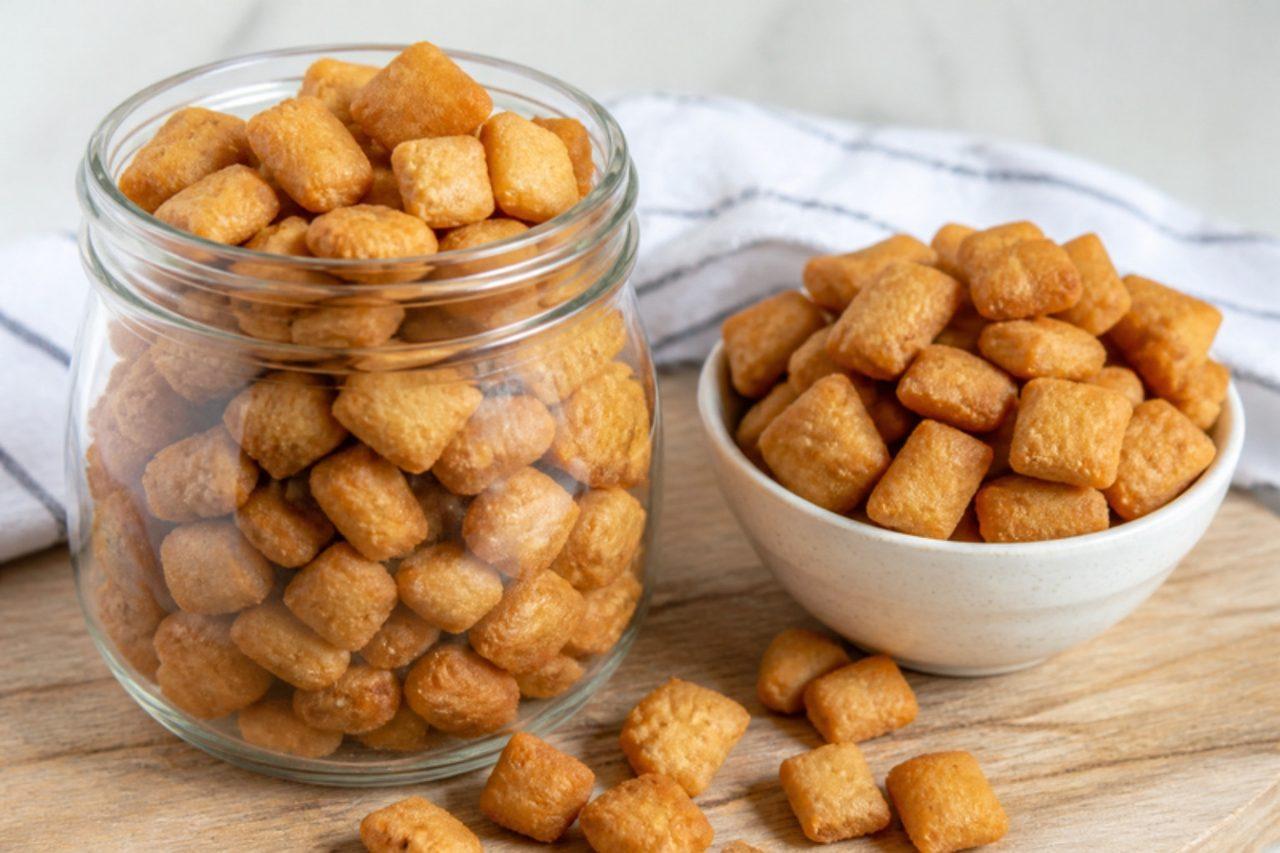
Chin chinCrunchy fried dough bites

Every December, Nigerian kitchens turn into small factories of chin chin, crunchy little cubes of sweet fried dough packed into big plastic tubs for Christmas visitors, weddings and the long drive back to the village. The dough is enriched with butter, egg and evaporated milk and scented with nutmeg; cut small and fried, it shatters with a satisfying crunch. It keeps for weeks, so families make kilos at a time. Chef's tip: roll the dough evenly thin, about 5 mm, so every piece fries through to a crisp centre at the same time.

by KrazyBadal 0 views

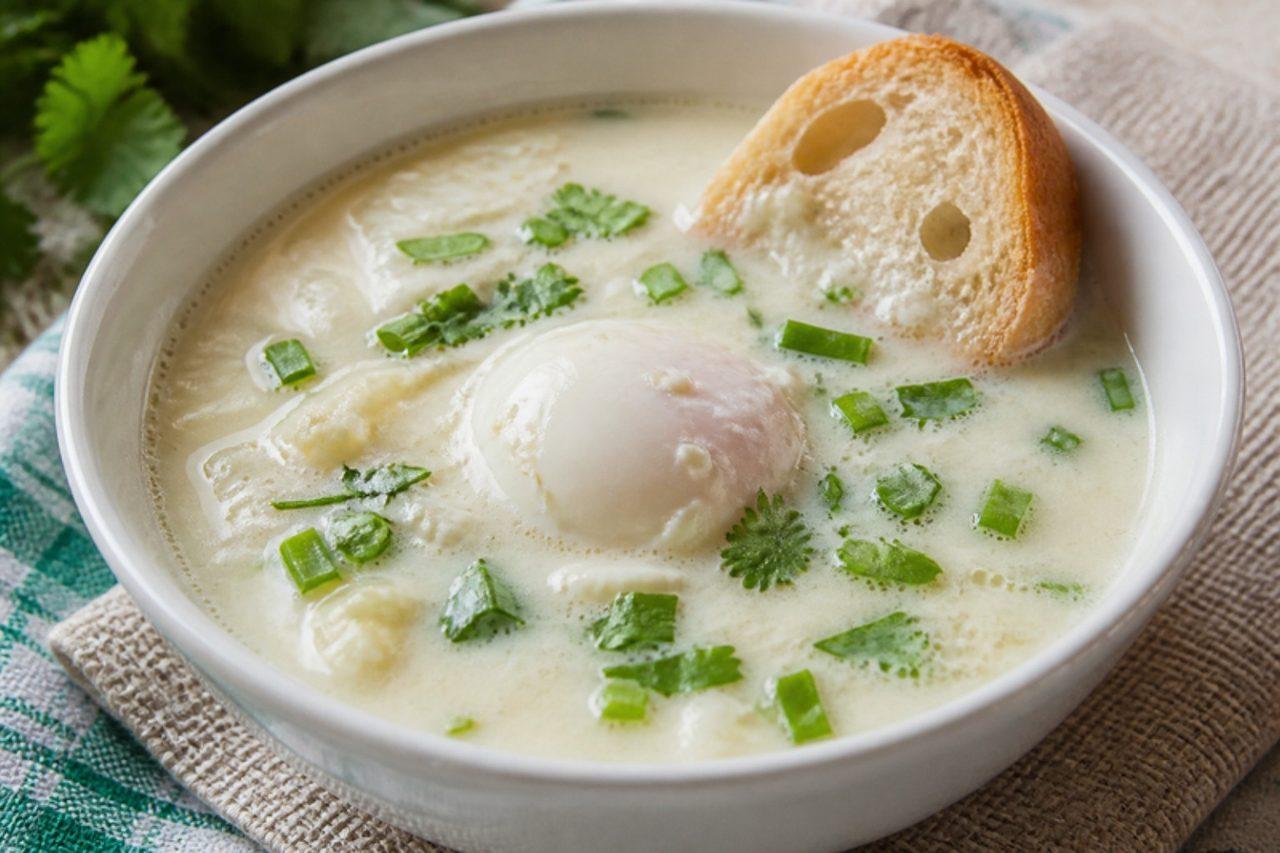
ChanguaMilk and egg breakfast soup

Changua is the breakfast soup of Bogotá and the high plains of Cundinamarca and Boyacá, where cold mornings call for something hot before work. Milk and water are simmered with spring onion, eggs are poached right in the pot, and the bowls get fresh coriander and pieces of stale bread or calado (dried toasted bread) that soften in the broth. It is gentle, creamy and filling. Chef's tip: keep the milk at a bare simmer; if it boils hard it can catch on the bottom and the eggs break apart.

by KrazyBadal 0 views

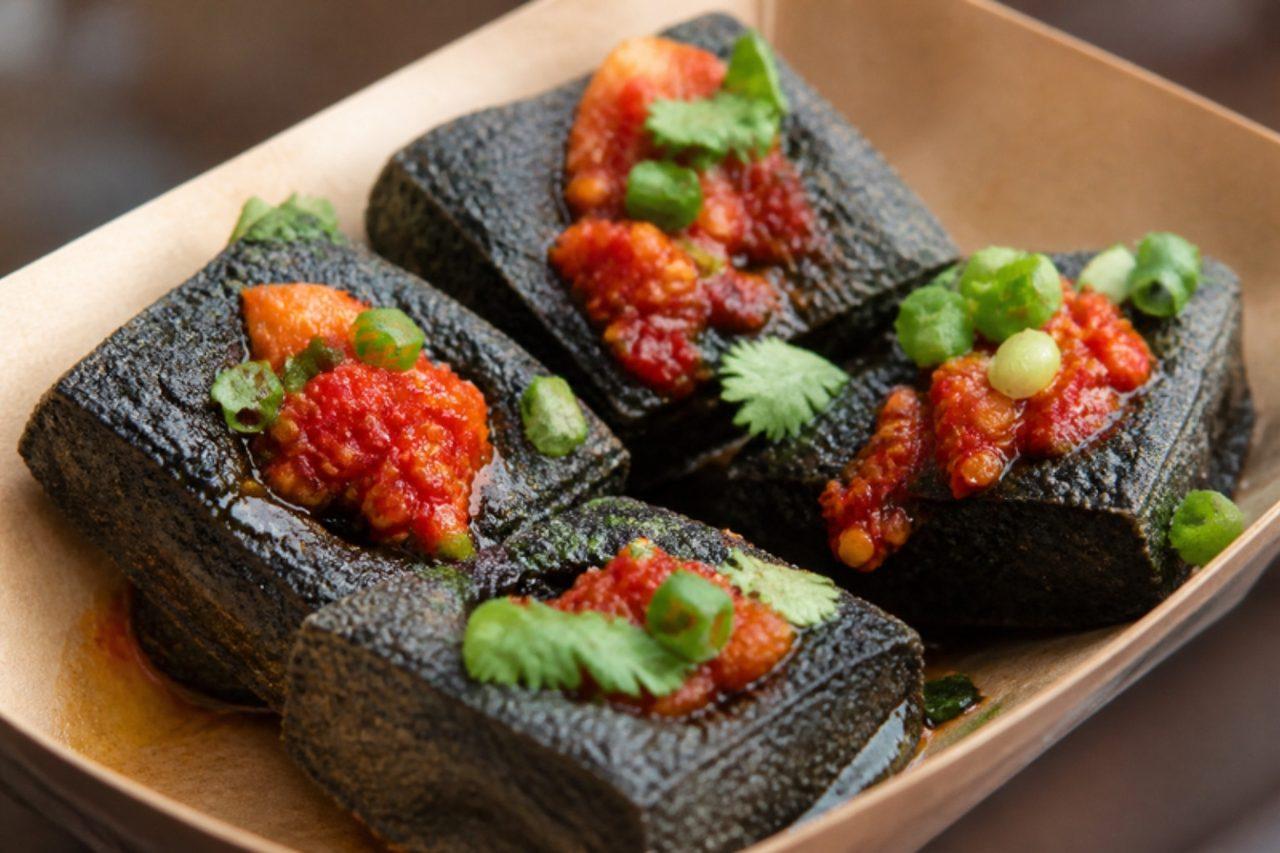
Changsha stinky tofuFried fermented tofu

Walk down Pozi Street in Changsha and you'll smell this before you see it. The tofu is fermented in a brine until it turns jet black and pungent, then fried until it puffs up with a crisp skin and a soft, hollow middle. Vendors poke a hole in each piece and spoon in a sauce of chopped chillies, garlic and soy. Making the brine takes weeks, so this home version starts with bought stinky tofu (frozen, in Chinese supermarkets). Chef's tip: the smell fades a lot during frying; it tastes milder and nuttier than it smells.

by KrazyBadal 0 views

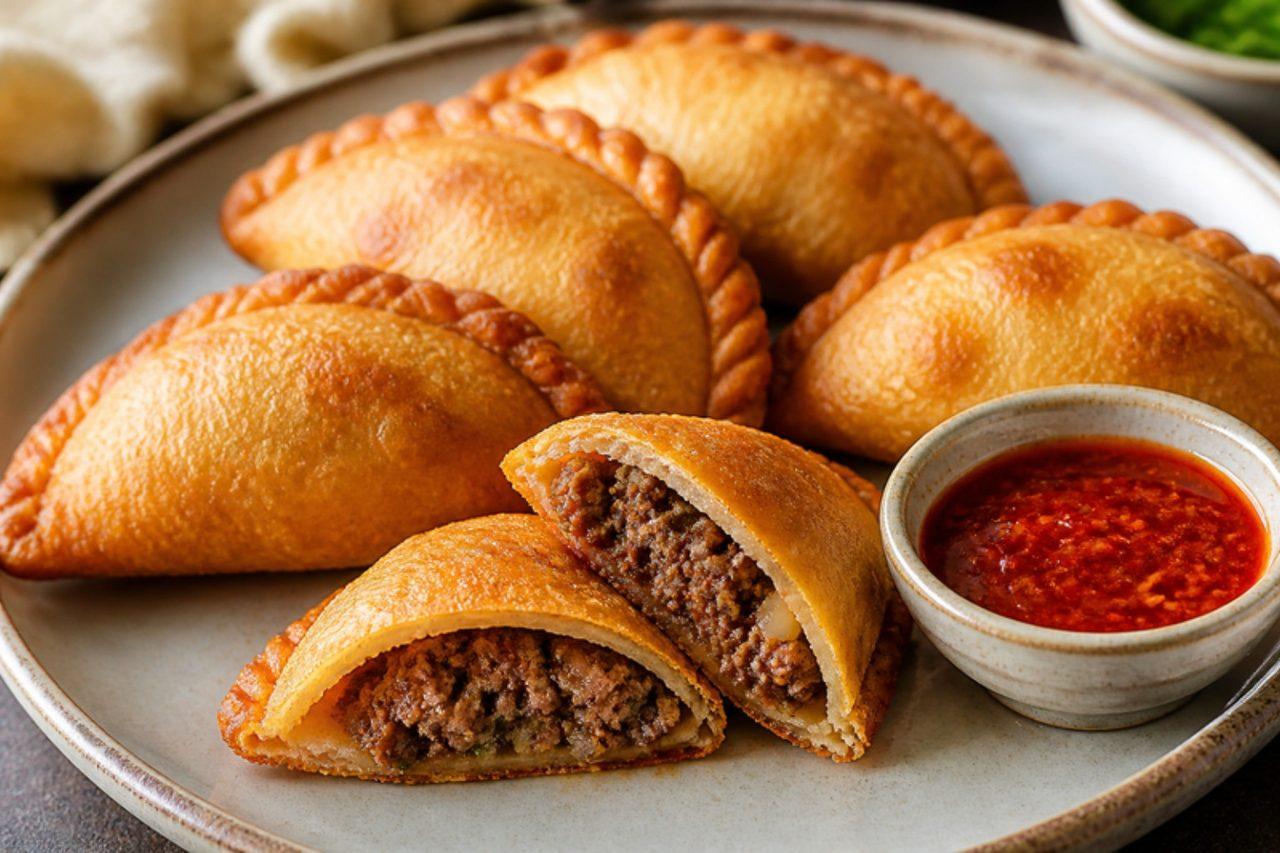
ShabhaleyFried beef pastries

Tibetan families in Lhasa and across the plateau make these crisp, half-moon or disc-shaped pies for Losar, the Tibetan New Year, and for gatherings with friends; Tibetan cafés in exile communities sell them by the plate too. The name means meat bread, and the filling of minced beef with onion, ginger, coriander and a pinch of Sichuan pepper stays juicy inside a thin, crackly crust. They are hearty, savoury and lightly numbing, never fiery. Serve them hot with a tomato chilli sauce (sepen) and a cup of butter tea or black tea. Chef's tip: keep the oil at 170 °C; hotter and the pastry browns before the meat inside is cooked.

by KrazyBadal 0 views

ShaptaStir-fried yak with chillies

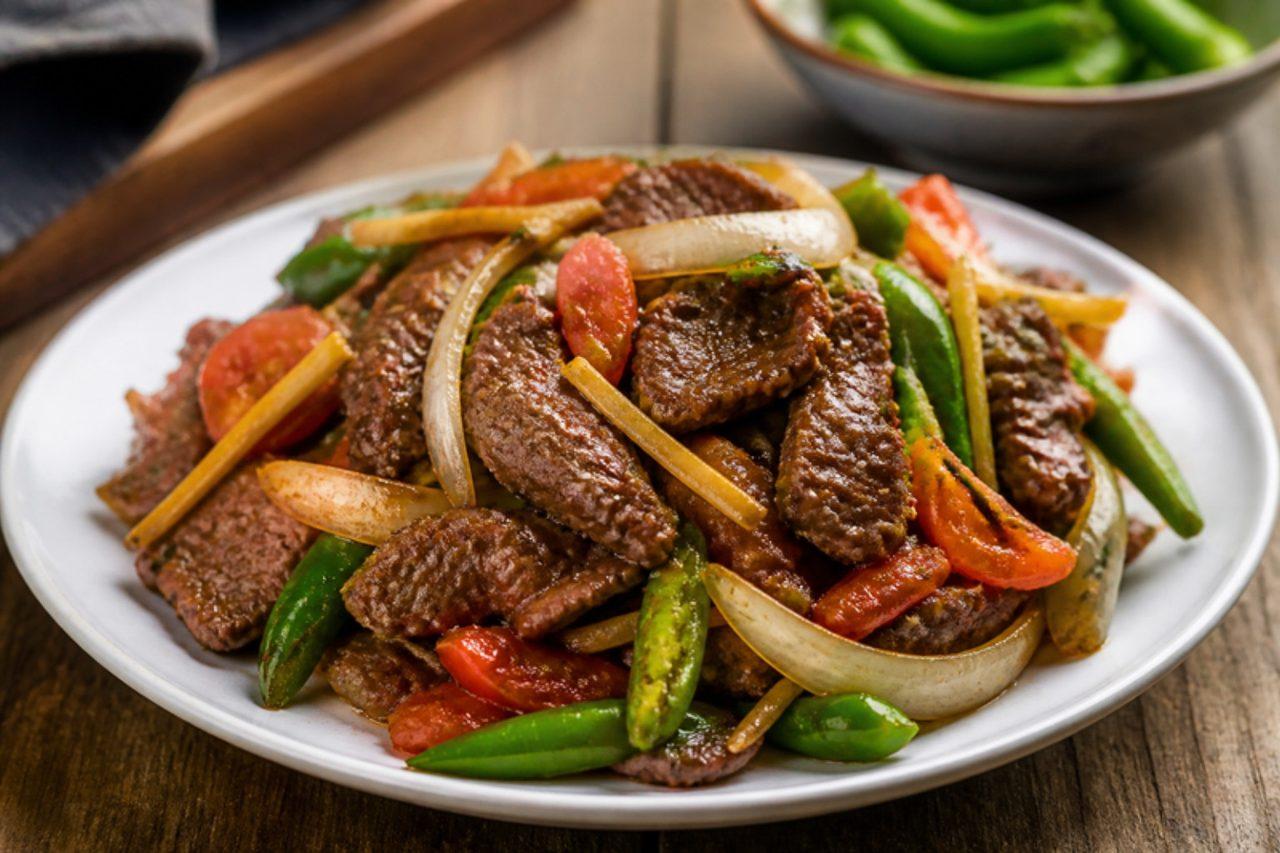
Herding families on the Tibetan plateau traditionally cook yak meat this way, and today shapta is a favourite at Tibetan restaurants from Lhasa to Kathmandu and Delhi. Thin slices of meat are seared with onion, green chillies and tomato, and seasoned with ginger, garlic and timur (Sichuan pepper), which gives a gentle tingle. Lean and full of flavour, it comes out savoury, slightly smoky and pleasantly hot. Serve it with tingmo (steamed bread), rice or flatbread, and a simple radish salad. Chef's tip: yak is very lean, so slice it thin and cook it fast; beef sirloin or rump is the easiest substitute.

by KrazyBadal 0 views

Tibetan tingmoSteamed twisted buns

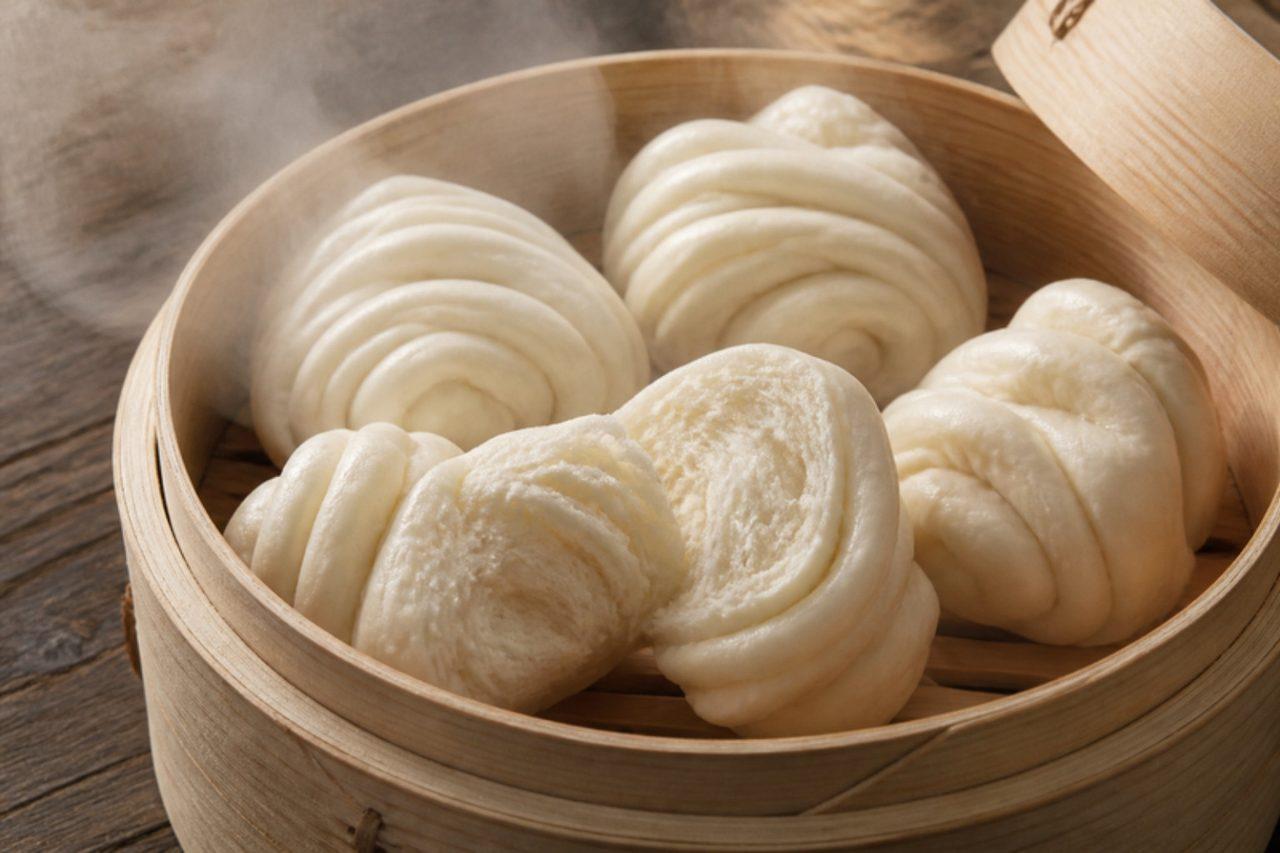
Tingmo are the everyday bread of Tibet: plain steamed buns made by stretching and twisting oiled strips of dough into a knot, so they open into soft, pull-apart layers. Families in Lhasa and Tibetan communities in Nepal and India eat them with spicy vegetable stews, dal and chilli sauce, tearing off pieces to mop up the sauce. The dough is simple; the twist takes a little practice. Chef's tip: once the steaming time is up, turn off the heat and wait 3 minutes before lifting the lid, so the buns don't collapse.

by KrazyBadal 0 views

TsampaRoasted barley flour with butter tea

Tsampa, roasted highland barley flour, has been the staple food of the Tibetan plateau for centuries. Every morning, families in Lhasa and in nomad tents put a handful in a bowl, pour in butter tea, add a knob of butter and knead it with their fingers into small, nutty balls called pak. It's filling, quick and easy to carry. Barley flour is easy to find; toast it in a dry pan if it isn't already roasted. Chef's tip: add the tea a little at a time; you want a dough like firm marzipan, not a paste.

by KrazyBadal 0 views

BakabanaFried plantain fritters

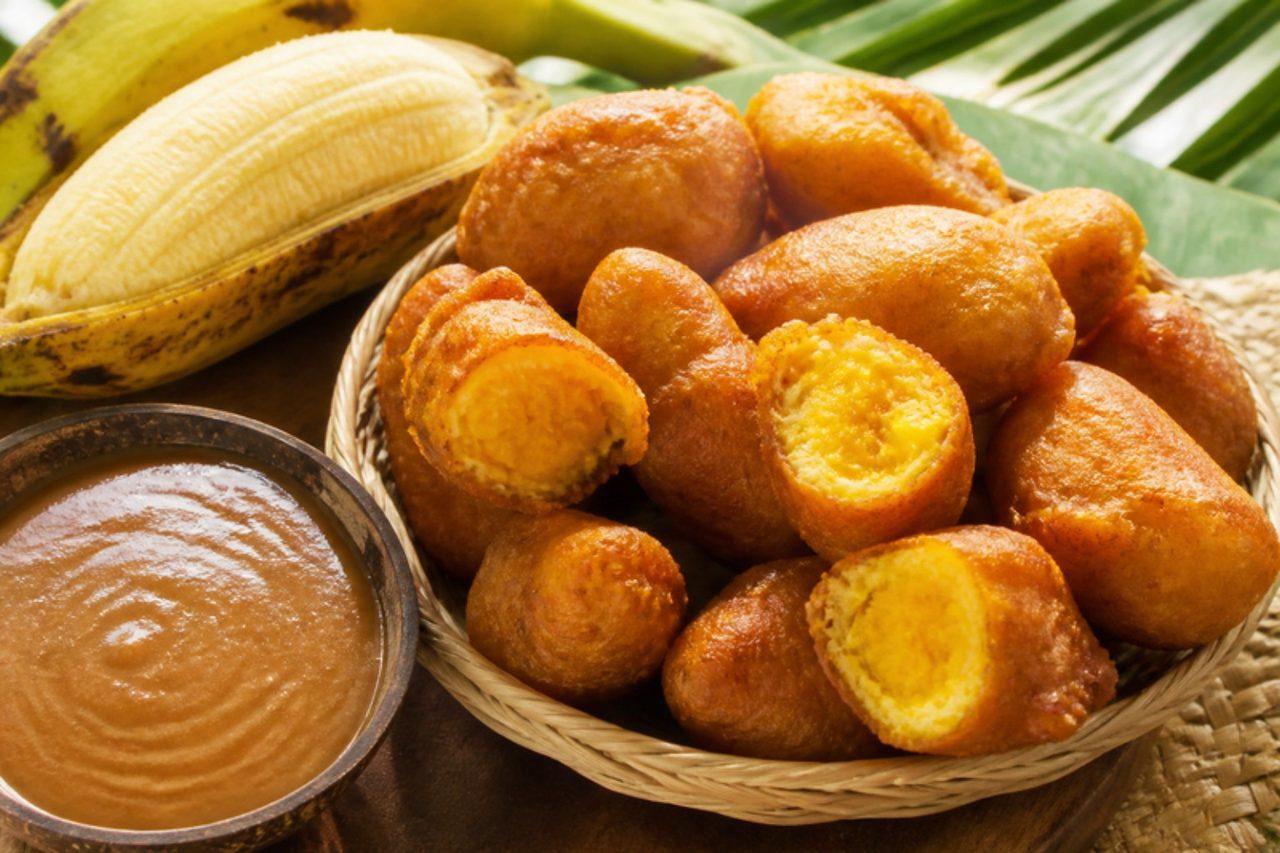
Bakabana are Suriname's favourite snack: long slices of ripe plantain dipped in a light batter and fried until crisp outside and custard-soft within. In Paramaribo they're sold from warung stalls (the Javanese-Surinamese snack bars), and in Dutch cities with Surinamese communities, always with a spicy peanut sauce on the side for dipping. The sweet fruit, crisp shell and salty-hot sauce make them hard to stop eating. Chef's tip: pick plantains that are yellow with lots of black spots but still firm; fully black and soft ones fall apart in the batter.

by KrazyBadal 0 views

BagnetCrispy fried pork belly

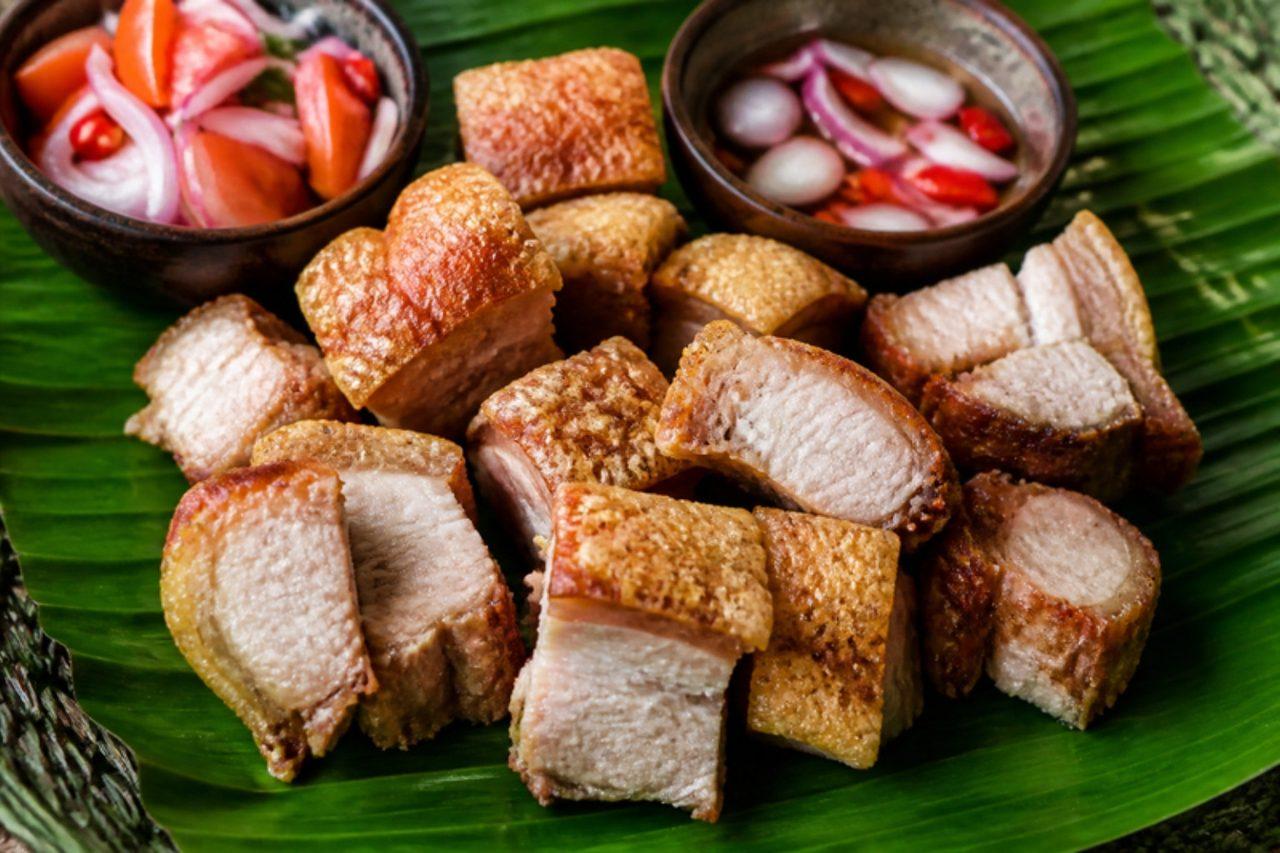
Up in Ilocos Norte and Ilocos Sur, in towns like Vigan and Batac, bagnet hangs in market stalls in golden slabs: pork belly that has been boiled, dried and deep-fried so the rind is puffed and crunchy all the way through. Ilocanos chop it into rice bowls, add it to pinakbet and dinengdeng, or eat it with sukang Iloco, the region's dark sugarcane vinegar. It is richer and crunchier than lechon kawali because it is fried twice. A tomato and onion salad with a little shrimp paste cuts the fat. Chef's tip: the second fry, in hotter oil after a rest, is what makes the rind bubble; skip it and you get chewy skin.

150 minFilipinoMeatGluten free
by KrazyBadal 0 views

Chana jor garamSpiced flattened chickpea snack

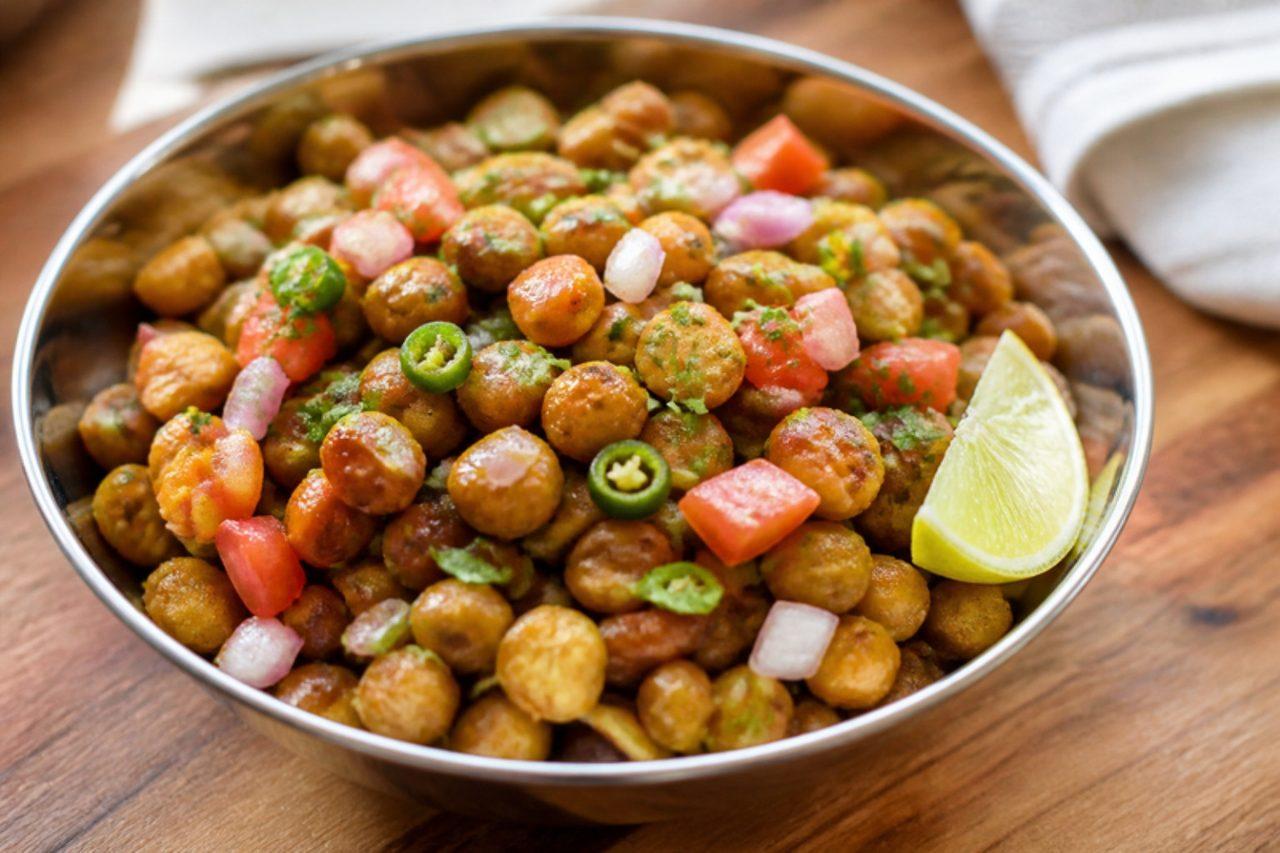
Chana jor garam is sold from a tin box slung round a vendor's neck on the Kolkata Maidan, at Babughat and along Esplanade, with a sing-song call to match its name. Chickpeas are soaked, pressed flat, and fried or roasted until crunchy, then tossed to order with raw onion, tomato, green chilli, coriander, lime and a spice mix, and handed over in a paper cone. It is lighter than jhalmuri and much crunchier. The same snack is sold on Mumbai beaches; this is the Kolkata cart version. Chef's tip: flatten the soaked chickpeas while still damp, with a rolling pin between two cloths, so they split into thin discs.

by KrazyBadal 0 views

Chaman kaliyaPaneer in turmeric milk gravy

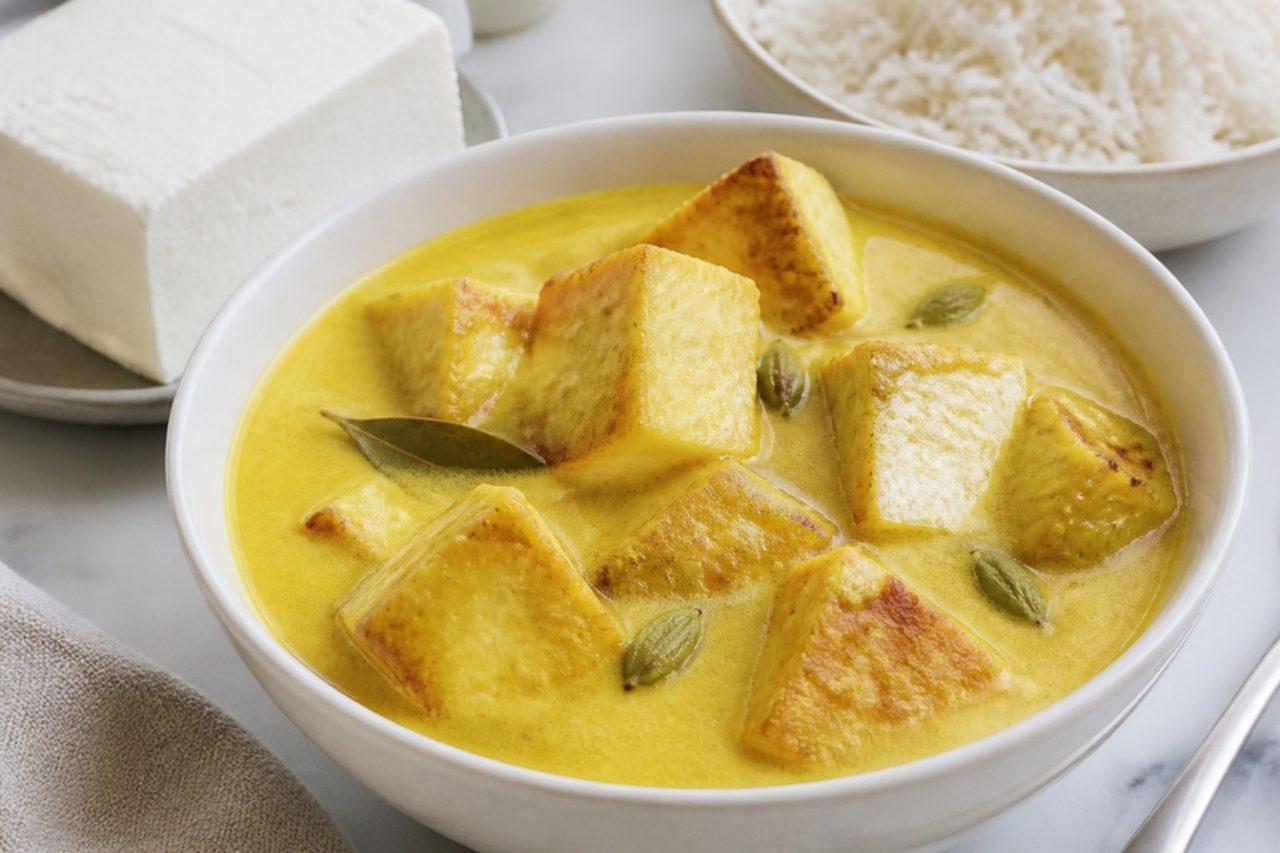
In Kashmir paneer is called chaman, and kaliya is the name for a gravy coloured bright yellow with turmeric rather than red with chilli. Kashmiri Pandit cooks fry thick slabs of paneer, rest them in warm water so they stay spongy, then simmer them in milk with fennel, dry ginger and cardamom. The result is mild, sweet-scented and soothing, a dish that sits beside the fiery ones on a wedding or festival spread and is just as welcome on a weekday with rice. Chef's tip: use a generous spoon of good turmeric; the gravy should glow a deep gold, and the milk mellows any rawness.

by KrazyBadal 0 views

Tikil gomenCabbage, carrot and potato stew

Tikil gomen means 'cabbage stew', and it is the mild, golden side on almost every beyaynetu fasting platter in Addis Ababa and Bahir Dar. White cabbage, carrots and potatoes are cooked slowly with onion, garlic, ginger and turmeric until soft and sweet, with no chilli heat apart from a few strips of green pepper. Children love it, and it balances the spicy red wats beautifully. Chef's tip: let the cabbage cook down until it is sweet and slightly caramelised at the edges; that is where all the flavour comes from.

by KrazyBadal 0 views

Yangrou paomoLamb soup with flatbread

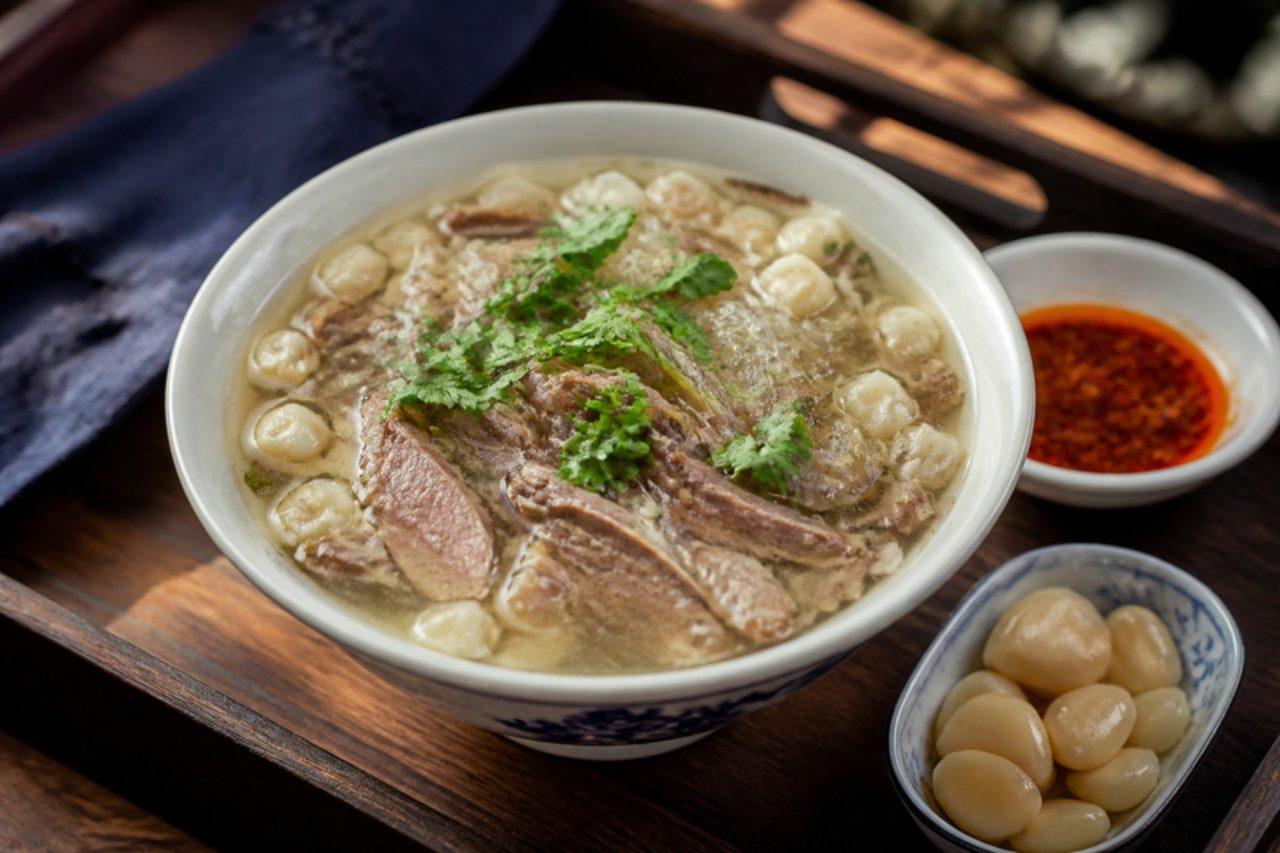
Order this soup in one of the old Hui restaurants around Xi'an's Drum Tower and you are handed a dense, barely leavened flatbread and expected to tear it yourself into pea-sized crumbs while you chat; the kitchen then cooks it in rich lamb broth until each crumb is soft yet still chewy. Slices of tender lamb, glass noodles and wood ear mushrooms go in too, and the bowl comes with sweet pickled garlic and chilli sauce on the side. It is a soothing, filling soup, especially on Xi'an's freezing winter mornings. Expect a deep, clean lamb flavour scented with warm spices. Chef's tip: tear the bread small, no bigger than a soybean; big lumps stay doughy in the middle.

180 minChineseSoups
by KrazyBadal 0 views

ChallahBraided egg bread

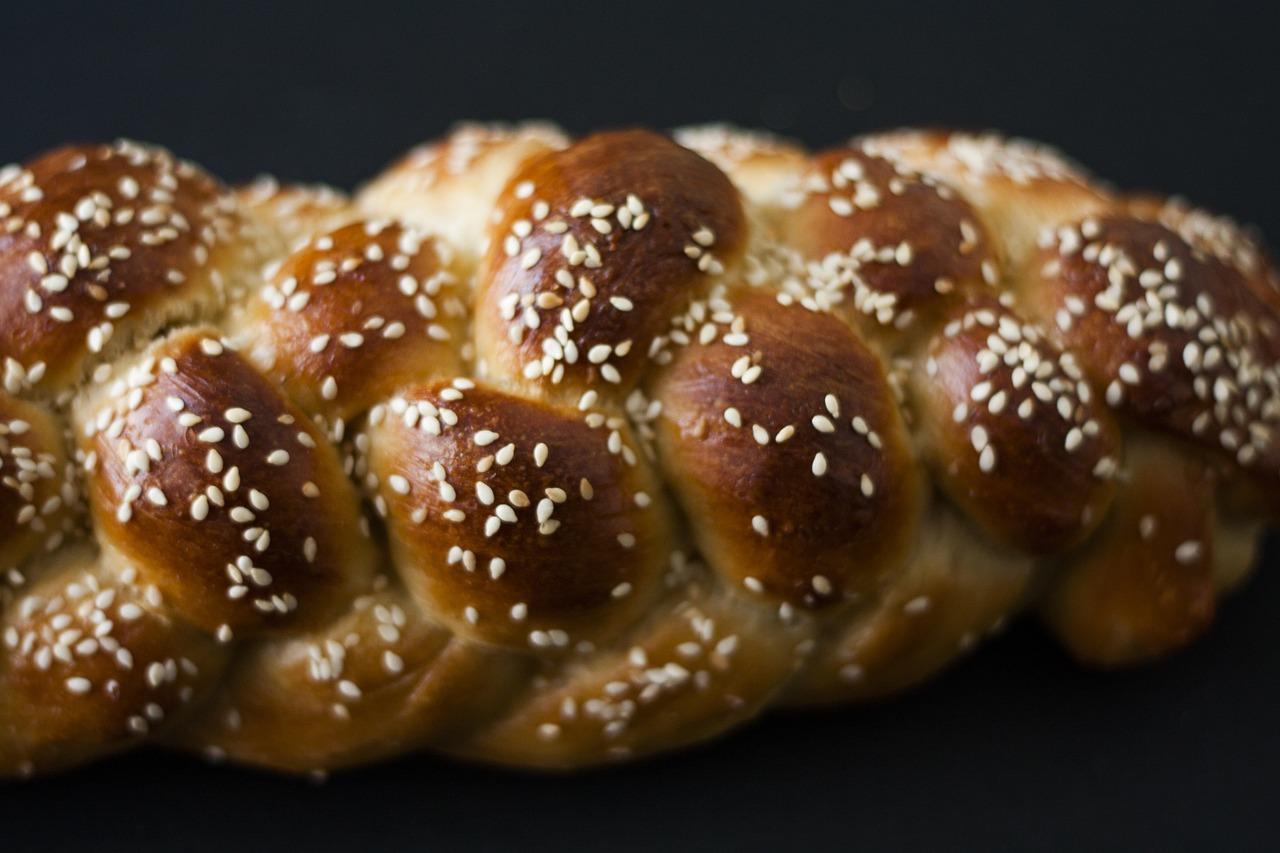
On Friday afternoons the bakeries of Jerusalem's Mahane Yehuda market and every Jewish neighbourhood from Brooklyn to Golders Green fill with plaited, shiny challah for the Shabbat table, where two loaves sit under an embroidered cloth until the blessing. The dough is enriched with eggs, oil and a little honey, so the crumb is soft, faintly sweet and pulls apart in feathery strands, and the crust bakes deep mahogany. Leftovers make wonderful French toast. Chef's tip: brush the egg glaze twice, once before rising and once just before baking, for the deep, lacquered shine.

by KrazyBadal 0 views

Chakuli pithaRice and urad dal pancakes

Chakuli pitha is Odisha's breakfast pancake and the first of the pithas a child learns to love; it is offered to Lord Jagannath and made at home on Sundays and for Manabasa Gurubar in the month of Margasira. Rice and a little urad dal are soaked, ground and fermented overnight, then poured onto a hot pan into a pancake that is thinner than an uttapam but softer and thicker than a dosa, with a lacy, holey top. It is eaten with aloo bhaja, ghuguni or simply with jaggery. Chef's tip: cook only on one side under a lid; the steam sets the top and keeps the holes.

by KrazyBadal 0 views

Til pithaSesame rice rolls

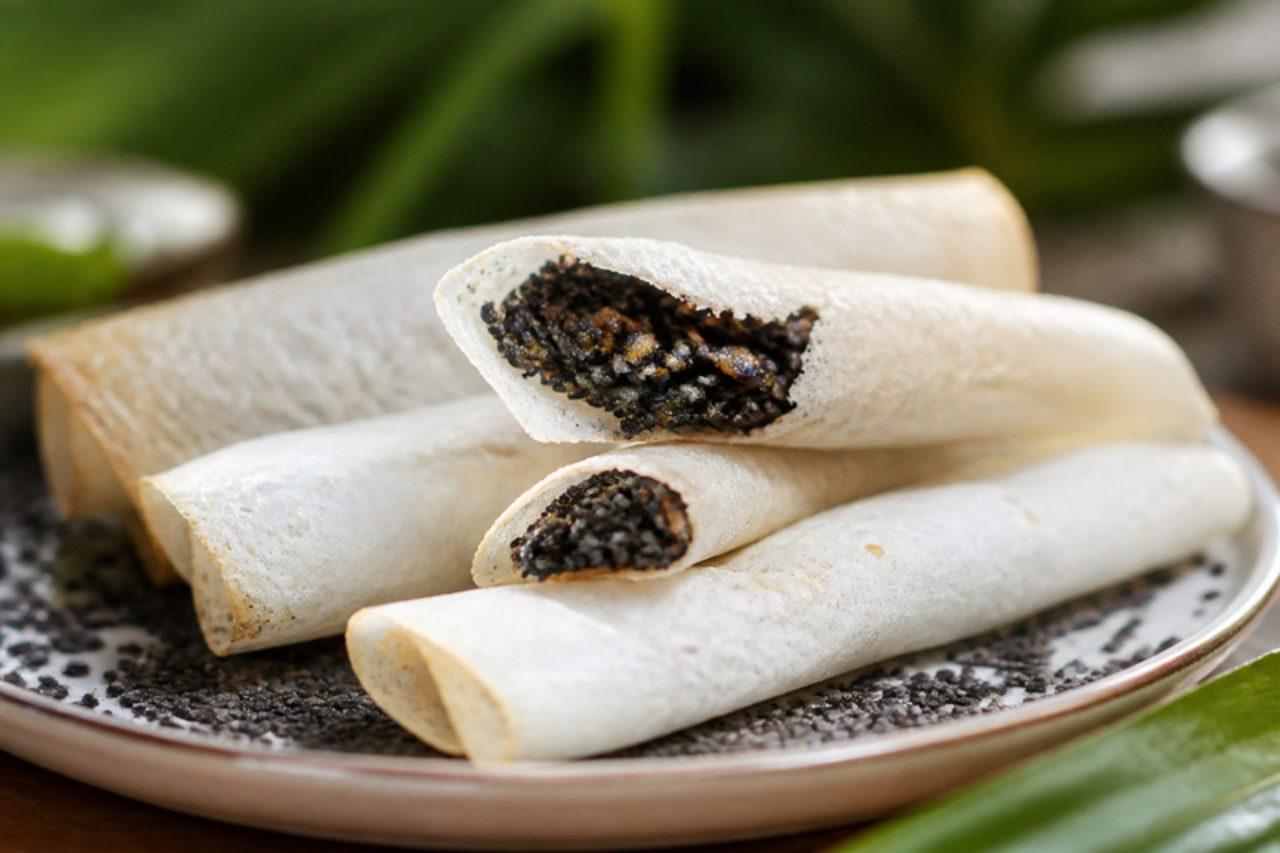
Til pitha is the essential sweet of Magh Bihu, the January harvest festival, when Assamese homes stay up late around the fire, frying and toasting. Fresh flour of soaked bora (sticky) rice is spread thin on a hot pan into a round, filled with roasted black sesame and jaggery and rolled into a cigar while still soft; it crisps as it cools. Tins of til pitha are carried to every house visited during Bihu. Chef's tip: the flour must be freshly ground from soaked sticky rice and still slightly damp; dry shop rice flour won't fuse into a sheet.

by KrazyBadal 0 views

Chakki ki shaakWheat gluten curry

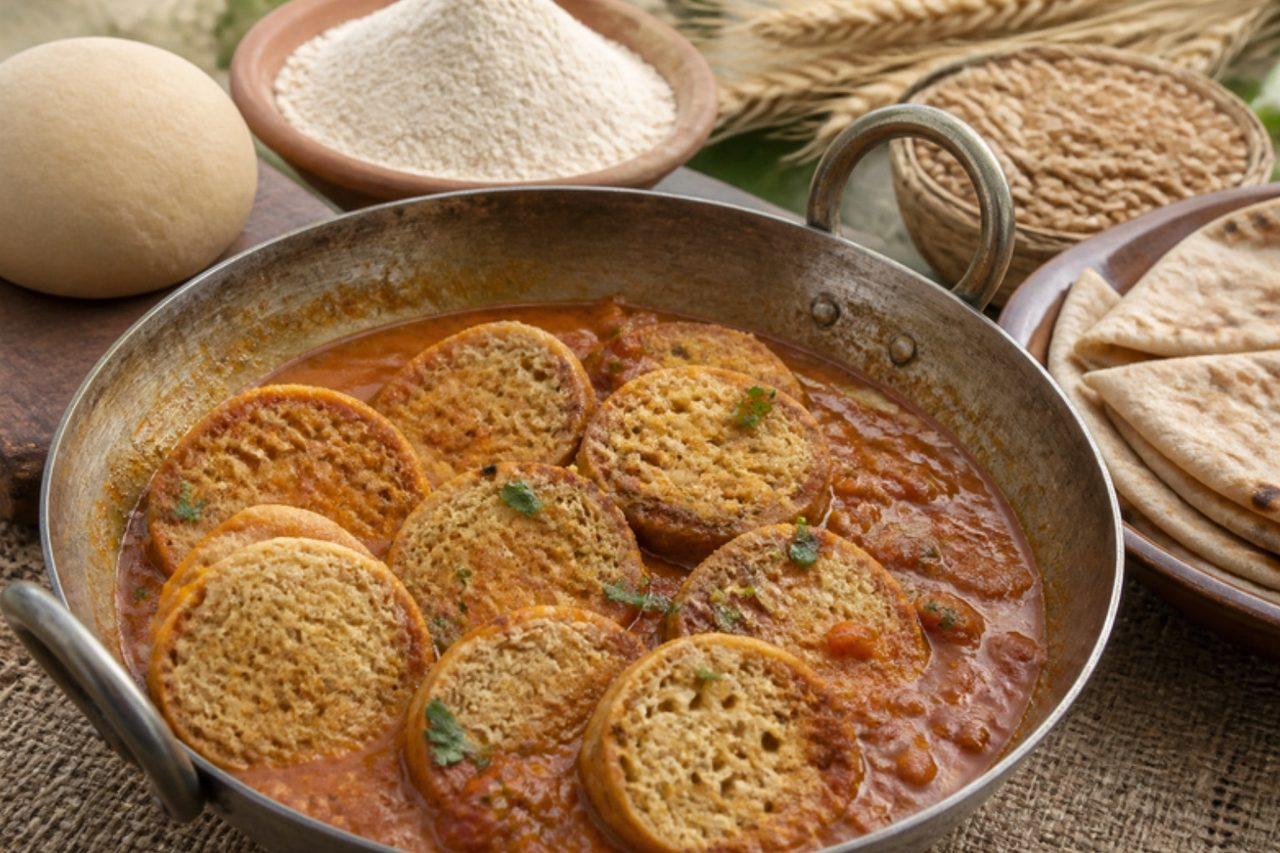
This Malwa dish from around Indore and Ujjain is a lesson in thrift: wheat dough is washed under water until only its stretchy gluten remains, then steamed into a firm block and cut into rounds that look like little grinding stones, or chakki. Fried and simmered in a spiced yogurt gravy, the pieces turn chewy and meaty, soaking up flavour like a sponge. It is a Sunday or special-occasion sabzi in Marwari and Malwi homes, eaten with hot rotis or bafla. It takes time, but most of it is hands-off resting and washing. Chef's tip: whisk the yogurt with the coriander powder and add it off the heat, then bring it back slowly, so the gravy stays smooth instead of curdling.

by KrazyBadal 0 views

ChakhwiJackfruit seed and papaya stew

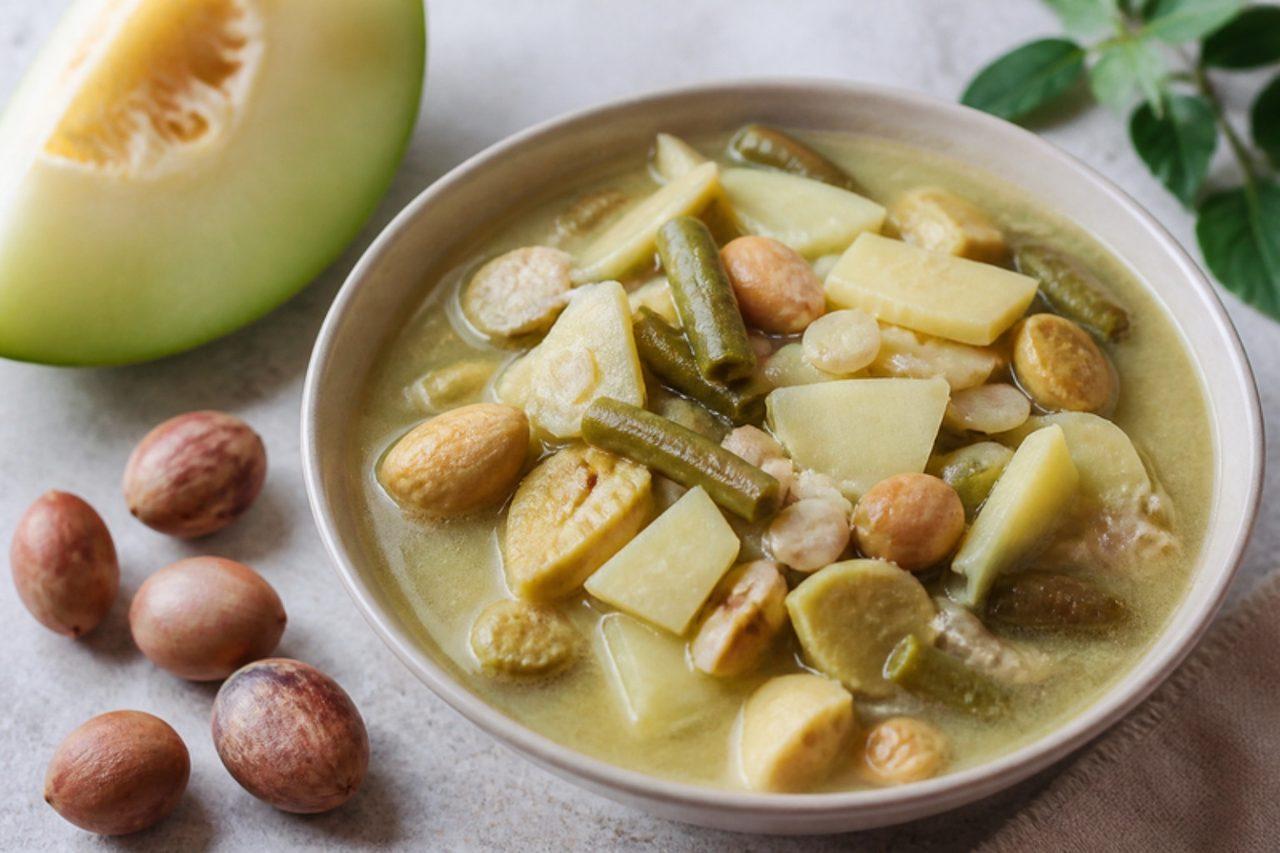
Chakhwi is a Tripuri festive stew cooked at weddings and family feasts around Agartala, where the defining ingredient is 'khar' or soda, made by filtering water through banana-plant ash. It softens vegetables and gives a smooth, gently alkaline taste. Pork chakhwi is the best known; the vegetarian version is cooked with raw papaya, jackfruit seeds, bamboo shoot and long beans, with ginger and green chilli. It is soupier than Assamese khar and has no lentils. Chef's tip: use bicarbonate of soda if you have no ash water, but only a pinch; you should be able to taste it, not feel it.

by KrazyBadal 0 views

ChakalakaSpicy vegetable and bean relish

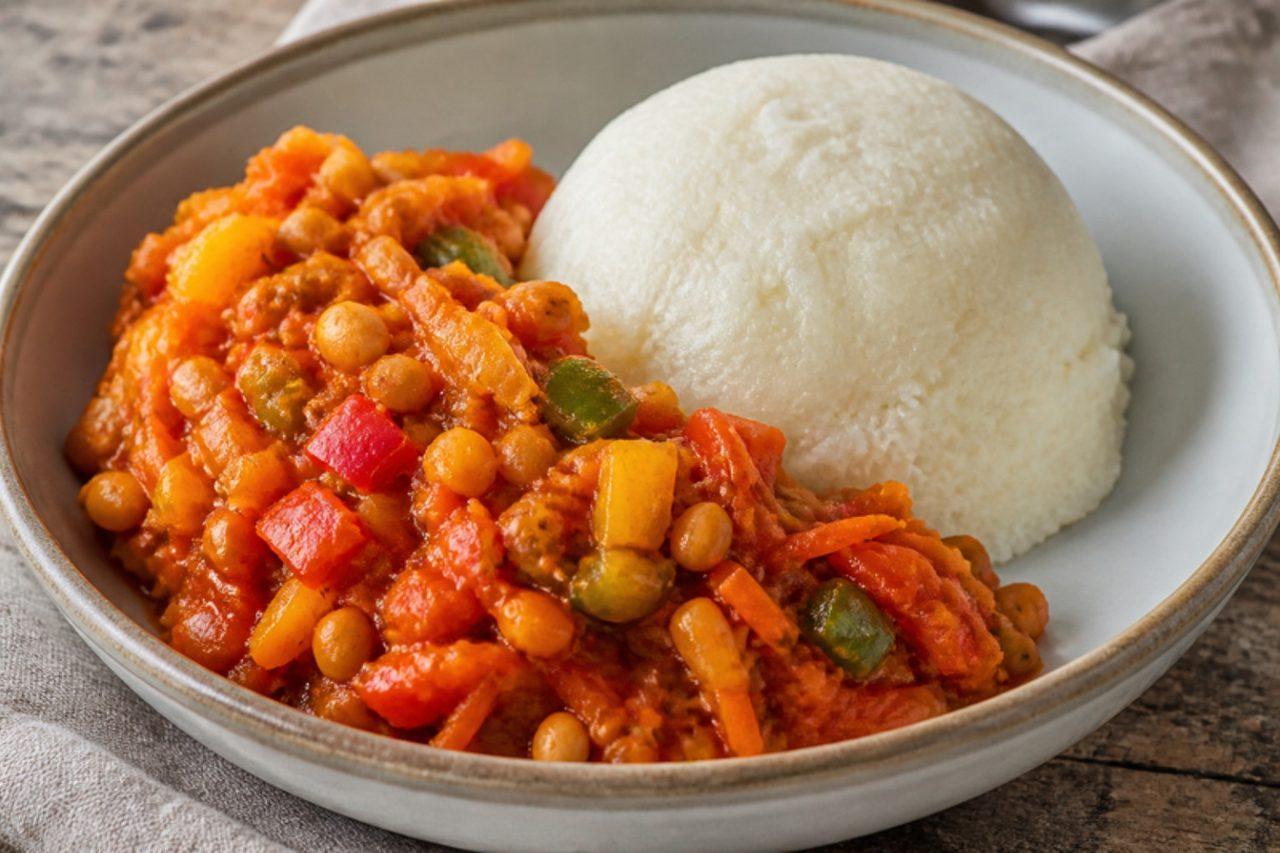
Chakalaka is said to have started in the townships and mines around Johannesburg, where workers cooked tinned beans and vegetables with chilli and curry powder over open fires. Today no South African braai (barbecue) is complete without a pot of it, and it goes on the table at Sunday lunch, at funerals and weddings, served warm or cold alongside pap. It is spicy, a little sweet from the carrots and peppers, and tangy from the tomato and beans. Chef's tip: grate the carrots rather than chopping them; they melt into the relish and give it its characteristic soft, spoonable texture.

by KrazyBadal 0 views

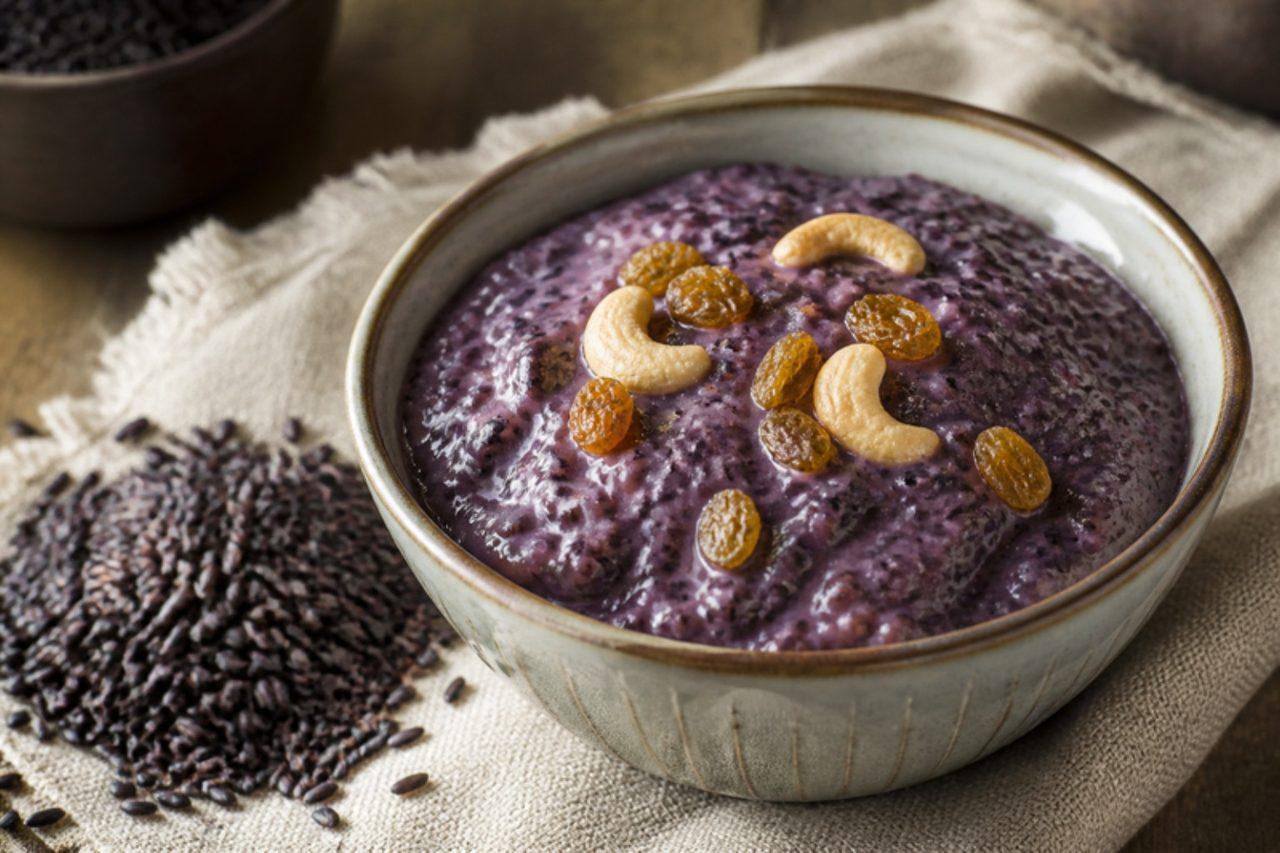
Chak-hao kheerBlack rice pudding

Chak-hao is Manipur's aromatic black rice, grown in the valley around Imphal; when cooked slowly in milk it turns a deep violet and makes chak-hao kheer, the pudding served at Meitei feasts, weddings and Ningol Chakouba, the festival when married daughters come home for a meal. The grains stay slightly chewy and nutty, and the milk takes on a lavender colour. Chef's tip: soak the rice for at least 3 hours, or overnight; black rice has a hard bran layer and won't soften in the milk otherwise.

by KrazyBadal 0 views

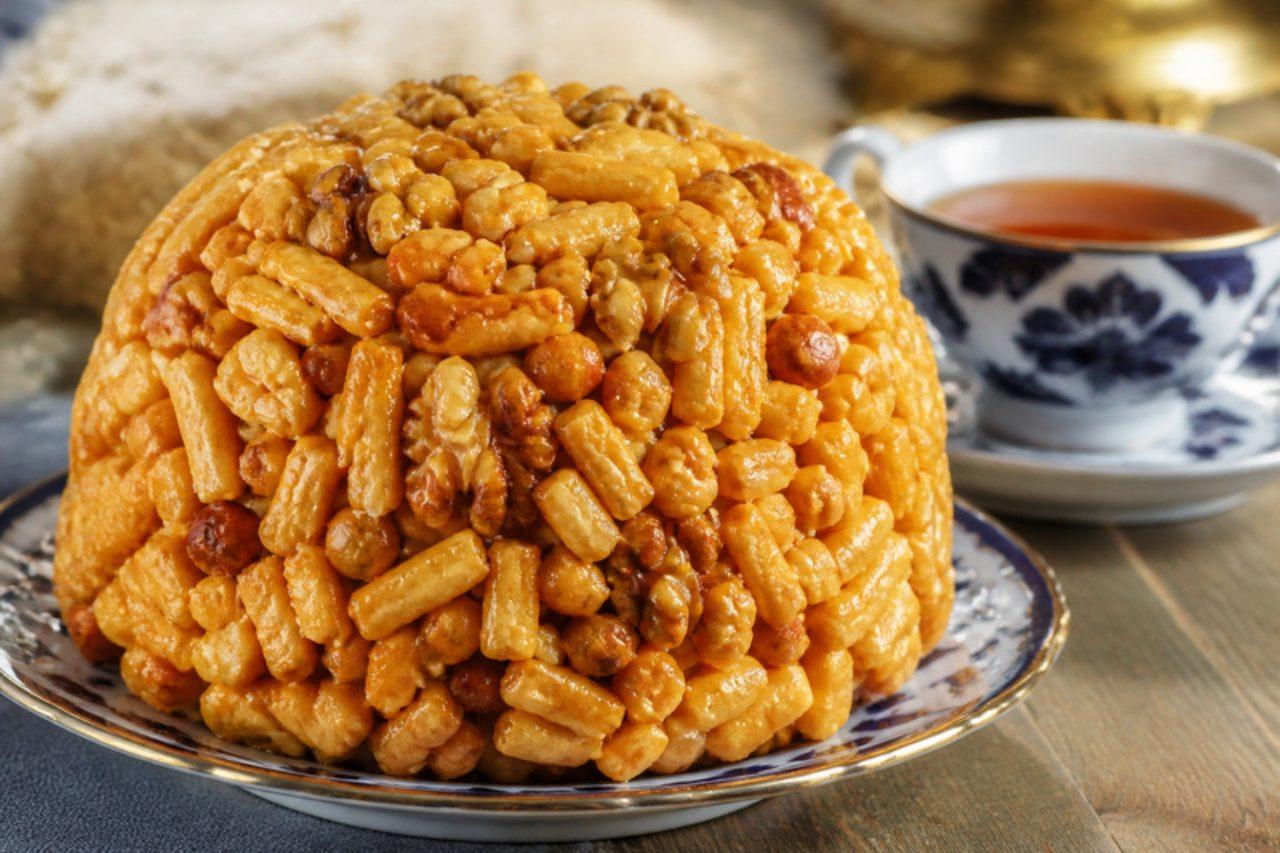
Chak-chakHoney-bound fried dough

Chak-chak arrived in Uzbekistan with Tatar families and is now a fixture of wedding tables and Navruz spreads in Tashkent and Samarkand: tiny nuggets of egg dough fried crisp, then tossed in hot honey syrup and pressed into a mound or ring that's broken apart with the fingers. Guests nibble it all evening with green tea. It keeps for a week, so it's often made a day or two ahead. Chef's tip: cook the honey syrup only to the soft-ball stage (about 115°C); boil it longer and the chak-chak sets as hard as brittle.

by KrazyBadal 0 views

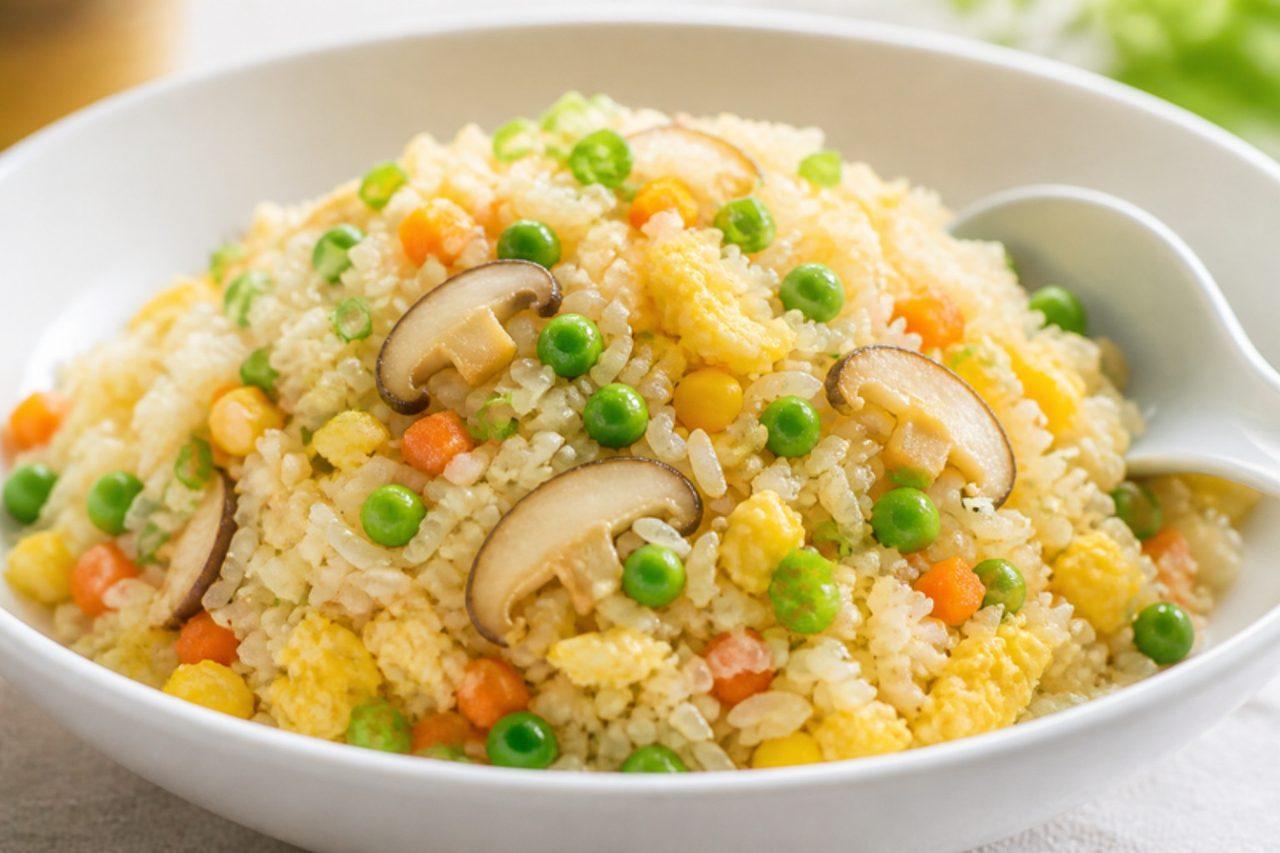
Yangzhou-style vegetable fried riceEgg and vegetable fried rice

Yangzhou in Jiangsu gave its name to China's most famous fried rice, which is supposed to show off a cook's skill: separate, glossy grains, small even dice and egg in every mouthful. The original carries ham and shrimp; this vegetable version swaps them for shiitake, peas, carrot and sweetcorn, and keeps the seasoning light (salt and a little soy) so the rice stays pale and golden rather than brown. It's a meal on its own or a side for stir-fries. Chef's tip: use rice cooked the day before and chilled uncovered; fresh rice is too soft and clumps.

by KrazyBadal 0 views

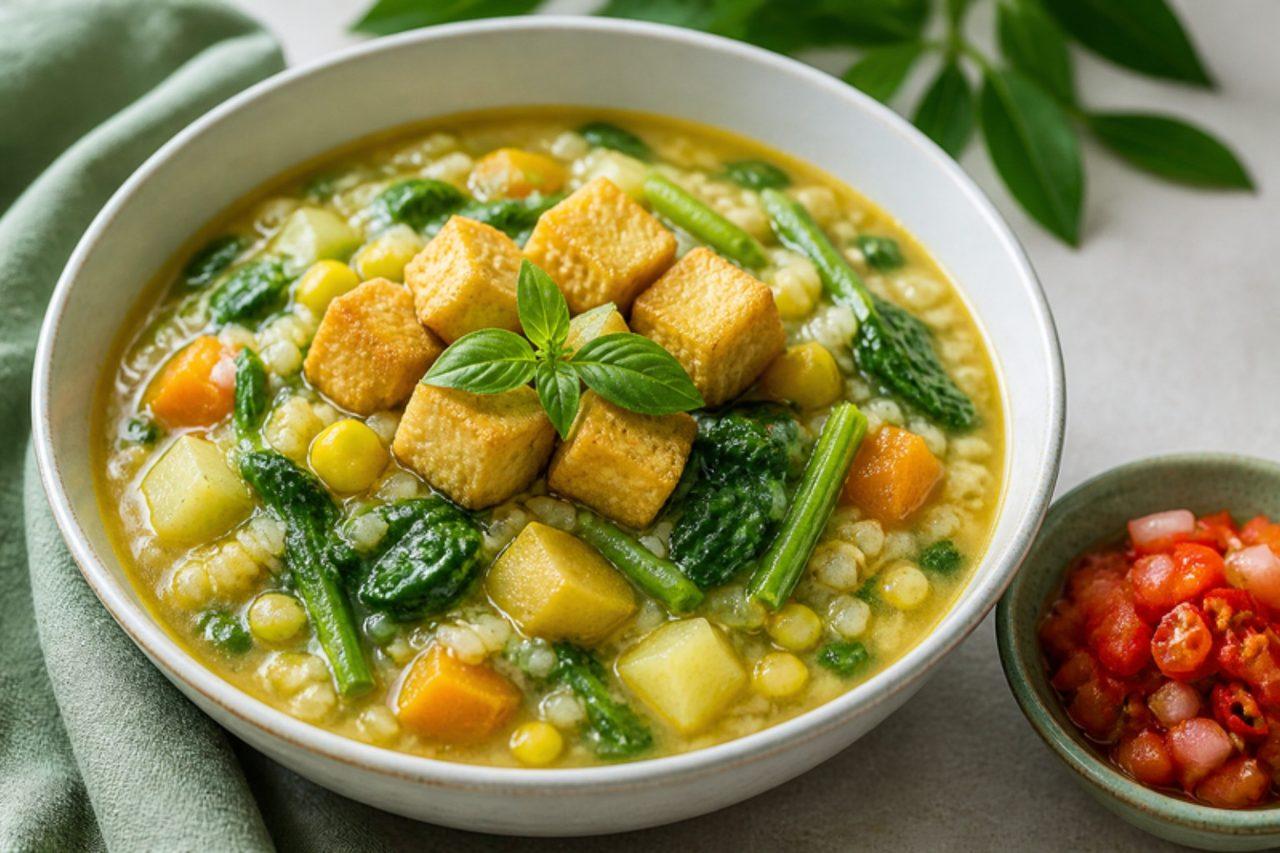
TinutuanRice porridge with pumpkin and greens

Tinutuan, also called bubur Manado, is what North Sulawesi eats for breakfast: rice simmered with pumpkin until the pumpkin melts and turns the porridge golden, then loaded with sweetcorn, cassava and a big handful of greens and lemon basil at the end. In Manado it comes with small fried fish and a fiery tomato dabu-dabu; this version skips the fish and pairs it with fried tofu. It is filling, gentle and naturally vegan. Chef's tip: add the leafy greens only in the last 3 minutes so they stay green and fresh.

by KrazyBadal 0 views

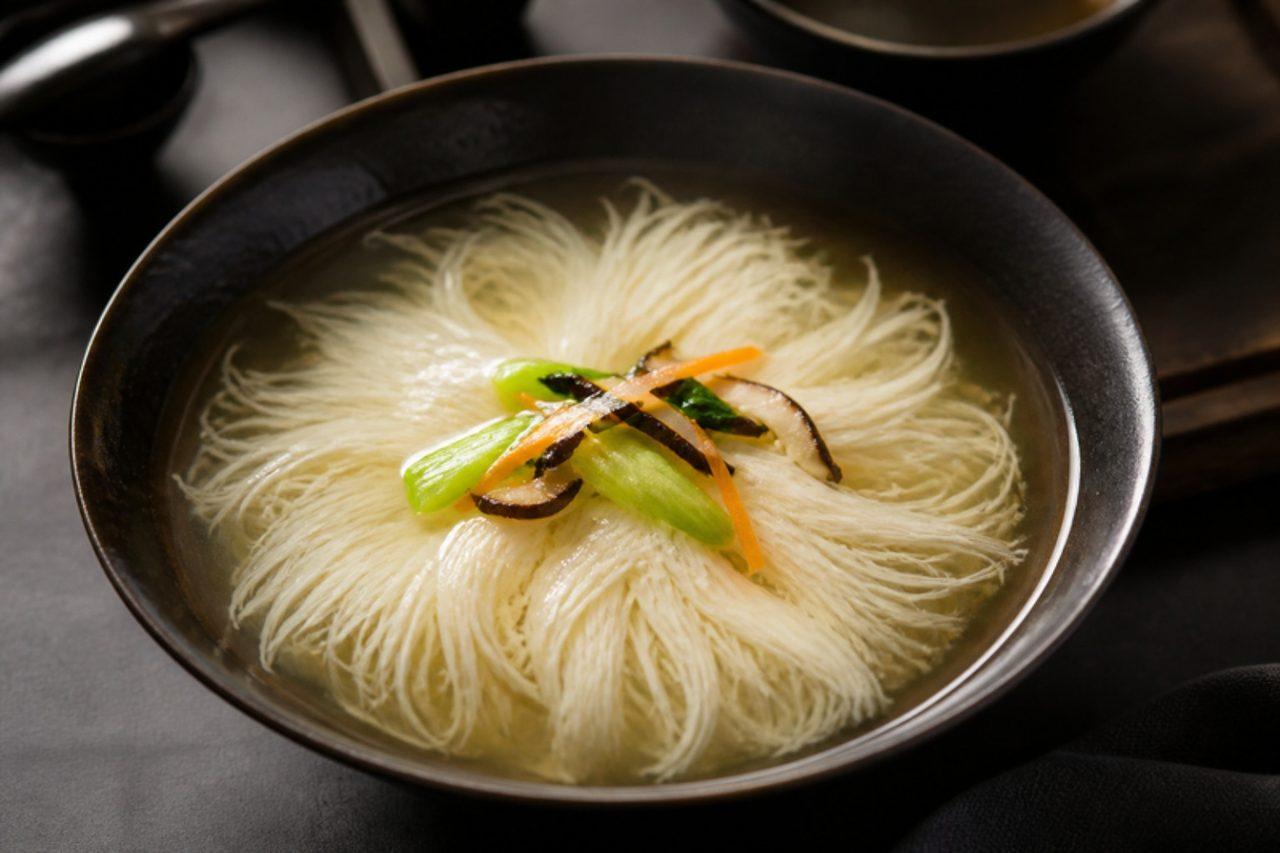
Wensi tofu soupShredded tofu soup

This Yangzhou soup is a test of knife skill: a block of soft tofu is sliced and shredded so finely that the threads drift apart like silk in the bowl. It is credited to a Buddhist monk named Wensi, who served it at a temple in Yangzhou during the Qing dynasty, so a meat-free broth is true to its roots. Huaiyang banquets still serve it as a quiet, delicate course. Chef's tip: wet the knife and slice in one smooth stroke without lifting; the tofu then stays together until you fan it into water.

by KrazyBadal 0 views

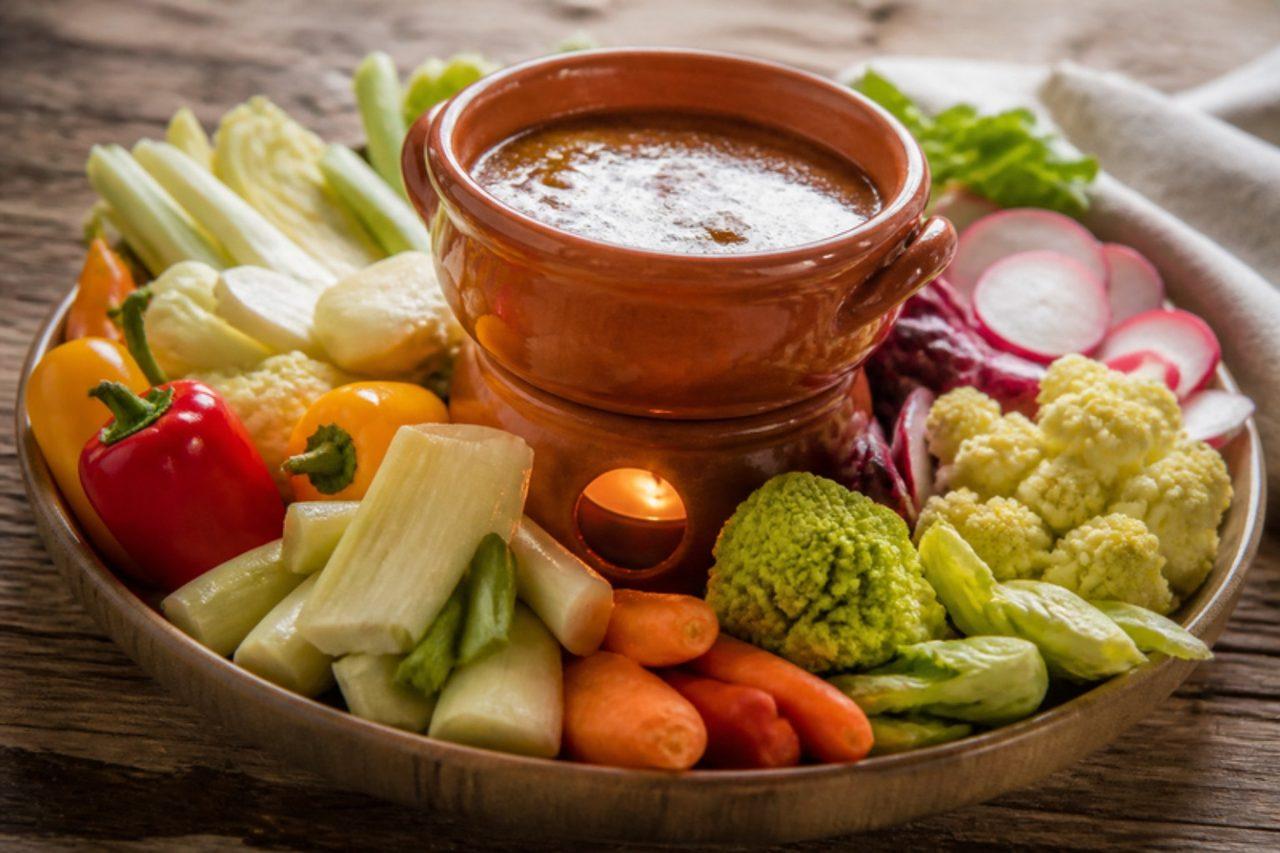
Bagna càudaWarm garlic and anchovy dip

When the grape harvest is over in the Langhe and Monferrato, Piedmontese friends gather round a terracotta pot of bagna càuda, the 'hot bath', kept warm over a little flame in the middle of the table. Everyone dips raw and cooked vegetables into it: peppers, cardoons, fennel, cabbage leaves, Jerusalem artichokes, boiled potatoes and beetroot. The sauce is mellow rather than fierce, because the garlic is poached in milk before it melts with anchovies into olive oil and a little butter, giving a rich, salty, nutty bath. Hunks of bread catch the drips, and a young red wine is the usual partner. Chef's tip: keep it hot but never bubbling, on a fondue burner or tea-light warmer; if it fries, the garlic turns bitter and the anchovies harsh.

by KrazyBadal 0 views

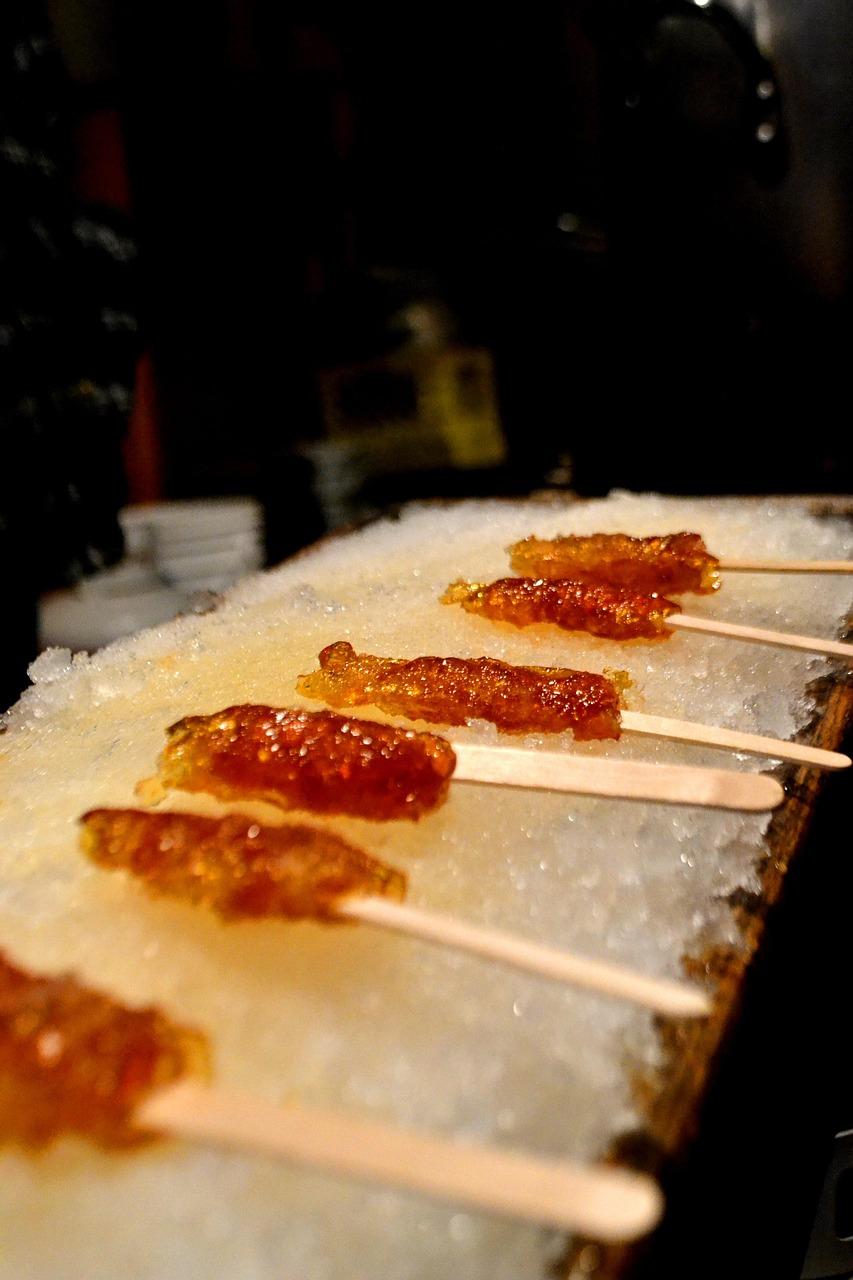
Tire d'érableMaple taffy

Tire d'érable (maple taffy, or 'tire sur la neige') is the highlight of a spring visit to a Québec or eastern Ontario sugar shack: hot boiled maple syrup is poured in ribbons over clean packed snow, where it firms into a chewy, amber toffee that you roll up onto a wooden stick. It's sold at winter carnivals in Québec City and made at home on a tray of snow or crushed ice. Chef's tip: use a sugar thermometer and stop at 112–114 °C; a few degrees under and it stays runny, a few over and it turns hard as candy.

by KrazyBadal 0 views

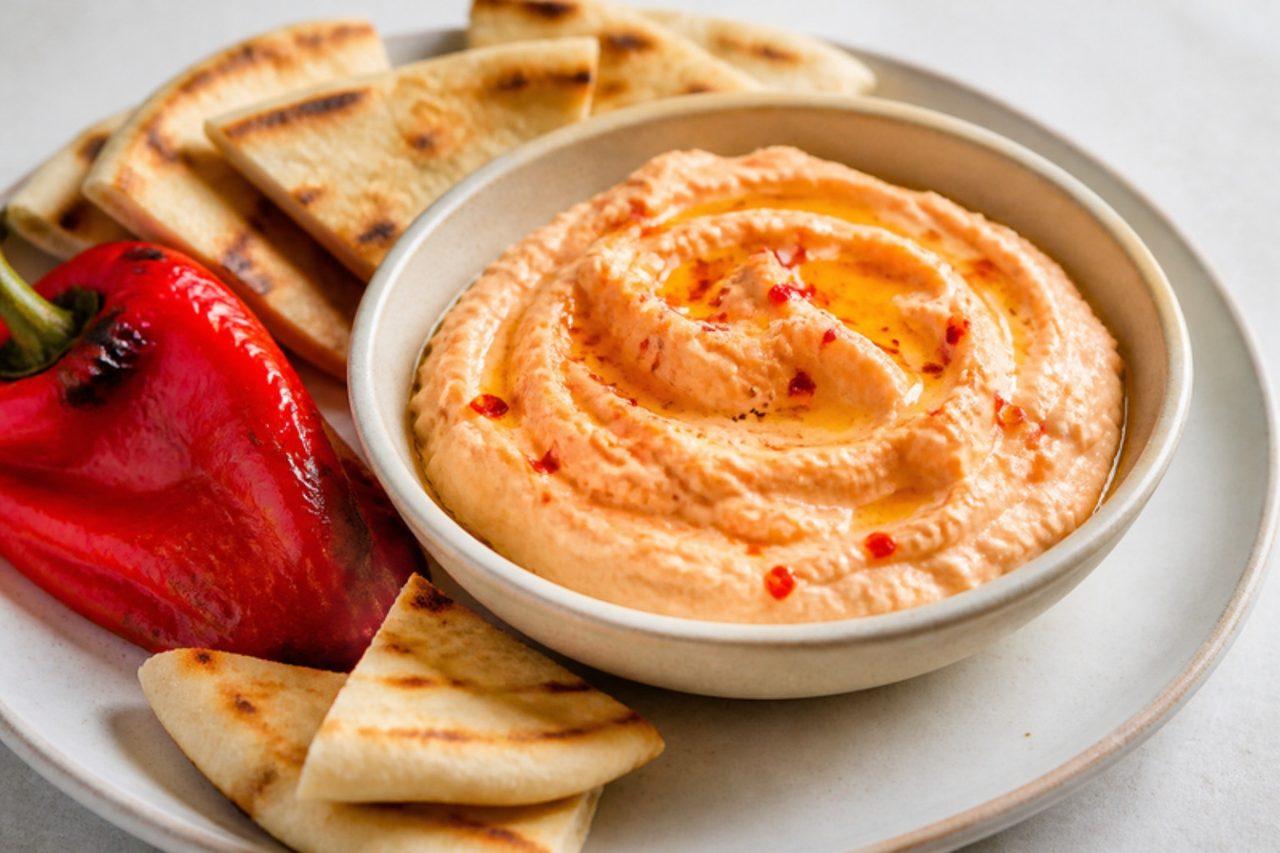
TirokafteriSpicy whipped feta

Tirokafteri means 'hot cheese', and in Thessaloniki and across northern Greece it's the dip you order with ouzo or tsipouro: feta whipped with chilli, a roasted red pepper and olive oil into something creamy, salty and properly fiery. Every ouzeri makes it slightly differently; some keep it chunky, some silky, some add yogurt to soften the heat. Scoop it up with toasted bread, or spoon it beside grilled vegetables and fritters. Use feta labelled vegetarian. Chef's tip: add the fresh chilli a little at a time and taste; chillies vary a lot, and adding the whole lot at once is the usual mistake that makes it too hot to eat.

by KrazyBadal 0 views

BaghrirThousand-hole semolina pancakes

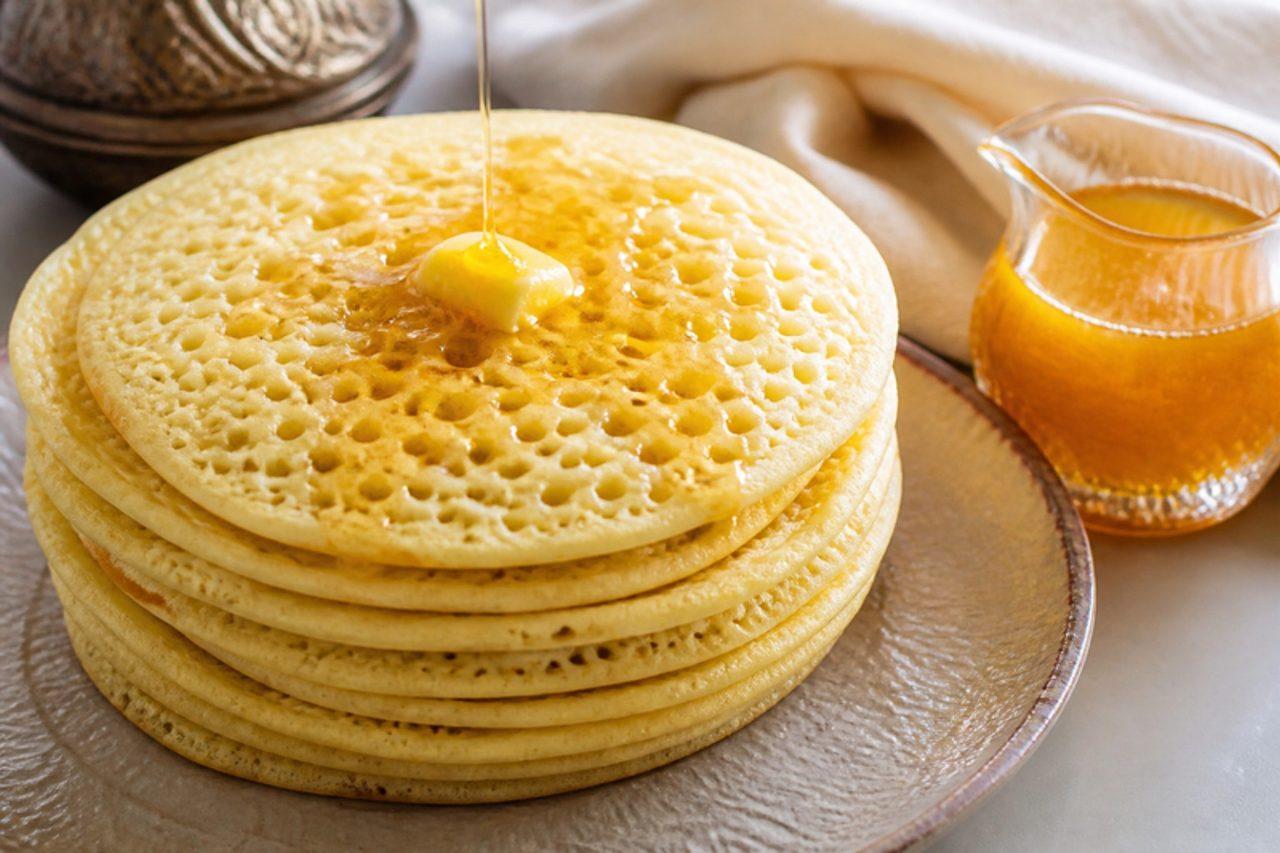
Baghrir are the spongy, lacy pancakes that Moroccan families make for breakfast on weekends and at Ramadan, when they are piled high at the iftar table. A smooth semolina batter is blended until thin, rested so the yeast and baking powder can work, then cooked on one side only: as it heats, hundreds of tiny holes open across the surface. The holes soak up the warm butter and honey poured over before serving. Chef's tip: the batter must be as thin as single cream; too thick and the holes won't break through to the top.

by KrazyBadal 0 views

TiropitaFeta cheese pie

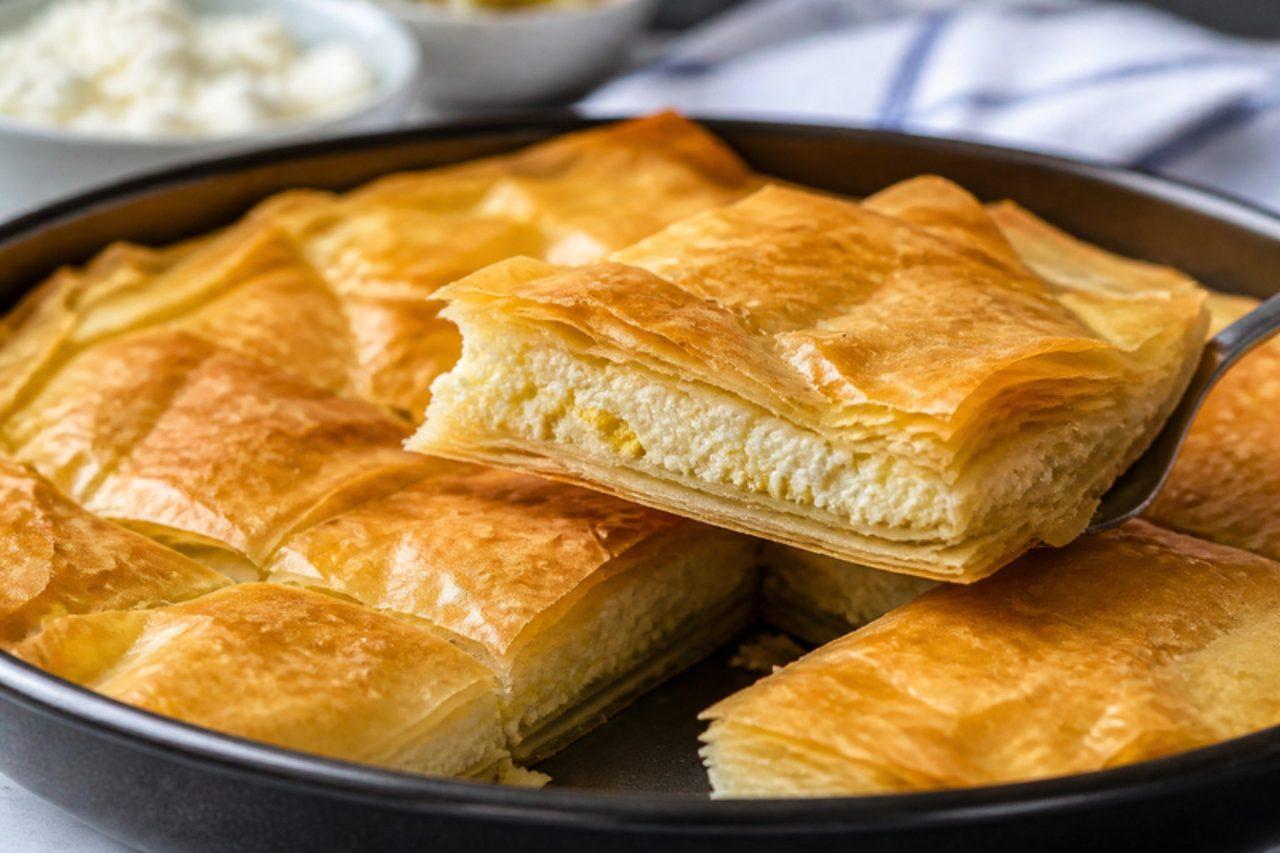
Tiropita is the cheese pie Greek children grow up on: bought hot from the neighbourhood fourno on the way to school, baked in big trays for birthday parties, and cut into squares for a quick lunch with a glass of ayran-style yogurt drink. The filling is softer and milder than spanakopita's, a creamy custard of feta, a fresh white cheese and eggs set between crisp, buttery fillo. It is good warm from the oven and still good cold in a lunch box. Use a feta labelled vegetarian, as many are made with animal rennet. Chef's tip: crumple the middle sheets of fillo loosely instead of laying them flat; the air pockets keep the pie light, and pressing them flat (the usual mistake) gives a dense, doughy middle.

by KrazyBadal 0 views

ChajáSponge, peach and cream cake

Chajá was created in 1927 at a bakery in Paysandú, a city on the Uruguay River, and named after a local bird whose feathers look as fluffy as its crumbly meringue coat. Today it's Uruguay's birthday and celebration cake: layers of light sponge soaked in peach syrup, filled with whipped cream, peaches and dulce de leche, then covered in crushed meringue. It's sweet, soft and crunchy at once, best on the day it's assembled. Chef's tip: soak the sponge but not too much; it should feel moist, not wet, or the layers slide.

by KrazyBadal 0 views

Tisryo sukheDry clam coconut masala

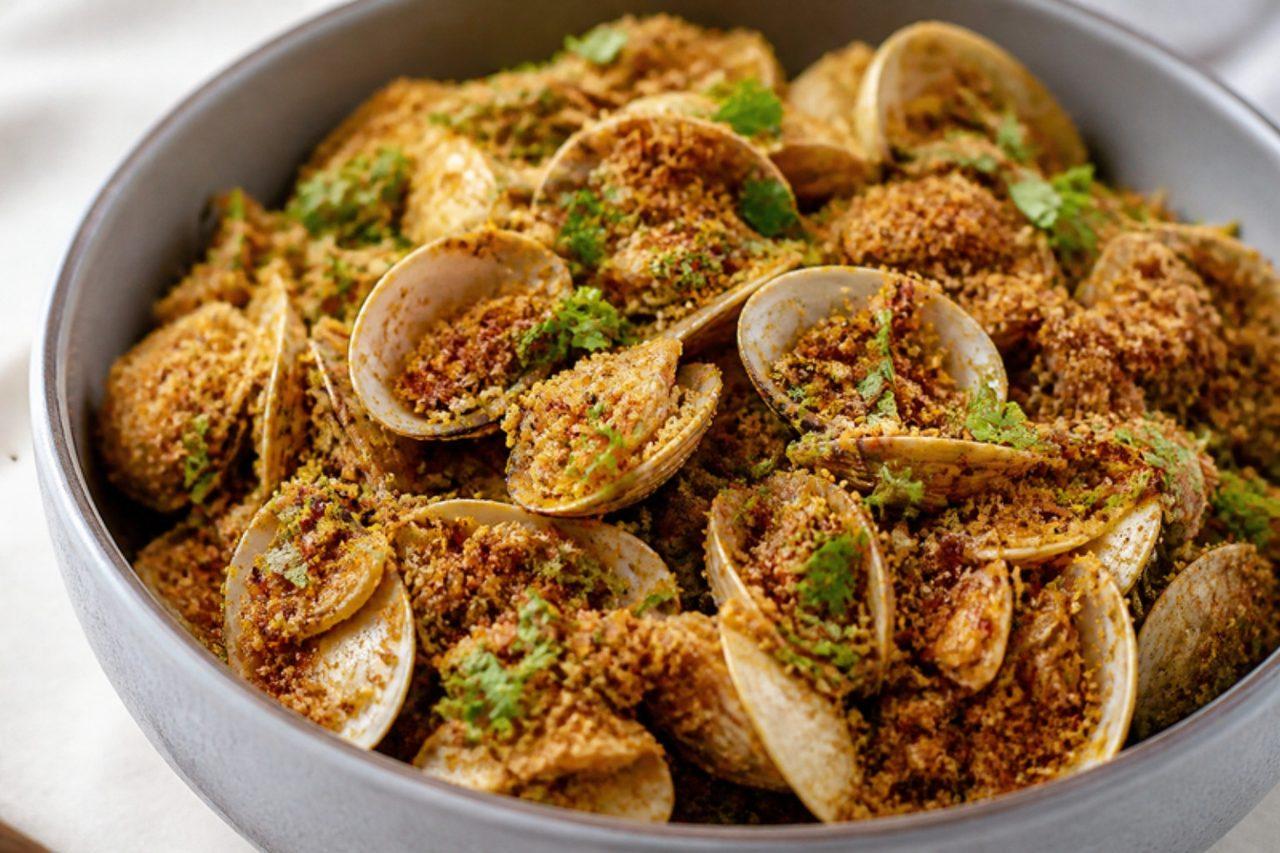
When the clam beds of the Zuari and Mandovi rivers are full after the monsoon, Goan kitchens cook tisryo (clams) as sukhe, meaning dry: no gravy, just shells coated in a coarse, spiced coconut masala. It is a Saturday-lunch side dish with fish curry and rice, eaten with the fingers, picking each clam out of its half-shell. Chef's tip: grind the coconut masala without water and only briefly, so it stays coarse and clings to the shells.

60 minIndianFishGluten free
by KrazyBadal 0 views

ChainsooRoasted black gram dal

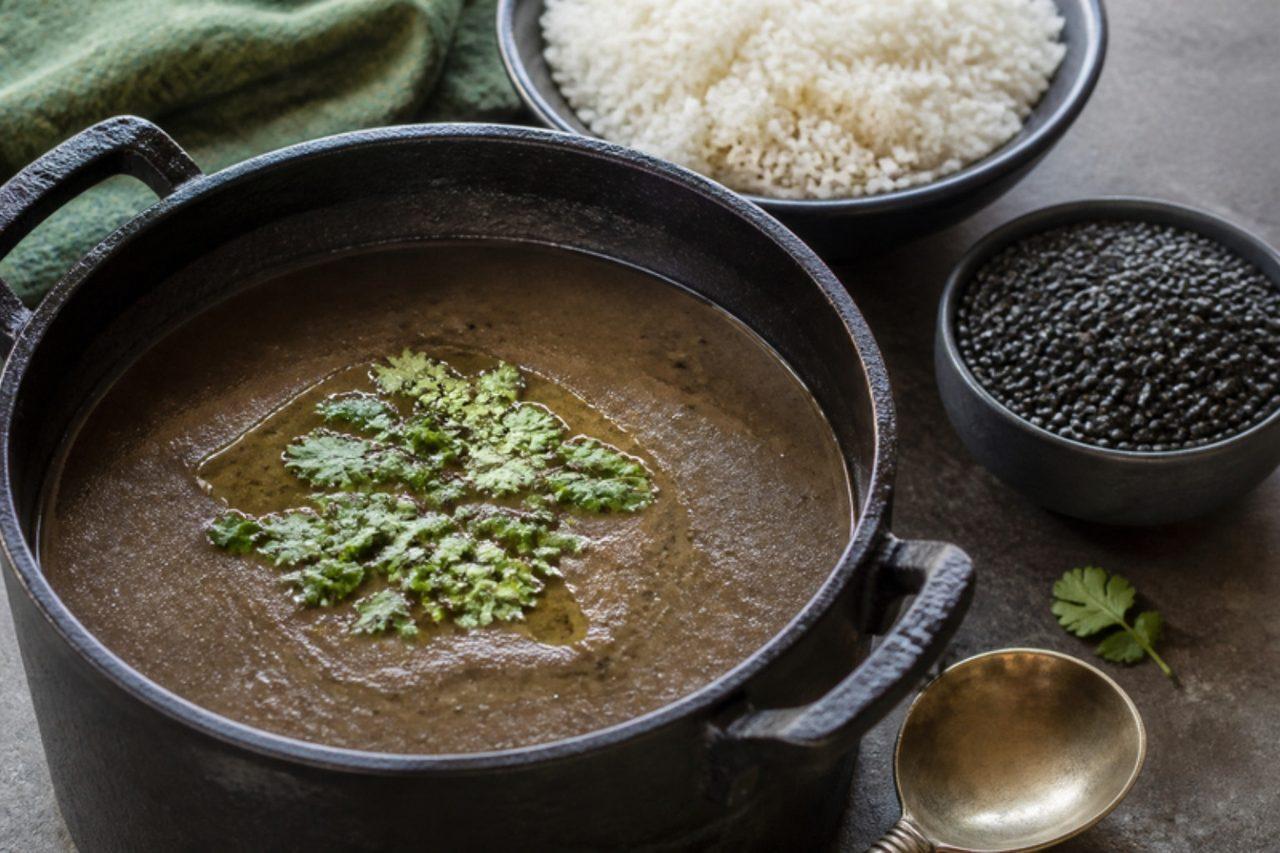
Chainsoo comes from the Garhwal hills, where whole black urad is roasted in a dry pan until it smells like toasted bread, ground coarsely on a hand mill and cooked into a thick, smoky dal. It is a winter dish: heavy, warming and full of protein, eaten with plain rice or jhangora and a drizzle of ghee for anyone who isn't keeping it vegan. Village cooks make it in a lohe ki kadhai, the iron pan that turns it almost black. The texture should be grainy and spoonable, somewhere between a dal and a porridge. Chef's tip: roast the urad slowly over a medium-low heat; the moment it turns from golden to dark brown it tastes bitter, so keep stirring and pull it off early.

by KrazyBadal 0 views

Yaprak sarmaRice-stuffed vine leaves

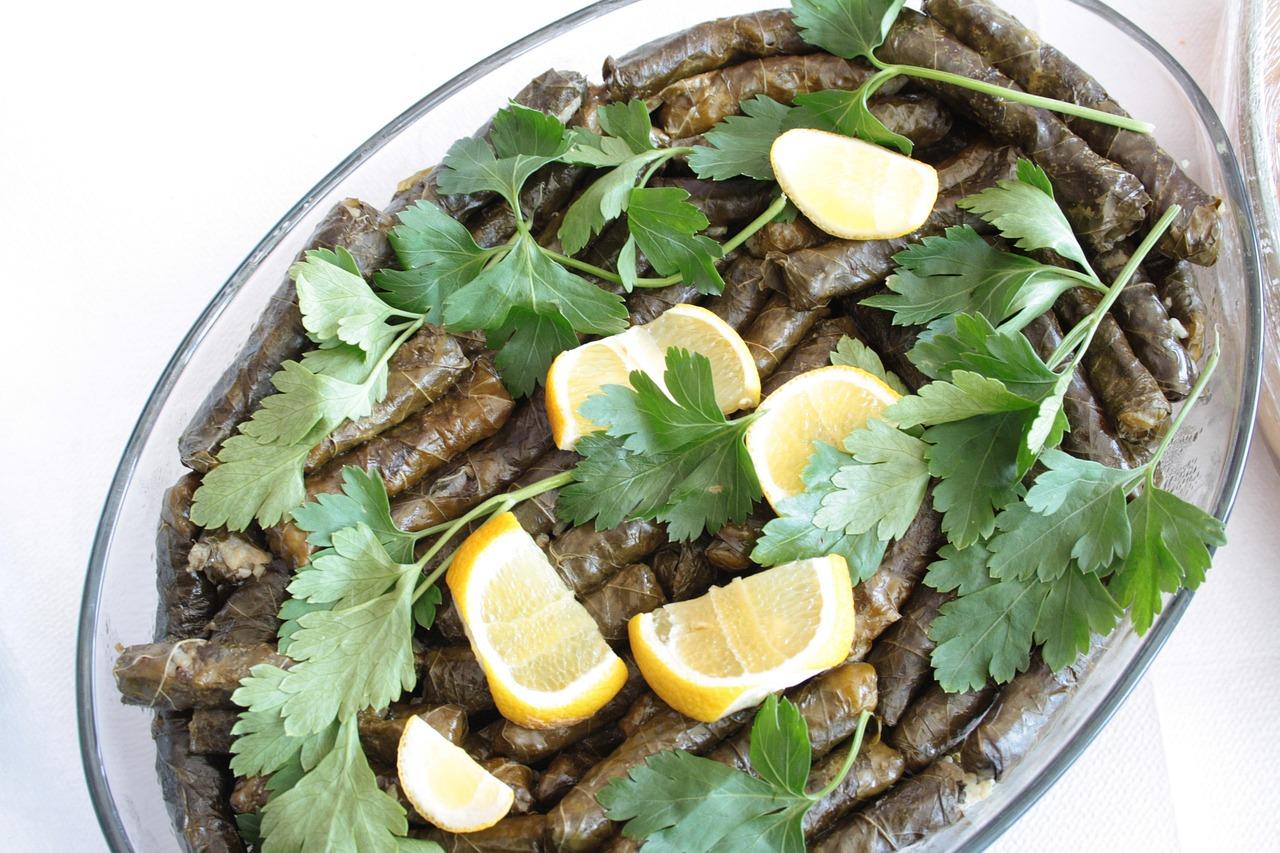
Rolling yaprak sarma is a social job in Aegean kitchens around Ayvalık and Manisa, where vineyards supply the leaves: a tray of grape leaves, a bowl of spiced rice and two or three people talking while they roll. This meat-free version is the olive-oil kind, filled with rice, onion, pine nuts, currants, mint and a pinch of cinnamon and allspice, and served cold as a meze or at tea-time gatherings. Good sarma are thin as a finger and hold together when bitten. A common mistake is overfilling: the rice swells as it cooks and splits the leaves. Chef's tip: use only a teaspoon of filling per leaf and roll firmly but not tight, leaving room for the rice to grow.

by KrazyBadal 0 views

Cha ca La VongTurmeric fish with dill

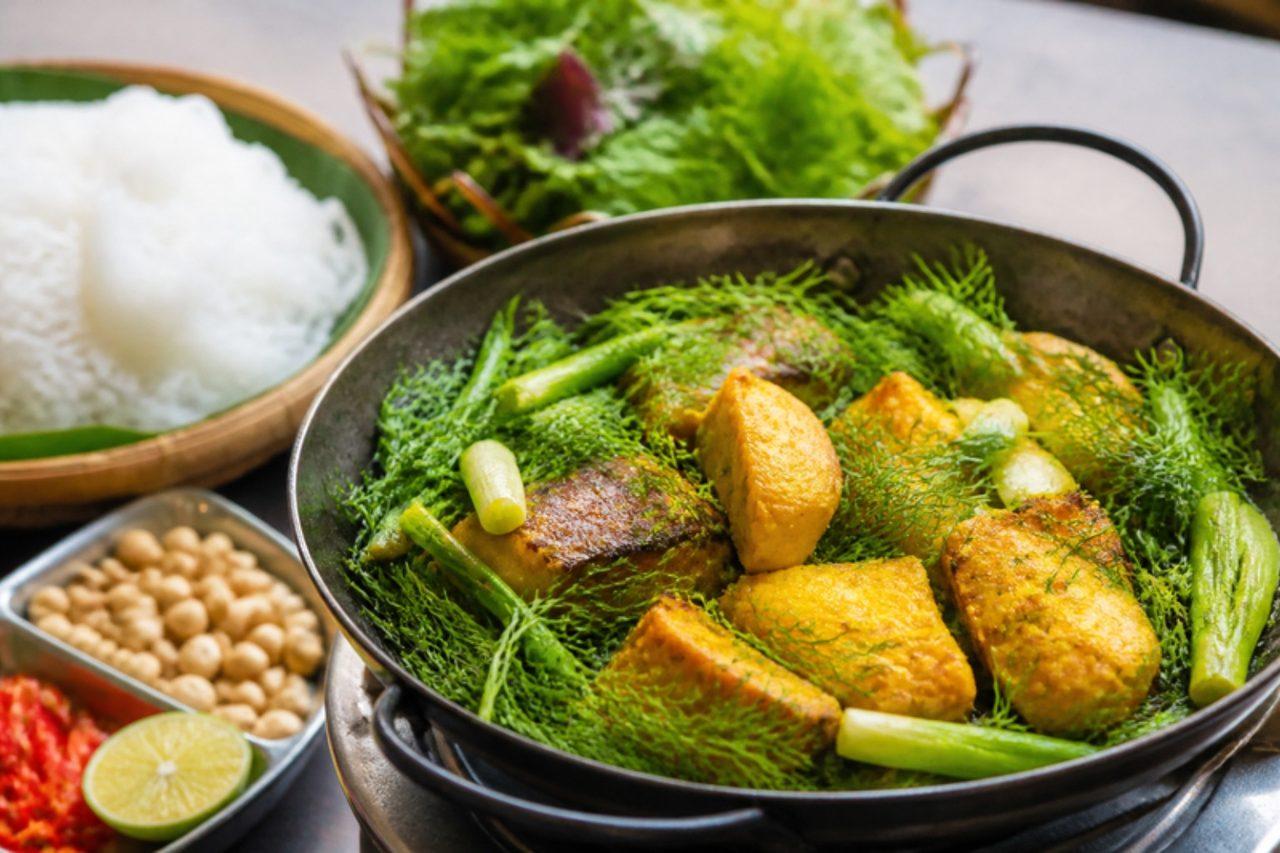
A family restaurant in Hanoi's Old Quarter served this one dish for so long that the street itself was renamed Chả Cá, Grilled Fish Street. Chunks of white fish are marinated in turmeric and galangal, cooked until golden, then brought to the table in a pan of hot oil where everyone throws in handfuls of dill and spring onion to wilt. You eat it over rice vermicelli with peanuts, fresh herbs and a pungent shrimp-paste dip. Dill is rare elsewhere in Vietnamese cooking, which is why this dish tastes so distinct. Chef's tip: use a lot more dill than seems sensible; it is treated as a vegetable here, not a garnish.

by KrazyBadal 0 views

ĆevapiGrilled minced meat fingers

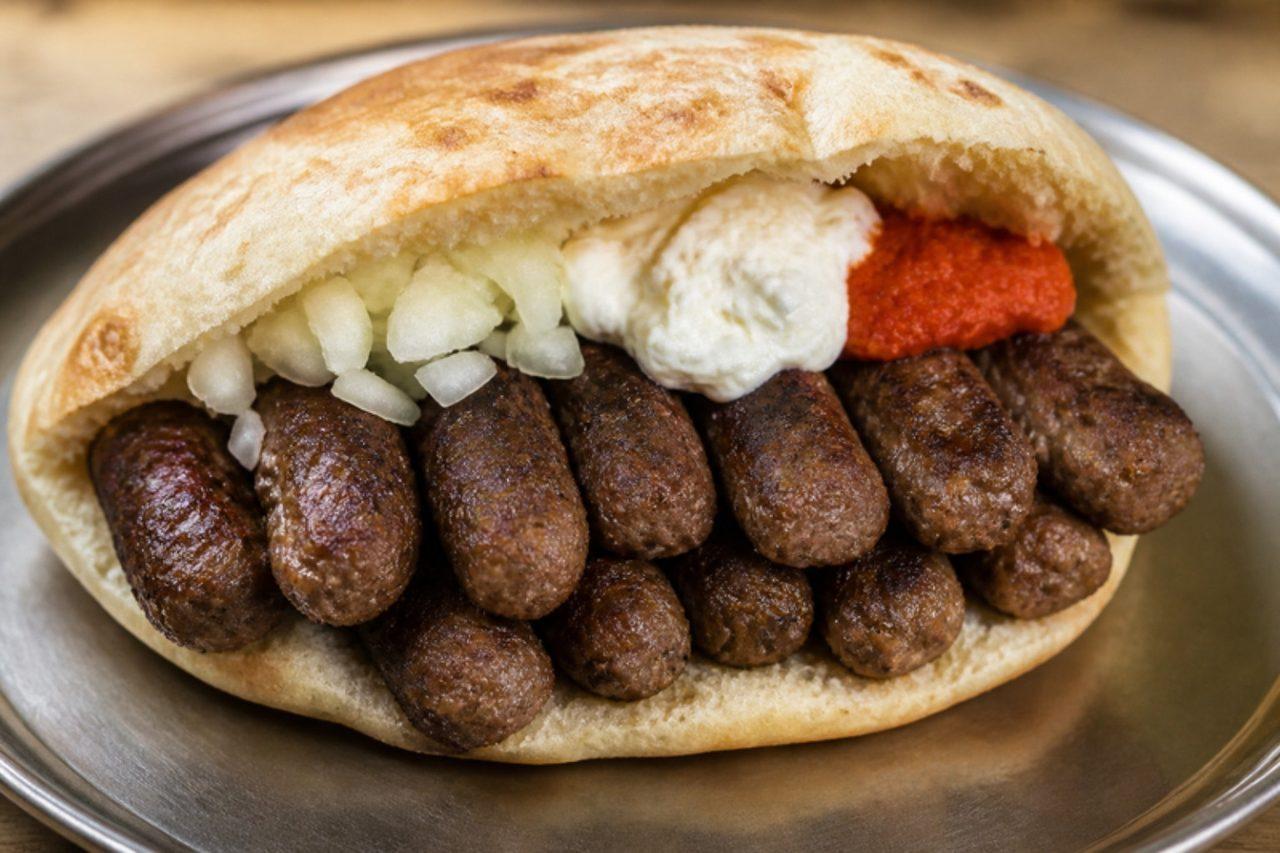
In Sarajevo's old Baščaršija bazaar, ćevabdžinicas grill ćevapi from morning till late night, serving them ten at a time stuffed into a puffy, griddle-warmed somun flatbread with raw onion and a spoon of kajmak. The little skinless fingers are made from beef (often mixed with lamb), seasoned with nothing more than salt, pepper, garlic and a little bicarbonate of soda, which gives them their bouncy bite. Belgrade and Banja Luka have their own versions, but the idea is the same: smoky meat, soft bread, sharp onion. People often over-season them with herbs and paprika; the Bosnian way is plain, letting the meat and charcoal speak. Chef's tip: chill the shaped ćevapi well before grilling and turn them only once or twice, so they keep a juicy centre and a crusty outside.

40 minBalkanMeat
by KrazyBadal 0 views

TkemaliSour plum sauce

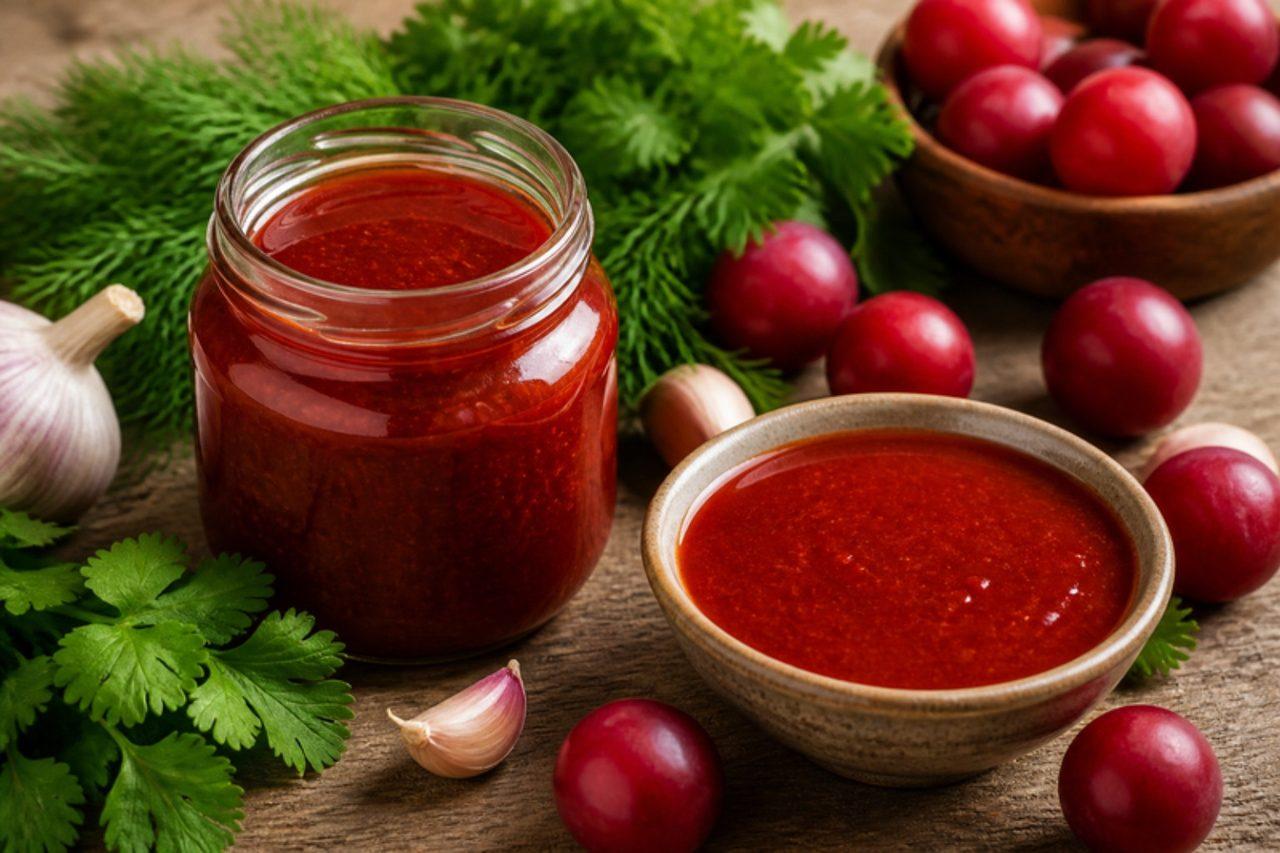
Tkemali is Georgia's table sauce, made in Samegrelo, Guria and Imereti from sour cherry plums. Green tkemali comes from unripe plums in late spring; the red one is made at the end of summer, when the plums colour and every family cooks a big pot to bottle for the winter. It goes with almost everything: boiled potatoes, beans, fried courgettes, mchadi and cheese. Traditionally it is flavoured with ombalo (pennyroyal), which is hard to buy, so dried mint stands in here. A common mistake is boiling the herbs and garlic for too long, which turns the sauce dull and brown; they go in only for the last few minutes. Chef's tip: if your plums are sweet supermarket ones, add a squeeze of lemon; tkemali should be properly sour.

by KrazyBadal 0 views

Showing 36 of 7,762 recipes

Show more recipes

Page 757 of 863