


Skip to content
Muchines de yuca
Featured recipe

Muchines de yuca

Cheese-filled cassava dumplings

Guayaquileños buy muchines from street carts and bakeries in the afternoon, often with a cup of coffee or a cold fruit juice: golden balls of mashed cassava, crisp outside and soft and chewy within, hiding a pocket of melted cheese and rolled while hot in a little sugar. The salty-sweet mix is the point. Use sweet cassava (yuca) only, fresh or frozen, and always cook it fully; never eat it raw. The usual mistake is letting the cassava cool before mashing, which makes a crumbly dough that splits in the oil. Traditional queso fresco is often set with animal rennet; choose a cheese labelled vegetarian if that matters to you. Chef's tip: pull out the woody fibre down the centre of each boiled piece before mashing, or the dough will be stringy.

Read more 0 views

What to eat today?

Around the world

Today's trip: Paraguayan

A new country every day, from every cuisine on the site.

Paraguayan

Chipa

Cheese bread rings 50 minMore from Paraguayan (27) →

This week's collection

Kid-friendly dinners
537 recipes · a new collection every Monday

Latest recipes

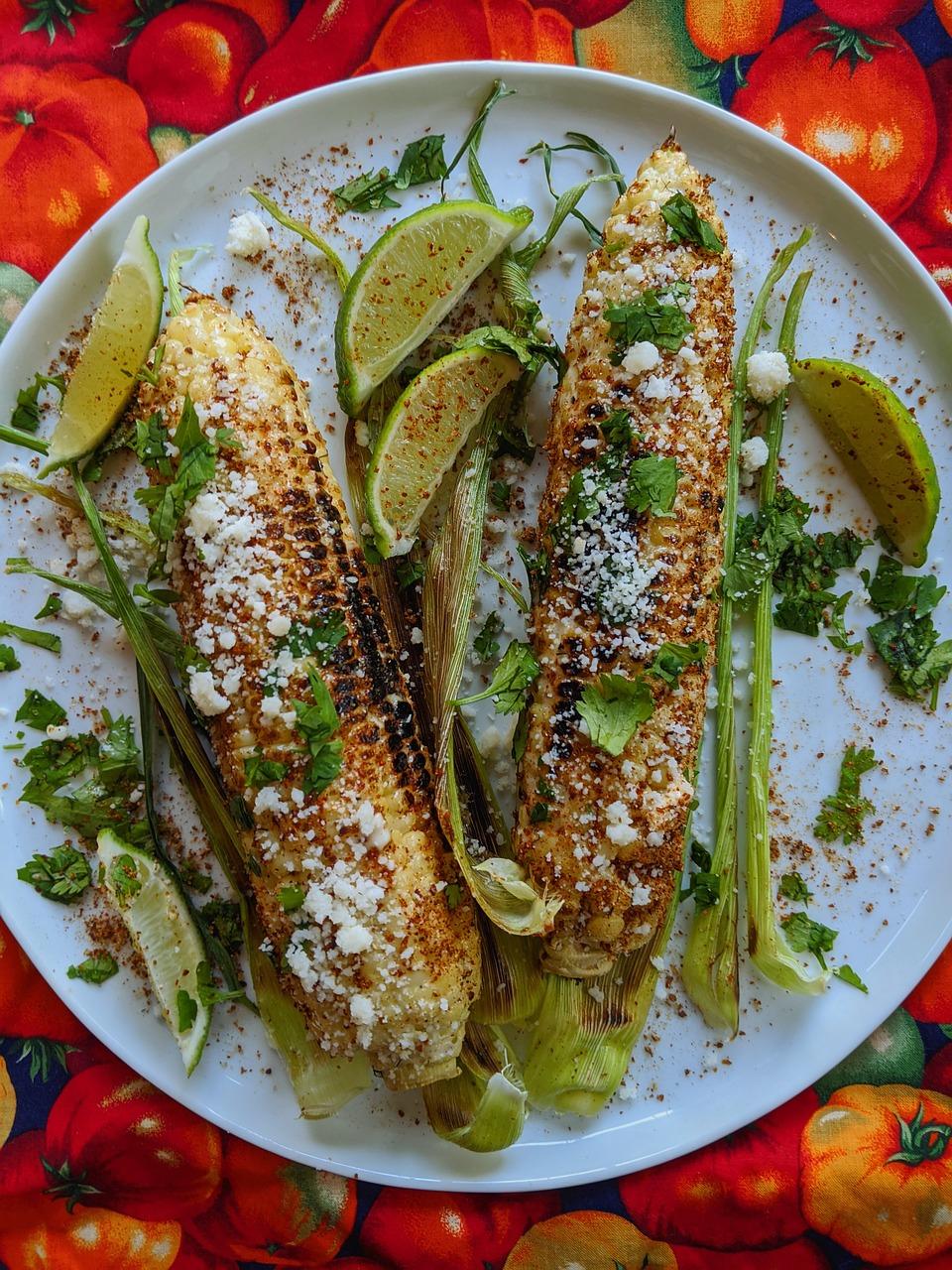
EloteMexican street corn

Elote (corn on the cob) is sold all over Mexico from street carts in the evening: grilled or boiled cobs speared on a stick, slathered in mayonnaise and crema, rolled in crumbly cotija cheese and dusted with chilli powder, with a squeeze of lime. Charring the corn adds smokiness to the sweet kernels, and the creamy, salty, sour and hot toppings make it irresistible. Serve it at a barbecue or as a snack; kids can skip the chilli. Cotija is often made with animal rennet, so use a vegetarian-rennet feta or a vegetarian hard cheese if that matters to you. Chef's tip: let the cobs cool for a minute before spreading the mayonnaise, so it clings rather than sliding off.

by KrazyBadal 0 views
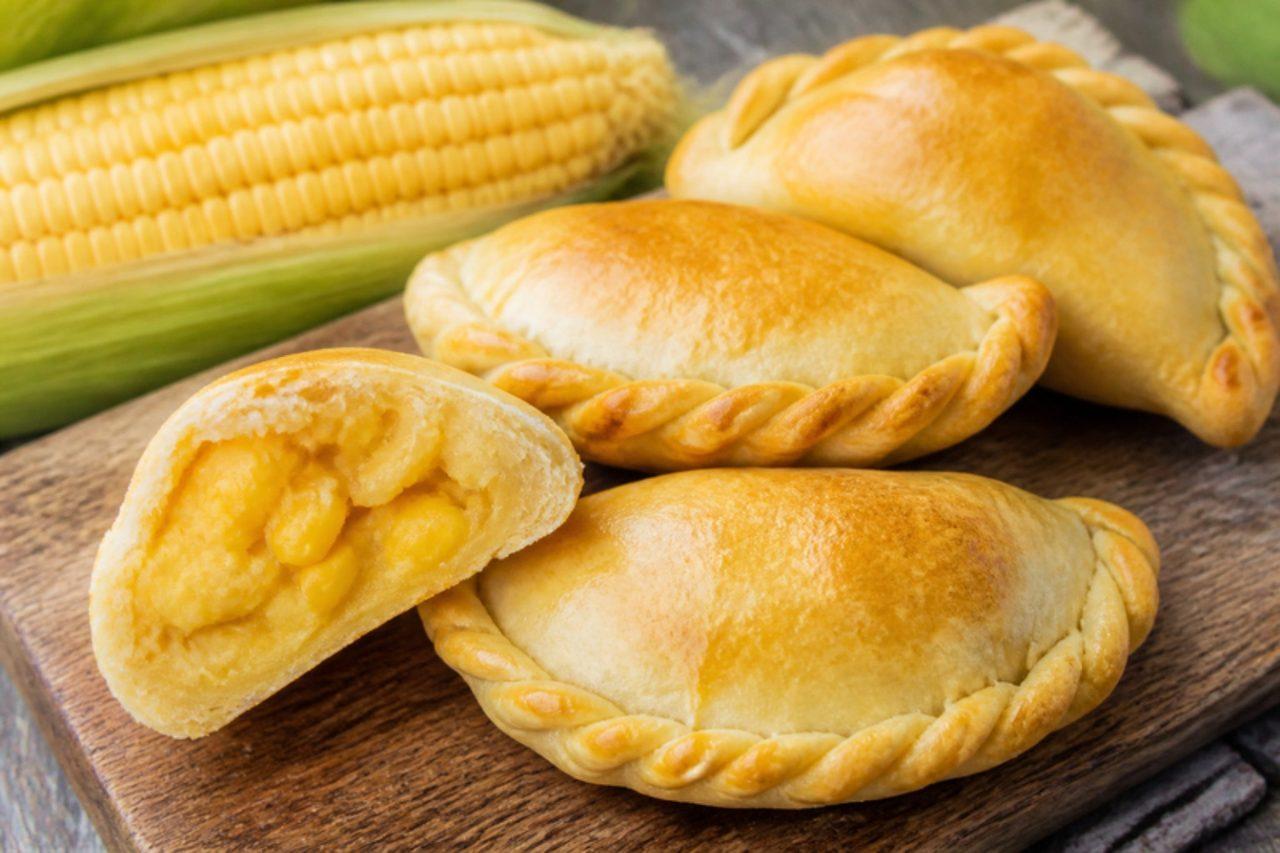

Empanadas de humitaCreamy corn empanadas

Empanadas de humita are the vegetarian favourite at every Argentine empanada shop, from Tucumán, which claims the best empanadas in the country, to the delivery menus of Buenos Aires. The filling is sweetcorn and onion cooked with red pepper, nutmeg and a little white sauce until creamy, then folded into wheat pastry discs and closed with the twisted edge (repulgue) that tells you what's inside. Unlike the husk-wrapped humita en chala, these are baked and golden. Chef's tip: chill the filling until firm before filling; warm filling melts the pastry and the empanadas open in the oven.

by KrazyBadal 0 views

YomariSteamed rice flour dumplings

Yomari are the sweet dumplings of the Newars of the Kathmandu Valley, made once a year on Yomari Punhi, the full moon of December that marks the end of the rice harvest. Freshly milled rice flour is kneaded with hot water, pinched into a hollow cone, filled with chaku, a dark, fudgy Newari molasses, and toasted sesame, then shaped with a pointed tail like a fish or a teardrop and steamed. Children go from house to house singing for them, and families offer a few to the gods before anyone eats. The shell is soft and slightly chewy, and the filling melts into warm, smoky caramel. The usual mistake is mixing the dough with lukewarm water: it must be just off the boil so the starch swells and the dough stretches without cracking. Chef's tip: keep a bowl of warm water beside you and dip your fingertips often; damp hands smooth out cracks as you shape.

by KrazyBadal 0 views

Yong tau fooStuffed tofu and vegetables

Hakka miners brought yong tau foo to the tin town of Ampang, on the edge of Kuala Lumpur, and families still drive there on weekends for big bowls of it. You choose your pieces from a counter, tofu, chillies, okra, aubergine and bitter gourd, each stuffed with a savoury paste, and the stall poaches or fries them and serves them in a light broth, with a sweet brown sauce and chilli sauce to dip. The traditional filling is fish and pork; this one is firm tofu, shiitake, water chestnut and carrot. It is a gentle, light meal. Chef's tip: press the stuffing in tightly and smooth it flush with a wet finger, so it stays put while it cooks.

by KrazyBadal 0 views

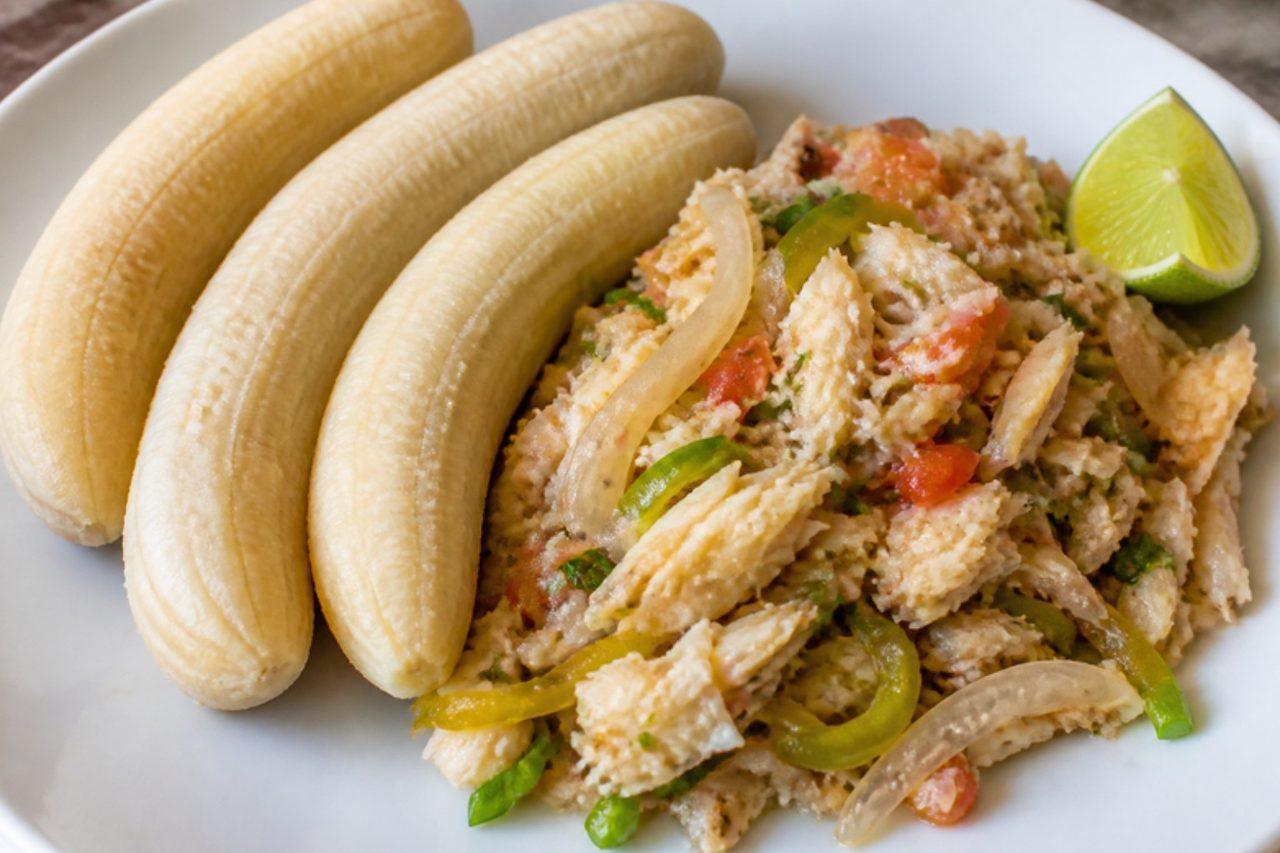
Green fig and saltfishGreen bananas with salt cod

In St Lucia green bananas are called figs, and green fig and saltfish is the national dish: a Saturday lunch in Castries homes and the plate served everywhere on Jounen Kwéyòl, the island's Creole Day in October. The bananas are boiled until tender and mild, a little like potato, and served with salt cod sautéed with onion, sweet pepper, tomato, thyme and hot pepper. Add sliced avocado or cucumber on the side. The most common mistake is not soaking the saltfish long enough, which leaves the whole plate far too salty; taste a flake before you cook it. Chef's tip: rub oil on your hands (or wear gloves) before peeling the green bananas; the sap stains skin black.

by KrazyBadal 0 views

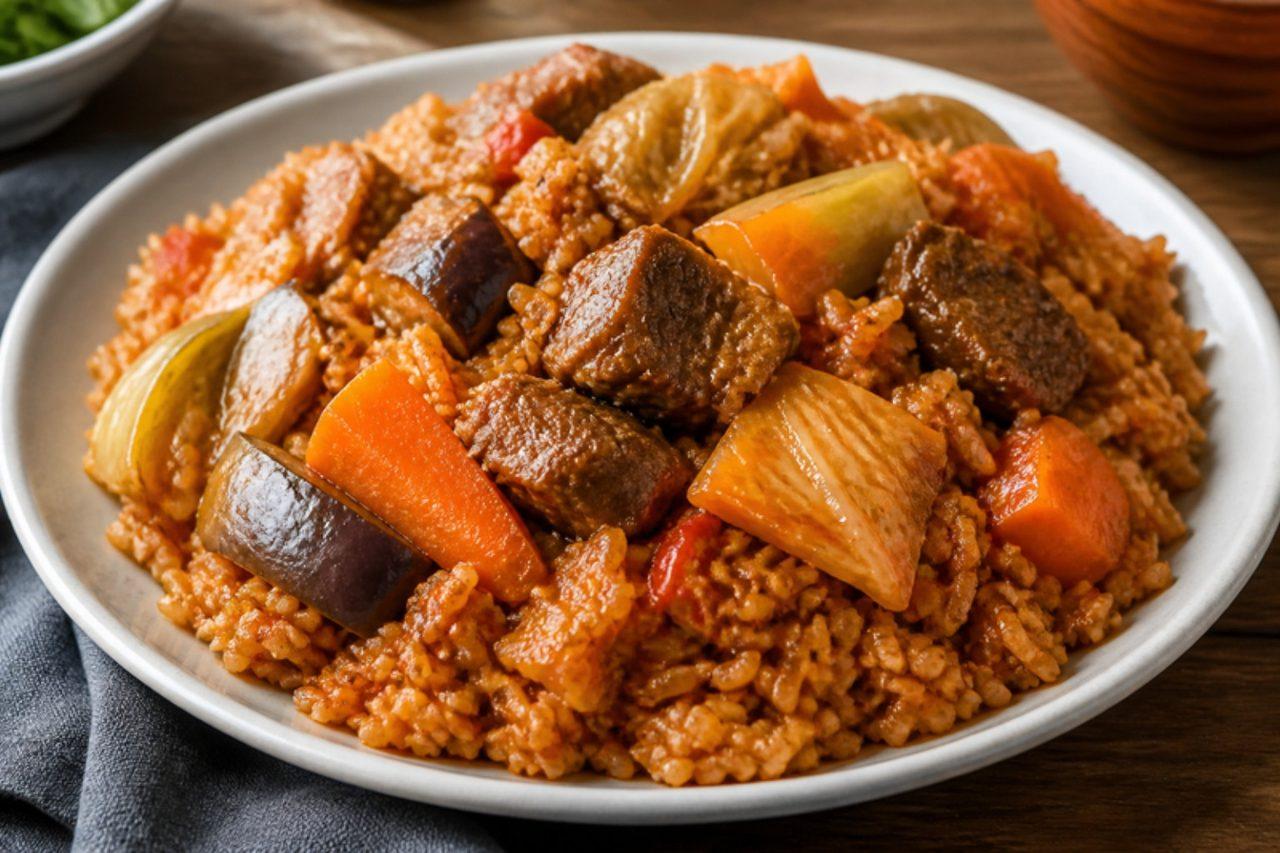
Riz grasRice cooked in beef stew

Riz gras is the celebration rice of Bamako and Ouagadougou, cooked in big pots for weddings, Tabaski and family Sundays. Beef is simmered with onion, tomato and garlic into a rich stew, and the rice is cooked in that broth until every grain is orange and glossy, with the meat and vegetables piled on top. The mistake is adding too much liquid, which turns the rice soggy; measure it. Chef's tip: fry the rice in the stew's oil for a minute before adding the broth, so the grains stay separate.

by KrazyBadal 0 views

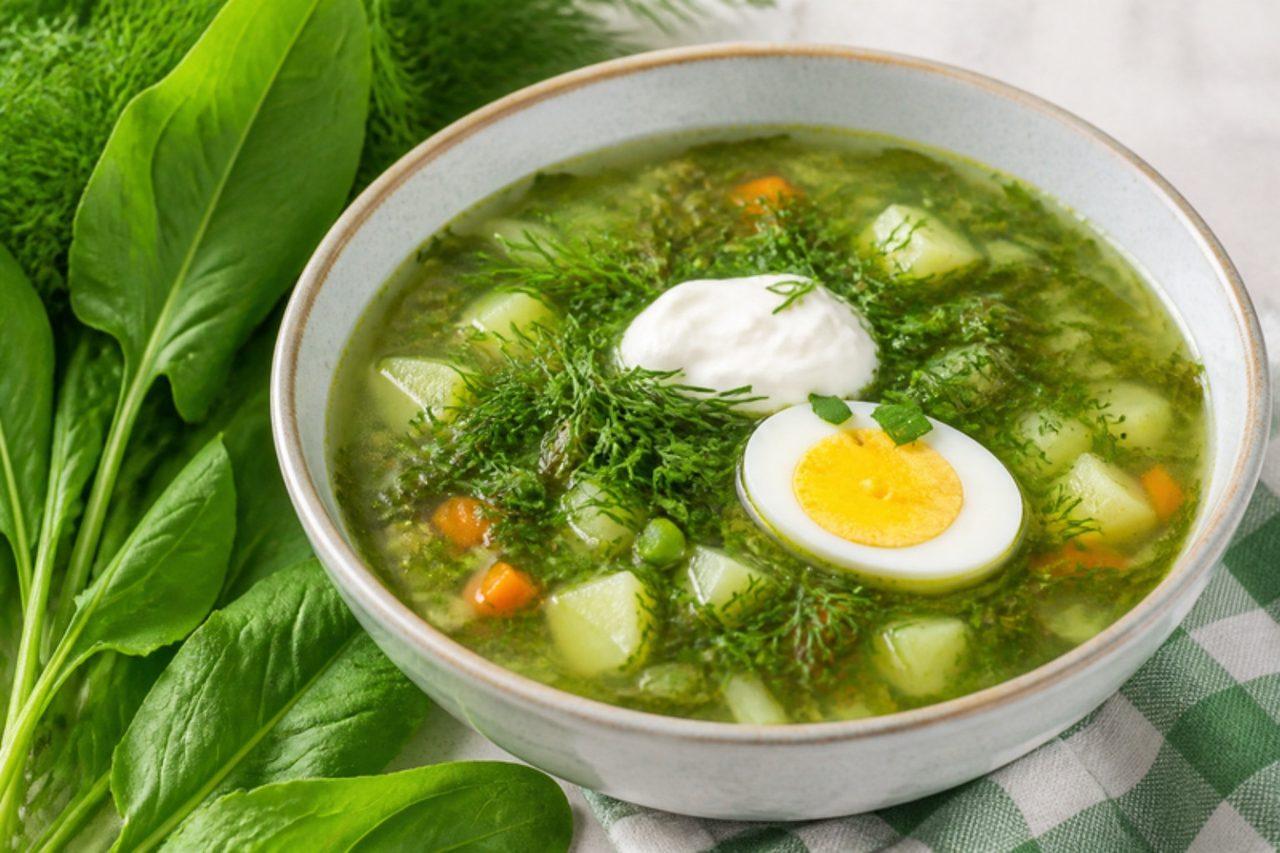
Green borschtSorrel soup with egg

When the first sorrel comes up in village gardens around Chernihiv and Sumy in May, Ukrainian grandmothers stop making red borshch and switch to green: a light, lemony soup of sorrel, potato and herbs, served with halved boiled eggs. It is the soup of early summer and of Trinity Sunday, eaten hot with sour cream or chilled on a warm day. Sorrel gives it a clean sourness, so no vinegar is needed. This version uses vegetable stock instead of the chicken or pork stock some families use. Chef's tip: add the sorrel only in the last two minutes; it turns olive green the moment it hits the heat, but if it boils longer it collapses into stringy khaki threads.

by KrazyBadal 0 views

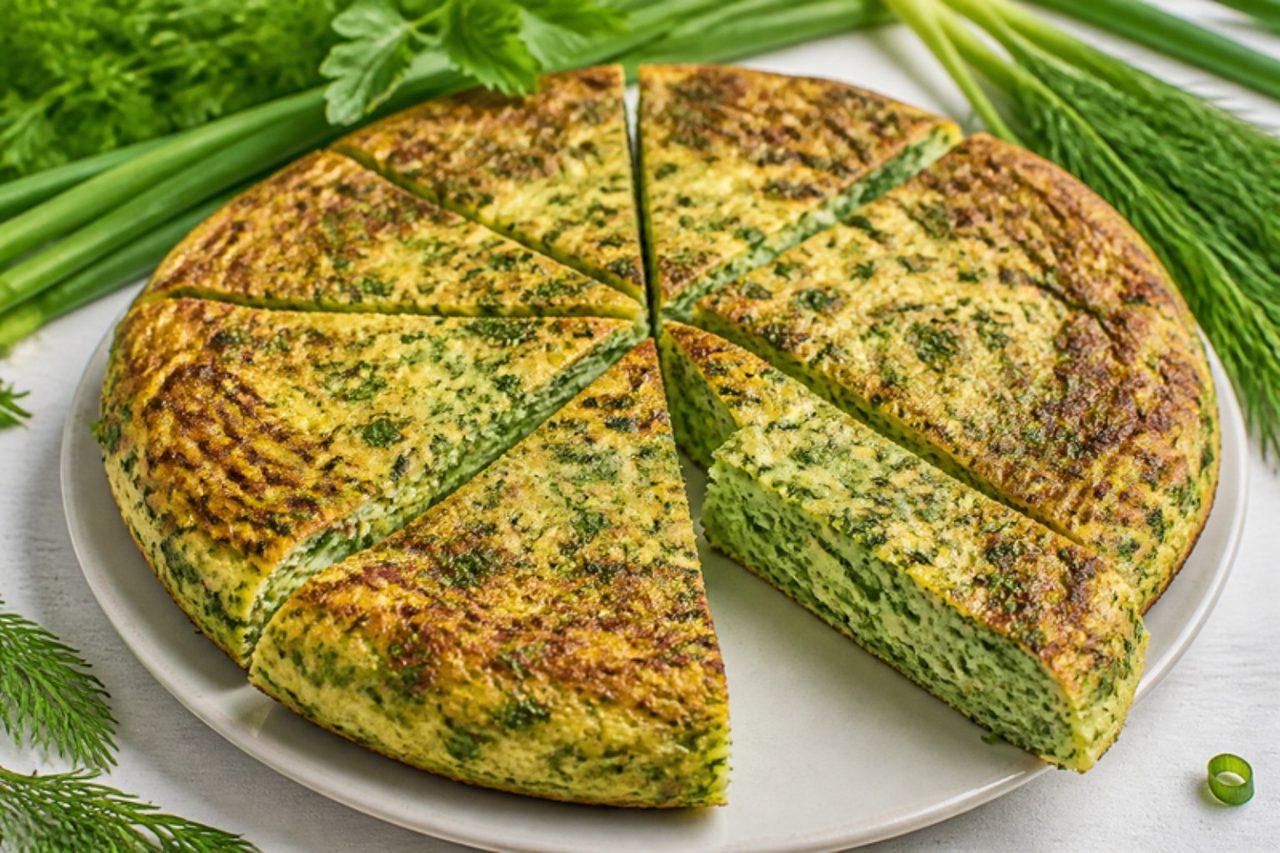
EggahHerb omelette

Eggah is the omelette Egyptian families make at home for breakfast or a light supper, often on a Friday morning alongside ful, falafel, cheese and baladi bread. It is thick and set rather than folded, packed with spring onion, parsley and dill and warmed with cumin, and it's cooked slowly so it puffs and browns on both sides. Slice it into wedges and eat it hot from the pan or cold in a sandwich. Chef's tip: grate the onion and squeeze it dry; wet onion makes the eggs weep and the eggah falls apart when you flip it.

by KrazyBadal 0 views

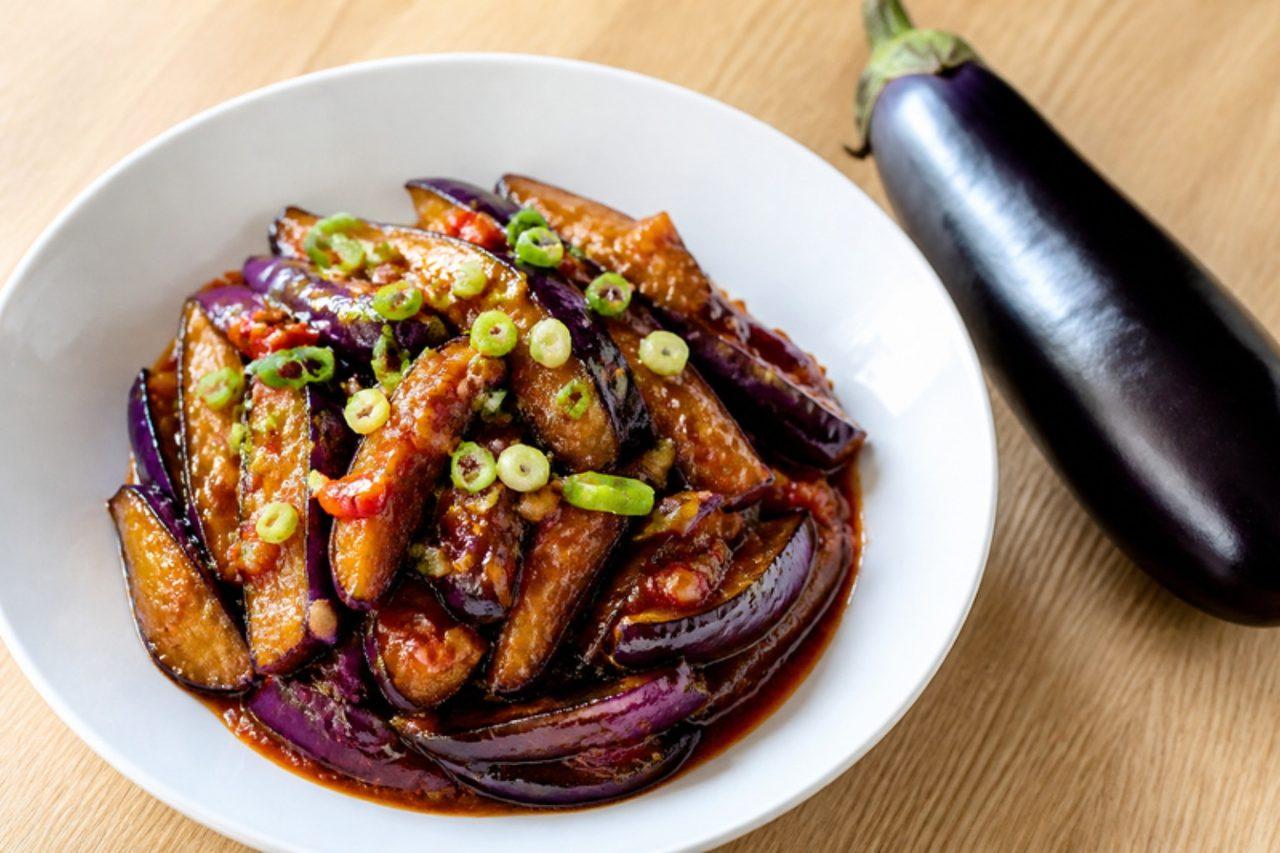
Yu xiang aubergineSweet and sour garlic aubergine

Yu xiang is a Sichuan flavour named after the way local cooks once seasoned fish, but it contains no fish at all: pickled chilli, garlic, ginger and spring onion balanced with sugar and black vinegar. Aubergine is the dish most Chengdu households make with it, often for a weekday supper, because the soft, creamy flesh drinks up the sauce. Serve it with rice and a plain green vegetable. Chef's tip: salt the aubergine fingers for 15 minutes and squeeze them dry; they then absorb far less oil and turn silky instead of greasy.

by KrazyBadal 0 views

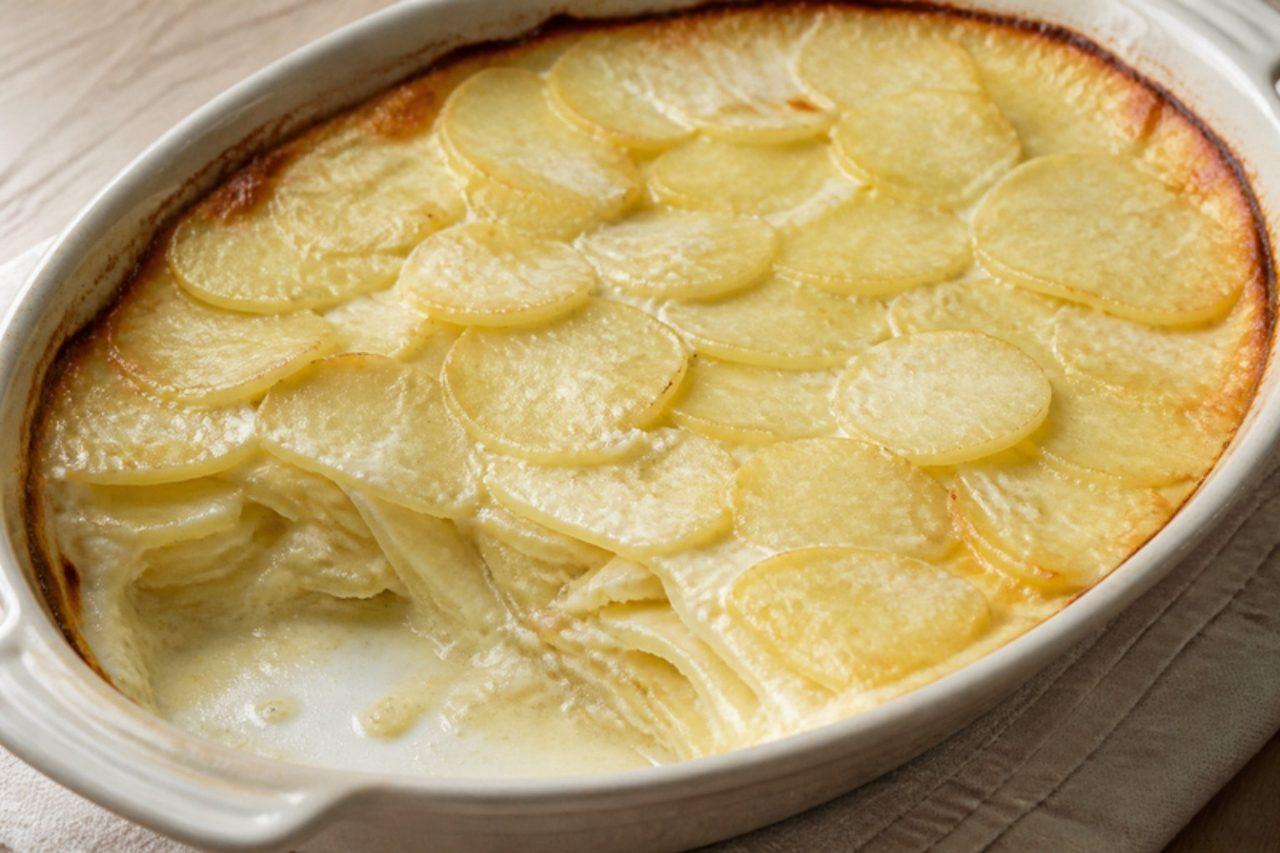
Gratin dauphinoisPotato and cream gratin

Gratin dauphinois comes from the Dauphiné, the mountain region around Grenoble, where it has been made since at least the 1700s. Thinly sliced potatoes are simmered in milk and cream with garlic and nutmeg, then baked slowly until the top is golden and blistered and the inside is soft and creamy enough to cut with a spoon. Purists in the Dauphiné insist there is no cheese; the crust comes from the cream itself. It is a side for Sunday lunch and festive meals, especially good with a green salad or roasted mushrooms. Chef's tip: don't rinse the potato slices; washing off the starch is the common mistake that leaves the cream thin and watery.

by KrazyBadal 0 views

Torta fritaFried dough discs

In Uruguay, a grey rainy afternoon has one answer: torta frita and mate. These thin discs of dough, pierced with a hole in the middle, are fried until puffed and golden and either sprinkled with sugar or eaten plain, still hot, between sips passed around the circle. In Montevideo you'll smell them from street stalls on wet days; at home they're made with butter or beef fat, here with butter. Chef's tip: the hole in the middle isn't decoration; it lets the centre cook through at the same speed as the edges.

by KrazyBadal 0 views

Yuca con mojoCassava with garlic sauce

Yuca con mojo is a fixture of the Cuban Nochebuena feast and of everyday family dinners in Matanzas and Miami alike: chunks of cassava boiled until they crack open and turn soft, then drenched in a hot dressing of olive oil, lots of garlic, onion rings and sour orange juice. The yuca soaks up the tangy, garlicky oil like a sponge. Serve it beside moros y cristianos or black beans. Chef's tip: add a splash of cold water to the pot halfway through boiling; Cuban cooks say it 'shocks' the yuca and helps it split open and turn tender.

35 minCubanSidesVeganGluten free
by KrazyBadal 0 views

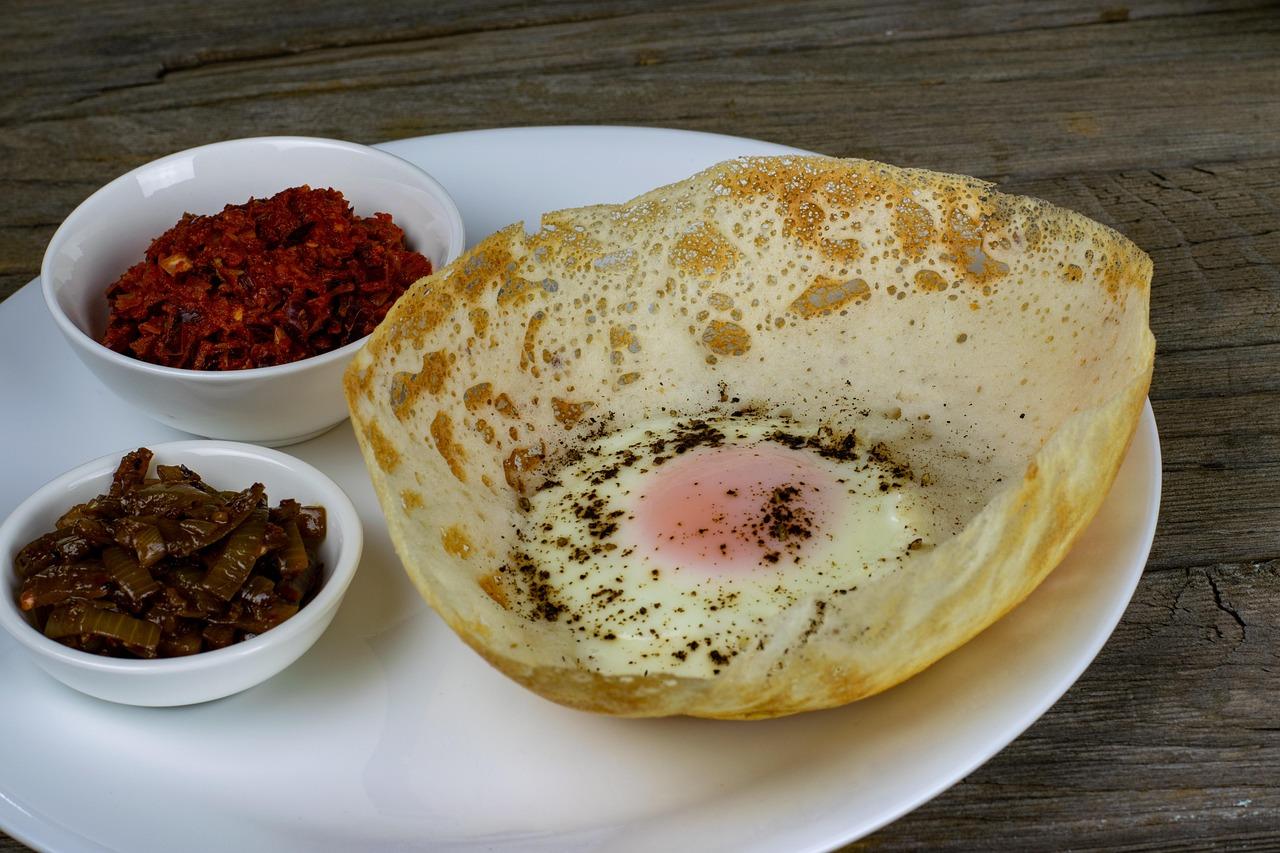
Egg hoppersBowl-shaped rice pancakes with egg

Hoppers (appa) are the crisp-edged, bowl-shaped pancakes that street cooks in Colombo, Kandy and Jaffna make in rows of small round pans every evening; an egg hopper has an egg cracked into the soft centre so it steams to a runny yolk. The batter of rice flour, coconut milk and yeast (traditionally toddy) is left to ferment until it's light and slightly sour, which gives the lacy, golden rim and the spongy middle. They're eaten hot with pol sambol and lunu miris, and plain hoppers come with sweet jaggery for dessert. Kerala's appam is a cousin, but Sri Lankan hoppers are thinner and crisper and the egg version is their own. The common mistake is a batter that's too thick, which gives heavy, pale hoppers; it should flow like single cream. Chef's tip: swirl the pan in one quick full turn the moment the batter goes in, then cover at once.

by KrazyBadal 0 views

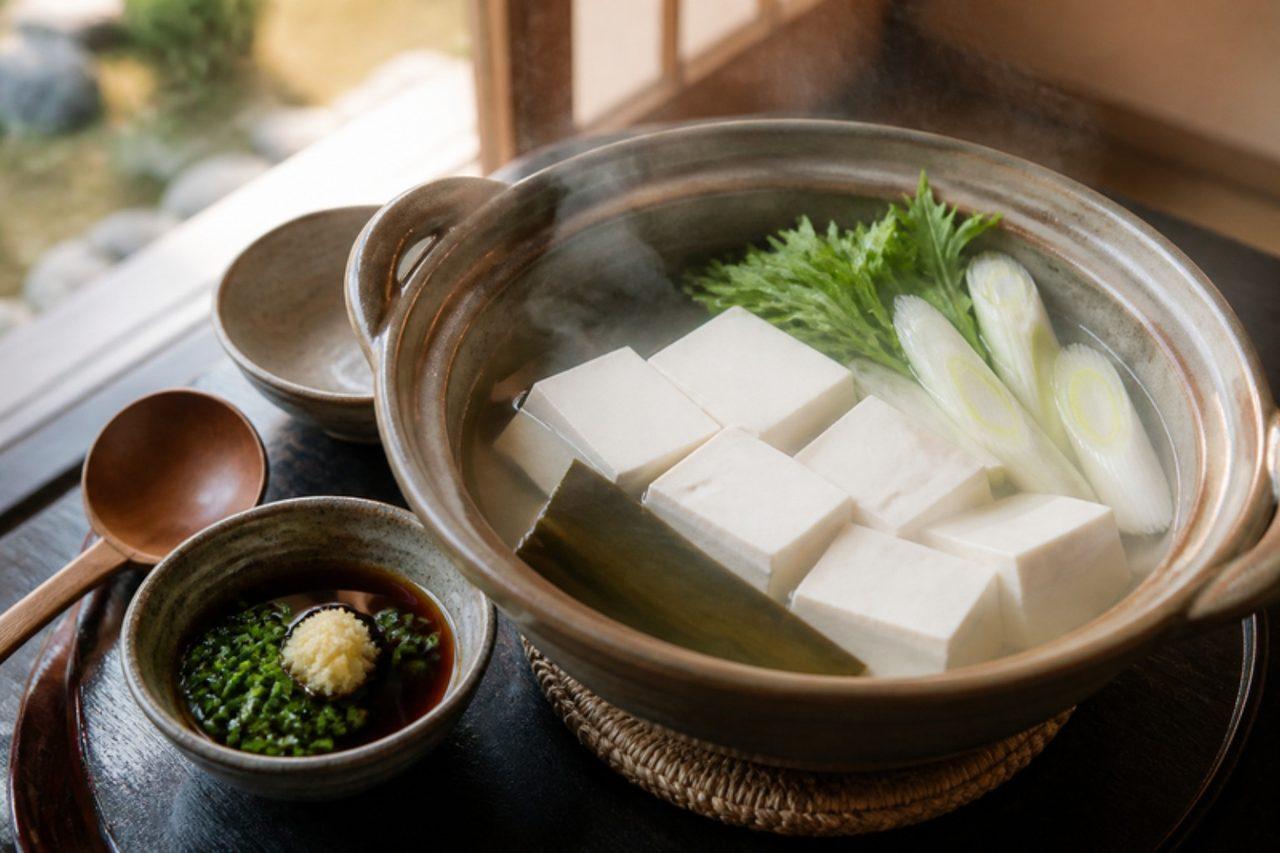
YudofuSimmered tofu hot pot

Yudofu is the simplest dish in Kyoto and one of the most loved. The city's soft water makes fine tofu, and the restaurants around Nanzen-ji temple in the Higashiyama hills have served it to pilgrims for centuries as part of Buddhist vegetarian cooking. A block of tofu is warmed in an earthenware pot over a sheet of kombu and lifted out with a little slotted ladle, then dipped in citrusy soy with spring onion and ginger. It's a winter dish, best eaten slowly at the table on a cold evening. Chef's tip: never let the water boil. The tofu is ready when it trembles and starts to rise; boiling makes it spongy and full of holes.

by KrazyBadal 0 views

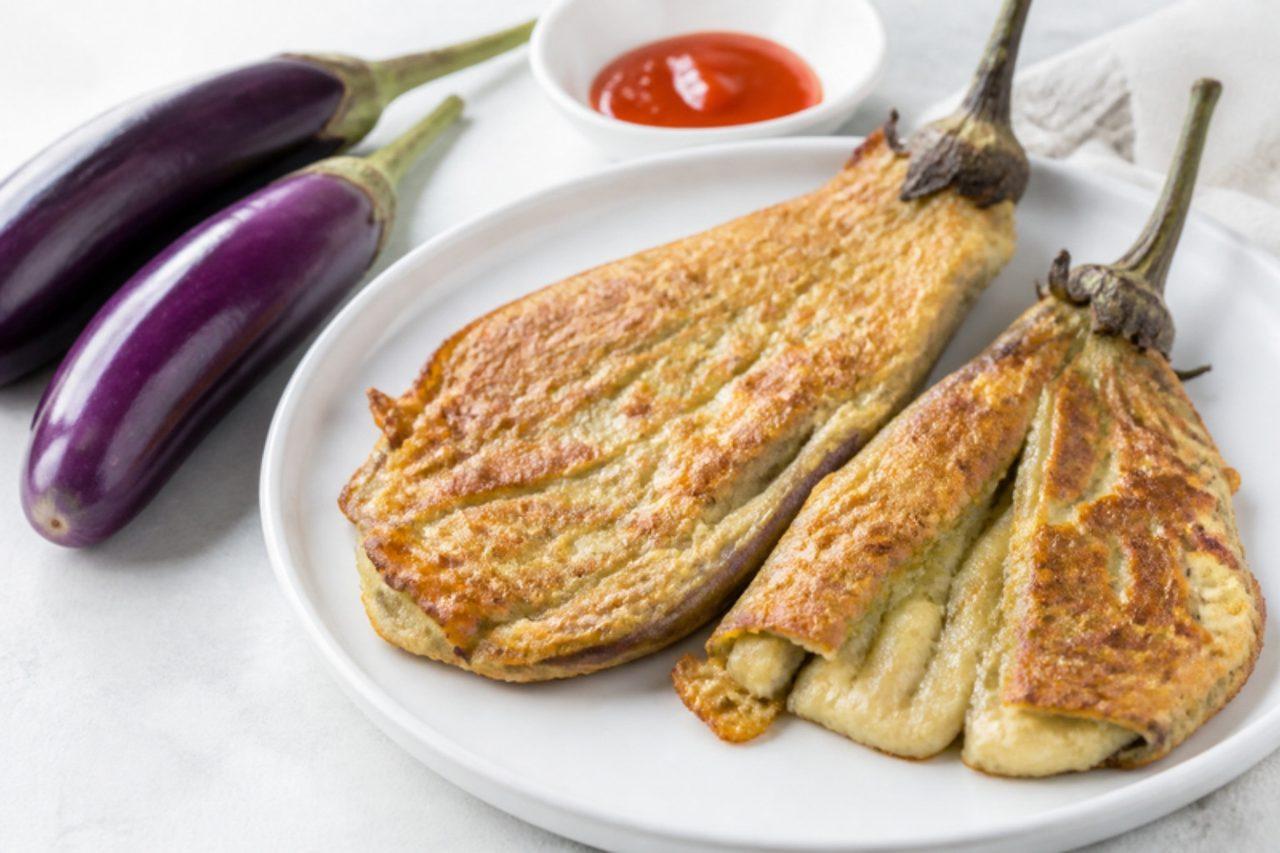
Tortang talongAubergine omelette

Tortang talong is a weekday lunch in Filipino homes from Luzon to Visayas, the dish a mother makes when the fridge holds only a few eggs and some long aubergines from the market. The aubergines are charred whole over a gas flame until the skin blackens and the flesh goes smoky and soft, then peeled (the stem left on as a handle), flattened into a fan with a fork, dipped in seasoned egg and fried until golden. The result is a thin, smoky omelette shaped like an aubergine. Filipinos eat it with rice and banana ketchup or a dish of vinegar with garlic. Chef's tip: char the aubergines right on the flame, not in the oven; that smoky taste is the whole dish.

by KrazyBadal 0 views

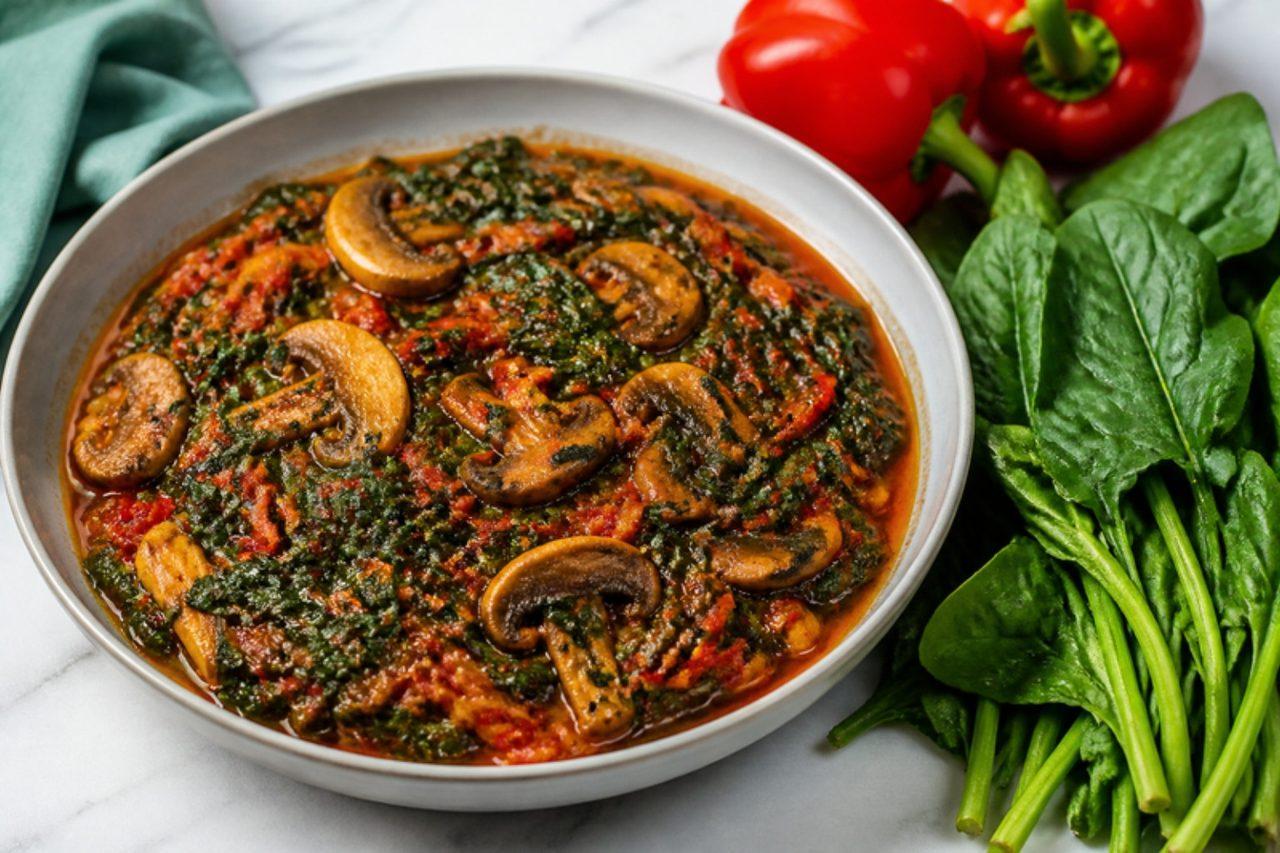
Efo riroSpinach stew

Efo riro, literally 'stirred greens', is the Yoruba vegetable stew cooked in homes from Ibadan to Lagos on any ordinary weekday, and eaten with pounded yam, eba or plain rice. Leafy greens are wilted into a rich base of blended peppers fried in palm oil with iru, the pungent fermented locust beans that give the dish its savoury backbone. Most families add assorted meats, stockfish and crayfish; some keep a little smoked fish on the side for those who want it. This version leans on mushrooms, iru and a touch of smoked paprika instead. Chef's tip: squeeze the blanched greens really dry before they go into the sauce; wet spinach thins the stew and washes out the flavour.

by KrazyBadal 0 views

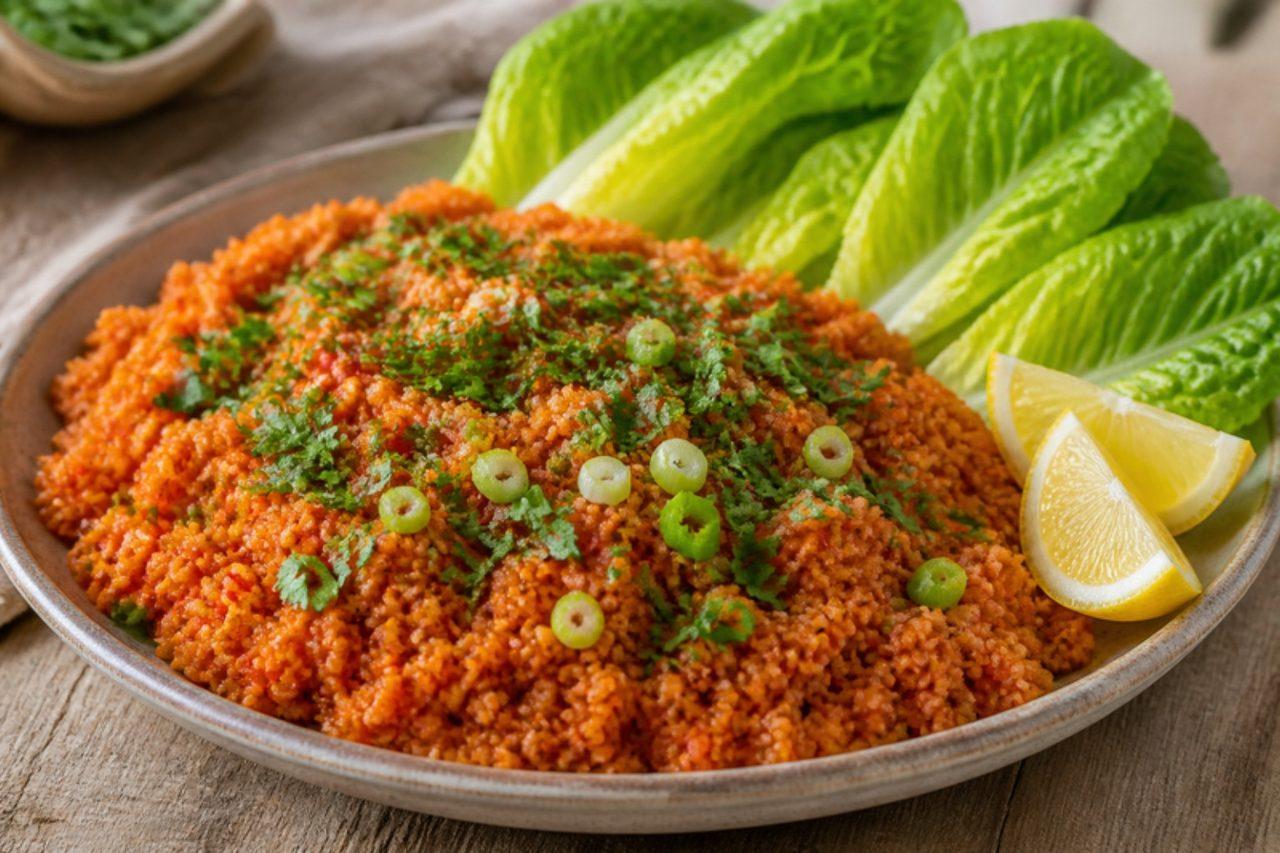
EetchBulgur in tomato and pepper

Eetch is a Western Armenian dish from the old Cilician towns, carried by families to Aleppo, Beirut and the Armenian quarters of American cities. Fine bulgur is stirred into a hot sauce of onion, red pepper, tomato and pepper paste and left to drink it up, then finished with lemon, parsley and spring onion and eaten at room temperature, often scooped up with lettuce leaves. Unlike a herb-heavy raw bulgur salad, eetch is cooked, so it is rich and tomatoey, and it is a fixture of Lenten tables, picnics and mezze spreads. It keeps for days, which makes it a favourite for lunchboxes. Chef's tip: take the pan off the heat before adding the bulgur and keep the lid on; the grains soften in the residual heat and stay separate instead of turning to porridge.

by KrazyBadal 0 views

Echorer dalnaYoung jackfruit curry

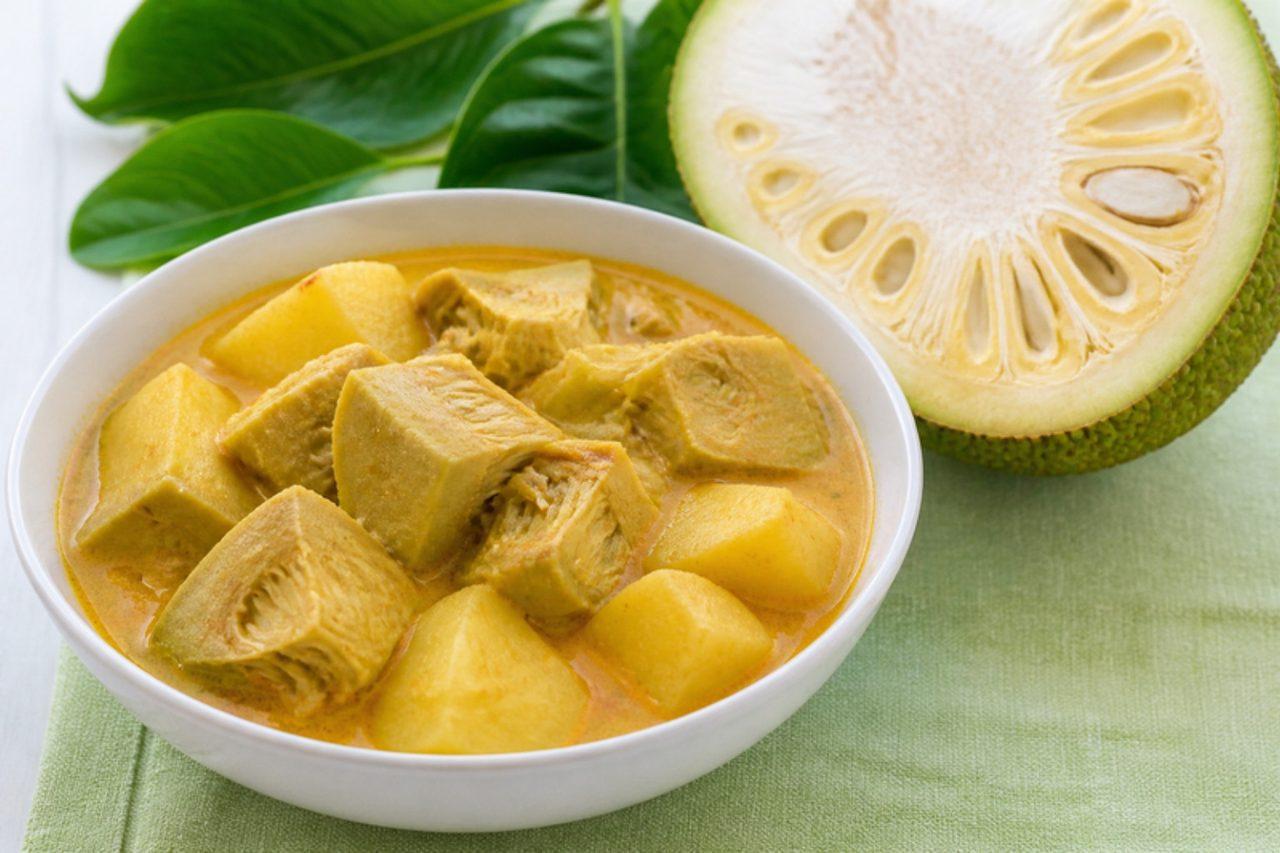
In early summer, Kolkata's bazaars sell baby green jackfruit (echor), and Bengali households cook it into a dalna rich enough to be called gachh-patha, 'mutton from the tree'. The jackfruit is boiled, fried with potato and simmered in a ginger, cumin and tomato gravy, finished with ghee and garam masala. Its chewy, meaty texture soaks up the spice. It is a Sunday lunch dish, eaten with rice or luchi. Chef's tip: buy jackfruit no longer than your forearm, with pale seeds; older fruit is fibrous and the seeds are hard.

by KrazyBadal 0 views

Dwaeji gukbapPork and rice soup

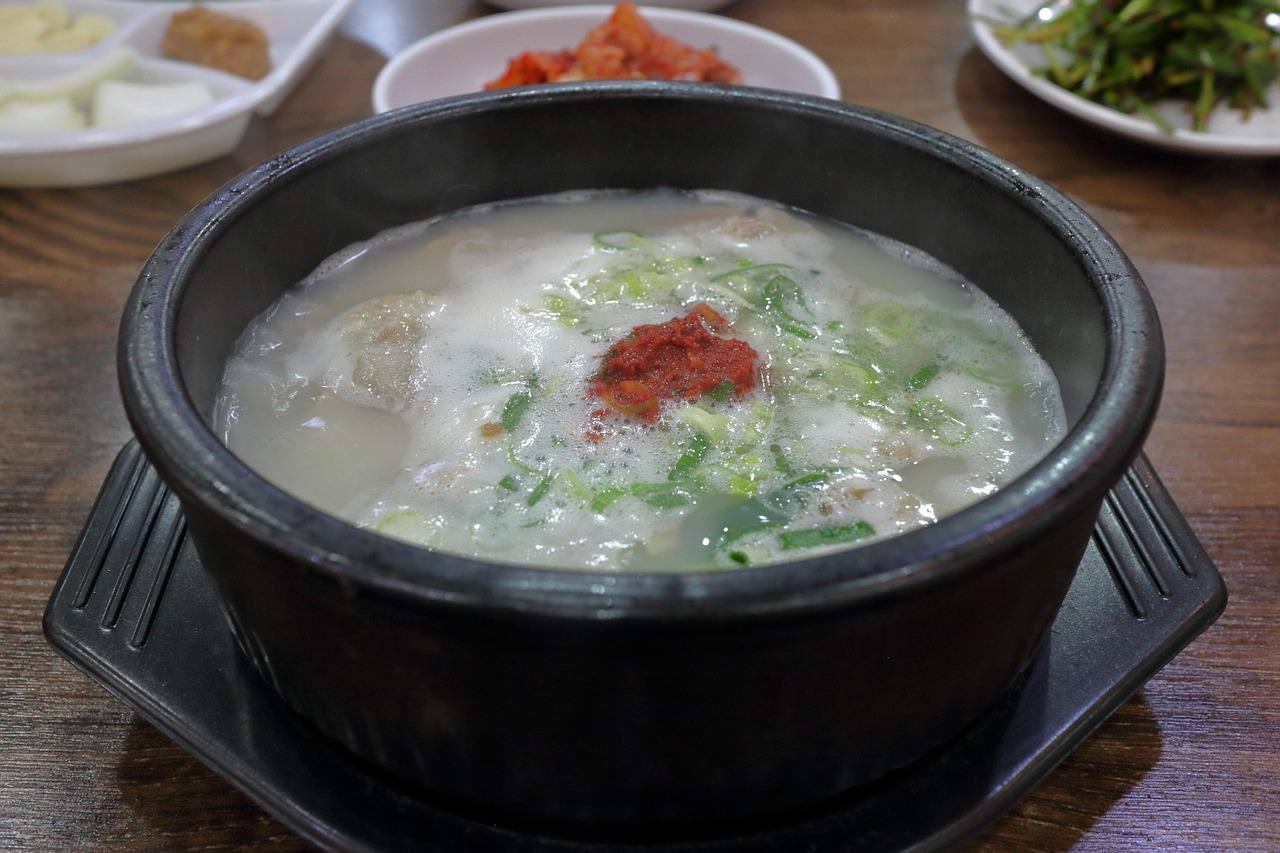
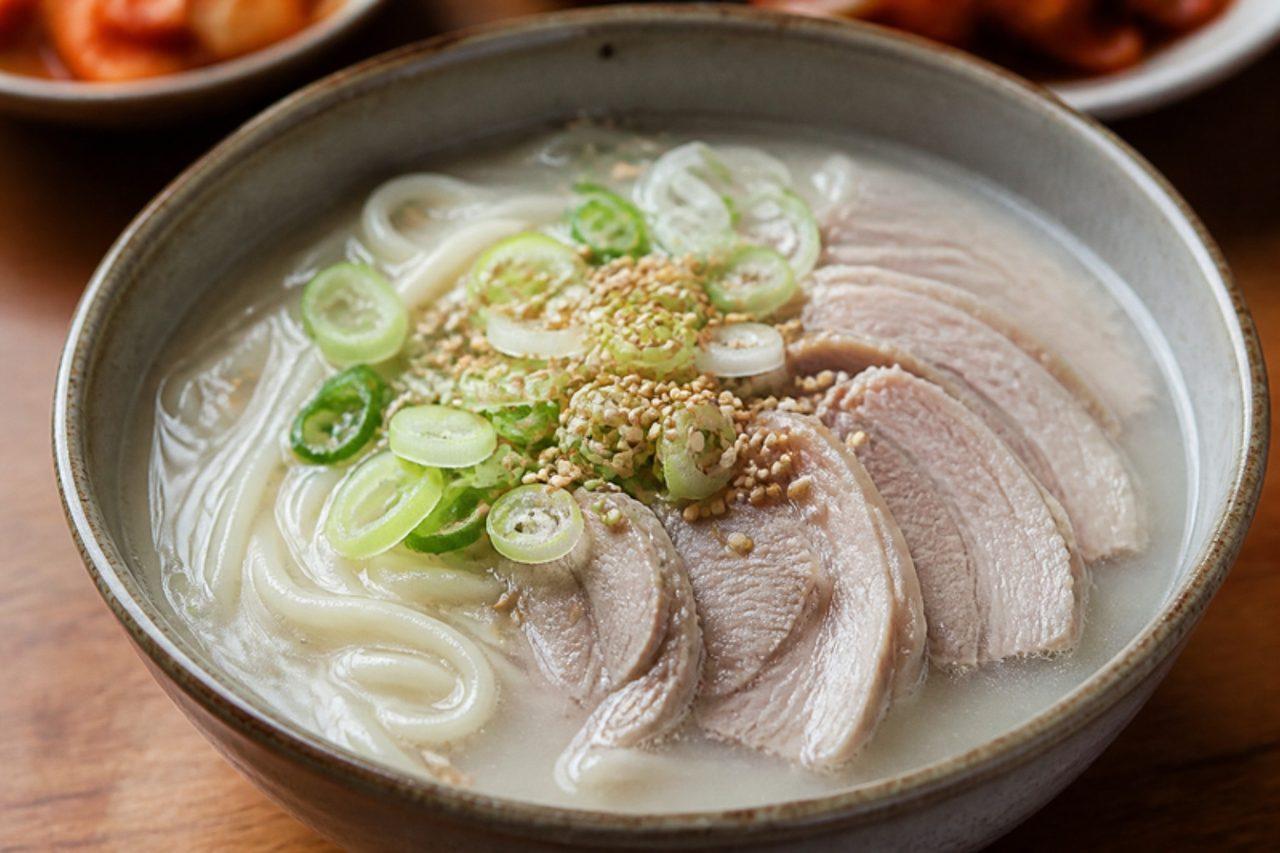
Ask anyone in Busan for a bowl of something filling at any hour and they will probably send you for dwaeji gukbap. Seomyeon has a whole alley of gukbap restaurants, open from early morning to late at night, serving the soup to market workers, students and people heading home after a night out. Pork bones are boiled hard for hours until the broth turns cloudy and white, then poured over sliced pork and rice. Each diner seasons their own bowl at the table with salted shrimp, chilli paste and a pile of garlic chives, with raw onion, green chilli and kimchi on the side. Chef's tip: season the soup in the bowl, not the pot; a little saeujeot at a time gives a clean, savoury depth that salt alone doesn't.

180 minKoreanSoups
by KrazyBadal 0 views

Tortellini in brodoTortellini in broth

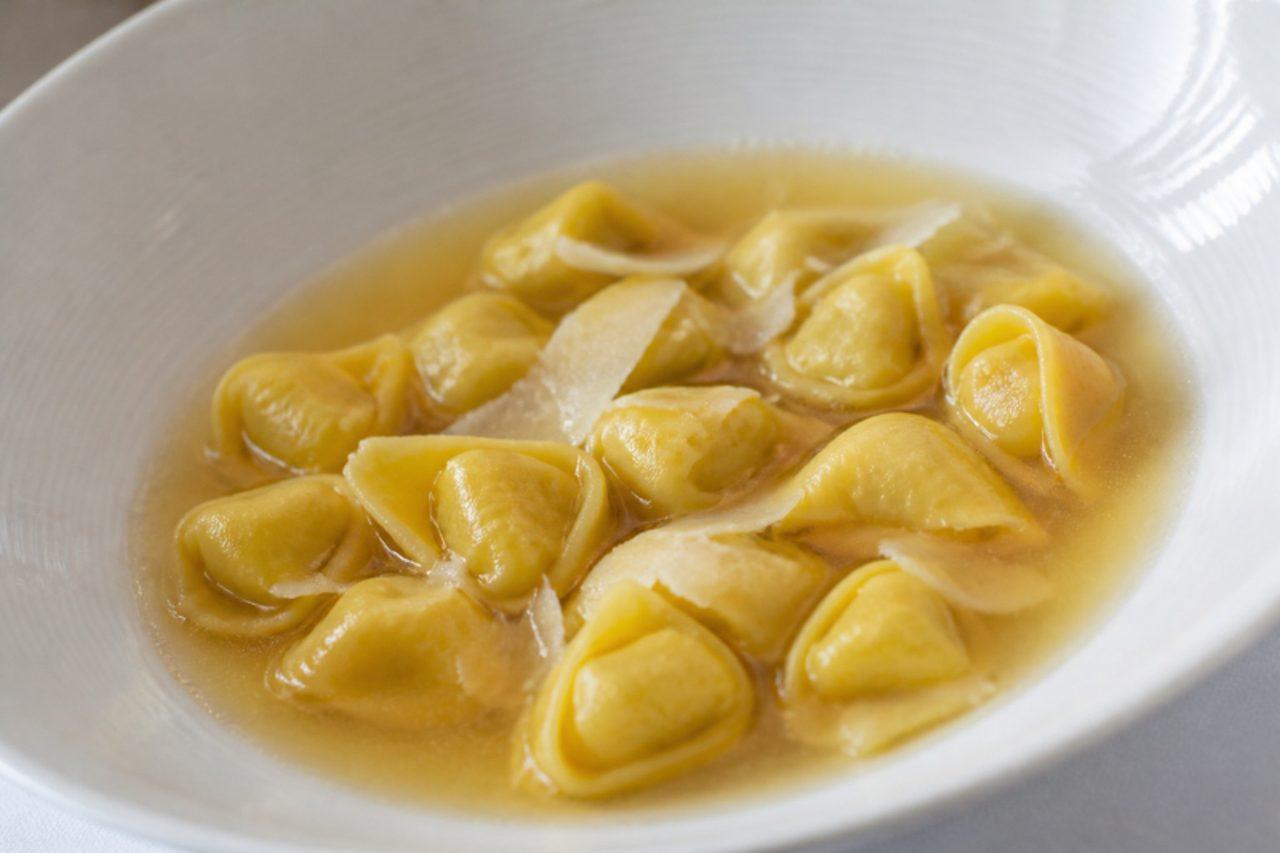
Christmas Day in Bologna and Modena begins at the kitchen table, with whole families folding hundreds of tortellini no bigger than a fingertip around a filling of pork loin, mortadella, prosciutto and parmigiano. They are served in a clear, golden broth made from capon, or from chicken and beef, simmered so gently it barely moves. The pasta should be thin enough to see the filling through, and the little rings bob in the bowl with a spoonful of parmigiano on top. It is a full afternoon's work, so make the broth and tortellini a day ahead and freeze any extras on a floured tray; on a busy weeknight, 500 g of good bought tortellini simmered in the homemade broth is a perfectly respectable shortcut. A common mistake is letting the broth boil: it turns cloudy and greasy instead of clear. Chef's tip: make the filling the day before and keep it in the fridge; it firms up and is much easier to dot onto the tiny squares.

240 minItalianSoups
by KrazyBadal 0 views

Granita al limoneLemon ice

On summer mornings in Sicily, especially around Catania and Messina, breakfast is granita: a cup of soft, spoonable lemon ice with a warm brioche on the side for dipping. Sicilian granita is finer and creamier than a slushy, because it is stirred as it freezes. All you need is lemons, sugar and water, plus a fork and a freezer. It takes about four hours of occasional scraping. Chef's tip: steep the zest in the warm syrup for 20 minutes; the oils in the peel give a much fuller lemon flavour than juice alone.

by KrazyBadal 0 views

YukjeonEgg-battered fried beef

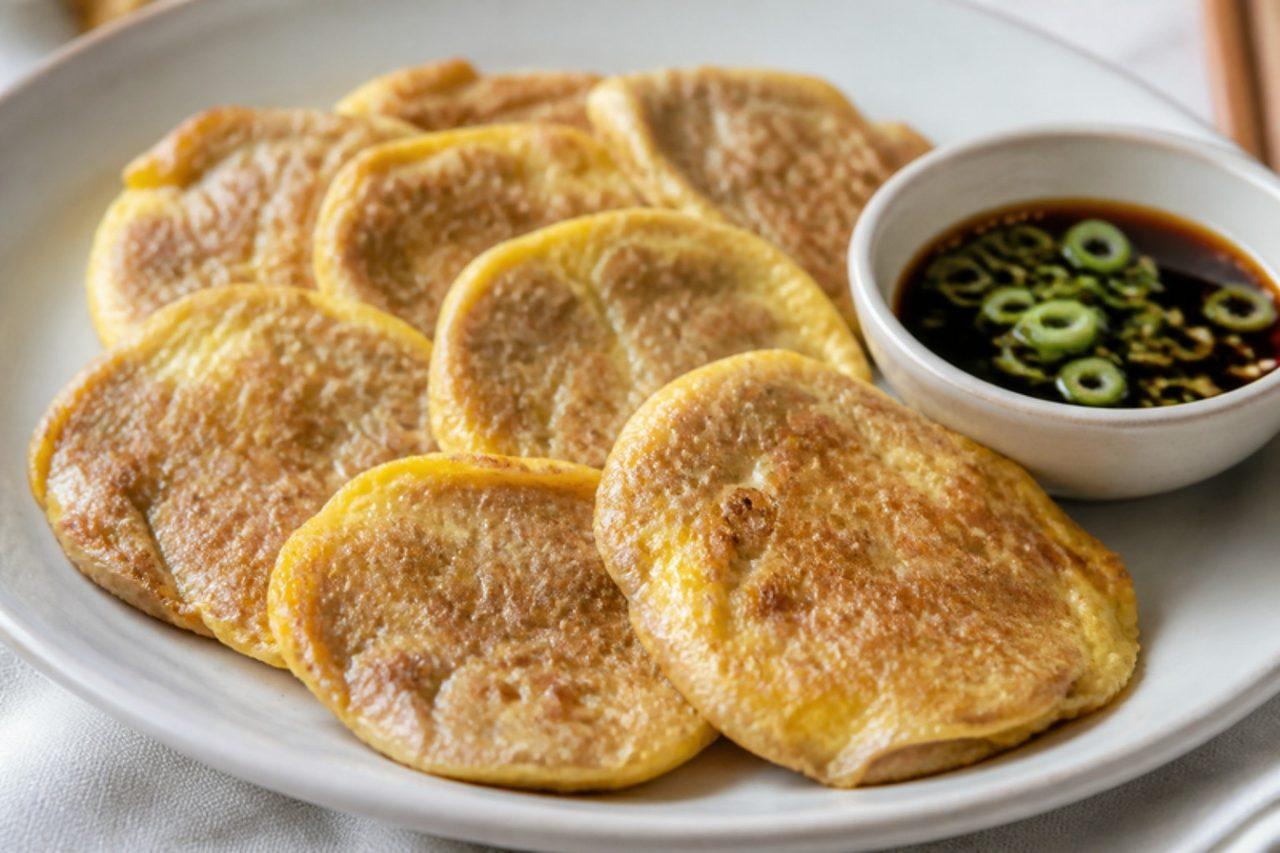
In Gwangju, yukjeon is a restaurant meal in its own right: the server sits by a hot plate at your table and fries slice after slice of egg-coated beef, handing them over while they're still sizzling. Elsewhere in Korea it's more often a festive pancake, made for Chuseok and Lunar New Year along with other jeon. The beef is cut very thin, so it cooks in the time it takes the egg to set. Gwangju places serve it with a sharp salad of finely shredded spring onion and a little salt and sesame oil for dipping. Chef's tip: half-freeze the beef for 40 minutes before slicing; firm meat is easy to cut into slices 2 to 3 mm thick.

25 minKoreanMeat
by KrazyBadal 0 views

Göyərti qutabıHerb-filled flatbreads

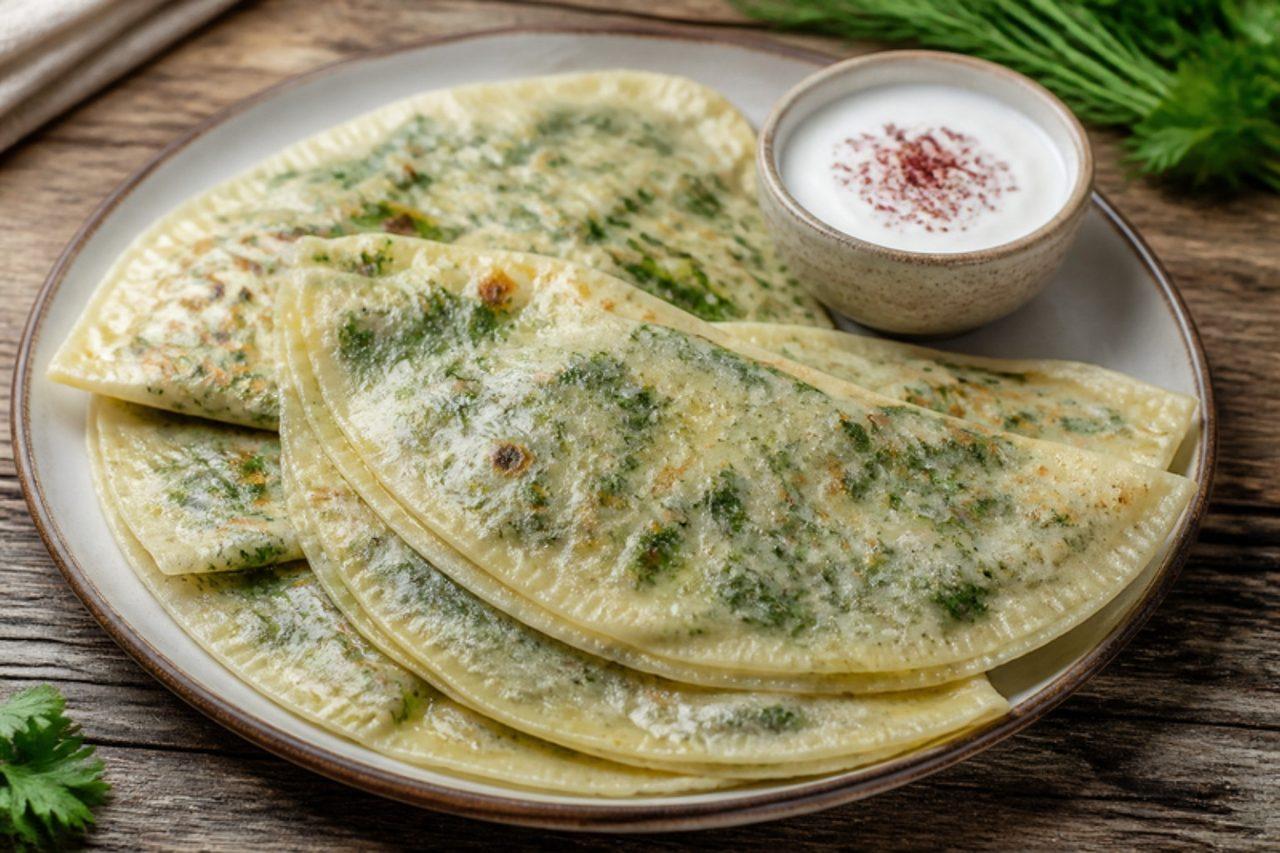
Qutab are the thin half-moon flatbreads that Baku eats at any hour, folded around a filling and cooked in seconds on a domed iron saj, then stacked and brushed with butter. Göyərti qutabı, the green version, is the spring favourite: a handful of chopped spinach, sorrel, dill, coriander and spring onion sealed inside dough rolled so thin the greens show through. They are eaten hot, three or four at a time, sprinkled with sumac and dipped in garlicky yogurt, and appear on every table at Novruz in March. In autumn the same dough wraps pumpkin; that variation is in the steps. Chef's tip: season the greens only just before filling; salt draws out water, and wet greens tear the paper-thin dough.

by KrazyBadal 0 views

AguapanelaHot panela and lime drink

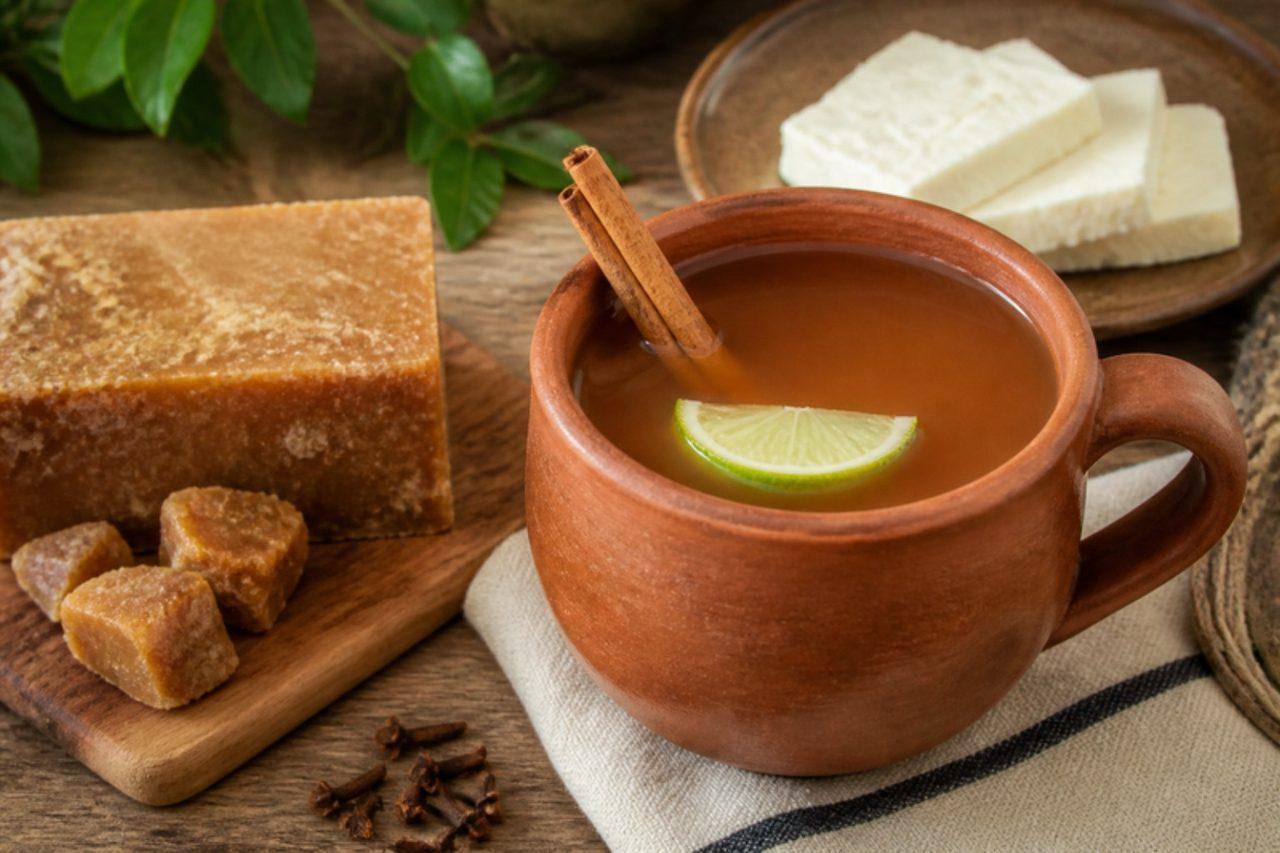
Aguapanela is simply panela (unrefined cane sugar) dissolved in water, yet it is one of Colombia's most loved drinks: drunk hot at breakfast in Bogotá and the Andes with a slice of fresh cheese dropped in to melt, given to children with a cold, and served iced with lime in the hot lowlands. This page is the hot version; the cold, lime-heavy cousin is Venezuela's papelón con limón. Chef's tip: simmer the panela gently until it dissolves completely and the drink smells of caramel; rushing it leaves sugary lumps at the bottom.

by KrazyBadal 0 views

DushbaraTiny lamb dumplings in broth

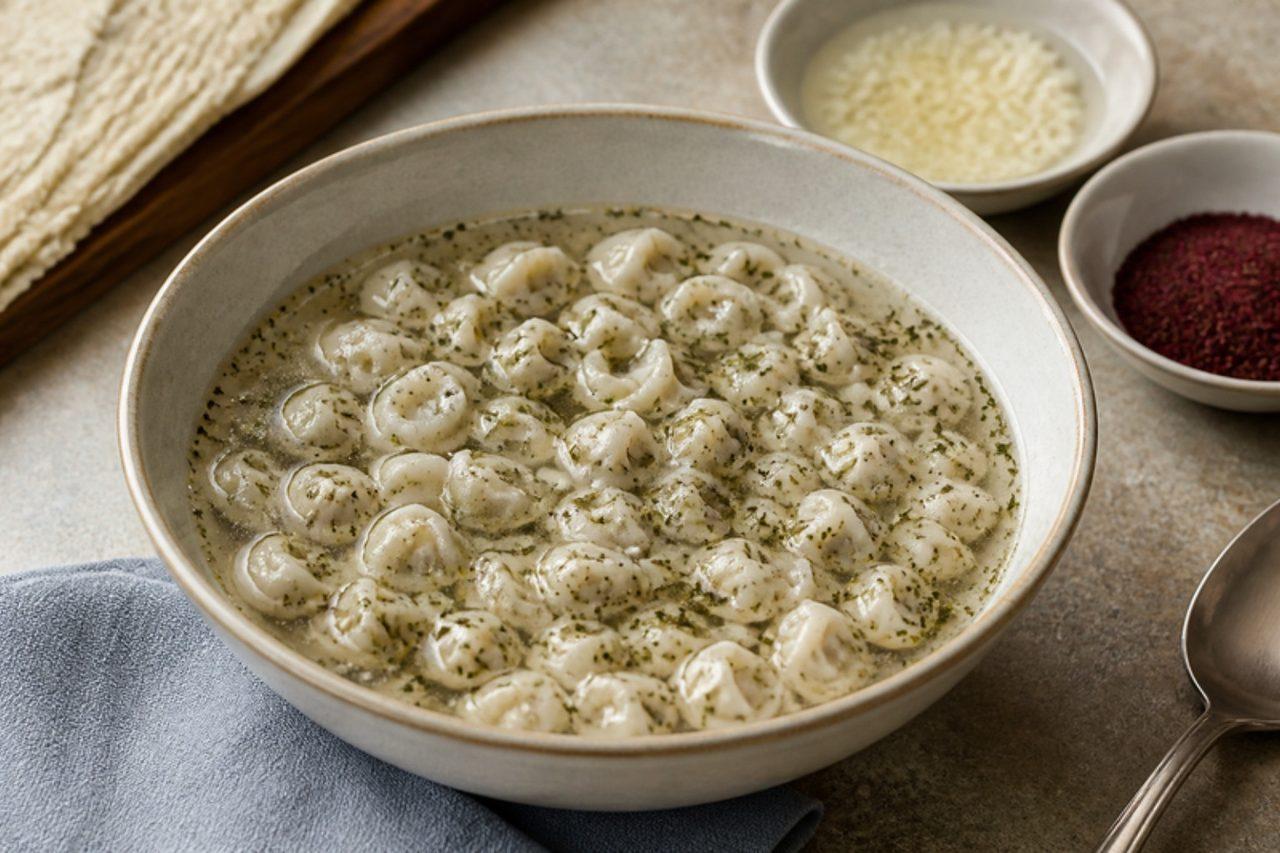
Dushbara is the test of a patient cook in Azerbaijan: dumplings so small that a dozen fit on a spoon, filled with lamb and onion and served in clear bone broth. Families in Baku and the Absheron towns make them for New Year and Novruz, everyone sitting around the table folding together. At the table each bowl gets dried mint, a little crushed garlic in vinegar, and sumac. Over-filling is the usual problem; too much meat and the edges won't seal, so the dumplings open in the pot. Chef's tip: make the broth from lamb bones the day before and chill it, so you can lift off the fat and the soup stays crystal clear.

by KrazyBadal 0 views

ZaaloukAubergine and tomato salad

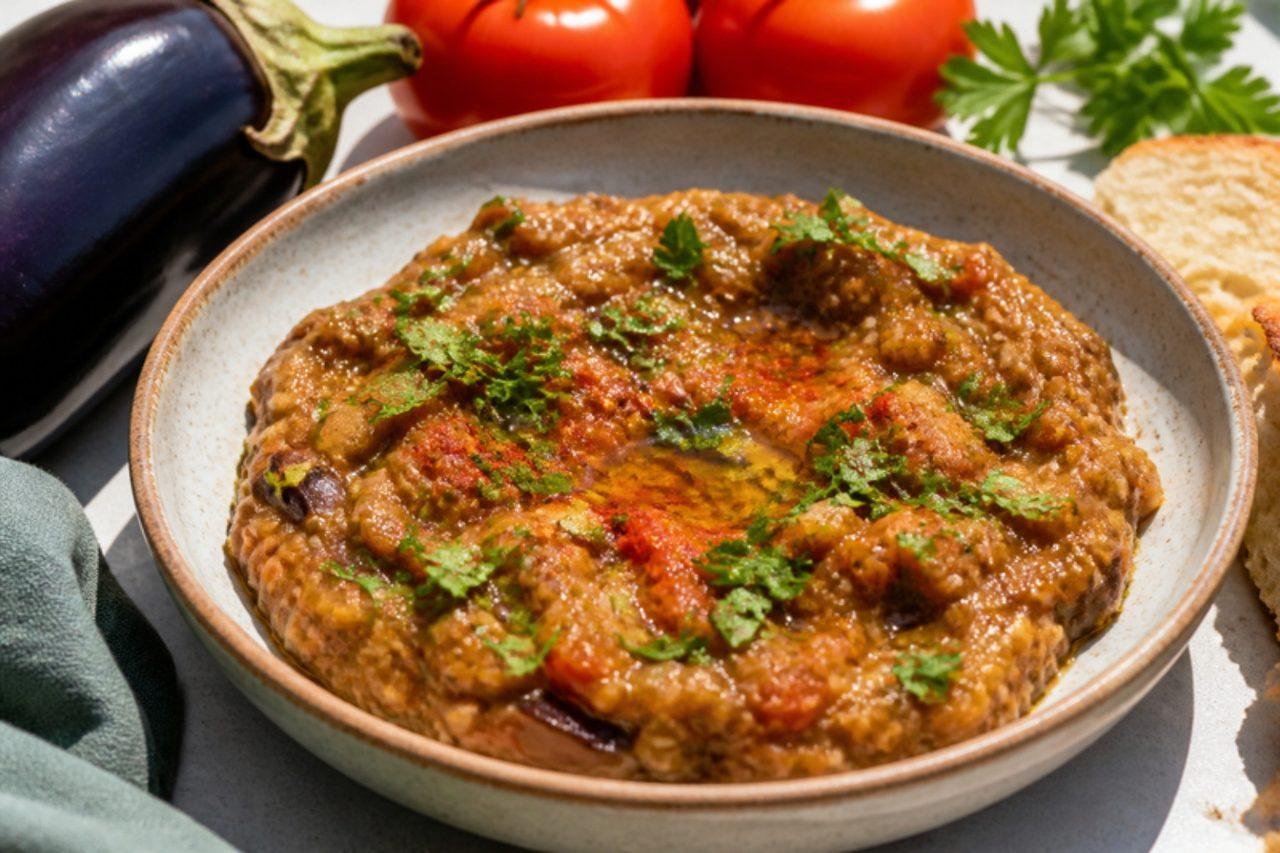
Zaalouk is one of the cooked salads that open almost every Moroccan meal, from Fez to Essaouira, set out in small dishes with taktouka and carrot salad and scooped up with bread. Aubergine and tomato are cooked down together with garlic, cumin and paprika until they become a soft, spoonable relish, sharpened at the end with lemon and olive oil. It tastes even better the next day, so many cooks make a big batch. Chef's tip: char the aubergine over a gas flame or under the grill first if you can; the smoky skin flavour gives the best zaalouk.

by KrazyBadal 0 views

ZacuscăRoasted aubergine and pepper spread

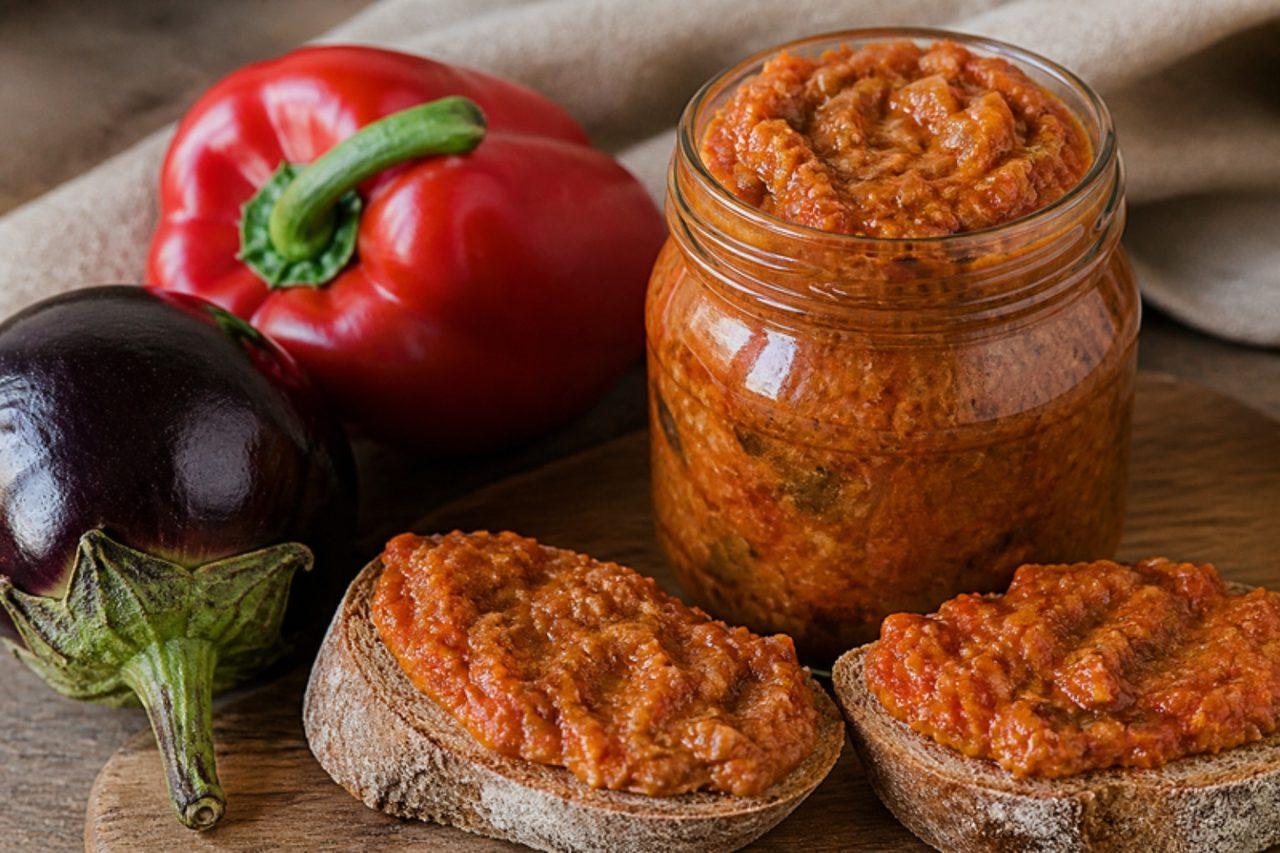
Zacuscă is the autumn preserve of Moldavia and Transylvania: in Iași and the villages around it, families spend a September weekend charring aubergines and red peppers over a grill and slowly frying them down with onion and tomato into a thick, chunky spread. The jars go into the cellar and come out all winter, spread on bread or eaten with mămăligă during the Orthodox fasts. It is coarser and more oniony than smooth Balkan ajvar, with bay and a long, jammy cook. Chef's tip: let the onions go fully soft and sweet before adding anything else; rushing them leaves a sharp, raw edge that the long cook never removes.

by KrazyBadal 0 views

Durian candyDurian milk fudge

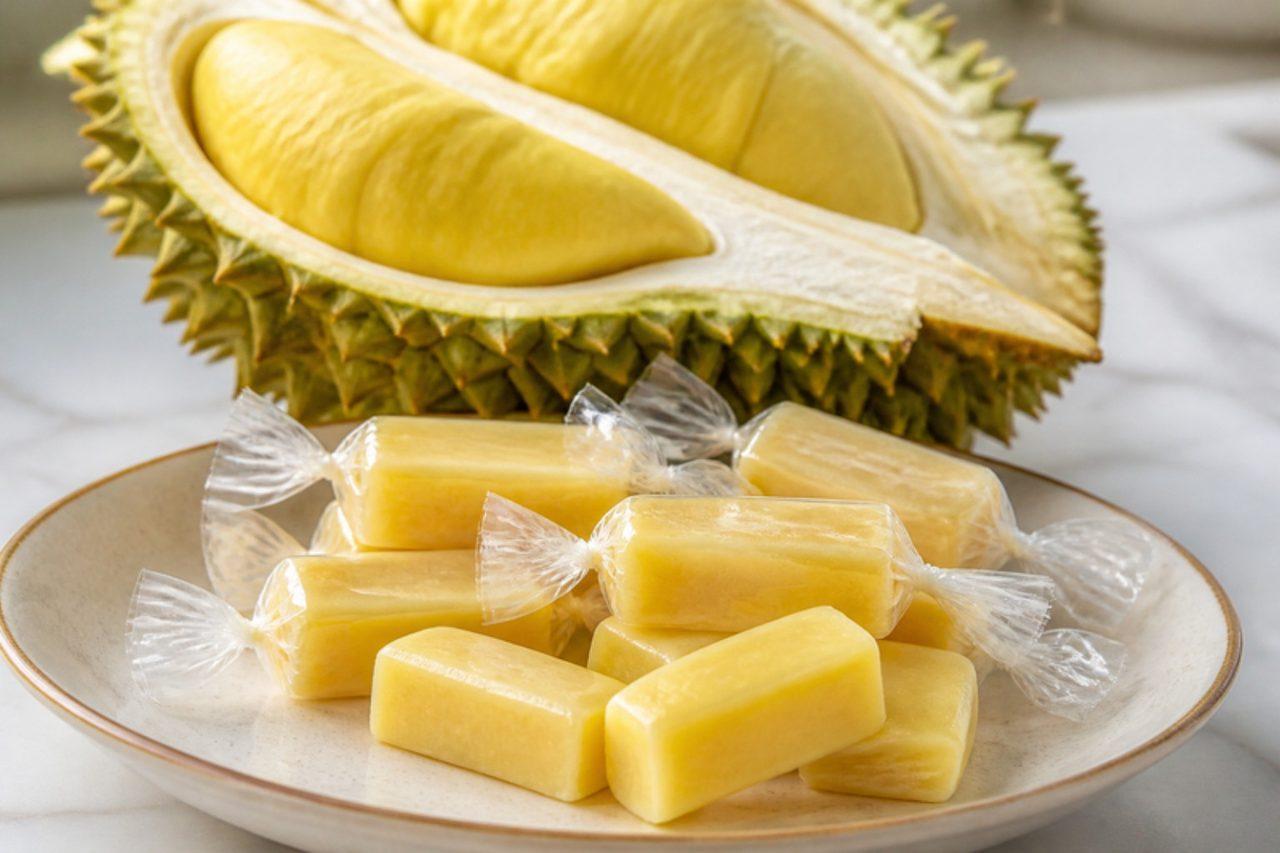
Davao City on Mindanao is the Philippines' durian capital, and its roadside stalls sell the fruit by the kilo next to boxes of durian candy for travellers who can't carry a whole one home. Ripe durian pulp is cooked slowly with condensed milk, sugar and butter until it becomes a dense, chewy fudge that tastes of caramel, custard and that famously strong fruit. Chef's tip: frozen durian pulp works perfectly; thaw it fully and pick out any seeds and fibrous bits before you start.

by KrazyBadal 0 views

Gotu kola sambolPennywort and coconut salad

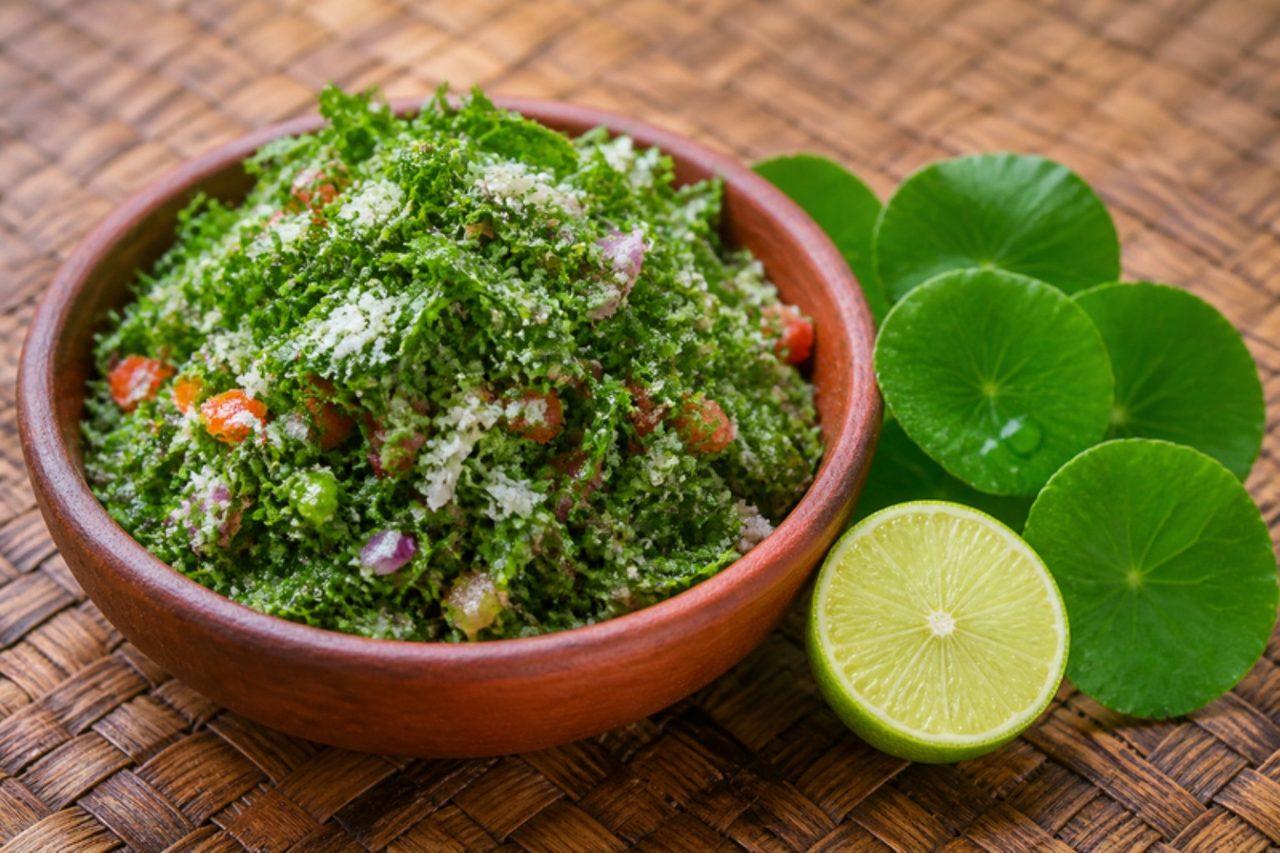
Gotu kola (Asiatic pennywort) grows wild along the paddy edges in the south and centre of Sri Lanka, and a raw sambol of its leaves is the green, slightly bitter bite that balances a rice-and-curry lunch. Families in Galle and Matara will tell you it is good for the memory, and it is often served at the start of a meal or with kola kenda, the herbal porridge. The leaves are shredded as finely as possible, then tossed with shallot, tomato, green chilli, a little fresh coconut and plenty of lime, so it's crunchy, peppery and bright. Look for pennywort bunches in Sri Lankan, Thai and Vietnamese shops. The mistake to avoid is dressing it too early: the salt and lime wilt the leaves within half an hour. Chef's tip: roll a stack of leaves into a tight cigar and slice it hair-thin with a sharp knife; the finer the shreds, the better it tastes.

by KrazyBadal 0 views

Tostadas de frijolBean tostadas

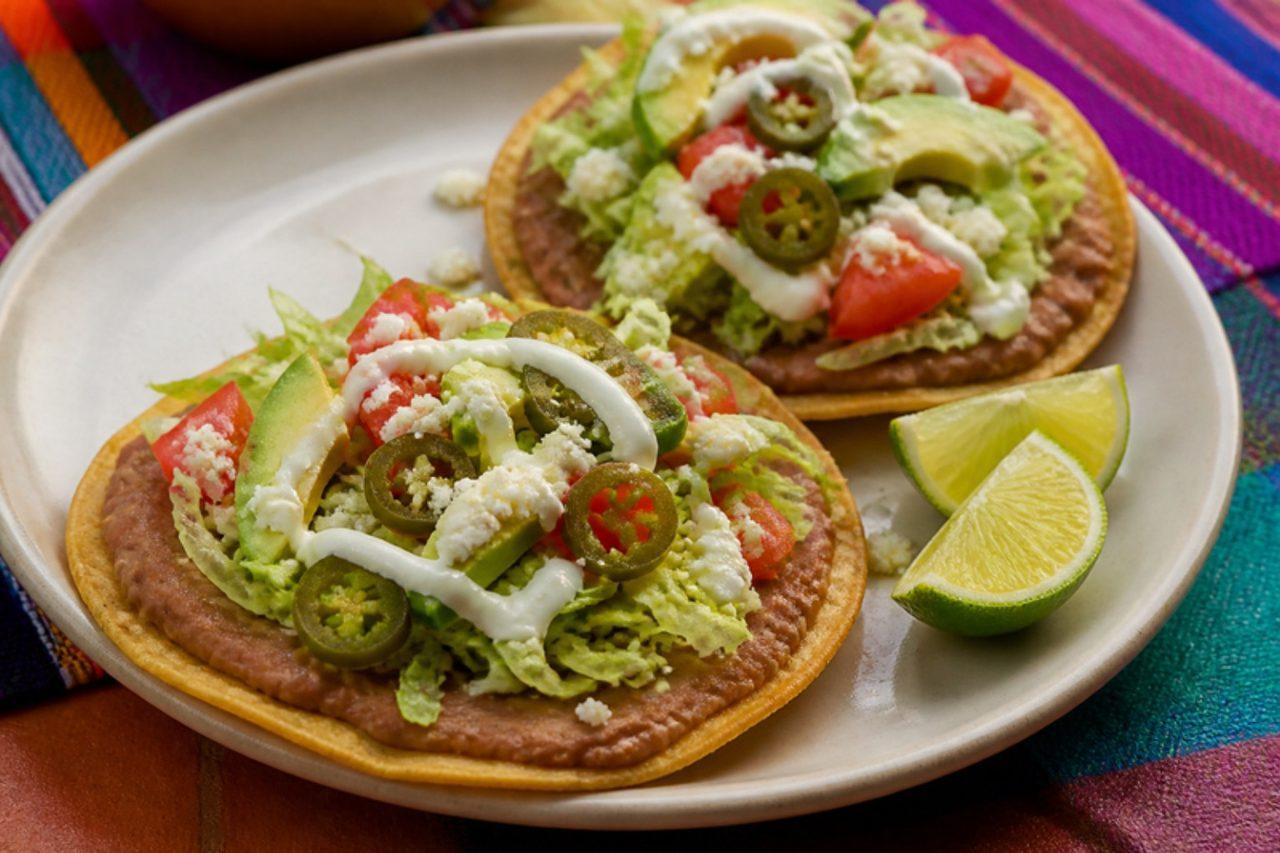
Tostadas, crisp flat corn tortillas, are eaten all over Mexico as a quick meal or snack, and tostadas de frijol are the everyday vegetarian version: a thick smear of refried beans topped with shredded lettuce, tomato, avocado, crema and crumbled cheese. The contrast between the shattering crunch, the creamy beans and the cool, fresh toppings is the whole point. Buy ready-made corn tostadas, or bake your own from corn tortillas. Use queso fresco made with vegetarian rennet, or mild feta. Chef's tip: spread the beans warm and thick right to the edge; they act as glue for the toppings and stop the tostada from shattering when you bite it.

by KrazyBadal 0 views

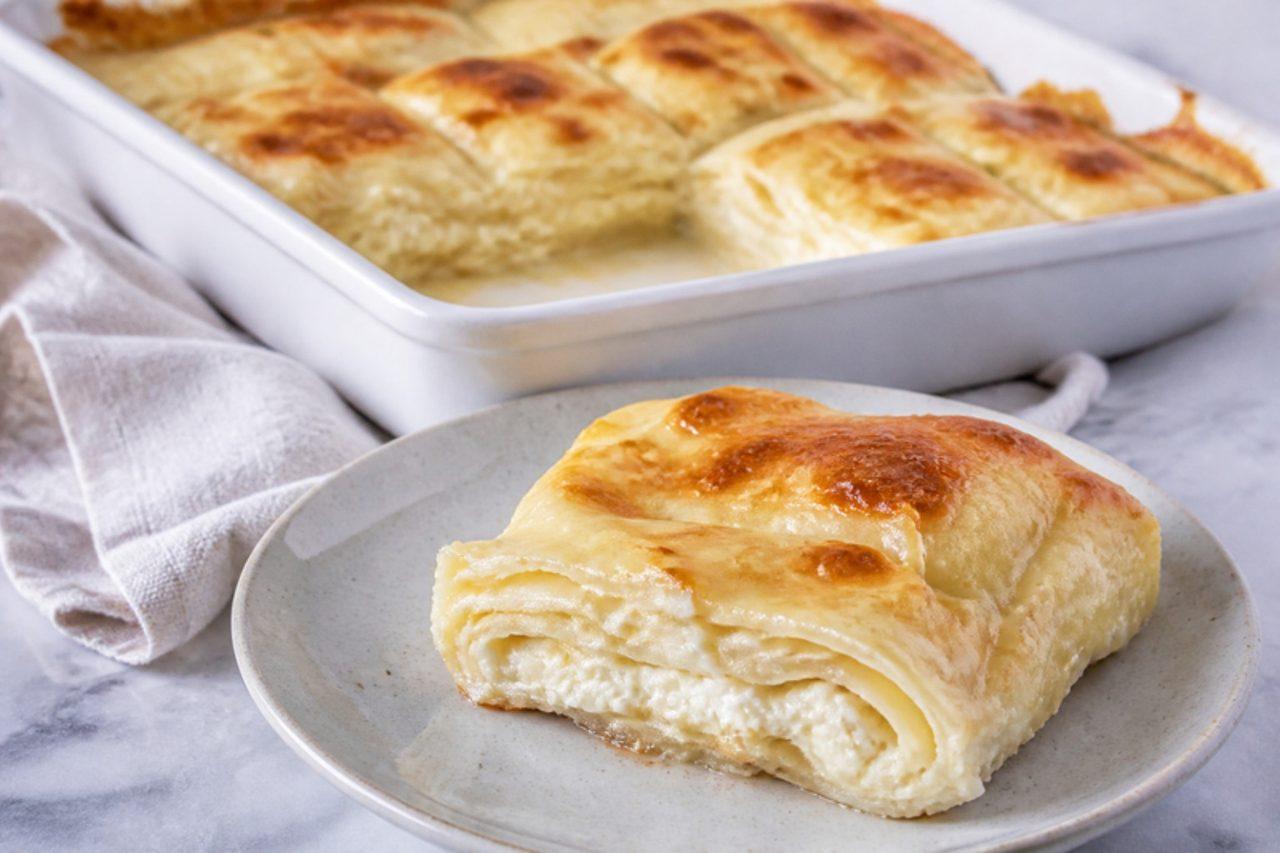
Zagorski štrukliBaked cheese dough rolls

In Hrvatsko Zagorje, the green hill country north of Zagreb, štrukli are Sunday food: paper-thin dough is spread with fresh cow's cheese, rolled up, pinched into pieces with the edge of a plate, then boiled and finished in the oven under a blanket of cream. Zagreb restaurants serve them as a starter or a main, blistered golden on top and soft and custardy inside. The dough is stretched by hand over a tablecloth, which is easier than it sounds once it has rested. Chef's tip: squeeze the cheese if it is wet; a runny filling soaks the thin dough and makes the rolls tear when they boil.

by KrazyBadal 0 views

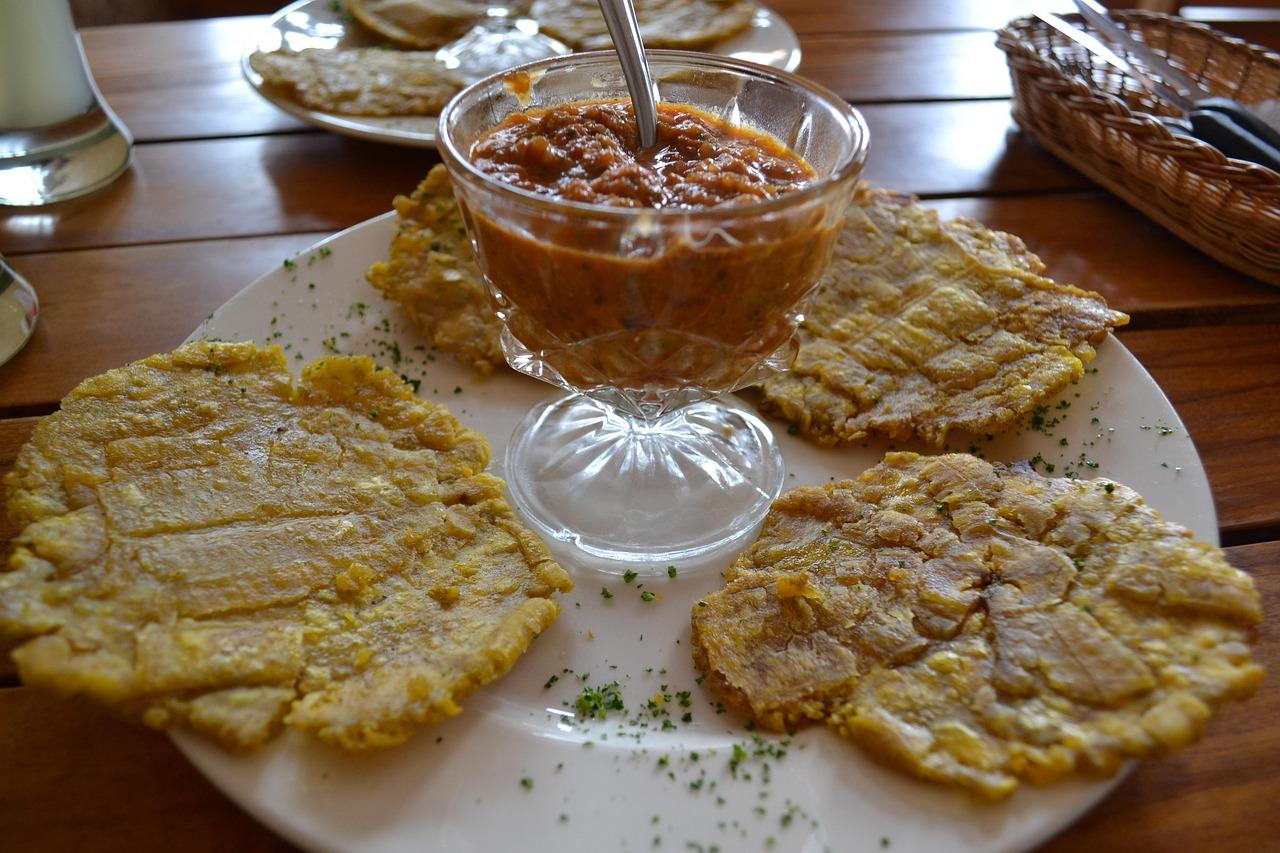
TostonesTwice-fried green plantain

Tostones are the crisp golden discs of green plantain sold at every Cuban cafeteria and fried at home to go with rice, beans and mojo; along Colombia's coast and in Cali the same thing is called patacones and comes with hogao or ají on top. The plantain is fried once to soften, smashed flat, then fried again until the edges shatter while the middle stays starchy and tender. Eat them hot as a side or a snack. Chef's tip: use truly green, hard plantains; yellow ones turn sweet and soft and will never go crisp.

25 minCubanSidesVeganGluten free
by KrazyBadal 0 views

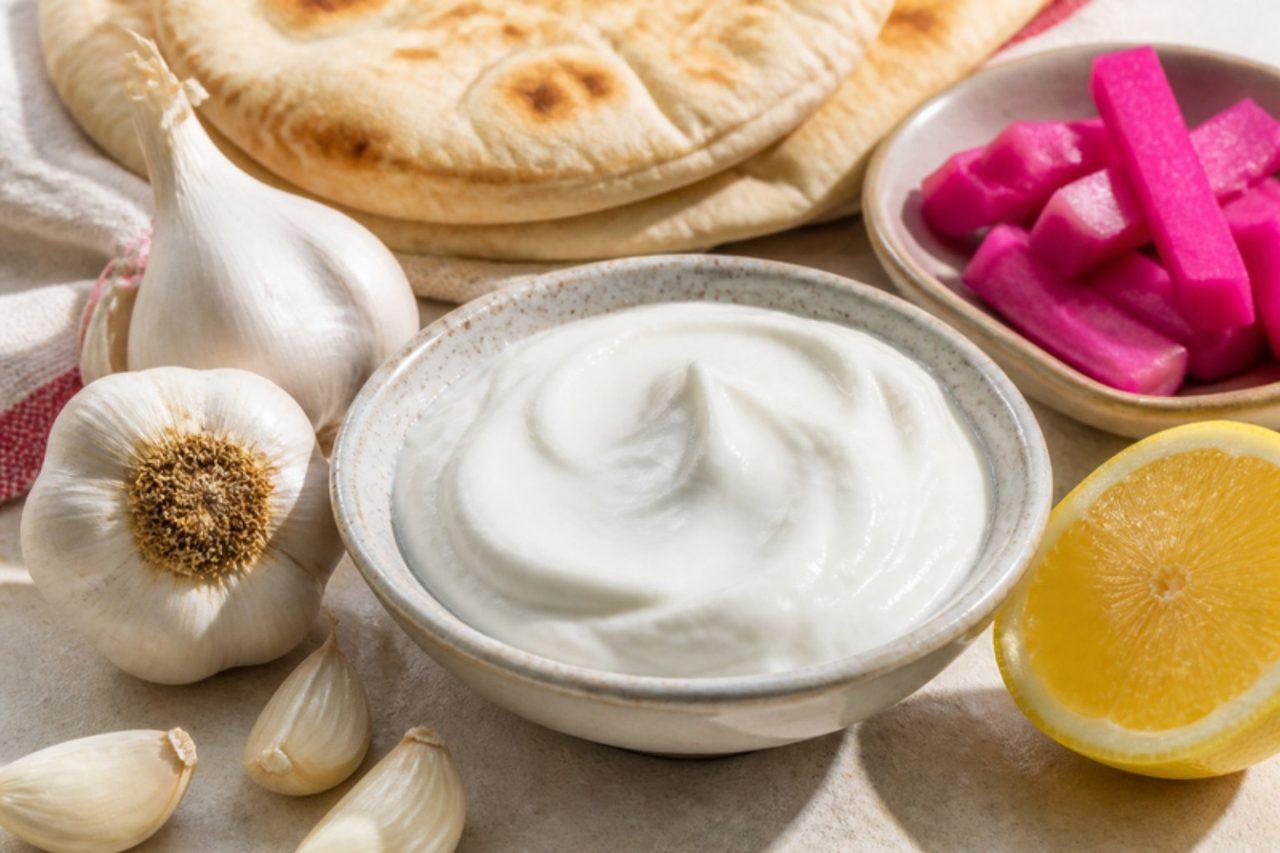
ToumWhipped garlic sauce

Every shawarma and grill shop in Lebanon has a tub of toum, a fluffy, snow-white emulsion of garlic, lemon and neutral oil that tastes fiercely of fresh garlic. At home it is spread on roast potatoes, stirred into grilled vegetables, dabbed on falafel wraps and served with batata harra. It contains no egg: the garlic itself holds the emulsion, so the only trick is patience while the oil goes in. Chef's tip: halve each garlic clove and pull out any green shoot; the germ makes toum bitter and harsh.

by KrazyBadal 0 views

Dulce de lecheMilk caramel

Dulce de leche is Argentina's national sweet, spread on toast at breakfast, sandwiched in alfajores, rolled into panqueques and spooned onto flan. Argentine families traditionally make it by slowly cooking milk and sugar with a vanilla pod and a pinch of bicarbonate of soda, which helps it turn deep brown, until it becomes a thick, glossy caramel cream. It takes about three hours of gentle cooking and regular stirring. Chef's tip: use a wide, heavy pan and keep the heat low; the wider the surface, the faster the milk reduces, and the less it catches on the bottom.

by KrazyBadal 0 views

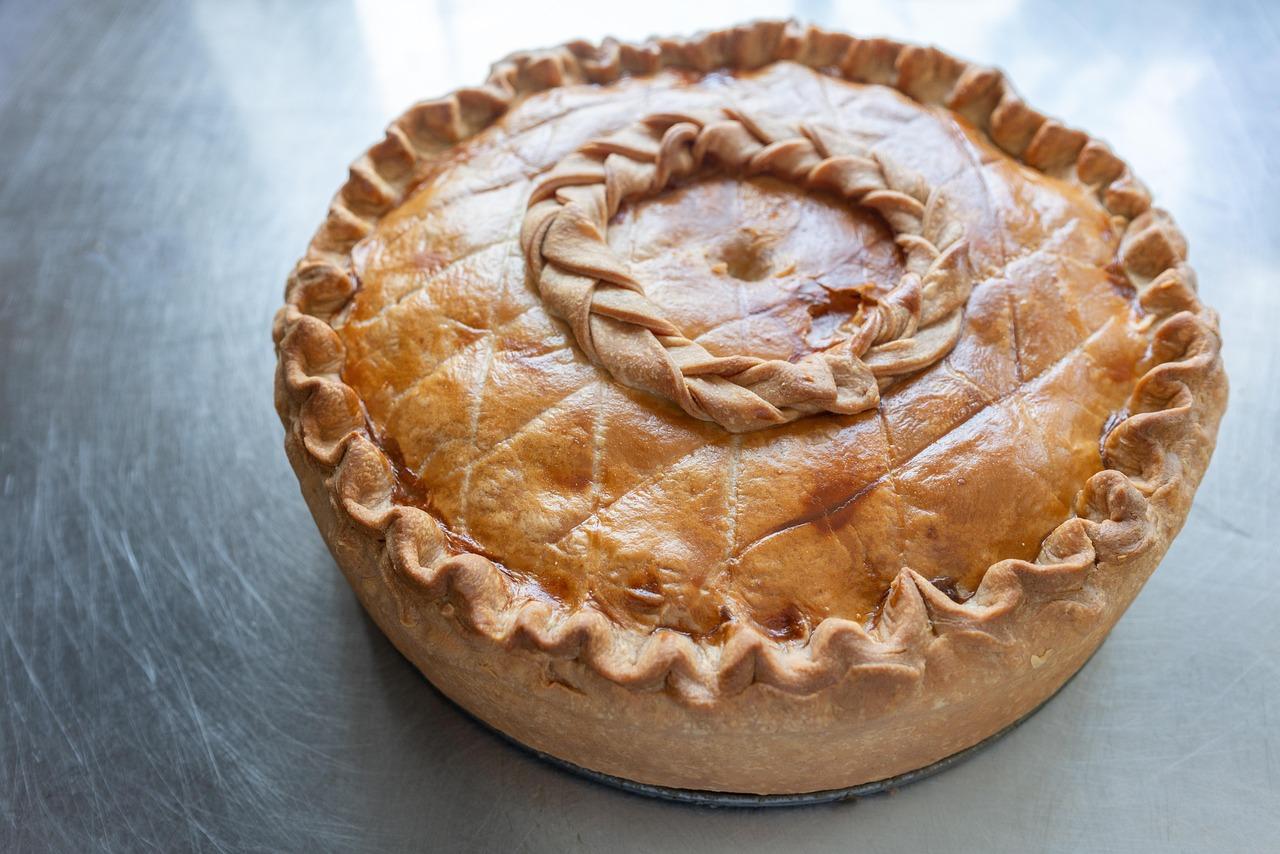
TourtièreSpiced pork and beef pie

Tourtière is the meat pie of Quebec, served after midnight mass at the Christmas Eve réveillon and through the holidays, from Montreal to the Saguenay–Lac-Saint-Jean region (where a deep, layered version is also called tourtière). This dish contains pork. Minced pork and beef cook slowly with onion, a little potato and warm spices — cinnamon, cloves, allspice and savory — then are baked in a flaky double crust and served with ketchup or fruit chutney. The mistake is a wet filling that makes the bottom crust soggy; cook it until the liquid has almost gone and cool it before filling. Chef's tip: a grated potato in the filling soaks up the juices and holds the slices together.

by KrazyBadal 0 views

GorditasStuffed masa pockets

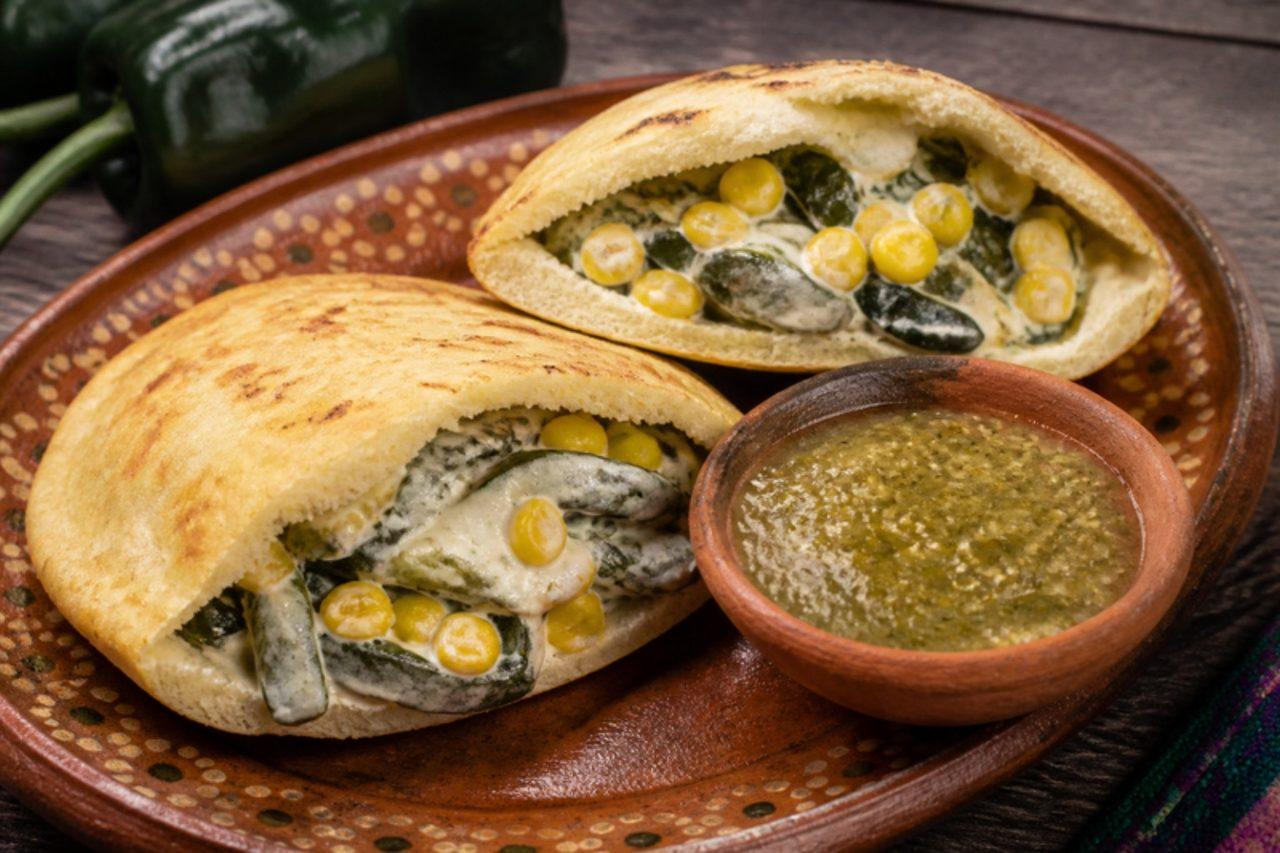
Gorditas, 'little fat ones', are thick corn masa cakes cooked on a comal until they puff, then split open like a pitta and stuffed. They are eaten from the north of Mexico down to the central states, at street stalls and at home, with fillings that change from town to town. This vegetarian version is filled with rajas con crema: strips of roasted poblano pepper, onion and sweetcorn in a creamy sauce with melting cheese, smoky and mild. Use masa harina for tortillas, made from nixtamalised corn, not cornmeal or polenta. Poblanos can be hard to find: green bell peppers with a jalapeño give a similar effect. Choose a cheese made with vegetarian rennet. Chef's tip: shape the gorditas no thicker than 1 cm; any thicker and the outside burns before the inside cooks and puffs.

by KrazyBadal 0 views

Gongura pachadiSorrel leaf chutney

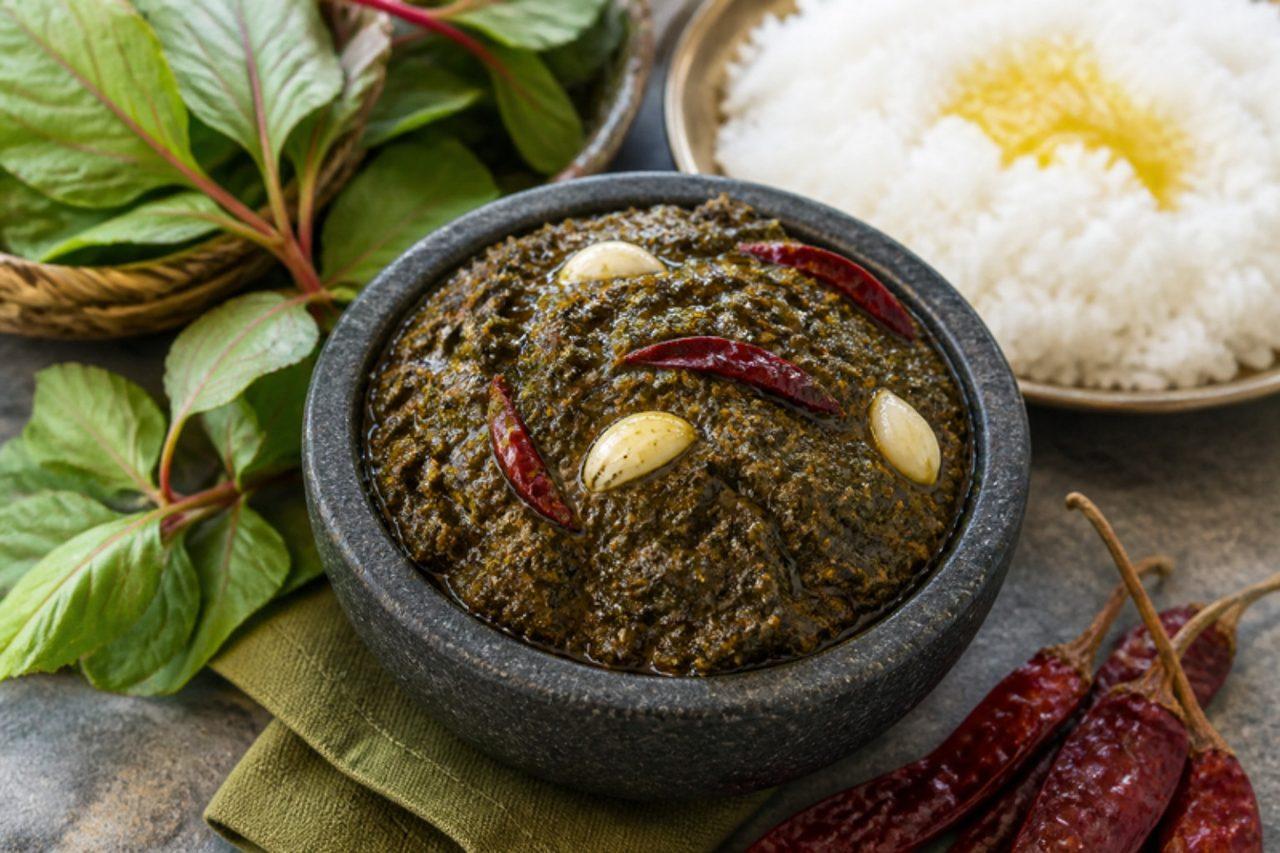
Gongura, the sour leaf of the roselle plant, is so central to Andhra cooking that it's called the state's own vegetable, and gongura pachadi is its best-known form. The leaves are fried in oil until they melt, then pounded with roasted red chillies, garlic, coriander seeds and fenugreek, and finished with a mustard tempering. It's intensely tangy, hot and garlicky, and in Guntur and Vijayawada homes a spoonful is mixed into hot rice with ghee or eaten with jowar rotte. It keeps in the fridge for a couple of weeks. Chef's tip: fry the leaves until all their water cooks off and they turn dark olive; any moisture left shortens how long the pachadi keeps.

by KrazyBadal 0 views

Duba watSpicy pumpkin stew

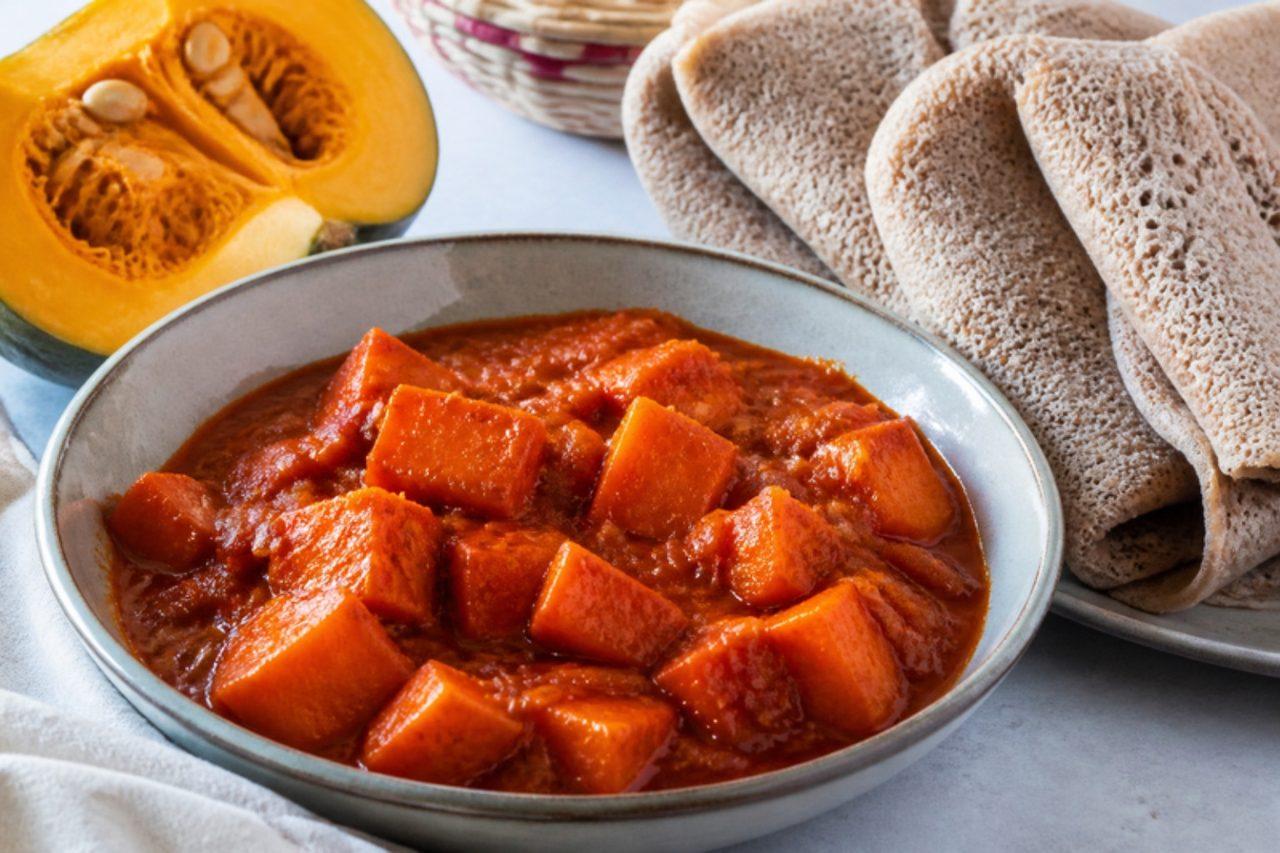
Duba wat is a fasting-season stew from the Ethiopian highlands, made when pumpkins are plentiful after the rains around Meskel in late September. Chunks of pumpkin are cooked in a classic red wat base of slow-cooked onion, garlic and berbere, so the sweetness of the squash plays against the heat of the spices. It is softer and sweeter than most wats and goes well with gomen and injera. Chef's tip: add the pumpkin only once the onion and berbere base is fully cooked and glossy; raw-tasting berbere spoils the dish.

by KrazyBadal 0 views

StollenFruit Christmas bread

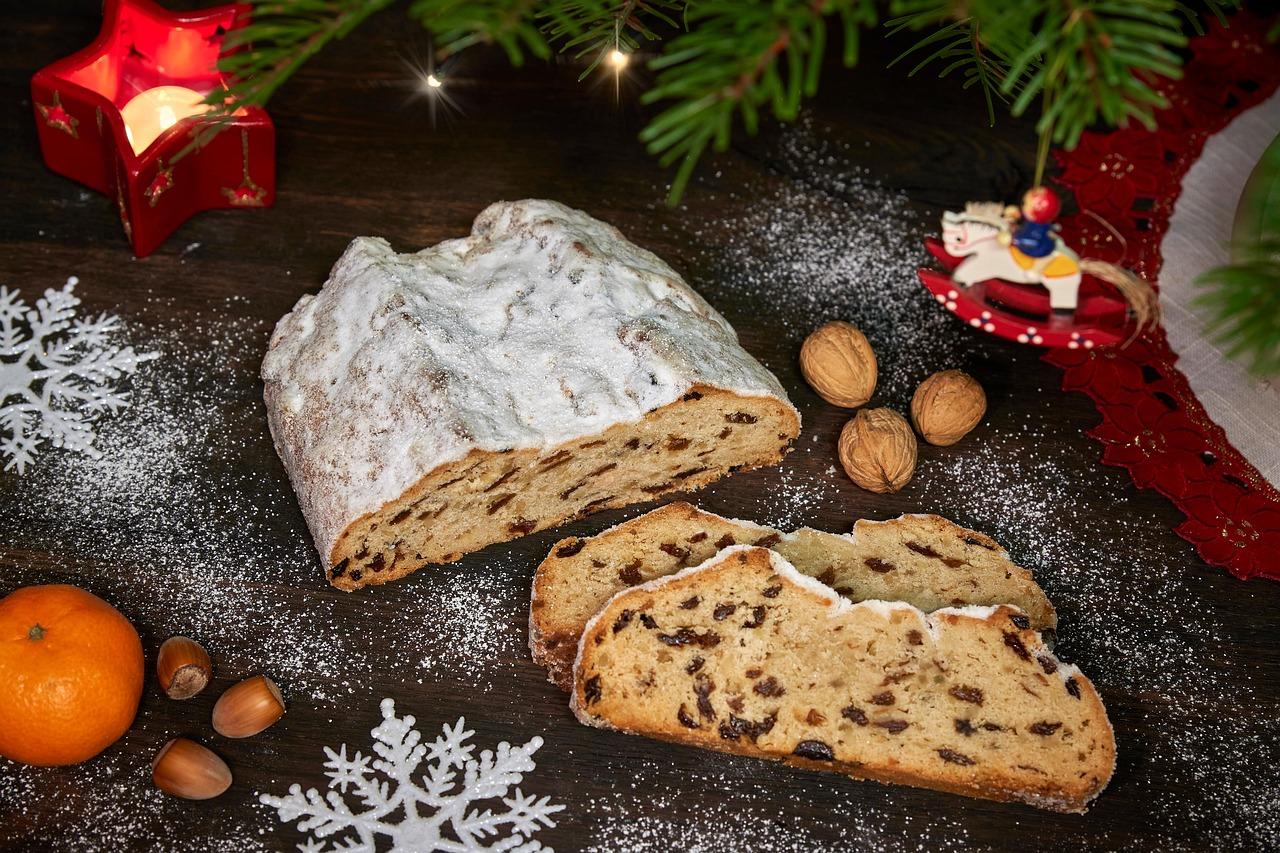
Dresden has baked Christstollen for more than 500 years, and every December the city holds a Stollen festival with a giant loaf paraded through the old town to the Striezelmarkt. The loaf's shape, folded over and dusted white, is said to show the Christ child wrapped in swaddling cloth. It's a rich, dense yeast bread, heavy with butter, raisins, candied peel and almonds, brushed with melted butter straight from the oven and buried in sugar. It's baked weeks before Christmas and sliced thinly through Advent. Chef's tip: wrap it tightly and let it rest for at least a week before cutting; the flavours ripen and the crumb turns moist.

120 minGermanBaking
by KrazyBadal 0 views

GomenBraised collard greens

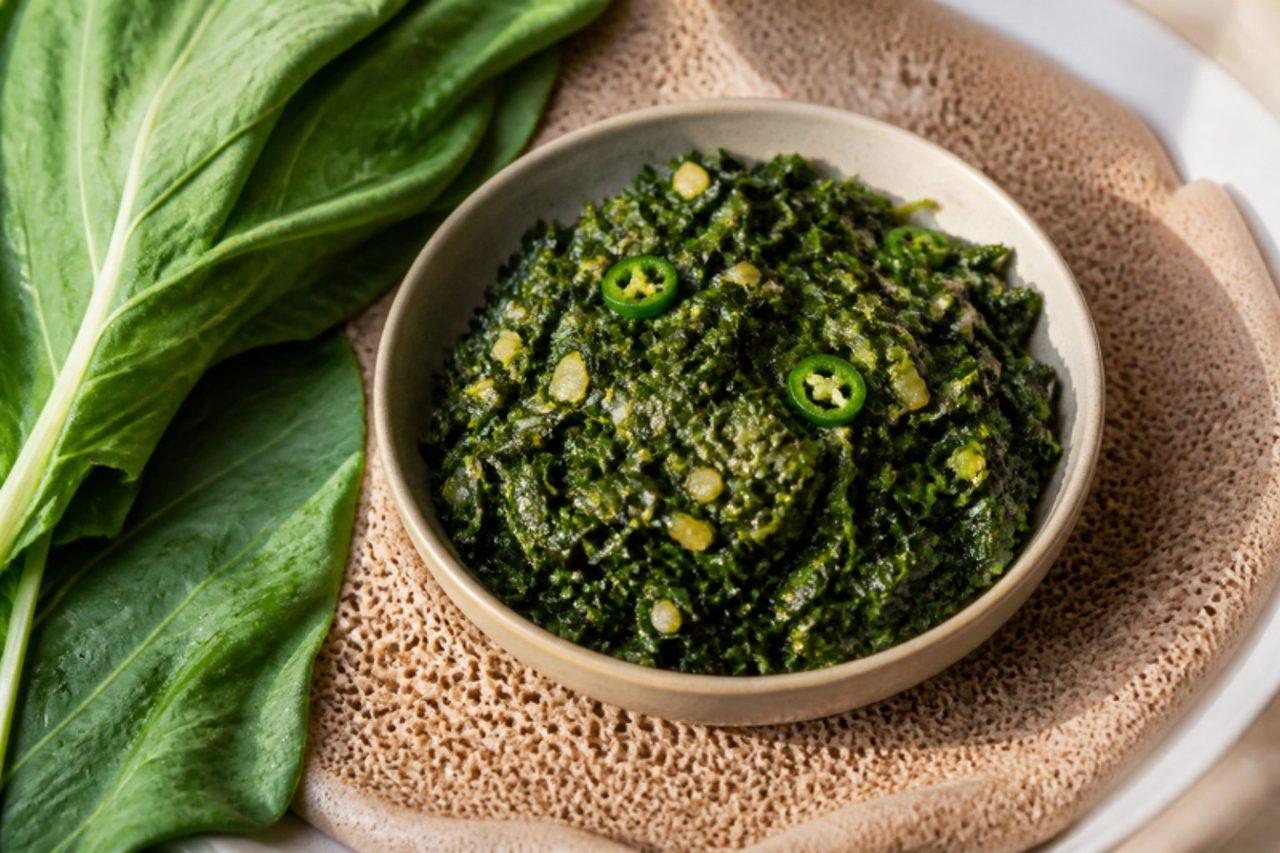
Gomen is the everyday green on Ethiopian tables, cooked in homes across the highlands and always part of a fasting platter in Addis Ababa restaurants on Wednesdays and Fridays. Collard greens (or kale) are chopped fine and braised gently with onion, garlic, ginger and green chilli until they turn soft, dark and silky, without any berbere, so they cool the palate next to the red stews. On non-fasting days many cooks add a little niter kibbeh at the end; this oil version keeps it vegan. Chef's tip: cut out the thick central stalks before chopping; left in, they stay stringy long after the leaves are tender.

by KrazyBadal 0 views

GombapaprikásMushroom paprika stew

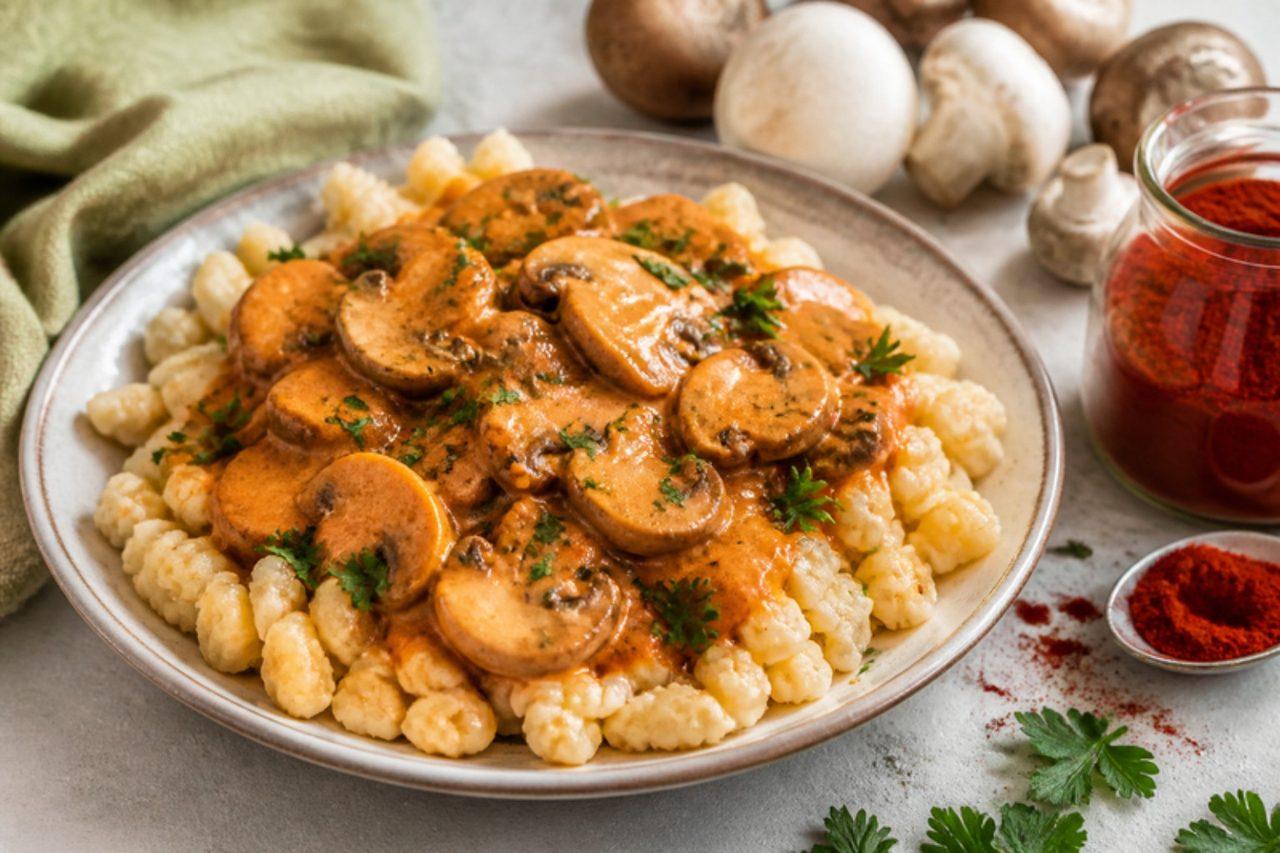
Gombapaprikás is the meatless cousin of chicken paprikás, cooked in Hungarian homes on Fridays and through Lent, and a regular on the vegetarian line of Budapest's self-service étkezde lunch rooms. Mushrooms simmer in onion, paprika and a little pepper and tomato, then the sauce is finished with sour cream until it turns a soft brick-pink. It is quick, rich and comforting, and nokedli are its natural partner, though rice or boiled potatoes work too. Chef's tip: brown the mushrooms in a hot pan in two batches before they meet the onions, so they fry instead of stewing in their own water and the sauce tastes deep rather than watery.

by KrazyBadal 0 views

Goli bajeYogurt and flour fritters

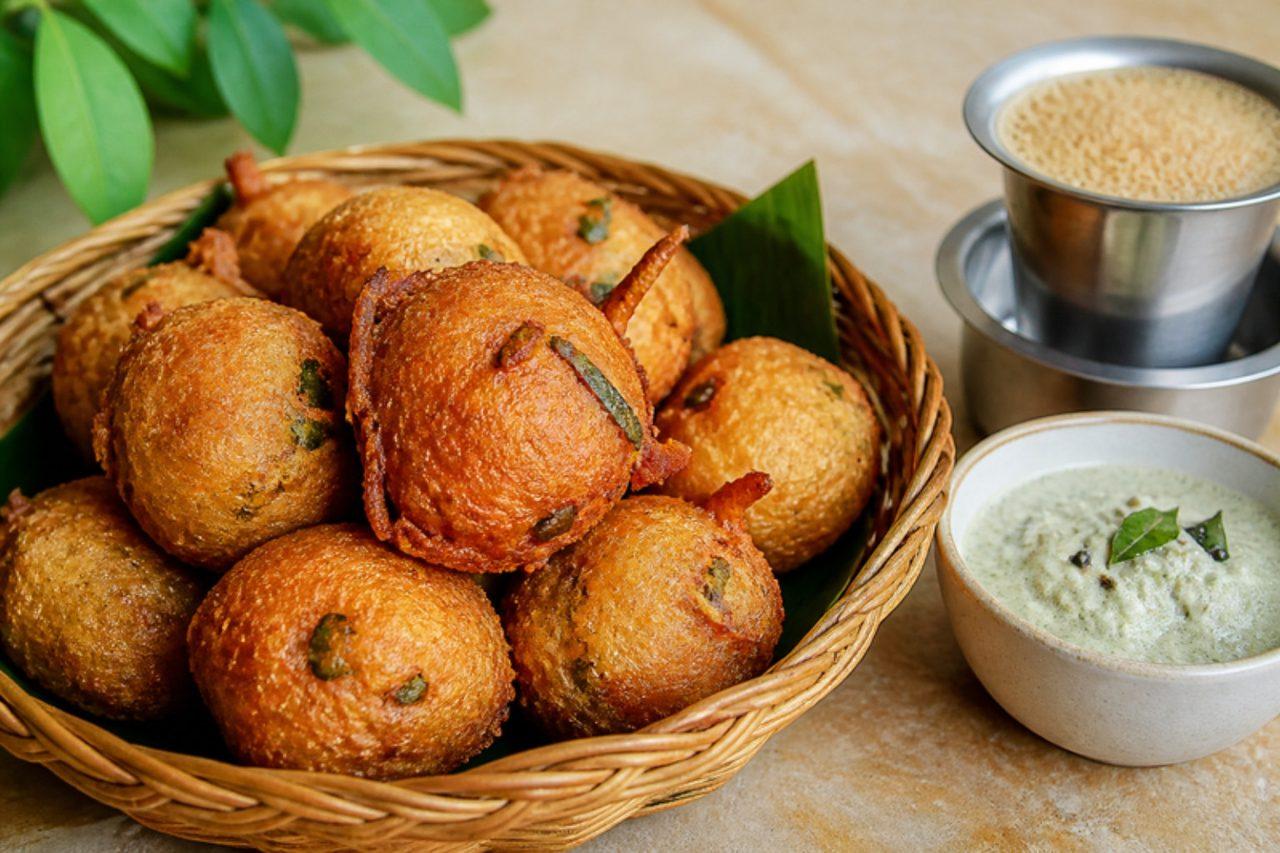
Goli baje is the tea-time snack of coastal Karnataka: round, golden fritters that are crisp outside and soft and spongy inside, sold by the plateful in Udupi hotels and Mangaluru tea shops around four in the afternoon. The batter is made from plain flour and sour yogurt, with green chilli, ginger, curry leaves and coconut bits, and left to rest so it turns slightly tangy and airy. Serve them piping hot with coconut chutney and a strong cup of coffee. Chef's tip: beat the batter hard for a few minutes before resting it; a well-beaten batter is stretchy, traps air, and gives fritters with an open, bread-like crumb.

by KrazyBadal 0 views

GolfeadosSticky panela and cheese spiral buns

Golfeados are the sticky sweet buns of Caracas bakeries and especially of the old roadside panaderías on the road to El Junquito, eaten warm with a slice of salty white cheese and a coffee. The soft yeast dough is rolled up with grated papelón (panela), anise seeds and crumbled cheese, baked in a tight tray and soaked with a dark panela syrup so they glisten. They are sweet, salty and fragrant. Chef's tip: roll them tightly and pack them close together in the tin; they rise up instead of out and stay soft and moist.

by KrazyBadal 0 views

Golbheda ko acharRoasted tomato relish

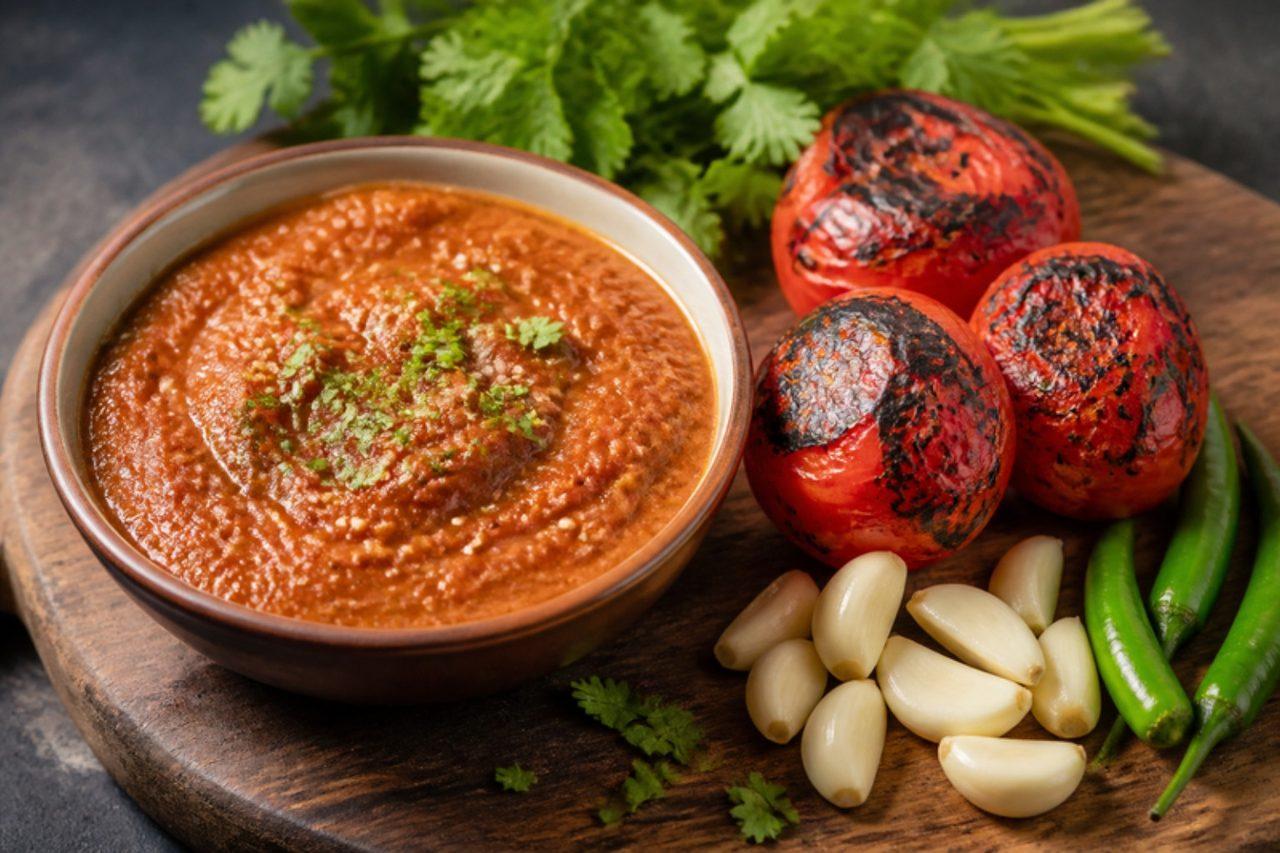
No momo is served in Nepal without a small bowl of golbheda ko achar, and no dal bhat feels complete without a dab of it on the side. Tomatoes (golbheda) are charred over a flame or on a dry griddle until black-blistered and soft, then pounded with garlic, green chilli and timur, the citrusy Nepali pepper that leaves a buzz on the tongue. Grandmothers grind it on the flat stone silauto; a blender or mortar does the job at home. It is smoky, sour and hot, and is made fresh in most kitchens every day or two. A spoonful of toasted sesame or soybean powder thickens the version served with momos in Kathmandu. Don't purée it smooth: the skins and seeds give it its rustic body. Chef's tip: char the garlic and chillies beside the tomatoes; their sharp edge softens and the achar tastes sweeter and deeper.

by KrazyBadal 0 views

Gogi guksuPork noodle soup

Gogi guksu goes back to Jeju's village feasts, where a pig was slaughtered for a wedding or funeral and its bones were boiled into broth for noodles to feed everyone. In Jeju City there is now a street of noodle restaurants near Samseonghyeol shrine, popular for a quick lunch and with visitors fresh off the plane. The broth is cloudy and rich, the noodles are thick and chewy, and the slices of boiled pork on top are often from the island's black pigs. Diners add chilli flakes and spring onion as they like. Chef's tip: dip the cooked noodles into the hot broth in a sieve for 20 seconds before they go in the bowl; they heat through without going soft.

180 minKoreanSoups
by KrazyBadal 0 views

Goan vegetable xacutiRoasted coconut vegetable curry

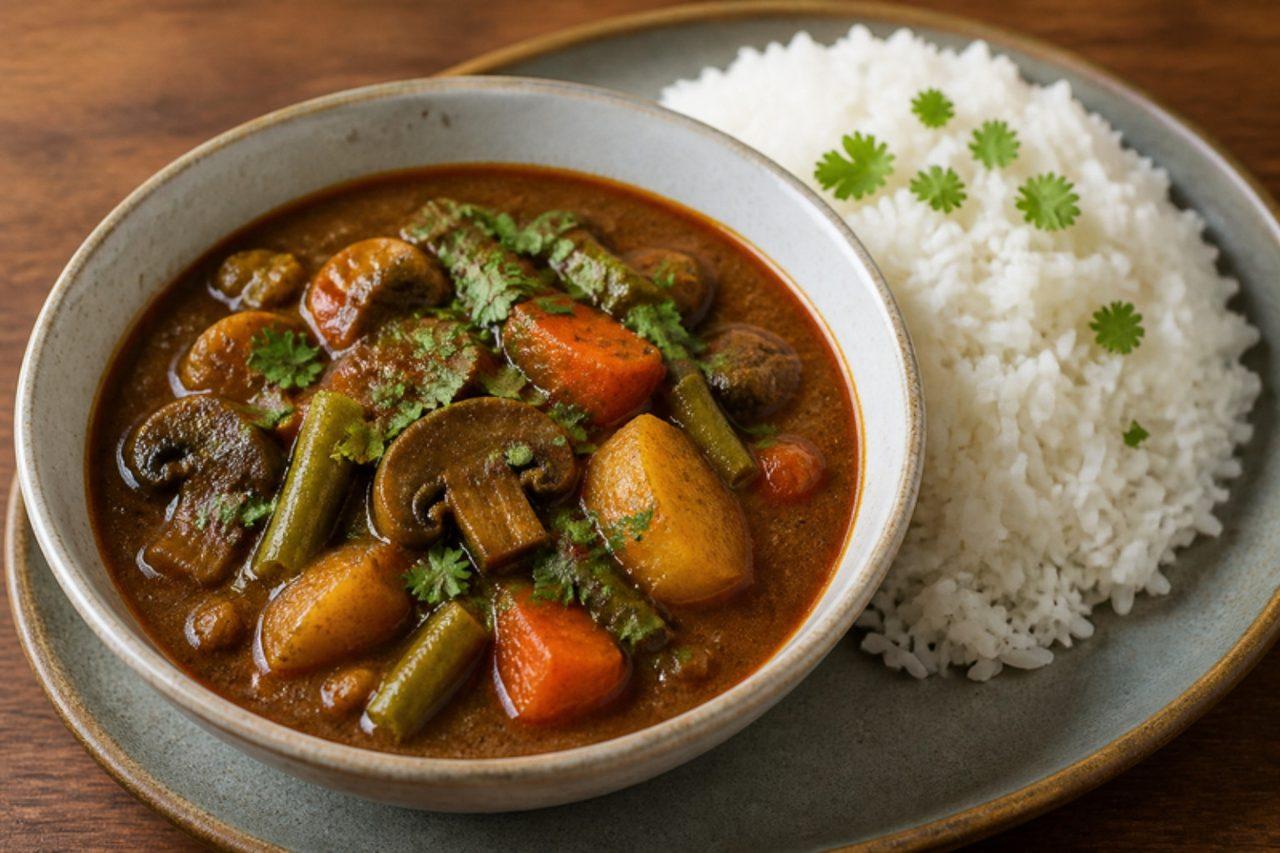
Xacuti (sha-koo-tee) is one of Goa's most complex curries: grated coconut is roasted until deep brown with poppy seeds, dried chillies and a long list of whole spices, then ground into a thick, aromatic masala. In Goa it's usually made with chicken; vegetarian Goan families make it with mushrooms, potatoes, peas and other vegetables, and the roasted coconut gives it all the depth it needs. It's warm and fragrant rather than fiery, with a touch of tamarind and jaggery. Serve with rice, pao or chapatis. Chef's tip: roast the coconut slowly over a low heat until it's the colour of milk chocolate and smells like toasted nuts; that colour is the xacuti's flavour, and pale coconut gives you a pale, flat curry.

by KrazyBadal 0 views

Goan pork sorpotelSpicy vinegar pork stew

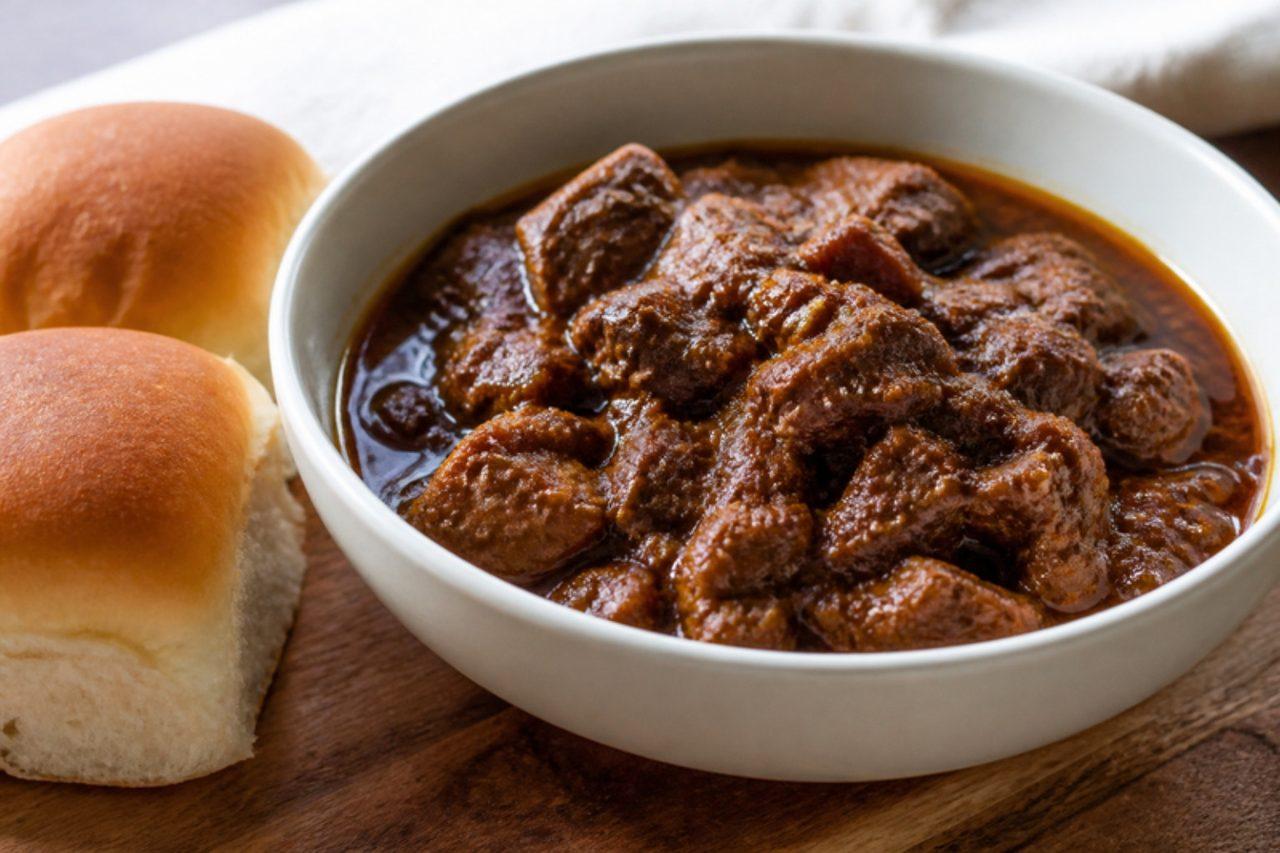
No Goan Christmas, wedding or village feast in Salcete is complete without sorpotel, a dark, sharp curry of finely diced pork that is made days in advance and reheated every day until it is eaten. Traditionally it uses pork, liver, heart and sometimes blood; this home version uses pork shoulder with optional liver, which most city cooks prefer. It is eaten with sannas (steamed rice cakes) or soft pao. Chef's tip: boil the pork in one piece first and dice it once it is cooked; you get neat little cubes that stay tender instead of turning stringy.

155 minIndianMeatGluten freeSpicy
by KrazyBadal 0 views

Goan poiGoan wholewheat pocket bread

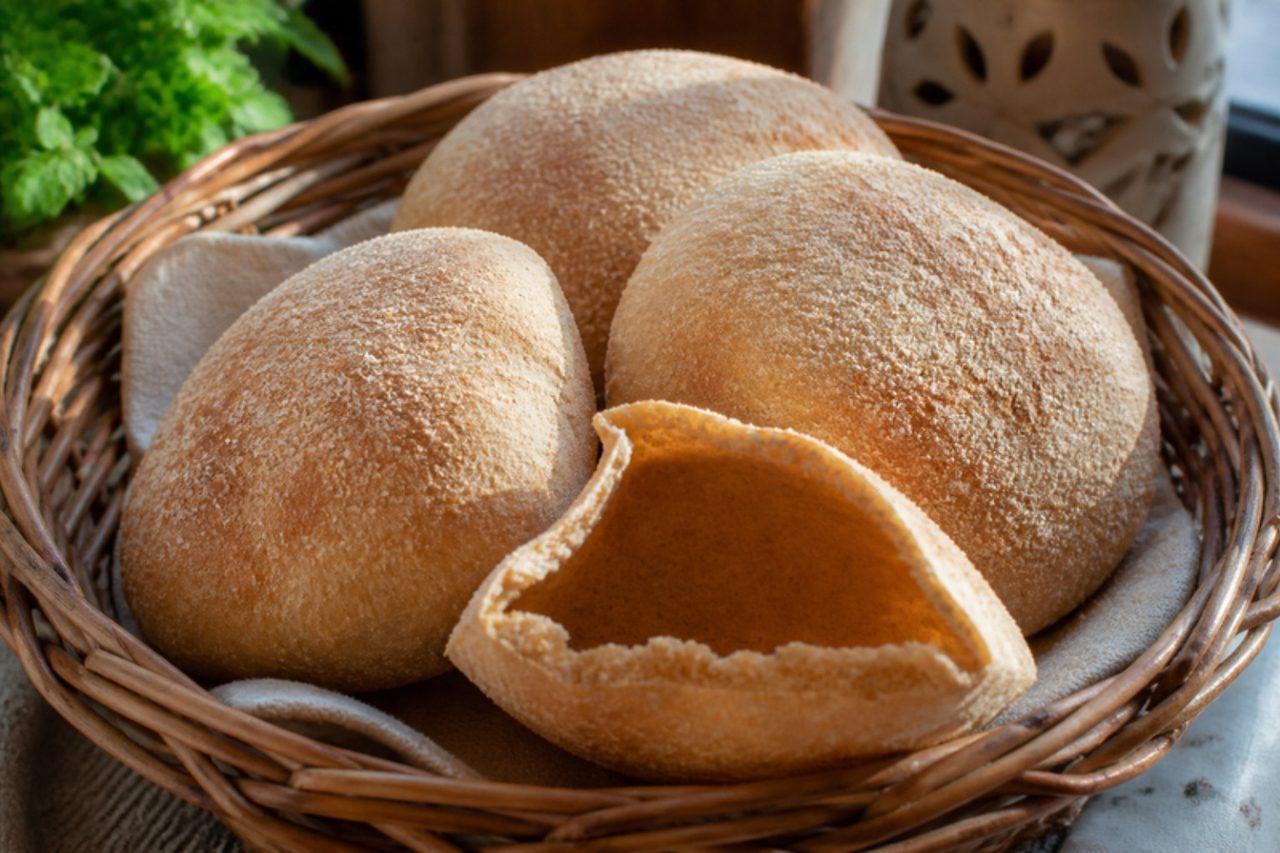
Every morning in Goan villages the poder, the local baker, cycles from house to house honking a horn, his basket full of warm bread. Poi is the one Goans miss most when they leave home: a flat, round, wholewheat-and-white-flour bread dusted with wheat bran, baked in a very hot wood oven so it puffs into a hollow pocket. It's torn open for chorizo pao in Goa, but just as good stuffed with spicy chickpea ros, dipped in a vegetable xacuti, or eaten with butter and tea. Traditionally the dough was raised with palm toddy; at home, yeast does the job. Chef's tip: preheat a heavy baking tray in the oven for at least 20 minutes; the shock of hot metal is what makes the poi puff.

by KrazyBadal 0 views

Potato gnocchiPotato gnocchi with sage butter

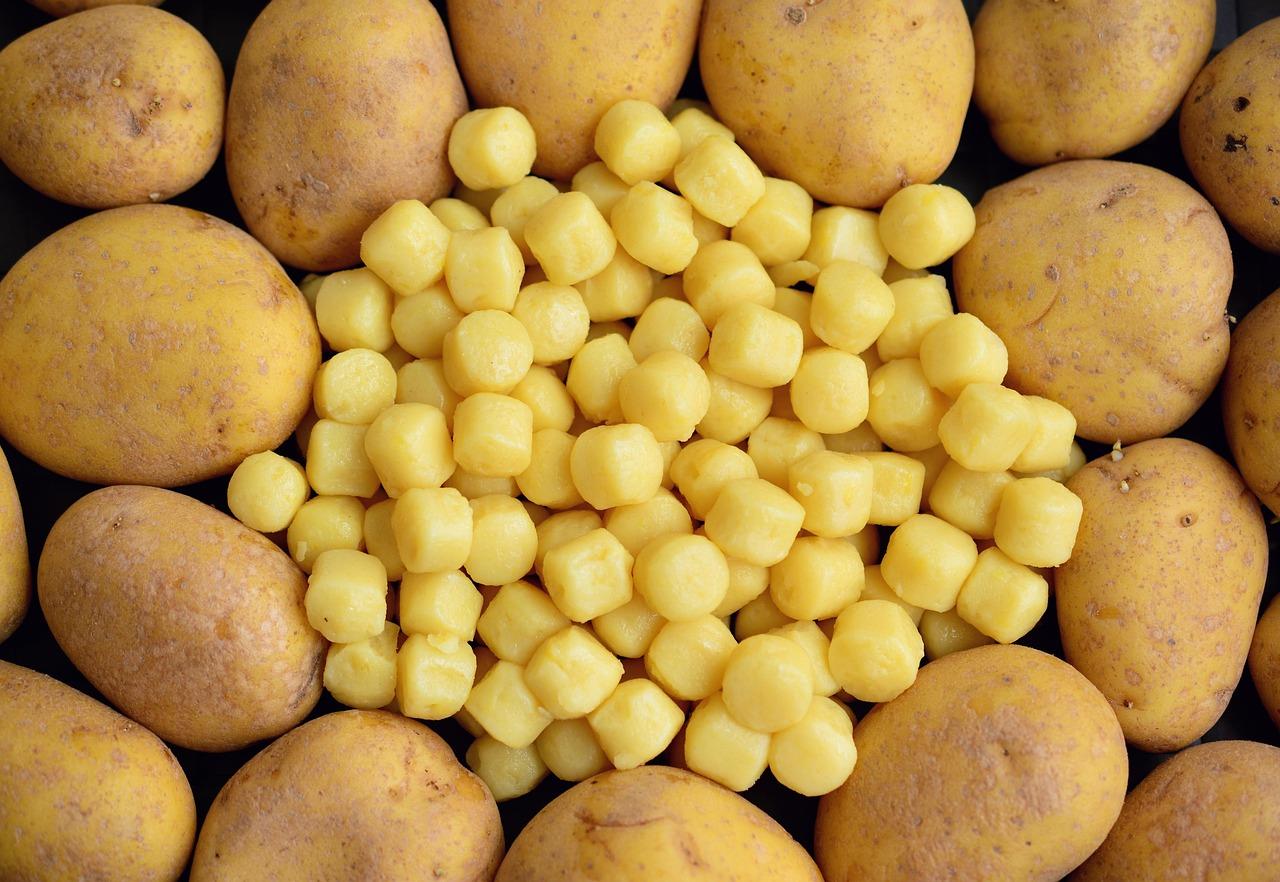
Potato gnocchi are made all over Italy, from Friuli to Rome, where trattorie still serve them on Thursdays ('giovedì gnocchi'). They are just floury potatoes and flour (an egg yolk is optional and makes them easier to handle) rolled into little pillows that cook in two minutes. Good gnocchi are light and tender, never chewy. Serve them with sage butter, as here, or a simple tomato sauce for children. Chef's tip: bake the potatoes in their skins instead of boiling; drier potatoes need less flour, and less flour means lighter gnocchi.

by KrazyBadal 0 views

Ginataang langkaYoung jackfruit in coconut milk

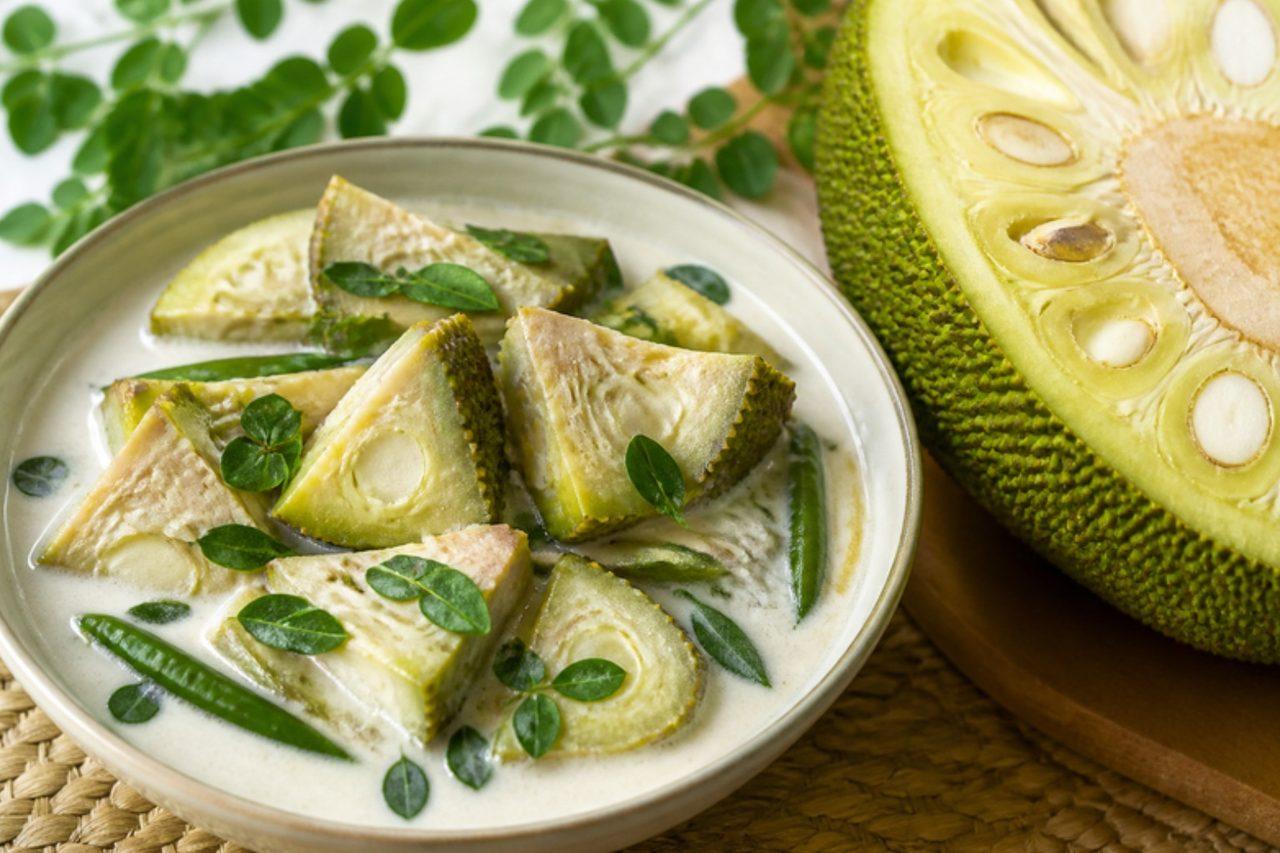
In Bicol and across the Tagalog provinces, ginataang langka is what happens when a jackfruit tree drops its fruit too early: the unripe flesh is sliced and cooked in coconut milk with plenty of ginger until tender and creamy. Unlike Java's sweet, dark gudeg or Padang's turmeric gulai nangka, it is pale, savoury and peppery, lifted at the end with malunggay (moringa) leaves and a splash of vinegar. Home cooks often add shrimp or pork; this version is vegetable-only. Chef's tip: oil your knife and hands before cutting fresh jackfruit, as its sap is very sticky; tinned young jackfruit avoids the problem altogether.

by KrazyBadal 0 views

Ginataang kalabasa at sitawSquash and long beans in coconut milk

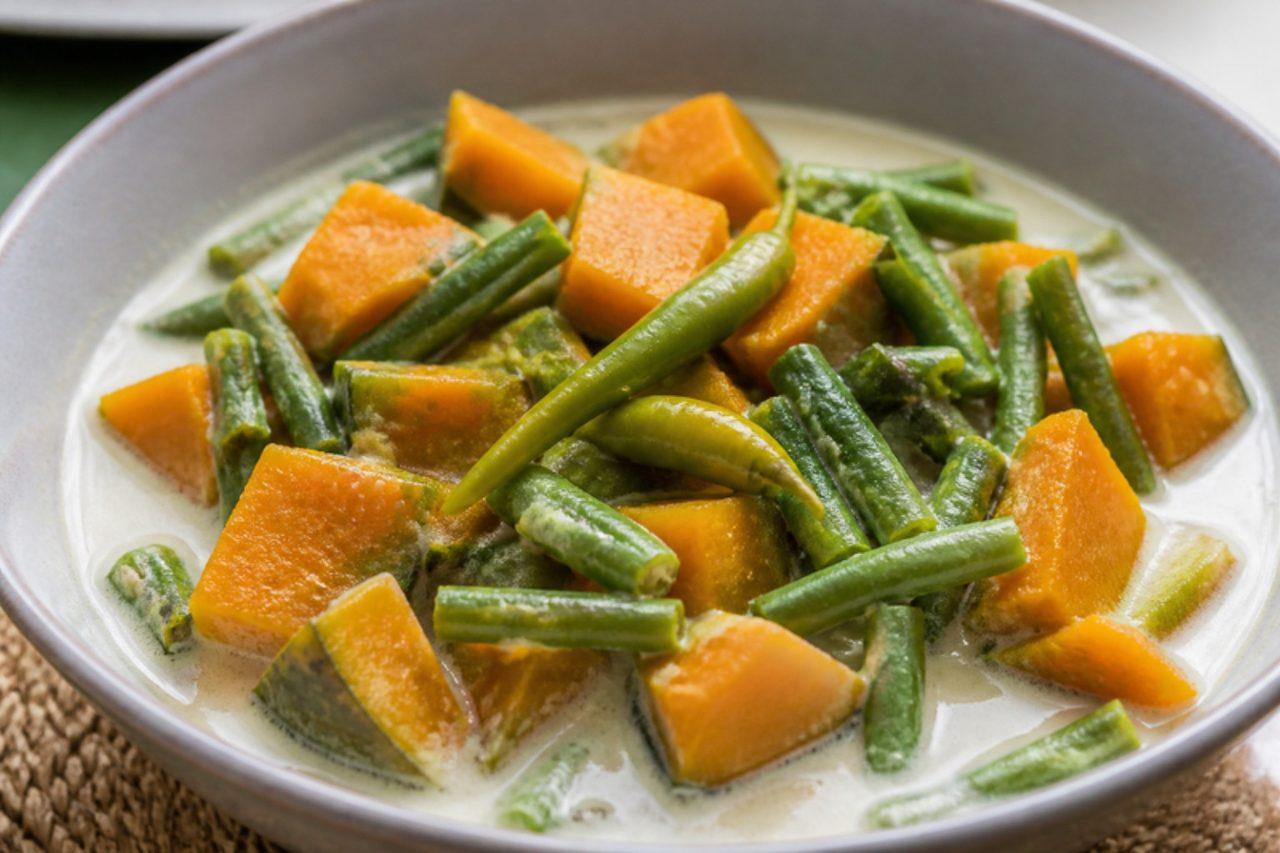
Ginataan means 'cooked in coconut milk', and in the coconut country of Bicol and Southern Tagalog it is how a lot of weeknight vegetables end up on the table. Ginataang kalabasa at sitaw is the homely version: chunks of orange squash and lengths of yard-long beans simmered in coconut milk with garlic, onion and ginger until the squash just starts to melt into the sauce, turning it pale gold and lightly sweet. Bicolano cooks drop in a long green chilli or two for warmth. It is a one-pot dish served with rice, and many families make it on days when there is no money for meat. Chef's tip: keep back a few chunks of squash to mash into the sauce at the end; it thickens it naturally.

by KrazyBadal 0 views

Gin thokeYoung ginger salad

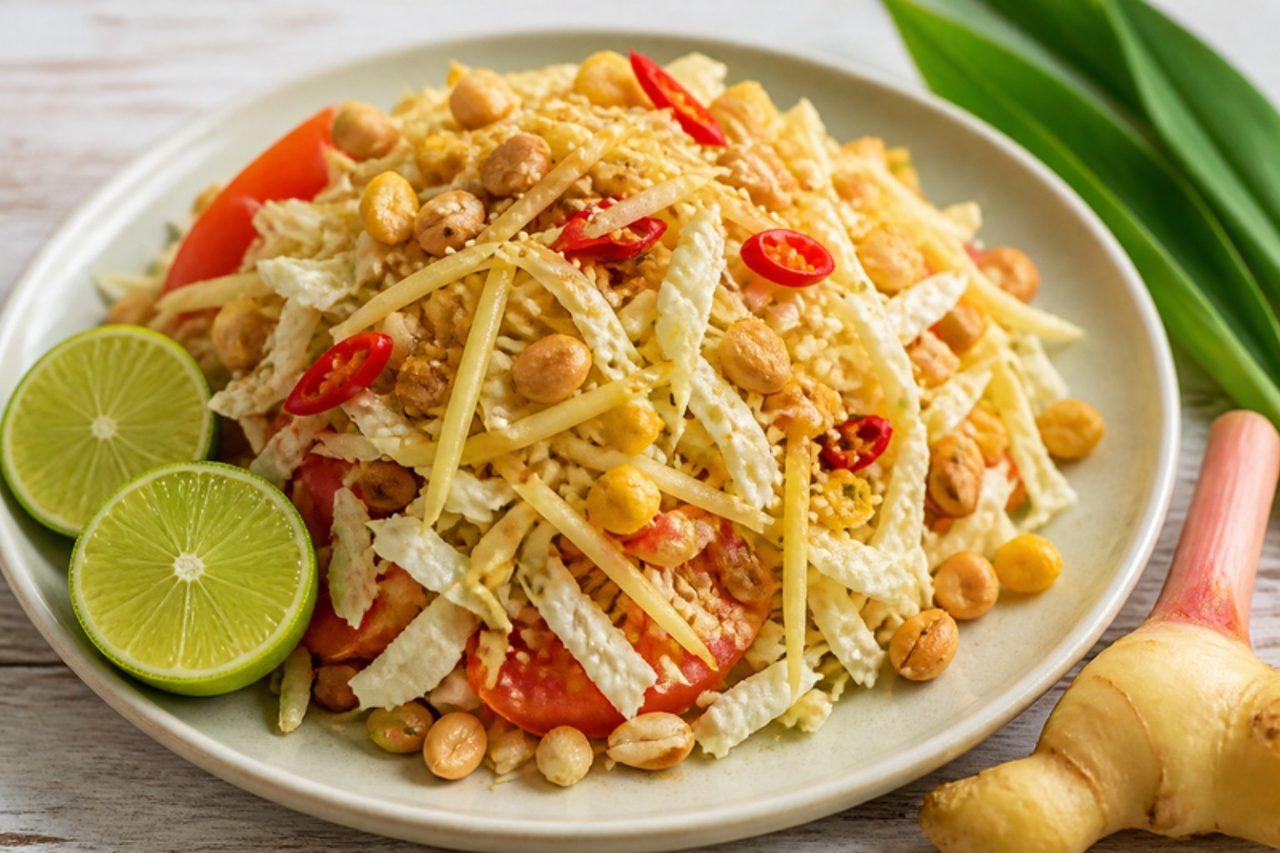
Gin thoke is lahpet thoke's livelier cousin, served on the same lacquered trays at teashops in Yangon and as a palate-wakener after a rich curry lunch. Young ginger is cut into fine threads and pickled in lime and salt so it turns pink and juicy, then tossed with cabbage, tomato, peanuts, fried beans and sesame. Burmese cooks often add fish sauce; salt, lime and a little toasted chickpea flour give the dressing body without it. Chef's tip: use young ginger with thin, pinkish skin if you can find it; mature ginger is fibrous and too fiery to eat in this quantity, so slice it extra thin.

by KrazyBadal 0 views

DovgaHerb and yogurt soup

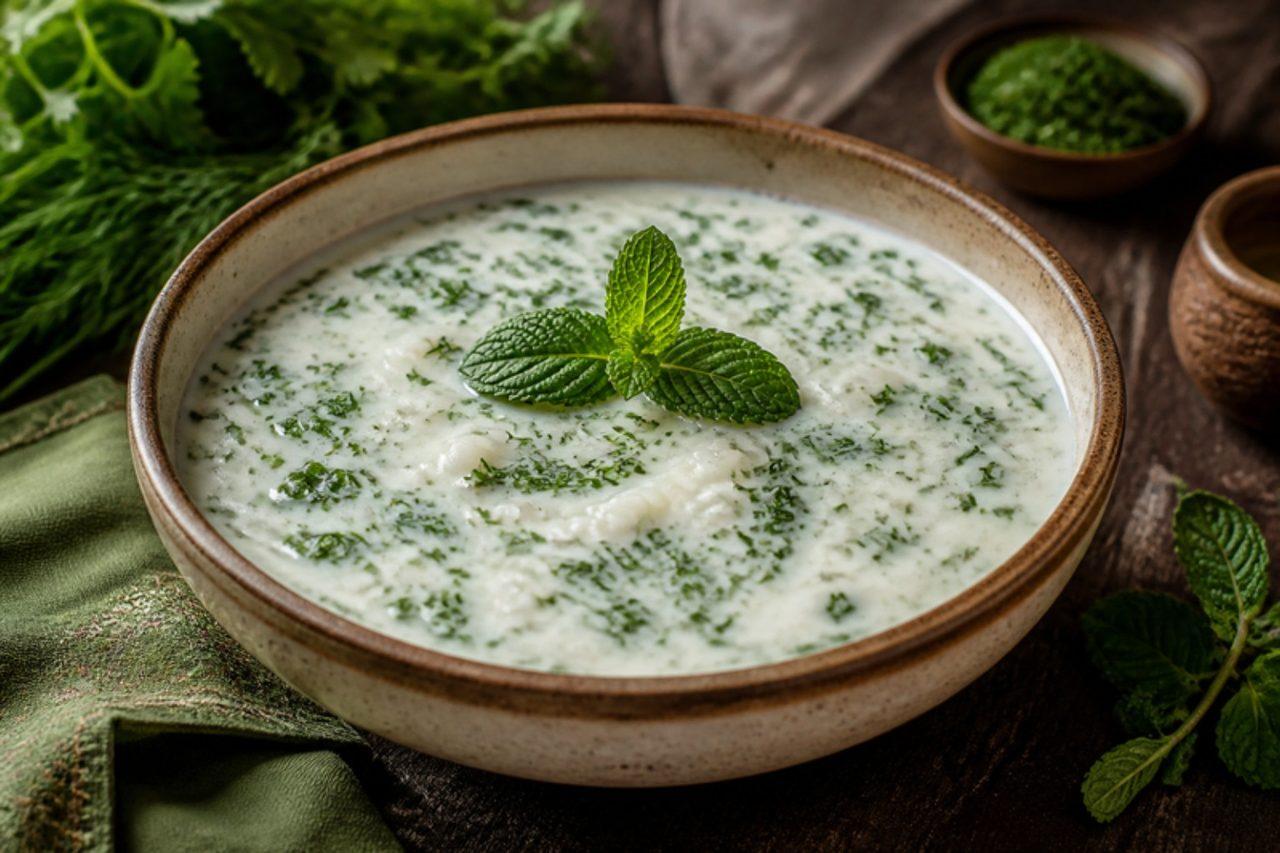
Dovğa is green, tangy and cooling, the soup Azerbaijanis drink cold from glasses on hot Baku afternoons and eat hot in bowls when the Absheron wind turns chilly. Yogurt is thinned, thickened with rice and egg, then packed with chopped spinach, dill, coriander, mint and sorrel, until the soup is more herbs than dairy. It is served at weddings and at Novruz to settle the stomach after rich food, and many cooks add chickpeas. Unlike Armenian spas, there is no fried onion or wheat; the flavour is all fresh herbs and sour yogurt. Chef's tip: add the herbs only once the yogurt is boiling steadily and stable; they wilt in seconds, and the colour stays bright green.

by KrazyBadal 0 views

Trofie al pesto genoveseTwisted pasta with basil pesto

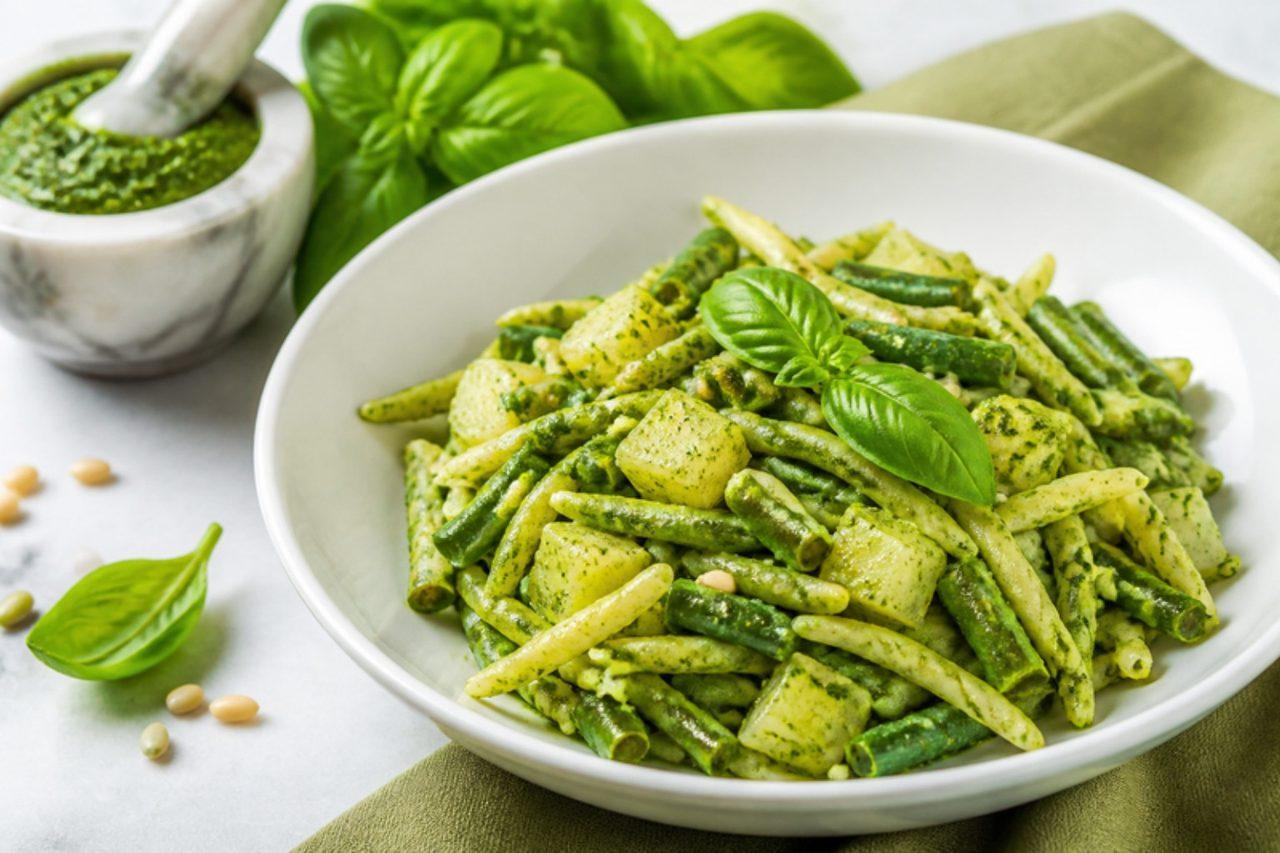
In Genoa and along the Ligurian coast, pesto is pounded from small-leaved basil, pine nuts, garlic, hard cheese and local olive oil, and served on trofie, short twisted pasta, cooked in the same pot as diced potato and green beans. The starch from the potato helps the pesto cling, and the beans add sweetness. It is the dish of a summer lunch in the Cinque Terre. Chef's tip: never heat the pesto; loosen it with a spoon of pasta water in a bowl and toss the pasta off the heat so the basil stays bright green.

by KrazyBadal 0 views

Doro watSpicy chicken and egg stew

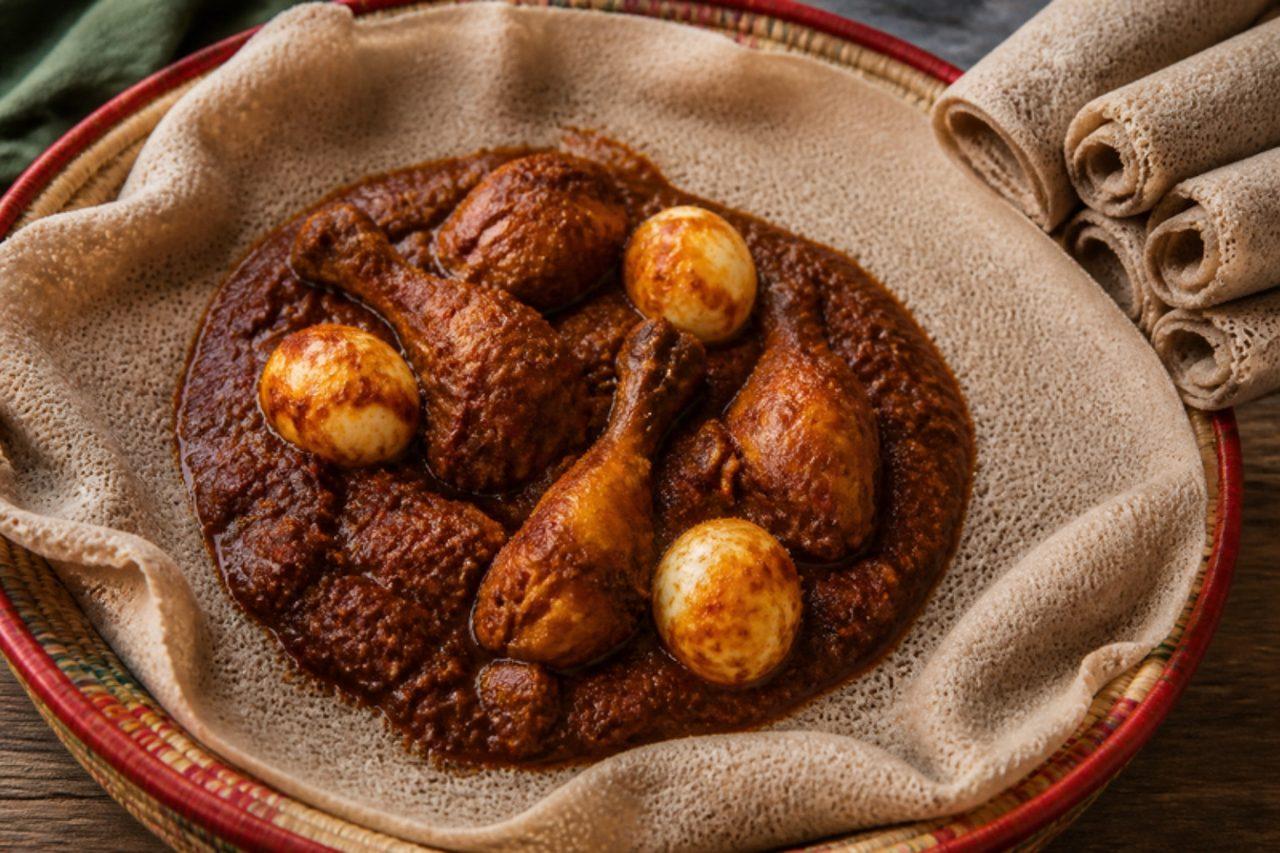
Ethiopian families make doro wat for the biggest days of the year, especially Genna (Christmas) and Fasika (Easter), when it breaks weeks of meatless fasting. Its secret is patience: a mountain of red onions is cooked down slowly with no fat at all until jammy and dark, then enriched with spiced butter and fiery berbere. Chicken pieces and whole hard-boiled eggs simmer in the sauce until it is thick, glossy and brick red, with a deep, smoky heat. Ladle it onto injera, with ayib (fresh cheese) alongside to cool things down. Chef's tip: score the boiled eggs lightly all over before adding them, so the sauce seeps right into the whites.

by KrazyBadal 0 views

ZanMillet porridge with vegetables

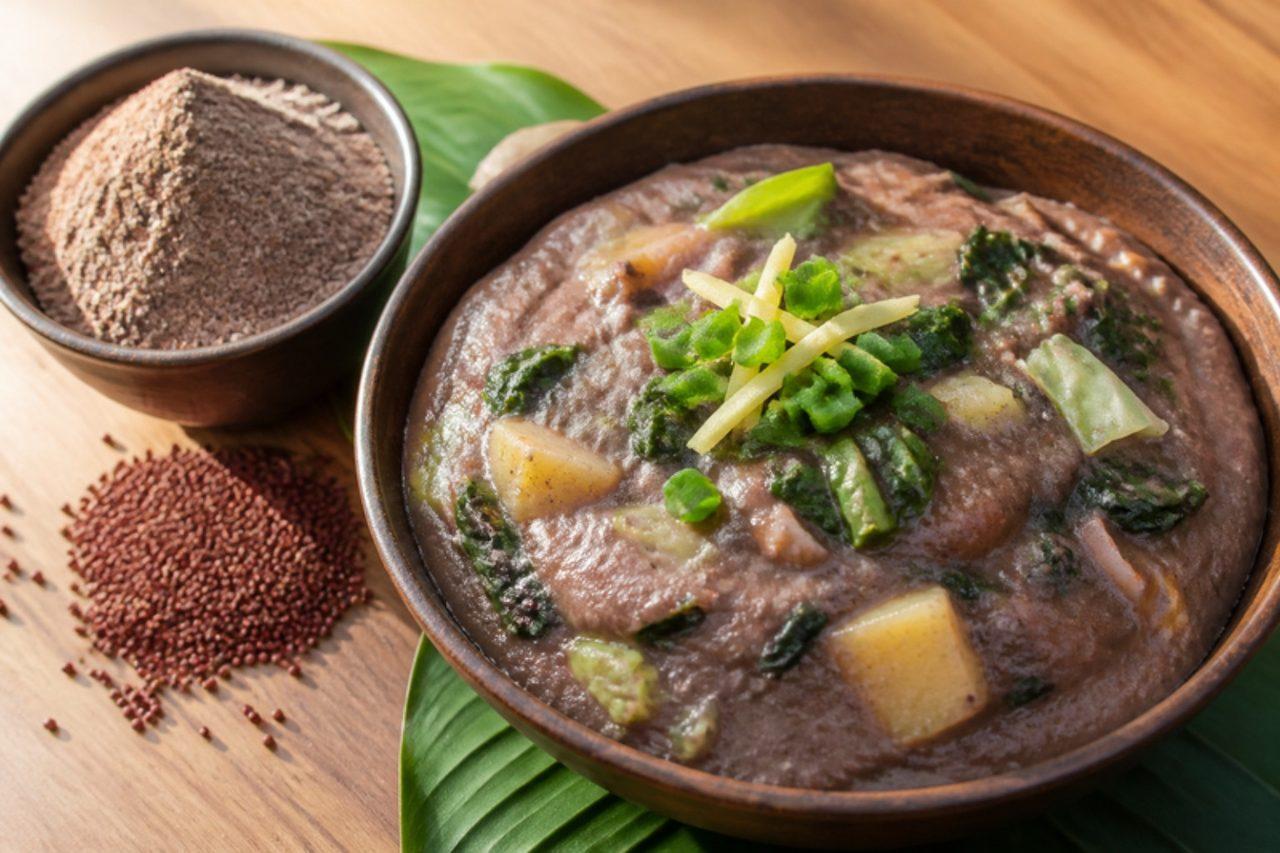
Zan is the millet porridge of Arunachal Pradesh, eaten by the Monpa, Sherdukpen and other hill communities for breakfast or dinner on cold days. Finger millet (ragi) flour is stirred into boiling water with vegetables, ginger and chilli until thick and smooth, then served with a chilli chutney or butter. Some families cook it with meat; this is the vegetable version. It is warming, filling and earthy-tasting, a little like a savoury polenta. Chef's tip: sprinkle the millet flour in with one hand while whisking with the other, or it forms lumps that never cook out.

by KrazyBadal 0 views

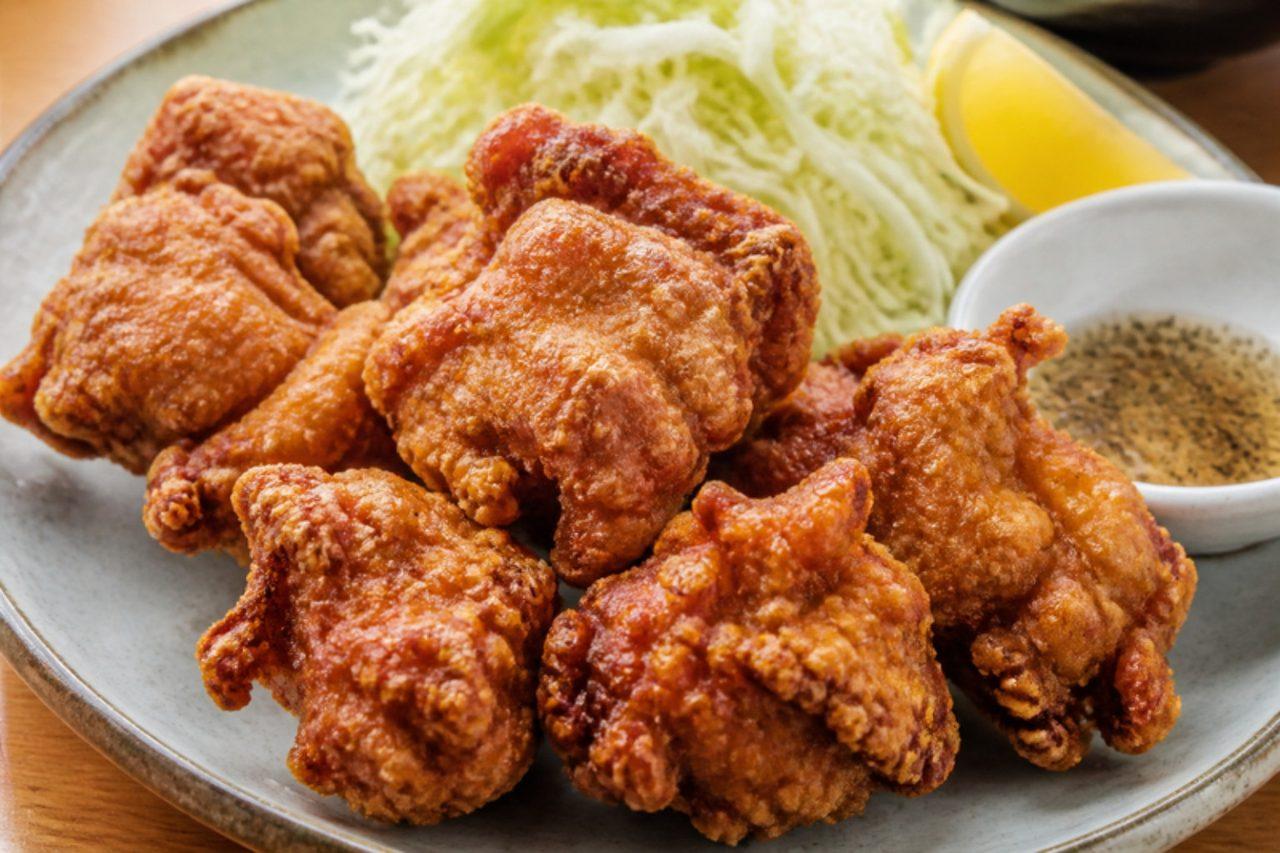
ZangiFried marinated chicken

Ask for fried chicken in Kushiro or Sapporo and you'll be handed zangi, which locals insist is not the same as karaage. A Kushiro restaurant says it coined the name around 1960, and today zangi shops, ski-lodge canteens and supermarket delis across Hokkaido sell it in big, bone-in pieces. The chicken soaks for hours in a punchy mix of soy, sake, garlic, ginger and oyster sauce with an egg beaten in, so the flavour runs right through the meat, and it often comes with a sharp dipping sauce of vinegar, soy and black pepper. The coating is a mix of flour and starch, so it fries darker and more savoury than karaage. Chef's tip: marinate it overnight in the fridge for the full Hokkaido flavour; 30 minutes works, but the difference is clear.

by KrazyBadal 0 views

Gigantes plakiBaked giant beans

Gigantes plaki is a tray of fat, creamy beans baked in a thick tomato sauce until the top catches and wrinkles. You find it in every taverna's display of oven dishes, on meze tables with bread and olives, and in home kitchens during Lent. The best beans come from Kastoria and Prespes in northern Greece, but any large dried butter beans work. The beans are boiled first, then baked with onions, carrot, celery, garlic and dill. Serve warm or at room temperature with feta for those who eat dairy and crusty bread. Start the night before: the beans need to soak for at least 12 hours. Chef's tip: don't salt the boiling water or add tomato until the beans are already tender; acid and salt too early are the common mistake that keeps the skins tough.

by KrazyBadal 0 views

Alicha wat (chicken)Mild turmeric chicken stew

Not every Ethiopian stew is fiery: alicha wat is the gentle, golden one, coloured with turmeric instead of berbere and seasoned with ginger, garlic and a few green chillies. Families across the country cook doro alicha when someone wants something soothing, when children are at the table, or as the mild partner to a spicy wat on a festive spread. The chicken simmers in a soft onion and spiced-butter sauce until tender, with a fragrant, buttery and slightly peppery flavour. Serve with injera or rice and a fresh tomato salad. Chef's tip: add the green chillies whole and fish them out before serving if you want flavour without heat.

by KrazyBadal 0 views

Ghugni churaBlack chickpea curry with flattened rice

In Patna and the towns along the Ganges, ghugni chura is the morning and evening snack people queue for at the tea stall: a spicy, onion-rich curry of small black chickpeas served alongside chura, flattened rice that is fried or toasted in mustard oil until it crackles. You scoop a bit of each into your mouth together, with raw onion and green chilli for crunch. At home it is just as likely to be breakfast on a winter Sunday or what is offered to guests with tea. Chef's tip: cook the chana until it squashes easily between two fingers; firm chickpeas never soak up the masala.

by KrazyBadal 0 views

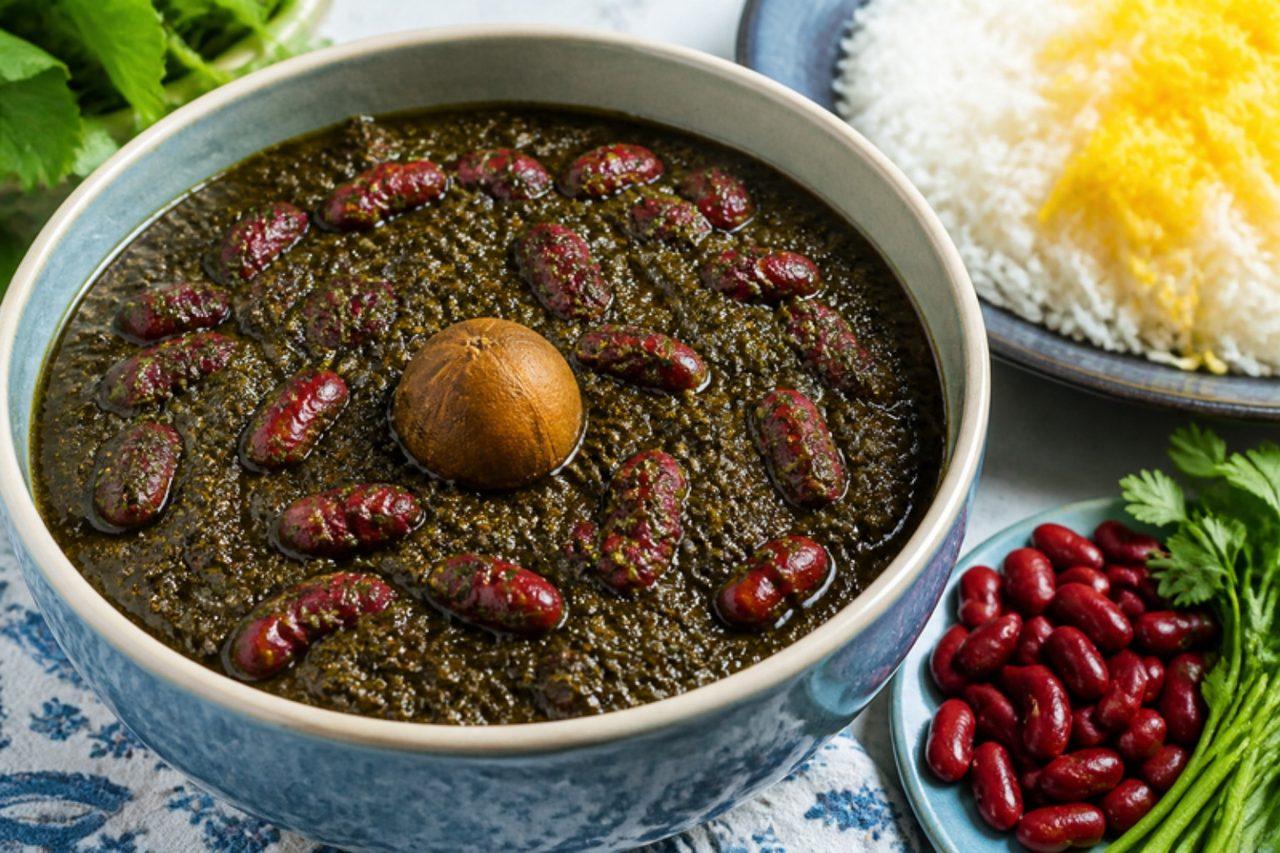
Vegetarian ghormeh sabziHerb and kidney bean stew

Ghormeh sabzi is often called Iran's national dish: a dark green stew of slowly fried herbs, kidney beans and whole dried limes that perfumes Iranian kitchens on Friday mornings and turns up at nearly every family gathering. The original is made with lamb; this vegetarian version uses mushrooms and plenty of beans for body, and keeps the deep, sour, almost smoky herb flavour that makes the dish. It is spooned over chelow with its crust on the side. Chef's tip: fry the herbs in oil until they turn very dark green and smell nutty; that long frying is the flavour of the stew.

by KrazyBadal 0 views

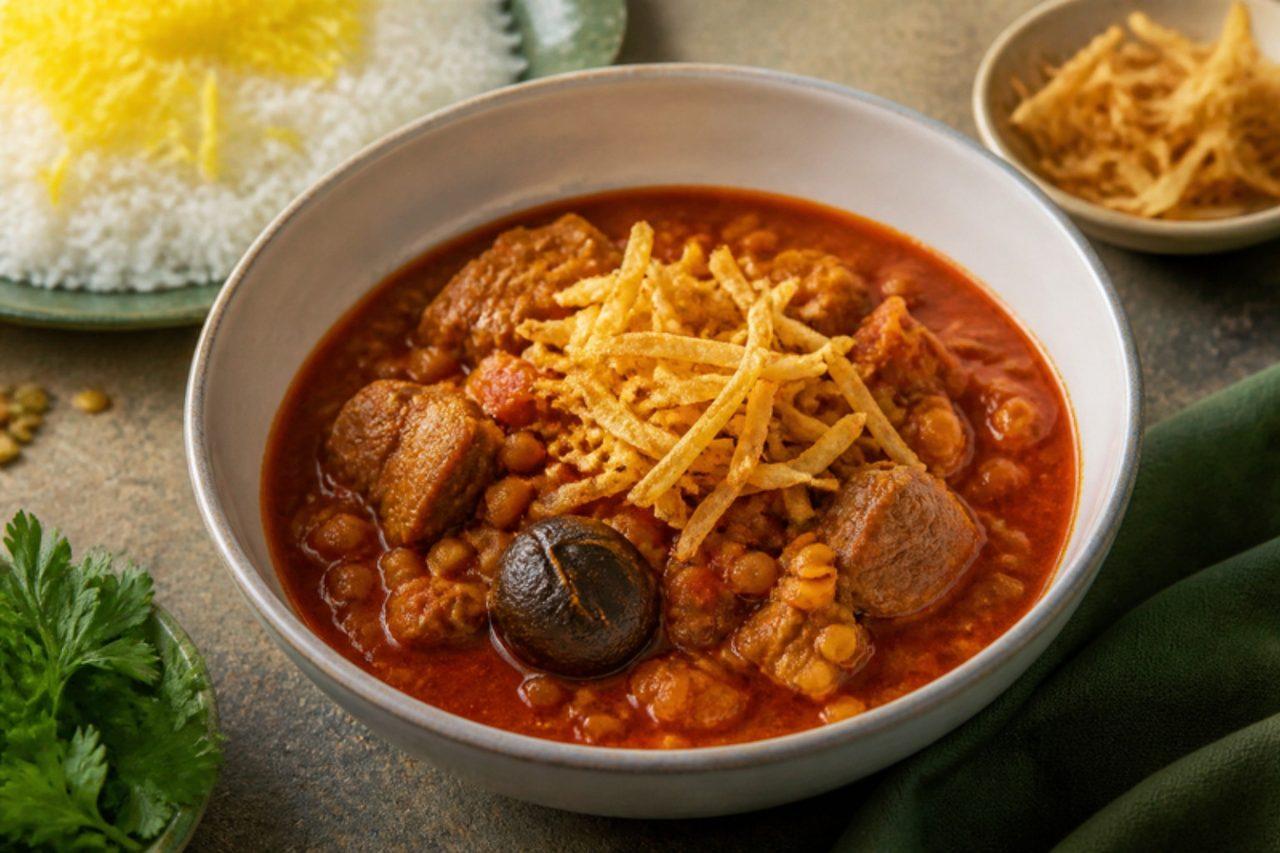
GheymehLamb and split pea stew

Gheymeh is the stew that big pots are made for: in Iran it is cooked by the cauldron and handed out to neighbours during Muharram, especially on Tasua and Ashura, and it is a fixture of weddings and Friday lunches. Small cubes of lamb simmer with yellow split peas, tomato and dried Persian limes until the sauce is tangy, savoury and a little fragrant with cinnamon. A tangle of crisp, salty potato straws goes on top just before serving. Eat it with chelow rice. Chef's tip: pierce the dried limes and soak them for 10 minutes before adding; they release their sourness faster and don't float.

140 minPersianMeatGluten free
by KrazyBadal 0 views

GhevarLacy fried batter sweet in syrup

During the monsoon festival of Teej and through Raksha Bandhan, Jaipur's sweet shops stack golden, honeycomb discs of ghevar in their windows. The batter is little more than flour, chilled ghee and ice-cold water, poured into hot ghee in thin streams so it foams into a lacy round. It is then soaked in syrup and finished with rabri, sliced pistachios and a pinch of saffron. Married daughters traditionally receive it from their mothers' homes during Teej. The most common mistake is batter that is too warm or too thick; it fries into a heavy pancake instead of a web. Chef's tip: whisk the ghee with ice cubes until it is white and fluffy before adding flour, and keep the batter bowl in a tray of ice water while frying. A narrow, deep pan, or a metal ring set in a saucepan, gives the sides that help the batter build up.

by KrazyBadal 0 views

Showing 63 of 7,762 recipes

Show more recipes

Page 766 of 863