


Skip to content
Nalysnyky
Featured recipe

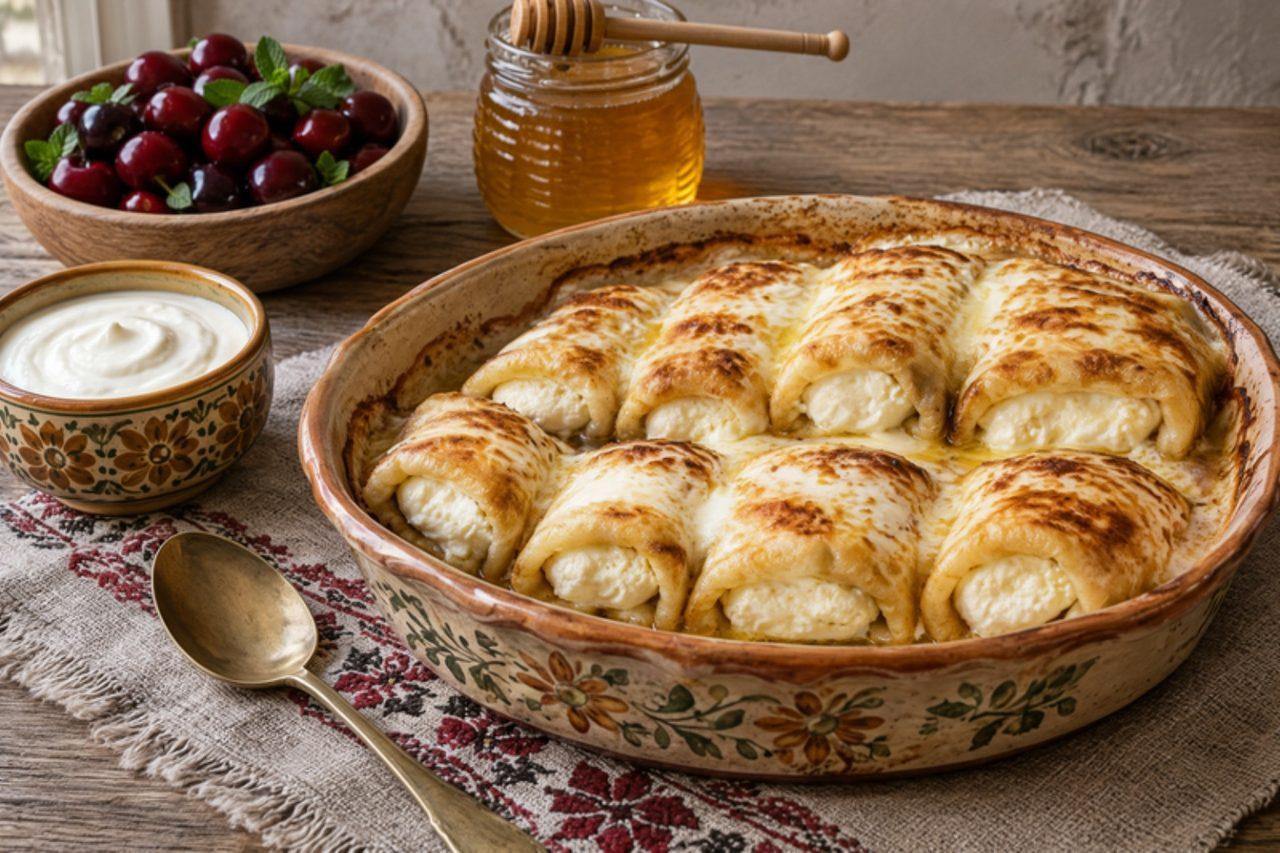
Nalysnyky

Crepes with sweet curd filling

Nalysnyky are what Ukrainian families make for a slow weekend breakfast or a festive morning: thin crêpes filled with sweet tvorog curd cheese, rolled up, packed into a dish and baked with sour cream and butter until bubbling. The crêpes go soft and custardy where they meet the cream and crisp at the edges. The common mistake is making the crêpes too thick; they should be thin enough to see the pan through, or the rolls become heavy and doughy. Chef's tip: rest the batter for 20 minutes before frying so the flour absorbs the milk and the first crêpe doesn't tear.

Read more 0 views

What to eat today?

Around the world

Today's trip: Persian

A new country every day, from every cuisine on the site.

Persian

Dizi

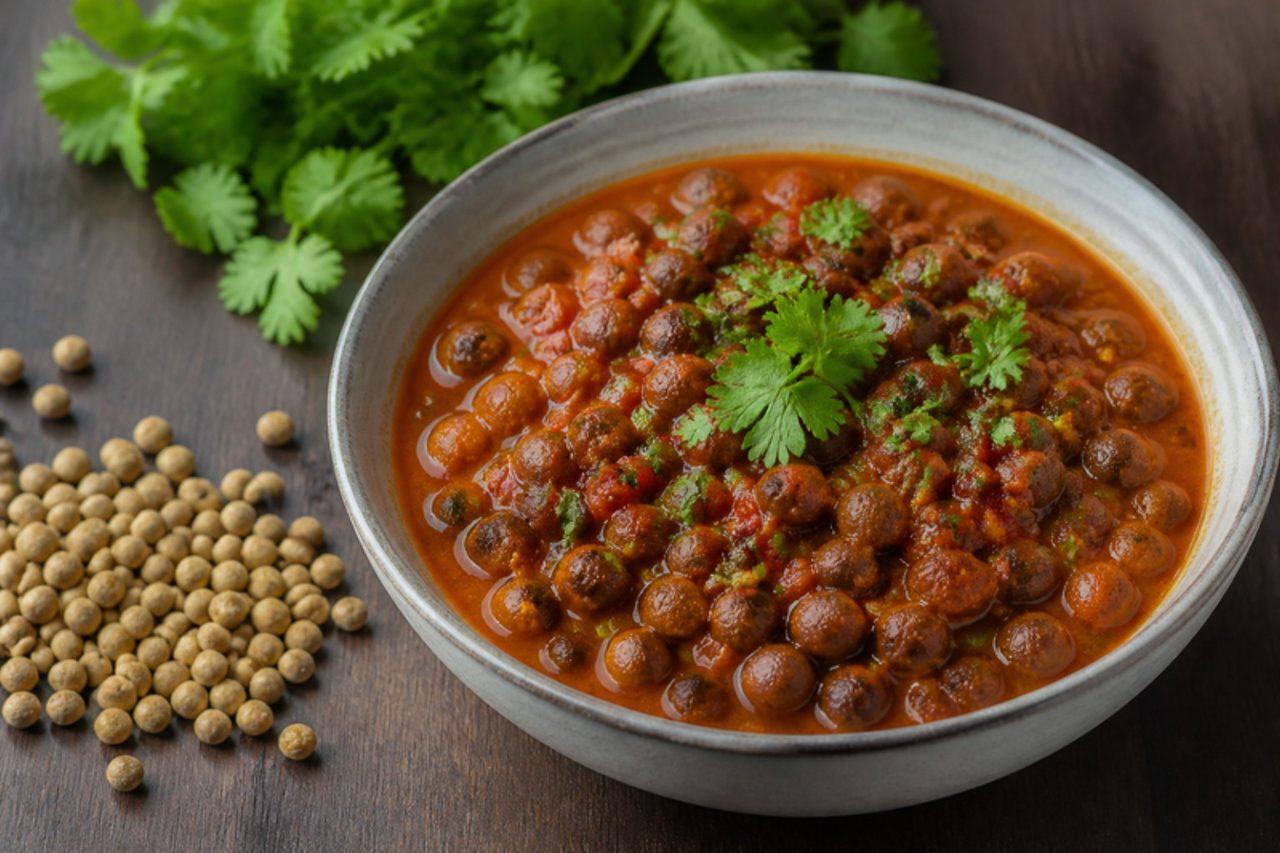
Lamb and chickpea stew 245 minMore from Persian (131) →

This week's collection

Kid-friendly dinners
578 recipes · a new collection every Monday

Latest recipes

Jukut urabGreens with spiced coconut

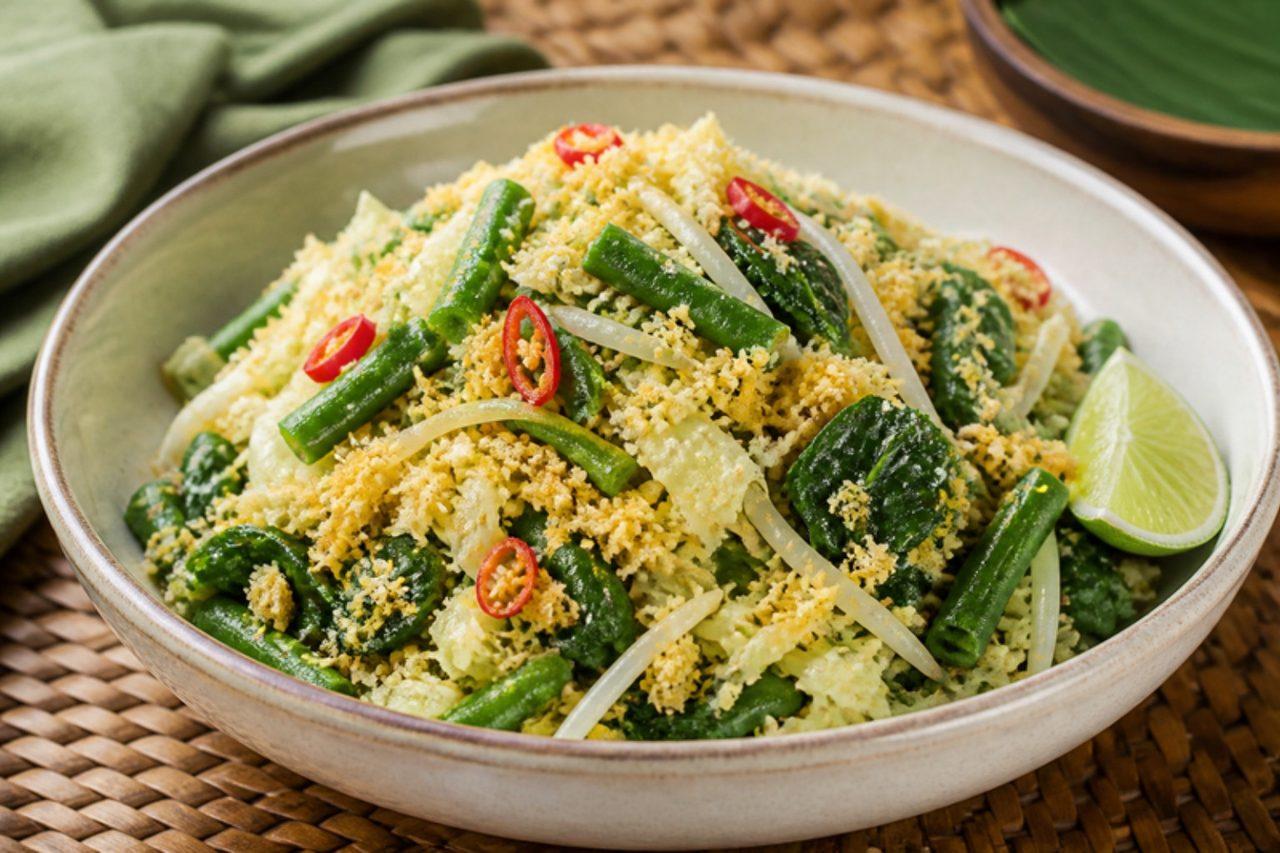
Jukut urab turns up on almost every Balinese rice plate and at temple-day feasts: blanched long beans, greens and bean sprouts tossed with freshly grated coconut that has been fried with a little bumbu of shallot, chilli, kencur and lime leaf. It is bright, crunchy and only gently hot, the fresh side dish that balances heavier ones. Many cooks add shrimp paste to the bumbu; this one leaves it out. Chef's tip: toss the vegetables and coconut only just before serving, or the coconut draws out water and the dish turns soggy.

by KrazyBadal 0 views

Kak'ikTurkey and chilli soup

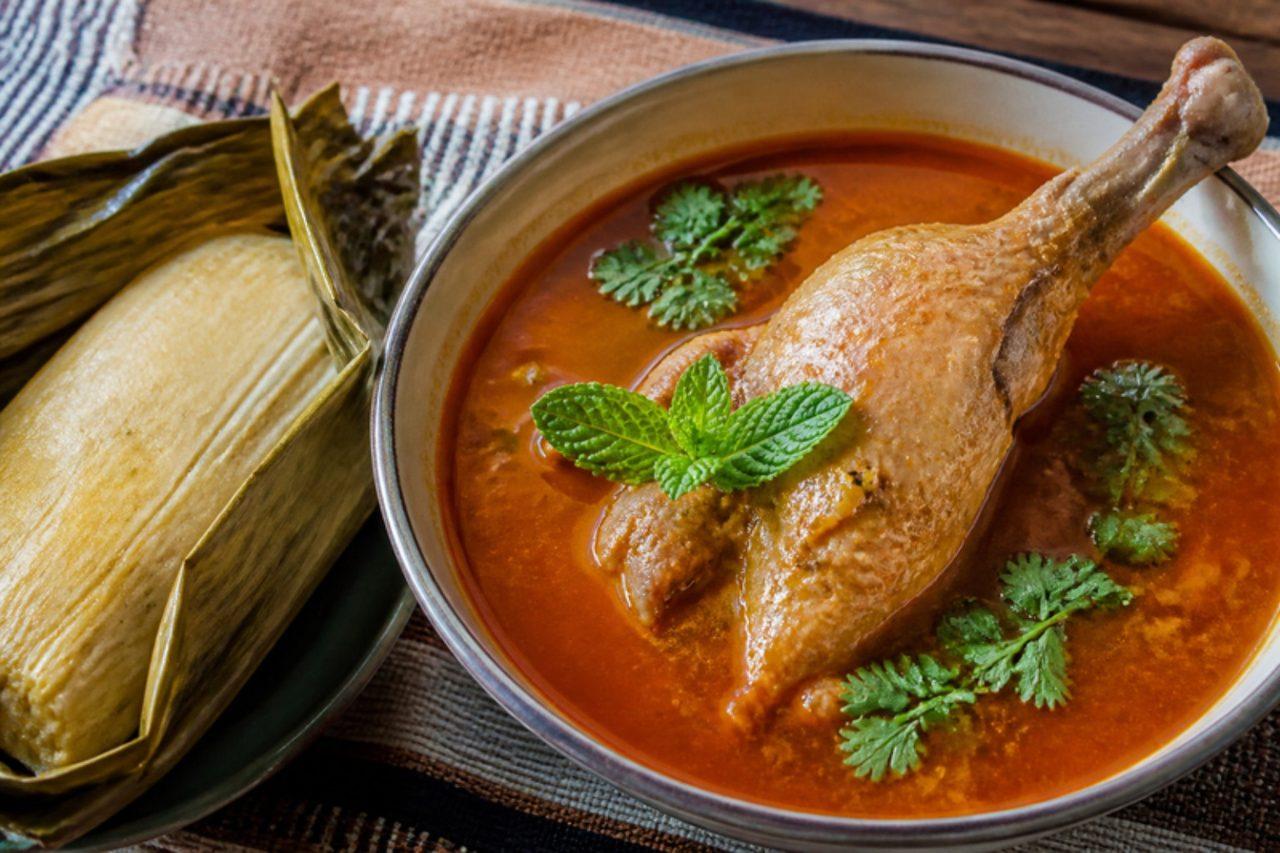
Kak'ik is a red, aromatic turkey soup from the Q'eqchi' Maya of Alta Verapaz, around Cobán, and is cooked for weddings, saints' days and Christmas; it is now recognised as part of Guatemala's cultural heritage. Turkey legs simmer in a broth flavoured with toasted tomatoes, guajillo and pasa chillies, achiote, coriander and mint, and it is served with tamalitos or rice. The mistake is not toasting the chillies and tomatoes; the slight char gives the soup its smoky depth. Chef's tip: toast the dried chillies only for seconds, until they puff and smell fruity, or they turn bitter.

by KrazyBadal 0 views

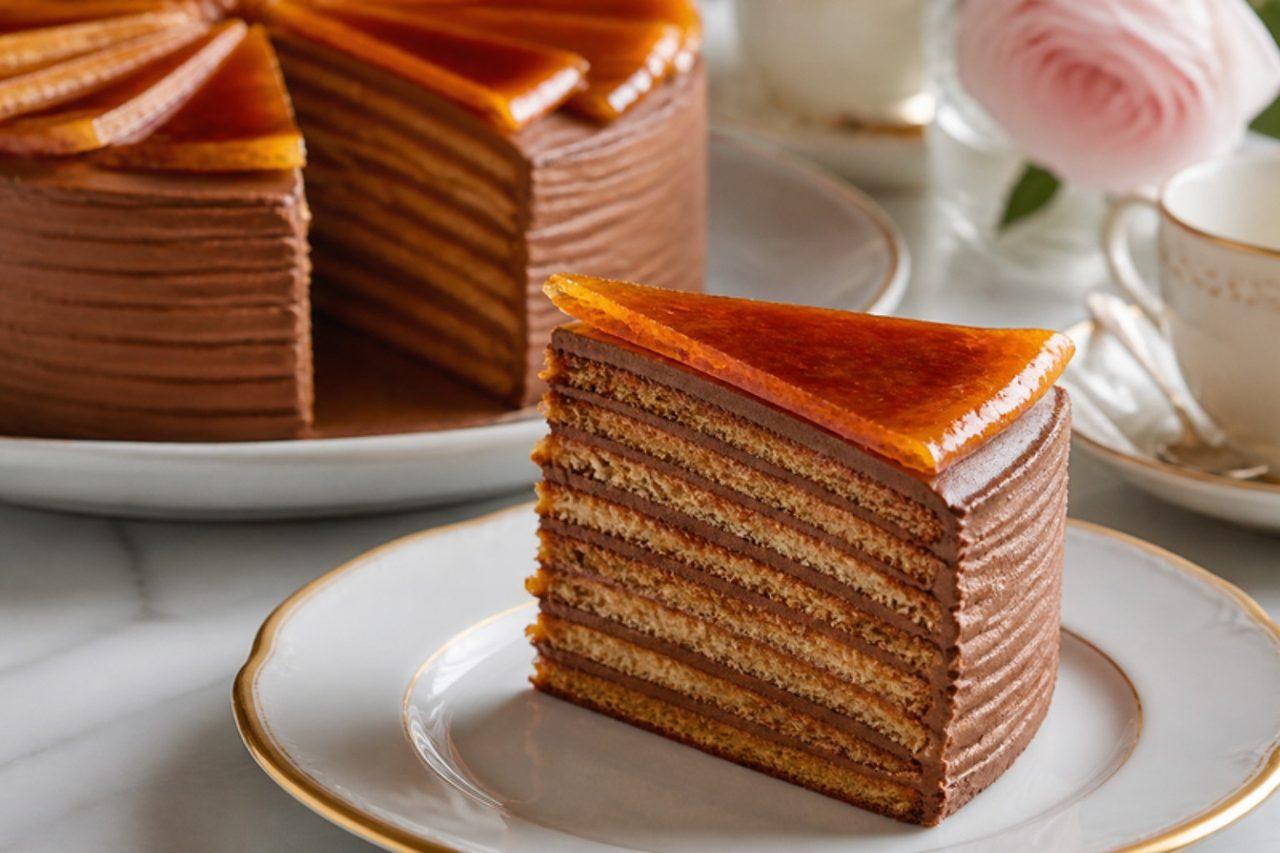
Dobos tortaLayered chocolate caramel cake

Dobos torta was created in Budapest in 1885 by the confectioner József C. Dobos, and it is still the cake Hungarians order in old coffee houses on Andrássy Avenue and bake for name days and big birthdays. Six thin sponge layers are stacked with a rich chocolate buttercream, and the top layer is glazed with hard amber caramel, cut into wedges and set at an angle like a fan. It is a project cake, but each stage is simple and the finished torte keeps for days. Chef's tip: mark the caramel into wedges with an oiled knife within the first minute; once it sets, it shatters instead of cutting.

by KrazyBadal 0 views

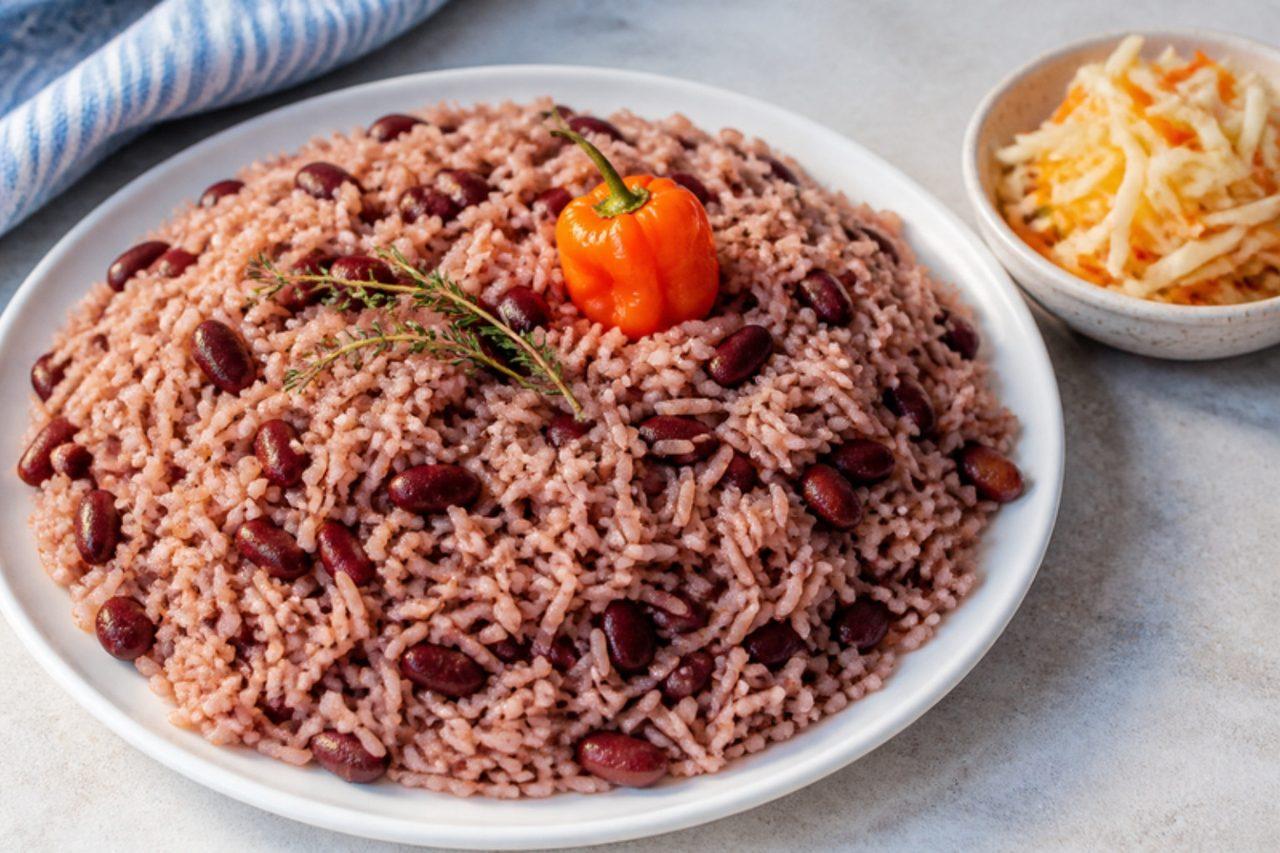
Diri kole ak pwaRice and red beans

Diri kole ak pwa, rice 'stuck together' with beans, is the plate Haitians call their national dish, cooked in homes from Jacmel to Gonaïves and served most days of the week. Unlike rice and peas from elsewhere in the Caribbean, there's usually no coconut milk: red beans are simmered first, then their dark, savoury cooking liquid goes into the rice with fried epis, thyme and cloves, so the grains turn a rich reddish-brown and taste of beans all the way through. A whole scotch bonnet adds fruity heat without fire. Chef's tip: fry the drained beans in the epis until their skins blister and catch slightly; that browning gives the rice its deep, almost smoky taste.

by KrazyBadal 0 views

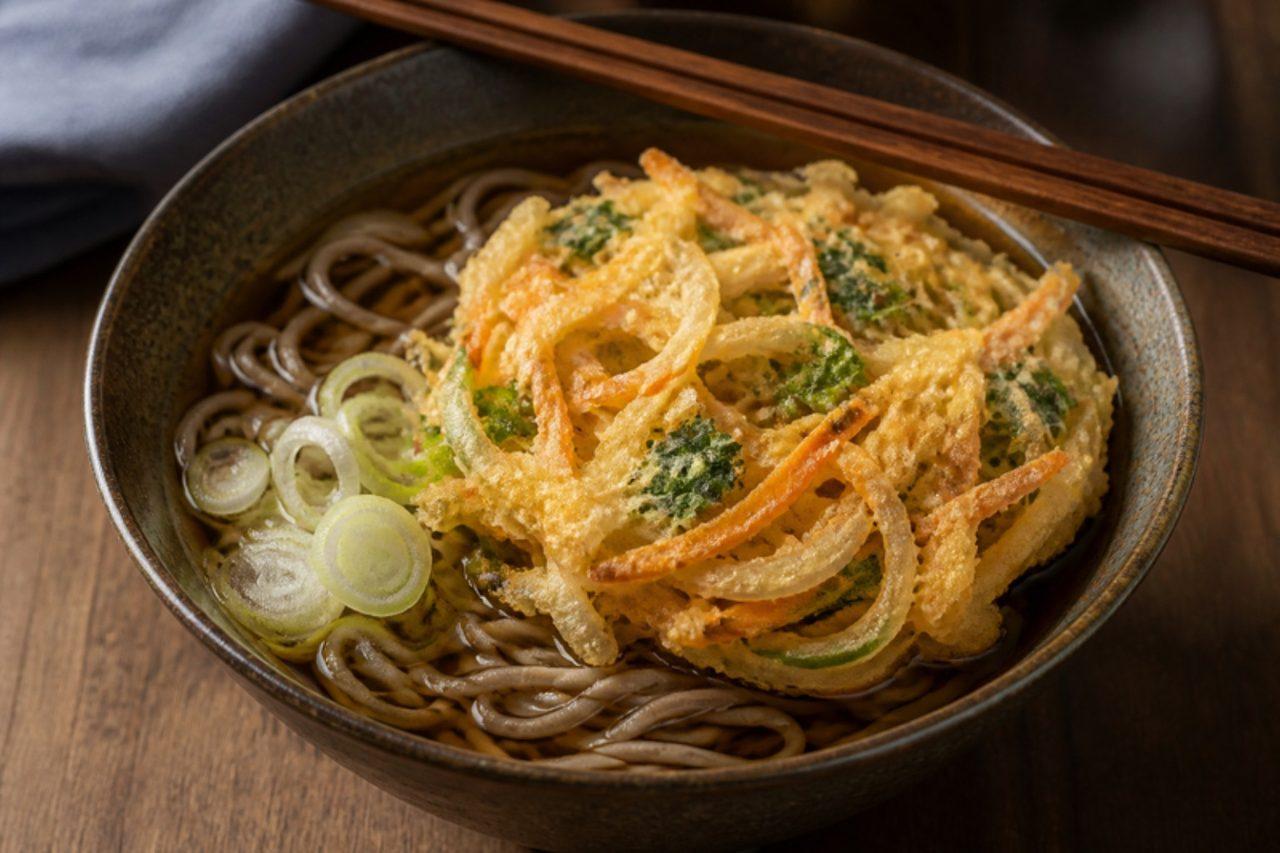
Kakiage sobaBuckwheat noodles with vegetable tempura

In Tokyo, hot soba with a fritter on top is the city's fast food. Standing soba counters near train stations, called tachigui soba, have served it to commuters since the Edo period, when soba and tempura stalls stood side by side. The fritter here is kakiage: a loose nest of onion, carrot and greens held together with just enough batter to fry into a lacy disc. It softens a little in the broth and flavours it with toasty oil, which is why many Tokyoites eat half of it crisp and let the rest soak. Our broth uses kombu and shiitake instead of bonito. Chef's tip: slide the kakiage into the oil off a flat spatula or ladle, and don't touch it for the first minute. It needs that time to set, or it falls apart.

by KrazyBadal 0 views

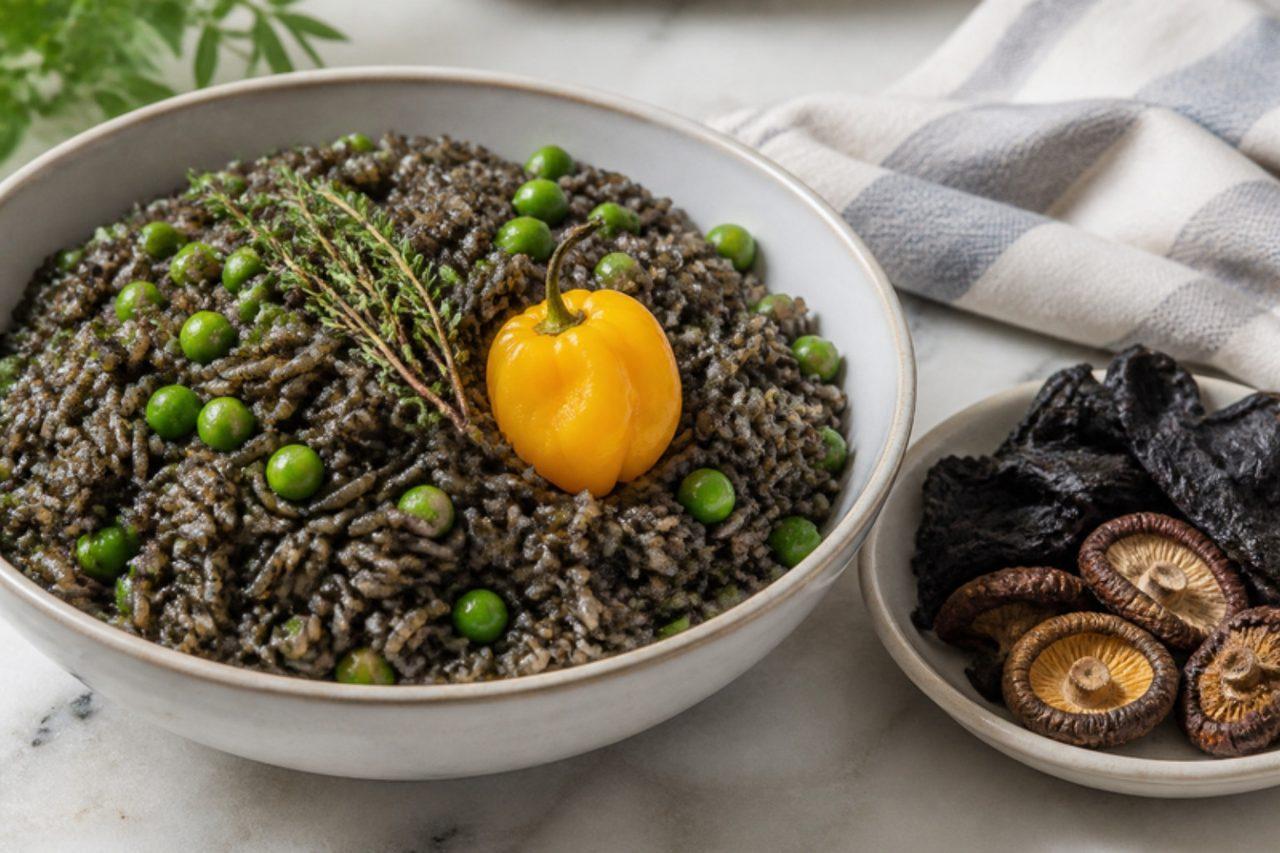
Diri djon djonBlack mushroom rice

Diri djon djon comes from northern Haiti, around Cap-Haïtien, where the tiny black djon djon mushrooms are gathered and dried. Soaked in hot water, they give an inky liquid that turns rice a striking grey-black and makes it taste deeply earthy and savoury. It's the rice for weddings, baptisms and big Sunday lunches, cooked with epis, cloves and green peas or butter beans, a whole scotch bonnet laid on top for perfume. Dried djon djon is sold in Haitian and Caribbean shops and online. Chef's tip: avoid djon djon stock cubes, which are often made with chicken fat and add little real flavour; use the dried mushrooms, and add a few dried shiitake for even more depth.

by KrazyBadal 0 views

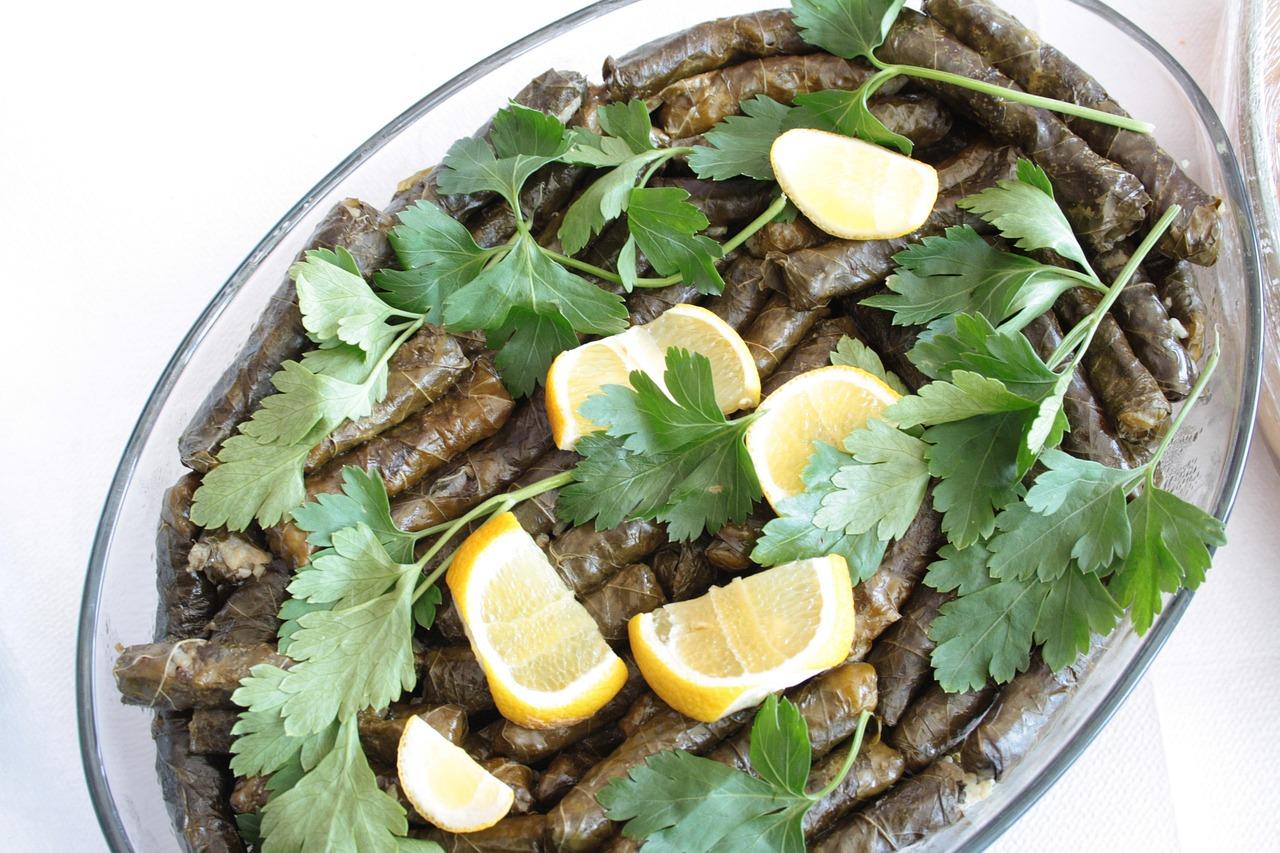
Yaprak sarmaRice-stuffed vine leaves

Rolling yaprak sarma is a social job in Aegean kitchens around Ayvalık and Manisa, where vineyards supply the leaves: a tray of grape leaves, a bowl of spiced rice and two or three people talking while they roll. This meat-free version is the olive-oil kind, filled with rice, onion, pine nuts, currants, mint and a pinch of cinnamon and allspice, and served cold as a meze or at tea-time gatherings. Good sarma are thin as a finger and hold together when bitten. A common mistake is overfilling: the rice swells as it cooks and splits the leaves. Chef's tip: use only a teaspoon of filling per leaf and roll firmly but not tight, leaving room for the rice to grow.

by KrazyBadal 0 views

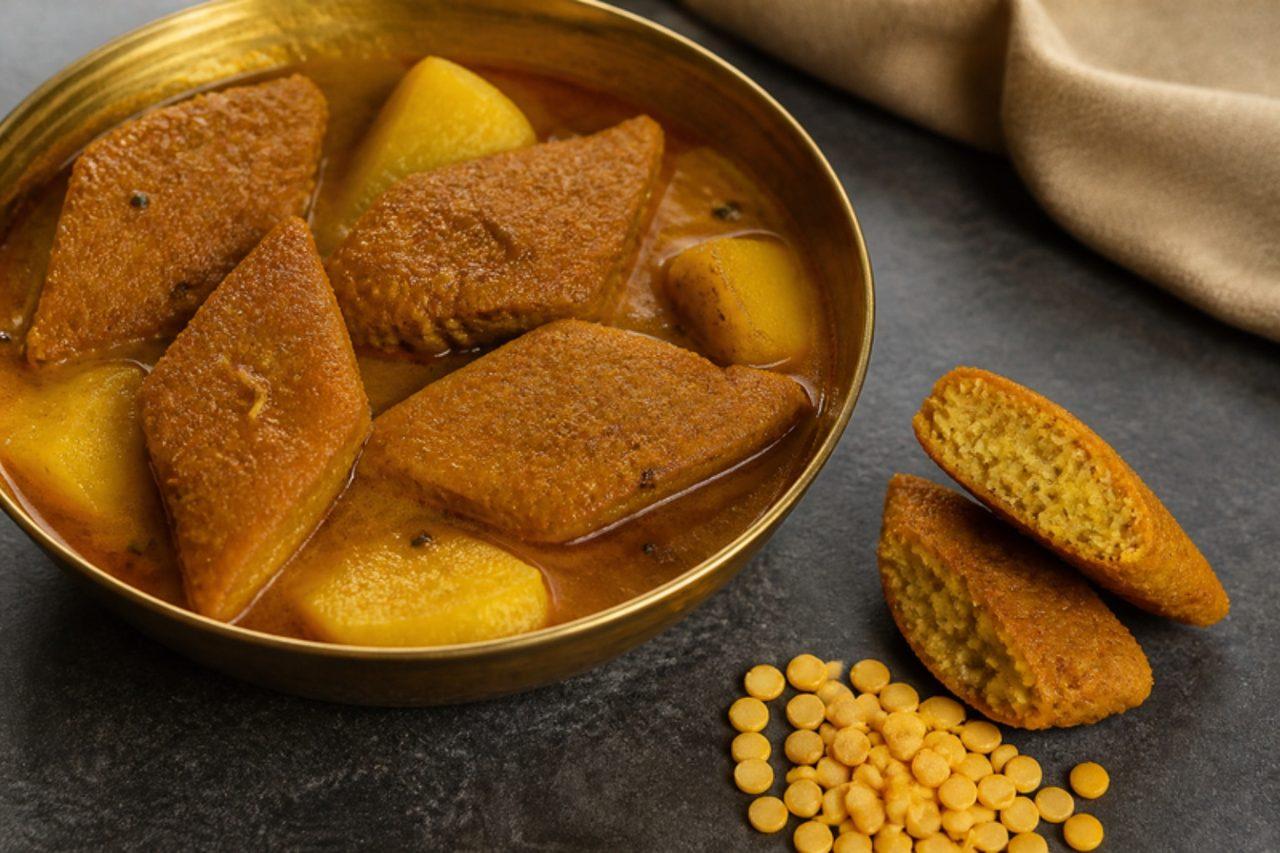
Dhokar dalnaLentil cakes in gravy

Dhokar dalna comes from the Bengali niramish (vegetarian) kitchen of widows and temple cooks, and it is still cooked in Kolkata homes for festive lunches and Saraswati Puja. Soaked chana dal is ground, cooked with ginger and asafoetida into a thick paste, set in a tray and cut into diamonds, which are fried and then dropped into a thin, fragrant gravy just before serving. The dhoka soak up the sauce like a sponge. Chef's tip: cook the dal paste until it leaves the sides of the pan in one mass; if it is too soft, the diamonds break in the gravy.

by KrazyBadal 0 views

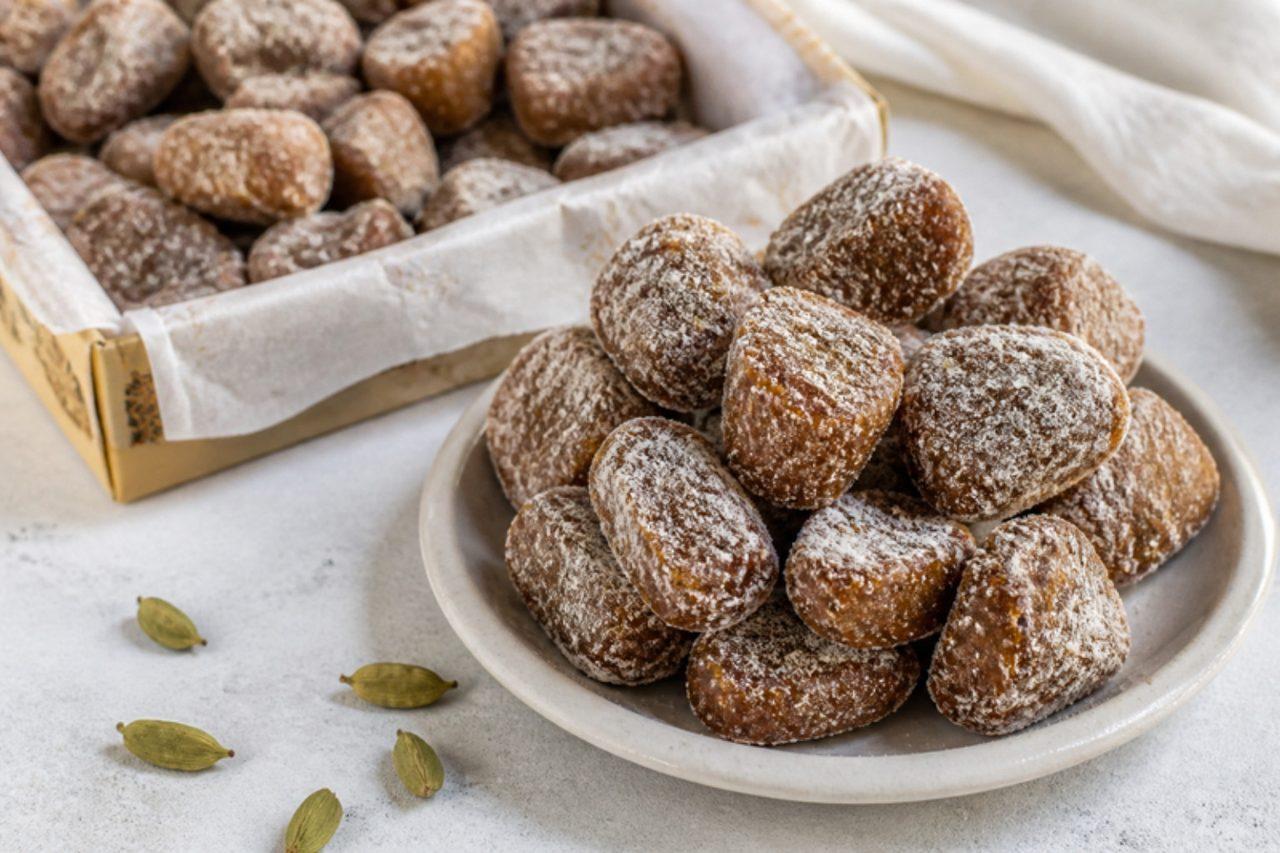
Dharwad pedaCaramelised milk sweets

Dharwad peda has been made in this north Karnataka town for well over a century, first by families who came from Uttar Pradesh, and it now carries a geographical indication tag. Unlike pale, smooth pedas elsewhere, it is cooked slowly until the milk solids caramelise to a deep brown and a grainy, almost crumbly texture, then rolled in powdered sugar. Pilgrims and travellers carry boxes home from Dharwad and Hubballi, and families buy it for weddings and exam results. Chef's tip: let the cooked mixture cool for ten minutes before you add the sugar for rolling; added while too hot, the sugar melts and the pedas go sticky.

by KrazyBadal 0 views

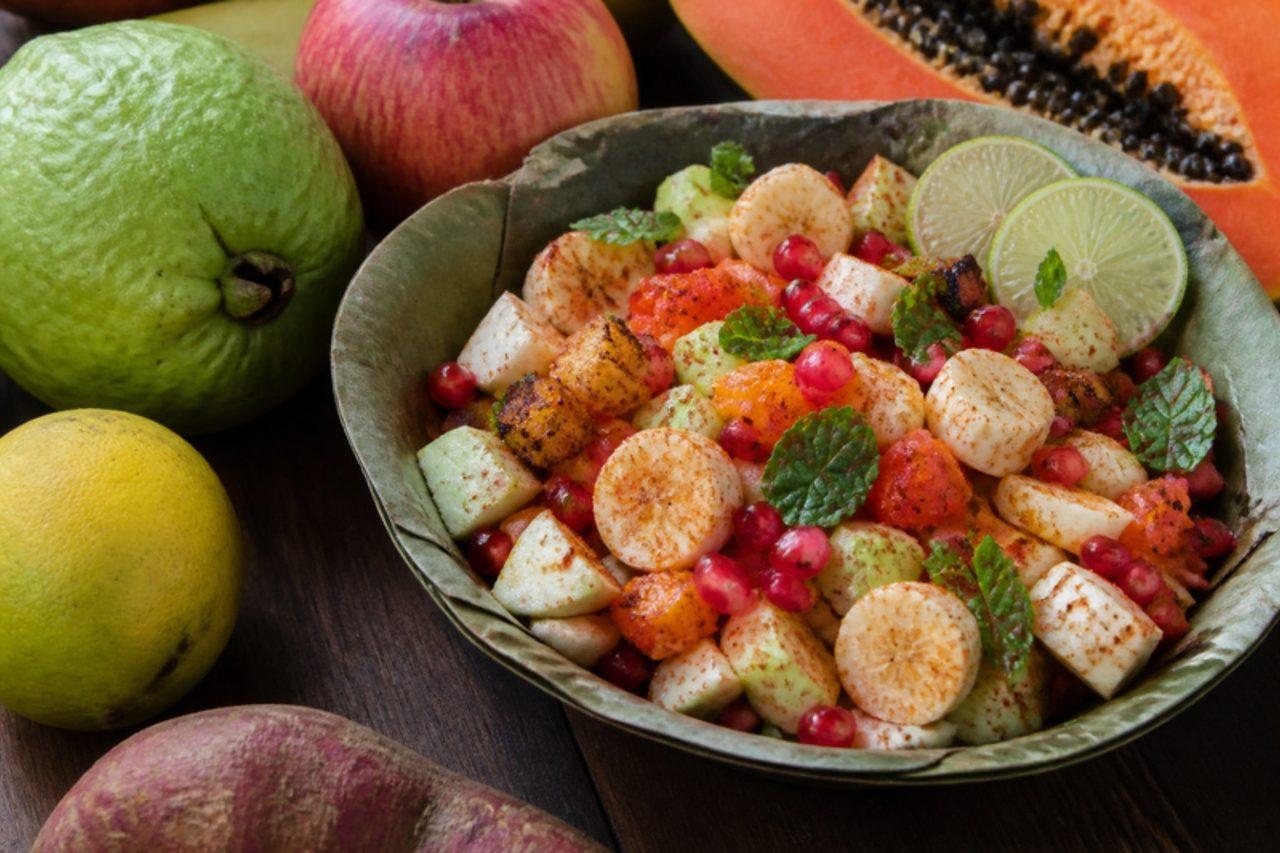
Delhi-style fruit chaatSpiced fruit chaat

Delhi's fruit chaat wallahs set up their carts in the afternoons with towers of guava, papaya, apples and bananas, plus roasted sweet potato, and chop whatever you point at into a leaf bowl. Then comes the part that makes it chaat rather than fruit salad: a big shake of tangy chaat masala, black salt and roasted cumin, a squeeze of lime, sometimes a pinch of chilli. It's a refreshing mid-afternoon snack in summer, and a regular sight on Ramzan iftar spreads too. The salt and spice make sweet fruit taste even sweeter. Chef's tip: season it just before eating; once the salt goes on, the fruit starts weeping juice and goes soft within 15 minutes.

by KrazyBadal 0 views

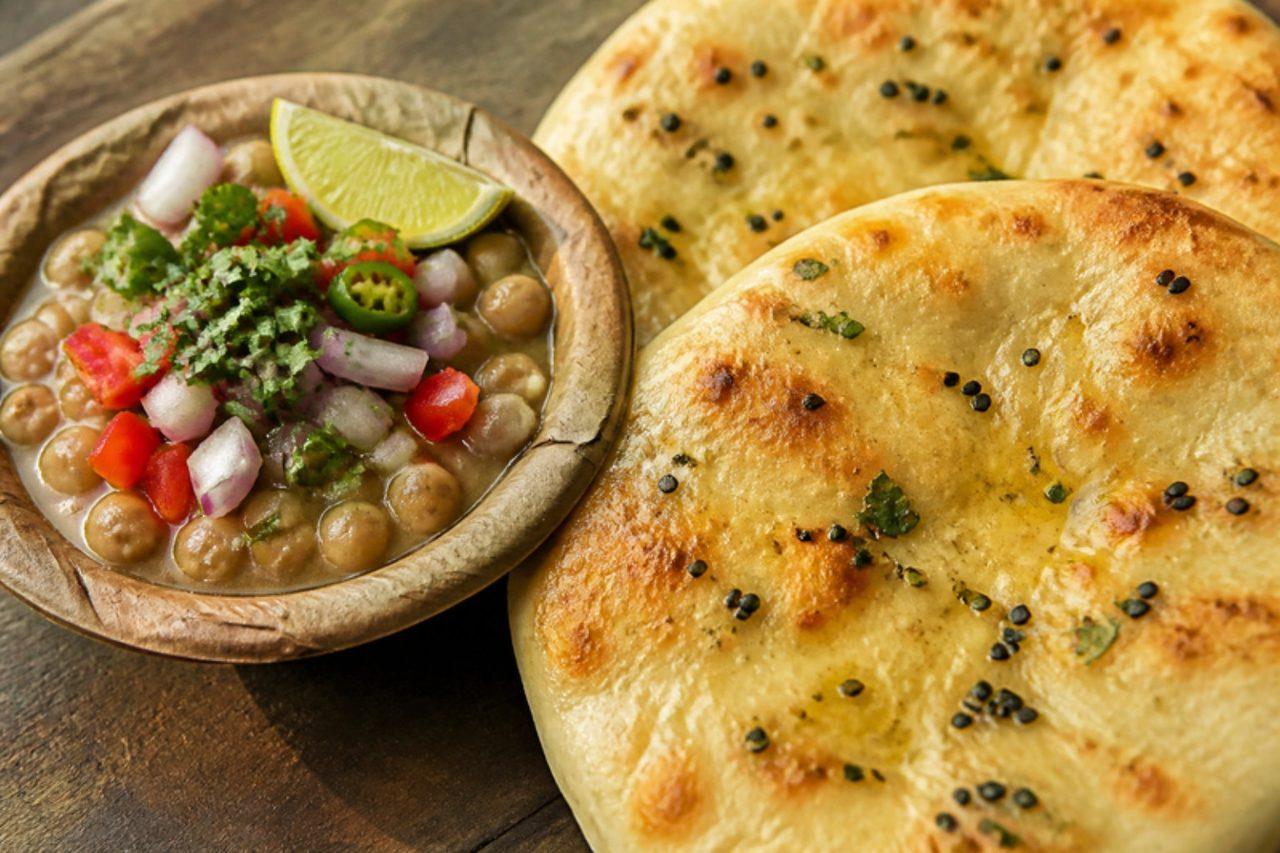
Delhi chole kulcheChickpeas with kulcha bread

Walk through any Delhi office district at lunchtime and you'll find a cart with a huge brass pot of pale white peas and a stack of soft kulchas warming on a tawa. Delhiites call it chole kulche even though it's made with dried white peas (safed matar) rather than chickpeas. The vendor scoops the peas onto a leaf plate, piles on raw onion, tomato, green chilli and ginger, squeezes lime over and dusts it with a sour, smoky masala. It's tangy, fresh and filling, and very different from the rich, stuffed Amritsari kulcha. Chef's tip: mash a ladleful of the cooked peas back into the pot; it thickens the liquid so the toppings and masala cling instead of sliding off.

by KrazyBadal 0 views

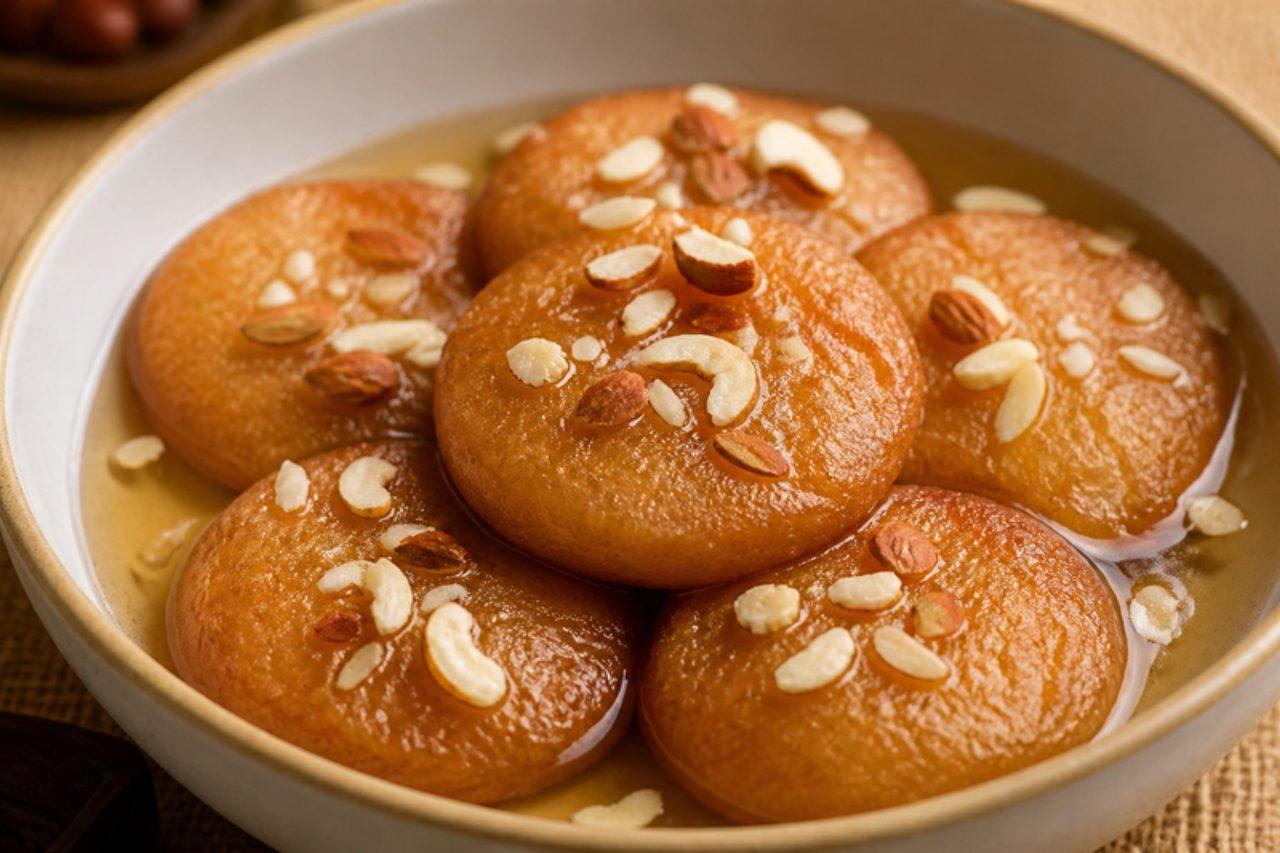
DehroriFried rice and curd dumplings

Dehrori is the sweet Chhattisgarhi families make for Diwali, Holi and weddings, and it tastes like no other syrup sweet: soaked rice is ground coarse, left to sour gently with curd, then fried in ghee and dropped into cardamom syrup. The fermentation gives it a faint tang and a light, spongy crumb under a crisp shell, a little like a rustic cousin of rasbhari or gulab jamun. Grandmothers judge the batch by how well the dumplings hold their shape in the syrup. Chef's tip: grind the rice to the texture of fine semolina, not a smooth paste; that grain is what keeps dehrori light.

by KrazyBadal 0 views

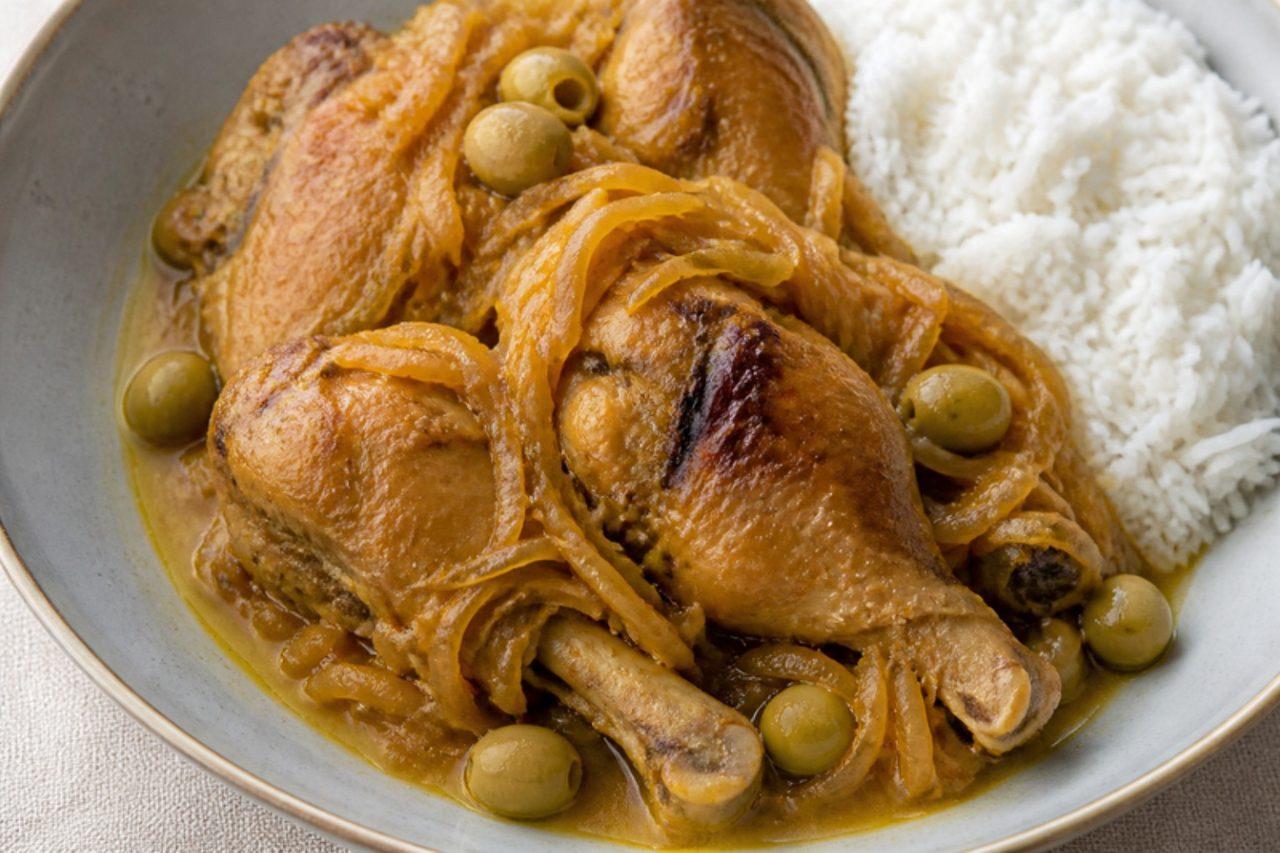
Yassa pouletLemon onion chicken

Yassa comes from Casamance, the green, rice-growing south of Senegal, and has become the dish Dakar families cook for guests and naming ceremonies. Chicken spends a night in lemon juice, mustard and a huge pile of sliced onions, is grilled or browned until charred at the edges, then braised in those same onions until they collapse into a sharp, sweet, jammy sauce. It is served over plain white rice with a green olive or two on top. A common mistake is rushing the onions; if they are still crunchy the sauce tastes raw and harsh, so give them the full half hour. Chef's tip: keep the marinade, because it becomes the sauce; just boil it well with the onions so it is safe to eat.

by KrazyBadal 0 views

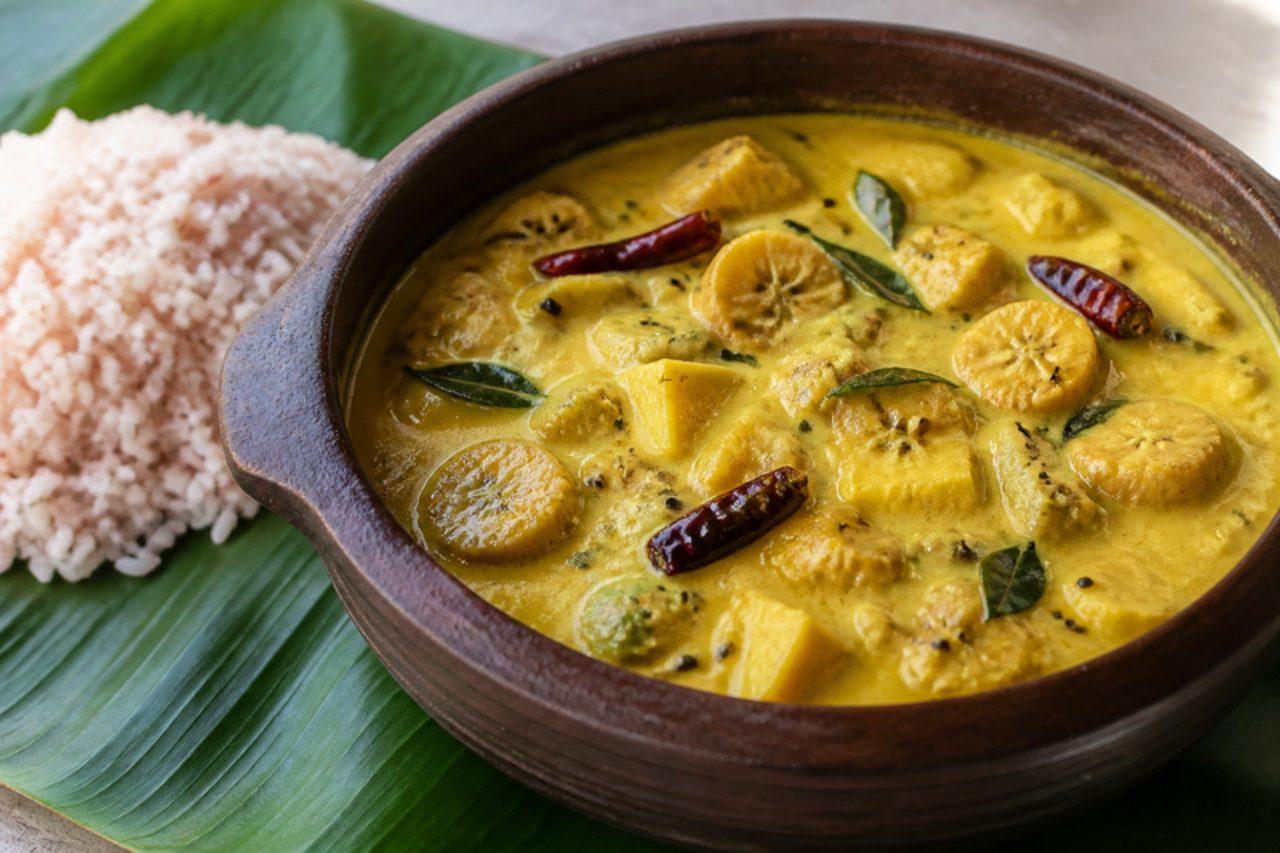
KalanYam and banana yogurt curry

Kalan is one of the old curries of the Onam sadya in central Kerala, made days ahead in temple kitchens and big family homes because it keeps so well. Elephant yam and green nendran banana are cooked with plenty of black pepper, then soured curd is stirred in and slowly reduced until it is thick enough to coat a spoon, before a fine coconut paste goes in. It tastes sharp, peppery and rich, with the toasted fenugreek of the tempering coming through at the end. Spoon a little over hot rice and ghee. Chef's tip: use curd that has sat out for a day and turned properly sour; mild fresh yogurt gives a flat kalan.

by KrazyBadal 0 views

Kalari kulchaCheese-stuffed kulcha

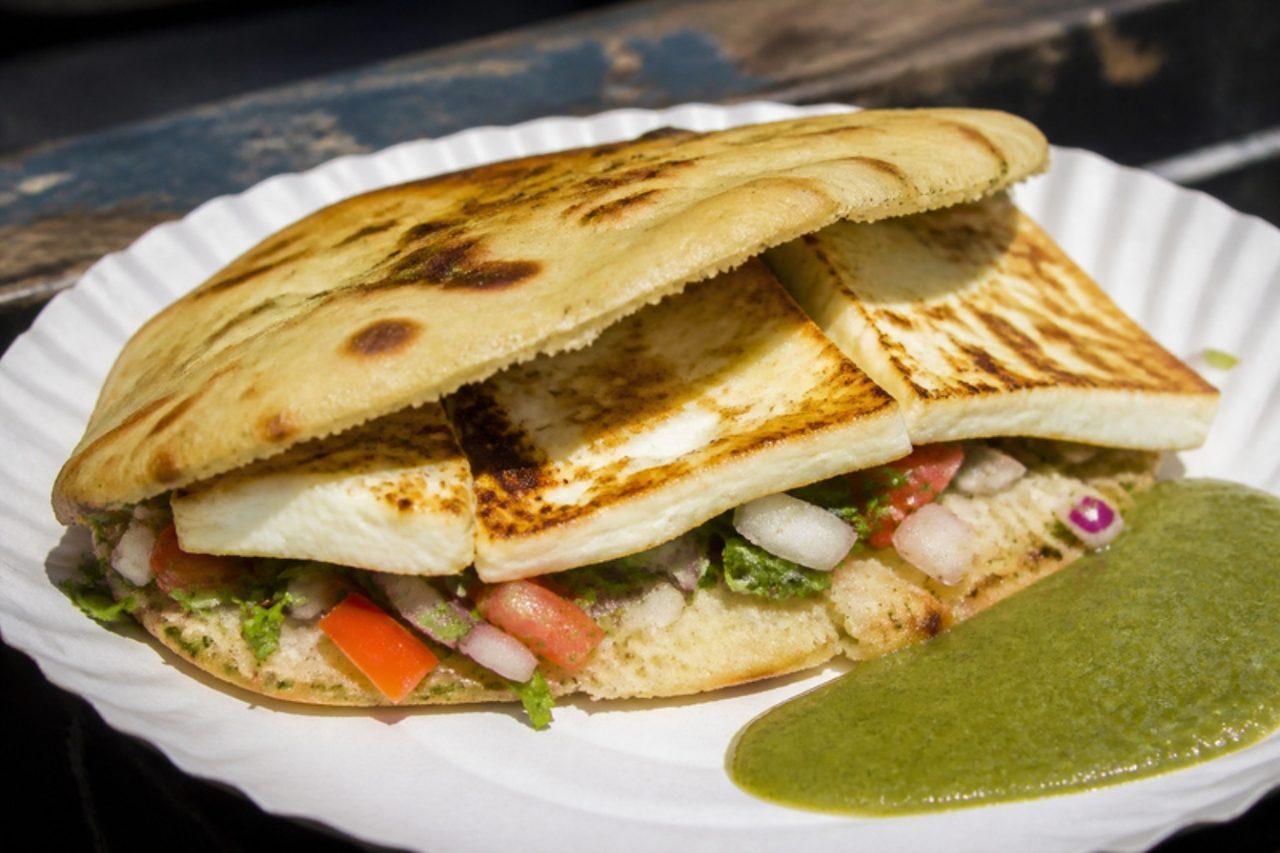
Kalari, also spelt kaladi, is a fresh, stretchy cheese made in the hills around Udhampur and Ramnagar in Jammu, often from buffalo or goat milk. Street sellers in Jammu city lay slices of it on a hot iron tawa with no oil at all: the cheese releases its own fat and fries to a blistered brown crust while the inside turns soft and slightly stringy. They stuff it into a warm kulcha with onion, tomato, green chutney and a shake of chaat masala, and it is eaten standing up, especially on winter evenings. Outside Jammu, use halloumi, which behaves almost the same, or firm paneer with a teaspoon of oil. Chef's tip: dry the cheese slices on kitchen paper first; wet cheese steams instead of crisping.

by KrazyBadal 0 views

Davanagere benne dosaButter dosa

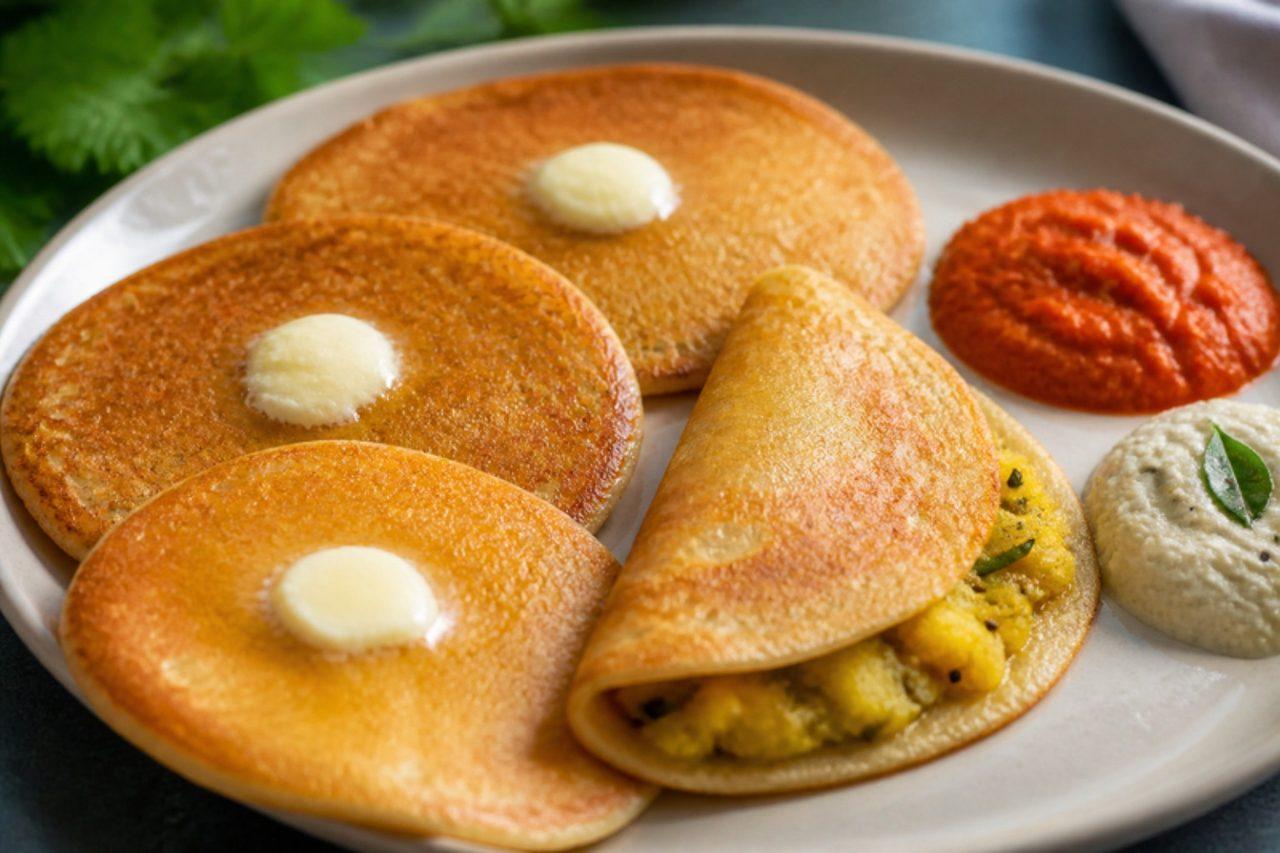
Davanagere, a cotton-market town in central Karnataka, is famous for one thing above all: benne dosa, small, thick dosas cooked on a huge iron griddle with a generous lump of white butter melting over each one. The batter includes puffed rice (mandakki), which makes the inside soft and spongy while the base turns crisp and deep golden. In the town's busy dosa halls they arrive two at a time with a thin coconut chutney and a spoonful of potato palya tucked inside. It is breakfast, but many people eat it as an evening snack too. Chef's tip: use proper unsalted white butter if you can find it, and add it in two goes, half when the batter goes on and half just before folding, so the edges fry in butter rather than burn.

by KrazyBadal 0 views

Daulat ki chaatSaffron milk foam

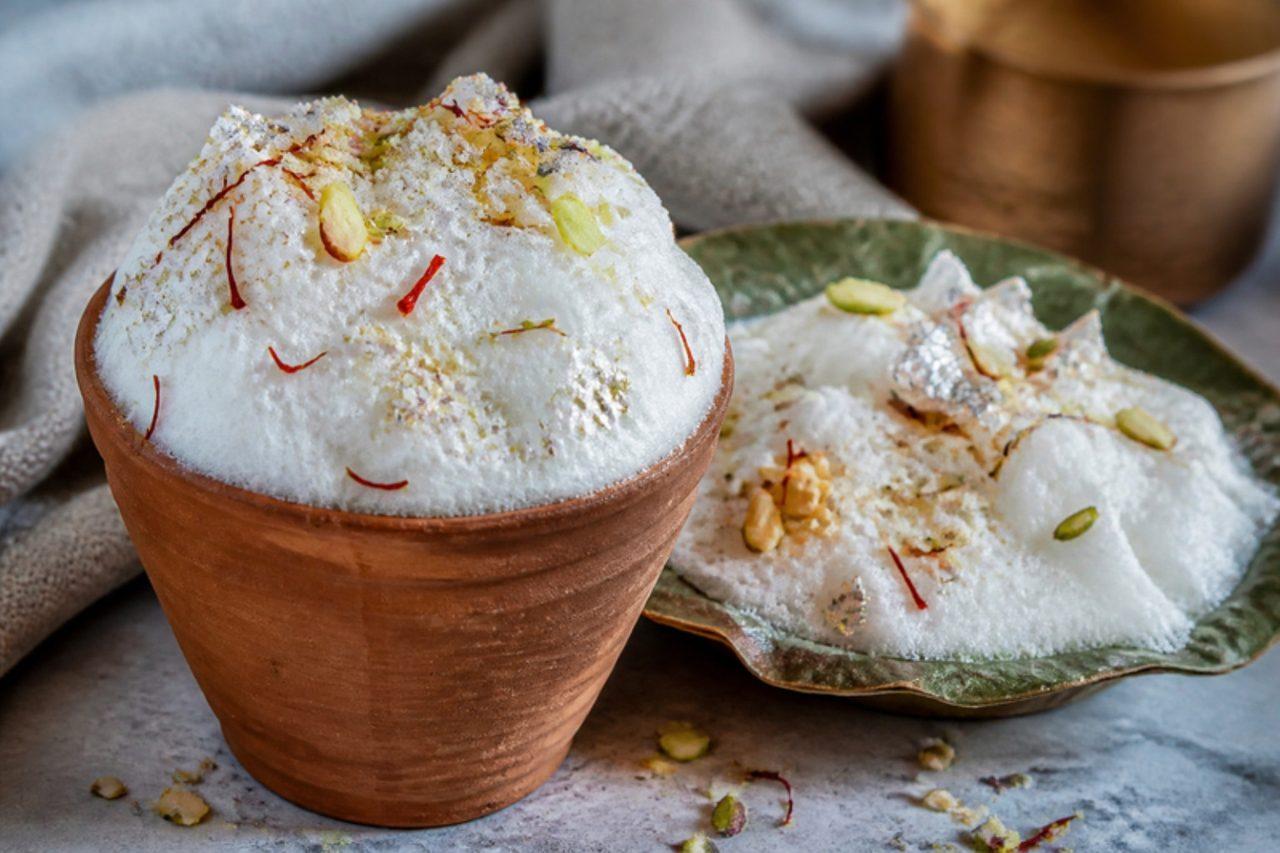
Daulat ki chaat appears in the lanes of Chandni Chowk only in the coldest months, from about November to February. Vendors whisk milk and cream through the night and leave it out under the winter dew, then skim off a foam so light it disappears on your tongue, topped with saffron, khoya, sugar and pistachios. It's sold before the sun gets high, because warmth destroys it. A home kitchen can't recreate a Delhi winter night, so this version uses very cold milk and cream whipped to a loose foam and layered with saffron. It comes close: airy, cool, faintly sweet. Chef's tip: chill everything, bowl and whisk included, for at least 4 hours; the colder the milk, the more stable the foam.

by KrazyBadal 0 views

Kamatama udonUdon with raw egg

Kagawa, the smallest prefecture in Japan, eats more udon than anywhere else, and its Sanuki udon is known for a firm, springy bite. Locals queue at self-service udon shops at breakfast, and one of the most popular orders is kamatama: noodles lifted straight from the boiling pot, dropped onto a raw egg and tossed until the heat turns the egg into a glossy coating, a little like carbonara. A splash of soy sauce and some spring onion are all it needs. Use frozen Sanuki-style udon, which is closest to fresh. Chef's tip: warm the bowls and crack the egg in first. The noodles must go in seconds after leaving the water, or the egg won't cook into a sauce.

by KrazyBadal 0 views

DalmaPigeon pea and vegetable dal

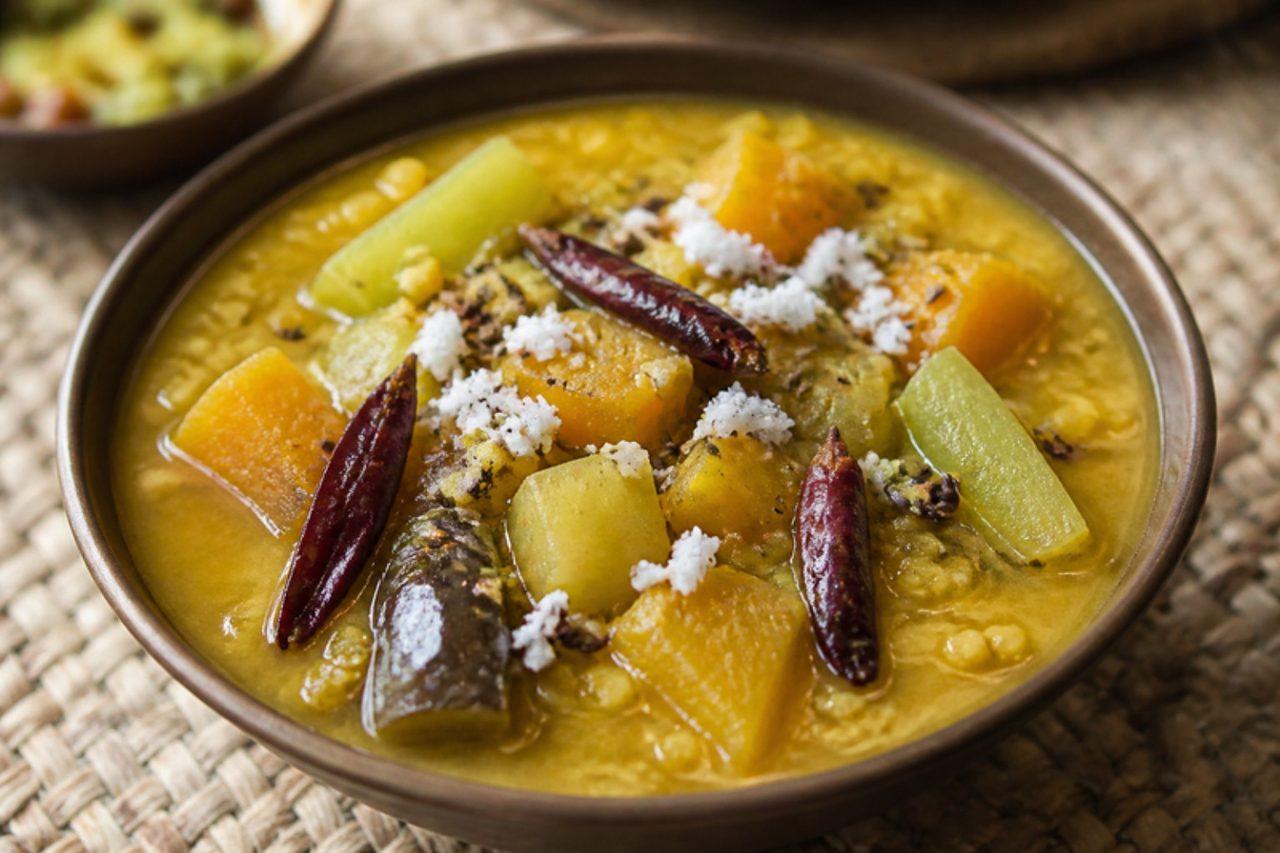
Dalma is the comfort food of Odisha and the dal offered at the Jagannath temple in Puri. Toor dal is cooked together with chunky vegetables, usually raw banana, pumpkin, aubergine and potato, so they soften into it and make it hearty enough to be a meal. A tempering of panch phoron and dried chilli and a sprinkle of roasted cumin-chilli powder give it its smoky warmth; a little grated coconut is often added on top. Odia homes finish it with a spoonful of ghee; this version uses oil so it stays vegan. Serve with plain rice. Chef's tip: add the vegetables halfway through cooking the dal, not at the start, so they keep their shape and the dal stays thick rather than watery.

by KrazyBadal 0 views

Dalle chutneyRound chilli and tomato chutney

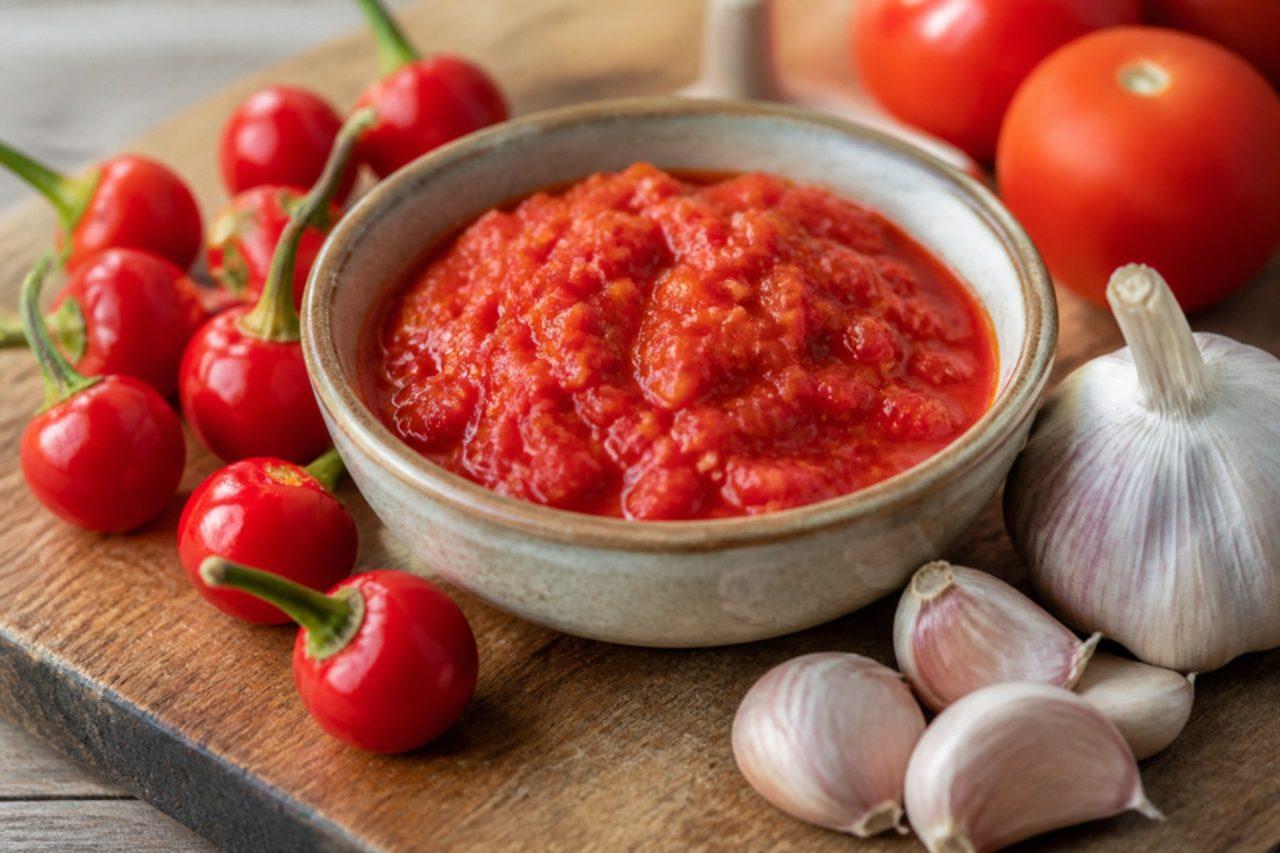
Dalle khursani is Sikkim's round, cherry-sized chilli, grown in every hill garden and among the hottest chillies in India. No meal in Gangtok goes without a little bowl of dalle achar beside the rice or momos. This fresh version pounds the chillies with blistered tomato, garlic, a pinch of timur (Sichuan-type pepper) and lemon into a coarse red chutney that is searingly hot, sharp and fruity. Eat it by the dot. Chef's tip: wear gloves when cutting dalle, and never touch your eyes; the heat stays on your hands for hours. Use a mix of habanero and bird's-eye chillies if you can't get dalle.

by KrazyBadal 0 views

Dal pithaLentil-stuffed rice dumplings

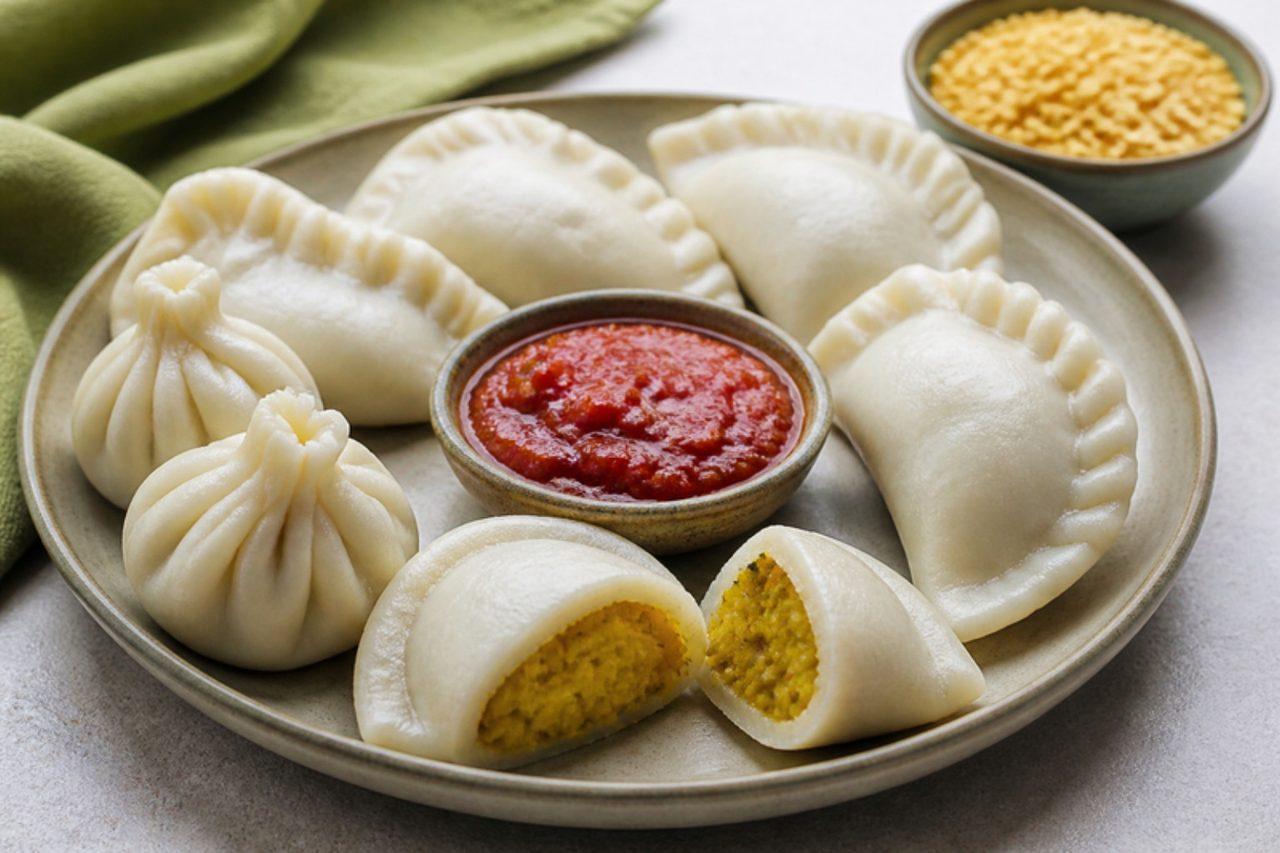
Dal pitha is the comfort food of Bihari winters, made on cold evenings and around Makar Sankranti: soft rice-flour dough wrapped around a coarse filling of chana dal, garlic, ginger and chilli, shaped into half-moons or little pouches and cooked in steam. People in Mithila call it a Bihari momo, and it is eaten hot with tomato chutney or a dribble of mustard oil. The dough tastes gently of rice, the filling is savoury and filling, and leftovers are excellent pan-fried the next day. Chef's tip: knead the rice dough while it is still hot; if it cools before shaping, the pitha crack and the filling leaks out.

by KrazyBadal 0 views

Dabu-dabuFresh tomato and chilli salsa

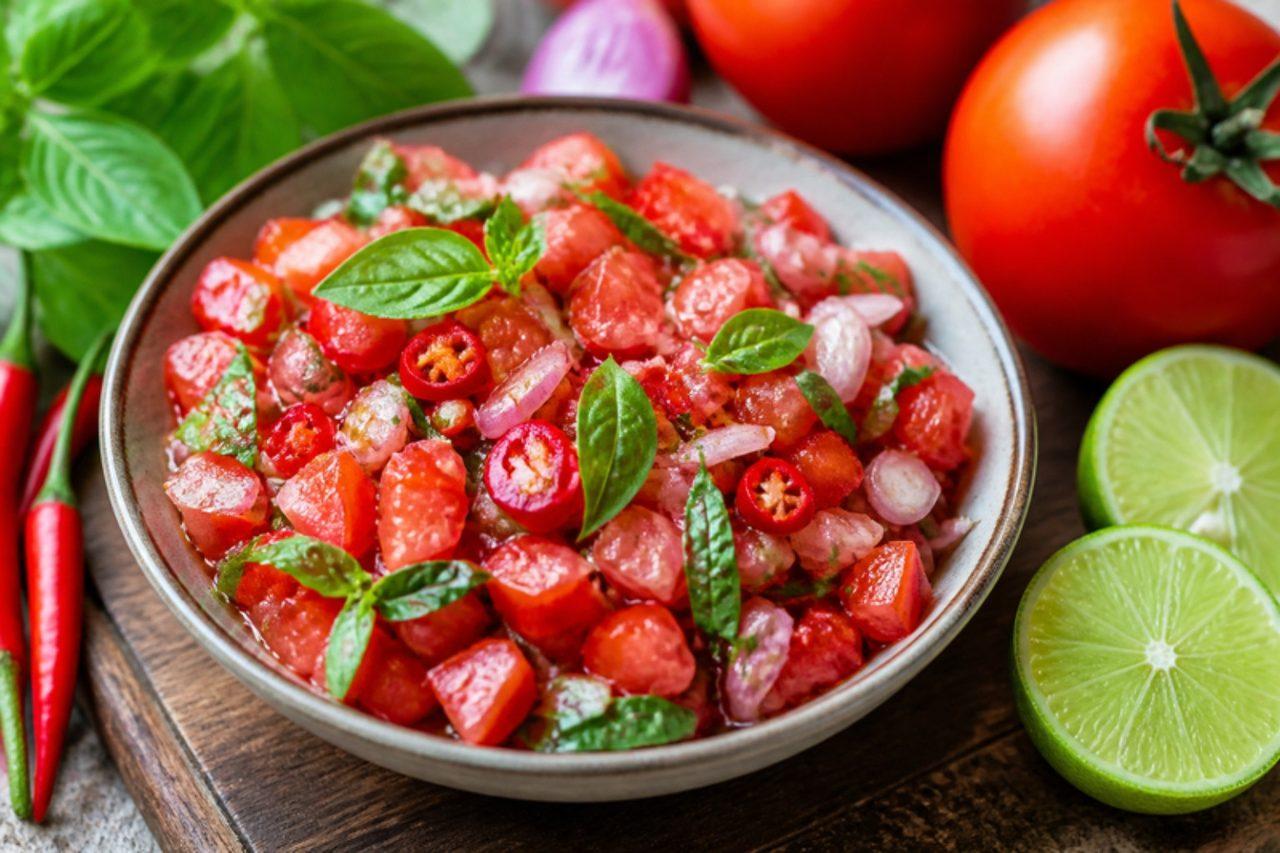
Every table in Manado, North Sulawesi, has a bowl of dabu-dabu: diced tomato, shallot and red chilli with calamansi juice and lemon basil, sometimes dressed with hot oil. It is spooned over grilled food, fried tofu and the pumpkin porridge tinutuan, and its cool juiciness makes very hot chilli easier to take. Unlike Bali's sambal matah, it is built on tomato and stays chunky and wet. Chef's tip: salt the tomatoes and leave them 5 minutes before mixing, so they release juice that becomes the dressing.

by KrazyBadal 0 views

Kangkung gorengGarlic stir-fried water spinach

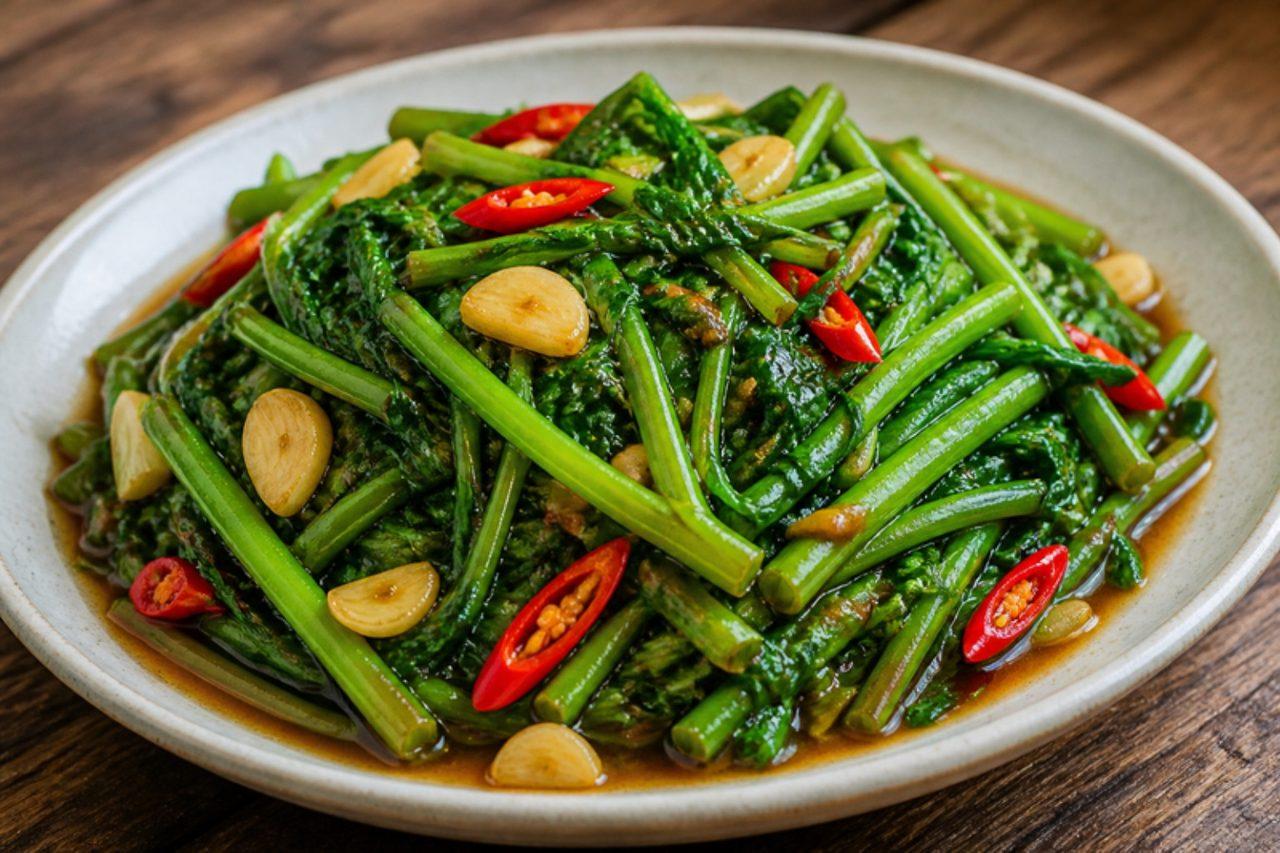
Kangkung grows in wet ditches and paddy edges right across Malaysia, and every zi char stall and kopitiam kitchen has a pile waiting for the wok. Ordered beside rice and a curry at lunch, or as one of several shared plates at night, it arrives glossy, hollow stems still crunchy, leaves just collapsed. Hawkers often fry it with belacan; this version gets its savoury punch from garlic, shallots, red chilli and a spoon of fermented soybean paste (tauco) instead. It's done in under five minutes. Chef's tip: dry the washed greens thoroughly in a salad spinner, because wet leaves cool the wok and steam instead of sizzle.

by KrazyBadal 0 views

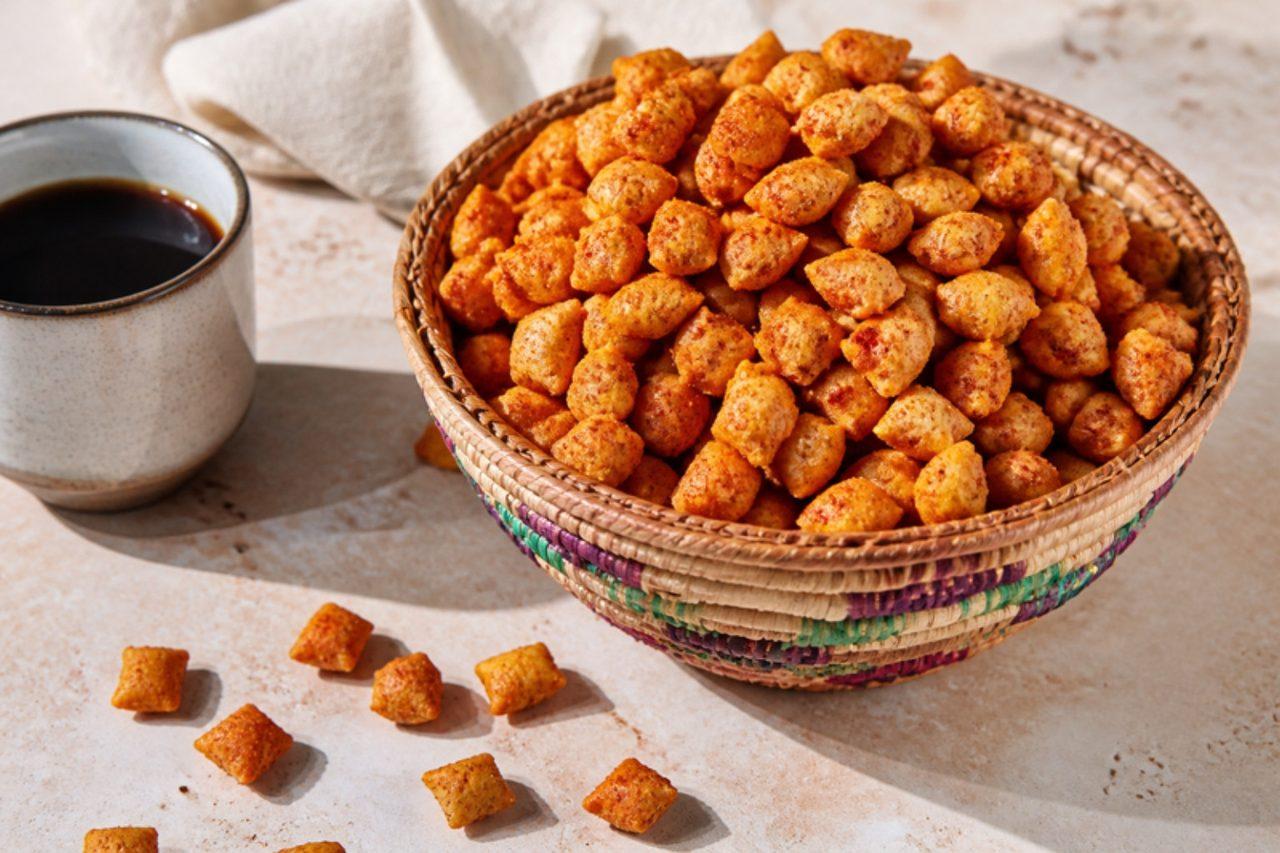
Dabo koloCrunchy spiced dough bites

Dabo kolo are small crunchy nuggets of spiced dough, sold in paper cones in markets from Addis Ababa to Gondar and offered to guests with coffee. Families make big batches before holidays such as Enkutatash (Ethiopian New Year in September) and for long journeys, since they keep for weeks. The dough is seasoned with berbere and a little sugar, rolled into thin ropes, cut into tiny pieces and toasted until crisp. Children love them, and they can be made mild by reducing the berbere. Chef's tip: cut the pieces as small and even as you can, about the size of a chickpea, so they crunch all the way through.

by KrazyBadal 0 views

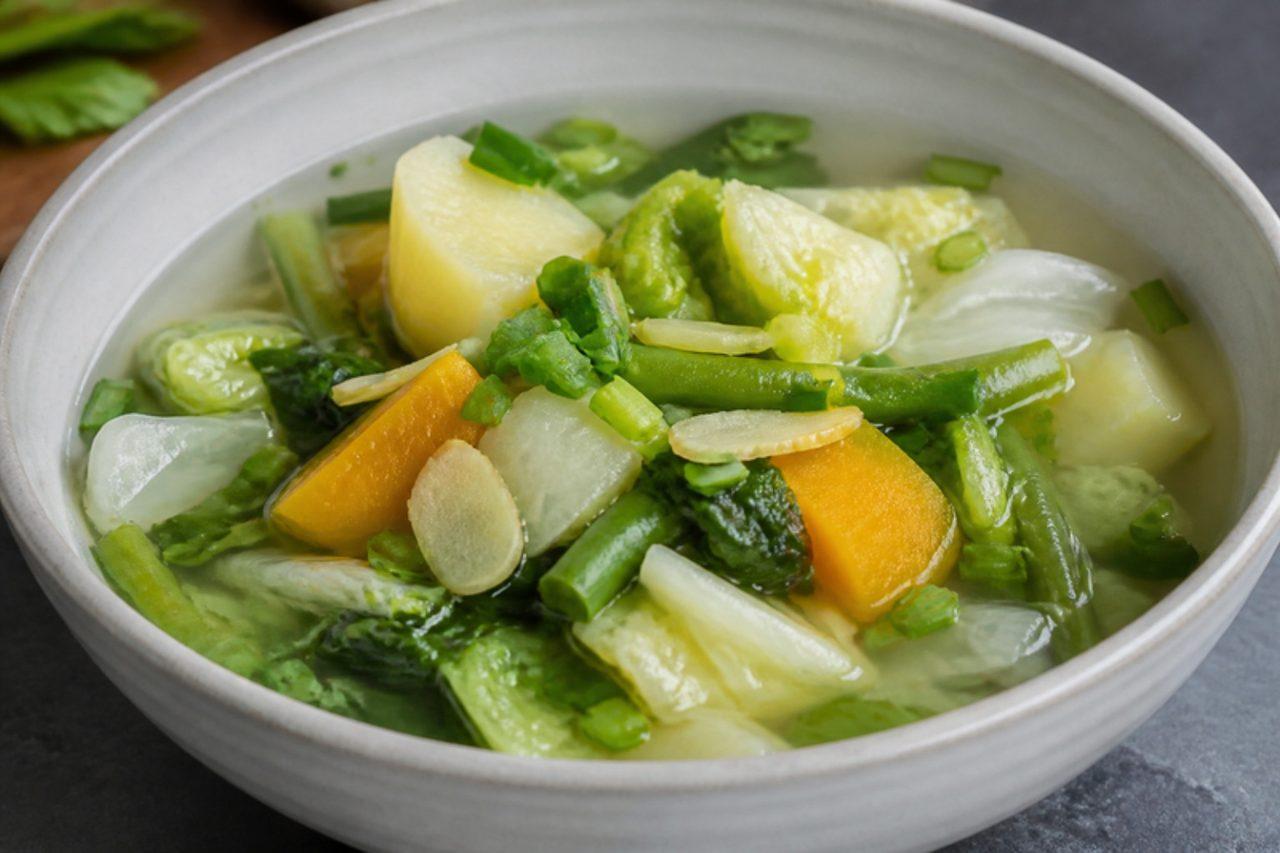
KangshoiClear vegetable stew

Kangshoi is the everyday stew of the Imphal Valley: seasonal vegetables simmered in water with ginger, onion and chilli, and finished with a fistful of fresh herbs such as maroi (a garlic chive), coriander and mint. It is light, clear and brothy, eaten with rice at almost every Meitei meal. Many households add dried fish or ngari (fermented fish) for depth; Vaishnav Meitei homes leave it out, and this vegetarian version relies on toasted chilli and plenty of herbs instead. Chef's tip: cook it without oil, as Manipuris do; the clean broth is the point.

by KrazyBadal 0 views

Kanpur khoya and suji ladduMilk solids and semolina laddu

Kanpur's best-known sweet is a crumbly, rich laddu sold in brown paper boxes near the city's busy crossings and taken home as a souvenir from the city. It is made by roasting semolina slowly in ghee until it smells like warm biscuits, then mixing in browned khoya, sugar and plenty of cashews, giving a soft, melt-in-the-mouth bite with tiny pieces of crunch. Families make a batch for Diwali or Raksha Bandhan and keep it for a week. The biggest mistake is adding the sugar while the mixture is still hot; it melts and the laddus collapse into flat puddles. Chef's tip: if the mixture feels too dry to bind, sprinkle in warm milk a teaspoon at a time rather than adding more ghee.

by KrazyBadal 0 views

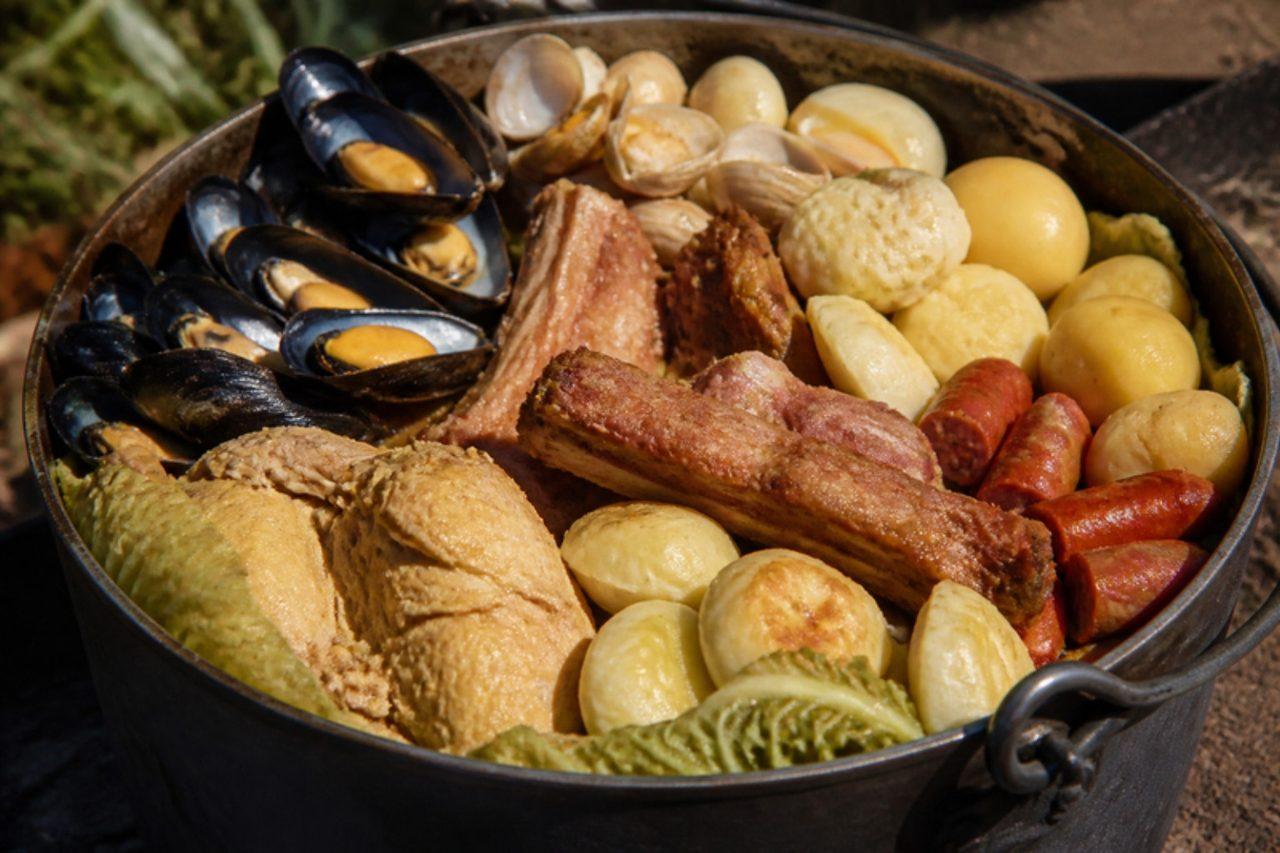
Curanto en ollaShellfish and meat pot

On the island of Chiloé in southern Chile, curanto is cooked in a pit lined with hot stones and covered with huge nalca leaves; in town kitchens and in Puerto Montt's market it is made in a big pot instead, curanto en olla. Mussels and clams, smoked pork, chicken and sausage steam together over potatoes and milcao (potato dumplings) until the juices make a rich broth, served in cups on the side. This dish contains pork and shellfish. Some cooks add white wine; this version uses water. The mistake is adding the shellfish too early; they go in at the end and must open, and any that stay closed are thrown away. Chef's tip: make the milcao a little ahead and keep it in the fridge so it holds its shape.

135 minChileanFish
by KrazyBadal 0 views

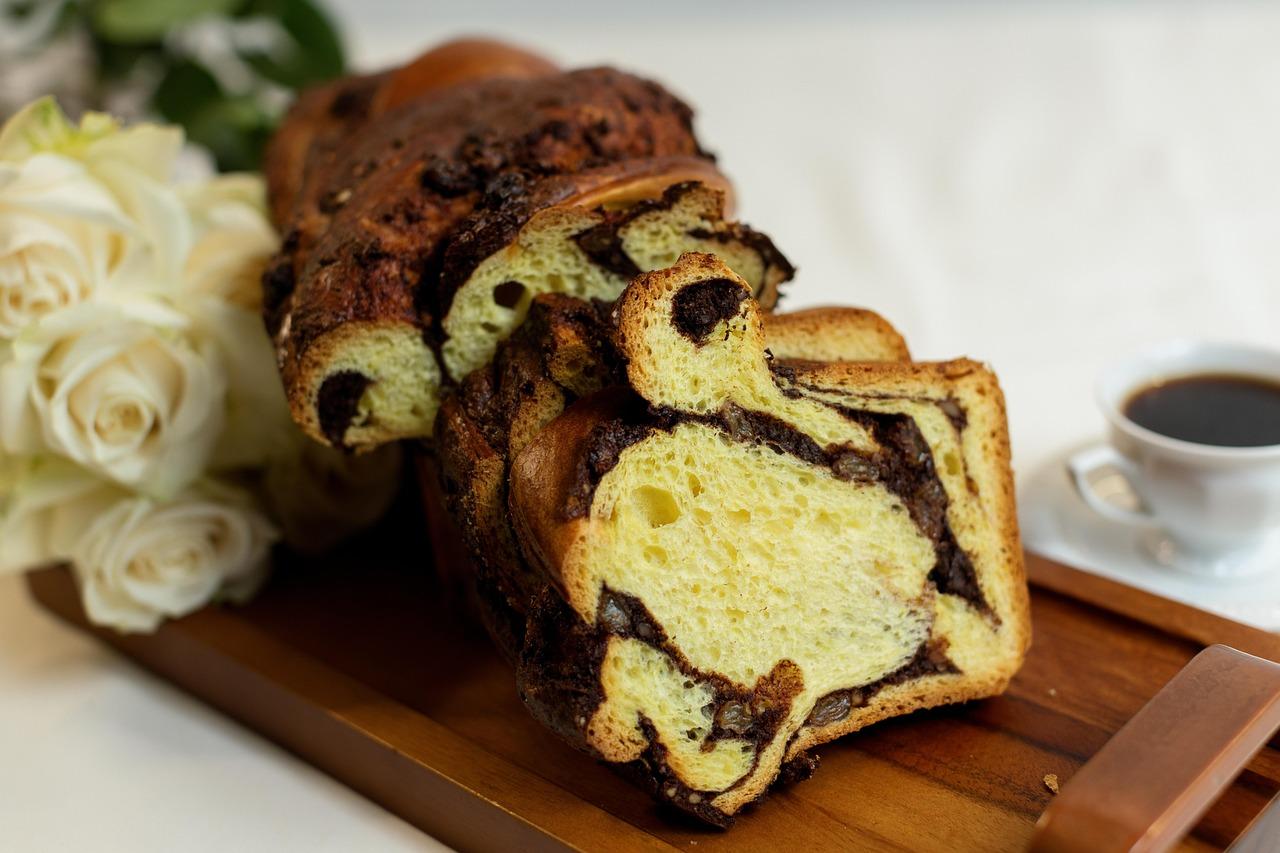
CozonacSweet braided bread

Cozonac is the festive loaf every Romanian family bakes for Easter and Christmas, filling kitchens from Craiova to Suceava with the smell of butter, rum, lemon and orange zest. The rich yeast dough is rolled around a walnut and cocoa filling studded with pieces of rahat (Turkish delight), then braided and baked in a tall loaf tin so each slice shows a dark swirl. Unlike Slovenian potica, which is rolled into a thin spiral ring, cozonac is a braided loaf. It is eaten in thick slices with coffee on the feast mornings. Chef's tip: knead until the dough is silky and comes away from the bowl, then be patient with the rises; under-proving is the classic mistake and gives a dense, heavy loaf.

by KrazyBadal 0 views

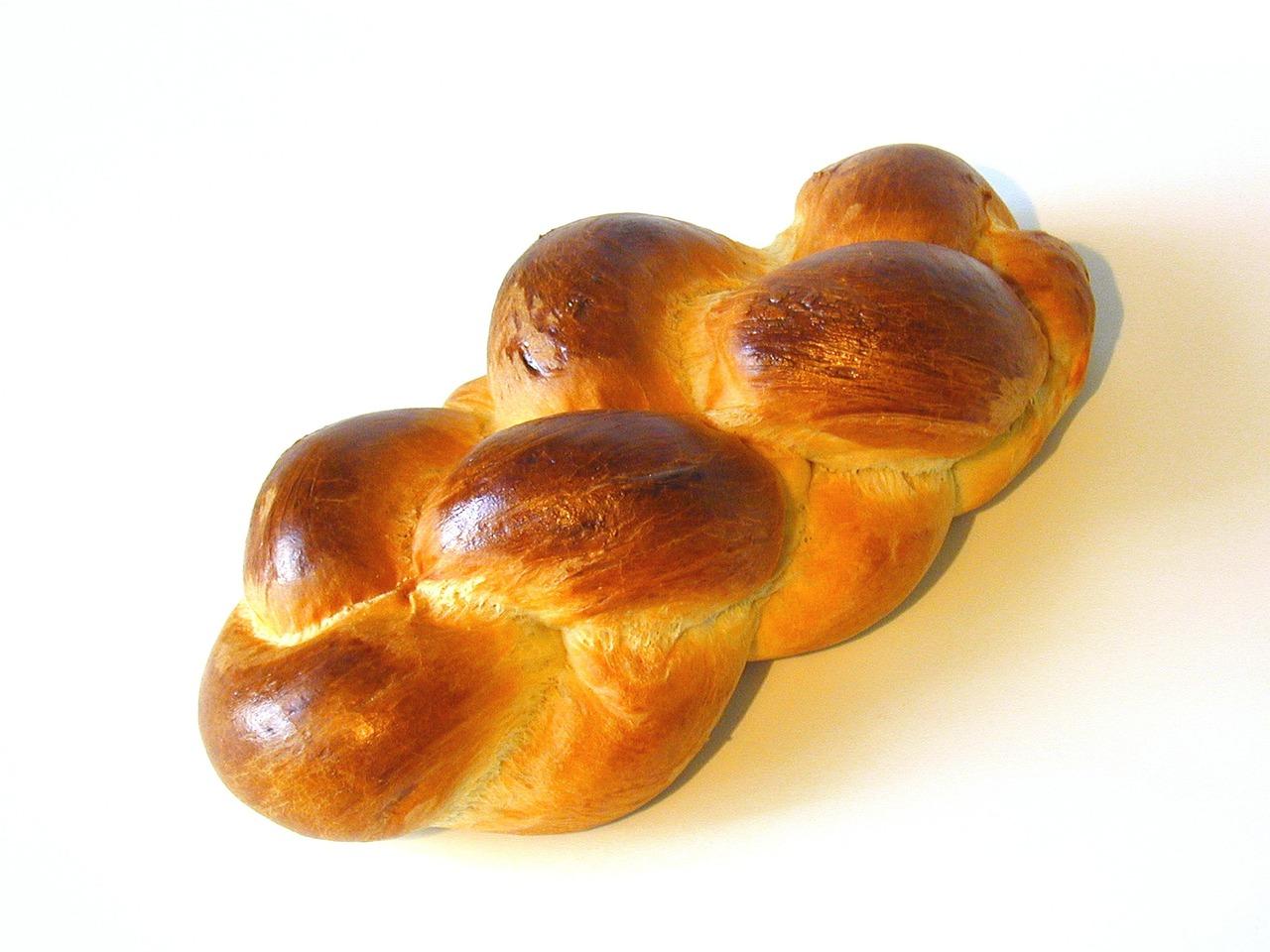
ZopfPlaited butter bread

In German-speaking Switzerland the Sunday breakfast table is not complete without a Zopf (Züpfe in Bern): a shiny, plaited white loaf made with milk and plenty of butter, sliced thick and spread with more butter and jam or honey. Bakeries from Bern to St Gallen bake them on Saturday nights, and many families plait their own on Sunday morning. The crumb is soft, light and faintly sweet from the butter, not the sugar, and the egg-yolk glaze gives a deep brown, glossy crust. Leftovers make excellent French toast (Fotzelschnitte). Chef's tip: let the shaped plait rest in a cool place for 15 minutes before glazing and baking; the strands hold their shape and the pattern stays crisp.

by KrazyBadal 0 views

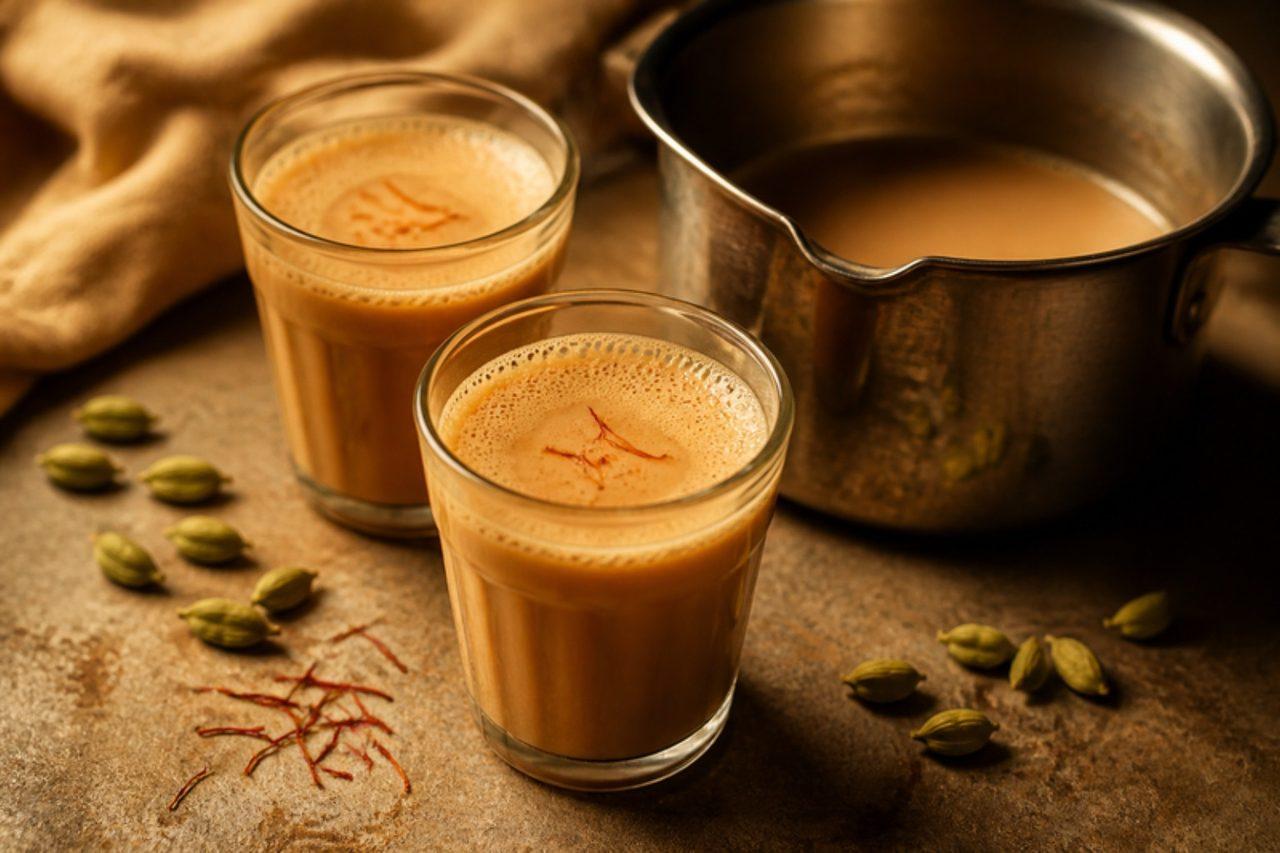
Karak chaiSpiced evaporated milk tea

Every neighbourhood in Doha, Dubai and Kuwait City has a cafeteria with a hatch on the street, where karak is handed through car windows in paper cups at all hours. Brought to the Gulf by South Asian workers and now firmly local, it is black tea boiled hard with sugar and cardamom, then simmered again with evaporated milk until it is strong, sweet and the colour of toffee; a few strands of saffron mark the Gulf version. Chef's tip: pour the tea from a height between two pans a few times; the froth and slight cooling give the silky karak texture.

by KrazyBadal 0 views

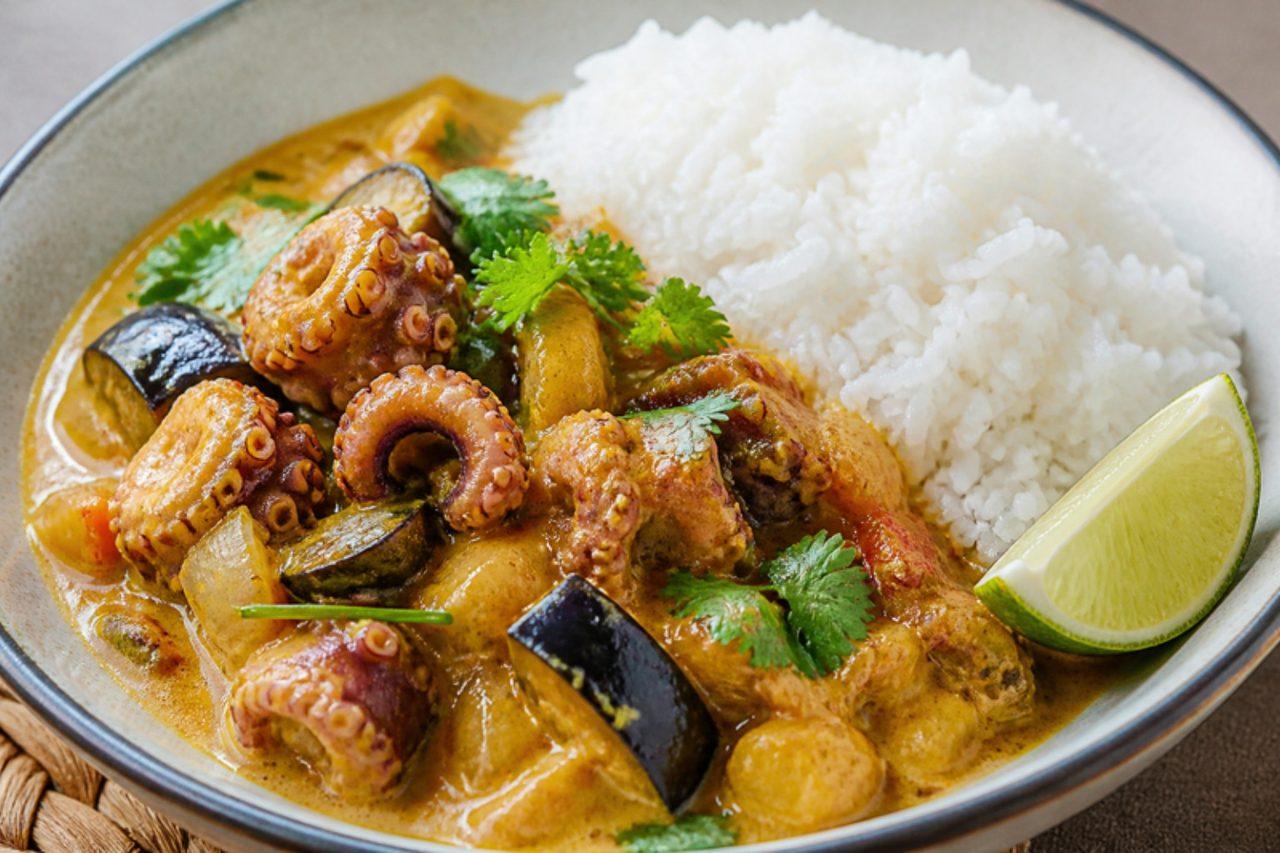
Kari koko zouritOctopus coconut curry

Kari koko zourit, octopus in coconut curry, is the dish most Seychellois would name as their national favourite, cooked on Mahé and Praslin when the fishermen bring octopus in from the reef. The octopus is simmered until tender, then cooked in a sauce of coconut milk, curry powder, garlic, ginger, cinnamon and a little aubergine. It is served with rice and a green papaya chutney. The mistake is cooking the octopus too briefly or at a fast boil, which makes it rubbery; it needs a long, gentle simmer. Chef's tip: frozen and thawed octopus is often more tender than fresh, because freezing breaks down the fibres.

by KrazyBadal 0 views

Karil (bamboo shoot curry)Bamboo shoot and potato curry

In the villages of Jharkhand's Chotanagpur plateau, the first tender bamboo shoots of the rains are called karil, and they are cooked into a simple, punchy dry curry with potato, lots of garlic and mustard oil. Some families also dry or pickle the shoots to last the year. The shoots stay crunchy and have a gentle sourness that goes beautifully with rice and dal. Tinned bamboo shoots work well and are already cooked. Chef's tip: always boil fresh shoots before using them; raw bamboo is bitter and not safe to eat.

by KrazyBadal 0 views

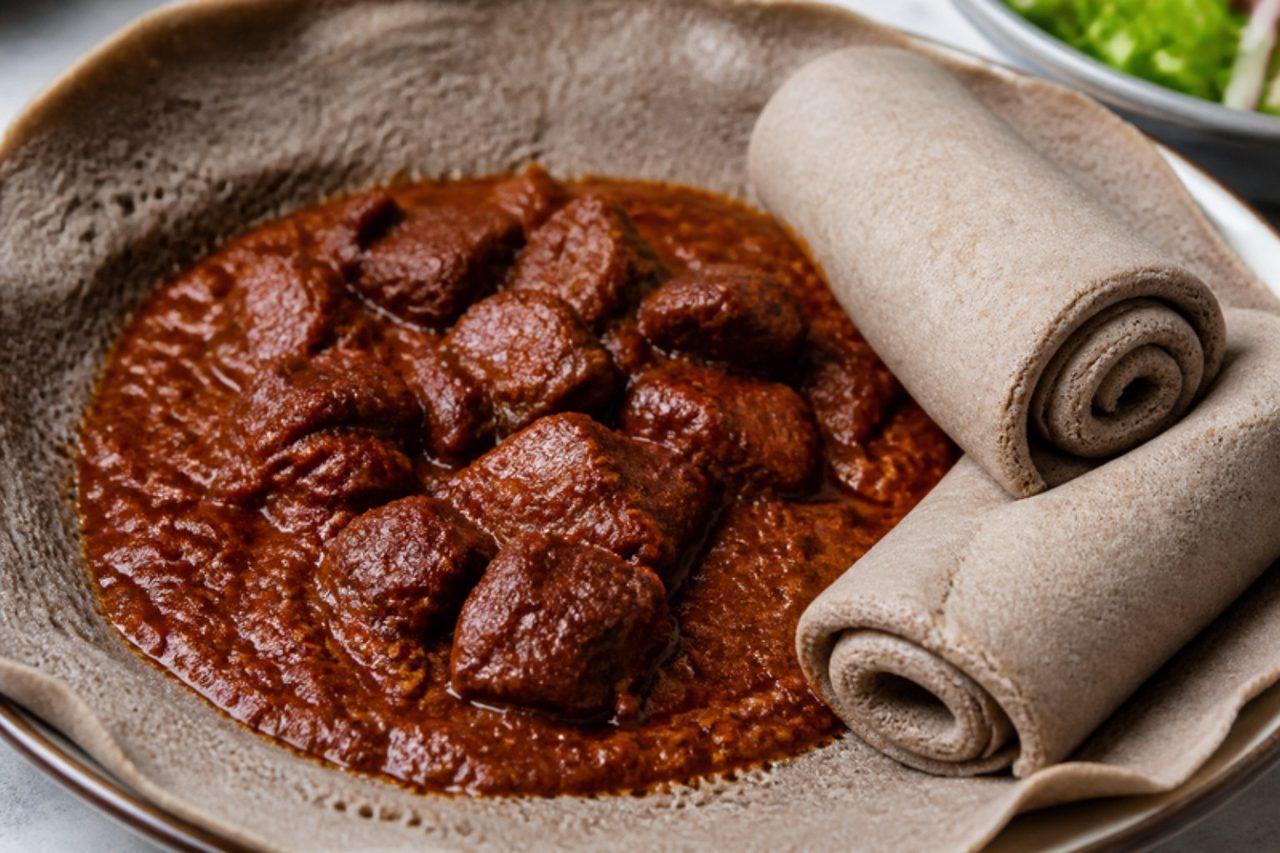
ZigniSpicy beef stew

Zigni is the signature stew of Asmara and the Eritrean highlands, served on a wide platter of injera at weddings, Sunday lunches and the end of fasts. Red onions are cooked slowly in a dry pot until they collapse, then berbere, garlic, ginger and tomato go in, followed by beef that simmers until tender in a deep red, peppery sauce finished with spiced butter (tesmi). The mistake is rushing the onions: they must cook down for a good 20 minutes to give the sauce its sweet base. Chef's tip: the onions start in a dry pan with no oil, the traditional way; stir them often and add a splash of water if they catch.

120 minEritreanMeatGluten freeSpicy
by KrazyBadal 0 views

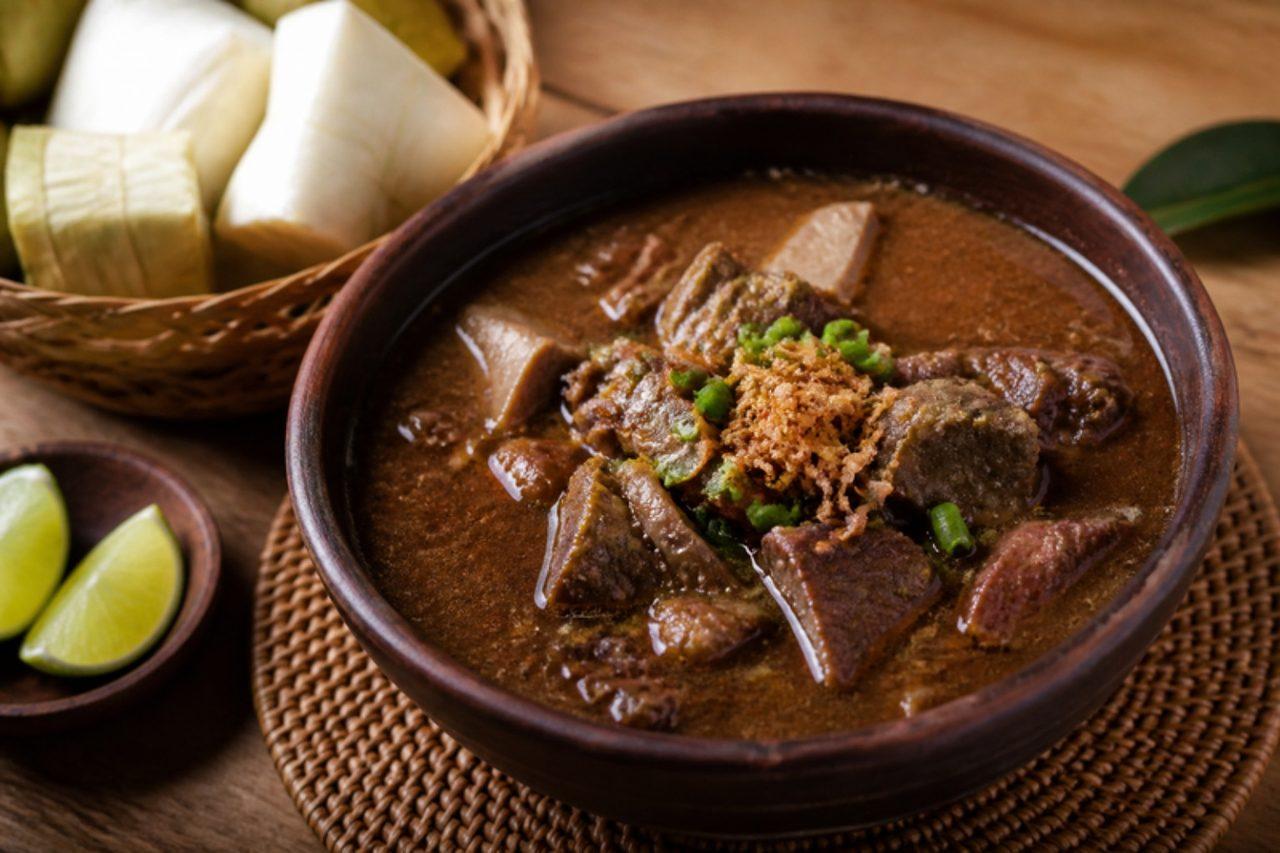
Coto MakassarBeef and peanut soup

Before the sun is fully up over Makassar's harbour, coto warungs are already serving dockers and office workers alike from huge clay-coloured pots. This South Sulawesi soup is thick, brown and opaque, its body coming from roasted peanuts ground almost to flour and simmered into a broth made with the cloudy water from rinsing rice. Diced beef (and traditionally offal) sits in a nutty, cumin-and-pepper broth that's eaten with diamond-shaped ketupat rice cakes broken into the bowl, plus lime and a spoon of chilli. Chef's tip: grind the cooled peanuts in short bursts and stop while they're still sandy; a few seconds too long and you get peanut butter that turns the soup claggy.

by KrazyBadal 0 views

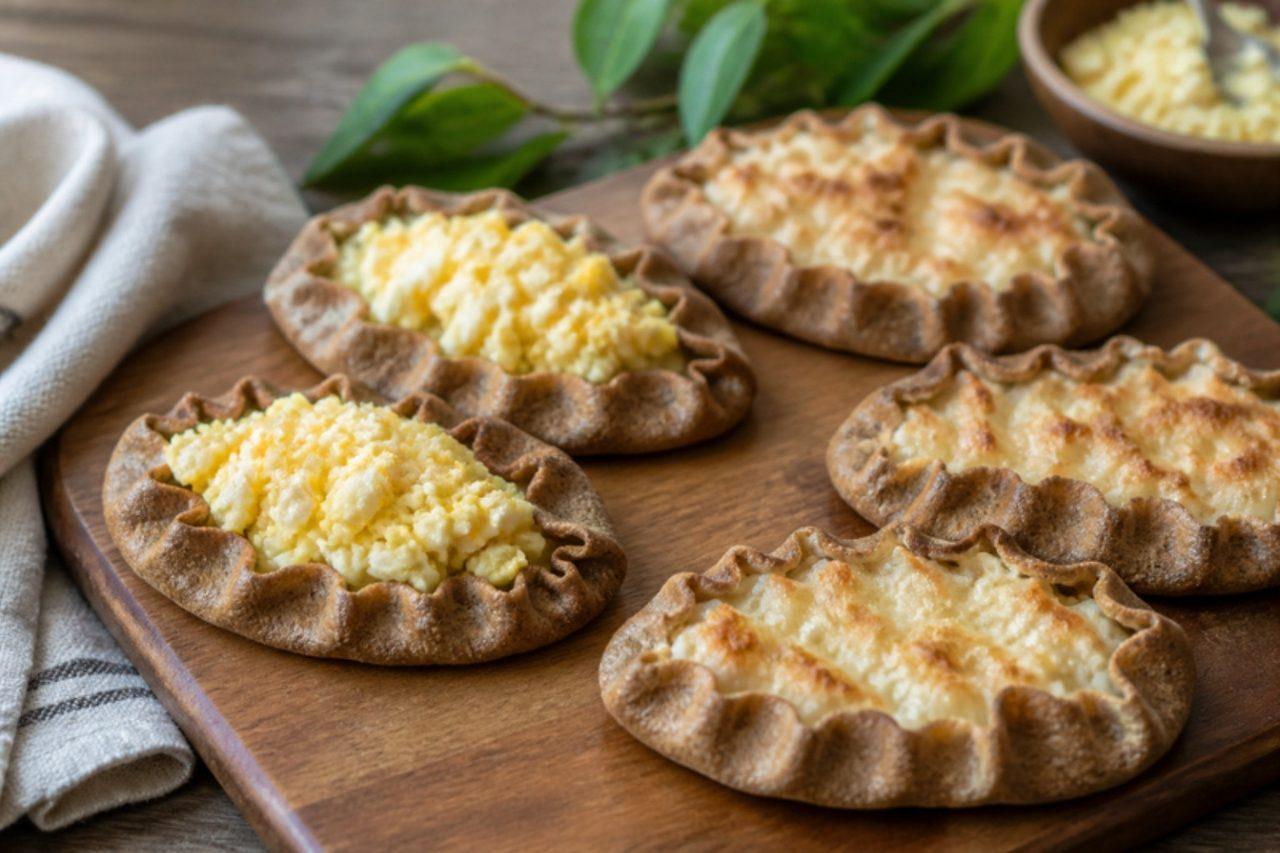
KarjalanpiirakkaRye pastries with rice filling

Karjalanpiirakka come from Karelia, the borderland of eastern Finland, and are now baked in every Finnish home and sold in every Helsinki market hall. The open, oval pies have a crust of rye dough rolled paper-thin and crimped by hand around a filling of creamy rice porridge. Straight from a very hot oven they are brushed with butter and milk to soften, then eaten warm with munavoi, egg butter: chopped hard-boiled egg mashed into soft butter. Finns eat them for breakfast, at coffee tables and at weddings and funerals alike. The crimping looks fiddly but goes quickly after the first few. Chef's tip: make the rice porridge a day ahead; cold porridge is stiff enough to spread neatly and won't soak the thin crust.

by KrazyBadal 0 views

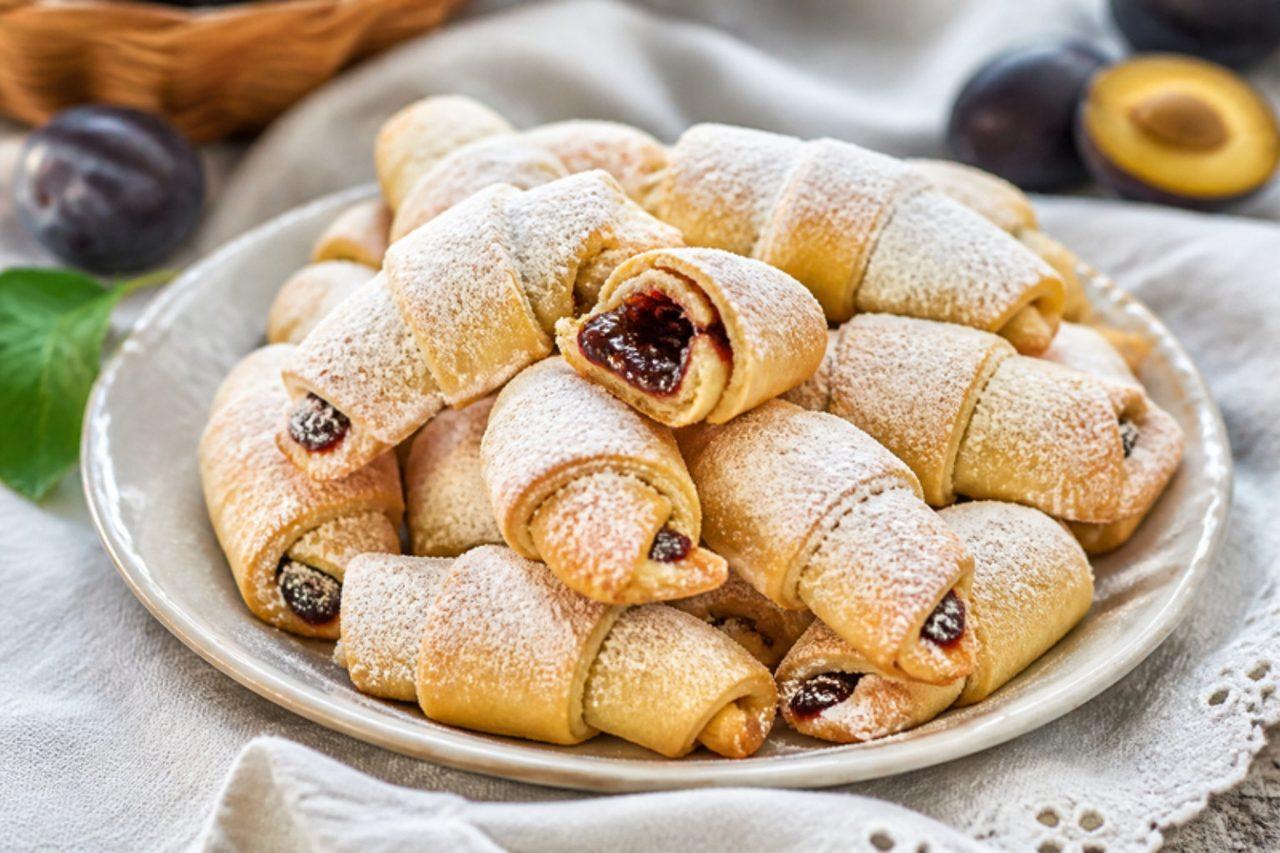
CornulețeJam-filled crescent cookies

Cornulețe are the little crescent cookies that fill tins in Romanian kitchens before Christmas and New Year, and that grandmothers in Sibiu and Timișoara bake by the hundred for weddings and name days. This version uses a tender yeasted dough made with butter and yogurt, wrapped around a spoonful of thick plum jam (magiun) or rose rahat and rolled into horns. They bake pale and soft, not flaky, and are rolled in vanilla sugar while warm (the recipe makes 32, two per serving), which sets them apart from the cream-cheese rugelach of Jewish baking. Chef's tip: use thick jam and pinch the ends shut; runny jam is the usual mistake and bubbles out and burns on the tray.

by KrazyBadal 0 views

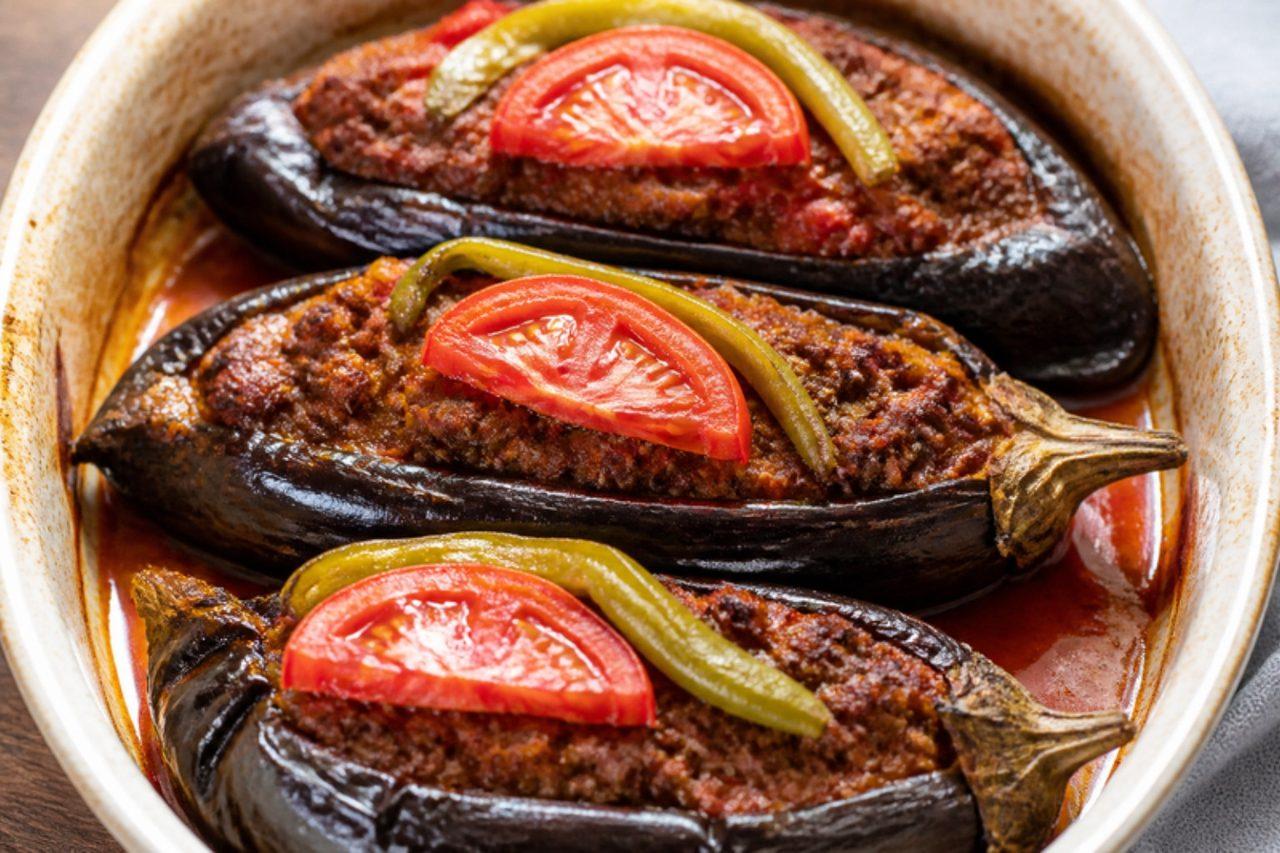
KarnıyarıkStuffed aubergines with beef

Karnıyarık is a summer weekday dinner in kitchens all over Turkey, made when aubergines are glossy, cheap and piled high at the street markets. Small whole aubergines are peeled in stripes, fried until silky, then slit down the middle and packed with minced beef cooked with onion, green pepper and tomato. A short spell in the oven melts it all together. It is eaten warm with plain rice pilaf and a bowl of cacık or yogurt. Chef's tip: press the fried aubergine open with the back of a spoon to make a deep boat, so the filling sits inside rather than rolling off.

by KrazyBadal 0 views

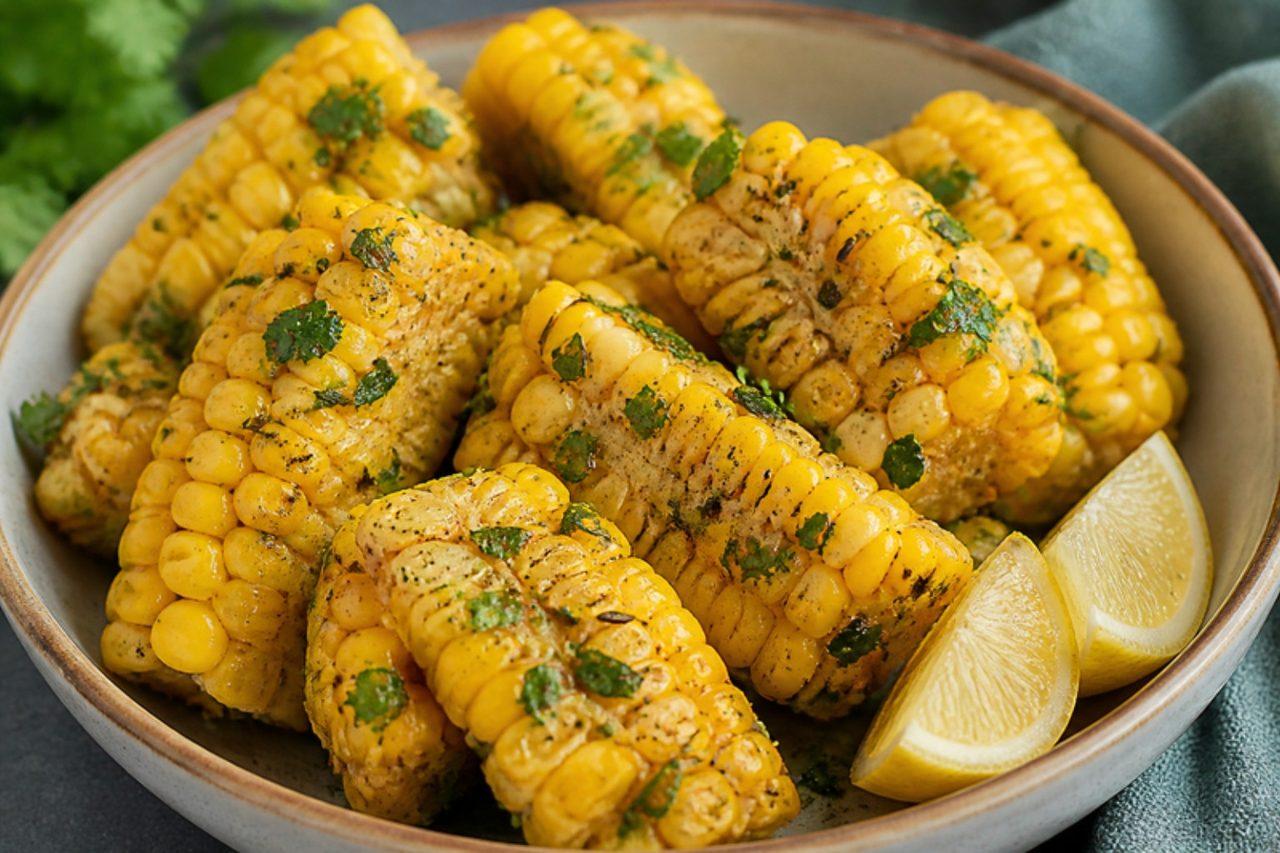
Corn bombSpiced corn on the cob chunks

Chunks of tender corn on the cob tossed in hot oil with cumin, green chillies, fresh coriander, turmeric, black pepper and lemon until every kernel is coated. It's hot, tangy and messy to eat with your fingers. Serve hot from the barbecue.

by KrazyBadal 0 views

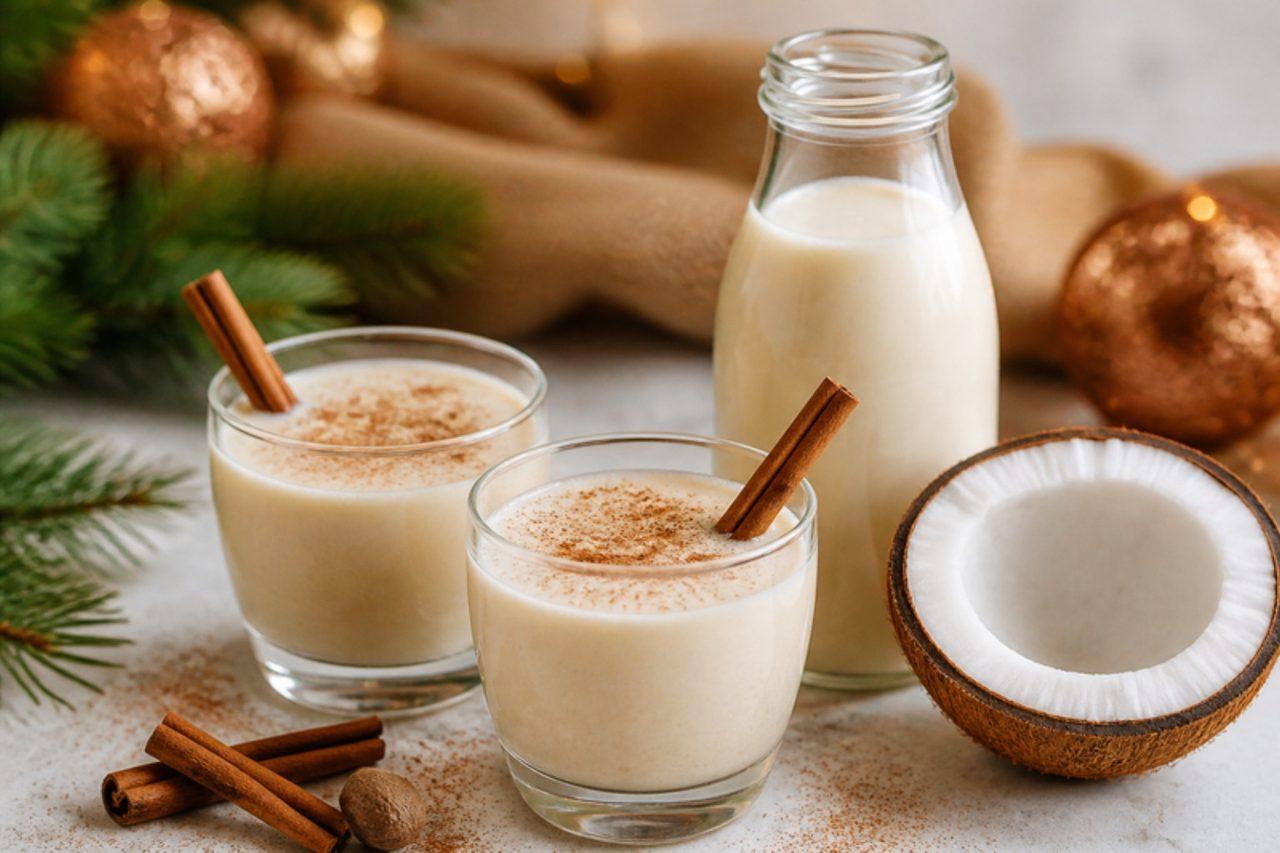
CoquitoCoconut rum drink

Coquito is Puerto Rico's Christmas in a glass: bottles of it are made in early December, given to neighbours and poured at every parranda, the late-night singing visits from house to house, until the Fiesta de San Sebastián in Old San Juan in January. This version contains alcohol: it blends coconut milk, sweet cream of coconut and condensed and evaporated milk with Puerto Rican white rum, cinnamon, nutmeg and vanilla. It's thick, cold and sweet, with the warmth of rum behind the spice. For children and anyone avoiding alcohol, make it without the rum as described in the steps. Chef's tip: let it rest in the fridge overnight; the spices bloom and the rum mellows, and it tastes far rounder on the second day.

by KrazyBadal 0 views

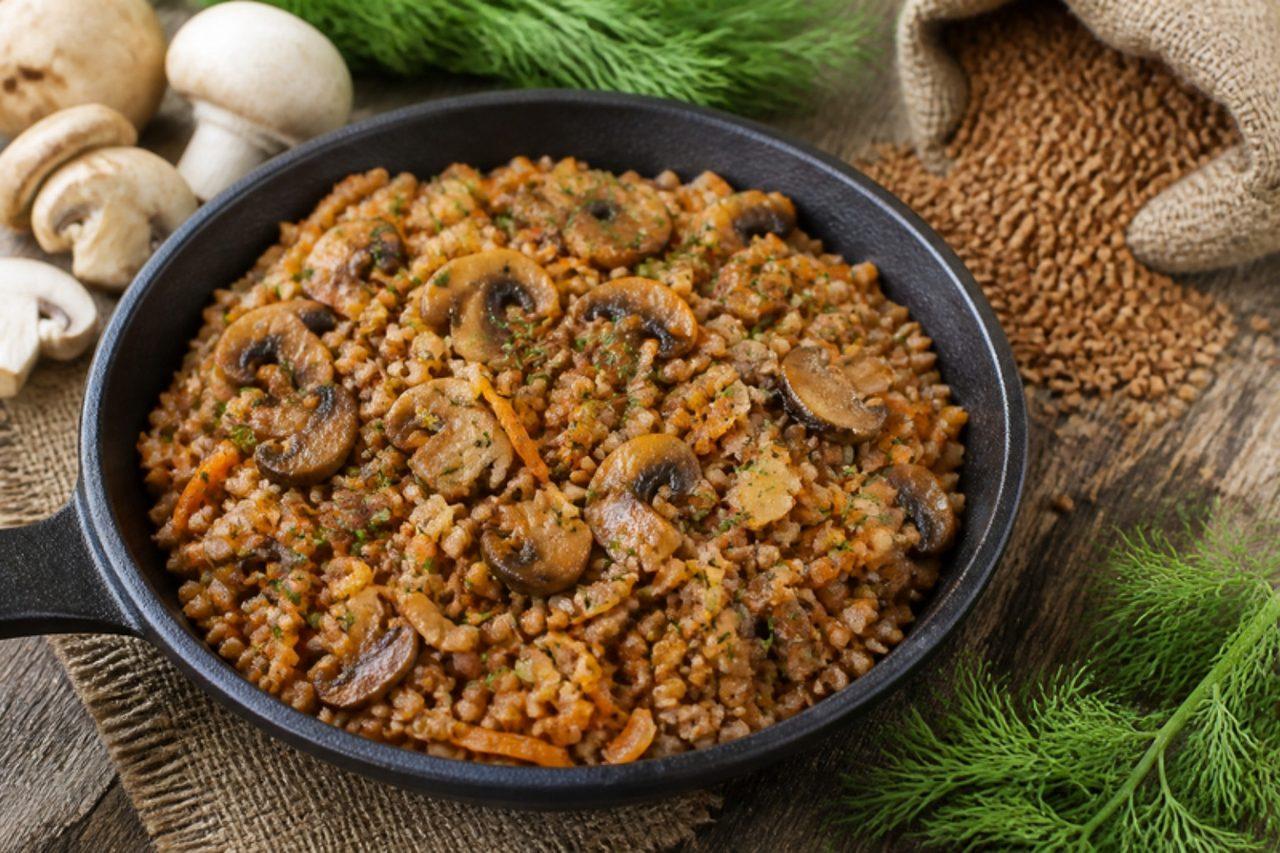
Kasha with mushroomsBuckwheat with mushrooms

Buckwheat, hrechka, is the grain Ukrainians grow up on: cooked loose and fluffy, it turns up as a weekday side in Kharkiv kitchens, in student dorms in Lviv and on every school canteen tray. Cooked with fried mushrooms, onion and carrot it becomes a filling meal of its own, and in autumn it is made with wild mushrooms picked in the Polissia forests. It is naturally gluten free and, with no butter, vegan. Chef's tip: dry-toast the grains until they smell nutty and crackle; it gives the kasha its deep flavour and keeps each grain separate.

by KrazyBadal 0 views

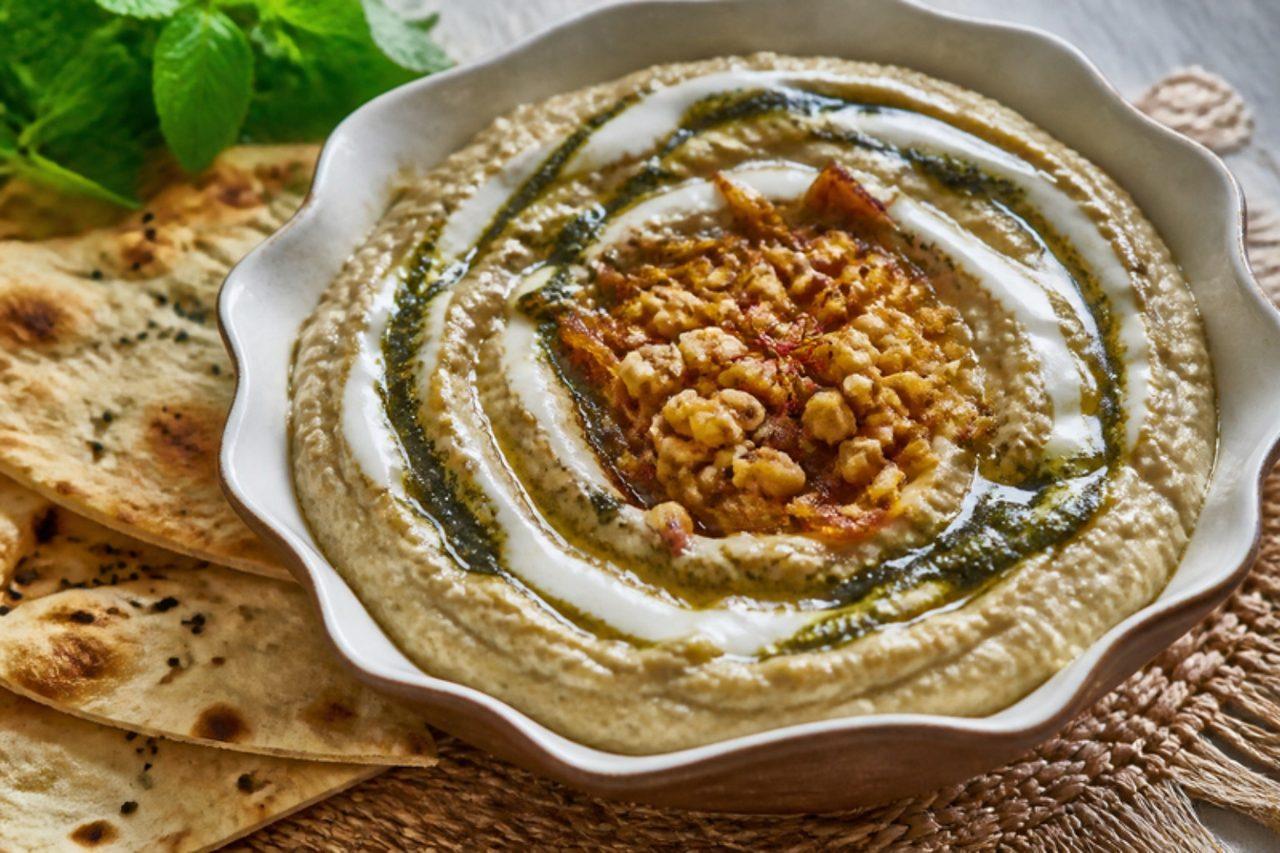
Kashk-e bademjanAubergine and whey dip

Kashk-e bademjan is the aubergine dip that greets you at the start of a meal in Tehran restaurants and at family gatherings all over Iran, swirled on a plate and decorated with fried onions, mint oil, walnuts and white ribbons of kashk. Fried aubergine is mashed with golden onions and garlic, then enriched with kashk, a tangy, salty fermented whey. Most kashk is made from soured yogurt without rennet, but some brands use cheese whey, so check the label if you avoid animal rennet; strained Greek yogurt beaten with a little sour cream and lemon is a good substitute. Serve it with warm flatbread. Chef's tip: fry the dried mint for a few seconds only, off the heat; it should smell sweet, not scorched.

by KrazyBadal 0 views

Kashmiri chaiPink salted milk tea

Kashmiri chai, called pink tea or gulabi chai across Pakistan, came down from Kashmir to become the winter drink of Lahore, Karachi and Islamabad: it is ladled out at weddings, sold from steaming pots at tea stalls on cold nights and served with nankhatai biscuits at family gatherings. The colour is real chemistry, not food colouring: green tea leaves are boiled hard with a pinch of baking soda until the brew turns deep red, then whisked and splashed to get air into it, and finally cooked with milk until it blushes pink. It is lightly salted in the old Kashmiri way and sweetened in the city way; add as much sugar as you like. The mistake people make is using black tea; only green tea leaves turn pink. Chef's tip: pour in ice-cold water as soon as the brew is reduced, and beat it hard; the shock and the air are what lock in the bright colour.

by KrazyBadal 0 views

Kashmiri girdaKashmiri round bread

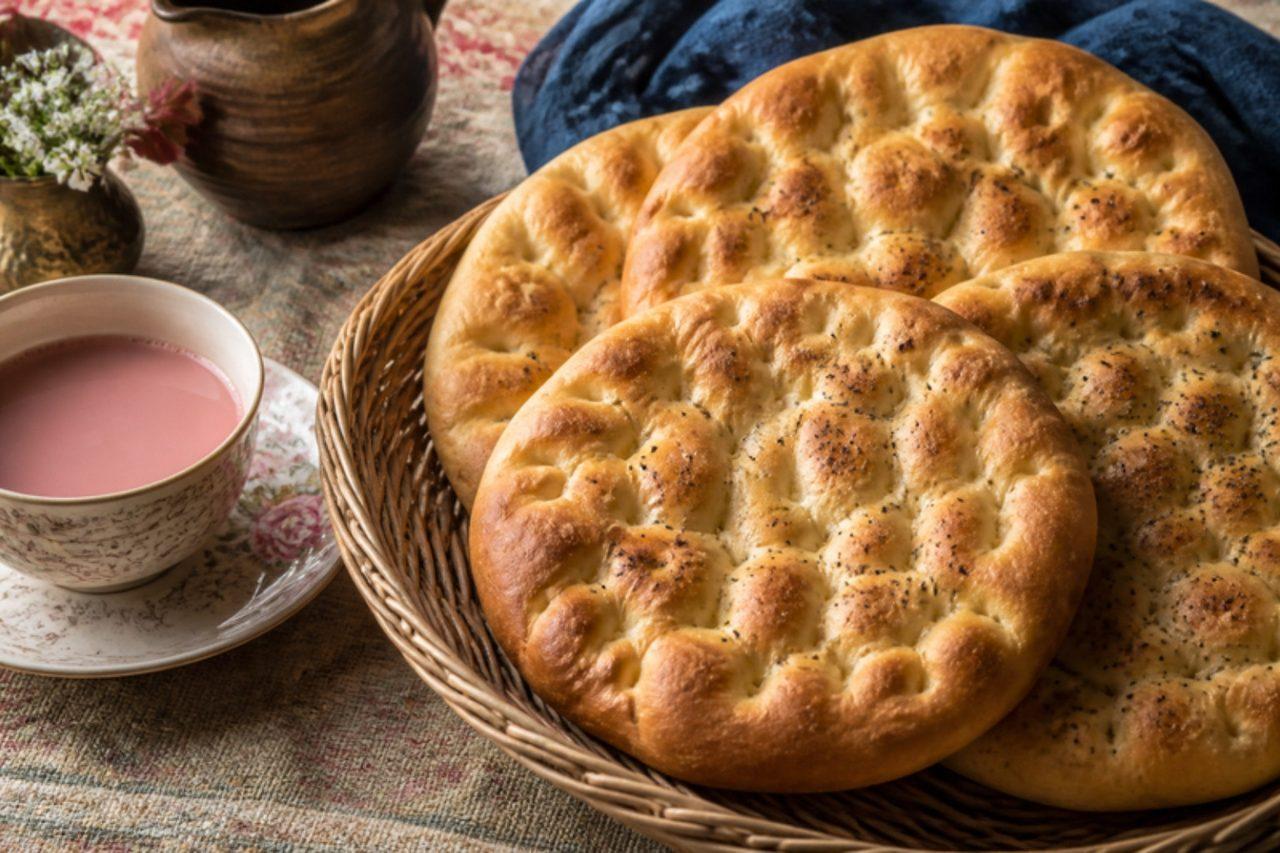
Every neighbourhood in Srinagar has a kandur, a baker working at a pit oven, and before sunrise people queue there for girda: round breads about the size of a side plate, pressed all over with fingertips so the crust sets in ridges and hollows. The outside is lightly crisp, the crumb soft and slightly chewy, and the bread is torn and dunked into salty pink noon chai or spread with butter. A home oven with a heavy tray heated until very hot gets close to the kandur. Chef's tip: wrap the breads in a clean cloth as they come out; the trapped steam keeps the crust tender rather than hard.

142 minIndianBaking
by KrazyBadal 0 views

Coorg pandi curryDark spiced pork curry

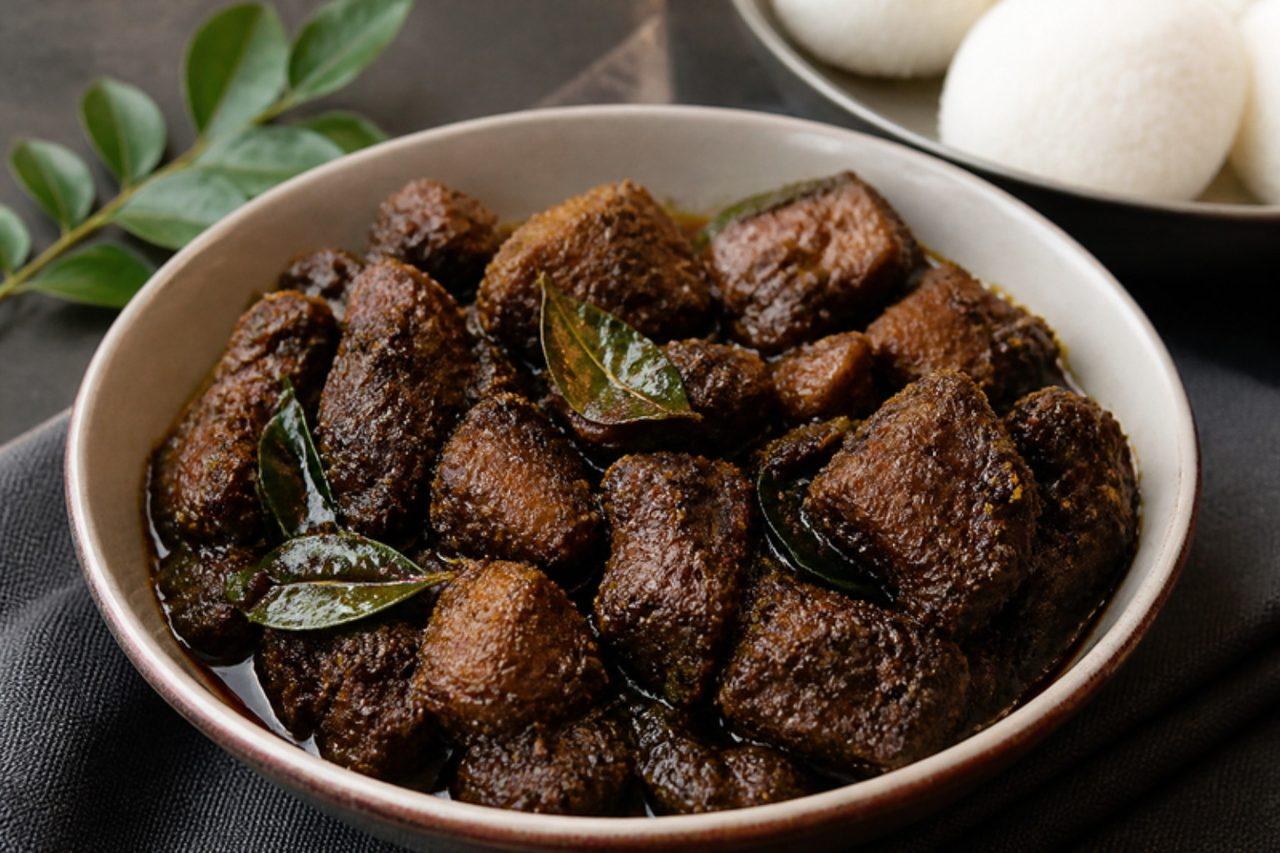
Up in the coffee estates of Kodagu (Coorg), pandi curry is the dish of the Kodava people, cooked for Puttari, the harvest festival, and for every family gathering in between. Fatty pork simmers in its own juices with a masala of coriander and black pepper roasted almost black, then finishes with kachampuli, a dark, sour vinegar made from the Garcinia fruit. It is eaten with kadambuttu (steamed rice balls) or akki otti. Chef's tip: roast the spices slowly over a low heat until they are the colour of strong coffee; this is the dark colour and smoky flavour of a real pandi curry.

105 minIndianMeatGluten freeSpicy
by KrazyBadal 0 views

KavarmaClay-pot pork with peppers

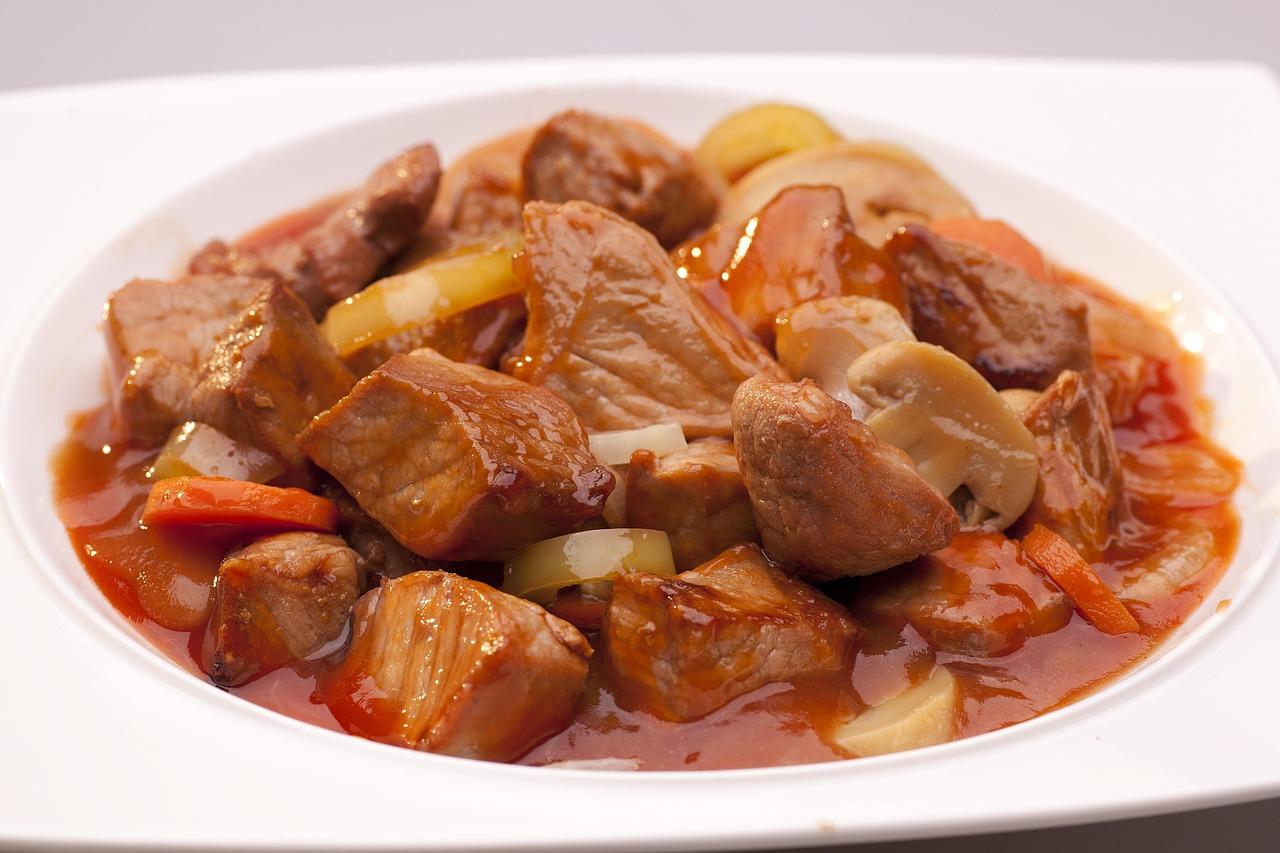
Up in Bulgaria's Rhodope mountains, around Smolyan and Chepelare, kavarma is cooked in individual glazed clay pots and brought to the table still bubbling, often with an egg baked on top. This one is made with pork shoulder (chicken thighs work too), browned and then stewed slowly with a mountain of onion, peppers, mushrooms, paprika and savory. It traditionally includes a splash of dry white wine; the ingredient list gives an alcohol-free swap. Eat it with crusty bread and a shopska-style tomato and cucumber salad. A common slip is cutting the pork too small, so it dries out before the sauce is ready; keep the pieces bite-size but chunky. Chef's tip: let the onions cook down with the meat until almost jammy before the peppers go in; that is where kavarma gets its sweetness.

by KrazyBadal 0 views

ConkiesSteamed pumpkin and cornmeal parcels

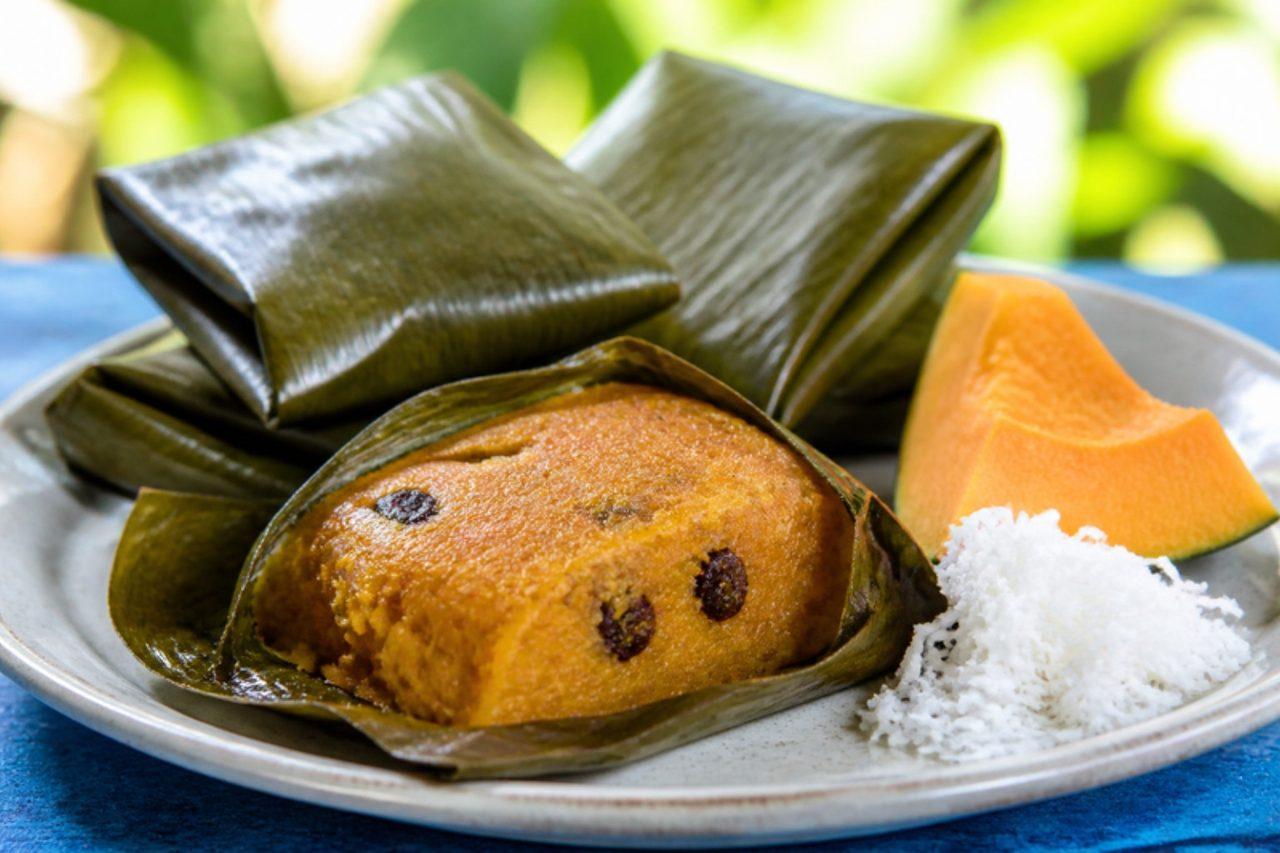
Conkies are made all over Barbados in late November for Independence Day on 30 November, when they're sold at roadside stalls and steamed in big pots at home; older Bajans remember them from Guy Fawkes Night, too. A spiced batter of grated pumpkin, sweet potato and coconut, cornmeal, sugar and raisins is folded into squares of banana leaf and steamed until it sets. Unwrapped, they're moist, dense, sweet and fragrant with nutmeg, almond and the faint green tea scent of the leaf. Chef's tip: pass the banana leaves briefly over a gas flame or dip them in hot water first; they turn glossy and supple and fold without splitting.

by KrazyBadal 0 views

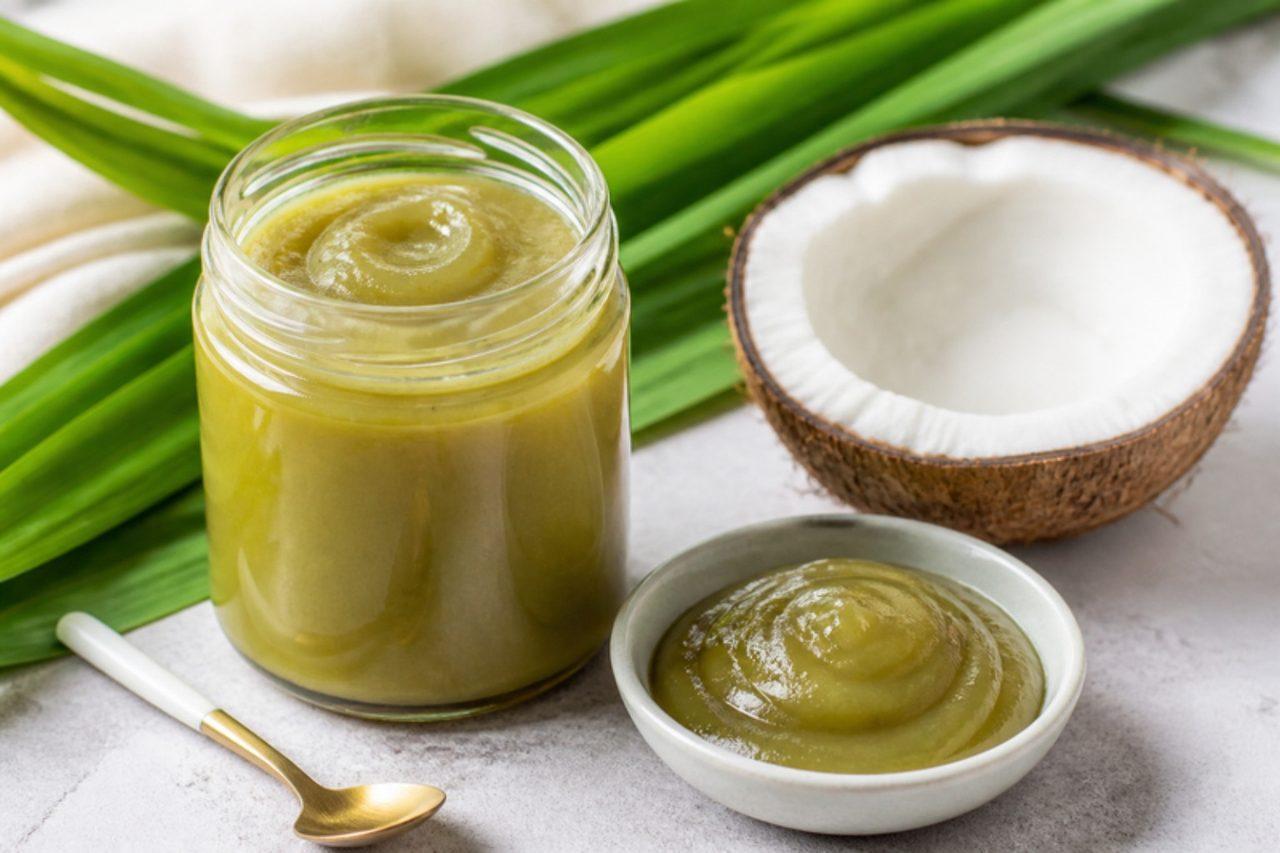
KayaPandan coconut jam

Kaya is the coconut and egg jam spread thickly on toast in every kopitiam in Singapore, from heritage chains to the coffee shop under a housing block. This is the green Nyonya-style kaya, gently cooked with pandan leaves until it turns thick, glossy and custardy; the Hainanese version adds caramel for a brown colour. It keeps for a week in the fridge and is the essential part of kaya toast. Chef's tip: cook it slowly over a pan of barely simmering water and keep stirring; rushed kaya scrambles and turns grainy.

by KrazyBadal 0 views

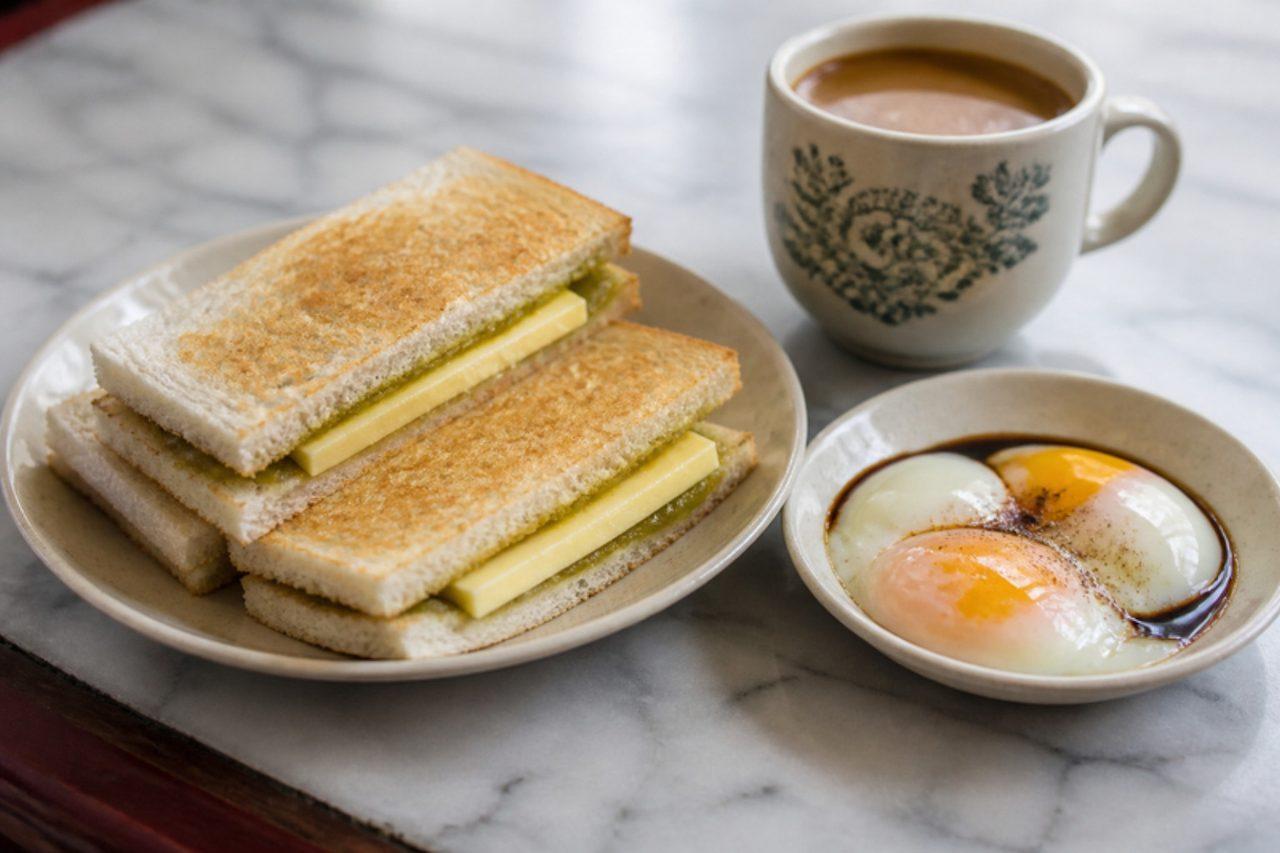
Kaya toastToast with coconut jam

The kaya toast set is Singapore's breakfast ritual: thin, crisp toast sandwiched with kaya and a cold slab of butter, served with two runny soft-boiled eggs seasoned at the table with dark soy and white pepper, and a cup of kopi. Office workers eat it at kopitiams in Tiong Bahru and Tanjong Pagar before work; children love dunking the toast in the eggs. Chef's tip: put the eggs in water that's just off the boil for exactly 6–7 minutes; the whites should be barely set and wobbly, the yolks completely runny.

by KrazyBadal 0 views

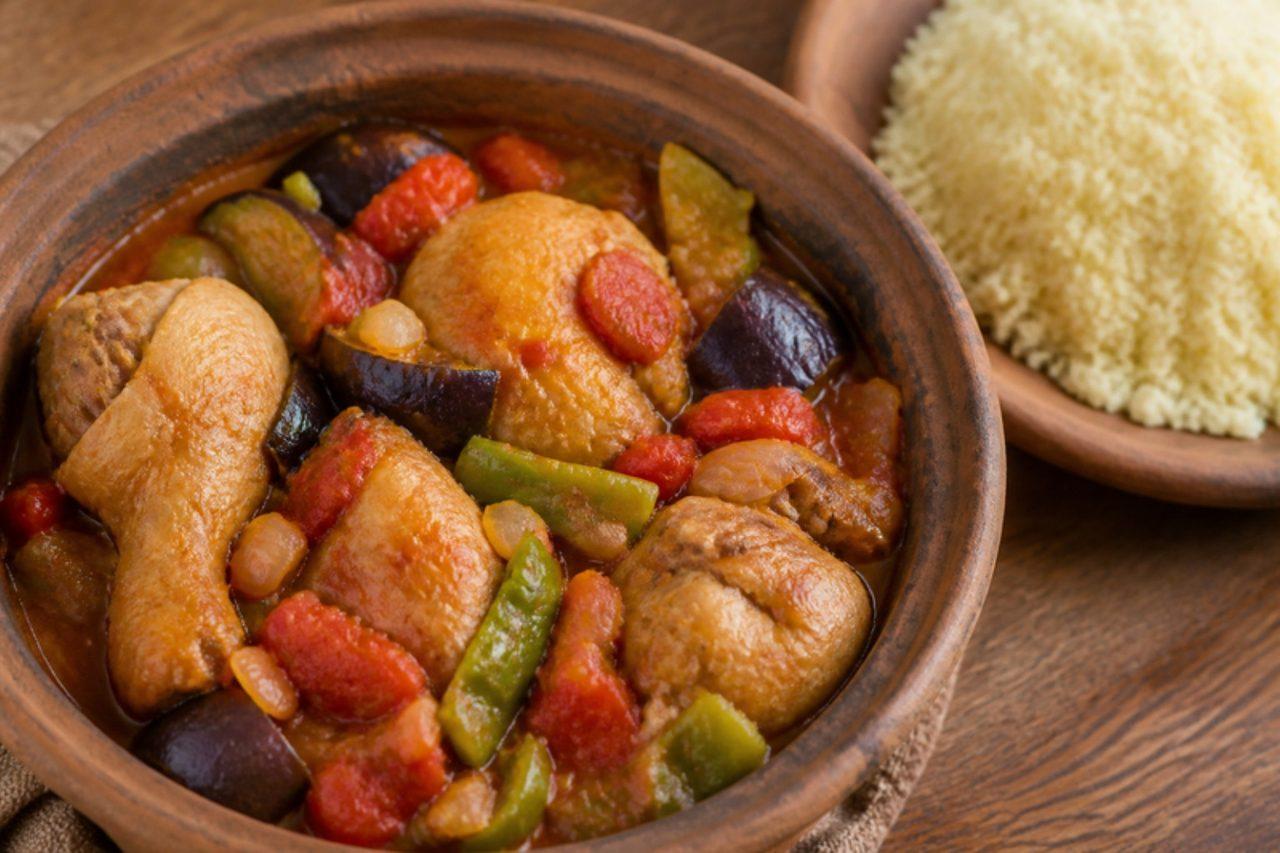
KedjenouPot-steamed chicken

Kedjenou comes from the Baoulé people of central Côte d'Ivoire, who cooked it in a sealed clay canari set in the embers and shook the pot instead of stirring it; today it is a weekend favourite in Abidjan's maquis, served with attiéké or rice. Chicken, tomato, onion, aubergine, ginger and chilli go into the pot with no water at all, and the vegetables release enough juice to make a light, intense sauce. The mistake is lifting the lid to stir: the steam escapes and the pot can burn, so seal it well and shake it instead. Chef's tip: a heavy casserole with a sheet of foil pressed under the lid works just like the clay pot.

by KrazyBadal 0 views

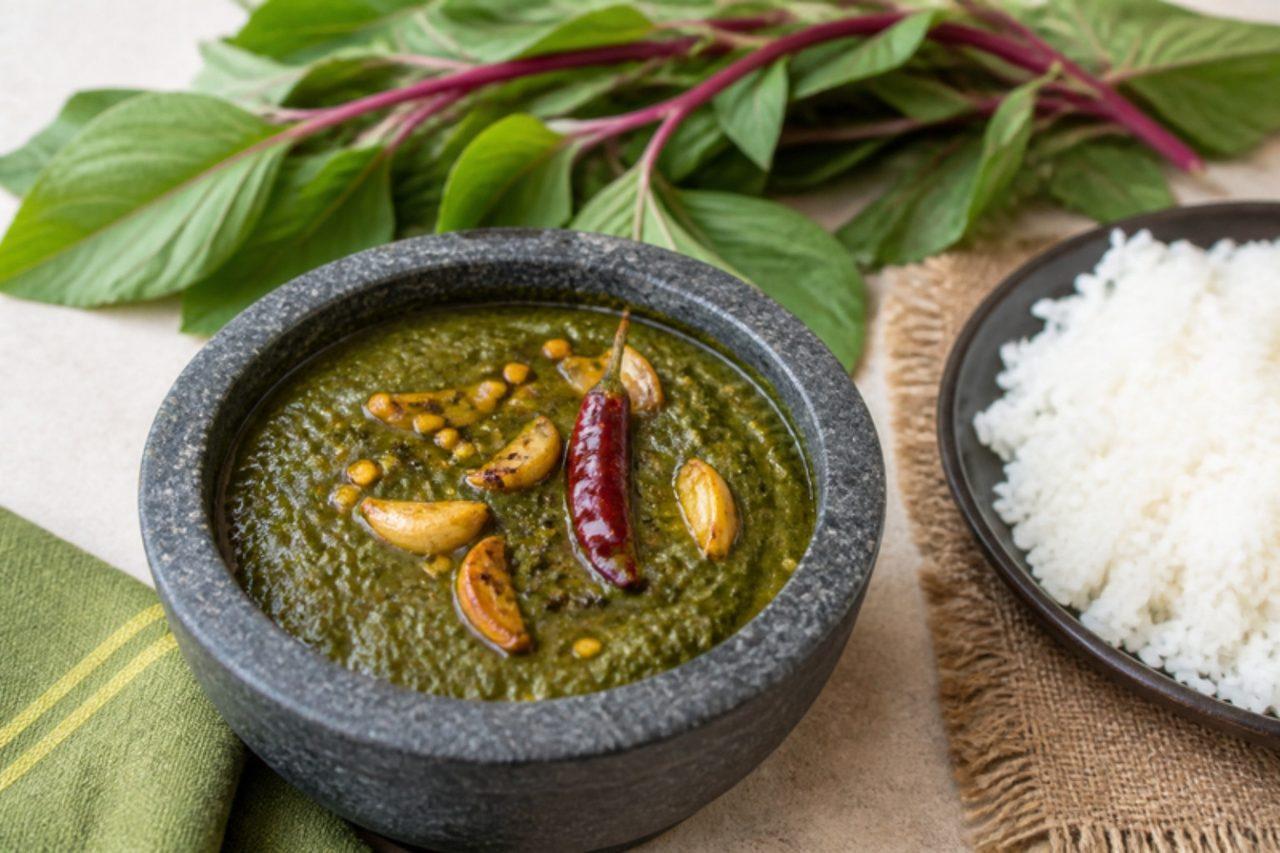
Keerai masiyalMashed greens

Keerai masiyal is the plain, green, buttery-soft mash Tamil mothers make with whatever keerai the market has that morning: arai keerai, siru keerai, amaranth or plain spinach. The leaves are cooked with shallots, garlic and green chilli and then mashed, traditionally with a wooden mathu, until smooth but still a little textured, then finished with a cumin tempering. It's eaten mixed into hot rice with a spoon of ghee or sesame oil, next to sambar or rasam, and it's a favourite first food for toddlers. Chef's tip: cook the greens uncovered; covering them traps the gases that turn the leaves dull olive instead of bright green.

by KrazyBadal 0 views

Torta fritaFried dough discs

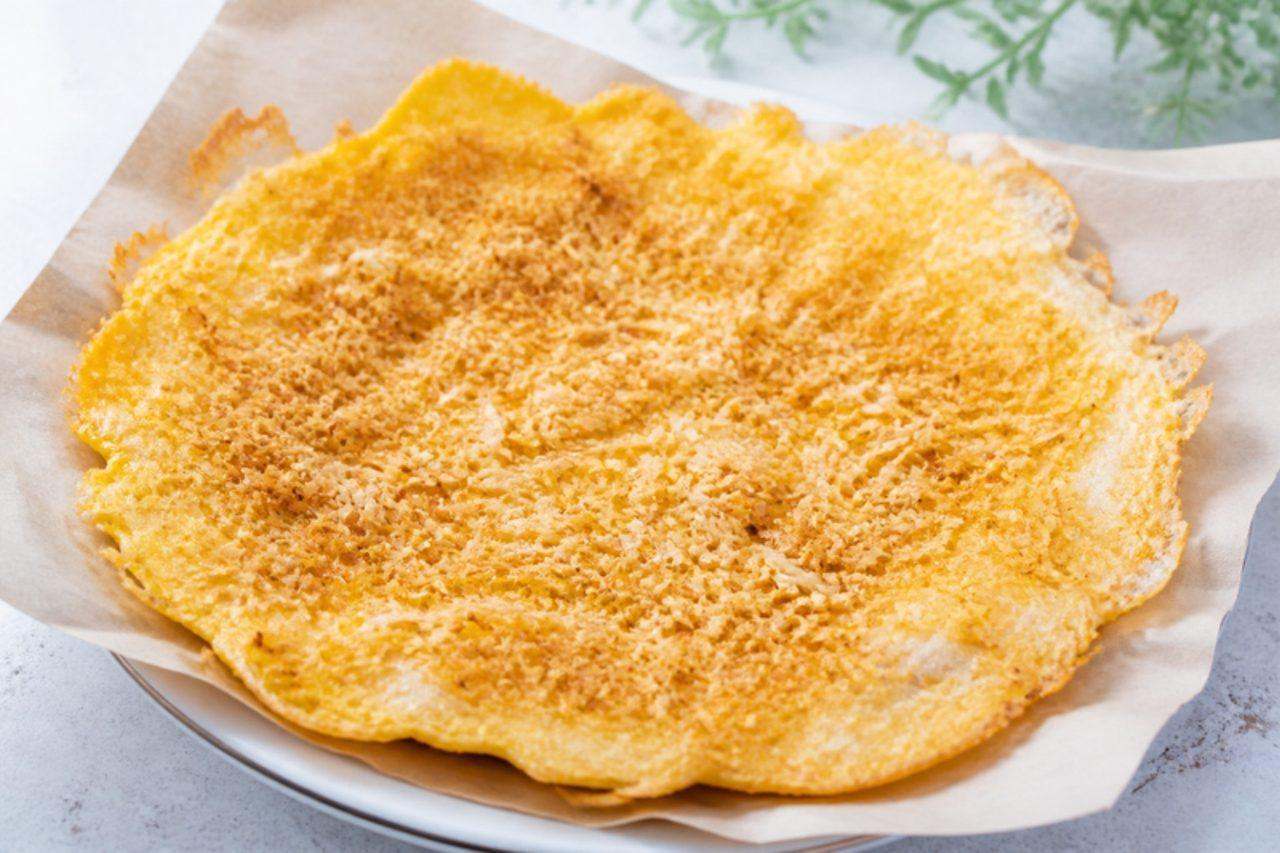
In Uruguay, a grey rainy afternoon has one answer: torta frita and mate. These thin discs of dough, pierced with a hole in the middle, are fried until puffed and golden and either sprinkled with sugar or eaten plain, still hot, between sips passed around the circle. In Montevideo you'll smell them from street stalls on wet days; at home they're made with butter or beef fat, here with butter. Chef's tip: the hole in the middle isn't decoration; it lets the centre cook through at the same speed as the edges.

by KrazyBadal 0 views

Kek lapis SarawakLayer cake

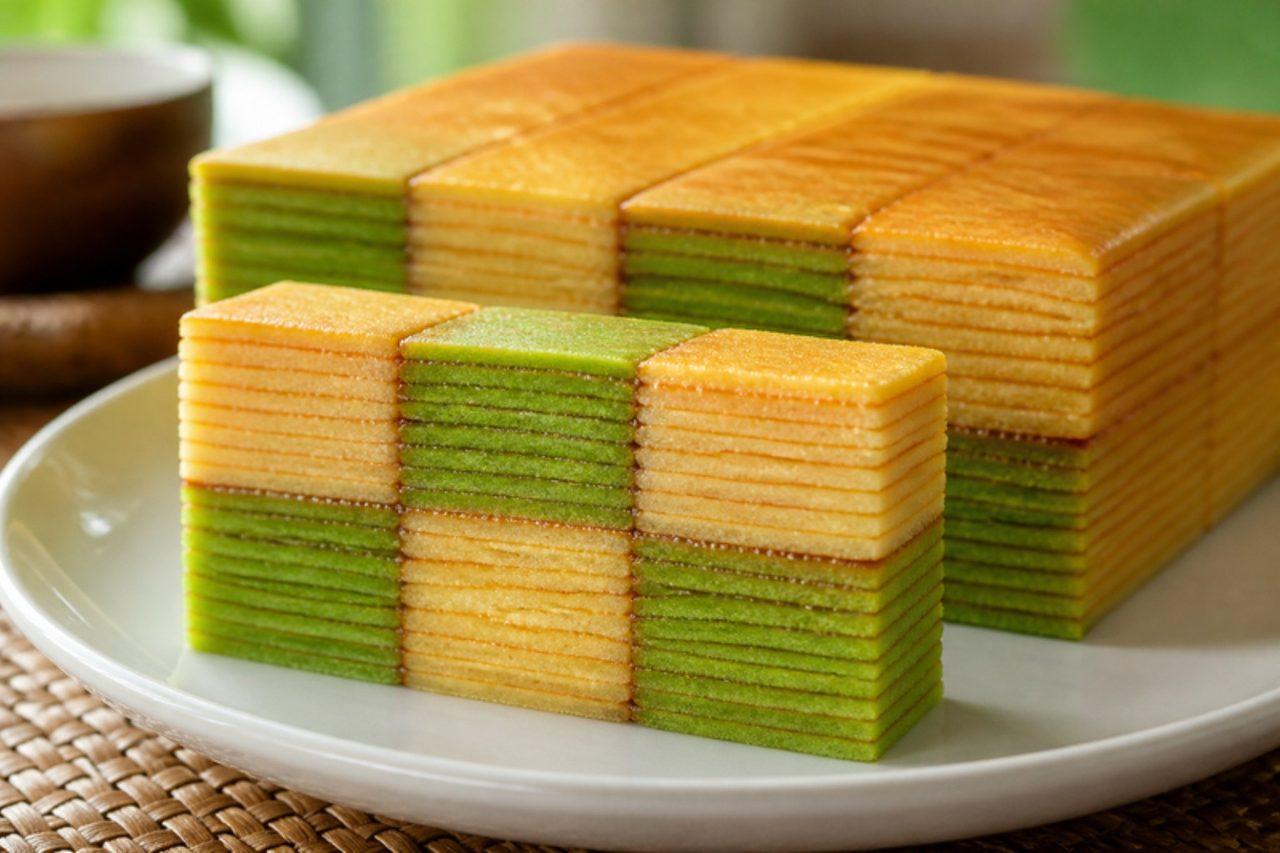
In Kuching, kek lapis Sarawak is baked for Hari Raya, Christmas and Gawai, and every family gives boxes of it away. Unlike Indonesia's spiced lapis legit, Sarawak cakes are sweet, dense and buttery, often made with condensed milk, and famous for their bright geometric patterns. Many layers are grilled one by one, then the cake is cut into strips and glued back together with jam to make the design. This is the beginner's chequerboard in plain and pandan green. Chef's tip: spread each layer thin and even with the back of a spoon; uneven layers make the pattern crooked.

by KrazyBadal 0 views

KeleweleSpiced fried plantain

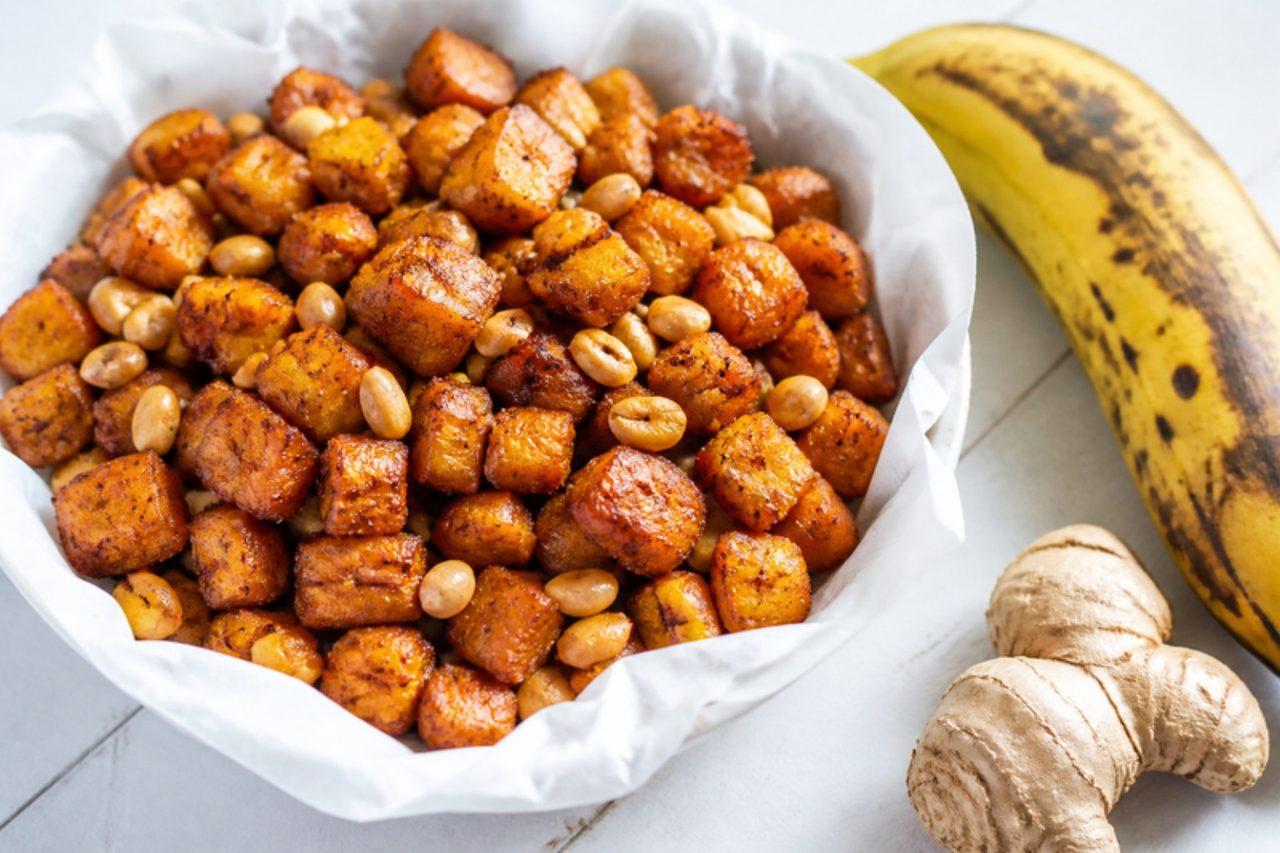
Kelewele is what Accra smells like after dark: ripe plantain cubes tossed in a paste of ginger, onion, chilli and spice, then fried at roadside stalls lit by lamps and sold in paper cones. It is eaten as an evening snack, often with a handful of roasted peanuts, or as a side with red red. The outside caramelises while the spices turn toasty, so every piece is sweet, hot and spicy at once. Chef's tip: use plantains that are yellow with lots of black spots; fully black ones collapse in the oil and green ones never turn sweet.

by KrazyBadal 1 views

Çoban salatasıChopped tomato and cucumber salad

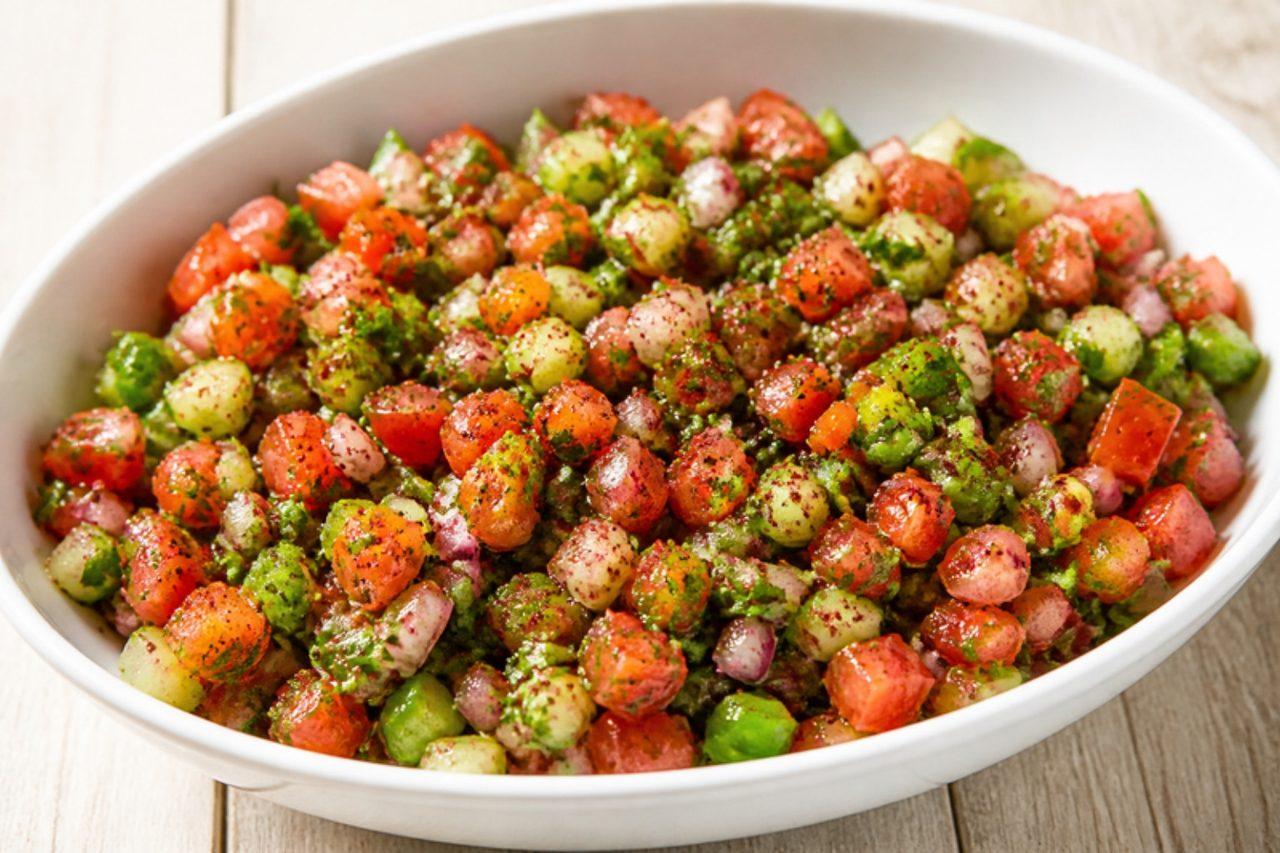
Çoban salatası, the shepherd's salad, is on the table at almost every Turkish meal from Edirne to Van, whether that is a home dinner, a lokanta lunch or a summer barbecue. It is simple by design: small dice of tomato, cucumber, green pepper and onion with parsley, dressed with lemon juice, olive oil and a little sumac. It is eaten alongside pilaf, beans, börek or anything grilled. The common mistake is salting it too early, which draws the water out of the tomatoes and leaves it swimming. Chef's tip: rub the onion slices with salt and sumac and rinse them before adding; the onion stays crunchy but loses its harsh bite.

by KrazyBadal 0 views

Ker sangriDesert berries and beans

Ker sangri is a true desert dish from the Thar in Rajasthan: ker are small, sour wild caper berries and sangri are the thin, chewy bean pods of the khejri tree, both picked in summer and sun-dried to last the year. Soaked, boiled and fried in plenty of mustard oil with chilli, mango powder and coriander, they become tangy, earthy and almost pickle-like. It keeps for days, which is why it travelled with camel herders. Serve with bajra roti or puri, or as a side to dal baati. Chef's tip: taste a ker berry after boiling; if it is still very bitter, boil it again in fresh water before frying.

by KrazyBadal 0 views

Kerak telorSticky rice and egg omelette

Kerak telor is the Betawi snack of Jakarta, cooked over charcoal by vendors at the Jakarta Fair and around Monas: a little soaked sticky rice is cooked in a tiny wok, an egg cracked on top, then the wok is turned upside down over the coals so the bottom forms a crust. It is finished with serundeng, a spiced toasted coconut, and fried shallots. Vendors usually add dried shrimp to the coconut; this version doesn't. Chef's tip: soak the sticky rice overnight; half-soaked grains stay hard in the middle.

by KrazyBadal 0 views

Kerala meen currySour red fish curry

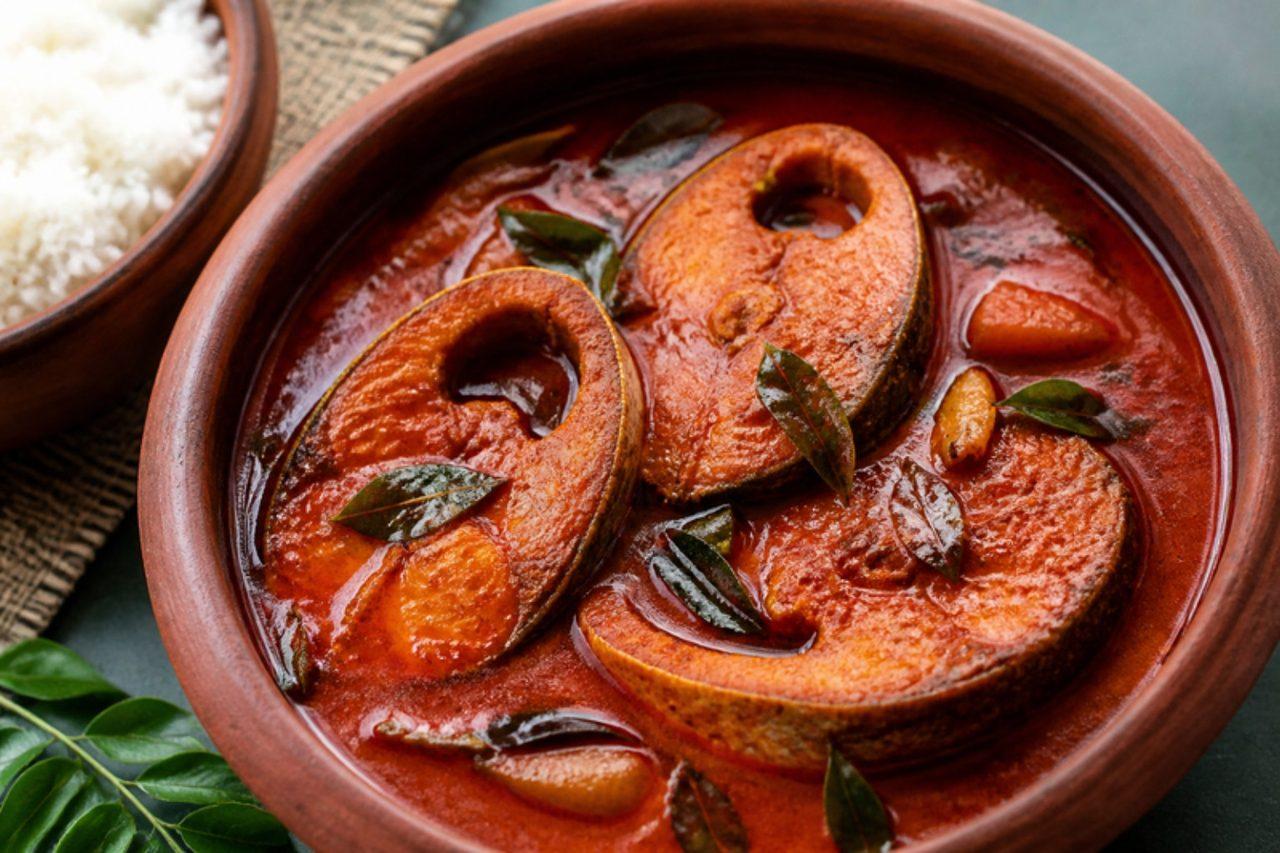
Down the southern backwater districts of Travancore, around Kottayam and Alappuzha, the everyday fish curry has no coconut at all: just a brick-red gravy of chilli, shallots and coconut oil, made sour and smoky with kudampuli (Malabar tamarind). It is traditionally made in a clay pot (manchatti) and left to sit, because it tastes better hours later or the next morning, when the fish has soaked up the sourness. Kingfish, sardines and mackerel are the usual choices; eat it with boiled red Kerala rice or tapioca. Chef's tip: once the fish is in, never use a spoon — hold the pot with a cloth and swirl it so the sauce coats the pieces without breaking them.

45 minIndianFishGluten freeSpicy
by KrazyBadal 0 views

Coastal Mombasa mixChickpea and potato coconut-mango broth

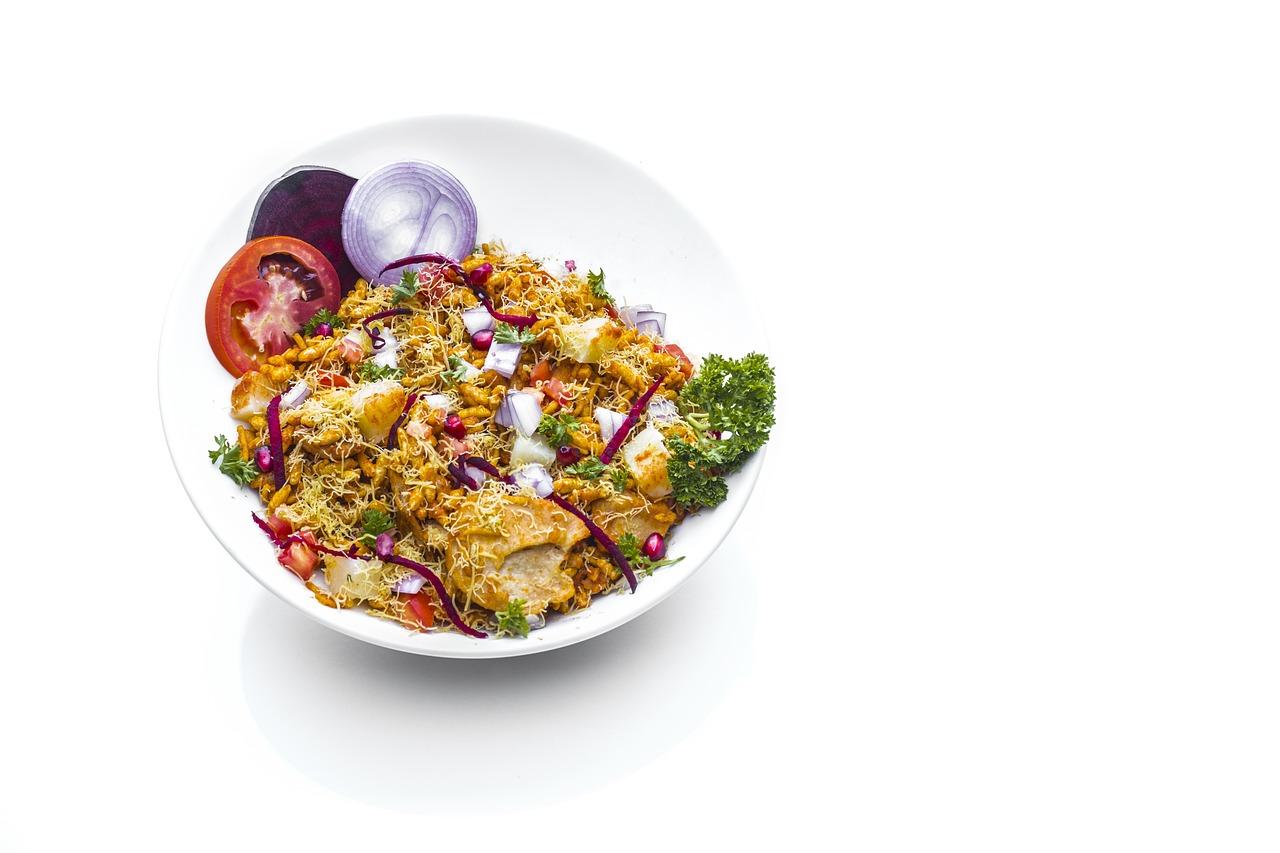
A Mombasa street-food bowl: chickpeas and potato simmered in coconut milk with raw mango and chilli, ladled into small bowls and topped with crisp lentil fritters, crunchy chevdo and red, green and tamarind chutneys. Make the fritters and chevdo ahead and assemble at the table. It's sweet, sour, hot and crunchy all at once.

by KrazyBadal 1 views

Clafoutis aux cerisesCherry batter pudding

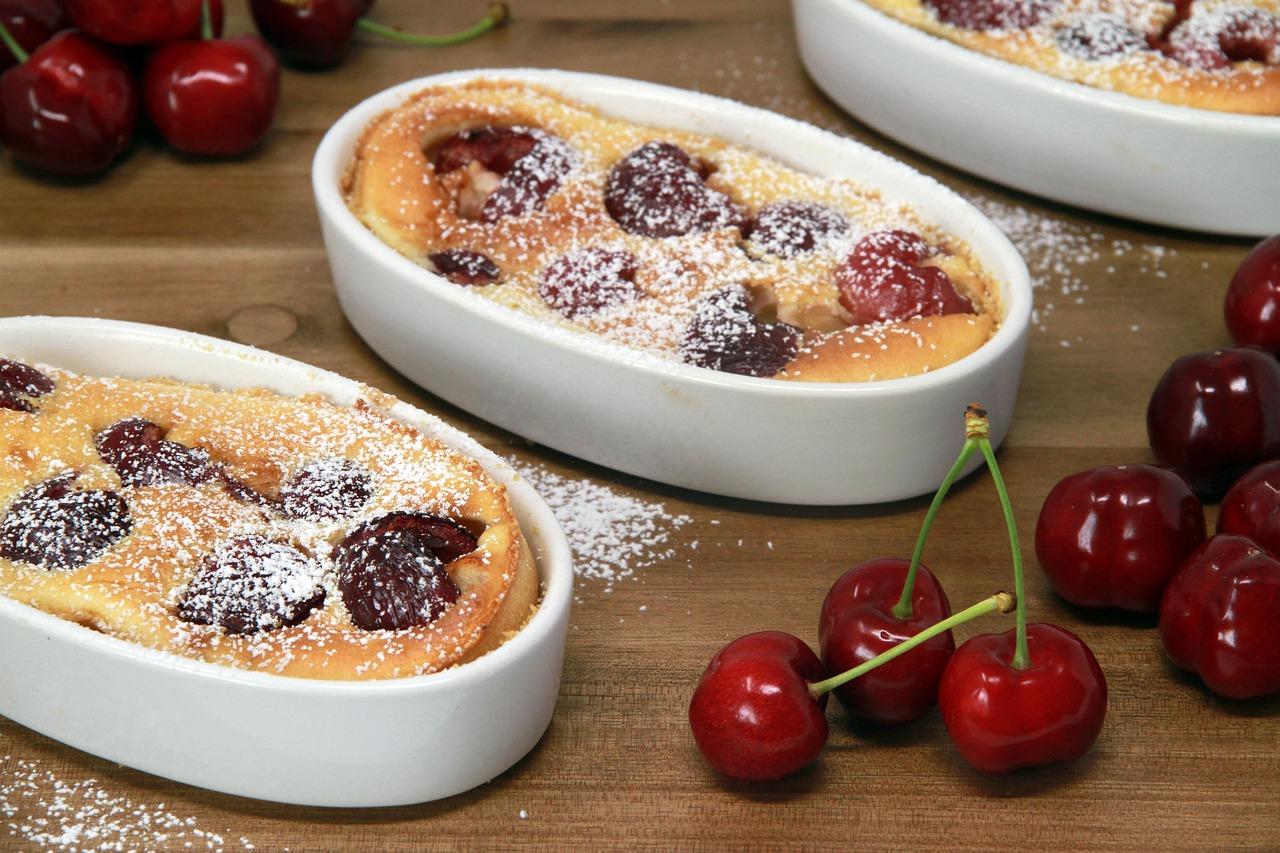
Clafoutis comes from the Limousin in central France, where black cherries ripen in early summer and families make this simple pudding for Sunday lunch. Whole cherries are scattered in a buttered dish and covered with a sweet, eggy batter, like a cross between a pancake and a custard, then baked until puffed and golden. In the Limousin the cherries are left unstoned, which cooks say gives a faint almond flavour; stone them if you are serving children. It's best warm, dusted with icing sugar. Chef's tip: don't overmix the batter once the flour is in; beating it hard is the common mistake and makes the clafoutis tough and rubbery.

by KrazyBadal 0 views

Keropok lekorFried fish sausages

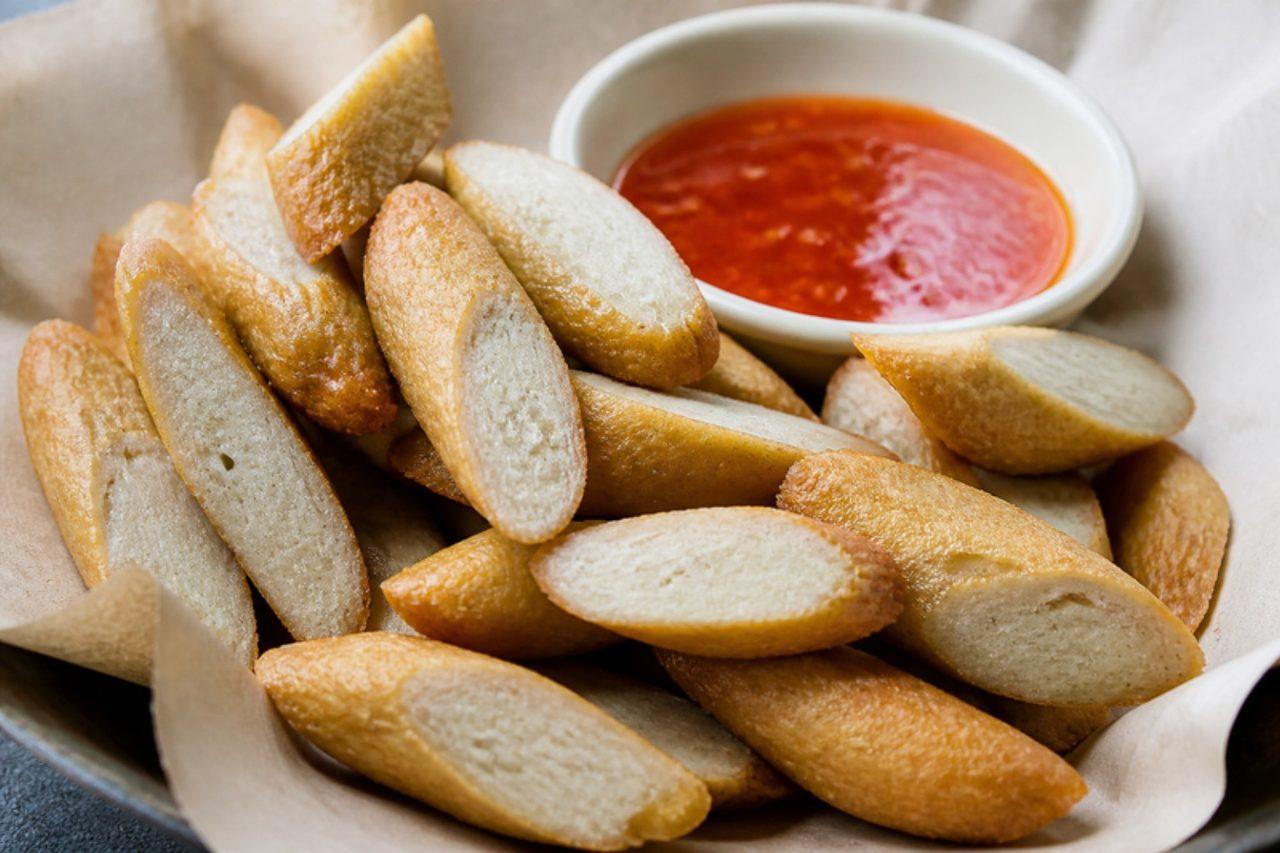
Along the beach road from Kuala Terengganu to Marang, roadside huts sell keropok lekor in paper bags, still hot from the wok. These are long, grey-white sausages of fish and sago starch, boiled until they float and then sliced and fried, so the outside puffs and crisps while the inside stays dense, bouncy and tasting clearly of the sea. Locals dip them in a sweet, garlicky chilli sauce and eat them with tea in the late afternoon. They freeze well after boiling, ready to fry any time. Chef's tip: knead the fish with ice-cold water; keeping the dough cold is what gives the springy bite.

by KrazyBadal 0 views

Ciorbă de burtăCreamy sour tripe soup

Romanians swear by ciorbă de burtă the morning after a wedding or a long night out, and in Bucharest there are restaurants that serve little else from breakfast onwards. Strips of beef tripe sit in a silky broth thickened with egg yolk and sour cream, sharpened with vinegar and served with mujdei, a raw garlic sauce, and a hot pepper on the side. It takes time, because tripe only turns tender after a long, slow simmer. The mistake most people make is boiling the soup after the yolks go in, which scrambles them into flecks. Chef's tip: buy cleaned, blanched (white, 'dressed') tripe from the butcher; it saves an hour of scrubbing and is much milder.

by KrazyBadal 0 views

KhambirLeavened wholewheat bread

Khambir is the everyday bread of Ladakh: a thick, round wholewheat loaf with a dent pressed into the middle, browned on a griddle and finished in the heat of the kitchen stove. In homes in Leh and Kargil it appears at breakfast, torn into chunks and dipped into salty butter tea, or spread with apricot jam made from the region's dried apricots. The crust is chewy and toasty, the inside dense and slightly sour. Bakers in Leh's old town still sell it warm in the mornings. Chef's tip: let the dough rise until truly doubled; under-risen khambir is heavy and gummy in the middle.

by KrazyBadal 0 views

ChoripánChorizo sandwich

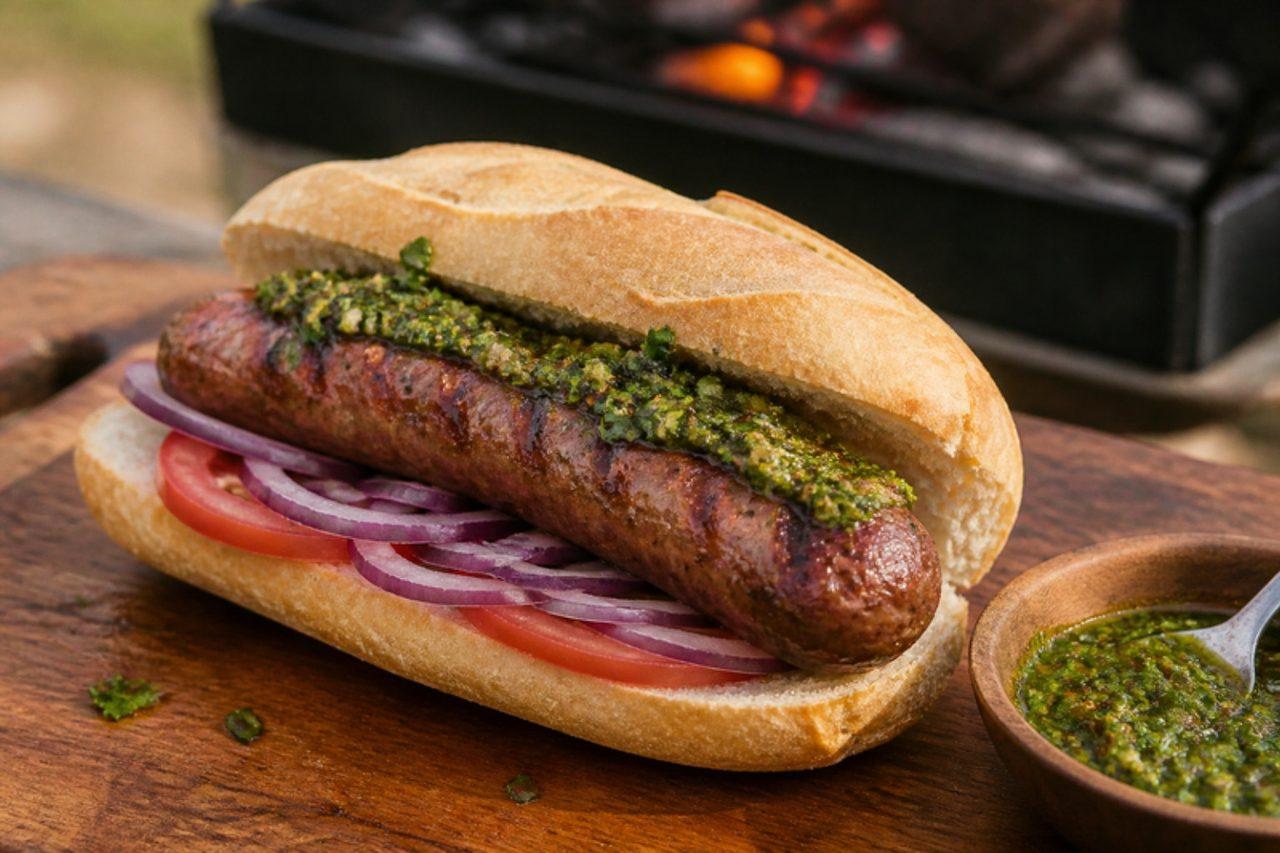
Choripán is what fans buy outside football stadiums in Buenos Aires, what the asador hands round while the beef is still cooking, and what stalls sell along Costanera Sur on a Sunday afternoon. This is a pork dish: a fat Argentine-style fresh chorizo (pork, sometimes mixed with beef) is grilled slowly, split open (a mariposa) and tucked into a crusty roll with chimichurri or salsa criolla. That's it, and it doesn't need more. The common mistake is grilling the chorizos too hot, so the skins burst and the centre stays raw; low and slow is the rule. Chef's tip: once cooked, split each chorizo lengthways and give the cut sides 1 minute on the grill so they char a little.

by KrazyBadal 0 views

KhandviGram flour yogurt rolls

Khandvi are delicate, melt-in-the-mouth rolls from Gujarat, made by cooking gram flour with sour buttermilk until thick, spreading it paper-thin while hot and rolling it up. They're finished with a sizzling tempering of mustard seeds, sesame and curry leaves, plus fresh coconut and coriander. They're soft, tangy and gently spiced, and a favourite at Gujarati weddings and tea-time. They look tricky, but once you know when the batter is cooked, they're quick. Chef's tip: keep a plate by the stove and test the batter often; when a spoonful spread thin on the plate sets in 30 seconds and peels off in one piece, it's ready, and not a minute before.

by KrazyBadal 0 views

KhanfarooshSaffron rice-flour cakes

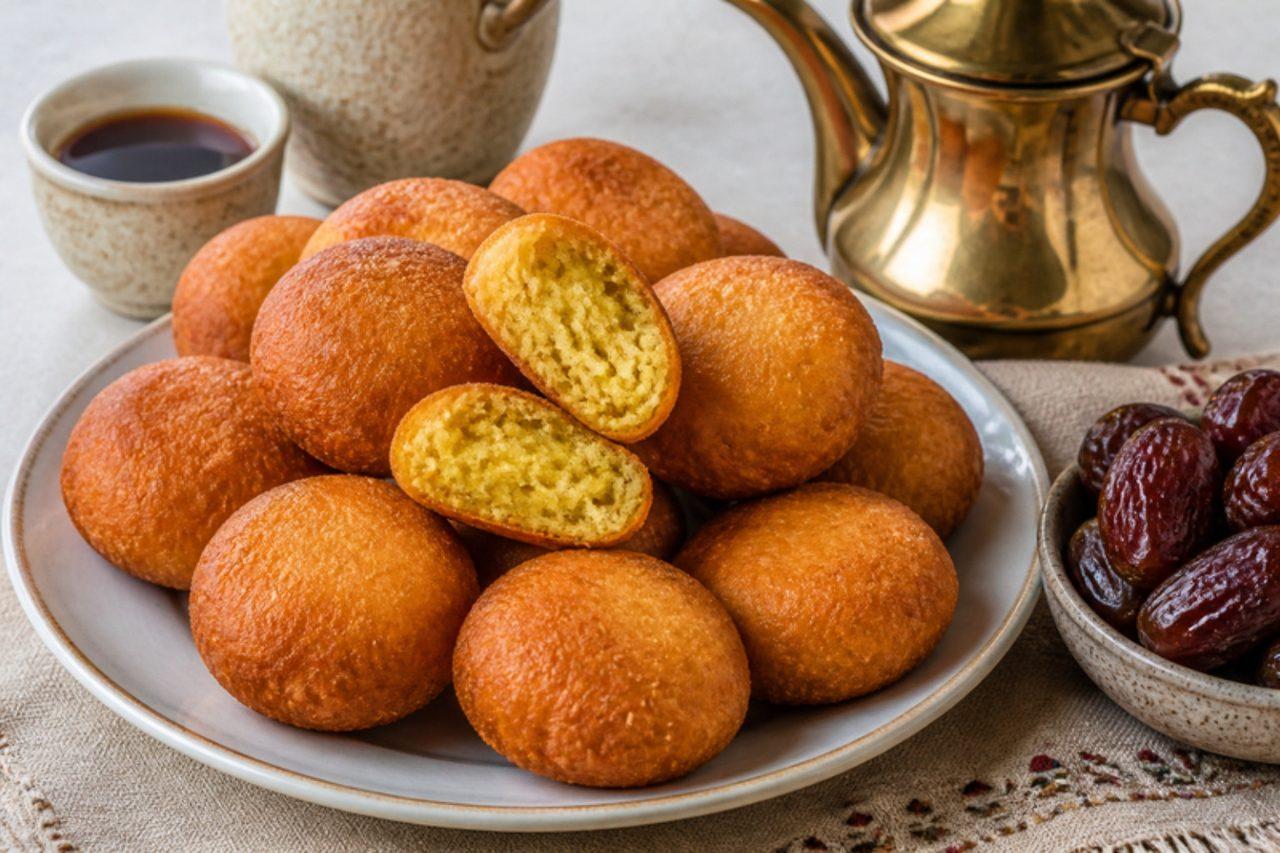
Khanfaroosh are an old Emirati sweet, made by grandmothers in Ras Al Khaimah and Fujairah and served with Arabic coffee when guests arrive, at weddings and during Eid. A rice-flour batter rich with eggs, saffron, cardamom and rose water is shallow-fried in small rounds that puff up, golden-brown with a lacy edge and a soft, spongy middle. They are less sweet than they look and best eaten warm from the pan. Chef's tip: let the batter rest for 30 minutes so the rice flour softens; unrested batter fries up gritty.

by KrazyBadal 0 views

Khanom jeen nam ngiaoRice noodles in spicy pork broth

Breakfast stalls from Chiang Rai to Mae Sai ladle this tangy red broth over soft rice noodles from dawn until it sells out, usually before noon. The soup is light but full-flavoured: pork ribs give body, cherry tomatoes give a fresh sourness, and dried cotton-tree flowers (dok ngiao) add a faint floral, earthy chew. Each diner finishes their bowl at the table with bean sprouts, shredded cabbage, crispy garlic and lime. Cubes of cooked pig's blood are traditional; they are optional here and left out by default. Chef's tip: blanch the ribs and throw that first water away, so the finished broth stays clear and clean-tasting.

90 minThaiSoups
by KrazyBadal 0 views

Vegetable chorba frikTomato soup with green wheat

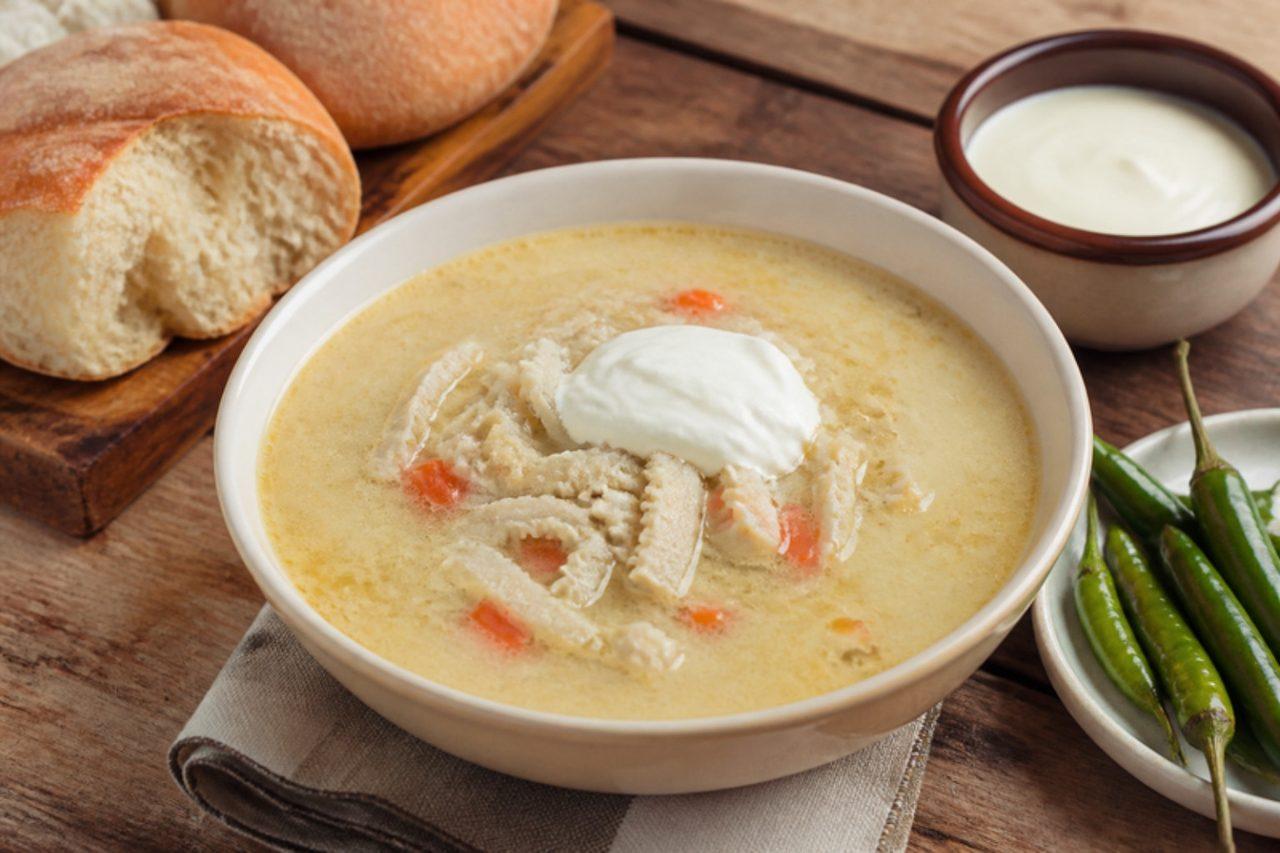
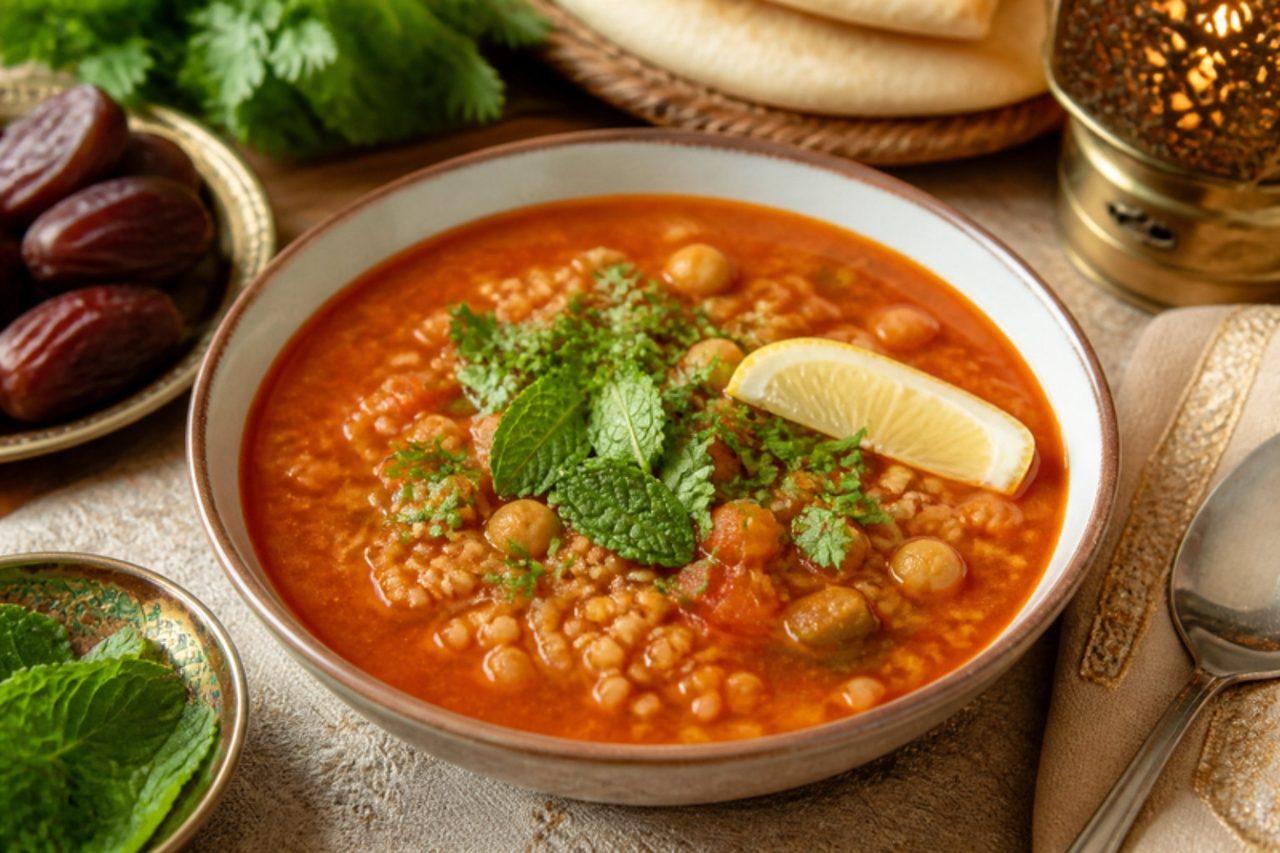
Chorba frik is the soup that breaks the fast in Algerian homes every evening of Ramadan, from Algiers to Constantine, and it is just as common in Libya as shorba. Frik is young green wheat, roasted and cracked, which gives the tomato broth a smoky, nutty depth. It usually cooks with lamb; here chickpeas, celery and courgette carry it. Serve with lemon wedges and bread. Chef's tip: add the frik only once the broth is boiling and stir for the first minute, or it sinks and sticks.

by KrazyBadal 0 views

Khao jee pâtéBaguette sandwich with pâté

Khao jee pâté is the breakfast sandwich of Vientiane, sold from glass-fronted carts on street corners since the French era left Laos its love of baguettes. It is a pork sandwich: a crisp, light baguette is warmed over charcoal, spread with pork liver pâté and filled with Lao-style cold cuts (pork sausage or ham), pickled papaya or carrot, cucumber, herbs, chilli sauce and a splash of Maggi-style seasoning. Pregnant people should avoid pâté because of listeria risk. Chef's tip: warm the bread until the crust crackles; a soft baguette makes a soggy sandwich.

by KrazyBadal 0 views

Khao man gaiChicken and ginger rice

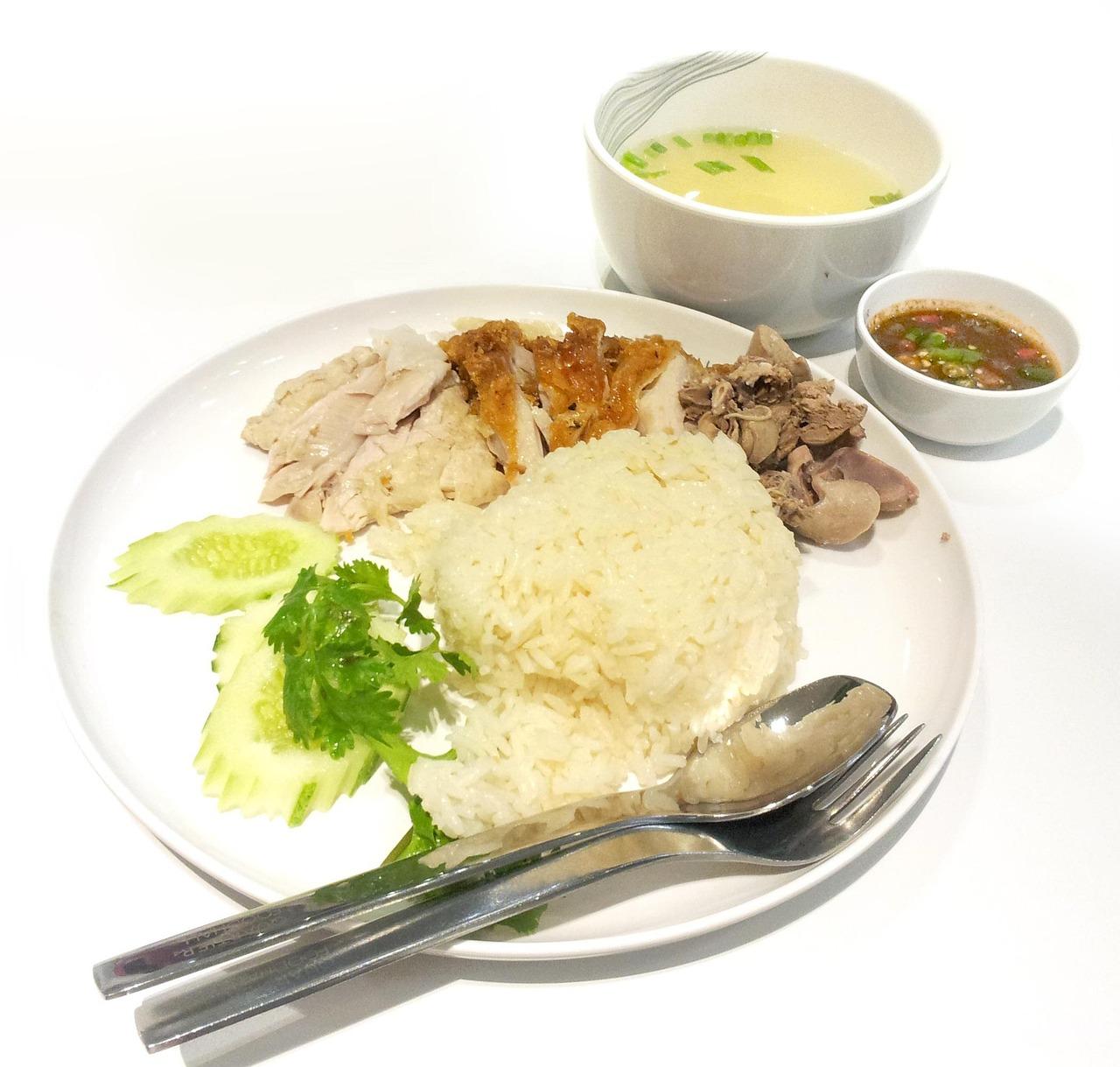
Around Pratunam market in Bangkok, the khao man gai stalls are easy to spot: a queue, pale poached chickens hanging in a glass cabinet, and a cook slicing with a cleaver at speed. Like its Hainanese ancestor, the dish pairs silky chicken with rice cooked in the bird's fat and broth, but the Thai plate stands apart for its sauce, a punchy mix of fermented soybeans (tao jiao), ginger, garlic, chilli and vinegar, and for the little bowl of clear broth with winter melon served on the side. Bangkok eats it for breakfast, lunch or a late supper, always with cucumber slices and coriander. Chef's tip: plunge the cooked chicken into iced water for 10 minutes; the skin firms to a jelly-like snap and the meat stays juicy.

by KrazyBadal 0 views

Khao piak sen with mushroom brothRice noodles in mushroom broth

Khao piak sen is the soup Laotians crave on a cool morning or when they feel unwell, and roadside shops in Vientiane and Luang Prabang sell it from dawn. The noodles are cut by hand from a soft rice and tapioca dough and cooked straight in the broth, so their starch turns the soup thick, slippery and comforting. Instead of the usual chicken stock, this version builds a deep broth from dried shiitake, charred onion and ginger, and finishes it with crisp fried garlic, spring onion and coriander. Chef's tip: dust the cut noodles well with tapioca starch and keep them apart; they stick together into a clump in seconds if left in a pile.

75 minLaoSoupsVeganGluten free
by KrazyBadal 0 views

Khao poon with tofu and vegetablesCoconut curry noodle soup

Khao poon is celebration food in Laos, ladled out at weddings, baci ceremonies and big family gatherings, and sold at morning markets in Vientiane by women with huge steaming pots. Fine round rice noodles sit under a spicy, red-tinged broth of coconut milk, lemongrass and galangal, and everyone adds their own shredded cabbage, banana blossom, beansprouts, mint and lime. The usual chicken or fish is swapped for golden fried tofu and bamboo shoots. Chef's tip: fry the red chilli paste in the coconut cream until oil seeps out in red drops on the surface; that's when the colour and heat are fully released.

by KrazyBadal 0 views

KharRaw papaya and lentil dish

Every traditional Assamese lunch begins with khar, a mouthful of it mixed into the first ball of rice to settle the stomach. The defining ingredient is khar itself, an alkaline liquid filtered from the ash of dried bhim kol (seeded banana) peels; it gives the dish its soft, slightly soapy, earthy taste. Raw papaya and a handful of lentils are cooked in it with mustard oil, garlic and green chilli until silky. At home in Guwahati or Jorhat it is made several times a week. Chef's tip: outside Assam, use a small pinch of bicarbonate of soda in place of khar; too much tastes metallic, so start with ⅛ tsp.

by KrazyBadal 0 views

Chongqing xiao mianChilli oil noodles

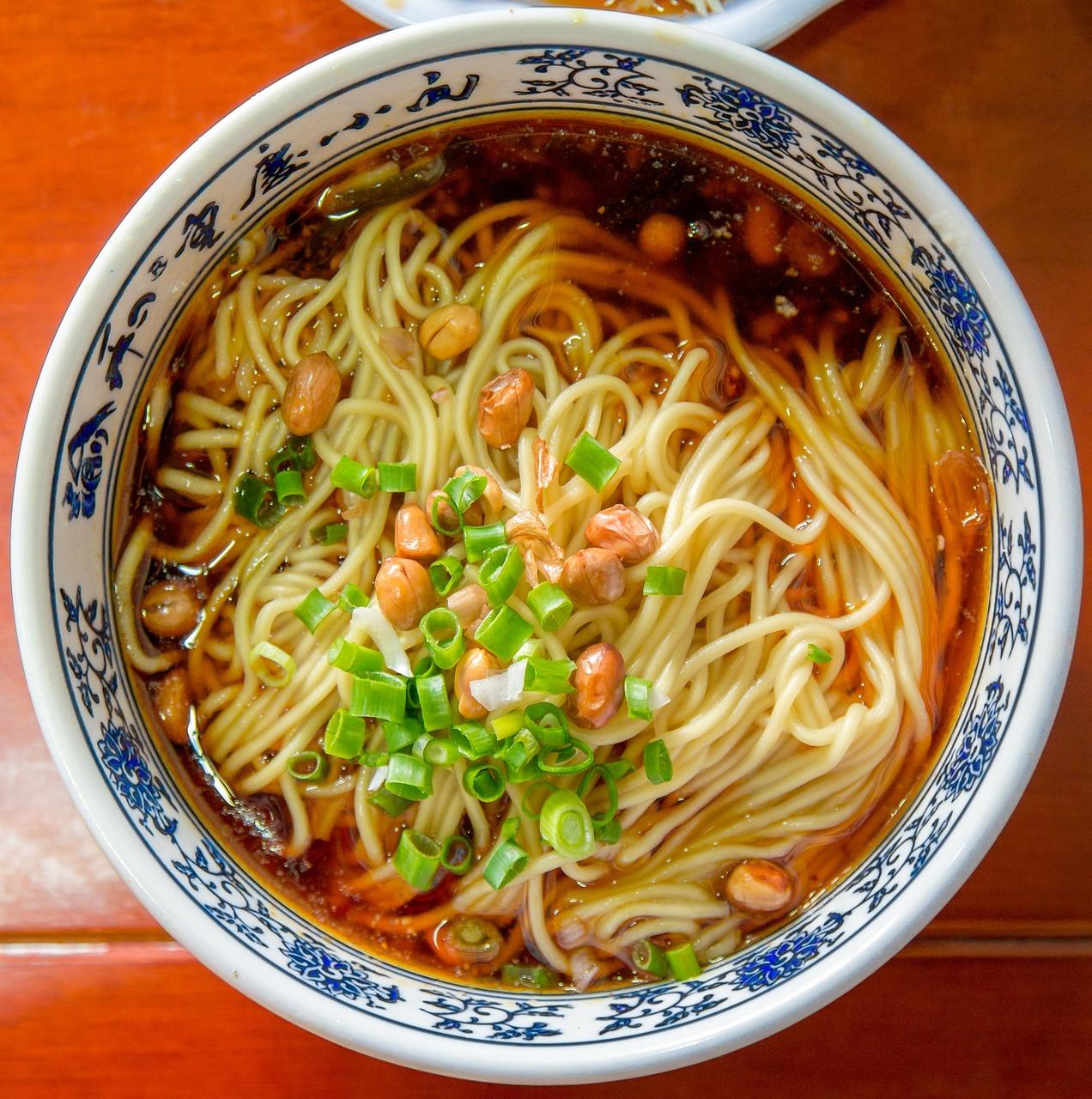
Chongqing wakes up to these: thin wheat noodles in a small bowl of red, numbing sauce, eaten standing up at street stalls before work. The noodles are plain; everything happens in the bowl, where chilli oil, Sichuan pepper, garlic water, preserved mustard greens and crushed peanuts are stacked up before the noodles go in. The vegetable version on this page is how most locals order it day to day. Chef's tip: some bought chilli oils are made with beef fat, so check the label or use your own vegetable-oil chilli oil.

by KrazyBadal 0 views

Khorkhog-style lambHot stone-style lamb

Khorkhog is the feast of the Mongolian countryside, cooked when a herding family welcomes guests: a sheep is cut into pieces and sealed into a milk churn with hot river stones, onion, carrot and potato, and the churn is set over the fire until the meat is tender and smoky. Guests pass the hot, greasy stones from hand to hand for good health. This home version cooks the lamb in a heavy sealed casserole in the oven, which gives the same tender meat and rich juices; please don't heat stones in a kitchen pot, which is dangerous. The mistake is adding water: the lamb steams in its own juice with only a little liquid. Chef's tip: use lamb on the bone, such as neck or shoulder, for the deepest flavour.

by KrazyBadal 0 views

CholeraPotato, leek and apple pie

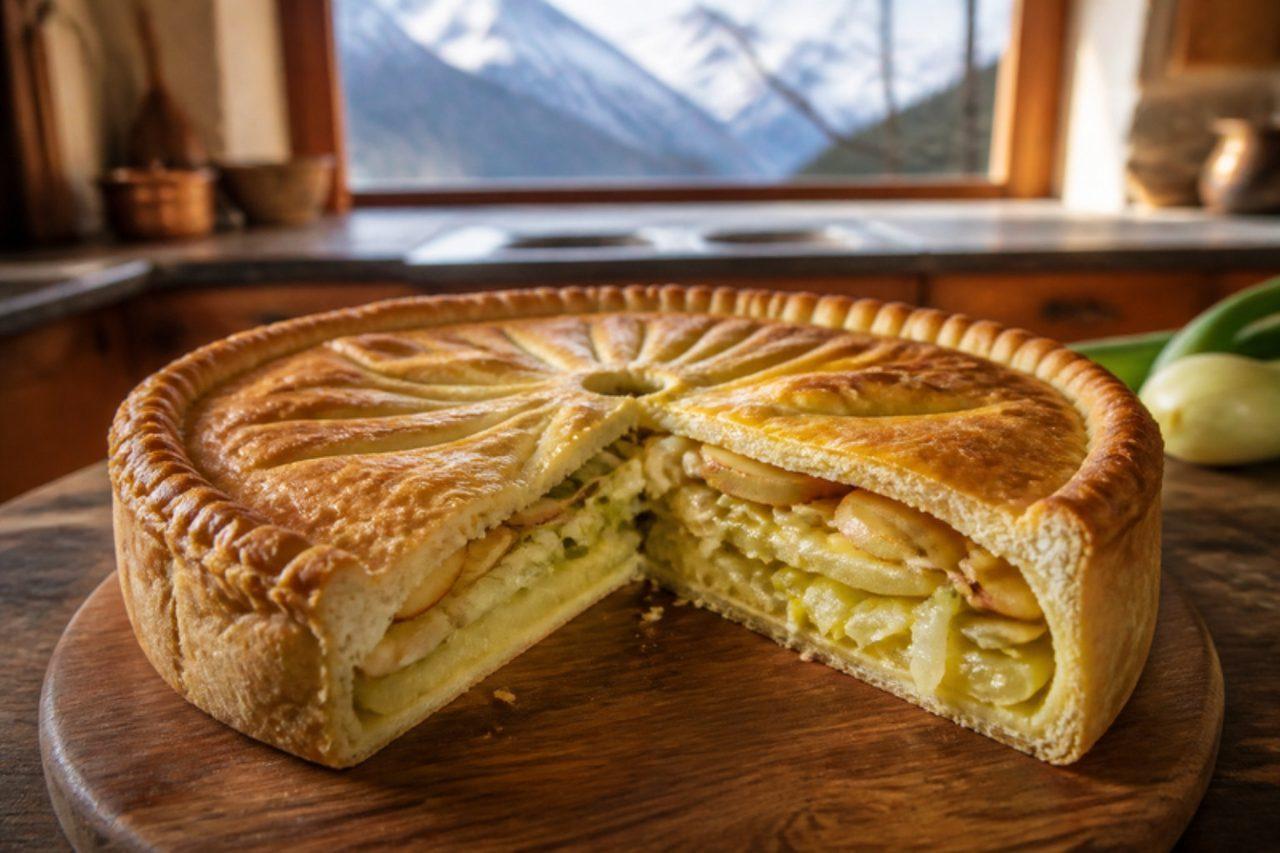
Cholera is a Valais pie from the upper Rhône valley, especially the Goms district, filled with layers of potato, leek, apple, pear and mountain cheese under a pastry lid. One story ties the name to the 1830s cholera outbreak, when people stayed home and baked whatever was in the cellar; another to the old Valais word for a coal stove, chola. It is eaten warm or cold, as a Sunday lunch, picnic food or a slice with a green salad, and the sweet fruit against salty cheese and soft leek is the whole point. Some Valais cooks add bacon; this vegetarian version doesn't need it. Use cheese made with vegetarian rennet. Chef's tip: slice the potatoes, apples and pear thinly and evenly (3 mm) so everything cooks through in the time the pastry takes to brown.

by KrazyBadal 0 views

Khua klingDry-fried spicy minced pork

Ask for this at a rice-and-curry shop in Phuket or Hat Yai and it comes as a small, dark heap beside your rice, smelling of lime leaf and black pepper and hot enough to bring tears. There is no sauce at all: minced pork or beef is fried with a turmeric-heavy southern paste until every crumb is dry, separate and coated in spice. The heat is fierce, so it is always eaten with jasmine rice, sliced cucumber, raw long beans and herbs to cool the mouth. It also keeps well for a couple of days and is excellent cold in a lunchbox. Chef's tip: keep stirring and pressing the meat against the hot wok at the end; the name means 'roll and roast', and that last dry-frying is what makes it.

25 minThaiMeatGluten freeSpicy
by KrazyBadal 0 views

CholentOvernight beef and bean stew

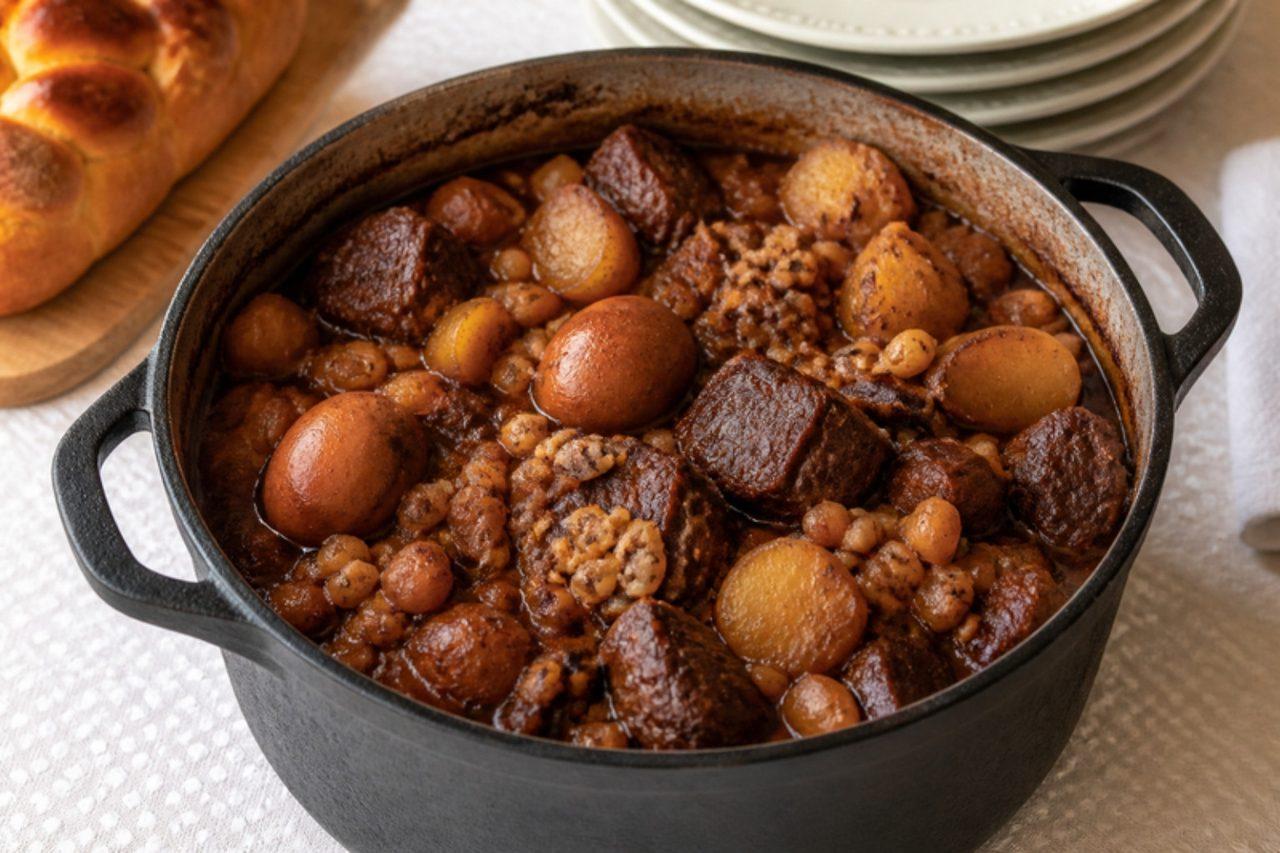
Cholent, called hamin by Sephardic families, is the slow stew that Jewish homes in Jerusalem, Tel Aviv and Bnei Brak put on before Shabbat begins on Friday afternoon, so it can cook gently overnight without anyone touching the stove and be eaten hot at Saturday lunch. Beef, dried beans, pearl barley, potatoes and onions cook for 12 hours or more in a paprika-scented broth, often with whole eggs in their shells that turn brown and creamy. Chef's tip: add enough water to just cover everything; too little and it dries out overnight, too much and it is soup.

750 minIsraeliMeat
by KrazyBadal 0 views

Tortang talongAubergine omelette

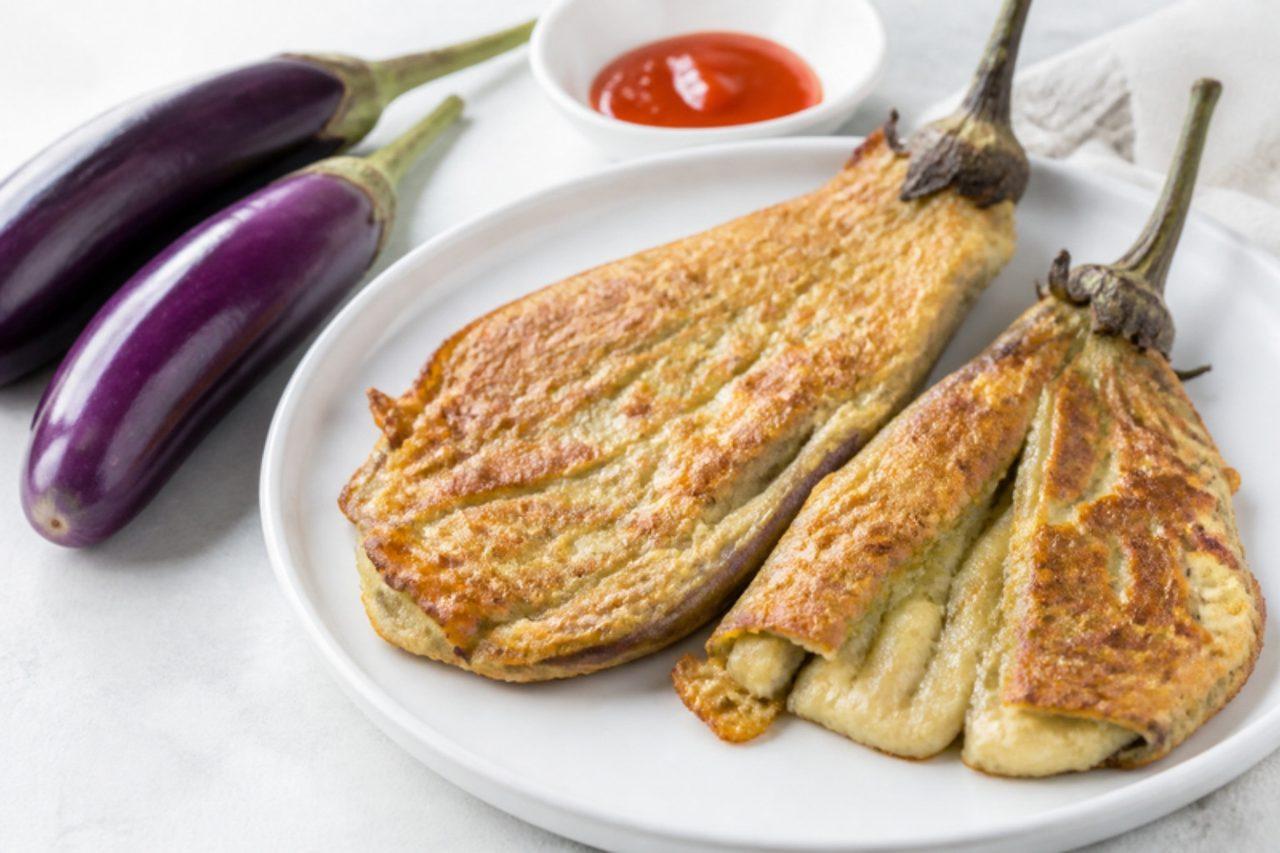
Tortang talong is a weekday lunch in Filipino homes from Luzon to Visayas, the dish a mother makes when the fridge holds only a few eggs and some long aubergines from the market. The aubergines are charred whole over a gas flame until the skin blackens and the flesh goes smoky and soft, then peeled (the stem left on as a handle), flattened into a fan with a fork, dipped in seasoned egg and fried until golden. The result is a thin, smoky omelette shaped like an aubergine. Filipinos eat it with rice and banana ketchup or a dish of vinegar with garlic. Chef's tip: char the aubergines right on the flame, not in the oven; that smoky taste is the whole dish.

by KrazyBadal 0 views

Cholar dalChana dal with coconut

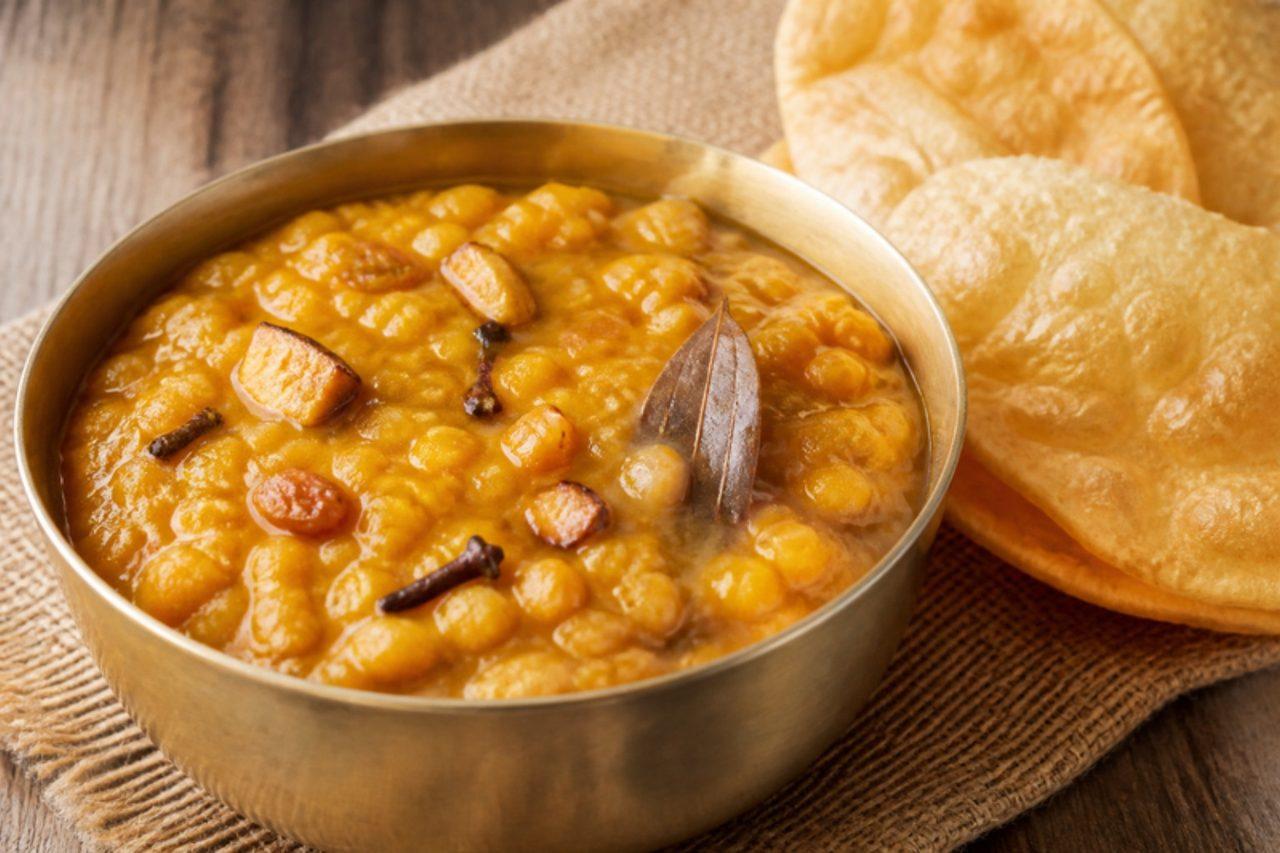
Cholar dal is the festive dal of Bengal, cooked for Durga Puja and weddings and always paired with luchi. Split bengal gram is simmered until soft but whole, then finished with a fragrant tempering of ghee, bay leaf, cinnamon, cardamom and cloves, little fried coconut pieces and plump raisins. It is thick, mildly sweet and warmly spiced rather than hot. Serve with luchi, puri or steamed rice. Chef's tip: fry the coconut slivers until golden before anything else goes in the pan; they stay crisp-chewy and add a toasty sweetness to every spoonful.

by KrazyBadal 0 views

KhuraBuckwheat pancakes

Khura are the buckwheat pancakes of the Monpa people of Tawang and West Kameng, high in Arunachal Pradesh, where buckwheat grows better than wheat. A thick, egg-enriched batter of buckwheat flour is cooked into soft, spongy pancakes for breakfast, eaten with butter tea, chilli-cheese chutney (chamin) or vegetable curry. They are earthy, slightly sour and filling on a cold morning. Chef's tip: let the batter stand for 20 minutes; buckwheat absorbs water slowly and the pancakes hold together much better.

by KrazyBadal 0 views

Chodang sundubuSoft silken tofu

In Chodang village on the edge of Gangneung, tofu houses have curdled soy milk with clean seawater from the East Sea for generations, and the result, chodang sundubu (초당순두부), is served warm in a bowl before it has been pressed: soft, quivering curds in their own pale whey, with a soy dressing to spoon over. It is breakfast and lunch there, eaten with rice, kimchi and a few banchan, and tastes sweet and clean in a way packaged tofu never does. At home, nigari (the mineral salt left from seawater) gives the same effect. Use plain, unsweetened soy milk with at least 7% soy or make your own. Chef's tip: add the nigari off the heat and stir only once or twice; stirring after the curds start to form breaks them into grains.

by KrazyBadal 0 views

ChivitoSteak sandwich with ham and egg

The chivito was created in the 1940s at a restaurant in Punta del Este, Uruguay, and became the national sandwich: a soft roll filled with thin, tender steak, ham, melted mozzarella, a fried egg, bacon, lettuce, tomato, olives and mayonnaise. It is eaten in Montevideo's parrillas and corner bars with chips on the side. This sandwich contains pork. The mistake is a thick, chewy steak: use thinly sliced sirloin and sear it fast. Chef's tip: toast the cut sides of the rolls so they stand up to all the juices.

by KrazyBadal 0 views

Chipa guasuFresh corn and cheese bake

Chipa guasu (Guaraní for 'big chipa') is sopa paraguaya's softer cousin, made from fresh corn instead of cornmeal. The kernels are grated or blended into a milky purée and baked with onion, cheese and whipped eggs into a tender, gently sweet bake that rises and wobbles. It's a summer dish at Paraguayan asados and fiestas patronales (saints' days), eaten beside grilled meat or simply with a tomato salad. Chef's tip: fold in the whisked egg whites last; it's what makes chipa guasu light and puffed rather than dense.

by KrazyBadal 0 views

Chingri malaikariPrawns in coconut milk curry

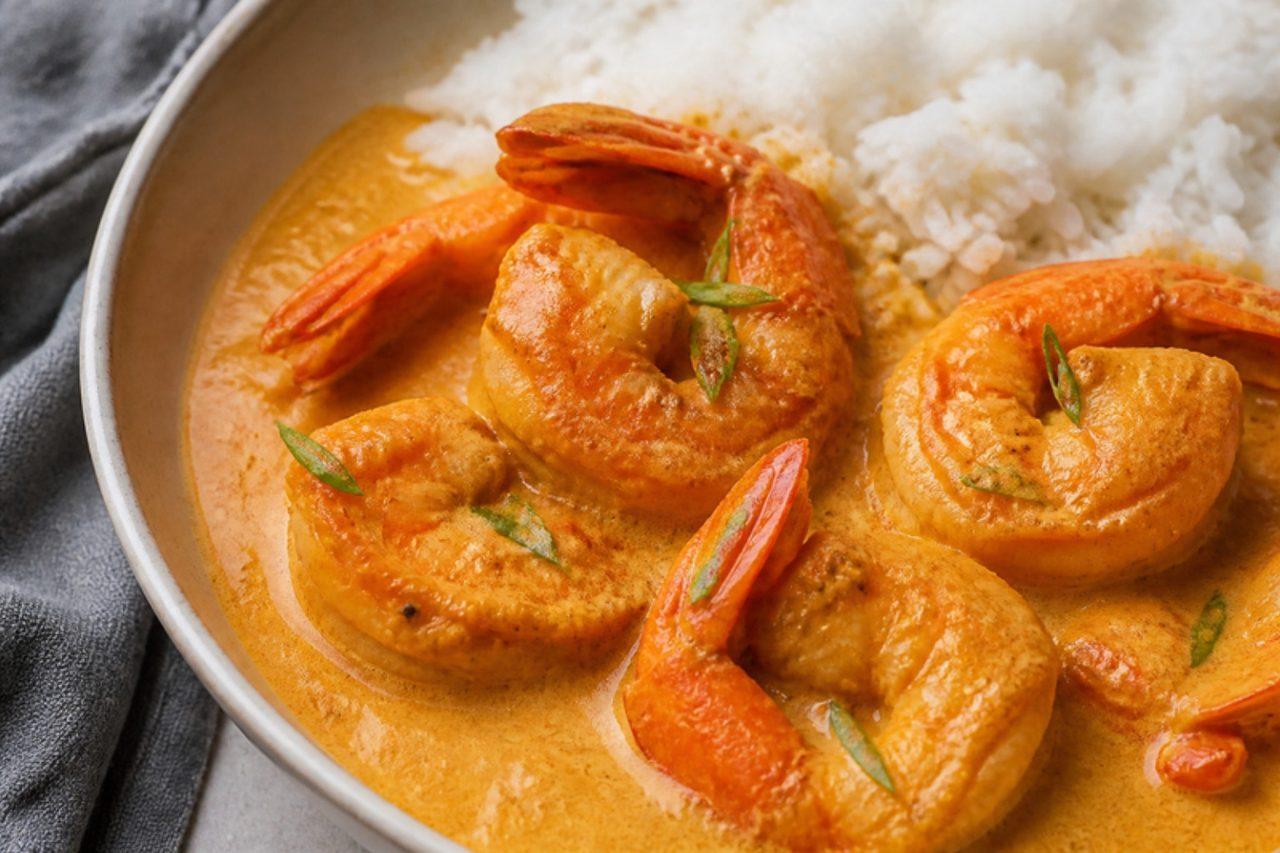
Big prawns in a pale, silky coconut gravy are what a Bengali family cooks for guests, for a new son-in-law at Jamai Sasthi, or for a wedding lunch. The dish is gently spiced, a little sweet, and leans on the head fat of the prawns for richness, so it tastes of the sea rather than of chilli. Serve it with steamed gobindobhog or basmati rice. Chef's tip: if you can find shell-on prawns with heads, leave the heads on; squeeze them into the gravy as you eat for the full flavour.

45 minIndianFishGluten free
by KrazyBadal 0 views

Chinese tawa potatoesSoy and chilli potato chips

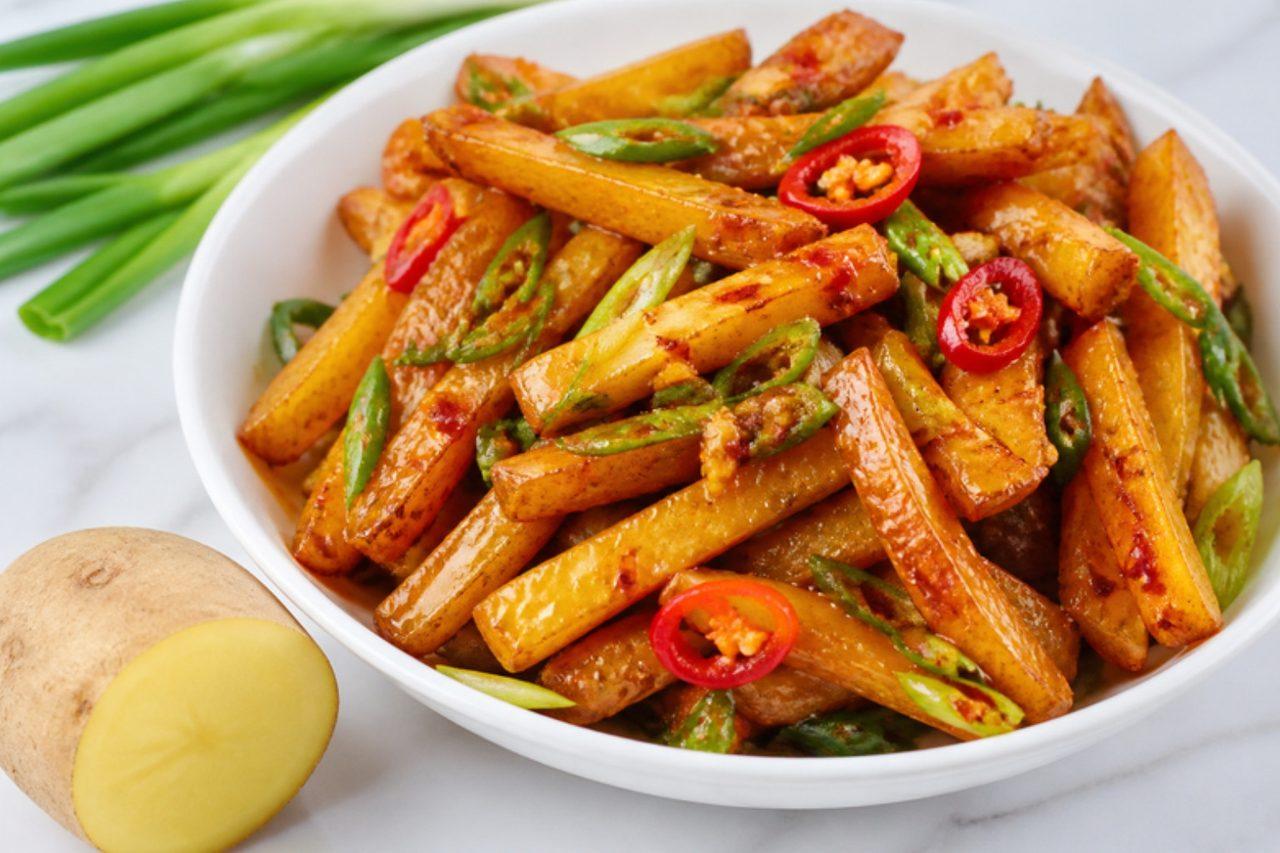
An Indo-Chinese favourite from the barbecue tawa: crisp fried potato chips tossed with garlic, ginger, soy sauce, ketchup and plenty of chillies and spring onion, then glazed with a little cornflour sauce. Sticky, salty and hot. Serve straight away as a starter.

by KrazyBadal 0 views

Kik alichaMild yellow split pea stew

Kik alicha is the gentle golden stew on Ethiopian platters: 'alicha' means a mild dish made without berbere, so it is coloured with turmeric instead and flavoured with garlic, ginger and onion. Cooks in the Amhara highlands and in Addis make it all through the fasting seasons, and it sits next to fiery shiro and misir wat to cool things down. Yellow split peas are simmered until they collapse into a thick, smooth purée. Chef's tip: stir it regularly towards the end; split peas thicken suddenly and catch on the bottom of the pan.

by KrazyBadal 0 views

Chiles rellenosCheese-stuffed poblano peppers

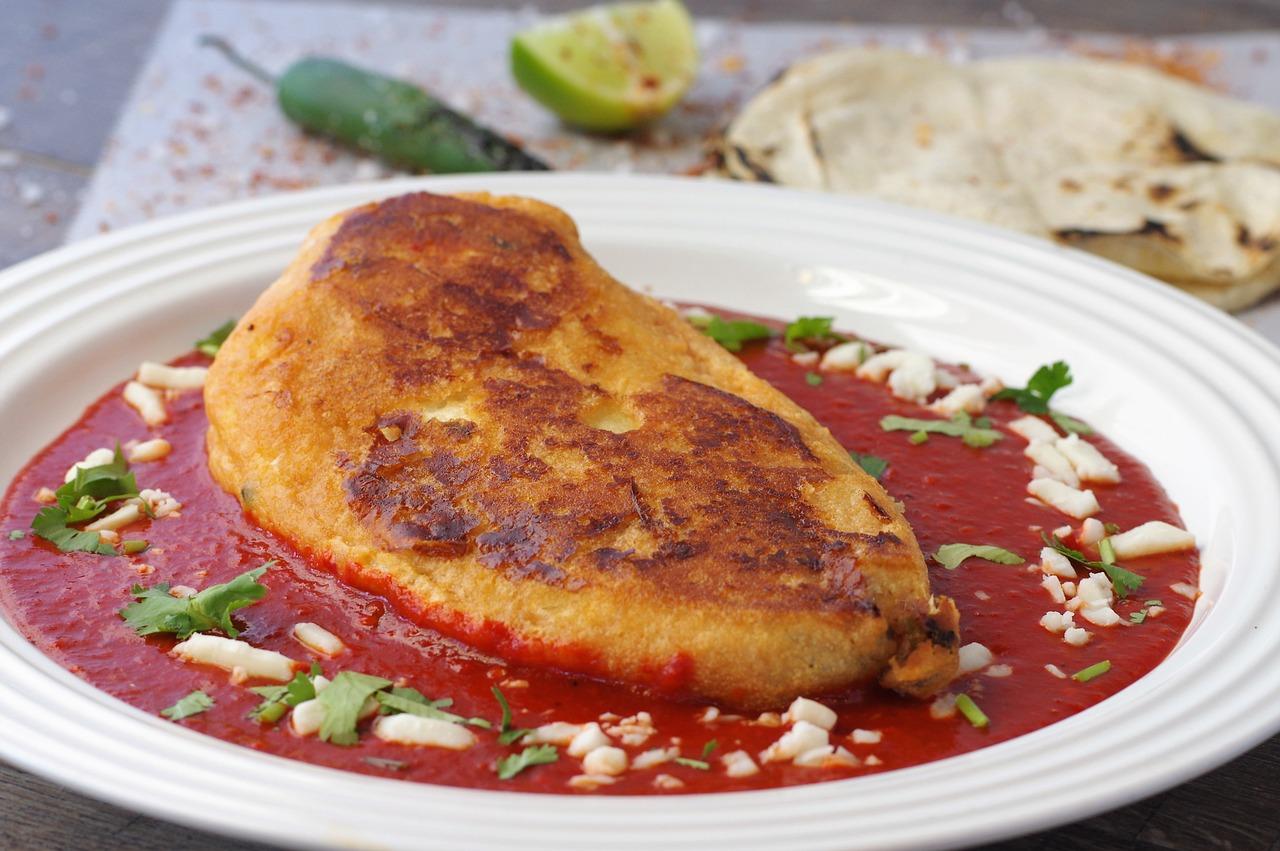
Chiles rellenos de queso are a Puebla classic and a fixture of Mexican home cooking: roasted poblano peppers filled with melting cheese, coated in an airy egg batter called capeado, fried until golden and served swimming in a thin, mildly spiced tomato broth (caldillo). The batter is like a soufflé omelette that hugs the chilli, and the cheese inside stretches in long strings. Serve with arroz rojo and warm tortillas. Choose an Oaxaca cheese or mozzarella made with vegetarian rennet. Chef's tip: the chillies must be completely dry and dusted with rice flour before they go into the batter; any moisture makes the egg slide off in the pan.

by KrazyBadal 0 views

Kinema curryFermented soybean curry

Kinema is the Limbu and Nepali fermented soybean of Sikkim and the Darjeeling hills: boiled soybeans wrapped in leaves and left by the hearth for a couple of days until sticky and pungent. Cooked with onion, tomato, turmeric and fiery dalle or green chilli, it becomes a thick, savoury curry eaten with rice in Gangtok and Kalimpong homes, especially in winter. It is rich in protein and has a deep, almost meaty savour. Chef's tip: dry-fry the kinema before adding the masala; it tames the smell and brings out a toasted flavour. Outside the hills, Japanese natto is the closest substitute.

by KrazyBadal 0 views

Chiles en nogadaStuffed poblanos in walnut sauce

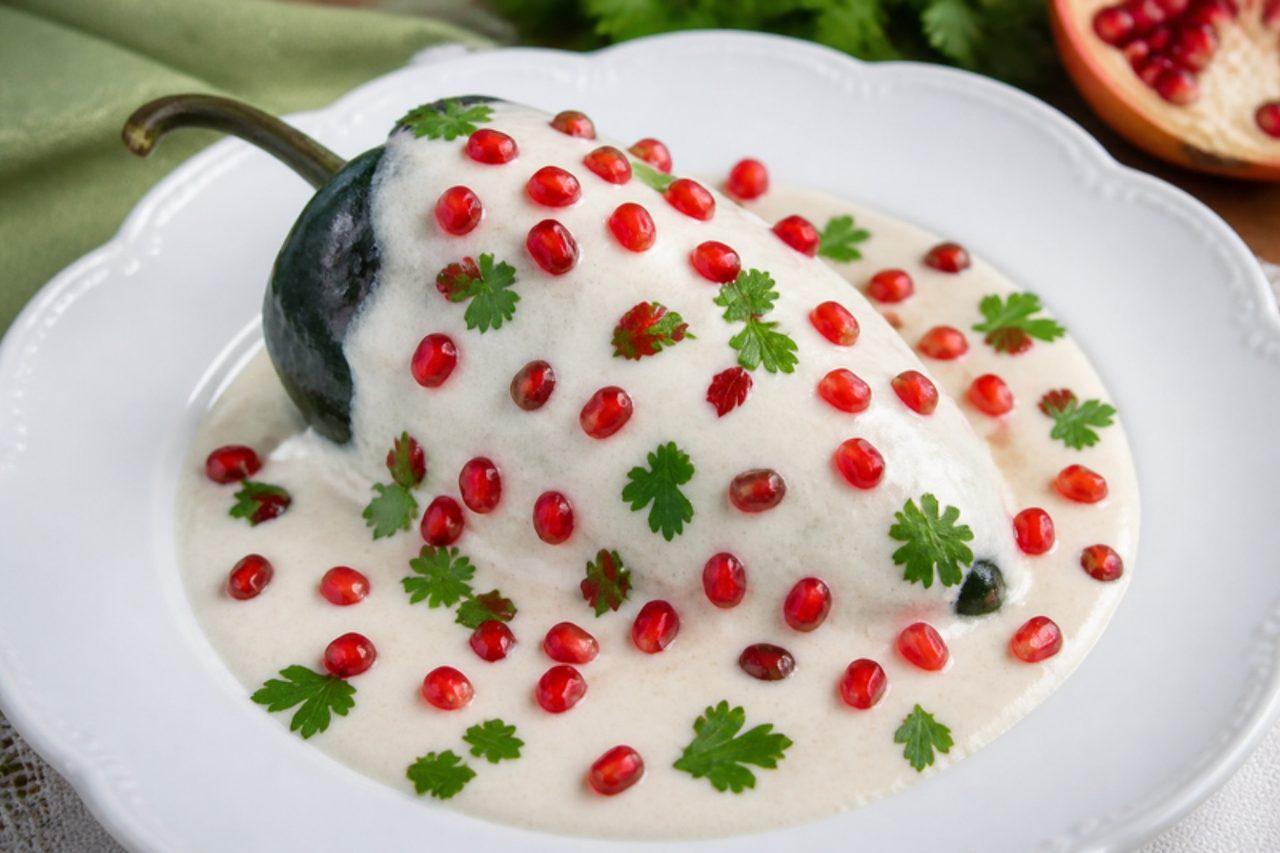
Chiles en nogada belong to Puebla and to September, when fresh walnuts, peaches, pears and pomegranates are all in season and Mexico celebrates its independence: the green chilli, white walnut sauce and red pomegranate are the colours of the flag. Roasted poblano peppers are stuffed with picadillo, a sweet-savoury hash of fruit, nuts and spices, then cloaked in nogada, a cool sauce of fresh walnuts, milk and fresh cheese. Our vegetarian picadillo uses mushrooms for the savoury depth that minced meat usually gives. It is served at room temperature, never hot, as a centrepiece for a celebration lunch. Chef's tip: soak the walnuts in milk overnight and rub off as much of the papery skin as you can; the skins make the nogada bitter and grey. Use a fresh cheese made with vegetarian rennet.

by KrazyBadal 0 views

Chickpea kabsaSpiced rice with chickpeas

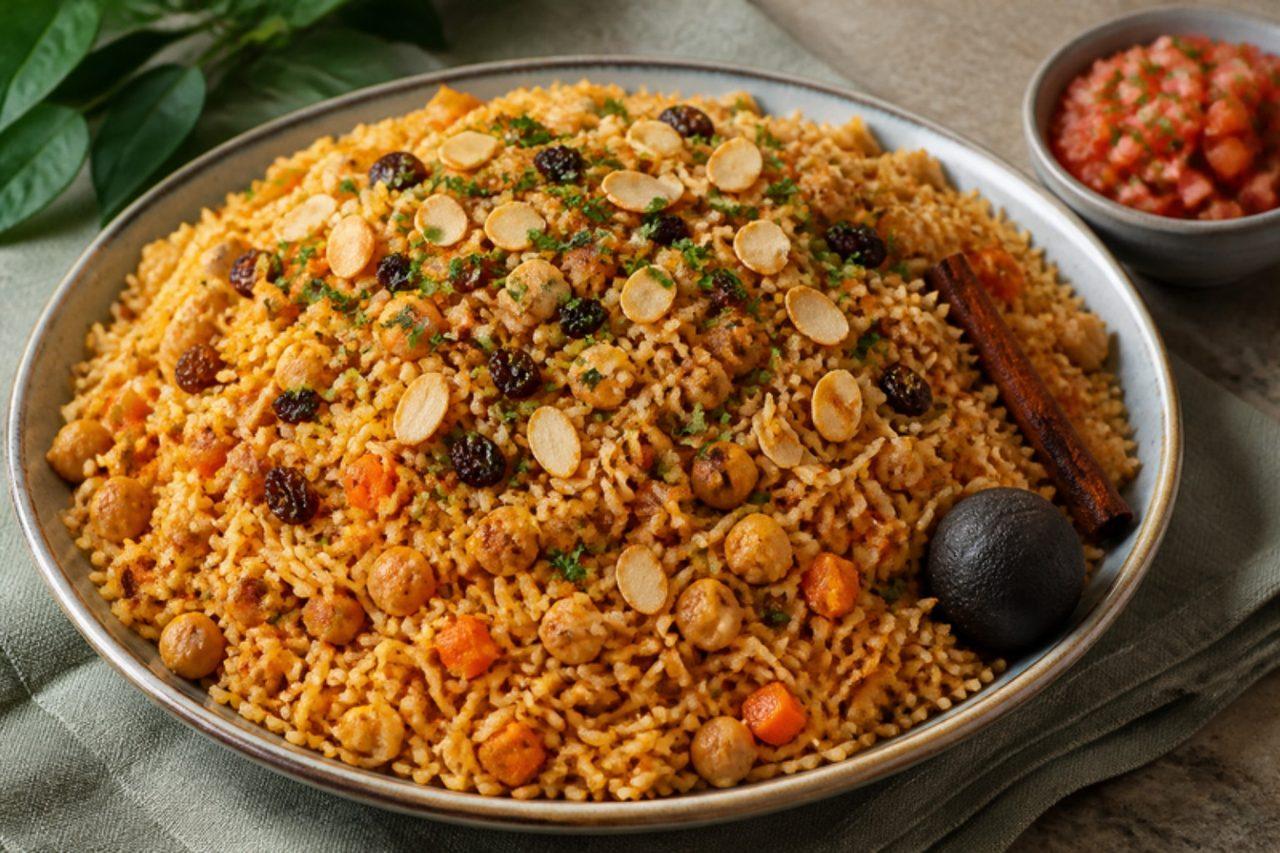
Across Saudi Arabia, from Riyadh flats to Jeddah family compounds, a Friday lunch usually means one huge tray of kabsa set on a cloth on the floor, everyone eating from their own side. The rice cooks in a tomato broth scented with dried lime, cinnamon and cardamom, so every grain turns orange-red and fragrant; this version swaps the usual chicken for chickpeas and carrot, which soak up the spices just as well. It is topped with raisins and toasted almonds and comes with daqqus, a sharp tomato-chilli sauce spooned over at the table. Chef's tip: pierce the dried limes before they go in; whole ones float and give little flavour, pierced ones fill the broth with a sour, smoky depth.

by KrazyBadal 0 views

Showing 90 of 8,120 recipes

Page 772 of 903