


Skip to content
Monji haak
Featured recipe

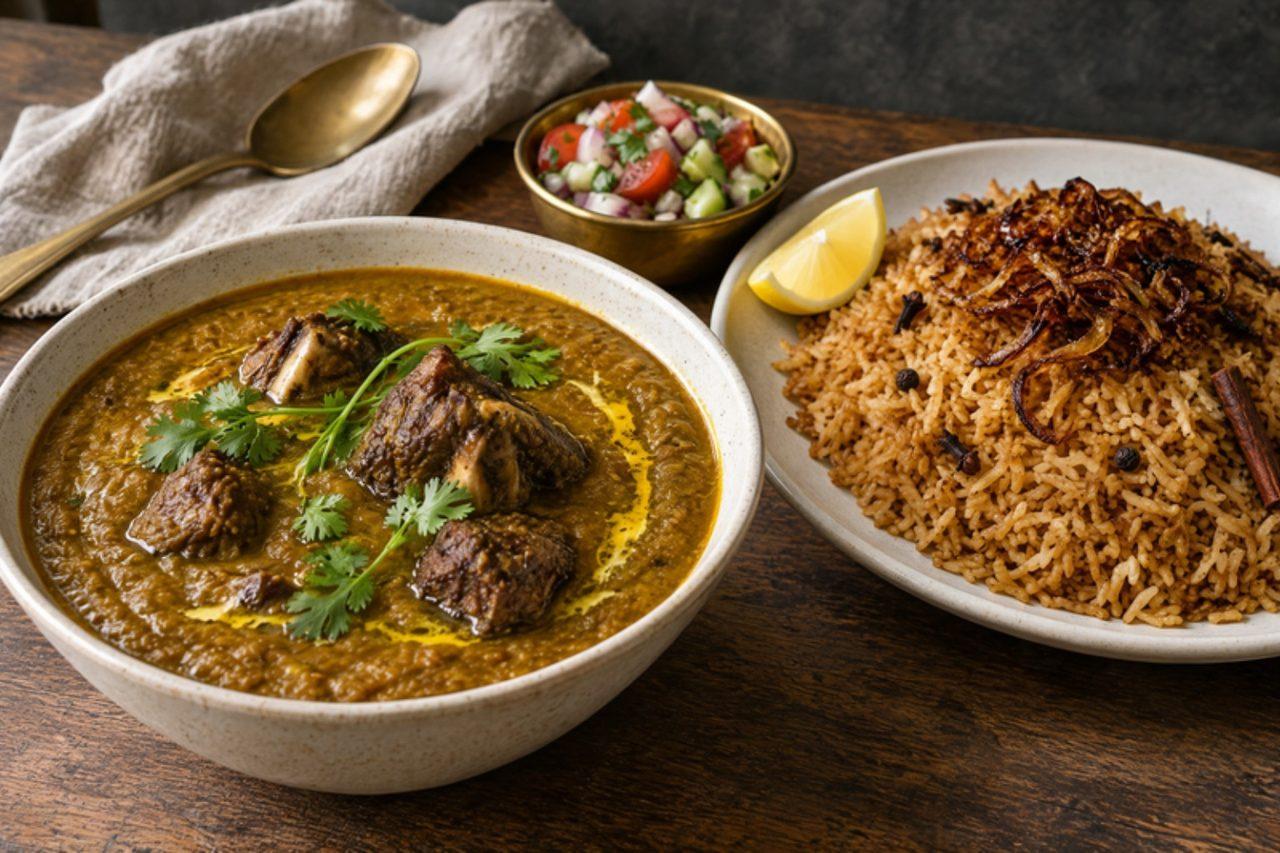
Monji haak

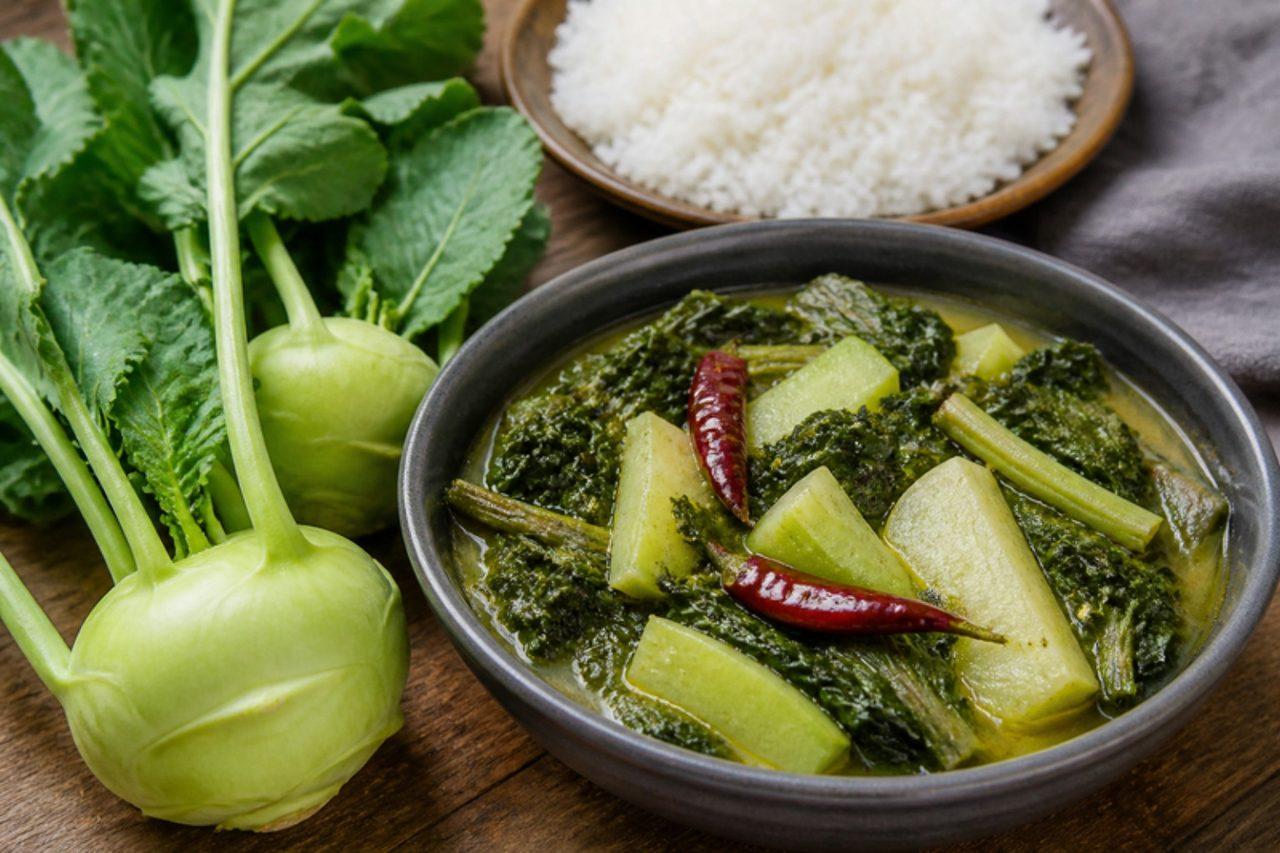
Kohlrabi and greens in mustard oil

Kohlrabi, monji in Kashmiri, grows in almost every kitchen garden in the Kashmir Valley, and families cook the round bulb and its leaves together in one pot. Like its cousin haak, it is a dish of very few ingredients: mustard oil, dried chilli, a pinch of asafoetida and salt, simmered with a splash of water until the bulb turns sweet and tender. It is eaten through the cold months with plain rice and a bowl of yogurt, and Kashmiris will tell you it tastes best in autumn when the bulbs are young. Chef's tip: buy kohlrabi with fresh, perky leaves attached; if the leaves are tired, add a handful of spinach instead.

Read more 0 views

What to eat today?

Around the world

Today's trip: Paraguayan

A new country every day, from every cuisine on the site.

Paraguayan

Chipa

Cheese bread rings 50 minMore from Paraguayan (27) →

This week's collection

Kid-friendly dinners
537 recipes · a new collection every Monday

Latest recipes

JianbingSavoury egg crêpe

Jianbing guozi began in Tianjin and is now Beijing's favourite breakfast on the go: a crêpe spread on a round griddle, cracked over with egg, brushed with sauces and folded round a crunchy fried cracker. Vendors make one in two minutes; at home a large non-stick pan works. The batter mixes mung bean and wheat flour for a tender, slightly nutty pancake. Chef's tip: spread the batter thin and fast while the pan is hot, then lower the heat before adding the egg so the crêpe stays pliable.

by KrazyBadal 0 views
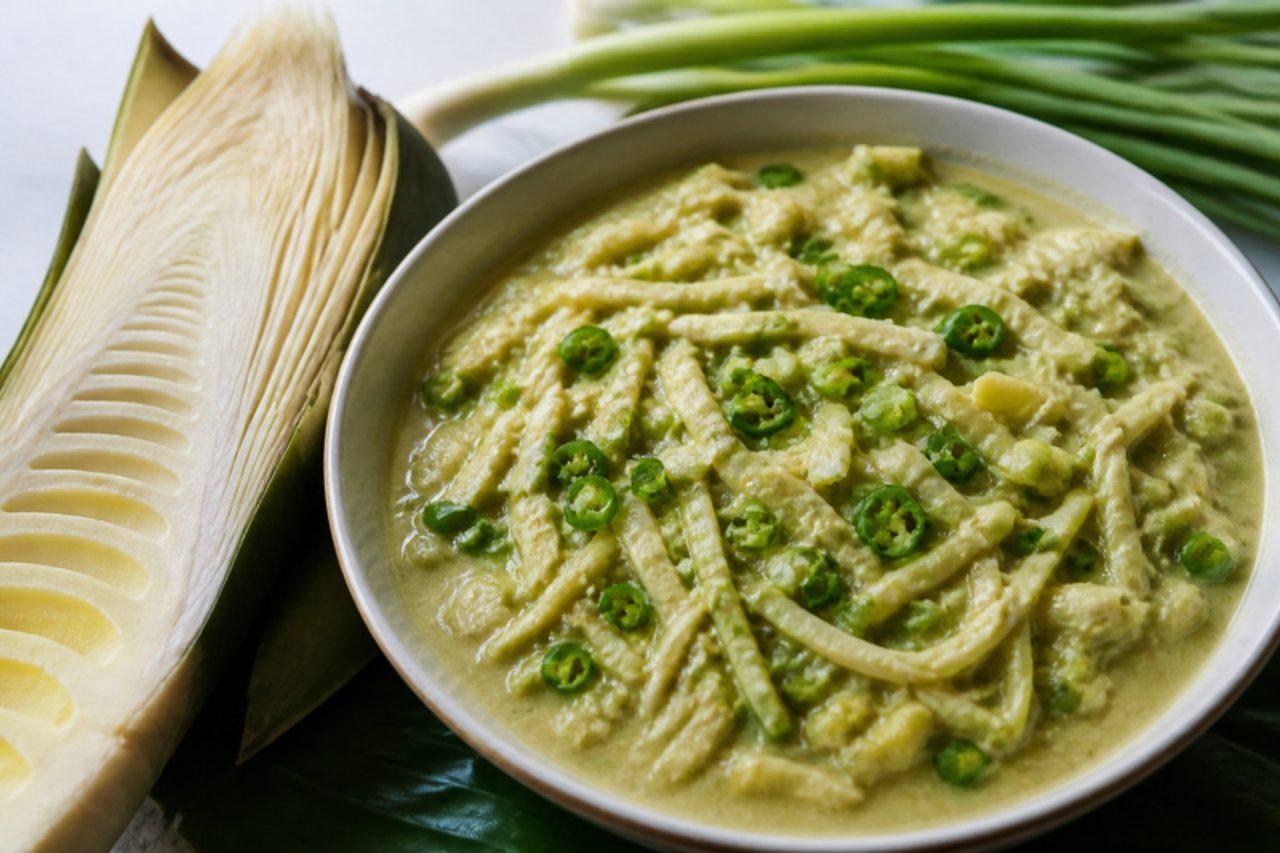
Muya awandruBamboo shoot with rice paste

Muya awandru is a classic of the Tripuri (Kokborok-speaking) kitchen around Agartala: tender bamboo shoot is cooked with green chilli and a rice-flour paste (awandru) until it thickens into a soft, savoury mass, a little like a porridge. Traditionally a piece of berma (fermented dried fish) goes in; this vegetarian version drops it and adds roasted garlic and a little fermented soybean for depth, as vegetarian Tripuri cooks do. It is eaten with rice, often at village feasts. Chef's tip: mix the rice flour with cold water before adding it, or it lumps.

by KrazyBadal 0 views

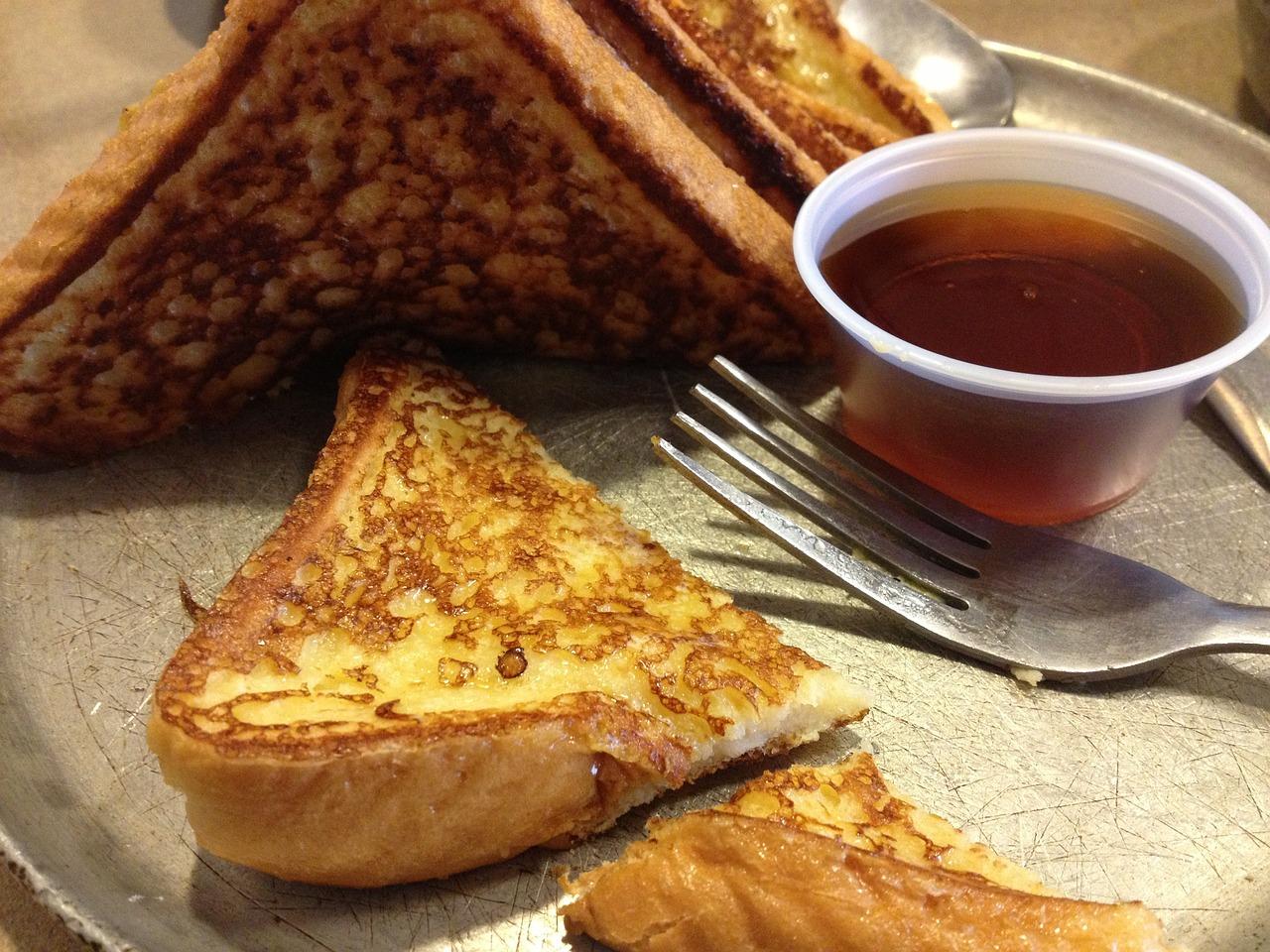
Pain perduFrench toast

Pain perdu means 'lost bread', and French families have always made it from the end of a stale baguette or brioche that would otherwise be thrown away. Thick slices are soaked in milk, eggs, sugar and vanilla, then fried in butter until caramelised outside and soft, almost like custard, inside. In France it is more often a Sunday breakfast or goûter for the children than a brunch dish, eaten with a dusting of sugar, jam or fresh fruit. Chef's tip: use bread that is a day or two old; fresh bread is the common mistake and turns soggy and falls apart in the custard.

by KrazyBadal 0 views

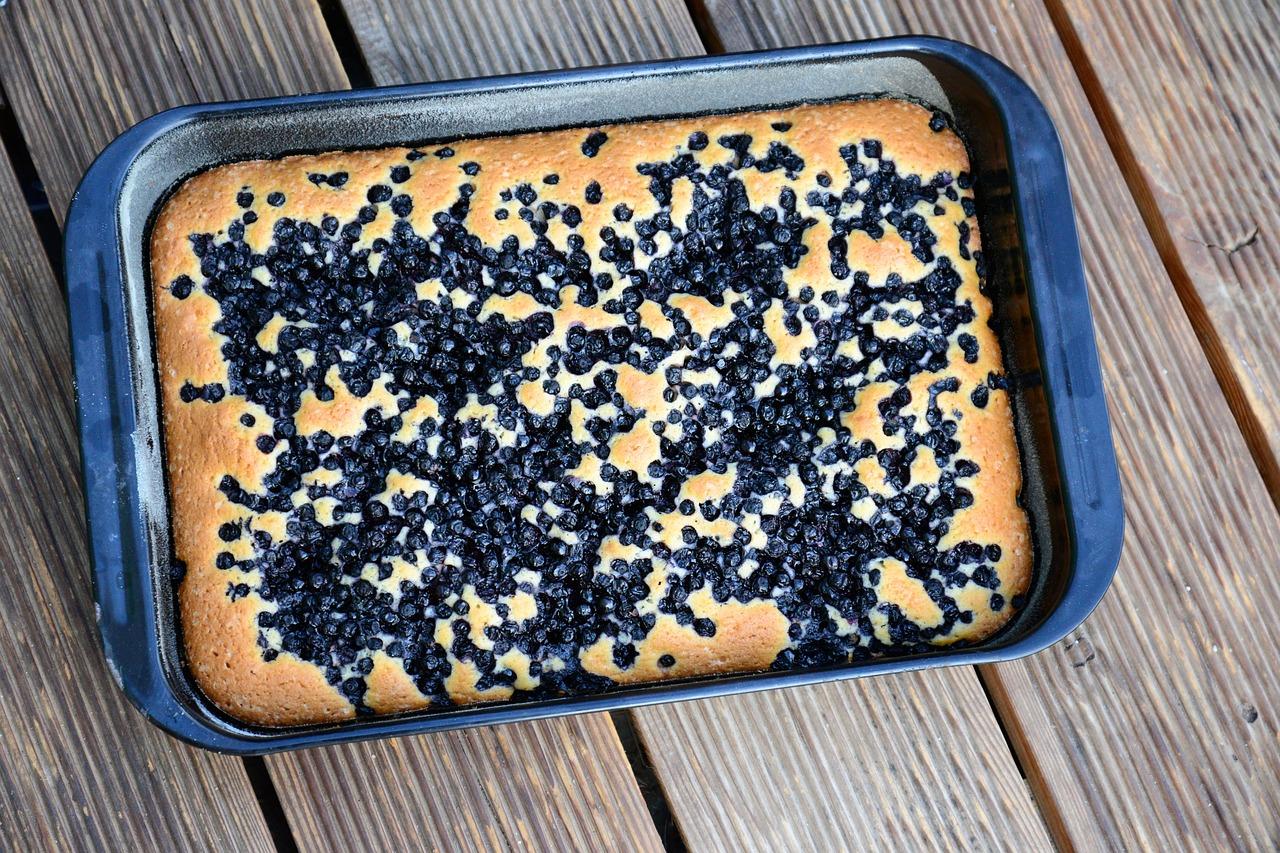
MustikkapiirakkaBlueberry pie

In late July and August, Finns head into the forests with buckets and come home with purple fingers, and the first thing many make is mustikkapiirakka. Finnish wild blueberries (mustikka) are small and blue right through, far more intense than cultivated ones. This is the version from Savo and central Finland: a soft, cakey shortcrust pressed into a tin, a deep layer of berries and a just-set topping of sour cream, egg and sugar. It is eaten at summer cottages (mökki) with coffee, warm or cool, often with vanilla sauce. Frozen wild blueberries from the freezer aisle work all year. Chef's tip: toss the berries with potato starch before they go into the crust; it catches the juice so the slices hold together instead of running purple.

by KrazyBadal 0 views

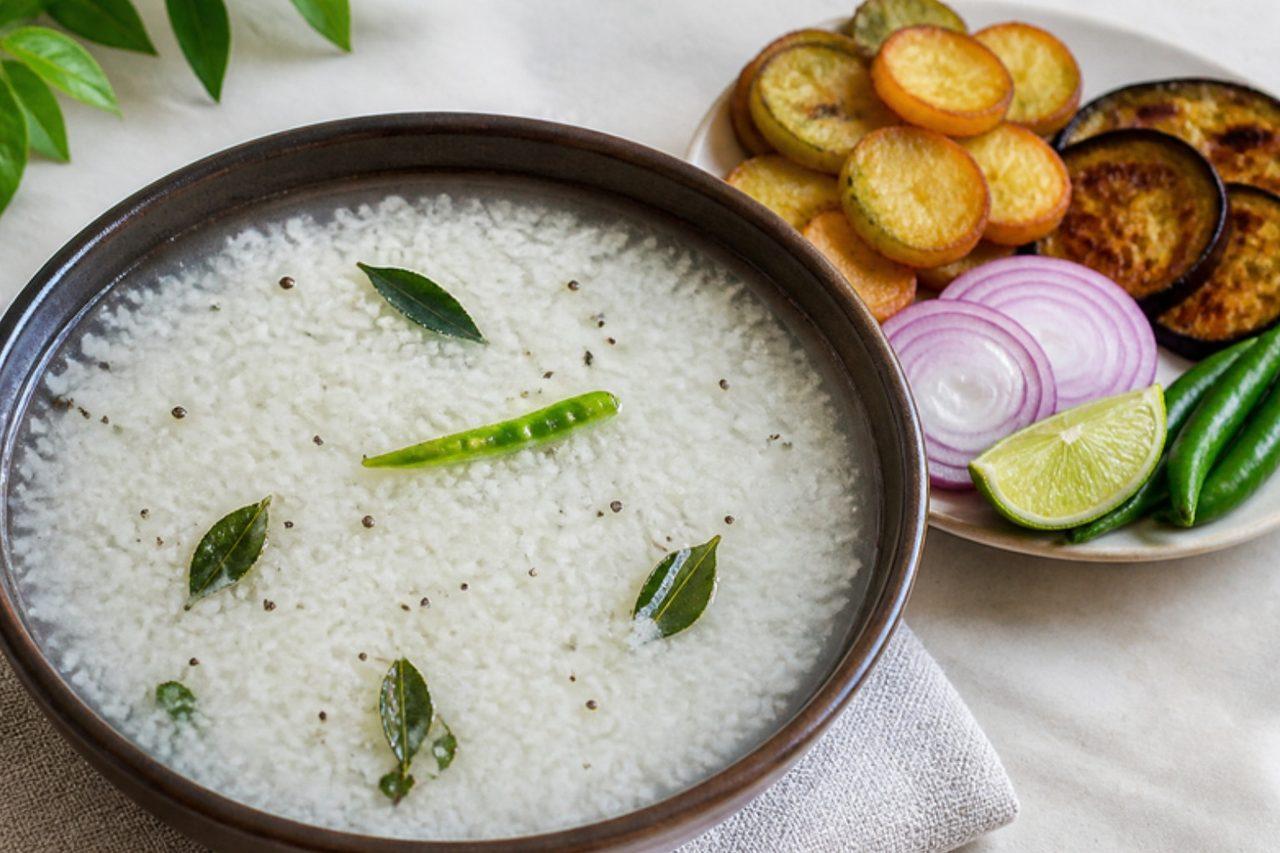
Pakhala bhataSoaked rice with curd

Pakhala is Odisha's answer to the summer heat: cooked rice left to soak in water, often overnight so it turns faintly sour, then loosened with curd, salt, lime leaf, cumin and green chilli and eaten cold at midday. The state even celebrates Pakhala Dibasa on 20 March. The rice itself is plain; the pleasure is in the sides, such as badi chura (crushed fried lentil dumplings with onion and mustard oil), fried potato, saga bhaja and roasted aubergine. Chef's tip: for the gently sour basi pakhala, leave the rice in its water at room temperature for 8–12 hours; for dahi pakhala, eat it the same day with more curd.

by KrazyBadal 0 views

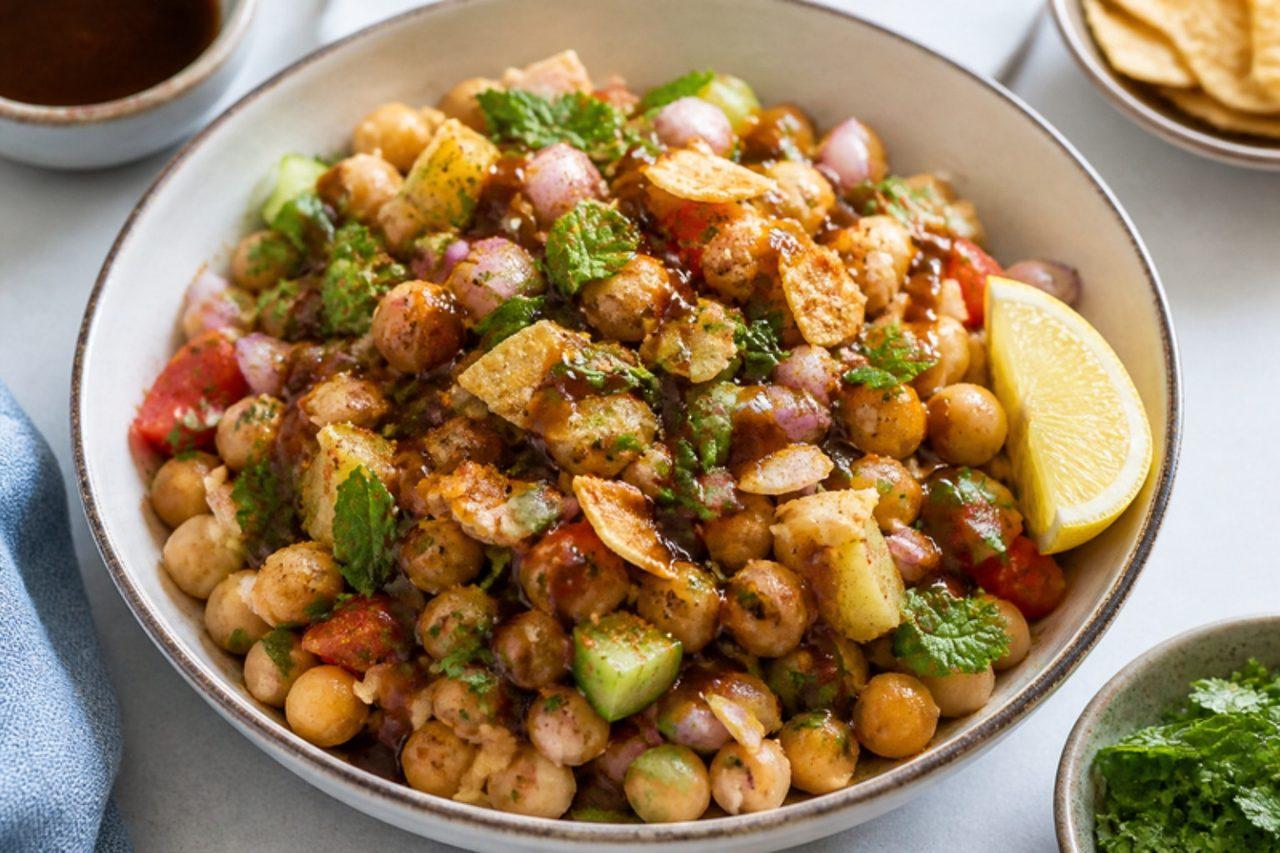
Pakistani chana chaatChickpea and potato chaat

In Pakistan a bowl of chana chaat is on almost every iftar table during Ramadan, next to the dates, pakoras and a jug of red sherbet, and in Lahore and Karachi street vendors toss it to order all year round in big steel bowls. The Pakistani style is simple and sharp: plump chickpeas and potato with raw onion, tomato, green chilli, lots of coriander and mint, tamarind chutney, lemon juice and a heavy hand of chaat masala, served cold or at room temperature. It is a quick, filling, high-fibre snack. People often mix it too early and the onion goes limp and the potato mushy; dress it no more than 15 minutes before eating. Chef's tip: toss the chickpeas with the chaat masala and salt first, before anything wet goes in, so the spice clings to them.

by KrazyBadal 0 views

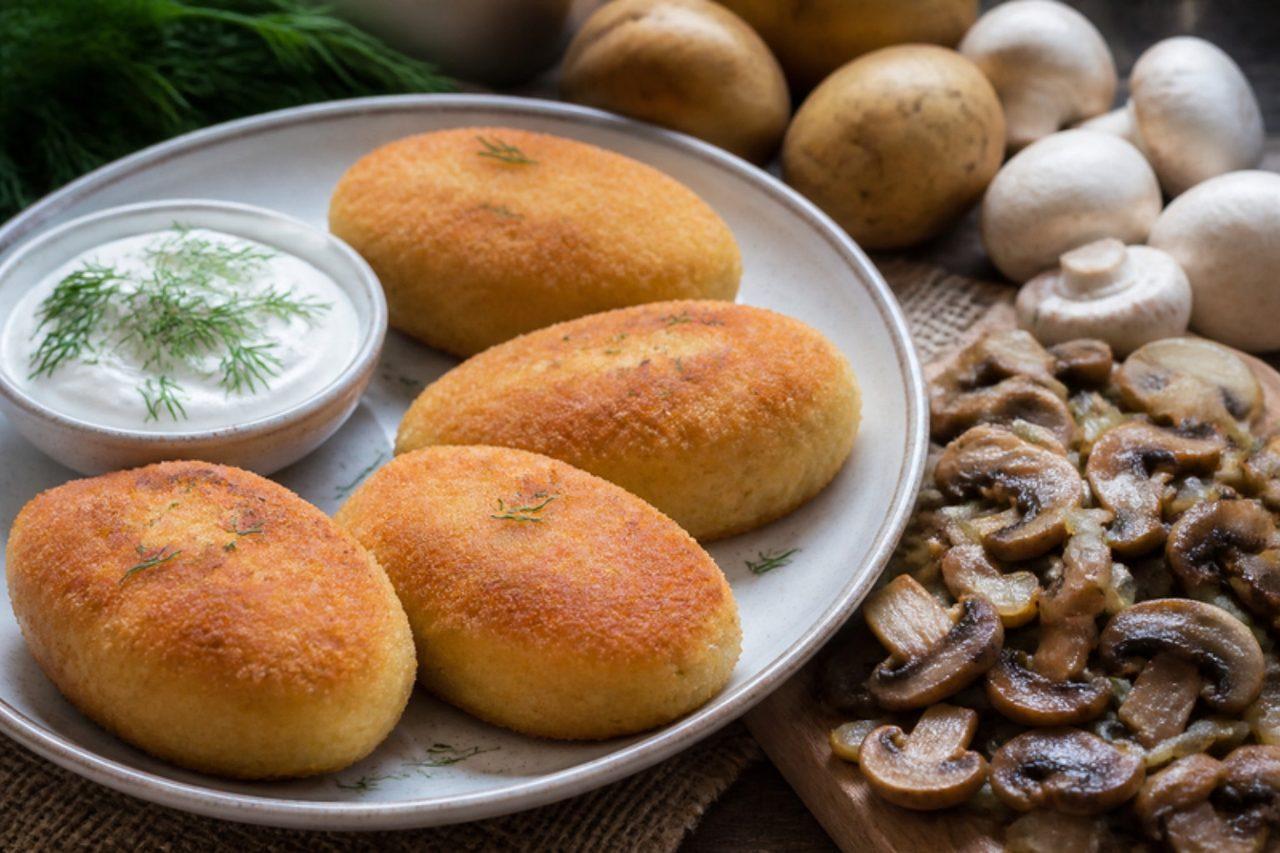
Mushroom zrazyMushroom-stuffed potato cakes

Kartoplyani zrazy are a thrifty Ukrainian classic, made in kitchens across Chernihiv and the forested Polissia region where mushrooms are gathered every autumn: mashed potato is wrapped around a filling of fried mushrooms and onion, shaped into ovals, rolled in breadcrumbs and fried until crisp. They are a good home for yesterday's mash, and appear on the Lenten table and at casual family dinners with sour cream and pickles. Chef's tip: use cold mashed potato; common mistake is shaping the zrazy from warm, soft mash, which sticks to your hands and splits in the pan.

by KrazyBadal 0 views

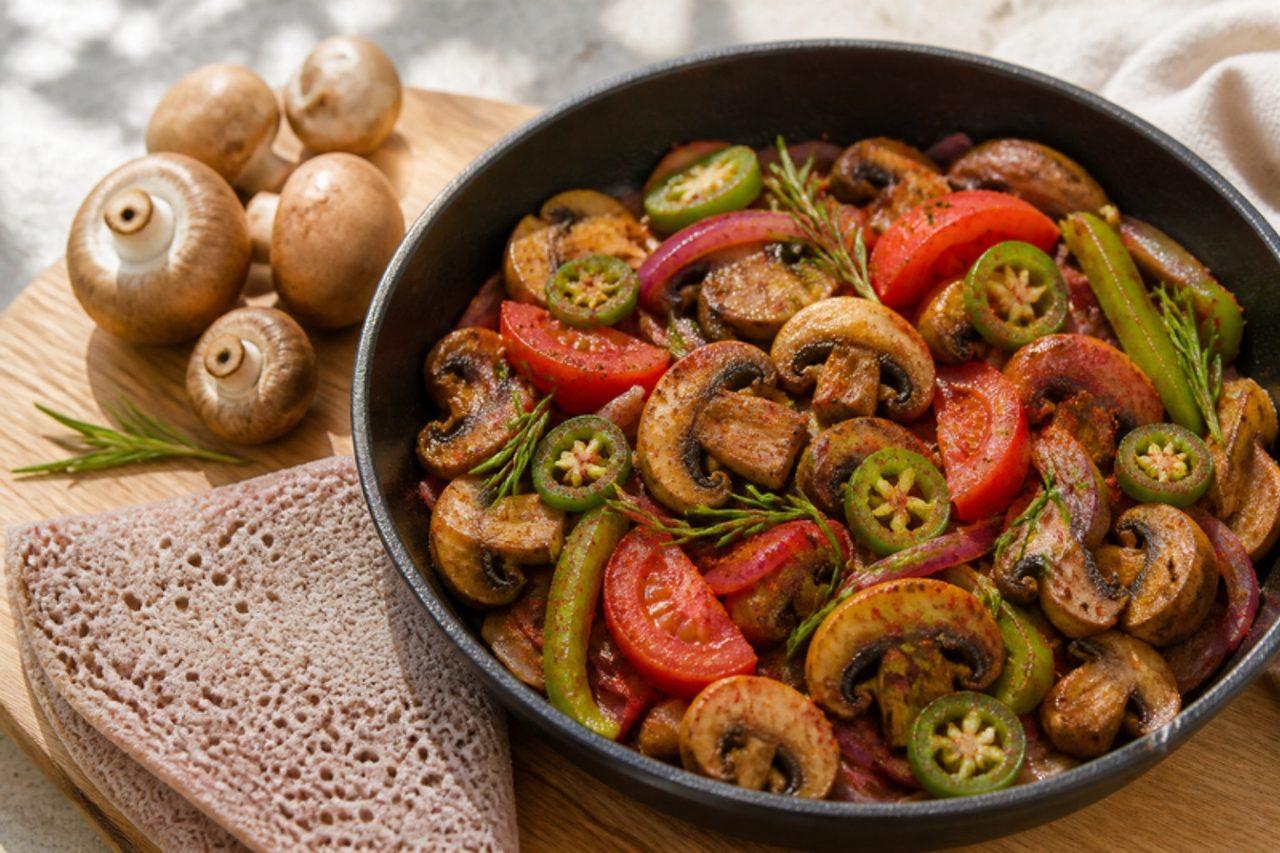
Mushroom tibsSeared spiced mushrooms

Tibs means pieces of food quickly seared in a hot pan, and in Addis Ababa it is usually beef or lamb sizzling in a clay dish. In the last decade the city's busy vegan restaurants, especially during the long fasts, have made mushroom tibs a favourite in its own right: big chunks of mushroom fried hard with red onion, peppers, garlic, rosemary and a little berbere, so they come out browned and meaty. Serve straight from the pan with injera or rice. Chef's tip: cook the mushrooms in a single layer in a very hot pan and don't stir for the first two minutes; crowded mushrooms steam and go soggy.

by KrazyBadal 0 views

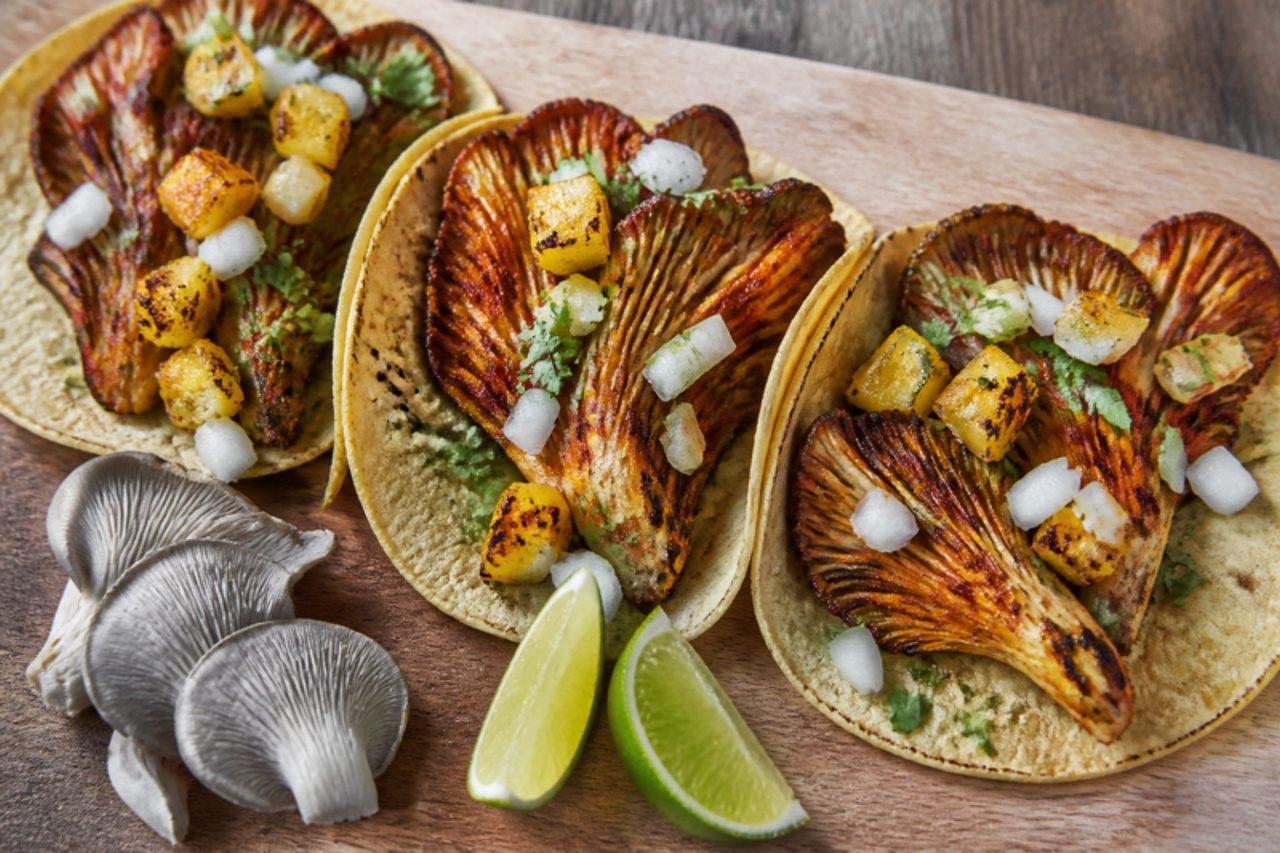
Mushroom tacos al pastorChilli mushroom tacos

Tacos al pastor are the night-time taco of Mexico City, born when Lebanese immigrants' spit-roasted shawarma met Mexican dried chillies: meat marinated in guajillo and achiote is stacked on a vertical spit (the trompo), shaved into small corn tortillas and finished with pineapple, onion and coriander. This vegetarian version, tacos al pastor de hongos, uses torn oyster mushrooms in the same brick-red adobo, seared hard in a hot pan until the edges crisp and char like meat cut from the trompo. Expect smoky, tangy, gently hot tacos with bursts of sweet, caramelised pineapple; serve them with salsa verde and lime wedges. Chef's tip: press the mushrooms flat with a spatula and leave them alone in a very hot pan; moving them around makes them steam and go soft instead of crisp.

by KrazyBadal 0 views

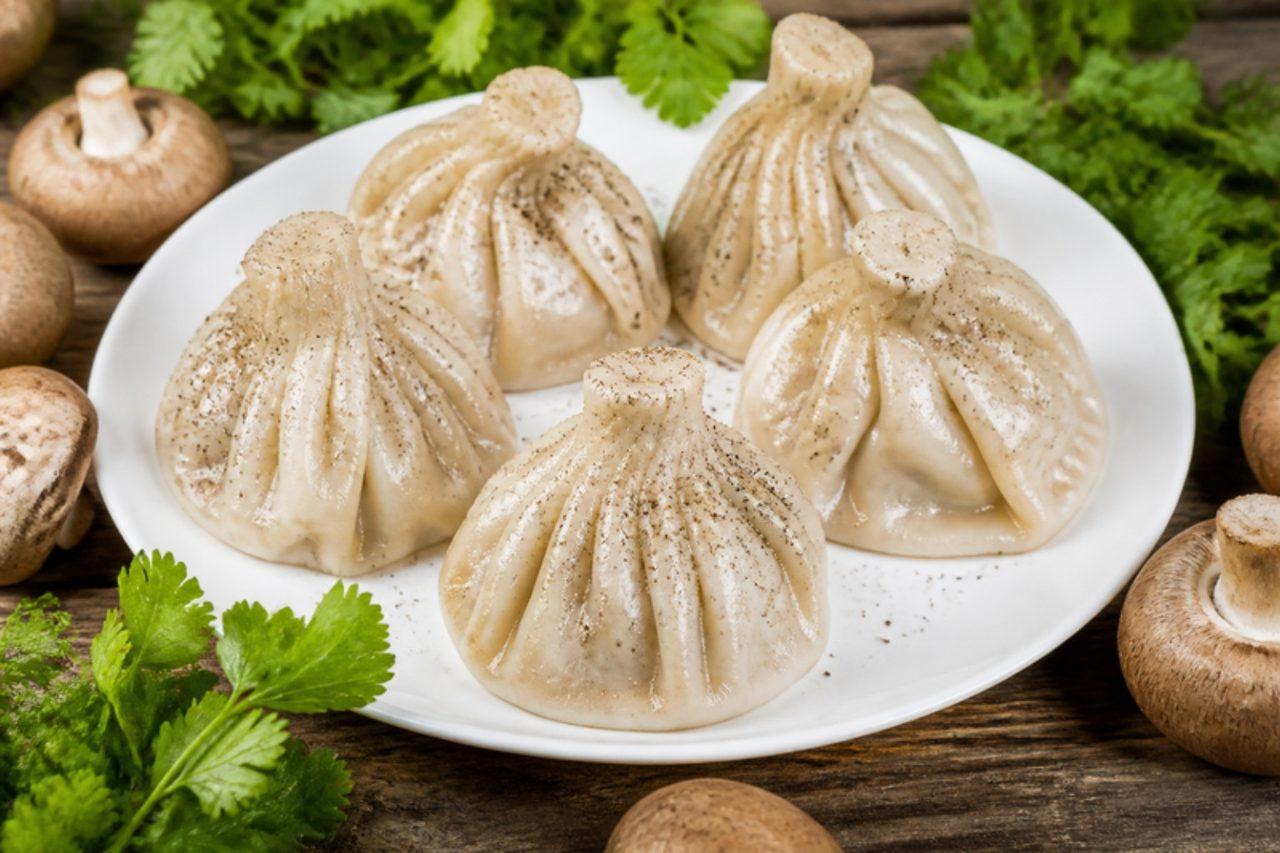
Mushroom khinkaliMushroom dumplings

Khinkali come from the mountain villages of Pshavi, Khevsureti and Tusheti in Georgia's north-east, and the roadside khinkali houses of Pasanauri on the Georgian Military Road are where many Tbilisi families stop for them. The classic filling is meat, but mushroom khinkali (sokos khinkali) are made all through Orthodox Lent and are on most menus. You hold each one upside down by its twisted topknot, bite a small hole, sip the hot juices, then eat the rest and leave the doughy knot on the plate to count how many you have eaten. The common mistake is rolling the wrappers too thin or the dough too soft, so they tear in the pot and lose their juice. Chef's tip: grind black pepper over them generously at the table, as Georgians do; it wakes up the mushrooms.

by KrazyBadal 0 views

PallubasaBeef and coconut soup

Makassar's other great beef soup is darker, richer and more coconutty than coto, and locals argue about which is better over late lunches at pallubasa houses near the port. The secret is kelapa sangrai: grated coconut toasted slowly to a deep brown and pounded, which gives the broth a roasted, almost nutty sweetness and a slightly gritty, full body. It's eaten with a mound of plain rice rather than rice cakes, and for the full version you ask for 'alas', a raw egg yolk dropped in the bowl that you stir into the boiling soup until it turns silky. Offal is traditional but optional; tender beef alone is delicious. Chef's tip: the coconut must reach the colour of milk chocolate, not black, because burnt coconut makes the whole pot bitter.

by KrazyBadal 0 views

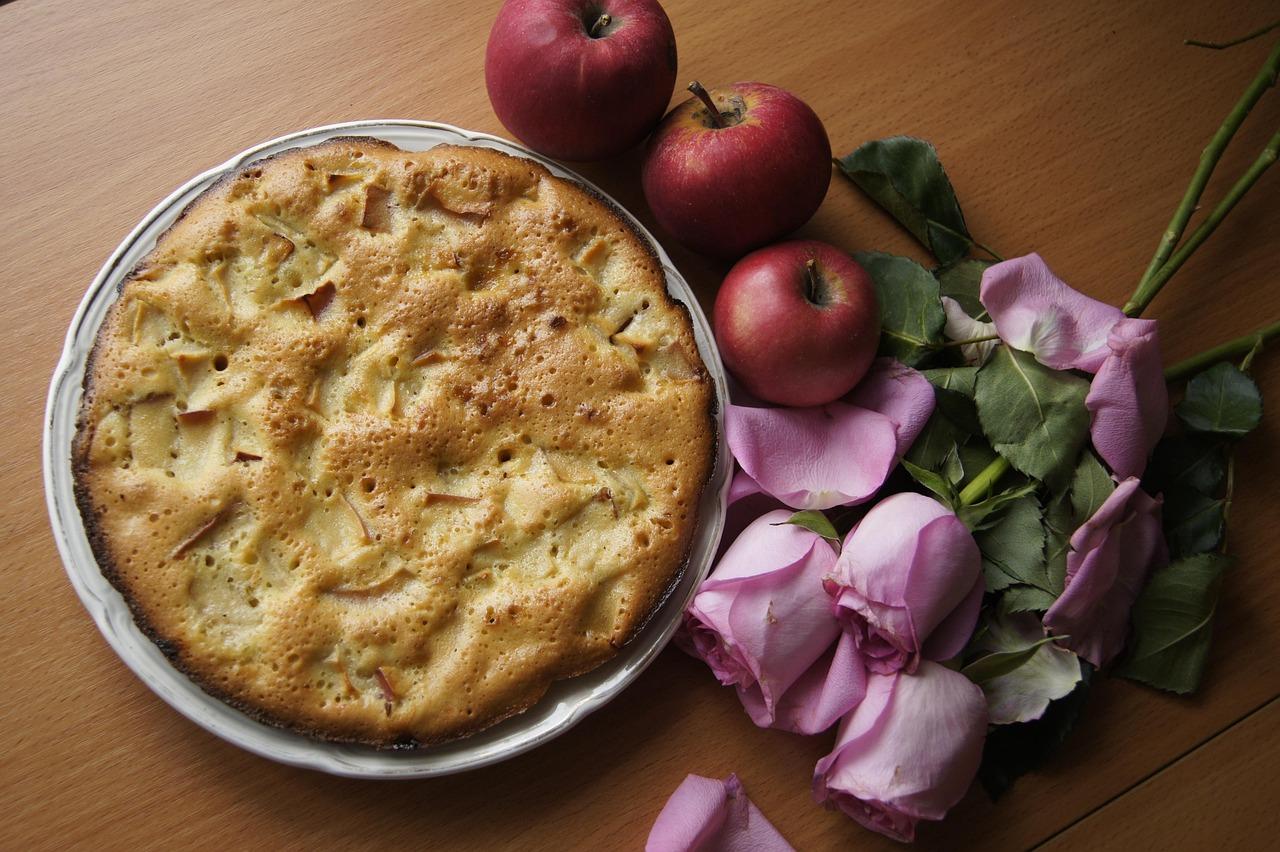
SharlotkaApple sponge cake

Sharlotka is the cake every Russian family bakes in September, when dachas around Moscow and Saint Petersburg drown in Antonovka apples. It is nothing like Polish szarlotka with its shortcrust: here the tin is packed with sliced tart apples and a feather-light batter of whisked eggs, sugar and flour is poured over, so it bakes into an airy, crackly-topped sponge holding a soft apple layer. Only four ingredients, and it is on the table in under an hour with tea from the samovar. Chef's tip: whisk the eggs and sugar for a full 8 minutes until pale and tripled; that air is the only raising agent and a short whisk gives a flat, rubbery cake.

by KrazyBadal 0 views

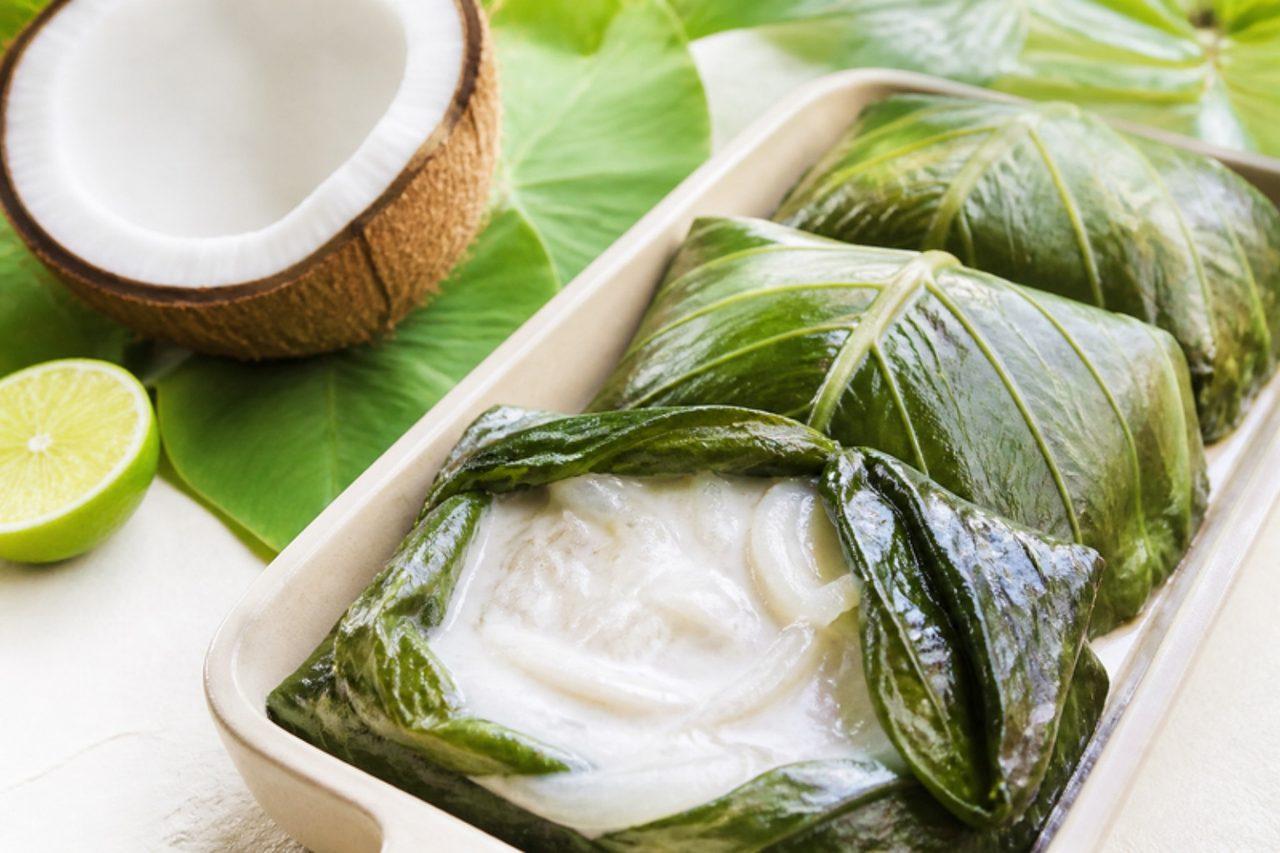
PalusamiTaro leaves in coconut cream

Palusami is at the heart of a Samoan Sunday to'ona'i, the big lunch after church, when the umu (earth oven) is lit and parcels of taro leaves filled with thick coconut cream and onion bake among the hot stones. The leaves melt into something like rich, creamy spinach, and the coconut sets around them. In Fiji similar parcels are called rourou. Many families add corned beef or fish; this is the plain coconut version, served with baked taro or breadfruit. Chef's tip: taro leaves must be cooked thoroughly, as underdone leaves make the throat itch; if you can't get them, use large spinach or silverbeet leaves, which need less time.

by KrazyBadal 0 views

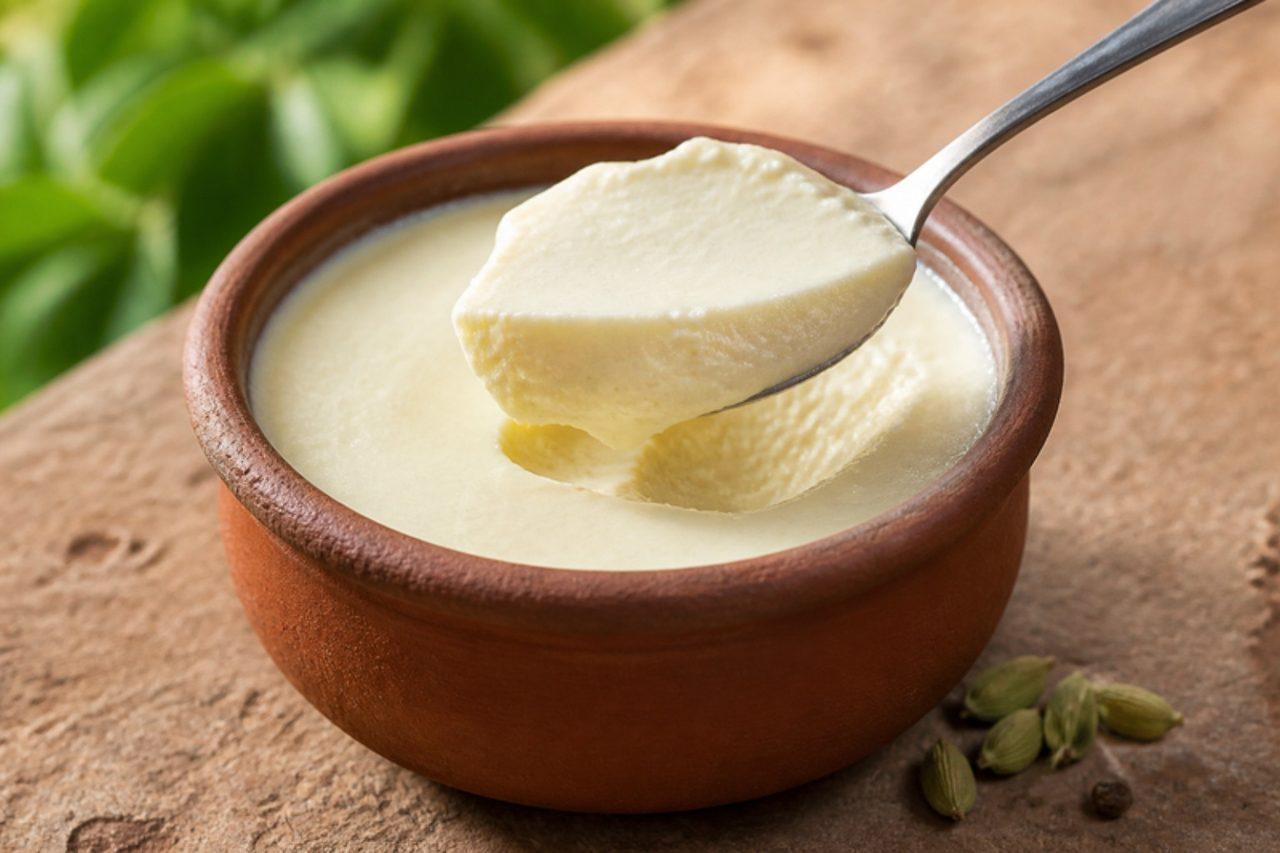
Juju dhauThick sweet curd

Juju dhau means king of curds in the Newar language, and it belongs to Bhaktapur, the old brick-and-temple city east of Kathmandu, where it is sold in round clay bowls from shops around Durbar Square and taken home by the stack. Full-fat milk, traditionally buffalo milk, is boiled down by a third until it is rich and faintly caramel, sweetened, then set overnight in unglazed clay pots that soak up the whey, leaving a custard-thick, creamy yogurt with a pale golden skin. No wedding, festival or important meal in the Valley ends without it, and it is eaten on its own with a small spoon. People often rush the reduction, and the yogurt then sets thin and sour. Chef's tip: if you don't have clay pots, set it in ceramic ramekins and pour off any whey after setting; and keep it warm and undisturbed, wrapped in a blanket, so it sets in one smooth layer.

by KrazyBadal 0 views

Shatkora beefBeef curry with wild citrus

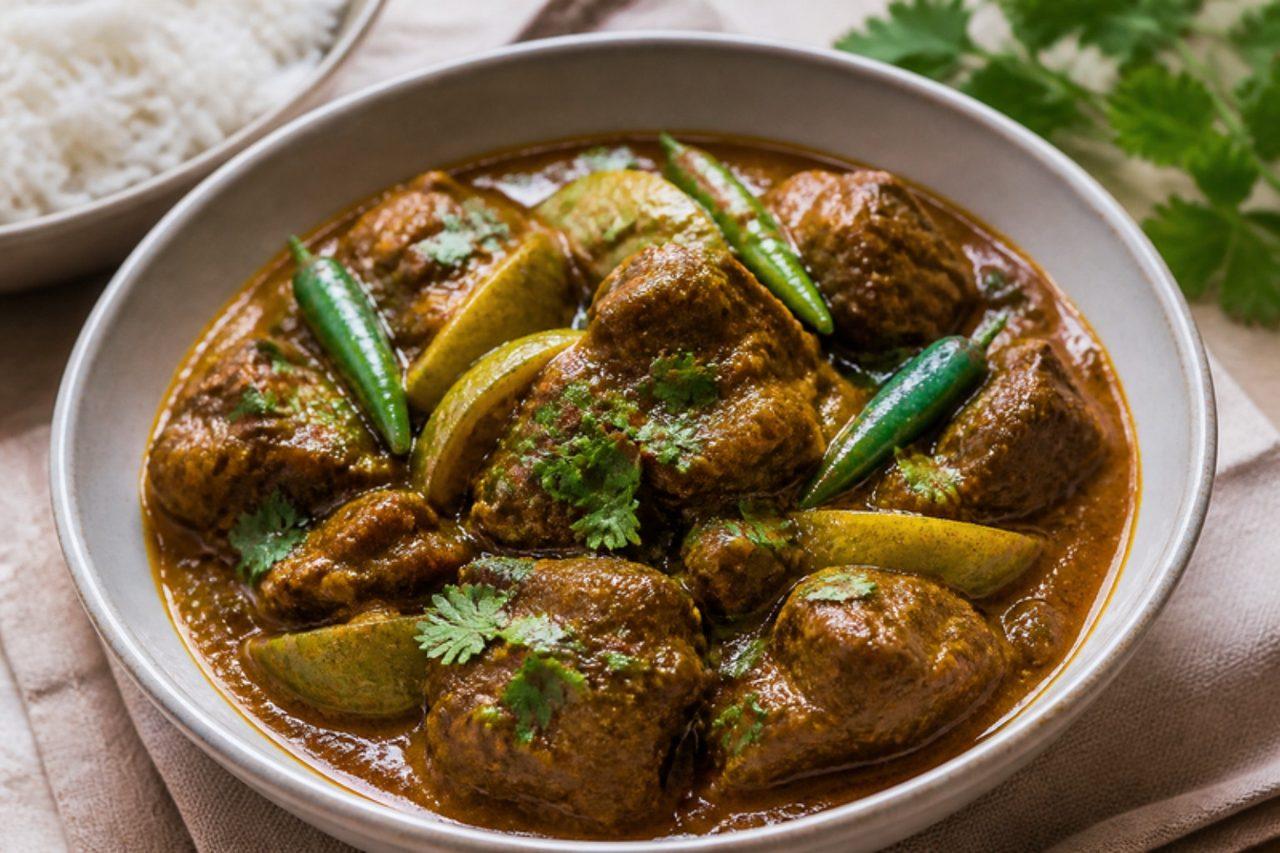
Shatkora is a large, thick-skinned citrus that grows in the hills of Sylhet in north-east Bangladesh, and its bitter, perfumed rind is what Sylhetis put in beef curry instead of lemon. The rind and pith are cut into chunks and simmered with the meat, so the sauce turns gently sour and smells like lime leaves and grapefruit at once. It is a home dish for Fridays and Eid, eaten with rice; the many Sylheti families in Britain made it famous in UK curry houses. Shatkora is sold frozen or in brine at South Asian grocers; if you can't get it, use the peel of half a grapefruit and a lime. The common mistake is adding too much shatkora early, which makes the curry bitter. Chef's tip: boil the shatkora pieces in water for 2 minutes and drain before adding them; it removes the harshest bitterness and keeps the fragrance.

by KrazyBadal 0 views

PampushkyGarlic bread rolls

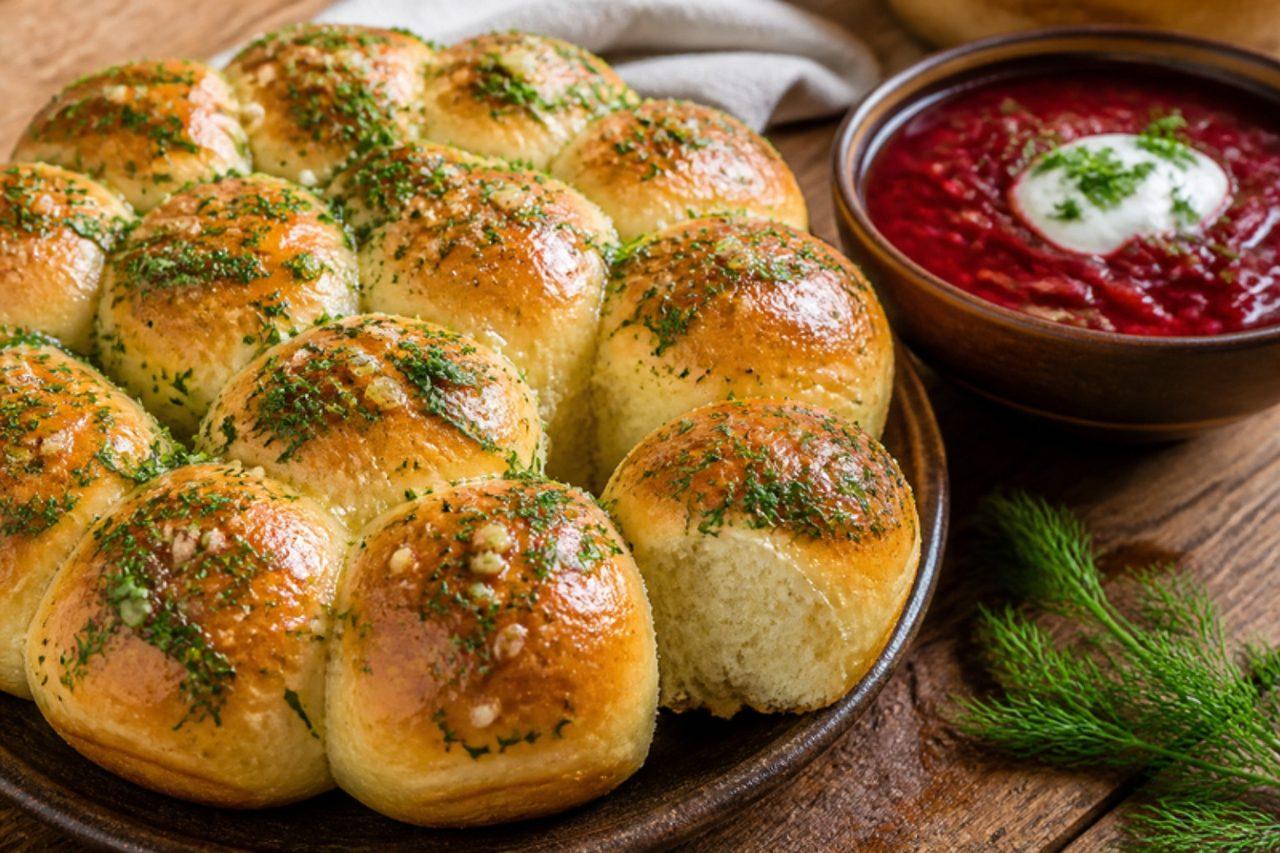
Pampushky are the small, pillowy yeast rolls that arrive in a basket next to borshch in any Ukrainian restaurant, from Kyiv to Poltava, glistening with a raw garlic and dill dressing. They are baked tightly packed in one tin so they pull apart with soft sides and golden tops, and the sharp garlic is the perfect partner for sweet, sour beetroot soup. Sweet pampushky, fried and dusted with sugar, also exist; this is the savoury baked kind. Chef's tip: brush on the garlic oil while the rolls are still hot from the oven, so they drink it in; common mistake is brushing them before baking, which burns the garlic bitter.

by KrazyBadal 0 views

MusakhanSumac chicken on flatbread

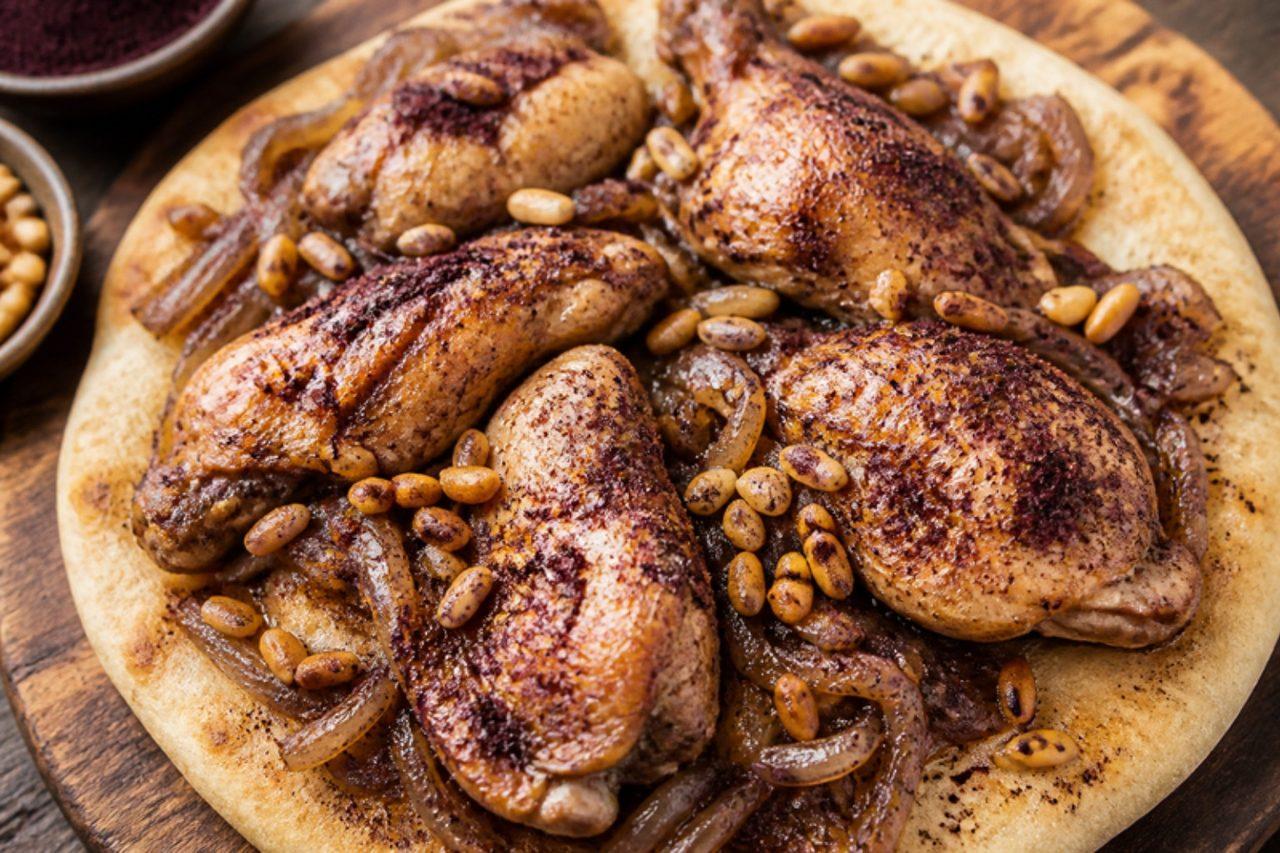
Musakhan is the dish Palestinian families in the villages around Jenin and Tulkarem make in late autumn, when the olives have been pressed and the first green, peppery oil comes home from the mill. Mounds of onion are cooked slowly in that oil with plenty of sumac, piled onto taboon bread with roast chicken and baked until the bread's edges crisp and its middle soaks up the purple-red juices. It is eaten with your hands, shared from one big tray, with yogurt and a chopped salad. Chef's tip: use more oil than feels right; the bread is meant to drink it, and a dry musakhan misses the point.

by KrazyBadal 0 views

Jhangora ki kheerBarnyard millet pudding

Jhangora is barnyard millet, a hardy grain that grows on the high fields of Garhwal and Kumaon, and this kheer is how most hill families turn it into something special. It cooks faster than rice kheer and ends up softer and silkier, with a light, nutty taste. Because millet isn't a cereal grain, it's eaten on Navratri and Ekadashi fasts, when you'll find bowls of it at temples and in homes from Rishikesh to Chamoli. It is just as good chilled the next day. Chef's tip: soak the millet for 20 minutes before cooking; it softens evenly and you won't be left with hard little grains in the pudding.

by KrazyBadal 0 views

Mushroom luwomboSteamed mushroom groundnut stew

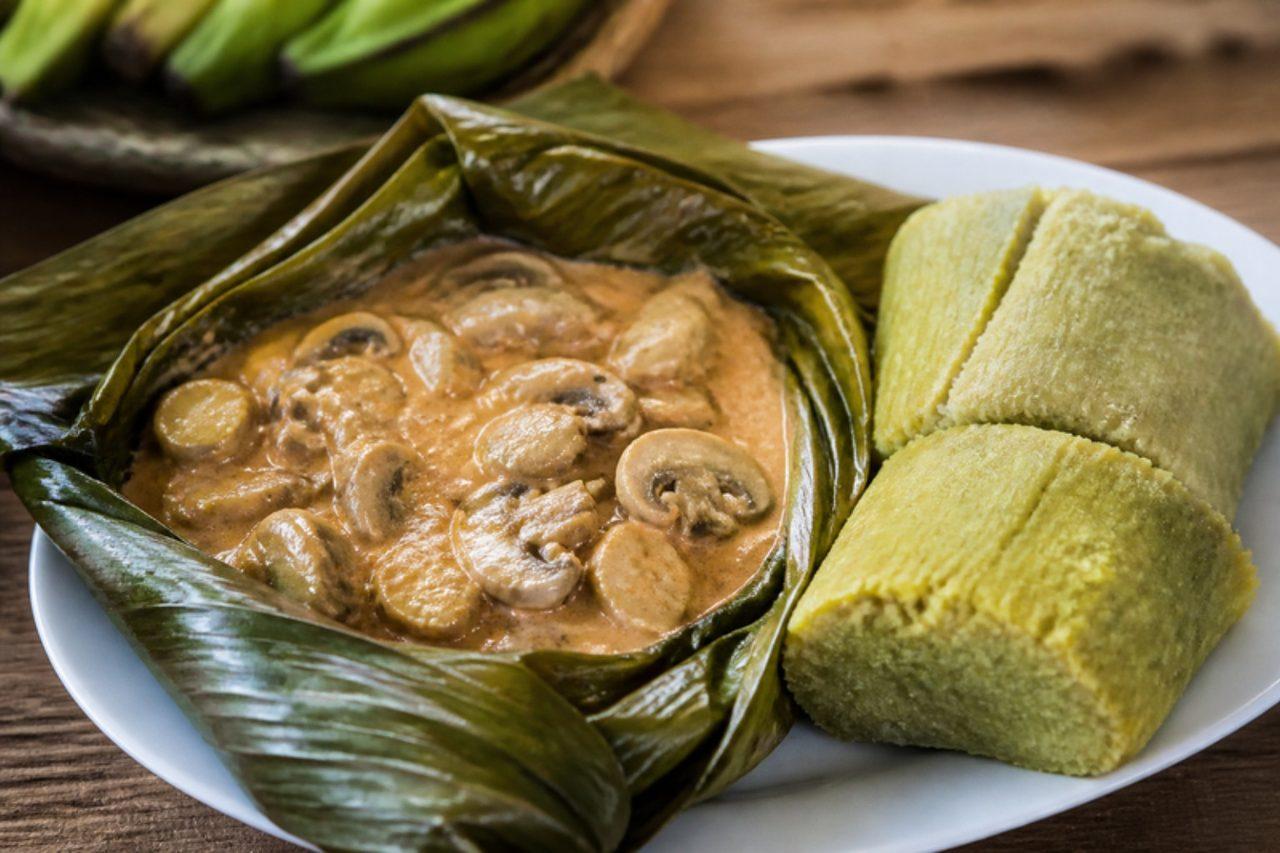
Luwombo is a royal dish of the Buganda kingdom in central Uganda, served at weddings, introduction ceremonies and Christmas: a stew wrapped and tied in softened banana leaves and steamed for hours so the leaf perfumes everything. Chicken, beef or smoked fish are traditional, but mushroom luwombo in a groundnut (peanut) sauce is a well-loved meat-free version, especially with the large wild mushrooms sold in Kampala markets. Serve with matoke. Chef's tip: wilt the banana leaves over a flame until they turn glossy and bendy; stiff leaves split and the sauce runs out.

by KrazyBadal 0 views

JhalmuriSpiced puffed rice

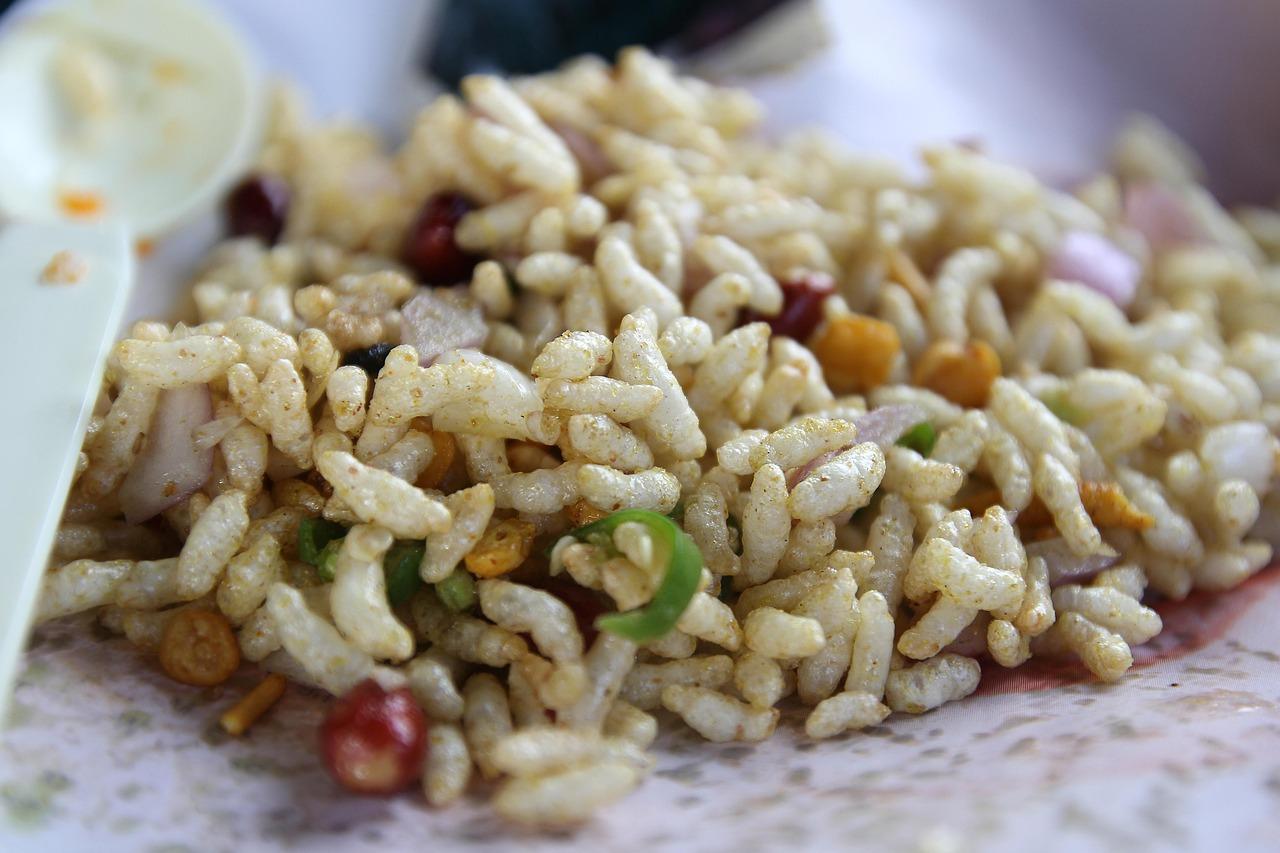
Jhalmuri is the snack Kolkata eats on the move: outside Howrah station, along the Maidan, on suburban local trains, where a vendor tosses puffed rice in a tin with raw mustard oil, chopped onion, cucumber, green chilli and a fistful of chanachur, then tips it into a cone of newspaper. The sharp, nose-tingling mustard oil is what separates it from Mumbai's bhel; there is no sweet chutney at all, only salt, lime and heat. Eat it the minute it is mixed, while it still crackles. Chef's tip: warm the puffed rice in a dry pan for a couple of minutes first; even fresh muri crisps up noticeably.

by KrazyBadal 0 views

MurtabakStuffed griddled bread

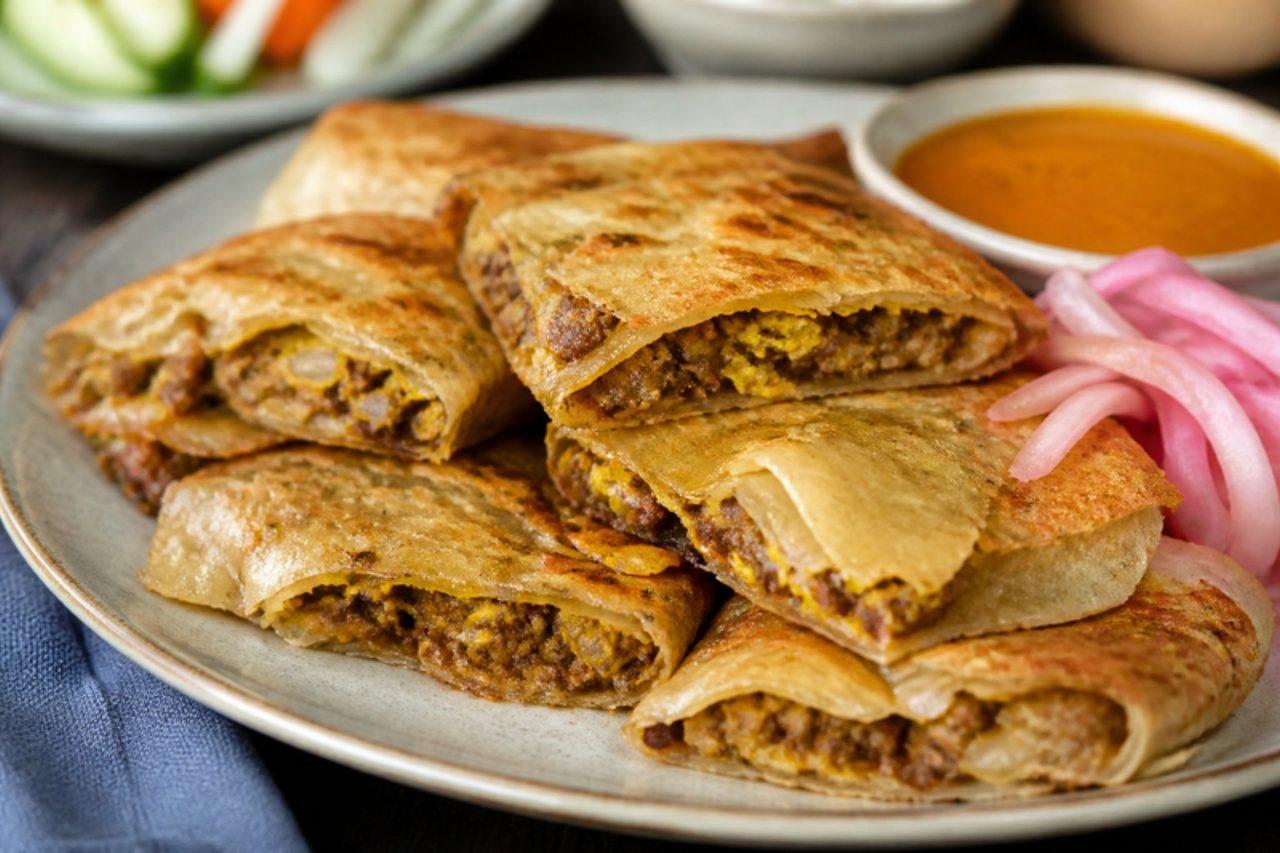
Mamak shops stay open late across Malaysia, and the man at the big flat griddle swinging dough into a translucent sheet is half the show. Murtabak is that dough wrapped around a filling of curried minced meat, onion and beaten egg, folded into a fat square parcel and fried until blistered and crisp outside, soft and steamy within. Ramadan bazaars sell piles of it at dusk for breaking the fast. Cut into squares and serve with a ladle of dhal or curry gravy and pickled red onion. Chef's tip: oil your hands and the work surface generously; murtabak dough wants to be stretched, never rolled, and the oil lets it glide.

by KrazyBadal 0 views

Muriwo une doviGreens in peanut butter sauce

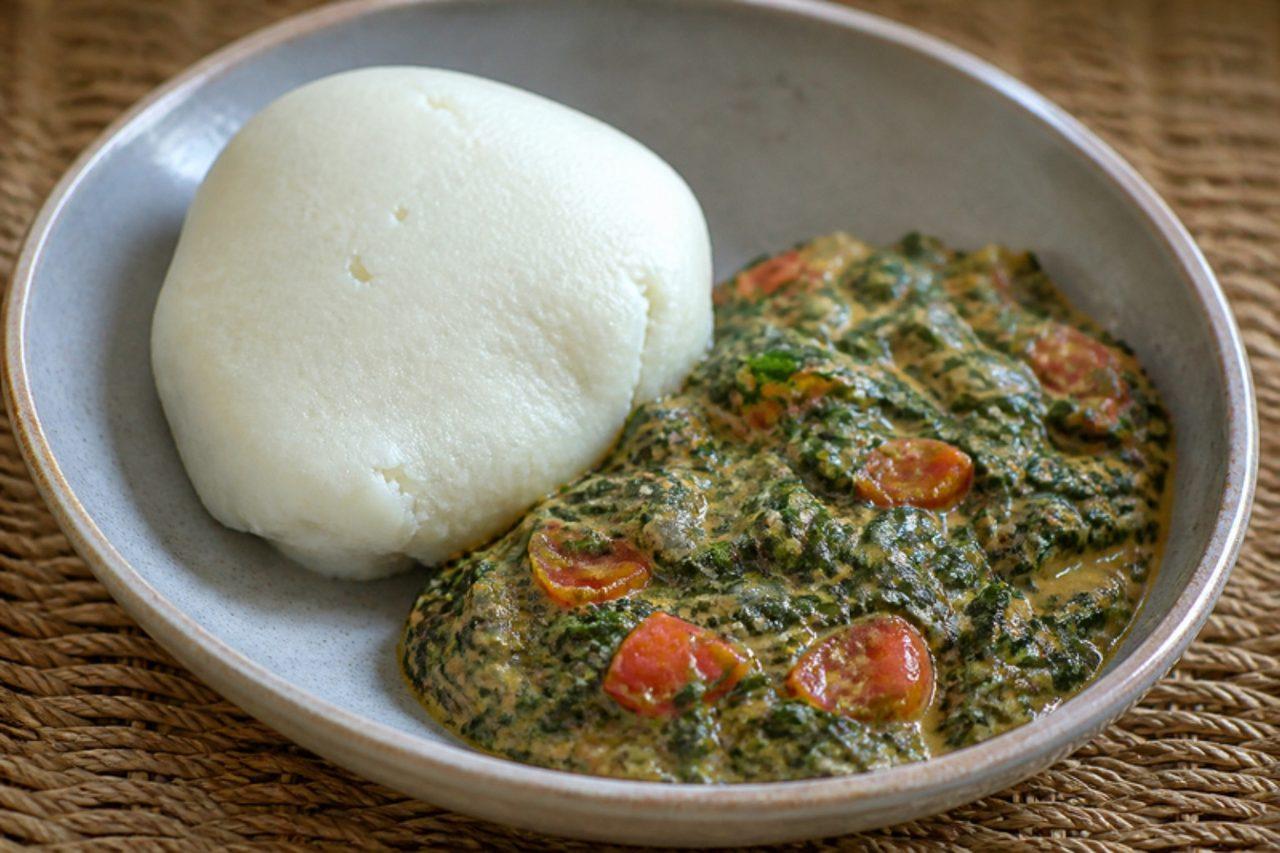
Muriwo une dovi, greens with peanut butter, is a daily relish in Zimbabwean homes, eaten with sadza at lunch and supper. Collard greens, rape or pumpkin leaves are cooked with onion and tomato, then stirred into a creamy peanut sauce. Zambia's ifisashi is the same idea, usually without tomato and often made with pumpkin leaves or spinach and eaten with nshima. Chef's tip: add the peanut butter at the end and cook just long enough to thicken; long boiling makes it gluey.

by KrazyBadal 0 views

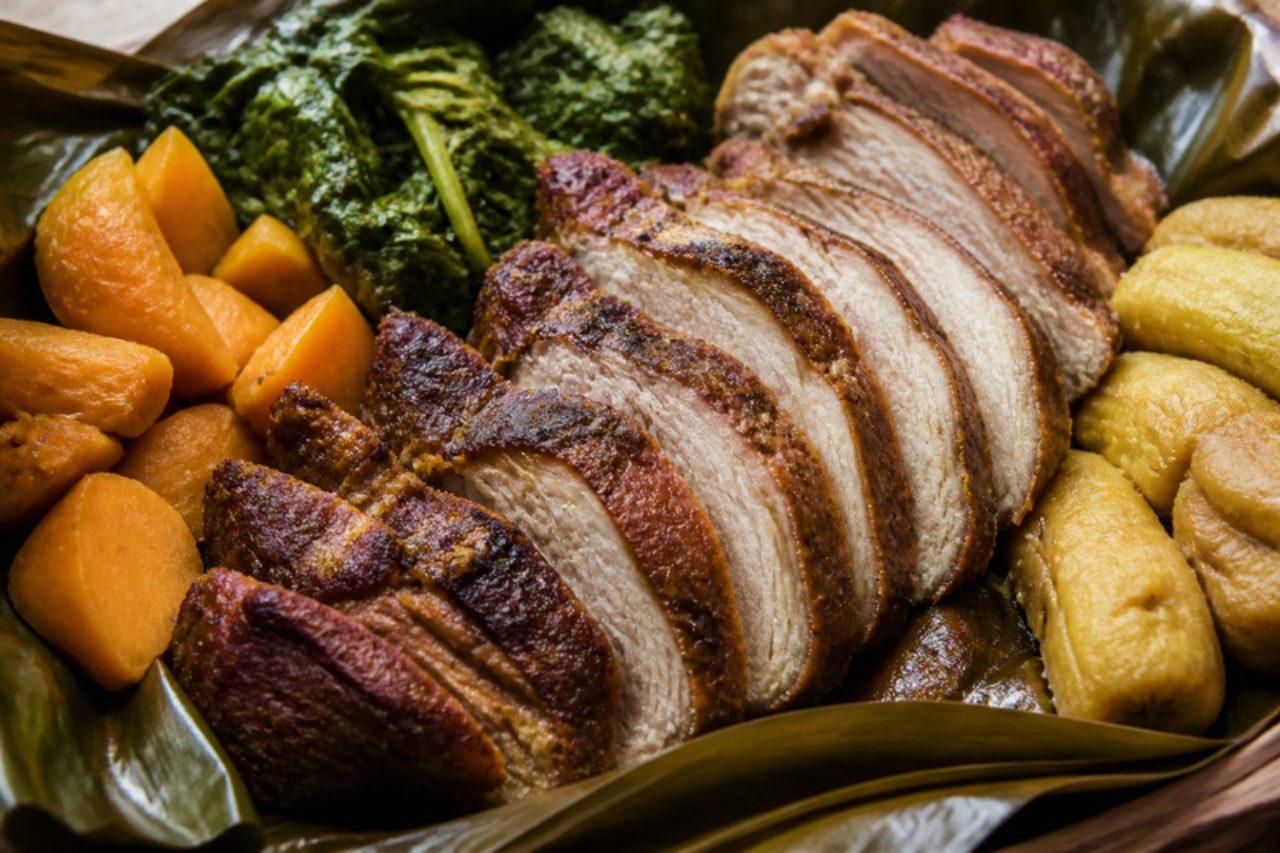
Mumu-style pork roastOven-roasted pork with sweet potato

A mumu is the earth oven of the Papua New Guinea highlands, around Mount Hagen and Goroka, made for feasts, bride-price ceremonies and Christmas: pork, kaukau (sweet potato), bananas and greens are wrapped in banana leaves and steamed over hot stones for hours. This dish contains pork. This home version packs the same ingredients, with coconut milk, into a covered roasting tin and cooks them slowly until the pork is soft. The mistake is cooking the pork fast and hot; it needs long, gentle heat to become tender. Chef's tip: add the greens only for the last 30 minutes so they stay bright.

by KrazyBadal 0 views

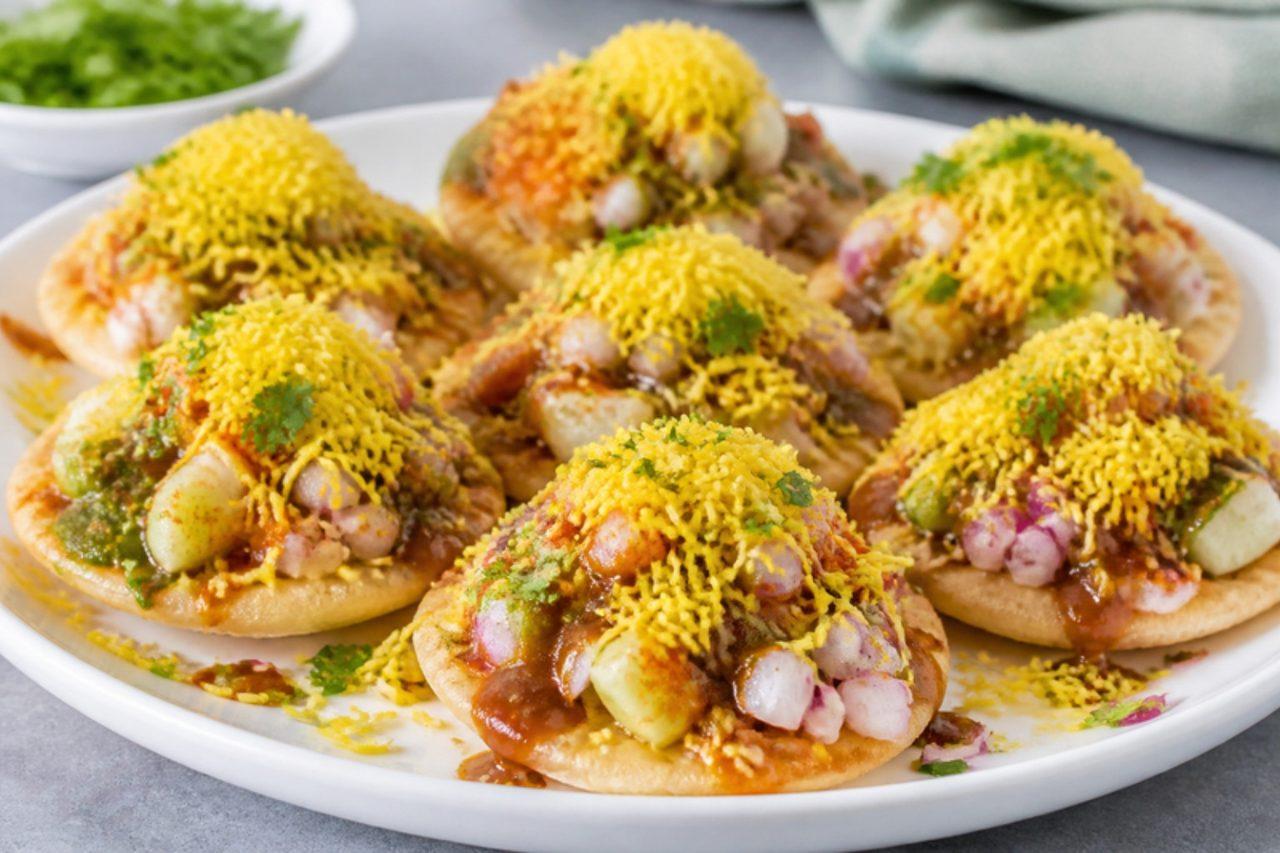
Sev puriPuri topped with potato and chutneys

Sev puri is the snack Mumbaikars eat standing up at Juhu and Girgaum Chowpatty, or at the chaat stall outside the office in the evening. Flat, crisp papdi are laid out on a plate, topped with potato, onion and raw mango, splashed with green, sweet tamarind and red garlic chutneys, then buried under a snowfall of fine sev. It must be eaten within a couple of minutes, before the papdi soften. Here the papdi are made at home, but good shop-bought ones work fine on a busy day. Chef's tip: assemble each plate just before it's eaten, in the order given; chutney on bare papdi makes them soggy, so the potato always goes down first.

by KrazyBadal 0 views

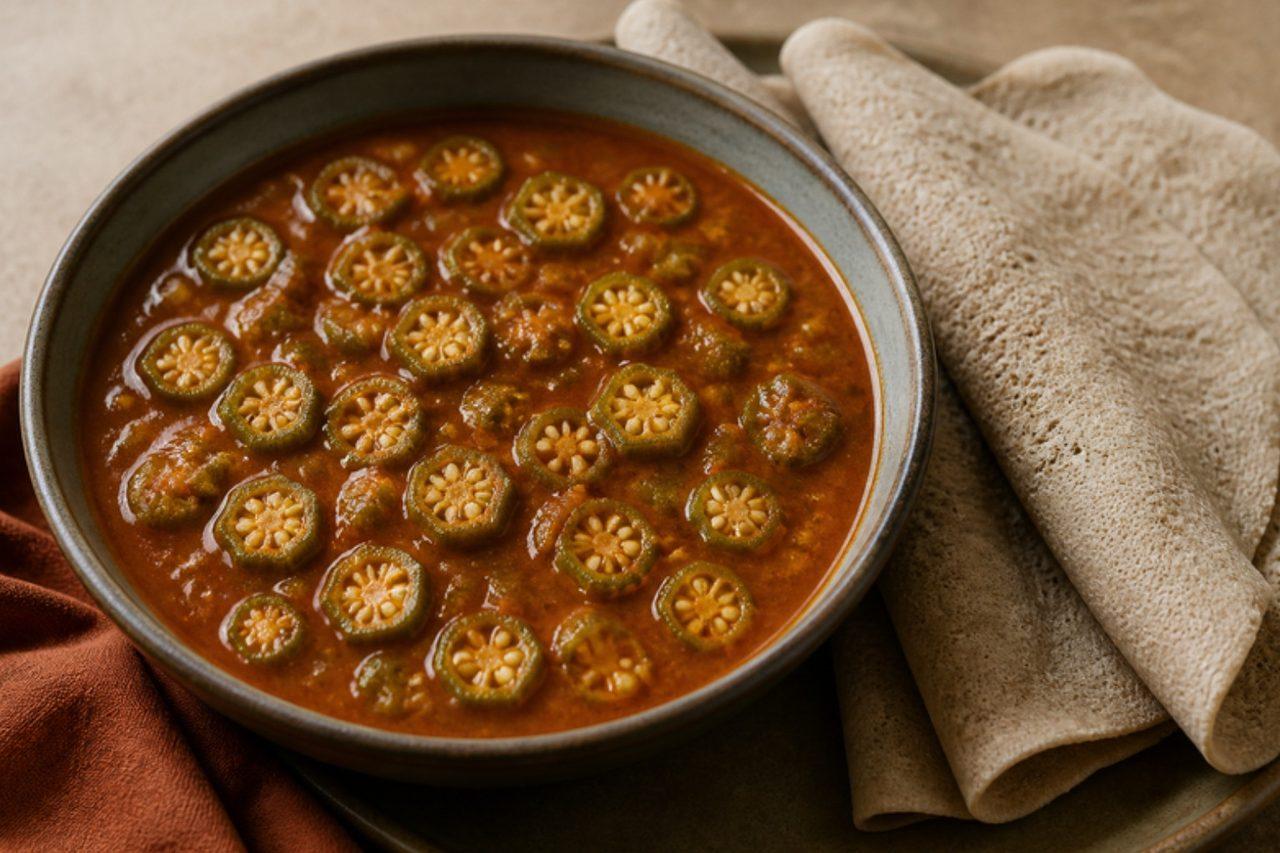
Mullah bamiaOkra stew

Mullah is the Sudanese word for the thick stews that go with kisra and aseeda, and mullah bamia, with okra, is one of the most loved, cooked in homes from Khartoum to Kassala. The base is a large amount of onion cooked very slowly until it melts, then tomato and garlic; the okra is left to soften until the sauce turns silky. Many households add dried ground okra (weika) for a thicker, earthier stew. It is normally made with meat; here it is all vegetable. Chef's tip: cook the onions until they collapse into a jam before adding anything else; that slow base is what gives mullah its depth.

by KrazyBadal 0 views

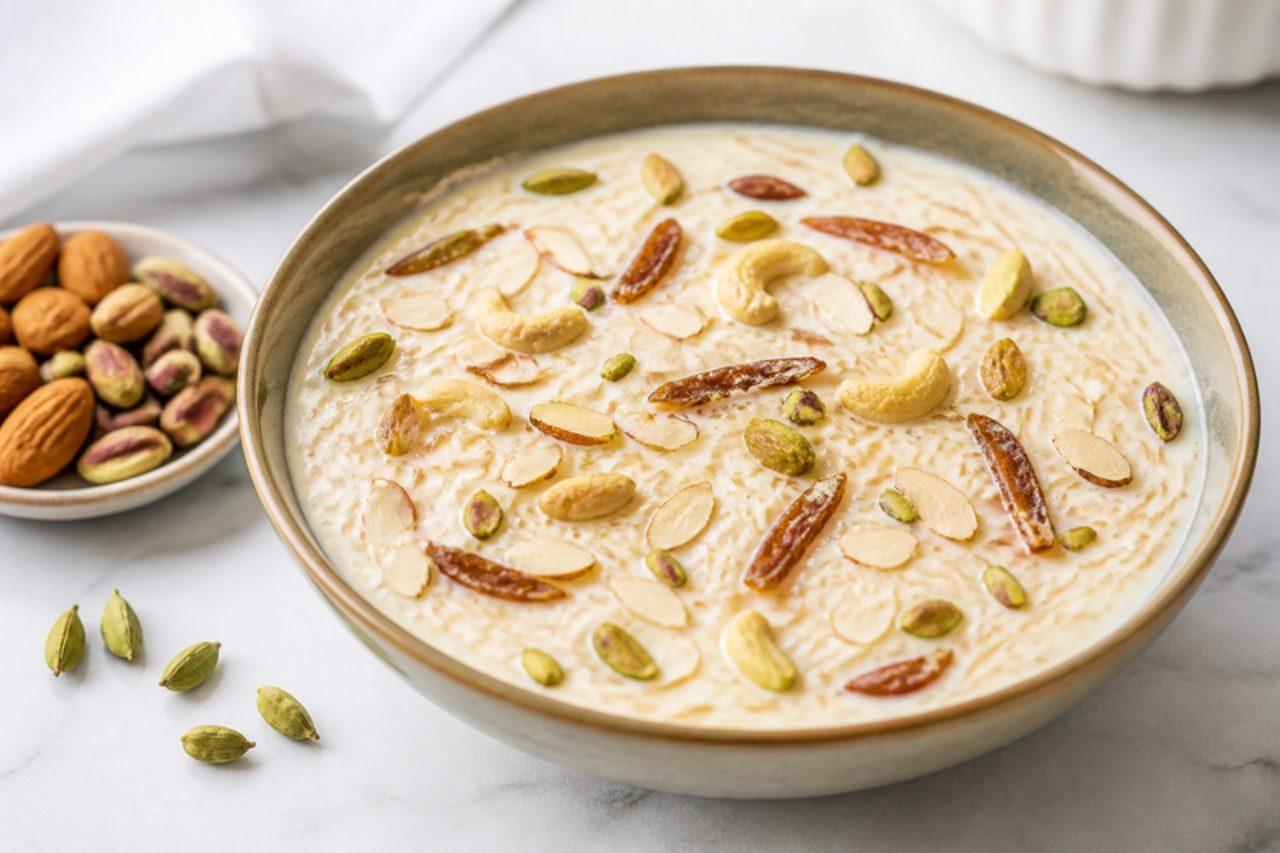
Sheer khurmaVermicelli milk pudding

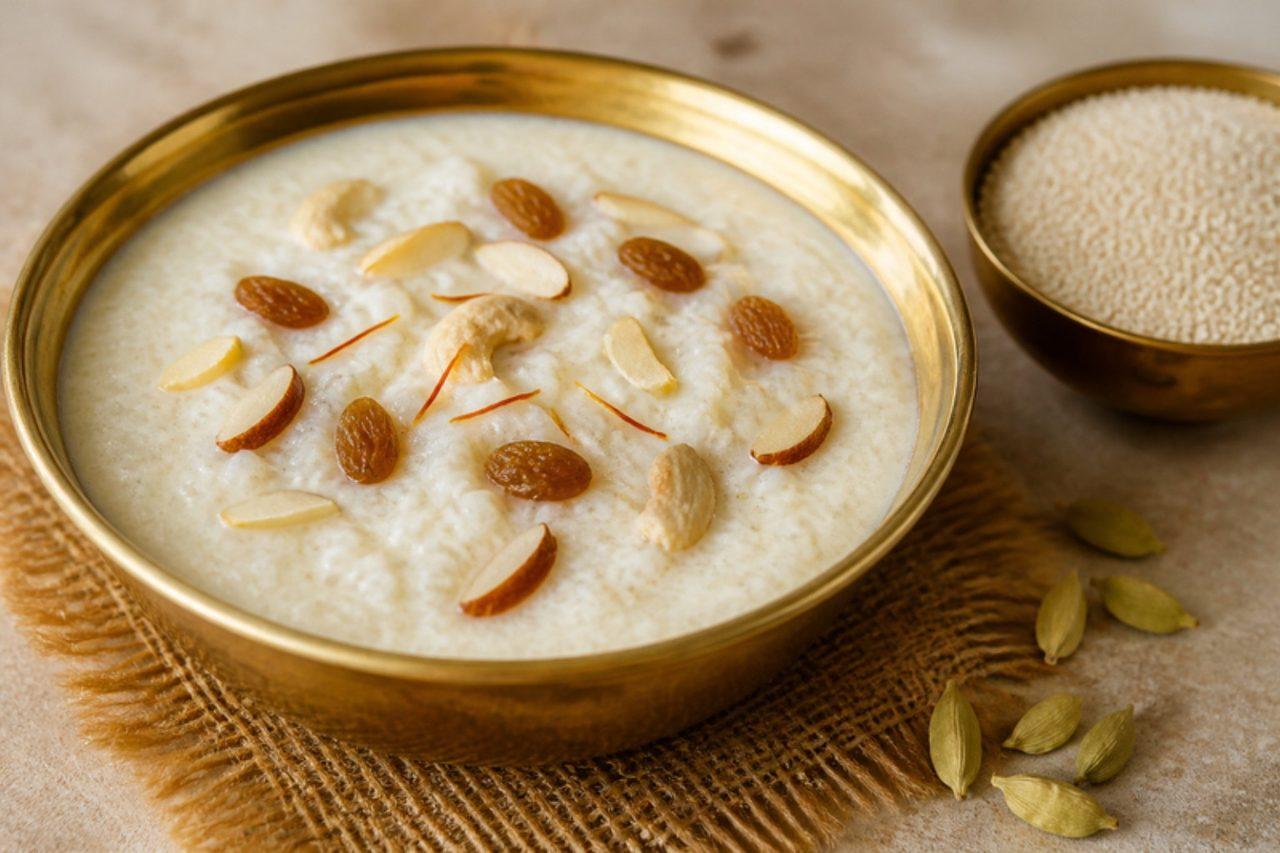
Sheer khurma means milk with dates in Persian, and in Pakistan it is the taste of Eid ul-Fitr morning: after the Eid prayer, families come home and every visitor who knocks that day is handed a small bowl. It is richer and nuttier than everyday seviyan: whole milk is boiled down until creamy, fine vermicelli fried golden in ghee goes in late, and it is loaded with soaked dried dates (chhuhare), almonds, pistachios, cashews, raisins and charoli seeds, scented with cardamom. It is served warm in the morning and thickens to a spoonable pudding when cold. The mistake most people make is adding the vermicelli too early or using too much; it keeps drinking milk as it cools and turns stodgy. Chef's tip: soak the dried dates overnight and slice them thinly; fresh soft dates melt away, but soaked chhuhare stay chewy and sweet in every spoonful.

by KrazyBadal 0 views

Jeyuk bokkeumSpicy stir-fried pork

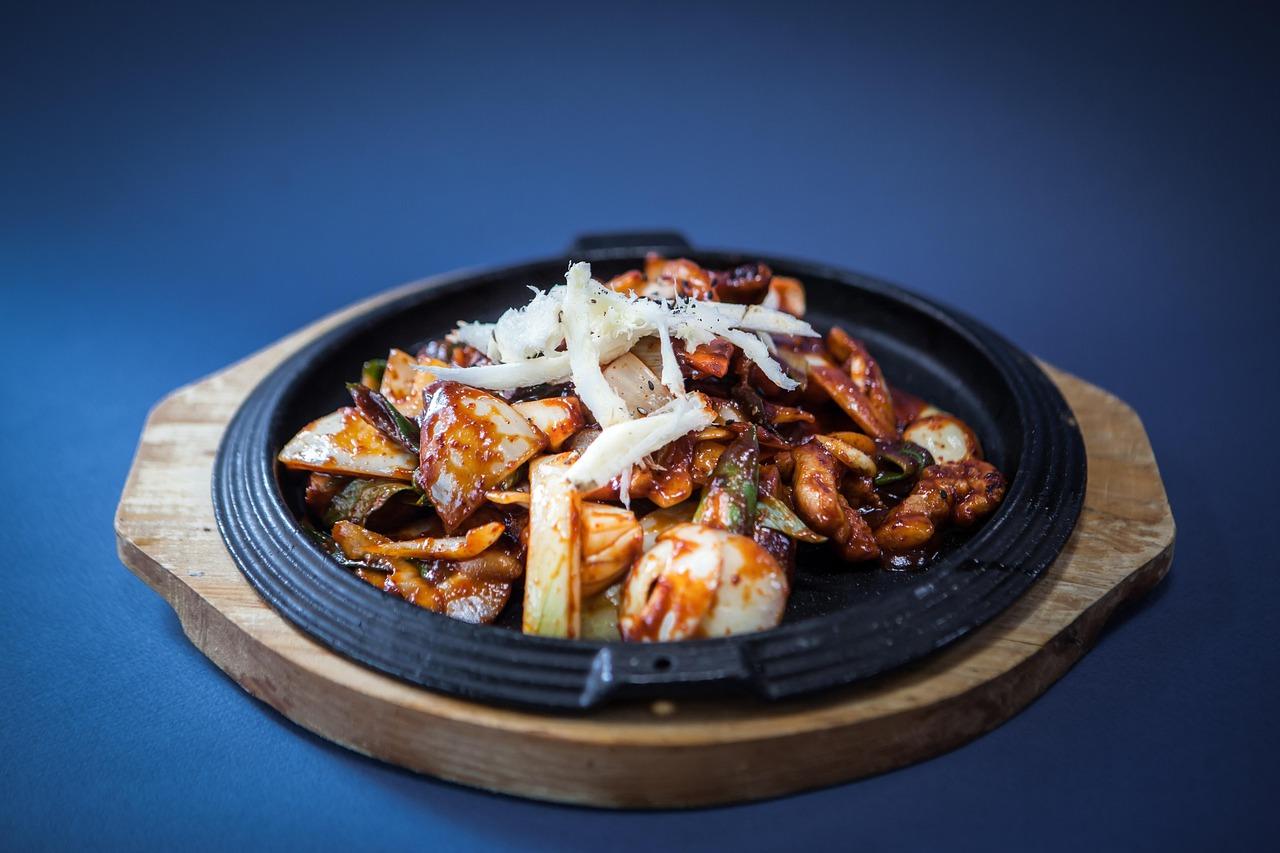
Jeyuk bokkeum is the backbone of the Korean lunch: almost every baekban (set-meal) restaurant near offices and building sites serves it with rice, soup and little side dishes, and it is just as common at home on weeknights. Thin slices of pork are fried hard in a sauce of gochujang, chilli flakes, garlic and ginger until the edges catch and caramelise. Eat it over rice, or wrap a piece in a lettuce leaf with a slice of raw garlic. Chef's tip: fry the pork on its own first until the fat runs, then add the sauce; you get smoky, sticky edges instead of boiled meat.

25 minKoreanMeatSpicy
by KrazyBadal 0 views

Sheer yakhRose and cardamom ice cream

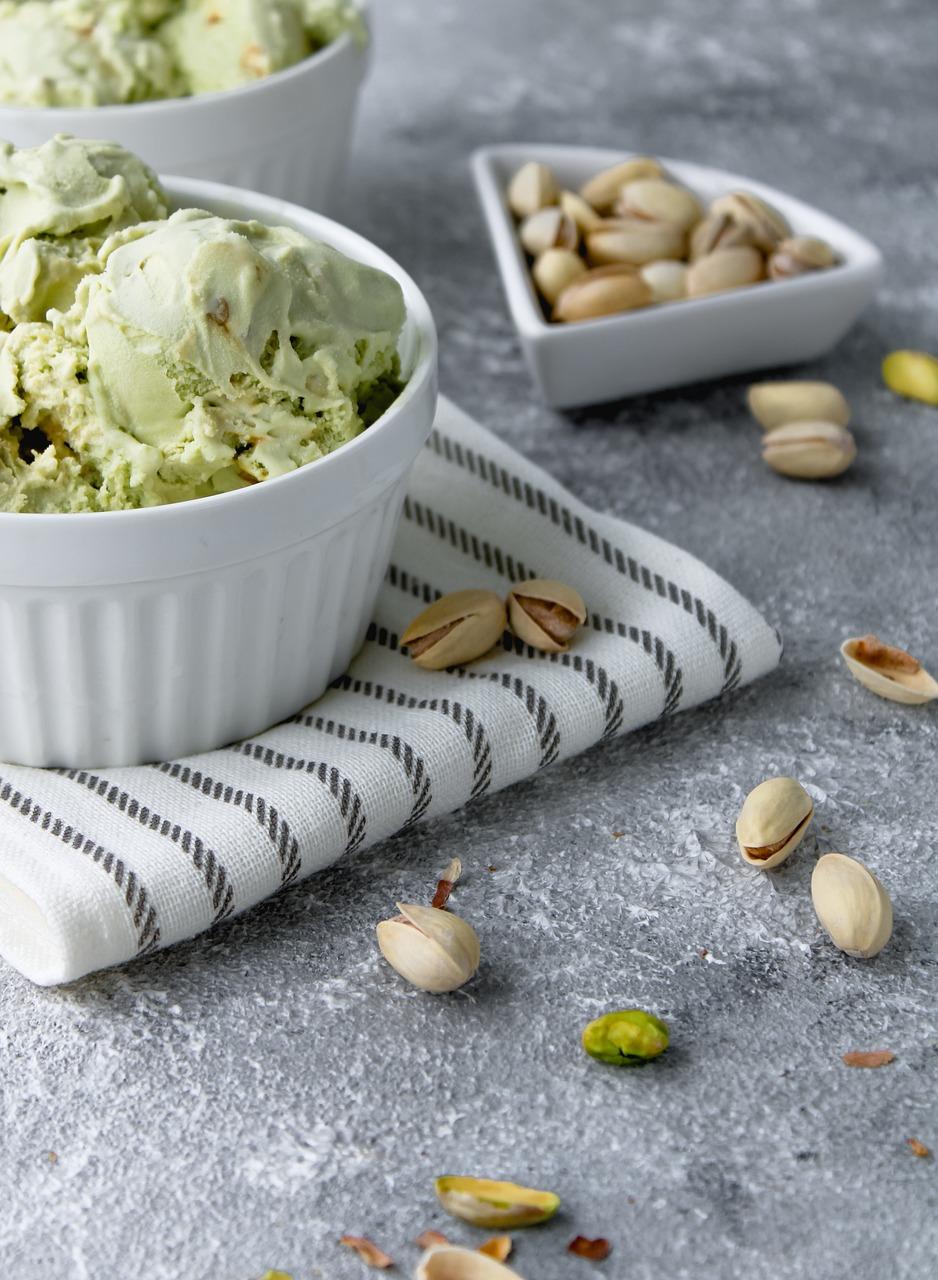
Sheer yakh, literally milk-ice, is the ice cream Kabul's street vendors once churned by hand in metal drums set in buckets of salted ice, and it's still the treat of choice on hot summer evenings and at Eid gatherings. It's dense and slightly stretchy, flavoured with cardamom and rose water and packed with chopped pistachios. Traditional sheer yakh is thickened with salep (orchid root); cornflour gives a similar body at home. Chef's tip: cook the custard until it thickly coats a spoon, then chill it overnight before freezing; a cold, aged base churns denser and smoother.

by KrazyBadal 0 views

Mul naengmyeonCold buckwheat noodles

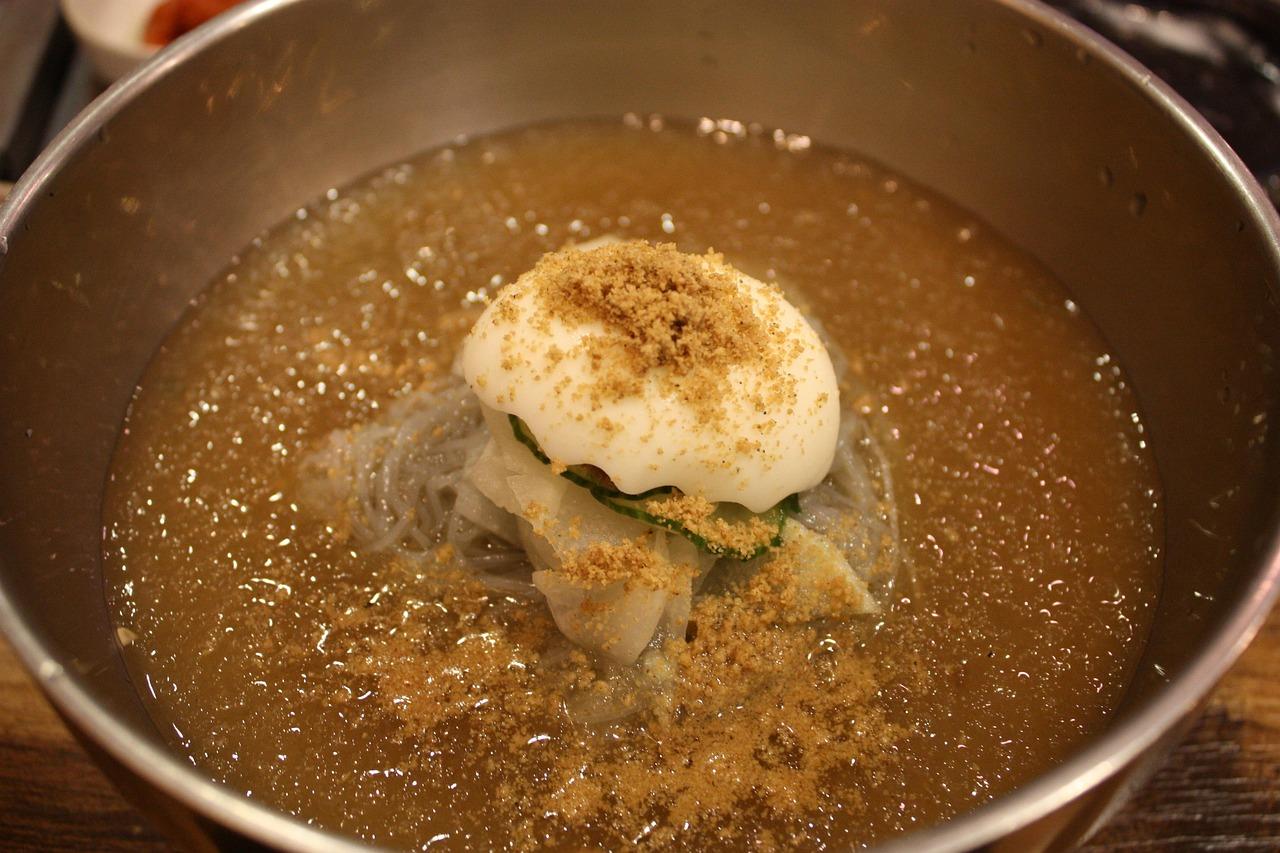
Mul naengmyeon comes from Pyongyang, where it was once a winter dish eaten in heated rooms; after the war, northern cooks opened naengmyeon houses in Seoul, and now it is the first thing people crave on a sticky summer afternoon. The beef broth is served almost frozen, slightly sweet and sharp with vinegar, over long, springy buckwheat noodles. Bottles of vinegar and hot mustard sit on every table so you can adjust each bowl. Plan ahead: the broth needs at least 4 hours in the fridge, or make it the day before. Chef's tip: put the strained broth in the freezer for the last hour, so it turns slushy just as you serve.

by KrazyBadal 0 views

Jeow mak lenRoasted tomato and chilli dip

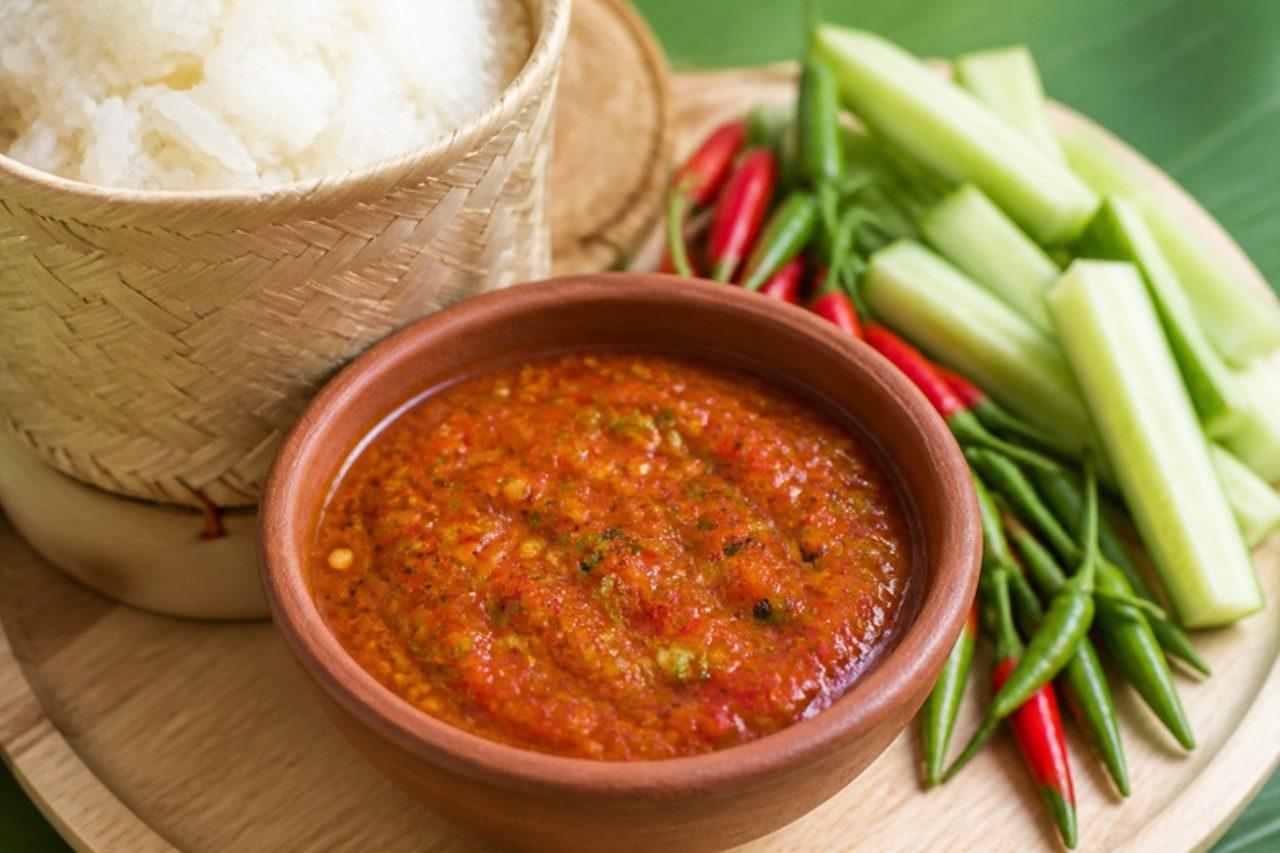
No Lao meal is complete without a jeow, a pounded dip eaten by pinching a ball of sticky rice and dragging it through. Jeow mak len, made from tomatoes charred over the coals until their skins split, is the everyday one from Vientiane to the villages of the north, smoky, garlicky and as hot as you dare. It's served alongside grilled vegetables, raw cucumber and long beans, and keeps well for a few days. Chef's tip: grill everything until it is genuinely blackened in patches; the burnt bits are the flavour, so don't peel all the skin away.

by KrazyBadal 0 views

MujaddaraLentils and rice with crisp onions

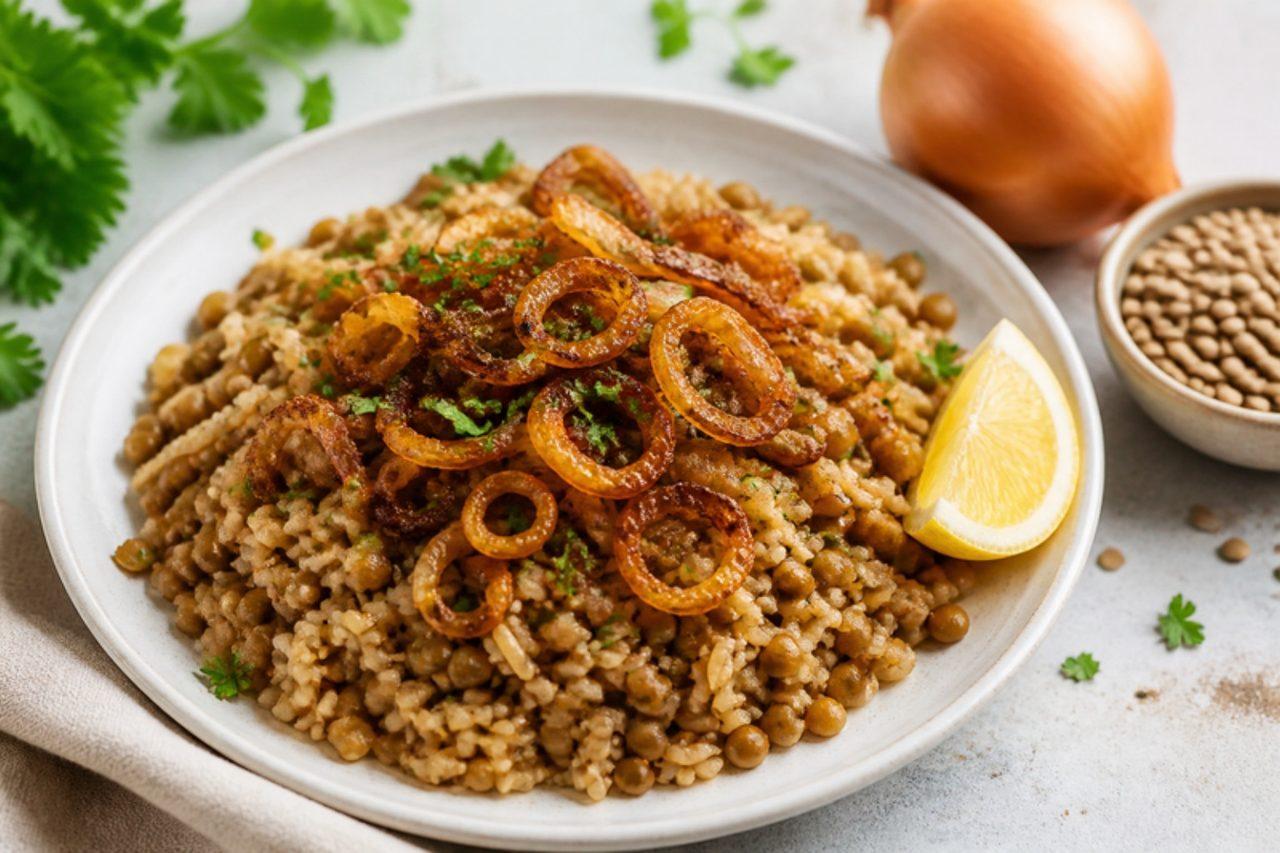
Across the Levant, from Tripoli in northern Lebanon to the villages of the Galilee, mujaddara is the thrifty Friday or Lenten supper that nobody tires of: brown lentils and rice cooked together until soft and earthy, then heaped with a tangle of onions fried until mahogany and crisp. It costs very little, keeps well, and is eaten warm or at room temperature with a cucumber-yogurt salad, plain yogurt for non-vegans, or a sharp cabbage salad. The onions do all the seasoning, so be generous. Chef's tip: fry the onions in batches with room to spare in the pan; crowded onions steam and go soft instead of turning crisp.

by KrazyBadal 0 views

MuhammaraRed pepper and walnut spread

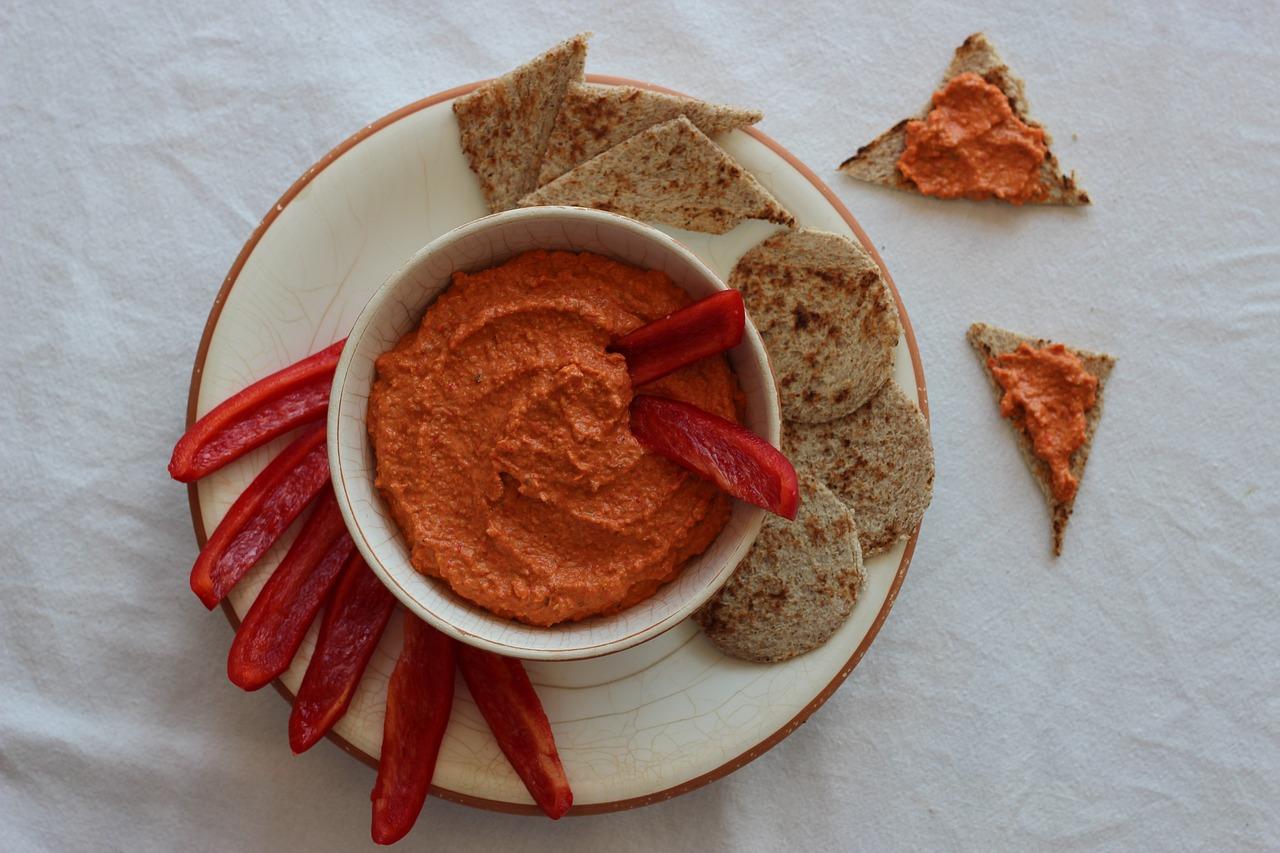
Gaziantep, a city on Turkey's southern border famous for pistachios and pepper paste, claims muhammara as its own, and you will find it on breakfast spreads and meze tables throughout the southeast. Roasted red peppers, walnuts and breadcrumbs are pounded with pepper paste, cumin and pomegranate molasses into a thick, brick-red spread that is smoky, nutty and gently hot. Spread it on bread, serve it with crudités or alongside a bowl of lentil soup. A common mistake is blending until completely smooth; it should keep a little bite from the walnuts. Chef's tip: toast the walnuts in a dry pan first until they smell like brown butter, which deepens the flavour far more than raw nuts.

by KrazyBadal 0 views

Mughlai parathaEgg-stuffed paratha

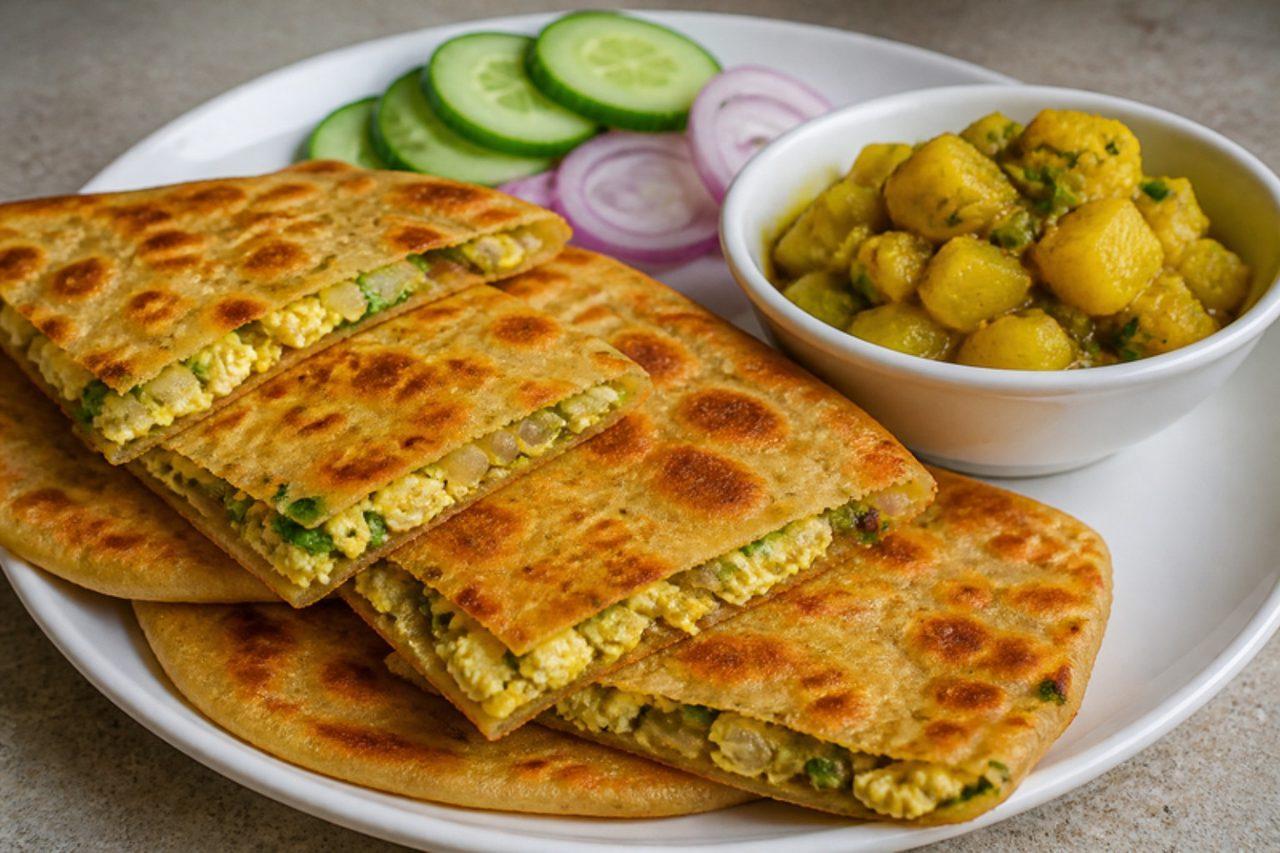
Mughlai paratha is a Kolkata cabin-restaurant classic, the sort of thing eaten at Anadi Cabin or a para stall on a winter evening with a sweet-sour potato curry and sliced cucumber and onion. Paper-thin dough is stretched out on the tawa, a beaten egg with onion, chilli and coriander is poured into the middle, and the sides are folded over into a sealed square parcel that is shallow-fried until it blisters. Many shops add minced meat; this vegetarian version is egg only, the way plenty of Bengali homes make it. Chef's tip: stretch the dough with oiled hands rather than a rolling pin for the thinnest sheet.

by KrazyBadal 0 views

Vegetable pancit bihonRice noodles with vegetables

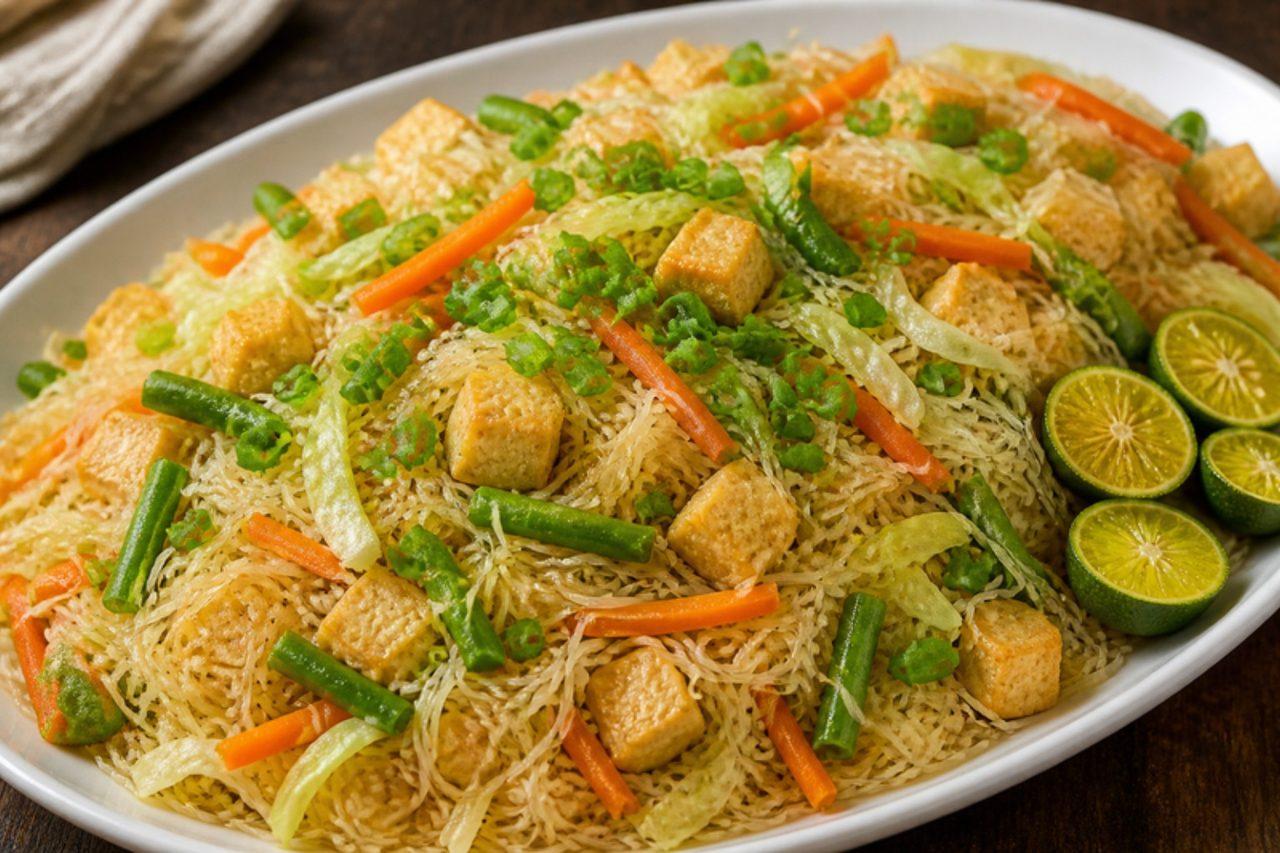
No Filipino birthday is complete without a big tray of pancit, because long noodles stand for a long life; aunts arrive at the party carrying it in foil trays, and it sits on the table next to the cake. Pancit bihon uses thin rice vermicelli tossed with sautéed vegetables and a soy-seasoned stock until the noodles drink up every drop and turn light brown and glossy. This version is vegetarian, with fried tofu standing in for the usual chicken, shrimp and sausage, and vegetable stock in the pan. Squeeze calamansi (or lime) over each plate; the sharp citrus is what lifts it. Chef's tip: never cut the noodles before serving, for luck, and cook them in the stock rather than boiling them first.

by KrazyBadal 0 views

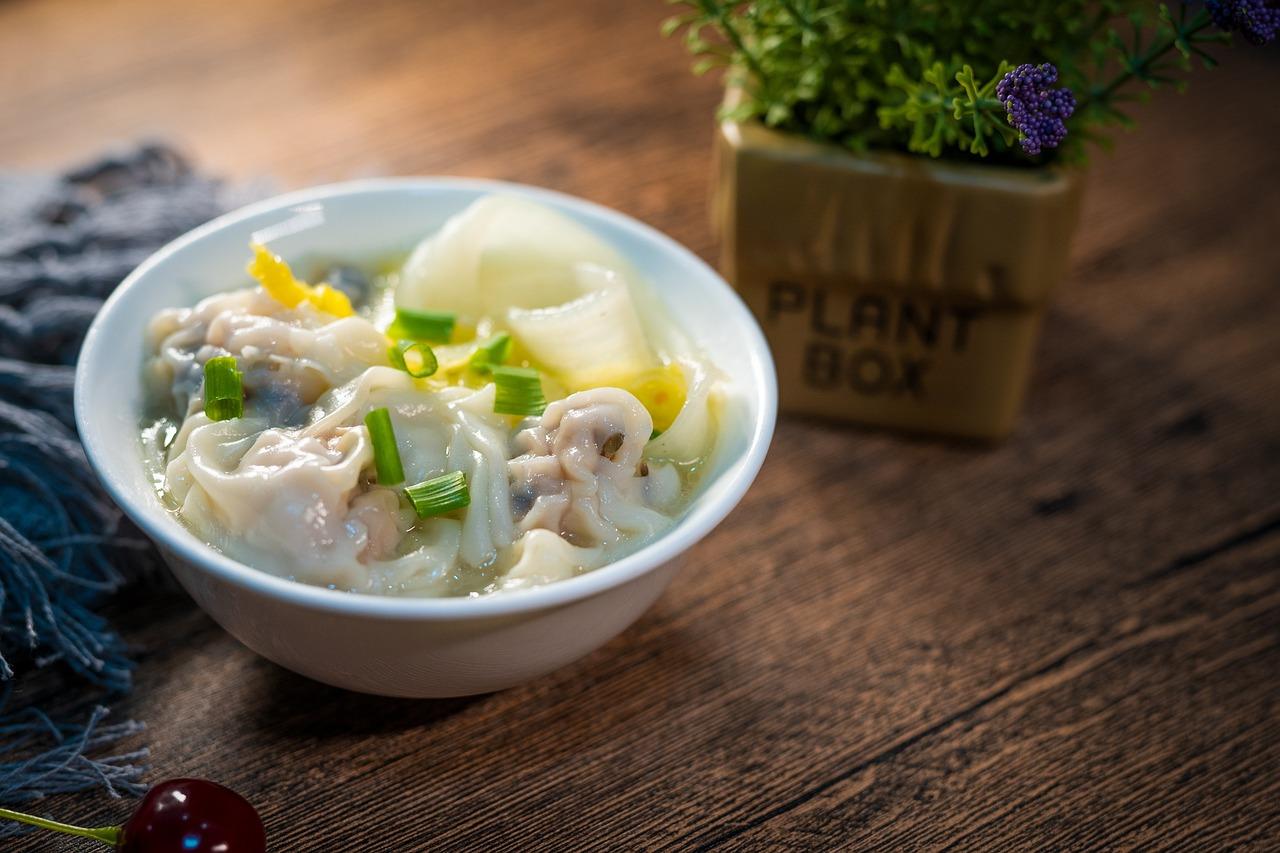
Pancit MoloPork dumpling soup

Pancit Molo is named after the Molo district of Iloilo City, where Chinese traders settled centuries ago. Despite the word pancit, there are no noodles: the wonton wrappers are the 'noodle', folded around a filling of pork and prawns and simmered in a clear chicken broth with plenty of fried garlic. Ilonggo families serve it on rainy days, at fiestas and at Christmas gatherings, often as a starter before the main feast. The broth should be light, the dumplings silky. Chef's tip: let the wrappers trail a loose 'tail' when you fold them; those soft, frilly edges are what make molo different from a tight Chinese wonton.

by KrazyBadal 0 views

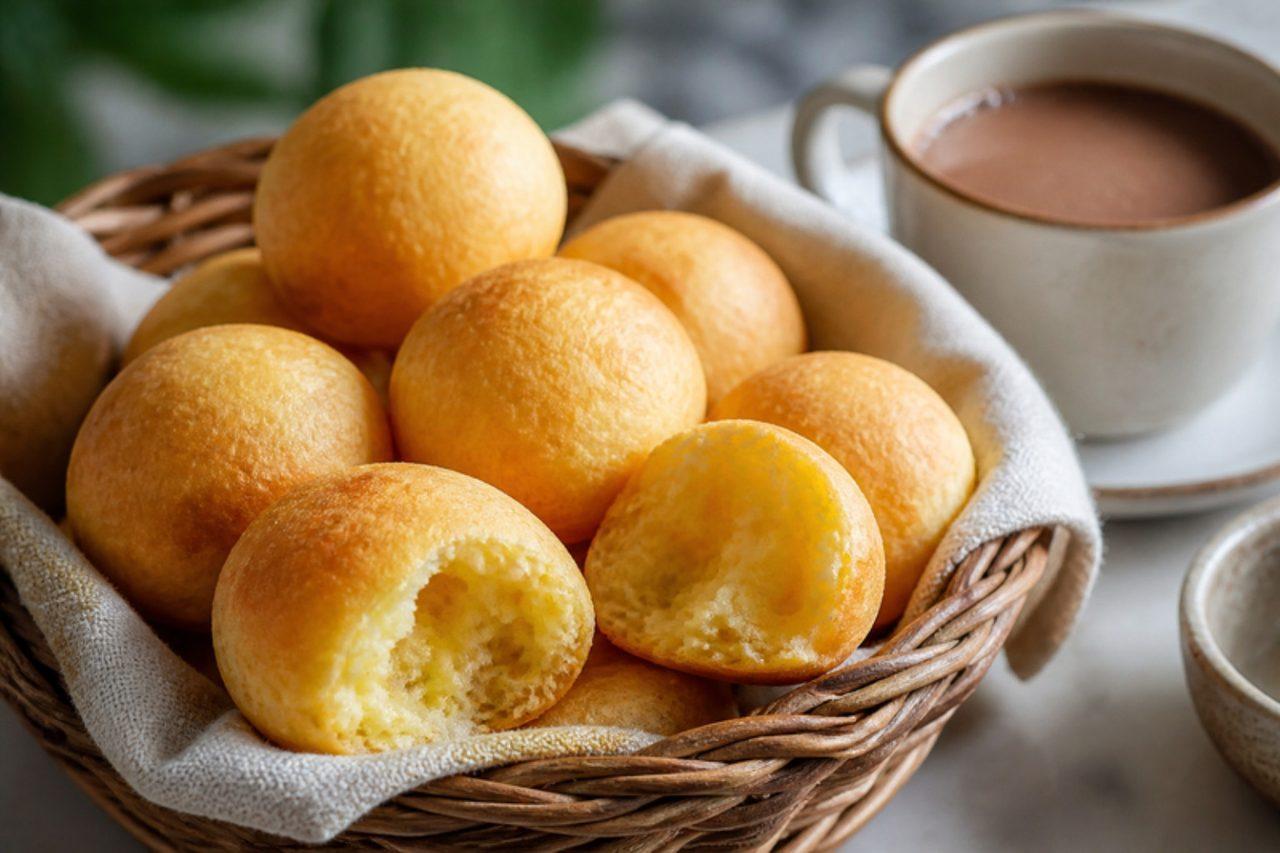
PandebonoCassava starch cheese bread

Pandebono is the warm cheese bread of the Valle del Cauca, the region around Cali, eaten for breakfast or as an afternoon snack (onces) with hot chocolate or a coffee. It looks like Brazilian pão de queijo but tastes different: the dough is cassava starch and a little precooked cornmeal kneaded with lots of crumbly fresh cheese, with no milk or cooking, so the rings bake up with a slightly crisp skin and a soft, stretchy, tangy middle. Chef's tip: shape them into rings or balls and bake them straight away; the dough dries out if it sits.

by KrazyBadal 0 views

PandesalSoft bread rolls

Pandesal is the bread of the Filipino morning: small, soft, slightly sweet rolls with a fine breadcrumb coating, bought hot at dawn in brown paper bags from the neighbourhood panaderia (bakery) and eaten before school or work. They are torn open and filled with butter, cheese or peanut butter, or dunked straight into a cup of coffee, and at night the leftovers are toasted. Despite the name ('salt bread'), they are gently sweet, with a pillowy crumb and a thin crust. Home-made ones are best eaten within hours of baking. Chef's tip: the classic shape comes from rolling the dough into a log, coating it in crumbs and cutting slices, which bake into those familiar oval rolls with cut sides up.

by KrazyBadal 0 views

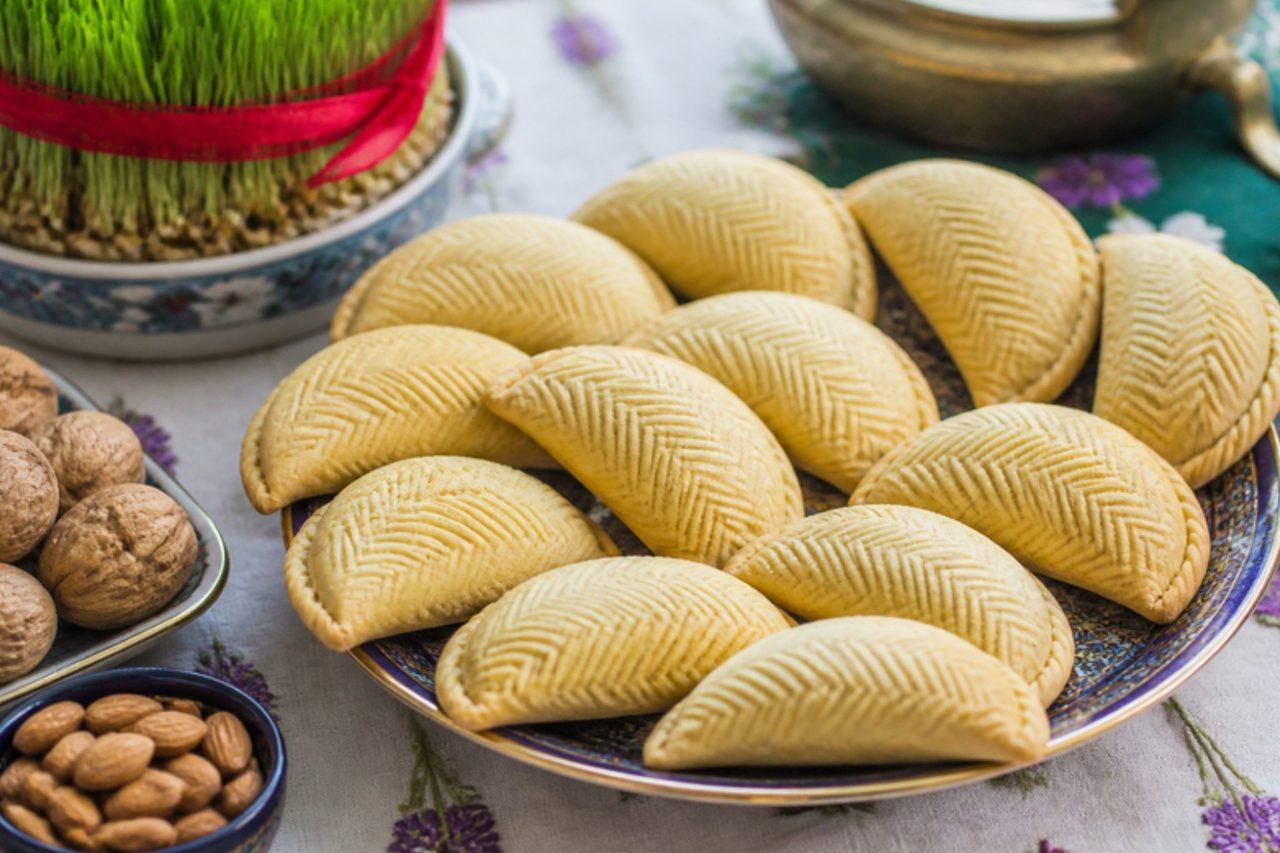
ShekerburaNut-filled half-moon pastries

Şəkərbura is one of the three sweets that must be on the khoncha tray at Novruz, the spring new year celebrated on 20–21 March, alongside pakhlava and gogal. The half-moon shape is said to stand for the moon, and the fine herringbone pattern on top is pinched by hand with small brass tweezers called maggash, a skill passed down at family baking sessions in the days before the holiday. Inside is a sweet, fragrant mix of ground almonds or walnuts with sugar and cardamom. Shaki is famous for its shekerbura, though every family has its own pattern. Serve with black tea. Chef's tip: bake them pale; shekerbura should stay creamy-white with only the edges just turning blond, never brown.

by KrazyBadal 0 views

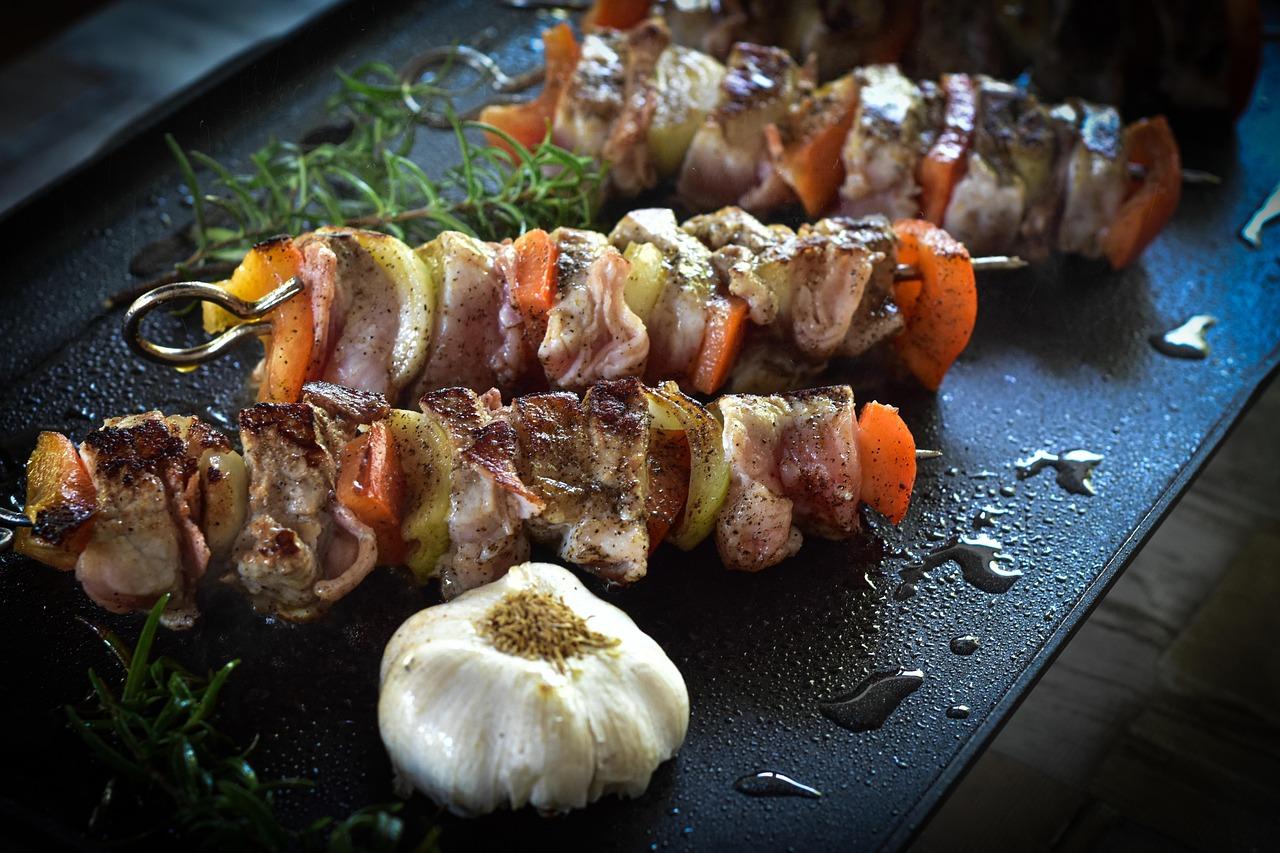
MtsvadiGrilled pork skewers

Mtsvadi are the grilled skewers of the Georgian supra and every summer picnic, and in the wine region of Kakheti they are cooked over the embers of dried grapevine cuttings left from pruning. This version is pork: chunks of fatty pork neck marinated simply with onion, salt and pepper, threaded on skewers and grilled until charred at the edges and juicy inside. Serve with raw onion rings, pomegranate seeds and tkemali (sour plum sauce). Chef's tip: keep the marinade simple; Georgians say good mtsvadi needs only good meat and good fire.

by KrazyBadal 0 views

ShekerchoreyiCrackle-top shortbread

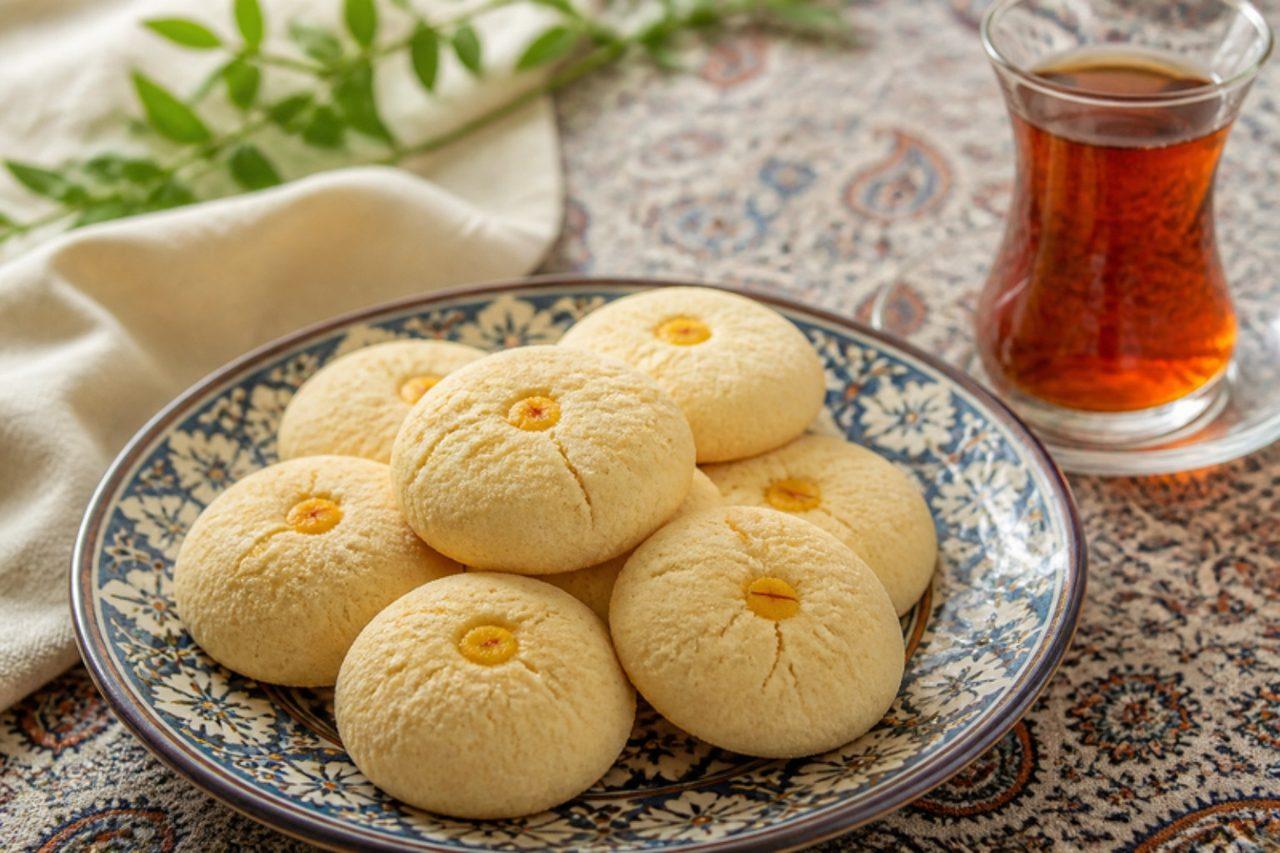
Şəkərçörəyi, "sugar bread", is the simplest of the Novruz sweets: small domed shortbreads made from melted butter, icing sugar and flour, whose tops crack in fine lines like dry earth as they bake. They melt in the mouth and leave a powdery sweetness, and families in Ganja and Baku bake big batches in the week before the spring festival to fill trays for visiting neighbours. Some cooks press a hazelnut or a pinch of poppy seeds into the centre. Serve with tea, ideally with a spoonful of quince jam. Chef's tip: let the melted butter cool and turn pale and creamy before mixing; hot butter makes the biscuits spread flat and greasy.

by KrazyBadal 0 views

ShelpekThin fried flatbreads

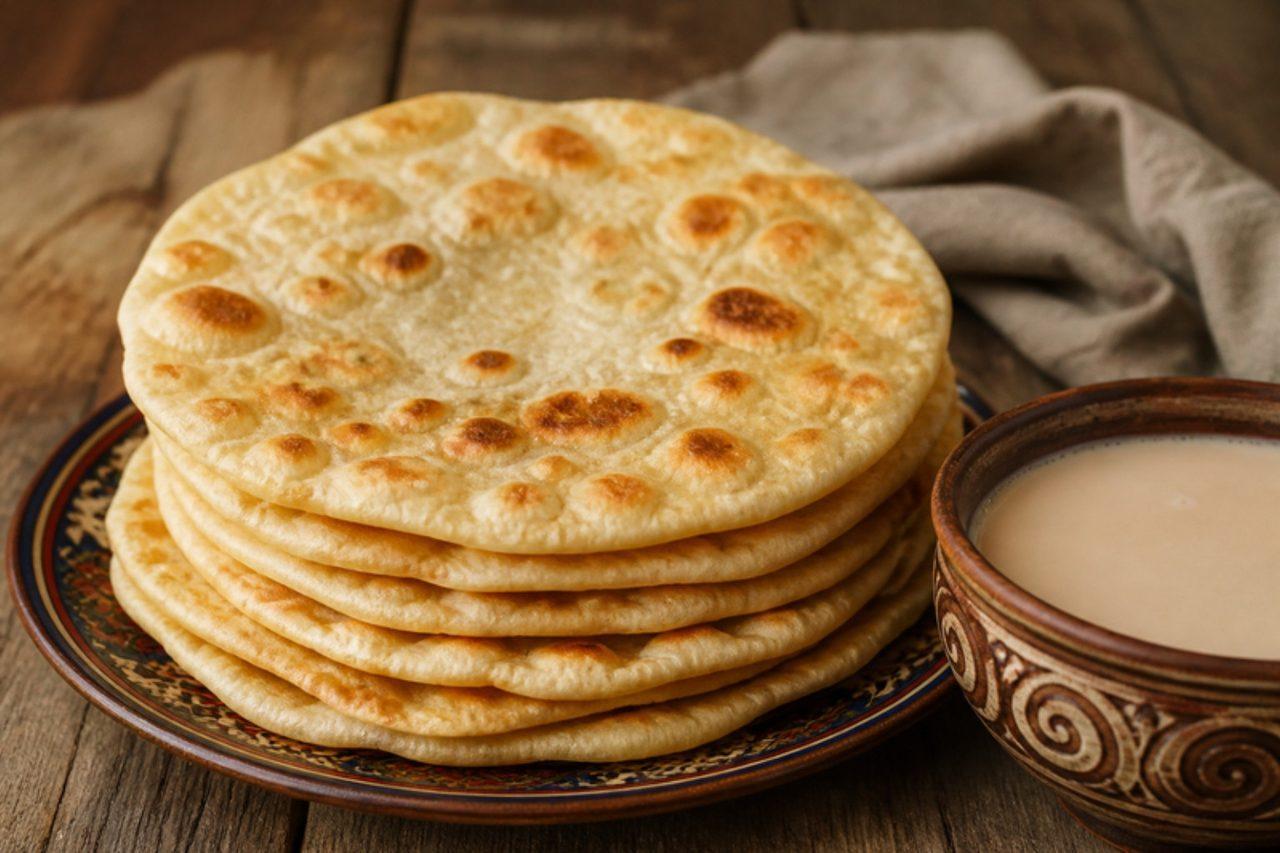
Shelpek are paper-thin flatbreads fried in a shallow pan, and in Kazakh homes they carry meaning: on Thursday evenings and Fridays women fry seven shelpek 'for the smell', a prayer for the ancestors, and they're handed out at funerals and memorial meals. In everyday life they are eaten warm with tea, butter and jam, all over Kazakhstan and in the Kyrgyz villages across the Tian Shan. The dough is soft and rich with milk and butter, and takes minutes to fry. Chef's tip: roll them almost transparent; thin shelpek blister and stay soft, thick ones go stiff like crackers.

by KrazyBadal 0 views

Shengjian baoPan-fried pork buns

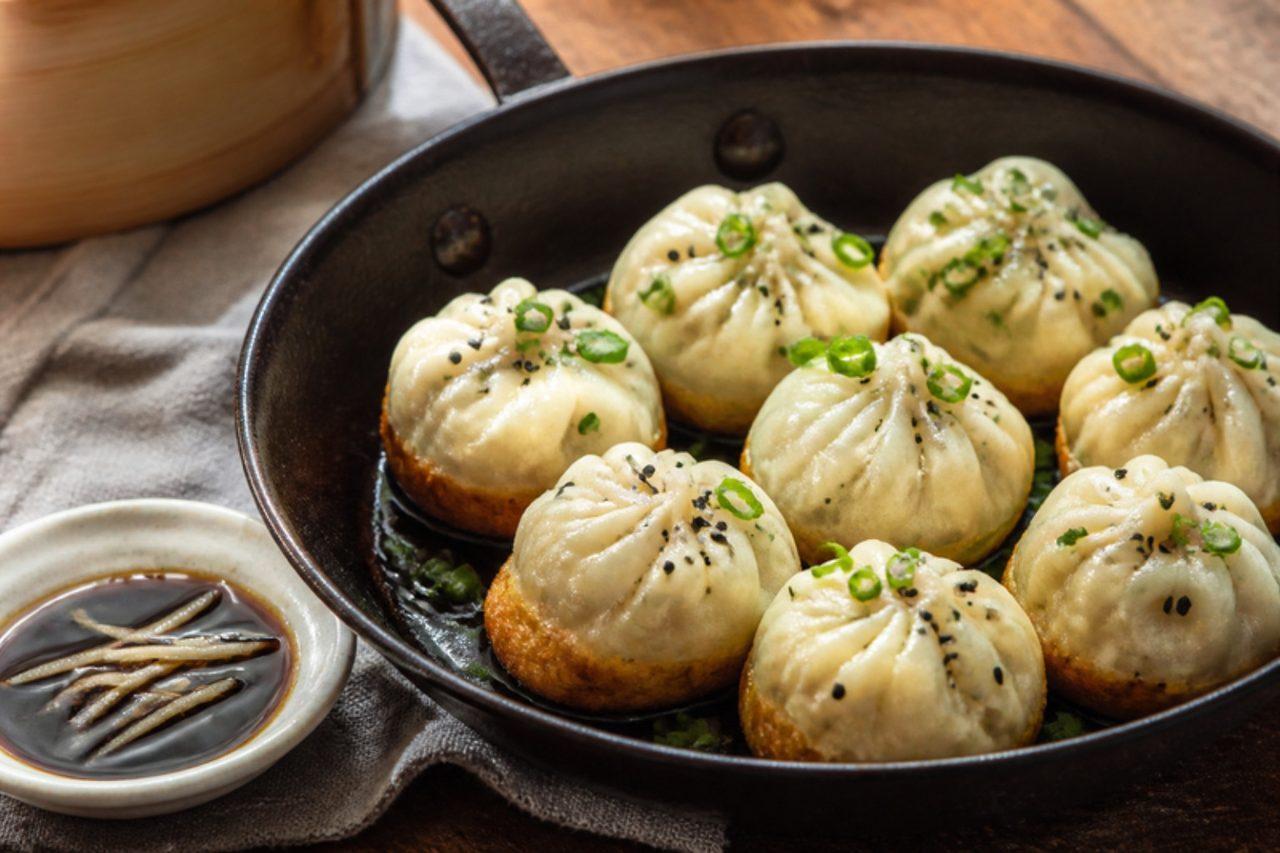
Shanghai wakes up to the sound of shengjian bao sizzling in huge flat pans, the cooks spinning the pans over the flame and splashing in water so the buns fry and steam at the same time. What you get is a soft, slightly fluffy top scattered with sesame and spring onion, a crackling brown base and a juicy pork filling that squirts if you bite too fast. They are breakfast food, bought by the four and eaten from paper trays with black vinegar. A heavy non-stick or cast-iron frying pan with a tight lid works perfectly at home. Chef's tip: let the shaped buns rise for 15 minutes before frying, no longer; over-risen dough flattens and loses its neat shape in the pan.

by KrazyBadal 0 views

MtoriGreen banana and beef soup

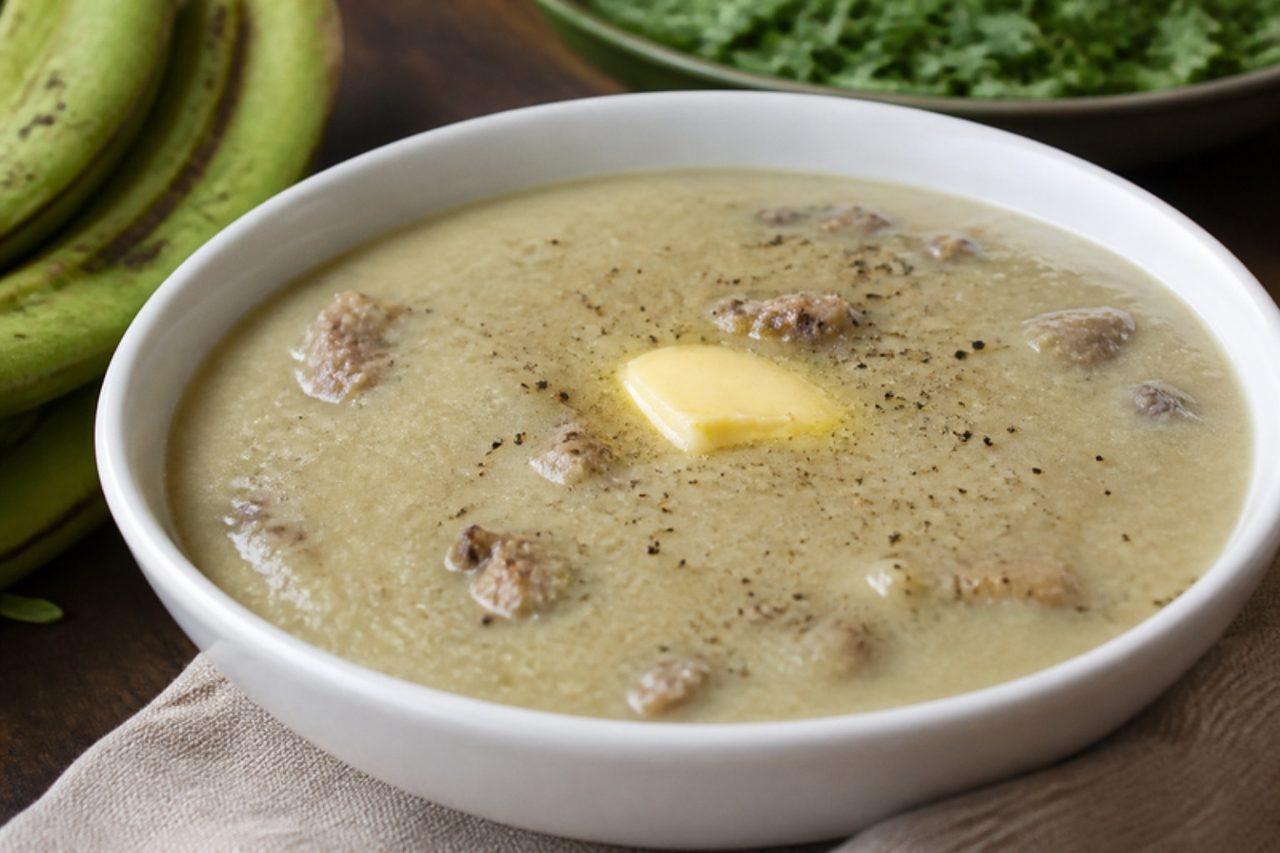
Mtori comes from the Chagga people on the slopes of Mount Kilimanjaro, where cooking bananas grow around every house; it is a thick, smooth soup of green bananas and beef, mashed until creamy and finished with butter. It is given to new mothers to build their strength and eaten on cool mornings in Moshi and Arusha. The mistake is using sweet ripe bananas, which make it sugary; you need hard green cooking bananas or green plantain. Chef's tip: rub a little oil on your hands before peeling green bananas, as the sap stains.

by KrazyBadal 0 views

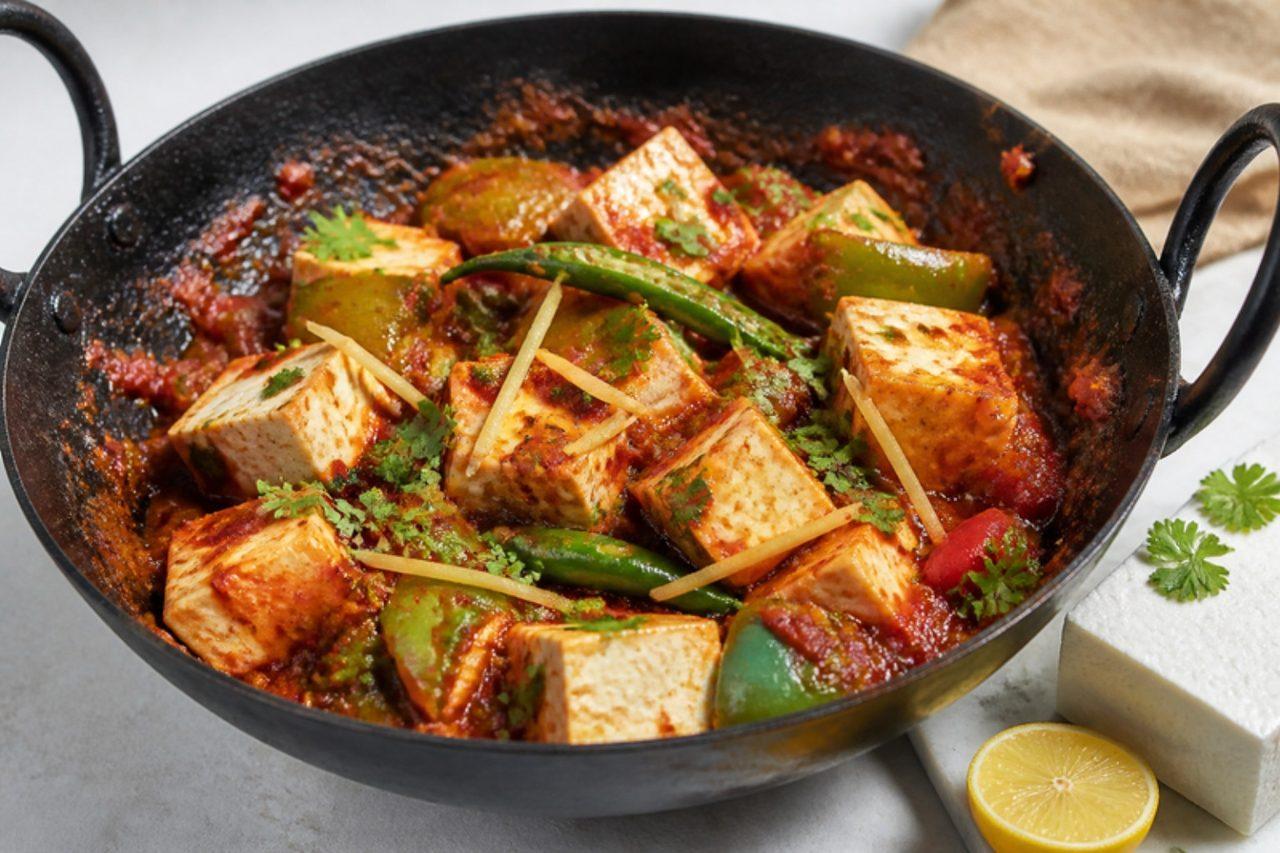
Paneer karahiPaneer in tomato and chilli gravy

Karahi is named after the heavy round-bottomed wok it is cooked and served in, and the roadside dhabas of Lahore and the Grand Trunk Road through Punjab are where it is at its loudest: a cook working three pans at once over a roaring flame, late at night, for tables of friends tearing naan. The Pakistani style is lean on spice and big on tomato, garlic, ginger, green chilli and crushed black pepper, with no onion and no cream, so the masala tastes bright and sharp rather than rich. Paneer takes the place of meat here and only needs warming through. The usual mistake is pouring in water to make more gravy; a karahi gets its sauce only from tomatoes cooked down until the oil comes back out. Chef's tip: crush the coriander seeds and black pepper yourself just before cooking; the coarse, fresh crunch is what makes it taste like a dhaba karahi.

by KrazyBadal 0 views

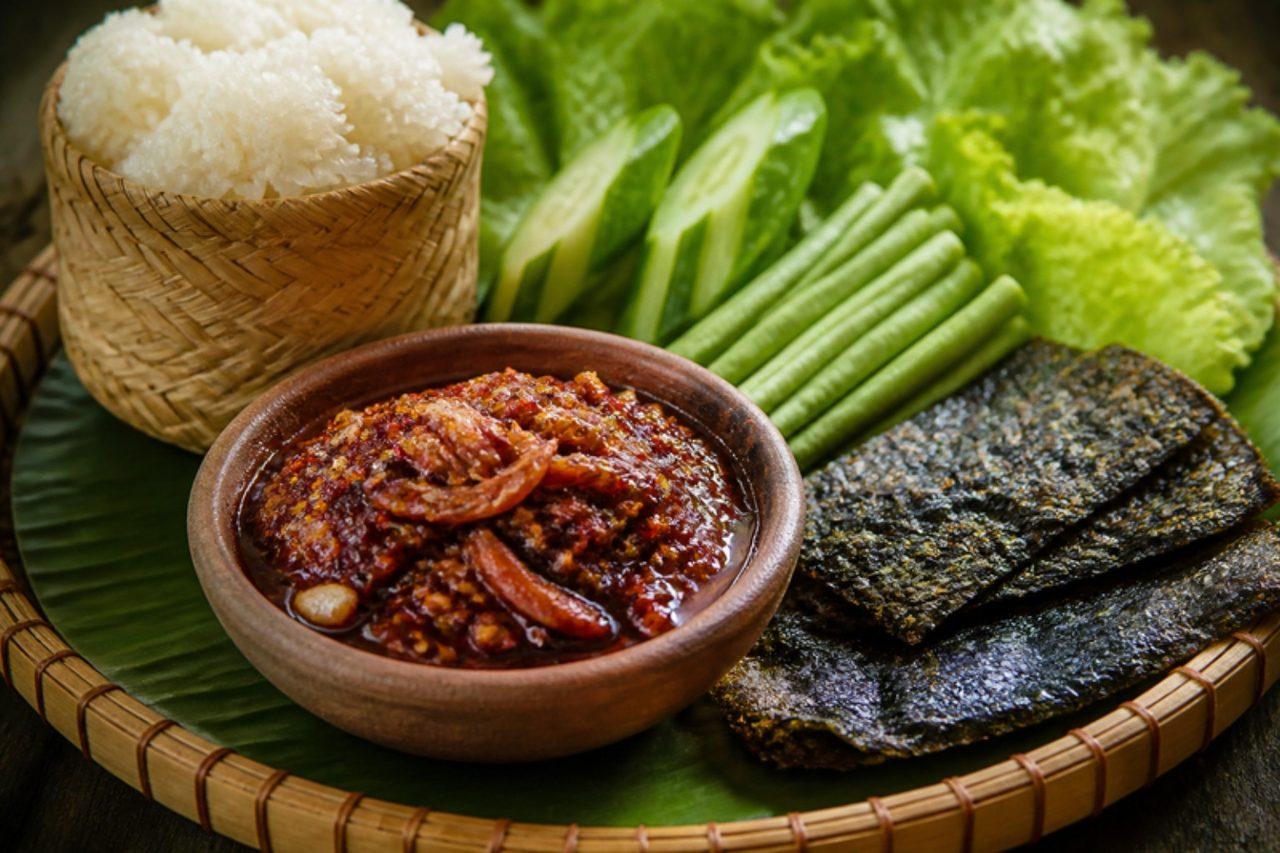
Jeow bongSweet-hot chilli paste with pork skin

Jeow bong is the famous chilli relish of Luang Prabang, the old royal capital, sold in little jars at its night market and eaten with sticky rice, crisp river-weed sheets and fresh vegetables at almost every Lao meal. Dried chillies, roasted garlic, shallot and galangal are pounded with palm sugar and fish sauce into a sticky, smoky, sweet-hot jam. This version contains pork: traditionally it includes thin strips of dried buffalo skin, and here it uses cooked pork skin for the same chewy texture. Chef's tip: roast the aromatics until truly blackened in spots; that char gives jeow bong its smoky depth.

by KrazyBadal 0 views

Showing 45 of 7,762 recipes

Show more recipes

Page 780 of 863