


Skip to content
Til pitha
Featured recipe

Til pitha

Sesame rice rolls

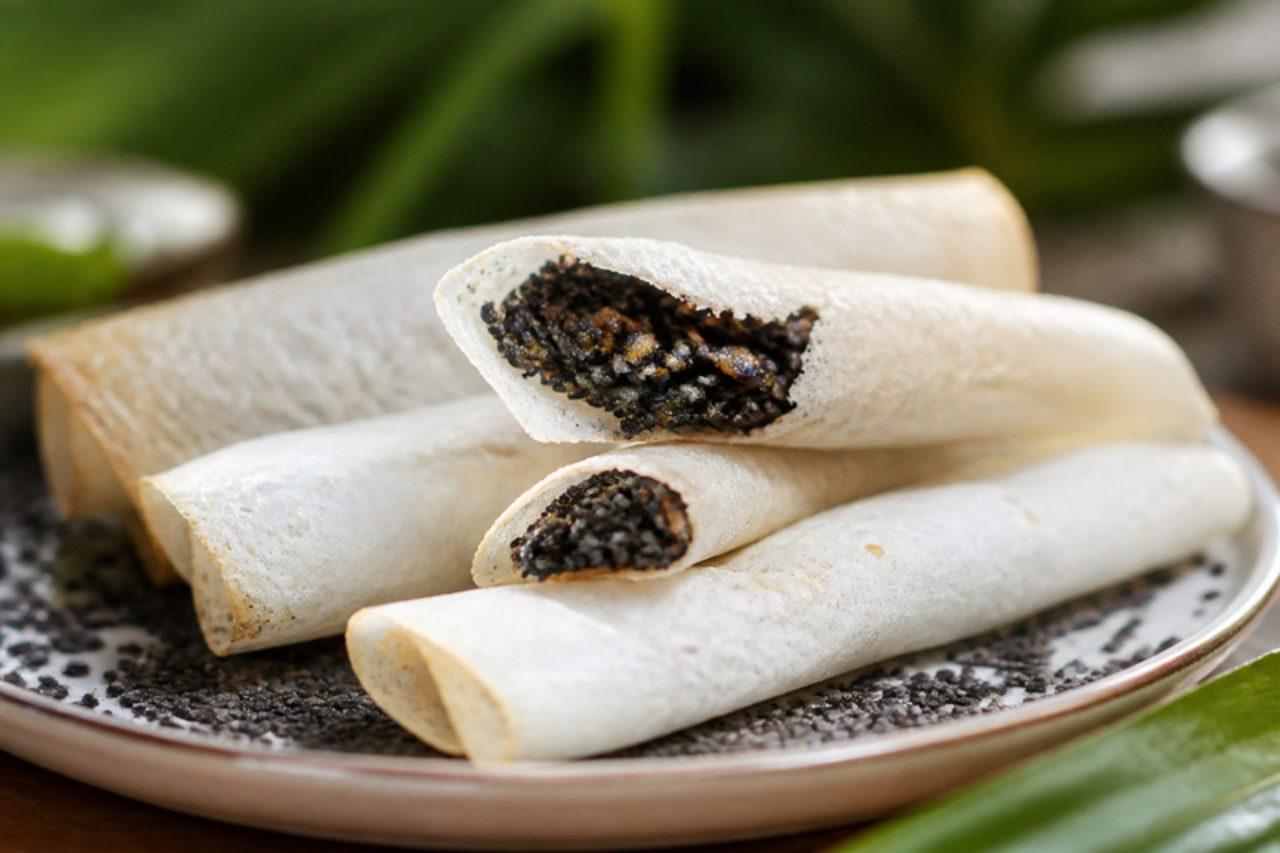
Til pitha is the essential sweet of Magh Bihu, the January harvest festival, when Assamese homes stay up late around the fire, frying and toasting. Fresh flour of soaked bora (sticky) rice is spread thin on a hot pan into a round, filled with roasted black sesame and jaggery and rolled into a cigar while still soft; it crisps as it cools. Tins of til pitha are carried to every house visited during Bihu. Chef's tip: the flour must be freshly ground from soaked sticky rice and still slightly damp; dry shop rice flour won't fuse into a sheet.

Read more 0 views

What to eat today?

Around the world

Today's trip: Persian

A new country every day, from every cuisine on the site.

Persian

Nimroo

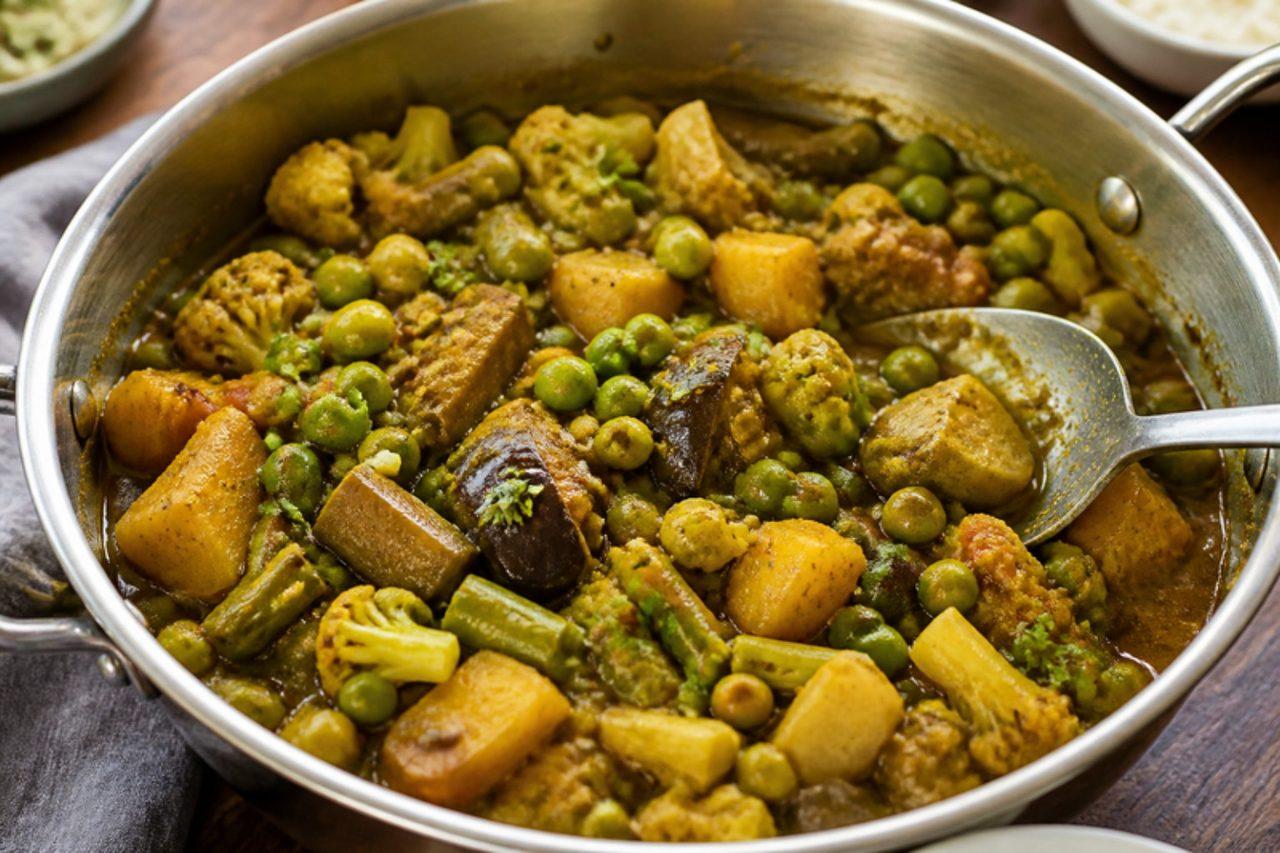
Half-set fried eggs 8 minMore from Persian (174) →

This week's collection

Kid-friendly dinners
731 recipes · a new collection every Monday

Coming up

All occasions →

Latest recipes

Khao poon with tofu and vegetablesCoconut curry noodle soup

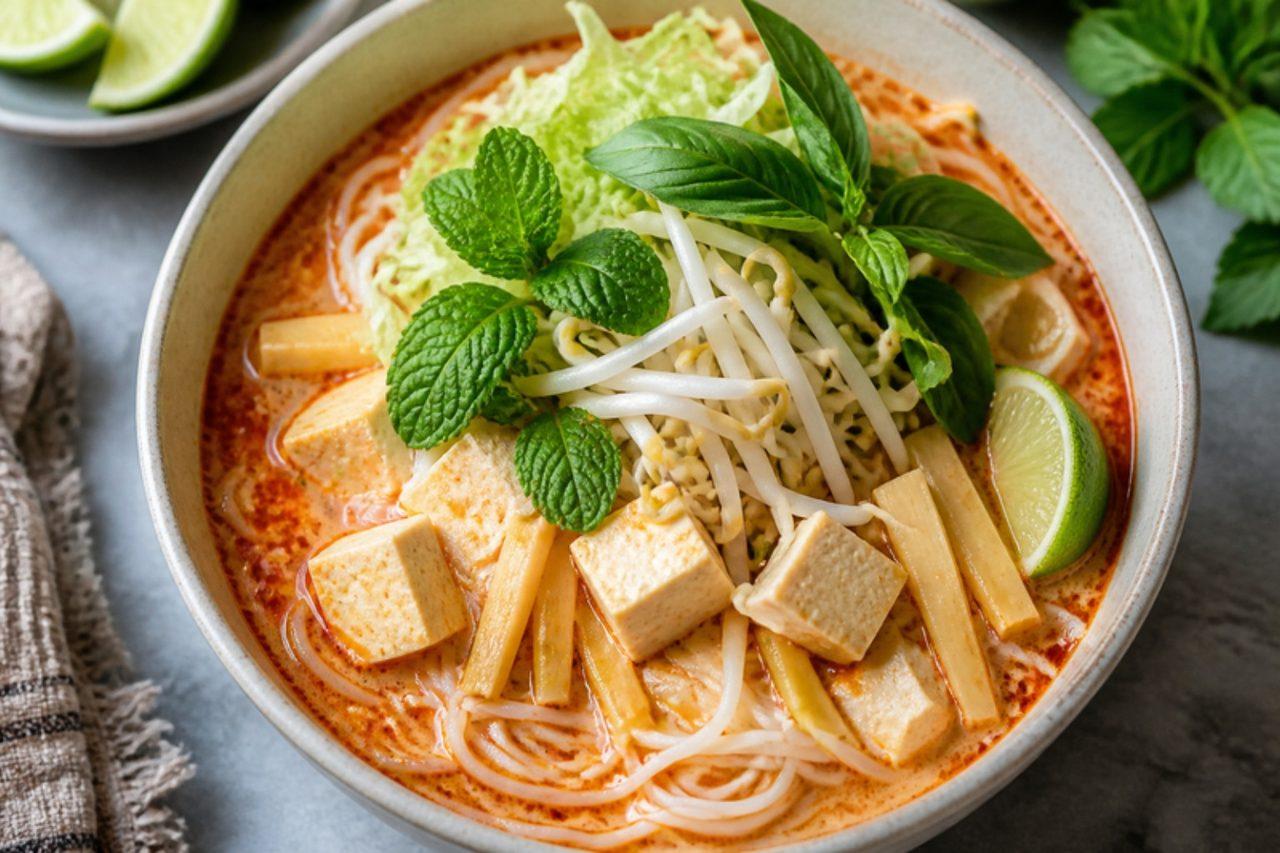
Khao poon is celebration food in Laos, ladled out at weddings, baci ceremonies and big family gatherings, and sold at morning markets in Vientiane by women with huge steaming pots. Fine round rice noodles sit under a spicy, red-tinged broth of coconut milk, lemongrass and galangal, and everyone adds their own shredded cabbage, banana blossom, beansprouts, mint and lime. The usual chicken or fish is swapped for golden fried tofu and bamboo shoots. Chef's tip: fry the red chilli paste in the coconut cream until oil seeps out in red drops on the surface; that's when the colour and heat are fully released.

by KrazyBadal 0 views

Arroz chaufaPeruvian fried rice

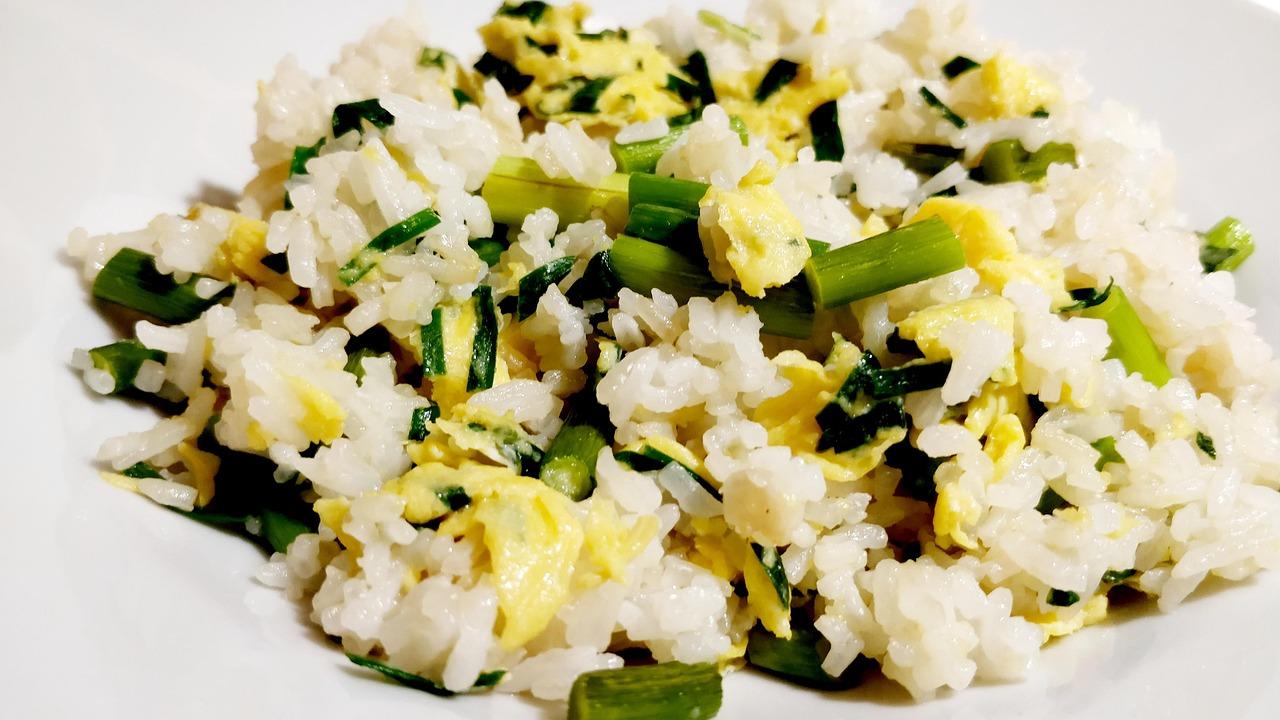
Arroz chaufa is the fried rice of Lima's chifas, the Chinese-Peruvian restaurants found on almost every street corner in Peru. It is close to Cantonese fried rice but has its own accent: plenty of spring onion and ginger, a dark soy colour, a thin omelette cut into strips and a whisper of sesame oil, all tossed in a smoking wok. This egg and vegetable version is a quick dinner on its own, or the side for a saltado. Chef's tip: use rice cooked the day before and broken up with your fingers; fresh rice is too wet and goes mushy and sticky in the wok.

by KrazyBadal 0 views

Khao piak sen with mushroom brothRice noodles in mushroom broth

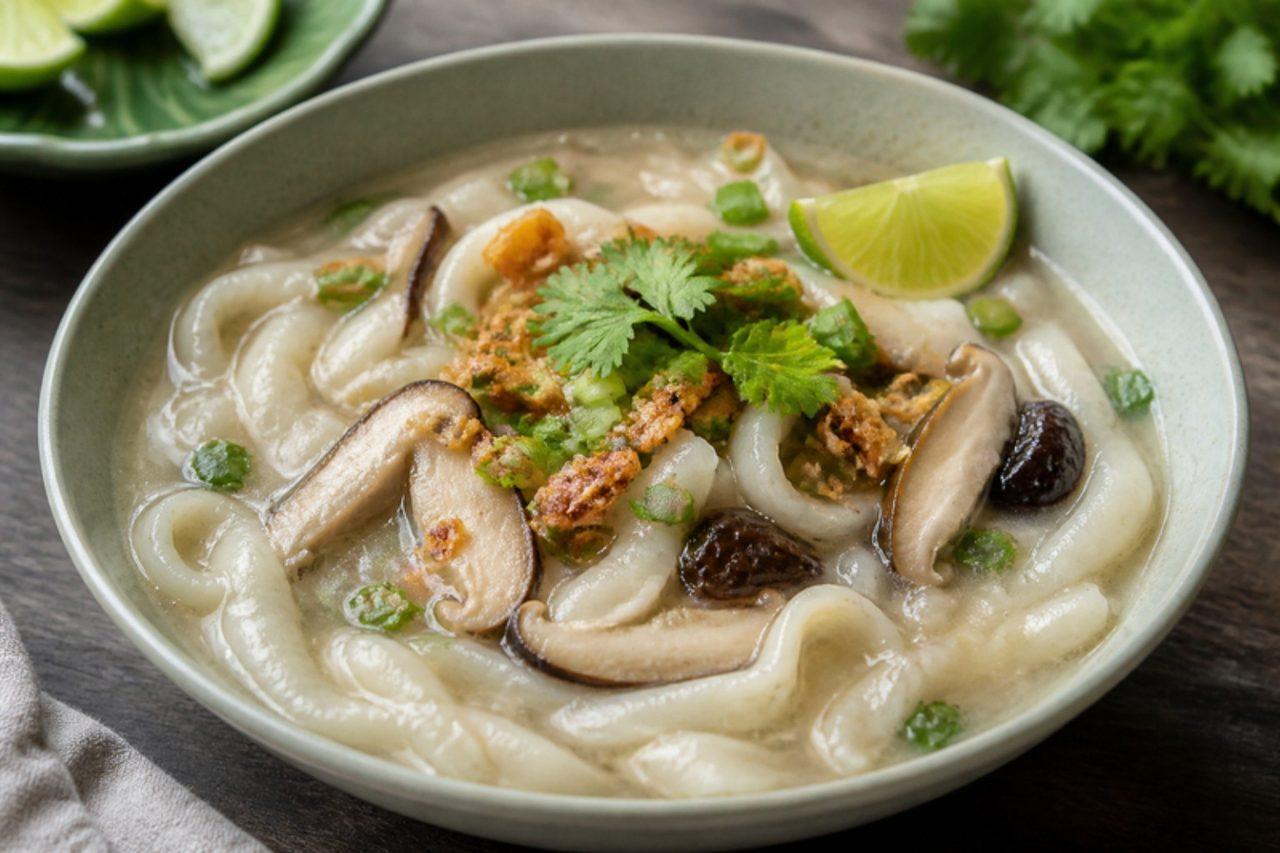
Khao piak sen is the soup Laotians crave on a cool morning or when they feel unwell, and roadside shops in Vientiane and Luang Prabang sell it from dawn. The noodles are cut by hand from a soft rice and tapioca dough and cooked straight in the broth, so their starch turns the soup thick, slippery and comforting. Instead of the usual chicken stock, this version builds a deep broth from dried shiitake, charred onion and ginger, and finishes it with crisp fried garlic, spring onion and coriander. Chef's tip: dust the cut noodles well with tapioca starch and keep them apart; they stick together into a clump in seconds if left in a pile.

75 minLaoSoupsVeganGluten free
by KrazyBadal 0 views

Khao man gaiChicken and ginger rice

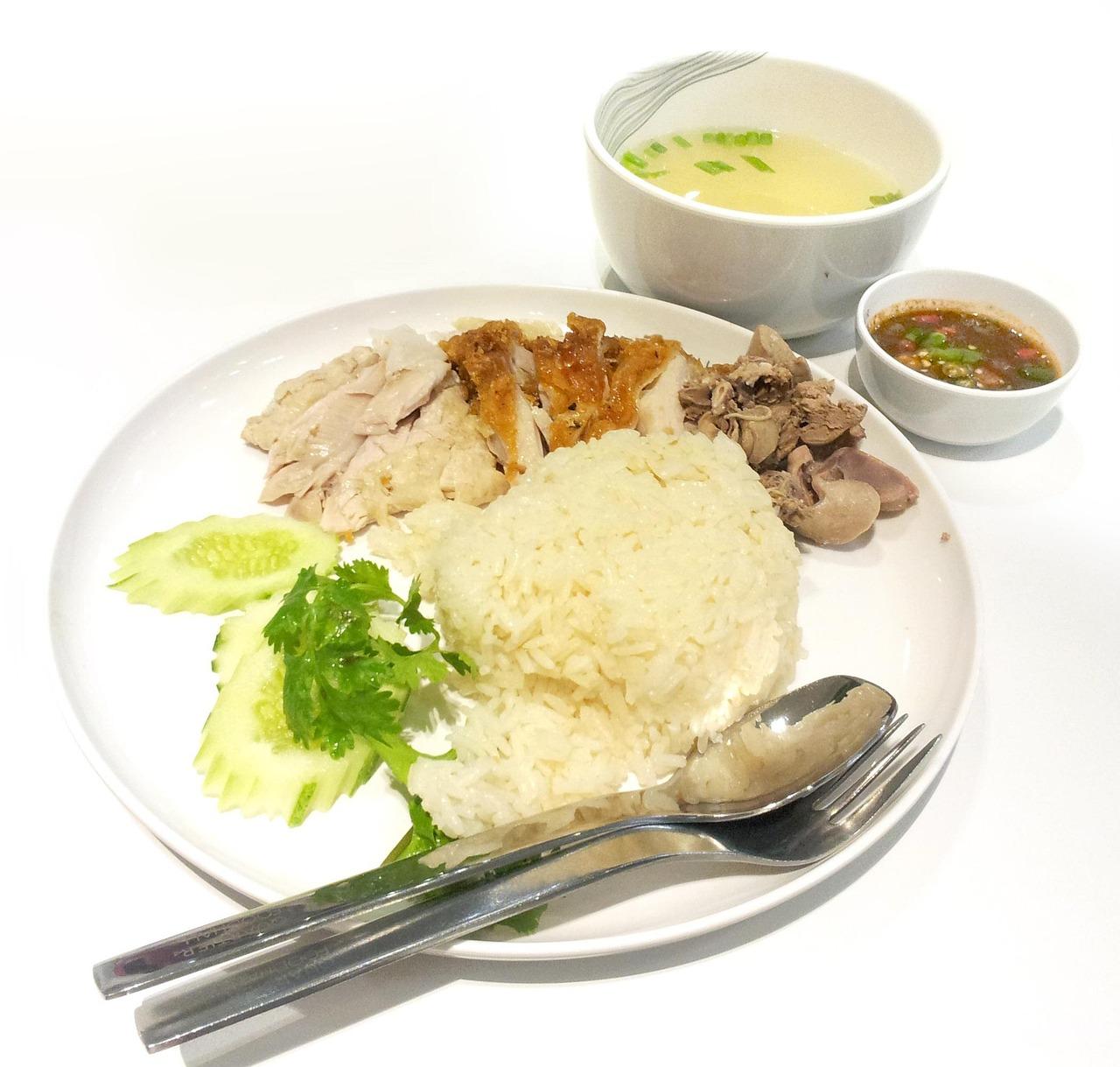
Around Pratunam market in Bangkok, the khao man gai stalls are easy to spot: a queue, pale poached chickens hanging in a glass cabinet, and a cook slicing with a cleaver at speed. Like its Hainanese ancestor, the dish pairs silky chicken with rice cooked in the bird's fat and broth, but the Thai plate stands apart for its sauce, a punchy mix of fermented soybeans (tao jiao), ginger, garlic, chilli and vinegar, and for the little bowl of clear broth with winter melon served on the side. Bangkok eats it for breakfast, lunch or a late supper, always with cucumber slices and coriander. Chef's tip: plunge the cooked chicken into iced water for 10 minutes; the skin firms to a jelly-like snap and the meat stays juicy.

by KrazyBadal 0 views

Khao jee pâtéBaguette sandwich with pâté

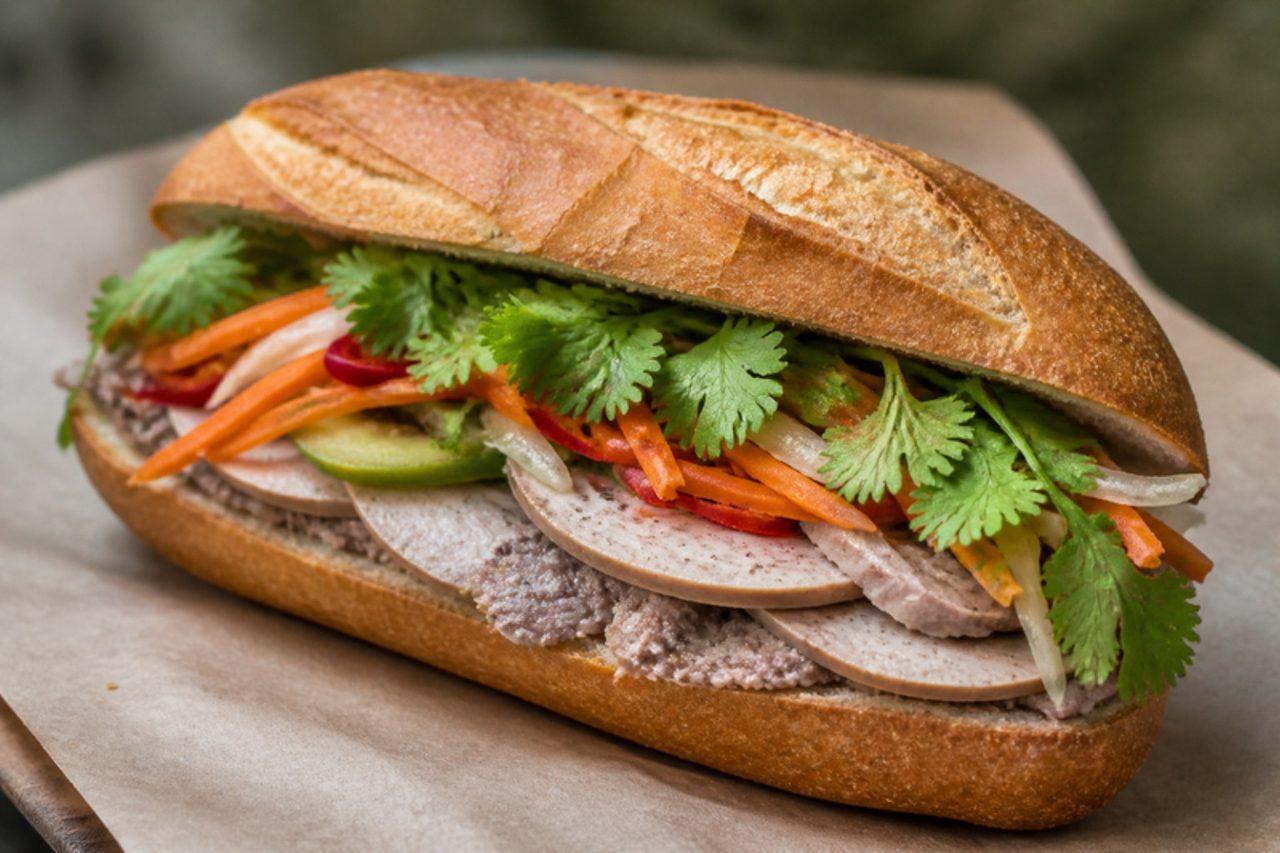
Khao jee pâté is the breakfast sandwich of Vientiane, sold from glass-fronted carts on street corners since the French era left Laos its love of baguettes. It is a pork sandwich: a crisp, light baguette is warmed over charcoal, spread with pork liver pâté and filled with Lao-style cold cuts (pork sausage or ham), pickled papaya or carrot, cucumber, herbs, chilli sauce and a splash of Maggi-style seasoning. Pregnant people should avoid pâté because of listeria risk. Chef's tip: warm the bread until the crust crackles; a soft baguette makes a soggy sandwich.

by KrazyBadal 0 views

Khanom jeen nam ngiaoRice noodles in spicy pork broth

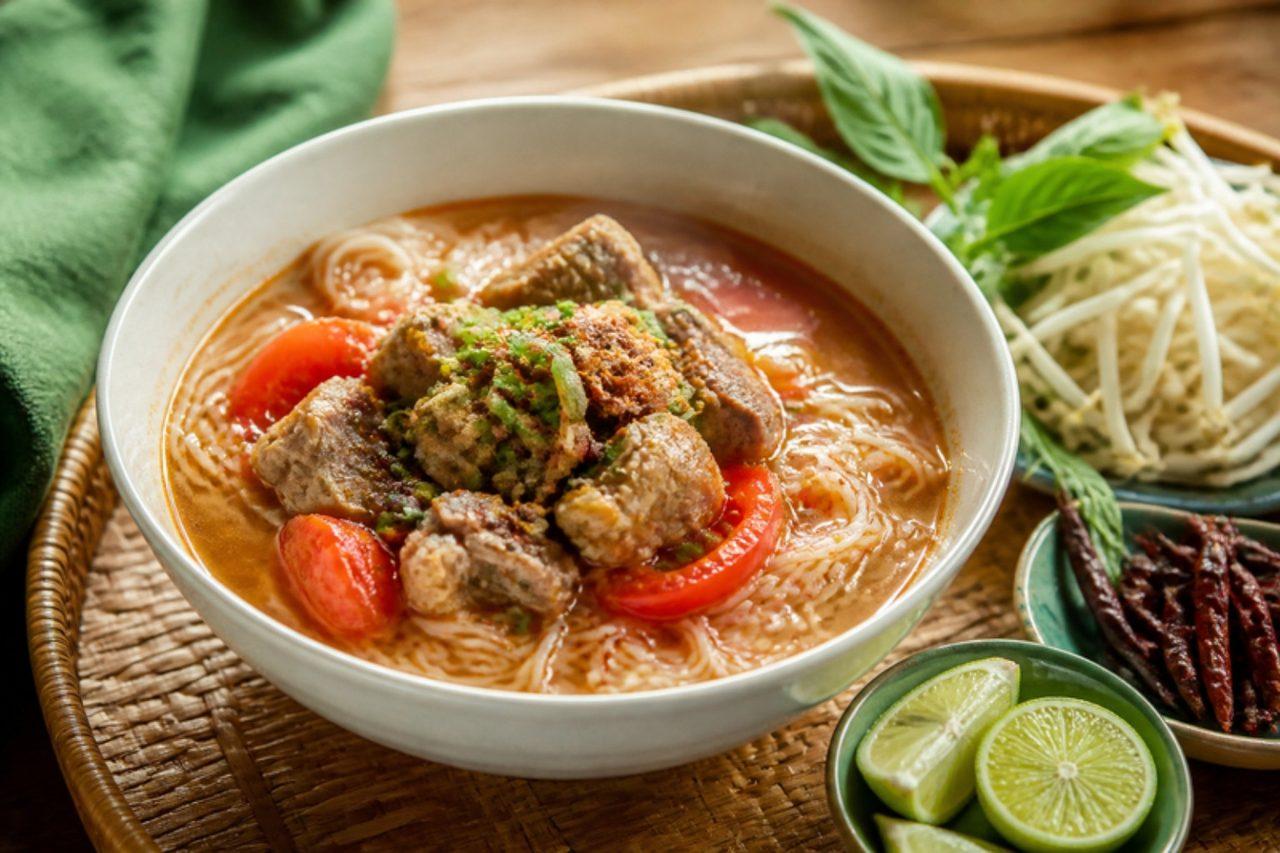
Breakfast stalls from Chiang Rai to Mae Sai ladle this tangy red broth over soft rice noodles from dawn until it sells out, usually before noon. The soup is light but full-flavoured: pork ribs give body, cherry tomatoes give a fresh sourness, and dried cotton-tree flowers (dok ngiao) add a faint floral, earthy chew. Each diner finishes their bowl at the table with bean sprouts, shredded cabbage, crispy garlic and lime. Cubes of cooked pig's blood are traditional; they are optional here and left out by default. Chef's tip: blanch the ribs and throw that first water away, so the finished broth stays clear and clean-tasting.

90 minThaiSoups
by KrazyBadal 0 views

KhanfarooshSaffron rice-flour cakes

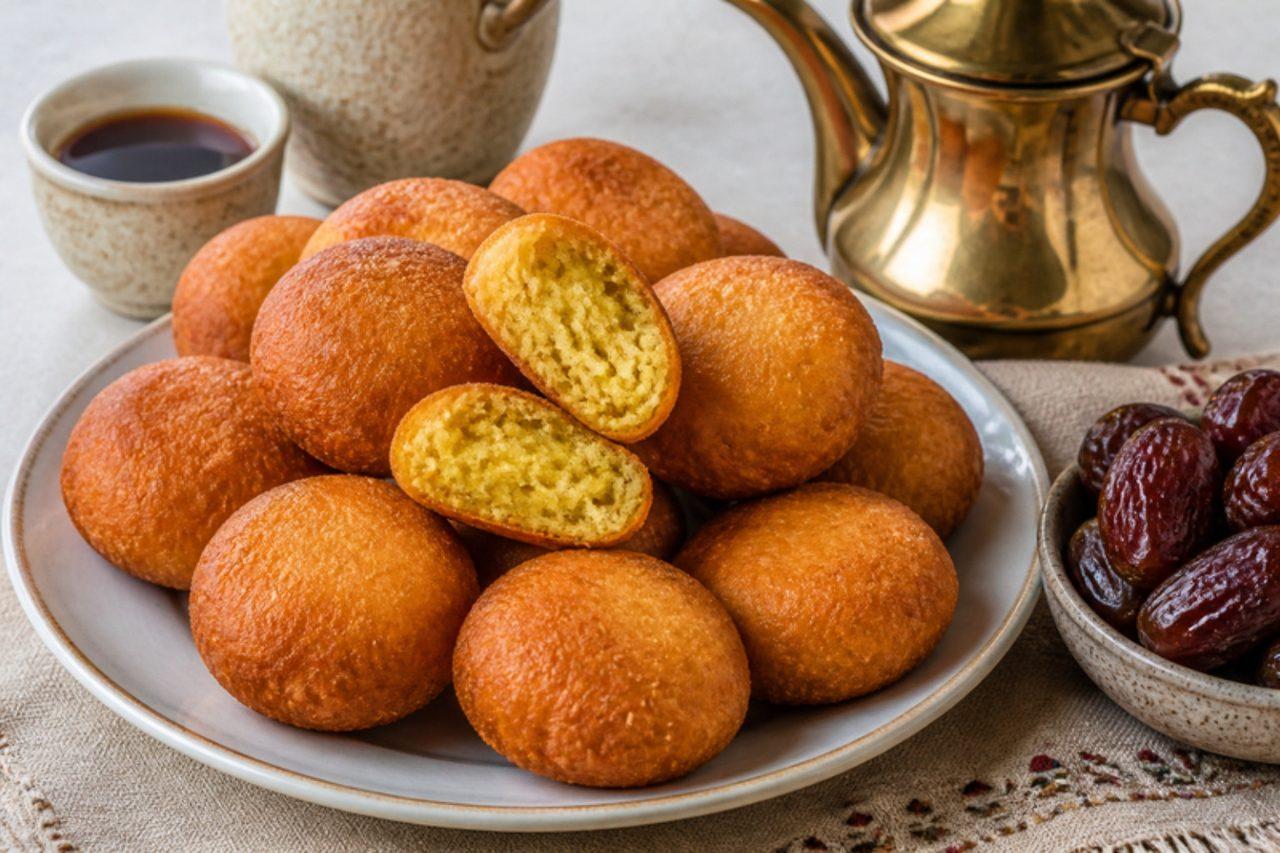
Khanfaroosh are an old Emirati sweet, made by grandmothers in Ras Al Khaimah and Fujairah and served with Arabic coffee when guests arrive, at weddings and during Eid. A rice-flour batter rich with eggs, saffron, cardamom and rose water is shallow-fried in small rounds that puff up, golden-brown with a lacy edge and a soft, spongy middle. They are less sweet than they look and best eaten warm from the pan. Chef's tip: let the batter rest for 30 minutes so the rice flour softens; unrested batter fries up gritty.

by KrazyBadal 0 views

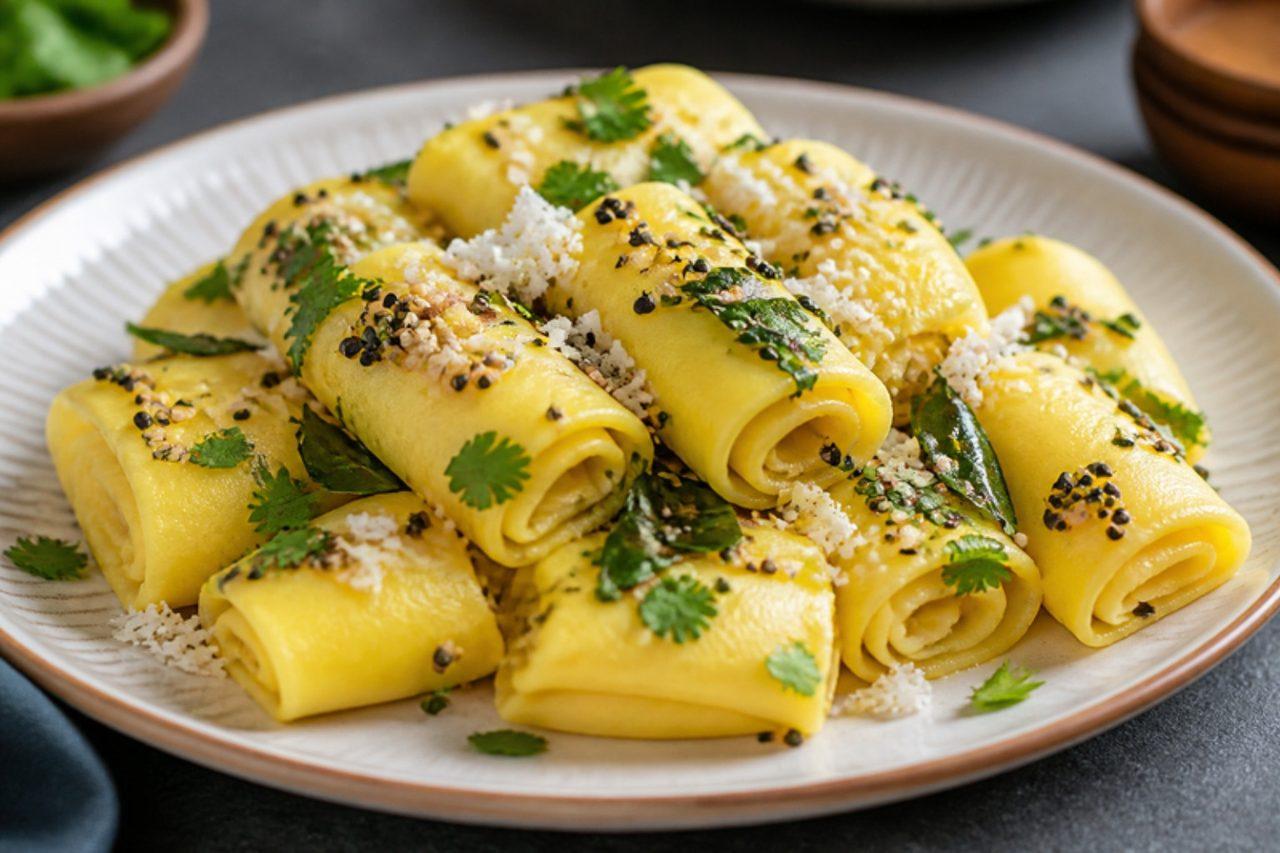
KhandviGram flour yogurt rolls

Khandvi are delicate, melt-in-the-mouth rolls from Gujarat, made by cooking gram flour with sour buttermilk until thick, spreading it paper-thin while hot and rolling it up. They're finished with a sizzling tempering of mustard seeds, sesame and curry leaves, plus fresh coconut and coriander. They're soft, tangy and gently spiced, and a favourite at Gujarati weddings and tea-time. They look tricky, but once you know when the batter is cooked, they're quick. Chef's tip: keep a plate by the stove and test the batter often; when a spoonful spread thin on the plate sets in 30 seconds and peels off in one piece, it's ready, and not a minute before.

by KrazyBadal 0 views

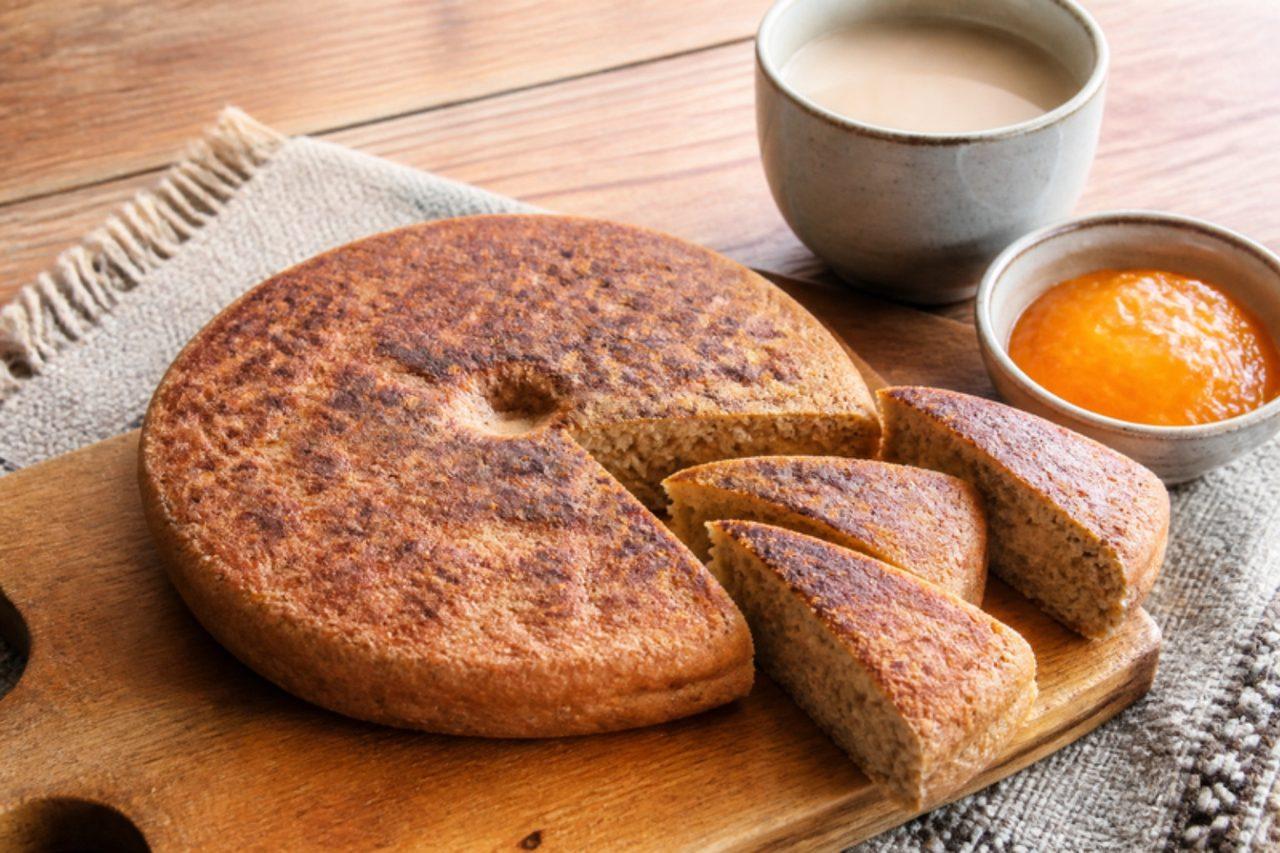
KhambirLeavened wholewheat bread

Khambir is the everyday bread of Ladakh: a thick, round wholewheat loaf with a dent pressed into the middle, browned on a griddle and finished in the heat of the kitchen stove. In homes in Leh and Kargil it appears at breakfast, torn into chunks and dipped into salty butter tea, or spread with apricot jam made from the region's dried apricots. The crust is chewy and toasty, the inside dense and slightly sour. Bakers in Leh's old town still sell it warm in the mornings. Chef's tip: let the dough rise until truly doubled; under-risen khambir is heavy and gummy in the middle.

by KrazyBadal 0 views

Key watSpicy beef stew

Ask for key wat at a restaurant in Addis Ababa and you get a bowl of tender beef drowned in a sauce so red it gives the dish its name: key means red in Amharic. It is everyday celebration food, cooked for Sunday lunch, weddings and the end of a fast, and it shares the slow-cooked onion base of doro wat but with chunks of beef and a sharper, more peppery heat. The sauce should be thick and glossy, with a layer of red oil on top. Spoon it over injera with a cooling plate of greens or lentils beside it. Chef's tip: cut the beef into small, even 2 cm cubes so it soaks up the sauce and becomes tender in under an hour and a half.

by KrazyBadal 0 views

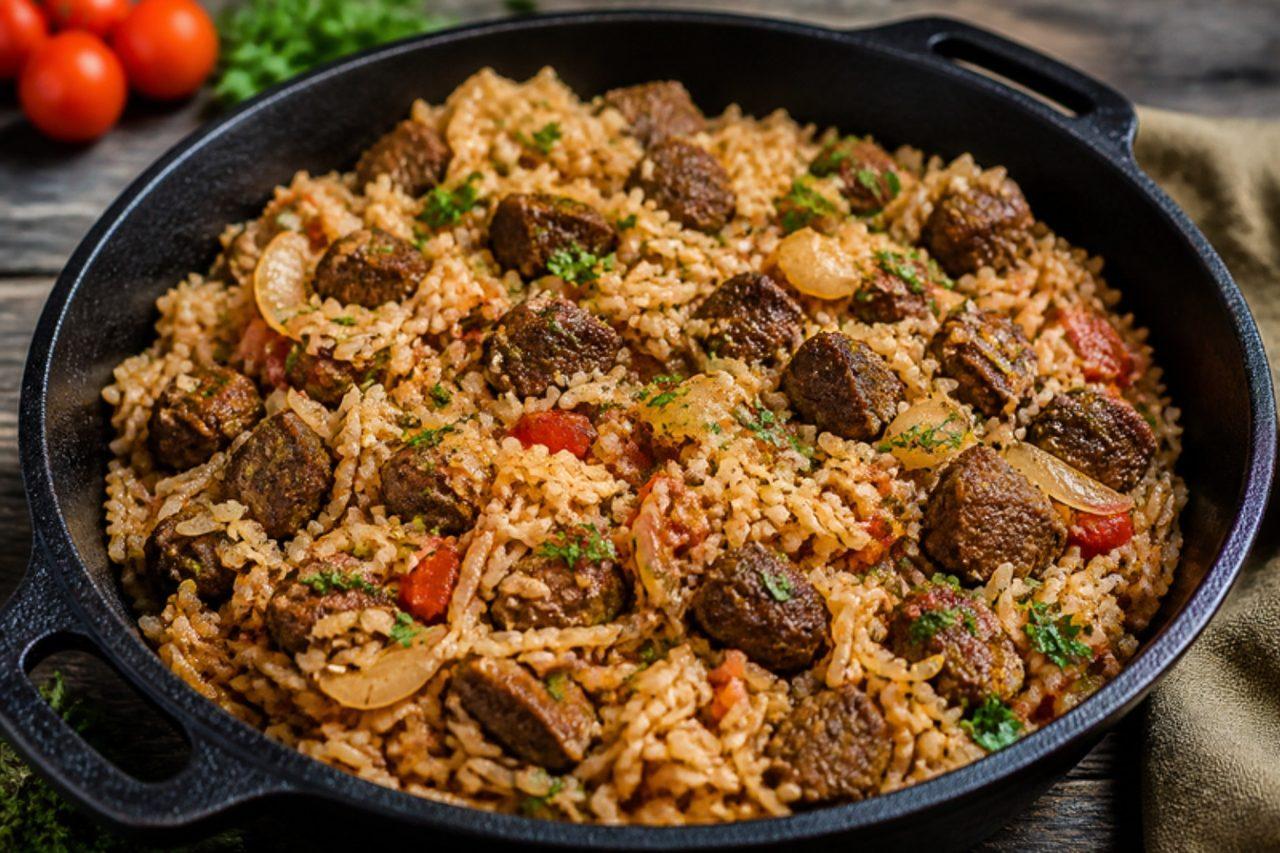
Arroz carreteiroRice with dried beef

Arroz carreteiro is named after the carreteiros, the ox-cart drivers who crossed the pampas of Rio Grande do Sul with charque (dried salted beef) that kept for weeks, cooking it with rice in one iron pot at camp. In southern homes today it is often the Monday dish, made with whatever is left from Sunday's churrasco, though some cooks still use carne seca. It's quick, filling and savoury, with tomato, onion, garlic and plenty of fresh herbs. Chef's tip: dice the leftover beef small, about 1 cm, and brown it hard before the rice goes in; those crispy edges flavour the whole pot.

by KrazyBadal 0 views

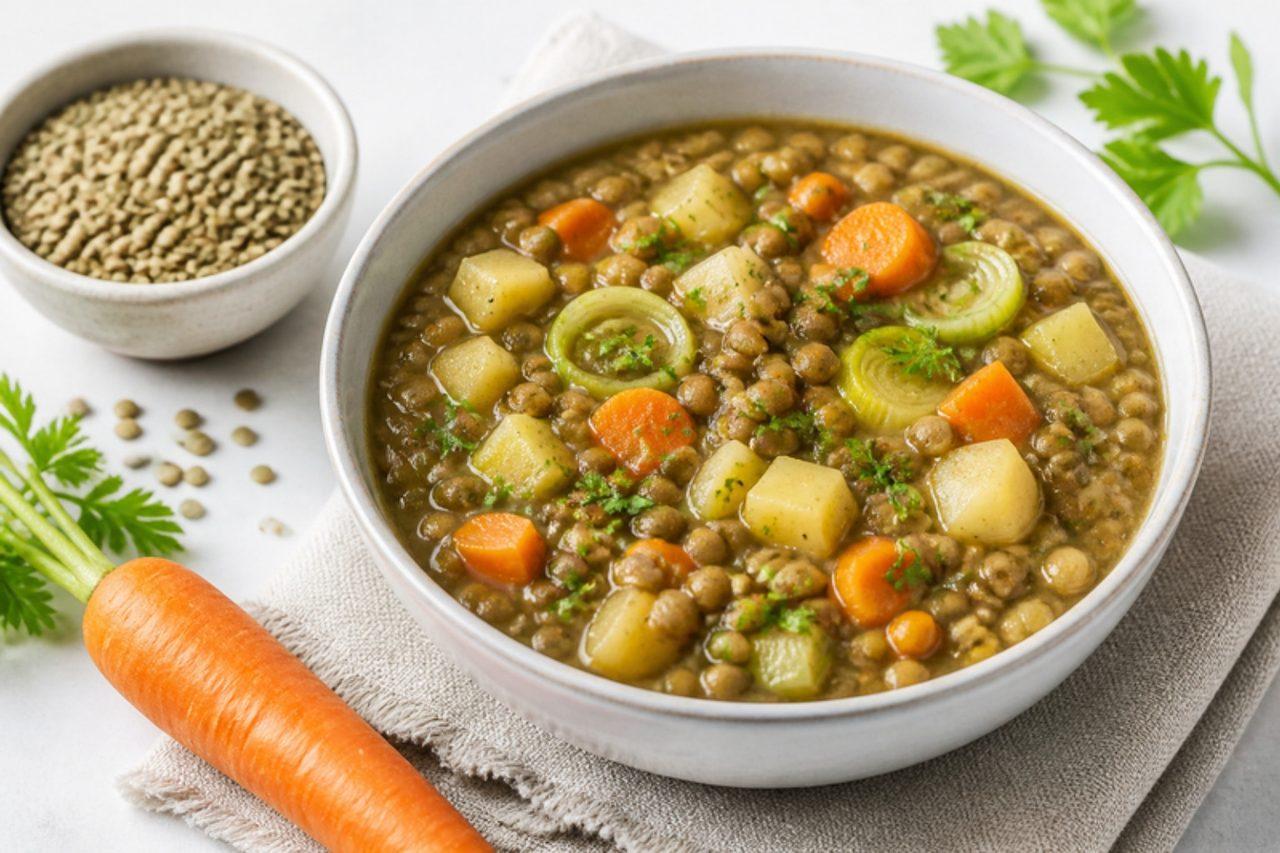
LinseneintopfLentil stew

Linseneintopf is the one-pot lentil stew that German families cook on cold weekdays, and in many school and works canteens it's still the Thursday or Saturday lunch. Brown lentils simmer with potatoes, carrots, celeriac and leek until thick and soft; the finishing touch, all over Germany, is a good splash of vinegar at the table, which wakes the whole bowl up. It's usually made with smoked sausage or bacon; here smoked paprika and vegetable stock give the smoky depth instead. Chef's tip: add the vinegar only at the end, because acid added early keeps the lentils hard.

by KrazyBadal 0 views

Pakhala bhataSoaked rice with curd

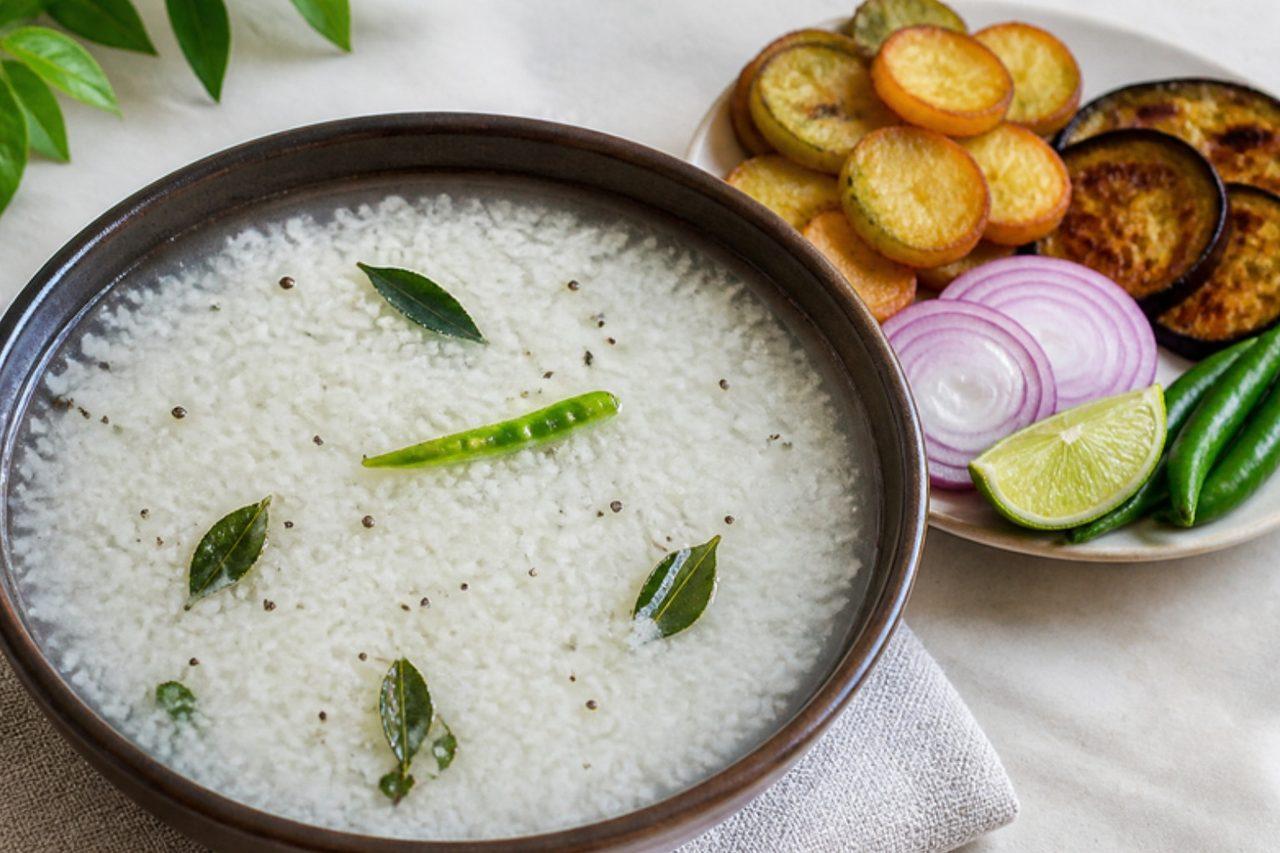
Pakhala is Odisha's answer to the summer heat: cooked rice left to soak in water, often overnight so it turns faintly sour, then loosened with curd, salt, lime leaf, cumin and green chilli and eaten cold at midday. The state even celebrates Pakhala Dibasa on 20 March. The rice itself is plain; the pleasure is in the sides, such as badi chura (crushed fried lentil dumplings with onion and mustard oil), fried potato, saga bhaja and roasted aubergine. Chef's tip: for the gently sour basi pakhala, leave the rice in its water at room temperature for 8–12 hours; for dahi pakhala, eat it the same day with more curd.

by KrazyBadal 0 views

Litti chokhaStuffed wheat balls with mashed vegetables

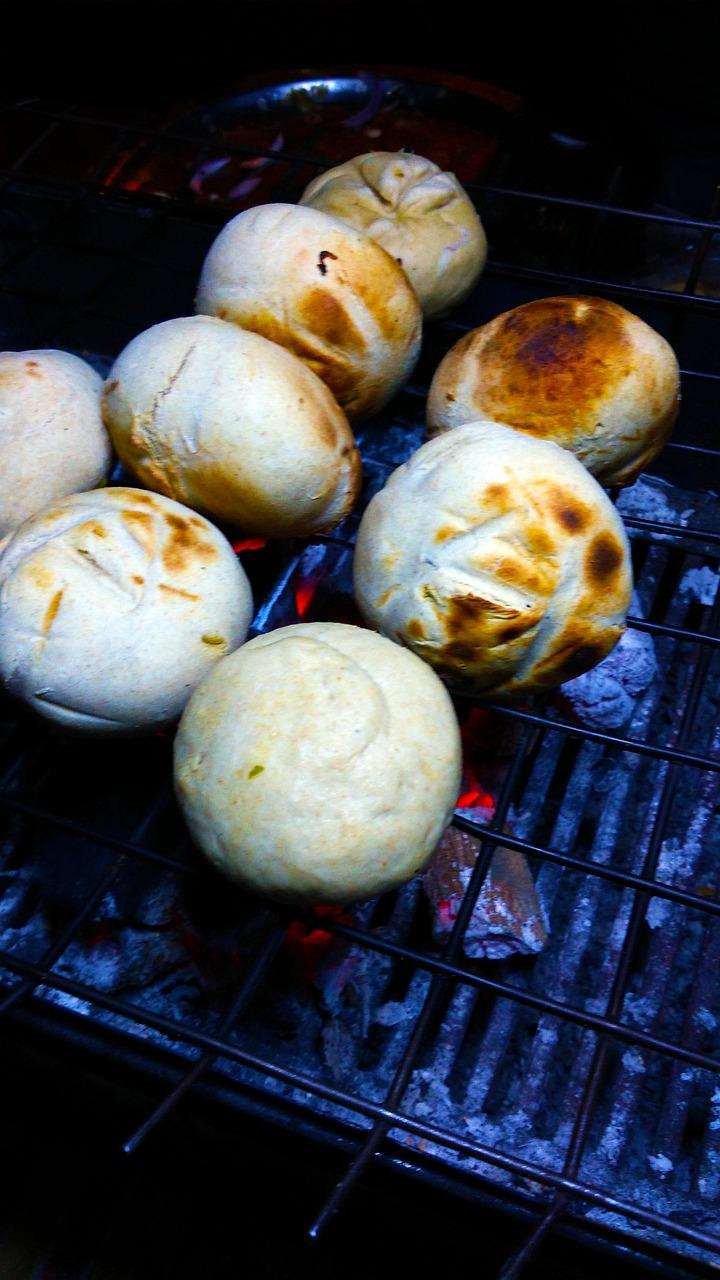
Litti chokha is Bihar's signature meal, cooked on street corners and at village gatherings over smouldering embers. Litti are rustic wheat balls stuffed with sattu (roasted gram flour) sharpened with garlic, ginger, mustard oil and pickle masala; they bake until crusty outside and crumbly inside. Chokha is a smoky mash of fire-roasted aubergine, potato and tomato with raw mustard oil and green chilli. Together they are filling, protein-rich and deeply savoury. Many Biharis dunk hot litti in melted ghee; for a vegan plate, brush them with mustard oil instead. Chef's tip: roast the aubergine and tomatoes right on a gas flame until the skins are black all over; that charring is the whole flavour of chokha.

by KrazyBadal 0 views

Pakistani chana chaatChickpea and potato chaat

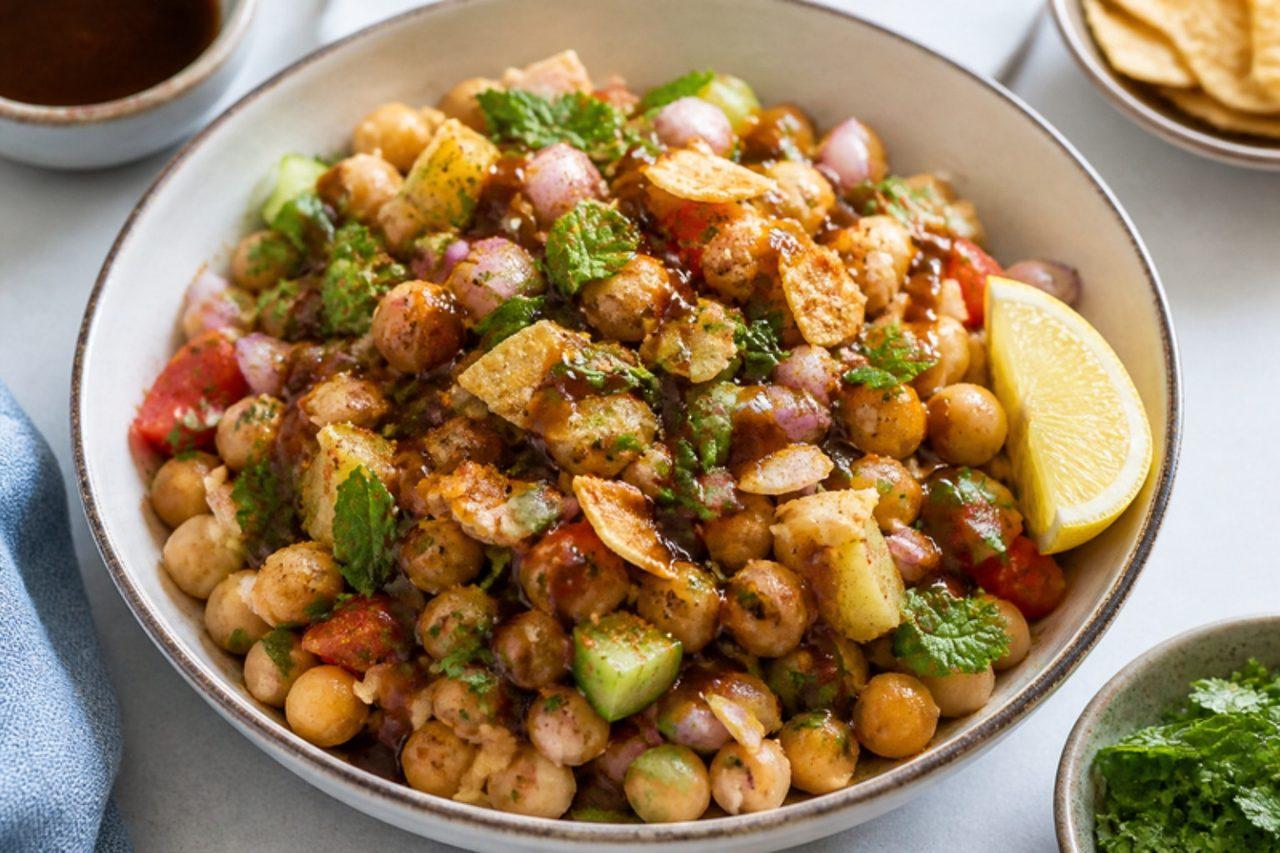
In Pakistan a bowl of chana chaat is on almost every iftar table during Ramadan, next to the dates, pakoras and a jug of red sherbet, and in Lahore and Karachi street vendors toss it to order all year round in big steel bowls. The Pakistani style is simple and sharp: plump chickpeas and potato with raw onion, tomato, green chilli, lots of coriander and mint, tamarind chutney, lemon juice and a heavy hand of chaat masala, served cold or at room temperature. It is a quick, filling, high-fibre snack. People often mix it too early and the onion goes limp and the potato mushy; dress it no more than 15 minutes before eating. Chef's tip: toss the chickpeas with the chaat masala and salt first, before anything wet goes in, so the spice clings to them.

by KrazyBadal 0 views

LlajwaTomato and chilli salsa

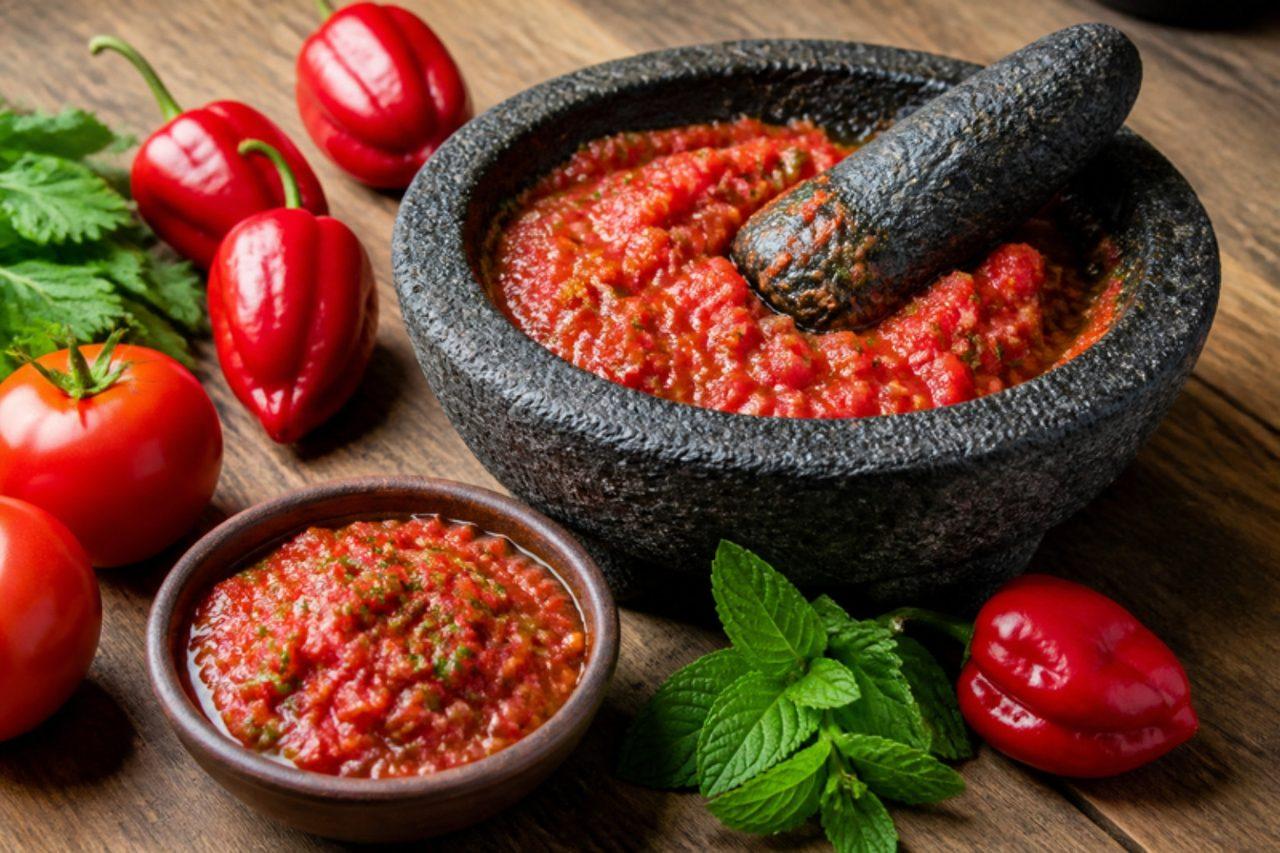
No Bolivian table is set without llajwa, the fiery, bright salsa that goes on soups, potatoes, cheese empanadas and anything grilled. In La Paz and Cochabamba it's ground on a batán, a flat grinding stone with a rocking stone on top, which crushes tomatoes and locoto (a fleshy, very hot chilli) into a rough, juicy sauce. The signature herb is quirquiña, with a smell somewhere between coriander and rocket. Chef's tip: no stone? Pound in a mortar or pulse briefly; a blender whips in air and turns llajwa pink and foamy.

by KrazyBadal 0 views

LlapingachosPotato cheese patties

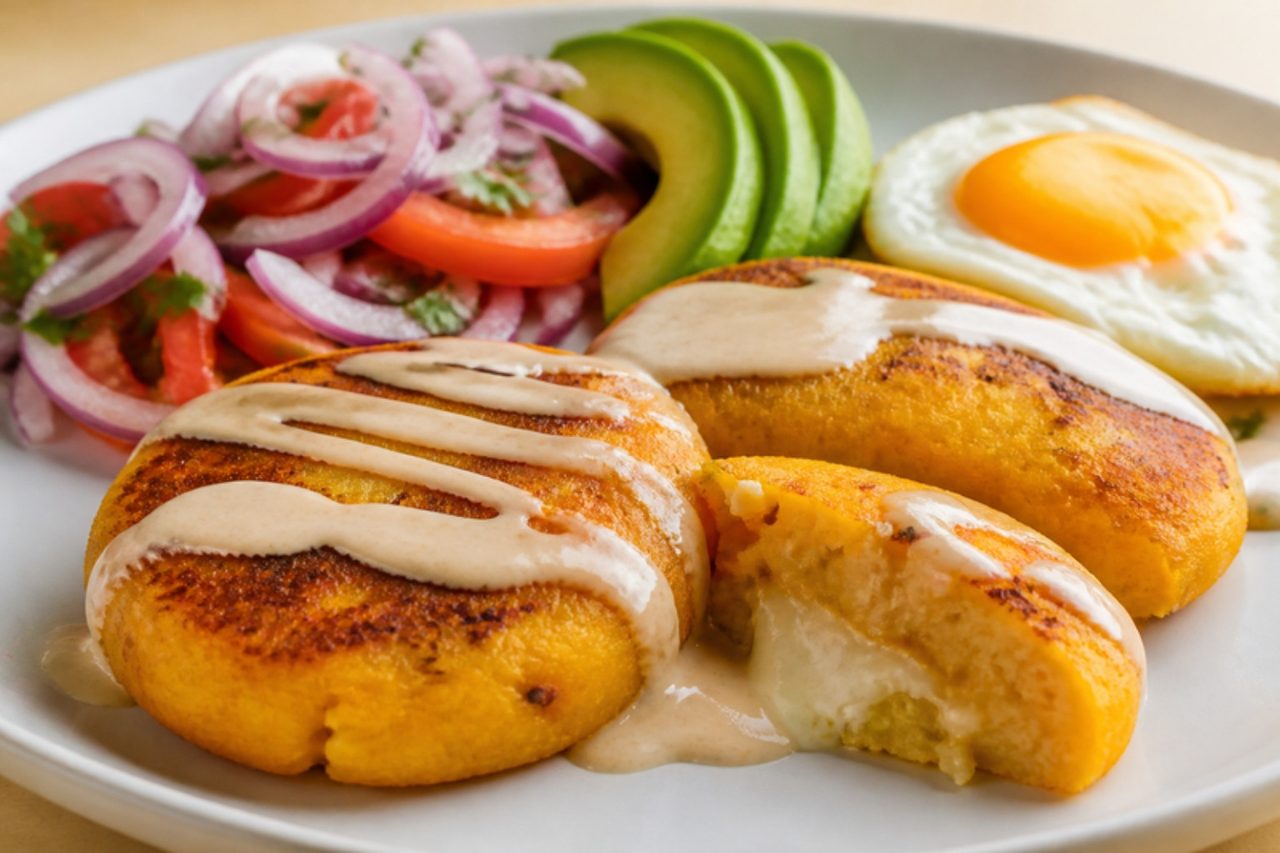
Llapingachos come from the central highlands of Ecuador, especially Ambato and the markets of Riobamba, where women fry them by the dozen on huge round griddles. The patties are mashed potato coloured with achiote, stuffed with cheese and spring onion, and browned until crisp. A full plate adds peanut sauce, a lime-dressed onion and tomato salad, avocado and a fried egg (the market version also includes chorizo, left out here). Chef's tip: chill the shaped patties for 30 minutes; cold patties hold their shape and get a better crust.

by KrazyBadal 0 views

KetoprakTofu and noodles in peanut sauce

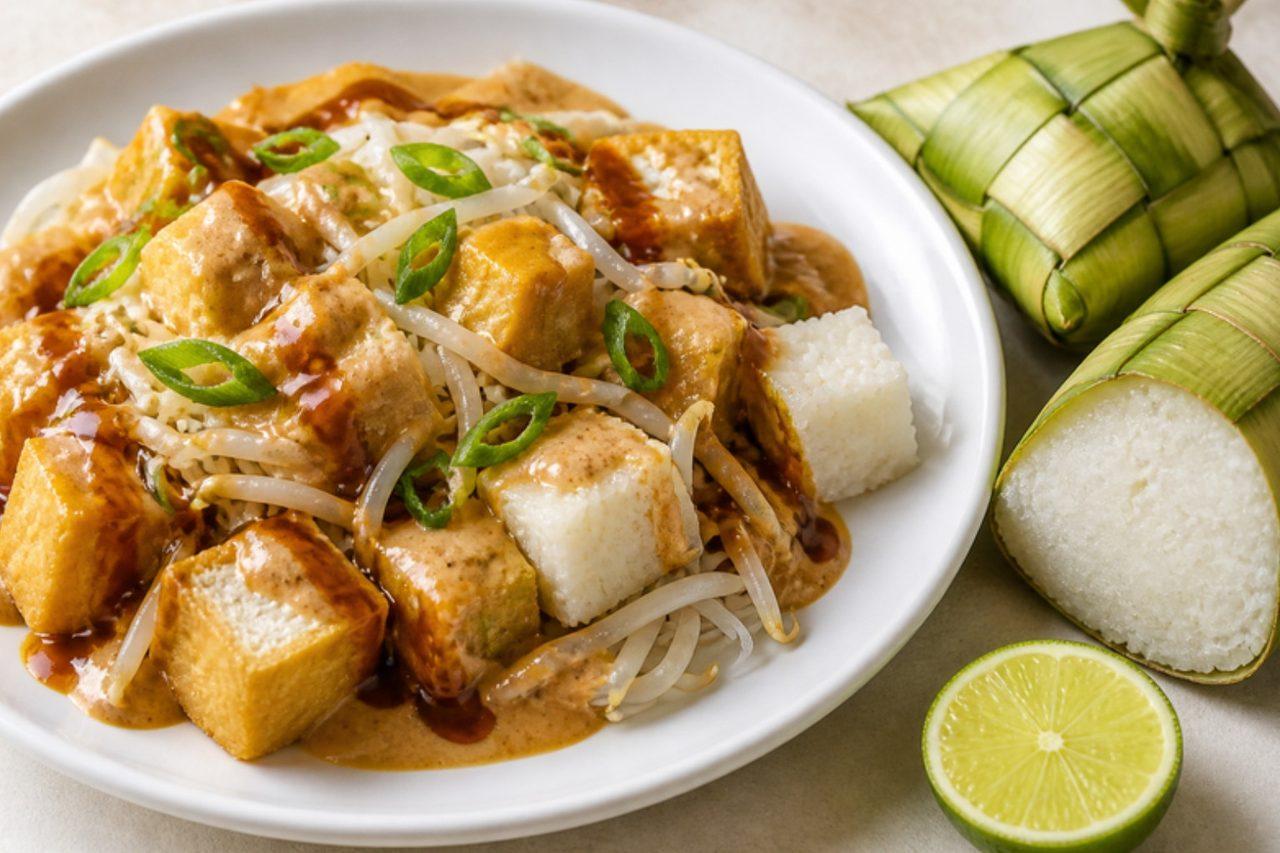
Ketoprak is a Jakarta cart dish, made to order: the seller grinds peanuts, garlic and chilli in a wide stone mortar, loosens them with water and sweet soy, then tips fried tofu, rice cake, rice vermicelli and bean sprouts on top. It is a cousin of gado-gado but simpler, with no egg-and-greens platter, and the raw-garlic sauce is the whole point. Eat it at lunch with plenty of crackers. Chef's tip: grind the garlic with the hot fried peanuts so the garlic mellows slightly; a raw paste made with cold nuts is harsh.

by KrazyBadal 0 views

LobianiBean-filled bread

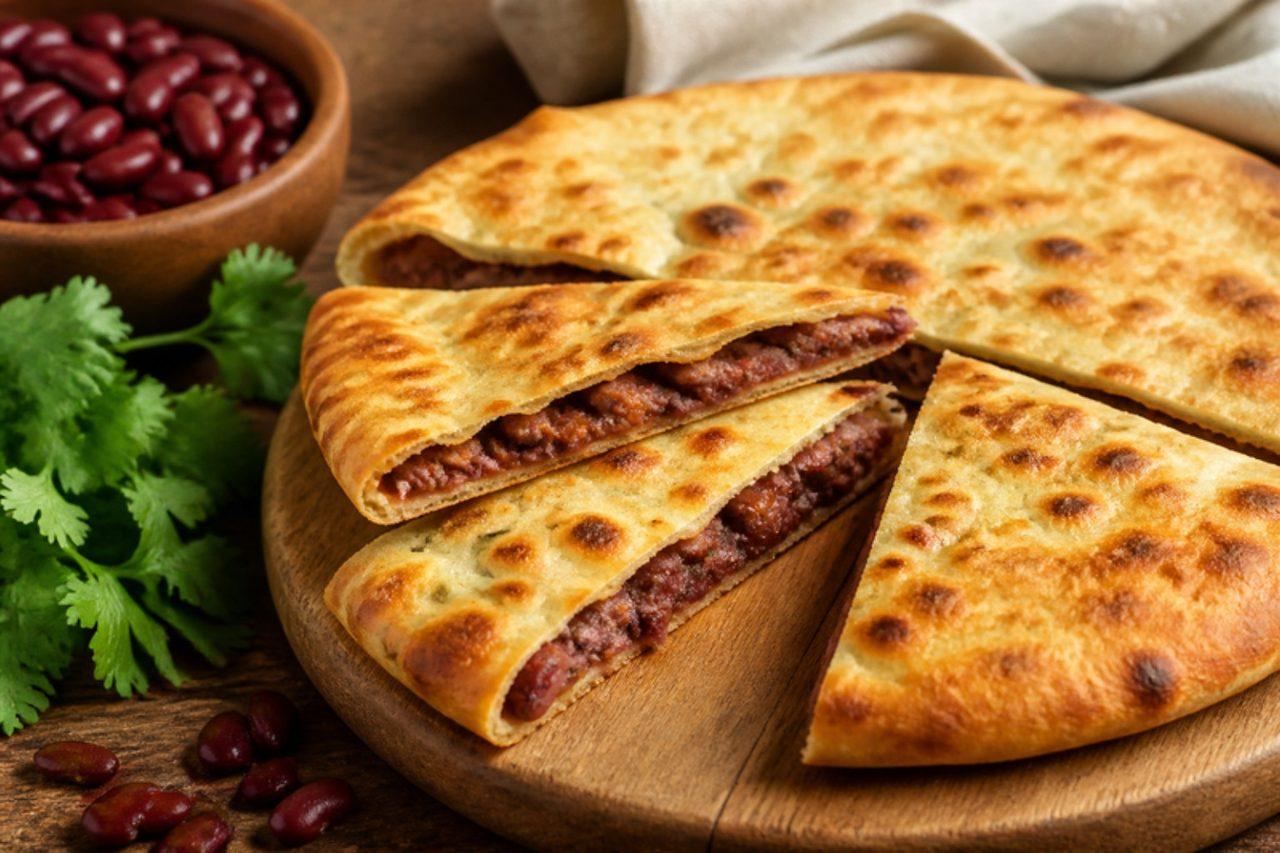
Lobiani is a round bread stuffed with spiced mashed kidney beans, and in Georgia it belongs above all to Barbaroba, St Barbara's Day on 17 December, when households across the country bake it for neighbours and guests. In the highland region of Racha it is often made with ham; this is the plain bean version that is also baked through Orthodox Lent, so the dough here is made with water and oil and the whole bread is vegan. The filling is soft and peppery with coriander and blue fenugreek, and the crust is thin and chewy. A common mistake is making the bean filling too wet, which turns the dough soggy and makes it burst: the mash should hold its shape on a spoon. Chef's tip: fry the onion for the filling until properly golden, not just soft; its sweetness is what makes the beans taste of something.

by KrazyBadal 0 views

LobioRed bean stew

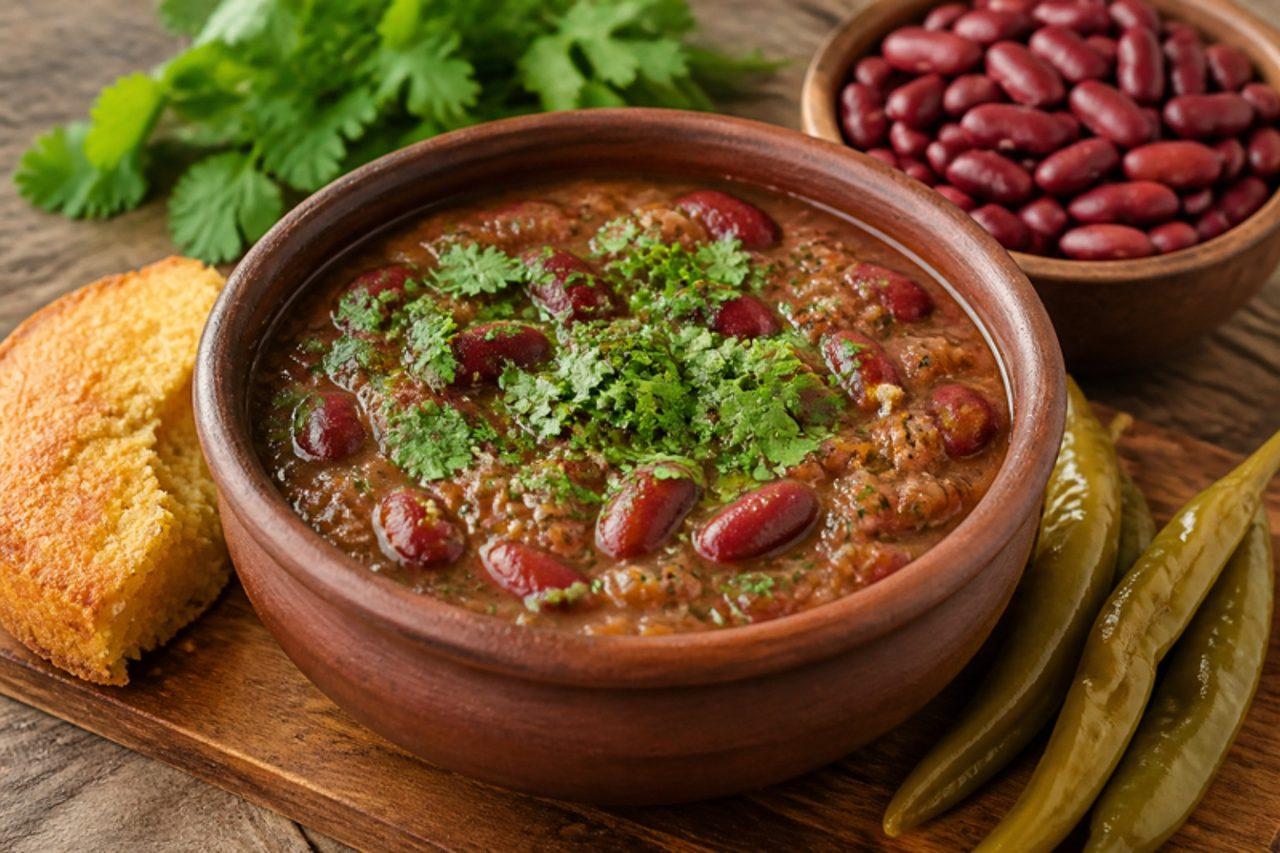
Lobio simply means beans, and in Georgia it means this thick, herb-scented stew of red kidney beans, cooked and served in a clay pot (a ketsi or kotani). In Imereti and Racha it is everyday winter food and a mainstay of the Lenten table, eaten with hot mchadi, pickled cabbage or green chillies and a spoon of tkemali. Some of the beans are crushed so the stew turns creamy while the rest stay whole. A common mistake is mashing everything to a purée; crush only about a third. Raw kidney beans must also boil hard for 10 minutes before simmering, or they can make you ill. Chef's tip: stir in the fresh coriander and garlic only at the end, off the heat, so they stay bright and sharp against the soft beans.

by KrazyBadal 0 views

KespeEgg noodles in vegetable broth

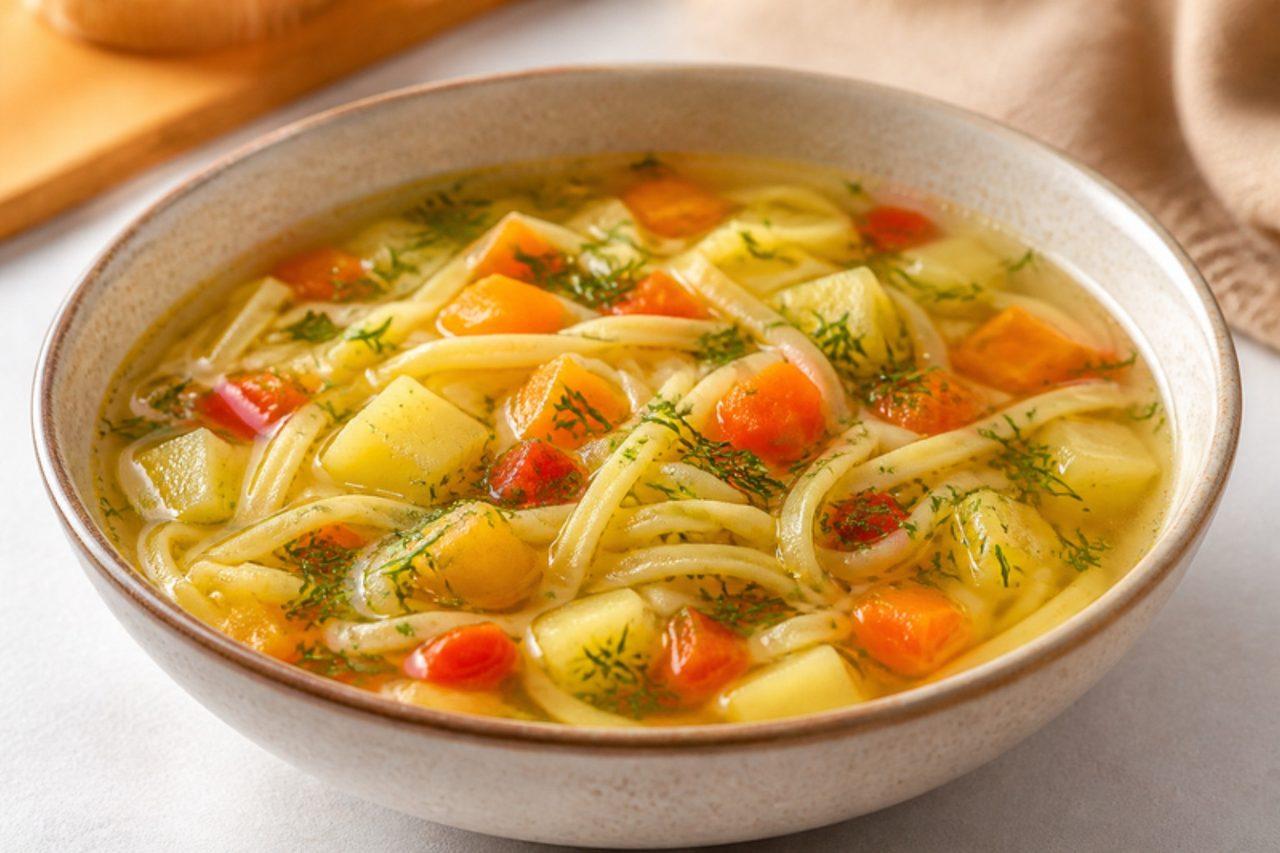
Kespe is the plainest and most comforting of Kazakh soups: home-made egg noodles, cut thin with a knife, simmered in broth with potato, carrot and onion. The name comes from 'kesu', to cut. Grandmothers in villages around Karaganda and Pavlodar make it on winter evenings and for anyone feeling unwell, and in Kyrgyzstan the same soup goes by the same name. It is usually cooked in mutton broth; this version uses a well-browned vegetable broth. Chef's tip: dry the cut noodles for 20 minutes before cooking; they hold their shape and don't cloud the broth.

by KrazyBadal 0 views

Locro argentinoCorn, bean and meat stew

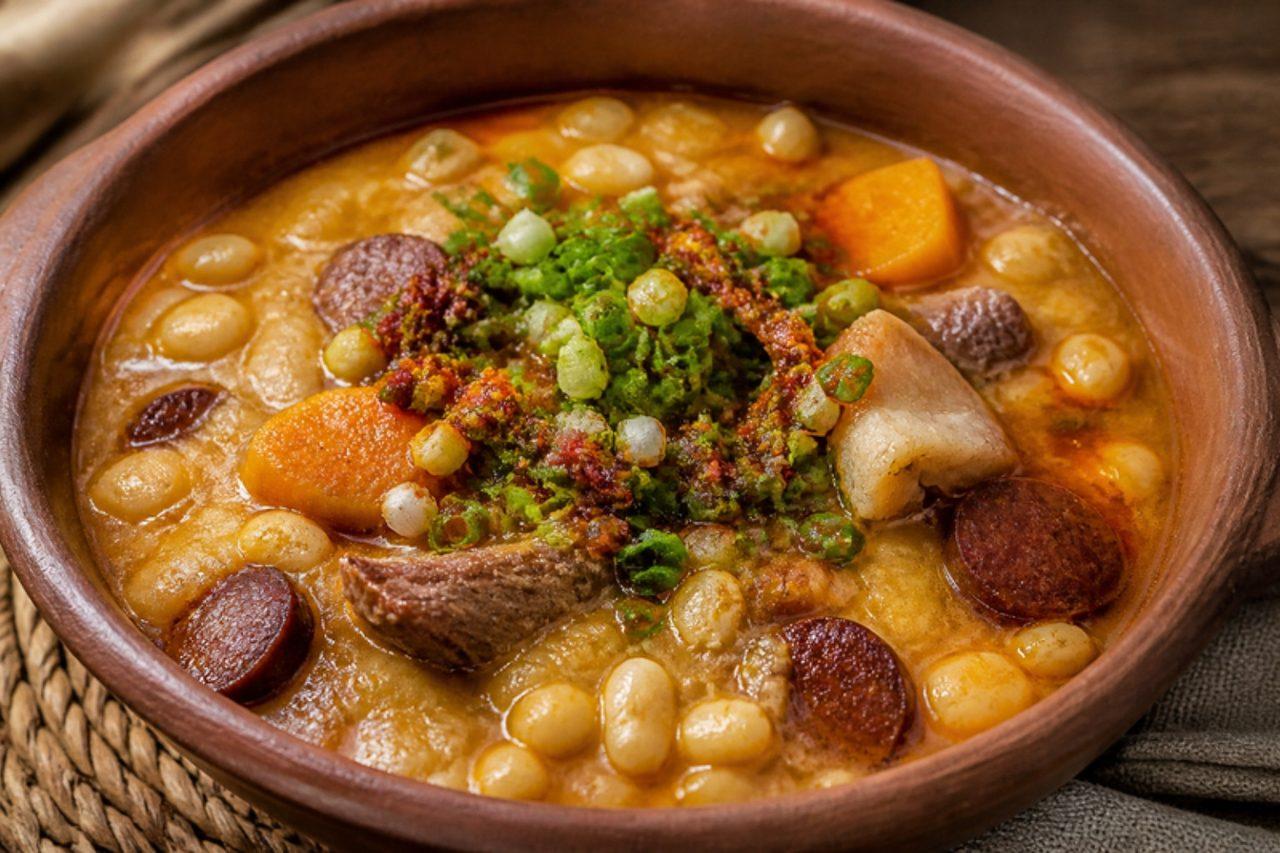
Locro comes from the Andean northwest, from Salta, Jujuy and Tucumán, and today the whole country eats it on 25 May and 9 July, the two national holidays, when it simmers in huge pots at clubs and church halls. Dried white corn, white beans and squash cook down with beef, pork belly and chorizo into a stew so thick a spoon stands up in it. This is a pork dish. It is topped with quiquirimichi, a red oil of paprika, chilli and spring onion. The classic mistake is not soaking the corn and beans overnight; without it they never soften. Chef's tip: stir often in the last hour, scraping the bottom, as the squash breaks down and the locro catches easily.

by KrazyBadal 0 views

Locro de papaPotato and cheese soup

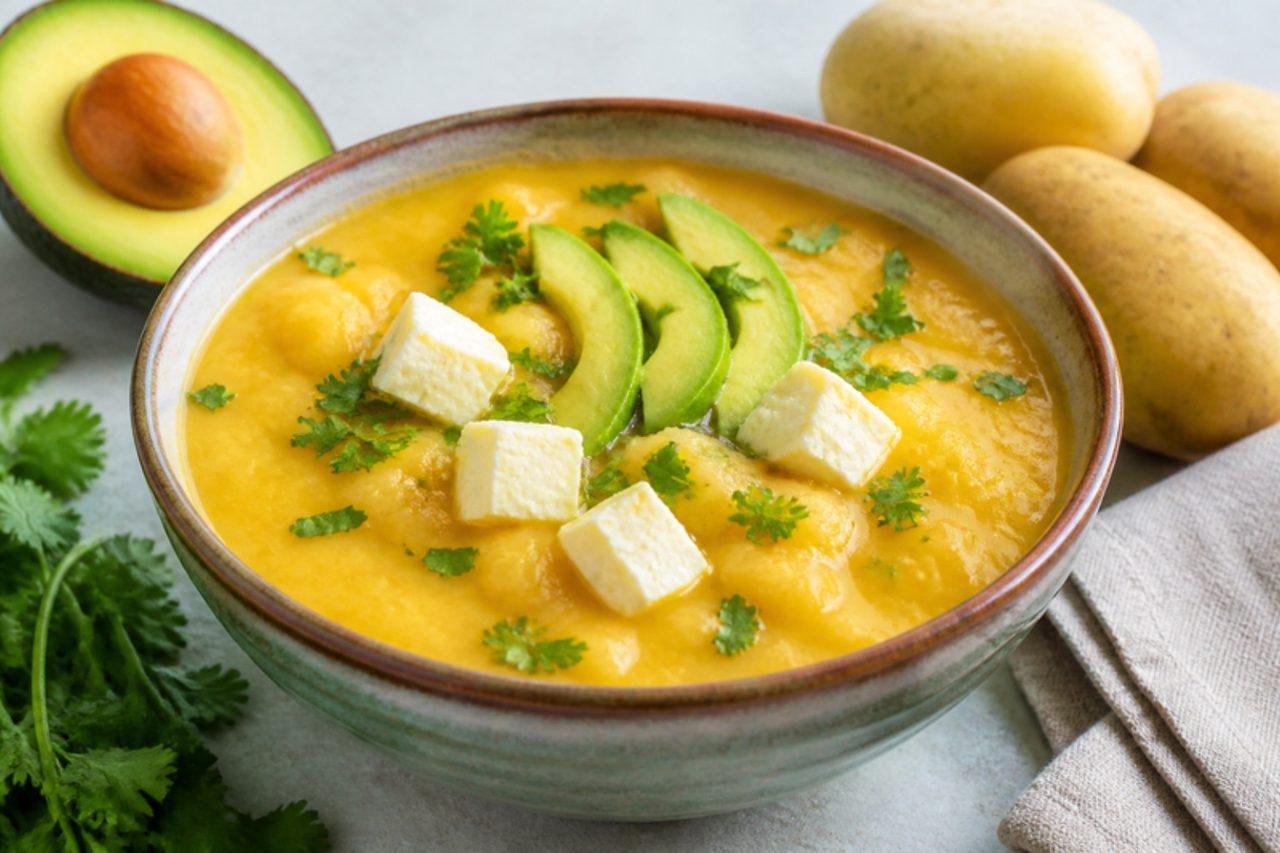
Locro de papa is Quito's comfort soup, eaten on cold afternoons in the Andean highlands where nights drop near freezing. Potatoes are cooked until half of them dissolve into a thick, achiote-tinted broth, then finished with milk and cubes of fresh cheese that soften into strings. Bowls are crowned with avocado slices and served with ají (chilli sauce) on the side. Ecuador uses two potatoes, a floury one to thicken and a waxy one to hold its shape. Chef's tip: add the cheese off the heat; it should soften and go stretchy, not melt into an oily layer.

by KrazyBadal 0 views

LohikeittoCreamy salmon soup

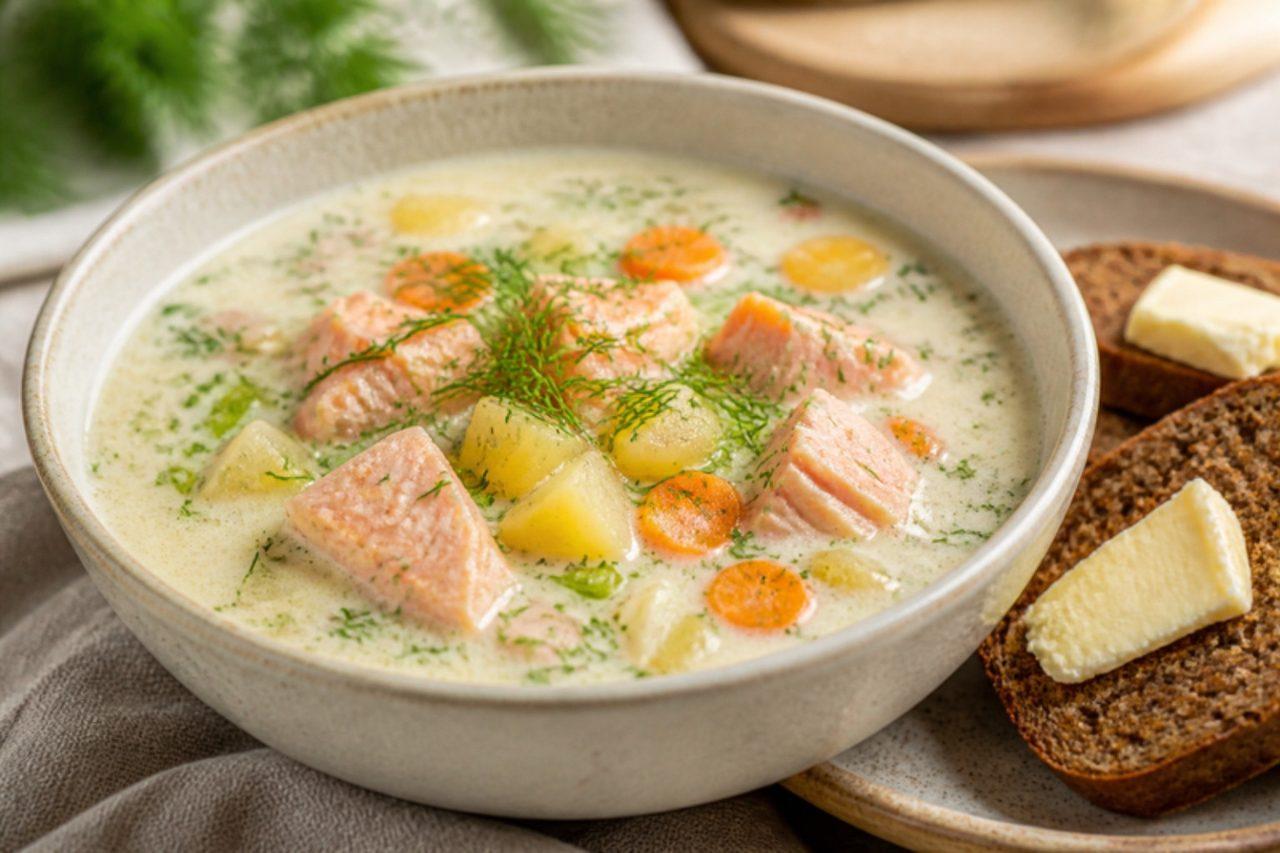
Lohikeitto is what Finns cook when they want something warming after a day outside, ladled up in Helsinki lunch cafés and in lakeside summer cottages alike. Chunks of salmon and potato simmer in a light fish stock with leek and allspice, then a little cream turns it pale and gentle and a big handful of dill makes it taste of summer. It takes about forty minutes and is served with dark rye bread and butter. The common mistake is boiling the salmon hard, which turns it dry and stringy; it only needs a few minutes at a bare simmer. Chef's tip: add the salmon last and switch off the heat with the lid on; the fish finishes in the hot soup and stays in juicy flakes.

by KrazyBadal 0 views

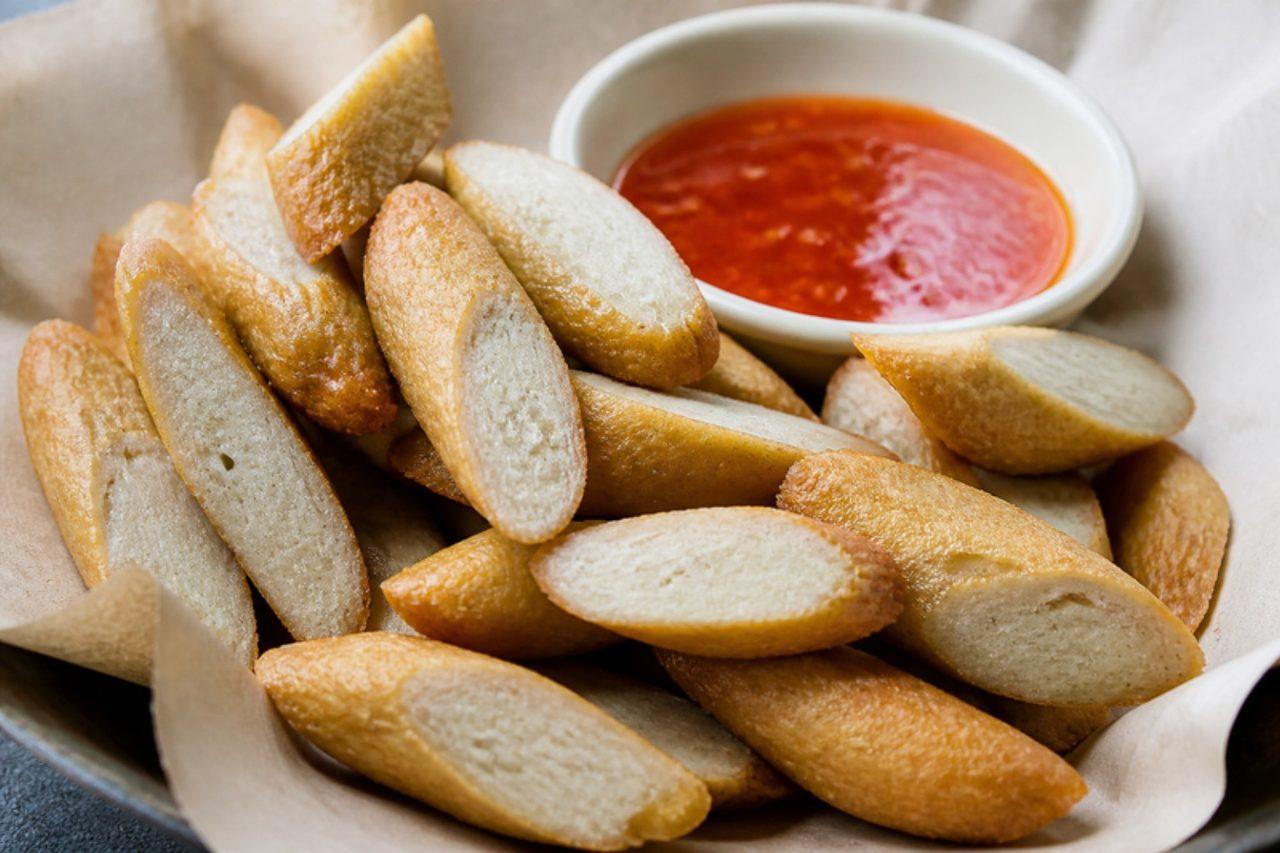
Keropok lekorFried fish sausages

Along the beach road from Kuala Terengganu to Marang, roadside huts sell keropok lekor in paper bags, still hot from the wok. These are long, grey-white sausages of fish and sago starch, boiled until they float and then sliced and fried, so the outside puffs and crisps while the inside stays dense, bouncy and tasting clearly of the sea. Locals dip them in a sweet, garlicky chilli sauce and eat them with tea in the late afternoon. They freeze well after boiling, ready to fry any time. Chef's tip: knead the fish with ice-cold water; keeping the dough cold is what gives the springy bite.

by KrazyBadal 0 views

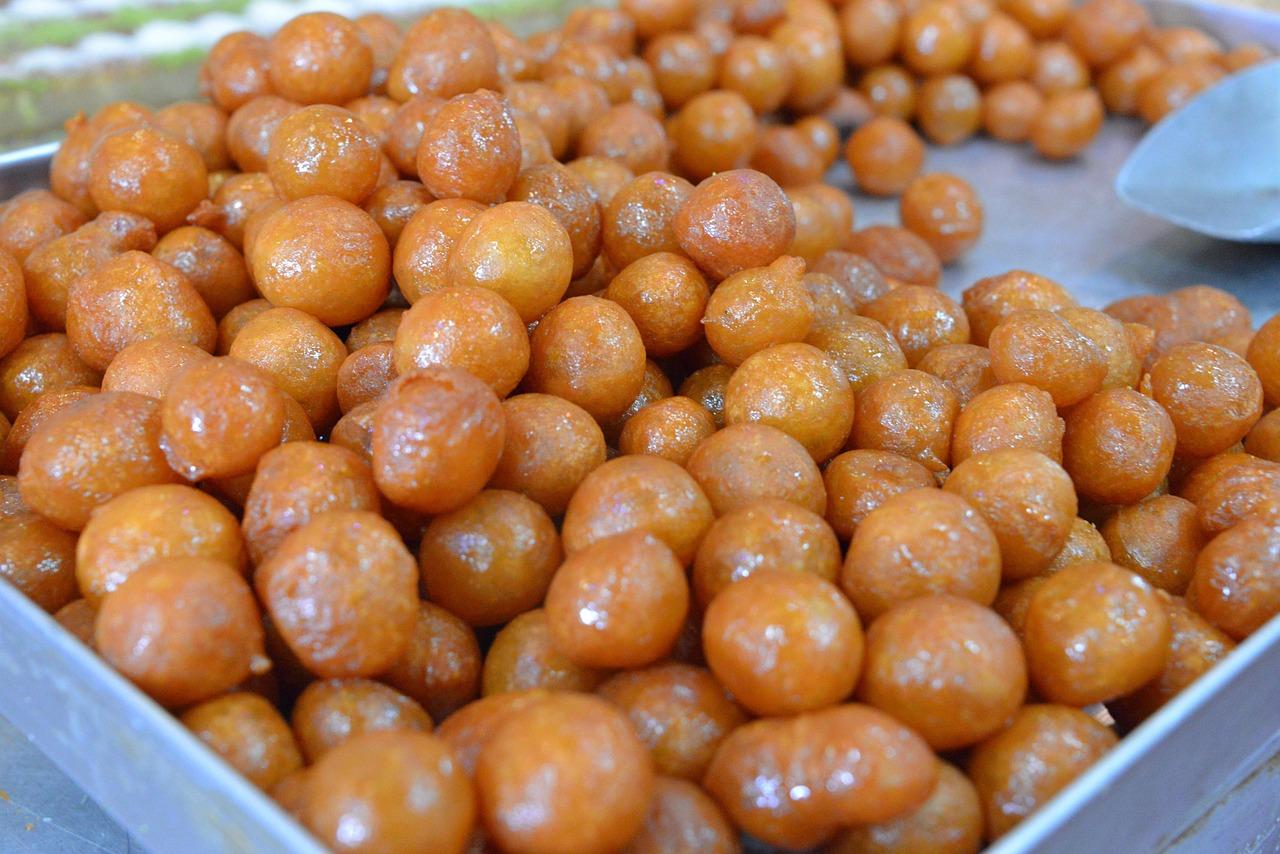
LokmaFried yeast fritters in syrup

In İzmir and along the Aegean coast, lokma is the sweet of shared moments: families hire a lokma master with a big cauldron to fry hundreds of these golden balls on the street after a funeral or to mark an anniversary, handing them out to anyone passing by, and stalls sell them by the paper cup all year. Each fritter is a little ball of yeasted batter, crisp outside, hollow and soft within, soaked briefly in lemon syrup so it crunches before it melts. This home version needs no eggs or butter, and kids love squeezing out the balls. Eat them warm, on their own or with a sprinkle of cinnamon or crushed pistachios. Chef's tip: dip your spoon or fingers in a cup of water before each ball; the batter then slides off cleanly into round shapes instead of stringy tails.

by KrazyBadal 0 views

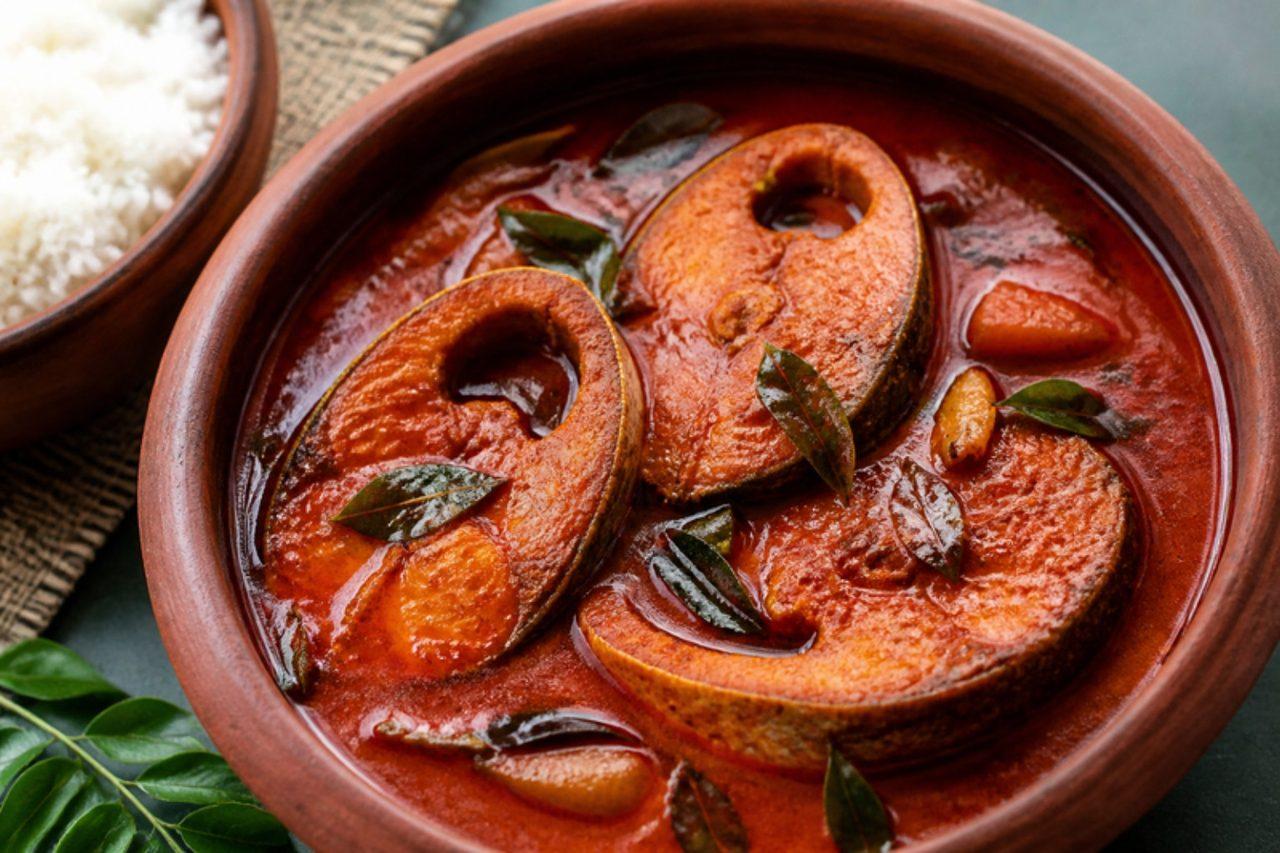
Kerala meen currySour red fish curry

Down the southern backwater districts of Travancore, around Kottayam and Alappuzha, the everyday fish curry has no coconut at all: just a brick-red gravy of chilli, shallots and coconut oil, made sour and smoky with kudampuli (Malabar tamarind). It is traditionally made in a clay pot (manchatti) and left to sit, because it tastes better hours later or the next morning, when the fish has soaked up the sourness. Kingfish, sardines and mackerel are the usual choices; eat it with boiled red Kerala rice or tapioca. Chef's tip: once the fish is in, never use a spoon — hold the pot with a cloth and swirl it so the sauce coats the pieces without breaking them.

45 minIndianFishGluten freeSpicy
by KrazyBadal 0 views

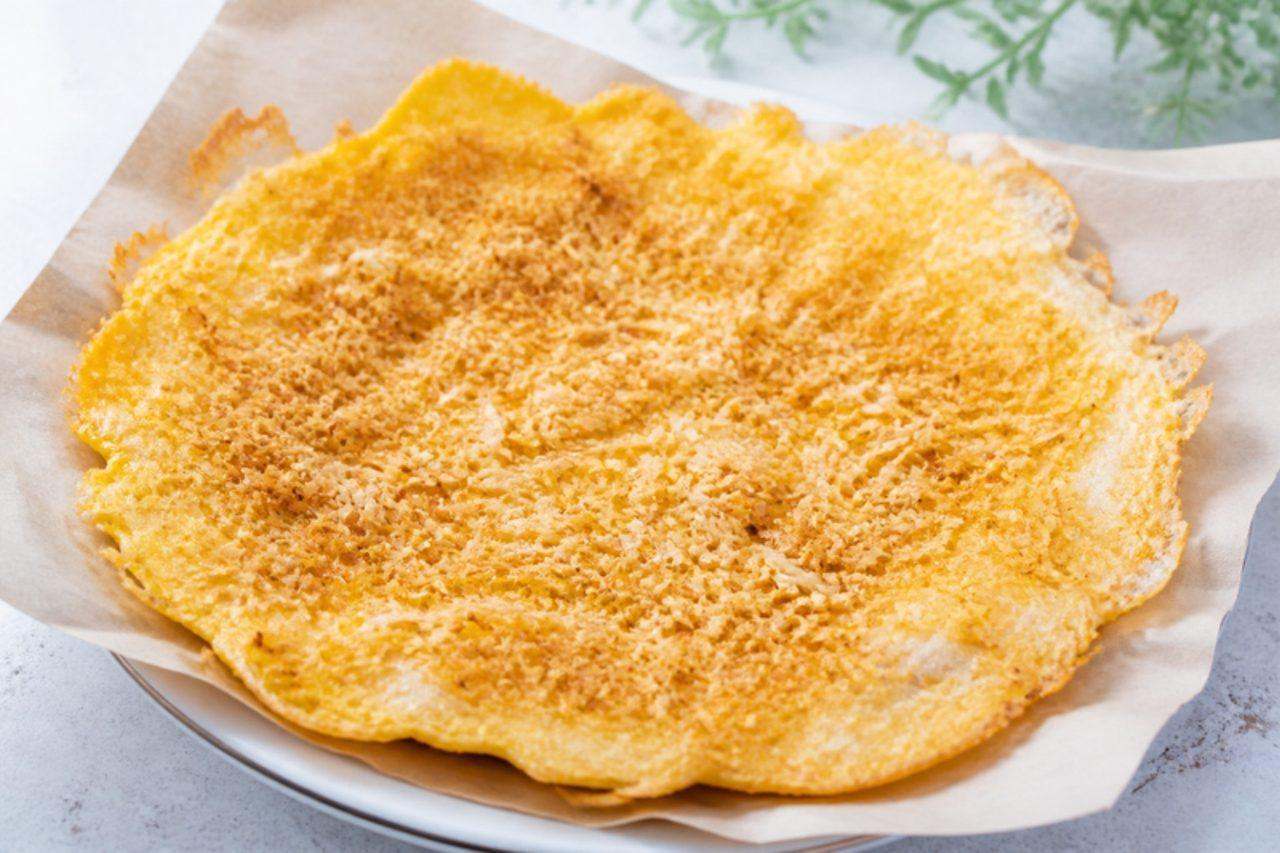
Kerak telorSticky rice and egg omelette

Kerak telor is the Betawi snack of Jakarta, cooked over charcoal by vendors at the Jakarta Fair and around Monas: a little soaked sticky rice is cooked in a tiny wok, an egg cracked on top, then the wok is turned upside down over the coals so the bottom forms a crust. It is finished with serundeng, a spiced toasted coconut, and fried shallots. Vendors usually add dried shrimp to the coconut; this version doesn't. Chef's tip: soak the sticky rice overnight; half-soaked grains stay hard in the middle.

by KrazyBadal 0 views

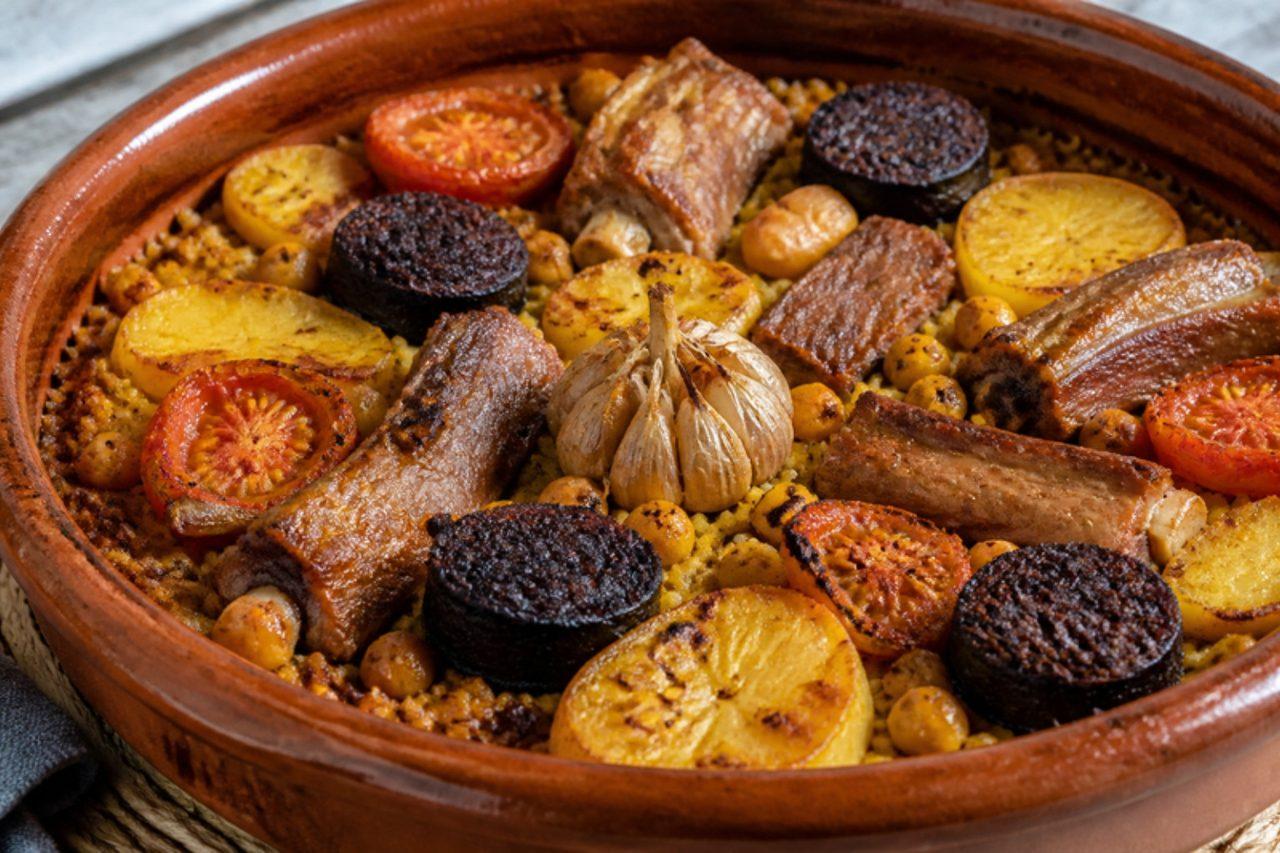
Arroz al hornoBaked rice with chickpeas and pork

Arroz al horno (arròs al forn in Valencian) is the oven rice of Valencia and Xàtiva, traditionally made the day after a big pot of cocido, using its leftover chickpeas and broth. Families once carried the clay dish to the village baker's oven; today it is baked at home in a wide, shallow earthenware cazuela. Pork ribs, morcilla (Spanish onion blood sausage), slices of potato, chickpeas and a whole head of garlic sit on top of the rice, which bakes into a dry, tender layer full of flavour. Use any ovenproof dish about 30 cm across and 5 cm deep if you don't have a cazuela. Chef's tip: have the stock at a rolling boil when you pour it in, then get the dish into the hot oven within seconds; a lukewarm start leaves the rice chalky in the middle.

by KrazyBadal 0 views

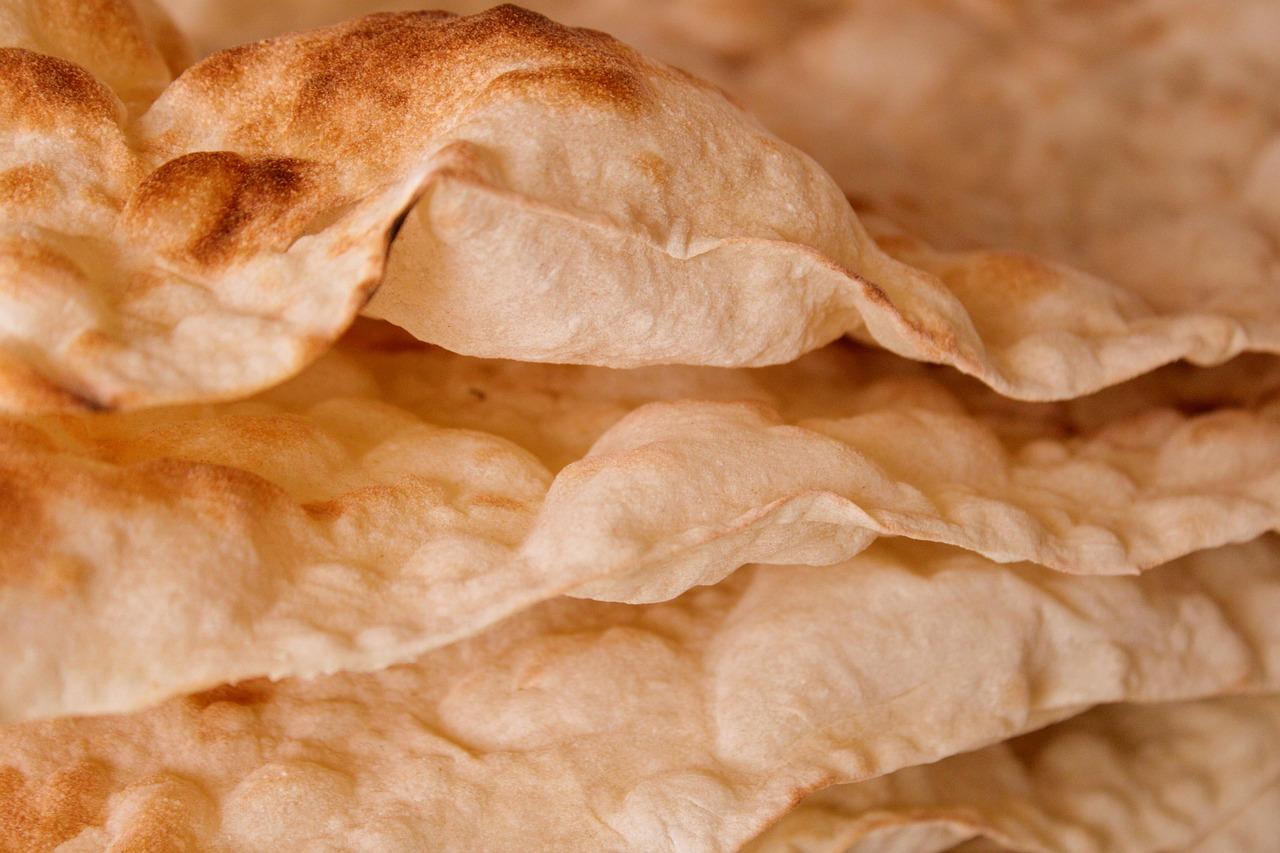
LavashThin flatbread

In Armenian villages lavash is still slapped onto the hot clay wall of a tonir by women working in pairs, one rolling and one stretching, and the craft is on UNESCO's list of intangible heritage. The sheets come out blistered and soft, then dry to a cracker that keeps for months; a sprinkle of water brings them back to life. Lavash wraps grilled vegetables and herbs, carries cheese to the mouth, lines the pot for a crusty plov and is laid on the table at every meal and wedding. This version is unleavened and cooked in a heavy frying pan, the easiest way to get close to the tonir at home. Chef's tip: roll on a lightly oiled worktop rather than a floured one; the dough clings a little, so it stretches thinner without tearing.

by KrazyBadal 0 views

Armenian harissaChicken and wheat porridge

Armenian harissa has nothing to do with the North African chilli paste. It is a thick, smooth porridge of whole wheat and chicken, cooked for hours until both break down, then beaten hard with a wooden spoon. It is tied to Musa Dagh and the village of Anjar, where it is cooked in huge cauldrons for the September feast, and many families also make it for Easter and cold winter Sundays. The taste is gentle and comforting, lifted by browned butter and cumin poured on top. Cooks often stop stirring once the wheat has softened, but the long beating at the end is what gives harissa its creamy, stretchy texture. Chef's tip: soak the wheat the night before; it halves the cooking time.

by KrazyBadal 0 views

Ker sangriDesert berries and beans

Ker sangri is a true desert dish from the Thar in Rajasthan: ker are small, sour wild caper berries and sangri are the thin, chewy bean pods of the khejri tree, both picked in summer and sun-dried to last the year. Soaked, boiled and fried in plenty of mustard oil with chilli, mango powder and coriander, they become tangy, earthy and almost pickle-like. It keeps for days, which is why it travelled with camel herders. Serve with bajra roti or puri, or as a side to dal baati. Chef's tip: taste a ker berry after boiling; if it is still very bitter, boil it again in fresh water before frying.

by KrazyBadal 0 views

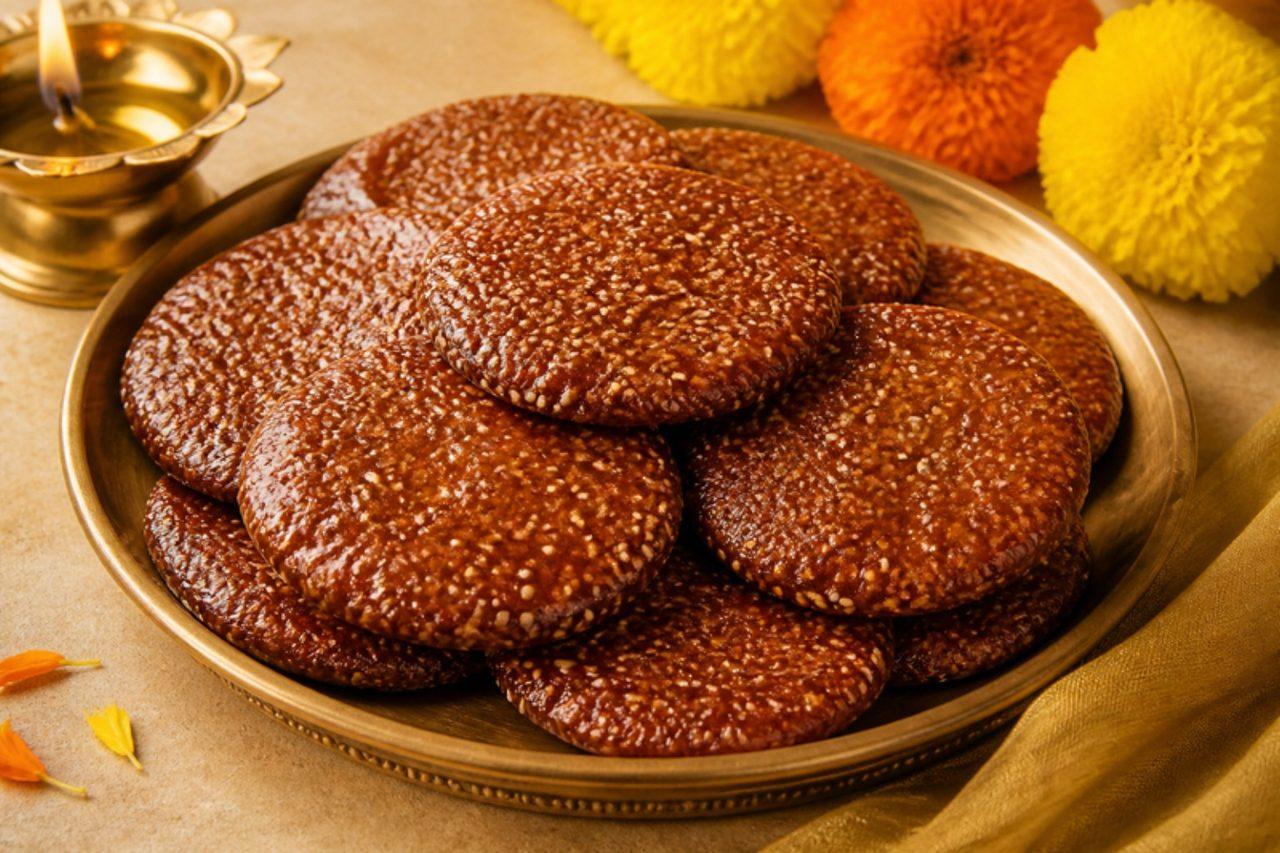
AriseluRice flour and jaggery sweets

No Sankranti in coastal Andhra Pradesh is complete without ariselu. In the days before the January harvest festival, women gather to pound soaked rice into damp flour, cook it into a thick jaggery syrup, and press the dough into rounds on sesame seeds before frying. Each ariselu is chewy, dense and caramel-sweet, with a crisp sesame coat; after frying they are squeezed between two wooden spatulas to push out the excess oil. They keep for two weeks and are shared with every neighbour. Chef's tip: use home-made flour from soaked rice that is still slightly damp; dry shop flour gives hard, cracking ariselu.

by KrazyBadal 0 views

KeleweleSpiced fried plantain

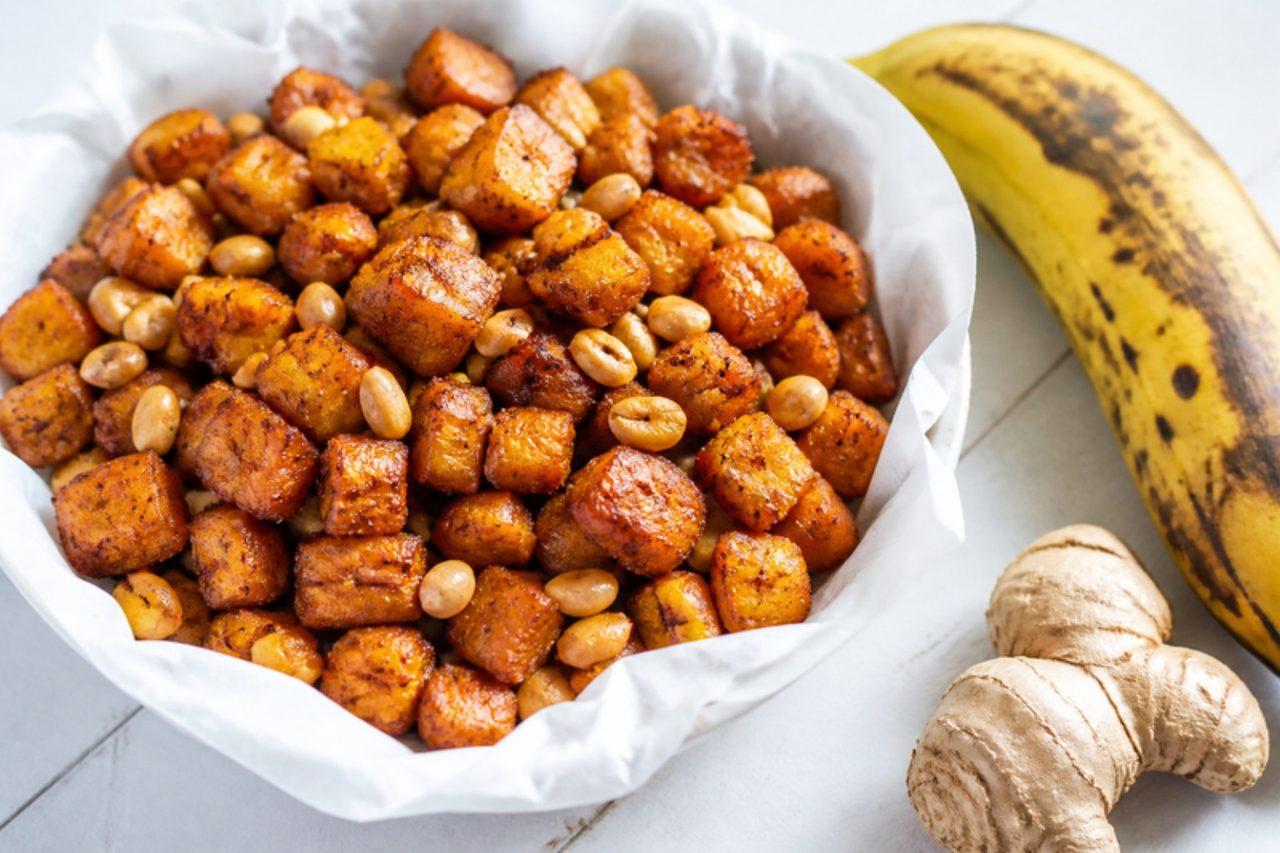
Kelewele is what Accra smells like after dark: ripe plantain cubes tossed in a paste of ginger, onion, chilli and spice, then fried at roadside stalls lit by lamps and sold in paper cones. It is eaten as an evening snack, often with a handful of roasted peanuts, or as a side with red red. The outside caramelises while the spices turn toasty, so every piece is sweet, hot and spicy at once. Chef's tip: use plantains that are yellow with lots of black spots; fully black ones collapse in the oil and green ones never turn sweet.

by KrazyBadal 1 views

Lontong sayurRice cakes in coconut vegetable broth

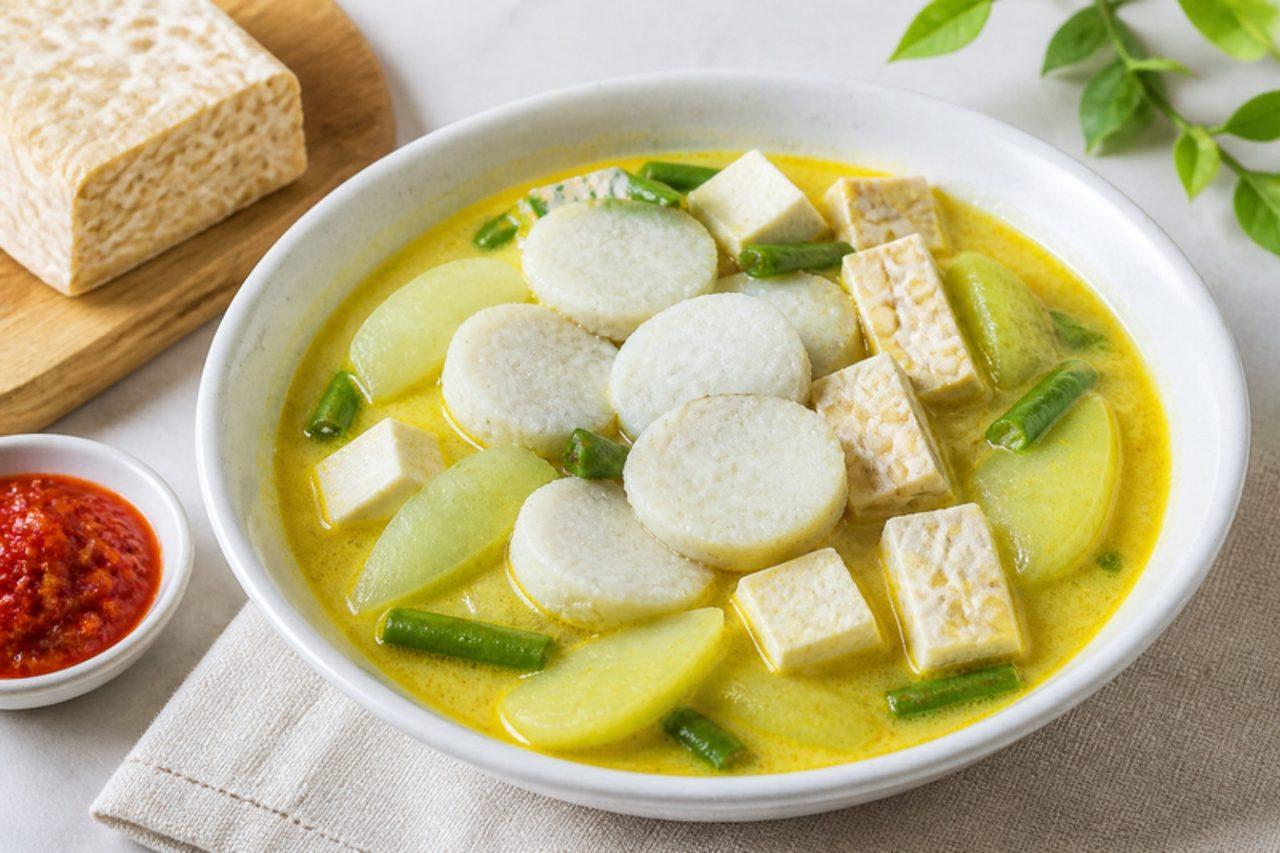
In Jakarta, lontong sayur is what the morning carts sell before offices open: firm slices of pressed rice sitting in a thin, golden coconut broth with chayote, long beans and squares of tofu and tempeh. Betawi families also cook a big pot of it for Lebaran morning. Street versions often add dried shrimp to the spice paste; this one keeps the flavour with candlenuts, galangal and salam leaf instead. Serve with sambal, fried shallots and crackers. Chef's tip: cook the lontong the day before and chill it overnight; cold rice cakes slice cleanly and soak up the broth without falling apart.

by KrazyBadal 0 views

PallubasaBeef and coconut soup

Makassar's other great beef soup is darker, richer and more coconutty than coto, and locals argue about which is better over late lunches at pallubasa houses near the port. The secret is kelapa sangrai: grated coconut toasted slowly to a deep brown and pounded, which gives the broth a roasted, almost nutty sweetness and a slightly gritty, full body. It's eaten with a mound of plain rice rather than rice cakes, and for the full version you ask for 'alas', a raw egg yolk dropped in the bowl that you stir into the boiling soup until it turns silky. Offal is traditional but optional; tender beef alone is delicious. Chef's tip: the coconut must reach the colour of milk chocolate, not black, because burnt coconut makes the whole pot bitter.

by KrazyBadal 0 views

Showing 36 of 9,592 recipes

Show more recipes

Page 912 of 1,066